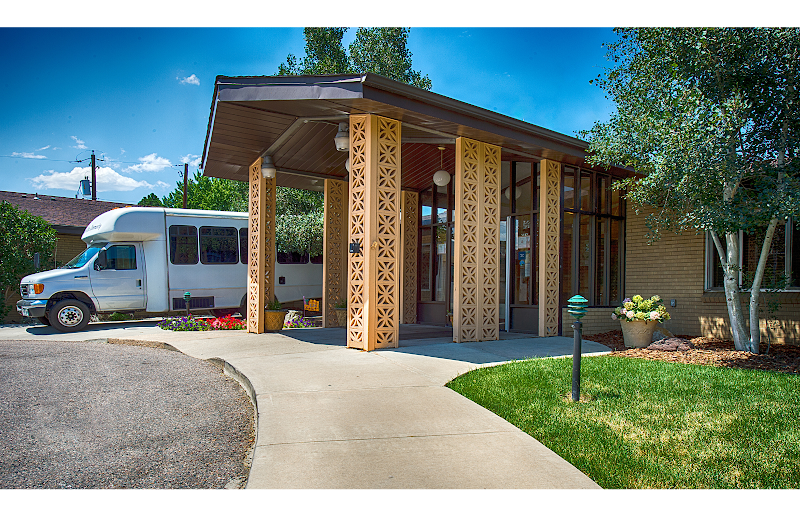
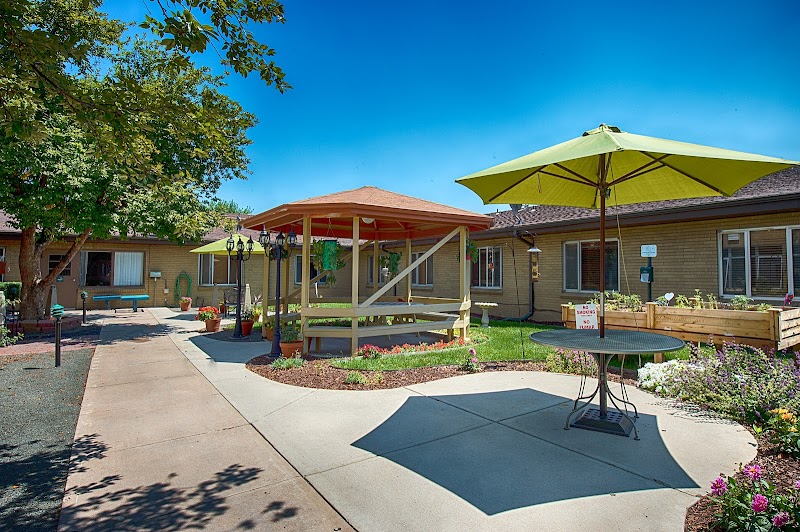
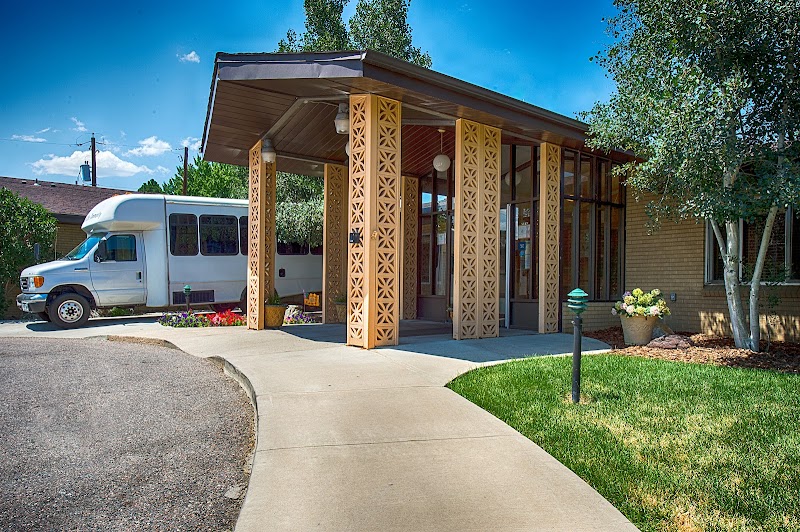
WESTWOOD POST ACUTE

3185 W ARKANSAS AVE, DENVER, CO 80219 (303) 922-1169
For profit - Corporation 85 Beds PACS GROUP Data: November 2025 2 Immediate Jeopardy citations
Trust Grade
0/100
#178 of 208 in CO
Last Inspection: April 2025

Within standard 12-15 month inspection cycle. Federal law requires annual inspections.

Overview

Westwood Post Acute has received a Trust Grade of F, indicating poor performance with significant concerns about care quality. It ranks #178 out of 208 in Colorado and #20 out of 21 in Denver County, placing it in the bottom half of facilities. The situation is worsening, with the number of reported issues increasing from 17 in 2024 to 21 in 2025. Staffing is a relative strength, with a 4 out of 5 star rating and a turnover rate of 40%, which is below the state average. However, the facility has concerning issues, including $78,371 in fines, which is higher than 92% of Colorado facilities, and insufficient RN coverage compared to 77% of state facilities. Specific incidents highlight serious care deficiencies: one resident experienced choking due to a lack of supervision during meals, and another faced significant medication errors regarding critical anticoagulant management. Additionally, a third resident who was completely dependent on staff for daily activities reported not receiving basic care like bathing and oral hygiene for weeks, leading to discomfort and poor hygiene. While there are some strengths in staffing, the overall situation in this facility raises serious concerns for families considering it for their loved ones.

Trust Score
F
0/100
In Colorado
#178/208
Bottom 15%
Safety Record
High Risk
Review needed
Inspections
Getting Worse
17 → 21 violations
Staff Stability
○ Average
40% turnover. Near Colorado's 48% average. Typical for the industry.
Penalties
✓ Good
$78,371 in fines. Lower than most Colorado facilities. Relatively clean record.
Skilled Nurses
○ Average
Each resident gets 39 minutes of Registered Nurse (RN) attention daily — about average for Colorado. RNs are the most trained staff who monitor for health changes.
Violations
⚠ Watch
50 deficiencies on record. Higher than average. Multiple issues found across inspections.
★★☆☆☆
2.0
Overall Rating
★★★★☆
4.0
Staff Levels
★★★★★
5.0
Care Quality
★☆☆☆☆
1.0
Inspection Score
Stable
2024: 17 issues
2025: 21 issues

The Good

  • 4-Star Staffing Rating · Above-average nurse staffing levels
  • 5-Star Quality Measures · Strong clinical quality outcomes
  • Full Sprinkler Coverage · Fire safety systems throughout facility
  • No fines on record
  • Staff turnover below average (40%)

    8 points below Colorado average of 48%

Facility shows strength in staffing levels, quality measures, fire safety.

The Bad

2-Star Overall Rating

Below Colorado average (3.1)

Below average - review inspection findings carefully

Staff Turnover: 40%

Near Colorado avg (46%)

Typical for the industry

Federal Fines: $78,371

Well above median ($33,413)

Moderate penalties - review what triggered them

Chain: PACS GROUP

Part of a multi-facility chain

Ask about local staffing decisions and management

The Ugly 50 deficiencies on record

2 life-threatening 4 actual harm
Apr 2025 21 deficiencies 1 IJ
CRITICAL (J)

Immediate Jeopardy (IJ) - the most serious Medicare violation

Accident Prevention (Tag F0689)

Someone could have died · This affected 1 resident

**NOTE- TERMS IN BRACKETS HAVE BEEN EDITED TO PROTECT CONFIDENTIALITY** Based on observations, record review and interviews, the facility failed to ensure residents received adequate supervision to pr...

Read full inspector narrative →
**NOTE- TERMS IN BRACKETS HAVE BEEN EDITED TO PROTECT CONFIDENTIALITY** Based on observations, record review and interviews, the facility failed to ensure residents received adequate supervision to prevent accidents for one (#45) of three residents reviewed out of 29 sample residents. Resident #45 was admitted on [DATE] for long-term care with a diagnosis of bipolar (mental illness), borderline personality disorder, intellectual disability and dysphagia/oropharyngeal phase (difficulty in swallowing due to issues in the part of the throat located behind the mouth). On 3/18/25 Resident #45 had an episode of choking after she grabbed a handful of leftover refried beans and shoved them into her mouth before the staff could stop her and she aspirated. The resident required the Heimlich maneuver (abdominal thrusts used to remove food or particles stuck in the airway) and suctioning. The 4/5/25 physician's order revealed, based on assessments from the speech therapist (ST), Resident #45 required one-on-one supervision during meals, cueing for small bites/sips, slow rate, redirection to prevent wandering and an upright positioning with all oral intake. Observations during the survey revealed the one-on-one staff member did not offer Resident #45 cueing for small bites/sips, slow rate or an upright position with oral intake. Additionally, the one-on-one staff member left the resident alone during the meal. The facility's failure to ensure identified interventions for Resident #45's known choking risk were implemented consistently created the potential for serious harm for Resident #45. Findings include: I. Immediate jeopardy A. Situation of immediate jeopardy The facility failed to ensure staff provided appropriate supervision and implemented the identified care-planned interventions for Resident #45 after the resident had a choking incident on 3/18/25. The facility's failure to ensure staff provided appropriate supervision and implemented care-planned interventions led to a continued risk of further choking incidents for Resident #45. B. Imposition of immediate jeopardy On 4/25/25 at 8:15 a.m., the nursing home administrator (NHA) was notified of the immediate jeopardy situation created by the facility's failure to ensure Resident #45 received appropriate supervision during times of intake. C. Facility plan to remove immediate jeopardy On 4/25/25 at 3:20 p.m., the facility submitted a plan to remove the immediate jeopardy, The removal plan read: 1. Corrective action On 4/25/25 Resident #45 was placed on one-on-one supervision to ensure continuous monitoring during mealtimes and to reduce the risk of choking. The resident will be reviewed weekly by the interdisciplinary team (IDT) to determine appropriateness of remaining on one-on-one supervision. By 4/26/25 an audit of all nursing staff cardiopulmonary resuscitation (CPR) certifications, specifically including verification of Heimlich maneuver training, will be completed. On 4/25/25, there are seven staff members who are CPR and Heimlich maneuver trained in the facility. The facility will have a minimum of one person who is CPR certified and Heimlich maneuver trained in the facility and observing meals at all times. 2. Identification of others On 4/25/25 all residents were screened utilizing the swallowing disorder section from their most recent minimum data set (MDS) assessment. For any residents identified as having swallowing difficulties, the IDT ensured care plans were reviewed and appropriate interventions were implemented. Communication will occur with staff by updating care plans and by updating [NAME] (staff directive tool). The director of nursing (DON) or designee will perform education to all nursing staff by 4/25/25 or before the start of their next shift. Education will be in person by the DON or designee. 3. Systematic changes On 4/25/25 the DON or designee conducted in-service training on the Foreign Body Airway Obstruction policy for all currently scheduled facility and agency staff. Staff not present on 4/25/25 will receive education prior to the start of their next scheduled shift. On 4/25/25 the speech language therapist (SLP) or a designee who has been trained by the SLP, provided training to all nursing and agency staff regarding expectations when assigned as a one-on-one during meals. Training included the following key points: -The resident must not be left unattended during meals. -Staff must intervene if the resident begins to fall asleep. -Staff must implement appropriate interventions (discovered in the care plan or [NAME]) if the resident exhibits unsafe eating behaviors. -Staff not trained on 4/25/25 will be educated prior to their next shift. On 4/25/25 the DON or designee educated nursing and agency staff on all relevant physician's orders related to Resident #45. Staff not in attendance on 4/25/25, will receive training before their next scheduled shift. On 4/25/25 the DON or designee reviewed the care plan interventions for Resident #45 with all available nursing and agency staff. Staff not trained on 4/25/25 will be educated before their next scheduled shift. D. Removal of immediate jeopardy The NHA was notified the immediate jeopardy was removed on 4/25/25 at 3:30 p.m. based on the facility's removal plan (see above). However, the deficient practice remained at a D level, no actual harm with potential for more than minimal harm that is not immediate jeopardy. II. Facility policy and procedure The Foreign Body Airway Obstruction (choking) policy, undated, was provided by the nursing home administrator (NHA) on 4/25/25 at 11:00 a.m. It read in pertinent part: The facility will ensure that all direct care staff and any other designated staff be trained and certified in performing CPR to include the Heimlich maneuver if a choking event/foreign body obstruction should occur. Residents should be assessed to determine if they are at a higher risk for foreign body obstruction/ choking episodes and care planned accordingly. Document the event and response to the interventions implemented. III. Resident #45 A. Resident status Resident #45, age less than 65, was admitted on [DATE]. According to the April 2025 computerized physician orders (CPO), diagnoses included bipolar, borderline personality disorder, intellectual disability and dysphagia/oropharyngeal phase. The 3/23/25 MDS assessment revealed the resident was cognitively intact with a brief interview of mental status (BIMS) score of 13 out of 15. The MDS assessment indicated the resident experienced coughing and choking during meals and had complaints of difficulty or pain with swallowing. The resident required set-up and supervision with eating. B. Resident observation and interview During a continuous observation of the lunch meal on 4/7/25, beginning at 11:30 a.m. and ending at 1:00 p.m. the following was observed: At 11:30 a.m. certified nurse aide (CNA) #1 was sitting next to Resident #45. The resident was served mechanical soft ham, sweet potatoes and a dinner roll. Between 12:00 p.m. and 12:40 p.m., Resident #45 fell asleep at the table with her head back while chewing nine times. When the resident would wake up, she would continue to chew the food that was remaining in her mouth, put more food into her mouth and then fall asleep again without finishing chewing her food. CNA #1 was sitting with the resident and left her alone for two to three minutes twice, prompted her to wake up three times and did not wake the resident when she fell asleep four times. During a continuous observation of the lunch meal on 4/8/25, beginning at 11:30 a.m. and ending at 1:00 p.m., the following was observed: At 11:30 a.m. CNA #4 was sitting with Resident #45. At 11:55 a.m. the resident was served her lunch, which consisted of a mechanical soft riblette meat, macaroni and beans. Between 11:55 a.m. and 12:30 p.m., the resident used her hands to scoop handfuls of beans and macaroni into her mouth. The resident did not completely chew her food before putting more food into her mouth. CNA #4 reminded Resident #45 to use her silverware twice but the resident would not consistently use it. CNA #4 watched Resident #45 eat with her hands and did not cue or encourage her to take small bites/sips or to eat at a slow rate. Resident #45 was interviewed on 4/8/25 at 1:12 p.m. She said she was on a soft diet but she was not sure why. C. Record review The nutrition care plan, initiated on 3/18/25, revealed Resident #45 was at nutritional risk related to bipolar disorder, intellectual disability, dysphagia and kidney disease. Interventions initiated on 3/18/25 included offering fluids in between meals during snack times and speech therapy (ST) to evaluate and provide treatment as indicated. Resident #45's April 2025 CPO revealed the following physician's orders: Give thickened liquid nectar consistency for history of choking, ordered on 3/18/25. Provide skilled ST 12 times for four weeks for cognitive-communication impairment and oropharyngeal dysphagia. Treatment may include education of safety precautions, education of safe swallow strategies and diet modifications, ordered on 3/18/25. Regular diet: mechanical soft texture, thin liquids and double portions, ordered on 4/5/25. Provide one-on-one supervision during meals, cueing for small bites/sips, slow rate, redirection to prevent wandering, and upright positioning with all oral intake, ordered on 4/5/25. The dietary interview and prescreen assessment, dated 3/18/25, revealed Resident #45 was prescribed a regular diet, puree texture and thickened nectar liquids. The risks identified for not following the order included choking. Resident #45's progress notes dated 3/18/25 through 4/7/25 revealed: A physician note, dated 3/18/25, revealed Resident #45 had an event of choking. The resident grabbed a handful of leftover refried beans and shoved them into her mouth before the staff could stop her and she aspirated. The resident required the Heimlich maneuver and suctioning. A speech therapy evaluation was ordered and the resident's diet was changed to puree texture with thin liquids. A speech therapy note, dated 3/18/25, revealed Resident #45 was assessed per the physician's order. A cognitive assessment was completed and the score demonstrated the resident had moderate cognitive impairments and required cueing for orientation, short term recall and problem solving. A speech therapy note, dated 3/21/25, revealed during an observation of meal service, the ST noted if Resident #45 did not receive cueing during the meal, she became impulsive and would take large bites and eat at a quicker rate. The ST recommended moderate verbal cues for safe swallowing strategies and a continuation of the pureed diet. A nursing note, dated 3/22/25, revealed Resident #45 was observed in the dining room eating food off of dining room tables from other residents' who were finished and not finished with their trays. A behavior note, dated 3/24/25, revealed Resident #45 was observed eating her roommate's snacks. A speech therapy note, dated 3/27/25, revealed Resident #45 had displayed behaviors of taking food from other residents' trays during meals. A specialized restorative program was created for supervision and cueing of the resident during meals to help encourage intake of her meal and prevent the resident from taking others food. During her session with the therapist, the resident required frequent cueing for small bites, slow rate and upright positioning. A behavior note, dated 3/28/25, revealed Resident #45 was observed in the dining room sticking her hand into another resident's food and then eating it. A behavior note, dated 4/5/25, revealed Resident #45 had obtained money from another resident and was observed trying to get a soda from a vending machine. A speech therapy note, dated 4/5/25, revealed Resident #45 was reassessed for swallowing functioning. Speech therapy recommended one-on-one supervision during meals with cueing for strategies and an advanced diet upgrade to mechanical soft with double portions. A speech therapy note, dated 4/6/25, revealed Resident #45 had been upgraded to a mechanical soft diet with thin liquids, but continued to demonstrate disorganized thought patterns and reduce safety awareness. IV. Staff interviews CNA #1 was interviewed on 4/8/25 at 2:30 p.m. CNA #1 said Resident #45 had a one-on-one caregiver because she went into other residents' rooms and stole their snacks and cigarettes. CNA #1 said the resident needed supervision with meals because she ate too quickly and needed to be prompted to slow down. CNA #1 said if the resident fell asleep while she was eating that would put her at risk for choking. Licensed practical nurse (LPN) #1 was interviewed on 4/9/25 at 1:30 p.m. LPN #1 said he had worked with Resident #45 since her admission but he did not know why she had a one-on-one caregiver or why she needed supervision during meals. Registered nurse (RN) #2 was interviewed on 4/9/25 at 1:56 p.m. RN #2 said Resident #45 had a one-on-one caregiver because of her wandering into other resident's rooms and her risk of aspiration during meals. RN #2 said the resident was impulsive and made poor decisions in terms of eating safely, chewing completely and eating slowly. The registered dietitian (RD) was interviewed on 4/9/25 at 2:21 p.m. The RD said she completed annual and quarterly assessments based on the residents' MDS assessment schedule. She said if she needed to do additional assessments, the nurses would notify her. The RD said Resident #45 was originally placed on a pureed diet because the staff reported the resident choking on food. The RD said ST then evaluated the resident and upgraded her to mechanical soft textures. The director of rehabilitation (DOR), who was also a speech therapist, was interviewed on 4/9/25 at 2:30 p.m. The DOR said when Resident #45 admitted to the facility she was initially put on a pureed diet due to choking. The DOR said the resident was demonstrating unsafe eating due to behaviors, not physical deficits. The DOR said she assessed the resident from a behavioral standpoint and determined she was able to eat mechanical textures with cueing and prompting for safety. The DOR said the therapy department had recommended the one-on-one caregiver during meals to assist Resident #45 in developing better eating habits and monitoring her for safety. She said if the resident was sleeping while chewing, it put the resident at risk for choking and aspiration. The DOR said she was not aware that the one-on-one caregiver was not following speech therapy's recommendations for providing the resident with cues and prompts during meals. The DON was interviewed on 4/10/25 at 2:24 p.m. The DON said if a resident fell asleep while eating, it put the resident at risk for choking and aspiration. The DON said she was not aware that the one-on-one caregiver with Resident #45 was not adequately providing the resident with cues and prompts during meals and was not preventing her from sleeping while chewing. The NHA was interviewed on 4/25/25 at 2:15 p.m. The NHA said Resident #45 would continue with one-on-one staff supervision while eating until the speech therapist determined she was safe to eat independently.
CONCERN (D) 📢 Someone Reported This

A family member, employee, or ombudsman was alarmed enough to file a formal complaint

Potential for Harm - no one hurt, but risky conditions existed

Deficiency F0625 (Tag F0625)

Could have caused harm · This affected 1 resident

**NOTE- TERMS IN BRACKETS HAVE BEEN EDITED TO PROTECT CONFIDENTIALITY** III. Resident #211 A. Resident status Resident #211, age less than 65, was admitted on [DATE]. According to the March 2025 CPO,...

Read full inspector narrative →
**NOTE- TERMS IN BRACKETS HAVE BEEN EDITED TO PROTECT CONFIDENTIALITY** III. Resident #211 A. Resident status Resident #211, age less than 65, was admitted on [DATE]. According to the March 2025 CPO, diagnoses included bipolar and schizoaffective disorder. The 3/5/25 minimum data set (MDS) assessment revealed the resident was unwilling to complete the BIMS assessment and a staff assessment for mental status was completed. The staff assessment revealed the resident was only orientated to himself and his location. The resident had impaired short term and long term memory with severely impaired decision making. The resident required set up assistance with eating, toileting, personal hygiene, showering, dressing, and transfers and ambulated independently. B. Record review -Review of Resident #211's admission agreement, dated 2/18/25, did not reveal the resident and/or his representative were provided with information on the facility's bed hold policy upon his admission to the facility on 2/10/25. Review of Resident #211's EMR revealed the resident was transferred to the hospital on 3/5/25. -Further review of Resident #211's EMR failed to reveal whether the resident or his representative were provided with a written bed hold policy upon the resident's transfer to the hospital. C. Staff interviews The social services director (SSD) was interviewed on 4/9/25 at 3:30 p.m. The SSD said Resident #211 was transferred to the hospital on 3/5/25 for a mental health evaluation. The SSD did not know if the resident or his representative had been provided a bed hold policy when he left for the mental health evaluation. The NHA was interviewed on 4/10/25 at 3:46 p.m. The NHA said the facility had not provided Resident #211 or his representative with a bed hold policy when he was transferred to the hospital on 3/5/25. Based on record review and interviews, the facility failed to provide notice of bed hold policy and return for two (#35 and #211) of four residents reviewed for hospital transfers out of 31 sample residents. Specifically, the facility failed to provide Resident #35 and #211 with a written notice of bed hold policy and return when transferred to the hospital to address acute care needs. Findings include: I. Facility policy and procedure The Bed Holds and Returns Policy and procedure, revised October 2022, was received by the nursing home administrator (NHA) on 4/14/25. It revealed in pertinent part, Residents and/or representatives are informed (in writing) of the facility and state bed hold policies. All residents/representatives are provided written information regarding the facility and state bed-hold policies, which address holding or reserving a resident's bed during a period of absence (hospitalization or therapeutic leave). Residents, regardless of payer source, are provided with written notice about these policies at least twice. Notice one is provided well in advance of any transfer (in the admission packet) and notice two is provided at the time of transfer (or, if the transfer was an emergency, within 24 hours). Multiple attempts to provide the residents/representatives with notice two should be documented in cases where staff were unable to reach and notify the representative timely. II. Resident #35 A. Resident status Resident #35, age less than 65, was admitted on [DATE]. According to the April 2025 computerized physician orders (CPO), diagnoses included catatonic schizophrenia (mood and movement abnormality), bipolar disease (mood swings), dysphagia (difficulty swallowing) and hypertension (high blood pressure). The 1/29/25 minimum data set (MDS) assessment revealed the resident was cognitively intact with a brief interview for mental status (BIMS) score of 13 out of 15. He was dependent on staff for toileting, dressing, personal hygiene and transfers. He required set up assistance for eating. B. Resident interview Resident #35 was interviewed on 4/9/25 at 1:00 p.m. He said he had gone to the hospital recently and was not informed of the facility's bed hold policy. C. Record review According to the resident's electronic medical record (EMR), Resident #35 was transferred to the hospital on 1/22/25. -Review or the Skilled Nursing/Nursing Facility To Hospital Transfer form, dated 1/22/25, did not indicate if a written bed hold policy was given to the resident at the time of the resident's transfer to the hospital. -Review of Resident #35's progress notes from 1/22/25 to 1/25/25, when the resident returned from hospital, failed to indicate if the facility provided the resident with a bed hold policy at the time of his transfer to the hospital on 1/22/25 or within 24 hours of the transfer. D. Staff interviews Registered nurse (RN) #3 was interviewed on 4/10/25 at 2:02 p.m. RN #3 said when a resident was transferred to the hospital, she had to prepare the paper work, which included the resident's advanced directives, face sheet, transfer communication form and a copy of the resident's current physician's orders. RN #3 said bed hold paper work was required to be provided to the resident when the resident was gone from the facility for more than three days. RN #3 said the bed holds should be signed before a resident was transferred from the facility, but she said some residents were not able to sign their own paperwork. RN #3 said a family representative should be called to obtain signature/verbal consent for bed holds if the resident could not sign for themselves. RN #3 said the nurse sending the resident to the hospital would document in a progress note if the bed hold was given to the resident or if the resident's representative was called. The director of nursing (DON) was interviewed on 4/10/25 at 2:09 p.m. The DON said a written bed hold policy should be given to the resident at the time of their transfer to the hospital or within 24 hours of the transfer. The DON said staff could get verbal consent from the resident's responsible party and it should be documented in the resident's medical record who was notified of the bed hold policy.
CONCERN (D) 📢 Someone Reported This

A family member, employee, or ombudsman was alarmed enough to file a formal complaint

Potential for Harm - no one hurt, but risky conditions existed

Safe Transfer (Tag F0626)

Could have caused harm · This affected 1 resident

**NOTE- TERMS IN BRACKETS HAVE BEEN EDITED TO PROTECT CONFIDENTIALITY** Based on record review and interviews, the facility failed permit a resident to return after a hospitalization or therapeutic le...

Read full inspector narrative →
**NOTE- TERMS IN BRACKETS HAVE BEEN EDITED TO PROTECT CONFIDENTIALITY** Based on record review and interviews, the facility failed permit a resident to return after a hospitalization or therapeutic leave for one (#212) of three residents out of 31 sample residents. Specifically, the facility failed to reassess Resident #212's status at the time the resident sought to return to the facility after a transfer to the hospital, and did not allow the resident to return to the facility, based upon her status at the time of her transfer to the hospital. Findings include: I. Facility policy and procedure The Facility Initiated Transfer or Discharge policy, revised October 2022, was provided by the nursing home administrator (NHA) on 4/10/25 at 2:51 p.m. It read in pertinent part, Each resident will be permitted to remain in the facility, and not be transferred or discharged unless the transfer or discharge is necessary for the residents welfare and the resident's needs cannot be met in the facility. A resident's declination of treatments is not grounds for discharge, unless the facility is unable to meet the needs of the resident or protect the health and safety of others. The facility will document that the resident, or if applicable, resident's representative received documentation of the risks of refusing treatment and that staff conducted the appropriate assessment to determine if care plan revisions would allow the facility to meet the resident's needs or protect the health and safety of others. If the resident is being transferred or discharged because his or her needs cannot be met at the facility, documentation will include the specific resident needs that cannot be met, the facility's attempts to meet those needs, and the receiving facility's service(s) that are available to meet those needs. If the facility determines that the resident cannot return to the facility, the medical record will indicate that the facility made efforts to: -Ascertain an accurate status of the resident's condition-this can be accomplished via communication between hospital and nursing home staff and/or through visits by nursing home staff to the hospital; - Find out from the hospital the treatments, medications, and services the facility would need to provide to meet the resident's needs upon returning to the facility. If the facility is unable to provide the treatments, medications, and services needed, the facility may not be able to meet the resident's needs. For example, a resident now requires ventilator care or dialysis, and the nursing home is unable to provide this same level of care; and, Work with the hospital to ensure the resident's condition and needs are within the nursing home's scope of care, based on its facility assessment, prior to hospital discharge. II. Resident #212 A. Resident status Resident #212, age [AGE], was admitted on [DATE] and discharged to the hospital on [DATE]. According to the October 2024 computerized physician orders (CPO), diagnoses included dementia with mood disturbances, quadriplegia (paralysis of all four limbs), post traumatic stress disorder, agoraphobia (extreme anxiety disorder) and anxiety. The 9/16/24 minimum data set (MDS) assessment revealed the resident was severely cognitively impaired with a brief interview of mental status (BIMS) score of four out of 15. The MDS assessment indicated the resident had delusions and behaviors towards others (physical symptoms such as hitting or scratching self, pacing, rummaging, public sexual acts, disrobing in public, throwing or smearing food or bodily wastes, or verbal/vocal symptoms like screaming, disruptive sounds). The MDS assessment indicated the resident did not have an active discharge plan. B. Record review Review of Resident #212's hospital records, prior to her admission to the facility on 9/10/24, revealed the following documentation: The 8/26/24 hospital referral revealed that during Resident #212's hospital stay, the resident continuously called out, displayed agitation, yelled throughout the shift and refused medications and food. The 9/10/24 hospital discharge summary revealed the resident had post traumatic stress disorder, anxiety, delusions and dementia with behavioral disturbances. The resident refused all psychiatric medications while in the hospital and required intravenous (IV) antipsychotics. Resident #212's discharge care plan, initiated 9/12/24, revealed the resident's guardian wished for the resident to remain in the facility for long term care. Interventions (dated 9/12/24) included offering support through listening in one-on-one situations, arranging for consultation as indicated by change or decline in function, including the resident and/or resident's representative in the treatment plan, notifying the physician of any significant changes with psychosocial well-being and updating when indicated by change in condition or treatment plan. Resident #212's psychosocial care plan, revised 9/17/24, revealed the resident exhibited delusions regarding calling business partners, making business deals, running errands and dealing with lawsuits. The resident had a phobia of her door being closed, including the window and blinds and would often yell out for help. The resident had delusions with persecutory themes often calling out stop, don't hit me. Interventions (initiated 9/17/24) included providing the resident with her preferred soda with a straw, providing the resident with sweet treats, documenting and recording behavior episodes, encouraging the resident to verbalize her feelings, establishing a rapport with the resident and observing and documenting changes in behavior, including frequency of occurrence and potential triggers. Resident #212's psychosocial/refusal of care care plan, revised 9/24/24, revealed the resident refused care and services within her rights as manifested by noncompliance/refusal of medications. Interventions (initiated 9/14/24) included collaboration with the interdisciplinary team (IDT) to identify underlying causes, determining resident's experiences and preferences to eliminate/mitigate triggers, to the extent possible, encouraging the resident to set up a schedule for care which was acceptable for him/her to the extent possible and re-approaching when the resident was refusing care, to the extent possible. Review of Resident #212's October 2024 CPO revealed the following physician's orders: May transfer out to hospital related to AMS (altered mental status), ordered 10/31/24. Discharge skilled physical therapy as the resident was transferred to the hospital, ordered 10/29/24. Review of Resident #212's progress notes from 9/10/24 through 10/31/24 revealed the following: Resident #212 had nine documented episodes of refusing medications and seven documented episodes of yelling out. The physician's note, dated 9/12/24, revealed Resident #212 had a history of refusing medications, food and supplements at the hospital and the facility. The resident was admitted with a guardian due to impaired insight, unsafe home conditions and an inability to care for herself. She suffered from multiple wounds in varying degrees of deterioration. The resident was completely immoble due to severe disability and frailty with contractures. The physician's note, dated 9/23/24, revealed the physician discontinued all of the resident's medications except for pain medication and stool softeners. The physician's note, dated 10/4/24, revealed Resident #212 had been assigned a one-to-one sitter. Between 10/15/24 and 10/31/24, the progress notes revealed a progression of pain for the resident, with the resident agreeing to and requesting pain medications. A change of condition note, dated 10/31/24, revealed Resident #212 suffered from uncontrolled pain with altered mental status. The physician recommended the resident be sent out to the hospital. The resident was transported to the hospital. -The note did not indicate the facility was transferring the resident to the hospital based on resident behaviors or needs the facility was unable to meet. Resident #212's hospital transfer form, dated 10/31/24, revealed the resident was transferred to the hospital due to altered mental status, increased hallucinations and paranoia and pain in her leg. -The transfer form did not indicate the facility would not accept the resident back at the facility. Review of Resident #212's progress notes from 11/1/24 to 11/6/24 (after the resident was transferred to the hospital) revealed the following: A nurse note, dated 11/1/24 , revealed Resident #212 had been presenting with increased paranoia and agitation. She had a one-on-one sitter in place related to behaviors of yelling out and screaming for help but had been stable with a sitter in place. The resident had now demonstrated yelling out while having staff sitting with her. The resident was not agreeable to allowing a medical workup in the facility and requested to be transported to the hospital. An IDT note, dated 11/4/24, revealed the IDT decided to issue an immediate discharge for Resident #212 on the basis the resident had increased behaviors without a clear behavior management plan. The resident did not qualify for hospice and her safety and quality of life had become a concern due to the need for a higher level of care and not being suited for the facility. -However, the hospital records prior to the resident's admission to the facility, indicated the resident had displayed the same behaviors (delusions, yelling out and refusing medications) prior to the resident's admission to the facility and the facility felt they could meet the resident's needs at that time (see hospital records above). -The note failed to indicate if the facility had reassessed the resident after her transfer to the hospital to determine if she was able to return to the facility. -Additionally, the note did not indicate how the facility had attempted to meet the resident's needs or why they could no longer meet her needs. A physician's progress note, dated 11/5/24, revealed Resident #212 was being medically discharged on the basis she needed a higher level of care that could not be provided in the facility. The resident refused her psychiatric medications and had increases in yelling out, hallucinations and delusions. Her increases in behaviors were disrupting the continuity of care for residents in the facility and some other facility residents had become frightened due to the constant yelling, making multiple complaints that Resident #212 disrupted their care and sleep. The resident needed a higher level of care for safety and quality of life. -However, the physician's note failed to specify what higher level of care was needed for Resident #212, why the facility could not meet her needs and how the facility had attempted to meet her needs and failed. -Additionally, the note failed to indicate if the facility or the physician had reassessed the resident after her transfer to the hospital to determine if she was able to return to the facility. A social services note, dated 11/6/24, revealed an immediate discharge notice was sent to Resident #212's guardian via email. The discharge notice, dated 11/6/24, revealed Resident #212 was discharged effective 10/31/24 due to the facility being unable to meet the welfare of the resident. -However, hospital records prior to the resident's admission to the facility on 9/10/24 revealed the behaviors (delusions, yelling out, and refusing medications) the resident displayed after admission to the facility were consistent and regular behaviors for Resident #212 (see hospital records above). -Review of Resident #212's electronic medical record (EMR) revealed there was no documentation to indicate the facility had reassessed the resident after her transfer to the hospital to determine if the resident was able to return to the facility. III. Staff interviews The social services director (SSD) was interviewed on 4/9/25 at 3:30 p.m. The SSD said Resident #212 was disruptive, yelled out and was not a good fit at the facility. The SSD said she could not say what specifically, other than a one-on-one sitter, the facility had done to attempt to meet the resident's needs before her hospitalization on 10/31/24. The SSD said the facility intended to readmit Resident #212 after she was evaluated and treated at the hospital, but after meeting to discuss the resident, the IDT decided she needed a higher level of care due to her yelling out and refusal to take psychotropic medications. The SSD said no one from the facility went to reassess the resident at the hospital or reassess her through hospital records. She said the IDT determined that an immediate discharge would be issued to the resident. The SSD said she could not say why the facility did not instead issue a 30 day notice and assist the guardian with finding another facility. The NHA and the regional director of clinical services (RDCS) were interviewed together on 4/9/25 at 4:27 p.m. The NHA said he was not working at the facility at the time of Resident #212's discharge, but the RDCS recalled the resident's discharge. The RDCS acknowledged the facility assessment indicated the facility was able to accept residents with dementia and currently had residents who were confused, yelled out and refused to take medications. She said Resident #212 was not accepted back to the facility after her transfer to the hospital on the basis that her increased behaviors and yelling out disrupted the other residents and this could have put her at risk of being harmed by another resident. The RDCS said Resident #212's refusal to take psychiatric medications and increased behaviors required a higher level of care for her. The RDCS said no one from the facility went to reassess the resident at the hospital or reassess her through hospital records and there was no documentation of communication with the hospital assessing how the resident's care and treatment could be altered in order for her to be accepted back. The RDCS said she could not say specifically, what higher level of care the resident required that could not be provided by the facility nor could the RDCS say how the resident's behaviors, which she acknowledged were consistent with advancing dementia, necessitated an immediate discharge without advanced notice.
CONCERN (D)

Potential for Harm - no one hurt, but risky conditions existed

PASARR Coordination (Tag F0644)

Could have caused harm · This affected 1 resident

**NOTE- TERMS IN BRACKETS HAVE BEEN EDITED TO PROTECT CONFIDENTIALITY** Based on record review and interviews, the facility failed to incorporate recommendations from the preadmission screening and re...

Read full inspector narrative →
**NOTE- TERMS IN BRACKETS HAVE BEEN EDITED TO PROTECT CONFIDENTIALITY** Based on record review and interviews, the facility failed to incorporate recommendations from the preadmission screening and resident review (PASRR) Level II determination and evaluation from the State Mental Health Agency in the case of residents with serious mental illness or a related condition for one (#40) of two residents reviewed for PASRR out of 31 sample residents. Specifically, the facility failed to arrange and incorporate recommendations from the PASRR Level II notice of determination (NOD) for Resident #40. Findings include: I. Resident #40 A. Resident status Resident #40, age [AGE], was admitted on [DATE]. According to the March 2025 computerized physician orders (CPO), diagnoses included dementia with mood disturbances, major depressive disorder, traumatic brain injury and schizophrenia. The 3/29/25 minimum data set (MDS) assessment revealed the resident was cognitively impaired with a brief interview for mental status (BIMS) score of 10 out of 15. The assessment indicated the resident had no behaviors. The assessment revealed the resident had been identified as having a Level II PASRR. B. PASRR Level II Notice of Determination for MI (mental illness) evaluation Resident #40's PASRR Level II, provided to the facility on 7/28/23, included the evaluation which revealed the resident had been evaluated for MI due to a qualifying diagnosis of major depressive disorder. The resident was to receive a neurocognitive evaluation (an assessment to determine how different parts of the brain function to understand the impact of neurological conditions and brain injuries.) C. Record review Resident #40's mood and behavior care plan, revised 7/16/24, revealed the resident had a Level II PASRR due to a diagnosis of major depressive disorder and schizophrenia. Interventions, initiated dated 8/7/23, included to document all behaviors and provide medications as ordered. -The care plan failed to include the PASRR Level II recommendation for Resident #40 to have a neurocognitive evaluation (see PASRR Level II above). -The March 2025 CPO failed to reveal any orders for a neurocognitive evaluation since the resident's admission to the facility on 8/2/23. -Progress notes were reviewed from 1/1/25 through 4/2/25 and no social services notes were found regarding PASRR or recommendations for Resident #40. There were no PASRR progress notes revealing communication with the State Mental Health Agency regarding a delay or inability to follow Resident #40's PASRR Level II recommendations. II. Staff interviews The social services director (SSD) was interviewed on 4/9/25 at 3:30 p.m. The SSD said the recommendations made by the State Mental Health Agency were included in the PASRR Level II and were the expectations of the state. The SSD said the facility had a provider that performed neurocognitive evaluations and she was aware of how to send a referral. She said during her quarterly and annual resident assessments, she reviewed if there were any changes in a resident's status that would require a review of the resident's PASRR. She said she did not know why a neurocognitive evaluation was never scheduled for Resident #40. III. Facility follow-up The SSD provided an update on Resident #40's PASRR recommendations on 4/10/25 at approximately 10:00 a.m. She said she had sent a referral for Resident #40 to receive a neurocognitive evaluation on 4/10/25 at 7:43 a.m.
CONCERN (D)

Potential for Harm - no one hurt, but risky conditions existed

Deficiency F0659 (Tag F0659)

Could have caused harm · This affected 1 resident

**NOTE- TERMS IN BRACKETS HAVE BEEN EDITED TO PROTECT CONFIDENTIALITY** Based on observations, record review and interviews, the facility failed to ensure that services provided or arranged in accorda...

Read full inspector narrative →
**NOTE- TERMS IN BRACKETS HAVE BEEN EDITED TO PROTECT CONFIDENTIALITY** Based on observations, record review and interviews, the facility failed to ensure that services provided or arranged in accordance with the resident's plan of care were delivered by individuals who have the skills, experience and knowledge to do a particular task or activity for one (#20) of three residents out of 31 sample residents. Specifically, the facility failed to ensure Resident #20, who had a diagnosis of diabetes, had his fingernails cut by staff who were trained to perform the task. Findings include: I. Resident status Resident #20, age less than 65, was admitted on [DATE]. According to the March 2025 computerized physician orders (CPO), diagnoses included dementia, diabetes, quadriplegia, contractures of the left and right hands, diabetes and anoxic brain injury. The 3/19/25 minimum data set (MDS) assessment revealed the resident was severely cognitively impaired with a brief interview of mental status (BIMS) score of six out of 15. The resident had impairments of both upper extremities and used a wheelchair to ambulate. The MDS assessment indicated the resident had a diagnosis of diabetes mellitus. B. Observations On 4/8/25 at 12:26 p.m. Resident #20 was sitting in his wheelchair in the activities room. Activities assistant (AA) #1 was sitting with the resident. At 12:37 p.m. AA #1 removed the splint device from the resident's contracted right hand and began to cut the fingernails on his hand. After cutting the fingernails on Resident #20's proceeded'to cut the fingernails on his left hand, put lotion on both of his hands and put the splint device back on his right hand. C. Record review A physician follow up note, dated 3/25/25, revealed Resident #20 had type 2 diabetes mellitus controlled with a diabetic diet. II. Staff interviews The activities director (AD) was interviewed on 4/9/25 at 1:42 p.m. The AD said activities staff could not trim or cut the fingernails for residents who had diabetes.'He said he could cut the nails of diabetic residents because he was a certified nurse aide (CNA). He said he was not aware AA #1 had cut Resident #20's fingernails. Registered nurse (RN) #2 was interviewed on 4/9/25 at 1:56 p.m. RN #2 said CNAs could not cut diabetic fingernails because it was not in their skill set. RN #2 said diabetic residents had elevated blood sugars and did not heal well, so if a CNA cut their nails, it could put the resident at risk for wounds and infections if the CNA accidently cut the resident's skin. The director of nursing (DON) was interviewed on 4/9/25 at 2:24 p.m. The DON said the podiatrist cut the fingernails and toenails of the diabetic residents. The DON said nurses could cut diabetic residents nails but CNAs could not due to their skill set. She said if a CNA cut the nails, it could put the resident at risk for wounds and infections if the CNA accidently cut the skin. The DON was unaware the AD believed he could cut diabetic residents' nails and she was unaware'AA #1 had cut Resident #20's nails. She said she would conduct training with the staff.
CONCERN (D)

Potential for Harm - no one hurt, but risky conditions existed

ADL Care (Tag F0677)

Could have caused harm · This affected 1 resident

**NOTE- TERMS IN BRACKETS HAVE BEEN EDITED TO PROTECT CONFIDENTIALITY** IV. Resident #20 A. Resident status Resident #20, age less than 65, was admitted on [DATE]. According to the March 2025 CPO, dia...

Read full inspector narrative →
**NOTE- TERMS IN BRACKETS HAVE BEEN EDITED TO PROTECT CONFIDENTIALITY** IV. Resident #20 A. Resident status Resident #20, age less than 65, was admitted on [DATE]. According to the March 2025 CPO, diagnoses included dementia, quadriplegia, contractures of the left and right hands, diabetes and anoxic brain injury. The 3/19/25 MDS assessment revealed the resident was severely cognitively impaired with a BIMS score of six out of 15. The resident had impairments of both upper extremities, used a wheelchair to ambulate and was always incontinent of bowel and bladder. The resident was dependent on staff for eating, toileting, personal hygiene, shower, dressing and transfers. B. Resident observation During a continuous observation on 4/7/25, beginning at 11:41 a.m. and ending at 2:49 p.m., the following was observed: At 11:41 a.m. the resident was sitting in his wheelchair in the dining room. At 12:33 p.m. a staff member took the resident from the dining room to a television room. At 1:32 p.m. a staff member took Resident #20 to the activities room for an activity. At 2:49 p.m. the resident was taken back to the dining room for a different activity. -Resident #20 was not offered repositioning or toileting assistance during the over three hour continuous observation. During a continuous observation on 4/8/25, beginning at 8:54 a.m. and ending at 12:55 p.m., the following was observed: At 8:54 a.m. Resident #20 was sitting in his wheelchair in the television room. At 9:25 a.m. the resident was taken to the gym for therapy. At 10:00 a.m. Resident #20 was taken to the dining room for chair exercises. The resident remained in the dining room for the food committee, asleep in his wheelchair. At 11:40 a.m. the resident was served his lunch in the dining room. At 12:15 p.m., when the resident was finished eating, he was taken to the television room. At 12:26 p.m. an activities assistant came and took Resident #20 to the activities room for an activity. At 12:48 p.m. registered nurse (RN) #1 came and took the resident from the activities room to the therapy gym to retrieve his incentive spirometer (lung expansion device) and then took him to his room for a breathing treatment. At 12:58 p.m., RN #1 said she was not aware Resident #20 had not been changed in almost four hours.She found a CNA to help change the resident. C. Record review Resident #20's ADL care plan, revised 8/27/24, revealed the resident had a self-care performance deficit related to impaired physical mobility due to quadriplegia and contractures. Interventions (initiated 2/18/23) included providing the resident with total assistance by two staff members for toileting. The bowel and bladder care plan, revised 5/7/24, revealed Resident #20 was at risk of skin breakdown and pressure injury development related to impaired physical mobility, bowel and urinary incontinence and requiring total assistance with bed mobility and repositioning. Interventions (initiated 2/18/23) included to encourage/assist the resident with repositioning frequently as the resident allowed. A nursing bowel and bladder assessment, dated 3/10/25, revealed the resident was incontinent, required extensive assistance with toileting and was on a two-hour check and change schedule. A physician follow up note, dated 3/27/25, revealed Resident #20 had multiple comorbidities requiring medication management that necessitated frequent clinical evaluations. Without regular monitoring and management, the resident was at moderate to high risk of symptom exacerbation and complications resulting in hospitalization or death. The resident had functional impairments with potential high risk for frequent falls, bowel or bladder complications, and new or worsening wounds and required frequent monitoring. D. Staff interviews CNA #1 was interviewed on 4/8/25 at 2:30 p.m. CNA #1 said Resident #20 required total assistance from the staff for changing after an episode of incontinence. She said he was non-verbal and could only respond to yes or no questions and if he was asked, he could express to staff if he needed to be changed. Licensed practical nurse (LPN) #1 was interviewed on 4/9/25 at 1:30 p.m. LPN #1 said Resident #20 required extensive two-person assistance with being changed after an episode of incontinence. LPN #1 said the resident was incontinent of bowel and bladder and needed to be checked on by staff every two hours to prevent skin breakdown. CNA #5 was interviewed on 4/9/25 at 1:45 p.m. CNA #5 said Resident #20 required total assistance from the staff for changing after an episode of incontinence. CNA #5 said the staff did not document after they had changed him, but to prevent skin breakdown, he needed to be checked on every two hours. The director of nursing (DON) was interviewed on 4/9/25 at 4:27 p.m. The DON said residents who were incontinent needed to be checked on every two hours to ensure they had not had an episode of incontinence. The DON said it was important to check on the residents at least every two hours to prevent skin breakdown which could lead to pressure injuries. The DON was not aware Resident #20 had gone three to fours hours without being changed on 4/7/25 and 4/8/25. Based on observations, record review and interviews, the facility failed to ensure residents who were unable to carry out activities of daily living (ADL) received appropriate treatment and services to maintain or improve his or her abilities for three (#5, #20 and #30) of four residents reviewed for ADLs out of 31 sample residents. Specifically the facility failed to: -Ensure Resident #5 and Resident #30 received timely meal assistance; and, -Offer timely toileting assistance and repositioning for Resident #20. Findings include: I. Facility policy and procedure The Activity of Daily Living (ADL) policy was provided by the nursing home administrator (NHA) on 4/14/25 at 1:47 p.m The policy read in pertinent part, Based on the resident`s comprehensive assessment and consistent with the resident`s needs and choices, ensure a resident`s abilities in ADLs do not deteriorate unless deterioration is unavoidable. Care and services will be provided for the following ADLs: Eating, to include meals and snacks. A resident who is unable to carry out ADLs will receive the necessary services to maintain good nutrition, grooming, and personal and oral hygiene. II. Resident #5 A. Resident status Resident #5, age less than 65, was admitted on [DATE]. According to the April 2025 computerized physician's orders (CPO), diagnoses included severe protein malnutrition, multiple sclerosis, dysphagia and dementia. The 1/19/25 minimum data set (MDS) assessment revealed the resident had moderate cognitive impairment with a brief interview for mental status (BIMS) score of ten out of 15. The resident required assistance with all of her ADLs. The assessment indicated the resident required supervision or touching assistance while eating. B. Observations On 4/7/25 at 12:15 p.m. Resident #5 was served her lunch meal, which consisted of ham and sweet potatoes. The ham was not cut up as directed on her meal ticket (see record review below). During a continuous observation on 4/8/25, beginning at 5:10 p.m. and ending at 5:30 p.m., the following was observed: At 5:10 p.m., Resident #5 was served a shredded steak sandwich on a hoagie roll. She picked at the shredded beef but she did not touch the bread. At 5:20 p.m., she had eaten the dessert. At 5:30 p.m., she was observed to leave the table and did not receive any assistance or encouragement to eat. She consumed less than 25% of her meal, however, staff did not offer her an alternative when she consumed less than 25% of her meal. Review of Resident #5's dinner meal documentation on 4/7/25 revealed staff documented the resident ate 25% to 50% of her meal. -However, the resident consumed less than 25% of her meal (see observation above). During a continuous observation on 4/9/25, beginning at 11:45 a.m. and ending at 12:25 p.m. the following was observed: At 11:45 a.m., Resident #5 received her lunch meal, which consisted of a bowl of cream of potato soup and a fruit tart. At 12:01 p.m., she ate the creamed broth of the soup but left the potatoes in the bowl. She additionally ate the inside of the fruit tart. Staff did not offer the resident encouragement or assistance during the meal. At 12:25 p.m., the resident left the table. She was not offered an alternative and was not offered encouragement. C. Record review Resident #5`s nutrition care plan, initiated 1/14/25, revealed the resident was at potential risk for altered nutritional status and she required assistance during meals. Interventions included cutting up the resident's meat portions and assisting the resident with meals as needed. Review of Resident #5`s April 2025 CPO revealed a physician's order for the resident to receive verbal cueing at meals, ordered 3/22/25. D. Staff interviews Certified nurse aide (CNA) #7 was interviewed on 4/9/25 at 9:45 a.m. CNA #7 said Resident #5 was able to feed herself. However, she said she was not a big eater. She said the resident needed prompting to eat. She said the resident was able to choose what she wanted to eat. CNA #7 said the resident's meat portions needed to be cut for her. The registered dietitian (RD) was interviewed on 4/10/25 at 2:00 p.m. The RD said Resident #5 could feed herself, however, she said she required encouragement to eat. She said staff needed to ensure they were documenting the resident's meal intake accurately. The RD said the dietary manager was to ensure an alternative meal was offered when Resident #5 consumed less than 50% of her meal. III. Resident #30 A. Resident status Resident #30, age [AGE], was admitted on [DATE]. According to the April 2025 CPO, diagnoses included dementia without behavioral disturbance, anxiety and mood disturbance and hypertensive heart disease with heart failure. The 1/7/25 MDS assessment revealed the resident had severe cognitive impairment with a BIMS score of three out of 15. The resident required partial to moderate assistance with ADLs. She required set up assistance for eating. B. Observations During a continuous observation on 4/7/25, beginning at 12:15 p.m. and ending at 12:37 p.m. the following was observed: At 12:15 p.m., Resident #30 received her lunch meal, which consisted of mechanical soft ham, sweet potatoes, broccoli and a cookie. At 12:20 p.m., she was not eating her meal and had not received any encouragement. At 12:27 p.m., she was eating the cookie, she had not touched her main entree. At 12:30 p.m., the table mate was telling the resident to drink her milk. At 12:37 p.m., she pushed herself from the table and wheeled herself out of the dining room. No one stopped her to ask if she wanted an alternative meal, or to provide any encouragement to eat. During a continuous observation on 4/8/25, beginning at 5:10 p.m. and ending at 5:35 p.m. the following was observed: At 5:10 p.m., Resident #30 received her dinner meal. She received a steak sandwich, french fries and an oatmeal pie. At 5:11 p.m., the resident said she wanted the rice crispy treat which the regular diet received. The registered dietitian told her that she could not have the rice crispy treat because she was on a mechanical soft diet. The resident did not have her teeth in her mouth. At 5:20 p.m., she continued to She was not offered an alternative meal when she did not eat her meal and she was not provided any encouragement from the staff to eat the main part of her meal. At 5:28 p.m., the activity assistant stopped by the table and said hello to the residents at the table. She was not provided any encouragement to eat. At 5:35 p.m., she left the dining room with her roommate. She only consumed the oatmeal pie. During a continuous observation on 4/9/25, beginning at 11:58 a.m. and ending at 12:30 p.m., the following was observed: At 11:58 a.m., the resident received her meal, she pushed the plate away from her. She was served ice cream and she was eating the ice cream. At 12:15 p.m., she finished the ice cream. She did not receive any encouragement. At 12:20 p.m., the resident's roommate who sat at the same table encouraged the resident to drink her milk. At 12:30 p.m., the resident left the dining room. She consumed only the ice cream. C. Resident representative interview Resident #30's representative was interviewed on 4/8/25 at 9:52 a.m. The representative said Resident #30 was able to feed herself. She said Resident #30 did not receive encouragement to eat the main portion of her meals. She said the staff automatically provided the resident with an ice cream rather than a nutritional alternative to the meal, instead of waiting to see if she would eat other portions of the main meal. D. Record review Resident #30's nutrition care plan, initiated 2/13/25, identified the resident was at risk for altered nutritional status. Pertinent interventions included providing encouragement during meals. The 1/7/25 nutritional assessment revealed the resident had denture problems, she fed herself and she was missing her upper and lower dentures. -The assessment did not indicate the resident required cueing at meals. E. Staff interviews CNA #7 was interviewed on 4/10/25 at 9:46 a.m. She said Resident #30 was able to feed herself, but did require assistance and encouragement. She said she liked to eat her dessert first. She said she could be resistive to assistance at times, however, different approaches should be attempted. She said the facility should find a way to incorporate more dessert-like nutritional items in the resident's diet. The RD was interviewed on 4/10/25 at 2:00 p.m. The RD said Resident #30 was reviewed quarterly. She said the resident was able to feed herself, however, she said she needed encouragement to eat. She said the resident should be encouraged to eat the main meal and offered alternatives prior to an ice cream being served.
CONCERN (D)

Potential for Harm - no one hurt, but risky conditions existed

Deficiency F0679 (Tag F0679)

Could have caused harm · This affected 1 resident

**NOTE- TERMS IN BRACKETS HAVE BEEN EDITED TO PROTECT CONFIDENTIALITY** Based on observations, record review and interviews, the facility failed to provide one (#30) out of five residents out of 31 re...

Read full inspector narrative →
**NOTE- TERMS IN BRACKETS HAVE BEEN EDITED TO PROTECT CONFIDENTIALITY** Based on observations, record review and interviews, the facility failed to provide one (#30) out of five residents out of 31 residents with an ongoing program of activities designed to meet needs and interests and promote physical, medical and psychosocial well-being. Specifically the facility failed to ensure Resident #30 received a personalized activity program. Findings include: I. Resident #30 A. Resident status Resident #30, age [AGE], was admitted on [DATE]. According to the April 2025 computerized physician ' s orders (CPO), diagnoses included dementia without behavioral disturbance, anxiety and mood disturbance and hypertensive heart disease with heart failure. The 1/7/25 minimum data set (MDS) assessment revealed the resident had severe cognitive impairments with a brief interview for mental status (BIMS) score of three out of 15. The resident required partial to moderate assistance with activities of daily living (ADL). She required set up assistance for eating. The 1/27/25 MDS assessment revealed it was very important for Resident #30 to do activities she liked such as religious activities and pets. B. Resident representative interview Resident #30 ' s resident representative was interviewed on 4/8/25 at 9:52 a.m. The representative said Resident #30 always enjoyed religious activities. She said she always attended church services. She said Resident #30 really enjoyed animals, especially dogs. She said her face lit up when she was near a dog. C.Observations On 4/8/25 at 1:47 p.m. Resident #30 was sitting in her wheelchair in her doorway. She was not involved in any meaningful activities while there was an activity going on in the Galaxy Room. A staff member stopped to talk to her for a minute. She did not get invited to the activity in the Galaxy Room. During a continuous observation on 4/9/25, beginning at 9:10 a.m. and ending at 9:55 a.m., Resident #30 was sitting in her doorway in her wheelchair. Several staff members passed her. She was not invited to participate in the exercise group that was occurring in the dining room. During a continuous observation on 4/10/25, beginning at 2:00 p.m. and ending at 2:55 p.m. Resident #30 was sitting in her wheelchair in her doorway. She was not participating in any meaningful activities. C. Record review The participation record from 3/10/25 to 4/10/25 revealed the resident was not offered any religious activities or animal visits. The activities care plan, revised on 3/25/25, revealed the resident had interests in many activities such as Bingo musical groups and bean bag toss. Pertinent interventions included reminding the resident to attend the activities and providing her with a monthly activity calendar. -The care plan failed to include that it was very important for the resident to attend religious activities and have animal visits. The 3/25/25 activity participation review documented the resident enjoyed a variety of groups and outings. The goal was to keep the resident ' s activity program the same with the resident attending groups such as socials, music Bingo and exercise type groups. -The assessment did not include the resident ' s preference of pet visits or religious activities. II. Staff interviews Certified nurse aide (CNA) #7 was interviewed on 4/8/25. CNA #7 said Resident #30 liked to participate in Bingo and movie nights. She said Resident #30 would get angry at staff when she did not want to participate in an activity. She said staff should provide further encouragement in a different manner if Resident #30 refused to participate. The activity director (AD) was interviewed on 4/10/25 at 2:45 p.m. The AD said Resident #30 liked to participate in Bingo, [NAME] ball and shopping. The AD said Resident #30 participated in more activities some days than others. He said she liked to spend time with her roommate mostly. He said she participated in Bingo two times and all of the other activities. He said the facility tried to keep her as busy as possible. He said the goal was to get her involved with activities at least five times a week. He said she would get easily angry and would throw objects at the staff. He said activity staff should ask her to participate. The AD said she needed to be reminded and taken to activities. The AD said she would not know if there was an activity going on without being informed. The AD said staff should come back and offer activity again.
CONCERN (D)

Potential for Harm - no one hurt, but risky conditions existed

Deficiency F0685 (Tag F0685)

Could have caused harm · This affected 1 resident

**NOTE- TERMS IN BRACKETS HAVE BEEN EDITED TO PROTECT CONFIDENTIALITY** Based on record review and interviews, the facility failed to ensure proper treatment and assistive devices to maintain vision a...

Read full inspector narrative →
**NOTE- TERMS IN BRACKETS HAVE BEEN EDITED TO PROTECT CONFIDENTIALITY** Based on record review and interviews, the facility failed to ensure proper treatment and assistive devices to maintain vision abilities for one (#30) of one resident reviewed for vision out of 31 sample residents. Specifically, the facility failed to follow up on Resident #30's referral for cataract surgery. Findings include: I. Facility policy and procedure The Hearing and Vison policy, undated, was provided by the nursing home administrator (NHA) on 4/14/25 at 1:47 p.m. It read in pertinent part, The facility ensure that all residents have access to hearing and vision services and receive adaptive equipment as indicated. The social worker/social service designee is responsible for assisting residents and their families in location and utilizing any available resources, for the provision of the vision services that the resident needs. Once vision or hearing services have been identified, the social worker will assist the resident by making appointments and arranging for transportation. II. Resident #30 A. Resident status Resident #30, age [AGE], was admitted on [DATE]. According to the April 2025 computerized physician's orders (CPO), diagnoses included dementia without behavioral disturbance, anxiety and mood disturbance and hypertensive heart disease with heart failure. The 1/27/25 minimum data set (MDS) assessment revealed the resident had severe cognitive impairments with a brief interview for mental status (BIMS) with a score of three out of 15. The resident required assistance with all of her activities of daily living. The MDS assessment indicated the resident needed corrective lenses. B. Resident representative Resident #30's representative was interviewed on 4/8/25 at 9:52 a.m. The representative said Resident #30 was seen by an eye doctor in February 2025 and was supposed to have further tests done for cataract surgery. She said that had not been done. C. Record review The ancillary services care plan, initiated on 2/13/25, revealed the resident had routine ancillary needs that included optometry (eye doctor), dentistry and podiatry (foot doctor). Pertinent interventions included for the social services department to coordinate ancillary services. The 2/18/25 optometrist report documented the resident was evaluated for cataracts with blurry vision in the right and left eye. The plan was for the resident to have a referral for cataract surgery. Review of Resident #30's electronic medical record (EMR) did not reveal documentation indicating the resident had been referred to an ophthalmologist for cataract surgery as recommended on 2/18/25. III. Staff interviews The social service director (SSD) was interviewed on 4/10/25 at 10:33 a.m. The SSD said the nurses notified her when a resident needed a vision appointment. She said when she received the referral for Resident #30 in February 2025 she gave it to the transportation staff member. She said she had not followed up on the referral. The transportation coordinator (TC) was interviewed on 4/10/25 at approximately 3:00 p.m. The TC said she had not received the referral for Resident #30's cataract surgery. She said it was accidentally missed. She said she was working on getting it scheduled.
CONCERN (D)

Potential for Harm - no one hurt, but risky conditions existed

Respiratory Care (Tag F0695)

Could have caused harm · This affected 1 resident

**NOTE- TERMS IN BRACKETS HAVE BEEN EDITED TO PROTECT CONFIDENTIALITY** Based on observations, record review and interviews, the facility failed to ensure one (#9) of three residents who required resp...

Read full inspector narrative →
**NOTE- TERMS IN BRACKETS HAVE BEEN EDITED TO PROTECT CONFIDENTIALITY** Based on observations, record review and interviews, the facility failed to ensure one (#9) of three residents who required respiratory care received care consistent with professional standards of practice out of 31 sample residents. Specifically, the facility failed to follow physician's orders to maintain, clean, sanitize and store Resident #19's continuous positive airway pressure (CPAP) mask and machine. Findings include: I. Facility policy and procedure The CPAP/BiPAP support policy and procedure, revised March 2015, was provided by the nursing home administrator (NHA) on 4/14/25 at 1:47 p.m. It revealed in pertinent part, To provide the spontaneously breathing resident with continuous positive airway pressure (CPAP) with or without supplemental oxygen. General guidelines for cleaning the machine: wipe machine down with warm soapy water and rinse at least once a week and as needed. Clean humidifier weekly and air dry. Masks, nasal pillow, and tubing: clean daily by placing in warm water, soapy water and soaking/agitating for five minutes. Mild dish detergent is recommended. Rinse with warm water and allow to air dry between uses. Head gear (strap) wash with warm water and mild detergent as needed and allow to air dry. II. Resident #9 A. Resident status Resident #9, age greater than 65, was admitted on [DATE]. According to the April 2025 computerized physician orders (CPO) diagnoses included obstructive sleep apnea (breathing repeatedly stops or becomes shallow during sleep due to a blockage in the upper airway), major depression disorder, dementia, Parkinson's disease (neurological disorder affecting movement), hemiplegia left side (loss of movement on one side of the body), type two diabetes (abnormal glucose control) and hypertension (high blood pressure). The 1/7/25 minimum data set (MDS) assessment revealed the resident was cognitively intact with a brief interview for mental status (BIMS) score of 15 out of 15. He was dependent on staff for toileting, dressing, personal hygiene, and transfers. He required set up assistance for eating. It revealed the resident had shortness of breath or trouble breathing when laying flat and used a non-invasive mechanical ventilator like CPAP or BiPAP and oxygen therapy. B. Resident interview Resident #9 was interviewed on 4/7/25 at 2:07 p.m. He said the staff helped him put on his CPAP at night. Resident #9 said the staff cleaned the machine and pieces that went on his face with a white wipe, but he was unsure how often it was cleaned. Resident #9 said the staff put the mask and head gear into the top drawer of his nightstand after he used it and he's never seen them put it into a bag for storage. C. Observations and staff interviews On 4/7/25 at 2:07 p.m. Resident #9's CPAP tubing, mask and head gear were observed loose in the top drawer of his night stand. There was visible debris in the drawer and several personal items loose in the drawer with the CPAP mask and head gear. On 4/9/25 at 3:58 p.m. Resident #9's CPAP tubing, mask and head gear were observed loosely stored in the top drawer of his nightstand. The top drawer had several personal items loose in the drawer. On 4/10/25 at 9:00 a.m. certified nurse aide (CNA) #2 was observed in Resident #9 room. CNA #2 was looking in the top drawer of the night stand. CNA #2 said Resident #9 had a CPAP machine on his night stand that he used at night. CNA #2 said the respiratory nurse was responsible to help the resident apply it at night and remove it in the morning. CNA #2 said the mask and head gear should be stored in a bag after it was cleaned to prevent contamination. CNA #2 left Resident #9's room and returned with a clean trash bag and a container of Super Sani-wipes (germicide disposable surface wipe). CNA #2 applied gloves and took a Sani-wipe and began wiping the CPAP tube, head gear and mask with the wipe. CNA #2 then placed the tubing, mask and head gear into the trash bag she brought into the room. CNA #2 said there was a cell phone, a pair of scissors, an open bag of fresh scent cloth wipes (incontinence wipes), beads, a wooden cross and eye glass case in the drawer where the CPAP was being stored. CNA #2 then removed her gloves and washed her hands with soap and water prior to leaving Resident #9's room. -However, per the respiratory contractor's (RC) interview CPAP machines should not be cleaned with Super Sani-cloth wipes (see interview below). D. Record review The April 2025 CPOs revealed the following physician's order: Use CPAP wipe to clean the inside of the mask, use fresh clean wipe to clean the hard outer shell of mask and tubing, and a fresh clean wipe to clean the outside of the BiPAP unit, once daily for obstructive sleep apnea, ordered on 2/13/22. -Review of the resident's electronic medical record (EMR) did not indicate how the staff were supposed to store the CPAP when not in use. The respiratory care plan, revised on 2/6/16, revealed Resident #9 had altered respiratory status/difficulty breathing related to obstructive sleep apnea and required CPAP for symptom management. Interventions included administering medications as ordered, applying the CPAP at bedtime for sleep apnea, coordinating services with the respiratory therapy, monitoring for signs or symptoms of respiratory distress and reporting to the physician, monitoring/documenting/ reporting abnormal breathing patterns to the physician and pacing/scheduling activities providing adequate rest periods. -The care plan failed to document how staff should clean and store the CPAP when not in use. III. Staff interviews Registered nurse (RN) #3 was interviewed on 4/10/25 at 9:42 a.m. She said the nursing staff had to assist Resident #9 with applying his CPAP. RN #3 said when the CPAP was not in use the mask and head gear were to be cleaned and stored in a plastic bag to keep it from getting dirty and prevent infection. RN #3 said the CPAP parts that touched the residents face should not be cleaned with Super Sani-cloth wipes because it could cause a reaction due to the chemicals in it. The infection preventionist (IP) was interviewed on 4/10/25 at 12:00 p.m. She said a CPAP machine should be cleaned daily and stored above the bed. The IP said the CPAP reservoir should be cleaned weekly and as needed with distilled water only. The IP said the face mask, head gear should be cleaned daily with mild soap and water and rinsed well and left to air dry. The IP said once dry it should be placed into a bag to prevent infection. The IP said Super Sani-cloth wipes could be used to clean the CPAP as well. RN #1 who was also the respiratory nurse was interviewed on 4/10/25 at 12:10 p.m. She said it was the responsibility of the floor nurse assigned to assist the resident in applying CPAP and removing and cleaning the CPAP after use. RN #1 said the CPAP should be cleaned with warm soapy water, rinsed and placed on a paper towel to dry. RN #1 said once the CPAP was dry it should be stored in a clean plastic bag to prevent contamination. The RC was interviewed via phone on 4/10/25 at 12:18 p.m. He said the manufacturers' recommendations for CPAP were to be cleaned with mild soap and water. He said Super Sani cloth wipes were not recommended because it could break down the plastic pieces used to create a seal for proper function. The director of nursing (DON) was interviewed on 4/10/25 at 2:32 p.m. She said the CPAP should be cleaned daily and placed into a plastic bag to prevent infection. The DON said the nurses should follow manufacturers' recommendations of mild soap and water to clean machines.
CONCERN (D)

Potential for Harm - no one hurt, but risky conditions existed

Deficiency F0698 (Tag F0698)

Could have caused harm · This affected 1 resident

**NOTE- TERMS IN BRACKETS HAVE BEEN EDITED TO PROTECT CONFIDENTIALITY** Based on observations, record review and interviews, the facility failed to ensure one (#112) of one resident reviewed for dialy...

Read full inspector narrative →
**NOTE- TERMS IN BRACKETS HAVE BEEN EDITED TO PROTECT CONFIDENTIALITY** Based on observations, record review and interviews, the facility failed to ensure one (#112) of one resident reviewed for dialysis care out of 31 sample residents received dialysis services consistent with professional standards of practice. Specifically, the facility failed to ensure the resident's arteriovenous fistula (AVF) shunt was assessed on a daily basis. Findings include: I. Facility policy and procedure The Hemodialysis Catheters-Acccess and Care policy, dated February 2023, was received from the nursing home administrator on 4/11/25 at 4:03 p.m. The policy read in pertinent parts, Care of AVFs: -Keep the access site clean at all times; -Check the color and temperature of the fingers and the radial pulse of the access arm when performing routine care at regular intervals; -Check patency of the site at regular intervals. Palpate the site to feel the thrill, or use a stethoscope to hear the whoosh or bruit of blood flow through the access. The nurse should document in the resident's medical record every shift as follows: -Location of the catheter; -Condion of the dressing; -If dialysis was done during the shift; -Any part of report from dialysis nurse post-dialysis being given; -Observations post dialysis. II. Resident #112 A. Resident status Resident #112 was admitted on [DATE] and readmitted from the hospital on 3/30/25. According to the April 2025 computerized physician orders (CPO) diagnoses included, chronic obstructive pulmonary disease and renal kidney failure. The 2/12/25 minimum data set (MDS) assessment revealed the resident had moderate cognitive impairments with a brief interview for mental status (BIMS) score of nine out of 15. The resident required partial to moderate assistance with activities of daily living. The MDS assessment did not indicate the resident received hemodialysis. -However, the resident received hemodialysis. III. Record review Review of the April 2025 CPO revealed there was not a physician's order to monitor the shunt for patency. The electronic medical record (EMR) was reviewed from 3/30/25 to 4/9/25 and showed no documentation that the shunt was assessed for patency which included the thrill and bruit. The medication administration record (MAR) and the treatment administration record (TAR) for April 2025 revealed no documentation that the shunt was assessed for the thrill and bruit. The dialysis care plan, revised 11/27/24, identified the resident required dialysis related to a diagnosis of end stage renal disease. Pertinent interventions included checking shunt for bruit and palpate shunt for thrill by lightly placing fingertips over access site and feeling for vibration twice daily. The care plan directed staff to notify the medical provider if bruit was not heard or thrill or felt. IV. Staff interviews Licensed practical nurse (LPN) #1 was interviewed on 4/9/25 at 3:40 p.m. LPN #1 said Resident #112 went to hemodialysis three times a week. He said the resident had a shunt port in his left upper extremity. He reviewed the EMR and confirmed there was not a physician's order to monitor and assess the AVF. LPN #1 said he had not assessed the AVF. The director of nursing (DON) was interviewed on 4/9/25 at 4:03 p.m. The DON said she reviewed the physician's orders for Resident #112 and said there was not a current order to have the AVF assessed. She said the AVF needed to be assessed each shift to ensure proper functioning. She said when the resident was readamitted the order was not reentered into the resident's EMR. She said nursing management completed audits to ensure batch orders, assessments and necessary physician's orders were completed. The regional director of clinical services (RDCS) was interviewed on 4/9/25 at 4:24 p.m. The RDCS said she would complete a MDS correction for the MDS, since Resident #112's MDS was coded incorrectly. V. Facility follow up A physician's order was obtained on 4/9/25 (during the survey) which read, Check shunt for bruit and palpate shunt for thrill by lightly placing fingertips over access site and feeling for vibration twice daily,If bruit is not heard or thrill not felt, notify medical provider. On 4/11/15 at 4:03 p.m. the facility sent additional information which showed the thrill and bruit was checked on 4/1/25, 4/5/25 and 4/8/25 on the communication forms. -However, the AVF was not consistently checked twice a day.
CONCERN (D)

Potential for Harm - no one hurt, but risky conditions existed

Deficiency F0699 (Tag F0699)

Could have caused harm · This affected 1 resident

**NOTE- TERMS IN BRACKETS HAVE BEEN EDITED TO PROTECT CONFIDENTIALITY** III. Resident #42 A. Resident status Resident #42, age [AGE], was admitted on [DATE]. According to the April 2025 CPO, diagnoses...

Read full inspector narrative →
**NOTE- TERMS IN BRACKETS HAVE BEEN EDITED TO PROTECT CONFIDENTIALITY** III. Resident #42 A. Resident status Resident #42, age [AGE], was admitted on [DATE]. According to the April 2025 CPO, diagnoses included post traumatic stress disorder (PTSD), schizoaffective disorder, bipolar (mental illness) and history of falls. The 2/22/25 MDS assessment revealed the resident was cognitively intact with a BIMS score of 15 out of 15. The assessment indicated the resident had a diagnosis of PTSD. B. Resident interview Resident #42 was interviewed on 4/7/25 at 3:20 p.m. The residnet said she had a diagnosis of PTSD related to being raped with a weapon. She said the facility had not asked her any questions in relation to the past traumatic event. She said they just do not talk about it. C. Record review The psychosocial care plan, revised on 3/25/25, revealed the resident was at risk for decreased psychosocial well-being and adjustment issues, emotional distress, ineffective coping skills, poor impulse control, adverse effects on function, mental, physical, social, or spiritual wellbeing related to PTSD and a hisotry of, sexual assault (reports rape with weapon). Pertinent interventions included encouraging the resident to verbalize feelings, monitoring for signs and symptoms of decreased psychosocial well-being, adjustment issues, emotional distress, ineffective coping skills, poor impulse control, adverse effects on function, mental, physical, social, or spiritual wellbeing and report abnormal findings to the physician. The 2/21/25 social history assessment did not document any information in regards to the individual support needed for the resident's diagnosis of PTSD. -Review of Resident #42's electronic medical record (EMR), revealed the facility failed to implement person-centered, non-pharmacological approaches e to meet the individual needs of Resident #42. -Further review of the resident's EMR did not reveal documentation that the facility completed an assessment to identify ways to eliminate or mitigate triggers that may cause re-traumatization of the resident. D. Staff interviews The SSD was interviewed on 4/10/25 at 10:33 a.m. The SSD confirmed Resident #42 had a diagnosis of PTSD. She said the resident was seen twice a month. She said the last visit was on 3/19/25, because the facility had a new provider. She said she was not aware of any assessment that could be completed to determine which triggers could cause re-traumatization of the resident. She said was aware of Resident #42's trauma , however she was not aware of what specific triggers would trigger a re-traumatization. The DON and the regional director of clinical services (RDCS) were interviewed together on 4/10/25 at 4:03 p.m. The DON said the resident was seen by a mental health provider. She said she reviewed the care plan and confirmed Resident #42's care plan did not have resident specific triggers and interventions which could cause re-traumatization. The RDCS said the facility started using a new assessment a month ago that could be used to assess residents for triggers specific to PTSD. She said she would ensure the SSD would complete this assessment for Resident #42. Based on record review and interviews, the facility failed to ensure residents who were trauma survivors, received culturally competent, trauma-informed care in accordance with professional stands or practice and accounting for the residents' experiences and preferences in order to eliminate or mitigate triggers that may cause re-traumatization of the resident for two (#40 and #42) of four residents reviewed out of 31 sample residents. Specifically, the facility failed to: -Identify Resident #40 and Resident #42's history of trauma and identify triggers which may retraumatize them; and, -Ensure services and individualized care approaches were provided for Resident #40 and Resident #42. Findings include: I. Facility policy and procedure The Trauma Informed Care and Culturally Competent Care policy, revised August 2022, was provided by the nursing home administrator (NHA) on 4/11/25 at 3:53 p.m. It revealed in pertinent part, Purpose: to guide staff in providing care that is culturally competent and trauma-informed in accordance with professional standards of practice. To address the needs of trauma survivors by minimizing triggers and/or re-traumatization. Trauma results from an event, series of events, or set of circumstances that is experienced by an individual as physically or emotionally harmful or life threatening and that has lasting adverse effects on the individual's functioning and mental, physical, social, emotional, or spiritual well-being. Tramua-informed care is an approach to delivering care that involves understanding, recognizing and responding to the effects of all types of trauma. A trauma-informed approach to care delivery recognizes the widespread impact and signs and symptoms of trauma in residents, and incorporates knowledge about trauma into care plans, policies, procedures and practices to avoid retraumatization. Trigger is a psychological stimulus that prompts recall of a previous traumatic event, even if the stimulus itself is not traumatic or frightening. For trauma survivors, the transition to living in an institutional setting (and the associated loss of independence) can trigger profound re-traumatization. Triggers are highly individualized. Some common triggers may include: experience a lack of privacy or confinement in a crowded or small space; exposure to loud noises, or bright/flashing lights; certain sights, such as objects; and/or, sounds, smells and physical touch. Perform universal screening of residents, which includes a brief, non-specialized identification of possible exposure to traumatic events. Assessment involves an in-depth process of evaluating the presence of symptoms, their relationship to trauma, as well as the identification of triggers. Develop individualized care plans that address past trauma in collaboration with the resident and family, as appropriate. II. Resident #40 A. Resident status Resident #40, age [AGE], was admitted on [DATE]. According to the April 2025 computerized physician orders (CPO), diagnoses included dementia with mood disturbances, major depressive disorder, traumatic brain injury (TBI) and schizophrenia (mental illness). The 3/29/25 minimum data set (MDS) assessment revealed the resident had moderate cognitive impairments with a brief interview of mental status (BIMS) score of 10 out of 15. He required maximum assistance from staff with hygiene, showering, toileting, dressing and transferring. B. Resident observation and interview An attempt was made to interview the resident on 4/7/25 at 10:32 a.m. When spoken to, the resident stared and did not respond. C. Record review The trauma informed care plan, revised 9/23/24, revealed the resident had a history of trauma related to sexual assault at a very young age by a minister and the resident would often talk about it. The resident had been involved in a car accident causing a TBI and had a history of incarceration. The care plan indicated social services referred him to a local mental health center for talk therapy to work through past traumas. Interventions (dated 8/7/23) included monitoring the resident for signs and symptoms of decreased psychosocial well-being, adjustment issues, emotional distress, ineffective coping skills, poor impulse control, adverse effects on function, mental, physical, social, or spiritual wellbeing and reporting abnormal findings to the physician. The psychosocial care plan, revised 7/16/24, revealed the resident had a history of suicidal ideations. Interventions (dated 2/15/24) included sending the resident to the hospital for observation and a psychological evaluation, monitoring the resident for behavior episodes and attempting to determine underlying cause and consider location, time of day, persons involved, and situations and documenting behavior and potential causes. The March 2025 CPO revealed the following physician's orders: Abilify (antipsychotic) Tablet 10 milligram (mg)- give one by mouth for major depressive disorder with psychotic features, ordered on 11/5/24; Record episodes of the following behaviors: negative statements, crying and tearfulness. Interventions: one-on-one, position change, offer food and fluids, toileting, redirection and refer to nurse notes, ordered on 2/15/24; Sertraline (antidepressant) Capsule 200 mg, give one by mouth for major depressive disorder, ordered on 2/15/24; and, Buspirone (anti-anxiety medication) Tablet 5 mg- give one by mouth two times a day for anxiety-ordered on 3/27/25. The 7/28/23 Pre-admission Screen and Resident Review (PASRR) level II notice of determination for MI (mental illness) evaluation and psychological assessment revealed: The PASRR Level II included the evaluation which revealed the resident had been evaluated for MI due to a qualifying diagnosis of major depressive disorder and schizophrenia. The evaluator identified several traumas to include: incarceration in 2013 for menacing, sexual abuse at the age of 14 by a religious figure, derogatory responses from a parent after learning of the sexual abuse (insinuations the resident enjoyed the abuse), motor vehicle accident resulting in traumatic brain injury, reoccurent suicidal thoughts and theft of possessions and displacement once incarcerated. The resident's menacing charges were related to threats he had made to a woman who dispersed his social security checks for decades and threats to kill a priest and [NAME] at a cathedral. The threats caused the church to close until the resident was apprehended. -There was no mention in the resident's care plan of a history of homicidal ideations nor were there behavior monitoring for suicidal or homicidal ideations. The social services social history assessment, dated 7/11/24, listed all significant life events that included transportation accident, physical abuse, sexual abuse and sudden death of a person close to him. Psychiatric follow up note, dated 3/10/25, revealed the resident was being followed due to a diagnosis of major depressive disorder, dementia with behavioral disturbance and seizures. The nurse practitioner (NP) conducting the follow up indicated the resident expressed feelings of loneliness and concerns about his seizure condition. The NP noted the resident's psychotropic medications were partially helpful in treating his condition. The NP noted the resident's recent history to include an episode of suicidal ideatons on 2/8/25 where the resident had to put on 15 minute staff checks. -A review of the resident's EMR failed to reveal the facility assessed the resident to identify potential triggers that could cause re-traumatization or behaviors towards others. D. Staff interviews Certified nursing aide (CNA) #1 was interviewed on 4/8/25 at 2:30 p.m. She said the nurse management or the social worker would let the CNA's know specific behaviors and interventions for residents with behaviors. CNA #1 said she was not aware Resident #40 had a history of suicidal or homicidal ideations. Licensed practical nurse (LPN) #1 was interviewed on 4/9/25 at 1:30 p.m. He said Resident #40 had behaviors of anxiety but he did not know if the resident had specific triggers. LPN #1 said the resident did not have a history of suicidal or homicidal ideations. -However, the 7/28/23 PASRR Level II and the 3/10/25 NP note documented the resident had a history of suicidal and homicidal ideations (see record review above). LPN #1 said when the social worker wanted the staff to be aware of specific behaviors and non pharmacological interventions, there would be a physician's order with the resident specific behaviors and the individualized interventions identified for that resident. CNA #5 was interviewed on 4/9/25 at 1:45 p.m. She said she knew Resident #40 and that he had behaviors of sundowning (a neurological phenomenon that causes increased confusion and restlessness in people with dementia starting in late afternoon) but he showed these behaviors throughout the day. CNA #5 said the resident perseverated on death and believing he was dying, was confused about time and schedules and was frequently anxious. She said the resident did not have a history of suicidal or homicidal ideations, but there had been a period of time when the resident was not allowed to have plastic bags or sharp items in his room but the CNA was not sure why or exactly when. -However, the 7/28/23 PASRR Level II and the 3/10/25 NP note documented the resident had a history of suicidal and homicidal ideations (see record review above). Registered nurse (RN) #2 was interviewed on 4/9/25 at 1:56 p.m. She said Resident #40 told her he was depressed often and talked about being paranoid about things that happened to him at a previous facility (suspecting the facility of theft). RN #2 said when the resident was very depressed, he displayed behaviors of mutism (inability to speak), would just stare at the staff and not respond to them. She said she was not aware if the resident had a history of suicidal or homicidal ideations but it would be important for the care staff to know that about the resident. The social services director (SSD) was interviewed on 4/9/25 at 3:30pm. She said she reviewed the residents PASRR evaluations for past mental health history and triggers and then incorporated the information into the resident's care plan. The SSD said if there were suicidal or homicidal ideations identified in the PASRR, she would add those to the resident's care plan and put in a behavior tracking order for monitoring of suicidal and/or homicidal ideations. She said she was the one who determined what behaviors were added to behavior monitoring documentation. The SSD said Resident #40 displayed behaviors of anxiety and perseverance on items he believed were stolen from another facility and believing he was actively dying. She said she was aware of his history of suicidal and homicidal ideations from his PASRR. She said the suicidal and homicidal ideations should be included on the resdient's care plan. She said she did not know why those behaviors were not on his care plan. The SSD said it would be helpful for the nurses and the CNAs to be aware of a resident's history of ideations in order to support the resident and be aware the resident was at higher risk. The SSD said the social worker should be notified immediately of any concerning behaviors or comments. The director of nursing (DON) was interviewed on 4/9/25 at 4:27 p.m. The DON said she was not aware of Resident #40's history. She said suicidal and homicidal ideations were important behaviors for the nurses and CNAs to be aware of to properly monitor and care for a resident.
CONCERN (D)

Potential for Harm - no one hurt, but risky conditions existed

Dental Services (Tag F0791)

Could have caused harm · This affected 1 resident

**NOTE- TERMS IN BRACKETS HAVE BEEN EDITED TO PROTECT CONFIDENTIALITY** Based on observations, record review and interviews, the facility failed to provide one resident (#30) with professional quality...

Read full inspector narrative →
**NOTE- TERMS IN BRACKETS HAVE BEEN EDITED TO PROTECT CONFIDENTIALITY** Based on observations, record review and interviews, the facility failed to provide one resident (#30) with professional quality of care out of 31 residents. Specifically, the facility failed to ensure Resident #30 received timely dental service. Findings include: I. Resident #30 A. Resident status Resident #30, age greater than 65, was admitted on [DATE]. According to the April 2025 computerized physician's orders (CPO), diagnoses included dementia, dysphagia (difficulty swallowing) and adult failure to thrive. The 1/27/25 minimum data set (MDS) assessment revealed the resident had severe cognitive impairments with a brief interview for mental status (BIMS) score of three out of 15. The resident required assistance with all of her activities of daily living. The MDS assessment was not completed for the resident's dental status. -However, the resident was edentulous. B. Resident #30's representative interview The resident representative was interviewed on 4/10/25 at 1:00 p.m. The resident representative said she was notified the resident was going to see the dentist next week. She said she knew the resident was not wearing the dentures, but did not know they needed adjusting. C. Observations On 4/7/25 at 12:15 p.m. Resident #30 was eating her meal in the dining room. She was not wearing her dentures. On 4/8/25 at 1:47 p.m. Resident #30 was sitting in her wheelchair in the doorway of her room. She did not wear her dentures. On 4/8/25 at 5:10 p.m. Resident #30 was eating her meal in the dining room. She was not wearing her dentures. C. Record review The activities of daily living (ADL) care plan, initiated on 5/9/24 and revised on 10/26/24, revealed the resident had an ADL self-care performance deficit related to confusion, dementia, impaired balance and limited mobility. Pertinent interventions included the resident had all of her teeth extracted and would need dentures once as her gums healed (10/26/24). The ancillary services care plan, initiated on 2/13/25, revealed the resident had routine ancillary needs that included optometry (eye doctor), dentistry and podiatry (foot doctor). Pertinent interventions included notifying the dentist immediately to schedule a dental visit within three days if the resident reported tooth pain (2/13/25). The 12/6/24 progress note documented the residents' gums were healed. The 2/16/25 progress note documented the resident was having difficulty with chewing food with dentures. The dentures were loose and difficulty staying in place. The resident voiced some discomfort to gumlines. The registered nurse was to notify the social worker to add to the dental list for evaluation. -A review of Resident #30's electronic medical record (EMR) did not reveal any documentation that the resident had been seen by the dentist after it was reported she was having difficulties chewing food with dentures. D. Staff interview Certified nurse aide (CNA) #7 was interviewed on 4/10/25 at 9:46 a.m. CNA #4 said Resident #30 received new dentures this year. She said Resident #30 had no dentures for a long time after her teeth were extracted. She said Resident #30 did not wear her dentures all the time. CNA #7 said she thought Resident #30's dentures did not fit well and they caused the resident pain. She said the CNAs informed the nurse about the ill-fitting dentures. She said Resident #30 refused the CNA's and daughters help to put the resident's dentures in. She said the staff should try a different method, different time, or a different staff member to work with Resident #30 if she refused. Licensed practical nurse (LPN) #2 was interviewed on 4/10/25 at 11:29 a.m. LPN #2 said Resident #30 did not like wearing her dentures. She said Resident #30 stopped complaining about the dentures. She said the resident refused to wear them, even with her daughter's help. She said she did not think the resident was refusing to wear her dentures because of pain. She said she thought the resident was not used to the dentures. The social services director (SSD) was interviewed on 4/10/25 at 10:39 a.m. She said the dentist visited the facility every Tuesday. She said the dentist did not see Resident #30 on Tuesday (4/8/25). She said Resident #30 received new dentures in January 2025 and they were adjusted. She said she was not notified that the resident's dentures did not fit.
CONCERN (D)

Potential for Harm - no one hurt, but risky conditions existed

Deficiency F0883 (Tag F0883)

Could have caused harm · This affected 1 resident

**NOTE- TERMS IN BRACKETS HAVE BEEN EDITED TO PROTECT CONFIDENTIALITY** Based on record review and interviews, the facility failed to implement policies and procedures related to pneumococcal immuniza...

Read full inspector narrative →
**NOTE- TERMS IN BRACKETS HAVE BEEN EDITED TO PROTECT CONFIDENTIALITY** Based on record review and interviews, the facility failed to implement policies and procedures related to pneumococcal immunizations for one (#30) of five residents reviewed for immunizations out of 31 sample residents. Specifically, the facility failed to ensure consent was obtained from Resident #30's representative prior to administering the pneumococcal vaccination. Findings include: I. Resident #30 A. Resident status Resident #30, age [AGE], was admitted on [DATE]. According to the April 2025 computerized physician's orders (CPO), diagnoses included dementia without behavioral disturbance, anxiety and mood disturbance and hypertensive heart disease with heart failure. The 1/7/25 minimum data set (MDS) assessment revealed the resident had severe cognitive impairments with a brief interview for mental status (BIMS) score of three out of 15. The resident required partial to moderate assistance with ADLs. The MDS assessment indicated the resident was not up to date on the pneumococcal vaccine because it was offered and declined. B. Resident representative interview Resident #30's representative was interviewed on 4/8/25 at 9:52 a.m. The representative said she was not notified and did not give consent for Resident #30 to receive the pneumococcal vaccination prior to the administration of the vaccine. She said she had taken Resident #30 out for a visit and Resident #30 complained of her arm hurting as she had received a vaccination. The representative said she called the facility and the nurse confirmed the resident received the Prevenar 20 vaccination. C. Record review Review of Resident #30's electronic medical record (EMR) revealed the resident received the Prevnar 20 immunization on 3/26/25. The resident vaccination consent for vaccinations, dated 3/21/25, revealed the consent was signed by the infection preventionist (IP). The consent form was for the pneumococcal (Prevenar 20). The consent documented, I have authority to complete this registration process and to make my health care decisions (or the healthcare decisions for the named patient). I have been given online links/documents to read about the disease and vaccines. I believe I understand the benefits and risks of the vaccine. Review of Resident #30's EMR failed to show the resident's representative was notified or gave consent for the administration of the pneumococcal vaccination. II. Staff interviews The director of nursing (DON) was interviewed on 4/10/25 at 1:52 p.m. The DON said the IP was responsible to maintain the immunization records and ensure the residents received the immunizations if needed. She said she reviewed Resident #30's record and confirmed the IP incorrectly signed the consent for Resident #30's pneumococcal vaccination. She said the responsible party was to sign the consent and to give permission for the vaccination. She said she would provide education to the IP.
CONCERN (D)

Potential for Harm - no one hurt, but risky conditions existed

Safe Environment (Tag F0921)

Could have caused harm · This affected 1 resident

Based on observations and interviews, the facility failed to provide a safe, sanitary, functional and comfortable environment for residents, staff and the public. Specifically, the facility failed to ...

Read full inspector narrative →
Based on observations and interviews, the facility failed to provide a safe, sanitary, functional and comfortable environment for residents, staff and the public. Specifically, the facility failed to ensure the residents' shower room was maintained in a safe and sanitary condition. Findings include: I. Observations On 4/8/25 at 2:13 p.m. the facilities shower room was observed. There was black residue on the surface of the grout lines going around the perimeter of the inside of the shower. II. Resident representative Resident #30's representative was interviewed on 4/8/25 at 9:43 a.m. She said the shower room was not clean and needed to have a good cleaning. She said it had been like that for some time. III. Staff interviews and observations The shower room was observed with the maintenance director (MTD) and the nursing home administrator (NHA) on 4/8/25 at 2:45 p.m. The MTD said the housekeeping staff cleaned the shower daily and deep cleaned the shower once a week. The MTD said the black residue could be soap (however the liquid body soap in the shower room was orange) or it could be splattered caulking (the caulking in the shower was gray). The MTD and the NHA said they were unable to identify the black residue so they requested a comprehensive mold test The MTD was interviewed again on 4/8/25 at 3:35 p.m. He said he had a professional commercial shower sanitizer . He said he was not able to test for mold, only sanitize the shower. The MTD was interviewed again on 4/8/25 at 4:00 p.m The MTD said the facility was able to schedule testing with an environmental testing company for the following morning. IV. Facility follow up On 4/14/25 at 9:22 a.m. the NHA provided the results from the mold tape inspection via email. The report included the observations of potential water damage, potential visual growth and excessive humidity and moisture in the shower. The laboratory results revealed common allergens were present but no fungal growth.
CONCERN (E)

Potential for Harm - no one hurt, but risky conditions existed

Deficiency F0567 (Tag F0567)

Could have caused harm · This affected multiple residents

Based on record review and interviews, the facility failed to ensure that personal funds accounts were managed adequately for four (#19, #22, #27 and #42) of 10 residents out of 31 sample residents. S...

Read full inspector narrative →
Based on record review and interviews, the facility failed to ensure that personal funds accounts were managed adequately for four (#19, #22, #27 and #42) of 10 residents out of 31 sample residents. Specifically, the facility failed to have Resident #19, Resident #22, Resident #27 and Resident #42 sign a new resident fund management service (RFMS) authorization and agreement form to handle the residents' funds when the facility underwent a name change. Findings include: I. Facility policy and procedure The Management of Residents' Personal Funds policy, revised March 2021, was provided by the nursing home administrator (NHA) on 4/14/25 at 1:47 p.m. It read in pertinent part, The resident may have the facility hold, safeguard, and manage his or her personal funds. Should the resident elect to have the facility manage his or her personal funds, it is authorized in writing by the resident or the resident's representative, and a copy of such authorization is documented in the resident's medical record. II. Record review The Resident Fund Management Service Authorization and Agreement form was provided by the business office manager (BOM) on 4/10/25 at 10:50 a.m. -Review of the documentation revealed the facility's name was not accurate on the form for Resident #19, Resident #22, Resident #27 and Resident #42. III. Staff interviews The BOM was interviewed on 4/10/25 at 3:24 p.m. The BOM said she had only been working at the facility since November 2024. The BOM said the facility's name change happened in February 2023. The BOM said she was not working at the facility when the facility's name change occurred. She said the signature page for the residents to sign was printed off from the online RFMS program. The BOM said she was not sure why Resident #19, Resident #22, Resident #27 and Resident #42 were not asked to sign a new RFMS authorization and agreement form when the facility changed its name. She said she thought the previous BOM had the residents sign a new form with the new facility name on it. She said she was unable to find a form with the facility's new name on the form for the four residents. She said if the residents had signed a new form, it would have been uploaded in the online RFMS system. She said Resident #19, Resident #22, Resident #27 and Resident #42 did not have a form with the facility's new name uploaded in the system. The BOM said she would have Resident #19, Resident #22, Resident #27 and Resident #42 sign a new RFMS authorization and agreement form and upload it to the RFMS system. The BOM said once she had the residents sign a new form, it would upload to the system right away. The NHA was interviewed on 4/10/25 at 3:40 p.m. The NHA said he was hired at the facility in January 2025 and was not at the facility when the name changed. The NHA said the facility's name change occurred in February 2023. The NHA said residents were informed about the name change. The NHA said senior management came to the facility and met with staff and residents to notify them of the name change. The NHA said the residents were asked to sign a new admission agreement but he was not sure if the residents were asked to sign a new RFMS. The NHA said the previous BOM would have context of what was said and done. The NHA said he could not answer as to why a new form was not signed by Resident #19, Resident #22, Resident #27 and Resident #42. The NHA said he attempted to contact the previous BOM to ask, but he said he was unsuccessful.
CONCERN (E)

Potential for Harm - no one hurt, but risky conditions existed

Drug Regimen Review (Tag F0756)

Could have caused harm · This affected multiple residents

**NOTE- TERMS IN BRACKETS HAVE BEEN EDITED TO PROTECT CONFIDENTIALITY** Based on record review and interview, the facility failed to ensure the drug regimen of each resident was reviewed at least once...

Read full inspector narrative →
**NOTE- TERMS IN BRACKETS HAVE BEEN EDITED TO PROTECT CONFIDENTIALITY** Based on record review and interview, the facility failed to ensure the drug regimen of each resident was reviewed at least once a month by a licensed pharmacist for four (#9, #13, #16 and #35) of five residents reviewed for unnecessary medications out of 31 sample residents. Specifically, the facility failed to: -Have a monthly medication review (MMR) completed for Resident #9, Resident #13, Resident #16, and Resident #35; and, -Failed to have licensed pharmacist signature on monthly medication review (MMR). Findings include: I. Facility policy and procedure The Medication Regimen Reviews policy and procedure, revised May 2019, was provided by the nursing home administrator (NHA) on 4/14/25 at 1:47 p.m. It revealed in pertinent part, The consultant pharmacy reviews the medication regimen of each resident at least monthly. The consultant pharmacist performs a medication regimen review (MMR) for every resident on the facility receiving medications. MMR are done upon admission (or as close to admission as possible) and at least monthly thereafter, or more frequently if indicated. The goal of the MMR is to promote positive outcomes while minimizing adverse consequences and potential risks associated with medication. The MMR involves a thorough review of the residents medical record to prevent, identify, report and resolve medication related problems, medication errors and other irregularities. The medication regimen and associated treatment goals involve collaboration with the resident (or representative), family members and in the interdisciplinary team (IDT). As such, the MMR includes review of the residents (or representatives) stated preference, the comprehensive care plan and information provided about risk and benefits of the medication regimen. Within 24 hours of the MMR, the consultant pharmacist provides a written report to the attending physician for each resident identified as having a non-life threatening medication irregularity. The report must contain: resident name, the name of medication, identified irregularity, and the pharmacists recommendations. The attending physician documents in the medical record that the irregularities have been reviewed and what (if any) action was taken to address it. The consultant pharmacist provides the director of nursing (DON) and the medical director with a written, signed and dated copy of all medication regimen reports. Copies of medication regimen review reports, including physician responses, are maintained as part of the permanent medical record. II. Resident #9 A. Resident status Resident #9, age greater than 65, was admitted on [DATE]. According to the April 2025 computerized physician orders (CPO), diagnoses included obstructive sleep apnea (breathing repeatedly stops or becomes shallow during sleep due to a blockage in the upper airway) major depression disorder, dementia), Parkinson's disease (neurological disorder affecting movement), hemiplegia left side (loss of movement on one side of the body), type two diabetes (abnormal glucose control) and hypertension (high blood pressure). The 1/7/25 minimum data set (MDS) assessment revealed the resident was cognitively intact with a brief interview for mental status (BIMS) score of 15 out of 15. He was dependent on staff for toileting, dressing, personal hygiene, and transfers. He required set up assistance for eating. It revealed the resident was on an antidepressant (mood stabilizer), anticonvulsant (anti seizure), hypoglycemic (reduces glucose) and antiplatelet (prevents blood cells from sticking) medication. The section of the MDS assessment that prompted documentation to indicate that a drug regimen review was completed was left blank. B. Record review A request was made for the February 2025 and March 2025 MMR. The regional director of clinical services (RDCS) provided documentation on 4/9/25 at 1:43 p.m. that revealed Resident #9 medications were assessed remotely by the pharmacist 2/28/25. The PH recommended to consider therapy modification and/or monitoring for toxicity of vitamin D. The DON documented she reviewed the recommendation on 3/1/25 that indicated to monitor the resident for toxicity. -However, the recommendations failed to have the physician's signature indicating the recommendation had been addressed by the physician. -The facility did not provide documentation indicating a MMR was completed for March 2025 for Resident #9. III. Resident #13 A. Resident status Resident #13, age greater than 65, was admitted on [DATE]. According to the April 2025 CPO, diagnoses included bipolar (mood disturbances), dementia, chronic obstructive pulmonary disease (COPD - abnormal oxygen exchange) and type two diabetes (abnormal glucose control). The 3/18/25 MDS assessment revealed the resident had short-term and long-term memory problems per staff assessment. He required moderate staff assistance with dressing. He required set up assistance for toileting, personal hygiene. He required supervision for transfers. It revealed the resident was taking an antipsychotic medication. The section of the MDS assessment that prompted documentation to indicate that a drug regimen review was completed was left blank. B. Record review A request was made for the February 2025 and March 2025 MMR as they were not located in the EMR. The RDCS provided documentation on 4/9/25 at 1:43 p.m. The information indicated the residents medications were assessed on 3/28/25 and the PH had no recommendations. It documented it was reviewed by the DON on 3/1/25 on the MMR. -However, the DON reviewed the MMR 27 days prior to the completion of the MMR. -The facility did not provide documentation indicating a MMR was completed for February 2025 for Resident #13. IV. Resident #16 A. Resident status Resident #16, age greater than 65, was admitted on [DATE]. According to the April 2025 CPO, diagnoses included bipolar disorder, schizophrenia (mental illness) and COPD. The 12/31/24 MDS revealed the resident was cognitively intact with a BIMS score of 13 out of 15. He required substantial staff assistance to toileting, dressing and transfers. The MDS assessment revealed the resident was on an antipsychotic, antidepressant, diuretic, opioids and hypoglycemic medications. The section of the MDS assessment that prompted documentation to indicate that a drug regimen review was completed was left blank. B. Record review A request was made for the February 2025 and March 2025 MMR as they were not located in the EMR. The RDCS provided documentation on 4/9/25 at 1:43 p.m. It documented Resident #16 medications were assessed on 3/31/25 and the PH was recommended for a risk versus benefit to be completed. It was noted by the DON on 3/1/25. -However the date DON signed was 30 days prior to the assessed date of 3/31/25. The recommendations failed to have a physician's signature. V. Resident #35 A. Resident status Resident #35, age less than 65, was admitted on [DATE]. According to the April 2025 CPO, diagnoses included catatonic schizophrenia (mood and movement abnormality), bipolar disease, dysphagia (difficulty swallowing) and hypertension. The 1/29/25 MDS assessment revealed the resident was cognitively intact with a BIMS score of 13 out of 15. He was dependent on staff for toileting, dressing, personal hygiene and transfers. He required set up assistance for eating. The MDS assessment revealed the resident was receiving an antipsychotic, antianxiety, anticoagulant and antibiotic medications. The section of the MDS assessment that prompted documentation to indicate that a drug regimen review was completed was left blank. B. Record review A request was made for the February 2025 and March 2025 MMR as they were not located in the EMR. The RDCS provided documentation on 4/9/25 at 1:43 p.m. for MMR. Resident #35 medications were assessed on 3/31/25 and the PH was recommending monitoring for toxicities for Calctrol/cholecalciferol. It was noted by the DON on 3/1/25 per the physician monitor for toxicity and address as needed. -However the date DON signed was 30 days prior to the assessed date of 3/31/25. -Additionally, the recommendations failed to have the physician's signature indicating the recommendation had been addressed by the physician. The recommendations failed to have a physician's signature. VI. Staff interviews The DON was interviewed on 4/10/25 at 2:25 p.m. She said the facility had changed pharmacy providers in January 2025. She said they were working out the particulars with them still. The DON said medications should be reviewed monthly for all residents to reduce the risk of drug interactions, reduce the use of unnecessary medications and to keep the residents safe. The PH was interviewed via telephone on 4/10/25 at 3:42 p.m. She said the consultant pharmacist who visited the facility monthly for the psychotropic medication meeting was unavailable today. The PH said medications could be reviewed monthly remotely and then the documents were sent to the facility with any recommendations. The PH said the forms that were sent to the facility did not have a pharmacy signature on the sheets. The PH said MMRs were important to ensure all medications were working as expected with no side effects. She said the MMRs were also used to make recommendations for monitoring, diagnoses and duration of medication use. The RDCS was interviewed on 4/10/25 at 4:00 p.m. She said the signature on the recommendations were the DONs. The RDCS indicated the DON placed her signature on the forms when she contacted the physician on recommendations verbally. The RDCS said it appeared the DON signed 3/1/25 on the MMR when she meant to sign 4/1/25.
CONCERN (E)

Potential for Harm - no one hurt, but risky conditions existed

Deficiency F0807 (Tag F0807)

Could have caused harm · This affected multiple residents

**NOTE- TERMS IN BRACKETS HAVE BEEN EDITED TO PROTECT CONFIDENTIALITY** Based on observations, record review and interviews the facility failed to ensure drinks, including water and other liquids cons...

Read full inspector narrative →
**NOTE- TERMS IN BRACKETS HAVE BEEN EDITED TO PROTECT CONFIDENTIALITY** Based on observations, record review and interviews the facility failed to ensure drinks, including water and other liquids consistent with resident needs and preferences and sufficient to maintain resident hydration for six residents (#5, #35, #47, #48, #49 and #53) of six resident out of 31 sample residents. Specifically, the facility failed to ensure Resident #5, Resident #35, Resident #47, Resident #48, Resident #49 and Resident #53 consistently had access to water to ensure proper hydration. Findings include: I. Professional reference According to Treas, [NAME], [NAME] (2022) [NAME] Advantage for Basic Nursing (3rd edition) page 939. The amount of water a person required varies according to the environmental humidity and temperature, activity level, age, and metabolic needs. The average adequate intake is about 2.7 liters of water per day for adult women and 3.7 liters for men. II. Resident group interview A group interview was conducted on 4/9/25 at 1:00 p.m. with six alert and oriented residents (#5, #35, #47, #48, #49 and #53), per the facility and assessments. The residents said they did not receive fresh ice water daily. The residents said they used to get fresh water passed to their rooms but no longer did. The residents said they wanted to receive ice water daily. III. Resident #5 A. Resident status Resident #5, age less than 65, was admitted on [DATE]. According to the April 2025 computerized physician's orders (CPO), diagnoses included severe protein malnutrition, multiple sclerosis (chronic disease), dysphagia (difficulty swallowing) and dementia. The 1/19/25 minimum data set (MDS) assessment revealed the resident had moderate cognitive impairments with a brief interview for mental status (BIMS) score of ten out of 15. The resident required assistance with all of her activities of daily living (ADL). B. Resident interview Resident #5 was interviewed on 4/7/25 at 1:50 p.m. Resident #5 said that she was supposed to keep hydrated, but she did not have a water pitcher. She said they did not pass water to the rooms daily. She said she would like more to drink. C. Observations On 4/7/25 at 12:45 p.m., the resident was lying in bed. She had her meal in front of her. She received a 240 cubic centimeters (cc) glass of cranberry juice. She drank all of the cranberry juice. On 4/8/25 at 5:10 p.m., the resident received a 240 cc glass of cranberry juice. She drank the entire glass of cranberry juice. She was not provided additional beverages during the meal. On 4/9/25 at 9:00 a.m., the resident received her meal. She was provided a 240 cc glass of cranberry juice and a 240 cc glass of milk. The milk was poured into her cereal. -At 9:30 a.m., she drank all of the cranberry juice and the majority of the milk remained in the cereal bowl. She continued to not have a water pitcher in her room. On 4/9/25 at 3:49 p.m., the resident's room was observed with licensed practical nurse (LPN) #1. LPN #1 confirmed the resident had no water pitcher or bottle in her room. D. Record review The 12/3/24 nutritional risk review assessment revealed the resident was consuming an average of less than 1200 cc a day. -Review of the resident's electronic medical record revealed no assessment which indicated the resident's fluid needs. The 12/4/25 nurse practitioner note documented fluids were encouraged. The 1/6/25 nurse practitioner note documented the resident was educated to increase her water intake. The care plan, revised 2/2/25, identified the resident required assistance with meals, and has been recommended for nectar thick liquids but has signed a waiver for thin liquids. IV. Staff interview LPN #1 was interviewed on 4/9/25 at 3:49 p.m. LPN #1 said each resident needed to have a water pitcher or bottle. He said the certified nurse aides (CNA) were responsible to pass water to the residents each shift. He said Resident #5 was not able to get her own water due to her dexterity in her hands and mobility. The registered dietitian (RD) was interviewed on 4/10/25 at 2:00 p.m. The RD said she encouraged fluid intake for all residents. She said she recommended 1500 cc of fluid intake for the residents. She said she reviewed Resident #5 on a regular basis because she had nutritional risk factors. She said the resident should have a water pitcher in her room. She said she was not aware Resident #5 did not have a water pitcher. She was not sure if there were hydration rounds being offered to the residents. The director of nursing (DON) was interviewed on 4/10/25 at 3:00 p.m. The DON said it was important for the residents to receive fresh water daily. The DON said ice water was to be passed every shift.
CONCERN (E)

Potential for Harm - no one hurt, but risky conditions existed

Deficiency F0809 (Tag F0809)

Could have caused harm · This affected multiple residents

Based on observations, record review and interviews the facility failed to provide snacks in one of one nourishment rooms for residents who required bedtime snacks and residents who wanted snacks duri...

Read full inspector narrative →
Based on observations, record review and interviews the facility failed to provide snacks in one of one nourishment rooms for residents who required bedtime snacks and residents who wanted snacks during off hours. Specifically, the facility failed to ensure residents were offered and provided nourishing snacks in accordance to their needs and preferences. Findings include: I. Facility policy and procedure The Offering/Serving Snacks policy and procedure, undated, was provided by the nursing home administrator (NHA) on 4/14/25 at 2:55 p.m. It revealed in pertinent part, It is the practice of this facility to offer and serve residents with a nourishing snack in accordance with their needs, preferences and requests at bedtime and on a daily basis. Dietary services staff deliver snacks to each nurses' station. The charge nurse is made aware of the delivery of snacks. Intake of snacks is documented in the medical record. The Food and Nutrition Services policy and procedure, revised October 2017, was provided by the NHA on 4/14/25 at 2:55 p.m. It revealed in pertinent part, Nourshing snacks are available to the residents 24 hours a day. II. Resident group interview A group interview was conducted on 4/9/25 at 1:00 p.m. with six alert and oriented residents (#5, #35, #47, #48, #49 and #53), per the facility and assessments. The residents said they had concerns with not receiving bedtime snacks. The group said if they wanted a snack during the day they would have to ask. The residents confirmed snacks were not offered. III. Observations On 4/7/25 at approximately 2:00 p.m. the refrigerator on the Santa Fe unit was observed to be empty and had no snacks. On 4/8/25 at 11:00 a.m., the refrigerator on the Santa Fe unit was observed to be empty. The refrigerator in the nourishment room was observed on 4/9/25 at 3:29 p.m. The refrigerator had two cookies, two apple sauces, two yogurts and two half peanut butter sandwiches. The refrigerator was observed on 4/10/25 at 4:10 p.m. with the registered dietitian consultant (RDC) and it contained three apple sauces. During an observation in the kitchen on 4/10/25 at 6:34 p.m. an unidentified dietary aide loaded a cart with snacks to take to the locked refrigerator in the breakroom. The cart contained six puddings, ten wrapped cookies, four yogurts, four applesauces and thirty-two sandwiches. IV. Staff interviews The dietary manager (DM) was interviewed on 4/10/25 at 9:45 a.m. She said the dietary aides took the resident snacks out to the refrigerator in the locked breakroom between 6:30 p.m. and 7:00 p.m. The DM said the facility had a problem with leaving the snacks in the refrigerators on the hallways because there was a resident who would take the majority of the snacks to his room. The DM said the snacks in the breakroom refrigerator were for the certified nursing aides (CNA) and nurses to provide to the residents when the residents requested a snack after dinner. The DM said the residents could also come down to the kitchen anytime before 10:00 p.m. and request snacks. The DM said the snacks the dietary aides brought out in the evenings were sandwiches, pudding, yogurt and applesauce. The DM said the residents had a list on the wall in their rooms that included the meal times and the list of snacks. The DM said the residents who were not able to ambulate by themselves to the kitchen at night, not able to articulate to the staff they wanted a snack, or who had to find a staff member to request a snack, had limited access to obtaining snacks from the kitchen or the locked refrigerator. Certified nurse aide (CNA) #6 was interviewed on 4/10/25 at 11:30 a.m. CNA #6 said the nourishment refrigerator was where the snacks for the residents were stored. She said that they would go to the kitchen if there were no snacks in the nourishment refrigerator. The registered dietitian (RD) was interviewed on 4/10/25 at 2:00 p.m. The RD said snacks should be available at all times. She said the DM was responsible to ensure snacks were readily available. The DM was interviewed again on 4/10/25 at 6:34 p.m. She said upon observing the snacks available in relation to the number of residents in the facility, there was not a sufficient amount of snacks for the number of residents that resided in the facility. She said the kitchen would increase the amount of snacks so every resident could have more than one snack if they wanted.
CONCERN (F)

Potential for Harm - no one hurt, but risky conditions existed

Deficiency F0848 (Tag F0848)

Could have caused harm · This affected most or all residents

Based on record review and interviews, the facility failed to ensure the facility's binding arbitration agreement contained the required components. Specifically, the facility failed to: -Ensure the a...

Read full inspector narrative →
Based on record review and interviews, the facility failed to ensure the facility's binding arbitration agreement contained the required components. Specifically, the facility failed to: -Ensure the arbitration agreement presented to residents contained language that provided for the selection of a venue that was convenient to both parties; and, -Provide for the selection of a neutral arbitrator agreed upon by both parties. Findings include: I. Facility policy and procedure The Binding Arbitration Agreement policy, dated November 2023, was provided by the nursing home administrator (NHA) on 4/10/25 at 3:00 p.m. The policy read in pertinent part, Residents (or representatives) are informed of the nature and implications of any proposed binding arbitration agreements so as to make informed decisions on whether to enter into such agreements. Residents (or their representatives) have the right to make informed decisions about the important aspects of their health, welfare and safety. Arbitration agreements provide for the selection of a neutral arbitrator, which is agreed upon by both parties. A neutral arbitrator is an impartial, unbiased party decision maker, without the appearance of any conflicts of interest, contracted with and agreed to by both parties to resolve their dispute. Residents (or representatives) are given the opportunity to suggest an arbitrator and venue. If the facility disagrees with the resident's suggested arbitrator(s) and/or venue, the facility will document the reason and provide that documentation to the resident (or representative). Arbitration agreements provide for the selection of a venue that is both convenient to and suitably meets the needs of both parties. The venue will be agreed upon by both parties. When selecting a venue for consideration, 'convenience' for the resident (or representative) may be determined by his or her ability to get to the venue. II. Facility's binding arbitration agreement A copy of the facility's binding arbitration agreement was provided by the NHA on 4/7/25 at approximately 2:00 p.m. The agreement read in pertinent part, The arbitration shall be administered and conducted by a contracted provider in accordance with its comprehensive arbitrations rules and procedures. Within 15 days after a claim for arbitration is made, the demand shall be filed by the contracted provider (dispute resolution specialist) and a single arbitrator will be selected from a list provided by the named provider pursuant to its rules to conduct the arbitrations. The arbitrator shall have the jurisdiction to decide whether the claims may be arbitrated pursuant to this agreement. The hearing arising under this voluntary arbitration agreement shall be held in the county where the facility is located. -The facility's binding arbitration agreement failed to include the selection of a neutral arbitrator agreed upon by both parties and failed to contain language that provided for the selection of a venue that was convenient to both parties. III. Staff interviews The social services assistant (SSA) was interviewed on 4/10/25 at 2:49 p.m. The SSA reviewed the arbitration agreement and said the facility's arbitration agreement did not include information indicating a resident could speak with federal, state and local surveyors or ombudsman. He said the information was included in the facility's admission agreement (a separate document) instead. The SSA said there was no language in the facility's arbitration agreement regarding a selection of venue by both parties or a neutral arbitrator agreed upon by both parties. The SSA said he was trained on the arbitration agreement for the past month. He said he had not had any residents refuse to sign the arbitration agreement.
CONCERN (F)

Potential for Harm - no one hurt, but risky conditions existed

QAPI Program (Tag F0867)

Could have caused harm · This affected most or all residents

Based on record review and interviews, the facility failed to ensure an effective quality assurance program to identify and address facility compliance concerns was implemented, in order to facilitate...

Read full inspector narrative →
Based on record review and interviews, the facility failed to ensure an effective quality assurance program to identify and address facility compliance concerns was implemented, in order to facilitate improvement in the lives of nursing home residents through continuous attention to quality of care, quality of life and resident safety. Specifically, the quality assurance performance improvement (QAPI) program committee failed to identify and address concerns related to personal funds, survey results, bedholds, re-admissions, PASSAR recommendations, quality of care, activities of daily living, activities, ancillary services, accidents/hazards, respiratory, dialysis, mental/psychosocial concerns, drug regimen, dental, hydration, snacks, arbitration, immunizations, safe and comfortable environment. Findings include: I. Facility policy and procedure The Quality Assurance and Performance Improvement (QAPI) plan, revised April 2014, was received from the nursing home administrator (NHA) on 3/8/25 at 1:09 p.m. It revealed in pertinent part, The facility shall develop, implement and maintain an ongoing, facility-wide QAPI plan designed to monitor and evaluate the quality and safety of resident care, pursue methods to improve care quality, and resolve identified problems. The object of the QAPI plan is to: -Provide means to identify and resolve present and potential negative outcomes related to resident care and services; -Reinforce and build upon effective systems and processes related to the delivery of quality care and services; -Provide structure and process to correct and identify quality and/or safety deficiencies; -Establish and implement plans to correct deficiencies,; -To monitor the effects of these action plans on resident outcomes; -Help departments, consultants, and ancillary services that provide direct care or indirect care to residents to communicate effectively; -To delineate lines of authority, responsibility and accountability; and, -Provide means to centralize and coordinate comprehensive QAPI program, as basis for demonstrating that there is an effective ongoing program. The QAPI committee shall oversee implementations of the QAPI plan. A QAPI coordinator shall coordinate QAPI committee activities including documentation. The committee shall meet monthly to review reports, evaluate the significance of data and monitor quality related activities of all departments, services or committees. The QAPI committee shall oversee authorized QAPI activities including data collection tools, monitoring tools, and the basis for appropriateness and effectiveness of the QAPI activities. The community shall approve any corrective actions including changes in the policy and our procedures, employee practices standards of care and shall also monitor all corrective activities for appropriateness and or the need for alternative measures. The committee may recommend ways to reinforce and expand identified positive approaches and outcomes to various departments or services. Individual departments or services shall develop quality indicators for programs and services in which they are involved and which affect their function. II. Cross reference citations Cross reference F567 management of funds: The facility failed to ensure resident accounts were updated with the current facility name. Cross reference F577 right to survey results: the facility failed to have state inspections readily available and up to date. Cross reference F625 notice of bed hold policy: The facility failed to provide residents or POA bed hold information at time of transfer. Cross reference F626 permitting residents to return to the facility: The facility failed to re-admit residents after a hospital transfer. Cross reference F644 coordination of preadmission admission screening and resident review (PASRR): The facility failed to ensure PASRR recommendations were followed for specialized services. Cross reference F659 quality of care: The facility failed to ensure qualified staff provided nail care for residents with diabetes. Cross reference F677 activities of daily living (ADL) care for dependent residents: The facility failed to ensure dependent residents received assistance with ADLs. Cross reference F679 activities meet interests/needs of each resident: The facility failed to ensure residents had a personalized activity program. Cross reference F685 treatment and services to maintain hearing/vision: The facility failed to ensure residents received timely services for ancillary services. Cross reference F689 accident hazards: The facility failed to supervise a resident who was a choking risk during meals. Cross reference F695 respiratory care: The facility failed to properly clean and store a continuous positive airway pressure (CPAP) machine. Cross reference F698 dialysis: The facility failed to ensure physician's orders were in place for bruit and thrill for a resident receiving dialysis. Cross reference F699 trauma informed care: The facility failed to identify triggers that could cause re-traumatization. Cross reference F756 drug regimen review: The facility failed to ensure monthly medication reviews (MMR) were completed. Cross reference F791 dental services: The facility failed to ensure residents received timely dental services. Cross reference F807 hydration: The facility failed to ensure residents were provided adequate hydration. Cross reference F809 snacks at bedtime: The facility failed to ensure residents were offered snacks at bedtime. Cross reference F848 arbitration agreements: The facility failed to provide the arbitration agreement that was presented to residents contained language that provided for the selection of a venue that was convenient to both parties. Cross reference F883: immunizations: the facility failed to notify the power of attorney (POA) of immunization administration. Cross reference F921 safe/functional/sanitary/comfortable environment: the facility failed to ensure the communal resident shower was kept clean and sanitary. III. Staff interviews The NHA was interviewed on 4/10/25 at 6:52 p.m. He said the QAPI committee met once monthly. He said the QAPI committee looked at eight to ten areas on a monthly basis. The NHA said this meeting was used to discuss new identified concerns within the facility by reviewing resident council minutes, grievances, identified trends and incidents. The NHA said once an identified area was identified the committee assessed the situation to find a root cause. The NHA said it was his responsibility to follow up on identified areas and put a performance improvement plan (PIP) in place. The NHA said the PIP would then be discussed at the next meeting to ensure there was progress in a positive manner. The NHA said the QAPI committee had not identified any concerns when it came to: meal assistance, hydration, choking hazards, dialysis, discharges, re-admission, personal funds and posted survey results. The NHA said infection control was discussed at all QAPI meetings. He was not aware there was an issue with continuous positive airway pressure (CPAP) machines cleaning until it was identified during the survey. The NHA said the facility had issues with snacks about six months ago and changed how the snacks were being distributed due to residents hoarding snacks. He said he became aware that there were not enough snacks available to residents during the survey. The NHA said the facility was not aware that the pharmacy medication reviews were not occurring monthly reports until it was brought to attention during the survey.
MINOR (C)

Minor Issue - procedural, no safety impact

Deficiency F0577 (Tag F0577)

Minor procedural issue · This affected most or all residents

Based on observations, record review and interview, the facility failed to ensure residents, family members and legal representatives had full access to review the results of the facilities most recen...

Read full inspector narrative →
Based on observations, record review and interview, the facility failed to ensure residents, family members and legal representatives had full access to review the results of the facilities most recent survey findings that included the survey results, certifications, complaint investigations and plans of correction in effect for the preceding three years. Specifically the facility failed to provide three years worth of survey and investigation findings in a prominent location for public viewing. Findings include: I. Resident group interview A group interview was conducted on 4/9/25 at 1:00 p.m. with six alert and oriented residents (#5, #35, #47, #48, #49 and #53), per the facility and assessments. The residents said they did not know where the binder containing the survey results was located. II. Observations On 4/10/25 at 10:59 a.m. the facility survey result binder was located behind the receptionist`s desk in the front lobby. The binder was not accessible and it had to be requested from the receptionist. The binder had a note that said to put out when the receptionist was at the desk, and to put in the cabinet when leaving for the day. The binder contained a survey from 3/7/24. -However the binder did not include the survey from 11/29/23, 9/28/23 and 5/1/24. III. Staff interviews The social service director (SSD) was interviewed on 4/10/25 at 10:45 a.m. The SSD said the survey results binder was not easily accessible to the residents and family members. She said the receptionist was not on site all day, so the survey binder was not available for residents or visitors around-the-clock. The nursing home administrator (NHA) was interviewed on 4/10/25 at 6:51 p.m. The NHA said he began working at the facility four months ago. He said that the binder should be easily accessible for the residents and families. He said it was his responsibility to ensure the book was up to date. He said had not identified the binder as an issue.
Mar 2024 17 deficiencies 1 IJ
CRITICAL (J) 📢 Someone Reported This

A family member, employee, or ombudsman was alarmed enough to file a formal complaint

Immediate Jeopardy (IJ) - the most serious Medicare violation

Deficiency F0760 (Tag F0760)

Someone could have died · This affected 1 resident

**NOTE- TERMS IN BRACKETS HAVE BEEN EDITED TO PROTECT CONFIDENTIALITY** Based on record review and staff interviews, the facility failed to ensure residents were free of any significant medication err...

Read full inspector narrative →
**NOTE- TERMS IN BRACKETS HAVE BEEN EDITED TO PROTECT CONFIDENTIALITY** Based on record review and staff interviews, the facility failed to ensure residents were free of any significant medication errors for one (#6) of four residents out of 29 sample residents related to anticoagulants and insulin management. Resident #6 had several significant health conditions requiring close monitoring with personal care services including physician services and nursing assessment with medication and treatment administration to ensure the resident's highest optimal health condition possible. Resident #6 was at high risk for the development of life threatening blood clots that could cause blockages in the heart, lungs and other vital organs potentially shutting the organs down. The facility's nursing staff were to administer physician ordered medication (warfarin) in proper dosages as calculated by the resident physician based on results of regularly assessed lab work. Warferain is a medication that prevents blood clots from forming or growing larger and causing blockages in the blood and blood vessels. The facility put Resident #6 health in jeopardy by failing to ensure all medications were ordered and administered according to physician orders. The most significant medication errors occurred when Resident #6 was not given his prescribed dose of warfarin as a result of several errors and omissions in administration. The resident medication was not consistently available for administration and he missed doses of the medication. Additionally, there were errors in the amount (doses) of medication the resident was given due to the nursing staff's failure to follow and/or confirm the written administration orders in the resident's medication administration record (MAR). The facility's failure to administer the resident's warfarin medication as prescribed by the resident's physician put the resident at increased risk of serious problems such as strokes, heart attacks, deep vein thrombosis (DVT-a blood clot in a deep vein of the leg, pelvis, and sometimes arm) and pulmonary embolism (a sudden blockage in the blood vessels that send blood to your lungs). The facility failed to prevent a potentially life-threatening medication error placing Resident #6 at risk of serious harm due to a failure to receive care and treatment per acceptable professional standards of practice. Findings include: I. Immediate jeopardy A. Failure to administer medications as ordered The facility nursing staff failed to provide Resident #6 with all prescribed medication in accurate dosage on several occasions throughout the three months from December 2023 to February 2024. Resident #6 had missed several medications prescribed over several weeks of care to treat his diagnosed medical conditions and treat symptoms of illness including abnormal blood clotting; inability to regulate glucose levels in the bloodstream; high blood pressure; urinary tract infection; unrelieved pain; anxiety and depression. The resident missed several significant prescribed medications including warfarin; insulin lispro and insulin glargine for diabetes management; lisinopril and metoprolol succinate for blood pressure regulation. In addition, the resident also missed other medications due to those medications being unavailable (see record review below). The facility was not aware of the extent of the errors until it was brought to their attention during a recent survey (from 2/13/24 through 3/8/24). The facility was not able to explain why the nurses had failed to reorder the unavailable medications and why nursing staff were routinely marked in the MAR that the medication was not available without notifying the resident physician and contacting the pharmacy for a STAT (urgent) reorder of the medication. In addition, the facility leadership were unaware that not all of the nurses (facility hired and agency contracted) had access to the emergency medication backup kit by which to access the unavailable medications to give to the residents in the event of pharmacy ordering and delivery delays. A review of the MAR and the resident progress notes revealed the nurses, most of whom were agency nurses and not regular employees of the facility, documented on the MAR that some medications were unavailable but provided no documentation of why the medications were unavailable or what was being done to secure the unavailable medications. Additionally, a note dated 2/13/24 documented by the resident's nurse practitioner (NP) revealed the facility's nursing staff failed to correctly document the physician's orders to decrease Resident #6's warfarin dose from 5 mg to 4 mg but instead added the 4 mg order without discontinuing the 5 mg. As a result, the resident received 9 mg of warfarin on 2/10/24, instead of the newly ordered 4 mg dose of warfarin causing the resident to be overdosed on warfarin. Current facility leadership was unable to provide any other documentation of that situation. B. Facility notice of immediate jeopardy On 3/5/24 at 6:00 p.m., the nursing home administrator (NHA), clinical nurse consultant (CNC) #2 and interim director of nursing (IDON) were notified of the facility's failure to prevent the occurrence of significant medication errors with place Resident #6 at risk of serious harm likely to occur due to a failure to administer the resident warfarin, insulin and blood pressure medications as prescribed resulting in an immediate jeopardy situation. C. The facility's plan to remove immediate jeopardy On 3/6/24 at 3:15 p.m., the NHA, IDON and CNC #1 presented the following plan to address the immediate jeopardy situation. It read in pertinent part: On 3/5/24 the IDON completed (an) audit of all carts for medication availability. Medications that were identified as unavailable were ordered from (the) pharmacy for same day delivery. Notifications would be made to the provider, resident and/or resident representative if the medication is not available or if there would be a delay in administering the medication. On 3/5/24, the interim DON educated staff to call the IDON immediately if the medication was unavailable. Her direct cell phone number was given to all nurses on shift and posted at both nursing stations to ensure access to her. On 3/6/24, an audit of all residents who were prescribed warfarin and insulin for the past 30 days was conducted to determine if the deficient practice has impacted other residents. Residents who were not administered (warfarin or insulin) medications due to the medication not being available would have a risk management assessment completed, and the (physician) provider was to be notified for additional orders, as indicated. Actions to Prevent Occurrence/Recurrence: All nurses would be educated by 3/15/24 on how to access the (pharmacy name/e-kit name) system and all facility staff nurses would be provided access to retrieve medications from this e-kit device when a medication was not available. All agency nurses were to refer to the agency (staff information) binder located at each nursing station for the protocol for retrieving medications from the e-kit (e-kit name). The binder will contain information on how the agency nurse can obtain login and access to the (name of the e-kits), and then how to obtain the medications. On 3/6/24, the Unavailable Medications policy was reviewed by the DON (director of nursing) to ensure the facility was following the policy. A nursing in-service was initiated on 3/6/2024 to review this policy with staff. All nurses will be educated before their next shift. Beginning 3/6/24 The IDON completed corrective action and one-to-one education on above listed topics with all licensed nurse(s) identified as being deficient in their practice resulting in this citation. The DON or designee will educate all newly hired licensed nurses on medication administration and reconciliation guidelines and review the unavailable medication policy on day one of orientation before licensed nurses work on the floor. To ensure transcription accuracy, the night shift nurse will run an order listing report for that day and double-check all new orders for accuracy. The DON or designee will monitor compliance by having the night nurse sign the order listing report indicating the review was completed and placing it in the DON mailbox daily. The audits will continue until compliance can be maintained for three consecutive months. Beginning on 3/6/24, the IDON or designee will review the missing medications report daily to ensure medications that are marked as unavailable have proper follow-up. A meeting has been scheduled for the DON and ADON on 3/11/24 at 10:00 a.m. to meet with the pharmacy consultant to review medication availability and ordering medications timely to ensure the medication ordering and delivery process is in place. The Administrator implemented a QAPI PIP (quality assurance and performance improvement, performance improvement plan) as a means to gather and process information from the audit. Findings will be reported at the monthly QAA (quality assessment and assurance ) meeting for a minimum of three months. D. Removal of immediate jeopardy On 3/6/24 at 3:15 p.m., the NHA was notified, based on the review of the facility's plan for removal of immediate jeopardy was accepted and the level of deficient practice remained at a D scope and severity, isolated no actual harm with potential for more than minimal harm. II. Professional reference According to [NAME] Nursing Drug Handbook 2020, Kizior, R. J. and [NAME], K.J., St. Louis Missouri 2020, page (pp). 1287 read in pertinent part: Medication safety is a high priority for the health care professional. Prevention of medication errors and improved safety for the patient are important, especially in today's healthcare environment when today's patient is older, sometimes sicker, and drug therapy regimens can be more sophisticated and complex. According to [NAME]'s Drug Guide 2024, Warfarin, retrieved on 3/4/24 from https://www.drugguide.com/ddo/view/[NAME]-Drug-Guide/51797/all/warfarin#1, Administer medication at the same time each day. Medication requires 3-5 days to reach effective levels; Notify the physician of missed doses. Inform the patient that the anticoagulant effect may persist for 2-5 days following discontinuation. Lab Test Considerations: Monitor prothrombin time (PT) (a blood test that measures how long it takes the blood to clot), international normalized ratio (INR) (a calculation based on the PT results used to monitor people who are being treated with the anticoagulant medication Warfarin), and other clotting factors frequently during therapy; monitor more frequently in patients with renal impairment. Therapeutic PT ranges 1.3-1.5 times greater than control; however, the INR, a standardized system that provides a common basis for communicating and interpreting PT results, is usually referenced. Normal INR (not on anticoagulants) is 0.8-1.2. An INR of 2.5-3.5 is recommended for patients at very high risk of embolization (for example, patients with mitral valve replacement and ventricular hypertrophy). Lower levels are acceptable when risk is lower. According to [NAME]'s Drug Guide 2024, Insulin Lispro, retrieved on 3/4/24 from https://www.drugguide.com/ddo/view/[NAME]-Drug-Guide/51852/all/insulin%20lispro, Insulin lispro and Insulin glargine are high alert medication: This medication bears a heightened risk of causing significant patient harm when it is used in error. According to Health Match What Can Happen If You Stop Taking Your High Blood Pressure Medication? (5/2/22), retrieved on 3/4/24 from https://healthmatch.io/high-blood-pressure/what-happens-when-you-stop-high-blood-pressure-medication#will-you-ever-be-able-to-stop-taking-your-medication, It's important not to stop taking your pills, even for a few days, without consulting your doctor. Not taking your medication can cause your blood pressure to go out of control. This can cause a large number of problems, including Permanent damage to your arteries; and or an increased risk of aneurysm, which most often form in the aorta, but can develop anywhere. III. Facility policies and procedures The Administration Medication policy, revised April 2019, was received on 2/20/24 at 12:10 p.m., from CNC #1. It read in pertinent part, Medications are administered in a safe and timely manner, and as prescribed. -Medications are administered in accordance with prescriber orders, including any required time frame. -Medications are administered within one (1) hour of their prescribed time, unless otherwise specified (for example, before and after meal orders). The Medications Ordering and Receiving from the Pharmacy Provider: Medication Shortage policy, dated 2007, was received on 2/20/24 at 12:10 p.m. from CNC #1. It read in pertinent part, The facility nurse must make every effort to ensure that a medication ordered for the resident is available to meet their needs. Nursing staff shall if the shortage will impact the patient's immediate need of the ordered product: a. Notify the attending physician of the situation, and explain the circumstances, expected availability and optional therapy(ies) that are available. b. Obtain a new order and cancel/discontinue the order for the non-available medication. c. Notify the pharmacy of the replacement order. The Unavailable Medication policy revised February 2023, was provided by the IDON on 3/7/24 at 1:34 p.m. and revealed in pertinent part, Medications may be unavailable for a number of reasons. Staff shall take immediate action when it is known that the medication is unavailable. Determine the reason for unavailability, the length of time medication is unavailable, and what efforts have been attempted by the facility or pharmacy provider to obtain the medication. Notify physician of inability to obtain medication upon notification or awareness that medication is not available. Obtain alternate treatment orders and/or specific orders for monitoring the resident while the medication is on hold. If a resident misses a scheduled dose of medication, staff shall follow procedures for medication errors, including physician/family notification, completion of a medication error report and monitoring the resident for adverse reactions to the omission of the medication. The Emergency Medications policy revised April 2021, was provided by the IDON on 3/7/24 at 1:34 p.m. and revealed in pertinent part, The emergency medication kit will include medications and biologicals that are essential in providing emergency treatment. The contents of each emergency medication kit will be clearly listed. A physician's order is required to administer emergency medications and biologicals. IV. Resident #6 A. Resident status Resident #6, under the age of 65, was admitted on [DATE]. According to the March 2024, computerized physician's orders (CPO), diagnoses included chronic diastolic (congestive) heart failure, diabetes, mood disorder, chronic obstructive pulmonary disease (COPD), gout, hypertension, history of pulmonary embolism, atrial fibrillation and asthma. According to the 12/19/23 minimum data set (MDS) assessment, the resident had intact cognition as evidenced by a brief interview for mental status (BIMS) score of 15 of 15. The resident took antipsychotic, antidepressant, anticoagulant, diuretic, opioid, antiplatelet and hypoglycemic medications daily. B. Resident and resident representative interview Resident #6 was interviewed on 2/13/24 at 2:18 p.m. Resident #6 said he took a lot of prescribed medication and over the counter vitamins and minerals. The resident said on numerous occasions he noticed a few of his medications were missing because he counted them every time he received them. The resident said he asked the nurse every time about the missing medication and the nurse would either say which one was missing or nothing was missing. Resident #6 said he continued to notice missing medication every day from admission [DATE]) up through the beginning of February 2024. The resident said he believed the problem stemmed from staff not ordering the medication on time and therefore they ran out for weeks at a time. Resident #6's representative was interviewed on 2/15/24 at 1:16 p.m. The resident's representative said from admission the resident was not getting all of his prescribed medications which was very concerning. The resident's representative said she was concerned that the staff did not know what they were doing. The resident representative said she asked to meet with the DON but never heard back from the DON. C. Record review A review of Resident #6's medical record, the March 2024 CPO and MAR reviewed the following medication orders and inaccurate medication administration: Warfarin Warfarin sodium tablet 6 mg, give one tablet by mouth at 6:00 p.m., to prevent blood clots, start date 12/16/23 and discontinued 1/6/24. -However, the medication was not administered on 12/25/23, 12/26/23, and 12/28/23 due to not being available. A physician's note dated 12/27/23 read in part: Patient INR (blood work to test warfarin level) came back at 6.0; however, he missed doses of the medication, will continue medication at normal range and recheck INR tomorrow. The patient takes warfarin for a history of deep vein thrombosis, pulmonary embolism and atrial fibrillation (irregular and often very rapid heart rhythm that can lead to blood clots in your heart). A physician's note dated 1/2/24 read in part: INR with a value of 1.8, value for the patient should be 2.0 to 3.0. Will recheck INR tomorrow after the patient (resumes) receiving full doses before increasing. A physician's note dated 1/3/24 read in part: Patient states that he has had issues with staff not giving him his warfarin doses, there is no issue with the patient's compliance. I do not intend to change his warfarin dosing at this time due to missed doses. Continue warfarin 6 mg every evening. INR monitored weekly, ordered one-time STAT (right away) to establish a baseline. A physician's note dated 1/4/24 read in part: Patient's INR still pending to follow the decision whether to increase or not. Review of the system is otherwise negative. An NP provider exam note dated 1/5/24 read in part: The 1/3/24 INR result was 20.05, reordered STAT as this was not consistent with the patient's condition during the visit. I do not intend to change his coumadin (warfarin) dosing at this time; the lab is likely inaccurate INR. Warfarin sodium tablet 7 mg, give one tablet by mouth at 4:00 p.m., to prevent blood clots, start date 1/6/24 and discontinued 1/9/24. An NP provider exam note dated 1/9/24 read in part: INRs done by laboratory continue to have likely inaccurate results. The most recent result (1/5/24) was 0.0. The INR result before that (1/4/24) was 1.68. The patient bought his own INR test kit and used it while in the room with me. The value on the patient's home kit was 2.2 on 1/9/24. I do not intend to change his coumadin dosing at this time due to past missed doses (of warfarin). Warfarin sodium tablet 6 mg, give one tablet by mouth at 4:00 p.m., to prevent blood clots, start date 1/9/24 and discontinued 1/18/24. An NP provider exam note dated 1/18/24 read in part: Reason for appointment: INR monitoring. Lab results: INR 25.73 ppm. 1/10/24: Unchanged order for warfarin sodium oral tablet, give 6 mg by mouth one time a day for blood clots. INR was 3.1 on 1/18/24, plan to reduce the dose slightly to 5 mg once a day. Warfarin sodium tablet 5 mg, give one tablet by mouth at 4:00 p.m., to prevent blood clots, start date 1/18/24 and hold from 1/29/24 to 1/31/24. -However, the 1/31/24 dose was not held. Warfarin sodium tablet 2.5 mg, give one tablet by mouth one time for prevention of blood clots until 2/1/24 at 11:59 p.m., give a total of 7.5 mg at 4:00 p.m., start date 2/1/24. Warfarin sodium tablet 2.5 mg, give one tablet by mouth one time only for INR result of 1.56, for one day, start date 2/2/24. Warfarin sodium tablet 2.5 mg, give one tablet by mouth one time only for INR result of 1.56, for one day and also administer scheduled 5 mg dose (total dose 7.5 mg), start date 2/4/24. Warfarin sodium tablet 5 mg, give one tablet by mouth at 4:00 p.m., to prevent blood clots, start date 1/18/24. Hold this dose from 2/7/24 to 2/9/24. Discontinue 1/12/24. -The 2/9/24 dose was signed as administered and not held. Warfarin sodium tablet 5 mg, give one tablet by mouth at 4:00 p.m., to prevent blood clots, start date 1/18/24. Hold this dose from 2/7/24 to 2/9/24. Discontinued on 2/12/24. -However, the 2/9/24 dose was not held and was given at the same time as the warfarin sodium tablet 4 mg dose that was ordered to start on 2/7/24 (see order below). -Additionally, this order was given at the same time as the order below without an order to administer both doses at the same time (see below). -The resident was given a total of 9 mg of warfarin on 2/10/24 and 2/11/24 without an order to give the resident that high of a dose. Warfarin sodium tablet 4 mg, give one tablet by mouth at 4:00 p.m., to prevent blood clots, start date 2/7/23. Hold this dose from 2/12/24 to 2/15/24. -However, the 2/14/24 dose was not held. An NP provider exam note dated 2/13/24 read in part: Last INR was 3.7, now only on 4 mg, medication is on hold today and tomorrow. Recheck INR on 2/14/24. There was a triage note in my box stating the patient was to receive 9 mg of warfarin on 2/10/2024, his INR was 2.38 at that time. On 2/12/2024 his INR was reported at 3.7. After reviewing the order history, it would appear that orders relayed to nursing to decrease warfarin dosing from 5 mg to 4 mg were misentered resulting in a total of 9 mg dosing. His usual dosing was meant to be reduced from 5mg to 4mg due to excessive INRs. Clearly, the patient was overdosed however the 4 mg dosing may still be correct and I intend to keep it at this level until verified through trial. Insulin and blood pressure medications Insulin glargine inject subcutaneous solution by pen injector 300 units per milliliter (ml), inject 86 units subcutaneously one time a day for diabetes, start date 12/16/23. Insulin lispro subcutaneous solution pen-injector 200 unit/ml, inject subcutaneously before meals for diabetes, as per sliding scale: if 150-200=4 units; 201-250=8 units; 251-300=10 units; 301-350 =12 units for > 351 give 14 units and call the physician provider, start date 12/18/23, discontinued 1/15/24. -The insulin lispro 7:30 a.m. dose was missed: 12/21/23, 12/24/23, 12/25/23 and 12/31/23; and, -The insulin lispro 11:00 a.m. dose was missed: 12/21/23, 12/24/23, 12/25/23 and 12/31/23. Lisinopril tablet 10 mg, give one tablet by mouth at bedtime for hypertension (high blood pressure), start date 12/16/23 and discontinued 1/18/24. Lisinopril tablet 10 mg, give two tablets by mouth at bedtime for hypertension, start date 1/18/24. -The lisinopril 7:00 p.m. dose was missed: 12/21/23, 12/23/23, 12/31/23, 1/3/24, 1/7/24, 1/8/24, 1/14/24, 1/15/24 and 1/16/24. Metoprolol succinate extended release, give two tablets by mouth two times a day for hypertension, start date 12/16/23. -The metoprolol succinate 7:00 a.m. dose was missed: 12/19/23, 12/21/23, 12/22/23, 12/23/23, 12/24/23, 12/25/23, 12/27/23, 12/28/23, 12/31/23 and 1/7/24; and, -The metoprolol succinate 7:00 p.m. dose was missed: 12/22/23, 12/25/23 and 1/3/24. Other medications Macrodantin (Nitrofurantoin Macrocrystal) (antibiotic) capsule 100 mg, give one capsule by mouth in the morning, prophylactically, for chronic urinary tract infection, start date 12/19/23. -The macrodantin (antibiotic) 8:00 a.m., dose was missed: 12/21/23, 12/23/23 and 12/31/23. Spironolactone tablet 50 mg, give one tablet by mouth one time a day for (a diuretic) for hypertension, start date 12/16/23. -The spironolactone 9:00 a.m., dose was missed: 12/21/23, 12/24/23, 12/25/23, 12/27/23 and 12/31/23. Allopurinol 100 milligrams (mg), give one tablet by mouth one time a day for uric acid reducer, start date 12/16/23. -The allopurinol 7:00 a.m., dose was missed: 12/19/23, 12/21/23, 12/22/23, 12/24/23, 12/25/23, 12/29/23, 12/30/23, 12/31/23, 1/2/24, 1/3/24, 1/4/23, 1/7/24, 1/8/24, 1/10/24 to 1/12/24, 1/14/24 and 1/15/24. Aspirin tablet, give 81 mg by mouth one time a day for inflammation, start date 12/16/23. -The aspirin 7:00 a.m. dose was missed: 12/19/23, 12/21/23, 12/22/23, 12/24/23, 12/25/23 and 12/31/23. Gabapentin capsule 300 mg, give two capsules by mouth in the morning and three capsules at bedtime for neuralgia (nerve pain), start date 12/16/23. -The gabapentin 8:00 a.m. dose was missed: 12/21/23, 12/24/23, 12/27/23, 12/28/23, 12/31/23, 1/25/24 and 1/26/24; -The gabapentin 8:00 p.m. dose was missed: 12/25/23, 1/3/24 and 1/30/24. Morphine sulfate tablet extended release 15 mg give one tablet by mouth two times a day for pain, start date 12/16/23. -The morphine sulfate 7:00 a.m., dose was missed: 12/21/23, 12/24/23, 12/31/23, 13/24, 1/24/24 and 1/25/24; and, -The morphine sulfate 5:00 p.m., dose was missed: 12/30/23, 1/2/24, 1/24/24 and 1/27/24. Pregabalin capsule 150 mg, give one capsule by mouth two times a day for muscle pain, start date 12/16/23. -The pregabalin 7:00 a.m. dose was missed: 12/19/23, 12/21/23, 12/22/23, 12/24/23, 12/27/23, 12/28/23, 12/29/23, 12/31/23, 1/2/24, 1/10/24, 1/25/24 and 1/26/24; and, The pregabalin 7:00 p.m. dose was missed: 12/25/23, 12/28/23, 1/3/24, 1/24/24 to 1/26/24. Trazodone HCl tablet 50 mg, give two tablets by mouth at bedtime for insomnia, start date 12/16/23. -The trazodone 7:00 p.m. dose was missed: 12/25/23, 1/3/24, 1/14/24, 1/15/24 and 1/24/24. Wellbutrin tablet extended release 300 mg, give one tablet by mouth one time a day for depression, start date 12/16/23. -The wellbutrin 7:00 a.m. dose was missed: 12/19/23, 12/21/23, 12/22/23, 12/24/23, 12/29/23, 12/30/23 and 12/31/23. -Ziprasidone HCl (antidepressant) capsule 20 mg, give one capsule by mouth two times a day for mental disorder, start date 12/16/23. The ziprasidone 7:00 a.m. dose was missed: 12/19/23, 12/21/23, 12/22/23, 12/24/23, 12/25/23, 12/27/23, 12/31/23, 1/30/24 and 1/31/24; and, -The ziprasidone 7:00 p.m. dose was missed: 12/24/23, 12/25/23, 12/26/23, 12/28/23, 1/3/24, 1/9/24, 1/28/24, 1/30/24 and 1/31/24. -The majority of the above-missed doses had linked documentation explaining that the medication was not unavailable for administration but a few missed medication doses lacked any documentation to explain why the medication was not given to the resident. V. Staff interviews Licensed practical nurse (LPN) #2 was interviewed on 2/15/24 at 10:12 a.m. LPN #2 said the discrepancy with missed medication was the result of poor documentation, failure to administer medications as prescribed and a lack of communication with the resident's physician to get new prescriptions and discontinue unneeded medications. LPN #5 was interviewed on 2/15/24 at 11:32 a.m. LPN #5 said the omission of medication administration as observed in the resident's MAR was the result of not getting the medication timely from the pharmacy. LPN #6 was interviewed on 2/15/24 at 12:02 p.m. LPN #6 said Resident #6 was not always in his room and she could not find him so he often did not get his prescribed medications. LPN #6 said the issue with the observed missing medication administration in the MAR was the result of the nurse not documenting why the medication was not given. The pharmacy consultant (PC) was interviewed on 2/20/24 at 1:28 p.m. The PC checked the resident medication record and order history and said per the pharmacy records there were no medication reorder requests for Resident #6 and the reason for all of his missed medications was likely a reordering issue on the part of the facility. CNC #1 was interviewed on 2/20/24 at 4:00 p.m. CNC #1 said the assistant director of nursing (ADON) was supposed to complete daily audits to check each resident's medication supply and ensure that the medication administration nurses were recording prescribed medication timely. The ADON position was currently vacant. CNC #1 said the facility had an emergency backup medication supply in a locked unit. Not all nurses had access to get medications from the backup medication system. The previous nursing leadership team failed to resolve the issue. CNC #1 said the facility was resolving the issue so that all medication administration nurses would be assigned a code so they could access the backup medication system in the event of a resident's prescribed medication being unavailable. Additionally, they were retraining all nurses on the process of reordering resident medications. CNC #1 provided a list of medications available in the facility emergency medication kit warfarin was available in the e-kit in 1mg, 2 mg, and 5 mg doses and metoprolol 25 mg was available in the e-kit. Agency licensed practical nurse (ALPN) #1 was interviewed on 3/5/24 at 11:30 a.m. ALPN #1 said if she needed to get into the emergency medication kit (e-kit) she would find the DON or ask other nurses if they knew how to get in the e-kit. She said she was not trained by the facility on how to retrieve medications from the e-kit. ALPN #2 was interviewed on 3/5/24 at 11:32 a.m. ALPN #2 said she was agency staff and was not at the facility consistently but she was supposed to have codes and passwords to get into the e-kit. ALPN #2 said she was not given any codes or passwords to access the e-kit, nor was she told how to get into the e-kit. ALPN #3 was interviewed on 3/5/24 at 11:34 a.m. ALPN #3 said it was her first day working at the facility and no facility staff educated her on how to use the e-kit to retrieve medications. The IDON was interviewed on 3/5/24 at 12:45 p.m. The IDON said the facility hired 92-94 percent agency nursing staff and that the facility only had two facility hired nurse employees. The IDON said the week before this interview she had verbally trained the two facility hired nurses on the proper procedure to get medications from the e-kit. She said she would need to call the pharmacy to ask if anticoagulants were in the emergency kit but did not think that warfarin was included in the e-kit because there are various doses of the medication (see interview above with CNC #1 and below with the IDON for more information about the e-kit contents). The IDON said it was the DON's job to review medications each morning but the DON position was currently vacant and the facility was in the process of hiring a new DON, so the reviews of missing medications had not been done recently. The IDON said she did not know why Resident #6's medications were not reviewed in December 2023 and January 2024, so that medication errors could have been found and corrected. The assistant director of nursing (ADON) was interviewed on 3/5/24 at 3:45 p.m. The ADON said she was new to the position and she did not have any documentation of what medications were in the e-kit. She said she did not know where a list of what was inside the e-kits would be in the facility. The ADON showed the e-kit and showed there was no current list on the kit to describe what the contents were and she did not know what was inside the emergency medication kits. The IDON was interviewed again on 3/6/24 at 2:00 p.m. The IDON said she did not know why the agency nursing were only documented medications as missing and [TRUNCATED]
SERIOUS (G) 📢 Someone Reported This

A family member, employee, or ombudsman was alarmed enough to file a formal complaint

Actual Harm - a resident was hurt due to facility failures

ADL Care (Tag F0677)

A resident was harmed · This affected 1 resident

**NOTE- TERMS IN BRACKETS HAVE BEEN EDITED TO PROTECT CONFIDENTIALITY** Based on observations, record review and interviews, the facility failed to ensure residents who were unable to carry out activi...

Read full inspector narrative →
**NOTE- TERMS IN BRACKETS HAVE BEEN EDITED TO PROTECT CONFIDENTIALITY** Based on observations, record review and interviews, the facility failed to ensure residents who were unable to carry out activities of daily living (ADL) received the necessary services to maintain good nutrition, grooming, personal and oral hygiene for one (#15) of four residents reviewed for ADL care assistance out of 29 sample residents. Resident #15 admitted to the facility for long term care on 2/28/22 with diagnoses of depression, quadriplegia (decreased or no movement of all four limbs), neurogenic bowel (decreased bowel movements), neuromuscular dysfunction of bladder (decreased bladder movement) and colostomy status (an opening into the colon from the outside of the body). The resident was dependent on staff for all of his ADLs. The resident expressed not getting out of his wheelchair, not bathing or receiving oral hygiene in weeks and not getting assistance with his meals regularly. The resident felt uncomfortable, itchy and his skin was burning due to not being bathed and wearing the same clothes for days. The resident said his current status affected his state of mind, he was frustrated and did not want to live anymore. Due to the facility's failure to provide adequate assistance to Resident #15 for his ADLs, the resident experienced a decline in his state of mind. Findings include: I. Facility policy and procedure The Activities of Daily Living (ADLs), Supporting policy, revised March 2018, was provided by corporate nurse consultant (CNC) #1 on 2/15/24 at 10:00 a.m. It revealed in pertinent part, Residents will be provided with care, treatment and services as appropriate to maintain or improve their ability to carry out activities of daily living (ADLs). Residents who are unable to carry out activities of daily living independently will receive the services necessary to maintain good nutrition, grooming and personal and oral hygiene. Appropriate care and services will be provided for residents who are unable to carry out ADLs independently, with the consent of the resident and in accordance with the plan of care, including appropriate support and assistance with: hygiene (bathing, dressing, grooming, and oral care); mobility (transfer and ambulation, including walking); elimination (toileting), dining (meals and snacks); and, communication (speech, language, and any functional communication systems). Care and services to prevent and/or minimize functional decline will include appropriate pain management, as well as treatment for depression and symptoms of depression. If residents with cognitive impairment or dementia resist care, staff will attempt to identify the underlying cause of the problem and not just assume the resident is refusing or declining care. Approaching the resident in a different way or at a different time, or having another staff member speak with the resident may be appropriate. II. Resident #15 A. Resident status Resident #15, under the age of 65, was admitted on [DATE] and readmitted on [DATE]. According to the February 2024 computerized physician orders (CPO), diagnoses included sepsis (infection of the blood), urinary tract infection (UTI), depression, quadriplegia (decreased or no movement of all four limbs), neurogenic bowel (decreased bowel movements), neuromuscular dysfunction of bladder (decreased bladder movement) and colostomy status (an opening into the colon from the outside of the body). The 2/10/24 minimum data set (MDS) assessment revealed the resident was cognitively intact with a brief interview for mental status (BIMS) score of 15 out of 15. Resident #15 was dependent on staff for all ADLs including bathing, personal hygiene and eating. The assessment documented the resident had an indwelling catheter, colostomy, had a UTI within the last 30 days and had septicemia (blood infection). The resident's mood interview revealed the resident scored a 15 on the depression scale indicating the resident was experiencing moderate to severe depression. The interview revealed the resident had little interest or pleasure in doing things; was feeling down, depressed or hopeless; was having trouble falling asleep, staying asleep or sleeping too much; was feeling tired or having little energy; had a poor appetite; was feeling bad about himself; had troubles concentrating; had thoughts he would be better off dead or of hurting himself in some way. The resident did not reject care assistance or present with any behavioral symptoms. The 3/28/23 MDS assessment documented the resident interview for daily preferences indicated it was very important for the resident to choose what to wear; choose between a tub bath, shower, bed bath or sponge bath; choose bedtime; and be able to go outside to get fresh air when the weather was good. B. Resident interview and observation Resident #15 was interviewed on 2/13/24 at 4:07 p.m. Resident #15 said he had a lot of concerns regarding his care. Resident #15 said he refused to go to bed because he was afraid the staff would leave him in bed and he would not have access to his call light for assistance. -During the interview, Resident #15's call light was not within reach. His call light was clipped onto his bedside table. The bedside table was pushed up against his roommate's bed. Resident #15 was unable to get his power wheelchair close enough to the call light to initiate it. Resident #15 had a call light that was activated by the resident blowing into it. Resident #15 said he preferred to stay in his power wheelchair so if he needed help he could use his wheelchair to go down the hallway and find staff. Resident #15 said he preferred to have showers on Tuesdays, Thursdays and Saturdays before breakfast was served. Resident #15 said he received pain medication around 4:00 a.m. to 5:00 a.m., 12:00 p.m. and in the evening. Resident #15 said he had a lot of pain due to his condition and preferred to have a shower in the morning after his first dose of pain medication because he was in the least amount of pain at that time. -During the interview, Resident #15 had body odor, food on his clothes, his teeth were yellow and he had bad breath. Resident #15 said he often stayed in the same clothes for four to five days at a time. Resident #15 said he was embarrassed and felt like his body and breath smelled bad. Resident #15 said he had a catheter. He said his catheter was not emptied for an extended period of time in January 2024. He said his catheter backed up and soaked all of his clothes. He said because of this, he got a urinary tract infection (UTI) and ended up with sepsis. Resident #15 said he got a wound on his scrotum because of the moisture from the catheter backing up. He said the staff at the facility did not clean his scrotum well which also led to the development of the wound. Resident #15 said when he got to the hospital his clothes were soaked in urine from his shoulders to his toes. Resident #15 said his skin was itchy and dry. Resident #15 said he would ask staff to lotion his hands and feet but they would tell him they were busy. -Resident #15's hands and feet were observed to be dry and flaky. Resident #15's toenails were long and beginning to curl around the tip of his toes. Resident #15 said the staff only assisted him with eating french fries for lunch. -The resident's lunch tray was on his bed that had a sandwich, a glass of milk and a dessert all which were wrapped in plastic wrap. Resident #15 was interviewed again on 2/14/24 at 8:59 a.m. Resident #15 said he refused to shower yesterday (2/13/24) because he was in a lot of pain. Resident #15 said he did refuse care at times because he did not feel the staff knew what they were doing. Resident #15 said he was unsure of the last time he had a shower or had his teeth brushed. Resident #15 was observed to have a one inch hole in the tubing of his catheter. Resident #15 said his body was itching and it felt like his skin was burning because his clothes were so wet due to the hole in his catheter tubing. Resident #15 said when his clothes were wet it caused him to have spasms that caused him to sweat and caused pain. Resident #15 said his clothes were soaking wet. Resident #15 had sweat dripping from his forehead which he said was a symptom of his body spasms. Resident #15 said the care he received affected his state of mind. He said he felt frustrated and did not want to live anymore. Resident #15 began crying during the interview. During the interview, Resident #15 continued to have body odor, bad breath and yellowed teeth. Resident #15 had a white build-up around his mouth. He said he was extremely thirsty and starving. Resident #15 said his colostomy was full of gas that morning (2/14/24). Resident #15 said he had not been assisted with his breakfast and he was so hungry his stomach was full of gas. -Resident #15 had a breakfast tray on his bedside table that had half a bagel and two links of sausage. -Resident #15's lunch tray from 2/13/24 remained on his bed. The sandwich and dessert were still wrapped in plastic wrap. Resident #15 said the staff did not assist him with his meal for lunch the previous day (2/13/24). -There was a glass of milk on the resident's table that was room temperature to touch and had a dead fly in it. C. Record review The ADL care plan, initiated on 1/2/23 and revised on 9/26/23, revealed Resident #15 had an ADL self-care performance deficit due to a traumatic spinal cord injury 12 years ago resulting in quadriplegia. The interventions included providing the resident with an electric wheelchair for mobility, providing total assistance with bathing, checking and trimming nails as needed, providing total assistance for bed mobility, providing total assistance for dressing, providing total assistance with eating, providing total assistance for personal hygiene and oral care, providing total assistance for toileting, providing total assistance of two staff members and mechanical lift for transfers, providing physical and occupational evaluations as needed and providing a restorative nursing program. The psychosocial care plan, initiated on 9/26/23, revealed Resident #15 had a history of refusing care and services which were within his rights. Resident #15 frequently refused to go to bed and refused care and treatments. Resident #15 frequently attempted to split staff and make false allegations of being denied care. Two staff members should be present when providing care to the resident. The interventions included providing behavioral and psychological services as indicated, collaborating with the interdisciplinary team to identify underlying causes of refusals, determining Resident #15's experiences and preferences to eliminate triggers, encouraging active participation with care, encouraging to set up a schedule for care which was acceptable for him, informing the resident of risks and ramifications of continued non-compliance and re-approaching the resident when he refused care. The 1/15/24 emergency department encounter note documented in pertinent part, The resident had significant skin breakdown around his abdominal wall and his scrotum and was soaked in urine upon arrival. According to the resident and staff interviews, the resident was supposed to be bathed three times per week. -However, his bathing day preferences were not indicated in the medical record. The November 2023 shower documentation revealed Resident #15 received a bath on 11/9/23, 11/11/23, 11/16/23 and 11/25/23. -It indicated Resident #15 was provided bathing on four of 13 opportunities. The December 2023 shower documentation revealed Resident #15 received a bath on 12/14/23, 12/16/23, 12/21/23, 12/23/23, 12/28/23 and 12/30/23. -It indicated Resident #15 was provided bathing on six of 13 opportunities. The January 2024 shower documentation revealed Resident #15 received a bath on 1/2/24, 1/6/24 and 1/23/24. -It indicated the resident was provided bathing on three of 12 opportunities. The February 2024 shower documentation revealed Resident #15 received a bath on 2/6/24 and 2/13/24. -It indicated Resident #15 was provided bathing on two of six opportunities. -However, despite the shower records documenting the resident received a bath on 2/13/24, Resident #15 said he refused his shower on 2/13/24 due to pain (see resident interviews above). -Certified nurse aide (CNA) #1 said he did not provide Resident #15 a shower on 2/13/24 because the resident refused. -Review of the resident's medical record revealed there were no progress notes to indicate why the resident refused showers on multiple dates or that the staff had attempted to try at another time to complete the shower when he refused. -The medical record did not reveal the resident preferred to shower prior to breakfast related to his pain levels. III. Staff interviews CNC #1 was interviewed on 2/14/24 at 10:08 a.m. CNC #1 said she had just visited with Resident #15. CNC #1 said Resident #15 had a hole in his catheter tubing and his clothes were soaked in urine. CNC #1 said the staff were replacing the catheter and providing the resident with dry clothing. CNC #1 said she was unsure why CNA #1 documented the resident had a shower yesterday (2/13/24) because it was clear the resident had not had a shower in awhile. CNC #1 said the care Resident #15 received was not acceptable. CNC #1 said the resident had emotional harm and was in distress when she was in his room that morning (2/14/24). CNC #1 said Resident #15 had been admitted to the hospital in January 2024 with sepsis related to a UTI. CNC #1 said the UTI was related to the resident's poor hygiene (cross-reference F690 for catheter care). CNA #1 was interviewed on 2/15/24 at 10:05 a.m. He said there was a piece of paper in the nurses station that had the shower schedule on it. CNA #1 said Resident #15 preferred to have showers on Tuesdays, Thursdays and Saturdays. CNA #1 said he did not give Resident #15 a shower on 2/13/24. CNA #1 said Resident #15 refused his shower and only wanted to be shaved. CNA #1 said he did not remember documenting that he gave Resident #15 a shower on 2/13/24. CNA #1 said Resident #15 refused his shower on 2/13/24 because he was in pain. CNA #1 said he wrote that the resident refused due to pain and put it in a box outside the director of nursing's (DON) office. CNA #1 said he did not talk to the licensed nurse on the unit regarding the resident's shower refusal due to pain. CNC #1 was interviewed again on 2/15/24 at 3:27 p.m. CNC #1 said the staff spoke with Resident #15 regarding his shower time. CNC #1 said it made sense that Resident #15 preferred to have his showers prior to breakfast due to his pain levels. CNC #1 said she would assist the facility in creating new shower preferences for all of the residents who resided at the facility. CNC #1 said there were a lot of holes in Resident #15's shower documentation indicating he missed showers. CNC #1 said some days it was documented that he had several showers. CNC #1 said the staff needed education on proper shower documentation. Cross-reference: F726 for staff competencies. CNC #1 was interviewed again on 2/20/24 at 12:37 p.m. CNC #1 said Resident #15's concerns regarding his care were valid. CNC #1 said she understood why Resident #15 refused care at times. CNC #1 said the facility needed to rebuild rapport with Resident #15 to help reduce his care refusals. CNA #2 was interviewed on 2/20/24 at 1:56 p.m. She said CNAs were responsible for providing oral care to the residents. CNA #2 said oral hygiene should be performed when getting the resident ready for the day and when assisting them to bed.
SERIOUS (G) 📢 Someone Reported This

A family member, employee, or ombudsman was alarmed enough to file a formal complaint

Actual Harm - a resident was hurt due to facility failures

Incontinence Care (Tag F0690)

A resident was harmed · This affected 1 resident

**NOTE- TERMS IN BRACKETS HAVE BEEN EDITED TO PROTECT CONFIDENTIALITY** Based on observations, interviews and record review the facility failed to consistently provide catheter care, treatment and ser...

Read full inspector narrative →
**NOTE- TERMS IN BRACKETS HAVE BEEN EDITED TO PROTECT CONFIDENTIALITY** Based on observations, interviews and record review the facility failed to consistently provide catheter care, treatment and services to minimize the risk of urinary tract infections for two (#15 and #11) of three residents reviewed for catheter care out of 29 sample residents. Resident #15 admitted to the facility for long term care on 2/28/22 with a diagnosis of depression, quadriplegia (decreased or no movement of all four limbs), neurogenic bowel (decreased bowel movements), neuromuscular dysfunction of bladder (decreased bladder movement) and colostomy status (an opening into the colon from the outside of the body). The facility failed to provide the resident with catheter care per standards of practice, which resulted in Resident #15 being admitted to the hospital on [DATE] and diagnosed with severe sepsis (blood infection) related to a catheter associated urinary tract infection (CAUTI). The hospital paperwork documented the CAUTI was related to poor hygiene and catheter care. The hospital paperwork documented the resident was soaked in urine upon arrival to the emergency department. The resident had a large sacral decubitus ulcer and cellulitis of the scrotum likely associated with poor hygiene. The resident was started on intravenous (IV) antibiotics. The resident was readmitted to the facility on [DATE] and continued on IV Meropenem (an antibiotic medication) until 2/5/24. Additionally, the facility failed to provide consistent catheter care for Resident #11. Cross-referenced to F880 failure to use aseptic technique while replacing a suprapubic catheter and F726 failure to ensure sufficient competent nursing staff. Findings include: I. Professional reference According to the Healthcare Infection Control Practices Advisory Committee (HICPAC), Guideline for Prevention of Catheter-Associated Urinary Tract Infections, 6/6/19), retrieved on 3/1/24 from https://www.cdc.gov/infectioncontrol/pdf/guidelines/cauti-guidelines-H.pdf, Proper Techniques for Urinary Catheter Maintenance: Following aseptic insertion of the urinary catheter, maintain a closed drainage system. If breaks in aseptic technique, disconnection, or leakage occur, replace the catheter and collecting system using aseptic technique and sterile equipment. Consider using urinary catheter systems with preconnected, sealed catheter-tubing junctions. Maintain unobstructed urine flow. Keep the catheter and collecting tube free from kinking. Keep the collecting bag below the level of the bladder at all times. Do not rest the bag on the floor. Empty the collecting bag regularly using a separate, clean collecting container for each patient; avoid splashing, and prevent contact of the drainage spigot with the nonsterile collecting container. Use Standard Precautions, including the use of gloves and gown as appropriate, during any manipulation of the catheter or collecting system. Change catheters and drainage bags based on clinical indications such as infection, obstruction, or when the closed system is compromised. Routine hygiene is appropriate. If obstruction is anticipated, closed continuous irrigation is suggested to prevent obstruction.I. Professional reference According to the Healthcare Infection Control Practices Advisory Committee (HICPAC), Guideline for Prevention of Catheter-Associated Urinary Tract Infections, 6/6/19), retrieved on 3/1/24 from https://www.cdc.gov/infectioncontrol/pdf/guidelines/cauti-guidelines-H.pdf, Proper Techniques for Urinary Catheter Maintenance: Following aseptic insertion of the urinary catheter, maintain a closed drainage system. If breaks in aseptic technique, disconnection, or leakage occur, replace the catheter and collecting system using aseptic technique and sterile equipment. Consider using urinary catheter systems with preconnected, sealed catheter-tubing junctions. Maintain unobstructed urine flow. Keep the catheter and collecting tube free from kinking. Keep the collecting bag below the level of the bladder at all times. Do not rest the bag on the floor. Empty the collecting bag regularly using a separate, clean collecting container for each patient; avoid splashing, and prevent contact of the drainage spigot with the nonsterile collecting container. Use Standard Precautions, including the use of gloves and gown as appropriate, during any manipulation of the catheter or collecting system. Change catheters and drainage bags based on clinical indications such as infection, obstruction, or when the closed system is compromised. Routine hygiene is appropriate. If obstruction is anticipated, closed continuous irrigation is suggested to prevent obstruction. II. Facility policy and procedure The Catheter Care, Urinary policy, revised August 2022, was provided by the corporate nurse consultant (CNC) #1 on 2/15/24 at 10:00 a.m. It read in pertinent part, The purpose of this procedure is to prevent urinary catheter-associated complications, including urinary tract infections. Empty the collection bag at least every eight hours using a separate, clean collection container for each resident. Avoid splashing, and prevent contact of the drainage spigot with the nonsterile container. III. Resident #15 A. Resident status Resident #15, under the age of 65, was admitted on [DATE] and readmitted on [DATE]. According to the February 2024 computerized physician orders (CPO), diagnoses included sepsis (infection of the blood), urinary tract infection (UTI), depression, quadriplegia, neurogenic bladder (slow movement of the bladder), neuromuscular dysfunction of bladder and colostomy status. The 2/10/24 minimum data set (MDS) assessment revealed the resident was cognitively intact with a brief interview for mental status (BIMS) score of 15 out of 15. He was dependent on staff for all activities of daily living (ADLs). The MDS assessment documented the resident had an indwelling catheter, had a UTI within the last 30 days and had septicemia (blood infection). B. Resident interview and observations Resident #15 was interviewed on 2/13/24 at 4:07 p.m. Resident #15 said he had a catheter. He said his catheter was not emptied for an extended period of time in January 2024. He said his catheter backed up and soaked all of his clothes. He said because of this he got a UTI and ended up with sepsis. Resident #15 said he also got a wound on his scrotum because of the moisture from the catheter backing up. He said the staff at the facility did not clean his scrotum well, which also led to the development of the wound. At 5:20 p.m. Resident #15's catheter bag was hanging over the edge of his electric wheelchair. The catheter bag was three-fourths full of urine. The resident did not have a leg anchor to attach the catheter bag to his leg to alleviate the catheter from pulling. Resident #15 said the facility did not provide him with leg anchors which caused a pulling sensation on his bladder. He said it hurt when the catheter bag was pulled. He said he had a midline IV access site on his arm that was no longer in use. Resident #15 said he was on IV antibiotics after being in the hospital in January 2024. Resident #15 was interviewed again on 2/14/24 at 8:59 a.m. Resident #15 said he refused to shower yesterday (2/13/24) because he was in a lot of pain. He said he did refuse care at times because he did not feel the staff knew what they were doing. Resident #15 said he would refuse to go to bed because he was afraid the staff would leave him in bed and he would not have access to his call light for assistance. Resident #15's call light was not within reach during the interview. His call light was clipped onto his bedside table which was pushed up against his roommate's bed. Resident #15 was unable to get his power wheelchair close enough to the call light to initiate it. Because of his quadriplegia, Resident #15's call light was initiated by him blowing into it. Resident #15 said he preferred to stay in his power wheelchair, so if he needed help he could use his wheelchair to go down the hallway and find staff. Resident #15 said when his clothes were wet it caused him to have spasms that caused him to sweat and caused pain. He said his clothes were soaking wet. Resident #15 had a one inch hole in the tubing of his catheter. Resident #15 said his body was itching and it felt like his skin was burning because his clothes were so wet. C. Record review The urinary care plan, initiated on 1/2/23 and revised on 1/5/23, revealed Resident #15 had a suprapubic catheter due to his diagnosis of a neurogenic bladder. The interventions included: providing the resident with a 24 French suprapubic catheter, positioning the catheter bag and tubing below the level of the bladder, changing the catheter as needed for displacement, infection and obstruction, checking the tubing for kinks when providing care to the resident and each shift, monitoring and documenting signs of pain or discomfort due to the catheter and monitoring and recording and reporting signs or symptoms of a UTI to the physician. The February 2024 CPO revealed Resident #15 had the following physician orders related to his catheter: -Suprapubic catheter size French #24/30 milliliters (ml) balloon. Monitor every shift for placement and functioning. Change as needed if dislodged, leaking or plugged, ordered 10/4/23; -Change suprapubic catheter 24 French, 10 cubic centimeter (CC) bulb attached to gravity drainage bag as needed for being pulled out, leaking or plugged, ordered 6/12/23; -Flush suprapubic catheter with 60 ml of normal saline at bedtime every Friday for patency, ordered 12/22/23; and, -Exchange suprapubic catheter immediately for infection, ordered 2/14/24. The 1/15/24 emergency department encounter note documented in pertinent part, The resident had significant skin breakdown around his abdominal wall and his scrotum and was soaked in urine upon arrival. The 1/15/24 infectious disease hospital note documented in pertinent part, The resident presented to have purulence (pus) around the suprapublic site. The 1/16/24 hospitalist progress note documented in pertinent part, The resident had likely recurrent CAUTI related to poor hygiene and catheter care. The resident had scrotal cellulitis and his urine was growing mixed flora (an unusual growth of multiple types of bacteria). The 1/17/24 inpatient hospital pain progress note documented in pertinent part, Resident #15 arrived at the emergency department and was found to be tachycardic (rapid heart rate), tachypneic (rapid breathing), febrile (fever) with an elevated white blood cell and lactate meeting systematic inflammatory response syndrome (SIRS) (an exaggerated defense response from your body to a harmful stressor) criteria. The patient had a large sacral decubitus (open wound) ulcer and cellulitis (infection of the skin) of his scrotum likely associated with poor hygiene. IV antibiotics were initiated. IV. Resident #11 A Resident status Resident #11, under the age of 65, was admitted on [DATE] and readmitted on [DATE]. According to the February 2024 CPO diagnosis included quadriplegia, neuromuscular neurogenic dysfunction of the bladder (lack of bladder control), overactive bladder, benign prostatic hyperplasia with lower urinary tract infection and diabetes. The 2/14/24 MDS assessment revealed the resident was cognitively intact with a BIMS with a score of 15 out of 15. The resident had impaired functional ability on both sides of the upper (shoulders, elbows, wrists and hands) and lower (hips, knees, ankles and feet) extremities due to quadriplegia and used a motorized wheelchair to get around. The resident needed substantial assistance with personal grooming and was dependent on staff to complete most ADLs. The resident did not reject or refuse care. The resident had an indwelling catheter (suprapubic catheter). B. Resident interview and observation Resident #11 was interviewed on 2/15/24 at 10:02 a.m. Resident #11 said the staff did not check on his catheter regularly to empty his leg drainage bag when it was full. He said he usually had to ask staff to empty the bag unless it was bedtime and staff emptied the bag to change it over to the larger overnight bag. -At the time of the interview, the resident's urine drainage bag was more than two-thirds full and bulging with dark amber urine. Resident #11 was interviewed on 2/15/24 at 1:33 p.m. Resident #11 said staff had not emptied his drainage bag today (2/15/24) and the floor nurse had not checked his suprapubic stoma (insertion site) since yesterday (2/14/24). Resident #11 said he was experiencing some abdominal discomfort. -At the time of the interview, the resident's urine drainage bag was full almost to the section of the bag where the tubing entered the ag. The drainage bag was bulging with amber-colored urine. Resident #11 said the nurses were supposed to irrigate his suprapubic catheter twice a day and he was lucky if they irrigated the catheter once a day. C. Record review The February 2024 CPO revealed the following physician orders related to Resident #11's suprapubic catheter: -Irrigate the suprapubic catheter twice a day with sterile water at 7:00 a.m. and bedtime, start date 9/11/23; and, -Suprapubic catheter #24 French with a 5 cubic centimeters (cc) bulb, drain to a gravity drainage bag. Monitor placement and patency during and after care every shift (6:00 a.m., 2:00 p.m. and 10:00 p.m.) every shift., start date 5/23/23. Review of Resident #11's December 2023 treatment administration records (TAR) revealed irrigation of the resident's suprapubic catheter was not completed on the following dates: -12/27/23 at 7:00 a.m.; and, -At bedtime on 12/9/23, 12/10/23, 12/17/23, 12/21/23, 12/22/23, 12/23/23, 12/26/23 and 12/31/23. Review of Resident #11's January 2024 treatment TAR revealed irrigation of the resident's suprapubic catheter was not completed on the following dates: -1/18/24 at 7:00 a.m.; and, -At bedtime on 1/21/24, 1/27/24 and 1/28/24. Review of the December 2023 TAR revealed monitoring for placement and patency of Resident #11's suprapubic catheter was not completed on the following dates: -12/27/23 at 6:00 a.m.; and, -12/9/23, 12/10/23, 12/17/23, 12/21/23, 12/22/23, 12/23/23, 12/26/23 and 12/31/23 at 2:00 p.m. Review of the January 2024 TAR revealed monitoring for placement and patency of Resident #11's suprapubic catheter was not completed on the following dates: -1/18/24 at 6:00 a.m.; -1/21/24 and 1/27/24 at 2:00 p.m.; and, -1/21/24 at 10:00 p.m. -A review of the medical record revealed no documentation of why the treatments were not provided. Progress notes revealed the resident had complications with the resident's catheter being dislodged. The condition was discovered on 12/11/23 during the scheduled order for the nurse to monitor the catheter for placement. The comprehensive care plan, revised on 10/13/23, revealed a care focus on managing the resident's suprapubic catheter with the goal of ensuring that the resident remained free from catheter-related trauma. Interventions included providing catheter care every shift, monitoring, documenting and reporting signs and symptoms of urinary tract infection. -There were no interventions to address the physician's order to irrigate the resident catheter. V. Staff interviews Registered nurse (RN) #1 was interviewed on 2/14/24 at 9:59 a.m. RN #1 said Resident #15 had a catheter. RN #1 said the certified nurse aides (CNA) were responsible for emptying the resident's catheter bag when needed. RN #1 said he observed Resident #15's catheter around 7:30 a.m. on 2/14/24 and did not notice any abnormalities. RN #1 said he did not empty the catheter bag at that time and noted it to have approximately 350 ml of urine in it. CNC #1 was interviewed on 2/14/24 at 10:08 a.m. CNC #1 said she had just visited with Resident #15. CNC #1 said Resident #15 had a hole in his catheter tubing and his clothes were soaked in urine. CNC #1 said the staff were replacing the catheter and providing the resident dry clothing. CNC #1 said Resident #15 needed a shower as it appeared he had not had one in a while. CNC #1 said the care Resident #15 received was not acceptable. CNC #1 said the resident had emotional harm and was in distress when she was in his room that morning. CNC #1 said Resident #15 had been admitted to the hospital in January 2024 with sepsis related to a UTI. RN #1 was interviewed again on 2/14/24 at 2:59 p.m. He said hand hygiene should be performed prior to catheter care. He said it was important to wear gloves. RN #1 said the first step to performing catheter care was assessing the resident's blood pressure and the output of the catheter. RN #1 said he would then gently remove the catheter. RN #1 said he would then dispose of the old catheter, take off his gloves, perform hand hygiene and put new gloves on. RN #1 said he then cleaned the area and lubricated the area. RN #1 said he would then insert the catheter and inflate the balloon based on the physician's orders. RN #1 said he would then gently tug on the catheter to ensure it was patent. RN #1 said he would ensure the catheter was draining. RN #1 said he would then remove his gloves and perform hand hygiene. Cross-reference F880 due the catheter care not being completed in a sanitary manner and F726 for competent nursing staff. CNC #1 was interviewed again on 2/15/24 at 3:27 p.m. She said catheter bags needed to be emptied once a shift or as needed. CNC #1 said the nurse should visually look at the catheter every shift to ensure it was functioning properly. CNC #1 was interviewed again on 2/20/24 at 12:37 p.m. CNC #1 said Resident #15's concerns regarding his care were valid. CNC #1 said she understood why Resident #15 refused care at times. CNC #1 said the facility needed to rebuild rapport with Resident #15 to help reduce his care refusals.
SERIOUS (G) 📢 Someone Reported This

A family member, employee, or ombudsman was alarmed enough to file a formal complaint

Actual Harm - a resident was hurt due to facility failures

Deficiency F0692 (Tag F0692)

A resident was harmed · This affected 1 resident

**NOTE- TERMS IN BRACKETS HAVE BEEN EDITED TO PROTECT CONFIDENTIALITY** Based on observations, record review and interviews, the facility failed to ensure two (#11 and #4) of two residents out of 29 s...

Read full inspector narrative →
**NOTE- TERMS IN BRACKETS HAVE BEEN EDITED TO PROTECT CONFIDENTIALITY** Based on observations, record review and interviews, the facility failed to ensure two (#11 and #4) of two residents out of 29 sample residents received the care and services necessary to meet their nutrition needs to maintain their highest level of physical well-being. Resident #11 was admitted to the facility for long term care on 5/17/23 for long term care with diagnoses of quadriplegia (decreased or no control of all four limbs), neuromuscular dysfunction of the bladder (decreased movement of the bladder), hypoglycemia (low blood sugar), type I diabetes mellitus, neurogenic bowel (decreased bowel movement) and anxiety. Upon admission, Resident #11 weighed 188 pounds (lbs) and he reported he preferred to eat vegetarian meals. Resident #11 was started on Glucerna (diabetic nutritional supplement) once a day on 7/20/23. On 7/6/23, Resident #11 weighed 182.4 lbs. Resident #11 had lost 5.6 lbs, which was not considered significant. On 12/13/23, Resident #11 weighed 166.8 lbs. Resident #11 lost 10.6 lbs or 6% (percent) of his body weight in one month, which was considered significant. At this time the registered dietitian (RD) completed an assessment and increased Resident #11's Glucerna to twice a day. Resident #11 often refused the Glucerna. Resident #11 lost an additional 7.2 lbs from 12/13/23 to 1/23/24. On 1/25/24 30 cubic centimeters (cc) of liquid protein was ordered two times a day for the resident's skin and protein status. On 2/8/24, Resident #11 weighed 156.4 lbs. Resident #11 lost 25.8 lbs (14.2%) from 8/3/23 to 2/8/24, a period of six months, which was considered significant. The facility failed to implement person centered effective nutritional interventions, meet the resident's dietary preferences to prevent significant weight loss and consistently weigh the resident to monitor his weight. Additionally, the facility failed to offer diabetic education to Resident #4 upon admission and ongoing throughout his stay at the facility. Findings include: I. Facility policy and procedure The Nutrition (Impaired)/Unplanned Weight loss-Clinical protocol, revised September 2017, was provided by corporate nurse consultant (CNC) #1 on 2/15/24 at 10:00 a.m. It read in pertinent part, The nursing staff will monitor and document the weight and dietary intake of residents in a format which permits comparisons over time. The physician will help identify medical conditions (cancer, cardiac or renal disease, depression, dental problems) and medications that may be causing weight gain or loss or increasing risk for either gaining or losing weight. The physician and staff will monitor nutritional status, an individual's response to interventions, and possible complications of such interventions (for example, additional weight gain or loss, nausea, or vomiting). The Therapeutic Diets policy, revised October 2017, was provided by CNC #1 on 2/15/24 at 10:00 a.m. It read in pertinent part, A therapeutic diet must be prescribed by the resident's attending physician (or non-physician provider). A therapeutic diet is considered a diet ordered by a physician, practitioner or dietitian as part of treatment for a disease or clinical condition, to modify specific nutrients in the diet, or to alter the texture of a diet. The dietitian, nursing staff, and attending physician will regularly review the need for, and resident acceptance of, prescribed therapeutic diets. The dietitian and nursing staff will document significant information relating to the resident's response to his/her therapeutic diet in the resident's medical record. If the resident or the resident's representative declines the recommended therapeutic diet, the interdisciplinary team will collaborate with the resident or representative to identify possible alternatives. II. Resident #11 A. Resident status Resident #11, under the age of 65, was admitted on [DATE] and readmitted on [DATE]. According to the February 2024 computerized physician orders (CPO), diagnoses included quadriplegia (decreased or no control of all four limbs), neuromuscular dysfunction of the bladder (decreased movement of the bladder), hypoglycemia (low blood sugar), type I diabetes mellitus, neurogenic bowel (decreased bowel movement) and anxiety. The 2/14/24 minimum data set (MDS) assessment revealed the resident was cognitively intact with a brief interview for mental status (BIMS) score of 15 out of 15. He required substantial assistance with eating, oral hygiene, toileting and personal hygiene. He was dependent on staff for showering. The assessment documented the resident was 76 inches (six foot, four inches) tall and weighed 156 lbs. It indicated the resident had no weight loss or weight gain in the last six months. -However, Resident #11 had sustained a significant weight loss of 25.8 lbs (14.2%) in the last six months. B. Observations and resident interview During a continuous observation of the lunch meal service on 2/14/24 beginning at 11:24 a.m. and ending at 1:03 p.m., the following was observed: At approximately 12:20 p.m., an unidentified dietary staff member put a cookie and an individual sized bag of potato chips on Resident #11's meal tray. Resident #11 was interviewed on 2/14/24 at 1:54 p.m. Resident #11 said he preferred not to eat meat. He said he had been a vegetarian for 35 years. Resident #11 said he only got a cookie and a bag of chips for lunch. He said the menu item was a sloppy joe and he was unable to eat it due to his preferences. Resident #11 said he had to purchase most of his own food since the facility did not accommodate his preferences. Resident #11 said he had lost weight since he was admitted to the facility. Resident #11 did not feel his nutrition needs were being met. Resident #11 said he preferred to stay in bed until 11:00 a.m. Resident #11 said if he got up before then he was in his wheelchair for several hours which caused him pain (see weight change note below). C. Record review The nutrition care plan, initiated on 5/25/23 and revised on 2/15/24 (during the survey), revealed Resident #11 had potential for alteration in body composition integrity (muscle and fat wasting) and potential for unintended weight changes related to worsening condition secondary to numerous comorbidities including: type one diabetes mellitus, quadriplegia, history of pressure ulcer and depression. The interventions included: monitoring, recording and report to the physician signs and symptoms of malnutrition as needed (5/25/23), obtaining and monitoring lab/diagnostic work as ordered and reporting results to physician to follow up as needed (5/25/23), monitoring need for occupational therapy to screen for adaptive equipment (5/25/23), providing and serving supplements as ordered (2/15/24, added during the survey), providing and serving diet as ordered (5/25/23), offering vegetarian items per resident preferences and obtaining preferences (2/15/24, added during the survey), evaluating the resident by the registered dietitian (RD) as needed (5/25/23) and obtaining weights per facility protocol (5/25/23). Resident #11's weights were documented in the resident's medical record as follows: -On 5/18/23, the resident weighed 188 lbs; -On 6/14/23, the resident weighed 185.5 lbs; -On 7/16/23, the resident weighed 182.4 lbs; -On 7/31/23, the resident weighed 182.6 lbs; -On 8/3/23, the resident weighed 182.2 lbs; -On 8/14/23, the resident weighed 182.4 lbs; -On 9/7/23, the resident weighed 175.8 lbs; -On 11/10/23, the resident weighed 177.4 lbs; -On 11/17/23, the resident weighed 177.4 lbs; -On 12/13/23, the resident weighed 166.8 lbs; -On 1/23/24, the resident weighed 159.6 lbs; and, -On 2/8/24, the resident weighed 156.4 lbs. -The resident lost 25.8 lbs (14.2%) from 8/3/23 to 2/8/24 in six months, which was considered significant. The 7/8/21 preadmission screening and resident review (PASRR) documented the resident preferred to eat a vegetarian diet. The PASRR documented vegetarian diet options should be offered to the resident at every meal. The 5/18/23 dietary interview assessment documented Resident #11 had a good appetite. Resident #11 said he preferred to have 2% milk and cranberry juice to drink at breakfast and dinner. The resident did not like to snack between meals. Resident #11 did not like fried eggs and did not eat meat. The resident was on a regular diet and did not have any food allergies. The resident was aware the alternative meals were available upon request. The resident preferred to eat in his room. The resident typically ate breakfast, lunch and dinner. The resident preferred to follow a vegetarian diet and enjoyed cheese sandwiches, quesadillas, fish, eggs, salads and burritos for lunch and dinner. The 12/14/23 interdisciplinary (IDT) weight variance assessment documented by the registered dietitian (RD) revealed the resident weighed 166.8 lbs and had lost 5.6% of his body weight in one month (however, the resident had sustained a 6% weight loss in one month). The resident was currently receiving Glucerna or Boost Glucose Control (diabetic nutritional supplement) once a day and liquid protein. The resident was on a vegetarian diet. The resident previously weighed 177.4 lbs. The resident was receiving Ativian (antianxiety medication) and Morphine (pain medication). The resident was a slow eater; had poor ability to feed himself; complained of the taste of the food, disliked the food, disliked the diet and was a picky eater; and, had variable intake. The resident had a recent illness within the last 30 days, a recent significant change in medications and was on psychotropic medication. The resident had a recent illness. The resident had a decline or had low hemoglobin and/or hematocrit and had a decline or low albumin. The assessment documented the root cause analysis was Resident #11 experienced a 5.6% weight loss in 30 days. The resident's current body mass index (BMI) was 20.3, which was considered within normal limits for his height and age. Resident #11 continued to have good intakes and would consume greater than 75% of his meals. Resident #11 received liquid protein and another supplement to assist with his protein intakes. The assessment documented the weight was questioned. Glucerna was increased to twice a day to assist. The RD documented he would continue to monitor. The new intervention was to increase the supplement to twice a day. The IDT member who participated in the review was the RD. -Despite the 12/14/23 IDT note documenting the resident had a 5.6% weight loss, the resident had sustained a 6% (10.6 lbs) weight loss, which was considered significant, from 11/17/23 to 12/13/23, in one month. The physician order revealed the Glucerna eight ounces was increased to two times a day for weight management on 12/14/23. The resident went to the hospital from [DATE] to 1/15/24. According to the hospital records, Resident #11 weighed 165 lbs on 1/7/24. On 1/15/24, while he was still in the hospital, he weighed 165 lbs. -The resident had a 10.6 lbs weight loss prior to his admission to the hospital and he was not weighed until 1/23/24, which was eight days after his readmission, where he sustained an additional 7.2 lbs weight loss. The 1/25/24 IDT weight variance assessment documented by the RD revealed the resident weighed 159.6 lbs. The resident had lost 10% of his body weight in two months. The resident was currently receiving Glucerna or Boost Glucose Control twice a day. The resident was on a vegetarian diet. The resident previously weighed 166.8 lbs. The resident was receiving Ativian (antianxiety medication) and Morphine (pain medication). The resident was a slow eater; had poor ability to feed himself; complained of the taste of the food, disliked the food, disliked the diet and was a picky eater; and, had variable intake. The resident had a recent illness within the last 30 days, a recent significant change in medications and was on psychotropic medication. The resident had a recent illness. The resident had a decline or had low hemoglobin and/or hematocrit and had a decline or low albumin. The assessment documented the root cause analysis was Resident #11 continued to lose weight. The resident had a BMI of 19.4 which was within normal limits for his height and age. Resident #11 was a vegetarian and ordered mostly special meals. The resident said he refused meals, because the facility did not offer vegetarian options. The RD spoke with the dietary manager and they have several vegetarian options including grilled cheese, cheese pizza, bean and cheese burritos, salads, eggs and vegetable burgers. The RD notified the resident of the options and the resident said he was not aware the kitchen had these options. The RD documented the kitchen staff reported to the RD that they had notified the resident of these options previously. The RD encouraged the resident to order meal choices he wanted. The RD recommended starting the liquid protein supplement to assist with the resident's low protein status and continuing the Glucerna. The RD documented he would continue to monitor the resident. The IDT member who participated in the review was the RD. -Despite the IDT note documenting the RD met with Resident #11 regarding his vegetarian diet, the resident was not provided with vegetarian options during the survey (see observations above). The resident had a 10% (17.8 lbs) weight loss, which was considered significant, from 11/17/23 to 1/23/24, in two months. -While some nutritional interventions were implemented to address the resident's significant weight loss of 10% (17.8 lbs) from 11/17/23 to 1/23/24 (a period of two months), the facility failed to monitor the resident's weight more frequently to see if the implemented interventions were effective and the resident continued to lose weight. Liquid Protein 30 cc two times a day for low protein and skin integrity. Liquid protein 30 milliliters (ml) twice a day, mixed with juice, ordered 1/25/24. The RD said he recommended the liquid protein upon the resident's request (see interview below). -Despite the addition of the Liquid Protein intervention, the facility again failed to implement more frequent monitoring of the resident's weight to determine if the new intervention was effective, and the resident continued to lose weight. The February 2024 medication administration record (MAR) revealed Resident #11 consumed an average of 41% of the ordered Glucerna from 2/1/24 to 2/14/24. The 2/15/24 dietitian note documented the RD met with Resident #11 to review the resident's weight and discuss the menu options. The resident said he had been ordering smaller meals and was no longer ordering off the always available menu like he used to. Resident #11 reported he was a picky eater and had concerns about the food. The RD documented the nutrition services director (NSD) was present during the conversation to assist with the menu discussion. The resident reported he was a very picky eater and did not like the selection of food being offered. The RD documented he reminded the resident of the discussion they had regarding the always available menu options. The resident said he was picky regarding those options as well. The resident said he liked spaghetti with marinara, fish sticks with tarter sauce and yogurt. The RD mentioned to the resident the other options that were offered and the resident said he wanted more variety. The RD documented the current options available were reviewed with Resident #11 which included bean and cheese burritos that were currently on backorder, grilled cheese, quesadillas and Resident #11 said he needed salsa and sour cream, vegetarian burgers, salads, yogurt, fruits, eggs and other vegetables. Resident #11 raised his voice and said he was tired of those options and the facility was forcing him to purchase his own frozen meals to eat. The resident continued to raise his voice and became visibly frustrated. Resident #11 continued to criticize the quality of the food and said the food options did not meet his preferences or cooking techniques. The RD notified the resident that there are menu options the kitchen can provide and the staff can make a more personalized menu to try and assist the resident. The resident became emotional and said I am just done with this. The RD encouraged the resident to suggest additional meals that he would like, so the facility could build a menu that represented his wants and needs. Resident #11 said he would think of options. The RD documented the resident had several organic snacks in his room that he had purchased. -The resident had a 14.2% (25.8 lbs) weight loss, which was considered significant, from 8/3/23 to 2/8/24, in six months. While interventions were put in place, the interventions were not assessed for their effectiveness. The resident only accepted Glucerna, on average, 41% of the time. -The facility did not provide the resident with his dietary preferences, which resulted in a decreased oral intake. Cross-reference F806 for preferences. The 2/15/24 weight change note documented at 7:41 a.m. revealed the resident had refused his weight that week. The RD documented he would continue to request weekly weights (see RD and resident interview). D. Staff interviews The RD and the NSD were interviewed together on 2/15/24 at 11:59 a.m. The RD said Resident #11 preferred to be a vegetarian. The RD said Resident #11 did eat fish. The RD said Resident #11 was a very picky eater. The RD said he would visit with the resident and try to establish the resident's food preferences and help create a menu for Resident #11 that was nutritionally balanced. The RD said Resident #11's lunch of chips and cookies was not a complete meal and did not provide the resident with adequate nutrition. The NSD said the kitchen had been offering Resident #11 alternative items such as a bean burrito, grilled cheese and cheese quesadilla. The NSD and the RD said they understood that Resident #11 was tired of the alternative options. The RD said resident preferences and nutrition interventions should be included in the care plan. The RD said the certified nurse aides (CNA) documented the resident frequently consumed greater than 75% of his meals. The RD said the CNAs should not document the resident was consuming more than 75% of his meals if he was only consuming cookies and chips. The RD said that was not a complete meal. The RD said he had not provided any recent education on accurate meal consumption documentation. The RD said the CNAs should look at the meal as a whole and refer to MyPlate (food pyramid) as a representation of a complete nutritionally balanced meal. The RD said it was important for meal intakes to be documented accurately to help with his nutritional assessments. The RD said Resident #11 triggered as a significant weight loss in December 2023. The RD said he completed an assessment and increased the Glucerna supplement to twice a day to improve oral nutrition intake. The RD said the resident triggered significant as a weight loss again in January 2024. The RD said at that time he spoke with the resident and the resident requested a protein supplement to help with his skin integrity and protein status. The RD said no further nutrition interventions had been implemented to prevent further significant weight loss. The RD said the resident's comprehensive care plan did not include the resident's significant weight loss, dietary preferences or nutrition interventions that were implemented to help prevent further weight loss. The RD said he completed the IDT assessment and did not have collaboration from other members of the team. The RD said he believed the resident's physician was aware of the weight loss but did not have any documentation indicating the physician had been notified of the significant weight loss. The RD said the facility's policy was to weigh a resident upon admission and then be weighed weekly for three to four weeks to create a baseline. The RD said if the resident's weight was stable the resident was then weighed monthly. The RD said he had requested the nursing staff to weigh Resident #11 weekly in December 2023, so he could monitor the weights more closely. The RD said the facility did not obtain weekly weights for Resident #11. The RD said he was aware that Resident #11 refused his weekly weight on 2/15/24. The RD said he was not aware that Resident #11 preferred to stay in bed tuntil 11:00 a.m. and the staff attempted to get his weight prior to 11:00 a.m. The RD said Resident #11 had been in and out of the hospital a couple times and the resident recently got a colostomy bag. The RD said he had not reviewed the February 2024 MAR to determine if Resident #11 was accepting the Glucerna. CNC #1 was interviewed on 2/20/24 at 12:37 p.m. CNC #1 said the facility needed to review weight loss as an IDT team weekly. CNC #1 said the provider needed to be notified if a resident had a significant weight loss. CNC #1 said Resident #11's significant weight loss needed to be reviewed with the IDT to discuss nutrition interventions. III. Resident #4 A. Resident status Resident #4, under the age of 65, was admitted on [DATE] and readmitted on [DATE]. According to the February 2024 CPO, diagnoses included depression, hypoglycemia (low blood sugar) type one diabetes mellitus, gastroparesis (slowed movement of the stomach), visual loss, need for assistance with personal care, schizophrenia (mental illness), cocaine dependence and heart failure. The 12/27/23 MDS assessment revealed the resident was cognitively intact with a BIMS score of 15 out of 15. He required set-up assistance for eating. He required supervision for oral hygiene, toileting and personal hygiene. He required substantial assistance for showering. The assessment indicated he was on a therapeutic diet. His vision was adequate and he did not have corrective lenses. -However, the resident was blind. B. Resident interview Resident #4 was interviewed on 2/13/24 at 12:59 p.m. Resident #4 said the food was not good. He said the food was often served late. He said it was difficult to manage his diabetes since the meals were frequently late. He said the facility did not follow standardized portion sizes. Resident #4 said he was blind so it made it difficult for him to know how many carbohydrates he was consuming when the portion sizes were different each day. C. Record review The nutrition care plan, initiated on 9/20/23, revealed Resident #4 had potential for alteration in body composition integrity (body and fat wasting) and potential for unintended weight changes related to worsening of his condition secondary to numerous comorbidities such as: type one diabetes, schizoaffective disorder, chronic kidney disease, gastroparesis (slow stomach movement), hypertension (high blood pressure), gastro-esophageal reflux disease (GERD), depression and chronic heart failure. The interventions included obtaining and monitoring lab as ordered and reporting abnormalities to the physician, completing an occupational therapy screen as needed, providing a bowl for the resident's food if requested, providing and serving the diet as ordered, providing double portions as requested even if the resident did not eat it all as he was a picky eater, completing a nutritional evaluation as needed and completing weights per facility protocol. The meal preferences care plan, initiated on 9/2023 and revised on 10/30/23, revealed Resident #4 had a history of voicing that staff were not taking his orders correctly or some of the items he ordered were missing on his meal trays. Resident #4 preferred to have his order read back to him after being taken. Resident #4 became verbally aggressive with staff related to his food items being missed, not getting what he ordered or his order being taken incorrectly. Staff needed to take Resident #4's orders and deliver his meals with two staff members present. The interventions included anticipating and meeting the resident's needs, providing positive interaction, following up on grievances as needed, discussing the resident's behavior, intervening as necessary to protect the rights and safety of others, praising the resident for behavior improvement and taking the resident orders and delivering meals with a second staff member present. The diabetic care plan, initiated on 9/20/23, revealed the resident had type one diabetes mellitus that was managed by insulin and diet. Resident #4 could titrate his insulin dosing as requested for carbohydrate counting. Resident #4 was not to exceed 12 units of insulin per physician order and his history of diabetes. The interventions included administering medications as ordered, educating the resident on medications and potential side effects, referring to nephrology as indicated, allowing Resident #4 to adjust his own insulin needs based on blood sugar levels and food consumed and monitoring the resident's blood sugar before each meal and before bedtime. The visual impairment care plan, initiated on 9/20/23, revealed Resident #4 was legally blind. The interventions included announcing oneself when entering the resident's area, answering the call light timely, placing the call light within reach, ensuring there is adequate lighting, involving the resident in auditory activities, keeping the resident environment free of small objects, keeping visual devices clean and assisting as needed for placement, providing medication as ordered, monitoring the resident's eyes for irritation, monitoring for changes in ability to perform activities of daily living and providing a clean and hazard free environment. D. Staff interviews The RD and the NSD were interviewed together on 2/15/24 at 11:59 a.m. The RD said Resident #4 did not want nutrition education. The RD said Resident #4 was non-complaint with his diet and made his own food choices. The RD was interviewed again on 2/15/24 at 1:23 p.m. The RD said he was unable to find documentation in Resident #4's medical record that diabetic nutrition education had been offered to the resident. The RD said he attempted to provide Resident #4 diet education on 2/15/24 (during the survey process). The RD said the resident was upset regarding the portion sizes at the facility. The RD said Resident #4 said the portion sizes were never consistent which made it difficult to dose his insulin correctly. Cross-reference F804 failure to follow the correct portion size. The RD was interviewed again on 2/15/24 at 3:59 p.m. The RD said he was contracted through the facility. The RD said he reviewed his billing documentation. The RD said he found documentation that he billed for diabetic education for Resident #4 several months ago but the resident refused. The RD said there was no documentation in the resident's medical record indicating diabetic education had been offered. CNC #1 was interviewed on 2/20/24 at 12:37 p.m. CNC #1 said diabetic education should have been offered to Resident #4 and documented in his medical record if he refused it.
CONCERN (D) 📢 Someone Reported This

A family member, employee, or ombudsman was alarmed enough to file a formal complaint

Potential for Harm - no one hurt, but risky conditions existed

Safe Environment (Tag F0584)

Could have caused harm · This affected 1 resident

**NOTE- TERMS IN BRACKETS HAVE BEEN EDITED TO PROTECT CONFIDENTIALITY** Based on record review, observations and interview, the facility failed to ensure a clean, safe and homelike environment for two...

Read full inspector narrative →
**NOTE- TERMS IN BRACKETS HAVE BEEN EDITED TO PROTECT CONFIDENTIALITY** Based on record review, observations and interview, the facility failed to ensure a clean, safe and homelike environment for two (#19 and #11) of 29 sample residents. Specifically, the facility failed to: -Ensure a system was implemented to clean and maintain Resident #19's chew and spit discarded food bucket; and, -Maintain a clean room environment for Resident #19 and Resident #11, who were roommates. Findings include: I. Facility policies The Safe and Home Like Environment policy, revised April 2019, was provided by corporate nurse consultant (CNC) #1 on 2/20/24 at 12:10 p.m. It read in pertinent part: In accordance with residents' rights, the facility will provide a safe, clean, comfortable and homelike environment, allowing the resident to use his or her personal belongings to the extent possible. This includes ensuring that the resident can receive care and services safely and that the physical layout of the facility maximizes resident independence and does not pose a safety risk. Housekeeping and maintenance services will be provided as necessary to maintain a sanitary, orderly and comfortable environment. II. Resident #19 A. Resident status Resident #19, under the age of 65, was admitted on [DATE]. According to the February 2024 computerized physician orders (CPO), diagnoses included schizoaffective disorder, diabetes, acquired absence of parts of the digestive tract and artificial opening of the gastrointestinal tract (for gastric tube feeding). The 1/3/24 minimum data set (MDS) assessment failed to document an assessment of the resident's cognition by completing a brief interview for mental status (BIMS) with the resident or by a staff assessment of the resident's mental status. The 10/12/23 MDS assessment documented the resident was cognitively intact with a BIMS score of 15 out of 15. The resident did not present with delirium. The assessment revealed the resident had a feeding tube and received caloric intake through the tube feeding. B. Observations and resident interview Resident #19 was interviewed on 2/13/24 at 1:54 p.m. Resident #19 said he ate food but was unable to digest the food because his stomach was disconnected. The food he ate collected at his throat and he had to dispose of it in a bucket he kept at his bedside. Resident #19 said most staff ignored the food waste bucket but eventually a staff would discard the bucket when it was full. -During the interview, a large square bucket (size approximately two gallons) was observed at the resident's bedside. The bucket was approximately two-thirds full of a thick brown liquid substance that resembled a liquid stool. -There was no lid on the container and the substance smelled of rotting food. Resident #19 was interviewed again on 2/15/24 at 10:02 a.m. Resident #19 said he did not want to complain because he and his roommate (resident #11) just moved to the facility and he did not want to be called a troublemaker. -During the interview, Resident #19's room (which he shared with Resident #1) was observed to be very cluttered, and tabletop surfaces for both residents over the bed tables where they ate were heavily soiled with dried food debris and a thick layer of dried liquid. -Both resident's privacy curtains were soiled with brown and black matter and Resident #19's privacy curtain had splattered dried tube-feeding liquid all down the side facing the resident's bed. -The floor was soiled with a black layer of dirt and there were food and dust crumbs and debris around the edges of the room. -There were dead flies on the windowsill and the sink in the room was covered with boxes and other personal care items. The basin of the sink was soiled with a brownish-black layer of dried matter. -The outer sides of the trash can were soiled with several colors of dried matter. On 2/20/24 at 12:33 p.m., the square bucket was observed at the resident's bedside half full with the same consistency substance as observed on 2/13/24. -There was no lid on the bucket and its contents were observable from the door to the resident's room. C. Record review The February CPO documented an order for a regular diet, regular texture and thin liquids consistency for pleasure feeds (allows for minimal oral intake of foods and fluids for people with tube feedings who crave the taste and experience of eating). A nurse practitioner's visit note dated 10/11/23 documented in pertinent part, Resident #19 had a rupture of the esophagus, in July 2018 and has a gastric tube for nutrition with a stoma with an ostomy bag to the anterior (front) neck. The resident drank fluids and ate food for pleasure which was then collected in a bag and the resident then emptied the bag from his neck to a trashcan several times a day. Resident managed the ostomy bag and reported changing it daily. The resident's care plan, revised 10/29/23, revealed the resident had a diet order for pleasure eating. -The care plan failed to have a care plan focus to identify the resident's esophageal ostomy bag and implement interventions to manage the discarded food and liquid waste in a sanitary and hygienic manner. D. Staff interviews Licensed practice nurse (LPN) #9 was interviewed on 2/13/24 at 1:59 p.m. LPN #9 said the certified nurse aides (CNA) were supposed to empty Resident #19's discarded food bucket every shift. III. Resident #11 A. Resident status Resident #15, under the age of 65, was admitted on [DATE] and readmitted on [DATE]. According to the February 2024 CPO, diagnoses included quadriplegia, benign prostatic hyperplasia with lower urinary tract infection and diabetes. The 2/14/24 MDS assessment revealed the resident was cognitively intact with a BIMS score of 15 out of 15. The resident needed substantial assistance with personal grooming and was dependent on staff to complete most activities of daily living (ADL). The resident did not reject or refuse care. B. Resident interview and observation Resident #11 (who was Resident #19's roommate) was interviewed on 2/15/24 at 10:02 a.m. Resident #11 said the staff did not clean his room regularly and he thought it could be cleaner. He said staff did not clean his table and rarely mopped the floor (see observation of room above under Resident #19). IV. Staff interviews The nursing home administrator (NHA) and CNC #1 were interviewed together on 2/20/24 at 1:37 p.m. The NHA said she was implementing a rounding program where assigned staff would be responsible for bringing building and housekeeping concerns to the NHA and maintenance director's (MTD) attention. The NHA said one of the residents expressed interest in working with the MTD to tour the building and recommend improvement projects including cosmetic upgrades and housekeeping projects. The resident had been tasked with forming a committee of four to five interested residents to work with the MTD on proposing building improvement projects to the maintenance department.
CONCERN (D) 📢 Someone Reported This

A family member, employee, or ombudsman was alarmed enough to file a formal complaint

Potential for Harm - no one hurt, but risky conditions existed

Grievances (Tag F0585)

Could have caused harm · This affected 1 resident

**NOTE- TERMS IN BRACKETS HAVE BEEN EDITED TO PROTECT CONFIDENTIALITY** Based on interviews and record review, the facility failed to ensure one (#4) of three residents out of 29 sample residents were...

Read full inspector narrative →
**NOTE- TERMS IN BRACKETS HAVE BEEN EDITED TO PROTECT CONFIDENTIALITY** Based on interviews and record review, the facility failed to ensure one (#4) of three residents out of 29 sample residents were provided prompt efforts by the facility to resolve grievances. Specifically, the facility failed to provide a resolution to Resident #4's grievance, which he had communicated to staff on multiple occasions, regarding the resident's missing cigarettes and money. Findings include: I. Facility policy and procedure The Grievances/Complaints, Filing policy, revised April 2017, was provided by corporate nurse consultant (CNC) #1 on 2/15/24 at 10:00 a.m. It read in pertinent part, Residents and their representatives have the right to file grievances, either orally or in writing, to the facility staff or to the agency designated to hear grievances. Any resident, family member, or appointed resident representative may file a grievance or complaint concerning care, treatment, behavior of other residents, staff members, theft of property, or any other concerns regarding his or her stay at the facility. Grievances also may be voiced or filed regarding care that has not been furnished. All grievances, complaints or recommendations stemming from resident or family groups concerning issues of resident care in the facility will be considered. Actions on such issues will be responded to in writing, including a rationale for the response. II. Resident #4 A. Resident status Resident #4, under the age of 65, was admitted on [DATE] and readmitted on [DATE]. According to the February 2024 computerized physician orders (CPO), diagnoses included depression, hypoglycemia (low blood sugar) type one diabetes mellitus, gastroparesis (slowed movement of the stomach), visual loss, need for assistance with personal care, schizophrenia (mental illness), cocaine dependence and heart failure. The 12/27/23 minimum data set (MDS) assessment revealed the resident was cognitively intact with a brief interview for mental status (BIMS) score of 15 out of 15. He required set-up assistance for eating. He required supervision for oral hygiene, toileting and personal hygiene. He required substantial assistance for showering. He was able to express his ideas and wants. B. Resident interview Resident #4 was interviewed on 2/13/24 at 12:59 p.m. Resident #4 said he was sent to the emergency room in January 2024 for low blood sugar. Resident #4 said he carried a lanyard around his neck that had a key to his locked dresser. Resident #4 said the staff were aware not to take the lanyard off of him. Resident #4 said when he woke up in the hospital, he realized his lanyard was not around his neck. Resident #4 said when he returned to the facility from the hospital he was missing two packs of cigarettes and $50 from his locked dresser. Resident #4 said he told the previous nursing home administrator (NHA) that he was missing cigarettes and money. Resident #4 said the previous NHA told the resident she was not going to do an investigation of the missing items and would not replace them. Resident #4 said he had notified several other staff members including licensed nurse staff of the missing items and nothing had been done to resolve his concern. C. Record review A request was made for the investigation and grievance regarding Resident #4's missing cigarettes and money. CNC #1 said there was no documentation that an investigation or grievance form had been filled out regarding Resident #4's concerns. III. Staff interviews The social services director (SSD) and the social services assistant (SSA) were interviewed on 2/15/24 at approximately 2:00 p.m. The SSD said anyone could fill out a grievance form. The SSD said the social services department then reviewed and logged the grievance form. The SSD said the form was then given to the department manager it pertained to. The SSD said the department manager was responsible for completing an investigation and developing a resolution alongside the resident. The SSD said the department manager needed to obtain approval from the resident submitting the grievance form and return it to the social services department. The SSD said the grievance form was then approved by the NHA and filed. The SSD said it was the responsibility of the NHA to ensure the resolution on the grievance was acceptable. The SSD and the SSA said they were both new to their positions. The SSD and the SSA said they had briefly heard, in passing, that Resident #4 had concerns regarding missing items. CNC #1 was interviewed on 2/15/24 at 3:27 p.m. CNC #1 said she had reviewed some of the filed grievance forms for the last few months. CNC #1 said the grievance forms did not have appropriate resolutions. CNC #1 said the facility had put a process improvement plan in place but it did not meet the correct criteria and would not be effective. CNC #1 said she would assist the facility in implementing corrective action in order to ensure grievances were addressed appropriately and in a timely manner. CNC #1 said there were no grievance forms regarding Resident #4's missing money and cigarettes. CNC #1 said she replaced the resident's cigarettes and money today (2/15/24).
CONCERN (D) 📢 Someone Reported This

A family member, employee, or ombudsman was alarmed enough to file a formal complaint

Potential for Harm - no one hurt, but risky conditions existed

Quality of Care (Tag F0684)

Could have caused harm · This affected 1 resident

**NOTE- TERMS IN BRACKETS HAVE BEEN EDITED TO PROTECT CONFIDENTIALITY** Based on record review and interviews, the facility failed to ensure one (#4) of three sample residents received treatment and c...

Read full inspector narrative →
**NOTE- TERMS IN BRACKETS HAVE BEEN EDITED TO PROTECT CONFIDENTIALITY** Based on record review and interviews, the facility failed to ensure one (#4) of three sample residents received treatment and care in accordance with professional standards of practice and the comprehensive person-centered care plan of 29 sample residents. Specifically, the facility failed to provide regular and consistent supervised guidance to assist Resident #4 to make educated decisions on determining an appropriate sliding scale insulin dose based on blood glucose assessment and carbohydrate intake and document those efforts per physician's orders. Findings include: I. Facility policy and procedure The Diabetes-Clinical Protocol, revised November 2020, was provided by the corporate nurse consultant (CNC) #1 on 2/19/24 at 4:30 p.m. It read in pertinent part, The Physician and staff will summarize factors that are contributing to, or conditions that are affected by the residents diabetes or glucose intolerance and will assess the impact of diabetes on the individual's function and quality of life. The Physician will address complications such as dyslipidemia, coronary artery disease, neuropathy, and nephropathy based on the individual's overall condition, prognosis, function, and treatment preferences. Risk of hypoglycemia should be considered in any treatment plan, as it is a significant and high-risk complication of treatment. It may be necessary to accept somewhat higher blood sugars in order to minimize the risk of hypoglycemia. The idea of a diabetic diet is outdated and dietary restriction may be liberalized in most patients. The Physician will order desired parameters for monitoring and reporting information related to blood sugar management: the staff will incorporate such parameters into the Medication Administration Record and care plan. II. Resident #4 A. Resident status Resident #4, under the age of 65, was admitted on [DATE] and readmitted on [DATE]. According to the February 2024 computerized physician orders (CPO), diagnoses included depression, hypoglycemia (low blood sugar) type one diabetes mellitus, gastroparesis (slowed movement of the stomach), visual loss, cocaine dependence, need for assistance with personal care, schizophrenia (mental illness), cocaine dependence and heart failure. The 12/27/23 minimum data set (MDS) assessment revealed the resident was cognitively intact with a BIMS score of 15 out of 15. He required set-up assistance for eating and supervision assistance with oral hygiene, toileting and personal hygiene. The resident displayed verbally aggressive behaviors and negative behaviors symptoms not directed towards others but the assessment documented that the resident did not reject evaluation of care necessary to achieve the resident's goals for health and wellbeing. B. Resident interview Resident #4 was interviewed on 2/13/24 at 12:59 p.m. He said the food was often served late. He said it was difficult to manage his diabetes since the meals were frequently late. He said the facility did not follow standardized portion sizes. Resident #4 said he was blind so it made it difficult for him to know how many carbohydrates he was consuming when the portion sizes were different each day. Resident #4 said his insulin was often late which caused his blood sugar to drop. He said he had been to the hospital three times related to his blood sugar dropping in the 20-40's. Resident #4 said he did not remember what happened during the three incidents of his blood sugar dropping. He said he woke up in the emergency room when they occurred and was unable to recall. C. Record review A review of the resident's physician's orders revealed the following order for management of diabetes mellitus: Novolog injection solution (insulin aspart), inject subcutaneously, at 7:30 a.m., 11:00 a.m., 4:00 p.m., and 9:00 p.m. as per sliding scale, before meals, for type 1 diabetes mellitus with hyperglycemia. Administer as supervised self-administration. Resident may titrate insulin dosing as requested for carbohydrate counting, do not exceed 12 units. Document in progress note for self titration. If blood glucose (BG) is 0-70 notify provider and initiate hypoglycemic protocol. Inject subcutaneously if BG is 71-149 give 0 units; if 150-199 give 2 units; if 200-249 give 4 units; if 250-299 give 6 units; if 300-349 give 9 units; if 350-399 give 11 units; 400-450 give 12 units. Call physician if BG is greater than 450, ordered date 8/4/23. Insulin glargine subcutaneous solution 100 unit/ml, inject 9 unit subcutaneously in the morning at 8:00 a.m., for type I diabetes mellitus, start date 1/13/24. Insulin glargine subcutaneous solution 100 unit/ml, inject 9 unit subcutaneously one time a day at 5:00 p.m., for type I diabetes mellitus, start date 1/12/24 -A review of progress notes revealed the nursing staff were not documenting the insulin dosage administered or rationale for the dose administered if not in line with the physician's order. -Progress note documentation failed to explain the supervision and guidance efforts of the nurses administering the resident's sliding scale insulin dose or how the dosing was determined based on assessment of the resident's BG level and carbohydrate intake. -It was unclear if the resident was advised on selecting the proper dosage or if the nursing staff accepted his dosage decision without discussion and appropriate nursing assessment based on the physician order and including an assessment of his daily carbohydrate intake. -A review of the medication administration record (MAR) records revealed insulin administration doses inconsistent with the physician's order for dosing per BG level assessment. A hospital treatment note, dated 8/17/23, revealed Resident #4 was brought to the emergency room on 8/15/23. The note documented in pertinent part, Patient brought in due to altered mental status and agitation. Arriving at the emergency room agitated requiring chemical and mechanical restraints at times. BG (blood glucose) level tested at 44 on arrival. Normalized after starting D5W (dextrose five percent in water intravenous (IV) infusion). Assessment plan continues D5W for now. BG again at 41 this morning 8/16/23; the patient refused juice, D50 (used to treat low BG) given. Hold long acting insulin, continue sliding scale insulin. The patient's evening BG was greater than 400 so restart lantus (long acting insulin. Resume his insulin home regimen at discharge. Diagnosis included infection, thyrotoxicosis (excessive thyroid activity), hypoglycemia (low blood glucose). He does not have thyrotoxicosis with normal free T4 (thyroid level lab), likely secondary to a urinary tract infection and hypoglycemia. Patient was much better today as BG was better and infection being treated. The 8/26/23 hospital progress note documented in pertinent part, the resident presented to the emergency room after emergency services found his blood glucose to be 20. The physician's highest concern was for an inadvertent insulin overdose. The resident was diagnosed with hypoglycemia and a urinary tract infection. The diabetic care plan, initiated on 9/20/23, revealed the resident had type one diabetes mellitus that was managed by insulin and diet. Resident #4 could titrate his insulin dosing as requested for carbohydrate counting. Resident #4 was not to exceed 12 units of insulin per physician order and his history of diabetes. The interventions included administering medications as ordered, educating the resident on medications and potential side effects, referring to nephrology as indicated, allowing Resident #4 to adjust his own insulin needs based on blood sugar levels and food consumed and monitoring the resident's blood sugar before each meal and before bedtime. A progress note dated 12/25/23 read in pertinent part: Patient's BG was 524, patient refusing to allow this nurse to call the provider to request to give insulin of 12 units. Call placed to the provider and awaiting a response. Provider to potentially order additional units. Patient will not allow this nurse to give any insulin, Patient states it will kill him if he takes the required units. Patient was educated on the need to avoid letting BG go any higher; the patient continued to decline medication treatment, awaiting provider call back. A nurse practitioner note, dated 12/26/23, read in pertinent part: Reason for visit: hyperglycemia. Insulin dependent diabetes with hypoglycemia. Patient with hypoglycemic episode this morning, patient negotiated his insulin needs with the nurses as per usual and is now normoglycemic (normal BG). The patient is empirically well versed about his own diabetes condition and insulin sensitivity, allowed to titrate his insulin dosing within orders specified at MAR. The 1/16/24 physician progress note documented in pertinent part, The resident was seen today (1/16/24) and was in no acute distress. The resident was sent out to the emergency department 1/14/24, for a hypoglycemic episode in which he was unconscious. Condition resolved. -Medication orders: 1/16/24, unchanged insulin glargine subcutaneous solution 100 unit/ml. Route: subcutaneously. Inject 9 unit subcutaneously in the morning for type I diabetes mellitus. 8/14/23 unchanged novolog injection solution (insulin aspart). Route: subcutaneously. Inject as per sliding scale, supervised self-administration (see order above). -Resident refuses to allow others to dictate his insulin dosage. Patient continued to have labile (hard to control BG levels characterized by wide variations of highs and lows) BG levels. III. Staff interviews CNC #1 and the nursing home administrator (NHA) were interviewed on 2/15/24 at 11:39 a.m. They said they had received reports that the resident was acting weird. They said they believed the resident was under the influence of methamphetamines and were going to obtain a drug test. The RD and the NSD were interviewed together on 2/15/24 at 11:59 a.m. The RD said Resident #4 did not want nutrition education when it was offered to him previously. The RD was interviewed again on 2/15/24 at 1:23 p.m. The RD said he was unable to find documentation in Resident #4's medical record that diabetic nutrition education had been offered to the resident. The RD said he attempted to provide Resident #4 diet education on 2/15/24 (during the survey process). The RD said the resident was upset regarding the portion sizes at the facility. The RD said Resident #4 said the portion sizes were never consistent which made it difficult to dose his insulin correctly. Cross-reference F691 for nutrition and F803 for portion sizes. CNC #1 was interviewed on 2/20/24 at 12:37 p.m. CNC #1 said diabetic education should have been offered to Resident #4 and documented in his medical record if he refused it. CNC #1 said diabetic education was part of diabetic management. CNC #1 said she was unable to find any information on why Resident #4 was able to titrate his insulin. CNC #1 said that was not within normal standards of practice for a resident to titrate their own insulin. CNC #1 said Resident #4 smoked marijuana, was blind and had other comorbidities that could contribute to Resident #4 not being able to correctly dose his own insulin. CNC #1 said the resident had been to the emergency room multiple times related to low blood sugar.
CONCERN (D) 📢 Someone Reported This

A family member, employee, or ombudsman was alarmed enough to file a formal complaint

Potential for Harm - no one hurt, but risky conditions existed

Deficiency F0691 (Tag F0691)

Could have caused harm · This affected 1 resident

**NOTE- TERMS IN BRACKETS HAVE BEEN EDITED TO PROTECT CONFIDENTIALITY** Based on observations, interviews and record review, the facility failed to ensure that residents who require colostomy services...

Read full inspector narrative →
**NOTE- TERMS IN BRACKETS HAVE BEEN EDITED TO PROTECT CONFIDENTIALITY** Based on observations, interviews and record review, the facility failed to ensure that residents who require colostomy services receive such care consistent with professional standards of practice, the comprehensive person-centered care plan, and the resident's goals and preferences. for two (#15 and #11) of two residents reviewed for colostomy care out of 29 sample residents. Specifically, the facility failed to ensure Resident #15's and Resident #11's colostomy bags were maintained per physician's guidance and professional standards of practice. Findings include: I. Professional reference The American Cancer Society's Caring for a Urostomy (10/16/19), retrieved on 2/27/24 from https://www.cancer.org/cancer/managing-cancer/treatment-types/surgery/ostomies/urostomy/management.html, read in pertinent part, During the day most people need to empty the pouch about as often as they used the bathroom before they had urostomy surgery or other bladder problems-for many people, this might mean every 2 (two) to 4 (four) hours, or more often if you drink a lot of fluids. Different pouching systems are made to last different lengths of time. Some are changed every day, some every 3 (three) days or so, and some just once a week. It depends on the type of pouch you use. Your pouch should be changed on a schedule that fits your routine. And it's best to have a regular changing schedule so problems don't develop. In other words, don't wait for it to leak to change it. Before changing your pouch, clean your hands well and put all your supplies on a clean surface. Clean pouches decrease the chances of germs (bacteria) getting into your urinary system. Bacteria can multiply quickly even in the tiniest drop of urine. These germs may travel up the ureters and cause a kidney infection. Bacteria can also cause foul-smelling urine. II. Facility policy and procedure The Colostomy/Ileostomy Care policy, revised October 2010, was provided by the corporate nurse consultant (CNC) #1 on 2/15/24 at 10:00 a.m. It read in pertinent part, The purpose of this procedure is to provide guidelines that will aid in preventing exposure of the resident's skin to fecal matter. The following information should be recorded in the resident's medical record: the date and time the colostomy/ileostomy care was provided, the name and title of the individual(s) who provided the colostomy/ileostomy care, any breaks in the resident's skin, signs of infection, or excoriation of the skin, how the resident tolerated the procedure, if the resident refused the procedure, the reason(s) why and the intervention taken and the signature and title of the person recording the data. III. Resident #15 A. Resident status Resident #15, under the age of 65, was admitted on [DATE] and readmitted on [DATE]. According to the February 2024 computerized physician orders (CPO) diagnoses included sepsis (infection of the blood), urinary tract infection (UTI), depression, quadriplegia (decreased or no movement of all four limbs), neurogenic bowel (decreased bowel movements), neuromuscular dysfunction of bladder (decreased bladder movement) and colostomy status (an opening into the colon from the outside of the body). The 2/10/24 minimum date set (MDS) assessment revealed the resident was cognitively intact with a brief interview for mental status (BIMS) score of 15 out of 15. Resident #15 was dependent on staff for all ADLs. The MDS documented the resident had an indwelling catheter, had a UTI within the last 30 days and had septicemia (blood infection). B. Observations and resident interview Resident #15 was interviewed on 2/13/23 at 4:07 p.m. Resident #15 said he had a colostomy. Resident #15 said his colostomy bag was often full of gas and would explode. He said the staff did not assist him with burping his colostomy to release some of the gas that built up inside of it. At 5:20 p.m. Resident #15's colostomy bag was fully inflated. There was a small amount of stool in the bottom of the bag and the rest of the bag was full of gas. Resident #15 said he often had to ask staff to assist him with his colostomy care because he was afraid of it exploding. Resident #15 was interviewed again on 2/14/24 at 8:59 a.m. Resident #15 said he had a lot of gas in his colostomy bag. His colostomy bag was full of gas and fully inflated. C. Record review The colostomy care plan, initiated on 1/5/23, revealed Resident #15 had a colostomy. The interventions included utilize colostomy supplies specific to Resident #15's needs, maintaining intact peristomal skin by using the appropriate pouch, cleaning and prepping the skin, applying skin barrier as order and applying the pouch correctly, keeping the pouch emptied routinely, monitoring for compilations and reporting concerns to the physician and monitoring the color, consistency, odor and amount of stool. The February 2024 CPO revealed Resident #15 had the following physician orders related to his colostomy: Colostomy care once a shift, empty colostomy bag as needed, every shift related to quadriplegia, ordered 1/5/23. -There were no orders for routine maintenance including replacing the colostomy bag per standards of practice. IV. Resident #11 A Resident status Resident #11, under the age of 65, was admitted on [DATE] and readmitted on [DATE]. According to the February 2024 CPO diagnosis included quadriplegia, neuromuscular neurogenic dysfunction of the bladder (lack of bladder control), overactive bladder, benign prostatic hyperplasia with lower urinary tract infection and diabetes. The 2/14/24 MDS assessment revealed the resident was cognitively intact with a BIMS with a score of 15 out of 15. The resident had impaired functional ability on both sides of the upper (shoulders, elbows, wrists and hands) and lower (hips, knees, ankles and feet) extremities due to quadriplegia and used a motorized wheelchair to get around. The resident needed substantial assistance with personal grooming and was dependent on staff to complete most ADLs. The resident did not reject or refuse care. The assessment revealed the resident had a colostomy device. B. Resident interview and observation Resident #11 was interviewed on 2/15/24 at 1:33 p.m. Resident #11 said he had a lot of gas in his colostomy. Staff were supposed to check on his colostomy every couple of hours to burp the colostomy bag when it was full of gas to prevent the colostomy from popping open and leaking feces on his person. Resident #11 said staff did not check on the colostomy as they should and the device has popped open and covered him with feces on a number of occasions. Resident #11 said he had to remind staff to assist him with the management of his colostomy or they would not provide the needed care. Resident #11 said he was always worrying that the bag would pop open. -At the time of the interview, the resident ' s colostomy bag contained a medium bowel movement and was extremely extended with gas. C. Record review Resident #11' s February CPO documented the following order: -Check resident's colostomy bag every two hours, start date 1/20/24. - There were no other orders or maintenance instructions for care of the resident ' s colostomy. -The comprehensive care plan, revised on 10/13/23, failed to document a care focus for the care and maintenance of the resident ' s newly placed colostomy (placed on 1/10/24). A progress note dated 1/18/24 documented: Resident is complaining that his colostomy bag keeps leaking. A progress note dated 1/23/24 documented: Resident ' s colostomy was leaking, and the bag was changed and cleaned. V. Staff interviews CNC #1 was interviewed on 2/14/24 at 10:08 a.m. CNC #1 said after visiting with Resident #15, she did not feel he was receiving good colostomy care. Licensed practical nurse (LPN) #1 was interviewed on 2/15/24 at 3:00 p.m. LPN #1 said colostomy bags needed to be burped to release the gas build up. LPN #1 said colostomy bags should be emptied and changed as needed. LPN #1 said she used her clinical judgment to know when to change a colostomy bag. CNC #1 was interviewed again on 2/15/24 at 3:27 p.m. CNC #1 said colostomy care should include burping the bag as needed, emptying the bag as needed and replacing the bag every few days. CNC #1 said colostomy bags needed to be checked frequently. CNC #1 said the facility had several agency staff members. CNC #1 said the facility also had several residents who had colostomies. CNC #1 said all staff should have received competencies regarding colostomy care. CNC #1 said the staff had not been provided education on how to care for colostomies. CNC #1 was interviewed again on 2/20/24 at 11:50 a.m. CNC #1 said Resident #15's colostomy bag exploded over the weekend. CNC #1 said the resident refused care after it exploded. CNC #1 said the bag should not have gotten to the point where it exploded. CNC #1 said Resident #15 had a lot of gas which caused his colostomy bag to fill with gas quickly. CNC #1 said Resident #15's colostomy bag needed to be monitored closely. CNC #1 said she would contact the resident's physician to ask about a gas reducing pill to help the resident with his increased gas. CNC #1 was interviewed again on 2/20/24 at 12:37 p.m. CNC #1 said Resident #15's concerns regarding his care were valid. CNC #1 said she understood why Resident #15 refused care at times. CNC #1 said the facility needed to rebuild rapport with Resident #15 to help reduce his care refusals.
CONCERN (D) 📢 Someone Reported This

A family member, employee, or ombudsman was alarmed enough to file a formal complaint

Potential for Harm - no one hurt, but risky conditions existed

Menu Adequacy (Tag F0803)

Could have caused harm · This affected 1 resident

Based on observations, record review and interviews, the facility failed to ensure menus were followed to meet the residents nutritional needs. Specifically, the facility failed to: -Follow correct p...

Read full inspector narrative →
Based on observations, record review and interviews, the facility failed to ensure menus were followed to meet the residents nutritional needs. Specifically, the facility failed to: -Follow correct portion sizes to ensure adequate nutrition was provided to the residents; and, -Follow recipe modifications for the texture modified diets. Findings include: I. Facility policy and procedure The Kitchen Weights and Measures policy, revised April 2007, was provided by corporate nurse consultant (CNC) #1 on 2/15/24 at 10:00 a.m. It read in pertinent part, Food services staff will be trained in proper use of cooking and serving measurements to maintain portion control. Staff will be trained in the appropriate measurement and type of serving utensil to use for each food. Signs or posters explaining coded measurement indicators (color-coded) on utensils will be prominently displayed for reference. The Therapeutic Diets policy, revised October 2017, was provided by CNC #1 on 2/19/24 at 4:30 p.m. It read in pertinent part, Therapeutic diets are prescribed by the attending physician to support the resident's treatment and plan of care and in accordance with his or her goals and preferences. A therapeutic diet is considered a diet ordered by a physician, practitioner or dietitian as part of treatment for a disease or clinical condition, to modify specific nutrients in the diet, or to alter the texture of a diet, for example: diabetic/calorie controlled diet, low sodium diet, cardiac diet; and, altered consistency diet. If a mechanically altered diet is ordered, the provider will specify the texture modification. II. Correct portion sizes A. Observations and record review During a continuous observation during the lunch meal on 2/14/24, beginning at 11:24 a.m. and ending at 1:03 p.m., cook #1 utilized the following scoop sizes: A 2.67 ounce (oz) scoop (0.33 cup) for the cole slaw for the regular diet and the carbohydrate controlled diets. A 2.67 oz scoop (0.33 cup) for the pasta salad for the mechanically altered diets. The residents on a regular diet received one cookie. -The 2.67 oz scoop (0.33 cup), was 1.33 oz less than the 4 oz specified on the menu extension sheet for the cole slaw for the regular and carbohydrate controlled diets. -The 2.67 oz scoop (0.33 cup), was 1.33 oz less than the 4 oz specified on the menu extension sheet for the pasta salad for the mechanically altered diets. -The menu extension sheet specified the residents on a regular diet were supposed to receive two cookies. During the same continuous observation of the lunch meal on 2/14/24, the following was additionally observed: At 12:28 p.m., cook #1 placed a couple scoops of meat into the food processor. [NAME] #1 added approximately 0.5 cups of hot water and one scoop of powdered thickener to the food processor. [NAME] #1 used a spatula to put the pureed meat into a bowl. At 12:31 p.m., cook #1 put four scoops of zucchini that was sitting in water into the blender. The scoops of zucchini had a lot of water in them. [NAME] #1 blended the zucchini with one scoop of powdered thickener. She poured the pureed zucchini into a bowl. -Cook #1 did not use a measuring device to ensure she provided the residents on the pureed diet the correct portion size. The recipe sheet for the pureed sandwich sloppy joe on a bun specified to puree the bread and the meat separately. The residents on a pureed diet were supposed to receive one #8 scoop and two #20 scoops of bread. The recipe specified to add broth or gravy to the items if they needed thinning. -Cook #1 did not puree the bread. -The residents on a pureed diet did not receive the bread. -Cook #1 added water instead of gravy or sauce to the meat when pureeing it. The menu extension sheets indicated the residents on a pureed diet were supposed to receive a pureed cookie, a pureed sloppy joe with a bun, pureed pasta salad, pureed vegetable of the day, whole milk and a beverage of choice. -Cook #1 did not provide the residents on a pureed diet a bun, pasta salad, cookie or milk. III. Follow recipe modifications for mechanically altered diets. A. Observations and record review During a continuous observation of the lunch meal on 2/14/24, beginning at 11:24 a.m. and ending at 1:03 p.m, cook #1 served the residents on a mechanically altered diet the regular textured meat on the sloppy joes. -The menu extension sheet specified for residents on a mechanically altered diet to receive one #8 scoop of pureed meat and two #20 scoops of the pureed bun. IV. Staff interviews The nutrition services director (NSD) was interviewed on 2/14/24 at 4:16 p.m. The NSD said the cooks utilized the menu extension sheet to serve the correct portion sizes and texture. The NSD said cook #1 did not use the correct portion size for the cole slaw for the regular and carbohydrate controlled diet. The NSD said the menu extensions needed to be followed for mechanically altered residents. The NSD said if residents were not served the correct texture of food it put them at risk for choking. The NSD said the residents on a regular diet were supposed to get two cookies and only received one. The NSD said cook #1 needed to use broth or gravy to thin the meat. The NSD said adding water decreased the nutritional value of the food item. The NSD said cook #1 should have used scoops to ensure the residents on a pureed diet received the correct portion size. The NSD said the cooks needed to ensure all menu items that were listed on the meal extension sheets were served to the residents to meet their nutritional needs. The registered dietitian (RD) was interviewed on 2/15/24 at 11:59 a.m. The RD said the residents who were on a pureed diet did not receive adequate nutrition for lunch on 2/14/24. The RD said cook #1 needed to serve all components of the meal to the residents. The RD said cook #1 needed to utilize scoops to ensure the correct portion sizes were served to the residents. The RD said cook #1 did not serve the correct diet texture to the residents on a mechanically altered diet on 2/14/24. The RD said this put the residents at risk for choking. The RD said the menu extensions were not accurate and he would need to look at them to ensure each diet reflected what each diet type was to receive and the correct texture.
CONCERN (D) 📢 Someone Reported This

A family member, employee, or ombudsman was alarmed enough to file a formal complaint

Potential for Harm - no one hurt, but risky conditions existed

Deficiency F0806 (Tag F0806)

Could have caused harm · This affected 1 resident

**NOTE- TERMS IN BRACKETS HAVE BEEN EDITED TO PROTECT CONFIDENTIALITY** Based on observations, record review and interviews, the facility failed to provide each resident with a nourishing, well-balanc...

Read full inspector narrative →
**NOTE- TERMS IN BRACKETS HAVE BEEN EDITED TO PROTECT CONFIDENTIALITY** Based on observations, record review and interviews, the facility failed to provide each resident with a nourishing, well-balanced diet that meets his or her daily nutritional and special dietary needs, taking into consideration the preferences of each resident for one (#11) of three residents out of 29 sample residents. Specifically, the facility failed to ensure Resident #11's requests and preferences for a vegetarian diet were served to him. Findings include: I. Facility policy and procedure The Resident Food Preferences policy, Revised July 2017, was provided by corporate nurse consultant (CNC) #1 on 2/19/24 at 4:30 p.m. It read in pertinent part, Individual food preferences will be assessed upon admission and communicated to the interdisciplinary team. Upon the resident's admission (or within 24 hours after his/her admission the dietitian or nursing staff will identify the resident's food preferences. Nursing staff will document the resident's food and eating preferences in the care plan. If the resident refuses or is unhappy with his or her diet, the staff will create a care plan that the resident is satisfied with. II. Resident #11 A. Resident status Resident #11, under the age of 65, was admitted on [DATE] and readmitted on [DATE]. According to the February 2024 computerized physician orders (CPO), diagnoses included quadriplegia (decreased or no control of all four limbs), neuromuscular dysfunction of the bladder (decreased movement of the bladder), hypoglycemia (low blood sugar), type one diabetes mellitus, neurogenic bowel (decreased bowel movement) and anxiety. The 2/14/24 minimum data set (MDS) assessment revealed the resident was cognitively intact with a brief interview for mental status (BIMS) score of 15 out of 15. B. Resident interview and observation During a continuous observation of the lunch line service on 2/14/24, beginning at 11:24 a.m. and ending at 1:03 p.m., the following was observed: At approximately 12:20 p.m. an unidentified dietary staff member put a cookie and an individual sized bag of potato chips on Resident #11's meal tray. Resident #11 was interviewed on 2/14/24 at 1:54 p.m. Resident #11 said he preferred not to eat meat. He said he had been a vegetarian for 35 years. Resident #11 said he only got a cookie and a bag of chips for lunch. He said the menu item for lunch was a sloppy joe and he was unable to eat that due to his preferences. Resident #11 said he had to purchase most of his own food since the facility did not accommodate his preference. Resident #11 said he had lost weight since he was admitted to the facility. Resident #11 said there was an alternative menu that had a grilled cheese, cheese quesadilla and a bean burrito. Resident #11 said he was tired of these options. Cross reference: F692 for nutrition. C. Record review The nutrition care plan, initiated on 5/25/23 and revised on 2/15/24 (during the survey), revealed Resident #11 had potential for alteration in body composition integrity (muscle and fat wasting) and potential for unintended weight changes related to worsening condition secondary to numerous comorbidities including: type one diabetes mellitus, quadriplegia, history of pressure ulcer and depression. The interventions included: monitoring, recording and reporting to the physician signs and symptoms of malnutrition as needed (5/25/23), obtaining and monitoring lab/diagnostic work as ordered and reporting results to physician to follow up as needed (5/25/23), monitoring need for occupational therapy to screen for adaptive equipment (5/25/23), providing and serving supplements as ordered (2/15/24, added during the survey), providing and serving diet as ordered (5/25/23), offering vegetarian items per resident preferences and obtaining preferences (2/15/24, added during the survey), evaluating the resident by the registered dietitian (RD) as needed (5/25/23) and obtaining weights per facility protocol (5/25/23). III. Resident group interview Five residents (#3, #12, #26, #29 and #27), who were identified as interviewable by the facility and assessment, were interviewed on 2/15/24 at 10:34 a.m. All of the residents interviewed said the following: -Their meal orders were not always taken; -They often were served food they did not order; and, -They would like their orders to be taken everyday and wanted the kitchen staff to follow what was written on the meal tickets. Resident #27 said he ate in his room. He said he requested double portions for all meals. Resident #27 said he often did not get double portions and was hungry afterwards. Resident #12 said she ordered a side of coleslaw with her meal yesterday (2/14/24) and did not get it. IV. Staff interviews The nutrition services director (NSD) was interviewed on 2/14/24 at 4:16 p.m. The NSD said the certified nurse aides (CNA) were responsible for taking the residents' orders. The NSD said food preferences, such as Resident #11's, should be on the resident's care plan. The NSD said she did not update the residents' care plans. The NSD said if she thought something needed to be on the care plan she would notify the RD. The NSD said the kitchen provided whatever Resident #11 wrote on his meal ticket. The NSD and the RD were interviewed together on 12/15/23 at 11:59 a.m. The RD said Resident #11 preferred to be a vegetarian. The RD said Resident #11 did eat fish. The RD said Resident #11 purchased a lot of his own food. The RD said Resident #11 was a picky eater. The RD said he would visit with the resident and try to establish the resident's food preferences and help create a menu for Resident #11 that was nutritionally balanced. The RD said resident preferences should be included in the care plan. The RD said Resident #11's lunch of chips and cookies was not a complete meal and did not provide the resident with adequate nutrition. The NSD said the kitchen had been offering Resident #11 the alternative items such as a bean burrito, grilled cheese and cheese quesadilla. The NSD and the RD said they understood that Resident #11 was tired of the alternative options.
CONCERN (D) 📢 Someone Reported This

A family member, employee, or ombudsman was alarmed enough to file a formal complaint

Potential for Harm - no one hurt, but risky conditions existed

Infection Control (Tag F0880)

Could have caused harm · This affected 1 resident

**NOTE- TERMS IN BRACKETS HAVE BEEN EDITED TO PROTECT CONFIDENTIALITY** II. Wound care procedure for Resident #18 A. Facility policy The Wound Care Policy was received on 2/20/24 at 12:10 p.m. from CN...

Read full inspector narrative →
**NOTE- TERMS IN BRACKETS HAVE BEEN EDITED TO PROTECT CONFIDENTIALITY** II. Wound care procedure for Resident #18 A. Facility policy The Wound Care Policy was received on 2/20/24 at 12:10 p.m. from CNC #1. It read in pertinent part: Use disposable cloth (paper towel is adequate) to establish a clean field on the resident's bedside table. Place all items to be used during the procedure on the clean field. Arrange all the supplies so they can be easily reached. Wash and dry hands thoroughly. Place disposable cloth next to the resident under the wound to serve as a barrier to protect the bed linens and other body sites. Put on exam gloves and loosen tape and remove dressing. Pull the gloves over the removed dressing and discard in the appropriate receptacle. Wash and dry your hands thoroughly. Use sterile gloves when physically touching the wound or holding a moist surface over the wound. Apply treatments as necessary. Dress wound. [NAME] tape with initials, time, and date and apply dressing. B. Observation On 2/14/24 at 11:45 a.m., the wound care nurse (WCN) entered the Resident #18's room with wound care supplies, including tape. -The WCN did not wash her hands before entering the resident's room and setting up the supplies to perform wound care. -The WCN set up the wound care supplies on the resident's nightstand without first cleaning the surface that was cluttered with an open drink, candy, stacks of paper, and painting supplies. The resident transferred herself from her wheelchair to the bed and lowered her pants to expose her sacral (tailbone area) wound. -Without performeng hand hygiene, the WCN put on exam gloves and proceeded to remove the resident's soiled dressing from the sacral wound. -Without performing hand hygiene and changing her gloves, the WCN proceeded to open the clean dressing supplies with the same exam gloves on her hands she had used to remove the soiled wound dressing from the resident's wound. -The WCN next handled the opened clean wound dressing supplies and moved the supplies, setting them directly on the resident's bed without a secondary clean field barrier. -The WCN nurse removed her used exam gloves and put on another pair of exam gloves but did not perform hand hygiene between the glove change. The WCN proceeded to clean Resident #18's sacral wound with saline and walked to the wastebasket to throw away the soiled wound care materials. -The WCN removed her used gloves and, without performing hand hygiene, put on another pair of gloves and packed the resident's wound, using her hands, with dry Kerlix (gauze). The WCN covered the wound with a large butterfly shaped dressing and reinforced the dressing with tape. C. Staff interviews The WCN was interviewed on 2/14/24 at 1:00 p.m. The WCN said she was new to the facility and her start date was 2/12/24. The WCN said she did not have wound care certification but would be working toward obtaining wound care certification in the near future. The wound care nurse said that regular glove changes during wound care was the key to infection control. The WCN said preserving a clean work station for dressing materials was also important. CNC #1 was interviewed on 2/20/24 at 1:30 p.m. CNC #1 said nurses performing wound care should wash their hands prior to starting wound care. She said nurses should set up a clean field for supplies, wash their hands and put on clean gloves after removing the old dressing and disposing of it, prior to cleansing the wound and prior to applying a new dressing to prevent the potential spread of infection. CNC #1 said the facility would ensure that the WCN obtained wound care certification. Based on observations, record review and interviews, the facility failed to maintain an infection control program designed to provide a safe, sanitary and comfortable environment to help prevent the possible development and transmission of infectious diseases. Specifically, the facility failed to: -Follow aseptic technique when replacing Resident #15's suprapubic catheter; and -Follow aseptic technique when performing Resident #18's wound care. Findings include: I. Suprapubic Catheter insertion procedure for Resident #15 A. Professional references According to [NAME], B.C. 2001, (8/16/21) Nursing Standards, How to Change a Suprapubic Catheter Effectively, retrieved on 2/27/24 from https://journals.rcni.com/nursing-standard/how-to-series/how-to-change-a-suprapubic-catheter-effectively-ns.2021.e11766/abs, A suprapubic catheter is inserted through the lower abdominal wall, above the pubic bone and below the navel, and into the bladder. A suprapubic catheter change is an aseptic procedure that was undertaken to reduce the risk of infection at the catheter site and in the tract, which has direct access to the bladder. According to Alsolami, F. and Tayyib, N., 9/24/23 International Journal of Urological Nursing: Nurse's knowledge and practice towards prevention of catheter-associated urinary tract infection: A systematic review, retrieved on 2/27/24 from, https://onlinelibrary.[NAME].com/doi/full/10.1111/ijun.12380 Catheter-associated urinary tract infection (CAUTI) is a common complication associated with indwelling urinary catheters, frequently used in healthcare settings. Nurses play a critical role in preventing CAUTI, as they are often responsible for inserting, maintaining and removing urinary catheters. Therefore, it is important to comprehensively assess nurses' level of knowledge about CAUTIs and the variables that influence their application of best practices and recommendations for preventing these infections. Complications from catheter-associated urinary tract infections (CAUTIs) can extend hospital stays, cause patient discomfort, and raise medical expenses and death.1 Meanwhile, catheterization of the urinary tract is a routine hospital operation with a high risk of hospital-acquired urinary tract infections (UTIs). It is responsible for over 70% of all UTIs. Similarly, an indwelling urinary catheter (IUC) is the leading risk factor for CAUTIs. Several barriers to preventing CAUTIs include age, gender, work experience, professional qualification, in-service training, lack of adherence to guidelines, time, equipment, staff availability, and working unit were identified. The review also identified facilitators for preventing CAUTIs, including ongoing/in-service education and self-instructed modules. These educational interventions have improved nurses' knowledge and adherence to prevention guidelines, in addition to applying the competency outcomes and performance assessment-based training programs for nurses to prevent CAUTIs. Therefore, to avoid UTIs, nurses should be well-trained in properly caring for catheters and how to use them. B. Facility policy The Suprapubic Catheter Care policy, revised October 2010, was provided by corporate nurse consultant (CNC) #1 on 2/20/24 at 12:10 p.m. It read in pertinent part,: The purpose of this procedure is to prevent skin irritation around the stoma site and to prevent infection of the resident's urinary tract. Steps in procedure: 1. Place the clean equipment on the bedside stand or overbed the table. Arrange the supplies so they can be easily reached. 2. Wash and dry your hands thoroughly . -Note hand hygiene was step two after the staff was instructed to handle the catheter care supplies. The Catheter Care, Urinary policy, revised August 2022, was provided by CNC #1 on 2/20/24 at 12:10 p.m. It read in pertinent part, The purpose of this procedure is to prevent urinary catheter-associated complications, including urinary tract infections. Follow aseptic technique when inserting a urinary catheter. Maintain a closed drainage system when possible. The Handwashing Hand Hygiene policy, revised October 2023, was provided by CNC #2 on 2/20/24 at 12:13 p.m. It read in penitent part, This facility considers hand hygiene the primary means to prevent the spread of healthcare-associated infections. - Hand hygiene is indicated immediately before touching a resident, before performing an aseptic task (for example, placing an indwelling device or handling an invasive medical device), after contact with blood, body fluids, or contaminated surfaces, after touching a resident, after touching the resident's environment,before moving from work on a soiled body site to a clean body site on the same resident and immediately after glove removal. D. Observation On 2/14/24 at 11:10 a.m., registered nurse (RN) #1 was observed changing Resident #15's suprapubic catheter. RN #1 entered the resident's room with gloved hands holding a catheter change kit. The resident was already in bed and lying flat. RN #1 explained the procedure to the resident and uncovered the resident exposing the suprapubic catheter site. Without glove removal, hand hygiene, or setting up a clean or sterile field, RN #1 pulled open the lid of the new sterile catheter kit with the same gloved hands he had just uncovered and positioned the resident with and set the new catheter kit directly on top of the resident bedding. RN #1 reached his dirty gloved hands into the new/sterile catheter kit and removed the new prefilled syringe meant to inflate the new catheter after insertion. RN #1 was about to place the new sterile syringe on the catheter balloon port to remove the saline inside so the old catheter could be removed when he realized the syringe was already full of saline. RN #1 stared at the syringe for a few minutes and placed it back into the new sterile catheter kit. RN #1 reached for the resident's used irrigation syringe and attempted to place it onto the catheter's balloon port, but in his attempts to fit the syringe onto the balloon catheter, he realized it was too big to fit and would not pull any fluid out of the balloon port. RN #1 left the resident's room and returned with the same gloves on and a new empty syringe. RN #1 opened the syringe, placed it on the old catheter's balloon port, extracted the saline holding the old catheter in place and gently slipped the old catheter out of the resident's suprapubic catheter insertion site. RN #1 coiled the removed old catheter in his right gloved hand until the trash can was brought to him for disposal. RN #1 then used his right gloved hand to adjust his own surgical mask and proceeded to the next step of replacing Resident #15's suprapubic catheter without changing his gloves or performing hand hygiene. RN #1 picked up the new catheter, tore off the protective wrapping from the tip of the catheter and used his other hand to pick up and tear open a small packet of lubricant. RN #1 dripped some lubricant on the tip of the catheter and then, without cleaning or lubricating the suprapubic stoma site, inserted the new catheter. RN#1 grabbed the new prefilled saline syringe, uncapped it, attached it to the new catheter balloon port and inflated the balloon to make sure the new catheter would stay in place. RN #1 gave the newly placed catheter a light tug to make sure it was in place and ended the procedure. Cross-reference F726 competent nursing staff E. Interviews RN #1 was interviewed on 2/11/24 at 12:33 p.m. RN #1 said hand hygiene should be performed prior to performing a supra pubic catheter change and gloves should be worn during the procedure. RN #1 said after the old catheter was removed the nurse should remove the used gloves and perform hand hygiene before inserting the new catheter. RN #1 said the suprapubic stoma site should be cleaned and lubricated just before the insertion of the new catheter. Once the new catheter was in place, the nurse should inflate the catheter balloon to hold the new catheter in place. Once the procedure was completed the nurse was to clean up the supplies. CNC #1 was interviewed on 2/20/24 at 12:37 p.m. CNC #1 said RN #1 did not perform hand hygiene properly when he replaced Resident #15's suprapubic catheter.
CONCERN (E) 📢 Someone Reported This

A family member, employee, or ombudsman was alarmed enough to file a formal complaint

Potential for Harm - no one hurt, but risky conditions existed

Resident Rights (Tag F0550)

Could have caused harm · This affected multiple residents

**NOTE- TERMS IN BRACKETS HAVE BEEN EDITED TO PROTECT CONFIDENTIALITY** Based on observations and interviews, the facility failed to ensure care for residents was provided timely and in a manner that ...

Read full inspector narrative →
**NOTE- TERMS IN BRACKETS HAVE BEEN EDITED TO PROTECT CONFIDENTIALITY** Based on observations and interviews, the facility failed to ensure care for residents was provided timely and in a manner that maintained or enhanced the residents' dignity. Specifically, the facility failed to provide residents with a dignified existence by ensuring that call lights were consistently answered in a timely manner. Findings include: I. Facility policy The Call Lights: Accessibility and Timely Response policy, revised February 2023, was received from the corporate nurse consultant (CNC) #1 on 2/20/24 at 12:10 p.m. It read in pertinent part, The purpose of this policy is to assure the facility is adequately equipped with a call light at each residents' bedside, toilet, and bathing facility to allow residents to call for assistance. Call lights will directly relay to a staff member or centralized location to ensure appropriate response. All staff members who see or hear an activated call light are responsible for responding. If the staff member cannot provide what the resident desires, the appropriate personnel should be notified. II. Observation The facility's call light system consisted of call lights in each resident's room at the bedside and in each resident's bathroom. There was an audible sound with the call light activation and on the call board with the resident's room number located directly outside the nurses station at both the Mesa and [NAME] Fe hallways. Each hallway call light board chimed and lit up according to the resident's room number. The light above each resident's door was activated and lit up once the resident used their call light. Both the Mesa and [NAME] Fe call light systems were observed to monitor the operability of the facility's call light system. On 2/13/24 the following delays in answering resident call lights were observed: At 9:10 a.m. the resident's call light for room [ROOM NUMBER] was activated and the call light board outside the nurse's station blinked off and on. Certified nurse aide (CNA) #3 did not answer the call light until 10:41 a.m. At 9:25 a.m. the resident's call light for room [ROOM NUMBER] was activated. The call light board displayed the resident's room accurately. CNA #3 did not answer the call light until 10:22 a.m. At 10:17 a.m. the resident's call light for room [ROOM NUMBER] was activated and the call light board displayed the resident's room accurately. CNA #3 did not answer the call light until 11:00 a.m. At 11:00 a.m. the resident's call light for room [ROOM NUMBER] was activated and the call light board displayed the resident's room accurately. CNA #3 did not answer the call light until 11:40 a.m. At 2:20 p.m. the resident's call light for room [ROOM NUMBER] was activated. The call light board displayed the resident's room accurately. CNA #3 did not answer the call light until 3:20 p.m. At 2:22 p.m. the resident's call light for room [ROOM NUMBER] was activated. The call light board displayed the resident's room accurately. CNA #3 did not answer the call light until 3:00 p.m. The CNA entered the room, switched off the call light seconds later and exited the room. CNA #3 did not return to the resident's room until 20 minutes at 3:20 p.m. to help the resident. On 2/15/24 the following delays in answering call lights was observed: At 11:10 a.m the resident's call light for room [ROOM NUMBER] was activated. The call light board displayed the resident's room accurately. CNA #2 did not answer the call light until 11:32 a.m. At 11:30 a.m. the resident's call light for room [ROOM NUMBER] was activated. The call light board displayed the resident's room accurately. There were three CNAs standing outside the nurse station talking. Licensed practical nurse (LPN) #6 told two of the CNAs to go to the dining room to assist with lunch and the third CNA to answer the call lights. The third CNA walked in the opposite direction toward another resident room. LPN #6 went back to the nurses station to do some charting. No staff answered the call light in room [ROOM NUMBER] until 12:40 p.m., when LPN #6 got up from the desk to answer the call. III. Resident interviews Resident #6 was interviewed on 2/13/24 at 2:18 p.m. Resident #6 said when he was in his old room back in December 2023, he activated his call light and several times had to wait for two to four hours before a staff member responded. The resident said his old room was between bed assignments for two CNAs and neither CNA would answer his call light because neither knew who was assigned to his room and it was a dead zone. Resident #6 said once he was moved to a new room things got better but he still occasionally had to wait a long time for staff to respond to his call light. Resident #17 was interviewed on 2/13/24 at 2:24 p.m. The resident said in late January 2024 her bed was wet with urine and she activated her call light at 6:00 p.m. for assistance. The resident said it took 30 minutes for someone to respond. The resident said a CNA entered her room and turned off the call light and left without asking her what she needed or providing her any assistance. The CNA returned 30 minutes later with a nurse, when the resident asked the staff what took them so long the nurse told the resident she should have activated her call light again so the CNA knew to come back. The resident said she was shocked by the comment. Resident #16 was interviewed on 2/14/23 at 9:51 a.m. The resident said the night shift was the worst when it came to answering call lights timely and she sometimes waited anywhere from four to six hours for help. Resident #16 said it took two persons to reposition her so sometimes staff responded and left to find a second staff to assist her and it took a long time since there were not enough CNAs. Resident #18 was interviewed on 2/14/24 at 10:05 a.m. The resident said she did not use the call light because no staff answered the call light. The resident said if she needed something she would yell out loudly for help. Resident #7 was interviewed on 2/14/24 at 2:17 p.m. The resident said she waited anywhere from 30 to 45 minutes for staff to answer her call light during the evening shift and up to one hour on the night shift. The resident said the staff were either on their phones; she knew this because she could hear and see them in the hall on their phones or taking a long break. The resident said she should not have to wait to use the bathroom but she had no choice because she needed help. Resident #8 was interviewed on 2/14/24 at 2:22 p.m. The resident said agency staff (both nurses and CNAs) were always on the phone and did not respond to the call lights in a timely manner, especially the CNAs. The resident said she rarely saw more than one CNA during the evening shift. IV. Record review Resident grievances were reviewed On 12/26/23 Resident #6 filed a grievance report that revealed on 12/23/23 the resident had asked for assistance to use the bathroom at 9:00 a.m. and the resident did not receive toileting assistance until 4:00 p.m. -The grievance form failed to document a resolution other than instruct the resident to get the staff's name so that that particular CNA could be provided education (see resident interview above). V. Staff interviews CNA #4 was interviewed on 2/20/24 at 2:08 p.m. CNA #4 said call lings should be answered within five to 10 minutes after a resident activated the call light. CNA #4 said call light response was often delayed if a CNA was in another room with another resident assisting with eating meals, showering or dressing. CNA #4 said the CNAs were assigned 11 residents each which was reasonable and allowed for sufficient time to care for the residents. CNA #4 said if there were residents in their rooms who need help with eating, one CNA would stay on the unit to help that resident eat and the other two CNAs would go to the dining room to assist residents with meals so sometimes there were delays in answering call lights at meal times. CNA #4 said CNAs help each other and it was really about time management rather than a lack of staff. CNA #3 was interviewed on 2/20/24 at 2:24 p.m. CNA #3 said poor call light response was likely due to miscommunication or no communication between CNAs related to who was taking a break or a failure in communicating with the nurses about why and when they were leaving the unit. CNA #3 said another issue with the call light response was the nurses did not answer call lights. CNA #3 said there were exceptions but very few nurses were willing to help answer call lights. CNA #3 said if they worked as a team, the light response would be much better. CNC #1 was interviewed on 2/20/24 at 12:00 p.m. CNC #1 said she and the new nursing home administrator would look into the call light delays.
CONCERN (E) 📢 Someone Reported This

A family member, employee, or ombudsman was alarmed enough to file a formal complaint

Potential for Harm - no one hurt, but risky conditions existed

Deficiency F0565 (Tag F0565)

Could have caused harm · This affected multiple residents

**NOTE- TERMS IN BRACKETS HAVE BEEN EDITED TO PROTECT CONFIDENTIALITY** Based on interviews and record review, the facility failed to ensure prompt action was taken upon the filing of a grievance of a...

Read full inspector narrative →
**NOTE- TERMS IN BRACKETS HAVE BEEN EDITED TO PROTECT CONFIDENTIALITY** Based on interviews and record review, the facility failed to ensure prompt action was taken upon the filing of a grievance of a group. Specifically, the facility failed to follow up with residents' concerns regarding meals, staff cell phone usage, batteries not being charged and trash not being taken out. Findings include: I. Facility policy and procedure The Grievances/Complaints, Filing policy, revised April 2017, was provided by corporate nurse consultant (CNC) #1 on 2/15/24 at 10:00 a.m. It read in pertinent part, Residents and their representatives have the right to file grievances, either orally or in writing, to the facility staff or to the agency designated to hear grievances. Any resident, family member, or appointed resident representative may file a grievance or complain concerning care, treatment, behavior of other residents, staff members, theft of property, or any other concerns regarding his or her stay at the facility. Grievances also may be voiced or filed regarding care that has not been furnished. All grievances, complaints or recommendations stemming from resident or family groups concerning issues of resident care in the facility will be considered. Actions on such issues will be responded to in writing, including a rationale for the response. II. Resident group interview Five residents (#3, #12, #26, #29 and #27), who were identified as interviewable by the facility and assessment, were interviewed on 2/15/24 at 10:34 a.m. All of the residents interviewed said the following: -They had voiced concerns in food committee and resident council that were not addressed; -When concerns were brought up in resident council there was never a resolution; and. -The same concerns were brought up month after month Resident #26 said she found the food committee to be a waste of her time as she had raised concerns and they were never addressed. Resident #3 and Resident #12 said they voiced their food concerns in the resident council and food committee. They said they did not feel their concerns were being addressed. Resident #3 said she was afraid to voice her concerns in the resident council. Resident #3 said she thought she would be punished for complaining. Resident #12 said she was the resident president. She said she had brought up concerns in resident council on many occasions that had not been addressed. She felt the resident council meeting was the same concerns over and over again. III. Record review The October 2023 resident council meeting minutes revealed the residents reported there were concerns with staff using their cell phones in care areas, staff not wearing name tags, bedside tables being removed from resident rooms, internet services not working well, trash cans were not being emptied, batteries not being charged regularly, doors not being [NAME] up, cold meals, ancillary services, not enough free activities and funds not being managed properly by the business office. -It documented the cell phone usage was unresolved from the last council meeting and remained unresolved. It documented the batteries and trash bins were a work in process and currently unresolved. The notes documented new signs were going to be put up to keep the doors closed at all times. The cold meals and funds remained unresolved. The December 2023 resident council meeting minutes revealed the residents reported there were concerns with staff still using their cellphones in resident care areas; batteries were not being charged regularly by staff; trash bins were not being taken out when full; there were not enough cost free outings; door being propped open, food being cold, meals being late and funds not being managed properly by the business office. -It documented that cell phone usage was an ongoing problem in modern society and the nursing home administrator (NHA) would continue to educate staff on cell phone use. It documented the batteries and trash bins would be looked further into to resolve the current issue. It documented signs would be posted on the doorway to shut doors at all times. The minutes documented the cold meals would be looked further into. The January 2024 resident council meeting minutes revealed the residents reported there were concerns with staff using their cell phones in resident areas, batteries were not being charged regularly, trash cans were not being emptied, doors being propped open, meals being late and funds not being managed properly by the business office. -It documented cell phones, batteries, trash bins, doors being propped open, meals and funds were an ongoing issue. IV. Staff interviews The social services director (SSD) and the social services assistant (SSA) were interviewed on 2/15/24 at approximately 2:00 p.m. The SSD said anyone could fill out a grievance form. The SSD said the social services department then reviewed and logged the grievance form. The SSD said the form was then given to the department manager it pertained to. The SSD said the department manager was responsible for completing an investigation and developing a resolution alongside the resident. The SSD said the department manager needed to obtain approval from the resident submitting the grievance form and return it to the social services department. The SSD said the grievance form was then approved by the NHA and filed. The SSD said it was the responsibility of the NHA to ensure the resolution on the grievance was acceptable. The SSD and SSA said they were unsure of who was responsible for filling out grievances forms for concerns that were brought up in the monthly resident council meetings. The SSA said he used to work in the activities department and often took the resident council minutes. The SSA said he was never instructed to write grievance forms for concerns that were brought up in resident council. The activities director (AD) was interviewed on 2/15/24 at 4:25 p.m. The AD said she was new to the activities director role but had worked in the activities department at the facility for about three years. The AD said the resident council minutes were typically documented by herself or one of the activities assistants. The AD said the activities department did not fill out grievances for concerns that were brought up in resident council. The AD said she was unsure who was responsible for filling out grievances for concerns brought up in the council meetings. The AD said the same concerns had been brought up in the last several meetings and had not been resolved. The NHA, CNC #1 and CNC #2 were interviewed on 2/15/24 at 4:30 p.m. They all said concerns that were brought up in resident council needed to be documented on a grievance form and addressed in a timely manner.
CONCERN (E) 📢 Someone Reported This

A family member, employee, or ombudsman was alarmed enough to file a formal complaint

Potential for Harm - no one hurt, but risky conditions existed

Accident Prevention (Tag F0689)

Could have caused harm · This affected multiple residents

**NOTE- TERMS IN BRACKETS HAVE BEEN EDITED TO PROTECT CONFIDENTIALITY** IV. Falls A. Facility policy and procedure The Fall Risk Assessment policy, revised March 2018, was provided by CNC #1 on 2/19/...

Read full inspector narrative →
**NOTE- TERMS IN BRACKETS HAVE BEEN EDITED TO PROTECT CONFIDENTIALITY** IV. Falls A. Facility policy and procedure The Fall Risk Assessment policy, revised March 2018, was provided by CNC #1 on 2/19/24 at 4:30 p.m. It read in pertinent part, The nursing staff, in conjunction with the attending physician, consultant pharmacist, therapy staff, and others will seek to identify and document resident risk factors for falls and establish a resident-centered falls prevention plan based on relevant assessment information. Upon admission, the nursing staff and the physician will review a resident's record for a history of falls, especially falls in the last 90 days and recurrent or periodic bouts of falling over time. The staff, with the support of the attending physician, will evaluate functional and psychological factors that may increase fall risk, including ambulation, mobility, gait, balance, excessive motor activity, Activities of Daily Living (ADL) capabilities, activity tolerance, continence, and cognition. The staff and attending physician will collaborate to identify and address modifiable fall risk factors and interventions to try to minimize the consequences of risk factors that are not modifiable. The Fall and Fall Risk Managing policy, revised March 2018, was provided by CNC #1 on 2/19/24 at 4:30 p.m. It read in pertinent part, Based on previous evaluations and current data, staff may identify interventions related to the resident's specific risks and causes in the attempt to reduce falls and minimize complications from falling. Resident centered fall prevention plans should be reviewed and revised as appropriate. B. Resident #13 1. Resident status Resident #13, age greater than 65, was admitted on [DATE]. According to the February 2024 CPO, diagnoses included senile degeneration of the brain, dementia and history of falling and displaced fracture of base of neck of right femur. The 12/15/23 MDS assessment revealed the resident had short-term and long term memory deficits based on a staff assessment for mental status. She required partial assistance with eating, oral hygiene, showering and personal hygiene. She required substantial assistance for toileting. The assessment indicated the resident had two falls with no injury since the previous assessment. 2. Record review The fall risk care plan, initiated on 7/3/23 and revised on 1/23/24, revealed the resident was at risk for falls with or without injury related to severely impaired cognition, blindness, impulsivity, poor safety awareness and history of falls. Resident #13 got restless and would crawl around on her bed. The interventions included anticipating and meeting the residents needs (11/24/23), placing the residents bed in the lowest position (1/23/24), educating and reminding the resident to call for assistance with all transfers (1/23/24), encouraging the resident to participate in activities that promote exercise (10/19/23), keeping the call light within reach (11/24/23), keeping the resident within supervised view as much as possible (7/3/23), medication regimen review as indicated (11/24/23), monitoring for changes in condition affecting risk for falls and notifying the physician (7/3/23), obtaining a physical therapy and occupational consult as indicated (1/23/24), providing proper footwear (11/24/23), providing verbal reminders to ask for assistance as needed (1/23/24), providing safety devices as needed, example fall mat, anti-tip or anti-rollback on wheelchair, Dycem non-slip pad, non-skid strips (1/23/24), staff to offer frequent toileting (1/23/24) and obtaining vital signs as ordered (7/3/23). -The care plan interventions documented descriptions about the resident's falls that did not include person centered fall interventions which included the resident was crawling on the floor (2/6/23), found on the floor (2/7/24) and the resident fell and hit her head (1/27/24). The care plan interventions included three interventions which were documented as no description provided. -The interventions were not personalized to Resident #13. -Resident #13's fall care plan was not updated with new person-centered fall interventions following the resident's falls on 1/25/24, 2/1/24, 2/2/24 and 2/6/24. The cognitive care plan, initiated on 7/3/23 and revised on 9/1/23, revealed the resident had a diagnosis of dementia without behaviors and exhibited cognitive loss and decreased ability to make herself understood, had decreased ability to understand others, had impaired decision making skills and was impulsive. The resident had a proxy (a person who can make healthcare decisions for someone else if the person is unable to make their own healthcare decisions) for making decisions. The interventions included anticipating and meeting her needs promptly, discussing concerns regarding her health, inviting and encouraging her to come to activities, providing medications as ordered, monitoring for changes in cognition, observing for indicators of clinical changes, providing the resident with education and safety measures and reducing noise and distractions as indicated to provide a calm environment. Resident #13's falls were reviewed from 10/27/23 through 2/6/24. a. Fall incident on 10/27/23 - unwitnessed The 10/27/23 fall risk review documented the resident was found sitting on the floor by her bed at 6:00 a.m. An assessment was done and there were no obvious injuries. The resident's vital signs were taken. The resident was assisted back to bed and neurological checks were initiated. The resident's emergency contact, physician and director of nursing (DON) were notified. The 10/27/23 nursing progress note documented the resident was found sitting on the floor by her bed at 6:00 a.m. The resident had no obvious injuries and the resident's vital signs were taken. The resident was assisted back to bed and neurological checks were initiated. The resident's emergency contact, physician and DON were notified. The 10/27/23 fall risk assessment documented the resident was at high risk for falls. The 10/27/23 change in condition assessment documented the resident had sustained a fall. -The assessment portion for new interventions was blank. -The facility failed to determine the cause of the resident's fall, in order to put effective interventions in place to prevent further falls. b. Fall incident on 11/10/23 - witnessed The 11/10/23 fall risk review documented the resident fell from her wheelchair at the nurses station and the fall was witnessed by staff. The resident was unable to give a description of what happened. The resident was assisted back to her chair and frequent checks were initiated. There were no predisposing environmental factors. The resident had gait imbalance, impaired memory, was confused and was incontinent. The 11/10/23 nursing progress note documented the resident was sitting in her wheelchair at the nurses desk. The nurse was at the nurses station and saw the resident slide from her wheelchair. The resident slid from her wheelchair and sat on the floor before the nurse could get to her. The resident was assessed and no injuries were noted. The resident was moving all extremities with no signs of pain or discomfort. The resident was confused at baseline and did not hit her head. The vital signs were taken. The DON, family and physician were notified. The 11/10/23 change in condition assessment documented the resident had sustained a fall. -The assessment portion for new interventions was blank. -The facility failed to determine the cause of the resident's fall, in order to put effective interventions in place to prevent further falls. The 11/10/23 fall risk assessment documented the resident was at high risk for falls. c. Fall incident on 11/15/23 - unwitnessed The 11/15/23 fall risk review documented the resident was notified by another resident at 7:15 p.m. that the resident was lying on the ground near her wheelchair in the common area. The resident was unable to give a description of what happened. The nurse completed a head to toe assessment and there were no injuries, discomfort or pain noted or reported. The resident's vital signs were within normal limits. The nurse and CNA assisted the resident back into her wheelchair. The nurse initiated neurological checks. The resident was placed in close proximity of the nurses station to closely observe for safety measure implementation. Appropriate personnel were notified. No new orders were given. The resident was confused. The 11/15/23 change in condition assessment documented the resident had sustained a fall. -The assessment portion for new interventions was blank. -The facility failed to determine the cause of the resident's fall, in order to put effective interventions in place to prevent further falls. The 11/15/23 fall risk assessment documented the resident was at high risk for falls. d. Fall incident on 12/6/23 - unwitnessed The 12/7/23 fall risk review documented at approximately 8:00 a.m. the licensed nurse was standing at the medication cart while Resident #13 was at the dining table about 10 feet behind the nurse. When the nurse turned around the resident was crawling on the floor. The nurse did not hear the resident or call out. The resident had no visible injuries. The resident denied pain or discomfort and did not have any nonverbal indicators of pain. There were no predisposing environmental factors. The resident was impulsive, had gait imbalance, impaired memory, was confused and incontinent. The 12/7/23 nursing progress note documented the resident's vitals were taken and the resident responded appropriately to the neurological assessment. The resident did not appear to be in distress. The resident slept through the night and the staff continued to monitor for any changes due to the resident falling on 12/6/23. The 12/7/23 change in condition assessment documented the resident had sustained a fall. -The assessment portion for new interventions was blank. -The facility failed to determine the cause of the resident's fall, in order to put effective interventions in place to prevent further falls. The 12/7/23 fall risk assessment documented the resident was at high risk for falls. e. Fall incident on 1/9/24 - witnessed The 1/9/24 fall risk review documented a staff member from the activities department reported to the licensed nurse that the resident slid from her wheelchair when she was trying to get up in the dining room during an evening activity. The resident was observed sitting on the floor with her wheelchair behind her. The wheelchair breaks were locked. The resident's range of motion was assessed and she was transferred to her wheelchair to take her to her room to assess for injury and neurological changes. The physician and power of attorney (POA) were notified via voicemail. There were no predisposing environmental factors. The resident was confused and had low safety awareness. The 1/9/24 nursing progress note documented a staff member from the activity department notified the licensed nurse that the resident slid from her wheelchair when she was trying to get up from her locked wheelchair during an evening activity. The resident was found sitting on the floor with no injury noted. Her vital signs were assessed. The provider and POA were notified via voicemail. There were no concerns noted at that time. The 1/9/24 change in condition assessment documented the resident had sustained a fall. -The assessment portion for new interventions was blank. -The facility failed to determine the cause of the resident's fall, in order to put effective interventions in place to prevent further falls. f. Fall incident on 1/13/24 - witnessed The 1/13/24 fall risk review documented the resident had a witnessed fall by the nurses station at approximately 5:20 p.m. The CNA saw the resident slide from her wheelchair to sit on the floor prior to the CNA getting to her. The resident was unable to give a description of what happened. The resident was assessed and helped to her chair. Frequent checks were maintained. There were no predisposing environmental or physiological factors. The resident had frequent falls, had no safety awareness and no change in mental status. The 1/23/24 change in condition assessment documented the resident had sustained a fall. -The assessment portion for new interventions was blank. The 1/13/24 fall risk assessment documented the resident was at high risk for falls. -The facility failed to determine the cause of the resident's fall, in order to put effective interventions in place to prevent further falls. g. Fall incident on 1/19/24 - witnessed The 1/19/24 fall risk review documented the nurse aide reported to the nurse that Resident #13 rolled down her bed. The bed was in a low position and the resident sat herself on the floor. The RN completed an assessment and there were no apparent injuries. The resident continued to be restless so the staff were going to keep a close eye on the resident. The resident was unable to provide a description of the fall. The family and physician were notified of the fall via voicemail. The resident was confused and had impaired memory. The 1/19/24 change in condition assessment documented the resident had sustained a fall. -The assessment portion for new interventions was blank. The 1/19/24 nursing progress note documented the resident was assessed for a fall at 7:20 a.m. The resident was observed sitting on the floor in her room by the wall. The resident was alert and confused at baseline. Ther resident was able to move all extremities with no pain or injury. There were no visible injuries. The 1/19/24 fall risk assessment documented the resident was at high risk for falls. -The facility failed to determine the cause of the resident's fall, in order to put effective interventions in place to prevent further falls. h. Fall incident on 1/22/24 - unwitnessed The 1/22/24 fall risk review documented the resident was found sitting on the floor in the hallway. The resident was assessed by the RN in the building. The resident did not have any injuries. The resident was able to move all extremities. Neurological checks were initiated and within normal limits. A voicemail was left with the resident's physician. The resident was unable to give a description of what happened. There were no predisposing environmental or physiological factors at the time of the fall. The 1/22/24 change in condition assessment documented the resident had sustained a fall. -The assessment portion for new interventions was blank. The 1/22/24 fall risk assessment documented the resident was at high risk for falls. The 1/23/24 nursing progress note revealed the resident was found sitting on the floor in the hallways. The resident was assessed by the RN in the building and had no injuries. The resident was able to move all of her extremities. Neurological checks were initiated and within normal limits. A voicemail was left with the resident's physician. -The facility failed to determine the cause of the resident's fall, in order to put effective interventions in place to prevent further falls. i. Fall incident on 1/25/24 - witnessed The 1/25/24 fall risk review documented the resident had a witnessed fall in the lounge. The resident hit her head and sustained a small open area with swelling. The resident was helped back to the wheelchair by two staff members and neurological checks were initiated. The physician was called and said to monitor the resident's neurological checks and if a change of condition occurred to send her to the emergency room. The resident's representative was called but the mailbox was full. The resident was unable to give a description of what occurred. The resident sustained localized tissue edema to the back of her head. The 1/25/24 nursing progress note documented the resident had a witnessed fall in the lounge and hit the back of her head. The resident sustained a small open area and swelling to the back of her head. The resident was helped back to her wheelchair by two staff. The resident's vital signs were taken. The physician was called and said to monitor the resident's neurological checks and if the resident had a change in condition to send her to the emergency department. The POA was called but the voicemail box was full. The 1/25/24 change in condition assessment documented the resident had sustained a fall. -The assessment portion for new interventions was blank. The 1/25/24 fall risk assessment documented the resident was at high risk for falls. The 1/26/24 social services note documented the social services director (SSD) spoke with the resident's POA. The POA approved a lap buddy (a device used to remind residents to ask for assistance before getting out of their wheelchairs) for the resident. The POA approved discharging the resident to a memory care unit. The SSD sent a referral to another facility today (1/26/24). -The facility failed to determine the cause of the resident's fall, in order to put effective interventions in place to prevent further falls. -There was no documentation that neurological checks were completed after Resident #13 sustained a witnessed fall where she hit her head on 1/25/24. j. Fall incident on 2/1/24 - unwitnessed The 2/1/24 fall risk assessment documented Resident #13 was on the floor and unable to say what occurred. The 2/1/24 nursing progress documented Resident #13 was found on the floor by an RN. The initial assessment was done and the resident's vitals signs were completed. The resident did not have complaints of pain and was unable to say what happened. The physician was notified. The POA was called but a voicemail was unable to be left. The resident was being monitored at all times to make sure she did not get out of her wheelchair. There were no new orders received. The 2/1/24 change in condition assessment the resident had sustained a fall. -The assessment portion for new interventions was blank. The 2/1/24 fall risk assessment documented the resident was at high risk for falls. -The facility failed to determine the cause of the resident's fall, in order to put effective interventions in place to prevent further falls. k. Fall incident on 2/2/24 -witnessed The 2/2/24 nursing progress note documented by licensed practical nurse (LPN) #9 revealed he was called to the small dining area. A staff member reported the resident was sitting in her chair and attempted to climb out but slid to the floor. There were no injuries noted. The resident denied pain or discomfort and said I just wanted to lay down on this floor. The resident was oriented to her name but confused per her normal baseline of dementia. There was no RN available in the building to assess the resident, so the assessment was done by LPN #9. The nurse attempted to call the resident's representative but there was no answer or way to leave a voicemail. The physician was contacted and ordered for labs to be obtained. LPN #2 placed the lab order under the resident's profile and in the lab book. Neurological checks were initiated with no abnormalities. The note documented the plan of care was to continue. -There was no further documentation of the residents' fall on 2/2/24. LPN #2 did not call a RN to complete an assessment (see CNC #1 interview below). -The facility failed to determine the cause of the resident's fall, in order to put effective interventions in place to prevent further falls. l . Fall incident on 2/6/24 - unwitnessed The 2/6/24 fall risk review documented the CNA reported the resident was found crawling on the floor in her room. Resident #13's roommate informed the staff that Resident #13 crawled out of her bed. The resident was unable to provide a description of what happened. The 2/6/24 interdisciplinary (IDT) fall risk note documented the risk factors related to the resident's fall was her diagnosis, medications, behaviors, ADL function and continence. There were no prior interventions documented and the current interventions were for staff to continue to round frequently and keep bed in lowest position. -There was no documentation that neurological checks were completed after Resident #13 sustained an unwitnessed fall on 2/6/24. C. Resident #9 1. Resident status Resident #9, age [AGE], was admitted [DATE]. According to the February 2024 CPO, diagnoses included paranoid schizophrenia (delusional thoughts), dementia and repeated falls The 11/6/23 MDS assessment revealed the resident was cognitively intact with a brief interview for mental status score of 14 out of 15. The 2/6/24 MDS documented the resident needed set-up assistance with eating and oral hygiene. He required partial assistance for toileting and personal hygiene. He required substantial assistance with showering. It documented the resident had two falls with no injury and two falls without injury since the previous assessment. 2. Observations On 2/14/24 at approximately 9:10 a.m. Resident #9 was walking around the facility. He did not have a wheelchair or walker. On 2/15/24 at approximately 2:00 p.m. Resident #9 was walking around the facility without a wheelchair or walker. The resident had a strip of dried blood from his forehead to the back of his scalp (see interviews below). 3. Record review The fall care plan, initiated on 8/10/23 and revised on 11/28/23, revealed Resident #9 was at risk for falls related to gait and balance problems, poor safety awareness and poor insight to mobility deficits. The interventions included: educating and reminding staff on reminding the resident to sleep in his bed instead of the wheelchair (11/28/23), educating and reminding staff on frequent rounding to locate the resident close to bedtime (11/28/23), ensuing the resident was properly position in bed (8/10/23), following facility protocol (8/10/23)m providing frequent reminder to utilize his wheelchair which the resident usually refused (11/28/23, observing safe and proper transfers, providing a physical therapy assessment as ordered and as needed (8/10/23), reviewing information on past falls to help determine the cause of the fall and recording all possible root causes (8/10/23), offering assistance or reminding the resident of proper wheelchair positioning (11/28/23) and encouraging the resident to wear a helmet hat at all times when out of bed (11/28/23). A second fall care plan, initiated on 12/9/23, revealed Resident #9 was at risk for falls with or without injury related to altered balance while standing or walking, altered mental status and history of falls. The interventions included: initiating 15 minute checks and 72 hour charting (12/9/23) and educating and reminding the resident to call for assistance with all transfers (12/9/23). The care plan interventions included three interventions which were documented as no description provided. -The interventions were not personalized to Resident #9. The cognitive care plan, initiated on 8/1/23 and revised on 11/28/23, revealed Resident #9 had a diagnosis of major neurocognitive disorder and required a guardian due to poor insight into his medical condition and mental health. The resident had a diagnosis of schizophrenia that caused him to struggle with appropriate decision making. The resident was alert and oriented and able to make his needs known. The resident benefited from reminders on meal times and completing ADLs. The resident would often fall asleep in his and benefited from reminders to lay in his bed. The interventions included: completing a BIMS as needed, contacting the resident's guardian for all major decision making needs, engouring the resident to establish his own routine, encouraging the resident to lay down in his bed when he was sleeping in a chair, encouraging the resident to remain as independent as possible and notifying social services of any changes in cognition. The 8/1/23 admission fall risk assessment documented the resident was at moderate risk for falls. a. Fall incident on 10/5/23 - unwitnessed The 10/5/23 fall risk review documented at 3:40 a.m. the nurse heard a loud noise around the hallway leading up to the patio. Another resident was there with Resident #9 calling for help. The nurse found the resident sitting on the floor with a moderate amount of blood oozing out of his forehead. The resident said he fell flat on his face and did not want to go to the hospital. The resident was impulsive and non compliant with his plan of care. The 10/5/23 nursing progress note documented the nurse heard a loud noise at 3:40 a.m. The nurse heard a loud noise in the hallway leading up to the patio. Another resident was with Resident #9 calling for help. Resident #9 was sitting on the floor and had a moderate amount of blood oozing out of his forehead. The resident said he fell flat on his face onto the floor. Emergency services were called but the resident refused care. The physician and the resident's sister were notified. The resident's sister was concerned about the resident's frequent falls. -The facility failed to determine the cause of the resident's fall, in order to put effective interventions in place to prevent further falls. b. Fall incident on 10/11/23 - unwitnessed The 10/11/23 nursing progress note documented the resident approached the nurses station and asked for a bandaid. The resident had dried old blood on his left hand. The nurse asked what happened and the resident said he fell. The nurse asked the CNA if she helped the resident get up or saw him fall. The resident said he fell this afternoon. -There was no further documentation in the resident's medical record regarding the self-reported fall on 10/22/23. -The facility failed to implement and conduct neurological checks after the resident self-reported an unwitnessed fall. -The facility failed to determine the cause of the resident's fall, in order to put effective interventions in place to prevent further falls. c. Fall incident on 11/5/23 - unwitnessed The 11/5/23 fall risk assessment documented the resident was a high risk for falls. The 11/5/23 fall risk review documented the resident refused to go to bed and slept in the chair. At 2:00 a.m. a CNA found the resident sitting on the floor in the lounge next to the nurses station. The resident had no obvious injuries. The resident declined help and was able to get up by himself and walk to his room. The resident refused monitoring of his vital signs. A message was left with the resident's emergency contact, the physician, the DON and the administrator. The resident was unable to describe what happened. The resident was impulsive, incontinent and had weakness/fainted. The resident refused care. The 11/5/23 nursing progress note documented the resident refused to go to bed and slept in his chair. At 2:00 a.m. a CNA found the resident sitting on the floor in the lounge next to the nurses station. The resident had no injuries upon assessment. The resident refused help and was able to get up and walk to his room. The resident refused monitoring of vitals signs. A message was left with the emergency contact, physician, DON and administrator. The 11/5/23 change of condition assessment documented that the resident sustained a fall. -The assessment portion for new interventions was blank. -The facility failed to determine the cause of the resident's fall, in order to put effective interventions in place to prevent further falls. d. Fall incident on 11/9/23 - unwitnessed The 11/9/23 fall risk review documented the nurse was notified at approximately 5:30 p.m. by another staff member that the resident was sitting on the ground near his wheelchair in the hallway. The resident was unable to describe what happened. The nurse attempted to complete a head to toe assessment but the resident became combative and refused the assessment and neurological checks. The nurse helped the resident off the floor and back into his wheelchair. The resident had no complaints of pain or discomfort and had no notable injuries. The resident had gait imbalance, impaired memory, was confused and incontinent. The resident was non compliant with asking for help, had poor safety awareness and was resistant to care and assistance. The 11/9/23 change of condition assessment documented the resident sustained a fall. -The assessment portion for new interventions was blank. The 11/9/23 fall risk assessment documented the resident was a high risk for falls. -The facility failed to determine the cause of the resident's fall, in order to put effective interventions in place to prevent further falls. e. Fall incident on 11/25/23 - unwitnessed The 11/25/23 fall risk review documented the resident had an unwitnessed fall on the north hallway. An assessment was done and the resident had swelling and a cut on his forehead. The resident was assisted back to his wheelchair but refused for the cut to be cleaned. The resident asked for gauze to clean it himself and stopped the bleeding. The resident's vital signs were taken, he was moving all extremities and he denied pain. The physician was called and said to monitor the resident's neurological signs. The resident said he was sleeping in his wheelchair when he fell asleep, lost his balance and fell hitting his forehead on the ground. The resident sustained a deep laceration to the top of his scalp. The resident was impulsive, had impaired memory, was confused and incontinent. The 11/25/23 nursing progress note documented the resident had an unwitnessed fall on the north unit. The resident sustained a cut to his forehead. The resident was assisted back to his wheelchair but refused the cut to be cleaned. The resident requested gauze to clean the cut himself. The resident's vitals were taken and he was able to move all extremities. The resident denied pain. The physician was called and recommended to monitor the resident's neurological signs. The DON, administrator and emergency contact were notified. The 11/25/23 change of condition assessment documented the resident sustained a fall. -The assessment portion for new interventions was blank. The 11/25/23 fall risk assessment documented the resident was a high risk for falls. A review of the resident's care plan revealed on 11/28/23 the intervention of ensuring he was using his wheelchair and reminding staff to remind the resident to go to bed instead of sleeping in his wheelchair. -However, the care plan was no longer up to date as observations during the survey process revealed the resident ambulated without an adaptive device. f. Fall incident on 12/8/23 - unwitnessed The 12/8/23 fall risk review documented the resident was found sitting on the floor near his bed. The resident was bleeding from his forehead and refused to be assisted. The resident was given a clean gauze to use but he threw them on the floor and cursed at the staff. The resident continued to bleed and 911 was called but the resident would not let the paramedics examine the cut. The resident refused neurological checks and vitals signs. The resident's physician and emergency contact were informed. The resident was unable to give a description of what happened. The resident was placed on 15 minute checks for 72 hours. The resident was impulsive, confused and incontinent The resident's bed was in the lowest position and the resident refused care. The 12/8/23 nursing progress note documented the resident was found on the floor next to his bed. His forehead was bleeding and the resident refused assistance. The resident was given clean gauze and threw it to the ground. The resident was cursing at the staff. Emergency services were called and the resident refused for the param[TRUNCATED]
CONCERN (E) 📢 Someone Reported This

A family member, employee, or ombudsman was alarmed enough to file a formal complaint

Potential for Harm - no one hurt, but risky conditions existed

Deficiency F0726 (Tag F0726)

Could have caused harm · This affected multiple residents

Based on staff interviews and record reviews, the facility failed to ensure certified nurse aides and licensed nurses were able to demonstrate competency skills and techniques necessary to care for re...

Read full inspector narrative →
Based on staff interviews and record reviews, the facility failed to ensure certified nurse aides and licensed nurses were able to demonstrate competency skills and techniques necessary to care for residents' needs. This placed all residents at the facility at risk of receiving inadequate care. Specifically, the facility failed to conduct staff competency evaluations for all certified nurse aides (CNA), licensed practical nurses (LPN) and registered nurses (RN). Cross-reference F677: failure to provide adequate assistance for activities of daily living for a resident who was dependent on staff for all care. Cross-reference F684: failure to provide diabetic care per standards of care. Cross-reference F689: failure to ensure the needs of a resident with substance use disorder. Cross-reference F690: failure to provide catheter care per standards of care. Cross-reference F691: failure to provide colostomy care per standards of care. Cross-reference F692: failure to implement effective interventions to ensure resident nutrition needs were met. Cross-reference F760: failure to ensure medications were administered according to physician orders. Cross-reference F880: failure to follow appropriate infection control practice while performing prescribed procedures for residents with indwelling medical devices and wounds. Findings include: I. Facility policy The Staffing, Sufficient and Competent Nursing policy, revised August 2002, was provided by corporate nurse consultant (CNC) #1 on 2/20/24 at 12:10 p.m. It read in pertinent part: Our facility provides sufficient numbers of nursing staff with the appropriate skills and competency necessary to provide nursing and related care and services for all residents in accordance with · the resident care plans and the facility assessment. Staffing numbers and the skill requirements of direct care staff are determined by the needs of the residents based on each resident's plan of care, the resident assessments, and the facility assessment. 1. 'Competency' is a measurable pattern of knowledge, skills, abilities, behaviors, and other characteristics that an individual needs to perform work roles or occupational functions successfully. 2. All nursing staff must meet the specific competency requirements of their respective licensure and certification requirements defined by state law. 3. Staff must demonstrate the skills and techniques necessary to care for resident needs including (but not limited to) the following areas: a. Resident rights; b. Behavioral health; c. Psychosocial care; d. Dementia care; e. Person-centered care; f. Communication; g. Basic nursing skills; h. Basic restorative services; i. Skin and wound care; j. Medication management; k. Pain management; I. Infection control; m. Identification of changes in condition; and n. Cultural competency. 4. Licensed nurses and nursing assistants are trained and must demonstrate competency in identifying, documenting and reporting resident changes of condition consistent with their scope of practice and responsibilities. 5. Competency requirements and training for nursing staff are established and monitored by nursing leadership with input from the medical director to ensure that: a. programming for staff training results in nursing competency; b. gaps in education are identified and addressed; c. education topics and skills needed are determined based on the resident population; d. tracking or other mechanisms are in place to evaluate the effectiveness of training; and e. training includes critical thinking skills and managing care in a complex environment with multiple interruptions. II. Competency records The competency skill assessment checks and associated training records were requested on 2/19/24 at 1:02 p.m. The facility was not able to provide documentation of competency or training related to areas where the staff lacked competency in performing care tasks and medical procedures for any of the facility's nursing staff including RNs, LPNs or CNAs. III. Staff interviews CNC #1 and the newly hired nursing home administrator (NHA) were interviewed together on 12/20/24 at 1:20 p.m. CNC #1 said the facility had no record of completing any staff competency evaluations for nursing staff (CNAs, LPNs or RNs) although they should have conducted a skill fair session to ensure the nursing staff were competent with all care tasks. CNC #1 said several key members of the facility leadership team were no longer working in the facility and she and the NHA were hiring a new leadership group to manage nursing services. CNC #1 said the facility had several agency nursing staff on contract filling open nursing shifts and the leadership was in the process of assessing the staff's competency to determine which staff would be scheduled for additional shifts until the facility could hire permanent nursing staff.
CONCERN (E) 📢 Someone Reported This

A family member, employee, or ombudsman was alarmed enough to file a formal complaint

Potential for Harm - no one hurt, but risky conditions existed

Deficiency F0804 (Tag F0804)

Could have caused harm · This affected multiple residents

Based on interviews, observations and record review, the facility failed to consistently serve food that was palatable and attractive at the appropriate temperatures. Specifically, the facility faile...

Read full inspector narrative →
Based on interviews, observations and record review, the facility failed to consistently serve food that was palatable and attractive at the appropriate temperatures. Specifically, the facility failed to ensure resident food was palatable in taste, texture and appearance. Findings include: I. Facility policy and procedure The Food and Nutrition Services policy, revised October 2017, was provided by corporate nurse consultant (CNC) #1 on 1/19/24 at 4:30 p.m. It read in pertinent part, Each resident is provided with a nourishing, palatable, well-balanced diet that meets his or her daily nutritional and special dietary needs, taking into consideration the preferences of each resident. II. Observations A test tray for a regular diet was evaluated by three surveyors immediately after the last resident had been served their room tray for lunch on 2/14/24 at 1:05 p.m. The test tray consisted of a sloppy joe sandwich, a bag of potato chips and coleslaw. -The individual bag of potato chips was set directly on top of the sloppy joe sandwich. -The cole slaw was 48.4 degrees fahrenheit (F). The cole slaw was bland and soggy. -The sloppy joe sandwich was greasy. III. Record review The 10/11/23 food committee notes documented the residents said the food orders were not always being taken and they wanted more strawberry yogurt and jelly. The residents wanted more soups and sandwiches for dinner. The 11/9/23 food committee notes documented the residents requested the menu to be posted. The residents wanted more ice cream flavors. The 1/11/24 food committee notes documented the residents wanted deep fried breakfast burritos, hash browns, ham, chile rellenos, clam chowder, gumbo, crispy bacon, fried chicken, tacos, shrimp alfredo and beef stroganoff. IV. Resident interviews Resident #4 was interviewed on 2/13/24 at 12:59 p.m. Resident #4 said the food was not good. Resident #4 said the food was often served late. Resident #15 was interviewed on 2/13/24 at 4:07 p.m. He said the food was often served cold. He said the food was bland. Resident #15 said there were some days the food tasted so bad he was unable to eat it. Resident #1 was interviewed on 2/14/23 at 10:33 a.m. Resident #1 said the food was not good because it was served cold when it should have been hot. The resident said he was not going to eat his lunch because it did not look good to him. Resident #19 and Resident #11 were interviewed together on 2/14/24 at 1:54 p.m. Resident #11 said the food was not good. He said he was a vegetarian and ordered vegetables frequently. Resident #11 said the vegetables were over cooked and turned into mush. He said the food was not presented in a tasteful manner. Resident #11 said it often looked like someone had taken a bite out of his food. Resident #19 said both he and Resident #11 ordered a cheese quesadilla the other day that was curled up on the edges and hard. Resident #11 and Resident #19 said the food was cold and tasteless. Resident #11 and Resident #19 said they often ordered their own food because the food provided by the facility was so bad. Resident #11 and Resident #19 said the food was often dry. Resident #12 was interviewed on 2/14/24 at 4:47 p.m. Resident #12 said the food was not good. She said cold foods were often served at room temperature and hot foods were served cold. She said the kitchen often ran out of food. Resident #12 said she often had to ask for her meals to be heated. Resident #20 was interviewed on 2/15/23 at 1:45 p.m. Resident #20 said the food in the facility was usually cold by the time it was served and it did not taste good cold. V. Resident group interview Five residents (#3, #12, #26, #29 and #27), who were identified as interviewable by the facility and assessment, were interviewed on 2/15/24 at 10:34 a.m. All of the residents interviewed said the following: -Thefood was not good; -The food was often cold; -The food was tasteless; and, -The food was often not cooked correctly. Resident #26 said she found the food committee to be a waste of her time as she had raised concerns and they were never addressed. Resident #3 and Resident #12 said they voiced their food concerns in the resident council and food committee. They said they did not feel their concerns were being addressed. VI. Staff interviews The nutrition services director (NSD) and CNC #1 were interviewed together on 2/14/24 at 4:16 p.m. The NSD said she had tried the coleslaw that was served for lunch (2/14/24) and said it was bland. The NSD said cook #1 was new to the department and she would provide her with education. The NSD said the coleslaw needed to be kept under 41 degrees fahrenheit for serving. The NSD said the facility had a food committee meeting once a month. CNC #1 said serving the potato chip bag on top of the sloppy joe did not make the meal look appetizing. CNC #1 said the food should be the correct temperature, tasty and look good when served to the residents.
CONCERN (F) 📢 Someone Reported This

A family member, employee, or ombudsman was alarmed enough to file a formal complaint

Potential for Harm - no one hurt, but risky conditions existed

QAPI Program (Tag F0867)

Could have caused harm · This affected most or all residents

Based on record review and interviews, the facility failed to develop and implement appropriate quality assurance and performance improvement (QAPI) plans of action to correct identified quality defic...

Read full inspector narrative →
Based on record review and interviews, the facility failed to develop and implement appropriate quality assurance and performance improvement (QAPI) plans of action to correct identified quality deficiencies, potentially affecting all the residents in the facility. Specifically, the quality assurance performance improvement (QAPI) program committee failed to identify and address concerns related to medication errors. Findings include: I. Facility policy The Quality Assurance and Performance Improvement (QAPI) Program policy, revised February 2020, was provided by the interim director of nursing (IDON) on 3/7/24 at 2:40 p.m. It revealed in pertinent part, The objectives of the QAPI Program are to: Provide a means to measure current and potential indicators for outcomes of care and quality of life. Provide a means to establish and implement performance improvement projects to correct identified negative or problematic indicators. Reinforce and build upon effective systems and processes related to the delivery of quality care and services. Establish systems through which to monitor and evaluate corrective actions. The QAPI plan describes the process for identifying and correcting quality deficiencies. Key components of this process include: A. Tracking and measuring performance; B. Establishing goals and thresholds for performance measurement; C. Identifying and prioritizing quality deficiencies; D. Systematically analyzing underlying causes of systemic quality deficiencies; E. Developing and implementing corrective action or performance improvement activities; and F. Monitoring or evaluating the effectiveness of corrective action/performance improvement activities, and revising as needed. The committee meets monthly to review reports, evaluate data, and monitor QAPI-related activities and make adjustments to the plan. II. Respeat deficiencies The facility ' s recertification survey on 9/28/23 included F760 (residents are free of significant medication errors) cited at actual harm scope and severity, isolated. III. Significant medication errors Cross-reference F760 failure to prevent significant medication errors. During the 3/5/24 survey, the facility was cited for significant medication errors which rose to the scope and severity of immediate jeopardy. The facility failed to ensure medications were available from the pharmacy and ensure medications were given according to the physician's orders. IV. Staff interviews The nursing home administrator (NHA) and IDON were interviewed on 3/8/24 at 1:30 p.m. They said the QAPI committee met monthly. They said from September 2023 through today 3/8/24 the facility had several NHAs. They said the committee evaluated the root cause of problems, reviewed plans and made sure the right departments took care of the needed problems. They said from September 2023 up until recently, notes for the QAPI meetings were requested from former NHAs but the facility was never provided with any notes from the QAPI meetings. The IDON said she was unaware that the same citation that was given this week was cited in September 2023. She said she was unaware if the committee discussed the F760 from September 2023. The NHA and IDON said the upcoming QAPI meeting would discuss the issues with medication errors to ensure it was resolved. V. Facility follow-up The IDON provided the following plan on 3/6/24 at 3:15 p.m. to address significant medication errors in upcoming QAPI meetings. The Administrator implemented a QAPI PIP (quality assurance and performance improvement, performance improvement plan) as a means to gather and process information from the audit. Findings will be reported at the monthly QAA meeting for a minimum of 3 months.
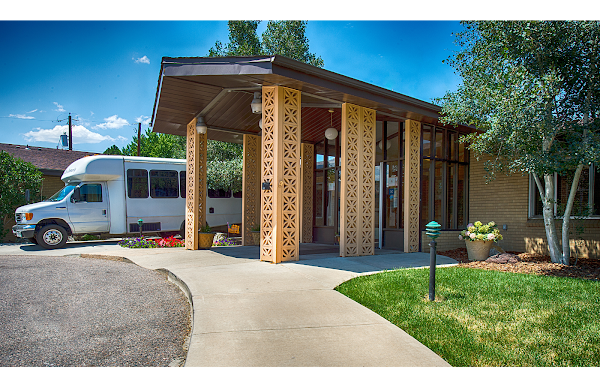
Sept 2023 5 deficiencies 1 Harm
SERIOUS (G)

Actual Harm - a resident was hurt due to facility failures

Deficiency F0760 (Tag F0760)

A resident was harmed · This affected 1 resident

**NOTE- TERMS IN BRACKETS HAVE BEEN EDITED TO PROTECT CONFIDENTIALITY** Based on observation, record review and interviews, the facility failed to ensure two (#272 and #7) residents out of 28 sample r...

Read full inspector narrative →
**NOTE- TERMS IN BRACKETS HAVE BEEN EDITED TO PROTECT CONFIDENTIALITY** Based on observation, record review and interviews, the facility failed to ensure two (#272 and #7) residents out of 28 sample residents were free from significant medication errors. Resident #272, was admitted on [DATE] for long term care with a goal to return home. The resident was prescribed medication of Ativan for his anxiety disorder. The facility ran out of the prescribed medications and he missed 18 doses of Ativan across six days from 9/4/23 to 9/9/23. The facility failed to implement effective interventions to prevent the resident from running out of his medications (discovered on 9/4/23) from progressing to the resident experiencing withdrawal symptoms and subsequently being hospitalized on [DATE] (six days after the facility identified the medication was out of stock). In addition, the facility failed to: -Ensure medications were ordered from the pharmacy STAT (urgent or rushed) to prevent missed medication doses for Resident #272; -Ensure nurses were educated on the availability and use of the emergency medication kit; -Ensure the emergency medication kit was accessible to nursing staff; -Ensure nurses were educated on the side effects and signs and symptoms of benzodiazepine withdrawals. -Ensure insulin (medications used to regulate blood glucose levels) pens were primed prior to medication administration for Residents #7. Findings include: I. Resident #272 A. Professional reference According to American Addiction Center, [NAME] Withdrawl Symotoms Symptoms accessed on 10/9/23 at https://americanaddictioncenters.org/benzodiazepine/length-of-withdrawal, it read n pertinent part, Benzodiazepines ([NAME]) are all designed as central nervous system depressants; however, they each may work slightly differently at targeting certain symptoms. Withdrawal side effects are not generally lethal, although they are best managed with professional medical attention and supervision. [NAME] withdrawal symptoms may include: Nausea Panic attacks Tremors Anxiety Sweating Headaches Heart palpitations Muscle pain Seizures Most benzodiazepine ([NAME]) withdrawal symptoms start within 24 hours and can last from a few days to several months, depending on the length of the abuse and the strength of the [NAME] used. B. Facility policy and procedure The Medication Order and Receipt Record policy, last revised April 2007, was provided by the nursing home administrator (NHA) on 9/28/23. The policy read in part, Medications should be ordered in advance, based on the dispensing pharmacy's required lead time. Emergency medications ordered and or received shall also be entered into the medication order and receipt record. Drugs and biologicals that are required to be refilled must be reordered from the issuing pharmacy not less than 3 days prior to the last dosage being administered to ensure that refills are readily available. C. Resident status Resident #272, age under [AGE] years old, was admitted on [DATE]. According to the September 2023 computerized physician orders (CPO) diagnoses included major depressive disorder, recurrent, moderate anxiety disorder and quadriplegia. According to the most recent minimum data set (MDS) dated [DATE] the resident had intact cognition with a score of 15 out of 15 for the brief interview mental status (BIMS). The resident did not have any rejection of care behaviors and required extensive assistance with bed mobility, transfers, locomotion, dressing, toilet use and hygiene. D. Resident interview Resident #272 was interviewed on 9/26/23 at approximately 11:00 a.m. The resident said he went into withdrawal because the facility did not want to give him his prescribed medication which led to him calling 911 and being hospitalized to get the medicine and care he needed. He said after missing four days of medications that were prescribed three times a day he became agitated, scared, restless and confused. He physically had suffered from sweating, shaking, racing thoughts, headaches and abdominal cramps. The resident said the staff did not seem to care or recognize that he was having withdrawal side effects. The resident said he even informed the staff he was not feeling right but they did not take action. The resident said he had to call 911 because the facility did not want to get him medications in time and they did not want to send him out to a hospital. E. Record review The September 2023 computerized physician orders revealed the resident was ordered Ativan oral tablet 0.5 MG (Lorazepam); give one tablet by mouth three times a day related to anxiety disorder, unspecified. The September 2023 medication administration record (MAR) revealed the resident had missed 18 doses of Ativan across six days from 9/4/23 to 9/9/23 (see below). 9/4/23 Morning dose The MAR read the drug was not given and to review the nursing progress note. -The 9/4/23 9:26 a.m. nursing progress note was reviewed on 9/27/23 it revealed Ativan was reordered. Mid day dose The MAR read the drug was not given and to review the nursing progress note. -The 9/4/23 11:35 a.m. nursing progress note was reviewed on 9/27/23 it revealed Awaiting delivery for Ativan. Night dose The MAR read the drug was not given and to review the nursing progress note. -The 9/4/23 8:46 p.m. nursing progress note was reviewed on 9/27/23 it revealed Ativan was reordered and the pharmacy was called. 9/5/23 Morning dose The MAR entry was not completed by the nurse and therefore the administration record was blank. Mid day dose The MAR read the medication was held by the physician due to lack of availability of the medication. Night dose The MAR read the medication was held by the physician due to lack of availability of the medication. 9/6/23 Morning dose The MAR entry read the medication was administered by a nurse. -The drug was still not available at the time and the medication was on hold by the physician due to lack of availability. Mid day dose The MAR entry was not completed by the nurse and therefore the administration record was blank. Night dose The MAR read the medication was held by the physician due to lack of availability of the medication. 9/7/23 Morning dose The MAR read the medication was held by the physician due to lack of availability of the medication. Mid day dose The MAR read the medication was held by the physician due to lack of availability of the medication. Night dose The MAR read the medication was held by the physician due to lack of availability of the medication. 9/8/23 Morning dose The MAR read the medication was held by the physician due to lack of availability of the medication. Mid day dose The MAR read the medication was held by the physician due to lack of availability of the medication. Night dose The MAR read the drug was not given and to review the nursing progress note. -The 9/8/23 nursing progress note was reviewed on 9/27/23 it revealed no notes were entered related to Ativan. 9/9/23 Morning dose The MAR read the drug was not given and to review the nursing progress note. -The 9/9/23 nursing progress note was reviewed on 9/27/23 it revealed no notes were entered related to Ativan for the morning dose. Mid day dose The MAR read the drug was not given and to review the nursing progress note. The 9/9/23 2:11 p.m. nursing progress note was reviewed on 9/27/23 it revealed Ativan 0.5 mg out of stock,provider notified of needing medication script after nurse spoke to pharmacy. Medication script to be provided to the pharmacy. Night dose The MAR read the drug was held because the resident was hospitalized . -The 9/9/23 8:20 p.m. nursing progress note was reviewed on 9/27/23 it revealed the resident was hospitalized . Review of the progress notes from 9/4/23 to 9/9/23 did not capture the resident had a change of condition. The progress notes address the Ativan medication was out of stock and what was mentioned (see above). The hospital discharge notes dated 9/10/23 at 12:02 a.m. read the resident was hospitalized for benzodiazepine withdrawal. (Benzodiazepines are depressants that produce sedation and hypnosis, relieve anxiety and muscle spasms, and reduce seizures). It is important to talk to your provider about weaning you off your Ativan. It is very important that wean off on a scheduled medically supervised taper, as weaning off too rapidly can be dangerous. The 9/10/23 progress note documented the resident returned from the hospital. Per hospital report, the residnet was diagnosed with urinary tract infection (UT) and ordered antibiotics for seven days. After Ativan was restarted, the resident stated he was feeling better. -However, a review of the hospital discharge notes in the resident's medical record revealed the resident was hospitalized for benzodiazpine withdrawl (see above). There were no documentation of the resident's stay in the hospital or of the resident having a UTI. F. Staff Interviews Licensed practical nurse (LPN) #1 was interviewed on 9/26/23 at 6:17 p.m. He said he would reorder medications once he realized a specific medication was out of stock. Once he identified a medication was out of stock he would let his supervisor know, notify the provider and the pharmacy. He said he was unfamiliar with benzodiazepine withdrawal signs and symptoms and he was unfamiliar with the potential side effects of missing benzodiazepine medications consecutively for a few days. The pharmacy consultant was interviewed on 9/27/23 at 5:05 p.m. She said when medications were running low on stock (approximately three days prior to medications running out) the nurse should place an order through contacting the pharmacy the facility works with. The pharmacy consultant said she reviewed the resident's MAR for the month of September 2023 and said the resident missed 18 doses, however, she did not have any recommendations or concerns for the facility because at the time she reviewed the MAR the situation was resolved since the facility received the out of stock medications by 9/10/23. The director of nursing (DON) was interviewed on 9/27/23 at 5:07 p.m. She said the Ativan was out of stock and the resident missed his doses from 9/4/23 to 9/10/23. The side effects of stopping a benzodiazepine without weaning them off could lead someone to become uncomfortable, anxious, experience panic attacks, sweat and having headaches. The DON said she was uncertain as to why he missed so many doses because she had an emergency kit in her office and a backup pharmacy. The DON said during the time period the medications were out of stock, the facility had access to Ativan in the emergency kit in her office. The emergency kit in her office had seven days of mediations available for someone that has Ativan ordered three times a day. The minimum data set coordinator (MDSC) was interviewed on 9/28/23 at 9:11 a.m. She said the facility dropped the ball regarding the resident's benzodiazepine withdrawal due to the medications being out of stock. The nursing home administrator (NHA) and the MDSC were interviewed on 9/28/23 at 10:05 a.m. They said they were not aware of the missed medication doses until it was identified during the survey process.The process to obtain out of stock medications were the nurses' responsibility. The medication should be ordered through pharmerica and the medications should be ordered upon identifying there was a seven day supply left. The nurse should call the physician to notify them and call the pharmacy to order the medication. The nurse has the option to order the medication immediately (STAT) which would be delivered within two to four hours. No staff in the facility knew about the emergency medication kit in the DON's office, therefore no staff used it. They said the nurses would be trained on the use of the emergency kit and the nurses would document low stock medications on the nursing shift report which will be reviewed by administration the following morning to ensure medications were always stocked. The emergency kit would be moved out of the DON's office and stored on each medication cart to promote ease of accessibility. II. Resident #7 A. Professional reference According to the Lantus insulin package insert, retrieved on 10/3/23 from: https://www.accessdata.fda.gov/drugsatfda_docs/label/2022/021081s076lbl.pdf instructions for use; do a safety test before each injection to: check pen and the needle to make sure they were working properly. To make sure that you get the correct Lantus dose. Select 2 units by turning the dose selector until the dose pointer was at the two mark. Press the injector button all the way in. when insulin comes out the needle tip your pen was working correctly: this may need to be repeated up to three times before seeing insulin. If no insulin comes out after the third time, the needle may be blocked. B. Facility policy The Insulin Administration policy and procedure, revised September 2014, was received from the nursing home administrator (NHA) on 9/28/23 at 12:27 p.m. It revealed in pertinent part, to provide guidelines for the safe administration of insulin to residents with diabetes. C. Resident status Resident #7, younger than [AGE] years old, admitted on [DATE]. According to the September 2023 computerized physician orders (CPO), diagnoses included type two diabetes mellitus (abnormal blood glucose) and chronic kidney disease (abnormal kidney function). The 7/31/23 minimum data set (MDS) assessment revealed the resident was cognitively intact with a brief interview for mental status (BIMS) score of 15 out of 15. The MDS assessment revealed the resident received insulin for the past seven days. D. Physician orders The CPO documented: Lantus solo star solution pen-injector 100 units/milliliter (ml) Inject 25 units subcutaneous every evening for diabetes. E. Observations On 9/26/23 at 4:49 p.m. licensed practical nurse (LPN) #1 was administering medications to Resident #7. He collected the Lantus solo star pen, applied a new needle cap to the pen and dialed the pen to 25 units. LPN #1 injected the insulin into the resident's right arm. LPN #1 failed to prime the insulin pen prior to dialing up the ordered 25 units of insulin. F. Staff interviews LPN #2 was interviewed on 9/26/23 at 5:28 p.m. She said she was unaware of insulin pens needing to be primed prior to administration of insulin to a resident. LPN #1 was interviewed on 9/26/23 at 5:38 p.m. He said he did not prime the insulin pen prior to the administration to Resident #7 as the pen had already been used and pens were to be primed only on initial use and not with every injection. LPN #1 said if a resident did not get the correct amount of insulin it would not help regulate blood glucose levels appropriately. The director of nursing (DON) was interviewed on 9/26/23 at 5:45 p.m. She said best practice was for the insulin pen to be primed to remove bubbles from the needle and ensure the needle was functioning correctly for administration of insulin. The DON said the needle should be primed with two units to ensure the correct amount of insulin was administered to the resident. The DON said not priming the pen could result in the incorrect dose of insulin being administered to a resident.
CONCERN (E)

Potential for Harm - no one hurt, but risky conditions existed

Deficiency F0552 (Tag F0552)

Could have caused harm · This affected multiple residents

**NOTE- TERMS IN BRACKETS HAVE BEEN EDITED TO PROTECT CONFIDENTIALITY** Based on record review and interviews, the facility failed to ensure three (#32, #41 and #272) of five residents reviewed for ps...

Read full inspector narrative →
**NOTE- TERMS IN BRACKETS HAVE BEEN EDITED TO PROTECT CONFIDENTIALITY** Based on record review and interviews, the facility failed to ensure three (#32, #41 and #272) of five residents reviewed for psychotropic medications out of 28 sample residents had the right to be informed of, and participate in, his or her treatment including the right to be informed, in advance, of the care to be furnished. Specifically the facility failed to ensure Resident #32, #41 and #272 were made aware of the risk/benefit and side effects of prescribed psychotropic medications. Findings include: I. Facility policy and procedure The Antipsychotic Medication Use policy, revised July 2022, was provided by the case manager on 9/28/23 at 1:15 p.m. it read in pertinent part, residents and or resident representatives will be informed of the recommendation, risks, benefits, purpose and potential adverse consequences of antipsychotic medication use. Residents and or resident representatives may refuse medications of any kind. Nursing staff shall monitor for and report any side effects and or adverse effects of antipsychotic medications to the attending physician. II. Resident #32 A. Resident status Resident #32, age under 65 years, was admitted on [DATE]. According to the September 2023 computerized physician orders (CPO) diagnoses included other specified anxiety disorders and opioid dependence, uncomplicated. According to the most recent minimum data set (MDS) dated [DATE] the resident had intact cognition with a score of 15 out of 15 for the brief intervention mental status (BIMS). The resident did not have any rejection of care behaviors and required extensive assistance with bed mobility, transfers, locomotion, dressing, toilet use and hygiene. B. Record review The September 2023 CPO was reviewed on 9/28/23, it revealed the resident was prescribed psychotropic medications: Aripiprazole tablet 10 mg give 1 tablet by mouth in the morning for constant yelling out to staff, severe anxiety, hopelessness related to major depressive disorder,recurrent severe without psychotic features. Antipsychotic target behaviors: yelling out to staff, severe anxiety and hopelessness. -The facility failed to provide documentation to evidence the risks and side effects of psychotropic medications were discussed with Resident #32 during the survey process. III. Resident #41 A. Resident status Resident #41, age under 65 years, was admitted on [DATE]. According to the September 2023 CPO diagnoses included anxiety disorder, unspecified and schizoaffective disorder, bipolar type. According to the most recent MDS dated [DATE] the resident had intact cognition with a score of 15 out of 15 for the BIMS. The resident did not have any rejection of care behaviors and required supervision with bed mobility, transfers, toilet use and walking. The resident required limited assistance with dressing and extensive assistance with hygiene. B. Record review The September 2023 CPO was reviewed on 9/28/23, it revealed the resident was prescribed psychotropic medications: Zyprexa oral tablet 20 mg (olanzapine) give 1 tablet via g-tube at bedtime for hallucinations, striking out, verbal aggression related to schizoaffective disorder, bipolar type. Antipsychotic target behaviors: verbal aggression, hallucinations and striking out. -The facility failed to provide documentation to evidence the risks and side effects of psychotropic medications were discussed with Resident #41 during the survey process. IV. Resident #272 A. Resident Status Resident #272, age under [AGE] years old, was admitted on [DATE]. According to the September 2023 CPO diagnoses included major depressive disorder. According to the most recent MDS dated [DATE] the resident had intact cognition with a score of 15 out of 15 for the BIMS. The resident did not have any rejection of care behaviors and required extensive assistance with bed mobility, transfers, locomotion, dressing, toilet use and hygiene. B. Record review The September 2023 CPO was reviewed on 9/28/23, it revealed the resident was prescribed psychoactive medications: Venlafaxine 150 mg by mouth once daily for depression. Anti-depressant target behaviors: worrisome thoughts, fixating on medical issues, difficulty sleeping, hopelessness, low self worth, passive thoughts of suicide. Ativan 0.5 mg by mouth three times daily for anxiety. Anti-anxiety target behaviors :worrisome thoughts, fixating on medical issues, difficulty sleeping, hopelessness, low self worth, passive thoughts of suicide. -The facility failed to provide documentation to evidence the risks and side effects of psychoactive medications were discussed with Resident #272 during the survey process. V. Staff interviews Licensed practical nurse (LPN) #1 was interviewed on 9/28/23 at 11:45 p.m. She said psychotropic medication consents were supposed to be completed and on the resident's care plan if a psychotropic was ordered. She did not review the psychotropic medication consent before administering psychotropic medications because she assumed they were always completed by the doctor and she administered psychotropic medications if there was an order for the medication. Registered nurse (RN) #1 was interviewed on 9/28/23 at 11:55 p.m. He said he would always check the psychotropic medication consent in the resident's chart before he would administer a psychotropic medication. He said if the psychotropic medication consent was not in the chart he would not give the medication because the resident would not know the risks and side effects of the medication and the resident would not be able to make an informed decision. RN #1 said he would obtain consent from a resident, power of attorney or guardian if the resident did not have the psychotropic medication consent in the chart. The MDS coordinator was interviewed on 9/28/23 at 12:15 p.m. She said all three residents (#32, #41 and #272) did not have psychotropic medication consents and/or documentation the residents were aware of the risks and/or side effects of psychotropic medications. The nursing home administrator (NHA) and the director of nursing (DON) were interviewed on 9/28/23 at 12:22 p.m. They said residents on psychotropic medications should have psychotropic medication consents because it was important for the resident to be able to exercise their right to be informed and make treatment decisions. The resident has the right to understand the reason to take psychotropic medications and know the risks, benefits and side effects of the prescribed psychotropic medications.
CONCERN (E) 📢 Someone Reported This

A family member, employee, or ombudsman was alarmed enough to file a formal complaint

Potential for Harm - no one hurt, but risky conditions existed

Safe Environment (Tag F0584)

Could have caused harm · This affected multiple residents

Based on observations and interviews the facility failed to provide a homelike environment, including but not limited to receiving treatment and support for daily living safely in two out of two units...

Read full inspector narrative →
Based on observations and interviews the facility failed to provide a homelike environment, including but not limited to receiving treatment and support for daily living safely in two out of two units. Specifically, the facility failed to: -Ensure smoking residents smoked in designated areas; -Ensure non-smoking residents were protected from smoking odors. Findings include: I. Observations Three residents were observed on 9/27/23 at 12:40 p.m. smoking cigarettes under the gazebo in a non-designated area. II. Resident interviews Resident #3 was interviewed on 9/27/23 at 12:15 p.m. She said her room constantly smelled like smoke and it bothered her. She said residents were allowed to smoke in non-designated smoke areas. Resident #37 was interviewed on 9/27/23 at 12:20 p.m. She said the smoke smell always entered her room and it bothered her because the smokers were allowed to smoke in non-designated areas. The smoke that entered her room made it hard for her to breathe at times. Resident #10 was interviewed on 9/27/23 at 11:11 a.m. She said smoke constantly entered her room and she complained to staff about it. Staff told her to shut her room door but the smoke still entered her room since it was near the courtyard. Resident #10 said she did not enjoy the smell and it made her angry that no staff had enforced the smoking rules to smoke in designated areas only. Resident #8 was interviewed on 9/27/23 at 11:29 a.m. She said she did not enjoy the smell of smoke going into her room at all times of the day because smokers could smoke whenever they want. She said she was worried about the exposure to the smoke. She said she was disappointed that the facility did not enforce the smoking policy to smoke in designated areas only. III. Staff interviews Certified nurse aide (CNA) #1 was interviewed on 9/27/23 at 2:29 p.m. She said many residents smoked in non designated smoking areas in the courtyard and at the entrance of the building. Licensed practical nurse (LPN) #1 was interviewed on 9/27/23 at 2:49 p.m. She said the residents smoked whenever they wanted to and they smoked all over the courtyard even though the residents had a designated smoking area. The nursing home administrator (NHA) was interviewed on 9/27/23 at 3:19 p.m. He said he recently (9/27/23, during the survey) received a complaint from a resident. The resident complained they smelled smoke in the courtyard and in the back section of the building and the smell was bothersome. Additionally, staff notified the NHA three weeks ago (9/5/23) that the building smelled like smoke. The NHA said the facility had implemented a designated smoking area that could be accessed by residents that smoked. Smokers should not be allowed to smoke in non-designated areas which included the gazebo. The NHA said he would provide resident education to smokers related to designated smoking areas. IV. Facility follow-up The facility immediately requested residents to smoke cigarettes only in designated areas.
CONCERN (E)

Potential for Harm - no one hurt, but risky conditions existed

Deficiency F0761 (Tag F0761)

Could have caused harm · This affected multiple residents

Based on observations and interviews, the facility failed to ensure all drugs and biologicals were properly stored and labeled in two of three medication carts. Specifically, the facility failed to en...

Read full inspector narrative →
Based on observations and interviews, the facility failed to ensure all drugs and biologicals were properly stored and labeled in two of three medication carts. Specifically, the facility failed to ensure medications were properly labeled with open dates for insulin (medication used for blood glucose management) pens and vials. Findings include: I. Professional reference According to the Lantus insulin package insert, retrieved on 10/3/23 from: https://www.accessdata.fda.gov/drugsatfda_docs/label/2022/021081s076lbl.pdf After Lantus solo star pens have been opened they can be stored at room temperature for up to 28 days. The Lantus solo star pen should be thrown away after 28 days, even if it still has insulin left in it. According to the Humalog insulin package insert, retrieved on 10/4/23 from: https://www.accessdata.fda.gov/drugsatfda_docs/label/2013/020563s115lbl.pdf In use humalog vials stored at room temperature must be used within 28 days or be discarded. II. Facility policy The Insulin Administration policy and procedure, revised September 2014, was received from the nursing home administrator (NHA) on 9/28/23 at 12:27 p.m. It revealed in pertinent part, Check expiration date, if drawing from a multi-dose vial. If opening a new vial, record the expiration date and time on the vial. III. Observations and staff interviews On 9/26/23 at 4:49 p.m. licensed practical nurse (LPN) #1 was administering medications from the Santa Fe south medication cart. A Lantus solo star Insulin pen had no open date on it. LPN #1 said the pen should have a date on it to indicate the open date as insulin was only good for 28 days from the first access/administration. LPN #1 said if an insulin was used past the 28 day it could not be as effective for the resident use. On 9/27/23 at 2:30 p.m. the mesa medication cart was reviewed with LPN #3. A box of Humalog insulin was located to have two vials within one box, neither vial had an open date on it. LPN #3 was unable to determine which vial belonged to the box and there were no open dates on either vial. He said he needed to speak with a supervisor. The director of nursing (DON) was interviewed on 9/27/23 at 2:39 p.m. She said there should only be one vial in the box, not two. The DON said insulin vials should have an open date written on the bottle indicating when they were first accessed as insulin was only good for 30 days. The date written on the vial would ensure they were not used past the expiration open date. The DON removed the vial from the medication cart so they could not be used.
CONCERN (E)

Potential for Harm - no one hurt, but risky conditions existed

Infection Control (Tag F0880)

Could have caused harm · This affected multiple residents

**NOTE- TERMS IN BRACKETS HAVE BEEN EDITED TO PROTECT CONFIDENTIALITY** Based on observations and interviews the facility failed to maintain an infection control program designed to provide a safe, sa...

Read full inspector narrative →
**NOTE- TERMS IN BRACKETS HAVE BEEN EDITED TO PROTECT CONFIDENTIALITY** Based on observations and interviews the facility failed to maintain an infection control program designed to provide a safe, sanitary and comfortable environment to help prevent the development and transmission of disease and infection. Specifically the facility failed to: -Ensure Insulin (medication used for blood glucose management) pens and vials were properly cleaned prior to drawing up medications; -Ensure wound care was provided in a hygienic manner; and, -Ensure hand hygiene was performed when changing gloves. Findings include: I. Failure to wipe insulin vials and pens appropriately A. Professional reference According to the Lantus Insulin package insert retrieved on 10/4/23 from: https://www.accessdata.fda.gov/drugsatfda_docs/label/2022/021081s076lbl.pdf wipe the rubber seal of the insulin pen with an alcohol swab before use. Wipe the top of the insulin vial with an alcohol swab prior to drawing up insulin. B. Facility policy and procedure The Insulin Administration policy and procedure, revised September 2014, received from the nursing home administrator on 9/28/23 at 12:27 p.m. It revealed in pertinent part, disinfect the top of the vial with an alcohol wipe. C. Observations Licensed practical nurse (LPN) #1 was observed on 9/26/23 at 4:39 p.m. He was passing medications and collected an Lantus insulin vial from the medication cart along with an insulin syringe. LPN #1 then drew up 10 units of insulin into the syringe. -He failed to wipe off the top of the insulin vial prior to drawing up the insulin into the syringe. LPN #1 was observed on 9/26/23 at 4:49 p.m. He was administering medications, collected a Lantus solo star insulin pen from the medication cart and applied a new needle to the pen, dialed the medication to an ordered dose and administered it to the resident. -LPN #1 failed to wipe the rubber seal of the pen prior to applying the needle to the pen. D. Staff interviews LPN #1 was interviewed on 9/26/23 at 5:00 p.m. He said the tops of vials and pens should be wiped down prior to drawing up insulin or applying a new needle to the pen to prevent infection. LPN #1 said he did not clean the vial or the pen used (see above observations). The director of nursing (DON) was interviewed on 9/28/23 at 10:51 a.m. She said insulin vials/pens should be cleansed with alcohol prior to drawing them up to prevent infection. II. Failed to provide wound care in a hygienic manner A. Professional reference According to [NAME], P.A., [NAME], A.G., et.al., Fundamentals of Nursing, 10 ed. (2022), Elsevier, St. Louis Missouri, pg. 1265. Clean away from the wound. Never use the same piece of gauze to clean across an incision or wound twice. According to the Center for Disease Control (CDC), Hand Hygiene Basics retrieved on 10/5/23 from: https://www.cdc.gov/handhygiene/providers/index.html (2021) read in pertinent part, healthcare providers should practice hand hygiene at key points in time to disrupt the transmission of microorganisms to patient including before patient contact; after contact with blood,body fluids, or contaminated surfaces (even if gloves worn); before invasive procedures; and after removing gloves (wearing gloves were not enough to prevent the transmission of pathogens in a healthcare settings). B. Treatment order According to Resident #49's physician orders, Left buttock wound, cleanse with Dakin's (prescription wound solution). Apply skin prep (skin protectant) on the peri wound (area around the wound), pack the wound with hydrofera blue (specialized wound dressing), cover with a foam dressing three times per week and as needed. C. Observations and staff interviews The certified wound nurse (CWN) was observed on 9/27/23 at 1:13 p.m. providing wound care for Resident #49. The CWN collected supplies for wound care placing them on a clean working surface (see above wound order for supplies). He washed his hands with soap and water, applied gloves and removed the resident's old dressing. The old dressing had a small amount of yellow drainage. The CWN changed his gloves then collected a piece of gauze soaked with Dakins, took the piece and packed it into the wound with a cotton tip applicator and removed it completing this process twice. The CWN took a new piece of gauze soaked in Dakins and wiped the outer wound bed three times with the same piece of gauze. The CWN then took a second piece of dry gauze and dried the wound three times with the same gauze. The CWN removed his gloves, cut an abdominal pad with a pair of scissors and then applied new gloves. The CWN then took skin prep and applied it to the peri wound, then hydrofera blue was packed into the wound with a cotton tip applicator. He covered the wound with the abdominal pad he had cut in half and secured with tape. The CWN cleared the area of trash and washed his hands with soap and water along with washing his scissors with soap and water. The CWN then dried the scissors off with a paper towel and placed them into his pocket. -The CWN failed to change gauze to a new piece for each wipe of the wound, to properly disinfect the scissors after wound care and perform hand hygiene between gloves changes. The CWN was interviewed on 9/27/23 at 1:28 p.m. He said to clean a resident's wound, nursing staff should clean from outside to inside and only use one wipe for each piece of gauze to help prevent the spread of infection. The CWN said he wiped the wound multiple times with the same piece of gauze. The CWN said the scissors he used were his personal scissors he used on multiple residents and he washed them with soap and water after every use. The CWN said the soap and water should disinfect them enough to use them on the next resident as each resident did not have scissors assigned to them. The director of nursing (DON) was interviewed on 9/28/23 at 10:51 a.m. She said staff were to perform hand hygiene before and after applying gloves. The DON said nurses were to clean the wound from the outside in and only use one piece of gauze per wipe or a clean section of the gauze for each wipe to prevent infection. The DON said scissors could be cleaned with soap and water followed by an alcohol swab for disinfecting. She said if residents were on any kind of contact precautions they would have their own scissors assigned to them labeled in a bag in the treatment cart.
Feb 2020 7 deficiencies
CONCERN (D)

Potential for Harm - no one hurt, but risky conditions existed

Deficiency F0679 (Tag F0679)

Could have caused harm · This affected 1 resident

**NOTE- TERMS IN BRACKETS HAVE BEEN EDITED TO PROTECT CONFIDENTIALITY** Based on observation, record review and interviews the facility failed to provide an ongoing program of activities to meet the i...

Read full inspector narrative →
**NOTE- TERMS IN BRACKETS HAVE BEEN EDITED TO PROTECT CONFIDENTIALITY** Based on observation, record review and interviews the facility failed to provide an ongoing program of activities to meet the interests of and support the wellbeing of one (#46) out of three residents out of 31 sample residents reviewed. Specifically the facility failed to -Provide a resident centered activity program for Resident #46 Finding include I. Resident status Resident #46, age [AGE], was readmitted on [DATE]. According to the February 2020 computerized physician orders (CPOs), diagnoses included dementia, aphasia, respiratory failure and arthritis. The 1/9/2020 minimum data set (MDS) assessment revealed the resident was cognitively impaired and a brief interview for mental status (BIMS) score was not completed. She required extensive assistance with two persons for bathing, transfers, toileting, dressing and personal hygiene. She required supervision at meals with cueing. Her skin was at risk for breakdown. The MDS activities interview and preference form dated 1/7/2020 provided by the Activities director (AD) on 2/27/2020 at 10:30 a.m. was not completed. Many sections read no response or non responsive to the question asked. A. Observations On 2/25/2020 continuous observations from 8:36 a.m. until 1:23 p.m. with Resident #46 revealed: -At 8:36 a.m Resident #46 sat at the dining room table alone. CNA #7 assisted her out of the dining room to the day room and sat her in front of the television. -At 9:57 a.m. she remained in the day room in front of the television. No meaningful activities occured. -At 10:15 a.m. LPN #7 assisted her from the day room to a table in the hallway lounge area. She did not ask her if she wanted to move. There was no television there and one other resident sat at the table. -At 10:27 a.m. the activities assistant (AA) gave her a vibrating stuffed animal to hold, she said batteries were needed and left to go find them. No batteries were found and the stuffed animal remained in her lap. -At 10:32 a.m. the AA assisted the resident to her room to find her a new lap blanket. One was folded and put in her lap. -At 10:34 a.m. the AA assisted her back to the table in the hallway lounge. -At 11:00 a.m. dietary assistant (DA) #3 went into the refrigerator in the hallway lounge and said to the residents who sat in there it was time for hydration and snacks. She said she would be back in a minute and did not return. -At 11:17 a.m. the AA talked to the resident who was asleep at the table. She advised the activities intern assistant (AIA) to paint the residents nails. AIA assisted the resident to paint her fingernails. She said she just met the resident for the first time. She said very little conversation with the resident but continued to paint her nails. -At 11:27 a.m. the activities director (AD) stopped by to say hello to the resident and said her nails looked pretty. The resident had no meaningful activity. -At 12:05 p.m. CNA #7 assisted the resident to the dining room. She did not ask the resident before moving her. -At 12:30 p.m., the resident was observed at the table awaiting her meal. -At 12:59 p.m., the resident was assisted with her meal. -At 1:11 p.m., the resident was assisted to the dayroom in front of the television. -At 1:23 p.m. the resident was assisted to her room to lie down. Resident #46 was observed on 2/27/2020 at 8:50 a.m. in the day room in front of the television. -At 10:18 a.m. she was asleep in her wheelchair in the day room. There was no meaningful activity. B. Record review The computerized physician orders (CPOs) for February 2020 read in pertinent part: The resident may participate with activities in and out of the facility. Start day was 11/9/2016. The activity care plan dated 1/7/2020 read in pertinent part: Resident #46 used a wheelchair for mobility and needed assistance to and from activities always. The goal read the resident participated in self directed leisure activities (watching television, socializing) five to seven times a week. The intervention read the facility staff ensured that the resident had access to supplies needed for self directed leisure activities. The activity note dated 2/19/2020 at 11:48 am. read in pertinent part: One on one (1:1) activity was completed for 15 minutes. It showed a stuffed cat was brought to Resident #46. She smiled when the facility staff handed her the cat, but didn't say anything or make eye contact with the staff. Staff helped her hold it and turned on the vibrate function for her. She continued to smile while holding the cat. The activity note dated 2/25/2020 at 5:42 p.m. read in pertinent part: 1:1 activity was completed for 15 minutes. The facility staff greeted Resident #46 with a gentle physical touch on her shoulder and a bright expression, which caused the resident to make eye contact and smile. Staff talked with her about her blanket that she had on her lap, what was on the activities calendar for the day, how nice her hair looked in a ponytail, the colors on her shirt, and brought her a different sensory item (stuffed animal) since the one she currently had needed new batteries for it to vibrate. She smiled again at the end of the conversation, responding in recognition to her name, especially when touch was used. She moved her hands around the stuffed puppy that was given to her. The activity log in January for Resident #46 provided by the activities director (AD) on 2/27/2020 at 10:30 a.m. read in pertinent part: Therapeutic activity was marked yes on the 10th. Independent leisure activity was marked yes on the 1st through the 10th. There was resident refusal (RR) marked areas with a time of 13:59 on social group activity and cognitive activity. The activity log in February for Resident #46 provided by the AD on 2/27/2020 at 10:30 a.m. read in pertinent part: Therapeutic activity was marked RR on the 1st through the 11th. Independent leisure activity was marked yes on the 1st through the 11th. There was an RR marked areas with a time of 13:59 on social group activity and cognitive activity. C. Interview The activities director (AD) was interviewed on 2/27/2020 at 10:02 a.m. The AD said said an initial assessment was completed for each resident to tailor what each resident's preference was. The information came from the resident or the residents family. She said Resident #46 had a decline with her dementia and was put on a one to one activity program a week ago. She said her one on one program consisted of getting her nails done, sensory touch with a vibrating stuffed animal, listening to music, and television. She said the residents preference before she had a decline was to watch television and look outside the window in the courtyard. She said activities were discussed in the care conferences and changes made when needed. She said one on one activities were set up when the residents self directed care declined as in Resident #46 plan was.
CONCERN (D)

Potential for Harm - no one hurt, but risky conditions existed

Quality of Care (Tag F0684)

Could have caused harm · This affected 1 resident

**NOTE- TERMS IN BRACKETS HAVE BEEN EDITED TO PROTECT CONFIDENTIALITY** Based on observations, record review, resident and staff interviews, the facility failed to ensure one (#57) of one out of 31 sa...

Read full inspector narrative →
**NOTE- TERMS IN BRACKETS HAVE BEEN EDITED TO PROTECT CONFIDENTIALITY** Based on observations, record review, resident and staff interviews, the facility failed to ensure one (#57) of one out of 31 sample residents received treatment and care in accordance with professional standards of practice, comprehensive care plan and resident choices. Specifically, the facility failed to: -Ensure proper wheelchair positioning to address improper postioning for Resident #57. Findings include: I. Facility policy and procedure The Repositioning Policy, revised May 2013 and provided on 2/27/2020 at 4:00 p.m. by the Nursing consultant (NC) documented the following pertinent information: . 1. Encourage the chair-bound resident, who is able to move, to change positions or shift weight at least every fifteen minutes or as often as possible. 2. Check the care plan, assignment sheet or the communication system to determine resident-specific positioning needs including special equipment; resident level of participation and the number of staff required to complete the procedure. 3. Ask the resident's permission to reposition or assist in repositioning. II. Resident status #57 Resident #57, age [AGE], was admitted on [DATE]. According to the February 2020 computerized physician orders (CPO), the diagnoses included multiple sclerosis, dementia with behavioral disturbance, and pain in left knee, muscle weakness, and lack of coordination. The 1/28/2020 minimum data set (MDS) assessment revealed the resident had a moderate cognitive deficit with a brief interview for mental status (BIMS) assessment with a score of nine out of 15. She required extensive one person assistance for activities of daily living (ADL) and bed mobiilty. The resident required supervision for locomotion on and off the unit. She was always incontinent for urine, and frequently incontinent for bowel. Resident #57 had functional limitation in range of motion upper extremity impairment on one side, and lower extremity impairment on both sides. The resident was coded as having a motorized wheelchair. A. Observations -On 2/24/2020 at 10:13 a.m. to 2:30 p.m., Resident #57 was observed in her motorized wheelchair. Resident #57 was observed in the wheelchair with blue foot protectors, and a black band across her legs. Resident #57 was leaned to the right side. The resident's feet were observed to not be centered on foot petals. Several staff members were observed to walk by the resident and not ask her to straighten her position. 2/25/2020 --At 12:26 p.m., Resident #57 was observed in the dining room, in her motorized wheelchair with a black band across her legs. Resident #57 was observed to be slumped to the right side. The resident's feet were observed to not be centered on foot petals. The certified nurse aide (CNA) in the dining room was observed to walk right by the resident and they failed to assist the resident to position the resident upright in her chair. --At 2:31 p.m., Resident #57 was observed in facility activities. Resident #57 was observed leaning to the right side and feet hanging off foot petals. The activities staff did not report to nursing staff or talk to resident to correct positioning. -At 4:00 p.m., Resident #57 was observed going by an unknown nurse and unknown certified nurse aide. Resident #57 was in a motorized wheelchair leaning to the right side. The staff were observed to not correct the resident's positioning. -On 2/26/2020 from 10:00 a.m. to 12:00 p.m. in the hallway. Resident #57 appeared slumped over to the right side of the wheelchair. The resident was observed to not have foot booties on foot petals. Several staff members were observed to walk by the resident and not ask her to straighten her position. -On 2/27/2020 at 9:33 a.m. to 12:00 p.m., Resident #57 was observed sitting in her wheelchair leaning to the right side. The resident's feet were not on foot petals. Several staff members were observed to walk by the resident and not ask her to straighten her position. B. Record review The ADL care plan, initiated on 2/7/17, revealed the resident required extensive one person assistance for activities of daily living (ADL) care. The focus was resident would benefit from a restorative nursing program (RNP) to maintain current level of strength and independent functioning. One of the interventions revealed the resident was to receive physical therapy/occupational therapy evaluation and treatment as per medical doctor orders. The February 2020 CPO showed an order dated 1/2/2020 for the resident to have physical therapy (PT) evaluate and treat for wheelchair positioning. The February 2020 medication administration record (MAR) documentation revealed the following: --On 2/5/2020 documented physical therapy clarification order: Physical therapy (PT) evaluation completed. Resident to receive PT services two times a week for six weeks for wheelchair management, therapy and discharge planning. The physical therapy evaluation and plan of treatment dated 1/3/2020 documented the following: The summary of focus and goals stated resident will work on restoration and compensation for wheelchair positioning. Resident was assessed for decreased insight into wheelchair positioning and safety. Resident requires services to promote safety awareness, increase awareness of environmental hazards, enhance rehabilitation potential, develop and instruct in restorative nursing program(RNP), increase lower extremity range of motion and strength and increase coordination in order to enhance resident's quality of life by improving ability to facilitate increased participation with functional daily activities and decrease level of assistance from caregivers. The assessment summary documented, The recommended frequency and duration of services is required due to the following impairments to multiple systems, multiple diagnoses and resident with dementia requiring repetition of structured task to facilitate new learning. According to the 1/3/2020 physical therapy treatment note documented, resident demonstrated decreased special awareness trapping right upper extremity between wheelchair arm and skin. Nursing notified. According to the 1/8/2020 physical therapy treatment note documented, resident demonstrated need for minimum to modest adjusting shoulder and upper positioning as well as positioning of left lower extremity. According to the 1/10/2020 physical therapy treatment note documented, resident required visual feedback and up to moderate assistance to reposition hips to allow for feet to be on foot plates and for good posture at hips and shoulders. According to the 1/17/2020 physical therapy treatment note documented, resident continues to demonstrate need for assistance with pelvic repositioning due to rotation, also note a possible leg length difference that could be contributing to pelvic rotation due to positioning on leg rests. According to the 1/23/2020 physical therapy treatment note documented, resident educated on restorative nursing program (RNP) and exercises included, restorative certified nurse aide (RCNA) trained on exercises and performed with resident. Resident educated on discharge from physical therapy to restorative nursing program. 2. Restorative nursing program (RNP) notes According to an interview with the RCNA#6 on 2/26/2020 at 10:30 a.m. She stated, I do not have any notes to show that resident #57 was receiving services from the restorative program on positioning. She also said if Resident #57 did not receive services that she may have a decline in physical health. The medical record failed to show evidence the resident was on a restorative program Therapy referrals for Resident #57 . According to an interview with the physical therapy assistant (PTA) on 2/26/2020 at 10:30 a.m. She said, she had never received a nurse therapy referral for resident #57 positioning. C. Resident interview Resident #57 was interviewed on 2/27/2020 at 11:15 a.m. The resident said, the staff do not help her with positioning in her wheel chair. She needed cueing with repostioning herself when she leans over to far. D. Staff interviews Certified nurse aide (CNA) #3 was interviewed on 2/27/2020 at 2:45 p.m. CNA #3 said she was familiar with Resident # 57 as she had worked at the facility for a while. She said she did not know Resident #57 required care for positioning. She said she did not know how to check if something was wrong with positioning of resident #57. She said she had not received any training on positioning and repositioning Resident #57 or reporting to nursing. Restorative certified nurse aide (RCNA) #6 was interviewed on 2/26/2020 at 1:00 p.m. RCNA #6 said she was aware the resident needed assistance with reposition. She said she had no documentation of correct positioning of the resident. She also said, not having documentation makes it hard to see if residents are not having decline in care. Licensed practical nurse (LPN) #6 was interviewed on 2/27/2020 at 2:33 p.m. LPN #6 said Resident #57 positioning was inadequate as she leaned to the right side of her chair. She said if there was an issue with resident positioning she would tell therapy. She said she had never contacted therapy about the resident's positioning. She said she had not checked to see if nursing staff and restorative nursing had assisted resident #57 with positioning. The physical therapy assistant (PTA) was interviewed on 2/26/2020 at 10:30 a.m. PTA said Resident #57 had finished therapy and was on the restorative nursing program, and had not been assessed since then. She said nursing staff were to have Resident #57 correct positioning, look to see if the wheelchair was not fitting correctly, resident had a decline or concerns. She said Resident #57 positioning was off and the resident would take verbal prompts from staff to correct posture. She said she did not know if the resident had a decline recently but should be checked since the resident had the potential for a negative outcome physically. The director of nursing (DON) was interviewed on 2/27/2020 at 12:16 p.m. The DON said staff should be talking to Resident #57 and assisting her to correct her positioning. She also said the staff should be following care plans and physician orders. PTA was interviewed a second time on 2/27/2020 at 10:18 a.m. PTA said Resident #57 needed to be prompted frequently for her positioning and she also said she would recreate a program in restorative nursing. She said any work with restorative should be documented.
CONCERN (D)

Potential for Harm - no one hurt, but risky conditions existed

Deficiency F0692 (Tag F0692)

Could have caused harm · This affected 1 resident

**NOTE- TERMS IN BRACKETS HAVE BEEN EDITED TO PROTECT CONFIDENTIALITY** Based on observation, record review and interviews the facility failed to ensure the hydration needs were met for one (#46) out ...

Read full inspector narrative →
**NOTE- TERMS IN BRACKETS HAVE BEEN EDITED TO PROTECT CONFIDENTIALITY** Based on observation, record review and interviews the facility failed to ensure the hydration needs were met for one (#46) out of three residents out of 31 total sampled residents reviewed. Finding include: I. Facility policy The hydration policy dated 1/12/16 was provided by the nursing home administrator (NHA) on 2/26/2020 at 4:00 p.m., read in pertinent part: The facility must provide each resident with sufficient fluid intake to maintain proper hydration and health. Provide at least 1500 milliliters (ml) daily to each resident unless otherwise indicated by assessment with the registered dietitian or medical order. II. Resident's status Resident #46, age [AGE], was readmitted on [DATE]. According to the February 2020 computerized physician orders (CPOs), diagnoses included dementia, aphasia, respiratory failure and arthritis. The 1/9/2020 minimum data set (MDS) assessment revealed the resident was cognitively impaired and a brief interview for mental status (BIMS) score was not completed. She required extensive assistance with two persons for bathing, transfers, toileting, dressing and personal hygiene. She required supervision at meals with cueing. Her skin was at risk for breakdown. A. Observations Resident #46 was observed on 2/24/2020 at 11:45 p.m. at the dining room table. She had a glass of vegetable juice 240 mls in front of her and an unopened carton of a nutritional drink 120 milliliters (mls). -At 12:56 p.m., licensed practical nurse (LPN) #7 asked the resident if she wanted some help and opened the nutritional drink, put a straw in and handed it to her to drink. -At 1:07 p.m., restorative certified nurse aide (RCNA) #2 handed the resident vegetable juice. The resident drank all of the nutritional drink and one fourth of the glass of vegetable juice before RCNA #2 assisted her out of the dining room. Total fluid intake at lunchtime was 180 mls On 2/25/2020 continuous observations from 8:36 a.m. until 1:23 p.m. with Resident #46 revealed: -At 8:36 a.m Resident #46 sat at the dining room table alone. She had a nutritional drink 120 mls and coffee in front of her 240 mls. The coffee was untouched and the nutritional drink was empty when she left the dining room. She was assisted to the day room and sat in front of the television. -At 9:57 a.m. she remained in the day room in front of the television, no cares and no fluids offered. -At 10:15 a.m. LPN #7 assisted her from the day room to a table in the hallway lounge area. There was no television there and one other resident sat at the table. No fluids nor care were offered. -At 10:27 a.m. the activities assistant (AA) gave her a stuffed animal to hold. No fluids nor care were offered. -At 10:32 a.m., the AA assisted the resident to her room to find her a new lap blanket. She was offered no fluids. -At 10:34 a.m., the AA assisted her back to the table in the hallway lounge. -At 11:00 a.m., dietary assistant (DA) #3 went into the refrigerator in the hallway lounge and said to the residents who sat in there it was time for hydration and snacks. She said she would be back in a minute and did not return. No fluids were offered to the residents. The DA was seen in the dining room at noon. -At 11:17 a.m., the activities intern assistant (AIA) assisted the resident with painting her fingernails. No fluids offered. -At 11:27 a.m., the Activities director (AD) stopped by to say hello to the resident - no fluids offered -At 12:05 p.m., CNA #7 assisted the resident to the dining room. There was a glass of ice water 240 ml in front of her on the table. No assistance was given for her to drink the water. -At 12:30 p.m., DA #3 asked the entire table of residents what they would like to drink and did not offer any fluids to Resident #46. -At 12:59 p.m., CNA #5 sat by the resident to assist her with her meal. She held the residents nutritional drink to help facilitate intake. The resident drank the water 240 mls and the nutritional drink 120 mls with a lot of cueing from the CNA. -At 1:11 p.m., the resident was assisted to the dayroom in front of the television. -At 1:15 p.m., registered nurse (RN) #1 assisted to give the resident a nutritional drink 90 mls. She stood over the resident and held the straw to her mouth to drink. The RN asked her several times if she was finished then walked away, half of the nutritional drink 45mls remained in the glass and the RN threw it away. -At 1:23 p.m., the resident was assisted to her room to lie down. Total fluids in a 5 hour 47 minute observation time frame was 525 mls Resident #46 was observed on 2/26/2020 at 8:50 a.m. She drank half a glass of chocolate milk at breakfast which was 120 mls. No other fluids were near her on the table. RCNA #2 assisted her out of the dining room into the day room. Total fluid intake at breakfast was 120 mls Record review The CPOs for February read, give med pass (nutritional drink) 90 milliliters three times a day. Start day was 1/13/2020. The medication administration records (MARS) for January 2020, documented Resident #46 received the med pass (nutritional drink) every day except the 23th and 31st. The MARS for February 2020, documented Resident #46 received the med pass every day except on the 4th and 10th. The hydration care plan revised on 1/13/2020 read in pertinent part: Resident #46 had diminished intake due to advanced dementia. She was moved to the assist table for help. The goal was to provide beverages as tolerated to maximize intake. The intervention listed thin liquids and monitor supplemental drink tolerance. The nutritional note for change of condition dated 1/13/2020 read in pertinent part: Recommended fluid intake at breakfast was 240-360 milliliters (ml), lunch was 240-360 ml, and dinner 240-360 ml. The resident was dependent on fluid intake. Interviews Restorative certified nurse aide (RCNA) #2 was interviewed on 2/26/2020 at 12:20 p.m. RCNA #2 said the large coca cola glass measured at 360 mls, and the smaller glass was 300 ml. She said most residents received the smaller glass of liquids at meal. CNA #8 was interviewed on 2/27/2020 at 10:43 a.m. CNA #8 said she gave water to Resident #46 after breakfast and when she would lie down after lunch. CNA #9 was interviewed on 2/27/2020 at 11:03 a.m. CNA #9 said she did not work with Resident #46 that day and did not know her fluid intake. She said the styrofoam cup measured 120 ml. Licensed practical nurse (LPN) #8 was interviewed on 2/27/2020 at 11:48 a.m. LPN #8 said she expected Resident #46 to have fluids offered three to four times in an eight hour shift. She said the CNAs gave fluids often and the resident had med pass (nutritional drink) three times a day as well as a magic cup (nutritional drink) at mealtime. She said the styrofoam cup measured at 120 mls and the resident med pass was 90 mls. She said she gave her sips of water throughout the day and there was a water pitcher in the residents room. Nursing home administrator (NHA) was interviewed on 2/27/2020 at 11:52 am. The NHA said the large coca cola glass measured 345 mls and the large square glass measured 532 mls. The styrofoam cup measured 200 mls. He left a message with the Registered dietitian (RD) to call for an interview when she had the time regarding Resident #46. As of 3/3/2020 no interview follow up occurred with RD.
CONCERN (D)

Potential for Harm - no one hurt, but risky conditions existed

Respiratory Care (Tag F0695)

Could have caused harm · This affected 1 resident

**NOTE- TERMS IN BRACKETS HAVE BEEN EDITED TO PROTECT CONFIDENTIALITY** Based on observations, record review and interviews, the facility failed to ensure one (#39) of two residents out of 31 sample r...

Read full inspector narrative →
**NOTE- TERMS IN BRACKETS HAVE BEEN EDITED TO PROTECT CONFIDENTIALITY** Based on observations, record review and interviews, the facility failed to ensure one (#39) of two residents out of 31 sample residents received respiratory treatments in a manner of care consistent with professional standards of practice. Specifically the facility failed to: -Follow physician oxygen orders -Clean and store the continuous positive airway pressure (CPAP) equipment properly Findings include: I. Facility policy The facility oxygen administration policy, revised October 2010 provided by the nursing home administrator (NHA) on 2/26/2020 at 4:00 p.m., read in pertinent part: The purpose of this is to provide guidelines for safe oxygen administration. Verify that there is a physician's order, review the physician's orders or facility protocol for oxygen administration. The CPAP support policy, revised March 2015, read in pertinent part: Masks, nasal pillows and tubing were to be cleaned daily with warm soapy water and soaking/agitating for five minutes. Mild dish detergent was recommended. Rinse with warm water and allot to air dry between uses. II. Resident's status Resident #39, age [AGE], was admitted on [DATE]. According to the February 2020 computerized physician orders (CPOs), diagnoses included chronic obstructive pulmonary disease (COPD), diabetes, heart failure with hypertension and sleep apnea. The 1/2/2020 minimum data set (MDS) assessment revealed the resident was moderately cognitively impaired with a brief interview for mental status (BIMS) score of 12 out of 15. He required extensive assistance with two persons for bathing, transfers, toileting, dressing and personal hygiene. Resident had shortness of breath with oxygen. A. Observations Resident #39 was observed on 2/24/2020 at 2:10 p.m. He laid in his bed with his oxygen on via a cannula. The oxygen concentrator was set at four and a half liters of oxygen per minute (LPM). On 2/25/2020 at 1:25 p.m. Resident #39 sat in his room in front of the television with his oxygen on. The concentrator was set at four and a half LPM. On 2/26/2020 at 8:49 a.m. Resident #39 sat in the dining room. He had oxygen on and the portable tank was set at two LPM. Resident #39 was observed on 2/27/2020 at 8:50 a.m in his room. The CPAP mask layed on top of the CPAP machine uncovered. B. Record review The February 2020 CPOs documented an order for three liters of oxygen by the nasal cannula every shift. The order further instructed, to notify the physician when the oxygen saturations fall below 90 percent (%). The start date was 12/3/2018. The order also showed to apply CPAP at bedtime nightly. Start date was 2/7/2019. The nurse practitioner note dated 2/11/2020 read in pertinent part: The plan was Resident #39 was dependent on oxygen of two to three liters per nasal cannula daily to maintain oxygen saturation level above 90 %. The resident complained of no shortness of breath. Oxygen saturation level on three liters was on average 93%. The medication administration review (MAR) for February 2020 documented the oxygen saturation levels to be above 90% every day. The CPAP was used every night except on the 2nd. The comprehensive oxygen care plan dated 12/16/19 documented Resident #39 had a diagnosis of COPD and required supplemental oxygen use. The intervention was to use oxygen via the nasal cannula at three liters as ordered. The CPAP care plan dated 2/6/2016 documented Resident #39 had altered respiratory status and difficulty breathing related to sleep apnea and required a CPAP for symptom management. There was no intervention on when or how to clean the machine per manufacturer's recommendations. D. Cleaning of the CPAP machine The CPAP support policy, revised March 2015, provided by the nursing home administrator on 2/26/2020 at 4:00 p.m., read in pertinent part: Masks, nasal pillows and tubing were to be cleaned daily with warm soapy water and soaking/agitating for five minutes. Mild dish detergent was recommended. Rinse with warm water and allot to air dry between uses. The medical record failed to show a physcian order to clean the CPAP machine. Interviews Certified nurse aide (CNA) #6 was interviewed on 2/26/2020 at 1:46 p.m. She said the oxygen company came to the building to change the oxygen tubing and to clean the CPAP machines. She said the facility did not touch the CPAP machines. RCNA #6 was interviewed on 2/26/2020 at 1:51p.m. She did not know how or when to clean the CPAP machines she said the licensed nurses cleaned it. The assistant director of nurses (ADON) was interviewed on 2/27/2020 at 10:25 a.m. The ADON said she did not know specifics on how to clean the CPAP machine and she would follow up on that. E. Staff interview and observation Certified nurse aide (CNA) #6 was interviewed on 2/26/2020 at 1:46 p.m. CNA #6 said she changed the oxygen tube when it was soiled or kinked. She said the nurse would tell her what to set the oxygen level at for each resident. She did not know exactly what oxygen level Resident #36 had. Restorative certified nurse aide (RCNA) #6 was interviewed on 2/26/2020 at 1:51 p.m. RCNA #6 said she was trained on the care of the oxygen concentrator when she started at the facility. She said the oxygen liter was set by the nurses. She said the oxygen tubing was changed if that looked soiled and she knew how to refill the portable oxygen tanks. Licensed practical nurse (LPN) #2 was interviewed on 2/26/2020 at 11:48 a.m. LPN #2 said the oxygen ordered for Resident #39 was three LPM. She read the concentrator and it was set at four and a half liters of oxygen, she turned the dial at that time to reset the oxygen to three liters. She then read the portable oxygen tank the resident had on him and it read two liters. She turned the dial to reset that tank to three liters. She said the oxygen machines, CPAPs and tubing were cleaned and changed out by the oxygen company every six weeks. She said the facility staff did not clean the machines nor change the tubing unless they were visibly soiled. The ADON was interviewed on 2/27/2020 at 10:25 a.m. The ADON said the facility was trained on oxygen safety, how to refill the oxygen portable tanks and tubing. The nursing staff were trained how to monitor the residents on oxygen and she expected them to follow the physician oxygen orders.
CONCERN (E)

Potential for Harm - no one hurt, but risky conditions existed

Resident Rights (Tag F0550)

Could have caused harm · This affected multiple residents

**NOTE- TERMS IN BRACKETS HAVE BEEN EDITED TO PROTECT CONFIDENTIALITY** III. Appropriate clothing for the weather A. Resident #49 Resident #49, age [AGE], was admitted on [DATE]. According to the Janu...

Read full inspector narrative →
**NOTE- TERMS IN BRACKETS HAVE BEEN EDITED TO PROTECT CONFIDENTIALITY** III. Appropriate clothing for the weather A. Resident #49 Resident #49, age [AGE], was admitted on [DATE]. According to the January 2020 computerized physician orders (CPOs), diagnoses included multiple sclerosis, anxiety disorder, and nicotine dependence to cigarettes. According to the 12/7/19 minimum data set (MDS) assessment, the resident had minimum cognitive impairment with a brief interview for mental status (BIMS) score of 13 out of 15. She required supervision for activities of daily living (ADL's) such as dressing that required additional time to complete. The care plan initiated 6/26/18 identified Resident #49 as a safe smoker and capable of smoking without physical assistance but must be supervised. B. Observation 2/25/2020 -At 8:35 a.m., Resident #49 was observed through windows sitting outside in the courtyard, the temperature was 27 degrees with 12 mile per hour wind. Resident #49 wore a lightweight jacket. Resident #49's left arm was not in the jacket, and the jacket was not zipped up. -At 9:00 a.m., the staff were notified that the resident(s) were sitting outside and were not dressed appropriately for the weather. -At 9:05 a.m., the staff were observed to go outside and brought the cigarette paraphernalia with them. The staff handed out cigarettes. The staff did not ask the residents if they needed a coat and if they were cold. While outside certified nursing aide. (CNA) #5 was overheard telling the residents that they could not bring any of the residents inside until everyone was finished smoking. The CNA #5 said that two CNAs were to be outside at all times during the smoke break. -At 9:05 Resident #49 was observed shivering and stating to the other residents outside with her that she was cold. -At 9:26 a.m., the 8 residents finished smoking and entered the building. It was observed at 9:27 a.m that Resident #49 complained to CNA #5 that she was cold and hurt all over. C. Resident interview Resident #49 was interviewed on 2/26/2020 at 10:29 a.m. Resident #49 said she smoked daily. The resident said the smoking break she had earlier in the morning was not good, as she was cold. Resident #49 stated when it was cold it was really bad because it magnified her pain due to her multiple sclerosis and arthritis. She said the staff assisting with the smoke breaks had asked her to wait outside so she would be ready for staff when they came for the cigarette break. Resident #49 stated it was hard to know how cold it was outside by the way it looked, and therefore did not always have a coat. She said once outside, there were no offers to get her coat, and she was afraid she was going to miss the break if she left to get her coat. Resident #49 stated the staff had told her in the past they could not leave to get her coat for her as they were required to have two staff supervising the residents at all times while smoking. Resident #49 stated it was very frustrating when the staff were not on time and they had to wait, especially when it was cold. D. Interviews The assistant director of nursing (ADON) was interviewed on 2/27/2020 at 10:46 a.m. The ADON said the staff should be aware of weather and should seek assistance if they required help with getting coats or when the residents wanted to leave the area. E. Facility follow-up On 2/25/2020 the facility identified the residents were outside during the 9:00 a.m. smoke break in cold weather dressed in shorts and short sleeves. The facility educated staff that residents were to be dressed appropriately for the weather. Residents will be monitored by staff when they are outside for appropriate clothing. IV. Activities 1. Resident #41 Resident #41, age [AGE], was admitted on [DATE]. According to the February 2020 CPOs, diagnoses included dementia and depression. According to the 1/5/2020 minimum data set (MDS) assessment, the resident had significant impairment with a brief interview for mental status (BIMS) score of 4 out of 15. Resident #41 required extensive assistance with a one-person assist for activities of daily living (ADL's). The resident's primary language was Spanish. The care plan, initiated on 4/20/19, identified Resident #41 utilized a wheelchair for mobility. Resident #41 only spoke Spanish. The care plan identified Resident #41 needed reminders and prompts about activities. The care plan identified caregivers to provide opportunity for positive interaction, attention and to stop and talk with him when passing by. The care plan further identified that watching movies was Resident #41's favorite pastime. A. Observations 2/25/2020 -At 11:45 a.m. Resident #41 was observed in his wheelchair,in the dining room watching a Spanish language program on a television with a group of residents. Resident #41 was smiling and laughing along with the show. -At 12:04 p.m. certified nurse aide (CNA) #1 moved Resident #41's wheelchair to another area out of sight of the television. CNA #1 did not speak to the resident. Resident #41 frowned as CNA #1 moved him. Resident #41's new location was now out of view of the television. Resident #41 leaned over in his wheelchair in an effort to see the television. CNA #1 approached Resident #41 and moved him again to make room for another resident. This move resulted in Resident #41 being further away and out of sight of the television. The television was then shut off and English music was put on. Resident #41 waited 20 minutes for his lunch to be served. The resident was not asked if he wanted to continue to watch the television program. -At 12:32 p.m. the dietary supervisor (DS) delivered the food tray to Resident #41. The plate was covered and she put the tray down in front of the resident and walked away. There was no conversation to explain the food and no assist until staff development coordinator (SDC) came over to uncover the food and assisted to set up the plate. -At 12:55 p.m., CNA #1 did not speak directly to Resident #41 did not wait for acknowledgement from Resident #41 when she moved him from the dining room. CNA gave Resident #41 a push in the opposite direction of the table and then let go. Resident #41 continued to roll a foot and a half. Resident #41 was told by the CNA #1 that she would return to push him to his room. The CNA #1 did not wait for the resident to acknowledge her. Resident #41 waited 15 minutes before someone different came to assist him out of the dining room. B. Interviews The activities director (AD) was interviewed on 2/27/2020 at 10:20 a.m. The AD said watching movies was important to Resident #41. The AD said the resident should not be moved without being spoken to in a language he could understand. She said she conducted dignity training with all the new activities employees and with all staff quarterly. Resident #41 would not understand if staff spoke English to him. 2. Resident #32 Resident #32, age less than 65, was admitted on [DATE]. According to the February 2020 CPOs, diagnoses included multiple sclerosis, muscle weakness and chronic pain. According to the 12/23/19 minimum data set (MDS) assessment, the resident was cognitively intact with a brief interview for mental status (BIMS) score of 15 out of 15. Resident #32 required extensive, two person assistance for activities of daily living (ADL's). The care plan dated 2/26/2020 identified Resident #32 as having gross and fine motor impairments and was unable to utilize her hands and arms. Resident #32 was unable to propel her wheelchair. Resident #32 required assistance to and from activities. A. Observation 2/26/20 -At 12:10 p.m., Resident #32 was telling staff she did not want to leave the area and wanted to continue to watch the movie while in the dining room. Resident #32 was moved by CNA # 1 to a new location. Resident #32 started to cry and said she did not want to move and she was watching the movie. CNA #1 walked away as Resident #32 continued to cry. Another staff member approached Resident #32 and asked what was wrong, the staff then stated they would shut off the movie and Resident #32 could continue to watch the movie after lunch was complete. The staff member did not shut off the movie. Resident #32 continued to cry and talk about how the movie was still playing. B. Interview The ADON was interviewed on 2/27/2020 at 10:46 a.m. The ADON stated her expectations for her staff was for them to interact with residents in a manner that took into account the physical limitations of the resident, assured communication, and maintained respect and treated them in a way that reflected their personal preferences. ADON stated the staff should ensure the residents were given an explanation if they were moved and the residents should not be moved if it was not their preference. Based on observations and interviews, the facility failed to ensure care for residents was provided in a manner and in an environment that maintained or enhanced the residents' dignity and respect for five (#26, #32, #33, #49, #63) out of 10 residents reviewed for dignity out of 31 total sampled residents. Specifically the facility failed to ensure: -That the staff knocked on residents doors prior to entering their rooms; and -That residents were treated with respect and dignity in a manner that recognize each resident individuality Findings include: I. Facility policy The facility Quality of Life-Dignity policy, dated August 2009, read in pertinent part: Residents shall be treated with dignity and respect at all times. Treated with dignity means the resident will be assisted in maintaining and enhancing his or her self-esteem and self-worth. Residents' private space and property shall be respected at all times. Staff will knock and request permission before entering residents' rooms. II. Lack of knocking on doors prior to entry A. Observations -On 2/25/2020 at 9:17 a.m., licensed practical nurse (LPN) #2 was observed entering Resident #63's room without knocking. -On 2/25/2020 at 11:43 a.m., certified nurse aide (CNA) #2 was observed entering Resident #63's room without knocking. -On 2/25/2020 at 11:50 a.m., CNA #2 and the staffing coordinator were observed entering Resident #26's room without knocking. -On 2/25/2020 at 12:06 p.m., CNA #4 was observed entering Resident #33's room without knocking. He dropped off a room tray and left. He then went to Resident #63's room and entered that room without knocking. -On 2/25/2020 at 2:19 p.m., CNA #2 entered Resident #63's room without knocking. -On 2/26/2020 at 11:08 a.m. LPN #1 entered Resident #26's room without knocking. B. Resident Interviews Resident #26 was interviewed on 2/26/2020 at 11:07 a.m. He said he had asked the staff to knock on his door. He said they did it for a little while but had stopped again, I am kind of annoyed with it. Resident #33 was interviewed on 2/26/2020 at 11:26 a.m. She said she expected the staff to knock on her door before entering her room. C. Interviews CNA #9 was interviewed on 2/27/2020 at 11:03 a.m. She said she knocked on residents' doors before entering their room. The assistant director of nursing (ADON) was interviewed on 2/27/2020 at 10:46 a.m. She said dignity training for staff was done with a computer based training program, and in-service training. She said it was ongoing training in the facility. She said everyone should be treated with dignity and respect. Staff should knock on residents doors first, and wait for the resident to respond and honor their request to enter or not.
CONCERN (E)

Potential for Harm - no one hurt, but risky conditions existed

Infection Control (Tag F0880)

Could have caused harm · This affected multiple residents

Based on observation and interviews the facility failed to ensure infection control practices were followed to prevent the spread of infection. Specifically the facility failed to: -Follow proper hand...

Read full inspector narrative →
Based on observation and interviews the facility failed to ensure infection control practices were followed to prevent the spread of infection. Specifically the facility failed to: -Follow proper hand hygiene with glove use when working between dirty to clean processes. Finding include: I. Hand hygeine A. Facility policy The handwashing / hand hygiene policy revised August 2019 provided by nursing home administrator (NHA) on 2/26/2020 at 4:00 p.m., read in pertinent part: by the nursing home administor read in pertinent part: All personnel shall be trained and regularly in-serviced on the importance of hand hygiene in preventing the transmission of healthcare associated infections. The standard precautions policy revised October 2018 provided by NHA on 2/26/2020 at 4:00 p.m., read in pertinent part: Gloves are changed during the care of a resident to prevent cross-contamination from one body site to another (when moving from dirty site to a clean site). B. Observations Certified nurse aide (CNA) #4 was observed on 2/25/2020 at 4:11 p.m. to assist Resident #29 with peri care. He had gloves on and provided peri-care. He used the same gloved hand to dip his fingers into a jar of cream used to moisturize the residents buttocks. He was then observed to apply the cream to the residents buttocks. Licensed practical nurse (LPN) #2 was observed on 2/26/2020 at 9:51 a.m. to assist Resident #29 with wound care. She donned gloves and took off the soiled gauze then used the same gloved hand to apply the clean gauze without changing her gloves. C. Interviews RCNA #6 was interviewed on 2/26/2020 at 1:51 p.m. She said she sang the happy birthday song when she washed her hands to make sure it was a long enough time. She also used the hand sanitizer. She said she completed online training and a compliance of handwashing was completed with a supervisor. CNA #3 was interviewed on 2/26/2020 at 2:37 p.m. She said she was trained to wash her hands after each resident, between dirty and clean procedures and to change her gloves. She said the equipment was cleaned after each use.
CONCERN (F)

Potential for Harm - no one hurt, but risky conditions existed

Food Safety (Tag F0812)

Could have caused harm · This affected most or all residents

Based on observations, record review and staff interviews, the facility failed to prepare, distribute and serve food in accordance with professional standards for food service safety in one of one kit...

Read full inspector narrative →
Based on observations, record review and staff interviews, the facility failed to prepare, distribute and serve food in accordance with professional standards for food service safety in one of one kitchen. Specifically, the facility failed to: -Ensure the kitchen and food equipment was clean; -Prevent potential contamination; -Ensure proper food temperatures were taken for tray line service. Findings include: I. Facility policy and procedure The Food Sanitary and Service policy was requested from the nurse consultant (NC) on 2/27/2020 at 3:14 p.m. The NC said the facility did not have a policy on kitchen sanitation and cleanliness. II. Initial walkthrough The initial walkthrough of the kitchen was conducted on 2/24/2020 at 8:45 a.m. The dishwashing section contained several cooking utensils, plates, cups, and bowls piled up on the counter. The ice machine filters were covered in dust colored brown debris. The two drying fans in the dishwashing room were covered in dust and brown debris. III. Cleanliness The main kitchen was observed on 2/26/2020 at 11:05 a.m. The dish machine room had grease and dirt splatter all along the walls. -At 11:27 a.m. The white shelves in the corner of the main kitchen were observed. They were dirty with food debris and dirt all along the bottom of the shelves. The light fixtures had dirt and dead bugs in them. The cutting boards were all scored and unable to be cleaned. -At 11:34 a.m., the wall behind the knife rack was observed with dirt and grease as well. -At 10:00 p.m., the dish machine in the kitchen was off and dirty dishes were piled up in the same area as the clean dishes. IV. Wiping cloth bucket A. Professional reference The Colorado Department of Public Health and Environment (2019) The Colorado Retail Food Establishment Rules and Regulations, https://www.colorado.gov/pacific/sites/default/files/DEHS_RetailFd_6CCR10102_RFFC_EffJan2019.pdf. It read in pertinent part; Cloths used for wiping food spills on food-contact surfaces shall be cleaned and rinsed frequently in one of the sanitizing solutions permitted in Appendix F of these rules and regulations and used for no other purpose. These cloths shall be held between uses in a clean, chemical sanitizer solution at the proper concentration. Cloths used for cleaning nonfood-contact surfaces shall be clean and rinsed as specified in paragraph A of this section and used for no other purpose. These cloths shall be held between uses in a clean, chemical sanitizer solution at the proper concentration. B. Observation On 2/26/2020 at 11:05 a.m., one of the red sanitizer buckets was stored on the floor with several dirty rags in the solution. The dietary manager (DM) was observed to let an unknown dietary aide wipe the counter top. C. Interview The DM was interviewed again on 2/26/2020 at 4:03 p.m. The DM said the wiping cloth bucket should not be stored on the floor and have clean cloths. She said that the water should be changed every two hours, as the sanitizer evaporates with time. V. Handwashing A. Professional reference The Colorado Department of Public Health and Environment (2019) The Colorado Retail Food Establishment Rules and Regulations, https://www.colorado.gov/pacific/sites/default/files/DEHS_RetailFd_6CCR10102_RFFC_EffJan2019.pdf. It read in pertinent part; Vigorous friction on the surfaces of the lathered fingers, finger tips, area between the fingers, hands and arms for at least 15 seconds, followed by; thorough rinsing under clean, running, warm water; and immediately follow the cleaning procedure with thorough drying of cleaned hands and arms. Food employees shall clean their hands and exposed portions of their arms immediately before engaging in food preparation including working with exposed food, clean equipment and utensils, and unwrapped single-service and single-use articles .after handling soiled equipment or utensils. B. Observations The main kitchen was observed on 2/24/2020 at the noon meal at 12:00 p.m. The dietary supervisor (DS) was observed serving food from the steam table as well as cooking hamburgers on the stove. She was observed touching the ready to eat meat, and the bread with her bare hands. She also had chipped painted fingernails. This occured throughout the service and no handwashing occured. -At 12:14 p.m. the dietary manager (DM) was observed wearing gloves. She touched the dirty counter and dirty food tops with her gloved hands. She then proceeded to pick up slices of bread, and beef sandwich meat with the same gloves hands. She then combined the bread and sandwich meat using the same gloved hands on the dirty countertop. -At 12:24 p.m. the dietary supervisor (DS) was observed serving food from a steam table as well as cooking hamburgers on the stove. -At 12:45 p.m., the DM did not take the gloves off and did not wash her hands as she went into the dining room and helped serve drinks for residents. C. Interview The DS was interviewed on 2/24/2020 at 1:00 p.m. The DS said she should not be wearing nail polish while preparing food. The DM was interviewed on 2/24/2020 at 1:03 p.m. She said she did not educate the staff on proper glove use, and proper kitchen sanitation. She said she was not told that the dish machine was broken and said she could not clean dishes with cold water. She also said she did not check. VI. Tray line temperatures The main kitchen was observed on 2/26/2020 at 12:06 p.m. The DS was observed to not take holding tempertures of the tray line. She did not have a thermometer present. The dietary consultant (DC) also observed and began to take food temperture at 12:15 p.m. during observations. Review of the Food Temperature Log for the main kitchen revealed the following: 1/6/2020 at dinner: no temperatures were taken. 1/26/2020 at lunch and dinner: no temperatures were taken. 1/31/2020 at dinner: no temperatures were taken. 2/1/2020 at breakfast, lunch, and dinner: no temperatures were taken. 2/2/2020 at breakfast, lunch, and dinner: no temperatures were taken. 2/3/2020 at breakfast, lunch, and dinner: no temperatures were taken. 2/5/2020 at dinner: no temperatures were taken. 2/6/2020 at dinner: no temperatures were taken. 2/7/2020 at dinner: no temperatures were taken. 2/8/2020 at breakfast, lunch, and dinner: no temperatures were taken. 2/9/2020 at breakfast, lunch, and dinner: no temperatures were taken. 2/10/2020 at dinner: no temperatures were taken. 2/11/2020 at dinner: no temperatures were taken. 2/12/2020 at dinner: no temperatures were taken. 2/13/2020 at dinner: no temperatures were taken. 2/14/2020 at dinner: no temperatures were taken. 2/15/2020 at breakfast, lunch, and dinner: no temperatures were taken. 2/16/2020 at breakfast, lunch, and dinner: no temperatures were taken. 2/17/2020 at dinner: no temperatures were taken. 2/18/2020 at dinner: no temperatures were taken. 2/19/2020 at dinner: no temperatures were taken. 2/20/2020 at dinner: no temperatures were taken. 2/21/2020 at dinner: no temperatures were taken. 2/22/2020 at breakfast, lunch, and dinner: no temperatures were taken. 2/23/2020 at breakfast, lunch, and dinner: no temperatures were taken. 2/25/2020 at dinner: no temperatures were taken. 2/26/2020 at breakfast, and dinner: no temperatures were taken. 2/27/2020 at breakfast, lunch, and dinner: no temperatures were taken. The DM was interviewed on 2/26/2020 at 2:03 p.m. The DM said she had noticed some of the food logs were not documented for temperatures of the food items and this could lead to food being served with potential bacteria growth. She said she had not provided any recent training on holding tempertures. VII. Additional interviews The DM was interviewed again on 2/26/2020 at 4:03 p.m. She said she had not completed a monthly sanitation audit. She said she had not looked at the kitchen maintenance. She said she would fix anything that was identified after the survey inspections. She said she did not have her own audit tool.
Understanding Severity Codes (click to expand)
Life-Threatening (Immediate Jeopardy)
J - Isolated K - Pattern L - Widespread
Actual Harm
G - Isolated H - Pattern I - Widespread
Potential for Harm
D - Isolated E - Pattern F - Widespread
No Harm (Minor)
A - Isolated B - Pattern C - Widespread

Questions to Ask on Your Visit

  • "What changes have you made since the serious inspection findings?"
  • "Can I speak with families of current residents?"
  • "What's your RN coverage like on weekends and overnight?"

Our Honest Assessment

Strengths
  • • 40% turnover. Below Colorado's 48% average. Good staff retention means consistent care.
Concerns
  • • Multiple safety concerns identified: 2 life-threatening violation(s), Special Focus Facility, 4 harm violation(s), $78,371 in fines, Payment denial on record. Review inspection reports carefully.
  • • 50 deficiencies on record, including 2 critical (life-threatening) violations. These warrant careful review before choosing this facility.
  • • $78,371 in fines. Extremely high, among the most fined facilities in Colorado. Major compliance failures.
  • • Grade F (0/100). Below average facility with significant concerns.
Bottom line: This facility is on CMS's Special Focus list for poor performance. Consider alternatives strongly.

About This Facility

What is Westwood Post Acute's CMS Rating?

CMS assigns WESTWOOD POST ACUTE an overall rating of 2 out of 5 stars, which is considered below average nationally. Within Colorado, this rating places the facility higher than 0% of the state's 100 nursing homes. A rating at this level reflects concerns identified through health inspections, staffing assessments, or quality measures that families should carefully consider.

How is Westwood Post Acute Staffed?

CMS rates WESTWOOD POST ACUTE's staffing level at 4 out of 5 stars, which is above average compared to other nursing homes. Staff turnover is 40%, compared to the Colorado average of 46%. This relatively stable workforce can support continuity of care.

What Have Inspectors Found at Westwood Post Acute?

State health inspectors documented 50 deficiencies at WESTWOOD POST ACUTE during 2020 to 2025. These included: 2 Immediate Jeopardy (the most serious level, indicating potential for serious harm or death), 4 that caused actual resident harm, 43 with potential for harm, and 1 minor or isolated issues. Immediate Jeopardy findings are rare and represent the most serious regulatory concerns. They require immediate corrective action.

Who Owns and Operates Westwood Post Acute?

WESTWOOD POST ACUTE is owned by a for-profit company. For-profit facilities operate as businesses with obligations to shareholders or private owners. The facility is operated by PACS GROUP, a chain that manages multiple nursing homes. With 85 certified beds and approximately 62 residents (about 73% occupancy), it is a smaller facility located in DENVER, Colorado.

How Does Westwood Post Acute Compare to Other Colorado Nursing Homes?

Compared to the 100 nursing homes in Colorado, WESTWOOD POST ACUTE's overall rating (2 stars) is below the state average of 3.1, staff turnover (40%) is near the state average of 46%, and health inspection rating (1 stars) is much below the national benchmark.

What Should Families Ask When Visiting Westwood Post Acute?

Based on this facility's data, families visiting should ask: "What changes have been made since the serious inspection findings, and how are you preventing similar issues?" "Can I visit during a mealtime to observe dining assistance and food quality?" "How do you handle medical emergencies, and what is your hospital transfer rate?" "Can I speak with family members of current residents about their experience?" These questions are particularly relevant given the facility's Immediate Jeopardy citations.

Is Westwood Post Acute Safe?

Based on CMS inspection data, WESTWOOD POST ACUTE has documented safety concerns. Inspectors have issued 2 Immediate Jeopardy citations (the most serious violation level indicating risk of serious injury or death). The facility is currently on the Special Focus Facility watch list (a federal program monitoring the lowest-performing 1% of nursing homes nationwide). The facility has a 2-star overall rating and ranks #100 of 100 nursing homes in Colorado. Families considering this facility should ask detailed questions about what corrective actions have been taken since these incidents.

Do Nurses at Westwood Post Acute Stick Around?

WESTWOOD POST ACUTE has a staff turnover rate of 40%, which is about average for Colorado nursing homes (state average: 46%). Moderate turnover is common in nursing homes, but families should still ask about staff tenure and how the facility maintains care continuity when employees leave.

Was Westwood Post Acute Ever Fined?

WESTWOOD POST ACUTE has been fined $78,371 across 3 penalty actions. This is above the Colorado average of $33,863. Fines in this range indicate compliance issues significant enough for CMS to impose meaningful financial consequences. Common causes include delayed correction of deficiencies, repeat violations, or care failures affecting resident safety. Families should ask facility leadership what changes have been made since these penalties.

Is Westwood Post Acute on Any Federal Watch List?

WESTWOOD POST ACUTE is currently an SFF Candidate, meaning CMS has identified it as potentially qualifying for the Special Focus Facility watch list. SFF Candidates have a history of serious deficiencies but haven't yet reached the threshold for full SFF designation. The facility is being monitored more closely — if problems continue, it may be added to the official watch list. Families should ask what the facility is doing to address the issues that led to this status.