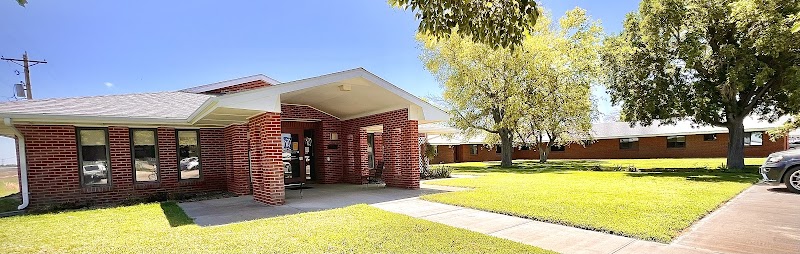
FOWLER HEALTH CARE

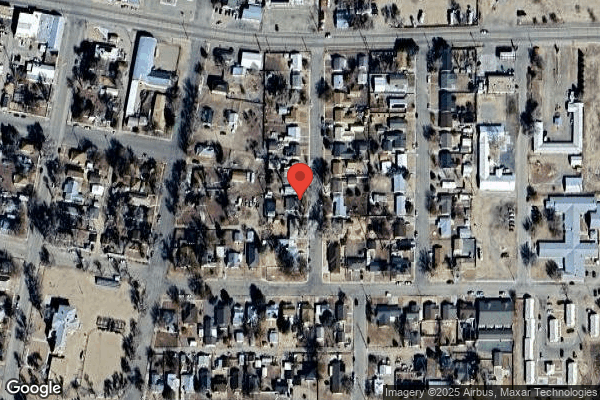
221 2ND ST, FOWLER, CO 81039 (719) 263-4234
For profit - Corporation 45 Beds Independent Data: November 2025
Trust Grade
70/100
#102 of 208 in CO
Last Inspection: March 2024

Within standard 12-15 month inspection cycle. Federal law requires annual inspections.

Overview

Fowler Health Care has received a Trust Grade of B, indicating it is a good choice, although not the top-tier option. It ranks #102 out of 208 facilities in Colorado, placing it in the top half, and is the best option among the two nursing homes in Otero County. Unfortunately, the facility is experiencing a worsening trend, with reported issues increasing from 4 in 2019 to 6 in 2024. Staffing appears to be a strength, with a 4/5 star rating and a turnover rate of 40%, which is lower than the state average, but RN coverage is concerning as it is below what 78% of Colorado facilities provide. While there are no fines on record, indicating compliance with regulations, there have been specific incidents of concern. For instance, the facility failed to ensure proper staffing data was submitted accurately, which could impact care quality. Additionally, there was a violation related to food safety and hygiene practices, as staff did not follow proper handwashing procedures and the freezer temperature was not maintained below zero degrees Fahrenheit. Lastly, there were gaps in staff training for abuse prevention and dementia care, raising concerns about the adequacy of staff preparedness to handle such sensitive issues. Overall, while Fowler Health Care has strengths in staffing and no fines, it also has notable weaknesses that families should carefully consider.

Trust Score
B
70/100
In Colorado
#102/208
Top 49%
Safety Record
Low Risk
No red flags
Inspections
Getting Worse
4 → 6 violations
Staff Stability
○ Average
40% turnover. Near Colorado's 48% average. Typical for the industry.
Penalties
✓ Good
No fines on record. Clean compliance history, better than most Colorado facilities.
Skilled Nurses
○ Average
Each resident gets 39 minutes of Registered Nurse (RN) attention daily — about average for Colorado. RNs are the most trained staff who monitor for health changes.
Violations
⚠ Watch
11 deficiencies on record. Higher than average. Multiple issues found across inspections.
★★★☆☆
3.0
Overall Rating
★★★★☆
4.0
Staff Levels
★★★★☆
4.0
Care Quality
★★★☆☆
3.0
Inspection Score
Stable
2019: 4 issues
2024: 6 issues

The Good

  • 4-Star Staffing Rating · Above-average nurse staffing levels
  • 4-Star Quality Measures · Strong clinical quality outcomes
  • Full Sprinkler Coverage · Fire safety systems throughout facility
  • No fines on record
  • Staff turnover below average (40%)

    8 points below Colorado average of 48%

Facility shows strength in staffing levels, quality measures, fire safety.

The Bad

3-Star Overall Rating

Near Colorado average (3.1)

Meets federal standards, typical of most facilities

Staff Turnover: 40%

Near Colorado avg (46%)

Typical for the industry

The Ugly 11 deficiencies on record

Mar 2024 6 deficiencies
CONCERN (E)

Potential for Harm - no one hurt, but risky conditions existed

Resident Rights (Tag F0550)

Could have caused harm · This affected multiple residents

Based on observations, record review and interviews, the facility failed to ensure care for residents was provided in a manner and in an environment that maintained or enhanced the residents' dignity ...

Read full inspector narrative →
Based on observations, record review and interviews, the facility failed to ensure care for residents was provided in a manner and in an environment that maintained or enhanced the residents' dignity and respect in full recognition of their individuality. Specifically, the facility failed to ensure an adequate system was in place to provide meal services in a timely fashion to residents waiting to be served in the dining room. Findings include: I. Facility policy and procedure The Respect and Dignity policy, revised February 2021 was provided by the nursing home administrator (NHA) on 3/13/24 at 3:54 p.m., It read in pertinent part, Each resident shall be cared for in a manner that promotes and enhances his or her sense of well-being, level of satisfaction with life, and feelings of self-worth and self-esteem. II. Meals served timely A. Posted mealtimes The posted meal times for the main dining room were scheduled to begin breakfast at 7:00 a.m. to 9:00 a.m., lunch at 11:00 a.m. to 1:00 p.m. and dinner at 5:00 p.m. to 6:00 p.m. B. Resident observations and interviews On 3/11/24 at 11:05 a.m. Resident #4 arrived at the dining room for lunch. He sat at his dining table waiting patiently for his meal as he watched the other residents eat and leave the dining room. Resident #4 said he usually had to wait for quite a while before he was served. Resident #4 said he thought the staff had forgotten about him as he continued waiting to be served. Resident #22 was observed waiting at the dining table for 35 minutes. The resident said she usually had to wait for a while before she received her meal. C. Additional observations 3/11/24 -At 4:00 p.m. six residents were sitting in the dining room. Four of the residents were sitting in wheelchairs. -At 4:05 p.m. Resident #4 arrived at the dining room in his wheelchair. The resident sat by his dining table waiting to be served. -At 4:15 p.m. there were 10 residents seated by their dining tables. Three of the residents had been served and they were eating dinner. -At 4:20 p.m. some of the staff started passing out drinks and others started taking resident's meal orders. -At 4:30 p.m. Resident #3 arrived at the dining room and sat across the dining table with Resident #4. The two residents stared at each other as they waited for their dinner. -At 4:40 p.m. Resident #3 was served dinner and he started eating as Resident #4 sat across the dining table watching his tablemate eat his dinner. -At 4:44 p.m. Resident #4 received his dinner and started eating. The resident left the dining room shortly after being served and ate only about 20% of his meal. 3/12/24 -At 10:45 a.m. residents started arriving at the dining room. -At 11:00 a.m. 13 residents were waiting in the dining room ready for lunch. -At 11:00 a.m.Resident #22 arrived at the dining room. -At 11:15 a.m. the facility staff were all standing around the dining area counter with none of them interacting with the residents who were seated at the dining room. -At 11:30 a.m. Resident #22 received her lunch 30 minutes after she arrived at the dining room. III. Staff interview The dietary manager (DM) was interviewed on 3/12/24 at 1:05 p.m. The DM said the facility practiced open dining seating and meals were served on a first come first served basis. The DM said staff would take orders as soon as the residents arrived and pass the meal order to the cook. She said the problem with the dining room meal times was the miscommunication between the kitchen and staff assisting in the dining room. The DM said the facility staff should have been in the dining room earlier enough to know which resident arrived first. She said she would educate the staff to ensure residents who were seated at the same dining table received their meals promptly. The regional registered dietitian (RRD) was interviewed on 3/12/24 at 1:12 p.m. She was told of the observations above. The RRD said residents seated at the same dining table should receive their meals in a reasonable amount of time. She said there was dignity concern when resident waited too long after their tablemate already received their plate of food. She said residents should not wait too long at the dining table while they were seated watching their tablemates eat. The RRD said it was a dignity issue that could escalate resulting in behavior issues. She said some of the residents could leave the dining room without eating their meals. The RRD said she would coordinate with the DM to provide education to the facility staff to ensure residents receive their meals within a reasonable period during meal times.
CONCERN (E)

Potential for Harm - no one hurt, but risky conditions existed

Notification of Changes (Tag F0580)

Could have caused harm · This affected multiple residents

**NOTE- TERMS IN BRACKETS HAVE BEEN EDITED TO PROTECT CONFIDENTIALITY** Based on record review and interviews, the facility failed to notify the provider according to physician orders for one (#28) of...

Read full inspector narrative →
**NOTE- TERMS IN BRACKETS HAVE BEEN EDITED TO PROTECT CONFIDENTIALITY** Based on record review and interviews, the facility failed to notify the provider according to physician orders for one (#28) of five residents reviewed for unnecessary medications out of 17 sample residents. Specifically, the facility failed to notify and document Resident #28's elevated blood sugar levels to the provider as directed on the physician's order. Findings include: I. Facility policy and procedures The Hypoglycemia or Hyperglycemia policy and guidelines, revised 2011, was provided by the nursing home administrator (NHA) on 3/13/24 at 3:54 p.m. The policy read in pertinent part, The facility would ensure medications were administered per established physician's parameters. Staff would document all labs/treatments in nurse's notes and on the medication sheets. II. Resident #28 A. Resident status Resident #28, over 65, was admitted on [DATE]. According to the March 2024 computerized physician orders (CPO), diagnoses included type II diabetes mellitus, personal history of traumatic brain injury, unspecified dementia and long-term (current) use of insulin. The 12/24/23 minimum data set (MDS) assessment revealed the resident had moderate cognitive impairment with a brief interview for mental status (BIMS) score of 11 out of 15. The resident required staff assistance for bed mobility, grooming, toileting, and one-person assistance with transfers with a gait belt. The resident had no behaviors. The resident was administered insulin for seven days and injections for seven days. B. Record review The physician's order dated 1/8/24 at 2:15 p.m. revealed to administer Humalog U-100 unit/milliliter insulin (insulin lispro) once in the evening, inject 13 units subcutaneously. Notify physician if blood glucose is less than 60 or greater than 400. (<60 or >400) Order dated 1/8/24 at 2:15 p.m. Administer lantus solostar U-100 insulin 30 units/milliliter subcutaneously at bedtime and notify physician if blood glucose was less than 60 or greater than 400 (<60 or >400). The care plan for diabetes mellitus was revised on 12/28/23. The interventions were for staff to administer Humalog per physician's order and notify physician if blood glucose was (<60 or >400). The January 2024 medications administration record (MAR) revealed on 1/1/24 that Resident #28 blood sugar level was 464 over the parameter set in the physician's order and on 1/20/24 the resident blood glucose level obtained was 504 above the physician's order parameters. The February 2024 MAR revealed on 2/14/24 that Resident #28 blood sugar level was 412 over the parameter set in the physician's order and on 2/29/24 the resident blood glucose level obtained was 407 above the physician's order parameters. -There was no documentation in the nursing progress note indicating that the provider was notified. III. Staff interviews Licensed practical nurse (LPN) #1 was interviewed on 3/13/24 at 3:30 p.m. The LPN said the four dates on the resident's MARs revealed the resident insulin levels were elevated above the parameters indicated on the physician's order and there should be documentation that the physician was notified. She said nurses should follow physician orders. She said not documenting that the physician was notified indicates that it did not happen. She said insulin parameters were important because the resident might have experienced high blood sugar levels which would require the physician to adjust the amount of insulin to administer. She said not notifying the physician for the proper dose of insulin could cause the resident to experience shock, become comatose or have an increase in symptoms related to her diagnosis. The director of nursing (DON) was interviewed on 3/13/24 at 3:50 p.m. The DON said the four dates on the resident's MARs revealed the resident's blood glucose levels were elevated above the parameters on the physician's order and the staff should have notified the provider and documented in the nursing progress note. The DON said there was no documentation indicating the physician was notified. She said she was not sure why there was no documentation of the physician's notification for those dates that the resident's blood glucose levels were elevated. The DON said if the nurse failed to document it meant the physician was not notified as ordered. She said the facility would provide education to nurses to ensure they follow physician's orders and document their actions.
CONCERN (E)

Potential for Harm - no one hurt, but risky conditions existed

Deficiency F0730 (Tag F0730)

Could have caused harm · This affected multiple residents

Based on record review and interviews, the facility failed to complete a performance review of every nurse aide at least once every 12 months and provide regular in-service education based on the outc...

Read full inspector narrative →
Based on record review and interviews, the facility failed to complete a performance review of every nurse aide at least once every 12 months and provide regular in-service education based on the outcome of these reviews for four of four staff reviewed. Specifically, the facility had not completed annual performance reviews and/or provided regular in-service education based on the outcome of the reviews for certified nurse aide (CNA) #2, CNA #3, CNA #4 and CNA #5. Findings include: I. Record review CNA #2 (hired on 6/1/21), CNA #3 (hired on 10/2/21), CNA #4 (hired on 2/11/19) and CNA #5 (hired on 11/2/21) did not have an annual performance review completed. The CNAs did not have an in-service education plan based on the outcome of the review. II. Staff interview The nursing home administrator (NHA) was interviewed on 3/12/24 at 1:30 p.m. She said she could not locate the performance reviews for CNA #2, CNA #3, CNA #4 and CNA #5. She said she was not aware the performance reviews needed to include a regular in-service plan based on the outcome of these reviews. She said going forward she would ensure the performance reviews were completed annually to ensure best care was being delivered to the residents.
CONCERN (E)

Potential for Harm - no one hurt, but risky conditions existed

Food Safety (Tag F0812)

Could have caused harm · This affected multiple residents

Based on observations and interviews the facility failed to store, distribute and serve food in a sanitary manner in two of two kitchen nourishment refrigerators. Specifically, the facility failed to ...

Read full inspector narrative →
Based on observations and interviews the facility failed to store, distribute and serve food in a sanitary manner in two of two kitchen nourishment refrigerators. Specifically, the facility failed to ensure nutritional beverages were labeled and dated when opened in the kitchen nourishment refrigerators. Findings include: I. Professional reference The Colorado Department of Public Health and Environment (2019) The Colorado Retail Food Establishment Rules and Regulations, retrieved from: https://www.colorado.gov/pacific/sites/default/files/DEHS_RetailFd_6CCR10102_RFFC_EffJan2019.pdf. It revealed in pertinent part, A date marking system that meets the criteria stated in (1) and (2) of this section may include: Using a method approved by the Department for refrigerated, ready-to eat potentially hazardous food (time/temperature control for safety food) that is frequently rewrapped, such as lunch meat or a roast, or for which date marking is impractical, such as soft serve mix or milk in a dispensing machine; Marking the date or day of preparation, with a procedure to discard the food on or before the last date or day by which the food must be consumed on the premises, sold, or discarded as specified in (a) of this section; Marking the date or day the original container is opened in a food establishment, with a procedure to discard the food on or before the last date or day by which the food must be consumed on the premises, sold, or discarded as specified in (b) of this section; or Using calendar dates, days of the week, color-coded marks, or other effective marking methods, provided that the marking system is disclosed to the Department upon request. (Retrieved 3/14/24). II. Observation On 3/11/24 at 9:47 a.m. the following was observed at the main kitchen nourishment refrigerators during the initial kitchen tour: -In the first nourishment refrigerator, there were two opened undated and with no labels of thickened liquid containers. -In the second nourishment refrigerator, there were four cartons of opened juice containers, (one apple juice, one tomato juice, one grape juice and one orange juice) there were no labels and they were not dated. On 3/12/24 at 10:21 a.m. the following was observed at the main kitchen nourishment refrigerators during the follow-up visit to the kitchen: -In the first nourishment refrigerator, there were two opened undated and with no labels of thickened liquid containers. -In the second nourishment refrigerator, there were four cartons of opened juice containers, (one apple juice, one tomato juice, one grape juice and one orange juice) there were no labels and they were not dated. III. Staff interviews The dietary manager (DM) was interviewed on 3/12/24 at 11:30 a.m. The DM said the kitchen staff should have all opened juice cartons dated and labeled to be aware of how long it has been opened to avoid distributing contaminated beverages to any resident. She said the kitchen staff were trained to understand the importance of labeling. She said the staff might have forgotten to label those beverages in the nourishment refrigerators. The DM said she would educate the kitchen staff to ensure open cartons and containers were labeled and dated properly. The regional registered dietitian (RRD) was interviewed on 3/12/24 at 11:51 a.m. The RRD said all opened dairy products and food kept in the refrigerators were to be labeled and dated. She said undated food items and beverages could potentially get someone sick when opened for a long period and had become contaminated. The RRD said she had advised the DM to provide education to all the kitchen staff to ensure all food items and opened beverages were dated when kept in the refrigerator.
CONCERN (E)

Potential for Harm - no one hurt, but risky conditions existed

Deficiency F0923 (Tag F0923)

Could have caused harm · This affected multiple residents

**NOTE- TERMS IN BRACKETS HAVE BEEN EDITED TO PROTECT CONFIDENTIALITY** Based on observations and staff interviews, the facility failed to provide adequate ventilation by means of mechanical ventilati...

Read full inspector narrative →
**NOTE- TERMS IN BRACKETS HAVE BEEN EDITED TO PROTECT CONFIDENTIALITY** Based on observations and staff interviews, the facility failed to provide adequate ventilation by means of mechanical ventilation for one resident bathroom and two resident shower rooms. Specifically, the facility failed to ensure resident bathroom vents were free from lint and the exhaust fans were functioning. Findings include: I. Facility policy The Exhaust Fan and Ventilation policy, dated 1/25/24, was provided by the nursing home administrator (NHA) on 3/13/24 at 3:54 p.m. The policy read in pertinent part, The facility would check all exhaust fans in bathrooms, shower room soiled and clean utility rooms, janitor's closets, kitchen, and sink and laundry areas and oxygen room. The facility would ensure that airflow is sufficient enough to hold a piece of paper to the vent when operating. Clean vents using vacuum and air compressor to remove all dust. II. Observation An observation of the resident environment was completed on 3/12/24 at 12:40 p.m. The exhaust fans in shower room [ROOM NUMBER] had no audible sound and was not functioning. As a measure of checking the function of each fan, a small square of single ply toilet paper was placed against the vent. The exhaust fans were unable to hold the toilet tissue in place which indicated the fans did not function properly. The vent in shower room [ROOM NUMBER] had lint and cobwebs around the surface. The bathroom vent in room [ROOM NUMBER] had lint and cobwebs around the surfaces of the vent. III. Staff Interview The environmental tour was conducted with the maintenance director (MTCE) on 3/13/24 at 11:40 a.m. The MTCE said the exhaust fan in one of the resident's main shower rooms was not functioning. The MTCE said he would have to check the motors on all halls to see why the vent in the shower room was not functioning as it should. The MTCE said the ventilation fans in every resident's shower rooms and bathrooms should be in good working condition. He said the vents in the resident's toilet and the resident's shower rooms should be clean.
CONCERN (F)

Potential for Harm - no one hurt, but risky conditions existed

Staffing Data (Tag F0851)

Could have caused harm · This affected most or all residents

Based on record review and interviews, the facility failed to ensure mandatory submission of direct care staffing based on payroll roll data. Specifically, the facility failed to ensure staffing data...

Read full inspector narrative →
Based on record review and interviews, the facility failed to ensure mandatory submission of direct care staffing based on payroll roll data. Specifically, the facility failed to ensure staffing data entered in the Payroll-Based Journal (PBJ) system was accurate. Findings include: The facility had a change of staff during the first quarter. I. Record review The PBJ stuffing report for quarter one (10/1/23 to 12/31/23) showed the following triggered area: -Failed to Submit Data for the Quarter II. Interview The nursing home administrator (NHA) was interviewed on 3/13/24 at 10:45 a.m. She said during the last quarter there had been a staff change. She said she tried to submit the data, however, it was not submitted correctly. When she went back to the system to correct the errors, she was unable to make the necessary corrections and the data was not accepted. She said she had not had any issues submitting data since the incident. She said it was important to submit the data timely and correctly.
Dec 2019 4 deficiencies
CONCERN (D)

Potential for Harm - no one hurt, but risky conditions existed

Deficiency F0604 (Tag F0604)

Could have caused harm · This affected 1 resident

**NOTE- TERMS IN BRACKETS HAVE BEEN EDITED TO PROTECT CONFIDENTIALITY** Based on observations, record review and interviews, the facility failed to ensure residents were free from physical restraints ...

Read full inspector narrative →
**NOTE- TERMS IN BRACKETS HAVE BEEN EDITED TO PROTECT CONFIDENTIALITY** Based on observations, record review and interviews, the facility failed to ensure residents were free from physical restraints imposed for purposes of convenience, and the least restrictive alternatives were used, for one (#6) of two residents reviewed for assistive devices out of 16 sample residents. Specifically, the facility failed to: -Re-evaluate the ongoing use of a personal restraint; and -Develop a comprehensive care plan addressing the use of the restraint. Findings include: I. Facility policy and procedure The Restraint policy, revised April 2017, provided by the director of nursing (DON) on 12/17/19 at 2:33 p.m., included: restraints shall only be used for the safety and well-being of the residents and only after other alternatives have been unsuccessful. Restraints shall only be used to treat the resident's medical symptoms and never for the discipline or staff convenience, or for the prevention of falls. When the use of restraints is indicated, the least resistive alternative will be used for the least amount of time necessary, and the ongoing reevaluation for the need for restraints will be documented. II. Resident status Resident #6, age [AGE], was admitted on [DATE]. According to the December 2019 computerized physician orders (CPO), diagnoses included dementia with behaviors, cognitive communication deficit, and dependence on wheelchair. According to the 10/16/15 minimum data set (MDS) assessment, the resident was not administered the brief interview for mental status (BIMS). The resident's cognitive skills for daily decision making were moderately impaired. The resident had minimal depression, scoring three of 27 on the patient health questionnaire (PHQ-9). The resident had physical behaviors directed toward others and refusal of care. The resident had a chair alarm. III. Observations The resident was observed spending most of her time sitting in her wheelchair with a clip-on chair alarm. She did not sit in the chair in an unsafe manner, she did not attempt to stand up or move while sitting. The resident did not display unsafe behaviors during the following observations. On 12/15/19 at 12:29 p.m., the resident was sitting in her wheelchair with the alarm attached to the back of her blouse and chair. She was sitting in front of the south nursing station. On 12/16/19 2:33 p.m., the resident was in her wheelchair sitting next to the nursing station with the alarm attached to the back of her blouse. On 12/17/19 at 8:47 a.m., the resident was in his wheelchair in front of the nursing station. She was facing toward the nursing station with her hands on her lap. She was not attempting to stand up. The alarm was attached to the back of her blouse. The resident was not moving independently. She did not attempt to move or stand up from the wheelchair, during the above observations. The resident remained sitting in her wheelchair. IV. Record review The care plan, initiated 9/26/19 and revised 11/10/19, identified the resident was at risk for falling related to dementia. Interventions included assure the floor was free of glare, liquids, foreign objects. Avoid use of restraint. Encourage to assume standing position slowly. Fall risk observation quarterly and as needed (PRN). Give verbal reminders not to ambulate/transfer without assistance. Keep personal items and frequently used items within reach and provide well maintained foot wear. The care plan did not include directives to staff when to check the alarm, when to release the alarm or when to complete assessments. The safety device observation, dated 9/23/19 at 12:52 p.m., revealed the wheelchair under seat alarm was to reduce risk/number of falls. The fall assessment, dated 9/23/19 at 12:44 p.m., revealed the resident was at high risk for falls. The December 2019 CPO revealed the resident's physician ordered the resident to have safety devices PRN, on 6/26/18. There was no evidence of any attempts to use less restrictive alternative measures. V. Staff interviews Certified nurse aide (CNA) #4 was interviewed on 12/17/19 at 1:45 p.m. She said alarms were used to ensure the residents were safe from falling. She said the alarm sounded when the resident moved, and tried to stand up. She said the clip detached from the back of the resident's blouse when a resident stood up and the alarm sounded. She said the alarm alerted staff when they were not in the area and staff would get to the resident as quickly as possible to try to have the resident sit down in their wheelchair. She said the resident had not had a fall in a while and she had not made any attempts of standing up for approximately two months. CNA #2 was interviewed on 12/17/19 at 2:00 p.m. She said the resident's chair alarm alerted them when she was trying to stand. When the alarm goes off we run to make sure she sits down right away. She said, The resident has not attempted to stand up for a long time. Licensed practical nurse (LPN) #1 was interviewed on 12/17/19 2:14 p.m. She said the chair alarm was used to alert staff if a resident was trying to get out of their wheelchair. LPN #2 said the alarms were placed after a resident had a fall or when the staff noticed the residents were trying to get out of their wheelchair. She said the alarms were used to prevent a resident from falling and for notifying the staff when a resident was not in their wheelchair. She said the staff attended to the resident when the alarm sounded and it was a prevention for the resident not to fall. She said when Resident #6 first came into the facility she would attempt to get out of her chair but now she was compliant with sitting in her wheelchair and does not try to get up anymore. The director of nursing (DON) was interviewed on 12/17/19 at 2:12 p.m. The DON said the resident had several falls and the alarms were used to ensure the resident was safe from falls. She said the resident had not had any falls since 6/24/19 and we should have reassessed the chair alarm to see if it was still an effective intervention.
CONCERN (D)

Potential for Harm - no one hurt, but risky conditions existed

Medication Errors (Tag F0758)

Could have caused harm · This affected 1 resident

**NOTE- TERMS IN BRACKETS HAVE BEEN EDITED TO PROTECT CONFIDENTIALITY** Based on observations, record review and interviews, the facility failed to ensure as needed (PRN) orders for psychotropic drugs...

Read full inspector narrative →
**NOTE- TERMS IN BRACKETS HAVE BEEN EDITED TO PROTECT CONFIDENTIALITY** Based on observations, record review and interviews, the facility failed to ensure as needed (PRN) orders for psychotropic drugs are limited to 14 days for one (#33) of five residents reviewed for unnecessary medications out of 16 sample residents. Specifically, the facility failed to discontinue a PRN psychoactive medication after 14 days without a physician's rationale for Resident #33. Findings include I. Resident #33 status Resident #33, age [AGE], was admitted on [DATE]. According to the December 2019 computerized physician orders (CPO), diagnoses included schizophrenia, anxiety and insomnia. According to the 11/16/19 minimum data set (MDS) assessment, the resident had moderate cognitive impairment with a brief interview for mental status (BIMS) score of 10 out of 15. The resident had no mood symptoms. The resident had behaviors directed towards others and refused care. II. Record review The care plan, initiated 3/4/05 and revised 11/16/19, identified the resident would be prescribed the lowest effective dose of medication. Interventions included administering Ativan per medical doctor (MD) order. Notify MD of adverse effects. Administer as needed (PRN) Ativan before leaving for transport if needed. Attempt a gradual dose reduction per pharmacy recommendations. Attempt non pharmacological interventions. Observe residents for mood and response to medication. Pharmacy consultant review quarterly and PRN. The December 2019 CPO included: -Ativan 0.5 mg, give one tablet by mouth one hour before leaving for transport. Ordered 12/16/08. The November 2019 medication administration record (MAR) documented one dose was administered. III. Staff interviews The director of nursing (DON) was interviewed on 12/17/19 at 2:12 p.m. She said she was not familiar with the new regulation specific to 14-day PRN psychoactive medication orders. She said it was only used when the resident was being transported to a doctor's appointment and that was why it had an open end date. She said she would get with the resident's provider and make changes to the PRN medications immediately.
CONCERN (F)

Potential for Harm - no one hurt, but risky conditions existed

Food Safety (Tag F0812)

Could have caused harm · This affected most or all residents

Based on observations, record review and staff interviews, the facility failed to ensure food was stored, prepared, and served under sanitary conditions in one of one kitchen. Specifically, the facili...

Read full inspector narrative →
Based on observations, record review and staff interviews, the facility failed to ensure food was stored, prepared, and served under sanitary conditions in one of one kitchen. Specifically, the facility failed to ensure: -Appropriate hand hygiene by food service staff; and -The freezer temperature was below zero degrees Fahrenheit. Findings include: I. Improper hand hygiene A. Professional references According to the Food and Drug Administration (FDA) Food Code (2017), pp. 48-50, foodservice staff shall use the following handwashing procedures: -Rinse under clean, running warm water; -Apply an amount of cleaning compound recommended by the cleaning compound manufacturer; -Rub together vigorously for at least 10 to 15 seconds while paying particular attention to removing soil from underneath the fingernails and creating friction on the surfaces of the hands and arms fingertips, and areas between the fingers; -Thoroughly rinse under clean, running warm water; and -Immediately follow the cleaning procedure with thorough drying using individual disposable towels, a continuous towel system that supplies the user with a clean towel, or a heated-air hand drying device. The FDA Food Code (2017) pp. 49-50, detailed the following instances when foodservice staff should wash their hands: -Immediately before engaging in food preparation including working with exposed food, clean equipment and utensils, and unwrapped single-service articles; -After touching bare human body parts other than clean hands and clean, exposed portions of arms; -After handling soiled equipment or utensils; -During food preparation, as often as necessary to remove soil and contamination and to prevent cross contamination when changing tasks; and -After engaging in other activities that contaminate the hands. B. Observations Observation of meal preparation was conducted on 12/17/19 from 10:45 a.m. to 12:30 p.m. Observations in the primary production kitchen included: Dietary aide (DA) #2 was serving lunch, wearing a glove on his right hand. He grabbed a plate and spatula and removed a ham and cheese sandwich from the stove top. He placed the sandwich on the cutting board next to the serving line. He cut the sandwich in half with a knife. He picked the sandwich up with his gloved hand and placed the sandwich on the plate. He wiped his gloved hand on the side of his apron. He reached over and grabbed a bowl and placed a ladle of soup into the bowl. He placed the bowl on the plate and grabbed a handful of crackers with his gloved hand and placed them onto the plate. He returned to the serving line and proceeded to serve meals. He repeated this process four more times, each time he returned to the serving line. He then placed a slice of pizza onto a plate, reached over and grabbed several pieces of fried mushrooms with his gloved hand, and placed them onto the plate. He received an order for a hamburger. He exited the serving area and walked to the walk-in refrigerator. He reached for the door handle with his gloved hand and entered the walk-in refrigerator. He returned to the food preparation area with a bag of hamburger patties. He cut the plastic wrap on the raw hamburger and removed a single hamburger patty with his gloved hand. He placed the hamburger patty into a small frying pan and placed it on the stove top. He turned the burner on with his gloved hand and returned to the preparation area. He resealed the plastic bag which the other hamburger patties were in. He reached into his pocket and removed a pen. He wrote the date on the plastic bag and placed the pen back into his pocket. He left the food area and walked over to the walk-in refrigerator, reached for the door handle and entered the walk-in. He exited the walk-in and returned to the serving line. He proceeded to serve residents' meals. He received a special order for a cold cut sandwich. He left the serving area and walked toward the walk-in refrigerator. He reached for the door hand of the walk-in refrigerator with his gloved hand. He exited the walk-in refrigerator with a large container of mayonnaise under his arm and a package of cold cuts. He proceeded to make a sandwich. He removed two slices of bread from the bag with his gloved hand. He opened the package of cold cut and placed two slices of meat onto the bread. He walked over to the serving line and grabbed a slice of cheese with his gloved hand and walked to the preparation area and placed the sliced cheese onto the bread. He then spread some mayonnaise onto the meat and bread and completed making the sandwich. He reached for a knife, cut the sandwich in half and placed it onto the plate with his gloved hand. He proceeded to grab a soup bowl and place a ladle of soup into the bowl. He then reached over and grabbed a handful of crackers with his gloved hand and placed them on the plate. He returned to the preparation area and sealed the cold cuts and mayonnaise and returned then into the walk-in refrigerator. He returned to the serving line and proceeded to serve the meals. He did not wash, change gloves, or sanitize his hands during this process. C. Staff interview The dietary manager (DM) was interviewed on 12/17/19 at 1:24 p.m. She said all kitchen staff needed to wash their hands between every task. She said all staff must wash their hands before handling or serving food. Staff should also wash their hands when they left the kitchen area. The DM was told of the observations of staff during meal observation. The DM said staff should be washing their hands every time they changed their gloves. The DM said it was his expectation all dietary staff would have been washing their hands between tasks to avoid cross contamination. II. Proper freezer temperatures A. Professional reference According to the Colorado Department of Public Health and Environment (2019) The Colorado Retail Food Establishment Rules and Regulations, https://www.colorado.gov/pacific/sites/default/files/DEHS_RetailFd_6CCR10102_RFFC_EffJan2019.pdf, in pertinent part: Stored frozen food shall be maintained frozen. B. Observations An observation of the kitchen was conducted on 12/15/19 at 9:32 a.m. The temperature of the walk-in freezer was measured at 10 degrees Fahrenheit (F), according to the appliance thermometer. The facility's thermometer inside the freezer measured 19 degrees F. An observation of the kitchen was conducted on 12/16/19 at 8:17 a.m. The temperature of the freezer was measured at 10 degrees F, according to the appliance thermometer. The facility's thermometer inside the freezer measured 19 degrees F. On 12/17/19 at 10:45 a.m., DA #5 was asked to observe the temperatures in the walk-in freezer. Thermometers recorded temperatures of 14.8 degrees F. C. Record review The December 2019 temperature log documented in part: -12/1/19, temperature log (TL) documented no temperature taken -12/2/19, TL documented 10 degrees F -12/3/19, TL documented 10 degrees F -12/4/19, TL documented 12 degrees F -12/5/19, TL documented 12 degrees F -12/6/19, TL documented 11 degrees F -12/7/19, TL documented 11 degrees F -12/8/19, 12 degrees F -12/9/19, 11 degrees F -12/10/19, 10 degrees F -12/11/19, 10 degrees F -12/12/19, 12 degrees F -12/13/19, 11degrees F -12/14/19, 10 degrees F -12/15/19, 10 degrees F -12/16/19, 12 degrees F D. Staff interview On 12/17/19 at 1:24 p.m., the DM said the repair service that replaced the compressor was coming in to check the compressor. The DM said she was checking the food in the freezer and what was soft would be thrown out.
CONCERN (F)

Potential for Harm - no one hurt, but risky conditions existed

Deficiency F0943 (Tag F0943)

Could have caused harm · This affected most or all residents

Based on record review and interviews, the facility failed to ensure staff had current abuse and dementia care training. Specifically, the facility failed to: -Ensure one of two registered nurses (RNs...

Read full inspector narrative →
Based on record review and interviews, the facility failed to ensure staff had current abuse and dementia care training. Specifically, the facility failed to: -Ensure one of two registered nurses (RNs) reviewed received abuse prevention training and two of two received dementia training; -Ensure one of two licensed practical nurses (LPNs) reviewed received dementia training; and -Ensure two of six certified nurse aides (CNAs) reviewed received dementia management training, and one of six received abuse prevention training. Findings include: I. Training review The December 2019 staffing schedule was provided on 12/15/19 by the nursing home administrator (NHA). A sample of two RNs, two LPNs and six CNAs included on the schedule were reviewed for compliance with training requirements. Training records revealed: -RN #1 did not have dementia management training and RN #2 did not have current abuse prevention training or dementia training. -LPN #2 did not have dementia management training. -CNAs #3 did not have dementia management training oe abuse prevention training, and CNA #5 did not have dementia management training. II. Interviews CNA #4 was interviewed on 12/17/19 at 1:45 p.m. She said she had taken the computer training courses during orientation. She said she had just completed (computer) training approximately two to three months ago but did not clarify what the training entailed. CNA #2 was interviewed on 12/17/19 at 2:00 p.m. She said she had completed the computer training when she was hired. She said she had not had any further training on dementia management since she was hired. She said she had worked at the facility for a couple of years. Licensed practical nurse (LPN) #1 was interviewed on 12/17/19 2:14 p.m. She said she would receive educational memos on training and had recently completed training on natural disasters. She said she could not recall the last time she received training on dementia management. The NHA was interviewed on 12/18/19 at 1:00 p.m. She said it was important to ensure all staff were current with their training to provide the most current and up to date care for all the residents in the facility. She said she would monitor the training more closely to verify all staff training was up to date.
Dec 2018 1 deficiency
CONCERN (D)

Potential for Harm - no one hurt, but risky conditions existed

Respiratory Care (Tag F0695)

Could have caused harm · This affected 1 resident

**NOTE- TERMS IN BRACKETS HAVE BEEN EDITED TO PROTECT CONFIDENTIALITY** Based on observations, record review and interview, the facility failed to ensure residents who needed respiratory care was prov...

Read full inspector narrative →
**NOTE- TERMS IN BRACKETS HAVE BEEN EDITED TO PROTECT CONFIDENTIALITY** Based on observations, record review and interview, the facility failed to ensure residents who needed respiratory care was provided such care, consistent with professional standards of practice, the comprehensive person-centered care plan, the residents' goals and preferences for one (#86) of four residents reviewed for oxygen therapy out of 14 sample residents. Specifically, the facility: -Failed to have complete and comprehensive oxygen orders for Resident #86, and -Failed to have a baseline care plan addressing the use of oxygen for Resident #86 who was receiving oxygen therapy. Findings include I. Professional references [NAME]/[NAME], Fundamentals of Nursing, ninth edition, Elsevier, Canada, 2017, p 900, Oxygen is a therapeutic gas and must be prescribed and adjusted only with a health care provider's order. II. Resident #86 A. Resident status Resident #86, age [AGE], was admitted on [DATE]. According to the December 2018 computerized physician orders (CPO), diagnoses included dependence on supplemental oxygen and hypertension. The incomplete 12/14/18 minimum data set (MDS) assessment identified the resident utilized oxygen therapy. B. Record review and failures The December 2018 CPO did not include a comprehensive order for oxygen. The baseline care plan did not include the use of oxygen. The December medication administration record (MAR) and the treatment administration record (TAR) did not include oxygen. The progress notes (PNs) were reviewed from date of admission and included the following: -The PN dated 12/7/18 at 9:44 p.m. identified the resident was on 3 liters (L) per minute (pm). -The PN dated 12/8/18 at 9:51 a.m. identified the resident was on 3L pm. -The PN dated 12/9/18 at 7:01 a.m. identified the resident was on 2L pm. -The PN dated 12/10/18 at 9:20 a.m. identified the resident was on 3L pm. -The PN dated 12/11/18 at 3:14 p.m. identified the resident was on 3L pm. -The PN dated 12/12/18 at 8:15 a.m. identified the resident was on 3L pm. -The PN dated 12/13/18 at 2:39 p.m. identified the resident was on 3L pm. -The PN dated 12/14/18 at 12:17 p.m. identified the resident was on 3L pm. -The PN dated 12/15/18 at 4:24 a.m. identified the resident was on 2L pm. -The PN dated 12/16/18 at 4:41 a.m. identified the resident was on 2L pm. -The PN dated 12/16/18 at 9:41 a.m. identified the resident was on 2.5L pm. -The PN dated 12/16/18 at 3:34 p.m. identified the resident was on 2.5L pm. -The PN dated 12/17/18 at 4:49 a.m. identified the resident was on 2L pm. -The PN dated 12/17/18 at 8:20 a.m. identified the resident was on 3L pm. -The PN dated 12/18/18 at 6:30 a.m. identified the resident was on 3L pm. The above documentation revealed the resident was not on a consitent oxygen liter flow with no documentation of why the liters of oxygen changed. There were no physician orders or care plan in place to follow. C. Observations The concentrator in the residents room was set at 3Lpm through a nasal cannula on 12/17/18 at 1:47 p.m. The concentrator in the residents room was set at 3Lpm through a nasal cannula on 12/18/18 at 2:13 p.m. D. Interviews The resident was interviewed on 12/17/18 at 1:47 p.m. She said she had used oxygen for a long time and always at 3L. Certified nurse aide (CNA) #1 was interviewed on 12/19/18 at 9:54 a.m. She said the resident was at 3L of oxygen. She said the resident received oxygen by a nasal cannula (NC). She said she knew how much oxygen the resident received because of the setting on the concentrator. Licensed practical nurse (LPN) #2 was interviewed on 12/19/18 at 9:57 a.m. She said the resident was on 2L, delivered by NC, and if needed the nurses would tirtate if the O2 saturation was too high. This contradicted what the concentrator was actually set to. LPN #1 was interviewed on 12/19/18 at 9:59 a.m. She said she could not find a physician's order for the oxygen. She said the resident was receiving 3L oxygen by NC from the concentrator in her room. She said oxygen was a medication and the resident needed a comprehensive physician's order for the oxygen. The director of nursing (DON) was interviewed on 12/19/18 at 10:05 a.m. He said he could not find an order for the oxygen that included liter flow and delivery system. He said he would call the provider right away and get an order. He said, he was in charge of ensuring the baseline care plans were done and he should have identified the use of oxygen.
Understanding Severity Codes (click to expand)
Life-Threatening (Immediate Jeopardy)
J - Isolated K - Pattern L - Widespread
Actual Harm
G - Isolated H - Pattern I - Widespread
Potential for Harm
D - Isolated E - Pattern F - Widespread
No Harm (Minor)
A - Isolated B - Pattern C - Widespread

Questions to Ask on Your Visit

  • "Can I speak with families of current residents?"
  • "What's your RN coverage like on weekends and overnight?"

Our Honest Assessment

Strengths
  • • No major safety red flags. No abuse findings, life-threatening violations, or SFF status.
  • • No fines on record. Clean compliance history, better than most Colorado facilities.
  • • 40% turnover. Below Colorado's 48% average. Good staff retention means consistent care.
Concerns
  • • 11 deficiencies on record. Higher than average. Multiple issues found across inspections.
Bottom line: Mixed indicators with Trust Score of 70/100. Visit in person and ask pointed questions.

About This Facility

What is Fowler Health Care's CMS Rating?

CMS assigns FOWLER HEALTH CARE an overall rating of 3 out of 5 stars, which is considered average nationally. Within Colorado, this rating places the facility higher than 0% of the state's 100 nursing homes. This mid-range rating indicates the facility meets federal standards but may have areas for improvement.

How is Fowler Health Care Staffed?

CMS rates FOWLER HEALTH CARE's staffing level at 4 out of 5 stars, which is above average compared to other nursing homes. Staff turnover is 40%, compared to the Colorado average of 46%. This relatively stable workforce can support continuity of care.

What Have Inspectors Found at Fowler Health Care?

State health inspectors documented 11 deficiencies at FOWLER HEALTH CARE during 2018 to 2024. These included: 11 with potential for harm.

Who Owns and Operates Fowler Health Care?

FOWLER HEALTH CARE is owned by a for-profit company. For-profit facilities operate as businesses with obligations to shareholders or private owners. The facility operates independently rather than as part of a larger chain. With 45 certified beds and approximately 36 residents (about 80% occupancy), it is a smaller facility located in FOWLER, Colorado.

How Does Fowler Health Care Compare to Other Colorado Nursing Homes?

Compared to the 100 nursing homes in Colorado, FOWLER HEALTH CARE's overall rating (3 stars) is below the state average of 3.1, staff turnover (40%) is near the state average of 46%, and health inspection rating (3 stars) is at the national benchmark.

What Should Families Ask When Visiting Fowler Health Care?

Based on this facility's data, families visiting should ask: "Can I visit during a mealtime to observe dining assistance and food quality?" "How do you handle medical emergencies, and what is your hospital transfer rate?" "Can I speak with family members of current residents about their experience?"

Is Fowler Health Care Safe?

Based on CMS inspection data, FOWLER HEALTH CARE has a clean safety record: no substantiated abuse findings (meaning no confirmed cases of resident harm), no Immediate Jeopardy citations (the most serious violation level indicating risk of serious injury or death), and is not on the Special Focus Facility watch list (a federal program monitoring the lowest-performing 1% of nursing homes). The facility has a 3-star overall rating and ranks #100 of 100 nursing homes in Colorado. While no facility is perfect, families should still ask about staff-to-resident ratios and recent inspection results during their visit.

Do Nurses at Fowler Health Care Stick Around?

FOWLER HEALTH CARE has a staff turnover rate of 40%, which is about average for Colorado nursing homes (state average: 46%). Moderate turnover is common in nursing homes, but families should still ask about staff tenure and how the facility maintains care continuity when employees leave.

Was Fowler Health Care Ever Fined?

FOWLER HEALTH CARE has no federal fines on record. CMS issues fines when nursing homes fail to meet care standards or don't correct problems found during inspections. The absence of fines suggests the facility has either maintained compliance or corrected any issues before penalties were assessed. This is a positive indicator, though families should still review recent inspection reports for the full picture.

Is Fowler Health Care on Any Federal Watch List?

FOWLER HEALTH CARE is not on any federal watch list. The most significant is the Special Focus Facility (SFF) program, which identifies the bottom 1% of nursing homes nationally based on persistent, serious quality problems. Not being on this list means the facility has avoided the pattern of deficiencies that triggers enhanced federal oversight. This is a positive indicator, though families should still review the facility's inspection history directly.