CENTER AT FORESIGHT LLC, THE
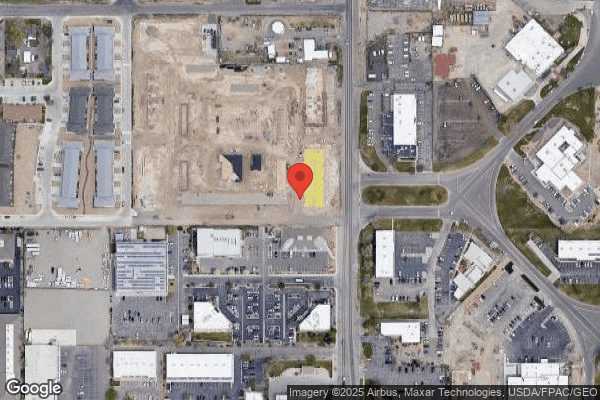
606 FORESIGHT CIR E, GRAND JUNCTION, CO 81505 (970) 985-7900
For profit - Limited Liability company 54 Beds VERITAS MANAGEMENT GROUP Data: November 2025
Trust Grade
85/100
#13 of 208 in CO
Last Inspection: April 2024

Within standard 12-15 month inspection cycle. Federal law requires annual inspections.

Overview

The Center at Foresight LLC in Grand Junction, Colorado, has a Trust Grade of B+, which means it is above average and recommended for families seeking care. It ranks #13 out of 208 nursing homes in Colorado, placing it in the top half of facilities, and #1 out of 7 in Mesa County, indicating it is the best local option. The facility's quality has remained stable, with two issues reported in both 2023 and 2024. Staffing is a strong point, boasting a perfect 5/5 rating, with turnover at 47%, slightly below the state average of 49%, and more RN coverage than 94% of other facilities, ensuring better resident care. However, there have been some concerning incidents, including a resident developing a serious avoidable pressure ulcer due to a lack of preventative care, staff failing to follow proper hand hygiene during meal services, and not adequately informing residents about the implications of arbitration agreements before they signed them, highlighting areas where improvement is needed.

Trust Score
B+
85/100
In Colorado
#13/208
Top 6%
Safety Record
Moderate
Needs review
Inspections
Holding Steady
2 → 2 violations
Staff Stability
⚠ Watch
47% turnover. Above average. Higher turnover means staff may not know residents' routines.
Penalties
✓ Good
No fines on record. Clean compliance history, better than most Colorado facilities.
Skilled Nurses
✓ Good
Each resident gets 103 minutes of Registered Nurse (RN) attention daily — more than 97% of Colorado nursing homes. RNs are the most trained staff who catch health problems before they become serious.
Violations
○ Average
6 deficiencies on record. Average for a facility this size. Mostly minor or procedural issues.
★★★★★
5.0
Overall Rating
★★★★★
5.0
Staff Levels
★★★★★
5.0
Care Quality
★★★★★
5.0
Inspection Score
Stable
2023: 2 issues
2024: 2 issues

The Good

  • 5-Star Staffing Rating · Excellent nurse staffing levels
  • 5-Star Quality Measures · Strong clinical quality outcomes
  • Full Sprinkler Coverage · Fire safety systems throughout facility
  • No fines on record

Facility shows strength in staffing levels, quality measures, fire safety.

The Bad

Staff Turnover: 47%

Near Colorado avg (46%)

Higher turnover may affect care consistency

Chain: VERITAS MANAGEMENT GROUP

Part of a multi-facility chain

Ask about local staffing decisions and management

The Ugly 6 deficiencies on record

1 actual harm
Apr 2024 2 deficiencies
CONCERN (D)

Potential for Harm - no one hurt, but risky conditions existed

Quality of Care (Tag F0684)

Could have caused harm · This affected 1 resident

**NOTE- TERMS IN BRACKETS HAVE BEEN EDITED TO PROTECT CONFIDENTIALITY** Based on observation and interviews, the facility failed to ensure residents received professional standards of care for one (#1...

Read full inspector narrative →
**NOTE- TERMS IN BRACKETS HAVE BEEN EDITED TO PROTECT CONFIDENTIALITY** Based on observation and interviews, the facility failed to ensure residents received professional standards of care for one (#18) of one resident reviewed for edema care out of 28 sample residents. Specifically, the facility failed to appropriately notify the provider of significant weight changes for Resident #18. Findings include: I. Facility policy The Edema policy, revised March 2024, was provided by the nursing home administrator (NHA). on 4/30/24 at 1:54 p.m It documented in pertinent part, Nurses are to obtain daily weights if ordered by the provider, and nurses are to notify the provider with any changes in edema. The Weight Loss and Interventions policy, revised March 2024,was provided by the NHA on 4/30/24 at 1:54 p.m. It documented in pertinent part, Nursing staff measures residents' weights on admission and then the next day or as ordered by physician, nurse practitioner, or dietician. III. Resident #18 A. Resident Status Resident #18, over the age of 65, was admitted on [DATE]. According to the April 2024 computerized physician order (CPO), diagnoses included takotsubo' s syndrome (a temporary irregular heart shape and function), heart failure, and lymphedema (a swelling of a portion of the body). According to the 2/9/24 minimum data set (MDS) assessment, Resident #18 was cognitively intact with a brief interview for mental status (BIMS) score of 15 out of 15. The MDS assessment documented the resident was 63 inches (five feet three inches) and 297 pounds (lbs). The MDS assessment did not indicate the resident had any weight changes. B. Record review The 2/26/24 care plan failed to document the resident's edema. The care plan identified interventions for fluid imbalance deficit risk because the resident was receiving diuretics. -However, daily weights were not included in these documented interventions. According to the April 2024 CPO, Resident #18 had an order to weigh the resident daily, and to notify the provider if the resident had a three lb weight change in 24 hours or a five pound weight change in seven days, ordered 2/3/24. Resident #18' s weights were documented in the electronic medical record (EMR) as follows: On 2/7/24, the resident weighed 298.6 lbs, which indicated she had lost 3.0 lbs in one day. -A review of the resident' s EMR did not reveal documentation indicating the physician was notified of the weight change on 2/7/24. On 2/11/24, the resident weighed 301.4 lbs, which indicated she had gained 3.4 lbs in one day. -A review of the resident' s EMR did not reveal documentation indicating the physician was notified of the weight change on 2/11/24. On 2/13/24 the resident weighed 298.6 lbs, which indicated she had gained 4.0 pounds in one day. -A review of the resident' s EMR did not reveal documentation indicating the physician was notified of the weight change on 2/13/24. On 2/15/24, the resident weighed 299.8 lbs, which indicated she had lost 6.0 pounds in two days. -A review of the resident' s EMR did not reveal documentation indicating the physician was notified of the weight change on 2/15/24. On 3/5/24, the resident weighed 301.6 lbs, which indicated she had gained 11.2 pounds in one day. -A review of the resident' s EMR did not reveal documentation indicating the physician was notified of the weight change on 3/5/24. On 3/6/24, the resident weighed 290.6 lbs, which indicated she had lost 11.0 pounds in one day. -A review of the resident' s EMR did not reveal documentation indicating the physician was notified of the weight change on 3/6/24. On 3/20/24, the resident weighed 298.2 lbs, which indicated she had gained 6.8 pounds in one day. -A review of the resident' s EMR did not reveal documentation indicating the physician was notified of the weight change on 3/20/24. On 3/30/24, the resident weighed 291.9 lbs, which indicated she had lost 5.7 pounds in one day. -A review of the resident' s EMR did not reveal documentation indicating the physician was notified of the weight change on 3/30/24 On 4/2/24, the resident weighed 299.4 lbs, which indicated she had gained 7.5 pounds in three days. -A review of the resident' s EMR did not reveal documentation indicating the physician was notified of the weight change on 4/2/24. On 4/3/24, the resident weighed 296.4 lbs, which indicated she had lost 3.0 pounds in one day. -A review of the resident' s EMR did not reveal documentation indicating the physician was notified of the weight change on 4/3/24. On 4/28/24, the resident weighed 299.4 lbs, which indicated she had gained 4.2 pounds in one day. -A review of the resident' s EMR did not reveal documentation indicating the physician was notified of the weight change on 4/28/24. IV. Staff interviews Certified nursing aide (CNA) #1 was interviewed on 4/29/24 at 11:12 a.m. CNA #1 said Resident #18 needed to be weighed daily. CNA #1 said obtaining a consistent weight for Resident #18 had been difficult for the nursing team because of variations in the process of weighing residents among nursing staff. CNA #1 said if the nursing staff believed a weight was inaccurate the resident would be re-weighed that day or the next day. Registered nurse (RN) #2 was interviewed on 4/29/24 at 11:28 a.m. RN #2 said when a provider was notified of a weight change it was documented in the resident' s EMR. The registered dietitian (RD) was interviewed on 4/29/24 at 1:31 p.m. The RD said she was responsible for monitoring residents' weights. The RD said it was normal to weigh residents with edema daily. The RD said she was not aware Resident #18 had significant weight fluctuations in February 2024, March 2024 and April 2024. The RD said all provider orders should be followed. The RD did not know if a provider was notified for any of the significant weight changes documented in February 2024, March 2024 and April 2024. The RD said provider notification of weight changes should be documented in the progress notes section of the EMR. The director of nursing (DON) was interviewed on 4/30/24 at 3:38 p.m. The DON said all provider orders should be followed. The DON said she reviewed the documented weight changes for Resident #18 and the provider orders for Resident #18 for February 2024, March 2024 and April 2024. The DON said the provider should have been notified many times because the resident had significant weight changes in February 2024, March 2024 and April 2024. She said did not know if the provider had been notified for the significant weight changes The DON said she was unable to find documentation indicating the provider had been notified of the resident's weight changes.
CONCERN (E)

Potential for Harm - no one hurt, but risky conditions existed

Deficiency F0847 (Tag F0847)

Could have caused harm · This affected multiple residents

**NOTE- TERMS IN BRACKETS HAVE BEEN EDITED TO PROTECT CONFIDENTIALITY** Based on record review and interviews, the facility failed to ensure residents or their representative were aware of the nature ...

Read full inspector narrative →
**NOTE- TERMS IN BRACKETS HAVE BEEN EDITED TO PROTECT CONFIDENTIALITY** Based on record review and interviews, the facility failed to ensure residents or their representative were aware of the nature and implications of the facility's arbitration agreement to inform their decision on whether or not to enter into such agreements for five (#10, #38, #96, #194 and #198) of six residents out of 28 sample residents. Specifically, the facility failed to: -Thoroughly explain the arbitration agreement in a form and in a manner the residents and/or resident representatives understood the agreement before signing the arbitration agreement; -Accurately inform residents the arbitration agreement was a binding agreement before the agreement was signed; -Accurately inform residents the agreement could be rescinded by written notice within 90 days of the signing of the agreement; and, -Ensure staff reviewing the arbitration agreement with residents and the residents' representatives understood the components of the agreement. Findings include: I. The arbitration agreement The Dispute Resolution and Arbitration Agreement, undated, was provided by the nursing home administrator (NHA) on 4/24/24 at 8:57 a.m. via email. The agreement read in part: Arbitration is a method of resolving disputes outside of the court system. Each party may be represented by his own lawyer if desired, but arbitration cases are decided by an arbitrator, rather than by a judge or jury. The parties agree that any legal dispute, controversy, demand or claim shall be resolved exclusively by binding arbitration. This arbitration agreement may be rescinded by written notice to the facility from you within 90 days as set forth below. This agreement is signed in contemplation of admission to the facility, not to a hospital even if the patient later goes to the hospital for any reason. If not rescinded, this arbitration agreement shall remain in effect even if you are sent to the hospital and return to the facility. Note: By signing this agreement you are agreeing to have any issue of medical malpractice decided by a neutral binding arbitration rather than by a jury or court trial. You have the right to seek legal counsel and you have the right to rescind this agreement within 90 days from the date of signature by both parties unless the agreement was signed in contemplation of hospitalization in which you have 90 days after discharge or released from the hospital to rescind the agreement. No healthcare provider shall withhold the provision of emergency medical services to any person because of that person's failure or refusal to sign an agreement containing a provision for binding arbitration of any dispute arising as to professional negligence of the provider. No healthcare provider shall refuse to provide medical care services to any patient solely because such patient refused to sign such an agreement or exercise the 90 day right of rescission. II. Explanation of arbitration to the residents Admissions coordinator (AC) #1 and AC #2 were interviewed on 4/25/24 at 4:14 p.m. AC #1 said during the admission process she told residents the arbitration agreement stated if there were any issues with care at the facility, staff wanted to have the opportunity to correct the concern before it went to legal matters. She said she had not told the residents they could rescind after signing the agreement or given them a timeline for when the residents could rescind the agreement because she was not aware it was a needed option. She said the question had never come up because the arbitration agreement was not a binding agreement. She said there was nothing binding. She said the facility wanted to try to take care of issues here at the facility. She said the residents could rescind the agreement anytime the resident wanted to. She said if the resident requested a copy she would provide it for them at the time of the admission or the resident could request a copy of the arbitration agreement from medical records. AC #2 said she did not tell residents anything different then what AC #1 said above. AC #2 said she did not inform the residents of a timeline they could rescind the agreement if they signed it. AC #2 said she had been in her position for the past two years and had only one resident that she could recall choosing not to sign the arbitration agreement. She said she offered the residents a copy of the agreement but most residents said they did not want a copy. III. Resident group interview A group interview was conducted on 4/29/24 at 10:30 a.m. with Resident #10, Resident #38, Resident #194, Resident #195 and Resident #198. The residents were deemed alert and oriented by the facility assessment . Arbitration and the arbitration agreement was reviewed with the residents. Resident #10 said she signed so much paperwork and was on so much pain medication when she was first admitted she was having a hard time paying attention during the admission process. She believed she was told arbitration was available if she needed it. She said did not know if she signed the arbitration agreement or not. She said she did not think she was told a timeline for when she could change her mind if she signed the agreement. Resident #198 said he signed the arbitration agreement but was not told he could change his mind as long as he rescinded the agreement within a certain number of days. He said he was not sure if he got a copy of the agreement. Resident #38 said when she was signing all the facility paperwork, she was highly medicated and in pain. She said she did not know what she was signing when she was admitted to the facility. Resident #194 said she remembered staff mentioning arbitration was available if she desired it or if she felt she needed it. She said there was nothing discussed about a timeline to rescind if she signed the agreement. IV. Record review The facility admission packet was provided by the NHA on 4/24/24 at 8:57 a.m. via email. The admission packet included the binding arbitration agreement. Requested arbitration agreements were provided by the human resources director (HRD) on 4/29/24 at 4:15 p.m. The provided arbitration agreements were signed by either AC #1 or AC #2 as the facility representatives. The arbitration agreements were each signed by the resident. The arbitration agreements were reviewed for Resident #10, Resident #38, Resident #96, Resident #194 and Resident #198. Resident #10 was admitted on [DATE]. The arbitration agreement was signed by AC #2 on 3/18/24. The arbitration agreement was signed by Resident #10 on 3/18/24. Resident #38 was admitted on [DATE]. The arbitration agreement was signed by AC #1 on 4/2/24. The arbitration agreement was signed by Resident #38 on 4/2/24. Resident #96 was admitted on [DATE]. The arbitration agreement was signed by AC #2 on 4/22/24. The arbitration agreement was signed by Resident #96 on 4/22/24. Resident #194 was admitted on [DATE]. The arbitration agreement was signed by AC #1 on 4/11/24. The arbitration agreement was signed by Resident #194 on 4/11/24. Resident #198 was admitted on [DATE]. The arbitration agreement was signed by AC #1 on 4/25/24. The arbitration agreement was signed by Resident #198 on 4/25/24. V. Additional resident interviews Resident #96 was interviewed on 4/29/24 at 2:06 p.m. Resident #96 said she did not know what arbitration was in reference to paper work she signed or how it pertained to her as a resident at the facility. She said she did not remember anyone talking to her about it or how long she had to change her mind if she signed the agreement. Resident #38 was interviewed again on 4/30/24 at 11:10 a.m. Resident #38 reviewed the paper work provided by the facility. She said she could not find anything from the facility on arbitration. Resident #38 said she did not know she signed an arbitration agreement. She said she would have wanted to know if she signed the binding agreement. She said it was okay with her that she signed the agreement but felt she should have been made more aware of it and told she had the option to change her mind and how long she had to decide if she wanted to keep the agreement in place. She said she did not remember signing the agreement. She said she just signed all the paperwork offered when she first admitted . She said she had just had surgery a couple of days before she was admitted to the facility and was not very lucid. Resident #38 said she would have wanted someone from the facility to explain the arbitration agreement to her when she felt more lucid. She said she felt that having her sign legal paperwork when she first admitted was the wrong time to give it to her. Resident #194 was interviewed again on 4/30/24 at 11:31 a.m. She said some of the other residents said they were in pain when they were asked to sign admission paperwork. She said when someone was in pain they were not thinking about anything but their discomfort. Resident #194 said she was not in pain when she signed all her paperwork but she was just focusing on the day to day unknown issues and what would happen next for her. She said she was not thinking about what she may have signed or the implications. IV. Staff interviews AC #1 was interviewed again on 4/30/24 at 11:39 a.m. AC #1 said she had reviewed the arbitration agreement and was provided education on the agreement after the 4/25/24 interview. AC #1 said she was originally trained by AC #2 on the arbitration agreements. She said she offered to give the residents a copy of the agreement but was not going over all of the agreement with them. She said she was not aware the arbitration agreement was binding or the residents had only 90 days to rescind the agreement. She said her focus was to inform the residents the facility wanted to hear about any issues or concerns so the facility could attempt to correct the concerns. AC #1 said residents could sign their own admission paperwork, including the arbitration agreement, if the resident was alert and oriented and if their dominant hand was able to sign the forms. She said if residents were not able to sign the arbitration agreement electronically, she would print out the agreement and have them sign the hard paper copy. AC #1 said she usually had the residents sign all the paperwork right when they walked in the door. She said the admission process could be hectic at times. She said sometimes she might have the residents finish the paperwork on the second or third day after they were admitted to the facility, but she liked having them complete it as soon as they could. She said she told residents she could print off a copy of the arbitration agreement during the admission paperwork process or the resident could request a copy from medical records. She said she was now going to offer to send out the arbitration agreements to the residents and/or the residents' representative. The NHA was interviewed on 4/30/24 at 11:50 a.m. The NHA said the arbitration agreement was part of the facility' s admission packet. He said the arbitration agreement was not binding and the agreement was voluntary for signing. He said the residents who signed the non binding arbitration agreement could revoke the agreement at any time. The NHA reviewed the arbitration agreement and identified the agreement was binding after 90 days if the resident did not rescind the agreement. The NHA said she did to know some of the residents were not aware they signed the agreement and had not been informed of key components of the agreements by AC #1 and AC #2. She said she did not know some of the residents felt they had signed the agreement at a time they were not in an appropriate state of mind to make the decision to sign the agreement and/or retain the information contained in the agreement.The NHA said the HR director was more familiar with the arbitration process and used to be the staff member who reviewed the agreements with residents and/or their representatives. The HRD joined the interview at 12:05 p.m. The HRD said she had previously been responsible for presenting the arbitration agreement to the residents and/or the residents' representatives for the past five years. She said in October 2023, the admissions department started taking on more of that role. The HRD said when she would review the agreement with the residents she would ask the residents if they were willing to enter into an arbitration agreement. She said she would explain to the residents that if the facility was not able to make things right for them or meet their needs, the arbitration process was available to help resolve concerns outside of court. The HRD said she would tell the residents they were able to rescind the agreement at any point. She said if the residents asked about a timeline, she would get more clarification. The HRD said the facility started an education on arbitration after AC #1 was interviewed about the arbitration agreement and she wanted to have a better understanding of the agreement. The HRD was interviewed again on 4/30/24 at 12:24 p.m. The HRD said the facility would create additional education on the arbitration agreement in addition to the below Take Five education. V. Facility follow up A Take Five Quality Assurance Performance Improvement education was provided by the HRD on 4/30/24 at 12:24 p.m. The education was provided to AC #1, AC #2, the HRD and the medical records director on 4/29/24. The education topic was the arbitration agreement. The education highlighted the portion of the agreement that read: Note: By signing this agreement you are agreeing to have any issue of medical malpractice decided by a neutral binding arbitration rather than by a jury or court trial. You have the right to seek legal counsel and you have the right to rescind this agreement within 90 days from the date of signature by both parties unless the agreement was signed in contemplation of hospitalization in which you have 90 days after discharge or released from the hospital to rescind the agreement. No healthcare provider shall withhold the provision of emergency medical services to any person because of that person's failure or refusal to sign an agreement containing a provision for binding arbitration of any dispute arising as to professional negligence of the provider. No healthcare provider shall refuse to provide medical care services to any patient solely because such patient refused to sign such an agreement or exercise the 90 day right of rescission.
Jan 2023 2 deficiencies
CONCERN (D)

Potential for Harm - no one hurt, but risky conditions existed

Grievances (Tag F0585)

Could have caused harm · This affected 1 resident

**NOTE- TERMS IN BRACKETS HAVE BEEN EDITED TO PROTECT CONFIDENTIALITY** Based on interviews and record review, the facility failed to make prompt efforts to resolve grievances for one (#8) out of 27 s...

Read full inspector narrative →
**NOTE- TERMS IN BRACKETS HAVE BEEN EDITED TO PROTECT CONFIDENTIALITY** Based on interviews and record review, the facility failed to make prompt efforts to resolve grievances for one (#8) out of 27 sample residents. Specifically, the facility failed to: -Promptly and thoroughly investigate a grievance and provide resident follow-up for resolution regarding potential mistreatment by a staff member; and, -Have a system in place to promptly identify and seek grievance resolution, when a resident reported missing items. Findings include: I. Facility Policy The Grievance policy, revised 2/8/21, was provided by the minimum data set coordinator (MDSC) on 1/12/23. According to the policy, residents had the right to voice complaints and/or grievances regarding respect, care, treatment or any other matters related to quality of care or quality of life. Grievances could be communicated to a staff member either verbally or in writing. The facility would make every effort to promptly investigate and resolve any grievances. The policy procedure read in pertinent part: If the complaint is verbal, it is the responsibility of the staff member who received the complaint to properly complete the grievance form on behalf of the complainant. The completed form must be provided to the executive director (nursing home administrator) or designee immediately. The grievance will be given to the appropriate department manager for follow-up and resolution. All grievances will be reviewed in morning meetings with the IDT (interdisciplinary team) members. Department managers are responsible for resolution of all complaints within his/her department. Department managers will note the disposition of the grievance in writing to the executive director or designee as soon as possible, but no later than 72 hours of the receipt. It is the responsibility of the department manager in coordination with the executive director, when appropriate, to develop a process/plan for resolution of the grievance and notify the complainant about the plan for resolution. All actions taken on the grievance included meetings with the patient, telephone calls, action plans, revision of care plans, ect. must be documented on the grievance form. The Quality of Life - Dignity policy, undated, was provided by the facility on 1/12/23. According to the policy, each resident shall be cared for in a manner that promotes and enhances quality of life, dignity, respect and individuality. The policy identified residents shall be treated with dignity and respect at all times. The policy indicated that treating with dignity meant the resident would be assisted in maintaining enhancing his or her self-esteem and self-worth. II. Resident #8 status Resident #8, age [AGE], was admitted on [DATE]. According to the January 2023 computerized physician orders (CPO), diagnoses included type two diabetes mellitus, Alzheimer's disease late onset, dementia without behavioral disturbance, psychotic disturbance, mood disturbance, depression, and anxiety disorder. The 10/15/22 minimum data set (MDS) assessment indicated the resident had moderate cognitive impairment with a brief interview for mental status (BIMS) score of 11 out of 15. The MDS assessment identified the resident did not have inattention or disorganized thinking. According to the MDS assessment, the resident required extensive one person physical assistance for transferring, locomotion on the unit, and toileting. Resident #8 required limited one person physical assistance for dressing, bed mobility and personal hygiene. The MDS assessment identified the resident had corrective lenses. III. Failed to promptly and thoroughly investigate a grievance and resident follow up for resolution regarding mistreatment by a staff member. A. Resident interview Resident #8 was interviewed on 1/10/23 at 8:41 a.m. She said she had not been treated with respect and dignity by one certified nurse aide (CNA). She said she did not know the name of the CNA but she was usually rude, pushy, and gruff with her. She said the CNA had also touched her after wiping her nose with hands and then touched the resident without performing hand hygiene. The resident said the CNA refused to wash her hands after the resident asked her too and said she would perform hand hygiene when she left the room. Resident #8 said she had reported her concerns to her nurse. B. Staff interviews Registered nurse (RN) #1 was interviewed on 1/12/23 at 1:06 p.m. She identified herself as a routine nurse for Resident #8. The RN said Resident #8 was very pleasant and did not usually complain. She said Resident #8 reported to her that CNA #2 was mean to her. The RN #1 clarified and said the resident reported the CNA was mean to her in a verbal tone and was not patient with her. RN #1 said she had seen CNA #2 impatient with other residents. The RN said she reported the concern to the infection preventionist registered nurse (IPRN) and then the CNA lead. RN #1 said she interviewed CNA #2 and identified that the CNA had personal concerns she was dealing with. The RN said she reminded CNA #2 to leave her personal issues at home. The CNA lead was interviewed on 1/12/23 at 1:16 p.m. The CNA lead said she talked to Resident #8 almost every day and she had not expressed her concerns to her regarding any staff members. The CNA lead said she was recently on vacation but when she returned on 1/5/23, she was informed Resident #8 did not want to have CNA #2 as her CNA. The CNA lead said Resident #8 felt the CNA did not want to help her and was impatient with her. She said she thought the concern occurred on the previous weekend shift (1/1/23) because the CNA worked weekends but was not sure exactly when. The CNA lead said she reported the concern to the NHA on 1/5/23. She said a grievance form was not generated. The CNA lead said the CNA was moved off the hall of Resident #8 and she completed an education with CNA #2. The assistant director of nursing (ADON) was interviewed on 1/12/23 at 10:02 a.m. She said she was not aware of any grievances or investigations regarding Resident #8 but would look. The social services director (SS) was interviewed on 1/12/23 at 10:07 a.m. She said she was not aware of any concern or grievances regarding Resident #8. The MDS coordinator (MDSC) who was identified as the former director of nursing (DON), the new DON, the assistant director of nursing (ADON) and the corporate clinical consultant (CCC) was interviewed on 1/12/23 at 6:26 p.m. The MDSC said in morning meetings the interdisciplinary team reviewed resident grievances. The grievance resolution would then be signed off by the nursing home administrator (NHA). The ADON and the MDSC said they did not review grievances or any heard information related to Resident #8 reporting a CNA was rude or mean. The ADON said she believed Resident #8 had a preference not to work with a CNA as reported by the CNA lead. She said she did not know which CNA. The ADON said she would have to follow up with the CNA lead. She said the CNA lead was in charge of CNA concern follow ups. The MDSC said she remembered the resident had an interaction with a staff member. The MDSC said she did not remember more regarding the concern discussed. She said when a resident reports a staff member being mean to them, the facility should make sure the person being accused was removed from the environment and immediately interview the resident. She said nursing management would then check with other staff on the same shift, family, and other residents about it. She said concerns should be reported right away. She said education would need to be completed with staff members. The ADON said education was completed with CNA #2 but she was not sure when. The MDSC said they were not made aware of the resident's concern until after the fact. The ADON said they were made aware when it was later reported to the CNA lead. The MDSC and ADON said the CNA had not worked with the resident since her concerns were reported. The ADON said the facility had done multiple training of abuse in the past and did a CNA skills training in October 2022. She said abuse education was conducted across the board with nursing shortly after management became aware of the resident's reports. The MDSC said the last education was specific about if they see something, report it right away. The MDSC said staff education was the first starting point in prevention. The education should include self identification of tone of voice, reminder to leave attitudes at the door, and present happy demeanor. She said the facility needed to continue coaching, continued follow up, working with our nurses, and coaching CNAs by example such as tone of voice and modeling appropriate behavior to others. The CCC identified the facility could benefit from outside education resources related to resident rights, dignity/respect, appropriate communication/interactions with residents. The CCC suggested potential available community education resources that could be obtained for additional staff training. The MDSC said the facility needed to improve their investigation process, including root cause analysis, when resident concerns are identified. The DON said they would immediately start reviewing their grievance processes and staff training. They said they would have something in process within next week, an ongoing thing, refreshing, and continuous and would probably start tomorrow (1/13/23). They said their actions would be in addition to already occurring patient advocate room rounds which were done daily by managers. The MDSC said she was not sure if there was follow up with Resident #8 after she reported her concerns with CNA #2. The MDSC said she would have to pull the room rounds. C. Record review The records did not identify a grievance was generated and the resident was followed up with to ensure her concern was resolved. The records did identify and investigation was conducted, identifying resident concerns, facility response and action, including interviews with the resident, staff, or other residents who have worked with CNA #2 to identify if they had additional concerns related to CNA #2 inappropriate treatment/behaviors. The review of Resident #8's progress notes did not identify her dignity, grievance was not documented or readdressed/followed up with her. A 1/5/23 abuse and mistreatment education was provided by the ADON via email on 1/13/23. The education was labeled Take 5 and instructed staff the read the following information: The (facility) has a zero tolerance for any abuse or mistreatment of our patients. we take pride and treating our patients with respect, dignity, kindness and compassion if you see or hear mistreatment remember your training brief reminder below: -Intervene if you witness the mistreatment ( make sure patient is safe) -Report immediately to your supervisor and administrator we comply with strict reporting to authorities as mandated by the state. -Always ask for help or ask questions when needed -When in doubt ask -You're supervisor, social services, d o n, and administrator always available- if not in-house they're available by phone -Remember our patients are here because they need our care, compassion and understanding. Making the patients feel safe and comfortable is our top priority. The 1/6/23 CNA #2 on the spot training related to patient complaints/concerns was provided by the facility on 1/12/22. The training identified the CNA lead conducted the education. The plan of correction/education read: Need to watch your tone of voice with patient. Perception is everything. The tone of your voice can come across as being rude and or aggressive. Also need to slow down while providing care so patients do not feel rushed, or feel that you're being impatient with them. -However, the facility did not follow up with the resident on her grievance with CNA #2 she reported. IV. Failed to timely follow up on Resident #8 concern of a missing pair of glasses A. Resident interview Resident #8 was interviewed on 1/10/23 at 8:41 a.m. She said she was not happy that she was still missing her glasses. She said she told everyone. The resident said they told her they would tell everyone else. She said not having her glasses, she was having a difficult time reading the menu, and reading the communication board located on the wall across from her bed. She said because she could not read the communication board, she did not know which staff members she would be working with that day or when therapy was scheduled that day. Resident #8 was interviewed again on 1/12/23 at 10:15 a.m. She knew her daughter did not have her glasses because she was the first one checked with. She said staff looked in her room for the glasses but that was all she knew about the follow up. B. Record review The vision care plan, initiated on 10/14/22 identified the resident had impaired vision. The care plan read the resident's needs would be met and not affected by her vision impairment. The care plan directed staff to assist her with glasses as needed. Records did not identify Resident #8 reported she was missing her glasses or what steps the facility took to find her glasses, and seek resolution. C. Staff interview CNA #1 was interviewed on 1/11/23 at 9:54 a.m. She said she was the resident's bath aide and also provided care. She said she knew Resident #8 had been missing her glasses for the past couple of weeks. She said she believed the glasses had been around since her last hospital appointment (12/23/22). She said the resident's nurse and her daughter were aware the glasses were missing. The SS was interviewed on 1/11/23 at 1:36 p.m. She said there was not a tracking process that she was aware of for missing items. She said if a resident reported a missing item, then nursing or the CNA lead would look for the item and check with the family. The SS said she was not usually involved in the process and not sure of the procedure. She said known missing items would be reported in the morning meeting. The ADON was interviewed on 1/12/23 at 9:53 a.m. She said if a resident was missing an item, the DON and the ADON and possibly the CNA lead. The ADON said the family would be contacted. She said if appropriate, laundry would be notified. She said they would also sometimes check with admissions to determine if the resident admitted with the identified missing item. The ADON said the IDT would also talk about the missing item in the morning meeting. She said there was no paper trail for missing items and follow-up, just verbal communication. She said she was not aware Resident #8 were missing glasses prior to 1/12/23. The SS was interviewed again on 1/12/23 at 10:05 a.m. She said she was not aware Resident #8 was missing her glasses. She said the CNA nor the resident's family reported the missing item to her. The CNA lead was interviewed on 1/12/23 at 10:09 a.m. She said if a concern of a missing item was reported to her, the concern would be flagged till the item was replaced or closed/resolved. She said it would be good to generate a grievance form for tracking. The CNA lead said she was not aware of Resident #8 missing glasses. She said she knew the resident had an outpatient patient hospital appointment she went to with her daughter in December 2022. She said she would follow up with her daughter. RN #1 was interviewed on 1/12/23 at 12:58 p.m. She said the resident and daughter reported to her that she was missing her glasses. She said she thought she heard that the glasses were missing since Christmas. The RN said she checked if the facility had a lost and found, but they did not have one. She said she asked the kitchen if they found any glasses that were left on the tray after meals. She said she had not heard back but assumed they did not find them. She said she found out today (1/12/23) that she should have filled out a grievance form for missing items. She said she brought the resident reading glasses but did not know the resident was still having difficulty seeing without her original glasses. The CNA lead was interviewed on 1/12/23 at 1:22 p.m. She said she followed up with missing glasses and identified they had been missing since 12/25/22 and not lost when she went out to her (12/23/22) appointment. She said the glasses were not reported to her or a grievance was completed. She said she educated staff today (1/12/23) to start using the grievance form to identify when a resident reports a concern with missing items. She said the facility used to use the grievance forms to report and track missing resident items but for the last couple of years, the process went away. She said up till 1/12/23, the facility just relied on verbal communication as their missing item process. She said the grievance form would provide a paper trail for notification, actions taken, and attempts for resolution. She said she would be the designated person to follow up and track missing items identified on the grievance forms. The CNA lead said having a set system in place would help address the missing items concern right away, increasing the probability of finding the item. The MDSC, the new DON, the ADON and the CCC was interviewed on 1/12/23 at 6:26 p.m. The MDSC said the facility had reached out to the resident's family but had not heard back. She said the CNA lead was reimplementing the grievances for missing items and would use the grievance forms as a tracking tool. The MDSC said it was within their policy to replace missing items if needed and the facility had replaced items in the past. D. Facility follow-up The Quality Education Performance Improvement attendance sheet, dated 1/12/23, was provided by the CNA lead on 1/12/23 4:04 p.m. According to the Performance Improvement attendance sheet, staff were educated on 1/12/23 regarding the new missing item process. The education read: If something is reported to you as missing, you need to check the patient's room for the item. If the item is not found, you are to write it up on the orange grievance forms located at the nurses station on both floors and give it to (CNA lead) as soon as possible. A grievance form, on behalf of Resident #8 was dated 1/12/23 and provided on 1/12/23 at 4:04 p.m. The grievance form read the resident was missing glasses. The grievance form identified missing glasses were reported to RN #1 on 1/5/23. The RN looked through the resident's room and called the front desk to check lost and found. The RN brought the resident a pair of reading glasses on 1/12/23.
CONCERN (F)

Potential for Harm - no one hurt, but risky conditions existed

Food Safety (Tag F0812)

Could have caused harm · This affected most or all residents

Based on observations and interviews the facility failed to prepare and serve food in a safe and sanitary manner to prevent cross-contamination and potential food borne illnesses, in one of one kitche...

Read full inspector narrative →
Based on observations and interviews the facility failed to prepare and serve food in a safe and sanitary manner to prevent cross-contamination and potential food borne illnesses, in one of one kitchens during meal services. Specifically, the facility failed to: -Ensure staff followed accepted hand hygiene practices during the meal service to prevent potential cross-contamination; and, -Ensure beverages were served at the appropriate temperature. Findings include: I. Professional standards The Centers for Disease Control and Prevention (CDC), reviewed 8/5/22, retrieved on 1/17/23 from: https://www.cdc.gov/foodsafety/keep-food-safe.html, under Four Steps to Food Safety read bacteria could multiply rapidly if left at room temperature or in the Danger Zone between 40°F and 140°F. II. Facility policy The Handwashing for Dietary Staff policy, revised 2/8/21, was provided by the dietary manager (DM) on 1/13/23 via email. The policy indicated staff should wash their hands as frequently as needed throughout the day using proper hand washing procedures. According to the policy, staff should wash their hands and exposed portions of the arms immediately before engaging in food preparation and as often as necessary to remove soil or contamination in efforts to prevent cross contamination. The policy hand hygiene should also occur when changing tasks during food preparation and other activities that could contaminate staff's hands. III. Observations A continuous observation of the lunch meal preparation and service was completed on 1/11/23 between 11:17 a.m. to 12:29 p.m. A. Cross-contamination During plating of the 1/11/23 lunch, the cook placed a plate of ready-to-eat food on the steamline shelf. Dietary aide (DA) #1 placed an empty tray on the back side of the steam table and set a covered dessert, paper napkin rolled silverware, and a pre-poured beverage on the tray with his bare hands. The DA then collected the plate off the shelf, covered it, and placed it on the prepared meal tray. DA #2 then placed a hot beverage (if ordered) on the tray and placed the completed meal tray inside a covered mobile unit for room delivery. Between 11:20 p.m. and 12:23 p.m. DA #1 placed his hands inside his pants pockets while he waited for the cook to place the plated meal on the shelf. The DA would then remove his hands from his pockets, place the plate of the tray, passing it to DA #2, and prepared the next tray. DA #1 did not perform hand hygiene after the removal of his hands in his pockets, and touching the outside surfaces of the paper napkin, plate holder, dessert bowl or beverage glass. Throughout the observation, DA #1 frequently retrieved the covered beverage glass of a cart by placing his hand over the top of the glass with his fingers, touching the drinking surface of glass, his fingers exceeding the surface of the thin covered lip of the glass. -At 11:57 a.m. DA #2 placed his right forearm across the prepared tray, resting the bare portion of his arm on the rolled napkin as he waited for the plated meals. DA #2 was not observed to wash his forearm prior to placing it across the tray. -At 12:04 p.m. DA #1 collected a plate from the shelf, touching the overhanging lettuce with his thumb before he placed a cover over the plate and set it on the tray. -At 12:09 p.m. DA #1 left the tray line and entered the dry storage room. The DA did not perform hand hygiene before returning to the tray line. -At 12:14 p.m. DA #2 touched the outside of his surgical mask and then proceeded to pour hot beverages in cups and place completed trays in the mobile unit. DA #2 did not perform hand hygiene after touching his mask. -Throughout the observation, DA #1 and DA #2 did not perform hand hygiene while preparing trays for resident delivery. B. Above temperature milk for resident consumption. On 1/11/23 between 11:20 a.m. and 12:23 p.m., pre-poured beverages in covered glasses were observed sitting out on a cart behind the steamline in the kitchen. The pre-poured beverages included several glasses of milk. On the bottom shelf on the cart was half of a gallon of milk. The pre poured glasses of milk and the milk container were not stored/held on ice or with another other system designed to keep the milk cold prior resident delivery. During observations, the dietary aides would retrieve an ordered an glass of milk from the cart, place the milk on a meal tray next to the covered hot food, and then place the tray with the milk in the covered mobile unit designed to keep meals warm.The mobile units would then be sent to the hallways for resident room delivery. -At 12:23 p.m. a test tray with a glass of pre-pour milk was placed in the mobile unit and sent to the second floor west hall. -At 12:27 p.m. the test tray arrived on the unit, along with resident meals, some of which included milk. -At 12:29 p.m. the test tray was removed from the mobile unit. -At 12:32 p.m. the temperature of the pre-pour glass of milk on the tray was collected. The temperature of the milk was 52.7 degrees Fahrenheit (F). IV. Staff interview The infection preventionist registered nurse (IPRN) and the corporate clinical consultant (CCC) was interviewed on 1/11/23 at 2:42 p.m. The IPRN said her infection control involvement with dietary, primarily consisted of Monday through Friday glance around to check if infection control practices were conducted as she placed her lunch order. The IPRN said she had also conducted a recent dietary audit and identified areas for dietary follow up. The DM was interviewed on 1/12/23 at 3:38 p.m. The DM said the dietary staff have had past in-services on appropriate infection control practices when handling food. She said infection control was an ongoing process. The above observations were reviewed with the DM. She said hands in the pocket, mask touching, and appropriate handling of resident drinking glasses/cups were all identified in the past and reviewed with the staff, due to the risk for cross-contamination. The DM said 52.7 F was not an acceptable temperature of milk to be served to the residents. The DM said the high temperature of milk could create a food borne illness. She said the milk should have been on ice to maintain an acceptable temperature. She said she would work on a different way to serve cold beverages. V. Facility follow-up The DM provided facility follow up to ensure infection control practice improvement according to a 1/13/23 provided email with an attached education checklist (Skills Check-Off Hand Washing form.) According to the email, the dietary department would be reviewing the below handwashing skill checklist on 1/16/23 through 1/21/23. In addition, and according to the provided email, the dietary department immediately corrected the beverage holding temperatures for meal delivery, starting with the evening meal service on 1/12/23. The beverages were placed in tubs containing ice to make sure they were within appropriate serving temperatures. The 1/13/22 DM provided Skills Check-Off Hand Washing form, identified the staff were instructed on how to wash their hands properly with a competency review.
Sept 2021 2 deficiencies 1 Harm
SERIOUS (G)

Actual Harm - a resident was hurt due to facility failures

Pressure Ulcer Prevention (Tag F0686)

A resident was harmed · This affected 1 resident

**NOTE- TERMS IN BRACKETS HAVE BEEN EDITED TO PROTECT CONFIDENTIALITY** Based on observation, record review and interview the facility failed to ensure that a resident, one (#26) of one reviewed for p...

Read full inspector narrative →
**NOTE- TERMS IN BRACKETS HAVE BEEN EDITED TO PROTECT CONFIDENTIALITY** Based on observation, record review and interview the facility failed to ensure that a resident, one (#26) of one reviewed for pressure ulcers, did not sustain an unstageable pressure injury out of 27 sample residents. Resident #26 was admitted to the facility for rehabilitation following a fall with a right hip fracture requiring surgery on 8/20/21. She was identified during her admission assessment to be at risk for developing pressure ulcers and the admission skin assessment identified a surgical wound only. The resident developed an avoidable unstageable wound to her coccyx 16 days after admission. The facility was aware she was at risk for pressure ulcer development and failed to ensure all potential preventative interventions to help prevent an avoidable pressure ulcer from developing on her coccyx were implemented in a timely manner. According to her skin care plan, an air mattress was to be in place and she was to be monitored for and assisted to be turned and repositioned frequently. Observations revealed she did not have an air mattress in place. There was no evidence found to demonstrate she was on a formal turning and repositioning schedule. She required extensive assistance with her mobility. In addition, the facility failed to investigate or conduct a root-cause analysis to determine how the pressure ulcer was acquired to prevent any further pressure injuries from occurring. Findings include: I. Professional reference National Pressure Ulcer Advisory Panel (2016) Pressure Injury Stages. Retrieved on 9/24/21 from: https://npiap.com/page/PressureInjuryStages. Pressure Injury: A pressure injury is localized damage to the skin and underlying soft tissue usually over a bony prominence or related to a medical or other device. The injury can present as intact skin or an open ulcer and may be painful. The injury occurs as a result of intense and/or prolonged pressure or pressure in combination with shear. The tolerance of soft tissue for pressure and shear may also be affected by microclimate, nutrition, perfusion, co-morbidities and condition of the soft tissue. Stage 1 Pressure Injury: Non-blanchable erythema of intact skin. Intact skin with a localized area of non-blanchable erythema, which may appear differently in darkly pigmented skin. Presence of blanchable erythema or changes in sensation, temperature, or firmness may precede visual changes. Color changes do not include purple or maroon discoloration; these may indicate deep tissue pressure injury. Stage 2 Pressure Injury: Partial-thickness skin loss with exposed dermis Partial-thickness loss of skin with exposed dermis. The wound bed is viable, pink or red, moist, and may also present as an intact or ruptured serum-filled blister. Adipose (fat) is not visible and deeper tissues are not visible. Granulation tissue, slough and eschar are not present. These injuries commonly result from adverse microclimate and shear in the skin over the pelvis and shear in the heel. This stage should not be used to describe moisture associated skin damage (MASD) including incontinence associated dermatitis (IAD), intertriginous dermatitis (ITD), medical adhesive related skin injury (MARSI), or traumatic wounds (skin tears, burns, abrasions). Stage 3 Pressure Injury: Full-thickness skin loss. Full-thickness loss of skin, in which adipose (fat) is visible in the ulcer and granulation tissue and epibole (rolled wound edges) are often present. Slough and/or eschar may be visible. The depth of tissue damage varies by anatomical location; areas of significant adiposity can develop deep wounds. Undermining and tunneling may occur. Fascia, muscle, tendon, ligament, cartilage and/or bone are not exposed. If slough or eschar obscures the extent of tissue loss this is an Unstageable Pressure Injury. Stage 4 Pressure Injury: Full-thickness skin and tissue loss. Full-thickness skin and tissue loss with exposed or directly palpable fascia, muscle, tendon, ligament, cartilage or bone in the ulcer. Slough and/or eschar may be visible. Epibole (rolled edges), undermining and/or tunneling often occur. Depth varies by anatomical location. If slough or eschar obscures the extent of tissue loss this is an Unstageable Pressure Injury. Unstageable Pressure Injury: Obscured full-thickness skin and tissue loss. Full-thickness skin and tissue loss in which the extent of tissue damage within the ulcer cannot be confirmed because it is obscured by slough or eschar. If slough or eschar is removed, a Stage 3 or Stage 4 pressure injury will be revealed. Stable eschar (i.e. dry, adherent, intact without erythema or fluctuance) on the heel or ischemic limb should not be softened or removed. Deep Tissue Pressure Injury: Persistent non-blanchable deep red, maroon or purple discoloration. Intact or non-intact skin with localized area of persistent non-blanchable deep red, maroon, purple discoloration or epidermal separation revealing a dark wound bed or blood filled blister. Pain and temperature change often precede skin color changes. Discoloration may appear differently in darkly pigmented skin. This injury results from intense and/or prolonged pressure and shear forces at the bone-muscle interface. The wound may evolve rapidly to reveal the actual extent of tissue injury, or may resolve without tissue loss. If necrotic tissue, subcutaneous tissue, granulation tissue, fascia, muscle or other underlying structures are visible, this indicates a full thickness pressure injury (Unstageable, Stage 3 or Stage 4). The National Pressure Ulcer Advisory Panel (NPUAP), Prevention and Treatment of Pressure Ulcers, reads that steps to prevent the emergence of pressure ulcers in individuals identified as being at high risk include scheduled repositioning to avoid individuals being in a position that places pressure on a vulnerable area for a long period of time. The following steps should be taken to prevent the worsening of existing pressure ulcers and promote healing: -Positioning that places pressure on the pressure ulcer should be avoided. -The pressure ulcer should be assessed upon development and reassessed at least weekly. The results of assessments should be documented. -The ulcer should be observed with each dressing change for signs of infection, improvement, deterioration, or other complications. -Signs of deterioration in the wound should be addressed immediately. -The assessment should include: location, category/stage, size, tissue type, color, peri-wound (skin around the wound) condition, wound edges, exudate, undermining/tunneling, order. II. Facility policy and procedure A Pressure Ulcer policy, revised 7/21/21, provided by the director of nursing (DON) on 9/20/21 at 2:20 p.m. documented in part, The Centers will provide the necessary requirements to ensure that a patient receives treatment and care in accordance with professional standards of practice. Procedure: Upon admission, the nursing staff will complete a full skin evaluation and examine for any ulcerations or alterations in skin; In addition the (facility) shall describe and document the following: full evaluation of pressure sore including description of the wound, pain evaluation, the patient's mobility status, current treatments if applicable and MD and family notification. When a new skin concern is found, staff will: complete an incident report inside of risk management to include notifications to the physician, complete an SBAR (situation, background assessment and recommendation), place the patient on the 24-hour report and notify the director of nursing and wound specialist as needed. III. Resident status Resident #26, age [AGE], was admitted on [DATE]. According to the September 2021 computerized physician's orders (CPO) diagnoses included fracture of the right femur, diabetes mellitus, abnormality of gait, pain and need for assistance with personal care. According to the 8/27/21 minimum data set (MDS) assessment the resident was cognitively intact with a brief interview for mental status (BIMS) score of 15 out of 15. She required extensive assistance from two staff for bed mobility, transfers and toileting. She was mobile per walker and wheelchair. She was coded at risk for developing pressure ulcers and had no pressure ulcers upon admission. Treatments included a pressure reducing device in her chair and bed, surgical wound care and application of ointments and medications other than to the feet. Her treatment did not include a turning or repositioning program. IV. Resident interview Resident #26 was interviewed on 9/14/21 at 9:05 a.m. She was sitting in her recliner at her bedside. The recliner was not upholstered and had a firm surface on the seat and back area. There was no supportive, offloading pad or cushion in the chair. The resident said that she had a sore on her bottom that was open. She said it happened after she arrived at the facility. She said the nurses were treating it with a bandage. She said she did not know how it happened but that she had been in bed for a long time due to her hip surgery. She said the sore caused her discomfort sometimes but she just shifted her weight and it helped. She said no staff reminded her or helped her change positions because she could reposition herself. V. Record review A nursing comprehensive admission data collection dated 8/20/21 documented the resident's skin condition as follows: -Right trochanter hip surgical wound. -There were no other identified skin issues. The Braden scale (part of the admission assessment) identified her as at risk for skin breakdown related to deficits in sensory perception, moisture, activity level, mobility, nutrition and friction and shear. A skin care plan initiated 8/23/21 identified the resident as at potential risk for skin breakdown due to decreased mobility and a surgical wound to the right hip. Interventions included: -Air mattress to bed per facility guidelines; however the resident only had a standard pressure relieving mattress and not an air mattress (see DON interview below). -Apply moisturizer to skin. Do not massage over bony prominence and use mild cleanser for peri-care/washing. -Braden scale every week per protocol, and skin evaluation as ordered and as needed. -Monitor/remind/assist to turn/reposition frequently as needed or requested (was no consistently implemented per resident interview, see above). -Skin treatment per physician order. A nutritional assessment dated [DATE] revealed under the other nutritional risk factors that the resident had no nutritional factors and that she did not have a pressure injury. A Braden scale for predicting pressure sore risk dated 9/2/21 documented the resident with a score of 13 meaning she was at moderate risk. A nurse note dated 9/6/21 and time-stamped at 5:04 p.m. documented in part that a certified nurse aide (CNA) alerted the nurse about an open area on the resident's coccyx. The wound was open with slough present and red skin surrounding the wound. A wound initial evaluation dated 9/6/21 documented in part the resident was found to have an acquired pressure ulcer to the coccyx measuring 0.4cm (centimeters) x 0.3cm with no depth, described as unstageable. The wound summary documented the wound had slough and the surrounding tissue had slight blanchable redness. The resident was making progress with therapy but did fatigue easily. The resident verbalized understanding and performed a return demonstration for frequent offloading and repositioning. A care plan initiated 9/6/21 identified the resident with an unstageable pressure injury to the coccyx area. Interventions included: -Administer treatments as ordered and monitor for effectiveness. -Follow facility policies/protocols for the prevention/treatment of skin breakdown. -Weekly treatment documentation to include measurement of each area of skin breakdown, width, length, depth, type of tissue and exudate and any other notable changes or observations. A Braden scale for predicting pressure sore risk dated 9/9/21 documented the resident with a score of 14 meaning she was at moderate risk. -Although the resident was discovered to have an acquired pressure ulcer on 9/6/21. A wound progress review dated 9/10/21 documented in pertinent part the wound measured 0.3cm x 0.3 cm with no depth. The wound was documented as improving and documented as unstageable. A physician's telehealth progress note dated 9/13/21 documented in part the resident had a new stage 2 pressure ulcer to her coccyx. -However, it was previously documented as unstageable on 9/6/21. The physician did not document any new order changes or mention any other interventions. The September 2021 CPO revealed in part the following order: -Cleanse coccyx wound with normal saline, pat dry, apply medi-honey to wound bed, cover with a foam dressing. Change M-W-F and PRN (as needed) for soiling/dislodgement. Start date 9/6/21. -Barrier cream to coccyx/buttock/peri area/reddened area for prevention, q (every) shift and PRN. Start date 8/20/21. -Review of the September 2021 treatment administration record (TAR) revealed that on 9/17/21 and 9/20/21 there was no signature to demonstrate that the treatment (above) had been completed. In addition, there was no documentation found the resident received a PRN dressing change any time between 9/6/21 and 9/16/21 (see wound observation below). -Review of daily skilled notes and progress notes from 8/20/21 through 9/5/21 revealed the resident's skin was intact other than her surgical wound to her right hip until the discovery of the unstageable coccyx wound found on 9/6/21. In addition, documentation failed to demonstrate the resident was provided education and encouragement to change positions or off load to decrease pressure to her bottom. The resident's daily care record for September 2021 and the [NAME] (record of specific care needs) failed to demonstrate the resident was on a turning or repositioning program. VI. Wound care observation and interview On 9/16/21 at 2:08 p.m. wound care was observed with registered nurse (RN) #2. He said that the last time he took care of the resident she did not have a wound on her coccyx. He said it was not reported to him during report that she had a wound on her coccyx. RN #2 reviewed the resident's daily assessments and said that she did not have any documented coccyx wound prior to 9/6/21. Next RN #2 gathered his supplies and took them into the resident's room and placed them on her over the bed table. He then assisted the resident from her recliner to her bed. He washed his hands with soap and water and then donned a clean pair of gloves. He then assisted the resident to pull her pants and underpants down below her buttocks. The resident did not have a dressing in place over her coccyx. The RN then doffed his gloves, washed his hands again and donned a clean pair of gloves. Next he cleansed the wound and measured it. The wound measured 0.5 cm x 0.75 cm x 0.25 cm. There was no drainage from the wound and in the center there was white to slightly yellow slough. The peri-wound was pink and intact. RN #2 said the wound was unstageable and that when he spoke to the DON earlier she said that it was looking better and had decreased in size. -However, according to the previous wound documentation on 9/10/21, the wound had increased in size. The RN then dressed the wound with the prescribed treatment (see above), placed the protective dressing over the wound and dated it. The resident said she wanted to go back into the recliner and the RN assisted her to the recliner. The RN said the resident liked to stay in her recliner and that nursing encouraged her to shift positions often. VII. Staff interviews RN #3 was interviewed on 9/16/21 at 2:40 p.m. She said she was helping on the floor as a CNA today and was taking care of Resident #26 today. She said the resident was a one person assist for transfers and used her walker and a gait belt for stability. She said she helped the resident to the bathroom today and helped her clean up. She said she did not see a wound on her coccyx and did not see a dressing. RN #4 was interviewed on 9/16/21 at 4:13 p.m. She said on 9/6/21 she had received report from the day nurse that Resident #26 had a pressure injury on her bottom. She said the resident did not have one before then. She said she assessed the area and then reported it to the DON. She said when the resident first admitted to the facility she was chair and bed bound due to her right hip surgery. She said she required a lift at that time up until about a week ago. She said the resident had some urinary incontinence and was at risk for shearing until recently. She said she felt the wound had improved. -However, according to the previous wound documentation on 9/10/21, the wound had increased in size. The DON was interviewed on 9/16/21 at 3:44 p.m. She said Resident #26's wound was acquired in the facility and she saw it last week when it was brought to her attention on 9/6/21. She said she did not know how the resident had acquired it. She said she did the resident's skin assessment along with her DON consultant that was in the building at the time. She said she had seen it since then and it was improving. -However, according to the previous wound documentation on 9/10/21, the wound had increased in size. She said she remembered discussing the resident's wound in the IDT (interdisciplinary team) meeting the next morning and that it was discussed that the resident had decreased mobility and was thin. She said they may have discussed her nutritional status as well. She said there were no formal notes taken or kept from that meeting that she was aware of. She said that a risk management report should have been completed which would have triggered an investigation. She reviewed the resident's record during the interview and said that she could not find an investigation. She said she would look into it further and provide follow up. The nursing home administrator (NHA) was interviewed during an administrative meeting on 9/16/21 at 5:23 p.m. She said the facility watched residents with high risk for pressure ulcers closely. She said the IDT reviewed skin integrity for residents at risk and or with current skin concerns. She said residents ' identified with a concern or potential concern were reviewed for nutritional needs. The NHA said the IDT received feedback from therapy on residents ' mobility and positioning to identify potential risk or causation. She said resident skin was reviewed daily and documented under daily skilled nurse notes. She said when a facility acquired pressure ulcer was identified with a resident, the facility would identify a plan for off-loading/repositioning. The NHA said the resident would be placed on two hour rounds and therapy would also watch for lack of movement of the resident during the day. She said the facility would also conduct random audits and at times, full house audits reviewing residents ' skin risk for or current pressure ulcer development. She said Resident #26 had a Braden assessment completed to identify risk. She said the resident may have had a deep trauma issue to the area that was not identified during admission or through daily nurse observations between 8/20/21 (admission) and 9/6/21 (on set). She said she believed the skin checks were not thorough enough to identify the concern prior to the finding of an unstageable pressure ulcer. VIII. Facility follow-up The DON was interviewed a second time on 9/16/21 at 5:52 p.m. She said she found out Resident #26 did have a pressure relieving mattress in place upon admission and that they would not have an air mattress in place for an unstageable wound. She said the resident also had a pressure relieving cushion in her wheelchair. She said she also followed up with the registered dietician (RD) and she did not feel the resident was nutritionally compromised and that supplements were already in place. She said there was not an additional nutritional assessment done when it was identified the resident had a change of condition (wound). She said she did not find a risk assessment or an investigation for Resident #26's wound.
CONCERN (D)

Potential for Harm - no one hurt, but risky conditions existed

Medication Errors (Tag F0758)

Could have caused harm · This affected 1 resident

**NOTE- TERMS IN BRACKETS HAVE BEEN EDITED TO PROTECT CONFIDENTIALITY** Based on record review and staff interviews, the facility failed to ensure behavior monitoring was conducted for target behavior...

Read full inspector narrative →
**NOTE- TERMS IN BRACKETS HAVE BEEN EDITED TO PROTECT CONFIDENTIALITY** Based on record review and staff interviews, the facility failed to ensure behavior monitoring was conducted for target behaviors related to the use of psychotropic medications for one (#34) of five residents reviewed for medications of 27 sample residents. Specifically, the facility failed to ensure: -Target behaviors were being tracked for the use of sertraline (an antidepressant medication) for Resident #34; -Hours of sleep were being tracked for the use of trazodone (an antidepressant medication being used for insomnia) for Resident #34; and, -Consents for the above medications were obtained from Resident #34. Findings include: I. Facility policy and procedure The Psychotropic Medication Use policy, revised 2/8/21, was provided by the nursing home administrator (NHA) on 9/15/21 at 12:17 p.m. It documented residents who had not used psychotropic drugs were not given these medications unless the medication was necessary to treat a specific condition as diagnosed and documented in the clinical record. II. Resident #34 A. Resident status Resident #34, age [AGE], was admitted on [DATE]. According to the September 2021 computerized physician orders (CPO), diagnoses included fusion of lumbar spine, Parkinson's disease and dementia without behavioral disturbance. -The resident did not have a diagnosis of depression or insomnia. The minimum data set (MDS) assessment dated [DATE] documented Resident #34 was cognitively intact for daily decision making with a brief interview for mental status (BIMS) score of 14 out of 15. It documented the resident had sleep disturbance and trouble concentrating two to six days during the 14-day lookback period. It documented he had little energy and an appetite disturbance 12 to 14 days during this lookback period. The MDS documented that this resident displayed no psychosis or behavioral symptoms. It documented three days of antidepressant usage during the seven-day lookback period. B. Record review The care plan related to psychotropic medication, dated 9/8/21, documented the facility should be recording the number of episodes of Resident #34's mood disturbance and documented interventions should be attempted prior to medication administration. -There was no care plan created for the use of Trazodone or the resident had insomnia. The September 2021 CPO documented the following: -Trazodone (an antidepressant being used for insomnia), 100 mg prn (as needed) was ordered on 9/10/21. -Sertraline, 200 mg QAM (every morning) for depression was ordered on 8/28/21 -Review of the resident's electronic medical record revealed there was no consent seen in Resident #34's chart for the use of sertraline. -There was a consent obtained on 9/14/21 for the use of trazodone, but it was not completed until 9/14/21 (during the survey. -No behavior monitoring documentation was seen in the resident's chart under either the medication administration record (MAR) or treatment administration record (TAR). -The facility was not tracking hours of sleep for the resident, even though the sleep tracking was added to the resident's TAR on 9/10/21. C. Staff interviews Registered nurse (RN) #1 was interviewed on 9/14/21 at 11:21 p.m. She said she had not been tracking hours of sleep for the use of trazodone or the target behaviors of depression for the use of sertraline for Resident #34. The regional director of operations (RDO) was interviewed on 9/14/21 at 5:45 p.m. He said he could not find any behavior monitoring in the resident's chart at all. He said the facility should have been monitoring target behaviors for the use of the anti-depressant medication. He said he would have the facility create behavior monitoring sheets for this resident. The RDO was interviewed on 9/15/21 at 8:41 a.m. He said the facility created behavior monitoring in the resident's treatment administration record (TAR) the evening of 9/14/21. He provided documentation that the facility started tracking for signs and symptoms of the anti-depressant medication. -However, the facility still failed to track target behaviors for the use of the anti-depressant medication. The facility was not tracking hours of sleep for the use of trazodone for Resident #34. The NHA was interviewed on 9/15/21 at 10:40 a.m. She said the facility should have been tracking behaviors for the use of sertraline and hours of sleep for the use of trazodone from the time they were ordered and ongoing. She said there should have been consents for the use of every psychotropic medication ordered for this resident. She said the facility had been going to a new automated system for consents in their electronic records, but the psychotropic consents for Resident #34 must have been missed somehow.
Understanding Severity Codes (click to expand)
Life-Threatening (Immediate Jeopardy)
J - Isolated K - Pattern L - Widespread
Actual Harm
G - Isolated H - Pattern I - Widespread
Potential for Harm
D - Isolated E - Pattern F - Widespread
No Harm (Minor)
A - Isolated B - Pattern C - Widespread

Questions to Ask on Your Visit

  • "Can I speak with families of current residents?"
  • "What's your RN coverage like on weekends and overnight?"

Our Honest Assessment

Strengths
  • • Grade B+ (85/100). Above average facility, better than most options in Colorado.
  • • No fines on record. Clean compliance history, better than most Colorado facilities.
Concerns
  • • 6 deficiencies on record, including 1 serious (caused harm) violation. Ask about corrective actions taken.
Bottom line: Generally positive indicators. Standard due diligence and a personal visit recommended.

About This Facility

What is Center At Foresight Llc, The's CMS Rating?

CMS assigns CENTER AT FORESIGHT LLC, THE an overall rating of 5 out of 5 stars, which is considered much above average nationally. Within Colorado, this rating places the facility higher than 99% of the state's 100 nursing homes. This rating reflects solid performance across the metrics CMS uses to evaluate nursing home quality.

How is Center At Foresight Llc, The Staffed?

CMS rates CENTER AT FORESIGHT LLC, THE's staffing level at 5 out of 5 stars, which is much above average compared to other nursing homes. Staff turnover is 47%, compared to the Colorado average of 46%.

What Have Inspectors Found at Center At Foresight Llc, The?

State health inspectors documented 6 deficiencies at CENTER AT FORESIGHT LLC, THE during 2021 to 2024. These included: 1 that caused actual resident harm and 5 with potential for harm. Deficiencies causing actual harm indicate documented cases where residents experienced negative health consequences.

Who Owns and Operates Center At Foresight Llc, The?

CENTER AT FORESIGHT LLC, THE is owned by a for-profit company. For-profit facilities operate as businesses with obligations to shareholders or private owners. The facility is operated by VERITAS MANAGEMENT GROUP, a chain that manages multiple nursing homes. With 54 certified beds and approximately 46 residents (about 85% occupancy), it is a smaller facility located in GRAND JUNCTION, Colorado.

How Does Center At Foresight Llc, The Compare to Other Colorado Nursing Homes?

Compared to the 100 nursing homes in Colorado, CENTER AT FORESIGHT LLC, THE's overall rating (5 stars) is above the state average of 3.2, staff turnover (47%) is near the state average of 46%, and health inspection rating (5 stars) is much above the national benchmark.

What Should Families Ask When Visiting Center At Foresight Llc, The?

Based on this facility's data, families visiting should ask: "Can I visit during a mealtime to observe dining assistance and food quality?" "How do you handle medical emergencies, and what is your hospital transfer rate?" "Can I speak with family members of current residents about their experience?"

Is Center At Foresight Llc, The Safe?

Based on CMS inspection data, CENTER AT FORESIGHT LLC, THE has a clean safety record: no substantiated abuse findings (meaning no confirmed cases of resident harm), no Immediate Jeopardy citations (the most serious violation level indicating risk of serious injury or death), and is not on the Special Focus Facility watch list (a federal program monitoring the lowest-performing 1% of nursing homes). The facility has a 5-star overall rating and ranks #1 of 100 nursing homes in Colorado. While no facility is perfect, families should still ask about staff-to-resident ratios and recent inspection results during their visit.

Do Nurses at Center At Foresight Llc, The Stick Around?

CENTER AT FORESIGHT LLC, THE has a staff turnover rate of 47%, which is about average for Colorado nursing homes (state average: 46%). Moderate turnover is common in nursing homes, but families should still ask about staff tenure and how the facility maintains care continuity when employees leave.

Was Center At Foresight Llc, The Ever Fined?

CENTER AT FORESIGHT LLC, THE has no federal fines on record. CMS issues fines when nursing homes fail to meet care standards or don't correct problems found during inspections. The absence of fines suggests the facility has either maintained compliance or corrected any issues before penalties were assessed. This is a positive indicator, though families should still review recent inspection reports for the full picture.

Is Center At Foresight Llc, The on Any Federal Watch List?

CENTER AT FORESIGHT LLC, THE is not on any federal watch list. The most significant is the Special Focus Facility (SFF) program, which identifies the bottom 1% of nursing homes nationally based on persistent, serious quality problems. Not being on this list means the facility has avoided the pattern of deficiencies that triggers enhanced federal oversight. This is a positive indicator, though families should still review the facility's inspection history directly.