LA VILLA GRANDE CARE CENTER

2501 LITTLE BOOKCLIFF DR, GRAND JUNCTION, CO 81501 (970) 245-1211
For profit - Corporation 96 Beds STELLAR SENIOR LIVING Data: November 2025
Trust Grade
20/100
#153 of 208 in CO
Last Inspection: May 2025

Inspected within the last 6 months. Data reflects current conditions.

Overview

La Villa Grande Care Center has received a Trust Grade of F, indicating significant concerns about its care quality. Ranked #153 out of 208 facilities in Colorado, it falls in the bottom half of all state facilities, suggesting there are many better options available. The facility's trend is worsening, with the number of reported issues increasing from 2 in 2024 to 9 in 2025. Staffing is a strong point, rated at 4 out of 5 stars with a turnover rate of 31%, which is well below the state average, indicating that staff members are likely to stay and build relationships with residents. However, the facility has also incurred fines totaling $73,942, which is higher than 90% of Colorado facilities, indicating ongoing compliance issues. Specific incidents include a failure to provide adequate supervision for a resident at risk of falls, resulting in multiple falls and health complications. Additionally, another resident developed serious pressure injuries due to a lack of timely interventions, which is concerning for overall resident care. While there are some strengths, such as good staffing and commitment to quality measures, the facility's significant deficiencies and troubling trends make it a less favorable choice for families seeking care for their loved ones.

Trust Score
F
20/100
In Colorado
#153/208
Bottom 27%
Safety Record
High Risk
Review needed
Inspections
Getting Worse
2 → 9 violations
Staff Stability
○ Average
31% turnover. Near Colorado's 48% average. Typical for the industry.
Penalties
✓ Good
$73,942 in fines. Lower than most Colorado facilities. Relatively clean record.
Skilled Nurses
○ Average
Each resident gets 41 minutes of Registered Nurse (RN) attention daily — about average for Colorado. RNs are the most trained staff who monitor for health changes.
Violations
⚠ Watch
35 deficiencies on record. Higher than average. Multiple issues found across inspections.
★★☆☆☆
2.0
Overall Rating
★★★★☆
4.0
Staff Levels
★★★★☆
4.0
Care Quality
★★☆☆☆
2.0
Inspection Score
Stable
2024: 2 issues
2025: 9 issues

The Good

  • 4-Star Staffing Rating · Above-average nurse staffing levels
  • 4-Star Quality Measures · Strong clinical quality outcomes
  • Full Sprinkler Coverage · Fire safety systems throughout facility
  • No fines on record
  • Staff turnover below average (31%)

    17 points below Colorado average of 48%

Facility shows strength in staffing levels, quality measures, fire safety.

The Bad

2-Star Overall Rating

Below Colorado average (3.1)

Below average - review inspection findings carefully

Staff Turnover: 31%

14pts below Colorado avg (46%)

Typical for the industry

Federal Fines: $73,942

Well above median ($33,413)

Moderate penalties - review what triggered them

Chain: STELLAR SENIOR LIVING

Part of a multi-facility chain

Ask about local staffing decisions and management

The Ugly 35 deficiencies on record

4 actual harm
May 2025 9 deficiencies 1 Harm
SERIOUS (G)

Actual Harm - a resident was hurt due to facility failures

Accident Prevention (Tag F0689)

A resident was harmed · This affected 1 resident

**NOTE- TERMS IN BRACKETS HAVE BEEN EDITED TO PROTECT CONFIDENTIALITY** Based on observations, record review and interviews, the facility failed to ensure residents received adequate supervision to pr...

Read full inspector narrative →
**NOTE- TERMS IN BRACKETS HAVE BEEN EDITED TO PROTECT CONFIDENTIALITY** Based on observations, record review and interviews, the facility failed to ensure residents received adequate supervision to prevent accidents for one (#28) of three residents out of 37 sample residents. Resident #28, who was at risk for falls, was admitted on [DATE] with diagnoses of dementia, history of falling, abnormalities of gait and mobility, weakness and insomnia. On 5/1/25 the physician recommended the resident transition to a walker without wheels for safety and have a physical therapy (PT) evaluation. However, Resident #28 continued to use her four-wheel walker and a PT evaluation was not conducted until 5/13/25. Resident #28 fell three times in less than a week (on 5/6/25, 5/9/25 and 5/10/25). She was identified to have high blood pressure after the falls and was discovered to have a urinary tract infection (UTI) after the last fall on 5/10/25, increasing her risk for falls. All three of the falls occurred in the early morning hours when Resident #28 got out of bed independently. However, the facility failed to identify a pattern with the falls. Two of the three falls resulted in injuries, including facial injuries. The 5/10/25 fall resulted in the resident going to the hospital for stitches to her head. Specifically, the facility failed to identify and implement timely interventions for Resident #28 to help decrease her risk for patterned falls and risk of falls with injury. Findings include: I. Facility policy and procedure The Falls-Clinical Protocol policy, revised September 2012, was provided by the nursing home administrator (NHA) on 5/22/25 at 6:00 p.m. The policy read in pertinent part, For an individual who has fallen, staff will attempt to find possible causes within 24 hours of the fall. Causes refer to factors that are associated with or that directly result in the fall. Often multiple factors in varying degrees contribute to a fall problem. The staff and the physician will monitor and document the individual's response to interventions intended to reduce falling or the consequences of falling. Frail elderly individuals are often at a greater risk for serious adverse consequences of the fall. Risk of serious adverse consequences can sometimes be minimized if falls can not be prevented. If interventions have been successful in preventing falls, the staff will continue the current approaches or reconsider whether the measures are still needed if the problem that required the intervention has been resolved. If the individual continues to fall, the staff and the physician will reevaluate the situation and consider other possible reasons for the resident falling and will reevaluate the continued relevance of current interventions. II. Resident #28 A. Resident status Resident #28, age greater than 65, was admitted on [DATE]. According to the May 2025 computerized physician orders (CPO), diagnoses included Alzheimer's disease with late onset, unspecified dementia, without behavioral disturbance, history of falling, personal history of transient ischemic attack (TIA), and cerebral infarction without residual deficits (stoke), other abnormalities of gait and mobility, weakness and insomnia. The 2/8/25 minimum data set (MDS) assessment documented Resident #28 had severe cognitive impairments with a brief interview for mental status (BIMS) score of six out of 15. According to the MDS assessment, Resident #28 needed partial to moderate assistance with dressing, including putting on and taking off footwear, toileting and personal hygiene. She needed touching or supervision with a sit to stand position. She used a walker for mobility. B. Resident observation and interview On 5/19/25 Resident #28 was observed throughout the day in the memory care unit. The resident had red, purple and green bruising on her face. The bruising was primarily under her left eye, on her left cheek and on her forehead. Resident #28 used a four-wheel walker for ambulation. Resident #28 was interviewed on 5/19/25 at 2:45 p.m. Resident #28 said she did not know what happened to cause the bruising on her face but she was happy the bruises were getting better. C. Record review The fall care plan, initiated 8/2/24 and revised 5/6/25, identified Resident #28 was at risk for falls. Interventions included reminding the resident to use her walker (initiated 8/22/24), ensuring the resident was wearing appropriate footwear and/or non-skid socks when she was ambulating (initiated 8/22/24 and revised 5/6/25), providing a therapy screen as needed (initiated 5/6/25), the resident was participating in a restorative program (initiated 5/7/25), a medication review was conducted with Resident #28's physician (initiated 5/9/25), placing the resident on a toileting schedule (initiated 5/12/25), keeping the resident's bed in the lowest position (initiated 5/11/25 and revised 5/21/25, during the survey), encouraging the resident to participate in activities that promoted exercise, physical activity for strengthening and improved mobility (initiated 5/21/25, during the survey) and reviewing information on past falls and attempting to determine the cause of falls, recording possible root causes, altering or removing any potential causes if possible and educating the resident/family/caregivers and the interdisciplinary team (IDT) of the fall causes (initiated 5/21/25, during the survey). The 5/1/25 history and physical physician's note documented Resident #28's blood pressure was 140/82 millimeters of mercury (mmHg). The note identified Resident #28's blood pressure was well-controlled during the visit and the resident would continue on her current medications of amlodipine and lisinopril (high blood pressure/hypertension medications). The physician's note indicated Resident #28 had mobility issues and recommended the resident transition to a walker without wheels for safety, have a PT evaluation and have fall preventive measures in place. -However, the resident continued to use the four-wheel walker (see observations above and progress notes below). The 5/6/25 general progress note documented Resident #28 was found sitting on the floor at 4:45 a.m. She was putting her shoes on and her four-wheeled walker was beside her. Resident #28 was not able to identify if she fell or not but asked if it was time to get up. According to the note, the nurse who observed the resident on the floor felt the resident was possibly trying to get her shoes on while sitting on her four-wheel walker and the walker slid back, causing her to sit on the floor. The note identified the resident did not have skin trauma or shearing and was able to walk from the bed to the toilet without difficulty. The 5/6/25 fall risk data collection evaluation identified Resident #28 scored a 12, indicating she was a fall risk. According to the fall risk data collection evaluation instructions, interventions should promptly be put in place when a resident's score was 10 or more. The change of condition evaluation identified Resident #28 had a blood pressure of 148/76 mmHg on 5/6/25 at 5:12 a.m., indicating a high blood pressure. The 5/7/25 health status note documented Resident #28 was reminded not to sit on her walker for safety, but she was forgetful about the reminder and sat down her walker multiple times without locking her walker brakes. The 5/7/25 IDT at-risk note documented Resident #28's current fall intervention was to ensure she was wearing appropriate footwear and non-skid socks when she was ambulating and to remind her to use her walker. The at-risk note documented occupational therapy (OT) would evaluate and treat the resident for lower body dressing and the resident would participate in the restorative nursing program. The 5/9/25 at 4:45 a.m. nursing progress note documented Resident #28 came out of her room scooting on her buttocks and said she fell. The nursing assessment identified Resident #28 had a bruise forming to her left eye and cheek area and superficial cuts above her eyebrow. The area was cleaned and a bandage was applied. According to the progress note, the resident said she fell and hit her cheek on the floor when she got out of bed. The 5/9/25 at 5:40 a.m. health status note documented Resident #28 was being monitored for a fall on 5/6/25. She complained of left leg discomfort prior to going to bed this shift (5/8/25 into 5/9/25). According to the note, Resident #28 was sleeping in her bed prior to her 5/9/25 fall. The 5/9/25 IDT post-fall investigation documented Resident #28 had an unwitnessed fall at 2:45 a.m. The investigation identified the resident was last checked on by staff at 12:00 a.m. According to the fall investigation, the resident's current fall risk was high. The fall investigation indicated the fall factors included an unsteady gait, getting out of bed and poor lighting. The determining cause of the fall was weakness while ambulating without assistance. The resident was wearing socks at the time of the fall. The investigation indicated the resident was last toileted (on 5/8/25) at 9:00 p.m. The fall investigation documented there was not a noted pattern of falls. -However, the resident previously fell on 5/6/25 in the early morning hours after getting out of bed without assistance. -The note identified Resident #28 was last checked on by staff two hours and 45 minutes before the resident fell and scooted out of her room on her buttocks. The 5/9/25 fall risk data collection evaluation identified Resident #28's fall risk increased from a score of 12 to a 23 after her second fall. The resident's mobility was unsteady with problems and with devices. The 5/9/25 change of condition evaluation identified Resident #28's blood pressure was 182/88 mmHg at the time of the 2:45 a.m. fall, indicating a high blood pressure. According to the evaluation, she was having some discomfort to the left side of her face. The 5/9/25 fall incident report identified Resident #28 was not using her walker and had only regular socks on her feet while attempting to get out of bed to ambulate when she fell. According to the blood pressure log, the resident's blood pressure was trending upward and the medical director would elevate and perform a medication review. The 5/10/25 at 6:05 a.m. nursing progress note documented a certified nurse aide (CNA) was rounding in Resident #28's room and found the resident on the floor, bleeding from her head. According to the note, Resident #28 told the CNA that she fell and hit her head on the floor. The note identified the resident had a round dollar-size area noted to the middle top of her forehead/head, a bruise on her left knee, a bruise and a skin tear to her right knee and a bruise and a skin tear to her right elbow. The injured areas were cleaned and dressed. The 5/10/25 at 8:00 a.m. nursing progress note documented Resident #28 complained of left hip and knee pain and was sent to the hospital for Xrays. The 5/10/25 at 11:00 a.m. nursing progress note identified Resident #28 returned from the hospital with two staples in her forehead. The 5/10/25 post-fall investigation documented Resident #28 fell at 5:25 a.m. when she got out of bed and was walking. The investigation identified the resident was last checked on by staff at 2:00 a.m. The investigation identified she self-toileted herself at times throughout the night and was last known to toilet at 4:00 a.m. The investigation indicated the resident had an increased need for assistance with noted weakness and a positive UA. The new interventions after the 5/10/25 fall included a PT evaluation and placing the resident on a toileting program. According to the post fall investigation, Resident #28 did not have a pattern associated with her falls. -However, each of the falls on 5/6/25, 5/9/25 and 5/10/25 were unwitnessed, occurred on the overnight shift in the early morning hours and happened when the resident got herself out of bed. -Additionally, the physician recommended a PT evaluation on 5/1/25, prior to the three falls on 5/6/25, 5/9/25 and 5/10/25 (see physician's note above). The 5/10/25 incident report documented Resident #28 was ambulating in her room without her walker in the dark room with only a night light on. The 5/10/25 at 5:37 p.m. nursing progress note identified the hospital did not complete the requested Xrays of the resident's left hip and knee and the resident had to return to the hospital. A 5/10/25 at 10:00 p.m. encounter note identified a nurse requested a physician's order for urine analysis (UA) laboratory (lab) work due to Resident #28's increased confusion and frequency and difficulty with urinating. The 5/11/25 at 4:31 a.m. health status note documented Resident #28 returned from the hospital at 9:35 p.m. (on 5/10/25) with no fractures. A second health status note on 5/11/25 at 4:33 a.m. documented Resident #28 was being monitored for her multiple falls, multiple bruises to her bilateral arms and knees, skin tears to her left knee and right elbow, a laceration with staples to her head and bruising to her face and both eyes. According to the note, Resident #28 complained of pain and discomfort. The note identified the resident continued to be a high fall risk and she almost fell again when she was observed to walk from her bed to the bathroom. The note indicated the nurse conducted multiple checks on the resident and kept her bedroom door open so the resident could be monitored. Resident #28 was dressed with non-skid socks on her feet for safety. The 5/11/25 at 8:45 a.m. electronic medical administration (eMAR) general note identified Resident #28 received oxycodone pain medication for 8 out of 10 pain and was limping. The 5/11/25 at 5:27 p.m. eMAR general note identified Resident #28 received oxycodone pain medication for 9 out of 10 pain to her left leg and face when she got up for dinner. The 5/12/25 physician's progress note identified Resident #28 had a UTI and was prescribed antibiotics. According to the note, the resident would continue to remain on amlodipine and lisinopril for high blood pressure. The 5/12/25 health status note identified Resident #28 was monitored every hour and offered toileting to prevent her from falling. The 5/13/25 health status note documented Resident #28 was administered oxycodone twice due to her complaints of generalized pain. According to the note, the pain medication was only a temporary relief because she complained again when she was toileted. The 5/13/25 PT evaluation and plan of treatment and three PT skilled service notes, dated 5/13/25, 5/14/25 and 5/19/25, were provided by the NHA on 5/22/25 at 1:05 p.m. The PT evaluation and plan of treatment identified Resident #28 was evaluated on 5/13/25. -The resident was not evaluated by PT until 12 days after the physician recommended a PT evaluation (on 5/1/25) and after the resident had three falls on 5/6/25, 5/9/25 and 5/10/25 (see above). The provided PT notes identified Resident #28 needed reminders and cueing for safety. The 5/14/25 PT skilled services note revealed Resident #28's four-wheel walker brakes were significantly loose and ineffective. The note identified PT replaced the walker with a different four-wheel walker from the facility's storage and adjusted it for the resident. The 5/21 at-risk meeting minutes documented Resident #28 completed her round of antibiotics for her UTI and fall interventions remained in place and were effective because she had had no further falls. -However, the facility failed to identify the resident had a UTI, ensure effective interventions were in place and obtain a PT evaluation until after Resident #28 sustained three consecutive falls in four days, one of which resulted in the resident being transferred to the hospital where she received two staples for a head laceration (see record review above). D. Staff interviews The NHA, the director of nursing (DON) and the corporate consultant (CC) were interviewed together on 5/22/25 at 12:12 p.m. The NHA said falls were reviewed the next business day at the at-risk meeting. He said the IDT reviewed current fall interventions, the root cause of the fall and what new intervention would be implemented. The NHA said over the last review months, the facility had implemented a fall reduction staff incentive plan to help reduce the occurrence of falls. The DON said the staff was trained to watch for clutter on the floor, conduct frequent rounding and make sure the residents' basic needs were met. The NHA said all new fall interventions were communicated through the facility's online communication board, verbal communication and the residents' care plans. The NHA said the former DON used to lead the facility's fall review and oversight. The NHA said the current DON was new to her position and would be trained to take over the fall program. The NHA said Resident #28 was found on the floor on 5/6/25 putting on her shoes. He said the IDT determined a shoe rack by her bed within her reach could help reduce a similar fall. He said he believed the shoe rack was in place. The DON said a shoe rack was not ordered yet. The CC said the shoe rack would be ordered today (5/22/25). The NHA reviewed the 5/6/25 progress note identifying the nurse thought Resident #28's fall was possibly contributed to the resident's walker sliding back, resulting in the resident on the floor. The NHA said he would look into Resident #28's walker. He said the resident was currently on the therapy caseload. He said he was not sure what the PT's fall interventions were at this time. The CC said all of Resident #28's falls were in the early morning. She said she did not see interventions specific to fall risks in the early morning hours. The CC said the resident was identified to have high blood pressure and a UTI after the falls. The CC said she did not see the staff identified what footwear Resident #28 was wearing when she fell on 5/6/25. The CC said Resident #28 did not have the right socks on when she fell on 5/9/25. The NHA said he was not sure if socks were identified as a concern or if staff was educated on the need for non-skid socks after the 5/9/25 fall. The NHA said the IDT discussed providing Resident #28 more assistance in the early mornings. The DON said staff should be checking on residents during rounding every hour making sure needs were met and checking for safety. She said Resident #28 should have been checked on more frequently on the nights before she fell. The DON said Resident #28 would need staff assistance to get dressed. The DON said after the 5/10/25 fall, Resident #28 was placed on a toileting program. She said the resident would be offered toileting when she woke up, before and after meals and at bed time. She said the staff would offer the resident toileting assistance if she woke up in the middle of the night. The NHA said red lights were installed in resident rooms to help residents see at night a couple of years ago. He said he did not know if the red lights were on at the time of Resident #28's falls. The CC and the NHA said they would look at the lighting in Resident #28's room, the status of her shoe shelf and her walker. The NHA and the CC said staff would be educated on non-skid sock use and rounding hourly.
CONCERN (D)

Potential for Harm - no one hurt, but risky conditions existed

Deficiency F0554 (Tag F0554)

Could have caused harm · This affected 1 resident

**NOTE- TERMS IN BRACKETS HAVE BEEN EDITED TO PROTECT CONFIDENTIALITY** Based on observations, interviews and record review, the facility failed to ensure the self-administration of medications was cl...

Read full inspector narrative →
**NOTE- TERMS IN BRACKETS HAVE BEEN EDITED TO PROTECT CONFIDENTIALITY** Based on observations, interviews and record review, the facility failed to ensure the self-administration of medications was clinically appropriate for one (#15) of one resident out of 37 sample residents. Specifically, the facility failed to ensure an assessment was conducted to determine whether the self-administration of medications was clinically appropriate for Resident #15. Findings include: I. Facility policy and procedure The Self-Administration of Medications policy and procedure, revised February 2021, was provided by the nursing home administrator (NHA) on 5/22/25 at 6:00 p.m. It revealed in pertinent part, As part of the evaluation comprehensive assessment, the interdisciplinary team (IDT) assesses each resident's cognitive and physical abilities to determine whether self-administering medications is safe and clinically appropriate for the resident. If it is deemed safe and appropriate for a resident to self-administer medications, this is documented in the medical record and the care plan. The decision that a resident can safely self-administer medications is re-assessed periodically based on changes in the resident's medical and/or decision-making status. Residents who are identified as being able to self-administer medications are asked whether they wish to do so. II. Resident #15 A. Resident status Resident #15, age greater than 65 was admitted on [DATE]. According to the May 2025 computerized physician orders (CPO), diagnoses included gastro-esophageal reflux disease (GERD) and osteoporosis. The 5/16/25 minimum data set (MDS) assessment revealed the resident was cognitively intact with a brief interview for mental status (BIMS) score of 14 out of 15. The resident required moderate assistance with toileting, bathing, dressing and set up assistance with eating and oral hygiene. B. Resident observation and interview On 5/21/25 at 9:35 a.m. during the medication administration observation, a medication cup with one chewable tablet was observed on Resident #15's bedside table. Registered nurse (RN) #3 said Resident #15 frequently requested her scheduled Calcium Carbonate chewable tablet to be left at the bedside to take at a later time. When RN #3 attempted to administer the scheduled Calcium Carbonate chewable tablet, Resident #15 declined and requested to leave one tablet on the bedside table. RN #3 left the Calcium Carbonate in a cup on Resident #15's bedside table and exited the room. Resident #15 was interviewed on 5/21/25 at 5:03 p.m. Resident #15 said some staff at the facility did not allow her to keep the Calcium Carbonate chewable tablets at her bedside, but she said most of the nurses did. She said she preferred to have the medication available after her meals. Resident #15 said she was not aware of an assessment being conducted to determine if she was able to safely administer her own medications. C. Record review A review of Resident #15's May 2025 CPO revealed the following physician's order: Calcium Carbonate chewable tablet 500 milligrams (mg) by mouth three times daily, ordered 3/7/24. The May 2025 medication administration record (MAR) revealed RN #3 documented Resident #15's scheduled dose of Calcium Carbonate chewable tablets as administered. Cross reference F759: the facility failed to ensure the medication error rate was less than five percent. -A review of Resident #15's electronic medical record (EMR) did not reveal documentation to indicate that an assessment had been conducted to determine if Resident #15 was able to safely administer her own medication. -The EMR did not reveal a physician's order for Resident #15 to self-administer the Calcium Carbonate and approval for it to be kept at the resident's bedside. III. Staff interviews RN #3 was interviewed on 5/21/25 at 9:35 a.m. RN #3 said Resident #15 had worked in healthcare in the past and was particular about taking the Calcium Carbonate chewable tablet with her meals. RN #3 said she felt it was safe for Resident #15 to administer this medication on her own, but she said she could not recall if a formal assessment for self-administration of medications was previously completed. RN #1 was interviewed on 5/22 at 12:08 p.m. RN #1 said he would leave medications such as eye drops or nasal spray at a resident's bedside upon request if the resident was physically capable of self-administering medications and cognitively able to understand how and why to take the medication. RN #1 said he was aware the facility had a policy to allow residents to self-adminster medications, but he said he could not recall if a specific assessment was required. The director of nursing (DON) and the corporate consultant (CC) were interviewed together on 5/22/25 at 4:01 p.m. The DON said if a resident requested to self-administer medications, a self-administration assessment should be completed by a nurse. She said the physician should be notified and a physician's order obtained for the resident to self-administer medications. She said the resident's comprehensive care plan should be updated to show the resident was assessed and determined to be safe self-administering medication. The DON said she did not think a medication self-administration assessment had been completed for Resident #15. The DON said the nurses must witness a resident consuming a medication in order to document it as administered in the resident's MAR.
CONCERN (D)

Potential for Harm - no one hurt, but risky conditions existed

Deficiency F0574 (Tag F0574)

Could have caused harm · This affected 1 resident

Based on observations and interviews, the facility failed to ensure residents received notices orally and in writing which included a written description of their legal rights. Specifically, the faci...

Read full inspector narrative →
Based on observations and interviews, the facility failed to ensure residents received notices orally and in writing which included a written description of their legal rights. Specifically, the facility failed to ensure the State Survey Agency (SSA) contact information, including the phone number, address and email address were posted and in a manner accessible and understandable to all residents. Findings include: I. Resident group interview A group interview was conducted on 5/21/25 at 10:00 a.m. with five residents (#14, #52, #64, #66 and #77) who were deemed interviewable through the facility and assessment. All five of the residents said they were not aware they could contact the SA and did not know where to get the SA's contact information. II. Observations On 5/21/25 at 9:50 a.m., a walk-through of the facility was conducted and did not reveal a posting for the SA's contact information, to include the agency's phone number, address and email address. III. Staff interview The nursing home administrator (NHA) was interviewed on 5/21/25 at 11:15 a.m. The NHA confirmed the required SA contact information was not posted in the facility.
CONCERN (D)

Potential for Harm - no one hurt, but risky conditions existed

Free from Abuse/Neglect (Tag F0600)

Could have caused harm · This affected 1 resident

**NOTE- TERMS IN BRACKETS HAVE BEEN EDITED TO PROTECT CONFIDENTIALITY** Based on observations, record review and interviews, the facility failed to ensure two (#68 and #71) of seven residents out of 3...

Read full inspector narrative →
**NOTE- TERMS IN BRACKETS HAVE BEEN EDITED TO PROTECT CONFIDENTIALITY** Based on observations, record review and interviews, the facility failed to ensure two (#68 and #71) of seven residents out of 37 sample residents were kept free from abuse. Specifically, the facility failed to: -Prevent an altercation between Resident #68 and Resident #71; -Protect Resident #68 from physical abuse by Resident #65; and, -Protect Resident #71 from physical abuse by Resident #68. Findings include: I. Facility policy and procedure The Abuse, Neglect, exploitation or misappropriation-Reporting and Investigating policy, revised September 2022, was provided by the nursing home administrator (NHA) on 5/22/25 at 6:00 p.m. The policy read in pertinent part, If resident abuse, neglect, exploitation, misappropriation of resident property or injury of unknown source is suspected, the suspicion must be reported immediately to the administrator and to other officials according to state law. II. Altercation between Resident #68 and Resident #71 on 2/14/25 A. Facility investigation The facility investigation was provided by the NHA on 5/21/25 at approximately 3:00 p.m. The investigation documented that on 2/14/25 two residents (Resident #68 and Resident #71) were sitting at the lunch table on the secured unit and experienced an altercation. Resident #71 had spilled a glass of water on the table. According to the investigation, a certified nurse aide (CNA) witnessed Resident #71 take a cup of water and throw it at the Resident #68. The CNA was able to intervene and redirect the residents to prevent further escalation of the incident. The investigation identified the CNA helped Resident #68 changed her shirt and no further incidents occurred. The residents were placed on frequent checks when they were in their rooms and line of sight supervision when they were in common areas in order to prevent additional occurrences. According to the investigation, the incident was substantiated as it did occur. According to the investigation, the incident did not cause psychosocial stress to either resident and interventions were successful for preventing additional incidents. The investigation documented Resident #68 and Resident #71 were interviewed after the incident and neither resident recalled the incident and said they felt safe. The residents returned to their normal daily life and had positive interactions while being monitored in line of sight. B. Resident #68 1. Resident status Resident #68, age greater than 65, was admitted on [DATE]. According to the May 2025 computerized physician orders (CPO), diagnoses included unspecified dementia with moderate agitation, Alzheimer's disease with late onset and anxiety disorder due to known physiological conditions. The 5/9/25 minimum data set (MDS) assessment identified Resident #68 had severe cognitive impairments with a brief interview for mental status (BIMS) score of three out of 15. Resident #68 did not use a mobility device but required some staff assistance with activities of daily living (ADLs). According to the MDS assessment, Resident #68 had inattention and disorganized thinking. The resident did not have physical or verbal behavioral symptoms directed towards others. 2. Record review The behavior care plan care plan, revised 6/4/24, identified Resident #68 had a history of cursing at others and hitting and shoving others. Interventions included administering medications as ordered and monitoring and documenting for side effects and effectiveness (initiated 5/8/24), allowing time for the resident to express herself and her feelings towards the situation and assessing her understanding of the situation (initiated 5/8/24) and giving the resident as many choices as possible about her care and activities (initiated 5/8/24). According to the behavior care plan interventions, revised 10/2/24, Resident #68 could be redirected with walking outside, reminiscing, conservations about horses, providing changes in her environment, humor, decreased stimulation, validation and asking her to play her piano. The behavior care plan, revised 2/26/25, identified at times Resident #68 would curse and hit staff. According to the care plan interventions, initiated 2/28/25, staff was to attempt non-pharmological approaches to redirect her behavior to include showing the resident the patio and calling her family. The wandering and elopement risk care plan, revised 12/4/24, identified Resident #68 had impaired safety awareness and her safety should be maintained. Interventions included frequent monitoring checks (initiated 10/25/23). -Review of Resident #68's care plan did not indicate Resident #68 was at risk for abuse or had been a victim of physical abuse. The 2/14/25 situation background assessment and recommendation (SBAR) summary documented Resident #68 had a partial cup of water thrown on her by another resident and was assisted into dry clothes. She had no recollection of the incident and displayed no signs of apprehension or fear. Progress notes on 2/15/25 through 2/20/25 identified that Resident #68 was monitored following the incident with Resident #71. C. Resident #71 1. Resident status Resident #71, age greater than 65, was admitted on [DATE]. According to the May 2025 CPO, diagnoses included Alzheimer's disease with late onset, dementia and other diseases elsewhere classified, unspecified severity with agitation and anxiety, cognitive communication deficit, major depression disorder, recurrent with severe psychotic features, mood disturbance and anxiety. The 3/12/25 MDS assessment identified Resident #71 had severe cognitive impairments with a BIMS score of three out of 15. Resident #71 did not use a mobility device but required some staff assistance with her ADLs. According to the MDS assessment, Resident #71 had inattention, disorganized thinking and delusions. The resident had physical behavioral symptoms directed towards others. 2. Record review The physical aggression care plan, revised 1/23/24, identified Resident #71 had a history of physical aggression. Interventions included providing the resident as many choices as possible about her care and activities (initiated 12/29/23), intervening when the resident was agitated, before she escalated with calmly engaging her in conversation (initiated 12/29/23) and if the resident continued to escalate, staff should calmly walk away from her, keep her safe, approach her later and monitor/document/report any signs of danger to herself and others (initiated 12/29/23). The care plan intervention, revised 12/4/24, identified the resident could be redirected with a stuffed bunny, realistic baby dolls, adult coloring books, reminiscing about growing up on the farm, selling corn and raising kids, calling family, being outside, validating her feelings, offering music, such as Elvis and music based activities, one-to-one visiting and deep breathing with mediation. The behavior care plan care plan, initiated 12/7/23 and revised 3/25/25, identified Resident #71 had a history of yelling and cursing at others. Interventions included assessing and anticipating her needs for food, thirst, toileting, comfort level, body positioning and pain (revised 12/4/24), allowing time for the resident to express herself and her feelings towards the situation and assessing her understanding of the situation (initiated 12/7/23) and giving her as many choices as possible about her care and activities. The care plan interventions, revised 7/9/24, identified the resident could be redirected with activity groups, [NAME] pigs and changes in the environment. The 2/14/25 SBAR summary documented Resident #71 threw water from a partially filled cup onto another resident without provocation. According to the note, the resident remained chronically delirious with visual and auditory hallucinations. The 2/16/25 eMAR (electronic medication administration record) general note identified Resident #71 was very anxious. The note documented she attempted to pull a cable and refused to let go when asked. According to the note, the resident became physically and verbally aggressive. The resident was provided a doll and a PRN (as needed) Ativan (anti-anxiety) medication. The progress note did not identify who the resident was physically and verbally aggressive towards. The 2/18/25 health status note documented Resident #71 continued to be monitored for being a physical aggressor towards another resident (on 2/14/25). According to the note, she was verbally aggressive towards staff. The note indicated Resident #71 was being kept within staff's sight to prevent any verbal or physical aggression. III. Incident of physical abuse of Resident #68 by Resident #65 on 4/6/25 A. Facility investigation The facility investigation was provided by the NHA on 5/21/25 at approximately 3:00 p.m. The investigation identified that on 4/6/25 the clinical nurse on-call was notified that a female resident on the secured unit entered another female resident's room. The investigation documented Resident #65 kicked the other female resident (Resident #68) in the leg/foot. According to the investigation report, Resident #65 was wandering when she entered Resident #68's room. The staff attempted to redirect and intervene but Resident #65 became upset and began kicking at Resident #68 when she was asked to leave the room. The staff removed Resident #65 from Resident #68's room. According to the investigation, Resident #68 was not injured and did not report pain. The investigation indicated neither resident recalled the incident and returned to their normal daily routines. Resident #65 was placed on line of sight in order to prevent additional incidents. The facility investigation identified the incident was witnessed by the CNA. The CNA witness statement identified the CNA heard yelling coming from a resident's room and witnessed Resident #65 kicking Resident #68. The CNA removed Resident #65 from Resident #68's room to separate the residents. According to the facility investigation, neither resident could recall the incident and both residents felt safe. The facility documented the incident was substantiated because physical contact was witnessed. The interventions documented in the facility investigation identified Resident #65 was placed in line of sight in order to prevent a recurrence and medications were reviewed and orders were changed by the physician. Resident #68 was checked in on by the social services assistant and monitored by staff to ensure she exhibited no psychosocial distress. According to the facility investigation, the interventions had been successful as there had not been further incidents. B. Resident #68 (victim) 1. Record review The 4/6/25 SBAR summary documented a resident (Resident #65) entered Resident #68's room. Resident #68 asked Resident #65 to leave which upset Resident #65. Resident #65 kicked Resident #68 in the right lower extremity (RLE). According to the summary, there was no injury, the residents were separated and were back to their baseline behaviors. The 4/8/25 nursing progress note documented Resident #68 was monitored for a resident-to-resident altercation where she was the recipient of being kicked on the RLE. According to the note, the RLE was clear of any injury and no bruising was noted. C. Resident #65 (assailant) 1. Resident status Resident #65, age greater than 65, was admitted on [DATE]. According to the May 2025 CPO, diagnoses included Alzheimer's disease with late onset, unspecified dementia, unspecified severity with anxiety and other behavioral disturbances and wandering in diseases classified elsewhere. The 3/18/25 MDS assessment identified Resident #65 had severe cognitive impairments with a staff assessment for mental status. The resident required partial to moderate staff assistance with her most ADLs. According to the MDS assessment, Resident #65 had inattention, disorganized thinking and delusions. The resident had verbal behavioral symptoms directed towards others. The MDS identified her behaviors had worsened. 2. Record review The behavior care plan, initiated 7/17/24, identified Resident #65 was intrusive with her peers. According to the care plan, the resident went into other residents' rooms, rifled through their things and took items that did not belong to her. The care planned interventions, initiated (7/17/24), included encouraging the resident to participate in activities of her choice and to utilize the courtyard in appropriate weather, continuing to identify purposeful activities to keep her happy, fulfilled and busy, redirecting her from other residents, their rooms and their possessions while reminding the resident to respect the space of other residents. According to the care plan, the resident liked to go on walks and directed staff to offer their hand to go on a walk. The behavior care plan, initiated 8/14/24 and revised 3/2/25, identified Resident #65 had a history of physical and verbal aggression. The care plan interventions, revised 9/4/24, included giving the resident as many choices about care as possible, intervening when the resident was agitated before she escalated, redirecting her to calm one-to-one conversations, walks outside and music and dancing. According to the care plan, if the resident continued to escalate, staff should walk away, keep her safe and reapproach later. The behavior care plan, revised 2/10/25, identified Resident #28 could become tearful and voice sadness. The intervention, initiated 3/12/25, directed staff to monitor her more closely when she was not in the commons area. -The care plan did not identify new interventions after Resident #65 entered Resident #68's room and kicked her when Resident #68 asked her to leave. The 4/6/25 nursing progress note documented a CNA heard Resident #65 upset, with her voice raised, in the room of Resident #68. The CNA entered Resident #68's room and saw Resident #65 kicking Resident #68 in the right lower extremity. According to the note, Resident #65 was cursing with a raised voice as she held a baby doll. The CNA assisted Resident #65 out of the room of Resident #68 and attempted to calm her down with a walk outside. The note documented Resident #65 was assessed and the resident's foot did not identify visible marks or discolorations. The note did not identify if Resident #68 was assessed for injury. The note indicated Resident #65 would be monitored every 15 minutes for 72 hours. The 4/7/25 health status note documented staff continued to conduct 15-minute checks on Resident #65. According to the note, Resident #65 was in and out of other residents' rooms, in the kitchen and in the dining room without resident-to-resident altercations and close monitoring would continue. The 4/8/25 nursing progress note documented Resident #65 continued to go in and out of residents' rooms without resident-to-resident aggressive interactions. The 4/10/25 nursing progress note documented Resident #65 continued to pace up and down the hallway and outside and go in and out of other residents' rooms. According to the note, the resident was easily redirected. IV. Incident of physical abuse directed toward Resident #71 by Resident #68 on 5/18/25 A. Facility investigation The facility investigation was provided by the NHA on 5/22/25 at approximately 11:00 a.m. The investigation identified a physical altercation on 5/18/25 was witnessed by a registered nurse (RN) and a CNA on the secured unit. The RN witness statement documented she witnessed Resident #71 telling people off. According to the witness statement, Resident #71 and Resident #68 were in the dining room together and Resident #71 was being verbal towards Resident #68. Resident #68 started to walk away from Resident #71 when Resident #71 called her a foul name. Resident #68 then slapped Resident #71. The investigation documented the residents were separated, there were no injuries to either resident and neither resident could recall the incident. The CNA witness statement documented Resident #68 entered the dining room and Resident #71 started saying things to Resident #68. According to the witness statement, the CNA attempted to redirect Resident #68 out of the dining room when Resident #71 called Resident #68 a derogatory name. The witness statement identified Resident #68 turned around and slapped Resident #71. B. Resident #71(victim) 1. Record review The 5/18/25 at 2:49 p.m. nursing progress note documented Resident #71 and Resident #68 were standing in the dining area exchanging unpleasant words. Resident #68 started to walk away when Resident #71 called Resident #68 a bad name. The note documented Resident #68 turned around and slapped Resident #71 on the left side of her face. The 5/19/25 at 2:09 p.m. health status note documented Resident #71 was observed to be restless on the evening of 5/19/25. According to the note, Resident #71 was monitored for being a physical aggression recipient and was followed around by staff to prevent further physical aggression. C. Resident #68 (assailant) 1. Record review The 5/21/25 health status note documented Resident #68 was being monitored for initiating physical violence towards another resident (Resident #71). According to note, there had been no further episodes of physical aggression and Resident #68 had been friendly to other residents and staff. V. Staff interviews The director of nursing (DON) was interviewed on 5/21/25 at 3:26 p.m. The DON said to prevent resident-to-resident altercations the facility had been working on identifying staff that worked well with the memory care population, incorporating interventions and offering individualized activities and snacks. She said staff should look for cues of agitation and redirect the residents by taking them on a walk and changing their location if needed. The DON said if an incident occurred, staff should separate the residents, provide 15- minute checks for 72 hours or longer if needed, keep the residents in line of sight and provide ongoing checks on the residents, as needed, if determined in the care plan. The DON said Resident #68 had a history of altercations with residents. She said the resident could get easily frustrated and agitated with other residents and could increase other residents' agitation. She said pain and fatigue could contribute to her agitation. She said staff addressed her pain as needed. The social services assistant (SSA) was interviewed on 5/21/25 at 4:08 p.m. The SSA said she conducted the facility abuse investigations and the NHA determined if abuse was substantiated. She said she collected the data, interviewed staff and residents involved to identify what happened and checked if other residents were impacted and if everyone felt safe. She said the interdisciplinary team (IDT) would try to find the root cause and look at interventions to help prevent the incidents from happening again. She said staff would be verbally educated if needed. The SSA said Resident #71 and Resident #68 did not recall past altercations with each other and desired to be around each other. She said staff should keep both residents in their line of sight and observe their interactions with each other. The activities director (AD) was interviewed on 5/22/25 at 3:01 p.m. The AD said the facility recently had dementia training and she started a new activity program on the secured unit to help provide more meaningful and purposeful activities that offered more rummaging, sensory and past lifestyle chore- like activities. She said she had seen an improvement in residents' engagement and behaviors. The infection preventionist (IP) and the corporate consultant (CC) were interviewed together on 5/22/25 at 4:34 p.m. The IP identified herself as the secured unit manager. She said her role in helping prevent abuse and resident-to-resident altercations was to support her staff and provide them with an extra set of eyes on the residents. The IP said she tried to go into the secured unit daily, depending on how much else she had going on throughout the day. The IP said if Resident #71 was agitated, staff should redirect the resident with a walk outside or an activity to change her focus and try to keep her away from Resident #68. She said staff should try to keep Resident #68 away from Resident #71 when they were able to and offer activities that she liked. The IP said Resident #65 went into other residents' rooms. She said staff should redirect Resident #65 from going into a resident's room if she had prior issues with that particular resident. The IP said she had tried putting stop sign banners across the residents' doors but the residents would tear them down. The IP said it was staff's goal to minimize resident-to-resident incidents so staff tried to keep eyes on everyone. She said all residents were kept in line of sight. She said anytime there was a new incident, staff would look at incorporating new interventions and determine what interventions were working and what interventions were not. The CC said the facility had an increase in resident-to-resident altercations so they brought in a certified dementia trainer to provide additional dementia education. She said the training was in March 2025 and in April 2025 so all the staff could receive the training. The IP said she was not available for the dementia training that was offered but the training was available online. The CC said the facility was going to continue to try to revamp the activity program, continue to train staff and rotate staff that did well working with residents with dementia. The NHA was interviewed on 5/22/25 at 5:18 p.m. The NHA identified the above incidents all occurred during the day between lunch time and 2:45 p.m. He said Resident #71 was a resident that staff worked with everyday and with her family to try to meet her needs and de-escalate her behaviors. He said staff continued to try to prevent resident-to-resident altercations but could not prevent them all. The NHA said the facility would continue to provide specialized dementia training and continue to focus on activities that engaged the residents to help mitigate behaviors. He said the facility had not identified a trend/pattern in the resident-to-resident altercations. The NHA said the facility would continue to offer residents and staff support and offer education.
CONCERN (D)

Potential for Harm - no one hurt, but risky conditions existed

Deficiency F0688 (Tag F0688)

Could have caused harm · This affected 1 resident

**NOTE- TERMS IN BRACKETS HAVE BEEN EDITED TO PROTECT CONFIDENTIALITY** Based on observations, record review and interviews, the facility failed to ensure one (#80) of two residents with limited range...

Read full inspector narrative →
**NOTE- TERMS IN BRACKETS HAVE BEEN EDITED TO PROTECT CONFIDENTIALITY** Based on observations, record review and interviews, the facility failed to ensure one (#80) of two residents with limited range of motion out of 37 sample residents received appropriate treatment and services. Specifically, the facility failed to ensure Resident #80 was consistently provided services through the walk-to-dine program in order to maintain the resident's ambulation status. Findings include: I. Facility policy and procedure The Restorative Nursing Services policy, revised July 2017 was provided by the nursing home administrator (NHA) on 5/22/25 at 6:00 p.m. It revealed in pertinent part, Residents will receive restorative nursing care as needed to help promote optimal safety and independence. Restorative nursing care consists of nursing interventions that may or may not be accompanied by formalized rehabilitative services (physical, occupational or speech therapies). Residents may be started on a restorative nursing program upon admission, during the course of stay or when discharged from rehabilitative care. Restorative goals and objectives are individualized and resident-centered, and are outlined in the resident's plan of care. The resident or representative will be included in determining goals and the plan of care. Restorative goals may include, but are not limited to supporting and assisting the resident in: adjusting or adapting to changing abilities; developing, maintaining or strengthening his/her physiological and psychological resources; maintaining his/her dignity, independence and self-esteem; and participating in the development and implementation of his/her plan of care. II. Resident #80 A. Resident status Resident #80, age greater than 65, was admitted on [DATE]. According to the May 2025 computerized physician orders (CPO), diagnoses included functional quadriplegia (immobility related to weakness without injury to the brain or spinal cord), history of falls, altered mental status and fibromyalgia (chronic widespread body pain and fatigue). The 3/19/25 minimum data set (MDS) assessment revealed the resident had moderate cognitive impairment with a brief interview for mental status (BIMS) score of nine out of 15. The resident was dependent on staff for bathing and required moderate to substantial assistance with dressing, footwear and hygiene. The resident required moderate assistance with repositioning in a chair or bed as well as transferring (moving from lying to sitting, sitting to standing or from bed to chair). B. Resident interview and observations On 5/19/25 at 10:35 a.m. Resident #80 was being assisted by an unidentified staff member transferring from the bed to her wheelchair. The unidentified staff member wheeled Resident #80 to the morning group activity. On 5/19/25 at 12:08 p.m. Resident #80 was wheeled in her wheelchair by an unidentified staff member from her room to the dining room. -The unidentified staff member did not offer to ambulate Resident #80 to the dining room. Resident #80 was interviewed on 5/19/25 at 4:21 p.m. Resident #80 said she thought the physical therapist put her on a program to walk to the dining room. She said she could only recall one time in the last two weeks that a staff member assisted her with ambulating to the dining room. Resident #80 said there was a green card on the back of her wheelchair that identified she was on the walk-to-dine program; however, staff did not offer to provide her with ambulation to the dining room. She said she was concerned with not being able to maintain her ambulation without the walk-to-dine program being provided. During the interview, Resident #80's wheelchair was observed with a green symbol of a walking man on the back handle of her wheelchair. On 5/20/25 at 11:47 a.m. Resident #80 was assisted by an unidentified staff member from her room to the dining room via her wheelchair. -The unidentified staff member did not offer to ambulate Resident #80 to the dining room. C. Record review The 3/25/25 progress note revealed Resident #80's representative requested a physical therapy (PT) referral for Resident #80. The 5/13/25 PT discharge summary revealed Resident #80 received physical therapy services from 4/2/25 to 5/13/25. The physical therapy discharge summary documented Resident #80 required the use of a four-wheeled walker with supervision or touching assistance to ambulate. The Kardex (a tool utilized by staff to provide consistent resident care)for Resident #80 was provided by the NHA on 5/22/25 at 6:00 p.m. It revealed instructions to the facility staff to offer Resident #80 assistance to ambulate to and from the dining room for every meal. -Review of Resident #80's activities of daily living (ADL) care plan, initiated 1/30/25, revealed the care plan was not updated to include ambulating the resident to the dining room for meals. III. Staff interviews Certified nurse aide (CNA) #3 was interviewed on 5/22/25 at 1:18 p.m. CNA #3 said the green walking man symbol on residents' doorways and attached to different residents' assistive devices indicated a resident was on the walk-to-dine program. She said she thought Resident #80 was on the walk-to-dine program, but she said was not sure. Registered nurse (RN) #1 was interviewed on 5/22/25 at 12:08 p.m. RN #1 said he thought the green walking man symbol meant physical therapy approved the resident for weight-bearing status. RN #1 said he was not sure how physical therapy communicated to staff which residents were on the walk-to-dine program since usually the CNAs assisted residents to the dining room. The director of rehabilitation (DOR) was interviewed on 5/22/25 at 2:41 p.m. The DOR said the green walking man was the symbol to alert facility staff that the resident was part of the walk-to- dine program. The DOR said the walk-to-dine program meant staff assisted residents with ambulation to the dining room. She said staff were to maintain contact with the resident using a gait belt and a wheelchair following the resident, in case the resident needed to sit down. The DOR said the goal of the walk-to-dine program was to maintain the physical abilities of residents in the facility. The DOR said the physical therapist was responsible for providing the nursing staff with education of each particular resident that was placed on the walk-to-dine program. The DOR said Resident #80 was discharged from PT on 5/13/25. The DOR said the discharge summary did not specify Resident #80 was placed on the walk-to-dine program, however, she said the summary did recommend supervision with contact assistance to ambulate up to 75 feet with a four-wheeled walker, which described the walk-to-dine program. The DOR said she could not find any other communication in the resident's electronic medical record (EMR) to confirm the staff were informed whether or not Resident #80 was on the walk-to-dine program starting on 5/13/25. The director of nursing (DON) and the corporate consultant (CC) were interviewed on 5/22/25 at 4:01 p.m. The DON said she could not recall if Resident #80 was on the walk-to-dine program, but she said the green walking man symbol indicated that the resident was part of the program. The DON said the goal of the walk-to-dine program was to help residents maintain mobility. The DON said the walk-to-dine program was initiated by the PT and the minimum data set coordinator (MDSC). The DON said the resident's care plan and Kardex should be updated upon initiation of the program.
CONCERN (D)

Potential for Harm - no one hurt, but risky conditions existed

Unnecessary Medications (Tag F0759)

Could have caused harm · This affected 1 resident

Based on observations, record review and interviews, the facility failed to ensure the medication error rate was less than five percent (%). Specifically, the facility's medication error rate was 7.6...

Read full inspector narrative →
Based on observations, record review and interviews, the facility failed to ensure the medication error rate was less than five percent (%). Specifically, the facility's medication error rate was 7.69%, which was two errors out of 26 opportunities for error. Findings include: I. Medication administration observations On 5/21/25 at 9:35 a.m. registered nurse (RN) #3 was preparing and administering medications for Resident #15. Resident #15 had physician's orders for the following medications: Carboxymethylcellulose-Glycerin ophthalmic gel 1-0.9 % (Genteal moisturizing gel), instill one drop to each eye twice a day for dry eyes, ordered 5/14/24. -However, RN #3 administered Hypromellose/Dextran/Glycerin ophthalmic eye drops (Genteal moisturizing eye drops) to Resident #15 instead of the Genteal moisturizing gel specified in the physician's order. Calcium Carbonate chewable tablet 500 milligrams (mg), give one tablet by mouth three times a day, ordered 3/7/24. RN #3 attempted to administer a Calcium Carbonate chewable tablet 500 mg as ordered by the physician to Resident #15. Resident #15 declined to take the medication and requested to keep the medication on her bedside table. RN#3 left the medication at the resident's bedside, exited the resident's room and returned to her medication cart. Review of Resident #15's May 2025 medication administration record (MAR) revealed RN #3 documented the resident's scheduled morning dose of Calcium Carbonate chewable tablets as administered. -However, Resident #15 had not taken the medication when RN #3 attempted to administer it to her (see observation above). Cross reference F554 for failure to ensure Resident #15 was assessed and a physician's order obtained for self-administration of medications. II. Staff interviews RN #3 was interviewed on 5/21/25 at 9:50 a.m. RN #3 said Resident #15 frequently asked for the Calcium Carbonate chewable tablets to remain at the bedside so she could self-administer them at a later time. RN #3 said the resident was a retired nurse and was particular about her medications. The consulting pharmacist was interviewed on 5/22/25 at 10:44 a.m. The consulting pharmacist said Genteal eye gel and Genteal eye drops provided the same overall effect; however, the Genteal eye gel had a longer lasting effect compared to the eye drops. The director of nursing (DON) and the corporate consultant (CC) were interviewed on 5/22/25 at 4:01 p.m. The DON said the nursing staff should contact the physician to clarify the physician's order prior to administering a medication if the medication order did not match the medication available. The DON said RN #3 should have witnessed Resident #15 consuming the medication in order to document it in the MAR as administered. She said if a resident requested to self-administer the medication at a later time, the nurse should not document the medication as administered.
CONCERN (E)

Potential for Harm - no one hurt, but risky conditions existed

Deficiency F0605 (Tag F0605)

Could have caused harm · This affected multiple residents

**NOTE- TERMS IN BRACKETS HAVE BEEN EDITED TO PROTECT CONFIDENTIALITY** VI. Resident #387 A. Resident status Resident #387, age over 65, was admitted on [DATE]. According to the May 2025 CPO, diagnose...

Read full inspector narrative →
**NOTE- TERMS IN BRACKETS HAVE BEEN EDITED TO PROTECT CONFIDENTIALITY** VI. Resident #387 A. Resident status Resident #387, age over 65, was admitted on [DATE]. According to the May 2025 CPO, diagnoses included stage three chronic kidney disease and bipolar disorder. The 7/4/24 MDS assessment revealed the resident had moderate cognitive impairment with a BIMS score of 12 out of 15. She required partial to moderate assistance with toileting, personal hygiene, bathing and lower body dressing. B. Record review A review of Resident #387's May 2025 CPO revealed the following physician's orders: Olanzapine (Zyprexa, an antipsychotic medication) oral tablet 5 mg, give 2.5 mg (half tablet) by mouth as needed (PRN) for agitation daily at night, ordered 5/17/25 with an end date of 5/31/25. Lorazepam (an antianxiety medication) oral tablet 0.5 mg, give one tablet by mouth daily PRN for anxiety, ordered 5//25 with an end date of 5/31/25. Lamotrigine oral tablet give 50 mg by mouth one time a day related to bipolar disorder, ordered 5/18/25. Monitor resident's behaviors, such as rapid mood changes and paranoia while prescribed Zyprexa related to bipolar disorder. Interventions included calling the resident's son and changing the resident's environment, ordered 5/17/25. Monitor resident's behaviors, such as voicing depression and negative comments while prescribed Lamotrigine related to bipolar disorder. Interventions included one-on-one interactions and group activities, ordered 5/17/25. Monitor residents behavior, such as voicing being worried and perseveration while prescribed Lorazepam for anxiety. Interventions included decreased stimulation and providing reassurance, ordered 5/19/25. Review of the May 2025 MAR, from 5/17/25 to 5/21/25, revealed Resident #387 was not administered the PRN Zyprexa or PRN Ativan. -A review of Resident #387's May 2025 MAR and treatment administration record (TAR) revealed the physician's orders for behavior monitoring were not transcribed onto the TAR and there was no place on the TAR for staff to document if the resident was exhibiting behaviors. -A review of the progress notes did not reveal documentation to indicate Resident #387 had exhibited episodes of anxiety, rapid mood changes or paranoia prior to the physician prescribing PRN Zyprexa and PRN Ativan for the resident. -Additionally, Resident #387's EMR did not reveal documentation from the physician which provided a diagnosed specific condition and indication for use of the medication in order to justify starting the resident's PRN antipsychotic and PRN antianxiety medications. C. Staff interviews CNA #11 was interviewed on 5/22/25 at 3:54 p.m. CNA #11 said Resident #387 had been pleasant since her admission to the facility. CNA #11 said Resident #387 had not displayed any aggressive behaviors. Registered nurse (RN) #1 was interviewed on 5/22/25 at 3:56 p.m. RN #1 said staff were monitoring Resident #387 for repetitive delusions. RN #1 said he had not seen Resident #387 display any delusional behaviors. RN #1 said Resident #387 was prescribed lorazepam for anxiety and olanzapine at bedtime for agitation as needed. He said Resident #387 had not been given olanzapine since the medication had been prescribed because Resident #387 had not displayed any aggressive behaviors. RN #1 said the resident's EMR did not have a place to record the resident's behaviors if they were exhibited. RN #1 said Resident #387 had not displayed any agitated behaviors since her arrival to the facility. RN #1 said the olanzapine was ordered to manage Resident #387's agitation. RN #1 said the physician saw Resident #387 on 5/22/25 and did not make any changes to her medications. The DON and the CC were interviewed on 5/22/25 at 5:06 p.m. The DON said she did not think Resident #387 had displayed any kind of aggressive or anxious behaviors since her admission to the facility. The DON said she was not sure if Resident #387 needed to be prescribed olanzapine and lorazepam. The DON said the medication was prescribed for fourteen days and would more than likely be discontinued on 5/31/25. -However, there was no documented rationale to justify the medications being prescribed initially (see record review above). V. Resident #5 A. Resident status Resident #5, age [AGE], was admitted on [DATE]. According to the May 2025 CPO, diagnoses included dementia in other diseases classified elsewhere, severe with psychotic disturbance, Parkinsonism (a condition that causes tremors, stiffness and slowed movement) and need for assistance with personal care. According to the 2/26/25 MDS assessment, the resident had severe cognitive impairment with a BIMS score of four out of 15. She required staff assistance for most activities of daily living (ADL), including setup assistance with eating and personal hygiene and moderate assistance with dressing, bathing, and toileting. The MDS assessment revealed the resident did not display physical behaviors directed towards others and did not exhibit any verbal or behavioral outbursts during the assessment period. B. Record review A review of Resident #5's May 2025 CPO revealed the following physician's order: -Olanzapine, give 7.5 mg by mouth at bedtime for dementia with psychosis, ordered 11/18/24. -Review of Resident #5's MARs, from 11/1/24 to 5/20/25, did not reveal documentation of a targeted behavior or any behavior monitoring for the use of the resident's olanzapine medication. A review of the nursing progress notes, from 1/1/25 to 5/20/25, revealed the resident exhibited only one episode of verbal aggression and paranoid delusions on 4/30/25. -Despite Resident #5's EMR revealing no documentation of outbursts or physical behaviors to justify the continued use of the resident's antipsychotic medication, the facility continued administering olanzapine, citing poor interaction with her children as the rationale. The 2/24/25 monthly MRR indicated that the resident's olanzapine 7.5 mg dose exceeded the recommended maximum for dementia with psychosis. The pharmacist recommended reducing the dose to 5 mg, in accordance with standards of practice and gradual dose reduction (GDR) requirements. The physician declined the recommendation, citing a recent poor interaction between the resident and her children. -However, review of progress notes, behavior tracking logs, and psychotropic medication notes did not reveal documentation of ongoing targeted behaviors for Resident #5 or any incidents of verbal aggression or paranoid delusions in order to justify the continued use of the higher dose of the medication. C. Staff interviews The consultant pharmacist was interviewed on 5/22/25 at 11:08 a.m. The consultant pharmacist said it was not typical to continue a high dose of an antipsychotic medication based on a single behavioral incident. The consultant pharmacist said the dose prescribed for Resident #5 exceeded the maximum recommended dosage of olanzapine and she recommended a reduction of the medication for the resident. She said she was not aware Resident #5 had exhibited any behaviors to continue the medication at such a high dose. Certified nurse aide (CNA) #8 was interviewed on 5/22/25 at 2:20 p.m. CNA #8 said Resident #5 had not exhibited any verbal or physical aggression, yelling, hitting, or wandering. CNA #8 said the resident sometimes became anxious due to sun downing but was redirectable to activities, such as playing bingo or visiting with other residents. CNA #8 said the resident had not had any outbursts or done anything that put herself or others at risk. CNA #8 said when Resident #5 seemed upset or anxious, the staff redirected her and allowed the resident to talk because letting her express herself helped calm her down. CNA #11 was interviewed on 5/22/25 at 2:43 p.m. CNA #11 said Resident #5 sometimes mentioned that her roommate should pay rent, but staff redirected her by reassuring her that the roommate was paying rent and there were no further issues. CNA #11 said the resident had not exhibited any verbal or physical aggression. CNA #11 said the resident did not usually appear anxious and had not had any outbursts. The DON was interviewed on 5/22/25 at 4:20 p.m. The DON said both the physician and nursing leadership reviewed the pharmacist's recommendations monthly. The DON said the facility monitored all residents on antipsychotic medications, including those with dementia, through behavior tracking, which was documented on the MAR and quarterly psychotropic medication reviews by the leadership team. The DON said a thorough risk versus benefit assessment and statement should have been completed for Resident #5's use of olanzapine. She said targeted behavior monitoring was required for all psychotropic medications and should have been documented in the MAR for Resident #5's use of olanzapine. She said the current dosage of olanzapine medication for Resident #5 exceeded the therapeutic range.Based on record review and interviews, the facility failed to ensure four (#48, #61, #5 and #387) of seven residents reviewed for psychotropic medications were free from chemical restraint out of 37 sample residents. Specifically, the facility failed to: -Ensure a physicians rationale, which included the diagnosed specific condition and indication for use of the medication, was documented for the use of an as needed (PRN) antianxiety medication beyond 14 days for Resident #48; -Ensure Resident #48 was not administered a PRN psychotropic medication prescribed for anxiety without appropriate behavior documentation; -Ensure a physicians rationale, which included the diagnosed specific condition and indication for use of the medication, was documented for the use of a PRN antianxiety medication for Resident #61; -Document consistent behaviors or a physician's rationale for Resident #5 to justify the continued use of an antipsychotic medication; and, -Ensure a physicians rationale, which included the diagnosed specific condition and indication for use, was documented for the use of an antipsychotic medication and an antianxiety medication for Resident #387. Findings include: I. Facility policy and procedure The Psychotropic Medication Use policy and procedure, revised July 2022, was provided by the nursing home administrator (NHA) on 5/22/25 at 6:00 p.m. It revealed in pertinent part, Residents who have not used psychotropic medications are not prescribed or given these medications unless the medication is determined to be necessary to treat a specific condition that is diagnosed and documented in the medical record. Psychotropic medications are not prescribed or given on a PRN basis unless that medication is necessary to treat a diagnosed specific condition that is documented in the clinical record. PRN orders for psychotropic medications are limited to 14 days. For psychotropic medications that are not antipsychotics: if the prescriber or attending physician believes it is appropriate to extend the PRN order beyond 14 days, he or she will document the rationale for extending the use and include the duration for the PRN order. When determining whether to initiate, modify, or discontinue medication therapy, the interdisciplinary team (IDT) conducts an evaluation of the resident. The evaluation will attempt to clarify whether or not the resident has signs and symptoms that are clinically significant enough to warrant medication therapy. II. Resident #48 A. Resident status Resident #48, age greater than 65, was admitted on [DATE]. According to the May 2025 computerized physician orders (CPO), diagnoses included cerebral infarction (stroke), emotional lability and depression. The 3/25/25 minimum data set (MDS) assessment revealed the resident was cognitively intact with a brief interview for mental status (BIMS) score of 14 out of 15. The resident was dependent on staff for bathing and required moderate assistance with personal hygiene and toileting. The MDS assessment revealed the resident had moderately severe depression symptoms with no aggressive behavior observed toward herself or others. B. Resident interview Resident #48 was interviewed on 5/20/25 at 2:30 p.m. Resident #48 said when she was admitted to the facility she was on hospice services, but a few weeks ago she was told she was doing well and discharged from hospice services. Resident #48 said she did not have any anxiety. C. Record review A review of Resident #48's physician order history revealed the following physicians orders: Diazepam two milligrams (mg) oral tablet. Give one tablet by mouth three times a day as needed for anxiety related to emotional lability, ordered 3/19/25 with an end date of 4/8/25. Diazepam two mg oral tablet. Give one tablet by mouth every eight hours as needed for anxiety related to emotional lability for 90 Days, ordered 4/8/25 with an end date of 7/7/25. The monthly pharmacy medication regimen review (MRR), dated 3/26/25, documented the consultant pharmacist sent a recommendation to the prescribing physician to reassess the use of the PRN diazepam. The prescribing physician's response, dated 4/7/25, documented the physician disagreed with the recommendation with the word hospice hand written as the rationale to continue the PRN order for 90 days. -Review of Resident #48's electronic medical record (EMR) revealed there was no further documentation from the physician which provided a diagnosed specific condition and indication for use of the medication in order to justify extending the residents PRN diazepam beyond 14 days. A review of Resident #48's medication administration records (MAR), from 4/8/25 through 5/21/25 revealed the resident received one PRN dose of diazepam during that time period, on 4/14/25 at 4:55 a.m. A review of the April 2025 treatment administration record (TAR) revealed Resident #48 did not have any documented episodes of anxiety since the orders initial start date, including on the 4/14/25, when the medication was administered. The April 2025 MAR additionally revealed that Resident #48 received a PRN dose of oxycodone 2.5 mg for pain at the same time the diazepam was administered on 4/14/25 at 4:55 a.m. The progress note, dated 4/14/25, documented Resident #48 had a difficult night due to severe low back pain. Resident #48's pain was initially treated with acetaminophen without relief. Resident #48 subsequently received PRN oxycodone and diazepam with good effect. Resident #48 was able to sleep in the recliner afterward. -However the physician's order for PRN diazepam indicated the medication was prescribed for a diagnosis of anxiety and there was no documentation in the residents EMR to indicate the resident was exhibiting or reporting anxiety at the time the medication was administered. The nursing progress note, dated 5/12/25, documented Resident #48 was discontinued from hospice services. -However, there were no changes made to Resident #48's PRN physicians order for diazepam or a new rationale documented by the physician, despite hospice services being the only rationale documented for extending the physicians order past 14 days. III Resident # 61 A. Resident status Resident #61, age greater than 65, was admitted on [DATE]. According to the May 2025 CPO, diagnoses included vascular dementia without behavioral disturbance, amyloidosis and repeated falls. The 3/26/25 MDS assessment revealed that the resident had severe cognitive impairment with a BIMS score of five out of 15. The resident required substantial assistance with bathing, and moderate assistance with toileting, transfers, hygiene and dressing. The MDS assessment revealed the resident did not have anxiety, depression or aggressive behavior toward himself or others. B. Record review A review of Resident #61's March 2025 CPO revealed the following physician's order upon Resident #61's admission to the facility: Lorazepam 0.5 mg tablet, give 0.5 mg by mouth every four hours as needed for anxiety or shortness of breath, ordered 3/13/25 with an end date of 4/8/25. A review of the March 2025 and April 2025 MAR revealed Resident #61 received no doses of PRN lorazepam from 3/13/25 through 4/8/25. A review of the March 2025 and April 2025 TAR documented Resident #61 had no observations of anxiety from 3/13/25 through 4/8/25. The nursing progress note, dated 3/18/25 at 12:52 p.m., documented the facility reviewed Resident #61's current use of psychotropic medications. It documented Resident #61's family denied a significant history of anxiety or depression for Resident #61. The family said he had been doing very well and they did not have any concerns. -Additionally, there was no documentation in the nursing progress notes to indicate the resident was having anxiety from 3/13/25 through 4/8/25. The monthly pharmacy MRR, dated 3/26/25, documented the consultant pharmacist sent a recommendation to the prescribing physician to reassess the use of the Resident #61's PRN lorazepam. The prescribing physician's response, dated 4/7/25, documented the physician disagreed with the recommendation with the word palliative hand written in the rationale and to continue the PRN order for 90 days. -Review of Resident #61's EMR revealed there was no further documentation from the physician which provided a diagnosed specific condition and indication for use of the medication in order to justify extending the residents PRN lorazepam beyond 14 days. A review of Resident #61's May 2025 CPO revealed the following physicians order: Lorazepam 0.5 mg tablet, give 0.5 mg by mouth every four hours as needed for anxiety or shortness of breath for 90 days, ordered 4/8/25 with an end date of 7/7/25. A review of Resident #61's April 2025 and May 2025 MAR revealed Resident #61 was not administered any doses of the PRN Lorazepam from 4/8/25 through 5/21/25. The April 2025 and May 2025 TAR revealed Resident #61 had no observations of anxiety from 4/8/25 through 5/21/25. The progress note, dated 5/12/25, documented Resident #61 expressed feeling anxious during a mental health screening. -However no further interventions were documented, no PRN use of the ordered lorazepam was documented and there was no documentation of anxiety in the behavior tracking on the May 2025 TAR for 5/12/25. IV. Staff interviews The consultant pharmacist was interviewed on 5/22/25 at 10:44 a.m. The consultant pharmacist said diazepam could be used for spastic pain (muscle spasms), but otherwise she would not recommend the use of diazepam for back pain. The consultant pharmacist said giving both medications (diazepam and oxycodone) together could increase the risk for sedation and death. The consultant pharmacist said she sent notifications, for both the PRN diazepam for Resident #48 and the PRN lorazepam for Resident #61, to the physician when she completed the March 2025 monthly MRRs. She said the physician disagreed with her recommendation to discontinue both medications. She said both medications were not necessary because both residents were not exhibiting signs or symptoms of anxiety and there was non-use of the medications. The director of nursing (DON) and the corporate consultant (CC) were interviewed together on 5/22/25 at 4:01 p.m. The DON said PRN antianxiety medications should be written with a 14-day stop date. She said after the 14 days ended, the physician was required to evaluate the appropriateness of the medication and provide a new prescription with a new stop date. The DON said the evaluation should include an appropriate risk versus benefit assessment and evidence that other interventions were not effective. The DON said PRN antianxiety medications should be discontinued due to a lack of effectiveness of the medication or non-use. She said the PRN antianxiety orders for both Resident #48 and #61 should be discontinued if both residents did not display signs and symptoms of anxiety. The DON said diazepam and oxycodone should not be administered together for documented back pain without the resident indicating they were also experiencing anxiety.
CONCERN (E)

Potential for Harm - no one hurt, but risky conditions existed

Deficiency F0804 (Tag F0804)

Could have caused harm · This affected multiple residents

Based on interviews, observations and record review, the facility failed to consistently serve food that was palatable and attractive at the appropriate temperatures. Specifically, the facility faile...

Read full inspector narrative →
Based on interviews, observations and record review, the facility failed to consistently serve food that was palatable and attractive at the appropriate temperatures. Specifically, the facility failed to ensure resident food was palatable in temperature and taste. Findings include: I. Facility policy and procedure The Assistance with Meal policy, revised March 2022, was provided by the nursing home administrator (NHA) on 5/22/25 at 6:00 p.m. The policy read in pertinent part, Hot food shall be held at a temperature of 135 degrees or above until served. Cold food shall be held at 41 degrees or below until served. Nursing and dietary services will establish procedures such that delivery of food to serving areas accommodates this requirement. II. Resident interviews Resident #53 was interviewed on 5/19/25 at 11:02 a.m. She said the food could taste better. Resident #58 was interviewed on 5/19/25 at 11:38 a.m. He said about three times a week the hot food was not hot or warm. Resident #44 was interviewed on 5/19/25 at 5:47 p.m. He said meat at the facility was always too dry and did not have any taste to it. Resident #20 was interviewed 5/20/25 at 9:36 a.m. She said sometimes the food did not taste good. II. Resident council minutes The March 2025 resident council minutes documented some of the residents told the dietary manager (DM) the meals were lukewarm. According to the minutes, the DM told the council she would make sure the meals were at the correct temperatures for the residents. The April 2025 resident council minutes documented on occasion the food could be hotter. According to the minutes a few residents said on occasion the meals served in the dining room were not hot enough. Some of the residents who were served meals in their room said the meals were often lukewarm and not very hot. III. Observations During a continuous observation on 5/19/25, beginning at 12:00 p.m. and ending at 12:32 p.m. the following was observed during room tray delivery in the north hall: At 12:01 p.m. the room tray meal cart arrived at the north hall. At 12:02 p.m. the cart sat in the hall while an unidentified staff member answered a call light. At 12:07 p.m. the staff started serving the room trays down the north hall. At 12:32 p.m. all room trays on the north were delivered. -The observation on the north hall identified the room tray cart sat in the hall for six minutes before delivery began. During a continuous observation on 5/21/25, beginning at 11:31 a.m. and ending at 12:09 p.m., the following was observed during room tray delivery in the north hall: At 11:57 a.m. the test tray was plated and placed on the room tray cart for delivery to south hall. At 12:06 p.m. the remainder of the plated and ready resident's room trays were loaded on cart. At 12:09 p.m. the cart door remained open until the cart left the kitchen and proceeded to the south hall. At 12:10 p.m. the room tray cart arrived in the south hall. At 12:15 p.m. the staff began passing the room trays. At 12:50 p.m. the last resident received their room tray and the test tray was pulled from the room tray cart and the temperature of the meal was immediately taken. -The room tray delivery began in the south hall five minutes after it arrived. IV. Test tray A test tray for a regular diet was evaluated immediately after the last resident had been served their room tray for lunch on 5/20/25 at 12:55 p.m. by four surveyors: The test tray was not served at palatable food temperatures and consisted of Salisbury steak, oven-fried potatoes, spinach, chicken and rice stew and a slice of coconut pie. -The Salisbury steak with gravy was 111.6 degrees Fahrenheit (F). The Salisbury steak was salty. -The oven-fried potatoes were 103 degrees F. The potatoes were not crispy and had a mushy texture. -The spinach was 109.5 degrees F. The spinach was watery. -The chicken and rice stew was 114.3 degrees F. The stew was bland. -The slice of coconut pie was 67.2 degrees F. The pie was not cold in taste. Each of the meal items of the test tray were cold or lukewarm in temperature. V. Staff interviews The director of nursing (DON) was interviewed on 5/21/25 at 3:26 p.m. She said the CNAs and the nurses should deliver the meal trays when the cart arrived at the hall. The DON said if the staff delivered the room trays in a timely manner they could provide meal assistance in other areas and help ensure appropriate temperatures of the room tray meals. The registered dietitian (RD) was interviewed on 5/21/25 at 2:11 p.m. The RD said if a meal was not warm enough when it was eaten, it would not be as delicious as it could be. The DM was interviewed on 5/22/25 at 1:23 p.m. The DM said she had heard from residents that the pork was too tough and temperatures for the room trays were on the cooler side. She said to help with the tough pork she began ordering pork from a different source. She said to help with room tray temperatures she observed the meal tray delivery times and identified some long waits before the trays were served. She said she had spoken to the former DON and was told the nursing staff would pass the trays in the halls as soon as the room tray cart would arrive to help maintain the meal temperatures. The DM said during the 5/22/25 lunch observation, the dietary staff was making a grilled cheese to be placed on the room tray cart. She said during that time the room tray cart was left open.The DM said the south hall cart door should have been closed and quickly delivered to the south hall to help maintain temperatures of the rest of the room trays. She said the alternate meal should have been sent separately after it was ready. The DM said the coconut cream pie served at 67.2 degrees, which was too warm. She said she believed the pie contained dairy and should have been served at 41 degrees F or less. She said cold food should remain cold to ensure palatable temperatures. She said she would look at placing room tray cold food items in coolers with ice until they are delivered to the residents' room. The DM was interviewed again on 5/22/25 at 2:31 p.m. She said she would provide education to the cooks to help improve food palatability.
CONCERN (E)

Potential for Harm - no one hurt, but risky conditions existed

Infection Control (Tag F0880)

Could have caused harm · This affected multiple residents

II. Failure to use consistent hand hygiene practices when providing meal assistance A. Professional reference According to The Centers for Disease Control and Prevention's (CDC) Handwashing Facts dat...

Read full inspector narrative →
II. Failure to use consistent hand hygiene practices when providing meal assistance A. Professional reference According to The Centers for Disease Control and Prevention's (CDC) Handwashing Facts dated 4/17/24, retrieved on 6/1/25 from https://www.cdc.gov/clean-hands/data-research/facts-stats/index.html, Hand washing with soap removes germs from hands. This helps prevent infections because people frequently touch their eyes, nose and mouth without even realizing it. Germs get into the body through the eyes, nose and mouth and make us sick. Germs from unwashed hands can get into food and drinks while people prepare or consume it. Germs can multiply and some types of foods or drinks, under certain conditions and make people sick. Germs from unwashed hands could be transferred to other objects and then transferred to another person's hands. B. Facility policy and procedure The Handwashing/Hand Hygiene policy, dated 2001, was provided by the nursing home administrator (NHA) on 5/22/25 at 2:45 p.m. The policy read in part, This facility considers hand hygiene the primary means to prevent the spread of health care associated infections. All personnel are expected to adhere to hand hygiene policies and practices to help prevent the spread of infections to other personnel, residents, and visitors. Hand hygiene products and supplies are readily accessible and convenient for staff use to encourage compliance with hand hygiene policies. C. Observations On 5/20/25 during a continuous observation of the lunch meal on the memory care unit, beginning at 11:55 a.m. and ending at 1:17 p.m., the following was observed: At 11:55 a.m. CNA #13 was assisting residents, at the assisted dining table and other more independent residents in the dining room. At 12:15 p.m. CNA #13 sat down at the assisted dining table between Resident #49 and Resident #70 and across from Resident #36. She used alcohol-based hand rub (ABHR) from her pocket before assisting the residents. At 12:21 p.m. CNA #13 touched the side of her nose and dropped a pen on the floor. CNA #13 picked up the pen off the floor and proceeded to provide meal assistance and touch the fork of Resident #49 before she used ABHR again. At 12:31 p.m. CNA #13 dropped the ABHR cap on the floor. She picked up the cap off the floor. CNA #13 did not reapply ABHR after picking up the item off the floor. CNA #13 proceeded to offer Resident #36 a sip of her beverage, touching the resident's cup in the process. At 12:33 p.m. CNA #13 assisted Resident #70 with positioning her cup and then performed hand hygiene with the ABHR. CNA #13 did not perform hand hygiene before helping the two residents or in between assisting each resident. At 12:36 p.m. a second CNA (CNA #14) sat down between Resident #49 and Resident #36. CNA #14 provided meal assistance to Resident #49 and helped position a utensil in Resident #36's hand. CNA #14 did not perform hand hygiene in between assisting the two residents. D. Staff interviews CNA #14 was interviewed on 5/20/25 at 1:16 p.m. CNA #14 said staff should perform hand hygiene between assisting different residents. CNA #14 said she did not have ABHR with her. She said her ABHR was in her back pack and the facility was out of ABHR in the supply cabinet. CNA #14 said she was primarily providing meal assistance for Resident #49. She said she only provided cueing for Resident #36. -However, CNA #14 assisted Resident #36 with positioning a utensil in her hand (see observations above). CNA #13 was interviewed on 5/20/25 at 1:18 p.m. CNA #13 said staff should perform hand hygiene before serving each resident food and between assisting residents with their meals. The IP was interviewed on 5/21/25 at 3:08 p.m. The IP said staff should perform hand hygiene before assisting residents with their meals, between passing trays and between assisting multiple residents. The IP said hand hygiene should be conducted anytime there was a risk of cross-contamination, including after picking something off the floor. She said she had recently observed staff and conducted oversight in the main dining room during meals but had not observed any concerns. She said she would provide on the spot education with staff if she saw hand hygiene concerns. She said she had not recently observed staff's hand hygiene practices in the memory care unit. The IP said she would immediately have hand hygiene education conducted with staff. The director of nursing (DON) was interviewed on 5/21/25 at 3:26 p.m. The DON said staff were provided hand hygiene training when hired and anytime there was an outbreak. She said she did not know when the staff last had hand hygiene training. The DON said cross-contamination could occur if staff picked up an item off the floor and did not perform hand hygiene when providing meal assistance to residents. She said she would ensure hand hygiene education was conducted with staff. The CC was interviewed on 5/22/25 at 10:37 a.m. The CC said she could not find any recent training that had been provided to staff regarding performing hand hygiene when assisting residents with meals. Based on observations and interviews, the facility failed to ensure infection control practices were established and maintained to provide a safe, sanitary and comfortable environment to help prevent the development and transmission of communicable diseases and infections on four of four hallways. Specifically the facility failed to: -Ensure an effective process was in place to ensure staff were aware of which residents were on enhanced barrier precautions (EBP); -Ensure staff donned (put on) appropriate personal protective equipment (PPE) when providing direct care to residents who should be on EBP; and, -Ensure staff performed consistent hand hygiene when providing meal assistance to residents. Findings include: I. EBP failures A. Facility policy and procedure The Infection Prevention and Control Program policy and procedure, dated December 2023, was provided by the nursing home administrator (NHA) on 5/22/25 at 6:00 p.m. It read in pertinent part, An infection prevention and control program (IPCP) is established and maintained to provide a safe, sanitary and comfortable environment and to help prevent the development and transmission of communicable disease and infections. Important facets of infection prevention include identifying possible infections or potential complications of existing infections; instituting measures to avoid complications or dissemination; educating staff and ensuring that they adhere to proper techniques and procedures and implementing appropriate enhanced barrier and transmission based precautions when necessary. Those with potential direct exposure to blood or body fluids are trained in and required to use appropriate precautions and personal protective equipment. The facility provides personal protective equipment and checks for its proper use. B. Observations On 5/19/25 at 4:38 p.m. Resident #83's and Resident #6's room was observed. Resident #83 had a urinary catheter and Resident #6 had a Stage 2 pressure ulcer on the left buttock. There was no PPE inside or outside of the room for staff to put on when providing direct care to the residents. On 5/19/25 at 5:40 p.m. Resident #44's room was observed. Resident #44 had a catheter and multiple pressure wounds. There was no PPE inside or outside of the room for staff to put on when providing direct care to the resident. On 5/20/25 at 11:39 a.m. Resident #44's room was observed again. There was no PPE inside or outside of the room for staff to put on when providing direct care to the residents. Resident #44 was lying in bed watching television. Two unidentified staff members entered the room with a mechanical lift to get Resident #44 out of bed. -The two unidentified staff members did not don PPE before entering the room. At 11:43 a.m. both unidentified staff members exited the room with Resident #44 in his wheelchair. One of the unidentified staff members wheeled Resident #44 to the dining room. On 5/21/25 at 1:15 p.m. Resident #83 and Resident #6's room was observed. There was no PPE equipment inside or outside of the room for staff to put on when providing direct care to the residents. On 5/21/25 at 1:18 p.m. Resident #58's room was observed. Resident #58 had a catheter. There was no PPE inside or outside of the room for staff to put on when providing direct care to the resident. C. Resident interview On 5/21/25 at 1:55 p.m. a resident who wished to remain anonymous was interviewed. The resident said staff did not put a gown on when providing care for them. The resident said a bin with PPE equipment was recently brought to their room. The resident said during their showers, staff wore gloves and masks but did not put on a gown when providing the resident with a shower. D. Staff interviews Certified nurse aide (CNA) #6 was interviewed on 5/21/25 at 4:11 p.m. CNA #6 said she had never heard of a resident being placed on precautions requiring PPE because of having a catheter. CNA #6 said when providing care for residents who had a catheter the only PPE she used was gloves. CNA #6 said she did not have to use additional PPE when draining a catheter bag or when providing care to the resident. She said she had never worn a gown when providing care for a resident who had a catheter. CNA #6 said for residents who had pressure ulcer wounds, the only PPE she would use was gloves. CNA #6 said if there was no precaution sign on a resident's door she just used gloves to provide care for residents. CNA #6 said there were no residents who were on EBP in the facility. Registered nurse (RN) #2 was interviewed on 5/21/25 at 4:44 p.m. RN #2 said residents who had a catheter should be on standard precautions, which only required the use of gloves when providing care. RN #2 said staff should be using gloves when providing care to all residents. RN #2 said staff should be using gloves when providing care to residents who had a closed wound. RN #2 said if a resident's skin was not intact and open, the resident was at high risk for infection, so she said she would wear a gown and goggles when providing care. She said there were no residents in the facility who were on EBP. The infection preventionist (IP) and the corporate consultant (CC) were interviewed together on 5/22/25 at 3:13 p.m. The IP said she was responsible for initiating EBP for residents. IP said signs should be placed on the residents' doors and bins placed with PPE. The IP said signs placed on residents' doors were important so that staff were aware of what kind of PPE they should be using when providing care for the residents. The IP said residents who had a catheter or pressure ulcer should be placed on EBP.staff should be wearing gloves and gowns when providing direct care to the residents. The IP said she started providing education to all staff on EBP on 5/21/25.
Oct 2024 2 deficiencies
CONCERN (D) 📢 Someone Reported This

A family member, employee, or ombudsman was alarmed enough to file a formal complaint

Potential for Harm - no one hurt, but risky conditions existed

Deficiency F0658 (Tag F0658)

Could have caused harm · This affected 1 resident

**NOTE- TERMS IN BRACKETS HAVE BEEN EDITED TO PROTECT CONFIDENTIALITY** Based on observation, interviews, and record review, the facility failed to ensure services provided met professional standards ...

Read full inspector narrative →
**NOTE- TERMS IN BRACKETS HAVE BEEN EDITED TO PROTECT CONFIDENTIALITY** Based on observation, interviews, and record review, the facility failed to ensure services provided met professional standards of practice for two (#3 and #9) of seven residents out of 5 sample residents. Specifically, the facility failed to: -Ensure Resident #9's fluid intake was monitored and managed effectively, which resulted in the resident being sent to the hospital for fluid overload; -Provide Resident #3, who chose not to consistently follow her recommended diabetic diet, with education related to the specific risks associated with not following her dietary recommendations; and, -Ensure Resident #3's diabetic care plan was updated to include documentation of the resident's refusals to comply with her recommended diabetic diet. Findings include: I. Professional standards According to the National Institutes of Health Library of Medicine: Interventions For Improving Adherence To Dietary Salt and Fluid Restrictions In People With Chronic Kidney Disease Stage 4 and 5, retrieved on 10/9/24 from https://www.ncbi.nlm.nih.gov/pmc/articles/PMC9620929, When prescribed, fluid restrictions are typically 1000 to 1500 milliliters (ml) per day. According to the National Institutes of Health Library of Medicine: Cardiology Explained chapter 4, retrieved on 10/9/24 from https://www.ncbi.nlm.nih.gov/books/NBK2215, LV (left ventricular) systolic dysfunction (heart failure on the left side of the heart) is assessed using the ejection fraction (the percentage of the end diastolic volume ejected during systole). In most cases, this is estimated by eye from all the available echocardiogram views. A normal ejection fraction is 50%-80%, but values as low as 5% are compatible with life (end-stage heart failure). II. Facility policy The Resident Hydration and Prevention of Dehydration policy, revised October 2017, was received from the director of nursing (DON) on 10/8/24 at 3:44 p.m. It documented in pertinent part, Physician orders to limit fluids will take priority over calculated fluid needs. The dietitian and nursing staff will educate the resident and family regarding hydration and preventing dehydration. Nursing will monitor and document fluid intake and the dietitian will be kept informed of status, the interdisciplinary team (IDT) will update the care plan and document resident responses to interventions until the team agrees that fluid intake and relating factors are resolved. The Hydration-Clinical Protocol policy, revised September 2017, was received from the DON on 10/8/24 at 3:44 p.m. It documented in pertinent part, Staff, with physician's input, will identify and report to the physician individuals with signs and symptoms or lab (laboratory) test results that might reflect existing fluid and electrolyte imbalance. The Comprehensive Person-Centered Care Plan policy, revised March 2022, was received from the DON on 10/8/24 at 3:44 p.m. It documented in pertinent part, If the participation of the resident and his/her resident representative in developing the resident's care plan is determined to not be practicable, an explanation is documented in the resident's medical record. The explanation should include what steps were taken to include the resident or representative in the process. The comprehensive, person-centered care plan describes the services that are to be furnished to attain or maintain the resident's highest practicable physical, mental, and psychosocial well-being, including services that would otherwise be provided for the above but are not provided due to the resident exercising his of her rights, including the right to refuse treatment. Care plan interventions are chosen only after data gathering, proper sequencing of events, careful consideration of the relationship between the resident's problem areas and their causes, and relevant clinical decision-making. Assessments of residents are ongoing and care plans are revised as information about the residents and the resident's conditions change. The resident has the right to refuse to participate in the development of his/her care plan and medical and nursing treatments. Such refusals are documented in the resident's clinical record in accordance with established policies. III. Resident #9 A. Resident status Resident #9, age greater than 65, was admitted on [DATE] and discharged to the hospital on 8/14/24. According to the August 2024 computerized physician order (CPO), diagnoses included stage 4 chronic kidney disease, chronic respiratory failure and epileptic seizures. The 8/14/24 minimum data set (MDS) assessment documented the resident was moderately cognitively impaired with a brief interview for mental status (BIMS) score of 11 out of 15. The assessment documented the resident was a poor decision-maker and required cueing and supervision. The resident required moderate assistance with toileting and bathing and was independent with eating. The assessment documented the resident did not have a swallowing disorder and was receiving a therapeutic diet. The assessment documented the resident had no rejections of care. B. Resident representative interview Resident #9's legal representative was interviewed on 10/8/24 at 11:13 a.m. The representative said Resident #9 could not make decisions for herself and she had been her legally-appointed guardian for several years. The representative said she usually visited Resident #9 weekly. The representative said she became sick in late July 2024 to early August 2024 and did not visit Resident #9 for about two weeks. The representative said when she returned to visit after recovering from her illness, Resident #9's feet and legs had become so swollen with fluid that the skin was red and taut on both legs, up to the level of the hip. The resident's representative said she had asked Resident #9's physician for a 2,000 ml fluid restriction per day in April 2024 or May 2024 because it was recommended by Resident #9's kidney doctor. She said she was surprised when the physician ordered a 3,000 ml fluid restriction because that did not seem like a fluid restriction to her. The representative said the fluid restriction was later reduced to 2,500 ml. The representative said she felt the facility gave Resident #9 too much water when the resident requested it. The resident's representative said she was not aware of any interventions the facility had in place to help Resident #9 adhere to her fluid restrictions. The representative said she could not recall if she or Resident #9 were given education regarding techniques to help Resident #9 adhere to her fluid restrictions. The resident's representative said when Resident #9 was hospitalized on [DATE], she was told by the emergency room physicians that Resident #9 was given too much water at the facility which caused fluid to build up in Resident #9's lungs and required significant medication and oxygen, for more than two weeks in the hospital, to improve. C. Record review Resident #9's kidney disease plan of care was initiated on 7/2/24 and revised on 8/22/24. The plan of care documented a goal for Resident #9 to have no signs or symptoms of complications related to fluid overload. Interventions included elevating the resident's feet when she was sitting in a chair, monitoring vital signs as ordered, monitoring changes in the resident's mental status and obtaining weights as ordered. Review of Resident #9's weights documented in the electronic medical record (EMR) revealed the following: -On 5/15/24, the resident weighed 241.4 pounds (lbs); -On 5/17/24, the resident weighed 240.8 lbs; -On 5/18/24, the resident weighed 240.4 lbs; -On 5/29/24, the resident weighed 243 lbs; -On 6/7/24, the resident weighed 257.8 lbs; -On 7/3/24, the resident weighed 261.8 lbs; and, -On 8/6/24, the resident weighed 275.4 lbs. The resident gained 35 lbs from 5/18/24 to 8/6/24, a period of three months. -Despite Resident #9's continued weight gain, there was no documentation to indicate the resident's physician was notified or that the facility put interventions in place to more closely monitor the resident and identify the cause of the resident's significant weight gain after 6/7/24. Review of Resident #9's August 2024 CPO revealed the following physician orders: Consistent Carbohydrate (CCHO) diet with regular texture and thin liquids. No soda or dark colored [NAME]. 2500 ml fluid restriction, ordered on 5/28/24. 3,000 ml fluid restriction every shift for nutrition, ordered on 5/16/24 and discontinued on 6/6/24. -The physician's order indicated the resident's fluid restrictions were per shift instead of per day. 2,500 ml fluid restriction every shift for nutrition, ordered on 6/6/24. -The physician's order indicated the resident's fluid restrictions were per shift instead of per day. Resident #9's medication administration record (MAR) fluid intakes were reviewed from 6/6/24 to 8/14/24. The 69 days of 2,500 ml fluid intake/restriction documentation revealed the following: -The resident received more than 2,500 ml of fluid in a 24-hour period of time on nine of those days; -The resident received more than 3,000 ml of fluid in a 24-hour period on seven of those days; and, -The resident received more than 4,000 ml of fluid in a 24-hour period on two of those days. A skilled evaluation nursing note dated 6/25/24 documented Resident #9 was compliant with her fluid restrictions. A skilled evaluation nursing note dated 8/6/24 documented Resident #9 was compliant with her fluid restrictions. -However, according to review of Resident #9's fluid intake documentation on the MARs, the resident had more fluids than was physician ordered on several days (see above). Hospital documentation for Resident #9's hospital stay indicated Resident #9 was admitted for shortness of breath on 8/14/24 and was discharged from the hospital on 9/3/24. An emergency department physician note dated 8/14/24 documented Resident #9's fluid retention was caused by poor fluid intake management of the facility. A hospital physician note dated 8/15/24 documented Resident #9 required 5 liters per minute (LPM) of oxygen to maintain oxygen saturations, which was an increase from her baseline oxygen setting of 1.5 LPM. The note documented Resident #9 was placed on a fluid restriction of 2,000 ml per day in the hospital. The note documented Resident #9 was being admitted to the hospital for heart failure caused by increased fluid intake. The note documented Resident #9 had an ejection fraction of 55% on her echocardiogram performed on 2/18/2020, but it had now worsened to a 40% ejection fraction on the echocardiogram performed 8/15/24. The note documented Resident #9's left ventricle systolic performance was less vigorous and the posterior wall of the heart appeared hypokinetic (less activity). IV. Resident #3 A. Resident status Resident #3, age greater than 65, was admitted on [DATE]. According to the October 2024 CPO, diagnoses included chronic obstructive pulmonary disease (COPD), type two diabetes with long term use of insulin, gastroesophageal reflux disease (GERD) and diabetic retinopathy of the eye (damage to the eye from high blood sugar levels). The 8/16/24 MDS assessment documented the resident was cognitively intact with a BIMS score of 15 out of 15. The resident required setup or clean-up assistance with eating. The assessment documented the resident did not have a swallowing disorder and was receiving a therapeutic diet. The assessment documented the resident had no rejections of care. B. Resident observation and interview Resident #3 was observed in her room on 10/8/24 at 10:22 a.m. On the resident's nightstand was a full size box of cinnamon toast crunch, two boxes of chocolate teddy grahams, two apples and a banana. The resident was eating a separate individual container of cinnamon toast crunch with whole milk and drinking a 7-up soda. Resident #3 said she had been diabetic since 1996. Resident #3 said she did not plan to adhere to her diabetic diet because she never had. She said she knew she was on a consistent carbohydrate (CCHO) diet, but she did not agree with many parts of that diet. Resident #3 said she would not allow anyone to take away her favorite foods or soda for any reason. She said she had four full size candy bars inside her nightstand as well so she could snack whenever she wanted to. Resident #3 said the facility provided her with the individually wrapped cinnamon toast crunch and whole milk for breakfast, but not the 7-up soda she consumed or the other food items on her nightstand. Resident #3 said she had not received education from a dietician or a nurse regarding adherence to her CCHO diet. She said she was not aware she was always supposed to adhere to her CCHO diet. C. Record review Review of Resident #3's medical diagnoses plan of care, initiated 6/19/24, documented the resident was on a regular CCHO diet. Interventions included providing and serving Resident #3's CCHO diet as ordered. The type 2 diabetes plan of care was initiated on 9/26/24. Interventions included a dietary consult for nutritional regimen and ongoing monitoring, providing the resident with diabetes education, encouraging the resident to comply with dietary restrictions, monitor compliance with diet and documenting any problems and monitoring and documenting the resident's current level of understanding of the disease process and treatment regimen. -The care plan did not document Resident #3 frequently refused to comply with her recommended diabetic diet. -Despite the care plan documenting the resident was to be provided with education related to her diabetic diet and compliance with the diet, there was no documentation in the resident's EMR to indicate education had been provided to the resident. The GERD plan of care was initiated on 9/26/24. Interventions included avoiding overeating, encouraging a bland diet and avoiding foods and beverages that irritated the esophageal lining, such as alcohol, chocolate, caffeine, acidic or spicy foods and fried or fatty foods. Review of Resident #3's October 2024 CPO revealed a physician's order for a consistent carbohydrate diet, ordered on 8/3/23. An IDT note dated 5/8/24 documented Resident #3 was on a CCHO diet and had variable intakes and refusals. -However, there was no documentation in the resident's EMR regarding the resident's refusals of her recommended diet. A care conference note dated 8/20/24 documented the resident was an insulin dependent diabetic. The care conference documented nursing was managing Resident #3's diabetes and blood sugars. -The care conference note did not indicate the resident's CCHO dietary recommendations were discussed. A performance improvement plan (PIP), dated 8/15/24, was received from the DON on 10/8/24 at 3:19 p.m. The PIP documented the facility's IDT committee would complete an audit of current residents in the facility who may have fluid restrictions and/or dietary recommendations in order to identify those residents who choose not to follow dietary recommendations. It documented the IDT team would complete education with identified residents to inform them of specific risks associated with not following recommendations and update resident care plans if needed. -However, Resident #3's care plan had not been updated to include her refusals to follow her recommended diet and there was no documentation in the resident's EMR to indicate she had been educated about the specific risks associated with not following her dietary recommendations (see above). V. Staff interviews Certified nurse aide (CNA) #1 was interviewed on 10/8/24 at 1:28 p.m. CNA #1 said if something had been ordered per shift, it meant it was done twice per day. CNA #1 said Resident #3 only occasionally adhered to her diet order. CNA #1 said Resident #3's family had brought her food items that were typically not given to residents on a CCHO diet. CNA #1 said she did not know if diet education had been provided to Resident #3 or her family. Licensed practical nurse (LPN) # 2 was interviewed on 10/8/24 at 1:32 p.m. LPN #2 said if a resident was non-adherent to their diet order, it would be communicated to the physician and the dietitian and documented in progress notes. LPN #2 said refusals of dietary recommendations would normally be documented in progress notes and discussed with the dietitian. LPN #2 said if something was ordered each shift it could mean either two or three times per day, depending on how many staff shifts the facility had. Registered nurse (RN) #2 was interviewed on 10/8/24 at 1:37 p.m. RN #2 said if a resident did not want to adhere to their diet, the nursing staff would try and educate the resident of the importance of diet adherence. RN #2 said nursing staff would try to involve the dietitian in this process. RN #2 said she was unfamiliar with the process of changing a resident's diet order and would need to ask her peers for assistance in that process. LPN #1 was interviewed on 10/8/24 at 1:44 p.m. LPN #1 said when a resident refused to follow the physician-prescribed diet order, the physician would be notified. LPN #1 said the physician notification should be documented in the progress notes. LPN #1 said nursing staff provided residents with education about the importance of adhering to the physician-prescribed diet and that education should be documented in the progress notes section of the resident's EMR. The registered dietitian (RD) was interviewed on 10/8/24 at 2:28 p.m. The RD said she was present in the facility one day per week on Wednesdays. The RD said it was important that residents with diabetes on a CCHO diet received appropriate servings with meals to ensure resident blood sugars were not erratic. The RD said the facility did not count carbohydrates for diabetic residents on a CCHO diet, but rather, the facility would simply halve the portion of the dessert option. The RD said if the dessert option was cake, the diabetic resident on a CCHO diet would receive a half of a piece of that cake instead of a whole piece. The RD said anyone present in the resident's vicinity while eating was responsible for ensuring the resident was adherent to the physician-prescribed diet order. The RD said nurses could provide education to residents on the importance of diet adherence. The RD said if she were notified, she could provide education to the residents on the importance of diet adherence for diabetes management as well. The RD said if a resident was not interested in diet adherence, she would communicate the resident's preference to the nursing management team. The RD said she would discuss the resident's preference with the physician and the resident's family to identify additional interventions to assist with diet adherence. The RD said the care plan should be updated to reflect the current plan of care. The RD said she had not been informed of any concerns with diet adherence for Resident #3. The RD said she was not aware the resident was eating food items in her room that were not on her recommended diet. The RD said if Resident #3 was consistently making the choice to eat cereal and soda for breakfast then she would need to provide education to the resident and her family regarding the importance of diet adherence. The RD said physician's orders should always be followed. The RD said if something were to be ordered per shift, it could mean very different things, depending on the facility. The RD said it could mean every six hours, every eight hours, or every 12 hours. The RD said she was typically more familiar with seeing a fluid restriction ordered per day rather than per shift. The RD said that the 2,500 ml fluid restriction ordered per shift for Resident #9 did not seem to be an appropriate order and should have been clarified. The RD said a 2,500 ml fluid restriction per shift, even for two shifts a day, would equal 5,000 ml of fluid intake per day, which she did not consider to be a fluid restriction. The RD said she was not aware of how Resident #9's fluid restriction order had been written. The DON was interviewed on 10/8/24 at 2:59 p.m. The DON said if a resident did not want to follow a physician-ordered diet, he would expect nursing staff to educate the resident on the importance of adhering to the diet. The DON said if the education was not effective, he would expect nursing staff to inform the IDT team or the registered dietitian. The DON said nursing administration would then discuss the situation on the next day, identify root causes and perform a dietary assessment of risks and benefits to diet adherence. The DON said he was not aware Resident #3 was non-adherent to her diet. The DON said there were two shifts at the facility. The DON said fluid restrictions varied based on the physician's order. The DON reviewed Resident #9's physician orders. The DON said a 2,500 ml fluid restriction per shift did not seem correct. The DON said his staff should know that a 2,500 ml fluid restriction order always means per day and not per shift. -An attempt to interview Resident #9's physician on 10/8/24, during the survey, was unsuccessful.
CONCERN (F) 📢 Someone Reported This

A family member, employee, or ombudsman was alarmed enough to file a formal complaint

Potential for Harm - no one hurt, but risky conditions existed

Food Safety (Tag F0812)

Could have caused harm · This affected most or all residents

Based on observations, record review and interviews, the facility failed to store, prepare, distribute and serve food in a sanitary manner in one of one kitchen. Specifically, the facility failed to:...

Read full inspector narrative →
Based on observations, record review and interviews, the facility failed to store, prepare, distribute and serve food in a sanitary manner in one of one kitchen. Specifically, the facility failed to: -Ensure safe and appropriate storage of food items in the refrigerators and pantry; and, -Ensure ready-to-eat foods were handled in a sanitary manner to prevent cross contamination. Findings include: I. Failure to store food items appropriately in the refrigerators and the dry storage area A. Professional reference The Colorado Retail Food Establishment Regulations, (3/16/24), were retrieved on 10/16/24 from https://cdphe.colorado.gov/environment/food-regulations. It revealed in pertinent part, Except for containers holding food that can be readily and unmistakably recognized such as dry pasta, working containers holding food or food ingredients that are removed from their original packages for use in the food establishment, such as cooking oils, flour, herbs, potato flakes, salt, spices and sugar shall be identified with the common name of the food. In a mechanically refrigerated or hot food storage unit, the sensor of a temperature measuring device shall be located to measure the air temperature or a simulated product temperature in the warmest part of a mechanically refrigerated unit and in the coolest part of a hot food storage unit. Ready-to-eat, time/temperature control for safety food prepared and held in a food establishment for more than 24 hours shall be clearly marked to indicate the date or day by which the food shall be consumed on the premises, sold, or discarded when held at a temperature of 5 degrees celsius (41 degrees fahrenheit (f)) or less for a maximum of seven days. The day of preparation shall be counted as day one. According to the United States Department of Agriculture (USDA) Is Food In Dented Cans Dangerous? (9/18/24) retrieved on 10/16/24 from https://ask.usda.gov/s/article/Is-food-in-damaged-cans-dangerous, food from cans that were leaking, bulging, or badly dented should never be eaten. The damaged cans could contain clostridium botulinum (a toxic bacteria). According to the USDA How You Should Handle Food With Mold On It (9/18/24) retrieved on 10/16/24 from https://ask.usda.gov/s/article/How-should-you-handle-food-with-mold-on-it, It documented in pertinent part, Buying small amounts and using food quickly can help prevent mold growth. But when you see moldy food: Don't sniff the moldy item. This can cause respiratory trouble. If food is covered with mold, discard it. Put it into a small paper bag or wrap it in plastic and dispose of it in a covered trash can that children and animals can't get into. Clean the refrigerator or pantry at the spot where the food was stored. Check nearby items the moldy food might have touched. Mold spreads quickly in fruits and vegetables. B. Facility policy and procedure The Food Receiving and Storage policy, revised November 2022, was provided by the dietary manager (DM) on 10/8/24 at 1:58 p.m. The policy read in pertinent part, Foods shall be received and stored in a manner that complies with food handling practices. When food is delivered to the facility it is inspected for safe transport and quality before being accepted. Dry foods and goods are handled and stored in a manner that maintains the integrity of the packaging until they are ready for use. Refrigerated foods are labeled, dated and monitored so they are used by their use by date, frozen or discarded. The hand hygiene policy, revised November 2022, was provided by the dietary manager (DM) on 10/8/24 at 1:59 p.m. The policy read in pertinent part, This facility considers hand hygiene the primary means to prevent the spread of healthcare-associated infections. C. Observations On 10/8/24 at 9:35 a.m. a can of corn was stocked on the first row of the can goods rack in the dry storage room of the kitchen. The can of corn had a large and deep dent on the side of the can. At 9:40 a.m. the following items were observed in the kitchen's walk-in refrigerator: -Multiple containers of undated strawberries were sitting on a shelf. Four of the containers had moldy strawberries in them; -There were pre-bowled berries in a pan covered with parchment paper. The bowls of berries contained strawberries, blueberries and blackberries. The bowls were not labeled or dated; -A plastic lidded tub of lettuce that was not labeled or dated; and, -A plastic tub of white cheese covered in aluminum foil was not labeled or dated. At 11:52 a.m. the moldy containers of strawberries remained on the shelf in the walk-in refrigerator. The cheese and lettuce tubs remained undated. -During the lunch meal service, beginning at 11:50 a.m. and ending at 1:10 p.m., seven bowls of the undated pre-bowled berries were served. At 12:45 p.m. The DM entered the walk-in refrigerator and removed the moldy strawberry containers. II. Failure to ensure ready-to-eat foods were handled in a sanitary manner A. Professional reference The Colorado Retail Food Establishment Regulations, (3/16/24), were retrieved on 10/16/24 from https://cdphe.colorado.gov/environment/food-regulations. It revealed in pertinent part, Food employees may not contact exposed, ready-to-eat food with their bare hands and shall use suitable utensils such as deli tissue, spatulas, tongs, single-use gloves, or dispensing equipment. If used, single-use gloves shall be used for only one task such as working with ready-to-eat food or with raw animal food, used for no other purpose, and discarded when damaged or soiled, or when interruptions occur in the operation. The Center for Disease Control and Prevention (CDC) About Hand Hygiene For Patients in Healthcare Settings (2/27/24), retrieved on 10/16/24 from https://www.cdc.gov/clean-hands/about/hand-hygiene-for-healthcare.html, read in pertinent part, Patients in healthcare settings are at risk of getting infections while receiving treatment for other conditions. Cleaning your hands can prevent the spread of germs, including those that are resistant to antibiotics, and protects healthcare personnel and patients. According to the CDC, hand washing should occur before preparing or eating food, before touching the eyes, nose or mouth, and after touching potential contaminated surfaces. B. Observations During a continuous observation of the lunch meal service in the kitchen on 10/8/24, beginning at 11:50 a.m and ending at 1:10 p.m., the following was observed: Cook (CK) #1 was observed plating ready-to-eat food for the lunch meal service. At 12:02 p.m. CK #1 touched the side of her head with her left hand and then continued to plate resident meals. -CK #1 did not not perform hand hygiene after touching her head. At 12:35 p.m. CK #2 placed a glove on one hand. -CK #2 did not perform hand hygiene before donning the glove. CK #2 picked up a stack of meal tickets, flipped through the tickets with the gloved hand and separated the tickets in two piles. -CK #2 did not remove the glove or perform hand hygiene after handling the meal tickets. CK #2 placed four premade hamburger patties on to a skillet with the same gloved hand he had used to handle the meal tickets. III. Staff interviews The DM was interviewed on 10/8/24 at 12:12 p.m. The DM said all cans of food should be checked for any dents and/or missing labels. She said all the cans should be checked for dents when delivered and stocked. She said damaged cans should be removed from the supply for use and set aside to return to the delivery driver on the next shipment. The DM said a can with a dent could have a small hole in it. She said a hole could allow air to get into the can and cause contamination. She said dents in canned food posed a risk of foodborne illnesses, such as botulism. The DM said all dented cans should be removed because staff would not know if there were small puncture holes that they could not see in the can or if the food inside had gone bad. The DM observed the dented can of corn on the can supply rack. She said the can should not have been placed on the rack with other cans ready for use. She said she would remove the can from the supply and set it in the delivery pick up pile from return. CK #1 was interviewed on 10/8/24 at 12:20 p.m. CK #1 said she prepped the strawberries, blueberries and blackberries for the lunch meal after the new shipment of strawberries arrived. She said she only used the new stock of strawberries that were delivered on the morning of 10/8/24. -However, the parchment paper covering the prepared bowls of berries was not dated to indicate when the berries should be discarded and mold was observed on the strawberries in the remaining containers in the refrigerator (see observation above). CK #2 was interviewed on 10/8/24 at 12:20 p.m. CK #2 said most of the produce that arrived at the facility arrived fresh. He said if he saw mold on any of the produce, he would throw it away. CK #2 said the kitchen staff did not have a routine schedule to check the produce in the refrigerator. He said the kitchen went through so much produce and the ongoing use created a quick turnover which decreased the need for scheduled checks. He said the produce supply was used faster than it went bad. CK #2 said dented cans could be used if they had a dent on them. He said he would not use the cans of food if the seal of the can was broken, if it was visibly open to air, and/or if there was liquid running out of it. The DM was interviewed a second time on 10/8/24 at 12:45 p.m. as she removed the moldy strawberries from the shelf in the walk-in refrigerator (see observation above). The DM said she found four and a half containers of moldy strawberries in the refrigerator. She said one of the strawberry containers had been opened and used. The DM could not identify when the opened pack of strawberries was last used. She said she needed to remove the moldy strawberries because of the risk of mold spreading to the rest of the produce. She said mold grew quickly on strawberries and if one strawberry had mold on it, the mold would quickly spread onto the other strawberries. The DM said all produce in the refrigerator should be labeled and dated. The DM was informed of the undated and labeled tub of cheese covered with an aluminum foil and a covered tub of lettuce. The DM said the cheese and the lettuce should have been dated and labeled. She said the cheese should have been covered with a fitted lid so there was no risk for air entering the cheese. She said a fitted lid for the tub should have been used instead of the aluminum foil. The DM said staff should have been checking the produce daily to make sure there was no mold on the produce and everything was labeled and dated. She said checking the produce daily was an expectation but she did not have it as a set task or a log to sign off that the task had been completed. The DM said she would re-educate staff and create a log to sign off on to ensure the kitchen staff checked all produce in the refrigerator for freshness and made sure all refrigerated items were labeled and dated. Registered nurse (RN) #1 was interviewed on 10/8/24 at 2:26 p.m. RN #1 said she was the facility's infection preventionist. She said all staff received hand hygiene training during the new hire orientation and during the July 2024 skills fair. RN #1 said she did hand hygiene audits throughout the facility to include the kitchen staff. She said she conducted the audit monthly to ensure staff was following safe infection control practices and provide additional training as needed. RN #1 said she reminded the kitchen staff to perform hand hygiene before food preparation and every time they touched a potentially contaminated surface. The registered dietitian (RD) was interviewed on 10/8/24 at 2:31 p.m. The RD said she conducted routine oversight of the kitchen. The RD said, during kitchen walk-throughs, she would make sure the kitchen was clean and in good repair, staff was practicing good hand hygiene and using gloves appropriately. She said she would also make sure food items were labeled and dated. The RD said dented cans should be removed and set aside and not used because of the risk of botulism. She said had not been involved in educating the dietary staff on food borne illnesses. The RD said all produce with mold on it should be removed from the supply stock because of the risk of the mold spreading. The DM was interviewed a third time on 10/8/24 at 2:58 p.m. The DM said she reviewed and re-educated the dietary staff on hand washing, appropriate glove use and making sure the stored food for resident use was routinely inspected for safe consumption and removed from the stock when problems were identified.
Nov 2023 16 deficiencies 1 Harm
SERIOUS (G)

Actual Harm - a resident was hurt due to facility failures

Pressure Ulcer Prevention (Tag F0686)

A resident was harmed · This affected 1 resident

**NOTE- TERMS IN BRACKETS HAVE BEEN EDITED TO PROTECT CONFIDENTIALITY** Based on observations, record review, and interviews the facility failed to ensure one resident (#83) of five sample residents r...

Read full inspector narrative →
**NOTE- TERMS IN BRACKETS HAVE BEEN EDITED TO PROTECT CONFIDENTIALITY** Based on observations, record review, and interviews the facility failed to ensure one resident (#83) of five sample residents received care consistent with professional standards of practice to prevent pressure injuries and did not develop pressure injuries unless the individual's clinical condition demonstrated they were unavoidable, and to promote healing, prevent infection and prevent new ulcers from developing. Specifically, the facility failed to ensure timely interventions were put in place to prevent the development of pressure injuries to Resident #83's heels which resulted in two unstageable pressure injuries. Resident #83 was admitted to the facility after a fall resulting in her impaired mobility. The resident was at risk for pressure injuries and had a current pressure injury to her sacrum on admission. The resident developed a stage II pressure injury to her right heel and a deep tissue pressure injury to her left heel in less than a week after her admission. The pressure injuries were not identified as unavoidable. Both pressure injuries were identified as healable. The stage II pressure injury to the right heel and the deep tissue pressure injury to the resident's left heel worsened to unstageable pressure injuries a month later. Findings include: I. Professional reference According to the National Pressure Injury Advisory Panel, European Pressure Injury Advisory Panel and Pan Pacific Pressure Injury Alliance Prevention and Treatment of Pressure Injuries: Clinical Practice Guideline, third edition, [NAME] Haesler (Ed.), EPUAP/NPIAP/PPPIA: 2019, retrieved from https://www.internationalguideline.com/guideline on 11/29/23, Pressure ulcer classification is as follows: Category/Stage 1: Nonblanchable Erythema (discoloration of the skin that does not turn white when pressed, early sign of tissue damage) Intact skin with nonblanchable redness of a localized area usually over a bony prominence. Darkly pigmented skin may not have visible blanching; its color may differ from the surrounding area. The area may be painful, firm, soft, warmer or cooler as compared to adjacent tissue. Category/Stage 1 may be difficult to detect in individuals with dark skin tones. May indicate 'at risk' individuals (a heralding sign of risk). Category/Stage 2: Partial Thickness Skin Loss Partial thickness loss of dermis presenting as a shallow open ulcer with a red pink wound bed, without slough. May also present as an intact or open/ruptured serum filled blister. Presents as a shiny or dry shallow ulcer without slough or bruising.This Category/Stage should not be used to describe skin tears, tape burns, perineal dermatitis, maceration or excoriation. Category/Stage 3: Full Thickness Skin Loss Full thickness tissue loss. Subcutaneous fat may be visible, but bone, tendon or muscle are not exposed. Slough may be present but does not obscure the depth of tissue loss. May include undermining and tunneling. The depth of a Category/ Stage 3 pressure ulcer varies by anatomical location. The bridge of the nose, ear, occiput and malleolus do not have subcutaneous tissue and Category/ Stage 3 ulcers can be shallow. In contrast, areas of significant adiposity can develop extremely deep Category/Stage 3 pressure ulcers. Bone/tendon is not visible or directly palpable. Category/Stage 4: Full Thickness Tissue Loss Full thickness tissue loss with exposed bone, tendon or muscle. Slough or eschar may be present on some parts of the wound bed. Often include undermining and tunneling. The depth of a Category/Stage 4 pressure ulcer varies by anatomical location. The bridge of the nose, ear, occiput and malleolus do not have subcutaneous tissue and these ulcers can be shallow. Category/ Stage 4 ulcers can extend into muscle and/ or supporting structures ( fascia, tendon or joint capsule) making osteomyelitis possible. Exposed bone/tendon is visible or directly palpable Unstageable: Depth Unknown Full thickness tissue loss in which the base of the ulcer is covered by slough (yellow, tan, gray, green or brown) and/or eschar (tan, brown or black) in the wound bed. Until enough slough and/or eschar is removed to expose the base of the wound, the true depth, and therefore Category/ Stage, cannot be determined. Stable (dry, adherent, intact without erythema or fluctuance) eschar on the heels serves as 'the body's natural (biological) cover' and should not be removed. Suspected Deep Tissue Injury: Depth Unknown Purple or maroon localized area of discolored intact skin or blood-filled blister due to damage of underlying soft tissue from pressure and/or shear. The area may be preceded by tissue that is painful, firm, mushy, boggy, warmer or cooler as compared to adjacent tissue. Deep tissue injury may be difficult to detect in individuals with dark skin tones. Evolution may include a thin blister over a dark wound bed. The wound may further evolve and become covered by thin eschar. Evolution may be rapid, exposing additional layers of tissue even with optimal treatment. II. Facility policy and procedures The Prevention of Pressure Injuries policy, revised April 2020, was provided by the director of nursing (DON) on 11/16/23 at 8:25 p.m. The policy read in part: The purpose of this procedure is to provide information regarding identification of pressure injury risk factors and interventions for specific risk factors. Review the residents care plan and identify the risk factors as well as the interventions designed to reduce or eliminate those considered modifiable. Assess the resident on admission for existing pressure injury risk factors. Repeat the risk assessment weekly and upon any changes of condition. Use a standardized pressure injury screening tool to determine and document risk factors. Supplement the use of a risk assessment tool with assessment of additional risk factors. Conduct a comprehensive assessment upon or soon after admission, with each risk assessment as indicated according to the resident's risk factors, and prior to discharge. During a skin assessment, inspect the presence of erythema, temperature of the skin and soft tissue and edema. Inspect the skin on a daily basis when performing or assisting with personal care ADLs (activities of daily living). Identify any signs of developing pressure injuries. For darkly pigmented skin, inspect for changes in skin tone, temperature, and consistency. Inspect pressure points (sacrum, heels, buttocks, coccyx, elbows, and ischium, trochanter). Use facility-approved protective dressings for at risk individuals. III. Resident #83 status Resident #83, age greater than 90, was admitted on [DATE] and readmitted on [DATE]. According to the November 2023 computerized physician orders (CPO), diagnoses included multiple fractures of pelvis without disruption of pelvic ring, subsequent encounter for fracture with routine healing, unspecified abnormalities of gait and mobility, weakness, other reduced mobility, muscle weakness, other lack of coordination, osteoarthritis, chronic kidney disease and need for assistance with personal care. The 10/23/23 minimum data set (MDS) assessment indicated the resident had moderate cognitive impairment with a staff assessment for mental status. According to the 10/23/23 MDS assessment, the resident had one or more unhealed pressure ulcers. The resident had two stage II pressure ulcers, one of which was facility acquired. It read the resident had an unstageable pressure injury. The 9/25/23 MDS assessment identified the resident required substantial to maximal assistance for bed mobility and transfers. IV. Record review The 9/18/23 admission data collection with care plan assessment identified Resident #83 had a stage II pressure ulcer to her sacrum on admission. The admission assessment indicated the resident did not have pressure ulcers/deep tissue injuries or any skin issues to the heels of her feet on admission to the facility. The 9/25/23 Braden scale for predicting pressure sore risk identified Resident #83 was at risk for developing pressure sores. According to the Braden scale, the resident sensory perception was slightly limited. She responded to verbal commands but could not always communicate discomfort or the need to be turned or had some sensory impairment which limits ability to feel pain or discomfort in one or two extremities. Her skin was occasionally moist requiring extra linen changes. Her ability to change and control body position was very limited. The resident was able to make occasional slight changes in her body or extremity position but unable to make frequent or significant changes independently. Resident #83 had a friction and sheer potential problem. The resident had the probability that during a move the resident's skin slid down to some extent against sheets, chairs or other devices. The pressure skin care plan, initiated on 9/19/23, read Resident #83 had an actual impairment to her skin integrity. The care plan goal was for the resident to be free from skin breakdown. Interventions included staff to identify and document potential causative factors and eliminate/resolve where possible. The pressure injury care plan, initiated on 9/29/23, read Resident #83 had a stage II pressure ulcer to her sacrum and right heel and a deep tissue injury to her left heel related to a history of ulcers and impaired mobility due to pelvic fractures. The stage II pressure ulcer to the sacrum resolved on 10/5/23. Interventions initiated on 9/29/23 included to avoid positioning the resident's heels flat on the bed and laying flat on her heels for an extended period of time. A letter from the registered nurse (RN) #2 was provided by the nursing home administrator (NHA) via email on 11/20/23. According to the letter, RN #2 covered the wound rounds the week of 9/17/23 to 9/23/23. The letter read the resident had interventions put in place on the day of her admission [DATE]) related to stage II pressure injury (sacrum), comorbidities and pressure injury risk. The interventions were identified as turning and repositioning every two hours, air mattress, the registered dietitian to evaluate nutritional needs, protect bony prominences, elevate legs to minimize swelling, pressure relieving cushion to her wheelchair and physical and occupational therapy to increase functional mobility. -The letter did not identify specific interventions to prevent the development of pressure injuries to her heels. A. Right heel unstageable pressure injury The pressure wound log for the week of 9/24/23 and 9/30/23 read Resident #83 had a stage II pressure injury to her right heel. A foam heel protector and heel protective boots were put in place. The 9/25/23 CPO directed staff to float heels at all times while the resident was in bed using a wedge or boots as tolerated. The 9/25/23 CPO directed staff to provide daily wound review to her right heel. The 9/27/23 wound care physician assistant (PA) progress note read Resident #84 developed two new pressure wounds on her heels on 9/27/23 (9/24/23). According to the progress note, the initial wound encounter measurement of the resident's right heel stage II pressure injury was 5 centimeters (cm) in length by 5 cm in width with a serum filled blister. The PA recommended the staff to implement pressure relieving measures and offloading as tolerated to include a speciality device of a heel protector. The 9/27/23 skin and wound assessment read Resident #83 had a new stage II pressure injury/ulcer to her right heel. The pressure injury was facility acquired on 9/24/23. The stage II pressure injury to her right heel measured 3.9 cm in length by 2 cm in width. According to the assessment, the stage II pressure injury was healable. Interventions included heel suspension/protection device, a mattress with a pump, nutritional supplementation, reposition devices and turning/repositioning program. The assessment read Resident #83 was admitted to the facility due to a fall with left pubic fracture with a history of pressure ulcers. Her mobility was impaired and the resident required assistance with repositioning/loading heels. The resident was noted to have a stage II pressure injury presenting as a serum filled blister. Staff continue to offload heels. No dressing would be applied until the blister ruptured. The staff educated the resident on the importance of offloading pressure to bony prominences frequently. The resident verbalized understanding but would require assistance due to her limited mobility. The 10/11/23 skin and wound assessment identified Resident #83's stage II pressure injury/ulcer to her right heel measured 2.4 cm in length by 2 cm in width. The assessment read Resident #83's blister to the right heel ruptured and there was 60% eschar (necrotic) tissue present. The wound physician assistant (PA) assessed and diagnosed the wound as an unstageable pressure ulcer. New orders were placed for Santyl ointment applied daily to break down eschar tissue. The 10/18/23 skin and wound assessment read Resident #83's right heel unstageable pressure injury had improved as evidenced by most of the eschar had broken down to slough (thick, yellow nonviable tissue). The skilled evaluations between 10/26/23 and 11/15/23 were provided by the facility on 11/15/23 at 2:25 p.m. The skilled evaluations all identified the right heel needed to be reviewed. The skilled evaluations between 10/26/23 and 11/15/23 all identified the wound to the right heel was a stage II pressure injury with slough on the wound bed, thin, watery, pale, red/pink drainage with moderate dressing saturation of 26-75%. There was partial thickness skin loss with exposed dermis. The skin tissue was boggy (mushy to the touch) and the resident had episodic pain. -However, the stage II pressure injury was identified as an unstageable pressure injury beginning on 10/11/23. The skin evaluation documentation did not change between 10/26/23 and 11/15/23, indicating the resident's right heel was not reviewed daily as ordered (refer to the 9/25/23 CPO above). The 11/1/23 skin and wound assessment read Resident #83's right heel unstageable pressure injury had 40% of wound filled eschar. The resident returned from the hospital with new orders for Triad cream and a foam dressing applied three times a week and as needed. The 11/7/23 skin and wound assessment read Resident #83's right heel unstageable pressure injury was showing improvement. According to the assessment, the resident continued with heel protective boots to float heels while in bed. Her legs were elevated when the resident was in her chair to aid with pressure reduction and fluid. B. Left heel unstageable pressure injury The pressure wound log for the week of 9/24/23 and 9/30/23 read Resident #83 had a deep tissue injury to her left heel. The resident was treated with betadine qd (daily) and heel protective boots were put in place. The 9/27/23 wound care physician assistant (PA) progress note described the left heel deep tissue pressure injury as a persistent non-blanchable deep red, maroon or purple discoloration pressure ulcer measuring 2 cm by 1.7 cm. The PA recommended applying betadine and floating heels. The 9/27/23 skin and wound assessment read Resident #83 had a new dark purple discoloration to the left heel consistent with a deep tissue injury (DTI) from pressure which was facility acquired on 9/24/23. The left heel DTI measured 2.1 cm in length by 1.5 cm in width. The DTI was identified as healable. Interventions included heel suspension/protection device, a mattress with a pump, nutritional supplementation, reposition devices and turning/repositioning program and a daily treatment of betadine. The staff educated the resident on the importance of offloading pressure to bony prominences frequently. The resident verbalized understanding but would require assistance due to her limited mobility. The 10/5/23 skin and wound assessment identified Resident #83's DTI had a slight increase in size. The DTI measured 2.5 cm in length by 2.1 cm in width. The pressure wound log for the week of 10/8/23 and 10/14/23 for Resident #83's left heel DTI identified the resident was COVID-19 positive and required more frequent repositioning. The 10/11/23 skin and wound assessment identified the resident's left heel DTI had an intact blister. The 10/11/23 CPO directed staff to provide daily wound review to her left heel. The 10/18/23 skin and wound assessment identified Resident #83's DTI measured 2.7 cm in length by 1.8 cm in width. The 10/23/23 health status note read Resident #83 was sent to the hospital. The 10/26/23 evaluation summary note read the resident had pressure ulcers to her bilateral heels. The skilled evaluations between 10/26/23 and 11/15/23 were provided by the facility on 11/15/23 at 2:25 p.m. The skilled evaluations all identified the left heel needed to be reviewed. The skilled evaluations between 10/26/23 and 11/15/23 all identified the left heel was a DTI with episodic pain and minimal saturation. According to the skilled evaluations a pressure ulcer staging was not applicable. -However, the DTI was identified as an unstageable pressure injury beginning on 10/11/23. The skin evaluation documentation did not change between 10/26/23 and 11/15/23, indicating the resident's left heel was not reviewed daily as ordered (refer to the 10/11/23 CPO above). The 10/27/23 CPO directed staff to apply a thick layer of Triad Hydrophilic barrier cream to the resident's bilateral heels and cover with foam dressing three times a week and as needed. The 11/1/23 skin and wound assessment identified Resident #83's the facility acquired DTI was now an unstageable pressure injury/ulcer to her left heel. She had 60% wound filled eschar. The 11/7/23 skin and wound assessment read the wound was improving with no eschar present. V. Staff interview The assistant director of nursing (ADON) was interviewed on 11/15/23 at 1:21 p.m. The ADON identified she was the facility wound nurse. The ADON said Resident #83 was admitted on [DATE]. The resident was admitted with stage II pressure ulcer to her sacrum. The ADON said she was on leave at the time of the resident's admission. She said staff initiated interventions related to the sacrum pressure ulcer but preventive measures directly to prevent pressure ulcers to the resident's heels were not in place. The ADON said the resident was at risk for pressure injuries to her heels because of her history of pressure ulcers, her impaired mobility after a recent fall prior to her admission and her need for more assistance. She said she would have added heel protective boots to protect the heels on admission and a wedge to lift the heels off of the surface of the bed. She said proper interventions were not put in place to prevent the development of pressure injuries to the resident's heels. The ADON said the weekend nurse identified the right heel stage II pressure injury and the left heel DTI on 9/24/23. The ADON said the resident's heels were off loaded starting on 9/25/23. The ADON said both wounds had decreased in size but currently both of the heels had unstageable pressure injuries.
CONCERN (D)

Potential for Harm - no one hurt, but risky conditions existed

Deficiency F0578 (Tag F0578)

Could have caused harm · This affected 1 resident

**NOTE- TERMS IN BRACKETS HAVE BEEN EDITED TO PROTECT CONFIDENTIALITY** Based on record review and interviews, the facility failed to ensure each resident had the right to formulate an advanced direct...

Read full inspector narrative →
**NOTE- TERMS IN BRACKETS HAVE BEEN EDITED TO PROTECT CONFIDENTIALITY** Based on record review and interviews, the facility failed to ensure each resident had the right to formulate an advanced directive for one (#11) of four residents reviewed out of 48 sample residents. Specifically, the facility failed to ensure Resident #11 ' s proxy selected or refused life-saving treatments within the power of a proxy. Findings included: I. Colorado Medical Orders for Scope of Treatment (MOST) form The MOST form documented that a Proxy-by-Statute (decision maker selected through a proxy process) may not decline artificial nutrition or hydration for an incapacitated resident without an attending physician and a second physician trained in neurology who certified that artificial nutrition or hydration would merely prolong the act of dying and was unlikely to result in the restoration of the resident to independent neurological functioning. II. Resident status Resident #11, age under 100, was admitted on [DATE]. According to the [DATE] computerized physician orders (CPO) diagnoses included dementia, postpolio syndrome (deterioration of nerve cells caused by poliovirus), hearing loss, glaucoma (eye disease), and dysphagia (difficulty swallowing). The [DATE] minimum data set (MDS) assessment documented a severe cognitive impairment with a brief interview of mental status (BIMS) score of three out of 15. III. Record review Resident #11 ' s care plan documented he had a power of attorney (POA) and that the resident was a do-not-resuscitate (DNR). -However, a POA was not documented in Resident #11 ' s chart only a proxy decision maker. Resident #11 ' s proxy was signed on [DATE] by his physician and family member. Resident #11 ' s MOST form was completed and signed on [DATE] by the resident ' s appointed proxy. The MOST form was signed and documented no cardiopulmonary resuscitation (CPR), comfort-focus treatment only, and no artificial nutrition by tube. -However, the back of the MOST form documented that a Proxy decision maker could not refuse artificial nutrition or hydration by tube for an incapacitated resident without an attending physician and a second physician trained in neurology who certified that artificial nutrition or hydration would merely prolong the act of dying and was unlikely to result in the restoration of the resident to independent neurological functioning. Record review showed there was no second physician trained in neurology. IV. Staff interviews The social services director (SSD) was interviewed on [DATE] at 10:30 a.m. The SSD said a proxy was a person who made decisions for residents who did not have a medical durable power of attorney (MDPOA). The SSD said the facility adopted using the MOST form to determine if a resident received CPR or was a DNR. She said the MOST forms were completed by the admitting nurse with the resident and their proxy or MDPOA. Once the MOST form was signed, it was uploaded to the resident ' s electronic medical record. The SSD said the social services department reviewed the MOST forms quarterly and as needed if changes were requested. The SSD said a proxy made decisions for the resident if the resident could not sign or make decisions. She said the social services department asked the resident what their wishes were, even if they were not deemed able to make decisions. She said when the physician determined the resident could not make decisions the doctor entered an order in the resident ' s medical record and tried to inform the resident who their proxy was. The SSD said the nurses should be aware that a proxy could not refuse any nutrition or hydration by tube and that the facility needed to do some training or education with the nurses. She confirmed Resident #11 had a proxy decision maker. She said she believed she knew a proxy could not refuse those treatments at one point but she never noticed Resident #11 ' s MOST form was signed to withhold artificial nutrition and or hydration.
CONCERN (D)

Potential for Harm - no one hurt, but risky conditions existed

Deficiency F0625 (Tag F0625)

Could have caused harm · This affected 1 resident

**NOTE- TERMS IN BRACKETS HAVE BEEN EDITED TO PROTECT CONFIDENTIALITY** Based on record review and staff interviews, the facility failed to inform resident of the facility's bed hold policy for one (#...

Read full inspector narrative →
**NOTE- TERMS IN BRACKETS HAVE BEEN EDITED TO PROTECT CONFIDENTIALITY** Based on record review and staff interviews, the facility failed to inform resident of the facility's bed hold policy for one (#56) of three residents reviewed for discharge/transfer out of 48 sample residents. Specifically, the facility failed to ensure Resident #56 or the responsible party were informed in writing of the facility's bed hold policy prior to being discharged or transferred from the facility. Findings include: I. Facility policy and procedure The admission Agreement, dated August 2020, was received on 11/13/23 from the nursing home administrator (NHA). It read in pertinent part, If a resident will be temporarily absent from the community for hospitalization or therapeutic leave for at least overnight period, an arrangement may be made that the community hold the resident's bed during this time. The applicable state Medicaid program may cover costs related to a bed hold for a certain time period. II. Resident #56 A. Resident status Resident #56, age [AGE], was admitted on [DATE]. According to the November 2023 computerized physician orders (CPO), diagnoses included dementia without behavioral disturbance, anxiety and abnormalities of gait and mobility. The 6/30/23 minimum data set (MDS) assessment showed the resident had minimal cognitive deficits with a brief interview for mental status (BIMS) score of 13 out of 15. The resident required limited assistance with activities of daily living. B. Resident interview Resident #56 was interviewed on 11/14/23 at 8:58 a.m. The resident said she was sent to the hospital within the past several months. She said when she did go to the hospital she did not recall receiving a written notice about a bed hold upon transfer, which was described in the admission agreement. B. Record review The 5/23/23 progress note documented the resident was discharged to the hospital. The paramedics transported the resident to the hospital. -The medical record failed to show a written bed hold policy was provided for the discharge to the hospital on 5/23/23. C. Interview The director of nurses (DON) and the regional operations manager (ROM) were interviewed on 11/16/23 at 5:41 p.m. The DON said he was unaware of where the bed hold policy was located. The ROM said the residents were to be given a written bed hold policy when they were being discharged . She said the form would be in the electronic medical record. The ROM said she would provide education to the licensed nurses in regards to the bed hold policy.
CONCERN (D)

Potential for Harm - no one hurt, but risky conditions existed

Safe Transfer (Tag F0626)

Could have caused harm · This affected 1 resident

**NOTE- TERMS IN BRACKETS HAVE BEEN EDITED TO PROTECT CONFIDENTIALITY** Based on record review and interviews the facility failed to permit a resident to return to the facility after a leave of absenc...

Read full inspector narrative →
**NOTE- TERMS IN BRACKETS HAVE BEEN EDITED TO PROTECT CONFIDENTIALITY** Based on record review and interviews the facility failed to permit a resident to return to the facility after a leave of absence for one (#86) of three residents reviewed for discharge during hospitalization out of 48 sample residents. Specifically, the facility failed to assess Resident #86's status at the time the resident sought to return to the facility and denied him to return based on his status which led to him going to the hospital. Findings include: I. Facility policy The Transfer or Discharge Emergency policy, which was undated, was provided by the director of nursing (DON) on 11/16/23 at 6:11 p.m. The policy read in pertinent part, Resident will not be transferred unless: -The transfer or discharge is necessary for the resident's welfare and the resident's needs cannot be met in the facility; -The transfer or discharge is appropriate because the resident's health has improved sufficiently so the resident no longer needs the services provided by the facility; -The safety of individuals in the facility is endangered due to the clinical or behavioral status of the resident; -The health of individuals in the facility would otherwise be endangered. II. Resident status Resident #86, age [AGE], was admitted on [DATE] and discharged to the hospital on 9/12/23. According to the September 2023 computerized physician orders (CPO), diagnoses included type two diabetes mellitus without complications, hypertension (high blood pressure), dementia with agitation and depression. The 9/14/23 minimum data set (MDS) assessment did not have a brief interview for mental status (BIMS) completed with the resident. The staff assessment for mental status was completed and documented that Resident #86 had memory problems and was moderately cognitively impaired. The resident had inattention and disorganized thinking that fluctuated (came and went and changed in severity). No behaviors were documented for an altered level of consciousness. III. Medical durable power of attorney (MDPOA) interview Resident #86's MDPOA was interviewed on 11/16/23 at 3:04 p.m. She said the whole situation of the resident's discharge was upsetting. The MDPOA confirmed the resident was not allowed to readmit to the facility. She said she received a call on 9/12/23 at approximately 9:00 p.m. She was told the resident fell and was being sent to the hospital. The MDPOA said she was informed Resident #86 refused his medications before going to the hospital. The MDPOA said she did not get any paperwork from the facility when he was discharged . She said when Resident #86 was stabilized at the hospital, the hospital, hospice provider, and the facility spoke back and forth on the phone. The hospital informed the MDPOA that the facility would not allow the resident to be readmitted to the facility. The MDPOA said there was not a discharge meeting or any communication with the facility after he was discharged on 9/12/23. IV. Record review The progress note dated 9/12/23 at 3:37 p.m. documented the resident had been in his bedroom for two hours and his spouse left approximately one hour before the note was written. A certified nurse aide (CNA) entered the resident's room and checked on him. Resident #86 was attempting to stand unassisted. The CNA approached the resident. The resident became combative, attempted to hit the CNA and did not allow assistance. The resident attempted to grab the female staff member and tried to kiss her. He refused assistance from male staff. The nurse administered Resident #86's scheduled medication successfully and the resident was documented to be self-propelling in his wheelchair to the dining room. A progress note was entered into the resident's chart on 9/12/23 at 5:55 p.m. which documented Resident #86 had an unwitnessed fall in his bedroom. No injuries were noted at the time of the fall. The resident was unable to answer how he fell. The appropriate footwear was in place at the time of the fall and the floor was free of clutter. The resident did not request assistance and the staff placed his call light within reach and gave verbal instructions to use the call light for assistance. Resident #86's MDPOA and the physician were notified of the fall. An interdisciplinary team (IDT) note was entered into the resident's chart on 9/13/23 at 10:26 a.m. It documented the resident was admitted to the facility on [DATE]. Shortly after admitting the resident became agitated and combative with staff. As needed (PRN) medications for agitation were utilized. The resident did experience a fall while attempting to self-transfer out of bed. He was very confused as he had just been admitted to a new environment and had dementia. During the evening staff attempted to administer medications to the resident which he spit out at the nurse twice. He became verbally and physically aggressive. His MDPOA requested the resident be sent to the emergency room. From the emergency room, the resident was transferred to a hospice care center to receive end-of-life care. A hospice progress note was documented in the resident's chart on 9/12/23 at 11:27 p.m. The emergency room physician called the hospice nurse and stated the resident was sent to the emergency room because he refused his medications and the staff could not keep him safe. The resident received 0.5 milligrams of Ativan (an antianxiety medication) and he rested. He was cooperative with the emergency room staff. Resident #86 had some nausea and vomiting and imaging was ordered. The hospital did not have a medical reason to keep the resident and the doctor requested help from the hospice nurse to make a plan. The hospice note further documented the hospice nurse called the facility to discuss a plan to move forward. The nurse from the facility said she would call the director of nurses (DON.) A different facility nurse called the hospice nurse back and said the facility DON would not be accepting the resident back because the resident tried to push a nurse with a broken foot off her knee scooter and he refused his medications. The facility's staff did not feel they could keep Resident #86 safe. -The electronic medical record failed to show any documentation of the specific resident needs that the facility could not meet, the facility's attempts to meet those needs or the services available at the receiving facility to meet the resident's needs. V. Staff interviews The DON was interviewed on 11/14/23 at 4:54 p.m. He said Resident #86 had a lot of behavioral concerns with physical and verbal aggression. He said on 9/12/23, when the resident was aggressive, the staff attempted to administer his PRN medications and the resident spit them out at the nurse twice. The DON said the resident was discharged to the hospital per the physician. He said he did not speak to the hospice nurse and only spoke to the nurse on duty about the resident's behaviors. The DON said he spoke to the nursing home administrator (NHA) and they decided they could not provide the care Resident #86 needed as he needed more acute support. The DON said the nurses were not allowed to administer intravenous (IV) or intramuscular (IM) medications when the resident refused his medications. He said the resident was not safe at the facility or toward the facility's staff therefore they would not have taken him back at all. The night shift nurse supervisor was going to be the resident's one-to-one that night however she had a broken foot and Resident #86 tried to push her off her knee scooter. The DON said the resident walked with the assistance of staff and he did fall the night of his admission. When residents were admitted to the facility with behavioral issues the assistant director of nursing (ADON) reviewed the referrals and obtained more details. The ADON then completed an onsite visit with the resident and their family at their current residence, however, an onsite visit was not completed for Resident #86 before admission. The DON was interviewed again, along with the regional operations manager (ROM), on 11/16/23 at 5:15 p.m. The DON said Resident #86 was admitted prior to 9/12/23 for a short-term stay. The DON said the facility was unable to meet the resident's safety needs. Resident #86 was aggressive and belligerent towards the male staff and sexually inappropriate towards the female staff. Resident #86 took his medications crushed and he spit them in the nurse's face twice on 9/12/23. The DON said he had the on-call phone that night and received the information from the staff and consulted with the NHA. The NHA told the DON not to accept Resident #86 back because the facility could not provide for the resident's needs or his safety. The DON confirmed that an evaluation of the resident was not completed after the hospital had informed the facility that he was stable. The ROM said the facility typically accepted residents back but the hospital did not put new interventions in place so the facility could not provide for the resident.
CONCERN (D)

Potential for Harm - no one hurt, but risky conditions existed

Deficiency F0676 (Tag F0676)

Could have caused harm · This affected 1 resident

**NOTE- TERMS IN BRACKETS HAVE BEEN EDITED TO PROTECT CONFIDENTIALITY** Based on observations, interviews, and record review the facility failed to provide appropriate treatment and services to mainta...

Read full inspector narrative →
**NOTE- TERMS IN BRACKETS HAVE BEEN EDITED TO PROTECT CONFIDENTIALITY** Based on observations, interviews, and record review the facility failed to provide appropriate treatment and services to maintain or improve the resident' s ability to perform activities of daily living (ADLs) for one (#52) of two residents reviewed for eating out of 48 sample residents. Specifically, the facility failed to provide Resident #52 with adaptive equipment to maintain his ability to feed himself. Findings included: I. Resident status Resident #52, age greater than 65, was admitted on [DATE]. According to the November 2023 computerized physician orders (CPO), diagnoses included heart failure, dysphagia (difficulty swallowing), and dementia. The 9/7/23 minimum data set (MDS) assessment revealed the resident had a severe cognitive impairment with a brief interview for mental status (BIMS) score of three out of 15. The resident required two-person physical assistance with bed mobility, toileting, and transferring between surfaces. He required setup or clean-up assistance with eating and drinking. II. Record review A review of Resident #52' s activities of daily living (ADL) care plan, revised on 3/10/23, revealed the resident had an alteration in his ability to perform ADLs. Pertinent interventions included: Setting up the resident' s meal tray at all meals so the resident could feed himself, OT (occupational therapy) to screen and provide adaptive equipment for feeding as needed; and Provide regular and mechanical soft diet. Monitor intake and record every meal. -However, documentation did not indicate the OT was informed the resident had a hard time feeding himself or that the OT assessed Resident #52 and provided the resident with adaptive equipment for self-feeding. A review of Resident #52' s hearing care plan, revised on 5/30/21, revealed the resident was hard of hearing. An intervention was documented for staff to observe and report an actual or suspected decline in the resident' s cognitive status, mood, ADLs, oral motor function, or hearing. -However, the staff did not report the resident had a hard time feeding himself. III. Observations On 11/16/23 at 10:00 a.m. Resident #52 was observed eating breakfast in his bedroom. Resident #52 was slumped over to his left side attempting to eat scrambled eggs and breakfast sausage that was ground up with a fork. As Resident #52 put the fork to his mouth the food fell off and landed on his bed near his left hip. Resident #52 asked for assistance with eating because he could not put the food in his mouth. CNA #2 went into the room to assist the resident. -Resident #52 did not have any adaptive silverware so he could feed himself. At 10:26 a.m. Resident #52 was observed sitting in his room. The resident asked for a peanut butter and jelly sandwich because he was still hungry. His meal ticket documented that he ate 50-75% of his breakfast. CNA #2 said he assisted the resident with the rest of his breakfast because the resident was dropping the food on the bed. CNA #2 said he would get him a snack. At 1:31 p.m. Resident #52 requested mashed potatoes and gravy because he was still hungry. His meal ticket documented he ate 100% of his lunch and CNA #8 said she had to feed Resident #52 his lunch. -Resident #52 did not have any adaptive silverware so he could feed himself. IV. Staff interviews Certified nurse aide (CNA) #2 was interviewed on 11/16/23 at 10:26 a.m. He said Resident #52 normally ate hot cereal and mashed potatoes and gravy for breakfast but he wanted to try something different and ordered scrambled eggs and sausage. CNA #2 said the resident had an easier time eating foods that stuck to a spoon, which was why he ate mashed potatoes and gravy all the time. He said Resident #52 had a hard time feeding himself because his hands shook. He said he assisted the resident with the rest of his breakfast since he had a hard time feeding himself with a fork. CNA #2 said Resident #52 told him he had a hard time swallowing so CNA #2 alternated his food with fluids. He said the resident ate 50-75% of his meal and had two cups of apple juice and some water. He said Resident #52 used a normal fork and it was hard for him to eat if he did not have a spoon. CNA #2 was unaware of how to request an occupational therapy (OT) assessment for silverware that worked for the resident to feed himself or how to get staff to assist him at each meal. CNA #8 was interviewed on 11/16/23 at 1:31 p.m. She said she fed Resident #52 100% of his lunch because he had a hard time feeding himself. She said he ate mashed potatoes and gravy, two cups of applesauce, and half of a banana. Resident #52 requested more mashed potatoes and gravy and CNA #8 was going to get him some more. -CNA #8 did not indicate she was aware the OT should be notified to assess the resident for adaptive silverware to enable Resident #52 to feed himself more effectively. The registered dietitian (RD) was interviewed on 11/16/23 at 3:51 p.m. She said Resident #52 was a nutritional risk for weight loss. She said she was unaware Resident #52 struggled to feed himself and therefore was not provided adaptive silverware at meals. She said she would request an assessment from the OT for adaptive silverware.
CONCERN (D)

Potential for Harm - no one hurt, but risky conditions existed

Deficiency F0685 (Tag F0685)

Could have caused harm · This affected 1 resident

**NOTE- TERMS IN BRACKETS HAVE BEEN EDITED TO PROTECT CONFIDENTIALITY** Based on observations, record review and interviews the facility failed to ensure proper treatment and assistive devices to main...

Read full inspector narrative →
**NOTE- TERMS IN BRACKETS HAVE BEEN EDITED TO PROTECT CONFIDENTIALITY** Based on observations, record review and interviews the facility failed to ensure proper treatment and assistive devices to maintain hearing abilities for one (#71) of one resident reviewed for hearing problems out of 48 sample residents. Specifically, the facility failed to ensure Resident #71 was assisted to see an audiologist. Findings include: I. Resident #71 A. Resident status Resident #71, age, was admitted on [DATE]. According to the November 2023 computerized physician orders (CPO), diagnoses included traumatic subdural hemorrhage with loss of consciousness, and monoplegia of upper limb. The 9/2/23 minimum data set (MDS) assessment showed the resident had minimal cognitive impairment with a brief interview for mental status (BIMS) score of 12 out of 15. The resident required substantial assistance with activities of daily living. The MDS assessment coded the resident as having minimal difficulty in certain environments such as noisy settings or a person who speaks softly. B. Resident interview Resident #71 was interviewed on 11/13/23 at 10:49 a.m. The resident said he had hearing difficulties as he had a broken ear drum from a fall. He said he needed to see an audiologist, however, he said the facility had not offered him the opportunity to see one. C. Record review The 3/10/23 health status note documented the resident said he had hearing aides, however, they were lost at home. The note documented the resident was very hard of hearing and that he could hardly hear anything out of his right ear after the fall. The hearing in his left ear was better. The note documented the resident said he could hear better if the person was looking at him as he could read lips. The 3/11/23 evaluation summary documented the resident had poor hearing. The 6/2/23 multidisciplinary care conference documented, Ancillary services offered, but response was only curse words. Will ask again at a later time. The 9/1/23 multidisciplinary care conference documented vision, podiatry and dental services were offered. -There was no evidence that audiology services had been offered to the resident. -The medical record failed to show the resident had been offered audiology services to evaluate his hearing during his time at the facility. D. Interviews The social services director (SSD) was interviewed on 11/15/23 at 2:00 p.m. The SSD said she offered ancillary services dependent on the resident. She said if a resident was admitted for short term then she would not offer ancillary services. The SSD said she would offer vision and dental services, but it was up to the resident on audiology services. The SSD said she would review Resident #71's electronic medical record. The resident's power of attorney (POA) was interviewed on 11/15/23 at 5:12 p.m. The POA said the resident was hard of hearing. She said when he fell he had broken his ear drum. She said she had attended the care conferences, but the resident had not been offered any audiology services. The SSD was interviewed a second time on 11/16/23 at 1:00 p.m. The SSD said she reviewed the record and said ancillary services were offered such as vision, dental and podiatry. She was unable to show evidence that audiology services had been offered to the resident.
CONCERN (D)

Potential for Harm - no one hurt, but risky conditions existed

Deficiency F0808 (Tag F0808)

Could have caused harm · This affected 1 resident

**NOTE- TERMS IN BRACKETS HAVE BEEN EDITED TO PROTECT CONFIDENTIALITY** Based on observations, record review, and interviews, the facility failed to provide a therapeutic diet for one (#52) of two out...

Read full inspector narrative →
**NOTE- TERMS IN BRACKETS HAVE BEEN EDITED TO PROTECT CONFIDENTIALITY** Based on observations, record review, and interviews, the facility failed to provide a therapeutic diet for one (#52) of two out of 48 sample residents. Specifically, the facility failed to adequately thicken Resident #52 ' s liquids per his physician's order. Findings include: I. Facility policy The Therapeutic Diets policy, revised October 2017, was provided by the regional operations manager on 11/16/23 at 9:30 a.m. and read in pertinent: 2. A therapeutic diet must be prescribed by the resident ' s attending physician (or non-physician provider). The attending physician may delegate this task to a registered or licensed dietitian as permitted by state law. 3. Diet orders should match the terminology used by the food and nutrition services department. 4. A ' therapeutic diet ' is considered a diet ordered by a physician, practitioner, or dietitian as part of treatment for a disease or clinical condition, to modify specific nutrients in the diet, or to alter the texture of a diet, for example: a. diabetic/caloric controlled diet; b. Low sodium diet; c. cardiac diet; and d. Altered consistency diet. 5. If a mechanically altered diet is ordered, the provider will specify the texture modification. 6. The resident has the right not to comply with therapeutic diets. 9. Snacks will be compatible with the therapeutic diet. II. Thickened liquid instructions According to the Thick and Easy Thickener can instructions were: 1. Add level-measured thickener into empty, dry glass or container 2. Measure the desired liquid into a separate container 3. Add liquid to thickener quickly while stirring briskly with a whisk or fork until dissolved 4. Allow five to 10 minutes for the product to reach the desired thickness -The amount of thickener powder needed is based on the amount of liquid used. III. Resident #52 A. Resident status Resident #52, age [AGE], was admitted on [DATE]. According to the November 2023 computerized physician orders (CPO) diagnoses included heart failure, dysphagia (difficulty swallowing), and dementia. The 9/7/23 minimum data set (MDS) assessment documented a severe cognitive impairment with a brief interview for mental status (BIMS) score of three out of 15. The MDS documented the resident required a two-person physical assistance with bed mobility, toileting, and transferring between surfaces. It documented that Resident #52 required setup or clean-up assistance with eating and drinking. B. Record review The November 2023 CPO showed an order that read a general diet that was mechanically soft in texture and liquids were a nectar-thick consistency. The start date was 7/26/23. Resident #52 ' s care plan, last updated on 3/10/23, failed update to include the nectar thick consistency liquid. The resident's meal ticket documented nectar thick liquids. IV. Observations On 11/13/23 at 1:23 p.m. the director of nursing (DON) was preparing Resident #52 ' s drinks and lunch tray. The DON asked registered nurse (RN) #3 about which milk the resident preferred and if it needed to be thickened. RN #3 said he preferred lactose-free milk and it needed to be nectar thick. The DON grabbed a plastic medication spoon and scooped less than a teaspoon of the thickener then added it to the cup of lactose-free milk. The DON stirred the thickener into the cup for approximately five seconds and served the resident his lunch tray. -However, the DON did not wait until the milk was thickened before serving it. On 11/14/23 at 2:40 p.m., the resident's room failed to have thickened water at his bedside. On 11/14/23 at 2:40 p.m. Resident #52 asked for a snack and water. RN #3 grabbed the resident a snack and room-temperature water which she did not add thickener to. Resident #52 was coughing and RN #3 elevated the head of his bed to 45 degrees to assist with his cough. At 3:42 p.m. Resident #52 was still coughing. RN #3 gave him some applesauce but he continued to cough. V. Staff interviews RN #3 was interviewed on 11/14/23 at 4:28 p.m. RN #3 said when a resident required thickened liquids then all of their liquids needed to be thickened, which included water. She said the resident had a physician's order for the thickened liquid. She was aware Resident #52 was on nectar thick liquids. She said if she noticed a resident was choking she checked the resident ' s airway and asked for a speech therapy evaluation. Licensed Practical Nurse (LPN) #2 and LPN #3 were interviewed on 11/15/23 at 3:29 p.m. LPN #2 said she preferred if the liquids were already thickened but she thickened them if they were not. LPN #2 said she was sure the facility had trained the staff on thickening liquids but she had been thickening for so long she said she really could not say. LPN #3 said she followed the instructions on the thickening powder ' s can. She said she poured the powder into the drink and stirred it then waited. The can instructions said to wait one to four minutes but LPN #3 said you could tell when it was thickened. She said it was important to let it thicken or the resident could choke. The DON was interviewed on 11/15/23 at 3:32 p.m. He said he waited at least a minute after he added the thickening powder but waited based on the manufacturer's recommendations. He said he would not give the resident their drink after he stirred in the powder because it needed to activate. Certified nurse aide (CNA) #2 was interviewed on 11/16/23 at 10:26 a.m. He said Resident #52 had a hard time swallowing so when CNA #2 assisted Resident #52 with eating he alternated food with a drink. He said the resident had two cups of apple juice and some water with breakfast. CNA #2 said Resident #52 did not need a thickener in his liquids. CNA #2 reviewed the resident ' s meal ticket and he realized Resident #52 was actually on nectar thick liquids. He said the facility must have recently changed his consistency. He said when a resident was on thickened liquids there was a sign posted on their door. A hummingbird indicated the resident was nectar-thick, a honey bee indicated the resident was honey-thick, and a pudding cup indicated the resident was pudding-thick. He said only one resident on the hall had a hummingbird sign on their door and the resident was not Resident #52. CNA #9 was interviewed on 11/16/23 at 12:23 p.m. CNA #3 said she measured the thickening powder based on the amount of fluid ounces for the drink. She said she read the can when she thickened drinks to make sure she used the right amount of powder and waited the correct amount of time before she served the drink to the resident so it was the right consistency. The dietary manager (DM) was interviewed on 11/16/23 at 6:08 p.m. The DM said the kitchen did order nectar thick water, juice, and milk, but also utilized the thickening powder. She said the facility had nectar thick liquids on hand and she ordered more but also ordered honey thick so both liquids would be on hand. The DM said if someone did not know how to thicken liquids they thickened it wrong and would provide training on proper thickened liquids and textured food.
CONCERN (D)

Potential for Harm - no one hurt, but risky conditions existed

Deficiency F0847 (Tag F0847)

Could have caused harm · This affected 1 resident

**NOTE- TERMS IN BRACKETS HAVE BEEN EDITED TO PROTECT CONFIDENTIALITY** Based on record review and interviews the facility failed to ensure the facility ' s binding arbitration agreement was thoroughl...

Read full inspector narrative →
**NOTE- TERMS IN BRACKETS HAVE BEEN EDITED TO PROTECT CONFIDENTIALITY** Based on record review and interviews the facility failed to ensure the facility ' s binding arbitration agreement was thoroughly and accurately explained to the residents before signing the agreement for two residents (#189 and #190) of five out of 48 sample residents. Specifically, the facility failed to: -Thoroughly explain the arbitration agreement in a form and in a manner to ensure Resident #189 and Resident #190 understood the agreement before signing the agreement; -Accurately inform Resident #189 and Resident #190 when the agreement could be rescinded before the residents signed the agreement; and, -Ensure staff reviewing the agreement with Resident #189 and Resident #190 understood the components of the agreement. Findings include: I. The arbitration agreement The voluntarily executed mutual arbitration agreement, undated, was provided by the nursing home administrator (NHA) on 11/13/23. The agreement read in part: This document waves the right to a trial by judge or jury: read carefully. Your decision to enter this agreement is voluntary and not a condition of admission to the community. However, once executed, the agreement requires arbitration of claims as defined and explained below. Agreement to arbitrate. Arbitration is a cost effective, private and time saving alternative means of resolving disputes outside of the courts. The dispute is heard and decided by a neutral arbitrator selected by the parties, rather than a judge or jury. This agreement does not waive or limit any Party' s right to assert claims against the other party, but rather provides an alternative venue for those claims to be resolved. By executing this agreement, the resident and community agree that any and all actions, claims, controversies, or disputes of any kind whether in contract or tort, statutory or common law personal injury property damage, legal or equitable, or otherwise, either currently existing or arising in the future, arising out of or relating in any way to the to the provision of assisted living, skilled nursing or healthcare services or any other goods or services provided under the terms of any agreement between the parties, including disputes involving the scope of this agreement, or any other dispute involving acts or omissions that cause damage or injury to either party and including wrongful death and survival actions, and where the amount in controversy exceeds $25,000 (collectively, Claims), shall be resolved exclusively by binding arbitration and not by lawsuit or the judicial process (except to the extent that applicable law provides for judicial review of arbitration proceedings). The resident has the right to seek legal counsel concerning this agreement, and has the right to rescind this agreement by written notice to us within 90 days after the agreement has been signed and executed by both parties unless said agreement was signed in contemplation of the resident being hospitalized in which case the agreement may be rescinded by written notice to us within 90 days after release or discharge from the hospital or other health care institution. Both parties to this agreement, by entering it, have agreed the use of binding arbitration in lieu of having any such dispute decided in a court of law before a jury. The agreement shall continue in full force and effect beyond the residents' stay at the community and shall survive death of the resident and the existence or operation of the community. The agreement shall be binding on this and all subsequent admission/readmissions to, or transfers within, the community. If any provision, sentence, word, phrase, paragraph, or portion of this agreement is declared to be unlawful, invalid or unenforceable for any reason, the remaining terms and provisions of this agreement show remain in full force and effect. The parties acknowledge agree that: -The community has explained this agreement to the resident and his/her legal representative, if present and provided the resident and his or her legal representative with an opportunity to ask questions; -Each party has executed this agreement on their own free will and without corrosion or distress from the other; -The resident has been informed of the legal right to seek legal counsel concerning this agreement at his or her own cost; -Execution of the agreement is not a precondition of residency or to the receipt of services from the community; and, - The community has provided a copy of the fully executed agreement to the resident and or his legal representative. This agreement contains a binding arbitration provision which may be enforced by the parties. By signing this agreement, the parties understand and agree that they are relinquishing and waiving their right to have any claim decided in court of law before a judge or a jury. Instead, disputes between the parties shall be resolved by the binding arbitration agreement. By signing this agreement you are agreeing to have any issue of medical malpractice decided by neutral binding arbitration rather than by a jury or a court trial. II. Staff interview The central supply clerk (CSC) was interviewed on 11/16/23 at 8:43 a.m. She said she had been reviewing arbitration agreements with the new admission residents and/or their representatives for the past couple of weeks while the admissions coordinator was on leave. She said she explained to the residents, if the residents were able to make their own decisions, the arbitration agreement was the process to use an arbitrator who was a representative from the community/mediator. If the resident wanted to sue the facility, the mediator could help with the process instead of going to court. The CSC said she told the residents that at any point they could opt out of the arbitration agreement. -However, on the contrary, the arbitration agreement (above) revealed that the resident had only 90 days to rescind the agreement. -The agreement did not indicate the resident could opt out/rescind the agreement at any time. The CSC was interviewed a second time on 11/16/23 at 9:25 a.m. She said the residents had 90 days to opt out of the agreement. III. Record review The facility admission packet was provided by the NHA on 11/13/23. The admission packet included the binding arbitration agreement. Three arbitration agreements signed by the CSC for recent new admissions to the facility were provided by the facility on 11/16/23. Two of the three agreements were signed by the resident. The arbitration agreements were reviewed for Resident #189 and Resident #190. Resident #189 was admitted on [DATE]. The arbitration agreement was signed by the CSC on 11/7/23. The arbitration agreement was signed by the Resident #189 on 11/8/23. Resident #190 was admitted on [DATE]. The arbitration agreement was signed by the CSC on 11/7/23. The arbitration agreement was signed by the Resident #190 on 11/10/23. IV. Resident interviews Resident #190 was interviewed on 11/16/23 at 4:02 p.m. The resident said she did not know what the arbitration agreement was. She said she did not know what she signed. She said she signed so many things. Resident #189 was interviewed on 11/16/23 at 4:50 p.m. Resident #189 said he was not aware of signing anything about arbitration or being able to opt out of an arbitration agreement. He said when admitted to the facility, he was given a lot of things to sign and he was in a lot of pain at the time because of the injury to his leg. He said if the facility reviewed the arbitration agreement with him and he signed, then the staff just brushed over it. Resident #189 said he knew arbitration was a legal matter but he did not know anything more about it. He said he would have spoken to his sister about it before signing it. The resident contacted his sister on the phone. Resident #189 finished his phone call and said he did not talk to her about signing the arbitration agreement when he was admitted so he did not think he would have signed the agreement. The resident was shown the signed arbitration agreement. He said he did not know the agreement was something he already signed and wanted someone to explain it to him. V. Additional Staff interviews The regional operation manager (ROM) was interviewed on 11/16/23 at 9:11 a.m. She said all but two current facility residents had an arbitration agreement in place. The NHA was interviewed on 11/16/23 at 5:36 p.m. The NHA said his understanding of the arbitration agreement was that the residents or their representatives agreed to go to mediation if there was a dispute. The arbitration agreement needed to be thoroughly explained to the signing residents or their representatives. The residents signing the agreement must receive a clear understanding when the resident - could opt out. The NHA said the CSC, family advisors and the business office manager would all have more education on arbitration agreements starting on 11/16/23. He said he would send out a letter thoroughly explaining the arbitration process. The NHA said Resident #189 would have someone explain the arbitration agreement to him.
CONCERN (D)

Potential for Harm - no one hurt, but risky conditions existed

Deficiency F0919 (Tag F0919)

Could have caused harm · This affected 1 resident

**NOTE- TERMS IN BRACKETS HAVE BEEN EDITED TO PROTECT CONFIDENTIALITY** Based on resident interview, observations and staff interviews, the facility failed to ensure one resident (#83) of three reside...

Read full inspector narrative →
**NOTE- TERMS IN BRACKETS HAVE BEEN EDITED TO PROTECT CONFIDENTIALITY** Based on resident interview, observations and staff interviews, the facility failed to ensure one resident (#83) of three residents' call light system was functioning in its entirety out of 48 sample residents Specifically, the facility failed to: -Ensure Resident #83's restroom call light was functioning properly; and, -Ensure a timely response to repair Resident #83's call light after staff became aware the call light was not working. Findings include: I. Facility policy The Call System policy, dated September 2022, was provided by the director of nursing (DON) on 11/15/23 at 4:50 p.m. The policy read in part: Residents are provided with a means to call staff for assistance through a communication system that directly calls a staff member or a centralized workstation. Each resident is provided with a means to call staff directly for assistance from his/her bed, from toileting/bathing facilities and from the floor. Call system communication may be audible or visual. The system may be wired or wireless. The resident call system remains functional at all times. If audible communication is used, the volume is maintained and audible level that can be easily heard. If visual communication is used, the lights remain functional. The call system is routinely maintained and tested by the maintenance department. Calls for assistance are answered as soon as possible. Urgent requests for assistance are addressed immediately. II. Resident status Resident #83, age [AGE], was admitted on [DATE] and readmitted on [DATE]. According to the November 2023 computerized physician orders (CPO), diagnoses included multiple fractures of pelvis without disruption of pelvic ring, subsequent encounter for fracture with routine healing, unspecified abnormalities of gait and mobility, weakness, other reduced mobility, muscle weakness, other lack of coordination, osteoarthritis, chronic kidney disease and need for assistance with personal care. The 11/1/23 minimum data set (MDS) assessment indicated the resident had moderate cognitive impairment with a brief interview for mental status (BIMS) score of 11 out of 15. The care plan for Resident #83, revised on 11/10/23, identified the resident was at a high risk for falls and had an increased risk for actual/potential limitations in her ability to perform activities of daily living (ADLs). Resident #83 care plan directed staff to encourage the resident to use the call bell/light to call for assistance as needed and ensure the resident's call light was within reach. The care plan revealed Resident #83 required prompt response to all requests for assistance. III. Resident observation and interview Resident #83 was interviewed on 11/13/23 at 2:15 p.m. The resident said when staff came in to answer her call light, the staff often turned off the call light and would tell her they would be back to help but then it took a long time before the staff would come back to assist her. Resident #83 said before breakfast this morning (11/13/23) she was assisted to the restroom by a certified nurse aide (CNA) who left her in the restroom. Resident #83 said when she was done using the restroom she pulled the restroom call light but no staff came to help her. The resident said she had to yell for help until the assistant director of nursing (ADON) heard her and came in. Resident #83 said she felt she was in the restroom for almost two hours waiting for staff. Resident #83 said it was an awful long scary time. She said she was concerned because she recently had a major fall when she was at home. She said staff were usually not available to answer call lights around meal times because they were all in the dining rooms. -At 3:00 p.m. the ADON entered Resident #83's room. The resident said the ADON was the one who found her in the restroom yelling for help. The ADON said she heard the resident yelling and entered the restroom on the morning of 11/13/23 around breakfast time. The resident said she did not understand why a staff member would assist her to the restroom and then not come back to help her when she was done. The ADON said the resident restroom call light was on but it was not signaling above her room door indicating the resident needed assistance. She said the call light was signaling over the hallway shower room door, next door to the resident room. Resident #83 told the ADON that she was afraid when no staff came to assist her and she could not assist herself out of the restroom. On 11/15/23 at 11:15 a.m. the restroom call light was observed with registered nurse (RN) #1, two days after the call light was identified in need of repair. The RN revealed the restroom call light in Resident #83's room was still not working over the resident room door when the restroom call light pad was pushed or when the emergency restroom pull string was pulled. The call light over the shower room door turned on. -At 1:54 p.m. the ADON tested the restroom call light again and identified that the restroom call light still did not signal the light over Resident 83's room. -At 2:35 p.m. the maintenance service director (MSD) observed the restroom call light signaled over the hallway shower room door instead of above Resident 83's room door. IV. Staff interview The ADON was interviewed on 11/15/23 at 1:51 p.m. The ADON said she had verbally reported the call light concern to the MSD in the early afternoon of 11/13/23 after she identified Resident #83's restroom call light was not working properly. The ADON said a CNA had also identified Resident #83's restroom call light was signaling over the shower room earlier in the morning of 11/13/23. The ADON said she had not heard additional reports of the call light not working properly. The ADON said she thought the call light was fixed. She said if the call light was still not working it would normally be something she would have heard about. The MSD was interviewed on 11/15/23 at 1:58 p.m. The MSD said he was not sure if Resident 83's call light not working was reported to maintenance. He said he would have to check with his maintenance assistant. -At 2:11 p.m. the MSD said he did not have a work order put in by staff identifying a call light was not working in the room of Resident #83. The MSD said he spoke to the maintenance assistant and neither the maintenance assistant or he had any recollection of anyone verbally telling either of them a call light was not working properly. The MSD was interviewed again on 11/15/23 at 2:35 p.m. He said the call light system was new to the facility and was installed in July 2023. The call light system could be remotely fixed usually by contacting the call light system vendor who had remote access. The MSD said he completed five resident room call light audits a week to ensure the call system was working properly. -At 2:59 p.m. the MSD said he looked at the call light audits and said Resident 83's room call lights (room and restroom) were last checked and in working order on 8/23/23. -At 3:53 p.m. the MSD said the call light was fixed remotely. He said it only took three minutes to repair the problem but he just needed to know it was broken. He said he had multiple tasks he was trying to do in the course of a day. He said if the staff told him in passing something needed to be fixed, the staff still needed to document the request so it could be tracked and he could make sure it was done. The MSD said it was the facility policy for staff to do a work order for a maintenance request and the staff all knew the policy. The staff had been trained in spring 2023 on how to use the work order program and there were directions on how to use the work order program at each nursing station. The MSD said he felt assured that all other resident room call lights were working properly because the staff were usually good about telling him when there was a concern and would put in a work order. He said there had been no other work orders requested to repair other resident call lights. The MSD said he would speak to the interdisciplinary team to discuss what more could be done to help prevent a similar situation from happening again related to timely communication when repairs needed to be completed. The social service director (SSD) was interviewed on 11/16/23 at 11:07 a.m. The SSD said Resident #83 had a fear of falling because of a past fall before she was admitted to the facility. The SSD said it would be important to decrease Resident #83's fall risk to help reduce her fears. The nursing home administrator (NHA) was interviewed on 11/16/23 at 2:48 p.m. He said staff had received prior training to communicate facility repair needs on a work order through the facility work order request system and education would be provided to staff again to remind and ensure knowledge of the work order system. V. Record review The maintenance call light function audit was provided by the MSD on 11/15/23 at 3:53 p.m. The audit identified Resident #83's room and restroom were in good working order on 8/23/23. The audit identified the room of Resident #83 was last audited prior to Resident #83 admission. VI. Facility follow up The Maintenance Work Order in-service was provided by the MSD on 11/16/23 at 6:31 p.m. The in-service identified facility staff were educated again on 11/16/23. The in-service read: Work orders are to be submitted in the facility (maintenance work order) system that can be accessed through any computer in the facility or through (the electronic records program) used by clinical staff. Verbal work requests are not valid when given to maintenance and are subject to lack of follow through at the fault of the requester unless a work order has been officially submitted for all types of work in the building done by maintenance. Emergency verbal work will always be responded to; however verbal emergency work still always requires a submission of a work order by the individual who becomes aware of the repair. Work orders are required documentation of work that is being completed by maintenance and supports the individual who first becomes aware of any necessary work that needs to be completed as it is through these work orders that important and critical repairs are being completed in a reasonable time frame (usually 24 hours) unless certain obstacles arise. All submitted and completed work orders can be pulled at any time to verify repairs needed along with any detailed notes for the repair. All work orders must provide location, room numbers, name a person putting the work order in, name of and reason for the person being affected, and plenty of supporting detail to ensure work can be completed as soon as possible. By signing this you acknowledge you have been trained in how to and know why it is important to put in work orders. The Maintenance Work Order inservice attendance sheet identified 18 staff members received the education including the ADON and RN #1.
CONCERN (E)

Potential for Harm - no one hurt, but risky conditions existed

Deficiency F0565 (Tag F0565)

Could have caused harm · This affected multiple residents

**NOTE- TERMS IN BRACKETS HAVE BEEN EDITED TO PROTECT CONFIDENTIALITY** Based on resident and staff interviews and record review the facility failed to address and/or act promptly upon the grievances ...

Read full inspector narrative →
**NOTE- TERMS IN BRACKETS HAVE BEEN EDITED TO PROTECT CONFIDENTIALITY** Based on resident and staff interviews and record review the facility failed to address and/or act promptly upon the grievances and recommendations of resident council and individual resident concerns on issues of resident care and life in the facility that were important to the residents. Specifically, the facility failed to: -Ensure timely interventions were implemented and sustained in response to resident grievances related to consistent palatable temperatures when food was delivered to the residents; and, -Ensure a grievance for Resident #56 was followed up on and resolved in a timely manner. Findings include: I. Facility policy and procedures The Grievances/Complaint Filing policy, revised April 2017, was provided by the regional operational manager (ROM) on 11/16/23 at 9:30 a.m. The policy read in part: Residents and their representatives have the right to file grievances, either orally or in writing, to the facility staff or to the agency designated to hear grievances. The administrator and staff will make prompt efforts to resolve grievances to the satisfaction of the resident and or representative. Any resident, family member, or appointed resident representative may file grievances or complaints concerning care, treatment, behavior of other residents, staff members, theft of property, or any other concerns regarding his or her stay at the facility. Grievances may also be voiced or filed regarding care that has not been furnished. All grievances, complaints or recommendations stemming from resident or family groups concerning issues of resident care in the facility will be considered. Actions on such issues will be responded to in writing including a rationale for the response. Upon the receipt of a grievance and or a complaint, the grievance officer will review and investigate the allegations and submit a written report of such findings to the administrator within five working days of receiving the grievance and or complaint. The resident, or person filing the grievance and or complaint on the behalf of the resident, will be informed verbally and in writing of the findings of the investigation and the actions will be taken to correct any identified problems. II. Resident council minutes The October 2023 resident council minutes after the 10/10/23 resident council meeting were provided by the facility on 11/13/23. The residents identified food temperatures for meals were cold, specifically room trays. The October 2023 resident council grievance/concern form for the cold food concern was provided by the activity director (AD) on 11/16/23. The grievance form identified the concern with meal temperature and provided the grievance to the nursing home administrator (NHA) on 10/12/23. The NHA responded to the grievance on 11/6/23. According to the grievance form, a corrective action was identified and changes were made to the dietary manager position. The new dietary manager was to start on 11/15/23. The NHA and the dietary manager would educate dietary staff on the use of the hot plates. The November 2023 resident council minutes were reviewed for concern follow up. -The November 2023 resident council minutes did not identify the October 2023 resident council food temperatures concerns were reviewed in the November 2023 resident council meeting for resident resolution to determine if residents felt there were still concerns pertaining to cold food. -The November 2023 resident council minutes did not identify if the October 2023 resident council action plan to educate the staff on the use of hot plates occurred and was effective. -The November 2023 resident council minutes did not identify if the residents felt the concern was resolved or if it was still a concern to be readdressed. -Interviews with residents both in group and individually identified residents still had concerns regarding the temperatures of the food. III. Resident interviews and observations On 11/13/23 at 12:20 p.m. the director of nursing (DON) handed out resident meal trays and asked CNA #3 to warm up Resident #18's soup because it was cold. The DON asked CNA #3 how long she warmed up the soup for and the CNA said until it bubbled. Resident #18 was interviewed on 11/13/23 at 2:46 p.m. She said the food was served late, cold, and it was ridiculous. Resident #71 was interviewed on 11/13/23 at 10:45 a.m. Resident #71 said he mainly ate in the dining room. He said lately his meals had been cold. The resident said the meatloaf served on 11/12/23 was cold. Resident #56 was interviewed on 11/14/23 at 8:53 p.m. Resident #56 said she ate in the dining room mainly, however, her meals were sometimes served cold. Resident #189 was interviewed on 11/14/23 at 9:28 a.m. He said he ate in his room and the food was always cold. During the interview the resident was served his breakfast on a room tray. He tasted his breakfast and said the eggs were warm but the bagel was cold. Resident #189 was observed eating breakfast in his room on 11/15/23 at 8:55 a.m. He said the eggs were warm enough but the toast was cold. The resident attempted to butter the toast but the butter did not spread and dug deep into the bread. The resident said he could ask for staff to warm the toast but the other food would be cold as it could take a while for the staff to answer the call light. On 11/15/23 at 1:09 p.m., the tray line was observed. The room trays were served on warm ceramic glazed plates then put onto a hot metal pallet. [NAME] #1, who was serving the tray line, was observed to take a stack of white plastic dinner plates off the shelf and begin to serve the meal on the plastic plates. -The plastic plates were not warmed prior to placing the resident meals on the plates. The family member of Resident #42 was interviewed on 11/16/23 at 9:33 a.m. She said Resident #42 ate her meals in her room and the food was horrible. She said the food was never warmer than room temperature which affected the taste. IV. Resident group interview The resident group interview was conducted on 11/14/23 at 1:40 p.m. with seven residents (#16, #17 #18, #61, #76, #78 and #80). The residents were identified by the facility as interviewable. According to the residents, meal temperatures were still a concern. The residents said the temperature of the food was inconsistent. Some of the food served on the plate was cold when it should have been warm. The residents said the inconsistent temperatures of the food occurred almost daily. The residents said for lunch today (11/14/23) the grilled cheese sandwich was warm but the sweet potatoes were served cold. The residents said they had complained about the food temperatures but had been told by staff there would be a new dietary manager and to bear with us. The residents said the staff would rewarm the food when asked. V. Staff interviews The AD was interviewed on 11/16/23 at 12:04 p.m. The AD said all resident grievances should be followed up on. The AD said concerns from the month prior resident council meeting were reviewed at each resident council for resolution. The AD said if residents brought up new concerns during the monthly meeting she would write up the concern/grievance on a form and submit the concerns to management. The AD said she would make sure to follow up with the appropriate department heads and retrieve the grievance forms with the planned action plan. The AD said during this morning's November 2023 resident council meeting (11/14/23) the resident council did not express a concern with food temperatures. The AD said the NHA spoke to the residents regarding the kitchen and the residents did not have new food complaints related to the temperature. The dietary manager (DM) was interviewed on 11/16/23 at 6:00 p.m. The DM said she had ordered more of the colored ceramic glazed plates. She said the plastic plates were used because the facility did not have enough of the colored ceramic glazed plates. The NHA was interviewed on 11/16/23 at 9:07 p.m. He said the interdisciplinary team (IDT) reviewed the kitchen process regarding food concerns. The IDT looked at how the food delivery training and how the service line was working. He said he was trying to get the right people in the right positions. The NHA identified the dietary staff was not trained properly. There was a lack of direction and leadership and meals needed to get the residents quicker. He said the whole dietary system needed to be worked on. The NHA said he knew there were problems in the kitchen and he needed to make a change in kitchen management. He said he hired a new dietary manager this week to help address the needed changes. II. Failure to follow up on grievance A. Resident status Resident #56, age [AGE], was admitted on [DATE]. According to the November 2023 computerized physician orders, diagnoses included dementia without behavioral disturbance, anxiety and abnormalities of gait and mobility. The 6/30/23 minimum data set (MDS) assessment showed the resident had minimal cognitive deficits with a score of 13 out of 15. The resident required limited assistance with activities of daily living. B. Resident interview Resident #56 was interviewed on 11/14/23 at 8:43 a.m. Resident #56 said certified nurse aide (CNA) #6 worked the night shift. She said that she used her call light quite a bit and CNA #6 did not like this. She said the CNA called her a name. She said she asked the CNA #6 to repeat what name she was called, as she had not heard it before but she knew it was derogatory. The CNA responded in a not nice manner that she should know what it meant. The resident said it did not make her feel good that she was called a derogatory name and that she was afraid of CNA #6. She said this occurred three days ago and she had reported it to the assistant director of nurses (ADON). C. Record review A complaint grievance form dated 10/17/23 documented, (name of CNA #6) called me a name I asked her to repeat it. She did but I did not know what it was then she said you don' t know what that means. I know I call a lot for help but I shouldn't be treated like. that. The grievance form dated 10/17/23 failed to show evidence there was a resolution to the grievance and no action plan. The form was not signed by the nursing home administrator. The written notes were as follows: The ADON spoke with the resident and asked her three questions. What word did you hear the CNA #6 say? Resident #56 said no. Was the word in English or Spanish? The resident said English but she did not know what it was. Have you had issues with this CNA before? The resident said, never had a good experience, but never had a negative experience. The director of nurses interviewed the charge nurse, no date on when the interview occurred. Registered nurse (RN) #2 said to her knowledge there were no negative interactions. However, Resident #56 had told RN #2 in the past that she does not prefer CNA #6 as her CNA. The DON interviewed CNA #6 in regards to the grievance on 10/17/23. The DON asked CNA #6 if she called Resident #56 any negative or derogatory names even in jest (joking manner). CNA #6 denied and said that Resident #56 was a two person transfer. -The progress notes failed to show any evidence that the resident was provided any follow up to the incident or provided support. D. Interviews The ADON was interviewed on 11/14/23 at 1:35 p.m. The ADON said she did receive the grievance/complaint from the resident. She said a grievance form was filled out. She said a little investigation was completed. She said it was not three days ago, but about a month ago. She said had not heard the resident was afraid of CNA #6. She said that the director of nurses (DON) spoke with CNA #6 and she denied the allegation. The ADON said other residents were not interviewed and not all staff working the shift were interviewed. The social service director (SSD) was interviewed on 11/15/23 at 11:00 a.m. The SSD said that she had been made aware of the grievance form, however, she had not followed up with the resident to report an outcome or to ensure a resolution had occurred and no further issues.
CONCERN (E)

Potential for Harm - no one hurt, but risky conditions existed

Assessment Accuracy (Tag F0641)

Could have caused harm · This affected multiple residents

**NOTE- TERMS IN BRACKETS HAVE BEEN EDITED TO PROTECT CONFIDENTIALITY** Based on observations, record review, and interviews the facility failed to accurately reflect the resident's status on the mini...

Read full inspector narrative →
**NOTE- TERMS IN BRACKETS HAVE BEEN EDITED TO PROTECT CONFIDENTIALITY** Based on observations, record review, and interviews the facility failed to accurately reflect the resident's status on the minimum data set (MDS) assessments accurately for four (#62, #3, #56, and #51) of 18 residents reviewed out of 48 sample residents. Specifically, the facility failed to: -Ensure Resident #62 was accurately documented as a one-person transfer; -Resident #3 and Resident #51 had pneumococcal vaccination status was accurate; and -The use of antidepressants was coded accurately for Resident #56 Findings include: I. Resident #62 A. Resident status Resident #62, age under 95, was admitted on [DATE]. According to the November 2023 computerized physician orders (CPO) diagnoses included dementia, unspecified sequelae of cerebral infarction (stroke), muscle weakness, difficulty in walking, lack of coordination, need for assistance with personal care, and cognitive communication deficit. The 8/23/23 minimum data set (MDS) assessment documented no cognitive impairment with a brief interview for mental status (BIMS) score of 15 out of 15. The MDS assessment documented the resident required a two-person physical assistance for bed mobility and transferring between surfaces. B. Observations On 11/13/23 at 2:10 p.m. Resident #62 was observed in his wheelchair and requested to go to bed. Certified nurse aide (CNA) #7 went into the resident's room at 2:17 p.m. and assisted the resident to bed. CNA #5 entered the room but only provided a shift report and went home. CNA #7 finished getting Resident #62 into bed at 2:25 p.m. On 11/14/23 at 2:37 p.m. Resident #62 was sleeping in bed. Above his bed, he had a picture of a sailboat with one sail. C. Record review The 8/29/23 MDS failed to show the resident's transfer status was accurately documented. The MDS was inaccurate under section G ( functional abilities) as it documented the resident was a two-person transfer. Whereas through observations and interviews, the resident required a one-person assist with transfers. The 6/25/23 and 3/6/23 MDS assessments were also inaccurate. C. Staff interviews CNA #3 was interviewed on 11/14/23 at 1:42 p.m. CNA #3 said each resident had a sailboat picture in the room which explained what type of transfer they were. One sail meant the resident was a one-person transfer. If the sailboat had two [NAME] the resident was a two-person transfer. Licensed Practical Nurse (LPN) #2 and LPN #3 were interviewed on 11/15/23 at 3:26 p.m. LPN #3 said Resident #62 was a one-person transfer and had never been a two-person transfer. The assistant director of nursing (ADON) was interviewed on 11/15/23 at 3:45 p.m. She said Resident #62 was not a two-person assist for transfer and had never been. She said she did not know why the MDS assessment documented the resident as a two-person transfer. The restorative assistant (RA) was interviewed on 11/15/23 at 3:51 p.m. She said Resident #62 was on her caseload and he was a contact guard and a one-person transfer. The RA said once he was dressed and his bed was raised he stood up with his walker. She said if he was a two-person transfer it had to have been a long time ago. The minimum data set coordinator (MDSC) was interviewed on 11/16/23 at 3:18 p.m. The MDSC said she pulled data from a seven-day look back period when she completed the assessment for transfers. She said she used the highest level of care charted by the staff for the assessment. During Resident #62's assessment he had one entry which was a two-person transfer. The MDSC said after the seven-day look back period she completed a bedside assessment of the resident. She said charting was very important for the MDS assessment. She said the new changes were implemented after Resident #62's MDS assessment was completed in August 2023. II. Resident #3 A. Resident status Resident #3, age [AGE], was admitted on [DATE]. According to the November 2023 CPO, diagnoses included atrial fibrillation (an irregular and very rapid heart beat), heart failure and hypertension. The 8/17/23 MDS assessment documented Resident #3 had severe cognitive impairment with a BIMS score of three out of 15. -Section O (special treatments, procedures and programs) of the MDS assessment revealed the resident was up to date on her pneumococcal vaccination. -However, this was inaccurate as the resident was not up to date on her pneumococcal vaccination -The MDS did not answer the question if the resident was offered the vaccination. B. Record review A review of Resident #3's electronic medical record (EMR) revealed the immunization tracking sheet showed the resident received the pneumococcal vaccination on 10/1/16. However, the resident had signed a consent form on 5/25/22 giving permission to receive the updated pneumococcal vaccination and the flu vaccination yearly. C. Interview The MDSC was interviewed on 11/16/23 at 3:18 p.m. The MDSC said she reviewed the record and confirmed the resident's pneumococcal vaccination was not up to date, and the MDS should have reflected that it was not up to date. III. Resident #56 A. Resident status Resident #56, age [AGE], was admitted on [DATE]. According to the November 2023 CPO, diagnoses included dementia without behavioral disturbance, anxiety and abnormalities of gait and mobility. The 9/30/23 MDS assessment showed the resident had minimal cognitive deficits with a BIMS score of 13 out of 15. The resident required limited assistance with activities of daily living. B. Record review The November 2023 CPO showed an order for Sertraline HCI (an antidepressant medication) tablet 100 mg. Give one tablet one time a day for depression. The start date was 8/4/23. -The MDS assessment inaccurately documented that the resident did not receive an antidepressant. C. Interview The MDSC was interviewed on 11/16/23 at 3:18 p.m. The MDSC said she reviewed the record and confirmed the latest MDS assessment dated [DATE] was inaccurate. She said she was going to complete a correction MDS assessment. IV. Resident #51 A. Resident status Resident #51, age [AGE], was admitted on [DATE]. According to the November 2023 CPO, diagnoses included dementia, unspecified sequelae of cerebral infarction (stroke) and muscle weakness. The 10/6/23 MDS assessment documented Resident #51 had moderate cognitive impairment with a BIMS score of eight out of 15. -The MDS assessment inaccurately documented that the resident was up to date on her pneumococcal vaccination. -The MDS assessment failed to document if the vaccination was offered. B. Record review A review of Resident #51's EMR revealed the immunization tracking sheet showed the resident received the pneumococcal vaccination on 7/1/16. However, the resident had signed a consent form on 11/1/21 giving permission to receive the updated pneumococcal vaccination. C. Interview The MDSC was interviewed on 11/16/23 at 3:18 p.m. The MDSC said she reviewed the record and confirmed the resident's pneumococcal vaccination was not up to date and the MDS should have reflected that it was not up to date.
CONCERN (E)

Potential for Harm - no one hurt, but risky conditions existed

Deficiency F0725 (Tag F0725)

Could have caused harm · This affected multiple residents

**NOTE- TERMS IN BRACKETS HAVE BEEN EDITED TO PROTECT CONFIDENTIALITY** Based on interviews and record review the facility failed to provide sufficient nursing staff to ensure the residents received t...

Read full inspector narrative →
**NOTE- TERMS IN BRACKETS HAVE BEEN EDITED TO PROTECT CONFIDENTIALITY** Based on interviews and record review the facility failed to provide sufficient nursing staff to ensure the residents received the care and services they required in a timely manner. Specifically, the facility failed to answer call lights in a timely manner for residents requesting help. Findings included: I. Facility policy The Resident Call System policy, revised September 2022, was provided by the director of nursing (DON) on 11/15/23 at 4:50 p.m. The policy read in pertinent part, Each resident is provided with a means to call staff directly for assistance from his or her bed, from toileting or bathing facilities, and from the floor. The resident call system is routinely maintained and tested by the maintenance department. Calls for assistance are answered as soon as possible. Urgent requests for assistance are addressed immediately. Call light response times are reviewed as part of the quality assurance and performance improvement (QAPI) program. II. Resident council meeting minutes Resident council meeting minutes from 7/12/23 documented the residents had concerns that certified nurse aides (CNA) took too long to answer the call lights in June 2023 and July 2023. According to the meeting minutes, the nursing home administrator (NHA) informed the residents that a new call light system was installed. Resident council meeting minutes from 10/10/23 documented multiple residents said they were waiting 15 to 30 minutes for their call lights to be answered. Many of the residents said call lights took a long time to answer during meal times and at shift change. III. Family interviews Resident #42' s medical durable power of attorney (MDPOA) was interviewed on 11/16/23 at 9:33 a.m. She said her mom was unable to use the restroom alone and the facility never had enough CNAs. She said Resident #42 had to wait 45 minutes to use the restroom multiple times. IV. Observations On 11/13/23 at 10:26 a.m. room [ROOM NUMBER] triggered their call light. The call light was not answered until 10:48 a.m., 22 minutes after the resident pressed the button. V. Resident interviews Resident #32 was interviewed on 11/13/23 at 10:09 a.m. She said it took a while for staff to answer her call light and it felt like the facility did not have enough staff all the time. She said sometimes she waited for 30 minutes for staff to answer her call light. Resident #71 was interviewed on 11/13/23 at 10:42 a.m. He said the staff should answer call lights quicker than 15 minutes. He said one time he waited close to 30 minutes for assistance from staff. Resident #71 said he waited 25 minutes on the toilet for staff to answer his call light. He said his roommate grabbed staff if they did not answer his call light. Resident #83 was interviewed on 11/13/23 at 2:15 p.m. The resident said often when staff came in to answer her call light the staff turned off the call light. She said staff would tell her they would be back to help but then it took a long time before the staff would come back to her to assist her. Resident #83 said before breakfast this morning (11/13/23) she was assisted to the restroom by a CNA who left her in the restroom. Resident #83 said when she was done using the restroom she pulled the bathroom call light but no one came to help her. The resident said she was yelling for help until the ADON heard her and came in. Resident #83 said she felt she was in the bathroom for almost two hours waiting for staff to assist her. Resident #83 said it was an awful long and scary time. She said staff were usually not available around meal times because they were all in the dining rooms. Resident #190 was interviewed on 1/13/23 at 3:28 p.m. She said she was new to the facility but her main concern was it took at least 15 to 20 minutes for staff to answer her call light. She said it was a frequent occurrence for her call light to be on over 15 minutes before it was answered. She said she felt there was not enough staff to assist her timely. Resident #59 was interviewed on 11/13/23 at 2:40 p.m. He said he waited 35 to 45 minutes for staff to answer his call light when he was in the bathroom. He said he waited longer in the evening hours for his call light to be answered. Resident #56 was interviewed on 11/14/23 at 8:51 a.m. She said the staff put her call light where she could not reach it and she waited 30 minutes for staff to assist her when she used her call light. Resident #189 was interviewed on 11/14/23 at 9:27 a.m. He said the facility was short-handed. Resident #189 said when he used his call light staff did not always come in to help him. He said there was one night during the night shift he had to wait four hours to use the restroom. VI. Resident group interview The resident group interview was conducted on 11/14/23 at 1:40 p.m. with seven residents (#16, #17 #18, #61, #76, #78, and #80). The residents were identified by the facility as interviewable. Four of the residents in the group said they wished staff would answer the resident' s call light sooner when the call light was pushed. The residents said the facility was short-staffed, especially at night. Resident #61 and Resident #18 said when the staff came into the room to answer the call light the staff turned the call light off and would come back later. Resident #61 said sometimes the staff would forget to come back. Resident #61 said she had to wait up to three hours for her call light to be answered. She said the call light response was slow, usually around shift change and around 10:00 p.m. The resident said staff told her they were short-staffed. VII. Call light records from 10/16/23 to 11/15/23 A. room [ROOM NUMBER] On 10/16/23 at 12:53 a.m. room [ROOM NUMBER]' s call light was answered 17 minutes after being turned on. On 10/16/23 at 10:50 a.m. room [ROOM NUMBER]' s call light was answered 22 minutes after being turned on. On 10/17/23 at 9:09 p.m. room [ROOM NUMBER]' s call light was answered 17 minutes after being turned on. On 10/18/23 at 11:38 a.m. room [ROOM NUMBER]' s call light was answered 21 minutes after being turned on. On 10/18/23 at 6:28 a.m. room [ROOM NUMBER]' s call light was answered 23 minutes after being turned on. On 10/19/23 at 9:54 a.m. room [ROOM NUMBER]' s call light was answered 20 minutes after being turned on. On 10/20/23 at 5:52 a.m. room [ROOM NUMBER]' s call light was answered 37 minutes after being turned on. On 10/20/23 at 11:01 a.m. room [ROOM NUMBER]' s call light was answered 18 minutes after being turned on. On 10/20/23 at 6:52 p.m. room [ROOM NUMBER]' s call light was answered 21 minutes after being turned on. On 10/20/23 at 9:02 p.m. room [ROOM NUMBER]' s call light was answered 28 minutes after being turned on. On 10/20/23 at 11:12 p.m. room [ROOM NUMBER]' s call light was answered 23 minutes after being turned on. On 10/21/23 at 2:47 a.m. room [ROOM NUMBER]' s call light was answered 38 minutes after being turned on. On 10/22/23 at 5:57 a.m. room [ROOM NUMBER]' s call light was answered 29 minutes after being turned on. On 10/22/23 at 1:50 p.m. room [ROOM NUMBER]' s call light was answered 23 minutes after being turned on. On 10/23/23 at 2:34 p.m. room [ROOM NUMBER]' s call light was answered 19 minutes after being turned on. On 10/24/23 at 1:42 a.m. room [ROOM NUMBER]' s call light was answered 17 minutes after being turned on. On 10/24/23 at 6:59 p.m. room [ROOM NUMBER]' s call light was answered 17 minutes after being turned on. On 10/25/23 at 3:33 p.m. room [ROOM NUMBER]' s call light was answered 25 minutes after being turned on. On 10/26/23 at 2:05 a.m. room [ROOM NUMBER]' s call light was answered 24 minutes after being turned on. On 10/26/23 at 11:56 a.m. room [ROOM NUMBER]' s call light was answered 21 minutes after being turned on. On 10/27/23 at 10:20 a.m. room [ROOM NUMBER]' s call light was answered 20 minutes after being turned on. On 10/27/23 at 1:20 p.m. room [ROOM NUMBER]' s call light was answered 41 minutes after being turned on. On 10/27/23 at 9:59 p.m. room [ROOM NUMBER]' s call light was answered 19 minutes after being turned on. On 10/28/23 at 6:53 a.m. room [ROOM NUMBER]' s call light was answered 24 minutes after being turned on. On 10/28/23 at 7:30 p.m. room [ROOM NUMBER]' s call light was answered 17 minutes after being turned on. On 10/28/23 at 10:41 p.m. room [ROOM NUMBER]' s call light was answered 20 minutes after being turned on. On 10/29/23 at 3:21 p.m. room [ROOM NUMBER]' s call light was answered 26 minutes after being turned on. On 10/30/23 at 4:09 a.m. room [ROOM NUMBER]' s call light was answered 36 minutes after being turned on. On 10/30/23 at 11:06 a.m. room [ROOM NUMBER]' s call light was answered 19 minutes after being turned on. On 10/31/23 at 5:50 p.m. room [ROOM NUMBER]' s call light was answered 24 minutes after being turned on. On 10/31/23 at 6:23 p.m. room [ROOM NUMBER]' s call light was answered 42 minutes after being turned on. On 10/31/23 at 8:43 p.m. room [ROOM NUMBER]' s call light was answered 48 minutes after being turned on. On 10/31/23 at 9:59 p.m. room [ROOM NUMBER]' s call light was answered 50 minutes after being turned on. On 10/31/23 at 11:08 p.m. room [ROOM NUMBER]' s call light was answered 28 minutes after being turned on. On 11/1/23 at 6:06 a.m. room [ROOM NUMBER]' s call light was answered 74 minutes after being turned on. On 11/1/23 at 9:47 a.m. room [ROOM NUMBER]' s call light was answered 17 minutes after being turned on. On 11/1/23 at 4:15 p.m. room [ROOM NUMBER]' s call light was answered 27 minutes after being turned on. On 11/1/23 at 7:18 p.m. room [ROOM NUMBER]' s call light was answered 18 minutes after being turned on. On 11/1/23 at 10:23 p.m. room [ROOM NUMBER]' s call light was answered 28 minutes after being turned on. On 11/2/23 at 4:08 a.m. room [ROOM NUMBER]' s call light was answered 66 minutes after being turned on. On 11/2/23 at 8:30 p.m. room [ROOM NUMBER]' s call light was answered 20 minutes after being turned on. On 11/3/23 at 5:55 a.m. room [ROOM NUMBER]' s call light was answered 58 minutes after being turned on. On 11/4/23 at 6:21 a.m. room [ROOM NUMBER]' s call light was answered 39 minutes after being turned on. On 11/4/23 at 7:30 p.m. room [ROOM NUMBER]' s call light was answered 23 minutes after being turned on. On 11/5/23 at 1:49 a.m. room [ROOM NUMBER]' s call light was answered 16 minutes after being turned on. On 11/5/23 at 6:55 a.m. room [ROOM NUMBER]' s call light was answered 31 minutes after being turned on. On 11/6/23 at 7:02 a.m. room [ROOM NUMBER]' s call light was answered 16 minutes after being turned on. On 11/8/23 at 4:28 p.m. room [ROOM NUMBER]' s call light was answered 19 minutes after being turned on. On 11/9/23 at 4:04 a.m. room [ROOM NUMBER]' s call light was answered 44 minutes after being turned on. On 11/9/23 at 11:17 a.m. room [ROOM NUMBER]' s call light was answered 34 minutes after being turned on. On 11/9/23 at 3:40 p.m. room [ROOM NUMBER]' s call light was answered 17 minutes after being turned on. On 11/9/23 at 7:32 p.m. room [ROOM NUMBER]' s call light was answered 34 minutes after being turned on. On 11/10/23 at 10:45 a.m. room [ROOM NUMBER]' s call light was answered 18 minutes after being turned on. On 11/10/23 at 3:23 p.m. room [ROOM NUMBER]' s call light was answered 18 minutes after being turned on. On 11/12/23 at 1:19 p.m. room [ROOM NUMBER]' s call light was answered 28 minutes after being turned on. On 11/13/23 at 6:59 a.m. room [ROOM NUMBER]' s call light was answered 17 minutes after being turned on. On 11/13/23 at 3:53 p.m. room [ROOM NUMBER]' s call light was answered 31 minutes after being turned on. On 11/14/23 at 6:13 a.m. room [ROOM NUMBER]' s call light was answered 21 minutes after being turned on. B. room [ROOM NUMBER] On 10/16/23 at 4:27 a.m. room [ROOM NUMBER]' s call light was answered 21 minutes after being turned on. On 10/19/23 at 8:35 p.m. room [ROOM NUMBER]' s call light was answered 26 minutes after being turned on. On 10/21/23 at 9:40 p.m. room [ROOM NUMBER]' s call light was answered 18 minutes after being turned on. On 10/22/23 at 7:12 p.m. room [ROOM NUMBER]' s call light was answered 28 minutes after being turned on. On 10/22/23 at 8:50 p.m. room [ROOM NUMBER]' s call light was answered 24 minutes after being turned on. On 10/23/23 at 4:36 a.m. room [ROOM NUMBER]' s call light was answered 24 minutes after being turned on. On 10/26/23 at 8:20 p.m. room [ROOM NUMBER]' s call light was answered 18 minutes after being turned on. On 10/27/23 at 11:40 a.m. room [ROOM NUMBER]' s call light was answered 34 minutes after being turned on. On 10/28/23 at 7:24 p.m. room [ROOM NUMBER]' s call light was answered 83 minutes after being turned on. On 10/29/23 at 12:50 a.m. room [ROOM NUMBER]' s call light was answered 17 minutes after being turned on. On 10/29/23 at 6:33 a.m. room [ROOM NUMBER]' s call light was answered 62 minutes after being turned on. On 10/30/23 at 3:54 a.m. room [ROOM NUMBER]' s call light was answered 27 minutes after being turned on. On 10/30/23 at 6:07 a.m. room [ROOM NUMBER]' s call light was answered 48 minutes after being turned on. On 10/30/23 at 10:43 a.m. room [ROOM NUMBER]' s call light was answered 24 minutes after being turned on. On 11/1/23 at 3:57 a.m. room [ROOM NUMBER]' s call light was answered 30 minutes after being turned on. On 11/1/23 at 6:26 a.m. room [ROOM NUMBER]' s call light was answered 23 minutes after being turned on. On 11/2/23 at 4:39 a.m. room [ROOM NUMBER]' s call light was answered 26 minutes after being turned on. On 11/2/23 at 11:19 p.m. room [ROOM NUMBER]' s call light was answered 22 minutes after being turned on. On 11/3/23 at 11:10 a.m. room [ROOM NUMBER]' s call light was answered 18 minutes after being turned on. On 11/3/23 at 11:37 a.m. room [ROOM NUMBER]' s call light was answered 50 minutes after being turned on. On 11/4/23 at 6:44 a.m. room [ROOM NUMBER]' s call light was answered 37 minutes after being turned on. On 11/4/23 at 10:21 a.m. room [ROOM NUMBER]' s call light was answered 30 minutes after being turned on. On 11/4/23 at 3:39 p.m. room [ROOM NUMBER]' s call light was answered 18 minutes after being turned on. On 11/5/23 at 6:13 a.m. room [ROOM NUMBER]' s call light was answered 19 minutes after being turned on. On 11/5/23 at 9:25 a.m. room [ROOM NUMBER]' s call light was answered 22 minutes after being turned on. On 11/5/23 at 4:30 p.m. room [ROOM NUMBER]' s call light was answered 17 minutes after being turned on. On 11/7/23 at 3:45 a.m. room [ROOM NUMBER]' s call light was answered 33 minutes after being turned on. On 11/7/23 at 6:00 a.m. room [ROOM NUMBER]' s call light was answered 28 minutes after being turned on. On 11/7/23 at 11:01 a.m. room [ROOM NUMBER]' s call light was answered 16 minutes after being turned on. On 11/8/23 at 2:28 a.m. room [ROOM NUMBER]' s call light was answered 32 minutes after being turned on. On 11/8/23 at 8:07 p.m. room [ROOM NUMBER]' s call light was answered 16 minutes after being turned on. On 11/9/23 at 3:16 a.m. room [ROOM NUMBER]' s call light was answered 29 minutes after being turned on. On 11/9/23 at 7:06 a.m. room [ROOM NUMBER]' s call light was answered 21 minutes after being turned on. On 11/13/23 at 6:18 a.m. room [ROOM NUMBER]' s call light was answered 25 minutes after being turned on. On 11/14/23 at 1:05 a.m. room [ROOM NUMBER]' s call light was answered 16 minutes after being turned on. On 11/15/23 at 10:52 a.m. room [ROOM NUMBER]' s call light was answered 22 minutes after being turned on. C. room [ROOM NUMBER] On 11/7/23 at 4:38 p.m. room [ROOM NUMBER]' s call light was answered 16 minutes after being turned on. On 11/8/23 at 6:50 a.m. room [ROOM NUMBER]' s call light was answered 21 minutes after being turned on. On 11/8/23 at 8:42 a.m. room [ROOM NUMBER]' s call light was answered 23 minutes after being turned on. On 11/8/23 at 7:18 p.m. room [ROOM NUMBER]' s call light was answered 24 minutes after being turned on. On 11/8/23 at 8:18 p.m. room [ROOM NUMBER]' s call light was answered 16 minutes after being turned on. On 11/9/23 at 5:45 p.m. room [ROOM NUMBER]' s call light was answered 19 minutes after being turned on. On 11/9/23 at 7:38 p.m. room [ROOM NUMBER]' s call light was answered 19 minutes after being turned on. On 11/10/23 at 2:25 a.m. room [ROOM NUMBER]' s call light was answered 48 minutes after being turned on. On 11/10/23 at 6:10 a.m. room [ROOM NUMBER]' s call light was answered 46 minutes after being turned on. On 11/10/23 at 7:17 a.m. room [ROOM NUMBER]' s call light was answered 22 minutes after being turned on. On 11/10/23 at 7:44 a.m. room [ROOM NUMBER]' s call light was answered 41 minutes after being turned on. On 11/10/23 at 12:45 p.m. room [ROOM NUMBER]' s call light was answered 18 minutes after being turned on. On 11/10/23 at 3:19 p.m. room [ROOM NUMBER]' s call light was answered 48 minutes after being turned on. On 11/11/23 at 2:28 a.m. room [ROOM NUMBER]' s call light was answered 30 minutes after being turned on. On 11/11/23 at 7:51 a.m. room [ROOM NUMBER]' s call light was answered 45 minutes after being turned on. On 11/11/23 at 12:11 p.m. room [ROOM NUMBER]' s call light was answered 16 minutes after being turned on. On 11/11/23 at 5:41 p.m. room [ROOM NUMBER]' s call light was answered 19 minutes after being turned on. On 11/12/23 at 7:54 a.m. room [ROOM NUMBER]' s call light was answered 34 minutes after being turned on. On 11/12/23 at 9:17 a.m. room [ROOM NUMBER]' s call light was answered 16 minutes after being turned on. On 11/12/23 at 8:58 a.m. room [ROOM NUMBER]' s call light was answered 17 minutes after being turned on. On 11/14/23 at 4:56 a.m. room [ROOM NUMBER]' s call light was answered 27 minutes after being turned on. On 11/15/23 at 6:19 a.m. room [ROOM NUMBER]' s call light was answered 19 minutes after being turned on. On 11/15/23 at 1:28 p.m. room [ROOM NUMBER]' s call light was answered 17 minutes after being turned on. D. room [ROOM NUMBER] On 10/18/23 at 9:41 a.m. room [ROOM NUMBER]' s call light was answered 17 minutes after being turned on. On 11/10/23 at 5:07 a.m. room [ROOM NUMBER]' s call light was answered 22 minutes after being turned on. On 11/10/23 at 6:14 a.m. room [ROOM NUMBER]' s call light was answered 32 minutes after being turned on. On 11/10/23 at 1:57 p.m. room [ROOM NUMBER]' s call light was answered 17 minutes after being turned on. On 11/10/23 at 5:22 p.m. room [ROOM NUMBER]' s call light was answered 27 minutes after being turned on. On 11/10/23 at 6:37 p.m. room [ROOM NUMBER]' s call light was answered 27 minutes after being turned on. On 11/10/23 at 7:51 p.m. room [ROOM NUMBER]' s call light was answered 36 minutes after being turned on. On 11/11/23 at 4:40 p.m. room [ROOM NUMBER]' s call light was answered 28 minutes after being turned on. On 11/11/23 at 5:55 p.m. room [ROOM NUMBER]' s call light was answered 32 minutes after being turned on. On 11/11/23 at 6:34 p.m. room [ROOM NUMBER]' s call light was answered 17 minutes after being turned on. On 11/13/23 at 12:36 a.m. room [ROOM NUMBER]' s call light was answered 25 minutes after being turned on. On 11/13/23 at 4:14 a.m. room [ROOM NUMBER]' s call light was answered 16 minutes after being turned on. On 11/13/23 at 8:23 a.m. room [ROOM NUMBER]' s call light was answered 33 minutes after being turned on. On 11/13/23 at 2:50 p.m. room [ROOM NUMBER]' s call light was answered 19 minutes after being turned on. On 11/13/23 at 8:41 p.m. room [ROOM NUMBER]' s call light was answered 17 minutes after being turned on. On 11/14/23 at 1:02 a.m. room [ROOM NUMBER]' s call light was answered 19 minutes after being turned on. On 11/15/23 at 1:30 a.m. room [ROOM NUMBER]' s call light was answered 18 minutes after being turned on. On 11/15/23 at 11:44 a.m. room [ROOM NUMBER]' s call light was answered 18 minutes after being turned on. E. room [ROOM NUMBER] On 10/16/23 at 1:33 a.m. room [ROOM NUMBER]' s call light was answered 44 minutes after being turned on. On 10/16/23 at 4:14 p.m. room [ROOM NUMBER]' s call light was answered 31 minutes after being turned on. On 10/16/23 at 8:24 p.m. room [ROOM NUMBER]' s call light was answered 38 minutes after being turned on. On 10/17/23 at 9:26 a.m. room [ROOM NUMBER]' s call light was answered 31 minutes after being turned on. On 10/17/23 at 1:18 p.m. room [ROOM NUMBER]' s call light was answered 33 minutes after being turned on. On 10/17/23 at 6:20 p.m. room [ROOM NUMBER]' s call light was answered 24 minutes after being turned on. On 10/18/23 at 7:29 a.m. room [ROOM NUMBER]' s call light was answered 18 minutes after being turned on. On 10/18/23 at 6:55 p.m. room [ROOM NUMBER]' s call light was answered 45 minutes after being turned on. On 10/18/23 at 8:49 p.m. room [ROOM NUMBER]' s call light was answered 38 minutes after being turned on. On 10/18/23 at 10:46 p.m. room [ROOM NUMBER]' s call light was answered 27 minutes after being turned on. On 10/19/23 at 5:59 a.m. room [ROOM NUMBER]' s call light was answered 16 minutes after being turned on. On 10/19/23 at 4:01 p.m. room [ROOM NUMBER]' s call light was answered 16 minutes after being turned on. On 10/20/23 at 6:42 a.m. room [ROOM NUMBER]' s call light was answered 39 minutes after being turned on. On 10/20/23 at 9:20 a.m. room [ROOM NUMBER]' s call light was answered 25 minutes after being turned on. On 10/20/23 at 6:22 p.m. room [ROOM NUMBER]' s call light was answered 16 minutes after being turned on. On 10/20/23 at 8:27 p.m. room [ROOM NUMBER]' s call light was answered 17 minutes after being turned on. On 10/21/23 at 1:33 a.m. room [ROOM NUMBER]' s call light was answered 17 minutes after being turned on. On 10/21/23 at 3:51 a.m. room [ROOM NUMBER]' s call light was answered 35 minutes after being turned on. On 10/21/23 at 6:29 a.m. room [ROOM NUMBER]' s call light was answered 20 minutes after being turned on. On 10/22/23 at 6:45 a.m. room [ROOM NUMBER]' s call light was answered 54 minutes after being turned on. On 10/22/23 at 1:32 p.m. room [ROOM NUMBER]' s call light was answered 24 minutes after being turned on. On 10/22/23 at 3:28 p.m. room [ROOM NUMBER]' s call light was answered 23 minutes after being turned on. On 10/22/23 at 3:58 p.m. room [ROOM NUMBER]' s call light was answered 16 minutes after being turned on. On 10/23/23 at 7:01 a.m. room [ROOM NUMBER]' s call light was answered 16 minutes after being turned on. On 10/23/23 at 10:41 a.m. room [ROOM NUMBER]' s call light was answered 19 minutes after being turned on. On 10/23/23 at 6:35 p.m. room [ROOM NUMBER]' s call light was answered 19 minutes after being turned on. On 10/23/23 at 8:37 p.m. room [ROOM NUMBER]' s call light was answered 29 minutes after being turned on. On 10/23/23 at 10:54 p.m. room [ROOM NUMBER]' s call light was answered 16 minutes after being turned on. On 10/25/23 at 6:39 p.m. room [ROOM NUMBER]' s call light was answered 25 minutes after being turned on. On 10/25/23 at 11:40 p.m. room [ROOM NUMBER]' s call light was answered 30 minutes after being turned on. On 10/26/23 at 5:05 a.m. room [ROOM NUMBER]' s call light was answered 20 minutes after being turned on. On 10/27/23 at 8:36 a.m. room [ROOM NUMBER]' s call light was answered 21 minutes after being turned on. On 10/28/23 at 3:27 a.m. room [ROOM NUMBER]' s call light was answered 30 minutes after being turned on. On 10/28/23 at 11:42 a.m. room [ROOM NUMBER]' s call light was answered 40 minutes after being turned on. On 10/28/23 at 5:43 p.m. room [ROOM NUMBER]' s call light was answered 24 minutes after being turned on. On 10/28/23 at 6:52 p.m. room [ROOM NUMBER]' s call light was answered 17 minutes after being turned on. On 10/28/23 at 8:35 p.m. room [ROOM NUMBER]' s call light was answered 54 minutes after being turned on. On 10/29/23 at 4:21 a.m. room [ROOM NUMBER]' s call light was answered 40 minutes after being turned on. On 10/29/23 at 8:43 a.m. room [ROOM NUMBER]' s call light was answered 19 minutes after being turned on. On 10/29/23 at 11:46 a.m. room [ROOM NUMBER]' s call light was answered 18 minutes after being turned on. On 10/29/23 at 3:50 p.m. room [ROOM NUMBER]' s call light was answered 16 minutes after being turned on. On 10/29/23 at 10:09 p.m. room [ROOM NUMBER]' s call light was answered 17 minutes after being turned on. On 10/30/23 at 2:08 a.m. room [ROOM NUMBER]' s call light was answered 19 minutes after being turned on. On 10/30/23 at 4:03 p.m. room [ROOM NUMBER]' s call light was answered 32 minutes after being turned on. On 10/30/23 at 6:07 p.m. room [ROOM NUMBER]' s call light was answered 21 minutes after being turned on. On 10/30/23 at 6:09 p.m. another call light in room [ROOM NUMBER] was answered 31 minutes after being turned on. On 10/31/23 at 7:25 p.m. room [ROOM NUMBER]' s call light was answered 26 minutes after being turned on. On 10/31/23 at 8:38 p.m. room [ROOM NUMBER]' s call light was answered 24 minutes after being turned on. On 11/1/23 at 12:16 a.m. room [ROOM NUMBER]' s call light was answered 38 minutes after being turned on. On 11/1/23 at 4:23 a.m. room [ROOM NUMBER]' s call light was answered 37 minutes after being turned on. On 11/2/23 at 2:19 a.m. room [ROOM NUMBER]' s call light was answered 28 minutes after being turned on. On 11/3/23 at 1:46 a.m. room [ROOM NUMBER]' s call light was answered 19 minutes after being turned on. On 11/3/23 at 8:50 a.m. room [ROOM NUMBER]' s call light was answered 17 minutes after being turned on. On 11/3/23 at 8:12 p.m. room [ROOM NUMBER]' s call light was answered 20 minutes after being turned on. On 11/3/23 at 10:52 p.m. room [ROOM NUMBER]' s call light was answered 21 minutes after being turned on. On 11/4/23 at 6:03 a.m. room [ROOM NUMBER]' s call light was answered 21 minutes after being turned on. On 11/4/23 at 7:23 a.m. room [ROOM NUMBER]' s call light was answered 25 minutes after being turned on. On 11/5/23 at 7:02 p.m. room [ROOM NUMBER]' s call light was answered 31 minutes after being turned on. On 11/7/23 at 8:58 a.m. room [ROOM NUMBER]' s call light was answered 31 minutes after being turned on. On 11/7/23 at 3:45 p.m. room [ROOM NUMBER]' s call light was answered 22 minutes after being turned on. F. room [ROOM NUMBER] On 10/16/23 at 6:05 a.m. room [ROOM NUMBER]' s call light was answered 23 minutes after being turned on. On 10/16/23 at 12:30 p.m. room [ROOM NUMBER]' s call light was answered 24 minutes after being turned on. On 10/16/23 at 8:47 p.m. room [ROOM NUMBER]' s call light was answered 23 minutes after being turned on. On 10/18/23 at 4:08 a.m. room [ROOM NUMBER]' s call light was answered 27 minutes after being turned on. On 10/18/23 at 3:44 p.m. room [ROOM NUMBER]' s call light was answered 31 minutes after being turned on. On 10/18/23 at 4:47 p.m. room [ROOM NUMBER]' s call light was answered 22 minutes after being turned on. On 10/18/23 at 6:19 p.m. room [ROOM NUMBER]' s call light was answered 26 minutes after being turned on. On 10/18/23 at 7:26 p.m. room [ROOM NUMBER]' s call light was answered 17 minutes after being turned on. On 10/18/23 at 7:29 p.m. another call light in room [ROOM NUMBER] was answered 30 minutes after being turned on. On 10/19/23 at 10:24 a.m. room [ROOM NUMBER]' s call light was answered 16 minutes after being turned on. On 10/19/23 at 11:46 a.m. room [ROOM NUMBER]' s call light was answered 30 minutes after being turned on. On 10/19/23 at 2:21 p.m. room [ROOM NUMBER]' s call light was answered 17 minutes after being turned on. On 10/19/23 at 4:23 p.m. room [ROOM NUMBER]' s call light was answered 18 minutes after being turned on. On 10/19.23 at 5:55 p.m. room [ROOM NUMBER]' s call light was answered 24 minutes after being turned on. On 10/20/23 at 6:36 a.m. room [ROOM NUMBER]' s call light was answered 26 minutes after being turned on. On 10/20/23 at 8:56 a.m. room [ROOM NUMBER]' s call light was answered 34 minutes after being turned on. On 10/20/23 at 6:52 p.m. room [ROOM NUMBER]' s call light was answered 37 minutes after being turned on. On 10/20/23 at 8:24 p.m. room [ROOM NUMBER]' s call light was answered 21 minutes after being turned on. On 10/21/23 at 12:18 p.m. room [ROOM NUMBER]' s call light was answered 19 minutes after being turned on. On 10/21/23 at 12:41 p.m. room [ROOM NUMBER]' s call light was answered 72 minutes after being turned on. On 10/21/23 at 6:05 p.m. room [ROOM NUMBER]' s call light was answered 18 minutes after being turned on. On 10/22/23 at 2:34 p.m. room [ROOM NUMBER]' s call light was answered 17 minutes after being turned on. On 10/22/23 at 2:36 p.m. another call light in room [ROOM NUMBER] was answered 30 minutes after being turned on. On 10/22/23 at 7:47 p.m. room [ROOM NUMBER]' s call light was answered 16 minutes after being turned on. On 10/22/23 at 7:48 p.m. another call light in room [ROOM NUMBER] was answered 16 minutes after being turned on. On 10/23/23 at 7:31 a.m. room [ROOM NUMBER]' s call light was answered 19 minutes after being turned on. On 10/23/23 at 4:30 p.m. room [ROOM NUMBER]' s call light was answered 16 minutes after being turned on. On 10/23/23 at 7:01 p.m. room [ROOM NUMBER]' s call light was answered 70 minutes after being turned on. On 10/23/23 at 8:47 p.m. room [ROOM NUMBER]' s call light was answered 22 minutes after being turned on. On 10/23/23 at 10:40 p.m. room [ROOM NUMBER]' s call light was answered 17 minutes after being turned on. On 10/24/23 at 12:51 a.m. room [ROOM NUMBER]' s call light was answered 19 minutes after being turned on. On 10/24/23 at 9:50 p.m. room [ROOM NUMBER]' s call light was answered 21 minutes after being turned on. On 10/25/23 at 9:40 a.m. room [ROOM NUMBER]' s call light was answered 31 minutes after being turned on. On 10/26/23 at 10:19 a.m. room [ROOM NUMBER]' s call light was answered 29 minutes after being turned on. On 10/27/23 at 6:46 p.m. room [ROOM NUMBER]' s call light was answered 16 minutes after being turned on. On 10/28/23 at 1:05 a.m. room [ROOM NUMBER]' s call light was answered 23 minutes after being turned on. On 10/28/23 at 9:00 a.m. room [ROOM NUMBER]' s call light was answered 21 minutes after being turned on. On 10/28/23 at 10:44 a.m. room [ROOM NUMBER]' s call light was answered 34 minutes after being turned on. On 10/28/23 at 11:54 a.m. room [ROOM NUMBER]' s call light was answered 26 minutes after being turned on. On 10/29/23 at 7:09 p.m. room [ROOM NUMBER]' s call light was answered 27 minutes after being turned on. On 10/29/23 at 10:11 p.m. room [ROOM NUMBER]' s call light was answered 27 minutes after being turned on. On 10/30/23 at 1:49 p.m. room [ROOM NUMBER]' s call light was answered 31 minutes after being turned on. On 10/30/23 at 2:24 p.m. room [ROOM NUMBER]' s call light was answered 43 minutes after being turned on. On 10/30/23 at 7:04 p.m. room [ROOM NUMBER]' s call light was answered 17 minutes after being turned on. On 10/31/23 at 5:33 a.m. room [ROOM NUMBER]' s call light was answered 26 minutes after being turned on. On 10/31/23 at 7:32 a.m. room [ROOM NUMBER]' s call light was answered 47 minutes after being turned on. On 10/31/23 at 10:15 a.m. room [ROOM NUMBER]' s call light was answered 40 minutes after being turned on. On 10/31/23 at 10:16 a.m. another call light in room [ROOM NUMBER] was answered 17 minutes after being turned on. On 10/31/23 at 11:01 a.m. room [ROOM NUMBER]' s call light was answered 39
CONCERN (E)

Potential for Harm - no one hurt, but risky conditions existed

Infection Control (Tag F0880)

Could have caused harm · This affected multiple residents

**NOTE- TERMS IN BRACKETS HAVE BEEN EDITED TO PROTECT CONFIDENTIALITY** II. Failure to ensure appropriate infection control procedures during wound care A. Facility policy The Wound Care policy, date...

Read full inspector narrative →
**NOTE- TERMS IN BRACKETS HAVE BEEN EDITED TO PROTECT CONFIDENTIALITY** II. Failure to ensure appropriate infection control procedures during wound care A. Facility policy The Wound Care policy, dated October 2010, was provided by the director of nursing (DON) on 11/16/23 at 8:25 p.m. The policy read in pertinent part: -The purpose of this procedure is to provide guidelines for care of wounds to promote healing. -Verify that there is a physician's order for this procedure. -The following equipment supplies will be necessary when performing this procedure: dressing material as indicated; disposable cloth, as indicated; antiseptic as ordered; and personal protective equipment. -Use disposable cloth to establish a clean field on the resident's overbed table. Place all items to be used during the procedure on the clean field. Arrange supplies so they can be easily reached. -Wash and dry hands thoroughly. -Position the resident. Place a disposable cloth next to the resident under the wound to serve as a barrier to protect the bed lining and other body sites. -Put on exam glove. Loosen tape and remove dressing. -Pull glove over dressing and discard onto proper reciprocal. Wash and dry hands thoroughly. -Put on gloves. Gowns will only be necessary if soiling of your skin or clothing with blood, urine, feces or other body fluids is likely. Mask and eyewear will only be necessary if splashing of blood or other body fluids into eyes or mouth is likely. -Use no-touch technique. Use sterile tongue blades and applicators to remove ointments and creams from their containers. -Pour liquid solutions directly on the gauze sponges on their papers. -Wear exam gloves for holding gauze to catch irrigation solutions that pour directly over the wound. -Wear sterile gloves when physically touching the wound or holding a moist surface over the wound. -Place one gauze to cover all broken skin. Wash tissue around that usually is covered by the dressing tape or gauze with antiseptic or soap and water. -Dress wound. Pick up the sponge with paper and apply directly to the area. [NAME] tape with initials time and date and apply to dressing. Be certain all clean items are on a clean field. -Remove the Disposable cloth next to the resident and discard into the designated container. -Discard disposable items in the designated container. discard all soiled laundry, linen, towels, and washcloths into the soiled laundry container. Remove disposable gloves and discard into designated container. Wash and dry your hands thoroughly. B. Resident status Resident #189, age [AGE], was admitted on [DATE]. According to the November 2023 computerized physician orders (CPO), diagnoses included unspecified systolic congestive heart failure, contusion of the left lower leg, subsequent encounter, fluid overload, reduced mobility and need for assistance with personal care. Resident #189 was a new admission to the facility and the minimum data set (MDS) assessment was not due for completion. C. Resident interview Resident #189 was interviewed on 11/14/23 at 9:15 a.m. He said he was newly admitted from the hospital after an accident on his scooter. He said his left lower leg was injured in the accident and he had a wound vacuum on his leg over the contusion (bruise). D. Record The 11/7/23 CPO directed staff to provide skin care per facility protocol, including when skin issues were present. The 11/08/23 care plan read Resident #83 had an actual impairment to his skin integrity. According to the care plan, staff should keep the resident' s skin clean and dry. The 11/8/23 CPO directed staff to practice enhanced barrier precautions of gown and gloves with wound care or involved personal care related to the presence of the wound. The 11/10/23 CPO directed staff to change the wound vacuum dressing on Tuesdays and Fridays. The 11/10/23 skin and wound evaluation read Resident #83 had a hematoma (pooling of blood outside the blood vessels contained under the skin) to his front left lateral (outside surface) lower leg from an accident on 10/23/23, prior to the resident' s admission. The hematoma measured 11.8 centimeters (cm) in length by 7.1 cm in width. According to the evaluation, the skin was fragile and at risk for breakdown. His wound was treated with negative pressure wound therapy (a wound vacuum/suction pump, tubing and dressing to promote healing). The evaluation identified the dressing would be changed on 11/15/23 when the wound physician assistant (PA) was in the facility to assess the wound. E. Observation Wound care observations for Resident #189 were conducted between 11/15/23 at 9:07 a.m. and 9:27 a.m. The wound care was completed by the assistant director of nursing (ADON). The wound PA assessed the condition of the wound during the dressing change. The wound was measured at 12.2 cm by 8 cm. The following practices were observed during the wound care by the ADON: -The ADON wore gloves but she did not wear a gown for enhanced barrier precautions as ordered by the physician (see CPO above). -The clean negative pressure wound therapy supplies were placed directly on top of the residents table next to books, papers and other personal items of the resident. -The clean wound supplies were not placed on a disposable cloth. -The table was not disinfected to kill potential viruses and bacteria on the surface of the table. -The supplies were not placed on a clean field/surface. -The resident had his left leg elevated on a pillow with a pillow case he used throughout the day. The wound care was conducted while the leg remained directly on the pillow. A disposable cloth was not placed near the resident and under the wound as a barrier to protect bedding surfaces and other body sites. -A disposable cloth was not placed near the resident during the wound care to establish a clean field/surface for wound care supplies. -Unused alcohol wipe packets and used alcohol wipes used to remove the old wound dressing were placed directly on the resident's leg pillow. -The packaged peel and stick dressing was placed directly on top of the pillow. -The ADON removed the packaged dressing with her gloved hands and placed the scissors directly on top of the pillow next to the resident' s leg. -The ADON then used the scissors to cut the peel and stick dressing. She placed the cut edges of the dressing on half of the wound surface edges. The ADON placed the scissors back on the pillow. -The ADON picked up the scissors and proceeded to cut more of the peel and stick dressing. Her gloves got stuck to the dressing. She removed her gloves and threw the dressing away. She donned new gloves. -The ADON did not perform hand hygiene after doffing her gloves and donning new gloves. She picked up the scissors again from the pillow and completed shaping the dressing. -The ADON dropped the scissors on the floor. She picked up the scissors and left the room to sterilize them. The ADON returned to the room with clean gloves and retrieved the packaged foam and tubing from the resident' s table. The ADON opened the packaging with her gloved hands and proceeded to complete the wound dressing and attach the tubing to the wound vac. F. Staff interview The ADON was interviewed on 11/15/23 at 1:35 p.m. The ADON said Resident #189 admitted to the facility with a large hematoma that required drainage through a wound vac. The ADON said she was not wound certified but had had a lot of experience with wound care. The ADON said during wound care, infection control procedures needed to be practiced. She said hand hygiene needed to be completed before and after wound care. The ADON said gloves needed to be changed after touching a wound area. She said she probably should have used hand hygiene everytime she changed her gloves. The ADON said the wound care should have been completed with a clean work surface to prevent potential contamination to the resident' s wound. She said she would not consider his table or his pillow a clean surface to place his wound care supplies on. She said she should not have put the scissors she was using to cut his dressing onto his pillow where he rested his leg. She said she should have wiped off his table before placing the clean wound supplies on the surface of the table. Based on observations and interviews the facility failed to maintain an infection control program designed to provide a safe, sanitary and comfortable environment to help prevent the development and transmission of diseases and infection for three out of three units at the facility. Specifically, the facility failed to: -Ensure residents were provided with an opportunity to participate in hand hygiene before meals; -Ensure staff performed hand hygiene in between tasks; -Ensure proper use of a clean field/surface during wound care for Resident #83; -Ensure proper hand hygiene was in place during wound care, specifically when donning and doffing gloves; and, -Ensure appropriate personal protective equipment was used as ordered during wound care, specifically a gown. Findings include: I. Failure to ensure residents were provided with an opportunity to participate in hand hygiene before meals and staff performed hand hygiene A. Professional reference The Centers for Disease Control (CDC) Hand Hygiene updated 2/7/23, retrieved on 11/10/23 from: https://www.cdc.gov/coronavirus/2019-ncov/hcp/hand-hygiene.html revealed in part, Hand hygiene is an important part of the U.S. response to the international emergence of COVID-19. Practicing hand hygiene, which includes the use of alcohol-based hand rub (ABHR) or handwashing, is a simple yet effective way to prevent the spread of pathogens and infections in healthcare settings. CDC recommendations reflect this important role. The exact contribution of hand hygiene to the reduction of direct and indirect spread of coronaviruses between people is currently unknown. However, hand washing mechanically removes pathogens, and laboratory data demonstrate that ABHR formulations in the range of alcohol concentrations recommended by the CDC, inactivate SARS-CoV-2. ABHR effectively reduces the number of pathogens that may be present on the hands of healthcare providers after brief interactions with patients or the care environment. The CDC recommends using ABHR with greater than 60% ethanol or 70% isopropanol in healthcare settings. Unless hands are visibly soiled, an alcohol-based hand rub is preferred over soap and water in most clinical situations due to evidence of better compliance compared to soap and water. Hand rubs are generally less irritating to hands and are effective in the absence of a sink. B. Facility policy The Handwashing/Hand Hygiene policy, dated August 2019, was provided by the infection control preventionist (IP) on 11/16/23 at 4:00 p.m. The policy read in pertinent part, This facility considers hand hygiene the primary means to prevent the spread of infections. All personnel shall be trained and regularly in-serviced on the importance of hand hygiene in preventing the transmission of healthcare -associated infections. All personnel shall follow the handwashing/hand hygiene procedures to help prevent the spread of infections to other personnel, residents and visitors. C. Observations On 11/13/23 at 12:19 p.m., the main dining room was observed. Certified nurse aide (CNA) #10 had gloves on and was observed to touch a resident's back to wake a resident up. CNA #10 proceeded to assist another resident with the same gloved hands. She then passed out the wet wipes to the residents to wash their hands prior to the meal, however, did not perform hand hygiene in between each task. With the same gloved hands she then cleaned the hands of Resident #59. On 11/13/23 at 12:20 p.m. the noon meals were served to the residents eating in their rooms on the Columbine unit, however, hand hygiene was not offered or provided to the residents. On 11/15/23 at 8:46 a.m., an unidentified CNA was taking the vitals of a resident. She did not perform hand hygiene prior to taking the vitals of another resident. On 11/15/23 at 12:08 p.m., CNA #11 was assisting a resident to the table and offered the resident hand wipes. She then immediately assisted another resident to the table. She did not perform hand hygiene in between tasks. CNA #11 proceeded to physically assist a resident with cleaning her hands with the wipes. She failed to perform hand hygiene prior to touching the glasses to pass out drinks to the residents. On 11/14/23 at 11:50 a.m., the IP was observed to pass wet wipes to the residents. As he passed out the clean wipes other residents would hand him the dirty used wipes. He would then continue to hand out clean wipes using the hand with the dirty wipes. The IP did not perform hand hygiene in between tasks or residents. On 11/15/23 at 8:39 a.m. breakfast was served to the residents eating in their rooms on the Columbine unit, however, hand hygiene was not offered or provided to the residents. On 11/15/23 at 8:53 p.m., the trays on the Blue Spruce [NAME] unit were passed to residents in their rooms. However, hand washing did not get offered to the residents in the rooms. On 11/15/23 at 8:39 a.m. breakfast was served to the residents eating in their rooms on the Columbine unit, however, hand hygiene was not offered or provided to the residents. D. Interview The infection preventionist (IP) and the regional nurse consultant (RNC) were interviewed on 11/16/23 at 2:02 p.m. The IP said the staff were to wash their hands with soap and water or use hand sanitizer before and after each task. The IP said the staff had been trained and educated on hand hygiene. He said the staff were to offer handwashing to residents prior to their meals being served.
CONCERN (E)

Potential for Harm - no one hurt, but risky conditions existed

Deficiency F0883 (Tag F0883)

Could have caused harm · This affected multiple residents

**NOTE- TERMS IN BRACKETS HAVE BEEN EDITED TO PROTECT CONFIDENTIALITY** Based on record review and staff interviews the facility failed to implement policies and procedures related to pneumococcal imm...

Read full inspector narrative →
**NOTE- TERMS IN BRACKETS HAVE BEEN EDITED TO PROTECT CONFIDENTIALITY** Based on record review and staff interviews the facility failed to implement policies and procedures related to pneumococcal immunizations for five (#3, #16 #62, #51 and #59) of eight residents reviewed for immunizations out of eight sample residents. Specifically, the facility failed to: -Offer Resident #62 a pneumococcal vaccination upon admission; -Offer additional doses of the pneumococcal vaccine to Residents #3, #16 and #51; and, -Administer annual flu vaccinations to Residents #51, #3, #59. Findings include: I. Professional reference According to the Centers for Disease Control and Prevention (CDC) Recommended Immunization Schedule for Adults Aged 19 Years or Older, United States, 2023, retrieved on 9/28/23, from: https://www.cdc.gov/vaccines/schedules/downloads/adult/adult-combined-schedule.pdf, in pertinent part: Routine vaccination - pneumococcal -For those ages 19 or older with an additional risk factor or another indication was: One (1) dose PCV15 (pneumococcal 15-valent conjugate vaccine PCV15 Vaxneuvance) followed by PPSV23 (pneumococcal 23-valent polysaccharide vaccine PPSV23 Pneumovax 23)or one (1) dose PCV20 (pneumococcal 20-valent conjugate vaccine PCV20 Prevnar 20). (see notes) -For those over the age of 65 who meet age requirement and lack documentation of vaccination, or lack evidence of past infection was: One (1) dose PCV15 followed by PPSV23 or one (1) dose PCV20. Special situations: age [AGE]-64 years with certain underlying medical conditions or other risk factors who have not previously received a pneumococcal conjugate vaccine or whose previous vaccination history is unknown: One (1) dose PCV15 or one (1) dose PCV20. If PCV15 is used, this should be followed by a dose of PPSV23 given at least 1 year after the PCV15 dose. A minimum interval of 8 weeks between PCV15 and PPSV23 can be considered for adults with an immunocompromising condition, cochlear implant, or cerebrospinal fluid leak to minimize the risk of invasive pneumococcal disease caused by serotypes unique to PPSV23 in these vulnerable groups. -Note: Immunocompromising conditions include chronic renal failure, nephrotic syndrome, immunodeficiency, iatrogenic immunosuppression, generalized malignancy, human immunodeficiency virus (HIV), Hodgkin disease, leukemia, lymphoma, multiple myeloma, solid organ transplants, congenital or acquired asplenia, sickle cell disease, or other hemoglobinopathies. -Note: Underlying medical conditions or other risk factors include alcoholism, chronic heart/liver/lung disease, chronic renal failure, cigarette smoking, cochlear implant, congenital or acquired asplenia, CSF (cerebral spinal fluid) leak, diabetes mellitus, generalized malignancy, HIV, Hodgkin disease, immunodeficiency, iatrogenic immunosuppression, leukemia, lymphoma, multiple myeloma, nephrotic syndrome, solid organ transplants, or sickle cell disease or other hemoglobinopathies. II. Facility policy The Influenza, Prevention and Control of Seasonal Vaccine policy, revised March 2022, was provided by the nursing home administrator (NHA) on 11/13/23. It read in pertinent part, The infection preventionist organizes and oversees an annual influenza vaccine campaign. All residents and staff are offered the vaccine prior to the onset of the influenza season. The Pneumococcal Vaccine policy, revised March 2022, was provided by the NHA on 11/13/23 at 4:47 p.m. It read in pertinent part, All residents are offered pneumococcal vaccines to aid in preventing pneumonia/pneumococcal infections. Prior to or upon admission, residents will be assessed for eligibility to receive the pneumococcal vaccine series, and when indicated, will be offered the vaccine series within thirty (30) days of admission to the facility unless medically contraindicated or the resident has already been vaccinated. Administration of the pneumococcal vaccines or revaccinations will be made in accordance with current Centers for Disease Control and Prevention (CDC) recommendations at the time of the vaccination. III. Resident #62 A. Resident #62 Resident #62, age greater than 90, was admitted on [DATE]. According to the November 2023 computerized physician orders (CPO), diagnoses included dementia, unspecified sequelae of cerebral infarction (stroke) and muscle weakness. The 8/23/23 minimum data set (MDS) assessment documented no cognitive impairment with a brief interview for mental status (BIMS) score of 15 out of 15. -The MDS inaccurately documented that the resident was not offered the pneumococcal vaccination. B. Record review A review of Resident #62's electronic medical record (EMR) revealed the immunization tracking sheet did not show the resident received the pneumococcal vaccination. However, the resident had signed a consent form on 8/19/22 giving permission to receive the pneumococcal vaccination. -The EMR failed to show that the resident had been administered the pneumococcal vaccination after the consent was signed. -The Colorado Immunization Information System (CIIS) showed the pneumococcal vaccination was recommended on 5/31/22. IV. Resident #3 A. Resident status Resident #3, age [AGE], was admitted on [DATE]. According to the November 2023 CPO, diagnoses included atrial l fibrillation (a quivering or irregular heartbeat), heart failure and hypertension. The 8/17/23 MDS assessment documented Resident #3 had severe cognitive impairment with a BIMS score of three out of 15. -The MDS assessment inaccurately documented the resident was up to date on her pneumococcal vaccination. -The MDS assessment failed to document if the vaccination was offered. B. Record review A review of Resident #3's EMR revealed the immunization tracking sheet showed the resident received a pneumococcal vaccination on 10/1/16. However, the resident had signed a consent form on 5/25/22 giving permission to receive the updated pneumococcal vaccination and the flu vaccination yearly. -The EMR failed to show that the resident had been administered the pneumococcal vaccination after the consent was signed. -The resident had not yet received the flu vaccination as of 11/16/23 for the 2023-2024 flu season. V. Resident #51 A. Resident #51 Resident #51, age [AGE], was admitted on [DATE]. According to the November 2023 CPO, diagnoses included dementia, unspecified sequelae of cerebral infarction (stroke) and muscle weakness. The 10/6/23 minimum data set (MDS) assessment documented Resident #51 had moderate cognitive impairment with a BIMS score of eight out of 15. -The MDS assessment inaccurately documented the resident was up to date on her pneumococcal vaccination. -The MDS assessment failed to document if the vaccination was offered. B. Record review A review of Resident #51's EMR revealed the immunization tracking sheet showed the resident received the pneumococcal vaccination on 7/1/16. However, the resident had signed a consent form on 11/1/21 giving permission to receive the updated pneumococcal vaccination and the flu vaccination yearly. -The EMR failed to show that the resident had been administered the pneumococcal vaccination after the consent was signed. -The resident had not yet received the flu vaccination as of 11/16/23 for the 2023-2024 flu season. VI. Resident #16 A. Resident status Resident #16, age [AGE], was admitted on [DATE]. According to the November 2023 CPO, diagnoses included hypertension and peripheral vascular disease. The 9/23/23 MDS assessment revealed Resident #16 was cognitively intact with a BIMS score of 15 out of 15. -The MDS assessment inaccurately documented the resident was up to date on his pneumococcal vaccination. -The MDS assessment failed to document if the vaccination was offered. B. Record review A review of Resident #16's EMR revealed the immunization tracking sheet showed the resident received the pneumococcal vaccination dose two on 10/23/07. However, the EMR failed to show evidence that the resident received the first dose of the pneumococcal vaccination. The EMR failed to show a CIIS was reviewed to verify the resident's vaccination status. A consent was signed by the resident's power of attorney requesting a pneumococcal vaccination to be administered on 6/8/23. VII. Resident #59 A. Resident status Resident #59, age [AGE], was admitted on [DATE]. According to the November 2023 CPO, diagnoses included cerebral vascular disease and hypertension. The 9/26/23 MDS assessment revealed Resident #59 was cognitively intact with a BIMS score of 15 out of 15. -The MDS inaccurately documented that the resident had been offered and refused the annual flu vaccination, whereas, he had provided consent to receive the flu vaccination yearly. B. Record review A review of Resident #59's EMR revealed the immunization tracking sheet showed the resident had not received the flu vaccination. However, the resident had signed a consent form on 6/27/22 giving permission to receive the flu vaccination yearly. -The EMR failed to show that the resident had been administered the pneumococcal vaccination after the consent was signed. -The resident had not yet received the flu vaccination as of 11/16/23 for the 2023-2024 flu season. VII. Interviews The infection preventionist (IP) and the regional nurse consultant was interviewed on 11/16/23 at 2:02 p.m. The IP said the Colorado Immunization Information system (CIIS) database was utilized to ensure the resident's vaccination record was received. He said the admitting nurse would then offer and provide education to the resident in regard to the importance of being vaccinated against pneumonia and influenza. He said if the resident accepted the pneumonia vaccination then the consent was signed and the vaccination was administered after receiving the physician's order. He said if the resident refused then the resident signed the consent form documenting that they refused. He said that the facility followed the CDC pneumococcal vaccination timing for adults. The IP said that he had performed an audit last week during a mock survey, and he realized not all of the residents were up to date on the pneumococcal vaccinations. He said he had no plan developed for getting residents up to date on their pneumococcal vaccinations. The IP said the flu vaccinations had not yet been administered for the 2023-2024 flu season. He said that he had not received the vaccinations. He said the flu vaccination was ordered late. On 10/1/23 he emailed the pharmacy consultant to inquire about ordering the flu vaccine. However, did not receive a timely response, and once he received a response he ordered the flu vaccinations on 11/6/23. The IP said he had attempted to get a mobile flu clinic to come to the facility, however, they were all booked up. He said the medical director was aware the vaccinations had not been provided. He said the vaccinations could take six weeks to arrive at the facility.
CONCERN (F)

Potential for Harm - no one hurt, but risky conditions existed

Deficiency F0802 (Tag F0802)

Could have caused harm · This affected most or all residents

Based on observations and interviews the facility failed to employ sufficient dietary and food and nutrition staff to carry out the functions of the food and nutrition services. Specifically, the faci...

Read full inspector narrative →
Based on observations and interviews the facility failed to employ sufficient dietary and food and nutrition staff to carry out the functions of the food and nutrition services. Specifically, the facility failed to provide sufficient numbers of adequately trained food and nutrition staff which contributed to prolonged wait times for meals and overall decreased the residents ' satisfaction with their dining experience. Findings included: I. Meal times The meal service times were posted outside of the facility ' s dining room: A. Breakfast Hush no rush breakfast: 6:30 a.m. to 8:45 a.m. Aspen cart: 7:00 a.m. to 7:15 a.m. Columbine cart: 7:15 a.m. to 7:30 a.m. Blue Spruce cart: 7:30 a.m. to 7:45 a.m. B. Lunch Aspen cart: 11:25 a.m. to 11:35 a.m. Columbine cart: 11:35 a.m. to 11:55 a.m. Blue Spruce cart: 11:45 a.m. to 12:00 p.m. Main dining room: 12:00 p.m. to 1:00 p.m. C. Dinner Aspen cart: 4:30 p.m. to 4:45 p.m. Blue Spruce cart: 4:45 p.m. tp 5:00 p.m. Main dining room: 5:00 p.m. to 6:00 p.m. Columbine cart: 5:20 p.m. to 5:35 p.m. II. Resident interviews Resident #71 was interviewed on 11/13/23 at 10:42 a.m. The resident said he was assisted to the dining room prior to 12:00 p.m., but then he sat there for nearly an hour before his meal was served. Resident #16 was interviewed on 11/13/23 at 12:43 p.m. The resident said that the meals were routinely late and served 45 minutes to over an hour late. He said this was a daily occurrence, and that noon meal was the worst. He said it was frustrating. Resident #61 was interviewed on 11/13/23 at 12:46 p.m. Resident #61 said the dining room was always late, and it made her angry that she had to sit and wait for over an hour. She said it was late daily. She said the kitchen did not have enough staff. She said they do not change the service in the dining room, so because she is in the back she always gets her meal about an hour late past the posted meal time. Resident #18 was interviewed on 11/13/23 at 2:46 p.m. She said the meals were served late and it was ridiculous. Resident #65 was interviewed on 11/13/23 at 3:39 p.m. He said meals were served an hour late. Resident #61 was interviewed a second time on 11/13/23 at 6:08 p.m. The resident said she received her dinner meal just about 10 minutes ago. Resident #56 was interviewed on 11/14/23 at 8:53 a.m. Resident #56 said the meals were an hour late. She said it did not make her feel good that she had to sit in the dining room for such a long time waiting for her meal. Resident #27 and Resident #71 were interviewed on 11/15/23 at 1:01 p.m. Resident #27 said he had been in the dining room since 12:00 p.m. He said his patience was wearing thin. He said the facility knew what time they were supposed to be ready with meals each day but continued to be late as the residents just sat there and waited. Resident #71 said the food should be served remotely close to 12:00 p.m. and it frustrated him. Resident #13 and Resident #78 were interviewed on 11/15/23 at 1:01 p.m. They said they had been waiting for over an hour. Resident #13 said the facility had a hard time keeping staff. Resident #54 was interviewed on 11/15/23 at 1:01 p.m. She said she had been in the dining room since 12:00 p.m. She said waiting drove her crazy and the kitchen needed to get it together. Resident #10 was interviewed on 11/15/23 at 1:10 p.m. She said she waited a long time for her meal. She said waiting made her feel unwanted. Resident #10 said she had family coming to visit her and she felt she would not be able to see them because she was still in the dining room waiting for lunch. Resident #15 and her daughter were interviewed on 11/15/23 at 1:11 p.m. Resident #15 said she had been in the dining room since a little before 12:00 p.m. She said the kitchen often did not serve lunch until 1:15 p.m. and sometimes lunch was not served until 2:15 p.m. Resident #15 ' s daughter said her mom got tired of waiting and went back and forth between the dining room and her bedroom. III. Observations A. The main dining room was observed on 11/13/23 -At 11:50 a.m., there were approximately 20 residents in the dining room awaiting their meal. -At 11:58 a.m., Resident #26 was talking to her tablemate that she was wondering why the service had not started. She asked a staff member, and she was told that it was not time for lunch. -At 12:20 p.m. an unidentified staff member told the residents in the dining room that drinks were coming and thanked the residents for their patience. -At 12:28 p.m., the window from the kitchen to the dining room was open -At 12:38 p.m., an unidentified certified nurse aide began to pass drinks to the residents in the dining room. -At 12:44 p.m., the first tray was served out to the dining room. -At 1:20 p.m., the last tray was served. B. The Columbine hallway meal trays were observed on 11/13/23. -At 12:20 p.m., the meal trays arrived and the registered nurse (RN) started checking the trays. -At 12:22 p.m., the director of nursing (DON) assisted the RN and certified nurse aide (CNA) with delivering the trays. The CNA went to the dining room and retrieved some sodas for a few residents. -At 12:47 p.m., all meal trays were delivered to the residents of Columbine Hall. C. The main dining room was observed on 11/14/23 -At 12:08 p.m., the dining room was filled with 29 residents waiting for the noon meal service. -At 12:41 p.m., the first lunch tray was served in the dining room. -At 1:24 p.m., the last tray was served in the dining room. D. The breakfast room trays on the Blue Spruce [NAME] were observed on 11/15/23. The posted meal time for the Blue Spruce cart was between 7:30 a.m. and 7:45 a.m. -At 8:53 a.m., the first tray was passed from the meal cart. E. The kitchen tray line service On 11/15/23 at 11:26 a.m. the tray line was observed for the noon meal. The kitchen had a dishwasher, a dietary aide, cook #1 and cook #2. [NAME] #2 came in earlier than scheduled to help with the noon meal. -At 11:26 a.m., the meal continued to be prepared. -At 11:32 a.m., cook #1 began to take the food temperatures on the tray line. The mashed potatoes and gravy were under temperature and had to be placed in the warmer. -At 11:48 a.m., [NAME] #1 began to serve the room trays for the Aspen unit. She began plating the first four plates but waited before she made more since the potatoes and gravy were being warmed up. -At 12:20 p.m., the puree salisbury steak needed to be remade as there was a metal shaving in the meat. -At 12:26 p.m. a CNA entered the kitchen and asked for Aspen Hall ' s cart and was told it was not ready yet. Aspen Hall ' s meal cart went out at 12:28 p.m. incomplete because the puree was not ready. -At 1:07 p.m. Columbine hall room trays were sent out. -At 1:07 a.m., the dining room window was opened, however, realized she had forgotten about Blue Spruce Hall ' s meal cart. [NAME] #2 assisted with Blue Spruce trays while [NAME] #1 served the dining room. The restorative assistant (RA) took the meal tickets for the dining room so the trays would be served by the table. The RA got frustrated because [NAME] #1 mixed up the meal tickets and the trays were not being served as a table. [NAME] #1 left the kitchen and [NAME] #2 took over and served plates. -At 1:12 p.m., the meal service stopped as the tray line ran out of salisbury steaks. -At 1:38 p.m., the tray line ran out of the mechanical soft salisbury steak, and had to make additional. -At 1:41 p.m., there were not enough pies cut for dessert. The dietary aide had to cut and dish up more pies. -At 1:40 p.m., the Blue Spruce trays were completed and sent to the hall. -At 1:50 p.m., the dining room was completed with service. F. The dinner meal trays were observed on 11/15/23. -At 5:15 p.m. Aspen ' s meal cart was sent out from the kitchen. -At 5:25 p.m. Columbine ' s meal cart was sent out from the kitchen. IV. Staff interviews Cook #1 was interviewed on 11/15/23 at 11:30 a.m. The cook #1 said she was fairly new in the position. She said that she did not have enough time to prepare the meal between breakfast and lunch. She said the kitchen needed additional staff to help with the service. Cook #2 was interviewed on 11/15/23 at 1:30 p.m. The cook #2 said the kitchen lacked experienced staff. He said the tray line needed to learn how to start lunch when still working with the breakfast meal. CNA #3 was interviewed on 11/15/23 at 1:13 p.m. She said lunch was usually served late and was the worst of all the meals. CNA #1 was interviewed on 11/15/23 at 1:17 p.m. She said the CNAs checked the meal tickets and the trays to ensure the orders were correct and if the trays were wrong they were sent back to the table to be fixed. She said the meals were late because the kitchen staff were a new team and were trying to figure things out. The dietary manager (DM) was interviewed on 11/16/23 at 6:08 p.m. She said the residents and staff had complained about the meals being late and she felt it was because of a lack of time management. She said the staff needed to prioritize the meals and what needed to be cooked or prepped. She said the kitchen staff did not understand multitasking and said if pork was on the menu for lunch the staff needed to cook it in the oven while they served breakfast. She said there was usually a dishwasher, cook, dietary aide (DA), and bistro cook in the kitchen, at least four staff worked during the day. She said four staff were enough to run the kitchen and it ran smoothly. The DM said the cook and bistro cook ran into each other sometimes because of the kitchen ' s layout. She said the bistro side should be set up so staff did not run around the kitchen or run out of things during meal service. She said all the kitchen staff needed training and they did not have a dietary manager for a month and a half. She said she was going to provide training to the kitchen staff on the menu extensions, menus, and recipes because they were very confusing to read.
CONCERN (F)

Potential for Harm - no one hurt, but risky conditions existed

Food Safety (Tag F0812)

Could have caused harm · This affected most or all residents

Based on observations, record review, and staff interviews the facility failed to store, prepare, distribute, and serve food in a sanitary manner. Specifically, the facility failed to: -Ensure cold fo...

Read full inspector narrative →
Based on observations, record review, and staff interviews the facility failed to store, prepare, distribute, and serve food in a sanitary manner. Specifically, the facility failed to: -Ensure cold food items were held at the proper temperature to reduce the potential risk of foodborne illness; -Ensure the garbage disposal was not held up by cement blocks which were not cleanable; -Ensure the kitchen had a cleaning schedule; -Ensure the nourishment refrigerators were monitored; -Ensure the temperature of the refrigerators were taken; and -Ensure the health shakes were stored properly Findings included: I. Facility policy The Food Receiving and Storage policy, revised in November of 2022, was provided by the director of nursing (DON) on 11/16/23 at 8:25 p.m. and read in pertinent: Policy Interpretation and Implementation: 1. Critical control point- means a specific point, procedure, or step in the food preparation and serving process at which control can be exercised to reduce, eliminate, or prevent the possibility of a food safety hazard. Some operational steps that are critical to control in facilities to prevent or eliminate food safety hazards are thawing, cooking, cooling, holding, reheating of foods, and employee hygienic practices. 2. Danger zone- means temperatures above 41 degrees Fahrenheit and below 135 degrees Fahrenheit that all the rapid growth of pathogenic microorganisms that can cause foodborne illness. 4. Food services, or other designated staff, maintain clean and temperature-appropriate or humidity-appropriate food storage areas at all times. Dry food storage: 1. Non-refrigerated foods are stored in a designated dry storage unit which is temperature and humidity-controlled, free of insects and rodents, and kept clean. 3. Dry foods and goods are handled and stored in a manner that maintains the integrity of the packaging until they are ready to use. 4. Dry foods that are stored in bins are removed from their original packaging, labeled, and dated (use by date). Such foods are rotated using a first in-first out system. Refrigerated/Frozen Storage: 1. All foods stored in the refrigerator or freezer are covered, labeled, and dated (use by date). 5. The functioning of the refrigeration and food temperatures are monitored daily and at designated intervals throughout the day by the food and nutrition services manager or designees and documented according to state-specific requirements. 7. Refrigerated foods are labeled, dated, and monitored so they are used by their use by date, frozen, or discarded. Foods and snacks kept on nursing units: 1. All food items to be kept at or below 41 degrees Fahrenheit located at the nurses ' stations and labeled with a use by date. 5. Other opened containers are dated and sealed or covered during storage. 6. Partially eaten food is not kept in the refrigerator. 7. Medications, blood, or blood products are not stored in the same refrigerator with food. II. Reach in refrigerator A refrigerator temperature log was hanging on the outside of the main kitchen ' s prepped food refrigerator. The log documented temperatures for: 11/18/23 at 8:00 a.m. at 37 degrees Fahrenheit, 11/18/23 at 4:30 p.m. at 36 degrees Fahrenheit, And 11/19/23 at 5:00 a.m. at 37 degrees Fahrenheit. No other temperatures were documented for 11/1/23 to 11/17/23. The low-temperature machines log only had temperatures documented for 11/14/23, 11/15/23, and 11/16/23. Temperatures were not recorded for 11/1/23 to 11/13/23. III. Failure to ensure the kitchen had cleanable surface A. Professional reference The Colorado Department of Public Health and Environment (2019) The Colorado Retail Food Establishment Rules and Regulations, https://www.colorado.gov/pacific/sites/default/files/DEHS_RetailFd_6CCR10102_RFFC_EffJan2019.pdf. Wall and ceiling covering materials shall be attached so that they are easily cleanable. B. Observations On 11/13/23 at 8:30 a.m., the initial tour of the kitchen showed the garbage disposal near the dish machine was held up by three cement blocks (4 inches wide X 8 inches height and 16 inches long). The blocks were visibly dirty. The surface was not cleanable. C. Interview The maintenance director (MTD) was interviewed on 11/16/23 at 8:11 p.m. The MTD said that the garbage disposal was replaced in August 2023. He said that the new garbage disposal was too heavy as it was a heavier duty disposal and it could not stand alone. He said he had not seen the cement blocks. He said he was unaware all surfaces in the kitchen needed to be cleanable. IV. Health shakes Health shakes directions on the carton documented to store frozen. Once thawed, it had to be used within 14 days. A. Observations Aspen nutrition freezer -The freezer had approximately 15 health shakes. The health shakes had stickers with various dates which were older than two weeks. Blue Spruce -The freezer had approximately 15 health shakes. The health shakes had stickers with various dates which were older than two weeks. B. Interview The DM was interviewed on 11/16/23 at 6:08 p.m. The DM said the health shakes were sent from the kitchen thawed. She said the date on the health shake were when it was to be used by. She said the shakes should not be thawed and then refrozen. She said if something was dated it should not go back into the freezer, if it was not used completely then it should be discarded. V. Ensure the entire kitchen area was clean and free from dirt, grime and food debris. Initial tour kitchen observations on 11/13/23 -The trash can by the hand-washing sink was overflowing. -The floor in the kitchen needed to be scrubbed. The floor had dark substances in the grout of the tile and dried food on the floor. -The walk in refrigerator floor needed to be swept and mopped. -Two large trash cans were covered in grime and old food. 11/15/23 -At 11:26 a.m., the two large trash cans were covered in grime and old food. -The floor continued to need cleaning. The floor continued to have the dark substance in the grout of the tile and dried food on the floor. - B. Interview The DM was interviewed on 11/16/23 at 6:08 p.m. She said the kitchen floor did look grubby but the kitchen staff swept and mopped every night. She said the kitchen did not have a cleaning schedule but she would implement one. She said the trash can needed to be emptied more frequently so it did not over flow. VI. Holding temperatures on the medication carts A. Professional reference The Colorado Department of Public Health and Environment (2019) The Colorado Retail Food Establishment Rules and Regulations, https://www.colorado.gov/pacific/sites/default/files/DEHS_RetailFd_6CCR10102_RFFC_EffJan2019.pdf, retrieved on 11/29/23. It read in pertinent part; The food shall have an initial temperature of 41ºF or less when removed from cold holding temperature control or 135°F or greater when removed from hot holding temperature control. B. Observations on 11/16/23 The following temperatures were observed with the dietary manager. -At 6:46 p.m., the Blue spruce East had an open applesauce which was at 52.5 degrees F. The cooler had a melted cold pack. -At 6:49 p.m., the medication cart on Blue Spruce was observed to have a cooler on it. Inside the cooler was an opened Ensure nutritional shake. The temperature was 62.4 degrees F. An open applesauce was on the cart with no mechanism to keep cold the temperature was 74 degrees F. -At 6;56 p.m., the Columbine medication cart had a open yogurt in the cooler. The ice packs were melted and it was 70.5 degrees F. C. Interview Registered nurse (RN) #6 was interviewed on 11/16/23 at 12:19 p.m. She said the night shift cleaned the coolers on the medication carts. She said that when she started her shift she would put the ice packs into the cooler. The DM was interviewed on 11/16/23 at 6:08 p.m. The DM said the cold food needed to be at 41 degrees F and below. She said the nurses handled the food on the medication carts. She said she would provide education about the importance of ice packs. VII. Nutrition refrigerator A. Observations Columbine nutrition refrigerator Blue spruce refrigerator -At 12:12 p.m. there was an ice pack which was used for injuries in the freezer. -At 12:19 p.m., there was an ice pack which was used for injuries in the freezer. -A partially drank coffee cup was in the refrigerator with no name and was undated. There was a sandwich labeled in the refrigerator but was dated 10/20/23. Aspen nutrition refrigerator -At 12:23 p.m. there was an ice pack which was used for injuries in the freezer. Blue spruce refrigerator -At 12:12 p.m. there was an ice pack which was used for injuries in the freezer. B. Interview The DM was interviewed on 11/16/23 at 6:08 p.m. The DM said the nutrition refrigerators should not have ice packs used for body injuries. She said only food and fluid for residents was to be stored in the refrigerators. She said anything in the refrigerator needed to be labeled and dated.
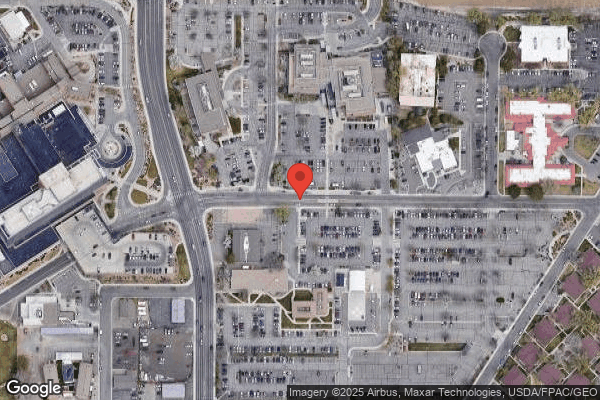
Jul 2023 1 deficiency
CONCERN (E)

Potential for Harm - no one hurt, but risky conditions existed

Infection Control (Tag F0880)

Could have caused harm · This affected multiple residents

**NOTE- TERMS IN BRACKETS HAVE BEEN EDITED TO PROTECT CONFIDENTIALITY** Based on observations, record review and staff interviews, the facility failed to maintain an infection prevention and control p...

Read full inspector narrative →
**NOTE- TERMS IN BRACKETS HAVE BEEN EDITED TO PROTECT CONFIDENTIALITY** Based on observations, record review and staff interviews, the facility failed to maintain an infection prevention and control program designed to provide a safe, sanitary and comfortable environment and to help prevent the development and transmission of communicable diseases and infections in one of three units. Specifically, the facility failed to ensure: -High touch surface areas were not potentially cross contaminated; -Consistent hand hygiene was performed between doffing and donning gloves; and, -Shared equipment, specifically transfer devices, was consistently wiped down between resident use. Findings include: I. Facility policy and procedure The Infection Prevention and Control Program policy, revised October 2018, was provided by the nursing home administrator (NHA) on 7/19/23. The policy read in pertinent part: An infection prevention and control program is established and maintained to provide a safe, sanitary and comfortable environment and to help prevent the development and transmission of communicable diseases and infections. The infection prevention and control program is a facility-wide effort involving all disciplines and individuals and is an integral part of the quality assurance and performance Improvement program. Those with potential direct exposure to blood or body fluids are trained in and required to use appropriate precautions and personal protective equipment (PPE). The Cleaning and Disinfecting Residents' Rooms policy, revised August 2013, was provided by the NHA on 7/24/23. According to the policy, staff should perform hand hygiene after removing gloves. II. Observations A. Resident room cleaning Housekeeper (HK) #1 was observed cleaning three resident rooms on 7/19/23 between 10:22 a.m. and 11:06 p.m. -At 10:22 a.m. HK #1 donned gloves and entered room [ROOM NUMBER]. She did not perform hand hygiene before she donned her gloves. Between 10:22 a.m. and 10:27 a.m., HK #1 wiped down the window ledge and bedside table, and cleaned the sink. She changed her cleaning cloth and doffed and donned new gloves after each area was cleaned but did not perform hand hygiene after she doffed her gloves and before she donned new gloves. -At 10:27 a.m. HK #1 entered the resident room restroom and proceeded to scrub the inside of the toilet with a scrub brush and wiped down the toilet seat and outer surfaces with a cleaning cloth. The HK then used the same cleaning cloth to wipe down the toilet, the housekeeper wiped grab bars on the wall next to the toilet. -At 10:29 a.m. HK #1 doffed her gloves, unlocked her cleaning cart and placed the toilet cleaner in the cart. HK #1 did not perform hand hygiene after she cleaned the restroom and doffed her gloves. She donned new gloves and proceeded to sweep the room. While sweeping, she touched the restroom door handle and outside resident room door handle with her potentially contaminated gloves. The HK finished sweeping the room and doffed her gloves. She did not perform hand hygiene after she removed the gloves. -At 10:35 a.m. HK #1 donned new gloves, placed a wet mop pad on the floor and proceeded to mop. -At 10:37 a.m. HK #1 removed the used pad from the mop head used on the floor, with her gloved hands, and touched the door handle. The HK used more two mop pads to complete the remainder of the room. She did not change her gloves and perform hand hygiene after removing the mop pad. The HK mopped the bathroom, touching the bathroom door handle. -At 10:40 a.m. HK #1 finished mopping, doffed her gloves and performed hand hygiene by use of alcohol based hand rub (ABHR) located on her cart. She did not wipe off the resident room door handles after touching the handles with the same gloves she used to remove the used mop heads from the mop handle. -Between 10:45 a.m. and 11:07 a.m. HK #1 cleaned room [ROOM NUMBER]. She collected trash, wiped down the window blinds, and wiped down the bedside table, touching the resident mug and water container, and cleaned the sink with gloved hands. The HK changed her cleaning clothes and gloves after completing each area. She did not perform hand hygiene between doffing and donning of the gloves. -At 10:53 a.m. HK #1 entered the restroom and scrubbed the inside of the toilet bowl, flushed the toilet with her gloves hands, wiped down the toilet seat and outside of the toilet bowl with a cleaning cloth. She did not wipe down the flush handle with a clean cloth after she touched the handle with the same gloved hands used to scrub the toilet. HK #1 proceeded to then use the same cloth to wipe down the hand holds of the commode, before wiping the inside of the commode bowl. HK #1 doffed her gloves, unlocked the cart and placed the cleaner back in the cart. She did not perform hand hygiene after she cleaned the restroom and doffed her gloves. -At 11:01 a.m. HK #1 donned new gloves, swept the room and doffed the gloves. She did not perform hand hygiene after removing her gloves. -At 11:03 a.m. HK #1 proceeded to mop the room. -At 11:06 a.m. the HK removed the used mop pad from the floor, placed a new mop pad on the mop handle, removed a piece of debris off the floor with her gloved hands and threw the debris away, touching the door handle with her gloved hand. HK #1 finished mopping the room, doffed gloves and performed hand hygiene. She did not wipe down the door handle after touching it with her contaminated gloves. -At 11:12 a.m. HK #1 entered and proceeded to clean room [ROOM NUMBER]. She changed her cleaning cloth and gloves after each task, including wiping the resident room door handles and frame, but she did perform hand hygiene when she donned and doffed gloves. -At 11:21 a.m. the HK scrubbed the inside of the toilet bowl and wiped it down with a cleaning cloth. HK #1 then used the same cleaning cloth to wipe the grab bar, the flush handle of the toilet and the inside restroom door handle. -At 11:25 a.m. HK #1 doffed her gloves and placed the toilet cleaner in the cleaning cart, and donned new gloves. She did not perform hand hygiene after cleaning the restroom and doffing her gloves. She did not perform hand hygiene before she donned new gloves and proceeded to sweep and mop the room. The HK completed the cleaning of the room, doffed her gloves and performed hand hygiene. B. Shared equipment disinfection CNA #1 and CNA #2 retrieved a sit to stand transfer device and entered room [ROOM NUMBER] on 7/19/23 at 1:31 p.m. The CNAs assisted the resident into the restroom by use of the transfer device. The CNAs exited room [ROOM NUMBER], leaving the transfer device in the room with the resident. -At 1:38 p.m. CNA #1 retrieved the transfer device out of room [ROOM NUMBER] and entered room [ROOM NUMBER] to assist another resident. Between 1:38 p.m. and 1:50 p.m. The CNAs removed the transfer device from room [ROOM NUMBER] and re-entered room [ROOM NUMBER]. The CNAs assisted the resident in room [ROOM NUMBER] in the restroom with the transfer device. The shared transfer device was not cleaned between resident use in rooms [ROOM NUMBERS]. -At 1:50 p.m. CNA #1 exited the room with a bag and entered the soiled utility room as CNA #2 retrieved disinfectant wipes from the utility room and wiped down the transfer device. III. Record review The 9/3/22 and 10/6/22 staff inservice summary was provided by the infection preventionist (IP) on 7/19/23. The inservice summary identified staff were in-serviced on infection control procedures including standard precautions. The inservice summary identified staff reviewed CDC guidance of the Implementation of personal protective equipment use in nursing homes to prevent the spread of multidrug resistant organisms. The guidance read in part: Standard precautions are a group of infection prevention practices that apply to all residents, regardless of suspected or confirmed infection or colonization status. They are based on the principle that all blood, body fluids, secretions, and excretions (except sweat) may contain transmissible infectious agents. Proper selection and use of PPE, such as gowns and gloves, is one component of standard precautions, along with hand hygiene, safe injection practices, respiratory hygiene and cough etiquette, environmental cleaning and disinfection, and reprocessing of reusable medical equipment. Use of PPE is based on staff interaction with residents and the potential for exposure to blood, body fluids, or pathogens. The inservice attendance sheet identified HK #1 attended the inservice on 9/3/22. The 3/2/23 housekeeping meetings minutes identified the housekeepers were informed there had been several complaints regarding the cleanliness in the facility, including resident rooms. The meeting minutes identified the housekeepers were reminded of areas to clean including the cleaning of resident commodes, risers and the entire surface of the toilets. -The meeting minutes did not identify housekeepers were reminded to use hand hygiene before and after glove use. The minutes did not identify the order of the cleaning of the room surface areas in resident rooms to prevent potential cross-contamination. The unit specific cleaning checklist was provided by the NHA on 7/25/23. The checklist directed housekeeping to clean all touchable surfaces such as door handles, grab bars, resident furniture, and toilets. The checklist did not identify the order of the touchable surface cleaning, to prevent the potential spend of transmission based viruses and infections. IV. Staff interviews HK #1 was interviewed on 7/19/23 at 11:35 a.m. She said to prevent cross-contamination, she would not use the same cleaning cloth she would clean the toilet with to clean the sink. HK #1 said she was trained to use a different cloth for each side of the room and in every new area, along with a new mop pad for each side and in the bathroom.The HK said hand hygiene should be done after she changed her gloves. Registered nurse (RN) #1 was interviewed on 7/19/23. She said performing hand hygiene was the number one way to stop the spread of infections. CNA #1 was interviewed on 7/19/23 at 2:28 p.m. She said shared equipment such as the mechanical lifts and other transfer devices should be disinfected between each resident. She said even when the staff was busy, they needed to take their time to wipe down the equipment after use. CNA #2 was interviewed on 7/19/23 at 2:34 p.m. She said shared equipment needed to be wiped down after use. She said disinfect wipes were in the cabinet at the nurses station and the utility room. The infection preventionist (IP) was interviewed on 7/19/23 at 3:10 p.m. The IP said lifts and other shared equipment should be cleaned at the end of every shift and after every resident use to stop the spread of pathogens. The IP said he recently conducted hand hygiene audits with the nursing staff with on the spot education/reminders as needed. He said he was in the process of updating the new hire orientation training which included infection control. The IP said on 7/14/23 he started staff competencies for seasoned nursing staff, which included infection control. The IP said departments such as housekeeping, received their job specific infection control training from their supervisor. The IP said the facility had a COVID outbreak between 3/22/23 and 5/1/23. The IP said there were multiple positive staff and 23 positive residents who contracted COVID during the outbreak. The IP said he did not review or identify concerns with shared equipment use or housekeeping cleaning practices during or after the outbreak. The housekeeping director (HKD) was interviewed on 7/19/23 at 6:24 p.m. The HKD said she did random trained and reminded her staff on basics of cleaning and infection control. She said she has told housekeepers to use new cleaning cloths after every new task and perform hand hygiene after every change of gloves. The HKD said the housekeepers should clean the room starting from the top surfaces and working their way down to the bottom surfaces, with floor as the last cleaning step. The HKD said dirty floors would contaminate the gloves. She said the housekeepers should avoid touching any clean surfaces after removing the used mop pads. She said grab bars should be cleaned before wiping down the toilet. The NHA and the DON were interviewed on 7/19/23 at approximately 7:20 p.m. The NHA and the DON said the facility would continue to remind and educate staff on proper infection control procedures.
Mar 2023 1 deficiency 1 Harm
SERIOUS (G) 📢 Someone Reported This

A family member, employee, or ombudsman was alarmed enough to file a formal complaint

Actual Harm - a resident was hurt due to facility failures

Accident Prevention (Tag F0689)

A resident was harmed · This affected 1 resident

**NOTE- TERMS IN BRACKETS HAVE BEEN EDITED TO PROTECT CONFIDENTIALITY** Based on record review and interviews, the facility failed to ensure that each resident received adequate supervision and assist...

Read full inspector narrative →
**NOTE- TERMS IN BRACKETS HAVE BEEN EDITED TO PROTECT CONFIDENTIALITY** Based on record review and interviews, the facility failed to ensure that each resident received adequate supervision and assistance to prevent accidents for one (#1) of three residents reviewed for falls out of eight sample residents. Specifically, the facility: -Failed to ensure certified nurse aide (CNA) #4 followed proper procedure while providing cares to Resident #1 and ensure the resident was safe; -Failed to implement two-person assistance when providing cares to Resident #1, which was identified as a resident need on their minimum data set (MDS) assessment, and, -Failed to implement a care-planned intervention to provide two-person assistance when providing cares to Resident #1. On the morning of 12/30/22, CNA #4 was preparing to assist Resident #1 with personal cares while she was in bed. The resident required two-person extensive assistance with activities of daily living (ADL). However, the CNA assisted the resident independently, without a second person, and the resident suffered a fall from the bed that resulted in pain, transportation to the emergency department, bilateral femur fractures and a hematoma (solid swelling of clotted blood) on her thigh. Findings include: I. Facility policy and procedure The Managing Falls and Fall Risk policy and procedure, dated March 2018, was provided by the assistant director of nurses (ADON) on 3/22/23 at 3:22 p.m. It included in pertinent part: Based on previous evaluations and current data, the staff will identify interventions related to the resident's specific risks and causes to try to prevent the resident from falling and to try to minimize complications from falling. Fall risk factors included delirium or other cognitive impairment, pain, lower extremity weakness, medication side effects, functional impairments, visual deficits, incontinence, heart failure, neurological disorders and balance and gait disorders. A resident-centered fall prevention plan would be implemented to reduce the specific risk factors for falls for each resident. II. Resident #1 A. Resident status Resident #1, age [AGE], was admitted on [DATE] and readmitted on [DATE]. According to the March 2023 computerized physician orders, diagnoses included severe morbid obesity, generalized muscle weakness, difficulty in walking, and fractures of right and left femurs. The 10/11/22 minimum data set (MDS) assessment revealed the resident was cognitively intact with a brief interview for mental status (BIMS) score of 14 out of 15. She required extensive assistance with two plus person's physical assistance for bed mobility, transfers, dressing, toilet use and personal hygiene. She had no rejection of care. B. Record review The care plan, initiated 11/27/2020 and revised 3/17/23, identified the resident preferred to have only female caregivers provide personal cares. Interventions included she would let female caregivers provide all personal cares, if possible provide female staff from other units to provide care, and staff would provide cares in teams of two for safety. The care plan, initiated 7/4/17 and revised 3/17/23, identified the resident required assistance with ADLs related to obesity, decreased mobility, and the aging process. Interventions included she was totally dependent on two-plus staff for repositioning and turning in bed, required extensive assistance by two staff to dress her, and was totally dependent on at least two staff to check and change her incontinence brief. The CNA [NAME] Report dated 12/30/22, included the following categories and interventions: she was totally dependent on two-plus staff for repositioning and turning in bed, she was totally dependent on at least two staff to check and change her incontinence brief, she required extensive assistance by two staff members to dress her The Nursing Quarterly Data Collection for Fall Risk, dated 10/10/22, identified the resident's score was 0.0, which indicated she was not at risk to fall. A progress note, dated 12/30/22 at 6:27 a.m., was written by a registered nurse (RN) and documented she was called to assess Resident #1 after a fall out of the bed. The resident was being turned when she rolled out of the left side of the bed onto her anterior surface. The RN assessed all of the resident's joints with pain noted in the anterior right knee. She was turned to her back with the assistance of four staff members with splinting provided to the lower extremities. A mechanical lift was used to transfer the resident into the bed. The resident had a large discoloration to her right knee that extended to the proximal lower leg and discoloration to the anterior right foot with swelling in both areas. There was a discoloration to her left knee and a small area on the mid anterior lower leg with swelling. Any assessment attempted by the RN of the right knee resulted in extreme pain. The resident was being changed by only one CNA at the time, which resulted in her rolling out of the bed. The medical doctor was contacted to obtain an order to transfer the resident to the hospital. The progress note included, Future intervention would be to always have two staff for all cares. The facility's investigation was reviewed and included the following: A CNA assigned to Resident #1's hall stated that he and CNA #4 began their check and changes and had completed changing all of the residents on the hall, with Resident #1 being their last resident. He stated CNA #4 went in on her own to speak to the resident due to him recently being kicked out because he was a male, which was the resident's preference to not have male caregivers. CNA #4 voiced that it was okay for her to change Resident #1 alone, due to trust amongst one another. The investigation documented CNA #4 was interviewed and reported during the care the resident rolled out of bed and experienced a witnessed fall. The resident stated, I rolled out of the bed. The CNA verbalized that Resident #1 fell while she was attempting to adjust/reach for a personal item, causing her momentum to shift without the ability to stop herself, which resulted in the fall. Interviews conducted indicated that the resident had a history of kicking other staff members out and declining cares. The resident's preference is not to have males change her. CNA #4 stated that the resident verbalized okay to being changed alone. The hospital emergency department admission history and physical, dated 12/30/23, was reviewed and documented the x-ray results of her bilateral legs included pain after a fall which resulted in severely comminuted (multiple bone splinters or fragments) impacted distal femur fracture with some posterior displacement. The patella (knee cap) was displaced laterally (to the side). The resident experienced low blood pressure and heart rate after she was given pain medication and required resuscitation with fluids. She was admitted to the hospital and did not return to the facility until 1/13/23 (14 days later). III. Staff interviews The director of nurses (DON), ADON and nursing home administrator (NHA) were interviewed on 3/21/23 at approximately 3:30 p.m. and explained the facility did not currently have an MDS coordinator who could be interviewed. The MDS assessment dated [DATE] was reviewed and the DON said Resident #1 was assessed to require extensive assistance of two people for bed mobility. The ADON clarified the staff were providing more than 50 percent of the assistance but the resident was able to participate some, less than 50 percent. The ADON said the two people would mean there was one person on each side of the bed so one would help roll and the other would help hold the resident during turning and bed mobility. The NHA was interviewed on 3/21/23 at 4:04 p.m., and he said on the day Resident #1 fell out of bed, two CNAs working on that floor; a male and a female CNA (CNA #4) were conducting rounds. He said CNA #4 made the decision to go in and ask Resident #1 if it was okay to provide cares to her without the assistance of a second staff member, and that CNA #4 admitted to not asking anyone for help. The NHA said staffing was not low and there was an extra staff member working that morning until 10:00 a.m. He said CNA #4 had initiated cares with the resident by herself, when the resident reached for a personal item and then fell out of bed. He said there was a time prior when Resident #1 would accuse the staff of stealing things from her, so they initiated cares in pairs for mechanical lift use as well as for behavioral reasons. Restorative certified nurse aide (RCNA) #1 was interviewed on 3/21/23 at 4:20 p.m., and she said she routinely worked with Resident #1. She said the facility had multiple ways to communicate to staff which residents required two-person cares and assistance. A sign was posted on the wall in each resident's room above their bed to indicate whether the person required a mechanical lift for transfers as well as how many staff were required to provide assistance for cares. In addition, she said a CNA Book was located at each of the nurses' stations with a list of which residents required a mechanical lift, the sling size, their room number and their name. She said all clinical staff were trained prior to starting work on the floors about this. The RCNA showed the list that was posted in the CNA book in December 2022, and it revealed Resident #1 required transfers with a Hoyer mechanical lift with a green sling. The RCNA said she also checked the residents' care plans to ensure the interventions were care-planned approaches. The RCNA said Resident #1 was supposed to have two-person assistance for personal cares as well, which included bed mobility, which was for both the resident's and the staff's safety. The RCNA said Resident #1 was able to make safe decisions about her care sometimes, but not always, and at times the resident would grab the straps on the mechanical lift during transfers, and that was not safe. She said Resident #1 had a history of falsely accusing staff of mistreating her, so the facility began providing care to her in pairs, with two staff members present. The RCNA said the resident was particular about which CNAs provided her with care, and she did not like male caregivers. CNA #3 was interviewed on 3/21/23 at 4:55 p.m., and she said she routinely worked with Resident #1. She said Resident #1 could brush her hair, wash her face, and brush her teeth if she was provided with set up assistance. She said when the resident was turned in bed, they were always supposed to provide assistance with two people because the resident was very large and could roll off. The CNA said Resident #1 had days where she was alert and could make good safety decisions about her care, and she had days where she was confused, and was not consistently alert and oriented. CNA #3 said the facility had provided clinical staff with additional training on how to safely provide care for Resident #1 after her fall, but said she did not receive the training. Instead, she said she was told by nurses what they were doing now to provide care for the resident. RN #3 was interviewed on 3/21/23 at 5:07 p.m., and she said she routinely worked with Resident #1. She said the resident could not provide much care for herself and before the accident, she required two-person assistance for ADL care, transfers, changing her, and rolling her in bed because she was very large. She said Resident #1 was confused at times and would accuse staff of random things that were not true, and did not like men in her room. She had a cognitive communication deficit with garbled speech and was difficult to understand at times. RN #3 said it was not a normal behavior of Resident #1 that she would accept care assistance from a single staff person because she was always scared she was going to roll off the bed, and knew it was in her best interest for safety to have the assistance of two staff members at a time. RN #3 stated, She didn't really have good safety awareness and had a fear of falling. RN #3 said one staff member would go in and help her at times because there was not enough staff. She said as recently as last night, she was aware of a single staff member providing care and assistance to a resident who required two-person assistance. RN #3 said after Resident #1 fell on [DATE] and returned to the facility from the hospital, a change was made that required her to receive the assistance of four staff members during cares and transfers, and there was never a time after that she did not have four people assist her. The RN stated, Everyone felt really bad. We did that to her. The medical director (MD) was interviewed on 3/21/23 at 3:08 p.m., and she said since Resident #1 was assessed by the facility to need two-person assistance for bed mobility and cares, then she should have been provided with that assistance. The MD said the resident's history with making her own reasonable, safe decisions was not reliable and she did not make appropriate decisions at times. The DON, ADON and NHA were interviewed on 3/21/23 at 5:29 p.m. The ADON said staff knew which residents required two-person cares because it was listed on the CNA [NAME], which could be accessed by CNAs and nurses. She said each residents' room also had laminated signs above the bed that indicated how much assistance they required. If a resident who required two-person assistance told a staff member it was acceptable to provide one-person assistance to them, they should still provide assistance of two staff members because it was for resident and staff safety. IV. Facility follow-up The NHA provided the following documentation on 3/22/23 at 4:11 p.m., which included the facility's response to Resident #1's fall on 12/30/22. The NHA said the audits were done recently and not during the time, the performance improvement plan was put in place, and included the following: An Ad Hoc Quality Assurance Performance Improvement/Four Point Plan of Correction Agenda and Summary, which was dated 1/3/23. The meeting was attended by 11 interdisciplinary team (IDT) members and identified an opportunity for improvement that included verifying that residents who required two-person cares was reflected on both the resident care plans and [NAME]. Audits were to be completed by 1/6/23. All direct care staff would be educated on residents who required two-person cares and educated to check the [NAME] when cares were provided, which was to be completed by 1/20/23. In addition, the DON or designee would complete the audits twice a week for four weeks to ensure that staff were following the plan of care. A Staff In-Service Summary, dated 1/12/23, included a review by the ADON that explained what the [NAME] was and where it was located. There was no attendance record included. An undated, untitled Attendance record was provided, which included the signatures of 25 staff members. Four staff (two CNAs, one licensed practical nurse, and one RN) audits were included, which were undated to know when they were completed, and each included the following three questions: 1.When you are unsure of how a resident transfers, where can you find this information? 2. Do you know how to access the [NAME]/Care Plan to find this information? 3. Ask for demonstration on where to find how a specific resident transfers. One of the four staff members audited did not know how to access the [NAME]/Care Plan, and required a demonstration of the process.
Feb 2023 2 deficiencies
CONCERN (E) 📢 Someone Reported This

A family member, employee, or ombudsman was alarmed enough to file a formal complaint

Potential for Harm - no one hurt, but risky conditions existed

Free from Abuse/Neglect (Tag F0600)

Could have caused harm · This affected multiple residents

**NOTE- TERMS IN BRACKETS HAVE BEEN EDITED TO PROTECT CONFIDENTIALITY** Based on record review and interviews, the facility failed to ensure four (#3, #4, #5 and #6) of six sample residents were free ...

Read full inspector narrative →
**NOTE- TERMS IN BRACKETS HAVE BEEN EDITED TO PROTECT CONFIDENTIALITY** Based on record review and interviews, the facility failed to ensure four (#3, #4, #5 and #6) of six sample residents were free from physical abuse by Resident #2 in six separate incidents over a four-month period. Specifically, Resident #2 physically abused: -Resident #3 on 2/5/23; -Resident #4 on 1/6/23, 2/8/23 and 2/21/23; -Resident #5 on 12/20/22; and -Resident #6 on 2/5/23. The facility failed to protect the residents, all of whom were vulnerable and diagnosed with dementia, from physical abuse. Cross-reference F744, failure to provide adequate dementia care services. Findings include: I. Facility policy The Abuse and Neglect - Clinical Protocol policy, revised March 2018, provided by the nursing home administrator (NHA) on 2/23/23 at 3:00 p.m., included: The physician will help identify individuals with a history of having been abused or neglected, or those showing evidence of possible abuse or neglect. The physician and staff will help identify risk factors for abuse within the facility; for example, significant numbers of residents with unmanaged problematic behavior. The facility management and staff will institute measures to address the needs of residents and minimize the possibility of abuse and neglect. II. Resident status A. Resident #2 Resident #2, age [AGE], was admitted on [DATE]. According to the February 2023 computerized physician orders (CPO), diagnoses included Alzheimer's disease, dementia without behavioral disturbance, major depressive disorder, and dementia with agitation. The 12/11/22 minimum data set (MDS) assessment documented severe cognitive impairment with a brief interview for mental status (BIMS) score of three out of 15. She had behavioral symptoms of rejection of care and wandering. She needed supervision, oversight, cueing, encouragement and set-up help for ambulation with a walker; and needed extensive assistance for toilet use and personal hygiene. B. Resident #3 Resident #3, age [AGE], was admitted on [DATE] with diagnoses including Alzheimer's disease, dementia without behavioral disturbance, major depressive disorder, and unsteadiness on her feet according to the February 2023 CPO. The 2/11/23 MDS assessment documented severe cognitive impairment with a BIMS score of zero out of 15. She had delirium symptoms of inattention and disorganized thinking, and a behavioral symptom of rejecting care. C. Resident #4 Resident #4, age [AGE], was admitted on [DATE] with diagnoses including dementia according to the February 2023 CPO. The 1/6/23 MDS assessment documented severe cognitive impairment with a BIMS score of four out of 15. She had a delirium symptom of disorganized thinking, and no behavioral symptoms. She needed limited physical assistance with most activities of daily living (ADLs), and used a wheelchair for ambulation. D. Resident #5 Resident #5, age [AGE], was admitted on [DATE] with diagnoses including dementia and arthritis, according to the 1/11/23 MDS assessment. She had severe cognitive impairment with a BIMS score of three out of 15 and delirium symptoms of inattention and disorganized thinking. Behavioral symptoms of physical and verbal aggression and care rejection were documented. She needed extensive ADL assistance and used a wheelchair for ambulation. E. Resident #6 Resident #6, age [AGE], was admitted on [DATE] with diagnoses including dementia and depression, according to the 1/25/23 MDS assessment. She had severe cognitive impairment with a BIMS score of three out of 15, and a delirium symptom of disorganized thinking. No behavioral symptoms were documented. She needed extensive ADL assistance and used a wheelchair for ambulation. III. Resident-to-resident abuse incidents by Resident #2 towards other residents Review of facility investigative reports and medical record progress notes revealed the following, in chronological order. A. 12/20/22 incident Resident #2 punched Resident #5 three times in the face with a closed fist before staff could respond to protect Resident #5. No physical injuries were identified. Action taken was to separate the residents and keep Resident #2 within line of sight for safety. B. 1/6/23 incident Resident #2 struck Resident #4 in the face, leaving a red mark on her cheek. Action taken was to separate the residents and keep Resident #2 within line of sight for safety. C. 2/5/23 incident Resident #2 ran over Resident #6's toes with her walker. No physical injury was documented. Action taken was to separate the residents and keep Resident #2 within line of sight for safety. D. 2/5/23 second incident Resident #2 grabbed Resident #3 by both wrists, squeezing and twisting her wrists and hands, causing bruising to Resident #3's left hand. The business office manager documented: On Sunday February 5th our HR (human resources) coordinator and I heard screams from a female resident while we were in our offices up front. Upon rushing out to the lobby we discovered (Residents #3 and #2) in an altercation. (Resident #3, the victim) kept stating she was being abducted and someone was trying to kill her. (Resident #2, the aggressor) had ahold of her wrists and was shaking her arms. Other nurses from both sides of the facility came rushing in and were able to separate (Residents #3 and #2). (Resident #3's) nurse stated to me as she walked her back to her room that this could be a bad one and she thinks there will be significant bruising. I got (Resident #2) sat down in a chair in the lobby after the altercation and she also appeared to be in distress from the incident as well. Her comments to me were hard to understand but she was repeatedly stating something about 'this man and not knowing what he was going to do.' Nurses notified all appropriate people as I also followed up with the executive director. Action taken was to separate the residents and keep Resident #2 within line of sight for safety. E. 2/8/23 incident Resident #2 stomped on Resident #4's foot. No physical injury was documented. Action taken was to separate the residents and keep Resident #2 within line of sight for safety. F. 2/21/23 incident Resident #2 punched toward Resident #4 who punched back saying Don't you ever touch me again! Resident #2 fell to the floor. No physical injuries were documented. Action taken was to separate the residents, move Resident #4 to a different hall on the opposite side of the facility, keep Resident #2 within line of sight, and implement 20- to 30-minute checks with Resident #4. All the abuse incidents above were substantiated. IV. Record review Resident #2's care plan, revised on 2/24/23 (during the survey), identified, I may become physically or verbally aggressive towards staff and others due to poor impulse control, anger, and frustration secondary to dementia. Approaches were: -Give me as many choices as possible about care and activities. -I do best with 1-2 people for redirection. -When I become upset, engage me in conversation. Talk to me about: my family, basket weaving, music, vacations to the beach, baking, gardening. -Offer me hot cocoa and a snack. -Offer to go on a walk with me. -I have more difficulty coping with my environment when things are chaotic, for example: shift changes. -I will remain on Q (every) 15 minute checks until further notice. -If I am showing signs of irritation or frustration with my peers try and separate the residents. -Remind (Resident #2) she can go be alone in her room if she wishes. -If I become agitated: intervene before I escalate; redirect me; engage calmly in conversation; if I continue, direct staff to walk calmly away, keep me safe and approach me later. -If I sleep through a meal, usually breakfast, reheat my plate or offer me a continental breakfast. -Maintain me and others in a safe environment. -Monitor/document/report PRN (as needed) any s/sx (signs/symptoms) posing danger to self and others. -Observe and anticipate my needs: food, thirst, toileting needs, comfort level, body positioning, pain, etc. (etcetera) -Observe and evaluate the times of day, places, circumstances, potential triggers, and what helps redirect my behavior. -Offer a change of environment, such as a patio or the sofa in the lobby. -Provide physical and verbal cues to alleviate anxiety; give positive feedback, assist verbalization of source of agitation, assist to set goals for more pleasant behavior, encourage seeking out of staff member when agitated. -Staff will provide me with direct observation when I am out of my room and am in common areas. -When redirecting (Resident #2), do not use the word 'Can't' as it agitates her more. Keep words positive. Review of Resident #3's care plan revealed potential to be bullied and/or victimized based on my dementia diagnosis and history of being bullied. Interventions include encouraging Resident #3 and monitoring her as appropriate. Resident #3 also had care plan approaches for dementia, verbal and physical aggression and elopement risk. -However, the facility failed to consistently identify each resident's vulnerability to aggression, and implement effective person-centered approaches to ensure their highest practicable quality of life, safety, and freedom from abuse. V. Staff interviews Licensed practical nurse (LPN) #1 and certified nurse aide (CNA) #1 were interviewed on 2/23/23 at 12:00 p.m. They both provided care for Resident #2. They acknowledged that Resident #2 had physically aggressive behavioral issues and discussed how they were keeping other residents safe. LPN #1 said she knew of three abuse incidents involving Resident #2, and that no residents had been hurt that she was aware of other than bruising to Resident #4's hand. She said they were moving Resident #4 to the other side of building, and had already moved over Resident #3, who Resident #2 also targeted. CNA #1 and LPN #1 said they monitored residents, tried to engage them in activities, and when Resident #2 was up and out of her room they watched her very closely, keeping her nearby. But she does tend to wander and we watch her as close as we can when she's up and make sure we know where she is. CNA #1 said keeping Resident #2 comfortable by changing her pants every two hours has helped. When she comes down this hall we watch her. Everybody knows about (Resident #2), and the new medication they ordered for her really helps her also. LPN #1 said there had also been a medication change. Resident #2 was started on Risperdal, an antipsychotic medication, on 2/8/23 at 0.5 milligrams (mg) daily, which was increased to 1 mg on 2/23/23, today. They added that Resident #2 enjoyed food, so they offered frequent snacks. They assisted her to the bathroom every two hours because she gets more agitated if she's soiled and is becoming increasingly incontinent, and if we make sure she's dry, she's okay. She goes to activities and is a lot happier now. We have to keep her from certain individuals she doesn't respond to well, such as Resident #4, who was being moved on 2/23/23. They said Resident #2 also enjoyed one-on-one activities, conversation, joking around, preferred not too many people around her, you've got to stand back. They said she responded better to one caregiver at a time when she needed assistance, because she gets a little embarrassed, so they would say to her, Hey let's go, let's clean up and be beautiful. They said Resident #2's aggression had been an issue for months. She directs her anger toward people who have severe dementia, more so than her, but if people can converse with her she's fine. Registered nurse (RN) #1 was interviewed on 2/23/23 at 12:30 p.m. with LPN #1. She said, Honestly, I think the thing that made the most difference was the Risperdal. She didn't have word salad anymore, and was able to make her needs known. She said Resident #2 enjoyed activities more now, such as coloring, puzzles, movies, music, and birds. She loves sitting with other women that are on par with her intellectually. She's not mean to everyone, just a few residents with severe dementia. RN #1 said Resident #2 used to live on the secure unit, but it was not an appropriate setting for her. The nursing home administrator (NHA) was interviewed on 2/23/23 at 1:00 p.m. He said the social services director (SSD) was conducting an all staff training at 2:00 p.m. that day (2/23/23) to address Resident #2's aggression and dementia care needs. He said their staff education started a couple of weeks ago. Interventions regarding Resident #2's aggressive behaviors included taking her on a walk when she was exit-seeking, sitting her down with hot chocolate, and involving her in activities she enjoyed. He said they sat down with their medical director to review medications and there was a resulting medication change. He said staff were trained to redirect Resident #2 and intervene when they could see something else was about to happen. He said they asked nurses on 2/21/23 to keep Resident #2 in their line of sight post-incident, but there had been enough incidents that they needed to respond differently. The NHA said they adjust a late night activity just for Resident #2, and added activity staff during the evening shift change to assist with potential behaviors and try to provide more structure and engagement. They talked with Resident #2's family about potential triggers, and educated staff on what they learned. He said he did not agree that Resident #2 targeted residents with more severe dementia, because she demonstrated aggression with other residents and staff. He said they had developed a process improvement plan (PIP) regarding Resident #2 (see below). The NHA was interviewed a second time on 2/23/23 at 2:15 p.m. He said their training by the SSD was in process. He said their staff had also received education from a resident quality of life consultant, and their ombudsman had offered to provide a training for their staff, which they would pursue. VI. Facility follow-up A. Process improvement plan (PIP) The NHA provided a copy of their PIP on 2/23/23 at 3:00 p.m., entitled Ad Hoc QAPI (Quality Assurance Process Improvement) Meeting/Four Point Plan of Correction Agenda and Summary, from a meeting on 2/7/23 attended by 17 management and direct care staff. The opportunities for improvement were: -Facility inability to reduce/manage recurrent behaviors resulting in reportable events. -Staff awareness to reporting requirements and timeliness of reporting. -Interdisciplinary team (IDT) follow up to documented behavior notes to ensure that event did not meet reporting requirements and/or to ensure psychosocial well-being of resident(s) involved. -Identified that Resident #2 can have increased agitation when over stimulated with residents with behavior such as crying, yelling, etc (etcetera). -Identified that Resident #2 can at times become embarrassed due to being incontinent and can become agitated when asked if she needs assistance to go to the bathroom. -Resident #2 is currently on restorative therapy and will be encouraged to continue to go on scheduled walks. -Activity engagement reviewed - average participation of 9.9% of activities offered. Life engagement director to begin meeting with Resident #2 on a one-to-one (1:1) visit program where she will meet with Resident #2 three times a week. -Notified medical director to discuss chart review. -[NAME] (CNA care plan) updated with interventions - Education to begin on 2/6/23 by SSD/SSA (social services assistant)/designee. Corrective measures included: -Education provided to IDT team by NHA on 2/6/23 on reporting requirements in incidents revolving around allegations of abuse. -Education to begin on 2/6/23 to direct care nursing staff regarding Resident #2's mood/behavior [NAME] with interventions that could successfully mitigate reoccurrences. -Education to be assigned to all staff regarding approach to de-escalating resident to resident occurrences. The root cause analysis revealed lack of staff education regarding occurrences and de-escalation of occurrences or identifying increased agitation and behaviors/unmet needs. Systemic changes planned: -Routine education to be completed with all staff regarding resident occurrences. -Routine education regarding dementia and how to work with dementia. -Communication with staff via 1:1 education and computer-based training. Monitoring: -NHA/DON or designee to review 24-hour report daily to identify behaviors with the possibility of affecting others. -NHA/DON or designee will utilize clinical morning meeting tool to track behaviors. -NHA/designee will complete random questionnaires with staff regarding person centered interventions twice per week for four weeks, once per week for an additional four weeks, and once per month or until compliance is achieved, to observe for person-centered interventions and/or meaningful activity/resident engagement. The NHA will report observation audits to QAPI committee monthly. B. Care plan revision On 2/24/23 at 12:06 p.m., the NHA emailed a revised care plan for Resident #2 which included the following: I may become physically or verbally aggressive towards staff and others due to poor impulse control, anger, and frustration secondary to dementia. A highlighted new intervention read, I will remain on Q (every) 15 minute checks until further notice.
CONCERN (E) 📢 Someone Reported This

A family member, employee, or ombudsman was alarmed enough to file a formal complaint

Potential for Harm - no one hurt, but risky conditions existed

Deficiency F0744 (Tag F0744)

Could have caused harm · This affected multiple residents

Based on record review and interviews, the facility failed to provide adequate dementia care services to meet residents' needs and ensure they were free from aggressive behavioral symptoms, which affe...

Read full inspector narrative →
Based on record review and interviews, the facility failed to provide adequate dementia care services to meet residents' needs and ensure they were free from aggressive behavioral symptoms, which affected five (#2, #3, #4, #5 and #6) out of six sample residents. Specifically, the facility failed to assess and implement effective approaches to: -Meet Resident #2's needs and prevent aggression toward other residents; and -Ensure vulnerable Residents #3, #4, #5 and #6 were free from aggression from Resident #2, and received the highest practicable physical, mental and psychosocial quality of care and safety in their home. Cross-reference F600, failure to ensure freedom from resident-to-resident abuse. Findings include: I. Facility policy The Dementia - Clinical Protocol policy, revised November 2018, provided by the nursing home administrator (NHA) on 2/23/23 at 3:00 p.m., included: For the individual with confirmed dementia, the IDT (interdisciplinary team) will identify a resident-centered care plan to maximize remaining function and quality of life. The physician will order appropriate interventions to address significant behavioral and psychiatric symptoms, based on pertinent clinical guidelines and consistent with regulatory requirements. If a psychiatric consultant is called to help manage behavioral or psychiatric symptoms in the individual with dementia, the IDT will retain an active role by reviewing and implementing the consultant's recommendations, addressing issues that affect mood, cognition, and function, monitoring for complications related to treatment, and evaluating progress. The IDT will adjust interventions and the overall plan depending on the individual's responses to those interventions, progression of dementia, development of new acute medical conditions or complications, changes in resident or family wishes, and other relevant factors. II. Resident-to-resident abuse incidents Cross-reference F600 for resident status and further details. Review of facility investigations and progress notes in the residents' medical records revealed Resident #2 physically abused Residents #3, #4, #5 and #6, all of whom were diagnosed with dementia, during the following incidents: -On 12/20/22, Resident #2 punched Resident #5 three times in the face with a closed fist before staff could respond to protect Resident #5. -On 1/6/23, Resident #2 struck Resident #4 in the face, leaving a red mark on her cheek. -On 2/5/23, Resident #2 ran over Resident #6's toes with her walker. -On 2/5/23, Resident #2 grabbed Resident #3 by both wrists, squeezing and twisting her wrists and hands, causing bruising to Resident #3's left hand. -On 2/8/23, Resident #2 stomped on Resident #4's foot. -On 2/21/23, Resident #2 punched toward Resident #4 who punched her back, causing her to fall to the floor. Investigation documentation revealed the residents did not remember the incidents when they were interviewed afterward. Documented action taken after each incident was to separate the residents and keep Resident #2 within line of sight for safety. After the incident on 2/21/23, the facility implemented 20- to 30-minute checks with Resident #4, and every-15-minute checks with Resident #2 (see care plan below). -Line of sight supervision was not effectively implemented, as evidenced by Resident #2's continued abuse of other residents. III. Record review Resident #2's care plan, revised on 2/24/23 (during the survey), identified, I may become physically or verbally aggressive towards staff and others due to poor impulse control, anger, and frustration secondary to dementia. Approaches were: -Give me as many choices as possible about care and activities. -I do best with 1-2 people for redirection. -When I become upset, engage me in conversation. Talk to me about: my family, basket weaving, music, vacations to the beach, baking, gardening. -Offer me hot cocoa and a snack. -Offer to go on a walk with me. -I have more difficulty coping with my environment when things are chaotic, for example: shift changes. -I will remain on Q (every) 15 minute checks until further notice. -If I am showing signs of irritation or frustration with my peers try and separate the residents. -Remind (Resident #2) she can go be alone in her room if she wishes. -If I become agitated: intervene before I escalate; redirect me; engage calmly in conversation; if I continue, direct staff to walk calmly away, keep me safe and approach me later. -If I sleep through a meal, usually breakfast, reheat my plate or offer me a continental breakfast. -Maintain me and others in a safe environment. -Monitor/document/report PRN (as needed) any s/sx (signs/symptoms) posing danger to self and others. -Observe and anticipate my needs: food, thirst, toileting needs, comfort level, body positioning, pain, etc. (etcetera) -Observe and evaluate the times of day, places, circumstances, potential triggers, and what helps redirect my behavior. -Offer a change of environment, such as a patio or the sofa in the lobby. -Provide physical and verbal cues to alleviate anxiety; give positive feedback, assist verbalization of source of agitation, assist to set goals for more pleasant behavior, encourage seeking out of staff member when agitated. -Staff will provide me with direct observation when I am out of my room and am in common areas. -When redirecting (Resident #2), do not use the word 'Can't' as it agitates her more. Keep words positive. Review of Resident #3's care plan revealed potential to be bullied and/or victimized based on my dementia diagnosis and history of being bullied. Interventions include encouraging Resident #3 and monitoring her as appropriate. Resident #3 also had care plan approaches for dementia, verbal and physical aggression and elopement risk. -However, the facility failed to consistently identify each resident's vulnerability to aggression, and implement effective person-centered approaches to ensure their highest practicable quality of life. IV. Staff interviews Licensed practical nurse (LPN) #1 and certified nurse aide (CNA) #1 were interviewed on 2/23/23 at 12:00 p.m. They both provided care for Resident #2. CNA #1 and LPN #1 said they monitored residents, tried to engage them in activities, and when Resident #2 was up and out of her room they watched her very closely, keeping her nearby. But she does tend to wander and we watch her as close as we can when she's up and make sure we know where she is. They added that Resident #2 enjoyed food, so they offered frequent snacks. They assisted her to the bathroom every two hours because she gets more agitated if she's soiled and is becoming increasingly incontinent, and if we make sure she's dry, she's okay. She goes to activities and is a lot happier now. We have to keep her from certain individuals she doesn't respond to well, such as Resident #4, who was being moved on 2/23/23. They said Resident #2 also enjoyed one-on-one activities, conversation, joking around, preferred not too many people around her, you've got to stand back. They said she responded better to one caregiver at a time when she needed assistance, because she gets a little embarrassed, so they would say to her, Hey let's go, let's clean up and be beautiful. They said Resident #2's aggression had been an issue for months. She directs her anger toward people who have severe dementia, more so than her, but if people can converse with her she's fine. Registered nurse (RN) #1 was interviewed on 2/23/23 at 12:30 p.m. with LPN #1. She said, Honestly, I think the thing that made the most difference was the Risperdal (antipsychotic medication). She didn't have word salad anymore, and was able to make her needs known. She said Resident #2 enjoyed activities more now, such as coloring, puzzles, movies, music, and birds. She loves sitting with other women that are on par with her intellectually. She's not mean to everyone, just a few residents with severe dementia. RN #1 said Resident #2 used to live on the secure unit, but it was not an appropriate setting for her. The nursing home administrator (NHA) was interviewed on 2/23/23 at 1:00 p.m. He said the social services director (SSD) was conducting an all staff training at 2:00 p.m. that day (2/23/23) to address Resident #2's aggression and dementia care needs. He said their staff education started a couple of weeks ago. Interventions regarding Resident #2's aggressive behaviors included taking her on a walk when she was exit-seeking, sitting her down with hot chocolate, and involving her in activities she enjoyed. The NHA said they added a late night activity just for Resident #2, and added activity staff during the evening shift change to assist with potential behaviors and try to provide more structure and engagement. They talked with Resident #2's family about potential triggers, and educated staff on what they learned. He said he did not agree that Resident #2 targeted residents with more severe dementia, because she demonstrated aggression with other residents and staff. He said they had developed a process improvement plan (PIP) regarding Resident #2 (Cross-reference F600). The NHA was interviewed a second time on 2/23/23 at 2:15 p.m. He said their training by the SSD was in process. He said their staff had also received education from a resident quality of life consultant, and their ombudsman had offered to provide a training for their staff, which they would pursue.
Aug 2022 4 deficiencies 1 Harm
SERIOUS (G)

Actual Harm - a resident was hurt due to facility failures

Accident Prevention (Tag F0689)

A resident was harmed · This affected 1 resident

**NOTE- TERMS IN BRACKETS HAVE BEEN EDITED TO PROTECT CONFIDENTIALITY** Based on observations, record review and interviews, the facility failed to ensure effective and timely fall prevention practice...

Read full inspector narrative →
**NOTE- TERMS IN BRACKETS HAVE BEEN EDITED TO PROTECT CONFIDENTIALITY** Based on observations, record review and interviews, the facility failed to ensure effective and timely fall prevention practices to prevent falls for two (#19 and #49) of 12 residents out of 30 sample residents. Specifically, the facility failed to: -Conduct timely post fall investigations or at all; -Review residents' falls with the interdisciplinary team (IDT); -Update residents' care plans to reflect interventions to prevent falls; -Educate new staff on fall preventions for residents; and, -Follow care planned interventions to prevent falls. These failures led Resident #19 to experience six falls since admission from 2/2/22 through 7/18/22, the date of last fall, which resulted in the resident being treated at the emergency room for excessive bleeding of a head wound sustained during the fall requiring the resident to receive six staples to his head to close the wound. These failure also led Resident #49 to experience eight falls since admission from 3/7/22 through 7/9/22, the date of last fall. Early failures for the resident contributed to the resident experiencing a fall which resulted in a fracture to his leg, causing the resident pain and decreased mobility. Findings include: I. Facility policy and procedure The Fall Management and Investigation policy, effective 9/1/18, provided by the nursing home administrator (NHA) on 3/11/22 at 3:00 p.m., read in pertinent part, the facility utilized all reasonable efforts to provide a system to review residents' potential risk for falls and provide a proactive program of supervision, assistive devices and interventions to manage and minimize fall and identify residents continued needs. Post fall management and plan of care procedure included: -Fall interventions were reviewed for continued effectiveness at the weekly at risk meeting, -Revised interventions are routinely reviewed and updated to ensure effectiveness at the weekly at risk meeting, -Person Centered interventions were reviewed with the staff, family and resident for safety awareness and the risk and benefits of fall prevention. Post fall investigation procedures included: -Falls were investigated, reported, and documented using root cause analysis concepts. The administrator was responsible for instituting/commencing the investigation process. -A careful review and analysis of the possible contributing factors to the fall with or without injuries was completed using the QAPI (quality assurance process improvement )Post Fall Investigation Form. -The director of nursing (DON), or designee, analyzed results for trends and patterns in the resident falls to use as the basis for implementation of process improvement. II. Resident #19 A. Resident status Resident #19, age [AGE], was admitted on [DATE]. The August 2022 computerized physician orders (CPO) included diagnosis of Parkinson's disease, dementia with lewy bodies, and difficulty in walking. According to the 5/13/22 minimum data set (MDS) assessment, the resident scored a nine out of 15 on the brief interview for mental status (BIMS) assessment indicating the resident was moderately cognitively impaired. The resident required two person physical assistance with bed mobility, toileting, and transfers. The resident was not steady and only able to stabilize with human assistance with moving from a seated to standing position and surface-to-surface transfers. The resident used a wheelchair for mobility. The resident was noted to have a history of falls after admission and was identified on the 2/11/22 admission MDS to have fallen prior to admission. The resident was not identified on either the admission MDS or the 5/13/22 MDS for being on hospice. A social services note on 2/3/22 at 11:27 a.m. showed the resident was admitted for end of life care with no plans for discharge. B. Fall #1 The situation, background, assessment, and recommendations (SBAR) form dated 2/5/22 at 6:15 p.m. showed new interventions for frequent checks (no time frame). A nursing progress note on 2/5/22 at 7:12 p.m. showed the resident was found lying on his back on the floor at the foot of his bed. His head was leaning against the leg of a chair in the corner of the room. No apparent injuries were noted, but the resident reported he was in pain in his left ribs where he stated he broke them two weeks prior to admission and his pain was a seven or eight out of 10 (with 10 being the worst pain on the scale). He also reported a dull headache about a level three out of 10. His wheelchair was noted to be several feet away from the resident and he reported he was getting up to put a book over by the door and tripped walking towards the TV (television). The resident was noted to report he broke his ribs falling while getting out of the car and had fallen many times prior to that as well. An interdisciplinary team (IDT) fall review note dated 2/8/22 at 2:11 p.m. read the resident was status post fall on 2/5/22 at 6:15 p.m. He was found on the floor next to his bed. The resident was new to the facility and his primary diagnosis was Parkinson's disease. He was mobile throughout the facility using his wheelchair. He was able to take one or two steps, but only with staff present and with a gait belt. He is pleasant and cooperative, but his wife says at times does not understand his limitations. He was still adjusting to the facility. At the time of the fall he was attempting to turn on his TV. Staff were reminded to ensure his bedside table with needed items (call light, bed remote, TV remote) were within reach. Would continue to monitor the resident and anticipate needs. -A quality assurance and performance improvement (QAPI) post fall investigation was not provided for this fall. A Fall Risk Data Collection form, dated 2/5/22 at 6:15 p.m. showed the resident scored a 14 (no numerical range given) and any score 10 or more indicated more interventions should promptly be put into place. The resident's care plan initiated on 2/5/22 identified the resident was at risk for falls related to Parkinson's disease, a history of falls, oxygen use, back pain, and psychotropic medications. -Although this fall was noted to be reviewed in the care plan, there were no new interventions or revisions to the care plan to prevent further falls. B. Fall #2 An SBAR form on 2/5/22 at 8:15 p.m, two hours after the first fall, showed the resident had fallen again. There were no new interventions or orders listed. The nursing progress note on 2/6/22 at 12:07 p.m. showed while doing a nurse report a loud noise was heard from the resident's room. When entering the room the resident was noted on the floor on his back by the foot of his bed. Upon assessment by the registered nurse (RN) there were no injuries noted. The resident stated he was trying to turn on the TV. The resident was assisted back to bed using a mechanical lift with no pain and was able to move all extremities. The director of nursing (DON) and hospice were notified, and the primary care provider (PCP) notified via fax. The staff were educated to monitor the resident more often. -There were no IDT notes or post fall investigation provided for this fall. -The care plan did not address this fall nor did it provide any new information or interventions to prevent further falls. C. Fall #3 A nursing note on 2/27/22 at 11:07 a.m. showed at approximately 9:55 a.m. Resident #19 was found by a staff member on the ground between the two beds in the room. The resident had not attempted to call staff to assist with transferring as the call light was not activated. A skin tear was noted to the left upper anterior forearm with scant exudate noted. The resident was noted to have footwear in place, non-skid strips present at the side of the bed, and the floor was free of clutter with adequate lighting. The resident was able to freely move all extremities with no complaints of pain. The resident was reminded to call for transfers. The resident was with minimal complaints of pain overall. -The SBAR summary note on 2/27/22 at 9:55 a.m. did not list any new orders or interventions. A follow up nursing note on 2/27/22 at 2:27 p.m. showed the resident fell trying to self ambulate from wheelchair to bed. The resident wanted to lie down in bed and did not use the call light. His wheelchair brakes were noted to be unlocked, and he was wearing shoes. The resident did have a skin tear on his left forearm from the fall and was well approximated with steri-strips. -There were no QAPI post fall investigations or IDT fall review notes provided for this fall. On 3/2/22 a health status note indicated the resident had bruising and swelling of his left ring finger and had no pain and was attending meals in the dining room. A faxed order from the PCP regarding the fall on 2/27/22 ordered physical therapy to evaluate, orthostatic blood pressures, and his cerumen (ear wax) to be checked. -Although there was noted to be a revised goal on 2/28/22 the resident would have decreased risk for injury associated with a fall through the next review date, there were no new interventions noted in the care plan to prevent further falls. D. Fall #4 A nursing note on 3/4/22 at 3:24 p.m. showed the resident had a witnessed fall in the bathroom. He stood up from the toilet and fell against the wall while sliding to the floor. He had a small abrasion to the back of his head. He denied pain and discomfort, and there was no bleeding or other injuries noted. The plan of action was noted to not leave him unattended while in the bathroom. The SBAR summary noted new interventions of monitoring the resident while in the restroom. An incident report dated 3/9/22, five days after the fall, read the care plan was updated to reflect the stipulation of toileting, the resident was not to be left alone while sitting on the toilet. A health status note on 3/4/22 at 5:56 p.m. showed the resident had some bruising to the inner left forearm and swelling to the outer aspect of the left forearm. Sensation to his fingers was intact, warm to touch and he could move his arm without difficulty. A health status note on 3/6/22 at 3:20 p.m. showed the resident was exhibining limited range of motion in the left arm and favoring it. He winced and guarded that arm when touched. The entire left forearm was swollen, bruised, and tender with capillary refill in less than five seconds. The facility spoke to the resident's spouse and explained that due to the resident's increased pain to the area and limited range of motion (ROM) an evaluation would be appropriate. The spouse agreed and an order was obtained by the on-call provider to send the resident to the emergency room for evaluation. The resident returned the same day with no fractures noted, and an order for an antibiotic topical bactroban ointment to be administered to his skin tear on his left forearm (from the previous fall). A QAPI post fall investigation dated 3/4/22 at 4:46 p.m. showed the resident was last checked on at 2:38 p.m. by a certified nurse aide (CNA). It was a witnessed fall in the bathroom getting up off the toilet although equipment involved was noted to be a low bed at the time of the fall. -Revisions to the care plan were noted to have been completed on 3/7/22, three days after the fall and time of the QAPI notes effective date. It did not specify the revisions to the care plan. An intervention in the resident's care plan initiated on 3/9/22 (five days after the fall) showed the resident was not to be left unattended while utilizing the toilet. E. Fall #5 An SBAR summary dated 3/7/22 at 6:00 p.m. indicated the resident experienced a fall. The note provided no detail to the nature of the fall. New interventions noted were increased observations. -There were no associated nursing notes or IDT notes providing information about the nature of the fall. A QAPI post fall investigation dated 3/9/22 at 4:00 p.m, two business days after the fall, was provided. It showed the fall on 3/7/22 was unwitnessed and in the resident's room. The resident was found on the floor. The time the resident was last checked on was left blank. The resident was noted to have not sustained any injuries and was not transported to the hospital. The form asked if there was a pattern with falls including time, location, or activity and it was documented as no. Activity at the time of fall was indicated to be moving between surfaces and equipment involved showed the resident wheelchair. A revision to the care plan was noted to have been completed on 3/8/22, it did specify the changes made. -There was no mention of the 3/7/22 fall in the resident's care plan, nor were there updates or revisions specific to this fall. F. Fall #6 A nursing progress note on 7/18/22 at 4:36 p.m. showed the nurse was called to the resident's room around 3:45 p.m. and the resident was lying prone (on stomach) and parallel to the bed on the floor. The resident was fully dressed with non-skid socks on. Two CNAs and the floor nurse turned the resident to the supine position (on his back). The nurse noted she attended to the resident's injuries sustained to his head, which were lacerations to the right eyebrow, top of right scalp, and base of right scalp. Hematomas were noted on the top and base of the right scalp. The nurse applied pressure to the wounds and cleaned blood from the resident's face and around his head. The nurse asked the resident what happened and it was noted the resident replied he was answering the front door. The nurse reassured the resident that the paramedics were on the way. A nursing note the next day by another RN on 7/19/22 at 11:47 a.m. detailed the fall. It showed the RN heard yelling coming from the patient's room. The RN entered the room to find the resident prone next to his bed. A large pool of blood was underneath the resident and blood was pouring out of his head. The resident was fully dressed with non-skid socks on. It was noted the resident's bed was way higher than it normally was. The resident was noted to have a right eyebrow laceration and two large hematomas, one of which was bleeding heavily. The resident also sustained two large skin tears to the right arm. 911 was called and the resident was sent to the hospital. The SBAR summary dated 7/18/22 at 3:55 p.m. showed the resident was sent out to the hospital emergency room and received six staples to the head and a head CT (computed tomography) scan. The final transcription from the hospital record showed the resident arrived at the hospital at 4:10 p.m. and discharged back to the facility at 9:50 p.m. on 7/18/22. The emergency room physician's note showed the resident was brought to the emergency room from a skilled nursing facility after a fall. The resident sustained a laceration to his right scalp which was stapled (six staples). The imaging performed showed no acute traumatic injuries and the resident was deemed safe to return to the facility. An IDT note on 7/27/22 at 1:19 p.m. showed staff were educated on the appropriate level of where the resident bed should be. A lipped mattress was ordered to help prevent rolling out of bed for safety. No falls were noted since 7/18/22, the time of the note. The resident's staples were noted to be removed on 7/28/22 without difficulty or signs or symptoms of infections. A QAPI post fall investigation dated 7/20/22 at 12:19 a.m. (two business days after fall) showed the resident was last checked on by a CNA at 3:00 p.m. the day of the fall. The location of the fall was in the resident's room. Revision to the care plans were documented as being completed on 7/19/22 and other pertinent information was noted the resident would be within sight while toileting. -There was no indication the resident was using the toilet during the time of this fall, as well as this intervention was added to the care plan for a previous fall on 3/9/22. If the resident was using the toilet, the care plan was not followed. -The resident's care plan under a focus of The resident has had an actual fall with no injury (the care plan did not focus on falls with injury) showed an initiation date of 2/6/22 and a revision date of 7/19/22. Although listed as revised, there were no new interventions listed to prevent the resident from further falls. Revisions made to the care plan addressed monitoring for change in condition and neurological status checks for 72 hours. An intervention dated 4/12/22 showed staff needed to keep the resident's bed at an appropriate height to allow the resident to get up and down safely; it did not specify what height that was. G. Observations The resident was observed in his wheelchair on 8/10/22 at 3:19 p.m. next to his bed alone with no staff present. The resident was leaning forward grabbing at his socks. H. Interviews Licensed practical nurse (LPN) #2 was interviewed on 8/11/22 at 9:02 a.m. She said the fall interventions for Resident #19 were to keep him in line of sight and busy in activities. She said the staff would not put him in the wheelchair by his bed because he would try to transfer on his own and fall. She said he did fall out of bed recently which was new for him and now they have a bolster on his bed to prevent him from rolling out of bed. She said the main goal was to keep him within line of sight of the staff. -These interventions (bolster to bed and line of sight) were not listed in the resident's care plan. -The resident was observed parked in his wheelchair next to his bed the day prior despite the LPN saying this was a preventive fall measure. LPN #3 was interviewed on 8/10/22 at 3:26 p.m. She was Resident #19 was pleasant but oriented to himself only. She said he could not make his needs known and the staff anticipated his needs as he required total care by staff. She said she had only worked at the facility for a few months and the resident had a fall in that time when he rolled out of bed and lacerated his forehead and needed six staples. She said fall interventions for the resident included non-skid socks, a high back wheelchair, and the bolster which was added in July (2022). -However, there were no care plan updates to address the resident rolling out of bed or mention of the bolster to his bed in the care plan. The DON was interviewed on 8/11/22 at 5:41 p.m. She said when a resident had a fall the IDT team usually meets the next business day to review the information from the nurses and CNAs. She said she looked at what happened, what was the cause, and reviewed and updated the resident's care plan. She said Resident #19 required full assistance from staff due to his advanced Parkinson's disease. She said the IDT team would look at it from all perspectives because the interdisciplinary team has staff that were not nurses and maybe then could identify causes and interventions that she and the nurses did not see. She said the facility did an investigation form for each fall. She said she would have to look at the resident's information but she thought the resident's falls were under control. She was unaware of specific fall interventions for the resident but she said she would expect his bed to be in the low position because he was assessed and determined to be a fall risk. She was not familiar with the resident's falls and was unaware of interventions put in place since. -The resident's care plan did not specify the bed should be in the low position but at an appropriate height to allow the resident to get up and down from bed safely. -There was no further information provided by the DON after the survey by close of business the next day on 8/12/22. V. Resident #49 A. Resident status Resident #49, age [AGE], was admitted on [DATE]. The August 2022 CPO diagnoses included Alzhiemer's disease, muscle weakness, and type 2 diabetes mellitus. According to the 7/5/22 MDS assessment the resident scored a four out of 10 on the brief interview for mental status indicating severe cognitive impairment. The resident was a two person physical assist with bed mobility, transferring, and toileting. The resident was not steady and could only stabilize with human assistance with moving from a seated to standing position. The 3/18/22 admission MDS showed it was undetermined if the resident had any falls prior to admission but did show the resident had a fall since admission on [DATE]. B. Record review Fall risk The resident's admission fall risk assessment dated [DATE], day of admission, identified the resident was a fall risk. 1. Fall #1 A nursing note progress note on 3/10/22 at 6:36 p.m. showed the resident experienced an unwitnessed fall by his recliner. He was found on the floor on his left side. Non-skid socks were on and his walker was within reach. The resident's power of attorney (POA) was noted to have said the resident could not have his foot rest on his recliner up. -The SBAR summary dated 3/10/22 at 10:17 p.m. did not include any updates or new interventions -The IDT team note dated 3/15/22 at 11:34 a.m. did not address the resident's fall. There was noted to be some aggressive behavior, which was the focus of the note. -A QAPI post fall investigation was not completed. The resident's care plan did address the fall on 3/10/22. -However, interventions noted were to monitor the resident 72 hours post fall for change in condition. There were no interventions to prevent further falls. 2. Fall #2 A nursing progress note on 3/11/22 at 11:00 p.m. showed the resident was found on the floor sitting next to his recliner. The foot of the recliner was still elevated. The resident was noted to say I just wanted to get up. The resident's walker was noted to be at his bedside and he was wearing regular socks. The room was well lit with no obstacles on the floor, and his shoes were next to the chair. There were no new injuries noted and future prevention was to have non-skid socks on and non-skid strips at the bedside and chair. -There was no mention of the recliner's footrest as the POA had already informed the facility staff the resident had issues with the footrest on his recliner. -The QAPI post fall investigation dated 3/12/22 at 6:27 p.m. indicated fall factors related to the resident's walker and shoes despite the nurses progress note stating the resident was not wearing shoes and the walker was at the resident's bedside. There was no mention of the recliners listed in the investigation form. -An IDT team note on 3/15/22 at 11:34 p.m. showed the team had discussed the resident's aggressive behaviors with other residents at the time. There was no mention of falls or a fall review noted. -The resident's care plan did not address the resident's fall on 3/11/22 nor were there any updates, revisions, or new interventions added to prevent further falls. There was no mention of the resident's reclining footrest. -The SBAR summary for the fall on 3/11/22 did not note any new orders or interventions. 3. Fall #3 with injury On 4/4/22 at 3:29 a.m. a nursing progress note showed staff heard a crashing noise come down the hall. The nurse and CNA on the hall went to find the noise and found Resident #49 on the floor in his bedroom with his shoes and brief on. The CNA was noted to have checked on the resident just 30 to 45 minutes previously and he was sleeping in his recliner with his shoes on. The resident's walker was noted to be beside the resident and as if he had pushed it away from himself. The resident had an abrasion to his left knee and skin tear to his left forearm. The staff used a mechanical lift to return the resident to his recliner as this was where he preferred to sleep. There were no other observable injuries noted at this time. A QAPI post fall investigation on 4/6/22 at 1:51 p.m. showed the resident fell at 3:15 a.m. and was last checked on by a CNA at 1:45 a.m. and a fall pattern was noted to be at night when he was more confused. A revision to the care plan was noted to have been completed on 4/5/22 and staff had been informed of the necessary changes. An alert note on 4/4/22 at 7:00 p.m. showed the staff had notified the resident's wife the resident was having pain and some swelling to his left leg which they were elevating and icing and would reevaluate in the morning. An IDT note on 4/5/22 at 4:30 p.m. showed the resident had fallen on 4/4/22 with immediate injuries noted to be an abrasion to left knee, left hand skin tear, and a blister to the left third toe. The resident was ambulatory but complained of pain to the left knee with weight bearing. A knee x-ray was ordered and performed which revealed a left tibial tip (shin bone) fracture. The PCP was notified and ordered non weight bearing status for 12 weeks and an immobilizer to the left knee. A full lift was to be used for transfers to prevent weight bearing. Restorative was to get a wheelchair with extended leg support to allow for elevation of the left leg. Pharmacy was noted to have reviewed medications and made no recommendations for changes. The IDT team was to follow up with further interventions as indicated. A health status note on 4/7/22 at 10:55 a.m. showed the resident had become combative during care if the left leg was touched. He would yell out for help, but became verbally abusive when helped. Tylenol was given for pain. Another IDT note on 4/7/22 at 1:11 p.m. showed the team reviewed the fall on 4/4/22. The resident continued to be non weight bearing due to a tibial tip fracture. An initial fall intervention to keep the walker close to the recliner was noted to be no longer appropriate as the resident was non weight bearing. A new intervention was noted: the resident had a wheelchair with an elevated leg to allow for improved mobility as well as a call don't fall sign placed in his room. Reminders to call for assistance were being offered to the resident, non-skid socks were in place, staff were offering to assist the resident outside for some time in the sunshine, staff retraining was done (did not specify what training was done), and skin tears and abrasions were being monitored. The family was noted to not have any further suggestions and staff would continue to implement any additional interventions as indicated. The resident's care plan showed updates (4/6/22) as: -Wheelchair with extended leg rest; -Knee immobilizer in place for 12 weeks, may be removed for bathing and skin care; and, -Pharmacy has reviewed medications. -There were no new interventions listed in the care plan to prevent further falls. 4. Fall #4 An SBAR summary note on 4/24/22 at 7:07 p.m. showed the resident experienced a fall with new intervention orders as increased observations overnight. A nursing progress note on 4/24/22 at 7:35 p.m. showed the resident was assessed by the RN for a fall and did not have any new injuries. His brace remained in proper position and he was assisted to bed using a lift and four staff members. The resident was incontinent of bowel at the time and did report a headache which was not new and was treated with non pharmacological methods. He was reported to have received a new wheelchair on 4/22/22 and the RN noted she would have therapy evaluate the wheelchair positioning and cushion to ensure they are appropriate for him. An IDT note on 4/25/22 at 11:19 for review of fall showed the resident fell out of his wheelchair the night previous after his evening meal. He was incontinent of bowel at the time of the fall and there were no new injuries. The resident was noted to be joking with staff following the fall, and the family was requesting a video monitor be placed and that was in process. The family and PCP were noted to have been notified and the care plan updated. A QAPI post fall investigation was completed on 4/25/22 at 11:07 a.m. and showed the resident fell on 4/24/22 at 7:10 p.m. in his room and was found on the floor, and was last checked on by staff at 6:30 p.m. The care plan was noted to be revised on 4/25/22. Care plan updates were noted on 4/25/22: -Urinal to be kept at bedside to assist with urinary incontinence and have a commode bedside to encourage fecal continence; -PT consult for strength and mobility; -Pharmacy consult to evaluate medications; and, -On 4/27/22 a video monitor was placed to allow for staff oversight without multiple interruptions. An IDT note on 4/27/22 at 2:43 p.m. showed for weekly fall review the resident fell out of his wheelchair on 4/24/22. There were no injuries from the fall and no latent injuries discovered. He was participating in therapy and a video monitor was in place to allow staff better oversight of the resident without agitating him. A call don't fall sign was placed and although the resident does not use the call light he did yell out I'm calling, not falling; this allowed the staff to respond. The room was being kept clean and clear of clutter and the resident was offered assistance to the recliner or bed often to increase comfort. The family was noted to be happy with the plan of care. 5. Fall #5 A nursing progress note on 5/14/22 at 3:59 p.m. showed the resident was found lying on the floor on his left side leaning his head and torso against his recliner. No injuries were reported. Another nursing note at 8:07 p.m. showed the resident fell unwitnessed and denied pain with no apparent injuries. The resident stated he was sleeping and does not remember falling. The SBAR summary on 5/14/22 at 3:38 p.m. summarized the resident was lying in his recliner when it tipped over causing him to slide to the ground. -The nursing notes did not indicate the recliner was tipped over. The QAPI post fall investigation dated 5/16/22 at 12:58 a.m. (two days after fall) did not indicate when the resident was last checked on prior to fall. A pattern was identified as the resident was often attempting to self transfer as he has dementia and does not recall his limitations. Other pertinent information documented was the resident was settling in more at the facility and was improving with therapies which may be contributing to his over estimation of his abilities. The care plan was noted to be revised 5/16/22. The care plan was revised on 5/16/22 with an intervention to keep the video monitor on the medication cart during high care times to ensure safety at all times. An IDT note on 5/16/22 at 1:56 p.m showed the resident had slid out of his recliner and stated he was just sleeping. There were no injuries and the area was checked and was free of trip hazards and spills. The resident was wearing his shoes and socks and he did not often use the call light and did have a sign to call don't fall, which had been helping him to remember to call out but he did not call out this time. He was noted to lack safety awareness and had been participating in therapies which may have him overestimating his abilities. The staff were to have the video monitor on their med cart now to allow visualization during higher care times when the staff was not readily at the station. 6. Fall #6 A nursing progress note on 5/18/22 at 4:09 p.m. showed the resident had an unwitnessed fall. The resident was lying on the floor on his right side. His shoes were on and the resident was able to move all extremities. He was heard yelling for help just prior to the fall and found by the CNA. The camera was noted to be in the proper position and within view of the nurse. He was standing prior to the fall and the wheelchair was to his left side. The floor was dry, and the call light was nearby. The family was notified and requested the resident not be left in his wheelchair alone. The SBAR summary on 5/18/22 at 4:33 p.m. showed the resident was able to stand and ambulate there were no new interventions ordered. The IDT note on 5/19/22 at 3:27 p.m. showed the resident had returned f[TRUNCATED]
CONCERN (D)

Potential for Harm - no one hurt, but risky conditions existed

Deficiency F0676 (Tag F0676)

Could have caused harm · This affected 1 resident

**NOTE- TERMS IN BRACKETS HAVE BEEN EDITED TO PROTECT CONFIDENTIALITY** Based on observations, record review and interviews, the facility failed to ensure proper activities of daily living care for on...

Read full inspector narrative →
**NOTE- TERMS IN BRACKETS HAVE BEEN EDITED TO PROTECT CONFIDENTIALITY** Based on observations, record review and interviews, the facility failed to ensure proper activities of daily living care for one (#231) of six residents of 30 sample residents. Specifically, the facility failed to address Resident #231 calling out for assistance from her room. Findings include: I. Facility policy and procedure The Activities of Daily Living (ADLs): Supporting policy, revised March 2018, provided by the nursing home administrator (NHA) on 8/11/22 at 1:30 p.m. read in pertinent part, residents would be provided with care, treatment and services as appropriate to maintain or improve their ability to carry out ADLs. Residents who were unable to carry out activities of daily living independently would receive the services necessary to maintain good nutrition, grooming, and personal and oral hygiene. II. Resident status Resident #231, age over 90, was admitted on [DATE]. The August 2022 computerized physician orders (CPO) included diagnoses of unspecified dementia without behavioral disturbance, need for assistance with personal care, and difficulty in walking. The entry tracking minimum data set was not completed as the resident was a new admission. There was no brief interview status (BIMS) completed. III. Observations Resident #231 was observed in her wheelchair hunched over and leaning to her right in her room moaning loudly for help on 8/8/22 from 9:50 a.m. to 11:07 a.m., and the following staff members were observed to walk past the resident's room while she was moaning for help: -Certified nurse aide (CNA) #5 working as the bath aide that day was observed to walk past the room door and not address the resident. -The restorative nurse aide (RNA) was observed walking by the resident's doorway with an unknown therapy staff member and did not address the resident moaning out for help. -Housekeeper (HK) #1 was observed outside the resident's room with her cart and she did not address the resident and did not get nursing staff assistance. -At 11:07 a.m. CNA #2 was observed walking past the resident's room while she was still moaning out for help. She did not respond to the resident. On 8/9/22: -At 2:50 p.m. the RNA was observed walking past the resident's room while she was moaning out for help. -At 2:51 p.m. CNA #3 was observed walking past the resident's room while she was moaning out for help. Neither staff person responded to the resident or offered assistance. IV. Record review Review of the comprehensive care plan initiated 7/29/22 identified the resident as I have impaired cognitive function/dementia or impaired thought processes r/t (related to) dementia diagnosis. -The resident care plan was reviewed and did not reveal any information about behaviors of moaning out for help. V. Interviews CNA #2 was interviewed on 8/10/22 at 5:28 p.m. She said she thought Resident #231 was able to use the call light to call for help. She said the resident did not have any behavior issues, and today (8/10/22) was the first day she noticed the resident was moaning out for help at times. She said the resident was able to make her needs known and was able to tell her she needed to use the bathroom. She said she took the resident to the bathroom when she was moaning out loud for help in her room and she stopped moaning. She said she thought when the resident was moaning for help she needed to go to the bathroom. Licensed practical nurse (LPN) #3 was interviewed on 8/10/22 at 5:33 p.m. She said Resident #231 was not alert and oriented at all but sometimes was oriented to person on a good day. She said she needed assistance from two staff with cares. She said sometimes the resident would moan out for help, and she had maybe seen her do that on two occasions since her admission. She said it was the expectation of all staff to go in and check on residents if they are moaning for help especially when they cannot tell you what they need. LPN #2 was interviewed on 8/11/22 at 9:08 a.m. She said Resident #231 was dependent on staff for 100% of care. She said she was very demented but can usually make her needs known. She said the resident can use the call light but usually she will just call out for help. She said she has heard the resident calling out for help several times and she would stop after toileting. She said all staff should be responding to her when she was yelling out for help, not just nurses and CNAs. The director of nursing (DON) was interviewed on 8/11/22 at 5:41 p.m. She said she was unfamiliar with Resident #231 but she thought the resident needed assistance with dining. She said staff should respond to residents calling out for help right away or at least pop their head in to see what they needed.
CONCERN (E)

Potential for Harm - no one hurt, but risky conditions existed

Food Safety (Tag F0812)

Could have caused harm · This affected multiple residents

Based on observations, record review and staff interviews, the facility failed to prepare, distribute and serve food in a sanitary manner in one of one kitchen. Specifically, the facility failed to: -...

Read full inspector narrative →
Based on observations, record review and staff interviews, the facility failed to prepare, distribute and serve food in a sanitary manner in one of one kitchen. Specifically, the facility failed to: -Ensure cold food items were stored and served at proper temperature to prevent potential food-borne illnesses; -Prevent potential cross contamination during meal preparation and meal delivery; and, -Demonstrate appropriate use of gloves when handling ready-to-eat foods. Findings include: I. Professional reference The Centers for Disease Control and Prevention (CDC) https://www.cdc.gov/handwashing/handwashing-kitchen.html, dated 7/18/22, retrieved on 8/15/22, read in pertinent part: Handwashing is one of the most important things you can do to prevent food poisoning when preparing food for yourself or loved ones. Your hands can spread germs in the kitchen. Some of these germs, like salmonella, can make you very sick. Washing your hands frequently with soap and water is an easy way to prevent germs from spreading around your kitchen and to other foods. According the CDC, handwashing was especially important during some key times when germs could spread easily: -Before, during, and after preparing any food. -After handling uncooked meat, poultry, seafood, flour, or eggs. -Before and after using gloves to prevent germs from spreading to your food and your hands. -Before eating. -After touching garbage. -After wiping counters or cleaning other surfaces with chemicals. -After touching pets, pet food, or pet treats. -After coughing, sneezing, or blowing your nose. According to CDC guidance, Handwashing: Clean Hands Save Lives, https://www.cdc.gov/handwashing/campaign.html, dated 11/19/2020, retrieved on 8/15/22 read in part Germs are everywhere. Make handwashing with soap and water a healthy habit. -Everything you touch has germs that stay on your hands. -Your hands carry germs you can't see. -Handwashing can help prevent one (1) in five (5) respiratory illnesses. Additional CDC guidance for food safety, retrieved from https://www.cdc.gov/foodsafety/people-at-risk-food-poisoning.html, dated 1/24/19, retrieved on 8/15/22, read in part: Anyone can get food poisoning, but certain groups of people are more likely to get sick and to have a more serious illness. Their bodies ' ability to fight germs and sickness is not as effective for a variety of reasons. Adults aged 65 and older have a higher risk because as people age, their immune systems and organs don ' t recognize and get rid of harmful germs as well as they once did. Nearly half of people aged 65 and older who have a lab-confirmed foodborne illness from salmonella, campylobacter, listeria or E. coli are hospitalized . People with weakened immune systems due to diabetes, liver or kidney disease, alcoholism, and HIV/AIDS; or receiving chemotherapy or radiation therapy cannot fight germs and sickness as effectively. For example, people on dialysis are 50 times more likely to get a listeria infection. II. Facility policy The following food policies were provided by the dietary supervisor (DS) on 8/11/22: -The Sanitation and Infection Control in Food Service policy, revised 8/6/12, read in part: The Dietary Service Manager assumes the responsibility for the food safety and sanitation of the Dietary Service Department. According to the policy, infection Control and sanitation practices are followed to minimize the risk of contamination of food and prevent food-borne illnesses. -The Food Safety in Receiving and Storage policy, revised 8/6/12, read in part: Food is received and stored by methods to minimize contamination and bacterial growth. Refrigerated food should be 41 degrees Fahrenheit or below. -The Food Safety policy, dated 1/1/01, read in part: Food is prepared in a sanitary manner with minimal handling. All working surfaces, utensils, and equipment are cleansed thoroughly and sanitized after each period of use. Cutting boards, knives, and work areas will be cleaned and sanitized between uses. -The Hand Washing policy, dated 1/1/01, read in part: Hand washing is the most important component for preventing the spread of infections. According to the policy, staff should wash their hands after contact with soiled or contaminated articles, after contact with an object or a source where there is concentration of microorganisms, and when handling food. - The Safe Food Handling policy, dated 1/1/01, read in part: All refrigerators will have thermometers which will be monitored daily. Temperatures will be maintained at 34 to 40 degrees Fahrenheit in the refrigerator. III. Observations A. Improper food temperatures On 8/10/22 at 11:42 a.m. dietary aide (DA) #1, identified as the cook, took the temperature of all the ready-to eat-food items prepared for the resident's lunch. DA #2 retrieved a pre-plated slice of cheesecake from the walk-in refrigerator. He took the temperature of the cheesecake with the thermometer. The thermometer read 48 degrees fahrenheit (F.) The DA placed the cheesecake back in the walk-in refrigerator. -At 11:46 a.m. the temperature gauge outside the door of the walk-in refrigerator read the inside of the refrigerator was 48 degrees F. There was not a thermometer inside the walk-in refrigerator. DA #3 looked for the thermometer inside the walk-in refrigerator and said she found two in the walk-in freezer. DA #3 removed the thermometer from the freezer and placed it back into the walk-in refrigerator. -At 12:02 p.m. DA #4 removed the cart of individually sliced, pre-plated cheesecakes from the walk-in refrigerator. He placed the cart between the service window and the steam table, next to the stove. The cheesecakes were uncovered in room air. The cheesecakes were not placed in a refrigerated unit or in an ice bin to keep cool until they were served to the residents. DA #1 did not check the temperatures of cheesecakes when they were pulled from the refrigerator to ensure they would be served at proper temperature for cold food. Between 12:05 p.m. and 12:41 p.m. DA #4 placed each cheesecake slice on the meal trays for dining room service. The cheesecake slices remained without refrigeration. -At 12:43 p.m. the trays were placed inside an unrefrigerated, closed mobile food cart. The cheesecake slices were placed on top of each tray, next to the residents' warm lunch meal. -At 12:57 p.m. the mobile food cart with residents ' ready-to-eat lunch and cheesecakes arrived in the 200 hall. -At 12:58 p.m. a lidded test tray of the ready-to-eat food was on top of an open air cart and placed in 200 hall. The cheesecake was covered in plastic wrap and placed next to the lidded meal. Between 12:57 p.m. and 1:12 p.m. the residents' meals and cheesecake sat inside the mobile food cart, waiting for room delivery. -At 1:12 p.m. staff proceeded to pass the lunch trays to residents in the 200 hall. -At 1:15 p.m. on a test tray the temperatures of the food items were obtained. The temperature of the cheesecake left unrefrigerated, read 61 degrees F. The temperature of the walk-in refrigerator was observed with the DS on 8/11/22 at 12:06 p.m. The walk-in had two thermometers inside the walk-in revealing two different temperatures. The thermometer near the fan in the walk-in read 36 degrees F. The second thermometer by the door read 44 degrees F. She said the thermometer by the door would show a warmer temperature than the thermometer by the fan. The DS said she would estimate the overall temperature of the walk-in refrigerator was between 36 degrees F and 44 degrees F. The DS said a thermometer was inside the refrigerator on 8/10/22 but it had fallen on the floor under a shelf. B. Cross-contamination On 8/10/22 at 12:29 p.m. during lunch service, DA #3 dropped a meal ticket on the floor. DA #3 picked up the meal ticket from the floor with her gloved hands. She held the ticket in hand as she dated a resident's plastic wrapped milk shake. DA #3 placed the meal ticket on the surface of the food preparation counter. The DA doffed her gloves and performed hand hygiene. -At 12:34 pm she picked up the resident meal ticket off the counter, retrieved a premade plastic cover salad from the refrigerator. She placed the meal ticket on the top surface of plastic covered salad and placed it in a meal cart designated for room tray delivery. She doffed her gloves and performed hand hygiene. -At 12:47 p.m. DA #4 dropped a plate lid cover onto the floor. The DA picked up the lid off the floor and placed the lid by the sink. DA #4 did not wash his hands after picking up the lid off the floor. The DA retrieved a clean lid from the dish rack and placed the lid on a plate of ready-to-eat food in a meal cart designated for residents in the memory care unit. The DA doffed his gloves and performed hand hygiene. IV. Staff interviews The DS was interviewed on 8/11 at 12:11 p.m. Observations of meal service were shared with the DS. She said staff should never pick up an item off the floor and place it on a clean kitchen surface or placed over a food item sent out to a resident. She said staff should always wash their hands immediately after they touch an item off the floor to prevent cross-contamination. The DS said cold food items should be stored and served at or below 41 degrees F to prevent potential food-borne illness. She said cold food should stay cold, including the cheesecake. The DS said she would instruct staff to wait to pull out cold items from the refrigerator until they are about to be served. She said DA #4 should have only pulled out one tray of plated cheesecakes at a time. She said the cheesecake should not have been placed near potentially warm surfaces such as near the stove and streamtable. The said delay in meal delivery had been a problem once the meals were delivered to the resident halls for room tray pass. She said the delay could potentially contribute to food not served at proper temperature. The DS said she would work with nursing staff on potential solutions to quicker delivery. She said it may also be possible to provide a dietary aide to help nursing staff timely pass the room trays. The DS acknowledged cold food items placed in closed food cart next to warm food could also raise the temperature of the cold food items. She said she would look at possible solutions to keep cold food cold during meal service and delivery. She said she might incorporate an ice bin or baby ice bath similar to how cold beverages were stored before delivery to the residents. The DS said staff could place cold food items in the ice bin until the food was served to the residents, to help maintain a safe temperature. The DS said the dietary staff attends the facility all staff infection control training but it was not directly related to infection control with food handling. She said she provides annual training with her staff on topics such as food borne illnesses, hand hygiene and sanitation in the kitchen, and cross-contamination. She said the observed dietary staff were well experienced in the kitchen and should be aware of proper infection prevention. She said DA #3 was food safe certified. She said DA #1 has been food safe certified in the past and was signed up for the kitchen manager certification which would review proper infection control practices. The DS said she would review the above concerns with her staff and put together a plan to ensure safe food handling practices. The director of nursing (DON) and the nursing home administrator (NHA) were interviewed on 8/11/22 at 6:20 p.m. The DON said nursing staff know they need to deliver meals promptly to maintain food temperatures, however they may be providing resident care when the meals arrive. The DON said the nursing staff should notify management staff to help pass the resident meal trays when the certified nursing assistants (CNAs) and nurses were not available. The DON said she would also communicate with the DS to improve the timeliness of meal pass/delivery once the carts arrive in the halls. The NHA said a new registered dietitian (RD) had been hired and would be routinely working with the DS for additional dietary oversight. The NHA said the RD would also assist in dietary infection control training.
CONCERN (E)

Potential for Harm - no one hurt, but risky conditions existed

Deficiency F0886 (Tag F0886)

Could have caused harm · This affected multiple residents

**NOTE- TERMS IN BRACKETS HAVE BEEN EDITED TO PROTECT CONFIDENTIALITY** Based on observations, record review and interviews, the facility failed to ensure proper use of infection control practices for...

Read full inspector narrative →
**NOTE- TERMS IN BRACKETS HAVE BEEN EDITED TO PROTECT CONFIDENTIALITY** Based on observations, record review and interviews, the facility failed to ensure proper use of infection control practices for COVID-19 testing for two of four resident hallways. Specifically, the facility failed to ensure contracted COVID-19 testing staff performed appropriate hand hygiene and use of personal protective equipment (PPE) while performing COVID-19 tests on multiple residents. Findings include: I. Professional reference According to the Centers for Disease Control & Prevention, Use Personal Protective Equipment (PPE) When Caring for Patients with Confirmed or Suspected COVID-19 (dated 6/3/20), obtained 8/18/22 from https://www.cdc.gov/coronavirus/2019-ncov/downloads/A_FS_HCP_COVID19_PPE.pdf, for doffing (taking off the gear) sequence: Prior to exiting the resident room: -Remove gloves -Remove gown -Now healthcare provider may exit patient room -Perform hand hygiene. II. Facility policies and procedures The Personal Protective Equipment Guidelines policy, effective 10/1/17, provided by the nursing home administrator (NHA) on 8/11/22 at 1:30 p.m., read in pertinent part, PPE was provided to employees at no cost to them. Training was provided in the use of the appropriate PPE for the task or procedures that employees will perform. Vendors/Contractors: -Employees of other companies working in the community must wear PPE when occupation exposure may occur. Vendors will provide PPE for their employees. If a vendor's employee does not have PPE, the community will provide it. PPE Procedure: All employees using PPE were expected to observe the following precautions: -Wash hands immediately or as soon as feasible after removal of gloves or other PPE; -Remove PPE after it becomes contaminated and before leaving the work area; -Used PPE must be disposed of in the designated regulated waste container located in the dirty utility areas; -Wear appropriate gloves when it can be reasonably anticipated that there may be hand contact with blood or other potentially infectious material and when handling or touching contaminated surfaces. Replace gloves if torn, punctured, contaminated, or if their ability to function as a barrier is compromised; -Utility gloves may be decontaminated for reuse if their integrity is not compromised, discard utility gloves if they show signs of craving, peeling, tearing, puncturing, or deterioration; and, -Never wash or decontaminate disposable gloves for reuse. III. Observation The contracted testing staff (CTS) were observed performing COVID-19 tests on residents on 8/8/22 at 12:33 p.m. CST #1 was observed exiting resident room [ROOM NUMBER] after performing a test on a resident. She then went into room [ROOM NUMBER] and performed a test on a different resident. She did not change her gloves or perform hand hygiene between residents. Upon exiting room [ROOM NUMBER], she did not remove her gloves but performed hand hygiene over the gloves, and then she was touching clean supplies on her cart in the hallway, contaminating the clean stock. CST #2 was observed leaving resident room [ROOM NUMBER] after performing a test on a resident. She did not remove her gloves but used hand sanitizer over her gloves and then went into room [ROOM NUMBER] and performed a test on that resident. She moved on to room [ROOM NUMBER] and did not remove the gloves but performed hand hygiene over the gloves. CST #1 was observed performing a test on a resident in room [ROOM NUMBER]. She did not remove her gloves prior to leaving the room but used hand sanitizer over the gloves and went into room [ROOM NUMBER] to perform a test but the resident was not in the room. She used the same gloves, grabbing PPE out of the container outside room [ROOM NUMBER], contaminating the PPE inside, and went into room [ROOM NUMBER] (an isolation room for residents presumptive for COVID-19) and performed tests. She exited the isolation room with the same gloves on and handed the test tubes to CST #2. With the same gloves she moved on to room [ROOM NUMBER] to test that resident. CST #2 was observed exiting room [ROOM NUMBER] without changing her gloves but using hand sanitizer over her gloves. She then entered room [ROOM NUMBER] to perform a test on that resident and exited the room without changing her gloves and used hand sanitizer over the gloves. She then went into the PPE container outside room [ROOM NUMBER], contaminating the PPE. She entered room [ROOM NUMBER] (an isolation room for presumptive COVID-19) and performed a test on the resident. She exited the room with her gloves on and went to her cart with the test tubes. She did change gloves at this point but did not perform hand hygiene between the glove changes. CST #2 was observed exiting a resident isolation room (presumptive for COVID-19) with her PPE on (gown and gloves). She then doffed her gown over the supply cart in the hallway. She did not remove her gloves but used hand sanitizer over the gloves. She then with the same gloves entered rooms 227, 229, 231, and 233, performing COVID-19 tests on those residents. IV. Interviews The CST staff were interviewed on 8/8/22 at 1:03 p.m. CST #1 was unsure of the proper doffing of PPE procedure. She said she had training on PPE use but was unsure of the proper doffing procedure for the facility. She said for glove changes she would double-glove and perform hand hygiene over the gloves between glove changes and between residents. CST #2 said they performed hand hygiene regularly after each resident. She said they double gloved and performed hand hygiene over the gloves after each resident. She said maybe they should be removing gloves after each resident too. Both staff members said they had been trained by their company on the proper use of PPE, but they were not provided any education specific to PPE and hand hygiene, nor were they checked off by the facility prior to performing their duties. The assistant director of nursing (ADON) was interviewed on 8/9/22 at 2:59 p.m. She said the CST staff members were told by their company that it was ok to perform hand hygiene over gloves because of the availability of PPE, but she said they were not in a PPE crisis and the staff should have been changing gloves and performing hand hygiene between residents. She said the CST corporate staff were coming out to perform education for their staff. The staff development coordinator/infection preventionist (SDC/IP) was interviewed on 8/11/22 at 2:30 p.m. She said the facility leadership were told the CTSs were trained on the proper use of PPE and hand hygiene by their company. She said this was verbally done but there was nothing on paper to prove they were and they took them for their word. She said all staff should be performing hand hygiene between resident care, and they should be removing gloves and PPE before exiting the resident rooms. Hand hygiene should be performed after gloves were removed and between glove changes. The director of nursing (DON) was interviewed on 8/11/22 at 5:41 p.m. She said most contracted staff followed facility staff to receive training prior to working in the facility and were checked off on skills. She said they were told verbally by the testing company the testing staff were trained on hand hygiene and PPE use.
Understanding Severity Codes (click to expand)
Life-Threatening (Immediate Jeopardy)
J - Isolated K - Pattern L - Widespread
Actual Harm
G - Isolated H - Pattern I - Widespread
Potential for Harm
D - Isolated E - Pattern F - Widespread
No Harm (Minor)
A - Isolated B - Pattern C - Widespread

Questions to Ask on Your Visit

  • "Can I speak with families of current residents?"
  • "What's your RN coverage like on weekends and overnight?"

Our Honest Assessment

Strengths
  • • 31% turnover. Below Colorado's 48% average. Good staff retention means consistent care.
Concerns
  • • Multiple safety concerns identified: 4 harm violation(s), $73,942 in fines, Payment denial on record. Review inspection reports carefully.
  • • 35 deficiencies on record, including 4 serious (caused harm) violations. Ask about corrective actions taken.
  • • $73,942 in fines. Extremely high, among the most fined facilities in Colorado. Major compliance failures.
  • • Grade F (20/100). Below average facility with significant concerns.
Bottom line: Trust Score of 20/100 indicates significant concerns. Thoroughly evaluate alternatives.

About This Facility

What is La Villa Grande's CMS Rating?

CMS assigns LA VILLA GRANDE CARE CENTER an overall rating of 2 out of 5 stars, which is considered below average nationally. Within Colorado, this rating places the facility higher than 0% of the state's 100 nursing homes. A rating at this level reflects concerns identified through health inspections, staffing assessments, or quality measures that families should carefully consider.

How is La Villa Grande Staffed?

CMS rates LA VILLA GRANDE CARE CENTER's staffing level at 4 out of 5 stars, which is above average compared to other nursing homes. Staff turnover is 31%, compared to the Colorado average of 46%. This relatively stable workforce can support continuity of care.

What Have Inspectors Found at La Villa Grande?

State health inspectors documented 35 deficiencies at LA VILLA GRANDE CARE CENTER during 2022 to 2025. These included: 4 that caused actual resident harm and 31 with potential for harm. Deficiencies causing actual harm indicate documented cases where residents experienced negative health consequences.

Who Owns and Operates La Villa Grande?

LA VILLA GRANDE CARE CENTER is owned by a for-profit company. For-profit facilities operate as businesses with obligations to shareholders or private owners. The facility is operated by STELLAR SENIOR LIVING, a chain that manages multiple nursing homes. With 96 certified beds and approximately 84 residents (about 88% occupancy), it is a smaller facility located in GRAND JUNCTION, Colorado.

How Does La Villa Grande Compare to Other Colorado Nursing Homes?

Compared to the 100 nursing homes in Colorado, LA VILLA GRANDE CARE CENTER's overall rating (2 stars) is below the state average of 3.1, staff turnover (31%) is significantly lower than the state average of 46%, and health inspection rating (2 stars) is below the national benchmark.

What Should Families Ask When Visiting La Villa Grande?

Based on this facility's data, families visiting should ask: "Can I visit during a mealtime to observe dining assistance and food quality?" "How do you handle medical emergencies, and what is your hospital transfer rate?" "Can I speak with family members of current residents about their experience?"

Is La Villa Grande Safe?

Based on CMS inspection data, LA VILLA GRANDE CARE CENTER has a clean safety record: no substantiated abuse findings (meaning no confirmed cases of resident harm), no Immediate Jeopardy citations (the most serious violation level indicating risk of serious injury or death), and is not on the Special Focus Facility watch list (a federal program monitoring the lowest-performing 1% of nursing homes). The facility has a 2-star overall rating and ranks #100 of 100 nursing homes in Colorado. While no facility is perfect, families should still ask about staff-to-resident ratios and recent inspection results during their visit.

Do Nurses at La Villa Grande Stick Around?

LA VILLA GRANDE CARE CENTER has a staff turnover rate of 31%, which is about average for Colorado nursing homes (state average: 46%). Moderate turnover is common in nursing homes, but families should still ask about staff tenure and how the facility maintains care continuity when employees leave.

Was La Villa Grande Ever Fined?

LA VILLA GRANDE CARE CENTER has been fined $73,942 across 7 penalty actions. This is above the Colorado average of $33,818. Fines in this range indicate compliance issues significant enough for CMS to impose meaningful financial consequences. Common causes include delayed correction of deficiencies, repeat violations, or care failures affecting resident safety. Families should ask facility leadership what changes have been made since these penalties.

Is La Villa Grande on Any Federal Watch List?

LA VILLA GRANDE CARE CENTER is not on any federal watch list. The most significant is the Special Focus Facility (SFF) program, which identifies the bottom 1% of nursing homes nationally based on persistent, serious quality problems. Not being on this list means the facility has avoided the pattern of deficiencies that triggers enhanced federal oversight. This is a positive indicator, though families should still review the facility's inspection history directly.