BROADVIEW HEALTH AND REHABILITATION CENTER
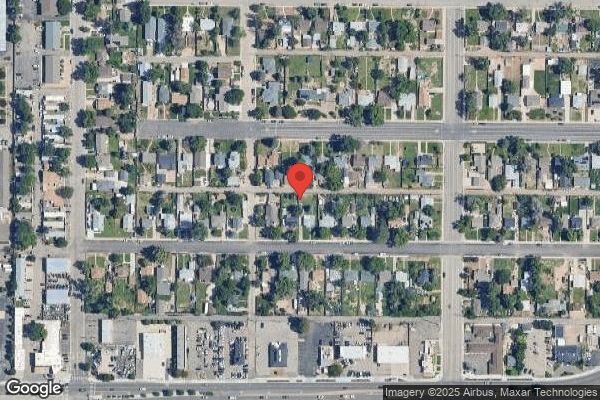
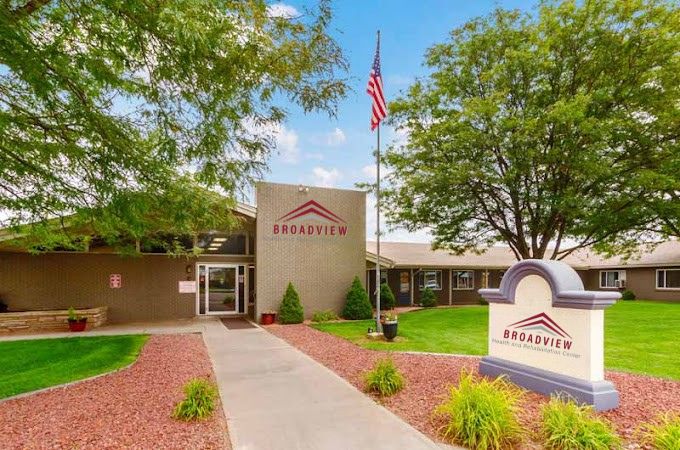
850 27TH AVE, GREELEY, CO 80634 (970) 353-1018
For profit - Corporation 100 Beds THE ENSIGN GROUP Data: November 2025
Trust Grade
75/100
#9 of 208 in CO
Last Inspection: February 2024

Within standard 12-15 month inspection cycle. Federal law requires annual inspections.

Overview

Broadview Health and Rehabilitation Center has a Trust Grade of B, indicating it is a good choice among nursing homes, though not the highest rated. It ranks #9 out of 208 facilities in Colorado, placing it in the top half, and is the best option in Weld County. The facility is improving, with issues decreasing from 6 in 2024 to just 1 in 2025. Staffing is a concern, as it has a 2/5 star rating and a turnover rate of 56%, which is around the average for Colorado, suggesting that while some staff remain, there is room for improvement. Notably, there were serious incidents, such as a resident with diabetes who did not have their blood sugar monitored consistently, leading to hospitalizations, and concerns over medication storage and food safety that could potentially harm residents. Overall, while there are strengths in its ranking and recent improvements, families should be aware of the staffing challenges and specific health management issues.

Trust Score
B
75/100
In Colorado
#9/208
Top 4%
Safety Record
Moderate
Needs review
Inspections
Getting Better
6 → 1 violations
Staff Stability
⚠ Watch
56% turnover. Above average. Higher turnover means staff may not know residents' routines.
Penalties
✓ Good
No fines on record. Clean compliance history, better than most Colorado facilities.
Skilled Nurses
○ Average
Each resident gets 32 minutes of Registered Nurse (RN) attention daily — about average for Colorado. RNs are the most trained staff who monitor for health changes.
Violations
⚠ Watch
16 deficiencies on record. Higher than average. Multiple issues found across inspections.
★★★★★
5.0
Overall Rating
★★☆☆☆
2.0
Staff Levels
★★★★★
5.0
Care Quality
★★★★☆
4.0
Inspection Score
Stable
2024: 6 issues
2025: 1 issues

The Good

  • 5-Star Quality Measures · Strong clinical quality outcomes
  • Full Sprinkler Coverage · Fire safety systems throughout facility
  • No fines on record

Facility shows strength in quality measures, fire safety.

The Bad

Staff Turnover: 56%

10pts above Colorado avg (46%)

Frequent staff changes - ask about care continuity

Chain: THE ENSIGN GROUP

Part of a multi-facility chain

Ask about local staffing decisions and management

Staff turnover is elevated (56%)

8 points above Colorado average of 48%

The Ugly 16 deficiencies on record

1 actual harm
Feb 2025 1 deficiency
CONCERN (D) 📢 Someone Reported This

A family member, employee, or ombudsman was alarmed enough to file a formal complaint

Potential for Harm - no one hurt, but risky conditions existed

Deficiency F0561 (Tag F0561)

Could have caused harm · This affected 1 resident

**NOTE- TERMS IN BRACKETS HAVE BEEN EDITED TO PROTECT CONFIDENTIALITY** Based on record review and interviews, the facility failed to honor resident choices for one (#2) of three residents reviewed fo...

Read full inspector narrative →
**NOTE- TERMS IN BRACKETS HAVE BEEN EDITED TO PROTECT CONFIDENTIALITY** Based on record review and interviews, the facility failed to honor resident choices for one (#2) of three residents reviewed for self-determination out of five sample residents. Specifically, the facility failed to provide bathing for Resident #2 per her preference. Findings include: I. Facility policy and procedure The Promoting/Maintaining Resident Self-Determination policy, undated, was provided by the nursing home administrator (NHA) on 2/24/25 at 4:16 p.m. It read in pertinent part, It is the practice of this facility to protect and promote resident rights by facilitating resident self-determination through support of resident choice. The facility will ensure that each resident has the opportunity to exercise his/her autonomy regarding those things that are important in his/her life such as interests and preferences. All staff members involved in providing care to residents will promote and facilitate resident self-determination. It is the residents' right to determine what, if anything, they would prefer to do or not to do each day in accordance with physician orders and resident's abilities. Each resident has the right to choose their schedules (including sleeping, eating, bathing and waking times), consistent with their interests, assessments, and plans of care. Each resident has the right to make choices about aspects of his or her life in the facility that are significant to the resident. The Resident Showers policy, undated, was provided by the NHA on 2/24/25 at 3:14 p.m. It read in pertinent part, It is the practice of this facility to assist residents with bathing to maintain proper hygiene, stimulate circulation and help prevent skin issues as per current standards of practice. Residents will be provided showers as per request or as per facility schedule protocols and based upon resident safety. Partial baths may be given between regular shower schedules as per facility policy. The CNA (certified nurse aide) will assess the skin for any changes while performing bathing and inform the nurse of any changes. II. Resident #2 A. Resident status Resident #2, age less than 65, was admitted on [DATE] and readmitted on [DATE]. According to the February 2025 computerized physician orders (CPO), diagnoses included enterocolitis due to clostridium difficile-recurrent (inflammation of the intestines and infection of the colon), heart failure, chronic obstructive pulmonary disease (progressive lung disease) and type 2 diabetes mellitus. The 2/10/25 minimum data set (MDS) assessment revealed the resident was cognitively intact with a brief interview for mental status (BIMS) score of 15 out of 15. She required supervision or touching assistance with showers, sit to stand and chair to chair transfers. The MDS assessment indicated the resident did not have behaviors or rejection of care during the review period. B. Resident interview Resident #2 was interviewed on 2/24/25 at 1:25 p.m. Resident #2 said she had been missing a lot of her showers/bathing. Resident #2 said the hospice staff never forgot to give her showers and gave her one every Wednesday. Resident #2 said however the CNAs at the facility had not given her regular showers and it made her feel like the staff did not care about her. Resident #2 said it made her mad that the facility staff tried to offer her a shower one time at midnight and that woke her up. Resident #2 said a shower at 9:00 p.m. would be nice and help her to relax before bedtime. Resident #2 said the facility had not provided her a shower the whole month of February 2025. Resident #2 said she felt better and cleaner when she got a shower. Resident #2 said she felt dirty when she did not get regular showers. She said she wanted regular and consistent showers. Resident #2 said she was not used to not having regular showers. She said when she lived at home she could have a shower every day if she wanted and was tired of being treated like this. Resident #2 said having a shower twice a week would be the minimum for her. C. Record review A review of Resident #2's activity of daily living (ADL) care plan, initiated 9/2/24, did not address the resident's specific shower/bathing preferences or needs. The hospice care plan, initiated 10/25/24, did not reveal the plan for shower/bathing assistance. Resident #2's bathing shower task records were reviewed from 1/1/25 to 2/24/25. The records revealed the resident preferred to receive a shower twice per week on Wednesday and Saturday in the morning. The bathing task records further revealed the following: According to review of Resident #2's bathing task records from 1/1/25 to 1/31/25, the resident received a shower on 1/8/25, 1/11/25, 1/15/25 and 1/29/25. The resident received a sponge bath on 1/22/25. The hospice records revealed Resident #2 received a tub bath on 1/8/25, 1/15/25, 1/22/25 and 1/29/25. -The resident received a total of five showers/baths out of nine opportunities. According to review of Resident #2's bathing task records from 2/1/25 to 2/24/25, the resident received no showers from the facility. The resident received one full body bath on 2/12/25. The hospice records revealed Resident #2 received a tub bath 2/5/25, 2/12/25 and 2/19/25. -The resident received a total of three baths out of seven opportunities. III. Staff interviews The director of nursing (DON) was interviewed on 2/24/25 at 11:10 a.m. The DON said she had worked at the facility for three years. The DON said the staff development coordinator had held a recent CNA training, on 2/11/25, regarding completing shower documentation in the EMR. The DON said the CNAs were trained to document completed showers under the shower task in the electronic medical record (EMR). The DON said the CNAs should document the type of shower and it should always be documented in the EMR. The DON said the facilities had a bath sheet at the nurse's station that indicated the showers schedule. The DON said the units were divided into two nurse managers and they should be auditing if the showers were completed. The DON said she also got an EMR dashboard alert if showers were not taken. The NHA and the clinical resource (CR) were interviewed on 2/24/25 at 2:07 p.m. The NHA reviewed the shower documentation and said it looked like there could have been a documentation issue by the CNAs because she thought the residents were getting their showers by looking at the bath sheets. The NHA said the bath sheets were not part of the resident's EMRs and the facility did not utilize paper charts. The NHA said she would look for documentation of the recent CNA education on documenting showers. The NHA acknowledged that the education did not appear to have been effective. The NHA said there was a documentation issue that needed to be addressed. The NHA said that the purpose of the shower sheets was to communicate the shower schedule. The NHA said the shower sheets were also used as a skin care check list and a communication tool between the CNAs and the nurses. The NHA said the CNAs should be documenting the showers in the EMR. -The CNA shower education documentation was not provided. The DON was interviewed again on 2/24/25 at 2:24 p.m. The DON said she would recommend a shower one or two times per week for cleanliness and to prevent skin breakdown. The DON said showers were also a good time for a skin assessment and if the CNA saw a skin issue they would notify the nurse. The DON said the shower bath sheets at the nurse's station had a body sketch so that the CNA could circle the location of any skin issues observed during the bathing. The DON said she could not remember what the instructions were to the CNAs during the education that was recently provided, except that it was related to documentation of showers. The DON said she was at the CNA education class but she was not the instructor. She said the instructors were the staff development coordinator and the infection preventionist. The DON said the lack of showers appeared to be a documentation issue. The DON said the shower preferences and needs should be on the care plan in order to share information on the residents' care. The DON said they updated Resident #2's care plan today (2/24/25). The NHA said she would complete a thorough shower audit and complete education on documentation on showers and education of the staff and review daily to see that charting/documentation was matching up. Licensed practical nurse (LPN) #1 was interviewed on 2/24/25 at 4:30 p.m. LPN #1 said showers should be given to the residents at least twice a week. LPN #1 said some of the refused showers but were asked three times and then the CNAs would write if they refused on the bath sheet and also document in the EMR. LPN #1 said the nurses could also chart in the progress notes if the resident refused and what they did to encourage them, the reason and look for a pattern. LPN #1 said regular showers were important to maintain good skin health, proper hygiene and infection control. CNA #1 was interviewed on 2/24/25 at 4:35 p.m. CNA #1 said had worked at the facility for one year. CNA #1 said residents got a shower about two times per week. CNA #1 said showers were important to prevent rashes and skin breakdown. CNA #1 said she wrote the showers down on the bath sheet and charted them in the EMR. CNA #1 said the bath sheet communicated with the nurse at the station in case they needed to do a skin assessment. CNA #1 said in the EMR she documented the type of shower the resident received, their transfer ability, and how much assistance the resident supplied.
Dec 2024 2 deficiencies
CONCERN (D) 📢 Someone Reported This

A family member, employee, or ombudsman was alarmed enough to file a formal complaint

Potential for Harm - no one hurt, but risky conditions existed

Quality of Care (Tag F0684)

Could have caused harm · This affected 1 resident

**NOTE- TERMS IN BRACKETS HAVE BEEN EDITED TO PROTECT CONFIDENTIALITY** Based on record review and interviews, the facility failed to provide treatment and care in accordance with professional standar...

Read full inspector narrative →
**NOTE- TERMS IN BRACKETS HAVE BEEN EDITED TO PROTECT CONFIDENTIALITY** Based on record review and interviews, the facility failed to provide treatment and care in accordance with professional standards of practice and the comprehensive person-centered care plan for one (#1) of three residents reviewed for quality of care out of eight sample residents. Specifically the facility failed to: -Assess and monitor Resident#1 after she developed eye drainage; and, -Ensure the facility's physician was aware Resident #1 had been diagnosed with clogged eye ducts and prescribed antibiotics for the condition by an outside provider. Findings include: I. Facility policy and procedure The Notification of Changes policy and procedure, dated 9/1/24, was provided by the nursing home administrator (NHA) on 12/18/24 at 4:30 p.m. It read in pertinent part, The purpose of this policy is to ensure the facility promptly informs the resident, consults the resident's physician and notifies, consistent with his or her authority, the resident's representative when there is a change requiring notification. -The policy did not include any pertinent information regarding documentation and assessment that must be completed upon a change of resident's condition. II. Resident #1 A. Resident status Resident #1, age greater than 65, was admitted on [DATE]. According to the December 2024 computerized physician orders (CPO), diagnoses included osteoarthritis, rheumatoid arthritis and diabetes. The 7/28/24 minimum data set (MDS) assessment revealed the resident was cognitively impaired with a brief interview for mental status (BIMS) score of four out of 15. The resident required maximum assistance with activities of daily living (ADL). B. Record review The June 2024 medication administration record (MAR) revealed Resident #1 had the following physician's orders related to her eyes: Latanoprost Ophthalmic Emulsion 0.005% (percent). Instill one drop in both eyes at bedtime related to glaucoma, ordered 2/29/24. Tobrex Ophthalmic Solution (an antibiotic medication) 0.3%. Instill one drop in right eye three times a day for clogged duct for seven days, ordered 6/26/24. Warm compress to right eye four times a day for clogged duct, ordered 6/26/24 and discontinued 7/15/24. The progress note, dated 6/27/24 and written by the director of nursing (DON), documented that Resident #1 was taken out of the facility by her daughter the day before (6/26/24). Upon return to the facility, the daughter informed a nurse that the resident was prescribed an antibiotic for an eye infection by a physician from the walk-in clinic. She expressed concern that her mother had matted right eye drainage and the facility did not take any actions to address it. Another progress note dated 6/27/24 documented that the walk-in clinic's physician's order for antibiotic eyedrops was entered into Resident #1's electronic medical record (EMR) and the eye drops were administered to the resident. The progress note dated 6/29/24 documented that Resident #1 continued to receive eye drops to the right eye. The resident's eye was looking better and had less drainage noticed on the day shift. -Review of Resident #1's EMR revealed there was no documentation to indicate that the resident's right eye was assessed by nursing staff for drainage before 6/27/24. -Review of Resident #1's EMR revealed there was no documentation on 6/27/24 to indicate that the resident's right eye was assessed by nursing staff or the facility's physician after the resident's return from the walk-in clinic. -Further review of Resident #1's EMR revealed there was no documentation to indicate that the resident's primary physician was notified about the resident's right eye condition or that the resident had been prescribed an antibiotic eyedrop medication by an outside provider which was administered to the resident. III. Staff interviews Registered nurse (RN) #1 was interviewed on 12/18/24 at 1:30 p.m. RN #1 said she knew Resident #1 well and she remembered that the resident had an eye infection some time in the summer of 2024. She said she did not recall the details of the infection, but she did remember administering eye drops to the resident. She said drainage from the eye should be documented in the progress notes and the resident should have been assessed for a change of condition which included an assessment of the eye. RN #1 said family and the primary care physician should be notified when a resident had a change of condition. She said all medications that family brought into the facility should be reported to the physician and orders obtained before administering the medication to the resident. RN #2 was interviewed on 12/18/24 at 2:05 p.m. RN #2 said drainage from a resident's eye was considered to be a change of condition. He said the resident should be assessed and findings documented on the change of condition form. He said daily notes should document the condition of the eye. The DON was interviewed on 12/18/24 at 3:40 p.m. The DON said any changes in a resident's condition should be documented in a change of condition form. She said when Resident #1 started to experience drainage from her eye, she should have been assessed by a nurse who should have then documented in the progress notes the condition of her eye. She said she believed Resident #1's physician was contacted to inform him of the new orders from the walk-in clinic, however, she was not able to locate the note to confirm the physician was notified. The DON said she was not able to locate any additional nursing progress notes which indicated Resident #1's right eye drainage was assessed by the facility prior to 6/27/24 when the resident went to the walk-in clinic. She said if the resident started to experience drainage in the eye it should have been documented prior to 6/27/24.
CONCERN (D) 📢 Someone Reported This

A family member, employee, or ombudsman was alarmed enough to file a formal complaint

Potential for Harm - no one hurt, but risky conditions existed

Accident Prevention (Tag F0689)

Could have caused harm · This affected 1 resident

**NOTE- TERMS IN BRACKETS HAVE BEEN EDITED TO PROTECT CONFIDENTIALITY** Based on observations, record review and interviews, the facility failed to ensure an environment free from risk of accidents an...

Read full inspector narrative →
**NOTE- TERMS IN BRACKETS HAVE BEEN EDITED TO PROTECT CONFIDENTIALITY** Based on observations, record review and interviews, the facility failed to ensure an environment free from risk of accidents and hazardous situations for two (#7 and #3) of five residents reviewed for accident hazards out of eight sample residents. Specifically, the facility failed to repair the handicap-accessible door to the smoking patio in a timely manner and ensure the door functioned properly and was safe to use while it was broken for Resident #7 and Resident #3. Findings include: I. Facility policy and procedure The Fall Management System policy, revised November 2024, was received from the nursing home administrator (NHA) on 12/18/24 at 4:07 p.m. It read in pertinent part, It is the policy of this facility to provide an environment that remains as free of accident hazards as possible. It is also the policy of this facility to provide each resident with appropriate assessment and interventions to prevent falls and to minimize complications if a fall occurs. The quality assessment and assurance (QAA) committee will analyze trends related to falls and will determine if further intervention is needed. II. Resident group interview and observations A group interview was conducted on the facility's smoking patio on 12/18/24 at 10:24 a.m. with four residents (#3, #4, #5 and #6) who were identified as interviewable by the facility and assessment. Resident #3 said the handicap button on the door to the smoking area was broken for months and the door would not open automatically during that time. Resident #3 said the door started working again a few weeks ago. Resident #3 said she repeatedly complained about the door to the staff at the facility, but the staff's response was only that they were still waiting for a part to fix it. Resident #3 said her knuckles were repeatedly scratched from trying to get through the smoking area door in her wheelchair and her knuckles were only just starting to heal. Resident #3 had multiple scabs along her knuckles that were in different stages of healing. Resident #3 and Resident #5 said Resident #7 fell out of his wheelchair because the door to the smoking patio was not opening automatically and had to be physically opened. Resident #3 and Resident #5 said that Resident #7 was not injured from the fall. Resident #4 and Resident #5 said they both had a difficult time getting in and out of the smoking area door in their wheelchairs when it was broken. Resident #6 said he had a difficult time getting into and out of the smoking area when the door was broken a few weeks prior. At 10:40 a.m. Resident #4 tried to leave the smoking area and re-enter the building. The handicap door repeatedly tried to close on the resident's wheelchair while Resident #4 was trying to navigate his wheelchair over the threshold of the door, despite the handicap button being pressed. Resident #3 said she needed to help Resident #4. Resident #3 proceeded to hold the door for Resident #4 as he grabbed both sides of the door frame so he could leverage his wheelchair up and over the door's threshold. III. Resident #7 A. Resident status Resident #7, age [AGE], was admitted on [DATE]. According to the December 2024 computerized physician orders (CPO), diagnoses included arthritis, repeated falls, generalized muscle weakness and alcoholic polyneuropathy (a neurological disorder that occurs when peripheral nerves throughout the body malfunction simultaneously). The 9/17/24 minimum data assessment (MDS) assessment revealed the resident was cognitively intact with a brief interview for mental status (BIMS) score of 14 out of 15. The resident was dependent for most activities of daily living (ADL). B. Resident interview Resident #7 was interviewed on 12/18/24 at 2:05 p.m. Resident #7 said the door to the smoking area was broken for two weeks a while back. Resident #7 said he fell out of his wheelchair during the time the door was broken because he was trying to get in from the smoking area and could not get over the ledge of the threshold while trying to hold the door open himself. Resident #7 said he was not hurt during the fall. C. Record review A progress note, dated 10/23/24 at 10:20 p.m., revealed Resident #7 had a witnessed fall when coming in from the smoking patio. Resident #7 tried to open the door but found it too heavy. Resident #7 was helped back into his wheelchair by the nursing staff using a Hoyer lift. A progress note, dated 10/24/24 at 10:36 a.m., revealed the facility's interdisciplinary team (IDT) performed a fall review of Resident #7's 12/23/24 fall. The IDT team implemented an intervention to place a sign on the smoking patio door and educated Resident #7 on asking for assistance when going in and out of the smoking patio door. -However, the IDT note did not indicate that the handicap button on the smoking patio door was broken or identify when the door would be fixed. The fall committee IDT note, dated 10/24/24 at 10:39 a.m. revealed Resident #7 had a witnessed fall on 10/23/24 at 6:45 p.m. in the entryway of the smoking patio. Predisposing factors included that Resident #7 had been outside smoking and the handicap button to the door was not working properly. Resident #7 was attempting to come in from the smoking patio and was not able to manage the door by himself. The door hit the back of Resident #7's wheelchair and he slid out from his chair. Interventions included placing a sign on the smoking patio door asking residents to ask for assistance when going out or coming in from the smoking area until the door was repaired. -The note did not identify what the facility was doing to fix the door or identify where the facility was in the process of getting the door fixed. A progress note, dated 12/16/24 at 5:07 p.m., revealed Resident #7 had an unwitnessed fall. The nurse writing the note found Resident #7 lying on his back on the threshold to the smoking patio and did not see any signs of injury. The fall committee IDT note, dated 12/17/24 at 9:11 a.m., revealed Resident #7 had an unwitnessed fall on 12/16/24 at 4:42 p.m. coming back in from the smoking patio. Predisposing factors for Resident #7 included weakness and having a hard time getting back in from the smoking patio over the threshold. Resident #7 was coming into the facility from the smoking patio and having difficulty getting over the threshold of the door and fell out of his wheelchair. Interventions included having Resident #7 continue to work with therapy. -The note did not identify that the facility had assessed the threshold of the smoking patio door to identify if there were potential hazards with the threshold which could contribute to other potential falls for residents. IV. Resident #3 A. Resident status Resident #3, age [AGE], was admitted on [DATE]. According to the December 2024 CPO, diagnoses included congestive heart failure, chronic respiratory failure, history of falling and generalized muscle weakness. The 10/8/24 MDS assessment revealed the resident was cognitively intact with a BIMS score of 14 out of 15. B. Record review Wound assessment notes, dated 10/31/24, revealed Resident #3 had blisters to her left great toe, left medial ankle, left lateral ankle and left great toe, and abrasions to her left anterior knee, left anterior shin, and left proximal anterior shin. The abrasion to the left proximal anterior shin was acquired on 10/23/24 and the others were at least one month old at the time of assessment. The wound assessment notes revealed Resident #3 reported to the physician that she was having to use her left knee and left foot to open the door to the smoking patio because the door did not automatically open. The physician discussed with Resident #3 that she should have a staff member help her open the door to prevent further injury to her left knee and left toes. -The wound assessment notes did not reveal any abrasions identified on Resident #3's hands. Review of weekly skin assessments from 9/20/24 through 12/18/24 did not reveal any abrasions on Resident #3's hands. -However, Resident #3 had multiple scabs on her knuckles (see observation above). V. Staff interviews Hospitality aide (HA) #1 was interviewed on 12/18/24 at 2:18 p.m. HA #1 said she knew there was an issue with the smoking patio door a few weeks ago but that it was fixed now. HA #1 said the handicap button for the door was not working and the door was not closing all the way. Certified nurse aide (CNA) #1 was interviewed on 12/18/24 at 2:21 p.m. CNA #1 said she knew the smoking patio door was broken but it got fixed quickly. CNA #1 said she had not heard about any issues with the handicap button. -However, the handicap button on the smoking patio door was broken from 9/22/24 until 11/20/24 (see additional record review below). Licensed practical nurse (LPN) #1 was interviewed on 12/18/24 at 3:07 p.m. LPN #1 said Resident #7 fell on [DATE] at around 5:00 p.m. LPN #1 said Resident #7 fell at the threshold of the door to the smoking area. LPN #1 said Resident #7 was able to use his wheelchair to get to the door but could not push the door open. LPN #1 said the door to the smoking area was too heavy for wheelchair users to push open, but they could push the handicap button to open the door. LPN #1 said she had not heard of any issues with the handicap door mechanism. The maintenance supervisor (MS) was interviewed on 12/18/24 at 3:20 p.m. The MS said there was something wrong with the internal mechanisms of the motor for the smoking patio door so that the motor was not communicating with the handicap buttons inside and outside the door. He said the issue began in September 2024. The MS said the parts for the motor were on backorder so the vendor had to replace the whole motor. The MS said the issue with the smoking patio door was noticed on 9/24/24 and the door was repaired by the vendor on 11/20/24. The MS said the facility advised the residents to open the door to the smoking patio with caution while the handicap door motor was broken, as the door had some kickback to it. The director of nursing (DON) and the NHA were interviewed together on 12/18/24 at 3:42 p.m. The NHA said the handicap button on the smoking patio door stopped working but could not recall the date. The NHA said the vendor came out to repair it but did not have the proper parts. The NHA said the delay in getting the door repaired stemmed from having to get quotes to replace the whole handicap button. The NHA said, in the meantime, the staff in that section of the facility were there to help the residents open the door to the smoking area. The NHA said Resident #7 did have a fall during the time when the door was broken and another fall recently when the door was working. The NHA said the IDT team was looking to have a care conference with Resident #7 and his representative to see if the facility staff could hold the resident's cigarettes so he could remain an independent smoker but have a staff member aware of when he was going onto the patio. The NHA said she did not find Resident #7's second fall to be related to the door as the door was working at the time. The NHA and the DON said they had observed residents going in and out of the smoking patio but had not identified any issues with residents getting into and out of the smoking patio. The DON said residents in wheelchairs were able to hit the handicap button to open the door to the smoking patio. The DON said residents that were independent could push open the door, and those that were not physically able to open the door had staff to help them open the door to the smoking patio during the time the door was broken. The DON said Resident #7 did not have the physical ability to open the door to the smoking patio but the facility staff helped him open it. -However, Resident #7 sustained a fall on 10/23/24 related to the smoking patio door not working and documentation did not indicate staff had attempted to help the resident get through the door prior to the fall (see record review above). -Additionally, the facility failed to identify that Resident #7 did not have the physical ability to open the smoking patio door until after the resident's fall on 10/23/24. VI. Additional record review Additional documentation related to the handicap door for the smoking patio was provided by the NHA on 12/18/24 at 5:57 p.m. A handicap door repair timeline, signed by the NHA on 12/18/24, revealed the following: -On 9/22/24 the concern with the handicap door function was first reported; -On 9/23/24 the vendor was contacted; -On 9/24/24 the vendor came out to the facility to assess the door but the parts were no longer available for the unit that was installed and the unit needed to be replaced. An estimate was provided and work was scheduled to be completed; -On 10/9/24 the vendor canceled the replacement due to part and labor availability issues; -On 11/13/24 the vendor canceled the replacement due to labor availability issues; -On 11/18/24 the NHA called the vendor to confirm a repair date; and, -On 11/20/24 the vendor arrived and replaced the handicap button. -There was no documentation to indicate if the facility attempted to identify another vendor who could fix the door in a more timely manner when the initial vendor canceled the replacement of the door on two separate occasions. Additionally, a grievance form from Resident #7's representative, dated 11/13/24, revealed Resident #7's representative expressed frustration about the handicap accessibility button being broken for the smoking patio door. The response was that the NHA explained to the representative that the vendor would be out that week to perform the required maintenance to repair the door. -However, the smoking patio door was broken for almost two months before it was fixed.
Feb 2024 4 deficiencies
CONCERN (D) 📢 Someone Reported This

A family member, employee, or ombudsman was alarmed enough to file a formal complaint

Potential for Harm - no one hurt, but risky conditions existed

Free from Abuse/Neglect (Tag F0600)

Could have caused harm · This affected 1 resident

**NOTE- TERMS IN BRACKETS HAVE BEEN EDITED TO PROTECT CONFIDENTIALITY** Based on record review and interviews, the facility failed to ensure one (#51) of one resident reviewed for abuse out of 22 samp...

Read full inspector narrative →
**NOTE- TERMS IN BRACKETS HAVE BEEN EDITED TO PROTECT CONFIDENTIALITY** Based on record review and interviews, the facility failed to ensure one (#51) of one resident reviewed for abuse out of 22 sample residents was kept free from abuse. Specifically, the facility failed to keep Resident #51 free from sexual abuse by Resident #6. Findings include: Record review and interviews confirmed the facility corrected the deficient practice prior to the onsite investigation on 2/12/24-2/15/24, resulting in the deficiency being cited as past noncompliance with a correction date 11/3/23. I. Facility policy and procedure The Abuse Policy, dated 5/3/23, was received by the nursing home administrator (NHA) on 2/13/24 at 11:09 a.m. It read in pertinent parts: Purpose: Communities does not condone resident abuse and shall take every precaution possible to prevent resident abuse by anyone, including staff members, other residents, volunteers, and staff of other agencies serving the resident, family members, legal guardians, resident representative, sponsors, friends, or any other individuals. Intent: Residents have the right to be free from abuse, neglect, misappropriation of resident property and exploitation. This includes but is not limited to freedom from corporal punishment, involuntary seclusion, verbal, mental, sexual or physical abuse, and physical or chemical restraints not required to treat the resident's symptoms. Standards: Providing a safe environment for the resident is one of the most basic and essential duties of our facility. Residents must not be subjected to abuse by anyone, including but not limited to facility staff, other residents, consultants, volunteers, staff of other agencies serving the residents, family members or legal guardians, friends, or other individuals. Identification of abuse shall be the responsibility of every employee. Definitions: Resident abuse is defined as the willful infliction of injury, unreasonable confinement, intimidation, or punishment of a resident resulting in physical harm or pain, mental anguish, deprivation of goods or services that are necessary to attain or maintain physical, mental, or psychosocial well-being. Also, verbal abuse, sexual abuse, physical abuse, and mental abuse, including abuse facilitated or enabled through use of technology. Sexual abuse- is non-consensual sexual contact of any type with a resident. Willful-means the individual must have acted deliberately, not that he/she must have intended to inflict injury or harm. Common Area-is expanded to recognize the inclusion of living rooms or other similar areas where residents gather. Person-centered care means to focus on the resident as the loss of control and support the resident in making their own choices; having control over their daily lives. II. Investigation report of sexual abuse involving Resident #51 and Resident #6 on 11/1/23 based on record review and interviews (see below). On 11/1/23 Resident #51 who had a diagnosis of dementia and used a wheelchair for mobility and Resident #6 who was cognitively intact and ambulated (walk) independently with use of walker were participating in a scheduled movie night activity at the facility, in the dining room across from the kitchen. Two staff members, a dietary aide (DA) and a cook (CK) were leaving the kitchen around 8:00 p.m. to clock out for the day and saw Resident #6 touching Resident #51 inappropriately. On 11/1/23 at 8:03 p.m. the activities assistant (AA) reported an incident of inappropriate touching to the NHA. The AA, who facilitated the movie activity, reported leaving the dining room to escort another resident to their room. Upon returning to the dining room, the AA was approached by the CK who provided information of witnessing inappropriate touching. The AA said he was gone from the dining room for maybe a minute. The AA reported returning to the dining room and seeing Resident #51 and Resident #6 face to face holding each other's hands. Resident #51 informed the AA she had known Resident #6 a long time. The AA reported not seeing any inappropriate touching between Residents #51 and #6, not seeing Resident #51's clothes disheveled and not seeing Resident #51 upset. Resident #51 was laughing while being escorted from the dining room by the AA. On 11/2/23, time not indicated, the DA was interviewed by the NHA and reported Resident #6 had lifted Resident #51's breast out of her shirt and was kissing her breast and touching her face. The DA told the CK to look at the interaction and instructed the CK to report to nursing that Resident #6 was touching the breast of Resident #51. The DA did not intervene. On 11/2/23, time not indicated, the CK was interviewed by the NHA and reported walking to the time clock with the DA and being told by the DA to look at Resident #51 and Resident #6. The CK reported seeing Resident #6 standing over Resident #51 and Resident #6 had his hand inside her jacket on top of her shirt in the chest area. The CK reported she had not seen Resident #51's breast exposed, being kissed or her face being touched by Resident #51. The CK said she was not sure what was going on but it seemed weird. She did not intervene. She said she told a certified nurse aide (CNA) and returned to the dining room and the AA had returned and was informed of what she had witnessed. The investigation report included two interviews with Resident #51 and one interview with Resident #6. Resident #6 was interviewed by the NHA on 11/2/23 at 8:30 a.m. Resident #6 was noted as having a brief interview for mental status (BIMS) score of zero out of 15. She was asked if she was touched inappropriately or if she was scared of anyone at the facility. Resident #6 was unable to answer, made funny faces at the NHA and laughed which was noted to be her baseline. On 11/2/23 at 9:15 a.m. Resident #51 was interviewed by the social services assistant (SSA) and said he remembered asking the AA for a banana and was instructed to ask the kitchen staff. Resident #51 said he did not remember having any interactions with other residents. On 11/3/23, time not indicated, Resident #51 was interviewed again by the SSA and said he remembered hugging a female resident who had always been very nice to him since he was admitted there. III. Facility actions On 11/1/23 at 8:03 p.m. the NHA was informed of a witnessed allegation of inappropriate touching by the AA. Staff was instructed to begin one-to-one supervision of Resident #51. One-to-one supervision was concluded on 11/22/23. On 11/2/23 at 8:00 a.m. the facility made notifications to families, the director of nursing (DON), police, adult protective services (APS), ombudsman, health department and continued with the investigation. On 11/2/23 the activities director (AD) and AA were educated on ensuring there was always a staff member present during group activities for supervision of the residents and asking other departments to assist as needed in transporting residents to and from activities to ensure the safety of all residents, an all staff education was conducted on 11/3/23. On 11/2/23 dietary staff were educated on types of abuse to include what to do if witnessing or knowing of an instance of allegation of abuse. Instruction specified ensuring the victim was safe by removing them from the situation. The AA, the DA and the CK previously received abuse and dementia training on 10/17/23. On 11/3/23 Resident #6's care plan was updated to include increasing supervision when in group activities. On 11/3/23 Resident #51's care plan was updated to include him being supervised while in groups with females and assisting Resident #51 back to his room first to prevent leaving him unattended, especially with other female residents and the initiation of a behavior contract (see below). The 11/3/23 behavioral contract revealed Resident #51 would not enter another resident's room without their knowledge and permission, would not attempt to kiss another resident, would not invade another resident's personal space, would not hug another resident without their consent, would not inappropriately grab at another resident, would not put his hands on other residents without their verbal consent, would follow the request from staff when they redirected him if he was displaying inappropriate behaviors and violating the contract may result in a 30 day involuntary discharge notice from the facility. Resident #51 was informed the contract was being written based on staff observations and he had the right to disagree with the observations and the contract was written to keep himself and other residents safe and he was able to direct questions about the contract to administration or social services. On 11/6/23 the facility concluded the investigation and sexual abuse was substantiated. IV. Resident #51 A. Resident status Resident #51, age [AGE], was admitted on [DATE]. According to the February 2024 computerized physician orders (CPO), diagnoses included dementia and aphasia (loss of ability to understand or express speech). The 12/16/23 minimum data set (MDS) assessment revealed the resident had severe cognitive impairment with a BIMS score of zero out of 15. She required substantial to maximum assistance with bathing, toileting and transferring B. Record review The 11/2/23 skin check revealed no skin issues were identified for Resident #51, nor was pain identified verbally or non-verbally, following the incident with Resident #6 on 11/1/23. The cognitive function care plan, initiated on 10/15/18 and revised on 10/17/22, revealed Resident #51 had impaired cognitive function and impaired thought processes related to a stroke. It indicated the resident would be able to communicate basic needs, in her own way, on a daily basis through the review date. Pertinent interventions included asking yes/no questions in order to determine the residents needs, providing cuing reorienting and supervising as needed. The communication care plan, initiated on 10/15/18 and updated 1/30/24, revealed Resident #51 had a communication problem related to having a stroke and she would call out Bob as a way of communication when wanting something. It indicated the resident would be able to make her needs known by answering simple yes/no questions on a daily basis. Pertinent interventions included allowing adequate time to respond, repeating as necessary, not rushing communication, requesting clarification from the resident to ensure understanding, facing the resident when speaking, making eye contact, asking yes/no questions if appropriate and using simple, brief, consistent words/cues. The activities care plan, initiated 10/10/22 and updated 11/3/23, revealed Resident #51 received biweekly one to one visits, she was dependent on staff for meeting emotional, intellectual, physical, and social needs related to cognitive deficits. She preferred spending time in her room watching television, listening to music, snacking or napping; she participated in activities involving food, drink, and movie nights as tolerated. It indicated the resident would express satisfaction with the type of activities and her level of activity involvement when asked through the review date. Pertinent interventions included escorting and assisting the resident to and from activities and increasing supervision of the resident while in groups. V. Resident #6 A. Resident status Resident #6, age [AGE], was admitted on [DATE]. According to the February 2024 CPO, diagnoses included chronic obstructive pulmonary disease (COPD, a group of diseases that cause airflow blockage and breathing-related problems), low back pain and diabetes. The 1/16/24 MDS assessment revealed the resident was cognitively intact with a BIMS score of 15 out of 15. He required setup or clean up assistance with bathing, toileting and transferring. B. Resident interview Resident #6 was interviewed on 2/12/24 at 1:42 p.m. He said he had lived at the facility for many years, attended activities and was the resident council president at one time. He said he stayed in his room now and kept himself busy with activities and people could visit with him if they wanted. He said he did not attend activities anymore because he was accused of touching someone. He said he missed family who were close and hugged a lot but he could not show affection at the facility like he did at home. C. Record review The behaviors care plan, initiated 1/27/2020 and updated 11/7/23, revealed Resident #6 exhibited inappropriate social behaviors, wandering into other resident rooms at odd hours and often saying exactly what he was thinking regardless of social context clues. The resident liked to hug others with or without their consent, and, at times, made sexually inappropriate gestures towards females. A behavior contract was initiated with the resident on 11/3/23 for inappropriate behavior. It indicated the resident's inappropriate behavioral symptoms would be minimized through staff interventions by the next review date. Interventions included being alert for triggers of undesirable behavior, involving the resident's family as needed, modifying the resident's environment to minimize episodes, redirecting the resident as needed, reminding the resident and intervening as appropriate not to enter another resident's room without permission, invading personal space, hugging or touching another resident without permission, supervising the resident while in groups with females and assisting the resident back to his room first when in supervised groups. The 11/3/23 progress note indicated a conversation was had with Resident #51 regarding an observation made during an evening group activity that he may have displayed inappropriate behaviors towards a female resident. It revealed Resident #51 had a history of inappropriate behaviors towards others. A behavior contract was initiated and reviewed with Resident #51 by the social services director (SSD) to ensure the safety of Resident #51 and other residents at the facility moving forward. Resident #51 verbalized understanding of the contract and stated he was just going to keep to himself informing the SSD he came from South Texas and would hug everyone all the time as he knew them but understood how this could be perceived as inappropriate in a facility setting. VI. Staff interviews The DA was interviewed on 2/14/24 at 11:15 a.m. The DA said she was walking past the dining room where residents were watching a movie to clock out around 8:00 p.m. on 11/1/23 with the CK. She said she saw Resident #51 standing over Resident #6 with one hand on her face near her mouth and his other hand was down her shirt touching her breast like he was trying to lift it out of her shirt. She said she saw this in passing and she did not approach or intervene but told the CK to tell a nurse what was happening. The AD was interviewed on 2/14/24 at 11:47 a.m. The AD said she had worked at the facility for a year and a half and the 11/1/23 incident was the first allegation of inappropriate touching Resident #51 had been involved in that she knew of. The AA was interviewed on 2/14/24 at 11:57 a.m. The AA said he was present in the dining room for the duration of the movie on 11/1/23. He said Resident #51 and Resident #6 had not been sitting near one another or had any interaction during the movie. He said he escorted a resident to her room when the movie ended and was stopped in the hallway by CK when he was returning to the dining room to assist other residents. He said he was gone from the dining room for one minute, two minutes at the most. He said the CK informed him Resident #51 was seen touching Resident #6 inappropriately. The AA said he arrived in the dining room and saw Resident #51 and Resident #6 face to face holding hands as if shaking each other's hands. He said he approached the two residents and assisted Resident #51 to the nursing station and reported the allegation made by the CK to the NHA. The CK was interviewed on 2/14/24 at 3:00 p.m. She said she was exiting the kitchen to clock out with the DA. She said she saw Resident #51 standing in front of Resident #6 and his hands were inside her jacket and on top of her shirt near her chest. She said she did not see Resident #51 touching the breasts of Resident #6. She said she did not intervene but thought the closeness of the residents' proximity and the advancement of Resident #6's dementia could be problematic and went to inform nursing to keep an eye on them. The CK said she ran into the AA as he was returning to the dining room and informed him of what she saw and also informed Resident #6's nurse. The SSD was interviewed on 2/14/24 at 1:00 p.m. She said Resident #51 was care planned for inappropriate behaviors by a previous social services director. She said the behaviors included making sexually inappropriate comments, hugging people without asking first and poor personal boundaries. She said she had not witnessed these behaviors. The SSD and NHA were interviewed together on 2/14/24 at 1:30 p.m. The NHA said she was made aware of allegations of inappropriate touching on 11/1/23 at 8:03 p.m. by the AA and initiated an investigation. The NHA said Resident #51 was placed on immediate one-to-one supervision and Resident #6 was assessed for injury and monitored for any mood or behavioral changes through weekly skin checks and daily staff interactions. The NHA said Resident #51 remained on one-to-one supervision until 11/22/23 to establish a daily pattern and determine the need for continued supervision and monitoring. She said Resident #51 had not established a pattern of inappropriate behavior and engaged in activities in his room. The NHA said she attempted to contact Resident #6's responsible party without success and the daughter of Resident #51 had been contacted by herself and the resident. The NHA said the police and APS were notified. She said staff received abuse training to include types of abuse and what to do if abuse was witnessed and how to appropriately report events on 11/2/23. The NHA said, based on staff interviews, the facility substantiated the sexual abuse. The SSD said the care plans for both Resident #51 and Resident #6 had been updated to reflect the need for additional supervision while in groups and Resident #51 had entered into a behavioral contract (see above). The APS worker assigned to the sexual abuse case was interviewed on 2/15/24 at 4:00 p.m. She said the case was closed on her end as she felt the facility was able to continue providing the care needs for Resident #51 and the facility had put measures in place to prevent further occurrences.
CONCERN (D)

Potential for Harm - no one hurt, but risky conditions existed

Deficiency F0658 (Tag F0658)

Could have caused harm · This affected 1 resident

**NOTE- TERMS IN BRACKETS HAVE BEEN EDITED TO PROTECT CONFIDENTIALITY** Based on record review and interviews, the facility failed manage the pain of three (#15, #36 and #12) of five residents out of ...

Read full inspector narrative →
**NOTE- TERMS IN BRACKETS HAVE BEEN EDITED TO PROTECT CONFIDENTIALITY** Based on record review and interviews, the facility failed manage the pain of three (#15, #36 and #12) of five residents out of 22 sample residents in a manner consistent with professional standards of practice Specifically, the facility failed to ensure residents consistently received scheduled pain medications on time. Findings include: I. Professional reference According to the National Institutes of Health (NIH), National Library of Medicine, Nursing Rights of Medication Administration (September 2023), retrieved on 2/21/24 from https://www.ncbi.nlm.nih.gov/books/NBK560654/, It is standard during nursing education to receive instruction on a guide to clinical medication administration and upholding patient safety known as the 'five rights' or 'five R's' of medication administration. Right time- administering medications at a time that was intended by the prescriber. Often, certain drugs have specific intervals or window periods during which another dose should be given to maintain a therapeutic effect or level. A guiding principle of this 'right' is that medications should be prescribed as closely to the time as possible, and nurses should not deviate from this time by more than half an hour to avoid consequences such as altering bioavailability or other chemical mechanisms. II. Facility policy and procedure The Pain Management Policy, revised May 2023, was provided by the nursing home administrator (NHA) on 2/15/24 at 6:15 p.m. It read, in pertinent part: Acceptable (tolerable) pain control is defined by the resident. Around the clock dosing for continuous pain, whether it be chronic or acute, is the key to effective pain management. III. Resident #15 A. Resident status Resident #15, age greater than 65, was admitted on [DATE]. According to the February 2024 computerized physician orders (CPO), diagnoses included kidney disease, diabetes, skin cancer and fibromyalgia. The 11/28/23 minimum data set (MDS) assessment revealed the resident was cognitively intact with a brief interview for mental status (BIMS) score of 14 out of 15. The MDS assessment revealed the resident had frequent pain and was on a scheduled pain regimen. B. Record review Resident #15's February 2024 CPO included physician orders for the following pain medications: Oxycodone 5 milligrams (mg), two times daily (scheduled for 12:00 p.m. and 8:00 p.m.). MS Contin (Morphine extended release) 15 mg, three times daily (scheduled for 8:00 a.m., 4:00 p.m., and 12:00 a.m.). Acetaminophen 650 mg, four times daily (scheduled for 8:00 a.m., 12:00 p.m., 4:00 p.m. and 12:00 a.m.) Resident #15's medication administration record (MAR) documentation was reviewed from 1/1/24 through 2/14/24 with the following findings: Oxycodone: 20 of 90 medication administrations (22.2%) were given more than one hour past the scheduled time. MS Contin: 23 of 137 medication administrations (16.7%) were given more than one hour past the scheduled time. Acetaminophen: 22 of 163 medication administrations (13.5%) were given more than one hour past the scheduled time. C. Resident interview Resident #15 was interviewed on 2/12/24 at 12:12 p.m. She said her medications were sometimes late. She said she had pain medications scheduled at 4:00 p.m. given to her at 6:00 p.m. and pain medications scheduled for 12:00 a.m. given to her at 3:00 a.m. She said it was not acceptable because she took narcotics and needed to receive them as scheduled to minimize her pain. IV. Resident #36 A. Resident status Resident #36, age less than 65, was admitted on [DATE]. According to the February 2024 CPO, diagnoses included diabetes, neuropathy (nerve damage), liver disease and urinary obstruction. The 11/30/23 MDS assessment revealed the resident was cognitively intact with a BIMS score of 14 out of 15. The MDS assessment revealed the resident had occasional pain. B. Record review Resident #36's February 2024 CPO included a physician's order for the following pain medication: Methocarbamol 500 mg, two times daily (scheduled for 8:00 a.m. and 8:00 p.m.) Resident #36's MAR documentation was reviewed from 1/1/24 through 2/14/24 with the following findings: Methocarbamol: 25 of 91 medication administrations (27%) were given more than one hour past the scheduled time. C. Resident interview Resident #36 was interviewed on 2/12/24 at 1:52 p.m. She said the nurses did not always give her pain medication on time. V. Resident #12 A. Resident status Resident #12, age greater than 65, was admitted on [DATE]. According to the February 2024 CPO, diagnoses included cervical (neck) disc degeneration, heart disease, chronic obstructive pulmonary (lung) disease, and neuropathy (nerve damage). The 11/29/23 MDS assessment revealed the resident was cognitively intact with a BIMS score of 15 out of 15. The MDS assessment revealed the resident had frequent pain and was on a scheduled pain regimen. B. Record review Resident #12's February 2024 CPO included a physician's order for the following pain medication: Oxycodone 5 mg, two times daily (scheduled for 8:00 a.m. and 8:00 p.m.). Resident #12's MAR documentation was reviewed from 2/8/24 (the date the pain medication was started) through 2/15/24 with the following findings: Oxycodone: Three of 14 medication administrations (21%) were given more than one hour past the scheduled time. C. Resident interview Resident #12 was interviewed on 2/12/24 at 8:52 a.m. She said the facility had given her pain medication later than the time it was supposed to be administered to her. VI. Staff interviews Registered nurse (RN) #2 was interviewed on 2/14/24 at 2:35 p.m. She said she had some residents tell her they were not receiving their pain medications on time during the night. Licensed practical nurse (LPN) #1 was interviewed on 2/15/24 at 2:52 p.m. She said the acceptable time period to give scheduled medications was up to one hour before and one hour after the scheduled time of the medication. The director of nursing (DON) was interviewed on 2/15/24 at 3:30 p.m. She said nursing staff should give scheduled medications up to one hour before and one hour after the scheduled time. She said the facility used a lot of agency nurses and many of them were new nurses. She said this delayed the medication administration.
CONCERN (D)

Potential for Harm - no one hurt, but risky conditions existed

Deficiency F0685 (Tag F0685)

Could have caused harm · This affected 1 resident

**NOTE- TERMS IN BRACKETS HAVE BEEN EDITED TO PROTECT CONFIDENTIALITY** Based on observations, interviews and record review, the facility failed to ensure one (#47) of one resident out of 22 sample re...

Read full inspector narrative →
**NOTE- TERMS IN BRACKETS HAVE BEEN EDITED TO PROTECT CONFIDENTIALITY** Based on observations, interviews and record review, the facility failed to ensure one (#47) of one resident out of 22 sample residents received the proper treatment and assistive devices to maintain hearing. .Specifically, the facility failed to: -Obtain an order for ear wax drops in order for the audiologist to perform a hearing test for Resident #47; and, -Obtain a follow-up appointment with the audiologist to address Resident #47's concerns with his hearing ability. Findings include: I. Facility policy and procedure The Ancillary Services policy and procedure, dated 11/4/13, was received by the nursing home administrator (NHA) on 2/14/24 at 4:40 p.m. It read in pertinent part: Purpose: Ancillary services, including, but not limited to, dental, vision, audiology and podiatry will be provided to the resident per state and federal regulatory guidelines at the resident/responsible family member's request and as needed. Policy: Any resident needing or requesting ancillary services such as dental, vision, audiology and podiatry will have their needs met timely. The facility will keep available a provider for ancillary services and/or assist the resident with utilizing the provider of their choice. Procedure: Social Services/Designee will be responsible for ensuring residents needing ancillary services receive needed/requested services in a timely manner. All orders for the treatment of the resident's ancillary services must be in writing and the resident's attending physician must be made aware of any treatments or medications ordered by an ancillary service provider. II. Resident #47 A. Resident status Resident #47, age [AGE], was admitted on [DATE]. According to the February 2024 computerized physician orders (CPO), diagnoses included unspecified hearing loss. The 1/5/24 minimum data set (MDS) assessment revealed the resident had moderate cognitive impairment with a brief interview for mental status score of 11 out of 15. He was dependent on staff for assistance with bathing, toileting, and transferring. B. Observation and interview Resident #47 was interviewed in his room on 2/12/24 at 11:42 a.m. The resident said he was hard of hearing and the facility was not helping to improve his hearing. Resident #47 said he was seen by the hearing doctor (audiologist) months ago but had too much wax in his ears. He said he should have been seen again but never had another appointment. Resident #47 said he enjoyed watching television in his room but either had to sit so close to the television he could not see the picture but hear the sound or lie down in bed and see the picture but not hear the sound. He said he was bothered by this. Resident #47 said he did not have hearing aids and wanted a pair. C. Record review: The communication care plan, initiated on 6/19/20 and revised on 1/18/24, revealed Resident #47 was hard of hearing but did not wear hearing aids. It indicated the resident would effectively communicate his needs through the next review date. Pertinent intervention included consulting audiology. The 4/6/23 audiology patient visit note revealed Resident #47's hearing test was not completed related to occluding cerumen, bilaterally (both ear canals were blocked with earwax). It revealed the audiologist was unable to remove the wax and recommended Resident #47 receive ear drops with irrigation for seven consecutive days right before the next scheduled appointment and for facility to schedule a second attempt at a hearing test. The 7/19/23 audiology patient visit note revealed Resident #47 had not received ear wax drops and a test would be attempted at a future visit. -There was no documentation in Resident #47's electronic medical record (EMR) to indicate the facility had obtained a physician's order for ear wax drops after the 4/6/23 or the 7/19/23 audiology visits. -There was no documentation in the resident's EMR that indicated the resident had been scheduled for another audiology appointment following the 7/19/23 appointment. C. Staff interviews The social services director (SSD) was interviewed on 2/14/24 at 9:00 a.m. She said when the audiologist was finished seeing patients the patient visit notes were given to social services. The SSD said if a medication recommendation was made, the information was given to the resident's nurse who would discuss the recommendation with the doctor so an order could be obtained. The SSD was interviewed again on 2/14/24 at 2:00 p.m. The SSD said the recommendation made by the audiologist on 4/6/23 for Resident #47 to receive ear wax drops with irrigation had not been communicated to the nursing department by social services, nor had the recommendation been communicated after the second visit on 7/19/23. The SSD said she had spoken to Resident #47 at 11:30 a.m. on 2/14/24 (after the concern was brought to the facility's attention). She said he reported difficulty in hearing and was in agreement to schedule an audiology appointment. The NHA was interviewed on 2/14/24 at 3:00 p.m. The NHA said when the audiologist was finished seeing residents and had written their visit notes, copies of the notes went to the social services department. She said it was social services' responsibility to review the notes and disburse information to the appropriate disciplines for follow up. She said if there was a recommendation from the audiologist for ear wax being removed prior to an exam happening nursing should have been informed so they could have contacted the physician to review and initiate the appropriate order. The NHA said she would work with nursing and social services to achieve completion of an ear exam to include the order for ear wax drops prior to exam for Resident #47.
CONCERN (E)

Potential for Harm - no one hurt, but risky conditions existed

Deficiency F0761 (Tag F0761)

Could have caused harm · This affected multiple residents

**NOTE- TERMS IN BRACKETS HAVE BEEN EDITED TO PROTECT CONFIDENTIALITY** Based on observations, record review and interviews, the facility failed to ensure all drugs and biologicals were properly store...

Read full inspector narrative →
**NOTE- TERMS IN BRACKETS HAVE BEEN EDITED TO PROTECT CONFIDENTIALITY** Based on observations, record review and interviews, the facility failed to ensure all drugs and biologicals were properly stored in two of four medication carts and in one of one medication storage room. Specifically, the facility failed to ensure: -Medications were labeled with the date opened; and, -Expired and discontinued medications were removed from the medication carts in a timely manner. Findings include: I. Professional references According to the manufacturer Sanofi Aventis US, How to Use Your Lantus Solostar Pen (August 2022), retrieved on 2/20/24 from https://www.lantus.com/dam/jcr:817aed9c-a677-4cd6-a6b3-d93d8aba629a/lantus-solostar-pen-guide.pdf, After 28 days, throw your opened Lantus pen away, even if it still has insulin in it. According to the manufacturer NovoNordisk, Taking Novolog-Insulin Aspart (March 2023), retrieved on 2/20/24 from https://www.mynovoinsulin.com/insulin-products/novolog/taking-novolog.html, Storage after use - keep at room temperature or refrigerated up to 28 days. Dispose after 28 days, even if there is insulin left in the pen or vial. According to the manufacturer Biocon Biologics, Semglee, Insulin Glargine-yfgn (2023), retrieved on 2/20/24 from https://www.semglee.com/en/semglee-pen#:~:text=Don't%20use%20SEMGLEE%20after,after%20you%20first%20use%20it.&text=Don't%20reuse%20or%20share,get%20a%20serious%20infection%20yourself, Once you take Semglee out of cool storage, for use or as a spare, you can use it for up to 28 days. Do not use it after this time. According to the manufacturer [NAME] Lilly and Company, Humalog U-100 Insulin (February 2024), retrieved on 2/20/24 from https://www.humalog.com/u100, Opened Humalog vials, prefilled pens, and cartridges must be thrown away 28 days after first use, even if they still contain insulin. According to the National Institutes of Health, Daily Med, Breyna (September 2020), retrieved on 2/20/24 from https://dailymed.nlm.nih.gov/dailymed/lookup.cfm?setid=dc529fc4-bddb-4673-8202-dc401f86166f, The inhaler should be discarded when the labeled number of inhalations have been used or within three months of removal from the foil pouch. According to the National Institutes of Health, Daily Med, Spiriva Respimat (October 2023), retrieved on 2/20/24 from https://dailymed.nlm.nih.gov/dailymed/lookup.cfm?setid=7b656b14-fcaa-2741-f6f0-e0be48971c02, After assembly, the Spiriva Respimat inhaler should be discarded at the latest three months after first use, or when the locking mechanism is engaged, whichever comes first. According to the Food and Drug Administration, Aplisol-Tuberculin Purified Protein Derivative (November 2013), retrieved on 2/20/24 from https://www.fda.gov/files/vaccines%2C%20blood%20%26%20biologics/published/Package-Insert---Aplisol.pdf, Vials in use for more than 30 days should be discarded. II. Facility policy and procedure The Storage of Drugs and Biologicals Policy, revised November 2020, was provided by the nursing home administrator (NHA) on 2/15/24 at 6:15 p.m. The policy read in pertinent part: Drugs and biologicals used in the facility are stored in locked compartments under proper temperature, light, and humidity controls. The nursing staff is responsible for maintaining medication storage and preparation areas in a clean, safe, and sanitary manner. Drug containers that have missing, incomplete, improper, or incorrect labels are returned to the pharmacy for proper labeling before storing. Discontinued, outdated, or deteriorated drugs or biologicals are returned to the dispensing pharmacy or destroyed. III. Observations and interviews On 2/13/24 at 11:09 a.m., the Aspen unit medication cart was observed with registered nurse (RN) #2. The following items were found: A used Insulin Glargine (Lantus) 100 units/milliliter (ml) pen was not labeled with the date it was opened. A used Insulin Aspart Flex Pen (NovoLog) 100 units/ml pen was not labeled with the date it was opened. A used Insulin Glargine-yfgn 100 units/ml pen was not labeled with the date it was opened. Two used Insulin Lispro (Humalog) 100 units/ml kwik pens were not labeled with the date they were opened. A used Budesonide and Formoterol Fumarate (Breyna) inhaler was not labeled with the date it was opened. A used Tiotropium Bromide (Spiriva Respimat) inhaler was not labeled with the date it was opened. A used container of Hydromorphone 1 milligram (mg)/ml with an expiration date of 2/10/24. RN #2 said the insulin and inhalers should have been labeled with the date opened and the Hydromorphone discarded upon expiration. On 2/13/24 at 12:00 p.m., the Snowmass North unit medication cart was observed with licensed practical nurse (LPN) #2. The following items were found: A used Insulin Glargine (Lantus) 100 units/ml pen with a date opened label of 1/11/24. The nurse said she did not know how long the insulin could be used before it needed to be discarded. -The insulin should have been discarded on 2/8/24, 28 days after opening. An opened package of Morphine 100 mg/five ml. LPN #2 said the resident used the medication when she was on hospice services and the order had since been discontinued. -The Morphine order had been discontinued on 1/10/24. On 2/13/24 at 12:30 p.m., the Silver Key medication storage room was observed with LPN #3. The following items were found: An open vial of Tuberculin Purified Protein Derivative (Aplisol), Five TU/0.1 ml, with a house stock label dated 7/25/23. -The package was not labeled with the date it was opened. -The medication should have been discarded 30 days after opening. An Insulin Levimir Flex Pen 100 units/ml with resident label attached. LPN #3 said the resident died a few weeks prior to the survey. She said the medication should have been discarded immediately after the resident died. On 2/13/24 at 3:25 p.m., two pill packages containing Bactrim medication were on top of the Snowmass medication cart. Certified nurses aide (CNA) #2, who was a certified medication tech, walked away from the cart. At 3:40 p.m., CNA #2 returned to the medication cart and the Bactrim pills remained on top of the cart. CNA #2 said the pills should have been locked in the cart and she proceeded to put them in the cart. IV. Staff interviews The director of nursing (DON) was interviewed on 2/13/24 at 11:25 a.m. She said insulin and inhalers should be labeled with the date when opened and she would expect the insulin to be discarded 28 days after opened. The DON was interviewed again on 2/15/24 at 3:46 p.m. She said discontinued medications should be removed from carts and storage within 48 hours.
Nov 2023 1 deficiency 1 Harm
SERIOUS (G) 📢 Someone Reported This

A family member, employee, or ombudsman was alarmed enough to file a formal complaint

Actual Harm - a resident was hurt due to facility failures

Quality of Care (Tag F0684)

A resident was harmed · This affected 1 resident

**NOTE- TERMS IN BRACKETS HAVE BEEN EDITED TO PROTECT CONFIDENTIALITY** Based on record review and interviews, the facility failed to provide services in accordance with currently accepted professiona...

Read full inspector narrative →
**NOTE- TERMS IN BRACKETS HAVE BEEN EDITED TO PROTECT CONFIDENTIALITY** Based on record review and interviews, the facility failed to provide services in accordance with currently accepted professional principles for one Resident (#1) out of three residents reviewed for blood sugar managements out of a total sample of six residents. Resident #1, who had a diagnosis of diabetes and was on diabetic medication, did not have his blood glucose levels consistently monitored by the facility. Resident #1 was sent to the hospital on [DATE] when he was lethargic with a diagnosis of hyperglycemia. For three days, 10/25/23 to 10/27/23, Resident #1 had high blood glucose readings above 300 milligrams per deciliter (mg/dl), with normal being 70-130 mg/dl. The facility staff failed to monitor the resident for signs and symptoms of high glucose levels. Two weeks later, on 11/2/23, the resident was sent to the hospital with hyperglycemia. Findings include: I. Professional reference The Mayo clinic Hyperglycemia in Diabetes, revised on August 2022, retrieved on 11/30/23 at https://www.mayoclinic.org/diseases-conditions/hyperglycemia/symptoms-causes/syc-20373631, read in pertinent part, For many people who have diabetes, the American Diabetes Association generally recommends the following target blood sugar levels: Between 80 and 130 mg/dL before meals Less than 180 mg/dL two hours after meals. If the blood sugar level is 240 mg/dL or above, use a urine ketones test kit. If the urine test is positive, the body may have started making the changes that can lead to diabetic ketoacidosis. It's important to treat hyperglycemia (high blood sugar level). If it's not treated, hyperglycemia can become severe and cause serious health problems that require emergency care, including a diabetic coma. Hyperglycemia that lasts, even if it's not severe, can lead to health problems that affect the eyes, kidneys, nerves and heart. Symptoms of hyperglycemia develop slowly over several days or weeks. The longer blood sugar levels stay high, the more serious symptoms may become. If hyperglycemia isn't treated, it can cause toxic acids, called ketones, to build up in the blood and urine. This condition is called ketoacidosis. Symptoms include: fruity-smelling breath, dry mouth, abdominal pain, nausea and vomiting, shortness of breath, confusion, and loss of consciousness. II. Facility policy and procedures The Diabetic Management policy, dated 7/28/23, was provided by the nursing home administrator (NHA) on 11/29/23. The policy read: Diabetic Management involves both preventative measures and treatment of complications. From admission, the interdisciplinary team works together to implement a plan of care to minimize complications. Upon admission the interdisciplinary team evaluates the diabetic resident and implements a plan of care to ensure orders are received and are accurately related to blood glucose monitoring and anti-diabetic agents. Blood glucose orders should include parameters to follow in communicating with the physician. To ensure appropriate nutritional orders are in place (enteral nutrition, diet, supplements, snacks). To ensure preventative skin care measures are in place. To ensure monitoring for signs and symptoms of hyperglycemia or hypoglycemia episodes. Routine Care: Blood glucose values are taken per the physician order. Antidiabetic agents (insulin or oral antidiabetic agents) are administered per physician order. Sliding Scale insulin is administered per physician orders. Diabetic foot care is provided during daily routine care. Residents are monitored for signs and symptoms of complications. Any identified complication is reported timely to the physician. III. Resident status Resident #1, age [AGE], was admitted on [DATE]. According to the November 2023 computerized physician orders (CPO), diagnoses included diabetes, encephalopathy (a disease in which the functioning of the brain is affected by some agent or condition), aortic aneurysm (an excessive enlargement of an artery), emphysema (damage of lung tissue) and Alzheimer's dementia. The 11/14/23 minimum data set (MDS) assessment revealed the resident was cognitively impaired with a brief interview for mental status (BIMS) score of eight out of 15. He required substantial/maximal assistance with meals and was dependent on staff for other activities of daily living (ADLs). IV. Record Review The care plan for diabetes, initiated on 4/26/23 and revised on 11/13/23, revealed the resident had diabetes. Interventions included to check skin routinely, administer medication as ordered by physician, monitor and document any signs of hypo or hyperglycemia. -Resident #1's care plan did not mention specific treatment that the resident was receiving for diabetes. The medical administration record (MAR) for November 2023 revealed the resident was receiving the following medication: Glipizide 5 milligrams (mg), one tablet every day for diabetes; and, Fasting blood sugars to be taken as needed for signs and symptoms of hypoglycemia and hyperglycemia, if blood sugar is 70 mg/dl or below or 400 mg/dl or above, call a physician. The order was initiated on 4/26/23. -Resident #1's fasting blood sugar levels were not checked (the MAR was not signed) as needed in October and November 2023. A. Hospitalization on 10/18/23 On 10/12/23, a nurse progress note documented the resident was lethargic. His vital signs were within normal limits. -The blood glucose level was not checked at the time. On 10/15/23 a nurse progress note documented that the resident refused all meals and was sleeping and would not fully wake up. -The blood glucose level was not checked at the time. On 10/17/ 23 the resident was assessed by nurse practitioner (NP) #1 due to nursing report decreased verbalizations, increased time in bed, decreased meal intake. At the time of the visit NP #1 documented patient with no verbal response or interactions with provider or staff. The note read resident's diabetes was managed with oral medication and blood sugars were no longer monitored. Regarding fatigue, it was documented: Frail elderly gentleman, with history of recurrent pneumonia. Persistent fatigue most likely secondary to advanced age. -The blood glucose level was not checked at that time of the visit. On 10/18/23 at 6:06 p.m. a nurse progress note documented resident having increased lethargy, abnormal lung sounds, and decreased level of consciousness. Provider on call was contacted, chest x-ray and labs were ordered. -The note did not include the resident's vital signs and blood sugar levels. -At 8:48 p.m. the resident was assessed by a next shift nurse who documented the resident's vital signs within normal limits and blood sugar of 500 mg/dl. Resident's family requested hospitalization. The emergency medical technician's report documented the resident was unconscious in bed, minimally responsive to pain. Resident #1's family was on scene and requested transport to the hospital. The hospital admission summary dated [DATE] revealed the chief complaint was altered mental status.The primary reason for admission was encephalopathy (damage or disease that affects the brain). The resident was unresponsive and was reacting only to painful stimuli. He was admitted to the intensive care unit and started on sliding scale insulin. During the hospital stay the resident was diagnosed with sepsis (life threatening complication from infection), encephalopathy and hyperglycemia (high blood sugar) and acute kidney insufficiency with dehydration. On 10/25/23 the resident was discharged back to the nursing facility. Discharge orders did not include any changes to the diabetes treatment. The resident started back on Glipizide, an oral medication for diabetes. -Upon readmission blood sugar checks were not initiated. B. Hospitalization on 11/2/23 At the time of admission to the nursing facility on 10/25/23 the resident was alert and oriented. The progress note on 10/25/23 documented that the resident's daughter requested blood sugar checks to be initiated for the resident. The on call provider was contacted by the nursing staff and blood sugar checks were initiated four times a day for two days. -The order did not specify when and if a physician should be contacted. According to the October 2023 MAR, the resident's blood sugars were consistently above normal range: On 10/25/23 the blood sugar was 232 mg/dl; On 10/26/23 it was 238, 276, 378, 382 mg/dl; and, On 10/27/23 it was 294, 390 and 365 mg/dl. On 10/27/23 blood sugar checks were discontinued. -The review of progress notes from 10/25/23 to 10/27/23 revealed no evidence that abnormal blood sugar levels were reported to the physician. A progress note on 10/30/23 documented patient very sleepy today, was too tired to eat breakfast. Lunch he ate but needed to be woken up continuously throughout the meal. On 10/31/23 the resident was assessed by NP #1. The note mentioned that the resident's diabetes was managed with Glipizide and daily blood sugars were no longer monitored. -There was no mention regarding the resident's elevated blood sugars between 10/25/23 and 10/27/23. At the time of the assessment, the resident's blood sugar was not checked. The nurse progress note on 10/31/23 documented nursing staff reached out to NP #1 to report that the resident was not getting up and non arousable for meals. NP #1's response was she would reach out to the family to discuss further options. On 11/1/23 the resident was assessed by NP #1. The note mentioned the resident's diabetes was managed with Glipizide and daily blood sugars were no longer monitored and persistent fatigue most likely secondary to advanced age. The interdisciplinary team (IDT) note on 11/2/23 documented the resident was reviewed due to recent hospitalization on 10/25/23. The fasting blood sugar levels for the resident were running between 100 and 400 mg/dl and he was no longer on blood sugar checks per doctor's order. On 11/2/23 at 2:15 the nurse progress note revealed EMTs (emergency medical technicians) are here to transfer the resident to the emergency room. The transfer was related to altered mental status and hyperglycemia (increased blood sugar). Resident's blood sugar level was documented by EMTs as 590 mg/dl. The hospital admission note dated 11/2/23 read: Patient presents with worsening generalized weakness, hyperglycemia and increased oxygen requirement. He feels somewhat short of breath but denies chest pain. He has rhonchorous (abnormal) lung sounds. Remainder of his exam is only significant for clinical dehydration. He is hyperglycemic without evidence of DKA (diabetic ketoacidosis). He does have an acute kidney injury, likely from dehydration. Chest x-ray does not show significant infiltrate. He has received intravenous (IV) insulin and IV fluids. He has continued pneumonia with elevated lactate, hyperglycemia without DKA and dehydration with an acute kidney injury. I feel that his elevated lactate is more due to his dehydration and hyperglycemia. I do not feel that he is septic. He is not tachycardic (fast heart rate) and not febrile (fever). Resident #1 came back to the nursing facility on 11/8/23, after six days of hospitalization. He was started on sliding scale insulin and blood sugar checks. V. Staff interviews NP #1 was interviewed on 11/29/23 at approximately 1:00 p.m. She said she could not recall in detail- Resident's #1 hospitalizations for the last couple of months. She reviewed her notes and did not locate any information regarding Resident#1's blood sugar levels between 10/25/23 and 10/27/23. She said she did not review the October 2023 MAR and was not aware that the resident's blood sugar levels were high at that time. Licensed practical nurse (LPN) #2 was interviewed on 11/29/23 at 2:30 p.m. She said signs and symptoms of high blood sugar included thirst and changes in level of consciousness. She said residents who were diabetic, but not on insulin, should always be monitored for signs and symptoms of high blood sugar. She said blood sugar levels in the range of 300 mg/dl should be reported to the physician as it was an abnormally high level. Registered nurse (RN) #1 was interviewed on 11/29/23 at 2:50 p.m. He said Resident #1 had an as needed order for blood sugar checks to be completed. He said the order read the physician should only be notified if blood sugar levels were above 400 mg/dl. The director of nursing (DON) was interviewed in the presence of the nursing home administrator (NHA) on 11/29/23 at 3:45 p.m. She said the facility's policy and procedures for diabetes management did not define when to contact the physician. She said it was up to physicians to place an order and specify when they should be contacted. She said the nursing staff followed facility protocol and physician orders. She said Resident #1's order read to notify physicians only if blood sugar levels were below 70 mg/dl or above 400 mg/dl. VI. Facility follow-up On 11/29/23 the facility submitted a letter signed by a primary care physician (PCP) for Resident #1. The letter read: On the dates of October 25, 26 and 27, 2023, regarding (Resident #1), the nurses followed proper protocol and standing orders for reporting blood sugars with the parameters of calling MD for blood sugar less than 70 or greater than 400. -However, Resident #1 was hospitalized for hyperglycemia on 10/18/23 and two weeks later was hospitalized on [DATE] due to the facility's failure to continue to monitor the resident's blood glucose levels.
Mar 2023 1 deficiency
CONCERN (D) 📢 Someone Reported This

A family member, employee, or ombudsman was alarmed enough to file a formal complaint

Potential for Harm - no one hurt, but risky conditions existed

Accident Prevention (Tag F0689)

Could have caused harm · This affected 1 resident

**NOTE- TERMS IN BRACKETS HAVE BEEN EDITED TO PROTECT CONFIDENTIALITY** Based record review and interviews, the facility failed to ensure each resident received adequate supervision and assistance dev...

Read full inspector narrative →
**NOTE- TERMS IN BRACKETS HAVE BEEN EDITED TO PROTECT CONFIDENTIALITY** Based record review and interviews, the facility failed to ensure each resident received adequate supervision and assistance devices to prevent accidents for one (#3) of six out of six sample residents. Specifically, the facility staff failed to investigate an unwitnessed fall that Resident #3 said it occurred in her room that resulted in bruising. Findings include: Record review and interviews confirmed the facility corrected the deficient practice prior to the onsite investigation from 3/8/23 to 3/14/23, resulting in the deficiency being cited as past noncompliance with a correction date of 3/6/23. There were no additional issues identified with resident falls. I. Facility policies and procedures The Fall Management policy, revised January 2023, was provided by the nursing home administrator (NHA) on 3/9/23 at 10:14 a.m. The policy revealed the facility assisted each resident in attaining/maintaining his or her highest practicable level of function by providing the resident with adequate supervision, assistive devices and/or functional programs; as appropriate, to minimize the risk for falls. The interdisciplinary team (IDT) evaluated each resident's fall risks and a care plan was developed with implementation, based on this evaluation, with ongoing review. A fall was described as an event in which an individual unintentionally came to rest on the ground, floor, or other level, but not as a result of an overwhelming external force (a resident pushes another resident). The event might be witnessed, reported, or presumed when a resident was found on the floor or ground, and could occur anywhere. When a fall occurred, the resident would be assessed for injury by a nurse. The nurse would enter the event information into risk management. complete a post fall assessment and initiate the Interdisciplinary Post Fall Review UDA (used defined assessment). The nurse would communicate the resident's fall to the attending physician, the resident's representative and documents in the medical record. The nurse would communicate the resident's fall to the IDT and initiate interventions to reduce the potential of additional falls. The IDT would review all resident falls within 24-72 hours to evaluate circumstances and probable cause for the fall. The resident's care plan would be reviewed and/or revised as indicated. Fall trending and analysis information would be reported to the Quality Assurance and Performance Improvement (QAPI) Committee. In the event a resident had a fall and it was determined they hit their head (the fall was witnessed, it was obvious there was a head injury, or the patient could verbalize they hit their head), or it could not be determined if they hit their head ( the fall was unwitnessed or the resident could not verbalize if they hit their head), the nurse would initiate the following actions: all items that were listed under Fall Event above are completed and neurological assessments would be completed and documented per instructions. II. Performance improvement project (PIP)/facility's actions The PIP for falls, initiated on 2/20/23, was provided by the NHA on 3/9/23 at 10:14 a.m. The opportunity for improvement revealed the facility staff were to review falls in a timely manner, conduct registered nurse (RN) assessments, neurological assessments, post fall assessments and have immediate interventions in place. The IDT would review the fall within 24-72 hours for recommendations and care plan updates. The PIP also revealed that residents' care plans were vague and not resident specific. The specific, measurable, achievable, relevant and time bound (SMART) goal was for all falls there would be a situation, background, assessment and recommendation (SBAR), RN assessment, neurological assessments if the resident's head was involved or the resident had an unwitnessed fall including falls that were reported by the resident, post fall assessment, Morse Fall Scale, IDT review and progress note within 24-72 hours, and a care plan update. Care plans would be comprehensive and include resident specific interventions as appropriate. The PIP root cause was staff turnover and the high use of agency staffing. PIP obstacles were staff education and the high changeover of staff. The projected outcome for the PIP was for all falls to be reviewed in a timely manner, RN assessments, neurological assessments, post fall assessments and immediate interventions would be in place to keep residents safe. The IDT would review falls within 24-72 hours with care plans updated and further recommendations. -Start date of 2/21/23: Audit of all residents with falls in the last 60 days to ensure RN assessments, neurological assessments, post fall assessments, immediate interventions, IDT review and care plan revisions have been completed. Actual completion date was 2/24/23. -Start date of 2/27/23: Audit of all new admissions in the last 90 days to ensure preventative fall measures were in place and a Morse Fall Scale was completed. Actual completion date was 3/3/23. -Start date of 2/27/23: Audit of all residents at risk for falls for comprehensive care plan for fall prevention. Care plans would include risk act factors such as seizures. Actual completion date was 3/6/23. -Start date of 2/21/23: Educate IDT to review all falls within 24-72 hours that must include complete SBAR, RN assessment, post fall review, Morse Fall Scale, immediate new intervention by a licensed nurse, IDT note of review, new recommendations, and care plans updated. Actual completion date was 2/21/23. -Start date of 2/21/23: Educate licensed nurses to complete SBAR, RN assessment, neurological assessments if the resident's head was involvement, or an unwitnessed including falls reported by residents, Morse Fall Scale, and implement immediate new intervention until IDT reviewed for further recommendations, such as a licensed nurse could implement, increased rounding, ensuring call lights in reach, add mat to floor, educating the resident, pacing sign to use call light etc. Actual completion date was 2/28/23. -Start date of 2/21/23: educate licensed nurses to implement fall precautions for new admission at risk. Preadmission, review referral information for fall risk, implement fall plan on arrival. Actual completion date was 2/28/23. -Start date of 2/21/23: Falls protocol in agency book. Actual completion date was 3/2/23. -Start date of 2/21/23: Evaluate effectiveness in monthly QAPI (quality assurance and performace improvement) Meeting. Nurse managers will do daily checks for RN assessments, neurological assessments, post fall assessments and immediate interventions for all current resident and future admission falls. Target date to be determined; status ongoing. -Start date of 2/21/23: Modify Action Items in monthly QAPI meeting based on effectiveness. Target date to be determined; status ongoing. III. Resident #3 A. Resident status Resident #3, age [AGE], was admitted on [DATE] and was discharged on 1/22/23 to another facility. According to the January 2023 computerized physician orders, pertinent diagnoses included altered mental status, metabolic encephalopathy (problem in the brain), muscle weakness, repeated falls, epilepsy, conversion disorder with seizures or convulsions. The 1/6/23 minimum data set (MDS) assessment revealed the resident was moderately impaired in cognition with a brief interview of mental status (BIMS) score of 11 out of 15. The resident did not have any behaviors. The resident required staff supervision for bed mobility, transfers, dressing, eating, toileting, and personal hygiene. B. Record review The care plan for falls related to gait, balance problems, and unaware of safety needs was initiated on 2/20/23. The interventions were for staff to anticipate and meet the resident's needs; ensure the resident's call light was within reach, and encourage the resident to use the call light for assistance as needed. Staff were to respond promptly for all requests for assistance and follow the facility fall protocols. -This care plan did not include that staff were to monitor resident's skin for excessive bruising. The plan also did not include that the resident would fall and would not tell staff that she had fallen in a timely manner. The care plan for an actual fall with related poor balance and unsteady gait was initiated on 2/20/23. Some of the interventions were to continue to work with therapy on balance and strengthening. Therapy would continue to work with the resident for safe functional ability. Staff would complete neurological assessments per protocol and physician orders. -The plan also did not include that the resident would fall and would not tell staff that she had fallen in a timely manner. A Weekly Head to Toe Skin Check, dated 12/30/22 at 3:50 p.m., was performed by the director of nursing (DON). The skin check revealed new and existing bruises to the right shoulder measuring 1.5 centimeters (cm) by 1.0 cm; left buttock measuring 5 cm: right trochanter measuring 18 cm by 3 cm; and left knee (no measurements). The left buttock was circular in size and the left knee bruise was very faded. The bruise to the left arm was fading and was approximately 5 cm by 2 cm. The bruise to the right shoulder was fading and old. An Evaluation and Management encounter note dated 12/30/22 by a nurse practitioner (NP) revealed the DON reported that the resident had a bruise on her hip with some pain. The resident tended to bump into things and had an unsteady gait. The resident did have a history of falling, was a poor historian and was very forgetful. The resident had repeated (two) falls since her admission and now had some bruising and pain on the hip. The resident did not remember how the bruising occurred. The resident answered questions to the best of her ability; but she was repetitive in answers, had poor safety awareness and wandered with the use of a walker. The NP wrote she was unsure of the resident's ability to give accurate information due to conflicting statements she made. The assessment and plan revealed the resident had repeated falls. The resident was to continue with physical/occupational therapies and safety measures per facility protocol. The resident had a history of falling and had some bruising on the hip. The NP ordered x-rays to evaluate the hip and monitor for improvement. This encounter was electronically signed on 1/12/23 at 9:59 p.m. The physician order dated 12/30/22 at 4:01 p.m., revealed to obtain a right hip x-ray due to the resident's complaint of pain and bruising. The SBAR dated 12/30/22 at 5:06 p.m., revealed the resident had a bruise to the right hip starting on 12/30/22. A right hip x-ray was to be taken as ordered. The resident was unsteady on her feet and tremulous (shaking). The resident bumped into walls and other things. The resident's daughter said the resident frequently fell at home. The daughter believed the resident might have fallen or bumped into something like a door or her walker. A nurse note by a licensed practical nurse (LPN) dated 12/31/22 at 12:51 p.m., revealed the resident's skin was assessed. The resident had bruises that had already been reported and no new bruising was observed. Staff would continue to monitor and educate the resident to walk slower and try not to bump into things. A Morse Fall Scale assessment was completed on 1/1/23 at 6:00 p.m. The assessment revealed the resident had a score of 80 or was a high fall risk. The resident had a history of falling and required a cane or walker for ambulation. The resident exhibited a weak gait and was forgetful of her own safety limits. An Acute Visit note dated 1/4/23 by a NP revealed the 1/12/23 x-rays of the right hip revealed no acute fractures, dislocations or osseous abnormalities. The resident appeared to be weight bearing without limping or wincing. The resident has not had any seizures since her admission. The resident had repeated falls, was to continue with physical/occupational therapies and safety measures per facility protocol. The resident had a history of falling and had some bruising on the hip. The NP ordered x-rays of the hip to evaluate, reviewed the results with the resident and nursing: there were no acute findings. The resident was to continue therapies and monitored for improvement. This was electronically signed 1/12/23 at 10:20 p.m. A progress note dated 1/5/23 at 9:42 p.m., by the assistant director of nursing (ADON) revealed IDT reviewed the risk plans of care for the resident. The resident was alert with confusion. The resident was a high risk for falls with a score of 80 and had two falls since admission. The resident had no current skin issues. The SBAR dated 1/8/23 at 6:00 p.m., by the DON revealed bruising to the resident's pubic area that started on 1/8/23. The resident reported that she fell out of bed and this was the cause of the bruise. The resident was a frequent faller, wandered about the facility, and kept her room door closed. The resident was able to get up from the floor by herself. Staff were to monitor the resident's whereabouts and attempt to keep the resident's room door open to frequently observe the resident. The resident had a bruise to the right hip and lateral. The bruise was scattered and appeared to be blood that traveled from the hip. The bruising to the hip was almost healed. The bruise was observed with a certified nurse aide (CNA) and the resident's daughter. Nurse note dated 1/8/23 at 6:10 p.m., by registered nurse (RN) #1, revealed the resident's daughter was in the facility and called this nurse to the resident's room due to a large purple bruise with swelling to the resident's pubic bone area. The CNAs told her that the resident had a shower yesterday and the bruise was not present. The resident said the bruise occurred when she fell out of her bed the other day. The resident said a doctor had come in and checked her out. The resident was adamant that she fell out of bed. The nurse manager on call was notified. Physician's order dated 1/9/23 at 2:03 p.m., revealed to obtain an x-ray of the resident's pelvis related to pain and bruising. Nurse note dated 1/10/23 at 8:54 a.m., by the DON revealed the pelvic x-ray done 1/9/23 was negative for fracture. -Review of the resident's record did not reveal a fall investigation when the resident had indicated she had fallen on 1/8/23. Evaluation and management note dated 1/10/23 by NP revealed the resident had a reduction in cognition, increased confusion, wandering and a reduction in activities of daily living. Resident had a recent bruise on a hip and did not remember how it occurred. The assessment and plan revealed the resident had baseline cognitive deficits that were consistent with likely underlying dementia. Due to the resident's wandering, falls and poor safety awareness; the resident would qualify for a secure dementia care unit for her safety. This note was electronically signed 1/12/23 at 11:04 p.m. On 1/11/23 at 4:15 a.m., the resident was on 15-minute checks that ended on 1/18/23 at 7:44 a.m. A Weekly Head to Toe Skin check dated 1/13/23 at 6:04 p.m., by the DON revealed existing bruises, bruising to the right hip and the bruise was flowing downward toward the symphysis pubis. The groin and right trochanter (hip) had no measurements and was noted as old bruises. Nurse note dated 1/22/23 at 1:31 p.m. by RN #1 revealed the resident complained of being dizzy, had slow speech and was unable to sit upright or stand. The resident's pupils were equal and reactive. The resident had equal hand grips. The resident said she tried to get up during the night, fell backward and hit her head on the wall. No bruising was noted. This was the first time the resident had mentioned she had a fall last night. The resident said she had not told any staff about the fall. While this writer was on the to a physician, the resident's daughter came out of the resident's room and complained the resident had right arm numbness and appeared to have a left facial droop. The physician ordered the resident to be sent to the emergency department by ambulance for evaluation. A call was placed to 911 and the resident left the facility at 1:00 p.m. The daughter accompanied the resident. The ADON was notified. Hospital Encounter Notes dated 1/22/23 1:27 p.m., revealed the resident had neurological disorders of dementia, altered mental status and a seizure disorder. The notes revealed negative x-rays for the pelvis and bilateral femurs. The resident had significant bruising over the thighs and hips. The resident had tenderness with palpation of the right hip and pubic symphysis on exam with known ecchymosis to the pelvic prior to admission. The resident's abdomen was soft and non-distended, and moderately tender to palpation at the suprapubic region with overlying ecchymosis. The resident was tender to palpation to the pubic symphysis, right hip with no lower extremity edema, non-tender and symmetrical. There was ecchymosis (discoloration due to bleeding typically a bruise) to the introits (entrance) in a ring like fashion without any superior tracking to the bruise at the pelvic bone. When asked about the pelvic bruising the resident's daughter she said the resident fell. IV. Additional fall documents The NHA provided a typed/signed document dated 1/8/23 (not timed) that was not included in the resident's medical record. The document revealed the NHA had interviewed the resident regarding the bruise to the pubic area and the resident said it was the result of her falling out of bed. The resident said she fell out of bed last night or the night before. The resident said she was not fearful or scared of any staff or residents. She said she was not injured by anyone and that she liked residing in the facility. The resident had no changes in mood or behavior. The resident consistently said pubic bruise was caused by her falling out of bed. The NHA wrote that the resident's daughter said her mother had a history of falling and getting herself up from off the floor. The daughter said when she took care of her mother at home, she would fall and not say anything, bruising would be observed and then the resident would say that she had fallen. The NHA wrote that the daughter said she felt this pubic bruising was from a fall out of the bed. The interventions were to monitor the residents' whereabouts, encourage the resident to keep her room door open so she can be observed for falls (resident liked to keep the door closed). The conclusion revealed the resident had a history of falls where she had gotten herself up and not reported the fall. There was no allegation of abuse made by the resident toward another person, the resident consistently said she fell out of bed, which caused the bruising. The resident had no change in mood or behavior that was observed by staff or the resident's daughter. There was no suspicion of abuse to the resident. Staff would continue to monitor the resident. The DON provided a typed document regarding interventions for falls and bruising for this resident dated 3/14/23 at 10:14 a.m. The document revealed the resident's metal bed edges were padded with foam on 1/8/23. The resident was placed on 15-minute checks from 1/11/23 to 1/18/23. The resident was encouraged to keep her room door open in order to allow staff to observe. The resident's room was close to the nurse's station. The staff performed frequent staff rounding to ensure the resident was safe. The staff encouraged the resident to use a walker at all times in and out of her room. The resident was encouraged to slow down when ambulating in order to pay attention to where she was going. The staff performed care in pairs with the resident. Therapy staff worked with the resident for strengthening, balance, gait and transfers. V. Staff interviews CNA #1 was interviewed on 3/13/23 at 3:22 p.m. She said the resident's daughter came to the facility (Wednesday) and she was asked to accompany the daughter into the resident's room because she wanted to show her something. She said herself, the resident and the resident's daughter went into the bathroom and the resident pulled down her pants. The resident had new bruising to the pubic area that was dark purple and black red in color. The area was slightly swollen. The CNA said the resident said she did not know how this happened but she thought she had fallen. She said the resident did have an old bruise to her right hip and it was yellow in color. She said on the Saturday prior to this Wednesday, the pubic bruise was not there. She said the resident did not make any statements that she had been hit/abused nor that she was afraid of any staff or residents. The CNA said the resident was not cognitive enough to make her own decisions. She said the resident called her by the name of an old high school friend and not by her real name. She said the resident sometimes got angry at CNAs that she did not like and did not want them to provide care to her. She said the resident always bumped into things and this also occurred when she used her walker. She said the resident probably had falls, especially in her room, that she did let anyone know had occurred. She said some of the interventions to help prevent falls for this resident were to encourage her to keep the door to her room open, have her sit near the nurse's station, use her walker at all times during ambulation (sometimes she forgot), foam piping (noodles) on the metal frame of the bed, and the use of a soft fabric recliner in her room. She said the daughter told her that the resident bruised easily. Licensed practical nurse (LPN) #1 was interviewed on 3/13/23 at 3:38 p.m. She said she saw the bruise on the resident's right hip on a Monday. She said the bruise looked new and purple. She said the pubic bruise was not on the previous skin check. She said she did a skin check on the following Monday (one week later) and there was a bruise to the pubic area (purple and starting to change colors). She said she was not told how it occurred. She said it might have been blood draining from the other bruises to this area. She said all of the other bruises were fading. She said the resident consistently ran into things. She said the resident was fast and impulsive in her actions. She said the resident did not say any staff or residents had hit her. She said for interventions the staff encouraged her to keep the door to her room open. She said at times the resident liked to keep the door closed. The staff also encouraged her to keep using her walker, walk slower, stay close to the nurse's station and the facility placed foam noodles on the bedframe and footboard. She said if the resident fell, she might or might not tell the staff. She said the daughter told her that the resident bruised easily. RN #1 was interviewed on 3/14/23 at 8:16 a.m. She said the daughter found the bruise and called her into the resident's room. She said the resident had a bruise on the pubic bone and it was dark purple and the area did not appear to be swollen. She said the hip bruise was fading and had a yellow-green color. She said the resident said she fell off the bed and was unable to remember when this occurred. She said the resident did not make any statements that anyone had hurt her. She said there was a CNA that she did not like and made statements at times that this CNA hit her (the facility had conducted two separate abuse investigations when the resident made two separate statements about this CNA and both of them were unsubstantiated). She said the resident would often make statements that were not true. She said the resident had the ability to get herself up from off the floor and often bumped into stuff. She said some of the fall interventions for this resident were to remind the resident to use her front wheeled walker (she forgot at times), encourage the resident to keep her room door open, encourage the resident not to sit on the floor (she liked to sit on the floor) and implement 15-minute checks as necessary. She said the resident liked to stand up at the foot of the bed, retrieve items from her dresser, and then lean forward (bent at the pubic area, over the footboard) as she placed the items on the bed. She said this might have caused the pubic bruise. The account manager (AM) was interviewed on 3/14/23 at 11:55 a.m. She said she was the resident's ambassador (advocate) and spoke with the resident almost on a daily basis. She said to her knowledge the resident had never mentioned any staff or resident was abusive to her. She said the resident never mentioned that she had any bruising. She said the resident was off balance at times when she walked and at times did not use her walker. She said the resident did not tell her if/or when she fell. The social services director (SSD) and the social services assistant (SSA) were interviewed on 3/14/23 at 12:06 p.m. They said they talked with the resident almost daily when passing down the hallways. They said the resident never mentioned anything about any staff or residents abusing her. They said the resident never mentioned anything regarding bruising. They said the resident did have a few falls in the facility. They said the resident used a front wheeled walker with a seat. They said when they observed the resident, she was always using the walker. They said the resident walked briskly and was focused on her walking and not her surroundings. They said when they talked with the resident's daughter, she never mentioned anything about falls or bruising. The NHA was interviewed on 3/14/23 at 9:00 a.m. He said there were no concern or complaint forms from the resident or the family regarding abuse, bruising (especially in the pubic area) or falls. He said neither the hospital nor the police had contacted him regarding abuse or bruising of the resident. He said the facility had completed two investigations regarding the resident's allegation of staff hitting her. He said for each allegation, there were two staff members present (care in pairs), no evidence of abuse and both were unsubstantiated. He said the resident did have a bruise to the pubic area and had made a statement that she had fallen. The NHA said the resident had the ability to get herself up from the floor without staff assistance. The NHA said there were no care plans for the bruising, bumping into walls (things) nor about telling staff she had fallen in a timely manner after a fall. On 3/14/23 at 1:10 p.m., an interview was conducted with the NHA, DON, director of clinical Services (DCS) and the director of operations (DOO). The DON said the bruising to the pubic area was scattered and not one large bruise. The DON said there were no measurements of the bruising due to the scattering. The DON said there was no large bruise to this area and the area was not swollen. The DON said the daughter brought the bruise to the pubic area to the attention of RN #1. The DON said she observed the bruising to the pubic area and then wrote the SBAR. The DON said the resident told her that she fell out of bed and this was the cause of the bruise. The DON said the resident had dementia and did not say when she fell out of bed. The DON said the RN that wrote the note on 1/8/23 at 6:10 p.m., did not specify the time she and the daughter went into the room and this might be the reason her SBAR was timed before the nurse note. The DSC agreed there was no documentation in the NP notes of bruising in the pubic area. The DCS said the resident's multiple bruises were measured on the Weekly Head to Toe Skin Check dated 12/30/22 at 3:50 p.m., by the DON in the presence of the resident's daughter. The DCS said there were additional skin checks that were completed on the resident, however there were no additional measurements for those bruises. The DCS said there was no documentation that the bruises worsened. The DCS said that there was no clinical rationale to keep measuring the bruises. The DCS said it was believed that the bruising was due to the resident bumping into things. The DCS said it was thought that the bruising of the hip had traveled to the pubic area. The DCS said the facility had ruled out abuse by interviewing the resident and no investigation had been conducted. The DCS said the resident was not fearful and had no concerns with staff. The DCS said since there was no investigation, the Ombudsman nor the police had been contacted. The DCS said since the resident told them how the pubic bruise had occurred from a fall out of bed, they did not consider it a bruise of unknown origin. The DCS said after the resident said she had fallen out of bed, the facility did not do a post fall assessment of the resident, neurological assessments, complete a SBAR of the fall, complete Morse Fall Scale, IDT review nor complete an incident report. The DCS said the facility had developed a performance improvement project (PIP) for falls. The DCS said there were no specific care plans for the resident walking into things or for not telling staff of her falls in a timely manner. The DCS said the resident was at risk for falls and this statement encompassed the safety concerns for the resident. The DCS said the resident's forgetfulness encompassed the resident not telling staff of her falling in a timely manner. The DCS said the was impulsive and the resident's fall interventions were to encourage the resident to walk slower in the facility, place foam padding on the metal bed rails, encourage the resident to keep her room door open, encourage her to use her walker in her room, encourage the resident to use her walker in the hallways, have the resident's room close to the nurse's station, have physical/occupational therapies, frequent staff rounding and placed the resident on 15-minute checks for seven days. The DCS said the daughter had told the facility that the resident had fallen at home, gotten herself up from the floor and did not tell her about the fall at that time. The DCS said the resident's fall interventions were not listed on her care plans and this was part of the PIP.
Nov 2022 5 deficiencies
CONCERN (D)

Potential for Harm - no one hurt, but risky conditions existed

Resident Rights (Tag F0550)

Could have caused harm · This affected 1 resident

**NOTE- TERMS IN BRACKETS HAVE BEEN EDITED TO PROTECT CONFIDENTIALITY** Based on record review and interviews, the facility failed to ensure care for residents was provided in a manner and in an envir...

Read full inspector narrative →
**NOTE- TERMS IN BRACKETS HAVE BEEN EDITED TO PROTECT CONFIDENTIALITY** Based on record review and interviews, the facility failed to ensure care for residents was provided in a manner and in an environment that maintained or enhanced the residents' dignity and respect in full recognition of their individuality for one resident (#27) out of five sample residents reviewed for dignity out of 36 sample residents. The facility failed to treat the resident with dignity and respect by not addressing Resident #27's concerns through the grievance process. The facility failed to act upon a report from Resident #27 that the nursing home administrator (NHA) hurt her feelings by asking her to leave his office if she was there to complain, therefore the facility did not initiate the grievance process in order to provide timely follow-up and resolution. Due to the NHA not taking the resident's grievance, the resident stated she cried after what the NHA said to her about her concerns, was tearful during an interview during the survey, and stated she was afraid of retaliation when expressing her concerns. Findings include: I. Facility policy The Resident and Family Grievance policy, dated 10/1/22, was provided by the clinical nursing consultant (CNC) on 11/16/22 at 3:36 p.m. It read in pertinent part, It is the policy of the facility to support each resident's and family member's right to voice grievances without discrimination or reprisal. Prompt efforts to resolve include facility acknowledgment of a complaint/grievance and actively working toward resolution of that complaint/grievance. The policy also stated that grievances may be voiced in the following forums: a. Verbal complaint to a staff member or grievance official b. A written complaint to a staff member or grievance official. c. A written complaint to an outside party. d. A verbal complaint during a resident or family council meeting. The Resident Dignity policy, undated, was provided by the facility on 11/17/22. It read, in pertinent part, It is the practice of this facility to protect and promote resident rights and treat each resident with respect and dignity as well as care for each resident in a manner and in an environment that maintains or enhances resident's quality of life by recognizing each resident individuality. The compliance guidelines also included: 1. All staff members are involved in providing care to residents to promote and maintain resident dignity and respect resident rights. 2. When interacting with a resident, pay attention to the resident as an individual. 3. Respond to requests for assistance in a timely manner. II. Resident #27 A. Resident status Resident #27, age [AGE], was admitted to the facility on [DATE]. According to the November 2022 computerized physician orders (CPO) diagnoses included, pneumonia, anxiety disorder, manic depression, asthma, chronic lung disease, and bipolar disorder. The 10/18/22 minimum data set (MDS) assessment revealed the resident had a moderate cognitive impairment with a brief interview for a mental status score of 11 out of 15. No behaviors or rejection of care were indicated. B. Resident interview Resident #27 was interviewed on 11/16/22 at 9:15 a.m. The resident said she went to the NHA's office about a month ago to discuss her concerns with him and the moment the NHA saw her, he said to her if you are here to complain then get out of my office. The resident said his statement made her sad and she immediately started crying. She said she went to the activity room and talked to an activity assistant. The resident said the activity assistant brought her to the director of nursing's (DON) office to tell her what the NHA had said. The resident said after reporting what the NHA had said, the DON responded to the resident that she was pretty sure the NHA was joking with her and he will never say something like that. The resident said she did not file a grievance as it would go to the same NHA she had the issue with. She said she told her sister who was her power of attorney (POA) about the incident. The resident said she had never gone back to talk to the NHA as he made her cry, which hurt her feelings. The resident was tearful during the interview and she said she was afraid of retaliation from the NHA. She said since the incident, no staff had talked to her about it and it was not resolved. C. Legal representative interview The legal representative was interviewed on the phone on 11/16/22 at 9:40 a.m. She said her sister mentioned to her about three to four weeks ago how the NHA had told her to get out of his office if she was there to complain about something. She said her sister was crying as she was sharing the story with her and she told her that she was afraid to tell anyone else for the fear of retaliation. She said her sister was a strong-willed woman who spoke her mind and got easily upset. She said she visited her sister every two weeks and her sister was overall positive about the nurses and aides that worked with her daily. D. Record review The comprehensive care plan with no revision date revealed the resident experienced trauma from past abuse by her husband. Interventions included continuing mental health counseling and therapy sessions. The resident did not report any triggers. In addition, the resident had bipolar disorder with reported episodes of feeling manic and difficulty concentrating. She displayed inappropriate behavior during manic episodes such as physical aggression or starting arguments. Interventions included administering medications, redirecting her behavior, and providing care in pairs. The care plan for anxiety revealed the resident had anxiety that manifested itself in repetitive questions and verbalizations of complaints and concerns. Interventions included actively listening to the resident's concerns and encouraging her to share feelings with trusted individuals. A review of the facility grievance concern forms for Resident #27 revealed no grievance forms were completed for the incident that occurred several weeks ago as the resident mentioned during her interview above. In addition, no written evidence of the investigation was provided by the facility after the resident's concerns were reported to NHA on 11/16/22 at 11:00 a.m. The resident's electronic medical record did not include notes from the resident's mental health professionals. Records were requested at the time of the survey and not received prior to the exit of the survey on 11/17/22. E. Staff interviews The activities assistant to whom Resident#27 initially reported the incident was no longer working in the facility and facility management stated they had no contact information for her. The DON was interviewed on 11/16/22 at approximately 10:02 a.m. She said she remembered that the resident came to her office crying a few weeks ago, however, she did not remember what the issue was about. She said the resident was complaining about something, she was upset, but I do not remember what it was. She usually complains about the food and I think she was upset about NHA on that day. She said the resident had a love-hate relationship with management therefore she did not follow up with her. The DON said she did not file a grievance report since she did not think it was a concerning issue. She said she would have filed a report about her concerns if she perceived it as relevant. She said even though the resident did approach her frequently with other concerns, she did not recall any previous incidents when the resident was crying while sharing her concerns. The NHA was interviewed together with the clinical nurse consultant (CNC) on 11/16/22 at approximately 11:00 a.m. He was notified about the resident's statement. The NHA said he remembered his conversation with the resident a couple of weeks ago and it was about her showers. He said the resident was at his office to complain about not getting her showers. The NHA said he told the resident that her records indicated she had been refusing her showers. The NHA said he told the resident he could not help her if she had been refusing care and had come to complain to him. He said he did not complete a grievance form because the resident often came to his office to complain about many things. The CNC said the administrator would be suspended until the investigation for these allegations was completed. She said the grievance form should be completed depending on what the resident shared. She said if the resident was crying and she told the DON about her concerns the facility should have completed a grievance form and investigated it. She did not comment if the grievance should have been completed based on what was shared with her and NHA at the moment. The resident's mental health counselor was contacted over the phone on 11/16/22 at 11:32 a.m. The call was not returned at the time of the survey. On 11/16/22 at 1:28 p.m. the CNC provided the follow-up on the investigation in the presence of the director of operations (DOO), the regional therapy manager (RTM), and NHA #2. The CNC said Resident #27 was interviewed by the RTM and NHA #2. The RTM said during her interview with the resident, the resident shared that she went to the NHA's office to complain about the staffing, and NHA was rude and hurt her feelings. The resident said to her that her concerns were not being followed. NHA #2 said he conducted a follow-up interview with Resident #27, and the resident did say she was afraid that the NHA could turn residents and staff against her. The resident said, this was her fear and she talked to her mental health provider today about it. He said that she shared that she loves all the staff except NHA, and missed the previous administrator. She said as a resolution she wants an apology from NHA about his behavior. NHA #2 said the resident's request for an apology has not been discussed with the NHA and the decision was not made yet on how the facility would proceed. The DOO said she interviewed the DON on 11/16/22. The DON shared that Resident #27 came to her office to report a staffing concern. She said the DON reviewed the staffing and reassured the resident that the facility had enough staff to meet her needs. She said she did not think she needed to complete a grievance form about staffing concerns as all concerns were reviewed with the resident at that time. The DOO said, at this point, we do not think that there is an area of abuse. She said the facility will involve the ombudsman to facilitate communication with the resident. The CNC stated that social services were not involved in the investigation since the resident's concerns were addressed by the DON at the time when she expressed them. The CNC said the above interviews with Resident #27 were not documented on paper, but the facility could provide the written results of the investigation later. The social services director (SSD) was interviewed in the presence of a social services assistant (SSA) on 11/17/22 at 11:03 a.m. The SSA stated she was communicating with the resident daily and knew the resident well. She said the resident had a bipolar disorder that contributed to her cycles of worrying and tearfulness. She said once a month the resident worked with a mental health therapist, and a mental health counselor came to see her weekly. She said she was involved in the grievance process if the grievance was related to the social services department. She said she was not aware of any current grievances from the resident. She said the last grievance from the resident was several months old and it was about her bed. The SSD stated she was not aware of any current ongoing grievance concerns for the resident. She said the social services department was investigating grievances related to social services, but the NHA was ultimately responsible for ensuring all grievances were resolved. The NHA was interviewed a second time in the presence of DON on 11/17/22 at 2:23 p.m. He said he was responsible for the grievance process. He said he reviewed grievances that were investigated by corresponding departments and made sure they were resolved. He said he disagreed with the findings of the survey and believed Resident #27 was treated with respect and dignity in the facility. He said Resident #27's concerns were resolved by the DON at the time of their initial encounter. The DON who was present during the interview stated she never said that Resident #27 mentioned the NHA's name to her or that the resident was crying because of the NHA's behavior. She said she did not recall the details of the incident at all. -However, the DON's initial statement on 11/16/22 at 10:02 a.m. and the statement by the DOO (see above) details were recalled from the interaction with Resident #27. F. Facility follow-up At the time of the exit on 11/29/22 and 24 hours after the exit, the facility did not submit any written evidence that Resident #27's concerns were properly documented on the grievance form, investigated, and resolved to her satisfaction.
CONCERN (D)

Potential for Harm - no one hurt, but risky conditions existed

Grievances (Tag F0585)

Could have caused harm · This affected 1 resident

**NOTE- TERMS IN BRACKETS HAVE BEEN EDITED TO PROTECT CONFIDENTIALITY** Based on interviews and record review, the facility failed to ensure that one (#71) out of five sample residents reviewed for gr...

Read full inspector narrative →
**NOTE- TERMS IN BRACKETS HAVE BEEN EDITED TO PROTECT CONFIDENTIALITY** Based on interviews and record review, the facility failed to ensure that one (#71) out of five sample residents reviewed for grievances out of 36 sample residents were provided prompt efforts by the facility to ensure all grievances were followed up on and resolved promptly and appropriately. Specifically, the facility failed to follow up on Resident #71's concerns promptly, which were brought forward to staff members. Findings include: I. Facility policy and procedure The Resident and Family Grievances policy, revised 10/1/22, was provided by the clinical nurse consultant (CNC) on 11/16/22 at 3:36 p.m. It read in pertinent part, Grievances may be voiced in the following forums: -Verbal complaint to a staff member or grievance official. -Written complaint to a staff member or grievance official written complaint to an outside party. The staff member receiving the grievance will record the nature and specifics of the grievance on the designated grievance form, or assist the resident or family to complete the form, and take immediate actions needed to prevent further potential violations of any resident right. In accordance with the resident ' s right to obtain a written decision regarding his or her grievance, the grievance official will issue a written decision on the grievance to the resident at the conclusion of the investigation. The written decision will include at a minimum: the date the grievance was received, the steps taken to investigate the grievance, a summary of the pertinent findings or conclusions regarding the resident ' s concerns, a statement as to whether the grievance was confirmed or not confirmed, any corrective action taken or to be taken by the facility as a result of the grievance, the date the written decision was issued. The facility will make prompt efforts to resolve grievances. ' Prompt efforts to resolve ' include facility acknowledgement of a complaint/grievance and actively working toward resolution of that complaint/grievance. II. Resident #71 status Resident #71, age [AGE], was admitted to the facility on [DATE]. According to the October 2022 computerized physician orders (CPO), diagnoses included alcoholic cirrhosis (chronic damage) of the liver and nerve damage. The 10/4/22 minimum data set (MDS) revealed the resident was cognitively intact with a brief interview for mental status (BIMS) of 15 out of 15. The resident required only supervision and set up assistance with activities of daily living (ADLs) including transfers and locomotion on and off the unit. III. Resident interview Resident #71 was interviewed on 11/21/22 at 11:35 a.m. He stated the facility had run out of cold cereal he requested for breakfast and was told the cereal was on the truck yet to be delivered. He said he ordered macaroni and cheese and received a substitute item, and had ordered a chef salad and there was no lettuce to make the salad. He stated he has taken his concerns to the director of nursing (DON) and nursing home administrator (NHA). The resident said he found the repeated food issues aggravating and insulting. He stated he filed a complaint regarding the kitchen, and he spoke to someone he thought was the dietary supervisor (DS). He said in November 2022 a staff person was supposed to come visit him to discuss food concerns and they did not. IV. Record review The 3/23/22 progress notes revealed Resident #71 was irritated and upset over the facility ' s food. The 7/5/22 progress notes revealed Resident #71 was not pleased with the kitchen ' s recent meals. The 10/5/22 progress notes revealed Resident #71 went down to the kitchen and started yelling about his food. The 10/6/22 progress notes revealed Resident #71 was agitated, cussing about the food. Resident #71 went to the kitchen and started shaking his fist at the kitchen staff, yelling about his cereal. The 10/10/22 ResidentConcern form/action/outcome/resolution was provided by the social services director (SSD) on 11/16/22 at 2:00 p.m. She confirmed this was the only grievance for Resident #71. A compliant incident documentation was attached to the resident concern form that revealed Resident #71 called a compliance hotline on 10/6/22. A description of the alleged incident read in pertinent part, The caller, Resident #71 was a resident at the facility. The caller stated that due to a serious COVID outbreak, the food has not been edible. The temperature was not good and they do not have basics like butter. V. Staff interviews The SSD and social services assistant (SSA) were interviewed on 11/16/22 at 2:00 p.m. The SSD stated anyone could fill out a grievance form, and residents could fill it out themselves if they were able to. She said a staff member could fill out a grievance for a resident and there were orange grievance forms available in the front hallway right by the DON ' s office. She said residents have stopped by the social services office and the social services staff have filled out a grievance form for the resident if needed. The SSA stated she also filled out a grievance for a resident when a resident came to their office. The SSA stated she spoke to Resident #71 about the grievance forms, and told him he could fill out the form himself but acknowledged Resident #71 still continued to write his concerns on his meal tickets. She stated she spoke to him more than three months ago. She stated Resident #71 did go to the kitchen to talk to the dietary staff. The SSD stated the initial compliance call initiated by Resident #71 contained a concern about being out of menu items but she was not aware of a resolution provided. The dietary district manager (DDM) was interviewed on 11/16/22 at 3:00 p.m. She stated she had met with Resident #71 and was going to meet with him again that week. She stated not all concerns escalated to her. She said if there were menu items the facility was out of, the dietary department could complete an order or go to the store to acquire the needed product. She stated she was aware Resident #71 was writing his food concerns on meal tickets from previous meals. The NHA was interviewed on 11/17/22 at 10:45 a.m. He stated the resolution for the menu items the facility was out of was not on this particular grievance form. The NHA stated he told staff if they were aware of an issue then they should write a grievance form.
CONCERN (D)

Potential for Harm - no one hurt, but risky conditions existed

Respiratory Care (Tag F0695)

Could have caused harm · This affected 1 resident

**NOTE- TERMS IN BRACKETS HAVE BEEN EDITED TO PROTECT CONFIDENTIALITY** Based on observations, record review, and interviews, the facility failed to ensure residents who needed respiratory care were p...

Read full inspector narrative →
**NOTE- TERMS IN BRACKETS HAVE BEEN EDITED TO PROTECT CONFIDENTIALITY** Based on observations, record review, and interviews, the facility failed to ensure residents who needed respiratory care were provided such care, consistent with professional standards of practice for one (#27) of five residents reviewed for oxygen therapy out of 36 sample residents. Specifically, the facility failed to ensure oxygen was administered according to physician orders for Resident #27. Findings include: I. Facility policy The Oxygen Administration policy, revised on 10/1/22, was provided by the director of nursing (DON) on 11/16/22 at 3:20 p.m. It read in pertinent part, Oxygen is administered to residents who need it, consistent with professional standards of practice, the comprehensive person-centered care plans, and the resident's goals and preferences. Oxygen will be administered under orders of a physician. The policy explanation and compliance guidelines documented that the resident's care plan shall identify the interventions for oxygen therapy, based on the resident's assessment and physician's orders, such as but not limited to: a. The type of oxygen delivery system. b. When to administer, such as continuous or intermittent, and/or when to discontinue. II. Resident #27 A. Resident status Resident #27, age [AGE], was admitted to the facility on [DATE]. According to the November 2021 computerized physician orders (CPO) diagnoses included pneumonia, anxiety disorder, manic depression, asthma, chronic obstructive pulmonary disease (COPD), and chronic lung disease. The 10/18/22 minimum data set (MDS) assessment revealed the resident was moderately cognitively impaired with a brief interview for a mental status score of eleven out of 15. The MDS coded the resident with oxygen therapy. B. Observations On 11/14/22 at 10:36 a.m. Resident #27 was in her room, sitting in her wheelchair watching television. The resident was wearing a nasal cannula connected to her portable oxygen concentrator which was not turned on. The resident was not receiving oxygen. On 11/15/22 at 9:22 a.m. Resident #27 was in her room, she was wearing a nasal cannula that was connected to the concentrator set to three liters. An observation on the same day at 4:00 p.m. revealed the resident was still on three liters of oxygen. On 11/16/22 at 9:00 a.m., the resident was observed in her room. The oxygen concentrator was set to three liters per minute. C. Record review The November 2022 CPO documented a physician order for continuous oxygen therapy at four liters per minute (LPM) via nasal cannula. The care plan for oxygen, last revised on 10/12/22, identified the resident had a respiratory illness (COPD), repeated pneumonia, and bronchiectasis. Pertinent interventions included continuously administering oxygen at four (LPM) via nasal cannula or as per physician orders. III. Staff interviews Certified nurse aide (CNA) #2 was interviewed on 11/14/22 at 10:46 a.m. She said the resident should be on four liters of oxygen flow per minute, however, she confirmed the resident's portable oxygen tank was not turned on even though the cannula was in her nose. Licensed practical nurse (LPN) #1 was interviewed on 11/16/22 at 3:00 p.m. She said the physician's order for Resident #27 was four liters per minute continuously and there was no order to taper with the oxygen level. LPN #1 said the resident oxygen should be at four liters, however, she confirmed it was set at three and a half liters per minute which was contrary to the physician's order. The director of nursing (DON) was interviewed on 11/17/22 at 2:23 p.m. She said oxygen should be administered as ordered by the physician. She said oxygen flow should be set up by nurses when a resident was transferred from a portable oxygen tank to a room concentrator.
CONCERN (D)

Potential for Harm - no one hurt, but risky conditions existed

Infection Control (Tag F0880)

Could have caused harm · This affected 1 resident

Based on observations and staff interviews, the facility failed to maintain an infection control and prevention program designed to provide a sanitary environment to help prevent the development and t...

Read full inspector narrative →
Based on observations and staff interviews, the facility failed to maintain an infection control and prevention program designed to provide a sanitary environment to help prevent the development and transmission of communicable diseases and infections in one out of four units. Specifically, the facility failed to provide peri care and skin assessment to Resident #74 in a sanitary manner. Findings include: I. Peri care and skin assessment observations Licensed practical nurse (LPN) #3 was observed completing skin assessment and peri care for Resident #74 on 11/16/22 at 4:14 a.m. with assistance from certified nursing aide (CNA) #4. LPN #3 applied clean gloves, positioned the resident on his back and assessed his legs. She pulled off his socks to look at the heels, and put his socks back on. Without changing her gloves she removed the resident's brief and discarded it into the trash. She attempted to clean the resident's penis with peri wipes. The resident had a sensitive area at the tip of his penis with a mild bright red discharge. After the resident communicated to her his discomfort, she obtained a wash cloth soaked in soap and water and continued to clean the resident's perineum. After she completed the cleaning she placed used wash cloth stained with blood on top of the resident's daily chronicle page on top of his table. Without changing gloves, she put a clean brief on the resident and continued to assess his skin on the back, chest and his arms. CNA #4 assisted the nurse with repositioning resident and applying a clean brief. After completing skin assessment LPN #3 and CNA #4 repositioned the resident in bed. LPN #3 was still wearing the same gloves that she put on prior to providing peri care. She repositioned the resident's pillow, blanket and placed the call light at his bedside. She picked up the wash cloth off the daily chronicles and pushed the table closer to the resident. She collected trash and passed the trash bag with soiled wash cloth on top of it to the CNA #4. CNA #4 took the trash and unbagged washcloth to the soiled linen room. LPN #3 removed her gloves, returned to the resident's table and tossed away daily chronicles into the trash. She did not clean the resident's table. She exited the room and sanitized her hands. After exiting the resident's room, CNA #4 discarded trash and removed her gloves. She did not wash or sanitize her hands. She returned to the resident's room, grabbed his pitcher and refilled it with ice and water. After she exited the room, she sanitized her hands. II. Staff interview LPN #3 was interviewed on 11/16/22 at 4:30 p.m. She said she should have changed her gloves after touching the resident's feet, and after cleaning the resident, and she should have washed her hands after changing gloves and she forgot to do so. She said used washcloth should have been placed in a plastic bag, instead of on the resident's personal items on his table. CNA #4 was interviewed on 11/16/22 at 4:35 p.m. She said she should have removed her gloves after she applied a clean brief to the resident. She said she should have washed her hands after she removed the gloves before refilling the pitcher with water. The director of nursing (DON) was interviewed on 11/17/22 at 2:10 p.m. She said gloves should be changed after touching a resident's feet and after providing peri care. She said hands must be washed or sanitized prior to the application of clean gloves. She said the resident's table was not an appropriate place to set the soiled wash cloth, it should have been placed in a plastic bag and taken to a soiled linen room. She said she would provide education to all nurses to make sure they were following proper infection control techniques during peri care and skin assessments.
CONCERN (E) 📢 Someone Reported This

A family member, employee, or ombudsman was alarmed enough to file a formal complaint

Potential for Harm - no one hurt, but risky conditions existed

Food Safety (Tag F0812)

Could have caused harm · This affected multiple residents

Based on observation, interview, and record review, the facility failed to prepare, distribute, and serve food in accordance with professional standards for food service safety. Specifically, the faci...

Read full inspector narrative →
Based on observation, interview, and record review, the facility failed to prepare, distribute, and serve food in accordance with professional standards for food service safety. Specifically, the facility failed to maintain nurse unit refrigerators used for resident snacks and nourishment on three of three nurse units with proper temperatures to prevent foodborne illness, and without accurate temperature logs or cleaning. These failures had the potential to cause foodborne illness among residents who eat food prepared in the facility's kitchen and stored in the unit refrigerators. Findings include: I. Professional reference The Colorado Department of Public Health and Environment (2019) The Colorado Retail Food Establishment Rules and Regulations, https://www.colorado.gov/pacific/sites/default/files/Reg_BOH_RetailFoodRegulations.pdf, read in pertinent part, Ready-to-Eat, Potentially Hazardous Food (Time/Temperature Control for Safety Food) served in facilities providing food to highly susceptible populations shall adhere to the following date marking requirements: Refrigerated, ready-to-eat, potentially hazardous food (time/temperature control for safety food) prepared and held in a food establishment for more than 24 hours shall be clearly marked to indicate the date or day by which the food shall be consumed on the premises, sold, or discarded when held at a temperature of 41°F (farenheit) or less for a maximum of 7 days. Cleaning, frequency and restrictions. Physical facilities shall be cleaned as often as necessary to keep them clean. Equipment, food-contact surfaces, nonfood-contact surfaces, and utensils shall be clean to sight and touch. Nonfood-contact surfaces shall be cleaned at a frequency necessary to preclude accumulation of soil residues. II. Facility policies and procedures The Food Storage: Cold Foods policy and procedure, revised April 2018, was provided by the nursing home administrator (NHA) on 11/16/22 at 9:30 a.m. It read in pertinent part, All time/temperature control for safety (TCS) foods, frozen and refrigerated, will be appropriately stored in accordance with guidelines of the FDA (Food and Drug Administration) Food Code. All perishable foods will be maintained at a temperature of 41 degrees F (fahrenheit) or below, except during necessary periods of preparation and service. Freezer temperatures will be maintained at a temperature of 0 degrees F or below. An accurate thermometer will be kept in each refrigerator and freezer. A written record of daily temperatures will be recorded. All foods will be stored and wrapped or in covered containers, labeled and dated, and arranged in a manner to prevent cross contamination. The Cleaning and Sanitizing Dietary Operations policy and procedure, undated, was provided by the dietary district manager (DDM) on 11/17/22 at 11:00 a.m. It read in pertinent part, Purpose: To educate all new hires and current employees on the importance of and proper method for cleaning and sanitizing to ensure safety for all staff and residents. Resident safety in a healthcare environment is a top priority. Cleaning and sanitizing properly is one of the most important things we continually do in our kitchens to prevent harm. -See facility follow up for in-service on cleaning and sanitizing snack refrigerators. III. Refrigerators on nursing units A. Observations and staff interviews On 11/15/22 at 10:52 a.m. the nurse unit resident nourishment refrigerators were observed. -Aspen unit: There were staff and resident snacks located in the same unit refrigerator and freezer. There was no cleaning documentation or log. The temperature log posted for November 2022 read 38 degrees F for the refrigerator. There was no documentation of the freezer temperature. The staff lunches located in the nurse unit refrigerator were not dated or labeled, there was a lasagna lunch in a tupperware. Some staff drinks were labeled with names but no date. Licensed practical nurse (LPN) #2 said she was not sure who was responsible for cleaning the refrigerator, maybe the housekeeping department or certified nurse aides (CNAs). In the freezer there was a large blue therapy ice pack, LPN #2 said it was used for pain management, but the resident had been discharged . LPN #2 took it out of the freezer and said she would return it to the therapy department. There were about 25 mini ice packs stored in a box in the refrigerator. LPN #2 did not know why they were there and said they had come with the insulin. There was an opened pack of four frozen waffles not labeled or dated, a frozen milkshake not labeled or dated. The refrigerator and freezer were not clean with various food stains and crumbs with blotches and spots of dried food and drink. -Silver key unit: Registered nurse (RN) # 2 said it was the responsibility of the dietary department to clean the refrigerators. There was no cleaning documentation or log. The temperature log for November 2022 read 39 degrees F, there was no documentation of the freezer temperature. In the freezer there was a bag of opened brussel sprouts and a bag of broccoli, not dated or labeled. There were four ice cream cups that were sticky when picked up. There was one sandwich in the refrigerator for residents labeled 11/14/22 and pudding cups labeled 11/13-11/17/22. There was a lunch not labeled or dated. The refrigerator and freezer were not clean with various food stains and drips of a pink/red color and blotches and spots of dried food and drink. At 11:46 a.m. the dietary supervisor (DS) said that resident snacks were sent to the nursing unit refrigerators one time per day between 3:00-4:00 p.m. Resident snacks include fortified pudding, cheese sandwiches and peanut butter and jelly sandwiches. The DS said that no staff were assigned to clean the nurse unit refrigerators/freezers although sometimes he or other staff would clean it. The DS said the nurse unit refrigerator/freezer temperature logs were completed by the certified nurse aides (CNAs) or the DS. At 2:02 p.m. the nurse unit resident nourishment refrigerators were observed. -North unit: There was a note on the refrigerator reading that it will be cleaned on Fridays, however there was no cleaning log or documentation that it had been completed. The refrigerator and freezer were dirty with various spills, stains, stickiness, and a wet ring under the opened pickle jar. The director of nursing (DON) observed and acknowledged the unclean/unsanitized condition. The DON said she did not know who was responsible for cleaning the refrigerator/freezer. The DON observed multiple undated and unlabeled foods in the freezer and refrigerator and threw them out. The DON observed the staff lunch box and removed it and said staff should not have food in the nurse unit refrigerator. The DON said she did not know the approved cleaning/sanitization process for cleaning the refrigerator/freezer. The DON saw the temperature log that said to keep the refrigerator between 36-46 degrees F and said she was not sure of the correct safe temperature for perishable foods. -Silver Key unit: The DON observed various foods not labeled or dated in the refrigerator and in the freezer an opened unlabeled, undated bag of brussel sprouts. The temperature log did not record the freezer temperature and the thermometer inside read 38 degrees F. The DON said she would check if the thermometer was broken or if the freezer needed to be adjusted. The DON removed an old salad from the refrigerator that was not labeled or dated. -Aspen unit: The DON observed four staff drinks on the door, a V8 drink, iced teas, and soda not dated. In the freezer, the DON observed the opened pack of four waffles not labeled or dated, a milkshake not labeled or dated and four frozen dinners not labeled or dated. The DON said the frozen dinners may belong to a residents, however LPN #2 said she thought that residents may have been discharged . The DON viewed the 25 mini ice packs and said there should be no ice packs in the freezer. LPN #2 showed her the large blue therapy ice pack that she removed from freezer earlier and the DON said it should not have been in the freezer and asked LPN #2 to return it to the therapy department. At 2:40 p.m. The DS acknowledged that the temperature log signage sheet was incorrect, it was posted on the refrigerators stating that nurse unit refrigerator temperatures should be kept between 36-46 degrees F. The DS said he would get that corrected and write the correct temperature range on the logs. The DS said he would create a cleaning log for the resident snack refrigerators. On 11/16/22 at 10:04 a.m. the DDM observed the inspection of the North nursing unit snack refrigerator and freezer. They appeared to have been cleaned although there was no documentation if it had or not. The DDM said she would provide the approved cleaning/sanitization procedure. Upon further inspection, there was a blue therapy ice pack in the freezer, the DDM said it should not be in there and removed it. The DDM observed five canned drinks in the refrigerator not labeled or dated and a staff reusable bottle, with a straw, full of liquid, not labeled or dated. The DDM removed the drinks. There was no freezer temperature log posted on the refrigerator, the DDM said she would get one. The DDM said she would put a sign on the refrigerator educating staff not to put their personal food/drink in the nourishment refrigerator and not to put ice packs in the freezer. B. Record review The Medication Room Refrigeration Temperature Log that was posted on the nurse unit refrigerators, was provided by the DDM on 11/16/22 at 10:45 a.m. It read in pertinent part, -The Silver Key nurse unit, November 2022, all refrigerator temperatures were documented to be below 41 degrees F. There was no documentation of the freezer temperatures. The bottom of the paper read that refrigerator temperatures should be kept between 36-46 degrees F. -The North nurse unit, November 2022, refrigerator temperatures were documented to be between 39 degrees F and 42 degrees F. The freezer temperatures were documented to be zero degrees F. The bottom of the paper read that refrigerator temperatures should be kept between 36-46 degrees F. -The Aspen unit nurse unit, November 2022, all refrigerator temperatures were documented to be 38 degrees F. There was no documentation of the freezer temperatures. The bottom of the paper read that refrigerator temperatures should be kept between 36-46 degrees F. C. Facility follow-up New refrigerator signage was posted, it was provided by the DDM on 11/16/22 at 10:46 a.m. It read, resident fridge is for resident food only and it must be labeled and dated prior to getting put in. Freezers is for resident food only. Ice packs cannot go in the freezer due to infection control due to food being stored in there. Thank you dietary. In-service documentation of staff in-service on snack refrigerators, dated 11/15/22 and 11/16/22, and signed by all staff members. On 11/17/22 at 11:00 a.m. the DDM provided documentation of a staff in-service on cleaning and sanitizing snack refrigerators, dated 11/16/22 and 11/17/22, and signed by six dietary staff members. -However, no cleaning log or other documentation system was provided that would demonstrate that the cleaning and sanitizing services would be completed. Updated Refrigerator and freezer temperature logs were provided by the DDS, they read in pertinent part, -Freezer temperature log, AM (morning) temp (temperature), PM (evening) temp, initials, and corrective action of temperature greater than zero degrees F. -Refrigerator temperature log, AM temp, PM temp, initials, and corrective action of temperature greater than 41 degrees F.
Aug 2021 2 deficiencies
CONCERN (D)

Potential for Harm - no one hurt, but risky conditions existed

Free from Abuse/Neglect (Tag F0600)

Could have caused harm · This affected 1 resident

**NOTE- TERMS IN BRACKETS HAVE BEEN EDITED TO PROTECT CONFIDENTIALITY** Based on interviews and record review, the facility failed to prevent abuse for one (#51) of five out of 31 sample residents. S...

Read full inspector narrative →
**NOTE- TERMS IN BRACKETS HAVE BEEN EDITED TO PROTECT CONFIDENTIALITY** Based on interviews and record review, the facility failed to prevent abuse for one (#51) of five out of 31 sample residents. Specifically, the facility failed to protect Resident #51 from abuse from Resident #25. Findings include: I. Facility policy The Abuse policy, with no revision date, was received from the nursing home administrator (NHA) on 8/4/21 at 12:10 p.m. It read in pertinent part: The policy statement was revised to indicate additional types of abuse that are prohibited, exploitation, corporal punishment, and physical or chemical restraints. Abuse includes the deprivation of an individual of goods or services necessary to maintain physical, mental and psychosocial well being. It includes verbal abuse, physical abuse, sexual abuse and mental abuse.Sexual abuse is now defined as nonconsensual sexual contact of any kind with a resident. II. Abuse investigation Suspected abuse investigation was initiated on 7/9/21 at 3:30 p.m. The report was received from the NHA on 8/5/21 at 12:24 p.m. It read in pertinent part: Resident #51 was in the lobby area with Resident #25 in which Resident #25 reached for Resident #51's breast before she could move his hand away from her. A staff member was able to seperate the two residents without incident. Certified nurse aide (CNA) #3 was in the lobby at the time and witnessed the event.The victim was assessed by a nurse and no bruises or markings were found. Resident #51 reported to the NHA that she was sitting in the lobby when the male resident made a comment to her about her breasts being too large for her shirt. The resident told the NHA that the male resident reached out and touched her breast over her clothing. She was not able to recall a time in which the event occured. Resident #25 was interviewed on 7/10/21 by the NHA (no time reported). He said he had no memory of the event. CNA #3 was sitting in the lobby at the time of the event and was interviewed by the NHA. She said the female resident was in the lobby for a short time and the only interaction she saw was the two of them talking.The staff member stated that she did not see any physical contact between the two residents. The conclusion from the investigation included through the interviews that the facility could not confirm the events reported; however the facility substantiated the abuse due to Resident #51's report that Resident #25 touched her breast. The facility would continue to support Resident #51 to make her feel safe in the community. III. Residents involved A. Resident #51 Resident #51, under [AGE] years old, was admitted on [DATE]. According to the August 2021 computerized physician orders (CPO) diagnosis included hypertension, diabetes, cerebral palsy, and anxiety disorder. The 6/17/21 minimum data set (MDS) revealed the resident was cognitively intact with a brief interview of mental status (BIMS) of 15 out of 15. She required extensive assistance with bed mobility, transferring, dressing, bathing and toileting. B. Resident interview Resident #51 was interviewed on 8/4/21 at 11:45 a.m. She said that on 7/9/21 she was in the front lobby in her electric wheelchair and was close to the front door. She said she could not remember what time of day this was. She said Resident #25 commented to her that her breasts were large and her shirt was too tight. She said Resident #25 reached out and touched her on the left breast over her clothing. She said she asked the resident to stop touching her and she moved away from him in her wheelchair. She said the resident made her feel uncomfortable but was not afraid of him. She said she reported the incident to the social services director (SSD). She said after that she had an interview with the NHA regarding the incident. C. Record review Resident #51 care plan updated on 7/31/21 indicated Resident #51 had settled into her life in the facility. The care plan included that sometimes when the residents shared details about an issue she may not remember exact details especially if she shared the issue with more than one person. Resident #51 wanted to be asked to involve another staff member in order to tell the same details to more than one person. It revealed the resident required the administration of an antipsychotic medication and antidepressant medication for the diagnosis of post traumatic stress disorder (PTSD). D. Resident # 25 Resident #25 age, 80 was admitted on [DATE]. According to the August 2021 computerized physicians orders (CPO) diagnosis included anemia, hypertension, diabetes, dementia and depression. The 5/13/21 minimum data set (MDS) revealed the resident was severely cognitively impaired with a brief interview of mental status (BIMS) score of three out of 15. He required extensive assistance with transfers,dressing,toilet use and personal hygiene. His behavior status included physical behaviors directed at others including sexual abuse occuring one to three days. He also exhibited verbal behaviors such as yelling at others occurring one to three days during the assessment period. On 8/4/21 at 1:00 p.m. Resident #25 refused to be interviewed. Two other attempts were made to interview the resident at 3:00 p.m. and 5:00 p.m. both of which he refused. IV. Staff interviews Certified nurse aide (CNA) #3 was interviewed on 8/5/21 at 10:25 a.m. She said she was in the lobby on 7/9/21 and saw Resident #25 and Resident #51 talking to each other. She said she did not see Resident #25 touch Resident #51 in any way. She added that she had never seen Resident #25 touch anyone inappropriately. She said she saw Resident #51 left the area in her electric wheelchair. The social services director (SSD) was interviewed on 8/5/21 at 10:45 a.m. She said Resident #51 told her that Resident #25 did make comments to her that her breasts were too big for the shirt she was wearing. The SSD said Resident #51 told her that Resident #25 did not touch her and after the comments were made she moved away from Resident #25 in her wheelchair. -However, based on the investigation and resident interview above, Resident #51 reported Resident #25 touched her breast. The nursing home administrator (NHA) was interviewed on 8/5/21 at 11:33 a.m. He said Resident #51 told him that Resident #25 had made comments about her breasts being too big and that the shirt she was wearing was too small. He said Resident #51 told him that Resident #25 did touch her breast. He said he substantiated the abuse. He said Resident #25 was hard to interview because he could not remember the event and his dementia had progressed.
CONCERN (D)

Potential for Harm - no one hurt, but risky conditions existed

Infection Control (Tag F0880)

Could have caused harm · This affected 1 resident

Based on observation and interviews the facility failed to maintain an infection program designed to provide a safe, sanitary and comfortable environment to help prevent the development and transmissi...

Read full inspector narrative →
Based on observation and interviews the facility failed to maintain an infection program designed to provide a safe, sanitary and comfortable environment to help prevent the development and transmission of disease and infection such as coronavirus (COVID-19) for two (#49 and #53) of two residents out of 31 sample residents. Specifically, the facility failed to ensure the use of proper personal protective equipment (PPE) gloves when collecting a polymerase chain reaction (PCR) COVID-19 swab from Resident #49 and #53. Findings include: I. Professional reference According to Center for disease control (CDC) guidance, Collecting and Handling Specimens Safely, updated 2/26/2021, retrieved online 8/9/21 from: https://www.cdc.gov/coronavirus/2019-ncov/lab/guidelines-clinical-specimens.html, For healthcare providers collecting specimens or working within 6 feet of patients suspected to be infected with SARS-CoV-2, maintain proper infection control and use recommended personal protective equipment (PPE), which includes an N95 or higher-level respirator (or facemask if a respirator is not available), eye protection, gloves, and a gown. II. Facility policy The Nasopharyngeal Specimen Collection policy, revised on 5/21/21, was provided by the regional nurse consultant (RNC) on 8/4/21 at 9:27 a.m it read in pertinent part; Collection of nasopharyngeal specimens most commonly helps identify pathogens and sometimes asymptomatic carriers of certain easily transmitted disease organisms. Correct collection and handling of nasopharyngeal swab specimens help laboratory staff identify pathogens accurately and with minimal contamination from normal bacterial flora. Clinical alert; For information specific to obtaining specimens for coronavirus disease (COVID-19) testing, please refer to the CDCs website for the most updated information https://www.cdc.gov/coronavirus/2019-ncov/lab/guidleins-guidelines-clinical-specimens.html. Procedure steps: perform hand hygiene, put on gloves and a mask with a face shield or a mask and goggles and, if necessary, use other personal protective equipment to comply with standard precautions. III. Observations Certified nurse aide with medication authority (CNA-Med) #1 was observed on 8/2/21 at 10:35 a.m. to prepare and administer a PCR COVID-19 nasopharyngeal swab from Resident #49 and #53. The residents were roommates in the same room. CNA-Med #1 completed hand hygiene, opened the sleeved package where the cotton swab was stored and took out the cue tip. She swabbed Resident #53 nares, walked out of the residents room into the hallway and put the cue tip in a vial that laid on the cart in the hall. She labeled the vial and performed hand hygiene. CNA-Med #1 used the second packaged swab and did the same thing with Resident #49. She left the residents room and put the cue tip in another vial labeled it and performed hand hygiene. CNA-Med #1 wore a surgical mask and eye protection but failed to wear gloves and a gown when completing a nasopharyngeal PCR swabs on Residents #49 and #53. IV. Interviews CNA-Med #1 was interviewed on 8/2/21 at 1:30 p.m. She said she had to swab her residents for COVID-19 due to an outbreak they had at the facility. She said she swabbed the resident's nose and put the cue tip in the vial. The vials were sent to the lab and the results of the test came back in a day or two. She said she knew how to swab because she had to swab herself at times. She said she wore a mask, eye goggles and gloves when she swabbed. The assistant director of nurses (ADON) were interviewed on 8/4/21 at 2:45 p.m. She said CNA-Med #1 was not specifically trained on swabbing for COVID-19. She said the facility decided just the nurses would swab residents going forward. She said the facility did not have any documentation to show CNA-Med #1 had been trained to swab nasopharyngeal areas. and no documentation to show she had been trained additionally going forward. She said gloves needed to be worn when performing any nasopharyngeal swabs. The regional nurse consultant (RNC) was interviewed on 8/3/21 at 4:45 p.m. She said she expected all nurses to wear gloves when testing residents with a PCR swab and any invasive procedures. She said she would start education with all the nurses on proper use of gloves, hand washing and PPE use. -Documentation for nurse competencies for CNA-Med #1 was requested on 8/3/21 at 4:45 p.m. and PCR testing policy. The RNC said the facility did not have a specific policy for PCR testing. V. Facility follow-up On 8/4/21 at 8:50 a.m. RNC provided an education log sign in sheet for 11 nurses who worked on 8/3/21 and 8/4/21. She said the education included how to swab the nasopharyngeal, glove use and hand hygiene. She said the facility focused on the nurses (licensed practical nurse and registered nurse) and not the certified medication technicians. The RNCsaid the facility wanted the licensed nurses to continue with the swabs going forward. She said CNA-Med #1 was not trained to use PCR swab on residents. She was trained to swab for point of care (POC) self swab only. -No documentation was provided of any swab training or education provided to CNA-Med #1. Resident #49 and #53 PCR test results were viewed on 8/4/21 which showed negative COVID-19. VI. Facility COVID-19 status The facility was currently reporting one total resident positive for COVID-19, one presumptive positive resident, one staff positive for COVID-19.
Understanding Severity Codes (click to expand)
Life-Threatening (Immediate Jeopardy)
J - Isolated K - Pattern L - Widespread
Actual Harm
G - Isolated H - Pattern I - Widespread
Potential for Harm
D - Isolated E - Pattern F - Widespread
No Harm (Minor)
A - Isolated B - Pattern C - Widespread

Questions to Ask on Your Visit

  • "Why is there high staff turnover? How do you retain staff?"
  • "Can I speak with families of current residents?"
  • "What's your RN coverage like on weekends and overnight?"

Our Honest Assessment

Strengths
  • • No fines on record. Clean compliance history, better than most Colorado facilities.
Concerns
  • • 16 deficiencies on record, including 1 serious (caused harm) violation. Ask about corrective actions taken.
  • • 56% turnover. Above average. Higher turnover means staff may not know residents' routines.
Bottom line: Generally positive indicators. Standard due diligence and a personal visit recommended.

About This Facility

What is Broadview Center's CMS Rating?

CMS assigns BROADVIEW HEALTH AND REHABILITATION CENTER an overall rating of 5 out of 5 stars, which is considered much above average nationally. Within Colorado, this rating places the facility higher than 99% of the state's 100 nursing homes. This rating reflects solid performance across the metrics CMS uses to evaluate nursing home quality.
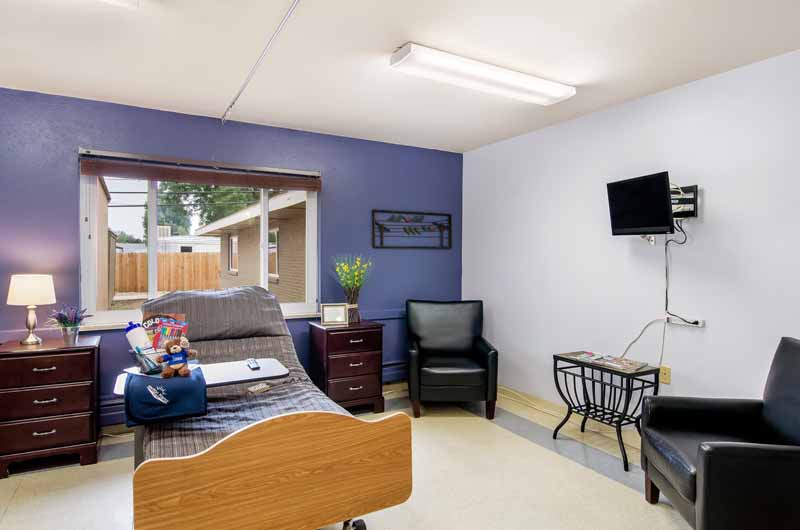
How is Broadview Center Staffed?

CMS rates BROADVIEW HEALTH AND REHABILITATION CENTER's staffing level at 2 out of 5 stars, which is below average compared to other nursing homes. Staff turnover is 56%, which is 10 percentage points above the Colorado average of 46%. High turnover can affect care consistency as new staff learn residents' individual needs.

What Have Inspectors Found at Broadview Center?

State health inspectors documented 16 deficiencies at BROADVIEW HEALTH AND REHABILITATION CENTER during 2021 to 2025. These included: 1 that caused actual resident harm and 15 with potential for harm. Deficiencies causing actual harm indicate documented cases where residents experienced negative health consequences.
Who Owns and Operates Broadview Center?

BROADVIEW HEALTH AND REHABILITATION CENTER is owned by a for-profit company. For-profit facilities operate as businesses with obligations to shareholders or private owners. The facility is operated by THE ENSIGN GROUP, a chain that manages multiple nursing homes. With 100 certified beds and approximately 95 residents (about 95% occupancy), it is a mid-sized facility located in GREELEY, Colorado.
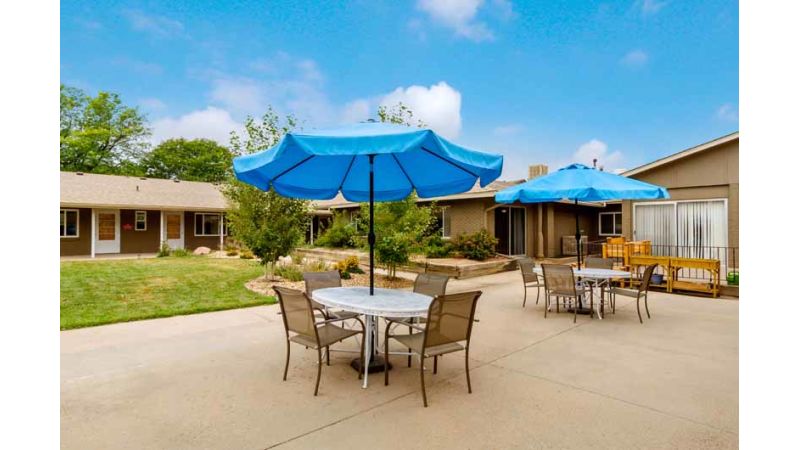
How Does Broadview Center Compare to Other Colorado Nursing Homes?

Compared to the 100 nursing homes in Colorado, BROADVIEW HEALTH AND REHABILITATION CENTER's overall rating (5 stars) is above the state average of 3.2, staff turnover (56%) is significantly higher than the state average of 46%, and health inspection rating (4 stars) is above the national benchmark.

What Should Families Ask When Visiting Broadview Center?

Based on this facility's data, families visiting should ask: "How do you ensure continuity of care given staff turnover, and what is your staff retention strategy?" "Can you walk me through typical staffing levels on day, evening, and night shifts?" "Can I visit during a mealtime to observe dining assistance and food quality?" "How do you handle medical emergencies, and what is your hospital transfer rate?" These questions are particularly relevant given the facility's high staff turnover rate and the below-average staffing rating.

Is Broadview Center Safe?

Based on CMS inspection data, BROADVIEW HEALTH AND REHABILITATION CENTER has a clean safety record: no substantiated abuse findings (meaning no confirmed cases of resident harm), no Immediate Jeopardy citations (the most serious violation level indicating risk of serious injury or death), and is not on the Special Focus Facility watch list (a federal program monitoring the lowest-performing 1% of nursing homes). The facility has a 5-star overall rating and ranks #1 of 100 nursing homes in Colorado. While no facility is perfect, families should still ask about staff-to-resident ratios and recent inspection results during their visit.

Do Nurses at Broadview Center Stick Around?

Staff turnover at BROADVIEW HEALTH AND REHABILITATION CENTER is high. At 56%, the facility is 10 percentage points above the Colorado average of 46%. High turnover means new staff may not know residents' individual needs, medications, or preferences. It can also be disorienting for residents, especially those with dementia who rely on familiar faces. Families should ask: What is causing the turnover? What retention programs are in place? How do you ensure care continuity during staff transitions?

Was Broadview Center Ever Fined?

BROADVIEW HEALTH AND REHABILITATION CENTER has no federal fines on record. CMS issues fines when nursing homes fail to meet care standards or don't correct problems found during inspections. The absence of fines suggests the facility has either maintained compliance or corrected any issues before penalties were assessed. This is a positive indicator, though families should still review recent inspection reports for the full picture.

Is Broadview Center on Any Federal Watch List?

BROADVIEW HEALTH AND REHABILITATION CENTER is not on any federal watch list. The most significant is the Special Focus Facility (SFF) program, which identifies the bottom 1% of nursing homes nationally based on persistent, serious quality problems. Not being on this list means the facility has avoided the pattern of deficiencies that triggers enhanced federal oversight. This is a positive indicator, though families should still review the facility's inspection history directly.