CENTER AT CENTERPLACE, LLC, THE

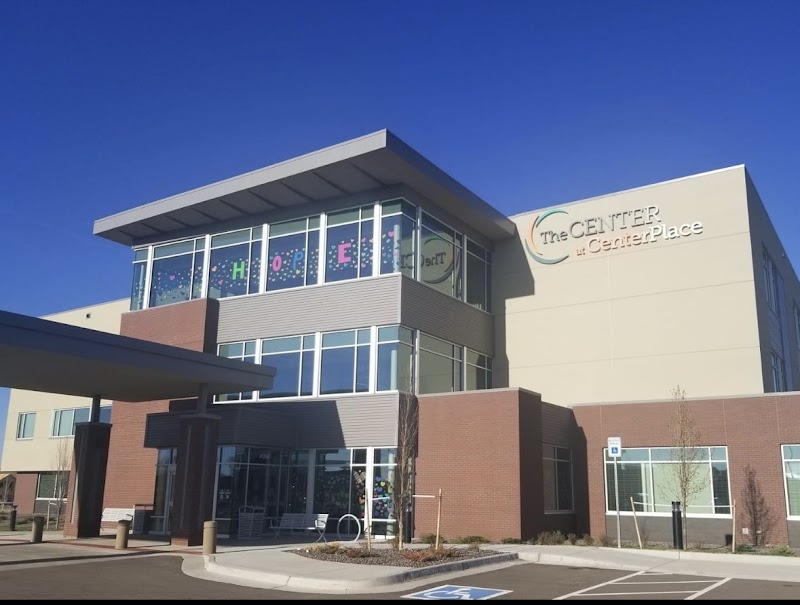
4356 24TH ST RD, GREELEY, CO 80634 (970) 702-7400
For profit - Corporation 54 Beds VERITAS MANAGEMENT GROUP Data: November 2025 1 Immediate Jeopardy citation
Trust Grade
21/100
#135 of 208 in CO
Last Inspection: April 2024

Within standard 12-15 month inspection cycle. Federal law requires annual inspections.

Overview

The Center at Centerplace, LLC in Greeley, Colorado has received a Trust Grade of F, indicating significant concerns about the facility's quality of care. They rank #135 out of 208 facilities in Colorado, placing them in the bottom half, and #6 out of 8 in Weld County, meaning there are only two better local options. While the facility is improving, with issues decreasing from four in 2024 to three in 2025, it still has a concerning staff turnover rate of 70%, significantly higher than the state average. Staffing is generally a strength here, rated 4 out of 5 stars, and they have good RN coverage, better than 86% of state facilities, which is important for catching potential issues. However, the facility has faced $22,358 in fines, higher than 77% of Colorado facilities, indicating ongoing compliance problems, and there have been serious incidents, including failures to monitor critical medications and ensure proper nutritional care, which have had real consequences for residents' health.

Trust Score
F
21/100
In Colorado
#135/208
Bottom 36%
Safety Record
High Risk
Review needed
Inspections
Getting Better
4 → 3 violations
Staff Stability
⚠ Watch
70% turnover. Very high, 22 points above average. Constant new faces learning your loved one's needs.
Penalties
⚠ Watch
$22,358 in fines. Higher than 96% of Colorado facilities. Major compliance failures.
Skilled Nurses
✓ Good
Each resident gets 89 minutes of Registered Nurse (RN) attention daily — more than 97% of Colorado nursing homes. RNs are the most trained staff who catch health problems before they become serious.
Violations
⚠ Watch
18 deficiencies on record. Higher than average. Multiple issues found across inspections.
★★☆☆☆
2.0
Overall Rating
★★★★☆
4.0
Staff Levels
★★★★★
5.0
Care Quality
★☆☆☆☆
1.0
Inspection Score
Stable
2024: 4 issues
2025: 3 issues

The Good

  • 4-Star Staffing Rating · Above-average nurse staffing levels
  • 5-Star Quality Measures · Strong clinical quality outcomes
  • Full Sprinkler Coverage · Fire safety systems throughout facility
  • No fines on record

Facility shows strength in staffing levels, quality measures, fire safety.

The Bad

2-Star Overall Rating

Below Colorado average (3.1)

Below average - review inspection findings carefully

Staff Turnover: 70%

24pts above Colorado avg (46%)

Frequent staff changes - ask about care continuity

Federal Fines: $22,358

Below median ($33,413)

Minor penalties assessed

Chain: VERITAS MANAGEMENT GROUP

Part of a multi-facility chain

Ask about local staffing decisions and management

Staff turnover is very high (70%)

22 points above Colorado average of 48%

The Ugly 18 deficiencies on record

1 life-threatening 2 actual harm
Feb 2025 3 deficiencies 1 IJ (1 affecting multiple)
CRITICAL (K) 📢 Someone Reported This

A family member, employee, or ombudsman was alarmed enough to file a formal complaint

Immediate Jeopardy (IJ) - the most serious Medicare violation

Quality of Care (Tag F0684)

Someone could have died · This affected multiple residents

**NOTE- TERMS IN BRACKETS HAVE BEEN EDITED TO PROTECT CONFIDENTIALITY** Based on record review and interviews, the facility failed to ensure residents received treatment and care consistent with profe...

Read full inspector narrative →
**NOTE- TERMS IN BRACKETS HAVE BEEN EDITED TO PROTECT CONFIDENTIALITY** Based on record review and interviews, the facility failed to ensure residents received treatment and care consistent with professional standards of practice. This affected five (#1, #2, #5, #6 and #7) of six residents out of eight total sample residents. RESIDENT #1 Resident #1 was admitted to the facility from the hospital on [DATE]. His diagnoses included long-term use of anticoagulants (blood thinner). Orders included the anticoagulant Lovenox by injection, started 10/10/24 and discontinued 11/7/24, and Apixaban (Eliquis) an oral anticoagulant for deep vein thrombosis, started 11/7/24, discontinued 11/13/24, and ordered again on 11/13/24 to 11/28/24. A review of the treatment administration record (TAR) revealed the November orders, starting 10/16/24, read in part, Anti-coagulation medication monitoring: monitor every shift for signs and symptoms of bleeding (black tarry stools, increased or new bleeding of gums, blood in urine, etc). If complications notify MD . -However, this order was discontinued on 11/13/24, and there was no documentation of anticoagulant monitoring on the resident's TAR from 11/13/24 to 11/28/24 - 26 shifts over 13 days. There was no documentation explaining why monitoring was discontinued and, the resident's care plan did not address anticoagulant therapy - the risks, signs/symptoms of bleeding, or monitoring expectations found on the TAR. In addition, the resident's record did not contain consent for the use of the anticoagulant medication Eliquis. On 11/27/24 at around 6:00 p.m., a certified nurse aide (CNA) found the resident with coffee-colored emesis and a dark bowel movement. The CNA reported the findings to the licensed practical nurse (LPN #1) who worked the night of 11/27/24 and the early morning of 11/28/24. In an interview, the LPN stated Resident #1 had not previously had a dark bowel movement or coffee-colored emesis. The LPN called the assistant director of nursing (ADON) (the interim DON at the time). The ADON requested the registered nurse (RN) do a full assessment. After receiving the RN's report, the ADON contacted the physician around 10:30 p.m. and a decision was made to monitor the resident. -However, there was no documentation of the RN's full assessment in the electronic medical record or a change of condition assessment form. Per the nursing home administrator (NHA), no RN assessment note was completed. Further, there was no documentation explaining why the resident was not sent to the hospital which was the expectation for evidence of a new bleed per the ADON. Moreover, although the resident's primary care physician (PCP) documented the resident's MOST form (Medical Orders for Scope of Treatment) was revised on 11/26/24 and record review revealed an order entered that day for do not resuscitate (DNR), the revised MOST form could not be located during the survey, and the resident's care plan still read full code, initiated 11/13/24. Resident #1 expired at the facility early in the morning on 11/28/24. According to a note dated 11/28/24 at 4:47 a.m., the resident was checked at 4:00 a.m. and found without respirations or heart tones. The cause of death, according to the death certificate, was a presumed gastrointestinal bleed. RESIDENTS #2, #5, #6, AND #7 Record review and interviews revealed the facility failed to complete a change in condition assessment form when Resident #2 experienced low oxygen levels and was unresponsive; failed to care plan Resident #5, #6, and #7's anticoagulant use, and failed to have physician orders monitoring their anticoagulant use. Further, the facility failed to have documentation that consent was obtained for Resident #6's anticoagulant medication. SUMMARY The facility failed to properly address Resident #1's significant change of condition when the resident, who was receiving anticoagulant medication, began bleeding internally. The facility's failure to assess and monitor the resident's anticoagulant medication use and change in condition, failure to document changes, and failure to seek medical treatment, contributed to serious harm for Resident #1. The failures also created the potential for further serious resident harm if the facility's system for assessing, monitoring, and communicating changes was not immediately corrected. Findings include: I. Immediate jeopardy A. Findings of immediate jeopardy A review of Resident #1's anticoagulant use, monitoring records, and staff interviews revealed the facility failed to take steps, consistent with professional standards of practice, to promote Resident #1's well-being both before and upon the discovery of the resident's coffee-colored emesis and dark bowel movement on 11/27/24. There was no evidence the facility thoroughly investigated the 11/27/24 incident to uncover and address why the nurses did not recognize the resident's change in condition, complete accurate assessments, and seek appropriate treatment. -Record review revealed no documentation of anticoagulant monitoring on Resident #1's treatment administration record (TAR) from 11/13/24 to 11/28/24 - 26 shifts over 13 days. Further, the resident's care plan did not address anticoagulant therapy - the risks, signs/symptoms of bleeding, or monitoring expectations found on the TAR. -Record review revealed no documentation of the RN's full assessment in the electronic medical record or a change of condition assessment form. Per the nursing home administrator (NHA), no RN assessment note was completed. There was no documentation explaining why the resident was not sent to the hospital which was the expectation for evidence of a new bleed per the assistant director of nursing (ADON). The facility's failure to implement an immediate and comprehensive review of the facility's system of anticoagulation management and of response to resident changes in condition, including the response to Resident #1's coffee-colored emesis and dark bowel movement, placed residents at risk for serious harm if the situation was not immediately corrected. B. Facility notice of immediate jeopardy On 2/11/25 at 4:30 p.m., the NHA, chief operating officer (COO), and director of nursing (DON) were notified that the facility's failure to identify and respond to Resident #1 change in condition created an immediate jeopardy situation. C. Facility plan to remove immediate jeopardy On 2/12/25 at 11:04 a.m. the facility submitted a final plan for removal of the immediate jeopardy situation. The plan read: The facility immediately completed the following: 1. Resident-centered care plan was created on 02/11/2025 for all residents who currently received anticoagulant medications and will be completed by 02/12/2025. 2. Orders for on-going monitoring for anticoagulant medications were obtained from the providers on all residents who do not have orders on 02/11/2025. 3. An in-service was completed on 02/11/2025 by the DON/designee to all licensed nursing staff who were in the building (phone call education for staff who were not in the building) to ensure that the facility performs adequate physical assessments for change of conditions, recognize changes and how to accurately and timely communicate the assessment findings to the physician on call. 4. An in-service was completed on 02/11/2025 by the DON/designee to all licensed nursing who were in the building (phone call education for staff who were not in the building) to ensure that they analyze the situations for when to send residents to the hospital, with background information, assessments and recommendations with a timely, consistent and accurate process. 5. Education will be provided to all nursing staff prior to the start of their shift. All residents have the potential to be affected by this alleged deficiency. All residents in the building were reviewed for change of condition and none of the other residents were affected by this deficient practice. The DON or their designee will oversee the compliance with the resident-centered care plan and ensure continuous monitoring of anticoagulant therapy. This monitoring will include staff performance of thorough physical assessments for changes in resident conditions, timely recognition of these changes, and the accurate and prompt communication of assessment findings to the on-call physician. Additionally, the monitoring process will ensure that nursing staff appropriately analyze situations where hospitalization may be necessary, including completing timely and accurate background information, assessments, and recommendations. Monitoring will start on 02/11/2025 and will follow the schedule below: Daily for one week, Weekly for four weeks, Monthly for two months, or until substantial compliance is achieved. D. Removal of immediate jeopardy Based on the facility's plan above and evidence of its implementation, the immediate jeopardy situation was removed on 2/12/25 at 12:40 p.m. However, the deficient practice remained at a G level, isolated actual harm. II. Professional references and facility expectations A. Professional references - Anticoagulant risks 1. The National Library of Medicine, Anticoagulant Safety, updated 10/6/24, retrieved on 2/18/25 at Amaraneni A, Chippa V, [NAME] J, et al. Anticoagulation Safety. In: StatPearls [Internet]. Treasure Island (FL): StatPearls Publishing; 2025 Jan-. Available from: https://www.ncbi.nlm.nih.gov/books/NBK519025/, read in pertinent part: Millions of patients rely on oral anticoagulants to decrease the risk of ischemic stroke and other thromboembolic events, underscoring the importance of understanding their safety profiles. However, these medications rank among the leading causes of emergency department visits and hospital admissions among older adults, prompting classification as high-alert medications by the Institute of Safe Medication Practices and a focus on harm reduction in The Joint Commission's National Patient Safety Goals. Still, the benefits outweigh the overall risks for most patients. The initial weeks of oral anticoagulant use pose the highest risk of adverse effects, particularly during transitions from hospital to home care, necessitating careful management as patients recuperate. Despite their efficacy in preventing and treating thromboembolism, all anticoagulants elevate the risk of bleeding. Clinicians must carefully assess each agent's risks and benefits, tailoring medication choices accordingly. Adverse effects often stem from concurrent use of antiplatelet medications, dosing errors, or inadequate monitoring, underscoring the importance of healthcare professionals' knowledge about potential complications like intracranial and gastrointestinal bleeding, hematoma formation, and available reversal agents. Accurate assessment of bleeding risks and prescribing appropriate doses is essential for maximizing clinical benefit. Symptoms of significant bleeding vary by site, and early symptoms include epistaxis, gum bleeding, heavy menstrual bleeding, or excessive bruising. Airway-related hematomas may cause sore throat, painful or difficult swallowing, nosebleeds, shortness of breath, or hemoptysis. Extremity involvement may manifest as pain, swelling, weakness, or limited motion. Intraabdominal bleeding can lead to pain and distension, while intracranial bleeds may cause severe headaches, vomiting, dizziness, or seizures. Ocular bleeding may result in vision changes. Gastrointestinal bleeding may present as melena, hematochezia, or hematemesis. Gastrointestinal signs: Patients may have evidence of hypovolemia manifesting as tachycardia and hypotension, visible or occult blood in the stool, and pain on abdominal examination. Healthcare professionals must swiftly determine the severity and location when assessing bleeding complications in patients taking oral anticoagulants. A comprehensive history and medication review are crucial, documenting the anticoagulant regimen, last dose timing, and potential overdose risk. In addition, exploring the history of renal or hepatic disease, bleeding disorders, thrombocytopenia, and medications affecting hemostasis is necessary. Understanding the anticoagulation indication and thrombosis risk aids treatment decisions. Enhancing patient-centered care, outcomes, safety, and team performance in anticoagulation management requires a multifaceted approach involving physicians, advanced practitioners, nurses, pharmacists, and other healthcare professionals. Physicians and advanced practitioners should demonstrate strong clinical skills in risk assessment, medication selection, and dosage determination while effectively communicating with patients to involve them in treatment decisions. Nurses play a crucial role in monitoring patients, educating them about adherence and lifestyle changes, and promptly recognizing and managing complications. Pharmacists contribute by conducting medication reviews, assessing drug interactions, and ensuring appropriate care transitions. Effective interprofessional communication, supported by clear documentation, is essential for coordinating care and minimizing errors. Care coordination involves developing standardized protocols, guidelines, and pathways for anticoagulation management across various settings, ensuring seamless transitions and optimizing patient outcomes. By leveraging their skills, communication, and coordination, healthcare teams can collectively enhance anticoagulation safety and improve patient care and outcomes. 2. Eliquis package insert (April 2021) was retrieved on 2/17/25 from chrome-extension://efaidnbmnnnibpcajpcglclefindmkaj/https://www.accessdata.fda.gov/drugsatfda_docs/label/2021/202155s034lbl.pdf. It revealed in pertinent part, Eliquis increases the risk of bleeding and can cause serious, potentially fatal bleeding. Advise patients of signs and symptoms of blood loss and to report them immediately or go to an emergency room. B. Facility expectations The facility's Change of Condition policy, reviewed 4/2/24, was provided by the NHA on 2/11/25 at 12:36 p.m. It read in pertinent part: As part of the evaluation the nurse will help identify individuals for having any changes of condition during their stay or if a patient has a fall. In addition, the nurse shall evaluate and document/report the following: Vital signs; Difficulty speaking; Difficulty understand(ing) speech; neurological abnormalities; recent labs; all active diagnoses; cognitive and emotional status; change in mental status and LOC (level of consciousness). Direct care staff to notify nurse if they notice subtle, but significant changes in the patient: For example: Decrease in food intake; Increase confusion/agitation; Change in vital signs etc; Change in balance; Injury from fall; Change in neuro's (neurological findings). The nursing staff will notify the physician if any of the above signs and symptoms are identified. The physician will indicate if patient requires additional evaluation/ treatment at the facility or if patient needs to be sent out to the hospital. Nurse to also notify family if requested by patient or family is listed to contact in case of an emergency. III. Resident #1 A. Resident status Resident #1, age [AGE], was admitted on [DATE] and discharged on 11/28/24 due to death. According to the November 2024 computerized physician orders (CPO), diagnoses included encephalopathy, cerebral infarction, acute pancreatitis, type 2 diabetes mellitus, chronic kidney disease, and long-term and current use of anticoagulants (blood thinners). The 10/20/24 minimum data set (MDS) assessment revealed the resident had severe cognitive impairment with a brief interview for mental status (BIMS) score of 6 out of 15. He was dependent on assistance with eating, bathing, upper and lower body dressing, personal hygiene, bed mobility, and transfers. The record revealed no documented discussion with the resident/resident representative concerning hospice or palliative care. Further record review revealed no Medical Orders for Scope of Treatment (MOST) form, identifying the type of treatments and interventions the resident/representative wanted but may be unable to express. However, the care plan read Full code (life-saving measures if respiratory/cardiac arrest), initiated 11/13/24. Orders revealed the resident was administered anticoagulants. A review of a 10/10/24 physician note revealed Resident #1 was started on Lovenox (an anticoagulant) by injection at the hospital and continued after admission until 11/7/24 when, per the November 2024 CPO, Lovenox was discontinued due to a site reaction to the injections. The anticoagulant Apixaban (Eliquis) an oral anticoagulant, 2.5 MG (milligram) was ordered for administration by mouth two times a day for DVT (deep vein thrombosis). This order was discontinued on 11/13/24 at 8:12 a.m., and Apixaban oral tablet 2.5 MG by mouth two times a day for DVT was ordered (start date site of 11/13/24 at 9:00 p.m.). A review of the TAR revealed an order for anti-coagulation medication monitoring: monitor every shift for signs and symptoms of bleeding (black tarry stools, increased or new bleeding of gums, blood in urine, etc). If complications notify MD. P = Problems, 0 = No Problems. Start date 10/16/24, and discontinued date 11/13/24. B. Change in status/goals after admission 1. Record review revealed documentation of the resident's primary care provider (PCP) follow-up visit to discuss goals of care on 11/26/24 at 8:45 a.m. It read in part: -Resident #1's hospitalization history: admitted to the hospital on [DATE] with global weakness and dysarthria. The patient was then discharged from the hospital to the skilled nursing facility on 10/14/24. The patient transferred to the emergency room (ER) on 11/13/24 for concerns of developing sepsis, diagnosed with COVID, and sent back to the facility. The resident transferred to the ER on [DATE] for liver function testing, increasing lethargy, and worsening pulmonary symptoms. Urinary tract infection (UTI) diagnosed in the ED (emergency department). The resident was transferred to the ER on [DATE] and 11/18/24 due to feeding tube issues. The feeding tube was unclogged and the patient was sent back to the facility. -Goals of care discussion held 11/26/24 with the resident and his wife through an interpreter over the phone who speaks Chuukese (arranged per facility administration). Explained in detail numerous medical issues that the patient was currently dealing with. Explained in detail that given the multitude of issues as well as progressive worsening in weakness and failure to improve with therapy that it was unlikely that patient will improve from a therapeutic standpoint in regards to his stroke. Explained that he will likely never swallow again, he will likely never walk again, and will be dependent on others for the remainder of his life. Also explained given the multitude of issues affecting multiple organ systems that further worsening of such is likely to occur and that rehospitalization was certain in his future. -We discussed CPR (cardiopulmonary resuscitation) at length, what it entails, what that would look like for Resident #1 and possible outcomes of such. After answering questions, the wife decided that CPR/intubation would not likely be in the patient's best interest and instead DNR would be more appropriate. New MOST form filled out and filed. A bedside nurse was present in the room for the entire discussion. All questions answered. 2. Events 11/27/24 and 11/28/24 An 11/27/24 nursing progress note revealed Resident #1 was changed at the beginning of the shift (6:00 p.m.) by a certified nurse aide (CNA). When Resident #1 was rolled to his right side, the resident had vomited coffee ground emesis. Resident #1 was cleaned up and the nurse was notified. Resident #1's brief was changed and found to have a dark bowel movement. A call was made to the DON. A full assessment was completed by the registered nurse (RN) in the building and notified the DON of the results. The DON called the provider and he gave the following orders: One time order of 30ML of first-lansoprazole oral suspension 3 MG/ML (Lansoprazole) (a medication that reduces acid in the stomach). Vital signs every four hours and if systolic blood pressure was less than 100 or heart rate greater than 100 to call the provider. The 11/28/2024 at 4:47 a.m. death note revealed the DON had called the provider at approximately 10:30 p.m. and he gave the following orders: One time order of 30ML of First-Lansoprazole Oral Suspension 3 MG/ML (Lansoprazole.) Vital signs every four hours. If Systolic is less than 100 or HR (heart rate) is greater than 100 call the provider. Vitals just after midnight: Blood pressure 109/68, Temperature 98.1, Pulse 100, Respirations 19, O2 (oxygen saturation) 90%. The resident was checked on at 2:00 a.m. and had no changes to note. At 4:10 a.m. the staff went in to check on the resident and complete vital signs and the patient had no respirations or heart tones. Eyes were fixed and dilated. RN assessed patient for the final outcome. The patient was a DNR. Time of pronouncement of death: 4:10 a.m. per on-call physician. Body not sent anywhere at this time. Wife in room and would gather belongings. Skin condition upon death: intact. Responsible party notification: Wife in attendance in room. MD Notification: On-call notified at 4:20 a.m. C. Record review and interviews revealed the facility failed to ensure Resident #1 received treatment and care consistent with professional standards of practice. The DON was interviewed on 2/10/25 at 5:28 p.m. The technician at the local county coroner's office was interviewed on 2/11/25 at 10:08 a.m. Resident #1's PCP was interviewed on 2/11/25 at 10:19 a.m. The ADON was interviewed on 2/11/25 at 1:11 p.m. The NHA was interviewed on 2/11/25 at 2:47 p.m. and LPN #1 was interviewed on 2/11/25 at 5:42 p.m. 1. Failure to properly manage Resident #1's anticoagulant therapy a. Record review Although the resident's TAR revealed an order for anti-coagulation medication monitoring every shift for signs and symptoms of bleeding (see above), this order was discontinued on 11/13/24. There was no explanation for discontinuing monitoring for evidence of bleeding, and a review of the TAR and the resident's electronic medical record revealed no documentation of anticoagulant monitoring from 11/13/24 to 11/28/24 - 26 shifts over 13 days. Although there are significant risks to resident safety from anticoagulants (see references above), a review of the resident's care plan revealed it did not address anticoagulant therapy - the risks, signs/symptoms of bleeding, or monitoring expectations found on the TAR. Finally, the resident's record did not contain consent for the use of the anticoagulant medication Eliquis. b. Interview ADON: The assistant director of nursing (ADON) said if a resident is on an anticoagulant, the nurses should be monitoring for signs and symptoms of bleeding, evaluating the resident if signs of bleeding are reported by staff, and documenting the evaluation. The ADON said it was important to monitor if a resident uses anticoagulant medication for the very reason with Resident #1 of a gastrointestinal bleed. The ADON said without monitoring, there could be abnormal labs, leading up to and including death. The ADON said there should be a care plan for all residents using an anticoagulant medication so that staff providing care were aware. PCP: The PCP said if a resident was on an anticoagulant medication such as Eliquis, there should be monitoring and documentation of symptoms of bleeding. The PCP said it went without saying how important it was because healthcare providers worry about the ongoing risk of hemorrhage. 2. Failure to properly manage Resident #1 change of condition a. Interviews DON: The DON, who assumed her position on 12/27/24, said she did not know why Resident #1 was not sent to the hospital when he had signs and symptoms of a gastrointestinal bleed. ADON: The ADON said she was the nurse on-call and acting as the interim DON during the evening on 11/27/24 and early morning on 11/28/24. She said it was her understanding that Resident #1's bleeding was not new and that he had gone to the hospital multiple times with the same issue. She said this was reported to her from the staff that evening. She said on the night of 11/27/24, she got a call from LPN #1 and she spoke to the RN in charge who made it sound like, and confirmed, that the resident had gone out to the hospital multiple times for the same issue (coffee ground emesis and dark stool) and it sounded like a recurrent issue in the way it was presented. She said typically, if it was a new bleed, the resident would be sent out immediately and per protocol, a change of condition assessment form completed. The ADON confirmed she did not have an RN assessment for Resident #1 or a completed change of condition assessment form. The ADON said she called the on-call physician and told him it was reported the resident had abdominal distension, that the resident had received both doses of his anticoagulant, and that the resident had coffee-ground emesis and dark-colored bowel movement. She said the physician was made aware of the bleeding, but told it was a frequent event, not a new event. He was informed the resident's status had changed to DNR, the wife was at the bedside and it was reported to her the wife did not push to send the resident to the hospital but did not say either way. The ADON said the action decided on by the physician was to give Prevacid (a medication that reduces acid in the stomach), check vitals every four hours with parameters of when to notify the provider, and ordered a CBC but not stat (right now). It was not obtained before the resident expired. The ADON said at the time of the incident she agreed with the provider, but with what she knew now, that the bleeding was a new issue, her decision would have been different and she would have recommended sending Resident #1 to the hospital. PCP: The PCP said if there was a change in condition, such as increased bleeding, nose bleeds, vomiting blood, or gastrointestinal bleeding, she would want to be notified. The PCP said the facility should know to contact her or call 911. The PCP said if there was no documentation stating otherwise, a resident with new significant bleeding should be sent to the hospital for further monitoring and evaluation. The PCP said she saw Resident #1 on 11/26/24 before taking time off. When she returned to work, she asked what happened in reference to the resident's death. The PCP said she thought Resident #1 should have been sent to the hospital. She said that although she was not the provider who was covering that day, whenever she heard about a gastrointestinal bleed and the resident was on an anticoagulant medication, they should go to the hospital. NHA: The NHA said Resident #1 spoke a rare language, Chuukese (a language spoken in the Federated States of Micronesia). The NHA said the resident had been sent out to the hospital a couple of times in November 2024. The NHA said his understanding about what had occurred with Resident #1 was that the resident's wife had said no - the resident did not want to be sent out. He said the ADON called and told him the resident's clinical indicators were decreasing and told him they were going to send the resident out but the wife said no. The NHA said an interpreter was not present. The resident's wife spoke some English; however, he acknowledged there was no documentation of the resident's wife saying no to hospitalization. He said he found out that Resident #1 had passed away the next morning. LPN #1: LPN #1 said she had worked at the facility for one year and was the nurse who was working on the night of 11/27/24 and early morning of 11/28/24 with Resident #1. LPN #1 said that Resident #1 had a lot going on and the doctor during the day came in and that was the report she got. LPN #1 said Resident #1 had a lot of congestion going on and breathing was loud. LPN #1 said when she first checked on him, his tube feeding was going and he was sitting up. LPN #1 said the CNA told her of Resident #1's dark bowel movement and coffee-colored emesis but the CNA did not show it to her. LPN #1 said Resident #1 had not had a dark bowel movement or coffee-colored emesis before. LPN #1 said the RN had come up to the third floor from the second floor to assess him. LPN #1 said the bleeding was new as far as she was concerned. LPN #1 said she did not speak to the doctor. She called the ADON (interim DON at the time) who said to have the RN do a full assessment and call her back and then she (ADON) would call the doctor. LPN #1 said after that, the RN called the ADON back to give her a report. LPN #1 said she did not remember what the RN said after the assessment. LPN #1 said basically, the RN found nothing wrong and she asked the RN if she thought Resident #1 should be sent out and the RN said no, that she had talked with the ADON. LPN #1 said she was told to call the ADON with any change of condition, and before calling a provider or sending a resident out to the hospital. LPN #1 said she had tried to call the daughter but she had not answered. LPN #1 said she felt that Resident #1 should have gone to the hospital but she deferred to the RN and ADON (interim DON at that time). County coroner technician (CCT): The technician at the local county coroner's office said Resident #1's actual cause of death as listed on the death certificate was presumed gastrointestinal bleed caused by gastric ulcers as recorded by Resident #1's PCP. b. Record review There was no documentation of the RN's full assessment on 11/27/24 in the electronic medical record or a change of condition assessment form, and, per the NHA, no RN assessment note was completed. There was no documentation why the resident was not sent to the hospital, which was the expectation for a new bleed per the ADON. On 2/11/25 at 12:21 p.m., the RN assessment for the 11/27/24 event was requested. On 2/11/25 at 1:50 p.m., the NHA responded that an RN assessment note was not completed and the RN had been terminated. The Change of Condition policy (see above) was not reviewed or revised following the events on 11/27/24 that revealed nursing staff failed to fully evaluate, document, and report Resident #1's change in condition. A review of the policy revealed it was last reviewed 4/2/24, per the Change of Condition document provided by the NHA. Printed on the Change of Condition policy document was the issuing date (7/1/18), a revised date (2/8/21), a revised date (8/20/22), and a reviewed date (4/2/24). (Department of Nursing) A review of the electronic medical record revealed there were no physician orders to send Resident #1 to the hospital. 3. Failure to take steps to clarify Resident #1 and their representative's goals for care to ensure a response consistent with their goals. a. Record review The 11/26/24 PCP follow-up visit to discuss goals of care (see above) indicated a new MOST form that documented Resident #1 would be a DNR (do not resuscitate) was filled out and filed. Further, the resident's record revealed an order was written with a start date of 11/26/24 that read Resident #1 was a DNR (do not resuscitate)/No code. -Notwithstanding the PCP note and order above, the new MOST form (or copy), requested from the NHA on 2/10/25 at 4:22 p.m., could not be located as of 2/13/25 according to the NHA. -Notwithstanding the PCP note and order above, a review of Resident #1 care plan was not updated and read the resident was a full code, initiated on 11/13/24. b. Interviews DON: The DON said she did not recall anything about Resident #1's M[TRUNCATED]
CONCERN (D) 📢 Someone Reported This

A family member, employee, or ombudsman was alarmed enough to file a formal complaint

Potential for Harm - no one hurt, but risky conditions existed

Deficiency F0561 (Tag F0561)

Could have caused harm · This affected 1 resident

**NOTE- TERMS IN BRACKETS HAVE BEEN EDITED TO PROTECT CONFIDENTIALITY** Based on record review and interviews, the facility failed to honor resident choices for one (#7) of three residents reviewed ou...

Read full inspector narrative →
**NOTE- TERMS IN BRACKETS HAVE BEEN EDITED TO PROTECT CONFIDENTIALITY** Based on record review and interviews, the facility failed to honor resident choices for one (#7) of three residents reviewed out of eight sample residents. Specifically, the facility failed to provide Resident #7 a shower schedule based on her preferences. Findings include: I. Facility policy and procedure The Showers policy and procedure, revised 2/9/23, was received from the nursing home administrator (NHA) on 2/14/25 at 3:13 p.m. It documented in pertinent part, Patient preferences must be initiated and complied with. Showers are to be completed on the designated shower schedule or patient modified shower schedule. Patient refusals must be progress noted, educated, family notified if indicated and care planned. II. Resident #7 A. Resident status Resident #7, age [AGE], was admitted on [DATE]. According to the February 2025 computerized physician orders (CPO), diagnoses included pneumonia (infection in the lungs), respiratory failure, muscle weakness and atrial fibrillation (abnormal heart rhythm). The 2/3/25 minimum data set (MDS) assessment revealed the resident had moderate cognitive impairments with a brief interview for mental status (BIMS) score of nine out of 15. The resident required maximal assistance with toileting and dressing and partial assistance for transfers. B. Resident interview Resident #7 was interviewed on 2/11/25 at 3:05 p.m. She said she had been at the facility for a couple weeks and was only getting one shower a week. She said showers made her feel refreshed. She said she mentioned to a staff member that she would like to shower more often, but nobody followed up. She said she would like a shower at least twice a week. C. Record review Resident #7's shower care plan, revised 2/9/25, identified that she preferred showers and her bathing frequency was twice weekly on Tuesdays and Fridays during day shift. The shower documentation from 1/15/25 to 2/12/25 revealed Resident #7 did not receive a shower on her scheduled shower days on 1/28/25, 1/31/25, 2/7/25 and 2/11/25. She received a shower on four out of eight opportunities. D. Staff interviews Occupational therapist (OT) #1 was interviewed on 2/13/25 at 11:09 a.m. She said sometimes the occupational therapy department gave residents their showers. She said the occupational therapy department had not given Resident #7 any of her showers. She said physical therapy did not give resident showers. The assistant director of nursing (ADON) and the regional clinical director (RCD) were interviewed on 2/13/25 at 11:38 a.m. The ADON said the facility tried to accommodate the resident's shower preferences as best as they could. She said the facility assigned showers on the residents preferred shower days under tasks for the certified nurse aides (CNA). She said if a shower was not given, the nursing staff needed to reproach the resident later in the day and offer the shower again. She said if the resident refused or was out of the building, the staff should offer a shower the next day. She said it was expected to be charted if a shower was given or missed. CNA #2 was interviewed on 2/13/25 at 1:45 p.m. CNA #2 said if a resident refused a shower and the staff were not able to give the resident a shower, she would talk to the resident and try to convince them to take the shower. She said if the resident still refused, she said she would tell the nurse and the nurse would provide education to the resident. She said she would chart that the resident refused a shower.
CONCERN (F) 📢 Someone Reported This

A family member, employee, or ombudsman was alarmed enough to file a formal complaint

Potential for Harm - no one hurt, but risky conditions existed

QAPI Program (Tag F0867)

Could have caused harm · This affected most or all residents

Based on interviews and record review, the facility failed to ensure an effective quality assurance program to identify and address facility compliance concerns was implemented, in order to facilitate...

Read full inspector narrative →
Based on interviews and record review, the facility failed to ensure an effective quality assurance program to identify and address facility compliance concerns was implemented, in order to facilitate improvement in the lives of nursing home residents, through continuous attention to quality of care, quality of life and resident safety. Specifically, the quality assurance performance improvement (QAPI) program committee failed to identify and address concerns related to quality of care by not sending a resident to the hospital when indicated that rose to the level of immediate jeopardy and created a situation where a serious adverse outcome occurred and caused harm. Findings include: I. Facility policy and procedure The Quality Assurance and Performance Improvement (QAPI) policy, revised 2/11/25 (during the survey), was provided by the nursing home administrator (NHA) on 2/13/25 at 1:17 p.m. It read in pertinent part, It is the policy of the facility to develop a QAPI plan in accordance with Federal guidelines to describe how the facility will address clinical care, residents' quality of life and residents' choice and is based on the scope and complexity of services defined by the facility assessment. Objective of the QAPI improvement policy: The objective of this requirement is the completion and implementation of the QAPI plan to identify the high risk, problem prone and high volume areas to evaluate for improvement and identify, collect and use data relevant to the unique characteristics and needs of the residents. II. Cross-reference citation Cross-reference F684: The facility failed to provide quality care by not sending a resident to the hospital when indicated, resulting in the death of the resident. The facility's failure to provide quality of care put residents in a situation where a serious outcome occurred and created an immediate jeopardy situation. III. Staff interviews The medical director (MD) was interviewed on 2/12/25 at 3:53 p.m. The MD said he was not informed of the immediate jeopardy. However he said the NHA was out of the facility last night and today (2/11/25 and 2/12/25). The MD said he was in the facility at least two times per month. The MD said he attended QAPI committee meetings regularly. The MD said he had been the medical director since the facility was initially built. The MD said he was not aware there was a quality of care issue by not sending residents to the hospital when indicated, resulting in a death due to a GI (gastro-intestinal) bleed. Nor was he aware of any quality of care problems related to anticoagulant monitoring, care plans or obtaining consents for anticoagulant use. The MD said the prior administrators may have discussed the issues before, however he said it had not been discussed in QAPI recently. The MD said he was frustrated with the high turnover rate with staff and leadership at the facility and felt more stability would improve the quality of care for residents. The NHA was interviewed on 2/13/25 at 1:49 p.m. The NHA said the QAPI committee met monthly and included every department. The NHA said he was new to the facility as of October 2024. The NHA said he established a pre-QAPI preparation to talk about follow up from previous QAPI meetings. He said all departments discussed what was going on, such as falls, wounds, grievances, resident council and staffing concerns. The NHA said the QAPI committee included more than all the required members and they all knew if a corrective action had been implemented. The NHA said quality of care with change of condition documentation and when decisions were made to send to the hospital would be discussed moving forward and added to QAPI.
Apr 2024 4 deficiencies
CONCERN (D)

Potential for Harm - no one hurt, but risky conditions existed

Comprehensive Assessments (Tag F0636)

Could have caused harm · This affected 1 resident

**NOTE- TERMS IN BRACKETS HAVE BEEN EDITED TO PROTECT CONFIDENTIALITY** Based on observations, record review and staff interviews, the facility failed to maintain accurate minimum data set (MDS) asses...

Read full inspector narrative →
**NOTE- TERMS IN BRACKETS HAVE BEEN EDITED TO PROTECT CONFIDENTIALITY** Based on observations, record review and staff interviews, the facility failed to maintain accurate minimum data set (MDS) assessment for one (#18) of five residents out of 22 sample residents. Specifically, the facility failed to accurately complete the minimum data set (MDS) assessment and submit a timely assessment for Resident #18. Findings include: I. Resident status Resident #18, age [AGE], was admitted on [DATE]. According to the April 2024 computerized physician orders (CPO), diagnoses included Parkinson's disease, psychotic disorder with hallucinations, major depressive disorder and neuropathy (damage to the nerves outside the spinal cord and brain). The 2/29/24 minimum data set (MDS) assessment revealed the resident had severe cognitive impairment with a brief interview for mental status (BIMS) score of four out of 15. II. Record review A review of Resident #18's electronic medical record (EMR) revealed the following: Resident #18's admission note documented he was admitted to the facility on [DATE] with an admitting diagnosis of hospice and Parkinson's disease for a long term stay. A review of Resident #18's previously submitted MDS assessments revealed the following: The 11/9/23 admission assessment did not indicate that Resident #18 was receiving hospice care. -However, Resident #18 was admitted to the facility on hospice care services. -The quarterly assessment with a target date of 2/9/24 was not submitted until 3/21/2024. which was greater than the required 92 day submission timeframe for a quarterly assessment. -The functional abilities section of Resident #18's 11/9/23 admission assessment and the 2/9/24 quarterly assessment were incomplete. III. Staff interviews The nursing home administrator (NHA) was interviewed on 4/25/24 at 11:30 a.m The NHA said the MDS assessments for Resident #18 should have been completed for functional abilities and hospice. The MDS coordinator (MDSC) was interviewed on 4/25/24 at 12:20 p.m. The MDSC said she was told if the resident did not receive therapy, the functional abilities section of the resident's MDS should not be completed. The MDSC said she submitted Resident #18's quarterly assessment late. -However, a 12/19/23 note written in Resident #18's EMR at 6:03 p.m. documented the following skilled services were being provided: management/evaluation of the resident, observation/assessment of resident, and teaching/training to manage and monitor fluid intake to prevent dehydration therapy (physical therapy, occupational therapy, speech therapy). Additional information included the resident participated in therapy.
CONCERN (D)

Potential for Harm - no one hurt, but risky conditions existed

Respiratory Care (Tag F0695)

Could have caused harm · This affected 1 resident

**NOTE- TERMS IN BRACKETS HAVE BEEN EDITED TO PROTECT CONFIDENTIALITY** Based on observations, record review and interviews, the facility failed to ensure two (#12 and #138) of five residents who requ...

Read full inspector narrative →
**NOTE- TERMS IN BRACKETS HAVE BEEN EDITED TO PROTECT CONFIDENTIALITY** Based on observations, record review and interviews, the facility failed to ensure two (#12 and #138) of five residents who required respiratory care received the care consistent with professional standards of practice out of 22 sample residents. Specifically, the facility failed to: -Ensure a physician's order was in place to include the appropriate care of a continuous positive airway pressure (CPAP) machine for Resident #12 and Resident #138; -Implement a routine cleaning schedule for the care of Resident #12 and Resident #138's CPAP machines; -Ensure the distilled water was used in Resident #138's CPAP machine instead of tap water; and, -Ensure a care plan was in place and implemented for Resident #12 and Resident #138's CPAP machines to include route of administration, oxygen supplementation, storage, cleaning and machine settings. Findings include: I. Professional reference The Controlling Legionella in Other Devices (2/3/21), was retrieved on 4/29/24 from https://www.cdc.gov/legionella/wmp/control-toolkit/index.html, and read in pertinent part, In the absence of control, Legionella can grow in almost any system or equipment containing non sterile water, such as tap water, at temperatures favorable to Legionella growth. Devices that may grow Legionella in the absence of control include the following: Dental and medical equipment such as scalers, CPAP, bronchoscopes, and heater-cooler units. Dental and medical equipment should be cleaned regularly per manufacturer recommendations; and use distilled water in respiratory equipment such as CPAP machines, heater-cooler units, and bronchoscopes. II. Facility policy and procedure The CPAP/BiPAP policy and procedure, revised 2/8/21, was provided by the nursing home administrator (NHA) on 4/29/24 at 10:53 a.m. The policy read in pertinent part, Continuous positive airway pressure (CPAP) is a non-invasive ventilation machine that involves the administration of air usually through the nose by an external device at a predetermined level of pressure. The patient will receive necessary respiratory care and services in accordance with professional standards of practice, the patient's care plan, and the patient's choice. The patient will have an order that includes settings for CPAP/BiPAP and the CPAP/BiPAP will be cleaned per the manufacturer's guidelines. -The manufacturer's guidelines for cleaning the CPAP machines was requested and not provided by the end of the survey on 4/25/24. III. Resident#12 A. Resident status Resident #12, age [AGE], was admitted on [DATE]. According to the April 2024 computerized physician orders (CPO), diagnoses included a compression fracture of the second lumbar vertebrae, repeated falls, osteomyelitis, weakness, obstructive sleep apnea and dependence on other enabling machines and devices. The 3/25/24 minimum data set (MDS) assessment revealed the resident was moderately cognitively impaired with a brief interview for mental status (BIMS) score of 11 out of 15. The resident was dependent with care for showering and putting on and taking off footwear, he needed substantial assistance with toileting hygiene, partial assistance with dressing and set up help only with eating and oral hygiene. The assessment documented the resident used a CPAP machine. B. Resident interview and observation Resident #12 was interviewed on 4/22/24 at 11:00 a.m. Resident #12 said his CPAP machine did not get cleaned at the facility and he used his CPAP every night. Resident #12's CPAP mask and tubing was on his bed during the interview on 4/22/24. C. Record review A review of the nurse practitioner progress notes for Resident #12 revealed the nurse practitioner documented that Resident #12 had obstructive sleep apnea (OSA)-CPAP on 3/25/24, 4/1/24, 4/8/24, 4/15/24 and 4/22/24. -However, further review of the resident's electronic medical record (EMR) revealed Resident #12 did not have a physician's order for the use of a CPAP or a physician's order that included the route of administration, frequency, oxygen supplementation, storage and/or settings of the device. -The use of a CPAP was not on Resident #12's care plan as an active problem area, and the care plan did not have goals and interventions listed for the CPAP to include route of administration, frequency, oxygen supplementation, storage and/or settings and a cleaning schedule. IV. Resident #138 A. Resident status Resident #138, age [AGE], under age [AGE] was admitted on [DATE] and discharged home on 4/23/24. According to the April 2024 CPO, diagnoses included enterocolitis (colon inflammation) due to clostridium difficile (a bacteria), type II diabetes mellitus, chronic kidney disease, morbid obesity, adjustment disorder with anxiety and depression. The resident's BIMS score had not been completed at the time of the survey. The resident's care plan documented the resident was confused at times. The 4/10/24 daily skilled nursing note documented Resident #138 was independent with oral hygiene, toileting hygiene, transfers and eating. B. Resident interview and observation Resident #138 was interviewed on 4/22/24 at 2:15 p.m. Resident #138 said the facility was out of distilled water for her CPAP machine and instead had used regular tap water in her CPAP machine for two days. Resident #138 said a certified nurse aide (CNA) told her facility staff looked for distilled water in the facility but were unable to locate distilled water for the CPAP. She said the CNA told her the facility would order distilled water but was unsure when the distilled water would be delivered. Resident #138's CPAP mask was observed on the nightstand by her bed during the interview. C. Record review Resident #138's respiratory care plan, initiated 4/8/24 and revised 4/25/24 (during the survey), documented she was at respiratory risk related to respiratory conditions and/or deficiencies and abnormalities in pulmonary function. Interventions included to administer and provide respiratory therapy and respiratory treatment interventions as per physician's orders, wash mask with CPAP cleanser and warm water, and place on a paper towel to air dry and use the CPAP per physician's orders (initiated 4/8/24 and revised on 4/25/24). -However, further review of the resident's EMR revealed Resident #138 did not have a physician's order for the use of a CPAP or an order that included the route of administration, frequency, oxygen supplementation, storage and/or settings of the device and a cleaning schedule. V. Staff interviews The director of nursing (DON) and the NHA were interviewed on 4/25/24 at 1:00 p.m. The NHA said if the facility ran out of distilled water, staff were able to purchase distilled water from a local store until more distilled water could be ordered. The NHA and the DON said a resident should have a physician's order for a CPAP machine that included cleaning instructions. The rehabilitation aide (RA) was interviewed on 4/25/24 at 2:30 p.m. The RA said she worked as a CNA at the facility and a resident's CPAP machine should be cleaned daily. The RA said CNAs cleaned the CPAP machines at the facility and the cleaning task should show in the CNA task list to complete. The RA said if the facility was out of distilled water for a resident's CPAP machine she would notify a nurse. Licensed practical nurse (LPN) #4 was interviewed on 4/25/24 at 2:45 p.m. LPN #4 said a CNA would clean or change the water in a CPAP machine, although it could depend on how the physician's order was written. LPN #4 said a resident should have a physician's order for a CPAP machine that included cleaning instructions.
CONCERN (D)

Potential for Harm - no one hurt, but risky conditions existed

Deficiency F0760 (Tag F0760)

Could have caused harm · This affected 1 resident

**NOTE- TERMS IN BRACKETS HAVE BEEN EDITED TO PROTECT CONFIDENTIALITY** Based on interviews and record review, the facility failed to ensure residents were free from significant medication errors for ...

Read full inspector narrative →
**NOTE- TERMS IN BRACKETS HAVE BEEN EDITED TO PROTECT CONFIDENTIALITY** Based on interviews and record review, the facility failed to ensure residents were free from significant medication errors for one (#89) of 11 residents reviewed for medication errors out of 22 sample residents. Specifically, the facility failed to ensure Resident #89 was administered blood pressure medications according to the physician's order. Findings include: I. Facility policy The Medication Administration policy, revised 8/22/22, was provided by the nursing home administrator (NHA) on 4/29/24. It read in pertinent part, It is the policy of this facility that medications are to be administered as prescribed by the attending physician. Only licensed medical and nursing personnel or other lawfully authorized staff members may prepare, administer, and record medications. Medications must be administered in accordance with the written orders of the attending physician. II. Resident status Resident #89, age less than 65, was admitted on [DATE]. According to the April 2024 computerized physician orders (CPO), diagnoses included heart disease and high blood pressure. The 4/3/24 minimum data set (MDS) assessment documented the resident was cognitively intact with a brief interview for mental status score (BIMS) score of 11 out of 15. The resident was on medications for high blood pressure. III. Record review According to the medication administration record (MAR) for March 2024 and April 2024, Resident #89 was receiving the following medications: Lisinopril 40 milligrams (mg) for high blood pressure. Hold medication if systolic blood pressure less than 110 milligrams per deciliter (mg/dl). The medication was administered on 4/5/24 when the resident's recorded blood pressure was 104/40. -The medication should have been held per the physician's order because the resident's systolic blood pressure was less than 110 mg/dl. Carvedilol 25 mg for high blood pressure. Hold medication when systolic blood pressure was below 100 mg/dl or heart rate below 60 beats per minute (bpm). The medication was administered on the following dates: -3/31/24 with a recorded blood pressure of 107/37; -4/3/24 with a recorded heart rate of 57 bpm; -4/11/24 with recorded heart rate of 59 bpm and a blood pressure of 89/36 mg/dl; and, -4/12/24 with a recorded blood pressure of 98/49 mg/dl. -The medication should have been held per the physician's orders on the above dates because the resident's heart rate and/or systolic blood pressure were below the physician specified parameters for holding the medication. -Review of the progress notes between March 2024 and April 25, 2024 revealed no supporting progress notes on the above dates for why the nurse gave the medications despite the resident's heart rate and systolic blood pressures being below the physician specified parameters for holding the medication. III. Staff interviews Licensed practical nurse (LPN) #2 was interviewed on 4/25/24 at 10:05 a.m. LPN #2 said prior to administration of blood pressure medications, a resident's blood pressure should be checked to make sure it was above the recommended parameters. She said if the blood pressure was below the recommended parameters, the medication should be held. LPN #2 said for carvedilol it was important to monitor the resident's heart rate as the medication affected the frequency of heart rate, and if the heart rate was below 60 beats per minute, the medication should not be administered. The nurse practitioner (NP) was interviewed on 4/25/24 at 10:20 a.m. The NP said the parameters when to hold medications were put in place for safety. She said since medication would lower blood pressure and reduce the heart rate, it was important not to administer the medication when the resident already had low blood pressure and/or a reduced heart rate. She said administering the medications when the heart rate and/or blood pressure were below the parameters to hold the medication was a significant medication error as it could have lowered the blood pressure or heart rate further and resulted in an emergency situation. The NP said, in addition, Resident #89 was on two different medications that had the same effect of lowering blood pressure. She said in situations when medication was given by mistake, she should have been notified and she would have instructed the staff on how the resident should have been monitored due to the error. The NP said she did not recall that she was notified and she was not aware that medications were administered to Resident #89 incorrectly. The director of nursing (DON) was interviewed on 4/25/24 at 11:21a.m. The DON said the medications should have been held when Resident #89's blood pressure and/or heart rate were below the recommended parameters for holding the medication. She said the physician should have been notified when the medications were administered when they should not have been. She said she would provide education to the nurses immediately to ensure medications were administered correctly.
CONCERN (E)

Potential for Harm - no one hurt, but risky conditions existed

Infection Control (Tag F0880)

Could have caused harm · This affected multiple residents

**NOTE- TERMS IN BRACKETS HAVE BEEN EDITED TO PROTECT CONFIDENTIALITY** II. Resident #188 A. Resident status Resident #188, age [AGE], was admitted on [DATE]. According to the April 2024 CPO, diagnose...

Read full inspector narrative →
**NOTE- TERMS IN BRACKETS HAVE BEEN EDITED TO PROTECT CONFIDENTIALITY** II. Resident #188 A. Resident status Resident #188, age [AGE], was admitted on [DATE]. According to the April 2024 CPO, diagnoses included cystitis (an infection of the bladder), bacteremia (presence of bacteria in the blood), and discitis (an infection of the intervertebral disc space). The 4/20/24 MDS assessment revealed that the resident had moderate cognitive impairment with a BIMS score of 11 out of 15. The assessment documented the resident was receiving intravenous (IV) medications. B. Observations On 4/22/24 at 11:03 a.m. no sign was observed on Resident #188's door. On 4/22/24 at 2:29 p.m. registered nurse (RN) #1 entered Resident #188's room and donned gloves prior to IV medications to the resident via his PICC line. RN #1 did not don a gown at any point during the medication administration. On 4/23/24 at 10:32 a.m. no sign was observed on Resident #188's door. On 4/24/24 at 9:52 a.m. no sign was observed on Resident #188's door. On 4/25/24 at 10:00 a.m. an EBP sign was observed on Resident #188's door and drawers containing PPE were placed outside his room. C. Record review A review of the April 2024 CPO revealed the following physician orders: -Cefazolin sodium solution 2 grams intravenously three times a day, ordered 4/13/24, discontinued 4/16/24, and re-ordered 4/16/24; -Normal saline flush 10 milliliters after each IV medication administration, ordered 4/14/24; and, -EBP and PPE with high contact care activities due to the resident's PICC line, ordered 4/24/24 (during the survey). D. Staff interviews LPN #2 was interviewed on 4/25/24 at 10:07 a.m. LPN #2 said nursing staff needed to wear gloves and a gown to maintain infection control when entering a room that was on EBP. LPN #2 said any time nursing staff were touching or working with an indwelling line, such as a PICC, it required EBP. The DON and the regional clinical resource (RCR) were interviewed on 4/25/24 at 12:18 p.m. The DON said nursing staff needed to wear gloves and a gown when administering IV medications to residents with PICC lines. The RCR said she was unsure if the staff needed to wear a gown too.Based on observations, record review and interviews, the facility failed to maintain an infection control program designed to provide a safe, sanitary and comfortable environment to help prevent the possible development and transmission of infectious diseases. Specifically, the facility failed to: -Ensure a process was in place which enabled staff to identify residents who were on enhanced barrier precautions (EBP) when a sign was not posted outside the residents' rooms; -Ensure staff donned (put on) appropriate personal protective equipment (PPE) for residents on enhanced barrier precautions (EBP); -Ensure staff followed appropriate infection control procedures while administering a medication intravenously; and, -Ensure staff donned appropriate PPE and performed hand hygiene during medication administration. Findings include: I. Ensure staff followed proper infection control procedures for residents on enhanced barrier precautions (EBP) A. Facility policy and procedure The Enhanced Barrier Precautions policy and procedure, dated 3/27/24 (to be implemented by 4/5/24), was provided by the nursing home administrator (NHA) on 4/29/23 at 10:53 a.m. The policy read in pertinent part, Enhanced Barrier Precautions (EBP) refer to an infection control intervention designed to reduce transmission of multidrug-resistant organisms that employs targeted gown and glove use during high contact resident care activities. Per the Centers for Disease Control and Prevention (CDC), EBP are recommended (when Contact Precautions do not otherwise apply) during high-contact care activities with residents who are at higher risk of acquiring or spreading a multidrug resistant organism (MDRO). EBP are indicated for residents with any of the following: Infection or colonization with a CDC-targeted MDRO when contact precautions do not otherwise apply; or wounds and/or indwelling medical devices even if the resident is not known to be infected or colonized with a MDRO. Enhanced barrier precautions involve staff utilizing gown and gloves during specified high-contact activities with the patient. Enhanced barrier precautions include use of gown and gloves during the high-contact patient care activities below: Dressing, bathing/showering, transferring when working with patients in the therapy gym that need mobility assistance and/or transfers that require a longer duration, providing hygiene, changing linens, changing briefs or assisting with toileting, device care or use, and wound care. B. Resident status Resident #140, age [AGE], was admitted on [DATE]. According to the April 2024 computerized physician orders (CPO), diagnoses included fournier gangrene (infection of the genital and perineal areas), morbid obesity and diabetes mellitus type II. The 4/17/24 minimum data set (MDS) assessment revealed the resident was cognitively intact with a brief interview for mental status (BIMS) score of 14 out of 15. He was dependent for bathing, toileting hygiene, lower body dressing and putting on footwear, all transfers and mobility in bed. He required supervision or touching assistance with personal hygiene, upper body dressing and oral hygiene, and set up help with eating. The assessment documented Resident #140 had an indwelling catheter and received some medications through a central intravenous line. C. Observations On 4/22/24 and 4/23/24 Resident #140's room did not have a sign on the door to his room notifying staff the resident had orders for enhanced barrier precautions. -However, Resident #140's MAR documented the EBP signage on the door to his room was in place on 4/22/24 and 4/23/24 during the survey (see record review below). On 4/23/24 at 10:39 a.m. Resident #140 was assisted to his room by two staff members. A contact precautions sign was posted on Resident #140's door. An unidentified staff member pushed Resident #140 through the hallway in his wheelchair and into Resident #140's room.A second staff member followed them into the room. Both staff members entered Resident #140's room and failed to don the appropriate PPE of a gown and gloves. One of the two staff members in Resident #140's room asked him if he preferred to get into bed. While in Resident #140's room, Resident #140 was assisted into bed. -On 4/24/24 at 10:39 a.m. the contact precautions sign on Resident #140's door was removed and replaced with an EBP sign. D. Physician orders and care plan The physician orders documented an order starting 4/13/24 for enhanced barrier precautions and personal protective equipment (PPE) with high contact care activities due to numerous wounds and to ensure signage was in place every shift for Resident #140. Review of Resident #140's medication administration record (MAR) from 4/13/24 through 4/23/24 (during the survey) revealed staff was documenting that an EBP sign was in place outside the resident's room. -However, observations revealed Resident #140 did not have any EBP signage in place on 4/22/24 and 4/23/24 but did have a contact precautions sign on his door on 4/23/24 (see observations above). -Resident #140's care plan for EBP due to wounds and his PICC line was initiated on 4/22/24 (during the survey). Pertinent interventions included staff were to wear PPE during high contact resident care and designated precautions signs were to be placed outside the door. E. Staff interviews The rehabilitation aide (RA) was interviewed on 4/25/24 at 2:30 p.m. The RA said she received various types of training on enhanced barrier precautions that included videos and in person training. The RA said she was trained how to don and doff (remove) PPE and PPE should be used to transfer a resident on EBP in their room. The RA said she did not have a way to know if a resident was on enhanced barrier precautions unless there was a sign posted on the resident's door. Licensed practical nurse (LPN) #4 was interviewed on 4/25/24 at 2:45 p.m. LPN #4 said nurses were to do a complete visual inspection to ensure the sign for enhanced barrier precautions was posted on a resident's door before marking the order complete in the resident's MAR. She said staff were trained annually on infection control practices and when a resident was admitted with precautions. She said the training included why the resident was on a specific precaution. LPN #4 said the training did provide instructions for donning and doffing PPE. LPN #4 said a resident who needed to be transferred with the assistance of one or two people should wear PPE if the resident was on EBP. The director of nursing (DON) was interviewed on 4/25/24 at The DON said a staff member informed her a contact precautions sign was posted on a resident's doors when an EBP sign should be posted instead. The DON said she was not aware the sign on Resident #140's door was incorrect. The DON said the sign had been changed from a contact precautions sign to an EBP sign on the afternoon of 4/23/24 (during the survey). The DON said staff were to ensure the correct sign was posted before marking the task complete in the resident's MAR. The DON said the facility staff should put on a gown and gloves for any transfers with contact with a resident on EBP.III. Failure to wear proper PPE during blood glucose checks and complete proper hand hygiene. A. Observations On 4/23/24 at 12:08 p.m. LPN #1 was administering medications to Resident #140. The sign on Resident #140's door read contact precautions. LPN #1 entered the room, put gloves on without washing her hands, approached the resident and tested his blood glucose prior to exiting the resident's room. -LPN #1 did not don a gown, which was indicated it was required on the contact precautions sign hanging on the resident's door. -LPN #1 did not perform hand hygiene prior to putting on gloves. In a few minutes, LPN #1 returned to Resident #140's room to administer insulin. LPN #1 donned clean gloves without performing hand hygiene and administered the insulin to the resident. -LPN #1 did not don a gown and did not sanitize her hands prior to administering the insulin. At 12:18 p.m. LPN # 1 was administering medications to Resident #191. The sign on the door read enhanced barrier precautions. LPN #1 entered the room, put gloves on without performing hand hygiene, approached the resident and tested his blood glucose prior to exiting the resident's room. -LPN #1 did not don a gown, which was indicated it was required on the enhanced barrier precautions sign hanging on the resident's door. -LPN #1 did not perform hand hygiene prior to putting on gloves. In a few minutes, she returned to the room to administer insulin to Resident #191. LPN #1 donned clean gloves without performing hand hygiene and administered the insulin. -LPN #1 did not don a gown and did not sanitize her hands prior to administering the insulin. At 12:26 p.m. LPN #1 was administering medications to Resident #195. The sign on the door read contact precautions. LPN #1 entered the room, put gloves on without performing hand hygiene, approached the resident and tested her blood glucose prior to exiting the resident's room. -LPN #1 did not don a gown, which was indicated it was required on the enhanced barrier precautions sign hanging on the resident's door. -LPN #1 did not perform hand hygiene prior to putting on gloves. In a few minutes, she returned to the room to administer insulin to Resident #195. LPN #1 donned clean gloves without washing her hands and administered the insulin. -LPN #1 did not don a gown and did not sanitize her hands prior to administering the insulin. On 4/25/24 at 10:00 a.m. LPN #3, was administering medications to Resident #18. Upon entering the room, the resident was observed sitting in a wheelchair and leaning over with his hand touching the floor. LPN #3 repositioned the resident by moving his hands to the table. She did not offer hand hygiene to the resident. She poured the medications into the resident's palm and the resident took the medications by licking them off his palm. B. Staff interviews LPN #1 was interviewed on 4/23/24 at 12:40 p.m. LPN #1 said a gown was not required for glucose checks and insulin administration. LPN #3 was interviewed on 4/25/24 at 10:15 a.m. LPN #3 said she should have offered resident hand hygiene to Resident #18 but forgot to do so. The DON was interviewed on 4/25/24 at 11:40 a.m. The DON said Resident #140, #191 and #195 were on enhanced barrier precautions. She said gown and gloves must be worn during blood glucose checks and insulin administration. She said nurses were in close contact with resident's clothes and body fluids when doing injections and therefore should have followed enhanced barrier precautions by wearing a gown and gloves. She said Resident #18 should have been offered hand hygiene prior to medication administration.
Jan 2023 5 deficiencies
CONCERN (D)

Potential for Harm - no one hurt, but risky conditions existed

Deficiency F0554 (Tag F0554)

Could have caused harm · This affected 1 resident

**NOTE- TERMS IN BRACKETS HAVE BEEN EDITED TO PROTECT CONFIDENTIALITY** Based on observations, record review and interviews, the facility failed to ensure that self-administration of medications was c...

Read full inspector narrative →
**NOTE- TERMS IN BRACKETS HAVE BEEN EDITED TO PROTECT CONFIDENTIALITY** Based on observations, record review and interviews, the facility failed to ensure that self-administration of medications was clinically appropriate for two (#54 and #49) of 12 residents out of 31 sample residents. Specifically, the facility failed to: -Ensure Resident #54 and Resident #49 were assessed for the appropriateness and safety of self-administration of medications; -Ensure Resident #54 and Resident #49 had physician's orders to self-administer medications; and, -Ensure Resident #54 had a physician's order for the medication being self-administered. Findings include: I. Facility policy and procedures The Self-Administration of Medications policy, last revised 2/8/21, was provided by the regional clinical director (RCD) on 1/25/23 at 11:14 a.m. It read in pertinent part, Residents have the right to self-administer medications if the interdisciplinary team (IDT) has determined that it is clinically appropriate and safe for the resident to do so. As part of their overall evaluation, the nursing staff will assess each resident's mental and physical abilities to determine whether self-administering medications is clinically appropriate for the resident. In addition to general evaluation of decision-making capacity, the nursing staff will perform a more specific skill assessment, including (but not limited to) the resident's ability to read and understand medication labels, comprehension of the purpose and proper dosage and administration time for his or her medications, ability to remove medications from a container and to ingest and swallow (or otherwise administer) the medication, and ability to recognize risks and major adverse consequences of his or her medications. The nursing staff will ask residents who are identified as being able to self-administer medications whether they wish to do so. The nursing staff will document their findings and the choices of residents who are able to self-administer medications. Self-administered medications must be stored in a safe and secure place, which is not accessible by other patients. II. Resident #54 A. Resident status Resident #54, age [AGE], was admitted on [DATE]. According to the January 2023 computerized physician orders (CPO), diagnoses included metabolic encephalopathy (a disease in which the functioning of the brain is affected by some agent or condition), mild neurocognitive disorder due to known physiological condition without behavioral disturbance, and cognitive communication deficit. The 1/26/23 minimum data set (MDS) assessment revealed that the brief interview for mental status (BIMS) had not been completed with the resident yet. The 1/26/23 MDS assessment further revealed the resident's functional status had not been completed yet. According to the comprehensive nursing admission assessment dated [DATE], the resident was alert and oriented to person, place, time, and situation. She was independent with bed mobility. She required supervision or touching assistance with transfers. She required set-up or clean-up assistance with eating, oral hygiene, and toilet hygiene. B. Resident interview and observations On 1/23/23 at 3:24 p.m., Resident #54 was sitting up in bed. The resident's daughter was seated in the recliner next to the bed. The resident had a bottle of artificial tears eye drops that she was administering to herself. Resident #54 said her daughter brought the bottle of artificial tears eye drops to her and she kept the bottle in her bedside drawer. The resident said she used the eye drops whenever her eyes felt dry. The resident's daughter said the resident could administer the eye drops herself. On 1/24/23 at 12:16 p.m., Resident #54 was sitting up in her bed. Her son was visiting and was seated in the recliner next to her bed. There was a bottle of artificial tear eye drops on the resident's bedside table which was in front of her. Resident #54 said she had just administered the eye drops to herself. C. Record review Review of Resident #54's January 2023 CPO revealed the resident did not have a physician's order for artificial tears eye drops. Further review of the January 2023 CPO revealed the resident did not have a physician's order to self-administer the artificial tears eye drops. Review of Resident #54's assessment history revealed the resident did not have a self-administration of medications assessment conducted. Review of Resident #54's comprehensive care plan, initiated 1/20/23, revealed the resident did not have a care plan focus for the self-administration of medications. D. Staff interview Licensed practical nurse (LPN) #2 was interviewed on 1/25/23 at 9:50 a.m. LPN #2 said she did not have any residents on her assignment who self-administered medications. She said if a resident wanted to self-administer medications, the nurse contacted the physician to obtain a physician's order for self-administration of medications. She said the physician's order should clarify which specific medications the resident was able to self-administer. LPN #2 said once the physician's order was obtained, the nurse conducted a Self-Administration of Medications assessment with the resident to determine if the resident was able to understand what the medication was for, how often it was to be given, and if the resident was able to administer the medication safely. She said a resident was to have the physician's order for self-administration and the assessment in place prior to the resident being allowed to self-administer any medications. LPN #2 said Resident #54 was cognitively intact but could be forgetful at times. She said the resident did not have a physician's order for artificial tears eye drops or a physician's order to self-administer the medication. She said the resident did not have a self-administration assessment completed for the artificial tears eye drops. E. Nurse follow-up On 1/25/23 at 9:55 a.m., LPN #2 entered Resident #54's room and asked the resident about the artificial tears eye drops. The medication was not visible in the room. The resident was not sure where the bottle of artificial tears eye drops was, however she allowed LPN #2 to search through her belongings. LPN #2 located the medication underneath Resident #54's bed covers. LPN #2 explained the facility's policy on self-administration of medications to Resident #54. The resident said she understood and said she wanted to continue keeping the medication at her bedside and administer it herself when she needed it. LPN #2 informed the resident she would need to remove the medication from the room until she had completed the necessary steps for the self-administration of medications process. Resident #54 said she understood and allowed LPN #2 to remove the medication from her room. On 1/25/23 at 10:07 a.m., LPN #2 conducted the self-administration of medications assessment with Resident #54. The assessment documented the resident was able to safely administer the artificial tears eye drops. On 1/25/23 at 10:25 a.m., LPN #2 obtained and entered a physician's order for the artificial tears eye drops. The order clarified that the resident was able to self-administer the medication. -Resident #54's care plan had not been updated to include the self-administration of the artificial tears eye drops. III. Resident #49 A. Resident status Resident #49, age [AGE], was admitted on [DATE]. According to the January 2023 CPO, diagnoses included epistaxis (nosebleeds) and congenital perforated nasal septum (a condition which causes changes to the structure and function of the nose). The 1/15/23 MDS assessment revealed that the resident was cognitively intact with a BIMS of 15 out of 15. She required one-person limited assistance for bed mobility, transfers, dressing, toilet use, and personal hygiene. B. Resident interview and observations On 1/23/23 at 2:50 p.m., Resident #49 was seated in her recliner in her room. There was a bottle of Aller Flo nasal spray (an allergy relief nasal spray) sitting on the resident's bedside table next to the recliner, along with a plastic cup that had white powder in the bottom of it. Resident #49 said that the cup contained Miralax (a laxative medication). She said the nurses sometimes brought her the Miralax already mixed with water, however she said she asked that morning's nurse to bring the medication unmixed in a cup because she preferred to mix the medication herself in juice or her coffee. Resident #49 said she had not taken the medication yet because she had had a doctor's appointment that morning. She said the nurse left the medication for her to mix with her coffee when she returned from the appointment, however she had not gotten around to taking it yet. Resident #49 said she kept the nasal spray in her room and administered it to herself one time in the morning and one time in the evening. She said the nurses knew she had it because she always kept it on her bedside table or windowsill near her recliner. On 1/24/23 at 12:11 p.m., the bottle of Aller Flo nasal spray was sitting on the resident's windowsill. The resident was not in her room. There was no Miralax or any other medications observed in the room. On 1/25/23 at 9:14 a.m., the bottle of Aller Flo nasal spray was again sitting on Resident #49's windowsill. The resident was not in her room. There were no other medications observed in the room. On 1/25/23 at 2:36 p.m., Resident #49 was in her room. The bottle of Aller Flo nasal spray was no longer on the resident's windowsill. Resident #49 said the nurse had told her the medication could not be kept in her room and had removed it from her room. C. Record review Review of Resident #49's January 2023 CPO revealed the resident had a physician's order for Fluticasone Propionate nasal suspension 50 micrograms (mcg)/actuation (ACT) two sprays in both nostrils in the morning for allergic rhinitis. -Further review of the January 2023 CPO revealed the resident did not have a physician's order to self-administer the nasal spray. Review of Resident #49's assessment history revealed the resident did not have a self-administration of medications assessment conducted. Review of Resident #49's comprehensive care plan, initiated 1/9/23, revealed the resident did not have a care plan focus for the self-administration of medications. D. Staff interview LPN #3 was interviewed on 1/25/23 at 9:37 a.m. LPN #3 said she did not have any residents on her assignment who self-administered their medications. She said if a resident wanted to self-administer medications, the nurse would need to obtain an order from the physician that it was okay for the resident to administer their own medications. She said the nurse would also need to conduct a self-administration assessment with the resident to determine if the resident could safely administer their own medications prior to the resident being allowed to self-administer medications. LPN #3 said Resident #49 did not have a physician's order to self-administer the nasal spray or have a self-administration of medications assessment in her electronic medical record (EMR). LPN #3 entered Resident #49's room and confirmed the nasal spray was sitting on the resident's windowsill. She said she would need to remove the medication from the resident's room. LPN #3 said she would wait until the resident came back to her room before talking to her and removing the medication from her room. IV. Director of nursing (DON) interview The DON was interviewed on 1/26/23 at 11:22 a.m. The DON said she did not know if the facility had any residents who were approved to self-administer medications. She said if a resident wanted to self-administer medications, the nursing staff would obtain a physician's order that stated which medications the resident was allowed to self-administer. She said the nursing staff would also conduct a self-administration of medications assessment with the resident to determine if the resident was capable of safely administering their own medications. The DON said if a resident was observed to have any form of medication in their room, the nurse should check to see if the resident had an order to self-administer the medication and a self-administration assessment completed. She said if the resident did not have both a physician's order and a self-administration assessment the nurse should remove the medication from the resident's room. The DON said the self-administration of medications should be care planned in a resident's care plan and include the specific medications the resident was able to self-administer.
CONCERN (D)

Potential for Harm - no one hurt, but risky conditions existed

Comprehensive Care Plan (Tag F0656)

Could have caused harm · This affected 1 resident

**NOTE- TERMS IN BRACKETS HAVE BEEN EDITED TO PROTECT CONFIDENTIALITY** IV. Resident #16 (cross-reference F699 for trauma informed care) A. Resident status Resident #16, age above 65 years, was admitt...

Read full inspector narrative →
**NOTE- TERMS IN BRACKETS HAVE BEEN EDITED TO PROTECT CONFIDENTIALITY** IV. Resident #16 (cross-reference F699 for trauma informed care) A. Resident status Resident #16, age above 65 years, was admitted on [DATE]. According to the January 2023 computerized physician orders (CPO), the diagnoses included post traumatic stress disorder (PTSD) and anxiety disorder. The 12/30/22 minimum data set (MDS) assessment revealed, the resident was cognitively intact with a brief interview for mental status score (BIMS) of 15 out of 15. He had no behaviors and did not reject care. He had a diagnosis of PTSD and received an antidepressant and antianxiety medication daily. B. Resident interview Resident #16 was interviewed on 1/26/23 at 9:15 a.m. He said he was easily frustrated and once he was frustrated it was hard to concentrate on the task at hand. He said when he went outside, he would have to scan the area to make sure he was safe. He said he was a Vietnam veteran and helicopters would set him off as well. He said one of his triggers was staff rushing him and not explaining things to him. He said no staff at the facility had spoken to him about his diagnosis of PTSD or what his triggers may have been. He said he felt it was important for staff to know what triggered his PTSD. C. Record review The psychotropic medication care plan, initiated 12/24/22, did not reveal the resident had PTSD. The facility failed to care plan for the residents diagnosis of PTSD and put interventions in place to identify triggers so as to not retraumatize the resident. D. Staff interviews Licensed practical nurse (LPN) #1 was interviewed on 1/26/23 at 9:31 a.m. She said Resident #16 should have a care plan in place for his diagnosis of PTSD and what his triggers were. She said the nurse admitting a resident was responsible for initiating the baseline care plan but was not sure who was responsible for initiating the comprehensive care plan. She said it would be important to identify and care plan the residents' PTSD and his triggers to retraumatize the resident. The case manager director (CMD) was interviewed on 1/26/23 at 9:46 a.m. She said Resident #16 had a diagnosis of PTSD and should have a care plan in place to identify triggers and put interventions. She said the admitting nurse was responsible for initiating the baseline care plan. She said after each discipline assessment, they were responsible for initiating a care plan for any new areas identified. She said she was not aware that Resident #16 did not have a care plan in place for his PTSD. She said it was important to have a care plan in place so staff was aware of his triggers to not to retraumatize him. Based on record review, observations and interviews the facility failed to develop and implement a comprehensive centered care plan that included measurable objectives and timeframes to meet a resident's medical, nursing, mental and psychosocial needs for two (#8 and #16) of 12 out of 31 sample residents. Specifically, the facility did not ensure care plans and interventions were developed for: -Resident #8's antidiabetic medications that included hypo/hyper glycemic protocols; and, -Resident #16's post-traumatic stress syndrome (PTSD) with triggers (something that causes flashbacks to occur). Findings include: I. Facility policies The Baseline Care, last revised on 6/30/22, was provided by the regional clinical director (RCD) on 1/25/23 at 1:00 p.m. The policy revealed the facility must develop a baseline care plan for each resident that included the instructions needed to provide effective and person-centered care of the resident that meets professional standards of quality care. The baseline care plan must reflect the resident's goals, objectives and include interventions that address his or her current needs. The baseline care plan must be developed within 48 hours of a resident's admission. The facility may develop a comprehensive care plan in place of the baseline care plan. The comprehensive care plan must be completed and implemented within 48 hours of admission. The facility must provide the resident and their representative, if applicable, with a summary of the baseline care plan. The Trauma Informed Care policy and procedures, revised 2/8/21, was provided by the RCD on 1/26/23 at 11:05 a.m. The policy revealed this facility ensures that residents who were trauma survivors, receive culturally competent, trauma-informed care in accordance with professional standards of practice. Trauma was defined as an event, series of events, or set of circumstances experienced by an individual as physically or emotionally harmful or life threatening, that had lasting adverse effects on the individual's functioning, mental, physical, social, emotional or spiritual well-being. Common sources of trauma might include, but are not limited too; natural disasters, accidents, war, physical emotional, sexual abuse at any age, rape, and unexpected life events (death of a child, personal illness) Trauma informed care was defined as an organization structure and treatment framework that involves understanding, recognizing, and responding to the effects of trauma. The facility would account for residents' experiences, preferences, and cultural differences in order to eliminate or mitigate triggers that might cause re-traumatization of the resident. Potential causes of re-traumatization by staff might include, but are not limited to: Being unaware of the resident's traumatic history; Failing to screen a resident for trauma history prior to treatment planning; Challenging or discounting reports of traumatic events; Endorsing a confrontational approach in counseling; Labeling behaviors/feelings as pathological; Failing to provide adequate safety; Minimizing, discrediting or ignoring resident responses; and Obtaining urine specimens in a non-private setting. II. Resident #8 A. Resident status Resident #8, age [AGE], was admitted on [DATE]. According to the January 2023 computerized physician orders (CPO), diagnoses included type II diabetes mellitus with diabetic neuropathy, protein calorie malnutrition, chronic diastolic (congestive) heart failure, and Sjogren syndrome (systemic autoimmune rheumatic disease that affects the entire body). The 12/24/22 minimum data set (MDS) assessment the resident was cognitively intake with a brief interview of mental status (BIMS) score of 14 out of 15 with no behaviors. The resident required extensive staff assistance for toileting. The resident required limited staff assistance for bed mobility, transfers, and personal hygiene. The resident required staff supervision for dressing, and eating. During the seven-day assessment period, the resident received injections and insulin for seven consecutive days. B. Record review A physician's order dated 12/18/22 at 6:10 a.m., revealed to obtain finger blood sugar checks before each meal. If the blood sugar level was less than 60, follow the hypoglycemia protocol and notify the provider. Also notify the provider of blood sugar levels above 300 before meals and at bedtime for a diagnosis of diabetes mellitus. Physician's orders dated 12/19/22 at 6:10 a.m., revealed to Humalog Kwikpen subcutaneous solution pen injection 100 unit/milliliter (U/ML) of Lispro insulin. Inject according to a sliding scale. If 0-99 inject 00 units, 100-179 inject 3 units, 180-199 inject 4 units, 200-249 inject 5 units, 250-299 inject 6 units and 300-349 inject 7 units. If blood sugar was 300-349 inject 7 units of insulin and contact the provider. Inject insulin subcutaneously before meals and at bedtime for diabetes. Physician's orders dated 12/31/22 at 8:59 a.m., revealed Humulin 70/30 subcutaneous solution 100 U/ML Neutral Protamine [NAME] Isophane (immediate acting) insulin and regular human insulin. Inject 44 units subcutaneously once a day for diabetes mellitus. Discontinue on 1/4/23 at 7:19 a.m. Physician's orders dated 1/1/23 at 2:35 p.m., revealed Humulin 70/30 subcutaneous solution 100 U/ML Neutral Protamine [NAME] Isophane insulin and regular human insulin. Inject 40 units subcutaneously at bedtime for diabetes mellitus. Physician's orders dated 1/4/23 at 7:18 a.m., revealed Humulin 70/30 subcutaneous solution 100 U/ML Neutral Protamine [NAME] Isophane insulin and regular human insulin. Inject 48 units subcutaneously once a day for diabetes mellitus. Discontinue on 1/10/23 at 11:59 a.m. Physician's orders dated 1/10/23 at 7:56 a.m., revealed Humulin 70/30 subcutaneous solution 100 U/ML Neutral Protamine [NAME] Isophane insulin and regular human insulin. Inject 52 units subcutaneously once a day for diabetes mellitus. Discontinue on 1/21/23 at 7:30 a.m. Physician's orders dated 1/20/23 at 12:58 p.m., revealed Humulin 70/30 subcutaneous solution 100 U/ML Neutral Protamine [NAME] Isophane insulin and regular human insulin). Inject 56 units subcutaneously one a day for diabetes mellitus. According to the medication administration record (MAR) for January 2023, the resident received insulin as physician ordered 112 times. -Review of the resident's comprehensive care plans revealed, the facility failed to develop a care plan related to antidiabetic medications. C. Staff interviews The director of nursing (DON) was interviewed on 1/26/23 at 10:30 a.m. She said a care plan was developed/initiated for the use of antidiabetic medications that included hypo/hyper glycemic protocols on 1/24/23. She agreed that this was after the survey started. She said a care plan helped the facility staff provide better care for a resident. A care plan also provided a personal, fluid and ever-changing set of goals and interventions that hopefully would reduce the need for a resident to return to the facility for additional rehabilitation. The detriment for not having a care plan would be that a whole picture of the resident was not presented to the staff. The RCD was interviewed on 1/25/23 at 1:31 p.m. She said an antidiabetic care plan was developed yesterday, after the survey started and was also updated today. She said there was no antidiabetic care plan until identified on survey. A care plan illustrates the individual needs, goals and interventions for a resident to maximize their rehabilitation to their fullest potential. A care plan also effectively communicated the resident's plans and goals to the facility staff.
CONCERN (D)

Potential for Harm - no one hurt, but risky conditions existed

Deficiency F0698 (Tag F0698)

Could have caused harm · This affected 1 resident

**NOTE- TERMS IN BRACKETS HAVE BEEN EDITED TO PROTECT CONFIDENTIALITY** Based on record review and interviews, the facility failed to ensure residents who required dialysis received dialysis services ...

Read full inspector narrative →
**NOTE- TERMS IN BRACKETS HAVE BEEN EDITED TO PROTECT CONFIDENTIALITY** Based on record review and interviews, the facility failed to ensure residents who required dialysis received dialysis services consistent with professional standards of practice for one (#11) of two residents out of 31 sample residents. Specifically, the facility failed to: -Ensure Resident #11's comprehensive care plan included a care plan for dialysis; -Consistently and accurately monitor pre and post dialysis weights for Resident #11; and, -Ensure communication forms between the facility and the dialysis center were completed consistently and accurately for Resident #11. Findings include: I. Facility policy and procedures The Dialysis Protocol policy, last revised 8/5/22, was provided by the Regional clinical director (RCD) on 1/25/23 at 11:06 a.m. It read in pertinent part, Orders will be written on when resident is scheduled for dialysis. Dialysis batch orders will be initiated. Dialysis communication sheets will be given to the dialysis center with facility and resident information. -The facility was asked for a policy regarding pre and post dialysis monitoring of residents. The facility did not provide the requested policy. II. Resident status Resident #11, age younger than 70 years, was admitted on [DATE] and readmitted on [DATE]. According to the January 2023 computerized physician orders, diagnoses included end stage renal disease and dependence on renal dialysis. The 12/30/22 minimum data set (MDS) assessment revealed that the resident was cognitively intact with a brief interview for mental status (BIMS) of 15 out of 15. He required one-person limited assistance for bed mobility and transfers. He required one-person supervision for dressing, toilet use, and personal hygiene. He received dialysis services. III. Resident interview Resident #11 was interviewed on 1/23/23 at 3:38 p.m. Resident #11 said he received dialysis at a dialysis center on Tuesdays, Thursdays, and Saturdays. He said the facility was supposed to send him to dialysis with a communication form and he would give it to the nurses at the facility when he returned if the dialysis center sent the form back with him. He said the facility staff weighed him before dialysis and sometimes when he came back from dialysis, however, he said the staff did not always get his weight when he returned. IV. Record review Review of Resident #11's comprehensive care plan, initiated on 12/24/22 did not reveal a care plan for dialysis services and monitoring of the resident. Review of Resident #11's January 2023 CPO revealed a physician's order to record pre and post dialysis weights one time a day every Tuesday, Thursday, and Saturday. The order had a start date of 12/24/22. Review of the weights documented in the vitals section of Resident #11's electronic medical record revealed the following inconsistencies: -12/24/22: One weight of 195.8 pounds entered in the vitals section. The weight did not clarify if it was a pre or post dialysis weight; -12/27/22: One weight of 197.3 pounds entered in the vitals section. The weight did not clarify if it was a pre or post dialysis weight; -12/29/22: No weights were documented in the vitals section; -12/31/22: Two weights of 168.3 pounds and 166.8 pounds were entered in the vitals section, however the weights had been crossed out; -1/3/23: Two weights of 195.8 pounds and 192.6 pounds were entered in the vitals section. The weights did not clarify if they were pre or post dialysis weights; -1/5/23: Two weights of 193.8 pounds and 193.2 pounds were entered in the vitals section. The weights did not clarify if they were pre or post dialysis weights; -1/7/23: No weights were documented in the vitals section; and, -1/14/23: Two weights of 188.2 pounds and 192.8 pounds were entered in the vitals section. The weights did not clarify if they were pre or post dialysis weights. Review of Resident #11's December 2022 and January 2023 medication administration records (MAR) revealed the following: -12/24/22: No post dialysis weight documented; -12/27/22: No post dialysis weight documented; -12/29/22: No pre or post dialysis weights documented; -12/31/22: No pre or post dialysis weights documented; -1/3/23: No post dialysis weight documented; -1/5/23: No post dialysis weight documented; -1/7/23: No pre or post dialysis weights documented; -1/10/23: No post dialysis weight documented; -1/12/23: No post dialysis weight documented; -1/14/23: No post dialysis weight documented; -1/17/23: No post dialysis weight documented; -1/19/23: No post dialysis weight documented; -1/21/23: No post dialysis weight documented; and, -1/24/23: No post dialysis weight documented. Review of Resident #11's dialysis communication forms revealed the following incomplete or missing communication forms: -12/24/22: There was no section to document the pre dialysis weight on the form; -12/27/22: There was no section to document the pre dialysis weight on the form; -12/29/22: There was no communication form in the electronic medical record (EMR); -12/31/22: There was no communication form in the EMR; -1/3/23: There was no communication form in the EMR; -1/5/23: There was no communication form in the EMR; -1/7/23: There was no communication form in the EMR; -1/10/23:There was no blood pressure documented on the form. The sections for medications sent with resident, meal provision, and condition alert were not filled out; -1/14/23: The sections for medications sent with resident and meal provision were not filled out; -1/19/23: There was no communication form in the EMR; -1/21/23: The section for meal provision was not filled out; and, -1/24/23: The sections for medications sent with resident and meal provision were not filled out. V. Staff interviews Licensed practical nurse (LPN) #3 was interviewed on 1/25/23 at 9:37 a.m. LPN #3 said she was not sure how often residents on dialysis were weighed. She said she thought they were weighed at least daily. She said a communication form was sent with residents to dialysis. She said the form had information the nurses filled out to communicate with the dialysis center. LPN #3 said the resident was supposed to bring the form back from dialysis and give it to the nurse. She said the forms would then be uploaded to the resident's EMR. LPN #2 was interviewed on 1/25/23 at 9:50 a.m. LPN #2 said residents on dialysis were weighed before and after each dialysis appointment. She said the pre and post dialysis weights were documented on the MAR and in the vitals section of the resident's EMR. She said every time a resident went to dialysis a nurse filled out a communication form that included the resident's vitals, weight, what medications were given, and any other pertinent information the dialysis center might need to know. LPN #2 said the communication form was sent with the resident to the dialysis center and the dialysis center sent the form back with the resident after dialysis with any pertinent information the facility needed to know about the dialysis appointment. She said nurses collected the form from the resident, documented what information was on it, and then the form was put in the file folder for medical records to pick up and upload to the resident's EMR. The medical records director (MRD) was interviewed on 1/25/23 at 11:48 a.m. The MRD said nurses were to put any documents which needed to be uploaded to the resident's EMR in the alphabetized file folder at the nurses station. She said she picked up documents from the folder at least daily, and then they were uploaded to residents ' EMRs as soon as she had time. The MRD said she was behind on uploading documents and some of Resident #11's dialysis communication forms may not have been uploaded to his EMR yet. She said she would go through the records that had not been uploaded and look for the communication forms. The MRD was interviewed a second time on 1/26/23 at 9:40 a.m. The MRD said she had provided all of the dialysis communication forms that she could find in the medical records office. She said she was unable to locate a communication form for 12/29/22, 12/31/22, 1/3/23, 1/5/23, 1/7/23 and 1/19/23. The director of nursing (DON) was interviewed on 1/26/23 at 11:22 a.m. The DON said residents who received dialysis were weighed before and after every dialysis appointment. She said a post dialysis weight was obtained at the dialysis center and if the resident was not reweighted at the facility, the nurse would enter the weight obtained from the dialysis center as the post dialysis weight. The DON said ideally, the nursing staff would obtain a post dialysis weight at the facility every time because the scales at the facility and the dialysis center likely weighed differently. She said when weights were entered into the vitals section of the EMR, staff should clarify if the weight was a pre or post dialysis weight. The DON confirmed post dialysis weights were not being documented on Resident #11's MAR. She said both the pre and post dialysis weights should be documented on the MAR. The DON said nurses completed a dialysis communication form that was sent to dialysis with the resident. She said the form included pertinent information the dialysis center might need to know. She said the form should be filled out completely, including vitals, pre dialysis weight, and all lines, even if no medications were given or the resident did not eat prior to dialysis. She said the communication form should come back with the resident to the facility and the nurse should document the information from the dialysis center and then put the form in the file folder for medical records to upload. The DON said the dialysis center did not always send the communication form back with the resident. She said if the form did not come back to the facility the nurse should contact the dialysis center to have a copy faxed to the facility. The DON said Resident #11's comprehensive care plan should have included a care plan for dialysis. She said there were significant things that needed to be monitored with a resident on dialysis that staff should be aware of in order to properly care for and monitor a resident receiving dialysis services. She said a dialysis care plan should include dates the resident received dialysis, daily monitoring of the fistula (access site for dialysis), how often to obtain vital signs and weights, and monitoring of the fistula dressing on dialysis days.
CONCERN (D)

Potential for Harm - no one hurt, but risky conditions existed

Deficiency F0699 (Tag F0699)

Could have caused harm · This affected 1 resident

**NOTE- TERMS IN BRACKETS HAVE BEEN EDITED TO PROTECT CONFIDENTIALITY** Based on record review and interviews, the facility failed to ensure that a resident who was a trauma survivor received cultural...

Read full inspector narrative →
**NOTE- TERMS IN BRACKETS HAVE BEEN EDITED TO PROTECT CONFIDENTIALITY** Based on record review and interviews, the facility failed to ensure that a resident who was a trauma survivor received culturally competent, trauma-informed care in accordance with professional standards of practice and accounting for residents' experiences and preferences in order to eliminate or mitigate triggers that may cause re-traumatization of the resident for one (#16) of three out of 31 sample residents. Specifically, the facility failed to identify Resident #16's post traumatic stress disorder (PTSD) and identify triggers which may retraumatize him. Findings include: I. Facility Policy The Trauma Informed Care policy and procedure, revised 2/8/21, was provided by the regional clinical director (RCD) on 1/26/23 at 11:05 a.m. It read in pertinent part: It was the policy of the facility to ensure residents who were trauma survivors received culturally competent, trauma-informed care in accordance with professional standards. The facility will account for residents' experiences, preferences, and cultural differences in order to eliminate or mitigate triggers that may cause re-traumatization of the resident. Potential causes of re-traumatization by staff may include, but are not limited to: -Being unaware of the residents' traumatic history -Failing to screen resident for trauma history prior to treatment planning -Challenging or discounting reports of traumatic events -Endorsing a confrontational approach to counseling -Failing to provide adequate safety -Minimizing, discrediting or ignoring resident responses. II. Resident status Resident #16, age above 65 years, was admitted on [DATE]. According to the January 2023 computerized physician orders (CPO), the diagnoses included post traumatic stress disorder (PTSD) and anxiety disorder. The 12/30/22 minimum data set (MDS) assessment revealed, the resident was cognitively intact with a brief interview for mental status score (BIMS) of 15 out of 15. He had no behaviors and did not reject care. He had a diagnosis of PTSD and received an antidepressant and antianxiety medication daily. III. Resident interview Resident #16 was interviewed on 1/26/23 at 9:15 a.m. He said he was easily frustrated and once he was frustrated it was hard to concentrate on the task at hand. He said when he went outside, he would have to scan the area to make sure he was safe. He said he was a Vietnam veteran and helicopters would set him off as well. He said one of his triggers was staff rushing him and not explaining things to him. He said no staff at the facility had spoken to him about his diagnosis of PTSD or what his triggers may have been. He said he felt it was important for staff to know what triggered his PTSD. He said this morning, the licensed practical nurse (LPN) rushed him and would not answer his question related to removal of his peripherally inserted central catheter (PICC). He said it set him off and he became very frustrated with her and was unable to concentrate on his tasks of preparing for his discharge. IV. Record review Care Plan The facility was unable to provide a care plan related to Resident #16's post-traumatic stress disorder to include person-centered individualized interventions, personalized triggers, or personalized signs and symptoms. Progress notes The 12/28/22 social history progress note revealed the resident did not have any behaviors and appeared to be happy and content. The progress note did not identify his diagnosis of PTSD or any triggers identified. There were no other social services progress notes in the resident's medical record for this admission. Assessment The 12/26/22 trauma screen revealed the resident had not experienced any traumatic events. V. Staff interviews Certified nurse aide (CNA) #1 was interviewed on 1/26/23 at 9:24 a.m. She said she was not aware of Resident #16's diagnosis of PTSD and did not know what his triggers were. She said if a resident was having behaviors, she would be told what their triggers were, but otherwise she was not aware of individual resident triggers. She said Resident #16 did not have any active behaviors and was not told of any specific triggers for him. LPN #1 was interviewed on 1/26/23 at 9:31 a.m. She said Resident #16 should have a care plan in place for his diagnosis of PTSD and what his triggers were. She said the nurse admitting a resident was responsible for initiating the baseline care plan but was not sure who was responsible for initiating the comprehensive care plan. She said it would be important to identify and care plan the resident's PTSD and his triggers to not retraumatize the resident. The case manager director (CMD) was interviewed on 1/26/23 at 9:46 a.m. She said Resident #16 had a diagnosis of PTSD and should have a care plan in place to identify triggers and interventions. She said the admitting nurse was responsible for initiating the baseline care plan. She said after each discipline assessment, they were responsible for initiating a care plan for any new areas identified. She said she was not aware that Resident #16 did not have a care plan in place for his PTSD. She said it was important to have a care plan in place so staff was aware of his triggers so as not to retraumatize him. She said once triggers were identified, she would make staff aware of the triggers. The director of nursing (DON) was interviewed on 1/26/23 at 11:18 a.m. She said Resident #16 should have had a care plan in place for his PTSD to identify triggers and put interventions in place to not retraumatize him. She said the admission nurse initiated resident care plans. She said in the facility morning meetings new admissions were discussed. She said if a diagnosis was not identified they would update the care plan. She said it was important to have appropriate care plans in place to provide overall care for the resident including psychosocial to treat the whole person. She said staff taking care of Resident #16 should have been aware of his diagnosis of PTSD as well as his triggers.
CONCERN (D)

Potential for Harm - no one hurt, but risky conditions existed

Medication Errors (Tag F0758)

Could have caused harm · This affected 1 resident

**NOTE- TERMS IN BRACKETS HAVE BEEN EDITED TO PROTECT CONFIDENTIALITY** Based on observations, record review and interviews, the facility failed to ensure residents were as free from unnecessary psych...

Read full inspector narrative →
**NOTE- TERMS IN BRACKETS HAVE BEEN EDITED TO PROTECT CONFIDENTIALITY** Based on observations, record review and interviews, the facility failed to ensure residents were as free from unnecessary psychotropic medications as possible for one (#11) of four residents out of 31 sample residents. Specifically, the facility failed to: -Obtain consent for the use of a hypnotic medication for Resident #11; -Ensure behavior monitoring was occurring for the use of an anxiolytic (antianxiety) medication for Resident #11; -Ensure hours of sleep were consistently documented for Resident #11 who was on a hypnotic (sleep) medication; and, -Document resident specific care plan approaches to include medication specific target behaviors and non-pharmacological interventions for Resident #11's psychotropic medications. Findings include: I. Facility policy and procedure The Behavioral Health policy, last revised 2/8/21, was provided by the regional clinical director (RCD) on 1/26/23 at 11:07 a.m. It read in pertinent part, The facility will provide the necessary behavioral health care and services to attain or maintain the highest practical physical, mental and psychosocial well-being, in accordance with the comprehensive assessment and plan of care. Behavioral health encompasses a resident's whole emotional and mental well-being, which includes, but is not limited to, the prevention and treatment of mental disorders. The facility will ensure that necessary care and services are person-centered and reflect residents ' goals for care while maximizing the resident's dignity, autonomy, privacy, socialization, independence, choice and safety. Care plans will have individualized approaches to care along with interventions related to residents ' diagnosis. II. Resident status Resident #11, age younger than 70 years, was admitted on [DATE] and readmitted on [DATE]. According to the January 2023 computerized physician orders, diagnoses included major depressive disorder, single episode, anxiety disorder, and obstructive sleep apnea. The 12/30/22 minimum data set (MDS) assessment revealed that the resident was cognitively intact with a brief interview for mental status (BIMS) of 15 out of 15. He required one-person limited assistance for bed mobility and transfers. He required one-person supervision for dressing, toilet use, and personal hygiene. The Patient Health Questionnaire (PHQ9) (a tool used to determine level of depression) score of zero out of 27, which indicated no depression. He did not exhibit any behaviors. He received antidepressant, anxiolytic, and hypnotic medications. III. Record review Review of Resident #11's Behavior Management/Psychoactive Medication Therapy consent forms revealed the facility had not obtained a signed consent form for the administration of Ambien. -Review of Resident #11's medical diagnoses revealed the resident did not have a diagnosis of insomnia included on his list of diagnoses. Review of Resident #11's January 2023 CPO revealed the following physician orders for psychotropic medications and behavior monitoring: -Amitriptyline HCl 50 milligrams (mg). Give two tablets by mouth at bedtime for depression; -Fluoxetine HCl 20 mg. Give one capsule by mouth at bedtime for depression; -Trazodone HCl Oral 100 mg. Give one tablet by mouth at bedtime for insomnia; -Zolpidem Tartrate (Ambien) 10 mg. Give 10 mg by mouth at bedtime for chronic insomnia; -Xanax 1 mg. Give one and a half tablets by mouth one time a day every Tuesday, Thursday, and Saturday for anxiety. Take before dialysis; -Record the number of hours slept every shift for insomnia; -Monitor mood every shift for antidepressant medication use: Did resident have any mood disturbances this shift related to antidepressant medication use (sadness, tearfulness, excessive crying, verbalizing depression)? Intervention: Notify social services department if mood disturbances were observed; and, -What two psychoactive non-pharmacological interventions were used for psychoactive medications: 1) Redirect; 2) Calm Environment; 3) Music; 4) One on one (1:1). -The physician's order for non-pharmacological interventions did not specify which psychoactive medication or specific target behaviors the interventions were to be used for. -The January 2023 physician's orders did not include a physician's order to monitor for specific target behaviors related to the use of Xanax. Further review of the January 2023 CPO revealed the following physician's order for behavior monitoring and non-pharmacological interventions: Record number of episodes of following behavior every shift: Interventions: A. 1:1; B. Change position; C. Give food/fluids; D. Toilet; E. Redirect; F. Refer to nurses' notes. Effectiveness of interventions: E=effective; I=ineffective. The order had a start date of 12/23/22. -The order did not specify which psychoactive medication the behaviors were being monitored for. -The order did not specify what specific target behaviors were being monitored. -Review of Resident #11's January 2023 medication administration record (MAR) revealed that the facility was not monitoring for behaviors related to the use of Xanax. -Further review of the January 2023 MAR revealed that the facility had not monitored hours of sleep from 1/1/23 until 1/17/23. Review of Resident #11's comprehensive care plan, initiated 12/24/22, revealed the resident could experience adverse reactions or side effects from his psychotropic medications. Pertinent interventions included anti-anxiety medication monitoring every shift for signs/symptoms of sedation, drowsiness, ataxia (drunk walk), dizziness, nausea, vomiting, confusion, headache, blurred vision, or skin rash; antidepressant medication monitoring every shift for signs/symptoms of sedation, drowsiness, dry mouth, blurred vision, urinary retention, tachycardia, muscle tremor, agitation, headache, skin rash, photosensitivity (skin), or excess weight gain; and non pharmacological interventions: one on one with resident, change position, give food/fluids, offer toileting, redirect and refer to nursing notes. -The non-pharmacological interventions did not specify which psychoactive medication or specific target behaviors the interventions were to be used for. -The comprehensive care plan did not include a specific focus area for depression, anxiety, or insomnia. -The care plan did not include medication specific target behaviors to monitor for each psychoactive medication. -The care plan did not include medication specific non-pharmacological interventions for each psychoactive medication. Review of Resident #11's [NAME] (a tool utilized by certified nurse aides which gives an overview of each residents ' care) revealed there were no target behaviors to monitor for or interventions to use for the resident included on the [NAME]. IV. Staff interviews The director of nursing (DON) was interviewed on 1/26/23 at 11:22 a.m. The DON said the nurse who admitted a resident was responsible for getting psychotropic medication consents signed and ensuring appropriate behavior monitoring and interventions were ordered by the physician. She said consents should be obtained for every psychotropic medication. She said every psychotropic medication should have specific individualized target behaviors to monitor for each psychotropic medication. She said non-pharmacological interventions should be medication specific and included in the physician orders. The DON said specific target behaviors and non-pharmacological interventions should be individualized and care planned. She confirmed Resident #11 did not have specific care plan focuses for depression, anxiety, and insomnia which included medication specific target behaviors or non-pharmacological interventions. Registered nurse (RN) #2 was interviewed on 1/26/23 at 2:06 p.m. RN #2 said signed consent forms for psychoactive medications were obtained by the admitting nurse at the time of admission. She said she had not worked very long at the facility and she was not sure whose responsibility it was to ensure that behavior monitoring and non-pharmacological interventions had physician orders and were care planned. She said certified nurse aides (CNAs) used the [NAME] to see if a resident had behaviors and what interventions to use with the resident. Licensed practical nurse (LPN) #3 was interviewed on 1/26/23 at 2:18 p.m. LPN #3 said consent for psychoactive medication use was obtained by the nurse upon admission. She said consent should be obtained for each psychoactive medication. She said behavior monitoring and non-pharmacological interventions for psychoactive medications were initiated upon admission. LPN #3 said behaviors and non-pharmacological interventions should be psychoactive medication specific and individualized for each resident. She said nurses had the ability to customize the physician's order to ensure that it was individualized for each resident. She said medication specific behavior monitoring and interventions should be care planned for each psychoactive medication. LPN #3 said she did not know if the CNAs had something they could look at to see if a resident had behaviors and interventions to utilize for behaviors. She said behavior concerns were talked about in CNA and nurse report between shifts. CNA #2 was interviewed on 1/26/23 02:30 p.m. CNA #2 said she had only worked at the facility since December 2022. She said Resident #11 did not have any behaviors that she was aware of. She said she had never heard of a [NAME], and did not know if there was somewhere CNAs could look to see behaviors and interventions for residents. CNA #2 said information regarding behaviors was discussed in report if there were concerns.
Dec 2022 2 deficiencies 1 Harm
SERIOUS (G) 📢 Someone Reported This

A family member, employee, or ombudsman was alarmed enough to file a formal complaint

Actual Harm - a resident was hurt due to facility failures

Deficiency F0692 (Tag F0692)

A resident was harmed · This affected 1 resident

**NOTE- TERMS IN BRACKETS HAVE BEEN EDITED TO PROTECT CONFIDENTIALITY** Based on record review and interviews, the facility failed to ensure the resident maintained acceptable parameters of nutritiona...

Read full inspector narrative →
**NOTE- TERMS IN BRACKETS HAVE BEEN EDITED TO PROTECT CONFIDENTIALITY** Based on record review and interviews, the facility failed to ensure the resident maintained acceptable parameters of nutritional status, such as usual body weight or desirable body weight range, unless the resident's clinical condition demonstrated that this was not possible or resident preferences indicated otherwise for one (#6) of three residents out of nine sample residents. The facility failed to adequately assess and monitor the nutritional needs for Resident #6 timely. Resident #6 was admitted to the facility on [DATE] with known nutritional risks due to his diagnoses of history of cerebral infarction (stroke), advanced dementia, glaucoma, and dysphagia (swallowing difficulty). The resident's 10/5/22 admission nutritional assessment documented he was malnourished, and the registered dietitian (RD) ordered a nutritional supplement two times per day. The resident was placed on a restorative dining program for assistance due to his dysphagia. On 10/9/22, Resident #6's weight was 212.2 pounds (lbs). On 10/16/22, Resident #6 was noted to have sustained a 10.4 lb (4.9%) weight loss in one week. Despite the severe weight loss, Resident #6's nutritional supplement was not increased, nor were any other nutritional interventions put into place. The resident's weight continued to trend down, and on 11/6/22 Resident #6 was noted to weigh 196.7 lbs, which was a 15.5 lb (7.3%) weight loss in one month since 10/9/22. Resident #6's nutritional supplement was still not increased until 11/16/22, and no other interventions were put into place despite the severe weight loss. Following the increase of the resident's nutritional supplement to three times per day on 11/16/22, the resident's weight began to stabilize. However, the facility's failures to implement further nutritional interventions following the resident's initial noted weight loss of 4.9% contributed to Resident #6 sustaining an unplanned severe weight loss of 7.3% in one month. Findings include: I. Facility policy and procedure The Weight Loss Assessment and Intervention policy, last revised 8/22/22, was provided via email by the nursing home administrator (NHA) on 12/7/22 at 11:45 a.m. It read in pertinent part, The multidisciplinary team will strive to prevent, monitor and intervene for undesirable weight loss for our residents. The threshold for significant unplanned and undesired weight loss will be based on the following criteria: one month - 5% weight loss is significant, greater than 5% is severe; three months - 7.5% weight loss is significant, greater than 7.5% is severe; and six months - 10% weight loss is significant, greater than 10% is severe. If weight change is undesirable the physician and multi-disciplinary team will discuss with patient and/or family preventable measures to put in place. These measures will be documented and care planned. Interventions may be as follows: resident's choices, nutrition and hydration needs of resident, functions that may prohibit independent eating, chewing or swallowing concerns, medication use, use of supplementation or tube feedings, and end of life. II. Resident #6 A. Resident status Resident #6, age [AGE], was admitted on [DATE]. According to the November 2022 computerized physician orders (CPO), diagnoses included history of cerebral infarction (stroke), advanced dementia, glaucoma, and dysphagia. The 11/8/22 minimum data set (MDS) assessment revealed that the resident was unable to complete the brief interview for mental status (BIMS). Based on the staff assessment for mental status, the resident had a problem with short-term and long-term memory, and his cognitive skills for daily decision making were moderately impaired. He required two-person extensive assistance for bed mobility, transfers, dressing, toilet use, and personal hygiene. He required one-person supervision with eating. He coughed or choked during meals or when swallowing medications, and had complaints of difficulty or pain when swallowing. According to the MDS assessment, he did not have, or it was unknown if he had, a weight loss of 5% or more in the last month or a loss of 10% or more in the last six months. B. Record review Review of Resident #6's recorded weights from 10/1/22 to 11/27/22 revealed the following: -10/1/22: 211.2 lbs; -10/2/22: 210.1 lbs; -10/9/22: 212.2 lbs; -10/16/22: 201.8 lbs; -10/30/22: 197.6 lbs; -11/6/22: 196.7 lbs; -11/13/22: 200.8 lbs; -11/22/22: 198.8 lbs; and, -11/27/22: 201.0 lbs. -There was no weight recorded for the week of 10/23/22 through 10/29/22. -Despite the 15.5 lb (7.3%) weight loss demonstrated in one month between 10/9/22 and 11/6/22, the facility did not increase the resident's nutritional supplement until 10 days later. Review of Resident #6's nutrition care plan, initiated 10/5/22 and revised 11/30/22, revealed the resident had a potential and/or was at risk for inability to maintain his nutrition due to history of stroke, dysphagia, dementia, and glaucoma. The resident had decreased appetite and recorded weight loss. Pertinent interventions included providing and serving supplements as ordered, monitoring meal intake and recording intake every meal, and registered dietitian (RD) monitoring and making nutritional recommendations as needed. -The RD updated the resident's care planned interventions on 11/30/22, after the weight loss concern was brought to the facility's attention, to include offering ice cream to promote increased oral intake and weight gain, and offering foods the resident liked, such as peanut butter and jelly sandwiches, soup and pot roast. Resident #6's preferences care plan, initiated 10/1/22 and revised 11/22/22, did not include any food preferences. -The director of nursing (DON) revised the resident's care planned preferences to include chocolate shakes and turkey sandwiches on 11/22/22, after the weight loss concern was brought to the attention of the facility. -The care plan did not include pertinent interventions to offer the resident's food preferences to him. Review of Resident #6's November 2022 CPO revealed the following physician orders for nutritional supplements: Ensure Plus two times a day for weight maintenance (Chocolate). The order had a start date of 10/5/22. The order was discontinued on 11/16/22 when the supplement was increased to three times a day. Ensure Plus three times a day for weight maintenance (Chocolate). The order had a start date of 11/16/22. Review of Resident #6's medication administration records (MARs) for October and November 2022 revealed the resident was offered the Ensure Plus as ordered. -The October and November 2022 MARs did not record how much of the nutritional supplement was consumed by the resident at each administration of the supplement. The nutrition assessment conducted by the registered dietitian (RD) on 10/5/22 identified Resident #6 as malnourished with a score of five out of 14 points. The RD documentation in the 10/5/22 nutrition assessment read in pertinent part, Resident is at high nutritional risk due to signs/symptoms of dysphagia and advanced dementia. Provide Ensure Plus two times per day. Resident may be appropriate for a restorative dining program, coordinate care. All current nutrition concerns addressed. Resident may not be able to make needs known, continue to monitor. Resident family aware of nutrition plan of care. Family encouraged to contact RD with questions. RD to follow. Review of Resident #6's electronic medical record (EMR) revealed the following progress notes documented in pertinent part by the RD: 10/20/22: Current body weight: 201.8 lbs on 10/16/22. Current body mass index (BMI): 27.4. Recent body weight: 212.2 lbs on 10/9/22. Resident with 10.4 lbs/4.9% weight loss in 11 days, clinically severe weight change. Weight change likely due to advanced dementia and varied intake. Medications: no diuretics (medication for fluid retention). Oral intake: varied, averaging two to three meals per day, most meals 25-50% consumed; adequate compliance with nutritional supplement daily (Chocolate Ensure Plus two times per day) Edema (fluid retention): none noted Nutrition Intervention: Continue on restorative dining. In restorative dining, encourage resident to eat foods first and use Ensure second, as a supplement to ensure adequate intake of nutrients from food. -Despite the RD documenting the resident had sustained a clinically severe weight loss of 4.9% in 11 days, the resident's nutritional supplement was not increased and there were no other nutritional interventions put in place. -Despite the RD documenting the resident had adequate compliance with the nutritional supplement, the October 2022 MAR did not document how much of the supplement was consumed by the resident at each administration, therefore there was no way to determine if the resident was consuming an adequate amount of the supplement. -There was no documentation to indicate that the RD had reached out to the resident's representative in an effort to determine what foods the resident had previously enjoyed eating. 11/3/22: Current body weight: 197.6 lbs on 10/30/22. Current body BMI: 26.8. Recent body weight: 211.2 lbs on 10/1/22. Resident with 13.6 lbs/6.4% weight loss in one month, clinically severe weight change. Weight change likely due to history of varied intakes, dementia, and weakness. Medications: no diuretics. Oral intake: varied, averaging two to three meals per day, most meals approximately 50% consumed; adequate (approximately 95%) compliance with chocolate Ensure Plus two times per day. Edema: 3+ bilateral extremity edema Nutrition intervention: Resident to continue with restorative dining. Resident has had significant improvement in oral intake since 10/30/22. Meals after 10/30/22 were 75-100% consumed. Currently, resident has significant edema. If weight loss continues, consider liberalizing diet from heart healthy to regular after checking with physician. -Despite the RD documenting the resident had sustained a clinically severe weight loss of 6.4% in one month, the resident's nutritional supplement was not increased and there were no other nutritional interventions put in place. In addition, the RD documented an increase in edema and meal intake, therefore the resident would not be expected to lose weight. -The resident had actually sustained a 14.6 lbs/6.9% weight loss in three weeks between 10/9/22 and 10/30/22. -Despite the RD documenting the resident had approximately 95% compliance with the nutritional supplement, the November 2022 MAR did not document how much of the supplement was consumed by the resident at each administration, therefore there was no way to determine if the resident was consuming an approximately 95% of the supplement. -Despite the RD documenting the resident had significant bilateral extremity edema, there were no other progress notes in the resident's EMR which documented the resident had edema, and the resident was not on any diuretics. -There was no documentation to indicate that the RD had reached out to the resident's representative in an effort to determine what foods the resident had previously enjoyed eating. 11/16/22: Current body weight: 200.8 lbs on 11/13/22. Current BMI: 27.2. Recent body weight: 212.2 lbs on 10/9/22. Resident with 11.4 lbs/5.4% weight loss in five weeks. Weight change is clinically severe. Weight change likely due to history of varied intakes, dementia, and weakness. Resident has gained 4.1 lbs in the last week. Medications: no diuretics Oral intake: adequate, averaging three meals per day, most meals 50-100% consumed. Nutritional supplement compliance: 100% (Ensure Plus two times per day chocolate) Edema: none Nutrition Intervention: RD increased nutritional supplement to three times per day, as resident likes supplement and has been drinking them. Resident to continue on a heart healthy diet. Resident continues on restorative dining program to encourage oral intake. RD to continue to monitor weight and nutritional status and will adjust interventions as needed. -Despite the RD documenting the resident had adequate compliance with the nutritional supplement, the November 2022 MAR did not document how much of the supplement was consumed by the resident at each administration, therefore there was no way to determine if the resident was consuming 100% of the supplement. -Despite the RD increasing the nutritional supplement, there was no documentation to indicate that the RD had reached out to the resident's representative in an effort to determine what foods the resident had previously enjoyed eating. 11/23/22: Current body weight: 198.8 lbs on 11/22/22. Current BMI: 27.0. Recent body weight: 211.2 lbs on 10/1/22. Resident with 12.4 lbs/5.87% weight loss in one month and 22 days. Weight change is clinically severe. Weight change likely due to dementia, weakness, and a history of varied intakes. Medications: no diuretics. Resident preferences/dislikes: Resident dislikes spicy foods and spaghetti. Resident likes peanut butter and jelly sandwiches, ice cream, soup and pot roast. RD added these preferences and dislikes to the resident's menu. Oral intake: adequate in the last two weeks (since 11/10/22), averaging two to three meals per day, most meals 75-100% consumed, one meal 25-50% consumed. Nutrition supplement compliance: Resident took his Ensures 91.6% of the time. RNs will now start documenting percent intake for each Ensure for a more accurate depiction of intakes. Edema: none noted Nutrition Intervention: RD spoke with the resident's sister and notified her of weight loss. Sister states resident has 'always been picky' and she has been encouraging oral intake. Sister states resident dislikes spicy foods and spaghetti. Resident likes peanut butter and jelly sandwiches, ice cream, soup and pot roast. RD added these preferences and dislikes to his menu. If resident does not like meal selections for the day, kitchen staff will give him a peanut butter and jelly sandwich in addition to whatever else he would like, as sister states it is one of his favorite foods. He prefers it over a turkey sandwich, which was previously listed. Resident will now get chocolate or vanilla ice cream with every dinner. RD updated the menu to reflect this and notified culinary staff. Resident remains on the restorative dining program Monday through Friday during breakfast and lunch to encourage oral intake. RD will continue to monitor weight and nutritional status and adjust interventions as needed. -The RD reached out to the resident's sister and added the resident's food preferences to the resident's menu during the survey after the weight loss concern had been brought to the facility's attention. -The November 2022 MAR was updated to reflect the amount of the nutritional supplement consumed by the resident at each administration. The MAR was updated during the survey after the weight loss concern had been brought to the facility's attention. Review of Resident #6's EMR for October 2022 revealed the following documented meal intakes: -The resident refused nine meals out of 82 documented meals; -The resident consumed 0-25% of six out of 82 documented meals; -The resident consumed 26-50% of 22 out of 82 documented meals; -The resident consumed 51-75% of 23 out of 82 documented meals; and, -The resident consumed 76-100% of 22 out of 82 documented meals. -Resident #6's meal intake was not recorded for breakfast on 10/16/22; lunch on 10/4/22 and 10/16/22; and dinner on 10/3, 10/6, 10/10, 10/11, 10/17, 10/22, and 10/29/22. Review of Resident #6's EMR for November 2022 revealed the following documented meal intakes: -The resident refused zero meals out of 82 documented meals; -The resident consumed 0-25% of five out of 82 documented meals; -The resident consumed 26-50% of five out of 82 documented meals; -The resident consumed 51-75% of nine out of 82 documented meals; and, -The resident consumed 76-100% of 63 meals out of 82 documented meals. -Resident #6's meal intake was not recorded for breakfast on 11/13/22; lunch on 11/4/22 and 11/13/22; and dinner on 11/1, 11/17, 11/19, 11/24, and 11/27/22. III. Staff interviews Registered nurse (RN) #1 was interviewed on 11/22/22 at 12:10 p.m. RN #1 said she had worked at the facility since August 2022. She said the nurses did not document how much of a nutritional supplement the residents consumed at each administration. She said the nurses only documented whether or not the resident accepted the supplement. Licensed practical nurse (LPN) #1 was interviewed on 11/22/22 at 12:21 p.m. LPN #1 said staff documented whether or not the resident received the supplement. She said there was no place on the MAR to document how much of the nutritional supplement the resident consumed. She said Resident #6 liked his supplement. The RD was interviewed on 11/22/22 at 2:10 p.m. The RD said she had worked at the facility since October 2022. She said the electronic medical record system would trigger and alert her if a resident sustained a significant or severe weight loss. She said she would review any resident who was triggered by the system as having a weight loss concern. The RD said she would talk with residents with weight loss or their families to determine what their food preferences were. She said she also might fortify the resident's food and include extra protein as an intervention for weight loss. The RD said Resident #6 was on a restorative dining program Monday through Friday for breakfast and lunch, which meant that a restorative certified nurse aide (CNA) would sit with him and encourage him with his eating. She said the restorative CNA would physically assist him with eating if he needed it. She said a floor CNA or nurse was supposed to assist the resident at dinner and on the weekends. The RD said Resident #6 had sustained a weight loss that was considered clinically severe. She said she was a firm believer in utilizing food over supplements to maintain weight. However, she said Resident #6's nutritional supplement should have been increased sooner than it was. She said she had not contacted Resident #6's family to determine what types of food the resident had enjoyed eating prior to his admission to the facility. The RD said that food preferences should be care planned so staff knew what types of foods to offer to residents if they did not eat the food that was served. The RD confirmed that no other nutritional interventions were put into place between 10/16/22 and 11/16/22 to prevent further weight loss for Resident #6. The director of nursing (DON) and the NHA were interviewed together on 11/22/22 at 2:50 p.m. The DON said the facility was aware that Resident #6 had sustained a severe weight loss. She said she did not know if the resident allowed staff to physically assist Resident #6 when he did not eat. The DON said if a resident triggered for weight loss, the facility would continue to monitor the resident and implement appropriate interventions in an attempt to prevent further weight loss. She said families should be asked what foods a resident liked and those foods should be on the resident's care plan so staff could offer those types of foods to the resident when needed. The DON said she did not see a progress note that indicated Resident #6's family was asked about his food preferences. She said the facility should have contacted the family to obtain that information. The DON said documentation for nutritional supplements should include how much of the supplement was consumed by the resident for each administration of the supplement. She said the amount of supplement should be documented so the RD could determine if the resident was even consuming the supplement in order to see if another intervention should be put into place. She said she did not see documentation on Resident #6's October and November 2022 MARs to indicate how much of the supplement he was consuming. The DON said Resident #6's nutritional supplement should have been increased sooner than it was, or another nutritional intervention put into place to try to prevent further weight loss for the resident. The NHA said food preferences should be documented on the care plan so that staff knew what else to offer if the resident did not like the meal choices. She said care plans should be individualized for each resident. She said Resident #6's food preferences could be added to his care plan. The RD was interviewed again on 12/1/22 at 9:35 a.m. The RD said she had talked to Resident #6's family regarding his food preferences. She said his care plan had been updated to include his food preferences. The RD said that going forward, the facility would ensure that residents' care plans were individualized and included food preferences for each resident.
CONCERN (D) 📢 Someone Reported This

A family member, employee, or ombudsman was alarmed enough to file a formal complaint

Potential for Harm - no one hurt, but risky conditions existed

Medical Records (Tag F0842)

Could have caused harm · This affected 1 resident

**NOTE- TERMS IN BRACKETS HAVE BEEN EDITED TO PROTECT CONFIDENTIALITY** Based on record review, and interviews, the facility failed to maintain medical records in accordance with accepted professional...

Read full inspector narrative →
**NOTE- TERMS IN BRACKETS HAVE BEEN EDITED TO PROTECT CONFIDENTIALITY** Based on record review, and interviews, the facility failed to maintain medical records in accordance with accepted professional standards and practices for two (#4 and #7) of three residents out of nine sample residents. Specifically, the facility failed to accurately document the administration for removal of scheduled Lidocaine (a topical pain medication) patches for Resident #4 and Resident #7. Findings include: I. Professional standard According to [NAME], [NAME] & [NAME] (copyright 2017), Fundamentals of Nursing (ninth edition), pages 626-629: To prevent medication errors, follow the six rights of medication administration consistently every time you administer medications. Many medication errors can be linked in some way to an inconsistency in adhering to these six rights: The right documentation. Nurses and other health care providers use accurate documentation to communicate with one another. Many medication errors result from inaccurate documentation. Therefore, always document medications accurately at the time of administration and verify any inaccurate documentation before giving medications. After administering a medication, immediately document which medication was given on a patient's MAR (medication administration record) per agency policy to verify that it was given as ordered. Inaccurate documentation such as failing to document giving a medication or documenting an incorrect dose leads to errors in subsequent decisions about patient care. II. Facility policies and procedures A. The Facility Records policy, last revised [DATE], was provided via email by the nursing home administrator (NHA) on [DATE] at 11:45 a.m. It read in pertinent part, A completed health record shall be maintained on every patient from the time of admission through the time of discharge. All health records shall contain nursing records, dated and signed by nursing personnel, which include all medications and treatments administered. B. The Medication Administration policy, last revised [DATE], was provided via email by the NHA on [DATE] at 11:45 a.m. It read in pertinent part, It is the policy of this facility that medications are to be administered as prescribed by the attending physician. Medications must be administered in accordance with the written orders of the attending physician. All current drugs and dosage schedules must be recorded on the patient's medication administration record (MAR). The staff administering the medication must record the administration on the resident ' s MAR. Should a drug be withheld, refused, or given other than at the scheduled time it should be appropriately documented as such on the MAR. III. Manufacturer ' s Instructions for Lidocaine patch According to the manufacturer ' s instructions for administration of the Lidocaine patch, Lidocaine overdose from cutaneous absorption is rare, but could occur. Apply the prescribed number of patches (maximum of three), only once for up to 12 hours within a 24 hour period. IV. Resident #4 A. Resident status Resident #4, age [AGE], was admitted on [DATE] and expired on [DATE] (during the survey). According to the [DATE] computerized physician orders (CPO), diagnoses included malignant neoplasm (cancer) of the lung and neuropathy (damage to peripheral nerves which typically causes numbness, weakness, and pain). The [DATE] minimum data set (MDS) assessment revealed that the resident was cognitively intact with a brief interview for mental status (BIMS) of 13 out of 15. He required two-person extensive assistance for bed mobility, transfers, and toilet use. He required one-person extensive assistance for dressing. He required one-person limited assistance for personal hygiene. He had occasional pain during the look-back period of the assessment, which he rated six out of 10 on a pain scale, with zero being no pain and 10 being the worst pain imaginable. He received scheduled and as needed (PRN) pain medications during the look-back period. B. Resident interview Resident #4 was interviewed on [DATE] at 9:29 p.m. Resident #4 said he had pain in his back and shoulders. He said he received pain medication which helped the pain. C. Record review Review of Resident #4 ' s comprehensive care plan, initiated [DATE], revealed the resident had acute/chronic pain related to his diagnosis of non-small cell lung cancer with diffuse and widespread bony metastasis. Pertinent interventions included administering pain medications per physician orders. Review of Resident #4 ' s November CPO revealed a physician order for Lidocaine External Patch 4%. Apply to the left shoulder topically in the morning for shoulder pain, off at night. The order had a start date of [DATE]. Review of Resident #4 ' s [DATE] MAR revealed the Lidocaine patch had been applied daily in the morning from [DATE] to [DATE]. -There was no documentation on the MAR to indicate the patch had been removed at night as ordered from [DATE] to [DATE]. -The resident ' s progress notes were reviewed from 11/9 to [DATE] and did not include any documentation that the removal of the medicated patch was offered and refused, or why the patch was not removed as ordered. V. Resident #7 A. Resident status Resident #7, age greater than 90, was admitted on [DATE]. According to the [DATE] CPO, diagnoses included anterior dislocation of the left upper humerus (upper arm bone) and laceration of the extensor muscle, fascia (thin casing of connective tissue that surrounds and holds every organ, blood vessel, bone, nerve fiber and muscle in place), and tendon of right little finger at the wrist and hand level. The [DATE] MDS assessment revealed that the resident had moderate cognitive impairment with a BIMS of 12 out of 15. He required one-person extensive assistance with bed mobility, transfers, dressing, toilet use, and personal hygiene. He had occasional pain during the look-back period of the assessment, which he rated seven out of 10 on a pain scale, with zero being no pain and 10 being the worst pain imaginable. He received PRN pain medications during the look-back period. B. Resident interview Resident #7 was interviewed on [DATE] at 1:08 p.m. He said he had pain in his left arm because he broke it when he fell at home. He said the nurses had recently started putting some kind of pain patch on his arm every day. He said the patch seemed to help with his pain. He said the pain was slowly improving as his arm got better. C. Record Review Review of Resident #7 ' s comprehensive care plan, initiated [DATE] and revised [DATE], revealed that he had acute/chronic pain related to a left humeral head (shoulder) dislocation, fall, and decreased mobility. Pertinent interventions included administering pain medications per physician orders. Review of Resident #7 ' s November CPO revealed a physician order for Lidocaine External Patch 4%. Apply to L shoulder topically one time a day for pain from dislocation, off at night. The order had a start date of [DATE] Review of Resident #7 ' s [DATE] MAR revealed the Lidocaine patch had been applied daily in the morning on 11/16, 11/17, 11/18, 11/20, 11/21, 11/22, 11/23, 11/24, 11/25, 11/26, 11/27, 11/28, and [DATE]. -Further review of the resident ' s November MAR revealed the resident had refused application of the patch on [DATE], and the patch was not applied on [DATE]. -There was no documentation on the MAR to indicate the patch had been removed at night as ordered on 11/16, 11/17, 11/18, 11/20, 11/21, 11/22, 11/23, 11/24, 11/25, 11/26, 11/27, 11/28, or [DATE]. Review of Resident #7 ' s progress notes from 11/16 to [DATE] revealed the resident refused the application of the patch on [DATE], and the patch was not applied on [DATE] because it was unavailable. -The progress notes did not include any documentation that the removal of the medicated patch was offered and refused, or why the patch was not removed as ordered on 11/16, 11/17, 11/18, 11/20, 11/21, 11/22, 11/23, 11/24, 11/25, 11/26, 11/27, 11/28, or [DATE]. VI. Staff interviews Licensed practical nurse (LPN) #2 was interviewed on [DATE] at 10:45 a.m. LPN #2 said Lidocaine patches were supposed to be applied for up to 12 hours. She said the patches should be removed for a 12 hour period. LPN #2 said the resident ' s MAR should include a place for the nurse who applied the patch in the morning to document the patch had been placed and the location it was placed. She said the MAR should also include a place for the nurse who removed the patch to document the patch had been removed. Registered nurse (RN) #2 was interviewed on [DATE] at 10:56 a.m. RN #2 said Lidocaine patches should not be on for more than 12 hours at a time. She said physician orders for Lidocaine patches should state that the patch should be applied in the morning and removed at night. RN #2 said if the order was put into the electronic medical record (EMR) correctly then the MAR should include a place for the day shift and the night shift nurse to document the patch was applied or removed, and the location of the patch upon its application and removal. LPN #3 was interviewed on [DATE] at 11:03 a.m. LPN #3 said Lidocaine patches should be ordered for 12 hours a day and then removed for 12 hours. She said the order should state that the patch should be on for 12 hours and off for 12 hours. She said the MAR allowed nurses to document administration for the patch and where it was applied in the morning. She said she did not work the night shift, however she said the MAR should have a place for the night nurses to document when they removed the patch and where it was removed from. The director of nursing (DON) and the NHA were interviewed together on [DATE] at 12:10 p.m. The DON said Lidocaine patches should only be applied to a resident for 12 hours at a time. She said the patch was typically applied in the morning and removed at night. She said the physician order should state the patch should be placed in the morning and removed at night. The DON said each shift should have a spot to document the application and the removal of the patch. The DON confirmed that the physician orders for the Lidocaine patches for Resident #4 and Resident #7 stated the patch should be removed at night. She further confirmed that the [DATE] MARs for both residents did not include documentation that the patches had been removed at night for either resident. The DON said, due to the lack of documentation, there was no way to confirm the patches had been removed at night as ordered for Resident #4 and Resident #7.
Oct 2021 4 deficiencies 1 Harm
SERIOUS (G)

Actual Harm - a resident was hurt due to facility failures

Pressure Ulcer Prevention (Tag F0686)

A resident was harmed · This affected 1 resident

**NOTE- TERMS IN BRACKETS HAVE BEEN EDITED TO PROTECT CONFIDENTIALITY** Based on observations, record review, and staff interviews, the facility failed to ensure three (#26, #20 and #2) of four out of...

Read full inspector narrative →
**NOTE- TERMS IN BRACKETS HAVE BEEN EDITED TO PROTECT CONFIDENTIALITY** Based on observations, record review, and staff interviews, the facility failed to ensure three (#26, #20 and #2) of four out of 27 sample residents received the care and services necessary to prevent the development of pressure injuries and to promote healing of pressure injuries. Specifically, the facility failed to implement timely treatment interventions for Residents #26, #2 and #20 which resulted in the residents acquiring pressure injuries. The facility's failures above contributed to the development of one trauma related pressure injury to Resident #26's back. Resident #26 was admitted to the facility on [DATE] with a reddened area of skin on her back due to the thoracic lumbar sacral orthosis (TLSO) back brace that was ordered for treatment of broken ribs and spine. On 9/8/21, 14 days after admission, the resident had developed a device-related pressure injury to her back that was unstageable with necrotic tissue. After debridement, the pressure injury was classified as a stage 3 full thickness wound. The facility's failure to implement person specific interventions and accurately document daily skin assessments contributed to the development of a pressure injury for Resident #26. Furthermore, for Resident #20, the facility failed to prevent the development of pressure injuries. Resident #20 was admitted [DATE] to the facility with intact skin. On 9/12/21, the resident developed an open area to her right buttock that progressed to unstageable full thickness by 9/29/21. Upon admission to the facility, the resident was not assessed for risks of developing pressure injuries, a person centered care plan was not developed, and there were no person specific interventions put in place to prevent the development of pressure injuries for this resident. In addition, daily skilled nurses' notes about daily skin condition were inconsistent and incomplete, and treatments were not consistently documented and/or performed. The facility's failure to implement person specific interventions and accurately document daily skin assessments contributed to the development of pressure injuries for Resident #20. In addition, the facility failed to accurately document and provide timely care for the Resident #2 who had an immobilizer. Resident #2 developed two pressure injuries related to the immobilizer. The facility failed to identify and implement interventions to prevent pressure ulcers from developing. Findings include: I. Professional reference According to the National Pressure Ulcer Advisory Panel, European Pressure Ulcer Advisory Panel and Pan Pacific Pressure Injury Alliance. Prevention and Treatment of Pressure Ulcers: Quick Reference Guide, [NAME] Haesler (Ed.), Cambridge Media: [NAME] Park, Western Australia; 2014, from http://www.npuap.org (10/6/21): Pressure Injury: A pressure injury is localized damage to the skin and underlying soft tissue usually over a bony prominence or related to a medical or other device. The injury can present as intact skin or an open ulcer and may be painful. The injury occurs as a result of intense and/or prolonged pressure or pressure in combination with shear. The tolerance of soft tissue for pressure and shear may also be affected by microclimate, nutrition, perfusion, co-morbidities and condition of the soft tissue. Stage 1 Pressure Injury: Non-blanchable erythema of intact skin. Intact skin with a localized area of non-blanchable erythema, which may appear differently in darkly pigmented skin. Presence of blanchable erythema or changes in sensation, temperature, or firmness may precede visual changes. Color changes do not include purple or maroon discoloration; these may indicate deep tissue pressure injury. Stage 2 Pressure Injury: Partial-thickness skin loss with exposed dermis Partial-thickness loss of skin with exposed dermis. The wound bed is viable, pink or red, moist, and may also present as an intact or ruptured serum-filled blister. Adipose (fat) is not visible and deeper tissues are not visible. Granulation tissue, slough and eschar are not present. These injuries commonly result from adverse microclimate and shear in the skin over the pelvis and shear in the heel. This stage should not be used to describe moisture associated skin damage (MASD) including incontinence associated dermatitis (IAD), intertriginous dermatitis (ITD), medical adhesive related skin injury (MARSI), or traumatic wounds (skin tears, burns, abrasions). Stage 3 Pressure Injury: Full-thickness skin loss. Full-thickness loss of skin, in which adipose (fat) is visible in the ulcer and granulation tissue and epibole (rolled wound edges) are often present. Slough and/or eschar may be visible. The depth of tissue damage varies by anatomical location; areas of significant adiposity can develop deep wounds. Undermining and tunneling may occur. Fascia, muscle, tendon, ligament, cartilage and/or bone are not exposed. If slough or eschar obscures the extent of tissue loss, this is an Unstageable Pressure Injury. Stage 4 Pressure Injury: Full-thickness skin and tissue loss. Full-thickness skin and tissue loss with exposed or directly palpable fascia, muscle, tendon, ligament, cartilage or bone in the ulcer. Slough and/or eschar may be visible. Epibole (rolled edges), undermining and/or tunneling often occur. Depth varies by anatomical location. If slough or eschar obscures the extent of tissue loss, this is an Unstageable Pressure Injury. Unstageable Pressure Injury: Obscured full-thickness skin and tissue loss. Full-thickness skin and tissue loss in which the extent of tissue damage within the ulcer cannot be confirmed because it is obscured by slough or eschar. If slough or eschar is removed, a Stage 3 or Stage 4 pressure injury will be revealed. Stable eschar (i.e. dry, adherent, intact without erythema or fluctuance) on the heel or ischemic limb should not be softened or removed. Deep Tissue Pressure Injury: Persistent non-blanchable deep red, maroon or purple discoloration. Intact or non-intact skin with localized area of persistent non-blanchable deep red, maroon, purple discoloration or epidermal separation revealing a dark wound bed or blood filled blister. Pain and temperature change often precede skin color changes. Discoloration may appear differently in darkly pigmented skin. This injury results from intense and/or prolonged pressure and shear forces at the bone-muscle interface. The wound may evolve rapidly to reveal the actual extent of tissue injury, or may resolve without tissue loss. If necrotic tissue, subcutaneous tissue, granulation tissue, fascia, muscle or other underlying structures are visible, this indicates a full thickness pressure injury (Unstageable, Stage 3 or Stage 4). The National Pressure Ulcer Advisory Panel (NPUAP), Prevention and Treatment of Pressure Ulcers reads that steps to prevent the emergence of pressure ulcers in individuals identified as being at high risk include scheduled repositioning to avoid individuals being in a position that places pressure on a vulnerable area for a long period of time. The following steps should be taken to prevent the worsening of existing pressure ulcers and promote healing: -Positioning that places pressure on the pressure ulcer should be avoided. -The pressure ulcer should be assessed upon development and reassessed at least weekly. The results of assessments should be documented. -The ulcer should be observed with each dressing change for signs of infection, improvement, deterioration, or other complications. -Signs of deterioration in the wound should be addressed immediately. -The assessment should include: location, category/stage, size, tissue type, color, peri-wound (skin around the wound) condition, wound edges, exudate, undermining/tunneling, order. II. Facility policy The Pressure Ulcer policy, revised 7/21/21, was provided by the nursing home administrator (NHA) on 10/5/21. It read in pertinent part, The (facility) will provide the necessary requirements to ensure that a patient receives the treatment and care in accordance with professional standards of practice. Procedures included, Upon admission, the nursing staff will complete a full skin evaluation and examine for any ulcerations or alterations in skin. In addition the assessment should describe and document the following: full evaluation of pressure sore including description of the wound, pain evaluation, patient mobility status, current treatments if applicable, and physician and family notification. The physician will assist in identifying factors contributing or predisposing patients to skin breakdown. For example: medical comorbidities such as diabetes or congestive heart failure, overall medical instability, cancer or sepsis causing a catabolic state, macerated or friable skin. When a new skin concern is found, staff will: complete an incident report inside of risk management to include notifications to the physician, complete a change of condition progress note, place the patient on the 24 hour nursing report and notify the director of nursing (DON) and wound specialist as needed. III. Resident #26 A. Resident status Resident #26, age [AGE], was admitted on [DATE]. According to the October 2021 computerized physician orders (CPO), diagnoses included multiple fractures of the ribs, traumatic pneumothorax, muscle weakness, nutritional deficiency, repeated falls, repeated falls and need for personal assistance. The 8/30/21 minimum data set (MDS) assessment revealed the resident had severe cognitive impairment with a brief interview for mental status (BIMS) score of five out of 15. She required extensive assistance from staff to perform bed mobility, transfers, locomotion on the unit, toileting and dressing. The resident did not have any pressure injuries at the time of assessment but was at risk of developing pressure injuries. B. Resident interview and observations Resident #26 was interviewed on 9/30/21 at 12:27 p.m. She was seated in a reclining chair next to her bed. She was wearing a back brace that was raised up on her body and could be observed above her shoulders. She had a pillow placed between her back brace and the chair. [NAME] foam that was squared off and torn was observed above the resident's shoulders and coming out from the brace. She said that she had broken her ribs and back but that the brace was uncomfortable and caused pain in the middle of her back and shoulder blades. She said rubbing from the back brace had caused her to develop bed sores. A pressure relieving mattress was observed on her bed. IV. Record review The initial skin assessment, dated 8/23/21 documented, spine redness from brace, dressing in place. The baseline care plan, initiated on 8/24/21, revealed that the resident had spinal and rib fractures, however, did not identify that the resident wore a back brace. She required physical assistance from one staff person to perform transfers, walking, bed mobility, bathing, grooming and toileting. The resident had the potential for skin breakdown. The resident's goal for admission and discharge was strengthening and healing my back. A Braden Scale for Predicting Pressure Ulcer Risk assessment was completed on 8/25/21. The resident's score was 17, mild risk for developing pressure injuries. The assessment identified a potential problem: during a move skin probably slides to some extent against sheets, chair, restraints or other devices. A weekly skin evaluation, dated 8/25/21, identified that the resident had an abrasion and redness to the back, under her back brace. -There was no evidence the physician was notified, treatment orders requested/implemented, or the care plan updated. A daily skilled nursing note dated 8/26/21 documented the resident's skin as spine abrasion, back brace. A daily skilled nursing note dated 8/27/21 documented the resident's skin as abrasion (on) spine, back brace. The comprehensive care plan, initiated on 8/27/21, included that the resident had the potential for skin breakdown. Interventions included to apply moisturizer to the skin; staff not to apply over bony prominences and use mild cleansers for peri-care/washing, encourage proper nutrition and hydration, skin evaluations as ordered, pressure relieving mattress per facility protocol. -The resident's back brace was not identified as a risk factor contributing to the development of a device related pressure injury despite redness and abrasion to the back caused by the brace, which was documented on the admission skin assessment. No interventions were implemented to prevent further injury. A physician order entered on 8/27/21 ordered for the resident's upper back to be cleaned with normal saline, pat dry and covered with hydrocolloid dressing in the evening every three days and as needed. A daily skilled nursing note dated 8/28/21 documented the resident's skin as back redness and abrasion. A daily skilled nursing note dated 8/29/21 documented the resident's skin as back redness and abrasion. A daily skilled nursing note dated 8/30/21 documented the resident's skin as abrasion and redness on back. A physician order dated 8/31/21 ordered the resident to wear a TLSO brace when out of bed. -This was the first physician order related to the resident's back brace, which indicated the brace was to be removed when the resident was in bed, but without detailed instructions to assess the resident's skin under the brace when it was donned and doffed, and report to the physician if there were any problems. A Braden Scale for Predicting Pressure Ulcer Risk assessment was completed on 9/1/21. The resident's score was 17, mild risk for developing pressure injuries. A weekly skin evaluation, dated 9/1/21, identified that the resident had blanching redness and an abrasion to her back under the brace. A daily skilled nursing note dated 9/5/21 documented the resident's skin as abrasion, back brace. A physician order dated 9/7/21 ordered for foam padding to be placed under the TLSO brace to reduce rubbing. -This order was not scheduled and had no other specifications such as type, size, shape or placement of the foam padding. A weekly skin evaluation, dated 9/8/21, identified that the resident had blanching redness and an abrasion to her back caused by the back brace. The wound care physician (WCP) notes revealed that the resident was initially referred to be seen by the wound doctor on 9/7/21. The WCP first observed the resident's wound on 9/8/21. The WCP documented that the wound was unstageable with an approximate timeline that had been present for greater than 10 days. The wound was an unstageable, device-related pressure injury which measured 5.5 centimeters (cm) by 1.8 cm with a surface area of 9.9 cm. The procedure note read, The wound was cleansed with normal saline and anesthesia was achieved using topical benzocaine. Then with clean surgical technique, curette was used to surgically excise 1.48 cm of devitalized tissue including slough, biofilm and non-viable subcutaneous fat and surrounding connective tissues were removed at a depth of 0.2 cm and healthy bleeding tissue was observed. Hemostasis was achieved and a clean dressing was applied. The dressing treatment plan prescribed Medihoney Calcium Alginate applied three times per week and as needed, saturation for 30 days and recommendation to offload the wound. -By the time the facility requested WCP treatment, the resident's wound had progressed from redness to abrasion to unstageable needing debridement. Braden Scale for Predicting Pressure Ulcer Risk assessments were completed on 9/8/21, 9/15/21, 9/22/21 and 9/29/21. On each of these assessments the resident's score was 19, not at risk for developing pressure injuries. -The assessments did identify the device-related risk to the resident and the resident had actual skin injury at the time each of the assessments were completed. A wound care evaluation was completed on 9/8/21, and documented that the resident had a pressure injury to her right lower back that was 5.5 centimeters (cm) in length, 1.8 cm wide and an undetermined depth. A daily skilled nursing note dated 9/8/21 documented the resident's skin as back abrasion and redness. -However, the resident had developed a stage 3 device-related pressure injury by this date. A daily skilled nursing note dated 9/10/21 documented the resident's skin as abrasion, back brace. Braden Scale for Predicting Pressure Ulcer Risk assessments were completed on 9/8/21, 9/15/21, 9/22/21 and 9/29/21. On each of these assessments the resident's score was 19, not at risk for developing pressure injuries. On 9/15/21 the resident was seen for follow-up by the WCP. A stage 3 device-related pressure injury was documented as 4 cm length by 3 cm width by 0.15 cm depth. The procedure note read, The wound was cleansed with normal saline and anesthesia was achieved using topical benzocaine. Then with clean surgical technique, curette was used to surgically excise 1.20 cm of devitalized tissue including slough, biofilm and non-viable subcutaneous fat and surrounding connective tissues were removed at a depth of 0.2 cm and healthy bleeding tissue was observed. Hemostasis was achieved and a clean dressing was applied. -The wound, which the facility continued to inaccurately document as an abrasion, was debrided for the second time and was now a stage 3. A wound care evaluation was completed on 9/15/21, and documented that the resident had a pressure injury to her right lower back that was 4 cm in length, 3 cm wide and 0.15 cm in depth. -The wound stage (3) was still not documented. On 9/22/21, the resident was seen by WCP for follow-up. The pressure injury was documented as 4 cm in length by 2.5 cm wide by 0.1 cm depth. The note read, The wound was cleansed with normal saline and anesthesia was achieved using topical benzocaine. Then with clean surgical technique, curette was used to surgically excise 0.50 cm of devitalized tissue including slough, biofilm and non-viable subcutaneous fat and surrounding connective tissues were removed at a depth of 0.15 cm and healthy bleeding tissue was observed. Hemostasis was achieved and a clean dressing was applied. A wound care evaluation was completed on 9/22/21, and documented that the resident had a stage 3 pressure injury to her right lower back that was 4 cm in length, 2.5 cm wide and 0.1 cm in depth. A physician order dated 9/23/21 prescribed Triamcinolone 1% cream to the surrounding area to back wound every shift. The comprehensive care plan was updated on 9/23/21 (14 days after the resident was identified as having a stage 3 pressure ulcer) to include that the resident had a pressure injury. Interventions included to administer treatments as ordered and monitor effectiveness. Weekly treatment documentation to include measurement of each area of skin breakdown's width, length, depth, type of tissue and exudate and any other notable changes or observations. A wound care evaluation was completed on 9/29/21, and documented that the resident had a pressure injury to her right lower back that was 1.5 cm in length, 0.8 cm wide and 0.15 cm depth. On 9/29/21 the resident was seen by the WCP for follow-up. The pressure injury was documented as being 1.5 cm in length, 0.8 cm wide and 0.15 cm in depth. The procedure note read, The wound was cleansed with normal saline and anesthesia was achieved using topical benzocaine. Then with clean surgical technique, curette was used to surgically excise 0.24 cm of devitalized tissue including slough, biofilm and non-viable subcutaneous fat and surrounding connective tissues were removed at a depth of 0.2 cm and healthy bleeding tissue was observed. Hemostasis was achieved and a clean dressing was applied. E. Staff interviews The charge nurse (CN) was interviewed on 10/4/21 at 3:51 p.m. She said that full skin assessments should be completed on all residents upon admission and skin should be monitored on an ongoing basis during care and weekly full skin assessments; identified concerns should be documented, monitored and the physician notified. The physician should be notified of any concerns and monitored. She said that she did not participate in wound rounds and was not familiar with the resident's wound. She had helped with entering orders but did not participate in wound care or assessments. The wound nurse (WN) was interviewed on 10/4/21 at 3:59 p.m. She said that she was the facility's MDS coordinator, however, she was filling in as the wound nurse. She said the previous wound nurse had left the position on or around 8/26/21. She said that she began filling in as the wound nurse on 9/1/21. She said that Resident #26 was admitted to the facility with a TLSO back brace. At the time of admission, the resident had an area of redness from where the brace rubbed on her back. She said the resident had kyphosis (a significant curvature of the back). She said that the resident acquired the device-related pressure injury while at the facility. She said that interventions should be in place for residents and skin closely monitored due to the risk of developing skin breakdown or injuries. She said, after reviewing Resident #26's electronic health record, that interventions were delayed and addressing the Resident's pressure injury had fallen through the cracks. Licenced practical nurse (LPN) #4 was interviewed on 10/5/21 at 12:53 p.m. She said that when a resident was admitted with a reddened area or skin concerns, she would document it on the comprehensive nursing admission assessment, notify the physician and obtain a treatment order. She said skin concerns should be monitored every shift to determine if they were worsening. She said that Resident #26 had developed a device-related pressure injury from her back brace rubbing on her back. She said the resident had admitted to the facility with a reddened area caused by the brace. LPN #3 was interviewed on 10/5/21 at 12:58 p.m. She said that the facility had issues with consistent oversight of the wound management program. She said the facility did not have an acting assistant director of nursing (ADON) or wound care nurse. She said that nursing staff and the facility's minimum data set (MDS) coordinator were filling in with wound care which impacted communication and some residents were falling through the cracks. She said that the MDS coordinator appeared to struggle with maintaining communication and oversight of the wound management program while she was filling in as the wound nurse. The physical therapy assistant (PTA) was interviewed on 10/5/21 at 1:26 p.m. She said that Resident #26 was admitted to the facility with the TLSO brace. She said that the resident had complained of pain associated with wearing the brace. She said that the nursing staff had placed a green foam padding between the resident's clothing and the brace. She said that she had noticed that the foam padding would shift and would become displaced at times. She said the therapy department had not been involved in evaluating the placement of the foam. The director of rehab (DR) was interviewed on 10/5/21 at 2:03 p.m. He said that TLSOs were a type of brace that are more generalized to fit many different body shapes. He said that the resident had a prominent protrusion in the shape of her back. He said no matter how a brace is donned and doffed, it will shift throughout the day and require readjusting. He said that adding foam between the resident and the brace would impact how the brace fits. He said the brace could rub against the skin. He said mole skin or padding could be used to prevent rubbing and/or injury to the resident. He said that therapy staff were not involved with the assessment and placement of the foam padding for Resident #26. He said Resident #26's TLSO brace tended to drift up on her body. The WCP was interviewed on 10/5/21 at 2:29 p.m. He said that when he first assessed Resident #26, she had an unstageable device-related pressure injury. He said he could not tell how deep the wound was during his initial assessment. He said based on the progression of the wound and nursing notes, he had approximated that the wound had developed 10 days prior. He said when he saw the resident a week later and could accurately measure the wound, it was classified as stage 3. He said the resident required weekly debridement procedures to remove necrotic tissue and establish the parameter of healthy skin. He said that the nursing staff had added foam padding between the resident and the brace. He said that the therapy department should be involved with the placement and shape when adding the foam padding to ensure that it matched up with the brace. He said that the fit of the foam was important to ensure its effectiveness as an intervention. He said the resident had a protrusion to her back and therefore he did not feel an air mattress would have been an effective intervention. He said that he had recommended some type of offloading for the wound. He said that the facility has struggled with some short staffing and the MDS coordinator was substituting in as the wound nurse and doing the best she could. The regional nurse consultant (RNC) was interviewed on 10/5/21 at 11:03 a.m. She said that she was filling for the director of nursing (DON). She said when a resident was admitted to the facility, a full head-to-toe assessment should be completed and any areas of concern should be thoroughly documented and the physician notified. She said areas at risk of developing pressure injuries should be monitored every shift, interventions should be implemented, and physician orders obtained. She said Resident #26 should have had resident-centered interventions in place specific to the use of the back brace in order to prevent the development of the device-related pressure injury. IV. Failure to prevent pressure injuries for Resident #20 A. Resident #20's status Resident #20, age [AGE], was admitted on [DATE]. According to the October 2021 computerized physician orders (CPO), diagnoses included calculus of kidney, coronary artery disease, long term use of anticoagulants, and monoplegia (paralysis) of lower limb. The 8/20/21 minimum data set (MDS) assessment revealed the resident was cognitively intact with a brief interview for mental status (BIMS) score of 13 out of 15. She required extensive assistance from two staff members with all activities of daily living. She was identified at risk for developing pressure ulcers, and did not have any skin issues on admission. She was utilizing a pressure reducing device in bed, and was not on a turning and repositioning program. B. Record review The Braden Scale for Predicting Pressure Ulcer Risk assessment was not conducted on admission 8/13/21. It was conducted on 8/18/21 (five days after admission). The resident's score was 16, low risk for developing pressure ulcers, despite the fact that she had a paralyzed limb, and required extensive assistance with movement and repositioning. The baseline care plan, initiated on admission on [DATE], revealed the resident was dependent on one staff member for bed mobility, transfers, and toileting. She did not have any surgical wounds or other skin issues, but had a potential for skin breakdown. Interventions included to apply moisturizer to skin; evaluate skin condition and Braden assessments weekly; to monitor, remind and encourage the resident to reposition frequently; and work with physical therapy to increase independence. The initial skin assessment was not conducted on the admission day 8/13/21. The skin section had a note that the skin assessment was not conducted on admission. There was no explanation why it was not conducted. Daily skilled nurses notes between 8/13/21 and 9/11/21 continued to document no open areas and intact skin. The order to monitor bilateral heels every shift for signs and symptoms of skin breakdown every shift was initiated on admission, 8/13/21. -It was consistently documented with zeros through August, September and October 2021, indicating the resident had no problems with her heels. However, according to the wound care physician notes below, the resident had a DTI on her heel as early as 9/15/21. The order for barrier cream to the coccyx, buttock and peri area for prevention every shift and as needed was initiated on admission, 8/13/21, and discontinued on 9/17/21. -There were no orders to turn and reposition the resident, or to make sure her heels were offloaded, as recommended on the baseline care plan. The skin assessment on 9/12/21 documented the resident has what appears to be pre-pressure area on upper right buttock, bilateral heels red boggy and starting to break down. Skin prep applied this evening. (Resident) has mepilex dressing in place for more protection. Coccyx intact. The skin assessment on 9/13/21 did not mention the pressure area on the right buttock and condition of heels. The weekly skin assessment on 9/15/21 documented the resident had a pressure injury to her coccyx with no measurements, no staging, and a pressure injury to her bilateral heels with no staging and no measurements. The note read: Coccyx red, small open area to right buttock. Bilat(eral) feet dry skin, heels red and soft. -The nurses notes and skin assessments above revealed that skin conditions were not documented consistently and accurately. After 9/15/21 the resident was followed weekly by the wound care physician, and no further nursing notes were documented. The wound care physician notes revealed that the resident was seen by the wound care physician starting on 9/15/21, when she was assessed for an unstageable DTI to the left posterior heel that was present for at least six days. Treatments included to apply skin prep three times a day for 30 days, float heels in bed and off load wound. In addition, the resident had an unstageable full thickness DTI of the right medial buttock, measuring 4.0 cm by 6.7 cm. Interventions and treatments included to off-load wound, reposition per facility protocol, and make sure the resident had a gel cushion to the chair. The resident refused the debridement during the appointment. The order for skin prep to both heels and float heels when in bed every shift for stage 1 pressure injury, was initiated on 9/10/21 and discontinued on 9/17/21. -However, the daily skilled nurses notes on 9/10/21, 9/11/21, 9/12/21, 9/13/21, and 9/14/21 documented the resident had no open areas. -The weekly skin assessment on 9/13/21 did not mention open areas on the resident's heels. The wound care order for right and left medial buttocks, to apply house barrier cream to buttocks three times a day, initiated on 9/17/21, was not signed on two occasions in September: 9/19/21 morning and day shift. -There were no orders for the air mattress or the setting for it. On 9/22/21 the resident was seen by a wound care physician for unstageable DTI to the left posterior heel that was healing, and for the unstageable full thickness DTI of the right medial buttock that was decreasing in size and healing as well. In addition, the resident developed two new pressure injuries: A new pressure injury on her sacrum was a partial thickness stage 2, measuring 0.9 cm by 0.7 cm. The second new pressure injury was a partial thickness stage 1 pressure injury of the left medial buttock measuring 5.0 by 1.7 cm. Recommendations included to apply barrier cream every shift, limit sitting to 60 minutes, off-load wound, and reposition per facility protocol. -The comprehensive care plan did not include a section for ADLs and for skin integrity until 9/23/21. The section for skin integrity, initiated on 9/23/21 with no revision date,
CONCERN (D)

Potential for Harm - no one hurt, but risky conditions existed

Investigate Abuse (Tag F0610)

Could have caused harm · This affected 1 resident

**NOTE- TERMS IN BRACKETS HAVE BEEN EDITED TO PROTECT CONFIDENTIALITY** Based on record review and resident and staff interviews, the facility failed to investigate an allegation of neglect involving ...

Read full inspector narrative →
**NOTE- TERMS IN BRACKETS HAVE BEEN EDITED TO PROTECT CONFIDENTIALITY** Based on record review and resident and staff interviews, the facility failed to investigate an allegation of neglect involving one (#145) of five residents reviewed for abuse out of 27 sample residents. Specifically, the facility failed to conduct an investigation on an allegation of neglect reported on a concern form against certified nurse aide (CNA) #4 by Resident #145. Findings include: I. Facility policy and procedures The Abuse and Neglect Prohibition policy, revised February 2021, was provided by the nursing home administrator (NHA) on 9/29/21 at 11:00 a.m. It revealed, in pertinent part, The facility will address all concerns in accordance with the grievance policy. Residents, families, and staff will be able to report incidents and concerns without fear of retribution. Facility supervisors will immediately investigate and correct reported or identified situations in which abuse, neglect, injury of unknown origin, or misappropriation of resident property is at risk for occurring. II. Resident status Resident #145, age [AGE], was admitted [DATE] and discharged on 3/26/21. According to the March 2021 computerized physician orders (CPO), diagnoses included chronic pain syndrome. The 3/26/21 minimum data set (MDS) assessment revealed the resident was cognitively intact with a brief interview for mental status (BIMS) score of 15 out of 15. She had no behaviors and required extensive assistance with bed mobility, limited assistance with transfers and total dependence with toileting. III. Resident interview Resident #145 was interviewed on 10/5/21 at 11:30 a.m. She said CNA #4 entered her room and was not in a good mood. She said CNA #4 walked behind her and unplugged her call light from the wall and left the room. She said she was very upset because she needed to go to the bathroom and no one came to assist her because her call light was not plugged into the wall properly. IV. Record review A concern form dated 1/11/2021, filed by Resident #145, documented that CNA #4 entered Resident #145's room and she was not in a good mood. It documented CNA #4 went behind Resident #145 and did something and left the room. It documented Resident #145 waited in the room for a long period of time and no one came in to answer her call light. It further documented Resident #145 called the receptionist to have someone come into her room. Licensed practical nurse (LPN) #2 entered the resident's room and said the call light isn't working because it was only half way in, it wasn't plugged in. The concern form further documented that Resident #145 told LPN #2 that CNA #4 was the only one that came into her room so she was the one that unplugged her call light. The facility was unable to provide documentation an investigation had been completed following the 1/11/21 neglect allegation reported by Resident #145 against CNA #4. No evidence of facility follow-up on Resident #145's behalf was documented. V. Staff interviews LPN #2 was interviewed on 10/5/21 at 10:24 a.m. She said it had been a couple of months ago so she could not remember everything. She said what she remembered was that Resident #145 reported to her that CNA #4 was rude to her. She said she reported it to the previous director of nursing (DON). She said she did not know what happened next after she reported it to the DON. The regional nurse consultant (RNC) who was covering for the DON was interviewed on 10/5/21 at 11:05 a.m. She said if a resident reports a concern regarding an alleged abuse, the resident would immediately be interviewed to gather more information about what happened. She said all individuals involved in the allegation would be interviewed along with other staff members and residents. She acknowledged that Resident #145's allegation of abuse was not investigated and should have been investigated immediately to prevent further abuse/neglect. The NHA was interviewed on 10/5/21 at 11:15 a.m. She said she was the abuse coordinator but at the time the allegation was reported she was not working at the facility. She said she started working at the facility in April 2021. She said if a resident files a grievance regarding alleged abuse or neglect, it should be investigated immediately to prevent further abuse. She acknowledged Resident #145's allegation was not investigated. She said she would start an investigation. She said the last time CNA #4 had not worked in the facility since about three weeks ago. She did not provide care for Resident #145 after the allegation. VI. Facility follow-up The NHA provided an On Spot Training dated 1/12/21 via email on 10/7/21 after the survey was exited on 10/5/21. It documented that the DON discussed with CNA #4 about the call light and the resident's frustration of leaving her call light on, and that CNA #4 should explain in depth to the patient why the call light was being left on. It documented how CNA #4 could have handled the situation with Resident #145 in a different manner. It further documented that CNA #4 said the resident called her names. She said she did not unplug the resident's call light. -There was no documentation of an investigation of CNA #4 or follow-up with Resident #145 to reassure her that the incident would be investigated, that she would be protected, and to ensure she felt safe from abuse and neglect.
CONCERN (D)

Potential for Harm - no one hurt, but risky conditions existed

ADL Care (Tag F0677)

Could have caused harm · This affected 1 resident

**NOTE- TERMS IN BRACKETS HAVE BEEN EDITED TO PROTECT CONFIDENTIALITY** Based on interviews, record review and observations, the facility failed to provide assistance with activities of daily living (...

Read full inspector narrative →
**NOTE- TERMS IN BRACKETS HAVE BEEN EDITED TO PROTECT CONFIDENTIALITY** Based on interviews, record review and observations, the facility failed to provide assistance with activities of daily living (ADLs) for one (#36) of three residents reviewed out of 27 sample residents. Specifically, the facility failed to provide regular showers to Resident #36, who needed extensive ADL assistance, in accordance with the resident's preferences and plan of care. Findings include: I. Facility policy The Activities of Daily Living policy, revised 2/8/21, was provided by the nursing home administrator (NHA) on 10/5/21. The policy read in pertinent part, Residents will receive assistance with activities of daily living (ADLs) every shift, as appropriate. ADLs include: bathing, grooming, dressing, eating, oral hygiene, ambulation and toilet activities. II. Resident #36 status Resident #36, age [AGE], was admitted on [DATE] and readmitted on [DATE]. According to the October 2021 computerized physician orders (CPO), diagnoses included metabolic encephalopathy, muscle weakness, acute respiratory failure with hypoxia and chronic pain syndrome. According to the 9/10/21 minimum data set (MDS) assessment, the resident had severe cognitive impairment with a brief interview for mental status (BIMS) score of three out of 15. The resident required a Hoyer lift and the extensive assistance of two staff members to perform transfers, and required physical assistance from one staff member to perform bathing. III. Resident interview and observation Resident #36 was interviewed on 9/30/21 at 10:05 a.m. The resident's hair appeared saturated but was greasy from being unwashed. She said she had not received a shower. She said, No one has come to offer me one. It would be nice. IV. Record review The plan of care, dated 7/2/21, included that the resident preferred to receive a shower instead of a bath and was to receive assistance with a shower twice per week. The resident's shower schedule indicated the resident was to receive assistance with a shower twice per week on Monday and Thursday evenings. Therapy objectives and plan of care dated 9/3/21 documented, Patient will safely perform bathing with standby assistance and use of techniques for anticipating problem situations, safety awareness and energy conservation. The resident's baseline for this goal was not tested. (See interview with occupational therapy assistant below; therapy did not work with the resident towards her bathing goal.) The resident's bathing record revealed the resident had received a bed bath on 9/7/21 and 9/10/21. The resident had not received a shower or bed bath from 9/10/21 to 9/30/21. The resident received two baths out of a possible eight opportunities since the date of readmission. The resident had no documented refusals. V. Staff interviews Licensed practical nurse (LPN) #4 was interviewed on 9/30/21 at 12:01 p.m. She said certified nurse aides (CNAs) would complete a resident refusal form when residents refused to receive a shower or bath. She said that staff should reapproach the resident if they refused a shower and try to determine if there was a better time. CNA #2 was interviewed on 10/5/21 at 12:16 p.m. She said the facility kept a list by room number to indicate which days and time of time residents were to receive a shower or bath based on their preference. She said that she would document and complete a refusal sheet if a resident refused a shower at their scheduled time and they would try to determine if another time would work better. CNA #1 was interviewed on 10/5/21 at 4:15 p.m. She said that she would do a quick wipe down with the resident in bed but had not assisted the resident with a shower. She said that the resident required a Hoyer lift to transfer out of bed and it was difficult to maneuver. She said the resident did not have a shower chair in order to provide showers. She said she had reported to nursing staff that the resident did not have the right equipment to provide a shower safely. She said the resident was often tired during the evening shift when she was supposed to receive a shower; however, she did not recall the resident having refusals of showers. LPN #5 was interviewed on 10/5/21 at 4:19 p.m. She said Resident #36 was often tired. She said she was not aware of the resident having refused showers, but that she slept frequently. She said the resident required a Hoyer lift to perform transfers. She said she had not observed that the resident had a shower chair in order to receive a shower. She said there was not enough staff on the evening shift to provide showers to residents who required a Hoyer lift (two-person transfers). The occupational therapy assistant (OTA) was interviewed on 10/5/21 at 5:19 p.m. She said that the resident required a Hoyer lift to transfer. She said therapy was not working with the resident around strengthening and self performance for showering due to the resident utilizing a Hoyer lift. She said that residents who required a Hoyer lift transfer can be a dangerous endeavor to attempt to shower with, however, having a shower chair could be a safe option. The regional nurse consultant (RNC) was interviewed on 10/5/21 at 5:58 p.m. She said regular bathing was important for resident hygiene, as part of regular skin checks, infection control and dignity. She said that CNAs and nurses should maintain a record of any resident refusals. She said residents who required a Hoyer lift for transfers could utilize a shower chair.
CONCERN (D)

Potential for Harm - no one hurt, but risky conditions existed

Medication Errors (Tag F0758)

Could have caused harm · This affected 1 resident

**NOTE- TERMS IN BRACKETS HAVE BEEN EDITED TO PROTECT CONFIDENTIALITY** Based on record review and staff interviews, the facility failed to ensure two (#1 and #143) of five residents reviewed for unne...

Read full inspector narrative →
**NOTE- TERMS IN BRACKETS HAVE BEEN EDITED TO PROTECT CONFIDENTIALITY** Based on record review and staff interviews, the facility failed to ensure two (#1 and #143) of five residents reviewed for unnecessary drugs out of 27 sample residents were free from unnecessary psychotropic medications. Specifically, the facility failed to: -Ensure non-pharmacological interventions were implemented and were unsuccessful prior to starting an antipsychotic medication, and once initiated, monitor and track target behaviors for Resident #143; and -Ensure target behaviors were monitored and tracked for the use of psychotropic medication for Resident #1. Findings include: I. Resident #143 A. Resident status Resident #143, age [AGE], was admitted on [DATE]. According to the October 2021computerized physician orders (CPOs), diagnoses included heart failure. The resident did not have mental health or dementia diagnoses. The 9/29/21 minimum data set (MDS) assessment revealed the resident had severe cognitive impairment with a brief interview for mental status (BIMS) score of three out of 15. He had no behaviors documented. It documented the resident did not use antipsychotic medication. B. Record review The care plan, initiated on 9/23/21 and revised on 9/28/21, identified the resident had periods of agitation and/or restless behaviors and took Seroquel (an antipsychotic) to assist. Interventions included administer medication as prescribed by the physician, allow resident to express/vent feelings/emotions/frustrations as needed. Non-pharmacological interventions: one on one, change positions, give food/fluids, offer toileting, redirect and refer to nursing notes. -The care plan failed to identify the target behaviors that were being treated with the use of Seroquel, or more specific non-pharmacological interventions to be used when the resident was agitated. -There was no documentation of unsuccessful attempts of non-pharmacological interventions before starting an antipsychotic medication, Seroquel. The October 2021 CPO documented Seroquel tablet 25 milligram(mg), give one tablet by mouth at bedtime for agitation. The October 2021 medication administration records (MARs) read, Seroquel 25mg, give one tablet by mouth at bedtime for agitation. The October 2021 treatment administration records (TARs) read, Monitor for the following target behaviors related to the use of Seroquel: agitation every shift for target symptom, tracking and document number of times each target behavior occurs each shift. The order date was 10/3/21, during the survey.-The above order was written eight days after the resident started taking the antipsychotic medication Seroquel, and it did not specify the target behaviors to be monitored and tracked, other than agitation, which was not described. II. Resident #1 A. Resident status Resident #1, age [AGE], was initially admitted on [DATE], readmitted on [DATE], and discharged on 10/3/21. According to the October 2021 CPO, diagnoses included anxiety disorder. The 9/21/21 MDS assessments revealed the resident's cognitive status was not assessed. According to the 9/20/21 nurse's progress note, Resident #1 was alert to person, place and situation. Her speech was clear, she made herself understood and had the ability to understand others. She required limited assistance with bed mobility and extensive assistance with transfer. She had no behaviors documented. It documented the resident did not use anti-anxiety medication. B. Record review The care plan, initiated on 9/15/21, documented that the resident could experience adverse reactions or side effects from psychotropic medication. Interventions included: anti-anxiety medication monitoring: monitor every shift for signs and symptoms of sedation, drowsiness, ataxia (drunk walk), dizziness, nausea, vomiting, confusion, headache, blurred vision, skin rash. Non pharmacological interventions: one on one with patient, change position, give food/fluids, offer toileting, redirect and refer to nursing notes. -The care plan failed to identify the target behaviors that were being treated with the use of anti-anxiety medication. The October 2021 CPO documented buspirone tablet 5mg (anti-anxiety medication), give one tablet by mouth two times a day for anxiety, dated 9/27/21. The October 2021 MAR read, buspirone 5mg, give 5 mg by mouth two times a day for anxiety, dated 9/27/21. -The medical record failed to identify the target behaviors that were being treated with the use of anti-anxiety medication. III. Staff interviews Certified nurse aide (CNA) #2 was interviewed on 10/5/21 at 1:45 p.m. in the presence of licensed practical nurse (LPN) #1. CNA #2 said Residents #1 and #143 were monitored for behaviors such as refusal of care, hitting, kicking and yelling. She said both residents had not had any of those behaviors. She said no one told her to monitor the residents for a specific behavior. She said she was not aware there were specific behaviors to monitor related to the use of seroquel for Residents #1 and #143, as these were just general behaviors that they monitored for all residents who took psychotropic medications. LPN #1 said Resident #143 was taking Seroquel for agitation. She said she had not seen the resident agitated. She said the resident was on one on one because of falls. She said she was not aware of a specific behavior to monitor. She said Resident #1 was receiving anti-anxiety medication. She said the resident had been pleasant throughout her stay at the facility. She said she had not seen the resident anxious. The pharmacist was interviewed on 10/5/21 at 2:10 p.m. He said he was the consulting pharmacist for the facility. He said he reviewed the residents' medications monthly and referred any recommendations to the director of nursing (DON). He said for the use of antipsychotic and psychotropic medications there should be documented target behaviors to track and monitor. He said the physician should document the target behaviors the medication was treating. He said Residents #143 and #1 should have had documented target behaviors to monitor. He said he would follow up with the physician to ensure there were target behaviors for the use of the medications. The regional nurse consultant (RNC) who was acting as the DON was interviewed on 10/5/21 at 2:45 p.m. She said she reviewed Resident #143's and #1's medication records and there was no documentation of target behaviors. She said for the use of psychotropic and anti-psychotic medication there should be target behaviors to monitor and track. She said she had already documented the residents' target behavior on the treatment administration records (TARs). -However, review of the TARs for Resident #143 and #1 revealed the specific target behaviors were still not documented.
Understanding Severity Codes (click to expand)
Life-Threatening (Immediate Jeopardy)
J - Isolated K - Pattern L - Widespread
Actual Harm
G - Isolated H - Pattern I - Widespread
Potential for Harm
D - Isolated E - Pattern F - Widespread
No Harm (Minor)
A - Isolated B - Pattern C - Widespread

Questions to Ask on Your Visit

  • "What changes have you made since the serious inspection findings?"
  • "Why is there high staff turnover? How do you retain staff?"
  • "Can I speak with families of current residents?"
  • "What's your RN coverage like on weekends and overnight?"

Our Honest Assessment

Strengths
  • • Licensed and certified facility. Meets minimum state requirements.
Concerns
  • • Multiple safety concerns identified: 1 life-threatening violation(s), 2 harm violation(s). Review inspection reports carefully.
  • • 18 deficiencies on record, including 1 critical (life-threatening) violation. These warrant careful review before choosing this facility.
  • • $22,358 in fines. Higher than 94% of Colorado facilities, suggesting repeated compliance issues.
  • • Grade F (21/100). Below average facility with significant concerns.
Bottom line: Trust Score of 21/100 indicates significant concerns. Thoroughly evaluate alternatives.

About This Facility

What is Center At Centerplace, Llc, The's CMS Rating?

CMS assigns CENTER AT CENTERPLACE, LLC, THE an overall rating of 2 out of 5 stars, which is considered below average nationally. Within Colorado, this rating places the facility higher than 0% of the state's 100 nursing homes. A rating at this level reflects concerns identified through health inspections, staffing assessments, or quality measures that families should carefully consider.
How is Center At Centerplace, Llc, The Staffed?

CMS rates CENTER AT CENTERPLACE, LLC, THE's staffing level at 4 out of 5 stars, which is above average compared to other nursing homes. Staff turnover is 70%, which is 24 percentage points above the Colorado average of 46%. High turnover can affect care consistency as new staff learn residents' individual needs. RN turnover specifically is 77%, which is notably high. RNs provide skilled clinical oversight, so turnover in this role can affect medical care quality.

What Have Inspectors Found at Center At Centerplace, Llc, The?

State health inspectors documented 18 deficiencies at CENTER AT CENTERPLACE, LLC, THE during 2021 to 2025. These included: 1 Immediate Jeopardy (the most serious level, indicating potential for serious harm or death), 2 that caused actual resident harm, and 15 with potential for harm. Immediate Jeopardy findings are rare and represent the most serious regulatory concerns. They require immediate corrective action.

Who Owns and Operates Center At Centerplace, Llc, The?

CENTER AT CENTERPLACE, LLC, THE is owned by a for-profit company. For-profit facilities operate as businesses with obligations to shareholders or private owners. The facility is operated by VERITAS MANAGEMENT GROUP, a chain that manages multiple nursing homes. With 54 certified beds and approximately 26 residents (about 48% occupancy), it is a smaller facility located in GREELEY, Colorado.

How Does Center At Centerplace, Llc, The Compare to Other Colorado Nursing Homes?

Compared to the 100 nursing homes in Colorado, CENTER AT CENTERPLACE, LLC, THE's overall rating (2 stars) is below the state average of 3.1, staff turnover (70%) is significantly higher than the state average of 46%, and health inspection rating (1 stars) is much below the national benchmark.

What Should Families Ask When Visiting Center At Centerplace, Llc, The?

Based on this facility's data, families visiting should ask: "What changes have been made since the serious inspection findings, and how are you preventing similar issues?" "How do you ensure continuity of care given staff turnover, and what is your staff retention strategy?" "Can I visit during a mealtime to observe dining assistance and food quality?" "How do you handle medical emergencies, and what is your hospital transfer rate?" These questions are particularly relevant given the facility's Immediate Jeopardy citations and the facility's high staff turnover rate.

Is Center At Centerplace, Llc, The Safe?

Based on CMS inspection data, CENTER AT CENTERPLACE, LLC, THE has documented safety concerns. Inspectors have issued 1 Immediate Jeopardy citation (the most serious violation level indicating risk of serious injury or death). The facility has a 2-star overall rating and ranks #100 of 100 nursing homes in Colorado. Families considering this facility should ask detailed questions about what corrective actions have been taken since these incidents.

Do Nurses at Center At Centerplace, Llc, The Stick Around?

Staff turnover at CENTER AT CENTERPLACE, LLC, THE is high. At 70%, the facility is 24 percentage points above the Colorado average of 46%. Registered Nurse turnover is particularly concerning at 77%. RNs handle complex medical decisions and coordinate care — frequent RN changes can directly impact care quality. High turnover means new staff may not know residents' individual needs, medications, or preferences. It can also be disorienting for residents, especially those with dementia who rely on familiar faces. Families should ask: What is causing the turnover? What retention programs are in place? How do you ensure care continuity during staff transitions?

Was Center At Centerplace, Llc, The Ever Fined?

CENTER AT CENTERPLACE, LLC, THE has been fined $22,358 across 2 penalty actions. This is below the Colorado average of $33,302. While any fine indicates a compliance issue, fines under $50,000 are relatively common and typically reflect isolated problems that were subsequently corrected. Families should ask what specific issues led to these fines and confirm they've been resolved.

Is Center At Centerplace, Llc, The on Any Federal Watch List?

CENTER AT CENTERPLACE, LLC, THE is not on any federal watch list. The most significant is the Special Focus Facility (SFF) program, which identifies the bottom 1% of nursing homes nationally based on persistent, serious quality problems. Not being on this list means the facility has avoided the pattern of deficiencies that triggers enhanced federal oversight. This is a positive indicator, though families should still review the facility's inspection history directly.