COLOROW HEALTH CARE LLC


885 S HWY 50 BUSINESS LOOP, OLATHE, CO 81425 (970) 323-5504
For profit - Corporation 82 Beds VIVAGE SENIOR LIVING Data: November 2025
Trust Grade
28/100
#141 of 208 in CO
Last Inspection: March 2024

Within standard 12-15 month inspection cycle. Federal law requires annual inspections.

Overview

Colorow Health Care LLC in Olathe, Colorado has received a Trust Grade of F, indicating significant concerns about the quality of care provided. This places the facility at #141 out of 208 in the state, which is in the bottom half of Colorado nursing homes, and #2 out of 3 in Montrose County, meaning only one local option is better. The facility's trend appears stable, with 5 issues reported in both 2024 and 2025, but there are serious concerns highlighted by specific incidents, including a medication error that led to a resident experiencing severe health complications and a fatal accident involving a resident during transportation. While staffing is relatively strong with a rating of 4/5 stars and a turnover rate equal to the state average at 49%, the facility has less RN coverage than 89% of Colorado facilities, which is a concerning factor. Additionally, the facility has incurred $10,059 in fines, which is average compared to other facilities, but the presence of serious issues raises red flags for potential compliance problems.

Trust Score
F
28/100
In Colorado
#141/208
Bottom 33%
Safety Record
High Risk
Review needed
Inspections
Holding Steady
5 → 5 violations
Staff Stability
⚠ Watch
49% turnover. Above average. Higher turnover means staff may not know residents' routines.
Penalties
○ Average
$10,059 in fines. Higher than 69% of Colorado facilities. Some compliance issues.
Skilled Nurses
○ Average
Each resident gets 37 minutes of Registered Nurse (RN) attention daily — about average for Colorado. RNs are the most trained staff who monitor for health changes.
Violations
⚠ Watch
19 deficiencies on record. Higher than average. Multiple issues found across inspections.
★★☆☆☆
2.0
Overall Rating
★★★★☆
4.0
Staff Levels
★★★★☆
4.0
Care Quality
★★☆☆☆
2.0
Inspection Score
Stable
2024: 5 issues
2025: 5 issues

The Good

  • 4-Star Staffing Rating · Above-average nurse staffing levels
  • 4-Star Quality Measures · Strong clinical quality outcomes
  • Full Sprinkler Coverage · Fire safety systems throughout facility
  • No fines on record

Facility shows strength in staffing levels, quality measures, fire safety.

The Bad

2-Star Overall Rating

Below Colorado average (3.1)

Below average - review inspection findings carefully

Staff Turnover: 49%

Near Colorado avg (46%)

Higher turnover may affect care consistency

Federal Fines: $10,059

Below median ($33,413)

Minor penalties assessed

Chain: VIVAGE SENIOR LIVING

Part of a multi-facility chain

Ask about local staffing decisions and management

The Ugly 19 deficiencies on record

2 actual harm
Aug 2025 2 deficiencies
CONCERN (D) 📢 Someone Reported This

A family member, employee, or ombudsman was alarmed enough to file a formal complaint

Potential for Harm - no one hurt, but risky conditions existed

Deficiency F0604 (Tag F0604)

Could have caused harm · This affected 1 resident

**NOTE- TERMS IN BRACKETS HAVE BEEN EDITED TO PROTECT CONFIDENTIALITY** Based on record review and interviews, the facility failed to ensure one (#1) of seven residents out of nine sample residents we...

Read full inspector narrative →
**NOTE- TERMS IN BRACKETS HAVE BEEN EDITED TO PROTECT CONFIDENTIALITY** Based on record review and interviews, the facility failed to ensure one (#1) of seven residents out of nine sample residents were kept free from physical restraints. Specifically, the facility failed to prevent manual holds being used on Resident #1 during incontinence care. Findings include:I. Facility policy and procedureThe Abuse policy, revised February 2024, was provided by the nursing home administrator (NHA) on 8/13/25 at 8:30 a.m. It read in pertinent part, Residents have the right to be free from abuse, neglect, misappropriation of resident property and exploitation. This includes but is not limited to freedom from corporal punishment, involuntary seclusion, verbal, mental, sexual or physical abuse, and physical or chemical restraints not required to treat the resident's symptoms.II. Resident #1A. Resident statusResident #1, age greater than 65, was admitted on [DATE] and discharged on 7/3/25. According to the July 2025 computerized physician orders (CPO), diagnoses included Alzheimer's disease with early onset, frontal lobe dementia, unspecified mood disorder dementia and other diseases elsewhere classified with unspecified severity with other behavioral disturbance, severe with agitation, anxiety disorder and major depressive disorder.The 5/23/25 minimum data set (MDS) assessment identified Resident #1 had severe cognitive impairment with a brief interview for mental status (BIMS) score of one out of 15. According to the MDS assessment, Resident #1 had inattention, disorganized thinking and delusions. The assessment indicated Resident #1 had physical and verbal behavioral symptoms directed towards others. The assessment identified she had other behavioral symptoms to include rejections of care and wandering. The assessment indicated she did not have upper or lower extremity impairment and did not require a mobility device.B. Facility investigation of bruises of unknown origin on 6/6/25The facility investigation was provided by the nursing home administrator (NHA) on 8/11/25 at 4:30 p.m. The investigation documented that on 6/6/25 the resident's representative brought bruises of unknown origin found on the resident's back and left shoulder to the attention of the facility. The investigation documented the resident's representative did not know when the bruising occurred and initially did not report the bruises because he was not concerned and was aware how combative Resident #1 could be with care. The investigation documented Resident #1's representative told the facility he saw the bruises approximately three weeks prior to the report made to the facility on 6/6/25. The investigation documented interviews with all staff assigned to Resident #1 in the three weeks prior to the report.The investigation documented licensed practical nurse (LPN) #2 was interviewed on 6/8/25 at 11:15 a.m. LPN #2 said approximately three weeks ago, Resident #1 was incontinent of bowel in the common area. Resident #1 had severely agitated behavior, pacing in the common area and would not follow staff cues to the bathroom for incontinence cares. LPN #2 and the director of nursing (DON) had their arms underneath Resident #1 holding her hands to guide Resident #1 to her bathroom. The investigation documented when the staff and Resident #1 arrived to her room, Resident #1 went limp with her legs, putting her weight on LPN #2 and the DON, causing Resident #1 to slide to the floor. LPN #2 and the DON lifted Resident #1 from the floor to the bed. The investigation documented LPN #2 thought this event could have caused the unknown bruising on Resident #1. LPN #2 said she provided incontinence care to Resident #1 while certified nurse assistant (CNA) #1 and the DON held Resident #1's hands and CNA #2 held Resident #1's feet to prevent Resident #1 from hitting or kicking staff during care. The investigation documented the DON was interviewed on 6/8/25. The DON said she assisted with incontinence care for Resident #1 approximately three weeks prior. The DON said Resident #1 was very combative at this time and the DON had to hold her arm to prevent Resident #1 from hitting staff. The DON said Resident #1 threw herself onto the bed and slid to the floor and she assisted her back into bed. The DON said it was possible the bruises came from the bed frame. The investigation documented CNA #2 was interviewed on 6/9/25 at 11:48 a.m. CNA #2 said she remembered assisting with care for Resident #1 approximately three weeks prior. CNA #2 said Resident #1 was covered in bowel movement and would not follow the cues from CNA #2 or other staff. CNA #2 said the DON and another staff member held Resident #1's hands, looping their arms under Resident #1 to guide her to her room. When CNA #2 entered the room to assist with care, Resident #1 was combative with staff. CNA #2 said she saw the legs of Resident #1 drop out from under her and Resident #1 landed on the bed. CNA #2 said she held Resident #1's legs during the incontinence care because Resident #1 was trying to kick the nurse cleaning her up. CNA #2 said she remembered another time when Resident #1 grabbed and pulled CNA #2's hair. CNA #2 said she hugged Resident #1 so she could not hit her, then Resident #1 threw herself backwards and both Resident #1 and CNA #2 landed on the bed. The investigation documented CNA #3 was interviewed on 6/10/25. CNA #3 said she saw the bruises on Resident #1's back one time while helping the resident's representative bathe Resident #1. CNA #3 said she did not report the bruises at the time because she thought the nurse was already aware of them. CNA #3 said Resident #1 was difficult to care for and was often combative during care. CNA #3 said she remembered crossing the arms of Resident #1 across her chest during incontinence care to prevent her from hitting staff. C. Resident #1's representatives interviewsA representative for Resident #1 was interviewed on 8/11/25 at 4:08 p.m. The resident's representative said they found large bruises on Resident #1's back and took pictures of the bruises on 5/30/25. She said to her knowledge, there was no documentation of the cause of the bruising until Resident #1's representatives brought it to the facility's attention. She said to her knowledge, the facility was not able to find a cause for the bruising. Another representative for Resident #1 was interviewed on 8/12/25 at 2:05 p.m. The resident's representative said he found bruises on Resident #1 while bathing her during the week of 5/18/25 to 5/24/25, but he could not remember the exact day. He said he did not report it to the facility right away because he did not know it needed to be reported at the time. He said he reported the bruising. He said the facility investigated once he mentioned it and he was not sure if they ever found out what caused them. He said he remembered hearing about a day of the week he found the bruises in which Resident #1 was very agitated and resisting care. He said he thought this incident might have caused it. He said Resident #1 went to the emergency room on 5/21/25 due to a high heart rate and high blood pressure, but he did not think this visit was the cause of the bruising. He said the resident was agitated when she was informed the hospital staff needed to place a catheter to obtain a urine sample, but the hospital staff gave sedating medication into her intravenous (IV) catheter . The resident's representative said he did not remember emergency room staff having to physically hold or restrain Resident #1 in the emergency room. He said he did remember Resident #1 had bruises to her arms after the emergency room visit, but he thought they were from the IVs inserted in each arm. He said he did not remember telling facility staff Resident #1 was combative with emergency room staff. D. Record reviewThe progress noted, dated 5/16/25 at 1:22 p.m., documented Resident #1 had a skin check completed by the unit manager with no bruising documented at the time of the assessment. The progress note, dated 5/20/25 at 5:47 p.m., documented Resident #1 had agitated and labile behavior. Resident #1 paced in the common area, had episodes of crying and apologizing to staff followed by yelling and verbally abusive statements toward others. Resident #1 received one-to-one interventions and supervision for the safety of Resident #1 and other residents on the unit. Interventions included redirecting Resident #1 outside and providing as needed medication.The progress note, dated 5/20/25 at 8:14 p.m., documented Resident #1 was pacing in the halls, crying and yelling at others. The progress note, dated 5/23/25 at 9:04 a.m. documented Resident #1 had bruising and discoloration to both arms. The progress note documented the resident's representative told the facility the emergency room staff had to physically restrain Resident #1 to place the IVs in each arm, requiring multiple attempts. The progress note documented the resident's representative confirmed the location of the bruises were where the IV attempts occurred. -Review of Resident #1's electronic medical record (EMR) did not include documentation that they found the bruising could have been related to the DON, LPN #2 and CNA #2 physically holding the resident in bed when providing care (see facility investigation above).III. Staff interviewsCNA #2 was interviewed on 8/12/25 at 11:10 a.m. CNA #2 said Resident #1 became agitated and combative frequently when she was incontinent. CNA #2 said she remembered some of the events around the incontinence care provided on 5/20/25 (the estimated date of the care that potentially caused the bruising). CNA #2 said Resident #1 was agitated and refused care. CNA #2 said she would become more agitated when the staff tried to get her to the bathroom and after several unsuccessful attempts to redirect Resident #1, the floor staff called management. She said she did not remember who, but some staff members helped the resident to her room while CNA #2 got supplies from storage. She said she remembered assisting with care but could not remember if Resident #1 was combative during care or if any staff members had to hold her to provide the care. CNA #2 said Resident #1 was calm after the incontinence care was completed. LPN #2 was interviewed on 8/12/25 at 11:25 a.m. LPN #2 said she remembered Resident #1 was pacing in the common area and was incontinent. LPN #2 said the unit CNAs made several attempts to direct her to a bathroom but were unsuccessful. LPN #2 said using words, such as toilet or bathroom, with Resident #1 escalated her agitation. LPN #2 said she and the DON held Resident #1's hands with their arms underneath the resident to guide her to her room. LPN #2 said she and the DON attempted again to prompt Resident #1 into her bathroom, but Resident #1 became agitated again. She said additional staff members came into the room to help. LPN #2 said she provided the incontinence care while a staff member held each hand and another staff member loosely held her legs when Resident #1 attempted to kick LPN #2. LPN #2 said they completed the care and assessed Resident #1's skin as quickly as possible. She said after care was completed, Resident #1's behavior was deescalated and she was able to be redirected to ambulate outside in the courtyard with another staff member. LPN #2 said this was not a normal situation and it was not normal to have to hold a resident's limbs to provide care. LPN #2 said Resident #1 had extremely unpredictable behavior and became combative quickly. LPN #2 said staff spoke with the resident's representative, who was the caregiver prior to admission, in order to learn new ways to successfully cue Resident #1 to the bathroom without agitation. LPN #2 said the facility also provided additional education about how to approach agitated residents to prevent future incidents. LPN #2 said if she were in a similar situation, she would direct CNA staff to remove all other residents out of the area, alert other staff and try to redirect the agitated resident to go on a walk. LPN #2 said if the resident became combative, she would stop care and try again later. CNA #1 was interviewed on 8/12/25 at 12:19 p.m. CNA #1 said she did not remember the day but remembered the incident. CNA #1 said Resident #1 was in the common area and was incontinent with stool on her hands that she was smearing on tables and chairs. CNA #1 said she remembered she and CNA #2 attempted to direct Resident #1 to the bathroom multiple times, but every time Resident #1 saw the toilet in the bathroom, she would get upset and walk away. CNA #1 said additional staff members were called and two staff members walked with Resident #1 to her room. CNA #1 said Resident #1 became resistant and combative when they tried to perform care in the room. CNA #1 said she could not remember if she saw Resident #1's legs give out, but CNA #1 remembered Resident #1 was hitting and kicking staff in the bed. CNA #1 said she held the resident's hand on one side while another staff member held her other hand and a third staff member held her legs briefly while LPN #2 provided incontinence care. CNA #1 said that the incident was not a normal situation. CNA #1 said Resident #1 resisted care on other occasions but usually would cooperate if CNA #1 or another staff member tried again a few minutes later. CNA #1 said she never had to hold another resident to complete incontinence care. The DON and the NHA were interviewed together on 8/12/25 at 1:18 p.m. The DON said during the investigation process of Resident #1's bruises, conducted on 6/6/25, she and other staff members recalled a day approximately three weeks prior, in which Resident #1 was extremely difficult to toilet. The DON said on that day Resident #1 was incontinent of stool and smearing it with her hands all over the common area. The DON said she remembered she and the NHA tried to verbally direct Resident #1 to the bathroom but were not successful. The DON said it was becoming an infection control risk to the unit, so she and another staff member held Resident #1's hands and walked with her to her room. The DON said Resident #1 was cooperative at first, as staff could typically convince Resident #1 to walk to another location with them. The DON said however, when she attempted to prompt Resident #1 to walk to her bathroom, she pulled her legs up putting all of her weight on the DON and the other staff member. The DON said when this happened they assisted her to her bed and then she slid to the floor. The DON said she and another staff member assisted Resident #1 back on to the bed and when they attempted to provide incontinence care, Resident #1 began to yell, hit and kick the staff. The DON said she and CNA #1 held the hands of Resident #1, but she was able to move her arms. The DON said another staff member initially had her arms above Resident #1's legs to block them from kicking LPN #2 who was cleaning, but for brief periods her legs were held. The DON said all of this happened very quickly and all staff members let go as soon as care was complete. The DON said Resident #1 stood up and pulled up her own pants after care was complete. The DON said she did not consider this as a hold because the time period was so brief and the resident could still move her extremities, just not in a way that could injure staff. The NHA said during the investigation, it was found that the resident's representative was doing most of the care for Resident #1. The DON said the facility began to have weekly care conferences with Resident #1's family to find more successful interventions and staff on the unit were educated on different approaches to use with Resident #1 to prevent combative behavior.The NHA was interviewed again on 8/12/25 at 4:41 p.m. The NHA said physical abuse could occur anytime there was willful physical contact between two people, even if those people did not intend to harm one another. The NHA said a physical restraint could include tie down restraints or isolation. The NHA said she did not consider the incident with Resident #1 a restraint because she was told Resident #1 could still move her extremities, just not in a way that could harm herself or others. The NHA said after reviewing the regulation, the events described in the investigation, as well as the other reports of staff members holding Resident #1 to provide care met the definition of a manual hold. The NHA said she believed some of the verbiage used by staff to describe the events found in the investigation did not accurately reflect the events. The NHA said after the review of the definitions in the regulation, the NHA said she planned to provide education to the staff on what a manual hold was and to never physically restrict the movement of a resident in order to provide care.
CONCERN (E) 📢 Someone Reported This

A family member, employee, or ombudsman was alarmed enough to file a formal complaint

Potential for Harm - no one hurt, but risky conditions existed

Free from Abuse/Neglect (Tag F0600)

Could have caused harm · This affected multiple residents

**NOTE- TERMS IN BRACKETS HAVE BEEN EDITED TO PROTECT CONFIDENTIALITY** Based on record review and interviews, the facility failed to ensure four (#1, #2, #3 and #4) of eight residents out of nine sam...

Read full inspector narrative →
**NOTE- TERMS IN BRACKETS HAVE BEEN EDITED TO PROTECT CONFIDENTIALITY** Based on record review and interviews, the facility failed to ensure four (#1, #2, #3 and #4) of eight residents out of nine sample residents were free from abuse.Specifically, the facility failed to:-Protect Resident #2 and Resident #1 from physical abuse by each other;-Protect Resident #3 from physical abuse by Resident #1;-Protect Resident #4 from physical abuse by Resident #1; and,-Protect Resident #2 from physical abuse by Resident #1.Findings include: I. Facility policy and procedure The Abuse policy, dated 2/29/24, was provided by the nursing home administrator (NHA) on 8/13/25 at 8:30 a.m. via email. The policy read in pertinent part, “The facility does not condone resident abuse and will take every precaution possible to prevent resident abuse by anyone, including staff members, other residents, volunteers, and staff of other agencies serving the resident, family members, legal guardians, resident representative, sponsors, friends, or any other individuals. “Residents have the right to be free from abuse, neglect, misappropriation of resident property and exploitation. This includes but is not limited to freedom from corporal punishment, involuntary seclusion, verbal, mental, sexual or physical abuse, and physical or chemical restraints not required to treat the resident symptoms. “Providing a safe environment for the resident is one of the most basic and essential duties of our facility.” II. Incident of physical abuse between Resident #1 and Resident #2 on 6/18/25 A. Facility investigation The facility investigation was provided by the NHA on 8/11/25 at 4:30 p.m. The investigation, documented on 6/18/25, revealed Resident #1 dumped a glass of water on Resident #2 and Resident #2 retaliated by kicking Resident #1 in the right thigh. The investigation documented Resident #1 was having frequent aggressive behavior with labile mood. The intervention put in place as a response to the event was to change the antipsychotic medication for Resident #1. The facility investigation documented the allegation of abuse on 6/18/25 was substantiated. B. Resident #1 (victim and assailant) 1. Resident status Resident #1, age greater than 65, was admitted on [DATE] and discharged on 7/3/25. According to the July 2025 computerized physician orders (CPO), diagnoses included Alzheimer's disease with early onset, frontal lobe dementia, unspecified mood disorder dementia and other diseases elsewhere classified with unspecified severity with other behavioral disturbance, severe with agitation, anxiety disorder and major depressive disorder. The 5/23/25 minimum data set (MDS) assessment identified Resident #1 had severe cognitive impairment with a brief interview for mental status (BIMS) score of one out of 15. According to the MDS assessment, Resident #1 had inattention, disorganized thinking and delusions. The assessment indicated Resident #1 had physical and verbal behavioral symptoms directed towards others. The assessment identified she had other behavioral symptoms to include rejections of care and wandering. The assessment indicated she did not have upper or lower extremity impairment and did not require a mobility device. 2. Record review Resident #1’s trauma informed care plan, initiated 4/21/25, indicated Resident #1 had behavior related to a history of trauma related to abandonment. Interventions included involving family support in the care of Resident #1, providing peer support services, providing unsolicited validation for prosocial behavior, providing consistent caregivers whenever possible, speaking with Resident #1 in a calm soothing voice, approaching Resident #1 directly and avoiding approaching from the side or behind Resident #1. Resident #1’s anti-anxiety care plan, initiated 6/3/25, indicated Resident #1 had anxiety related behaviors including pacing, slapping/hitting themself and pulling their own hair. Interventions included administering anti-anxiety medication as ordered, behavior monitoring, side effect monitoring and quarterly medication review. The care plan documented non-pharmacological interventions for anxiety included cold, range of motion activities, massage, relaxation and breathing techniques, imagery and distraction techniques, aromatherapy and therapeutic touch. Resident #1’s behavior care plan, initiated 4/21/25, indicated Resident #1 had aggressive behaviors including yelling, screaming, hitting, biting and scratching. Interventions included administering antipsychotic medication as ordered, behavior monitoring, side effect monitoring and quarterly medication review. The care plan documented non-pharmicological interventions for aggressive behavior included redirecting Resident #1 outside, reducing stimuli, staff were not to respond to argumentative or sarcastic statements and remove of other residents from the area when Resident #1 was agitated. The progress note, dated 6/18/25 at 1:42 p.m. and entered into Resident #1’s electronic medical record (EMR) on 6/19/24, revealed Resident #1 was standing at the nurses’ cart, while Resident #2 was in her wheelchair. The two residents were talking with licensed practical nurse (LPN) #3. Both residents were at arms length apart. The note documented Resident #1 became agitated and threw a glass of water at Resident #2. Resident #2 was startled and kicked Resident #1 in the right thigh from her wheelchair. LPN #3 separated the two residents and Resident #1 denied any pain. No injuries were found on assessment. Both residents were placed on 15-minute observations for the rest of the shift. C. Resident #2 (victim and assailant) 1. Resident status Resident #2, age greater than 65, was admitted on [DATE]. According to the August 2025 CPO, diagnoses included dementia, unspecified, with behavioral disturbances, neurocognitive disorder with Lewy bodies, degenerative disease of the nervous system and anxiety. The 6/20/25 MDS assessment identified Resident #1 had severe cognitive impairment with a brief interview for mental status (BIMS) score of zero out of 15. According to the MDS assessment, Resident #2 had inattention, disorganized thinking and delusions. The assessment indicated Resident #2 had physical and verbal behavioral symptoms directed towards others. The assessment indicated she did impairment to her lower extremities and required a walker or wheelchair. Resident #2 was dependent on staff for toileting and footwear, and required assistance with bathing, dressing and hygiene. 2. Record review Resident #2’s behavior care plan, initiated on 2/26/25 and revised 7/7/25, indicated Resident #2 had behaviors including verbal aggression, cursing, yelling, crying, hitting, pushing and kicking. Interventions included using yes/no questions to determine needs, providing low stimuli environments when Resident #2 was overwhelmed, providing activities including crafts, gardening, puzzles, music, looking at photos, therapeutic massage and going outdoors. The progress note, dated 6/19/25 at 1:44 p.m., documented Resident #2 was sitting at the nurses’ cart with Resident #1 at arm’s length also talking with LPN #3. The note documented Resident #1 became agitated and threw a glass of water at Resident #2. Resident #2 was startled and kicked Resident #1 in the leg from her wheelchair. LPN #3 separated the two residents and no injuries were found on assessment. Both residents were placed on 15-minute observations for the rest of the shift. The nurse practitioner (NP) visit note, dated 6/24/25 at 5:30 p.m. The note documented Resident #1 had modestly improved behavior since the medication change from Seroquel to Zyprexa and addition of non-pharmacological interventions. The note documented a plan to continue to monitor Resident #1 for medication effectiveness with the plan to taper and discontinue Resident #1’s as needed (PRN) anti-anxiety medication as Resident #1 adjusted to the scheduled Zyprexa and the environment. III. Incident of abuse of Resident #3 by Resident #1 on 6/21/25 A. Facility investigation The facility investigation was provided by the NHA on 8/11/25 at 4:48 p.m. The investigation documented that on 6/21/25 a physical altercation occurred between Resident #3 and Resident #1 that involved yelling and pushing. The altercation resulted in Resident #3 sustaining a skin tear on her right great toe. No other injuries were identified as a result of the incident. The residents were separated and monitored. The investigation identified Resident #1, who had a history of resident-to-resident altercations, was the aggressor in the altercation. The facility investigation included an analysis of the potential root cause of the altercation. According to the analysis, there was a baby with her mother in the secured unit prior to the altercation. Resident #1 attempted to pick up the baby and staff intervened, upsetting and possibly embarrassing Resident #1. The analysis identified Resident #1 had difficulty calming down after she became upset. The facility investigation included an interview with certified nurse aide (CNA) #4. CNA #4 said the incident occurred after dinner. CNA #4 described the environment after dinner as busy and a little chaotic, which was normal. Resident #1 had been upset since before dinner and declined encouragement to eat outside. CNA #4 said when dinner concluded, Resident #1 pushed Resident #3 into a chair causing Resident #3 to stub her toe. The facility investigation revealed education was conducted with the memory care staff on 6/25/25. The minutes from the education indicated Resident #1 liked Resident #4’s walker and would regularly try to take it (see 7/2/25 incident of physical abuse below). According to the minutes, Resident #1’s behaviors would be triggered when her representatives would leave her after they visited with her. Resident #1 was very difficult to redirect when she was upset, to include after dinner when everyone was getting up from their meal and the environment was busy. The minutes identified staff recommended calming music be played at that time to help with sundowning behaviors. The minutes documented staff felt that residents would become scared when Resident #1 was upset. The facility investigation documented the allegation of abuse on 6/21/25 was substantiated. B. Resident #3 (victim) 1. Resident status Resident #3, age greater than 65, was admitted on [DATE]. According to the August 2025 CPO, diagnoses included Alzheimer's disease, unspecified dementia and other diseases classified elsewhere, unspecified severity, with psychotic disturbances, unspecified dementia other disease classified elsewhere, severe with mood disturbance. The 7/1/25 MDS assessment identified Resident #3 had moderate cognitive impairments, per a staff assessment for mental status. According to the MDS assessment, Resident #3 had a short term and long term memory problem with fluctuating inattention and disorganized thinking but could recall staff names and faces. The assessment indicated Resident #3 did not have physical or verbal behavioral symptoms directed towards others. She was independent with mobility without the use of a mobility device. 2. Record review The secured memory care placement care plan, revised 11/22/23, identified Resident #3 required placement in a secure neighborhood due to senile degeneration of the brain and dementia with agitation and psychotic disturbance. The care plan goal was to keep Resident #3 safe. The delirium care plan, revised 11/22/23, identified Resident #3 had delirium or an acute confusion episode related to dementia but was able to communicate her wants and needs verbally and nonverbally with simple communication. According to the care plan, she was easily redirected. Pertinent interventions, initiated 10/4/23, included the staff should promote the appropriate sensory stimulation and monitor/address environmental factors such as noise and commotion. The 6/21/25 nursing progress note documented Resident #3 was standing with the nurse (LPN #1) when another resident (Resident #1) proceeded to yell at Resident #3 and was in close proximity to Resident #3’s face. According to the note, the nurse attempted to stand between both residents as Resident #1 was pushing the nurse. Resident #3 turned around with her back facing Resident #1 and Resident #1 pushed Resident #3. The note identified the push caused Resident #3 to stumble forward and stub her toe on the table in front of her. C. Resident #1 (assailant) 1. Record review The 6/21/25 nursing progress note documented the resident-to-resident altercation. The progress note identified Resident #1 was taken outside away from Resident #3 and was placed on 15-minute checks and her physician and responsible party was notified. The 6/22/25 nursing progress note documented Resident #1 was placed on alert charting following the incident and was administered a PRN dose of Ativan (an antianxiety medication. According to the note, Resident #1 was in good spirits until later in the day when she began to display increased agitation but allowed staff to provide activities of daily living (ADL) care. The progress note indicated the resident’s agitation did not rise to the level of physical aggression. IV. Incident of abuse of Resident #4 by Resident #1 on 7/2/25 A. Facility investigation The facility investigation was provided by the NHA on 8/11/25 at 4:48 p.m. The investigation documented that a physical altercation on 7/2/25 occurred between Resident #4 and Resident #1 without injury or redness. The residents were separated and monitored. The investigation identified Resident #1 was the aggressor in the altercation. The investigation identified Resident #1 attempted to take Resident #4’s walker. Resident #1 became upset when she could not have Resident #4’s walker and open hand slapped Resident #4 in the face. The residents were separated and Resident #1 spent most of the day off the secured unit with nurse management staff providing one-to-one visitation and supervision. According to the investigation, Resident #1’s representative was contacted. The facility recommended and sent out referrals to other facilities that had a less stimulating environment. The investigation documented the facility would conduct a medication review and offer Resident #1 supervised time off the unit when her behaviors escalated. The facility investigation included an interview with CNA #1. CNA #1 said Resident #1 was agitated prior to the resident-to-resident altercation on 7/2/25. Staff offered interventions of one-to-one visits, taking her outside and toileting her. The interview indicated Resident #1 had refused to let staff change her brief. The facility investigation included an analysis of the potential root cause of the altercation. According to the analysis, Resident #1 was overestimulated by the general activity of the secured memory care unit. The analysis also indicated Resident #1 would take anything that rolled in front of her, such as rolling carts, rolling chairs and, in the case of the 7/2/25 altercation, Resident #4 used a walker (with wheels). The facility investigation documented the allegation of abuse on 7/2/25 was substantiated. B. Resident #4 (victim) 1. Resident status Resident #4, age greater than 65, was admitted on [DATE]. According to the August 2025 CPO, diagnoses included Alzheimer's disease with late onset, dementia and other diseases elsewhere classified, severe with agitation, lack of coordination and anxiety disorder. The 6/25/25 MDS assessment identified Resident #4 had moderate cognitive impairments, per a staff assessment for mental status. According to the MDS assessment, Resident #4 short term and long term memory problems with fluctuating inattention and disorganized thinking but could recall staff names, faces and location of her room. The assessment indicated Resident #4 did not have physical or verbal behavioral symptoms directed towards others. The assessment indicated she was independent with mobility with use of a walker. 2. Record review The 7/3/25 nursing progress note identified (on 7/2/25) that Resident #1 and Resident #4 were observed by the shower room together as Resident #1 tried to take Resident #4’s walker, became upset and slapped Resident #4 across the left side of her face. According to the progress note, the CNA immediately intervened and redirected Resident #1. Resident #4 was able to tell the staff she was slapped by Resident #1. The 7/3/25 interdisciplinary team (IDT) note documented the IDT reviewed the 7/2/25. According to the note, Resident #4 had no changes from mood or cognition baseline and was not able to recall the event. C. Resident #1 (assailant) 1. Record review The 7/3/25 nursing progress note described the incident between Resident #1 and Resident #4. According to the note, all appropriate parties were notified including the physician and the representative. V. Incident of physical abuse between Resident #1 and Resident #2 on 7/3/25 A. Facility investigation The facility investigation was provided by the NHA on 8/11/25 at 4:30 p.m. The investigation documented that on 7/3/25 at 3:20 p.m. Resident #1 was agitated, intermittently hitting herself and pulling her hair out and pacing between the common area and the dining area. The investigation documented Resident #1 was walking with the activities assistant. Resident #2 was being assisted out of the dining area by CNA #3. Resident #1 grabbed Resident #2 by the wrist with both hands, twisting and pulling on Resident #2’s arm. CNA #3 and the activities assistant separated the two residents but their attempts to redirect Resident #1 were unsuccessful as Resident #1 pushed and knocked over furniture in the common area. The unit manager notified the director of nursing (DON), who called 911. A police officer arrived to the scene but was unable to redirect Resident #1. Emergency medical services (EMS) were called after police were unable to de-escalate Resident #1. Resident #1 attempted to kick and bite EMS staff and police. The investigation documented EMS staff administered Haloperidol (an antipsychotic medication) 5 milligrams (mg) intramuscular (injection) into Resident #1. Resident #1 remained combative with EMS staff and required soft restraints to be placed by EMS in order to transport Resident #1 to the local area hospital. Resident #2 was assessed for injuries. Bruises were found on her arm, but Resident #2 had full range of motion and denied pain. The investigation documented the DON contacted Resident #1’s daughter (one of her representatives) to inform of the event and to inform her that Resident #1 was not safe to return to the facility at this time because Resident #1 was a danger to herself and others. The intervention listed in the facility investigation was that Resident #1 would not be allowed to return to the facility unless the resident received additional support and medication management in an inpatient setting and Resident #1’s behavior symptoms were stable. The facility investigation documented the allegation of abuse on 7/3/25 was substantiated. VI. Staff interviews LPN #2 was interviewed on 8/12/25 at 11:25 a.m. LPN #2 said Resident #1 had very unpredictable behavior. LPN #1 said she remembered the facility working with the resident’s representative, who was providing care to find approaches and interventions that Resident #1 responded well to. LPN #2 said one of the interventions was for staff to report they needed to use the restroom and to ask Resident #1 if she wanted to go with them instead of informing Resident #1 they were incontinent or they needed to be changed. LPN #2 said this was helpful as Resident #1 was very agitated when incontinent, but not always aware that the source of her discomfort was incontinence. CNA #1 was interviewed on 8/12/25 at 12:19 p.m. CNA #1 said Resident #1 had increasingly unpredictable behaviors in the last week or two prior to her discharge. CNA #1 said she remembered attending unit education about different interventions specific to Resident #1 in June 2025. CNA #1 said one of the interventions was for staff to mention they needed to use the restroom and then ask Resident #1 if she wanted to go with them, instead of informing Resident #1 she was incontinent and needed to be changed. CNA #1 said some of the interventions to redirect Resident #1 would work the first few times but then would stop being effective. The DON and the NHA were interviewed together on 8/12/25 at 1:18 p.m. The DON said the facility started weekly care conferences with Resident #1’s representatives in June 2025 due to Resident #1’s frequent agitated and combative behavior. The NHA said one of the issues identified in the facility’s investigation was that the resident’s representative and caregiver for Resident #1 prior to admission continued to provide most of the bathing and incontinence cares to Resident #1. The NHA said the staff needed the opportunity to build rapport with Resident #1 and asked the representative to avoid coming to the facility for a week. The NHA and the DON said Resident #1’s behavior improved temporarily and Resident #1 was more cooperative with care and assessments during the time Resident #1’s representatives were not visiting. The NHA said the representative and caregiver returned to visit the next week and Resident #1’s behavior escalated again. The NHA said it appeared to be related to Resident #1’s trauma history related to abandonment. The DON said she remembered the events on 7/3/25 when Resident #1 was hospitalized and discharged from the facility. The DON said she received a call from the unit manager asking for help with Resident #1. The DON said the situation sounded emergent so she called 911. The DON said when she arrived to the unit, the unit manager had already cleared all other residents out of the area near Resident #1. The DON said Resident #1 was pushing staff into walls, hitting herself and pulling her hair out. The DON said the police arrived but were unable to direct Resident #1 to her room and the police officer contacted EMS. The DON said EMS was also unable to de-escalate Resident #1 and Resident #1 attempted to hit and bite EMS staff. The DON said the police and EMS spoke with her and told her that Resident #1 was a danger to herself and others and everyone was in agreement that Resident #1 needed to be hospitalized . The DON said EMS had to give intramuscular haloperidol and use soft restraints to get Resident #1 onto the stretcher. The DON said she contacted Resident #1’s representative and told her about the situation. The DON said the resident’s representative said she was not surprised by Resident #1’s aggressive behavior and agreed at the time that Resident #1 needed hospitalization. The NHA was interviewed again on 8/12/25 at 4:41 p.m. The NHA said physical abuse could occur any time willful contact was made between two people, even if those people did not intend to harm each other. The NHA said abuse could also be verbal or sexual and that all reports in which abuse could have occurred were investigated by the facility. The NHA said when the facility was conducting investigations, they would interview the managers, any staff that witnessed the incident, any staff that were working on that unit and any pertinent residents. The NHA said Resident #1 was a complex case due to her diagnosis of frontal-lobe dementia. The NHA said the nurse practitioner for Resident #1 provided education to unit staff about the disease process, including extremely impulsive behavior and rapid mood swings. The NHA said the facility tried to implement multiple interventions to keep Resident #1, other residents and unit staff safe. The NHA said an intervention would be successful for Resident #1 for a short period of time and then stop working for no clear reason. The NHA said the facility planned to be more diligent in their referral process. The NHA said the current population of the memory care unit could be overstimulating to younger residents with frontal lobe dementia compared to their current population, which was a majority of older residents.
May 2025 2 deficiencies
CONCERN (D) 📢 Someone Reported This

A family member, employee, or ombudsman was alarmed enough to file a formal complaint

Potential for Harm - no one hurt, but risky conditions existed

Investigate Abuse (Tag F0610)

Could have caused harm · This affected 1 resident

**NOTE- TERMS IN BRACKETS HAVE BEEN EDITED TO PROTECT CONFIDENTIALITY** Based on record review and interviews, the facility failed to investigate an allegation of abuse and neglect for one (#3) of fou...

Read full inspector narrative →
**NOTE- TERMS IN BRACKETS HAVE BEEN EDITED TO PROTECT CONFIDENTIALITY** Based on record review and interviews, the facility failed to investigate an allegation of abuse and neglect for one (#3) of four residents out of six sample residents. Specifically, the facility failed to complete thorough and timely investigations when Resident #3 sustained injuries of unknown origin. Findings include: I. Facility policy and procedure The Abuse policy, dated 2/29/24, was provided by the nursing home administrator (NHA) on 5/7/25 at 3:45 p.m. The policy read in pertinent part, Residents have the right to be free from abuse, neglect, misappropriation of resident property and exploitation. This includes, but is not limited to freedom from corporal punishment, involuntary seclusion, verbal, mental, sexual or physical abuse, and physical or chemical restraints not required to treat the resident symptoms. If resident abuse, neglect, exploration, misappropriation of resident property or injury of unknown source is suspected, the suspicion must be reported immediately to the administrator and to other officials according to state law. According to the abuse policy, the facility would conduct an investigation to include interviews with staff members, residents, or family members who may have knowledge of the incident. II. Resident #1 A. Resident status Resident #3, age greater than 65, was admitted on [DATE]. According to the May 2025 computerized physician orders (CPO), diagnoses included Alzheimer's disease with late onset, dementia and other diseases elsewhere classified, severe with agitation, lack of coordination and anxiety disorder. The 4/1/25 minimum data set (MDS) assessment identified Resident #3 had moderate cognitive impairments, per a staff assessment for mental status. According to the MDS assessment, Resident #3 needed staff assistance with most of her activities of daily living (ADL). B. Record review The dementia care plan, revised 3/6/25, identified Resident #3 had impaired cognitive function/dementia or impaired thought processes related to dementia. The ADL care plan, initiated 12/18/24, identified Resident #3 required skin inspections and directed staff to observe for redness, open areas, scratches, cuts and bruises and report changes to the nurse. The skin care plan, initiated 4/4/25, documented if the resident had a bruise or skin tear, staff should treat the injury per facility protocol and notify the physician and family. The care plan directed staff to identify potential causative factors and eliminate/resolve the causation factors when possible. The 2/4/25 weekly nursing documentation form documented Resident #3 had an existing skin condition identified as bruising and noted the resident had some discoloration on her forearms. Review of Resident #3's electronic medical record (EMR) did not identify the bruising or discoloration on her forearms prior to the 2/4/25 weekly nursing documentation form. The 2/18/25 nursing progress note documented Resident #3 was on alert charting for a resident-to-resident incident on 2/17/25. The note documented Resident #3 was observed to have injuries to her arms. The nursing progress note identified Resident #3 also had old bruising to her arms. Cross reference: F600: failure to protect residents from abuse. -The 2/18/25 nursing note did not document what kind of injuries were on her arms and where the injuries were on her arms. -The note did not identify how Resident #3 sustained the old bruising to her arms or when the bruising occurred. -The review of the resident's EMR did not identify what the old bruising was from or when it occurred. C. Staff interviews The NHA and the director of nursing (DON) were interviewed together on 5/7/25 at 4:03 p.m. The NHA said Resident #3's injuries to her arms on 2/18/25 were identified after she was involved in a resident-to-resident altercation on 2/17/25. The NHA and the DON said they did not know what the old bruising was from, when it occurred or if there was old bruising actually present, even though it was documented on a 2/18/25 nursing note. The NHA and the DON said they were not aware of the bruising/discoloration documented in the 2/4/25 weekly nursing documentation. The DON said the last known bruising on the resident's arms prior to 2/4/25 was in December 2024 when Resident #3 was combative with care. The NHA said she reviewed Resident #3's EMR. The NHA said the 2/4/25 bruising/discoloration to the resident's forearms and the old bruising to the resident's arms, identified on 2/18/25, were not documented anywhere else. The NHA said the staff should go back into Resident #3's EMR to create a risk management report or document when the bruising was first observed. The NHA said bruises and injuries of unknown origin needed to be investigated according to the facility's policy. She said the bruising on Resident #3's arms should have been investigated to rule out abuse. The NHA said the documented 2/4/25 bruises and the old bruises identified on 2/18/25 were not investigated. She said she should have been notified of the bruising so she could have started an investigation if Resident #3's bruising was of unknown origin. The NHA said she would interview staff today (5/7/25) regarding the 2/4/25 and 2/18/25 bruising. The NHA said she would look at the resident's skin to determine if the resident still showed bruising or discoloration. III. Facility follow-up The NHA provided documentation of a staff interview that was conducted on 5/8/25, physician notes and skin observation sheet (2/1/25 to 2/16/25) on 5/8/25 via email. The 5/8/25 staff interview was conducted by the unit manager (UM). It documented she interviewed licensed practical nurse (LPN) #3 regarding her 2/18/25 documentation (on Resident #3). The UM documented LPN #3 did not recall any skin issues. The staff interview sheet documented the nurse who wrote the 2/4/25 note (weekly nursing documentation) no longer worked at the facility. The 2/5/25 physician encounter note did not identify if there was bruising or discoloration on Resident #3's arms at the time of the exam. The note documented the resident's skin was examined and there were no physical findings pertinent to the encounter. The note identified the physician saw Resident #3 on 2/5/25 due to her lethargy and lack of intake. The 2/17/25 physician encounter note documented Resident #3 was involved in a resident-to-resident incident. The encounter note did not identify if there was old bruising, new or any bruising or discoloration on Resident #3's arms. The note documented the resident's skin was examined and there were no physical findings pertinent to the encounter. The note identified the physician saw Resident #3 on 2/17/25 due to the resident's family's request to review her pain control. The February 2025 (2/1/25 to 2/16/25) skin sheet identified the nursing staff marked no to the question is there a new skin issue on the skin observation sheet. -A record of the skin observation sheet after 2/16/25 was not provided.
CONCERN (E) 📢 Someone Reported This

A family member, employee, or ombudsman was alarmed enough to file a formal complaint

Potential for Harm - no one hurt, but risky conditions existed

Free from Abuse/Neglect (Tag F0600)

Could have caused harm · This affected multiple residents

**NOTE- TERMS IN BRACKETS HAVE BEEN EDITED TO PROTECT CONFIDENTIALITY** Based on observations, record review and interviews, the facility failed to ensure four (#1, #2, #3 and #4) of six residents out...

Read full inspector narrative →
**NOTE- TERMS IN BRACKETS HAVE BEEN EDITED TO PROTECT CONFIDENTIALITY** Based on observations, record review and interviews, the facility failed to ensure four (#1, #2, #3 and #4) of six residents out of six sample residents were free from abuse. Specifically, the facility failed to: -Protect Resident #1 from physical abuse by Resident #3; -Protect Resident #3 from physical abuse by Resident #1; -Protect Resident #1 from physical abuse by Resident #4; -Protect Resident #3 and Resident #1 from physical abuse from each other; and, -Protect Resident #2 from physical abuse by Resident #1. Findings include: I. Facility policy and procedure The Abuse policy, dated 2/29/24, was provided by the nursing home administrator (NHA) on 5/7/25 at 3:45 p.m. The policy read in pertinent part, The facility does not condone resident abuse and will take every precaution possible to prevent resident abuse by anyone, including staff members, other residents, volunteers, and staff of other agencies serving the resident, family members, legal guardians, resident representative, sponsors, friends, or any other individuals. Residents have the right to be free from abuse, neglect, misappropriation of resident property and exploitation. This includes but is not limited to freedom from corporal punishment, involuntary seclusion, verbal, mental, sexual or physical abuse, and physical or chemical restraints not required to treat the resident symptoms. Providing a safe environment for the resident is one of the most basic and essential duties of our facility. II. Incident of abuse of Resident #1 by Resident #3 on 2/15/25 A. Facility investigation The facility investigation was provided by the NHA on 5/6/25 at approximately 11:30 a.m. The investigation documented that on 2/15/25 at 2:13 p.m. Resident #1 attempted to enter her room but Resident #3 was in front of the door. According to the investigation, Resident #3 became upset and pushed her walker into Resident #1 and then smacked Resident #1 across the face with an open hand. Both residents were separated, assessed for injuries and placed on 15-minute checks for 72 hours. The investigation documented both residents were severely cognitively impaired and could not recall the incident. The investigation indicated there were no injuries to either resident. A witness statement from certified nurse aide (CNA) #1 documented CNA #1 witnessed Resident #3 push Resident #1 with her walker and then proceed to smack her across the face. A staff interview from CNA #4 documented after lunch was served, she heard a smack and a CNA say oh she just got slapped. According to staff interview, CNA #4 ran to the hall and separated the residents. The facility investigation identified staff observed eight non-interviewable residents, including the two residents involved in the incident. According to the investigation, there was no change in the residents' baseline behaviors after the incident. The investigation documented Resident #1 and Resident #3's care plans were updated. The facility investigation documented Resident #1's hospice physician was notified on 2/18/25 regarding the altercations between Resident #1 and Resident #3 on 2/15/25 and 2/17/25 (see 2/17/25 incident below). According to the physician notification, the facility was reviewing the resident's medications to determine if the incidents were related to possible pain or constipation. The facility investigation documented a staff inservice was conducted on 2/18/25 with 13 staff members. The inservice agenda documented that all residents who resided on the memory care unit had their care plans reviewed and individualized memory care sheets were created for each resident. The facility investigation documented both Resident #1 and Resident #3 were newer to the memory care unit, neither resident had prior aggression and staff were still learning their behaviors and patterns. According to the investigation, Resident #1 had limited communication and needed a way to communicate with others. A request was made with speech therapy for a communication device. B. Resident #1 (victim) 1. Resident status Resident #1, age greater than 65, was admitted on [DATE]. According to the May 2025 computerized physician orders (CPO), diagnoses included degenerative disease of the nervous system, generalized anxiety disorder dementia, unspecified severity with other behavioral disturbance, senile degeneration of the brain, cognitive communication deficit and depression. The 1/25/25 minimum data set (MDS) assessment identified Resident #1 had moderate cognitive impairments, per a staff assessment for mental status. According to the MDS assessment, Resident #1 did not have inattention or disorganized thinking. She remembered the location of her room and staff names and faces. The assessment indicated Resident #1 did not have physical or verbal behavioral symptoms directed towards others. She did not use a wheelchair but she needed supervision or touching assistance for mobility. 2. Record review The secured memory care placement care plan, revised 1/28/25, identified Resident #1 required placement in a secure neighborhood due to dementia with agitation. The communication care plan, revised 1/28/25, identified Resident #1 had a communication problem related to dysphasia (difficulty with speech) and dementia. The care plan identified she was able to use a whiteboard for communication. The dementia with behaviors care plan, revised 3/6/25, identified Resident #1's targeted behaviors included wandering and exit seeking, mood issues of tearfulness and increased anxiety, poor safety awareness delusions/hallucinations and pushing and shoving. According to the care plan, the resident did not like to have people getting in her face, her space, loud environments or being told what to do. The interventions, initiated on 1/24/25, directed staff to present just one thought, idea, question or command at a time and use task segmentation to support short term memory deficits, breaking tasks into one step at a time. The interventions, revised 1/28/25, directed staff to provide cues and reapproach if agitated. Provide her with a consistent routine and care givers to decrease her confusion. According to the care plan, Resident #1 understood consistent, simple and direct sentences. The interventions, initiated 2/20/25, directed staff to assess Resident #1 for pain and provide her with rest periods, Resident #1 liked to lay down in bed and rest, assist her with toileting and offer fluids soft food/fluids if she was pacing, give her a clear explanation when doing something and remove Resident #1 from loud environments if she became agitated, placing her in a quieter space and redirect/distract her. According to the care plan, Resident #1 preferred to eat alone in the dining room. The interventions, initiated 2/20/25, identified Resident #1 was routine driven and directed staff to keep Resident #1's routine free of disruption, providing her with a designated place to eat during meal time and a designated place to sit when in the common area. The care plan identified activities the resident enjoyed engaging in. -Review of the care plan did not indicate Resident #1 was at risk for abuse or had been a victim of physical abuse. The interventions, initiated 3/23/25, identified a stop sign was placed on her doorway to help redirect others from entering her space. -The care plan did not identify new interventions were put in place for Resident #1 to decrease future occurrences of resident-to-resident altercations after the 2/15/25 resident altercation with Resident #3. The care plan was not updated until 3/23/25 and after Resident #1 had had three more altercations with residents (see 2/17/25, 2/18/25 and 3/22/25 resident-to-resident altercations below). The intervention, revised 3/25/25, directed staff to communicate with Resident #1 with a whiteboard or pictures, using yes/no questions and work with speech therapy on communication techniques. The intervention, initiated 4/1/25, identified Resident #1 could target other residents/staff and push/shove them, sometimes causing them to fall. The intervention directed staff to make sure her stop sign was on the doorway and the door was shut when she was in her room. According to the care plan, staff needed to keep Resident #1 in their line of sight when she was out of her room. The 2/15/25 nursing progress note documented the nurse was cleaning her medication cart when she heard a slap. CNA #1 reported Resident #3 struck Resident #1 with an open hand. The note revealed Resident #1 was tearful and had some redness to the left cheek. According to the nursing note, staff was able to console Resident #1. The 2/16/25 nursing progress note documented Resident #1 was on 72-hour charting with 15-minute checks related to an altercation with another resident. Resident #1 was in view of staff throughout the shift and no agitation was noted. According to the note, Resident #1 was pacing the halls between her room and the dining area and had not come into contact with Resident #3. The note indicated staff would continue to monitor Resident #1. C. Resident #3 (assailant) 1. Resident status Resident #3, age greater than 65, was admitted on [DATE]. According to the May 2025 CPO, diagnoses included Alzheimer's disease with late onset, dementia and other diseases elsewhere classified, severe with agitation, lack of coordination and anxiety disorder. The 4/1/25 MDS assessment identified Resident #3 had moderate cognitive impairments, per a staff assessment for mental status. According to the MDS assessment, Resident #3 did not have inattention or disorganized thinking. The assessment indicated Resident #3 did not have physical or verbal behavioral symptoms directed towards others. The assessment indicated she needed supervision or touching assistance for mobility. 2. Record review The dementia care plan, revised 3/6/25, identified Resident #3 had impaired cognitive function or impaired thought processes related to dementia. According to the care plan, Resident #3 did not like people getting in her face or space, loud environments and being told what to do. The care plan directed staff to offer interventions that the resident believed were her idea. The intervention, initiated 12/24/24, directed staff to use task segmentation to support short term memory deficits and break tasks into one step at a time with just one thought, idea, question or command at a time. The interventions, revised 12/26/24, directed staff to face Resident #3 when speaking, identifying self, reduce directions and provide her necessary cues and reapproach if she was agitated. According to the care plan, the resident understood consistent, simple and direct sentences. Staff should keep Resident #3's routine consistent and try to provide consistent caregivers as much as possible in order to decrease confusion. The interventions, initiated 2/19/25, directed staff to ask Resident #3 yes/no questions in order to determine needs, assess her for pain, provide rest periods and use non-pharmacological pain relief prior to utilizing PRN (as needed) medications, monitor her behaviors, communicate with Resident #3/family/and caregivers of Resident #3's capabilities and needs, engage Resident #3 in simple, structured activities that avoid overly demanding tasks, give Resident #3 a clear explanation when doing something with her, provide her with a homelike environment, she enjoyed being helpful and liked visiting with others, if agitated in a loud environment, remove the resident into a quieter area, then try to redirect and distract her with something else, coordinate with her physician and review medications for pain relief and effectiveness and record possible causes of cognitive deficit such as new medications or dosage increases, anticholinergics, opioids, benzodiazepines, recent discontinuation, omission or decrease in dose of benzodiazepines, drug interactions, errors or adverse drug reactions, drug toxicity. The behavior care plan, initiated 3/6/25, identified Resident #3 was triggered for verbal/physical behaviors such as verbal outbursts, hitting/kicking and scratching. According to the care plan, Resident #3 was de-escalated by one person to assist with care, using a slow approach. More than one person caused her to become anxious and lash out at staff. The care plan directed staff to praise Resident #3's progress/improvement in her behavior, offer and document non-pharmacological interventions prior to administering medications, administer medications as ordered, monitor her for side effects and effectiveness, anticipate her needs and assist as indicated, provide Resident #3 an opportunity for positive interaction and attention by talking to her when staff was near her, explain all procedures to the resident before starting care and allow her to adjust to the changes, intervene as necessary to protect the rights and safety of others, approach Resident #3 in a calm manner, divert attention and remove her from the situation and take to an alternate location as needed, monitor behavior episodes and attempt to determine the underlying cause, consider location, time of day, persons involved, and situations and document/report behavior and potential causes if indicated. The intervention, initiated on 3/25/25, indicated Resident #3 did not like to be told what to do and could become agitated. The care plan directed staff to place a stop sign across her doorway to help others go into Resident #3's space and monitor her for non-wanted intrusions of others' space when she was wandering and looking into other residents' doorways. The 2/15/25 nursing progress note identified Resident #3 had increased agitation related to chronic pain and staff was monitoring. According to the note, she was more assertive to others. A second 2/15/25 nursing progress note documented Resident #3 slapped another resident with an open hand. The note indicated a different pain management was recommended and the nurse practitioner was made aware. According to the note, there were no new orders as of 2/15/25. The 2/16/25 nursing progress note documented Resident #3 continued on 72-hour charting with 15-minute checks related to the altercation with another resident. Resident #3 was showing signs of agitation/aggression with staff after dinner and one-to-one interventions were implemented and effective. According to the note, Resident #3 was not showing signs of pain. III. Incident of abuse of Resident #3 by Resident #1 on 2/17/25 A. Facility investigation The facility investigation was provided by the NHA on 5/6/25 at approximately 11:30 a.m. The investigation identified Resident #1 and Resident #3 were involved in another resident-to-resident altercation. The altercation occurred on 2/17/25 at 11:00 a.m. The incident was witnessed by a CNA. According to the investigation, the residents were not able to recall the incident. There were no injuries and the residents had no changes in the baseline behaviors. -However, Resident #3 was identified to have injuries to her arm and Resident #1 had increased anxiety and PRN anti-anxiety medication was requested (see record review below). The facility investigation documented Resident #1 had a change in her bowel medication and staff was educated to utilize Resident #1's PRN pain medications. According to the investigation, Resident #1 was routine driven and Resident #3 was in her routine path so she moved Resident #3 out her way. Resident #1 did not communicate verbally. Staff was educated on Resident #1's routine. The facility continued both residents on 15-minute checks. -The investigation identified both residents were on 15-minute checks when the 2/17/25 resident-t0- resident altercation occurred. However, the 15-minute checks did not prevent the resident-to-resident altercation from occurring. According to the follow-up action on the incident report, the action taken to protect the victim (Resident #3) or reduce vulnerabilities of further abuse was 15-minute checks, medication reviews and staff education. B. Resident #3 (victim) 1. Record review The 2/17/25 nursing progress note documented a CNA reported a resident-to-resident incident between Resident #3 and another resident (Resident #1). The note indicated Resident #3 was ambulating with her walker in the hallway towards the dining room when Resident #1 exited her room. Resident #1 then stood behind Resident #3 and grabbed Resident #3's arms. Resident #1 pushed Resident #3 towards the right side, causing Resident #3 to hit the door with her arm and shoulder. According to the note, a CNA ran to the area, checked on Resident #3 and then left Resident #3 to go find Resident #1. The CNA returned to Resident #3, assisted her to a chair and notified the nurse. The nurse assessed Resident #3. Resident #3 was not able to remember the incident. The note indicated there were no injuries identified on Resident #3. The intervention documented in the 2/17/25 nursing note was for staff to make sure Resident #3 was seated or in a place where she was clear from other residents, to better monitor her safety, continue to do the 15-minute checks and to monitor her for any injuries. The 2/18/25 nursing progress note documented Resident #3 was on alert charting for a resident-to-resident incident on 2/17/25. The note identified Resident #3 had injuries. -The nursing note did not identify what the injuries were to Resident #3's arms. The 2/18/25 nursing note further documented Resident #3 also had old bruising to her arms. The review of the electronic medical record (EMR) did not identify what the old bruising was from. -Cross reference F610: failure to investigate abuse. According to the 2/18/25 note, Resident #3 remained in the common area so staff could monitor her safety. The note indicated Resident #3 continued to be on 15-minute checks to observe and monitor Resident #3's whereabouts and safety. C. Resident #1 (assailant) 1. Record review The 2/17/25 nursing progress note, documented Resident #1 walked to the dining room after the resident-to-resident altercation. According to the note, Resident #1 was very anxious and restless during the shift. The note indicated Resident #1 would be monitored of her whereabouts and continue on 15-minute checks. The 2/21/25 interdisciplinary team (IDT) risk management review note documented Resident #1's physical aggression on 2/17/25 was related to her constipation, anxiety and possible pain. According to the note her medications were reviewed. Her bowel medication was discontinued and she was placed on a new bowel medication. Staff were educated to utilize Resident #1's PRN morphine. Resident #1 was newer to the facility and staff were still learning her behavior triggers. Resident #1 had excessive anxiety which hospice was trying to manage, she had a difficult time communicating and at times would use a white board to communicate. IV. Incident of physical abuse of Resident #1 by Resident #4 on 2/28/25 A. Facility investigation The facility investigation was provided by the NHA on 5/6/25 at approximately 11:30 a.m. The investigation documented there was a physical abuse altercation that was witnessed between Resident #1 and Resident #4 on 2/28/25. The investigation report included three interviews from staff witnesses and notification of the incident to the appropriate parties. The investigation report documented that neither resident involved in the altercation and no resident witnesses were able to be interviewed due to significant memory impairments. Resident #1, Resident #4, and three other resident witnesses were placed on observation for physical or behavioral changes for 72 hours after the altercation occurred. The investigated report documented Resident #4 pushed Resident #1 causing Resident #1 to fall backward when Resident #4 attempted to take Resident #1's shoe on 2/28/25 at 6:00 p.m. The two residents were separated and LPN #1 contacted the DON who was on site. The residents were separated and no injuries were observed. The residents were placed on 15-minute checks 72 hours after the altercation. The investigation documented Resident #4 did not like clutter and liked to clean, which led to the altercation. The investigation documented the underlying cause for the altercation was that Resident #1 was unable to communicate verbally and recently had her routine changed when her roommate had to move to a different room. Staff were educated following the interdisciplinary team (IDT) meeting 3/3/25. The investigation report documented LPN #1 who witnessed the event was interviewed. LPN # 1 said she observed Resident #4 attempt to take Resident #1's shoe. Resident #1 pulled the shoe back, then Resident #4 pushed Resident #1 causing Resident #1 to fall backward. LPN #1 contacted the DON who was on site. LPN #1 said that she felt she had adequate training related to preventing resident-to-resident abuse but she just could not get to the residents in time to stop the altercation. B. Resident #4 (assailant) 1. Resident status Resident #4, age greater than 65, was admitted on [DATE]. According to the May 2025 CPO, diagnoses included anxiety and dementia with restlessness and agitation. The 4/1/25 MDS assessment revealed the resident had short-term and long-term memory deficits, per staff assessment. She required substantial assistance with personal hygiene, bathing and dressing. She required cues and supervision with toileting. The assessment indicated the resident exhibited verbal behaviors (yelling, cursing, or threats) towards others. The assessment indicated the resident exhibited physical behaviors (hitting, kicking, pushing, or grabbing) towards others. The assessment indicated the resident wandered daily and the wandering, as well as behaviors, significantly intruded on the privacy or activity of others. 2. Record review The dementia care plan, initiated 4/10/24 and revised 3/11/25, indicated Resident #4 had behaviors of being disruptive or intrusive towards other residents, wandering and exit seeking, mood issues or tearfulness, sleep disturbances, poor safety awareness and delusions or hallucinations. Pertinent interventions included offering non-pharmacological interventions prior to administering PRN medication. The care plan indicated the non-pharmacological interventions included removing clutter from areas to reduce her anxiety, redirecting her to activities she was interested in, including gardening and cleaning, range of motion therapy, massage, relaxation and breathing techniques, imagery and distraction techniques, aromatherapy, or offering snacks or drinks, separating her from other residents when agitated and providing one-to-one support if needed until she was calm. The anti-psychotic medication care plan, initiated 4/10/24 and revised 3/5/25, indicated Resident #4 had behaviors of physical aggression, including hitting, kicking, or biting and verbal aggression, including yelling, screaming, or cursing at others. Pertinent interventions included offering non-pharmacological interventions prior to administering a PRN medications. The care plan indicated the non-pharmacological interventions included cold therapy, range of motion therapy, massage, relaxation and breathing techniques, and use of imagery and distraction techniques to redirect the resident. The nursing progress note, dated 2/28/25 at 9:14 p.m., documented Resident #4 attempted to take a shoe from Resident #1. Resident #1 pulled her shoe back and Resident #4 pushed Resident #1 down causing Resident #1 to fall down. Interventions included separating the residents and initiating 15-minute checks. Both residents were assessed for injuries and no physical injuries were noted. C. Resident #1 (victim) 1. Record review The nursing progress note, dated 2/28/25 at 8:48 p.m., documented Resident #4 attempted to take a shoe from Resident #1. Resident #1 pulled her shoe back and Resident #4 pushed Resident #1 down causing Resident #1 to fall down on her bottom with her back against the tray table. Interventions included separating the residents and initiating 15-minute checks. Both residents were assessed for injuries and no physical injuries were noted. V. Incident of abuse between Resident #3 and Resident #1 on 3/22/25 A. Facility investigation The facility investigation was provided by the NHA on 5/6/25 at approximately 11:30 a.m. The investigation documented on 3/22/25 at 3:35 p.m. Resident #3 was making her rounds and stopped at Resident #1's doorway. Resident #3 was looking in Resident #1's room. According to a CNA witness statement, the CNA saw Resident #3 attempt to force her way into Resident #1's room. The investigation documented Resident #3's walker touched Resident #1 and Resident #1 pushed against the walker. According to the nursing note, Resident #3 made contact with Resident #1's left side of her face. -The note did not identify in what way Resident #3 made contact with Resident #1's face. Resident #1 then pushed Resident #3, causing Resident #3 to hit her right side hip on the floor and the right back side of her head on the door frame as the CNA entered the room. According to a nurse witness statement the registered nurse (RN) heard a resident's loud voice in the hallway. The RN observed Resident #3 laying on the floor on the right side of her body and the CNA was holding her head. Another resident (Resident #1) was standing in front of Resident #3 and was touching the left side of her face. There was slight redness to her face. According to the witness statement, there was no obvious injuries to Resident #3 but she complained of pain in her right elbow. The statement documented the CNA told the nurse she was redirecting another resident when she saw Resident #3 make contact with Resident #1's left side of her face. The CNA said Resident #1 placed her hands on Resident #3's bilateral arms, resulting in Resident #3 losing balance and falling to the floor. The CNA who witnessed the incident was able to hold Resident #3's head as she fell to soften the hit to the head and the resident's head made contact with the door frame. According to the staff interview, the RN felt one-on-one conversations, companionship and speaking in a calm and positive tone were interventions that worked well with Resident #3. The investigation identified staff placed stop signs at both resident's doors. Resident #1 received more speech therapy treatments with collaboration with hospice to include devices such as picture boards. B. Resident #3 (victim and assailant) 1. Record review The 3/22/25 nursing progress note documented Resident #3 was on 15-minute checks due to a resident-to-resident altercation this shift (3/22/25). According to the note, Resident #3 had a witnessed fall with head involvement from the altercation. The 3/23/25 at 4:39 a.m. nursing progress note identified Resident #3 was on alert charting for a resident-to-resident altercation and a witnessed fall. According to the note, Resident #3 started hitting and yelling at staff to get out (of her room) when they attempted to get her vital signs. The staff attempted to try to reassure the resident but she continued to yell and hit the staff. C. Resident #1 (victim and assailant) 1. Record review The 3/22/25 nursing progress note documented the nurse heard a resident's loud voice in the hallway. The nurse then observed Resident #1 standing in front of her door and another resident (Resident #3) was on the floor with the CNA holding Resident #3's head. Resident #1's left hand was touching the left side of her face which was slightly red. There were no open wounds identified on either resident. Resident #1 was redirected and was kept separated from Resident #3 throughout the shift. According to the note, the residents were placed on 15-minute checks and a stop sign was placed over Resident #1's door to ensure other residents would not enter her room. The note identified the redness on Resident #1's face dissipated by the end of the shift. The note documented a CNA witnessed the event and reported the CNA was standing outside of the room, redirecting another resident. The CNA witnessed Resident #1 make contact with Resident #3's walker. Resident #3 made contact with the left side of Resident #1's face. Resident #1 then placed her hands on Resident #3's bilateral arms, which made Resident #3 lose her balance and fall to the floor. VI. Staff education The 3/24/25 staff education was provided by the NHA on 5/6/25 at approximately 11:30 a.m. The education agenda identified 10 staff members, which included two licensed practical nurses (LPN) and eight CNAs who worked on the memory care unit, attended the education. The education outlined the interventions of a stop sign on the doorway of Resident #1's and Resident #3's rooms to help keep others out of their space, utilizing pictures/whiteboard for communication speech working with Resident #1 to help her with better communication, speaking to Resident #3 in a calm manner, not telling her what to do and monitoring Resident #3 so that she does not intrude on other spaces and cause behaviors. VII. Staff interviews The unit manager (UM) and the NHA were interviewed together on 5/7/25 at 12:15 p.m. The UM said the staff on the memory care unit should know the residents and their preferences to develop interventions and individualized care plans. She said to help prevent resident-to-resident altercations, the staff should have eyes on the residents and de-escalate/redirect residents if they became agitated. The UM said individualized resident information sheets were created. The UM said the sheets identified residents' preferences, behavior triggers, what to watch for and a quick reference to residents' interventions. The UM said sometimes behaviors were an unmet need. The UM said Resident #3 had behaviors with staff during care and had difficulty trusting people. She said she needed familiar and consistent staff. The UM said Resident #3 would round the hallways, checking on residents because she used to work at an assisted living facility. The UM said staff watched her as she rounded the halls to make sure she was not intrusive or disruptive to other residents. She said Resident #1 did mind if Resident #3 peeked in her room, she just did not want Resident #3 to enter her room. The UM said to prevent more resident-to-resident altercations from occurring between Resident #1 and Resident #3, the staff placed a stop sign across the Resident #1's room so Resident #3 did not enter her room. The UM said they also encouraged the staff to speak to the residents in a calm manner because they did not like being told what to do, offering the residents walks, intervening when needed and watching for chronic pain. The UM said staff needed to keep Resident #1 in direct line of sight when she was out of her room. She said Resident #3 did not require a direct line of sight. She said staff should just generally watch her. The UM said the resident-to-resident altercations between Resident #1 and Resident #3 occurred mainly because Resident #3 entered Resident #1's room. The UM said Resident #1 would put up her own sign and shut her door. The NHA said Resident #1 was not having physically aggressive behaviors prior to the 2/15/25 altercation. She said neither resident was involved in resident-to-resident altercations prior to 2/15/25. The UM said Resident #1 had no known altercations prior to the 2/15/25 until she was hit by Resident #3. The UM said after the 2/15/25 resident to resident altercation, Resident #1 initiated the other resident-to-resident altercations. The NHA said Resident #1 did not like other people in her space. The NHA said the first three resident-to-resident altercations (2/15/25, 2/17/25 and 2/28/25) involved Resident #1 and Resident #3. The UM said she thought Resident[TRUNCATED]
Mar 2025 1 deficiency 1 Harm
SERIOUS (G) 📢 Someone Reported This

A family member, employee, or ombudsman was alarmed enough to file a formal complaint

Actual Harm - a resident was hurt due to facility failures

Deficiency F0760 (Tag F0760)

A resident was harmed · This affected 1 resident

**NOTE- TERMS IN BRACKETS HAVE BEEN EDITED TO PROTECT CONFIDENTIALITY** Based on record review and interviews, the facility failed to ensure one (#1) of three free of significant medication errors out...

Read full inspector narrative →
**NOTE- TERMS IN BRACKETS HAVE BEEN EDITED TO PROTECT CONFIDENTIALITY** Based on record review and interviews, the facility failed to ensure one (#1) of three free of significant medication errors out of four sample residents. Resident #1 was admitted to the facility on [DATE] with a diagnosis of acute and chronic respiratory failure with hypoxia, chronic diastolic (congestive) heart failure and cognitive communication deficit. On 2/19/25 a nurse administered Resident #1 200 milligrams (mg) of pregabalin (nerve pain medicine) and 25 mg of metoprolol (blood pressure medication) in error. The resident began to experience nausea and was sent to the emergency room for monitoring. The resident experienced cardiac dysrhythmia (irregular heartbeat), hypotension (low blood pressure) and bradycardia (low heart rate). Findings include: I. Professional reference According to [NAME], P.A., [NAME], A.G., et.al., Fundamentals of Nursing, 10 ed. (2022), E.[NAME], St. Louis Missouri, pp. 606-607. Take appropriate actions to ensure the patient receives medication as prescribed and within the times prescribed and in the appropriate environment. Professional Standards such as nursing scope and standards of practice apply to the activity of medication administration. To prevent medication errors, follow the seven rights of medication administration consistently every time you administer medications. Many medication errors can be linked in some way to an inconsistency in adhering to these seven rights: 1. The right medication 2. The right dose 3. The right patient 4. The right route 5. The right time 6. The right documentation 7. The right indication. II. Resident #1 A. Resident status Resident #1, age greater than 65, was admitted on [DATE]. According to the March 2025 computerized physician orders (CPO), diagnoses included acute and chronic respiratory failure with hypoxia, chronic diastolic (congestive) heart failure and cognitive communication deficit. The 2/14/25 minimum data set (MDS) assessment revealed Resident #1 was cognitively intact with a brief interview for mental status (BIMS) score of 13 out of 15. Resident #1 required partial assistance with self-care, functional cognition, upper body dressing and was independent with mobility. B. Resident #1's representative interview Resident #1's representative was interviewed on 3/26/25 at 9:20 a.m. The representative said she received a call from a nurse apologizing for giving Resident #1 the wrong medication. She was informed the resident was being sent to the emergency room to be monitored for adverse reactions. The representative said she was frustrated the medication error occurred. C. Record review On 2/19/25, a progress note documented that a nurse gave Resident #1 200 mg of pregabalin and 25 mg of metoprolol in error. The resident experienced nausea and was sent to the hospital to be monitored. On 2/20/25, emergency room notes documented Resident #1 experienced cardiac dysrhythmia hypotension and bradycardia. III. Staff interviews The nursing home administrator (NHA) was interviewed on 3/26/25 at 10:45 p.m. The NHA said the nurse that administered the wrong medication to Resident #1 on 2/19/25 resigned after the incident. Registered nurse (RN) #1 was interviewed on 3/26/25 at 11:30 a.m. RN #1 said she was new to the facility but in order to prevent a medication error she asked residents for their date of birth to confirm it was the right person. RN #1 said if the resident was unable to provide their date of birth she asked other staff to confirm she had the right medications for the right person. The NHA was interviewed again on 3/26/25 at 12:00 p.m. The NHA said she did not get to complete an interview with the nurse who accidentally gave Resident #1 the wrong medications. The NHA said the nurse managers completed medication pass observations with all the nurses to ensure education was up to date and no further medication errors would occur after the medication error occurred on 2/19/25.
Mar 2024 5 deficiencies
CONCERN (D)

Potential for Harm - no one hurt, but risky conditions existed

Free from Abuse/Neglect (Tag F0600)

Could have caused harm · This affected 1 resident

**NOTE- TERMS IN BRACKETS HAVE BEEN EDITED TO PROTECT CONFIDENTIALITY** Based on interviews and record review, the facility failed to ensure three (#23, #36 and #42) of four residents reviewed were fr...

Read full inspector narrative →
**NOTE- TERMS IN BRACKETS HAVE BEEN EDITED TO PROTECT CONFIDENTIALITY** Based on interviews and record review, the facility failed to ensure three (#23, #36 and #42) of four residents reviewed were free from abuse out of 26 sample residents. Specifically, the facility failed to ensure: -Resident #23 was free from physical resident to resident altercations/physical abuse by Resident #42; and, -Resident #36 was free from physical resident to resident altercations/physical abuse from Resident #42. Findings include: I. Facility policy and procedure The Abuse policy, dated 2/29/24, was provided by the nursing home administrator (NHA) on 3/27/23 at 6:10 p.m. The policy identified in pertinent part: (The facility) does not condone resident abuse and shall take every precaution possible to prevent resident abuse by anyone, including staff members, other residents, volunteers, and staff of other agencies serving the resident, family members, legal guardians, resident representative, sponsors, friends, or any other individuals. Residents have the right to be free from abuse, neglect, misappropriation of resident property and exploitation. This includes but is not limited to freedom from corporal punishment, involuntary seclusion, verbal, mental, sexual or physical abuse, and physical or chemical restraints not required to treat the resident's symptoms. Providing a safe environment for the resident is one of the most basic and essential duties of our facility. According to the policy, abuse was defined as The willful infliction of injury, unreasonable confinement, intimidation, or punishment with resulting physical harm, pain or mental anguish. Abuse also includes deprivation by an individual, including a care, of goods or service that are residents from abuse, necessary to attain or maintain physical, mental, or physical condition, cause physical harm, pain or mental anguish. It includes verbal abuse, sexual abuse physical abuse, and mental abuse including abuse facilitated or enabled through the use of technology. II. Incident of physical abuse of Resident #23 by Resident #42 A. Incident on 1/27/24 The 1/27/24 nursing progress note for Resident #42 read Resident #42 was involved in an altercation with another resident. There were no injuries. The 1/27/24 incident report was provided by the NHA on 3/26/24 9:25 a.m. The report identified the nurse was informed Resident #23 was slapped by another resident (Resident #42). The residents were separated and 15 minute checks on the residents were implemented. The residents were assessed and there were no injuries on either resident. The altercation was witnessed by certified nurse aide (CNA) #1. According to the incident report, the predisposing factor was wandering. The abuse investigation read on 1/27/24 at approximately 10:45 p.m., CNA #1 witnessed Resident #42 walk up to Resident #23 who was on the couch (in the common area). Resident #42 attempted to take Resident #23's hat from her. The CNA got up to intervene and at that time Resident #42 hit Resident #23 in the face. The CNA was able to separate the residents and call the nurse to assist. No injuries were noted and residents did not recall the incident and were both at baseline. The registered nurse (RN) was interviewed and identified Resident #42 refused her medications all day. The resident accepted her medication later that evening and was agitated. The report read Resident #23 was sleeping when Resident #42 approached her. The residents were speaking normally to each other when out of nowhere Resident #42 became upset and took Resident #23's hat. Resident #42 then extended her hand and slapped Resident #23. The incident was substantiated without injury. B. Resident #42 1. Resident status Resident #42, over the age of 65, was admitted on [DATE]. According to the March 2024 computerized physician orders (CPO), diagnosis included unspecified dementia, unspecified severity, with other behavioral disturbance and Alzheimer's disease. The 2/1/24 minimum data set (MDS) assessment identified the resident had moderate cognitive impairment with a staff assessment for mental status. The resident had short and long term memory problems. Resident #42 had hallucinations and delusions. She had physical and verbal behaviors directed to others. The resident was identified to have other behavioral symptoms not directed toward others. The resident had rejections of care and exhibited daily wandering behaviors. The resident's functional ability on admission identified the resident did not have limitations of her upper or lower extremities. The resident did not require a mobility device. 2. Record review The verbal and physical aggression care plan, initiated on 10/4/22 and revised on 3/18/24, identified Resident #42 was at risk for resident-to-resident altercations related to verbal/physical aggression and dementia with behavioral disturbances. According to the care plan, the resident had a a history of being involved in resident-to-resident altercations. The resident's aggression was often unprovoked and unpredictable. The care plan directed staff to anticipate her needs. The care plan identified the following interventions: -Stop sign to be placed at resident's level on door to help prevent others from wandering into her room and staff to monitor. The care plan intervention was initiated on 7/28/23. -Resident #42 enjoyed attending equine therapy and spending time with the facility pets. The care plan intervention was initiated on 10/4/22 and revised on 5/16/23. -Resident #42 was placed on frequent checks and closely watched by staff. The care plan intervention was initiated on 9/8/23 and revised on 9/13/23. -Provide one-on-one visits as needed if the resident was not able to be soothed. The staff may assist the resident of the unit or to a quiet/ less stimulated place until her mood was alleviated. The care plan intervention was initiated on 10/4/22 and revised on 3/14/24. -The resident would be evaluated for pain and constipation when the resident had an increase in agitation and excess pacing. The care plan intervention was initiated on 3/14/24. -Monitor Resident #42 for constipation daily. The care plan intervention was initiated on 3/14/24. -Monitor the resident for pain frequently throughout the day. The care plan intervention was initiated on 3/14/24. -A psychoactive medication pharmacy review would be conducted as needed. The care plan intervention was initiated on 3/14/24. -Staff was to be educated on anticipating needs and watching Resident #42 closely for agitation. The care plan intervention was initiated on 3/14/24. The behavior care plan, initiated on 11/19/21 and revised on 11/22/23, identified Resident #42 had behavior challenges related to her severe cognitive impairment. According to the care plan, The resident had exit seeking behaviors that caused the resident to become frustrated with her surroundings and others. The care plan read the resident was able to be redirected to safe tasks. Interventions included: anticipating her needs; behavior monitoring; provide opportunities for positive interaction; provide activities of interest and ability and praise positive interaction; and monitor the resident behavioral episodes and attempt to determine the cause. According to the care plan intervention, initiated 2/1/24, the resident had chronic pain which could increase her behaviors. The intervention directed staff to monitor her pain and ensure the resident took all her medications. C. Resident #23 1. Resident status Resident #23, over the age of 65, was admitted on [DATE]. According to the March 2024 CPO, diagnoses included dementia, senile deterioration of the brain, glaucoma and presence of a cardiac pacemaker. The 1/11/24 MDS assessment identified Resident #23 had severe cognitive impairment with a BIMS score of three out of 15. The MDS assessment identified the resident did not have functional range of motion impairment with her upper or lower extremities. She was to ambulate independently and wandered daily. The resident had hallucinations, delusions and behaviors of verbal aggression. 2. Record review The secured unit care plan, initiated 6/1/23 and revised on 11/22/23, read Resident #23 required a secure neighborhood due to senile degeneration of the brain, dementia with agitation and psychotic disturbances. The cognition care plan, initiated 6/2/23 and revised on 11/22/23, read Resident #23 had impaired cognitive function/dementia or impaired thought processes related to impaired decision making. The resident was able to communicate her needs and wants verbally and nonverbally with simple communication. The behavior and wandering care plan, initiated 6/2/23 and revised on 11/22/23, read Resident #23 had a behavior problem of wandering and exit seeking. According to the care plan, staff were to monitor behavioral episodes and attempt to determine the underlying cause considering location, time of day, persons involved and situations. 3. Staff education The 1/30/24 in-service instructed the memory care unit nurses to attempt to administer medications (when Resident #42 was resting) before charting the resident was sleeping or refused. The in-service read staff should crush medications and give in a medium of choice to ensure the medications were and apply pain gel as ordered. Three nurses signed the in-service. III. Incident of physical abuse of Resident #36 by Resident #42 A. Incident on 3/10/24 The 3/10/24 nursing progress note read Resident #42 was pacing back and forth in the hall and was agitated on 3/10/24 from approximately 3:00 p.m. to 3:30 p.m. The activity assistant (AA) and the nurse witnessed Resident #42 walk past Resident #36 and smack the back of her head. Resident #36 was not injured. Resident #42 remained agitated another 40 minutes then settled down to rest in a chair. According to the note, attempts to redirect Resident #42 were ineffective. The resident was administered her medication which was effective. The 3/10/24 alert note for Resident #42 read Resident #42 smacked Resident #36 with the palm of her hand. Resident #36 said oh and Resident #42 continued to walk. There were no injuries involved in the incident. The abuse investigation read on 3/10/24 at approximately 3:22 p.m., residents were sitting in a group engaged in a bowling activity. Resident #36 was participating in the activity when Resident #42 walked up behind her and hit her on the back of the head with an open palm and walked away. No injuries were noted and neither resident recalled the incident during the investigation. According to the abuse investigation report, the incident was substantiated. D. Resident #36 1. Resident status Resident #36, over the age of 65, was admitted on [DATE]. According to the March 2024 CPO, diagnoses included Alzheimer's disease, dementia, unspecified severity, with other behavioral disturbance and glaucoma. The 1/3/24 MDS assessment identified Resident #36 had severe cognitive impairment with a BIMS score of seven out of 15. The MDS assessment identified the resident did not have functional range of motion impairment with her upper or lower extremities. The resident used a walker for ambulation. The resident had behaviors of verbal and physical aggression. 2. Record review The secured unit care plan, initiated 1/23/23, read Resident #36 required a secure neighborhood due to her wandering without the ability to find her way back. The cognition care plan, initiated 10/4/23 and revised on 11/22/23, read Resident #36 had delirium or an acute confusional episode related to dementia. The resident allowed staff assistance and was easily redirected. The communication care plan, initiated 1/20/23 and revised on 1/31/23, read Resident #36 had communication problems related to dementia. The resident was very soft spoken and non-verbal the majority of the time and occasionally would speak in her native Japanese language. The resident was able to follow simple commands. 3. Staff education A 3/14/24 staff in-service was provided by the director of nursing (DON) on 3/26/24 at 12:26 p.m. The in-service read when Resident #42 was agitated, re-direct the resident from other residents to a less stimulating environment. Provide Resident #42 one-on-one support and anticipate her needs. Evaluate Resident #42 for pain and constipation. To reduce the risk of recurrence of resident to resident altercations, place Resident #42 on frequent checks and monitor her for an increase in agitation. The in-service was provided to the nurses, CNAs and an activity assistant (AA) who worked on the memory care unit. IV. Staff interviews The NHA, the DON and the memory care unit manager (UM) were interviewed on 3/26/24 at 9:25 a.m. The abuse investigations involving Resident #42 were reviewed. The NHA said Resident #23 was on the couch on 1/27/24 at 10:45 p.m. when Resident #42 walked up to her and took her hat. The residents exchanged words. The CNA on the unit saw Resident #42 take the hat and then slap Resident #23 in the face before the CNA could intervene. At the time of the incident, Resident #23 and Resident #42 were the only residents up and in the common area. The UM said Resident #23 usually preferred sleeping on the couch. There was no injuries or redness to Resident #23's face and the nurse said neither resident was upset. Both residents were placed on frequent checks for 72 hours with frequent observations. There were no significant changes with either resident after the incident The NHA said Resident #42 had declined her medications during the day on 1/27/24 but received her medications in the evening before the incident. The UM said Resident #42 would not always take her medications but she was more receptive since the incident. The NHA said the resident was on a new antipsychotic medication at the time of the incident and was adjusting to it. Resident #42's family member said the resident was suspicious of her medications. The UM said after the 1/27/24 physical altercation between Resident #42 and #23, she completed an education with the nurses on effective ways to give medications. She said medications could be crushed if deemed appropriate and placed in a medium of choice (apple sauce, pudding) The UM said a pain medication was added because a contributing factor could also have been pain related. The UM said she educated the staff to attempt to administer routine medications by gently waking Resident #42 if she was sleeping because the resident would wake up agitated. The NHA said the resident did take the medications in the evening so the medications were in her system at the time of the 10:45 p.m. incident. The UM said the resident had an order to crush the medications if needed since September 2023 but she would take the medications whole for some of the nurses. The nurses were reminded to crush appropriate medications to help in the administration of the medications on 1/30/24 which had helped improve the receipt of Resident #42's medications. The NHA said the other interventions were to focus on pain management. The resident had a chronic back injury. The UM said the resident had oral pain medications in place and topic gel. There had been no other incidents or concerns between Resident #42 and Resident #23 after 1/27/24. The resident to resident altercation between Resident #42 and Resident #36 on 3/10/24 was reviewed with the NHA, the DON and the UM. The NHA said Resident #42 walked behind Resident #36 when she was in a bowling activity and hit her. Resident #42 was not participating in the activity at the time but she was walking by. The nurse did not believe pain was a factor in the altercation and Resident #42 was receiving all her medications. The nurse witness statement read Resident #42 was agitated all day and was combative and verbally aggressive with staff. The NHA said during the investigation, the nurse and the AA felt the large bowling activity group was too stimulating in the common area for Resident #42 and caused her to act out. The NHA said another factor was the resident had not had a bowel movement in three days. The UM said the physician was contacted with a request for the resident to be placed on a bowel management regimen to help keep the resident more regular with bowel movements. She said the resident's pain medications could cause constipation. The NHA said staff were educated that if Resident #42 was pacing, she may have increased agitation, increasing her behavior risk. The staff were directed to assist Resident #42 to a less stimulating environment away from other residents and/or take her for a walk. If the resident was agitated, the staff should place her on frequent checks and assess for pain and if she had a bowel movement. The NHA said the goal was to identify any potential triggers before it became a concern. The UM said the care plan was updated to include the risk for unprovoked aggression, the identification of potential triggers, monitor daily for constipation and notify the physician. The activity director (AD) was interviewed on 3/27/24 at 4:59 p.m. She was aware of Resident #42's resident to resident altercations. The AD said when the resident was agitated, her staff would focus on distraction. She said the activity staff was providing one-on-one resident interaction for Resident #42. She said the staff talked to her about things she liked to do. The AD said the resident used to be a receptionist. Staff took her for walks outside and had her hold the facility bunny and cat. She said the staff watched her for signs of agitation such as her tone of voice or changes in her facial expressions and/or would say that she was closed. The AD said social activity groups triggered her sometimes but not always. She said she had not noticed a specific time in day the resident was more triggered the other times in the day.
CONCERN (D)

Potential for Harm - no one hurt, but risky conditions existed

Accident Prevention (Tag F0689)

Could have caused harm · This affected 1 resident

**NOTE- TERMS IN BRACKETS HAVE BEEN EDITED TO PROTECT CONFIDENTIALITY** Based on observations, interviews and record review, the facility failed to provide an environment as free of accident hazards a...

Read full inspector narrative →
**NOTE- TERMS IN BRACKETS HAVE BEEN EDITED TO PROTECT CONFIDENTIALITY** Based on observations, interviews and record review, the facility failed to provide an environment as free of accident hazards as possible and ensure residents received adequate supervision and assistance to prevent accidents for two (#52 and #50) of 11 residents reviewed for accident hazards out of 26 sample residents. Specifically, the facility failed to: -Ensure a baseline fall care plan with fall interventions was implemented in a timely manner for Resident #52 who was assessed to be a high risk for falls upon admission; -Implement an appropriate fall intervention for Resident #52 following his fall out of his recliner on 2/20/24; -Implement timely and effective fall interventions for Resident #50; and, -Ensure fall interventions were updated on Resident #50's care plan and staff were consistently implementing the interventions. Findings include I. Facility policy The Fall Management policy, revised 2/29/24, was provided by the nursing home administrator (NHA) on 3/27/24 at 4:00 p.m. It read in pertinent part, The purpose of this fall management policy is to modify or eliminate risk factors as applicable and thereby attempt to reduce the likelihood of falls with significant injury. A fall reduction program will be established and maintained, to assess all residents to determine their risk for falls. A plan of care will be implemented based on the resident's assessed needs. To be effective, a fall reduction program is characterized by four components: -Fall risk evaluation; -Care planning and implementation of interventions; -Ongoing evaluation process quality assurance performance improvement (QAPI); and, -A commitment by caregivers to make it work. A fall risk evaluation will be completed within the first 24 hours following admission using the fall risk evaluation. A baseline plan of care will be initiated for residents determined to be at risk. Each resident will be re-evaluated quarterly, annually and when a significant change occurs. Individualized care plan interventions will be implemented for those residents found to be at high risk for falls. Resident and resident representatives (if applicable) will be invited to all care plan meetings. Please note interventions are to be re-evaluated when a resident falls for efficacy. The following interventions may be considered after identification of root cause: -A physical therapy (PT) evaluation or screen should be considered; -Medications will also be reviewed; -Evaluate physical health status; -Assess the environment and make appropriate changes (like bed in lowest position, night light and placement of furniture); -Offer frequent toileting or follow individualized toileting schedule; -Assess need for a potential room change (as in a room closer to the nursing station); -Positioning devices; -Protective devices; -Restorative nursing; and, -Complete a thorough analysis of the fall including the time of day, location of call, causative factors. Identify whether the interventions were in place at the time of the fall. II. Resident #52 A. Resident status Resident #52, age [AGE], was admitted on [DATE]. According to the March 2024 computerized physician orders (CPO), diagnoses included unspecified dementia without behavioral disturbances, severe chronic stage four kidney disease, blindness in both eyes, muscle weakness, unsteadiness on feet and unspecified parkinsonism. According to the 2/16/24 minimum data set (MDS) assessment, Resident #52 had a severe cognitive impairment with a brief interview for mental status (BIMS) score of six out of 15. Resident #52 was dependent upon staff for self-care, functional cognition (planning regular tasks), toileting hygiene, low body dressing, putting on or taking off footwear, transitioning from a sitting position to standing and transfers. Resident #52 required substantial or maximal assistance for rolling over, moving from a sitting to a lying position and transferring from a lying position to sitting on the edge of his bed. B. Record review The 2/13/24 nursing admission assessment identified Resident #52 had diagnoses of Parkinson's disease and dementia, required extensive assistance from staff for activities of daily living (ADL) and was at risk for falls. -Despite the assessment identifying the resident was at risk for falls, the facility failed to implement a baseline fall care plan upon admission. A fall investigation was completed on 2/20/24 for an unwitnessed fall. Resident #52 was observed lying on the floor by his recline in a supine position (on his back). The resident was unable to recall what he needed before he fell or how he got out of his recliner. Resident #52 had cognitive deficits and was bleeding from his right toenail. His nail was still in place and the area was cleaned and bandaged. The registered nurse (RN) completed an assessment and noted no other injuries and his range of motion was within normal limits to all joints. The RN started neurological checks and his bed was placed in the lowest position with his call light within reach. The immediate actions taken by the nurse were notifying the resident's representative, the physician and the nurse manager. A post-fall assessment was completed on 2/20/24 and documented Resident #52 had an unwitnessed fall. He had his call light within reach and the call light was on. He was identified as a high risk for falls. Resident #52 was sleeping in his recliner and was observed 15 minutes before he fell. The resident could not recall what he was trying to do before he fell. The certified nurse aide (CNA) was in the area but did not witness the fall. The root cause was believed to be cognitive deficits and the intervention implemented was to keep his bed in the lowest position. -However, the facility failed to implement a fall intervention in regards to the resident falling out of his recliner. Resident #52's fall care plan; initiated on 2/21/24 (the day after he fell), documented Resident #52 was at high risk for falls related to confusion, vision or hearing problems, Parkinson's disease, dementia and a history of falling. Interventions were documented as: -Anticipate and meet Resident #52's needs; -Assess the resident's needs for adaptive devices as indicated; -Be sure Resident #52's call light is within reach and encourage the resident to use it for assistance as needed. The resident needs prompt response to all requests for assistance; -Encourage rest periods when signs of fatigue are noted; -Encourage Resident #52 to participate in activities that promote exercise and physical activity for strengthening and improve mobility; -Ensure adequate lighting and visual aids are in place on admission assess for communication needs as indicated; -Ensure appropriate position in the wheelchair. Provide assistance with repositioning as indicated; -Ensure that Resident #52 is wearing the appropriate footwear when ambulating or mobilizing in the wheelchair; -Physical therapy to evaluate and treat as ordered and as needed; and -Resident #52 needs prompt response to all requests for assistance. The resident has fluctuating ability to utilize the call light. Provide consistent rounding and offer redirection as indicated. -However, the facility failed to implement any interventions related to preventing another fall for Resident #52 from his recliner. C. Staff interviews The director of nursing (DON), assistant director of nursing (ADON) and clinical consultant (CC) were interviewed on 3/27/24 at 2:08 p.m. The ADON said Resident #52 was admitted as a high risk for falls and the assessment was completed when he was admitted . She said Resident #52 had a fall care plan in place before he fell. She said the baseline care plans were completed at admission during the admission assessment. However, the ADON was unable to provide a baseline care plan for Resident #52. The DON said Resident #52 was attempting to self-transfer and fell out of his recliner on 2/20/24. She said the only injury he sustained was a scrape on his toe. The DON said the interventions put on the resident's care plan did not include an intervention to prevent falls from the recliner. The CC said the RN did not complete the baseline care plan at admission. She said the nurse had to check one of the boxes for the fall care plan to generate and the nurse failed to do that. The CC said it was an educational thing and the facility would ensure the nurses completed the assessments accurately. Licensed practical nurse (LPN) #1 was interviewed on 3/24/24 at 4:45 p.m. LPN #1 said Resident #52 was a fall risk before he fell. She said his fall interventions were frequent checks from staff and to ensure he was positioned in the middle of his bed because sometimes he had rolled toward the edge of the bed. She said Resident #52 had never tried to transfer himself before his fall on 2/20/24. She said the resident was good at using his call light and waiting for assistance. LPN #1 did not mention any interventions for Resident #52 to prevent falls while he was in his recliner.III. Resident #50 A. Resident status Resident #50, over the age of 65, was admitted on [DATE]. According to the March 2024 CPO, diagnoses included dementia, history of falls, repeated falls, fracture of the right femur, unsteadiness on feet, muscle weakness, difficulty walking and cognitive communication deficit. According to the 12/30/23 MDS assessment, Resident #50 had severe cognitive impairment with a BIMS score of four out of 15. The resident did not have rejection of care behaviors. The resident's functional ability at admission was identified as limited range of motion on one side of her lower extremity, dependent on staff for toileting, dressing including putting on and taking off footwear. The resident required substantial assistance during bed to chair transfers. B. Observations Continuous observations were conducted on 3/24/24 from 9:32 a.m to 9:59 a.m., 11:39 a.m. to 12:40 p.m. and 2:50 p.m. to 4:10 p.m. Resident #50 was observed in her wheelchair in the common area of the memory care unit during all of the observations. -The resident's wheelchair did not have anti-tip brakes attached on the back of her wheelchair to prevent the wheelchair from rolling backwards (see 3/11/24 interdisciplinary team (IDT) risk management note and interviews below). -At 2:55 p.m. the activity assistant (AA) attempted a reading activity with Resident #50 and two other residents. As the AA moved one of the residents closer to her, Resident #50 placed her hands on her armrests and pushed herself up to a partial standing position and then sat back down in her wheelchair. Continuous observations were conducted on 3/25/24 from 11:50 a.m. to 12:42 p.m. and 2:00 p.m. to 3:44 p.m. -The resident did not have anti-tip brakes attached to the back of her wheelchair. -At 2:07 p.m., Resident #50 sat still in her wheelchair as she listened to a harpist playing in the common area. -At 2:12 p.m., the harpist finished playing and Resident #50 was leaning to her right side. Her body jerked up slightly and then she leaned to the right again. The resident was not offered to lay down when the music was over despite the resident displaying signs of being tired. -At 2:19 p.m., Resident #50 started leaning and reaching forward and as she proceeded to lift herself up from the seat of her wheelchair. The right wheel of the resident's wheelchair rolled backwards as she sat back down. A CNA, who was the only staff member in the vicinity, was in the kitchenette and did not notice the resident's wheelchair roll backwards. A resident next to Resident #50 asked her if she needed help and Resident #50 responded yes. The other resident started to lift himself out of his wheelchair to help her. The CNA saw the male resident and asked him what he needed. The resident motioned to Resident #50. The CNA asked Resident #50 what she needed and Resident #50 reached her arms forward. The CNA unlocked the resident's left wheelchair brake and told her she could go forward with her feet. The resident proceeded to use her feet to mobilize herself in her wheelchair in the common area. -At 2:28 p.m. Resident #50 was offered a snack pack of mini muffins. The resident ate the muffins in the hall and common area, dropping one and attempted to pick it up by reaching down to the floor and placing another muffin on the floor in front of her as she sat in her wheelchair. A continuous observation was conducted on 3/26/24 from 9:04 a.m. to 9:20 a.m. The resident received a massage and was assisted to exercise. -Resident #50 did not have anti-tip brakes on her wheelchair. A continuous observation was conducted on 3/26/24 from 12:20 p.m. to 12:47 p.m. -The resident did not have anti-tip brakes on her wheelchair. On 3/27/24 at 3:38 p.m., Resident #50 was observed in her wheelchair with the DON, the CC, the unit manager (UM) and the ADON. -Resident #50 did not have anti-tip brakes on her wheelchair. The UM said Resident #50 was in the wrong wheelchair. The CC said all the wheelchairs, including Resident #50's, would be labeled with the residents' name to ensure the residents were placed in their correct wheelchairs. The CC said the lack of the anti-tip brakes probably contributed to the resident's two falls on 3/24/24 because the resident did not have the right equipment that she was identified to need. C. Record review The 10/17/23 fall risk evaluation identified Resident #50 was a high risk for falls. The fall risk evaluation read the resident was at high risk for falls related to a history of falls, poor vision and had medications and diagnoses that could contribute to falls. The 10/17/23 progress notes read Resident #50 was admitted to the facility on [DATE] for physical therapy (PT) and occupational therapy (OT) following surgery for a right hip internal fixation. The notes identified the resident suffered a fracture to right hip from a fall prior to her admission, she had impaired vision related to macular degeneration and was at risk for falls. The 10/18/23 skilled nursing note read Resident #50 had weakness and an unsteady gait requiring supervision. The fall care plan, initiated on 10/18/23, read Resident #50 was a high risk for falls due to history of falls resulting in a femur fracture. The 10/18/23 interventions included PT to evaluate and treat as ordered or as needed. The review of Resident #50's electronic medical record (EMR) identified Resident #50 had eight falls between 11/15/23 and 3/24/24. 1. Fall #1 The 11/8/23 nursing progress note read the resident had increased confusion and tried to get out of her chair (wheelchair). The 11/15/23 at 8:17 a.m. nursing progress note read Resident #50 was observed by a CNA on the floor next to her bed in a sitting position with legs out in front of her. The resident was upset and scared. An abrasion on her back was identified when she was getting dressed. The 11/17/23 interdisciplinary team (IDT) note read Resident #50 had an unwitnessed fall with no signs of obvious injuries. Resident #50 had poor safety awareness and attempted self transfer. The staff was verbally educated to frequently check on Resident #50 to alleviate risk of falls. -The IDT note did not identify the abrasion on the resident's back after the resident's fall, The fall care plan, initiated on 10/18/2023 and revised on 11/21/2023 (six days after the fall on 11/15/23), directed staff to anticipate and meet the resident's needs, complete frequent checks to prevent falls, assess the resident's need for adaptive devices as indicated and ensure the resident wearing appropriate footwear when mobilizing in her wheelchair. 2. Fall #2 A 12/3/23 nursing note read Resident #50 was observed at the table in the dining room repeatedly standing up from her wheelchair by herself. The resident lacked safety awareness, her wheelchair wheels were not locked, and her foot pedals were down in the front and her feet were crossed while standing. Education was provided and the resident was reminded to ask for staff assistance but she often seemed to forget. A 12/4/23 late entry incident note read the nurse entered Resident #50's room after she heard a loud noise and Resident #50 yelling. The resident was found sitting on the floor by her bed and her recliner. The blankets were slightly pulled off her bed on the same side of the bed where she was found. The resident was not in acute distress but reported pain on the left side of her ribs under her arm. There was no bruising or skin injury observed at the time of the fall. The resident said she was trying to move from the bed to the chair and slipped. The intervention was identified as a low bed would be placed in her room and the resident was encouraged to wear non-skid socks at night to reduce future fall risk. The 12/4/23 incident report read the 12/4/23 fall at 7:00 a.m. was unwitnessed. Predisposing factors included poor gait and balance, a high risk for falls and poor safety awareness, ambulating without assistance and had a recent room change. -According to the incident report, the resident's bed was not in its lowest position at the time of her fall. The 12/6/23 IDT risk management note read Resident #50 had an unwitnessed fall on 12/4/23. The resident had poor safety awareness and was attempting to self transfer from bed to chair. The resident reported pain to her left ribs. There was no bruising or injury noted. The intervention was identified as a PT referral, frequent checks and rounding by staff and anticipate Resident #50's needs. -The review of Resident #50's fall care plan did not identify new fall interventions that were put into place after the resident tried to ambulate from the bed to her chair and fell on [DATE]. 3. Fall #3 The 12/9/23 nursing progress note read Resident #50 was trying to get up out of her wheelchair without assistance. She would get mad when staff told her it was unsafe and she had to wait for someone to help. She continued to try to get up from her wheelchair throughout the evening until she settled in bed. Her call light was placed within reach. The 12/15/23 nursing progress note read Resident #50 was sitting in the dining room recliner and tried to get up from it. She was told she had to wait for staff to help her get into her wheelchair. According to the note, the resident became upset and started to kick and swing at the staff. The resident was told it was unsafe for her to get up by herself and she proceeded to continue to try to swing at staff and said she did not need assistance. The resident calmed after staff sat with her for an hour. The 12/25/23 at 4:00 a.m incident note read Resident #50 was found scooting on the floor in a sitting position by her door entry in her room. The resident said her brief was soiled. There were no injuries noted. The intervention was staff to attempt to check and change her first for a wet brief during staff rounds. The 12/25/23 incident report read the resident was identified as high risk for falls, incontinent, poor safety awareness and gait imbalance. The 12/26/23 IDT risk management note read Resident #50 had an unwitnessed fall on 12/25/23. The root cause of the fall was poor safety awareness. The resident said she was scooting around on the floor and had a soiled brief. The intervention noted on the IDT note was to start PT again and staff to check on her first when doing rounds. -The review of the care plan did not identify new fall interventions were put into place after the resident was incontinent and found scooting on the floor in her room on 12/25/23. The 1/22/24 care plan for wandering read Resident #50 wandered related to her dementia and impaired safety awareness. According to the care plan, the resident was easily redirected. The care plan directed staff to assess the resident for a fall risk. 4. Fall #4 The 1/7/24 skilled nursing note read Resident #50 was observed wandering around the unit for most of the shift. She frequently entered others' rooms. She attempted to open back doors several times and got her wheelchair stuck on furniture and on other resident's wheelchairs. She was tearful at times and did not respond well to redirection. The 1/17/23 fall risk evaluation identified Resident #50 was a high risk for falls. The fall risk evaluation read the resident remained at a high risk for falls to include contributing factors of blood pressure changes between lying and standing. The 1/31/24 nursing progress note read the activity assistant yelled out to the nurse. The nurse observed Resident #50 in a standing position with her wheelchair directly behind her. The resident's balance was poor as she attempted to take a step and slid herself to the floor and fell backwards. She landed on her buttocks and then rested her upper torso down onto the floor. The resident did not hit her head. The resident was assessed as staff removed objects out of the way. The resident was not able to describe why she got up from her wheelchair. The 1/31/24 fall incident report read Resident #50 fell on 1/31/24 at 3:05 p.m. The incident report read factors to the fall included an impaired memory, a high fall risk and poor impulse control. The 1/31/24 post fall assessment report and fall huddle read the root cause analysis identified the resident was very emotional and tearful throughout the day prior to the 1/31/24 fall. The resident was seated in a wheelchair and self-propelling in the dining room. The resident wanted to get up and walk for unknown reasons. The intervention was for staff to monitor placement and whereabouts of Resident #50 and keep her at a close distance at all times. The 2/7/24 IDT risk management note read Resident #50 had a witnessed fall on 1/31/24. The root cause of the incident was poor safety awareness and was attempting to self transfer. She was witnessed standing up from her wheelchair and then sliding to the floor as she attempted to walk. There were no injuries noted. According to the note, the interventions put in place were a fall mat at bedside, and a soft touch call light pad to replace the call light button. -The intervention to add a soft touch call light and a fall mat were interventions to address previous falls, however, the interventions did not address the contributing factors to the 1/31/24 fall when she was witnessed standing up from her wheelchair. The fall care plan, revised on 2/7/24 (eight days after the resident's 1/31/24 fall) directed staff to ensure the resident's fall mat was in place besides her bed. 5. Fall #5 The 2/12/24 nursing progress note read Resident #50 had a new pharmacy recommendation to discontinue Celecoxib (a medication used for pain) 100 milligrams (mg) BID (two times per day) and to have APAP (acetaminophen) as needed. The order was updated. The 2/19/24 nursing progress note read the nurse was called into the room of Resident #50. The resident was sitting with her back against her bed. Her wheelchair was across the room by the bathroom. The resident stated she was trying to get into the bed. According to note, the staff had toileted the resident a couple of minutes prior to the fall. The staff identified the resident's wheelchair brakes were not locked and her wheelchair slid out from under her. There were no injuries. The intervention to the fall was to offer to lay her down after toileting and not leave her alone in her room (in her wheelchair). The 2/19/24 post fall and fall huddle root cause analysis read there was nothing unusual or different on 2/19/24. Staff were in the dining room and heard the fall. The resident tried to self transfer. According to the post fall and fall huddle, the resident's brakes were not on. The intervention was for staff to offer the resident to lay down after toileting and not to leave her alone in the room as an intervention. The 2/19/24 incident report read Resident #50 had an unwitnessed fall on 2/19/24 at 1:15 p.m. The resident was ambulating without assistance during a transfer. Her brakes on the wheelchair were not locked. The wheelchair slid out from under her. Predisposing factors included fall in the past 30 days, identified as a high fall risk, impaired memory, restlessness gait and poor balance. The 2/19/24 fall risk assessment identified the resident remained at a high risk for falls. The fall care plan, revised on 2/20/24, directed staff to ensure her bed was in a low position when the resident was in bed. -However, the resident's fall occurred when the resident was trying to transfer herself to bed, not when she was already in bed. The 2/20/24 nursing progress note read the resident's medication of Celebrex (Celecoxib) was recently discontinued. Resident #50 had been more tearful and had increased pain. Her increase in pain may have contributed to her fall. A request had been sent (to the provider/physician) for pain management or restarting Celebrex. -However, review of the resident's EMR revealed the medication was not restarted until 3/20/24. The 2/20/24 staff inservice for nine CNAs was provided by the ADON on 3/27/24 at 3:29 p.m. The inservice read to lay Resident #50 down after meals if falling asleep or tired when up and monitor frequently. The 2/21/24 nursing progress note read the resident was on (alert) charting for an unwitnessed fall. She had some discomfort in her hips the morning of 2/21/24. The 2/21/24 nursing progress note read the resident attempted to stand from her wheelchair unattended. She was reminded to wait for assistance for safety reasons. -The review of progress notes after the 2/19/24 fall did not identify the resident was reviewed in the IDT risk management meeting following the fall. 6. Fall #6 The 3/6/24 weekly nursing note read Resident #50 had an increase in crying and limited assistance when standing related to pain to legs and right hip. A call was placed to ask for Celebrex medication to be reordered as she has shown signs of an increase in pain since the medication was discontinued. -However, review of the resident's EMR revealed the medication was not restarted until 3/20/24. A 3/10/23 nursing progress note read Resident #50 was found sitting on the floor in another resident's room. According to the note, Resident #50 had been attempting to get out of bed before she fell so the staff placed her in her wheelchair. The resident proceeded to get her wheelchair stuck against the furniture. The resident then tried to stand and her wheelchair went out from underneath her. The resident had slight redness to her middle and upper spine. The intervention was to educate the CNAs on ensuring the resident had non-skid socks on at all times when out of bed. The 3/10/24 incident report read the resident had an unwitnessed fall on 3/10/24 at 7:55 p.m. The factors to the fall included the resident was ambulating without assistance, was wandering and was wearing improper footwear. The 3/11/2024 IDT risk management note read Resident #50 had an unwitnessed fall on 3/10/24. The root cause was poor safety awareness and she tended to try and stand from her wheelchair when she became stuck somewhere. There were no injuries. The IDT note read Resident #50 was very restless. The CNAs had placed Resident #50 in her bed but in fear of the resident falling out of bed, the CNAs transferred her back to her wheelchair. The resident had been wandering into another resident's room. She got stuck between the bed and the recliner. When the resident stood up, the wheelchair rolled out from behind her. -According to the note, anti-tip/roll back locks/brakes would be placed on her wheelchair, however, observations revealed the resident did not have anti-tip/roll back devices on her wheelchair (see observations above). -The fall care plan did not identify new interventions were placed on the care plan such as placing anti-tip/roll back locks/brakes to her wheelchair and monitor. 7. Fall #7 The 3/18/24 fall risk assessment identified the resident was at a high risk for falls related to history of falls, periods of confusion, was wheelchair bound and required assistance with toileting. The 3/24/24 nursing progress note read the nurse was informed of the resident's fall at 2:47 a.m. Resident #50 was observed sitting on the floor beside her bed. There were no injuries and the resident was assisted back to bed. The 3/24/24 post fall assessment report documented the resident was not wearing footwear at the time of the fall. The 3/24/24 at 4:48 p.m. IDT risk management note read Resident #50 had an unwitnessed fall on 3/24/24. The resident was found sitting on the floor in her bedroom with the bed not in the lowest position. The root cause of the fall was poor safety awareness and the resident was impulsive. According to the note, the resident would often try to stand up or transfer without assistance. The resident was not injured. The intervention was to conduct a facility wide staff education on ensuring beds are in lowest position and call lights are within reach every time staff left a room. -According to the report, the resident's bed was not in its lowest position at the time of her fall. 8. Fall #8 The 3/20/24 nursing progress note read Resident #50 received a new order for the medication Celecoxib 100 mg BID. According to the note, the resident had the medication previously and it was discontinued. The note read after the discontinued medication, the resident became tearful and complained of pain to her left inner groin and had trouble standing related to pain. The first dose of the medication was given without adverse reactions. The 3/23/2024 nursing progress note read the resident had no adverse reactions to the new medication Celecoxib. The resident had been more active while in her wheelchair and was less sleepy and tearful. According to the note, the resident stood better during transfers and did not complain of discomfort or pointing to her left hip and inner groin. The 3/24/24 nursing note read Resident #50 had no adverse reactions noted to the new medication Celecoxib. The resident had an unwitnessed fall and would continue to be monitored. A 3/24/2024 nursing progress note identified Resident #50 had a second fall on 3/24/24 at 7:20 p.m. The note read the nurse was called to the unit to assess the resident after a fall. The resident did not have discomfort on injuries. The 3/24/24 incident report identified the resident had another unwitnessed fall in another resident's room. The resident was found on the floor in another resident's room on 3/24/23 at 7:20 p.m. The resident was found between her wheelchair and a recliner. According to the report, the resident was possibly self transferring from her wheelchair to the recliner when she fell. The resident did not have injuries as a result of her fall. Predisposing factors included poor lighting, impaired memory and history of falls in the past 30 days. The 3/25/24 IDT risk management note read Resident #50 had an unwitnessed fall. She had poor safety awareness and was impulsive. She recently had pain medication discontinued and was noted to be restless, tearful, and pacing. The resident had had repeat falls since the discontinuation of her pain medication. She was found on the floor in another resident's room up against a recliner. She attempted to self transfer from her wheelchair to the recliner and fell. -The IDT note did not identify if the intervention of anti-tip brakes on her wheelchair were in place. The intervention after the 3/24/24 fall was to place the resident back on Celecoxib as 3/25/24 for pain management. The March 2024 CPO read to give Resident #50 Celecoxib (Celebrex) oral capsule 100 (mg by mouth two times a day for pain. The order read it was active as of 3/25/24. -However, according to nursing progress notes
CONCERN (D)

Potential for Harm - no one hurt, but risky conditions existed

Room Equipment (Tag F0908)

Could have caused harm · This affected 1 resident

**NOTE- TERMS IN BRACKETS HAVE BEEN EDITED TO PROTECT CONFIDENTIALITY** Based on observations and interviews, the facility failed to maintain the emergency response equipment in safe operating conditi...

Read full inspector narrative →
**NOTE- TERMS IN BRACKETS HAVE BEEN EDITED TO PROTECT CONFIDENTIALITY** Based on observations and interviews, the facility failed to maintain the emergency response equipment in safe operating condition for one of two emergency response carts. Specifically, the facility failed to: -Ensure the oxygen cylinder on the south emergency response cart was secured on the emergency cart; -Ensure nursing staff were trained to use portable oxygen; and, -Ensure expired medical supplies on the south unit emergency cart were removed from the care area. Findings include: I. Oxygen cylinder failures A. Facility policy The Oxygen policy, dated 2/29/24, was received 3/26/24 at 12:26 p.m. by the director of nursing (DON). The policy read in pertinent part, Secure each tank individually, by a chain, on a cart or on a stand. B. Observations and interviews On 3/25/24 at 11:57 a.m., the emergency response cart was observed and inspected with registered nurse (RN) #1. The emergency response cart was designed to secure a type E (25.5 inches in length) oxygen cylinder. -The emergency cart was observed with a smaller size M (16.5 inches in length) oxygen cylinder that hung loosely by the oxygen regulator and swung back and forth freely when touched. -The oxygen cylinder was not secured to the emergency equipment cart. RN #1 said the cylinder should be secured but did not know if a size E oxygen cylinder was available. RN #1 said she was unable to verify the oxygen level in the cylinder because she was not familiar with the cylinder, had not been trained on the cylinder and was unsure how to turn on the oxygen in the cylinder. She observed the oxygen flow regulator and said the indicator read empty. RN #1 said the oxygen cylinder was not correctly secured to the emergency cart and she did not know if a replacement oxygen cylinder that could be secured on the equipment cart was available. RN #1 reviewed the daily checklist record for the emergency cart and said the cart had been checked daily in March 2024. RN #1 said the daily checklist did not include the requirement to inspect and check the oxygen on the cart. She said if she needed emergency oxygen, she would use an oxygen supply from a resident room. She said if an emergency occurred away from a resident room and she needed the oxygen cylinder, she would ask a staff member to assist her with the oxygen. RN #1 said the city emergency response teams usually arrived in about ten minutes and they would assist with oxygen administration. RN #1 said it was the responsibility of the night shift nurse to inspect and verify the emergency equipment care was inspected and ready for use. On 3/26/24 at 9:05 a.m. and 11:45 a.m., the oxygen cylinder was observed again. The smaller oxygen cylinder continued to be unsecured to the emergency response cart and hung on the cart from the oxygen regulator. II. Emergency equipment failure A. Professional reference According to [NAME], [NAME], (2022). Crash cart preparedness and failure to rescue a case study review,retrieved on 3/29/24 from https://www.researchgate.net/publication/360555126_Crash_cart_preparedness_and_Failure_to_rescue_A_case_study_review,, A crash cart is a mobile cabinet on wheels that contains equipment required for emergency cardio-pulmonary resuscitation. The carts are individualized and conveniently located throughout healthcare facilities for rapid access in the event of an emergency. A crash cart is typically located in the setting of an unexpected medical emergency. This could include severe allergic reaction, cardiac or respiratory arrest, and conditions with an unexpected sudden deterioration of vital signs. This would require equipment located on the card cart which would be used by a credentialed life support provider. While crash carts vary depending on location, the fundamentals for the crash cart will contain similar equipment. Although the organization of requirements for a crash cart is not generic, there is a fundamental standard which provides effortless access to emergency medical equipment. Note that all these organizational points are checked, dated, and signed by the staff member who performed the daily routine inventory and inspection. Side or rear -The oxygen cylinder should be secure on the side of the cart, with a full oxygen pressure level. Recommended equipment and medications -Organization and location specific. Recommended maintenance -Check expiration dates on equipment and medications per organization policy and replace as required. Schedule inventory check -The purpose of a crash cart inventory is to organize a schedule of when to check for expiration dates of equipment and supplies. -Check that equipment is operating as required in the event of an emergency. In addition to recording who performed the inventory checks, with dates, times, and signatures. An alarming situation for the healthcare personnel requiring a crash cart is to find unusable equipment or expired medications in an emergency. Ensuring that an up-to-date, accurate, and truthful inventory record can avoid potential patient safety situations such as absence of equipment, equipment failure, expired or missing medication, and empty oxygen cylinders. The patient safety risk incident failure to rescue is perpetrated by healthcare professionals when they do not check cart accurately. Failure to follow standard or policy for checking equipment compromises patient safety and creates potential to harm patients. B. Facility Policy The emergency equipment policy was requested on 3/25/24, however, a policy was not provided by the end of the survey. C. Observations and interviews On 3/25/24 at 11:57 a.m., a plastic pencil box labeled cor (emergency) cart was observed with RN #1 in the top drawer of the emergency response cart. The pencil box contained a glucometer designated for emergency use. The pencil box included a glucometer, lancets, loose cotton balls, alcohol wipes and glucometer test strips. RN #1 observed the glucometer test strip container, labeled assurance platinum test strips 50 count, expired 9/17/21 and included four test strips. RN #1 said if an expired test strip was used, an incorrect blood sugar level could be the result. RN #1 immediately removed the expired test strips from the emergency equipment cart. RN #1 said the night shift nurse was responsible for checking the supplies and should have removed the expired glucometer test strips. IV. DON observation and interviews On 3/25/24 at 12:25 p.m., the DON observed the emergency response cart. She said the oxygen cylinder was not secured safely to the emergency response cart and the cylinder should not hang or swing by the regulator valve. She said the facility would replace the small cylinder with a larger cylinder for secure storage. -Despite the DON indicating the facility would replace the oxygen cylinder with a larger cylinder on 3/25/24, the smaller oxygen cylinder continued to be unsecured to the emergency response cart and hung on the cart from the oxygen regulator (see observations above). The DON said the glucometer should not have been stored in the emergency response cart. She observed several medical supplies such as various sizes of oral airways that were not included on the inventory list but were stored in the equipment drawers. The DON said she would provide mandatory education on the emergency response cart storage and oxygen use with nursing staff. The DON was interviewed again on 3/26/24 at 12:35 p.m. The DON said the facility did not have a policy for the emergency response cart. She provided a copy of a blank, undated, emergency response cart checklist. The DON said the checklist did not include a check for a glucometer or the oxygen cylinder. She said the glucometer should not have been stored on the emergency response cart.
CONCERN (E)

Potential for Harm - no one hurt, but risky conditions existed

Deficiency F0565 (Tag F0565)

Could have caused harm · This affected multiple residents

Based on observations, interviews and record review, the facility failed to address and/or act promptly upon the grievances and recommendations during resident council on issues of resident care and l...

Read full inspector narrative →
Based on observations, interviews and record review, the facility failed to address and/or act promptly upon the grievances and recommendations during resident council on issues of resident care and life in the facility that were important to the residents. Specifically, the facility failed to ensure resident council concerns were addressed timely with interventions to resolve the resident's call light concerns. Findings include: I. Facility policy The Grievance policy, dated 5/8/23, was provided by the nursing home administrator (NHA) on 3/27/24 at 4:00 p.m. The policy read in pertinent part: To ensure that residents are forwarded their right to file grievances without discrimination or appraisal and such grievances shall be responded promptly and in written form. The administrator may assign the responsibility of investigating grievances and complaints to the appropriate department. Upon the receipt of a grievance and complaint report or complaint concern form, the social service director or designee will begin an exploration into the allegation/concerns. The appropriate department director will be notified of the nature of the complaint and that follow-up is necessary. Grievance and complaint investigation report must be filed with the administrator within five working days of the receipt of the grievance or complaint form. The resident or the person acting on behalf of the resident, will be informed of the findings of the investigation, as well as any corrective actions recommended, within 10 working days of filing the grievance or complaint. II. Group interview Five residents, (#6, #18, #25, #33 and #40) were interviewed during a group interview on 3/26/24 at 1:15 p.m. The residents were deemed alert and oriented by the facility. Two of the five residents expressed concerns with receiving care timely. -Resident #6 said she had to wait up to 45 minutes to use the restroom. She said she has had an accident because she had to wait too long for staff assistance. -Resident #25 said he had waited 30 minutes to use the restroom. III. Resident council minutes The review of the resident council minutes from December 2023 through March 2024 identified the residents in resident council had concerns regarding long call light times since December 2023. The concerns remained unresolved. The minutes did not identify how the facility was addressing the unresolved concern. The November 2023 resident council minutes read the social service director (SSD) told the council that if residents had any complaints or concerns she would provide them with a form. The December 2023 resident council minutes read the residents said they were having to wait for longer periods of time to receive care. According to the minutes, the residents felt long call light waits were usually between 5:00 p.m. and 7:00 p.m. The minutes read a grievance was filed for call wait times. The minutes did not identify how the facility planned to address the residents' call wait times. -The grievance form related to the residents' call light concerns was requested, however, the facility was unable to provide documentation to indicate a grievance form had been completed for the resident council concern. The January 2024 resident council minutes read residents felt they still had a slight wait time with their call lights. According to the January 2024 minutes, the group grievance regarding call wait times was not resolved. -The minutes did not identify how the facility addressed and was addressing the unresolved concern on call light wait times. The February 2024 council minutes read resident council stated call light wait times were beginning to improve and answered more promptly. The minutes read grievance regarding call light times was not resolved during the February 2024 council. -The minutes did not identify how the facility was addressing the ongoing unresolved concern. The March 2024 council minutes under new business read call lights were answered promptly; however, the review on the last two councils, the residents did not resolve the grievance on call lights. The March 2023 minutes under new business read resident council felt call lights were improving but did not feel their grievance regarding call light wait times should be resolved. -The minutes did not identify why the resident felt the call light grievance was not resolved. -The minutes did not identify how the facility was addressing the ongoing resident concern. IV. Staff education A 2/29/24 staff inservice form was provided by the facility on 3/27/24. The inservice topic was call light times. The form was signed by nine CNAs. The inservice was the provided intervention after the residents expressed and carried over call light concerns in the December 2023, January 2023 and February 2023 resident council. In March 2024, and after the nine staff were in-serviced on 2/29/24, the residents still did not feel the call light concern could be resolved. V. Staff interviews The nursing staff scheduler (NSS) was interviewed on 3/27/24 at approximately 10:00 a.m. The NSS said residents had come to her expressing they needed more help with care. She said the residents said they needed more assistance so they could timely use the restroom. She said most of the concerns were in the evening. She said the concerns were sporadic. She said the residents might have felt they needed more assistance in the evenings because during the day the management staff answered call lights. The social services director (SSD) was interviewed on 3/27/24 at 12:05 p.m. She said when she received a grievance she brought up the concern in the morning meetings with leadership. She said the week of 3/18/24 she identified an issue with the facility's grievance follow-up. She said the responsible department was not following up with the residents or correcting the issue. She said to fix the problem each department manager was going to touch base with the resident and see if the grievance was resolved. A three-check system was created to ensure the grievances were followed up on by the department head first, then the SSD and the NHA provided the final check. The nursing home administrator (NHA) was interviewed on 3/27/24 at 1:33 p.m. She said she and the SSD started looking at grievances last week (on 3/20/24) and identified the grievance system needed to be revamped. The NHA said she identified concerns were not being responded to in a timely manner, the responses were incomplete and/or the response did not resolve the concern. The NHA said when she was made aware of call light concerns, she could pull the call light report. She said the report was usually not pulled for the quality assurance and performance review meetings unless there was an identified problem. The NHA said she attended the resident council meetings when she was asked to attend the meetings. The NHA said the activity director shared the minutes with her each month but she had not looked at the minutes to know call light timing was an ongoing concern. The NHA said with concerns addressed in resident council, a grievance form was started with activity director or designee, the grievance was shared with the SSD and then it would be reviewed in the interdisciplinary committee (IDT). The IDT determined who was best to address the concern. The grievance would be given to the appropriate department with an expectation of a 72 hour follow up. The NHA said she felt there was a lot of opportunity to improve the grievance process. She said there was a lack of accountability. The NHA said she had a lot of new members of management and she was not sure the team members understood the importance of addressing the concerns timely and accurately and returning the grievance forms. The NHA said the SSD said she had been struggling with the department's to return the grievance forms. The NHA said she would continue to work on oversight of the process.
CONCERN (F)

Potential for Harm - no one hurt, but risky conditions existed

Food Safety (Tag F0812)

Could have caused harm · This affected most or all residents

Based on observations, record review and interviews the facility failed to store, prepare, distribute and serve food in a sanitary manner in the main kitchen and two of two kitchenettes. Specifically...

Read full inspector narrative →
Based on observations, record review and interviews the facility failed to store, prepare, distribute and serve food in a sanitary manner in the main kitchen and two of two kitchenettes. Specifically, the facility failed to ensure: -Dented canned foods were not stored to be served to residents and food items were labeled with use-by dates; -Kitchen staff appropriately cleaned thermometers before temperatures were obtained from ready-to-eat foods; -Spare thermometers were kept in each refrigerator and freezer in case the digital thermometer went out and thermometers in the refrigerators and freezers were not broken; -Kitchen refrigerators were held at the appropriate temperature; and, -Cold foods were held at 41 degrees Fahrenheit (F) or below before serving residents. Findings include: I. Pantry items and food storage A. Professional reference The Colorado Department of Public Health and Environment (2019) The Colorado Retail Food Establishment Rules and Regulations, retrieved 4/2/24 from: https://drive.google.com/file/d/18-uo0wlxj9xvOoT6Ai4x6ZMYIiuu2v1G/view, revealed in pertinent part, Products that are held by the permit holder for credit, redemption or return to the distributor, such as damaged, spoiled or recalled products shall be segregated and held in designated areas that are separated from food, equipment, utensils, linens, single-service and single-use articles. The Colorado Department of Public Health and Environment (2019) The Colorado Retail Food Establishment Rules and Regulations, retrieved on 4/2/24 from: https://drive.google.com/file/d/18-uo0wlxj9xvOoT6Ai4x6ZMYIiuu2v1G/view, revealed in pertinent part, A date marking system that meets the criteria stated in (2) of this section may include: Marking the date or day of preparation, with a procedure to discard the food on or before the last date or day by which the food must be consumed on the premises, sold, or discarded; Marking the date or day the original container is opened in a food establishment, with a procedure to discard the food on or before the last date or day by which the food must be consumed on the premises, sold, or discarded; or Using calendar dates, days of the week, color-coded marks, or other effective marking methods, provided that the marking system is disclosed to the Department upon request. B. Facility policy The Food Wholesomeness: Procurement, Storage, Preparation and Service Sanitary Conditions policy, revised January 2024, was provided by the nursing home administrator (NHA) on 3/27/24 at 4:00 p.m. read in pertinent: Foods not in original containers are labeled and dated with an opening date and suggested to have a use-by date. C. Observations On 3/24/24 at 9:28 a.m. during the initial kitchen tour, a large can of potatoes was observed with a large dent in the can on the shelf in the pantry to be used in a meal. Large plastic containers were observed with dates that were not specified as being an opening date or a use-by date. The large plastic containers were not labeled as to what the item was inside. There was a prepared container of food in the walk-in cooler that appeared to be tomato based that was not labeled or dated. D. Staff interviews The dietary manager (DM) was interviewed on 3/27/24 at 10:49 a.m. She said she was unaware there was a defective can in the pantry. She said the kitchen staff did not use defective cans and would remove the canned potatoes. The DM said the dates were the dates when the items were opened. She said she saw the issue with just writing a month and day because some of the days were interpreted to be years. She said she was going to address the labels and ensure they said when they were opened and would display the entire date. II. Improper cleaning of food thermometer A. Professional reference The Colorado Department of Public Health and Environment (2019) The Colorado Retail Food Establishment Rules and Regulations, retrieved 4/2/24 from: https://drive.google.com/file/d/18-uo0wlxj9xvOoT6Ai4x6ZMYIiuu2v1G/view, revealed in pertinent part, Equipment food-contact surfaces and utensils shall be clean to sight and touch. Equipment food-contact surfaces and utensils shall be cleaned before using or storing a food temperature measuring devices. B. Lunch observations on 3/26/24 at 11:45 a.m. At 12:10 p.m. a resident requested soup for lunch. The dietary aide (DA) was observed removing the soup from the microwave. She took an alcohol wipe out to clean the thermometer before she obtained the temperature. She poked the thermometer through the middle of the alcohol wipe, without fully opening the wipe. She then ran the alcohol wipe and its packaging up and down the thermometer probe. She obtained the temperature of the soup and cleaned the thermometer probe by poking a hole through another alcohol wipe and moving it up and down the thermometer probe. At 12:25 p.m. a resident requested a side of soup with his lunch. The DA was observed removing the soup from the microwave. She took an alcohol wipe out to clean the thermometer before she obtained the temperature. She poked the thermometer through the middle of the alcohol wipe, without fully opening the wipe. She then ran the alcohol wipe and its packaging up and down the thermometer probe. She obtained the temperature of the soup and cleaned the thermometer probe by poking a hole through another alcohol wipe and moving it up and down the thermometer probe. At 12:30 p.m. another resident requested soup for lunch. The DA was observed removing the soup from the microwave. She took an alcohol wipe out to clean the thermometer before she obtained the temperature. She poked the thermometer through the middle of the alcohol wipe, without fully opening the wipe. She then ran the alcohol wipe and its packaging up and down the thermometer probe. She obtained the temperature of the soup and cleaned the thermometer probe by poking a hole through another alcohol wipe and moving it up and down the thermometer probe. At 12:31 p.m. the DA removed a personal-sized mini pizza from the oven to check the temperature before serving it to a resident. The DA was observed removing the pizza from the microwave. She took an alcohol wipe out to clean the thermometer before she obtained the temperature. She poked the thermometer through the middle of the alcohol wipe, without fully opening the wipe. She then ran the alcohol wipe and its packaging up and down the thermometer probe. She obtained the temperature of the pizza and cleaned the thermometer probe by poking a hole through another alcohol wipe and moving it up and down the thermometer probe. The pizza was returned to the oven because it was not the correct temperature. At 12:44 p.m. the DA removed the pizza from the oven and was observed taking an alcohol wipe out to clean the thermometer before she obtained the temperature. She poked the thermometer through the middle of the alcohol wipe, without fully opening the wipe. She then ran the alcohol wipe and its packaging up and down the thermometer probe. She obtained the temperature of the pizza and cleaned the thermometer probe by poking a hole through another alcohol wipe and moving it up and down the thermometer probe. The pizza was returned to the oven for still being at the incorrect temperature. At 12:47 p.m. the DA removed the pizza from the oven and was observed taking an alcohol wipe out to clean the thermometer before she obtained the temperature. She poked the thermometer through the middle of the alcohol wipe, without fully opening the wipe. She then ran the alcohol wipe and its packaging up and down the thermometer probe. She obtained the temperature of the pizza and cleaned the thermometer probe by poking a hole through another alcohol wipe and moving it up and down the thermometer probe. The pizza was served to the resident. C. Staff interviews The DM was interviewed on 3/27/24 at 10:49 a.m. She demonstrated how the kitchen staff were to clean the food thermometers. She took an alcohol wipe and removed the paper packaging. She then took just the wipe, folded it around the thermometer probe and moved the wipe along the probe. She said she was unaware the DA poked through the packaging of the wipe to sanitize the thermometer probe. The DM said the way the DA cleaned the thermometer was not sufficient because the alcohol wipe needed to be removed from its packaging to clean the probe. She said she was going to provide education to all of the kitchen staff and ensure they cleaned the thermometer correctly. III. Refrigerator and freezer thermometers and temperatures A. Observations on 3/24/24 At 9:28 a.m. the silver side-by-side freezer had a digital thermometer but there was not an internal thermometer as a backup in the freezer. The walk-in cooler had a digital thermometer that did not show the temperature, the screen was black. A spare thermometer could not be located inside the refrigerator or freezer located within the walk-in cooler. At 9:40 a.m. the refrigerator and freezer in the south hall's kitchenette were observed. The thermometer in the refrigerator read 50 degrees Fahrenheit (F). The thermometer in the freezer displayed a red line that was not solid which indicated that the thermometer was broken. There was not a digital thermometer for this refrigerator and freezer. At 9:50 a.m. the refrigerator and freezer in north hall's kitchenette were observed. The spare thermometers in the refrigerator and freezer displayed a red line that was not solid which indicated the thermometers were broken. B. Staff interviews The DM was interviewed on 3/27/24 at 10:49 a.m. She said the kitchen staff were responsible for the refrigerators and freezers but that nursing staff assisted with checking on foods stored in the unit refrigerators. She said she was unaware some of the thermometers were missing and some were broken. She said she was not sure why the walk-in cooler digital thermometer did not display the temperature. She said she had spare thermometers and would replace them and worked with the kitchen staff to ensure temperatures were obtained and monitored for each refrigerator and freezer at the facility. IV. Cold foods A. Professional reference The Colorado Retail Food Regulations, effective 1/1/19 and retrieved 4/2/24 from https://cdphe.colorado.gov/environment/food-regulations read in pertinent part, Except during preparation, cooking, or cooling, time and temperature control for safety food shall be maintained at 41 degrees Fahrenheit (F) or less. Equipment for cooling and heating food, and holding cold and hot food, shall be sufficient in number and capacity to provide food temperatures as specified. The FDA (Food and Drug Administration) food code reviewed on 3/27/23 and retrieved 4/2/24 from https://www.fda.gov/food/fda-food-code/food-code-2022 read in pertinent part, Bacterial growth and/or toxin production can occur if time/temperature control for safety food remains in the temperature danger zone (41 degrees to 135 degrees F) too long. B. Facility policy The Food Wholesomeness: Procurement, Storage, Preparation and Service Sanitary Conditions policy, revised January 2024, was provided by the nursing home administrator (NHA) on 3/27/24 at 4:00 p.m. read in pertinent: Cold foods are kept between 34 to 41 degrees Fahrenheit (F) before serving; and Foods not in original containers are labeled and dated with an opening date and suggested to have a use-by date. C. Observations on 3/26/24 At 11:45 a.m. the DM and DA were preparing to start serving lunch. There were individual bowls of fresh mixed fruit sitting on the counter but were not on ice. At 12:10 p.m. the meal cart for [NAME] Hall was completed. The DM started plating for the next meal cart. The mixed fruit was not on ice. At 12:23 p.m. the meal cart for South Hall was completed. The DM started plating for the next meal cart. The mixed fruit was not on ice. At 12:38 p.m. the final meal cart for North Hall was completed. The mixed fruit was not on ice. At 12:48 p.m. after all the residents were served, the fresh fruit was 63.6 degrees F. D. Staff interviews The DM was interviewed on 3/27/24 at 10:49 a.m. She said she had been at the facility for about a year and the temperature of the meals had been a continuous issue since she started. She said the lettuce and tomato that was used as a topping was on ice and she did not think about the fruit. The DM did not obtain the temperature of the fruit at the beginning of lunch and did not check the temperature after lunch was served. She said she was going to make sure it did not happen again.
Jul 2023 1 deficiency 1 Harm
SERIOUS (G) 📢 Someone Reported This

A family member, employee, or ombudsman was alarmed enough to file a formal complaint

Actual Harm - a resident was hurt due to facility failures

Accident Prevention (Tag F0689)

A resident was harmed · This affected 1 resident

**NOTE- TERMS IN BRACKETS HAVE BEEN EDITED TO PROTECT CONFIDENTIALITY** Based on observations, record review and interviews, the facility failed to ensure one (#1) out of five sample residents remaine...

Read full inspector narrative →
**NOTE- TERMS IN BRACKETS HAVE BEEN EDITED TO PROTECT CONFIDENTIALITY** Based on observations, record review and interviews, the facility failed to ensure one (#1) out of five sample residents remained free from accident hazards. The facility failed to ensure a safe environment to prevent injury and death when transporting Resident #1. Resident #1 was involved in a motor vehicle accident on his way to an appointment on 6/29/23. The resident was taken to the hospital from the scene of the accident. He passed away on 6/29/23, shortly after the accident. The facility driving coordinator was the driver at the time of the accident. The facility driver rear ended another vehicle stopped in front of her at a traffic light when she took her eyes off the road. Findings include: I. Facility expectations The Fleet Safety procedures, undated, were provided by the nursing home administrator (NHA) on 7/24/23. The safety procedures were read in part: (The facility) considers the prevention of automobile accidents essential to the well-being of our employees, our residents, the public, and company equipment. A safe driver is not merely someone who has been lucky enough to avoid accidents, but is one who drives defensively and looks out for others. Drivers who are safety conscious have developed good habits and practices daily. A defensive driver keeps a sharp eye for the miscues of others and anticipates situations that may give rise to an accident. Stay a safe distance back from the vehicle in front of you. The 'three second rule' is one of the most important concepts of defensive driving. Always stay three seconds behind the vehicle in front of you. Accidents at intersections occur all too frequently but there are some basic tips that you can take to avoid them. Always look well ahead. If the traffic light ahead of you has been green for a while, anticipate that it will be changing to yellow or red and take the appropriate action. Take your foot off the accelerator. Always approach an intersection with caution and your wheels straight. Defensive driving is driving to prevent accidents in spite of the incorrect actions of others or adverse weather conditions. Anticipate driving hazards and know how to protect yourself from them. Be alert while driving by keeping your mind free of distractions and your attention focused on driving; alertness involves watching and recognizing accident-causing factors instantly. The defensive driver has foresight, the ability to size up traffic situations as far ahead as possible. The driver must anticipate traffic problems that are likely to develop and decide whether these developments could be dangerous. According to the safety procedures, drivers would be required to complete all online defensive driver programs, an annual fleet safety and service and pass the accompanying test before operating any facility vehicle. New drivers would be given a driver's road test to assess driving skills. A new driver check list would be completed to ensure that all aspects of the training had been covered. II. Resident status Resident #1, age [AGE], was admitted on [DATE]. According to the June 2023 admission record, diagnoses included infectious gastroenteritis and colitis (inflammation in stomach, intestines and colon), chronic obstructive pulmonary disease with acute lower respiratory infection (a lung disease causing restricted airflow and breathing problems) and multiple myeloma (a cancer forming in white blood cells). The admission record identified Resident #1 was discharged to the hospital on 6/29/23 at 1:45 p.m. The 6/25/23 minimum data set (MDS) assessment identified Resident #1 was cognitively intact with a brief interview for mental status (BIMS) score of 13 out 15. The MDS assessment indicated Resident #1 required extensive assistance from more than two staff members for bed mobility and transfers. He required physical assistance of one staff member for locomotion. III. Record review A 6/29/23 nursing progress note read a nurse contacted the family of Resident #1 to inform them that Resident #1 was involved in a vehicle accident on his way to an appointment with his physician. A second 6/29/23 nursing progress note read the nurse contacted the hospital at approximately 4:00 p.m for a report on the condition of Resident #1 after the motor vehicle accident. The nurse was informed the resident had passed away. The 7/7/23 facility investigation after the 6/29/23 accident indicated FD #1 was driving Resident #1 to an appointment when she rear ended another vehicle. According to the investigation, FD #1 took her eyes off the road when a vehicle in front of her stopped. The facility investigation read the FD was issued a citation for careless driving causing death. FD #1's employment at the facility was terminated on 7/10/23. A citation, issued by the police department for the facility driver (FD) #1, dated 7/7/23, was provided by the NHA on 7/24/23 at 10:30 a.m. The citation summons FD #1 to appear in court for a violation on 6/29/23 at 1:20 p.m. for careless driving resulting in death. In the folder for the 7/7/23 facility investigation, provided by the NHA on 7/24/23 at 10:30 a.m. was a 7/7/23 training for safe following distance provided by the NHA at 10:30 a.m. The safe following distance training identified the facility's second driver, FD #2, was educated on 7/7/23 on safe distances with driving, following the 6/29/23 accident. The inservice reviewed: -The three second rule (distance/space between vehicles). -When to increase the following distance. -Stay alert when driving. IV. Observations The facility vehicle dash camera video was reviewed on 7/24/23 at 10:55 a.m. The video identified Resident #1 sat in the front passenger position next to the FD #1, in his wheelchair. The video showed the facility vehicle approaching an intersection at 24 miles per hour (MPH) to 30 MPH. Multiple vehicles were stopped in front of the facility vehicle at a traffic light. The dash camera video identified FD #1 briefly looked down just before she rear ended the vehicle in front of her. V. Staff interviews The NHA was interviewed on 7/24/23 at 10:31 a.m. The NHA said FD #1 was driving Resident #1 to an appointment when she rear ended another vehicle at a stop light. Resident #1 was taken to the hospital from the scene of the accident and then passed away. The NHA said the driver was terminated after she received a citation for careless driving resulting in death. The NHA said she interviewed FD #1. The FD said another vehicle ran a red light, causing the other vehicles in front to stop suddenly. The NHA said she was the supervisor of FD #1 but she was not at the facility at the time of the accident, so the maintenance service director (MSD) went to the scene of the accident. The MSD was interviewed on 7/24/23 at 12:25 p.m. He said the facility had one vehicle staff could use for business needs and two wheelchair accessible vehicles the drivers would use routinely to transport residents. The MSD said none of the facility vehicles required a commercial driving license (CDL). He said on 7/21/23, he and a few other staff members were trained how to safely operate the vehicles so they could drive if needed. He said prior to 7/21/23, he primarily just ensured the vehicles were serviced timely. The MSD said on 6/29/23, the director of nursing (DON) was contacted after the accident and he was asked to go to the scene of the accident. The MSD said he when he arrived, Resident #1 had already been taken to the hospital and the facility vehicle was loaded on top of the tow truck bed. He said the front end of the facility vehicle was crushed inward towards the engine, just above the front bumper. The MSD showed a photo he took of the facility vehicle, which confirmed his description. He said no one else appeared to be hurt from the accident. He said FD #1 told him the light was green and the vehicles were moving. She looked down to change the air conditioning and then looked up and the vehicle in front of her was right there. FD #2 was interviewed on 7/24/23 at approximately 1:45 p.m. She said FD #1 was her supervisor. She said she started in January 2023. She said she had a road test in January 2023. She confirmed on 7/7/23 she had a safe distance reminder training and attended a portion of the training on 7/21/23. FD #2 said after the 7/21/23 training, she had a better understanding on how to properly secure the resident's wheelchair. FD #2 said FD #1 had originally reviewed with her on how to secure the wheelchairs to the facility vehicle. The CTC was interviewed on 7/24/23 at 2:54 p.m. The CTC said he was responsible for helping train the facility's drivers. The CTC said he did not retain who he had trained or the driving training records of staff. He said the records would be the responsibility of the facility. The CTC said when he trained facility drivers, he provided driver training education on proper use of facility vehicles. The CTC said his education included: the review of the complete fleet manual safety handbook; instruction on how to drive in bad weather; demonstration of the proper use facility vehicle lifts and wheelchair securements; and, he conducted drive tests with lane changes, passing maneuvers and safe distances. The NHA was interviewed on 7/24/23 at 3:26 p.m. The NHA said corporate (CTC) was responsible for the class room training for the drivers. The NHA was interviewed on 7/24/23 at 4:04 p.m. The NHA said she and the facility's human resources director attended the driver training provided by the CTC to have a better understanding of all requirements. The NHA was interviewed on 7/24/23 at 5:50 p.m. She said FD #1 returned to work on 7/5/23. She did not drive but scheduled the upcoming appointments and conducted other job duties. The NHA said FD #1 was placed on suspension on 7/7/23 after the facility learned she was ticketed. The NHA said FD #1 was terminated on 7/10/23 because she ticketed for careless driving resulting in death. The police officer who was at the scene of the accident and issued the citation was interviewed on 7/25/23 at 3:59 p.m. The police officer said his investigation identified the light was green when FD #1 approached the intersection but the vehicles in front of FD #1 was at a stopped position because another vehicle was still in the intersection. The police officer said the dash camera video was reviewed. The video showed the light was green when the driver looked down for half a second, expecting the vehicle in front of her to be moving and then rear ended the vehicle in front of her. The police officer said FD #1 took no evasive actions such as applying the brakes prior to the accident. The police officer said FD #1 was issued a citation because she was at fault. The officer said FD #1 was ticketed on 6/29/23 after the accident for careless driving causing injury. She was reissued the citation on 7/7/23 for careless driving causing death after the determination of the resident's passing after the accident.
Nov 2019 4 deficiencies
CONCERN (D)

Potential for Harm - no one hurt, but risky conditions existed

Resident Rights (Tag F0550)

Could have caused harm · This affected 1 resident

**NOTE- TERMS IN BRACKETS HAVE BEEN EDITED TO PROTECT CONFIDENTIALITY** Based on observations, record review and interviews, the facility failed to provide resident care in a dignified and respectful ...

Read full inspector narrative →
**NOTE- TERMS IN BRACKETS HAVE BEEN EDITED TO PROTECT CONFIDENTIALITY** Based on observations, record review and interviews, the facility failed to provide resident care in a dignified and respectful manner for one (#19) of two residents reviewed for dignity out of 28 sample residents. Specifically, the facility failed to conduct an assessment for mental status in a private setting for Resident #19. Findings include: I. Facility policy and procedure The Quality of Life-Dignity policy and procedure, dated August 2009, provided by the director of nurses (DON) on 11/21/19 at 12:27 p.m., documented each resident should be cared for in a manner that promoted and enhanced quality of life, dignity, respect and individuality. Residents should be treated with dignity and respect at all times. Staff should promote, maintain, and protect resident privacy. II. Resident #19 A. Resident #19 status Resident #19, age [AGE], was admitted on [DATE]. According to the November 2019 computerized physician orders (CPO), diagnoses included depressive episodes, chronic pain, cerebral palsy, and anxiety disorder. The 9/4/19 minimum data set (MDS) assessment revealed the resident had short- and long-term memory problems with severely impaired cognitive skills for daily decision-making. Delirium signs and symptoms included inattention and disorganized thinking, and rejection of care behaviors occurred one to three days during the lookback period. He required extensive assistance with most activities of daily living (ADLs). B. Record review The care plan, initiated 6/7/18 and last revised 9/23/19, identified the resident had a communication problem and an impaired ability to understand others and for others to understand him. The approaches included: be conscious of his position when in groups, activities, and the dining room to promote proper communication with others. Allow adequate time to respond and repeat as necessary. Do not rush. Request clarification from him to ensure understanding. Face him when speaking and make eye contact. Turn off the TV/radio to reduce environmental noise. Ask yes/no questions if appropriate. Use simple, brief, consistent words/cues. He was able to answer yes or no questions by shaking his head. The facility's Statement of Residents' Rights, which was undated, was provided by the DON on 11/21/19 at 12:35 p.m. The residents had the right to privacy in treatment and in caring for personal needs, confidentiality in treatment of personal and medical records, and security in storing and using personal possessions. C. Observation On 11/20/19 at 4:37 p.m., Resident #19 was sitting in his wheelchair quietly in the center of the North neighborhood dining room. Three other residents were in the area working on a puzzle and licensed practical nurse (LPN) #1 was standing near him at her medication cart. A staff member approached the resident and began to ask him questions, then conducted an entire cognitive assessment, while standing over him, in the common area and in front of others. The staff member had a young boy with her, who stood next to her and listened to the interview. The questions she asked him included a memory test for recall and, Over the last two weeks have you been bothered by any of the following problems? Little interest or pleasure in doing things? Feeling down, depressed, or hopeless? Trouble falling or staying asleep, or sleeping too much? Feeling tired or having little energy? Poor appetite or overeating? Feeling bad about yourself-or that you are a failure or have let yourself or your family down? Trouble concentrating on things, such as reading the newspaper or watching television? Moving or speaking so slowly that other people could have noticed? Or the opposite-being so fidgety or restless that you have been moving around a lot more than usual? Thoughts that you would be better off dead, or hurting yourself in some way? The resident nodded his head in the affirmative at times, and his responses were quiet and not audible. He cooperated calmly with the staff member and the assessment. III. Staff interviews LPN #1 was interviewed on 11/20/19, after the staff member completed the interview. She said she did not know whom the staff member was who conducted the assessment for Resident #19, and thought she was a high school student who was helping the social services director (SSD) out. She was asked whom the young boy was who was with her and she stated, I don't know. I was wondering the same thing. The SSD was interviewed on 11/20/19 at 4:48 p.m. She said the woman was her part-time assistant, social services associate (SSA), who was the facility's high school intern and had been working there less than two months. She explained the young boy was the SSA's little brother and stated, It is a special circumstance that he was with her that day. The SSD said the SSA had received her initial training on confidentiality and the Health Insurance Portability and Accountability Act (HIPAA), and she was in the process of training her the many, many things of social services. She said she had informed the SSA that her brother could not be in the resident rooms with her or be involved in any part of the facility's processes and stated, So maybe it was a misunderstanding. It is not appropriate to have him involved. The DON was interviewed on 11/20/19 at 4:55 p.m. She said the SSA was just learning, and she was not sure if the SSA had received her confidentiality and HIPAA training yet, and was asked to provide them. She said the SSA should not have done the interview in the common area where others were present and she should have taken the resident to his room for privacy. She thought the young man with the SSA was her son, and she confirmed she should not have conducted the interview with him present. IV. Facility follow-up On 11/20/19 at 5:09 p.m., the DON provided the SSA's education and training transcripts for courses completed, which included HIPAA Overview, HIPAA Do's and Don'ts: Electronic Communication and Social Media, and Protecting Resident Rights in Nursing Facilities, which she successfully completed on 8/9/19.
CONCERN (D)

Potential for Harm - no one hurt, but risky conditions existed

Free from Abuse/Neglect (Tag F0600)

Could have caused harm · This affected 1 resident

**NOTE- TERMS IN BRACKETS HAVE BEEN EDITED TO PROTECT CONFIDENTIALITY** Based on record review and interviews, the facility failed to ensure one (#57) of four residents reviewed for abuse out of 28 sa...

Read full inspector narrative →
**NOTE- TERMS IN BRACKETS HAVE BEEN EDITED TO PROTECT CONFIDENTIALITY** Based on record review and interviews, the facility failed to ensure one (#57) of four residents reviewed for abuse out of 28 sample residents was free from sexual abuse. Specifically, the facility failed to: -Protect Resident #57 from sexual abuse by a staff member; and -Ensure the effectiveness of interventions implemented, after the abuse investigation confirmed sexual abuse occurred, for Resident #57. Cross-reference F609, failure to ensure timely reporting of alleged violations. Findings include: I. Facility policy and procedure The Abuse policy and procedure, dated 5/15/18, was provided by the nursing home administrator (NHA) on 11/18/19 at 10:00 a.m. The intent was every resident had the right to be free from verbal, sexual, physical and mental abuse, corporal punishment, and involuntary seclusion. The standards were providing a safe environment for the resident was one of the most basic and essential duties of the facility, employees had a unique position of trust with vulnerable residents, the facility promoted an atmosphere of sharing with residents and staff without fear of retribution. Residents must not be subjected to abuse by anyone, including but not limited to facility staff, other residents, consultants, volunteers, staff of other agencies serving the residents, family members or legal guardians, friends, or other individuals. Identification of abuse was the responsibility of every employee. The facility would ensure that all alleged violations involving abuse, neglect, exploitation or mistreatment, including injuries of unknown source and misappropriation of resident property, were reported immediately, but no later than two hours after the allegation was made to the administrator of the facility and to other officials (including to the State survey agency and Adult Protective Services where state law provides for jurisdiction in long-term care facilities) in accordance with State law through established protocols. All employees must immediately report any suspected, observed or reported incident of resident neglect, abuse, or misappropriation of resident property, whether by staff members, family members or any other persons to the facility administrator. An employee should not knowingly fail to report an incident or suspected incident of abuse. An employee who had knowledge or reason to believe that a resident had been a victim of abuse was required to immediately report such incident or suspicion to a member of the administrative staff. Reports of abuse are to be made to a member of the administrative staff. When an employee of the facility abuses or is suspected of abuse of a resident, the employee is placed on immediate suspension while the matter is under investigation. In the event the investigation concludes that abuse did occur, appropriate disciplinary action would be carried out. When nursing personnel were involved, the facility filed a report with the Board of Nursing. II. Resident #57 status Resident #57, age [AGE], was admitted on [DATE]. According to the November 2019 computerized physician orders (CPO), diagnoses included hemiplegia (paralysis on one side of the body) following intracerebral hemorrhage affecting right dominant side, aphasia (absence of the ability to communicate through speech), epilepsy and Alzheimer's disease. The 10/14/19 minimum data set (MDS) assessment revealed the resident had short- and long-term memory problems with severely impaired cognitive skills for daily decision-making. She required extensive assistance with bed mobility, dressing, and toilet use, and was totally dependent for transfers, eating, and personal hygiene. She was always incontinent of urine and had no rejection of care. III. Record review Care plan The care plan, initiated 10/28/19, identified cognitive function and impaired thought processes related to recent CVA (cerebrovascular accident). The goal was she would respond to yes or no questions to assist with staff to anticipate her needs. The approaches included to ask yes or no questions in order to determine her needs, engage her in simple, structured activities that avoided overly demanding tasks, keep her routine consistent and try to provide consistent care givers as much as possible in order to decrease confusion. Investigative report Based on a review of the facility's investigative reports, an incident of sexual abuse occurred on 10/31/19. The incident report, dated 10/31/19, was reviewed, and included an alleged victim interview, an alleged assailant interview, a witness interview, police department report, 26 resident interviews, 17 staff member interviews, three family interviews, and a summary of findings. The investigation findings included the following: On 10/31/19 at approximately 6:30 p.m., Resident #57 was in bed vomiting and swallowing vomit. Certified nurse aide (CNA) #1 was in the room assisting the resident and she called registered nurse (RN) #2 into the room to help. The RN entered the room and sat the resident upright, gave her a towel and a bucket, then left the room Approximately 15 minutes later, the resident had a bowel movement and as CNA #1 and RN #2 were rolling her from side to side, she began to vomit again. Her dirty shirt was removed and a clean one was placed on her but her left breast was exposed. RN #2 stated, Oh her boob is firm. Is the other one like that? CNA #1 looked up and saw RN #2 touching Resident #57's left breast with her bare hand. CNA #1 was cleaning up the mess, not touching the resident, and the resident's eyes were closed. RN #2 pulled down the resident's shirt and CNA #1 covered the resident up. As they walked out of the room, RN #2 said, I wonder if they are fake. CNA #1 said RN #2 did not ask permission to touch Resident #57's breast. On 10/31/19 at 9:45 p.m., CNA #1 reported the above incident to the social services director (SSD) by phone, which was three hours after the incident occurred. On 10/31/19 at 9:50 p.m., the director of nurses (DON) and NHA were notified and arrived at the facility at 10:15 p.m. to begin the abuse investigation. A phone call was placed to RN #2 and she was placed on suspension (her shift ended at 8:00 p.m.) The local police department was notified, residents, staff, and families were interviewed, the RN on duty conducted a head-to-toe assessment for Resident #57, and the family of the victim was notified. The DON provided verbal education to CNA #1 about reporting any abuse immediately. On 11/1/19, RN #2 was interviewed by the DON and NHA and she confirmed she touched Resident #57's left breast, which felt firm, and she stated that aloud. She also confirmed she stated she wondered if they were fake, and wondered if she could have cysts. She apologized for the comments she made about the resident's breasts while they were in her room and acknowledged it was not the appropriate time or place to make them. She confirmed she did not ask the resident about any of this. RN #2 stated, On visual assessment, when her shirt was off, it was remarkable that, for her age, her breasts' overall roundness kept their shape. I don't mean that in a sexual manner. RN #2 was kept on suspension until 11/5/19. On 11/1/19, the ombudsman, Adult Protective Services, and Resident #57's physician were notified. A detective arrived at the facility and interviewed staff, and the SSD met with Resident #57's spouse. The NHA provided staff education on abuse reporting and the facility's abuse policy and procedure. On 11/4/19, the detective notified the DON and NHA that no charges would be pressed against RN #2. On 11/5/19, the facility completed their investigation and felt that no sexual intent was found. However, RN #2 did knowingly touch Resident #57's breast without her consent. IV. Staff interviews The NHA and quality improvement specialist (QIS) were interviewed on 11/19/19 at 12:59 p.m. They said CNA #1 did not report the abuse to the SSD until over three hours after it occurred because she was not sure what she should do with the information at that time. The NHA said they provided a lot of abuse education not just to her, but all staff that included timely reporting and to whom to report it. She said they also educated the staff that it was not necessary for them to decide if a situation was abuse or not, but that they just needed to bring it forward so an investigation could take place. She confirmed they had a two-hour time frame in which abuse should be reported, and that did not happen. The NHA said they decided not to terminate RN #2 because she was very clear during her interview that she was not trying to be sexual in nature, she had not had any previous disciplinary action, and there were no concerns from her peers. She said Resident #57 was not fearful, and her husband confirmed she had had breast augmentation approximately one year prior and it had leaked. The NHA said she did extensive education with RN #2 that included abuse reporting and the elements that met the requirements for sexual abuse that must be reported to the State agency. A write up was included in her personnel file that documented the incident. The NHA said RN #2 was suspended for five or six days, which included days she would have normally worked, until the investigation was completed. However, there was no ongoing monitoring or performance improvement plan implemented for RN #2, to ensure the abuse did not happen again. V. Facility follow-up On 11/20/19 at 1:10 p.m., the NHA and QIS provided a performance improvement plan for RN #2 that included the following ongoing monitoring that would continue: 1. Continue to educate all staff in regards to cultural diversity and abuse (i.e., piercings, tattoos, implants, etc.) 2. Weekly formal check-ins with RN #2 by the DON or designee for four weeks, then reevaluate 3. Informal check-ins with RN #2 as necessary 4. Weekly interviews with five random elders under the care of RN #2 by the DON or designee. If concerns were identified, RN #2 would be suspended pending investigation. Perform for four weeks then reevaluate. 5. RN #2 would perform hand-in-hand training prior to next scheduled shift 11/21/19
CONCERN (D)

Potential for Harm - no one hurt, but risky conditions existed

Report Alleged Abuse (Tag F0609)

Could have caused harm · This affected 1 resident

**NOTE- TERMS IN BRACKETS HAVE BEEN EDITED TO PROTECT CONFIDENTIALITY** III. Incident involving Resident #57 Cross-reference F600, failure to ensure residents were free from abuse A. Resident #57 stat...

Read full inspector narrative →
**NOTE- TERMS IN BRACKETS HAVE BEEN EDITED TO PROTECT CONFIDENTIALITY** III. Incident involving Resident #57 Cross-reference F600, failure to ensure residents were free from abuse A. Resident #57 status Resident #57, age [AGE], was admitted on [DATE]. According to the November 2019 computerized physician orders (CPO), diagnoses included hemiplegia (paralysis on one side of the body) following intracerebral hemorrhage affecting right dominant side, aphasia (absence of the ability to communicate through speech), epilepsy and Alzheimer's disease. The 10/14/19 minimum data set (MDS) assessment revealed the resident had short- and long-term memory problems with severely impaired cognitive skills for daily decision-making. She required extensive assistance with bed mobility, dressing, and toilet use, and was totally dependent for transfers, eating, and personal hygiene. She was always incontinent of urine and had no rejection of care. B. Record review 1. Care plan The care plan, initiated 10/28/19, identified cognitive function and impaired thought processes related to recent CVA (cerebrovascular accident). The goal was she would respond to yes or no questions to assist with staff to anticipate her needs. The approaches included to ask yes or no questions in order to determine her needs, engage her in simple, structured activities that avoided overly demanding tasks, keep her routine consistent and try to provide consistent care givers as much as possible in order to decrease confusion. 2. Investigative report Based on a review of the facility's investigative reports, an incident of sexual abuse occurred on 10/31/19. The incident report, dated 10/31/19, was reviewed, and included an alleged victim interview, an alleged assailant interview, a witness interview, police department report, 26 resident interviews, 17 staff member interviews, three family interviews, and a summary of findings. The investigation findings included the following: On 10/31/19 at approximately 6:30 p.m., Resident #57 was in bed vomiting and swallowing vomit. Certified nurse aide (CNA) #1 was in the room assisting the resident and she called registered nurse (RN) #2 into the room to help. The RN entered the room and sat the resident upright, gave her a towel and a bucket, then left the room Approximately 15 minutes later, the resident had a bowel movement and CNA #1 and RN #2 were rolling her from side to side, she began to vomit again. Her dirty shirt was removed and a clean one was placed on her but her left breast was exposed. RN #2 stated, Oh her boob is firm. Is the other one like that? CNA #1 looked up and saw RN #2 touching Resident #57's left breast with her bare hand. CNA #1 was cleaning up the mess, not touching the resident, and the resident's eyes were closed. RN #2 pulled down the resident's shirt and CNA #1 covered the resident up. As they walked out of the room, RN #2 said, I wonder if they are fake. CNA #1 said RN #2 did not ask permission to touch Resident #57's breast. On 10/31/19 at 9:45 p.m., CNA #1 reported the above incident to the social services director (SSD) by phone, which was three hours after the incident occurred. On 10/31/19 at 9:50 p.m., the director of nurses (DON) and NHA were notified and arrived at the facility at 10:15 p.m. to begin the abuse investigation. A phone call was placed to RN #2 and she was placed on suspension (her shift ended at 8:00 p.m.). The local police department was notified, residents, staff, and families were interviewed, the RN on duty conducted a head-to-toe assessment for Resident #57, and the family of the victim was notified. The DON provided verbal education to CNA #1 about reporting any abuse immediately. The incident was reported to the State agency at 11:08 p.m., and the time of the incident was listed as 6:30 p.m. The incident was reported four hours and 38 minutes after it occurred. C. Staff interviews The NHA and quality improvement specialist (QIS) were interviewed on 11/19/19 at 12:59 p.m. They said CNA #1 did not report the abuse to the SSD until over three hours after it occurred because she was not sure what she should do with the information at that time. The NHA said they provided a lot of abuse education not just to her, but all staff that included timely reporting and to whom to report it. She said they also educated the staff that it was not necessary for them to decide if a situation was abuse or not, but that they just needed to bring it forward so an investigation could take place. She confirmed they had a two-hour timeframe in which abuse should be reported, and that did not happen. Based on record review and interviews, the facility failed to ensure all alleged violations involving abuse were reported to the proper authorities within the prescribed timeframes for three (#21, #1 and #57) of four residents reviewed out of 28 sample residents, and three of four violations reviewed. Specifically, the facility failed to report allegations of abuse to the state survey and certification agency in a timely manner for Residents #21, #1 and #57. Findings include: I. Facility policy and procedure The abuse policy, revised 5/15/18, revealed The facility will ensure that all alleged violations involving abuse, neglect, exploitation or mistreatment .are reported immediately, but no later than two hours after the allegation is made, if the events that cause the allegation involve abuse or result in serious bodily injury, or not later than 24 hours if the events that cause the allegation do not involve abuse and do not result in serious bodily injury, to the administrator of the facility and to other officials (including to the State Survey Agency ad Adult Protective Services where state law provides for jurisdiction in long-term care facilities) in accordance with State law through established procedures. It documented all employees of the facility must immediately report any suspected, observed or reported incidents of abuse, whether by staff, family or any other persons to the facility administrator or to a member of the administrative staff. II. Incident involving Residents #21 and #1 Resident status 1. Resident #21 Resident #21, age [AGE], was admitted on [DATE]. According to the November 2019 computerized physician orders (CPO), diagnoses included heart disease and severe cognitive impairment. The 9/7/19 minimum data set (MDS) assessment revealed the resident's cognitive status was moderately impaired with a brief interview for mental status (BIMS) score of 11 out of 15. He required supervision of one to ambulate in his wheelchair and extensive assistance of one to transfer out of the wheelchair. The resident did not display physical behavioral symptoms directed towards others and did not significantly intrude on the privacy or activity of others. The resident's care plan, dated 9/16/19 and revised 10/30/19, identified Resident #21's targeted behavioral disturbances included inappropriate sexual gestures, sexual aggression directed towards others and inappropriate comments to others. 2. Resident #1 Resident #1, age [AGE], was admitted on [DATE]. According to the November 2019 CPO, diagnoses included vascular dementia and severe cognitive impairment. The 10/11/19 MDS assessment revealed the resident's cognitive status was severely impaired, with both short-term and long-term memory deficits documented. She required limited assistance of one to ambulate with her wheelchair or extensive assistance of one to ambulate with her walker. She needed extensive assistance of one to transfer. The care plan, dated 7/2/19 and revised 10/30/19, identified Resident #1's targeted behavioral disturbances included sexually inappropriate gestures and inappropriate social behavior. B. Facility abuse investigation The summary of findings document related to an alleged sexual abuse between Resident #21 and Resident #1 was provided by the nursing home administrator the morning of 11/19/19. The summary investigation, dated 10/30/19, concerned an incident which occurred on 10/26/19 at 7:00 p.m. It was not reported to facility administration until 10/28/19 at 12:16 p.m., almost two days later. It documented on 10/26/19, at approximately 7:00 p.m., certified nurse aide (CNA) #3 approached licensed practical nurse (LPN) #3 and asked the LPN to look at something. Resident #21 was noted to be sitting in his wheelchair next to Resident #1, who was seated in a recliner in the east hall living room. Staff observed Resident #21 with his hand on what appeared to be the right upper thigh of Resident #1. There was a light blanket over Resident #1's lap. No movement of the hand was noted. LPN #3 reported that neither resident appeared distressed or fearful. When LPN #3 approached the residents, they were easily separated and Resident #21 left the area. LPN #3 documented the incident in the resident's electronic chart, but failed to notify any other staff of the observed incident. On the morning of 10/28/19, a nursing manager read the note that was entered by LPN #3 on 10/26/19. An investigation was immediately initiated. A head to toe assessment of Resident #1 was completed with no injuries observed. Resident #1 was at her baseline with cognition and mood. Both residents were placed on frequent checking. The summary of findings document revealed two CNAs and one LPN were interviewed as a result of the delayed abuse investigation. One CNA said she knew the staff would have to be more mindful and keep a closer eye on Resident #21. The LPN shared what was documented above and added she had never known Resident #21 to touch anyone inappropriately. The LPN said Resident #21 had been known to make inappropriate comments to staff. Resident #1 was interviewed and did not share any concerns about the incident. Resident #1's roommate was interviewed and had no concerns. Four residents were interviewed and had no issues. Two family members were interviewed and had no issues relevant to the investigation. Observations of the two residents involved in the incident were conducted on 10/28/19. Resident #1 was unable to recall the events of 10/26/19 and appeared to be at baseline. Resident #21 was unable to recall the event either. He did not display any aggressive or sexually inappropriate behaviors. The two residents were observed at their lunch table, as they sit across from each other. Both were observed talking to staff and table mates, with no inappropriate discussions or behaviors. After the investigation was completed , the NHA gave verbal education to LPN #3 related to timely reporting of abuse and scheduled formal education on the next day the LPN was scheduled for work, which was 11/1/19. The family and primary care physicians for both residents were notified, as was the facility's ombudsman. A report was filed with the local police department and the facility was given a case number. The incident was reported to adult protective services. An east hall team huddle was conducted on 10/29/19 in which interventions and behavior monitoring and tracking were discussed. Education was provided during this huddle on abuse policy and timely reporting. The facility's ultimate finding was that sexual abuse was not substantiated. They were unable to determine if Resident #21 knowingly touched Resident #1's leg, as well as being unable to determine if consent was given by Resident #1 due to the cognitive impairments of both residents. Both residents were placed on frequent checks. D. Staff interviews The NHA and the quality improvement specialist (QIS) were interviewed on 11/19/19 at 1:03 p.m. They said it was the facility's policy for staff to report any potential abuse immediately to their supervisor so the facility could begin an investigation within two hours of the incident. They said CNA #3 had reported to LPN #3 that as she was walking down the hallway, she observed Resident #21 put his hand underneath Resident #1's blanket and his hand was near her peri-area. The NHA and QIS said the residents were immediately separated after the incident was reported by CNA #3 and at that time, Resident #1 appeared to be unaware of the incident and was not in any distress. They said LPN #3 documented the incident in a progress note, but failed to alert any management of the incident. Neither CNA #3 nor LPN #3 were available for an interview. The NHA, director of nursing (DON) and the sister facility's assistant director of nursing (SFADON) were interviewed at approximately 10:00 a.m. on 11/21/19. They said LPN #3 did not report the alleged abuse incident in a timely manner, but once the NHA learned of the incident by reading about it in a progress note two days later, an abuse investigation was immediately started. They said interventions to prevent this from recurring included education with all staff about reporting abuse in a timely manner, per the facility's abuse policy. They said in this particular situation, LPN #3 was not sure what to do and was individually counseled about immediately calling for help to start an investigation to rule in or out the alleged abuse. They said they also held a team huddle with only the east hall staff immediately after learning about the alleged incident. They said, to their knowledge, LPN #3 did not have a history of reporting issues in an untimely manner. They said part of the facility's investigation included speaking to both families of Resident #21 and Resident #1, who decided not to have the residents moved from their rooms, which were both on east hall, or to have them separated at the dining room table. They said facility staff conducted personal observations of these two residents over the next two to three days after the incident was called to their attention. They said the team huddle decision was not to restrict the residents from each other, as they enjoyed hanging out together. They did include a physical intervention of placing a table between the two chairs in the east hall living area to discourage any further potential for inappropriate touching. They said staff was educated about being more mindful about observing these two residents together while still allowing them to be friends. They said this was the second behavioral incident that Resident #21 had with Resident #1. They said, in both instances of alleged sexual abuse between Resident #21 and Resident #1, the facility did not catch the initial behaviors leading up to the incidents. They said they did not report the incident on 10/26/19 to the state survey and certification agency in a timely manner, as the LPN did not report it to facility management.
CONCERN (D)

Potential for Harm - no one hurt, but risky conditions existed

Accident Prevention (Tag F0689)

Could have caused harm · This affected 1 resident

**NOTE- TERMS IN BRACKETS HAVE BEEN EDITED TO PROTECT CONFIDENTIALITY** Based on observations, record review, and interviews, the facility failed to ensure the resident's environment remained as free ...

Read full inspector narrative →
**NOTE- TERMS IN BRACKETS HAVE BEEN EDITED TO PROTECT CONFIDENTIALITY** Based on observations, record review, and interviews, the facility failed to ensure the resident's environment remained as free from accident hazards as possible for one (#171) of one resident reviewed for accidents out of 28 sample residents. Specifically, the facility failed to ensure Resident #171 had a stable toilet riser. Findings include: I. Manufacturer's instructions The Oversized Drop Arm Commode manufacturer's instructions, dated 2005, were provided by the nursing home administrator (NHA) via email on 11/21/19 at 2:17 p.m. The instructions included: Before use, adjust the height of each leg to your specific needs, making sure all legs were at the same height. Check the rubber tips on the leg extensions for rips, wear or if they are missing. Immediately replace any or all if any of these imperfections exist. All four-leg extensions with rubber tips must touch the floor simultaneously at all times. Users with limited physical strength should be supervised or assisted while using commode. II. Resident #171 status Resident #171, age [AGE], was admitted on [DATE]. According to the November 2019 computerized physician orders (CPO), diagnoses included spinal stenosis, dorsopathies of cervical region (disorder of spine), fusion of spine, unsteadiness on feet, history of falling, and lack of coordination. The 11/10/19 minimum data set (MDS) assessment revealed the resident was cognitively intact with a brief interview for mental status (BIMS) score of 15 out of 15. He required supervision with bed mobility, transfers, dressing, toilet use, and personal hygiene, and limited assistance with walking in his room and locomotion on the unit. He was not steady when moving from a seated to standing position, walking, moving on and off the toilet, or surface-to-surface transfers. His functional ability performance for toileting hygiene on admission required supervision or touching assistance with a helper who provided verbal cues or touching/steadying assistance as he completed the activity. He used a walker for mobility and had no behavioral symptoms or rejection of care. He had a fall prior to admission and one since admission with no evidence of injury. III. Record review The care plan, initiated 11/7/19 and revised 11/8/19, identified he was at high risk for falls related to weakness from recent cervical fusion and neuropathy. The approaches included anticipating his needs, ensure his call light was within reach and encourage him to use it for assistance as needed. His elevated toilet seat was replaced with a commode over the toilet on 11/8/19. The care plan, initiated 11/7/19 and revised 11/8/19, identified he had limited physical mobility related to recent cervical surgery and neuropathy. The approaches included he was able to ambulate short distances with one assistant. The November 2019 CPO included the following order: Up only with assist. The order was dated 11/6/19. The Fall Risk Evaluation, dated 11/8/19, identified Resident #171 was at high risk to fall. IV. Resident interview and observations On 11/18/19 at 12:14 p.m., Resident #171 was seated in his wheelchair in his room, wearing a cervical collar. He said he fell in his bathroom approximately one week after he was admitted and hurt his left shoulder. He pointed out the toilet riser in his bathroom and said it was wobbly. The back left leg was missing the rubber tip and as a result, the riser was uneven and leaned backwards. The grab bars on each side were also loose and wobbly. He explained when he fell, he had backed into the bathroom with his walker, locked the brakes, placed his left hand on the bar of the raised toilet seat, and everything just flipped and I landed on the ground. The toilet riser was not currently over the toilet, and was off to the side near the shower. He said the toilet seat was loose now, but he did not like to use the riser now because it was wobbly. On 11/19/19 at 3:02 p.m., Resident #171 was seated in his wheelchair in his room. He said a therapy staff member came in that day and fixed his toilet riser. A rubber tip had been placed on the back left leg where it was missing and had been placed over the toilet. Riser legs were no longer wobbly. However, the two grab bars on each side remained loose and needed to be tightened. He said he was happy the leg was fixed and it would not tip over again. On 11/20/19 at 10:14 a.m., the toilet riser remained positioned over the toilet. The grab bars on each side remained loose and wobbly bilaterally. V. Fall investigation An incident report, dated 11/8/19, was reviewed and included: Nurse into room to answer call light. Resident sitting in recliner and states he 'fell this morning in the bathroom.' Resident states 'Some little girl helped me up. I fell off my toilet.' Immediate action taken included a head-to-toe assessment, and no injuries were noted, and he continued to have his cervical collar in place. The toilet seat was evaluated and changed out for safety. Predisposing factors included admission within the last 72 hours, ambulating without assistance on his way to the bathroom, and using his walker. The resident stated his toilet seat came loose and the toilet seat was changed out that morning. VI. Staff interviews Certified nurse aide (CNA) #2 was interviewed on 11/21/19 at 10:40 a.m., and he confirmed he routinely worked with Resident #171. He said the resident was mainly independent, but needed assistance with a few things, and was independent with toileting. He said the toilet riser helped him because He does not have to squat as low. He said the resident's balance was really wobbly when he was first admitted , but now it was good. He said he remembered learning the resident said he had a fall on the night shift in the restroom, but he did not know what caused it. The physical therapy assistant (PTA) was interviewed on 11/20/19 at 3:35 p.m., and was shown the loose grab bars on the toilet riser. She confirmed they were wobbly and needed to be tightened. She said the occupational therapy staff were responsible for placing the risers over the toilets and adjusting them to be the correct height, but anything that required more extensive maintenance would be completed by the maintenance staff. She said she would tell the maintenance director that the resident's grab bars needed to be tightened and get it fixed. She said Resident #171's reported fall on 11/8/19 was from a different toilet riser that was actually attached to the toilet seat itself and after they learned about it, they removed it immediately and replaced it with the one that was currently in his bathroom. She said when the missing rubber foot was called to her attention she fixed it right away. The director of nurses (DON) was interviewed on 11/21/19 at 11:22 a.m. She said Resident #171 reported to staff that he fell sometime during the night of 11/8/19. Staff who worked that night were interviewed and no one knew anything about his fall in the bathroom. She said he had not fallen again since then. She said the staff should ensure resident equipment, like toilet risers, remained in good condition by checking them each time they were used and notifying the maintenance staff or physical therapy staff if they need to be repaired. The DON explained when the resident was first admitted , he had an elongated raised toilet seat riser that sat directly on the toilet, and it came loose. She said she went in and looked at it and removed it. She was unaware of the missing foot or loose grab bars on his current toilet riser and stated, We are going to do a facility-wide audit on all bedside commodes and I am working on either new over-the-toilet risers or higher toilets.
Nov 2018 4 deficiencies
CONCERN (D)

Potential for Harm - no one hurt, but risky conditions existed

Deficiency F0620 (Tag F0620)

Could have caused harm · This affected 1 resident

Based on record review and interviews, the facility failed to ensure they did not require residents to waive potential facility liability for losses of personal property for all residents. Specificall...

Read full inspector narrative →
Based on record review and interviews, the facility failed to ensure they did not require residents to waive potential facility liability for losses of personal property for all residents. Specifically, the facility failed to ensure that the language in the admission Agreement and the Clothing and Personal Items List document did not release the facility from liability for the loss of residents' personal items. Findings include: I. Facility policy and procedure The admission Procedures policy, dated 10/24/18, provided by the nursing home administrator (NHA) on 11/27/18 at 8:00 a.m., read that it was the policy of this facility to recognize the strong impact of the admission process on the resident and his/her family and to treat all individuals involved with dignity and respect. The facility admission agreement and attachments were explained and reviewed with each resident and/or responsible party on admission. The resident or responsible party signed the agreement to acknowledge he/she understood and agreed to the conditions in the agreement. II. Record review The admission Agreement, undated, under section 14 titled Your Personal Property read, We encourage you to bring some personal belongings when you come to live at our facility, though we do not guarantee the safety of these items. We are not responsible for loss or damage to your personal property except as is required by law. The Clothing and Personal Item List document, dated March 1998, read in pertinent part on admission, On admission: I/We take full responsibility for the articles retained in my possession and any others brought to me while a resident in the facility and acknowledge receipt of a copy of inventory of personal items. Facility cannot assume responsibility for valuables left in the resident ' s possession. A section for the signature of the resident or resident representative was provided for directly under this statement. III. Staff interviews The admissions coordinator (AC) was interviewed on 11/29/18 at 11:24 a.m. The AC stated that upon admission she would go through the admission packet with residents and covered each topic listed in the agreement. The AC stated that the Clothing and Personal Item List form was part of the admission process, but that this form was completed by the certified nurse aides (CNAs) after the resident ' s personal items were inventoried. The AC stated that the facility wanted the Clothing and Personal Item List form completed right away, and that the facility would be responsible for items listed on that form. CNA #8 was interviewed on 11/29/18 at 11:37 a.m. The CNA stated that the Clothing and Personal Item List form was ideally done within 24 hours of admission. The CNA stated that she would go through all of the resident ' s personal items with the resident and document them on the inventory list. The CNA stated she would then have the resident and/or their representative sign the form after she read the entire paragraph under the on admission section to them. The director of nursing (DON) and NHA were interviewed on 11/29/18 at 1:02 p.m. The DON confirmed that the Clothing and Personal Item List form was part of the admission process. The DON stated that residents ' personal items would be the responsibility of the facility if safeguarded by the facility and that safeguarded items were considered readily accessible to the resident. The NHA read the language under the on admission section of the Clothing and Personal Item List form and stated that the wording was a waiver of liability for the facility and that residents were to sign the form during the admission process. The facility failed to ensure they did not require residents to waive potential facility liability for losses of personal property.
CONCERN (D)

Potential for Harm - no one hurt, but risky conditions existed

Deficiency F0645 (Tag F0645)

Could have caused harm · This affected 1 resident

**NOTE- TERMS IN BRACKETS HAVE BEEN EDITED TO PROTECT CONFIDENTIALITY** Based on record review and interviews, the facility failed to ensure one (#70) of one resident reviewed for preadmission screeni...

Read full inspector narrative →
**NOTE- TERMS IN BRACKETS HAVE BEEN EDITED TO PROTECT CONFIDENTIALITY** Based on record review and interviews, the facility failed to ensure one (#70) of one resident reviewed for preadmission screening and resident review (PASARR) of 41 sample residents had a PASARR Level II evaluation completed. Specifically, the facility failed to ensure the local mental health center completed the PASARR Level II evaluation in a timely manner for Resident #70, who had a major mental illness diagnosis, in order to determine the need for specialized services. Findings include: I. Facility policy and procedure The Social Services - PASRR (PASARR) policy, dated 11/3/17, provided by the social services director on 11/29/18 at 8:33 a.m. read the purpose of the policy was to ensure compliance with the PASRR rules and requirements. PASRR Level I and II (when applicable) will be kept on file in the resident's medical record and be kept accurate according to OBRA (omnibus budget reconciliation act of 1987) and state regulations . If a resident's psychiatric status changes after admission, the Social Services staff are responsible for contacting OBRA Coordinator via completion and submission of a Post admission Level I Form (PAL) for a potential Psychiatric Status Change Review . OBRA then completes a Resident Review/Status Change document with recommendations that should then be filed in the facility's record along with all other PASRR documents. II. Resident #70 A. Resident status Resident #70, age [AGE], was admitted on [DATE] and readmitted on [DATE]. According to the November 2018 computerized physician orders (CPO), diagnoses included vascular dementia without behaviors, bipolar disorder, unspecified mood disorder, depressive episodes, cannabis abuse, other stimulant abuse and insomnia. The 10/31/18 minimum data set (MDS) assessment revealed the resident had moderate cognitive impairment with a brief interview for mental status (BIMS) cognition score of eight out of 15. Resident #70 felt tired, had little energy and had trouble concentrating nearly every day of the look-back period. The question related to how Resident #70's current behavioral status compared to the prior OBRA assessment was left blank. The resident received anti-depressant medication daily. B. Record review 1. Physician orders The November 2018 CPO read the resident was receiving Fluoxetine (an anti-depressant), 20 mg QD (once a day) for the diagnosis of bipolar disorder, ordered on 8/22/18. 2. November 2018 medication administration review (MAR) The November 2018 MAR revealed the resident received Fluoxetine 20 mg QD for bipolar disorder on a daily basis. 3. PASARR timeline On 3/10/16, the documentation revealed a PASARR Level I evaluation was completed and the resident had the primary diagnoses of dementia and mood disorder. The evaluation was approved with no Level II screen required. On 6/15/16, a status change evaluation was completed because the resident had a new diagnosis of bipolar disorder. This evaluation was approved and no Level II evaluation was needed because the diagnosis came from Resident #70's daughter. There was a notation on the evaluation that the primary care physician said there was also a diagnosis of a mood disorder and the resident's medications were dosed below the Beer's limit. On 8/21/17, a status change evaluation was completed because fluoxetine was added to Resident #70's medications. This evaluation was approved with no Level II screen required at the time, as dementia remained the primary diagnosis. On 4/19/18, a pre-admission screen review was completed due to Resident #70's increased mood symptoms and statements of feeling depressed on a daily basis. On 4/19/18, the local mental health center's (MHC's) response was that due to an increase in symptoms, as well as the diagnoses of bipolar disorder and depressive disorder, the resident was referred for a PASRR Level II screen to determine the primary diagnosis and recommend mental health treatment. However, no PASRR Level II screen could be found in Resident #70's medical record. On 7/6/18, a Level I update documented the resident's fluoxetine was increased to 20 mg QD on 6/2/18 for Resident #70's bipolar disorder. Resident #70 had been displaying aggressive/belligerent behavior and verbal aggression during the review period. The reasons for the updated Level I were new or worsening symptoms, and a new category of psychotropic medications being started for a non-organic condition. On 7/13/18, a status change evaluation was completed by the local mental health center with conditional approval with a follow up required the next quarter. The elder did have new/worsening behavior and started Fluoxetine in June. It does not appear that further action is needed at this time. Medical record review revealed no evidence that any type of follow up evaluation was conducted for Resident #70 as of 11/29/18. C. Staff interviews The social services director (SSD) was interviewed on 11/28/18 at 4:25 p.m. She said she had worked in the facility for the past five years, but she had only worked in the SSD position since March 2018. She said the local mental health center had gone through at least three PASARR coordinators during that time. She said when Resident #70's psychiatric condition or diagnosis had changed, she submitted the appropriate paperwork to the local MHC. She said she had been unfamiliar with the process of PASARR prior to March 2018. She said there had been some turnover with the MHC during that time and the current OBRA coordinator at the MHC, who was also new at that time, was also learning the process of PASARR at approximately the same time. The SSD was interviewed a second time on 11/29/18 at 8:33 a.m. She said she had yet to locate the PASARR Level II screen in Resident #70's medical record, but she was still looking for it. She provided the PASARR policy (above) at this time. The SSD was interviewed a third time on 11/29/18 at 12:15 p.m. She said the PASARR Level II screen, which was referred on 4/19/18, was not in the resident's medical record. She said she had contacted the local MHC and the Colorado Foundation for Medical Care (CFMC), who oversaw the PASARR program, and both agencies said they had no documentation that Resident #70's Level II PASARR was ever completed. She said she understood that even though the Level II screen was requested, it was her responsibility to ensure the evaluation had been completed in a timely manner. The director of nursing (DON) was interviewed on 11/29/18 at 12:42 p.m. She said Resident #70 had a diagnosis of bipolar disorder and given that diagnosis, the resident should have had a PASARR Level II evaluation completed. She said it was ultimately the facility's responsibility to ensure that mental health evaluation had been completed in a timely manner and the facility should have followed up on the issue earlier.
CONCERN (E)

Potential for Harm - no one hurt, but risky conditions existed

Infection Control (Tag F0880)

Could have caused harm · This affected multiple residents

Based on observations, record review, and interviews, the facility failed to ensure infection control standards of practice for 10 (#72, #30, #12, #59, #63, #65, #32, #39, #69, and #274) of 10 residen...

Read full inspector narrative →
Based on observations, record review, and interviews, the facility failed to ensure infection control standards of practice for 10 (#72, #30, #12, #59, #63, #65, #32, #39, #69, and #274) of 10 residents reviewed for vitals signs out of 41 sample residents. Specifically, the facility failed to disinfect vitals equipment after use for Residents #72, #30, #12, #59, #63, #65, #32, #39, #69, and #274. Findings include: I. Professional reference According to the Centers for Disease Control and Prevention (2018) Disinfection of Healthcare Equipment, retrieved from https://www.cdc.gov/infectioncontrol/guidelines/disinfection/healthcare-equipment.html, medical equipment surfaces (e.g., blood pressure cuffs, stethoscopes, hemodialysis machines, and X-ray machines) can become contaminated with infectious agents and contribute to the spread of healthcare-associated infections. For this reason, noncritical medical equipment surfaces should be disinfected with an EPA-registered low- or intermediate-level disinfectant. Use of a disinfectant will provide antimicrobial activity that is likely to be achieved with minimal additional cost or work. II. Facility policies and procedures The facility policy Surveillance for Infections, obtained from the nursing home administrator (NHA) on 11/26/18 at 10:30 a.m., stated that the purpose of the surveillance of infections was to identify both individual cases and trends of epidemiologically significant organisms and healthcare-associated infections, to guide appropriate interventions, and to prevent future infections. According to the Standards of CNA (certified nurse aide) Practice policy, obtained from the staff development coordinator (SDC) on 11/28/18 at 4:58 p.m., the guidelines for CNA practice stated that CNAs obtained and recorded vital signs and weights as assigned, and that CNAs provided non-resident services such as washing equipment and cleaning residential areas in compliance with infection control procedures. A policy for vitals signs was requested from the facility on 11/28/18. However, at 4:59 p.m., the NHA said the facility did not currently have a policy for obtaining vital signs. III. North Hall cross contamination A. Observations CNA #4 was observed during routine vital signs rounding on 11/27/18 at 2:42 p.m. on the north resident unit. The CNA was observed performing vitals including blood pressure, temperature, and pulse oximetry on resident #59. The CNA used a multi-resident use blood pressure cuff, a forehead temporal thermometer without a probe cover, and a pulse oximetry device. All of the devices were observed coming into direct contact with the resident. There was no Environmental Protection Agency (EPA)-approved disinfectant wipe or product observed on the vitals cart, and after resident use, the CNA did not clean or disinfect the vital sign equipment by any other means. CNA #4 then moved on to another resident (#72) for vitals signs using the same equipment on 11/27/18 at 2:46 p.m. The CNA obtained vitals on Resident #72 including blood pressure, temperature, and pulse oximetry. The CNA did not clean or disinfect the vitals equipment prior to or after resident use. At 2:51 p.m., CNA #4 used the same vital signs equipment on Resident #69 including blood pressure, temperature, and pulse oximetry. The CNA did not clean or disinfect the vitals equipment prior to or after resident use. At 2:55 p.m., CNA #4 used the same vital signs equipment on Resident #274 including blood pressure, temperature, and pulse oximetry. The CNA used the same vitals equipment and did not disinfect the equipment before or after resident use. CNA #4 was interviewed on 11/28/18 at 3:20 p.m. The CNA stated she did not know when or how often vital signs machines should be disinfected. The CNA stated she had worked at the facility for two months and had never received training on disinfecting the vitals machines. The CNA also stated that she would expect the vitals machines to be disinfected after every resident use. She said the facility did have some disinfectant wipes she had seen used in the past, but she did not recall the name of those wipes. However, the CNA stated she expected those to be the wipes that would be used to disinfect the vitals equipment. C. Record review According to the new employee paperwork checklist for CNA #4, dated 9/11/18, she had been provided with paperwork on Review of Infection Control: Standard Precautions, PPE, Proper Handwashing. IV. South Hall cross contamination A. Observations On 11/27/18 at 3:21 p.m., CNA #7 was obtaining vitals on Resident #30 including blood pressure, temperature, and pulse oximetry. There were no EPA registered disinfectant wipes observed on the vitals cart. After the CNA obtained the vitals he did not disinfect the vitals equipment, and the CNA was observed placing the dirty vitals cart in the resident common area/lounge after resident use. On 11/28/18 at 2:28 p.m., CNA #7 was observed during routine vitals rounding on the south resident unit. The CNA was observed obtaining vitals on Resident #32. The CNA used a multi use, non-resident specific blood pressure cuff, a temporal thermometer without a probe cover, and a pulse oximetry device, and all devices were observed coming into direct contact with the resident. After resident use, the CNA did not disinfect the vitals equipment. On 11/28/18 at 2:32 p.m., the CNA was then observed obtaining vital signs including blood pressure, temperature, and pulse oximetry on Resident #39. The CNA used the same equipment and did not disinfect prior to or after resident use. At 2:37 p.m., the CNA moved on to Resident #65 and was observed obtaining vital signs including blood pressure, temperature, and pulse oximetry. The CNA used the same vitals equipment and did not clean or disinfect prior to or after resident use. Using the same vitals equipment, the CNA was observed obtaining vitals including blood pressure, temperature, and pulse oximetry on Resident #63 on 11/28/18 at 2:44 p.m. The CNA did not disinfect the vitals machine prior to obtaining the vitals nor after resident use. At 2:56 p.m., the CNA was observed obtaining vitals on Resident #12 using the same vitals equipment, which was not cleaned or disinfected prior to resident use. The CNA obtained blood pressure, temperature, and pulse oximetry and did not disinfect the equipment after resident use. B. Interview CNA #7 was interviewed on 11/29/18 at 11:02 a.m. The CNA stated that the day prior, during vitals observations, it had slipped his mind to disinfect the vitals machine after each resident use. He stated that he had been trained to disinfect the vitals equipment after each resident use including the blood pressure cuff, temporal thermometer, and the pulse oximetry device using an approved EPA disinfectant for medical devices. V. East Hall cross contamination CNA #3 was assigned to the east resident unit on 11/29/18 and was interviewed at 9:48 a.m. The CNA stated that she had completed the vital signs on her unit at that time, and she had been disinfecting the equipment after each resident use. The CNA said she had been using the disinfectant wipes on the vitals cart, which were observed to be PDI Sani-Hands disinfectant wipes with a labeled use for hand washing. The CNA was unsure if those wipes were an approved EPA disinfectant for medical devices, and stated she needed to ask her supervisor. She returned at 9:50 a.m., and stated that the wipes she had been using to disinfect after each resident use while obtaining her vitals that morning were not an approved EPA disinfectant, and she had been using the wrong disinfectant wipe. VI. Staff interviews The SDC, who also had the position and responsibility for infection prevention, and the quality improvement specialist (QIS) nurse, were interviewed on 11/29/18 at 10:03 a.m. The SDC stated staff should be disinfecting all vitals equipment including the blood pressure cuffs, temporal thermometers, and pulse oximetry devices after each resident use. The SDC stated that all staff had been trained on infection control and should know how to disinfect the equipment using an EPA approved disinfectant as well as when to disinfect the devices. The SDC and QIS confirmed that the PDI Sani-Hands disinfectant wipe was not an approved disinfectant for medical devices and should not have been used to disinfect the vitals equipment after resident use. The director of nursing (DON) was interviewed on 11/29/18 at 1:02 p.m. The DON confirmed that all staff, including the CNAs, had been trained to disinfect the vitals equipment, including the blood pressure cuff, thermometer, and pulse oximetry devices after each resident use with an approved EPA disinfectant for medical devices. The DON confirmed that the wrong disinfectant wipe, an unapproved EPA disinfectant wipe, had been provided to the CNA on the east resident unit for her to disinfect the vitals equipment.
CONCERN (F)

Potential for Harm - no one hurt, but risky conditions existed

Food Safety (Tag F0812)

Could have caused harm · This affected most or all residents

Based on observations, record review and staff interviews, the facility failed to ensure food was stored, prepared and served under safe and sanitary conditions in one of one facility production kitch...

Read full inspector narrative →
Based on observations, record review and staff interviews, the facility failed to ensure food was stored, prepared and served under safe and sanitary conditions in one of one facility production kitchens, two of two satellite serving kitchens, and one of one unit refrigerators. Specifically, the facility failed to ensure: -Cold foods were not consistently stored at or below 41 degrees Fahrenheit (F); and, -Foods were consistently labeled, date marked, and disposed of appropriately. Findings include: I. Professional references A. According to the Food and Drug Administration (FDA) 2017 Food Code, pp. 95-96, .except during preparation, cooking, or cooling, or when time is used as the public health control, cold foods should be kept at 41 degrees Fahrenheit (F) or less . B. According to the Colorado Retail Food Establishment Rules and Regulations (effective 3/1/13) pg. 49, .all ready to eat, time/temperature control for safety food (TCS) served in facilities providing food to highly susceptible populations shall be clearly marked to indicate the date the food should be consumed or discarded . C. The Food and Drug Administration (FDA) 2017 Food Code, pg. 11, defines a highly susceptible population (HSP) as: Persons who are more likely than other people in the general population to experience foodborne disease because they are . immunocompromised or older adults . or persons who obtain food at a facility that provides services such as custodial care, health care, or assisted living . such as a nursing home. II. Facility policy and procedure The Food Wholesomeness policy, dated 1/12/16, provided by the dietary manager (DM) on 11/26/18 at 5:00 p.m., read in pertinent part: -Rules and Regulations for Retail Food Service Establishments are used as reference for food service operations; -Cold foods are kept between 34-41 degrees F prior to serving; and, -Foods not in original containers are labeled and dated with opening and suggested to have a use by date. Further, the policy listed the following as optimal conditions conditions listed as optimal included: - .Staff could state the proper food storage and service temperatures; -Kitchen physical and operational practices meet the regulatory standards of the Colorado and USDA Food Codes . Note: A written request for policies and procedures for cold storage, labeling and dating of foods and general kitchen sanitation was provided to the DM on 11/26/18 at approximately 3:00 p.m. with and additional verbal request made to the DM on 11/29/18 at 12:30 p.m. As of 11/30/18 at 5:00 p.m., the stated deadline for submission of documentation given during the facility exit meeting, there were no other policies available. III. Observations A. The initial tour of the kitchen was on 11/26/18 from 10:15 a.m. to 11:00 a.m. 1. Observations in the production kitchen included: -There were a total of five large plastic bins stored directly on the floor beneath the shelving along the right all. Two of the bins contained a single uncovered and unlabeled head of cabbage, one bin had partially thawed bacon, one bin had partially thawed corned beef, one bin was empty. -A single vertical read thermometer rested horizontally in the walk-in which read 44 degrees F. -A one-gallon zip lock bag of diced turkey stored on the middle shelf to the rear of the walk-in was 43 degrees F. -On the top shelf near the center of the walk-in there was an opened milk box-like container of potato salad. It was undated and taped shut with masking tape it ' s temperature was 43 degrees F. -On the bottom shelf there were approximately eight heads of iceberg lettuce. Temperatures were taken of two heads and hey were both 44 degrees F. 2. In the East utility closet there was a small countertop refrigerator which contained six pre-portioned by the facility into two ounce cups of applesauce. The internal thermometer read 48 degrees F. 3. The memory unit refrigerator did not have an internal thermometer, the external display read 33 degrees F. [NAME] #2 verified the absence of an internal thermometer and said the external display was never right. 4. In the South serving kitchen there was a one-gallon plastic container of a yellow-tinted spread stored on the counter. There was a piece of masking tape partially affixed to the lid which read 11/20/18. Food service worker (FSW) #5 said the container was whipped butter. B. Follow-up observations in the production kitchen walk-in refrigerator with the dietary manager (DM) at 12:28 p.m. to 12:40 p.m. included: The DM used a facility thermometer to-diced turkey in the walk-in refrigerator was 43 degrees F. -An unlabeled food product in a zip-lock bag, identified as pasta salad with chicken by the DM, was 44 degrees F. -The thermometer in the walk-in read 43 degrees F and the external display did not work. IV. Record review Refrigerator temperature logs for the walk-in refrigerator from 9/1/18 through mid-day 11/26/18 provided by the DM on 11/26/18 at 1:07 p.m. revealed the following: 9/3/18 temperatures of 45 degrees F at lunch and 47 degrees F at dinner. 9/4/18 temperatures of 45 degrees F at breakfast and 44 degrees F at dinner. 9/5/18 temperature of 46 degrees F. 9/7/18 no temperature recorded at dinner. 9/8/18 no temperature recorded at dinner. 9/10/18 no temperature recorded at dinner. 9/15/18 no temperature recorded at dinner. 9/16/18 no temperature recorded at lunch or dinner. 9/30/18 no temperature recorded at lunch. 10/4/18 temperature of 42 degrees F at dinner. 10/8/18 no breakfast temperature recorded, lunch 42 degrees F, and dinner 44 degrees F. 10/9/18 lunch temperature 42 degrees F. 10/10/18 no breakfast temperature recorded, lunch 42 degrees F, and dinner 44 degrees F. 10/11/18 temperature of 44 degrees F at dinner. 10/12/18 temperatures of 44 degrees F at lunch and 48 degrees F at dinner. 10/13/18 temperature of 42 degrees at lunch. 10/22/18 no breakfast or lunch temperatures recorded. 10/26/18 no temperature recorded at dinner. 10/27/18 no temperature recorded at dinner. 11/5/18 temperature of 42 degrees at dinner. 11/7/18 no temperature recorded at dinner. 11/12/18 no breakfast or lunch temperatures recorded. 11/18/18 temperatures of 41 degrees F at lunch and 41 degrees F at dinner. 11/19/18 temperatures of 41 degrees F at lunch and 41 degrees F at dinner. 11/22/18 no temperatures recorded for the entire day. IV. Staff interviews The director of nursing (DON) was interviewed on 11/26/18 at 1:07 p.m. She said the thermostat in the East utility room refrigerator had been adjusted and was cooling properly. She said the applesauce had been discarded. The corporate registered dietitian (RD) was interviewed by phone on 11/26/18 at 2:15 p.m. She said plastic bins on the floor could impair air circulation and hamper proper cooling. She said the possible mechanical and process issues would be addressed. Cook #2 was interviewed on 11/26/18 at approximately 10:50 a.m. She said she could not find the thermometer inside the memory unit refrigerator. She said the external display was not accurate and should not be used for documentation of temperatures. She said no monitoring temperature of the refrigerator or items inside had been done that day. The dietary manager (DM) was interviewed on 11/27/18 at 7:24 a.m. She said the walk-in refrigerator had been adjusted to 36 degrees F from 40 degrees F. She said the temperature of foods in the walk-in was not monitored. She said food stored in the walk-in would not be colder than the temperature of the walk-in unless it was defrosting. She said the refrigerator thermometer had not been calibrated. II. Failure to appropriately label, date mark, and dispose of expired foods A. Professional reference According to the Food and Drug Administration (FDA) 2017 Food Code, pp.551-553; food service entities should develop and implement food safety systems to prevent, eliminate or reduce the incidence of foodborne illness risk factors. Further, the FDA Food Code 2017, p. 591, revealed date marking of foods was the mechanism of control for time temperature for control (TCS) foods during cold storage. B. Observations subsequent to the initial tour On 11/27/18 at 5:30 p.m., in the production kitchen walk-in refrigerator: -A previously opened bag of green onions sealed with masking tape. The onions were surrounded by thick, yellow-green liquid. On the unopened end of the bag was a small white manufacturer ' s sticker which read best buy 11/11. -On the multi-shelf unit to the left upon entry there was 6-8 oz bowl of shredded lettuce labeled tossed salad. The lettuce was limp with brown edges and the inside of the plastic wrap was moist with condensation. The bowl of lettuce was not date marked. -On the mult-shelf unit to the left upon entry there as a halved avocado partially covered with plastic wrap. The avocado skin was black, rigid, and deeply wrinkled. The visible section beneath the skin was riddled with black and brown spots. -In the back right-side on the middle shelf there was an approximate three by six inch baking pan of sliced meat loaf. The meatloaf was not labeled or date marked. -On the top shelf to the left there was a case of green grapes with an order received sticker dated 11/8/18. One cluster of grapes was predominantly brown in color with several grapes completely covered with white mold. Stamped on the box was the manufacturers recommendation to store at 34 to 36 degrees F. -On the second from the bottom shelf to the right side there were three whole watermelons. The bottom sides of melons were mushy and imprinted with grooves from the wire shelves. Two of the three melons had broken rind from the wire shelves they were stored on. On 11/28/18 at 3:45 p.m. each of the aforementioned observations remained in the walk-in refrigerator. -On 11/29/18 at 11:20 a.m., there was one-gallon zip lock bag of leftover egg breakfast casserole stored in a bin with other foods in zip lock bags. The casserole bag was warm to the touch, unlabeled and undated. -On 11/29/18 at 1:15 p.m., in the production kitchen to the left of the service window there was a one-gallon container labeled as butter and not dated. -On 11/29/18 at 1:15 p.m. there were five empty large plastic bins stored on the floor beneath the shelves in the walk-in refrigerator. C. Staff interviews Food service worker (FSW) #1 was interviewed on 11/28/18 at approximately 1:00 p.m. She said the cooks would record all temperatures. She said cold foods should be 45 degrees or colder but she needed to double check. FSW #5 was interviewed on 11/29/18 at approximately 1:30 p.m. She said the plastic container was filled from the large five gallon buckets in the walk-in with what she thought was butter. She said she was unsure if it was butter or margarine and the date on the tape was the date it was filled not the date the five gallon bucket was opened. FSW #2 was interviewed on 11/28/18 at approximately 1:15 p.m. He said there was a chart on the wall to know when to throw things out but he had not seen it in a while. He said he was not sure of the recommended cold storage temperatures. FSW #7 was interviewed on 11/29/18 at approximately 1:05 p.m. She said the chart for when to dispose of foods used to hang on the wall but it had been gone since there was work done on the floor a couple of months earlier. She said the one gallon buckets of butter were filled from the large five gallon buckets in the walk-in. She identified the buckets and said it was margarine. FSW #3 was interviewed on 11/29/18 at approximately 1:10 p.m. She said cold foods had to be kept at 45 degrees or colder and thrown out after seven days. She said the chart for how long to keep food was no longer on the wall. She said margarine was in the five gallon buckets and butter was in individual pats. The DM was interviewed on 11/29/19 at approximately 11:30 a.m. The DM said the green onions, avocado, and egg casserole had been thrown out. She said cooked hamburger products should be held three days. She said the cooked meatloaf was served on 11/24/18 and any leftovers should have been thrown out on 11/27/18. She said food should be dated when it was received. She said nothing should be kept longer than seven days. She said every kitchen had a chart for determining how long foods could be stored. She said she was unsure about the location of the chart in the main kitchen. She said staff should knew how to label and date foods before putting them in the walk-in. She said it was part of their training. She said the food wholesomeness policy and procedure provided the necessary guidance.
Understanding Severity Codes (click to expand)
Life-Threatening (Immediate Jeopardy)
J - Isolated K - Pattern L - Widespread
Actual Harm
G - Isolated H - Pattern I - Widespread
Potential for Harm
D - Isolated E - Pattern F - Widespread
No Harm (Minor)
A - Isolated B - Pattern C - Widespread

Questions to Ask on Your Visit

  • "What safeguards are in place to prevent abuse and neglect?"
  • "Can I speak with families of current residents?"
  • "What's your RN coverage like on weekends and overnight?"

Our Honest Assessment

Strengths
  • • Licensed and certified facility. Meets minimum state requirements.
Concerns
  • • Multiple safety concerns identified: Federal abuse finding, 2 harm violation(s). Review inspection reports carefully.
  • • 19 deficiencies on record, including 2 serious (caused harm) violations. Ask about corrective actions taken.
  • • $10,059 in fines. Above average for Colorado. Some compliance problems on record.
  • • Grade F (28/100). Below average facility with significant concerns.
Bottom line: This facility has a substantiated abuse finding. Extreme caution advised. Explore alternatives.

About This Facility

What is Colorow Health Care Llc's CMS Rating?

CMS assigns COLOROW HEALTH CARE LLC an overall rating of 2 out of 5 stars, which is considered below average nationally. Within Colorado, this rating places the facility higher than 0% of the state's 100 nursing homes. A rating at this level reflects concerns identified through health inspections, staffing assessments, or quality measures that families should carefully consider.
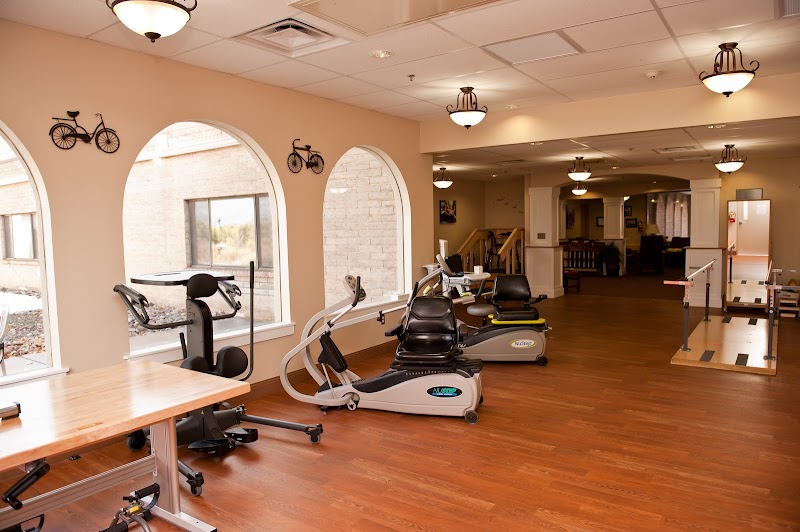
How is Colorow Health Care Llc Staffed?

CMS rates COLOROW HEALTH CARE LLC's staffing level at 4 out of 5 stars, which is above average compared to other nursing homes. Staff turnover is 49%, compared to the Colorado average of 46%.

What Have Inspectors Found at Colorow Health Care Llc?

State health inspectors documented 19 deficiencies at COLOROW HEALTH CARE LLC during 2018 to 2025. These included: 2 that caused actual resident harm and 17 with potential for harm. Deficiencies causing actual harm indicate documented cases where residents experienced negative health consequences.
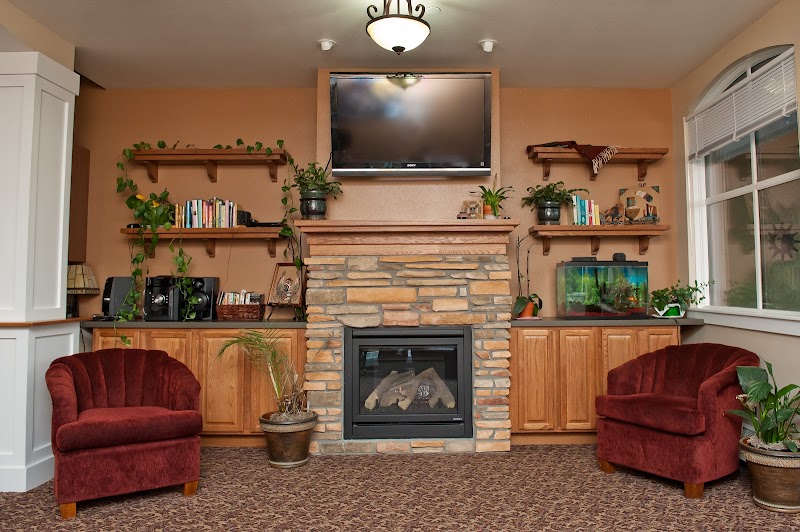
Who Owns and Operates Colorow Health Care Llc?

COLOROW HEALTH CARE LLC is owned by a for-profit company. For-profit facilities operate as businesses with obligations to shareholders or private owners. The facility is operated by VIVAGE SENIOR LIVING, a chain that manages multiple nursing homes. With 82 certified beds and approximately 66 residents (about 80% occupancy), it is a smaller facility located in OLATHE, Colorado.
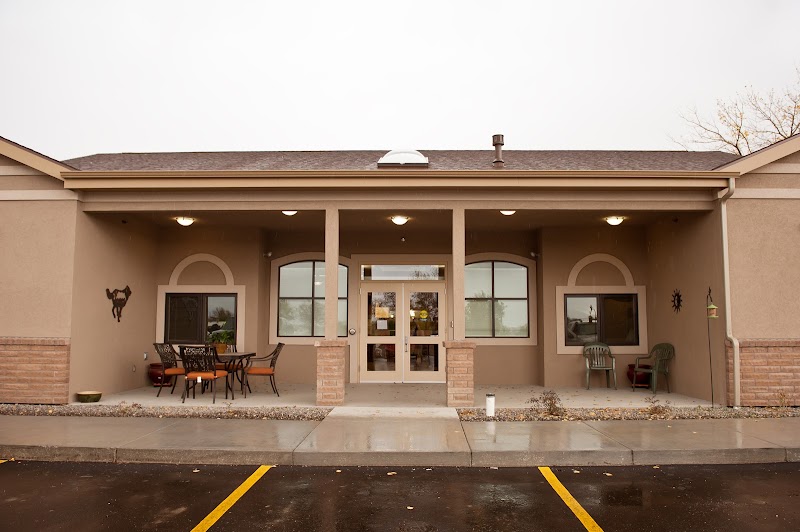
How Does Colorow Health Care Llc Compare to Other Colorado Nursing Homes?

Compared to the 100 nursing homes in Colorado, COLOROW HEALTH CARE LLC's overall rating (2 stars) is below the state average of 3.1, staff turnover (49%) is near the state average of 46%, and health inspection rating (2 stars) is below the national benchmark.

What Should Families Ask When Visiting Colorow Health Care Llc?

Based on this facility's data, families visiting should ask: "What safeguards and monitoring systems are in place to protect residents from abuse or neglect?" "Can I visit during a mealtime to observe dining assistance and food quality?" "How do you handle medical emergencies, and what is your hospital transfer rate?" "Can I speak with family members of current residents about their experience?" These questions are particularly relevant given the substantiated abuse finding on record.

Is Colorow Health Care Llc Safe?

Based on CMS inspection data, COLOROW HEALTH CARE LLC has documented safety concerns. The facility has 1 substantiated abuse finding (meaning confirmed case of resident harm by staff or other residents). The facility has a 2-star overall rating and ranks #100 of 100 nursing homes in Colorado. Families considering this facility should ask detailed questions about what corrective actions have been taken since these incidents.

Do Nurses at Colorow Health Care Llc Stick Around?

COLOROW HEALTH CARE LLC has a staff turnover rate of 49%, which is about average for Colorado nursing homes (state average: 46%). Moderate turnover is common in nursing homes, but families should still ask about staff tenure and how the facility maintains care continuity when employees leave.

Was Colorow Health Care Llc Ever Fined?

COLOROW HEALTH CARE LLC has been fined $10,059 across 1 penalty action. This is below the Colorado average of $33,179. While any fine indicates a compliance issue, fines under $50,000 are relatively common and typically reflect isolated problems that were subsequently corrected. Families should ask what specific issues led to these fines and confirm they've been resolved.

Is Colorow Health Care Llc on Any Federal Watch List?

COLOROW HEALTH CARE LLC is not on any federal watch list. The most significant is the Special Focus Facility (SFF) program, which identifies the bottom 1% of nursing homes nationally based on persistent, serious quality problems. Not being on this list means the facility has avoided the pattern of deficiencies that triggers enhanced federal oversight. This is a positive indicator, though families should still review the facility's inspection history directly.