VILLAS AT SUNNY ACRES, THE

2501 E 104TH AVE, THORNTON, CO 80233 (303) 255-4100
For profit - Corporation 160 Beds THE ENSIGN GROUP Data: November 2025
Trust Grade
45/100
#86 of 208 in CO
Last Inspection: April 2025

Within standard 12-15 month inspection cycle. Federal law requires annual inspections.

Overview

The Villas at Sunny Acres has received a Trust Grade of D, indicating below-average performance with some significant concerns. It ranks #86 out of 208 nursing homes in Colorado, placing it in the top half, and #3 out of 14 in Adams County, meaning only two local facilities are better. The facility appears to be improving, with the number of issues decreasing from 11 in 2024 to 9 in 2025. However, staffing is a weakness, rated at 2 out of 5 stars, although the turnover rate is relatively good at 34%, well below the state average. The facility has incurred $43,778 in fines, which is average, but there have been serious incidents, including a resident suffering a hip fracture due to inadequate fall prevention measures, and another resident not receiving proper colostomy care despite their complex needs. Overall, while there are strengths in some areas, families should be aware of the weaknesses and specific incidents that raise concerns about resident safety and care quality.

Trust Score
D
45/100
In Colorado
#86/208
Top 41%
Safety Record
High Risk
Review needed
Inspections
Getting Better
11 → 9 violations
Staff Stability
○ Average
34% turnover. Near Colorado's 48% average. Typical for the industry.
Penalties
✓ Good
$43,778 in fines. Lower than most Colorado facilities. Relatively clean record.
Skilled Nurses
○ Average
Each resident gets 33 minutes of Registered Nurse (RN) attention daily — about average for Colorado. RNs are the most trained staff who monitor for health changes.
Violations
⚠ Watch
32 deficiencies on record. Higher than average. Multiple issues found across inspections.
★★★★☆
4.0
Overall Rating
★★☆☆☆
2.0
Staff Levels
★★★★★
5.0
Care Quality
★★★☆☆
3.0
Inspection Score
Stable
2024: 11 issues
2025: 9 issues

The Good

  • 5-Star Quality Measures · Strong clinical quality outcomes
  • Full Sprinkler Coverage · Fire safety systems throughout facility
  • No fines on record
  • Staff turnover below average (34%)

    14 points below Colorado average of 48%

Facility shows strength in quality measures, fire safety.

The Bad

Staff Turnover: 34%

12pts below Colorado avg (46%)

Typical for the industry

Federal Fines: $43,778

Above median ($33,413)

Moderate penalties - review what triggered them

Chain: THE ENSIGN GROUP

Part of a multi-facility chain

Ask about local staffing decisions and management

The Ugly 32 deficiencies on record

4 actual harm
Apr 2025 9 deficiencies
CONCERN (D) 📢 Someone Reported This

A family member, employee, or ombudsman was alarmed enough to file a formal complaint

Potential for Harm - no one hurt, but risky conditions existed

Notification of Changes (Tag F0580)

Could have caused harm · This affected 1 resident

**NOTE- TERMS IN BRACKETS HAVE BEEN EDITED TO PROTECT CONFIDENTIALITY** Based on record review and interviews, the facility failed to inform the resident's representative of the change in condition fo...

Read full inspector narrative →
**NOTE- TERMS IN BRACKETS HAVE BEEN EDITED TO PROTECT CONFIDENTIALITY** Based on record review and interviews, the facility failed to inform the resident's representative of the change in condition for one (#176) out of five residents reviewed out of 49 sample residents. Specifically, the facility failed to timely notify Resident #176's representative of a fall, the need for medical imaging (Xray) of her left hip, new orders for pain medication and an appointment for a diagnostic imaging procedure to show detailed internal images (CT) scan in a timely manner. Findings include: I. Facility policy and procedure The Change of Condition Reporting policy, revised October 2020, was provided by the nursing home administrator (NHA) on 4/3/25 at 10:30 a.m. The policy read in pertinent part, The responsible party will be notified that there has been a change in the resident's condition and what steps are being taken. All attempts to reach the physician and responsible party will be documented in the nursing progress notes. Documentation will include time and response. II. Resident #176 A. Resident's status Resident #176, age [AGE], was admitted to the facility on [DATE]. According to the February 2025 computerized physician orders (CPO), diagnoses included heart rhythm disorder (A-Fib), heart failure, history of transient ischemic attack (TIA) and cognitive communication deficit. The 1/23/25 minimum data set (MDS) assessment revealed the resident had moderate cognitive impairments with a brief interview for mental status (BIMS) score of 10 out of 15. B. Representative interviews Resident #176's daughter-in-law was interviewed on 4/3/25 at 3:43 p.m. She said the resident's representative (Resident #176's son) was at the facility the morning of 2/11/25 to discuss discharging Resident #176 to the resident's home. The resident's representative was told by an unidentified case manager the resident had more insurance days and the team would discuss the discharge and call him back. The resident's representative spoke to a case manager later in the day and was only then notified there had been a change of condition due to a fall the night before (2/10/25) and the resident's condition had deteriorated. Resident #176's daughter-in-law said during the next several days they saw Resident #176 getting weaker and lying in bed. The daughter-in-law said the resident was not acting like herself because of the pain medication. Resident #176's daughter-in-law said prior to 2/10/25 there was a meeting with the family, resident, staff members including the case manager to discuss the passing of Resident #176's daughter and now the primary contact would be the resident's representative, her son. Resident #176's representative was interviewed on 4/3/25 at 5:11 p.m. He said he visited Resident #176 the morning of 2/11/25 and spoke to an unidentified case manager about discharging Resident #176 to her home that day. Resident #176's representative was told she still had insurance coverage and the team would discuss the discharge and call him back. He said there was no communication about the fall while he was there in the morning, He said Resident #176 was complaining of pain the morning of 2/11/25, which was new for her. He said he talked to a case manager later in the afternoon and was advised, because of Resident #176's change of condition, discharge was not recommended. He said he was then notified of the 2/10/25 fall and of the Xrays that were taken on 2/11/25. He said he had no prior notification from the facility regarding the fall or Xrays. He said he was told that the facility tried to call Resident's #176's daughter. He said the facility was aware that she passed away. He said there was a meeting for Resident #176 which included the case manager regarding the passing of the resident's daughter. He said he was listed as the first contact. He said he noticed a change in the resident and she was sleeping more, not getting out of bed and was told she was on pain medications after the medication was started. Resident #176's representative said he was not notified of the 2/20/25 CT scan appointment until the morning of 2/20/25 when he went to visit his mother and she was not at the facility. Resident #176's representative was then advised of the appointment. He said had been visiting sometimes up to three times a day prior to her rehospitalization. C. Record Review The nursing facility's face sheet listed Resident #176's representative, her son, as first emergency contact. There was no one listed as the resident's power of attorney (POA). There was only one contact listed. A progress note, dated 2/10/25 at 10:45 p.m., documented in pertinent part, the family member or representative was notified on 2/11/25 at 6:00 a.m. -The note did not specify which family member/representative was notified. A progress note, dated 2/10/25 at 11:03 p.m., documented in pertinent part, the nurse practitioner (NP), on-call nurse and POA were notified of the resident's fall. A progress note, dated 2/11/25 at 5:48 a.m., documented the writer attempted to call Resident #176's daughter and POA twice to notify her of the resident's fall. The phone went immediately to voicemail and the writer was unable to leave a message due to the mailbox being full. This was passed on to the dayshift nurse to try and contact the daughter again. -However, the facility was notified Resident #176's daughter passed away prior to 2/10/25, see interviews above. Resident's #176 daughter was not listed on the face sheet. A progress note, dated 2/11/25 at 12:26 p.m., documented an Xray of the left hip was completed due to a fall and were negative for a fracture. The Xray results were received and communicated to the physician. Review of the February 2025 CPO revealed the following physician's orders: Tramadol 50 milligram (mg) one tablet by mouth every six hours as needed for moderate and severe pain, ordered 2/11/25; and, Tylenol 1000 mg by mouth every eight hours as needed for pain, ordered 2/11/25. -Review of Resident #176's electronic medical record (EMR) failed to show the resident's representative (Resident #176's son) was notified of the 2/10/25 fall, the ordered Xrays or the addition of pain medication at the time when it occurred. D. Staff interviews The director of nursing (DON) and the regional clinical resource (RCR) were interviewed together on 4/2/25 at 5:15 p.m. The DON said the expectation was for the responsible party to be notified after a fall. Primary care physician (PCP) #1 was interviewed 4/3/25 at 2:50 p.m. PCP #1 said she had no contact with the family regarding the resident's fall or plan of care. PCP #1 said she asked the resident if she wanted to go to the hospital for tests or stay at the facility for Xrays. PCP #1 said the resident chose to stay at the facility. She said it was the facility's responsibility to contact the responsible party after a fall. III. Facility follow-up The NHA provided additional information on 4/4/25 at 12:43 p.m., after the exit. The NHA sent a screen shot of a phone and said it belonged to social worker's (SW) #1's phone. The screen shot revealed SW #1 called the resident's representative (son) phone on 2/11/25 at 2:43 p.m., lasting 34 seconds. Another screen shot revealed an incoming call from the resident's representative's phone number on 2/11/25 at 3:09 p.m. The NHA said SW #1 provided notification of the fall and Xray results at that time. -However, Resident #176 fell on 2/10/25 at approximately 10:15 p.m. and the resident's representative was not notified until 2/11/25 at 3:09 p.m., approximately 17 hours after the fall occurred, after Xrays were taken and medications were ordered. The NHA provided a written statement from SW #1 on 4/4/25 at 12:43 p.m. The 4/4/25 statement read in pertinent part, SW #1 notified the resident's representative of the fall and Xray results during the phone conversation on 2/11/25 at 3:09 p.m.
CONCERN (D)

Potential for Harm - no one hurt, but risky conditions existed

ADL Care (Tag F0677)

Could have caused harm · This affected 1 resident

**NOTE- TERMS IN BRACKETS HAVE BEEN EDITED TO PROTECT CONFIDENTIALITY** Based on observations, record review and interviews, the facility failed to provide residents who were unable to carry out activ...

Read full inspector narrative →
**NOTE- TERMS IN BRACKETS HAVE BEEN EDITED TO PROTECT CONFIDENTIALITY** Based on observations, record review and interviews, the facility failed to provide residents who were unable to carry out activities of daily living (ADL's) the necessary services to maintain good nutrition, grooming, and personal and oral hygiene for two (#326 and #8) of five residents out of 49 sample residents. Specifically the facility failed to -Offer repositioning to Resident #326 and Resident #8, who were dependent residents; and, -Provide assistance with toileting for Resident #326. Findings include: I. Observations During a continuous observation on 4/1/25, beginning at 8:38 a.m. and ending at 12:39 p.m., the following was observed: At 8:39 a.m. Resident #326 was lying in bed with her eyes opened. She was leaning to the right side of her bed. Resident #8, who resided in the same room, was sleeping in her wheelchair. At 9:15 a.m. Resident #326 was lying in bed with her eyes closed leaning to the right side. Resident #8 was sitting in her wheelchair sleeping. The room smelled of urine. At 10:30 a.m. Resident #326 was lying in bed with her eyes open leaning to the right side. Resident #8 was sitting in her wheelchair next to her bed. The room continued to smell of urine. At 11:01 a.m. Resident #8 was in her room. An unidentified staff member asked Resident #8 if she wanted to put pants on. Resident #8 declined. The unidentified staff member did not reposition or provide care to Resident #8. At 11:24 a.m. Resident #326 was lying in bed leaning to the right side. Resident #8 was sitting in her wheelchair in her room. At 11:48 a.m. certified nurse aide (CNA) #2 and CNA #3 provided incontinence care to Resident #326. The CNAs changed the resident's brief. The resident's brief was saturated with urine. There was a blue line on the outside of the brief that indicated the brief was wet. At 12:39 p.m. Resident #326 was lying in bed with her eyes closed leaning to the left side. Resident #8 was sitting in a wheelchair sleeping. -Resident #326 was not provided incontinence care or repositioning for over three hours, from 8:38 a.m. until 11:48 a.m -Resident #8 was not repositioned for four hours, from 8:38 a.m. until 12:39 p.m. II. Resident #326 A. Resident status Resident #326, age [AGE], was admitted on [DATE] and passed away on 4/2/25 at the facility. According to the April 2025 computerized physician orders (CPO), diagnoses include muscle weakness, limitation of activities due to disabilities and urinary tract infection. The 3/3/25 minimum data set (MDS) assessment revealed the resident was cognitively intact with a brief interview for mental status (BIMS) score of 13 out of 15. The resident required substantial/ maximal assistance of two people with toileting hygiene and personal hygiene. B. Record review The ADL care plan, revised 10/19/20, revealed Resident #326 had an ADL self care performance deficit initiated on 10/1/19 . Pertinent interventions indicated the resident required staff assistance for toileting. -However, observations revealed staff failed to offer or provide assistance with toileting (see observations above). The oxygen care plan, revised 10/22/22, revealed Resident #326 had oxygen therapy related to ineffective gas exchange initiated on 10/3/19. Pertinent interventions included changing the residents position every two hours to facilitate lung secretion movement and drainage. -However, observations revealed the staff failed to offer or provide assistance with repositioning (see observations above). III. Resident #8 A. Resident status Resident #8 age [AGE], was admitted on [DATE]. According to the April 2025 CPO diagnoses included dementia, lack of coordination and difficulty walking. The 2/28/25 MDS assessment revealed the resident had severe cognitive impairments with a BIMS score of three out of 15. She required maximum assistance from two staff members for transfers, toileting and showering. B. Record review The ADL care plan, initiated on 11/9/19 and revised on 11/12/19, revealed Resident #8 had a self-care performance deficit. Pertinent interventions included the resident required staff assistance for repositioning -However, observations revealed staff failed to offer or provide Resident #8 with repositioning for four hours (see observations above). IV. Staff interviews CNA #3 was interviewed on 4/1/25 at 11:35 a.m. CNA #3 said Resident #326 and Resident #8 needed help to go to the bathroom. CNA #3 said Resident #326 and Resident #8 needed to be checked every two hours for repositioning and incontinence care. Registered nurse (RN) #1 was interviewed on 4/1/25 at 1:08 p.m. RN #1 said Resident #326 and Resident #8 needed to be repositioned every two hours to check if they need to be cleaned to prevent skin breakdown and for comfort. Licenced practical nurse (LPN) #2 was interviewed on 4/2/25 at 1:40 p.m. LPN #2 said if any of the residents needed staff assistance then they should be checked at least every two hours. LPN #2 said checking for incontinence every two hours was important to prevent skin breakdown and to ensure the residents were clean and dry. The DON and the regional clinical resource (RCR) were interviewed together on 4/3/25 at 5:58 p.m. The DON said any resident that was dependent on staff for toileting should be checked every two hours. The DON said that was the standard of care that should be done. The DON said the nurses and the CNAs were trained to check Resident #326 and Resident #8 every two hours. The RCR said Resident #326 had an air mattress as an intervention for skin breakdown but the CNAs and the nurses needed to provide repositioning and offer incontinent care at least every two hours. The RCR said any resident whose care plan indicated they needed assistance with repositioning should be offered repositioning every two hours to prevent skin breakdown. The DON said it was important to provide timely repositioning and incontinence care to maintain skin integrity by offloading any bony areas and to maintain the residents comfort.
CONCERN (D)

Potential for Harm - no one hurt, but risky conditions existed

Deficiency F0678 (Tag F0678)

Could have caused harm · This affected 1 resident

**NOTE- TERMS IN BRACKETS HAVE BEEN EDITED TO PROTECT CONFIDENTIALITY** Based on record review and interviews, the facility failed to document resuscitation choices accurately in the medical record on...

Read full inspector narrative →
**NOTE- TERMS IN BRACKETS HAVE BEEN EDITED TO PROTECT CONFIDENTIALITY** Based on record review and interviews, the facility failed to document resuscitation choices accurately in the medical record one (#376) of five residents reviewed for advance directives out of 49 sample residents. Specifically, the facility failed to ensure: -Resident #376 had a physician's order for their cardiopulmonary resuscitation (CPR) wishes in the resident's electronic medical record (EMR); and, -Resident #376's care plan included the resident's CPR wishes. Findings include: I. Facility policy and procedure The Advanced Directive policy, reviewed February 2025, was provided by the nursing home administrator (NHA) on [DATE] at 10:20 a.m. It read in pertinent part, Documentation shall be maintained in each resident's record. The facility will have a system for staff to identify the code status of each resident. II. Resident #376 A. Resident status Resident #376, age [AGE], was admitted on [DATE]. According to the [DATE] computerized physician's orders (CPO), diagnoses included esophageal obstruction, lobar pneumonia (a type of pneumonia that affects one or more lobes of the lung) and asthma. The [DATE] minimum data set (MDS) assessment revealed the resident was cognitively intact with a brief interview for a mental status (BIMS) score of 13 out of 15. B. Record review Review of the [DATE] CPO did not reveal a physician's order indicating the resident's CPR wishes. -On [DATE] (during the survey), a physician's order was entered into Resident #376's EMR for the resident's CPR wishes. Review of the resident's comprehensive care plan did not reveal documentation indicating the resident's CPR wishes. A review of the resident's EMR did not reveal documentation indicating the resident's medical orders for scope of treatment (MOST) form was scanned into the EMR and was not available for review. Registered nurse (RN) #3 could not locate Resident's #376's MOST form in the Advanced Directive binder, which was kept at the nurse's station.t have a copy of Resident #376's MOST form for review. On [DATE] at 5:25 the resident's MOST form was provided by social worker (SW) #2. The MOST form was signed on [DATE] (during the survey) by the resident's physician. The MOST form was scanned into the resident's EMR on [DATE] (during the survey). III. Staff interviews SW #2 and RN #3 were interviewed together on [DATE] at 5:15 p.m. RN #3 and SW #2 said on admission, the admitting nurse filled out the MOST form and confirmed the order in the EMR. They said a copy of the MOST form was put into the Advanced Directive binder and the original MOST form was placed in a folder for the provider to sign. They said once the original was signed this replaced the copy in the binder and the form was scanned into the EMR. SW #2 said she located Resident #376's MOST form in the folder that was waiting to be signed by the physician. SW #2 said the MOST form was signed by Resident #376 on [DATE]. SW #2 said Resident #376's MOST form had not been signed by the physician.
CONCERN (D)

Potential for Harm - no one hurt, but risky conditions existed

Accident Prevention (Tag F0689)

Could have caused harm · This affected 1 resident

**NOTE- TERMS IN BRACKETS HAVE BEEN EDITED TO PROTECT CONFIDENTIALITY** Based on observations, record review and interviews, the facility failed to provide adequate supervision to keep residents free ...

Read full inspector narrative →
**NOTE- TERMS IN BRACKETS HAVE BEEN EDITED TO PROTECT CONFIDENTIALITY** Based on observations, record review and interviews, the facility failed to provide adequate supervision to keep residents free from accidents/hazards for one (#276) of one resident out of 49 sample residents. Specifically, the facility failed to prevent an elopement from the secured unit building for Resident #276. Findings include: I. Facility policy and procedure The Elopement/Unsafe Wandering policy and procedure, revised June 2024, was provided by the nursing home administrator (NHA) on 4/6/25 at 1:12 p.m. It read in pertinent part, To provide a safe environment for all residents through appropriate assessment and interventions to prevent accidents related to unsafe wandering or elopement. Wandering is defined as random or repetitive locomotion and can be either goal directed or nongoal directed/aimless. Elopement is when a resident leaves the facility premises or a safe area without authorization and or any necessary supervision to do so. Residents with capabilities of ambulation and/or mobility in wheelchairs will have an elopement/wandering evaluation completed to determine the risks for elopement and unsafe wandering on admission. Residents with high risk factors identified on the elopement/wandering evaluation are considered at risk and will have an individualized care plan developed that includes measurable objectives and timeframes. The care plan interventions will consider the particular elements of the evaluation that put the resident at risk and the observations of wandering behavior. These interventions will address the individualized level of supervision needed to prevent elopement/unsafe wandering. If a resident is missing, it is a facility-wide emergency. Missing resident procedures will be initiated. Determine if the resident is out on an authorized leave or pass. If the resident was not authorized to leave, institute a search of the premises. If the resident is unaccounted for after a thorough search of the building and grounds, immediately notify the administrator, the director of nursing (DON), the resident's legal representative, the attending physician and law enforcement officials. When the resident returns to the facility, an assessment of the resident will be completed to determine if medical attention is required, provide interventions as indicated, notify search teams that the resident has been located, attending physician and resident representative will be notified of the resident's return, document relevant information in the resident's medical record. An elopement evaluation will be completed post-elopement with follow up documentation for a minimum of 72 hours following the incident. A review of the elopement incident by the interdisciplinary team (IDT) will include an investigation to determine the safety of the environment and probable causal factors leading to the elopement. The care plan will be updated and include interventions to address the possible need for increased level of supervision, staff will be educated on proper identification, assessment, and treatment of residents with elopement risks. Education will be provided on orientation and annually thereafter. II. Facility investigation of Resident #276's elopement on 3/31/25 The facility's investigation timeline of Resident #276's elopement was provided by the NHA on 4/2/25 at 12:19 p.m. The investigation revealed that at approximately 1:44 a.m. on 1/31/25 Resident #276 was seen on his unit. At 2:00 a.m. the unit nurse was on another unit with a different resident and the certified nurse aide (CNA) assigned to Resident #276's unit was on break. When the unit nurse returned to Resident #276's unit, the unit nurse noted that Resident #276 was not on the unit. The unit nurse and a CNA conducted a search and were able to find Resident #276 outside close to the entry of the facility's property. The staff were able to escort Resident #276 back into the facility. At 2:50 a.m. the registered nurse (RN) assessed Resident #276 for injuries. At 6:00 a.m. the unit nurse was verbally educated on ensuring that staff breaks were spaced appropriately so the unit was not unattended and ensuring that doors were properly latched when people entered and exited. At 7:00 a.m. Resident #276 was placed on frequent checks. At 8:45 a.m. the maintenance director (MTD) completed an environmental check to ensure that the doors were functioning and ensure that the doors latched properly. The MTD confirmed that everything was functioning and latching properly. At 6:18 p.m. the nurse practitioner documented a medication review for Resident #276. At 9:21 p.m. the psychiatric nurse practitioner documented completion of an evaluation of Resident #276. The investigation further documented that through facility determination, Resident #276 went over two desks at the nurse's station and activated the delayed egress door. The investigation included a timeline of the events of 3/31/25, root cause analysis and education to staff on the secure unit. The education included coordinating break times to ensure one staff member was always present on the unit. -However, the care plan did not address Resident #276's wandering behavior until during the survey process, even though the elopement/wandering assessment documented he was high risk. -Additionally, the care plan was not updated for elopement/wandering by social services until 4/3/25 (during the survey). III. Resident #276 A. Resident status Resident #276, age [AGE], was admitted on [DATE]. According to the April 2025 computerized physician order (CPO), diagnoses included dementia, type 2 diabetes and insomnia. The 3/24/25 minimum data set (MDS) assessment revealed a brief interview for mental status (BIMS) assessment was not conducted because Resident #276 was rarely or never understood. The staff assessment for mental status revealed that Resident #276 had short-term and long-term memory problems and his daily decision-making skills were severely impaired. The assessment indicated that Resident #276 required partial to moderate assistance with the majority of his activities of daily living (ADL). The assessment indicated that Resident #276 wandered. B. Resident representative interview Resident #276's representative was interviewed on 4/1/25 at 11:45 a.m. The representative said Resident #276 was recently diagnosed with dementia. She said a month ago he was able to drive himself to his appointments. She said he was adjusting to a new environment and it was all a new experience to him and to their family. The representative said she was aware of Resident #276's elopement on 3/31/25, she said the facility staff notified her, but she did not understand how a resident could elope from the secure unit. She said Resident #276's wishes were for safety and comfort and this was supposed to be the focus of his care. C. Observations On 4/2/25 at 1:50 p.m. an unidentified maintenance staff member was observed testing the doors to the middle secure unit to make sure that the doors locked properly. On 4/2/25 at 2:00 p.m. the door to the middle secure unit was observed to be slightly open. The door was able to be pushed fully open and allow a person to walk through the door and enter the middle secure unit without using a key card to unlock the door. On 4/2/25 at 2:31 p.m. the door to the middle secure unit was again able to be opened, without using a key card, in order to exit the middle secure unit. The light on the key pad where staff swiped their key cards was blinking from red to green, indicating that the door was not locked. D. Record review Review of Resident #276's mood/behavior care plan, initiated 3/27/25 and revised 4/2/25 (during the survey), revealed Resident #276 had mood/behavior problems due to his diagnosis of dementia with behaviors. The care plan documented that Resident #276 had had some agitation/aggression since admission and he liked to move furniture around and was at times difficult to redirect. The care plan documented Resident #276 would urinate in trash cans and on the floor. The care plan further revealed Resident #276 had a history of wandering without intent. Interventions included offering coffee, snacks, walks outside, going on outings, redirecting the resident to do a craft, offering a fidget lock box or pretend tool set, offering listening to Korean music and watching Korean television (TV). Review of Resident #276's secure unit placement care plan, initiated 4/3/25 (during the survey) revealed Resident #276 was a wanderer and elopement risk. Interventions included distracting the resident from wandering by offering a fidget lock box, fishing games, Korean music and TV, offering snacks and coffee and documenting the resident's wandering behaviors and attempted diversional interventions. The 3/20/25 elopement/wandering evaluation documented that Resident #276 was at high risk for wandering and elopement. The 3/20/25 medication administration note documented that Resident #276 was having behaviors of wandering, pacing the unit, touching other resident's hands, picking up the trashcan and moving it and then trying to sit on it and trying to sit on furniture that was already occupied. The note further documented that Resident #276 was pushing on the doors and causing the alarms to go off. The note documented that staff continued to redirect the resident but it was unsuccessful most of the time. The 3/21/25 behavior note documented that Resident #276 was pacing, restless and hitting the alarmed doors multiple times. The note documented that a drink and snack were given to Resident #276 and Resident #276 was able to make his needs known by asking or showing staff what he wanted. The 3/21/25 social services note documented that Resident #276's wandering behaviors continued. The 3/23/25 medication administration note documented that Resident #276 continued to wander and needed constant supervision. The 3/24/25 behavior note documented that Resident #276 continued to try to open doors and he was observed trying to open the back doors with a fork. The note further documented Resident #276 continued to wander into other residents' rooms. The 3/25/25 medication administration note documented Resident #276 continued to wander and exit seek. The 3/27/25 behavior note documented Resident #276 was restless and exit seeking by hitting the doors multiple times and causing the alarms to go off. The note documented that staff was able to redirect him by offering snacks and TV and staff would anticipate Resident #276's needs. The 3/28/25 behavior note documented Resident #276 was restless, pacing nonstop, wandering into other residents' rooms and causing the alarms to go off by hitting the doors. The note documented that staff redirected him by offering snacks, coloring and light activities, but Resident #276 continued to be restless. An incident note, dated 3/31/25, documented that Resident #276 had an unwitnessed fall around 2:50 a.m. As the RN was coming to the unit to do a fall assessment, Resident #276 was observed sitting in a wheelchair in the common area. The unit nurse had notified RN that Resident #276 jumped over the nurse's station wall and was able to leave the unit through the doors of the neighboring unit and out of the building. The note documented that the unit nurse told the RN that she was on a different unit and the CNA was on her break during the time that Resident #276 left the building. The unit nurse and a CNA drove around the building and were able to locate Resident #276 outside of the building but still on the facility campus. Resident #276 was observed to have a quarter-sized laceration on his right front forehead and a laceration on his left foot on the tarsal area of the big toe, and a minor laceration on the right knee from the fall outside of the facility. The unit nurse was to complete the fall and elopement interventions. The 3/31/25 nursing note documented that the nurse returned to the unit from the other two units to find that Resident #276 was missing. After searching each room, the nurse and CNA went outside to find Resident #276 near the entrance of the facility grounds, which was close to a very busy street. The note documented that Resident #276 was trying to go home and the unit nurse notified the RN of the incident and to come and perform an assessment on the resident. The same injuries were listed as in the incident note above. IV. Staff interviews The assistant nursing home administrator (ANHA) was interviewed on 4/2/25 at 10:03 a.m. The ANHA said Resident #276 eloped from the secured unit by jumping over the nurse's station to the other unit and pushed on the door by the hallway furthest from the nurse's station, which was a fire door that opened after a delayed period. She said the resident did not exit the building but he did leave the unit. The NHA was interviewed on 4/2/25 at approximately 11:15 a.m. The NHA said he did not recall all the details, but said he would ask the director of nursing (DON) to provide a timeline and walk through the events of 3/31/25. The DON was interviewed on 4/2/25 at 1:20 p.m. The DON said Resident #276 walked from his bedroom to the nurse's station around 2:00 a.m. and crawled over the nurse's station and went over the nurse's station through the neighboring unit. She said he was able to exit through that unit because the door was not fully latched closed. She said Resident #276 then found his way to the main exit. She said the doors were locked from the outside from 8:00 p.m. until 6:00 a.m. She said you could push the main doors of the secure unit open and it would not alarm but if someone left, they could not get back in. The DON said Resident #276 was found outside in the parking lot close to the entrance of the facility property. Social worker (SW) #3 was interviewed on 4/2/25 at 1:42 p.m. SW #3 said that social services did not have a specific schedule that they used when going on breaks but that the nursing staff did because there had to be someone on the floor at all times. CNA #1 was interviewed on 4/2/25 at 1:58 p.m. CNA #1 said when CNAs went on their breaks, they told each other they were going on break and they could only go one at a time so that way everyone could shift units and ensure there was always someone covering the floor. She said there was supposed to be someone on the floor at all times. CNA #5 was interviewed on 4/2/25 at 2:34 p.m. CNA #5 said that staff rotated when they went on their breaks to ensure the floor was always covered. She said if the light on the door was blinking then that meant the door was locked. CNA #6 was interviewed on 4/2/25 at 2:43 p.m. CNA #6 said that nurses would help cover the floor when the CNAs went on break. He said that if staff saw that a door was open then they should go and look to see why the door was open. He said that if there were any residents that were on elopement precautions then he would check the [NAME]. He said that staff got elopement and dementia training during all-staff meetings. Licensed practical nurse (LPN) #5 was interviewed on 4/2/25 at 2:57 p.m. LPN #5 said CNAs were rotated for their breaks and nurses went when they found the time to go on their breaks. She said there was always someone on the floor. She said the doors that went to the outside of the unit had a light that blinked by the lock, which indicated they were locked. SW #3 was interviewed again on 4/2/25 at 2:01 p.m. She said new interventions that were put in place for him were the fidget lock box, fake tools and art supplies. SW #3 was interviewed a third time on 4/3/25 at 5:36 p.m. SW #3 said the facility staff believe Resident #276 was able to elope due to the lock not properly locking in the other unit's door. The MTD was interviewed on 4/3/25 at 5:45 p.m. The MTD said he identified a problem with the double door on the secure unit that was not latching appropriately. He said since it was noted, the door was guarded by staff members to ensure no residents left the unit. He said the door was fixed and functioning appropriately as of this afternoon 4/3/25. The MTD said he checked all the doors on the secure unit monthly to ensure they were functioning properly, however, he said this problem was not noted until recently.
CONCERN (D)

Potential for Harm - no one hurt, but risky conditions existed

Deficiency F0698 (Tag F0698)

Could have caused harm · This affected 1 resident

**NOTE- TERMS IN BRACKETS HAVE BEEN EDITED TO PROTECT CONFIDENTIALITY** Based on record review and interviews, the facility failed to ensure residents who required dialysis services received such serv...

Read full inspector narrative →
**NOTE- TERMS IN BRACKETS HAVE BEEN EDITED TO PROTECT CONFIDENTIALITY** Based on record review and interviews, the facility failed to ensure residents who required dialysis services received such services consistent with professional standards of practice for one (#116) of two residents reviewed for dialysis out of 49 sample residents. Specifically, the facility failed to: -Consistently and thoroughly complete the dialysis communication forms between the facility and the dialysis center; and, -Ensure thorough documentation was completed for Resident #116 dialysis treatments. I. Facility policy and procedure The Renal Dialysis, Care of Resident, Hemodialysis Access Site policy and procedure, revised December 2020, was provided by the nursing home administrator (NHA) on 4/6/25 at 1:12 p.m. It read in pertinent part, It is the policy of the facility to provide standards in the care of the residents on renal dialysis and the care of the vascular access site for hemodialysis. The facility licensed nurse will complete the baseline information, pre- and post-dialysis section of the nurse dialysis communication record. The dialysis center licensed nurse will complete the dialysis center section of the nurse dialysis communication record. II. Resident #116 A. Resident status Resident #116, age [AGE], was admitted on [DATE]. According to the April 2025 computerized physician orders (CPO), diagnoses included end-stage renal disease, acquired absence of the kidney, malignant neoplasm of the right kidney, dementia, Melkersson's syndrome (a neurological disorder that caused facial swelling or paralysis) and the need for renal dialysis. The 1/26/25 minimum data set (MDS) assessment revealed the resident had moderate cognitive impairments with a brief interview for mental status score (BIMS) of eight out of 15. She required substantial assistance with toileting, showering, and dressing. She required supervision with personal hygiene and set up for oral hygiene and eating. The MDS assessment indicated the resident received dialysis treatments. B. Resident interview and observations Resident #116 was interviewed on 3/31/25 at 2:57 p.m. Resident #116 said she did not know what day of the week she went to dialysis. She said there was a sign above her bed that indicated she attended dialysis on Tuesday, Thursday and Saturday. C. Record review Review of Resident #116's dialysis care plan, initiated 1/24/25, revealed the resident received dialysis on Tuesdays, Thursdays and Saturdays at 7:10 a.m. Interventions included checking arteriovenous fistula (a surgical connection between a vein and artery used for dialysis) as ordered, not drawing blood or taking blood pressing in arm with graft, encouraging the resident to go to scheduled dialysis appointments, monitoring labs and reporting to the doctor as needed, monitoring, documenting and reporting to doctor as needed any signs and symptoms of infection to access site and nutritionist to consult. -However, the care plan did not indicate to monitor vital signs and weights pre- and post-dialysis treatment. Review of Resident #116's April 2025 CPO revealed the following physician's order related to dialysis: Dialysis on Tuesday, Thursday and Saturday, ordered 1/28/25. Check vital signs upon return from dialysis, ordered 1/26/25. Monitor port site for signs and symptoms of infection every shift, ordered 1/23/25. Prostat AWC (a liquid protein supplement), 30 milliliters (ml) twice a day for dialysis and to optimize nutrition, may mix with juice, ordered 2/13/25. Nepro (oral nutritional supplement), provide three times a day for malnourishment and to optimize nutrition, ordered 1/24/25. Review of the February 2025 (2/1/25 to 2/28/25) medication administration record (MAR) revealed the following: -Dialysis was left blank on 2/1/25, 2/6/25, 2/8/25 and 2/22/25. -Review of the resident's electronic medical record (EMR) did not indicate why the MAR was left blank on 2/1/25, 2/6/25, 2/8/25 and 2/22/25. Review of the March 2025 MAR revealed the following: -Dialysis was left blank on 3/20/25 and 3/27/25. -Review of the resident's EMR did not indicate why the MAR was left blank on 3/20/25 and 3/27/25. Resident #116's dialysis binder was provided by licensed practical nurse (LPN) #4 on 4/3/25 at 1:43 p.m. Each log had three sections on one sheet of paper, which revealed the following: The first section was to be filled in by the facility before dialysis with the date and the resident's vital signs, which included temperature, pulse, respirations, blood pressure, weight and oxygen saturation levels. The section indicated to document the resident's weight, the resident's prescribed diet and if the resident's access site was intact. The section also prompted the nurses to document if the resident was COVID-19 positive, if the facility had a resident who was COVID-19 positive and if the resident was exposed to COVID in the past 14 days. The second section was the post-dialysis section was to be filled out by the facility with the resident's vital signs and if the access site was intact. A nurse's signature was required to validate that the information was completed. The third section of the communication form was to be filled out by the dialysis center staff. The documentation included the resident's vital signs, the resident's weight pre- and post-dialysis, the diet, if the access to the site was intact, and any recommendations or comments. A provider's signature and a date were required to validate that the information was completed. -However, Resident #116's dialysis binder included two communication forms. Resident #116's dialysis communication logs from 2/13/25 to 3/29/25 were provided by the NHA on 4/3/25. -The facility was unable to provide dialysis communication forms for 1/25/25, 1/28/25, 1/30/25, 2/1/25, 2/4/25, 2/6/25, 2/8/25 and 2/11/25. -Review of the resident's EMR did not indicate if the resident missed dialysis on 1/25/25, 1/28/25, 1/30/25, 2/1/25, 2/4/25, 2/6/25, 2/8/25 and 2/11/25. Review of the communication forms that the facility provided documented the following: The pre-dialysis section had the diet section left blank on the following dates: 2/20/25, 2/27/25, 3/20/25, 3/25/25 and 3/27/25 The pre-dialysis section had the weight left blank on 2/13/25, 3/11/25 and 3/29/25 The pre-dialysis section had the access site intact section blank on 3/22/25. The dialysis center section was left blank on the following dates: 2/18/25, 3/8/25, 3/15/25, 3/20/25, and 3/27/25 III. Staff interviews LPN #4 was interviewed on 4/3/25 at 6:10 p.m. He said when a resident went to dialysis, the facility nurse was responsible for obtaining the resident's pre-dialysis vital signs, weight and making sure the dialysis access site was intact. He said he documented the information on the dialysis communication sheet. He said the dialysis communication sheet went with the resident to dialysis in a binder. LPN #4 said the dialysis staff completed the dialysis center information on the communication sheet. LPN #4 said when the resident returned from the dialysis center, the resident's vital signs were obtained. He said the facility nurse entered the post-dialysis vital signs either on the dialysis communication sheet or on the MAR. He said he was not sure why some of the communication sheets were not completed in their entirety for Resident #116. Assistant director of nursing (ADON) #1 and the director of nursing (DON) were interviewed on 4/3/25 at 4:22 p.m. ADON #1 said when a resident was admitted to the facility and was receiving dialysis, the facility would make sure they knew the days, time, and location when the resident went to dialysis. ADON #1 said the nurse monitored the port or fistula site for signs and symptoms of infection each shift. ADON #1 said if the resident had a fistula, the nurse would remove the dressing as indicated per the dialysis center, which generally was the day after dialysis. ADON #1 said the days the resident had dialysis, the nurse completed vital signs and obtained the resident's weight. ADON #1 said the nurse documented the vital signs and the resident's weight on the communication form. ADON #1 said the communication form was placed in a binder that also had the resident's face sheet, the resident's preferences for life sustaining measures and a list of the resident's medication. ADON #1 and the DON said they did not know information was missing from the dialysis communication form for Resident #116. They said they did not know Resident #116's MAR was missing information.
CONCERN (D)

Potential for Harm - no one hurt, but risky conditions existed

Deficiency F0744 (Tag F0744)

Could have caused harm · This affected 1 resident

**NOTE- TERMS IN BRACKETS HAVE BEEN EDITED TO PROTECT CONFIDENTIALITY** Based on observations, record review and interviews, the facility failed to ensure residents who were diagnosed with dementia re...

Read full inspector narrative →
**NOTE- TERMS IN BRACKETS HAVE BEEN EDITED TO PROTECT CONFIDENTIALITY** Based on observations, record review and interviews, the facility failed to ensure residents who were diagnosed with dementia received the appropriate treatment and services to attain or maintain the highest practicable physical, mental and psychosocial well-being for one (#276) of one resident out of 49 sample residents. Specifically, the facility failed to effectively identify person-centered approaches for dementia care for Resident #276. Findings include: I. Facility policy and procedure The Specialized Dementia and Behavioral Care Program policy and procedure, undated, was provided by the nursing home administrator (NHA) on 4/6/25 at 1:12 p.m. It read in pertinent part, The Specialized Dementia and Behavioral Care Program includes a secured unit (SU) designed to meet the needs and ensure the safety of individuals with Alzheimer's, dementia/delirium, psychiatric/behavioral diagnoses, and other diagnoses deemed appropriate for the secured unit by the admissions assessment. To respond to the needs of both family and resident, the therapeutic milieu includes such services as individualized assessments and plan of care based on the needs of the resident. These services are designed to provide an understanding of the resident's specific requirements and skilled approach in the management of health, safety, and an emotional support of residents and family. The primary objective of the SU is to provide therapeutic setting that will maximize the resident's functioning for as long as possible and help ease the burden for families. The SU will maintain resident safety by being locked and/ or alarmed at all entry and exit doors. Through resident care planning, each resident will be cared for by an interdisciplinary team (IDT) of professionals working cooperatively and collaboratively to provide individualized care. II. Resident #276 A. Resident status Resident #276, age [AGE], was admitted on [DATE]. According to the April 2025 computerized physician order (CPO), diagnoses included dementia, type 2 diabetes and insomnia. The 3/24/25 minimum data set (MDS) assessment revealed a brief interview for mental status (BIMS) assessment was not conducted because Resident #276 was rarely or never understood. The staff assessment for mental status revealed that Resident #276 had short-term and long-term memory problems and his daily decision-making skills were severely impaired. The assessment indicated that Resident #276 required partial to moderate assistance with the majority of his activities of daily living (ADL). The assessment indicated Resident #276 found listening to music he enjoyed, group activities, participating in his favorite activities, going outside and participating in his religious activities were very important to him. The assessment indicated that Resident #276 wandered but did not exhibit any other behaviors. B. Observations During a continuous observation on 3/31/25, beginning at 11:40 a.m. and ending at 12:55 p.m., the following was observed: At approximately 12:00 p.m. Resident #276 was eating in the dining area, he was standing then sitting, then standing staff was assisting him and trying to redirect him to sit while eating. At 12:04 p.m. staff brought Resident #276 more food, he ate some but did not finish. At approximately 12:10 p.m. Resident #276 was grabbing books from the community book shelf and carried them around the unit. -Staff on the unit did not attempt to redirect the resident by offering a different meaningful activity to the resident At 12:13 p.m. an unknown male resident told Resident #276 to put the books back, however, Resident #276 did not put the books back. The unknown male resident then hit the back of the books that Resident #276 was holding. Staff did not observe the interaction or intervene. At 12:38 p.m. Resident #276 unplugged the computer from the wall and staff redirected him by telling him that the church group was coming up. -However, staff did not attempt to take the resident to the middle secure unit where the church group would be held. At 12:40 p.m. Resident #276 wandered into another resident's room. Staff did not see Resident #276 in the other residents' room until he came out of the room. Staff again told Resident #276 about the church group. -However, staff again did not attempt to take the resident to where the church group would be held. At 12:55 p.m. staff was taking other residents over to the middle unit for the church group activity. -However, staff did not take Resident #276 to the church group, despite having told the resident two times that the church group activity was coming up. During a continuous observation on 3/31/25, beginning at 3:36 p.m. and ending at 4:09 p.m., the following was observed: At 3:46 p.m. Resident #276 was in the common area sleeping in a rocking chair At 3:53 p.m Resident #276 woke up and began to push the entertainment center that was underneath the TV towards an unknown female resident. Resident #276 stopped right before he pushed it into the unknown female resident's foot. -However, staff did not intervene and attempt to offer the resident any meaningful activities to distract him from moving the furniture. Resident #276 walked into another resident's room and began to take his pants down to urinate in the other resident's bathroom. Staff was heard telling him not to use that bathroom and to use his own bathroom. -However, staff did not attempt to take the resident to his room to see if he needed to use the bathroom. At 3:57 p.m. staff moved the entertainment center back to where it had come from. At 4:09 p.m. Resident #276 was trying to remove an unknown female resident from the recliner she was sitting in. Staff continued to intervene by telling him no and that someone was already sitting in the chair. -However, staff did not attempt to offer the resident any meaningful activities to redirect the resident. C. Record review The impaired cognitive function care plan, revised 3/21/25, revealed Resident #276 had dementia with behaviors. Interventions included administering medications as ordered, communicating with family and care givers regarding capabilities and needs and keeping the resident's routine consistent. The trauma care plan, revised 3/27/25 revealed Resident #276 was at risk for re-traumatization due to his history of wartime trauma and experiences with racism. Interventions included anticipating and meeting the resident's needs, approaching the resident in a calm manner, ensuring the resident had opportunities to connect with religious/spiritual groups, ensuring the resident had opportunities to go outside and providing sensory activities to ground the resident when he was anxious. Review of Resident #276's mood/behavior care plan, initiated 3/27/25 and revised 4/2/25 (during the survey) revealed Resident #276 had mood/behavior problems due to his diagnosis of dementia with behaviors. The care plan documented that Resident #276 had had some agitation/aggression since admission and he liked to move furniture around and was at times difficult to redirect. The care plan documented Resident #276 would urinate in trash cans and on the floor. The care plan further revealed Resident #276 had a history of wandering without intent. Interventions listed included offering coffee, snacks, walks outside, going on outings, redirecting the resident to do a craft, offering a fidget lock box or pretend tool set and offering listening to Korean music and Korean television. The 3/20/25 medication administration note documented that Resident #276 was having behaviors of wandering, pacing the unit, touching other resident's hands, picking up the trashcan and moving it and then trying to sit on it and trying to sit on furniture that was already occupied. The note further documented Resident #276 became aggressive with staff when staff offered assistance. The note documented that staff continued to redirect the resident, but it was unsuccessful most of the time. -However, the note failed to document what interventions, if any, staff attempted to use to redirect the resident. The 3/21/25 behavior note documented that Resident #276 was easily upset when putting chairs on the table while other residents were still eating. Resident #276 got upset when he was told no and he did not like it when he was approached with medication and he slapped the nurse on the wrist and said No. He did eventually take his medication. The 3/23/25 at 12:35 a.m.behavior note documented Resident #276 was having behaviors of hitting, kicking and attempting to bite staff while staff was trying to provide care. -However, the note failed to document if staff attempted to use interventions to distract the resident from his behaviors. The 3/23/25 at 5:33 a.m. behavior note documented Resident #276 continued trying to bite staff and kick and hit staff anytime care was attempted. Resident #276 was talking in Korean only and getting easily agitated. Resident #276 was cleaned and changed only to be seen shortly after with his pants on his head, tearing up his brief and randomly urinating around the unit. An unsteady gait was noted. Resident #276 was assisted to his room, only to find he had torn up his bed and the bedding and mattress were on the floor, as well as other belongings scattered around the room. Staff cleaned the room, and the resident was encouraged to lay down, but he refused. Resident #276 was reminded that he could not be nude in the common area, but Resident #276 was ignoring staff and attempting to urinate on the floor again. Staff would continue to monitor. -However, the note failed to document that staff attempted to offer the resident meaningful activities to redirect his behaviors. The 3/24/25 nursing note documented that Resident #276's representative said he preferred to sleep on the floor and on the carpet at home while he was watching TV. The note documented this was a behavior he had done for years. -However, the facility failed to document the resident's preferred behavior of sleeping on the floor as a potential intervention for the behavior observed in the 3/23/25 nursing note (see note and care plan above). The 3/25/25 behavior note documented Resident #276 was very restless. He was pacing, hitting alarm doors and flipping tables and chairs multiple times. Staff was to redirect as needed. -However, the note failed to document what interventions, if any, staff attempted to use to redirect the resident. The 3/27/25 behavior notes documented Resident #276 was urinating in inappropriate places and had hit a CNA really hard on the ear. -However, the note failed to document what interventions, if any, staff attempted to use to redirect the resident. The 3/28/25 behavior note documented that Resident #276 had been awake for most of the night shift pacing, restless, wandering the unit and rearranging furniture. The resident refused to stay in bed. Resident #276 became agitated when staff redirected him from entering other resident's rooms. The resident attempted to unplug the TV and cords from the wall. Staff tried to redirect him with watching TV and coloring. The redirection only lasted a few minutes before Resident #276 continued with his behaviors. -However, the note failed to document if staff attempted to use to redirect the resident with other care planned interventions, such as offering the resident coffee or snacks (see care plan above). III. Staff interviews Social worker (SW) #3 was interviewed on 4/2/25 at 1:42 p.m. SW #3 said staff did dementia training through an online training program and the facility was trying to get a specialized training set up again to have staff trained yearly. SW #3 was interviewed a second time on 4/2/25 at 2:01 p.m. SW #3 said new interventions that were put into place recently for Resident #276 were a fidget lock box, fake tools and art supplies. SW #3 was interviewed a third time on 4/3/25 at 5:36 p.m. SW #3 said the facility recently found out about Resident #276's trauma history of wartime Korea and experiences with racism from his family. She said the family member informed the facility that Resident #276 was very busy and was always moving and doing something. SW #3 said the family member said he liked to fix things, so the facility got him some fake tools and he liked to fish so the facility tried some fishing games with him. SW #3 said none of those interventions seemed to help. -However, observations during the survey did not reveal that staff had offered those interventions to the resident to redirect him (see observations above). SW #3 said the facility was collaborating with Resident #276's family on determining effective interventions for him. She said the resident's dementia decline had been rapid, according to the family. SW #3 said facility staff reviewed all the new residents' charts before they were admitted to the unit. She said the facility staff had noticed that Resident #276 had not been sleeping which staff thought could be a contributing factor to his behaviors. SW #3 said facility staff had the resident on standard monitoring at night. She said he was exhibiting behaviors as soon as he was admitted to the facility. SW #3 said, as soon as facility staff knew about an effective intervention that worked with a resident, the resident's care plan was updated. She said the resident had recently started on Haldol (an antipsychotic medication) and the staff thought the medication was helping with the resident's behavior stabilization.
CONCERN (D)

Potential for Harm - no one hurt, but risky conditions existed

Deficiency F0761 (Tag F0761)

Could have caused harm · This affected 1 resident

Based on observations, record review, and interviews, the facility failed to ensure all drugs and biologics were properly stored and labeled for one (#101) of two residents reviewed out of 49 sample r...

Read full inspector narrative →
Based on observations, record review, and interviews, the facility failed to ensure all drugs and biologics were properly stored and labeled for one (#101) of two residents reviewed out of 49 sample residents. Specifically, the facility failed to ensure medications that were not administered were not left unsecured at Resident #101's bedside. Findings include: I. Facility policy and procedure The Medication Access and Storage policy and procedure, revised August 2019, was provided by the nursing home administrator (NHA) on 4/6/25 at 1:12 p.m. It read in pertinent part, The medication supply is accessible only to licensed nursing personnel, pharmacy personnel, or staff members lawfully authorized to administer medications. II. Resident #101 A. Observation and resident interview On 3/31/25 at 3:20 p.m., during an interview with Resident #101, a white rectangular box labeled lidocaine hydrochloride (hcl) 3% cream (topical pain medication) was on the resident's bedside table. Inside the box was a used tube labeled lidocaine hcl 3% cream. Resident #101 said the staff applied the cream when providing personal care. On 4/2/25 at 11:24 a.m. registered nurse (RN) #2 was interviewed in Resident #101's room. RN #2 said the lidocaine HCl 3% cream and diclofenac 3% gel (topical pain medication) were on the resident's bedside table. RN #2 said the resident went to a program of all-inclusive care for the elderly daily and they could have sent her back with a prescription. RN #2 went to the medication cart. He said he was unable to locate either medication in his cart. RN #2 said he reviewed the resident's computerized physician orders (CPO) in the resident's electronic medical record (EMR) and he did not see an order for the lidocaine HCl 3% cream or for the diclofenac 3% gel. B. Record review A review of Resident #101's EMR did not reveal documentation that the resident was able to self-administer medications. A review of Resident #101's EMR revealed the resident did not have a physician's order for the lidocaine HCl 3% cream or for the diclofenac 3% gel. C. Staff interviews RN #2 was interviewed on 4/2/25 at 11:24 a.m. RN #2 said medications should never be left at a resident's bedside. RN #2 said the only time a medication could be left with a resident was if the resident had an assessment indicating the resident was able to self-administer medication. RN #2 said he only worked the unit Resident #101 resided on and there was only one resident who could self-administer medications. RN #2 said Resident #101 could not self-administer because a self-administered assessment was not completed for her. RN #2 said he never administered either medication and he would ask the resident when she returned from PACE to see who administered the medications. RN #2 was interviewed again on 4/2/25 at 5:35 p.m. He said he talked to Resident #101. He said Resident #101 said the staff applied both medications and she did not specify which staff member used the medication. RN #2 said he told the director of nursing (DON). The DON was interviewed on 4/2/25 at 5:51 p.m. The DON said medications could not be left with residents. She said the only time medications could be left with a resident was if the resident had an assessment indicating the resident was able to self-administer medications. The DON said Resident #101 could not self-administer medications because an assessment was not completed. The DON said it was important not to leave medications at the bedside because other residents could have found the medication and an accident could have occurred. III. Facility follow-up The NHA provided the following information on 4/4/25 at 11:30 a.m. An action plan titled the Over-the-Counter (OTC) Medications Process Improvement Plan revealed that OTC medications were found at the bedside. The facility conducted an audit to identify other residents who have medication at their bedside. No additional residents were identified with medications at the bedside. Education was initiated for nursing staff that treatments could not be left at the bedside.
CONCERN (D)

Potential for Harm - no one hurt, but risky conditions existed

Infection Control (Tag F0880)

Could have caused harm · This affected 1 resident

Based on observations and interviews, the facility failed to ensure infection prevention and control programs (IPCP) were maintained and followed to provide a safe, sanitary and comfortable environmen...

Read full inspector narrative →
Based on observations and interviews, the facility failed to ensure infection prevention and control programs (IPCP) were maintained and followed to provide a safe, sanitary and comfortable environment and to help prevent the development and transmission of communicable diseases and infections on two of seven units. Specifically, the facility failed to ensure staff wore the appropriate personal protective equipment (PPE) when providing care for Resident #326 and #95, who were both on enhanced barrier precautions (EBP) for pressure wounds. Findings include: I. Failed to ensure staff wore the appropriate PPE for Resident #326 and #95, who were both on EBP for pressure wounds A. Professional reference According to the Centers for Disease Control and Prevention (CDC) Implementation of Personal Protective Equipment (PPE) Use in Nursing Homes to Prevent Spread of Multidrug-resistant Organisms (MDROs), retrieved on 4/3/25 from https://www.cdc.gov/long-term-care-facilities/hcp/prevent-mdro/PPE.html, It read in pertinent parts, Enhanced barrier precautions (EBP) are an infection control intervention designed to reduce transmission of resistant organisms that employ targeted gown and glove use during high contact resident care activities. Nursing home residents with wounds and indwelling medical devices are at especially high risk of both acquisition of and colonization with MDROs. The use of gown and gloves for high-contact resident care activities is indicated, when contact precautions do not otherwise apply, for nursing home residents with wounds and/or indwelling medical devices regardless of MDRO colonization, as well as for residents with MDRO infection or colonization. Examples of high-contact resident care activities requiring gown and glove use for enhanced barrier precautions include dressing, bathing/showering, transferring, providing hygiene, changing linens, changing briefs or assisting with toileting, device care or use (central line, urinary catheter, feeding tube, tracheostomy/ventilator) and wound care, any skin opening requiring a dressing. II. Facility policy and procedure The Infection Prevention and Control Program policy, revised October 2022, was received from the director of nursing (DON) on 4/1/25 at 1:30 p.m. The policy read in pertinent part, The infection prevention and control program is a facility-wide effort involving all disciplines and individuals and is an integral part of the quality assurance and performance improvement program. The elements of the infection prevention and control program consist of coordination/oversight, surveillance, data analysis, antibiotic stewardship, outbreak management, prevention of infection, and employee health and safety. The program will be carried out by the facility infection preventionist. It is the policy of this facility to provide the necessary supplies, education, and oversight to ensure healthcare workers perform hand hygiene based on accepted standards. Goals: -Decrease the risk of infection to residents and personnel; -Recognize infection control practices while providing care; -Identify and correct problems relating to infection control; -Ensure compliance with state and federal regulations related to infection control; -Promote individual resident's rights and well-being while trying to prevent and control the spread of infection; and, -Monitor personnel health and safety. The infection prevention and control program is comprehensive in that it addresses detection, prevention and control of infections among residents and personnel. 'Personnel' covers staff, volunteers, visitors, and other individuals providing services under a contractual agreement. III. Resident #326 A. Observations On 4/1/25 at 11:32 a.m. a sign on Resident #26's door indicated the resident was on EBP. Resident #326 had pressure wounds on his thigh and coccyx. The sign on the resident's door indicated gloves and gowns must be worn for resident care activities, including dressing, bathing/showering, transferring, linen changes, providing hygiene, changing briefs or assisting with toileting and device care or use, such as central lines, urinary catheters, feeding tubes, tracheostomies and wound care. PPE was hanging on the back of Resident #326's door. On 4/1/25 at 11:48 a.m. certified nurse aide (CNA) #2 and CNA #3 were providing incontinence care to Resident #326. The CNAs changed the resident's brief. Both CNAs wore gloves while the incontinence care was provided. -However, CNA #2 and CNA #3 failed to put on protective gowns prior to providing incontinence care to Resident #326. IV. Resident #95 A. Observations On 4/2/25 at 1:34 p.m. a sign on Resident #95's door indicated the resident was on EBP. Resident #95 had pressure wounds on both of his heels. The sign indicated gloves and gowns must be worn for resident care activities, including dressing, bathing/showering, transferring, linen changes, providing hygiene, changing briefs or assisting with toileting and device care or use, such as central lines, urinary catheters, feeding tubes, tracheostomies and wound care. PPE was hanging on the back of Resident #95 door. On 4/3/25 at 11:15 a.m. CNA #1 was observed providing incontinence care to Resident #95. CNA #1 took Resident #95 to the bathroom, assisted the resident to a standing position, removed the resident's soiled pants and brief and assisted the resident onto the toilet. CNA #1 put on gloves prior to providing incontinence care to the resident. -However, CNA #1 failed to put on a protective gown prior to providing incontinence care to Resident #95. V. Staff interviews CNA #3 was interviewed on 4/1/25 at 11:35 a.m. CNA #3 said if a resident was on EBP, the room would have PPE available. She said EBP meant staff were to wear a gown when providing residents' care. CNA #3 said she was unsure if Resident #326 was on EBP she was and not sure why there was a sign on the resident's door. Registered nurse (RN) #1 was interviewed on 4/1/25 at 1:08 p.m. RN #1 said she would check the medical record dashboard to see if a resident was on EBP and also get a verbal report from the nurse going off shift. In addition, RN #1 said she would look for the signs on the doors which indicated a resident was on EBP. RN #1 said there should be PPE behind the doors in the residents' rooms if they were on EBP. RN #1 said the nurses and the CNAs should put on a gown and gloves for direct contact resident care, such as toileting, wound care, dressing and transferring to prevent a resident from getting an infection. RN #1 said she was unsure of how many residents she currently had on EBP in her unit. Licenced practical nurse (LPN) #2 was interviewed on 4/2/25 at 1:40 p.m. LPN #2 said when a resident was on EBP, the nurses and the CNAs were supposed to wear gloves and gowns when taking them to the bathroom, getting them dressed or changing the wound dressings to avoid spreading infections. CNA #1 was interviewed on 4/3/25 at 11:22 a.m. CNA #1 said if a resident was on EBP, she needed to put on gloves and a gown when providing resident care, such as toileting and dressing. She said she forgot to put on a gown when she took Resident #95 to the bathroom. CNA #1 said it was important to maintain EBP to prevent the residents from getting any infections or spreading infections. The DON, the regional clinical resource (RCR) and the infection preventionist (IP) were interviewed together on 4/3/25 at 1:46 p.m. The DON and the IP said CNAs and nurses were to wear gloves and a gown when providing foley care, incontinence care, wound care, dressing and transfers if a resident was on EBP. The IP said it was important to wear the appropriate PPE for the safety of the residents and staff and to prevent the potential spread of infections.
CONCERN (E)

Potential for Harm - no one hurt, but risky conditions existed

Deficiency F0804 (Tag F0804)

Could have caused harm · This affected multiple residents

Based on observations and interviews, the facility failed to consistently serve food that was palatable in taste. Specifically, the facility failed to ensure resident food was palatable in taste and ...

Read full inspector narrative →
Based on observations and interviews, the facility failed to consistently serve food that was palatable in taste. Specifically, the facility failed to ensure resident food was palatable in taste and texture. Findings include: I. Facility policy and procedure The Palatable Food policy and procedure, revised October 2021, was provided by the food and nutrition resource (FNR) on 4/4/25 at 1:45 p.m. It read in pertinent part, The facility will prepare and serve food that were palatable, attractive and at a safe and appetizing temperature. The facility will prepare food by methods that conserve nutritive value, flavor, and appearance. The facility will utilize pre-written menus. II. Observations On 4/3/25 at 11:31 a.m., the daily lunch menu was observed on the wall next to the entrance of the Longs Peak dining room. It revealed the menu was vegetable soup, house salad with dressing, orange-glazed chicken, Hawaiian rice, sugar snap peas, bread or roll with butter, chocolate cake and a choice of beverage. A test tray for a regular diet was evaluated by five surveyors immediately after the last resident had been served their meal for lunch on 4/3/25 at 12:47 p.m. The test tray consisted of an orange glazed chicken, green peas, Hawaiian rice, roll, pureed vegetable soup, and chocolate cake. - The chicken was dry and flavorless; and, - The Hawaiian rice tasted like plain rice and did not contain pineapple (see record review below). -The posted menu indicated snap peas were to be served, the test tray consisted of green peas. III. Resident interviews Resident #100 was interviewed on 3/31/25 at 4:39 p.m. He said he did not like the food because he thought it was the same items all the time. Resident #111 was interviewed on 3/31/25 at 1:48 p.m. She said she wanted more variety in the meals. Resident #105 was interviewed on 3/31/25 at 12:21 p.m. She said the food was either too salty or tasteless. Resident #76 was interviewed on 4/1/25 at 9:47 a.m. He said the food was not as good as it used to be, and the food was too spicy. Resident #58 was interviewed on 3/31/25 at 1:42 p.m. She said she did not like the food. She said the dietary manager (DM) did not understand the residents wanted better quality, more variety and more options. Resident #53 was interviewed on 3/31/25 at 3:53 p.m. She said the food was cold and the food did not look appetizing. IV. Record review The recipe for the Hawaiian rice and the orange-glazed chicken breast was provided by the DM on 4/3/25 at 6:23 p.m. The Hawaiian rice recipe indicated the ingredients included: white rice, water, green bell peppers, margarine and pineapple tidbits. The orange glazed chicken breast recipe indicated the ingredients included: chicken breasts, margarine, brown sugar, ground allspice, dry mustard, salt, all purpose flour and orange juice. The November 2024 resident council meeting minutes revealed Resident #29 said her food was still served cold. Resident #73 said she wanted more vegetables. The December 2024 resident council meeting minutes revealed the residents wanted more variety in ice cream. V. Staff interviews Cook (CK) #1 was interviewed on 4/3/25 at 11:32 a.m. She said the Hawaiian rice consisted of rice, butter, bell peppers and onions. -However, according to the recipe, CK #1 should have put pineapple tidbits in the rice (see record review above). CK #2 was interviewed on 4/3/25 at 12:36 p.m. He said he cooked additional chicken because they ran out of chicken. He said he used the chicken breasts that were used for items on the always available menu. He said the orange-glazed chicken that was prepared before lunch service was cooked with chicken thighs. CK #1 was interviewed again on 4/3/25 at 12:39 p.m. She said the sauce she used for the additional chicken breast cooked during meal service consisted of brown sugar, honey and an orange. -However, according to the recipe CK #1 should have included ground allspice, dry mustard, salt and flour (see record review above). The DM, the FNR and the nursing home administrator (NHA) were interviewed on 4/3/25 at 5:35 p.m. The DM and the NHA said they tasted the food daily. The DM said she tasted the chicken at lunch today and the NHA had breakfast. The FNR said she tasted the lunch meal before lunch meal service started. The FNR said the lunch meal tasted good. The DM said the chicken tasted drier than it should have tasted. The DM said they ran out of chicken thighs midway through meal service, so they used chicken breasts. The DM said chicken thighs would have tasted better with the orange glaze than chicken breasts. The FNR said she tasted the chicken thighs and the DM said she tasted the chicken breasts. The DM said she did not serve sugar snap peas because they had an issue with their distributor. The DM said they could have modified their posted menu. The DM said the pureed soup could be salty once it was modified. The DM said the Hawaiian rice was not the same as what would be served at a restaurant based on the residents' dietary restrictions. She said that usually, Hawaiian rice was saucy. The DM said the Hawaiian rice should have had peppers, onions, and pineapple. The DM said she was not aware that there was no pineapple in the Hawaiian rice.
Mar 2024 11 deficiencies 3 Harm
SERIOUS (G)

Actual Harm - a resident was hurt due to facility failures

Accident Prevention (Tag F0689)

A resident was harmed · This affected 1 resident

**NOTE- TERMS IN BRACKETS HAVE BEEN EDITED TO PROTECT CONFIDENTIALITY** Based on observations, record review and interviews, the facility failed to ensure the resident's environment was free from acci...

Read full inspector narrative →
**NOTE- TERMS IN BRACKETS HAVE BEEN EDITED TO PROTECT CONFIDENTIALITY** Based on observations, record review and interviews, the facility failed to ensure the resident's environment was free from accident hazards for three (#95, #12 and #19) of eight residents reviewed for falls out of 53 sample residents. Resident #95, who had a previous history of falls at the facility and was identified to be at high risk for falling, experienced a fall on 1/9/24 which resulted in a left hip fracture that required hospitalization and a left partial hip replacement. The facility failed to ensure effective and timely interventions were in place after 11/27/23 to prevent Resident #95 from sustaining a fall on 1/9/24 which resulted in a left hip fracture. The facility failed to ensure effective interventions to prevent additional falls on 2/6/24 and 3/1/24. The facility failed to timely assess and notify providers of the fall on 1/9/24 until two hours after Resident #95 began complaining of left lower extremity pain, when pain medication and a hip x-ray was ordered. The facility failed to notify the provider for further orders when the x-ray was not completed until 12 hours after the - ray was initially ordered and 14 hours after Resident #95 began complaining of left lower extremity pain. The facility's failures to implement effective and timely fall interventions resulted in Resident #95 sustaining a fall resulting in a left hip fracture. Due to the facility's failure to follow-up timely with the provider after the resident's fall and complaints of pain, Resident #95's left hip fracture was not identified and treated in a timely manner. Resident #12 was admitted on [DATE] with a known history of repeated falls and fall with major injury. Resident #12 sustained a fall on 11/13/23 which resulted in an abrasion to the resident's back. The facility implemented a fall intervention for Resident #12's bed to be in the lowest position when she was in bed following the 11/13/23 fall, however, facility staff failed to implement the intervention or report the resident refused to allow her bed to be in the lowest postion. Resident #12 sustained a second fall on 1/20/24 which resulted in the resident being transferred to the hospital and receiving 12 staples for a laceration to the back of her head. The facility again failed to update Resident #12's care plan with additional interventions or reassess the resident's fall interventions to determine their effectiveness. Due to the facility's failure to implement and monitor the effectiveness of fall interventions, Resident #12 sustained a fall resulting in a laceration to the back of her head which required staples. Additionally, the facility failed to: -Ensure staff were implementing the fall interventions identified on Resident #19's care plan; and, -Ensure staff knew what person-centered fall interventions were to be implemented for Resident #19 and where to locate what interventions were to be implemented for the resident. Findings include: I. Facility policy and procedure The Fall Management System policy and procedure, reviewed December 2023, was provided by the nursing home administrator (NHA) on 3/7/24 at 1:20 p.m. It read in pertinent part, It is also the policy of this facility to provide each resident with appropriate assessment and interventions to prevent falls and to minimize complications if a fall occurs. Residents with high risk factors identified on the Fall Risk Evaluation will have an individualized care plan developed that includes measurable objectives and timeframes. The care plan intervention will be developed to prevent falls by addressing the risk factors and will consider the particular elements of the evaluation that put the resident at risk. When a resident sustains a fall, a physical assessment will be completed by a licensed nurse, with results documented in the medical record. II. Resident #95 A. Resident status Resident #95, age [AGE], was admitted on [DATE] and readmitted on [DATE]. According to the March 2024 computerized physician orders (CPO), diagnoses included left femur fracture, vulvar cancer and dementia. The 1/20/24 minimum data set (MDS) assessment revealed the resident was cognitively intact with a brief interview for mental status (BIMS) score of 15 out of 15. She required supervision/touch assistance with transfers and toileting, set up assistance for eating and was independent with personal hygiene and bed mobility. The assessment documented the resident did not have any falls since the prior assessment or admission. B. Observations and resident interview On 3/5/24 at 1:26 p.m., Resident #95 was sitting in a wheelchair wearing non-skid socks. Resident #95's bed mattress was observed to have raised edges. -There was no bedside floor mat observed in the room and no signage to remind the resident to call for assistance was observed in the room. On 3/6/24 at 1:00 p.m., Resident #95 was lying in bed on a raised edge mattress. The resident's bed was in a low position. -There was no floor mat observed on the floor next to the resident's bed and no signage to remind the resident to use her call light for assistance was observed in the room. On 3/7/24 at 1:00 p.m., signage was observed taped to the wall at the foot of Resident #95's bed underneath the television. Resident #95 was interviewed on 3/7/24 at 1:00 p.m. She said the night she broke her hip she fell on the floor next to the bathroom. She said when they returned her to bed it hurt a lot. She said it took them a long time to call the doctor and finally call an ambulance to take her to the hospital. She said she did not know what hipsters were and she was not currently wearing them. C. Record review The fall care plan, initiated 10/13/21 revised 3/8/23, indicated Resident #95 had experienced a fall. Interventions included signage to remind the resident to call for help, therapy to focus on safety with turning and sitting safely in chairs, bed bolsters in bed, bed in lowest position, non-skid socks, needed items within reach and neurological checks. The actual fall care plan, initiated on 1/11/24, indicated Resident #95 had experienced an actual fall with a left hip fracture. Interventions included bed in lowest position, encourage resident to share feelings with staff and engage in meaningful activities, evaluate height of chair and assess for super hemi chair versus leg rests, floor mat when resident was in bed, monitor and report to physician for pain, bruises, change in mental status, offer and encourage resident to wear hipsters for protection and therapy consult. A comprehensive review of the care plan interventions included to ensure staff applied non-skid socks was added after an unwitnessed fall out of her wheelchair on 11/27/23. A comprehensive review of the care plan interventions revealed bed placed in lowest position on 1/11/24, floor mat when resident was in bed and hipsters on 1/18/24 after the resident experienced a fall with hip fracture on 1/9/24. -However, observations revealed there was no floor mat next to the resident's bed when she was in bed and the resident said she did not know what hipsters were and was not wearing any (see observations and resident interview above). A comprehensive review of the care plan interventions revealed bed bolsters applied on 2/6/24 after the resident experienced a fall rolling out of bed on 2/6/24. A comprehensive review of the care plan intervention revealed evaluation of wheelchair height and assess for hemi chair versus leg rests on 3/4/24 after the resident experienced a fall transferring from her wheelchair to the bed. The 11/27/23 nursing progress note revealed Resident #95 had an unwitnessed fall out of her wheelchair. The resident was combative and had an elevated blood pressure and pulse during the assessment. The resident was observed wearing fuzzy non gripping socks. The resident was sent to the emergency department for further evaluation for a change in behaviors. The 11/28/23 fall committee interdisciplinary team (IDT) progress notes documented interventions initiated ensuring staff encouraged the use of non-slip socks at all times and occupational therapy upon the resident's return from the hospital. The 12/14/23 fall risk assessment indicated Resident #95 was at high risk for falls. The 1/9/24 at 9:30 p.m. nursing progress notes documented a fall, witnessed by a certified nurse aide (CNA), while the resident was ambulating in the room. There was no visible injury upon assessment by the registered nurse (RN) and the staff assisted the resident into a wheelchair. -A comprehensive review of Resident #95's electronic medical record (EMR) failed to reveal documentation of a pain assessment before the resident was moved to the wheelchair. -There was no documentation of notification of the provider, director of nursing (DON) or family members immediately after the fall. The 1/9/24 at 10:30 p.m. nursing progress notes documented the resident was complaining of left lower extremity pain. The RN assessment indicated there was no swelling or bruising. The RN explained to the resident she did not have pain medication ordered. -There was no documentation to indicate the RN notified the provider or the fall at the time the resident was complaining of left lower extremity pain to obtain orders for pain medication or an x-ray. The 1/10/24 at 12:22 a.m. physician's order revealed Ibuprofen 400 milligrams (mg) one time only for pain. -The physician's order for pain medication was not obtained until two hours after Resident #95 began complaining of left lower extremity pain. The 1/10/24 at 12:23 a.m. nursing progress notes documented the resident was complaining of left lower extremity pain and was moving the leg minimally. No injury was noted. A left hip x-ray was ordered. -The order for the x-ray was not obtained until two hours after Resident #95 began complaining of left lower extremity pain. The 1/10/24 at 1:49 p.m. nursing progress notes documented an x-ray of the resident's left hip was obtained at 12:30 p.m. and results of a fractured hip was reported to the facility. Resident #95 was sent to the hospital via ambulance at 1:40 p.m. -The left hip x-ray was not obtained until 12 hours after it was ordered (14 hours after Resident #95 began complaining of left lower extremity pain). -The EMR failed to reveal documentation that the facility had notified the provider for further orders when the left hip x-ray was not completed in a timely manner. The 1/10/24 fall investigation documented a witnessed fall. The resident was ambulating in her room on 1/9/24 at 9:30 p.m. and fell on the floor onto her left side and did not hit her head. She had initially complained of right hip pain but later complained of left hip pain. She was assessed by two RN's. Orders were received for pain medication and a left hip x-ray. Resident #95 was sent to the hospital on 1/10/24 at 1:30 p.m. It documented the physician was notified at 1:25 pm. Family member was notified on 1/10/24 at 3:40 p.m. (Two hours after the resident was sent to the hospital). The 1/16/24 hospital records documented the resident was admitted on [DATE] with a closed fracture of the left hip. The resident underwent surgery for a partial left hip replacement. -A comprehensive review of Resident #95's EMR failed to reveal an IDT note post fall on 1/10/24. The 1/16/24 fall risk assessment indicated Resident #95 was at high risk for falls. The 2/6/24 nursing progress notes documented a witnessed fall when the resident rolled out of bed and fell onto her right side but did not hit her head. A physical assessment was performed and the resident had no obvious injuries and denied pain. She was assisted back to bed. The 2/6/24 fall IDT progress notes documented a fall with no injuries. Interventions added were bolsters to the bed. The 2/6/24 fall investigation documented a witnessed fall of the resident rolling out of bed and landing on her right side. It documented there was no physical injury on assessment and the resident denied pain. The resident was assisted back to bed and the bed was left in lowest position with call light in reach. -A review of the EMR did not reveal if the bed mat was in place during the 2/6/24 fall. The 3/1/24 nursing progress notes documented an unwitnessed fall when the resident was self transferring to the bed from the wheelchair. Resident was assisted to bed, bed lowered to the floor, bed mat in place and educated to use call light. Resident had no injuries, no pain, vital signs and neurological assessments were stable. Provider, DON and family were notified. The 3/1/24 fall risk assessment indicated Resident #95 was at medium risk for falls. The 3/4/24 IDT progress notes documented an unwitnessed fall with no injuries. Interventions added were occupational therapy to assess wheelchair. The 3/4/24 occupational therapy (OT) notes documented the resident had low safety awareness. Interventions included were increasing functional ability to use walker, education to lock brakes on wheelchair before standing. Resident required verbal and tactile cues. The CNA documentation for fall prevention devices (low bed, mats on floor, hipsters, visual checks, bolster pillow/concave mattress) in place from 2/7/24 to 3/6/24 revealed: -On 2/7/24 there was no documentation of bed mats on the floor or bolster pillow/concave mattress in place; -On 2/8/24 there was no documentation of hipsters in place; -On 2/9/24 there was no documentation of bed mats on the floor or hipsters; -On 2/10/24 there was no documentation of bed mats on the floor or hipsters; -On 2/11/24 there was no documentation of bed mats on the floor, hipsters or non-skid socks; -On 2/13/24 there was no documentation of bed mats on the floor; -On 2/14/24 there was no documentation of bed mats on the floor; -On 2/15/24 there was no documentation of bed mats on the floor; -On 2/16/24 there was no documentation of bed mats or non-skid socks; -On 2/17/24 there was no documentation of bed mats, hipsters or non-skid socks; -On 2/18/24 there was no documentation of low bed; -On 2/19/24 there was no documentation of bed mats on the floor or hipsters; -On 2/21/24 there was no documentation of bed mats on the floor; -On 2/22/24 there was no documentation of bed mats on the floor or non-skid socks; -On 2/23/24 there was no documentation of bed mats on the floor, non-skid socks, and visual checks by staff; -On 2/24/24 there was no documentation of bed mats on the floor or non-skid socks; -On 2/25/24 there was no documentation of bed mats on the floor or non-skid socks; -On 2/26/24 there was no documentation of bed mats on the floor or non-skid socks; -On 2/27/24 there was no documentation of bed mats on the floor or non-skid socks; -On 2/29/24 there was no documentation of bed mats on the floor or non-skid socks; -On 3/1/24 there was no documentation of bed mats on the floor or non-skid socks; -On 3/2/24 there was no documentation of bed mats on the floor or non-skid socks; -On 3/3/24 there was no documentation of bed mats on the floor; -On 3/4/24 there was no documentation of non-skid socks; -On 3/5/24 there was no documentation of bed mats on the floor or non-skid socks; and, -On 3/6/24 there was no documentation of bed mats on the floor. The visual bedside kardex report (a tool utilized by CNAs to provide consistent care) indicated safety interventions included signage to remind the resident to call for help, added 10/22/21, bed bolsters, bed in lowest position, monitor for increased fall risk with position changes, needed items within reach, hipsters applied daily as tolerated and resident was independent with transfers. D. Staff interviews CNA #4 was interviewed on 3/7/24 at 12:45 p.m. CNA #4 said residents at high risk for falls should have a low bed and call light in reach. She said CNAs accessed the point of care (POC) task section to find out what fall interventions were in place for the resident. She said Resident #95 required a low bed and a call light in reach and one person assistance to transfer from wheelchair to the bed but she was getting to the point where she could transfer herself. She said she did not know of any other interventions. She said she did not know the frequency to check on Resident #95 but they would check on her every so often. Licensed practical nurse (LPN) #1 was interviewed on 3/7/24 at 12:50 p.m. LPN #1 said fall interventions were populated in the treatment administration record (TAR). She said residents at high risk for falls should have interventions to include a call light in reach and a specialty bed. She said she did not know the specific fall interventions for Resident #95 but she said the resident should not be transferring herself from the wheelchair to the bed. After consulting with the DON on how to access the care planned interventions, LPN #1 said Resident #95's interventions included a low bed, call light in reach, fall risk assessments, signage in room to call for help, a walker to ambulate, therapy to work with resident and bed mats in place while in bed. The DON was interviewed on 3/11/24 at 9:32 a.m. The DON said when a fall occurred the fall was reported to the RN and the RN would conduct an assessment before the resident was removed from the floor. She said the provider, family and DON would be notified. She said risk management would be notified and a post fall IDT committee would meet the following day. She said the IDT committee did a root cause analysis with staff input for what interventions to put into place to help prevent further falls and minimize injury. The DON said interventions were care planned and placed on the Kardex for CNAs. She said CNAs did a shift end report to discuss what fall interventions were in place for residents at high risk for falls. She said CNAs accessed the Kardex for the current fall interventions and the POC task tab was for documentation. The DON said nurses accessed the care plan, progress notes and reviewed IDT post fall notes to get the most current information on fall interventions. She said nurses did not access fall interventions on the TAR. The DON said standard fall interventions included call light in reach, bed in low position, floor mats, reminder signs, work around preferences to avoid self transfers, medication reviews, and frequent rounding every two hours. Increased rounding occurred with staff input for frequently falling residents. Frequent rounding was care planned and documented. She said frequent round documentation was on a separate form that was carried with the nurses. The DON said Resident #95 had bed mats after returning from her hospitalization in January 2024, however, she said the floor mats had been removed as an intervention on 3/7/24 (during the survey) because it was a tripping hazard. She said when an intervention was removed it would be documented on the care plan. The DON said Resident #95 would remove the signage to call for assistance. She said Resident #95 had not been cleared by therapy to self transfer. She said failure to implement or monitor fall interventions could result in additional falls or injury. III. Resident #12 A. Resident status Resident #12, age [AGE], was admitted on [DATE]. According to the March 2024 CPO, diagnoses included chronic respiratory failure, cognitive communication deficit, lack of coordination, compression fracture of the first lumbar (lower back) vertebrae and repeated falls. The 1/27/24 MDS assessment revealed the resident had moderate cognitive impairment with a BIMS score of 12 out of 15. The resident required substantial assistance for bathing and transferring in and out of the shower; moderate assistance with dressing and personal hygiene, and bed/chair to chair transfers; and supervision or touching assistance with mobility and moving from a sit to stand position. The MDS assessment revealed the resident had a history of a fall with a major injury. B. Resident observations On 3/7/24 at 7:59 a.m., Resident #12 was lying in bed in her room with the lights off. Resident #12's bed was not in a low position and a wheelchair, walker and bedside table were next to the bed. On 3/7/24 at 8:54 a.m., Resident #12 was lying in bed awake and reading. -Resident #12's bed was not in a low position and a wheelchair, walker and bedside table were next to the bed. -A review of the Fall Prevention Devices task response history revealed the low bed task was marked completed at 8:51 a.m. on 3/7/24 (see below). On 3/10/24 at 7:50 a.m., Resident #12 was in her bed with the lights off. -Resident #12's bed was not in a low position. C. Record review Resident #12's electronic medical record (EMR) documented Resident #12 had two falls at the facility on 11/13/23 and 1/22/24. The 11/13/23 nursing progress notes documented at 6:20 p.m. a staff member heard Resident #12 yelling for help from her room. Upon entering the resident's room, Resident #12 was lying on her back with her walker standing upright at her feet. Her feet were facing the window and her head was facing the door. Resident #12 said she was at her sink and when she turned to walk back to her chair, her right knee gave out. A RN was called to assess the resident. The RN assessment indicated Resident #12 told the nurse that her arthritic right knee gave way and she fell on the floor, landing on her back. Resident #12 said she bumped her head. The 11/13/23 fall committee interdisciplinary team (IDT) note documented Resident #12 had an unwitnessed fall in her room resulting in a small abrasion to her back. -The IDT note did not include any interventions put into place except for placing the bed in the low position, which was initiated on 7/25/23, and a therapy evaluation, which was not new to the resident's comprehensive care plan. The 1/20/24 nursing progress note documented at 7:30 a.m. a nurse heard a loud sound and someone yell for help while administering medications. The nurse ran to Resident #12's room and found Resident #12 on the floor in a supine position (on her back) in front of the bathroom. Resident #12 said she was trying to go to the bathroom while using her walker and fell. Resident #12 denied pain and dizziness. A physical assessment was conducted on Resident #12 which revealed the resident was bleeding from the back of her head, with blood observed on the floor. The nurse applied compression at the site of bleeding and shouted for help. Vital signs were taken and neurological observations began. Resident #12 appeared disoriented with time. Facility staff called 911 and and Resident #12 was transferred to a local hospital at 8:00 a.m. The physician, DON and Resident #12's family were notified. The 1/22/24 fall committee IDT note documented Resident #12 had an unwitnessed fall in her room that resulted in a posterior (back of) scalp laceration. Resident #12 was subsequently sent to the emergency room where she received staples for a head laceration. -The IDT note did not include any additional interventions put into place besides putting the bed in the low position, which had already been in place since 7/25/23, therapy evaluation (put into place since the previous fall) and a pharmacy consult. -The facility continued to fail to put effective interventions into place to prevent further falls with injuries after the knowledge of the resident's history falls and actual recent falls. A 3/2/24 nurse practitioner (NP) note documented Resident #12 had a past medical history of recurrent falls, and was at high risk for falls due to her poor safety awareness and generalized weakness. Resident #12's Fall Prevention Devices task response history was reviewed from 2/11/24 to 3/10/24. A low bed was listed as a fall prevention device, however a clear pathway was not listed. The low bed was marked completed at least once per day during the review period, and there were no documented refusals by Resident #12 recorded by facility staff during the dates reviewed. Resident #12's kardex (electronic care summary) was reviewed. Resident #12's kardex did not list the intervention of a clear pathway on her kardex, which was used by the CNAs to ensure fall interventions were in place (see interview below). Resident #12's fall care plan, initiated on 7/25/23, documented Resident #12 was at risk for further falls related to medication side effects, a wedge compression fracture of lumbar (lower back region) and multiple falls. Resident #12 had additional post fall care plans initiated 11/13/23 and 1/22/24. The 1/22/24 fall care plan revealed she had a fall with injury requiring staples to her head. Pertinent fall care plan interventions included: -Be sure the call light was within reach and encourage the resident to use it to call for assistance as needed, initiated 7/25/23; -Maintain a clear pathway free of obstacles, initiated 7/25/23; -Resident needed a safe environment: floors free from spills and/or clutter; adequate, glare-free light; a working and reachable call light, the bed in a low position at night; side rails as ordered, handrails on walls, and personal items within reach, initiated 7/25/23; -Bed in lowest position, initiated 11/13/23; and -Bed in low position, initiated 1/22/24. -However, observations on 3/7/24 and 3/10/24 revealed interventions, such as the bed in the lowest position and an uncluttered pathway, were not being implemented (see below) and the investigation revealed Resident #12's refusal of interventions was not documented nor her care plan updated. D. Staff Interviews The DON was interviewed on 3/11/24 at 10:19 a.m. The DON said a clear pathway meant Resident #12's room should be cleared of items so the resident was able to ambulate safely in her room. The DON said the resident should have a clear space next to her bed so the resident could safely get to her wheelchair and walker to use them if needed. The DON said the bed in low position meant the bed should be in the lowest position while the resident was in the bed. CNA #1 and CNA #2 were interviewed on 3/11/24 at 1:20 p.m. CNA #1 said she used the kardex to see a resident's fall interventions. CNA #1 said Resident #12 should have a low bed when the resident was in bed, but Resident #12 did not like her bed low or her wheelchair and walker moved out of her reach. CNA #1 said Resident #12 was able to use the remote control for her bed and move her bed higher herself. CNA #1 said she had not reported Resident #12 refused to have her bed low to the nurse. CNA #1 said she was unsure if she was able to document in the resident's medical record her refusal of a fall intervention. CNA #2 said when Resident #12 refused to have her bed put in a low position, she would provide education to the resident on the importance of her bed being in a low position. CNA #2 said Resident #12 did not like her bed in a low position and Resident #12 used the remote to move her bed higher herself. CNA #2 said she was unsure if she was able to document Resident #12's refusal of fall interventions in the resident's electronic medical record. -However, there was no documentation in Resident #12's medical record that she did not like or refused to have her bed in a low position or assessments completed of the effectiveness of the fall interventions on Resident #12's comprehensive care plan. The assistant director of nursing (ADON) #1 was interviewed on 3/11/24 at 1:30 p.m. The ADON #1 said if a staff member marked the low bed task complete, her expectation was that the bed was in a low position. ADON #1 said Resident #12 was able to adjust the height of her bed herself, however that was not included in the comprehensive care plan and had not been evaluated during the IDT fall reviews for effectiveness. The DON was interviewed again on 3/11/24 at 1:54 p.m. The DON said she was not aware Resident #12 refused to have her bed in the low position and she expected the staff to mark the refusal in the fall prevention devices task history. The DON said Resident #12's comprehensive care plan should have been updated to include her refusals of fall interventions. The DON acknowledged that the resident's comprehensive care plan and medical record lacked the documentation to show the facility had evaluated the effectiveness of the current interventions to prevent further falls with injuries. E. Facility follow up The facility provided additional information regarding Resident #12 on 3/12/24 at 5:21 p.m. The facility provided a general statement regarding fall interventions. The statement documented, At the time of the fall or incident the nurse is to put an intervention in place and document that intervention they determine may keep the resident safe: the next business morning when the IDT reviews the risk management they may determine the intervention one nurse put in place with limited information was not appropriate, and discontinue, change or add to that intervention. -However, Resident #12's comprehensive care plan documented three separate fall care plans that included fall interventions with the intervention of a low bed initiated on 7/25/23 at the time of her admission to the facility, and added after Resident #12's falls on 11/12/23 and 1/20/24. -The facility failed to provide documentation the fall interventions, specifically that of a low bed and clear pathway, were implemented and the effectiveness of these interventions were monitored to modify the care plan as necessary and discontinue or change the intervention. Further documentation provided by the facility revealed in a note signed by the director of rehabilitation (DOR), Resident #12 was interviewed on 3/12/14 after the survey exit. The note documented Resident #12 reported she wanted the bed at mid height and did not want the bed in a low position. -There was no documentation provided that the fall intervention of a low bed implemented on 7/25/23, and added on 11/12/23 and 1/20/24 was effective, or that the facility staff followed up with Resident #12 on her refusals of the fall intervention prior to 3/12/24, after the survey exit. The facility also provided physical therapy progress notes for Resident #12. The physical therapy progress notes documented dates of service as 12/29/23 to 1/22/24. -The physical therapy notes did not provide documentation regarding the implementation or effectiveness of the fall intervention for Resident #12's low bed. The facility provided an undated care plan document that revealed no changes had been made to the care plan since the last care plan review (1/22/24). -The documentation failed to provide updated information to Resident #12's refusals, the effectiveness of her low bed fall intervention, or effectiveness of maintaining a clear pathway in Resident #12's room.IV. Resident #19 A. Resident status Resident #19, age [AGE], was admitted on [DATE]. According to the March 2024 CPO, diagnoses included stroke with paralysis of the left side, mild cognitive impairment and cognitive communication deficit. The 1/11/24 MDS assessment documented the resident had a moderate cognitive impairment with a BIMS score of twelve out of 15. She required a wheelchair for mobility and had functional impairments to her upper extremities on one side. The resident was unable to walk and required one-person limited assistance with locomotion. She required maximal assistance with showering, dressing, toileting, transfers and bed mobility. The assessment documented the resident had not had a history of falls and had not fallen in the six months prior to admission. B. Observations On 3/5/24 at 2:48 p.m., Resident #19 was sleeping in her bed. -The call light was hanging on the floor out of the resident's reach and no fall mat was[TRUNCATED]
SERIOUS (G)

Actual Harm - a resident was hurt due to facility failures

Deficiency F0691 (Tag F0691)

A resident was harmed · This affected 1 resident

**NOTE- TERMS IN BRACKETS HAVE BEEN EDITED TO PROTECT CONFIDENTIALITY** Based on observation, record review and interviews, the facility failed to ensure that residents who require colostomy services ...

Read full inspector narrative →
**NOTE- TERMS IN BRACKETS HAVE BEEN EDITED TO PROTECT CONFIDENTIALITY** Based on observation, record review and interviews, the facility failed to ensure that residents who require colostomy services receive such care consistent with professional standards of practice, the comprehensive person-centered care plan, and the resident's goals and preferences for one (#130) of three residents reviewed for colostomy care out of 53 sample residents. Resident #130 was admitted to the facility on [DATE] with diagnoses of cognitive-communication deficit, anxiety disorder and with toxic megacolon (swelling and inflammation of the colon) that required a colostomy (a surgical operation in which a piece of the colon was diverted to an artificial opening in the abdominal wall to bypass a damaged part of the colon). Resident #130 required extensive assistance from staff for toileting and had a severe cognitive impairment according to the brief interview for mental status assessment. The facility failed to consistently assist Resident #130 with the care of the colostomy. The facility failed to ensure she was provided with proper education to continue to independently care for the colostomy based on her assistance and cognitive functioning. The facility failed to have a personalized care plan for Resident #130 ' s colostomy to include education to be provided or the goal of becoming independent with the care of her colostomy. Due to the facility's failures, Resident #130 was not provided with consistent care for her colostomy, which resulted in her bag often being full and smelling bad which embarrassed her and made her feel subhuman. The colostomy site was not consistently cleaned by staff and Resident #130 was not shown how to properly care for the site which caused it to be inflamed (red). Findings include: I. Professional reference The National Library of Medicine Colostomy Care, updated on 5/28/23 and retrieved on 3/13/24 from: https://www.ncbi.nlm.nih.gov/books/NBK560503/ revealed in pertinent part, The purpose of colostomy care was for skin protection and care for patient acceptance and to prevent stoma related complications. This activity outlines colostomy creation and care and highlights the role of the interprofessional team in evaluating and treating patients with this condition. Managing a colostomy is generally done by a nurse or an entero-stomal therapist, but providers should be aware of the stoma's condition in case intervention may be required. The 2-piece system consists of a base-plate with a removable ostomy bag attached to the skin. Although it is very durable and long-lasting, it requires an amount of skill to use, has a weaker adhesive, and does not fit very well. Before starting the procedure, all supplies should be arranged, and handwashing and donning of gloves should be done. The used stoma bag should be first emptied of all content, and then the flange removed by gentle traction on the bag or flange towards the stoma with counter-traction on the skin. An adhesive remover may also be used. The stoma and parastomal area should be gently cleaned with water and dabbed rather than scrubbed without using soap. The stoma should be assessed and must be moist, above skin level, and pink to red in color, and the peristomal skin should be normal. The surgeon should be notified of any deviation from this. The stoma should be measured, or the previous measurement remembered, and the size should not be more than 1/16-1/8. The peristomal skin should be dried appropriately to allow good seal formation. Adhesive pastes or powders may also be applied peristomally. The paper cover on the back of the flange is then removed with the border tape in place. It is then placed around the stoma and held for 1 to 2 minutes to create an adequate seal. If it is a 2-piece bag, it is clipped onto the flange. A belt may be applied around the abdomen and clipped to the sides of the flange to hold it in place. After this, safe disposal of the stoma bag, handwashing, and procedure documentation must be done. II. Resident #130 A. Resident status Resident #130, age [AGE], was admitted on [DATE]. According to the March 2024 computerized physician orders (CPO), diagnoses included toxic megacolon (swelling and inflammation of the colon), cognitive-communication deficit and anxiety disorder. According to the 12/14/23 minimum data set (MDS) assessment, the resident was severely cognitively impaired with a brief interview for mental status (BIMS) score of six out of 15. She required extensive assistance from staff for toileting and supervision/touching assistance for personal hygiene. The resident had an ostomy. B. Observations and resident interview Resident #130 was interviewed on 3/7/24 at 9:28 a.m. The resident said she was required to change her colostomy bag. The resident said she did not always have the supplies to do the task. The resident said she would go days with her colostomy bag full and it would smell bad and was embarrassing. The resident said it made her feel subhuman. The resident said the nurses would not let her change the bag until it tore. The resident said she had cleaning supplies but was never shown how to use them. The resident said she would clean the site with a wet wipe or toilet paper. The resident said the staff showed her once but had never looked at the site after that. The resident said her skin around the stoma site was cherry red. The resident said she had been asking to change her bag since 10:30 p.m. the night before and they did not provide her with a bag until 9:20 a.m. The resident's clothing, which she wore to bed, had leakage from the stoma site on them. The trash can in the bathroom had the used colostomy bag with fecal matter, toilet paper and wet wipes. C. Record review According to a 12/8/23 surgical discharge summary documented the resident had a total abdominal colectomy and ostomy. According to the cognitive care plan dated 12/8/23 documented the resident had short-term memory loss. Interventions included the following: Use simple directive sentences. Give step-by-step instructions one at a time as needed to support cognitive function. The resident required supervision/assistance with all decision-making. According to the colostomy care plan dated 12/11/23 documented the resident had a colostomy. Interventions included the following: staff should encourage good nutrition and hydration to promote healthier skin. Follow facility protocols for injury treatment. Keep the resident ' s skin clean and dry. Use a pressure-relieving/reducing mattress to protect the skin while in bed. The resident should avoid scratching and keep hands and body parts from excessive moisture. Keep fingernails short. -However, the care plan did not include the education procedure for the resident or the goal of becoming independent with the care of her colostomy. According to the medication administration note dated 1/20/24 documented the resident was not available for education and assistance with learning to care for colostomy. According to social services dated 1/23/24 documented if the resident moved in with her husband, she would need to be educated on emptying and placing back the colostomy bag. III Staff interviews Certified nurse aide (CNA) #3 was interviewed on 3/12/24 at 9:00 a.m. CNA #3 said the resident needed help with colostomy care. CNA #3 said the resident was not discharged due to her inability to perform colostomy care independently. Licensed practical nurse (LPN) #1 was interviewed on 3/11/24 at 10:37 a.m. She said the resident performed her colostomy care by herself. LPN #1 said the nursing staff educated the resident on proper colostomy care. LPN #1 said the nursing staff did not have a standard way to perform education or return demonstration. LPN #1 said the tasks in the treatment administration record were reminders for staff to ask the resident if she had performed the tasks. The director of nursing (DON) was interviewed on 3/11/24 at 3:14 p.m. The DON said individuals who perform colostomy care should be assessed to ensure the resident performed the task safely. The DON said nurses performed the colostomy care because the certified nurse aides (CNAs) were not qualified to accomplish the task. The DON said the nurse staff should continue to oversee the colostomy care. The DON said the nursing staff did not have a standard education plan for educating residents about colostomy care. The DON said the resident needed to be able to perform colostomy care to be discharged safely. The DON said the resident should not use toilet paper to clean her stoma site. The DON said the resident was able to communicate her needs clearly and accurately. The DON said the colostomy bag should be emptied when it was full. The DON said the staff should bring the resident supplies when the resident asked for them. The DON said there would be no leakage if the bag was placed properly. IV. Facility follow-up The NHA provided the following information post survey on 3/12/24 at 5:29 p.m. It read in pertinent part, According to the interdisciplinary team (IDT) care plan review team meeting, dated 3/8/24, the resident said she could perform colostomy care; however the IDT team said the resident continued to require oversight from staff. -The IDT meeting confirmed that the resident continued to require oversight from staff. In addition, according to the MDS assessment (see above) she required extensive assistance from staff. According to the BIMS assessment dated [DATE], the resident scored 15 out of 15. -The facility changed the residents BIMS score from a six (severe cognitive impairment) out of 15 to a score of 15 (cognitively intact) out of 15 after the survey. A signed document dated 3/12/24 from Resident #131 outlining the steps required to perform colostomy care and the resident acknowledged that she understood and could perform these steps. -However, this had not been completed prior to the survey and the document did not include a demonstration back from the resident. A progress note dated 3/12/24 documented the resident was able to complete the return demonstration of colostomy care. -However, there was no documentation during or prior to the survey that the resident was able to complete colostomy care with return demonstration.
SERIOUS (G)

Actual Harm - a resident was hurt due to facility failures

Deficiency F0692 (Tag F0692)

A resident was harmed · This affected 1 resident

**NOTE- TERMS IN BRACKETS HAVE BEEN EDITED TO PROTECT CONFIDENTIALITY** Based on observations, record review and interviews, the facility failed to ensure one (#26) of three out of 53 sample residents...

Read full inspector narrative →
**NOTE- TERMS IN BRACKETS HAVE BEEN EDITED TO PROTECT CONFIDENTIALITY** Based on observations, record review and interviews, the facility failed to ensure one (#26) of three out of 53 sample residents received the care and services necessary to meet their nutrition needs and to maintain their highest level of physical well-being. Resident #26 displayed slurred speech, confusion, and left sided weakness resulting in an admission to the hospital on 1/17/24. It was concluded he had suffered from a stroke and was readmitted to the facility on [DATE]. On 1/21/24, the resident weighed 161.9 pounds (lbs). On 2/19/24, a month later, Resident #26 weighed 143.3 lbs. which was a 11.49% weight loss and a difference of 18.6 lbs. On his next weight on 3/7/24 (during the survey), the resident weighed 137.6 lbs. which was a 3.98% loss and a difference of an additional 5.7 lbs with a total of 18.6 lbs and 15.02% weight loss. According to the change of condition minimum data set (MDS) assessment dated [DATE], the resident required maximum assistance with eating. The MDS revealed the resident relied on the staff for more than 50% of the task of eating. The resident was participating in speech and occupational therapy to improve his oral intake and functional ability to eat. Education was provided to the staff caring for him on techniques and risks for the resident to improve his oral intake. Based on observations and interviews, it was determined the staff were not consistently providing the resident the level of assistance required according to his functional limitations and this contributed to his significant weight loss. Findings include: I. Resident #26 A. Resident status Resident #26, age [AGE], was admitted to the facility on [DATE]. According to the March 2024 computerized physician's orders (CPO), diagnoses included diabetes mellitus type II, dementia, and heart disease. The 1/24/24 MDS assessment showed the resident had moderate cognitive impairments with a brief interview for mental status (BIMS) score of twelve out of 15. The resident required maximum assistance with personal hygiene and eating. The resident required total assistance with bed mobility, toileting, dressing, showering, and transfers. The resident had an impairment to one side of his body causing functional limitations. The resident had a swallowing disorder with loss of liquids/solids from his mouth when eating, coughing and choking during meals, and complaints of pain or difficulty with swallowing. B. Resident observations The resident was observed on 3/5/24 at 12:25 p.m. in the dining room of the secured unit. Certified nurse aide (CNA) #11 provided the resident with a mechanically altered meal. The plate was placed in front of the resident but no staff members sat down with the resident. The resident was able to lift a regular cup of fluids and drink after a lot of effort with his right hand. The occupational therapist (OT) sat down with the resident at 12:33 p.m. and adjusted his clothing protector. She left the table at 12:34 p.m. to locate a cup of ice cream for Resident #26. The resident kept trying to get the attention of the staff by saying excuse me several times. CNA #8 sat down with the resident at 12:36 p.m. and assisted him one spoon of his lunch. The OT returned at 12:37 p.m. and provided the resident with a cup of ice cream. The resident displayed left sided weakness when trying to lift the ice cream cup in front of him. He was able to feed himself ice cream with his right hand and hold the cup with his left hand while OT provided encouragement and cues to the resident. The OT left the table at 12:38 p.m. CNA #11 sat down at the resident's table at 12:38 p.m. and assisted the other resident sitting at the table with his meal. The speech therapist (ST) came at 12:41 p.m. and was providing instruction to the staff to remind the resident to clear his throat when eating and take sips of fluids in between bites of food. ST left at 12:46 p.m. During the continuous observations, the resident coughed three times while eating his ice cream. The staff did not respond when the resident coughed. CNA #8 came at 12:28 p.m. and asked the resident if he was done with his lunch. The CNA took the plate away and scrapped it in the trash. He was then taken to the common area at 12:49 p.m. During the meal, the resident was observed to have drank three cups of fluids, ate one bite of his lunch plate, and completed one cup of ice cream. Resident #26 was observed on 3/6/24 at 12:33 p.m. in the dining room of the secured unit. The meal was placed in front of the resident at 12:40 p.m. The resident attempted to lift his right arm to the plate and struggled when he got his arm caught under the table. The resident called out to CNA #5 stating I need help at 12:40 p.m. The CNA walked past the resident and did not acknowledge him. At 12:43 p.m. Resident #26 called out to CNA #5 again for assistance and CNA #5 sat down with the resident. The resident was able to get his arm from under the table and the CNA provided the resident with a cup of ice cream. Once the resident began eating the ice cream independently, CNA #5 left the table at 12:44 p.m. At 12:49 p.m the resident was able to get one spoon of food from his meal plate into his mouth after several attempts. The resident still had fluids in his mouth he had not swallowed when he put the food into his mouth. At 12:53 p.m., the resident saw CNA #5 and requested assistance. CNA #5 sat down and assisted the resident. The resident was cooperative and when he wanted another bite, he opened his mouth freely. Twice CNA #5 tried to put food into the resident's mouth while he was still chewing and CNA #5 was looking away. Both times, the resident put his hand up to prevent the CNA from putting food into his mouth. The CNA did not speak to the resident, provide encouragement or cueing during the meal. The CNA assisted the resident three spoons of food between 12:53 p.m. and 12:58 p.m. After the resident put his hand up the second time, the CNA stopped feeding him. The CNA left the table at 12:58 p.m. At 1:00 p.m., CNA #8 took the resident's plate and scraped it in the trash. C. Record review The ADL comprehensive care plan revised on 9/16/19 revealed the resident had self care deficits related to a history of falls, dementia, and physical limitations. Interventions initiated on 3/7/24 (during survey) included cueing and one-on-one assistance for eating. The nutrition care plan initiated 1/21/24 revealed the resident had a nutrition problem related to a new stroke and dysphagia (difficulty swallowing). The resident had triggered a significant weight loss and required a mechanically altered diet related to chewing/swallowing difficulties. The resident had difficulty feeding himself at times related to a stroke affecting his non-dominant left side. Interventions initiated 3/7/24 (during survey) included to provide vanilla ice cream and mildly thick liquids during meals and occasionally assist/cue with eating. -The care plan did not indicate the resident refused meals or had unavoidable weight loss. The March 2024 CPO revealed the following physician orders: Speech therapy (ST) evaluate and treat- ordered on 1/20/24; Occupational therapy (OT) evaluate and treat- ordered on 1/20/24; Physical therapy (PT) evaluate and treat- ordered on 1/20/24; Regular diet, minced and moist, mildly thick with vanilla ice cream at all meals- ordered 3/7/24 (during survey); and Boost (supplement drink) high calorie- three times a day- ordered 3/8/24 (during survey) - this was the only nutritional supplement ordered for the resident while he was experiencing significant weight loss since his readmission back to the facility. A review of progress notes dated 2/12/24 to 3/11/24 revealed: NP progress note dated 2/12/24 revealed the resident had a recent stroke 1/17/24. The resident was at weight loss/malnutrition risk. He was being followed by the registered dietitian (RD) for nutritional supplement recommendations. The resident had a diagnosis of dysphagia and staff were to monitor for difficulty swallowing and signs of aspiration. NP progress note dated 2/19/24 revealed the resident was on a diabetic diet, minced and moist with mildly thick liquids. The NP documented weight loss was likely expected and unavoidable due to the disease progression, multiple comorbidities, and sporadic intakes (eating). If weight loss continued, it was suggested to consider a hospice evaluation and referral. -However, according to the NP interview (see below), the NP was not aware the nutritional interventions for his weight loss were being consistently provided. NP progress note dated 2/28/24 revealed the resident had failed to thrive since the stroke. Oral intakes were less than 25% and to consider hospice if weight loss continued. NP progress note dated 3/4/24 revealed the resident continued with poor oral intakes and nutritional guidance was provided by the RD. It was suggested to consider hospice for the resident. -NP notes failed to reveal the NP was aware the level of assistance required for intakes was not being consistently provided to mitigate weight loss and failure to thrive. Resident weights reviewed from 1/21/24 to 3/7/24 revealed: 1/21/24 161.9 lbs. was the resident's weight immediately after the stroke. 1/29/24 156.2 lbs. which was a 3.52 % loss. 2/7/24 150.0 lbs. which was a 3.97 % loss. 2/12/24 143.8 lbs. which was a 4.13 % loss. 2/19/24 143.3 lbs. which was a 0.35 % loss. 3/7/24 137.2 lbs. which was a 3.98 % loss. From Resident #26's readmission to the facility on 1/21/24 to 3/7/34 (during the survey process), the resident lost a total of 18.6 lbs and 15.02% weight loss. Nutrition assessment dated [DATE] revealed the resident would be trialed on a scoop plate. Intake was 0-50% and the resident required assistance with meals. -It did not include any other nutritional interventions to prevent further loss of weight. A review of the resident's medical record did not reveal any additional nutritional assessments since his continued significant weight loss. Daily skilled progress notes dated 3/6/24 revealed the resident had active symptoms of dysphagia and complaints of difficulty or pain with swallowing. He held food in his mouth/cheeks or residual food in mouth after meals. He coughed or choked during meals or when swallowing medication. Nutritional approaches include mechanically altered diet and thickened liquids. -Condition follow up progress note dated 3/6/23 revealed current conditions: resident not eating 50% of meal, or not drinking 50%. Physical therapy notes dated 1/22/24 revealed the resident had been referred post stroke. His prior level of ADL functioning was independent and currently was maximum assistance for ADLs. A review of occupational therapy notes dated 1/23/24 to 3/11/24 revealed: Occupational therapy notes dated 1/22/24 revealed the occupational therapist (OT) provided the resident with assistance for self-eating tasks. The RN was provided education by OT to provide the resident with one-on-one staff assistance with eating tasks at all times. Occupational therapy notes dated 1/23/24 revealed the resident required one-on-one staff assistance for self feeding. Occupational therapy notes dated 1/24/24 revealed the resident required moderate assistance to complete self-eating and drinking tasks. Education was provided to the RN on techniques to promote the use of the left upper extremities (arm/hand) as able with increased cues. Occupational therapy notes dated 1/25/24 revealed the resident completed the self feeding task with OT assistance with initiation of positioning of left upper extremity and hand over hand to initiate grasp on the cup while using utensils in right upper extremity. The resident required verbal, visual, and tactile cues. Education was provided to the RN and CNA staff via a visual demonstration on techniques. The staff verbalized understanding of the education. Occupational therapy notes dated 1/31/24 revealed the resident completed the self feeding and drinking task with verbal, visual, and tactile cues for continuum of task. RN and CNA staff were educated to incorporate left upper extremity throughout tasks via facilitating grasp onto plates and cups as well as having left upper extremity positioned into immediate midline (chest area) positioning with tasks. Occupational therapy notes dated 2/1/24 revealed the resident completed the self feeding and drinking task with overall moderate assistance. Education was provided to staff on proper wheelchair positioning and set up of bilateral upper extremities with a focus on grasping cups, plates, and bowls with his left hand. Occupational therapy notes dated 2/12/24 revealed the resident was noted with increased oral intake of food and completed the self feeding and drinking task with minimal assistance. Education was provided to the RN and CNA staff on positioning modifications and setup for self feeding and drinking throughout the meal. Occupational therapy notes dated 2/13/24 revealed the resident required minimal assistance with maximum verbal cues for self pacing during eating and drinking tasks. The resident tended to eat and drink with increased speed and overall decreased safety awareness. The RN was present and aware of intermediate coughing and recommendations for one-on-one staff assistance with alternating the residents food and liquid intake at a slower pace. Occupational therapy notes dated 2/15/24 revealed the resident completed self feeding and drinking tasks with minimal assistance and maximum assistance for verbal, visual, and tactile cues for sequencing and self safe pacing throughout. Occupational therapy notes dated 2/29/24 revealed the resident was able to complete the self feeding tasks while sitting in his wheelchair at the tabletop. The resident was able to scoop and transport food to his mouth with verbal and visual cueing to initiate the task and the resident was able to attend self feeding task following cueing to improve self eating and nutrition. Occupational therapy notes dated 3/5/24 (during survey) revealed the resident completed the self feeding and drinking task with multiple trials. Overall minimal assistance provided with hand over hand to initiate grasp onto bowl with hand left hand to complete task with right upper extremity for feeding. Increase time required for cueing for attention to task and safe sequencing. Occupational therapy notes dated 3/7/24 (during survey) revealed education was completed with RN, CNA, and memory care staff with training on recommendations for one-on-one staff assistance with meals for cueing. The staff were educated on the resident's ability to physically complete self feeding tasks with use of his right upper extremity with recommendations to incorporate/facilitate grasp of left upper extremity onto plates and bowls throughout the meal. It was recommended by OT for staff to encourage the resident to complete eating independently as he is able to. However, if the resident is fatigued and not able to complete the task on his own, staff are to provide assistance. The staff are to encourage the resident to eat at a slower pace with smaller bites while checking occasionally for pocketing (storing food inside mouth and not swallowing.) The staff verbalized understanding of education with visual demonstration provided. A review of speech therapy notes dated 1/23/24 to 3/11/24 revealed: Speech therapy notes dated 1/23/24 revealed the resident had been started on minced and most texture food with mildly thick liquids. For meal tasks, the resident successfully responded 55% of the time with therapeutic attempts and 75% of the time if given tactile cues and visual aides during meal. Speech therapy notes dated 1/26/24 revealed the resident required moderate to maximum cueing to remain attentive to meal tasks. The resident ate rapidly using large bites and talked with food in his mouth. Exhibited coughing after swallowing 50%-60% of the time. Speech therapy notes dated 2/13/24 revealed the resident would leave his drinking cup tipped at his mouth for several seconds and required maximum cueing to complete follow through of the drinking task. There had been a positive impact on drinking when a spouted cup (a cup with a lid and a spout to drink out of to decrease fluid flow) was presented. Speech therapy notes dated 2/14/24 revealed the resident completed more efficient swallowing of mildly thick liquid drinking tasks when intake was provided by on-one-on staff in a quiet environment. Speech therapy notes dated 2/21/24 revealed the nurse had reported to the ST the resident had episodes of choking on his own saliva when taking medications. Speech therapy notes dated 2/26/24 revealed ST was to begin trialing a spouted cup. Speech therapy notes dated 3/4/24 revealed the resident benefited when an adaptive cup with straw was used to assist with drinking Speech therapy notes dated 3/11/24 revealed ST was working with the resident on identifying food items to add to the resident's diet to promote adequate nutrition. III. Staff interviews CNA #10 was interviewed on 3/6/24 at 9:16 a.m. She said Resident #26 needed staff to sit with him, prompt him and assist him to eat. CNA #8 was interviewed on 3/6/24 at 9:36 a.m. She said Resident #26 needed staff to sit with him and prompt him to eat meals. He would feed himself independently sometimes but staff had to sit with him, cue, and prompt him. She said if the staff put a plate of food in front of him and walked away, he would not eat. CNA #11 was interviewed on 3/6/24 at 9:51 a.m. She said Resident #26 required total assistance to include assistance from staff to eat his meals. She said he was not able to eat independently. The registered dietitian (RD) was interviewed on 3/6/24 at 9:57 a.m. She said Resident #26 had a stroke recently and had swallowing difficulties. He required thickened liquids and had decreased intakes. The resident required a lot of help with eating to include cueing, prompting and assistance at times. The OT had tried a scoop plate and a cup and a lid to assist the resident with eating. She said in order to monitor the effectiveness of feeding interventions, staff needed to weigh the resident weekly. The RD said she did not know why weekly weights were stopped 2/19/24. The RD said she put a boost supplement into place, however did not have any other documented nutritional interventions. The ST and OT were interviewed on 3/6/24 at 10:10 a.m. The ST said she had been working with the resident to advance his diet from the current texture for resident preference. The resident had swallowing difficulties, was at risk for aspiration and weight loss. The OT said she had instructed staff to put items in the resident's left hand for stability and to encourage him to use his right hand to utilize the utensils to feed himself. He currently needed one-on-one supervision for meals to include at minimum prompting to eat. The resident did not eat independently. She had provided education to the CNAs several times on how to provide the resident adequate eating assistance. Based on her assessment of the resident, he could benefit from therapy. Hospice was intended for residents who could not benefit or participate in therapy. The OT said to determine if a resident could no longer benefit from therapy, the facility needed to exhaust all interventions. To exhaust all interventions, the interventions needed to be tried as intended and on a consistent basis. The director of nursing (DON) was interviewed on 3/7/24 at 10:52 a.m. She said Resident #26 had decreased oral intake since his stroke in January 2024. The DON had considered referring the resident for hospice but wanted to exhaust all possible interventions before referring them. The CNAs provided assistance to the resident during meals by encouraging, cueing or physically assisting him with a spoon. The DON said according to the staff, sometimes the resident would feed himself if the staff put his meal plate in front of him. The DON had not observed the resident during meals. The resident was weighed weekly and the DON was not aware the resident had not been weighed since 2/19/24. Speech therapy had been working with the resident on intake and swallowing difficulty but the DON did not know the interventions therapy had recommended for eating assistance. She did not know what interventions therapy had instructed the CNAs to use with the resident and if the CNAs had been consistently using the interventions. The physician had recommended hospice for the resident but the DON said she did not know if the physician knew the eating assistance interventions were not being followed consistently. The NP was interviewed on 3/11/24 at 11:18 a.m. He said resident #26 recently had a stroke and had begun losing weight related to a failure to thrive. He said he was not aware there were eating assistance interventions that were not being used with the resident consistently. The NP said he had never observed the resident eating or drinking but had just assumed the staff were doing all available interventions. He said he thought the resident was receiving the care and services required and still losing weight, however that was not the case based on the observations throughout the survey. IV. Facility follow-up On 3/13/24 at 3:32 p.m. an updated care plan was provided by the NHA. The documents were as follows: The nutrition care plan revised 3/13/24 (after survey) revealed the resident had a nutrition problem related to a new stroke and dysphagia. The resident meet criteria for significant weight loss. Unavoidable noted due to comorbidities. Multiple interventions will still be attempted and in place. -The facility identified the resident's significant weight loss as unavoidable, however based on the observations during the survey process, Resident #26 did not receive the care and services required to meet his nutritional needs. The facility failed to identify that the resident was not receiving the eating assistance he required while he continued to lose a significant amount of weight. The facility failed to put significant nutritional interventions into place, failed to conduct regular nutritional assessments and observations of the resident during meals and address his continued significant weight loss. -No new interventions were put into place in the care plan.
CONCERN (D)

Potential for Harm - no one hurt, but risky conditions existed

Deficiency F0557 (Tag F0557)

Could have caused harm · This affected 1 resident

**NOTE- TERMS IN BRACKETS HAVE BEEN EDITED TO PROTECT CONFIDENTIALITY** Based on observations and interviews, the facility failed to ensure residents retained the rights to their personal belongings f...

Read full inspector narrative →
**NOTE- TERMS IN BRACKETS HAVE BEEN EDITED TO PROTECT CONFIDENTIALITY** Based on observations and interviews, the facility failed to ensure residents retained the rights to their personal belongings for two (#11 and #51) of five out of 53 sample residents. Specifically, the facility failed to obtain Resident #11 and Resident #51's permission prior to searching and confiscating items from their rooms. Findings include: I. Facility policy and procedure The Resident Rights policy and procedure, reviewed April 2023, was received from the nursing home administrator (NHA) on 3/11/24 at 4:21 p.m. It read in pertinent part, The resident has the right to be treated with consideration, respect, and full recognition of his or her dignity and individuality. II. Resident #51 A. Resident status Resident #51, age [AGE], was admitted on [DATE]. According to the March 2024 computerized physician orders (CPO), the diagnoses included heart disease, morbid obesity and chronic kidney disease. The 11/24/23 minimum data set (MDS) assessment revealed the resident was cognitively intact with a brief interview for mental status score of 15 out of 15. She required partial/moderate assistance with personal hygiene, toileting, supervision with transfers and was independent with eating and bed mobility. B. Observations and resident interview On 3/5/24 at 11:30 a.m. registered nurse (RN) #3, who was wearing street clothes, was observed entering and exiting multiple resident rooms. Resident #51 was interviewed on 3/5/24 at 2:09 p.m. She said a nursing staff member went through her drawers that morning without asking her permission. She said she did not know the nurse. She said she had mentholatum cream (cream used to soothe sore muscles and joints) at her bedside that she self administered. She said the nursing staff member made her feel like a criminal because she had the mentholatum cream at her bedside. She said the nurse did not ask her permission before removing the cream from her room. III. Resident #11 A. Resident status Resident #11, age [AGE] , was admitted on [DATE]. According to the March 2024 CPOs, the diagnoses included heart disease, type 2 diabetes mellitus (DM) and major depressive disorder. The 1/16/24 MDS assessment revealed the resident was cognitively intact with a brief interview for mental status score of 15 out of 15. He required supervision with toileting, personal hygiene, transfers, set up assistance with eating and was independent with bed mobility. B. Resident interview Resident #11 was interviewed on 3/5/24 at 2:46 p.m. He said a nurse with blonde hair came into his room that morning and removed two tubes of athlete's fungal foot cream and a laxative pill that was lying on the counter. He said she went through his drawers without his permission. He said he knew his rights and she should have asked for permission before opening and going through his drawers. He said she removed the cream and pill without asking his permission. IV. Staff interviews Licensed practical nurse (LPN) #1 was interviewed on 3/11/24 at 10:14 a.m. She said all staff needed to obtain a resident's permission before searching a resident's belongings or drawers. The director of nursing (DON) was interviewed on 3/11/24 at 3:10 p.m. She said RN #3 was the staff member who was going in and out of the resident's rooms on 3/5/24. She said consent should be obtained from the resident before any staff member was able to search resident belongings and drawers. She said resident's with medications at the bedside needed an order and an evaluation. She said she would provide education with RN #3 regarding her interactions with the residents and not going through resident belongings without permission.
CONCERN (D)

Potential for Harm - no one hurt, but risky conditions existed

Free from Abuse/Neglect (Tag F0600)

Could have caused harm · This affected 1 resident

**NOTE- TERMS IN BRACKETS HAVE BEEN EDITED TO PROTECT CONFIDENTIALITY** Based on observations and interviews, the facility failed to ensure two (#6 and #56) of two residents reviewed for abuse out of ...

Read full inspector narrative →
**NOTE- TERMS IN BRACKETS HAVE BEEN EDITED TO PROTECT CONFIDENTIALITY** Based on observations and interviews, the facility failed to ensure two (#6 and #56) of two residents reviewed for abuse out of 53 sample residents were free from abuse. Specially, the facility failed to prevent a resident to resident altercation between Resident #6 and Resident #56. Findings include: I. Facility policy The Abuse Prevention policy, dated 7/11/21, was received from the nursing home administrator (NHA) on 10/12/23. It read in pertinent part: The employees of the facility will take action to protect and prevent abuse and neglect from occurring within the facility by: Assess, care plan, and monitor residents with history of aggressive behaviors, behaviors such as entering other residents' rooms, self-injurious behavior, communication disorders, totally dependent on staff. II. Resident to resident physical altercation between Residents #6 and #56. A. Observations of a resident to resident altercation on 3/5/24 between Resident #6 and Resident #56 Resident #6 was observed on 3/5/24 at 3:00 p.m. approaching Resident #56 who was coming out of a resident room. Resident #6 pushed Resident #56 in the shoulder and Resident #56 reached out and grabbed the wrist of Resident #6. The two residents yelled at each other but the words were unintelligible. Two unidentified staff members approached the residents and got in between them. The staff member (later identified as CNA #9) stood in front of Resident #6. While still looking at Resident #56, Resident #6 balled up his fists and held his hands up in a boxing pose. Another unidentified staff member (later identified as the activity assistant) redirected Resident #6 to another part of the unit and Resident #56 back to his room. B. Facility investigation Staff interviews provided by the facility on 3/6/24 at 10:45 a.m., revealed the activities assistant (AA) and certified nursing aide (CNA) #9 had been involved. In the AA's statement, she wrote she was providing a hand massage and then heard loud voices. She got up and saw Resident #6 and Resident #56 getting into it and she separated the two residents. She denied seeing contact made between the two residents. -The investigation failed to have the AA define what getting into it entailed. CNA #9's statement documented she did not witness any incident between Resident #56 and Resident #6, despite the observations of CNA #9 being involved and separating both residents. III. Resident #56 (victim) A. Resident status Resident #56, age [AGE], was admitted on [DATE]. According to the March 2024 computerized physician orders (CPO), diagnoses included stroke, vascular dementia, alcohol dependence in remission, and macular degeneration. The 2/2/24 minimum data set (MDS) assessment documented the resident was moderately cognitively impaired with a brief interview of mental status (BIMS) score of ten out of 15.The resident used a wheelchair for mobility. He required maximum assistance from staff with personal hygiene, toileting, dressing, and showering. He required supervision with transfers. It indicated the resident did not exhibit any behaviors during the assessment period. B. Record review The cognitive care plan, revised 2/10/23, revealed the resident had impaired cognitive functioning, decision making, and thought processes related to dementia. Interventions included identifying self at every interaction, keeping the resident's routine consistent, and providing psychosocial support by social services. The behavior care plan, initiated on 3/6/24 (during the survey process), revealed the resident had the potential to demonstrate behaviors related to anger. Triggers for the resident were other residents expressing behaviors and getting too close to his personal space. Interventions included analyzing the circumstances for triggers and de-escalating, documenting behaviors and attempting interventions, and engaging the resident calmly when agitated. A social service progress note dated 3/5/24 revealed the social services director (SSD) followed up with Resident #56 post altercation. The resident said he had a bad day, Resident #6 had entered his personal space and he did not like that. A social services progress note dated 3/6/24 revealed Resident #56's roommate, Resident #6, had been moved to another room. Resident #56 told SSD he was sorry for the incident and he was only playing around. IV. Resident #6 (assailant) A. Resident status Resident #6, age [AGE], was admitted on [DATE]. According to the March 2024 CPO, diagnoses included dementia, anxiety, and major depressive disorder. The 1/22/24 MDS assessment documented that the resident had short and long term memory deficits, severe impairment in decision making, and was only orientated to people and places. The resident used a wheelchair for mobility. He required maximum assistance from staff with toileting, dressing, and showering. He required supervision with transfers, personal hygiene, and eating. It indicated that the resident did not exhibit behaviors during the assessment period. B. Record review The cognitive care plan, revised 5/18/23, revealed the resident had episodes of delirium and confusion related to dementia. Interventions included identifying self at every interaction; observing environmental factors; and providing gentle redirection. The behavioral care plan, initiated 8/18/23, revealed the resident had the potential to demonstrate behaviors such as agitation, physical aggression, and delusions related to major depression disorder. Interventions included monitoring the resident for increased anger, labile mood, agitation, feeling threatened by others, thoughts of harming someone else, and possession of objects that could be used as weapons. Staff to document behaviors and interventions. The March 2024 CPO revealed the following physician orders: Behavior monitoring of episodes of agitation and delusions- ordered on 6/16/23. Behavior monitoring for episodes of self-isolation and irritability- ordered on 6/16/23. -The March 2024 medication administration record (MAR) indicated that the resident did not exhibit any behaviors, however staff indicated that Resident #6 had behavioral concerns (see interviews below). V. Staff interviews CNA #7 was interviewed on 3/5/24 at 3:45 p.m. She said Resident #6 and Resident #56 had a history of verbal altercations, however she was unaware of any physical altercations. CNA #9 was interviewed on 3/5/24 at 3:50 p.m. She said Resident #6 and Resident #56 always verbally fought with each other. Resident #56 did not like it when other residents got too close to him. CNA #9 said Resident #6 had a history of going around the secured unit pushing other residents and getting close to other residents' personal space. She said Resident #6's behavior caused issues for other residents. CNA #9 said she responded to the altercation on 3/5/24. She said did not witness Resident #6 push Resident #56 but did witness Resident #56 release Resident #6's wrist when she approached. She said she witnessed Resident #6 put his fists up. She said she re-directed both residents and prevented further escalation of the incident between the two residents. CNA #9 said she did not report to the nurse or the abuse coordinator regarding the incident because she had not witnessed either resident hit the other resident. Licensed practical nurse (LPN) #4 was interviewed on 3/5/24 at 3:54 p.m. She said she had not been notified by staff of an altercation between Resident #6 and Resident #56. She said Resident #6 had problematic behaviors toward other residents on the secured unit and said she was not surprised he had pushed Resident #56. The nursing home administrator (NHA) was interviewed on 3/5/24 at 4:20 p.m. He confirmed he had received a report from LPN #4 regarding a resident to resident altercation between Resident #6 and Resident #56. He said CNA #9 should have made the report immediately. The NHA was interviewed again on 3/6/24 at 10:30 a.m. He said the facility had started an investigation regarding the altercation between Resident #6 and Resident #56. Resident #6 had been moved to another room and the two residents were on frequent checks during the investigation. The NHA provided the occurrence number for the report made to the State Agency. During the survey, the AA was unavailable for interview. VI. Facility follow up On 3/12/24 at 4:45 p.m. documents were provided by the nursing home administrator (NHA) via email. The documents were as follows: Facility findings of physical abuse investigation. The facility concluded there was no abuse and unsubstantiated the incident. Through the internal investigation, staff interviewed denied witnessing physical contact between the two residents. -The facility unsubstantiated the incident between Resident #56 and Resident #6, even though it was witnessed and reported to the NHA (during the survey process) that Resident #6 pushed Resident #56, Resident #56 grabbed Resident #6's wrist, and the residents continued to verbally attack one another.
CONCERN (D)

Potential for Harm - no one hurt, but risky conditions existed

Deficiency F0603 (Tag F0603)

Could have caused harm · This affected 1 resident

**NOTE- TERMS IN BRACKETS HAVE BEEN EDITED TO PROTECT CONFIDENTIALITY** Based on record review, observations and interviews, the facility failed to ensure that one (#19) of six residents out of 53 sam...

Read full inspector narrative →
**NOTE- TERMS IN BRACKETS HAVE BEEN EDITED TO PROTECT CONFIDENTIALITY** Based on record review, observations and interviews, the facility failed to ensure that one (#19) of six residents out of 53 sample residents were free from involuntary seclusion and were receiving the least restrictive approach for their needs. Specifically, the facility failed to ensure Residents #19, residing on the secure locked unit, had the required documentation to justify such restrictions including documentation such as doctor orders, documentation reflecting secure/locked placement was the least restrictive approach possible and documentation the impact or reaction to the resident was assessed. Findings include: I. Facility policy The Secure Unit policy, revised March 2024, was provided by the nursing home administrator (NHA) on 3/8/24 at 10:37 a.m. It read in pertinent part: In order to place a resident into a secure environment, the facility shall ensure that all of the following requirements are met: An evaluation team finds, based on available evidence, that: a. The resident is a serious danger to self or others, or b. The resident habitually wanders or would wander out of buildings and is unable to find the way back, or c. The resident has a significant behavioral health issue that seriously disrupts the rights of other residents; and in all cases d. Less restrictive alternatives have been unsuccessful in preventing harm to self or others. A practitioner has authenticated the placement. Written findings and the factual basis for the placement are documented in the health information record. There shall be a designated team to evaluate placement of a resident in a secure environment. The team shall include, at a minimum, the director of nursing or designee, a social services staff member, the administrator or designee and an individual (with mental health or social work training as appropriate to the needs of the residents) who is not a facility staff member (independent reviewer). II. Resident #19 A. Resident status Resident #19, age [AGE], was admitted on [DATE]. According to the March 2024 computerized physician orders (CPO), diagnoses included stroke with paralysis of the left side, mild cognitive impairment, cognitive communication deficit and anxiety. The 1/11/24 minimum data set (MDS) assessment documented the resident had a moderate cognitive impairment with a brief interview of mental status (BIMS) score of 12 out of 15. She had behaviors of verbal and physical aggression towards others. She did not have behaviors of wandering. She required a wheelchair for mobility and had functional impairments to her upper extremities on one side. The resident was unable to walk and required one-person limited assistance with locomotion. She required maximal assistance with showering, dressing, toileting, transfers and bed mobility. B. Resident interview Resident #19 was interviewed on 3/5/24 at 2:37 p.m. She said she did not like the unit she had been moved to because the staff did not allow her to have choices about when she ate, when she went to sleep or when she was able to take a shower. The unit doors did not open and the resident could not come and go to other parts of the building. She expressed feeling angry and confused as to why she had been moved to the unit she was on. C. Record review The comprehensive care plan, revised 1/8/24, revealed the resident had a self care deficit related to a stroke with one sided paralysis. The resident required assistance from staff to complete activities of daily living (ADL) to include one to two person staff assistance with toileting, transferring, bed mobility, and dressing. Interventions included evaluation and treatment from physical, occupational, and speech-language therapy. The resident had a diagnosis of depression with a history of sadness, decreased appetite, and increased fatigue. Interventions included to arrange for psychological consultation as indicated and encourage the resident to express her feelings. -The care plan did not include wandering or elopement behaviors or interventions attempted prior to a secure unit placement. The March 2024 CPO revealed the following physician orders: Admit to secure memory care unit effective 2/23/24-ordered on 3/7/24 (during the survey). -No physician orders were located for placement on the secure unit prior to the survey. No behavior tracking was located to monitor for wandering or exit seeking behaviors. An elopement evaluation dated 1/5/24 revealed the resident was physically immoble with intermittent confusion. She had no history of elopements and did not make statements regarding a desire to leave the facility. -No other elopement evaluations were located in the resident's medical record. A review of the hospital referral for placement dated 1/5/24 failed to reveal the resident had a history of elopements or wandering in the community. The resident had been living alone in the community with limited social support outside of a home health care agency. She suffered two falls at home and was admitted to the hospital. A St. Louis University Mental Status (SLUMS) examination assessment was done at the hospital and the resident had scored a six out of 30 indicating the probability of a diagnosis of dementia. She was oriented only to herself during the hospital stay. The hospital physician indicated a suspicion of dementia, however a neurological (the specialized field of diagnosing and treating disorders of the brain and nervous system) follow up was needed. The hospital referral included an evaluation of the resident including her condition at time of admission on [DATE]. The nurses indicated the resident presented with poor hygiene and signs of diminished care as well as signs and behaviors of suspected dehydration. A SLUMS examination assessment for cognitive impairments was administered at the facility with the resident on 1/8/24. The resident could not recall date, complete mental subtraction, list multiple animals within a minute, count serial numbers backwards, correctly draw a clock with accurate time, identify shapes, or recall all the details of a story after a brief delay. She scored a ten out of 30 indicating the probability of a diagnosis of dementia. This score was an improvement from her previous SLUMS on 1/5/24. -This SLUMS assessment had been administered three days after the resident admitted to the facility after a hospitalization and was not repeated after the resident acclimated to the new living environment. A physician authorization for the special care unit dated 2/23/24 indicated the resident habitually wandered and would not be able to find her way back if she wandered out of the building and least restrictive alternatives had been unsuccessful in preventing harm to self or others. The authorization form indicated the resident was not a danger to herself or others and did not have serious behavior concerns disrupting the rights of other residents. The authorization form had not been signed by the physician. The preadmission secure unit evaluation and review form dated 2/23/24 revealed the resident had displayed exit seeking behaviors and wandering without intent. The section describing the least restrictive interventions attempted and why the attempts were unsuccessful only indicated the resident was wandering. The NHA, the social services director (SSD) and director of nursing (DON) had signed the form; however, the independent reviewer had not signed the form. Occupational therapy notes dated 2/29/24 revealed the resident stated to the therapist she wanted to return to where she came from (the prior unit). The resident displayed increased agitation and continued verbalizations of desiring to return to the long term care unit. A speech therapy (ST) evaluation and plan of treatment dated 3/4/24 revealed the resident was recently transferred to the secure memory care unit due to an increased risk of elopement. At the time of the evaluation, the resident could understand others and could make herself understood. She was able to follow one-step directions and was cooperative. A cognitive assessment revealed the resident had a moderate cognitive decline. An interpretation by the evaluator revealed the resident had decreased knowledge of current/recent events, reduced memory of personal history, and an inability to complete complex tasks. According to the interpretation, there was the possibility for the resident to retain the capacity for new learning with the use of visual aids and recognition of familiar people/places/and routines. The facility census of admissions and room moves was reviewed on 3/5/24 at 2:10 p.m. The resident was admitted on [DATE]. The resident was moved to a different room on 1/11/24. The resident was moved again to a different room on 1/18/24. The resident was then moved to the secure memory care unit on 2/23/24. Progress notes were reviewed from 1/5/24 to 3/11/24 revealed: A nurse practitioner (NP) progress note dated 1/8/24 revealed the resident admitted to the facility after a fall at home. The resident was admitted for medical management and rehabilitation. The resident had intermittent confusion and was alert to herself and situations. A social services summary progress note dated 1/12/14 revealed the resident exhibited short term memory loss as evidenced by disorientation of time and difficulty with recall abilities. Her BIMS score was a twelve out of 15. Her speech was clear and she was able to make her needs known to others. A daily skilled progress note dated 1/16/24 revealed the resident showed intermittent confusion but responded well to verbal commands. A social services progress note dated 2/23/24 revealed the social services staff contacted the resident's representative to consent to the resident being moved to the secure memory care unit temporarily for the resident's safety. A nursing progress note dated 2/25/24 revealed the resident was eating poorly due to not being able to pick and choose what she would like to eat. A behavior progress note dated 3/1/24 revealed during nurse rounds, the resident refused to use the restroom or have her brief changed. The resident grabbed the certified nurse aide (CNA) by the wrist and squeezed leaving a bruise. The resident displayed agitation and stated to the nurse she did not like the unit. She could not pick her own meals, she had to do what the staff told her to do, and verbalized hating being on the unit. The resident was redirected to an activity with assistance from another CNA. A NP progress note dated 3/2/24 revealed the resident was residing in the secure memory care unit due to the need for closer supervision and for safety. A social services progress note dated 3/7/24 (during survey) revealed the social services director (SSD) conducted a psychosocial check in with the resident. The resident told the SSD the unit was fine and nice. The resident did not voice any concerns. -No further progress notes were located demonstrating exit seeking behaviors or least restrictive alternatives attempted and failed. III. Staff interviews Registered nurse (RN) #2 was interviewed on 3/11/24 at 10:40 a.m. She said Resident #19 had behaviors of verbal aggression towards staff but no physical behaviors. The resident had not made attempts to elope from the secure unit since admitting. RN #2 knew the resident when she resided on the other unit of the facility. The resident had several room moves but RN #2 did not know why. The resident had confusion where her room was and had approached the double doors leading to the assisted living section of the facility but had not tried to exit. RN #2 said the resident frequently expressed feeling unhappy and restricted on the secure memory care unit. CNA #11 was interviewed on 3/11/24 at 10:52 a.m. Resident #19 has not made attempts to elope since coming to the secure unit. CNA #11 was told the resident had tried to leave when living on the other side of the facility in the long term care unit, but CNA #11 said she had only ever seen the resident approach the double doors but not attempt to leave them. The NP was interviewed on 3/11/24 at 11:18 a.m. He said Resident #19 would benefit from the programs and increased interaction on the secure unit. He did not know why she was initially moved over to the secure unit. The NP said he had not personally observed any exit seeking or wandering behaviors from the resident and said she would not be able to go very far in a wheelchair. The SSD and assistant nursing home administrator (ANHA) were interviewed on 3/11/24 at 1:01 p.m. The SSD said if a resident was determined to meet criteria for the secure memory care unit, a physician authorization form, a consent from the responsible party, and a physician's order for placement were obtained prior to the resident admitting to the secure unit. The facility worked with an external behavioral health agency to provide the independent reviewer for the evaluation process. The independent reviewer was part of the preadmission evaluation of the resident. The criteria for an existing resident to move to the secure memory care unit would be wandering into other resident's rooms, exit seeking behaviors, as well as behaviors disruptive to other residents. The SSD said she did monthly audits on the documents required for secure unit placement for all the residents residing on the unit. She did not have documentation of the audits. The SSD was aware the resident had initially moved from the rehabilitation part of the facility to the long term care side before moving to the memory care unit but did not know how many times she was moved total between 1/5/24 and 2/23/24. She was not aware if this impacted the resident's behaviors or cognition. The SSD said it was noted the resident had gone towards the exit doors leading from the long term care side to the assisted living part of the facility. This was the determination for movement to the secure memory care unit. She did not know what least restrictive interventions had been attempted before placement. The ANHA was not aware of the state or facility requirements for secure unit placement. She said preadmission evaluations needed to be signed by all managers involved and the independent reviewer. The physician authorization for placement was signed by the physician. These documents were signed within seven days of a resident's moving to the secure unit. The responsible party consent and physician order were in place before moving onto the secure unit. The DON was interviewed on 3/11/24 at 2:56 p.m. A physician order, responsible party consent, documentation of evidence of wandering, and a preadmission evaluation are in place prior to admission to the secure memory care unit. Least restrictive interventions should be attempted first and documented. Interventions included assessing the resident for intentions with wandering and for unmet needs provoking wandering or exit seeking behaviors. Administration had received an email documenting Resident #19 was observed near the double doors leading from the long term care unit to the assisted living area. The DON did not know if there was a wandering risk assessment completed or if there was documentation in the chart of wandering behaviors. The NHA was interviewed on 3/11/24 at 3:32 p.m. He provided an email dated 2/23/24 from the assistant director of therapy revealing the resident had been found trying to leave the double doors leading from the long term care unit to the assisted living area. He provided another email from the social services staff dated 2/23/24 revealing the resident was to be moved to the secure memory unit due to risk of elopement. The resident was moved immediately after this incident. The NHA did not know if additional or alternative interventions were tried prior to admitting to the secure unit. He did not know if the SSD or social services staff had assessed the resident to determine the motivation or intent, if there were unmet needs, or if the secure memory care unit was the only appropriate intervention available. IV. Facility follow up On 3/12/24 at 4:45 p.m. documents were provided by the NHA: The previously reviewed note from the referral packet from the hospital dated 1/2/24 indicating the resident had a SLUMS score of six out of 10. The previously reviewed facility SLUMS assessment dated [DATE] with a score of 10 out of 30. A care plan review dated 2/22/24 revealed the resident had short term memory loss and difficulty with memory recall. The resident had been having difficulty locating and identifying where her room was in the long term care unit. -The note did not reflect the census which showed the resident had three room changes between 1/5/24 and 1/18/24 on the long term care unit. A CNA alert charting note dated 2/22/24 at 10:00 a.m. documenting the resident had tried to leave the health care center (long term care side of building) double doors and the CNA and therapy staff redirected her. The preadmission secure unit placement evaluation form from 2/23/24 with a signature from the independent reviewer but the date remained 2/23/24. -The form reviewed during the survey was dated 2/23/24 without independent reviewer signature. A social services progress note dated 2/26/24 marked as a late entry revealing the SSD had reached out to the resident's son to advise him she would be the resident's new social worker on the secure memory care unit. The representative was agreeable to the move and had no concerns. -This note was not located in the progress notes when reviewed on 3/11/24 (during survey) and there was no date/time stamp for the late entry. A physician progress note dated 3/5/24 (during survey) marked as a late entry revealing the resident was more mobile in her wheelchair and rarely found in her room. She had been wandering to the outside of the facility at times and had been unable to find her way back. She had asked the provider during the visit where she was supposed to go, indicating to the provider she did not know where her room was. -As of 3/5/24, the resident had moved four times since admission on [DATE] and was already residing in the secure memory care unit. -This note was not located in the progress notes when reviewed on 3/11/24 (during survey) and there was no date/time stamp for the late entry. An interdisciplinary team progress note dated 3/12/24 revealing the resident was reviewed and continued to meet criteria for secure memory care unit placement. A behavior progress note created on 3/12/24 backdated 2/23/24 revealing the occupational therapist had redirected the resident away from the double doors leaving the long term care unit. She stated to the therapist she wanted to get out of here.
CONCERN (D) 📢 Someone Reported This

A family member, employee, or ombudsman was alarmed enough to file a formal complaint

Potential for Harm - no one hurt, but risky conditions existed

Deficiency F0624 (Tag F0624)

Could have caused harm · This affected 1 resident

**NOTE- TERMS IN BRACKETS HAVE BEEN EDITED TO PROTECT CONFIDENTIALITY** Based on record review and interviews, the facility failed to provide and document sufficient preparation and orientation to one...

Read full inspector narrative →
**NOTE- TERMS IN BRACKETS HAVE BEEN EDITED TO PROTECT CONFIDENTIALITY** Based on record review and interviews, the facility failed to provide and document sufficient preparation and orientation to one (#191) of three out of 53 sample residents to ensure a safe discharge from the facility. Specifically, the facility failed to provide evidence and documented confirmation that home health services were arranged upon Resident #191's discharge from the facility, per physician orders. Findings include: I. Facility policy and procedure The Discharge Planning Process policy and procedure, revised December 2023, was provided by the nursing home administrator (NHA) on 3/11/24 at 4:09 p.m. It read in pertinent part, The discharge process should effectively transition them to post-discharge care, and minimize clinical or other factors which are related to the possibility of a readmission. The facility's discharge planning process shall provide and document sufficient preparation. II. Resident #191 status Resident #191, age [AGE], was admitted on [DATE], and discharged on 2/4/24. According to the February 2024 computerized physician orders (CPO), diagnoses included cellulitis (bacterial infection of skin) of right lower limb, type 2 diabetes mellitus, and acquired absence of left leg below the knee (amputation). The 2/4/24 discharge minimum data set (MDS) assessment revealed the resident was cognitively intact with a brief interview for mental status (BIMS) score of 15 out of 15. She required substantial/maximal assistance with toileting hygiene, shower/bathing, upper and lower body dressing, personal hygiene, and transfers lying to sit. She was dependent on the use of a manual wheelchair for mobility. A. Resident representative interview The resident's representative (RR) was interviewed on 3/12/24 at 1:37 p.m. She said that Resident #191 was discharged home alone on 2/4/24 without home health (HH) services in place. The RR said she was not aware that the HH company did not accepted the facility's referral until the day after Resident #191 had been discharged (2/5/24). The RR said on the day (2/4/24) of Resident #191's discharge, the nurses had advised her that home health services were not set up, only a physician's order. RR said she received an email from the social services assistant (SSA) that morning saying she had sent a referral to a home health agency for PT (physical therapy), OT (occupational therapy, and RN (Registered nurse). The RR said the SSA had failed to make personal contact with the home health company to confirm the resident had been accepted. The RR said the facility did not follow physician orders to provide home health services at discharge. She said the resident especially needed a home care nurse to provide wound care to the right calf. The RR said she had to perform the wound care even though she had no medical training or education from the facility. The RR said on Tuesday (2/6/24), two days after the resident discharged home, Resident #191 had a fall and sliced her right leg. The RR said that emergency services had taken Resident #191 to the emergency room where she had to have eight stitches. The RR said without home health care confirmed and in place, it was an unsafe discharge for Resident #191. The RR said the SSA did not ensure a safe discharge and placed Resident #191 in an extremely unsafe situation. The RR said she had to look for a home health agency on her own. She said that the agency started care on 2/19/24. The RR said Resident #191 was home without home healthcare for 15 days. B. Record review The discharge care plan, initiated 11/12/23, revealed the resident planned to return home where she lived alone in an apartment. The interventions included encouraging the resident to discuss feeling and concerns with an impending discharge; establishing a pre-discharge plan with the resident, family/caregivers; evaluating the progress and revising the discharge plan as needed; evaluating the resident's motivation to return to the community; evaluating and recording the resident's abilities and strength, with family/caregivers/IDT (interdisciplinary team); determining gaps in the resident's abilities which will affect discharge; making arrangements with required community resources to support independence post-discharge; and preparing and giving the resident, family member and caregiver contact numbers for all community referrals. A review of the CPOs dated 1/30/24 revealed Right posterior calf wound. Cleanse with wound cleanser, apply collagen powder to wound bed, cover with foam dressing; change three times per week. A review of the PT home evaluation note on 1/31/24 revealed, Reviewed with team patient's improved level of functional mobility but need for some home health services to optimize safety and carryover. A review of the OT home evaluation note on 1/31/23 revealed, Reviewed with team patient's improved level of functional mobility but need for home health services to ensure safety and carry over in the home. A review of the CPOs dated 2/1/24 revealed Discharge is scheduled for 2/4/24 to return home. Home health care will provide PT, OT, RN. Send with belongings. An email sent to the RR from the SSA on 2/4/24 at 9:07 a.m. documented, Referral sent to (company name) Home Health Care, will provide PT, OT, RN for home health care needs. -However there was no documentation provided that the home health company had received, accepted and was able to staff the referral. A review of a text message sent from the RR to assistant nursing home administrator (ANHA) on 2/4/24 at 9:58 a.m. revealed, Resident #191 is set to discharge at 1:30 p.m. today. Nurses have advised there is nothing set up for home health care only a Dr. (doctors) orders. A review of the facility's physician Discharge summary, dated [DATE] at 9:23 a.m. revealed in pertinent part, Disposition: Discharge to home with home health. History of present illness: Patient discharged to SNF (skilled nursing facility) and then to home with wound vac. However home health care was not successfully arranged. Rehabilitation process: Resident #191 has achieved the desired rehabilitation goals and collectively deemed safe to transition home with health services. I certify that home health services are medically necessary as the patient is expected to be relatively homebound and any initial trips away from home will require considerable taxing efforts and subsequent office appointments with you or a specialist. Documentation was requested from NHA on 3/7/24 at 11:53 a.m. for the preferred home health referral from the facility (social services department), and confirmation response from the home health company for accepting the referral. -No documentation was provided. See NHA interview below. III. Staff interviews The NHA was interviewed on 3/11/24 at 9:28 a.m. He said the facility did not receive confirmation from the preferred home healthcare company that they were able to accept the referral for Resident #191. He said the facility discharged the resident without confirmation that home health services were arranged. The director of nursing (DON) was interviewed on 3/11/24 at 10:25 a.m. She said the discharge process was to receive a physician order to discharge, and the social services department opens up a discharge summary with IDT involvement. She said social services makes a plan that includes needs, goals, appointments, equipment, home healthcare or other ancillary needs. The DON said if there were not any home health companies that were available to take a referral, social services should inform the physician and the resident/responsible party. The DON said if the physician orders were not able to be followed for home healthcare services, they would reconsider the plan. The DON said communication between the home health company and the discharge planner was important to ensure a safe discharge. The DON said she would not have wanted Resident #191 discharged without home health services in place because Resident #191 at high risk of infection and hospitalization. The SSD, ANHA, and SSA were interviewed on 3/11/24 at 12:20 p.m. The SSD said the discharge process was to set up a care conference/IDT to see what was needed such as medical equipment, where going at discharge (i.e. home), home healthcare and other supportive services. The ANHA said a discharge date was then scheduled, and the physician would complete a discharge assessment. The SSA said if home health service were not available, she would offer outpatient therapy to the resident. The SSA said she was the case manager who arranged Resident #191's discharge home. She said Resident #191 was referred to a home health agency that the family preferred and that had cared for the resident in the past. The SSA said she sent the home health referral on Friday 2/2/24. She said the home health agency had accepted the referral. She said she did not have any documentation that the home health had received and accepted Resident #191's referral. The SSA said she found out on Monday 2/5/24 from the RR that the home health company did not accept the referral. The SSA said she did not follow up with the preferred home health company, nor offer to arrange alternate home health services. The referred home health company was contacted on 3/11/24 at 1:43 p.m. The home health referral coordinator (HHRC) said she received a fax referral from the facility for Resident #191 on 2/2/24. The HHRC said they did not receive a call from the facility to confirm or follow up. The HHRC said she called the facility to advise that the agency could not accept the referral because they did not have the staffing available. IV. Facility follow-up On 3/12/24 at 5:00 p.m., the NHA provided the following information via email: It revealed the INHA and SSA called the preferred home health provider following the survey on 3/12/24 to follow up on the home health care needs for Resident #191. The home health director of nursing (HHDON) responded in an email on 3/12/24 at 1:48 p.m. to the ANHA and revealed in pertinent part, Resident #191 was a client with (company name) home health for two years. In that time, she fired all clinicians and would constantly make complaints, which were unfounded. Since Resident #191 had declined all of our clinicians, we were unable to meet her needs to staff appropriately. Staffing was the reason why we could not take her back. Additionally, Resident #191 wrote a review about (company name) home health, rated very poorly, stating that we should, 'close our doors.' This was not a factor to decline the referral, only to give more details. When she would call about a complaint or issue, each time would end with her abruptly hanging up the phone until time passed and history would repeat itself. If you have any questions or would like more clarity, please let me know. - The documentation confirmed the preferred home health company declined the facility referral for Resident #191 due to staffing and the facility failed to follow up to ensure Resident #191 had a safe discharge and home health services at home per physician order and therapist recommendations.
CONCERN (D)

Potential for Harm - no one hurt, but risky conditions existed

Deficiency F0685 (Tag F0685)

Could have caused harm · This affected 1 resident

**NOTE- TERMS IN BRACKETS HAVE BEEN EDITED TO PROTECT CONFIDENTIALITY** Based on interviews and record review, the facility failed to assist one (#60) of two sample residents reviewed for vision/ancil...

Read full inspector narrative →
**NOTE- TERMS IN BRACKETS HAVE BEEN EDITED TO PROTECT CONFIDENTIALITY** Based on interviews and record review, the facility failed to assist one (#60) of two sample residents reviewed for vision/ancillary services out of 53 sample residents. Specifically, the facility failed to offer to arrange Resident #60 an appointment for optometry services. Findings include: I. Facility policy The Hearing and Vision Services policy and procedure, revised March 2023, was provided by the nursing home administrator (NHA) on 3/11/24 at 4:04 p.m. It revealed in pertinent part, The facility will utilize the comprehensive assessment process for identifying and assessing a resident's vision and hearing abilities in order to provide person-centered care. Employees should refer any identified need for hearing or vision services/appliances to the social worker/social service designee. The social worker/social service designee is responsible for assisting residents, and their families, in locating and utilizing any available resources (Medicare or Medicaid program payment, local health organizations offering items and services which are available free to the community), for the provision of the vision and hearing services the resident needs. Once vision or hearing services have been identified, the social worker/social service designee will assist the resident by making appointments and arranging for transportation. II Resident status Resident #60, age [AGE], was admitted on [DATE]. According to the March 2024 computerized physician orders (CPO), diagnoses included Horner's disease (disrupted nerve pathway on one side of the brain to the face and eye) and acute respiratory failure. The 12/15/23 minimum data set (MDS) assessment revealed the resident was cognitively intact with a brief interview for mental status (BIMS) score of 14 out of 15. She required extensive assistance from two people with most of her daily activities. The resident required a corrective lens. III. Resident interview Resident #60 was interviewed on 3/5/24 at 2:56 p.m. She said she had asked staff for an optometry appointment since she was admitted . She could not see well and it was affecting her ability to do activities that she liked to do. Resident #60 said she thought she may have cataracts and wanted to see an eye doctor for a checkup. IV. Record review According to an activity note dated 10/25/23 the resident asked the activities staff about getting an optometrist appointment. The activities staff advised the resident to talk to social services. According to the vision care plan dated 11/17/23, the resident was at risk for impaired visual function due to a nuclear cataract (clouding that develops in the lens). Interventions included the following: Arrange a consultation with an eye care practitioner as required. Encourage the resident to wear visual appliances for safety and to promote independence. Monitor, document, and report signs of acute eye problems to the physician. Remind the resident to wear glasses when she is up. V. Staff interviews The social services director (SSD) was interviewed on 3/11/24 at 10:03 a.m. The SSD said the department was in charge of assisting with optometry appointments. The SSD said Resident #60 did require glasses. The SDD said the resident did not have insurance covering the in-house optometrist. The SDD said the social services department would assist with scheduling and transportation to an outside provider. The SSD said she could not obtain documentation showing the resident was offered optometry services. The director of nursing (DON) was interviewed on 3/11/24 at 3:27 p.m. The DON said the social services department assisted with ancillary care. The DON said when a resident had concerns with an optometry appointment they should inform the nursing staff and they would inform the appropriate person. The DON said Resident #60 should have had an optometry appointment when she told the staff.
CONCERN (D)

Potential for Harm - no one hurt, but risky conditions existed

Respiratory Care (Tag F0695)

Could have caused harm · This affected 1 resident

**NOTE- TERMS IN BRACKETS HAVE BEEN EDITED TO PROTECT CONFIDENTIALITY** Based on observations, record review and interviews, the facility failed to ensure one (#101) of three residents reviewed for ox...

Read full inspector narrative →
**NOTE- TERMS IN BRACKETS HAVE BEEN EDITED TO PROTECT CONFIDENTIALITY** Based on observations, record review and interviews, the facility failed to ensure one (#101) of three residents reviewed for oxygen therapy was provided respiratory care consistent with professional standards of practice out of 53 sample residents. Specifically, the facility failed to: -Ensure Resident #101 received oxygen as ordered by the physician; and, -Ensure Resident #101's oxygen saturation level (amount of oxygen in the blood) was monitored appropriately. Findings include: I. Facility policy and procedure The Oxygen Administration policy and procedure, reviewed June 2023, was provided by the nursing home administrator (NHA) on 3/11/24 at 4:13 p.m. It read in pertinent part, It is the policy of this facility that oxygen therapy is administered, as ordered by the physician or as an emergency measure until the order can be obtained. Document all appropriate information in medical record: oxygen therapy, respiratory assessment finding, method of oxygen delivery, flow rate, patency of cannula, resident's response and any adverse reactions or side effects. II. Resident #101 A. Resident status Resident #101, age [AGE] , was admitted on [DATE] and readmitted on [DATE]. According to the March 2024 computerized physician orders (CPO), diagnoses included chronic obstructive pulmonary disease with acute exacerbation (COPD) and morbid obesity with hypoventilation (shallow breathing). The 1/23/24 minimum data set (MDS) assessment revealed the resident was cognitively intact with a brief interview for mental status (BIMS) score of 14 out of 15. He required substantial/maximal assistance with toileting, personal hygiene, transfers, set up assistance with eating and supervision with bed mobility. B. Observations and resident interview On 3/5/24 at 11:38 a.m., Resident #101 was lying flat in bed on room air with an oxygen nasal cannula lying on the bedside table. The oxygen concentrator was set at five liters per minute (LPM) of oxygen. On 3/6/24 at 12:57 p.m., Resident #101 was lying flat in bed on room air with an oxygen nasal cannula in a plastic bag hanging on the oxygen concentrator. The oxygen concentrator was set at five LPM. On 3/7/24 at 10:28 a.m., Resident #101 was lying flat in bed with an oxygen nasal cannula in his nose and the oxygen concentrator was set at five LPM. On 3/7/24 at 4:00 p.m., Resident #101 was lying in bed with an oxygen nasal cannula in his nose and the oxygen concentrator was set at five LPM. On 3/11/24 at 11:00 a.m., Resident #101 was lying in bed with an oxygen nasal cannula in his nose and the oxygen concentrator was set at five LPM. Resident #101 was interviewed on 3/6/24 at 10:40 a.m. Resident #101 said the nurse had taken him off of his oxygen this morning (3/6/24) and left it on the bedside table. He said the staff had been placing him on five LPM of oxygen. He said staff had not checked his oxygen saturation level that morning (3/6/24). C. Record review The oxygen therapy care plan, initiated 11/22/22, indicated Resident #101 required oxygen related to ineffective gas exchange. Interventions included assist with ambulation as indicated, give medications as ordered by physician, monitor for signs and symptoms of respiratory distress including pulse oximetry, oxygen setting at 4 (four) LPM via nasal cannula, promote lung expansion and improve air exchange by proper body positioning with head of bed at 45 degrees. -A review of the oxygen therapy care plan did not reveal any personalized interventions added after his readmission on [DATE]. The 1/30/24 physician orders documented apply oxygen via nasal cannula up to 4 (four) liters of oxygen to keep oxygen saturations at or above 90 percent (%), titrate (adjust) as indicated. The order was discontinued on 3/6/24. The 3/6/24 physician orders documented apply oxygen via nasal cannula up to four liters of oxygen at night and as needed to keep oxygen saturation at or above 88%, titrate as indicated. The resident's oxygen saturations were documented as follows: -3/5/24 at 7:14 a.m. 89% on room air; -3/6/24 at 4:48 p.m. 97% at four liters per minute; -3/7/24 at 12:17 p.m. 98% on room air; -3/7/24 at 6:11 p.m. 90% on oxygen via nasal cannula. No flow rate was documented; -3/7/24 at 9:51 p.m. 90% on oxygen via nasal cannula. No flow rate was documented; -3/8/24 at 5:32 p.m. 96% on oxygen via nasal cannula. No flow rate was documented; -3/9/24 at 6:53 a.m. 95% on oxygen via nasal cannula. No flow rate was documented; -3/9/24 at 5:10 p.m. 93% on oxygen via nasal cannula. No flow rate was documented; -3/10/24 at 5:22 p.m. 95% on oxygen via nasal cannula. No flow rate was documented; and, -3/11/24 at 7:09 a.m. 93% on room air. A comprehensive review of the resident's oxygen saturations revealed it was documented only once on 3/5/24, 3/6/24, 3/8/24 and 3/10/24. A comprehensive review of the resident's oxygen saturations failed to reveal documented flow rates on 3/7/24, 3/8/24, 3/9/24, 3/10/24. -A comprehensive review of the resident's medical record failed to reveal physician ordered parameters on how often oxygen saturations should be checked. D. Staff interviews Licensed practical nurse (LPN) #1 was interviewed on 3/11/24 at 10:14 a.m. LPN #1 said oxygen flow rates along with parameters were ordered by the physician and were populated on the treatment administration record (TAR). She said, for any resident on oxygen therapy, if their oxygen saturation level fell below 90% on the prescribed oxygen flow rate and required more oxygen than the prescribed flow rate, the physician should be notified. She said residents on oxygen therapy required vital signs with oxygen saturations checked and documented every eight hours. She said it was the nurse's responsibility to ensure it was documented. LPN #1 said documentation included if the oxygen saturation was on room air or nasal cannula and the oxygen flow rate if oxygen was being used. She said Resident #101 was on four liters per nasal cannula at night and as needed to keep oxygen saturations at or above 88%. -However, observations revealed the resident's oxygen concentrator was set to five LPM (see observations above). The director of nursing (DON) was interviewed on 3/11/24 at 3:00 p.m. The DON said every resident on oxygen therapy should have a physician order for oxygen liter flow and parameters for titration and monitoring. She said oxygen therapy and the parameters were care planned and placed on the task assignments for the certified nurse aides (CNA). She said if a resident on oxygen therapy required more oxygen outside of the ordered parameters the physician should be notified. The DON said oxygen saturation monitoring depended on physician orders but typically it was done at least once a shift.
CONCERN (D)

Potential for Harm - no one hurt, but risky conditions existed

Infection Control (Tag F0880)

Could have caused harm · This affected 1 resident

Based on observations, interviews and record review, the facility failed to maintain an infection control program designed to provide a safe, sanitary and comfortable environment to help prevent the d...

Read full inspector narrative →
Based on observations, interviews and record review, the facility failed to maintain an infection control program designed to provide a safe, sanitary and comfortable environment to help prevent the development and transmission of disease and infection in one of three units. Specifically, the failed to: -Ensure clean technique was followed during wound care for Resident #72; and, -Ensure wound care scissors were cleaned and disinfected according to standards of practice. Findings include: I. Clean technique during wound care A. Manufacturer recommendations Harmony Lab and Safety Supplies. (2024). Micro Kill+ Disinfectant Wipes. https://harmonycr.com/micro-kill-disinfectant-wipes/, retrieved on 3/13/24. Environmental Protection Agency (EPA) registered disinfectant wipe kills 13 different infectious microorganisms, including athlete's foot fungus in five minutes; Tuberculosis, E. coli, hepatitis B and C, Salmonella and Vancomycin resistant enterococci (VRE) in two minutes and HIV (human immunodeficiency virus) in one minute. B. Observations Licensed practical nurse (LPN) #2 and LPN #3 were observed providing wound care to Resident #72's right foot wounds and left heel wound on 3/11/24 at 10:50 a.m. LPN #2 was observed placing a clean disposable absorbent pad down on a bedside table and opening clean supplies onto the pad. -LPN #2 did not wipe down the bedside table before placing the absorbent pad and clean supplies onto the table. LPN #2 performed hand hygiene and donned clean gloves. She tried removing the bloody kerlix dressing from Resident #72's right foot. She picked up a wound cleanser bottle and sprayed the dressing to facilitate removal of the dressing. -LPN #2 placed the wound cleanser bottle, with a visibly bloody handle onto the clean absorbent pad with the clean supplies. -LPN #2 did not clean off the handle of the wound cleanser bottle. -LPN #2 removed her soiled gloves, performed hand hygiene and donned clean gloves. She picked up the wound cleanser bottle with the visibly bloody handle and sprayed wound cleanser onto a clean gauze and cleaned the right ankle wound. -LPN #2 placed the wound cleanser back onto the clean absorbent pad without cleaning. LPN #2 obtained Resident #72's designated scissors and wiped them with an alcohol prep pad. She then cut the clean hydrofera blue dressing to fit the wound. -LPN #2 did not use an appropriate EPA registered disinfectant wipe to clean the scissors. -After completing the resident's wound care, LPN #2 wiped Resident #72's scissors with an alcohol prep pad (instead of a disinfectant wipe) and placed the scissors into the bag with the resident's clean dressing supplies. -LPN #2 placed the supply bag on the bedside table and the scissors fell to the floor. LPN #2 picked up the scissors, re-wiped the scissors with an alcohol prep pad and placed the scissors back into the clean dressing supply bag. -LPN #3 cleaned the top of the bloody handle on the wound cleanser bottle with an alcohol prep pad and placed the bottle with the resident's clean dressing supplies. -LPN #3 did not use an appropriate EPA registered disinfectant wipe to clean the soiled handle. D. Staff interviews LPN #2 was interviewed on 3/11/24 at 11:30 a.m. LPN #2 said if any wound dressing supply was contaminated after touching a dirty dressing or contaminated with blood it should not be placed back onto a clean field or placed with clean dressings. She said scissors should be cleaned and disinfected before and after use with the purple top disinfecting wipes and left wet for the manufacturer recommended times. The director of nursing (DON) was interviewed on 3/11/24 at 11:40 a.m. The DON said dirty contaminated items should be kept separate from the clean field and supplies to prevent cross contamination. She said resident scissors should be cleaned before and after use with Micro Kill disinfectant wipes and kept wet for the manufacturer recommended disinfection times.
CONCERN (E)

Potential for Harm - no one hurt, but risky conditions existed

Deficiency F0575 (Tag F0575)

Could have caused harm · This affected multiple residents

Based on observations, record review and interviews, the facility failed to post, in a form and manner accessible and understandable to residents, a list of names, addresses (mailing and email) and te...

Read full inspector narrative →
Based on observations, record review and interviews, the facility failed to post, in a form and manner accessible and understandable to residents, a list of names, addresses (mailing and email) and telephone numbers of all pertinent State Agencies and advocacy groups. Specifically, the group interview revealed the residents were not aware of where the State Agency phone numbers were posted in the facility. Findings include: I. Resident group interview A resident group interview, which included four cognitively intact residents according to facility assessment, was conducted on 3/6/24 at 1:00 p.m. Resident #80, #92, #128 and #302 said they did not know where the State Agency and ombudsman information were posted in the facility. They said they had not been informed of this information during resident council meetings. Resident #128 said he was not informed of how to make a formal complaint or how to contact the state agency. II. Observations Observations conducted throughout the facility on 3/5/24 at 3:00 p.m. revealed the facility failed to ensure the posting of names, addresses (mailing and email) and telephone numbers of pertinent state agencies, such as the state survey agency and the state licensure office, and adult protective services. Observations conducted with the nursing home administrator (NHA) on 3/6/24 at 2:45 p.m. on the facility's four nursing units revealed the NHA was unable to locate the posting of names, addresses (mailing and email) and telephone numbers of pertinent State Agencies, such as the State Survey Agency and the State licensure office, and Adult Protective Services. III. Record review The nursing home administrator (NHA) provided an untitled audit dated January 2024. It documented: A chart titled infection control documented the following: Check for notification signs to report complaints and recent survey results updated was marked as met. -However, according to the observations, conducted during the survey process, showed the facility failed to post the State Agency contact information. -The audit did not provide any additional information regarding where the notification signs were posted and verified as present. IV. Staff interviews The NHA was interviewed on 3/6/24 at 2:30 p.m. The NHA said the facility did not have postings regarding information of pertinent State Agencies. He said there had been a posting in the past, but it must have been removed. The NHA said a corporate clinical consultant was tasked with performing a quarterly audit to verify the required information was posted, however he was unable to locate the postings. V. Facility follow-up On 3/6/24 at 3:20 p.m, during the survey process, the NHA provided a copy of a list of names, addresses (mailing and email) telephone numbers of all pertinent State Agencies and advocacy groups. Observations conducted on 3/6/24 at 4:00 p.m. revealed the list was posted in the four units of the facility, after it was brought to the attention of the NHA.
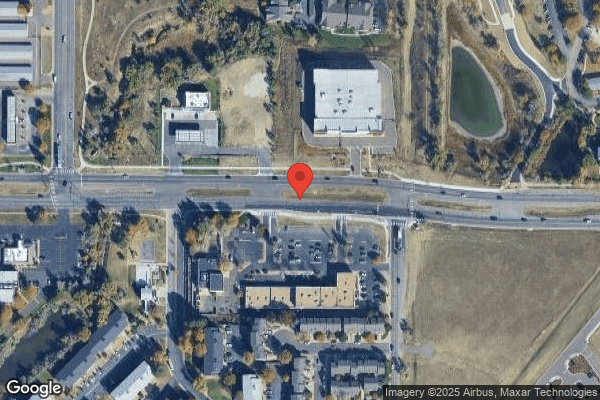
Apr 2023 3 deficiencies
CONCERN (D) 📢 Someone Reported This

A family member, employee, or ombudsman was alarmed enough to file a formal complaint

Potential for Harm - no one hurt, but risky conditions existed

Deficiency F0572 (Tag F0572)

Could have caused harm · This affected 1 resident

**NOTE- TERMS IN BRACKETS HAVE BEEN EDITED TO PROTECT CONFIDENTIALITY** Based on record review and interviews, the facility failed to provide communication to the resident about their rights for admis...

Read full inspector narrative →
**NOTE- TERMS IN BRACKETS HAVE BEEN EDITED TO PROTECT CONFIDENTIALITY** Based on record review and interviews, the facility failed to provide communication to the resident about their rights for admission agreements, residents rights and regulations for one resident (#1) of three residents reviewed for facility admission out of seven sample residents. Specifically, the facility failed to provide Resident #1 with an admission agreement on admission containing resident rights and regulations until months after admission. Findings include: I. Facility policy and procedure The Nursing Administration policy, undated, received from the nursing home administrator (NHA) on 4/6/23 at 3:05 p.m. revealed in pertinent part, This facility is to have a well defined guideline for processing residents entry into the nursing home facility and the residents right under federal and state law are protected. admission agreement will be provided, reviewed and signed by all parties involved. II. Resident status Resident #1, age [AGE], was admitted on [DATE]. According to the April 2023 computerized physician orders (CPO), diagnoses included chronic obstructive pulmonary disease (COPD, airflow breathing blockage), obesity, obstructive sleep apnea (OSA affects breathing while sleeping), prostate cancer, epilepsy (nerve cell abnormalities causing seizures), migraines, gastroesophageal reflux disease (GERD acid reflux), hypoglycemia (abnormal glucose levels), congestive heart disease (CHF, fluid overload) and opioid dependence. The 3/15/23 minimum data set (MDS) assessment revealed the resident was cognitively intact with a brief interview for mental status (BIMS) score of 15 out of 15. He required supervision/set up for transfers, dressing, eating, personal hygiene, and toilet use. III. Resident interview Resident #1 was interviewed on 4/6/23 at 1:00 p.m. He said he had not signed an admission agreement or resident rights until 3/8/23 after he requested a copy of his record. He said it was chaotic that he had not received this paper work when he originally was admitted to the facility back in October 2022. How was I supposed to know all my rights and regulations without this paperwork being in place, they need to have things in running order. IV. Record review According to Resident #1's profile he was admitted to the facility on [DATE]. admission paperwork from the 10/27/22 admission failed to reveal an admission agreement and resident rights and regulations had been signed by Resident #1. A signed admission agreement with resident rights and regulations was signed on 3/8/23 by Resident #1 and the admission coordinator (AC). V. Staff interviews Licensed practical nurse (LPN) #1 was interviewed on 4/6/23 at 12:46 p.m. LPN #1 said admitting nurses were not responsible for obtaining signatures on the admission agreements or resident rights and regulations. LPN #1 was unaware of who was responsible for the admission agreement to be signed by. The director of nursing (DON) was interviewed on 4/6/23 at 1:19 p.m. The DON said the admissions department was responsible for obtaining residents' signatures for the admission agreements and resident rights and regulations. The AC was interviewed on 4/6/23 at 1:23 p.m. The AC said admission agreements were sent to residents prior to admission if possible, if not then signatures were to be obtained within three days of their admission by the AC. The AC was only able to locate an admission agreement signed by Resident #1 on 3/8/23. She was unable to locate a signed admission agreement for the Resident #1's original admission date of 10/27/22 or within the three day time frame. The NHA was interviewed at 2:24 p.m. The NHA said admission agreements were to be signed at time of admission or close to it. He provided docusign entries that the AC attempted to get Resident #1 to sign prior to admission on [DATE] that were sent to Resident #1's previous nursing home and not directly to the resident. The NHA said the facility never received a signed agreement from this attempt. The NHA stated the facility did not have a signed agreement with Resident #1 from the admission date of 10/27/22. After the resident requested a copy of his agreement the facility found this out and obtained a resident signature on 3/8/23 admission agreement.
CONCERN (D) 📢 Someone Reported This

A family member, employee, or ombudsman was alarmed enough to file a formal complaint

Potential for Harm - no one hurt, but risky conditions existed

Deficiency F0825 (Tag F0825)

Could have caused harm · This affected 1 resident

**NOTE- TERMS IN BRACKETS HAVE BEEN EDITED TO PROTECT CONFIDENTIALITY** Based on observation, record review and interviews, the facility failed to ensure specialized rehabilitative services to maintai...

Read full inspector narrative →
**NOTE- TERMS IN BRACKETS HAVE BEEN EDITED TO PROTECT CONFIDENTIALITY** Based on observation, record review and interviews, the facility failed to ensure specialized rehabilitative services to maintain highest practicable level of functioning for one (#2) of three residents reviewed for specialized rehabilitative services out of seven sample residents. Specifically, the facility failed to ensure services for Residents #2 were provided to maintain the residents highest practicable levels of functioning. Findings include: I. Facility policy The Therapy Department Order policy, undated, was provided by the nursing home administrator (NHA) on 4/6/23 at 3:24 p.m. It read in pertinent part, LTC (long term care) residents are evaluated by Therapy on a referral basis. LTC residents may have standing Therapy orders that state, 'PT/OT/ST (physical/occupational/speech therapy) eval/tx (evaluation/treat) as indicated.' 'As indicated' infers a referral is still needed in order for Therapy to complete a thorough evaluation of the resident. The Rehabilitation Policy and Procedures, Request for Screen/Consultation, reviewed 4/28/14, was provided by the NHA on 4/6/23 at 12:30 p.m. read in pertinent part, For therapy services consultations requested in the skilled nursing facility. At times, nursing, other facility personnel, the family member or physician/NPP (non-physician practitioner) may make a formal request for a therapy consultation. The clinician responding to the request completed a screening and will make the clinical determination to accept the request verbally or ask that the request for consultation be written in the medical record. As a part of the screening process in response to the request, the clinician will ensure the reason for the consultation is documented along with the results of the screen. The purpose of a consultation/screen is to determine the need for a skilled evaluation. II. Resident #2 A. Resident status Resident #2, age [AGE], was admitted on [DATE]. According to the April 2023 computerized physician orders (CPO), diagnoses included aphasia following cerebral infarction (stroke), cerebral aneurysm (weak blood vessel in the brain) and dissection of thoracic aorta (tear in largest chest blood vessel). The 3/11/23 minimum data set (MDS) assessment revealed the resident was cognitively intact with a brief interview for mental status (BIMS) score of 13 out of 15. He required extensive assistance with one person for bed mobility, dressing and toilet use. Transfer activity occurred only once or twice with two person physical assistance. Bathing activity itself did not occur during the entire seven day period. There were no specialized rehabilitative services coded. B. Resident observation and interview Resident #2 was observed on 4/3/23 at 3:53 p.m. laying in bed with a gown on. Resident #2 was interviewed 4/4/23 at 1:57 p.m. He said the facility rarely got him out of bed and he was surprised they got him out of bed today for a shower. He said he had not gotten out of bed for a shower in 30 days. Cross-reference F561 for bathing preference. He said because he had rarely gotten out of bed since his admission, after the shower, he was very tired and needed to go back to bed. Observations revealed there was no chair or wheelchair in his room to sit on. Resident #2 said there had been no chair or wheelchair provided for him since admission and the staff had not offered to have him sit up. He said he spent all his time in his bed and felt he had gotten weaker with less endurance. Resident #2 said he had expected therapy services when he was admitted but had not received any. Resident #2 said he asked his roommates' physical therapist when he would be getting his physical therapy and the therapist told him that he did not get physical therapy. Resident #2 said he was disappointed and wondered why they had not told him this sooner. C. Record review The March 2023 CPO revealed orders dated 3/9/23 for occupational therapy (OT), physical therapy (PT), and speech therapy (ST) to evaluate and treat as indicated. The care plan related to acute pain related to weakness, initiated 3/9/23 revealed interventions, Occupational, Physical Therapy evaluation and treatment per physician orders, initiated 3/9/23. The care plan related to cognition revealed the resident was at risk for impaired cognitive function, initiated 4/3/23. Interventions related to therapy revealed, Occupational, Physical, and Speech Therapy evaluation and treatment per physician orders, initiated 4/3/23. The care plan related to communication revealed the resident was at risk for a communication problem, initiated 4/3/23. Interventions related to therapy revealed, Therapy evaluation and treatment per physician orders, initiated 4/3/23. The care plan related to activities of daily living (ADL) self care performance deficit related to cognitive communication impairment, initiated 3/9/23 revealed interventions related to therapy, Occupational, physical, speech-language therapy evaluation and treatment per physician orders, initiated 3/9/23. The care plan related to falls related to new admission, weakness, poor balance, medication side effects, and cognitive communication impairment, initiated 3/9/23. Interventions related to therapy revealed, Occupational, physical therapy evaluation and treatment per physician orders, initiated 3/9/23. The care plan related to diagnosis of depression and anxiety disorder, initiated 3/18/23, revealed interventions, assist in developing/providing with a program of activities that is meaningful and of interest to him. Encourage and provide opportunities for exercise, physical activity, initiated 3/18/23. -No documentation was found that the OT, PT, or ST evaluations were completed. The 3/10/23 at 5:00 p.m. nurse practitioner (NP)/physician assistant (PA) progress note revealed, Debility: Start PT and OT for maximum strengthening conditioning, follow FIM (functional independence measure) scores. -Although there were OT, PT, and ST physician orders for evaluation and treatment and therapy intervention references described on the care plan, the therapy evaluations were not completed neither was a therapy screening completed. III. Staff interviews The director of rehabilitation (DOR) was interviewed 4/4/23 at 2:43 p.m. He said Resident #2 had not had any OT, PT, or ST since admission. The DOR said the reason was Resident #2 did not have a payor source for therapy. The DOR said Resident #2 had no chair in his room or wheelchair and had not gotten up to sit in a chair. The DOR said Resident #2 had not had a therapy screening and was not on restorative nursing care either. The DOR acknowledged if Resident #2 laid in bed he would lose functional strength and ability. The DOR was interviewed again on 4/5//23 at 3:18 p.m. He said after it was brought to his attention during the survey, the PT/OT/ST evaluations were completed for Resident #2 on 4/4/23. The DOR said the ST was an evaluation only with no further needs identified. PT/OT evaluations identified therapy needs and PT/OT would continue three times per week for four weeks after completion of therapy Resident #2 will move to the restorative program. The DOR said the cost for the therapy would be covered by the facility. The director of nursing (DON) was interviewed on 4/6/23 at 2:10 p.m. She said if a resident admits to the facility with therapy orders she hopes the following day the therapy will start. The DON said it was important to follow with therapy because it was per the physician order and to improve the residents strength and ADLs. The DON said Resident #2 would most likely decline in function if he did not have an evaluation, screening, get out of bed, get out of bed for a shower, or have a bedside chair or wheelchair to sit in occasionally. The DON acknowledged the failure for Resident #2 and potential for the resident to decline functionally.
CONCERN (E) 📢 Someone Reported This

A family member, employee, or ombudsman was alarmed enough to file a formal complaint

Potential for Harm - no one hurt, but risky conditions existed

Deficiency F0561 (Tag F0561)

Could have caused harm · This affected multiple residents

**NOTE- TERMS IN BRACKETS HAVE BEEN EDITED TO PROTECT CONFIDENTIALITY** Based on interviews and record review the facility failed to honor resident choices for three (#2, #3 and #7) of five reviewed f...

Read full inspector narrative →
**NOTE- TERMS IN BRACKETS HAVE BEEN EDITED TO PROTECT CONFIDENTIALITY** Based on interviews and record review the facility failed to honor resident choices for three (#2, #3 and #7) of five reviewed for self-determination of seven sample residents. Specifically, the facility failed to honor Resident #2, #3 and #7's bathing preferences. Findings include: I. Facility policy and procedure The Activity of Daily Living policy and procedure, dated October 2022, was provided by the nursing home administrator (NHA) on 4/6/23 at 3:27 p.m. It read in pertinent part, It is the policy of this facility that residents are given the appropriate treatment and services to maintain or improve his/her abilities. Maintenance and restorative programs will be provided to residents in accordance with the resident's comprehensive assessment and recommendations. Residents who are unable to carry out activities of daily living (ADL) will receive necessary services or support from staff to maintain. ADL documentation will be maintained in the electronic health record under tasks, care plan, assessments, and therapy documentation. ADL's will be care planned to reflect the resident specific needs. II. Resident #2 A. Resident status Resident #2, age under 65, was admitted on [DATE]. According to the April 2023 computerized physician orders (CPO), diagnoses included aphasia following cerebral infarction (stroke), cerebral aneurysm (weak blood vessel in the brain), and dissection of thoracic aorta (tear in largest chest blood vessel). The 3/11/23 minimum data set (MDS) assessment revealed the resident was cognitively intact with a brief interview for mental status (BIMS) score of 13 out of 15. He required extensive assistance with one person for bed mobility, dressing and toilet use. Transfer activity occurred only once or twice with two person physical assistance. Daily preferences revealed it was very important to choose between a tub bath, shower, bed bath, or sponge bath. Bathing activity itself did not occur during the entire seven day period. B. Resident interview Resident #2 was interviewed on 4/4/23 at 1:57 p.m. Resident #2 said he preferred a shower twice a week. Resident #2 said he preferred a shower versus a bed bath because he felt cleaner and it felt good to get out of bed. He said he did not get out of bed much and when he got the opportunity to move around it felt good. Resident #2 said the staff came in and gave him a bed bath late at night. He said he preferred the day time for showers and regular shower days were not kept for him. C. Record review The preference shower sheet revealed Resident #2 preferred to take a shower; he preferred a shower once or twice a week; no other requests regarding his bathing preferences. The ADL care plan related to bathing revealed the resident needed assistance with bathing on Monday and Thursday day-shift and as necessary, initiated 3/9/23. The bathing task point of care (POC) record over the past 30 days (3/8/23-4/3/23) revealed bathing Tuesday and Saturdays with zero showers, three sponge baths (3/25/23, 3/29/23, and 4/1/23). There was one refusal 3/10/23, the resident said it was offered at night (his preference was daytime). D. Facility follow-up The DON provided a paper shower sheet for Resident #2 that documented the resident received a bed bath on 3/18/23. -However, this type of bath was not the resident's preference and it had not been documented in the resident's EMR. III. Resident #3 A. Resident status Resident #3, age [AGE], was admitted on [DATE]. According to the May 2023 computerized physician orders (CPO) diagnoses included metabolic encephalopathy, muscle wasting and atrophy, abnormalities of gait and mobility, history of falling, heart failure, depressive episodes, and anxiety disorder. The 3/24/23 minimum data set assessment revealed the resident required extensive assistance with transfers, dressing, and personal hygiene. The resident had moderate cognitive impairment with a score of nine out of 15 on the brief interview for mental status. It was very important to her to choose between a tub bath, shower, bed bath, or sponge bath. B. Resident interview Resident #3 was interviewed on 4/6/22 at 12:45 p.m. The resident stated her showering preference was twice per week but received showers sporadically. Oftentimes, she gets a bed bath instead of a shower which is her preference. If her shower was skipped, the shower did not get rescheduled. The resident stated she looked forward to showers twice a week and when that did not happen it was upsetting. C. Record review The care plan dated 5/18/21 and revised 4/4/22 revealed the resident had an activity of daily living performance deficit. Pertinent interventions, included, the resident required assistance with bathing on Monday and Thursday evening and as needed. The point of care response history revealed the resident received one shower the week of 3/9/23, one sponge bath for the week of 3/13/23, one shower for the week of 3/16/23, one shower for the week of 3/20/23, no shower or sponge bath for the week of 3/27/23. IV. Resident #7 A. Resident status Resident #7, age [AGE], was admitted on [DATE]. According to the May 2023 computerized physician orders (CPO) diagnoses included emphysema, chronic respiratory failure, heart disease, occlusion of bilateral carotid arteries, orthostatic hypotension, muscle wasting and atrophy, lack of coordination, and abnormalities of gait and mobility. The 1/27/23 minimum data set assessment revealed the resident required supervision with transfers, dressing, and personal hygiene. The resident had moderate cognitive impairment with a score of nine out of 15 on the brief interview for mental status. It was very important to the resident to choose between a tub bath, shower, bed bath, or sponge bath. B. Resident interview Resident #7 was interviewed on 4/5/23 at 10:57 a.m. The resident stated her showering preferences were two times per week on Wednesday and Saturday evenings. She said showers were not consistent. She said she often asked staff about her shower (on shower days) and staff said they would be back but they never have on numerous occasions. The resident stated the lack of response or follow up from the staff made her angry. The resident further explained the evening showers helped her sleep and she felt more rested. C. Record review The care plan dated 5/18/21 and revised 5/20/21 identified the resident had an activity of daily living performance deficit. Pertinent interventions included, the resident required assistance with personal hygiene. The point of care response history revealed the resident declined a shower the week of 3/9/23, one shower for the week of 3/16/23, one shower for the week of 3/27/23, and one shower for the week of 3/3023. V. Staff interviews Certified nurse aide (CNA) #3 was interviewed on 4/6/23 at 12:54 p.m. She said she charted showers in the resident's electronic medical record (EMR) and documented the type of bath and how much assistance was needed. CNA #3 said it was important for the residents to have a shower to be clean and comfortable. CNA #3 said the residents were more happy after a shower. CNA #3 said if the resident refused she would encourage them and if they still refused she would tell the nurse and chart it. CNA #4 was interviewed on 4/6/23 at 1:05 p.m. She said she charted showers in the point of care (POC) located in the resident's EMR. She said she charted the type of shower and reported any skin issues or pain to the nurse. CNA #4 said if a resident refused a shower she would ask again later. She said it was important for residents to have showers to maintain hygiene and to make them feel at home. The director of nursing (DON) was interviewed on 4/6//23 at 1:54 p.m. She said the CNAs completed the showers and charted in POC in the resident's EMR. The DON said the CNAs charted the type of shower, if the resident refused, and how much assistance was needed. The DON said the residents' bathing preference was established at their admission. She said bathing was based on preference but it averaged twice a week, some wanted more or less. The DON said bathing was important for the resident's wellbeing, general wellness and hygiene. The DON acknowledged Resident #2, Resident #3 and Resident #7's shower record and said she would wanted to honor their preferences for bathing. The DON said the administration had talked about bringing to morning meetings the resident showers that were not completed the day before, and find out why, if there was a pattern, and to make a plan. The DON said she would plan to implement that and to start doing audits.
Feb 2023 2 deficiencies
CONCERN (D) 📢 Someone Reported This

A family member, employee, or ombudsman was alarmed enough to file a formal complaint

Potential for Harm - no one hurt, but risky conditions existed

Deficiency F0887 (Tag F0887)

Could have caused harm · This affected 1 resident

**NOTE- TERMS IN BRACKETS HAVE BEEN EDITED TO PROTECT CONFIDENTIALITY** Based on resident interviews, record review, and staff interviews, the facility failed to develop and implement policies and pro...

Read full inspector narrative →
**NOTE- TERMS IN BRACKETS HAVE BEEN EDITED TO PROTECT CONFIDENTIALITY** Based on resident interviews, record review, and staff interviews, the facility failed to develop and implement policies and procedures related to immunizations for one (#14) of three residents reviewed for immunizations out of 15 sample residents. Specifically, the facility failed to follow up with the resident and/or resident's representative regarding the COVID-19 vaccination for Resident #14. Findings include: I. Facility policy and procedure The COVID-19 policy and procedure, dated 10/18/22, was provided by the nursing home administrator (NHA) on 2/16/23. It read, in pertinent part, The facility has an updated vaccination and treatment plan available for viewing. The facility will assess and track the vaccination status of all residents and staff. The facility will do on-going education to promote vaccine confidence. Vaccination clinics will be held at the facility within 60 days of any update to CDC (the Center for Disease Control) COVID-19 vaccination recommendations. II. Resident #14 A. Resident status Resident #14, age [AGE], was admitted on [DATE]. According to the February 2023 computerized physician orders (CPO), the diagnosis included Alzheimer's disease and chronic respiratory failure with hypoxia (low oxygen). According to the 1/12/23 minimum data set (MDS) assessment, the resident had long term and short term memory impairment according to a staff cognitive assessment. It indicated the resident was severely impaired regarding daily decision-making. She required assistance of one to two people with bed mobility, transfers, bathing, and toileting. B. Record review The December 2022, January 2023 and February 2023 medication administration record (MAR) did not reveal documentation that the SARS-COV-2 (COVID 19) dose was ordered to be administered by the physician. The February 2023 CPO did not reveal documentation requesting or offering the SARS-COV-2 (COVID 19) vaccination. III. Staff interviews The infection preventionist (IP) and director of nursing (DON) were interviewed on 2/16/23 at 1:20 p.m. The IP said the facility conducted COVID-19 vaccine clinics frequently and reviewed Colorado Immunization Information System (CIIS) to determine when the residents were due for their next vaccine dose. The IP said for new admissions, the admissions team asked the family or the resident for proof of COVID-19 vaccination. She said she also reviewed CIIS to verify the resident's proof of vaccination the day after their admission to the facility. The IP said they did not have consent to administer the COVID-19 vaccine to Resident #14. She confirmed Resident #14 was admitted to the facility in December 2022 and the facility staff had not followed up with the resident and/or responsible party to obtain consent for the COVID-19 vaccination. She said the facility was able to administer the COVID-19 vaccination in between having a vaccine clinic. She said the facility staff should have followed up with the resident and/or responsible party regarding the COVID-19 vaccination. IV. Additional information Provided by the facility, during the survey process, Resident #14's undated immunization records documented that Resident #14 refused consent for SARS-COV-2 (COVID 19) dose 1. -However, there was no documented education provided to the resident and/or resident representative on the potential benefits/risks associated with the COVID-19 vaccine.
CONCERN (F) 📢 Someone Reported This

A family member, employee, or ombudsman was alarmed enough to file a formal complaint

Potential for Harm - no one hurt, but risky conditions existed

Infection Control (Tag F0880)

Could have caused harm · This affected most or all residents

**NOTE- TERMS IN BRACKETS HAVE BEEN EDITED TO PROTECT CONFIDENTIALITY** IV. Failure to clean/sanitize writing utensils after resident use A. Facility policy and procedure The Emerging Infectious Disea...

Read full inspector narrative →
**NOTE- TERMS IN BRACKETS HAVE BEEN EDITED TO PROTECT CONFIDENTIALITY** IV. Failure to clean/sanitize writing utensils after resident use A. Facility policy and procedure The Emerging Infectious Disease (EID) Coroniavirus (COVID-19) Disease 2019 policy and procedure, revised 11/8/22, was provided by the nursing home administrator (NHA) on 2/15/23 at 2:24 p.m. It read, in pertinent part, Develop a schedule for regular cleaning and disinfection of shared equipment, frequently touched surfaces in resident rooms and common areas. Ensure availability of and use EPA registered, hospital grade disinfectants. The Infection Prevention and Control Program policy and procedure, revised October 2022, was provided by the nursing home administrator on 2/14/23 at 4:16 p.m. It read, in pertinent part, Facility personnel will wash their hands after each direct resident contact for which hand washing is indicated by accepted professional practice. The facility will provide areas, equipment, and supplies to implement its infection control program with the goal of ready availability of hand cleaning supplies and paper towels at each sink. Safe use of disposable and single use supplies and equipment. Effective cleaning and disinfecting equipment as needed, to include bathing areas between each resident. Chemicals and equipment used for cleaning and disinfecting will be used in accordance with the manufacturer's directions and recommendations. B. Observations On 2/14/23 at 3:10 p.m. residents were observed sitting in the dining room for a group activity. The residents were using colored pencils and markers for a coloring activity and making Valentine's Day cards. After a resident finished using a marker, the resident placed it down on the table. Residents were observed sharing markers and colored pencils throughout the activity. The activity staff was not observed cleaning or sanitizing the colored pencils or markers in between use. The activity staff did not have designated coloring supplies for each resident. When the activity was over, the activity staff placed all the markers and colored pencils in a plastic zip lock bag and sealed up the bag. C. Staff interviews The activity assistant (AA) was interviewed on 2/16/23 at 1:25 p.m. She said that they were responsible for cleaning and wiping down activity items after each use. She said the colored pencils and markers should have been sanitized in between each resident's use. She said the activity staff were provided training regarding preventative infection control measures. V. Failure to ensure Resident #14 did not enter into a room with a resident who was COVID-19 positive On 2/14/23 at 3:15 p.m. Resident #14 entered into Resident #10's room who was on COVID-19 precautions. Resident #14 was not wearing a facial covering. Resident #14 was not vaccinated for COVID-19 (cross-reference F887). -At 3:20 p.m. Resident #14 left Resident #10's room and entered another resident's room. VI. Failure to ensure hand hygiene was provided to residents prior to meals A. Professional Reference The Centers for Disease Control and Prevention (CDC) Infection Control Guidance (updated 9/23/22), retrieved on 2/23/22 from https://www.cdc.gov/coronavirus/2019-ncov/hcp/infection-control-recommendations.html, read in pertinent part, Facilities should provide instruction, before visitors enter the patient's room, on hand hygiene, limiting surfaces touched, and use of PPE according to current facility policy. B. Facility policy and procedure The Emerging Infectious Disease (EID) - Coronavirus Disease 2019 (COVID-19) policy, revised on 11/8/22 was provided via email from the nursing home administrator (NHA) on 2/15/23 at 2:24 p.m. It read in part The IP will ensure the facility posts visual alerts (signs, posters) at the entrance and in strategic places (waiting areas, elevators, cafeterias). These alerts will include instructions about current IPC recommendations (when to use source control and perform hand hygiene). C. Observations On 2/14/23 at 12:40 p.m., the facility staff were observed delivering lunch meals to residents in their rooms and in the main dining room. The facility staff did not offer or assist the residents with hand hygiene prior to eating their meal. Two male residents wheeled themselves to the dining room and ate tacos with rice. At 4:30 p.m. residents were observed in the secured unit dining room. Some residents had finished doing an activity prior to being seated at the dining room. The facility staff did not offer residents hand hygiene prior to the meal being served. At 5:07 p.m, two residents were observed being assisted by facility staff members for dinner in the main dining room. The residents were not offered or assisted with hand hygiene prior to the meal. On 2/15/23 at 12:25 p.m, staff were observed delivering lunch meals to residents in their rooms. The residents were not offered or assisted with hand hygiene prior to eating their meal. D. Staff interviews The DON and IP were interviewed on 2/16/23 at 1:20 p.m. The IP said the facility staff should offer hand hygiene to resident's prior to eating their meal. The IP said the staff should assist the resident with washing their hands, use alcohol based hand rub (ABHR) or hand wipes. E. Additional information On 2/15/23, during the survey process, education was provided to the facility staff to ensure residents were provided hand hygiene prior to meals. It documented At meals offer and assist residents to clean their hands before eating and use a hand wipe or hand sanitizer before eating. After removing gloves, perform hand hygiene. Based on observations, record review and interviews, the facility failed to maintain an infection control program designed to provide a safe, sanitary and comfortable environment to help prevent the development and transmission of Coronavirus (COVID-19), diseases and infection. Specifically, the facility failed to: -Ensure facility staff wore facial coverings appropriately; -Ensure housekeeping staff were following the proper cleaning techniques for cleaning resident rooms and high frequency touched areas were disinfected; -Ensure the alcohol based hand rub (ABHR) placed throughout the facility had not expired; -Ensure writing utensils were cleaned/sanizitzed after resident use; -Ensure Resident #14 did not enter into a room with a resident who was COVID-19 positive; -Ensure hand hygiene was provided to residents prior to meals; and, -Ensure vital signs equipment were sanitized in between use. Findings include: I. Failure to ensure facility staff wore facial coverings appropriately A. Professional reference According to the Centers for Disease Control (CDC) guidance, Wearing a Mask, dated 4/30/21, retrieved on 2/21/23 from https://www.cdc.gov/coronavirus/2019-ncov/easy-to-read/diy-cloth-face-coverings.html#:~:text=Wear%20a%20Mask%20the%20Right%20Way&text=Put%20the%20loops%20behind%20your,must%20fit%20under%20your%20chin., read in pertinent part, Put the mask on your face; Put the loops behind your ears; The mask must cover your nose; The mask must cover your mouth; The mask must fit under your chin; The mask must be snug on your face. The Centers for Disease Control and Prevention (CDC) Infection Control Guidance (updated 9/23/22), retrieved on 2/23/22 from https://www.cdc.gov/coronavirus/2019-ncov/hcp/infection-control-recommendations.html read in pertinent part When SARS-CoV-2 Community Transmission levels are high, source control is recommended for everyone in a healthcare setting when they are in areas of the healthcare facility where they could encounter patients. The Center for Disease Control and Prevention (CDC) COVID Data Tracker retrieved on 2/23/22 from https://covid.cdc.gov/covid-data-tracker/#county-view?list_select_state=Colorado&data-type=Risk&list_select_county=8001 read in pertinent part, [NAME] County, Colorado community transmission level was high on 2/14/23, 2/15/23 and 2/16/23. B. Facility policy and procedure The Emerging Infectious Disease (EID): Coronavirus (COVID-19) Disease 2019 policy and procedure, revised on 11/8/22, was provided by the NHA on 2/15/23 at 2:24 p.m. It read in pertinent part: When SARS-CoV-2 Community Transmission levels are high, source control is recommended for everyone in a healthcare setting when they are in areas of the healthcare facility where they could encounter patients. C. Observations On 2/14/23 at 8:45 a.m., the receptionist was observed wearing a facial covering below her chin. -At 12:53 p.m. certified nurse aide (CNA) #2 was observed wearing a facial covering underneath his nose. -At 3:09 p.m. CNA #2 entered a resident's room. His facial covering was still placed underneath his nose. -At 3:25 p.m. CNA #3 was observed not wearing a facial covering while sitting at the nursing station. Residents were observed sitting in the common area in front of the nursing station. -At 4:25 p.m., the social worker and an unidentified staff member were observed wearing a surgical mask underneath their nose, while walking down the hallway, where residents were present. -At 4:34 p.m. CNA #4 was observed with her facial covering below her chin. It did not cover her nose and mouth. -At 4:39 p.m. CNA #4 was observed without a facial covering, talking to another unidentified staff member at the nursing station. Residents were observed in the common area, in front of the nursing station. -At 4:47 p.m. two visitors were observed sitting in the common area, visiting with a resident with their facial coverings tucked below their chin. The facial covering did not cover their nose and mouth. They were observed walking down the hallway and entering the resident's room. -At 5:08 p.m. CNA #3 was observed providing meal assistance with her facial covering tucked below her chin. She was observed blowing on a resident's food. She then proceeded to assist the resident with the meal. On 2/15/23 at 10:42 a.m. housekeeper (HSKP) #1 was observed with his facial covering tucked underneath his chin. It did not cover his nose and mouth. -At 2:24 p.m. the receptionist was observed with her facial covering tucked below her chin. It was not covering her nose and mouth. On 2/16/23 at 8:55 a.m., two unidentified staff members were observed with their facial covering tucked underneath their chin. It was not covering their nose or mouth. -At 8:59 a.m. the director of nursing (DON) was observed with her facial covering sitting below her nose. -At 9:02 a.m. unit manager #1 was observed with her facial covering sitting below her nose. -At 9:02 a.m. an unidentified staff member was observed with her facial covering tucked underneath her chin. It was not covering the staff member's nose or mouth. D. Record review The 2/13/21 training and education form documented the facility staff were provided education on the proper way to don a facial covering. E. Staff interviews The nursing home administrator (NHA) was interviewed on 2/14/23 at 5:30 p.m. The NHA said masks should be worn appropriately, covering their nose, mouth and chin. He said it was the facility policy for staff to wear facial coverings while in resident areas. He said the facility staff would be provided education immediately. II. Failure to ensure housekeeping staff were following the proper cleaning techniques for cleaning resident rooms and disinfecting high frequency touched areas A. Professional reference Assadian O, Harbarth S, Vos M, et al. Practical recommendations for routine cleaning and disinfection procedures in healthcare institutions: a narrative review. The Journal of Hospital Infection. 2021 Jul;113:104-114 was retrieved on 2/21/23 revealed, in pertinent part: High-touch surfaces, on the other hand, are usually close to the patient, are frequently touched by the patient or nursing staff, come into contact with the skin and, due to increased contact, pose a particularly high risk of transmitting pathogens (virus or microorganism that can cause disease) Healthcare-associated infections (HAIs) are the most common adverse outcomes due to delivery of medical care. HAIs increase morbidity and mortality, prolong hospital stay, and are associated with additional healthcare costs. Contaminated surfaces, particularly those that are touched frequently, act as reservoirs for pathogens and contribute towards pathogen transmission. Therefore, healthcare hygiene requires a comprehensive approach. This approach includes hand hygiene in conjunction with environmental cleaning and disinfection of surfaces and clinical equipment. B. Facility policy and procedure The Routine Cleaning and Disinfection policy and procedure, undated, was provided by the NHA on 2/16/23 at 3:30 p.m. It read in pertinent part It is the policy of this facility to ensure the provision of routine cleaning and disinfection in order to provide a safe, sanitary environment and to prevent the development and transmission of infections to the extent possible. Consistent surface cleaning and disinfection will be conducted with a detailed focus on high touch areas to include, but not limited to:toilet flush handles, bed rails, tray tables, call buttons, TV (television) remote, telephones, toilet seats, monitor control panels, touch screens and cables, resident chairs, IV (intravenous) poles, blood pressure cuffs, sinks and faucets, light switches, door knobs and levers. Follow the manufacturer recommendations regarding appropriate contact time to ensure adequate disinfection. C. Observations On 2/14/23 at 3:09 p.m. CNA #3 was observed obtaining vital signs for five residents. The blood pressure cuff on the vital signs machine was not disinfected in between residents nor after CNA #3 complete the vitals for all five residents. -At 3:23 p.m. an unidentified housekeeper was observed not disinfecting any high touch surfaces after exiting room [ROOM NUMBER]. On 2/15/23 at 10:57 a.m. an unidentified housekeeper was observed cleaning resident rooms 810, 812 and 814. She did not disinfect the door handles of the resident rooms. She was observed cleaning the common areas of the nursing station. She did not disinfect the chairs multiple residents sat in, the tables and the door hands to the nursing unit. The door handles to the nursing unit were covered in a thin glossy film and appeared to have fingerprint residue. -At 11:36 a.m.the alcohol based hand rub (ABHR) dispenser was observed, a thick layer of hard crusty white substance under the lever, approximately four inches in depth. On 2/16/23 at 10:07 a.m. HSKP #2 was observed cleaning resident room [ROOM NUMBER]. She did not disinfect the door knob to the resident's room. -At 10:24 a.m. HSKP #3 was observed cleaning resident room [ROOM NUMBER]. She did not disinfect the door knob of the resident's room. She was observed spraying disinfectant on surfaces inside the resident's room and immediately wiping down the surface. She did not allow for the disinfectant to sit on the surface for two to three minutes according to the manufacturer's instructions prior to wiping it down, therefore not ensuring adequate disinfection (see director of housekeeping interview below). -At 11:04 a.m. HSKP #3 was observed cleaning resident room [ROOM NUMBER]. She did not disinfect the door knob of the resident's room. She was observed spraying disinfectant on surfaces inside the resident's room and immediately wiping down the surface. -At 11:15 a.m. HSKP #3 was observed cleaning resident room [ROOM NUMBER]. She did not disinfect the door knob of the resident's room. She was observed spraying disinfectant on surfaces inside the residents' room and immediately wiping down the surface. -At 12:47 p.m. HSKP #3 was observed spraying disinfectant onto surfaces inside of a resident room [ROOM NUMBER], which had a resident who was COVID-19 positive. She did not allow for the disinfectant to sit on the surface for two to three minutes according to the manufacturer's instructions prior to wiping it down, therefore not ensuring adequate disinfection. -At 1:00 p.m. HSKP #3 was observed cleaning resident room [ROOM NUMBER], which had a resident who was COVID-19 positive. She did not disinfect the high touch surfaces inside the resident's room. D. Staff interviews HSKP #3 was interviewed on 2/16/23 at 12:47 p.m. She said surfaces inside the resident rooms and in the common areas were cleaned by placing a soaked rag in water and spraying one to two sprays of the disinfectant solution onto a surface. She said she used the soaked rag to wipe the surface immediately after spraying the disinfectant. The director of housekeeping (DOH) interviewed on 2/16/23 at 1:04 p.m. The DOH said all high touch surfaces throughout the facility and within resident rooms should be disinfected. She said high touch surfaces included door knobs and call lights. She said the housekeepers should spray the disinfectant onto surfaces, allow it to sit for two to three minutes and then wipe down the surface with a cloth. She said it was important to ensure the disinfectant sat on the surface for the recommended time to ensure proper disinfection. She confirmed, wiping down the surface immediately after spraying the disinfectant did not ensure proper disinfection of the surface. III. Ensure the alcohol based hand rub (ABHR) placed throughout the facility had not expired A. Professional Reference [NAME] T, [NAME] P, Das SC. Alcohol-based hand sanitizer-composition, proper use and precautions. Germs. 2021 Sep 29;11(3):408-417 was retrieved on 2/21/23 revealed, in pertinent part: The expiry (expiration) date of Alcohol-based hand sanitizer (ABHS) is vital as the alcohol content may decrease by evaporation over time and upon storage. As per US Food and Drug Administration (FDA), over-the-counter topical antiseptic products, including hand sanitizer products, are required to have an expiration date or shelf life listed on the product label unless stability data of more than 3 years is available. B. Observations On 2/16/23 at 10:42 a.m. the DOH opened seven ABHR dispensers. Five out of seven dispensers were expired, one had expired November 2022, one had expired December 2022 and three had expired January 2023. C. Staff interviews The DOH was interviewed on 2/16/23 at 10:53 a.m. She said she was responsible for inspecting all ABHR dispensers. She confirmed that five out of the seven dispensers inspected had ABHR that expired. D. Additional information The 2/16/23 purchase order was provided by the DOH on 2/16/23 at 1:41 p.m., which was during the survey process. It indicated that the DOH had ordered 12 ABHR gel packs that went into the dispensers. VII. Failure to ensure vital signs equipment were sanitized in between use A. Professional Reference The Centers for Disease Control and Prevention (CDC) Infection Control Guidance (updated 9/23/22), retrieved on 2/23/22 from https://www.cdc.gov/coronavirus/2019-ncov/hcp/infection-control-recommendations.html read in pertinent part, Dedicated medical equipment should be used when caring for a patient with suspected or confirmed SARS-CoV-2 infection. All non-dedicated, non-disposable medical equipment used for that patient should be cleaned and disinfected according to manufacturer's instructions and facility policies before use on another patient. B. Facility policy and procedure The Emerging Infectious Disease (EID): Coronavirus (COVID-19) Disease 2019 policy and procedure, revised on 11/8/22, was provided by the NHA on 2/15/23 at 2:24 p.m. It read, in pertinent part: Develop a schedule for regular cleaning and disinfection of shared equipment. Ensure HCP (health care professionals) are appropriately trained on use and manufacturer's instructions for all cleaning and disinfection products. C. Observations On 2/14/23 at 4:46 p.m., an unidentified female staff member was observed obtaining vital signs in the dining room for five residents. She did not disinfect the vital signs equipment in between residents. She disinfected the vital signs equipment once he returned to the nursing station, after obtaining vital signs for all five residents. D. Staff interviews The DON and IP was interviewed on 2/16/23 at 1:20 p.m. The DON said each staff member was responsible for cleaning the vital signs equipment before and after each resident's use.
Dec 2022 7 deficiencies 1 Harm
SERIOUS (G)

Actual Harm - a resident was hurt due to facility failures

Accident Prevention (Tag F0689)

A resident was harmed · This affected 1 resident

**NOTE- TERMS IN BRACKETS HAVE BEEN EDITED TO PROTECT CONFIDENTIALITY** IV. Resident #119 A. Resident status Resident #119, age [AGE], was admitted on [DATE]. According to the November 2022 computeriz...

Read full inspector narrative →
**NOTE- TERMS IN BRACKETS HAVE BEEN EDITED TO PROTECT CONFIDENTIALITY** IV. Resident #119 A. Resident status Resident #119, age [AGE], was admitted on [DATE]. According to the November 2022 computerized physician's orders (CPO) diagnoses included legal blindness, cognitive communication deficit, muscle wasting and weakness, abnormalities of gait and mobility, and repeated falls. The minimum data set (MDS) assessment dated [DATE] revealed the resident had severely impaired cognition as evidenced by a brief interview for mental status with a (BIMS) score of five out of 15. The resident had severely impaired vision, adequate hearing, and did not reject care. The resident required extensive assistance from one staff member for toileting and personal hygiene. The resident needed limited assistance (guided maneuvering) with bed mobility and transfers. The resident used a manual wheelchair in the community and required supervision or assistance with moving from a sitting to standing position and transferring from surface to surface. The resident can walk 50 feet with supervision and staff assistance but was unable to maintain balance without staff support. The resident had a fall history admission to the facility and had one fall with minor injury (lacerations cuts/skin tears and bruising) since admission. B. Resident observations and interviews On 11/28/22 from 9:33 a.m. to 10:45 a.m. Resident #119 was observed. Resident #119 was sitting in a manual wheelchair at the bedside yelling out for staff to come into the room to talk with him. The resident had a call light in reach, but was unable to use it to call for staff assistance. Even when prompted to use the call light the resident was not able to activate the call light. Staff did not enter the room for the entire observation. At 10:47 a.m., Resident #119's roommate entered the hallway looking for staff; no staff were around. The roommate said Resident #119 had been calling out for staff assistance for sometime and no staff had come into help Resident #119. The roommate said Resident #119 had periods of confusion and had had numerous falls while living in the facility; so the facility recently moved Resident #119 into the room to be with another person. The roommate said he had been watching out for Resident #119 since he moved in. When he saw Resident #119 get up out of the wheelchair and head to the bathroom he went to help him get on the toilet because Resident #119 was not walking well. He said he was afraid Resident #119 would fall if he did not help and Resident #119 would not wait until he went for staff help. The roommate said Resident #119 was still on the toilet and needed staff to help him finish, get cleaned up and back to his wheelchair safely. I've done all I can do for him. -No staff were in the hall; the floor nurse, who was down the hall at the nurses desk was alerted that Resident #119's roommate helped Resident #119 to the bathroom and get on the toilet to go to the bathroom; and that Resident #119 needed staff assistance to finish using the toilet and get back to his wheelchair. On 12/5/22 at 8:53 a.m. Resident #119 was observed sitting in a manual wheelchair at bedside with a rolling over the bed table placed in front of him. Resident #119 was holding the call light in his hands but had not pressed the call light for staff assistance. The resident was observed standing up and walking forward pushing the bedside table with his body, as he walked. When asked where he was headed the resident responded to the bathroom. Verbal attempts to cue the resident to sit back down until staff could arrive to assist the resident to the bathroom were unsuccessful. The resident continued to walk forwards towards the bathroom while pushing the table forward with his lower body. The resident did not seem to realize the table was in the way and made no attempts to move the table from his walking path. The resident was very unbalanced and unsteady while walking and was reaching for objects that were not there in an apparent attempt to steady himself. The resident's roommate assisted in alerting staff to the resident's need for assistance; and a staff arrived to assist the resident to the bathroom. Resident #119's roommate was interviewed on 12/5/22 at 11:30 a.m. The roommate said Resident #119 was blind and seemed very confused. Resident #119 had lucid moments but mostly did not make sense in conversations. Resident #119 was particularly confused and night yelling out and talking with people who were not there. The roommate said he felt sorry for Resident #119 and felt he was responsible to watch out for Resident #119 to make sure he remained safe. C. Record review The comprehensive care plan initiated 9/14/22 and updated 12/6/22 documented a care focus for fall prevention and the goal for this care focus was the resident will resume usual activities without further incident. Interventions included the following: -Offer and encourage the resident to eat his meals in the dining room within line of sight. -Place a mattress on the floor (discontinued 12/6/22) -Place a mattress on the floor next to the bed, as a floor mat; -Offer assistance to get out of bed around 6:30 a.m., if awake; -Offer and encourage hip protectors and helmet (discontinued on 12/6/22 per resident choice); -Place a raised edge mattress on the resident's bed; -Continue interventions on the at-risk plan. Fall history in past 60 days Review of Resident #119's medical record revealed the resident had seven falls in the 60 days immediately following admission. The resident entered the facility being a known fall risk. The resident sustained minor injuries in each of the seven documented falls. Each fall required first aid treatment. Based on the nursing assessment the resident showed poor safety awareness and memory deficits which prevented the resident from being able to remember safe practices such as using the call light to ask for staff assistance when attempting transfers, walking and wanting to use the bathroom. Fall prevention intervention failed to provide the resident consistent assistance to prevent falls with injury (see post fall notes below). Post fall note dated 9/14/22 at 1:35 p.m. revealed: Resident #119 was found at his bedside on the floor. Staff heard a noise, entered the resident's room, and found Resident #119 at bedside on the floor with non-skid socks on; the call-light within reach. Resident #119 was unable to say how or why he fell. Resident #119 sustained an abrasion to the back of his head and right flank area. The resident was oriented to person and place (at baseline) and denied pain. LPN #4 encouraged Resident #119 to use his call light and wait for assistance prior to attempting ambulation (getting up and standing on his own). Resident #119 was agreeable, yet,was forgetful. LPN #4 recommended increased rounds to monitor safety. New interventions included: provide an edge raised mattress and increasing rounds to check on the resident. Post fall note dated 9/26/22 at 5:46 p.m. revealed: Resident #119 was found lying on the floor mat next to his bed. The resident sustained a left upper extremity skin tear 4.0 cm by 1.0 cm. The resident had on non-skid footwear; the bed was in the lowest position; the call light was in reach; and the floor mat was in place. Resident #119 said he was trying to go home and was unable to recall details of fall prevention education. New interventions included: continue to provide therapy to increase the resident's strength and endurance; evaluate the resident's room and bed, offer hipsters (cushioned hip protectors); offer a protective helmet; and place the mattress on the floor. Post fall note dated 9/26/22 at 6:49 a.m. revealed: Resident #119 was found on the floor on his knees next to the bed. The resident sustained a left upper arm skin tear measuring 2.5 centimeters (cm) by 1.0 cm and was incontinent of urine. The room was dark and the bedside table was within reach. The resident was assisted into his wheelchair, provided with non-skid socks, and a floor mat was placed next to the bed. New interventions included: providing the resident a floor mat at bedside and offering the resident assistance to get out of bed around 6:30 a.m. Post fall note dated 9/27/22 at 11:53 p.m. revealed: Resident #119 was found lying on the floor at the bedside face down position. The resident sustained a laceration to the left eyebrow measuring 3.0 cm by 1.0 cm and complained of a headache and generalized pain. Resident #119 was transported to the hospital emergency room for further evaluation. A computerized tomography examination (CT scan) and x-rays revealed no skull fracture, hemorrhage or fractures. Interventions included: continue to offer hipsters, helmet, and floor fall mat. Post fall noted dated 10/10/22 at 11:07 a.m. revealed Resident #119 was observed laying on the floor next to his wheelchair in the resident dining room. Resident #119 said he wanted to walk home. The resident was wearing shoes at the time of the fall and had been waiting for the meal to be served. The resident was assessed there were no injuries but the resident was found to have poor safety awareness and impaired memory. New interventions included: for the resident to not be left unattended when in the dining room at meal time and to provide the resident with continuous one to one assistance during meals. Post fall note dated 11/7/22 at 2:16 p.m. revealed Resident #119 was found on the floor with his lower body on the bed and head and upper body on the floor. The resident sustained a contusion (bruising) to his forehead and skin tear to the left forearm and elbow. The resident denied pain. Resident #119 told staff he was trying to get into bed. New interventions included: place the resident's bed in the lowest position; provide a wedge side mattress; continue to provide the floor fall mat, remove the bed frame and place the resident's bed mattress on the floor. Post fall noted dated 11//7/22 at 5:17 p.m. revealed Resident #119 was found laying flat on the floor. Resident #119 told staff he was trying to go to the bathroom and fell. The resident sustained redness, and swelling to the left side of his head with mild pain; and a skin tear with bleeding to the left forearm and elbow. Interventions included a reminder for the resident to call for staff assistance when he needed to use the bathroom. D. Staff interviews The director of rehabilitation (DOR) was interviewed on 12/1/22 at 5:20 p.m. The DOR said fall prevention was a team effort and the interdisciplinary team (IDT) had tried multiple interventions to protect the Resident #119 from falling, including hipsters and a helmet but the resident did not like them and refused to wear them. The DOR said Resident #119 was impulsive and did not remember to use his call light and was prescribed medication that increased his fall risk. The director of nursing (DON) was interviewed on 12/5/22 at 3:56 p.m. The DON stated fall prevention rounding occurs to check on residents and if a resident falls a registered nurse was responsible to complete a full resident assessment. The resident physician was notified after a resident falls; and that physician would also assess the residents. The medical director and IDT reviewed all resident fall events to ensure appropriate fall precautions are in place. The DON acknowledged the facility relied heavily on agency staff due to facility staff turnover which contributed to resident falls. V. Facility follow up On 12/1/22 the nursing home administrator (NHA) provided a copy of the performance improvement plan (PIP) for falls dated 10/18/22. The NHA said the facility was working on reducing resident falls and had been successful in reducing resident falls by 5% in November 2022. The facility was still working to reduce falls even further. The PIP for fall prevention revealed the facility planned to provide nursing and management staff additional education on the facility fall policy and procedures; care plan process for fall prevention; and improved documentation of resident falls, in the month of December 2022. Based on record review, observations, and interviews, the facility failed to ensure three (#19, #7 and #119) of seven residents reviewed out of 55 sample residents received adequate supervision to prevent accidents. Specifically, the facility failed to develop and implement person-centered care plans that identified the residents' fall risk; included effective fall reduction interventions; and implement and provide timely and consistent fall prevention interventions, for Residents #19, #7 and #119. Resident #19 was identified as a fall risk within the comprehensive care plan. The facility failed to provide sufficient supervision and training for caregivers to prevent falls and injuries. The fall risk care plan was put into place on 12/10/2020 which identified the resident as a fall risk. On 9/4/22, Resident #19 fell during a staff assisted transfer from the resident's wheelchair to a weight chair and sustained a fracture to the right tibia, a bone in the ankle. Documentation revealed the resident fell forward out of the chair onto the floor, landing on the knees, resulting in a fracture to the ankle. The resident was being assisted during the transfer by one staff. The resident was assessed by the facility nurse after the fall but was not sent to the emergency room for assessment and treatment of the sustained fracture until the following day when the resident complained of increasing pain and swelling of the right ankle. Following the resident fall on 9/4/22 the resident had four additional falls within a 76 day period of time, resulting in multiple bruises and a hematoma (pooling mass of mostly clotted blood formed under the skin) to the forehead. Resident #7 was admitted on [DATE], the facility's secure memory care unit. Upon admission the resident was assessed to be at risk for falls related to being a new admission, poor balance and medication side effects. The care plan documented the resident should have appropriate non-slip footwear when ambulating. On 11/26/22 the resident was walking outside while wearing flip flop footwear on the patio on an uneven surface and fell off the sidewalk. The cause of the fall was determined to be improper footwear. Resident #7 was continuing to wear non-skid socks with sandals and was observed during the survey on 11/28/22 and 11/30/22 to still be wearing slip-on sandals with no straps to secure the footwear onto the resident's feet. The facility's failure to ensure the resident was wearing appropriate footwear while walking on a pathway with uneven edges where the resident slipped off the path caused the resident to sustain a contusion (bruising and swelling) around his right eye and a laceration to the forehead, needing hospital assessment and treatment with sutures. Additionally the resident continued to be at risk for additional falls. Additionally, the facility failed to provide adequate supervision to a resident identified as high fall risk based upon the resident's assessment needs for Resident #119. Findings include: I. Facility policy The Fall Management policy and procedure, revised June 2018, was provided by the nursing home administrator (NHA) on 12/7/22 at 11:40 a.m. It revealed in pertinent part, It is the policy of this facility to provide each resident with appropriate assessment and interventions to prevent falls and to minimize complications if a fall occurs. On admission, the fall risk evaluation will be completed to determine his/her risk for sustaining falls. Each resident is assisted through providing adequate supervision, assistive devices, and functional programs as appropriate to prevent accidents. The resident's care plan will be updated. The QAA (quality assurance) Committee will analyze trends related to falls and will determine if further intervention is needed. II. Resident #19 A. Resident status Resident #19, age [AGE], was admitted on [DATE] and readmitted on [DATE]. According to the December 2022 computerized physician orders (CPO), the diagnoses included epilepsy, age-related macular degeneration (vision loss or blurry vision), osteoarthritis in the right hip, schizophrenia, and fracture of right tibia with routine healing. The 10/27/22 minimum data set (MDS) assessment revealed the resident had moderate cognitive impairment with a brief interview for mental status (BIMS) score of nine out of 15. The resident required extensive assistance with activities of daily living; including two plus staff physical assistance for transfers between surfaces; when moving from a sitting to standing from a chair/wheelchair or from the side of the bed; and when using the toilet. The resident needed one staff member to provide physical assistance for bed mobility, personal hygiene and dressing. The MDS revealed the resident had two or more falls without injury. -However, Resident #19 suffered a fall on 9/4/22 that resulted in a fracture which is considered a major injury. B. Observations During continuous observation on 11/30/22 from 8:46 a.m. to 10:29 a.m., Resident #19 was observed: -At 8:46 a.m., a certified nurse aide (CNA) got Resident #19 out of bed and into the wheelchair. The resident was reaching for items that may or may not have been present. The resident was seen leaning forward in the wheelchair reaching for an item on the floor. The resident was wearing a walking boot on the right foot. -At 9:20 a.m., the resident was seen leaving the room after breakfast self-propelling in a wheelchair with no supervision. -At 9:56 a.m., the resident was brought back to the room by the assistant director of nursing (ADON) #1. The resident stayed in the room sleeping in the wheelchair until 10:29 a.m. C. Record review The fall prevention care plan, initiated on 12/10/2020, revised on 12/15/21, documented the resident was a fall risk related to epilepsy, impared mobility, and weakness. The interventions included anticipating the resident's needs, keeping the call light within reach, and checking the brakes on the wheelchair. -The care plan did not document the resident's need for two staff to assist with safe transfers. The cognitive care plan, initiated on 1/3/2020 and revised on 5/9/22, documented the resident was at risk for cognitive function and thought processes related to disease process. The goal was for the resident to be able to communicate basic needs on a daily basis. Interventions included giving step by step instructions one at a time to support cognitive function, communicate by speaking face to face, reducing distractions and using direct simple sentences with necessary cues. The visual impairment care plan, initiated on 8/6/19 and revised on 5/6/2020, documented the resident was at risk for impared visual function related to macular degeneration. Interventions included monitoring for loss of mobility, double or tunnel vision, hazy or blurred vision. The activities of daily living (ADL) care plan, initiated on 12/10/2020, documented the resident had ADL self care deficits. Interventions included: transfers required participation of two staff members for moving from a sitting to a standing position; coming to a standing position from sitting in a chair/wheelchair or from the side of the bed, and when transferring from surface to surface. The bowel and bladder incontinence care plan initiated on 8/6/19 documented the resident had the potential for bowel and bladder incontinence. Interventions included: encouraging fluid to promote prompt voiding (urinating) response and monitoring for signs and symptoms of a urinary tract infection (UTI). The fall risk assessment dated [DATE], documented the resident had a history of three or more falls within the last 90 days; was disoriented; had poor eyesight; required use of an assistive device for balance; took three to four different medications and had predisposing factors that could lead to falls. The assessment revealed the resident was at a high risk level for falling and indicated interventions should be put promptly into place. D. Resident falls The resident medical record from 9/1/22 to 11/28/22 was reviewed; the record documented the resident had five falls in an approximate 76 day period of time; resulting in a fractured ankle, numerous bruises and a hematoma to the forehead (see below): 1. 9/4/22 fall occuring during staff assisted care Fall notes dated 9/4/22 at 8:22 p.m., documented that while receiving staff assistance to transfer from a wheelchair to the weight scale chair the resident slipped off the chair to the floor landing on both knees. The resident was unable to make the full transfer from one surface to the other; and CNA #1 who was assisting the resident with the transfer assisted the resident to the floor. The resident was assessed by the facility nurse to not be injured. -Only one staff member was present to assist the resident with the transfer from one chair to the other. The facility failed to assist and perform the resident transfer to meet the resident's needs as care planned (see above). Fall notes dated 9/5/22 at 2:20 p.m., documented the resident was assessed to have edema (swelling), bruising, and pain to the right ankle; and the resident was unable to bear weight on the right leg. The resident was placed on bed rest with the right lower leg elevated all shift. The physician was notified and an x-ray was ordered. A fall committee IDT (interdisciplinary team) note dated 9/7/22 documented the resident had a fall on 9/4/22, witnessed with injuries. The resident complained of right knee pain on 9/5/22 at 9:00 a.m., and was unable to put any weight on the right leg. An x-ray was ordered by the physician. The resident was sent out to the emergency room and returned to the facility on 9/6/22, with a diagnosed fracture of the right distal tibia (ankle). Hospital treatment notes dated 9/6/22 documented the resident was assessed to have a fractured ankle confirmed by x-ray. The hospital treated the resident's injury and provided the following treatment orders: a splint was placed on the right ankle. 2. 10/23/22 unwitnessed fall Nursing notes dated 10/23/22 documented that at 7:00 a.m. the resident was discovered sitting on the floor next to the bed. The resident said she rolled out of bed because the bed was wet with urine. The resident was reassured, assisted onto the wheelchair, and reeducated on safety awareness. The resident was not injured. A fall committee IDT note dated 10/24/22 documented the resident's fall on 10/23/22, and that it was expected that the resident would develop bruising after the fall. The new intervention to be added to the resident's care plan was for staff to offer help and assist the resident to get out of bed before 7:00 a.m. -There was no documentation for an intervention specific to offering the resident toileting assistance in the early morning hours. 3. 10/25/22 unwitnessed fall Nursing notes dated 10/25/22 at 1:19 p.m. documented that the resident was assessed for injuries because she was found on the floor at the bedside crawling towards her wheelchair. Nursing assessment revealed the resident had no apparent injuries; but was restless; had poor self awareness of physical ability; was acting spontaneously; and trying to ambulate without assistance. The nurse tried to educate the resident to use the call light for assistance but the resident was unable to reorient. Nursing was encouraging the resident to rest for periods between ADLs to help prevent fatigue. A fall committee IDT note dated 10/26/22 documented the resident was expected to develop bruising from the fall. New interventions included blood work and health review. 4. 10/27/22 unwitnessed fall Fall notes dated 10/27/22 documented the resident was found on the floor, in a sitting position, at bedside. The resident was very confused and unable to explain what happened. A registered nurse (RN) assessed the resident for injuries and none were found. Interventions included having a fall mat placed at bedside, with the bed in the low position, and the call light within the resident's reach. A fall committee IDT note dated 10/27/22 documented bruising was anticipated. Interventions included ordering a urinalysis assessment. 5. 11/20/22 unwitnessed fall Nursing notes dated 11/20/22 at 10:30 a.m. documented the resident was found sitting on the floor at bedside. The resident said she was sitting in her wheelchair and bent forward to pick her spilled food up off the floor and fell. The resident was assessed for injuries and found to have suffered a hematoma to the right side of the forehead. An ice pack was applied. The resident was assisted back to the wheelchair and was reminded to use the call light to call for assistance. A fall committee IDT note dated 11/21/22 documented the resident had a forehead hematoma with bruising that measured 4 centimeters (cm) by 3 cm. The new intervention was to encourage the resident to attend meals in the dining room. E. Staff interviews ADON #1 was interviewed on 11/30/22 at 10:22 a.m. ADON #1 said some residents fall frequently due to a history of falls and deficits. He said that staff were expected to keep an eye on residents who were assessed to be at high risk for falling to prevent falls. He said that fall history was documented in the resident's care plan and the information should be passed on in report (giving the information from nurse to nurse at shift change) and was accessible to nursing staff in the resident record. Licenced practical nurse (LPN) #1 was interviewed on 11/30/22 4:03 p.m. LPN #1 said that the staff were trying to get a weight on resident #19 on the night of 9/4/22 and the resident fell during the transfer and fractured her ankle. LPN #1 said the fracture was healed now, however the resident was unable to walk. The resident requires the use of a mechanical lift to get out of bed and for all transfers (from surface to surface). The resident was able to stand and pivot to transfer from surface to surface, but this required two staff for the task. RN #2 was interviewed on 12/1/22 1:01 p.m. RN #2 said that CNA #1 was transferring resident #19 (on 9/4/22) when the resident fell and broke her ankle. RN #2 said that Resident #19 was a two person assist for transfer and the CNA should have had another staff to assist with the resident transfer. The director of nursing (DON) was interviewed on 12/05/22 5:37 p.m.; the assistant nursing home administrator (ANHA) was present. The DON said that Resident #19 was being transferred to the weight chair and fell forward onto her knees. The DON said that when a resident required the assistance of two staff to complete a transfer, the CNA performing the transfers could ask the nurses for help if they could not find another CNA to assist. The DON said documentation did not reveal if there were two CNAs performing this task or who the CNAs or nurses were during the transfer of Resident #19 when she fell. The DON said the CNAs and nurses completed the same competencies and those were completed in June of 2022 or when a new employee was hired. The interventions were tailored to each resident the longer they stayed at the facility, if there was a concern, and when falls occurred. The DON said that all employees had completed the fall precaution training. III. Resident #7 A. Resident status Resident #7, age [AGE], was admitted on [DATE]. According to the December 2022 computerized physician orders, diagnoses included Alzheimer's disease, gout of right ankle and foot, and bilateral osteoarthritis of knee. The resident resided in the memory care unit. The 10/21/22 minimum data set assessment indicated the resident had severe cognitive impairment with a brief interview for mental status score of four out of 15. It indicated supervised one person assistance for locomotion on unit and extensive one person assistance for locomotion off unit. It indicated a wheelchair was coded for mobility devices. It indicated the resident did not wander. B. Resident representative interview The resident's representative was interviewed on 11/29/22 at 11:29 a.m. She said Resident #7 had a fall recently. She said he put on his coat and went outside because he wanted to leave. She said by the time staff found him he was around the building. She said the nurse was able to ask him to come back inside. She said while the nurse was walking with him he fell and hit his head. She said he had to be sent out to get stitches. She said she had brought him new slippers but she could not find them in his room. She said when she visited him one day he was wearing someone else's sweatpants and they were too long and a fall hazard. She said she had not seen any activities happening during her visits but activities would help keep the residents busy. C. Observations Resident #7 was observed on 11/28/22 at 10:12 a.m. ambulating around the unit. He was wearing non-skid socks with sandals that appeared to be made of plastic material. He asked if there was a back window he could look out in order to see if his truck was parked outside. Resident #7 was observed on 11/30/22 at 11:41 a.m. ambulating to lunch. He was wearing non-skid socks with sandals. Resident #7 was observed on 12/1/22 at 12:55 p.m. at a table in the dining room. He appeared to be asleep in a chair and was wearing non-skid socks with no shoes. D. Record review The fall investigation was provided by the nursing home administrator (NHA) on 11/30/22 at 4:00 p.m. It indicated the resident had a fall on 11/26/22 while outside. It indicated the predisposing situational factors were active exit seeker, wanderer, and improper footwear. It indicated the family had given him flip flops that may have caused him to trip. Progress notes for Resident #7 revealed the following: On 11/26/22 a progress note was completed and indicated Resident #7 was wearing his coat and went to the door to the patio. He went outside and the alarm was set off. A nurse went to the door and turned off the alarm and followed the resident. The resident had walked to a back corner of the patio. The nurse asked him to come back inside to eat lunch and the resident agreed. The resident had on flip flops over socks and stepped off the sidewalk edge. It indicated the nurse broke his fall but he bumped the right side of his forehead on the sidewalk edge. The resident had an open laceration and the nurse held pressure while emergency services were notified. On 11/26/22 a progress note was completed that indicated the resident returned from the hospital with sutures to his forehead and a contusion around his right eye. It indicated brain scans were identified as normal. The resident denied pain. On 11/28/22 a progress note was completed related to a fall committee meeting. It indicated injuries from the fall on 11/26/22 were a laceration to forehead with bruising anticipated. It indicated a new intervention as encouraging to wear appropriate footwear when ambulating. The fall care plan, revised 10/17/22, indicated Resident #7 was at risk for falls related to being a new admission, poor balance and medication side effects. Interventions included ensuring the resident was wearing appropriate footwear when ambulating or wheeling in a wheelchair, maintaining a clear pathway, avoiding rearranging furniture, and keeping needed items within reach. An additional fall care plan, revised 11/28/22, indicated Resident #7 had fallen on 10/31/22 and 11/26/22. Interventions included checking range of motion, ensuring proper footwear when ambulating, and neurological and vital checks as ordered. E. Staff interviews Licensed practical nurse (LPN) #3 was interviewed on 11/28/22 at 3:00 p.m. He said Resident #7 had a black eye and stitches because he fell recently. He said there were no other injuries. Certified nurse aide (CNA) #5 was interviewed on 11/30/22 at 10:28 a.m.
CONCERN (D)

Potential for Harm - no one hurt, but risky conditions existed

Deficiency F0578 (Tag F0578)

Could have caused harm · This affected 1 resident

**NOTE- TERMS IN BRACKETS HAVE BEEN EDITED TO PROTECT CONFIDENTIALITY** Based on record review and interviews the facility failed to ensure each resident had the right to formulate an advanced directi...

Read full inspector narrative →
**NOTE- TERMS IN BRACKETS HAVE BEEN EDITED TO PROTECT CONFIDENTIALITY** Based on record review and interviews the facility failed to ensure each resident had the right to formulate an advanced directive for one (#116) of three residents reviewed out of 55 sample residents. Specifically, the facility failed to: -Ensure the medical orders for scope and treatment (MOST) forms were completed accurately and thoroughly for Resident #116; -Ensure Resident #116 signed her MOST form upon completion to document end of life choice were of the resident choosing; -Obtain the legal paperwork for the resident's power of attorney before letting another person be entered on the Resident #116's MOST form as the resident legal medical power of attorney (MDPOA); Findings include: I. Facility policy The Advance Directive policy, revised [DATE], was provided by the nursing home administrator (NHA) on [DATE] at 11:30 a.m. It read in part: It is the policy of this facility that a resident's choice about advance directives will be respected. The facility shall include documentation in the resident's health record that, at the time of admission, whether the resident has executed such a document. II. Resident #116 A. Resident status Resident #116, age [AGE], was admitted on [DATE] and readmitted on [DATE]. According to the computerized physician's orders, diagnosis included history of stroke, diabetes mellitus and osteoarthritis. The [DATE] minimum data set (MDS) assessment revealed the resident had intact cognition with a brief interview for mental status (BIMS) exam score of 14 out of 15. The resident had clear speech and adequate hearing. The resident was able to make self understood and understand others. The resident had no symptoms of delirium, inattention, disorganized thinking; and had no acute changes in mental status. B. Record review Resident #116's Colorado medical orders for scope of treatment (MOST) form was prepared on [DATE] by a registered nurse. The resident aunt was listed as the resident primary contact and the aunt's name was printed on the front of the form under the entry for patient or legal decision maker's signature box. The form was not signed by the patient or a proven legal decision maker designated to author the MOST form on the resident's behalf. -The box designated for the patient's or legal decision maker's signature is labeled as mandatory. The resident medical record document the resident had no cognitive impairments. The resident's medical record did not contain documentation of the resident's legal designation of a medical power of attorney (MDPOA) or surrogate decision maker. C. Resident interview Resident #116 was interviewed on [DATE] 11:30 a.m. The resident said she was not provided a form to document her end of life choices. The resident acknowledged she would want CPR (cardiopulmonary resuscitation). D. Staff interview The social services director (SSD) and social services assistant (SSA) were interviewed on [DATE] at 12:46 p.m. The SSD said she was not sure why the resident had not signed her most form. The SSD said she would talk with residents about end of life wishes, update the form with the resident's end of life preferences and have the resident sign a new form today. The director of nurses (DON) was interviewed on [DATE] at 3:45 p.m. The DON said she was not sure why the resident had not signed her MOST form for herself. The DON said upon admission the admitting nurse would review the MOST form with the resident record the resident's designated choice and have the resident sign the form if they were able to understand their decisions. The NHA responded by email on [DATE] at 10:00 a.m. The NHA said the facility had removed the [DATE] MOST forms from the resident's chart and they requested legal documentation of the resident's MDPOA/ health care proxy (legal decision maker should the resident become incapacitated and be unable to make medical decisions).
CONCERN (D)

Potential for Harm - no one hurt, but risky conditions existed

Deficiency F0679 (Tag F0679)

Could have caused harm · This affected 1 resident

**NOTE- TERMS IN BRACKETS HAVE BEEN EDITED TO PROTECT CONFIDENTIALITY** Based on observations, interviews, and record review the facility failed to implement an ongoing resident centered activities pr...

Read full inspector narrative →
**NOTE- TERMS IN BRACKETS HAVE BEEN EDITED TO PROTECT CONFIDENTIALITY** Based on observations, interviews, and record review the facility failed to implement an ongoing resident centered activities program to enhance the interests of, and support the physical, mental, and psychosocial well-being for two Residents (#119 and #101) of six residents out of 55 sample residents. Specifically, the facility failed to ensure: -Resident #119 and #101 were provided with meaningful activities and social engagement; -Ensure Resident #119 activities programming was adapted to meet his visual deficits and reduce boredom; -Ensure Resident #119 had staff assistance to engage in activities and social engagement; -Ensure Resident #101 had access to supplies for preferred independent activities that could be easily accessed in the resident's room. Findings included: I. Facility policy The Activities Programming policy was requested on 11/5/22 at 5:00 p.m.; the policy was not provided. II. Resident #119 A. Resident status Resident #119, age [AGE], was admitted on [DATE]. According to the November 2022 computerized physician orders (CPO), diagnoses included legal blindness, cognitive communication deficit, muscle wasting and weakness, abnormalities of gait and mobility, and repeated falls. The minimum data set (MDS) dated [DATE] revealed the resident had severely impaired cognition as evidenced by a brief interview for mental status (BIMS) score of five out of 15. The resident had severely impaired vision, adequate hearing, The resident had clear speech and was able to make self understood and clearly understand others in conversation. The resident did not reject care. The resident needed extensive assistance from staff to complete activities of daily living (ADL) including eating. The resident used a manual wheelchair to get around the community and required staff assistance with getting around in the wheelchair, with transfers and when walking short distances. The MDS assessment revealed the resident was asked and the resident said it was very important to have books, newspapers, and magazines to read; to listen to preferred music to be around animals such as pets; and to go outside to get fresh air when the weather permits. B. Resident observations and interview On 11/28/22 from 8:55 a.m. to 11:50 a.m., Resident #119 was observed. The resident was sitting up in a manual wheelchair with no radio, television on and no books on tape as care planned for independent activities. Staff were not observed to enter the resident room or to be offering the resident any type of independent activities for the resident to do while sitting in his wheelchair alone, with no recreational stimulus. On 11/28/22 at 3:20 p.m., Resident #119 was observed. The resident was sitting in a manual wheelchair at the foot of his bed. Neither the television or a radio was playing and the resident sat in silence. At 3:30 p.m., the resident was calling with questions asking for someone to come into the room to talk with him; there was no staff in the area. On 11/29/22 at 11:30 a.m., Resident #119 was observed, The resident was sitting in his wheelchair dozing. The resident was not provided any independent activities per his stated activities preferences (see care plan). On 11/30/22 at 3:15 p.m., Resident #119 was observed. The resident was observed sitting in the main dining room. The resident was alone with no activity being offered and no other resident or staff to socialize with. Resident #119 was interviewed on 12/5/22 at 9:26 a.m. The resident was sitting in a manual wheelchair next to his bed. The resident said there was a whole lot of nothing going on around here. The resident said he did not go to any activities. C. Record review The comprehensive plan of care initiated 9/14/22 and updated 12/6/22 revealed the resident's activity interests included listening to books on tape; listening to courtroom television and television programs about the FBI (Federal Bureau of Investigation) and navy seal; listening to music; exercise forty minutes to one hour three times per week; walking outside when the weather is nice; reminiscing; listening to family feud on television; visiting with peers, and attending family gatherings. -The resident's activity goal was to participate in exercise groups; reminisce one to two times per week; and independently listen to books on tape as desired/tolerated. -However; the resident did not have access to books on tape at the time of the survey (see activities directors (AD) interview below). The AD provided documentation of the Resident #119's participation in activities. The documents revealed in pertinent part: The social visit calendar for August 2022 and the first three days of September 2022 documented days when the resident was not living in the facility. The social visits calendar dated for October 2022 documented that the resident was scheduled to receive a social visit three times per week, every week for the entire month. A notation at the bottom of the calendar read: These visits are also mandatory, but no documentation needed other than a checkmark that the resident had a social visit. There were no check marks before or after the Resident #119's name. -It was unclear if the resident received the social visits as scheduled, because the documentation provided did not reveal the time or length of social visits and did not document the resident response to social visits. -The social visits calendar dated for November 2022 documented that the resident was scheduled to receive a social visit three times per week, every week for the entire month. A notation on the lower right hand corner of the calendar read Everyone is on the list, visit everyone. Resident #119 was scheduled for social visit on 11/1/22, 11/3/22, 11/5/22, 11/8/22, 11/10/22, 11/12/22, 11/15/22, 11/17/22. 11/19/22, 11/22/22, 11/24/22, 11/26/22, and 11/22/22. -It was unclear if the resident received the social visits as scheduled, because there was no documentation that the social visit occurred; how the resident responded; or how long the visit lasted. III. Staff interviews Registered nurse (RN) #5 was interviewed on 12/5/22 at 9:30 a.m. RN#5 said she was unaware if the resident participated in any activities, RN #5 said she did not believe the resident ever left his room except to go to the dining room a few times for meals. The social services director (SSD) was interviewed on 12/5/22 at 1:56 p.m. The SSD said she worked with the resident's wife and daughter to facilitate psychosocial visits with family members. The SSD said the resident's wife and daughter visit consistently. Certified nurse aide (CNA) #2 was interviewed on 12/5/22 at 2:55 p.m. CNA #2 said she was unaware if the resident participated in the scheduled activities programs and did not know what types of activities the resident was interested in or would enjoy. The CNA said she was unaware of activities for individuals who were legally blind. The activities director(AD) was interviewed on 12/5/22 at 4:45 p.m. The AD reported the facility recently ordered audio-books for the resident. The AD said was not sure what type of book the resident would like so she just placed an order for a selection of books she thought the resident would like. The AD acknowledged she did not involve the resident in the ordering process or ask the resident's family what types of books the resident might be interested in. The AD said the activities staff were responsible to set the resident up with independent activities and the resident liked to listen to Family Feud and music and had participated in social visits in the past. The AD said a social visit met that activities staff checked in with the resident to ask what their day was and see if the resident would engage in conversation; wanted to go for a walk; or if they would like supplies for independent activities. A social visit could last from one minute to 20 minutes depending upon the resident's preference for the visit. The AD said they did not have documentation on the outcome of social visits. II. Resident #101 A. Resident status Resident #101, over the age [AGE], was admitted on [DATE]. According to the November 2022 computerized physician orders (CPO), diagnoses included history of falls with fractures to the sacrum, ribs and vertebra lumbar spine; history of stroke; and cardiomegaly (enlarged heart). The 2/16/22 minimum data set (MSDS) assessment revealed the resident had severe cognitive impairment with a brief interview for mental status score of seven out of 15. The resident had adequate hearing and vision, clear speech and was able to make self-understood and able to clearly understand others in conversation. In the interview for activity preferences, the resident response revealed it was very important for the resident to have books, newspapers, and magazines to read; listen to preferred music; keep up with the news; do favorite activities; participate in religious activities; and have pets or animals around. B. Resident observations and interview On 11/28/22 from 9:58 a.m. to 11:00 a.m. the resident was observed lying in bed. The resident had no activities, books, or other items for activities at the bedside or in the immediate area of her room. Neither the television or radio were on and the resident was not offered any morning activity to do in her room. On 11/30/22 from 9:30 a.m. to 10:30 p.m. the resident was observed sitting in her room facing the door with no activity. There was no music playing and the resident had no books or puzzles accessible. On 12/5/22 at 10:00 a.m. the resident was observed sitting in her room facing the blank wall beside the resident's bed. There was no music playing and no television on and there were no books, word puzzles or other independent activities accessible to the resident. At 10:15 a.m. activities staff entered the resident room to hand the resident a daily chronicle to read and a word puzzle. The staff stayed less than a minute and left the activity pages on the resident table beside where she sat. The resident picked up the activity pages but just folded them and set them back on the table. The resident had no writing instrument to complete the word puzzle provided. Resident #101 was interviewed on 12/5/22 at 10:18 a.m. The resident said she was no longer able to participate in group activities but did like to read and do word puzzles. The resident said she did not have a pen to do today's puzzle. The resident did not know what else was available to do and said she was bored. The resident said she was glad for the conversation and liked when people came to visit. C. Record review The initial activities assessment dated [DATE] revealed the resident was interested in word games, trivia and bingo; puzzle games; arts and crafts, particularly ceramics; drawing and painting; reading; and music. -There was no signs of these types of activities being available to the resident in the resident's room for independent access when the resident chose to participate in such activities independently. The initial activities assessment also revealed the resident was interested in listening to music; however, the resident did not have music playing in her room (see observations above). The quarterly activities assessment dated [DATE], which was in progress on 12/5/22, revealed Resident #101's preferred activities were: cards, word games, trivia, bingo, puzzles, ceramics, knitting, painting, listening to music, reading, religious activities, clergy, trips outside, clothes shopping, wheeling outdoors, reminiscing, women's group, watching television, gardening, conversing, helping others, social events, hobbies, animals, current events. D. Staff interviews The activities director (AD) was interviewed on 12/5/22 241 p.m. The AD said Resident #101 liked to read the daily chronicle and liked mind stimulating work puzzles. The resident also liked to paint, get nail care and hand massages; ice cream socials; and mostly participated in independent activities and conversation with activities staff during social visits. The resident sometimes refused activities. The social services director (SSD) was interviewed on 12/05/22 12:06 p.m. The SSD said the resident just moved to the skilled unit after admitting for rehabilitation therapy. The resident would be staying in the facility long term and the resident's son had not told her that she would not be returning home. The SSD said she would contact the son about bringing in some personal belongings and items the resident would be able to engage with in pursuing her personal interests and independent activities; items to make the resident more comfortable.
CONCERN (E)

Potential for Harm - no one hurt, but risky conditions existed

Safe Environment (Tag F0584)

Could have caused harm · This affected multiple residents

**NOTE- TERMS IN BRACKETS HAVE BEEN EDITED TO PROTECT CONFIDENTIALITY** Based on observations and interviews the facility failed to provide a clean, safe, homelike environment for the residents, on fo...

Read full inspector narrative →
**NOTE- TERMS IN BRACKETS HAVE BEEN EDITED TO PROTECT CONFIDENTIALITY** Based on observations and interviews the facility failed to provide a clean, safe, homelike environment for the residents, on four of seven hallways and in the common areas. Specifically the facility failed to: -Provide clean shared spaces throughout the facility, -Ensure shower rooms were clean and in good repair, -Ensure the walls were repaired throughout the facility, -Ensure the walls were painted throughout the facility, -Ensure the resident doors were in good repair, -Ensure the floor tiles were in good condition, -Ensure the call cords in resident bathrooms were clean, -Ensure the call light indicator above the resident doors were in good condition. I. Facility policy and procedures The Safe and Environment policy and procedure, revised December 2020, was received from the nursing home administrator (NHA) on 12/7/22 at 11:00 a.m. It revealed in pertinent part, The facility will provide a safe, clean, comfortable, and homelike environment. This includes ensuring that the resident can receive care and services safely. Environment refers to any environment in the facility that is frequented by residents, including (but not limited to) the residents' rooms, bathrooms, hallways, dining areas, lobby, outdoor patios, therapy areas, and activity areas. Sanitary includes, but is not limited to, preventing the spread of disease-causing organisms by keeping resident care equipment clean. Resident care equipment includes but is not limited to equipment used in the completion of the activities of daily living. Housekeeping and maintenance services will be provided as necessary to maintain a sanitary, orderly, and comfortable environment. II. Observations Over several days from 11/28/22 through 12/1/22, during the survey the resident environment throughout the facility in the main building was observed for homeline, safe and sanitary conditions. Observations included: The elevator entry has holes that have been plastered but not repainted and the door jams (the metal frame around the elevator door) were scratched to the metal and unrepaired. Resident rooms The floors in multiple resident rooms throughout several of the resident hallways had cracked soiled and dull looking floor tiles; and the resident room doors and door jams had chipped and peeling paint in multiple areas exposing the bare wood where the paint chipped off. room [ROOM NUMBER]-the floor tiles were cracked and soiled with stains and debris t. The bathroom call cord was soiled and stained with black and brown matter. room [ROOM NUMBER]-The bathroom floor was scuffed, had torn tiles, the door was scratched and showed bare wood, and there was a hole in the plastered wall in the bathroom. The pull cord in the bathroom was dirty and grimy; stained with black and brown matter. The walls in the resident room were cracked and had peeling paint. room [ROOM NUMBER]-The floor had cracked and soiled tiles. The wood on the door frame was peeling away from the hinges. The pull cord in the bathroom was soiled with black and brown matter. room [ROOM NUMBER]-The wall had large areas where the paint had been scratched off over the bed. room [ROOM NUMBER]-The room door has black scuffs marks over the number plate. Rooms #727, #729 and #730-all had wood pieces chipped and peeling off doors in various locations. Resident hallways In all four hallways of the main facility -The paint under other handrails were spotted and had spotty paint coverage and several dried drip marks down the walls. -The paint were several areas where the plaster had cracked exposing the white sheetrock -The wallpaper under the handrails was pulling away from the wall. -The call light indicators over the majority of resident doors were missing the covers and the bare light bulbs were showing. Mountain View Lane hall -The wall running from rooms #736 to #731 (spanning between four resident rooms), had paint scratched away and damage from something hard scraping the wall and doors leaving scratch marks. -The walls were painted with yellow paint that when dried left drip marks and streaky coverage between the handrail and the floor from rooms #740 to 743 (spanning between two resident rooms). Rainbow Road hall -The painted walls, under the handrails, had dried drip marks. -The walls had scuff marks from equipment rubbing against them. -The resident call light indicators were missing covers and bare light bulbs are showing. General Hallways -The paint under other handrails in the facility was spotted and had running paint strips. -The paint was cracked down to the white sheetrock in a variety of hallways in the facility. -The paper under the handrails was pulling away from the wall under many rails throughout the facility. -The call light indicators over the majority of resident doors in the majority of hallways were missing the covers, the bare light bulbs were showing. Nurses station -The paint on the walls and on the counter in front of the rainbow road nurses stations was scratched and chipped exposing the surface under the paint Resident shower room -The shower room in the rainbow road hall was in disrepair. The shower stall tiles had crusted hard water stains. -The paint on the sink cabinet doors was peeling, the knobs were falling off, and the doors were hanging crooked. -There was a portable oxygen tank with a used nasal cannula attached that was hanging on the floor. III. Resident interview Resident #12 was interviewed on 11/28/22 11:06 a.m. The resident said the paint and baseboards on the walls in the hallway were peeling off. Resident #103 was interviewed on 11/28/22 at 3:05 p.m. Resident #103 said maintenance services were slow. The bathroom needed repair. The floor looked dirty and scuffed; the tiles were broken; and there had been an unrepaired hole in the bathroom wall for a long time. IV. Staff Interview The housekeeping supervisor (HSKS) was interviewed on 12/5/22 at 10:11 a.m. The HSKS said the housekeepers spray a cloth to wipe the bedside call button and can spray the bathroom call cord, wax covered twine, directly to clean them. Clorox and Oxyvere, a disinfectant, were the cleaning agents the housekeeping staff uses to clean. They have a one minute dwell time or three minutes for resident rooms that may be infected by Clostridium difficile (C-diff, a bacterial infection). The maintenance director (MTD) was interviewed on 12/5/22 at 1:33 p.m. The MTD acknowledged the cabinets in the shower room are damaged and need to be replaced. He said that the walls in the hallways were damaged and they have been working on patching them but have not been able to repaint at that time. He said the scratches on the walls and doors were due to the nurses cart rubbing up against the wall and scratching it; and acknowledged the resident room doors had broken areas; the wallpaper under the handrails was peeling; and several surfaces throughout the facility needed to be repainted. The MTD said there are a lot of areas that were in need of work. He acknowledged that the elevator needs to be repaired and painted. V. Facility follow-up On 12/6/22, the nursing home administrator (NHA) provided additional information and documentation that revealed facility staff performed a full audit inspection of all resident call buttons and emergency pull cords and all provided a thorough cleaning of the equipment. In addition, facility staff formed to conduct repairs throughout the facility; repairing gouged and scratched walls with plaster and paint. Staff painted previous plaster repairs that were left unpainted; placed kick plates on resident doors to prevent further damage and chipping; and repaired hall and resident room doors where pieces of wood had been torn off. Pictures of the facility's work were provided showing the work completed.
CONCERN (E) 📢 Someone Reported This

A family member, employee, or ombudsman was alarmed enough to file a formal complaint

Potential for Harm - no one hurt, but risky conditions existed

Grievances (Tag F0585)

Could have caused harm · This affected multiple residents

Based on record review and interviews, the facility failed to satisfactorily respond to resident grievances for food related concerns. Specifically, the facility failed to effectively address, resolve...

Read full inspector narrative →
Based on record review and interviews, the facility failed to satisfactorily respond to resident grievances for food related concerns. Specifically, the facility failed to effectively address, resolve and demonstrate the facility's response to ongoing food concerns. Findings included: I. Facility policy The Grievance policy, revised 3/12/21, was received from the nursing home administrator (NHA) on 12/7/22 at 12:09 p.m. It read in pertinent part: It is the policy of this facility to establish a grievance policy to address resident concerns without fear of discrimination or reprisal. Make prompt efforts to resolve any grievances the residents may have.Resident or resident representatives have the right to file grievances orally or in writing, the right to file grievances anonymously. General concerns may be voiced at Resident and/or Family Council meetings.The Grievance Official evaluates and investigates the concern and takes immediate action to resolve the concern and prevent further potential violations of any resident's right while the alleged violation is being investigated The Grievance Official will immediately report all alleged violations involving neglect, abuse, including injuries of unknown source, and/or misappropriation of resident property to the Administrator; and as required by State law. The grievance official should respond to the resident within three business days to a responsible party. The response should contain a reasonable solution to the grievance request. II. Resident interviews All residents were identified as interviewable by facility and assessment. Resident #118 was interviewed on 11/28/22 at 9:33 a.m. Resident #118 complained that room tray meals were usually cold, the kitchen sometimes ran out of food and she could not always get the menu items that she ordered. Resident #123 was interviewed on 11/28/22 at 10:35 a.m. Resident #123 said the facility used too much salt in the food. The resident said she reported her complaint but nothing had changed. Resident #63 was interviewed on 11/28/22 at 10:55 a.m. Resident #63 said she ate her meals in her room. Meals were served cold when they were supposed to be hot. Resident #196 was interviewed on 11/28/22 at 12:10 p.m. Resident #196 said the food was tasteless and often served cold which made it taste terrible. The resident said she could not eat the food because it was tasteless and cold. The resident said she had tried to talk with management staff numerous times about her concerns, but they were not responsive to her request to speak with them. Resident #82 was interviewed on 11/28/22 at 2:32 p.m. Resident #82 said in the two months he had been in the facility he had only enjoyed three of the daily meals he was provided. The resident said 95% of the time the food was cold. The facility claimed they tested food's temperatures prior to serving it but the food was still cold and unenjoyable. Staff sometimes took the meal tray away to heat it up but the staff failed to return with the heated food, so the resident felt there was no choice but to accept the cold food if he wanted to eat. Resident #103 was interviewed on 11/28/22 at 3:06 p.m. Resident #103 said he was served cold food all the time. He did not ask staff to reheat it because it was too much of a hassle to get it reheated. Staff either were too busy or the staff never came back to get the tray to heat it up or they took too long at taking your tray away and returning the food so it could be eaten in a reasonable time. Resident #72 was interviewed on 11/28/22 at 5:32 p.m. Resident #72 said the food was always cold and late to the table.The resident said she had filed several grievances about the food but her concerns were never resolved. Resident #8 was interviewed on 11/29/22 at 11:19 a.m. Resident #8 said the food was not so good. Resident #8 said she wanted flavor in the food. Resident #104 was interviewed on 11/30/22 at 3:14 p.m. Resident #104 was upset about the poor quality of the food and wanted to know what the facility was going to do about it. Resident #104 said the food was usually cold which made it tasteless. The resident said she had filed a complaint about the food before but cold food was still a problem. B. Group interview A group interview was conducted on 12/2/22 at 2:00 p.m., with four alert and oriented residents chosen by the facility for the group meeting. Those in attendance were Resident #88, Resident #92, Resident # 93 and Resident # 50. All of these residents said they had filled out a grievance form for complaints of food being served cold. All of the residents in the group said the majority of the food served at the facility was served cold. The group said the staff usually do not reheat the resident's food, so they were stuck having to eat cold food. Additionally, Resident #88 and Resident #50 said they had not received the food they ordered from the kitchen on many occasions. III. Record review A. Resident council minutes Resident council meeting minutes from June 2022 through November 2022 were reviewed. The minutes revealed resident complaints about being served cold food and having to rely on the certified nurse aides (CNA) to reheat the food after it was delivered from the kitchen. Residents also complained of order mix ups and not getting their ordered items and of long waits for the meals to be delivered. B. Resident grievances Resident #77 filed a complaint form on 9/13/22, it revealed her breakfast meal was cold when it got to her. The resident sent her breakfast to the social services manager (SSM) with an unknown certified nurse aide (CNA). The SSM ordered a new breakfast from the kitchen for Resident #77. Follow up action included education of Resident #77 to send the food back to the kitchen and request new food if she receives cold food. Resident #5 filed a complaint form on 9/14/22, it revealed the resident received cold food sometimes. Resident #5 Ask for the food to be reheated. The food was taken to the kitchen and reheated which made the resident happy. Resident #5 said the food was better since the resident made the initial complaint. The follow up included for the resident to ask for the food to be heated up. Resident #72 filed a complaint form on 9/14/22, it revealed the meals were not always warm. The action taken was the complaint form was given to the dietary department. Resident #246 filed a complaint form on 11/16/22, it revealed the meals served to Resident #246 were cold. The resolution form dated 11/17/22 indicated that the resident should request for meals to be reheated or for the resident to receive an early lunch. Resident #199 filed a complaint form on 11/18/22, it revealed that the resident had been served cold food. The complaint was taken to the dining service manager. The chef agreed to follow up on any food concerns that Resident #199 may have in the future. IV. Dining observations Lunch service was observed on 11/29/22 from 11:47 am to 1:15 p.m. As the last resident tray was plated at 12:59 p.m,. A test tray was requested.The tray was followed to the resident floor, after the last resident tray was delivered the temperature of the food was taken. Test tray temperatures revealed: At the start of meal service meal temperatures were taken: -The pot roast meat regular texture, tempted at 178 degrees fahrenheit; -The puree meat tempted at 170 degrees fahrenheit; -The spinach vegetables tempted at 165 degrees fahrenheit; -The potatoes tempted at 180 degrees fahrenheit; and, -The dessert (meant to be served cold) tempted at 38 degrees fahrenheit. The test tray was plated at approximately 12:55 p.m. The tray was followed to the resident floor with the other resident meals to be delivered to resident rooms. After the last resident tray was delivered at 1:15 p.m. the test tray was tested for holding temperature. -The pot roast meat, regular texture, tempted at -114 degrees fahrenheit, a drop of 66 degrees; -The spinach vegetables tempted at-99 degrees fahrenheit, a drop of 66 degrees; -The potatoes tempted at 110 degrees fahrenheit; a drop of 70 degrees; -The dessert (meant to be served cold), tempted at 46 degrees fahrenheit, a rise of eight degrees. V. Staff interviews The registered dietitian (RD) was interviewed on 11/29/22 at 12:20 p.m. The RD said the cooks should take food temperatures before, during and after the service. The RD said there had been complaints from the residents that they received cold food at service. The RD said she would like to speed up the time it takes for staff to deliver the food to the residents by adding extra help at meal times. Certified nurse aide (CNA) #6 was interviewed on 11/29/22 at 1:30 p.m. CNA #6 said the residents do complain about cold food, but they did not ask for food to be reheated. The CNA said she worked part time and did not know any of the residents very well, to know the residents that complained about food. The NHA was interviewed on 12/5/22 at 6:11 p.m. The NHA said the facility took resident grievances seriously whether concerns were serious or relatively minor; every grievance was considered. Once a resident voiced a concern, staff were to help the resident complete a grievance form and submit the form to the grievance coordinator and the manager of the program related to the concern. The manager would take immediate action and respond to the resident with a response. The response can be in the form of education for staff and or the resident on acceptable practice or other resolutions. The goal was to present an acceptable and satisfactory outcome. Once the program manager/staff have investigated a resident grievance and presented an acceptable outcome the completed form is reviewed by the NHA and or director of nursing (DON) to ensure correction and for tracking and trading purposes. When the facility found similar grievances in the same areas the issues were presented to the quality assurance, quality improvement (QAPI) committee for discussion with the interdisciplinary team (IDT) on how to address concerns and make lasting corrections. The QAPI committee will establish a plan of improvement and follow the plans' procession and corrective actions until the issues were satisfactorily corrected for all resident concerns. The NHA said the facility was working on cold food complaints and had a plan of improvement in process.
CONCERN (E)

Potential for Harm - no one hurt, but risky conditions existed

Free from Abuse/Neglect (Tag F0600)

Could have caused harm · This affected multiple residents

**NOTE- TERMS IN BRACKETS HAVE BEEN EDITED TO PROTECT CONFIDENTIALITY** Based on record review and interviews, the facility failed to take the necessary steps to ensure seven (#32, #46, #115, #124, #1...

Read full inspector narrative →
**NOTE- TERMS IN BRACKETS HAVE BEEN EDITED TO PROTECT CONFIDENTIALITY** Based on record review and interviews, the facility failed to take the necessary steps to ensure seven (#32, #46, #115, #124, #128, #131, and #296) of seven residents, who all resided on the secure memory care unit, were free from abuse out of 55 sample residents. Specifically, the facility failed to: -Prevent an altercation between Resident #296 and Resident #115; -Prevent an altercation between Resident #32 and Resident #128; -Prevent a secondary altercation between Resident #32 and Resident #128; -Prevent an altercation between Resident #46 and Resident #124; and, -Prevent an altercation between Resident #115 and Resident #131. Cross-reference F744, dementia care and services. Findings include: I. Facility policy The Abuse policy and procedure, revised 4/16/19, was provided by the nursing home administrator (NHA) on 11/28/22 at 4:00 p.m. It read, in pertinent part, Each resident has the right to be free from abuse, neglect, misappropriation of resident property, exploitation and mistreatment. Residents must not be subjected to abuse by anyone including other residents. II. Altercation between Resident #296 And Resident #115 A. Altercation 1. Incident report The incident report and investigation was provided by the NHA on 11/30/22 at 2:00 p.m. The investigation indicated that on 10/24/22 at 5:45 p.m. a staff member witnessed Resident #296 make contact to Resident #115's face and Resident #115 pushed him back. The residents were separated and placed on frequent checks. Resident #296 reported Resident #115 hit him first. Resident #115 could not recall the events. Interventions following the event included Resident #296 being transferred to a different facility. The allegation of abuse was not substantiated by the facility, although staff witnessed part of the resident-to-resident altercation. -However, the abuse should have been substantiated due to Resident #296 punching Resident #115 and Resident #115 pushing him back. 2. Record review On 10/24/22 a progress note was completed for Resident #115 regarding the altercation. It indicated residents were heard screaming and exchanging insults by the television when a staff member got closer and saw the residents punched each other. On 10/24/22 a progress note was completed for Resident #296 regarding the altercation. It indicated the residents were heard screaming and exchanging insults by the television. Staff saw the resident punch Resident #115 and then the Resident #115 punched back. Staff members separated the residents. Resident #296 said he did not do anything wrong and was punched first. B. Resident #296 status Resident #296, age [AGE], was admitted on [DATE] and discharged [DATE]. According to the December 2022 computerized physician orders (CPO), diagnoses included major depressive disorder, dementia, and cognitive communication deficit. The 9/29/22 minimum data set (MDS) assessment indicated the resident had severe cognitive impairment with a brief interview for mental status score of three out of 15. It indicated the resident required one person assistance for activities of daily living. It indicated the resident had verbal behaviors directed towards others and did not wander. C. Resident #115 1. Resident status Resident #115, age [AGE], was admitted on [DATE]. According to the December 2022 CPO, diagnoses included alcohol dependence with alcohol-induced persisting dementia, dementia with behavioral disturbance, antisocial personality disorder, and cognitive communication deficit. The 11/1/22 minimum data set (MDS) assessment indicated the resident had moderate cognitive impairment with a brief interview for mental status score of 11 out 15. It indicated the resident required one person assistance for activities of daily living. It indicated the resident had verbal behaviors directed towards others and other behavioral symptoms not directed towards others. 2. Record review The behavior care plan, revised 11/28/22, indicated Resident #115 had a diagnosis of dementia with a behavioral disturbance and presented with a history of physical behaviors towards other residents when agitated and asking to go home, and becoming agitated if told he was not going home. Interventions included anticipating and meeting needs, approaching in a calm manner, intervening and redirecting if told he was not going home, offering tasks to divert attention, and providing a program of activities that is of interest to the resident. The physical behavior/territorial care plan, initiated 11/28/22, indicated Resident #115 became territorial of his space and had potential to demonstrate physical behaviors when other residents wandered towards his room. The history of behaviors included pushing and attempting to make contact with hand or foot to other residents. Interventions included anticipating needs, analyzing behaviors and documenting, redirecting others away from the resident's room, and guiding the resident away from source of distress when agitated. III. Altercation between Resident #32 and Resident #128 A. Altercation 1. Incident report The incident report and investigation was provided by the NHA on 11/30/22 at 4:30 p.m. The investigation indicated on 10/28/22 at 8:50 a.m., staff heard verbal commotion and witnessed Resident #32 and Resident #128 lightly making contact with each other. The residents were separated and Resident #32 attempted to pull on Resident #128's leg while his wheelchair was being wheeled away. No injuries were reported. The facility determined the allegation of abuse was not substantiated, although staff witnessed the altercation. -However, the abuse should have been substantiated due to Resident #32 and Resident #128 making contact with each other and Resident #32 attempting to pull on Resident #128's leg. 2. Record review No corresponding progress notes were completed for the residents following the altercation. B. Resident #32 1. Resident status Resident #32, age [AGE], was admitted on [DATE]. According to the December 2022 CPO, diagnoses included dementia with other behavioral disturbance, wandering, and cognitive communication deficit. The 8/24/22 MDS assessment indicated the resident had severe cognitive impairment with a brief interview for mental status score of five out of 15. It indicated the resident required extensive one person assistance with activities of daily living. It indicated the resident did not have physical or verbal behaviors directed towards others. 2. Record review The behavior care plan, revised 12/22/21, indicated the resident had a history of wandering, agitation, and flat affect. Interventions included anticipating and meeting the residents needs, approaching in a calm manner, intervening as necessary and diverting attention, and monitoring and documenting behaviors. C. Resident #128 1. Resident status Resident #128, age [AGE], was admitted on [DATE]. According to the December 2022 CPO, diagnoses included Alzheimer's Disease, cognitive communication deficit, and dementia with other behavioral disturbance. The 9/26/22 MDS assessment indicated the resident had severe cognitive impairment with a brief interview for mental status score of three out of 15. It indicated the resident required limited one person assistance for activities of daily living. It indicated the resident had verbal behavioral symptoms directed towards others. 2. Record review The behavior care plan, initiated 11/2/22, indicated the resident demonstrated verbal and physical behaviors that involved yelling, hitting, and attempts to choke staff. It indicated the resident had an altercation with another resident on 10/28/22. Interventions included analyzing and documenting behaviors, assess and anticipate residents needs, and guiding away from distress or reapproaching later. IV. Altercation between Resident #32 and Resident #128 A. Altercation 1. Incident report The incident report and investigation was provided by the NHA on 11/30/22 at 2:00 p.m. The report indicated on 11/7/22 at 6:36 p.m. a commotion was heard involving Resident #32 and Resident #128. The staff member that reported the event did not witness the residents make contact with each other. It indicated when staff arrived, the residents were attempting to swing towards each other. The residents were separated and placed on frequent checks and no injuries were observed. Both residents could not recall the event. Resident #32 was moved to a different pod within the memory care unit on 11/8/22. The facility determined the allegation of physical abuse was not substantiated, although part of the altercation was witnessed by staff and the incident was reported to police (see below). -However, the abuse should have been substantiated due to Resident #32 and Resident #128 verbal altercation and attempts to make physical contact with each other. 2. Record review Progress notes for both Resident #32 and Resident #128 from 11/8/22 indicated the residents were involved in an altercation on 11/7/22 and police were notified on 11/8/22. -There were no additional progress notes related to the altercation. V. Altercation between Resident #46 and Resident #124 A. Altercation 1. Incident report The incident report and investigation was provided by the NHA on 11/30/22 at 2:00 p.m. The reported indicated on 11/12/22 an altercation between Resident #46 and Resident #124 occurred. It indicated Resident #46 was attempting to take another resident's food. Resident #124 witnessed this and grabbed Resident #46's shirt and hit him. Staff separated the residents and no injuries were reported. Interventions to prevent a recurrence included discharge planning with Resident #46's family. The facility determined the allegation of physical abuse was not substantiated, although the altercation was witnessed by staff and reported to the police (see below). -However, the abuse should have been substantiated due to Resident #124 grabbing and hitting Resident #46. 2. Record review Progress notes for Resident #46 and Resident #124 indicated on 11/12/22 police and family were notified of the altercation. -There were no additional progress notes related to the altercation. B. Resident #46 1. Resident status Resident #46, age [AGE], was admitted on [DATE]. According to the December 2022 CPO, diagnoses included dementia with behavioral disturbance, history of traumatic brain injury, and cognitive communication deficit. The 10/27/22 MDS assessment indicated the resident was severely impaired with cognitive skills related to daily decision making. It indicated the resident required one person assistance with activities of daily living. It indicated the resident had physical behaviors directed towards others. 2. Record review The behavior care plan, revised 3/1/22, indicated the resident had a history of verbal and physical aggression. Interventions included analyzing and documenting behavior, assessing and anticipating the residents needs, providing physical and verbal cues to relieve anxiety, involvement in activities, and modifications to the environment. An additional behavior care plan was included, revised 11/19/22. It indicated the resident had a history of taking other residents food and drink. It indicated the resident wandered during meal times and should be redirected away from other residents' food and drinks. Interventions included double portion at meals, being served first, redirection during times of behaviors, and activities. C. Resident #124 1. Resident status Resident #124, age [AGE], was admitted on [DATE]. According to the December 2022 CPO, diagnoses included dementia and cognitive communication deficit. The 9/23/22 MDS assessment indicated the resident had a severe cognitive impairment with a brief interview for mental status score of four out of 15. It indicated the resident required supervised one person assistance for activities of daily living. It indicated the resident did not have physical or verbal behaviors directed towards others. 2. Record review The behavior care plan, revised 9/1/22, indicated Resident #124 had episodes of rearranging furniture that was believed to be a manifestation of anxiety. Interventions included one to one activities or social services, redirection, and ensuring safety of the resident. VI. Altercation between Resident #115 and Resident #131 A. Altercation 1. Incident report The incident report and investigation was provided by the NHA on 11/30/22 at 2:00 p.m. It indicated on 11/5/22 at 6:30 p.m., Resident #131 and Resident #115 were involved in an altercation. Staff found Resident #131 on the floor of Resident #115's room. Resident #115 reported Resident #131 came into his room and knocked a table over so he pushed him. No injuries were reported. Neurological checks were completed with Resident #131 and were within normal limits. Intervention included contacting Resident #115's guardian regarding a transfer to a different facility. The facility determined the allegation of physical abuse was not substantiated. -However, the abuse should have been substantiated due to Resident #115 pushing Resident #131 onto the floor. 2. Record review Progress notes for Resident #131 and Resident #115 from 11/15/22 revealed: Resident #131 was found on the floor in Resident #115's room. Resident #115 said Resident #131 came into his room and pushed his table and so he pushed Resident #131. No injuries were noted and Resident #131 said his head was hurting and that he bumped it on the floor. The resident had neurological checks and all were within normal limits. B. Resident #131 1. Resident status Resident #131, age [AGE], was admitted on [DATE]. According to the December 2022 CPO, diagnoses included dementia and insomnia. The 9/16/22 MDS assessment indicated the resident had moderate cognitive impairment with a brief interview for mental status score of eight out of 15. It indicated the resident required extensive one person assistance for activities of daily living. It indicated the resident did not have behaviors and did not wander. 2. Record review The behavior care plan, revised 11/21/22 indicated the resident had potential for mood and behavior problems related to dementia. Interventions included administering medications as ordered, monitoring and recording mood, and encouraging the resident to express feelings. The wandering care plan, initiated 11/21/22 indicated the resident had a history of wandering behaviors. It indicated the resident would wander in and out of other rooms and was at risk to intrude on the privacy of others. Interventions included distraction from wandering by offering diversions, documenting wandering behavior, and providing structured activities. VII. Staff interviews Certified nurse aide (CNA) #5 was interviewed on 11/30/22 at 10:28 a.m. She said there were three separate pods that made up the memory care unit. She said during the day there were four CNAs and it was tough to watch all the residents. She said it was helpful when therapy was around because they could keep an eye on residents as well. She said the Silverthorn pod was all men and there were quite a few residents with behaviors. She said behaviors increased later in the day and into the evenings. She said staff used to document behaviors more frequently but not anymore. She said the nurses were typically too busy to help with behaviors because they had to pass medications or complete documentation. The activities director (AD) was interviewed on 12/5/22 at 11:11 a.m. She said there were three staff members in the activities department though previously there were four. She said the activities department partnered with the therapy department for programming. She said the team had created activity bins that were designated for different cognitive skill levels. She said this was implemented about two to three months ago. She said other group activities offered such as art therapy, noodle ball, or music. She said the staff chose activities based on how the residents in each pod were doing on that day. She said Resident #115 had behaviors and would participate in one to one activities. She said he could be redirected if agitated. She said Resident #46 had a history of taking other residents food or drinks and was overall motivated to participate in activities that were food based. She said Resident #32 was involved with activities and socials. She said he was recently moved to a different pod and has been doing well. She said Resident #124 preferred independent activities. She said she had not witnessed him being aggressive but knew he benefited from independent time. She said Resident #128 enjoyed all activities. She said he sun downs and had an overall decline recently. She said when the activities department was fully staffed all the activities would get done. She said leaning on therapy to step in and help was beneficial. The social services assistant (SSA) was interviewed on 12/5/22 at 11:36 a.m. She said Resident #115 had behaviors and could get aggressive. She said he did not like it when others got in his space and there were a few residents in his pod that were known to wander into other residents' rooms. She said Resident #46 had behaviors that were food oriented. She said there had been altercations related to food or drinks before. She said Resident #32 was spaced oriented and had altercations related to other residents getting into his space. She said since he had moved to a different pod he was doing well. She said Resident #124 was space oriented and would sometimes wander. She said when he had behaviors it was helpful to call his wife. She said Resident #128 had declined but used to wander quite a bit and had behaviors related to space. She said the pods were staffed well and the therapy and activity department helped with the activity bins. She said she provided education on resident triggers and interventions. She was unsure why there had been five occurrences in the past two months all within the same pod. The assistant director of nursing (ADON) #2 was interviewed on 12/5/22 at 11:59 a.m. She said five resident to resident altercations over two months was not typical for the memory care unit. She said one of the residents, Resident #46, was recently discharged to another facility. She said Resident #128 was believed to have had a recent change of condition that may have led to an increase in aggression. She said social services handled the behavior tracking. She said the memory care unit was staffed well and that she would go onto the unit frequently to provide additional supervision. She said activities and therapy were on the unit frequently as well. The director of rehabilitation (DOR) was interviewed on 12/5/22 at 1:52 p.m. She said the therapy department and activity department had initiated a program called Care Abilities related to dementia care. She said the therapy department assessed residents to determine cognitive levels and then activity bins were developed. She said this had been ongoing for the past four to five months. She said social services had provided education on behaviors in the memory care unit though it was not resident specific. She said the therapy department was fully staffed and provided therapy based on resident needs. The director of nursing (DON) was interviewed on 12/5/22 at 3:56 p.m. She said her role related to the memory care unit and behavior management was to remind staff of interventions and ask staff questions related to what was going on. She said the ADON #2 handled a lot of the behavior management on the memory care unit.
CONCERN (E)

Potential for Harm - no one hurt, but risky conditions existed

Deficiency F0744 (Tag F0744)

Could have caused harm · This affected multiple residents

**NOTE- TERMS IN BRACKETS HAVE BEEN EDITED TO PROTECT CONFIDENTIALITY** Based on record review and interviews, the facility failed to provide the appropriate treatment and services to attain or mainta...

Read full inspector narrative →
**NOTE- TERMS IN BRACKETS HAVE BEEN EDITED TO PROTECT CONFIDENTIALITY** Based on record review and interviews, the facility failed to provide the appropriate treatment and services to attain or maintain the highest practicable physical, mental and psychosocial well-being for three of three units within the memory care unit, affecting seven (#296, #115, #32, #128, #46, #124 and #131) of seven residents reviewed out of 55 sample residents. Specifically, the facility failed to effectively identify person-centered approaches for dementia care to prevent resident-to-resident altercations in the memory care unit. Cross-reference F600, resident-to-resident abuse. Findings include: I. Facility policy The Specialized Dementia and Behavioral Care Program policy and procedure was provided by the nursing home administrator (NHA) on 11/7/22 at 5:05 p.m. It read, in pertinent part, The (facility) is a Specialized Dementia and Behavioral Care Program that includes a Secured Unit (SU) designed to meet the needs and ensure the safety of individuals with Alzheimer's, dementia/ delirium, psychiatric/ behavioral diagnoses, and other diagnoses deemed appropriate for the secured unit by the admissions assessment. The program design provides a holistic approach to caring for the residents and their families. With the implementation of a team approach, staff members are able to work collaboratively with families to manage even the most difficult problems associated with the resident's special needs. II. Record review A. Incident reports The resident-to-resident altercation reports were provided by the NHA on 11/20/22 at 2:00 p.m. and revealed the following: On 10/24/22 at 5:45 p.m. a staff member witnessed Resident #296 make contact to Resident #115's face and Resident #115 pushed him back. The residents were separated and placed on frequent checks. Resident #296 reported Resident #115 hit him first. Resident #115 could not recall the events. Interventions following the event included Resident #296 being transferred to a different facility. The allegation of abuse was not substantiated by the facility, although part of the physical altercation was witnessed by staff. On 10/28/22 at 8:50 a.m., staff heard verbal commotion and witnessed Resident #32 and Resident #128 lightly making contact with each other. The residents were separated and Resident #32 attempted to pull on Resident #128's leg while his wheelchair was being wheeled away. No injuries were reported. The facility determined the allegation of abuse was not substantiated, although the altercation was witnessed by staff. On 11/7/22 at 6:36 p.m. a commotion was heard involving Resident #32 and Resident #128. The staff member that reported the event did not witness the residents make contact with each other. The report indicated when staff arrived, the residents were attempting to swing towards each other. The residents were separated and placed on frequent checks and no injuries were observed. Both residents could not recall the event. Resident #32 was moved to a different pod within the memory care unit on 11/8/22. The facility determined the allegation of physical abuse was not substantiated. On 11/12/22 an altercation between Resident #46 and Resident #124 occurred. The report indicated Resident #46 was attempting to take another resident's food. Resident #124 witnessed this and grabbed Resident #46's shirt and hit him. Staff separated the residents and no injuries were reported. Interventions to prevent a recurrence included discharge planning with Resident #46's family. The facility determined the allegation of physical abuse was not substantiated, although staff witnessed the incident. On 11/15/22 at 6:30 p.m., Resident #131 and Resident #115 were involved in an altercation. Staff found Resident #131 on the floor of Resident #115's room. Resident #115 reported Resident #131 came into his room and knocked a table over so he pushed him. No injuries were reported. Neurological checks were completed with Resident #131 and were within normal limits. Interventions included contacting Resident #115's guardian regarding a transfer to a different facility. The facility determined the allegation of physical abuse was not substantiated. B. Residents' status 1. Resident #296 Resident #296, age [AGE], was admitted on [DATE]. According to the December 2022 computerized physician orders (CPO), diagnoses included major depressive disorder, dementia, and cognitive communication deficit. The 9/29/22 minimum data set (MDS) assessment indicated the resident had severe cognitive impairment with a brief interview for mental status score of three out of 15. It indicated the resident required one person assistance for activities of daily living. It indicated the resident had verbal behaviors directed towards others and did not wander. 2. Resident #115 Resident #115, age [AGE], was admitted on [DATE]. According to the December 2022 CPO, diagnoses included alcohol dependence with alcohol-induced persisting dementia, dementia with behavioral disturbance, antisocial personality disorder, and cognitive communication deficit. The 11/1/22 minimum data set (MDS) assessment indicated the resident had moderate cognitive impairment with a brief interview for mental status score of 11 out 15. It indicated the resident required one person assistance for activities of daily living. It indicated the resident had verbal behaviors directed towards others and other behavioral symptoms not directed towards others. 3. Resident #32 Resident #32, age [AGE], was admitted on [DATE]. According to the December CPO, diagnoses included dementia with other behavioral disturbance, wandering, and cognitive communication deficit. The 8/24/22 MDS assessment indicated the resident had a severe cognitive impairment with a brief interview for mental status score of five out of 15. It indicated the resident required extensive one person assistance with activities of daily living. It indicated the resident did not have physical or verbal behaviors directed towards others. 4. Resident #128 Resident #128, age [AGE], was admitted on [DATE]. According to the December 2022 CPO, diagnoses included Alzheimer's disease, cognitive communication deficit, and dementia with other behavioral disturbance. The 9/26/22 MDS assessment indicated the resident had a severe cognitive impairment with a brief interview for mental status score of three out of 15. It indicated the resident required limited one person assistance for activities of daily living. It indicated the resident had verbal behavioral symptoms directed towards others. 5. Resident #46 Resident #46, age [AGE], was admitted on [DATE]. According to the December 2022 CPO, diagnoses included dementia with behavioral disturbance, history of traumatic brain injury, and cognitive communication deficit. The 10/27/22 MDS assessment indicated the resident was severely impaired with cognitive skills related to daily decision making. It indicated the resident required one person assistance with activities of daily living. It indicated the resident had physical behaviors directed towards others. 6. Resident #124 Resident #124, age [AGE], was admitted on [DATE]. According to the December 2022 CPO, diagnoses included dementia and cognitive communication deficit. The 9/23/22 MDS assessment indicated the resident had severe cognitive impairment with a brief interview for mental status score of four out of 15. It indicated the resident required supervised one person assistance for activities of daily living. It indicated the resident did not have physical or verbal behaviors directed towards others. 7. Resident #131 Resident #131, age [AGE], was admitted on [DATE]. According to the December 2022 CPO, diagnoses included dementia and insomnia. The 9/16/22 MDS assessment indicated the resident had moderate cognitive impairment with a brief interview for mental status score of eight out of 15. It indicated the resident required extensive one person assistance for activities of daily living. It indicated the resident did not have behaviors and did not wander. IV. Interviews Certified nurse aide (CNA) #5 was interviewed on 11/30/22 at 10:28 a.m. She said there were three separate pods that made up the memory care unit. She said during the day there were four CNAs and it was tough to watch all the residents. She said it was helpful when therapy was around because they could keep an eye on residents as well. She said the Silverthorn pod was all men and there were quite a few residents with behaviors. She said behaviors increased later in the day and into the evenings. She said staff used to document behaviors more frequently but not anymore. She said the nurses were typically too busy to help with behaviors because they had to pass medications or complete documentation. The activities director (AD) was interviewed on 12/5/22 at 11:11 a.m. She said there were three staff members in the activities department though previously there were four. She said the activities department partnered with the therapy department for programming. She said the team had created activity bins that were designated for different cognitive skill levels. She said this was implemented about two to three months ago. She said other group activities were offered such as art therapy, noodle ball, or music. She said the staff chose activities based on how the residents in each pod were doing on that day. She said when the activities department was fully staffed all the activities would get done. She said leaning on therapy to step in and help was beneficial. -The use of activity bins was not observed in the memory care unit during the survey. The social services assistant (SSA) was interviewed on 12/5/22 at 11:36 a.m. She said the pods were staffed well and the therapy and activity department helped with the activity bins. She said she provided education on resident triggers and interventions. She was unsure why there had been five physical altercations/incidents in the past two months, all within the same pod. The assistant director of nursing (ADON) #2 was interviewed on 12/5/22 at 11:59 a.m. She said five resident to resident altercations over two months was not typical for the memory care unit. She said social services handled the behavior tracking. She said the memory care unit was staffed well and that she would go onto the unit frequently to provide additional supervision. She said staff from the activity department and therapy department were on the unit frequently as well. The director of rehabilitation (DOR) was interviewed on 12/5/22 at 1:52 p.m. She said the therapy department and activity department had initiated a program called Care Abilities related to dementia care. She said the therapy department assessed residents to determine cognitive levels and then activity bins were developed. She said this had been ongoing for the past four to five months. She said social services had provided education on behaviors in the memory care unit though it was not resident specific. She said the therapy department was fully staffed and provided therapy based on resident needs. The director of nursing (DON) was interviewed on 12/5/22 at 3:56 p.m. She said her role related to the memory care unit and behavior management was to remind staff of interventions and ask staff questions related to what was going on. She said the ADON #2 handled a lot of the behavior management on the memory care unit.
Understanding Severity Codes (click to expand)
Life-Threatening (Immediate Jeopardy)
J - Isolated K - Pattern L - Widespread
Actual Harm
G - Isolated H - Pattern I - Widespread
Potential for Harm
D - Isolated E - Pattern F - Widespread
No Harm (Minor)
A - Isolated B - Pattern C - Widespread

Questions to Ask on Your Visit

  • "Can I speak with families of current residents?"
  • "What's your RN coverage like on weekends and overnight?"

Our Honest Assessment

Strengths
  • • 34% turnover. Below Colorado's 48% average. Good staff retention means consistent care.
Concerns
  • • Multiple safety concerns identified: 4 harm violation(s), $43,778 in fines. Review inspection reports carefully.
  • • 32 deficiencies on record, including 4 serious (caused harm) violations. Ask about corrective actions taken.
  • • $43,778 in fines. Higher than 94% of Colorado facilities, suggesting repeated compliance issues.
  • • Grade D (45/100). Below average facility with significant concerns.
Bottom line: Trust Score of 45/100 indicates significant concerns. Thoroughly evaluate alternatives.

About This Facility

What is Villas At Sunny Acres, The's CMS Rating?

CMS assigns VILLAS AT SUNNY ACRES, THE an overall rating of 4 out of 5 stars, which is considered above average nationally. Within Colorado, this rating places the facility higher than 99% of the state's 100 nursing homes. This rating reflects solid performance across the metrics CMS uses to evaluate nursing home quality.

How is Villas At Sunny Acres, The Staffed?

CMS rates VILLAS AT SUNNY ACRES, THE's staffing level at 2 out of 5 stars, which is below average compared to other nursing homes. Staff turnover is 34%, compared to the Colorado average of 46%. This relatively stable workforce can support continuity of care.

What Have Inspectors Found at Villas At Sunny Acres, The?

State health inspectors documented 32 deficiencies at VILLAS AT SUNNY ACRES, THE during 2022 to 2025. These included: 4 that caused actual resident harm and 28 with potential for harm. Deficiencies causing actual harm indicate documented cases where residents experienced negative health consequences.

Who Owns and Operates Villas At Sunny Acres, The?

VILLAS AT SUNNY ACRES, THE is owned by a for-profit company. For-profit facilities operate as businesses with obligations to shareholders or private owners. The facility is operated by THE ENSIGN GROUP, a chain that manages multiple nursing homes. With 160 certified beds and approximately 144 residents (about 90% occupancy), it is a mid-sized facility located in THORNTON, Colorado.

How Does Villas At Sunny Acres, The Compare to Other Colorado Nursing Homes?

Compared to the 100 nursing homes in Colorado, VILLAS AT SUNNY ACRES, THE's overall rating (4 stars) is above the state average of 3.1, staff turnover (34%) is significantly lower than the state average of 46%, and health inspection rating (3 stars) is at the national benchmark.

What Should Families Ask When Visiting Villas At Sunny Acres, The?

Based on this facility's data, families visiting should ask: "Can you walk me through typical staffing levels on day, evening, and night shifts?" "Can I visit during a mealtime to observe dining assistance and food quality?" "How do you handle medical emergencies, and what is your hospital transfer rate?" "Can I speak with family members of current residents about their experience?" These questions are particularly relevant given the below-average staffing rating.

Is Villas At Sunny Acres, The Safe?

Based on CMS inspection data, VILLAS AT SUNNY ACRES, THE has a clean safety record: no substantiated abuse findings (meaning no confirmed cases of resident harm), no Immediate Jeopardy citations (the most serious violation level indicating risk of serious injury or death), and is not on the Special Focus Facility watch list (a federal program monitoring the lowest-performing 1% of nursing homes). The facility has a 4-star overall rating and ranks #1 of 100 nursing homes in Colorado. While no facility is perfect, families should still ask about staff-to-resident ratios and recent inspection results during their visit.

Do Nurses at Villas At Sunny Acres, The Stick Around?

VILLAS AT SUNNY ACRES, THE has a staff turnover rate of 34%, which is about average for Colorado nursing homes (state average: 46%). Moderate turnover is common in nursing homes, but families should still ask about staff tenure and how the facility maintains care continuity when employees leave.

Was Villas At Sunny Acres, The Ever Fined?

VILLAS AT SUNNY ACRES, THE has been fined $43,778 across 3 penalty actions. The Colorado average is $33,517. While any fine indicates a compliance issue, fines under $50,000 are relatively common and typically reflect isolated problems that were subsequently corrected. Families should ask what specific issues led to these fines and confirm they've been resolved.

Is Villas At Sunny Acres, The on Any Federal Watch List?

VILLAS AT SUNNY ACRES, THE is not on any federal watch list. The most significant is the Special Focus Facility (SFF) program, which identifies the bottom 1% of nursing homes nationally based on persistent, serious quality problems. Not being on this list means the facility has avoided the pattern of deficiencies that triggers enhanced federal oversight. This is a positive indicator, though families should still review the facility's inspection history directly.