COLUMBINE COMMONS HEALTH & REHAB LLC
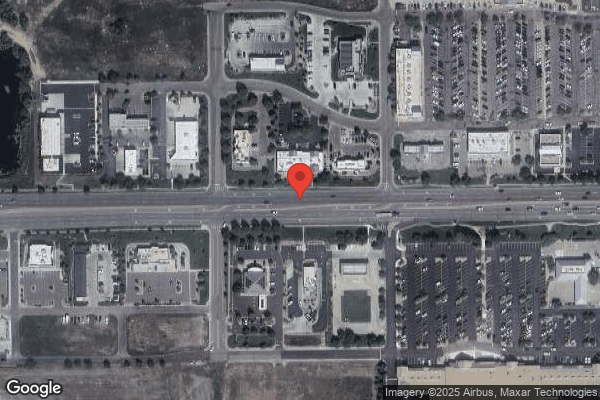
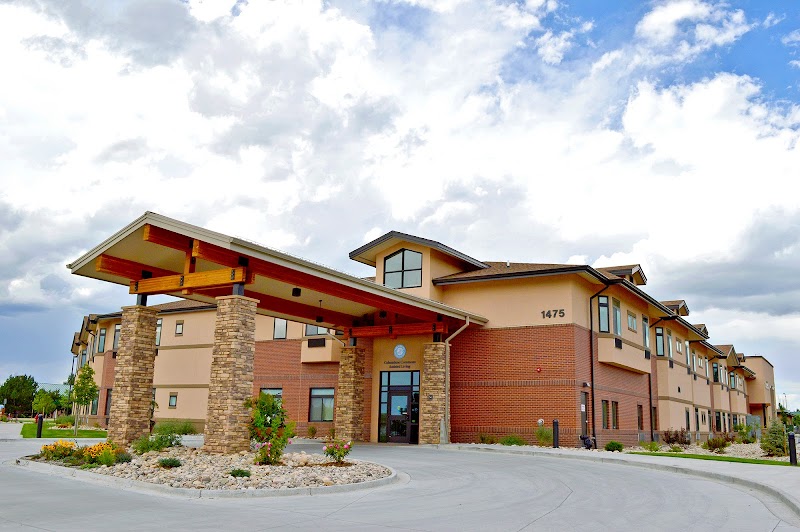
1475 MAIN ST, WINDSOR, CO 80550 (970) 449-5540
For profit - Limited Liability company 60 Beds COLUMBINE HEALTH SYSTEMS Data: November 2025
Trust Grade
90/100
#18 of 208 in CO
Last Inspection: April 2025

Within standard 12-15 month inspection cycle. Federal law requires annual inspections.

Overview

Coulmbine Commons Health & Rehab LLC has received a Trust Grade of A, indicating they are excellent and highly recommended for care. They rank #18 out of 208 facilities in Colorado, placing them in the top half, and #2 of 8 in Weld County, meaning only one other local option is better. The facility is improving, with issues decreasing from 4 in 2023 to just 2 in 2025. Staffing is a strong point, receiving 5 out of 5 stars with a turnover rate of 43%, which is below the state average. They have no fines on record, reflecting good compliance, and provide more RN coverage than 96% of Colorado facilities, which is beneficial as RNs can identify issues that CNAs might overlook. However, there are some concerns to note. Recent inspections found issues with food safety practices, including improper refrigerator temperatures and staff not following hygiene protocols, such as wearing beard nets. Additionally, they did not provide timely bathroom assistance for one resident, which is an important aspect of personal care. While there are strengths in areas like staffing and RN coverage, families should be aware of these weaknesses in food safety and hygiene practices.

Trust Score
A
90/100
In Colorado
#18/208
Top 8%
Safety Record
Low Risk
No red flags
Inspections
Getting Better
4 → 2 violations
Staff Stability
○ Average
43% turnover. Near Colorado's 48% average. Typical for the industry.
Penalties
✓ Good
No fines on record. Clean compliance history, better than most Colorado facilities.
Skilled Nurses
✓ Good
Each resident gets 109 minutes of Registered Nurse (RN) attention daily — more than 97% of Colorado nursing homes. RNs are the most trained staff who catch health problems before they become serious.
Violations
○ Average
7 deficiencies on record. Average for a facility this size. Mostly minor or procedural issues.
★★★★★
5.0
Overall Rating
★★★★★
5.0
Staff Levels
★★★☆☆
3.0
Care Quality
★★★★★
5.0
Inspection Score
Stable
2023: 4 issues
2025: 2 issues

The Good

  • 5-Star Staffing Rating · Excellent nurse staffing levels
  • Full Sprinkler Coverage · Fire safety systems throughout facility
  • No fines on record
  • Staff turnover below average (43%)

    5 points below Colorado average of 48%

Facility shows strength in staffing levels, fire safety.

The Bad

Staff Turnover: 43%

Near Colorado avg (46%)

Typical for the industry

Chain: COLUMBINE HEALTH SYSTEMS

Part of a multi-facility chain

Ask about local staffing decisions and management

The Ugly 7 deficiencies on record

Apr 2025 2 deficiencies
CONCERN (D)

Potential for Harm - no one hurt, but risky conditions existed

ADL Care (Tag F0677)

Could have caused harm · This affected 1 resident

**NOTE- TERMS IN BRACKETS HAVE BEEN EDITED TO PROTECT CONFIDENTIALITY** Based on record review and interviews, the facility failed to ensure residents who were unable to carry out activities of daily ...

Read full inspector narrative →
**NOTE- TERMS IN BRACKETS HAVE BEEN EDITED TO PROTECT CONFIDENTIALITY** Based on record review and interviews, the facility failed to ensure residents who were unable to carry out activities of daily living (ADL) received the necessary services to maintain grooming and personal hygiene for one (#8) of four residents reviewed out of 17 sample residents. Specifically, the facility failed to provide Resident #8 with timely bathroom assistance. Findings include: I. Facility policy and procedure The Resident Rights policy, revised on 2/26/25, was provided by the nursing home administrator (NHA) on 4/18/25 at 4:14 p.m. It read in pertinent part, The resident has the right to be treated courteously, fairly and with the fullest measure of dignity, and to be cared for in a manner and environment that promotes maintenance or enhancement of his or her quality of life. II. Resident #8 A. Resident status Resident #8, age greater than 65, was admitted [DATE]. According to the April 2025 computerized physician order (CPO), diagnoses included atrial fibrillation (heart condition), chronic diastolic (congestive) heart failure, anxiety disorder and unspecified pain. The 3/20/25 minimum data set (MDS) assessment revealed the resident had severe cognitive impairments with a brief interview for mental status (BIMS) score of six out of 15. She required substantial to maximum assistance with toileting hygiene and toilet transfers. Resident #8 was interviewed on 4/16/25 at 1:00 p.m. Resident #8 said she had to wait 40 minutes sitting on the toilet until she received assistance (the morning of 4/16/25). She had to scream and bang on the wall. B. Resident interview Resident #8 was interviewed again 4/16/25 at 2:45 p.m She said she was assisted to the bathroom and when finished she pushed the call box (a device used to signal for help) in her bathroom. She said she waited a long time and pushed the call box again and then her personal pendant for help. She said she sat on the toilet for 40 minutes and then started to scream and bang on the wall for help. Resident #8 said she did not want that to happen again. C. Record review The activities of daily living (ADL) functional care plan initiated 3/13/24 and revised on 4/1/25, indicated Resident #8 had experienced a decline in function with increased weakness. Pertinent interventions included provide assistance for ADLs and mobility as needed, provide moderate assistance with toileting. The cognitive loss care plan initiated 3/14/24 and revised on 3/20/25, indicated that Resident #8 has short term and long term memory loss. Pertinent interventions included anticipate and assist with needs and ADL's as appropriate and monitor every one to two hours and as needed (PRN) for safety or needs The 4/16/25 computerized response time log for Resident #8 was provided by the director of nursing (DON) on 4/16/25 at 1:58 p.m. It indicated the following: Resident #8 activated her personal pendant at 6:35 a.m. and it was deactivated nine minutes later. Resident #8 activated the bathroom call box at 6:57 a.m., which was on the wall located next to the toilet. The call box was deactivated at 7:09 a.m., 12 minutes later. Resident #8's personal pendant was activated at 7:09 a.m. Resident #8's personal pendant was deactivated at 7:24 a.m., 15 minutes after the personal pendant was activated. -Resident #8 initially activated her bathroom call box at 6:57 a.m., the call box was deactivated at 7:09 a.m., then her personal pendant was activated at 7:09 a.m. Resident #8 did not receive assistance for 27 minutes after she initially activated her call box, leaving her on the toilet for approximately 40 minutes. D. Staff interviews The DON and the social services director (SSD) were interviewed together on 4/16/25 at 1:58 p.m. The DON said the residents had two ways to notify staff that they needed assistance, the call box and their personal pendants. The DON said the call box could be deactivated in the room by a button and the personal pendant had to be deactivated by a staff member. The SSD said Resident #8's statement on the wait time was valid. The DON said Resident #8 may have deactivated the bathroom call box by pushing the deactivation button, which was located under the activation button on the call box. She said this would have sent an automated message that the light has been cleared. Certified nursing aide (CNA) #1 was interviewed on 4/16/25 at 2:25. CNA #1 said that CNAs were assigned to a hall and not specific rooms. She said the CNAs were responsible for answering all call notifications in their assigned hall. She said after the call box or personal pendant was deactivated a message was sent over the walkie talkie as cleared. CNA #1 said that she did not check on residents after the call notification had been cleared. CNA #2 was interviewed on 4/17/25 at 10:45 a.m. CNA #2 said she answered the call notification that morning and assisted Resident #8 to the toilet on 4/16/25 (at 6:44 a.m.) CNA #2 said she had told Resident #8 to call when she was finished. CNA #2 said she heard Resident #8's call notification, then heard the clear signal several minutes later. She said she heard Resident #8's call notification again and was going to assist her when she finished with another resident. She said she then heard Resident #8 screaming and banging on the wall. She said she entered the bathroom to assist the resident off the toilet.
CONCERN (F)

Potential for Harm - no one hurt, but risky conditions existed

Food Safety (Tag F0812)

Could have caused harm · This affected most or all residents

Based on observations, record review and interviews, the facility failed to store, prepare, distribute and serve food in a sanitary manner in the main kitchen and two out of two kitchenettes. Specifi...

Read full inspector narrative →
Based on observations, record review and interviews, the facility failed to store, prepare, distribute and serve food in a sanitary manner in the main kitchen and two out of two kitchenettes. Specifically, the facility failed to ensure: -Refrigerators were maintained at the correct temperature; -Food was properly stored after being opened; -Staff wore beard nets in the kitchen; -Staff did not have fake nails; and, -Staff did not wear a watch on their wrist while serving food. Findings include: I. Failure to ensure refrigerator temperatures were maintained appropriately A. Professional reference The Colorado Department of Public Health and Environment Colorado Retail Food Establishment Rules and Regulations, revised 3/16/24, was retrieved on 4/18/25. It revealed in pertinent part, Time or temperature control for safety food shall be maintained at 41 degrees Fahrenheit (F) or less. (Chapter 3) B. Facility policy and procedure The Kitchen Sanitation policy, revised 2023, was provided by the nursing home administrator (NHA) on 4/21/25 at 11:03 a.m. It read in pertinent part, Refrigerated food should be stored at or below 41 degrees Fahrenheit (F). C. Observations On 4/15/25 at 9:20 a.m. a tour of the kitchenette in the Lakes building revealed the bottom left refrigerator had an internal thermometer that read 46 degrees F. The refrigerator contained sodas, milk and yogurt. C. Staff interviews The dietary manager (DM), the registered dietitian (RD) and assistant dietary manager (ADM) were interviewed together on 4/16/25 at 2:15 p.m. The DM said he was unaware the refrigerator temperature was above 41 degrees F. He said he was going to have maintenance look at the refrigerator and provide education to the staff about notifying him if a refrigerator was at the wrong temperature. II. Failure to ensure food was properly stored A. Professional reference The Colorado Department of Public Health and Environment Colorado Retail Food Establishment Rules and Regulations, revised 3/16/24, was retrieved on 4/18/25. It revealed in pertinent part, Food shall be discarded if it is in a container or package that does not bear a date. (Chapter 3) B. Facility policy and procedure The Kitchen Sanitation policy, revised 2023, was provided by the NHA on 4/21/25 at 11:03 a.m. It read in pertinent part, All time and temperature control for safety (including leftovers) should be labeled, covered and dated when stored. When a food package is opened, the food item should be marked to indicate the open date. This date is used to determine when to discard the food. C. Observations On 4/15/25 at 9:20 a.m. a tour of the kitchenette in the Lakes building revealed a bag of French fries in the freezer that were not sealed shut or labeled with an open date. There was a bag of cheesecake mix in the dry storage area that was not sealed or labeled with an open date. On 4/15/25 at 11:15 a.m. a tour of the kitchenette in the Mountains buildings revealed a box of barley that was not sealed or labeled with an open date. D. Staff interviews The DM, the RD and the ADM were interviewed together on 4/16/25 at 2:15 p.m. The DM said once food was opened from its original packaging, it needed to be sealed and labeled with an open date and a use-by date. III. Failure to ensure beard nets were worn A. Professional reference The Colorado Department of Public Health and Environment Colorado Retail Food Establishment Rules and Regulations, revised 3/16/24, was retrieved on 4/18/25. It revealed in pertinent part, Food employees shall wear hair restraints such as hats, hair coverings or nets, beard restraints and clothing that covers body hair, that are designed and worn to effectively keep their hair from contacting exposed food, clean equipment, utensils, linens and unwrapped sing-service and single-use articles. (Chapter 2) B. Facility policy and procedure The Kitchen Sanitation policy, revised 2023, was provided by the NHA on 4/21/25 at 11:03 a.m. It read in pertinent part: Beard nets are required when facial hair is visible. C. Observations On 4/15/25 at 11:15 a.m. a tour of the kitchenette in the Mountains buildings revealed cook (CK) #2 wore a surgical mask due to COVID-19 in the building. CK #2 was not wearing a beard net, he wore a surgical mask and his beard was sticking out from under the mask. D. Staff interviews The DM, the RD and the ADM were interviewed together on 4/16/25 at 2:15 p.m. The DM said a surgical mask did not count as a beard net and that beard nets needed to be worn when the staff had a five o ' clock shadow or longer beard hair. He said CK #2 should have worn a beard net with his surgical mask. IV. Failure to ensure staff did not wear fake nails when handling food A. Professional reference The Colorado Department of Public Health and Environment Colorado Retail Food Establishment Rules and Regulations, revised 3/16/24, was retrieved on 4/18/25. It revealed in pertinent part, Unless wearing intact gloves in good repair, a food employee may not wear fingernail polish or artificial fingernails when working with exposed food. (Chapter 2) B. Facility policy and procedure The Kitchen Sanitation policy, revised 2023, was provided by the NHA on 4/21/25 at 11:03 a.m. It read in pertinent part, Keep fingernails clean and neat. Acrylic or painted nails must be covered when handling or serving food. C. Observations During a continuous observation on 4/16/25, beginning at 11:00 a.m. and ending at 12:30 p.m., CK #1 was wearing fake nails that were painted a beige color and approximately half an inch long while she served lunch without gloves on. D. Staff interviews The DM, the RD and the ADM were interviewed together on 4/16/25 at 2:15 p.m. The DM and the RD said the staff were not allowed to wear fake nails. The DM and the RD said CK #1 needed to have gloves on while serving lunch because she had artificial fingernails. V. Failure to ensure staff did not wear watches while preparing food A. Professional reference The Colorado Department of Public Health and Environment Colorado Retail Food Establishment Rules and Regulations, revised 3/16/24, was retrieved on 4/18/25. It revealed in pertinent part, Except for a plain ring such as a wedding band, while preparing food, food employees may not wear jewelry including medical information jewelry on their arms and hands. (Chapter 2) B. Observations During a continuous observation on 4/16/25, beginning at 11:20 a.m. and ending at 12:30 p.m. CK #1 was wearing a smart watch while she served lunch. C. Staff interviews The DM, the RD and the ADM were interviewed together on 4/16/25 at 2:15 p.m. The RD said the facility ' s policy allowed watches to be worn, but that she was going to get the policy updated to match the regulations.
Oct 2023 4 deficiencies
CONCERN (D)

Potential for Harm - no one hurt, but risky conditions existed

Deficiency F0678 (Tag F0678)

Could have caused harm · This affected 1 resident

**NOTE- TERMS IN BRACKETS HAVE BEEN EDITED TO PROTECT CONFIDENTIALITY** Based on record review and interviews, the facility failed to have a process in place to ensure one (#48) resident reviewed for ...

Read full inspector narrative →
**NOTE- TERMS IN BRACKETS HAVE BEEN EDITED TO PROTECT CONFIDENTIALITY** Based on record review and interviews, the facility failed to have a process in place to ensure one (#48) resident reviewed for cardiopulmonary resuscitation (CPR) out of 28 sample residents choices regarding CPR were honored and physician orders in place to support the choices. Specifically, the facility failed to ensure the physician orders were updated after admission to do not resuscitate (DNR) status in order to align with the Resident #48's documented choices. Findings include: I. Facility policy The Advance Directives and Resident Contacts policy, revised [DATE], was provided by the director of clinical services (DCS) on [DATE] at 10:45 p.m. The policy documented in pertinent part: All residents have the right to request, refuse, and/or discontinue treatment. The CPR directive is also a medical order, and it instructs providers not to resuscitate if a person's heart or breathing stops. This type of advance directive is typically for people who are frail or seriously ill and for whom CPR may do more harm than good. The doctor and patient must sign this form. II. Resident status Resident #48, age [AGE], was admitted on [DATE]. According to the [DATE] computerized physician orders (CPO), her diagnoses included fractured left femur (upper leg), diabetes, heart disease and hypertension (high blood pressure). The [DATE] minimum data set (MDS) assessment revealed the resident was cognitively intact with a brief interview for mental status (BIMS) score of 13 out of 15. III. Record review The resident's face (information) sheet, physician orders and care plan were reviewed. The face sheet revealed that the resident was a DNR (do not resuscitate, no CPR) status, however, the most recent physician order from [DATE] directed a full code status for the resident. The care plan, revised [DATE], revealed that the resident had an advanced directive on file and the copy was in the chart. The care plan documented the resident wishes will be honored and reviewed as needed. The Directive to Withhold CPR form, dated [DATE] (two days after the resident was admitted ) was reviewed. The form was signed by both Resident #48 and the medical provider and it directed health care providers to withhold CPR in the event that the resident's heart or breathing stopped. IV. Staff Interviews The staff development coordinator (SDC) was interviewed on [DATE] at 10:16 a.m. The SDC reviewed the CPR form, orders and face sheet and said the resident's order should have been changed to DNR on [DATE]. She said she would follow up with the provider immediately to change the order. The social services director (SSD) was interviewed on [DATE] at 10:20 a.m. She said every resident should have a physician order for their code status and she would expect the resident's order to match the face sheet and any directives the resident had. Registered nurse (RN) #3 was interviewed on [DATE] at 2:55 p.m. She said if a resident had a medical emergency she would look in the banner on the electronic medical record to know if the resident wanted CPR. The RN said she could refer to the shift report sheet for this information. The director of nursing (DON) was interviewed on [DATE] at approximately 3:00 p.m. She said that when staff are looking for the resident's code status, they could look in the banner in the computerized resident record, in the facility activity report, in the resident document under advanced directives and in the physician orders.
CONCERN (D)

Potential for Harm - no one hurt, but risky conditions existed

Deficiency F0761 (Tag F0761)

Could have caused harm · This affected 1 resident

**NOTE- TERMS IN BRACKETS HAVE BEEN EDITED TO PROTECT CONFIDENTIALITY** Based on observations, record review and interviews, the facility failed to ensure proper storage and disposal of medications in...

Read full inspector narrative →
**NOTE- TERMS IN BRACKETS HAVE BEEN EDITED TO PROTECT CONFIDENTIALITY** Based on observations, record review and interviews, the facility failed to ensure proper storage and disposal of medications in two of three medication carts. Specifically, the facility failed to discard prepared and contaminated medications that had not been administered to residents. Findings include: I. Facility policy and procedure The Medication Receiving, Storage, and Destruction policy, revised [DATE], was provided by the nursing home administrator (NHA) on [DATE]. It read in pertinent part, Expired, contaminated, or deteriorated medications and those in containers that are cracked, soiled, or without secure closures are immediately removed from stock, disposed of according to procedures for medication disposal. II. Observations On [DATE] at 12:23 p.m. the medication cart of the east hallway of the Lakes building was reviewed with registered nurse (RN) #3. Approximately 15 pills were in a medication (30 milliliter) plastic cup in the top drawer of the cart. At 1:10 p.m., licensed practical nurse (LPN) #4 opened the top drawer of the Lakes building west medication cart. There were eight pills in an unlabeled medication cup. III. Staff interviews RN #3 was interviewed on [DATE] at 12:25 p.m. She said that she collected pills during the day from medications that were not given and from loose pills and old (expired) medications in the cart. She said she combined the pills into a cup and was waiting to put them in a medication disposal container. RN #3 then took the pills to the medication storage room and discarded the pills into the medication disposal container. LPN #4 was interviewed on [DATE] at 1:15 p.m. She said that the eight pills in the unlabeled medication cup were a combination of ones that were refused and medications found on the floor. She said that when she finished with her lunch pass of medications she planned to destroy the medications in the medication disposal container in the medication storage room. She said that she followed the same process for evening medications. The director of nursing was interviewed on [DATE] at 3:02 p.m. She said that the nurse could store non-narcotic pills that were intended to be wasted in a pill cup in the top drawer of the cart. She said that it was acceptable to store these medications in the cart and to dispose of the unused medications at the end of the nurse's shift. RN #4 was interviewed on [DATE] at 9:38 a.m. She said that when she found a need to dispose of non-narcotic pills during her medication pass, she put them in a pill container in the top drawer of the medication cart and disposed of them in the medication room when her medication pass was done. She said she typically did not immediately take individual medications which needed disposal to the medication room.
CONCERN (D)

Potential for Harm - no one hurt, but risky conditions existed

Deficiency F0849 (Tag F0849)

Could have caused harm · This affected 1 resident

**NOTE- TERMS IN BRACKETS HAVE BEEN EDITED TO PROTECT CONFIDENTIALITY** Based on record review and interviews, the facility failed to ensure that the hospice services provided met professional standar...

Read full inspector narrative →
**NOTE- TERMS IN BRACKETS HAVE BEEN EDITED TO PROTECT CONFIDENTIALITY** Based on record review and interviews, the facility failed to ensure that the hospice services provided met professional standards and principles that applied to individuals providing services in the facility for one (#159) of three residents reviewed for hospice services out of 28 sample residents. Specifically, for Resident #159 the facility failed: -To have a hospice plan of care in order to maintain the resident's highest practicable physical, mental and psychosocial well-being; -To identify the responsibilities of the hospice provider and the facility to include frequency of visits; and, -To have consistent documentation of hospice care visits and updates in the resident's record. I. Facility policy The Palliative and hospice Services policy, updated on 5/18/23, was provided by the nursing home administrator (NHA) on 10/12/23 at 2:47 p.m. it revealed in pertinent part; The facility and palliative/hospice provider will work together to address the needs of the resident. The contract between (corporation) and the palliative/hospice providers will outline the specific details regarding services, including but not limited to: coordination of care, delineation of services, and communication. The palliative/hospice provider will obtain access to the resident's medical record. Documents from palliative/hospice will be obtained to place in the resident's medical record, including but not limited to certifications, advance directives, plan of care and updates, and orders. The resident, family, facility, and palliative/hospice provider will be involved in the development and changes to the plan of care. II. Resident #159 A. Resident status Resident #159, age [AGE], was admitted on [DATE]. According to the October 2023 computerized physician orders (CPO), diagnoses included atherosclerotic heart disease (narrowing of the arteries), acute cystitis without hematuria (bladder infection) and polyneuropathy (nerve damage). The 10/1/23 minimum data set (MDS) assessment revealed the resident had moderate cognitive impairment with a brief interview for mental status score (BIMS) of eight out of 15. He had no behaviors or rejections of care. The MDS assessment identified hospice care. B. Resident family interview The resident's wife and daughter were interviewed on 10/10/23 at 4:10 p.m. They said the resident received hospice care about once a week. The resident's wife and daughter said he was seen by a certified nurse aide (CNA) on Wednesdays but was not sure when he was seen by the nurse. The resident's wife and daughter said they had not talked with the hospice nurse recently and would like to have a schedule in order to be there when she visits for an update. C. Record review The October 2023 CPO revealed the resident was admitted to hospice services on 9/26/23 for heart disease. The facility's hospice care plan initiated on 9/26/23 revealed Resident #159 had a long term goal of Resident #159 would have his needs met by facility and hospice staff. Resident #159's medications and treatments would be provided as ordered, ensuring the resident had an optimal comfort level and time with family and friends. The care plan interventions revealed the facility would consult with the hospice nurse about Resident #159's medications, concerns, monitoring for pain level, comfort level, and would respond promptly to needs. The facility and hospice would coordinate care that would anticipate and meet all of the resident needs, would monitor for changes and coordinate care planning. The family and friends were to be involved in care decisions and hospice was to educate family on services provided and liaison as needed for communication. The hospice progress notes dated 9/26/23 revealed a visit from the hospice nurse. The hospice nurse completed assessment, reviewed, ordered bolster sheets and noted Resident #159 had no concerns. The hospice progress notes dated 10/9/23 revealed a visit from the hospice nurse. The nurse ordered a gel wheelchair cushion and noted the resident denied any concerns. The hospice progress notes dated 10/12/23 revealed a visit from the hospice nurse. The hospice nurse completed assessment, added a new order for Tylenol and provided education to the resident. -There were no other hospice progress notes in Resident #159's record from admission on [DATE] to 10/9/23. The record did not include consistent communication between the hospice provider and the facility. The hospice progress notes dated 10/9/23 and 10/12/23 were completed after the start of the recertification process. -The resident did not have a plan of care from the hospice provider in the record that identified the responsibilities of the hospice provider to include frequency of visits and schedule. III. Staff Interviews Registered nurse (RN) #2 was interviewed on 10/10/23 at 3:08 p.m. RN #2 said the hospice provider had their own computer program to record resident information. The hospice nurses would input the resident care and updates into the program and their medical records department would send the information to the facility. RN #2 said it could take up to two weeks to receive the information. RN #2 said the hospice nurse usually updated the unit nurse upon arrival and departure to give a verbal update. RN #2 said if there were updates she would input the information into the resident's record. RN #2 said the hospice plan of care should be located in the resident's record at the facility. The director of nursing (DON) was interviewed on 10/12/23 at 1:56 p.m. The DON said the hospice nurses would talk with the charge nurse upon arrival and departure and would give a verbal update of the residents. The DON said the hospice provider had their own computer program which they would add the resident information to then had their records department forward the progress notes to the facility. The DON said the facility recently requested more detailed and timely updates from the hospice provider. The DON said the hospice nurses had access to their program to update the resident's records but they did not consistently. The DON said she was not clear if the hospice provider had a schedule for services for each resident. The DON said the hospice plan of care should be located in the facility record.
CONCERN (E)

Potential for Harm - no one hurt, but risky conditions existed

Infection Control (Tag F0880)

Could have caused harm · This affected multiple residents

**NOTE- TERMS IN BRACKETS HAVE BEEN EDITED TO PROTECT CONFIDENTIALITY** Based on observations, record review and interviews, the facility failed to maintain an infection control program designed to pr...

Read full inspector narrative →
**NOTE- TERMS IN BRACKETS HAVE BEEN EDITED TO PROTECT CONFIDENTIALITY** Based on observations, record review and interviews, the facility failed to maintain an infection control program designed to provide a safe, sanitary and comfortable environment to help prevent the development and transmission of disease and infection. Specifically, the facility failed to: -Ensure glucometers were disinfected per manufacturer's recommendations and ensure that individual glucometers were labeled on three of four medication carts reviewed; -Follow infection control practices when administering medications via gastrostomy (G-tube) tube; and, -Follow infection control practices when entering the room of a resident on contact precautions. Findings include: I. Standard precautions for resident equipment-disinfection and labeling of glucometers A. Professional reference Centers for Disease Control and Prevention. (2019). Part III: Precautions to Prevent Transmission of Infectious Agents. https://www.cdc.gov/handhygiene/providers/guideline.html retrieved on 10/16/23. Standard Precautions combine the major features of Universal Precautions (UP) and Body Substance Isolation (BSI) and are based on the principle that all blood, body fluids, secretions, excretions, except sweat, non- intact skin and mucous membranes may contain transmissible infectious agents. These include: hand hygiene, use of gloves, gown, mask, eye protection, or face shield, depending on the anticipated exposure; and safe injection practices. Also, equipment or items in the patient environment likely to have been contaminated with infectious body fluid must be handled in a manner to prevent transmission of infectious agents (wear gloves for direct contact, contain heavily soiled equipment, properly clean and disinfect or sterilize reusable equipment before use on another patient). B. Manufacturer recommendations Harmony Blood Glucose Monitoring System (2017). https://www.medline.com/media/catalog/Docs/MKT/MAN_MPH6540_APB.pdf, retrieved on 10/10/23, included the following recommendations: Cleaning and disinfecting are different and both should be performed. Cleaning can remove visible soil, blood and oily substances prior to disinfecting, but does not kill germs effectively. Disinfecting can destroy most recognized pathogenic microorganisms to reduce your exposure to disease. The following products have been validated for cleaning and disinfecting the meter: -Dispatch Hospital Cleaner Disinfectant Towels with Bleach -Medline Micro-Kill+ Disinfecting, Deodorizing, Cleaning Wipes with Alcohol -Clorox Healthcare Bleach Germicidal and Disinfectant Wipes -Medline Micro-Kill Bleach Germicidal Bleach Wipes Only the above wipes have been validated for use in cleaning and disinfecting. Cleaning and disinfecting frequency: The device must be cleaned before every disinfection step and should be cleaned and disinfected after each test. 1. Wash hands with soap and water and dry thoroughly. Put on single-use medical protective gloves. 2. Inspect for blood, debris, dust, or lint anywhere on the meter. Blood and bodily fluids must be thoroughly cleaned from the surface of the meter. 3. To clean the meter, blood/body fluids must be thoroughly cleaned from surface and objects before disinfecting. Wipe surface with one of the four validated disinfecting wipes until completely wet. Wipe all external areas of the meter using the same validated wipes for cleaning and for disinfection. Avoid wetting the test strip holder and data port. Discard used towel. 4. To disinfect the meter, dispense a wipe from the canister. Oily substances must be removed prior to disinfection. Wipe all external areas of the meter including both front and back surfaces until visibly wet. Use the same validated wipes for cleaning and for disinfection. Avoid wetting the test strip holder and data port. Allow the surface of the meter to remain wet at room temperature for: -At least 30 seconds for Medline Micro-Kill Bleach -At least 1 minute for Dispatch and Clorox Healthcare -At least 2 minutes for Medline Micro-Kill 5. Allow to air dry. 6. Remove gloves, wash hands with soap and water, and dry thoroughly. C. Observations On 10/10/23 at 12:35 p.m. the Lakes unit east medication cart was reviewed with registered nurse (RN) #3. Harmony brand glucometers were present in at least two of the residents' bins. The glucometers did not have resident names on them. Medication cart #2 on the Mountain unit was inspected on 10/10/23 at 1:35 p.m with licensed practical nurse (LPN) #1. The medication cart contained three glucometers: an unlabeled glucometer in the top drawer, an unlabeled glucometer in a yellow basket labeled with room [ROOM NUMBER] and a glucometer labeled with room [ROOM NUMBER] in a yellow basket labeled with room [ROOM NUMBER]. D. Staff interviews RN #3 was interviewed on 10/10/23 at 12:35 p.m. RN #3 said each resident had their own glucometer, which was stored in the corresponding room in the medication cart. The RN said she used alcohol wipes to clean the glucometer, wiped the meter after leaving the room, and put it back into the drawer. RN #3 said she uses whatever is closest, purple top or alcohol wipes to clean the glucometer. She said she wiped a couple of times and puts the glucometer back in the drawer. RN #3 said she thought the policy said to use alcohol wipes to clean the glucometers, but she was not sure what it said. LPN #4 was interviewed on 10/10/23 at 1:10 p.m. LPN #4 said that she used a paper towel with water or alcohol wipes to clean the glucometer. At 1:30 p.m. LPN #4 said that she misspoke earlier, as she had been told at another employer to clean the glucometer with paper towel and water. She clarified she always cleaned glucometers at this facility with alcohol wipes. LPN #1 was interviewed on 10/10/23 at 1:35 p.m. She said that she did not know why the glucometer labeled with room [ROOM NUMBER] was in a basket labeled with room [ROOM NUMBER]. She said they must have mixed them up. She said she cleaned glucometers once after her shift with disinfectant wipes. The director of nursing (DON) was interviewed on 10/10/23 at 1:51 p.m. The DON was informed that nurses indicated they were cleaning glucometers with alcohol wipes. She said that the policy said to clean the glucometers between uses with alcohol wipes for 30 seconds or to use purple top wipes. Manufacturer's recommendations for cleaning were requested. The DON said the facility did not label the glucometers. The DON said the facility would provide the manufacturer's recommendations for cleaning and would have staff clean all glucometers per the manufacturer's recommendations. E. Facility follow-up On 10/10/23 at 4:46 p.m. the nursing home administrator (NHA) provided the following: Immediate interventions 1. Every medication cart was audited for resident specific glucometer immediately. Relabeling of glucometer and test strips and proper cleaning of all glucometers was completed. Every medication cart was stocked with the correct cleaning solution. We reviewed manufacturer guidelines and clarified proper disinfectant use. This was updated in skill validation and company policy. 2. Staff Development Coordinator (SDC) created in-service training education on proper use of glucometer and return demonstration was started for every floor nurse. 3. Additional glucometers that were stored in the top of the medication cart were removed and discarded. 4. DON and SDC have developed a schedule for education to ensure all floor staff sign off on the training before they start the shift. 5. There will be a complete medication cart audit daily on all carts through the period of re-education. 6. Updated resident discharge checklists and admission packets to indicate proper assigning, labeling, and disinfecting of glucometers and test strips. II. Infection control failures with medication administration A. Observations LPN #2 was observed administering medications to Resident #109 on 10/9/23 at 12:17 p.m. All medications were administered via G-tube. Resident #109 was on contact precautions for Methicillin-resistant Staphylococcus aureus (MRSA) in the wound on her hip. LPN #2 donned gown, gloves and surgical mask before entering the room. She brought with her to the room a yellow box with medication, and a bottle of Gabapentin solution. She placed it next to the sink area in the resident's room. She approached the resident and placed a clean white towel under the G-tube. As she was administering Tylenol, the towel that was under the G-tube fell on the floor. She picked up a towel off the floor, wiped the leaking Tylenol solution off the G- tube with the towel and tucked it back under the resident. When LPN #2 was done with medication administration, she took the bottle of Gabapentin and yellow box with medications out of the room. She did not sanitize items that she brought to the room before placing Gabapentin back to the refrigerator in the medication room and yellow box with medications to the medication cart. B. Staff interviews The DON was interviewed on 10/11/23 at 5:50 p.m. She said the number of items that were brought to the resident's room on isolation precaution should be minimized. Specifically, only medications that were administered should be taken to the room. However, if it was necessary to bring additional medications, containers that came in contact with the surface in the resident's room should be disinfected after removal from the room. Regarding the towel she said since the towel came in contact with the floor it should have been replaced with a clean one.
Jul 2022 1 deficiency
CONCERN (D)

Potential for Harm - no one hurt, but risky conditions existed

Respiratory Care (Tag F0695)

Could have caused harm · This affected 1 resident

**NOTE- TERMS IN BRACKETS HAVE BEEN EDITED TO PROTECT CONFIDENTIALITY** Based on interviews and record review, the facility failed to ensure one (#24) of one resident reviewed for respiratory care of ...

Read full inspector narrative →
**NOTE- TERMS IN BRACKETS HAVE BEEN EDITED TO PROTECT CONFIDENTIALITY** Based on interviews and record review, the facility failed to ensure one (#24) of one resident reviewed for respiratory care of 20 sample residents were provided respiratory care consistent with professional standards of practice. Specifically, the facility failed to ensure physician orders and a care plan were in place for Resident #24, who required a continuous positive airway pressure (CPAP) unit/machine. Findings include: I. Facility policy and procedure The CPAP/BiPap use policy, revised on 1/23/2020, was provided by the director of nursing (DON) on 7/12/22 at 1:14 p.m. The policy revealed a CPAP was a non-invasive form of therapy for residents with obstructive sleep apnea. The unit supplied pressurized air into the resident's airways called positive airway pressure. This positive pressure aided in keeping the resident's airway from obstructing or closing during sleep. With a CPAP, the resident received one continuous set pressure with inhalation and exhalation. The purpose was to provide a CPAP unit, for residents with conditions that included but were not limited to obstructive sleep apnea (OSA), hypoventilation syndrome, chronic obstructive pulmonary disease (COPD), congestive heart failure (CHF), and neuromuscular disorders. Residents who had provider orders for a CPAP, would have nursing and respiratory therapies (RT) services to address and monitor the use of the CPAP unit. The resident would have a RT consult, that was ordered for all residents with a CPAP. A nurse, RT, resident and/or a family member would set up the resident's CPAP unit per their home settings. The set up should include the use of distilled water for the humidifier chamber, oxygen port for supplemental oxygen if needed, and the confirmation that the unit was plugged into a generator backup outlet (typically a red electrical wall outlet). An order for the CPAP would be in the resident's electronic medical record (EMR) to include settings and liter flow of oxygen bleed in if needed. Nursing staff would verify that the unit was working and that the mask had a good seal. The nurse would verify supplemental oxygen was hooked up to the flow meter and the CPAP machine if needed. An oxygen saturation level would be obtained and documented in the EMR every 30-60 minutes after the unit was applied to the resident, each time it was removed and reapplied, and every shift while the patient wore the unit. If the CPAP unit appeared not to be functioning properly, a nurse might attempt to troubleshoot the unit. If the nurse was unsuccessful in trouble shooting the unit, the nurse would contact RT during business hours or the provider on call after business hours. RT would evaluate the patient's settings and document in the observation section of resident's EMR. Nursing would create a care plan addressing the need for the CPAP with applicable device information. The cleaning of the device and accessories would be completed as instructed by RT or according to the manufacturer's recommendations. RT would provide ongoing training and education to facility staff and residents and/or families related to CPAP usage as needed. II. Resident #24 A. Resident status Resident #24, age [AGE], was admitted on [DATE]. According to the July 2022 computerized physician orders, diagnoses chronic respiratory failure with hypoxia, shortness of breath, obstructive sleep apnea and restrictive lung disease. According to the 6/26/22 minimum data set (MDS) assessment, the resident was cognitively intact with a brief interview for a mental status score of 14 out of 15. The resident did not have any behaviors. The resident required extensive staff assistance for bed mobility, transfers, dressing, toileting and personal hygiene. The resident received oxygen therapy. The MDS did not indicate the resident utilized a non-invasive mechanical ventilator CPAP unit. B. Resident interview and observations Resident #24 was interviewed on 7/11/22 at 1:48 p.m. She said she brought the CPAP machine from home and to her knowledge the staff had not cleaned the machine. The CPAP machine sat on a small dresser beside her bed. Resident #24 was interviewed on 7/13/22 at 8:40 a.m. She again reiterated she brought the CPAP machine from home and to her knowledge the staff had not cleaned the machine. She said her husband cleaned the machine and she had plenty of supplies located in the dresser drawer. C. Record review The July 2022 physician orders did not include any orders related to CPAP settings, care, or cleaning. The care plan for at risk for shortness of breath or reduced oxygen levels related to restrictive lung disease, initiated on 6/22/22, did not include a CPAP as an approach. D. Staff interviews The assistant director of nursing (ADON) was interviewed on 7/13/22 at 3:13 p.m. She acknowledged there were no physician orders for the use of a CPAP machine and therefore it was not encoded in the MDS dated [DATE]. She said the physician orders and care plan were developed on 7/12/22 (during the survey process). The DON was interviewed on 7/13/22 at 3:14 p.m. She said she first learned the resident had a CPAP on 7/12/22 (during the survey). She said the resident did not have physician orders for the use of a CPAP upon admission. She said the resident's family brought the CPAP from home during the resident's first week at the facility and did not inform the staff. She said the staff were aware of the CPAP after it was brought into the facility. She said they received physician orders for the use of the CPAP machine on 7/12/22 (during the survey). The resident's respiratory care plan was updated on 7/12/22 to reflect the use of a CPAP. She said a medical supply company employee came to the facility on 7/12/22 to ensure the CPAP was clean. The employee also checked the oxygen settings on the machine, checked the filters, tubing and the mask for cleanliness. The DON said the nurses were educated to obtain physician orders for a CPAP and to update the care plan, if a resident/family brought a machine into the facility. She said obtaining physician orders and updating a care plan would prompt the correct coding on the resident's MDS. She said the physician orders would be reflected on the resident's medication administration record (MAR) or on the treatment administration record (TAR). Registered nurse (RN) #1 was interviewed on 7/14/22 at 9:36 a.m. She said she knew the resident had a CPAP machine. She said she had never cleaned the machine or changed any of its components. She said there was no electronic MAR (physician order) to direct her to clean or change out any of its parts or tubing on the machine. The ADON was interviewed again on 7/14/22 at 11:00 a.m. She said the CPAP machine needed to be cleaned to reduce the bacteria in the machine and to help keep the resident from getting sick. She said bacteria could be in the tubing or in the water reservoir. She said as of 7/12/22, the facility had all the necessary physician orders for the use of the CPAP machine. She said nursing staff received education on CPAP machines and to obtain physician orders when they observed a machine in a resident's room. The DON was interviewed again on 7/14/22 at 11:23 a.m. She said the necessity of cleaning a CPAP machine was to prevent pneumonia/respiratory infections from the moist air that might contain bacteria during the use of the machine. E. Facility follow-up (during the survey) A physician order revealed a CPAP/BiPAP unit was to be placed by a nurse per orders (home settings). The nurse would verify the unit was working and the mask had a good seal. The nurse would bleed in (administer) the specified liters of oxygen (O2). The nurse would follow up oxygen saturation (SpO2) levels every 30-60 minutes after the unit was applied. The special instructions revealed, each time the mask was removed and reapplied; a nurse would recheck SpO2 and document in vital signs. This order was to be performed twice a day at 7:00 p.m .- 10:00 p.m., and 10:00 p.m. - 2:00 a.m. This order was started on 7/12/22. A physician order revealed a CPAP/BiPAP unit was to be placed by a nurse per orders (home settings). The nurse would verify the unit was working and the mask had a good seal. The nurse would bleed in the specified liters of oxygen (O2). The nurse would follow up oxygen saturation (SpO2) levels every 30-60 minutes after the unit was applied. The special instructions revealed, each time the mask was removed and reapplied; a nurse would recheck SpO2 and document in vital signs. This order was to be performed once a day as needed (PRN). This order was started on 7/12/22. A physician order revealed a CPAP/BiPAP unit was to be checked each shift. The nurse must check SpO2 levels each shift while CPAP/BiPAP was in use. The special instructions revealed that each time the device was removed and reapplied; a nurse would check SpO2 and document in vital signs. This order was to be completed one a day at night. This order was started on 7/12/22. A physician order revealed weekly CPAP/BiPAP cleaning special instructions were to be performed according to RT guidelines/manufacturer's instructions once a day on Sunday mornings between 6:00 a.m., and 2:00 p.m. This order was started on 7/12/22. A PO revealed a CPAP/BiPAP unit was to be checked each shift. The nurse must check SpO2 levels each shift while CPAP/BiPAP was in use. The special instructions revealed that each time the device was removed and reapplied; a nurse would check SpO2 and document in vital signs. This order was to be completed twice a day PRN one and PRN two. This order was started on 7/12/22. In addition, the resident's care plan for potential complications related to restrictive lung disease/chronic respiratory failure with hypoxia was developed on 7/12/22 and included multiple approaches related to the use of a CPAP.
Understanding Severity Codes (click to expand)
Life-Threatening (Immediate Jeopardy)
J - Isolated K - Pattern L - Widespread
Actual Harm
G - Isolated H - Pattern I - Widespread
Potential for Harm
D - Isolated E - Pattern F - Widespread
No Harm (Minor)
A - Isolated B - Pattern C - Widespread

Questions to Ask on Your Visit

  • "Can I speak with families of current residents?"
  • "What's your RN coverage like on weekends and overnight?"

Our Honest Assessment

Strengths
  • • Grade A (90/100). Above average facility, better than most options in Colorado.
  • • No major safety red flags. No abuse findings, life-threatening violations, or SFF status.
  • • No fines on record. Clean compliance history, better than most Colorado facilities.
  • • 43% turnover. Below Colorado's 48% average. Good staff retention means consistent care.
Concerns
  • • No significant concerns identified. This facility shows no red flags across CMS ratings, staff turnover, or federal penalties.
Bottom line: Generally positive indicators. Standard due diligence and a personal visit recommended.

About This Facility

What is Columbine Commons Health & Rehab Llc's CMS Rating?

CMS assigns COLUMBINE COMMONS HEALTH & REHAB LLC an overall rating of 5 out of 5 stars, which is considered much above average nationally. Within Colorado, this rating places the facility higher than 99% of the state's 100 nursing homes. This rating reflects solid performance across the metrics CMS uses to evaluate nursing home quality.

How is Columbine Commons Health & Rehab Llc Staffed?

CMS rates COLUMBINE COMMONS HEALTH & REHAB LLC's staffing level at 5 out of 5 stars, which is much above average compared to other nursing homes. Staff turnover is 43%, compared to the Colorado average of 46%. This relatively stable workforce can support continuity of care.

What Have Inspectors Found at Columbine Commons Health & Rehab Llc?

State health inspectors documented 7 deficiencies at COLUMBINE COMMONS HEALTH & REHAB LLC during 2022 to 2025. These included: 7 with potential for harm.
Who Owns and Operates Columbine Commons Health & Rehab Llc?

COLUMBINE COMMONS HEALTH & REHAB LLC is owned by a for-profit company. For-profit facilities operate as businesses with obligations to shareholders or private owners. The facility is operated by COLUMBINE HEALTH SYSTEMS, a chain that manages multiple nursing homes. With 60 certified beds and approximately 53 residents (about 88% occupancy), it is a smaller facility located in WINDSOR, Colorado.

How Does Columbine Commons Health & Rehab Llc Compare to Other Colorado Nursing Homes?

Compared to the 100 nursing homes in Colorado, COLUMBINE COMMONS HEALTH & REHAB LLC's overall rating (5 stars) is above the state average of 3.2, staff turnover (43%) is near the state average of 46%, and health inspection rating (5 stars) is much above the national benchmark.

What Should Families Ask When Visiting Columbine Commons Health & Rehab Llc?

Based on this facility's data, families visiting should ask: "Can I visit during a mealtime to observe dining assistance and food quality?" "How do you handle medical emergencies, and what is your hospital transfer rate?" "Can I speak with family members of current residents about their experience?"

Is Columbine Commons Health & Rehab Llc Safe?

Based on CMS inspection data, COLUMBINE COMMONS HEALTH & REHAB LLC has a clean safety record: no substantiated abuse findings (meaning no confirmed cases of resident harm), no Immediate Jeopardy citations (the most serious violation level indicating risk of serious injury or death), and is not on the Special Focus Facility watch list (a federal program monitoring the lowest-performing 1% of nursing homes). The facility has a 5-star overall rating and ranks #1 of 100 nursing homes in Colorado. While no facility is perfect, families should still ask about staff-to-resident ratios and recent inspection results during their visit.

Do Nurses at Columbine Commons Health & Rehab Llc Stick Around?

COLUMBINE COMMONS HEALTH & REHAB LLC has a staff turnover rate of 43%, which is about average for Colorado nursing homes (state average: 46%). Moderate turnover is common in nursing homes, but families should still ask about staff tenure and how the facility maintains care continuity when employees leave.

Was Columbine Commons Health & Rehab Llc Ever Fined?

COLUMBINE COMMONS HEALTH & REHAB LLC has no federal fines on record. CMS issues fines when nursing homes fail to meet care standards or don't correct problems found during inspections. The absence of fines suggests the facility has either maintained compliance or corrected any issues before penalties were assessed. This is a positive indicator, though families should still review recent inspection reports for the full picture.

Is Columbine Commons Health & Rehab Llc on Any Federal Watch List?

COLUMBINE COMMONS HEALTH & REHAB LLC is not on any federal watch list. The most significant is the Special Focus Facility (SFF) program, which identifies the bottom 1% of nursing homes nationally based on persistent, serious quality problems. Not being on this list means the facility has avoided the pattern of deficiencies that triggers enhanced federal oversight. This is a positive indicator, though families should still review the facility's inspection history directly.