PELICAN POINTE HEALTH AND REHABILITATION CENTER

710 3RD ST, WINDSOR, CO 80550 (970) 686-7474
For profit - Corporation 104 Beds THE ENSIGN GROUP Data: November 2025 1 Immediate Jeopardy citation
Trust Grade
0/100
#194 of 208 in CO
Last Inspection: December 2023

Within standard 12-15 month inspection cycle. Federal law requires annual inspections.

Overview

Pelican Pointe Health and Rehabilitation Center has received a Trust Grade of F, indicating significant concerns and a poor overall rating. It ranks #194 out of 208 facilities in Colorado, placing it in the bottom half, and #8 out of 8 in Weld County, meaning there are no better local options available. The facility's situation is worsening, with the number of reported issues increasing from 3 in 2024 to 4 in 2025. Staffing is rated as average, with a turnover rate of 72%, which is concerning compared to the state average of 49%. However, there is some RN coverage that meets average standards, which is beneficial for resident care. Unfortunately, there have been troubling incidents reported, including a failure to prevent resident-to-resident abuse, affecting several vulnerable residents. Another serious issue involved a resident experiencing significant weight loss due to inadequate monitoring and intervention, while inappropriate sexual behavior among cognitively impaired residents was not effectively managed, raising serious safety concerns. Overall, while there are some strengths, the weaknesses present serious risks for potential residents.

Trust Score
F
0/100
In Colorado
#194/208
Bottom 7%
Safety Record
High Risk
Review needed
Inspections
Getting Worse
3 → 4 violations
Staff Stability
⚠ Watch
72% turnover. Very high, 24 points above average. Constant new faces learning your loved one's needs.
Penalties
✓ Good
$42,860 in fines. Lower than most Colorado facilities. Relatively clean record.
Skilled Nurses
✓ Good
Each resident gets 49 minutes of Registered Nurse (RN) attention daily — more than average for Colorado. RNs are trained to catch health problems early.
Violations
⚠ Watch
47 deficiencies on record. Higher than average. Multiple issues found across inspections.
★☆☆☆☆
1.0
Overall Rating
★★★☆☆
3.0
Staff Levels
★★☆☆☆
2.0
Care Quality
★☆☆☆☆
1.0
Inspection Score
Stable
2024: 3 issues
2025: 4 issues

The Good

  • Full Sprinkler Coverage · Fire safety systems throughout facility
  • No fines on record

Facility shows strength in fire safety.

The Bad

1-Star Overall Rating

Below Colorado average (3.1)

Significant quality concerns identified by CMS

Staff Turnover: 72%

26pts above Colorado avg (46%)

Frequent staff changes - ask about care continuity

Federal Fines: $42,860

Above median ($33,413)

Moderate penalties - review what triggered them

Chain: THE ENSIGN GROUP

Part of a multi-facility chain

Ask about local staffing decisions and management

Staff turnover is very high (72%)

24 points above Colorado average of 48%

The Ugly 47 deficiencies on record

1 life-threatening 3 actual harm
Jul 2025 3 deficiencies 1 IJ
CRITICAL (J) 📢 Someone Reported This

A family member, employee, or ombudsman was alarmed enough to file a formal complaint

Immediate Jeopardy (IJ) - the most serious Medicare violation

Free from Abuse/Neglect (Tag F0600)

Someone could have died · This affected 1 resident

**NOTE- TERMS IN BRACKETS HAVE BEEN EDITED TO PROTECT CONFIDENTIALITY** Based on observation, record review and interviews, the facility failed to create an environment that protected residents from r...

Read full inspector narrative →
**NOTE- TERMS IN BRACKETS HAVE BEEN EDITED TO PROTECT CONFIDENTIALITY** Based on observation, record review and interviews, the facility failed to create an environment that protected residents from resident-to-resident abuse. This affected six (#2, #3, #5, #6, #8 and #10) of 10 residents out of 12 sample residents residing on three of five units (Mountain View South, Sunrise South, and Mountain View North) in the facility. 1. Resident-to-resident abuse on the Mountain View South UnitResident #4, with severe cognitive loss, exhibited physical aggression toward four residents (#2, #3, #5, and #10), all of whom were cognitively impaired and resided with Resident #4 in the Mountain View South unit. Resident #4 was known to wander aimlessly and in and out of other residents' rooms, and to significantly intrude on the privacy of others. Record review revealed Resident #4 began displaying physically aggressive behavior toward his new roommate, Resident #2, on 5/14/25, which the facility failed to investigate, despite Resident #4 never having shown behaviors of physical aggression before. This failure contributed to an escalation of aggression toward Resident #2, along with physical aggression toward Residents #3, #5, and #10. -On 5/31/25, staff observed Resident #4 standing over his sleeping roommate, Resident #2, and holding his oxygen tubing in a threatening manner. While the facility provided immediate intervention to ensure resident safety after the incident (15-minute checks for 72 hours), the immediate intervention was ineffective in preventing Resident #4 from attempting to put his walker on the shoulders of Resident #3 later the same day. The facility failed to investigate Resident #4's aggressive behavior and develop interventions to identify and address the risks Resident #4 posed to the safety of the cognitively impaired residents on the unit, including to his roommate, Resident #2, and additional physically aggressive incidents by Resident #4 followed on 6/1/25, 6/3/25, and 6/30/25. -On 6/1/25, one day after Resident #4 was involved in two aggressive incidents with Resident #2 and Resident #3, Resident #4 entered the room of Resident #5 and pushed him to the floor. Resident #4's psychoactive medications were adjusted, and 15-minute checks were continued. However, the 15-minute checks had not been effective in preventing the incident on 6/1/25. -On 6/3/25, three days after the incident with his roommate, Resident #2, Resident #4 placed a table on Resident #2's chest while he lay in bed, punching him, and attempting to drag him out of his bed. Resident #4 was then moved to another room and provided one-on-one staff supervision for 72 hours. However, there was no evidence that the facility conducted comprehensive clinical assessments of Resident #4 to rule out clinical contributing factors for his aggressive behavior. No updated interventions or triggers were added to his plan of care or the abbreviated care plan the staff were to utilize to prevent recurrences. Additionally, the resident's new behavior of physical aggression was not added to Resident #4's behavior monitoring orders for staff. -On 6/30/25, Resident #4 approached Resident #10 in a hallway and pushed Resident #10's walker with his walker, causing Resident #10 to almost lose his balance. Resident #4 did not have any enhanced supervision - either one-to-one monitoring or 15-minute checks - in place, even though his room was down a hallway with limited staff visibility. 2. Resident-to-resident abuse on the Sunrise South and Mountain View North Units Residents #6 and #7 resided in the Sunrise South Unit. Review of a facility abuse investigation, dated 6/18/25, documented Resident #7 physically abused Resident #6 on 6/18/25 at 9:25 p.m. The investigation read that Resident #7 entered his room, got into a verbal altercation with his roommate, Resident #6, and Resident #7 picked up a coffee cup and threw it at Resident #6, hitting him in the face and causing a one-inch laceration above his left eyebrow.Staff interviews revealed that Resident #6 and Resident #7 had personality clashes when they were roommates, which led to issues between the two that escalated over time. However, review of Resident #6 and #7's progress notes revealed no documentation indicating staff assessed, monitored, or addressed the escalating conflict between Resident #6 and Resident #7.Residents #8 and #9 resided in the Mountain View North Unit. Review of a facility abuse investigation documented that staff witnessed Resident #9 push Resident #8 with an open hand on the shoulder while they were in the dining room/sitting area. Resident #9 told Resident #8 to move out of his way and then pushed Resident #8. The residents were separated and started on frequent checks. However, neither resident's record contained documentation of frequent checks.Specifically, the facility failed to:-Protect Resident #2, Resident #3, Resident #5 and Resident #10 from physical abuse by Resident #4;-Protect Resident #6 from physical abuse by Resident #7; and,-Protect Resident #8 from physical abuse by Resident #9.The facility's failure to develop and implement effective interventions to prevent repeated incidents of resident-to-resident physical abuse created the potential for serious harm if the situation was not immediately corrected. Findings include: I. Immediate jeopardy A. Findings of immediate jeopardy Resident #4, with severe cognitive loss, exhibited physically aggressive behaviors toward four residents (#2, #3, #5, and #10), all of whom were cognitively impaired. Resident #4 attempted to physically harm Resident #2, his roommate, on 5 /31/25, standing over his sleeping roommate and holding his oxygen tubing in a threatening manner. And, attempted to harm him again on 6/3/25 by placing a bedside table on Resident #2's chest as he slept. Resident #4 attempted to harm Resident #3 on 5/31/25 by attempting to place his walker on Resident #3's shoulders. Resident #4 hit and pushed Resident #5 on 6/1/25, causing the resident to fall to the floor. And, Resident #4 pushed Resident #10 on 6/30/25 in the hallway, causing him to lose his balance Record review revealed additional incidents of resident-to-resident altercations on the Sunrise South and Mountain View North units. Resident #7 threw a cup at Resident #6, causing a facial laceration, and Resident #9 pushed Resident #8. There was no evidence that interventions to prevent repeat incidents of abuse were timely initiated. The facility's failure to develop and implement effective interventions to prevent cognitively impaired residents from being repeatedly subjected to Resident #4's physical abuse and attempts at physical abuse, as well as abusive incidents by Resident #7 and #9, created the potential for serious harm if the situation was not immediately corrected. On 7/14/25 at 7:05 p.m., the administrator in training (AIT), the regional clinical resource (RCR), and the director of nursing (DON) were notified that the facility's failure to develop and implement effective interventions to protect cognitively impaired residents from repeatedly being subjected to physical abuse and attempts at physical abuse created the potential for serious harm if the situation was not immediately corrected. B. Facility plan to remove immediate jeopardy On 7/15/25 at 10:25 a.m., the facility submitted a plan to abate the immediate jeopardy. The abatement plan read: Immediate Action: Upon notification of the immediate jeopardy, one-to-one staff supervision was immediately initiated on 7/14/25 for Resident #4. Resident #4 remained on one-to-one staff supervision until the survey exit at 6:00 p.m. on 7/15/25. During the period from 7/14/25 to 7/15/25, all staff were provided education on prevention and de-escalation of behaviors with Resident #4. Resident abuse education for staff was initiated on 7/15/25 by the DON. The education is to be completed at the beginning of each shift until all staff were 100% educated by 7/22/25 and ongoing education is to take place prior to the start of shift for all contracted staff. Abuse education included: types of abuse, reporting allegations and reporting to abuse coordinator and safety interventions. An additional binder was created and located in the nurses’ station to provide education to agency staff on abuse expectations and procedures. Education was initiated on 7/15/25 with staff on all residents’ plan of care updates. A binder for resident specific resident behaviors, identified triggers and interventions was initiated on 7/15/25 and placed at every nurses’ station. On 7/14/25, Resident # 4's comprehensive care plan and abbreviated care plan were reviewed and updated by social services and nursing, with up to date triggers and non-pharmacological interventions. A facility wide audit was completed on 7/15/25 for all residents with a history of verbal and/or physical aggression by social services and nursing. The care plans were updated with person centered care interventions including triggers and non-pharmacological interventions. Monitoring: The DON, or designee, to complete audits on three random residents three times a week for twelve consecutive weeks. The audits will include: Observation: Observe for any concerns with resident interactions and observe for any concerns with roommate living situations. Staff Interview: Ensure the staff are aware of resident behaviors, triggers and interventions. C. Removal of immediate jeopardy On 7/15/25 at 4:55 p.m., the AIT was notified that, based on review of the facility plan and evidence of its implementation, the immediate jeopardy situation had been abated. However, deficient practice remained at an E level, with the potential for more than minimal harm at a pattern. II. Facility abuse policy On 7/14/25 at 7:14 a.m., the RCR provided the facility’s Abuse Policy, revised April 2025. It read in pertinent parts: The facility will engage in training and orienting its new and existing staff on topics which relate to the delivery of care and service in the post-acute setting. Topics of such training will include, but not be limited to: reporting abuse, neglect, exploitation, and misappropriation of resident property. Identifying, assessing, care planning for appropriate interventions, and monitoring residents with needs and behaviors that might lead to conflict or neglect, such as: Physically aggressive behavior, wandering into other rooms/space, and touching or rummaging through other's property. If the allegation of abuse, neglect, or exploitation involves another resident, the facility will continue to assess, monitor, and intervene as necessary to maximize resident health and safety.” III. Incidents of resident-to-resident abuse on Mountain View South A. Incident on 5/14/25 between Resident #4 and his roommate, Resident #2 1. A nursing progress note, dated 5/14/25, revealed that Resident #4 woke up from sleeping, went over to his roommate's side of the room (Resident #2), and pushed all of his belongings onto the floor. The two residents began to yell aggressively at each other, and the staff was able to intervene before it escalated to a physical altercation. Resident #2 was put into a different room for the night to resolve the situation. 2. Facility failure There were no notes in Resident #4's electronic medical record (EMR) to show a review by the interdisciplinary team (IDT) regarding Resident #4's behavior, although staff interview (see below) revealed Resident #4 did not exhibit physically aggressive behavior before Resident #2 became his roommate. B. Incidents on 5/31/25 between Residents #4 and #2, and Residents #4 and #3 1. Incident on 5/31/25 with an unidentified time between Residents #4 and #2 Facility investigation: The facility investigation read that the incident between Resident #4 and Resident #2 occurred in the room the residents shared. Resident #4 was observed by staff in the room, standing over Resident #2, who was sleeping in his bed, with oxygen tubing in his hands, extending it towards Resident #2. When stopped by the certified nursing assistant (CNA), Resident #4 stated, I haven't done anything to him yet. Resident #4 was removed from the room and placed on 15-minute checks. The residents were not interviewed until 6/2/25 (due to late reporting to the management by the unit staff), and neither resident could recall the incident due to cognitive impairment. The facility did not substantiate the incident, as no physical contact was made between the two residents. Staff interview: CNA #7 was interviewed on 7/15/25 at 3:11 p.m. She said she was present for the incident between Resident #4 and Resident #2 on 5/31/25. CNA #7 said she had never seen Resident #4 display any behaviors of aggression until Resident #2 moved into his room (census records showed that was on 5/5/25). CNA #7 said the residents did not like each other from the beginning, and both men had too many belongings for the space in the room. CNA #7 said on 5/31/25, Resident #4 had been agitated and wanted Resident #2 out of his room. She said the two residents were in their room together, and she decided to go into the room to check on them. CNA #7 said she saw Resident #4 standing over Resident #2, who was asleep in his bed. Resident #4 had his oxygen tubing pulled between both hands and was preparing to put the cord under Resident #2's neck in order to wrap it around. She said she was able to intervene and reported the incident to the nurse. 2. Second incident on 5/31/25 with an unidentified time, between Residents #4 and #3 Facility investigation: The facility investigation read that the incident occurred in the common area where both residents resided. Resident #4 was observed by staff walking toward Resident #3, picking up his walker, and trying to place it on the shoulders of Resident #3. The residents were separated, and Resident #4 continued with 15-minute checks. The residents were not interviewed until 6/2/25 (due to late reporting to the management by the unit staff), and neither resident could recall the incident due to cognitive impairment. The facility did not substantiate the incident, as no physical contact was made between the two residents. 3. Residents a. Resident #2 (victim) Resident #2, age greater than 65, was admitted on [DATE]. According to the July 2025 computerized physician’s orders (CPO), diagnoses included dementia. The 6/4/25 minimum data set (MDS) assessment revealed the resident was unable to participate in the brief interview for mental status (BIMS) cognitive assessment due to severe cognitive impairments, and a staff interview had to be conducted. The staff interview revealed the resident had short-term and long-term memory deficits with severely impaired decision-making. He had a behavior of wandering. The comprehensive care plan, revised 6/4/25, revealed the resident had depression. Interventions, initiated 6/4/25, included monitoring for symptoms of depression and sad mood. b. Resident #3 (victim) Resident #3, age greater than 65, was admitted on [DATE]. According to the July 2025 CPO, diagnoses included dementia. The 6/4/25 MDS assessment revealed the resident had been unable to participate in the assessment due to cognitive impairments. A staff interview revealed Resident #3 had short-term and long-term memory deficits, he was only orientated to himself, and had severely impaired in decision-making. The resident's elopement care plan, revised 6/4/25, revealed that the resident had impaired decision-making and intruded on the privacy of others. Interventions, revised 6/5/25, included offering him his favorite candy and playing his favorite music. The July 2025 CPO revealed orders dated 11/26/24 for behavior monitoring for verbal and physical aggression. Interventions included to offer a back rub, redirect, approach in a calm manner, reposition, offer food/fluids, assess for pain, and provide a quiet environment. c. Resident #4 (assailant) Resident #4, age [AGE], was admitted on [DATE]. According to the July 2025 CPO, diagnoses included dementia and paranoid schizophrenia. The 4/29/25 MDS assessment revealed the resident had a severe cognitive impairment with a BIMS score of four out of 15. He had a behavior of wandering. The assessment’s behavior section failed to reveal that Resident #4 had behaviors of verbal or physical aggression. The resident's elopement care plan, revised 11/14/24, revealed the resident wandered aimlessly and significantly intruded on the privacy of others. He would wander in and out of other residents' rooms. Interventions, initiated 11/14/24, included to distract the resident from wandering with diversional activities. The July 2025 CPO revealed orders dated 11/26/24 for behavior monitoring for verbal threatening, agitation, and wandering. Interventions included to offer a back rub, redirect, approach in a calm manner, reposition, offer food/fluids, assess for pain, and provide a quiet environment. 4. Facility failures The facility failed to comprehensively evaluate either incident on 5/31/25; there were no notes in Resident #4's electronic medical record (EMR) to show a review by the interdisciplinary team (IDT) regarding this change in Resident #4's behavior, which posed a risk to cognitively impaired residents on the unit. Further, there was no evidence that the facility conducted comprehensive clinical assessments of Resident #4 to rule out clinical contributing factors for his aggressive behavior. And, there was no evidence that the facility considered separating Resident #2 and Resident #4, despite the earlier incident on 5/14/25, the nature of the incident on 5/31/25, and staff knowledge that the residents did not get along. CNA #7, interviewed on 7/15/25 at 1:41 p.m., said she had never seen Resident #4 display any behaviors of aggression until Resident #2 moved into his room (census records show that was on 5/5/25). CNA #7 said the residents did not like each other from the beginning, and both men had too many belongings for the space in the room. No additional interventions were initiated on Resident #4's care plan until after several other aggressive actions by Resident #4 (see below). No updated interventions or triggers were added to his plan of care or the abbreviated care plan the staff were to utilize to prevent recurrences. Additionally, the resident's new behavior of physical aggression was not added to Resident #4's behavior monitoring orders for staff. C. Incident on 6/1/25 between Residents #4 and #5 Facility investigation: The facility investigation revealed the incident between Resident #4 and Resident #5 occurred in Resident #5's room. Staff heard yelling and found Resident #5 standing up and yelling at Resident #4 to leave the room. Resident #4 reached out and hit Resident #5 in the arms and then pushed him, causing Resident #5 to fall to the floor onto his buttocks. The registered nurse (RN) contacted the director of nursing (DON) to report the incident. The RN advised the DON that Resident #4 had been agitated more than usual the prior day and had to be redirected many times to prevent him from agitating other residents on the unit. Both residents were put on 15-minute checks for 72 hours. Resident #4's hospice team was notified, and an order for twice-daily Ativan (an antianxiety medication) was initiated for Resident #4. Both residents were assessed by the RN and found not to have injuries. Resident #4 was interviewed on 6/2/25 and was unable to articulate the events due to cognitive impairments, other than to make a punching gesture while being interviewed. Resident #5 was interviewed on 6/2/25 and was unable to recall the event due to cognitive impairment. The facility substantiated the abuse. 2. Residents a. Resident #5 (victim) Resident #5, age [AGE], was admitted on [DATE]. According to the July 2025 CPO, diagnoses included unspecified dementia. The 5/7/25 MDS assessment revealed the resident had moderate cognitive impairments with a BIMS score of eight out of 15. (Resident #5 was approached on 7/14/25 at 2:15 p.m. and was unable to recall the events of the incident.) The resident's behavior care plan, revised 6/6/25, after the incident on 6/1/25, revealed the resident had the potential to display verbally aggressive behaviors regarding others entering his room. Interventions, revised 6/6/25, were for staff to document observed behaviors and attempted interventions and place a stop sign across his doorway to discourage other residents from entering. b. Resident #4 (assailant) (see resident information above) 3. Facility failures The care plan for Resident #5 (see above) did not reflect the incident on 6/1/25 with Resident #4, and observations on 7/14/25 at 10:23 a.m. did not reveal a stop sign across Resident #5's doorway as care planned. There were no notes in Resident #4's electronic medical record (EMR) to show a review by the IDT regarding this change in Resident #4's behavior, which posed a risk to cognitively impaired residents on the unit. The behavior care plan and approaches for Resident #4, ordered on 11/26/24, were not updated to increase supervision of the resident, who was known to wander into residents' rooms. The medication administration records (MARs) and treatment administration records (TARs) reviewed for June 2025 and July 2025 failed to reveal that the resident had behavior monitoring established for physical aggression toward other residents. D. Incident on 6/3/25 at 8:46 a.m. between Residents #4 and #2 1. Facility investigation The facility investigation revealed that a third incident between Resident #4 and Resident #2 occurred in the room the residents shared. Resident #4 was observed by staff in the room, standing over Resident #2, who was lying in his bed, and he was pushing a bedside table down onto Resident #2's chest. Resident #2 was attempting to push the table off himself when staff intervened. Resident #4 was assigned one-on-one staff supervision and was moved to a private room. Both residents were assessed by the RN and found not to have injuries. Resident #4 was interviewed on 6/3/25 and was unable to articulate the events due to cognitive impairments. Resident #2 was interviewed on 6/3/25 and told staff he had woken up to a table on top of him, and Resident #4 wouldn't stop and leave him alone. The facility substantiated the abuse. Staff interview: CNA #7 was interviewed on 7/15/25 at 3:11 p.m. She said she was present for the incident between Resident #4 and Resident #2 on 6/3//25. CNA #7 said on 6/3/25, she heard noise coming from the room Resident #4 and Resident #2 shared, and she came in to see Resident #4 pushing a bedside table on Resident #2's chest. She said Resident #2 was lying in his bed and was trying to push the table off himself, but he was unable to until the CNA entered and distracted Resident #4. CNA #7 said that after Resident #2 was able to push off the bedside table, Resident #4 began punching him in the body, and Resident #2 began kicking Resident #4. She said Resident #2 was still lying in his bed, and Resident #4 grabbed his foot and tried to pull him out of his bed. CNA #7 said she had to put her body physically between the residents to stop them from fighting. She said she reported the incident to the nurse. 2. Residents Resident #2 (victim) (see resident information above) Resident #4 (assailant) (see resident information above) Review of Resident #4's record revealed a physician visit note, dated 6/3/25, that the physician had visited Resident #4 and made no changes to his plan of care. The note indicated the resident had a few altercations in the past couple of weeks and had a history of hallucinations and underlying psychosis. 3. Facility failures On 6/4/25, interventions were initiated to analyze Resident #4's behavioral events for key times, circumstances, triggers, and what de-escalation was effective, to address contributing sensory deficits, and to document behaviors and interventions. -However, these interventions were not resident-centered and failed to address enhanced supervision when one-to-one supervision or 15-minute supervision was not in place. On 6/6/25, three days after the third incident with Resident #2, orders for alert charting in the treatment administration records (TARs), dated 6/1/25 to 6/30/25, was ordered, and documented Resident #4 was being monitored for chronic obstructive pulmonary disease (COPD) exacerbation with increased agitation, confusion, and wandering. -However, the medication administration records (MARs) and TARs reviewed for June 2025 and July 2025 failed to reveal that the resident had behavior monitoring established for physical aggression toward other residents. On 6/17/25, a psychoactive medication meeting note revealed Resident #4 had been reviewed due to agitation, verbal, and physical aggression towards others. However, no recommendations were made, and there was no mention of a root cause analysis to determine the cause of the resident's behavior. E. Incident on 6/30/25 at 4:10 p.m. between Residents #4 and #10 1. Facility investigation The facility investigation revealed that an incident between Resident #4 and Resident #10 occurred in the common area of the unit. Resident #4 was observed by staff pushing his walker against Resident #10's walker, almost causing him to lose his balance and fall before staff could intervene. The residents were separated and assessed by the RN and found not to have injuries. Resident #4 was placed on frequent checks. Resident #4 was interviewed on 6/30/25 and could not recall the specifics of the incident, but said he could recall feeling ticked off and if he had a problem with another resident, he said he would handle it. Resident #10 was interviewed on 6/3/25 and was unable to recall the incident due to cognitive impairments. The facility did not substantiate the incident, as no contact was made between the two residents. 2. Residents Resident #10 (victim) Resident #10, age [AGE], was admitted on [DATE]. According to the July 2025 CPO, diagnoses included unspecified dementia. The 4/30/25 MDS assessment revealed the resident had a severe cognitive impairment with a BIMS score of three out of 15. Resident #10 was approached on 7/14/25 at 4:05 p.m. and was unable to recall the events of the incident on 6/30/25 due to cognitive impairments. The resident's behavior care plan, revised 4/30/25, revealed that the resident used antipsychotic medications related to dementia. The resident had behaviors of hallucinations, delusions, and aggression. Interventions, initiated 9/11/24, included documenting behaviors. The elopement care plan, revised 4/30/25, revealed the resident had wandering behaviors and poor impulse control. Interventions, initiated 9/11/24, included documenting wandering behaviors and offering structured activities. Resident #4 (assailant) (see resident information above) 3. Facility failures Resident #10 was observed on 7/14/25 at 10:23 a.m., engaged in behavior that placed him at risk for harm from Resident #4. He walked down the hallway to Resident #4's room, walking into the rooms across the hall from Resident #4's room. Resident #10 then walked in and out of Resident #4's room three times, each time slamming the door behind him when he left. While Resident #10 was going in and out of the room, CNA #10 was less than four feet away and did not intervene. CNA #10, interviewed on 7/14/25 at 2:00 p.m., said that when Resident #10 was going in and out of Resident #4's room, she was unaware of the two residents' history with each other or the risk to their safety that Resident #10's behavior posed. CNA #9, interviewed on 7/14/25 at 1:41 p.m., said the room that Resident #4 currently lived in could not be visualized unless the staff were in his hallway, and any residents who went into his room could not be observed. The administrator in training (AIT), interviewed on 7/14/25 at 4:56 p.m., said the potential outcome for Resident #10 wandering into Resident #4's room on 7/14/25 could have been an incident of resident-to-resident physical abuse. G. Staff interviews Staff interviews revealed the facility had expectations that aggressive behavioral events would be reviewed in a risk management meeting, and the resident's care plan updated immediately with the displayed behaviors and non-pharmacological interventions. However, record review (see above) and staff interviews (see below) revealed that these expectations were not all completed or completed timely, such that all staff would be aware of and know how to recognize and respond to Resident #4's physical aggression. 1. CNA #9 was interviewed on 7/14/25 at 1:41 p.m. She said if there were an incident between residents, the staff would put the residents on 15-minute checks, notify the nurses, and the social services director (SSD). -CNA #9 said Resident #4 had behaviors of wandering into other residents' rooms, physical aggression towards other residents, and the interventions that staff used with him were to ensure he was wearing his oxygen and to redirect him. See below; an intervention to ensure the resident's oxygen remained full and to monitor for his removal of the oxygen tubing as needed was not added to the behavior care plan until 7/3/25. 2. CNA #10 was interviewed on 7/14/25 at 2:00 p.m. She said she had been working at the facility for three weeks as a contract employee, and the facility did not have a good process of communicating with contract staff about resident behaviors and interventions. CNA #10 said she was unaware of Resident #4's history of physical aggression, and she was not informed of his behaviors until earlier on 7/14/25, during the survey. She said she was only told by another CNA that Resident #4 did not work well with others. 3. Registered nurse (RN) #4 was interviewed on 7/14/25 at 2:10 p.m. She said she had worked as a contract employee at the facility for six shifts and had not received specific training about how to find resident-specific behaviors and individualized interventions in the electronic medical records (EMR). 4. CNA #11 was interviewed on 7/14/25 at 2:20 p.m. CNA # 11 said she had worked at the facility for 12 years. She said Resident #4 had behaviors of not keeping his oxygen on and becoming confused. CNA #11 said Resident #4 did not have behaviors of physical aggression and did not have any enhanced supervision, such as 15-minute checks, line of sight, or one-on-one supervision. 5. RN #3 was interviewed on 7/14/25 at 2:30 p.m. She said she had only worked at the facility for three months. RN #3 said she looked in the CPO behavior monitoring orders for behaviors and interventions. 6. The AIT, the regional clinical resource (RCR), and the DON were interviewed on 7/14/25 at 4:56 p.m. The AIT said if a resident showed aggressive behaviors, the facility would investigate, and if determined to be concerning, the residents would be separated. He said the interdisciplinary team (IDT) reviewed the incidents in a risk management meeting, and immediately updated the resident's care plan with the displayed behaviors and non-pharmacological interventions. The DON said the IDT conducted a root cause analysis to determine the circumstances of an incident, triggers, and prior interventions to develop new non-pharmacological interventions. She said new interventions were documented in the care plan, and staff were verbally educated on the interventions to use. The DON said the staff were trained to review the abbreviated care plan for behaviors and interventions. She said Resident #4 had behaviors of agitation related to exacerbations of his COPD when he failed to wear his oxygen, and this exacerbation c
CONCERN (F) 📢 Someone Reported This

A family member, employee, or ombudsman was alarmed enough to file a formal complaint

Potential for Harm - no one hurt, but risky conditions existed

Deficiency F0839 (Tag F0839)

Could have caused harm · This affected most or all residents

**NOTE- TERMS IN BRACKETS HAVE BEEN EDITED TO PROTECT CONFIDENTIALITY** Based on record review and interviews, the facility failed to ensure professional staff was licensed, certified, or registered i...

Read full inspector narrative →
**NOTE- TERMS IN BRACKETS HAVE BEEN EDITED TO PROTECT CONFIDENTIALITY** Based on record review and interviews, the facility failed to ensure professional staff was licensed, certified, or registered in accordance with applicable State laws.Specifically, the facility failed to ensure the acting nursing home administrator's (NHA) license was valid. Findings include:I. Entrance interviewOn [DATE] at 9:00 a.m. the entrance conference was conducted with the director of nursing (DON). The DON said she was acting as the NHA at the time of the survey. The DON said there was a nursing home administrator in training who was preparing to become the permanent licensed NHA.II. Record reviewOn [DATE] at 9:15 a.m. a review was conducted on the State licensing website. The website showed the DON had applied for a temporary NHA license for emergency situations. The original issue and effective date was [DATE] and the expiration date was [DATE]. The NHA temporary permit for emergency situations was listed as expired.On [DATE] at 2:10 p.m. the corporate operations director provided the license invoice information. It was reviewed and revealed the application and payment for the temporary license submission was dated [DATE]. III. Staff interviewsThe DON was interviewed on [DATE] at 1:23 p.m. She said she had applied for the temporary NHA license [DATE] and it had expired on [DATE]. The DON said she was going to apply again and each time she applied it was good for 90 days. The corporate operations director was interviewed on [DATE] at 1:26 p.m. He said he was unable to provide evidence that the State Survey Agency was notified of the change in NHA position because he thought the licensing and regulatory agency would notify the State Survey Agency. IV. Facility follow up On [DATE] at 3:39 p.m. the DON provided documentation that the NHA temporary permit for emergency situations became effective on [DATE]. -There was a lapse in NHA licensing from [DATE] to [DATE].
CONCERN (F) 📢 Someone Reported This

A family member, employee, or ombudsman was alarmed enough to file a formal complaint

Potential for Harm - no one hurt, but risky conditions existed

QAPI Program (Tag F0867)

Could have caused harm · This affected most or all residents

Based on interviews and record review, the facility failed to ensure an effective quality assurance program to identify and address facility compliance concerns was implemented, in order to facilitate...

Read full inspector narrative →
Based on interviews and record review, the facility failed to ensure an effective quality assurance program to identify and address facility compliance concerns was implemented, in order to facilitate improvement in the lives of nursing home residents, through continuous attention to quality of care, quality of life and resident safety.Specifically, the quality assurance performance improvement (QAPI) program committee failed to identify and address concerns related to freedom from abuse that rose to the level of immediate jeopardy and created a situation where a serious adverse outcome was likely to occur. Findings include:I. Facility policy and procedureThe Quality Assurance Performance Improvement (QAPI) policy and procedure, revised December 2024, was provided by the director of nursing (DON) on 7/15/25 at 1:00 p.m. It read in pertinent part, It is the policy of this facility to develop, implement, and maintain an ongoing program designed to monitor and evaluate the quality of resident care, and to resolve identified problems. The primary purposes of the Quality Assessment and Assurance Plan are: To have an ongoing Quality Assessment and Assurance Committee that includes designated key members Director of Nursing Services, a physician, and at least three other members of the facility's staff); to meet at least quarterly; to identify quality deficiencies and develop and implement plans of action to correct these quality deficiencies, including monitoring the effect of implemented changes and making needed revisions to the action plans. The committee should maintain a record of the dates of all meetings and the names/titles of those attending each meeting. The primary goals of the QAPI Committee is the identification of quality deficiencies. Include information such as: open and closed record audits; facility logs and tracking forms; incident reports; and, consultant's reports. The committee responds to quality deficiencies and serves a preventative function by reviewing and improving systems. The facility's QAPI Committee, having identified the root causes which led to their confirmed quality deficiencies, must develop appropriate corrective plans of action. Action plans may include: revision of policy and procedures; training for staff concerning changes; plans to purchase or repair equipment; improve the physical plant; standards for evaluating staff performance; implementation of facility's action plans; staff training; deployment of changes to procedures; monitoring and feedback mechanisms; and, process to revise plans that are not achieving or sustaining desired outcomes.II. Cross-reference citationCross-reference F600: The facility failed to ensure all residents were free from abuse. The facility's failure to protect residents from resident-to-resident physical abuse put residents in a situation where a serious outcome was likely to occur and created an immediate jeopardy situation. III. Staff interviewsThe medical director (MD) was interviewed on 7/15/25 at 11:19 a.m. He said he was in the building about twice per week. The MD said some of the roles he provided included rounding as an attending physician, attending QAPI meetings, psychopharmacology meetings and getting reports from the departments. The MD said he provided education to the staff when needed especially when he noticed something related to the clinical practice such as when monitoring weights or medications. The MD said he received and reviewed many reports such as from the registered dietitian (RD), QAPI reports from different departments and the emergency preparedness manual. The MD said he provided oversight and follow-up to any suggestions by communicating with the DON, who was currently serving as the temporary nursing home administrator (NHA). The MD said he would communicate with the DON and social worker via email regarding resident placements and discharges. The MD said he had not reviewed and made policy changes but was available for that if needed. The MD said he had been the medical director at the facility for approximately one and a half years. The MD said he was not informed by the facility yet that the survey team had called for immediate jeopardy for failure to prevent abuse. The MD said his thoughts regarding the nature of the immediate jeopardy situation was that the facility needed to better communicate with the staff and thought that was something the facility could fix and improve upon. The MD said he was not sure of his further recommendations for the facility's next steps since he was just finding out about this and would give it some thought. The MD said he would review the charts and cases and said he was aware that there were some resident altercations but did not realize it rose to this level and was not aware that things were this serious. The DON was interviewed on 7/15/25 at 12:30 p.m. The DON said she had a temporary emergency license as the NHA since April 2025. The DON said she had notified the MD of the potential immediate jeopardy yesterday via email but did not necessarily say it was related to abuse but said it was related to reportable occurrences.The DON said the facility QAPI committee met monthly on the third Tuesday of each month. The DON said the last meeting was 6/17/25.The DON said the QAPI committee included all the required members and they completed a sign in sheet. The DON said for every issue identified the committee would review that. The DON said they had standard items that they reviewed and also obtained information from their tracking and trending, resident council meetings and grievances. The DON said they had worked on one performance improvement plan (PIP) since she started employment at the facility 10/24/24. The DON said the PIP was in regards to falls and there had been some improvements but they were still monitoring it.The DON said standard items were reviewed during QAPI such as admissions, discharges, dietary, weight loss, falls, hospitalizations, infection control, recruitment/hiring and online continuing education. The DON said there was a standard section they reviewed monthly for reportable occurrences and incidents. The DON said they had not implemented a PIP related to the recent occurrences because the interventions that they had in place seemed to be effective. The DON said they had reviewed the medications for Resident #4 and completed the investigations and it appeared it was going to be effective since there were no abuse incidents since the last three, but then another incident happened. The DON said it did not come to their attention to audit the facility since the occurrences were with the same resident. The DON said that abuse had not been identified by the facility as a concern, just the normal and usual review of any reportable occurrences which was looked at monthly.
Feb 2025 1 deficiency
CONCERN (D) 📢 Someone Reported This

A family member, employee, or ombudsman was alarmed enough to file a formal complaint

Potential for Harm - no one hurt, but risky conditions existed

Grievances (Tag F0585)

Could have caused harm · This affected 1 resident

**NOTE- TERMS IN BRACKETS HAVE BEEN EDITED TO PROTECT CONFIDENTIALITY** Based on record review and interviews, the facility failed to ensure residents and their representatives were provided prompt ef...

Read full inspector narrative →
**NOTE- TERMS IN BRACKETS HAVE BEEN EDITED TO PROTECT CONFIDENTIALITY** Based on record review and interviews, the facility failed to ensure residents and their representatives were provided prompt efforts by the facility to resolve grievances for one (#3) of eight residents reviewed for grievances out of 14 sample residents. Specifically, the facility failed to document and follow-up on grievances reported by Resident #3 regarding a missing cell phone and eye glasses. Findings include: I. Facility policy and procedure The Grievances policy, dated December 2024, was provided by the nursing home administrator (NHA) on 2/4/25 at 2:07 p.m. It read in pertinent part, It is the policy of this facility to establish a grievance process that allows residents a way to execute their right to voice concerns or grievances to the facility without fear of discrimination or reprisal. The facility will make information on how to file a grievance available to the residents and make prompt efforts to resolve grievances that the residents may have. The facility's grievance official is responsible for overseeing the grievance process and for receiving and tracking grievances and leading necessary investigations by the facility. The grievance official evaluates and investigates the concern and takes immediate action to resolve the concern and prevent further potential violations. The grievance official will immediately report all alleged violations involving neglect, abuse, including injuries of unknown source, and misappropriation of resident property to the administrator and as required by state law. The grievance official responds to the individual expressing the concern within three working days of the initial concern to acknowledge receipt and describe steps taken towards resolution. I. Resident status Resident #3, age [AGE], was admitted on [DATE]. According to the February 2025 computerized physician orders (CPO), diagnoses included chronic kidney disease, dementia, hypertension (high blood pressure) and depression. The 10/25/24 minimum data set (MDS) assessment revealed Resident #3 had severe cognitive impairment with a brief interview for mental status (BIMS) score of six out of 15. Resident #3 required partial to moderate assistance with personal hygiene and substantial to maximal assistance with transfers and walking short distances. He used a manual wheelchair for longer distances with partial assistance from staff. II. Resident and representative interview Resident #3 was interviewed on 2/3/25 at 10:15 a.m. Resident #3 said he wore his eye glasses when he could find them. He said they had been missing for a while. Resident #3's representative was interviewed on 2/3/25 at 9:46 a.m. The representative said Resident #3 had lost five cell phones and five pairs of eye glasses at the facility. She said she had tethered his last cell phone in his room so it could not be taken or lost. She said she did take the cell phone home a few months ago because Resident #3 did not understand how to use it anymore. She said the most recent pair of Resident #3's eye glasses were lost in December 2024 and replaced in early January 2025. She said the eye glasses went missing again two days after they were replaced and were still missing. She said she reported his missing items to the staff at the facility. III. Record review On 2/3/25 at 3:37 p.m. the social services director (SSD) provided the following grievance forms related to missing items for Resident #3: A grievance concern form, dated 1/31/24, was completed by the SSD and documented Resident #3 was missing a cellular phone, a television, a recliner, several items of clothing and a red blanket. It was noted on the form that the recliner was located and was missing again and the television was replaced by the facility. -There was no follow-up on the form for the other alleged missing items or what the facility was doing to safeguard the resident's items in the future. A grievance concern form, dated 12/5/24, was completed by the SSD and documented Resident #3's representative informed the facility that the resident was missing a pair of eye glasses that were delivered to the resident two weeks prior. The SSD documented a search of the resident's room was conducted on 12/6/24 and laundry/housekeeping staff were alerted to watch for the missing glasses. The glasses were confirmed to be lost, and on 12/12/24, the SSD requested the glasses be replaced. On 1/3/25 the grievance was resolved when new glasses were provided to Resident #3. -There was no documentation on the grievance form or in the progress notes indicating the resident representative was notified of the resolution or what measures were put in place to safeguard the resident's eye glasses. -There was no grievance form documented for the eye glasses that were currently missing at the time of survey (2/3/25). IV. Staff interviews The SSD was interviewed on 2/3/25 at 2:47 p.m. The SSD said she was in charge of the grievances at the facility. The SSD said she was aware Resident #3's eye glasses were currently missing and she had called his insurance to get approval for new ones. The SSD said she did not complete a grievance because did not think the glasses were stolen. The SSD said the eye glasses that were currently missing were the second pair of glasses that had been replaced in the past few months for Resident #3. The SSD said Resident #3 was also missing two cell phones. She said one was replaced and then it went missing and had been missing for quite some time. The SSD said she should have completed a grievance form on the second missing pair of eye glasses and cell phones. She said she did not have any follow-up documentation on the missing eye glasses or cell phones. The SSD said the recliner from the 1/31/24 grievance form for Resident #3 was found in another resident's room and the television was replaced. She said there was no follow-up documented on the form, but the facility offered to replace the other items. She said she was not in charge of grievances in January 2024. The NHA was interviewed on 2/3/25 1:50 p.m. The NHA said he was aware Resident #3's eye glasses were missing again. He said he did not know if a new grievance form had been completed because the SSD was in charge of the grievances. The SSD was interviewed again on 2/4/25 at 10:50 a.m. The SSD said when a resident reported a missing item, a concern form should be completed and it should be reported to the NHA or designee. She said the facility reviewed grievance concerns during the morning meeting. The SSD said if an item was reported missing, the facility conducted a search right away for the missing item(s). The SSD said the facility would document the investigation and follow-up on the concern form or in a progress note. The SSD said the facility had tried different things to safeguard Resident #3's items but he had not been agreeable. She said the facility offered to lock up his eye glasses at night but he did not want the staff to take them. The SSD said Resident #3 did not want a chain or cord on his eye glasses. The SSD said the family decided not to provide another cell phone and staff were to take the resident a facility phone if he wanted to call his family. The SSD said the facility had educated staff to check the trash and the laundry for personal items. -However, the SSD was unable to locate documentation regarding the current missing items, investigation or follow-up. The NHA provided an email on 2/5/25 at 3:39 p.m.,the day after the survey exit. In the email, the NHA said the facility held a care conference with Resident #3 and his representative on 2/5/25 at 1:30 p.m. The facility reviewed the concerns of lost glasses and the cell phone. The facility said the eye glasses would be replaced and when they were received, Resident #3 would be provided an eye glasses string holder so the eye glasses would be secure and not fall off his person. Staff would also monitor the eye glasses at night when the resident went to bed by putting the glasses in a case. The facility offered to replace the lost cell phone but the representative said Resident #3 was no longer physically able to use it so it was not necessary to replace it. -However, the facility did not address the above missing items for Resident #3 until after the missing items were identified during the survey (2/3/25 to 2/4/25).
Jun 2024 3 deficiencies
CONCERN (E) 📢 Someone Reported This

A family member, employee, or ombudsman was alarmed enough to file a formal complaint

Potential for Harm - no one hurt, but risky conditions existed

ADL Care (Tag F0677)

Could have caused harm · This affected multiple residents

**NOTE- TERMS IN BRACKETS HAVE BEEN EDITED TO PROTECT CONFIDENTIALITY** Based on observations, record review and interviews, the facility failed to ensure residents who were unable to carry out activi...

Read full inspector narrative →
**NOTE- TERMS IN BRACKETS HAVE BEEN EDITED TO PROTECT CONFIDENTIALITY** Based on observations, record review and interviews, the facility failed to ensure residents who were unable to carry out activities of daily living (ADL) received the necessary services to maintain good grooming and personal hygiene for three (#1, #3 and #5) of three residents reviewed out of 10 sample residents. Specifically, the facility failed to: -Ensure Resident #1, Resident #3 and Resident #5, who were dependent on staff for bathing, received their scheduled showers; and, -Ensure resident #5, who was dependent on staff for ADL care, received assistance with shaving. Findings include: I. Facility policy and procedure The Supporting Activities of Daily Living (ADL) policy, revised March 2018, was received from the regional director of operations (RDO) on 6/10/24 at 4:53 p.m. The policy documented in pertinent part, Appropriate care and services will be provided for residents who are unable to carry out ADLs independently, with the consent of the resident and in accordance with the plan of care, including appropriate support and assistance with hygiene (bathing, dressing, grooming, and oral care). II. Resident #1 A. Resident status Resident #1, age [AGE], was admitted on [DATE] and discharged on 6/8/24. According to the June 2024 computerized physician orders (CPO), diagnoses included debility, congestive heart failure, peripheral vascular disease (poor circulation to extremities), and surgical incision to the right groin. The 5/24/24 MDS assessment revealed the resident had mild cognitive impairment with a brief interview for mental status (BIMS) score of 14 out of 15. She required maximal, substantial assistance with bathing. B. Record review Review of Resident #1's June 2024 CPO revealed the following physician's order: Wound Care for the right groin incision, daily showers, clothing and bedding changes, ordered 5/23/24. The bathing records from the electronic medical record (EMR) were provided by the director of nursing (DON) on 6/10/24 at 1:00 p.m. -The documentation revealed the resident had not received showers on 5/28/24, 5/29/24, 6/3/24, 6/4/24, 6/5/24, 6/7/24 or 6/8/24 as ordered. The showers on those days were documented with a N or NA. III. Resident #3 A. Resident status Resident #3, age [AGE], was admitted on [DATE] and readmitted on [DATE]. According to the June 2024 CPO, diagnoses included debility, congestive heart failure, diabetes mellitus and obesity. The 4/15/24 MDS assessment revealed the resident had mild cognitive impairment with a BIMS score of 13 out of 15. She required maximal, substantial assistance with bathing. B. Resident interview Resident #3 was interviewed on 6/10/24 at 12:34 p.m. Resident #3 said she was supposed to get bed baths during the day shift on Tuesdays and Fridays. She said she was too big to go in the shower or bath and therefore she had to have bed baths. Resident #3 said she frequently did not get a bed bath because the staff told her they were too busy or did not have enough staff. C. Record review The certified nurse aide (CNA) bathing record tasks for the last 30 days (from 5/11/24 through 6/10/24) was reviewed in the EMR on 6/10/24 at 12:45 p.m. The bathing task record documented the resident preferred baths on Tuesdays and Fridays. -There was no documentation in the CNA task record to indicate Resident #3 had received a bed bath from 5/11/24 through 6/10/24. Paper records of baths for Resident #3 from 5/11/24 through 6/10/24 were requested from the DON on 6/10/24 at 1:00 p.m. The records were provided at 1:30 p.m. The paper bathing records documented the following: Resident #3 received a bed bath on 5/16/24 (Thursday), 5/28/24 (Tuesday), 5/31/24 (Friday), 6/4/24 (Tuesday) and 6/10/24 (Monday). -There was no shower documentation for the week of 5/19/24 through 5/25/24. -The resident did not have a bed bath on 6/7/24. The paper shower record documented could not shower due to short staffing. The paper record documentation provided by the DON indicated Resident #3 received a bed bath, was shaved, and had no skin concerns on 6/17/24 and 6/23/24. -However, the information was provided on 6/10/24 and 6/17/24 and 6/23/24 had not occurred yet. IV. Resident #5 A. Resident status Resident #5, age [AGE], was admitted on [DATE] and readmitted on [DATE]. According to the June 2024 CPO, diagnoses included diabetes mellitus, cerebral vascular accident (stroke) and multi drug resistant organism (MDRO). The 4/25/24 MDS assessment revealed the resident had moderate cognitive impairment with a BIMS score of nine out of 15. She required maximal, substantial assistance with personal hygiene including shaving. B. Observation and interview Resident #5 was observed in her room on 6/10/24 at 11:24 a.m. She had long, thick, white facial hair across her entire upper lip, chin and below her chin. She said she would like to be shaved. C. Record review The resident's bathing records were reviewed in the EMR. The CNA task bath record documented the resident preferred baths on Wednesdays and Saturdays. -There was no documentation in the CNA task record to indicate Resident #5 had received a bed bath from 5/11/24 through 6/10/24. Paper records of baths for Resident #5 from 5/11/24 through 6/10/24 were requested from the DON on 6/10/24 at 1:00 p.m. The records were provided at 1:30 p.m. The paper bathing records documented the following: -The resident had a shower on 5/1/24 (Wednesday), 5/8/24 (Wednesday), 5/11/24 (Saturday), 5/15/24 (Wednesday), 5/18/24 (Saturday), 5/22/24 (Wednesday), 5/25/24 (Saturday), 5/27/24 (Monday) and 5/29/24 (Wednesday). -The resident did not receive a shower on 5/4/24. -The resident received a shower on 6/5/24, seven days after her last shower on 5/29/24. -The paper bathing records documented Resident #5 was not shaved on 5/29/24 or 6/5/24. V. Interviews The DON was interviewed on 6/10/24 at 1:40 p.m. She said when the CNAs documented N in the CNA bathing task record it meant the care was not done. She said NA meant not applicable. She said if a resident refused a bath or shower, the CNA would document RR for the resident refused. The DON said she did not know why the showers were not done daily as ordered by the physician for Resident #1 to prevent infection of her groin incision. She said she was not aware the showers had not been done. The DON said showers were documented in the residents' EMR and on paper. She said she had provided the EMR record (as above) and had no further paper records of showers for Resident #1, #3 or #5. The DON said the orders for Resident #3's baths had been put in the EMR incorrectly and therefore there was no documentation of her bed baths. She said she was not aware the resident had no record of baths the week of 5/19/24 through 5/25/24 or that she had not received a bath due to short staffing. The DON said residents were supposed to be shaved on bath days and as needed. She said did not have any further bathing records for June 2024 for Resident #5 or documentation to indicate why she had not been shaved. She said she would have the resident shaved. The DON was interviewed again on 6/10/24 at 4:18 p.m. The DON said she had provided education to the nursing staff in the past about ensuring showers and baths were given and documented. She said she had no current system for monitoring to ensure showers and baths were given and documented.
CONCERN (E) 📢 Someone Reported This

A family member, employee, or ombudsman was alarmed enough to file a formal complaint

Potential for Harm - no one hurt, but risky conditions existed

Accident Prevention (Tag F0689)

Could have caused harm · This affected multiple residents

**NOTE- TERMS IN BRACKETS HAVE BEEN EDITED TO PROTECT CONFIDENTIALITY** Based on observations, record review and interviews, the facility failed to provide an environment as free of accident hazards a...

Read full inspector narrative →
**NOTE- TERMS IN BRACKETS HAVE BEEN EDITED TO PROTECT CONFIDENTIALITY** Based on observations, record review and interviews, the facility failed to provide an environment as free of accident hazards as possible and ensure residents received adequate supervision and assistance devices to prevent accidents for four (#4, #7, #8 and #9) of five residents reviewed for accident hazards out of 10 sample residents. Specifically, the facility failed to: -Provide supervision to prevent the elopement of Resident #4; -Investigate how Resident #4, who had a wander prevention device, eloped from the facility in order to prevent a recurrence; -Complete accurate elopement risk assessments for Resident #7 and Resident #8; -Ensure Resident #8 and Resident #9's care plans were updated to include their wander risk and wanderguards; and, -Routinely check the function of wander prevention devices for Resident #7, Resident #8 and Resident #9. Findings include: I. Facility policy and procedure The Wandering and Elopement policy, dated 2/29/24, was received from the regional director of operations (RDO) on 6/10/24 at 4:53 p.m. The policy documented in pertinent part, A Wander/Elopement assessment will be completed on all residents upon admission to the facility. The outcome is shared with the interdisciplinary team (IDT) during the initial care conference, or earlier if the elopement risk is of immediate concern. The elopement risk is assessed quarterly or as needed with change of condition. Nursing staff will address initial elopement risk concerns in the baseline care plan. If the resident is identified as an elopement risk, the following will be maintained: Elopement Resident Identification form, including the current color photo, physical description of the resident, as well as approaches for an individualized plan of care will be in the elopement binder. Implementing and care planning interventions to address safety and decrease risk of elopement. A Physical Restraint Use Consent shall be obtained from the resident's responsible party if an electronic device is utilized. A Physician order will be required for the use of monitoring the device. The order will include checking placement of the device every shift and checking function of the device daily. The care plan will be updated to include that an electronic alarm system is used for resident's safety. II. Resident #4 A. Resident status Resident #4, age [AGE], was admitted on [DATE]. According to the June 2024 computerized physician orders (CPO), diagnoses included dementia and diabetes mellitus. The 5/1/24 MDS assessment revealed the resident had moderate cognitive impairment with a brief interview for mental status (BIMS) score of nine out of 15. He was independent with transfers and ambulation. Resident #4 required partial to moderate assistance with dressing and personal hygiene, and supervision with toileting. The assessment documented the resident wandered. B. Record review On 4/27/24 the Wander Elopement Risk Evaluation documented the Resident #4 ambulated independently, routinely wandered or paced, wandered or paced in a manner that placed his safety at risk and had a diagnosis of dementia impacting his decision making. The assessment further documented the resident was confused and wandered in halls independently but did not appear to be at risk for exit seeking. On 4/27/24 at 2:06 p.m. a nurse progress note documented the resident had a diagnosis of dementia and ambulated with a walker. A wanderguard was placed. On 5/19/24 at 1:03 p.m. a nurse progress note documented Resident #4 went out the front door without the wanderguard going off. He was redirected back to the building. He walked out when another resident opened the door. His wanderguard was replaced. On 5/22/24 a Special Care Unit Criteria (secure unit) review documented the resident met the criteria for the special unit due to dementia with exit seeking, walking in halls naked, and wandering. On 5/25/24 at 12:57 p.m. a nurse progress note documented the resident was found walking two blocks away from the facility. His wanderguard did not go off when the resident exited. It did go off when the resident came back to the building. There were no injuries. The family was notified and said they would come in and move him to the secure unit that afternoon (5/25/24). -The physician's orders were reviewed. There were no orders for a wanderguard or checking the function of a wanderguard. -There was no documentation the physician was notified of Resident #4's elopement on 5/25/24. A physician's order, dated 5/28/24, documented Resident #4 was to move to the men's secure unit. The elopement risk care plan, initiated 4/27/24, documented the resident's risk for leaving the facility unattended would be minimized through the review date. Interventions included identifying patterns of wandering, intervening as appropriate, distracting the resident from wandering by offering pleasant diversions, structured activities, food, conversation, television and books. The resident used a wanderguard for safety and staff were to check placement of the wanderguard every shift. The care plan indicated Resident #4 was moved to the secure unit on 5/25/24. C. Interviews and observation The nursing home administrator (NHA) was interviewed on 6/10/24 at 1:00 p.m. The NHA said Resident #4 had eloped on a weekend. He said he was informed in a group chat text. He said he did not have an investigation of how the resident eloped with a wanderguard bracelet on. The NHA said he thought maybe the maintenance director checked the doors to make sure they were working the following Monday, but he was not sure. He said he had not interviewed any of the staff and did not know who was involved. The NHA said he was not aware there were no physician's orders for the wanderguard device or documentation the bracelet was checked to ensure it functioned routinely. The NHA said maybe the door was already open and Resident #4 followed someone out. He said he did not know how long the resident had been gone from the facility or who found him. The NHA said he had not reported the elopement to the state agency. The director of nursing (DON) was interviewed on 6/10/24 at 1:07 p.m. She said she was notified Resident #4 eloped via a group text chat on the weekend from social services. She said she thought the NHA investigated the elopement. The DON said she did not know how long the resident was gone or who found him. She said social services could provide more information. The DON said Resident #4 did have a wanderguard but she did not see a physician's order for it or to check the placement and function of the device routinely. The DON said the wanderguard device should be checked every 24 hours for placement and function. She said there was no increased supervision or monitoring of the resident but there should have been prior to his elopement on 5/25/24. The regional vice president (RVP) was interviewed on 6/10/24 at 1:28 p.m . The RVP said an investigation should have been done of the elopement to determine the cause. The RVP said the facility was doing a house sweep (during the survey) of all residents and verifying all residents with wander guards had physician's orders to include routine checks of the wanderguard function and a care plan. She said she would provide a copy of the facility's plan to correct the issue with elopement and lack of investigation as to cause and IDT education. The maintenance director (MTD) was interviewed on 6/10/24 at 1:45 p.m. The MTD said he heard about Resident #4's elopement over the weekend from a group text chat. He said he did not come in to check the function of the doors over the weekend. He said he routinely checked the function of the alarms on doors Monday through Friday and the manager on duty (MOD) checked them on the weekends. He said the MOD did not document the door checks on the weekends but he documented his door checks Monday through Friday. The MTD said the nursing staff had reported concerns with the doors not alarming when a wanderguard device was in range but each time he checked the doors, they worked. The front door was checked for function with the MTD on 6/10/24 1:45 p.m The MTD put a wanderguard device in his pocket. The alarm sounded and the door locked when the MTD was about eight feet from the door. The door was then placed in the open position. The door alarmed when the MTD approached with the wanderguard device at approximately eight to nine feet. -Copies of the door checks for Monday through Friday were requested twice from the MTD and not received by the end of the survey on 6/10/24. Registered nurse (RN) #3 was interviewed on 6/10/24 at 2:44 p.m. RN #3 said she was on duty on 5/25/24 when Resident #4 eloped. RN #3 said she came out of the bathroom and a couple of certified nurse aides (CNAs) told her a man in a white van came to the door and said he thought one of the facility's residents was seen down the road a couple of blocks away. She said the CNs got in the white van and went with the man. RN #3 said the CNAs walked the resident back to the facility. RN #3 said she did not know how long the resident had been gone or when he had last been seen at the facility. She said she was notified by the CNAs sometime after lunch. RN #3 said she did not recall who the CNAs were who notified her. She said she notified the family but did not notify the physician. RN #3 said she did not see any injuries on Resident #4. RN #3 said she assumed Resident #4's wanderguard did not alarm when he went out of the building but she did not know. RN #3 said she thought social services notified the NHA. The social service assistant (SSA) was interviewed via phone on 6/10/24 at 3:10 P.M. The SSA said she was helping serve lunch on 5/25/24 and she saw CNAs walking with Resident #4 outside. The CNA's said he had been way down the street. The SSA said she assumed the door did not alarm when the resident went out. She said sometimes it did not alarm when a wanderguard went through the door. She said the door had not alarmed in the past when a wanderguard was near it. She said the maintenance director had been notified. The SSA said she did not know who the CNAs were or who notified the NHA of the elopement. She said the resident already had an assessment done that indicated he needed secure unit placement due to his exit seeking. She said the facility had not moved the resident yet because they were waiting for the family to come in and assist with the move. She said the family had requested to be present for the move to decrease the resident's anxiety. CNA #1 was interviewed on 6/10/24 at 3:18 p.m. CNA #1 said she was providing incontinence care on a resident and saw a man walking outside the window. She said she thought it looked like Resident #4. CNA #1 said she finished what she was doing with the other resident, which took about 15 minutes, and then notified the nurse that she thought she saw a man who looked like Resident #4 walking outside. CNA #1 said she went to see who the resident was. CNA #1 said he was not aware of Resident #4's elopement risk. She said he must have been a good walker because she found him a couple of blocks down the street near a school. CNA #1 said she walked him back to the facility. She said she did not know anything about a white van with a man who had seen the resident. III. Other residents with wanderguards On 6/10/24 at 1:07 p.m. the director of nursing (DON) provided a list of residents with wanderguard needs due to risk of elopement. The list included Resident #7, #8 and #9. A. Resident #7 1. Resident status Resident #7, age less than [AGE] years old, was admitted on [DATE]. According to the June 2024 CPO, diagnoses included vascular dementia and multiple sclerosis (nerves become damaged and communication with the brain and other body parts is lost). The 4/25/24 MDS assessment revealed the resident was cognitively intact with a BIMS score of 15 out of 15. He was independent with transfers, ambulation, dressing, personal hygiene and toileting. The assessment documented he used a wander elopement device. 2. Record review On 4/24/24 the Wonder Elopement Risk Evaluation documented the resident was not at risk for elopement. -However, the resident had a wanderguard device. On 4/25/24 at 12:41 p.m. the social services summary documented the resident had a wanderguard. The care plan, initiated 8/24/22, documented the resident was at risk of elopement related to cognitive status, mobility status and assessment indicating risk for wandering and elopement. He had a wanderguard. The wanderguard was to be checked for proper function daily and placement every shift. On 5/31/24 at 4:15 p.m. the provider documented the resident displayed impaired thought production and problem solving. He had moderate deficits in memory complex attention concentration, word finding and orientation. He had dementia with behavioral disturbance including defecating in the hallways, sexually inappropriateness and poor impulse control. On 6/5/24 at 10:40 a.m. social services documented the resident was going to his wife's funeral with his family. The family was advised that the resident needed constant supervision during the time out of the facility. The June 2024 CPO was reviewed. The resident had a physician's order dated 6/7/24 for a wanderguard, check the placement visually daily. -However, there were no physician's orders to check the function of the device. B. Resident #8 1. Resident status Resident #8, age greater than 65, was admitted on [DATE]. According to the June 2024 CPO, diagnoses included loss of cognitive function and awareness and mental disorder due to physiological condition. The 5/7/24 MDS assessment revealed the resident had severe cognitive impairment with a BIMS score of six out of 15. He required limited assistance with bed mobility, transfers, dressing, toileting and personal hygiene. -The assessment documented he did not use a wander/elopement alarm. 2. Record review The June 2024 CPO was reviewed. The resident had an order dated 5/15/24 to apply a wanderguard to prevent the resident from going out of the facility unassisted. Monitor the presence of the wanderguard every shift. -The order did not include checking the function of the wanderguard device. -The nursing progress notes were reviewed for May 2024 and June 2024. There was no documentation as to why the wanderguard was ordered on 5/15/24. -The care plan was reviewed. There was no care plan for elopement or wandering. C. Resident #9 1. Resident status Resident #9, age [AGE], was admitted on [DATE]. According to the June 2024 CPO, diagnoses included dementia and obesity. The 6/5/24 MDS assessment revealed the resident had severe cognitive impairment with a BIMS score of five out of 15. He required substantial to maximal assistance with transfers, toileting, dressing, and personal hygiene. The assessment documented he used a wander/elopement alarm daily. 2. Record review The June 2024 CPO was reviewed. On 6/10/24 (during the survey) a physician's order was written for a wanderguard device for Resident #9. The Wander Elopement assessment dated [DATE] documented the resident was at low risk for wandering or elopement. -However the assessment inaccurately documented the resident did not have dementia or a condition impacting decision making. -The care plan was reviewed. There was no care plan for wandering or elopement. On 6/10/24, during the survey, a wandering elopement care plan was initiated. The care plan documented risk for wandering and elopement was identified. The resident would not leave the facility unattended. The resident's safety would be maintained. Interventions included clearly identifying the resident's room and bathroom, providing care in a calm and reassuring manner, providing clear, simple instructions and Providing reorientation to surroundings and the environment. D. DON interview The DON was interviewed again on 6/10/24 at 3:08 p.m. The DON said Resident #7, #8 and #9 all required wander guards due to their risk of elopement. She said she was not aware the function of the wander guards was not being checked routinely. IV. Facility follow up On 6/10/24 at 2:35 p.m. (during the survey) the RVP provided an action plan titled Elopement Actions items. The plan documented in pertinent part, Wanderguard audit: -An audit will be completed on 6/10/24 to ensure all residents are accounted for and to check if they have a Wanderguard in place, where it is located, and if it is functional; and, -Once the Wanderguard is confirmed, an audit will be conducted to ensure all appropriate orders and care plans are in place. Completed 6/10/24 for Resident #7, #8, #9. admission Process to identify Wandering/Elopement Risk -Ensure you have a solid process for new admissions deemed to be at risk to be kept safe in the event WanderGuards are not accessible; -Referrals to be reviewed for risk of wandering/elopement prior to facility acceptance; -Residents identified of risk prior per Elopement to admission staff education to be completed on specific resident to ensure education on wandering/elopement and processes in place for: -15 minutes checks first 24 hours after admission; -Interventions to engage residents in purposeful activities; -IDT to review new admissions the next day to review orders, diagnosis, assessments at the clinical meeting; -Comprehensive, accurate assessment of each resident's needs to be completed no later than 14 days after the admission and at least every three months thereafter, unless there is a significant change in the resident's physical or mental condition; -If significant change resident to be placed on 15-minute checks; and, -If identified as exit seeking to be placed on one and one with IDT review for changes/updates to care plan After admission, facility will follow Elopements and Wandering Residents Policy. The facility shall establish and utilize a systematic approach to monitoring and managing residents at risk for elopement or unsafe wandering, including identification and assessment of risk, evaluation and analysis of hazards and risks, implementing interventions to reduce hazards and risks, and monitoring for effectiveness and modifying interventions when necessary. Monitoring and Managing Residents at Risk for Elopement or Unsafe Wandering -Residents will be assessed for risk of elopement and unsafe wandering upon admission and throughout their stay by the interdisciplinary care plan team; -The interdisciplinary team will evaluate the unique factors contributing to risk in order to develop a person-centered care plan; - Interventions to increase staff awareness of the resident's risk, modify the resident's behavior, or to minimize risks associated with hazards will be added to the resident's care plan and communicated to appropriate staff; -Adequate supervision will be provided to help prevent accidents or elopements; -Charge nurses and unit managers will monitor the implementation of interventions, response to interventions, and document accordingly; and, -The effectiveness of interventions will be evaluated, and changes will be made as needed. Any changes or new interventions will be communicated to relevant staff. Wandering/Elopement Binders -Ensure information for all residents identified to be at risk are placed in an elopement binder at every nurse's station and front desk in the lobby to include a current photo, their room number, and face sheet, and Elopements and Wandering Residents Policy. Maintenance Assessment of WanderGuard and Egress Doors -If not already in place, ensure Maintenance is assessing every egress door accessible to a resident for either the WanderGuard or alarming functionality daily; -The Maintenance Director tested all WanderGuard doors, and egress exit doors to ensure they were functioning properly and alarmed when opened. All exit doors are currently functioning properly as of 6/10/25; -Maintenance Director to assess every egress door accessible to residents Monday - Friday; and, -Manager on Duty to assess every egress door accessible to residents Saturday - Sunday. All Staff Education in Wandering/Elopement Conduct All Staff education on Elopement. Education should include: -What makes a resident at risk; -Actions to take if a resident is exit-seeking; -The locations of your elopement binders; -The process for a missing resident (refer to the Disaster Plan); and, -If a resident does not come out for meals, is not available for medications, is not in usual activities, validate their location; What to do if a door alarm sounds: -Do not just deactivate the alarm; -Look for the resident outside; -Refer to the elopement book to ensure all residents who are at risk are accounted for; and, -Staff training has been initiated 6/10/24 and is ongoing till all staff has received training. All Staff Meeting meeting to be conducted in June and Wandering/Elopement Education to be reviewed. RDO (regional director of operations) completed education with NHA and DON on 6/10/24 regarding expectation for notifying the RDO and Nurse Quality Mentor (NQM) immediately for an elopement event. In case of an elopement event, the RDO, NQM will give guidance on investigation steps and documentation. Conduct Quarterly Elopement Drills Maintenance is responsible for conducting the drills. Facility to use as validation of staff education. Can include setting off a door alarm and seeing if staff respond appropriately on every shift. Elopement drill to be conducted by 6/30/24.
CONCERN (E) 📢 Someone Reported This

A family member, employee, or ombudsman was alarmed enough to file a formal complaint

Potential for Harm - no one hurt, but risky conditions existed

Infection Control (Tag F0880)

Could have caused harm · This affected multiple residents

Based on observations, record review and interviews, the facility failed to maintain an infection prevention and control program designed to provide a safe, sanitary and comfortable environment and to...

Read full inspector narrative →
Based on observations, record review and interviews, the facility failed to maintain an infection prevention and control program designed to provide a safe, sanitary and comfortable environment and to help prevent the development and transmission of communicable diseases and infections. Specifically, the facility failed to: -Ensure staff performed hand hygiene with blood glucose checks; and, -Ensure glucometers were cleaned and disinfected with appropriate disinfectant contact time between uses. Findings include: I. Facility policy and procedure The Handwashing Hand Hygiene policy, revised August 2019, was received from the regional director of operations (RDO) on 6/10/24 at 4:53 p.m. The policy documented in pertinent part, Use an alcohol-based hand rub containing at least 62% alcohol, or, alternatively, soap (antimicrobial or non-antimicrobial) and water for the following situations: Before and after direct contact with residents, before performing any non-surgical invasive procedures, before moving from a contaminated body site to a clean body site during resident care, after contact with a resident's intact skin, after contact with blood or bodily fluids, after contact with objects (such as medical equipment) in the immediate vicinity of the resident and aAfter removing gloves. The Cleaning and Disinfecting of Resident Care Equipment Items and Equipment policy, revised September 2022, was received from the regional director of operations (RDO) on 6/10/24 at 4:53 p.m. The policy documented in pertinent part, Semi-critical items consist of items that may come in contact with mucous membranes or non-intact skin (such as respiratory therapy equipment). Such devices should be free from all microorganisms, although small numbers of bacterial spores are permissible. Semi-critical items are sterilized or disinfected in a central processing location and stored appropriately until use. II. Manufacturer's instructions for Sani-Cloth Germicidal Disposable Wipes The directions on the side of the purple top Sani-Cloth Germicidal Disposable Wipes container used by the facility for disinfecting glucometers read in pertinent part, Disinfects after two minutes. Ensure the surface remains visibly wet for at least two minutes for complete disinfection. III. Observations and interviews On 6/10/24 at 11:01 a.m. licensed practical nurse (LPN) #1 was observed as she checked the blood glucose level of Resident #3. After obtaining Resident #3's blood glucose level, LPN #1 wiped the glucometer with a purple top Sani-Cloth Germicidal Disposable wipe. LPN #1 wiped the front and back of the glucometer with the wipe. The surfaces of the glucometer remained wet for approximately nine seconds. -LPN #1 failed to allow the surfaces of the glucometer to remain wet for the two minutes recommended on the container label as the appropriate amount of time for proper disinfection. LPN #1 said she did not know what the dwell time for the wipes was. She said she had just been given the wipe this morning (6/10/24) and she had previously been cleaning the glucometers with an alcohol wipe. On 6/10/24 at 11:24 a.m. LPN #2 was observed as she checked the blood glucose level of Resident #5. At the medication cart down the hall from the resident's room, LPN #2 donned a pair of gloves. -LPN #2 did not perform hand hygiene before applying the gloves. LPN #2 took a glucometer, a test strip, an alcohol pad and two lancets to Resident #5's room. She placed the supplies on the resident's bedside table. She checked the resident's blood glucose level and then pulled the test strip, with blood on it, out of the glucometer. The test strip with blood on it fell on the floor. LPN #2 attempted for several seconds to pick up the test strip off the floor but said it was sticking. She retrieved the test strip off the floor, grabbed the glucometer and headed back to her medication cart, wearing the same gloves she had on to obtain the resident's blood glucose level and pick up the used test strip from the floor. -After returning to her medication cart, LPN #2 proceeded to open a container of purple top Sani-Cloth Germicidal Disposable wipes, without removing her gloves or performing hand hygiene. -The lid to the disposable wipes came off and, without removing her soiled gloves or performing hand hygiene, LPN #2 reached into the canister and pulled out several wipes. -LPN #2 proceeded to clean the front and back of the glucometer with the same soiled gloves and placed the glucometer on a paper towel to dry. The glucometer surfaces remained wet for approximately 10 seconds. -LPN #2 removed her gloves but did not perform hand hygiene. LPN #2 said the glucometer dried quickly. LPN #2 said she did not know what the dwell time was on the Sani-Cloth wipes. She said she had just been given the purple top Sani-Cloth Germicidal Disposable wipes this morning (6/10/24). LPN #2 said she had been using Sani-Hand Cloth wipes to clean the glucometers. She said it was better than nothing. On 6/10/24 at 11:38 p.m. registered nurse (RN) #1 was observed as he checked the blood glucose level of Resident #2. RN #1 went to the resident's room. He said the resident's glucometer was in his room. RN #1 said he did not know why Resident #2's glucometer was kept in his room and other residents' glucometers were kept in the medication cart. RN #1 applied gloves and checked the resident's blood glucose level. -RN #1 did not perform hand hygiene before donning gloves. -RN #1 did not disinfect Resident #2's glucometer after use. RN #1 removed his gloves and went back to his medication cart. -He did not perform hand hygiene after removing his gloves. RN #1 said he had been using the Sani-Hand wipes and not the purple top Sani-Cloth Germicidal Disposable wipes to clean the glucometers. IV. Director of nursing (DON) interview The DON was interviewed on 6/10/24 at 12:57 p.m. The DON said nurses should complete hand hygiene before and after donning gloves to check residents' blood glucose levels. The DON said the glucometers should be disinfected after each use. She said the nurses used to have the purple top Sani-Cloth disinfectant wipes to clean the glucometers. She said she did not know what happened to them but she said she gave the nurses new canisters of the wipes to use this morning (6/10/24). She said she had not provided education on the dwell time or contact time for the Sani-Cloth Germicidal Disposable wipes.
Dec 2023 17 deficiencies 1 Harm
SERIOUS (G)

Actual Harm - a resident was hurt due to facility failures

Deficiency F0692 (Tag F0692)

A resident was harmed · This affected 1 resident

**NOTE- TERMS IN BRACKETS HAVE BEEN EDITED TO PROTECT CONFIDENTIALITY** Based on observations, record review and interviews, the facility failed to ensure effective interventions were in place to addr...

Read full inspector narrative →
**NOTE- TERMS IN BRACKETS HAVE BEEN EDITED TO PROTECT CONFIDENTIALITY** Based on observations, record review and interviews, the facility failed to ensure effective interventions were in place to address weight loss timely in one (#54) of seven residents out of 40 sample residents. Resident #54, who was identified as being at increased nutritional risk related to decreased oral intake and Alzheimer's disease, experienced a significant weight loss of 10.25% in a one month period of time and 12.42% in a three month period. The facility failed to ensure effective and timely interventions were in place to monitor, identify and prevent Resident #54's significant weight loss. The facility failed to monitor weekly weights, failed to consistently monitor meal intakes and failed to offer snacks when the resident refused or slept through meals. Additionally, the facility failed to implement new nutritional supplement interventions until 11/21/23, after the significant weight loss was identified. Due to the facility failures, the resident sustained a significant weight loss of 10.25% in one month and 12.42% in three months. Findings include: I. Professional reference Roigk. P. (2018) Chapter 8: Nutrition and Hydration. In K. [NAME] and J. [NAME]-[NAME] Eds. Fragility Fracture Nursing: Holistic Care and Management of the Orthogeriatric Patient (Internet). [NAME] Publishing. https://www.ncbi.nlm.nih.gov/books/NBK543833/ retrieved on 12/12/23 at 1:37 p.m. According to the North American Nursing Diagnoses Association ([NAME]) malnutrition is: 'Intake of nutrients insufficient to meet metabolic needs'. The criteria for malnutrition are: Body mass index (BMI) < (less than) 18.5 kg (kilograms)/m2 (height in meters squared), unintended weight loss > (greater than) 10% in the last 3-6 (three to six) months, BMI < 20 kg/m2 and unintended weight loss>5% in the last 3-6 (three to six)months, fasting period >7 (seven) days. II. Facility policy and procedure The Food and Nutrition Services policy and procedure, revised October 2017, was provided by the nursing home administrator (NHA) on 12/11/23 at 10:47 a.m. It read in pertinent part, The multidisciplinary staff, including nursing staff, the attending physician and the dietitian will assess each resident's nutritional needs, food likes, dislikes and eating habits, as well as physical, functional and psychosocial doctors that affect eating and nutritional intake and utilization. Nursing personnel, with the assistance of the food and nutrition services staff, will evaluate (and document as indicated) food and fluid intake of residents with, or at risk for significant nutritional problems. Variations from usual eating or intake patterns will be recorded in the resident's medical record and brought to the attention of the nurse. A nurse will evaluate the significance of such information and report it, as indicated, to the attending physician and dietitian. III. Resident #54 A. Resident status Resident #54, age over 65, was admitted on [DATE]. According to the December 2023 computerized physician orders (CPO), diagnoses included Alzheimer's disease, anemia and gastroesophageal reflux disease (GERD). The 11/17/23 minimum data set (MDS) assessment revealed the resident had severe cognitive impairment with a brief interview for mental status (BIMS) score of three out of 15. He required substantial or maximal assistance with dressing, partial to moderate assistance with toileting and personal hygiene and supervision or touch assistance with bed mobility, transfers and eating. The MDS assessment did not indicate the resident was at risk for malnutrition or had a weight loss of 5% or more in one month or 10% or more in 6 months. B. Observations On 12/5/23 at 11:00 a.m., Resident #54 was observed lying in bed on his right side sleeping with an untouched meal tray sitting at his bedside. On 12/5/23 at 12:00 p.m., Resident #54 was observed standing at his bedside and picking through the food on his tray. The resident did not attempt to eat anything on his tray. C. Record review The nutrition care plan, initiated on 12/23/21 and revised on 11/21/23, indicated that Resident #54 had a nutrition problem related to decreased oral intakes with a history of Alzheimer's, anemia and GERD. Interventions included fortified mashed potatoes with lunch and dinner, monitor oral intake, monitor skin integrity, monitor labs, monitor weights, monitor for malnutrition and significant weight loss, honor food/beverage preferences, obtain weekly weight for close weight monitoring, off snacks, provide diet as ordered and provide supplements as ordered. A comprehensive review of the care plan indicated Resident #54 had a prior history of significant weight loss in December 2022 and February 2023. The resident's weights were documented as follows: -8/20/23 124 pound (lbs); -8/30/23 122 lbs; -11/1/23 121 lbs; -11/6/23 112.6 lbs; and, -11/21/23 108.6 lbs. A comprehensive review of the resident's weights revealed a weight loss of 10.25% in less than one month ( between 11/1/23 to 11/21/23) and a loss of 12.42% in three months (between 8/20/23 to 11/21/23). The December 2023 CPO indicated weekly standing weights every Monday or Tuesday, ordered on 8/17/23. -There were no weekly weights documented for Resident #54 from 8/30/23 until 11/1/23. -There were no weekly weights documented for the resident from 11/6/21 until 11/21/23. A comprehensive review of Resident #54's physician orders revealed the following diet and supplementation orders: -Magic cup in the evening for a low body mass index (BMI) of 18.3, ordered 8/5/22; -House nourishment twice a day, ordered 2/10/22 and discontinued 11/21/23; -Regular, dysphagia advanced texture diet with regular thin consistency, ordered 1/5/23; -Offer snacks if the resident slept through the meal, ordered 2/10/23; and, -House nourishment after meals for weight loss offer 4 ounces (oz) shake if less than 50% of the meal consumed, ordered 11/21/23. -There was no documentation in the resident's electronic medical record (EMR) for snacks being provided to the resident for October 2023, November 2023 or December 2023. -New interventions were not put into place until 11/21/23 when a weight loss of 10.25% in one month time and 12.42% in three months was identified. The 8/31/23 nutrition progress note documented the resident's BMI was 20.3 with house shakes ordered twice a day, Magic cup once a day and snacks as needed. The progress note documented that the resident had variable intakes and no new interventions were ordered. The 11/7/23 nutrition progress note documented a weight of 112.6 lbs, which was a decrease of 6.9% in less than one week. A reweight was requested. -There was no documentation in the resident's EMR of a reweight being obtained until 11/21/23. The 11/21/23 nutrition progress note documented a weight of 108 lbs with nursing reporting the resident was not eating much and sleeping more. Interventions were to increase house shake to three times a day and to offer snacks when less than 50% of the meal was consumed. The 11/17/23 nutrition quarterly assessment indicated the resident had a weight loss of 6.9% in less than 30 days (11/1/23-11/6/23) and a reweight was requested. -There was no documentation of a reweight being done until 11/21/23. -A comprehensive review of the nutrition progress notes did not indicate any further documentation between 8/31/23 and 11/7/23. A comprehensive review of meal intakes for Resident #54 revealed inconsistent documentation of the resident's food intake. There were multiple days when staff failed to record the resident's meal intake including: -On 11/7/23, there was no documentation of intake for dinner; -On 11/8/23; documentation of 50% or less for lunch and there was no documentation of intake for dinner; -On 11/9/23; there was no documentation of intake for dinner; -On 11/10/23; there was no documentation of intake at breakfast or lunch; -On 11/11/23; there was no documentation of intake for dinner; -On 11/13/23; documentation of 50% or less for for lunch; -On 11/14/23; there was no documentation of intake for dinner; -On 11/15/23; there was no documentation of intake for breakfast or lunch; -On 11/16/23; there was no documentation of intake for dinner; -On 11/17/23; documentation of 50% or less for lunch and there was no documentation of intake for dinner; -On 11/18/23; there was no documentation of intake for breakfast or lunch; -On 11/19/23; there was no documentation of intake for breakfast, lunch or dinner; -On 11/21/23; documentation of 50% or less for dinner; -On 11/22/23; there was no documentation of intake for breakfast or lunch; -On 11/23/23; documentation of 50% or less for breakfast and there was no documentation of intake for lunch or dinner; -On 11/24/23; there was no documentation of intake for breakfast; -On 11/25/23; there was no documentation of intake for breakfast, lunch or dinner; -On 11/27/23; there was no documentation of intake for dinner; -On 11/28/23; there was no documentation of intake for dinner; -On 12/1/23; there was no documentation of intake for breakfast or lunch; -On 12/2/23; there was no documentation of intake for breakfast or lunch; and, -On 12/3/23; there was no documentation of intake for breakfast, and documentation of 50% or less for lunch and dinner. -Review of Resident #54's EMR revealed there was no documentation of snacks being provided when the resident refused or slept through meals or had an intake of 50% or less. IV. Staff interviews Certified nurse aide (CNA) #8 was interviewed on 12/7/23 at 11:50 a.m. She said all residents needed to have their meal intakes documented and all CNAs were responsible for documenting meal intakes. She said that residents with nutrition and weight loss issues should have a weekly weight done. Licensed practical nurse (LPN) #1 was interviewed on 12/6/23 at 10:40 a.m. She said the CNAs documented meal intakes on the resident's record and provided meal assistance. She said residents with weight loss and nutrition issues had weekly weights ordered. She said Resident #54 was identified recently as declining with weight loss and said he should have weekly weights and meal intakes documented. The registered dietitian (RD) was interviewed on 12/7/23 at 11:50 a.m. She said all residents, especially those with identified weight loss, needed to have their meal intakes and weekly weights documented. She said Resident #54 was identified as losing weight on 11/1/23. She said there was a gap in the documentation for weights between August 2023 and November 2023 and that his meal intakes had been documented as variable at times. She said she had recently increased his house supplement to three times a day with meals. The director of nursing (DON) was interviewed on 12/11/23 at 2:30 p.m. She said CNAs could provide meal assistance to residents and were responsible for documenting meal intakes. She said that agency CNAs were given access to the documentation system in their orientation packet to the facility. She said weekly weights were to be completed on Resident #54 and all residents who had been identified with significant weight loss.
CONCERN (D) 📢 Someone Reported This

A family member, employee, or ombudsman was alarmed enough to file a formal complaint

Potential for Harm - no one hurt, but risky conditions existed

Grievances (Tag F0585)

Could have caused harm · This affected 1 resident

**NOTE- TERMS IN BRACKETS HAVE BEEN EDITED TO PROTECT CONFIDENTIALITY** Based on interviews and record review, the facility failed to ensure one (#5) of one resident reviewed for grievances out of 40 ...

Read full inspector narrative →
**NOTE- TERMS IN BRACKETS HAVE BEEN EDITED TO PROTECT CONFIDENTIALITY** Based on interviews and record review, the facility failed to ensure one (#5) of one resident reviewed for grievances out of 40 sample residents was provided prompt efforts by the facility to resolve grievances. Specifically, the facility failed to provide a resolution to Resident #5's grievance, which the resident had communicated to staff on multiple occasions. Findings include: I. Facility policy and procedure The Grievance policy, dated 5/8/23, was provided by the corporate director of clinical risk management (CDCRM) on 12/11/23 at 10:49 a.m. It revealed in pertinent part, To provide residents and responsible party with information on the facility grievance procedure. To ensure that residents are afforded their right to file a grievance without discrimination or reprisal and that such grievance shall be responded promptly and in written form. Administrator's review: the Grievance and Complaint Investigation Report must be filed with the administrator within five (5) working days of the receipt of the grievance of complaint form. II. Resident #5 A. Resident status Resident #5, age less than 65, was admitted on [DATE]. According to the December 2023 computerized physician orders (CPO), diagnoses included type two diabetes mellitus, paranoid schizophrenia and history of COVID-19. The 10/20/23 minimum data set (MDS) assessment revealed the resident was cognitively intact with a brief interview for mental status (BIMS) with a score of 14 out of 15. He was independent with all activities of daily living (ADLs). B. Resident interview Resident #5 was interviewed on 12/4/23 at 10:45 a.m. Resident #5 said he had lived at the facility for over six years. Resident #5 said dietary aide (DA) #1 did not like him and targeted him. Resident #5 said DA #1 put sugar in his milk to make his blood sugar rise. Resident #5 said he would often go to other units to get milk so his blood sugar would not go up. Resident #5 said he had told multiple staff members, including the previous nursing home administrator (NHA), the DON and multiple nursing staff members, that DA #1 was putting sugar in his milk. Resident #5 said the facility had not addressed his concern and he was still receiving milk that had sugar in it often. C. Record review The behavior care plan, initiated on 10/25/17 and revised on 10/18/23, revealed Resident #5 had a behavior problem related to his disease process of paranoid schizophrenia. Resident #5 had episodes of paranoia, especially surrounding the dining room and food. For example, when Resident #5 received oatmeal with regular sugar and when he found a hair in his food, he thought the kitchen staff did it intentionally. The interventions included: administering medications as ordered, allowing the resident to make his own choices, anticipating and meeting the residents needs, assisting the resident to develop more appropriate methods of coping and interacting and providing weekly clinical contact to focus on symptom management and encouragement in following the rules and guidelines. The diabetic care plan, initiated on 2/25/16, revealed Resident #5 had diabetes. The interventions included: checking all of the body for skin and treat promptly as ordered by the doctor, providing diabetes medication as ordered by the doctor, having a dietary consult for nutritional regimen and ongoing observation, educating the resident regarding medications and importance of compliance, educating the resident about diabetes, obtaining fasting serum blood sugars as ordered by the doctor, observing for any psychosocial problem areas and reporting to social services, observing for signs and symptoms of hyperglycemia, referring to podiatrist and referring to the registered dietitian as needed. The nutritional care plan, initiated on 11/18/16, revealed Resident #5 had a nutritional problem or potential nutritional problem related to vitamin deficiency. The interventions included: administering medications as ordered, determining the residents likes and dislikes and referring to other disciplines as needed. The 10/9/23 nurse practitioner (NP) progress note documented in pertinent part, Nursing reports increased paranoia and behaviors. Patient washes his hands over 40 times a day, only drinks bottled water or milk from an unopened container. The 10/20/23 social services behavior progress note documented the writer went to Resident #5's room around 12:30 p.m. The resident expressed intense anger and paranoia about his milk being poisoned. Resident #5 expressed signs of physical aggression by slamming his hand on his desk and raising his voice. The progress note documented Resident #5 continued to make threatening comments directed towards the kitchen staff. The writer offered to get the resident milk, as Resident #5 was in isolation for COVID-19. The progress note documented the social worker would continue to monitor the resident throughout the isolation period. A request was made for grievances regarding Resident #5's concern about his milk on 12/5/23. -The NHA said the facility did not have any documented grievance forms for Resident #5 (see interview below). III. Staff interviews The NHA was interviewed on 12/5/23 at 2:15 p.m. The NHA said the facility did not have any grievance forms in regards to Resident #5's concerns. The NHA said he would follow up with Resident #5. The dietary manager (DM) was interviewed on 12/7/23 at 12:57 p.m. The DM said she had worked at the facility for a long time and knew Resident #5 very well. The DM said Resident #5 frequently alleged DA #1 was poisoning the milk by adding sugar to the milk to cause Resident #5's blood sugars to raise. The DM said Resident #5 had been concerned regarding the sugared milk for a long time. The DM said she had not filled out a grievance regarding Resident #5's concern about the milk. The DM said she would begin ordering individual milk cartons for Resident #5. The DM said she would update Resident #5's care plan so staff knew to provide Resident #5 with unopened individual milk cartons at each meal. Licensed practical nurse (LPN) #1 and certified nurse aide (CNA) #12 were interviewed on 12/7/23 at 1:47 p.m. LPN #1 said Resident #5 had a diagnosis of paranoid schizophrenia. LPN #1 said Resident #5 thought a dietary staff member was poisoning the milk with sugar. CNA #12 said she tried to open a new gallon of milk in front of Resident #5 but the kitchen did not always send a new gallon of milk to open in front of Resident #5. The NHA was interviewed on 12/11/23 at 2:53 p.m. The NHA said he was responsible for the grievance process. The NHA said when grievance forms were filled out they were brought to him. The NHA said he would then assign the grievance to the department director it pertained to. The NHA said the department director investigated and addressed the concern. The NHA said the department director was responsible for following up with the resident to ensure they were pleased with the resolution. The NHA said the grievance form would then be approved by himself. The NHA said the DM began ordering individual cartons of milk to address Resident #5's concern.
CONCERN (D)

Potential for Harm - no one hurt, but risky conditions existed

Free from Abuse/Neglect (Tag F0600)

Could have caused harm · This affected 1 resident

**NOTE- TERMS IN BRACKETS HAVE BEEN EDITED TO PROTECT CONFIDENTIALITY** VI. Incident of physical abuse between Resident #75 and Resident #12 The abuse investigation documented Resident #12 shoved Res...

Read full inspector narrative →
**NOTE- TERMS IN BRACKETS HAVE BEEN EDITED TO PROTECT CONFIDENTIALITY** VI. Incident of physical abuse between Resident #75 and Resident #12 The abuse investigation documented Resident #12 shoved Resident #75. The alleged assailant and victim were separated and placed on frequent checks. The investigation documented certified nurse aide (CNA) #14 observed Resident #12 push Resident #75 away from the drink cart in the hallway. Resident #12 was yelling at Resident #75. Resident #75 was interviewed after the incident and did not remember the incident. Resident #12 was interviewed on 10/27/23. Resident #12 said Resident #75 was always getting into the drink cart and she did not feel it was fair. The social services assistant (SSA) told Resident #12 that Resident #75 was confused. Resident #12 said she was confused as well. Resident #12 said she was upset that she was told not to touch the drink cart, but had seen other residents touching it. Resident #12 said it was the CNA's fault because she was not being served. Resident #12 said she did not feel safe. The abuse investigation documented at approximately 11:30 a.m. the CNA informed the nurse that Resident #75 was standing at the drink cart attempting to get his own drink when Resident #12 came up and pushed Resident #75 away and said you cannot do that. The residents were separated and assessed by the registered nurse (RN) and there were no injuries noted. Resident #75 denied pain or fear. The resident was placed on frequent checks for 72 hours. The abuse investigation documented that Resident #12 reported she did not touch Resident #75 and that she just told him to stop touching the drinks. The investigation documented no changes were made to the victim or assailant's treatment regimen or care plan as a result of the incident. -However, physical abuse occurred due to Resident #12's willful and not accidental action of pushing Resident #75. VII. Resident #75 A. Resident status Resident #75, age [AGE], was admitted on [DATE]. According to the December 2023 CPO, diagnoses included dementia and history of COVID-19. The 9/21/23 MDS assessment revealed the resident had severe cognitive impairment with a BIMS score of five out of 15. He was independent with eating, toileting and dressing. He required set-up assistance with oral hygiene. He required supervision with showering. The MDS assessment indicated the resident did not have physical or verbal behaviors directed towards others during the review period. The resident had wandering behaviors one to three days during the review period. B. Record review The 10/27/23 nursing progress note documented in Resident #75's electronic medical record (EMR) documented a skin check was completed following an altercation with another resident. There was no injury noted. The 10/27/23 nursing weekly nursing documentation documented in pertinent part, that the resident was not in pain or discomfort and had no skin issues. The cognitive impairment care plan, initiated on 9/22/23, documented Resident #75 had impaired cognitive function or impaired thought process related to dementia. The interventions included: asking yes or no questions, communication with the resident and family regarding the residents capabilities, using the residents preferred name, cueing and reorienting the resident as needed, discussing concerns about confusion, keeping the residents routine consistent, monitor and documenting changes in cognitive function, presenting one thought at a time, reminiscing with the resident and using task segmentation to support short term memory deficits. The elopement care plan, initiated on 9/25/3, documented Resident #75 was at risk for elopement related to disorientation, impaired safety awareness, and history of attempts to leave the facility unattended. The resident wandered aimlessly. The interventions included in pertinent part: distracting the resident from wandering by offering pleasant diversions, identifying a pattern of wandering, providing structured activities and providing a wanderguard. VIII. Resident #12 A. Resident status Resident #12, age [AGE], was admitted on [DATE]. According to the December 2023 CPO, diagnoses included depression, type two diabetes mellitus and fibromyalgia (chronic body pain). The 10/3/23 MDS assessment revealed the resident was cognitively intact with a BIMS score of 15 out of 14. She was independent with all activities of daily living (ADLs). The MDS assessment indicated the resident did not have physical or verbal behaviors directed towards others during the review period. B. Resident interview Resident #12 was interviewed on 12/4/23 at 1:40 p.m. Resident #12 said she was told by staff to not touch the drink cart. Resident #12 said it upset her when other residents were allowed to touch the drink cart. Resident #12 said another male (not Resident #75) frequently came from another unit and used her unit's drink cart. Resident #12 said she did not feel this was fair. Resident #12 said she frequently called the other male resident names. Resident #12 said she would have no problem defending the units drink cart physically or verbally from other residents on and off her unit. C. Record review The behavior care plan, initiated on 1/18/23, revealed Resident #12 voiced her frustration or fear if she felt others did not respond to her requests or disagreed with her. Resident #12 responded to reassurance and validation. The interventions included in pertinent part: administering medications as ordered, analyzing key times for de-escalation, assessing and anticipating the resident's needs, assessing resident's coping skills and support system, assessing the resident's understanding of the situation and allowing time for the resident to express self and feelings, giving the resident as many choices as possible about care, consulting psychiatric if needed, providing validation and reassurance and intervening before residents agitation escalates. IX. Additional staff interviews Registered nurse (RN) #1 was interviewed on 12/5/23 at approximately 4:00 p.m. RN #1 said she was not aware Resident #12 had any physical altercations with other residents. The social services director (SSD) and the social services assistant (SSA) were interviewed on 12/7/23 at 2:09 p.m. The SSD said Resident #12 was good at letting staff know her boundaries when she was angry. The SSA said staff attempted to place drink carts closer to the nursing station for better monitoring. The SSD said it was normal for Resident #12 to become angry but not physically aggressive. The SSD said the facility was in isolation due to a COVID-19 outbreak the week on 10/27/23. The SSD said Resident #12's care plan was not updated. The SSD said Resident #12's care plan should be reviewed to ensure further incidents do not occur. The NHA was interviewed on 12/7/23 at 2:17 p.m. The NHA said he was the abuse coordinator. The NHA said he was responsible for delegating investigation tasks to the interdisciplinary team (IDT). The NHA said all staff were responsible for reporting alleged abuse to him immediately. The NHA said they reported the incident on 10/27/23 out of caution. The NHA said Resident #12 pushed Resident #75 as she was upset he was touching the drink cart. The NHA said Resident #75 was not injured. The NHA said the 10/27/23 incident occurred during the COVID-19 outbreak at the facility. The NHA said there were a lot of drink carts throughout the hallways since the residents were eating in their rooms. The NHA said staff attempted to keep the drink carts out of the way to help prevent arguments. Based on observation, record review and interviews, the facility failed to ensure residents were free from abuse, neglect and exploitation for two (#30 and #75) of two residents in two allegations of abuse reviewed out of 40 sample residents. Specifically, the facility failed to provide adequate supervision to prevent: -Resident #30 from being a victim of physical abuse by Resident #47; and, -Resident #75 from being a victim of physical abuse by Resident #12. Findings include: I. Facility policy The Abuse policy, dated 5/3/23, was provided by the nursing home administrator (NHA) on 12/4/23 at 9:36 a.m. It revealed in pertinent part: Community does not condone resident abuse and shall take every precaution possible to prevent resident abuse by anyone, including staff members, other residents, volunteers, and staff of other agencies serving the resident, family members, legal guardians, resident representative, sponsors, friends, or any other individuals. Residents have the right to be free from abuse, neglect, misappropriation of resident property and exploitation. This includes but is not limited to freedom from corporal punishment, involuntary seclusion, verbal, mental, sexual or physical abuse, and physical or chemical restraints not required to treat the resident's symptoms. Providing a safe environment for the resident is one of the most basic and essential duties of our facility. II. Facility report incident investigation between Resident #30 and Resident #47 The facility filed an incident of physical abuse on behalf of Resident #30. The facility investigation report for the incident, which occurred on 10/17/23, revealed three residents were in the dining room as the lunch was starting. Resident #30 was in a manual wheelchair wheeling past Resident #47 as Resident #47 sat at his dining table and bumped into Resident #47's walker and knocked it over. Resident #47 began yelling at Resident #30 and the two residents started yelling at each other and Resident #47 hit Resident #30 in the left jaw with an open hand. Two certified nurse aides (CNA) were present when the resident-to-resident verbal and physical altercation and intervened after the incident began. Both residents were separated to prevent further confrontation. Staff implemented frequent checks on the two residents to monitor the resident for further escalating behaviors. There was no noted change in either resident's mood or behavior and the incident ended as quickly as it started. Both Resident #30 and Resident #47 were interviewed and neither resident expressed any concern after the incident ended. Both residents were examined and neither resident had any viable injury. Following the incident, the resident's seating placement for meals was evaluated and the table and chairs were moved further apart to allow more room for Resident #30 passing by on the way to his preferred mealtime seating. III. Resident #30 A. Resident status Resident #30, age [AGE] years old, was admitted on [DATE]. According to the December 2023 computerized physician's orders (CPO), diagnoses included dementia with behavioral disturbance, lack of coordination and anxiety. The 10/5/23 minimum data set (MDS) assessment revealed the resident had severely impaired cognition as evidenced by a brief interview for mental status (BIMS) score of six out of 15. The resident had clear speech; was able to make himself understood and was able to understand others and comprehend conversations. The resident was assessed to display both physical and verbally aggressive behaviors directed toward others one to three days a week and has other behavioral symptoms not directed toward others four to six days a week, during the assessment time period. The resident used a manual chair to navigate his community. B. Record review The resident's comprehensive care plan, initiated care focus for inappropriate behavioral expressions revised on 10/23/23. The care focus revealed Resident #30 had a behavior problem related to a diagnosis of dementia. Resident #30 may yell out in a loud tone of voice at other residents if they come close to him or when staff ask him questions. Resident #30 can become easily overstimulated. Resident #30's family reports even though the resident is social, he enjoys alone time, especially when over-stimulated. The resident has had physical altercations from others when intrusive. Interventions included: -Anticipate and meet the resident's needs, initiated 12/22/21; -Seating in the dining room was evaluated. Chairs were removed to allow for more space for residents to move and allow residents to sit with others who are more compatible, initiated 10/23/23; and, -Placed Resident #30 on frequent checks, initiated 10/23/23. IV. Resident #47 A. Resident status Resident #47, age [AGE] years old, was admitted on [DATE]. According to the December 2023 CPO, diagnoses included dementia with agitation, unresolved pain and major depression. The 11/8/23 MDS assessment revealed the resident had moderately impaired cognition as evidenced by a BIMS score of eight out of 15. The resident had clear speech; was able to make himself understood and was able to understand others and comprehend conversations. The resident did not exhibit any physical and verbally aggressive behaviors directed toward others nor did he display other behavioral symptoms not directed toward others, during the assessment period. The resident used a walker for stability and navigation of his community. B. Record review A review of progress notes revealed the resident had a history of aggressive behaviors. Progress note documentation read in pertinent part: -Physician notes dated 10/24/23 and 11/2/23 revealed: Resident #47 has the potential to be physically aggressive. Staff reported Resident #47 can be territorial over his space, but his behaviors were easily redirectable and needed to keep other residents safe. The resident comprehensive care plan, initiated care focus for inappropriate behavioral expressions including a potential to become physically aggressive related to a diagnosis of dementia, initiated 10/18/23. The care focus revealed Resident #47 had a behavior problem related to a diagnosis of dementia and poor impulse control, initiated: on 10/18/2023. Interventions initiated 10/18/23 included: -Assess and anticipate resident's needs: food, thirst. toileting needs, comfort level, body positioning, and pain. -If Resident #47 becomes agitated intervene before agitation escalates; guide away from the source of distress; engage calmly in conversation.; If the resident's response is aggressive, staff are to walk calmly away, and approach later. -Resident#47's triggers for physical aggression are anybody telling him what to do and people getting in his space or going into his room. Resident #47 enjoys spending time in his room watching television. -Placed on frequent checks (as needed). Staff to monitor Resident #47 for changes in mood and behavior and for any concerns with interactions with others, intervening if needed. V. Staff interviews CNA #5 was interviewed on 12/7/23 at 10:10 a.m. CNA #5 said she was not present when the altercation occurred between Resident #30 and Resident #47, so she could not speak to the incident. CNA #5 said that residents on the unit were not very social with each other and that they could easily be triggered by each other's behaviors so the residents needed to be monitored for behaviors as their demeanor changed quickly. It was helpful when the unit was staffed with consistent staff because the staff were more familiar with the residents' needs. The unit was usually staffed with a consistent staffing of two CNAs. Sometimes the two secured units had a floating CNA but not always and the unit nurse also floated between the two secured units and was not always present on the unit. CNA #5 said it was difficult with only two CNAs on the unit to monitor each resident consistently when the CNAs were assisting a particular resident with personal care and attending to other resident care issues. Some residents required the assistance of two CNAs and that took both CNAs out of the common area to monitor the resident activity. Since a behavioral escalation was not always predictable, this may or may not be ok due to the resident's behavioral responses to one another. The NHA was interviewed on 12/7/23 at 12:44 p.m. The NHA said he and the secured unit manager assessed the needs of the secured unit on a daily basis and from there the unit was staffed according to the daily assessment. The NHA said he felt that the facility had sufficient staffing to monitor the residents. The NHA said it was important for staff on the secured unit to be able to anticipate the resident's needs and communication between the staff was very important. The facility recently staffed the unit with resident assistants (RA) whose job it was to keep an eye on residents to make sure they were safe. The RAs were to get the residents snacks and provide activities with them. -However, observations of the RAs on the unit indicated this was not happening. Observations of the RAs included the RAs sitting or standing at a distance looking at the residents from a distance and not engaging or providing any activities programming to the residents. Cross-reference F744 failure to provide dementia-managed care to the residents living in the secured dementia care unit.
CONCERN (D)

Potential for Harm - no one hurt, but risky conditions existed

Report Alleged Abuse (Tag F0609)

Could have caused harm · This affected 1 resident

**NOTE- TERMS IN BRACKETS HAVE BEEN EDITED TO PROTECT CONFIDENTIALITY** Based on staff interviews and record review, the facility failed to report alleged violations of potential abuse to the proper a...

Read full inspector narrative →
**NOTE- TERMS IN BRACKETS HAVE BEEN EDITED TO PROTECT CONFIDENTIALITY** Based on staff interviews and record review, the facility failed to report alleged violations of potential abuse to the proper authority, including the policy and state oversight agency in accordance with state law for one alleged violations; involving one (#12) of one resident reviewed for allegations of abuse out of 40 sample residents. Specifically, the facility failed to report one allegation of resident abuse by staff to the facility administrator, director of nursing, local police or the State Agency, in a timely manner. Findings include: I. Facility policy and procedure The Abuse policy, dated 5/3/23, was provided by the nursing home administrator (NHA) on 12/4/23 at approximately 9:35 a.m. It revealed in pertinent part, Reporting abuse: If resident abuse, neglect, exploitation, misappropriation of resident property or injury of unknown source is suspected, the suspicion must be reported immediately to the administrator and to other officials according to state law. Reporting can be completed verbally or in writing. Immediately is defined as: within two hours of an allegation involving abuse or result in serious bodily injury; or within 24 hours of an allegation that does not involve abuse or result in serious bodily injury. II. Resident #12 A. Resident status Resident #12, age [AGE], was admitted on [DATE]. According to the December 2023 CPO, diagnoses included depression, type two diabetes mellitus and fibromyalgia (chronic body pain). The 10/3/23 minimum data set (MDS) assessment revealed the resident was cognitively intact with a brief interview for mental status (BIMS) score of 15 out of 14. She was independent with all activities of daily living (ADLs). The MDS assessment indicated the resident did not have physical or verbal behaviors directed towards others during the review period. B. Record review The 12/4/23 behavior note documented by registered nurse (RN) #1 at 3:47 p.m. revealed RN #1 went to Resident #12's room to administer insulin. RN #1 documented she noticed a bruise on the resident's right upper arm and mentioned it to Resident #12. RN #1 documented Resident #12 verbalized that RN #1 caused the bruising. RN #1 documented that she had not worked in several days and educated the resident that she may have gotten it from a shot that was given to her. Resident #12 then repeated you did that to me. RN #1 informed the resident that she had not worked on the 400 unit recently. Resident #12 insisted on her claim. RN #1 asked Resident #12 why she singled her out. Resident #12 responded because you did that to me. III. Staff interviews RN #1 was interviewed on 12/5/23 at approximately 4:00 p.m. RN #1 said that Resident #12 claimed RN #1 bruised her in October 2023. RN #1 said she documented a progress note regarding the allegation and was waiting for management to follow up with her regarding the progress note. -However, she never reported it directly to the administration. RN #1 said she had not heard from management for several weeks, so she spoke with the social services director (SSD) a few weeks ago. RN #1 said there still was no follow up from management regarding Resident #12's allegation of bruising caused by RN #1. Licensed practical nurse (LPN) #1 was interviewed on 12/7/23 at 1:36 p.m. LPN #1 said the NHA was the abuse investigator. LPN #1 said she reported all allegations to the NHA immediately. The social services director (SSD) was interviewed on 12/7/23 at 2:09 p.m. The SSD said she read the behavior progress note documented by RN #1 on 10/10/23 a few weeks after it was written. The SSD said she spoke with RN #1 and Resident #12 and completed an internal investigation. The SSD said she provided the investigation to the old NHA and she believed they disposed of it. The NHA was interviewed on 12/7/23 at 2:17 p.m. The NHA said he was the abuse coordinator. The NHA said he was responsible for delegating investigation tasks to the interdisciplinary team (IDT). The NHA said all staff were responsible for reporting alleged abuse to him immediately. The NHA said he heard about Resident #12's alleged physical abuse from RN #1. The NHA said the facility had completed an internal investigation and determined the allegation was not reportable. The NHA and the corporate director of clinical risk management (CDCRM) were interviewed on 12/7/23 at 1:12 p.m. The NHA said the SSD had followed up with RN #1 and Resident #12 a couple weeks after the 10/10/23 allegation of physical abuse. The CDCRM said she had created an action plan and did training with all staff regarding abuse reporting on 10/26/23. -The abuse action plan and training completed by the CDCRM was requested on 12/7/23. The NHA said he was unable to locate the action plan or abuse training (see interview below). The NHA and the CDCRM said they attempted to review all progress notes documented to ensure all allegations of abuse were reported. The NHA said this was the first time he had heard about the 10/10/23 allegation of physical abuse by Resident #12. The NHA was interviewed on 12/11/23 at 4:08 p.m. The NHA said he did not have any documentation that all staff, including RN #1, were educated on reporting abuse recently. IV. Facility follow-up On 12/12/23 at 5:31 p.m., the NHA provided documentation that the 10/10/23 allegation of abuse was reported to the State Agency on 12/7/23. It revealed Resident #12 made an accusation of a nurse causing bruising to her right upper arm. The accusation was made to the nurse but was not reported to the proper individuals.
CONCERN (D)

Potential for Harm - no one hurt, but risky conditions existed

Deficiency F0658 (Tag F0658)

Could have caused harm · This affected 1 resident

**NOTE- TERMS IN BRACKETS HAVE BEEN EDITED TO PROTECT CONFIDENTIALITY** Based on observations, record review and staff interviews the facility failed to provide services for one (#6) of two reviewed o...

Read full inspector narrative →
**NOTE- TERMS IN BRACKETS HAVE BEEN EDITED TO PROTECT CONFIDENTIALITY** Based on observations, record review and staff interviews the facility failed to provide services for one (#6) of two reviewed out of 40 sample residents according to professional standards of practice. Specifically, the facility failed to ensure Resident #6 vital signs-blood pressure and heart rate/pulse were monitored and assessed for irregularities immediately before the administration of a blood pressure medication. Findings include: I. Professional reference According to Khashayar, F., [NAME], J. (2022). Beta Blockers. Stat Pearls. National Library of Medicine. https://www.ncbi.nlm.nih.gov/books/NBK532906 retrieved on 12/19/23. Beta receptors are found all over the body and induce a broad range of physiologic effects. The blockade of these receptors with beta-blocker medications can lead to many adverse effects. Bradycardia (low heart rate) and hypotension (low blood pressure) are two adverse effects that may commonly occur. The patient's heart rate and blood pressure require monitoring while using beta-blockers. According to [NAME], R.G., [NAME], R.J. (2022). Calcium Channel Blockers. Stat Pearls. National Library of Medicine. https://www.ncbi.nlm.nih.gov/books/NBK482473/ retrieved on 12/19/23. Calcium channel antagonists, also known as calcium channel blockers (CCBs), have been widely used for many indications. This cardiovascular drug class is one of the leading causes of drug-related fatalities. -Patients require close monitoring. The improvement of their symptoms of angina or maintenance of their blood pressure is an indication of efficacy (effectiveness for the desired result). Hypotension (low blood pressure) may be profound and life-threatening. Many factors may affect the severity of overdose, including the calcium-channel antagonist dose, the formulation, ingestion with other cardioactive medications such as beta-blockers, the patient's age, and comorbidities. These medications may also be life-threatening with as little as one tablet in small pediatric patients. According to Kiziior, R. J., [NAME], K. J. (2020). [NAME] Nursing Drug Handbook. Elsevier. P 765. Metoprolol: Classification Beta adrenergic blocker. Uses: treatment of hemodynamically stable acute myocardial infarction to reduce cardiovascular mortality; and long-term treatment of angina. Precautions: Hypersensitivity may lead to second or third-degree heart block. Nursing considerations: Assess blood pressure and apical pules immediately before drug administration. If the patient's pulse is 60 beats per minute or less or if systolic blood pressure is less than 90 mm/Hg withhold the medication. And contact the physician. II. Resident #6 A. Resident status Resident #6, age [AGE], was admitted on [DATE]. According to the December 2023 computerized physician orders (CPO), diagnoses included cerebrovascular disease, hypertension and dementia. The 10/9/23 minimum data set (MDS) assessment revealed the resident had severely impaired cognition and was unable to complete the brief interview for mental status (BIMS) exam. B. Record review The CPO documented the following order for Resident #6: -Metoprolol succinate ER (extended-release) oral tablet 200 milligrams (mg), give one tablet at 8:00 a.m. by mouth in the morning for hypertension. Hold for systolic (SBP) less than 100 or heart rate (HR) less than 60 beats per minute. Order date 7/28/23 and ongoing. -A review of the December 2023 medication administration (MAR) and treatment administration (TAR) record failed to show documentation of blood pressure and heart rate assessment immediately before the administration of the resident's metoprolol medication. -A review of the resident's medical record including the vital signs record failed to show evidence that the resident blood pressure and heart rate were monitored before the administration of the resident's metoprolol medication. -The vital signs blood pressure summary record and pulse (heart rate) summary sections of the resident medical record failed to show evidence of any blood pressure or heart rate monitoring since 11/26/23. C. Staff interviews Registered nurse (RN) #3 was interviewed on 12/11/23 at 12:45 p.m. RN #3 said a resident's vital signs blood pressure and pulse should be assessed before administering blood pressure medication when the physician wrote an order for the assessment of those vital signs. RN #3 said the assessment of the vital signs was recorded in the resident's record and would be recorded on the vital signs summary documentation. If the medication needed to be held due to being out of the prescribed parameters the nurse would document the outcome on the resident's MAR. The director of nursing (DON) was interviewed on 12/11/23 at 1:17 p.m. The DON said the nurses would monitor a resident's vital signs before administering metoprolol if the physician wrote an order that included parameters indicating a hold order. III. Facility follow-up The DON provided additional information regarding the administration of blood pressure medications. The documentation provided read in the pertinent part: It is typical for a long-term regime that parameters do not coincide with the orders. Metoprolol tartrate may look at holding if systolic BP is below 90-100; however, it depends on the patient and MD (medical doctor) orders.
CONCERN (D)

Potential for Harm - no one hurt, but risky conditions existed

Deficiency F0660 (Tag F0660)

Could have caused harm · This affected 1 resident

**NOTE- TERMS IN BRACKETS HAVE BEEN EDITED TO PROTECT CONFIDENTIALITY** III. Resident #78 A. Resident status Resident #78, age [AGE], was admitted on [DATE] and discharged on 10/2/23. According to the...

Read full inspector narrative →
**NOTE- TERMS IN BRACKETS HAVE BEEN EDITED TO PROTECT CONFIDENTIALITY** III. Resident #78 A. Resident status Resident #78, age [AGE], was admitted on [DATE] and discharged on 10/2/23. According to the October 2023 CPO, diagnoses included chronic pain, dementia, atrial fibrillation, type two diabetes, obesity, coronary artery, hypertension, insomnia, obstructive sleep apnea, asthma, muscle weakness and hypokalemia. The 7/28/23 MDS assessment revealed the resident was cognitively intact with a BIMS score of 14 out of 15. He required setup assistance with eating, supervision for personal hygiene and extensive assistance for toileting and transfers. The MDS assessment documented the resident did not have an active discharge plan in place to return to the community. It indicated the resident did not want to talk to someone about discharging from the facility into the community. B. Record review -A review of Resident #78's medical record on 12/7/23 at 12:00 p.m. did not reveal documentation that the resident's discharge plan was part of the resident's comprehensive plan of care. It did not document the resident's discharge goal, interventions used to achieve the resident's goals or the discharge planning process. -The 7/15/23 baseline care plan did not document if the resident wanted to stay in the facility long term or to return to the community. The 7/25/23 initial discharge planning review progress note revealed that the outcome was uncertain. Contact with family was minimal. Outcome would be determined soon. The 8/2/23 interdisciplinary team (IDT) care conference progress note revealed that the resident planned to leave the facility after progress was made in therapy. Barriers for discharge included stairs, thin carpet, bathing and dressing. The 8/3/23 care plan meeting progress notes revealed the resident hoped to regain the ability to return home after therapy. Therapy recommended if the resident went home, a life alert necklace or bracelet was beneficial. Concerns for home included showering, dressing, getting in/out of bed and stairs. Resident #78 and his family agreed he would be without assistance from caregivers most of the day. The resident needed to be able to manage independently for the majority of time when returning home. -No further documentation was in Resident #78's medical record regarding his discharge plan and goals until 9/28/23. The 9/26/23 social services letter to the resident's provider revealed that the facility wanted to discharge the resident. The 9/28/23 nursing facility discharge summary, written by a nurse practitioner, documented that the resident was medically stable to transfer home with home health care services. The 9/29/23 discharge summary and education form revealed the resident was discharged home with home health and with a family member. The SSD was the contact if there were problems after the resident was discharged from the facility. The 10/2/23 nurse progress note said Resident #78 was discharged on 10/2/23 with his son after the dinner meal. Medication orders and the discharge instructions were reviewed with the resident. C. Staff interviews The SSD was interviewed on 12/7/23 at 12:35 p.m. She said that discharge planning should have occurred prior to admission, at admission and at the care conference that was held 72 hours after the resident was admitted . If the resident wanted to stay long term, they did not have a process on what the discharge care plan should be for those residents. The SSD said she did not include discharge planning on Resident #78's comprehensive care plans. She said there should have been a care plan for discharge plans. There should have been a discharge care conference prior to the resident's discharge. The care plan for discharge should be reviewed at least quarterly. Therapy could request a review and the care plan should be reviewed when the family and resident were ready to make discharge plans. The SSD said she frequently spoke to Resident #78 but did not document it in his medical record. She said when he was initially admitted , the plan was for him to stay at the facility long term. She said it was important to care plan potential discharge plans to communicate with staff, the resident and the family. Based on record review and interviews, the facility failed to develop and implement an effective discharge plan for two (#60 and #78) out of three residents reviewed for discharge planning out of 40 sample residents. Specifically, the facility failed to ensure the discharge planning process was documented in Resident #60 and Resident #78's medical record. Findings include: I. Facility policy and procedure The Discharge Planning policy, revised 5/17/23, was provided by the corporate director of clinical risk management (CDCRM) on 12/11/23 at 10:49 a.m. It revealed in pertinent part, The facility will support each resident in the exercise of his or her right to participate in his or her care and treatment, including planning for discharge. The facility will evaluate the resident's expected goals for discharge upon admission, then routinely in accordance with the MDS assessment cycle and as needed. Initial information and discharge goals will be included in the resident's baseline care plan. Subsequent information and discharge goals will be included in the resident's comprehensive plan of care with updates completed as needed. If discharge to community is identified to be the resident/representative's goal, an active discharge care plan will be implemented and will involve the interdisciplinary team, including the resident and/or resident representative. The ongoing process of developing the discharge plan will include a regular re-evaluation of the resident to identify changes that require modification of the discharge plan and updating of the discharge plan, as needed to reflect the modifications. II. Resident #60 A. Resident status Resident #60, age [AGE], was admitted on [DATE] and readmitted on [DATE]. According to the December 2023 computerized physician orders (CPO), diagnoses included dementia, paranoid schizophrenia and chronic obstructive pulmonary disease (COPD). The 10/19/23 minimum data set (MDS) assessment revealed Resident #60 had severe cognitive impairment with a brief interview for mental status (BIMS) score of four out of 15. He was independent with all activities of daily living (ADLs). The MDS assessment indicated the resident did not have an active discharge plan already occurring for the resident to return to the community. B. Resident interview Resident #60 was interviewed on 12/4/23 at 2:20 p.m. Resident #60 said he wanted to discharge to California to be closer to his friends. Resident #60 said his goal was to discharge to California. Resident #60 said the facility staff did not seem to be working quickly towards his goals and did not follow up with him regularly. Resident #60 said he was getting old and did not have a lot of time left so he desired to move. C. Record review -A review of Resident #60's medical record on 12/6/23 did not reveal documentation that the resident's discharge plan was part of the resident's comprehensive plan of care. -It did not document the resident's discharge goal, interventions used to achieve the resident's goals or the discharge planning process. The 1/11/23 discharge planning review documented the resident's anticipated stay was long term care, which was stated by family. The resident was expected to remain in the facility and discharge was determined to not be feasible. Resident #60 lived alone and required supervision and assistance because of his cognitive status. Resident #60 required assistance with his ADLs. The assessment documented the resident did not have family or a support network to provide assistance post-discharge. The resident required 24-hour care and supervision. The overall summary of the potential for discharge documented the resident's plan was for him to stay long-term care because he needed assistance with bathing, dressing, mobility, medical monitoring and medication management. The October 2023 multidisciplinary care conference assessment documented the resident desired to move to California. The 12/7/23 social services progress note (documented during the survey process) revealed Resident #60's brothers and a friend were invited to a care conference on 12/12/23 regarding discharge planning. D. Staff interviews The social services director (SSD) and the social services assistant (SSA) were interviewed on 12/6/23 at 4:46 p.m. The SSD said the discharge planning process for each resident began prior to admission. The SSD said the discharge planning process was an ongoing process that should be documented in the resident's electronic medical record (EMR) and be a part of the comprehensive care plan. The SSD said Resident #60 was originally from California but he had been living in Colorado prior to his admission to the facility. The SSA said Resident #60 reported to her about four or five weeks ago (in November 2023), during his quarterly care conference, that he wanted to move to California. The SSA said Resident #60 had been very focused on moving to California since his recent hospitalization. The SSA said she had spoken with Resident #60 regarding the safety of him discharging to California but had not documented it in the resident's EMR. The SSD said Resident #60's comprehensive care plan did not address Resident #60's discharge goals. The SSD and the SSA were interviewed again on 12/7/23 at 2:09 p.m.The SSD said Resident #60 had the right to discharge and fail. The SSD and the SSA said they scheduled a care conference to review the resident's discharge goals with the resident's family and friend that lived in California.
CONCERN (D)

Potential for Harm - no one hurt, but risky conditions existed

Deficiency F0761 (Tag F0761)

Could have caused harm · This affected 1 resident

.Based on observations and interviews, the facility failed to ensure all drugs and biologicals used in the facility were properly stored and labeled in one of two medication carts and two of four medi...

Read full inspector narrative →
.Based on observations and interviews, the facility failed to ensure all drugs and biologicals used in the facility were properly stored and labeled in one of two medication carts and two of four medication refrigerators. Specifically, the facility failed to: -Ensure that expired medications were removed from the medication carts and disposed of in a safe manner; -Ensure that an open tuberculin vial was dated upon opening; and -Ensure that an expired Pneumovax 23 vaccine was removed from the medication refrigerator in a timely manner. Findings include: I. Professional reference Sanofi Pasteur. (2020). Package insert. Tuberculin Purified Protein Derivative (PPD)(Mantoux): Tubersol. Food and Drug Administration (FDA). https://www.fda.gov/media/74866/download, retrieved on 12/14/23 at 9:52 a.m. read in pertinent part, A vial of Tubersol (tuberculin PPD) which has been entered and in use for 30 days should be discarded. Do not use it after the expiration date. Merck & Co., Inc. (2023). Package insert. Pneumovax 23. Food and Drug Administration (FDA). https://www.fda.gov/media/80547/download, retrieved on 12/14/23 at 9:52 a.m. read in pertinent part, Store at two to eight degrees Celsius (36-46 degrees Fahrenheit). All vaccines must be discarded after the expiration date. U. S. Food and Drug Administration (FDA). (2/8/21). [NAME] ' t be tempted to use expired medications. https://www.fda.gov/drugs/special-features/dont-be-tempted-use-expired-medicines#:~:text=Expired%20medical%20products%20can%20be,serious%20illnesses%20and%20antibiotic%20resistance retrieved on 12/14/23 at 9:52 a.m. read in pertinent part, Expired medical products can be less effective or risky due to a change in chemical composition or a decrease in strength. Once the expiration date has passed there is no guarantee that the medicine will be safe and effective. II. Observations On 12/6/23 at 9:19 a.m., registered nurse (RN) #4 was observed throwing an unused liquid oral Multi Vite (multivitamin), expired 2022, into the trash on the side of the medication cart. On 12/7/23 at 10:16 a.m. medication refrigerators were inspected with the director of nursing (DON). The following items were found: -A vial of Tuberculin PPD was found in the refrigerator in the DON office, opened and undated; -A vial of Pneumovax 23 vaccine, opened and expired August 2023, was found in the refrigerator at the nursing station; and -A box of Acetaminophen suppositories, expired 1/2023, was found in the refrigerator at the nursing station. III. Staff interviews RN #4 was interviewed on 12/6/23 at 9:30 a.m. She said that all resident medications, prescription and over the counter, should be disposed of in the facility's drug disposal system. She said medications should not be thrown into the trash because medications could be accessed and ingested by other residents. She said it was the responsibility of all nursing staff to check for expiration dates prior to administering any medications. She said an expired medication could be less effective or have unforeseen side effects. The DON was interviewed on 12/6/23 at 10:15 a.m. She said there was no way to ensure expired medications or vaccines were effective. She said all medications, prescription or over the counter, should be put into a slurry (a watery mixture which makes medications irretrievable) and disposed of by the medical disposal company. She said medications should not be thrown into the trash because dementia patients could get the medication and ingest it. She said the nurses were responsible for checking medication expiration dates prior to administering medications. She said, in the past, the pharmacy checked for expiration dates on all of the medication carts. She said currently the facility was transitioning to a new pharmacy company. She said all nurses were responsible to check for expiration dates in the refrigerators but there was no set process or assigned person to do it.
CONCERN (D)

Potential for Harm - no one hurt, but risky conditions existed

Deficiency F0806 (Tag F0806)

Could have caused harm · This affected 1 resident

**NOTE- TERMS IN BRACKETS HAVE BEEN EDITED TO PROTECT CONFIDENTIALITY** Based on observations, record review and interviews, the facility failed to provide food that accommodated resident preferences ...

Read full inspector narrative →
**NOTE- TERMS IN BRACKETS HAVE BEEN EDITED TO PROTECT CONFIDENTIALITY** Based on observations, record review and interviews, the facility failed to provide food that accommodated resident preferences for one (#58) of two residents out of 40 sample residents. Specifically, the facility failed to offer food choices according to resident preferences for Resident #58. Findings include: I. Facility policy The Resident Food Preferences policy, revised July 2017, was provided by the corporate director of clinical risk management (CDCRM) on 12/11/23 at 10:49 a.m. It revealed in pertinent part, Individual food preferences will be assessed upon admission and communicated to the interdisciplinary team (IDT). When possible, staff will interview the resident directly to determine current food preferences based on history and life patterns related to food and meal times. Nursing staff will document the resident's food and eating preference in the care plan. II. Resident Representative Interview The resident's representative was interviewed on 12/4/23 at 3:27 p.m. He said that the facility only offered coffee during meals so he bought the unit coffee. He said coffee was important to his Resident #58, especially when it was cold outside. He did not understand why the facility did not have coffee readily available for Resident #58's unit because she was not the only resident who enjoyed coffee. III. Resident #58 A. Resident status Resident #58, age [AGE], was admitted on [DATE]. According to the December 2023 computerized physician orders (CPO), diagnoses included dementia, respiratory failure, acute kidney failure, anxiety, psychotic mood disturbance, muscle weakness, unsteadiness on feet and repeated falls. The 7/13/23 minimum data set (MDS) assessment revealed the resident was severely cognitively impaired with a brief interview for mental status (BIMS) score of four out of 15. She required extensive assistance with mobility, transfers, dressing, toileting and personal hygiene. She required supervision with eating. The resident resided in the secure women's unit. B. Record review The nutrition care plan, revised on 12/6/23, revealed Resident #58's food preferences were strawberries, soups, BLT (bacon, lettuce and tomato) sandwiches, crispy bacon, fresh vegetables and gravy. She did not like dry meat and dry chicken that was difficult to chew. -The care plan did not reveal the resident liked coffee. The quarterly dietary assessments for April 2023, July 2023 and October 2023 were reviewed. -The assessments did not reveal the resident liked coffee. Resident #58's food preferences form was provided by the dietary manager (DM) on 12/7/23 at 2:05 p.m. It revealed she liked coffee. The form was initiated on 10/17/22 and was updated on 3/13/23. IV. Observation On 12/5/23 at 9:51 a.m., the resident's representative came to the unit. He brought a large cup of coffee for Resident #58. The resident continued to drink her coffee until the observation ended at 11:42 a.m. On 12/7/23 at 1:39 p.m., the women's secure unit's 12-cup coffee maker was observed with certified nurse aide (CNA) #3 in the unit's supply closet. The supply closet also contained a small decaffeinated coffee container. CNA #3 said that Resident #58's representative brought the coffee for the residents. IV. Staff interviews Cook (CK #1) was interviewed on 12/6/23 at 12:00 p.m. He said coffee was offered three times a day at meal time. If a resident wanted coffee at non meal times they had coffee available. He said for the secured units, carafes of coffee were provided. CK #1 said if the secured units ran out of coffee they needed to ask the kitchen for more coffee. CNA #3 was interviewed on 12/6/23 at 12:48 p.m. She said they kept a coffee maker in the supply closet. She said she made the coffee, took the temperature, added ice if needed and then served coffee. She said they ran out of coffee frequently. When they ran out, families brought coffee for the residents. She said residents loved to drink coffee because it was therapeutic for them and reminded them of what they used to do. She said Resident #58 loved coffee and if she could, she would drink coffee all day long. The DM was interviewed on 12/7/23 at 12:57 p.m. She said the kitchen brewed the coffee. She said the life enrichment coordinator (LEC), who provided residents with activities, handled the coffee hour activity in the secure unit. The coffee for the coffee hour activity came from the kitchen. The DM was not aware that the secured unit had their own coffee maker-or that the unit ran out of coffee and families would bring coffee for the residents. She said she would make sure that the secured unit had coffee in their unit. She was aware that the women's secured unit residents loved coffee The DM said she was familiar with Resident #58. Prior to when the resident moved to the secure unit, the resident lived in the unit closest to the kitchen. The DM talked to the resident daily. She said the resident would drink coffee all day long. She thought the resident liked to drink coffee all day because it was a habit she had throughout her life. She said it was good to offer coffee to Resident #58 because it helped keep routines with the resident as well as helping the resident reminisce about her life. The DM provided Resident #58's food preferences form that the kitchen used to ensure the resident's likes and dislikes were honored. She said this was a paper form and was not attached to the resident's electronic medical record. She provided a new food preferences form that the facility used for new admissions and for quarterly review. She said Resident #58 would have the food preferences form filled out at the next quarterly review. She said the form was not shared with other team members such as CNAs, the LEC and nurses.
CONCERN (E)

Potential for Harm - no one hurt, but risky conditions existed

Deficiency F0744 (Tag F0744)

Could have caused harm · This affected multiple residents

**NOTE- TERMS IN BRACKETS HAVE BEEN EDITED TO PROTECT CONFIDENTIALITY** Based on observations, record review and interviews, the facility failed to effectively address the care and treatment needs of ...

Read full inspector narrative →
**NOTE- TERMS IN BRACKETS HAVE BEEN EDITED TO PROTECT CONFIDENTIALITY** Based on observations, record review and interviews, the facility failed to effectively address the care and treatment needs of residents in the secured dementia care unit for the residents to attain or maintain the residents' highest practicable physical, mental, and psychosocial well-being; and provide person-centered care for three (#30, #40 and #4) of three residents reviewed for dementia care out of 40 sample residents. Specifically, the facility failed to provide the residents living in the Mountain View South with consistent and engaging activity programming of interest that was meaningful and person-centered. Additionally, the facility failed for Residents #30, #47 and #4 to: -Identify, address, and/or obtain necessary services to effectively meet the interests of the residents; and, -Implement person-centered approaches for residents with a dementia diagnosis to alleviate boredom and reduce the risk of the development of negative and or aggressive behaviors. Findings include: I. Facility policy The Dementia policy, revised November 2018, was provided by the director of clinical operations (DCO) on 2/15/23 at 3:30 p.m. It read in pertinent part: For the individual with confirmed dementia, the IDT (interdisciplinary team) will identify a resident-centered care plan to maximize remaining function and quality of life. Nursing assistants will receive initial training in the care of residents with dementia and related behaviors. In-services will be conducted at least annually thereafter. Additionally, performance reviews will be conducted annually and in-service education will be based on the results of the reviews. The facility will strive to optimize familiarity through consistent staff-resident assignments. Direct care staff will support the resident in initiating and completing activities and tasks of daily living. Bathing dressing, mealtimes, and therapeutic and recreational activities will be supervised and supported throughout the day as needed. The IDT will identify and document the resident's condition and level of support needed during care planning and review changing needs as they arise. -Resident needs will be communicated to direct care staff through care plan conferences, during change of shift communications and through written documentation (nurses' notes and documentation tools). Progressive or persistent worsening of symptoms and increased need of staff support will be reported to the IDT. II. Mountain View South secured unit observations and staff interviews On 12/4/23 at 8:49 a.m. the secured unit was observed. Five residents were sitting in the common area one resident was watching Home Alone on the television the other four residents were staring off into space or sleeping. One resident was wondering about the unit under the supervision of a one-to-one agency certified nurse aide (CNA). The morning activity news update scheduled for 8:50 a.m. did not occur. The secured unit was observed continuously from 8:59 a.m. to 11:59 p.m. There was no activity occurring. The two facility-hired CNAs were busy assisting residents with personal care (using the bathroom and getting up out of bed) and a third CNA was assigned exclusively to provide supervision for one resident to ensure he did not fall. The one-to-one CNA was from an agency and said this was her first day on the unit and she did not know anything about the needs of the other 14 residents on the unit. Several residents were sitting around the common area doing nothing but staring at the floor and or sleeping. Two residents were wandering the unit. The activities calendar posted on the unit revealed that there was to be an activity scheduled at 9:00 a.m. The activity what's your reindeer's name craft did not occur. Throughout the observation one resident was reading a book on his own, one resident continued to watch a movie on the television and three residents wandered the unit up and down the hallway. Two residents sat in the common area staring at the floor and dozing, another resident was in his room visiting with family playing cards and seven other residents were alone in their rooms. At 11:00 am the staff announced it was lunch time and assisted the residents to the dining room a couple of residents at their meals in their rooms. Resident #30 was observed during the observation he stayed mostly but would wander in the hall just outside his doorway and then go back into his room. Resident #30 came to the common area and said he was not interested in the television show and went back to his room until lunch was announced. Resident #30 went to the dining room for lunch. He drank his beverages but was not interested in his lunch. Staff asked him to try his meal but the resident refused the meal. The resident left the dining room looking unhappy. Staff brought the resident back to the dining room and placed him at his table, the resident did not eat and immediately left the dining room complaining about the dining room and the meal. Staff did not explore with the resident why he did not want the meal or if he wanted an alternative meal option. Resident #47 was observed sitting in the common area the entire observation until lunch was served. Resident #47 sat in a chair staring at the floor and dozing for the entire observation. Resident #4 remained in his room during the observation and did not come out until staff provided a prompt for him to come to the dining room for lunch. On 12/5/23 the secured unit was observed continuously from 2:20 p.m. to 3:35 p.m. Two CNAs were working on the unit assisting residents with personal care (helping residents use the bathroom, showering and getting up out of bed). Staff provided the residents with snacks in between assisting residents with care but were not available to monitor the residents in the common area or provide any type of activity. Some residents were wandering up and down the hallways others were sitting in the common area staring into space and dozing. At 2:41 p.m. a resident started yelling for staff assistance. CNA #6 could not leave the common area to check on the resident because the one resident she was assisting was very unsteady on his feet and would not sit long enough for the CNA to go check on the resident who was yelling out. CNA #5 was assisting a resident in the shower room. At 2:43 p.m. the director of rehabilitation (DOR) walked through the unit and assisted CNA #6 with the unsteady resident. The CNA assisted the resident with stabilization and the DOR pushed the resident's wheelchair behind his so it would catch him if the resident continued to lean or fall backward. At 2:49 p.m. CNA #6 was able to get the resident to sit in a chair with a book and then went to check on the resident who had been yelling for staff assistance and then she returned back to the common area to check on the resident sitting in there. At 3:00 p.m. CNA #4 finished giving a resident shower. Several management-level staff entered and exited the unit staying for a couple of minutes to talk with the residents. One manager was asked to stay in the common area with the residents while the two CNAs went to get a resident who had been yelling for staff assistance up out of bed. The manager passed out books to the residents in the common area and initiated interest in the books. The manager left the unit when the CNAs returned. The CNAs continued with their duties and offered the residents additional snacks. CNA #4 was interviewed at 3:13 p.m. CNA #4 said it was really hard to supervise the resident, meet the resident's care needs and complete all required tasks for the shift let alone provide activities programming, when it was just two CNAs on duty. It was a nice surprise yesterday when there was a third staff from agency on duty to watch the residents in the common area while the two regular CNAs attended to other resident care needs. CNA #4 said there was one resident who was unsteady on his feet and that evening the resident was up and walking wound from 5:00 p.m. until 9:00 p.m. and it was nice to have a dedicated staff to monitor him so he did not fall. CNA #4 said the CNAs tried to offer the residents activities but there just was not time to initiate an activity and keep interest if the CNA could not dedicate a significant amount of time to set up and be able to encourage resident interest and resident engagement throughout the activity; as the residents have short attention spans if not continually re-engaged in an activity. CNA #4 said sometimes the evening shift had only one CNA for each of the secured dementia units and one floating CNA between the two units, for the entire shift, making it extremely difficult to meet all of the resident care needs in a timely manner. This caused more concern when resident care needed to be provided in a resident room or in the resident's bathroom where the CNA was unable to monitor or intervene when a resident was experiencing an increase in aggressive or unsafe wandering behaviors. CNA #4 said sometimes leadership staff were able to assist but leadership staff were not usually in the building past 3:30 p.m. On 12/7/23 the secured unit was observed continuously from 9:30 a.m. to 11:05 a.m. The activities calendar for the secured memory care neighborhood revealed there was an activity scheduled at 9:30 a.m. café social. CNA #4 said the activity was held off the unit but none of the residents attended the activity due to a lack of staff to take the residents off the unit. There was no alternative activity provided to the residents in the unit. Eight residents were in the common area. One resident was reading a book on his own, two residents were watching The Lion King on the television. Two residents were staring off into space and the other two residents were dozing; this continued. The activities calendar revealed the next scheduled activity devotions and hymns was to begin at 10:30 a.m. but that activity did not start on time. The CNA continued to assist residents with care (using the bathroom and getting up out of bed and resident aide (RA) #5 stood off to the side watching the residents but did not provide any social interaction or resident engagement. Resident #47 was one of the residents dozing in the common area. Registered nurse (RN) #3 was in the nursing office and came out occasionally to check on residents and provide redirection to a resident who was walking around unassisted without his walker and or struggling to position himself correctly in front of his walker, as he pushed it across the floor. The unit smelled strongly of urine. At 10:33 a.m., Resident #30 who had been watching The Lion King started wandering the hallway complaining about the day and the other resident. RA #5 continued to observe the residents from a distance offering no engagement with any of the residents. When the Lion King movie ended RA #5 turned on Toy Story the movie. The resident who was reading a book was now walking in circles in an approximate four-foot area and was rummaging through items on the table. Resident #4 came out of his room to the common area. Resident #4 stood in the common area for a couple of minutes and said he was bored then he started wandering the unit hallway. Resident #4 said he liked driving and was interested in trucks. Resident #4 smelled strongly of urine and his sweatpants were heavily soaked with urine from the waistband to below his knees in both the front and back of his pants. After a few minutes of walking. CNA #2 noticed the resident was soiled and took Resident #4 to his room to get changed. At 10:41 a.m. activities, assistant (AA) #1 arrived in the unit to offer the 10:30 a.m. scheduled activity. The AA turned off the television and started the activity with the residents already in the common area. No other residents were gathered or invited to attend the activity. Six residents were in the common area. The AA introduced the activity by saying she was going to read a devotional passage offering no pre or post-discussion about the reading and then play a hymn for the residents. The residents sat silent. The AA engaged briefly with one resident when he asked a question about the hymn she played. After that hymn was over, the AA advanced to the next hymn and instructed the resident to listen to the music until lunch. The AA left the unit at 10:47 a.m. The activity lasted six minutes. RA #5 continued to monitor the residents in the common area from a distance, providing no social engagement, while the CNA attended to the other resident's care needs. Resident #30 was still wandering the hallway asking when lunch would be served. Resident #4 came back to the common area and said that he was not doing well RA #5 did not respond to him so he headed back to his room and shut the door. CNA #2 said that at yesterday's activity (on 12/6/23) four of the residents made pom pom animals and enjoyed the activity. At 10:56 a.m. six of the residents remaining in the common area were dozing as the hymns played in the background and or staring off into space. Resident #30 was asking for staff assistance to use the bathroom. At 11:00 a.m. lunch arrived and staff assisted the residents to the dining room. At 1:30 the afternoon activity What is Hanukah was observed. AA #1 arrived to the unit and presented the activity to only the residents already in the common area. AA #1 introduced the activity and turned on a short video for the resident to watch. Not all of the residents in attendance paid attention to the video. AA #1 tried to get the residents to pronounce some of the words in the video but the resident would not respond to the AA. Two family visitors were present and were watching the video than any of the seven residents in attendance. Once the video was over, AA #1 said goodbye and left the unit. The activity lasted five minutes. III. Residents #30, #47 and #4 A. Resident #30 1. Resident status Resident #30, age [AGE] years old, was admitted on [DATE]. According to the December 2023 computerized physician's orders (CPO), diagnoses included dementia with behavioral disturbance, lack of coordination and anxiety. The 10/5/23 minimum data set (MDS) assessment revealed the resident had severely impaired cognition as evidenced by a brief interview for mental status (BIMS) score of six out of 15. The resident had clear speech; was able to make himself understood and was able to understand others and comprehend conversations. The resident was assessed to display both physical and verbally aggressive behaviors directed toward others one to three days a week and has other behavioral symptoms not directed toward others four to six days a week, during the assessment time period. 2. Record review The resident's comprehensive care plan, revised on 10/19/23, documented a care focus on recreational activities. The care focus document that Resident #30 enjoyed eating everything; like baseball and football; liked reading westerns; sitting in the sun; sitting by himself in the dining room; watching movies, especially action movies; listening to 60's and 70's rock and roll music; and liked joking with staff. At times the resident would participate in group activities such as exercise, animal visits, devotions, news reviews, sing-a-longs and sensory activities. Additionally, the care plan documented a care focus for elopement wandering risk, and behavioral aggression. Interventions included: -Encourage the resident's participation in activities and explain to the resident the importance of social interaction, and leisure activity time. - Provide a program of activities that is of interest and accommodates the resident's status. - Activities and staff will provide scheduled activities within the resident's capabilities. -Offer emotional and psychological support. -Provide structured activities: toileting, walking inside and outside, and reorientation strategies including signs, pictures, and memory boxes. B. Resident #47 1. Resident status Resident #47, age [AGE] years old, was admitted on [DATE]. According to the December 2023 CPO, diagnoses included dementia with agitation, unresolved pain and major depression. The 11/8/23 MDS assessment revealed the resident had moderately impaired cognition as evidenced by a BIMS score of eight out of 15. The resident had clear speech; was able to make himself understood and was able to understand others and comprehend conversations. The resident did not exhibit any physical and verbally aggressive behaviors directed toward others nor did he display other behavioral symptoms not directed toward others, during the assessment period. 2. Record review The resident's comprehensive care plan, revised on 11/17/23, documented a care focus on recreational activities. The care focus documented that Resident #47 enjoyed playing games and going for walks. His favorite television shows movies were [NAME] movies, westerns, [NAME] Mouse, the news and sports programming. The resident enjoyed pets and country Western music. Additionally, the care plan documented a care focus for elopement and wandering risk, and behavioral aggression. Interventions included: -All staff to converse with residents while providing care. -Ensure that the activities the resident attends is: compatible with physical and mental capabilities; compatible with known interests and preferences; adapted as needed (such as large print, holders if resident lacks hand strength, task segmentation); compatible with individual needs and abilities; and is age appropriate. -Invite the resident to scheduled activities, and, -Provide a program of activities that is of interest and empowers the resident by -Encouraging while allowing choice, self-expression, and responsibility. -Offer the resident reminders, assistance, and escort him to activity functions. C. Resident #4 1. Resident status Resident #4, under the age of 65, was admitted on [DATE]. According to the December 2023 CPO, diagnoses included schizophrenia, developmental disorder of scholastic skills, depression and dementia. The 9/15/23 MDS assessment revealed the resident had moderately impaired cognition as evidenced by a BIMS score of 11 out of 15. The resident had clear speech; was able to make himself understood and was able to understand others and comprehend conversations. The resident did not exhibit any physical and verbally aggressive behaviors directed toward others but displayed other behavioral symptoms not directed towards others, during the assessment period. 2. Record review The resident's comprehensive care plan, revised on 9/9/23, documented a care focus on recreational activities. The care focus documented that Resident #4 enjoyed remote control cars; taking naps; watching television; visiting with staff, smoking and going for walks outside. The resident enjoyed group activities such as arts and crafts; snack socials; animal visits; trivia games; news; puzzles; and Bingo. Additionally, the care plan documented a care focus for elopement and wandering risk; preadmission screening and resident review (PASRR) level II diagnosis; expressions of sadness and boredom; suicidal ideations; and behavioral aggression. Interventions included: -Encourage resident to participate in activities that he enjoys as accepted (the resident enjoys model car building, but he has a lack of motivation to self-start) - Provide and assist the resident in developing a program of activities that are meaningful and of interest. -Encourage and provide opportunities for exercise and physical activity. -Encourage, invite, and assist the resident to attend programs of interest. -Offer independent leisure material as appropriate or requested. -Staff to provide escort/supervision to/from areas of activities off the unit. -Provide cognitively appropriate activities. IV. Staff interviews RA #4 was interviewed on 12/7/23 at 10:15 a.m. RA #4 said because the RAs were not licensed CNAs they were not allowed to provide any personal care but were responsible for watching the residents to ensure the residents were safe, providing snacks and beverages and talking with the residents to keep them occupied. RA #4 said sometimes the resident liked to toss a balloon around and talk about the books spread around the common area space. RA #4 was unsure how to keep the resident interested and occupied, did not know what to talk to the resident about to keep their interest and said the facility had not provided much training on how to keep the resident busy throughout the shift. RA #4 wished the facility offered more training on how to work with residents with dementia. The nursing home administrator (NHA) was interviewed on 12/7/23 at 12:44 p.m. The NHA said he talked daily with the secured unit life enrichment coordinator (LEC) to determine the staffing needed for each of the secured units. It was assessed that resident supervision levels were not being met they would increase staffing. The NHA said things could change from day to day; however, the existing staffing levels met the resident needs that week 12/4/23 to 12/7/23. The NHA said in addition to the scheduled CNA staffing the facility scheduled a resident assistant (RA) staff to provide additional monitoring in the secured units and also to engage the resident in activity programming. The NHA said the RAs were not permitted to provide hands-on personal care assistance to the residents but they were relied upon to keep the residents lively. The RA's assignment required the RAs to float between the two secured units providing social support and activities programming to keep the resident engaged at the directed by the nursing staff. The RAs were new to the secured unit and had been trained to perform their duties by the lead CNA; however, the activities staff had not provided the RAs any additional training on how to provide social engagement or activity programming. The NHA said in the event of a resident-to-resident altercation the RA could provide verbal de-escalation assistance but was not permitted to provide hands-on assistance, instead the RA was to call for nursing staff to provide physical redirection. The NHA said the secured unit staff including activities should be tailoring and customizing activities to meet the resident's needs and interests. They were not to provide precautionary activities or provide hot beverages such as coffee activities for safety reasons. The LEC was interviewed on 12/7/23 at 1:30 p.m. The LEC said the programming on the secured units was different from the activities programming provided on the non-secured units. The secured unit programming was designed to meet the needs of residents diagnosed with dementia. The LEC said she was responsible for developing the secured unit activity calendars and used several resources such as Pinterest to develop appropriate programming for the residents based on the resident's known interests. In addition, each of the units had a life stories binder containing the resident's background history and current interests so staff could provide additional social engagement activities between the scheduled activities. The LEC said the secured units had an assigned activities assistant to provide structured activities and the CNAs and RA staff were to provide additional recreation activities as needed to keep the residents engaged and occupied. The LEC said the RA's responsibilities were to keep an eye on the residents to make sure they were safe, provide snacks, water and activity programming. The RAs had access to activity supplies in the linen closets and could ask for other items as needed. The LEC said the CNA received dementia care training but did not believe that any of the four RAs had received training in dementia managed care. Cross-reference F949, failure to ensure all staff were trained on the topic of behavioral health care and dementia managed care. The LEC said the resident did best when provided light and cheerful activities because a lot of the residents had post-traumatic stress disorder (PTSD). It was harder to find activities to engage the male residents but cartoons and comedy seemed to get their interest. The LEC said the male residents tend to have short attention spans and the residents needed more engaging activities to keep their interest. The LEC said engagement in activities helped prevent the resident from engaging in negative behaviors but this group of male residents needed some downtime between activities. The LEC said Resident #4 in particular liked to sleep a lot. The LEC said the activities department was short staffed at this time and the facility was in the process of hiring another part-time and one full-time activities staff. The CNAs were encouraged to provide additional activities programming but it was not always possible because they had their hands full with attending to the direct care needs of the resident in the secured unit. CNA #4 was interviewed on 12/11/23 at 2:15 p.m. CNA #4 said to prevent resident-to-resident altercations and other negative behaviors from occurring the staff on the secured unit needed to know what resident triggers were and who could and could not be around to maintain safety. CNA #4 said having consistent and sufficient staff was the key to a successful shift. CNA #4 acknowledged that the activities programming was too short and offered the residents little engagement and encouragement to participate. The CNA described the activities event the day prior (Sunday 12/10/23 around 4:00 p.m.) the activities staff arrived on the unit to start the scheduled activity dog stories, the Broncos football game was about to start and the television was up loud. The activities staff had to be told to turn down the television so the residents could hear her. When the residents did not respond to the activities, the staff gave up and left the unit. The activities staff did not even try to talk to the resident about the game that was about to begin. CNA #4 said they counted on activities staff to give them a little time to care for residents who did not like to come to the common area because it was impossible to monitor resident safety give resident care and provide activities all at the same time.
CONCERN (F)

Potential for Harm - no one hurt, but risky conditions existed

Deficiency F0838 (Tag F0838)

Could have caused harm · This affected most or all residents

Based on record review and staff interviews, the facility failed to conduct and document a facility-wide assessment to determine what resources are necessary to care for its residents competently duri...

Read full inspector narrative →
Based on record review and staff interviews, the facility failed to conduct and document a facility-wide assessment to determine what resources are necessary to care for its residents competently during both day-to-day operations and emergencies. Specifically, the facility failed to develop a facility assessment which included all resources, education, staff competencies and facility based risk assessments. Findings include: I. Facility policy and procedure The Facility Assessment policy, dated October 2018, was provided by the nursing home administrator (NHA) on 12/11/23 at 4:38 p.m. It revealed in pertinent part, A facility assessment is conducted annually to determine and update our capacity to meet the needs of and competently care for our residents during day-to-day operations. Determining our capacity to meet the needs of and care for our residents during emergencies is included in this assessment. The facility assessment includes a detailed review of the resident population. The facility assessment also includes a detailed review of the resources available to meet the needs of the resident population. The facility assessment is intended to help our facility plan for and respond to changes in the needs of our resident population and helps determine budget, staffing, training, equipment and supplies needed. It is separate from the quality assurance and performance improvement evaluation. II. Record review The facility assessment was last reviewed in November 2023 by the NHA and the interdisciplinary team. The facility assessment failed to include the following: -Include staff competencies that were necessary to provide the level and types of care needed for the resident population or include the staff training program to ensure any training needs were met for all new and existing staff; -Include staff trainings/education necessary to provide the level and types of support and care needed for the resident population; and, -Identify facility resources needed and equipment to provide competent resident support during day-to-day operations and emergencies. III. Staff interviews The NHA was interviewed on 12/11/23 at 12:05 p.m. The NHA said the interdisciplinary team reviewed the facility assessment in November 2023 during the Quality Assurance and Performance Improvement (QAPI) meeting. The NHA said the facility assessment had many missing components. The NHA said the facility assessment had several areas that were missing and said fill in the blank. The NHA said the facility assessment did not include trainings needed for staff, the staffing plan, the secured unit or the bus and shuttle the facility had. The NHA said the emergency preparedness portion of the facility assessment had missing components such as a facility map. The NHA said he needed to review the facility assessment again to ensure it included all of the necessary items. The NHA said it was his first time completing a facility assessment and realized it needed to be a lot more thorough.
CONCERN (F)

Potential for Harm - no one hurt, but risky conditions existed

QAPI Program (Tag F0867)

Could have caused harm · This affected most or all residents

Based on interviews and record review, the facility failed to ensure an effective quality assurance program to identify and address facility compliance concerns was implemented, in order to facilitate...

Read full inspector narrative →
Based on interviews and record review, the facility failed to ensure an effective quality assurance program to identify and address facility compliance concerns was implemented, in order to facilitate improvement in the lives of nursing home residents, through continuous attention to quality of care, quality of life and resident safety. Specifically, the quality assurance performance improvement (QAPI) program committee failed to: -Obtain committee feedback; collect data; monitor adverse events; identify areas for improvement; prioritize improvement activities; implement corrective and preventative actions; and conduct performance improvement projects related to problem-prone areas identified; and, -Address concerns related to the facility's failure to provide pneumonia vaccines as requested and per physician's orders. Findings include: I. Facility policy The Quality Assurance and Performance Improvement (QAPI) policy, dated 9/29/23, was provided by the nursing home administrator (NHA) on 12/4/23 at 9:30 a.m., it read in part: Purpose: (facility name) have an ongoing Quality Management and Quality Assurance and Performance Improvement (QAPI) Program designed to objectively and systematically monitor and evaluate the resident's care and health care services. The comprehensive program is designed to provide care that is optimal within available resources and is consistent with the achievable goals for (facility name). Policy: To ensure that monitoring quality of residents' care is performed systematically and continuously. To identify the organizational components responsible for Quality Management and QAPI Program functions and to delineate the components which include the line of authority, responsibility, and accountability. To ensure communication among all departments in improving resident care and identifying problems through the use of ongoing monitors by focusing on the identification, analysis, and resolution of problems. To evaluate the results of actions taken by each department and maximize the use of resources available within the facility. II. Review of the facility's regulatory record revealed it failed to operate a QA program in a manner to prevent repeat deficiencies and initiate a plan to correct F883 Influenza and pneumococcal immunizations During the survey conducted between 12/4/23 and 12/11/23 failure to provide pneumococcal vacancies as requested and as required; it was cited at a scope and severity of substandard quality of care. Cross-referenced to F883. III. Other cross-reference citations Cross-reference F692 nutritional parameters: During the survey from 12/4/23 to 12/11/23, the facility failed to provide consistent and effective nutritional care to prevent a resident from experiencing signifying weight loss, which was cited at a G scope and severity, harm that was isolated. Cross-reference F600 free from abuse and neglect: During a recertification survey on 8/25/22, F600 was cited at a G scope and severity, which was harm. During the survey from 12/4/23 to 12/11/23, the facility failed to prevent resident-to-resident physical altercations, was cited at a D scope and severity, with the possibility of more than minimal harm. IV. Staff interviews The NHA was interviewed on 12/11/23 at 4:36 p.m. The NHA said he was new to the facility and had only been to one QAPI meeting. The NHA said that all department managers attended QAPI meetings. In addition, the medical director and pharmacy consultant attended meetings. The NHA said the committee reviewed resident grievances and presented concerns from each facility's department leaders, and staffing issues. Once the committee identified concerns they developed a plan of action to address the concern. Each identified concern was referred back to the leadership member/department in charge of the concern area and the department worked on the improvement plan and presented results back to the committee at each month's meeting. Each identified concern was followed by QAPI until the concern was considered resolved.
CONCERN (F)

Potential for Harm - no one hurt, but risky conditions existed

Infection Control (Tag F0880)

Could have caused harm · This affected most or all residents

**NOTE- TERMS IN BRACKETS HAVE BEEN EDITED TO PROTECT CONFIDENTIALITY** IV. Standard and Enhanced Barrier Precautions A. Professional reference Centers for Disease Control (CDC). (1/30/2020). Hand Hyg...

Read full inspector narrative →
**NOTE- TERMS IN BRACKETS HAVE BEEN EDITED TO PROTECT CONFIDENTIALITY** IV. Standard and Enhanced Barrier Precautions A. Professional reference Centers for Disease Control (CDC). (1/30/2020). Hand Hygiene in Healthcare Settings. https://www.cdc.gov/handhygiene/providers/guideline.html, retrieved 12/17/23 at 1:15 p.m. Healthcare personnel should use an alcohol based hand rub or wash with soap and water for the following clinical indications: Immediately before touching a patient; before performing an aseptic task (placing an indwelling device) or handling invasive medical devices; before moving from work on a soiled body site to a clean body site on the same patient; after touching a patient or the patient's immediate environment; after contact with blood body fluid or contaminated surfaces and immediately after glove removal. B. Observations On 12/5/23 at 1:00 p.m. certified nurse aides (CNA) #7 and #8 were observed entering Resident #59's room to provide incontinence care. CNA #7 and #8 did not perform hand hygiene or don gloves. CNA #7 and #8 left the room with bagged linen and did not perform hand hygiene upon exit of the room. On 12/6/23 at 9:46 a.m. CNA #10 and #11 provided incontinence care for Resident #59. CNA #10 and #11 donned gloves, repositioned Resident #59 onto her side and removed a soiled brief with a large semi liquid bowel movement. CNA #10 and #11 used disposable wipes and cleaned stool from her bottom. CNA #10 and #11 used fresh wipes and cleaned the front area around her urethra and proceeded down the foley catheter tubing. CNA #10 and #11 removed gloves and performed hand hygiene after wiping the foley catheter. -CNA #10 and #11 did not remove gloves and perform hand hygiene after cleaning bowel movement and before moving to the front and cleaning around the urethra and handling an indwelling foley catheter. C. Staff interviews CNA #10 was interviewed on 12/6/23 at 9:15 a.m. She said when performing resident care and catheter care she puts on gloves and performs hand hygiene before and after care. CNA #10 was interviewed on 12/6/23 at 10:00 a.m. She said that gloves and hand hygiene were performed after cleaning a dirty area and before a clean area, including a foley catheter to prevent spreading bacteria from the dirty to clean area. Licensed practical nurse (LPN) #1 was interviewed on 12/7/23 at 10:40 a.m. She said that peri care for a female should start from front to back, going clean to dirty. She said if a dirty area was cleaned first before a clean area, gloves should be removed and hand hygiene performed. She said gloves should be changed before cleaning a foley catheter. The director of nursing (DON) was interviewed on 12/7/23 at 1:45 p.m. She said when providing resident care standard precautions were used. She said female incontinence care should go from clean to dirty and start in front to back. She said if a dirty area was cleaned first gloves should be removed and hand hygiene performed, especially before cleaning a foley catheter tubing. V. Suction canister A. Observations On 12/6/23 at 7:20 a.m. Resident #59 had a suction canister, hooked to a suction unit, filled halfway with yellow red tinged drainage on the nightstand. B. Staff interviews Registered nurse #4 was interviewed on 12/6/23 at 7:25 a.m. She said she did not know the policy on how often used suction canisters should be changed. She said Resident #59 no longer required being suctioned orally for secretions. She said she did not know how long the canister had been sitting on the nightstand. She said used canisters should be changed because the drainage contained bacteria and could be a source of infection. The DON was interviewed on 12/7/23 at 1:45 p.m. She said that used suction canisters should be changed every 24 hours as they could harbor bacteria and be a source of infection. Based on observations, record review and interviews, the facility failed to maintain an infection control program designed to provide a safe, sanitary and comfortable environment to help prevent the possible development and transmission of infectious diseases. Specifically, the facility failed to: -Ensure tracking, offering and administration of the COVID-19 vaccination; -Ensure professional standards of infection control were followed while cleaning resident rooms and resident room bathrooms, so they did not contaminate surfaces with water from the inside of the toilet bowl; -Ensure razors and sharps were disposed of properly in a biohazard container; -Ensure that foley catheter care and incontinence care were performed in a sanitary manner; and, -Ensure a used suction canister was disposed of in a sanitary manner. Findings include: I. Tracking of COVID-19 vaccinations for residents A. Facility policy and procedure The Immunization policy, dated 7/28/23, was provided by the nursing home administrator (NHA) on 12/4/23 at 12:08 p.m. It revealed in pertinent part, Purpose: to minimize the risk of residents acquiring, transmitting, or experiencing complications from influenza, pneumococcal pneumonia, and COVID-19 by assuring that each resident is informed about the benefits and risks of immunizations and has the opportunity to be immunized unless medically contraindicated or if refused by the resident or their legal representative. Before offering the influenza, pneumococcal, or COVID-19 immunization, each resident, or the resident's legal representative will receive education regarding the benefits and potential side effects of the immunizations. They will be provided with this information on the informed consent form. The resident or resident representative has the opportunity to refuse immunizations; and the resident's medical record includes documentation that indicates, at a minimum:that the resident or resident's representative was provided education regarding the benefits and potential side effects of each of these immunizations and that the resident either received the immunization(s) or did not receive them due to medical contraindications or refusal. The resident or the resident's representative will be provided education materials from the CDC (Centers for Disease Control and Prevention) and this will be recorded in the EHR (electronic health record). If the resident is unsure of immunizations(s) has been administered, the medical provider or medical director will be contacted to determine appropriateness of administration of immunization and documented in the medical record. Historial immunization will be documented in the Immunization section of the EHR when the information is available. Refusals of immunizations will be documented in the Immunization section of the EHR with education provided to resident or resident's representative. B. Resident interview Resident #5 was interviewed on 12/4/23 at 10:48 a.m. Resident #5 said the facility had not offered him a COVID-19 booster recently. Resident #5 said he contracted COVID-19 in October 2023. Resident #5 said he desired to stay up to date on the COVID-19 vaccination. C. Record review According to the electronic medical record (EMR) of Residents #232, #233, #59, #42, #47, #75, #17, #5 and #35 it was not up to date with the residents' COVID-19 vaccination status. According to the EMR Residents #232, #233, #59, #42, #47, #76, #75, #35, #5 and #35 had not been offered a COVID-19 vaccination or offered an additional COVID-19 booster. According to the EMR Residents #6, #47, #35 and #17 did not have a documented declination form with risk versus benefit education. D. Staff interviews The director of nursing (DON) and the corporate nurse consultant (CNC) were interviewed on 12/5/23 at 10:53 a.m. The DON said the infection preventionist (IP) began working at the facility on 11/16/23. The DON said the facility used the immunization tab in the resident's EMR to track immunizations. The DON said the immunization tab should be up to date for each resident to include when they received or refused the influenza, pneumococcal and COVID-19 vaccination. The DON said some residents' immunization tabs were not up to date and she had to utilize the Colorado Immunization Information System (CIIS) to determine if the residents had received vaccinations. The DON said Resident #35's immunization tab was not up to date. The DON said Resident #35 had received three COVID-19 vaccinations. The DON said Resident #35 was offered a COVID-19 booster in October 2022. The DON said there was no documented declination form or education regarding the risks versus benefits. The DON said she would call the resident's representative and offer a COVID-19 booster. The DON said Resident #5 had received four COVID-19 vaccinations. The DON said she had spoken with Resident #5 and he did not want an additional COVID-19 vaccination. The DON said she would speak with Resident #5 again and offer a COVID-19 booster. The DON said the immunization tab in Resident #59's EMR did not indicate if the resident had received any COVID-19 vaccinations. The DON said she was able to locate Resident #59's vaccination card and it documented Resident #59 had received three COVID-19 vaccinations. The DON said Resident #59 had not been offered additional COVID-19 vaccinations. The DON said Resident #17 EMR was not up to date with his current COVID-19 vaccinations. The DON said she would need to look up the residents in CIIS to find more information regarding their COVID-19 immunization status. The DON said she had noticed in October 2023 that the facility was not tracking residents ' immunizations appropriately. The DON said she had not put an action plan in place to ensure all residents were up to date on their immunizations and a tracking process was in place. The DON, IP and CNC were interviewed on 12/6/23 at 12:37 p.m. The IP said she had recently started working at the facility and had not begun tracking immunizations. The DON said she was unsure of Resident #75's COVID-19 vaccination status, because she was unable to find the resident in CIIS. The DON said Resident #75 admitted from a different state. The DON said the facility should have asked the resident's family for his vaccination history upon admission and documented it in the resident's EMR. The DON said she would reach out to the family to determine if Resident #75 needed additional COVID-19 vaccinations. The DON said the facility did not have a clear process on who was responsible for offering immunizations upon admission. The DON said recently the admitting nurse had been offering the immunizations. The DON said the nurse was then responsible for contacting the physician to obtain an order to administer the vaccination. The DON said she was unsure of Resident #76's COVID-19 vaccination status. The DON said Resident #76 had not been offered a COVID-19 vaccine since he admitted to the facility. The DON said Resident #6's EMR was not up to date with his COVID-19 vaccination status. The DON said she would need to look the resident up in CIIS to determine his vaccination status. The DON said Resident #6 refused the COVID vaccine on 10/7/22, but there was not documented declination form or documented risk versus benefit education. The DON said she had to utilize CIIS to look up Resident #42's COVID-19 vaccination status. The DON said the process to track immunizations needed to be ironed out. The DON said going forward the IP or the admissions coordinator would look the resident up in CIIS and review hospital documentation to determine which immunizations the resident had received prior to admission. The DON said the IP would document the historical immunizations under the immunization tab in the EMR. The DON said the IP would determine which vaccines needed to be offered to the resident. The DON said the floor nurse would call the physician for orders to administer the vaccination. The DON said the facility would re-offer the COVID-19 vaccination annually with the influenza vaccination clinic or as directed by the resident's physician. The DON said she would have the IP conduct an audit of all resident's EMR to ensure all residents were up to date on their COVID-19 immunizations. The DON said the facility had not been tracking immunizations to determine if residents needed additional COVID-19 vaccinations or needed to be re-offered. The DON said a consent form should be in each resident's EMR that indicates if they wanted the vaccine or refused the vaccine, why they refused the vaccination and education or the risk versus benefit of the vaccination. The DON and the CNC were interviewed again on 12/6/23 at 2:16 p.m. The DON said Resident #232 recently passed away. The DON said Resident #232's EMR did not document if Resident #232 had received any COVID-19 vaccinations. The DON said Resident #233 had recently passed away. The DON said Resident #233's EMR was not up to date with the COVID-19 vaccinations Resident #233 had received. The NHA was interviewed on 12/6/23. At 3:59 p.m. The NHA said the immunization tracking process was not in order. The NHA said the facility needed to be monitoring and tracking the COVID-19 vaccination status of all residents. II. Ensure professional standards of infection control were followed while cleaning resident rooms A. Professional reference According to ECOLAB, Rapid Multi Surface Disinfectant Cleaner, retrieved on 12/19/23, from: https://mail.google.com/mail/u/0/?tab=rm&ogbl#search/[NAME].hurd%40state.co.us/WhctKKZPFSNxtzwHTVqMhMqFxpBRlmwFZkWGzcWZBbqPvSCknQflVHXpZPPLGqsHcGdPmtQ?projector=1&messagePartId=0.1, revealed in pertinent part, Non-Food contact Sanitization: Three minutes. B. Facility policy and procedure The 7-Step Daily Washroom Cleaning policy, undated, was provided by the NHA on 12/11/23 at 10:50 a.m. It revealed in pertinent part, Remember when using cleaning products always refer to the manufacturer's recommended dwell time. Dwell time, also referred to as contact time, is how long a chemical needs to be in contact with the surface in order to effectively sanitize or disinfect. C. Observations During a continuous observation on 12/5/23 beginning at 2:18 p.m. and ended at approximately 2:40 p.m. the following was observed: -HSKP #1 got a towel that was sitting in a multi surface disinfectant cleaner. HSKP #1 began wiping off the bedside table. HSKP #1 picked up items off the bedside table, wiped the table and placed the items back on the wet surface. She then began wiping off the bed frame, the blinds, window sill and vent. The surfaces stayed wet for approximately 30 seconds. -HSKP #1 got the toilet brush and cleaned the inside of the toilet. She did not use a chemical to disinfect the toilet. HSKP #1 flushed the toilet and placed the toilet brush back in the canister. During a continuous observation on 12/7/23 beginning at 9:38 a.m. and ended at approximately 10:00 a.m. the following was observed: -At 9:38 a.m. HSKP #2 entered room [ROOM NUMBER]. There were two residents residing in room [ROOM NUMBER]. HSKP #2 put on a pair of gloves and got a towel that was soaking in multi surface disinfectant cleaner. HSKP #2 began wiping off the door handles throughout the room. HSKP #2 then wiped off the A side bedside table, nightstand and pull cord. HSKP #2 used the same towel to wipe off the wheelchair that was in the middle of the room. HSKP #2 used the same towel to wipe off the B side nightstand, bedside table and sitting chair. HSKP #2 did not ensure the surfaces remained wet for three minutes. The surfaces were dry in approximately 30 seconds. -HSKP #2 grabbed another towel soaking in multi surface disinfectant and entered the bathroom. HSKP #2 wiped off the grab bars, the medicine cabinet and the sink. HSKP #2 got a new towel that was soaked in multi surface disinfectant and the toilet brush in a caddy. HSKP #2 wiped off the outside of the toilet. HSKP #2 used the toilet brush to wipe out the inside of the toilet. HSKP #2 did not ensure the surfaces remained wet for three minutes. HSKP #2 did not use a chemical to clean the toilet or the toilet brush. HSKP #2 flushed the toilet and returned to the cart. -HSKP #2 took off his gloves, sanitized his hands and put new gloves on. HSKP #2 got a mop head and mopped the B side of the room and then mopped the A side of the room. HSKP #2 got another mop head and mopped the bathroom. HSKP #2 returned to the cart, disposed of the mop head, took off his gloves and sanitized his hands. D. Staff interviews HSKP #2 was interviewed on 12/7/23 at approximately 10:00 a.m. HSKP #2 said he had a guide that instructed him that the multi surface disinfectant cleaner had a dwell time of three minutes. The housekeeping supervisor (HSKS) and the HDM were interviewed on 12/7/23 at 11:02 a.m. The HSKS said the housekeepers should treat the A and B side of the room as separate rooms and not go from one side to the other without changing gloves and performing hand hygiene. The HSKS said separate towels and mop heads should be used for each side of the room. The HSKS said the housekeepers utilized a multi surface disinfectant cleaner that had a dwell time of three minutes. The HSKS said the surface must remain saturated for three minutes for the disinfectant to work. The HSKS said the facility did not currently have a toilet bowl cleaner. The HSKS said the housekeepers were utilizing a toilet brush without a disinfectant. The HSKS said the toilet brush was not disinfected between uses. The HSKS said the housekeepers were not effectively cleaning the toilets. The HDM said he would have the housekeepers use the multi surface disinfectant cleaner to clean the brush between uses and would order a toilet bowl cleaner to ensure the toilets were being cleaned appropriately throughout the entire facility. The HSKS said she would provide some education to the staff regarding treating shared rooms as two rooms, cleaning the toilet and ensuring the surfaces remain wet for a full three minutes. The IP was interviewed on 12/7/23 at 1:27 p.m. The IP said the A and B side of rooms should be cleaned as separate rooms. The IP said if the dwell time of a chemical was three minutes, the surface needed to remain wet for three minutes to effectively work. The IP said items should not be placed on the wet surface during the three minute surface disinfectant time of the multi surface disinfectant cleaner. The IP said the housekeepers should utilize a toilet bowl cleaner to properly sanitize the toilet. The IP said if the housekeepers did not sanitize the toilet properly it could potentially spread disease and infection. III. Ensure razors and sharps were disposed of properly in a biohazard container A. Facility policy and procedure The Medical Waste Handling policy, dated May 2012, was provided by the corporate director of clinical risk management (CDCRM) on 12/11/23 at 10:49 a.m It revealed in pertinent part, Medical waste will be handled and disposed of safely and in accordance with regulatory requirements. All sharps must be handled as medical waste, placed in approved sharps containers, and sent for eventual incineration. B. Observations On 2/5/23 at approximately 2:44 p.m. in the 200 unit shower room there was a used razor that was not labeled with a resident name. On 12/6/23 at 2:16 p.m. there was a cardboard box that contained several sharps containers that were full in the DON's office. On 12/7/23 at 1:27 p.m. the box full of sharps containers remained in the DON's office. On 12/7/23 at 4:05 p.m. in the 500 unit shower room the sharps container was overflowing with used razors. -At 4:08 p.m. in the 300 unit shower room there was a used razor with hair on it. The razor was not labeled. There was a bin of seven electric razors that were not labeled with resident names. C. Staff interviews The DON, the IP and the corporate resource consultant (CRC) were interviewed on 12/7/23 at 1:27 p.m. The DON said when sharps containers were full, nursing staff was responsible for removing the filled sharps container and placing it in the biohazard room. The DON said an outside company then disposed of the sharps containers. The IP said she had recently found a few full sharps containers. The DON said the full sharps containers should not be stored in her office for infection control practices. The DON said the razors in the shower rooms should be labeled with residents' names. The DON said razors should not be used for more than one resident. The DON said the sharps containers in the shower rooms should not be overflowing with razors.
CONCERN (F)

Potential for Harm - no one hurt, but risky conditions existed

Deficiency F0883 (Tag F0883)

Could have caused harm · This affected most or all residents

**NOTE- TERMS IN BRACKETS HAVE BEEN EDITED TO PROTECT CONFIDENTIALITY** Based on record review and staff interviews, the facility failed to implement policies and procedures related to pneumococcal im...

Read full inspector narrative →
**NOTE- TERMS IN BRACKETS HAVE BEEN EDITED TO PROTECT CONFIDENTIALITY** Based on record review and staff interviews, the facility failed to implement policies and procedures related to pneumococcal immunizations for 12 (#6, #59, #42, #47, #76, #75, #17, #35, #5, #27, #232 and #233) of 12 residents reviewed for immunizations out of 40 sample residents. Specifically the facility failed to: -Offer Resident #6 an annual influenza vaccination; -Offer Resident #59 and Resident #75 a pneumococcal vaccination upon admission; -Ensure Resident #42, Resident #47, Resident #76 and Resident #5's electronic medical records (EMR) were up to date with immunization records; -Determine if additional doses of the pneumococcal vaccination were needed and offer the additional doses of the pneumococcal vaccination as needed to Resident #42, Resident #47, Resident #76, Resident #35, Resident #5, Resident #232 and Resident #233; and, -Document declination forms, document risk versus benefit education and re-offer the pneumococcal vaccination annually for Resident #6, Resident #75, Resident #17 and Resident #35. Findings include: I. Professional reference According to the Centers for Disease Control and Prevention (CDC) Recommended Immunization Schedule for Adults Aged 19 Years or Older, United States, 2022, retrieved on [DATE], from: https://www.cdc.gov/vaccines/schedules/downloads/adult/adult-combined-schedule.pdf, in pertinent part, Routine vaccination-pneumococcal-For those ages 19 to 64 with an additional risk factor or another indication was: One (1) dose PCV15 (pneumococcal 15-valent conjugate vaccine PCV15 Vaxneuvance) followed by PPSV23 (pneumococcal 23-valent polysaccharide vaccine PPSV23 Pneumovax 23)or one (1) dose PCV20 (pneumococcal 20-valent conjugate vaccine PCV20 Prevnar 20). (see notes) For those over the age of 65 who meet age requirements and lack documentation of vaccination, or lack evidence of past infection was: One (1) dose PCV15 followed by PPSV23 or one (1) dose PCV20. Special situations: age [AGE]-64 years with certain underlying medical conditions or other risk factors who have not previously received a pneumococcal conjugate vaccine or whose previous vaccination history is unknown: One (1) dose PCV15 or one (1) dose PCV20. If PCV15 is used, this should be followed by a dose of PPSV23 given at least 1 year after the PCV15 dose. A minimum interval of 8 weeks between PCV15 and PPSV23 can be considered for adults with an immunocompromising condition, cochlear implant, or cerebrospinal fluid leak to minimize the risk of invasive pneumococcal disease caused by serotypes unique to PPSV23 in these vulnerable groups. Note: Immunocompromising conditions include chronic renal failure, nephrotic syndrome, immunodeficiency, iatrogenic immunosuppression, generalized malignancy, human immunodeficiency virus (HIV), Hodgkin disease, leukemia, lymphoma, multiple myeloma, solid organ transplants, congenital or acquired asplenia, sickle cell disease, or other hemoglobinopathies. Note: Underlying medical conditions or other risk factors include alcoholism, chronic heart/liver/lung disease, chronic renal failure, cigarette smoking, cochlear implant, congenital or acquired asplenia, CSF (cerebral spinal fluid) leak, diabetes mellitus, generalized malignancy, HIV, Hodgkin disease, immunodeficiency, iatrogenic immunosuppression, leukemia, lymphoma, multiple myeloma, nephrotic syndrome, solid organ transplants, or sickle cell disease or other hemoglobinopathies. II. Facility policy and procedure The Immunization policy, dated [DATE], was provided by the nursing home administrator (NHA) on [DATE] at 12:08 p.m. It revealed in pertinent part, Purpose: to minimize the risk of residents acquiring, transmitting, or experiencing complications from influenza, pneumococcal pneumonia, and COVID-19 by assuring that each resident is informed about the benefits and risks of immunizations and has the opportunity to be immunized unless medically contraindicated or if refused by the resident or their legal representative. Before offering the influenza, pneumococcal, or COVID-19 immunization, each resident, or the resident's legal representative will receive education regarding the benefits and potential side effects of the immunizations. They will be provided with this information on the informed consent form. The resident or resident representative has the opportunity to refuse immunizations; and the resident's medical record includes documentation that indicates, at a minimum:that the resident or resident's representative was provided education regarding the benefits and potential side effects of each of these immunizations and that the resident either received the immunization(s) or did not receive them due to medical contraindications or refusal. The resident or the resident's representative will be provided education materials from the CDC (Centers for Disease Control and Prevention) and this will be recorded in the EHR (electronic health record). The facility will assess whether or not a resident has received the influenza vaccination at the time of admission to the facility and annually thereafter during the specified time frame ([DATE] through [DATE]). The facility will determine whether or not a resident has received a pneumococcal immunization at the time of admission to the facility and again after age [AGE] if the resident ages in place to turn 65. Pneumococcal immunizations to be offered as indicated following CDC recommendations. If the resident is unsure of immunizations(s) has been administered, the medical provider or medical director will be contacted to determine appropriateness of administration of immunization and documented in the medical record. Historial immunization will be documented in the Immunization section of the EHR when the information is available. Refusals of immunizations will be documented in the Immunization section of the EHR with education provided to resident or resident's representative. III. Resident #6 A. Resident status Resident #6, age [AGE], was admitted on [DATE] and readmitted on [DATE]. According to the [DATE] computerized physician orders (CPO), diagnoses included dementia, depression, history of COVID-19 and cerebrovascular disease (affects blood flow to the brain). The [DATE] minimum data set (MDS) assessment revealed Resident #6 had severe cognitive impairment with a brief interview for mental status (BIMS) with a score of zero out of 15. He was dependent on staff for eating, oral hygiene, toileting, showering, upper and lower body dressing and personal hygiene. The MDS assessment documented the resident was offered the pneumococcal vaccination and declined. The MDS assessment documented the resident last received the influenza vaccine on [DATE]. B. Record review -A review of Resident #6's EMR revealed Resident #6 had not been offered the influenza vaccine in 2023. -There was no documentation as to why the resident did not receive the influenza vaccination in 2023. -Further review of the EMR revealed Resident #6 had not been offered the pneumococcal vaccination since [DATE] and education regarding the risk versus benefit was not documented in the resident's EMR. IV. Resident #59 A. Resident status Resident #59, age [AGE], was admitted on [DATE] and readmitted on [DATE]. According to the [DATE] CPO, diagnoses included chronic obstructive pulmonary disease (COPD), asthma, chronic kidney disease stage three and history of malignant neoplasm of bronchus and lung (history of lung cancer). The [DATE] MDS assessment revealed the resident had severed cognitive impairment with a BIMS score of seven out of 15. She required extensive assistance of two people for bed mobility dressing and personal hygiene. She required total dependence of two people for transfers and toileting. She required total dependence of one person for locomotion on and off the unit and for eating. The MDS assessment documented the resident was up to date on her pneumococcal vaccination. B. Record review -A review of Resident #59's EMR revealed there was no documentation to indicate Resident #59 had been offered the pneumococcal vaccination. V. Resident #42 A. Resident status Resident #42, age [AGE], was admitted on [DATE] and readmitted on [DATE]. According to the [DATE] CPO, diagnoses included adult failure to thrive, protein-calorie malnutrition and type two diabetes mellitus. The [DATE] MDS assessment revealed the resident was cognitively intact with a BIMS score of 14 out of 15. She required set-up assistance for eating. She required supervision for oral hygiene. She required substantial assistance for toileting, upper body dressing and personal hygiene. She was dependent for showering and lower body dressing. The MDS assessment documented the Resident was up to date on her pneumococcal vaccination. B. Record review -A review of Resident #42's EMR revealed there was no documentation to indicate Resident #42 had been offered the updated pneumococcal vaccination. VI. Resident #47 A. Resident status Resident #47, age [AGE], was admitted on [DATE]. According to the [DATE] CPO, diagnosis included chronic obstructive pulmonary disease (COPD) and dementia. The [DATE] MDS assessment revealed the resident had moderate cognitive impairment with a BIMS score of eight out of 15. He required set-up assistance for eating. He required substantial assistance for oral hygiene, showering and personal hygiene. He required partial assistance for toileting and upper and lower body dressing. The MDS assessment documented the resident was not up to date on the pneumococcal vaccination. B. Record review -A review of Resident #47's EMR revealed Resident #47 had not received a pneumococcal vaccination since [DATE]. -There was no documentation in the EMR to indicate why the resident had not received an updated pneumococcal vaccination. VI. Resident #76 A. Resident status Resident #76, age [AGE], was admitted on [DATE]. According to the [DATE] CPO, diagnoses included Alzheimer's disease and cardiac pacemaker. The [DATE] MDS assessment revealed the resident had severe cognitive impairment with a BISM score of six out of 15. He was independent with eating, toileting and dressing. He required partial assistance with oral hygiene. He required supervision with showering. He required substantial assistance with personal hygiene. The MDS assessment documented the resident was up to date on the pneumococcal vaccination. B. Record review A review of Resident #76's EMR revealed Resident #76 had received a pneumococcal vaccination on [DATE]. -The EMR did not indicate which pneumococcal vaccination the resident had received. VII. Resident #75 A. Resident status Resident #75, age [AGE], was admitted on [DATE]. According to the [DATE] CPO, diagnoses included dementia and history of COVID-19. The [DATE] MDS assessment revealed the resident had severe cognitive impairment with a BIMS score of five out of 15. He was independent with eating, toileting and dressing. He required set-up assistance with oral hygiene. He required supervision with showering. The MDS documented the resident was not up to date on the pneumococcal vaccination and the pneumococcal vaccination was not offered to the resident. B. Record review A review of Resident #75's EMR revealed the pneumococcal vaccination was not offered to the resident. -There was no documentation in the EMR as to why the pneumococcal vaccination was not offered to the resident. VIII. Resident #17 A. Resident status Resident #17, age [AGE], was admitted on [DATE] and readmitted on [DATE]. According to the [DATE] CPO, diagnoses included dementia and history of COVID-19. The [DATE] MDS assessment revealed the resident was cognitively intact with a BIMS score of 15 out of 15. He required set-up assistance for eating. He required substantial assistance with oral hygiene, toileting, showering, upper body dressing and personal hygiene. He was dependent for lower body dressing. The MDS assessment documented the resident was offered the pneumococcal vaccination and declined. B. Record review A review of Resident #17's EMR revealed Resident #17 refused the pneumococcal vaccination on [DATE]. -There was no documentation in the EMR to indicate education regarding the risk versus the benefit of the vaccination was provided to the resident. IX. Resident #35 A. Resident status Resident #35, age [AGE], was admitted on [DATE] and readmitted on [DATE]. According to the [DATE] CPO, diagnoses included history of traumatic brain injury, dementia and history of COVID-19. The [DATE] MDS assessment revealed the resident had moderate cognitive impairments with a BIMS score of 11 out of 15. She required extensive assistance of two people for bed mobility, transfers and toileting. She required extensive assistance of one person for locomotion on the unit and personal hygiene. She required supervision with set-up for eating. The MDS assessment documented the resident was up to date with the pneumococcal vaccination. B. Record review A review of Resident #35's EMR revealed Resident #35 had refused the Prevnar 13 and received the Pneumovax on [DATE]. There was not a declination form or a risk versus benefit education documented in the resident's EMR. X. Resident #5 A. Resident status Resident #5, under the age of 65, was admitted on [DATE]. According to the [DATE] CPO, diagnoses included type two diabetes mellitus, paranoid schizophrenia and history of COVID-19. The [DATE] MDS assessment revealed the resident was cognitively intact with a BIMSscore of 14 out of 15. He was independent with all activities of daily living (ADLs). The MDS assessment documented the resident was not up to date on the pneumococcal vaccination. B. Record review A review of Resident #5's EMR revealed the resident had received a pneumococcal vaccination on [DATE]. The EMR did not specify which pneumococcal vaccination the resident received. XI. Resident #27 A. Resident status Resident #27, age [AGE], was admitted on [DATE] and readmitted on [DATE]. According to the [DATE] CPO, diagnoses included Alzhemier's disease, dementia and type two diabetes mellitus. The [DATE] MDS assessment revealed the resident had severe cognitive impairment with a BIMS score of three out of 15. She required set-up assistance for eating. She was dependent for oral hygiene, toileting, showering, lower body dressing and personal hygiene. The MDS assessment documented the resident was not up to date on the pneumococcal vaccination and was offered the pneumococcal vaccination and declined. B. Record review A review of Resident #27's EMR revealed the resident refused the Prevnar 13 vaccination on [DATE]. -There was no documentation that revealed the vaccination was offered to the resident or resident representative or that risk versus benefit education was provided to the resident or the resident representative. -There was no documentation that the pneumococcal vaccination had been reoffered. XII. Resident #232 A. Resident status Resident #232, age [AGE], was admitted on [DATE] and expired on [DATE]. According to the [DATE] CPO, diagnoses included anxiety. The [DATE] MDS assessment revealed the resident had severe cognitive impairment with a BIMS score of zero out of 15. He was dependent for oral hygiene, toileting and showering He required substantial assistance for upper body dressing. The MDS assessment documented the resident was up to date on the pneumococcal vaccination. B. Record review A review of Resident #232's EMR revealed the resident had received the Prevnar 23 on [DATE]. -There was no documentation of the pneumococcal vaccination being offered again. XIII. Resident #233 A. Resident status Resident #233, age [AGE], was admitted on [DATE], readmitted on [DATE] and discharged on [DATE]. According to the [DATE] CPO, diagnoses included cardiac pacemaker, morbid obesity, dementia, asthma and history of COVID-19. The [DATE] MDS assessment revealed the resident had severe cognitive impairment with a BIMS score of three out of 15. He required extensive assistance of two people for bed mobility, transfers, dressing and toileting. He required supervision with set-up assistance for locomotion on and off the unit and for eating. He required extensive assistance of one person for personal hygiene. The MDS assessment documented the resident was up to date with the pneumococcal vaccination. B. Record review A review of Resident #233's EMR revealed the resident had received a pneumovax vaccination on [DATE]. -The EMR did not specify which pneumococcal vaccination the resident received. -There was no documentation to indicate the resident had been offered additional pneumococcal vaccinations. XIV. Staff interviews The director of nursing (DON) and the corporate nurse consultant (CNC) were interviewed on [DATE] at 10:53 a.m. The DON said the infection preventionist (IP) began working at the facility on [DATE]. The DON said the facility used the immunization tab in the resident's EMR to track immunizations. The DON said the immunization tab should be up to date for each resident to include when they received or refused the influenza, pneumococcal and COVID-19 vaccinations. The DON said some residents immunization tabs were not up to date and she had to utilize the Colorado immunization information system (CIIS) to determine if the residents had received vaccinations. The DON said Resident #35's immunization tab was not up to date. The DON said the resident had refused the Prevnar 13 vaccine in the presence of her husband according to the immunization tab; however, the resident had consented to the pneumococcal vaccine in 2017. The DON said the resident may have received the vaccine, but it was not updated in the resident's medical record. The DON said further research needed to be conducted to ensure Resident #35's immunizations were up to date and determine which immunizations the resident needed to receive. The DON said Resident #5 received the Prevnar 23 vaccination in 2013 per CIIS. The DON said the EMR did not document which pneumococcal vaccination the resident had received in 2013. The DON said Resident #5 had received Prevnar 23 again on [DATE]. The DON and the CNC said they were not sure how often the Prevnar 23 should be administered. The DON said the immunization tab in Resident #59's EMR did not indicate if the resident had received any pneumococcal vaccinations. The DON said Resident #17 refused the Prevnar 13 on [DATE]. The DON said no documentation was found regarding risk versus benefit education or a consent form that was signed by the resident or her representative. The DON said she would need to look up the residents in CIIS to find more information regarding their pneumococcal immunization status. The DON said she had noticed in [DATE] that the facility was not tracking resident's immunizations appropriately. The DON said she had not put an action plan in place to ensure all residents were up to date on their immunizations and a tracking process was in place. Licensed practical nurse (LPN) #1 was interviewed on [DATE] at 1:36 p.m. LPN #1 said when a resident was admitted to the facility the admitting nurse would offer the influenza and pneumococcal vaccination. LPN #1 said if the resident wanted the pneumococcal vaccination she would obtain consent and administer the vaccine. The DON and CNC were interviewed again, along with the IP on [DATE] at 12:37 p.m. The IP said she had recently started working at the facility and had not begun tracking immunizations. The DON said Resident #17 refused the pneumococcal vaccination on [DATE]. The DON said she was unable to find a documented consent form or education regarding the risk versus benefit for Resident #17. The DON said she would offer the resident the pneumococcal vaccination soon. The DON said she was unsure of Resident #75's pneumococcal vaccination status because she was unable to find the resident in CIIS. The DON said Resident #75 admitted from a different state. The DON said the facility should have asked the resident's family for his vaccination history upon admission and documented it in the resident's EMR. The DON said the physician had ordered Resident #75 to receive Prevnar 20 upon admission but Resident #75 had not received it. The CNC said Resident #75's medication administration record (MAR) indicated Resident #75 had refused Prevnar 20 on [DATE], but there was not further documentation revealing education was provided or why the resident refused the vaccination. The DON said the facility did not have a clear process on who was responsible for offering immunizations upon admission. The DON said recently the admitting nurse had been offering the immunizations. The DON said the nurse was responsible for contacting the physician to obtain an order to administer the vaccination. The DON said Resident #76 received Prevnar 13 on [DATE] per CIIS. The DON said Resident #76 had not been offered additional pneumococcal vaccines since the resident admitted . The DON said after additional research she was able to determine the resident had received Prevnar 20 on [DATE]. The DON said Resident #6 had not received an influenza vaccination this season. The DON said the facility had reached out to the resident's representative to obtain consent. The DON said she was unsure of when the facility reached out and did not have documentation indicating the facility had attempted to obtain consent for the influenza vaccine for Resident #6. The DON said the facility should have documented their attempts to reach the resident's representative. The DON said if something was not documented that meant it did not happen. The DON said Resident #6 refused the pneumococcal vaccination on [DATE]. The DON said the EMR did not indicate why the resident refused the vaccination. The DON said there was no documentation indicating the pneumococcal vaccination had been reoffered to Resident #6. The DON said Resident #42's EMR indicated the resident had received the Pneumovax on [DATE]. The DON said per CIIS the resident received the Prevnar 23. The DON said the process to track immunizations needed to be ironed out. The DON said going forward the IP or the admissions coordinator would look the resident up in CIIS and review hospital documentation to determine which immunizations the resident had received prior to admission. The DON said the IP would document the historical immunizations under the immunization tab in the EMR. The DON said the IP would determine which vaccines needed to be offered to the resident. The DON said the floor nurse would call the physician for orders to administer the vaccination. The DON said the facility would reoffer the pneumococcal vaccination yearly with the influenza vaccination clinic. The DON said she would have the IP conduct an audit of all resident's EMRs to ensure all residents were up to date on their immunizations. The DON said the facility had not been tracking immunizations to determine if residents needed additional pneumococcal vaccinations or needed to be re-offered the vaccination. The DON said a consent form should be in each resident's EMR that indicates if they wanted the vaccine or refused the vaccine, why the refused the vaccination and education or the risk versus benefit of the vaccination. The DON and the CNC were interviewed again on [DATE] at 2:16 p.m. The DON said Resident #233 recently passed away. The DON said Resident #233's EMR indicated he had received the Prevnar 23 in 2011. The DON said there was no documentation indicating the resident had been offered additional doses of the pneumococcal vaccination. The DON said Resident #232 was administered the Prevnar 23 in 2017. The DON and the CNC said they were unsure how often the pneumococcal vaccination should be administered. The DON said they should reach out to the resident's physician to determine if additional doses of the pneumococcal vaccination should be offered. The CNC said she located information regarding Resident #47's pneumococcal vaccination. She said she had received an additional dose in 2011. The CNC said Resident #47's physician needed to be contacted to determine if the resident should receive an additional dose of the pneumococcal vaccine. The NHA was interviewed on [DATE] at 3:59 p.m. The NHA said the immunization tracking process was not in order. The NHA said the facility needed to be proactive in offering pneumococcal and influenza vaccinations regularly. The medical director (MD) was interviewed on [DATE] at 4:24 p.m. The MD said it was important for the facility to monitor pneumococcal vaccinations. The MD said the facility should consult with the pharmacist and the attending physicians to determine which vaccinations each resident needed and how often the vaccinations should be administered.
CONCERN (F)

Potential for Harm - no one hurt, but risky conditions existed

Room Equipment (Tag F0908)

Could have caused harm · This affected most or all residents

**NOTE- TERMS IN BRACKETS HAVE BEEN EDITED TO PROTECT CONFIDENTIALITY** Based on observations and interviews, the facility failed to maintain emergency response carts and equipment in safe operating c...

Read full inspector narrative →
**NOTE- TERMS IN BRACKETS HAVE BEEN EDITED TO PROTECT CONFIDENTIALITY** Based on observations and interviews, the facility failed to maintain emergency response carts and equipment in safe operating condition for four of four emergency (crash) carts. Specifically, the facility failed to: -Ensure staff completed daily equipment checks; -Ensure expired items were removed from the crash cart; -Ensure missing items were replaced on the crash cart; -Ensure staff knew how to open the crash carts; and, -Ensure staff were trained on how to use the emergency oxygen cylinders. Findings include: I. Professional reference According to [NAME], [NAME], (2022). Crash cart preparedness and failure to rescue Retrieved on 12/14/23, from https://www.researchgate.net/publication/360555126_Crash_cart_preparedness_and_Failure_to_rescue_A_case_study_review and read in pertinent part, A crash cart is a mobile cabinet on wheels that contains equipment required for emergency cardio-pulmonary resuscitation. The carts are individualized and conveniently located throughout healthcare facilities for rapid access in the event of an emergency. A crash cart is typically located in the setting of an unexpected medical emergency. This could include severe allergic reaction, cardiac or respiratory arrest, and conditions with an unexpected sudden deterioration of vital signs. This would require equipment located on the card cart which would be used by a credentialed life support provider. While crash carts vary depending on location, the fundamentals for the crash cart will contain similar equipment. Although the organization of requirements for a crash cart is not generic, there is a fundamental standard which provides effortless access to emergency medical equipment. Note that all these organizational points are checked, dated, and signed by the staff member who performed the daily routine inventory and inspection. Top shelf/drawer -The top section typically has the most frequently used equipment employed in a resuscitation event such as power cords and personal protective equipment. Side or rear -The oxygen cylinder should be secure on the side of the cart, with a full oxygen pressure level; -A suction apparatus/charging battery for the portable use; -A sharps container should be secure on cart; and, -A rigid plastic/fiberglass backboard for chest compressions. Recommended equipment and medications -Organization and location specific. Recommended maintenance -Check expiration dates on equipment and medications per organization policy and replace as required. Schedule inventory check The purpose of a crash cart inventory is to organize a schedule of when to check for expiration dates of equipment and supplies. Check that equipment is operating as required in the event of an emergency. In addition to recording who performed the inventory checks, with dates, times, and signatures. An alarming situation for the healthcare personnel requiring a crash cart is to find unusable equipment or expired medications in an emergency. Ensuring that an up-to-date, accurate, and truthful inventory record can avoid potential patient safety situations such as absence of equipment, equipment failure, expired or missing medication, and empty oxygen cylinders. The patient safety risk incident failure to rescue is perpetrated by healthcare professionals when they do not check cart accurately. Failure to follow standard or policy for checking equipment compromises patient safety and creates potential to harm patients. II. Observations and interviews Licensed practical nurse (LPN) #1 was interviewed on 12/11/23 at 1:13 p.m. LPN #1 said she was unsure how to open the emergency crash cart in the dining room. At 1:31 p.m. the crash cart in the dining room was closed. The director of nursing (DON) walked by and said she was unsure if the crash cart in the main dining room was in use, but she would find out. At 1:35 p.m. the dietary manager (DM) walked through the main dining room. The DM said the crash cart was in use and she was unsure how to open it. After a few minutes, the DM was able to open the crash cart. The suction machine was covered in dust. There was an open artificial manual breathing unit (AMBU) bag on the bottom of the cart. There were no suction canisters available on the cart. There was a suction bag that expired on 7/8/16. -At 1:44 p.m. the crash cart in the women ' s unit had two dusty suction canisters and no supplies on the cart. The infection preventionist (IP) said the suction tanks on the women's unit had dust build up on them and they needed to be cleaned. -At 1:48 p.m. the crash cart in the men ' s unit had a broken suction canister. The crash cart and suction machine were dusty. There was a clipboard with a sign off sheet. The sheet was last signed in October 2022. Registered nurse (RN) #3 was present on the unit. RN #3 said she was unsure where the oxygen key was and would have to locate it. RN #3 said the night nurses were responsible for monitoring the crash carts. -At 1:53 p.m. the staffing coordinator (SC) was interviewed. The SC said the gloves that were on the crash cart on the men ' s unit expired in 2016. The SC said she went through the four crash carts on 12/11/23 and they all needed a lot of help to get up to speed. The SC said the carts were dirty, had expired items and were missing supplies. The SC said the suction canister on the men's unit was broken. The SC said the crash cart on the women ' s unit was missing supplies and only had two dirty suction machines on the cart. The SC said the night shift nurses were responsible for checking the carts and ensuring all items were present and functioning. -At 1:57 p.m. the crash cart for the 400 and 500 unit did not have oxygen available and the suction tank had a layer of dust on them. III. Facility administration interview The DON was interviewed on 12/11/23 at 2:28 p.m. The DON said there were four crash carts throughout the building. The DON said the crash carts needed to be checked monthly to ensure all of the supplies were present and working. The DON said the night shift nurses were responsible for checking the crash carts. The DON said the crash carts should be clean and free of dust. The DON said staff should not use dirty supplies. The DON said open AMBU bags should be disposed of properly and not left on the crash carts. The DON said the nurses should be trained on how to open the crash carts since they were a little tricky.
CONCERN (F)

Potential for Harm - no one hurt, but risky conditions existed

Deficiency F0943 (Tag F0943)

Could have caused harm · This affected most or all residents

Based on record review and interviews, the facility failed to provide training to their staff that at a minimum educates staff on activities that constitute abuse, neglect, exploitation, and misapprop...

Read full inspector narrative →
Based on record review and interviews, the facility failed to provide training to their staff that at a minimum educates staff on activities that constitute abuse, neglect, exploitation, and misappropriation of resident property as set forth, procedures for reporting incidents of abuse, neglect, exploitation, or misappropriation of resident property and resident abuse prevention; for 17 of 17 nursing staff hired between 10/1/23 and 12/6/23 out of 49 nursing staff members. Specifically, the facility failed to ensure that 11 certified nurse aides (CNA) (#4, #8, #10, #13, #15, #16, #17, #18, #19, #20, #21), four resident aides (RA) (#1, #2, #3 and #4) one registered nurse (RN) (#6) and one licensed practical nurse (LPN) (#2) received training on abuse identification, prevention and reporting. Findings include: I. Facility policy and procedures The Staff Training policy, revised 6/4/19, was provided by the corporate nurse consultant (CNC) on 12/11/23 at 10:49 a.m. It revealed in pertinent part The community recognizes the importance of having a skilled workforce in order to achieve positive outcomes and operational plans and is committed to providing an environment that is conducive to effective performance and promotes training and development opportunities for all staff. There will be equality of opportunity for all community staff to develop their knowledge, skills and abilities through a blend of learning methods including mentoring, coaching, on the job learning, self study courses and training meetings. -The policy did not document the need for orientation and annual retraining in abuse identification, prevention and reporting. The Abuse policy, revised on 5/3/23, was provided by the nursing home administrator (NHA) on 12/4/23 at 9:36 a.m. It revealed in pertinent part Identification of abuse shall be the responsibility of every employee. Education is provided at staff orientation and training programs that include topics such as abuse prevention, the Elder Justice Act, identification and reporting of abuse, stress management, and handling verbally or physically aggressive resident behavior. Training programs were held at least annually on working with residents with dementia, dealing with behavior problems and resident rights. Abuse prevention training for all staff was offered semi-annually. Facilities's taff and outside resources are utilized. Certified nurse aides (CNA) were provided an opportunity to attend abuse prevention training outside the facility, as programs were offered in the community. General staff meetings include reminders and statements regarding facility policy on abuse. II. Staff training records A request was made for a list of all staff names, titles and hire dates. The NHA provided a list of all active staff on 12/7/23. From the all staff list, a request was made for proof of all newly hired (after 10/1/23) staff's participation in abuse training. The director of nursing (DON) provided a record of facility staff participation, however, the training records included a 60-minute training on the topic of abuse and incidents that occurred between 8/7/23 and 10/4/23. Staff hired after 10/4/23 were not included on the attendance list. A second request was made on 12/7/23 for proof that all newly hired staff received training on the topic of abuse management care. The DON said she would provide the requested training records. A third request was made on 12/7/23 for proof that all newly hired staff received training on the topic of abuse. The DON said she would provide the requested training records. The DON said she was gathering the requested records and would provide them by the end of the day. A fourth request was made on 12/11/23 at 8:00 a.m. and again at 12:00 p.m. The DON said she was still working on gathering the documents. -The requested training records for the new hire staff, including CNA #4, CNA #8, CNA #10, CNA #13, CNA #15, CNA #16, CNA #17, CNA #18, CNA #19, CNA #20, CNA #2, RA #1, RA #2, RA #3 RA #4, RN #6, and LPN #2 were not provided by the end of the survey or in the 24-hour post-survey period. III. Staff interviews The DON and CNC were interviewed on 12/11/23 at 3:09 p.m. The DON said the files provided on 12/11/23 at 2:37 p.m. and the annual training packet of signatures provided were all the training that the facility had for staff education. The CNC said that employee training records were not tracked through a computerized program that provided course status reports for compliance with each employee's training records. She said that the facility was looking into using a computerized training system to ensure staff were in compliance with the requirement for participation in annual abuse identification, prevention and reporting or dementia management training. The NHA was interviewed on 12/11/23 at 4:36 p.m. The NHA was aware that the DON and CNC were looking for training records for newly hired staff and existing staff's training over the past 12 months. The NHA said that the training provided was most likely the only training provided for staff in the past 12 months. -As of 12/14/23, there were no additional staff training records provided by the facility that training was completed.
CONCERN (F)

Potential for Harm - no one hurt, but risky conditions existed

Deficiency F0944 (Tag F0944)

Could have caused harm · This affected most or all residents

Based on interviews and record review, the facility failed to develop, implement, and maintain a mandatory effective training program for all staff, which includes, at a minimum, training on the facil...

Read full inspector narrative →
Based on interviews and record review, the facility failed to develop, implement, and maintain a mandatory effective training program for all staff, which includes, at a minimum, training on the facility's quality assurance and performance improvement (QAPI) program, including the goals and various elements of the program, how the facility intends to implement the program the staff's role in the facility's QAPI program and how to communicate concerns, problems or opportunities for improvement to the facility's quality assessment and assurance (QAA) committee for 17 of 17 nursing staff hired between 10/4/23 and 12/6/23 out of 49 nursing staff members. Specifically, the facility failed to ensure that 11 certified nurse aides (CNA) (#4, #8, #10, #13, #15, #16, #17, #18, #19, #20, #21); four resident aide (RA) (#1, #2, #3 and #4); one registered nurse (RN) (#6); and, one licensed practical nurse (LPN) (#2) received training on the facility's QAPI program. Findings include: I. Facility policy The Quality Management Plan/Quality Assurance and Performance Improvement Plan policy, dated 9/29/23, was provided by the clinical nurse consultant (CNC) on 12/11/23 at 3:52 p.m. It read in pertinent part: It is the goal of the facility to integrate quality management program (QMP)/QAPI into all care and service areas of the organization. The following will be key areas of focus of the facility. Team member education: Action plans are reviewed at bi-monthly in-services with team members. (Corporation name) online education is adapted to address ongoing problems, issues, and risks; including Colorado Department of Public Health and Environment (CDPHE) required education topics. II. Facility assessment A review of the facility assessment implemented on 12/1/23 and last reviewed with the quality assessment quality improvement (QAPI) revealed that the facility failed to document any details of the training needs of facility staff; including staff training/education necessary to provide the level and types of support and care needed for the resident population. Cross-reference F838 failure to develop a comprehensive facility assessment. III. Staff training records A request was made for a list of all staff names, titles and hire dates. The nursing home administrator (NHA) provided a list of all active staff on 12/7/23. From the all staff list, a request was made for proof of all newly hired (after 10/1/23) staff's participation in QAPI management training. The director of nursing (DON) provided proof of other staff's training but did not provide a record of facility staff participation in a QAPI training. A second request was made on 12/7/23 for proof that all newly hired staff received training on the topic of QAPI management care. The DON said she would provide the requested training records. A third request was made on 12/7/23 for proof that all newly hired staff received training on the topic of the facility's QAPI program. The DON said she would provide the requested training records. The DON said she was gathering the requested records and would provide them by the end of the day. A fourth request was made on 12/11/23 at 8:00 a.m. and again at 12:00 p.m., the DON said she was still working on gathering the documents. -The requested training records for the new hire staff including CNA #4, CNA #8, CNA #10, CNA #13, CNA #15, CNA #16, CNA #17, CNA #18, CNA #19, CNA #20, CNA #2, RA #1, RA #2, RA #3 RA #4, RN #6, and LPN #2 was not provided by the end of the survey or in the 24-hour post-survey period. IV. Staff interviews The CNC and DON were interviewed on 12/11/23 at 4:10 p.m. The CNC said the facility did not have the requested records. The NHA was interviewed on 12/11/23 at 12:05 p.m. The NHA said the facility assessment did not include training needed for staff and all training records had been provided.
CONCERN (F)

Potential for Harm - no one hurt, but risky conditions existed

Deficiency F0949 (Tag F0949)

Could have caused harm · This affected most or all residents

Based on interview and record review, the facility failed to develop, implement, and maintain an effective training program for all staff, which includes, at a minimum, training on behavioral health b...

Read full inspector narrative →
Based on interview and record review, the facility failed to develop, implement, and maintain an effective training program for all staff, which includes, at a minimum, training on behavioral health based on requirements and as outlined in the facility's assessment, for 17 of 17 nursing staff hired between 10/4/23 and 12/6/23 out of 49 nursing staff members. Specifically, the facility failed to ensure that 11 certified nurse aides (CNA) (#4, #8, #10, #13, #15, #16, #17, #18, #19, #20, #21), four resident aides (RA) (#1, #2, #3 and #4), one registered nurse (RN) (#6) and one licensed practical nurse (LPN) (#2) received training on behavioral health issues to include care specific to the individual needs of residents that are diagnosed with dementia and how to promote meaningful activities which promote engagement and positive meaningful relationships. Cross-reference F744 failure to provide dementia focused care. Findings include: I. Facility policy The Dementia Clinical Protocol, revised November 2018, was provided by the clinical nurse consultant (CNC) on 12/11/23 at 3:52 p.m. It read in pertinent part: Nursing assistants will receive initial training in the care of residents with dementia and related behaviors. In-services will be conducted at least annually thereafter. Additionally, performance reviews will be conducted annually and in-service education will be based on the results of the reviews. All clinical nursing staff received training to provide competent care for residents with behavioral and psychosocial needs including dementia management/dementia care to ensure that all facility staff and services to ensure two of six nurses reviewed completed required behavioral health training. -The protocol failed to document training protocols for other staff including the nurses, resident assistants and non-clinical staff. II. Facility assessment A review of the facility assessment was implemented on 12/1/23 and last reviewed with the quality assessment quality improvement (QAPI) on 12/13/23, revealed that the facility served individuals with mental health and dementia diagnoses and staff had skills to support resident care needs including: managing the medical conditions and medication-related issues causing psychiatric symptoms and behavior; identify and implement interventions to help support individuals with issues such as dealing with anxiety; care of someone with cognitive impairment; care of individuals with depression, trauma/post-traumatic stress disorder (PTSD); and, other psychiatric diagnoses, intellectual or developmental disabilities. -The facility assessment failed to document any details of the training needs of facility staff, including staff training/education necessary to provide the level and types of support and care needed for the resident population. Cross-reference F838 failure to develop a comprehensive facility assessment. III. Staff training records A request was made for a list of all staff names, titles and hire dates. The nursing home administrator (NHA) provided a list of all active staff on 12/7/23. From the all staff list, a request was made for proof of all newly hired (after 10/1/23) staff's participation in behavioral health and dementia management training. The director of nursing (DON) provided a record of facility staff participation; however, the training records which included a 60-minute training on the topic of dementia and behaviors that occurred between 8/7/23 and 10/4/23. Staff hired after 10/4/23 were not included on the attendance list. A second request was made on 12/7/23 for proof that all newly hired staff received training on the topic of behavioral health and dementia management care. The DON said she would provide the requested training records. A third request was made on 12/7/23 for proof that all newly hired staff received training on the topic of behavioral health and dementia management care. The DON said she would provide the requested training records. The DON said she was gathering the requested records and would provide them by the end of the day. A fourth request was made on 12/11/23 at 8:00 a.m. and again at 12:00 p.m. The DON said she was still working on gathering the documents. -The requested training records for the new hire staff including CNA #4, CNA #8, CNA #10, CNA #13, CNA #15, CNA #16, CNA #17, CNA #18, CNA #19, CNA #20, CNA #2, RA #1, RA #2, RA #3 RA #4, RN #6, and LPN #2 was not provided by the end of the survey or in the 24-hour post-survey period. IV. Staff interviews The CNC and DON were interviewed on 12/11/23 at 4:10 p.m. The CNC said the facility did not have the requested training records. The nursing home administrator (NHA) was interviewed on 12/11/23 at 12:05 p.m. The NHA said the facility assessment did not include training needed for staff and all training records had been provided.
Aug 2023 2 deficiencies
CONCERN (D) 📢 Someone Reported This

A family member, employee, or ombudsman was alarmed enough to file a formal complaint

Potential for Harm - no one hurt, but risky conditions existed

Quality of Care (Tag F0684)

Could have caused harm · This affected 1 resident

**NOTE- TERMS IN BRACKETS HAVE BEEN EDITED TO PROTECT CONFIDENTIALITY** Based on observations, record review and interviews, the facility failed to ensure the highest practicable quality of care for o...

Read full inspector narrative →
**NOTE- TERMS IN BRACKETS HAVE BEEN EDITED TO PROTECT CONFIDENTIALITY** Based on observations, record review and interviews, the facility failed to ensure the highest practicable quality of care for one (#10) of three out of eight sample residents that were reviewed for falls and post-fall assessments. Specifically, the facility failed to ensure neurological assessments were started and completed for Resident #10's three unwitnessed falls in his room. On 4/24/23, the resident sustained fractures of the left frontal process of the maxilla (a major bone of the face below the nose that forms the upper jaw) and nasal bones. The resident also had a laceration and a contusion to the forehead. On 4/28/23, the resident fell and did not sustain any injuries. On 7/21/23, the resident sustained a contusion with a laceration to his forehead. Neurological assessments were not conducted following any of these falls to identify potential head injuries. Findings include: I. Facility policies and procedures The Neurological Check Sheet, undated, was provided by the director or nursing (DON) on 8/7/23 at 8:38 a.m. The sheet revealed that neurological assessments would be completed according to the frequency listed on the sheet. The frequency was to assess the resident every 15 minutes' times four, every 30 minutes' times four, every one hour times four and every shift times eight. The ledger on the right side of the sheet revealed that staff were to assess the resident's vital signs, pupil shape/reaction (equal/round, unequal, misshapen, pinpoint, dilated, fixed, brisk, sluggish and non-reactive), extremities (strong, weak, flaccid and rigid), consciousness (alert, confused, restless, lethargic), orientation (person, place, date, time), speech (clear, slurred or garbled), response (name, pain, environment, unresponsive), and other (unsteady gait/balance, visual disturbances, seizure, headache, vomiting). The Fall Management policy, dated 3/20/23, was provided by the DON on 8/8/23 at 4:31p.m. The policy required that if a resident experienced a fall with a head injury, the fall was unwitnessed, or the resident self-reported a fall, then neurological checks would be initiated. II. Resident status Resident #10, age [AGE], was admitted on [DATE] and readmitted on [DATE]. According to the August 2023 computerized physician orders (CPO), diagnoses included Parkinson's disease, schizophrenia, anxiety, obsessive compulsive disorder, muscle weakness, and fracture of the nasal bones. The 5/11/23 minimum data set (MDS) assessment revealed the resident was cognitively intact with a brief interview for mental status (BIMS) score of 13 out of 15 with no behaviors. The resident required extensive staff assistance for bed mobility, transfers, dressing, toileting and personal hygiene. The resident had functional limitations in range of motion in the upper or lower extremities. During surface to surface transfers (transfer between bed and chair or wheelchair), the resident was not steady and only able to stabilize with staff assistance. The resident had one fall in the facility since admission or a prior assessment. III. Resident observation/interview The resident was interviewed on 8/8/23 at 10:23 a.m. He had a small red abrasion to the upper left forehead and said it did not currently hurt. He said he fell in his room, approximately a week ago. IV. Record review The care plan for an actual unwitnessed fall with injury due to attempting to stand at times unsafely was initiated on 3/7/18. It revealed the resident had a history of falls and declined the use of a helmet or other safety devices. Some of the pertinent interventions were to monitor for pain/injury related to falls, the resident's room had been assessed and no issues were noted, offer to assist to the toilet frequently as accepted (10/11/19), offer toileting as the resident allowed after meals (5/10/22), remove pedals when resident transfers from wheelchair to bed to avoid tripping (5/10/22), offer toileting every two hours (4/25/23), monitor laceration to left eyebrow as ordered (5/17/23), therapy to place walker next to bed to assist with transfers and toileting (6/28/23), resident's walker was to be kept at bedside to assist the resident when he attempted to self-transfer (6/29/23), and staff educated the resident on 7/21/23 to call for assistance when needed to toilet (8/3/23). The care plan for being at high risk for falls related to Parkinson's disease was initiated on 6/29/21 and included similar interventions. -However, the resident's fall risk and actual falls care plans did not document interventions to conduct thorough post-fall assessments such as neurological checks. A. Unwitnessed fall on 4/24/23 with injuries Review of incident notes and an incident report dated 4/24/23 at 4:20 p.m. by a registered nurse (RN) revealed she was notified by a certified nurse aide (CNA) that the resident was on the floor. This nurse observed the resident lying on his left side and was alert. The resident stated he was trying to go to the bathroom. The resident was unable to rate his pain. This nurse had administered routine Morphine and Ativan about five minutes prior to the fall. The resident had a significant amount of bleeding. This nurse assessed the resident. The resident's injuries were cleaned with a wound cleanser. The resident's injuries were covered with a dry dressing to the front of his forehead and bridge of his nose. The resident also had a laceration to his inner upper lip and redness and abrasions to his bilateral knees. Emergency services were called. An ambulance arrived and the resident was assessed. A neck brace was placed on the resident and he was transported to the hospital. The DON (director of nursing) and hospice were notified. The hospital emergency room (ER) summary visit printed on 4/25/23 at 9:07 p.m. revealed fractures of the left frontal process of the maxilla and nasal bones with minimal displacement. There was also a laceration/contusion to the forehead. -There was no documentation of neurological assessments when the resident was first assessed after his fall, or after he returned from the hospital after treatment for a head injury. B. Unwitnessed fall on 4/28/23 with no injuries An incident report for an unwitnessed fall on 4/28/23 at 12:10 p.m. was written by an RN. This report revealed the resident was found on the floor adjacent to his bed around 12:10 p.m. The resident was lying on his left side. The resident had gotten up from his wheelchair and fell. The resident was alert and responsive. The resident was put to bed and assessed further. The resident was able to follow simple instructions such as raising his arms and raising both legs without difficulty. The resident was able to finger count without difficulty. The resident was assessed by this RN and neurological assessments were initiated. The resident was not taken to the hospital and no injuries were observed at this time. The resident was only oriented to person. -Although the RN documented in the incident report that neurological assessments were initiated, there was no evidence of neurological assessments in the resident's medical record. C. Unwitnessed fall on 7/21/23 with injuries Nurse notes and an incident report dated 7/21/23 at 6:00 p.m. by an LPN revealed this nurse clocked in for work and was asked to help with the resident that fell in his room at 5:57 p.m. The resident was in bed with several 4-inch by 4-inch bandages over a wound. The bleeding was controlled. The bandages were removed and the wound was cleaned with a wound cleanser. The resident had a 4.5 cm by 3.0 cm contusion with a 0.5 cm by 0.5 cm laceration at the bottom edge of the contusion. The skin was approximated and antibiotic ointment was applied. Hospice was called and neurological assessments were started. The hospice nurse arrived at 8:00 p.m. and assessed the resident. The resident denied pain at this time. The hospice nurse gave orders to continue neurological assessments with a frequency of every 15 minutes times six, every hour times six and then every shift and to be notified if a status change was observed. Staff were to monitor the resident's wound until it healed for signs or symptoms of infection. Nursing would continue to monitor. (See RN note below.) -Although the hospice nurse instructed facility nursing staff to conduct neurological assessments, there was no evidence in the resident's medical record that they were conducted. Further, there was no evidence that a registered nurse (RN) assessed the resident after his fall until a late entry was documented on 8/3/23 (below). A late entry incident note dated 8/3/23 at 8:28 p.m. by an RN revealed this nurse was called by a CNA to the resident's room on 7/21/23 at 5:57 p.m., and notified the resident was on the floor. The resident was on the floor between his wheelchair and a dresser. There was urine on the floor. The resident had a cut on his forehead. The resident said he had tried to get up and go to the bathroom to urinate. The resident said he had not lost consciousness. The resident was assessed for injuries. His range of motion and pupils were also assessed. The resident was then lifted from the floor and assisted to his wheelchair. The resident's vital signs and neurological status was assessed. The cut to the resident's forehead was bleeding. The bleeding stopped when it was washed and bandaged with 4-inch by 4-inch gauze. The only other injury that was observed was slight abrasions (approximately dime or 1.791 cm in diameter) to the bilateral kneecaps. A report was given to the oncoming nurse (see LPN notes above). The nurse said she would notify the family and physician. -Although the RN documented the resident's neurological status was assessed, there was no further evidence in the medical record that neurological assessments were conducted. V. Staff interviews The DON was interviewed on 8/7/23 at 8:34 a.m. She said that neurological assessments should be completed for all unwitnessed falls and a fall with a head injury. She said neurological assessments were performed to ensure the resident did not have a brain injury, any changes in vital signs, changes in levels of conspicuous, slurred speech, or any changes in ranges of motion. She said if neurological assessments were not performed and completed, a resident might have complications such as a serious brain injury, fracture, bleeding or even death. She said the staff should fill out the neurological check sheet according to the frequency at the top of the form and follow the ledger (assessments to perform) on the left side of the form. She said the entire sheet of the form should be completed accurately by staff. She said the facility started charting neurological assessments on paper on 5/1/23 and not in a resident's computerized clinical record. She said the facility developed a falls action plan on 8/2/23 (after the survey started), when a lack of neurological assessments was brought to their attention. Unit manager (UM) #1 and UM #2 were interviewed on 8/7/23 at 9:34 a.m. They said that neurological assessments should be completed for all unwitnessed falls and falls with a head injury. They said the nursing staff should fill out the neurological check sheet according to the frequency at the top of the form and follow the ledger on the left side of the form. They said the reason neurological assessments were performed was to look for changes in the resident's baseline (normal assessments), brain bleeds, change in consciousness, concussions, fractures, bleeding, stroke, death and change in pupil sizes. They said the neurological assessments were also performed to prevent any complications from getting worse, especially those that staff were unable to visualize. The NHA, DON, and nurse mentor (QM) #1 were interviewed on 8/7/23 at 1:29 p.m. They acknowledged the resident had an unwitnessed fall in his room on 4/24/23 and was assessed by a RN. The resident went to the hospital ER and was found to have a nasal fracture. They said they were unable to locate any neurological assessments for this fall. They said neurological assessments should have been started and completed for this unwitnessed fall. They said when the resident returned from the hospital the facility did not start neurological assessments and they should have. They acknowledged the resident had an unwitnessed fall in his room on 4/28/23 and was assessed by a RN. They said the resident did not receive any injuries from this fall. They said they were unable to locate any neurological assessments for this fall. They said neurological assessments should have been started and completed for this unwitnessed fall. They acknowledged the resident had an unwitnessed fall in his room on 7/21/23 and was assessed by an RN. They said the resident received a laceration and contusion to the head from this fall. They said the resident did not go to the hospital for the injuries. They said neurological assessments should have been started and completed for this unwitnessed fall. VI. Additional facility documenting during survey The facility developed and educated staff related to falls on 8/2/23. The education revealed: When a resident fell, the following must be completed and an RN must assess every resident who falls. The appropriate Risk Management tool needed to be opened (Witnessed Fall or Unwitnessed Fall) with all of the sections completed; -Details: (describe what happened and what you did about it in detail including the immediate intervention to prevent re-occurrence of a fall) and if the nurse was an LPN, include if an RN assessed the resident; -Injuries: list injuries and document pain, level of consciousness, mobility status and mental status at time of fall; -Factors: check all predisposing factors that apply; -Witnesses: if it was a witnessed fall, check the box and list who witnessed the fall; -Action: list who was notified, put in a detailed progress note that included the immediate intervention to prevent re-occurrence of a fall and if the nurse was an LPN include if an RN assessed the resident; -Notes: this was for the IDT team's investigation and did not need to be completed by the nurse; and -Signatures: sign the nursing section; Initiate the Neurological Assessment Sheet on all unwitnessed falls and any fall that resulted in the resident hitting their head. An RN #1 education was conducted on 8/3/23 at 4:55 p.m. by QM #1. The RN #1 was educated on the facility fall policies and procedures by phone as related to the resident's fall on 7/21/23 at 5:57 p.m. The RN was instructed on the need to document resident's assessments in a timely manner (13 days after the event). The RN acknowledged the education and wrote a late entry progress note on 8/3/23 (see above). The facility developed and educated staff on the Fall Process on 8/4/23. The education revealed the process for what to do when a resident fell was as follows: assess resident for injury and have an RN assess as well, follow Post Fall Checklist, neurological assessments must be done on every unwitnessed fall and/or a fall that resulted in the resident hitting their head, the vital signs and neurological assessment frequency was every 15 minutes x 4, every 30 minutes x 2, every hour x 4, every shift x 8, neurological assessment could not be refused, and vital signs could be refused. If a resident refused, complete the neurological assessments from a distance and document refusal of vital signs on the neurological assessment sheet. Neurological assessments sheets should be left on the nurses' cart until completed then placed in the DON's box. Before handing the cart off to an on-coming nurse, ensure all neurological assessments for your shift were completed. The on-coming nurse should require all neurological assessments from the prior shift were complete before accepting the cart. Changes in neurological assessments or vital signs should be reported to the provider. Every fall needed to be reported to the UM or DON regardless of time of day or night.
CONCERN (E) 📢 Someone Reported This

A family member, employee, or ombudsman was alarmed enough to file a formal complaint

Potential for Harm - no one hurt, but risky conditions existed

Safe Environment (Tag F0584)

Could have caused harm · This affected multiple residents

**NOTE- TERMS IN BRACKETS HAVE BEEN EDITED TO PROTECT CONFIDENTIALITY** Based on observations and interviews the facility failed to ensure residents had the right to a safe, clean and comfortable home...

Read full inspector narrative →
**NOTE- TERMS IN BRACKETS HAVE BEEN EDITED TO PROTECT CONFIDENTIALITY** Based on observations and interviews the facility failed to ensure residents had the right to a safe, clean and comfortable homelike environment in their rooms. Specifically, the facility did not facilitate the necessary housekeeping and maintenance services to maintain the resident rooms on two of five halls in a sanitary and comfortable manner. Findings include: I. Facility policies and procedures The Maintenance Service policy, revised December 2009, was provided by the director of nursing (DON) on 8/2/23 at 3:29 p.m. The policy revealed that services should be provided to all areas of the building, grounds, and equipment. The maintenance personnel should maintain the facility in compliance with current federal, state and local laws, regulations and guidelines. The facility should be maintained in good repair and free from hazards. The maintenance director was responsible for developing and maintaining a schedule of maintenance service, to assure that the buildings, grounds, and equipment were maintained in a safe and operable manner. The Maintenance Work Orders policy, revised April 2010, was provided by the DON on 8/2/23 at 3:29 p.m. The policy revealed work orders should be completed in order to establish a priority of maintenance service. In order to establish a priority of maintenance service, work orders must be filled out and forwarded to the maintenance director. It should be the responsibility of the department directors to fill out and forward work orders to the maintenance director. A supply of work orders was maintained at each nurses' station. Work order requests should be placed in the appropriate file basket at the nurses' station. Work orders were picked up daily. The Cleaning and Disinfection of Environmental Surfaces, revised August 2019, was provided by the DON on 8/2/23 at 3:29 p.m. The policy revealed housekeeping surfaces (such as floors and tabletops) would be cleaned on a regular basis, when spills occurred, and when those surfaces were visibly soiled. Environmental surfaces would be disinfected (or cleaned) on a regular basis (for example daily or three times per week) and when surfaces were visibly soiled. II. Room observations On 8/2/23 at 11:29 a.m., a walkthrough of the women's secure unit was conducted. The observations revealed: Resident room [ROOM NUMBER] had loose and torn room cove base, chipped paint on the entrance door frame, a missing light fixture on one light over the sink, and a loose bathroom transition strip. Resident room [ROOM NUMBER] had a torn bathroom linoleum floor, black marks on the bathroom door, chipped paint on the bathroom door frame, chipped paint on the bathroom walls, a loose bathroom transition strip, multiple bugs in the room ceiling light fixture, and chipped paint on the entrance door frame. Resident room [ROOM NUMBER] had chipped paint on the bathroom door frame, a large hole in one room wall, chipped paint on one room wall, and a loose wooden wall cover on one room wall. Resident room [ROOM NUMBER] had a large hole in one room wall, black marks on the bathroom door, chipped paint on one bathroom wall, and multiple bugs in the room ceiling light fixture. Resident room [ROOM NUMBER] had loose entrance door laminate, missing cove base in the room, loose cove base in the room, loose entrance night light cover on the wall by the entrance, torn bathroom linoleum floor, eight exposed screw heads on two room walls, four small holes in one room wall, and cracked caulk around the in room sink. On 8/2/23 at 11:55 a.m., a walkthrough of the men's secure unit was conducted. The observations revealed: Resident room [ROOM NUMBER] revealed missing cove base on one room corner, chipped paint on the bathroom door, chipped pain on the bathroom door frame, black marks on the closet doors, loose room cove base, sheet rock damage on one room wall corner, dirty (unclean, grimy) room corners, loose caulk around the in room sink, chipped paint on the entrance door frame, bathroom door stuck to room floor while opening, torn plastic entrance door laminate, and multiple bugs in the room light ceiling fixture. Resident room [ROOM NUMBER] revealed a small hole in the bathroom door, loose cove base in the room, missing bathroom floor transition strip, multiple bugs in bathroom light fixture, chipped paint with rust on bathroom door frame, and bubble (raised) bathroom floor linoleum. Resident room [ROOM NUMBER] revealed missing room cove base, unpainted sheetrock patch on a room wall, loose cove base in the bathroom, chipped paint on the bathroom door frame, torn laminate on the entrance door, dirty room corners, and sheet rock damage on the wall by a recliner. Resident room [ROOM NUMBER] revealed loose room cove base, separated caulk around the room sink, 17 black adhesive spots on two room walls, multiple bugs in the room ceiling light fixture, chipped pain on the entrance door frame, loose metal night light cover on the wall at the entrance to the room, sheet rock damage on a room wall by the bathroom, loose bathroom transition strip, chipped paint on one bathroom wall, chipped paint with rust on the bathroom door frame, multiple bugs in the bathroom ceiling light fixture, dirty room corners, chipped paint on the room wall chair molding and separated sink caulking around the room sink. Resident room [ROOM NUMBER] revealed dirty room corners, missing room cove base, large sheet rock damage hole under the room sink, two padlock hasps (sharp to the touch) on the room metal heater cover, loose bathroom cove base, white towels surrounding the toilet base that appeared wet, rusty bathroom door frame, multiple bugs in the bathroom ceiling light fixture, and multiple uncleaned spots on one recliner fabric. Resident room [ROOM NUMBER] revealed chipped paint on the entrance door, torn laminate on the entrance door, dirty room corners, missing room cover base, sheet rock damage on one room corner, chipped paint with rust on the bathroom door frame, and chipped paint on the closet door frame. Resident room [ROOM NUMBER] revealed a missing room mirror at the sink, dirty room corners, dirty cove base, loose room cove base and sheet rock damage on one room corner. Resident room [ROOM NUMBER] revealed missing room cove base, unpainted sheetrock patches, cove base lying on room floor under the sink, chipped paint on one room corner, loud bathroom exhaust fan, chipped paint on the bathroom door frame, chipped paint on the bathroom door, multiple bugs in the room ceiling light, loose bathroom cove base, raised bathroom linoleum floor, small hole in wall by recliner, and loose entrance door laminate. Resident room [ROOM NUMBER] revealed the bathroom door scraped against the room floor when opened and closed, chipped paint on the bathroom door frame, chipped paint on one wall, multiple bugs in the room ceiling light fixture, chipped paint on the entrance door, and a pink basin under the room sink with approximately one inch of water. III. Staff interviews An environmental tour of the above mentioned rooms was conducted on 8/2/23 at 1:26 p.m. with the nursing home administrator (NHA), nurse mentor (NM) #1, NM #2 and the director of maintenance (DM). They acknowledged the above observations in the residents' rooms and bathrooms. The DM said there were maintenance work order logs on three of the five halls at the nurse's station. The DM said the logs should be checked daily, however there were times they might not be checked for two days. The DM said he could be reached by phone for emergency repairs. The NHA touched the towels that surrounded the toilet base in room [ROOM NUMBER] and acknowledged that the towels were wet. The NHA acknowledged the pink basin under the sink in room [ROOM NUMBER]. The basin had water in it that dripped from the sink. The housekeeping supervisor (HSK) was interviewed on 8/3/23 at 9:45 a.m. She said resident rooms and bathrooms were cleaned daily. She said each room was deep cleaned once a year. She said the rooms were waxed once a year. She said the room corners were dirty with a mixture of wax build up and grime (unclean debris). She said the corners of the rooms should be cleaned daily. She said the room cove base would be cleaned as needed. She said she had not filled out any maintenance requests (work orders) for needed repairs. An interview was conducted on 8/3/23 at 4:30 p.m. with the NHA and DM. They again acknowledged all of the concerns that were seen on the environmental tour of the facility. The DM said the facility did not use the TELS (computerized maintenance system) for staff to notify maintenance of needed repairs. He said staff were to fill out work order logs. He said the maintenance assistance was to review the logs daily and sometimes there was a two-day delay in looking at the logs. He said the staff did text him and verbally tell him what needed to be repaired. He said the rooms were cleaned on a daily basis. He said he tried to do a daily walk through of the facility to observe any items that needed repairs and prioritized the times that were urgent. He said they periodically removed bugs from the ceiling light fixtures, however they continued to be inundated by the bugs. He said the facility had replaced six resident bathroom floors and five more were scheduled for replacement on 8/14/23. Certified nurse aide (CNA) #3 was interviewed on 8/7/23 at 10:00 a.m. She said she typically worked on the men's secure unit. She pointed out the maintenance log that was on the shelf in a yellow binder. She said she had not placed any requests in the logs, but had texted or verbally told the DM.
Aug 2022 8 deficiencies 1 Harm
SERIOUS (G)

Actual Harm - a resident was hurt due to facility failures

Free from Abuse/Neglect (Tag F0600)

A resident was harmed · This affected 1 resident

**NOTE- TERMS IN BRACKETS HAVE BEEN EDITED TO PROTECT CONFIDENTIALITY** Based on record review and interviews, the facility failed to take effective steps to prevent inappropriate sexual behavior that...

Read full inspector narrative →
**NOTE- TERMS IN BRACKETS HAVE BEEN EDITED TO PROTECT CONFIDENTIALITY** Based on record review and interviews, the facility failed to take effective steps to prevent inappropriate sexual behavior that involved three of five residents (#49, #225, and #35), all cognitively impaired, who resided on the facility's all male secure unit. Specifically, the facility failed to implement measures to prevent inappropriate sexual behavior between Resident #49 and Resident #225, inappropriate sexual behavior between Resident #49 and Resident #35, and the potential for inappropriate sexual behavior among other residents on the unit. Resident #225 was admitted to the facility's all male secure unit from a sister facility where he had exhibited sexually inappropriate behaviors toward female residents. An admission assessment by the medical director documented that the resident was not capable of understanding the nature of his behavior, accepting it, using any kind of internal restraint. The plan, per the medical director's discussion with the nursing home administrator (NHA), was to increase staff on the unit to monitor his behavior. However, the facility failed to have evidence it implemented increased staff on the unit or implemented any other preventive measures to deter Resident #225 from engaging in sexually inappropriate behavior with facility residents. And, on 6/12/22, four days after his admission, Resident #225 was observed engaged in sexually inappropriate behavior with Resident #49. Further, the facility failed to take effective steps after the 6/12/22 incident to implement measures to prevent a another incident of inappropriate sexual behavior involving Resident #49 and Resident #35 on 6/20/22. Cross-reference F744 for dementia services and care. Findings include: I. Facility policy and procedure A copy of the facility's The Abuse, Neglect, and Exploitation policy dated 8/24/21 was provided by the NHA on 8/23/22. It read in pertinent part, Screening: Prospective residents will be screened to determine whether the facility has the capability and capacity to provide the necessary care and services for each resident admitted to the facility. An assessment of the individual's functional and mood/behavioral status, medical acuity, and special needs will be reviewed prior to admission. Prevention of abuse, neglect, and exploitation: Establishing a safe environment that supports, to the extent possible, a resident's consensual sexual relationship and by establishing policies and protocols for preventing sexual abuse. This may include identifying when, how, and by whom determinations of capacity to consent to a sexual contact will be made and where this documentation will be recorded; and the resident's right to establish a relationship with another individual, which may include the development of or the presence of an ongoing sexually intimate relationship. The identification, ongoing assessment, care planning for appropriate interventions, and monitoring of residents with needs and behaviors which might lead to conflict or neglect. Protection of residents: The facility will make efforts to ensure all residents are protected from physical and psychosocial harm, as well as additional abuse, during and after the investigation. Examples include but are not limited to: increased supervision of the alleged victim and residents, room or staffing changes, if necessary, to protect the resident(s) from the alleged perpetrator, and revision of the resident's care plan if the resident's medical, nursing, physical, mental, or psychosocial needs or preferences change as a result of an incident of abuse. II. Residents #225, #49 and #35 A. Resident #225 Resident #225, age [AGE], was admitted on [DATE] and discharged to a sister facility on 6/28/22. According to the June 2022 computerized physician orders (CPO), diagnoses included encephalopathy, hypertension with chronic kidney disease, alcohol induced persisting dementia, cognitive communication deficit and diabetes type two. The 6/14/22 minimum data set (MDS) assessment documented that the resident had severe cognitive impairment with the brief interview for mental status score (BIMS) of three out of 15. The assessment documented the resident had verbal and physical behavioral symptoms directed toward others one to three times a week that put other residents at a significant risk of physical injury. He significantly intruded on the privacy and activities of others. Record review revealed a 6/11/22 admission summary by the medical director (MD). -The summary read in part, [AGE] year-old male who was sent to (this) nursing home because of inappropriate sexual behavior at his previous facility . I am told that he was transferred to our facility because it was all male and at that time he only made advances on females. -The MD wrote an inappropriate sexual contact with another resident was reported to him and it was clear the contact was not between two individuals who were capable of consent. He documented, Resident #225 does not understand the nature of his behavior and would be fair to say that he is not capable of even understanding the nature of his behavior, accepting it, using any kind of internal restraint. -The MD wrote the matter was discussed with the administrator of the facility and was told they were going to increase staff on the unit to monitor his behavior. The MD was contacted by phone on 8/24/22. He did not return the call by the time of the survey exit. However, interview with the physician assistant (PA #1) on 8/24/22 around 1:30 p.m. revealed Resident #225 was admitted to an all male unit under the assumption that his inappropriate sexual behaviors, previously with female residents, would stop on an all male unit. She said during his stay, Resident #225 was placed on medication to reduce his behaviors and it was unclear if medication had an effect prior to discharge. She said she did not know the resident very well, but based on his history, it was very unlikely that his behavior would change. B. Resident #49 Resident #49, age [AGE], was admitted on [DATE]. According to the August 2022 CPO, diagnoses included dementia with behavioral disturbance, Alzheimer's disease, and dysphagia. The 7/15/22 minimum data set (MDS) assessment documented that the resident had severe cognitive impairment with the brief interview for mental status score (BIMS) of zero out of 15. The resident was wandering regularly in the unit. He did not reject care and did not have any physically or verbally aggressive behaviors. The comprehensive care plan was initiated on 2/21/22, and revised on 7/8/22. It identified the resident was at risk for harm due to his poor understanding of personal boundaries when relating to other residents. The resident was wandering in and out of other resident's rooms and demonstrated poor judgment and safety awareness. He was oriented to self only and required a consistent environment and staff reminders regarding safety. Certified nurse aide (CNA) #1, who regularly worked on the all male secure unit, was interviewed on 8/23/22 at 12:50 p.m. She said Resident #49 did not recognize other people's space and would intrude, requiring redirection. Redirecting him from other's personal space was the most frequent behavior and he was usually compliant with being redirected. The social services designee (SSE), who worked under the supervision of the social services director and who was responsible for assessments and care plans on the memory unit, was interviewed on 8/23/22 at 2:00 p.m. She said Resident #49 was not able to verbalize himself and was constantly wandering. He was unaware of others' personal space. C. Resident #35 Resident #35, age [AGE], was admitted on [DATE]. According to the August 2022 CPO, diagnoses included dementia with behavioral disturbance, diastolic (congestive) heart failure, and anxiety disorder. The 7/6/22 minimum data set (MDS) assessment documented that the resident had moderately impaired cognition with the brief interview for mental status score (BIMS) of eight out of 15. He required extensive assistance with bed mobility, transfers, dressing, toilet use, and personal hygiene. Within the lookback period captured in MDS, the resident was documented as having behaviors four to six days not directed towards others (e.g. physical symptoms such as hitting or scratching self, pacing, rummaging, public sexual acts, disrobing in public, throwing or smearing food or bodily wastes, or verbal/vocal symptoms like screaming, disruptive sounds). Wandering behaviors also occurred during this period four to six days. The comprehensive care plan initiated on 10/12/21 and revised on 5/31/22, identified that Resident #35 had behaviors of sitting on the floor purposefully in order to receive attention from staff. He also had a history of sexually inappropriate behaviors toward staff due to poor understanding of others' intentions. He had the potential for physically or verbally abusive behaviors related to dementia and poor impulse control. II. Incident 6/12/22 involving Residents #225 and #49 A. Summary of incident and facility response The facility investigation of an 6/12/22 incident between Residents #225 and #49 was provided by the nursing home administrator (NHA) on 8/23/22. The 6/12/22 investigation documented: -On 6/12/22 CNA walked around the corner, seeing two residents at the back door. Resident #225 was holding Resident #49 left arm in his right hand. Resident #49's penis was pulled out from his pants and Resident #225 appeared to be rubbing it. Shortly thereafter in the hallway, (the) same CNA walked around the corner, seeing that Resident #49 was walking down the hallway with his pants down. Shortly after (this) incident (the) same CNA walked in, saw Resident #49 standing with Resident #225 sitting in his wheelchair in front of him, rubbing Resident's #49's pants at the crotch area. Immediate actions included: At the first incident, residents were immediately separated. Then, after the second incident, Resident #225 was put on 15-minute checks. Now, Resident #225 is on line-of-sight supervision. Staff did observe Resident #49 and Resident #225 in compromising positions where Resident #49 had his penis exposed (and) Resident #225 stated he was helping Resident #49 and appeared to be touching the groin area. Staff were unable to definitively say whether Resident #49 was being touched. Resident #49 voiced no concerns, no change in mood/behavior noted. Following interventions were put in place: continuous line of site observation, frequent checks to monitor behaviors for 72 hours, medication review. Resident #225 was started on Tagamet per review. Staff education provided and Resident #225 was moved to a private room in a separate hall from the alleged victim. Resident #49 was placed on 15 minute checks for 72 hours. Staff monitor Resident #49 for change in mood/behavior and intervene if concerns are noted. B. Failure of the facility to prevent the incident on 6/12/22. Although the facility investigation revealed the facility took steps after 6/12/22 to prevent another incident between Resident #225 and #49, record review and interviews revealed the facility failed to take timely and effective steps prior to 6/12/22 to prevent the incident. 1. The medical director (MD)'s admission assessment revealed the administration's plan to increase staff on the unit after Resident #225's admission. However, there was no documentation that this plan was implemented. Review of the staff schedule log for June 2022 revealed that staffing numbers were the same during June 2022 as during May 2022 or July 2022. No additional staff members were documented as assigned to the unit during Resident #225's stay. The scheduler (SCH) was interviewed on 8/24/22 at 1:45 p.m. She said she was in charge of completing the monthly schedule for staff. She provided schedule records from June 2022 to August 2022. She said the staffing goal for the secure male unit where 15 residents resided was two CNAs and one nurse during day shift and one nurse and one CNA during the night shift. She said they were able to meet this goal consistently. Initially, she said she did not recall any special schedule adjustments made in June 2022. Later, she corrected herself and stated that during Resident #225's stay on the secure unit, the managers of other departments were assigned regularly to the unit to provide additional assistance with behavior management. However, she said she did not have any written list of the staff members who participated in the behavior management rotation in June 2022 or how consistently they were assigned to the unit. 2. Staff reported knowledge of and monitoring for inappropriate sexual behaviors; however, there was no direction to staff on the nature of Resident #225's behaviors and no direction on the level of monitoring he required. Record review failed to confirm the nature of the resident's behaviors was communicated to staff and monitored. a. Failure to communicate the nature of Resident #225's inappropriate sexual behavior. In-service education for staff on the secure unit provided by the social service designee (SSE) on 8/25/22, revealed in-service education was provided to staff working with Resident #225 on 6/10/22. However, while the education went over interventions if the resident became inappropriate, it did not explain what the inappropriate behavior was or how to address inappropriate behaviors toward other residents on the unit. Rather, specific interventions were related to the resident's past interests and hobbies. Registered Nurse (RN) #1, who regularly worked on the all male secure unit, was interviewed on 8/23/22 at 1:15 p.m. She shared a binder at the nurses' station that included a summary of every resident's history, their likes and dislikes. The binder also included a page of education to staff regarding inappropriate sexual behavior which was undated. Further, RN #1 did not state that Resident #225's history at his prior facility and the MD's admission assessment of the resident's inability to understand his behavior had been included in the binder. The social service designee (SSE) was interviewed on 8/23/22 at 2:00 p.m. She was aware the resident was admitted from another facility due to inappropriate behavior toward female residents. She said she had no evidence of formal education provided to staff prior to Resident #225's admission. She said the understanding was that his behaviors were only toward female residents until the incident on 6/12/22. The social service director (SSD) was interviewed in the presence of the social service designee (SSE) on 8/24/22 at 2:30 p.m. The SSD said she recalled having a conversation with the team prior to Resident #225's admission. She said they discussed his behaviors and the plan was to monitor his behaviors on the unit once he was admitted . She did not know if any formal education was provided to the staff on the unit prior to Resident #225's admission and was unable to provide any records of education specific to Resident #225. Further, review of Resident #225's care plan revealed it failed to inform staff of the nature of Resident #225's behaviors and direct staff on the level of monitoring he required to prevent the resident from engaging in inappropriate sexual behavior on the unit. Specifically, the resident's care plan for behaviors, initiated on 6/10/22, revealed the resident had a history of making inappropriate comments to female staff members and he had a history of inappropriate interactions with others. Interventions included to distract and redirect the resident if he makes inappropriate comments to staff or others. Explain to him that his behavior is inappropriate. Use two staff members, as needed. Maintain consistent, firm boundaries. However, according to the MD's admission assessment (see above), Resident #225 was not capable of understanding the nature of his behavior; therefore, explaining to him that his behavior was inappropriate was not an effective intervention. Further, as noted in the investigation summary, the interventions to monitor the resident by way of frequent checks for 72 hours and continuous/line of sight observations, were not instituted and added to his care plan until 6/12/22, following inappropriate sexual behavior with Resident #49. The resident's other care plans, for aggressive behaviors (identifying poor impulse control and sexual and verbal agression due to dementia) and dementia, were imitated and/or revised after the resident's discharge and, therefore, not effective in preventing his inappropriate behaviors. b. Failure to have documentation that the resident's inappropriate sexual behaviors were monitored. CNA #1 who regularly worked on the all male secure unit was interviewed on 8/23/22 at 12:50 p.m. She said she was familiar with the Resident #225. She said Resident #225 was making daily sexually inappropriate comments to female staff members. She said they monitored him for such behaviors and reported it to the nurses. RN #1, interviewed on 8/23/22 at 1:15 p.m., said Resident #225 made several inappropriate sexual comments to staff on the unit. She said he was redirected all the time and observed for his behaviors. She said behaviors were documented under progress notes. The SSD, interviewed 8/24/22 at 2:30 p.m., also said she believed behaviors were monitored by nurses and CNAs in progress notes. However, review of progress notes from the resident's admission 6/8/22, until the incident 6/12/22, revealed his behavior was mentioned twice, although reported by staff as having occurred all the time and/or daily. In addition, review of the resident's medication and treatment administration records (MAR and TAR) for June 2022, failed to reveal evidence the resident's behaviors were monitored prior to 6/12/22. 3. The nursing home administrator (NHA) was interviewed on 8/25/22 at 2:05 p.m. She said Resident #225 was admitted to the facility from a sister facility where he resided in a mixed male/female secure unit. Resident #225 displayed sexually inappropriate behavior toward female residents on the unit prior to his admission to the facility. She said the resident was admitted to the male only secured unit under the assumption that he would not display inappropriate behaviors toward male residents. She did not indicate there was additional monitoring of Resident #225 prior to 6/12/22, stating, rather, that the resident was monitored for his behaviors as much as any other resident on the secure unit. Regarding the plan to increase staffing on the unit, documented by the MD in the 6/11/22 admission assessment, NHA said she did not recall having a conversation with the MD regarding increasing the number of staff working on the secure unit. She believed the resident was monitored appropriately for his behavior and it was a new behavior that occurred on 6/12/22. IV. Second incident of inappropriate sexual behavior A. Summary of investigation of incident involving Residents #49 and #35 and facility response An investigation of an incident between Residents #49 and #35 was provided by the NHA on 8/23/22. The 6/20/22 investigation read: On 6/20/22 Resident #49 was observed in Resident #35's room. Upon entering the room, CNA observed Resident #49 had his hand inside Resident #35's pants. Resident #49 had a firm grip on his penis and it was difficult for the CNA to remove Resident 49's hand. The investigation summary read that the residents were separated and placed on 15 minute checks. Resident #49 was placed on in line of site observations. Education to staff (was) provided regarding resident's behavior. A nursing progress note, dated 6/20/22, in Resident 35's record read that during a skin check, he told the nurse that he was being nice to the other resident (Resident #49) and the other resident must have taken it the wrong way. Interviews with staff revealed Resident #49 remained on line of sight supervision and staff were aware of the incident involving Resident #49 and #35 on 6/20/22. -CNA #1 was interviewed on 8/23/22 at 1:40 p.m. She said Resident #49 was kept in line of sight at all times. She said Resident #49 was wandering during the day and sometimes entered other residents' rooms. She said he recently had sexually inappropriate behavior with Resident #35 and they made sure he was in line of sight all the time. -RN #1 was interviewed on 8/23/22 at 1:15 p.m. She said Resident #49 required line of sight supervision due to inappropriate behaviors with another resident on 6/20/22. Resident #49 was unaware of others' personal space and would grab onto staff but not usually other residents. She said she was aware of (a) sexually inappropriate occurrence (6/20/22) and said Resident #49 had been in the wrong place at that time and it was a one-time incident. She said that he had wandered into the other resident's room and what had occurred on 6/20/22 had been an accident. B. Facility failures 1. The facility failed to provide specialized services to Resident #49 following 6/12/22 to ensure there was no need for support or services to meet his needs following the incident. Specifically: -A social service progress note dated 6/13/22 stated that a nurse on duty left a voicemail for the resident's brother regarding an incident that occurred 6/12/22. Another progress note on 6/14/22 stated the facility contacted the resident' sister and notified her of the incident. -A nursing progress note dated 6/14/22 documented the resident continued on 15 minute checks by staff related to a resident-to-resident incident that occurred 6/12/22. It was documented that the resident acted appropriately and had not shown behaviors of fear or being withdrawn. A follow-up progress note 6/15/22 stated the resident remained on 15 minute checks and was calm and content with no evidence of fear or facial grimacing. There were no further notes from social services or nursing staff regarding psychosocial wellbeing of the resident. However, interview with the SSE on 8/23/22 at 2:00 p.m. revealed Resident #49 had not displayed sexually inappropriate behavior before the incident on 6/20/22 and a physician note, dated 6/24/22, stated the reason for the visit was due to a report of inappropriate sexual contact. Physician states that Resident #49 saw another resident's penis and grabbed it tightly. Staff reported to physician that they were unsure if it had been an episode of aggression or of sexual behavior. Recently another resident was admitted with sexual issues (Resident #225) and the staff questioned whether this admission may have been a catalyst for Resident #49's behavior. Although the SSE, during an interview on 8/23/22 at 2:00 p.m. had indicated Resident #49 was being tracked for any changes in mood and behavior, record review revealed no documentation of behavior tracking for Resident #49 and no reference regarding his well-being after 6/15/22 (see above). Review of the resident's treatment administration record (TAR) for August 2022 showed behavior monitoring for physical aggression toward staff and residents initiated on 8/22/22 (after the incident). There was no behavior monitoring prior to this date. Further, psychoactive medication evaluation meeting notes dated 7/15/22 for antipsychotics made no mention of the 6/12/22 or 6/20/22 incident. Finally, a social services assessment dated [DATE] (during survey) showed behaviors of poor understanding of personal boundaries when relating to other residents and of being the recipient of inappropriate behaviors from other residents. Resident #49 also had the behavior of grabbing onto other people's wheelchairs, personal items, hands, etc. and it was difficult to get him to release grip. However, it did not address the resident's involvement in or response to the inappropriate sexual behaviors he had been involved in in the last quarter. 2. The facility failed to timely and adequately educate staff in order to prevent further incidents of inappropriate sexual between residents on the unit. Review of the education log provided by the SSE on 8/25/22 revealed insufficient training to protect residents from abuse after the incident 6/12/22 and again, after the incident 6/20/22. Specifically: -Education was provided to staff working with Resident #225 on 6/15/22 but not staff working with Resident #49. The in-service topic was line of sight supervision for Resident #225. -Education was provided to staff working on male memory care unit for inappropriate sexual behaviors on 6/23/22, after the second incident involving Residents #49 and #35. The in-service topic was how to handle inappropriate sexual behavior with people who have dementia. Education covered how to prevent or discourage behaviors directed towards staff, not residents, and how to redirect. The section pertaining to inappropriate behaviors toward others advised staff to keep others safe, but did not provide instruction on how to keep others safe or how to disengage residents engaging in sexual behaviors. The staff new hire general orientation packet was provided by NHA on 8/24/22. Included in orientation is training on stages of dementia, challenging behaviors and de-escalating a crisis. The packet did not reference resident-on-resident sexual abuse and how to manage hyper- sexual behaviors in residents with dementia.
CONCERN (D)

Potential for Harm - no one hurt, but risky conditions existed

Safe Environment (Tag F0584)

Could have caused harm · This affected 1 resident

Based on observations, record review and interviews, the facility failed to provide a safe, clean, comfortable, and homelike environment where resident's equipment necessary for the completion of acti...

Read full inspector narrative →
Based on observations, record review and interviews, the facility failed to provide a safe, clean, comfortable, and homelike environment where resident's equipment necessary for the completion of activities of daily living was free from the potential spread of disease causing organisms for five (#3, #21, #57, #36, and #64) of 14 fourteen residents of 38 sample residents. Specifically, the facility failed to: -Follow the facility cleaning schedule for resident wheelchairs and walkers on memory care units; -Identify and clean unsanitary wheelchairs and walkers as needed. Findings include: I. Observations On 8/25/22 at 8:15 a.m. Resident #3's wheelchair was observed while resident out of the chair. The cross bars underneath the seat of the wheelchair had an excessive collection of unknown crust, dust, lint, and black grim. The area underneath the resident wheelchair cushion was soiled with dirty napkins, food wrappers and utensils. On 8/25/22 at 8:20 a.m. Resident #21's wheelchair was observed while the resident was out of the chair. The cross bars underneath the seat, the wheel brakes as well as the front and back of the chair was covered with dried food, dust, lint, and black grim. The area underneath the resident wheelchair cushion had dried food on it. On 8/25/22 at 8:23 a.m. Resident #57's walker was observed while the resident was sitting in a chair near the walker. The lower bars and brakes were covered with a layer of gray dust and black grim. On 8/25/22 at 8:26 a.m. Resident #36's wheelchair was observed while the resident was out of the chair; both of the larger wheels and cross bars underneath the seat were covered in dark gray dust. On 8/25/22 at 8:30a.m., Resident #64's wheelchair was observed while the resident was sitting in a chair. The bars underneath the seat had dried food in multiple places. The sides of the seat cushion, each arm rests and the bar below the arm rests were covered with dried food, black grime, and dust appeared on the surface of the seat cushion that the resident was sitting on. II. Record review Review of the assistive devices cleaning schedule for the resident on the facility's secured unit (male and female sides) revealed: -Resident #3's wheelchair was scheduled to be cleaned on 8/23/22; there was no documentation that it was cleaned as scheduled. -Resident #21's wheelchair was scheduled and had been documented as being cleaned last on 8/18/22. -Resident #57's wheelchair was scheduled to be cleaned on 8/23/22; there was no documentation that it was cleaned as scheduled. -Resident #36's wheelchair was scheduled to be cleaned on 8/24/22; there was no documentation that it was cleaned as scheduled. -Resident #64's wheelchair was scheduled to be cleaned on 8/19/22; there was no documentation that it was cleaned as scheduled. III. Staff interviews Restorative aide (RA) #1 was interviewed on 8/25/22 at 12:43 p.m. RA #1 said staff were expected to clean the resident 's wheelchair while the residents were out of the chairs according to the scheduled cleaning day. Cleaning included cleaning the back, front, all sides and underneath of the chair the seat cushion, arm rests, handles, locks, foot rests, side panels of the chair. The staff were to be using bleach wipes when cleaning the wheelchairs. Certified nurse aide (CNA) #3 was on 8/25/22 at 12:50 p.m. CNA #3 said a resident's wheelchair gets cleaned depending on the day scheduled. CNA #3 said wheelchair cleaning was the responsibility of the overnight CNAs. CNA #3 had not noticed that any residents' wheelchairs that were dirty or were not cleaned as scheduled. CNA#1 was interviewed on 8/25/22 at 12:58 p.m. CNA #1 said that the day shift CNAs did the best they could to clean the resident wheelchairs, as needed. It is the expectation that in between the scheduled cleaning days, day shift CNAs would wipe down chairs that have food or debris on them. CNA #1 had not noticed any residents who may have been missed or may need their equipment cleaned. When the condition of Resident #64's wheelchair was brought to her attention, the CNA said she was aware that he is messy when he eats. She said she would clean his wheelchair.
CONCERN (D)

Potential for Harm - no one hurt, but risky conditions existed

Accident Prevention (Tag F0689)

Could have caused harm · This affected 1 resident

**NOTE- TERMS IN BRACKETS HAVE BEEN EDITED TO PROTECT CONFIDENTIALITY** Based on record review and interviews, the facility failed to ensure each resident received adequate supervision and assistance ...

Read full inspector narrative →
**NOTE- TERMS IN BRACKETS HAVE BEEN EDITED TO PROTECT CONFIDENTIALITY** Based on record review and interviews, the facility failed to ensure each resident received adequate supervision and assistance devices to prevent accidents for one (#8) of six out of 38 sample residents. Specifically, the facility failed to ensure Resident 8's Wanderguard was observed for placement and electronically checked for functionally as physician orders. Findings include: I. Facility policies and procedures The Elopement and Wandering Residents policy, implemented 8/24/21, was provided by the nursing home administrator (NHA) on 8/23/22 at 10:33 a.m. The policy revealed the facility ensured that residents who exhibited wandering behaviors and/or were at risk for elopement received adequate supervision to prevent accidents, and received care in accordance with their person-centered plan of care that addressed the unique factors that contributed to wandering or elopement risk. Wandering was described as a random or repetitive locomotion that might be goal-directed or non-goal directed or aimless. Elopement was described as an occurrence when a resident left the premises or a safe area without authorization and/or any supervision to do so. The facility should establish and utilize a systematic approach to monitor and manage residents that were at risk for elopement or unsafe wandering. This included the identification and assessment of the risk; evaluation and analysis of hazards and risks, implementation of interventions to reduce hazards and risks, and the monitoring of the effectiveness and modifying interventions when necessary. Interventions were to increase the staff's awareness of the resident's risk, modify the resident's behavior or minimize the risks that were associated with hazards; these interventions would be added to the resident's care plan and communicated to the appropriate staff. Adequate supervision would be provided to help prevent accidents or elopements. Charge nurses and unit managers would monitor the implementation or interventions; the resident's respond to the interventions and document accordingly. The Physician Orders policy, revised November 2017, was provided by the NHA on 8/24/22 at 5:44 p.m. The policy revealed that physician orders were obtained to provide clear direction regarding the care of a resident. After noting an order, the receiving licensed nurse entered the order into the resident's electronic health record (EHR) and ensured it was active in the electronic administration record, as appropriate. If an order was for a limited time, the nurse would indicate the stop date within the order to be shown on the medication administration record (MAR) or the treatment administration record (TAR). This policy did not reveal that nursing staff should follow physician orders. The Elopement Management policy, revised July 2017, was provided by the corporate nurse consultant (CNC) on 8/25/22 at 2:00 p.m. The policy revealed that resident's assessed on admission with the risk for elopement would have interventions implemented to promote safety and preventative measures that were implemented to mitigate elopement risk. Care plan interventions were individualized to the resident and were based on the assessed risk of elopement. Care plan interventions might include the placement of a signaling device. If a signaling device was determined to be an appropriate safety device, the facility was to: (a) notify the resident and/or the resident's representative of the need for its use and (b) document the intervention in the resident's electronic Point of Care (POC) clinical record. Staff were to check the placement and function of the signaling device routinely. The resident care specialist would verify the presence and function of the signaling device and document it in POC. On a daily basis, the licensed nurse would validate the documentation through the Clinical Dashboard (data driven decision support tool). The signaling device would be replaced if it went missing or failed to function. The licensed nurse would notify the attending physician of the signaling device. II. Resident status Resident #8, age [AGE], was admitted on [DATE]. According to the August 2022 computerized physician orders (CPO), diagnoses included dementia with Lewy Bodies, anxiety, depression and dementia without behavioral disturbances. The 5/26/22 minimum data set (MDS) assessment revealed the resident was severely impaired in cognition with a brief interview for mental status (BIMS) score of seven out of 15. The resident did not exhibit any behaviors. The resident required extensive staff assistance for bed mobility. The resident required limited staff assistance for transfers, dressing, toileting, and personal hygiene. The resident did not exhibit the behavior of wandering during the assessment period. The resident did utilize a Wanderguard/elopement alarm on a daily basis. III. Record review A Wanderguard Risk Scale dated 2/16/22 at 3:07 p.m., by a licensed practical nurse (LPN) revealed a score of eight out of 12 or low wander risk. The resident was able to follow instructions and was able to move without assistance in a wheelchair. The resident was able to communicate and had no history of wandering. The resident had a medical diagnosis of dementia/cognitive impairment. This diagnosis impacted the resident's gait/mobility or strength. The resident had not been observed wandering since her admission. A nurse note dated 3/3/22 at 3:58 p.m., by a LPN revealed the resident was observed multiple times throughout the day exit seeking. On one occasion she had her luggage packed and said she needed to wait for a bus to [NAME]. Her provider notified and the writer was waiting for a response. A Wanderguard Risk Scale dated 3/3/22 at 4:32 p.m., by the social services director (SSD) revealed a score of 10 out of 12 or at risk of wandering. The resident was able to follow instructions and was able to move without assistance in a wheelchair. The resident was able to communicate and had a history of wandering. The resident had a medical diagnosis of dementia/cognitive impairment. This diagnosis impacted the resident's gait/mobility or strength. The resident was observed wandering in the facility with no exit seeking. A skin/wound note dated 3/3/22 at 4:42 p.m., by the SSD revealed she had attempted to contact the resident's daughter; who was also the resident's power of attorney (POA) to obtain a consent for the use for Wanderguard placement. The SSD was unable to leave a voicemail because it was full. The SSD spoke with the resident's son. The son agreed for the need for the Wanderguard and said he would attempt to contact his sister to let her know of the Wanderguard placement. A physician's order dated 3/4/22 at 9:51 a.m., revealed a Wanderguard may be placed on the resident. A care plan initiated on 3/3/22 revealed the resident was an elopement risk related to a history of attempts to leave the facility unattended. The resident required a Wanderguard for safety. Some of the interventions included to check the placement and function of the Wanderguard each shift. Staff were to identify the pattern of wandering. Staff were to ascertain if the wandering was purposeful, aimless or escapist. Staff were to reorient/validate and redirect the resident as needed. The Wanderguard Consent form dated 3/4/22 was signed by the resident's daughter (POA) related to exit seeking by the resident. A care plan note dated 3/8/22 at 12:04 p.m., by the SSD revealed that the interdisciplinary team (IDT) met to review the use of the Wanderguard for this resident. The resident had episodes of trying to leave the facility to return home or to find the family car. The resident was able to be redirected by staff and the Wanderguard remained appropriate. A physician's order dated 3/15/22 at 10:10 a.m., revealed staff were to visually check the Wanderguard each shift. A physician's order dated 3/15/22 at 10:10 a.m., revealed staff were to check the Wanderguard with an electronic machine each shift. A care plan note dated 3/15/22 at 10:13 a.m., by the SSD revealed the IDT met to review the use of the Wanderguard for this resident. The resident had episodes of trying to leave the facility to return home or to find the family car. The resident was able to be redirected by staff and the Wanderguard remained appropriate. A care plan note dated 3/22/22 at 10:11 a.m., by the SSD revealed the IDT met to review the use of the Wanderguard for this resident. The resident had episodes of trying to leave the facility to return home or to find the family car. The resident was able to be redirected by staff and the Wanderguard remained appropriate. The treatment administration record (TAR) for the month of March 2022, revealed the resident's Wanderguard was not visually checked for placement on the resident twice during the day shift on 3/18/22 and 3/19/22. The resident's Wanderguard was not electronically checked for functionality twice during the day shift on 3/18/22 and 3/19/22. A care plan note dated 4/12/22 at 10:45 a.m., by the SSD revealed the IDT met to review the use of the Wanderguard for this resident. The resident had episodes of trying to leave the facility to return home or to find the family car. The resident was able to be redirected by staff and the Wanderguard remained appropriate. A care plan note dated 4/19/22 at 11:14 a.m., by the SSD revealed the IDT met to review the use of the Wanderguard for this resident. The resident had episodes of trying to leave the facility to return home or to find the family car. The resident was able to be redirected by staff and the Wanderguard remained appropriate. An IDT note dated 5/10/22 at 3:41 p.m., by a LPN revealed the resident was discussed in this meeting related to her Wanderguard status. It was decided that the Wanderguard would remain in place for the resident's safety. A Wanderguard Risk Scale dated 5/24/22 at 11:54 a.m., by the social services assistant (SSA) revealed a score of 10 out of 12 or at risk of wandering. The resident was able to follow instructions and was able to move without assistance in a wheelchair. The resident was able to communicate and had a history of wandering. The resident had a medical diagnosis of dementia/cognitive impairment. This diagnosis impacted the resident's gait/mobility or strength. The resident was observed wandering in the facility with no exit seeking. The TAR for the month of May 2022, revealed the resident's Wanderguard was not visually checked for placement on the resident nine times during the day shift. Those dates were 5/5/22, 5/6/22, 5/9/22, 5/10/22, 5/13/22, 5/15/22, 5/20/22, 5/28/22, and 5/29/22. The Wanderguard was not visually checked for placement on the resident 13 times during the evening shift. Those dates were 5/9/22, 5/11/22, 5/12/22, 5/13/22, 5/16/22, 5/17/22, 5/18/22, 5/22/22, 5/25/22, 5/26/22, 5/27/22, 5/29/22 and 5/30/22. In addition, the resident's Wanderguard was not electronically checked for functionality, nine times on the resident during the day shift. Those dates were 5/5/22, 5/6/22, 5/9/22, 5/10/22, 5/13/22, 5/15/22, 5/20/22, 5/28/22 and 5/29/22. The Wanderguard was not electronically checked for functionality 13 times on the resident during the evening shift. Those dates were 5/9/22, 5/11/22, 5/12/22, 5/13/22, 5/16/22, 5/17/22, 5/18/22, 5/22/22, 5/25/22, 5/26/22, 5/27/22, 5/29/22 and 5/30/22. A further review of the TAR revealed the resident's Wanderguard was not checked for placement or functionality on either the day or evening shifts for three days on 5/9/22, 5/13/22 and 5/29/22. A multidisciplinary care conference note dated 6/8/22 at 1:00 p.m., by the SSA revealed the resident had graduated from a wheelchair to a walker. The resident continued exit seeking and continued to wear a Wanderguard. The resident continued to pack up her belongings into a wheeled cart and made statements of leaving the facility. The resident's plan of care was reviewed with the resident and her family. The TAR for the month of June 2022, revealed the resident's Wanderguard was not visually checked for placement on the resident nine times during the day shift. Those dates were 6/2/22, 6/3/22, 6/7/22, 6/8/22, 6/11/22, 6/12/22, 6/17/22, 6/22/22 and 6/23/22. The Wanderguard was not visually checked for placement on the resident three times during the evening shift on 6/1/22, 6/2/22 and 6/3/22. The resident's Wanderguard was not electronically checked for functionality nine times during the day shift on 6/2/22, 6/3/22, 6/7/22, 6/8/22, 6/11/22, 6/12/22, 6/17/22, 6/22/22 and 6/23/22. The Wanderguard was not electronically checked for functionality three times during the evening shift on 6/1/22, 6/2/22 and 6/3/22. A further review of the TAR revealed the resident's Wanderguard was not checked for placement or functionality on either the day or evening shifts for two days on 6/2/22 and 6/3/22. The Wanderguard Consent Form was signed by the resident's daughter (POA) again on 7/23/22 related to the resident attempting to leave the facility without supervision. The TAR for the month of July 2022, revealed the resident's Wanderguard was not visually checked for placement on the resident four times during the day shift on 7/4/22, 7/6/22, 7/10/22 and 7/17/22. The resident's Wanderguard was not electronically checked for functionality four times during the day shift on 7/4/22, 7/6/22, 7/10/22 and 7/17/22. A nurse note dated 8/8/22 at 7:06 a.m., by a registered nurse (RN) revealed a certified nurse aide (CNA) reported that the resident was preparing to leave the facility by packing up her belongings. At the start of the day shift, the resident made two attempts to go through the entrance front door and was looking for them. The resident was redirected by staff, however only for a short period of time. The resident was convinced that her family members were coming to pick her up. The resident continued with the use of a Wanderguard and was also placed on frequent checks for increased safety. The resident was convinced that she had to leave the facility in order to catch a ride. The resident became more agitated when redirection was attempted. A Wanderguard Risk Scale dated 8/8/22 at 10:07 a.m., by a LPN, revealed a score of 12 out of 12 or high risk of wandering. The resident was able to follow instructions and was ambulatory. The resident was able to communicate and had a history of wandering. The resident had a medical diagnosis of dementia/cognitive impairment. This diagnosis impacted the resident's gait/mobility or strength. The resident was observed wandering in the facility with no exit seeking. The TAR for the month of August 2022, revealed the resident's Wanderguard was not visually checked for placement on the resident two times during the evening shift on 8/10/22 and 8/19/22. The resident's Wanderguard was not electronically checked for functionality two times during the evening shift on 8/10/22 and 8/19/22. III. Staff interviews The maintenance director was interviewed on 8/22/22 at 3:29 p.m. He said there was a Wanderguard electronic checking device on each of the medication carts. He said the nursing staff were responsible for testing the Wanderguard to make sure it was working correctly. He said there were spare batteries for the electronic checking device in the medication room. He said the batteries were changed out as needed. He said to his knowledge the Wanderguards used by the six residents had been functioning correctly. He produced the Wanderguard assessments for the past three months for the Wanderguard alarms that were located on the three facility doors. The documentation revealed that they were functioning correctly. The NHA and the corporate nurse consultant (CNC) were interviewed on 8/23/22 at 8:26 a.m. They both reviewed the resident's TARs from March to August 2022. They both confirmed that there were multiple dates/shifts that the staff did not document that the Wandergaurd was visually checked for placement and/or the electronic functionally was checked according to physician orders. They both confirmed that nursing staff should follow physician orders. The medication technician (MT) was interviewed on 8/24/22 at 2:53 p.m. She said she had observed the resident attempting to leave the facility. She said she had not seen the resident get out of the facility. She said nursing staff should follow physician orders. She said nursing staff were able to see what tasks in the TAR that had not been completed on their shift. The tasks that were not completed remained red in color. She said this red color remained in the computer's system indefinitely. However, once a nurse logged into the computer system to start a new shift and time, the computer screen would propagate back to its original white screen and the red color would not be seen by this nurse. LPN #1 was interviewed on 8/25/22 at 1:10 p.m. She was assigned to one of the medication carts. She opened one of the drawers on the cart and produced a functional electronic device to test Wanderguards for functionality. She said she used the device to check Wanderguards on several residents today. She said nursing staff should follow physician orders and document in the resident's electronic record. LPN #2 was interviewed on 8/25/22 at 10:17 a.m. She was assigned to a second medication cart. She opened one of the drawers on the cart and produced a functional electronic device to test Wanderguards for functionality. She said Resident #8 had her Wanderguard on today and she had already tested the device. She said nursing staff should follow physician orders. She said if a task in the TAR was not completed, the task would remain red, which indicated it had not been done. She said the computerized clinical record would remain red and it would stay this way. She said when another nurse came on duty and logged in for their shift and time, the system would go back to the original color of white. She said if someone looked back to previous dates and time, the red color would remain. The director of nursing (DON) was interviewed on 8/25/22 at 12:25 p.m. She reviewed the resident's TARs and confirmed that there was a lack of documentation for the visualization of the device and the electronic testing of the Wanderguard as the physician ordered. She said nursing staff should follow physician orders. Since she had only started working in the facility approximately two weeks, she was unsure who had the responsibility of reviewing residents' TARs for accuracy.
CONCERN (D)

Potential for Harm - no one hurt, but risky conditions existed

Deficiency F0760 (Tag F0760)

Could have caused harm · This affected 1 resident

**NOTE- TERMS IN BRACKETS HAVE BEEN EDITED TO PROTECT CONFIDENTIALITY** Based on record review and interview, the facility failed to ensure one (Resident #46) of one resident out of 38 sample resident...

Read full inspector narrative →
**NOTE- TERMS IN BRACKETS HAVE BEEN EDITED TO PROTECT CONFIDENTIALITY** Based on record review and interview, the facility failed to ensure one (Resident #46) of one resident out of 38 sample residents did not experience a significant medication error. Specifically, the facility failed to ensure that Resident #46 received a prescribed monthly dose of long acting Haldol on three occasions (2/14/22 or 3/14/22 and 7/4/22), as ordered by the resident's physician. I. Professional reference According to [NAME] Nursing Drug Handbook 2020, Kizior, R. J. and [NAME], K.J., St. Louis Missouri 2020, revealed the following pharmaceutical information: -Page (pp). 561-563 read in part: Haloperidol (Haldol). Classification: First generation antipsychotic. Clinical: antipsychotic, .Uses: treatment of schizophrenia. Treats Tourette's disorder (controls tics and vocal utterances, .Management of psychotic disorder Therapeutic effect: Produces tranquilizing effects on muscle weakness. Strong extrapyramidal (involuntary muscle movements) effect.Full therapeutic effect may take up to six weeks. Side effects: Blurred vision, constipation, orthostatic hypotension, dry mouth and edema. Adverse effects: Extrapyramidal symptoms appear to be dose related. Marked drowsiness, lethargy and excessive salivation and fixed stair. Do not abruptly withdraw from long term drug therapy. According to [NAME], P.A. and [NAME], A.G. et.al., (2017), Fundamentals of Nursing, ninth edition, pp 624 - 626. Medication errors can cause or lead to inappropriate medication use or patient harm. Medication errors include inaccurate prescribing, administration of the wrong medication, giving the medication using the wrong route or time interval. Administering extra doses, and/or failing to administer medications. Preventing medication errors is essential Professional standards such as scope of nursing and standards of practice apply to the activity of medication administration. To prevent medication errors follow the six rights of medication administration consistently every time you administer medication . -The right medication; the right dose; the right patient; the right route; the right time; and the right documentation. II. Facility policy The Medications Administration policy, dated 2022, was provided by the corporate nurse consultant (CNC) #2, on 8/25/22 at 3:40 p.m. The policy read in pertinent part: Medications are administered by licensed nurses, or other staff who are legally authorized to do so in this state, as ordered by the physician and in accordance with professional standards of practice, in a manner to prevent contamination or infection. -Review MAR (medication administration record) to identify medication to be administered. -Compare medication sources (bubble pack, vial, etc.) with MAR to verify resident name, medication name, form, dose, route, and time. -Refer to drug reference material if unfamiliar with the medication, including its mechanism of action or common side effects. The Medication Error policy, dated 2022, was provided by the corporate nurse consultant (CNC) #2, on 8/25/22 at 3:40 p.m. The policy read in pertinent part: It is the policy of this facility to provide protections for the health, welfare, and rights of each resident by ensuring residents receive care and services safely in an environment free of significant medication errors. -Definitions: Medication error means the observed or identified preparation or administration of medications or biologicals which is not in accordance with the prescriber's order .Significant medication error means one which causes the resident discomfort or jeopardizes his/her health and safety The facility shall ensure medications will be administered as follows: -According to physician's orders. -Per manufacturer's specifications regarding the preparation, and administration of the drug. -In accordance with accepted standards and principles, which apply to professionals, providing services. III. Resident #46 A. Resident status Resident #46, under the age of 65, admitted on [DATE]. According to the August 2022 computerized physician orders (CPO), diagnoses included Parkinson's disease, schizophrenia, obsessive-compulsive disorder, depression and unspecified psychosis. The 7/9/22 minimum data set (MDS) assessment revealed the resident had intact cognition with a brief interview for a mental status score of 15 out of 15. The resident did not present with an altered level of consciousness, disorganized thinking or signs or symptoms of psychosis during the week of the assessment; nor did the resident express symptoms to indicate depression. The resident needed extensive assistance with bed mobility; transferring between surfaces; dressing and completing personal grooming. The resident used a manual wheelchair and needed extensive assistance from staff to get around the community. The resident was receiving antipsychotic medication injection monthly and daily antidepressant medication. Gradual dose reduction of the resident psychotropic medications was contraindicated per physician's assessment. B. Resident interview and observations Resident #46 was interviewed on 8/21/22 at 4:01 p.m. Resident #46 said he got along with most staff but he did not always get care as requested and felt staff sometimes did not listen to him. Resident #46 was observed lying in bed laying on his back with his arms straight out by his sides. When the resident lifted his arms, they appeared stiff and rigid; the resident did not bend his arm joints much as he moved his arms at the shoulders; movements were slow and deliberate. The resident had mild tremors in his arms and legs and was drooling from the mouth. Resident #46 denied experiencing any discomfort. On 8/23/22 at 12:45 p.m. Resident #46 was observed in the hall sitting in his wheelchair. Resident #46 was experiencing mild leg and arm tremors and drooling from the mouth. The resident was alert to the activities in the hall and was visually following staff as they moved about the hall. C. Record review 1. Physician's orders and medication administration record The August 2022 CPO documented the following orders for Haldol and Seroquel (Quintapine): Haldol decanoate (Haloperidol decanoate) solution 50 mg/ml (milligrams per milliliter), inject one (1) ml intramuscularly in the morning every 28 days related to other schizophrenia. Active Start date: 5/10/21. -Review of the resident's medical record revealed the resident medication was not administered Haldol decanoate, as prescribed, on three occasions. The February 2022 MAR documented the resident did not receive the prescribed dose of Haldol by injection on 2/14/22. The nurse's documentation and initials revealed a code of nine (9) interpreted as other/see progress notes. The resident progress notes failed to provide documentation for 2/14/22 to explain why the resident's Haldol injection was not administered. The MAR revealed the resident had no observed behaviors. The March 2022 MAR documented the resident did not receive the prescribed dose of Haldol by injection as ordered/scheduled on 3/14/22. The MAR document was not signed by the nurse and there were no notes on the MAR or in the resident progress notes to document why the resident did not receive the prescribed dose of Haldol as ordered. The MAR revealed no observed behaviors. -Haldol decanoate was not administered 2/14/22 or 3/14/22. There was no documentation in the resident MAR, in the progress notes or any other portion of the resident's medical record to document to explain why the resident did not receive the February or March 2022 dose of prescribed Haldol decanoate. The July 2022 MAR documented the resident received the prescribed dose of Haldol by injection on 7/4/22 at approximately 11:00 a.m. The MAR also revealed the resident was given and a dose of Haldol administered on 7/24/22 at approximately 4:00 p.m. (20 days later). -There was no documentation in the resident progress notes or MAR to tell why the resident was given a second dose of Haldol on 7/24/22, eight days earlier than the original 28 days duration between injections. -Based on record review and interviews (see below) the resident was administered short acting Haldol on 7/4/22 in error instead of the prescribed long acting Haldol and required administration of the correct Haldol (Haldol decanoate) type on 7/24/22 to ensure management of psychiatric symptoms. (see documentation of the physician's notes below for more information). -There were no notes in the resident chart to document the 7/4/22 medication error other than the physician notes (see record review and interview notes below for more detail). 2. Physician's visit notes Physician visit note dated 8/2/22. Chief complaint/nature of presenting problems: Follow up after medication error which caused his psychotic-like break. History of present illness: . he (the patient) was not given the right medication, the long acting Haldol was not given by mistake and he (the patient) received only short acting Haldol. I (physician) put him back on his antipsychotic medication and since then he still has bizarre behaviors. He (the resident) calls on the phone to unknown people and also makes unsubstantiated allegations against the facility or staff. Today he is on the phone but is not able to even tell me what or whom he talks about. He (the patient) will not really talk to me very much, he just looks at me and says nothing. He (the patient) has no real complaint and is at his baseline. Physical Exam: Psychiatric: Difficult to assess due to his (patient ' s) mental status Diagnosis, Assessment and Plan: Behavior concern: He (the patient) continues to act in an inappropriate manner. Accidental medication error: now receiving proper medications. -Nurse practitioner visit note dated 8/17/22. Chief complaint: Insomnia. Review of systems: Patient denies anxiety or depression . Physical exam: Psychiatric: Awake, cooperative. No word salad or flight of ideas . Assessment: Behavior concern: Ongoing; behaviors seem to change depending on whom the patient is interacting with at that exact moment . 3. Comprehensive care plan The resident's comprehensive care plan was reviewed by the interdisciplinary team (IDT) last on 6/13/22. The care plan documented a care focus for the resident's display of negative behavioral expressions related to ineffective coping skills; mental and emotional illness; and poor impulse control; which were initiated 6/29/16 and enhanced on 2/5/2020. The care focus revealed the resident had disorganized thought process and would question staff non stop until requested to stop. Behaviors also included making derogator comments towards others when the resident disagreed with their views, especially around topics of race, religion or sexual orientaion; displays of anxiety, frustration and sometimes verbal aggression when the envionment got noisy; and making allegations which lacked detail of staff being abusive. -Interventions included in pertinent part: Administer medications as ordered. Observe/document for side effects and effectiveness. IV. Staff interviews Pharmacist consultant (PC) was interviewed on 8/25/22 at 12:19 p.m. The PC said short-acting Haldol provided an immediate effect; and was intended to be used for short-term immediate treatment of psychiatric symptoms such as aggressive outburst or violent actions. A dose of short-acting Haldol would not last more than a few hours and could be given more than once a day. Short-acting Haldol was usually given as needed for immediate control of the identified behavior. The PC said long acting Haldol was not for immediate effect. Long acting Haldol provided a lasting effect for several days once administered, but if the medication was new or out of the system it would not achieve full effect to relieve psychotic symptoms for several weeks. The PC verified that the resident's prescribed single dose vials of Haldol decanoate were not ordered on a monthly basis. The PC could not say for sure why the facility was not ordering the resident medication on a monthly basis and said it could be the facility had some vials of Haldol decanoate on hand. The facility ordered the single dose vials of Haldol decanoate for Resident #46 first in October 2021 when they started working with this new pharmacy. Then they ordered the next single dose vial of Haldol decanoate in November 2021 and then not again until March 2022; then again in April 2022 and May 2022; there was no order for the single dose vial in June 2022. The facility placed regular orders for the single dose vials of Haldol decanoate in July and August of 2022. The social services director (SSD) was interviewed on 8/25/22 at 1:22 p.m. The SSD said the resident was prescribed long acting Haldol approximately a year ago and was experiencing less behavioral symptoms and his paranoia had decreased. Recently he was having more behavioral episodes but was responding to emotional support from preferred staff and assistance to call the prayer line. The NHA was interviewed on 8/25/22 at 2:23 p.m. The NHA acknowledged the facility had reported a medication error with prescribed Haldol to the resident physician and adult protective services. The medication error was discovered during an investigation into an allegation made by the resident made an abuse allegation against staff. During a review of the resident's medications after the allegation, it was discovered that a vial of short acting Haldol was removed from the emergency medication kit in July 2022. The nurse who signed as having administered the resident long-acting Haldol decanoate on 7/4/22 was questioned about why the single dose short acting Haldol had been removed from the emergency medication kit and was found empty. The nurse became defensive, denied giving the incorrect Haldol and resigned her position before the investigation could be completed. The NHA said she had no further information and deferred to the CNC #1 for the findings of the investigation. The NHA said she was not sure why the orders for the residents' single dose vials were not placed on a monthly basis. The NHA said she would look to see if the ordering process was a concern or factor in the medication errors. CNC #1 and certified nurse aide with medication authority (CNA/MA) CNA/MA were interviewed on 8/25/22 at 3:02 p.m. CNA/MA said after looking at the resident's MAR's and medication supply it was discovered there were several omissions on the MAR for medication administration where the nurse did not sign for administration of the resident's prescribed Haldol decanoate. Additionally, the CNA/MA confirmed finding an unopened single dose vial of long acting Haldol decanoate in the medication cart in the days after the medication was due to have been administered on 7/4/22. The vial was labeled for Resident #46. The CNA/MA reported this to the NHA for investigation. The CNC #1 had no more information than provided by the NHA (see interview above). The conclusion of the investigation was the resident did not always get his prescribed dose of Haldol decanoate. The resident's primary care physician (PCP) was interviewed on 8/25/22 at 11:02 a.m. The PCP said he was informed by the facility that Resident #46 was administered the incorrect Haldol on 7/4/22. The resident was given short acting Haldol in place of the prescribed long acting Haldol decanoate. The PCP said this medication error was very serious for Resident #46 because the prescribed medication helped to control the resident psychiatric symptoms. The PCP said it was not the first medication error by this facility of the same type where the resident did not receive the prescribed long-acting Haldol decanoate. Facility staff reported there were other occasions where the resident did not receive the prescribed Haldol decanoate. The PCP believed the medication error was due to a nursing failure to check the medication administration rights (see professional reference above). The PCP said he could not say for certain that the missed doses of long acting Haldol decanoate caused the resident to experience adverse effects or an increase in behavior because even when the resident had received the proper medication he presented with bizarre and inappropriate behavior. The PCP said he and his medical team keep a close eye on the resident due to his psychiatric symptoms and behaviors.
CONCERN (D)

Potential for Harm - no one hurt, but risky conditions existed

Deficiency F0849 (Tag F0849)

Could have caused harm · This affected 1 resident

**NOTE- TERMS IN BRACKETS HAVE BEEN EDITED TO PROTECT CONFIDENTIALITY** Based on record review and staff interviews, the facility failed to collaborate with the hospice provider to attain or maintain ...

Read full inspector narrative →
**NOTE- TERMS IN BRACKETS HAVE BEEN EDITED TO PROTECT CONFIDENTIALITY** Based on record review and staff interviews, the facility failed to collaborate with the hospice provider to attain or maintain the highest practicable physical, mental, and psychosocial well-being of one (#53) resident out of 38 sample residents. Specifically, the facility failed to ensure for Resident #53: -Communication with the resident's hospice provider to obtain the providers care plan and treatment notes; and, -Failed to develop a comprehensive care plan to include the hospice provider's plan of care. Findings include: I. Facility policy The Hospice Services Facility Agreement policy, dated 2022, provided by the corporate nurse consultant (CNC) #2 on 8/25/22 at 3:40 p.m. read in pertinent part: It is the policy of this facility to provide and/or arrange for hospice services in order to protect a resident's right to a dignified existence, self-determination, and communication with, and access to, persons and services inside and outside the facility. The facility will, under a written agreement, ensure that each resident's written plan of care includes both the most recent hospice plan of care and a description of the services furnished by the facility to attain or maintain the resident's highest practicable physical, mental, and psychosocial well-being. II. Resident #53 A. Resident status Resident #53, age of 82, was admitted on [DATE]. According to the August 2022 computerized physician's orders (CPO) diagnoses included, chronic kidney failure, acute respiratory failure with hypoxia (low oxygen), altered mental status, anxiety and schizophrenia. The 7/24/22 admission minimum data set (MDS) assessment revealed the resident had severely impaired cognition with a brief interview for a mental status (BIMS) score of two out of 15. The resident was able to make self-understood and understand clear conversation. The resident did not reject care or present with negative behaviors. The resident was wheelchair dependent and needed extensive assistance from two staff to complete all activities of daily living (ADL). The resident was receiving oxygen therapy and hospice services. B. Record review The August 2022 CPO documented an entry reading Resident is on (provider name) hospice. Active 8/6/22. The resident baseline care plan dated 7/18/22 documented the resident was admitted on hospice. The resident comprehensive care plan hospice care focus initiated 8/6/22, documented the resident was receiving hospice care for a terminal diagnosis; the exact diagnosis was not provided. The goal of services was for symptoms to be managed by interventions throughout the end of life journey. Interventions included: -Address Advanced Directives per resident and friend/POA (power of attorney) wishes; -Administer pain medications as ordered to assure an adequate comfort level. Consult with hospice if pain not controlled with present regimen; -Allow friends/POAs uninterrupted time together; -Anticipate ADL needs and assist with all cares to keep (resident name) comfortable. -Assess for pain, restlessness, agitation, constipation, and other symptoms of discomfort, medicate as ordered and evaluate effectiveness. Provide no pharmacological approaches to aide in decreasing discomfort; -Coordinate all cares with (provider name) hospice; -Nutritional services as needed; -Facility to notify (provider name) hospice of significant changes, clinical complications needing plan of care change, need to transfer to emergency room or death; and, -Turn and reposition (resident name) as he allows and as long it does not cause him distress to prevent skin breakdown. -The care plan did not document the hospice diagnosis or define the services to be provided under hospice care by the hospice provider. -A review of the resident's electronic record and additional paper chart failed to include the hospice provider's plan of care or services to be provided; and the facility had no copies of service notes from the hospice provider. III. Interviews Assistant director of nursing (ADON) #2 was interviewed on 8/23/22 at 11:44 a.m. ADON #2 looked in the resident medical records and confirmed the facility did not receive the hospice care plan or services note of all of the hospice services provided to the resident since admission [DATE]). The ADON said the hospice providers usually provide the care plan and services note following each visit so the facility had a record of services provided and concerns that may have come up during the visit. The ADON said she would contact the resident hospice provider to get the hospice care plan and service notes. The ADON said she had most communication with the hospice certified nurse aides (CNA) because they were asking for supplies and assistance if needed, but they did not leave notes for the facility to know exactly what cares were done and if there were any concerns during the visit. She said hopefully the CNA would communicate any pertinent information with the floor nurse before leaving the facility. The ADON acknowledged she rarely saw the hospice nurse in charge of the resident's case, but could call the nurse if there was a concern or question. The ADON acknowledged it would be helpful if the resident's care plan contained information on the exact care and services the hospice provider was to provide. CNA #4 was interviewed on 8/23/22 at 12:03 p.m. CNA #4 said Resident #53 was receiving hospice care. The hospice CNAs were always in a hurry after providing care that it was hard to get a report from them on any concerns they had for the resident. The CNAs did not leave visit notes for the facility staff to review. The resident was in a state of health decline and was sleeping a lot and he was unable to express concerns about his health and care. IV. Facility follow-up On 8/23/22 at 5:14 p.m., the ADON reported the facility just received the hospice providers care plan for Resident #53 and nursing visit notes and said she would get them uploaded to the resident's medical record. The ADON did not receive any service notes from the hospice CNAs or other hospice staff visiting with the resident.
CONCERN (E)

Potential for Harm - no one hurt, but risky conditions existed

Deficiency F0744 (Tag F0744)

Could have caused harm · This affected multiple residents

**NOTE- TERMS IN BRACKETS HAVE BEEN EDITED TO PROTECT CONFIDENTIALITY** Based on record review and staff interviews, the facility failed to ensure three (#225, #49, #35) of five residents with dementi...

Read full inspector narrative →
**NOTE- TERMS IN BRACKETS HAVE BEEN EDITED TO PROTECT CONFIDENTIALITY** Based on record review and staff interviews, the facility failed to ensure three (#225, #49, #35) of five residents with dementia out of 38 sample residents, received the appropriate treatment and services to maintain their highest practicable physical, mental and psychosocial well-being. Specifically, the facility failed to develop person-centered interventions to prevent the resident to resident altercations. Resident #225 was admitted to facility from another facility with known behaviors of sexual abuse towards female residents on his prior memory care unit. Upon admission, the resident was assessed by a medical director, who recommended increasing the number of staff on the secure unit to monitor the resident for his behaviors. He communicated his recommendations to the nursing home administrator (NHA). The facility stated that admitting to an all-male unit would mitigate resident's behaviors and did not put any additional steps in place to protect the other residents on the unit. Cross-reference F600 for abuse. Findings include: I. Facility policy and procedure The Dementia Care policy was provided on 8/24/22 by the nursing home administrator (NHA). The policy read: Care and services will be person-centered and reflect each resident's individual goals while maximizing the resident's dignity, autonomy, privacy, socialization, independence, choice, and safety. Individualized, non-pharmacological approaches to care will be utilized, to include meaningful activities aimed at enhancing the resident's well-being. The care plan goals and interventions will be monitored on an ongoing basis for effectiveness, and will be reviewed/revised as necessary. II. Resident #49 A. Resident status Resident #49, age [AGE], was admitted on [DATE]. According to the August 2022 computerized physician orders (CPO), diagnoses included dementia with behavioral disturbance, Alzheimer's disease, and dysphagia (difficulty swallowing). The 7/15/22 minimum data set (MDS) assessment documented the resident had severe cognitive impairment with the brief interview for mental status score (BIMS) of zero out of 15. He required extensive assistance with bed mobility, transfers, dressing, eating, toilet use, and personal hygiene. The resident was wandering regularly in the unit. He did not reject the care and did not have any physically or verbally aggressive behaviors. B. Record review The comprehensive care plan was initiated on 2/21/22 , and revised on 7/8/22, identified the resident was at risk for harm due to his poor understanding of personal boundaries when relating to other residents. Resident was wandering in and out of other resident's rooms, and demonstrated poor judgment and safety awareness. He was oriented to self only and required a consistent environment and staff reminders regarding safety. Social service progress note dated 6/13/22 stated that a nurse on duty left voicemail for the resident's brother regarding an incident that occurred 6/12/22. The progress note 6/14/22 stated the facility contacted the resident's sister and notified her of the occurrence. A nursing progress note dated 6/14/22 documented resident continued on 15 minute checks by staff related to resident to resident incident that occurred 6/12/22. It was documented that the resident acted appropriate and had not shown behaviors of fear or being withdrawn. Follow up progress note 6/15/22 stated resident remained on 15 minute checks and was calm and content with no evidence of fear or facial grimacing. -There were no further notes from social services or nursing staff regarding psychosocial wellbeing of the resident. Physician notes dated 6/24/22 stated reason for visit was due to report of inappropriate sexual contact. Physician states that Resident#49 saw another resident's penis and grabbed it tightly. Staff reported to physician that they were unsure if it had been an episode of aggression or of sexual behavior. Recently another resident was admitted with sexual issues (Resident #225, see below) and the staff questioned whether this admission may have been a catalyst for Resident #49 behavior. Psychoactive medication evaluation meeting notes dated 7/15/22 for antipsychotic makes no mention of occurrence. The treatment administration record (TAR) for August 2022 showed behavior monitoring for physical aggression towards staff and residents initiated 8/22/22 (after the incident). There was no behavior monitoring prior to this date. The social services assessment dated [DATE] (at the time of the survey) showed behaviors of poor understanding of personal boundaries when relating to other residents and of being the recipient of inappropriate behaviors from other residents. Resident #49 also had the behavior of grabbing onto other people's wheelchairs, personal items, hands, etc. and it was difficult to get him to release grip. III. Resident #225 A. Resident's status Resident #225, age [AGE], was admitted on [DATE] and discharged to another facility on 6/28/22. According to the June 2022 computerized physician orders (CPO), diagnoses included encephalopathy, hypertension with chronic kidney disease, alcohol induced persisting dementia, cognitive communication deficit and diabetes type two. The 6/14/22 minimum data set (MDS) assessment documented the resident had severe cognitive impairment with the brief interview for mental status score (BIMS) of three out of 15. The resident required extensive assistance with bed mobility, transfers, dressing, toileting and personal hygiene. He required supervision of one person for eating and for locomotion on the unit. The assessment documented the resident had verbal and physical behavioral symptoms directed towards others one to three times a week that put others residents at a significant risk of physical injury. He significantly intruded on the privacy and activities of others. B. Record review The care plan initiated on 6/9/22 and revised on 7/13/22 (15 days after resident was discharged ) revealed resident was residing on the secure unit due to the wandering and risk of elopement. He was wandering on the secure unit regularly. The care plan for behaviors initiated on 6/10/22 revealed the resident had a history of making inappropriate comments to female staff members and he had a history of inappropriate interactions with others. Interventions included to distract and redirect resident if he makes inappropriate comments to staff or others. Explain to him that his behavior is inappropriate. Use two staff members, as needed. Maintain consistent, firm boundaries. On 6/12/22 the care plan was updated with a note that resident had sexually inappropriate touching with another resident and was placed on frequent checks for 72 hours and continious line of site observations. Resident was moved to a private room on a different hallway. The care plan for aggressive behaviors was initiated on 6/20/22 (12 days after the admission and eight days prior to disharge) revealed resident had poor impulse control and could be sexual and verbally aggressive due to dementia. Interventions included administering medications as ordered, assessing and anticipating resident's needs: food, thirst. toileting needs, comfort level, body positioning. assess resident's understanding of the situation, allow time for the resident to express self and feelings towards the situation. When the resident becomes agitated, intervene before agitation escalates, guide away from the source of distress, engage calmly in conversation. If the response is aggressive, staff to walk calmly away, and approach later. The care plan for dementia care was initiated on 6/10/22 and revised on 7/13/22 (after the discharge) revealed the resident had impaired cognitive function, impaired thought process and impaired decision making due to dementia. Interventions included to engage resident in simple, structured activities that avoid overly demanding tasks, and to provide program activities. The admission summary by medical director (MD) on 6/11/22 documented: [AGE] year-old male who was sent to (this) nursing home because of inappropriate sexual behavior at his previous facility. He had been placed on cimetidine and there are some concerns as to whether it works or not, but I am told that he was transferred to our facility because it was all male and at that time he only made advances on females. I was asked to see him and evaluate him for all actions of coping with his behavior. I was also informed that the family was pretty much on board with anything we did to help to curb his inappropriate behavior. It was reported to me that the difficulty arose when he transferred here off the medicine and made inappropriate sexual contact with another resident who suffers from dementia and possibly mental illness. It is clear that his contact was not between two individuals who are capable of consent. My team has agreed to transition his care to our service and with that, to make decisions on his well-being. After I was asked to see him, I did in fact, see him and I contacted his family and after talking with his son, I explained to him that we had to find some kind of medication that would inhibit his libido. The cimetidine he had been on is believed to have the same desired effect and although not commonly used and I can find no literature that is previewed on this medication use. It was prescribed by the physician at the previous nursing home and I was told that the patient tolerated that with no side effects or problems. It is questionable to whether it did work, but when he got here, it was stopped by his primary care provider because of their discomfort over the use of a medication that was not FDA approved that was being used for and the off-labeled nature of the use. After discussing this with his family and seeing him, I discussed this with the pharmacy consultant and after a long discussion with the pharmacy consultant, I saw the patient again. It's obvious that he does not understand the nature of his behavior and would be fair to say that he is not capable of even understanding the nature of his behavior, accepting it, using any kind of internal restraint. I then discussed the matter with the administrator of the facility and I was told that the concerns were several and they were going to increase staff on the unit to monitor his behavior. And then on the 16th of June, started him on cimetidine 400 mg four times a day, which is the maximum dose of cimetidine. I will monitor the patient closely for behaviors, adverse reactions, and any untoward reactions that he might have. I also touched base with the administrator of (this facility)and pharmacy consultant after making my decision and ordering themeds. They both were supportive of the decision of the process; and we will move forward from here. -Review of resident's MAR and TAR for June 2022 revealed no evidence that resident's behaviors were monitored at the time of admission. -Review of the staff schedule log for June 2022 revealed that staffing numbers were not increased (as recommended by a medical director above). No additional staff members were assigned to the unit during Resident #225's stay in the secure male unit. The discharge summary on 6/27/22 by physician assistant (PA) #1 documented that the resident was seen for some skin rash and for discharge to another nursing facility. -The note did not mention any specific details or reasons about the resident's discharge to another facility. The nurses progress note on 6/28/22 documented Resident #225 was discharged to his previous long term care facility. C. Summary of investigation The Investigation was provided by the nursing home administrator (NHA) on 8/23/22. The 6/12/22 investigation documented: On 6/12/22 CNA walked around the corner, seeing two residents at the back door. Resident #225 was holding Resident #49 left arm in his right hand. Resident #49's penis was pulled out from his pants and Resident #225 appeared to be rubbing it. Shortly thereafter in the hallway, same CNA walked around the corner, seeing that Resident #49 was walking down the hallway with his pants down. Shortly after incident #2 same CNA walked in, saw Resident #49 standing with Resident #225 sitting in his wheelchair in front of him, rubbing Resident's #49's pants at the crotch area. Immediate actions included: At the first incident, residents were immediately separated. Then, after the second incident, Resident #225 was put on 15-minute checks. Now, Resident #225 is on line-of-sight supervision. Staff did observe Resident #49 and Resident #225 in compromising positions where Resident #49 had his penis exposed Resident #225 stated he was helping Resident #49 and appeared to be touching the groin area. Staff were unable to definitively say whether Resident #49 was being touched. Resident #49 voiced no concerns, no change in mood/behavior noted. Following interventions were put in place: continuous line of site observation, frequent checks to monitor behaviors for 72 hours, medication review. Resident #225 was started on Tagamet per review. Staff education provided, and Resident #225 was moved to a private room in a separate hall from the alleged victim. Resident #49 was placed on 15 minute checks for 72 hours. Staff monitor Resident #49 for change in mood/behavior and intervene if concerns were noted. D. Staff interviews Certified nurses aide (CNA)#1 was interviewed on 8/23/22 at 12:50 p.m She said Resident #49 did not recognize other people's space and would intrude requiring redirection. Redirecting him from other's personal space was the most frequent behavior and he was usually compliant with being redirected. Registered nurse (RN) #1 was interviewed on 8/23/22 at 1:15 p.m. She said Resident #49 required line of sight supervision due to inappropriate behaviors with another resident on 6/20/22. Resident #49 was unaware of others personal space and would grab onto staff but not usually other residents. She said she was aware of sexually inappropriate occurrence and said that the Resident #49 had been in the wrong place at that time and it was a one-time incident. She said that he had wandered into the other resident's room and what had occurred on 6/20/22 had been an accident. Regarding Resident #225, she said resident made several inappropriate sexual comments to staff on the unit. She said he was redirected all the time and observed for his behaviors. She said behaviors were documented under progress notes. She demonstrated a binder at the nurses station that included a summary of every resident's history, their likes and dislikes. The binder also included a page of education to staff regarding inappropriate sexual behavior. She said the intention of the binder was to introduce residents to new staff members and assist them in providing care to residents. She said they have been having regular staff working on the unit throughout the week who were familiar with all residents. CNA #1 was interviewed a second time on 8/23/22 at 1:40 p.m. She said Resident #49 was kept in line of sight at all times. She said Resident #49 was wandering during the day and sometimes entered other residents' rooms. She said he recently had sexually inappropriate behavior with Resident #35 and they made sure he was in line of sight all the time. She said two CNAs and one nurse usually worked on the male secure unit. She said she was a regular CNA and knew all residents well. Regarding Resident #225, she said she was familiar with the Resident #225 who resided on the unit some time in June. She said resident was making daily sexually inapropriate comments to female staff members. She said they monitored him for such behaviors and reported to the nurses. She said she was aware the resident had inappropriate sexual contact with another resident on the unit and was discharged some time after that. Social services designee (SSE) was interviewed on 8/23/22 at 2 p.m She said she was working under the supervision of social services director (SSD) and her responsibilities included assessments and care plans on the memory care units. She said that the Resident #49 was not able to verbalize himself and was constantly wandering. He was unaware of others' personal space. She said Resident #49 had not displayed sexually inappropriate behavior before the occurrence on 6/20/22. She stated that behavior monitoring for Resident #49 was started to track any changes in mood and behavior and it did not reveal any changes after the occurrence. Regarding Resident #225, she said the resident was admitted from another facility due to inappropriate behaviors towards female residents. She said she has no evidence of formal education that was provided to staff prior to Resident #225's admission. She said the understanding was that behaviors were only towards female residents until the incident on 6/12/22. PA #1 was contacted on 8/24/22 around 1:30 p.m. She said Resident #225 was admitted from another facility, with known sexually inappropriate behaviors towards female residents. She said by admitting resident to all male unit the assumption was that behaviors would stop. She said during his stay Resident #225 was placed on medication to reduce his behaviors, he stayed in the facility only for two weeks and it was unclear if medication had an effect prior to discharge. She said Resident #225 was discharged back to the facility where he came from. She said she did not know the exact reason for discharge, but was told by nurses on the floor that he was moving back to his previous facility. She said she did not know the resident very well, but based on his history, it was very unlikely that his behavior would change. Scheduler (SCH) was interviewed on 8/24/22 at 1:45 p.m. She said she was in charge of completing the monthly schedule for staff. She provided schedule records from June 2022 to August 2022. She said the staffing goal for the secured male unit was two CNAs and one nurse during day shift and one nurse and one CNA during the night shift. She said they were able to meet this goal consistently. Initially she said she did not recall any special schedule adjustments made in June 2022. Later, she corrected herself and stated that during Resident #225's stay on the secure unit, the managers of other departments were assigned regularly to the unit to provide additional assistance with behavior management. She said she did not have any written list of staff members who participated in behavior management rotation in June 2022. The SSD was interviewed in the presence of SSE on 8/24/22 at 2:30 p.m. The SSD said that she recalled having a conversation with team prior to Resident #225's admission. She said they discussed his behaviors and the plan was to monitor his behaviors on the unit once he was admitted . She said she believed behaviors were monitored by nurses and CNA in progress notes. She did not know if any formal educations were provided to the staff on the unit prior to Resident # 225's admission. She was not able to provide any records of education specific to the Resident #225. Medical director (MD) was contacted on 8/24/22 over the phone. He did not return the call at the time of the survey. Nursing home administrator (NHA) was interviewed on 8/25/22 at 2:05 p.m. She said Resident #225 was admitted to the facility from a sister facility where he resided on a mixed secure unit. Resident #225 displayed a sexually inappropriate behavior towards female residents on the unit prior to his admission to this facility. She said the resident was admitted to the male only secured unit under assumption that he will not display inappropriate behaviors towards male residents. She said the resident was monitored for his behaviors as much as any other residents on the secure unit. Regarding the recommendations from the MD documented on 6/11/22 (see above), NHA said she did not recall having a conversation with the MD regarding increasing the number of staff working on the secure unit. She believed the resident was monitored appropriately for his behavior and it was a new behavior that occurred on 6/12/22. IV. Resident to resident altercation on 6/20/22 between Resident #49 and Resident #35 A. Resident #35 1. Resident status Resident #35, age [AGE], was admitted on [DATE]. According to the August 2022 computerized physician orders (CPO), diagnoses included dementia with behavioral disturbance, diastolic (congestive) heart failure, and anxiety disorder. The 7/6/22 minimum data set (MDS) assessment documented the resident had moderately impairment cognition with the brief interview for mental status score (BIMS) of eight out of 15. He required extensive assistance with bed mobility, transfers, dressing, toilet use, and personal hygiene. Within lookback period captured in MDS assessment, resident was documented as having behaviorsfour to six days not directed towards others (e.g. physical symptoms such as hitting or scratching self, pacing, rummaging, public sexual acts, disrobing in public, throwing or smearing food or bodily wastes, or verbal/vocal symptoms like screaming, disruptive sounds. Wandering behaviors also occurred during this period of four to six days. 2. Record review The comprehensive care plan initiated on 10/12/21 and revised on 5/31/22, identified that Resident #35 had behaviors of sitting on the floor purposefully in order to receive attention from staff. He also had a history of sexually inappropriate behaviors towards staff due to poor understanding of others intentions. He had the potential for physically or verbally abusive behaviors related to dementia and poor impulse control. The treatment administration record (TAR) for August 2022 showed behavior monitoring for voicing anger, physical threats, verbal threats, and voicing sadness. Physician progress note dated 6/1/22 states that resident was seen for behaviors reported by staff. Increase in territorial and confrontational behaviors without any incidents. Nursing progress note dated 6/20/22 states that during skin check he told the nurse that he was being nice to the other resident and the other resident must have taken it the wrong way. Physician progress note dated 7/11/22 states that staff report no acute concerns with resident's behaviors. Physician voiced no concerns. No mention of occurrence on 6/20/22. -There were no further notes from social services or nursing staff regarding psychosocial wellbeing of the resident. Resident #35 was not monitored for changes in mood or behavior related to incident of being touched inappropriately by resident #49. The social services assessment dated [DATE] (at the time of the survey) showed behaviors of being demanding and anxious. History of behaviors of physical and verbal aggression along with delusional thoughts. History of setting himself on the floor and being sexually inappropriate. 3. Summary of the investigation The Investigation was provided by the nursing home administrator (NHA) on 8/23/22. The 6/20/22 investigation documented: On 6/20/22 Resident #49 was observed in Residents #35's room. Upon entering the room, CNA observed Resident #49 had his hand inside Resident #35's pants. Resident #49 had a firm grip on his penis and it was difficult for the CNA to remove Resident 49's hand. Residents were separated and placed on 15 minute checks. Resident #49 was placed on in line of site observations. Education to staff were provided regarding resident's behavior 4. Staff interviews CNA #1 was interviewed on 8/23/33 at 12:50 p.m. She stated that Resident #35 had behaviors of being demanding of staff attention and desired to receive the same activities of daily living (ADL) care other residents receive despite not needing the same level of assistance. She was unaware of any physically aggressive behaviors towards others and of any recent sexually inappropriate behaviors. RN #1 was interviewed on 8/23/22 at 1:15 p.m. She said Resident #35 desired a lot of attention from staff and many times it was with a specific CNA so staff tried to anticipate his needs to provide security. RN #1 said that resident had a behavior where he was found masturbating in the hallway but staff took him to his room for privacy and she was unaware of this repeating. She said that she was unaware of inappropriate sexual behaviors towards other residents or staff. SSE was interviewed on 8/23/22 at 2:00 p.m. She said that the Resident #35's baseline behavior was attention seeking and he could be impatient when staff are not prompt. He would yell out from his room for staff to bring him items like water or to get him out of bed. She said this was his most challenging behavior. She said that she was unaware of any inappropriate sexual behaviors since she has been working at facility the last seven months. V. Staff education and training On 8/25/22 SSE provided log of education that were provided to staff on the secure unit. Specifically, -In-service education was provided to staff working with Resident #225 on 6/10/22. In-service topic was interventions specific to residents based on past interests and hobbies. The education went over interventions if the resident would become inappropriate but did not explain what inappropriate behavior was or how to address inappropriate behaviors towards other residents on the unit. -Education was provided to staff working with resident #225 on 6/15/22. In-service topic was line of sight supervision for Resident #225. It was noted that several staff who signed the in-service log signed it after Resident #225 had already been discharged . -Education was provided to staff working on male memory care unit for inappropriate sexual behaviors on 6/23/22. In-service topic was how to handle inappropriate sexual behavior with people who have dementia. Education went over how to prevent or discourage behaviors directed towards staff and how to redirect. Section pertaining to inappropriate behaviors towards others advised staff to keep others safe but did not provide instruction on how to keep others safe or how to disengage resident engaging in sexual behaviors. -Staff new hire general orientation packet was provided by NHA 8/24/22. Included in orientation is training on stages of dementia, challenging behaviors and de-escalating a crisis. The packet does not reference resident on resident sexual abuse and how to manage hyper sexual behaviors in residents with dementia.
CONCERN (F)

Potential for Harm - no one hurt, but risky conditions existed

Food Safety (Tag F0812)

Could have caused harm · This affected most or all residents

Based on record review, observations, and staff interviews, the facility failed to ensure food items were stored and served under sanitary conditions. Specifically, the facility failed to ensure prope...

Read full inspector narrative →
Based on record review, observations, and staff interviews, the facility failed to ensure food items were stored and served under sanitary conditions. Specifically, the facility failed to ensure proper cleaning of the facility ice machines located in the main kitchen and main dining room according to manufacturer recommendations and facility policy. Findings include: I. Professional reference According to the Food and Drug Administration (2017), retrieved on 8/30/22, from, https://www.fda.gov/downloads/food/guidanceregulation/retailfoodprotection/foodcode/ucm595140.pdf. Read in pertinent part: The presence of food debris or dirt on nonfood contact surfaces may provide a suitable environment for the growth of microorganisms which employees may inadvertently transfer to food. If these areas are not kept clean, they may also provide harborage for insects, rodents, and other pests. -Proper maintenance of equipment to manufacturer specifications helps ensure that it will continue to operate as designed. Failure to properly maintain equipment could lead to violations of the associated requirements of the Code that place the health of the consumer at risk. -In equipment such as ice makers, (a) a frequency specified by the manufacturer, or (b) Absent manufacturer specifications, at a frequency necessary to preclude accumulation of soil or mold. -Ice makers, and ice bins must be cleaned on a routine basis to prevent the development of slime, mold, or soil residues that may contribute to an accumulation of microorganisms. II. Manufacturer recommendations The Ice-O-Matic Cleaning/Sanitizing procedures, undated document provided by the maintenance director (MTD), on 8/24/22 at 2:50 p.m., read in pertinent part: Ice Machine and or bin dispenser cleaning and sanitizing instructions: Cleaning should be scheduled at a minimum of twice per year. Sanitizing should be performed after each cleaning or more frequently as required. The cleaning and sanitizing of any commercial ice machine are important procedures all operators need to have in their preventive maintenance protocol. While similar, these two procedures are uniquely different and accomplish different things. Cleaning or de-liming, dissolves the mineral deposits on the evaporator and removes scale, calcium and other mineral buildup. Sanitizing disinfects the machine and removes microbial growth including mold and slime. The Scotsman Ice Machine Cleaning and Sanitizing procedure, dated May 2021, provided by the MTD, on 8/24/22 at 2:50 p.m., read in pertinent part: Maintenance and cleaning should be scheduled at a minimum of twice a year. Sanitizing of the ice storage bin should be scheduled for a minimum of four times a year. III. Facility policy The Ice policy, last revised September 2017, provided by the corporate nurse consultant (CNC) #2 on 8/25/22 at 3:33 p.m., read in pertinent part: Ice will be prepared and distributed in a safe and sanitary manner. -The dining service director will coordinate with the maintenance director to ensure that the ice machine will be disconnected, cleaned and sanitized quarterly and as needed, or according to manufacturer guidelines. -The exterior of the ice machine will be cleaned weekly. -Ice bins will be cleaned monthly and as needed. IV. Observation and interview The initial kitchen tour was conducted on 8/21/22 at 2:43 p.m. The ice machine in the main kitchen was observed to be soiled. The front of the ice machine and ice door was covered with a light and dark brown sticky substance. The chrome cover at the sides and lower front surface of the ice machine was streaked with a whitish clear substance. The seams of the machine where the plastic parts met the chrome parts of the outside surface had whitish gold debris embedded in the crevices. The top of the ice machine was covered with a layer of dust. The upper hinge of the ice door was covered with a blackened and whitish residue. The inside of the ice machine at both sides just above the ice line had a layer of dark black residue lining both sides of the ice bin. The black debris was partly wet and smudged when wiped with a clean paper towel. The machine was filled with ice approximately half way up the inner ice bin so the bottom of the bin was not visible. The ice machine in the main dining room was observed to be soiled with a thick layer of sticky brown dust in the outside vents on the machine. The dust was not easily wiped for the outer vents on the upper and lower portions of the machine. The ice machine filter and hoses to the machine were also covered with the same type of dust. The stainless steel cover to the machine was streaked with whitish drips down the front and sides of the machine. Dietary aide (DA) #2 was interviewed on 8/21/22 at 3:05 p.m. DA #2 said the dietary manager was responsible for the cleaning and maintenance of the ice machines. DA #2 was assigned to clean the ice machines and was not aware of the cleaning process but was aware that a servicing company came in twice a year, in February and August, to clean the machines. On 8/24/22 at 11:02 a.m., both ice machines were observed in the same condition as described above. The regional dietary manager (RDM) and dietary manager (DM) were interviewed on 8/24/22 at 11:45 a.m. The RDM acknowledged the ice machine should not have blackened residue on the inside of the ice bin or anywhere inside of the machine. The DM said the ice machine servicing company recently cleaned and sanitized both the ice making systems during the first week of August 2022. The ice machines were scheduled for cleaning and sanitation twice a year by the servicing vendor and the DM cleaned the ice machine in the kitchen monthly on the months the servicing vendor did not provide the biannual cleaning and sanitation procedure. The housekeeping department was responsible for keeping the ice machine in the dining room clean. The DM said the machine was old and was getting harder to keep clean. The RDM said she would get ice machines scheduled for cleaning right away. The maintenance director (MTD) was interviewed on 8/24/22 at 2:50 p.m. The MTD said the servicing company had recently cleaned and sanitized both ice machines and provided proof of the procedure being completed on 8/4/22 and 8/9/22. The service reports documented that each ice machine had parts replacement and had been cleaned with an approved sanitizer. The servicing vendor did not clean the outside of the ice machines. The MDT did not provide a log of routine cleaning performed by the housekeeping staff for the dining room ice machine. V. Facility follow-up On 8/24/22 at 4:30 p.m., the RDM reported cleaning the outside of the ice machine in the dining room had been completed. Observation of the outside of the ice machine in the dining room revealed a shiny dust free outer surface.
CONCERN (F)

Potential for Harm - no one hurt, but risky conditions existed

Deficiency F0925 (Tag F0925)

Could have caused harm · This affected most or all residents

Based on observations, interviews and record review, the facility failed to ensure an effective program of pest management. Specifically, the facility failed to ensure the main kitchen, dining room, r...

Read full inspector narrative →
Based on observations, interviews and record review, the facility failed to ensure an effective program of pest management. Specifically, the facility failed to ensure the main kitchen, dining room, resident rooms and hallways were free from flies. Findings include: I. Professional references According to the State Board of Health Colorado Retail Food Establishment Rules and Regulations (last amended 1/1/19) page 186, retrieved on 8/30/22, from https://cdphe.colorado.gov/retail-food/retail-food-resources The premises shall be maintained free of insects, rodents, and other pests. The presence of insects, rodents, and other pests shall be controlled to eliminate their presence on the premises by: -Routinely inspecting incoming shipments of food and supplies -Routinely inspecting the premises for evidence of pests -Using methods, if pests are found, such as trapping devices or other means of pest control as specified under; and -Eliminating harborage conditions. According to the Center for Disease Control's (CDC) Guidelines for Environmental Infection Control in Health-Care Facilities, last updated July 2019, pp. 95-96, retrieved on 8/30/22, from https://www.cdc.gov/infectioncontrol/guidelines/environmental/index.html Insects can serve as agents for the mechanical transmission of microorganisms, or as active participants in the disease transmission process by serving as a vector (route) passing pathogens from one source to another. -From a public health and hygiene perspective, arthropod (insects) and vertebrate pests should be eradicated from all indoor environments, including health-care facilities. II. Facility policy The Pest Control Program policy dated 2022, provided by the corporate nurse consultant (CNC) #2, on 8/25/22 at 3:40 p.m. read in pertinent part: It is the policy of this facility to maintain an effective pest control program that eradicates and contains common household pests and rodents. -Effective pest control program is defined as measures to eradicate and contain common household pests (bed bugs, lice, roaches, ants, mosquitos, flies, mice and rats). -Facility will utilize a variety of methods in controlling certain seasonal pests and flies. These will involve indoor and outdoor methods that are deemed appropriate by the outside pest service and state and federal regulations. III. Resident observations and interviews A. Resident rooms Resident #1 was interviewed on 8/21/22 at 4:12 p.m. There were five flies in the resident's room landing on the resident and crawling in and out of his beard and on his bedding and other surfaces of the room. The resident described the flies as pesky and said the flies bothered him especially when he was trying to sleep. Resident #5 was interviewed on 8/21/22 at 4:21 p.m. There were two flies in the resident room, which landed directly on the resident's arms, head, and linens several times as we talked. The resident said the flies were a problem and were in the room every day landing on him. The resident described it as bothersome. Resident #11 was interviewed on 8/21/22 at 4:48 p.m. There were three flies flying around the resident side of the room. Landing on several surfaces of the residents belongings, bedside table. The resident had to shoo the flies away from her person several times, as we talked. The resident said the flies were a nuisance. Resident #33 was interviewed 8/22/22 at 12:30 p.m. There was a fly in the resident room flying around the resident. The resident waved the fly away, but did not comment on the fly in her room. B. Resident group interview On 8/23/22 at 9:45 a.m., a group of four alert and oriented residents (#4, #38, #40 and #61)who were regular attendees at the facility's resident council meetings were interviewed. The resident group said flies in the resident room, in the hallways and in the dining room was a big concern for them. The resident said flies were a problem in the dining room and bothered them when they were trying to eat. They try to keep the flies away from their food but once a fly lands on their food they no longer feel like eating the meal. The residents were very concerned about the spread of germs when the flies landed on them or their food. The group thought the biggest entry point for the flies was the door by the smoking area. Multiple residents go in and out of that door numerous times a day for smoke breaks or just to be outside; every time the door opens flies easily enter. C. Dining room On 8/21/22 from 5:18 p.m. to 6:03 p.m. dining service was observed in the main dining room. The observation of the meal service revealed flies were around the tables on residents, walkers, wheelchairs. Residents were observed swatting the flies from their eating area. D. Kitchen On 8/24/22 from 11:02 a.m. to 12:12 p.m., during a continuous observation of the facility's lunchtime meal service in the main kitchen flies were observed to be present. Staff were preparing meals for the residents and plating food. As the staff plated resident meals there were flies observed to be flying around the food service area. The flies landed on multiple surfaces of the kitchen including tray and pan racks, counter tops and landed on two plated meals that staff disposed of after the flies landed on the surface. Once the dining window was opened a couple of the flies entered into the main dining room and a couple of residents could be seen through the window swatting away the flies from their dining room table. IV. Staff interview The district dietary manager (DDM) was interviewed on 8/24/22 at 11:20 a.m. The DDM acknowledged flies should not be around resident food and she would notify the maintenance department. The maintenance department would then call the pest control provider to address the fly issue. The maintenance director (MTD) was interviewed on 8/24/22 at 2:50 p.m. The MTD said the pest control provider was out to the facility earlier this month to inspect for pests and apply pest control remedies. They had blue lights with internal sticky traps in the kitchen and in the resident hallways. The blue light was designed to attract the flies and the sticky traps were designed to catch and eliminate such flying pests. The MTD said the facility also had a nontoxic spray that would be used in areas where flies were attracted and the spray was a deterrent to the flies and kept them away. The MTD said he would educate staff about the spray and provide staff access so they could use the spray and keep the flies away from resident and resident foods. Assistant director of nursing (ADON) #2 was interviewed on 8/24/22 at 1:22 p.m. The ADON said she had noticed a problem with flies in resident rooms but was not sure why the resident rooms had so many flies. At first, she thought it was because the residents kept their windows open but had not noticed any problems with the window screens. The ADON acknowledged the flies were a nuisance and were not healthy for residents. The ADON did not know what could be done about the flies. V. Record review A customer service report provided by the pest control contractor dated 8/15/22 was reviewed. The fly glue boards were 50% full and were replaced. Spot treatment for large flies was performed on the interior of the kitchen near the entry-introduction point; but it was not noted to have been performed on the exterior of the facility. There were no structural concerns noted in the report.
Jun 2021 13 deficiencies 1 Harm
SERIOUS (G)

Actual Harm - a resident was hurt due to facility failures

Resident Rights (Tag F0550)

A resident was harmed · This affected 1 resident

**NOTE- TERMS IN BRACKETS HAVE BEEN EDITED TO PROTECT CONFIDENTIALITY** VI. Women's secured unit 1. Resident #9 A. Resident status Resident #9, age [AGE], was admitted on [DATE]. According to the June...

Read full inspector narrative →
**NOTE- TERMS IN BRACKETS HAVE BEEN EDITED TO PROTECT CONFIDENTIALITY** VI. Women's secured unit 1. Resident #9 A. Resident status Resident #9, age [AGE], was admitted on [DATE]. According to the June 2021 computerized physician orders (CPO), diagnoses included diabetes mellitus type 2, and Alzheimer's disease. The 3/18/21 minimum data set (MDS) assessment revealed the resident with severe cognitive impairment with a brief interview for mental status score of 0 out of 15. She required extensive assistance with two persons physical assistance for bed mobility, transfers, dressing, toilet use, and personal hygiene. She required total dependence of one person for bathing. She required supervision and one person assistance for locomotion on/off unit in a wheelchair. She required supervision and setup help only with eating. Rejection of care occurred for one to three days. Behaviors occurred one to three days for physical and verbal symptoms directed toward others. B. Observations On 6/7/21 at 5:30 p.m., Resident #9 was observed to eat her meal. The resident ate with her fingers and hands. The resident consumed the entire 240 cc of juice, however, was not offered any refills. No refills of drinks offered in the dining area. Resident #9 finished her fruit cup and the caregiver asked if she was done eating. Resident #9 spoke, however, it was not understood, the CNA walked away and did not ask the resident to repeat. Resident #9 reached her hand out to the CNA, however, the CNA walked by her and did not address the resident. Resident #9 was observed to pick up the empty fruit cup and was using her fingers she was putting her fingers into the cup, and licking her fingers, although, although the bowl was empty. Resident #9 did not wear a clothing protector during the meal and had food on her shirt. On 6/9/21 at 11:10 a.m., the lunch cart arrived. Resident #9 was served at 11:25 am. Resident #9 ate turkey, stuffing, mashed potatoes and green beans with her hands and fingers. The resident was not offered a clothing protector, and therefore, she was dropping food onto her clothes. 2. Resident #42 A. Resident Status: Resident #42, age [AGE], was admitted on [DATE]. According to the June 2021 computerized physician orders (CPO), diagnoses included Alzheimer's disease, dementia with behavioral disturbance, and depressive disorders. The 5/4/21 minimum data set (MDS) assessment revealed the resident with severe cognitive impairment with a brief interview for mental status score of 0 out of 15. She required extensive assistance with one person for bed mobility, transfers, toilet use, and personal hygiene. She required extensive assistance with two persons for dressing. She walks in the corridors with supervision and requires supervision with setup help only for eating. She is totally dependent for bathing. She has physical and verbal behavioral symptoms directed toward others one to three days. She had rejection of care behavior one to three days. She has wandering behavior four to six days but less than daily. B. Observations On 6/8/21 at 11:44 a.m., Resident #42 was observed to eat her meal on a rolling table with her hands and fingers from multiple bowls of food. She wore no clothing protector, and no meal assistance was provided beyond set up. Resident #42 dropped a bowl of food on the floor and her dinner roll was on her lap. She picked up the food pieces off the table/TV tray. Resident#42 started to pick up the dinner roll off of her lap and then it fell on the floor. Resident #42 said oh in a disappointed tone. She continued to pick up leftover pieces of food from the table. The resident was not provide any assistance, and was not given another dinner roll. The CNA approached the resident and asked if she could wash her hands, although the resident respond yes, Resident #42 continued to eat her food with her hands as her hands were being washed. The CNA proceeded to remove the rolling table, however, the resident said, no,no, no. The CNA proceeded to wash her hands and face, and cleaned the food off of her lap. The resident did not have a clothing protector and the resident's clothes were soiled with the meal, as the resident began to walk away. On 6/9/21 at 11:10 a.m., Resident #42 had 5 small bowls of food in front of her. A spoon was on the tray, however, the resident used her hands and fingers to eat. No clothing protector was used. The CNA sat to help the resident for a minute however, got called away to help pass out drinks. Resident #42 started to eat a paper napkin. The CNA noticed after a few minutes and removed the napkin from the resident. VII. Additional interviews The nursing home administrator (NHA) and the director of nursing (DON) were interviewed on 6/15/21 at 4:41 p.m. The DON recognized that the residents had complaints of not enough staff to take care of everyone. She said that the facility was actively recruiting nursing staff. The DON said the residents should always get the care which they need and request, without feeling disrespected. The call lights should be answered timely. Based on interviews and record review, the facility failed to ensure eight (#2, #3, #6, #9 #13, #42 #49 and #27) out of 45 residents were treated in a respectful and dignified manner. Specifically, the facility failed to ensure residents experienced a dignified living experience by having enough staff to care for everyone, answering the call lights timely and to follow up with the residents as to the plan to ensure the facility had enough staff to care for everyone. The feeling of dehumanization, and treated in an undignified manner is evidenced by the residents' interviews. Cross-reference F725 for failure to maintain sufficient staffing; and Cross-reference F744 dementia care Findings include: I. Resident #3 A. Resident status Resident #3, age [AGE], was admitted to the facility on [DATE]. According to the June 2021 computerized physician orders (CPO), diagnoses included type two diabetes mellitus, hypertension, thyroid disorder, and anxiety disorder. The 3/4/21 quarterly minimum data set (MDS) assessment revealed the resident was cognitively intact with a brief interview for mental status (BIMS) score of 14 out of 15. The resident required limited assistance with one person physical assistance for bed mobility, toileting, and personal hygiene. She required extensive assistance and one person physical assistance with transfers and dressing. B. Resident interview Resident #3 was interviewed on 6/14/21 at 2:00 p.m. Resident #3 said there had been times when she had waited so long for staff to assist her to the bathroom that she had an accident. She said that it made her feel degraded and stupid. II. Resident #6 A. Resident status Resident #6, age [AGE], was admitted to the facility on [DATE]. According to the June 2021 computerized physician orders (CPO), diagnoses included type two diabetes mellitus, abnormal weight loss, amebic liver absence, retention of urine, and chronic pancreatitis. The 4/28/21 quarterly minimum data set (MDS) assessment revealed the resident was cognitively intact with a brief interview for mental status (BIMS) score of 13 out of 15. The resident required supervision and setup help only with bed mobility, transfers, walking, eating, toileting, dressing, and personal hygiene. The resident was not coded as having any refusal of care. B. Resident interview Resident #6 was interviewed on 6/8/21 at 10:07 a.m. Resident #6 said the younger staff, particularly the nursing aides, could be very rude. He said when he went to sleep at night he would turn on his call light so staff could turn off the lights in his room. He said the staff acted like the request was a huge chore for them and would sometimes leave the room without even turning off the light as he had requested. He said he was not afraid of staff but was tired of the attitudes that some staff had when they came to assist him. III. Resident #13 A. Resident status Resident #13, age [AGE], was admitted to the facility on [DATE]. According to the June 2021 computerized physician orders (CPO), diagnoses included type two diabetes mellitus, hypertension, depression, and post-traumatic stress disorder. The 3/23/21 quarterly minimum data set (MDS) assessment revealed the resident had moderate cognitive impairments with a brief interview for mental status (BIMS) score of 10 out of 15. The resident required supervision and setup help only with bed mobility, transfers, walking, eating, toileting, dressing, and personal hygiene. B. Resident interview Resident #13 was interviewed on 6/14/21 at 2:00 p.m. Resident #13 said that sometimes there were not enough staff available to get help when needed. He said that some of the staff would not help him with his care needs and would leave him to do it himself. He said that when he asked the staff to help him with something they would often tell him they would have to get back to him and then they would never come back or he would never get an answer. He said that when staff refused to help him or did not follow up with him he felt lousy. IV. Resident #49 A. Resident status Resident #49, under the age of 70, was admitted to the facility on [DATE]. According to the June 2021 computerized physician orders (CPO), diagnoses included type two diabetes mellitus, cerebrovascular accident (CVA), and schizophrenia. The 5/9/21 quarterly minimum data set (MDS) assessment revealed the resident was cognitively intact with a brief interview for mental status (BIMS) score of 14 out of 15. The resident was independent and required no help from staff with bed mobility, transfers, walking, eating, toileting, dressing, and personal hygiene. B. Resident interview Resident #49 was interviewed on 6/14/21 at 2:00 p.m. Resident #49 said that he did not feel that staff treated him with dignity and respect as he was only required supervision with activities of daily living, when he requested help with a task, the staff would respond in a way which made him feel he was bothering them. V. Resident #27 A. Resident status Resident #27, over the age [AGE], was admitted to the facility on [DATE]. According to the June 2021 computerized physician orders (CPO), diagnoses included type two diabetes mellitus, anemia, and coronary artery disease. The 4/22/21 quarterly minimum data set (MDS) assessment revealed the resident had no cognitive impairment with a brief interview for mental status (BIMS) score of 15 out of 15. The resident required extensive assistance with one person physical assistance for bed mobility, transferring, and dressing. He required limited assistance with one person physical assistance for toileting and personal hygiene. B. Resident interview Resident #27 was interviewed on 6/14/21 at 2:00 p.m. Resident #27 said staff complained about helping him with personal hygeine when help was requested.
CONCERN (D)

Potential for Harm - no one hurt, but risky conditions existed

Grievances (Tag F0585)

Could have caused harm · This affected 1 resident

**NOTE- TERMS IN BRACKETS HAVE BEEN EDITED TO PROTECT CONFIDENTIALITY** Based on interviews and record review, the facility failed to ensure one (#12) out of one out of 45 total sampled residents were...

Read full inspector narrative →
**NOTE- TERMS IN BRACKETS HAVE BEEN EDITED TO PROTECT CONFIDENTIALITY** Based on interviews and record review, the facility failed to ensure one (#12) out of one out of 45 total sampled residents were provided prompt efforts by the facility to resolve a grievance. Findings included: I. Facility policy and procedure The Grievance policy revised May 2017 was provided by the nursing home administrator (NHA) on 6/10/21 at 1:30 p.m. It revealed, in pertinent part, the facility actively resolves a concern submitted orally or in writing to any member of the facility staff. The administrator acts as the grievance official and is responsible for overseeing the grievance/concern process, receiving and tracking all concerns through conclusion and maintaining the confidentiality of all information associated with the concern. The grievance official would inform the individual filing the concern of the resolution as soon as possible or no later than 72 hours after receipt of the concern. II. Resident status Resident #12, age [AGE], was admitted on [DATE]. According to the June 2021 computerized physician orders (CPOs), the resident's diagnosis included diabetes mellitus. The 3/23/21 minimum data set (MDS) assessment, revealed the resident was cognitively intact with a brief interview for a mental status(BIMs) score of 13 out of 15. She required supervision with all activities of daily living (ADLs). III. Resident interview The resident was interviewed on 6/7/21 at 10:30 a.m. She said she had a sculpture medallion her friend brought from the Holy land. She said sometimes in December 2020, she was moved to another unit because of COVID-19. She said when she returned to her previous room, she was missing her medallion. She said she reported it to the social service director (SSD). She said since she reported her missing medallion, no one has followed up with her. She said the facility had not offered her any resolution of her missing item. She said it was dear to her and she missed it. IV. Record review A review of the resident's medical record did not reveal documentation regarding her missing item she reported to the SSD. V. Staff interviews The SSD was interviewed on 6/10/21 at 2:15 p.m. She said the grievance process was when a resident reports a concern, the staff who the resident reported the concern to would fill out a grievance form for the resident and report it to SSD. She said she was responsible to address grievances and follow-up to ensure a resolution was reached and that the resident or legal representative was satisfied. She said resident #12 reported to her sometimes in December 2020 that her medallion was missing. She said she filled out a grievance form and she followed-up with the resident, but could not find the grievance form. There was no documentation that the resident ' s grievance was addressed. The NHA was interviewed on 6/15/21 at 5:15 p.m. she said the process was when a resident voiced a concern, a grievance form should be filled out and given to the appropriate department. She said the SSD was responsible to ensure grievances were follow-up and resolved. She said she was not aware Resident #12 medallion was missing. She said she became aware during the survey when the SSD mentioned it to her. She said she would be more involved with the grievance process moving forward.
CONCERN (D)

Potential for Harm - no one hurt, but risky conditions existed

Deficiency F0603 (Tag F0603)

Could have caused harm · This affected 1 resident

**NOTE- TERMS IN BRACKETS HAVE BEEN EDITED TO PROTECT CONFIDENTIALITY** Based on record review, observations, and interviews, the facility failed to ensure residents had the right to be free from invo...

Read full inspector narrative →
**NOTE- TERMS IN BRACKETS HAVE BEEN EDITED TO PROTECT CONFIDENTIALITY** Based on record review, observations, and interviews, the facility failed to ensure residents had the right to be free from involuntary seclusion not required to treat the resident's medical symptoms for two (#28 and #71) of 11 residents reviewed for placement on a secured unit, out of 45 total sample residents. Specifically, the facility failed to properly assess Resident #28 and Resident #71 for a continued stay on the secure unit. Findings include: I. Facility demographics The facility ' s male secure unit had to be entered and exited through locked doors utilizing a keypad code. There was also a door at one end of the unit with a keypad code which led outside to a courtyard. Residents were allowed outside on the courtyard patio with staff supervision. The secure unit had 11 residents who were residing on the unit at the time of the survey. The residents did not have the code to the keypads on any of the doors. In addition to the locked secure units, the facility utilized a wander guard alert system for residents who were an elopement risk but resided out on the main floor. The residents had a wander guard bracelet attached to their person. The bracelet would set off an alarm to alert staff if the residents attempted to exit a facility door. The social services director (SSD) was interviewed on 6/15/21 at 9:24 a.m. The SSD said for a resident to qualify to reside on the secure unit they had to have a diagnosis of dementia and have a need for the secure unit, such as being an elopement risk. She said residents sometimes needed a smaller environment to help with issues such as anxiety. The SSD said the facility had a committee which conducted quarterly and as needed reviews of all the residents living on the secure unit to determine if each resident continued to meet the requirements for residing on the secure unit. She said the committee was made up of the life engagement coordinator (LEC), the director of nursing (DON), the assistant director of nursing (ADON), the staff development coordinator (SDC), the SSD, the minimum data set (MDS) assessment coordinator, and the secure unit community liaison (SUCL), who was an outside consultant. The SSD said the committee met weekly to review residents for the secure unit continued stay. She said the life engagement coordinator (LEC) was in charge of ensuring each resident was reviewed on a quarterly basis. The SSD said the SUCL would come to some of the meetings, however, if she could not attend the meeting, she would review what the committee discussed and either agree or disagree with the committee. She said the committee members all signed the Special Care Unit Continued Stay Review forms. II. Resident #28 A. Resident status Resident #28, age less than 70, was admitted on [DATE]. According to the June 2021 CPO, diagnoses included unspecified dementia with behavioral disturbance, unspecified injury of head, multiple sclerosis, and vascular dementia with behavioral disturbance. The 4/15/21 MDS assessment revealed the resident was cognitively intact with a BIMS of 15 out of 15. He was independent with bed mobility, transfers, dressing, toilet use, and personal hygiene. He did not exhibit any physical or verbal behaviors directed toward others, nor did he exhibit any other behavioral symptoms not directed toward others. He did not exhibit any wandering behaviors. B. Resident interview Resident #28 was interviewed on 6/9/21 at 11:59 a.m. Resident #28 said it was okay living in the unit, however he said sometimes it would be nice to go out of the unit. He said he did not know the code for the secure unit doors. He said he had never had a room out on the main floor of the facility. He said it might be nice to live in a room that was not on the unit, but he did not know if the facility would let him try a different room. C. Observations On 6/9/21 at 12:17 p.m., Resident #28 was observed walking to the dining room. He walked down to the dining room and then went back to his room. He stopped to talk to a laundry aide who was delivering clothes before he went back into his room and sat down in his recliner. He did not exhibit any wandering behavior. On 6/10/21 at 9:17 a.m., Resident #28 was observed sitting in the recliner in his room using his iPad. On 6/14/21 at 4:30 p.m., the resident was observed sitting in the recliner in his room using his iPad. Resident #28 was observed on numerous other occasions during the survey either in his room sitting in his recliner, in the dining room, or occasionally out in the common area. There were no observations of the resident exhibiting any wandering behaviors. D. Record review Review of Resident #28 ' s comprehensive care plan, initiated on 5/12/16 and revised on 6/8/21 revealed the resident had a need for placement on the secure unit due to his behavior problems related to dementia and depression. The resident had a history of making sexual comments and advances to staff, other residents, and visitors, a history of defecating or urinating on the floor, and would become intrusive in other people ' s space. He resided on the male secure unit due to his history of being sexually inappropriate with women. Pertinent interventions included discussing the resident ' s behavior with him, if reasonable, explaining/reinforcing to the resident why the behavior was inappropriate and/or unacceptable, intervening as necessary to protect the rights and safety of others, and rewarding the resident for appropriate behavior by attending activities off the secure unit as indicated. Resident #28 was on behavior monitoring related to unspecified dementia with behavioral disturbances. Staff was to monitor for the following resident behaviors: making fun of others, touching others to make them angry and defecating in inappropriate places. Resident #28 ' s behavior monitoring records were reviewed for the months of February, March, April, May, and June 2021. There were no behaviors documented for any of the days during all five months. Review of Resident #28 ' s electronic medical record (EMR) revealed the following behavior progress notes: -2/8/2020: Second instance of resident walking in hallways in just his underwear. -2/24/2020: Patient requested his chew as the fire alarm was going off. Instructed the patient to come back because we were tending to the alarm. Patient proceeded to walk back to his room and he immediately pooped on his floor. -11/25/2020: It was reported to this writer that Resident #28 had asked to take a shower. Staff said they would help him get in but not at that moment. Resident #28 then proceeded to his room where he defecated on the floor which then got all over his shoes. When asked why it happened, Resident #28 stated I pooped my pants, sorry. Staff were able to clean the room along with laundry cleaning his shoes. -4/11/21: Patient was observed by this nurse twice calling his mother asking her when she will be coming to pick him up. He stated that the staff here is going to call her to set up the move. Patient pacing most of the afternoon with anxious disposition. Attempted to involve him in an activity and he refused. Will monitor. Further review of the resident ' s progress notes did not reveal any other behavior notes. There were no progress notes documenting sexually inappropriate behaviors. The 3/9/21 quarterly Social Services Assessment Note documented Resident #28 had no recent behaviors and he appeared controlled. The assessment documented the resident had past behaviors which included inappropriate touching and teasing other residents. A physician's visit progress note dated 5/19/21 documented Resident #28 had a diagnosis of vascular dementia with mild behavior disturbance. The progress note further documented the resident ' s psychosexual behavior was stable, and staff had no new concerns regarding the resident. The Special Care Unit Consent was signed by Resident #28's power of attorney (POA) upon his admission to the facility on 6/12/13. The consent read in pertinent : I give my consent for [name of resident] to be placed on a special care unit for his/her safety and security due to his/her present status with dementia. I understand that he/she will be evaluated quarterly according to facility policy for continued stay. If the evaluation team finds that the continued stay on the unit is no longer appropriate, the resident and/or the resident representative will be informed. -The consent form was not signed by Resident #28, despite the fact the resident had a BIMS of 15 out of 15, indicating he was cognitively intact. The Special Care Unit Continued Stay Review Form dated 6/2/21 documented a continued stay on the secure unit was appropriate for Resident #28, and was signed by the evaluation team. The following statements on the continued stay form were checked: -Continues to profit by structured environment, including specialized activities; -Significant behavior problem that seriously disrupts the rights of other residents; -Less restrictive alternatives unsuccessful; -Legal authority established. The statement Habitually wanders, or would wander and not be able to find way back was not checked on the form. The description of resident issues on the continued stay form read in pertinent part, Diagnosis of dementia, behaviors that require more supervision. Resident will instigate arguments with peers by making fun of their disability, knocking hats off, poking at them stating he ' s only teasing. History of urinating or defecating in public areas. Resident does well in a calm, consistent environment. An Elopement Risk assessment dated [DATE] documented Resident #28 had a score of 12 and was at risk for elopement, however, only two of seven questions were completed on the assessment. The two questions completed on the assessment documented that the resident was ambulatory and verbalized a desire or plan to leave the facility unauthorized/unsupervised. An Elopement Risk assessment dated [DATE] was fully completed and documented Resident #28 had not expressed a desire or plan to leave the facility unauthorized/unsupervised and had no history of elopement attempts. The elopement risk score was calculated at a 10, which indicated the resident was a low risk for elopement. Review of Resident #28 ' s EMR revealed no documentation indicating an attempt at a less restrictive alternative than the secure unit had been conducted for the resident. Further review of Resident #28 ' s EMR revealed no documentation indicating the resident had been given opportunities to come out of the secure unit for supervised activities. E. Staff interviews Registered nurse (RN) #1 was interviewed on 6/9/21 at 12:20 p.m. RN #1 said residents had to have a diagnosis of dementia and a risk of elopement in order to qualify to reside on the facility ' s secure units. She said Resident #28 had a diagnosis of dementia and he mostly stayed in his room. She said he would mainly come out of his room for meals and some activities. She said he liked to engage with the residents who were closer to his age and could converse with him. RN #1 said Resident #28 had a history of behaviors such as defecating on the floor and making inappropriate comments at times. She said he had not exhibited any behaviors in at least six months to a year. The SSD was interviewed on 6/15/21 at 9:24 a.m. The SSD said Resident #28 was not an elopement risk. She said he had a history of sexually inappropriate behaviors. She said he had a history of making sexually inappropriate comments to women. The SSD said if Resident #28 were currently being assessed for admission to the secure unit, the sexual comments would probably not warrant a reason for being admitted to the secure unit. However, she said the current staff inherited him because he had been in the secure unit before any of them had been employed at the facility. The SSD said the facility had done trials with the resident out on the main floor during supervised activities. She said he would make sexually inappropriate comments during the activities. She said the activity trials and the behaviors exhibited should be documented in Resident #28 ' s EMR. The SSD said it was likely there was not documentation of recent supervised activities with the resident on the main floor because of the COVID-19 restrictions. She said the EMR should have documentation of his sexually inappropriate behaviors with the female staff who worked on the secure unit. (See findings of record review above.) The LEC and the nursing home administrator (NHA) were interviewed together on 6/15/21 at 10:23 a.m. The LEC said she was responsible for ensuring the residents on the secure unit were reviewed for a continued stay on a quarterly basis. She said when she had seen Resident #28 out on the main floor, he appeared a bit overwhelmed. She said she did not know if his activity out of the secure unit was documented. The NHA said she had not witnessed any sexually inappropriate behaviors with Resident #28. She said the 6/6/21 continued stay review did not document that Resident #28 was a wandering risk, but it did document he was intrusive to others by making fun of them and sometimes defecating on the floor. The NHA agreed that those behaviors could also be exhibited by other residents who resided on the main floor. Resident #28 ' s behavior monitoring records for the months of February, March, April, May, and June 2021 were reviewed with the SSD on 6/15/21 at 6:51 p.m. The SSD confirmed there were no behaviors documented for any days during all five months. Resident #28 ' s behavior progress notes were also reviewed with the SSD. She agreed that the EMR did not contain staff documentation to support a continued stay based on current behaviors due to the lack of documentation. She said staff should be documenting behaviors if the resident exhibited any. ]III. Resident #71 A. Resident status Resident #71, age less than 70, was admitted on [DATE]. According to the June 2021 CPO, diagnoses included anxiety disorder, unspecified, alcohol dependence with alcohol-induced persisting amnestic disorder, ulcer of esophagus without bleeding, alcohol dependence with alcohol-induced persisting dementia. The 6/1/21 MDS assessment revealed the resident had severe cognitive impairment with a BIMS of six out of 15. He required supervision for bed mobility, transfers, dressing, toilet use, and personal hygiene. He did not exhibit any physical or verbal behaviors directed toward others, nor did he exhibit any other behavioral symptoms not directed toward others. He did not exhibit any wandering behaviors. B. Observations On 6/9/21 at 12:06 p.m., Resident #71 was observed lying on his bed watching television (TV). He said he was waiting to go outside to smoke. On 6/10/21 at 9:16 a.m., Resident #71 was lying in bed watching TV. He said good morning and said he did not need anything. On 6/12/21 at 2:10 p.m., the resident was lying on his bed with his eyes closed. On 6/14/21 at 4:30 p.m., Resident #71 was observed walking down the hall. He went outside on the patio with the CNA to smoke. When he finished smoking, he returned to his room. He did not exhibit any wandering behaviors. Resident #71 was observed on numerous other occasions during the survey either in his room lying in bed, in the dining room for meals, or going out to the smoking patio with a staff member at designated smoking times. There were no observations of the resident exhibiting any wandering behaviors. C. Record review Review of Resident #71 ' s comprehensive care plan, initiated on 2/25/21, revealed the resident was an elopement risk/wanderer related to dementia. Pertinent interventions included distracting the resident from wandering by offering pleasant diversions, structured activities, food, conversation, TV, and books, male secure unit placement, documenting wandering behavior and attempted diversional intervention, and reorienting the resident as needed. Review of Resident #71 ' s behavior monitoring records for February, March, April, May, and June 2021 did not reveal a monitoring record for wandering behaviors. Review of Resident #71 ' s EMR did not reveal any documentation indicating the resident exhibited any wandering behaviors. The Special Care Unit Consent was obtained upon Resident #71 ' s admission to the facility on 2/22/21. The consent was not signed by the resident or POA, however it documented verbal consent was given by the resident's POA on 2/22/21 at 3:15 PM. The consent read in pertinent : I give my consent for [name of resident] to be placed on a special care unit for his/her safety and security due to his/her present status with dementia. I understand that he/she will be evaluated quarterly according to facility policy for continued stay. If the evaluation team finds that the continued stay on the unit is no longer appropriate, the resident and/or the resident representative will be informed. The Special Care Unit Continued Stay Review Form dated 6/1/21 documented a continued stay on the secure unit was appropriate for Resident #71, and was signed by the evaluation team. The following statements on the continued stay form were checked: -Continues to profit by structured environment, including specialized activities; -Habitually wanders, or would wander and not be able to find way back; -Less restrictive alternatives unsuccessful; -Legal authority established. The statement Significant behavior problem that seriously disrupts the rights of other residents was not checked on the form. The description of resident issues on the continued stay form read in pertinent part, Diagnosis of alcohol induced dementia, uses cane to mobilize, easily confused, wants to do outdoor activities independently but lacks safety awareness and will not find his way back. An Elopement Risk assessment dated [DATE], upon admission, documented Resident #71 had a score of nine, indicating he was at a low risk for elopement. An Elopement Risk assessment dated [DATE] also documented Resident #71 had a score of nine, indicating he remained at a low risk for elopement. An Elopement Risk assessment dated [DATE] documented Resident #71 had a score of 12 and was at risk for elopement, however, only two of seven questions were completed on the assessment. The two questions completed on the assessment documented that the resident was ambulatory and verbalized a desire or plan to leave the facility unauthorized/unsupervised. -There was no documentation found in Resident #71 ' s EMR to indicate he had verbalized a desire or a plan to leave the facility unauthorized/unsupervised. Review of Resident #71 ' s EMR revealed no documentation indicating an attempt at a less restrictive alternative than the secure unit had been conducted for the resident. Further review of Resident #71 ' s EMR revealed no documentation indicating the resident had been given opportunities to come out of the secure unit for supervised activities. D. Staff interviews Certified nurse aide (CNA) #5 was interviewed on 6/14/21 at 5:43 p.m. CNA #5 said Resident #71 did not wander. She said he would spend most of his time in his room. She said he would come out of his room for meals and smoke breaks, and then return immediately to his room. The SSD was interviewed on 6/15/21 at 9:24 a.m. The SSD said Resident #71 had only been at the facility for a few months. She said he had been admitted from a hospital, and he had a history of wandering prior to that at home. She said he had been reviewed for a continued stay on 6/1/21 and was determined to still be appropriate for the secure unit due to his history of wandering. The SSD said Resident #71 had a difficult time with adjustments to new situations and needed some extra redirection and cueing. She agreed that was not a reason to be on the secure unit as the facility did have residents on the main floor who also required redirection. The SSD said Resident #71 was on the facility ' s radar to trial him off the secure unit to see how he would do. She said they had not attempted to trial him yet because they had a gastrointestinal virus outbreak on the secure unit recently which they had wanted to keep contained to the secure unit. The SSD admitted the outbreak had occurred in April 2021, and a trial for Resident #71 to the main floor of the facility could have been conducted since that time. She said the resident would be reviewed again for a continued stay at his next quarterly assessment. IV. Additional interviews CNA #6 was interviewed on 6/9/21 at 12:11 p.m. CNA #6 said residents needed a diagnosis of dementia to be in the secure unit. She said residents also needed to be at risk of wandering and possibly getting out of the facility in order to be in the unit. CNA #5 was interviewed on 6/9/21 at 2:45 p.m. CNA #5 said in order for residents to qualify for the secure unit, they had to to have a diagnosis of dementia and wander with the risk for elopement. She said there were residents who lived on the main floor of the facility who had dementia and the possibility of wandering. She said the main floor of the facility had a wander guard system that would alarm if a resident attempted to go out the doors. CNA #7 was interviewed on 6/10/21 at 9:20 a.m. CNA #7 said Resident #28 and Resident #71 spent a lot of time in their rooms. She said they were content in their rooms and would only come out for meals, occasional activities, and to smoke or get chewing tobacco. She said she had not seen them have wandering behaviors. The secure unit community liaison (SUCL) was interviewed on 6/15/21 at 12:55 p.m. The SUCL said she was a hospice nurse who visited residents at the facility. She said the previous NHA had asked her to assist with the secured unit continued stay reviews for residents. She said did not attend the committee meetings in person. She said she was not even aware of which facility staff were part of the review committee. The SUCL said when a resident was up for a continued stay review, the SSD or the LEC would give her the continued stay form which had already been filled out by the committee. She said she would read what was written on the form and ask a few questions if she had concerns related to the resident being appropriate for the secure unit. She said she would then add her signature to the form. She said she did not usually offer many suggestions.
CONCERN (D)

Potential for Harm - no one hurt, but risky conditions existed

Respiratory Care (Tag F0695)

Could have caused harm · This affected 1 resident

**NOTE- TERMS IN BRACKETS HAVE BEEN EDITED TO PROTECT CONFIDENTIALITY** II. Resident #11 A. Resident status Resident #11, age [AGE] , was admitted on [DATE]. According to the June 2021 computerized ph...

Read full inspector narrative →
**NOTE- TERMS IN BRACKETS HAVE BEEN EDITED TO PROTECT CONFIDENTIALITY** II. Resident #11 A. Resident status Resident #11, age [AGE] , was admitted on [DATE]. According to the June 2021 computerized physician orders (CPO), diagnoses included congestive heart failure, chronic obstructive pulmonary disease (COPD) and vascular dementia. The 3/22/21 minimum data set (MDS) assessment revealed the resident with severe cognitive impairment with a brief interview for mental status score of 1 out of 15. She required extensive assistance with one person for bed mobility, transfers, dressing, toilet use, and personal hygiene The MDS coded the resident as using oxygen. B. Observation On 6/7/21 at 4:52 p.m. the oxygen tubing attached to the concentrator was not labeled. On 6/8/21 at 9:16 a.m., Resident #11wass sitting in her wheelchair, she had her oxygen cannula was attached to the portable oxygen. The cannula was not labeled. On 6/8/21 at 10:07 a.m. Resident #11 was sleeping in her wheelchair. The oxygen was set at zero. On 6/8/21 at 10:22 a.m., Resident #11 was assisted to the dining room table, however, she continued to not wear her oxygen cannula. On 6/8/21 at 10:36 a.m. , an unidentified certified nurse aide placed the oxygen cannula on the resident On 6/8/21 at 2:43 p.m. ,Resident #11 was observed sleeping in bed. The oxygen concentrator was set at 4 liters per minute (LPM). On 6/9/21 at 10:42 a.m. , Resident #11 was sitting in her wheelchair with nasal cannula on, however, the portable oxygen was turned off. On 6/9/21 at 12:19 p.m., after lunch was completed Resident #11 continued to sit at the table, the portable oxygen tank continued to be turned off. On 6/9/21 at 12:35 p.m. CNA #11 said the oxygen was set at 2 LPM. She looked at the portable oxygen and confirmed it was empty and went to go fill it. On 6/14/21 at 4:25 p.m., the oxygen canister was observed to be set at 2.5 LPM. Licensed practical nurse #3 also observed, she also observed the cannula was not labeled. C. Record Review June 2021 CPO documented the following: -Oxygen at 2 liters per minute (L/min or LPM) via nasal cannula. Keep oxygen saturation greater than or equal to 88% every day and night shift for wheezing. -Change oxygen tubing every night shift every Sunday. Progress note dated 6/14/21 documented, No tubing available. The 5/24/21 progress note documented, waiting for supplies to come in. The care plan last updated on 4/10/2020 identified the resident had oxygen prescribed. Pertinent interventions were to encourage resident to wear oxygen, and assist as needed, and to monitor for signs and symptoms of distress. And the oxygen setting was to be set at 2 LPM. D. Staff interviews LPN #3 was interviewed on 6/14/21 at 4:25 p.m. the nurse checked the oxygen tubing and acknowledged, after visual confirmation, that the oxygen tubing was not labeled. She said it should be labeled when changed on Sunday. She said the portable oxygen tanks should be checked every couple of hours and the physician order was for 2 LPM. The DON was interviewed on 6/15/21 at 2:41 p.m. She said they are changing the oxygen tubing one time per week or more if it was soiled. She said she just told the staff last night that they need to be labeled. Portable oxygen tanks are to be checked at least once per shift. Concerning findings that the oxygen concentrators were not set on the proper amount, she said the CNA ' s were supposed to ask the nurses and they were to tell the CNA ' s what to set the oxygen on. The DON said they would review all those on oxygen. III. Resident #16 A. Resident status Resident #16, age [AGE], was admitted to the facility on [DATE] with a readmission date of 5/28/21. According to the June 2021 computerized physician orders (CPO), diagnoses included cerebral infarction, encephalopathy, and malignant neoplasm of an unspecified part of right lung (lung cancer). The 6/4/21 minimum data set (MDS) assessment revealed the resident was cognitively intact with a brief interview for mental status (BIMS) score of 13 out of 15. The resident required supervision with one person physical assistance for transferring, dressing, toileting, and personal hygiene. The resident was coded as using oxygen. B. Record review The June 2021 CPOs documented a physician order for oxygen to be administered at 1 liter per minute (LPM) every day and night shift related to malignant neoplasm of an unspecified part of the lung. The order did not specify the delivery method or frequency. The resident ' s oxygen care plan, last revised 5/30/21 documented the resident was on oxygen therapy related to congestive heart failure. Interventions included: -Observe for symptoms of respiratory distress and report to the physician as needed; and, -Promote lung expansion and improve air exchange by positioning the proper body alignment. If tolerated, head of bed elevated to 90 degrees. The care plan did not indicate the current oxygen orders, delivery method, or frequency of use. C. Observations On 6/8/21 at 9:16 a.m., Resident #16 was asleep in bed wearing her nasal cannula (tube to administer oxygen) hooked up to the oxygen concentrator. The oxygen concentrator was set to 2 LPM. On 6/9/21 at 6:09 p.m. the resident was seated in a chair in her room wearing her nasal cannula hooked up to the oxygen concentrator. The concentrator was set to 2 LPM. On 6/10/21 at 9:03 a.m. the resident was seated in a chair in her room wearing her nasal cannula hooked up to the oxygen concentrator. The concentrator was set to 2 LPM. On 6/14/21 at 3:04 p.m. the resident was in the activity room wearing her nasal cannula hooked up to a portable oxygen tank. The portable oxygen tank was set to 2 LPM. The oxygen tubing was not labeled. On 6/14/21 at 6:03 p.m. the resident was in the dining room wearing her nasal cannula hooked up to a portable oxygen tank. The portable oxygen tank was set to 2 LPM. The oxygen tubing was not labeled. D. Interviews Licensed practical nurse (LPN #1) was interviewed on 6/14/21 at 6:09 p.m. LPN #1 confirmed that Resident #16 ' s portable oxygen tank was set to 2 LPM while the resident was seated in the dining room. LPN #1 said there was usually a tag with the date on the oxygen tubing but she could not find it on Resident #16 ' s oxygen tubing. She said sometimes the tags fell off the tubing. LPN #1 said the physician order for Resident #16 ' s oxygen was for 2 LPM. She said that there would have to be a physician order to titrate the oxygen to 2 LPM. She said she did not know why the resident ' s oxygen was set to 2 LPM but that sometimes the resident did adjust her own oxygen settings. Based on observations, record review, and interviews, the facility failed to provide necessary respiratory care and services consistent with professional standards of practice and the comprehensive person-centered care plan for three (#11, #16, and #52) of five residents reviewed for respiratory care out of 45 total sample residents. Specifically, the facility failed to: -Administer oxygen as ordered by the physician for Resident #11. #16, and #52 -Ensure oxygen tubing was labeled with the date the tubing was replaced for Resident, #11 and #16 and; ensure care plan was in place for Residents #52 and resident #16. Findings include: I. Facility policy and procedures The Oxygen policy, revised November 2017 was provided by the nursing home administrator (NHA) via email on 6/22/21 at 1:00 p.m. It read in pertinent part, To promote resident safety in administering oxygen. Physician orders are obtained to provide clear direction regarding the care of the resident. Obtained physician orders for oxygen administration. Orders should include the following: oxygen source to be used, method of delivery and flow rate of delivery. II. Resident #52's A. Resident status Resident #52, age [AGE], was admitted on [DATE]. According to the June 2021 computerized physician orders (CPO), diagnosis included shortness of breath. The 5/17/21 minimum data set (MDS) assessment revealed that the resident was severely cognitively impaired with a brief interview for mental status (BIMS) of 0 out of 15. He required extensive assistance for bed mobility and transfers. He was not coded for the use of oxygen. B. Observations On 6/9/21 at 11:41 a.m., Resident #52 was seated in his wheelchair in the dining room. There was a portable oxygen tank hanging behind his wheelchair. The flow rate on the portable oxygen tank was set at 2 liters per minute (LPM). The resident was receiving oxygen via nasal cannula. On 6/10/21 at 1:00 p.m., Resident #52 was sitting in his wheelchair in the hallway by the nurse station. He had a portable oxygen tank hanging behind his wheelchair with a nasal cannula connected to it. The nasal cannula was in the resident's nostrils. The oxygen flow rate was set at 2 LPM. On 6/14/21 at 2:18 p.m., Resident #52 was in his room lying on his bed. There was an oxygen concentrator in his room. The concentrator was set at 4 LPM. He was wearing a nasal cannula which was connected to the concentrator. He was receiving oxygen at 4 LPM. C. Record review Review of Resident #52's June 2021 CPO documented: Oxygen at 1lpm via nasal cannula, continuous every shift. The order was dated 5/20/21. The comprehensive care plan revised on 5/26/21 revealed the resident had shortness of breath (SOB) related to decreased energy and fatigue, hypoxia. Interventions included to encourage sustained deep breaths by using demonstration slow inhalation, holding and inspiration for a few seconds, and passive exhalation. Maintain a clear airway by encouraging residents to clear own secretions with effective coughing. The care plan failed to include the use of oxygen therapy and appropriate interventions such as when to administer oxygen therapy, such as continuous or intermittent. Failed to include equipment setting for the prescribed flow rate, to monitor for complications such as skin integrity issues related to the use of nasal cannula and the resident responding to oxygen therapy. Review of Resident #52's June 2021 medication administration record (MAR) revealed nursing staff documented two times daily that the resident was receiving 1lpm of oxygen on 6/10 /21 and 6/14/21.(However observation revealed resident received 2lpm on the portable tank and 4 lpm on the concentration). D. Staff interviews Licensed practical nurse (LPN) #1 was interviewed on 6/9/21 at 1:15 p.m. She said Resident #52 had an order for 2lpm of oxygen. LPN #1 confirmed the resident concentrator was dialed to 4 lpm and that the resident was receiving 4 lpm instead of 2 LPM.(However the physician order revealed the resident had an order for 1liter of oxygen). She said she was not sure who turned the concentrator up to 4 LPM. She said the physical therapist (PT) sometimes titrate the resident oxygen. She said she was not aware it was turned up to 4 liters. She said she would turn it down to 2 lpm (however the physician order documented 1 LPM). The director of nursing (DON) was interviewed on 6/15/21 at 10:00 a.m. She said when a resident was on oxygen therapy, there should be a physician order with the prescribed flow rate, the route, the equipment used and how often the resident should receive oxygen. She said her expectation was for the nurses to follow the physician order when administering oxygen. She said there should also be a care plan for oxygen therapy with appropriate interventions. She said Resident #52 should have received the amount of oxygen the physician ordered. She said she would audit all residents who were receiving oxygen to ensure the resident was receiving the prescribed flow rate and that there was a care plan with interventions. She said she would provide education to the nurses to check all oxygen tanks at the start of the shift to ensure residents were receiving the prescribed flow rate.
CONCERN (D)

Potential for Harm - no one hurt, but risky conditions existed

Deficiency F0697 (Tag F0697)

Could have caused harm · This affected 1 resident

**NOTE- TERMS IN BRACKETS HAVE BEEN EDITED TO PROTECT CONFIDENTIALITY** Based on observation, interviews and record review, the facility failed to ensure an adequate pain management program was in pla...

Read full inspector narrative →
**NOTE- TERMS IN BRACKETS HAVE BEEN EDITED TO PROTECT CONFIDENTIALITY** Based on observation, interviews and record review, the facility failed to ensure an adequate pain management program was in place for one resident (#57) of 45 sample residents. Specifically, the facility failed to ensure: -Resident #57 received a thorough and accurate pain evaluation upon admission to the facility; -Resident #57 received as needed (prn) pain medications when requested; and, -The facility maintained accurate records of narcotic distribution for Resident #57. Findings include: I. Facility policy and procedure The Pain Management policy, last revised July 2017, was provided by the director of nursing (DON) on 6/14/21 at 11:51 a.m. It read in pertinent parts: -The facility will evaluate and identify residents experiencing pain; evaluate the existing pain and the cause(s); determine the type and severity of the pain; and develop a Care Plan for pain management consistent with the Comprehensive Care Plan and the resident ' s goals and preferences. The Care Plan is implemented and evaluated for effectiveness. The staff monitors and documents the resident ' s response to pain management interventions. Pain screening is conducted upon admission using the Pain Evaluation User Defined Assessment (UDA) in conjunction with the Nursing admission Date Collection Set (UDA). Pain screening is also conducted monthly using the Nursing Monthly Summary (UDA), then quarterly and annually thereafter using the Pain Evaluation (UDA). -The goal of the Pain Management System is to effectively and consistently identify and treat pain. -Basic Overview of Pain Management -Step 1: Evaluation for the Presence of Pain The licensed nurse screens for pain during various interactions and scheduled evaluations. With each interaction, the nurse is monitoring for signs that the resident may be experiencing pain on an ongoing basis. -Step 2: Evaluation of Pain For those residents who screen positive for pain, an in-depth evaluation of their pain is conducted, including such things as the intensity and characteristics of pain, and the effectiveness of prior treatments. An evaluation of pain should be completed when the resident has a new complaint of pain or when pain is suspected to be present. -Step 3: Development of an Individualized Care Plan and Update of the Care [NAME] (if appropriate) Consult with the resident or resident ' s representative when developing an Individualized Care Plan related to the signs and symptoms of their pain. Interventions should be focused on approaches that help to control the resident ' s level of pain, whether it is by managing pain by the use of pain medications or other non-pharmacological approaches. Communicate pain management approaches to staff by updating the Care [NAME], if indicated. -Step 4: Execution of the Care Plan Staff should be proactive to address the resident ' s pain to aid in achieving relief. Evaluation of pain, implementation of interventions, monitoring of the resident ' s response to those interventions, and communicating with the care team regarding pain management strategies are important components of [a] successful pain management system. -Fifth Step: Regular Re-evaluation Regular re-evaluation occurs when a non-pharmacological intervention is attempted or pain medication is administered to the resident. Effectiveness of the intervention or medication is evaluated, and changes are made if the medication or approach is determined to be ineffective. II. Resident #57 A. Resident status Resident #57, age [AGE], was admitted to the facility on [DATE]. According to the June 2021 computerized physician orders (CPO), diagnoses included chronic obstructive pulmonary disease (COPD), dementia with behavioral disturbance, chronic pain syndrome, post-traumatic stress disorder, and toxic encephalopathy. The 5/19/21 minimum data set (MDS) assessment revealed the resident was cognitively intact with a brief interview for mental status (BIMS) score of 12 out of 15. The resident required supervision with set up help only for bed mobility, transfers, walking in the room/facility, locomotion on/off the unit, dressing, eating, toileting, and personal hygiene. The pain assessment section of the MDS revealed the resident had experienced pain or hurting occasionally over the last five days and the resident rated the worst pain intensity over the last five days as moderate. B. Resident interviews Resident #57 was interviewed on 6/8/21 at 12:55 p.m. Resident #57 said that she was unable to get her hydrocodone/acetaminophen (Norco) pain medication for four or five days because she was told the pharmacy did not have it available. She said she thought she had her last dose of Norco on 6/3/21 and then was not able to get it again until 6/8/21. She said she was only given the option of Tylenol over that weekend and sometimes Tylenol just doesn ' t cut it for her pain relief. She said that she had pain all the time throughout her whole body but it was mainly in her hips, back, and right rib cage. She said Norco helped relieve her pain. Resident #57 was interviewed again on 6/14/21 at 11:21 a.m. She said that she had to ask for her pain medications as the Norco and Tylenol were as needed (PRN) medications. She said she liked to alternate taking Norco and Tylenol because the Norco put her to sleep. She said the weekend when the Norco was unavailable her pain levels were a 10 plus on a pain scale of one to ten. She said her pain was so bad the facility had to order another call the physician for a new prescription of Norco. C. Record review 1. Pain assessment The 5/12/21 Physical Examination: Presence of Pain section within the admission data collection assessment revealed the most recent pain level documented for Resident #57 was a pain level of zero on 9/9/2020 at 7:36 p.m. It documented that the resident had joint and bone pain in her ribs and feet. It documented that the resident described the pain as pressure and tenderness and that repositioning made the pain worse. It documented that rest relieved/reduced pain. However, the 9/9/2020 pain level was completed eight months prior to the resident ' s 5/12/21 admission, which was from a previous admission to the facility in which the resident was later discharged in September 2020 to assisted living without an anticipation of return. No additional pain evaluation or documentation was discovered or provided from the facility. 2. Care plan The pain section of the comprehensive care plan, last revised 5/13/21, revealed Resident #57 had chronic pain related to depression and osteoporosis. The goal was for the resident to not have an interruption in normal activities due to pain through the next review date. Interventions listed in the care plan were: -Administer pain medication prior to treatments and therapy, if indicated and as needed (revised on 8/17/2020); -Anticipate the resident ' s need for pain relief and respond immediately to any complaint of pain (initiated 8/17/2020); -Evaluate the effectiveness of pain interventions. Review for compliance, alleviating of symptoms, dosing schedules and resident satisfaction with results, impact on functional ability and impact on cognition (revised 5/13/21); -Identify, record and treat the resident ' s existing conditions which may increase pain and/or discomfort: arthritis, neuropathies, cancer, osteoporosis, fractures, shingles, peripheral vascular disease, ulcers, contractures, paresthesia related to stroke (revised 8/17/2020); -Notify physician if interventions are unsuccessful or if current complaint is a significant change from residents past experience of pain (revised 5/13/21); -Observe and report changes in usual routine, sleep patterns decrease in functional abilities, decrease range of motion, withdrawal or resistance to care (initiated 8/17/2020); -Observe/document for probable cause of each pain episode. Remove/limit causes where possible (initiated 8/17/2020); -Observe/document for side effects of pain medication. Observe for constipation, new onset or increase agitation, restlessness, confusion, hallucinations, dysphoria, nausea, vomiting, dizziness, and falls. Report occurrence to the physician (initiated 8/17/2020); -Observe/record/report to nurse any signs or symptoms of non-verbal pain: changes in breathing (noisy, deep/shallow, labored, fast/slow), vocalizations (grunting, moans, yelling out, silence), mood/behavior (changes, more irritable, restless, aggressive, squirmy, constant motion), eyes (wide open/narrow slits/shut, glazed, tearing, no focus), face (sad, crying, worried, scared, clenched teeth, grimacing), body (tense, rigid, rocking, curled up, thrashing). (initiated 8/17/2020); -Observe/record/report to nurse loss of appetite, refusal to eat and weight loss (initiated 8/17/2020). -Observe/record/report to nurse resident complaints of pain or requests for pain treatment (initiated 8/17/2020); -Provide the resident and family with information about pain and options available for pain management. Discuss and record preferences (initiated 8/17/2020); and, -Report to nurse any changes in usual activity attendance or patterns of refusal to attend activities related to signs/symptoms or complaints of pain or discomfort (initiated 8/17/2020). No resident pain goals, acceptable levels of pain or pain threshold numbers, or non-pharmacological interventions were documented in the care plan. Additionally, many of the care plan interventions had an initiation date of 8/17/2020 which indicated the facility did not develop a new pain care plan for Resident #57 based on her new admission on [DATE]. 3. CPOs The June 2021 CPOs revealed orders for pain medications as follows: -Acetaminophen tablet: give 650 milligrams (mg) by mouth every six hours as needed for pain or fever related to chronic pain syndrome. Not to exceed three grams in 24 hours. -Hydrocodone-Acetaminophen tablet: give one 5-325mg tablet by mouth every six hours as needed for pain. Both of the medications were PRN medications. However, the physician orders did not provide a parameter to distinguish which PRN medications was to be administered based on the pain scale. The medical record showed no non-pharmaceutical interventions were used. 4. Medication administration record (MAR) The May and June 2021 MARs documented the following reported pain levels and prn pain medications of Acetaminophen and Hydrocodone-Acetaminophen (Norco) for Resident #57: -5/13/21 Norco given at 10:34 a.m. for pain level 0; -5/13/21 Norco given at 8:58 p.m. for pain level 8; -5/14/21 Acetaminophen given at 5:18 p.m. for pain level 6; -5/15/21 Norco given at 2:13 p.m. for pain level 5; -5/15/21 Acetaminophen given at 9:39 p.m. for pain level 7; -5/16/21 Norco given at 7:18 a.m. for pain level 5; -5/16/21 Acetaminophen given at 11:23 a.m. for pain level 5; -5/17/21 Acetaminophen given at 7:34 a.m. for pain level 5; -5/17/21 Norco given at 12:58 p.m. for pain level 6; -5/17/21 Norco given at 10:29 p.m. for pain level 7; -5/18/21 Norco given at 8:49 a.m. for pain level 6; -5/18/21 Acetaminophen given at 5:10 p.m. for pain level 7; -5/19/21 Acetaminophen given at 9:38 a.m. for pain level 3; -5/19/21 Norco given at 11:20 a.m. for pain level 4; -5/20/21 Acetaminophen given at 4:25 a.m. for pain level not indicated; -5/20/21 Norco given at 8:24 p.m. for pain level 4; -5/21/21 Acetaminophen given at 2:20 p.m. for pain level 6; -5/21/21 Norco given at 10:02 p.m. for pain level 3; -5/22/21 Norco given at 11:00 p.m. for pain level 0; -5/23/21 Norco given at 3:12 p.m. for pain level 3; -5/23/21 Norco given at 10:00 p.m. for pain level 7; -5/26/21 Acetaminophen given at 7:38 a.m. for pain level 5; -5/26/21 Norco given at 3:37 p.m. for pain level 5; -5/26/21 Norco given at 9:35 p.m. for pain level 3; -5/27/21 Acetaminophen given at 4:41 a.m. for pain level not indicated; -5/27/21 Norco given at 8:13 a.m. for pain level 6; -5/27/21 Norco given at 7:42 p.m. for pain level 6; -5/29/21 Norco given at 12:11 a.m. for pain level 5; -5/29/21 Norco given at 11:50 p.m. for pain level 4; -5/30/21 Acetaminophen given at 9:40 a.m. for pain level 4; -5/30/21 Norco given at 12:43 p.m. for pain level 4; -5/31/21 Norco given at 12:57 a.m. for pain level 3; -5/31/21 Norco given at 9:46 p.m. for pain 0; -6/3/21 Norco given at 1:55 a.m. for pain level 5; -6/8/21 Norco given at 6:00 a.m. for pain level 7; -6/9/21 Norco given at 5:29 a.m. for pain level 0; -6/9/21 Norco given at 9:26 p.m. for pain level 0; and, -6/10/21 Norco given at 10:15 p.m. for pain level 5 As documented in the MARs, Resident #57 received PRN pain medications for 11 consecutive days 5/13-5/23. She then received three PRN doses of pain medication on 5/26 and 5/27. She received two prn doses of pain medications 5/29-5/31. No PRN pain medications were given on 6/1 or 6/2. She received one PRN dose of Norco on 6/3. No PRN pain medications were given from 6/4 through 6/7. No documentation was found or provided to indicate if additional PRN pain medications were requested by or refused by the resident within May or June 2021. 5. Norco disposition form The Norco disposition form (narcotic count sheet) for Resident #57 was provided by the director of nurses (DON) on 6/10/21 at 2:16 p.m. It revealed multiple discrepancies between the dates and times of dose administration compared with the MARs. The discrepancies were noted as follows: -5/13/21 MAR showed two doses administered; disposition sheet showed one dose; -5/18/21 MAR showed one dose administered; disposition sheet showed two doses; -5/19/21 MAR showed one dose administered; disposition sheet showed two doses; -5/21/21 MAR showed one dose administered; disposition sheet showed three doses; -5/22/21 MAR showed one dose administered; disposition sheet not signed for 5/22/21; -5/24/21 MAR showed no doses administered; disposition sheet showed one dose; -5/25/21 MAR showed no doses administered; disposition sheet showed one dose; -5/28/21 MAR showed no doses administered; disposition sheet showed one dose; -5/29/21 MAR showed two doses administered; disposition sheet showed on dose; -6/1/21 MAR showed no doses administered; disposition sheet showed one dose; -6/3/21 MAR showed one dose administered; disposition sheet showed two doses; and, -6/4/21 MAR showed no doses administered; disposition sheet showed one dose, which was the last remaining dose in the pill pack. 6. Pharmacy records and interview a. The pharmacy proof of delivery sheet was provided by the DON on 6/14/21 at 11:51 a.m. It revealed that the Norco 5-325mg tablet was shipped on 6/7/21 and received by the facility on 6/8/21 at 12:44 a.m. b. A pharmacy representative was interviewed on 6/14/21 at 1:27 p.m. The pharmacy representative said that the pharmacy records showed a prescription for Norco 5-325mg (34 tablets) was first ordered for Resident #57 on 5/12/21. She said on 6/7/21 the pharmacy received a new prescription order for Norco 5-325mg tablets at 12:41 p.m and it was sent out that same day. III. Staff interviews The DON was interviewed on 6/10/21 at 2:16 p.m. The DON said that when a nurse administered a narcotic, the nurse was supposed to ask the resident what his or her pain level was, document the medication was administered in the MAR and physically sign out the medication on the medication disposition sheet. She said she used to audit the medication disposition sheets but she had not been able to audit since December 2020. She said she did not know why so many discrepancies were found in Resident #57 ' s medication disposition sheet. She said she would follow up with the staff and provide re-education. Licensed practical nurse (LPN #1) was interviewed on 6/14/21 at 11:36 a.m. LPN #1 said that if a resident ' s medication ran out, there was a place in the computer system where she could click and reorder medications. She said if was unable to reorder a medication through the computer, she would call the pharmacy directly. She said she had called the pharmacy in the past to reorder medications and had no trouble receiving the medication in a timely manner. The DON was interviewed again on 6/14/21 at 11:51 a.m. The DON said she did not have documentation of when Resident #57 ' s Norco was reordered after it ran out on 6/4/21. She said she was on-call the weekend of 6/4-6/6/21 and was not notified by staff that Resident #57 ' s Norco had run out. She said she did not know why staff did not call her about the medication because she would have found a way to get the medication earlier. She said she would be providing reeducation to the nursing staff regarding the documentation of medications as well as reordering medications when there were five pills left to ensure medications did not run out. She said she was not sure why nursing staff had not seen earlier that the Norco was running out as they could have ordered it prior to when the last pill was distributed. The certified medication aide (CMA) was interviewed on 6/15/21 at 3:09 p.m. The CMA said that Resident #57 usually took Tylenol for a pain level of two or a headache. She said Norco was usually given for a pain level of 7 or if the resident said Tylenol would not work for her pain. She said usually there were pain parameters in place for medications, but there were none for Resident #57 ' s PRN pain medications. She said Resident #57 was able to tell her which medication she wanted and she would go with the resident ' s preference. She did not know of non-pharmacological interventions used for Resident #57 ' s pain. The DON was interviewed again on 6/15/21 at 5:40 p.m. The DON said that Resident #57 was discharged from the facility in September 2020 and was not anticipated to return to the facility, so all orders were discontinued. She said that Resident #57 should have been viewed as a new admission and was not sure why the care plan from August 2020 was showing up for the 5/12/21 admission. She said that she was educating all the nursing staff on how to request medications through the medication management system and to document all interactions with the pharmacy or use of the medication management system.
CONCERN (E)

Potential for Harm - no one hurt, but risky conditions existed

Deficiency F0565 (Tag F0565)

Could have caused harm · This affected multiple residents

Based on interviews and record review, the facility failed to ensure prompt action was taken upon the filing of a grievance from a group of eight (#3, #13, #14, #16, #27, #49, #60, and #62) out of 45 ...

Read full inspector narrative →
Based on interviews and record review, the facility failed to ensure prompt action was taken upon the filing of a grievance from a group of eight (#3, #13, #14, #16, #27, #49, #60, and #62) out of 45 sample residents. Specifically, the facility failed to follow-up with concerns that were brought up by the group of residents during the resident council meetings. Findings include: I. Resident group interview Residents #3, #13, #14, #16, #27, #49, #60, and #62, who were identified by the facility and assessment as interviewable, were interviewed as a group on 6/14/21 at 2:00 p.m. They collectively voiced concerns regarding: -Insufficient nursing staffing resulting in delayed assistance to resident needs; -Staff not treating residents with dignity and respect (cross-reference F550 for dignity and respect); -Failure of staff to respond timely and provide follow-up to resident concerns and grievances presented in resident council meetings and individually; -Lack of group activity programming; and, -Failing to replenish and provide ice water and snacks The residents collectively agreed that staff did not always provide follow-up for concerns, answer call lights timely, and would tell resident ' s that they would need to come back and then not return. Resident #13 believed the staff had too much to do and there were not enough of them to accomplish the work they were given. Residents #13, #60 and #62 said there was not enough staff working at the facility. Residents #60 and #62 said many staff were working double shifts and they were so busy they could not talk to them. Resident #3 said on weekends in particular the facility was short staffed and that staff would work 16 hours straight. Residents #13 and #60 said they have complained about the staffing before but never received any follow-up. They both said they had never seen their concern written in a grievance form. Residents collectively agreed that they were not provided with fresh fruit. They said that they sometimes received canned fruit or bananas. Residents #3, #13 and #49 said there was not enough activity programming offered and they would like more things to do. Resident #13 said there was no group programming offered other than bingo. Resident #3 said that religious programming was going to start back up that week and that they were hoping to see more groups offered now that COVID-19 was not in the building. Residents #13 and #62 said that 90 percent of the issues in the facility would be solved by fixing the staffing and communication issues. II. Resident council minutes Resident council was not conducted in January 2021 due to a COVID-19 outbreak in the facility. The 2/15/21 resident council minutes documented the following concerns as new business: -Snacks and ice water ongoing issue; -Nursing staff were not offering snacks and ice water to residents; and, -Nursing staff were not asking resident ' s what they would like for meals No grievance form was found in the records or provided regarding these complaints. The 3/30/21 resident council minutes documented the following concerns as new business: -Snacks and ice water ongoing issue; -Nursing staff were not offering snacks and ice water to residents; -Not enough nursing staff were working the floor; -Nursing aides were not making beds every day (concern for all hallways); -Call lights were not answered in a timely matter (resident ' s stated the night shift was the worst time); -Nursing staff were not asking resident ' s what they would like for meals; and, -Residents would like lemonade, iced tea, and punch offered in the front lobby during the summer months. A resident council concern/issue follow-up form was filled out and dated for 3/30/21 at 10:00 a.m. It noted the department for the complaint was nursing. The concern/issue section read, Snacks and ice water not being offered during the day. It ' s an ongoing concern! The action taken section was not filled out and there was no department director signature, no documentation that the residents concern had been sufficiently addressed, and no signature from the administrator. The 4/19/21 resident council minutes documented the following concerns as new business: -Snacks and ice water ongoing issue; -Nursing staff were not offering snacks and ice water to residents; -Not enough nursing staff were working the floor; -Call lights were not answered in a timely matter (resident ' s stated the night shift was the worst time); and, -Residents requested more towels and washcloths in their rooms. No grievance form was found in the records or provided regarding these complaints. On 4/20/21 multiple staff trainings were conducted including: -[Activities of daily living] ADL Back to Basics; -Cell phone, Clock in-out, Breaks, Miscellaneous; -Abuse and Neglect Mandatory Reporting; and, -Infection Control However, it was unclear if these trainings were in response to the 3/30/21 resident council concern/issue follow-up form as there was no further documentation. The 5/17/21 resident council minutes documented the following concerns as old business: -Snacks and ice water ongoing issue; -Nursing staff were not offering snacks and ice water to residents; -Not enough nursing staff were working the floor; -Call lights were not answered in a timely matter (resident ' s stated the night shift was the worst time); and, -Residents requested more towels and washcloths in their rooms. A new concern was documented that residents were concerned about not getting the proper ADL care daily. No grievance form was found in the records or provided regarding these complaints or the new complaint mentioned about ADL care. III. Staff interviews The activity director (AD) was interviewed on 6/15/21 at 9:13 a.m. The AD said she gave resident concern forms to the social services director (SSD) who would provide the follow-up. She said she was starting to add more activity groups but was under direction to keep the groups at 10 residents or less and had been doing cohorts. She said that she had been working to get volunteers such as singing groups, exercise facilitators and other religious providers back into the building. She said that she had started conducting outings again and had taken some residents fishing last weekend. The SSD was interviewed on 6/15/21 at 12:55 p.m. The SSD said that she was the person in charge of handling grievances from residents. She said she had no grievance forms from resident council meetings on file. The AD was interviewed again on 6/15/21 at 4:36 p.m. The AD said that she sometimes would write resident concern forms from resident council meetings but she did not always write them down. She said sometimes she spoke directly to the director of nursing or the department heads about mentioned complaints but she had been slacking on writing it down. She said she did not have records of any submitted concern forms. The nursing home administrator (NHA) was interviewed on 6/15/21 at 4:40 p.m. She said that the SSD oversaw grievances but she planned to get involved in how the facility handled grievances. She said the process for grievances was if a resident had a concern, staff would write it down on the concern form and then the facility had 72 hours to complete the follow-up and resolution. If the resident was not satisfied with the resolution, the facility would attempt another resolution or take the concern to a higher level. She said that grievances were talked about daily. She said that grievances from the resident council meetings should be put down on a form and given to the proper authorities. She said if the grievance was not written down the facility would not know to provide follow-up. She said she had just spoken with the AD about the importance of writing down any grievances that came up during resident council meetings.
CONCERN (E)

Potential for Harm - no one hurt, but risky conditions existed

Free from Abuse/Neglect (Tag F0600)

Could have caused harm · This affected multiple residents

**NOTE- TERMS IN BRACKETS HAVE BEEN EDITED TO PROTECT CONFIDENTIALITY** Based on interviews, observations and record review, the facility failed to ensure four (#9, #54, #68, #69) of five investigatio...

Read full inspector narrative →
**NOTE- TERMS IN BRACKETS HAVE BEEN EDITED TO PROTECT CONFIDENTIALITY** Based on interviews, observations and record review, the facility failed to ensure four (#9, #54, #68, #69) of five investigations reviewed, out of 24 residents in the secured units, and out of 45 total sampled residents were kept free from resident to resident physical abuse, and verbal abuse. Specifically the facility failed to prevent resident-to-resident altercations between: -Resident #9 who was physically abused on two occasions by Resident #30 in the women's secured unit. -Resident #68 who was physically abused on three occasions by Resident #42 in the women's secured unit. -Resident #69 who was physically abused by Resident #54; and -Resident #54 who was verbally abused by Resident #21. Findings include: I. Facility policy and procedure The Abuse and Neglect Policy and Procedure, revised July 2018, was provided by the NHA in person on 6/15/21 at 3:39 p.m. It read in pertinent part, Each resident has the right to be free from abuse, neglect, mistreatment, injuries of unknown origin, misappropriation of resident property, exploitation, corporal punishment, involuntary seclusion and any physical or chemical restraint not required to treat the resident's medical symptoms. Purpose-to ensure a resident's right to a safe and healthy environment. II. Resident to resident physical altercations between Resident #9 and Resident #30 1. Altercation on 2/16/21 . A. Investigation The investigation dated 2/16/21 showed Resident #9, was sitting in the hallway of a secured unit in a wheelchair holding a baby doll. Resident #30 walked up to Resident #9 and demanded that she give her the baby doll to her, stating that Resident #9 stole the baby doll from her (Resident #30). Resident #30 then grabbed Resident #9's hair and pulled it. Upon discovery of the altercation, the residents were separated immediately and redirected to separate areas. Both residents were placed on 15-minute checks. Staff monitored both residents for changes in mood/behavior, and would intervene if concerns were noted. Resident #9 was assessed and provided emotional support. The investigation revealed certified nurse aide (CNA) # 1 and #2 witnessed the abuse. The conclusion of the investigation showed the abuse was substantiated the physical abuse of Resident #9 B. Interview The nursing home administrator (NHA) and the director of nurses (DON) were interviewed on 6/15/21 at 5:15 p.m. The NHA reviewed the abuse investigations and stated the abuse was witnessed and substantiated. She said the residents were immediately separated and put onto 15-minute checks. She said that they had increased staff at meal times. 2. Altercation on 3/7/21 A. Investigation The investigation dated 3/8/21 showed Resident #9 was holding towels in her arms. Resident #30 approached and thought the towels were baby dolls. Resident #30 then asked Resident #9 to give her the baby dolls. Resident #9 said no, and Resident #30 then proceeded to pull Resident #9's hair three times with both hands, before staff could intervene. The residents were immediately separated and redirected to separate areas. Both residents were placed on 15-minute checks. Staff monitored both residents for changes in mood/behavior, and would intervene as needed. B. Interview The NHA and the DON were interviewed on 6/15/21 at 5:15 p.m. The NHA said Resident #9 was holding towels and Resident #30 pulled her hair. The residents were immediately separated and redirected to another area and staff monitored. The intervention which was put into place to prevent occurrence was the staff provided something else or baby dolls. The NHA said the unit had enough activities. The NHA said the abuse was substantiated. The conclusion of the investigation showed the abuse was substantiated the physical abuse of Resident #9 III. Resident #9 A. Resident status Resident #9, age [AGE], was admitted on [DATE] . According to the June 2021 computerized physician orders (CPO), diagnoses included diabetes mellitus type 2, and Alzheimer's disease. The 3/18/21 minimum data set (MDS) assessment revealed the resident with severe cognitive impairment with a brief interview for mental status score of 0 out of 15. She required extensive assistance with two persons physical assistance for bed mobility, transfers, dressing, toilet use, and personal hygiene. She required total dependence of one person for bathing. She required supervision and one person assistance for locomotion on/off unit in a wheelchair. She required supervision and setup help only with eating. Rejection of care occurred for one to three days. Behaviors occurred one to three days for physical and verbal symptoms directed toward others. B. Record review The care plan identified the resident had no care plan updates following either incident. Although the care plan was not updated after the (above) incidents, the care plan identified the resident was to be offered to carry another item or object, such as a doll or bag, to help with behavioral problems and wandering and to provide a program of activities that was of interest and accommodates the residents status. IV. Resident to resident physical altercations between Resident #68 and Resident #42 1. Altercation 2/14/21 A. Abuse investigation The investigation dated 2/14/21 showed Resident # 42 was walking down the hall. Upon passing Resident #68, Resident #42 hit Resident # 68 on her right forehead, for no apparent reason. Attempted to take another residents food item. Upon discovery of the altercation, the residents were separated immediately and redirected to separate areas. Both residents were placed on 15 minute checks. Staff monitored both residents for changes in mood/behavior, and would intervene if concerns were noted. Resident #68 was assessed and provided emotional support. B. Interview The NHA and the DON were interviewed on 6/15/21 at 5:15 p.m. The NHA said Resident #42 was walking down the hall and passed Resident #68 and hit her on the forehead. There were no injuries and the resident was not fearful. The residents were separated. Facility actions-changes that were made to the victims treatment regimen and/or care plan as a result of the occurrence and interventions that were put into place to help prevent a recurrence: Provided an onboarding of the smallest dose of recommended medication by physician twice per day (BID), for stability of behaviors. The conclusion of the investigation showed the abuse was substantiated the physical abuse of Resident #68 2. Altercation 2/18/21 A. Abuse investigation The investigation dated 2/18/21 showed Resident # 42 walked by Resident #68, and before staff could get to her, Resident #42 pinched another Resident #68 in the upper arm. Resident #68 had just been sitting in her wheelchair, did not say anything or did not provoke Resident #42. Upon discovery of the altercation, the residents were separated immediately and redirected to separate areas. Both residents were placed on 15-minute checks. Staff monitored both residents for changes in mood/behavior, and would intervene if concerns were noted. Resident #68 had a bruise to her upper arm. The NHA and the DON were interviewed on 6/15/21 at 5:15 p.m. The NHA reviewed the abuse investigation. She said Resident #68 was pinched in the arm by Resident #42. She said the resident received a bruise to her upper arm. The NHA said Resident #68 was just sitting in the hallway and not doing anything when she was pinched. She said Resident #42 became angry with anything. She said the physician reviewed her medication regime and prescribed a medication. The abuse was witnessed and substantiated. The physician ordered a psychotropic medication regimen that would prevent future incidents of aggression or other potential physical abuse. Resident #42 was provided with a weighted blanket for a much more restful sleep at night, this blanket. The conclusion of the investigation showed the abuse was substantiated the physical abuse of Resident #68 3. Altercation 4/25/21 A. Abuse investigation The investigation dated 4/25/21 showed Resident #68, was sitting at the dining room table finishing her meal. The CNA observed Resident #42 walking around the dining room, she then stopped behind Resident #68 and grabbed her plate. The CNA then went to Resident #68 to take the plate back, the assailant became angry and pulled Resident #68's hair. The abuse was observed by CNA #8 and CNA #1. The residents were separated immediately and redirected to separate areas. Both residents were placed on 15-minute checks. Staff monitored both residents for changes in mood/behavior, and would intervene if concerns were noted. The conclusion of the investigation showed the abuse was substantiated the physical abuse of Resident #68 B. Interview The NHA and the DON were interviewed on 6/15/21 at 5:15 p.m. The NHA reviewed the abuse investigation. The NHA said Resident #68's hair was pulled by Resident #42. She said the residents were separated. No injury. The abuse was substantiated. V. Resident # 68 A. Resident status Resident #68, age [AGE], was admitted on [DATE]. According to the June 2021 computerized physician orders (CPO), the diagnoses included Alzheimer's disease, and general anxiety disorder. The 5/31/21 minimum data set (MDS) assessment revealed the resident with severe cognitive impairment with a brief interview for mental status score of 3 out of 15. She required extensive assistance with one person physical assist for bed mobility, transfers, dressing, toilet use, and personal hygiene. Physical help in part of bathing activity with one person assisting. Walking in room with supervision; locomotion on/off unit in wheelchair with supervision. Supervision and set up help only with eating. Rejection of care occurred one to three days, and wandering occurred four to six days. No other behavioral symptoms present. VI. Staff interview On 6/15/21 at 9:48 a.m. certified nurse aide (CNA) #3 works for a staffing agency, and had worked in the facility for 3 years. She said she received dementia care training through a handout paper. She said she did not receive abuse training because it is common sense. She said she knows to get a nurse if you observe it, and call the director of nursing (DON) and nursing home administrator (NHA). She said she would not leave the abuser with the resident. She said she had witnessed resident to resident abuse and they split them up. She said Resident #30 picks at people. She said one time she banged on the assistant director of nursing (ADON)/infection control office door to get help. On 6/15/21 at 9:51 a.m. CNA #4 was interviewed. She said she worked in the facility for about six months. She said she received dementia care training when she first oriented, which consisted of a few power points. She said her training at orientation was more global, but later she walked through the unit and was told about each person. She said not too long ago she did abuse training on the computer and at orientation. She learned that there are several types of abuse. She said she does not usually work on the secured unit. She said some resident abuse prevention would be to entertain them, have them hold a baby doll, play games and music to keep everyone calm. LPN #1 was interviewed on 6/15/21 at 9:56 a.m. LPN #1 said she had worked in the facility for four years. She said she received dementia care training once a year in person with monthly in services on various topics. She said they also started computer training approximately three weeks ago. She said the dementia care training taught the types of dementia, what behaviors you may see, how not to escalate, and the reasons behind the behaviors. She said the monthly in-services are more global, but working the floor helps you to get to know each resident. She said abuse training was yearly with training on how to report, the types of abuse and how to de-escalate. She said as far as resident to resident abuse prevention she thinks managing behaviors helps and keeping a closer eye on the residents to see what behaviors are going on. The NHA and DON were interviewed on 6/15/21 at 5:15 p.m. The NHA confirmed the women's secured unit had many resident to resident alterations because they were more advanced (low cognitive status). They acknowledged they had recurring incidents with Resident #42 earlier in the year and another recent incident on 6/13/21 with Resident #42 and Resident #30. They said they cannot redirect Resident #42, as they have tried to but that it agitated her. The NHA said Resident #42 agitation was increased; however, since the physician ordered psychotropic medication, her behaviors had decreased. They said the incidents were happening because of personality conflicts, women are territorial and when you do address that with interviews they forget what happened. We are doing a lot of redirection. The NHA said residents on the women's unit were not interested in activities due to low cognitive status. The NHA said they have thought about staffing but staffing had been a struggle. The NHA acknowledged that an additional staff member would be beneficial. The corporate consultant (CC) was interviewed on 6/15/21 at approximately 6:00 p.m. The CC said an ad hoc (interdisciplinary team meeting when necessary) was discussed on the repeat incidents and the facility did initiate a manager on duty for all dining rooms to ensure interaction and trends for meal times and aggression. She said Resident #30 interventions were to serve first, and away from others. She said it was everyone's responsibility to monitor resident behavior. VII. to protect Resident #69 from physical abuse from Resident #54 1. Resident #69 A. Resident status Resident #69, age [AGE], was admitted on [DATE], and readmitted on [DATE]. According to the June 2021 clinical physician orders (CPO), diagnoses included dementia in other diseases classified elsewhere with behavioral disturbance and anxiety disorder. The 5/31/21 minimum data set (MDS) assessment revealed the resident had severe cognitive impairment with a brief interview for mental status (BIMS) score of five out of 15. He required two-person extensive assistance for bed mobility. He required one-person extensive assistance for transfer, dressing toilet use, and personal hygiene. He wandered and rejected care frequently. According to the MDS, the resident did not exhibit physical or verbal behaviors directed toward others. B. Record review Review of Resident #69 ' s comprehensive care plan, initiated 2/18/21 and revised 3/19/21, revealed the resident had the potential to be physically aggressive related to dementia, depression, and poor impulse control. Pertinent interventions included offering frequent support and reassurance, redirecting the resident, leaving the resident alone to calm once he was in a safe area, and intervening before the resident ' s agitation escalated, and moving the resident away from the source of distress. Further review of Resident #69 ' s care plan revealed the resident would curse and throw things when he got angry. Pertinent interventions included sitting quietly with the resident, letting the resident be in his room with the door closed, and letting the resident listen to music. Review of Resident #69 ' s electronic medical record (EMR) revealed the following behavior progress notes: 3/15/21 at 9:02 a.m: Laundry staff entered the room to hang up clothes when resident began yelling Get the hell out of my room! When nursing staff came in to help the resident he started yelling once again. Resident then began slamming his bedside table into the doors. Staff made sure the resident was safe in a chair before exiting and leaving him to calm down. 3/16/21 at 10:05 p.m: Staff heard a loud commotion coming from the resident's room, quietly looked in to find the resident hitting the wall and window with his walker. He did so for several seconds before he put himself to bed. Staff were continuing to not engage. 3/16/21 at 11:49 p.m: Heard a loud banging sound coming from resident's room, responded to find him repeatedly hitting his window with his fists. Stayed to ensure the resident did not injure himself but again did not engage or attempt to intervene due to safety concerns. Resident did eventually become tired and put himself back in bed. 3/17/21 at 4:15 a.m: Resident came out to the common area and shouted, The attorney general is ready for medicine and breakfast! Staff explained that he did not have medication due and it was too early for breakfast, but he was given a snack. Became upset that there was not any breakfast, so staff directed him back to his room and ended the conversation to avoid upsetting him further. He did return to his room. 3/17/21 at 6:10 a.m: Resident out to common room and approached two certified nurse aides (CNA) who were discussing their plan for the shift and began shouting that he wanted his breakfast. CNA attempted to respond to him, he called her and the second CNA (derogatory name) and then attempted to kick one of the CNAs. CNAs left the area, and the resident is now wandering the halls in his wheelchair shouting, You're fired! repeatedly. 3/17/21 at 11:40 a.m: Resident was aggressive with increased behaviors; yelling, knocked over juice and cups in dining room on purpose, threatened to break a window with his shoe, threatened staff with belt, broke closet door lock off door, purposefully rolled over two resident's feet with his wheelchair. One of the resident's whose foot he ran over became angry in response and hit the resident. Resident's aggressive, threatening behaviors and statements continued, also saying things like he is the president. Resident was sent to the hospital, report was given to the physician. Emergency medical technicians (EMTs) took the resident's wallet and jacket with them. Resident was also aggressive last night. 2. Resident #54 Resident #54, age [AGE], was admitted on [DATE]. According to the June 2021 CPO, diagnoses included post-traumatic stress disorder (PTSD) and dementia in other diseases classified elsewhere with behavioral disturbance. The 5/6/21 MDS assessment revealed the resident had severe cognitive impairment with a BIMS of three out of 15. He required supervision for bed mobility and transfers. He required one-person extensive assistance for dressing, and one-person limited assistance for toilet use and personal hygiene. He had occasional physical behaviors directed toward others, he rejected care occasionally, and wandered daily. B. Record review Review of Resident #54's comprehensive care plan, initiated 11/15/19 and revised 4/27/21, revealed the resident had the potential to be physically aggressive (posturing/hitting another resident) related to dementia. Pertinent interventions included conducting frequent checks for 72 hours for any changes in mood and behavior, analyzing and documenting times of day, places, circumstances, triggers, and what de-escalated the resident's behaviors, observing and documenting any signs of the resident posing a danger to himself and others, assessing and anticipating the resident's needs, and placing a stop sign on the resident's door to encourage other residents not to enter his room. Further review of Resident #54 ' s care plan revealed there were no new interventions put into place following the 3/17/21 altercation with Resident #69.
CONCERN (E)

Potential for Harm - no one hurt, but risky conditions existed

Deficiency F0725 (Tag F0725)

Could have caused harm · This affected multiple residents

Based on observations, interviews and record review, the facility failed to provide sufficient nursing staff with the appropriate competencies and skills to ensure the residents received the care and ...

Read full inspector narrative →
Based on observations, interviews and record review, the facility failed to provide sufficient nursing staff with the appropriate competencies and skills to ensure the residents received the care and services they required as determined by resident assessments and individual plans of care. Specifically, the facility failed to consistently provide adequate nursing staff which considered the acuity and diagnoses of the facility's resident population in accordance with the facility assessment, resident census and daily care required by the residents. As a result of inadequate staffing, the facility failed to provide services and treatment to prevent multiple areas of concern: F550 failure to treat residents with dignity and respect; F600 failure to prevent resident to resident abuse on the secured units; and, F744 failure to provide appropriate treatment and services for residents with dementia Findings include: I. Facility policy The Employee Staffing policy, last revised September 2011, was provided by the nursing home administrator on 6/15/21 at 3:39 p.m. It documented in pertinent parts: -Emergency staffing and readiness by each facility is essential for the health and safety of residents and staff, as well as protection of physical property. Ensuring prompt reaction is essential. - In the affected facility, all employees are immediately notified by a direct supervisor to report to work. -It is the Company ' s expectation that ALL employees are required to report, as directed. -Supervisors must notify employees that failure to report to work is a violation of emergency care practice and may endanger the health and safety of residents. -All communications with employees after a [state of emergency care] SEC is declared must be documented. -At the time an SEC is declared for a facility, no employee at work in that facility is permitted to leave without specific knowledge of the Administrator or representative. This is necessary due to the critical need to ensure care is secured for residents. -Failure to report to work as instructed and/or failure to notify the Administrator of reason for absence could result in disciplinary action and/or notification to the appropriate licensure board. All ancillary departments or non-nursing departments will be reassigned as needed to care for residents. II. Resident census and conditions According to the 6/7/21 Resident Census and Conditions Report, the resident census was 75. The following care needs were identified: -69 residents needed assistance of one or two staff with bathing and two residents were dependent. Four residents were independent. -44 residents needed assistance of one or two staff members for toilet use and 14 residents were dependent. 17 residents were independent. -64 residents needed assistance of one or two staff members for dressing and three were dependent. Eight residents were independent. -44 residents needed assistance of one or two staff members for transfers and 16 were dependent. 15 residents were independent. -Six residents needed assistance of one or two staff members for eating. 69 residents were independent. II. Staffing requirements for each unit The director of nursing (DON) was interviewed on 6/15/21 at 9:38 a.m. The DON said that she and the nursing home administrator (NHA) were acting as the staffing coordinators as the previous staffing coordinator quit a few weeks prior. According to the DON, the desired staffing numbers were as follows: A. Secured units (200 and 300 hallways) Day shift: One licensed nurse and four certified nurse aides (CNAs) Evening shift: One licensed nurse and four certified nurse aides (CNAs) Night shift: One licensed nurse and two CNAs B. Progressive care unit (PCU/100 hallway) Day shift: One licensed nurse (shared with 500 hallway) and one CNA Evening shift: One licensed nurse (shared with 500 hallway) and one CNA Night shift: One licensed nurse (shared with 500 hallway) and one CNA C. B unit 400 hallway Day shift: One licensed nurse and two CNAs Evening shift: One licensed nurse and two CNAs Night shift: One licensed nurse and one CNA D. A unit 500 hallway Day shift: One licensed nurse (shared with PCU) and one CNA Evening shift: One licensed nurse (shared with PCU) and one CNA Night shift: One licensed nurse and one CNA III. Observations On 6/12/21 at 2:05 p.m., several residents were observed in the common area on the 200 unit. There were no staff members visible in the unit. At 2:09 p.m., certified nurse aide (CNA) #1 came out of a resident's room and began charting on the wall kiosk in the hallway near the common area. IV. Resident council minutes Review of the resident council minutes from January through May 2021 revealed resident ' s had concerns that there was not enough staff working the floors at the 3/30/21, 4/19/21, and 5/17/21 resident council meetings. V. Resident interviews Resident #57 was interviewed on 6/8/21 at 12:14 p.m. The resident said that sometimes she had to wait a long time to get medications due to not enough staff. She said she believed there was less staff on weekends. Resident #56 was interviewed on 6/8/21 at 12:20 p.m. The resident said that sometimes there were enough staff on the floor and sometimes there were not. He said that last night the two staff who worked with him had to work double shifts. He said sometimes there was only one CNA for the 400 hallway. He said weekend staffing was inconsistent. Resident #43 was interviewed on 6/8/21 at 3:11 p.m. The resident said that when he pressed his call light staff would usually answer within an hour. He said that he had experienced incontinence episodes due to waiting for staff assistance, which made him feel degraded. A resident group was held on 6/14/21 at 2:00 p.m. The resident group had eight residents selected by the facility. The residents all agreed the facility did not have enough staff to care for everyone without having to wait a long time. Comments made during the meeting were as follows: -Call lights not answered timely; -Call lights not answered timely on the night shift; -Showers were completed, however, if they did not have enough staff then they were skipped; -Do not refuse your shower because you will not get a make up shower; and -The residents said they did not receive resolution to the complaints of low staffing. VI. Weekend staff interviews Registered nurse (RN) #4 was interviewed on 6/12/21 at 1:10 p.m. The RN said that she was the nurse for the PCU unit and also the 500 hall. She said she was a newer nurse, and that at times it was difficult to get everything done, when she had falls, and emergencies to deal with. She said she had two sets of keys for two medication carts. Certified nurse aide (CNA) #10 was interviewed on 6/12/21 at 1:30 p.m. The CNA said that he was working on the PCU, but he was also floating to the 500 unit. The CNA said that at times when there was a call off, then the floor with two CNAs would get pulled to cover the other hall. CNA #1 was interviewed on 6/12/21 at 2:10 p.m. CNA #1 said staffing for the 200 hall and the 300 hall (the women's and men's secure units) varied from day to day. She said sometimes there were two CNAs for each of the units, but most of the time they were just staffed with three CNAs. CNA #1 said when there were only three CNAs, they had one CNA for each unit and the third CNA floated between the two units. CNA #1 said when the unit census was full, there were 18 residents in the men's unit and 18 residents in the women's unit. She said it was a lot harder to work with only three CNAs because it made the job a lot busier and more difficult to ensure the residents were getting the care they needed and staying safe. CNA #1 said they were supposed to have four CNAs for that shift, however one CNA had not shown up for work yet. She said when somebody called in, the on-call manager tried to find someone to help, however they weren't always able to find someone to come in. She said sometimes the manager on call would come in and help for a few hours. Licensed practical nurse (LPN) #2 was interviewed on 6/12/21 at 2:15 p.m. LPN #2 said there was one nurse for the men's unit and women's unit combined. She said there was always just one nurse, even when the census for the two units was full at 36 residents. She said having only one nurse for both units could be a concern if something happened with a resident such as a fall. She said CNAs on both units could call the phone in the nurses station if the nurse was needed immediately for a resident. However, she said the nurse might not always be near the phone if she was in a room with another resident. LPN #2 said CNAs had her cell phone number so they could try to reach her on her personal phone if they needed her. She said the staffing could sometimes be challenging to keep all of the residents safe. RN #2 was interviewed on 6/12/21 at 2:30 p.m. RN #2 said if there was a call off on the weekend, the manager on duty was supposed to help out on the floor and try to find staff to come in. She said they were not always able to find somebody to come in to work. The maintenance director (MTD), who was the manager on duty for the weekend, was interviewed on 6/12/21 at 2:35 p.m. The MTD said the manager on duty was supposed to help make sure nursing staff was adequate. He said if there was a call off, he would usually contact the director of nursing (DON) or the nursing home administrator (NHA) and one of them would try to find staff to come in to work. He said he was aware that one of the CNAs for the women's unit had not shown up for work yet. He said he had let the DON know. The MTD was not aware that another CNA had called in for the 500 hall. He said he would let the DON know that as well. VII. Administration staff interviews The DON was interviewed on 6/15/21 at 9:38 a.m. The DON said maintaining full staffing numbers had been difficult. She said they sometimes had to float a CNA in the secured unit if they only had 3 CNAs available. She also said that sometimes they would take a CNA from the B hall to help on the A hall since the A hall had a higher acuity. She said if the facility census increased she would add another RN and a CNA to the staffing ratios. The DON said when staff called off, she or the NHA would work on finding a replacement. She said she had a call list and nursing schedule at home. She said she would first try to call other facility staff to cover or would call an agency, but agency staff usually could not cover last minute staffing shortages. She said the facility was hiring nursing staff as often as they could and that their corporation offered a CNA training program within the facility. She said she had reached out to nursing schools, posted fliers in the grocery store, and posted ads in the newspaper. The NHA and DON were interviewed together on 6/15/21 at 4:40 p.m. The DON said the process for call-offs was for staff to first call the on-call RN. She said the on-call RN would then call other staff members in an attempt to fill the spot. She said the staff did not call the on-call RN this past weekend when there was a call-off, which they should have done. She said that they could not always find a replacement when staff called off but they would always attempt to find a replacement. She said they would call other facility staff, sister facilities, and agency staff as a last resort. She said they tried their best to get call-offs covered. She said as far as staff working double shifts, the staff chose to do that and were not told they had to work double shifts. The NHA said the facility was using a rapid recruiting program in which someone from the corporate level was monitoring the facility ' s online job account and then corporate would respond to interested applicants to get them hired and ready to enter the building. She said she was personally posting fliers at schools and other locations throughout the community. She said the facility had five or six different agencies they worked with as well as a traveler contract for traveling nurses. She said they were pulling from every direction to make sure they had enough staff and would sometimes have to work short. She said they had a bonus recruiting program and a retention for current staff. She believed there was enough staff on the secured units to take care of the resident needs. The NHA provided the facility's current open positions via email on 5/16/21 at 4:33 p.m. It revealed the following open positions: -Three RN openings (one day shift, two night shift) -Two LPN openings (one day shift, one night shift) -Five CNA openings (three evening shift, two night shift)
CONCERN (E)

Potential for Harm - no one hurt, but risky conditions existed

Deficiency F0744 (Tag F0744)

Could have caused harm · This affected multiple residents

**NOTE- TERMS IN BRACKETS HAVE BEEN EDITED TO PROTECT CONFIDENTIALITY** Based on observations, record review and interviews, the facility failed to provide the appropriate treatment and services to at...

Read full inspector narrative →
**NOTE- TERMS IN BRACKETS HAVE BEEN EDITED TO PROTECT CONFIDENTIALITY** Based on observations, record review and interviews, the facility failed to provide the appropriate treatment and services to attain or maintain the highest practicable physical, mental, and psychosocial well-being for five (#9, #11, #68, #42 and #70) of 15 residents on the women's secured unit with dementia, out of 75 total residents in the facility. Specifically, the facility failed to ensure: -Necessary care and services were person-centered and reflected the resident goals, while maximizing residents dignity, socialization, and enhancing the resident's well-being. Cross-reference: F600 Failure to prevent abuse Cross-reference: F725 Sufficient Nursing staff Cross-reference: F550 Dignity Findings include: I. Facility policy and procedure The Care of Resident with Dementia policy and procedure, revised October 2017, was provided by the nursing home administrator (NHA) in person on 6/15/21 at 3:39 p.m. It read in pertinent part, Resident's who display symptoms or are diagnosed with dementia should receive the appropriate treatment and services to attain or maintain their highest practicable physical, mental, and psychosocial wellbeing. Providing care and services for residents living with dementia or dementia-like symptoms is an integral part of the person-centered care environment. This environment supports quality of life, meaningful relationships, and positive engagement. II. Resident census and conditions The 6/7/21 resident census and condition form documented 75 total residents with 57 residents (76%) with dementia and 49 residents with behavioral healthcare needs (65%). The facility has two secured units, one for men and one for women. III. Residents on the women's secured unit A. Resident #9 Resident #9, age [AGE], was admitted on [DATE]. According to the June 2021 computerized physician orders (CPO), diagnoses included diabetes mellitus type 2, and Alzheimer ' s disease. The 3/18/21 minimum data set (MDS) assessment revealed the resident with severe cognitive impairment with a brief interview for mental status score of 0 out of 15. She required extensive assistance with two persons physical assistance for bed mobility, transfers, dressing, toilet use, and personal hygiene. She required total dependence of one person for bathing. She required supervision and one person assistance for locomotion on/off unit in a wheelchair. She required supervision and setup help only with eating. Rejection of care occurred for one to three days. Behaviors occurred one to three days for physical and verbal symptoms directed toward others. B. Resident #68 Resident #68, age [AGE], was admitted on [DATE]. According to the June 2021 computerized physician orders (CPO), diagnoses included Alzheimer ' s disease, and general anxiety disorder. The 5/31/21 minimum data set (MDS) assessment revealed the resident with severe cognitive impairment with a brief interview for mental status score of 3 out of 15. She required extensive assistance with one person physical assistance for bed mobility, transfers, dressing, toilet use, and personal hygiene. Supervision and set up help only with eating. Rejection of care occurred one to three days, and wandering occurred four to six days. No other behavioral symptoms present. C. Resident #11 Resident #11, age [AGE], was admitted on [DATE]. According to the June 2021 computerized physician orders (CPO), diagnoses included congestive heart failure, chronic obstructive pulmonary disease (COPD) and vascular dementia. The 3/22/21 MDS assessment revealed the resident with severe cognitive impairment with a brief interview for mental status score of one out of 15. She required extensive assistance with one person for bed mobility, transfers, dressing, toilet use, and personal hygiene. Supervision with wheelchair mobility on the unit. Supervision and set up help for eating. Total dependence with bathing. D. Resident #70 Resident #70, age [AGE], was admitted on [DATE]. According to the June 2021 CPO, diagnoses included vascular dementia with behavioral disturbance, heart failure, and cognitive communication deficit. The 6/1/21 MDS assessment revealed the resident with severe cognitive impairment with a brief interview for mental status score of three out of 15. She required extensive assistance with one person for bed mobility, transfers, dressing, toilet use and personal hygiene. Supervision with locomotion in a wheelchair, and supervision and set up help for eating. Rejection of care occurred one to three days, and verbal behavioral symptoms directed toward others occurred one to three days. E. Resident #42 Resident #42, age [AGE], was admitted on [DATE]. According to the June 2021 computerized physician orders (CPO), diagnoses included Alzheimer's disease, dementia with behavioral disturbance, and depressive disorders. The 5/4/21 minimum data set (MDS) assessment revealed the resident with severe cognitive impairment with a brief interview for mental status score of 0 out of 15. She required extensive assistance with one person for bed mobility, transfers, toilet use, and personal hygiene. She required extensive assistance with two persons for dressing. She walks in the corridors with supervision and requires supervision with setup help only for eating. She is totally dependent for bathing. She has physical and verbal behavioral symptoms directed toward others one to three days. She had rejection of care behavior one to three days. She had wandering behavior four to six days but less than daily. IV. Observations 6/7/21 -At 3:47 p.m. observation of the women's secured unit. The life engagement coordinator (LEC) was sitting at the dining table with residents looking at her phone, looking for trivia. She said I can't find any trivia, I got to get something together for you guys (speaking to the residents). The activity calendar for the secured unit showed for 6/7/21the following: -1:30 p.m. Gardening -2:30 pm Balloon toss -3:00 p. Women ' s club However, the specific activities which were posted on the activity calendar did not occur on the women ' s secured unit. -At 5:30 p.m., no water or other hydration was offered prior to the meal from 3:45 p.m. to 5:30 p.m. Dinner service began at 5:30 p.m., resident ' s were served their meals in the dining room, however no drinks/hydration offered until after the meal was served. Resident #9 was eating her mashed potatoes and the rest of her meal with her hands.The resident received no meal assistance beyond set-up. The resident was not provide any beverages. Later the CNA asked do you want something to drink? Resident #9 answered I think I do? She asked another CNA what to give to Resident #9, the CNA responded anything. The CNA asked Resident #9 if she wants cranberry juice or milk? Resident #9 was unable to answer. The CNA served her cranberry juice which Resident #9 sipped the drink and then placed it on her plate. Resident #9 ate 100% of the meal with hands and fingers, the resident was not provide with a napkin. There was a spoon/fork provided but no napkin; the resident was observed to place the fork into the cup of juice. The resident consumed the entire 240 cc of juice, however, was not offered any refills. No refills of drinks offered in the dining area. Resident #9 finished her fruit cup and the caregiver asked if she was done eating. Resident #9 spoke, however, it was not understood, the CNA walked away and did not ask the resident to repeat. Resident #9 reached her hand out to the CNA, however, the CNA walked by her and did not address the resident. Resident #9 was observed to pick up the empty fruit cup and was using her fingers she was putting her fingers into the cup, and licking her fingers, although, although the bowl was empty. Resident #9 did not wear a clothing protector during the meal and had food on her shirt. -At approximately 6:15 p.m., the social service director (SSD) assisted residents to the television (TV) room to watch TV independently. 6/8/21 -At 10:07 a.m., there were no activities happening on the unit, except for earlier an activity assistant (AA) passed out magazines -At 10:22 a.m., the AA put some coloring sheets to the table and assisted Resident #11 to the table in the dining area. Otherwise no meaningful activity was happening on the unit. -At 11:44 a.m., Resident #42 was observed to eat her meal on a rolling table with her hands and fingers from multiple bowls of food. She wore no clothing protector, and no meal assistance was provided beyond set up. Resident #42 dropped a bowl of food on the floor and her dinner roll was on her lap. She picked up the food pieces off the table/TV tray. Resident#42 started to pick up the dinner roll off of her lap and then it fell on the floor. Resident #42 said oh in a disappointed tone. She continued to pick up leftover pieces of food from the table. The resident was not provide any assistance, and was not given another dinner roll. The CNA approached the resident and asked if she could wash her hands, although the resident respond yes, Resident #42 continued to eat her food with her hands as her hands were being washed. The CNA proceeded to remove the rolling table, however, the resident said, no,no, no. The CNA proceeded to wash her hands and face, and cleaned the food off of her lap. The resident did not have a clothing protector and the resident ' s clothes were soiled with the meal, as the resident began to walk away. 6/9/21 -At 10:44 a.m., Resident #70 called out to the CNA, May I have some water please? She had to ask a number of times, before the CNA listened to her. The CNA asked the resident if she could wait for lunch. The resident replied, I want juice or snacks or whatever.She was served crackers, however no fluid. -At 11:10 a.m., the lunch cart arrived. First tray was served at 11:20 a.m. Resident #9 was served at 11:25 am. Resident #9 ate turkey, stuffing, mashed potatoes and green beans with her hands and fingers. The resident was not offered a clothing protector, and therefore, she was dropping food onto her clothes. Resident #9 scraped the plate clean with her hands and fingers and ate other food with hands out of a small bowl. The resident was not served a drink until 11:44 a.m., however, the resident was observed to leave the table. She was observed to stop by another table and took someone else's plate and began to eat it with her fingers. She drank 100 % of the juice which was on the table. The CNA saw Resident #9 eating the other resident's food and tried to take it away from her, however, the resident yelled no, in an upset tone. The nursing home administrator (NHA) entered the dining room, the two CNAs said they needed help in the dining room, Meanwhile Resident #42 had 5 small bowls of food in front of her. A spoon was was on the tray, however, the resident used her hands and fingers to eat. No clothing protector was used. The CNA sat to help the resident for a minute however, got called away to help pass out drinks. Resident #42 started to eat a paper napkin. The CNA noticed after a few minutes and removed the napkin from the resident. 6/10/21 -At 8:45 a.m. The residents on the women ' s secured unit were observed to walk around and congregate in the dining room area. However, there was no meaningful activity. -At 2:43 p.m., no activities were occurring in the women ' s secure unit, residents wa were wandering about the halls with no positive engagement. 6/14/21 -At 9:11 a.m., no activities were happening beyond the TV. -At 3:54 p.m., CNA#13 was the only CNA on the women ' s secured unit. The secured unit had a float CNA, shared with another unit. No activities were occurring. Residents were congregating in the dining area and the TV room without staff engagement or interaction. -At 6:25 p.m., there were no staff present in the dining area, hallway, staff office, or TV room. Multiple residents were congratulating in the hallway near the dining room, they were unsupervised and without staff assistance. Ten minutes later two CNA ' s (#12, and #13) came from a resident room. The dietary manager (DM) and and district consultant acknowledged, after visual confirmation, that there was no staff supervision or engagement for over ten minutes. The DM intervened with two residents who were sitting near each other, and one was pulling the other resident ' s arms. 6/15/21 -At 9:30 a.m., there were no activities or meaningful engagement. V. Staff interviews The life engagement coordinator (LEC) and nursing home administrator (NHA) were interviewed on 6/15/21 at 10:23 a.m. The LED said she was assigned to the secured units and responsible for activities; however, she had only worked in the facility for one month. She said the women on the secured unit were more advanced in their dementia. The LEC said the goal was for the activities calendar to be customized to the secured unit; however that has not occurred yet. The June 2021 activity calendar was created by the activity director (AD) and the activities assistant (AA) was to implement the activities written on the calendar. The LEC acknowledged that very little activity was occurring on the secured unit. She also said they were inconsistent and not matching what was written on the calendar. The LEC also acknowledged that she has not yet started documenting any one on one activities. The LEC acknowledged that residents sit in wheelchairs and wander around the women ' s secured unit without anything to do. The LEC agreed that the residents are not engaged very often. CNA #3 was interviewed on 6/15/21 at 3:17 p.m. She said she worked for a staffing agency. She said she looked in the [NAME] to find out if someone needed meal assistance. She said Resident #11 required assistance with eating, Resident #9 required cueing, and Resident #59 required full assistance with eating. The LEC was interviewed on 6/15/21 at 3:22 p.m. She said she reviewed the care plan to see if the residents need meal assistance. She said Resident #11 received full assistance, Resident #9 was independent with finger food and redirection and Resident #59 needed constant redirection. She said Resident #30 ate better to the side of the dining room by herself with prompt and minimal assistance. She said everyone on the women ' s secured unit needed prompts. She said Resident #70 needed redirection and encouragement and Resident #68 required supervision and encouragement. She said when she needs help on the unit she will ask the assistance director of nursing (ADON) or she could text administration for more help. LPN # 1 was interviewed on 6/15/21 at 4:29 p.m. She said she would look the care plan, [NAME], or orders to see if a resident needed meal assistance. She said she was not familiar with the resident on the women's secured unit because she usually worked on hall A and the skilled hall. She said Resident #11 required assistance and cueing with meals. She said Resident #9 and Resident #68 required set up and supervision. She said Residen #59 required one person assist with meals.
CONCERN (E)

Potential for Harm - no one hurt, but risky conditions existed

Deficiency F0761 (Tag F0761)

Could have caused harm · This affected multiple residents

**NOTE- TERMS IN BRACKETS HAVE BEEN EDITED TO PROTECT CONFIDENTIALITY** Based on observations, record review and interviews, the facility failed to ensure all drugs and biologicals used in the facilit...

Read full inspector narrative →
**NOTE- TERMS IN BRACKETS HAVE BEEN EDITED TO PROTECT CONFIDENTIALITY** Based on observations, record review and interviews, the facility failed to ensure all drugs and biologicals used in the facility were labeled and stored in accordance with currently accepted professional standards in four out of four medication carts. Specifically, the facility failed to: - Label inhalers and eye drops according to manufacturer instructions; and -Ensure medication cart was not left unattended when open, and; ensure personal food was not kept in medication refrigerator. Findings include: I. Facility policy and procedure The Storage of Medications policy and procedures, revised 10/28/19, was provided by the director of nursing (DON) on 6/14/21 at 11:00 a.m. It read in pertinent part, Once any medication or biological package is opened, the facility should follow manufacturer/supplier guidelines with respect to expiration dates for opened medications. Facility staff should record the date opened on the primary medication container (vial, bottle, inhaler) when the medication has a shortened expiration date once opened or opened. Facility should ensure that all medications and biologicals including treatment items, are securely stored in a locked cabinet/cart or locked medication room that is inaccessible by residents and visitors. Facility should ensure that food is not to be stored in the refrigerator, freezer, or general storage areas where medications and biologicals are stored. II. Observations and interviews A. Cart #1 (progressive care unit) On 6/10/21 at 9:40 a.m., medication cart #1 was inspected. The following observations were made: -One Prednisone Acetate suspension was not labeled with an open date. -Two Fluticasone Propionate suspension was not labeled with an open date. -One Wixela Inhub Aerosol Powder inhaler was not labeled with an open date. -One ProAir inhaler was not labeled with an opened date. Certified medication aide (CMA) said all medications should be labeled when first opened. She said the nurse who first opened the medication was responsible to label the medication with the opened date. She said she was not aware the inhalers and eye drops were not labeled with the open dates and was not sure of the nurse who opened them. B. Cart #2 (Sunrise A) -One Brimonidine Tartrate Solution eye drop was not labeled with an open date. C. Cart #3 (Mountain View) -One fluticasone propionate suspension was not labeled with an open date On 6/14/21 at 6:40 p.m., the following observation was made: D. Cart #4 (B-hall) On 6/14/21 at 6:40 p.m., the following observation was made: The medication cart (#4) was observed parked in front of room [ROOM NUMBER]. The medication cart was not locked and was left unattended. Licensed practical nurse(LPN) #4 said she went to the nurse station to get a pen and she was not gone for long. She said she was aware not to leave a medication cart unattended when it was unlocked. E. Medication refrigerator(women ' s unit) On 6/14/21 at 6:25 p.m., the following observation was made: Staff personal food, snacks and medications were stored in the medication refrigerator. III. Staff interview The DON was interveiwed on 6/15/21 at 2:41p.m. The DON said it was the responsibility for every nurse to label medication when it was opened. She said she expected all nurses to check the medication cart to make sure medications were labeled with the open date. She said nurses should check the medication cart at the end of their shifts to ensure all medications were labeled appropriately. She said it was not acceptable for the nurse to leave the medication cart unattended when it was not locked. She said no personal food should be stored in the medication fridge, She said she would provide education to the staff.
CONCERN (E)

Potential for Harm - no one hurt, but risky conditions existed

Deficiency F0804 (Tag F0804)

Could have caused harm · This affected multiple residents

Based on interviews, observations and record review, the facility failed to consistently serve food that was palatable and attractive at the appropriate temperatures. Specifically, the facility failed...

Read full inspector narrative →
Based on interviews, observations and record review, the facility failed to consistently serve food that was palatable and attractive at the appropriate temperatures. Specifically, the facility failed to ensure resident food was palatable in taste, texture, appearance, and temperature. Findings include: I. Resident interviews Residents were identified as interviewable by the facility and assessment. Resident #3 was interviewed on 6/7/21 at 4:09 p.m. The resident said the food was iffy meaning that some days it was ok, and other days it was not edible. She said the taste was bland and not flavorful. Resident #3 was interviewed again on 6/7/21 at 5:45 p.m. The resident had received her meal of fish. She was not served tartar sauce with the fish. She said she would like to have received some tartar sauce. Resident #43 was interviewed on 6/7/21 at 4:52 p.m. The resident said that at times his portion sizes were not adequate. He said the food was not always flavorful and at times it was served cold. Resident #12 was interviewed on 6/8/21 at 9:25 a.m. The resident said her food was always cold. She said the coffee was also cold. She added that she would like to have fresh fruits like apples, bananas and grapes, however, they were not served. Resident #71 was interviewed on 6/8/21 at 11:19 a.m. The resident said he would like to have more fresh fruits. Resident #57 was interviewed on 6/8/21 at 12:18 p.m. The resident said the food was institutional, had no flavor, and was no good. Resident #57 was interviewed again on 6/14/21 at 12:31 p.m. She said she was unable to eat lunch because the meat had a bad taste and was dry as the desert. She said she wished residents were given more choices about the food and asked for their input when creating the menu. II. Resident council Food counsel minutes, provided by the dietary manager on 6/5/21 at 1:00 p.m. It stated in pertinent part, Issue-cold at night, too much chicken, tough chicken, no fish instead got tuna, no gravy, no bread, rice or pasta, dry noodles, cook roast at lower temperature, and loud with carts. Residents #3, #13, #14, #16, #27, #49, #60, and #62, who were identified by the facility and assessment as interviewable, were interviewed as a group on 6/14/21 at 2:00 p.m. They collectively voiced concerns regarding: -Not receiving fresh fruit (only canned fruit and bananas occasionally); -Food was served warm, but not hot (french fries were consistently cold); and, -Not much variety was offered (chicken served frequently) III. Test tray A test tray was completed on 6/14/21 at 6:25 p.m., from the main dining room. The test tray was butter crumb fish fillet, half baked potato, capri vegetable blend, dinner roll, and harvest baked apples. The temperature of the food was palatable. -The carrots were crunchy and undercooked, with no taste of butter or seasoning. -The fish was bland in taste and had no flavor. It was frozen fish with no coating and no seasoning or butter. -The last tray of fish cooked by the kitchen did not have the butter crumb crust, the dining area served last received bland fish without seasoning -Unable to receive baked sliced apples due to running out, so received apple puree. The tray line was observed on 6/14/21 beginning at approximately 5:30 p.m. The mechanical soft fish was served with brown gravy on top of it. Review of the menu extensions showed the mechanical soft fish was to be served with a cream sauce. IV. Additional interviews The NHA was interviewed on 6/15/21 at 7:12 p.m. The NHA said that she was aware there were complaints in regarding the food. She said that the food had improved. She said that a while back she had identified food as a concern. She said she had a performance improvement plan (PIP), and during the PIP she would receive a picture of the food, and also would do a taste test. However, she said the food was no longer under a PIP. The dietary manager (DM) and dietary consultant (DC) were interviewed on 6/15/21 at 12:00 p.m They acknowledged the palatability issue with the bland unseasoned fish on the sample tray with no seasoning on vegetables and the need for inservice for serving condiments, such as butter and tartare sauce. Discussed concern that the same quality of food served to those first served was also available to those who are served last. The DM said the kitchen had not had fresh fruit for the past couple of weeks. She said she had ordered it, and was expecting a delivery tomorrow.
CONCERN (E)

Potential for Harm - no one hurt, but risky conditions existed

Infection Control (Tag F0880)

Could have caused harm · This affected multiple residents

**NOTE- TERMS IN BRACKETS HAVE BEEN EDITED TO PROTECT CONFIDENTIALITY** Based on observations and interviews, the facility failed to maintain an infection control program designed to provide a safe, s...

Read full inspector narrative →
**NOTE- TERMS IN BRACKETS HAVE BEEN EDITED TO PROTECT CONFIDENTIALITY** Based on observations and interviews, the facility failed to maintain an infection control program designed to provide a safe, sanitary and comfortable environment to help prevent the development and transmission of disease and infection, including COVID-19. Specifically, the facility failed to: -Ensure staff performed proper hand hygiene and donned and doffed the appropriate personal protective equipment (PPE) prior to entering a residents rooms who were on transmission based precautions (TBP) for unknown COVID-19 status; -Ensure residents wore masks in the facility when they were out of their rooms; and -Ensure housekeeping staff followed proper hand hygiene protocol when cleaning resident rooms. Findings include: I. Failure to ensure staff performed proper hand hygiene and donned and doffed the appropriate personal protective equipment (PPE) prior to entering a residents rooms who were on transmission based precautions (TBP) for unknown COVID-19 status A. Facility TBP demographics The facility had three TBP rooms at the time of the survey (rooms [ROOM NUMBER]). The three TBP rooms had signs taped to the doors that indicated the resident ' s were on droplet contact precautions, and instructed the order in which staff should don PPE prior to entering the room. The PPE signs posted on the doors indicated the steps for putting on PPE were: apply gown, apply mask or respirator, apply goggles or face shield, apply gloves. Isolation carts were present in front of room [ROOM NUMBER] and 107. There was not an isolation cart in front of room [ROOM NUMBER], however, there was a cart stocked with reusable isolation gowns, eye protection, a box of respirators, and a box of gloves in the middle of the 100 hallway near room [ROOM NUMBER]. Licensed professional nurse (LPN #1) was interviewed on 6/7/21 at 4:06 p.m. LPN #1 confirmed that there were three residents on TBP in the 100 hallway, rooms [ROOM NUMBER]. She said the three residents were newly admitted and were on TBP for the 14 day observation period for unknown COVID-19 status. B. Professional reference The Centers for Disease Control (CDC) Interim Infection Prevention and Control Recommendations for Healthcare Personnel During the Coronavirus Disease 2019 (COVID-19) Pandemic (updated 2/23/21), retrieved on 6/26/21 from https://www.cdc.gov/coronavirus/2019-ncov/hcp/infection-control-recommendations.html, read in pertinent part, Healthcare personnel (HCP) who enter the room of a patient with known or suspected COVID-19 should adhere to standard precautions and use of respirator, gown, gloves and eye protection. When available, respirators should be prioritized for situations where respiratory protection is most important and the care of patients with pathogens requiring airborne precautions. The PPE recommended when caring for a patient with known or suspected COVID-19 includes: respirator or facemask, eye protection, gloves, and gowns. HCP should perform hand hygiene by using alcohol based hand rub (ABHR) with 60-95% alcohol or washing hands with soap and water for at least 20 seconds. D. Observations On 6/7/21 at 4:27 p.m., Resident #274, who was in TBP room [ROOM NUMBER], was observed at the front of the facility not wearing a mask. He asked a staff member if he was being quarantined. The staff member told him that he was in quarantine because he was not vaccinated. The staff member provided him with a mask and he went back to his room with the mask on. On 6/7/21 at 6:17 p.m., the housekeeping manager (HM) was observed to don PPE to enter TBP room [ROOM NUMBER]. The HM donned an isolation gown but did not change out her surgical mask for a respirator, and did not don eye protection or gloves. She entered the room with the resident ' s dinner tray. A few seconds later, she exited the room still wearing the gown and grabbed butter packets from the food cart. She doffed the gown in the room and performed hand hygiene. She did not change out her surgical mask. On 6/7/21 at 6:20 p.m., the HM donned a new isolation gown, grabbed butter packets, and went into TBP room [ROOM NUMBER]. The HM did not change out her surgical mask for a respirator, and did not don eye protection or gloves. She came out of the room a few seconds later still wearing the isolation gown and holding the lids from the meal tray. She closed the door to the room behind her. A few seconds later she reopened the door to the room and doffed the gown inside the room. She then performed hand hygiene. On 6/9/21 at 10:43 a.m., a maintenance worker who was carrying a ladder went into TBP room [ROOM NUMBER]. He was wearing a surgical mask. He did not don any PPE prior to entering the room. He did not perform hand hygiene. He exited room [ROOM NUMBER] after a few minutes and then went directly into another resident ' s room. On 6/9/21 at 11:08 a.m., the resident on TBP in room [ROOM NUMBER] was seated in his wheelchair in the doorway of his room. A dietary staff member walked down the hallway in front of room [ROOM NUMBER] pushing a food cart to the secured unit. The resident told the dietary staff member that he wanted a drink. The dietary staff member told the resident he would get him a drink as soon as he delivered lunch to the secured unit. The dietary staff member came back a few seconds later and asked the resident what he would like to drink. The resident said he wanted orange juice and backed into his room from the doorway. The dietary staff poured a glass of orange juice and walked into the room to deliver it to the resident. The dietary staff member did not perform hand hygiene before or after delivering the drink. The dietary staff member did not put on any PPE prior to entering the isolation room. E. Interview The director of nursing (DON) was interviewed on 6/10/21 at 1:15 p.m. The DON said staff should be wearing appropriate PPE, which included a respirator, gown, eye protection, and gloves when entering TBP rooms. She said they should be performing hand hygiene prior to entering and upon exiting the roomz. The DON said she would be providing re-education to the staff regarding hand hygiene and reminding them that the protocol for PPE in isolation rooms was taped to the doors. II. Failure to ensure residents wore masks in the facility when they were out of their rooms A. Professional reference The CDC Interim Infection Prevention and Control Recommendations for Healthcare Personnel During the Coronavirus Disease 2019 (COVID-19) Pandemic (updated 2/23/21), retrieved on 6/26/21 from https://www.cdc.gov/coronavirus/2019-ncov/hcp/infection-control-recommendations.html, read in pertinent part, Source control is the use of well-fitting cloth masks, facemasks, or respirators to cover a person ' s mouth and nose to prevent spread of respiratory secretions when they are breathing, talking, sneezing, or coughing. If patients cannot tolerate a facemask or cloth mask or one is not available, they should use tissues to cover their mouth and nose while out of their room. B. Observations On 6/7/21 at 2:34 p.m., a female resident in a wheelchair was observed coming out of the main dining room. The resident was not wearing a mask. On 6/8/21 at 9:06 a.m., one male resident and two female residents were observed making their way down the 400 hall. None of the residents were wearing masks. A staff member stopped and offered to push the male resident in his wheelchair. The staff member did not ask any of the residents to put on a mask. On 6/8/21 at 9:08 a.m., a male resident in an electric wheelchair was in the 400 hall without a mask on. There was a CNA walking beside him. The CNA did not ask the resident to put on a mask. A male nurse walked down the hall going the opposite direction and passed the resident and the CNA. The nurse did not ask the resident to wear a mask. On 6/8/21 at 11:05 a.m., a female resident in a white shirt was wheeling her wheelchair up the 400 hall. She did not have a mask on. A female staff member stopped to talk with the resident but did not ask her to put on a mask. On 6/9/21 at 12:26 p.m., a female nurse asked a male resident in a wheelchair in the 500 hall if he wanted a push. The resident was not wearing a mask and the nurse did not ask him to put one on. On 6/9/21 at 12:28 p.m., a female resident was sitting by the nurses cart at the intersection of the 400/500 halls. The resident was not wearing a mask. A male nurse walked up to the cart and started talking to the resident, however he did not ask her to wear a mask. C. Interview The staff development coordinator (SDC), who was also the facility ' s infection preventionist, was interviewed on 6/15/21 at 4:34 p.m. The SDC residents should wear masks when they were out of their rooms. She said there were masks available at the nurses station if a resident was seen in the hallway without a mask. The SDC said she was reminding staff daily that residents should be encouraged to wear masks when they were out of their rooms. III. Failure to ensure housekeeping staff followed proper hand hygiene protocol when cleaning resident rooms A. Professional reference The CDC Hand Hygiene in Healthcare Settings (updated January 2020), retrieved on 6/26/21 from https://www.cdc.gov/handhygiene/providers/guideline.html, read in pertinent part, Healthcare personnel should use an alcohol-based hand rub or wash with soap and water for the following clinical indications: after touching a patient or the patient ' s immediate environment and after contact with blood, body fluids, or contaminated surfaces. B. Observation On 6/10/21 at 11:03 a.m., housekeeper (HSK) #1 was observed cleaning room [ROOM NUMBER]. HSK #1 wet a rag with a peroxide/water solution and went into room [ROOM NUMBER] ' s bathroom where she proceeded to wipe down the grab bar in the bathroom before moving on to wiping down the toilet lid, toilet seat, and finally the edge of the toilet bowl. HSK #1 went back to her cart in the hall and placed the dirty rag in the dirty bin on her cart. She did not change her glove or perform hand hygiene before she grabbed the keys that were attached to her uniform and unlocked a cabinet on the cart which contained a toilet bowl cleaning chemical and brush. HSK #1 went back to the resident ' s bathroom, wearing the same gloves, and proceeded to clean the toilet bowl with the chemical and the cleaning brush. After HSK #1 finished cleaning the toilet bowl, she went back to her cart, and without changing her gloves, again grabbed the keys attached to her uniform, unlocked the cabinet and put away the toilet bowl cleaning chemical and brush. She then removed her soiled gloves and performed hand hygiene with ABHR. HSK #1 then put on a new pair of gloves, took three mop cloths from her cart and placed one on side B of the resident room, one on side A of the room, and one in the bathroom. She swept the room with a broom and dustpan, and then grabbed a mop handle and attached it to the first mop cloth on side B of the room. After mopping side B, HSK #1 removed the mop cloth from the mop handle using her gloved hands, discarded the dirty mop cloth in the dirty bin on her cart and returned to the room. She did not remove her dirty gloves or sanitize her hands before attaching the mop handle to the second mop cloth on side A of the room. After mopping side A of the room, HSK #1 removed the dirty mop cloth with the same dirty gloves and discarded it in the dirty bin on her cart before returning to the room. She did not remove her dirty gloves or sanitize her hands before attaching the mop handle to the mop cloth in the bathroom. After mopping the bathroom, HSK #1 removed the mop cloth and discarded it in the dirty bin on her cart. Without removing her dirty gloves or sanitizing her hands, HSK #1 grabbed the broom and dustpan before proceeding to sweep the entrance to the room one more time before putting the broom and dustpan back on her cart. After replacing the broom and dustpan on her cart, HSK #1 removed her soiled gloves and sanitized her hands with ABHR before moving on to the next room to clean. She did not sanitize the handles of the broom, dustpan, or mop. C. Interview HSK #1 was interviewed on 6/10/21 at 11:35 a.m. HSK #1 said housekeeping staff should change gloves and sanitize their hands between the use of each rag. She said they did not have to change gloves or sanitize their hands between each mop cloth. The SDC and the corporate nurse consultant (CNC) were interviewed together on 6/15/21 at 3:07 p.m. The CNC said HSK #1 should have removed her gloves and sanitized her hands prior to touching her keys after cleaning the toilet. She said housekeeping staff should remove their gloves and sanitize their hands between touching each dirty rag and mop cloth. The CNC said the handles of the broom, dustpan, and mop should have been sanitized after HSK #1 touched them with her dirty gloves.
CONCERN (F)

Potential for Harm - no one hurt, but risky conditions existed

Garbage Disposal (Tag F0814)

Could have caused harm · This affected most or all residents

Based on observations and staff interviews, the facility failed to ensure garbage and refuse was properly disposed of and the dumpster lid was closed to prevent harborage to pests and insects. Specifi...

Read full inspector narrative →
Based on observations and staff interviews, the facility failed to ensure garbage and refuse was properly disposed of and the dumpster lid was closed to prevent harborage to pests and insects. Specifically, the facility failed to: -Ensure all dumpster lids were closed and not overflowing with garbage. Findings include: I. Professional reference The Colorado Department of Public Health and Environment (2019) The Colorado Retail Food Establishment Rules and Regulations, https://www.colorado.gov/pacific/sites/default/files/DEHS_RetailFd_6CCR10102_RFFC_EffJan2019.pdf. It read in pertinent part; Receptacles and waste handling units for refuse, recyclables, and returnables used with materials containing food residue and used outside the food establishment shall be designed and constructed to have tight-fitting lids, doors, or covers outside storage area and enclosure, and receptacles shall be of sufficient capacity to hold refuse, recyclables, and returnables that accumulate. II. Observations On 6/7/21 at 1:00 p.m., the dumpster was observed to be overfilled with the lids open. On 6/7/21 at 2:00 p.m., the maintenance director (MTD) observed the dumpster which was overfilled with the lids open. The MTD said the dumpster lids needed to be closed. He said the trash was picked up daily. On 6/12/21 at 1:45 p.m. the outdoor dumpster lid was opened. On 6/14/21 at 4:05 p.m. the indoor trash can next to the kitchen handwashing sink was overflowing and full of trash. III. Staff Interviews The maintenance director (MTD) was interviewed on 6/19/21 at 9:11 a.m. The MTD observed the two outdoor dumpsters and acknowledged they were overflowing with garbage with both lids opened. He said he called the sanitation company that morning at 8:40 a.m. and requested a pick up. He said he told the sanitation company that they need to come sooner rather than later today due to overflow conditions. He said the sanitation company told him that they had picked up the trash yesterday (6/9/21) at 8:01 a.m. However, the MTD did not think it was emptied, because the dumpster was so full. He said the facility had dumpster service daily, seven days per week. The MTD said he noticed some bigger items in the dumpster that he tried to break down and push down, but the dumpster was still overflowing and he was unable to shut the lids. He said he had notified the nursing home administrator (NHA) of the dumpster conditions. The facility has a total of two dumpsters. The dietary manager (DM) and dietary consultant (DC) were interviewed on 6/15/21 at 12:00 p.m The DM acknowledged that the two outdoor dumpsters were overflowing with trash on multiple days with the lids open. The DM said that the sanitation company did not come everyday but only a few times per week, unless we call them and the MTD will make the call.
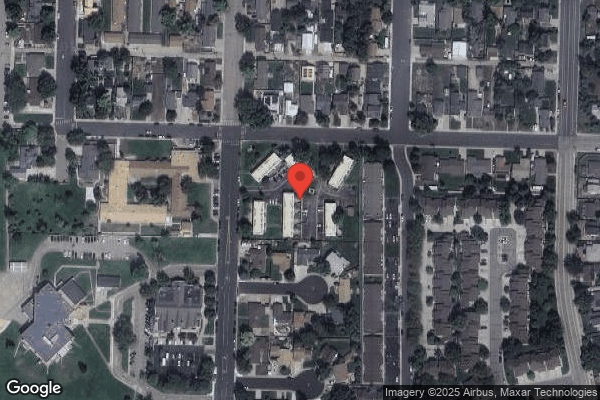
Understanding Severity Codes (click to expand)
Life-Threatening (Immediate Jeopardy)
J - Isolated K - Pattern L - Widespread
Actual Harm
G - Isolated H - Pattern I - Widespread
Potential for Harm
D - Isolated E - Pattern F - Widespread
No Harm (Minor)
A - Isolated B - Pattern C - Widespread

Questions to Ask on Your Visit

  • "What changes have you made since the serious inspection findings?"
  • "What safeguards are in place to prevent abuse and neglect?"
  • "Why is there high staff turnover? How do you retain staff?"
  • "Can I speak with families of current residents?"
  • "What's your RN coverage like on weekends and overnight?"

Our Honest Assessment

Strengths
  • • Licensed and certified facility. Meets minimum state requirements.
Concerns
  • • Multiple safety concerns identified: Federal abuse finding, 1 life-threatening violation(s), Special Focus Facility, 3 harm violation(s), $42,860 in fines. Review inspection reports carefully.
  • • 47 deficiencies on record, including 1 critical (life-threatening) violation. These warrant careful review before choosing this facility.
  • • $42,860 in fines. Higher than 94% of Colorado facilities, suggesting repeated compliance issues.
  • • Grade F (0/100). Below average facility with significant concerns.
Bottom line: This facility has a substantiated abuse finding. Extreme caution advised. Explore alternatives.

About This Facility

What is Pelican Pointe Center's CMS Rating?

CMS assigns PELICAN POINTE HEALTH AND REHABILITATION CENTER an overall rating of 1 out of 5 stars, which is considered much below average nationally. Within Colorado, this rating places the facility higher than 0% of the state's 100 nursing homes. A rating at this level reflects concerns identified through health inspections, staffing assessments, or quality measures that families should carefully consider.

How is Pelican Pointe Center Staffed?

CMS rates PELICAN POINTE HEALTH AND REHABILITATION CENTER's staffing level at 3 out of 5 stars, which is average compared to other nursing homes. Staff turnover is 72%, which is 26 percentage points above the Colorado average of 46%. High turnover can affect care consistency as new staff learn residents' individual needs. RN turnover specifically is 68%, which is notably high. RNs provide skilled clinical oversight, so turnover in this role can affect medical care quality.

What Have Inspectors Found at Pelican Pointe Center?

State health inspectors documented 47 deficiencies at PELICAN POINTE HEALTH AND REHABILITATION CENTER during 2021 to 2025. These included: 1 Immediate Jeopardy (the most serious level, indicating potential for serious harm or death), 3 that caused actual resident harm, and 43 with potential for harm. Immediate Jeopardy findings are rare and represent the most serious regulatory concerns. They require immediate corrective action.

Who Owns and Operates Pelican Pointe Center?

PELICAN POINTE HEALTH AND REHABILITATION CENTER is owned by a for-profit company. For-profit facilities operate as businesses with obligations to shareholders or private owners. The facility is operated by THE ENSIGN GROUP, a chain that manages multiple nursing homes. With 104 certified beds and approximately 82 residents (about 79% occupancy), it is a mid-sized facility located in WINDSOR, Colorado.

How Does Pelican Pointe Center Compare to Other Colorado Nursing Homes?

Compared to the 100 nursing homes in Colorado, PELICAN POINTE HEALTH AND REHABILITATION CENTER's overall rating (1 stars) is below the state average of 3.1, staff turnover (72%) is significantly higher than the state average of 46%, and health inspection rating (1 stars) is much below the national benchmark.

What Should Families Ask When Visiting Pelican Pointe Center?

Based on this facility's data, families visiting should ask: "What changes have been made since the serious inspection findings, and how are you preventing similar issues?" "What safeguards and monitoring systems are in place to protect residents from abuse or neglect?" "How do you ensure continuity of care given staff turnover, and what is your staff retention strategy?" "Can I visit during a mealtime to observe dining assistance and food quality?" These questions are particularly relevant given the facility's Immediate Jeopardy citations, the substantiated abuse finding on record, and the facility's high staff turnover rate.

Is Pelican Pointe Center Safe?

Based on CMS inspection data, PELICAN POINTE HEALTH AND REHABILITATION CENTER has documented safety concerns. The facility has 1 substantiated abuse finding (meaning confirmed case of resident harm by staff or other residents). Inspectors have issued 1 Immediate Jeopardy citation (the most serious violation level indicating risk of serious injury or death). The facility is currently on the Special Focus Facility watch list (a federal program monitoring the lowest-performing 1% of nursing homes nationwide). The facility has a 1-star overall rating and ranks #100 of 100 nursing homes in Colorado. Families considering this facility should ask detailed questions about what corrective actions have been taken since these incidents.

Do Nurses at Pelican Pointe Center Stick Around?

Staff turnover at PELICAN POINTE HEALTH AND REHABILITATION CENTER is high. At 72%, the facility is 26 percentage points above the Colorado average of 46%. Registered Nurse turnover is particularly concerning at 68%. RNs handle complex medical decisions and coordinate care — frequent RN changes can directly impact care quality. High turnover means new staff may not know residents' individual needs, medications, or preferences. It can also be disorienting for residents, especially those with dementia who rely on familiar faces. Families should ask: What is causing the turnover? What retention programs are in place? How do you ensure care continuity during staff transitions?

Was Pelican Pointe Center Ever Fined?

PELICAN POINTE HEALTH AND REHABILITATION CENTER has been fined $42,860 across 3 penalty actions. The Colorado average is $33,507. While any fine indicates a compliance issue, fines under $50,000 are relatively common and typically reflect isolated problems that were subsequently corrected. Families should ask what specific issues led to these fines and confirm they've been resolved.

Is Pelican Pointe Center on Any Federal Watch List?

PELICAN POINTE HEALTH AND REHABILITATION CENTER is currently an SFF Candidate, meaning CMS has identified it as potentially qualifying for the Special Focus Facility watch list. SFF Candidates have a history of serious deficiencies but haven't yet reached the threshold for full SFF designation. The facility is being monitored more closely — if problems continue, it may be added to the official watch list. Families should ask what the facility is doing to address the issues that led to this status.