BETHEL HEALTH CARE CENTER

13 PARK LAWN DRIVE, BETHEL, CT 06801 (203) 830-4180
For profit - Corporation 161 Beds NATIONAL HEALTH CARE ASSOCIATES Data: November 2025
Trust Grade
48/100
#87 of 192 in CT
Last Inspection: July 2025

Inspected within the last 6 months. Data reflects current conditions.

Overview

Bethel Health Care Center has received a Trust Grade of D, indicating below-average performance with some concerns about care quality. Ranking #87 out of 192 facilities in Connecticut places it in the top half, while its county rank of #11 out of 20 means there are better local options available. Unfortunately, the facility's trend is worsening, with issues increasing from 3 in 2024 to 6 in 2025. Staffing is average with a 43% turnover rate, which is comparable to the state average, but the facility has 3 out of 5 stars for staffing, indicating some stability. However, there are concerning incidents, such as a resident sustaining a foot laceration due to improper weight measurement procedures and another resident falling because their wheelchair cushion was not secured. While the facility has some strengths, families should weigh these serious issues when considering care for their loved ones.

Trust Score
D
48/100
In Connecticut
#87/192
Top 45%
Safety Record
Moderate
Needs review
Inspections
Getting Worse
3 → 6 violations
Staff Stability
○ Average
43% turnover. Near Connecticut's 48% average. Typical for the industry.
Penalties
⚠ Watch
$16,036 in fines. Higher than 84% of Connecticut facilities, suggesting repeated compliance issues.
Skilled Nurses
✓ Good
Each resident gets 44 minutes of Registered Nurse (RN) attention daily — more than average for Connecticut. RNs are trained to catch health problems early.
Violations
⚠ Watch
31 deficiencies on record. Higher than average. Multiple issues found across inspections.
★★★☆☆
3.0
Overall Rating
★★★☆☆
3.0
Staff Levels
★★★★☆
4.0
Care Quality
★★★☆☆
3.0
Inspection Score
Stable
2024: 3 issues
2025: 6 issues

The Good

  • 4-Star Quality Measures · Strong clinical quality outcomes
  • Full Sprinkler Coverage · Fire safety systems throughout facility
  • No fines on record
  • Staff turnover below average (43%)

    5 points below Connecticut average of 48%

Facility shows strength in quality measures, fire safety.

The Bad

3-Star Overall Rating

Near Connecticut average (3.0)

Meets federal standards, typical of most facilities

Staff Turnover: 43%

Near Connecticut avg (46%)

Typical for the industry

Federal Fines: $16,036

Below median ($33,413)

Minor penalties assessed

Chain: NATIONAL HEALTH CARE ASSOCIATES

Part of a multi-facility chain

Ask about local staffing decisions and management

The Ugly 31 deficiencies on record

2 actual harm
Jul 2025 6 deficiencies
CONCERN (D)

Potential for Harm - no one hurt, but risky conditions existed

Deficiency F0657 (Tag F0657)

Could have caused harm · This affected 1 resident

**NOTE- TERMS IN BRACKETS HAVE BEEN EDITED TO PROTECT CONFIDENTIALITY** Based on observation, review of the clinical record, facility documentation, facility policy and interviews for 1 of 2 residents...

Read full inspector narrative →
**NOTE- TERMS IN BRACKETS HAVE BEEN EDITED TO PROTECT CONFIDENTIALITY** Based on observation, review of the clinical record, facility documentation, facility policy and interviews for 1 of 2 residents (Resident #17) reviewed for comfort measures/hospice, the facility failed to ensure that the comprehensive care plan was reviewed and revised to include interventions related to comfort measures only. The findings include.Resident #17 was admitted to the facility on [DATE] with diagnoses that included chronic obstructive pulmonary disease (COPD), hypertensive heart disease with heart failure, and chronic pain.Facility documentation dated 5/24/24 identified Resident #17 was placed on hospice care due to heart failure and chronic pain.The quarterly MDS dated [DATE] identified Resident #17 had intact cognition, was frequently incontinent of bowel and bladder and required substantial assistance with toileting, bathing, and dressing. The clinical record dated 1/28/25 identified hospice care was discontinued.A physician's order dated 2/12/25 directed comfort measures only. Review of the clinical record failed to identify a care plan with interventions related to comfort measures. Interview with Resident #17 on 7/15/25 at 2:00 PM identified he/she was aware of the order for comfort measures and that it was in place to ensure he/she was comfortable. Resident #17 identified he/she was not sure what specific treatments were in place related to keeping him/her comfortable. Interview and review of the care plans for Resident #17 with the MDS director on 7/22/25 at 11:41 AM identified she was responsible to review and revise the resident's care plans with scheduled resident assessment dates to coincide with the resident's MDS review schedule. The MDS director identified that for Resident #17, the social worker was responsible to review and revise the care plan related to hospice services initially, and then subsequent order for comfort measures. The MDS director identified that the facility social work staff should have added a terminal diagnosis care plan in 2/2025 and amended it to reflect the order for comfort measures, but that it did not appear there was a care plan in place related to comfort measures.The facility policy on comprehensive person-centered care planning directed that the person-centered care plan was developed to include information necessary to properly care for the resident and would address the resident's preferences, goals, desired outcomes, and plan for discharge. The policy further directed that the comprehensive person-centered care plan would be reviewed and revised following a significant change in status and episodically as the plan of care changed for the resident. The policy further directed that the comprehensive person-centered care plan would be kept current by all disciplines on an ongoing basis and that disciplines would be responsible for updating the care plan when there was a new problem that required that discipline to intervene. The policy also directed that the interdisciplinary team would periodically review and revise the comprehensive care plan upon any change in status including when a problem, goal, or intervention was changed. The policy also directed that all clinical department heads were responsible to ensure there was a system for monitoring implementation of the resident care plans and that corrective action would be carried out when problems with implementation of care plans had been modified.
CONCERN (D)

Potential for Harm - no one hurt, but risky conditions existed

ADL Care (Tag F0677)

Could have caused harm · This affected 1 resident

**NOTE- TERMS IN BRACKETS HAVE BEEN EDITED TO PROTECT CONFIDENTIALITY** Based on observation, review of the clinical record, facility documentation, facility policy, and interviews for 1 of 2 resident...

Read full inspector narrative →
**NOTE- TERMS IN BRACKETS HAVE BEEN EDITED TO PROTECT CONFIDENTIALITY** Based on observation, review of the clinical record, facility documentation, facility policy, and interviews for 1 of 2 resident (Resident #8) who were dependent on staff for feeding assistance, the facility failed to ensure that a resident was provided feeding assistance for a meal. The findings include:Resident #8 was admitted to the facility in January 2022 with diagnoses that included metabolic encephalopathy, dysphagia, and muscle weakness. A dysphagia evaluation dated 11/14/24 identified Resident #8 was being evaluated for life limiting or threatening dysphagia with feeding difficulties and coughing with the purpose of the evaluation to determine the least restrictive diet and appropriate swallowing maneuvers and strategies. Further, Resident #8 was unable to feed him/herself and was fully dependent due to physical limitations. The report identified Resident #8 should not use straws, be positioned upright, take small bites/sips, and staff should monitor oral intake rate, and cue multiple swallows. The report also directed that strategies were dependent on caregiver assistance and that Resident #8 required supervised oral feeding due to aspiration precautions.The quarterly MDS dated [DATE] identified Resident # 8 had severely impaired cognition, required moderate assistance with eating, substantial assistance with bathing, and was dependent on staff to assist with toileting. The care plan dated 3/5/25 identified Resident #8 had an ADL self-care performance deficit. Interventions included providing one staff member to assist with eating/feeding. A physician's order dated 3/5/25 directed to elevate the head of the bed or use multiple pillows for aspiration precautions. A physician's order dated 3/7/25 directed to provide a regular diet with regular texture and mildly thick (nectar) consistency for liquids. A speech therapy note dated 3/21/25 identified Resident #8 had documented silent aspiration with thin liquids and required total assistance with all meals with appropriate body position to decrease risk of aspiration. The nurse aide care card for Resident #8 identified nurse aide staff were to provide total assistance at meal time and that Resident #8 was dependent on staff for all meals. Constant observation on 7/21/25 from 1:50 PM to 2:10 PM identified the resident's untouched meal tray was on the bedside table located approximately 4 feet directly to the right of Resident #8's bed. During this observation, Resident #8 was observed sleeping with a large towel placed over his/her chest area tucked into his/her gown, and the towel appeared clean with no food or debris observed. The meal tray had utensils including a spoon, butter knife, and fork which appeared clean and not used. During this observation, 5 signs were observed to be attached directly behind and above Resident #8's bed. The signs included the following:NO STRAWS (repeated 5 times). NO! Water Pitcher. Patient is total assist with all meals.Please keep head of the bed elevated.Please make sure the phone is on hook and ringer is on. An additional sign was also observed posted on the bathroom room directed in front of Resident #8's bed with the following: Safe Swallowing Strategies.Diet Level: Regular.Liquids: Mild Thick Liquids.Positioning: Upright at 90 degrees.Place pillow under left shoulder to avoid leaning.Supervision: 1:1 assistance during meals.Give small bites.Feed slowly.Have patient clear throat and swallow after each bite, alternate between solids and liquids.NO STRAWS ALLOWED. Observation and interview with NA #7 on 7/21/25 at 2:07 PM identified she was the nurse aide assigned to care for Resident #8 and had brought in the residents lunch tray at 1:00 PM and attempted to wake Resident #8 in order to feed him/her lunch. NA #7 identified Resident #8 declined to eat and continued sleeping. NA #7 was unable to identify how many attempts she made but at 1:30 PM, she left the unit to go on her lunch break and left Resident #8's meal tray on bedside table. NA #7 identified she planned to return after her lunch to offer Resident #8 the same meal tray. NA #7 identified that she did not report off to any other nursing staff that she had left the meal tray in the room or that Resident #8 had not been feed lunch yet since she was planning to address it once her break was over. Observation and interview with the DNS of Resident #8's meal tray on 7/21/25 at 2:11 PM identified that the meal trays should not have been left in Resident #8's room unattended and that Resident #8 requires total assistance with feeding due to aspiration risk. During this observation, the DNS identified Resident #8 was unable to reach the tray due to the need for staff to assist with repositioning and transfers. Interview with Speech Therapists (SP #1 and 2) on 7/21/25 at 2:47 PM identified Resident #8 was a high risk for aspiration and had confirmed silent aspiration with thin liquids when testing was completed on 11/14/24. SP #2 identified Resident #8 would be unable to access a meal tray positioned out of reach and would need staff assistance to sit up and transfer and typically required a hoyer lift to be out of bed. SP #1 identified that Resident #8 was unable to feed hand to mouth and required staff to provide direct supervision and prompts and identified that Resident #8 also had issues with impulsivity with meals, often taking large bites and eating quickly, which also increased his/her risk to aspirate. SP #2 identified that Resident #8 had chronic dysphagia and would always be a risk to aspirate and identified that staff needed to provide 1:1 feeding assistance for all meals. Although attempted, a follow up interview with NA #7 was not obtained. The facility policy on activities of daily living directed that the purpose of the policy was to provide the level of care required by each individual resident. The policy further directed that staff was to provide assistance to complete activities of daily living further resident centered evaluation and care plan and activities included eating/swallowing and feeding including the setting up, arranging, and bringing food to the mouth. The facility policy on resident rights directed that residents of the facility had the right to be treated with consideration, respect, and full recognition of their dignity and individuality.The facility policy on dysphasia management directed that residents who have swallowing difficulties or dysphasia would have treatment interventions to promote adequate nutrition and hydration. The facility assessment directed that the facility would provide person centered directed care which included identifying hazards and risks to residents. The assessment also directed that the facility would provide management of medical conditions that would include assessment, early detection of problems, management of medical conditions, and address individualized dietary requirements. The assessment further directed that the facility would provide care related to activities of daily living including supporting with needs related to eating.
CONCERN (D)

Potential for Harm - no one hurt, but risky conditions existed

Quality of Care (Tag F0684)

Could have caused harm · This affected 1 resident

**NOTE- TERMS IN BRACKETS HAVE BEEN EDITED TO PROTECT CONFIDENTIALITY** Based on observation, review of the clinical record, facility documentation, facility policy, and interviews for 1 of 4 resident...

Read full inspector narrative →
**NOTE- TERMS IN BRACKETS HAVE BEEN EDITED TO PROTECT CONFIDENTIALITY** Based on observation, review of the clinical record, facility documentation, facility policy, and interviews for 1 of 4 residents (Resident #60) reviewed for dignity, the facility failed to follow the physician's order related to the resident's position in bed. The findings include:Facility documentation identified Resident #60 was hospitalized from [DATE] - 9/17/24 for right sided weakness. The 5-day MDS dated [DATE] identified Resident #60 had severely impaired cognition, required substantial assistance with eating and was dependent on staff to assist with toileting and transfers.Facility documentation identified Resident #60 was sent to the hospital for evaluation on 9/30/24 due to hypotension and bradycardia. An APRN note dated 10/11/24 identified Resident #60 had a history of becoming hypotensive easily and was to have the head of the bed elevated at all times with some decline at bedtime. A physician's order dated 10/11/24 directed to keep the head of bed elevated at all times and may decline some at bedtime.Review of the care plan failed to identify interventions related to hypotensive episodes with a need for the resident to always remain upright in bed. Observation on 7/16/25 at 2:15 PM identified a sign located above Resident #60's head of bed with the following: Please keep head of bed ELEVATED. During this observation Resident #60 was observed lying completely flat in the bed covered by a sheet. Observation and interview on 7/16/25 at 2:27 PM with NA #8 identified she was assigned to care for Resident #60 that shift and indicated Resident #60 had a history of yelling out when the head of the bed was elevated, so the nursing staff on the unit routinely repositioned the resident flat in bed. Observation and interview on 7/16/25 at 2:29 PM with LPN #3 identified she was assigned to Resident #60 regularly, and that every morning that she was assigned to the resident she would reposition the resident with the head of the bed elevated, but Resident #60 would yell out to be lowered and the nurse aide staff on the unit would then lower the resident because of the amount of yelling. LPN #3 was unable to identify why Resident #8 had an order for with the head of the bed elevated, how long the resident had been yelling while his/her bed was elevated, or if the physician had ever been notified. Review of the clinical record failed to identify notification to the physician or APRN regarding Resident #60's inability to be maintained upright in bed per the physician's order. Observation on 7/17/25 at 11:23 AM identified Resident #60 observed lying completely flat in the bed. Observation on 7/21/25 at 12:20 PM identified Resident #60 observed lying completely flat in the bed. Observation on 7/22/25 at 11:14 AM identified Resident #60 observed lying completely flat in bed. Interview on 7/22/25 at 12:54 PM with APRN #1 and Clinical Lead Director APRN identified the resident had issues with orthostatic hypotension since October 2024 and that is why the head of the bed was to remain up. Further, APRN #1 and Clinical Lead Director APRN identified they had not been notified that Resident #60 would yell while upright in bed and staff was not maintaining the residents head of the bed elevated. The Clinical Lead Director APRN identified that Resident #60 had not had any documented issues with hypotension recently and identified she would discontinue the order. Although requested, the facility failed to provide a policy on physician's orders. The facility policy on change of condition notification directed that the facility would inform the resident, resident's healthcare provider, and the resident's family or legal representative when there was a change in condition. The policy further directed that a resident's change of condition should be evaluated and documented appropriately and reported to the residence healthcare provider and family or legal representative. The facility policy on comprehensive person-centered care planning directed that the person-centered care plan was developed to include information necessary to properly care for the resident and would address the resident's preferences, goals, desired outcomes, and plan for discharge. The policy further directed that the comprehensive person-centered care plan would be reviewed and revised following a significant change in status and episodically as the plan of care changed for the resident.
CONCERN (D) 📢 Someone Reported This

A family member, employee, or ombudsman was alarmed enough to file a formal complaint

Potential for Harm - no one hurt, but risky conditions existed

Accident Prevention (Tag F0689)

Could have caused harm · This affected 1 resident

**NOTE- TERMS IN BRACKETS HAVE BEEN EDITED TO PROTECT CONFIDENTIALITY** Based on observation, review of the clinical record, facility documentation, facility policy and interview for 1 of 8 residents ...

Read full inspector narrative →
**NOTE- TERMS IN BRACKETS HAVE BEEN EDITED TO PROTECT CONFIDENTIALITY** Based on observation, review of the clinical record, facility documentation, facility policy and interview for 1 of 8 residents (Resident #84), reviewed for accidents, the facility failed to ensure that two staff transferred the resident via a sit to stand lift per physician's orders and professional standards of practice, and for 3 of 6 residents (Resident #51, 71 and 95) reviewed for smoking, the facility failed to ensure that residents who had a history of smoking and/or had been found smoking and/or verbalized to staff that they currently smoked, adhered to the smoking policy and did not smoke on the facility grounds to ensure a hazard free environment, and for 1 of 4 residents (Resident #8) reviewed for dignity, the facility failed to ensure the environment was free of hazards for a resident assessed at risk to aspirate, and for 1 of 8 residents (Resident #138) reviewed for accidents, the facility failed to provide adequate supervision to prevent a fall. The findings include:1.Resident #84 was admitted to the facility in May 2022 with diagnoses that included hemiplegia and hemiparesis of the left side following a stroke and muscle weakness. The quarterly MDS dated [DATE] identified Resident #84 had intact cognition, impairment of the upper and lower extremity on one side, used a wheelchair, and was dependent on staff for transfers. The care plan dated 5/7/25 identified Resident #84 had limited physical mobility and required the assistance of two staff via a mechanical lift. Interview with Resident #84 on 7/15/25 at 11:30 AM identified that approximately 2 weeks ago, NA #9 transferred him/her via the sit to stand mechanical lift alone without the benefit of a second staff member. Further, Resident #84 indicated that during the transfer one of the straps popped off. Review of facility documentation identified the DNS interviewed NA #9 on 7/16/25. NA #9 indicated he was transferring Resident #84 from the toilet via the sit to stand lift and the resident became impatient waiting for a second staff member. NA #9 identified he began to transfer the resident without a second staff member and as the resident was lifted, one of the straps popped off. NA #9 indicated he lowered the resident onto the toilet, reattached the strap and transferred the resident with the lift. NA #9 indicated the resident did not fall. A written warning dated 7/16/25 identified NA #9 performed a sit to stand transfer without a second staff member. Corrective action identified NA #9 will always have a second staff member to assist with lift transfers. Further, a sit to stand lift competency was conducted with NA #9. Review of the manufacturer safety summary for the sit to stand lift identified the stand up lift may be operated by 1 healthcare professional with a cooperative, weigh-bearing individual able to support the majority of his/her own weight. However, since medical conditions vary, the recommendations include that the healthcare professional evaluate the need for assistance and determine whether more than 1 healthcare professional is appropriate in each case to safely perform the transfer. Review of the facility sit to stand lift competency identified 2 staff members are required. Review of the ADL policy identified ADLs are the essential tasks that each person needs to perform, on a regular basis, to sustain basic survival and well-being. The term ADL helps healthcare professionals quickly communicate the level of assistance an individual might need or how their health is impacting their day-to-day life. Staff provide assistance to complete ADLs per the person-centered evaluation care plan including functional mobility. 2. Resident #138 was admitted to the facility in February 2025 with diagnoses that included a fall with multiple rib fractures, repeated falls, and dementia. The admission assessment dated [DATE] at 10:21 PM identified Resident #138 was at high risk for falls due to a fall in past 6 months, confusion at times, the need for assistance with elimination and mobility, the need to use a walker, the inability of the resident to indicate if he/she feels unsteady when walking or is afraid of falling when walking. Further, Resident #138 has an unsteady gait and balance. The APRN note dated 2/10/25 identified Resident #138 has dementia and was in the hospital due to falling while smoking a cigarette. The resident sustained moderately displaced left anterior second and third rib fractures and nondisplaced left anterior lateral fourth through seventh rib fractures. The admission MDS dated [DATE] identified Resident #138 had severely impaired cognition, was occasionally incontinent of bowel and bladder, required moderate assistance with toileting, toilet transfers, wheelchair to and from bed transfers, sit to stand, and maximum assistance with dressing. The care plan dated 2/20/25 identified Resident #138 had impaired mobility and rib fractures. Interventions included providing maximum assistance with dressing and personal hygiene. Resident #138 requires a 2 wheeled walker and touching assistance for toileting by 1 staff person. Additionally Resident #138 has the potential for falls. Intervention included to ensure the resident is wearing appropriate footwear when ambulating or mobilizing in a wheelchair. Review of the activities of daily living flowsheet dated 4/1/25 to 5/2/25, which the nurse aides are required to sign off as having been completed every shift identified Resident #138 was a high fall risk, ask resident if he/she needs to use the bathroom, ensure the resident’s belongings were within reach. The APRN note dated 5/2/25 at 8:00 AM identified staff requested evaluation of the resident due to pain on urination. Recommendations included to encourage fluids and monitor for a urinary tract infection for 3 days. If symptoms persist or worsen, a urine culture will be needed. Additionally, a psychiatric evaluation referral was placed for gradual dose reduction due to increased lethargy. A reportable event form dated 5/2/25 at 7:05 PM indicated Resident #138 was in the bathroom and had an unwitnessed fall. Resident #138 complained of back of head and back pain and was transferred to the emergency room. The nurses note dated 5/2/25 at 7:05 PM identified the nurse aide came to this writer stating Resident #138 had fallen. This writer went to see Resident #138 who was sitting on the toilet. Resident #138 indicated he/she hit his/her head and complained of low back pain. The Resident Representative requested the resident be sent to emergency room. The APRN was notified and ordered the resident to be transferred to the emergency room for evaluation. Resident #138 was transferred to at 8:10 PM. A written statement by NA #3 dated 5/2/25 indicated she had assisted Resident #138 to the bathroom at approximately 6:50 PM with a walker. NA #3 indicated she wanted to give Resident #138 some privacy and informed Resident #138 to pull the string when finished. Resident #138 did not pull the string, and a few minutes later she heard Resident #138 yelling. NA #3 indicated at that time she went to Resident #138’s room and Resident #138 was on the floor, so she left the room to get the nurse. NA #3 indicated when she returned to Resident #138’s bathroom there were 2 EMT’s there, and Resident #138 was sitting on the toilet. NA #3 indicated while Resident #138 was on toilet the RN Supervisor came. The hospital Discharge summary dated [DATE] identified Resident #138 was admitted on [DATE] due to an unwitnessed fall and was diagnosed with a urinary tract infection and a T12 compression fracture. Resident #138 was discharged with a back brace to be worn when ambulating and follow up with orthopedics in one week. A physician’s order dated 5/7/25 directed an orthopedic consultation as needed and thoracic lumbar sacral orthosis (horizon brace) should be on when Resident #138 is out of bed and off while lying in bed daily for back support. Interview with NA #3 on 7/21/25 at 9:57 AM indicated Resident #138 was on her assignment on 5/2/25 and she did not think Resident #138 was a fall risk, so she told Resident #138 to pull the call light string when he/she was done and left Resident #138 alone in the bathroom. NA #3 indicated that she left the room to assist another resident, and while she was assisting the other resident, she heard Resident #138 screaming. NA #3 indicated Resident #138 did not put the call light and when she entered the bathroom Resident #138 was on the floor. NA #3 indicated she left Resident #138 alone in the bathroom and went to the nurse’s station to find the nurse. NA #3 indicated the charge nurse called for the supervisor and then they both came to assess Resident #138. NA #3 indicated while she was getting the nurse, 2 EMT’s had gotten Resident #138 off the floor and put the resident back on the toilet. NA #3 indicated when she was heading back to Resident #138’s room she saw the 2 EMT’s leaving the room. NA #3 indicated Resident #138 was complaining of back pain and dizziness from hitting his/her head against the wall. NA #3 indicated Resident #138 could not stand on his/her own at that time. Interview with OTR #1 (covering for Director of Rehab) on 7/21/25 at 10:49 AM identified that based on therapy notes Resident #138 required partial to moderate assistance with 1 staff for transfers to and from the toilet. OTR #1 indicated Resident #138 was forgetful and had a diagnosis of dementia and should not be left alone in the bathroom. OTR #1 indicated based on the therapy fall risk assessment Resident #138 was at risk for falls. OTR #1 indicated therapy will tell the charge nurse if a resident should not be left alone in the bathroom and it is up to the charge nurse to communicate that information with the nursing staff. OTR #1 indicated Resident #138 was not to be left alone in the bathroom because Resident #138 did not have the recall or awareness of the assistance he/she needed, and he/she was a fall risk. OTR #1 could not identify who in the nursing department was notified that the resident should not be left alone in the bathroom. Interview with the DNS on 7/22/25 at 10:29 AM indicated Resident #138 was admitted with a diagnosis of dementia and is confused at times. The DNS indicated that Resident 138 was a high fall risk and interventions were to make sure the resident wore appropriate footwear and have the resident evaluated by the therapy department. The DNS indicated Resident #138 had a couple of falls prior to the fall on 5/3/25. The DNS indicated NA #3 should have stayed with Resident #138 in the bathroom and not leave the resident alone because of the fall risk and confusion. The DNS indicated that NA #3 was educated on not leaving a confused resident that required the assistance of 1 staff alone in a bathroom. Interview with the DNS on 7/22/25 at 12:10 PM indicated that the nurse and nurse aides should stay with any resident that required the assistance of 1 or 2 staff for ambulation to the bathroom, however, prior to 5/2/25 there was no education provided to nursing staff regarding who could or could not be left alone in the bathroom. The DNS indicated after the fall on 5/2/25 she educated nursing staff that any resident that needed assistance to go to the bathroom could not be left alone. Review of the Fall Prevention Program Policy identified the purpose was to reduce the incidence of falls for residents identified at high risk. All residents will be evaluated for risk for falls on admission, readmission, and with a change in condition. Residents at high risk for falls will have interventions initiated to prevent falls. Interventions may include providing staff supervision for activities of daily living and being on a toileting program. Implementing fall interventions included placing interventions on the nurse aide kardex and assignment. If a fall occurs keep resident immobile until resident is examined and determined to be free from fractures. 3. Resident #8 was admitted to the facility in January 2022 with diagnoses that included metabolic encephalopathy, dysphagia, and muscle weakness. A dysphagia evaluation report dated 11/14/24 identified Resident #8 was being evaluated for life limiting or threatening dysphagia with feeding difficulties and coughing with the purpose of the evaluation to determine the least restrictive diet and appropriate swallowing maneuvers and strategies. Further, the evaluation report identified Resident #8 was unable to feed him/herself and was fully dependent due to physical limitations. The report identified Resident #8 should not use straws, take small bites/sips and be positioned upright. Staff should monitor oral intake rate, and cue multiple swallows. The report also directed that strategies were dependent on caregiver assistance and that Resident #8 required supervised oral feeding due to aspiration precautions. The quarterly MDS dated [DATE] identified Resident #8 had severely impaired cognition, required with moderate assistance with eating, substantial assistance with bathing, and was dependent on staff to assist with toileting. The care plan dated 3/5/25 identified Resident #8 had an ADL self-care performance deficit. Interventions included providing one staff member to assist with eating/feeding. A physician’s order dated 3/5/25 directed to elevate the head of the bed or use multiple pillows for aspiration precautions. A physician’s order dated 3/7/25 directed for a regular diet with regular texture and mildly thick (nectar) consistency for liquids. A speech therapy note dated 3/21/25 identified Resident #8 had documented silent aspiration with thin liquids and required total assistance with all meals and appropriate body position to decrease risk of aspiration. A constant observation on 7/21/25 from 1:50 PM to 2:10 PM identified Resident #8’s untouched meal tray on the bedside table located approximately 4 feet directly to the right of Resident #8’s bed. During this observation, Resident #8 was observed sleeping. Observation and interview with the DNS of the meal tray on 7/21/25 at 2:11 PM identified that the resident’s meal tray should not have been left in Resident #8’s room unattended and that Resident #8 required total assistance with feeding due to aspiration risk. During this observation, the DNS identified Resident #8 was unable to reach the tray due to the need for staff to assist with repositioning and transfers. Interview with Speech Therapist SP #1 and 2 on 7/21/25 at 2:47 PM identified Resident #8 was a high risk for aspiration and had confirmed silent aspiration with thin liquids with testing on 11/14/24. SP #2 identified Resident #8 would be unable to access a meal tray positioned out of reach and would need staff assistance to sit up. SP #1 identified that Resident #8 was unable to feed hand to mouth and required staff to provide direct supervision and prompts and identified that Resident #8 also had issues with impulsivity with meals, often taking large bites and eating quickly, which also increased his/her risk to aspirate. SP #2 identified that Resident #8 had chronic dysphagia and would always be a risk to aspirate. Observation on 7/22/25 at 11:14 AM identified Resident #8 was in his/her room alone, in bed, and the bedside table was positioned directly over the resident’s bed. Three separate cups of liquids were on the table within the residents reach. The liquids included a clear thickened liquid in a clear plastic cup approximately 1/3 full; an orange thickened liquid in a white Styrofoam cup filled completely covered with a white plastic lid; and a dark blue plastic mug with thickened brown liquid, approximately 75% full. Observation and interview on 7/22/25 at 11:24 AM with LPN #3 identified the cups of liquid should not have been placed on Resident #8’s bedside table and instead that staff routinely filled a pitcher with thickened water to put on Resident #8’s bedside table. LPN #3 identified that Resident #8 required feeding assistance and supervision with meals, but she was not aware of any issues related to Resident #8 having access to a pitcher of thickened liquid other than that Resident #8 should not use straws when drinking liquids. LPN #3 was unable to identify if Resident #8 should have access to a pitcher of liquid without supervision, or if Resident #8 had the cognitive ability to call out for assistance when he/she wanted liquid from the pitcher. Interview with the DNS on 7/22/25 at 11:33 AM identified Resident #8 should not have had any fluids at the bedside within his/her reach, in a cup or pitcher, because Resident #8 is high risk to aspirate and needs 1:1 supervision. The DNS identified that she would need to provide additional education to the clinical staff regarding this issue. Interview with SP #1 and SP #2 on 7/22/25 at 12:03 PM identified Resident #8 should not have any fluids at the bedside due to aspiration risk and that staff should be assisting and supervising fluid intake. Interview with APRN #1 and Clinical Lead Director APRN on 7/22/25 at 12:54 PM identified that Resident #8 was at risk for aspiration and any orders related to this were directed by the Speech Therapy department. The facility policy on dysphasia management directed that residents who had swallowing difficulties or dysphasia would have treatment interventions to promote adequate nutrition and hydration. The facility assessment directed that the facility would provide person centered directed care which included identifying hazards and risks to residents. The assessment also directed that the facility would provide management of medical conditions that would include assessment, early detection of problems, management of medical conditions, and address individualized dietary requirements. The assessment further directed that the facility would provide care related to activities of daily living including supporting with needs related to eating. 4. Resident #51 had diagnoses that included low back pain. A review of the admission record identified Resident #51 was self-responsible. The admissions packet dated 6/23/22 identified the facility did not permit smoking on the premises and was signed by Resident #51. An APRN note dated 6/23/22 identified Resident #51 was a former smoker who had quit 2 years previously. The quarterly MDS dated [DATE] identified Resident #51 was cognitively intact, was independent with locomotion on the unit, and supervised off the unit with the use of a wheelchair. The care plan dated 4/27/23 identified Resident #51 had a self-care deficit and required assistance of 1 with a wheelchair and supervision with locomotion. An APRN note dated 4/27/23 at 1:00 AM identified Resident #51 and staff reported he/she and another resident would go outside and smoke together, smoking 1 cigarette a day. Resident #51 requested smoking cessation medication. Orders were prescribed to start Wellbutrin SR 150 mg daily for 3 days then increase to 150 mg twice daily for 12 weeks. The care plan dated 5/2/25 identified Resident #51was noncompliant with the facility nonsmoking policy. Interventions included informing the resident the facility did not permit smoking and praise efforts of policy compliance. A social service note dated 6/27/24 at 12:02 PM identified on 6/26/24 three packs of cigarettes were found by staff in the resident’s possession and brought to the Social Service Department. Social services met with Resident #51 to reinforce that the facility is non-smoking. Resident #51 told the writer he/she did not realize he/she could not have the smoking materials in his/her room, and he/she had no objection to them being kept in the social service office. An APRN note dated 2/7/25 at 8:09 AM identified Resident #51 was a smoker and went outside frequently. Resident #51 was counseled on smoking with a plan to continue to monitor. An interview with Resident #51 on 7/21/25 at 12:22 PM identified he/she smoked in the past. Resident #51 indicated he/she obtained cigarettes from a former roommate who also smoked, or from a visitor known to him/her from the community. Resident #51 identified he/she would walk around grounds smoking unsupervised or smoke near the employee parking lot. Resident #51 was aware of the nonsmoking policy but was not aware at the time that there was no smoking permitted outside on the premises as well. Resident #51 further identified staff never made requests to search his/her living space for smoking materials following smoking violations. Resident #51 recalled that he/she last smoked on New Years while on a LOA visit and never resumed smoking in the facility thereafter as it was a hassle. An interview with the DNS on 7/21/23 1:51 PM identified Resident #51 was noncompliant with smoking in the past but had since quit. The DNS indicated Resident #51 likely obtained smoking materials from a former roommate who also smoked but did not formally analyze the root cause following each smoking violation or implement any additional measures outside of education to reduce the environmental risk of future smoking policy violations adding she was not aware of all the violations. A review of the non-smoking facility policy and agreement directs that the facility does not permit smoking in the facility or on the premises at any time. A review of the facility policy for safe smoking identified residents noncompliant with the smoking policy will be re-evaluated by the interdisciplinary team (IDT). New interventions will ensure the safety of the residents and other residents. 5. Resident #71 has diagnoses that included right side hemiplegia (paralysis) and history of alcohol use. A review of the admission record identified Resident #71 was self-responsible. A nursing smoking safety screen dated 1/31/25 identified Resident #71 currently smoked 1 - 2 cigarettes daily, had no cognitive or dexterity deficits and determined safe to smoke without supervision. The Admissions packet dated 2/4/25 identified the facility did not permit smoking on the premises and was signed by Resident #71. The resident smoking policy dated 2/4/25 identified Resident #71 was informed there were no smoking privileges at the facility, including the use of any smoking devices and was signed by Resident #71. The quarterly MDS dated [DATE] identified Resident #71 was cognitively intact, independent with bed mobility, transfers and required set up assist with transfers supervision/touch assist with locomotion using a wheelchair. The care plan dated 5/29/25 identified Resident #71 had a self-care deficit in functional mobility and coronary artery disease. Interventions included ambulation with supervision/touch assist using of one using a two wheeled walker and observe/evaluate respiratory status including shortness of breath and dyspnea. An APRN note dated 6/13/25 at 11:00 AM identified Resident #71 had a significant history of smoking approximately 1 pack per day for over 20 years and has not smoked since admission. Resident #71 previously used a Nicotine Patch with good results and was experiencing increased cravings, requesting to resume the Nicotine Patch. Resident #71 was started on the Nicotine Patch at lowest dose for three weeks on 5/16/25 and will continue to monitor for effectiveness. An interview with NA #4 on 7/15/25 at 11:30 AM identified there was an area, pointing to the patio of the unit identified as “Plumtrees,” where the residents go to smoke. An observation with the DNS on 7/15/25 at 11:43 AM identified Resident #71 sitting under a covered patio located outside the unit known as “Plumtrees” with a visitor with visible lingering haze and the odor of smoke. Resident #71 was holding a now out cigarette butt, with three additional cigarette butts in front of him/her, a pack of cigarettes (undetermined amount) and a lighter. There were no visible staff, no fire safe cigarette receptacles or fire safety equipment in the area. Resident #71 stated “I was smoking” to the DNS. The visitor indicated he/she was sorry, that it was his/her fault because he/she brought them in for him/her. Resident #71 agreed to give the smoking materials to the DNS who also provided education regarding safety concerns. An interview with Resident #71 on 7/16/25 at 8:32 AM identified he/she never smoked in the facility and only smoked on the Plumtrees patio where there was no signage posted that smoking was prohibited outside. Resident #71 indicated he/she had never been spoken to previously about not being able to smoke outside and was unsure if any staff were aware. An interview with the DNS on 7/16/2025 at12:54 PM identified she was not previously aware Resident #71 had been smoking on grounds which was prohibited. A visitor who was with Resident #71 admitted to bringing in the smoking materials which were removed at the time smoking was observed. The DNS further identified Resident #71 was placed on enhanced monitoring every 15 minutes. However, he/she subsequently went outside with staff and pulled a cigarette and lighter out of his/her undergarments, smoked the cigarette and refused to provide the staff with the lighter. The APRN was notified. Resident #71 was placed on 1:1 supervision following the second smoking observation and verbalized he/she will continue to seek out opportunities to smoke on the grounds. Following the event, as an immediate corrective action, all unit managers were notified of the smoking incident, and efforts were in progress to identify any additional residents who smoked. Staff were interviewed regarding any knowledge they had of residents smoking on the grounds, education was provided about the smoking policy and staff were instructed to report any resident observed smoking or in possession of smoking materials. Additional signage was ordered, electronic communication to residents and family informing them the facility was strictly non-smoking, and residents were not to have smoking/lighting materials in the facility or on the grounds. LOA instructions were provided to staff directing 1:1 supervision for Resident #71 until departure in a vehicle and to resume upon return to the facility with a request for a room search and non invasive search for smoking/vaping materials. Resident #71 was offered to transfer to a smoking facility, has agreed, but has since declined the first offering. Resident #71 subsequently signed a behavioral agreement dated 7/16/25 indicating he/she understands and agrees not to smoke in the facility, on the grounds or possess any smoking materials. A review of the non-smoking facility policy and agreement directs that the facility does not permit smoking in the facility or on the premises at any time. 6. Resident #95 had diagnoses that included nicoti ne dependence on cigarettes. A review of the admission record identified Resident #95 was self-responsible. Original physician orders dated 1/23/25 directed the resident may go on a leave of absence, (LOA), authorized leave, with responsible party. The resident smoking policy dated 2/3/25 identified Resident #95 was informed there were no smoking privileges at the center, including the use of any smoking devices. Resident #95 signed the smoking policy acknowledging and agreeing to abide by those rules. The quarterly MDS dated [DATE] identified Resident #95 was cognitively intact, independent with bed mobility and required supervision with transfers and ambulation. The care plan dated 6/17/25 identified Resident #95 had the potential to be a smoker. Interventions included educating the resident on the smoking policy. An APRN note dated 6/18/25 at 12:45 PM identified Resident #95 smoked cigarettes daily, was seen for smoking cessation request, and was reporting concerns regarding the Nicotine Patch use, stating it was causing nightmares. The resident indicated he/she no longer wished to use the Nicotine Patch. Resident #95 also reported that when leaving the building for LOA, he/she was frequently with people who smoked and he/she smoked with them. Lozenge 4 mg (Nicotine) 1 tablet by mouth was ordered every 4 hours as needed for smoke cessation for 30 days. A nurse’s note dated 7/12/25 at 2:48 PM identified Resident #95 signed out for LOA. Observation on 7/15/25 at 11:22 AM identified a faint smell of lingering smoke as Resident #95 was observed walking in his/her room with no visible signs of smoking. Interview with Resident #95 on 7/15/25 at 11:22 AM identified he/she was currently an active smoker who went outside unsupervised on a covered patio (identified as Plumtrees) to smoke. Resident #95 indicated he/she was aware the facility was nonsmoking, and that signs were posted. According to Resident #95, staff were aware he/she smoked and had told him/her, in the past, they could call the police due to the smoking. Resident #95 further identified he/she did not smoke in the building and secured the smoking materials, which he\she purchased while out on LOA. The unit manager was immediately notified of the possession of smoking materials. An interview with NA #4 on 7/15/25 at 11:30 AM identified that although she had not specifically observed Resident #95 smoking, there was an area (pointing to the patio of the unit identified as “Plumtrees” where residents were known to smoke, and had observed Resident #95 in that area frequently. An interview with the DNS on 7/16/2025 at 12:54 PM identified she was not aware that residents were smoking anywhere on grounds. The DNS indicated Resident #95 wanted to quit and lozenges have been prescribed. Resident #95 has since agreed to keep all smoking materials at a friend’s house to use when on LOA and will no longer store them in his/her bag. As an immediate corrective action, all unit managers were notified of the smoking violation, and efforts were in progress to identify any additional residents who smoked. Staff were interviewed regarding any knowledge they had of residents smoking on the grounds, education was provided about the smoking policy and staff were instructed to report any observed resident smoking, or any resident in possession of smoking materials. Additional signage was ordered, electronic communication was sent to residents and family informing them the campus was strictly non-smoking, and that residents were not to have smoking/lighting materials in the facility or on grounds. A subsequent interview with NA #4 on 7/17/25 at 9:25 AM identified she had observed residents outside smoking in the past. NA #4 last observed residents smoking within the past three weeks but was unable to recall which residents. NA #4 further identified she reported the residents smoking to the nurse or nursing supervisor but was unable to recall who. A review of the non- smoking facility policy and agreement directs that the facility does not permit smoking in the facility or on the premises at any time.
CONCERN (D)

Potential for Harm - no one hurt, but risky conditions existed

Deficiency F0761 (Tag F0761)

Could have caused harm · This affected 1 resident

**NOTE- TERMS IN BRACKETS HAVE BEEN EDITED TO PROTECT CONFIDENTIALITY** Based on observation, review of facility documentation, facility policy and interview the facility failed to date Insulin pens w...

Read full inspector narrative →
**NOTE- TERMS IN BRACKETS HAVE BEEN EDITED TO PROTECT CONFIDENTIALITY** Based on observation, review of facility documentation, facility policy and interview the facility failed to date Insulin pens when opened and ensure medications were within their expiration. The findings include. Observation on [DATE] at 1:50 PM in the medication storage room on the first floor with LPN #3 identified the following. Ipratropium and Bromide and Albuterol, 1 box, 6 pouches, expired 6/2025. IV 5% dextrose 1000ml, outside of the manufacturer plastic cover, label states use by [DATE]. Lansoprazole syrup 3mg/ml, 2 bottles, 1 bottle expired [DATE], 1 bottle expired [DATE]. Observation on [DATE] at 2:00 PM of the [NAME] Medication Cart with LPN #3 identified the following. Humalog Kwikpen, opened 6/11. Lantus Solostar Insulin pen, 100u/ml, opened, no resident name on pen, no date opened. Per LPN #3 she believes the Lantus Insulin pen belongs to Resident #147 because he/she is the only resident on Insulin on that medication cart. Interview with the DNS on [DATE] at 9:30 AM identified that for the IV Dextrose 1000 ml, when the pharmacy sends IV supplies for specific residents, they are sent out of the manufacturers bag and labeled with an expiration date which is 28 days after they remove it from the manufacturer bag. After that date it should be discarded. The DNS indicated the pharmacy does a monthly review to check for expiration of medications and the nurses should also be checking, however, the DNS was unable to identify which nurse/shift would complete that task or how often it should be done.Review of medication storage policy identified that open dose vials of Insulin shall be maintained no longer than the duration indicated on the manufacturer storage and handling instructions or the manufacturer list expiration date on the vial, whichever is shorter. Lantus Insulin shall be maintained no longer than 28 days or the manufacturer list expiration date on the vial, whichever is shorter.
CONCERN (E)

Potential for Harm - no one hurt, but risky conditions existed

Resident Rights (Tag F0550)

Could have caused harm · This affected multiple residents

**NOTE- TERMS IN BRACKETS HAVE BEEN EDITED TO PROTECT CONFIDENTIALITY** Based on observations, review of the clinical record, facility documentation, facility policy, and interviews for 3 of 4 residen...

Read full inspector narrative →
**NOTE- TERMS IN BRACKETS HAVE BEEN EDITED TO PROTECT CONFIDENTIALITY** Based on observations, review of the clinical record, facility documentation, facility policy, and interviews for 3 of 4 residents (Resident #8, 60 and 117) reviewed for dignity, the facility failed to ensure signs that included personal and health information, were not posted and visible in the residents' room. The findings include:1. Resident #8 was admitted to the facility in January 2022 with diagnoses that included metabolic encephalopathy, dysphagia, and muscle weakness. A dysphagia evaluation report dated 11/14/24 identified Resident #8 was being evaluated for life limiting or threatening dysphagia with feeding difficulties and coughing with the purpose of the evaluation to determine the least restrictive diet and appropriate swallowing maneuvers and strategies. Further Resident #8 was unable to feed him/herself and was fully dependent due to physical limitations. The report identified Resident #8 should not use straws, be positioned upright and take small bites/sips. Staff should monitor oral intake rate and cue multiple swallows. The report also directed that strategies were dependent on caregiver assistance and that Resident #8 required supervised oral feeding due to aspiration precautions.The quarterly MDS dated [DATE] identified Resident #8 had severely impaired cognition, required with moderate assistance with eating, substantial assistance with bathing, and was dependent on staff to assist with toileting. The care plan dated 3/5/25 identified Resident #8 had an ADL self-care performance deficit. Interventions included providing one staff member to assist with eating/feeding.A physician's order dated 3/5/25 directed to elevate the head of the bed or use multiple pillows for aspiration precautions. A physician's order dated 3/7/25 directed a regular diet with regular texture and mildly thick (nectar) consistency for liquids.A speech therapy note dated 3/21/25 identified Resident #8 had documented silent aspiration with thin liquids and required total assistance with all meals and appropriate body position to decrease risk of aspiration. 2. Resident #60 was admitted to the facility in July 2022 with diagnoses that included hemiplegia of the left non dominant side following a stroke, dysphagia, and weakness.Review of the clinical record identified Resident #60 was hospitalized from [DATE] - 9/17/24 for right sided weakness.The 5-day MDS dated [DATE] identified Resident # 60 had severely impaired cognition, was frequently incontinent of bowel and bladder, required substantial assistance with eating and was dependent on staff to assist with toileting and transfers.Review of the clinical record identified Resident #60 was sent to the hospital for evaluation on 9/30/24 due to hypotension and bradycardia.An APRN note dated 10/11/24 identified Resident #60 had a history of becoming hypotensive easily and was to have the head of the bed elevated at all times with some decline at bedtime.A physician's order dated 10/11/24 directed to keep the head of bed elevated at all times and may decline some at bedtime.Review of the care plan failed to identify interventions to address the hypotensive episodes with a need to always remain upright in bed.Observation on 7/15/25 at 12:45 PM identified Resident #8 and Resident #60 resided in the same room.Observation of Resident #8 identified multiple signs placed above his/her bed and on the bathroom door directly in front of his/her bed. Resident #8 was observed being provided feeding assistance by a staff member. Observation identified Resident #60 was seated in a wheelchair inside the room near the entryway. There was a sign placed above Resident #60's bed. Further observation identified the sign was visible prior to entering the room. Observation on 7/16/25 at 2:15 PM identified that the signs placed above the bed and on the bathroom door for Resident #8, and the sign above Resident #60's head of bed were still in place. Observation of the signs above Resident #8's head of bed identified the following:NO STRAWS (repeated 5 times).NO! Water Pitcher.Patient is total assist with all meals.Please keep head of the bed elevated.Please make sure the phone is on hook and ringer is on. During this observation, 2 additional signs were identified posted on the bathroom door directly in front of Resident #8's bed with the following:Safe Swallowing Strategies.Diet Level: Regular.Liquids: Mild Thick Liquids.Positioning: Upright at 90 degrees-Place pillow under left shoulder to avoid leaning.Supervision: 1:1 assistance during meals.Give small bites.Feed slowly.Have patient clear throat and swallow after each bite, alternate between solids and liquids.NO STRAWS ALLOWED. Ice Chip ProtocolSit upright in bed at 90 , pillow under left arm to avoid leaning.Assist patient with mouth care before giving any ice chips.Patient allowed to have ice chips between meals when given by staff one at a time.Patient not to be left alone with ice chips.Patient not allowed to drink water melted from the ice chips.Patient to remain upright for 30 minutes following ice chips. This observation also identified a sign located above Resident #60's head of bed which read Please keep head of bed ELEVATED. Resident #60 was observed lying completely flat in the bed with a sheet covering him/her. Observation and interview with the DNS on 7/21/25 at 2:11 PM identified that Resident #8 and Resident #60 should not have signs above their beds related to care or treatment. Interview with the Speech Therapists (SP #1 and SP #2) on 7/21/25 at 2:47 PM identified they had placed the signs in and around Resident #8's room as prompts to remind staff of Resident #8's needs regarding oral intake and they posted them as an extra measure to ensure staff were providing Resident #8 assistance due to his/her high risk for aspiration. SP #1 and SP #2 were unable to identify if they had placed any signs above Resident #60's bed. Subsequent to surveyor inquiry, observation on 7/22/25 at 11:14 AM identified the signs for Resident #8 and Resident #60 previously observed had been removed. The facility policy on resident rights directed that residents of the facility had the right to privacy and confidentiality regarding all personal and health information. The policy also directed that residents have the right to be treated with consideration, respect, and full recognition of their dignity and individuality. 3. Resident #117 was admitted to the facility in April 2024 with diagnoses that included hemiplegia and hemiparesis following stroke affecting left side and neurological neglect syndrome. The care plan dated 4/23/25 identified Resident #117 has self-care deficits due to a stroke. Interventions included nursing to apply a left-hand splint. Apply the left elbow splint and remove it at bedtime. Additionally, perform skin checks when applying and removing the hand and elbow splints. The quarterly MDS dated [DATE] identified Resident #117 had moderately impaired cognition and required maximum assistance with dressing and personal hygiene. A physician's order dated 6/28/25 (original order date 10/21/24) directed nursing to apply a left elbow splint every day and evening shift and remove at bedtime. Apply the left-hand splint at bedtime. Perform skin checks before applying and removing splint, if redness is noted, discontinue use and notify rehab. Observation on 7/15/25 at 10:25 AM identified Resident #117 was lying in bed with a sign posted above his/her headboard that read hand roll splint on at night and elbow splint on in morning. Resident #117 was wearing the left elbow splint. Resident #117 is in bed by the doorway.The sign was visible from the hallway. Observation on 7/16/25 at 10:52 AM identified Resident #117 was lying in bed. The sign was still posted above Resident #117's headboard visible from the hallway. The care card, undated, identified for the nurse aide to assist with orthotic devices. Apply elbow splint in the morning and remove at bedtime. Apply the hand splint at bedtime and remove in the morning. Skin checks when placing and removing the elbow and hand splints. Splints to the left elbow and left hand are for contracture management. Interview with Person #1 on 7/16/25 at 10:53 AM indicated he/she visits Resident #117 frequently. Person #1 indicated that the facility staff had posted the sign months ago because the staff were forgetting to put the elbow splint on every day. Person #1 indicated the facility staff did not discuss placing the sign about the splints on the wall above Resident #117's head of the bed. Person #1 indicated that he/she thought it was the facilities rule because they just posted the sign to remind the staff to put the splints on even though they still forget at times. Person #1 indicated that he/she would prefer if they put the sign inside Resident #117's closet door for Resident #117's privacy. Observation on 7/21/25 at 11:15 AMidentified Resident #117 was sitting in the wheelchair next to the bed and the splinting schedule sign was still posted above the bed. Interview with the DNS on 7/21/25 at 12:17 PM indicated that she does not know why there is a sign posted on the wall in Resident #117's room regarding the splints. The DNS indicated her expectation was there would be no signs posted in a resident's room unless it was to remind the resident to do something. The DNS indicated that there shouldn't be any signs posted to remind staff. The DNS indicated that the staff are to follow the physician's orders. The DNS indicated the nurse aides are responsible to read the resident care cards. The DNS indicated that she would have the sign removed today and have the sign placed in Resident #117's closet door. The DNS indicated the sign was to remind staff to apply the splints so it should not be posted as to protect Resident #117's privacy. Although requested, a facility policy for posting of signs was not provided.
Oct 2024 1 deficiency
CONCERN (E) 📢 Someone Reported This

A family member, employee, or ombudsman was alarmed enough to file a formal complaint

Potential for Harm - no one hurt, but risky conditions existed

Deficiency F0658 (Tag F0658)

Could have caused harm · This affected multiple residents

**NOTE- TERMS IN BRACKETS HAVE BEEN EDITED TO PROTECT CONFIDENTIALITY** Based on clinical record reviews, facility documentation, facility policy and interviews for one (1) of three (3) sampled reside...

Read full inspector narrative →
**NOTE- TERMS IN BRACKETS HAVE BEEN EDITED TO PROTECT CONFIDENTIALITY** Based on clinical record reviews, facility documentation, facility policy and interviews for one (1) of three (3) sampled residents (Resident #1) who was a recent admission and reviewed for omission of medication, the facility failed to notify the provider or implement proper procedures to authorize payment for a medication that was not covered by the resident's insurance to prevent the omission of a medication for forty-eight (48) days. The findings include: Resident #1's diagnoses included prostate cancer, quadriplegia, and chronic congestive heart failure. The admission Minimum Data Set assessment dated [DATE] identified Resident #1 had no memory recall deficits, was alert and oriented to person, place and time, and was dependent on staff for all daily living skills. A physician's order dated 8/2/24 directed to administer the hormonal therapy drug in the treatment of advanced prostate cancer Orgovyx 120 milligrams (mg) one (1) time per day. Review of the nurse's notes from 8/3/24 through 8/26/24 identified the Orgovyx was not available at the facility, on order, waiting for pharmacy delivery, and the nurse's notes failed to identify the reason the medication was not available, there was communication with administration, and the physician or Advanced Practice Registered Nurse (APRN) had been notified. The nurse's note dated 8/26/24 at 11:18 AM identified the APRN was made aware that the Orgovyx was not received by the pharmacy. Upon further review of the nurse's notes from 8/26/24 through 9/19/24 identified multiple entries the Orgovyx was on order or not available and the nurse's notes failed to identify there was communication with administration, and the physician or APRN had been notified. Review of the Medication Administration Records from 8/3/24 to 9/19/24 identified Resident #1 did not receive the Orgovyx. The nurse's note dated 10/7/24 at 4:00 PM identified Resident #1 was re-admitted to the facility on [DATE] after hospitalization from 9/19/24 to 9/30/24 and upon returned Resident #1 received the Orgovyx. A physician's note dated 10/10/24 identified the physician was asked to see Resident #1 due to the omission of the Orgovyx for six (6) weeks. The note identified the omission likely did not cause any adverse reactions, Resident #1 had no new complaints or issues, a follow up with a new oncologist was scheduled and will defer follow up and repeat Prostate Specific Antigen (PSA) test to oncology team. Interview with the Director of Nursing (DON) on 10/29/24 at 11:45 AM identified upon her return to the facility on [DATE] she was informed there had been an issue obtaining the Orgovyx. The DON stated upon investigation she discovered when Resident #1 was admitted to the facility on [DATE], the Orgovyx had been ordered, however the pharmacy never delivered the medication because Medicare did not cover the cost, and they were waiting for a response from the facility to authorize payment. The DON identified she authorizes the payment of non-covered medications and since the resident was on Medicare the facility would have been responsible for coverage. The DON indicated she was not notified directly by the pharmacy or staff that there was an issue with obtaining the Orgovyx, therefore Resident #1 did not receive the Orgovyx medication from 8/3/24 to 9/19/24. Interview with the 7AM-3PM Nursing Supervisor, Registered Nurse (RN) #1, on 10/29/24 at 12:10 PM identified she was aware the Orgovyx was not covered by the insurance and the pharmacy had advised her to call the physician for an alternative medication, however the resident did not have an oncologist at the time. RN #1 indicated she did not recall informing the DON that there was any issue regarding the medication. Interview with the 7AM-3PM charge nurse, Licensed Practical Nurse (LPN) #1, on 10/29/24 at 12:20 PM identified she had called the pharmacy regarding the Orgovyx, and they told her the medication was very expensive and the facility had to decide if they were going to pay for the medication. LPN#1 explained she informed one (1) of the Nursing Supervisors and documented the Orgovyx was not available in the APRN communication book. Interview with the 7AM-3PM charge nurse, LPN #2, on 10/29/24 at 12:25 PM identified she informed the Nursing Supervisor, RN #1, that the Orgovyx was not available. Review of the facility policy Medication Pass identified that medications are to be administered safely and timely per the physician's orders.
May 2024 2 deficiencies 2 Harm
SERIOUS (G) 📢 Someone Reported This

A family member, employee, or ombudsman was alarmed enough to file a formal complaint

Actual Harm - a resident was hurt due to facility failures

Comprehensive Care Plan (Tag F0656)

A resident was harmed · This affected 1 resident

**NOTE- TERMS IN BRACKETS HAVE BEEN EDITED TO PROTECT CONFIDENTIALITY** Based on review of the clinical record, facility documentation, facility policy, and interviews for one (1) of three (3) residen...

Read full inspector narrative →
**NOTE- TERMS IN BRACKETS HAVE BEEN EDITED TO PROTECT CONFIDENTIALITY** Based on review of the clinical record, facility documentation, facility policy, and interviews for one (1) of three (3) residents (Resident #1) reviewed for accidents, the facility failed to follow the plan of care when obtaining the resident's weight, Resident #1 sustained a foot laceration that required hospitalization as a result. The finding includes: Resident #1 had diagnoses that included type one diabetes mellitus, and end stage renal disease. The quarterly Minimum Data Set assessment dated [DATE] identified Resident #1 had intact cognition, severely impaired vision, and required assistance with transfers. The care plan dated 3/27/2024 identified Resident #1 had the potential for falls due to impaired vision and impaired mobility with interventions that directed the resident is to remain seated in the wheelchair while being weighed on the scale. Review of the Facility's Accident and Incident form dated 4/4/2024 identified on 4/4/2024 at 11:15 A.M. staff were helping Resident #1 get onto the scale when the left foot came into contact with a metal piece on the scale causing a laceration to the left 2nd toe. A nurse's note dated 4/4/2024 at 12:13 P.M. identified that Resident #1 was being weighed on the scale and when Resident #1 stood up to get on the scale h/her left foot slipped off the left side of the scale. The resident was noted with a laceration to h/her left 2nd toe, the Advanced Practice Registered Nurse (APRN) was called, and Resident #1 was sent to the hospital. An APRN note dated 4/4/2024 at 1:16 P.M. identified Resident #1 was assessed and had a very deep laceration with moderate amount of bleeding to the 2nd toe on left foot. Review of the Hospital Discharge summary dated [DATE] identified Resident #1 was admitted on [DATE] for a left foot laceration. Resident #1 sustained a 4.0-centimeter laceration to the bottom of h/her left foot. Resident #1 received the Tdap vaccine (to prevent tetanus), 7 sutures, and a 7-day course of antibiotics. An APRN note dated 4/6/2024 identified that the resident was re-admitted to the facility with wound care orders and a 7-day course of antibiotics. Interview with NA #1 on 4/29/2024 at 10:30 A.M. identified on 4/4/2024 she and Registered Nurse (RN #1) assisted Resident #1 from h/her wheelchair to a standing position on the scale to obtain Resident #1's weight. NA #1 placed the resident back in the wheelchair and noted Resident #1 was bleeding from h/her left foot. NA #1 indicated she was unsure if Resident #1 should be standing on the scale, she questioned RN #1 who directed her to obtain Resident #1's weight in a standing position. Interview with RN #1 on 4/29/2024 at 11:40 A.M. identified on 4/4/2024 Resident #1 needed to be re-weighed due to a weight discrepancy, although Resident #1's care plan directed to weigh the resident while seated in wheelchair, RN #1 felt a standing weight would be more accurate. As Resident #1 stepped on the scale h/her left foot slipped and hit a metal type handle (used to fold the scale for transport) and the resident sustained a laceration to h/her left foot. Interview and clinical record review with the DNS on 4/29/2024 at 12:25 P.M. identified in October 2023, Resident #1 sustained a foot injury while being weighed in the standing position. The DNS stated the plan of care directed to weigh the resident in the wheelchair and not stand on the scale to prevent further accidents. The DNS identified that on 4/4/2024 Resident #1 should have remained seated in h/her wheelchair while being weighed on the scale. The facility care plan policy identified that the person-centered care plan is developed to include information necessary to properly care for the resident and the interventions will be effective on the date of the care plan.
SERIOUS (G) 📢 Someone Reported This

A family member, employee, or ombudsman was alarmed enough to file a formal complaint

Actual Harm - a resident was hurt due to facility failures

Accident Prevention (Tag F0689)

A resident was harmed · This affected 1 resident

**NOTE- TERMS IN BRACKETS HAVE BEEN EDITED TO PROTECT CONFIDENTIALITY** Based on a review of clinical records, facility documentation, facility policy, and interviews for one (1) of three (3) resident...

Read full inspector narrative →
**NOTE- TERMS IN BRACKETS HAVE BEEN EDITED TO PROTECT CONFIDENTIALITY** Based on a review of clinical records, facility documentation, facility policy, and interviews for one (1) of three (3) residents, (Resident #6), reviewed for accidents, the facility failed to ensure the resident's wheelchair cushion was secured to the wheelchair and as a result, the resident fell and sustained an injury. The finding includes: Resident #6 had diagnoses that included dementia, atrial fibrillation and heart failure (on blood thinner). The quarterly Minimum Data Set assessment dated [DATE] identified Resident #6 had severe cognitive impairment and required extensive assistance for locomotion in a wheelchair. The Resident Care Plan (RCP) dated 5/23/2023 identified Resident #6 had limited mobility due to weakness and deconditioning, was non ambulatory and had a history of repeated falls. Interventions in part directed the use of a wheelchair. Review of the facility incident report dated 7/12/2023 at 9:45 A.M. identified staff responded to a noise in the common area and observed Resident #6 on the floor in front of his/her wheelchair. Resident #6 was unable to explain how the fall occurred due to cognitive impairment. A small hematoma (bruise) was noted on the inside corner of the eye and a cut on the underside of Resident #6's right 3rd and 4th toes. The APRN was notified and completed an assessment, and Resident #6 was transferred to the hospital for evaluation. The report further indicated Resident #6 returned to the facility at 11:35 P.M. with 5 sutures noted to repair the toe lacerations. Facility incident summary dated 7/14/2023 identified staff had observed Resident #6 five (5) minutes prior to the fall, and when Resident #6 was observed on the floor, staff identified the wheelchair cushion was not buckled to secure it in place to the wheelchair. The summary identified Resident #6 slid down the cushion, off the seat of the chair, and hit his/her toes on the footrest. Interview and record review on 5/10/2024 at 12:55 P.M with LPN #4 identified she was the charge nurse assigned to Resident #6 on 7/12/2023 when Resident #6 had an unwitnessed fall. LPN #4 stated Resident #6 fell from the wheelchair because the seat cushion was not buckled and secured to the wheelchair. Interview with NA #3 on 5/10/2024 at 12:34 P.M. identified she was assigned to Resident #6 on 7/12/2023 and after she had transferred Resident #6 into the wheelchair, she left Resident #6 in the common area. At around 9:45 AM, she observed Resident #6 on the floor in the common area and called for assistance. NA #6 stated Resident #6 had a seat cushion that was required to be buckled behind the wheelchair, expressed that her usual process was to buckle the cushion in place to secure it, and she could not recall if she had buckled the seat cushion on 7/12/2023 prior to Resident #6's fall. Interview with the ADNS on 5/10/2024 at 1:15 P.M. identified she had conducted the investigation and determined the type of seat cushion used for Resident #6 was required to be buckled in place (buckled behind the wheelchair). The ADNS concluded that the wheelchair cushion was not buckled to secure it to the wheelchair at the time of fall. The ADNS stated the unbuckled seat cushion contributed to Resident #6 sliding out of the wheelchair on 7/12/2023, resulting in a laceration to the 3rd and 4th toes on the right foot when the foot hit the hit the wheelchair footrest. Interview and facility documentation review with the DON on 5/10/2024 at 1:45 P.M. stated the Nurse Aides were responsible to ensure the cushion was buckled in place prior to use and was unable to explain why it was not buckled on 7/12/2023. Although requested, a facility policy/procedure regarding use of the buckled wheelchair cushion was not provided for surveyor review as well as the manufacturer's guideline for use.
Sept 2023 15 deficiencies
CONCERN (D)

Potential for Harm - no one hurt, but risky conditions existed

Deficiency F0578 (Tag F0578)

Could have caused harm · This affected 1 resident

**NOTE- TERMS IN BRACKETS HAVE BEEN EDITED TO PROTECT CONFIDENTIALITY** Based on review of the clinical record, facility documentation, facility policy and interview for 2 of 24 sampled residents (Res...

Read full inspector narrative →
**NOTE- TERMS IN BRACKETS HAVE BEEN EDITED TO PROTECT CONFIDENTIALITY** Based on review of the clinical record, facility documentation, facility policy and interview for 2 of 24 sampled residents (Resident #6 and Resident #30), the facility failed to ensure advance directives in the clinical record matched advanced directives in the electronic health record (EHR). The findings included: 1. Resident #6 was admitted to the facility on [DATE] with diagnoses that included dementia, severe intellectual disabilities, epilepsy, bipolar II disorder, and borderline personality disorder. The admission Minimum Data Set (MDS) assessment dated [DATE] identified Resident #6 had severe cognitive impairment and required extensive assistance of 2 for bed mobility, and was totally dependent on the assistance of two for transfers, dressing, toilet use and personal hygiene. The Resident Care Plan dated [DATE] identified Resident #6 had an established advance directive of full code. Interventions included the resident's code status would be honored as directed by resident or legal surrogate. A review of the clinical record on [DATE] failed to identify any signed documentation related to advance directives or code status signed by Resident #6 or his/her representative. A request was made to the facility on [DATE] at 2:05 PM to provide signed advance directive documentation for Resident #6. LPN #6 identified on [DATE] at 2:10 PM that she was unable to locate any signed advance directive documents completed by Resident #6 at admission or by his/her representative. Interview with the DNS on [DATE] at 10:01 AM identified that all residents of the facility should have a signed advance directive in the clinical record, which should be obtained on admission to the facility. The DNS further identified if the resident had a change in cognition or was unable to sign for him/herself, the resident representative would be asked to review and sign the advance directive, and the advance directive should be reviewed at the quarterly RCP meetings. Additionally, the DNS identified that the advanced directive in the clinical record should match the advanced directive in the resident's EHR. Subsequent to surveyor inquiry, Resident #6's Advanced Directive Consent Form was completed, reviewed with Resident #6's surrogate and indicated that Resident #6 and his/her surrogate's life support choices included full code, would accept artificially provided nutrition, IntraVenous hydration, and transfer to the hospital. 2. Resident #30 was admitted to the facility on [DATE] with diagnoses that included bipolar disorder, lupus, and hypertensive heart disease with heart failure. The Resident Care Plan (RCP) dated [DATE] identified Resident #30 had an established advance directive of full code (meaning if a person's heart stopped beating and/or they stopped breathing, resuscitation procedures would be provided to keep them alive) and the resident was a Jehovah's Witness and would not accept blood products. Interventions included the resident's code status was DNR and that the resident's expressed advance directive wishes would be honored (a contradiction to the RCP indicating Resident #30 was a full code). An Advanced Directive Consent Form dated [DATE], which was signed by Resident #30 and located in Resident #30's paper chart, indicated that Resident #30's life support choices included full code, would accept artificially provided nutrition, intravenous (IV) hydration, and transfer to the hospital. An Advanced Directive Consent Form dated [DATE], signed by Resident #30, and located in Resident #30's paper chart indicated that Resident #30's life support choices included full code, would accept artificially provided nutrition, intravenous (IV) hydration, and transfer to the hospital. Physician orders [DATE] indicated Resident #30 was a do not resuscitate (DNR) (DNR means that if a person's heart stopped beating and/or they stopped breathing, no resuscitation procedures will be provided to keep them alive) and do not intubate (DNI). The quarterly MDS assessment dated [DATE] identified Resident #30 had intact cognition and required extensive assistance of two for bed mobility, was totally dependent on two for transfers, dressing, toilet use and personal hygiene. Although Resident #30 signed an Advanced Directive document on [DATE] and [DATE] indicating he/she wished to be a full code, a physician order was obtained on [DATE] directing DNR status, but failed to identify any discussions with Resident #30 to reflect the change in code status. The facility policy on advanced care code status directed that every resident of the facility had the right to accept or decline CPR in the event of a cardiac or respiratory arrest, and the facility would ensure that the resident's wishes were followed.
CONCERN (D)

Potential for Harm - no one hurt, but risky conditions existed

Comprehensive Care Plan (Tag F0656)

Could have caused harm · This affected 1 resident

**NOTE- TERMS IN BRACKETS HAVE BEEN EDITED TO PROTECT CONFIDENTIALITY** Based on clinical record review, observations, and interviews for 2 of 3 residents (Residents #44 and #51) reviewed for dining, ...

Read full inspector narrative →
**NOTE- TERMS IN BRACKETS HAVE BEEN EDITED TO PROTECT CONFIDENTIALITY** Based on clinical record review, observations, and interviews for 2 of 3 residents (Residents #44 and #51) reviewed for dining, the facility failed to ensure adequate supervision was provided for a resident who required staff assistance with meals and failed to ensure that the care plan reflected the needs of the resident during meals. The findings included: 1. Resident #44's diagnoses included malnutrition, cerebral infraction with hemiplegia and hemiparesis, dysphagia, seizures, diabetes mellitus, end stage renal disease and dementia. The quarterly MDS assessment dated [DATE] identified the resident was moderately cognitively impaired and required limited one-person physical assistance with eating and personal hygiene. The physician's order dated 6/1/23 directed one to one feed supervision with meals for poor appetite. Instructions for Certified Nursing Aide revised on 6/7/23 directed one to one feed for meal surveillance. The discharge-return anticipated MDS assessment dated [DATE] identified Resident #44 with moderately impaired cognition and required extensive assistance with bed mobility and eating. The residents Care [NAME] with readmission date of 7/17/23 directed one-to-one feed for eating. The Occupational Therapy (OT) evaluation dated 7/19/23 identified Resident #44 required supervision or touching assistance with eating. Right upper extremity strength and range of motion were not tested. Further review identified upon evaluation, the resident presented with decreased strength, balance, activity tolerance/endurance, coordination, and motor planning. Staff reported the resident with decline in self-feeding, fluctuating between requiring supervision to extensive assist. The resident verbalized not liking the food on evaluation. The resident would benefit from skilled OT services to assess positioning seated in wheelchair and to determine the need for equipment to increase independence with self-feeding tasks. The Nutritional Evaluation dated 7/20/23 identified Resident #44 was readmitted to facility with significant weight loss and by mouth intake of meals continued to be inadequate, 25%-75% consumed and sometimes less than 25%. Additional supplements were added. The evaluation further identified the resident continued with potential for malnutrition and suspected ongoing weight loss may occur secondary to inadequate by mouth intake of meals. The care plan dated 8/28/23 identified the resident had an actual nutritional problem, required assistance with meals, had potential for malnutrition and a history of significant weight changes. Interventions directed to provide and serve diet as ordered, monitor intake, record every shift, and feed the resident as needed. The care plan further identified Resident #44 had an ADL self-care performance deficit related to weakness and right-side neglect, and was right side dominant. Interventions directed eating with one-to-one feed. Observation on 8/29/23 at 12:40 PM identified Resident #44 sleeping in bed, the head of bed was elevated at approximately 45 degrees and overbed table was positioned in front of the resident. Further observation identified Nurse Aide (NA #3) delivered and placed lunch tray (half a cup of roasted corn, one serving of ice cream, 4 oz of milk and 4 oz of ginger ale) on overbed table without the benefit of removing covers from the food items and one-to one assistance. The resident looked at the tray and then closed her/his eyes again. At 12:51 PM NA #4 woke the resident up and asked her/him to eat. The resident opened her/his eyes, stated too tired today, gently pushed the overbed table away, pulled bed covers higher and closed her/his eyes. At 12:55 PM NA #3 went into the resident's room, asked the resident to eat but the resident stated no, not hungry. At 1:00 PM, NA #3 assisted the resident's roommate with transfer and Resident #44 started to uncover roasted corn that was identified as a side dish on the menu slip. NA #3 assisted the resident with uncovering her/his corn and offered other food alternatives/multiple food choices, but the resident stated, I only want corn, I do not want anything else. The resident started eating the corn with a fork, dropping some of the corn with each bite onto her/his bed sheets and covers. At 1:08 PM the resident was trying to open her/his pepper packet with her/his teeth and was using only one hand, then continued eating her/his corn with a fork and dropping some of it on the bed. At 1:15 PM NA #3 was noted outside the resident's room stating that the resident is still going. At 1:20 PM the resident was observed opening her/his salt packet with her/his teeth while using only one hand, then continued eating corn and continued dropping some of it on her/his covers. At 1:25 PM NA #3 came inside the room and helped the resident pick up some of the corn that fell, NA #3 adjusted the overbed table to lower position and tried to raise the resident's bed to higher position. NA #3 stated I tried to put the bed higher so it will be closer to the table so it will be easier for her/him to eat, but the bed is broken, and the table will not go down anymore, I will put it in the maintenance book to be fixed. In addition, NA #3 stated I cannot even put her/his head of bed higher. I will let them know. At 1:55 PM the resident continued to eat her/his corn with the fork, using only one hand and dropping some of the corn on the bed and had approximately total 2 oz of milk without one-to-one supervision and/or without being offered to be fed. Interview with Registered Nurse (RN #2) on 8/29/23 at 2:05 PM identified the resident had a very poor appetite and was losing weight, had difficulty using one of her/his arms and the order for one-to-one supervision and feed was written so staff would be with the resident for encouragement and assistance to eat and to complete her/his meal. Interview with NA #4 on 8/29/23 at 2:15 PM identified she was not the regular aide on the unit, and she had no chance to review the resident's care [NAME]. Interview with NA #3 on 8/29/23 at 2:20 PM identified she did not have the resident on her assignment and was not aware that the resident required one-to-one supervision and/or feeding. Interview with the Director of Nursing Services (DNS) on 8/29/23 at 3:05 PM identified the resident care [NAME] directed NAs to provide one to one supervision and/or feed the resident, therefore the NA should have stayed with Resident #44 during the meal to supervise, assist and/or feed as ordered. She also indicated the nursing staff will be educated and directed to follow the resident's care [NAME], physician orders and plan of care. The DNS further identified the resident refused her/his food most of the time and did not need one-to-one supervision with her/his meals, therefore the care plan will be updated, and one-to-order will be discontinued. Interview with Dietician #1 8/31/23 at 12:55 PM identified the resident's recent weight was 95.9 lbs. Nursing staff should open and uncover all food served, which will be included in the resident's plan of care. Further interview identified Dietician #1 did not request one-to-one supervision but sometimes when she stood next to the resident and encouraged her/him to eat, the resident drank her/his supplements and ate but when she/he was done eating she/he stopped. Dietician #1 further stated you cannot make or force her/him to eat, only encourage. She/he will eat only what she/he wants. Follow up interview with Rehabilitation Director OT #2 on 9/5/23 at 10:40 AM identified on 7/19/23 OT assessed the resident's eating ability and found the resident required supervision or touching assistance during meals which meant the nursing staff should stay with the resident during meals to provide assistance and encouragement to eat. Although requested, a facility policy related to assistance with meals was not provided for surveyor review. Review of Baseline/Comprehensive Person-Centered Care Plan identified the Person-Center Care Plan was developed to include information necessary to properly care for the resident and will address the resident's preferences, goals, desired outcomes, and plan for discharge. 2. Resident #51's diagnoses included hemiplegia and hemiparesis following a cerebral infarction, aphasia, dysphagia, and need for assistance with personal care. A physicians' order dated 3/14/2023 directed to provide a regular whole texture diet of thin consistency. The quarterly MDS assessment dated [DATE] identified Resident #51's cognitive status as intact, required supervision of one person with eating and had an impairment of upper and lower body range of motion on one side. A nutrition quarterly assessment -V7 dated 7/5/2023 indicated Resident #51 feeds him/herself. The Care plan dated 7/11/2023 indicated Resident #51 had an Activity of Daily Living deficit due to weakness and pain due to right sided dominant hemiplegia after a Cerebral Vascular Accident (CVA) with aphasia and dysarthria. Interventions included: providing extensive assistance of 1-2 staff members to assist with turning and repositioning in bed and supervision of one staff member for eating. The care plan further indicated Resident #51 had limited physical mobility due to right sided weakness from stroke. Interventions include providing extensive assistance of one staff member for locomotion in the wheelchair as Resident #51 could not walk. The care plan indicated Resident #51 had a CVA that affected the dominant right side of the body. Interventions included in part to monitor the resident's abilities for Activities of Daily Living and to assist as needed. The care plan further indicated Resident #51 had a potential nutritional problem secondary to use of a therapeutic diet after having a CVA. An intervention in part directed to provide and serve the diet as ordered. On 8/28/23 at 12:59 PM an observation of Resident #51 eating lunch in bed on an overbed table identified the resident stabbing at his/her meat with a spoon held in the left-hand while verbalizing they did not cut my meat, I cannot use my right hand, the slip even says they are to cut the meat. Observation of the lunch diet ticket indicated in highlighted type print Please Cut Up Food by Nurse Aide (NA). On 8/28/2023 at 1:01 PM an observation and interview with Registered Nurse (RN #1), unit manager identified the Nurse Aide (NA) should have cut the resident's meat when the tray was given to the resident and further indicated the diet slip indicated the NA should cut up the resident's meat. On 8/28/2023 at 1:03 PM an interview with NA #10 indicated s/he passed meal trays but did not know who gave the lunch tray to Resident #51. On 8/28/2023 at 1:40 PM NA #10 approached surveyor and indicated s/he did give Resident #51 his/her lunch tray and would have gone back to cut up the meat. On 9/5/2023 at 10:45 AM interview with RN #1 indicated the care plan and resident care card did not reflect the need for Resident #51 to have her/his meat cut and she would revise the care plan. Subsequent to inquiry, a physician's order dated 9/5/023 directed to provide a regular whole texture thin consistency diet and to cut up meat to optimize eating independence.
CONCERN (D)

Potential for Harm - no one hurt, but risky conditions existed

Deficiency F0657 (Tag F0657)

Could have caused harm · This affected 1 resident

**NOTE- TERMS IN BRACKETS HAVE BEEN EDITED TO PROTECT CONFIDENTIALITY** Based on review of the clinical record, facility documentation, and staff interview for 1 of 3 residents (Resident #30) reviewed...

Read full inspector narrative →
**NOTE- TERMS IN BRACKETS HAVE BEEN EDITED TO PROTECT CONFIDENTIALITY** Based on review of the clinical record, facility documentation, and staff interview for 1 of 3 residents (Resident #30) reviewed for care planning, the facility failed to maintain an accurate and current Resident Care Plan (RCP). The findings included: Resident #30 was admitted to the facility on [DATE] with diagnoses that include bipolar disorder, lupus anticoagulant syndrome, obsessive-compulsive behavior, and hypertensive heart disease with heart failure. The Resident Care Plan dated 3/22/23 identified Resident #30 had an actual nutritional problem and potential for malnutrition with a goal that resident will have further significant weight loss through next review. Interventions included to weigh the resident as ordered by MD/Physician as indicated and note weight fluctuations, to provide and serve diet as ordered and monitor intake and record every meal, and provide and serve supplements as ordered. The quarterly Minimum Data Set (MDS) assessment dated [DATE] identified Resident #30 had intact cognition and required extensive assistance of 2 for bed mobility, was totally dependent on 2 for transfers, dressing, toilet use and personal hygiene. The MDS further identified Resident #30 was independent with setup help only for eating. Additionally, the MDS did not reflect Resident #30 received peritoneal dialysis. The RCP dated 5/26/23 identified Resident #30 required peritoneal dialysis. Interventions included to monitor intake and output, and to monitor resident for complications of peritoneal dialysis (the physician orders, nursing notes, physician progress notes did not reflect Resident #30 received peritoneal dialysis). A Dietary/Nutrition Quarterly Assessment, completed by the Dietician and dated 6/8/23 indicated Resident #30 experienced a significant weight loss since 5/1/23. Resident #30 had lost 13 pounds (lbs) or 6% of his/her body weight in 30 days. In addition, Resident #30 was noted to consume 50% to 100% of his/her meals plus 100% of his/her supplement. The annual MDS dated [DATE] identified Resident #30 had identified Resident #30 had intact cognition and required extensive assistance of 2 for bed mobility, was totally dependent on 2 for transfers, dressing, toilet use and personal hygiene. The MDS further identified Resident #30 was independent with setup help only for eating. The MDS further identified Resident #30 has had a weight loss of 5% or more in the last month or loss of 10% or more in the last 6 months and was not on a physician-prescribed weight-loss regimen. A Nutrition Evaluation dated 7/6/2023 identified Resident #30 received Ensure supplements two times a day and fortified pudding on his/her supper tray. Additionally, Resident #30 was identified as having a greater than or equal to 5% weight loss in 30 days. A Physician progress note dated 7/27/23 indicated Resident #30 had poor by mouth (po) intake and he/she ate about 25% of his/her meals. An interview with RN #3 on 8/30/23 at 8:35 AM identified the RCP dated 5/6/23 was incorrect indicating Resident #30 required dialysis because he/she does not require peritoneal dialysis and was documented in error. Additionally, RN #3 indicated the RCP also contained an error indicating Resident #30's goal was having further significant weight loss. Subsequent to surveyor inquiry, Resident #30's care plan was corrected. The problem that identified Resident #30 required peritoneal dialysis was removed from the RCP. The problem that identified Resident #30 had an actual nutritional problem and potential for malnutrition with a goal that resident will have further significant weight loss through next review was updated to indicate that Resident #30 has an actual nutritional problem with a goal that the resident will have no further significant weight loss through the next review.
CONCERN (D)

Potential for Harm - no one hurt, but risky conditions existed

Pressure Ulcer Prevention (Tag F0686)

Could have caused harm · This affected 1 resident

**NOTE- TERMS IN BRACKETS HAVE BEEN EDITED TO PROTECT CONFIDENTIALITY** Based on clinical record review, observation, and interview for 1 of 6 residents (Resident #40) reviewed for Pressure Ulcers/Inj...

Read full inspector narrative →
**NOTE- TERMS IN BRACKETS HAVE BEEN EDITED TO PROTECT CONFIDENTIALITY** Based on clinical record review, observation, and interview for 1 of 6 residents (Resident #40) reviewed for Pressure Ulcers/Injury, the facility failed to follow physician's orders regarding wound treatment as prescribed to promote wound healing. The finding included: Resident # 40's diagnoses included: Pressure Ulcer of Sacral Region, Stage 4, Necrotizing Fasciitis, Diabetes Mellitus Type 1, severe sepsis, and Acute Kidney Failure. An admission MDS assessment dated [DATE] identified Resident #40 as alert and cognitively intact, and required extensive assistance of two for bed mobility, transfers, dressing, toilet use, and extensive assistance of one for personal hygiene and eating. The MDS further indicated the resident has several pressure ulcers. A Resident Care Plan dated 8/2/23 identified the resident has several pressure ulcers related to immobility, incontinence, compromised nutritional status, diabetes disease process, and a history of ulcers. Interventions directed for the nursing staff to monitor compliance with turning and positioning, if dressing falls off, nurse to replace, low air loss mattress, pressure relieving chair cushion, directed monitoring for signs and symptoms of infection, and treatment as ordered. Resident Care Plan dated 8/14/23, revised 8/17/23 identified the resident was on antibiotic therapy related to suspected sacral wound infection. Interventions included administering antibiotics as ordered, monitoring for adverse reactions and secondary infections related to antibiotic therapy, and reporting pertinent laboratory results to physician. A Physician Wound Evaluation and Management Summary dated 8/28/23 identified a Stage 4 Pressure Wound to Sacrum Full Thickness, wound measurements 19.9 Centimeter (CM) x 18.5 x 5.9 CM (Centimeters) or (7.8 x 7.28 x 2.3 inches) with undermining (erosion underneath visible skin surface) at 4 o'clock of 6.9 CM or (2.72 inches) and indicated wound progress as not improved. An Advanced Practice Registered Nurse (APRN) wound care order dated 8/30/23, directed to cleanse coccyx and sacral wound with 60 cc normal saline with a syringe, pat dry then pack with 2 kerlix wraps soaked in Dakins ¼ strength, cover with dry pressure dressing, change two times per day and as needed every day and evening shift for stage 4 ulcer. The Medication Administration Record (MAR) dated 8/30/23 and the Treatment Administration Record (TAR) dated 8/30/23 identified the 3:00 to 11:00 PM nurse documented wound care as directed to cleanse coccyx and sacral wound with 60 cc normal saline with a syringe, pat dry then pack with 2 kerlix wraps soaked in Dakins ¼ strength, cover with dry pressure dressing, change two times per day and as needed every day and evening shift for stage 4 ulcer. Observation, interview, and clinical record review on 8/31/23 at 11:00 AM with Licensed Practical Nurse (LPN #2) of wound treatment to Resident # 40's sacral pressure ulcer identified the nurse failed to follow wound care treatment as ordered. LPN #2 removed the soiled dressing and packing but failed to remove dirty gloves and perform hand hygiene prior to proceeding to cleaning the wound with a normal saline soaked gauze, packed wound with 1 kerlix and then trimmed 1 kerlix Dakin's solution-soaked gauze dressing roll. The wound care treatment order directed to cleanse with 60cc normal saline with a syringe, pat dry, then pack with 2 Kerlix Dakin's solution-soaked gauze, followed by dry pressure dressing. Upon wound care completion LPN #2 identified she followed the Treatment Administration Record which indicated a prior order dated 8/9/23 to cleanse sacral wound with normal saline, pat dry, pack with kerlix Dakin's solution wet to dry apply protective dressing daily on the day shift for wound management. Additionally, she reviewed the wound care order dated 8/30/23 upon surveyor inquiry, and LPN #2 further indicated she used 1 large Kerlix only because it was a large kerlix, when asked what was the small kerlix she pulled out a package of gauze cling wrap and when asked to read the package label, she identified gauze cling wrap, and she was unable to produce a small kerlix gauze wrap package. Interview and clinical record review on 8/31/23 at 12:02 PM with DNS and Director of Clinical Operations who were both wound certified, the DNS confirmed order for 2 kerlix for wound packing for coccyx/sacral wound. The DNS additionally identified that it is appropriate after removing a dirty/soiled dressing to take off dirty gloves, perform wound hygiene and then apply clean gloves prior to continuing with clean wound care, and she further indicated the facility would research why a dry adhesive to secure the outer dressing was not in use. Interview on 8/31/23 at 12:15 PM with Director of Clinical Operations indicated after she assessed the sacral/coccyx wound and identified that more kerlix would be appropriate for this resident's wound packing. She further identified the resident does not tolerate tape for this wound area and the facility would investigate alternative options to secure outer dressing when resident is rolling in bed or up out of bed. Interview on 8/31/23 at 12:47 PM with DNS indicated it was important for the dressing to fill the wound fully to promote healing.
CONCERN (D)

Potential for Harm - no one hurt, but risky conditions existed

Deficiency F0688 (Tag F0688)

Could have caused harm · This affected 1 resident

**NOTE- TERMS IN BRACKETS HAVE BEEN EDITED TO PROTECT CONFIDENTIALITY** Based on clinical record review, observations, and interview for 1of 3 residents (Resident #63) reviewed for Position/Mobility, ...

Read full inspector narrative →
**NOTE- TERMS IN BRACKETS HAVE BEEN EDITED TO PROTECT CONFIDENTIALITY** Based on clinical record review, observations, and interview for 1of 3 residents (Resident #63) reviewed for Position/Mobility, the facility failed to ensure a splint was applied as ordered and the resident's skin was properly cleansed. The finding include: Resident # 63's diagnoses included Hemiplegia (paralysis) and Hemiparesis (weakness on one side of the body) post Cerebral Infarction (stroke), chronic kidney disease, and Depression. A physician's order dated 4/19/23, directed left resting hand splint on AM care/off PM care, perform skin checks, if redness noted, discontinue use, and notify rehab, two times a day on in am, off in pm. A Resident Care Plan revised on 6/2/23, indicated resident had an ADL (Activities of Daily Living) self-care deficit related to past medical history of CVA (Cardiovascular Accident/stroke) with paralysis and weakness on left side and a goal for resident to maintain current level of function in ADLs. Interventions included orthosis (brace), staff to assist with Left hand split, apply in morning, off in evening and dependence in bathing (bed bath). A quarterly MDS assessment dated [DATE] identified Resident #63 as cognitively intact, and required total dependence of two for transfers, extensive assistance of two for bed mobility, dressing, toilet use, personal hygiene and independent with setup for meals. A 24-Hour Positioning Plan dated 6/7/23, located in Resident #63's room on the inner side of resident's closet as care guidance for nurse aides identified the resident had a custom wheelchair device, utilized a pressure relieving cushion, transfers via Hoyer lift, out of bed as tolerated, to tilt level of chair for comfort, leg rests, and head rest, but failed to indicate application of left hand brace. A Nurse Progress note dated 8/22/23 at 10:13 PM, indicated weekly skin check was completed, resident has no new wounds. A Physician Wound Evaluation and Management Summary dated and signed on 8/28/23 at 8:47 AM for a lower leg wound, identified the use of support surfaces on bed, chair gel cushion, and a pillow for feet, but did not indicate Left hand brace/splint or assessment of Left hand. A Physician Wound Evaluation and Management Summary dated and signed on 8/28/23 at 8:47 AM for a lower leg wound, indicated the use of support surfaces on bed, chair gel cushion, and a pillow for feet, indicated left upper extremity as normal, but did not indicate hand brace/splint observation/assessment. Observation and interview with Resident #63 on 8/28/23 at 1:10 PM by a surveyor identified resident was not wearing blue wrist brace but further observations identified the brace/ splint device was located on bedside table. The resident indicated, it's been off for a couple of days, they leave it off when my skin is dry on the inside of hand. Observation and interview with Resident #63 on 8/29/23 at 9:50 AM identified the resident was not wearing left hand blue brace, the brace was noted on the bedside table, the resident pointed to the sign above the head of bed (picture of hand in blue brace, sign indicated on AM off afternoon). The resident also verbalized s/he was okay with this sign being on wall above his bed. Observation and interview on 8/31/23 at 10:20 AM with LPN #1 of the resident's left hand, indicated the resident did not have splint on, she indicated that it is off at night, after care per sign above the bed and physician order. LPN # 1 further indicated staff should check after or during medication pass for the brace and indicated that she had been pulled out of room by the nurse aide on several occasions. She identified that the brace/splint was on the dresser, confirmed an odor coming from within the left hand could be attributed to dry, flaky, skin and indicated the color was tan/brownish. The resident identified it as crude at this time and it was observed by surveyor to be a moderate amount of moist odorous clumped tan/brownish material. Subsequent to inquiry, LPN #1 attempted to clean the resident's hand, located (NA #1) provided re-education and both returned to the resident's room. At 10:35 AM NA #1 soaked resident's hand in wash basin and was able to remove tan/brownish material, dried resident's hand and arm, the nurse aide, surveyor, and LPN #1 observed that the left-hand skin was now dry, clean, and intact, LPN # 1 then applied left hand brace at 10:53 AM. Interview, observation, and review of 24-Hour Positioning Plan (located in Resident #63's room closet/cabinet) on 8/31/23 at 10:54 AM with Occupational Therapist (OT #1) indicated if a resident did not want to wear his/her splint because it was bothering them the nursing staff could place a rolled washcloth in hand and to ensure the hand was well cleaned and dry. She further indicated that while therapy documents in another system, they do place orders in the facility's resident care software system for nursing to confirm and follow. Additionally, OT #1 indicated that if a resident was not wearing a splint/brace the nursing should send a screen to the therapy department to reassess splint, and the screen typically occurs within a day. OT #1 further indicated that if a resident did not wear the brace/splint further hand contracture could occur, impacting skin integrity and this can lead to skin breakdown. Observation of the resident on 8/31/23 at 11:00 AM indicated Resident # 63 was wearing a brace to the left hand.
CONCERN (D)

Potential for Harm - no one hurt, but risky conditions existed

Accident Prevention (Tag F0689)

Could have caused harm · This affected 1 resident

**NOTE- TERMS IN BRACKETS HAVE BEEN EDITED TO PROTECT CONFIDENTIALITY** Based on observation and staff interviews, the facility failed to ensure the [NAME] Wing Treatment Cart remained locked while no...

Read full inspector narrative →
**NOTE- TERMS IN BRACKETS HAVE BEEN EDITED TO PROTECT CONFIDENTIALITY** Based on observation and staff interviews, the facility failed to ensure the [NAME] Wing Treatment Cart remained locked while not in use and unattended. The findings included: Observation on 8/30/23 at 7:30 AM identified the [NAME] Wing treatment cart was unlocked. Observation of the Treatment Cart continued until the ADNS locked the cart at 7:50 AM. Interview with RN #1 on 8/30/23 at 8:20 AM identified that he/she was not aware the Treatment Cart needed to remain locked. Interview with LPN #3 on 8/30/23 at 8:10 AM identified that the Treatment Cart must remain locked when not in use, had not used it since he/she arrived at 7:00 AM and was not aware of who left it unlocked. Interview with the ADNS on 8/30/23 at 10:50 AM identified that he/she did lock the Treatment Cart on 8/30/23 at 7:50 AM but had not used it since he/she arrived for his/her shift on 8/30/23. The ADNS further identified he/she was not aware of who left it unlocked. Observation of the [NAME] Wing Treatment Cart with LPN #5 on 9/1/23 at 9:03 AM identified the following items were stored in the [NAME] Wing treatment cart: Diflucan, Biotene, Nystatin, Amorphous wound dressing, gauzes, Medi-Honey, [NAME], antifungal cream, nail clippers and razors. LPN #5 further identified being aware the Treatment Cart must remain locked at all times when not in use. Interview with the DNS on 9/5/23 at 10:45 identified that Treatment Carts must remain locked at all times when not in use. The DNS also indicated that she had not been able to locate a policy regarding the Treatment Cart but that it was the expectation of staff to keep the cart locked when not in use. A Treatment Cart policy was requested but the facility was not able to provide a policy.
CONCERN (D)

Potential for Harm - no one hurt, but risky conditions existed

Deficiency F0692 (Tag F0692)

Could have caused harm · This affected 1 resident

**NOTE- TERMS IN BRACKETS HAVE BEEN EDITED TO PROTECT CONFIDENTIALITY** Based on observations, record review, and staff interviews for 1 of 2 residents (Resident #542) reviewed for nutrition, the faci...

Read full inspector narrative →
**NOTE- TERMS IN BRACKETS HAVE BEEN EDITED TO PROTECT CONFIDENTIALITY** Based on observations, record review, and staff interviews for 1 of 2 residents (Resident #542) reviewed for nutrition, the facility failed to ensure the ordered nutritional supplement was provided. The findings included: Resident #542 was admitted to the facility on [DATE] with diagnoses that included a terminal condition of the bladder, chronic obstructive pulmonary disease (COPD), and reduced mobility. The Resident Care Plan dated 8/28/23 identified Resident #542 as at risk for malnutrition due to a terminal condition and low Body Mass Index (BMI). Interventions included monitoring the resident's food preferences, providing 4 ounces of medical food supplements, and providing 4 ounces of fortified pudding with breakfast, lunch, and supper trays. A Social Service note dated 8/29/23 identified Resident#542 had intact cognition (an admission Minimum Data Set assessment had not been completed yet). A Nutritional evaluation (completed by the Registered Dietician) dated 8/30/23 indicated Resident #542 was at risk for malnutrition due to a terminal diagnosis, a Body Mass Index (BMI) of 16%, and severe weight loss (40 pounds (lbs) in one year) before arriving at the facility. Resident #542 was on a regular diet, receiving 4 ounces of a house supplement twice daily and 4 ounces of fortified pudding with breakfast, lunch, and supper trays. On 8/31/23 at 11:40 AM, Resident #542 indicated that he/she had received a fortified pudding the day before that was yellow and tasted like banana cream, however, Resident #542 indicated that for breakfast on 8/31/23, he/she did not receive fortified pudding and there had been no fortified pudding on the breakfast tray. On 8/31/23 at 12:45 PM, Resident #542's lunch tray was observed with the Director of Dietary. The meal ticket indicated one serving of fortified pudding; however, no pudding was noted on the resident's tray. An interview with the Director of Dietary at that time indicated that the small cross on the front of the meal ticket next to the fortified pudding meant it was an item automatically placed on the resident's meal tray by a Dietary Aide in the kitchen. The Director of Dietary indicated that the resident not receiving a fortified pudding with the breakfast and lunch trays must have been an oversight. An interview with the Registered Dietician (RD) on 8/31/23 at 1:16 PM indicated that Resident #542 was at risk for malnutrition based on a low BMI of 16%, where 25% would be considered normal. The RD also indicated that each 4-ounce serving of fortified pudding provided 195 calories and 5 grams of protein (which meant Resident #542 was not provided 390 extra calories/10 gms protein). When shown the resident's meal ticket, the RD indicated that the small cross on the meal ticket meant the resident did not have to ask for the fortified pudding since the kitchen would automatically place it on the meal tray.
CONCERN (D)

Potential for Harm - no one hurt, but risky conditions existed

Deficiency F0694 (Tag F0694)

Could have caused harm · This affected 1 resident

Based on clinical record review, review of facility documentation, facility policy and interviews for 1 of 1 resident (Resident #98) reviewed for parenteral/ Intravenous (IV) fluid, the facility faile...

Read full inspector narrative →
Based on clinical record review, review of facility documentation, facility policy and interviews for 1 of 1 resident (Resident #98) reviewed for parenteral/ Intravenous (IV) fluid, the facility failed to ensure that staff assessed in accordance with facility policy and failed to ensure annual IV therapy education and competencies for licensed staff were completed. The findings included: Resident # 98's diagnosis's included orthopedic aftercare, infection of an amputated lower extremity stump, and need for assistance with personal care. The physicians' orders dated 2/7/2022 directed to monitor the Intravenous (IV), Peripherally Inserted Central Line Catheter (PICC) for redness, swelling, drainage and any signs of infection every shift and as needed. The physicians' orders dated 2/7/2022 directed to provide Piperacillin-Tazobactam in Dextrose intravenous Solution 2-0.25 GM/50 ML and to use 2.25 grams intravenously every 12 hours for wet gangrene for 7 days. The admission MDS (Minimum Data Set) dated 2/12/2023 indicated Resident #98 had moderate cognitive impairment required extensive assistance of 2 persons for dressing and received Intravenous (IV) medications before and after admission to the facility. The care plan dated 2/14/2023 indicated Resident #98 received IV therapy via a PICC line with interventions that included in part to administer IV medication as ordered and to monitor the site for placement, signs, and symptoms of infection. A progress note dated 2/16/2023 at 8:40 PM indicated the nurse went into Resident #98's room to administer a solution and found the PICC line on Resident #98's bed, informed the Advanced Practice Registered Nurse (APRN) and indicated Resident # 98 did not know how the PICC line came out. On 8/31/2023 at 12:07 PM an interview with the DNS indicated he/she would have expected the staff to assess the resident and document, applied a dressing to the site, checked that the catheter (PICC) tip and entire line was found intact. Interview via telephone on 8/31/2023 at 1:40 PM with RN#5 indicated when he/she entered Resident #98's room on 2/16/2023 he/she found the PICC line in the bed and indicated s/he notified APRN #1 but could not recall what APRN#1 said about the incident and indicated no new orders were obtained. RN #5 indicated the IV line looked the same but he/she was not sure so he/she covered and saved the PICC line in a plastic bag passing the bag on to the next shift to show the APRN the next day as the APRN would know if the PICC line was fully intact. RN#5 further indicated s/he cleansed the PICC line site with normal saline and applied a bandage to the IV site, there was no bleeding and indicated s/he could not recall what documentation was completed. On 8/31/2023 at 1:50 PM an interview and facility record review with RN #6 indicated no IV education or documentation could be found for any nursing staff including RN #4 for 2021 or 2022 but provided evidence of initial IV-line management training. On 9/5/2023 at 10:45 AM interview with the DNS indicated he/she expects the licensed nurse to provide documentation of the IV site and the catheter, if a dressing was required to be applied and documentation of the site for a few days after. On 9/5/2023 at 11:00AM an interview via telephone with APRN #1 indicated he/she did receive a call from the nurse regarding Resident #98's PICC line coming out and the nurse indicated to him/her that the tip of the catheter was intact. APRN #1 further indicated the IV site should have been monitored for bleeding and a dressing applied and indicated s/he would not have provided any new orders. On 9/6/2023 at 12:22 PM an interview with RN # 4 at 12:22 PM indicated he/she found no PICC line orders for Resident # 98 or any documentation that indicated the length of the PICC line on admission or documentation of any measurements during Resident #98's stay. The facility policy and procedure dated 1/2022 labeled Peripherally Inserted Central Catheter Removal indicated in part, after the catheter is removed to hold manual pressure with gauze for at least 30 seconds or until homeostasis is achieved, fold gauze with ointment and place over the exit site and cover with a transparent dressing keeping area covered for at least 24 hours and verification of the catheter length is the same as the initial catheter documented length and has a clean-cut tip. The policy further indicated in the event the catheter tip is not clean cut or appears jagged to apply a tourniquet above the site continue to monitor pulse below the site, prepare for emergency transfer notifying the physician and closely monitoring the resident's condition. The policy notes for documentation, at a minimum documentation should include the date/time, reason for removal, removed catheter length, condition of the tip, the type of dressing applied, the resident's response to removal, a comprehensive site assessment, and any complication encountered with intervention provided along with resident education.
CONCERN (D)

Potential for Harm - no one hurt, but risky conditions existed

Medication Errors (Tag F0758)

Could have caused harm · This affected 1 resident

**NOTE- TERMS IN BRACKETS HAVE BEEN EDITED TO PROTECT CONFIDENTIALITY** Based on clinical record review, facility documentation, and interview for one of five sampled residents (Resident #30) reviewed...

Read full inspector narrative →
**NOTE- TERMS IN BRACKETS HAVE BEEN EDITED TO PROTECT CONFIDENTIALITY** Based on clinical record review, facility documentation, and interview for one of five sampled residents (Resident #30) reviewed for unnecessary medications, the facility failed to identify specific target behaviors and failed to provide documentation of behavior monitoring related to their policy. Resident #30's diagnoses included bipolar disorder, anxiety, gastrointestinal reflux disease, arthritis, and insomnia. The Minimum Data Set (MDS) assessment dated [DATE] identified Resident #30 was cognitively intact and required extensive assistance of one person for dressing, toilet use and personal hygiene. The MDS also identified Resident #30 was independent with set up for eating and received antipsychotic medication 7 of 7 days, and antidepressant medication 7 of 7 days. A psychiatric exam dated 7/27/23 indicated during an assessment for bipolar disorder, Resident #30 had reported increased depression, a continual feeling of tiredness, lack of energy, or sleepiness (anergia), lack of concentration, activeness, emotion, and poor memory function (amotivation), loss of interest in activities or a reduced ability to find pleasure in normally enjoyable experiences (anhedonia) and poor appetite. Physician orders dated 8/3/23 directed to administer Aripiprazole (an antipsychotic medication) 15 milligram (mg) by mouth one time a day for bipolar disorder. A psychiatric exam dated 8/3/23 indicated during an assessment for bipolar disorder, Resident #30 had reported mild improvement in depression, anergia, amotivation, anhedonia and poor appetite. An APRN/MD psychiatric exam dated 8/10/23 indicated during assessment for bipolar disorder that Resident #30 had reported improvement in depression, anergia, amotivation, anhedonia and poor appetite. The Resident Care Plan dated (RCP) dated 9/4/23 identified Resident #30 was receiving antipsychotic medication and would remain free of psychotropic drug related complications related to a diagnosis of bipolar. RCP interventions included to review behaviors/interventions, alternate therapies attempted and their effectiveness as per facility policy, and discuss with MD. Interventions further included to monitor/document/report as needed any adverse reactions of psychotropic medications: unsteady gait, tardive dyskinesia (a disorder that makes you twitch, grimace, or move involuntarily, often affecting the face and mouth), shuffling gait, rigid muscles, shaking, frequent falls, refusal to eat, difficulty swallowing, dry mouth, depression, suicidal ideations, social isolation, blurred vision, diarrhea, fatigue, insomnia, loss of appetite, weight loss, muscle cramps, nausea, vomiting, behavior symptoms not usual to the person. Medication Administration Record (MAR) from April 2023 to [DATE] failed to identify specific target behaviors to monitor for the use of an antipsychotic (Aripiprazole). Treatment Administration Record (TAR) from May 2023 to September 2023 failed to identify target behaviors to monitor specific to Resident #30. Interview with the Director of Nursing on 9/4/23 at 12:45 PM indicated that a resident on an antipsychotic medication would be monitored for target behaviors and that it would be found in the MAR or TAR. Facility policy for Psychotropic Medications indicated that when psychoactive medications are prescribed, a specific condition or target behavior that warrants the use of the psychoactive medication shall be documented in the clinical record: the healthcare provider progress notes, the healthcare provider order sheet and behavioral monitoring flowsheet. The policy further states that behavioral monitoring will be instituted for each resident receiving, antipsychotics, anxiolytics, sedative/hypnotics, and/or other medications prescribed for mental illness or specific targeted behaviors to provide ongoing evaluation and monitoring of the efficacy of the drug regime.
CONCERN (D)

Potential for Harm - no one hurt, but risky conditions existed

Deficiency F0761 (Tag F0761)

Could have caused harm · This affected 1 resident

Based on staff interview and observation of 1 of 5 medication carts (Plumtree Unit), the facility failed to ensure the pill crusher and medication cart were clean. The findings included: Observation o...

Read full inspector narrative →
Based on staff interview and observation of 1 of 5 medication carts (Plumtree Unit), the facility failed to ensure the pill crusher and medication cart were clean. The findings included: Observation of medication administration on 9/1/23 at 9:14 AM with Licensed Practical Nurse (LPN) #7 identified the medication cart was heavily soiled with white splatter that was staining the side of the cart below the right outer panel, drip stains were observed on the top of the medication cart, and dust/crumb like debris was noted around the rim base of the cart. Additionally, the pill crusher (which LPN was observed to use to crush medication during medication administration) was visibly soiled with dried, dripped debris. Interview with LPN #7 at that time identified that nurses were responsible to wipe down the medication cart and pill crusher after medication pass and before the next shift and hadn't noticed the cart and pill crusher were soiled. On 9/1/23 at 10:15 AM, observation of the medication cart on the Plumtree Unit with the Director of Clinical Operations identified the medication cart and pill crusher were soiled. Additionally, she noted she wasn't sure of the policy for cleaning the carts. Subsequent to surveyor inquiry, the Director of Clinical Operations stated she would have the Plumtree Unit's medication cart cleaned and check the other medication carts for cleanliness, and have them cleaned if needed.
CONCERN (D)

Potential for Harm - no one hurt, but risky conditions existed

Deficiency F0805 (Tag F0805)

Could have caused harm · This affected 1 resident

**NOTE- TERMS IN BRACKETS HAVE BEEN EDITED TO PROTECT CONFIDENTIALITY** Based on observations, record review, and staff interview for 1 of 15 sampled residents (Resident #30) reviewed for dining, the ...

Read full inspector narrative →
**NOTE- TERMS IN BRACKETS HAVE BEEN EDITED TO PROTECT CONFIDENTIALITY** Based on observations, record review, and staff interview for 1 of 15 sampled residents (Resident #30) reviewed for dining, the facility failed to ensure Resident #30 received the appropriate consistency diet. The findings include: Resident #30 was admitted to the facility on [DATE] with diagnoses that included bipolar disorder, lupus, and hypertensive heart disease with heart failure. A Resident Care Plan (RCP) dated 4/3/23 identified an Activities of Daily Living (ADL) self-care performance deficit with interventions that included: resident was independent with eating after set-up and to provide finger foods when the resident had difficulty using utensils. A physician order dated 5/30/23 directed that Resident #30 was on a general diet of thin consistency, with meat cut into bite sized pieces. The RCP dated 6/8/23 identified a problem with nutrition with interventions that included: monitor and report any signs and symptoms of difficulty swallowing. The annual Minimum Data Set (MDS) assessment dated [DATE] identified Resident #30 had intact cognition and required extensive assistance of 2 for bed mobility, was totally dependent on 2 for transfers, dressing, toilet use and personal hygiene. Additionally, the MDS identified Resident #30 had a weight loss of 5% or more in the last month or 10% or more in the last 6 months. Interview on 8/23/23 at 11:08 AM with Resident #30 identified that his/her meals were served cold and the meat was not cut up as ordered. Observation on 8/28/23 at 12:25 PM of Resident #30 identified that his/her menu indicated that meat must be cut into bite sized pieces but upon observation of Resident #30's meal, the meat was not cut into bite sized pieces as ordered. Resident #30's lunch consisted of baked turkey with honey glaze, rice and diet ginger ale. Interview and observation on 8/28/23 at 12:27 PM with Nurse Aide (NA) #6 identified that Resident #30's baked turkey was not cut up into bite sized pieces. Interview on 9/1/23 at 9:48 AM with the Food Service Director identified if a resident has an order for food to be cut into bite sized pieces that it was the responsibility of dietary staff to cut the food and if they did not cut the food, the NA delivering the food should identify it had not been cut and cut the food for the resident.
CONCERN (D)

Potential for Harm - no one hurt, but risky conditions existed

Infection Control (Tag F0880)

Could have caused harm · This affected 1 resident

**NOTE- TERMS IN BRACKETS HAVE BEEN EDITED TO PROTECT CONFIDENTIALITY** Based on clinical record reviews, observations, review of policy and staff interviews for 1 of 6 residents (Resident # 40) at wi...

Read full inspector narrative →
**NOTE- TERMS IN BRACKETS HAVE BEEN EDITED TO PROTECT CONFIDENTIALITY** Based on clinical record reviews, observations, review of policy and staff interviews for 1 of 6 residents (Resident # 40) at with a history of pressure ulcer, the facility failed to ensure the licensed staff during wound treatment failed to remove a dirty glove and perform hand hygiene and the facility failed to ensure that (Residents # 45, # 84, # 119 and # 120) bedpans were stored according to facility policy and for 1 of 4 sampled residents (Resident #11) reviewed for dining, the facility failed to ensure proper hygiene practices were utilized during meal delivery. The findings included: 1. Resident # 40's diagnoses included: Pressure Ulcer of Sacral Region, Stage 4, Necrotizing Fasciitis, Diabetes Mellitus Type 1, severe sepsis, and Acute Kidney Failure. An admission MDS assessment dated [DATE] identified Resident #40 as alert and cognitively intact, and required extensive assistance of two for bed mobility, transfers, dressing, toilet use, and extensive assistance of one for personal hygiene and eating. The MDS further indicated the resident has several pressure ulcers. A Resident Care Plan dated 8/2/23 identified the resident has several pressure ulcers related to immobility, incontinence, compromised nutritional status, diabetes disease process, and a history of ulcers. Interventions directed for the nursing staff to monitor compliance with turning and positioning, if dressing falls off, nurse to replace, low air loss mattress, pressure relieving chair cushion, directed monitoring for signs and symptoms of infection, and treatment as ordered. Resident Care Plan dated 8/14/23, revised 8/17/23 identified the resident was on antibiotic therapy related to suspected sacral wound infection. Interventions included administering antibiotics as ordered, monitoring for adverse reactions and secondary infections related to antibiotic therapy, and reporting pertinent laboratory results to physician. A Physician Wound Evaluation and Management Summary dated 8/28/23 identified a Stage 4 Pressure Wound to Sacrum Full Thickness, wound measurements 19.9 Centimeter (CM) x 18.5 x 5.9 CM (Centimeters) or (7.8 x 7.28 x 2.3 inches) with undermining (erosion underneath visible skin surface) at 4 o'clock of 6.9 CM or (2.72 inches) and indicated wound progress as not improved. An Advanced Practice Registered Nurse (APRN) wound care order dated 8/30/23, directed to cleanse coccyx and sacral wound with 60 cc normal saline with a syringe, pat dry then pack with 2 kerlix wraps soaked in Dakins ¼ strength, cover with dry pressure dressing, change two times per day and as needed every day and evening shift for stage 4 ulcer. The Medication Administration Record (MAR) dated 8/30/23 and the Treatment Administration Record (TAR) dated 8/30/23 identified the 3:00 to 11:00 PM nurse documented wound care as directed to cleanse coccyx and sacral wound with 60 cc normal saline with a syringe, pat dry then pack with 2 kerlix wraps soaked in Dakins ¼ strength, cover with dry pressure dressing, change two times per day and as needed every day and evening shift for stage 4 ulcer. Observation, interview, and clinical record review on 8/31/23 at 11:00 AM with Licensed Practical Nurse (LPN #2) of wound treatment to Resident # 40's sacral pressure ulcer identified the nurse failed to follow wound care treatment as ordered. LPN #2 removed the soiled dressing and packing but failed to remove dirty gloves and perform hand hygiene. LPN #2 then proceed cleanse the wound at which time surveyor intervened. prior to proceeding to cleaning the wound with a normal saline soaked gauze, packed wound with 1 kerlix and then trimmed 1 kerlix Dakin's solution-soaked gauze dressing roll. The wound care treatment order directed to cleanse with 60cc normal saline with a syringe, pat dry, then pack with 2 Kerlix Dakin's solution-soaked gauze, followed by dry pressure dressing. Interview and clinical record review on 8/31/23 at 12:02 PM with DNS identified the licensed staff after removing a dirty/soiled dressing should take off dirty gloves, perform wound hygiene and then apply clean gloves prior to continuing with clean wound care. 2. Observation and interview with Nurse Aide (NA) #11 on 9/5/23 at 2:33 PM identified an uncovered bedpan in Residents # 119 and 120 bathroom under the bathroom sink in a plastic wash basin. Additionally, a bedpan was identified in Residents# 45 and #84 bathroom inverted between the wall and handrail, with the opening against the wall on the left side of the toilet. NA #11 indicated it was the staff's responsibility and facility policy to label, cover and store the bedpans either in a bag and place in the bathroom or the resident's nightstand. However, NA #11 was unable to indicated why the policy for bedpan storage was not followed. Interview with the DNS on 9/6/23 at 10:28 AM indicated following usage, bedpan contents are disposed of in the resident's toilet and stored in a bag in the bottom of the resident's nightstand. However, the DNS failed to indicate if the bedpan should be labeled with the resident's name who utilized the bedpan. Although requested, a bedpan policy was not provided. 3. Observation of meal service on [NAME] Way (first floor) on 8/29/23 at 12:32 PM identified that Nurse Aide #8 used his/her personal pen to create a hole in Resident #11's plastic coffee lid. Interview with NA #8 at that time identified that she was aware that she used her personal pen to create a hole in Resident #11's coffee lid. NA #8 indicated that she normally uses a clean fork or knife to create a hole in a plastic drink lid to make room for a straw. Additionally, NA #8 identified that she knew that using her pen to make a hole in a coffee lid was poor hygiene practice and not safe for residents. Interview with the DNS on 8/31/23 at 9:05 AM indicated that using a pen to create a straw hole in a drink lid was not an acceptable practice. Additionally, the DNS noted that the expectation was that if someone does not know how to perform a task, they request assistance, and that NAs should have basic infection control knowledge. Review of the facility Infection Prevention and Control Policy identified the intent of the Infection Prevention and Control Program is to maintain infection prevention and control procedures that provide a safe/sanitary environment to help prevent the development and transmission of infection.
CONCERN (D)

Potential for Harm - no one hurt, but risky conditions existed

Room Equipment (Tag F0908)

Could have caused harm · This affected 1 resident

Based on observations, clinical record review, facility documentation review and staff interviews for 1 of 3 residents (Resident #44) reviewed for Activities of Daily Living (ADL) assistance, the faci...

Read full inspector narrative →
Based on observations, clinical record review, facility documentation review and staff interviews for 1 of 3 residents (Resident #44) reviewed for Activities of Daily Living (ADL) assistance, the facility failed to maintain a resident's bed in operating condition. The findings included: Observation on 8/29/23 during lunch time identified Resident #44 eating while in bed, the head of bed was elevated at approximately 45 degrees and overbed table with food was positioned in front of the resident. Further observation identified Resident #44 was eating corn and continuously dropping some of the corn on her/his bed covers. Follow up observation on 8/29/23 at 1:25 PM identified NA #3 came inside the resident's room and helped the resident pick up some of the corn that fell. NA #3 then adjusted the overbed table to a lower position and tried to raise the resident's bed higher. NA #3 stated I tried to put the bed higher so it will be closer to the table so it will be easier for the resident to eat, but the bed is broken, and the overbed table will not go down anymore, I will put it in the maintenance book to be fixed. In addition, NA #3 stated I cannot even put her/his head of bed higher. I will let them know. Observation with Maintenance Director on 8/30/23 at 3:00 PM identified Resident #44's bed was not in working condition, the head of bed did not rise, and the bed would not go up. The Maintenance Director identified he was not aware the bed needed to be repaired. He further identified that the beds remote controller wrapped on the upper side rail had broken and noted frail wires most likely to cause electrical shortage (the resident was not in bed at the time of the observation). The Maintenance Director further identified the facility has a program for inspections and last time the resident bed was inspected was on 8/15/23 and no issues were identified. The Director of Maintenance on 8/30/23 indicated he would fix the repairs immediately. Review of 1st floor Maintenance Log failed to identify entry for repair or service needed for Resident #44's bed. Further review identified directions to enter all maintenance requests on requests sheets in this book, verbal requests will still be taken, but it is best to enter them in the log as a matter of record and to avoid forgetfulness or confusion about when such request are made. This log will be checked periodically each day. Keep this log at the nursing station. Interview with NA #3 on 8/31/23 at 11:20 AM identified on 8/29/23 during Resident #44's lunch time, when she identified the resident's bed was not working properly, she did not document the request for repair in the maintenance book but told somebody but could not remember who she spoke to. NA #3 identified that she was aware Resident #44 prefers to eat her/his meals while in bed, and had been refusing to get out of bed, she was not aware that the resident's bed had not been repaired yet. Interview with the Administrator on 9/5/23 at 9:55 AM identified if residents' equipment is not working, she expected staff to report directly to maintenance for repair or to provide replacement as appropriate. A further interview identified that in-services will be provided to staff directing immediate notification to the maintenance department if there are any concerns with residents' equipment. Review of facility Engineering and Facilities directed to establish a program for inspection and preventative maintenance for new, leased, or loaned equipment entering the facility to ensure a safe environment for residents, visitors, and staff.
CONCERN (D)

Potential for Harm - no one hurt, but risky conditions existed

Deficiency F0909 (Tag F0909)

Could have caused harm · This affected 1 resident

**NOTE- TERMS IN BRACKETS HAVE BEEN EDITED TO PROTECT CONFIDENTIALITY** Based on clinical record review, observation, facility documentation, and interviews for 1 of 2 sampled residents (Resident #21)...

Read full inspector narrative →
**NOTE- TERMS IN BRACKETS HAVE BEEN EDITED TO PROTECT CONFIDENTIALITY** Based on clinical record review, observation, facility documentation, and interviews for 1 of 2 sampled residents (Resident #21) reviewed for Accidents/Falls, the facility failed to ensure the resident's bed rails were secure. The findings include: Resident #21's diagnoses included Alzheimer's disease, repeated falls, and nondisplaced intertrochanteric fracture of the right femur. The quarterly Minimum Data Set assessment dated [DATE] identified Resident #21 required extensive assistance with bed mobility and toilet use and noted totally dependent with transfers. The Resident Care Plan dated 8/31/23 identified an activities of daily living self-care performance deficit and a risk for falls related to impaired ambulation/transfers due to lack of coordination, cognitive impairment, and psychotropic medication use. Interventions directed to half rail(s)/mobility bar(s) up for assistance with bed mobility and fall mats to bedside when in bed. Observation and interview with (NA# 7) on 9/6/23 at 10:00AM identified a loose bed rail on the left side of Resident #21's bed, looking at the bed from the footboard. NA #7 indicated items that require repair were either communicated directly to maintenance staff or written in the maintenance logbook located on the nurse's station. Review of maintenance logbook at the nurse's station failed to indicate an entry for Resident #21's loose bed rail. Interview with the Maintenance Director on 9/6/23 at 10:25AM identified needed maintenance and repairs were either written in the maintenance logbook or communicated directly to the maintenance staff. The Maintenance Director also indicated the maintenance logbook was checked two to three times daily, critical repairs were immediately attended to, and that a loose bedrail was considered a critical repair. Furthermore, the Maintenance Director identified the loose bed rail had not been reported to maintenance staff. Interview with Maintenance Staff #1 on 9/6/23 at 10:29AM identified the loose bed rail had not been reported to maintenance staff on 9/6/23 or in recent weeks. Maintenance Staff #1 examined the bed rail and indicated the bed rail on the left side of the bed, looking at the view from the footboard, was not secured due to a loose bolt connecting the side rail to the bed. Maintenance Staff #1 proceeded to repair the loose bed rail. Interview with the Director of Nursing Services on 9/6/23 at 10:33AM indicated a loose bed rail should be reported to maintenance immediately and repaired right away.
CONCERN (E)

Potential for Harm - no one hurt, but risky conditions existed

Food Safety (Tag F0812)

Could have caused harm · This affected multiple residents

Based on tour of the kitchen and staff interview, the facility failed to ensure that the Dietary Department was maintained in a manner that food items were consistently labeled and stored to reflect t...

Read full inspector narrative →
Based on tour of the kitchen and staff interview, the facility failed to ensure that the Dietary Department was maintained in a manner that food items were consistently labeled and stored to reflect their age or shelf-life. The findings included. Tour of the Dietary Department on 8/28/23 at 11:02 AM during the initial walk-through of the kitchen with the Dietary Manager (DM) identified the following: a. In the dry storage area, 1 bag of pasta was observed to be in the original packaging, was opened, but did not include a date when opened or an expiration date. b. In the dry storage area, 1 bag of fudge brownie mix was observed to be in the original packaging, was opened, with a date of 8/22/23, was identified by the DM to be good for 5 days and to be thrown out on 8/27/23 (1 day past the discard date). c. In the dry storage area, 1 bag of yellow cake mix was observed to be in the original packaging, was opened, with a date of 8/18/23, was identified by the DM to be good for 5 days and to be thrown out on 8/23/23 (5 days past the discard date). d. In the freezer, not in original packaging, the DM identified approximately ½ lb of opened lima beans without an open date or expiration date. e. In the reach in refrigerator, not in original packaging, approximately 15 individual portioned sour creams dated 8/21/23, identified by the DM to be good for 5 days, to be thrown out 8/26/23 (2 days past the discard date). f. In the reach in refrigerator, not in original packaging, approximately 15 individuals portioned Caesar salad dressings dated 8/21/23, identified by the DM to be good for 5 days, to be thrown out 8/26/23 (2 days past the discard date). Interview with the DM at that time indicated that it was the responsibility of himself and the Dietary staff to remove expired or outdated items from the Dietary Department Facility policy for culinary services for storage of food and supplies stated that food products that are opened and not completely used; transferred from its original package to another storage container; or prepared at the facility and stored should be labeled as to its contents and used by dates. The policy also stated that food should be discarded that exceeds their use by date or expiration date, is damaged, is spoiled, has the time and temperature danger zone requirement, or incorrectly stored such that it is unsafe, or its safety is uncertain.
Jul 2021 7 deficiencies
CONCERN (D)

Potential for Harm - no one hurt, but risky conditions existed

Deficiency F0554 (Tag F0554)

Could have caused harm · This affected 1 resident

**NOTE- TERMS IN BRACKETS HAVE BEEN EDITED TO PROTECT CONFIDENTIALITY** Based on observation, review of the clinical record, facility documentation, facility policy, and interviews for 1 of 1 resident...

Read full inspector narrative →
**NOTE- TERMS IN BRACKETS HAVE BEEN EDITED TO PROTECT CONFIDENTIALITY** Based on observation, review of the clinical record, facility documentation, facility policy, and interviews for 1 of 1 residents (Resident #92) known to self-administer eye drops, the facility failed to complete a self-administration assessment to ensure Resident #92 was safe to self-administer the medication. The findings include: Resident #92's diagnoses included glaucoma, cataracts, cellulitis of bilateral lower extremities, Diabetes Mellitus Type 2 and bacteremia. A physician's order dated 6/16/21 directed to administer Brimonidine Tartrate Solution 0.2%, instill 1 drop in both eyes two times a day for glaucoma. The Resident Care Plan dated 6/15/21 identified a problem with having an activity of daily living self-care performance deficit related to weakness and deconditioning secondary to bilateral lower extremity cellulitis, being on IV antibiotics, utilizing a wound vac, status post-surgical debridement, chronic peripheral vascular disease, Type 2 Diabetes Mellitus, coronary artery disease, atrial fibrillation, hypertension, hyperlipidemia, chronic kidney disease, chronic pain and hypothyroidism. Interventions included to provide limited assistance of 1 for personal hygiene and oral care, provide gentle range of motion as tolerated with daily care and Physical Therapy/Occupational Therapy evaluation and treatment as per physician orders. The admission Minimum Data Set, dated [DATE] identified Resident #92 had intact cognition and required limited assistance of one-person physical support for activities of daily living (ADL). Observation of Resident #92's room on 7/15/21, 7/19/21 and 7/20/21 identified a bottle of Brimonidine Tartrate Solution in a plastic bag on Resident #92's bedside table. Resident #92 identified he/she administers the eye drops during the day and night by him/herself. Medical record review for Resident #92 on 7/19/21 at 10:30 AM identified the last self-administration evaluation was completed on 9/24/18 and identified Resident #92 was unable to self-administer medications. Interview with LPN #2 on 7/20/21 at 1:45 PM identified Resident #92 self-administers his/her own eye drops. LPN #2 identified a resident can self-administer if they have a physician order or self-administration documentation verifying that resident was able to self-administer. LPN #2 reviewed Resident #92's chart during the interview process and identified there was no physician order to self-administer eye drops and the most recent self-administration evaluation dated 9/24/18 identified Resident #92 was unable to self-administer medications. LPN #2 identified a self-administration evaluation would be performed upon the resident's return from his/her medical appointment. Interview with RN #2 on 7/20/21 at 2:00 PM identified if a resident wanted to self-administer medication, they would need either a physician order or have the self-administration evaluation performed by nursing. Review of the medication administration and documentation policy identified only physicians or licensed nurses may administer medications unless the resident is permitted to administer his/her own medications on the written order of the physician. Licensed nurses are to assure medications are not left unattended. Keep medications secured in a locked area or in visible control at all times.
CONCERN (D)

Potential for Harm - no one hurt, but risky conditions existed

Deficiency F0658 (Tag F0658)

Could have caused harm · This affected 1 resident

Based on review of clinical records, facility policy, interviews and observations made during medication administration, the facility failed to administer medications in a timely manner. The findings ...

Read full inspector narrative →
Based on review of clinical records, facility policy, interviews and observations made during medication administration, the facility failed to administer medications in a timely manner. The findings include: Observation of medication administration pass of Resident #53 by LPN #4 on 7/16/21 at 11:00 AM identified Resident #53 was receiving 9:00 AM medications at 11:00 AM. Interview with LPN #4 at that time indicated she usually works on a different floor and this medication pass was very heavy. LPN #4 further indicated 9 other residents still have not received their 9:00 AM medications and would ask for help. Follow-up interview with LPN #4 at 12:45 PM indicated LPN #4 asked another nurse for assistance but was told the other nurse was busy. LPN #4 indicated she did not tell the DNS or ADNS until now and five residents, (Resident #8, Resident #24, Resident #35, Resident #38, and Resident #118), had still not received their 9:00 AM medications (2 hours and 45 minutes after the 10:00 AM allowed time). Interview with the DNS on 7/16/21 at 1:15 PM indicated medication should be given within one hour before or after the medication is scheduled. The DNS further indicated LPN #4 should have notified the Unit Manager, ADNS or DNS that she was so far behind on her 9:00 AM medication pass, and the DNS was not notified until 1:00 PM. The DNS educated LPN #4 on getting assistance when needed for the medication pass. Facility medication administration and documentation policy indicates medications are to be administered within a two-hour time frame, (i.e. one hour before or after the medication time).
CONCERN (D)

Potential for Harm - no one hurt, but risky conditions existed

Quality of Care (Tag F0684)

Could have caused harm · This affected 1 resident

**NOTE- TERMS IN BRACKETS HAVE BEEN EDITED TO PROTECT CONFIDENTIALITY** Based on review of the clinical record, facility documentation, facility policy and interviews for one of two residents (Residen...

Read full inspector narrative →
**NOTE- TERMS IN BRACKETS HAVE BEEN EDITED TO PROTECT CONFIDENTIALITY** Based on review of the clinical record, facility documentation, facility policy and interviews for one of two residents (Resident #38) reviewed for positioning, the facility failed to ensure a specialty mattress was set correctly. The findings include: Resident #38's diagnoses include transient cerebral ischemic attack and dementia. The quarterly Minimum Data Set assessment dated [DATE] identified Resident #38 had severely impaired cognition, required extensive assistance of two for bed mobility, was at risk for pressure ulcers, had no pressure ulcers or skin breakdown and had a pressure reducing device for the bed. The Resident Care Plan dated 5/14/21 identified a problem with having an increased potential for skin breakdown. Intervention included a low air loss (LAL) mattress per current weight, check setting and function every shift. A physician's order for July 2021 directed for an air mattress: check setting (147) and function every shift for skin prevention. Observation of Resident #38 in bed on 7/15/21 at 10:00 AM identified the resident was cradled in the air mattress and the air mattress was set to Weight (lbs.) 65. Cycle timer 10. Interview and review of the physician order with LPN #5 on 7/15/21 at 10:15 AM identified that the resident had an order for the air mattress to be set at 147 (not 65) for the resident's weight of 148.2 lbs. Additional observation on 7/16/21 at 10:00 AM identified Resident #38 in bed and the mattress set at Weight (lbs.) 65, Cycle timer 10. Interview and review of the physician order with LPN #4 at 10:10 AM indicated the mattress settings should be set at 147 (not 65) and the LPN did not check the mattress setting yet as she did not realize Resident #38 was on her assignment. Observation and interview with the DNS on 7/16/21 at 10:29 AM indicated the mattress was set at Weight (lbs) 65, Cycle timer 10. The DNS further indicated the Charge Nurse was responsible for verifying the settings. The DNS adjusted the mattress to 110 lbs, indicated she will check the resident's weight and will adjust the mattress and orders as appropriate. Interview with the DNS and ADNS on 7/16/21 at 1:20 PM indicated the DNS changed the mattress setting but the setting returned to 65. The ADNS indicated she had to check the manufacturer's recommendations on how to set the air mattress. Interview with the ADNS on 7/20/21 at 12:13 PM produced the manufacturer's booklet, however, the ADNS indicated she did not review the manufacturer's recommendations. Observation of Resident#38's mattress settings at the time identified a setting of 110. There was no change made to the physician order for the setting of 147. Interview with RN #1 on 7/21/21 at 1:15 PM indicated an audit of current air mattresses and settings was being conducted. Although request, a facility policy for air mattress settings/usage was not provided.
CONCERN (D)

Potential for Harm - no one hurt, but risky conditions existed

Deficiency F0730 (Tag F0730)

Could have caused harm · This affected 1 resident

Based on review of the employee files, facility documentation, facility policy, and interviews for 2 of 3 Nurse Aides (NA #1 and NA #2) reviewed, the facility failed to ensure employee performance eva...

Read full inspector narrative →
Based on review of the employee files, facility documentation, facility policy, and interviews for 2 of 3 Nurse Aides (NA #1 and NA #2) reviewed, the facility failed to ensure employee performance evaluations were completed annually. The findings include: 1. NA #1's personnel record identified the date of hire was 5/19/05 and the last performance evaluation was completed on 4/12/17 (over 4 years ago). 2. NA#'s personnel record identified the date of hire was 10/10/16 and the last performance evaluation was completed on 10/7/18 (over 2 ½ years ago). Interview with RN #1 on 7/20/21 at 10:40 AM identified that performance evaluations for the subsequent years were not completed. Additionally, RN #1 identified that Human Resources prepared a list at the start of every year of performance evaluations that were due for that year and handed the list to the department heads. RN #1 further identified that steps have been taken to address the issue. Interview with the Human Resource Manager on 7/21/21 at 10:11 AM identified that at the beginning of each year, the Manager generated a list of employees that were due for evaluations and handed the list down to the department heads. Additionally, the Manager identified that once the evaluations were done, the department heads sent them back to her, she put them in her computer, updated the list and that she intermittently reminded the department heads during morning reports to complete the evaluations that were not done yet. Additionally, the Manager identified that she lost track of the performance evaluations in 2018 and 2019 and that performance evaluations may have been missed. Review of facility policy on performance evaluations identified in part, performance reviews are conducted at the end of the probationary or orientation period, and at least annually thereafter.
CONCERN (D)

Potential for Harm - no one hurt, but risky conditions existed

Deficiency F0790 (Tag F0790)

Could have caused harm · This affected 1 resident

**NOTE- TERMS IN BRACKETS HAVE BEEN EDITED TO PROTECT CONFIDENTIALITY** Based on review of the clinical record, review of facility documentation, review of facility policy and interviews for 1 of 2 re...

Read full inspector narrative →
**NOTE- TERMS IN BRACKETS HAVE BEEN EDITED TO PROTECT CONFIDENTIALITY** Based on review of the clinical record, review of facility documentation, review of facility policy and interviews for 1 of 2 residents (Resident #42) reviewed for dental, the facility failed to provide dental services in a timely manner. The findings include: Resident #42 had diagnoses that included end stage renal disease, dysphagia, cognitive communication deficit and anxiety disorder. The Resident Care Plan dated 12/11/20 identified the resident has oral/dental health problems related to edentulous. A physician's order dated 4/26/21 directed for a general diet, regular/whole texture, thin consistency. The quarterly Minimum Data Set, dated [DATE] identified Resident #42 was cognitively intact and required extensive assistance of one-person physical support for personal hygiene. Interventions included to provide mouth care as per ADL personal hygiene. Nurse's notes dated 6/29/21 at 5:28 PM identified Resident #42 was missing his/her dentures upon return from dialysis. Resident #42 identified he/she wrapped the dentures in a tissue and placed them in his/her belonging bag during dialysis but was unable to find them once he/she returned to the facility. LPN #3 performed a room search but was unable to locate the missing dentures. Interview with Unit Clerk (UC) #1 on 7/20/21 at 9:00 AM identified Resident #42 did not have any dental follow-up or dental appointment scheduled. UC #1 identified it was his responsibility to schedule and provide follow-up appointments for the first-floor residents. UC #1 identified he was unaware of Resident #42's missing dentures, but subsequent to surveyor inquiry, began the process for scheduling a dental consult/appointment. Interview with the RN #2 on 7/20/21 at 12:30 PM identified when a resident loses or damages their dentures, the facility will first file a grievance and perform a room search. Speech therapy will be consulted to determine whether a diet change is needed for the resident. Lastly, a dental consult will be initiated within 3 days from the time the dentures were lost or damaged. RN #2 was unable to provide any follow-up documentation by the facility in regard to Resident #42's missing dentures. Review of the grievance logbook on 7/20/21 at 1:00 PM identified no grievances filed regarding lost dentures for Resident #42. Interview with LPN #3 on 7/20/21 at 2:00 PM identified when Resident #42 returned from dialysis, the resident noted his/her dentures were missing. Resident #42 identified he/she placed the dentures wrapped inside a tissue and placed in his/her personal belonging bag. LPN #3 identified she performed a room search but was unable to locate the dentures. LPN #3 educated the resident to follow-up with family and verified to the resident that the search will be on-going. LPN #3 notified the RN Supervisor, and identified it was noted in the 24-hour report sheet for follow-up (but did not initiate a grievance form or notify UC #1 to schedule a dental appointment within 3 days of the missing dentures). Interview with the Speech Language Pathologist (SLP) #1 on 7/21/21 at 9:45 AM identified there was no speech consultation requested for Resident #42 in relation to missing dentures. SLP #1 identified nursing may perform a speech assessment and if they have any concerns, they will then forward those concerns to Speech Therapy to perform a thorough assessment. SLP #1 identified she will have a therapist perform an assessment today to determine if any change in diet is necessary. Interview with SLP #2 on 7/21/21 at 11:20 AM identified she will downgrade Resident #42's diet to mechanical soft diet due to resident's inability to attempt/perform eating trial of foods during the evaluation. Review of the Speech Therapy evaluation performed on 7/21/21 at 12:35 PM identified Resident #42 was referred to Speech Therapy Services secondary to loss of dentures. Resident #42 presented with a mild-moderate oral dysphagia which necessitates skilled speech services for dysphagia to assess/evaluate for safest level of oral intake, reduce signs and symptoms of aspiration, teach/instruct in environmental modifications and develop and instruct in compensatory strategies in order to improve ability to meet primary nutrition/hydration needs, safely consume highest level of oral intake, safely swallow without signs/symptoms of aspiration and use strategies/compensatory techniques. Due to the documented physical impairments and associated functional deficits, without skilled therapeutic intervention, the resident is at risk for: aspiration. SLP #2 recommended Resident #42's diet to be downgraded from regular to soft/bite sized diet. Review of the dental policy identified at which time a resident loses their dentures and they cannot be located and or dentures are damaged, a dental referral will be made within 3 days of the facility being made aware. The referral for dental services will be made to the location of the resident's/resident's representative choice or to the dental services contracted by the facility if the resident/representative is in agreement. In the event there is a delay in obtaining a dental appointment, the facility will document the reason for the delay and what measures were put in place to ensure that the resident can eat/drink adequately while awaiting dental services.
CONCERN (D)

Potential for Harm - no one hurt, but risky conditions existed

Infection Control (Tag F0880)

Could have caused harm · This affected 1 resident

Based on observation, interview, review of facility policy and documentation the facility failed to clean and disinfect the glucometer in accordance with the device and manufacturer guidelines. The fi...

Read full inspector narrative →
Based on observation, interview, review of facility policy and documentation the facility failed to clean and disinfect the glucometer in accordance with the device and manufacturer guidelines. The findings include: Resident #581's diagnosis included Diabetes Mellitus Type II, metabolic encephalopathy and neoplasm of the brain. A Resident Care Plan dated 7/8/21 identified a problem with a diagnosis of Insulin dependent diabetes with interventions that included to monitor blood sugar levels per physician order. A physician's order dated 7/14/21 directed to obtain a blood sugar three times a day with meals and administer Insulin per sliding scale. On 7/15/21 at 11:28 AM, Licensed Practical Nurse (LPN) #1 was observed to obtain a blood sugar from Resident #581, return to the medication cart and wipe the glucometer with one PDI Sani germicidal wipe, one time for 3 seconds then place the glucometer on top of the medication cart without the benefit of completing disinfecting process as directed. Interview with LPN #1 on 7/15/21 at 11:41 AM identified the directions on the PDI Sani wipe instructed her to leave the glucometer wet with a 2-minute contact time for disinfecting and she was aware that the directions were not followed when cleaning the glucometer. Interview with the DNS on 7/15/21 at 12:47 PM identified LPN #1 reported to her how she cleaned the glucometer without disinfecting and previous education on the process had been completed. Review of Facility policy entitled Assure-Prism Glucometer cleaning identified the glucometer is to be cleaned then disinfected using two approved disinfect wipes and allow exterior to glucometer to remain wet for 2 minutes. Although requested education on glucometer cleaning was not provided. Review of manufacturer's guidelines for the glucometer identified the meter should be cleaned and disinfected after each use on a patient. Two disposable wipes will be needed for each cleaning and disinfecting procedure: one wipe for cleaning and a second wipe for disinfecting with the appropriate contact time.
CONCERN (E)

Potential for Harm - no one hurt, but risky conditions existed

Deficiency F0578 (Tag F0578)

Could have caused harm · This affected multiple residents

**NOTE- TERMS IN BRACKETS HAVE BEEN EDITED TO PROTECT CONFIDENTIALITY** Based on review of the clinical record, facility documentation, facility policy, and interviews for 5 of 5 residents (Resident #...

Read full inspector narrative →
**NOTE- TERMS IN BRACKETS HAVE BEEN EDITED TO PROTECT CONFIDENTIALITY** Based on review of the clinical record, facility documentation, facility policy, and interviews for 5 of 5 residents (Resident #119, Resident #577, Resident #579, Resident #582 and Resident #583) reviewed for advanced directives, the facility failed to ensure completion of the Advanced Directive Consent form. The findings include: 1. Resident #119 was admitted to the facility on [DATE] with diagnoses that included diverticulitis, adult failure to thrive and dementia. A physician's order dated [DATE] directed a code status of Do Not Resuscitate (DNR). The Resident Care Plan dated [DATE] identified a code status of DNR. Interventions included to honor advanced directives as directed by resident or Durable Power of Attorney. An admission Minimum Data Set, dated [DATE] identified Resident #119 was severely cognitively impaired. Interview with the DNS on [DATE] at 12:47 PM identified the Advanced Directive Consent form was not completed, the consent in the clinical record was identified as a consent for Resident #83, not Resident #119 and Resident #119 would be a full code due to expiration of the Transfer of DNR order within 72 hours after admission until a code status consent was completed. Interview with Registered Nurse (RN) #4 on [DATE] at 9:00 AM identified on [DATE] subsequent to surveyor inquiry she obtained the Advanced Directive Consent and dated the form [DATE] (the date of admission) rather than date consent form was obtained ([DATE]). 2. Resident #577 was admitted to the facility on [DATE] with diagnoses that included surgical aftercare, urinary tract infection and attention to gastrostomy. A physician's order dated [DATE] directed a code status of Cardio-Pulmonary Resuscitation (a Full Code). The Resident Care Plan dated [DATE] identified a code status as CPR. Interventions included to honor advance directives as directed by resident. Interview with the DNS on [DATE] at 12:47 PM identified the Advanced Directive consent was not completed and Resident #577 would be a Full Code. Interview with RN #4 on [DATE] at 9:00 AM identified on [DATE] subsequent to surveyor inquiry she obtained the Advanced Directive Consent and dated the form [DATE] (the date of admission) rather than date consent obtained ([DATE]). 3. Resident #579 was admitted to the facility on [DATE] with diagnoses that included altered mental status, cognitive communication deficit, and unspecified dementia. The admission Minimum Data Set, dated [DATE] identified Resident #579 had severely impaired cognition. The Resident Care Plan (RCP) dated [DATE] identified Resident #579 was a Full Code with interventions that included to provide information to Resident #579 to complete the advance directive and assist as necessary. Interview with Person #1 on [DATE] at 11:00 AM identified Resident #579 had a living will that identified DNR and he/she had not been addressed to complete or sign paperwork at the facility to direct Resident #579's code status as DNR. Interview with the DNS on [DATE] at 12:47 PM identified Advanced Directive Consent was not completed and Resident #579 would be a Full Code until a code status consent form was completed. A physician's order dated [DATE] identified DNR/DNI/No tube feeding. The RCP dated [DATE] identified Resident #579 with a code status of DNR/Do Not Intubate (DNI)/No tube feeding. Interventions included that advanced directives will be followed per resident and legal surrogate. Interview with RN #4 on [DATE] at 9:00 AM identified on [DATE] subsequent to surveyor inquiry she obtained the advanced directive consents and dated the form the [DATE] (the date of admission) rather than date consent obtained ([DATE]). 4. Resident #582 was admitted to the facility on [DATE] with diagnoses that included congestive heart failure, chronic obstructive pulmonary disease and surgical aftercare. The Entry Minimum Data Set, dated [DATE] identified Resident #582 had no cognitive impairment. Physician's order dated [DATE] directed an order for Do Not Resuscitate (DNR)/Do Not Intubate (DNI). Review of clinical record on [DATE] at 9:00 AM identified the Advance Directive Consent was not filled out and not signed by the resident and physician. The Resident Care Plan dated [DATE] identified Resident #582 as a DNR/DNI with interventions that included to honor advanced directives. Interview with the DNS on [DATE] at 12:47 PM identified the Advanced Directive Consent was not completed and Resident #582 would be a Full Code due to the expiration of Transfer of DNR order within 72 hours after admission until a code status consent was completed. Interview with RN #4 on [DATE] at 9:00 AM identified on [DATE] subsequent to surveyor inquiry she obtained the Advanced Directive Consent and dated the form [DATE] (the date of admission) rather than date consent obtained ([DATE]). 5. Resident #583 was admitted to the facility on [DATE] with diagnoses that included malignant neoplasm of the bladder, atrial fibrillation and urinary tract infection. A physician's order dated [DATE] directed a code status as DNR The Resident Care Plan dated [DATE] identified a code status of Do Not Resuscitate (DNR). Interventions included to honor advanced directive as directed by resident. Interview with the DNS on [DATE] at 12:47 PM identified the Advanced Directive Consent was not completed and Resident #583 would be a Full Code due to expiration of the Transfer of DNR order within 72 hours after admission until code status consent could be completed. Interview with RN #4 on [DATE] at 9:00 AM identified on [DATE] subsequent to surveyor inquiry she obtained the advanced directive consent and dated the form [DATE] (the date of admission) rather than date consent obtained ([DATE]). Review of the facility policy entitled Advanced Directive Policy identified Nursing is responsible for completing the Advanced Directive form within 72 hours of admission and the DNR order from another institution expires after 72 hours until the physician completes the consent form, progress notes and written order for DNR.
Understanding Severity Codes (click to expand)
Life-Threatening (Immediate Jeopardy)
J - Isolated K - Pattern L - Widespread
Actual Harm
G - Isolated H - Pattern I - Widespread
Potential for Harm
D - Isolated E - Pattern F - Widespread
No Harm (Minor)
A - Isolated B - Pattern C - Widespread

Questions to Ask on Your Visit

  • "Can I speak with families of current residents?"
  • "What's your RN coverage like on weekends and overnight?"

Our Honest Assessment

Strengths
  • • 43% turnover. Below Connecticut's 48% average. Good staff retention means consistent care.
Concerns
  • • 31 deficiencies on record, including 2 serious (caused harm) violations. Ask about corrective actions taken.
  • • $16,036 in fines. Above average for Connecticut. Some compliance problems on record.
  • • Grade D (48/100). Below average facility with significant concerns.
Bottom line: Trust Score of 48/100 indicates significant concerns. Thoroughly evaluate alternatives.

About This Facility

What is Bethel Health's CMS Rating?

CMS assigns BETHEL HEALTH CARE CENTER an overall rating of 3 out of 5 stars, which is considered average nationally. Within Connecticut, this rating places the facility higher than 0% of the state's 100 nursing homes. This mid-range rating indicates the facility meets federal standards but may have areas for improvement.
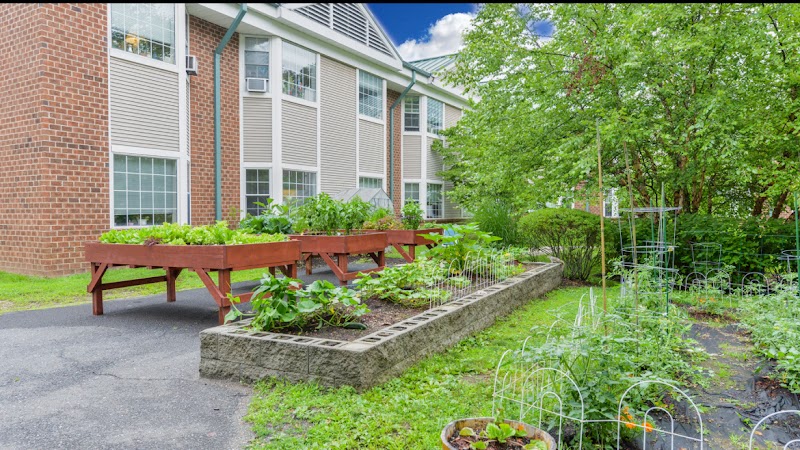
How is Bethel Health Staffed?

CMS rates BETHEL HEALTH CARE CENTER's staffing level at 3 out of 5 stars, which is average compared to other nursing homes. Staff turnover is 43%, compared to the Connecticut average of 46%. This relatively stable workforce can support continuity of care.

What Have Inspectors Found at Bethel Health?

State health inspectors documented 31 deficiencies at BETHEL HEALTH CARE CENTER during 2021 to 2025. These included: 2 that caused actual resident harm and 29 with potential for harm. Deficiencies causing actual harm indicate documented cases where residents experienced negative health consequences.

Who Owns and Operates Bethel Health?

BETHEL HEALTH CARE CENTER is owned by a for-profit company. For-profit facilities operate as businesses with obligations to shareholders or private owners. The facility is operated by NATIONAL HEALTH CARE ASSOCIATES, a chain that manages multiple nursing homes. With 161 certified beds and approximately 153 residents (about 95% occupancy), it is a mid-sized facility located in BETHEL, Connecticut.
How Does Bethel Health Compare to Other Connecticut Nursing Homes?

Compared to the 100 nursing homes in Connecticut, BETHEL HEALTH CARE CENTER's overall rating (3 stars) is below the state average of 3.0, staff turnover (43%) is near the state average of 46%, and health inspection rating (3 stars) is at the national benchmark.

What Should Families Ask When Visiting Bethel Health?

Based on this facility's data, families visiting should ask: "Can I visit during a mealtime to observe dining assistance and food quality?" "How do you handle medical emergencies, and what is your hospital transfer rate?" "Can I speak with family members of current residents about their experience?"

Is Bethel Health Safe?

Based on CMS inspection data, BETHEL HEALTH CARE CENTER has a clean safety record: no substantiated abuse findings (meaning no confirmed cases of resident harm), no Immediate Jeopardy citations (the most serious violation level indicating risk of serious injury or death), and is not on the Special Focus Facility watch list (a federal program monitoring the lowest-performing 1% of nursing homes). The facility has a 3-star overall rating and ranks #100 of 100 nursing homes in Connecticut. While no facility is perfect, families should still ask about staff-to-resident ratios and recent inspection results during their visit.

Do Nurses at Bethel Health Stick Around?

BETHEL HEALTH CARE CENTER has a staff turnover rate of 43%, which is about average for Connecticut nursing homes (state average: 46%). Moderate turnover is common in nursing homes, but families should still ask about staff tenure and how the facility maintains care continuity when employees leave.

Was Bethel Health Ever Fined?

BETHEL HEALTH CARE CENTER has been fined $16,036 across 2 penalty actions. This is below the Connecticut average of $33,239. While any fine indicates a compliance issue, fines under $50,000 are relatively common and typically reflect isolated problems that were subsequently corrected. Families should ask what specific issues led to these fines and confirm they've been resolved.

Is Bethel Health on Any Federal Watch List?

BETHEL HEALTH CARE CENTER is not on any federal watch list. The most significant is the Special Focus Facility (SFF) program, which identifies the bottom 1% of nursing homes nationally based on persistent, serious quality problems. Not being on this list means the facility has avoided the pattern of deficiencies that triggers enhanced federal oversight. This is a positive indicator, though families should still review the facility's inspection history directly.