AARON MANOR NURSING & REHABILITATION
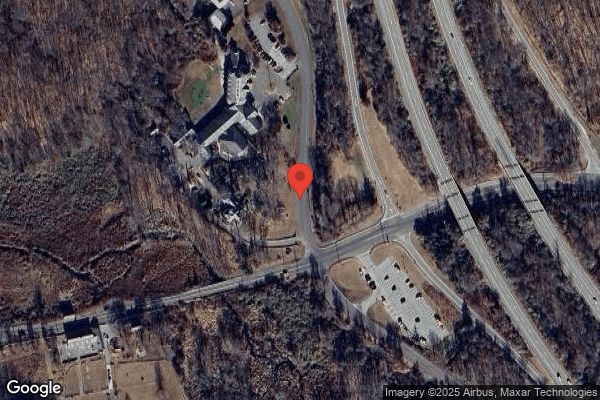
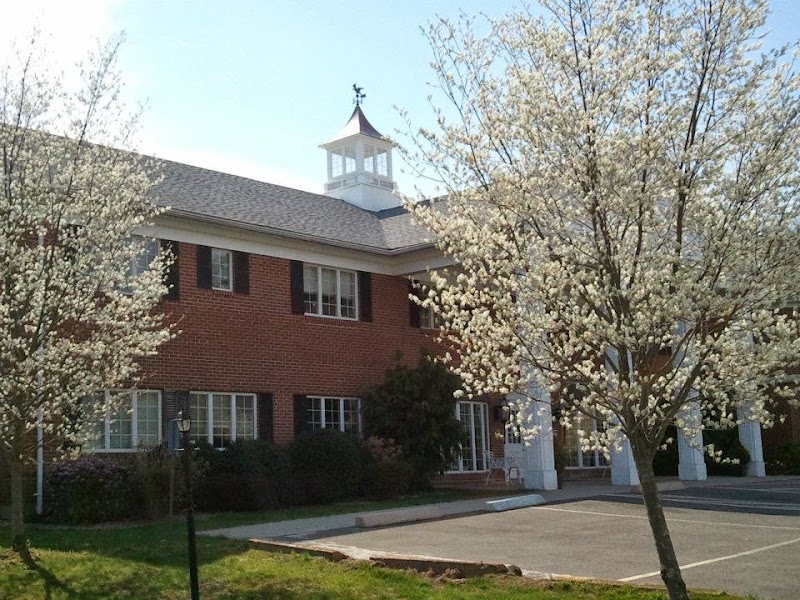
3 SOUTH WIG HILL RD, CHESTER, CT 06412 (860) 526-5316
For profit - Corporation 60 Beds RYDERS HEALTH MANAGEMENT Data: November 2025
Trust Grade
38/100
#111 of 192 in CT
Last Inspection: November 2024

Within standard 12-15 month inspection cycle. Federal law requires annual inspections.

Overview

Aaron Manor Nursing & Rehabilitation has a Trust Grade of F, indicating poor performance with significant concerns about care quality. Ranking #111 out of 192 facilities in Connecticut places it in the bottom half, and #8 of 17 in the local county suggests only a few options are better. The facility is improving, having reduced its issues from 12 in 2024 to just 3 in 2025, but there are still troubling signs, including $20,872 in fines, which is higher than 85% of similar facilities. Staffing is a strength with a 4/5 rating and good RN coverage, but the 52% turnover rate is concerning compared to the state average of 38%. Specific incidents include a resident falling due to improper bed positioning and a lack of monitoring that led to a serious medical issue, highlighting both the strengths and weaknesses of care provided.

Trust Score
F
38/100
In Connecticut
#111/192
Bottom 43%
Safety Record
Moderate
Needs review
Inspections
Getting Better
12 → 3 violations
Staff Stability
⚠ Watch
52% turnover. Above average. Higher turnover means staff may not know residents' routines.
Penalties
⚠ Watch
$20,872 in fines. Higher than 88% of Connecticut facilities, suggesting repeated compliance issues.
Skilled Nurses
✓ Good
Each resident gets 64 minutes of Registered Nurse (RN) attention daily — more than 97% of Connecticut nursing homes. RNs are the most trained staff who catch health problems before they become serious.
Violations
⚠ Watch
35 deficiencies on record. Higher than average. Multiple issues found across inspections.
★★☆☆☆
2.0
Overall Rating
★★★★☆
4.0
Staff Levels
★★☆☆☆
2.0
Care Quality
★★☆☆☆
2.0
Inspection Score
Stable
2024: 12 issues
2025: 3 issues

The Good

  • 4-Star Staffing Rating · Above-average nurse staffing levels
  • Full Sprinkler Coverage · Fire safety systems throughout facility
  • No fines on record

Facility shows strength in staffing levels, fire safety.

The Bad

2-Star Overall Rating

Below Connecticut average (3.0)

Below average - review inspection findings carefully

Staff Turnover: 52%

Near Connecticut avg (46%)

Higher turnover may affect care consistency

Federal Fines: $20,872

Below median ($33,413)

Minor penalties assessed

Chain: RYDERS HEALTH MANAGEMENT

Part of a multi-facility chain

Ask about local staffing decisions and management

The Ugly 35 deficiencies on record

2 actual harm
Mar 2025 3 deficiencies
CONCERN (D) 📢 Someone Reported This

A family member, employee, or ombudsman was alarmed enough to file a formal complaint

Potential for Harm - no one hurt, but risky conditions existed

Report Alleged Abuse (Tag F0609)

Could have caused harm · This affected 1 resident

**NOTE- TERMS IN BRACKETS HAVE BEEN EDITED TO PROTECT CONFIDENTIALITY** Based on review of the clinical record, facility policy and interviews for one (1) of three (3) residents (Resident #2) reviewed...

Read full inspector narrative →
**NOTE- TERMS IN BRACKETS HAVE BEEN EDITED TO PROTECT CONFIDENTIALITY** Based on review of the clinical record, facility policy and interviews for one (1) of three (3) residents (Resident #2) reviewed for abuse, the facility failed to ensure the State Agency was notified timely of an allegation of abuse. The findings include: Resident #2's diagnoses included adjustment disorder (an emotional or behavioral reaction to a stressful event or change in a person's life), anxiety disorder and chronic pain disorder. The Resident Care Plan (RCP) dated 4/23/24 identified that Resident #2 is at risk for constipation due to decreased mobility and pain management with interventions that included to administer scheduled and/or as needed medications for constipation, review medication side effects and discuss concerns or complications with the provider if indicated and provider to evaluate drug regimen if indicated. The quarterly Minimum Data Set (MDS) assessment dated [DATE] identified Resident #2 had a Brief Mental Interview for Mental Status (BIMS) of fifteen (15) indicative of intact cognition and required moderate assistance with personal hygiene, transfers and ambulation. Additionally, it identified that the only behavior exhibited was rejection of care. A physician's order dated 6/8/24 and transcribed by RN #2 at 10:02 AM directed to administer Hemorrhoidal Rectal Ointment 0.25-14-74.9 %, insert one application rectally every six (6) hours as needed for hemorrhoidal inflammation. Interview with RN #2 on 3/11/25 at 11:56 AM identified that Resident #2 on 6/8/24 alleged that NA #1 applied hemorrhoidal ointment, and while doing so stuck his finger into the resident's anus. He reported that that he believed that Resident #2 had made several allegations against staff members while residing at the facility, so it was plausible that the allegation was made, and he just couldn't remember. He identified that for all allegations of abuse, he immediately reports the allegations to the Administrator and the DNS and immediately removes the accused staff member from the unit and sends them home. He reported that he would not document anything until he was directed to do so by the Administrator or DNS. Review of nurse's notes dated 6/1/24 through 6/30/24 failed to identify any incidents or allegations regarding Resident #2, or any notes from RN #2 regarding the need for hemorrhoidal ointment. Review of the State Agency Reportable Events website on 3/11/25 failed to identify the allegation of abuse was reported to the State Agency. Interview with Administrator #2 on 3/11/25 at 12:07 PM identified that on 6/8/24 she was made aware that Resident #2 was alleging that a Nurse Aide (NA #1) applied hemorrhoid ointment to the resident and stuck his finger up the resident's anus, reporting that it was an abuse allegation and it should have been reported to the State Agency, but she was unsure if it had been. She identified that she obtained statements and an investigation was initiated, stating that they unsubstantiated the allegation but she could not recall why. Interview with the DNS on 3/11/25 at 2:16 PM identified that she was not employed at the facility at the time of the 6/8/24 abuse allegation regarding Resident #2 but stated that if a resident reported that a staff member put their finger up their anus/rectum, the staff member should have been sent home immediately pending investigation, the allegation should have been reported to the State Agency immediately and an investigation should have been initiated. Additionally, she identified that an investigation on the 6/8/24 allegation of abuse regarding Resident #2 was not located. Although attempted, interviews with NA #1 and RN #4 (previous interim DNS) were not obtained. Review of the Abuse Prevention policy (undated) directed, in part, that the facility will not condone any form of resident abuse or neglect, and all personnel is to report any signs and symptoms of abuse/neglect to their supervisor or to the Director of Nursing Services immediately. Abuse is the willful infliction of injury, unreasonable confinement intimidation, or punishment with resulting physical harm, pain or mental anguish. It includes verbal abuse, sexual abuse, physical abuse, and mental abuse. Physical abuse includes, but is not limited to, hitting, slapping, punching, biting and kicking. Any allegation or incident of abuse will be reported immediately but no later than two (2) hours of the allegation or occurrence to the Department of Public Health (DPH).
CONCERN (D) 📢 Someone Reported This

A family member, employee, or ombudsman was alarmed enough to file a formal complaint

Potential for Harm - no one hurt, but risky conditions existed

Investigate Abuse (Tag F0610)

Could have caused harm · This affected 1 resident

**NOTE- TERMS IN BRACKETS HAVE BEEN EDITED TO PROTECT CONFIDENTIALITY** Based on review of the clinical record, facility policy and interviews for one (1) of three (3) residents (Resident #2) reviewed...

Read full inspector narrative →
**NOTE- TERMS IN BRACKETS HAVE BEEN EDITED TO PROTECT CONFIDENTIALITY** Based on review of the clinical record, facility policy and interviews for one (1) of three (3) residents (Resident #2) reviewed for abuse, the facility failed to remove the accused staff member immediately once the allegation of abuse was made. The findings include: Resident #2's diagnoses included adjustment disorder (an emotional or behavioral reaction to a stressful event or change in a person's life), anxiety disorder and chronic pain disorder. The Resident Care Plan (RCP) dated 4/23/24 identified that Resident #2 is at risk for constipation due to decreased mobility and pain management. Interventions included administering scheduled and/or as needed medications for constipation, review medication side effects and discuss concerns or complications with the provider if indicated and provider to evaluate drug regimen if indicated. The quarterly Minimum Data Set (MDS) assessment dated [DATE] identified Resident #2 had a Brief Mental Interview for Mental Status (BIMS) of fifteen (15) indicative of intact cognition and required moderate assistance with personal hygiene, transfers and ambulation. Additionally, it identified that the only behavior exhibited was rejection of care. A physician's order dated 6/8/24 and transcribed by RN #2 at 10:02 AM directed to administer Hemorrhoidal Rectal Ointment 0.25-14-74.9 %, insert one application rectally every six (6) hours as needed for hemorrhoidal inflammation. Review of nurse's notes dated 6/1/24 through 6/30/24 failed to identify any incidents or allegations regarding Resident #2, or any notes from RN #2 regarding the need for hemorrhoidal ointment. Review of NA#1's time card dated 6/8/24 (day of the allegation) identified that NA#1 punched in for work at 7:03 AM and did not punch out unitl 3:09 PM, completing the 7:00 AM to 3:00 PM shift. Interview with RN #2 on 3/11/25 at 11:56 AM identified that he was unsure if he was notified of an abuse allegation made by Resident #2 on 6/8/24 alleging that NA #1 applied hemorrhoidal ointment to the resident and while doing so stuck his finger into the resident's anus. He identified that for all allegations of abuse, he immediately reports the allegations to the Administrator and the DNS and immediately removes the accused staff member from the unit and sends them home, RN #2 reported that following an allegation of abuse, the accused staff member would be removed from the facility immediately, however he could not recall if he had sent NA #1 home on 6/8/24. Interview with Administrator #2 on 3/11/25 at 12:07 PM identified that on 6/8/24 she was made aware that Resident #2 was alleging that a Nurse Aide (NA #1) applied hemorrhoid ointment to the resident and stuck his finger up the resident's anus, reporting that it was an abuse allegation and the staff member should have been removed immediately, but could not recall if that had happened. Interview with the DNS on 3/11/25 at 2:16 PM identified that she was not employed at the facility at the time of the 6/8/24 abuse allegation regarding Resident #2 but stated that if a resident reported that a staff member put their finger up their anus/rectum, the staff member should have been sent home immediately pending investigation. Although attempted, interviews with NA #1 and RN #4 (previous interim DNS) were not obtained. Review of the Abuse Prevention policy (undated) directed, in part, that the facility will not condone any form of resident abuse or neglect, and all personnel is to report any signs and symptoms of abuse/neglect to their supervisor or to the Director of Nursing Services immediately. During abuse investigations, residents will be protected from harm and any employee accused of participating in an alleged abuse will be subjected to suspension during the course of the investigation.
CONCERN (D) 📢 Someone Reported This

A family member, employee, or ombudsman was alarmed enough to file a formal complaint

Potential for Harm - no one hurt, but risky conditions existed

Medical Records (Tag F0842)

Could have caused harm · This affected 1 resident

**NOTE- TERMS IN BRACKETS HAVE BEEN EDITED TO PROTECT CONFIDENTIALITY** Based on review of the clinical record, facility policy and interviews for one (1) of three (3) residents (Resident #2) reviewed...

Read full inspector narrative →
**NOTE- TERMS IN BRACKETS HAVE BEEN EDITED TO PROTECT CONFIDENTIALITY** Based on review of the clinical record, facility policy and interviews for one (1) of three (3) residents (Resident #2) reviewed for abuse, the facility failed to have documentation that an investigation was completed for an allegation of abuse. The findings include: Resident #2's diagnoses included adjustment disorder (an emotional or behavioral reaction to a stressful event or change in a person's life), anxiety disorder and chronic pain disorder. The Resident Care Plan (RCP) dated 4/23/24 identified that Resident #2 is at risk for constipation due to decreased mobility and pain management with interventions that included administering scheduled and/or as needed medications for constipation, review medication side effects and discuss concerns or complications with the provider if indicated and provider to evaluate drug regimen if indicated. The quarterly Minimum Data Set (MDS) assessment dated [DATE] identified Resident #2 had a Brief Mental Interview for Mental Status (BIMS) of fifteen (15) indicative of intact cognition and required moderate assistance with personal hygiene, transfers and ambulation. Additionally, it identified that the only behavior exhibited was rejection of care. A physician's order dated 6/8/24 and transcribed by RN #2 at 10:02 AM directed to administer Hemorrhoidal Rectal Ointment 0.25-14-74.9 %, insert one application rectally every six (6) hours as needed for hemorrhoidal inflammation. Interview with RN #2 on 3/11/25 at 11:56 AM identified that he was unsure if he was notified of an abuse allegation made by Resident #2 on 6/8/24 alleging that NA #1 applied hemorrhoidal ointment and while doing so stuck his finger into the resident's anus. He reported that he believed that Resident #2 had made several allegations against staff members while residing at the facility, so it was plausible that the allegation was made, and he just couldn't remember. He identified that for all allegations of abuse, he immediately reports the allegations to the Administrator and the DNS and immediately removes the accused staff member from the unit and sends them home. He reported that he would not document anything until he was directed to do so by the Administrator or DNS. Review of nurse's notes dated 6/1/24 through 6/30/24 failed to identify any incidents or allegations regarding Resident #2, or any notes from RN #2 regarding the need for hemorrhoidal ointment. Interview with Administrator #2 on 3/11/25 at 12:07 PM identified that on 6/8/24 she was made aware that Resident #2 was alleging that a Nurse Aide (NA #1) applied hemorrhoid ointment to the resident and stuck his finger up the resident's anus, She identified that she obtained statements and an investigation was initiated, stating that they unsubstantiated the allegation but she could not recall why. Additionally, she identified that the investigation should be available in the facility for review and she was unsure why it could not be located, stating it should have been in either the DNS or Social Worker #1's office. Although attempted, interviews with NA #1 and RN #4 (previous interim DNS) were not obtained. Review of the Abuse Prevention policy (undated) directed, in part, that the facility will not condone any form of resident abuse or neglect, and all personnel is to report any signs and symptoms of abuse/neglect to their supervisor or to the Director of Nursing Services immediately. All reports of resident abuse shall be promptly and thoroughly investigated by facility management. The individual conducting the investigation will interview staff members (on all applicable shifts) who have had contact with the resident during the period of the alleged incident, interview other residents to whom the accused employee provides care or services when indicated and review all events leading up to the alleged incident.
Nov 2024 12 deficiencies 2 Harm
SERIOUS (G)

Actual Harm - a resident was hurt due to facility failures

Accident Prevention (Tag F0689)

A resident was harmed · This affected 1 resident

**NOTE- TERMS IN BRACKETS HAVE BEEN EDITED TO PROTECT CONFIDENTIALITY** Based on observations, clinical record review, review of facility policy, and interviews for 1 of 3 sampled residents (Resident ...

Read full inspector narrative →
**NOTE- TERMS IN BRACKETS HAVE BEEN EDITED TO PROTECT CONFIDENTIALITY** Based on observations, clinical record review, review of facility policy, and interviews for 1 of 3 sampled residents (Resident #38) reviewed for falls, the facility failed to ensure the bed was left in a low position following the provision of care and failed to provide the level of assistance according to the plan of care, for a resident who was a high fall risk, which resulted in a fall with a major injury. The findings include: Resident #38 was admitted to the facility in August of 2024 with diagnoses that included history of falling, left hip fracture post hemiarthroplasty (hip replacement surgery), dementia and generalized muscle weakness. The Nursing admission assessment dated [DATE] identified Resident #38 as verbal, confused, and with severe impairment affecting all areas of judgement. Additionally, the Nursing admission Assessment identified that Resident #38 was able to move all extremities. The Resident Care Plan (RCP) dated 8/6/24 identified Resident #38 as a fall risk due to impaired mobility post left hip hemiarthroplasty related to a left hip fracture due to a fall and dementia. Interventions included keeping the call bell within reach, ensuring appropriate footwear is worn, providing verbal reminders of individual limitations, encouraging the use of a call bell, physical therapy as ordered, education based on ability to learn, observing for alterations in gait, maintaining a clutter free environment and an assist of 2 staff for bed mobility, transfers and mechanical lift transfers. The fall risk assessment dated [DATE] identified Resident #38 as a high fall risk with a total score of 16 (according to the fall risk assessment tool, a total score of 10 or greater is considered a high risk for potential falls and prevention protocol should be initiated immediately and documented on the care plan). Resident #38's high fall risk predisposing factors included history of falls, altered level of consciousness (always disoriented), predisposing diagnoses, medications, incontinence, being chairbound, having experienced a change in condition in the last 14 days and having had a recent hospitalization in the last 30 days. The admission Minimum Data Set (MDS) assessment dated [DATE] identified Resident #38 was severely cognitively impaired (Brief Interview for Mental Status (BIMS) score of 3), was dependent on staff for toileting hygiene, bed mobility and transfers and was incontinent of bowel and urine. In addition, the MDS identified Resident #38 sustained a fall and a fracture related to a fall within a month prior to admission to the facility. The Resident Care Card (RCC) dated 10/11/24 identified Resident #38 required an assist of 2 staff for bathing, toileting, incontinent care at bed level, bed mobility and transfers using a mechanical lift. The Reportable Event form dated 10/12/24 at 11:30 AM identified Resident #38 rolled out of bed onto the floor striking his/her head and was found lying on the floor on the right hip. Resident #38 sustained a laceration to his/her head and was transferred to the Emergency Department for evaluation. The Post Fall evaluation by RN #1 dated 10/12/24 at 11:30 AM identified that Resident #38 had a fall risk score of 16 when he/she fell out of bed, sustained a 2.5cm by 2cm by 0.2 cm laceration to his/her head and was incontinent at the time of the fall. Additionally, the Post Fall evaluation identified that Resident #38's bed was at an improper height at the time of the fall and identified that an air mattress was applied on 10/11/24 and was subsequently discontinued post fall incident. Review of the hospital Emergency Department Provider Notes dated 10/12/24 identified that Resident #38 struck the top of his/her head in addition to the right side, right shoulder and right hip when he/she fell. Head, Ears, Eyes, Nose and Throat (HEENT) assessment identified that Resident #38 sustained a 4 cm scalp laceration to the crown (top of head) which was repaired surgically (wound was prepped and draped in sterile fashion, cleaned with povidone -iodine, irrigated with sterile water and pressure wash and repaired with tissue adhesive). In addition, a computed tomography scan (CT scan) identified nondisplaced cervical fractures at C1 and C2. A CT scan of the chest, abdomen and pelvis identified non-displaced fractures of the sacrum at S3 and S4. Resident #38 was placed in an Aspen Collar with cervical precautions. Observation on 11/8/24 at 12:10 PM, identified that Resident #38 shared a room with Resident #209. Resident #38 was observed sitting in a customized wheelchair with an Aspen Collar around his/her neck and a healing wound on top of his/her head. A dresser was located to the right side of Resident #38's bed (if Resident #38 is in bed, right side). Interview with RN #1 on 11/6/24 at 10:18 AM identified that she responded when Resident #209 was yelling for help. RN #1 indicated that when she entered the room, she found Resident #38 lying on the floor on his/her right hip and was bleeding from a laceration to his/her head. RN #1 identified that Resident #38 was non-ambulatory and therefore was not considered a fall risk. RN #1 indicated that even though the call bell was within reach, Resident #38 was not physically or mentally able to use it if he needed help. RN #1 identified that the air mattress placed on 10/11/24 (1 day prior to the fall) was immediately discontinued after the fall because Resident #38 did not have any falls within the facility prior to the placement of the air mattress. RN #1 was unable to provide a specific bed level at the time of the fall but confirmed the bed was not in a low position. Interview with Resident #209 on 10/6/24 at 10:35 AM, who is cognitively intact (BIMS score of 15 according to the quarterly MDS assessment dated [DATE]), indicated that Resident #38 was restless before he fell from his/her bed which was in a high position (approximately 3 feet). Resident #209 identified that he/she was laying in his/her bed watching television and heard a thud, he/she then saw Resident #38 lying on the floor on the right side of Resident #38's bed. Resident #209 identified that Resident #38's bed was so high that he/she could see Resident #38 on the floor on the right side of the bed from underneath the bed. Resident #209 indicated he/she yelled for help and pressed the call bell to alert staff. Resident #209 identified that Resident #38's bed was lowered, and floor mats placed on both sides of the bed after the fall. Interview with NA #1 on 11/6/24 at 12:04 PM identified she was assigned to provide care for Resident #38 on 10/12/24 during the 7 AM to 3 PM shift. NA #1 identified that she was the last person who performed care for Resident #38 at 9:30 AM, 2 hours prior to the fall incident. NA #1 identified that she independently assisted Resident #38 with bathing, dressing and repositioning in bed. NA #1 further identified that she had a difficult time repositioning Resident #38 because he/she was stiff, and she could not turn him/her easily. In addition, NA #1 could not identify at what level she left the bed after providing care. NA #1 indicated that Resident #38 may have attempted to climb out of bed to go to the bathroom since he/she was found to be incontinent of urine and stool when observed on the floor. Interview with Physical Therapist (PT) #1 on 11/7/24 at 1:07 PM identified that Resident #38 received physical therapy services from 8/7/24 to 9/18/24. PT #1 identified that Resident #38 always required a maximum assist of 2 staff during therapy due to the risk of falling. PT #1 indicated that Resident #38's dementia, inability to communicate and little to no command following contributed to a lack of progress towards ambulation. PT #1 further identified that the facility does not evaluate the use of air mattresses from an interdisciplinary approach, but instead, it is the responsibility of the nursing department to evaluate the safety of use, and the risk verses benefit of air mattress use. Interview on 10/7/24 at 10:21 AM with DNS #2 indicated Resident #38 was not a fall risk prior to the fall on 10/12/24 hence no indication for fall risk interventions (e.g. placing floor mats and lowering the bed to a low position). DNS #2 was not aware that Resident #38 was identified as a high fall risk since admission to the facility. DNS #2 indicated that the facility initially identified the cause of the fall incident as the air mattress which was placed on the previous day. DNS #2 further indicated that the air mattress was ruled out as the cause of the fall following the interview with resident #209 who gave a witness statement to the facility that Resident #38 fell out of bed because his/her feet became tangled in bed linens. DNS #2 could not explain why NA #1 performed Resident #38's care independently and left the bed at an inappropriate height after care was provided. The DNS was not able to explain how a resident who was dependent on staff for care was able to roll out of bed and sustain a fall with a head injury and fractures. Interview with NA #1 on 11/8/24 at 2:30 PM indicated that she was not aware that Resident #38 required an assist of 2 for care at bed level and indicated that she did not check the Resident Care Card (RCC) to confirm the level of assistance required before performing care. NA #1 further identified that RCC's are kept in resident rooms, yet did not check the RCC. Review of facility policy, Positioning and Repositioning, identified in part, that, staff should check the care plan, assignment sheet or communication system to determine resident's specific positioning needs including special equipment, resident level of participation and the number of staff required to complete the procedure. It also identified that head of bed should be raised to waist level, prior to providing care and bed lowered into lowest position and side rails placed in the appropriate position as indicated in the resident's plan of care after care provision. Documentation of the position in which the resident was placed should be done. Review of facility policy, Falls: Minimizing Risk of Injury, identified in part, that, residents shall be assessed for risk of falling upon admission, quarterly, annually and after a significant change in condition. Residents who are at risk shall have a care plan that addresses interdisciplinary measures to prevent falls and environmental/equipment recommendations to prevent injuries.
SERIOUS (G)

Actual Harm - a resident was hurt due to facility failures

Deficiency F0692 (Tag F0692)

A resident was harmed · This affected 1 resident

**NOTE- TERMS IN BRACKETS HAVE BEEN EDITED TO PROTECT CONFIDENTIALITY** Based on observations, interviews, clinical record review and facility policy, for 1 of 3 residents (Resident #3) reviewed for n...

Read full inspector narrative →
**NOTE- TERMS IN BRACKETS HAVE BEEN EDITED TO PROTECT CONFIDENTIALITY** Based on observations, interviews, clinical record review and facility policy, for 1 of 3 residents (Resident #3) reviewed for nutrition, the facility failed to monitor and accurately document fluid intake and bowel movements resulting in a prolonged hospitalization related to a severe fecal impaction and failed to make speech therapy and dietician referrals with a documented weight loss and poor meal intake. The findings include: Resident #3 was admitted to the facility in August of 2022 and had diagnoses that included spinal stenosis, dementia and protein-calorie malnutrition. The annual Minimum Data Set (MDS) assessment dated [DATE] identified Resident #3 was severely cognitively impaired (Brief Interview for Mental Status (BIMS) score of 0), dependent for bathing, dressing, and bed mobility and required substantial/maximal assistance for eating. The MDS identified Resident #3 was always incontinent of both bowel and bladder, was at risk for developing pressure injuries and was on a mechanically altered diet. The Resident Care Plan (RCP) dated 7/16/24 identified Resident #3 was at risk for weight loss and dehydration related to poor intake of meals and included interventions to monitor dietary intake and monitor intake and output (I&O). The RCP identified Resident #3 had pain with interventions to include administering Tylenol and Tramadol (opioid). The RCP did not identify Resident #3 as at risk for constipation despite pain regimen and lack of mobility. a. Review of the facility Laboratory Report dated 8/26/24 identified lab values outside of normal ranges to include an elevated blood urea nitrogen (BUN): 51.3 (normal range: 9-23 mg/dL), creatinine: 1.20 (normal range: 0.55-1.02 mg/dL), and sodium: 146 (normal range: 135-145mmol/L). Elevated BUN, creatinine and sodium levels are all indications of impaired kidney function and/or dehydration. An APRN order dated 8/27/24 directs to encourage an extra 240 milliliters (ml) of fluid every shift. Review of the facility Laboratory Report dated 8/29/24 identified lab values outside of normal ranges to include an elevated BUN (46.2), Creatinine (1.16), and Sodium (146). The physician order dated 8/30/24 directs to decrease Lasix (diuretic) to 20mg for 5 days and then to restart Lasix 40mg daily. Review of the facility Laboratory Report dated 9/4/24 identified lab values outside of normal ranges to include an elevated BUN (50.1), Creatinine (1.11), and Sodium (150). A late entry APRN Progress note dated 9/6/24 at 2:52 PM by APRN #1 identified she spoke at length with Person #3 and that Person #3 was very concerned regarding dehydration. The progress note further identified a plan to continue an extra 240 ml of fluids by mouth every shift, to continue Lasix 40 mg daily, to repeat bloodwork (basic metabolic panel (BMP) the next week and included a new order for a low sodium diet. Review of the Facility Order Summary Report dated 9/10/24 identified an order for Senokot-S 8.6-50 mg (2 tablets) to be administered at bedtime with a start date of 8/23/22, Tramadol 25 mg to be administered 2 times a day with a start date of 1/3/24, and Senna 8.6 mg (2 tabs) to be administered in the morning with a start date of 2/5/24. Review of the facility Laboratory Report dated 9/12/24 identified lab values outside of normal ranges to include an elevated BUN (77.3), Creatinine (1.57), and Sodium (156). A late entry APRN Progress note dated 9/12/24 at 4:14 PM identified Resident #3 continued to have abnormal labs, and that Person #3 and the nursing staff reported Resident #3 as having less alertness and agitation at times. The progress note identified a new order for IV fluids (dextrose 5% water to run at 50ml per hour for 500ml), bloodwork the following morning, a urine analysis and a chest X-ray to rule out pneumonia. The progress note identified the plan for the current situation was discussed with Person #3. Review of the Medication Administration Record (MAR) for August and September of 2024 identified Lasix 20 milligrams (mg) was administered daily from 8/31/24 through 9/4/24 and Lasix 40 mg was administered daily from 9/5/24 through 9/13/24. Review of the facility I&O report from 8/31/24 to 9/13/24 identified large volumes of fluid intake documented by NA #8 during the 7 AM to 3 PM shift as follows: 9/2/24: 1400 ml, 9/4/24: 1800 ml, 9/5/24: 1800ml, 9/6/24: 1400 ml, 9/9/24: 1800 ml, 9/10/24: 1800 ml, and 9/11/24: 1800 ml. Review of the facility Bowel Movement (BM) report from 8/31/24 to 9/13/24 identified NA #8 documented the following BM's: 9/4/24: large loose/diarrhea, 9/5/24: Medium loose/diarrhea, 9/6/24: large loose/diarrhea, 9/9/24: medium formed stool, 9/11/24: medium loose stool/diarrhea. Review of the facility SBAR Communication Form document dated 9/13/24 at 3:22 PM by RN #6 identified Resident #3 was found to have an altered mental status, weakness and was transferred to the hospital for further evaluation and treatment. Review of a hospital Discharge Summary document dated 10/4/24 identified Resident #3 was admitted to the hospital on [DATE] and was found to have an acute kidney injury with water deficit (kidneys are suddenly damaged primarily from a lack of fluids in the body), bilateral hydronephrosis (urine unable to drain from the kidneys) related to significant stool impaction, stercoral colitis (rare inflammatory form of colitis that occurs when fecal material leads to distension of the colon) and a urinary tract infection. The Discharge Summary identified Resident #3 had a prolonged hospitalization and initially was ordered to have nothing by mouth, received IV fluids (half normal saline at 100 ml per hour), was treated with IV antibiotics for the urinary tract infection, underwent multiple stool disimpactions, required aggressive bowel regimen, enemas and manual disimpaction. During an interview with the Medical Director (MD #2) on 11/7/24 at 9:32 AM, the I&O report and BM report for the dates of 8/31/24 to 9/13/24 were reviewed. MD #2 identified Resident #3's fluid intake obviously wasn't great and the ordered Lasix should have been held due to worsening lab values. MD #2 identified that if Resident #3 was having BM's at all, the BM's were not sufficient and the facility should have identified that and ordered an X-ray. MD #2 identified that if the bowel regimen was last reviewed in February 2024, it should have been reevaluated since then, due to Resident #3's progressive decline, decrease in mobility and active order of Tramadol (opioid drug). MD #2 further identified he was not notified of any change in condition leading up to the 9/13/24 hospitalization. Interview on 11/7/24 at 10:58am with NA #8 identified Resident #3 did not drink the large volumes of fluid she documented from 8/31/24 to 9/13/24. NA #8 stated she just did not take the time to add up the numbers like she should have and she just wasn't thinking. NA #8 further identified Resident #8 had frequent loose stools and that she reported BM's to the nurses but did not report that the stools were loose because she thought loose stools were normal for Resident #3. She further identified that when documenting in the electronic medical record, she thought the number options were for the number of times residents had BM's verses stool consistency (1: formed stool, 2: loose/diarrhea). During an interview on 11/7/24 at 11:15 AM, the I&O report and BM report for the dates of 8/31/24 to 9/13/24 were reviewed with APRN #1. APRN #1 identified she ordered IV fluids the day before Resident #3 was transferred to the hospital because that is when the nursing staff reported Resident #3 was refusing fluids and further identified she would have ordered IV fluids sooner if she knew fluid intake was poor. When the Lasix orders were reviewed, APRN #1 identified there was a resident representative (Person #3) who insisted Resident #3 have Lasix for edema. APRN #1 indicated she did not review the risk verses benefit of continuing the Lasix with Person #3. During an interview on 11/12/24 at 11:47 AM, DNS #2 was informed that NA #8 identified she documented I&O's and BM's incorrectly. DNS #2 identified incorrect documentation could affect an accurate assessment of care needs and that the RN supervisor should have identified the incorrect documentation and reported it to the APRN. DNS #2 identified NA #8 should have reported Resident #3's loose stools so the RN supervisor could have performed an assessment. Subsequent to surveyor inquiry of inaccurate documentation, the facility initiated staff education for accurate documentation of I&O, BM's and the reporting of any issues/concerns to the charge nurse or nursing supervisor. b. Review of the facility Nutrition assessment dated [DATE] identified Resident #3 was readmitted to the facility on [DATE] with a significant weight loss. Goals identified in the Nutrition Assessment included Resident #3 tolerating the current diet without signs or symptoms of aspiration and meal intake of 50% or greater for 2 out of 3 meals per day. Review of the facility Weight Summary identified a weight of 145.2 pounds on 10/8/24 and a weight of 136.9 pounds on 10/31/24, identifying a further 5.7% weight loss. During an observation in the dining room on 11/4/24 at 12:32 PM, LPN #4 was observed assisting Resident #3 with drinking a chocolate supplement. Resident #3 coughed intermittently with sips of the supplement. By 12:46 PM Resident #3 drank 75% of the supplement and LPN #4 presented a spoonful of mashed potatoes which Resident #3 did not respond to and did not open his/her mouth. At 12:58 PM NA #5 assisted Resident #3 with the remainder of the supplement and removed the meal tray. There was only 1 presentation of food to Resident #3's mouth throughout lunch. Interview with NA #5 on 11/4/24 at 12:58 PM identified Resident #3 ate well prior to a recent hospitalization but since readmission to the facility, Resident #3 does not eat much food. NA #5 identified Resident #3 would eat oatmeal during breakfast on some days but otherwise takes in only fluids. During an observation in the dining room on 11/5/24 at 12:47 PM NA #6 was observed presenting a spoonful of lasagna (mechanical soft) to Resident #3 multiple times. Resident #3 did not respond to the presentation of food, and did not open his/her mouth. NA #7 told NA #6 to stop attempting to feed Resident #3 because Resident #3 only takes in fluids. NA #6 assisted Resident #3 with drinking a chocolate supplement. Resident #3 coughed intermittently with sips of the supplement. Interview with NA #6 on 11/5/24 at 12:55 PM identified she had never previously fed Resident #3 because she usually works on a different nursing unit. Interview on 11/5/24 at 12:56 PM with NA #7 indicated Resident #3 had not been eating food for the past 2 to 3 weeks and Resident #3 often coughed while drinking fluids. NA #7 identified Resident #3 received a meal tray despite not eating food because the nursing supervisor (RN #2) stated it is state mandated for residents to receive meal trays even if they do not eat. Review of the Document Survey Report identified Resident #3 ate less than 50% for more than half of the meals served from 11/1/24 to 11/7/24 and of those meals 5 were documented as refusals. Interview on 11/7/24 at 9:32 AM with MD #2 indicated that due to Resident #3's progressive decline and poor meal intake, the diet should be downgraded to identify if Resident #3 better tolerates a different texture. Interview on 11/7/24 at 4:33 PM with Speech and Language Pathologist (SLP) #1 identified Resident #3 last received speech therapy services from 10/4/24 to 10/10/24 with a recommendation for a mechanical soft texture and thin liquids and stated Resident #3 had a delayed response to presentation of food. SLP #1 indicated food consistency effects palatability of food and when the goal is for residents to take in more food, efforts are made to maintain food consistency. The SLP identified she had not received any reports of poor meal intake or further weight loss for Resident #3 and would have expected to receive a referral if there was a change in condition. SLP #1 further identified that if Resident #3 had poor meal intake, safety would be the priority over palatability and Resident #3 should be evaluated for a diet downgrade. Subsequent to surveyor inquiry, SLP #1 downgraded Resident #3's diet on 11/7/24 to a puree texture and nectar thick liquids. Review of the Speech Therapy SLP Evaluation and Plan of Treatment document dated 11/11/24 identified Resident #4 presented with further decline in swallow function, with decreased intake and observed coughing with thin liquids. Interview on 11/12/24 at 11:51 AM with RN #2 identified she was not aware of Resident #3's poor meal intake and if she were aware, she would have referred Resident #3 back to the SLP and the RD for an evaluation. The facility policy titled Intake/Output states, in part, the purpose is to ensure adequate hydration and prevent dehydration to the extent possible based on each residents individualized care needs and choices and that I&O are instituted for a resident with a change in condition which may alter hydration status. The facility policy titled Charting and Documentation states, in part, documentation in the medical record will be complete and accurate. The facility policy titled Notification Change in Condition, Change in Treatment/Services states, in part, that the facility will inform the resident, resident's physician and the resident's family/legal representative when there is a change of condition. The policy states an RN will perform an assessment once a change of condition is identified and the policy provides examples of changes in condition to include diarrhea, vomiting (assess for dehydration and /or constipation) and changes in intake and output (assess for dehydration and/or fecal impaction).
CONCERN (D)

Potential for Harm - no one hurt, but risky conditions existed

Deficiency F0578 (Tag F0578)

Could have caused harm · This affected 1 resident

**NOTE- TERMS IN BRACKETS HAVE BEEN EDITED TO PROTECT CONFIDENTIALITY** Based on review of the clinical record, facility documentation, facility policy and interviews for the only sampled resident (Re...

Read full inspector narrative →
**NOTE- TERMS IN BRACKETS HAVE BEEN EDITED TO PROTECT CONFIDENTIALITY** Based on review of the clinical record, facility documentation, facility policy and interviews for the only sampled resident (Resident #28) reviewed for advanced directives, the facility failed to complete an advance directive form for a resident upon admission. The findings include: Resident #28 was admitted in October of 2024 with diagnoses that included epilepsy, Parkinson's disease, and dysphagia. The admission Minimum Data Set assessment dated [DATE] identified Resident #28 was cognitively intact (Brief Interview for Mental Status (BIMS) score of 14), required supervision or touching assistance with eating, was dependent with upper body dressing and transfers. The Resident Care Plan dated [DATE] identified Resident #28's code status. Interventions included Resident #28 was a full code, wanted cardiopulmonary resuscitation (CPR) and directed to document the code status in the electronic medical record (EMR). A physician's order dated [DATE] directed a code status of a full code, and included yes to CPR, intubation, oxygen, hospitalization, intravenous hydration, intravenous antibiotics, and for tube feeding needs to discuss with the family first. A History and Physical examination admission note by Medical Director (MD) #2 on [DATE] identified that Resident #28 appeared lethargic during the visit but was able to answer questions. The note further identified Resident #28 was a full code. Review of Resident #28's paper chart on [DATE] at 3:11 PM, identified a blank unsigned advance directive form in the chart. Interview with Advanced Practice Registered Nurse (APRN) #1 on [DATE] at 12:10 PM identified that she did not review and sign the advance directives in the chart for new admission residents and re-admission residents. APRN #1 stated that advance directives were signed by MD #2. Interview with MD #2 on [DATE] at 9:18 AM identified that he signed the advance directives form for residents newly admitted and re-admitted to the facility. MD #2 further identified that if he had reviewed a new admission chart and didn't see an advance directive form filled out, he would have filled one out with the resident. MD #2 could not identify why the advance directive form in Resident #28's chart was not filled out and stated, at times, he verified information with Resident #28's representative because Resident #28 was intermittently confused. MD #2 identified that he would be in the facility the following day and would review the advance directives and include the form in the clinical record. In an interview and clinical record review with the Registered Nurse Supervisor (RN) #2 on [DATE] at 1:25 PM, the clinical record failed to reflect documentation of a completed advance directive form and identified a blank admission checklist form. RN #2 identified that she was unaware the advance directive form was blank, and that she had not completed the admission for Resident #28. RN #2 identified the process for filling out the advance directives form was for the resident and/or the resident representative to fill out and sign the form, two staff members verify the information and sign the form, and the provider is notified of the advance directives and an order is added into the EMR. RN #2 stated that there is an admission checklist for staff to follow during the admission process and medications are verified by third shift, but there is no formal process for reviewing all of the admission documents. Review of Resident #28's paper chart on [DATE] at 10:07 AM identified subsequent to surveyor inquiry, the advance directives form was filled out, included telephone consent from Resident #28's representative, and 2 staff signatures, all dated [DATE]. Review of the Advance Directives policy directed, in part, that the plan of care for each resident would be consistent with his or her documented treatment preferences and or advance directive and the nurse Supervisor would be required to inform emergency medical personnel of a resident's advance directives regarding treatment options and provide such personnel with a copy of the directive when transfer from the facility via ambulance or other means is made. Review of the admission policy does not identify a process for the nursing admission paperwork.
CONCERN (D)

Potential for Harm - no one hurt, but risky conditions existed

Deficiency F0657 (Tag F0657)

Could have caused harm · This affected 1 resident

**NOTE- TERMS IN BRACKETS HAVE BEEN EDITED TO PROTECT CONFIDENTIALITY** Based on review of the clinical record, facility policy and interviews for 2 of 4 residents (Resident #20 and Resident #33) revi...

Read full inspector narrative →
**NOTE- TERMS IN BRACKETS HAVE BEEN EDITED TO PROTECT CONFIDENTIALITY** Based on review of the clinical record, facility policy and interviews for 2 of 4 residents (Resident #20 and Resident #33) reviewed for care planning, the facility failed to revise the comprehensive Resident Care Plan (RCP) to reflect the current status of a resident's dialysis access and current diagnosis with interventions for a resident with congestive heart failure. The findings include: 1. Resident #20 was admitted in March of 2023 with diagnoses that included diabetes, chronic kidney disease, and hypertension. A history and physical examination note by Medical Doctor (MD) #2 on 9/13/24 identified Resident #20 had a diagnosis of congestive heart failure (CHF), and the treatment plan would continue with Furosemide (medication to help reduce fluid buildup in the body) and monitoring Resident #20 for fluid overload. The quarterly Minimum Data Set (MDS) assessment dated [DATE] identified Resident #20 was cognitively intact (Brief Interview for Mental Status (BIMS) score of 13) and required setup or clean-up assistance with eating and was dependent for lower body dressing and chair/bed-to-chair transfers. The MDS assessment did not include congestive heart failure as an active diagnosis. The RCP dated 10/19/24 identified Resident #20 was at risk for dehydration related to chronic kidney disease and use of Furosemide. Interventions included to elevate the extremities if edema was present and to monitor Resident #20's weight as ordered. Further identified was Resident #20 is at risk for cardiac distress related to hypertension, atrial fibrillation and coronary artery disease. Interventions included to monitor for edema and observe for signs and symptoms of cardiac and respiratory distress. The RCP did not include CHF and interventions to monitor for fluid overload (monitor for neck vein distention, monitor for abnormal lung sounds) or the use of furosemide as part of the treatment plan for CHF. Interview and clinical record review of Resident #33's RCP with Registered Nurse (RN) #4 on 11/7/24 at 1:00 PM identified the clinical record failed to reflect CHF and relevant interventions. RN #4 was not aware that MD #2 had included CHF as a diagnosis for Resident #20 in his history and physical note on 9/13/24. RN #4 stated if she had been aware of the diagnosis, she would have included CHF in the RCP. 2. Resident #33 was admitted in November of 2021 with diagnoses that included end stage renal disease with dependence on renal dialysis, dementia, and depression. A Situation, Background, Assessment, and Recommendation (SBAR) note on 5/6/24 at 8:35 PM identified Resident #33 was sent to the hospital emergency room for evaluation related to abnormal vital signs. A nursing note on 5/11/24 at 8:54 PM identified Resident #33 was readmitted to the facility from the hospital following hospitalization for sepsis and the right chest hemodialysis catheter had tested positive for MRSA. It is further identified Resident #33 has a new hemodialysis catheter in the left chest and is on Bactrim double strength (DS) antibiotic. Physician's orders dated 5/11/24 directed to monitor the dressing for the left upper chest venous catheter for hemodialysis and ensure it was clean, dry, and intact every shift and Resident #33 was on contact precautions every shift for a positive MRSA culture of the (removed) right chest hemodialysis catheter tip. A physician's order discontinued on 5/11/24 directed to monitor the bruit and thrill of the left AV fistula (clogged, not in use), not to obtain blood pressures in the left arm, and check dressing to the right upper chest venous catheter to ensure it was clean, dry, and intact every shift. The order had initially been written on 5/23/23. The quarterly Minimum Data Set assessment dated [DATE] identified Resident #33 was moderately cognitively impaired (Brief Interview for Mental Status (BIMS) score of 12), received hemodialysis, and required setup or clean-up assistance with eating, and partial/moderate assistance with upper body dressing and lying to sitting on the side of the bed. The May 2024 RCP identified Resident #33 was at risk for complications of dialysis. Interventions included to not obtain blood pressures or blood work from the left arm or in the limb nearest the chest of presently used permacath (central venous catheter for dialysis) , report signs and symptoms of bleeding or leaking of the arteriovenous (AV) fistula area (surgically created passageway between an artery and vein used for dialysis), report signs and symptoms of infections of permacath or AV fistula and to monitor bruit (swooshing sound) and thrill (vibration) of the left arm every shift and then document findings (bruit and thrill indicate that the AV fistula is functioning properly). All interventions listed for this RCP focus have an initiation date of 11/2/21 and there are no revisions or new interventions identified since 11/21/21. The RCP failed to document revisions related to Resident #33 being hospitalized [DATE] through 5/11/24 for sepsis related to an infected hemodialysis catheter in the right chest which was removed at the hospital due to a methicillin-resistant Staphylococcus aureus (MRSA) positive culture of the catheter tip; a new permanent tunneled (placed under the skin forming a tunnel that the catheter passes through) dialysis catheter was placed into the left chest at the hospital on 5/10/24; and Resident #33 was re-admitted on contact precautions until completion of oral antibiotics for MRSA. The RCP further failed to identify the AV fistula was clogged and had not been in use for approximately 1 year thereby not requiring checking of the bruit and thrill which monitors for patency of the AV fistula. A physician progress note by Medical Doctor (MD) #2 on 5/22/24 at 10:01 PM for date of service 5/17/24 identified Resident #33 was hospitalized from [DATE] through 5/11/24 for sepsis secondary to an infected hemodialysis catheter requiring intravenous vancomycin and Zosyn antibiotics, and a positive MRSA culture which resulted in the hemodialysis catheter being removed and replaced with a new catheter and Resident #33 was to finish 14 days of Bactrim DS antibiotics. Interview and clinical record review of Resident #33's RCP with Registered Nurse (RN) #4 on 11/7/24 at 1:00 PM identified the clinical record failed to reflect documentation of revisions related to Resident #33's hospitalization which resulted in removal of the MRSA infected right chest dialysis catheter, and placement of the new tunneled left chest dialysis catheter, and discontinuation of the AV fistula monitoring due to non-use of the catheter. RN #4 stated any nurse can update the RCP but the ultimate responsibility was hers. RN #4 identified the RCP should have been updated relating to the AV fistula, and she had thought the interventions for checking the dressing were still relevant so it wasn't necessary to update those interventions even though the catheter had been replaced. Review of the Comprehensive Person-Centered Care Plans policy directed, in part, assessments of residents are ongoing and care plans are revised as information about the residents and the residents' conditions change, and the Interdisciplinary Team must review and update the care plan when a resident has been readmitted to the facility from a hospital stay.
CONCERN (D)

Potential for Harm - no one hurt, but risky conditions existed

ADL Care (Tag F0677)

Could have caused harm · This affected 1 resident

**NOTE- TERMS IN BRACKETS HAVE BEEN EDITED TO PROTECT CONFIDENTIALITY** Based on observation, interviews, clinical record review, and facility policy for 2 out of 3 residents (Resident #10 and Residen...

Read full inspector narrative →
**NOTE- TERMS IN BRACKETS HAVE BEEN EDITED TO PROTECT CONFIDENTIALITY** Based on observation, interviews, clinical record review, and facility policy for 2 out of 3 residents (Resident #10 and Resident #49) reviewed for activities of daily living (ADL) the facility failed to provide oral hygiene for a resident who had mouth pain and required moderate assistance and failed to provide grooming for a dependent resident.The findings include: 1. Resident #10 was admitted to the facility in January of 2024 with diagnoses to include chronic pain, fibromyalgia, rheumatoid arthritis, depression, and anxiety disorder. The annual Minimum Data Set (MDS) assessment dated [DATE] identified Resident #10 was cognitively intact (Brief Interview for Mental Status (BIMS) score of 15), required set up or clean up assistance with oral care, partial/moderate assistance for personal hygiene, substantial/maximal assistance for upper body dressing, was dependent for bathing, lower body dressing, toileting, bed mobility and transfers. The MDS further identified Resident #10 had pain almost constantly which made it hard to sleep at night and caused limitations in day-to-day activities. The MDS identified Resident #10 without the presence of behavioral symptoms to include no behaviors of rejection of care. The Resident Care Plan (RCP) dated 7/29/24 identified Resident #10 had chronic pain and received psychotropic medications to include Lorazepam (for anxiety) and escitalopram (for depression). The RCP identified ADL's as a focus area but did not include interventions for oral care and identified impaired dentition related to mouth pain with interventions to include daily mouth care and oral brushing with foam brush in the morning and at bedtime. Review of the Treatment Administration Record for October and November of 2024 identified a provider order directing oral brushing with foam brush in the morning and at bedtime documented as completed every day. Review of a Radiology Results Report dated 10/9/24 identified a right hand X-ray was obtained for pain and discomfort with findings that included modest degenerative changes. The report further identified a left wrist X-ray was obtained for pain and discomfort with findings that included mild degenerative joint disease of the wrist. A provider order dated 10/11/24 (initial start date of 1/17/24) directed Orajel Maximum Strength 4x Toothache and Gum to be applied to an effected area every 6 hours as needed for tooth/gum pain up to 4 times per day. A provider order dated 10/11/24 (initial start date of 1/9/24) directed to request a dentist appointment for recurring left sided mouth/gum/tooth pain. A Consultation Record dated 10/17/24 by MD #3 (dentist) directed assisted oral hygiene is required and recommended extractions of 5 teeth. The annual Minimum Data Set (MDS) assessment dated [DATE] identified Resident #10 was cognitively intact (Brief Interview for Mental Status (BIMS) score of 14), required partial/moderate assistance with oral care, was dependent for bathing, dressing, toileting, bed mobility and transfers. The MDS further identified Resident #10 had pain almost constantly which made it hard to sleep at night and caused limitations in day-to-day activities. The MDS identified Resident #10 without the presence of behavioral symptoms to include no behaviors of rejection of care. The Resident Care Card dated 11/4/24 directed daily mouth care and oral brushing with foam brush in the morning and at bedtime. Interview with Resident #10 on 11/4/24 at 11:25 AM identified he/she had pain all over, was sensitive to all forms of touch and subsequently chose to spend most of his/her time in bed. Resident #10 further stated I have a gum infection. My gums hurt so badly and indicated he/she does not tolerate tooth brushing and can only eat soft foods due to pain in the mouth. Resident #10 indicated he/she has dry mouth from his/her medications. Resident #10 was observed to have an Orajel tube cut in half and a medicine cup containing a pink mouthwash on the overbed table. Resident #10 was using a swab to rub the Orajel and mouthwash over his/her gums repeatedly throughout the interview. Observation of Resident #10's mouth on 11/4/24 at 11:25 AM identified swollen and inflamed gums, thick white and yellow residue (plaque/calculus) covering all teeth and thickly accumulated between the teeth. The inside of Resident #10's mouth was dry. Observation on 11/5/24 at 9:31 AM identified an unchanged presentation of Resident #10's gums and teeth. Interview with MD #4 (dentist) on 11/7/24 at 2:09 PM identified Resident #10 had a dry mouth due to prescribed medications, that plaque develops quickly for people who have a dry mouth and using a swab for oral care would not be sufficient. MD #4 identified Resident #10 allowed the dental hygienists to brush and floss his/her teeth when they see him/her for routine visits. MD #4 indicated Resident #10 would benefit from improved oral care and that the facility had room to improve in regards to providing oral care for Resident #10. Interview with the Speech and Language Pathologist (SLP #1) on 11/7/24 at 4:33 PM identified Resident #10 last received speech therapy services in July of 2024 and during that time she assisted Resident #10 with oral care when Resident #10 was receiving speech therapy services. SLP #1 identified she provided Resident #10 with a soft bristle toothbrush and floss picks and Resident #10 was delighted. SLP #1 identified Resident #10 enjoyed receiving attention and enjoyed the attention received while receiving oral care. Interview with NA #9 on 11/12/24 at 11:22 AM identified she sets Resident #10 up to perform oral care but on days Resident #10 complains of pain she just washes him/her up and does not set him/her up for oral care. Interview with NA #10 on 11/12/24 at 11:25 AM identified she is frequently assigned to perform care for Resident #10 and she assisted Resident #10 with oral care at times. NA #10 indicated Resident #10 does not like his/her teeth brushed. She further identified Resident #10 had pain with chewing. Interview with DNS #2 on 11/12/24 12:20 PM identified the facility should be providing oral care assistance to Resident #10 based on the level of assistance identified in the MDS assessment. 2. Resident #49 was admitted to the facility in June of 2023 with diagnosis that included hemiplegia and hemiparesis following cerebral infarction affecting left non-dominant side, dysthymic disorder, and muscle weakness. The Quarterly Minimum Data set assessment dated [DATE] identified Resident #49 was moderately cognitively impaired (Brief Interview for Mental Status (BIMS) score of 10), dependent for oral hygiene, toileting, bathing, dressing, bed mobility and transfers. Observation on 11/4/24 at 9:05 AM identified Resident #49 with the presence of scattered chin hair across the entire chin at approximately 0.6cm to 0.8cm long. Observation on 11/5/24 at 10:55 AM identified Resident #49 with the presence of scattered chin hair across the entire chin at approximately 0.6cm to 0.8cm long. Interview with DNS #2 on 11/12/24 at 12:20 PM identified residents who are dependent for grooming should have facial hair shaven unless indicated facial hair is preferred. The facility policy titled Activities of Daily Living (ADLs), Supporting states, in part, residents who are unable to carry out activities of daily living independently will receive the services necessary to maintain good nutrition, grooming and personal and oral hygiene.
CONCERN (D)

Potential for Harm - no one hurt, but risky conditions existed

Pressure Ulcer Prevention (Tag F0686)

Could have caused harm · This affected 1 resident

**NOTE- TERMS IN BRACKETS HAVE BEEN EDITED TO PROTECT CONFIDENTIALITY** Based on observations, interviews, clinical record review and facility policy, for 1 of 3 residents (Resident #3) reviewed for p...

Read full inspector narrative →
**NOTE- TERMS IN BRACKETS HAVE BEEN EDITED TO PROTECT CONFIDENTIALITY** Based on observations, interviews, clinical record review and facility policy, for 1 of 3 residents (Resident #3) reviewed for pressure injuries, the facility failed to provide positioning based on the plan of care and provider order for a dependent resident with an active pressure injury and a history of pressure injuries. Resident #3 was admitted to the facility in August of 2022 and had diagnoses that included spinal stenosis, dementia and protein-calorie malnutrition. The annual Minimum Data Set (MDS) assessment dated [DATE] identified Resident #3 was severely cognitively impaired (Brief Interview for Mental Status (BIMS) score of 0), dependent for bathing, dressing, and bed mobility and required substantial/maximal assistance for eating. The MDS identified Resident #3 was always incontinent of both bowel and bladder, was at risk for developing pressure injuries and was on a mechanically altered diet. The Resident Care Plan (RCP) dated 7/16/24 identified Resident #3 was at risk for weight loss and dehydration related to poor intake of meals and included interventions to monitor dietary intake and monitor intake and output (I&O). The RCP identified ADL ' s as a focus area with interventions to include out of bed to adaptive wheelchair daily per 24 hour positioning plan. The RCP identified Resident #33 was at risk for [NAME] integrity and was readmitted to the facility with a right heel suspected deep tissue injury (DTI) (pressure injury of unknown depth/significance) with interventions to include an air mattress, incontinent care every 2 to 3 hours and to turn and reposition in bed every 2 to 3 hours. The RCP did not include an intervention to offload heels or apply offloading boots despite the existence of a right heel DTI. Review of the Order Summary Report dated 10/4/24 identified a Provider order directing a topical treatment of skin prep to the right heel and offloading the right heel with a pillow when in bed or in the wheelchair. Review of the Resident Care Card (RCC) dated 11/4/24 identified Resident #3 was to be out of bed daily to his/her custom wheelchair according to a 24 hour positioning plan and incontinence care was to be provided every 2 to 3 hours and as needed. Attached to the RCC was Custom Wheelchair 24 Hour Positioning Plan document which identified changes in wheelchair poisoning every 2 hours. Interview with NA #5 on 11/4/24 at 2:17 PM identified Resident #4 had been out of bed and in his/her wheelchair since prior to breakfast at 7:30 AM. NA #5 identified Resident #3 remained in the wheelchair since 7:30 AM and had not been repositioned in the wheelchair throughout the day. NA #5 further identified that Resident #3 is transferred back to bed between 2 PM and 2:30 PM daily for repositioning purposes and to provide incontinence care. NA #5 identified there was no incontinent care provided to Resident #3 while he/she was in the wheelchair throughout the day until he/she was transferred back to bed. After reviewing the Custom Wheelchair 24 Hour Positioning Plan with NA #5, NA #5 further verified that she does not reposition Resident #3 while in the wheelchair or provide incontinence care until after resident #3 is transferred back to bed. Observation on 11/5/24 at 9:16 AM identified Resident #3 sitting in a wheelchair with an offloading boot to the left foot, no offloading boot to the right foot. The right foot was directly on the foot rest. Interview with RN #2 on 11/5/24 at 2:30 PM identified Resident #3 wakes up early and is usually transferred out of bed before breakfast. RN #2 identified Resident #3 is incontinent so should receive incontinence care every 2 hours and should be repositioned in his/her wheelchair according to the 24 Hour Wheelchair Positioning Plan. Observation on 11/7/24 at 9:53 AM identified offloading boots on Resident #3 ' s bed, and feet directly on wheelchair footrests. Further observations at 10:15 AM, 10:36 AM, 10:53 AM, 11:20 AM, and 1:10 PM were unchanged. A Skin Check evaluation dated 11/7/24 at 3:30 PM by RN #5 identified a DTI to the right heel measuring 2 centimeters (cm) by 2.5cm and was noted as improving. Interview with RN #5 (infection control and wound nurse) on 11/12/24 at 12:07 PM identified Resident #3 was readmitted to the facility on [DATE] with a right heel DTI which was not included on the facility wound report for the month of November. RN #5 indicated Resident #3 was not added to the wound report because of an oversight. RN #5 identified Resident #3 ' s right foot should be placed in an offloading boot when he/she is sitting in the wheelchair, is in bed, or anytime he/she does not have offloading support of the heels. RN #5 identified the right heel resting directly on the wheelchair footrest could cause further breakdown of the existing DTI. RN #5 identified she was unaware there was no order or care planned interventions for the offloading boots. RN #5 identified there should be a provider order and care plan to include the offloading boots as an intervention. RN #5 identified Resident #3 should be positioned in his/her wheelchair according to the 24-Hour Wheelchair Positioning Plan. The facility policy titled Positioning and Repositioning states, in part, positioning and repositioning is critical for a resident who is immobile or dependent on staff for positioning and repositioning and further states positioning a resident on an existing pressure ulcer (injury) should be avoided since it puts additional pressure on tissue that is already compromised and may impede healing.
CONCERN (D)

Potential for Harm - no one hurt, but risky conditions existed

Deficiency F0745 (Tag F0745)

Could have caused harm · This affected 1 resident

**NOTE- TERMS IN BRACKETS HAVE BEEN EDITED TO PROTECT CONFIDENTIALITY** Based on interviews, clinical record review and facility policy, for 1 of 3 residents (Resident #3) reviewed for a rehospitaliza...

Read full inspector narrative →
**NOTE- TERMS IN BRACKETS HAVE BEEN EDITED TO PROTECT CONFIDENTIALITY** Based on interviews, clinical record review and facility policy, for 1 of 3 residents (Resident #3) reviewed for a rehospitalization, the facility failed to provide a social services follow up with a resident's representatives regarding support and education for advance care planning and goals of care after a change in condition resulting in a hospitalization. The findings include: Resident #3 was admitted to the facility in August of 2022 and had diagnoses that included spinal stenosis, dementia and protein-calorie malnutrition. Review of the Minimum Data Set (MDS) assessment dated [DATE] identified Resident #3 was severely cognitively impaired (Brief Interview for Mental Status (BIMS) score of 0), was dependent for bathing, dressing, and bed mobility and required substantial/maximal assistance for eating. A progress note by MD #2 on 7/10/24 identified Resident #3 as eligible for hospice. The Social Services Quarterly Note by Social Worker (SW) #1 on 7/12/24 at 12:38 PM indicated Resident #3 was alert/confused, had family who remained involved/supportive and visited regularly and stated the SW would remain available to Resident #3 for support as needed. Review of the hospital Discharge summary dated [DATE] identified Resident #3 as eligible for routine hospice if aligned with the family's goals of care and that the family was contemplating a feeding tube versus hospice on the day of discharge from the hospital. The Discharge Summary identified Resident #3 with a new code status of Do Not Resuscitate (DNR) (which was a change from a full code status) after multiple palliative care and advance care planning conversations were held with family members. The Social Services Quarterly Note by SW #1 on 10/16/24 at 2:05 PM indicated Resident #3 was alert/confused, was readmitted (readmission date of 10/4/24) after a hospitalization, had family who remained involved/supportive and visited regularly, and stated the SW would remain available to Resident #3 for support as needed. Interview on 11/6/24 at 2:05 PM with SW #1 identified she was present for a care conference on 10/16/24. Review of the facility care conference document dated 10/16/24 identified the document was not signed by SW #1. SW #1 then identified she was not present for the 10/16/24 care conference and the last care conference she was present for was in July 2024. SW #1 indicated she joined care conferences annually or as needed for long term care residents. SW #1 identified she did not follow up with Resident #3's representatives regarding goals of care since the 10/4/24 readmission to the facility. SW #1 identified that there were 2 resident representatives who had differing goals of care and difficulty coping. SW #1 identified the last time she discussed goals of care with the resident representatives was during the July care conference, despite a change in condition since then. During an interview with DNS #2 on 11/6/24 at 4:06 PM the palliative care and advance care planning conversations noted throughout the hospital Discharge summary dated [DATE] were reviewed. DNS #2 identified an RN supervisor or SW #1 should have followed up with the resident representatives regarding goals of care since admission back to the facility. Interview on 11/7/24 at 4:05 PM with SW #1 identified she wrote a readmission note on 10/16/24 after going to see Resident #3 but did not follow up with the resident representatives since Resident #3's readmission to the facility, despite Resident #3's severe cognitive impairment. SW #1 identified there are a lot of nursing areas discussed during care conferences and indicated it would have been important for her to be present for the meeting to support the resident representatives in a discussion related to goals of care.
CONCERN (D)

Potential for Harm - no one hurt, but risky conditions existed

Infection Control (Tag F0880)

Could have caused harm · This affected 1 resident

**NOTE- TERMS IN BRACKETS HAVE BEEN EDITED TO PROTECT CONFIDENTIALITY** Based on observation, review of the clinical record, facility policy and interviews for 1 of 3 residents (Resident #209) reviewe...

Read full inspector narrative →
**NOTE- TERMS IN BRACKETS HAVE BEEN EDITED TO PROTECT CONFIDENTIALITY** Based on observation, review of the clinical record, facility policy and interviews for 1 of 3 residents (Resident #209) reviewed for pressure ulcers, the facility failed to follow infection control practices when providing wound care. The findings include: Resident #206 was admitted in October of 2024 with diagnoses that included complete paraplegia, osteomyelitis of the sacral, sacrococcygeal region, pressure ulcer right buttock stage 4, pressure ulcer left buttock stage 3. The admission Minimum Data Set (MDS) assessment dated [DATE] identified Resident #206 was cognitively intact (brief interview for mental status (BIMS) score of 14), required set up assistance for eating, partial moderate to dependent assistance for dressing, was dependent for transfers and toileting, independent for bed mobility and had an indwelling catheter for urinary drainage. The Resident Care Plan dated 10/21/24 identified Resident #206 was at risk for skin integrity and was admitted to the facility with a left buttock stage 3 pressure ulcer and a right buttock stage 4 pressure ulcer which since merged into 1 large wound measuring: 10.5 centimeters (cm) by 5cm by 3cm. Interventions included to follow facility skin care protocol, physical therapy (PT)/Occupational therapy (OT) consultation for positioning, measure and document any areas on admission, preventative measures in place, reposition as it meets the resident needs, dietary consult as needed, report any new areas to physician, nurse, nurse practitioner (APRN), pressure redistribution devices as ordered, treatment as ordered, record any new changes to physician, nurse, and air mattress set at 110 per protocol to offload pressure. A Nurse's Note dated 10/25/24 at 12:57 PM identified in part, a right gluteus stage 4 pressure ulcer with full thickness skin and tissue loss which was present upon admission to the facility and included measurements of 10.5cm by 5cm by 2.5 cm with undermining at 10 o'clock and 3 o'clock. The note identified a wound bed of 70% granulation (healthy tissue), 20% slough (layer of dead tissue) 0% eschar (dry dead tissue) and heavy serosanguinous exudate (clear drainage mixed with blood). A Physician Progress Note dated 10/24/24 at 5:10 PM identified a consultation for evaluation and management of the wound. The note identified this was the first evaluation of the wound which was present on admission to the facility for osteomyelitis (infection in the bone) of the sacral area and had been treated with long term intravenous antibiotics. The note identified wound measurements as follows: coccyx stage 4 pressure ulcer: 6cm by 4cm by 1.5cm with undermining at 3 o 'clock to 10 o 'clock measuring 2cm with a wound base of 75% granulation, 25% slough and a large amount of serosanguineous exudate, left buttock stage 3 pressure ulcer: 3.2cm by 2cm by 0.2cm with 75-99% epithelial tissue and a moderate amount of serosanguinous exudate. Observation of a dressing change performed by LPN #3 on 11/6/24 at 10:30 AM, identified LPN #3 performed hand hygiene prior to donning gloves and removed a dirty dressing to the left buttock wound. She then wet the old stuck dressing with normal saline for removal and cleansed the wound with normal saline. LPN #3 then cleansed the wound bed with Dakin's solution. LPN #3 did not provide a clean field to perform further wound care and application of a new clean dressing. The surveyor intervened prior to LPN # 3 beginning preparation of a clean dressing and reminded LPN #3 to remove dirty gloves, perform hand hygiene and don clean gloves. LPN #3 verbalized understanding, performed hand hygiene and then failed to apply clean gloves. LPN #3 then opened the dressing (xeroform gauze), cut the dressing with scissors and then covered the wound with an adherent dressing, all without the benefit of wearing gloves. Interview with LPN # 3 on 11/6/24 at 11:00 AM identified that she did not know the dressing change policy and identified she should have changed her gloves and performed hand hygiene after removing the dirty dressing and before preparing the clean dressing. LPN #3 further identified she did not clean the scissors she used to cut the clean dressing that she applied directly to the wound bed. LPN #3 identified she should have cleansed the scissors prior to cutting the clean dressing and she should have worn gloves when touching the clean dressing. Review of the wound care policy directed, in part, use a disposable cloth to establish a clean field on the resident's overbed table. Place all items to be used during the procedure on the clean field. Put on gloves and remove dressing, pull glove over dressing and discard. Wash and dry your hands thoroughly, put on gloves using a no touch technique, pour liquid solutions directly on gauze sponges on their papers. Wear exam gloves for holding gauze to catch irrigation solutions that are poured directly over wound. Wear sterile gloves when physically touching the wound or holding a moist surface over the wound. Dress the wound by picking up the sponge by the paper and apply directly to the area. Be certain all clean items are on the clean field.
CONCERN (E)

Potential for Harm - no one hurt, but risky conditions existed

Deficiency F0761 (Tag F0761)

Could have caused harm · This affected multiple residents

**NOTE- TERMS IN BRACKETS HAVE BEEN EDITED TO PROTECT CONFIDENTIALITY** Based on observations, clinical record review, review of facility policy, interviews for 1 of 3 sampled residents (Resident #206...

Read full inspector narrative →
**NOTE- TERMS IN BRACKETS HAVE BEEN EDITED TO PROTECT CONFIDENTIALITY** Based on observations, clinical record review, review of facility policy, interviews for 1 of 3 sampled residents (Resident #206) reviewed for pressure ulcers and observation of 1 of 1 medication rooms for medication storage and labeling, the facility failed to ensure that a resident's medications were stored in a designated secure area per facility policy and failed to discard expired vaccines and insulin vials after the beyond use date. The findings include: 1. Resident #206 was admitted to the facility in October of 2024 with diagnoses that included osteomyelitis of vertebra, sacral and sacrococcygeal region, depression, and generalized muscle weakness. Physician's orders dated 10/21/24 directed to administer Unasyn injection solution reconstituted 1.5(1-0.5) gram (antibiotic) every 6 hours for wound infection, heparin (anticoagulant) flush 5 milliliters (ml) and sodium chloride flush solution 10 ml, intravenously (IV) every shift. The admission Minimum Data Set (MDS) assessment dated [DATE] identified Resident #206 was cognitively intact (Brief Interview for Mental Status (BIMS) score of 14) and required set up assistance for eating. Resident #206 was independent for bed mobility and dependent for transfers. The Resident Care Plan dated 10/28/24 identified Resident #206 was on intravenous antibiotic therapy due to osteomyelitis. Interventions included enhanced barrier precautions as indicated, administration of IV therapy per physician's order, monitoring the infusion rate every hour, maintaining intake and output every shift, and administering medications as ordered. Observation on 11/4/24 at 12:01 PM and 11/5/24 at 11:00 AM, identified heparin flush 5ML syringes in a full 1/2 galloon storage bag and sodium chloride flush solution syringes in full 1/2 galloon storage bag in Resident #206's room on top of the refrigerator. Interview and observation with RN #2 on 11/5/24 at 11:05AM, identified heparin and normal saline flush syringes on top of Resident #206's refrigerator. RN #2 identified that the medications should not have been stored in Resident #206's room but should have been stored in the medication room or in the medication carts. RN #2 could not explain why Resident #206's medications were store in his/her room. Subsequent to the surveyor inquiry, the mentioned bags of heparin and normal saline flush syringes were removed from Resident #206's room and transferred to a secured area (medication room). 2. Observation of the 2nd floor medication storage room on 11/8/24 at 1:30 PM, identified an open box containing 10 remaining influenza A & B tests which expired 5/31/22 stored on the bottom storage shelf. Further identified inside the medication refrgerator, were 2 open multi-dose 10 milliliter (ml) vials of insulin Lispro dated with the dates they were opened. 1 insulin Lispro multi-dose vial was dated 9/10/24 and 1 insulin Lispro multi-dose vial was dated 9/15/24, both were approximately half full. Interview with Registered Nurse (RN) #2 on 11/8/24 at 2:00 PM identified she was unaware that there were expired influenza tests and open multi-dose vials of insulin past the beyond use date, in the medication storage room. RN #2 could not identify why they were there. RN #2 indicated that opened vials of insulin should be dated when opened and then discarded within 30 days. RN #2 indicated expired medications should be placed in a plastic bin, stored inside the medication storage room, for pick up by the pharmacy on Mondays. Review of facility policy, Medication Storage in the Facility, identified in part, that, medications and biologicals should be safely, securely and properly stored following manufacturers recommendations or those of the supplier. The medication supply should only be accessible to licensed nursing personnel, pharmacy personnel or staff members who are lawfully authorized to administer the medications. Except for those requiring refrigeration or freezing, medications intended for internal use are stored in a medication cart or other designated area. Review of the facility policy, Facility-Storage of Medications directed, in part, that outdated medications are immediately removed from inventory and disposed of according to procedures for medication disposal, and when the original seal of a manufacturer's vial is initially broken, the nurse enter the date opened and the new date of expiration. The expiration date of the vial would be 30 days unless the manufacturer recommends another date. (Insulin Lispro manufacturer instructions specify that opened 10 ml multi-dose vials can only be used for 28 days whether refrigerated or stored at room temperature.)
CONCERN (E)

Potential for Harm - no one hurt, but risky conditions existed

Food Safety (Tag F0812)

Could have caused harm · This affected multiple residents

Based on tour of the dietary department, observations, interviews, and facility policy, the facility failed to label open food items, failed to dispose of expired food items, and failed to store the i...

Read full inspector narrative →
Based on tour of the dietary department, observations, interviews, and facility policy, the facility failed to label open food items, failed to dispose of expired food items, and failed to store the ice machine scoop in a clean and sanitary manner. The findings included: Tour and observation of the kitchen on 11/4/24 at 9:07 AM with the Dietary Director identified the following: 1. Observation of the bread rack identified an unsealed bag containing 3 pieces of cake with multiple spots of green mold and an expiration date of 10/25/24 and an unsealed bag containing 9 pieces of corn bread with an expiration date of 10/29/24. 2. Observation of the bread rack additionally identified an unsealed bag containing 2 hotdog rolls, an unsealed bag containing 5 hotdog rolls and an unsealed bag containing 3 hamburger rolls. None of the above bags contained an expiration date or an open date. 3. Observation of the ice machine identified the ice machine scoop holder, which was adhered to the wall near the ice machine, had an inner removable tray which the end of the scoop slid into. There was water within the tray, approximately 2-3cm deep, which the scoop was in. The ice machine scoop holder and inner tray had scattered areas of white residue. The scoop was 95% covered in white residue. Observation of the Ice Scoop Sanitizing form which was taped to the wall beside the ice machine identified twice daily (at the end of each shift) sections to sign off running the ice machine scoop through the dish machine. Initials were missing for the second wash on 11/3/24, and initials were present for the wash 11/4/24 at 6:10 AM. 4. Observation of the nursing unit nourishment room refrigerator identified a box of Danishes with a date of 10/27/24 written on the box and a half empty container of thickened cranberry cocktail which included a deliverey date of 10/10 but no open date. During an interview on 11/4/24 at 9:37 AM the Dietary Director identified that the expired foods should have been thrown away and the open unlabeled bags should have been labeled with an open date by whoever opened them. The Dietary Director further identified the ice machine scoop holder, inner tray and scoop needed to be run through the dishwasher. Interview with the Administrator on 11/4/24 at 10:17 AM identified the Danishes and thickened cranberry cocktail in the nourishment room refrigerator needed to be thrown away, and threw them in the garbage. The facility policy titled Food states, in part, all food items should be labeled and dated, all items stored in the refrigerator will be covered, labeled with the contents and the date. All potentially hazardous foods must be discarded within 3 calendar days after the date prepared. The facility policy titled Policy for Ice Machines and Ice Storage Containers stated, in part, that all ice machines and ice storage containers will be maintained in a clean and sanitary manner.
MINOR (B)

Minor Issue - procedural, no safety impact

Grievances (Tag F0585)

Minor procedural issue · This affected multiple residents

**NOTE- TERMS IN BRACKETS HAVE BEEN EDITED TO PROTECT CONFIDENTIALITY** Based on observations, review of the clinical record, facility documentation, facility policy and interviews for 2 of 2 sampled ...

Read full inspector narrative →
**NOTE- TERMS IN BRACKETS HAVE BEEN EDITED TO PROTECT CONFIDENTIALITY** Based on observations, review of the clinical record, facility documentation, facility policy and interviews for 2 of 2 sampled residents, (Resident #3 and Resident #39), the facility failed to fill out grievance forms after being made aware of concerns/complaints by resident representatives for a cognitively impaired resident and by a cognitively intact resident. The findings include: 1. Resident #3 was admitted to the facility in August of 2022 and had diagnoses that included spinal stenosis, dementia and protein-calorie malnutrition. The annual Minimum Data Set (MDS) assessment dated [DATE] identified Resident #3 was severely cognitively impaired (Brief Interview for Mental Status (BIMS) score of 0), dependent for bathing, dressing, and bed mobility and required substantial/maximal assistance for eating. Interview with Person #3 on 10/5/24 at 10:07 AM identified multiple concerns/complaints were voiced to the facility regarding personal belongings and an unclean bathroom. Person #3 indicated that on multiple occasions he/she reported clothing in disarray to include dirty clothes thrown on the closet floor rather than placed in the laundry basket, dirty clothes mixed with clean clothes on the closet floor, good quality blouses along with other clothing rolled up in drawers along with multiple other personal care items. Person #3 identified he/she had spoken with facility staff about the clothing issue multiple times. Person #3 indicated he/she would go to the facility to visit but instead would spend a significant amount of time reorganizing belongings and clothes. Person #3 identified the problem with clothing being found in disarray went on for so long he/she taped labels to the dresser drawers. Person #3 indicated he/she reported a dirty bathroom on multiple occasions with a full trash can and facility storage in the unused shower stall. Person #3 identified a complaint about Resident #3 ' s shower day scheduled the day after seeing the hairdresser (which was addressed and shower day rescheduled), about missing shower caps and also complained of the dresser drawers being broken (which the facility repaired). Person #3 identified voicing concerns during care conferences, to nursing supervisors while at the facility and directly to the administrator. Person #3 was not familiar with a grievance process. Interview with Person #4 on 10/5/24 at 1:56 PM identified concerns/complaints voiced to the administrator about a poor customer service interaction with a specific staff member and another encounter where he/she had concerns about wheelchair positioning and a subsequent unpleasant response from a nurse. Person #4 identified he/she would visit during the weekend and reported complaints/concerns to the weekend supervisor who would either work to resolve the complaint/concern or stated he would send an email to the administrator and social worker to report complaints/concerns. Person #4 was not familiar with a grievance process. Interview on 11/6/24 at 2:05 PM with SW #1 identified she did not have any emailed concerns/complaints from any nursing supervisors related to Resident #3 by Person #3 or Person #4. Observation on 11/7/24 at 9:53 AM identified labels on the exterior of Resident #3 ' s dresser drawers to include Socks, Slippers, Nightgowns , a laundry basket in Resident #3 ' s closet, and multiple items stored in the bathroom shower stall which was not in use but visible and accessible in the bathroom which was shared by 4 residents. Items stored in the shower stall included a commode with 4 buckets stacked inside, a window screen, a door, a walker, 2 wash basins, and a toilet plunger. Interview with RN #6 on 11/8/24 at 2:17 PM identified he had received concerns/complaints from Person #3 and Person #4 on multiple occasions related to dresser drawers, the shower schedule, clothing storage and further concerns/complaints that he could not recall and identified he made attempts to resolved all concerns/complaints in real time and if he was unable to resolve the concern/complaint would email the administrator and social worker. RN #6 identified he did not fill out a grievance form because he would send an email to administration instead for further follow up. Review of the grievance log on 11/12/24 identified no grievances from Person #3 or Person #4. Interview with the Administrator on 11/12/24 at 3:35 PM indicated she had only 1 email from the weekend supervisor regarding concerns/complaints from Person #3 or Person #4. The Administrator identified she did not consider the complaints/concerns voiced by Person #3 and Person #4 grievances. 2. Resident #39 was admitted on [DATE] with diagnoses which included hypertension (high blood pressure), peripheral vascular disease (a circulatory condition in which narrowed blood vessels reduce blood flow to the limbs), and end-stage renal disease. Harvest Practice Prescribers Note (behavioral health provider) dated 10/12/24 identified the provider was asked to meet with Resident #39 related to complaints and agitation. Resident #39 reported frustration over another resident on the unit that occasionally wanders into her room. Resident Care Plan dated 10/25/24 identified Resident #39 claimed another resident went into her room (on or around 12/8/23). Interventions included to apply stop sign by resident #39's door, monitor behavior and allow expression of feelings. The quarterly Minimum Data Set (MDS) assessment dated [DATE] identified Resident #39 was cognitively intact (Brief Interview for Mental Status (BIMS) score of 15). Resident #39 required set-up assistance with eating and oral hygiene and was dependent for toileting, upper and lower body dressing, and showering. Interview with the Director of Recreation on 11/8/24 at 12:14 PM indicated that any concerns or complaints identified in the Resident Council meetings are shared with the facility department heads and the administrator. During the following Resident Council meeting, the concerns will be reviewed and if residents report the concerns are unaddressed, the facility department heads and administrator will again be notified. Interview with the Administrator on 11/12/24 at 10:34AM identified that she went to visit Resident #39 for the complaint related to the wandering resident, and Resident #39 did not ask to file a grievance. The Administrator did not file a grievance on Resident #39's behalf. Interview with the DNS #2 on 11/12/24 at 10:38 AM identified that she was aware of the complaint shared on 10/28/24 during the Resident Council meeting and offered Resident #39 a room change, to which she declined. DNS #2 then asked the behavioral health provider to see Resident #39 for emotional support. She further indicated that the facility offered stop signs to place outside of Resident #39's room, and he/she accepted. DNS #2 did not write or offer to write a grievance for Resident #39's complaint. Review of the facility's Concerns, Complaints, and/or Grievance Policy dated 11/25/2016 directed should a concern or complaint be brought to the attention of the charge nurse/nursing supervisor, attempts will be made to resolve/correct the issue. The charge nurse/nursing supervisor will fill out the Grievance Form which would include a concern/complaint and its resolution and submit the complete form to the facility Social Worker.
MINOR (C)

Minor Issue - procedural, no safety impact

Deficiency F0577 (Tag F0577)

Minor procedural issue · This affected most or all residents

Based on observations, facility documentation, and interviews during a resident council meeting, the facility failed to identify to ensure the resident's were aware of the location of the survey resul...

Read full inspector narrative →
Based on observations, facility documentation, and interviews during a resident council meeting, the facility failed to identify to ensure the resident's were aware of the location of the survey results. The findings include: Residents #31, #5, #37, #48, #39, #20, #45, #47, #9, and the Ombudsman were present at the resident council meeting on 11/6/24 at 1:30 PM. All of the residents who participated in the meeting stated they were unaware that the state inspection results were available for them to read and were unaware of the location of the state inspection results. During the review of the resident council minutes for the last 3 months, the minutes failed to identify the resident right to access of inspection results was reviewed with the residents. Additionally, the postings on bulletin boards and on recreation calendars failed to identify where the inspection results were located. Observation on 11/6/24 at 3:00 PM identified the Survey binder was located in the lobby entrance. Interview with the administrator on 11/6/24 at 3:00 PM identified that the inspection results were kept in the lobby in a binder and she kept them updated. The administrator was not aware the residents did not know where the survey results were located.
Apr 2023 3 deficiencies
CONCERN (D) 📢 Someone Reported This

A family member, employee, or ombudsman was alarmed enough to file a formal complaint

Potential for Harm - no one hurt, but risky conditions existed

Abuse Prevention Policies (Tag F0607)

Could have caused harm · This affected 1 resident

**NOTE- TERMS IN BRACKETS HAVE BEEN EDITED TO PROTECT CONFIDENTIALITY** Based on clinical record reviews, facility documentation, facility policy and interviews for two of three sampled residents (Res...

Read full inspector narrative →
**NOTE- TERMS IN BRACKETS HAVE BEEN EDITED TO PROTECT CONFIDENTIALITY** Based on clinical record reviews, facility documentation, facility policy and interviews for two of three sampled residents (Resident #1 and Resident #3) who were reviewed for an allegation of abuse, the facility failed to document the details of an alleged staff to resident incident in the clinical record according to the policy. The findings include: 1. Resident #1's diagnoses included mild cognitive impairment, anxiety disorder and cerebral infarction. The quarterly Minimum Data Set assessment dated [DATE] identified Resident #1 had some short- and long-term memory recall deficits and required two (2) person assistance with turning and repositioning when in bed and getting in and out of the bed and chair and one (1) person assistance with personal care. A Grievance/Concern Form dated 7/23/21 identified on 7/22/21, the Scheduler, Licensed Practical Nurse (LPN) #1, alleged verbal abuse from a staff member, a nurse aide, Nurse Aide NA) #1, that was not founded and Resident #1 had no complaints. The facility failed to complete a Facility Reported Incident (FRI) form when the allegation of abuse was reported to the Supervisor and Administration by LPN #1, therefore a FRI was not submitted to the State Agency and the local law enforcement were not notified. A review of the clinical record failed to reflect documentation detailing the alleged incident. An interview with the Administrator on 4/13/23 at 2:56 PM identified staff should have been documented in the clinical record according to policy. 2. Resident #3's diagnoses included hemiplegia (paralysis on one (1) side of the body) hemiparesis (weakness of one (1) side of the body) following cerebral infarction affecting the left non-dominant side, unspecified symptoms involving cognitive functions and awareness and anxiety disorder. The annual Minimum Data Set assessment dated [DATE] identified Resident #3 made consistent and reasonable decisions regarding tasks of daily living and required one (1) person assistance with turning and repositioning when in bed and two (2) person assistance with getting in and out of the bed and chair and personal care. The Facility Reported Incident dated 6/15/22 at 2:00 PM identified Resident #3 stated he/she overheard a staff member, a nurse aide, Nurse Aide (NA) #2, state to another employee that she wanted to bring a world of hurt to Resident #3. The report identified NA #2 was suspended, and an investigation was started, and the physician, family and police were notified. A review of the clinical record failed to reflect documentation detailing the alleged incident. An interview with the Administrator on 4/13/23 at 2:56 PM identified staff should have been documented in the clinical record according to policy. A review of the facility policy for Abuse directed a documented description of the incident in the residents nursing notes was required for any allegation of abuse.
CONCERN (D) 📢 Someone Reported This

A family member, employee, or ombudsman was alarmed enough to file a formal complaint

Potential for Harm - no one hurt, but risky conditions existed

Report Alleged Abuse (Tag F0609)

Could have caused harm · This affected 1 resident

**NOTE- TERMS IN BRACKETS HAVE BEEN EDITED TO PROTECT CONFIDENTIALITY** Based on clinical record reviews, facility documentation, facility policy and interviews for one of three sampled residents (Res...

Read full inspector narrative →
**NOTE- TERMS IN BRACKETS HAVE BEEN EDITED TO PROTECT CONFIDENTIALITY** Based on clinical record reviews, facility documentation, facility policy and interviews for one of three sampled residents (Resident #1) who were reviewed for an allegation of abuse, the facility failed to ensure an allegation of staff to resident mistreatment was reported to the State Agency and local law enforcement. The findings include: Resident #1's diagnoses included mild cognitive impairment, anxiety disorder and cerebral infarction. The quarterly Minimum Data Set assessment dated [DATE] identified Resident #1 had some short- and long-term memory recall deficits and required two (2) person assistance with turning and repositioning when in bed and getting in and out of the bed and chair and one (1) person assistance with personal care. A Grievance/Concern Form dated 7/23/21 identified on 7/22/21, the Scheduler, Licensed Practical Nurse (LPN) #1, alleged verbal abuse from a staff member, a nurse aide, Nurse Aide NA) #1, that was not founded and Resident #1 had no complaints. The facility failed to complete a Facility Reported Incident (FRI) form when the allegation of abuse was reported to the Supervisor and Administration by LPN #1, therefore a FRI was not submitted to the State Agency and the local law enforcement were not notified. An interview with the 7AM-3PM Nursing Supervisor, Registered Nurse (RN) #1, on 4/13/23 at 9:20 AM identified she was the assigned Nursing Supervisor on 7/22/21. RN #1 stated LPN #1 reported he observed Resident #1 being yelled at by NA #1. RN #1 indicated she initiated an investigation which included relieving the staff from duty and began acquiring statements from the staff. RN #1 identified the investigation was taken over by the Administrator at the time and reporting to the State Agency was the responsibility of the Director of Nurses (DON). RN #1 identified she believed the allegation was not substantiated based on statements obtained including several from Resident #1 who denied any abuse. RN #1 added the facility would normally report the allegation to law enforcement and the State Agency but did not in this case as Resident #1 denied abuse had occurred. An interview with LPN #1 on 4/13/23 at 10:53 AM identified while walking in the hallway he heard yelling and then observed NA #1 standing over Resident #1's bed pulling a blanket away from Resident #1. LPN #1 indicated he reported the incident immediately to the Nursing Supervisor, RN #1, and provided a statement. LPN #1 explained the following day when he arrived at work, NA #1 was also working. LPN #1 identified he stated to the Administrator at the time that his statement was obviously inadequate and walked off the job as he felt the facility had swept the issue under the rug. An interview with the Administrator on 4/13/23 at 11:26 AM identified that while she was not the Administrator at the time of the incident, the facility completed an investigation without notifying the State Agency. In a subsequent interview with the Administrator on 4/13/23 at 11:26AM identified the facility had completed an investigation without first notifying law enforcement of the alleged incident. A review of the facility policy for Abuse directed for any allegation of abuse, an Accident and Incident (A/I) would be completed, and the DNS or designee shall make notifications including Department of Public Health (DPH).
CONCERN (D) 📢 Someone Reported This

A family member, employee, or ombudsman was alarmed enough to file a formal complaint

Potential for Harm - no one hurt, but risky conditions existed

Deficiency F0943 (Tag F0943)

Could have caused harm · This affected 1 resident

Based on a review of facility documentation, facility policies and interviews for two of two nurse aides (Nurse Aide #1 and #2), the facility failed to ensure annual abuse training was completed. The ...

Read full inspector narrative →
Based on a review of facility documentation, facility policies and interviews for two of two nurse aides (Nurse Aide #1 and #2), the facility failed to ensure annual abuse training was completed. The findings include: A review of the Nurse Aide (NA) training failed to reflect documentation that NA #1 and NA #2 had completed the annual abuse training. An interview with the Administrator on 4/13/23 at 2:56 PM identified the facility had no documentation that annual abuse training was completed for NA #1 and NA #2. A review of the facility policy for Abuse directed that staff were to be educated upon hire and annually regarding abuse.
Jan 2023 12 deficiencies
CONCERN (D)

Potential for Harm - no one hurt, but risky conditions existed

Deficiency F0554 (Tag F0554)

Could have caused harm · This affected 1 resident

**NOTE- TERMS IN BRACKETS HAVE BEEN EDITED TO PROTECT CONFIDENTIALITY** Based on observation, review of the clinical record and interview for 1 resident (Resident #15) reviewed for unnecessary medicat...

Read full inspector narrative →
**NOTE- TERMS IN BRACKETS HAVE BEEN EDITED TO PROTECT CONFIDENTIALITY** Based on observation, review of the clinical record and interview for 1 resident (Resident #15) reviewed for unnecessary medications, the facility failed to complete an interdisciplinary assessment to determine the resident's ability to safely self-administer medications. The finding include: Resident #15 was admitted to the facility in December 2022 with diagnoses that included diabetes and congestive heart failure. The 5-day MDS dated [DATE] identified Resident #15 had intact cognition and required extensive assistance with personal hygiene. The physician's order dated 1/7/23 directed to administer Fluticasone Propionate Suspension 50 mcg/act 1 spray in each nostril 2 times a day for allergy symptoms, unsupervised self-administration. May self-administer, may keep at bedside. Further, the physician's order directed to administer Saline Nasal Spray Solution (Saline) 1 spray in each nostril every 2 hours as needed for congestion, unsupervised self-administration. May self-administer, may keep at bedside. Review of the nurse's note dated 1/7/23 - 1/11/23 failed to reflect that an assessment for the self-administration of medications had been completed. Observation on 1/12/23 at 9:23 AM with the DNS identified that on top of Resident #15's nightstand was a bottle of Fluticasone Propionate Suspension and a bottle of Saline Nasal Spray. Interview and review of the clinical record with the DNS on 1/12/23 at 10:06 AM failed to reflect that the resident had been assessed to safely self-administer medication. The DNS identified the self-administration of medication assessment should have been completed before the order to do so was obtained to ensure Resident #15 was capable of self-administering the medications. The DNS indicated the assessment had not been completed. Interview with Resident #15 on 1/12/23 at 10:20 AM identified he/she self-administered the Fluticasone Propionate Suspension in each nostril 2 times a day, once in the morning and once in the evening, including doing so this morning at approximately 9:00 AM. Resident #15 indicated he/she self-administered the Saline Nasal Spray one spray in each nostril every 2 hours when he/she needed, including this morning. Resident #15 indicated he/she had kept the nasal solutions on the nightstand and had never been told he/she could not be stored there. Review of the administering medications policy identified medications shall be administered in a safe and timely manner, and as prescribed. Residents may self-administer medications, their own medications, only if the attending physician, in conjunction with the Interdisciplinary Care Planning Team, has determined that they have the decision-making capacity to do so safely. Review of the self-administration of medication policy identified residents have the right to self-administer medication if the interdisciplinary team has determined that it is clinically appropriate and safe for the resident to do so. Self-administered medications must be stored in a safe and secure place, which is not accessible by other residents.
CONCERN (D)

Potential for Harm - no one hurt, but risky conditions existed

Deficiency F0558 (Tag F0558)

Could have caused harm · This affected 1 resident

**NOTE- TERMS IN BRACKETS HAVE BEEN EDITED TO PROTECT CONFIDENTIALITY** Based on observation, review of the clinical record facility policy and interview for 1 resident (Resident #18) reviewed for acc...

Read full inspector narrative →
**NOTE- TERMS IN BRACKETS HAVE BEEN EDITED TO PROTECT CONFIDENTIALITY** Based on observation, review of the clinical record facility policy and interview for 1 resident (Resident #18) reviewed for accommodation of needs, the facility failed to ensure the environment was set up to accommodate resident's needs and preferences related to out of bed transfers. The findings include: Resident #18's diagnoses included transient ischemic attack, cerebral infarction, and anxiety. Occupational therapy documentation dated 8/11/22 - 9/9/22 identified Resident #18's left upper extremity range of motion was impaired. Additionally, the range of motion and strength of resident's left shoulder, elbow, forearm and wrist were impaired. The quarterly MDS dated [DATE] identified Resident #18 had intact cognition, required extensive 2-person assistance with bed mobility, and extensive 1 person assistance with transfers, ambulation and all other activities of daily living. The care plan dated 11/3/22 identified Resident #18 had weakness and needed assistance with personal care. Interventions included to assist with transfers and ambulation as ordered. The monthly physician's orders for January 2023 directed to provide the assistance of 1 with a rolling walker for gait and transfers in room and hallways. The resident care card identified resident required assist of 1 with rolling walker for gait and transfers in room and hallways. Observation and interview with Resident #18 on 1/12/23 at 6:26 AM identified the resident was lying in bed which was positioned against the wall on right side. Resident #18 identified he/she did not want the bed against the wall because a past stroke left him/her with left sided weakness. Resident #18 identified because of the left sided weakness, he/she wanted to be able to get up on the right side of the bed (his/her stronger side) which was not possible because the bed was always up against the wall on the right side. Resident #18 identified he/she would prefer to get up on the right side of the bed by grabbing the positioning bar with the right dominant hand and assist staff by pulling him/herself up to sit on the edge of the bed. Although the resident identified having informed staff in the past about not wanting the bed against the wall, he/she identified being told that the room was too small and the bed needed to be up against the wall to allow room for the mechanical lift to transfer the roommate into a large modified wheelchair. Observation and interview with NA#1 on 1/12/23 at 6:38 AM indicated she was full-time on Resident #18's unit. NA #1 indicated Resident #18's bed was against the wall because the room was too small. NA #1 indicated the bed has always been against the wall for Resident #18 as far as she can remember. NA #1 indicated Resident #18's roommate had an adaptive wheelchair, that was large for the room. NA #1 indicated after Resident#18 gets out of bed he/she sits in the bedside chair positioned in the middle of the room between the 2 beds. Interview with NA #2 on 1/12/23 at 11:00 AM identified that resident's bed was always up against the wall or close to the wall, not leaving enough room for resident to get out of bed on that right side. NA#2 indicated the resident required assistance with transfers out of bed and gets up on the left side of bed (resident's weak side) towards the center of the room. NA #2 identified the resident had never mentioned to her about wanting the bed moved away from the wall or preference to get up on the other side (resident's right stronger side). Interview with PTA #1 and OT #1 on 1/17/23 at 9:00 AM identified that although they were aware Resident #18's left upper extremity was weak, he/she didn't have any difficulty being assisted out of bed/transferring on his left side of the bed. Both therapists indicated the resident had not voiced concerns to them regarding wanting to get up out of bed on the right dominant side and would address it with the resident. They identified they always look at the resident's environment during their evaluations and make adjustments and recommendations as indicated. PTA #1 and OT #1 identified they had not been aware of resident's preference as he/she had not voiced concerns to them before and were not informed by staff of any concerns either. Interview with the DNS on 1/17/23 at 10:40 AM identified she was not aware that the resident was unhappy with the bed positioned up against the wall on his/her right dominant side. The DNS identified that all the rooms on the long term side were the same size, and there wasn't a larger room on the unit. The DNS was informed by surveyor that resident indicated his/her right side was his/her stronger side and would prefer to get out of bed on the right dominant side, using right arm and right grab bar because his/her left arm was weaker. The DNS identified that she would have therapy evaluate the resident and indicated therapy should have assessed and discussed with the resident what would be easier for him/her. The DNS indicated although the resident was alert and oriented and able to make needs known, therapy should be taking into consideration the resident's environment and accommodating the resident's needs and preferences to encourage and facilitate as much independence as possible. The DNS identified although the resident indicated he/she had told staff before about being unhappy with the bed against the wall, she had not been informed. Subsequent to surveyor inquiry, the resident was seen by therapy, the bed was moved away from the wall, allowing the resident enough space to use the right positioning bar and be assisted out of bed into bedside chair. Although a policy on accommodation of needs was requested, none was provided.
CONCERN (D)

Potential for Harm - no one hurt, but risky conditions existed

Notification of Changes (Tag F0580)

Could have caused harm · This affected 1 resident

**NOTE- TERMS IN BRACKETS HAVE BEEN EDITED TO PROTECT CONFIDENTIALITY** Based on review of the clinical record, facility documentation, facility policy, and interviews for 2 of 2 resident (Resident #2...

Read full inspector narrative →
**NOTE- TERMS IN BRACKETS HAVE BEEN EDITED TO PROTECT CONFIDENTIALITY** Based on review of the clinical record, facility documentation, facility policy, and interviews for 2 of 2 resident (Resident #27 and #58) reviewed for accidents, the facility failed to ensure the family or resident representative was notified in a timely manner after a fall. The findings include: 1. Resident #27 was admitted to the facility with diagnoses that included dementia, syncope, and sick sinus syndrome. The care plan dated 9/8/22 identified the resident was at high risk for falls. Interventions included to assist with 2 for transfers and ambulation. A physician's order dated 10/5/22 directed to provide the assistance fo 2 staff for transfers. The quarterly MDS dated [DATE] identified Resident #27 had severely impaired cognition, was always incontinent of bowel and bladder and required extensive assistance with transfer, bed mobility, dressings, and personal hygiene. The reportable event form dated 11/25/22 at 2:00 PM identified Resident #27 was observed lying on the floor on his/her right side facing the wheelchair. The fall was not witnessed. The form failed to reflect that the family was notified as the family notification box on the form was not checked off as completed. Interview and clinical record review with RN #1 on 1/17/23 identified she or the charge nurse were responsible to notify the family when Resident #27 fell. RN #1 indicated after clinical record review of the fall on 11/25/22 at 2:00 PM she did not document notification to the family, and she could not recall if she had called the family or if she had asked the next shift charge nurse to call since the fall was near change of shift. RN #1 indicated the record failed to reflect the resident's family/representative had not been notified of the fall. Interview with the DNS on 1/17/23 at 1:35 PM indicated the supervisor was responsible to notify the family when a resident has a fall because the supervisor was free floating. The DNS indicated if the supervisor was busy, he/she could delegate it to the charge nurse. The DNS indicated the supervisor or charge nurse must write a progress note identifying whom he/she had notified. The DNS indicated her expectation is that the family would be notified on the same shift, or the next shift of the fall and it would be documented in the clinical record and on the reportable event form. The DNS indicated the family must be notified no later than 24 hours and documentation by the nurse must be completed and if the nurse had tried to call and was not able to reach the family would be documented. Review of change in condition policy identified the facility shall promptly notify the resident, his/her attending physician, and representative (spouse) of changes in residents medical/mental condition and/or status. The nurse will notify the attending physician on call for an accident and incident involving a resident. Except in medical emergencies, notifications will be made within 24 hours of a change in condition occurring in the residents medical/mental condition or status 2. Resident #58 was admitted to the facility 11/28/22 with diagnoses that included a history of a traumatic brain injury, atrial fibrillation (A-Fib), heart disease and diabetes type 2. The care plan dated 11/28/22 identified a focus for hypertension, hyperlipidemia, A-Fib, and cardiac disease with interventions that included medications and diagnostics as ordered. The admission MDS dated [DATE] identified Resident #58 had moderately impaired cognition, required extensive assistance for mobility and toileting and utilizing both a walker and wheelchair. A vital sign record dated 12/11/22 at 4:33 PM identified Resident #58's blood pressure was recorded at 108/35 mm Hg (normal range 120/80 mm Hg) and the heart rate was recorded at 54 bpm (normal range 60 - 100). No other vital signs were documented in the clinical record. Review of the clinical record failed to reflect the physician had been notified of the resident's blood pressure 12/11/22 at 4:33 PM of 109/35 mm Hg. Interview and review of the clinical record with LPN #4 on 1/18/23 at 10:20 AM identified on 12/12/22 she worked a double shift (7AM - 3PM shift and 3 PM - 11 PM shift) and no concerns regarding Resident #58 were communicated during the change of shift report at 7:00 AM. LPN #4 indicated subsequent blood pressures had been taken on 12/12/22 during the 7:00 AM -3:00 PM shift and the 3:00 PM - 11:00 PM shift. Further, although not in the electronic medical record (EMR) the vital sign sheets are on a worksheet at the nursing station. LPN #4 also identified Resident #58 had a normal day on 12/12/22 consisting of physical therapy, a visit from family, normal consumption of meals, as well as normal output throughout the two shifts. LPN #4 identified that subsequent blood pressures were normal. Interview and review of the clinical record with the DNS on 1/18/22 at 11:50 AM failed to reflect that staff rechecked the blood pressure on 12/11/22 when it was 108/35 or that the physician had been notified of the low blood pressure. The DNS indicated it is her expectation when a resident's blood pressure does not meet criteria, or normal parameters, the blood pressure is retaken with a manual blood pressure cuff to ensure accuracy and if the blood pressure continues to be low, the physician is notified. Review of the policy for blood pressure dated identified abnormal blood pressures are to be reported to the head nurse or supervisor, documented on the appropriate flow sheets and in the electronic medical record, as well as to document in nurses notes the abnormal readings and notify the physician, or APRN as is necessary.
CONCERN (D)

Potential for Harm - no one hurt, but risky conditions existed

Deficiency F0657 (Tag F0657)

Could have caused harm · This affected 1 resident

**NOTE- TERMS IN BRACKETS HAVE BEEN EDITED TO PROTECT CONFIDENTIALITY** Based on observation, review of the clinical record and interview for 1 resident (Resident #15) reviewed for unnecessary medicat...

Read full inspector narrative →
**NOTE- TERMS IN BRACKETS HAVE BEEN EDITED TO PROTECT CONFIDENTIALITY** Based on observation, review of the clinical record and interview for 1 resident (Resident #15) reviewed for unnecessary medications, the facility failed to develop a care plan for a resident who was self-administering medications. The finding include: Resident #15 was admitted to the facility in December 2022 with diagnoses that included diabetes and congestive heart failure. The 5-day MDS dated [DATE] identified Resident #15 had intact cognition and required extensive assistance with personal hygiene. The physician's order dated 1/7/23 directed to administer Fluticasone Propionate Suspension 50 mcg/act 1 spray in each nostril 2 times a day for allergy symptoms, unsupervised self-administration. May self-administer, may keep at bedside. Further, the physician's order directed to administer Saline Nasal Spray Solution (Saline) 1 spray in each nostril every 2 hours as needed for congestion, unsupervised self-administration. May self-administer, may keep at bedside. Observation on 1/12/23 at 9:23 AM with the DNS identified that on top of Resident #15's nightstand was a bottle of Fluticasone Propionate Suspension and a bottle of Saline Nasal Spray. Interview with the DNS on 1/17/23 at 9:00 AM identified a comprehensive care plan had not been completed to address the resident self-administering medications. Interview with Resident #15 on 1/12/23 at 10:20 AM identified he/she self-administered the Fluticasone Propionate Suspension in each nostril 2 times a day, once in the morning and once in the evening, including doing so this morning at approximately 9:00 AM. Resident #15 indicated he/she self-administered the Saline Nasal Svpray one spray in each nostril every 2 hours when he/she needed, including this morning. Resident #15 indicated he/she had kept the nasal solutions on the nightstand and had never been told he/she could not be stored there. Review of the care plan policy identified the facility's care planning/interdisciplinary team is responsible for the development of an individualized comprehensive care plan for each resident. Review of the administering medications policy identified medications shall be administered in a safe and timely manner, and as prescribed. Residents may self-administer medications, their own medications, only if the attending physician, in conjunction with the Interdisciplinary Care Planning Team, has determined that they have the decision-making capacity to do so safely. Review of the self-administration of medication policy identified residents have the right to self-administer medication if the interdisciplinary team has determined that it is clinically appropriate and safe for the resident to do so. Self-administered medications must be stored in a safe and secure place, which is not accessible by other residents.
CONCERN (D)

Potential for Harm - no one hurt, but risky conditions existed

Quality of Care (Tag F0684)

Could have caused harm · This affected 1 resident

**NOTE- TERMS IN BRACKETS HAVE BEEN EDITED TO PROTECT CONFIDENTIALITY** Based on review of the clinical record, facility documentation, facility policy, and interviews for 1 of 2 resident (Resident #2...

Read full inspector narrative →
**NOTE- TERMS IN BRACKETS HAVE BEEN EDITED TO PROTECT CONFIDENTIALITY** Based on review of the clinical record, facility documentation, facility policy, and interviews for 1 of 2 resident (Resident #27) reviewed for accidents, the facility failed to ensure neurological assessments were completed after 2 falls. The findings include: Resident #27 was admitted to the facility with diagnoses that included dementia, syncope, and sick sinus syndrome. a. The quarterly MDS dated [DATE] identified Resident #27 had severely impaired cognition, was always incontinent of bowel and bladder and required extensive assistance with transfer, bed mobility, dressings, and personal hygiene. The care plan dated 6/23/22 identified Resident #27 was at high risk to fall. Interventions included to wear nonskid socks, dycem to wheelchair, and assist of 2 for transfers. A reportable event form dated 6/24/22 at 11:20 AM indicated Resident #27 was observed lying on the floor in front of the wheelchair with his/her head against the wall on his/her right side. The resident had noted redness to the right shoulder and scant bleeding to the lower lip. The intervention to prevent another fall identified to take the resident to the bathroom before lunch. The nurse's note dated 6/24/22 at 12:36 PM identified that Resident #27 fell at 11:20 AM. Resident #27 was observed by the facility staff on the floor in the hallway. Observed laying on the floor in front of the wheelchair, on the right side with head against the wall. Legs are extended forward and arms on side. At the time of fall the resident was wet. Review of the electronic vital signs report dated 6/24/22 - 6/28/22 failed to reflect neurological assessments had been done. A neurological assessment form was not completed. b. The care plan dated 9/8/22 identified Resident #27 was at high risk for falls. Interventions included to assist with 2 for transfers and ambulation. A physician's order dated 10/5/22 directed to provide assist of 2 for transfers. The quarterly MDS dated [DATE] identified Resident #27 had severely impaired cognition, was always incontinent of bowel and bladder and required extensive assistance with transfer, bed mobility, dressings, and personal hygiene. The reportable event form dated 11/25/22 at 2:00 PM identified Resident #27 was observed lying on the floor on his/her right side facing the wheelchair. Fall was not witnessed. The nurse's note dated 11/25/22 at 3:00 PM identified Resident #27 was observed by staff lying on his/her right side in hallway next to wheelchair. Vital signs stable every 15 minutes with no injury. Interview with the DNS on 1/12/23 at 11:15 AM indicated the neurological assessment forms for both falls were not found. The DNS indicated the neurological assessments should be done on paper and placed in the clinical record once completed. Interview and review of the clinical record with the DNS on 1/12/23 at 11:45 AM indicated Resident #27 had 2 falls and staff did not complete neurological assessments for either fall. The DNS indicated her expectation was the neurological assessments would be completed after a fall and placed in the resident's clinical record. Review of facility Neurological Assessment Policy identified the purpose was to provide guidelines for a neurological assessment upon physician's orders, or when a resident has an unwitnessed fall, or after a fall with a suspected head injury, or when indicated by resident condition. When assessing neurological status, always include frequent vital signs. Perform neurological checks per falls protocol. Determine residents' orientation to time, place, and person. Observe residents' pattern of speech and speech clarity. Take temperature, pulse, respirations, and blood pressure. Check pupils for reaction. Ask resident to squeeze your fingers and note bilateral strength. Have resident plantar and dorsiflex, note strength bilaterally, and ask resident if has any numbness or tingling in the legs/feet/toes and document accordingly. Determine sensation to bilateral arms. Check gag reflex. Check for facial drooping. Check opening of eyes, verbal, and motor responses using the Glasgow scale.
CONCERN (D)

Potential for Harm - no one hurt, but risky conditions existed

Deficiency F0711 (Tag F0711)

Could have caused harm · This affected 1 resident

**NOTE- TERMS IN BRACKETS HAVE BEEN EDITED TO PROTECT CONFIDENTIALITY** Based on review of the clinical record, facility documentation, facility policy, and interviews for 3 of 3 residents (Resident #...

Read full inspector narrative →
**NOTE- TERMS IN BRACKETS HAVE BEEN EDITED TO PROTECT CONFIDENTIALITY** Based on review of the clinical record, facility documentation, facility policy, and interviews for 3 of 3 residents (Resident #11, 40, and 48) reviewed for physician services, the facility failed to ensure the physician wrote, signed, and dated progress notes at each visit; and signed and dated all orders when required. The findings include: 1. Resident #11 was admitted to the facility with diagnoses that included diabetes, long term use of aspirin, long term use of anticoagulants, pulmonary embolism, and hemiplegia and hemiparesis. The care plan dated 4/14/22 identified the resident was at risk for cardiac and circulatory status problems related to stroke. Interventions included to take medications as ordered. The quarterly MDS dated [DATE] identified Resident #11 had intact cognition and required extensive assistance for bed mobility, transfers, dressing, toilet use, and personal hygiene. The September 2022 monthly physician's orders were signed by the APRN on 9/20/22. The October 2022 monthly physician's orders dated were not signed by a physician or APRN. The January 2023 monthly physician's orders were not signed as of 1/11/23. The last physician's orders were signed 113 days prior. Interview with RN #1 on 1/11/23 at 11:00 AM indicated she was responsible to give the APRN and MD #1 a list each month of the monthly physician's orders that needed to be reviewed and signed. RN #1 indicated MD #1 was responsible for 53 out of 55 residents in the facility and preferred to sign his own resident's monthly orders every month. RN #1 indicated Resident #11 was long term care, and the monthly orders must be signed every 60 days by the physician or APRN. RN #1 indicated the monthly orders are printed out and the APRN or MD #1 signs them on paper. Review of the medical record indicated Resident #11's monthly physicians orders and plan of care were not signed from 9/20/22 until 1/11/23. RN #1 indicated the orders at a minimum should have been signed off in November 2022. Interview with MD #1 on 1/11/23 at 11:15 AM noted he was responsible to sign the monthly orders for all the residents except for 2 in the facility. MD #1 indicated he signs all the monthly physician's orders on a monthly basis for the routine orders. MD #1 indicated for a new admission and a readmission he was responsible to sign off on all admission orders and then sign the orders every 30 days for 90 days after admission. MD #1 indicated RN #1 was responsible to let him know the physicians orders that needed to be signed as he did not keep track and depended on RN #1 to let him know. MD #1 indicated he does not have access to the electronic medical record (PCC) and he does all his progress notes and history and physicals in a system called EPIC. MD #1 indicated he does not print his notes out and put them in each resident's medical record. MD #1 indicated he believes there were a couple of staff at the facility that have access to EPIC and could print out the notes and place them in the electronic medical record, but he did not know if that was being done. MD #1 indicated he would expect the facility to print out his notes and place them in the medical record if they want the notes. MD #1 indicated he did not know why the physician's orders were not signed off since 9/20/22 for Resident #11 indicating he may have missed them. MD #1 indicated there were no physician progress notes in Resident #11's medical record at the facility but in the EPIC system his last progress note was in July 2022. 2. Resident # 40 was admitted to the facility with diagnoses that included atrial flutter, atrial fibrillation, and Parkinson disease. The quarterly MDS dated [DATE] identified Resident #40 had intact cognition and required extensive assistance with dressing, toilet use, and personal hygiene. The care plan dated 7/26/22 identified alterations in cardiac and circulatory status related to atrial fibrillation and hypertension. Interventions included to give medications as ordered and follow the parameters for blood pressure medications as ordered by the physician. The June 2022 monthly physician's orders were signed by the MD #1 on 7/16/22. The July 2022, August 2022 and September 2022 monthly physician's orders had not been signed by a physician or APRN. The October 2022 monthly physicians' orders were signed by MD #1 on 10/4/22. Review of November 2022, December 2022 and January 2023 monthly physician's orders identified the orders were not signed between 10/4/22 until 1/11/23, 99 days. Interview and clinical record review with RN #1 on 1/11/23 at 11:10 AM indicated Resident #40's monthly orders were not signed every 60 days as required for July, August, September, November, December 2022 and January of 2023. RN #1 could not explain why the orders where not signed as required. 3. Resident #48 was admitted to the facility with diagnoses that included anemia, thrombocytopenia, acute kidney failure, and protein calorie malnutrition. The care plan dated 5/26/22 identified anemia with interventions that included to provide medications as ordered by the physician. The quarterly MDS dated [DATE] identified Resident #48 had intact cognition and required extensive assistance with toileting and supervision for dressing and personal hygiene. The August 2022 monthly physician orders were signed by APRN on 8/23/22. Review of the record identified monthly orders dated 9/1/22 -1/31/23 were not signed by MD #1 or the APRN as of 1/11/23, 141 days prior. Interview and clinical record review with RN #1 on 1/11/23 at 11:10 AM indicated Resident #48 had not have the monthly physicians signed by the physician/APRN since 8/23/22. RN #1 indicated she did not know why the monthly orders had not been signed as required by a physician or APRN. RN #1 indicated the APRN and Physician can alternate signing off on the orders every 60 days but MD #1 prefers to sign off on his residents orders and prefers the APRN not to see his residents for the routine visits. Interview with MD #1 on 1/11/23 at 12:20 PM indicated he last saw Resident #48 when he/she returned from the hospital in October 2022. MD #1 indicated the monthly orders should have been signed every 30 days for the first 90 days and he did not know why it had not been done. MD #1 indicated there were no progress notes in Resident #48's medical record at the facility but there were notes in the EPIC system. MD #1 indicated he reviewed the EPIC electronic record and he had last seen Resident #40 in October 2022 for the readmission. Interview with the DNS on 1/11/23 at 12:00 PM indicated MD #1 has 53 out of 55 residents in the facility and does all the admission and readmission orders for the residents as is his preference. The DNS indicated all monthly orders were signed by MD #1 and he did not allow the APRN to sign the monthly orders. The DNS indicated RN #1 was responsible to keep track and make sure MD #1 signs off on the monthly orders. The DNS indicated the admissions and readmissions needed to have their physician orders signed every 30 days for the first 90 days and then every 60 days thereafter, but MD #1 indicated he wanted his signed every 30 days for all his residents. The DNS indicated the expectation was that MD #1 was signing off on the orders every 30 days. The DNS indicated she was aware that MD #1 did not have any progress notes in the resident's medical records since before July of 2022 and she had spoken to MD #1 regarding that, and she had asked if his office staff could print them out of EPIC and fax them to the facility. The DNS indicated MD #1 informed her that his office staff was not responsible for that and informed her to get access to EPIC and have someone at the facility print out his notes and put them into the records. Although requested, a facility policy for physician oversite for the resident's plan of care, visits, and signing and dating of the physician orders were not provided.
CONCERN (D)

Potential for Harm - no one hurt, but risky conditions existed

Deficiency F0730 (Tag F0730)

Could have caused harm · This affected 1 resident

Based on review of facility documentation, facility policy and interview for 5 of 5 nurse aides the facility failed to complete annual performance evaluations. The findings include: Review of NA #1's ...

Read full inspector narrative →
Based on review of facility documentation, facility policy and interview for 5 of 5 nurse aides the facility failed to complete annual performance evaluations. The findings include: Review of NA #1's employee file identified date of hire as 8/18/16. The last performance evaluation was completed on 10/10/20, over 2 years ago. Review of NA #2's employee file identified date of hire as 8/27/15. The last performance evaluation was completed on 10/19/20, over 2 years ago. Review of NA #3's employee file identified date of hire as 9/15/16. The last performance evaluation was completed on 10/20/20, over 2 years ago. Review of NA #4's employee file identified date of hire as 7/8/14. The last performance evaluation was completed on 7/2/21, over 1.5 years ago. Review of NA #5's employee file identified date of hire as 7/7/03. The last performance evaluation was completed on 10/19/20, over 2 years ago. Interview with the DNS on 1/17/23 at 2:00 PM identified that she was responsible for completing the nurse aide evaluations. The DNS identified she started as DNS in the facility in February of 2022, almost 1 year ago and identified that although she was aware nurse aide evaluations were to be completed annually, she relies on the Director of Human Resources (HR) to assist her by identifying and compiling a list of staff due for evaluations each month. The DNS identified the facility had 2 other HR staff in 2022 and have recently hired a new Director of HR. the DNS identified they were already behind with completing nurse aide evaluations and their plan was to begin to catch up this month. Review of the facility's Personnel Policies Handbook identified employees generally receive a written evaluation of work performance on an annual basis. The review will take into consideration many factors including employee attendance, performance of job duties, attitude, cooperation, adherence to facility policies and procedures, and in-service training attendance.
CONCERN (D)

Potential for Harm - no one hurt, but risky conditions existed

Pharmacy Services (Tag F0755)

Could have caused harm · This affected 1 resident

Based on observation, review facility documentation, policy and interviews for 1 of 3 medication carts, the facility failed to ensure licensed staff counted narcotics at the beginning and end of each ...

Read full inspector narrative →
Based on observation, review facility documentation, policy and interviews for 1 of 3 medication carts, the facility failed to ensure licensed staff counted narcotics at the beginning and end of each shift and signed the narcotic count sheet each time. The findings include: Observation on 1/12/23 at 11:34 AM of the medication cart identified the January 2023 narcotic count sheet was missing a nurse's signature for the following shifts: 1/4/23 at 11:00 PM, off going nurse. 1/9/23 at 3:00 PM, on coming nurse. 1/9/23 at 11:00 PM, off going nurse. 1/11/23 at 7:00 AM, oncoming nurse. 1/11/23 at 3:00 PM, oncoming and off going nurses. 1/11/23 at 11:00 PM, off going nurse. Interview on 1/12/23 at 11:34 AM with LPN #3 identified that she was not sure why she did not sign off the 1/11/23 at 7:00 AM oncoming section of the narcotic count sheet, however she reports completing the narcotic count for that shift. LPN #3 further identified her signature for the 3:00 PM - 11:00 PM shift (both on coming and off going) on 1/11/23 was documented, in error, on the 1/12/23 3:00 PM - 11:00 PM shift section of the narcotic sheet. Interview on 1/12/23 at 11:40 AM with RN #1 identified nurses must sign the narcotic sheet after the narcotic count for both oncoming and off going shifts, to ensure the narcotic count is correct. Interview on 1/17/23 at 9:14 AM with the DNS identified she was not aware of the missing narcotic count signatures, and the expectation and policy is that the nurses will count the narcotics at change of shift and sign the narcotic sheet after completing the count. Review of the controlled substance policy identified the facility shall comply with all laws, regulations, and other requirements related to handling, storage, disposal, and documentation of Schedule II and other controlled substances. Nursing staff must count controlled medications at the end of each shift. The nurse coming on duty and the nurse going off duty must make the count together. They must document and report any discrepancies to the Director of Nursing.
CONCERN (D)

Potential for Harm - no one hurt, but risky conditions existed

Deficiency F0761 (Tag F0761)

Could have caused harm · This affected 1 resident

**NOTE- TERMS IN BRACKETS HAVE BEEN EDITED TO PROTECT CONFIDENTIALITY** Based on observation, review of the clinical record, facility documentation, facility policy, and interview for 1 resident (Resi...

Read full inspector narrative →
**NOTE- TERMS IN BRACKETS HAVE BEEN EDITED TO PROTECT CONFIDENTIALITY** Based on observation, review of the clinical record, facility documentation, facility policy, and interview for 1 resident (Resident #15) reviewed for self-administration of medications the facility failed to ensure medication was secure and for the only sampled medication storage room, the facility failed to maintain an accurate record of the narcotic refrigerator temperature log. The findings include: 1. Resident #15 was admitted to the facility in December 2022 with diagnoses that included diabetes mellitus, and congestive heart failure. The 5-day MDS dated [DATE] identified Resident #15 had intact cognition and required extensive assistance with personal hygiene. The physician's order dated 1/7/23 directed to administer Fluticasone Propionate Suspension 50 mcg/act 1 spray in each nostril two times a day for allergy symptoms, unsupervised self-administration. May self-administer, may keep at bedside. Further, administer Saline Nasal Spray Solution (Saline) 1 spray in each nostril every 2 hours as needed for congestion, unsupervised self-administration. May self-administer, may keep at bedside. Observation on 1/12/23 at 9:23 AM with the DNS identified Resident #15 had 1 used bottle of Fluticasone Propionate Suspension 50 mcg/act and 1 used bottle of Saline Nasal Spray Solution (Saline) on the nightstand. Interview with Resident #15 on 1/12/23 at 10:20 AM identified he/she self-administered the Fluticasone Propionate Suspension 50 mcg/act one spray in each nostril two times a day, once in the morning and once in the evening. Resident #15 indicated he/she self-administered the Fluticasone Propionate Suspension 50 mcg/act this morning around 9:00 AM and self-administers the Saline Nasal Spray Solution (Saline) one spray in each nostril every 2 hours when needed and did so this morning. Resident #15 indicated he/she had kept the nasal solutions on the nightstand and had never been told he/she could not be stored there. Interview with the DNS on 1/12/23 at 1:25 PM identified she was not aware that Resident #15 had the bottle of Fluticasone Propionate Suspension 50 mcg/act, and the bottle of Saline Nasal Spray Solution (Saline) on the nightstand in the room and indicated all medications are to be secured at all times. The DNS indicated she educated Resident #15 regarding the need of the medications to be secured and stored in a lock drawer or box and that medication cannot be left in room unsecured. The DNS indicated maintenance will be addressing the nightstand for a key. Review of the facility storage of medication policy identified the facility shall store all drugs and biologicals in a safe, secure, and orderly manner. Review of the facility self-administration of medications policy identified residents have the right to self-administer medications if the interdisciplinary team has determined that it is clinically appropriate and safe for the resident to do so. Self-administered medications must be stored in a safe and secure place, which is not accessible by other residents. 2. Observation on 1/12/23 at 10:40 AM with RN #1 identified the narcotic refrigerator temperature log had been completed, in advance, for the evening shift 1/12/23 and was recorded at 40 F. Interview on 1/12/23 at 10:40 AM with RN #1 identified the refrigerator temperature should not be recorded, in advance, before it is actually taken. Interview on 1/17/23 at 9:20 AM with the Director of Nursing Services (DNS) identified that she was not aware that the refrigerator temperature log was completed prior to the evening shift. The DNS indicated that the medication refrigerator temperatures are to be checked and recorded at least two times a day, at 6:00 AM and 6:00 PM. Review of the medication storage policy identified the facility should maintain a temperature log in the storage area to record temperatures at least once a day. The facility should check the refrigerator or freezer in which vaccines are stored, at least two time a day, per CDC guideline.
CONCERN (D)

Potential for Harm - no one hurt, but risky conditions existed

Deficiency F0883 (Tag F0883)

Could have caused harm · This affected 1 resident

Based on observation, review of facility documentation, facility policy and interviews, for 3 of 5 sampled residents (Residents #13, 36 and 48) reviewed for immunization status, the facility failed to...

Read full inspector narrative →
Based on observation, review of facility documentation, facility policy and interviews, for 3 of 5 sampled residents (Residents #13, 36 and 48) reviewed for immunization status, the facility failed to ensure the residents were offered vaccines against Influenza and Pneumococcal disease. The findings include: Review of the facility's immunization tracking failed to reflect Resident #13 and 48 had been offered or received the Pneumococcal Vaccine, or that Resident #36 had been offered or received the Influenza Vaccine. Interview with RN #2 on 1/18/23 at 9:35 AM identified that she was unable to locate the documentation that Resident #13 or 48 had received the Pneumococcal vaccine. RN #2 indicated that Resident #36 had received the Influenza Vaccine prior to admission to the facility but the facility was not able to obtain the records for confirmation. RN #2 indicated the charge nurse or nurse supervisor is responsible to ensure vaccination status is discussed on admission. Interview with the DNS on 1/18/23 at 9:40 AM identified immunization information was not included in admission packets prior to the start of 2023. Vaccination information will now be included in the resident's admission packet and the charge nurse or nurse supervisor is responsible to ensure vaccination education is discussed on admission. Review of the Influenza Vaccination Policy directed between October 1st and March 31st each year, the Influenza Vaccine shall be offered to residents and employees, unless the vaccine is medically contraindicated, or the resident or employee has already been immunized. Review of the Pneumococcal Vaccine consent/authorization Form indicated Pneumococcal Polysaccharide Vaccine (PPSV23) and Pneumococcal Conjugate Vaccine (PCV13) are recommended for adults over the age of 65.
CONCERN (E)

Potential for Harm - no one hurt, but risky conditions existed

Food Safety (Tag F0812)

Could have caused harm · This affected multiple residents

**NOTE- TERMS IN BRACKETS HAVE BEEN EDITED TO PROTECT CONFIDENTIALITY** Based on observation, review of facility policies and staff interview, the facility failed to store food according to profession...

Read full inspector narrative →
**NOTE- TERMS IN BRACKETS HAVE BEEN EDITED TO PROTECT CONFIDENTIALITY** Based on observation, review of facility policies and staff interview, the facility failed to store food according to professional standards and failed to maintain clean baffles under the stove hood. The findings include: Observation on 1/11/23 at 10:37 AM with the Dietary Services Director identified the following items in the 3-door refrigerator were not labeled with a date opened or discard date. Ruby [NAME] 100% Prune Juice. French dressing, not in the original container. French's mustard. Seminole chopped garlic. Additionally, condiments with a preparation date of 12/10/22, a month prior included ketchup (7), mustard (16), Italian dressing (2 big, 2 small), tartar sauce (6), parmesan cheese (3), and sour cream (6). Further, mandarin oranges not in the original container were dated 1/6/23, 5 days prior, Roux with a preparation date of 1/7/23, 4 days prior and prunes, not in the original container dated 12/21/22, 3 weeks prior. Niagara spring water (staff water) was stored in a resident food storage area. Observations on 1/11/23 at 10:45 AM of the cook's refrigerator indicated that American and Swiss cheeses were wrapped in saran wrap without a date. Observation of the milk cooler on 1/11/23 at 11:00 AM identified pink grapefruit juice that was opened, in use, and lacked an open date. Interview and review of the facility quick reference list and date marking policies with the Dietary Services Director identified that foods will be properly labeled with the name of the product, the date prepared or opened, and the date to be discarded. Additionally, the policy indicated that condiments (other than mayo or mayo-based) should be marked with an open date, discarded 60 days after opening, and that fruit, fruit juice and cheese should be discarded after 7 days. The Dietary Services Director was unable to indicate which food items came from which food container. Observation of the stove hood with the Dietary Services Director on 11/12/23 at 11:15 AM identified grease and dust clinging to the baffles under the hood. During the observation it was noted that green beans, gravy, and chicken noodle soup was being prepared on the stove. The Dietary Director indicated that the baffles were dirty. Although the Dietary Director identified that the stove hood had a quarterly or sooner routine cleaning schedule, the stove hood was dirty and required cleaning.
CONCERN (E)

Potential for Harm - no one hurt, but risky conditions existed

Infection Control (Tag F0880)

Could have caused harm · This affected multiple residents

Based on observation, review of the clinical record, facility documentation, facility policy, and interviews for 2 of 4 residents (Resident #11 and 12) reviewed for medication administration, the faci...

Read full inspector narrative →
Based on observation, review of the clinical record, facility documentation, facility policy, and interviews for 2 of 4 residents (Resident #11 and 12) reviewed for medication administration, the facility failed to ensure appropriate hand hygiene during the medication administration and for the infection prevention program, the facility failed to ensure an up to date and accurate Multi-drug Resistant Organism (MDRO) log was maintained. The findings include: 1. Resident #11 was admitted to the facility with diagnoses that included contracture, unspecified symptoms and signs involving cognitive function and awareness, unspecified glaucoma. Observation on 1/12/23 at 8:03 AM identified LPN #1 poured medications for Resident #11 while wearing gloves, entered the resident's room and administered the resident's medications. LPN #1 returned to the medication cart, removed her gloves, and without the benefit of hand hygiene, began pouring medications for another resident. Interview with LPN #1 at that time identified she should have washed her hands prior to glove placement and following glove removal. Interview with the Infection Control Nurse, (RN #2), on 1/12/23 at 9:58 AM identified that hand washing should occur prior to medication pouring and following glove removal. 2. Resident #12's diagnoses included macular degeneration, hypertensive retinopathy, and cognitive decline. Observation on 1/17/23 at 11:34 AM identified LPN #2 administered medication to Resident #12, returned to her medication cart, dropped one glove on the floor while discarding her trash, picked up one glove off the floor, and discarded the glove in the trash without the benefit of hand washing. Further, without the benefit of hand hygiene, LPN #2 completed glucometer cleaning with a Super-Sani Fresh wipe. LPN #2, without the benefit of hand hygiene, proceeded to start her medication pass. Interview with LPN #2 at that time indicated she did not wash her hands prior to medication administration. Review of Value Rx Medication Administration Preparation and General Guideline policy Section IIA2 identified that during medication administration hands are washed thoroughly prior to handling any medication, hand sanitation is done with an approved sanitizer when returning to the medication cart or preparation area. Review of Handwashing Competency identified hand hygiene is always performed after removing gloves. 3. During review of the facility Infection Control program with the DNS and RN #2 on 1/12/23 at 12:48 PM the facility failed to provide an accurate and up to date MDRO log to reflect residents who had actual MDRO infections or had MDRO colonization. RN #2 indicated that although she had a list of residents, she was unable to identify which residents remained in the building, which residents had actual current infections versus which residents were colonized. RN #2 identified that she was newly employed to the facility and was unable to locate any previous Infection Preventionist's logs. Subsequent to surveyor inquiry, the Administrator updated the facility MDRO list and provided a bed board to indicate residents with actual infections and those who were colonized. Interview with RN #2 and DNS on 1/18/23 at 10:12 AM indicated the facility has no policy regarding MDRO.
Feb 2020 5 deficiencies
CONCERN (D)

Potential for Harm - no one hurt, but risky conditions existed

Resident Rights (Tag F0550)

Could have caused harm · This affected 1 resident

**NOTE- TERMS IN BRACKETS HAVE BEEN EDITED TO PROTECT CONFIDENTIALITY** Based on observation, review of the clinical record, review of facility documentation, review of facility policy, and interviews...

Read full inspector narrative →
**NOTE- TERMS IN BRACKETS HAVE BEEN EDITED TO PROTECT CONFIDENTIALITY** Based on observation, review of the clinical record, review of facility documentation, review of facility policy, and interviews, for 1 resident (Resident #34) reviewed during dining, the facility failed to provide a dignified dining experience. The findings include: a. Resident #34 was admitted to the facility on [DATE] with diagnoses that included Parkinson's disease, Dementia with behavioral disturbances, and Macular degeneration. The quarterly Minimum Data Set (MDS) dated [DATE], identified Resident #34 had moderately impaired cognition and required extensive assistance of 2 with bed mobility, locomotion on and off the unit, dressing, toileting, personal hygiene and bathing. The MDS further identified that Resident #34 required the physical assist of 1 for eating and required a mechanically altered diet. A quarterly dietary note dated 10/8/19 and 1/8/20, identified Resident #34 required full supervision at all meals and to encourage meals in the dining room. The care plan dated 1/8/2020, identified Resident #34 was at risk for alteration in nutrition and weight loss due to poor intake at meals. Interventions directed to encourage food/fluid intake and provide full supervision and assistance with meals to increase his/her intake and safety. The Care plan also identified Resident #34 had vision impairment in both eyes from Macular degeneration. Interventions directed to place food on the table in front of the Resident, describe the plate and placement of the food. An observation of the lunch time meal in the main dining room on 2/18/20 at 12:00 PM, identified that Resident #34 was sitting in his/her custom wheelchair at a table and received assistance and supervision from an NA during the entire meal. A breakfast time meal ticket dated 2/19/20, identified that Resident #34 was to be supervised while eating, aspiration precautions to be maintained, and to cut up his/her food into bite sized pieces. Observation on 2/19/20 from 8:15 AM till 8:41 AM, identified Resident #34 was sitting upright in bed with his/her breakfast meal on the over bed table in front of him/her. It was identified that Resident #34's French toast was cut up and the lids had been removed from his/her cups and oatmeal bowl. Resident #34 was asleep with his/her right hand resting on top of the French toast with maple syrup. His/her coffee cup was full, cold to the touch and the oatmeal was untouched. Resident #34 would wake up briefly and attempt to reach out for his/her cup of orange juice. He/she would proceed to fall back to sleep and place his/her hand onto of the French toast with syrup. Several staff were noted to pass by Resident #34's room during this time frame. Subsequent to surveyor inquiry, NA #2 went in to the room to assist Resident #34. An observation and interview with Nurse Aide (NA) #2 on 2/19/20 at 8:42 AM, identified that Resident #34 was asleep with his/her hand resting on his/her plate of food and that the Resident had not started to eat or drink. Subsequent to the surveyor inquiry, NA #2 woke Resident #34 and offered him/her assistance with eating. NA #2 identified that Resident #34 was able to eat on his/her own most of the time, did not routinely require supervision, and was not sure why Resident #34's meal ticket stated supervision with meals or aspiration precaution. NA #2 identified that he/she was planning to check on Resident #34 after he/she was finished feed another resident. An interview with Registered Nurse (RN) #3 on 2/19/20 at 8:45 AM, identified that Resident #34 did require full supervision with all meals as he/she was identified at risk for aspiration and choking on his/her care plan and that Resident #34 had poor judgement related to his/her Dementia diagnosis. An interview with the Registered Dietician on 2/21/20 at 11:30 AM, identified that Resident #34 was on a Dysphagia advance/mechanically soft diet and was at risk for aspiration and choking. The Registered Dietician further identified that Resident #34 required full supervision and assistance with all meals for safety and to promote intake of food and fluids. Review of facility policy for Feeding A Resident Meals provided by the facility, identified that any resident requiring assistance with meals receives help as needed and nursing personnel are responsible for providing assistance to residents at mealtimes.
CONCERN (D)

Potential for Harm - no one hurt, but risky conditions existed

Deficiency F0578 (Tag F0578)

Could have caused harm · This affected 1 resident

**NOTE- TERMS IN BRACKETS HAVE BEEN EDITED TO PROTECT CONFIDENTIALITY** Based on observation, interview, clinical record review, and review of facility documentation, for one resident (Resident #100) ...

Read full inspector narrative →
**NOTE- TERMS IN BRACKETS HAVE BEEN EDITED TO PROTECT CONFIDENTIALITY** Based on observation, interview, clinical record review, and review of facility documentation, for one resident (Resident #100) in the survey sample reviewed for advance directives, the facility failed to ensure the physician's orders reflected resident's code status. The findings include: a. Resident #100 was admitted to the facility on [DATE] with diagnoses that included Diabetes Mellitus, benign prostatic hyperplasia, and hypertension. An admission assessment data dated [DATE] identified Resident #100 with intact cognition, required extensive assist with most Activities of Daily Living (ADL's), and with bowel incontinence. The care plan dated [DATE] did not reflect Resident #100's code status. Physician's orders dated [DATE] failed to reflect Resident #100's code status. Review of the (undated) Hospital to Nursing Facility Report identified Resident #100 as a Do Not Resusitate (DNR) code status while in the hospital. The Living Will/Health Care Instruction notarized form dated [DATE] provided to the facility upon Resident #100's admission identified to Withhold Cardiopulmonary Resusitation (CPR), Artificial Respiration and Artificial means of providing nutrition and hydration. The Advance Directive form signed by the Power of Attorney (POA), Licensed Practical Nurse (LPN) and Registered Nurse (RN) on [DATE] requested NO to CPR. Interview and clinical record review with the Director of Nursing Services (DNS) on [DATE] at 1:45pm identified Resident #100's DNR code status should have been reflected on the physician's orders and care plan upon admission on [DATE] (a total of 14 days without DNR code status identified). Further interview identified the admission checklist was blank and should have been completed within 24 hours, indicating if it had been completed timely, the code status would have been addressed/identified. Subsequent to surveyor inquiry, the DNR code status was added to the physician's orders and plan of care. Facility policy in part identified, upon admission the social worker or designee will inquire of the resident, his/her family and/or legal representative about the existence of any written advance directives.
CONCERN (D)

Potential for Harm - no one hurt, but risky conditions existed

Comprehensive Care Plan (Tag F0656)

Could have caused harm · This affected 1 resident

**NOTE- TERMS IN BRACKETS HAVE BEEN EDITED TO PROTECT CONFIDENTIALITY** Based on observation, review of the clinical record, review of facility documentation, review of facility policy, and interviews...

Read full inspector narrative →
**NOTE- TERMS IN BRACKETS HAVE BEEN EDITED TO PROTECT CONFIDENTIALITY** Based on observation, review of the clinical record, review of facility documentation, review of facility policy, and interviews, for 2 of 2 residents (Resident #25 and #34) reviewed for dining, the facility failed to ensure the resident was in the proper upright position following meal and/or failed to ensure adequate supervision was provided during a meal. The findings include: a. Resident #25 was admitted to the facility on [DATE] with diagnoses that included Alzheimer's disease, dementia, anxiety, and osteoporosis. The quarterly Minimum Data Set (MDS) dated [DATE] identified Resident #25 had severely impaired cognition and was totally dependent on staff for meals. Additionally, Resident #25 was always incontinent of bowel and bladder and required extensive assistance for bed mobility, dressing, transfers, personal hygiene, and toilet use. The care plan dated 12/23/19 identified Resident #25 had dysphasia and was at risk for aspiration and choking. Interventions directed Resident #25 to have meals in the dining room, and be in the upright position for at least 30 minutes after eating and staff to monitor for signs and symptoms of aspiration, cough, tearing eyes, and respiratory distress. Additionally, Resident #25 was to receive a regular mechanical altered ground diet with thin liquids and staff to provide feeding assistance as needed. A physician's order dated 1/14/20 directed a regular diet with ground texture and thin liquids, meals in supervised setting, and fortified foods with breakfast and lunch. Observation on 2/18/10 at 12:30 PM identified Resident #25 sitting in the dining room being feed by Registered Nurse (RN) #2. RN #2 indicated Resident #25 eats slowly and takes a lot of time to feed. Observation on 2/19/20 at 9:00 AM identified Nurse Aide (NA) #1 just entered the room with a breakfast tray and it was the last tray on the cart. NA #1 repositioned Resident #25 and elevated the head of the bed to a 90 degree angle, so Resident #25 was sitting upright. At 2/19/20 at 9:23 AM NA #1 finished feeding Resident #25 who ate 50% of breakfast. NA #1 left Resident #25 sitting upright in bed. Interview on 2/19/20 at 9:27 AM with Registered Nurse (RN) #1 indicated Resident #25 should be upright in bed for at least 30 minutes after a meal. Observation and interview on 2/19/20 at 9:30 AM with Licensed Practical Nurse (LPN) #1, identified Resident #25 lying flat in the bed. LPN #1 indicated he/she lowered the head of the bed so he/she could look at the dressing on Resident #25's coccyx. The dressing was dated 2/18/20 and had a small amount of bowel movement. LPN #1 covered Resident #25 and left him/her lying flat. LPN #1 indicated he/she was going to get someone to provide Resident #25 with care. Observation on 2/19/20 from 9:30 AM - 9:50 AM identified Resident #25 lying flat in bed. Observation and interview on 2/19/20 at 9:50 AM with RN #1 identified Resident #25 lying flat at this time. RN #1 indicated the resident should have been left upright for 30 mins after breakfast due to at risk for aspiration. A nursing assistant entered room to provide care. Interview on 2/19/20 at 12:00 PM with the Director of Nurses (DNS) indicated the resident should be at least at a 45 degree angle to a 90 degree angle for at least 30 minutes after meals. Review of facility policy and procedure for Aspiration Precautions identified resident in upright position (90 degree) in bed or chair utilizing pillows and positioning devices as necessary to promote adequate body alignment. Upright position for 30-45 minutes after meal, all meals as tolerated or per physician or speech pathologist recommendations. b. Resident #34 was admitted to the facility on [DATE] with diagnoses that included Parkinson's disease, Dementia with behavioral disturbances, and Macular degeneration. The quarterly Minimum Data Set (MDS) dated [DATE], identified Resident #34 had moderately impaired cognition and required extensive assistance of 2 with bed mobility, locomotion on and off the unit, dressing, toileting, personal hygiene and bathing. The MDS further identified that Resident #34 required the physical assist of 1 for eating and required a mechanically altered diet. A quarterly dietary note dated 10/8/19 and 1/8/20, identified Resident #34 required full supervision at all meals and to encourage meals in the dining room. The care plan dated 1/8/2020, identified Resident #34 was at risk for alteration in nutrition and weight loss due to poor intake at meals. Interventions directed to encourage food/fluid intake and provide full supervision and assistance with meals to increase his/her intake and safety. The Care plan also identified Resident #34 had vision impairment in both eyes from Macular degeneration. Interventions directed to place food on the table in front of the Resident, describe the plate and placement of the food. An observation of the lunch time meal in the main dining room on 2/18/20 at 12:00 PM, identified that Resident #34 was sitting in his/her custom wheelchair at a table and received assistance and supervision from an NA during the entire meal. A breakfast time meal ticket dated 2/19/20, identified that Resident #34 was to be supervised while eating, aspiration precautions to be maintained, and to cut up his/her food into bite sized pieces. Observation on 2/19/20 from 8:15 AM till 8:41 AM, identified Resident #34 was sitting upright in bed with his/her breakfast meal on the over bed table in front of him/her. It was identified that Resident #34's French toast was cut up and the lids had been removed from his/her cups and oatmeal bowl. Resident #34 was asleep with his/her right hand resting on top of the French toast with maple syrup. His/her coffee cup was full, cold to the touch and the oatmeal was untouched. Resident #34 would wake up briefly and attempt to reach out for his/her cup of orange juice. He/she would proceed to fall back to sleep and place his/her hand onto of the French toast with syrup. Several staff were noted to pass by Resident #34's room during this time frame. Subsequent to surveyor inquiry, NA #2 went in to the room to assist Resident #34. An observation and interview with Nurse Aide (NA) #2 on 2/19/20 at 8:42 AM, identified that Resident #34 was asleep with his/her hand resting on his/her plate of food and that the Resident had not started to eat or drink. Subsequent to the surveyor inquiry, NA #2 woke Resident #34 and offered him/her assistance with eating. NA #2 identified that Resident #34 was able to eat on his/her own most of the time, did not routinely require supervision, and was not sure why Resident #34's meal ticket stated supervision with meals or aspiration precaution. NA #2 identified that he/she was planning to check on Resident #34 after he/she was finished feed another resident. An interview with Registered Nurse (RN) #3 on 2/19/20 at 8:45 AM, identified that Resident #34 did require full supervision with all meals as he/she was identified at risk for aspiration and choking on his/her care plan and that Resident #34 had poor judgement related to his/her Dementia diagnosis. An interview with the DNS on 2/19/20 at 8:50 AM, identified that Resident #34 was asleep during his/her breakfast time meal related to waking up early and that Resident #34 does not routinely require assistance at meals. The DNS did identify that Resident #34 was at risk for aspiration and choking as identified on his/her resident care plan and on Resident #34's meal ticket. An interview with the Registered Dietician on 2/21/20 at 11:30 AM, identified that Resident #34 was on a Dysphagia advance/mechanically soft diet and was at risk for aspiration and choking. The Registered Dietician further identified that Resident #34 required full supervision and assistance with all meals for safety and to promote intake of food and fluids. Review of facility policy for Feeding A Resident Meals provided by the facility, identified that any resident requiring assistance with meals receives help as needed and nursing personnel are responsible for providing assistance to residents at mealtimes.
CONCERN (D)

Potential for Harm - no one hurt, but risky conditions existed

ADL Care (Tag F0677)

Could have caused harm · This affected 1 resident

**NOTE- TERMS IN BRACKETS HAVE BEEN EDITED TO PROTECT CONFIDENTIALITY** Based on observation, interview, clinical record review, and review of facility documentation for one of two residents (Resident...

Read full inspector narrative →
**NOTE- TERMS IN BRACKETS HAVE BEEN EDITED TO PROTECT CONFIDENTIALITY** Based on observation, interview, clinical record review, and review of facility documentation for one of two residents (Resident #37) in the survey sample reviewed for Activities of Daily Living, the facility failed to ensure assistance was provided to ensure appropriate grooming was maintained The findings include: a. Resident #37's diagnoses included malignant neoplasm of parotid gland, Diabetes Mellitus type 2, and iron deficiency anemia secondary to blood loss. An admission Minimum Data Set (MDS) dated [DATE] identified Resident #37 with moderate cognitive impairment, required extensive assistance with Activities of Daily Living (ADL's) and with open skin lesion(s). The care plan dated 1/4/20 identified Resident #37 with a self care deficit related to energy deficit, generalized weakness, and impaired mobility. Interventions included assist of 1 with ADL's and keep clean, dry and comfortable at all times. Revision on 1/10/20 identified to assist resident with ADL's if resident unable to perform. A revised care plan dated 2/12/20 identified a behavior problem- resident taking out dressing on wounds and putting dressing on the bedrails. Interventions included to divert resident with eating, drinking, talking, or music and encourage resident not to remove dressings nor stick dressings on bedrails. Physician's orders dated 2/12/20 directed cleanse right face and forehead with normal saline, apply aquaphor around treatment area, pack areas with aquacel AG extra and keep both areas covered with foam dressing daily. Observations on 2/18/20 at 11:20am with LPN #2 identified on both of Resident #37's hands all fingernails were noted as unclean, long, jagged, and with dark colored debri underneath. In addition, Resident #37's pants were observed with multiple dried streaks of blood (on the right pant leg), as well as dried blood on and under the fingertips and fingers (of both hands). A curled up small pink bordered gauze dressing was observed on Resident #37's shirt, slightly affixed to the call bell (that was attached to the middle of Resident #37's shirt). At the time of observation, Resident #37's face was observed with an open wound at the parietal area. A coagulated blood area approximately 2-3 cm was noted with dried scattered blood areas both below and surrounding the open parietal wound. Licensed Practical Nurse (LPN) #2 at the time stated the dressing had been applied earlier in the shift and Resident #37 removed it. On 2/18/20 at 11:39 am LPN #2 was observed with a nail clipper, a nail file, a towel, and treatment supplies entering Resident #37's room. LPN #2 stated he/she was going to provide care to Resident #37. A follow up observation on 2/18/20 at 12:45pm identified Resident #37 with clean, short, filed fingernails, with fingers/hands clean (without dried blood), with affixed dressings to face, and wearing clean pants. Interview and review of the clinical record on 2/18/20 at 1:30 pm with the Director of Nurses (DNS) identified finger nail care (including cutting, trimming and filing) is to be done on shower day, noting if the resident refuses nail care at that time, there should be another an attempt (at another time) and the nurse should be notified. Review of the facility policy in part, directs fingernail care will provide observation and care of nails for all residents as necessary. The facility failed to ensure nail care was provided in a timely manner.
CONCERN (D)

Potential for Harm - no one hurt, but risky conditions existed

Accident Prevention (Tag F0689)

Could have caused harm · This affected 1 resident

**NOTE- TERMS IN BRACKETS HAVE BEEN EDITED TO PROTECT CONFIDENTIALITY** b. Resident #34 was admitted to the facility on [DATE] with diagnoses that included Parkinson's disease, Dementia with behaviora...

Read full inspector narrative →
**NOTE- TERMS IN BRACKETS HAVE BEEN EDITED TO PROTECT CONFIDENTIALITY** b. Resident #34 was admitted to the facility on [DATE] with diagnoses that included Parkinson's disease, Dementia with behavioral disturbances, Atrial Fibrillation, and long term use of Anticoagulants. A physical therapy treatment note dated 5/2/19, identified that Resident #34 was a fall risk. The treatment note further identified that education was provided to nursing caregivers in safety precautions and safe Hoyer lift transfer techniques. A fall risk assessment was completed on 1/2/20, which identified Resident #34 as a high fall risk. January, 2020 Physician's orders directed to have ¼ side rails up on both sides of the Resident's bed for bed mobility and transfers. The quarterly Minimum Data Set (MDS) dated [DATE], identified Resident #34 had moderately impaired cognition, required extensive assistance of 2 with bed mobility and locomotion on and off the unit, and required total assistance of 2 for dressing, toileting, personal hygiene and bathing. The MDS further identified that Resident #34 was not steady and only able to stabilize self with staff assistance with surface to surface transfers. The care plan dated 1/6/2020, identified Resident #34 was at risk for falls related to a diagnosis of Parkinson's disease. Interventions directed to observe the Resident for tremors, rigidity and limited range of motion. The care plan further identified Resident #34 was as at risk for falls related to weakness and cognitive impairment. Interventions directed to provide Resident #34 with assistance of 2 for bed mobility and Hoyer lift transfers as resident is non-ambulatory, the bed in lowest position with mats on the floor, and bolsters in bed. An Advanced Practice Registered Nurse (APRN) note dated 2/6/20, identified that Resident #34 as reported by facility nursing staff became anxious and restless at times with occasional agitation and delusional thoughts. The APRN further identified that Resident #34 appeared to have poor judgement. An observation on 02/18/20 from 10:42 AM till 10:47 AM, identified Resident #34 was unsupervised in his/her room while lying flat on top of the bed with a Hoyer pad underneath him/her. It was further identified that his/her side rails were down, the bed was in the high position and floor mats were not in place. An observation of Nurse Aide (NA) #2, identified that he/she walked down to the far end of the hallway to obtain a Hoyer lift and stopped to request assistance from Licensed Practical Nurse (LPN) #2. NA#2 and LPN#2 closed the door while completing the Hoyer lift transfer. An interview with NA #2 on 2/18/20 at 11:00 AM, identified that he/she left Resident #34 unsupervised to obtain the Hoyer lift while the Resident was lying on top of the Hoyer pad with the side rails down, the bed in the high position with no floor mats in place. NA #2 identified that he/she felt that Resident #34 was safe as he/she had always remained in the same position while in bed. Interview with Regisered Nurse (RN) #3 on 2/19/20 at 8:45 AM, identified that Resident #34 should have been supervised prior to the Hoyer lift transfer while he/she was lying on top of the bed with the side rails down and the bed in the high position without floor mats. RN #3 further identified that Resident #34 was at risk for falls as documented in the Resident care plan. Interview with the Director of Nurses (DNS) on 2/19/20 at 8:50 AM, identified that Resident #34 was not able to self-position in bed. The DNS did identify that Resident #34 was at risk for falls as documented in the Resident Care Plan. Review of facility Fall Prevention Program policy dated 1/2/14, identified Residents that are identified as high risk for falls will be care planned so that appropriate interventions will be taken to prevent falls, reduce injury and improve the quality of life of the residents. The Fall Prevention Program reminds every staff to closely monitor these residents for fall prevention and provide staff supervision of ADLs. Based on observation, interview, clinical record review, review of facility policy, and review of facility documentation for two of two residents (Residents #3 and #34) in the survey sample reviewed for accidents, the facility failed to follow the plan of care to prevent falls and/or the facility failed to supervise a Resident that was identified as a high fall risk prior to completing a Hoyer lift transfer. The findings include: a. Resident #3 was admitted to the facility on [DATE] with diagnoses that included dementia with behavioral disturbance, Diabetes Mellitus, and history of fracture to right acetabulum, right iliac bone, right ischium and right pubic rami bones. An annual Minimum Data Set (MDS) dated [DATE] identified Resident #3 with moderate cognitive impairment, required extensive assistance with most Activities of Daily Living (ADL's), and was frequently incontinent of bowel and bladder. It further identified that Resident #3 was not steady and only able to stabilize with human assistance, with surface to surface transfers, moving from seated to standing position, or walking. The care plan dated 11/18/2019 identified Resident #3 was at high risk for falls related to weakness, difficulty walking, and history of fractures. Interventions included to educate staff with transfer order and provide assistance or supervision with mobility. The care plan dated 11/18/19 identified ADL self care performance deficit related to multiple fractures. Interventions included ADL assist of two and toileting. a1. Review of the entity reportable event report dated 12/13/19 at 9:50 am identified while Resident #3 was standing in the shower room getting dressed, he/she sat down before the Nurse Aide (NA) placed the wheelchair behind him/her which resulted in Resident #3 falling to floor. Resident #3 sustained a skin tear to the coccyx measuring 4cm x 3cm x 0.1cm. Attempts to contact NA # 4 were unsuccessful. a2. Review of the entity reportable event report dated 1/15/20 at 9:15 am identified Resident #3 was left unattended while sitting on edge of bed while NA #5 was waiting to get the sit to stand with another NA and slid to the floor. The investigation statement dated 1/15/20 indicated all care to be supervised by the nurse and assist of two. Attempts to contact NA # 5 were unsuccessful. Interview and review of facility documentation with the DNS on 2/20/20 at 1pm identified the plan of care was not followed for both falls (12/13/19 and 1/15/20) for R # 3 and should have been. Review of the facility policy in part, those who were assessed as high risk for fall will be care planned so appropriate interventions will be taken to prevent falls.
Understanding Severity Codes (click to expand)
Life-Threatening (Immediate Jeopardy)
J - Isolated K - Pattern L - Widespread
Actual Harm
G - Isolated H - Pattern I - Widespread
Potential for Harm
D - Isolated E - Pattern F - Widespread
No Harm (Minor)
A - Isolated B - Pattern C - Widespread

Questions to Ask on Your Visit

  • "Can I speak with families of current residents?"
  • "What's your RN coverage like on weekends and overnight?"

Our Honest Assessment

Strengths
  • • Licensed and certified facility. Meets minimum state requirements.
Concerns
  • • 35 deficiencies on record, including 2 serious (caused harm) violations. Ask about corrective actions taken.
  • • $20,872 in fines. Higher than 94% of Connecticut facilities, suggesting repeated compliance issues.
  • • Grade F (38/100). Below average facility with significant concerns.
Bottom line: Trust Score of 38/100 indicates significant concerns. Thoroughly evaluate alternatives.

About This Facility

What is Aaron Manor Nursing & Rehabilitation's CMS Rating?

CMS assigns AARON MANOR NURSING & REHABILITATION an overall rating of 2 out of 5 stars, which is considered below average nationally. Within Connecticut, this rating places the facility higher than 0% of the state's 100 nursing homes. A rating at this level reflects concerns identified through health inspections, staffing assessments, or quality measures that families should carefully consider.

How is Aaron Manor Nursing & Rehabilitation Staffed?

CMS rates AARON MANOR NURSING & REHABILITATION's staffing level at 4 out of 5 stars, which is above average compared to other nursing homes. Staff turnover is 52%, compared to the Connecticut average of 46%.

What Have Inspectors Found at Aaron Manor Nursing & Rehabilitation?

State health inspectors documented 35 deficiencies at AARON MANOR NURSING & REHABILITATION during 2020 to 2025. These included: 2 that caused actual resident harm, 31 with potential for harm, and 2 minor or isolated issues. Deficiencies causing actual harm indicate documented cases where residents experienced negative health consequences.
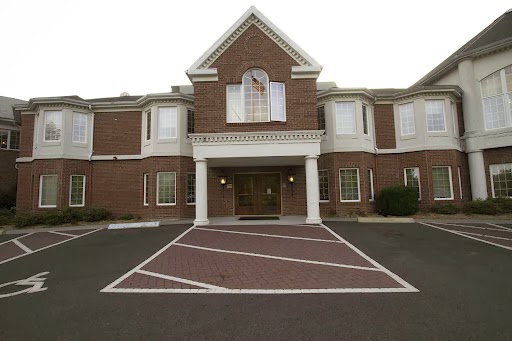
Who Owns and Operates Aaron Manor Nursing & Rehabilitation?

AARON MANOR NURSING & REHABILITATION is owned by a for-profit company. For-profit facilities operate as businesses with obligations to shareholders or private owners. The facility is operated by RYDERS HEALTH MANAGEMENT, a chain that manages multiple nursing homes. With 60 certified beds and approximately 55 residents (about 92% occupancy), it is a smaller facility located in CHESTER, Connecticut.

How Does Aaron Manor Nursing & Rehabilitation Compare to Other Connecticut Nursing Homes?

Compared to the 100 nursing homes in Connecticut, AARON MANOR NURSING & REHABILITATION's overall rating (2 stars) is below the state average of 3.0, staff turnover (52%) is near the state average of 46%, and health inspection rating (2 stars) is below the national benchmark.

What Should Families Ask When Visiting Aaron Manor Nursing & Rehabilitation?

Based on this facility's data, families visiting should ask: "Can I visit during a mealtime to observe dining assistance and food quality?" "How do you handle medical emergencies, and what is your hospital transfer rate?" "Can I speak with family members of current residents about their experience?"

Is Aaron Manor Nursing & Rehabilitation Safe?

Based on CMS inspection data, AARON MANOR NURSING & REHABILITATION has a clean safety record: no substantiated abuse findings (meaning no confirmed cases of resident harm), no Immediate Jeopardy citations (the most serious violation level indicating risk of serious injury or death), and is not on the Special Focus Facility watch list (a federal program monitoring the lowest-performing 1% of nursing homes). The facility has a 2-star overall rating and ranks #100 of 100 nursing homes in Connecticut. While no facility is perfect, families should still ask about staff-to-resident ratios and recent inspection results during their visit.

Do Nurses at Aaron Manor Nursing & Rehabilitation Stick Around?

AARON MANOR NURSING & REHABILITATION has a staff turnover rate of 52%, which is 6 percentage points above the Connecticut average of 46%. Moderate turnover is common in nursing homes, but families should still ask about staff tenure and how the facility maintains care continuity when employees leave.

Was Aaron Manor Nursing & Rehabilitation Ever Fined?

AARON MANOR NURSING & REHABILITATION has been fined $20,872 across 2 penalty actions. This is below the Connecticut average of $33,288. While any fine indicates a compliance issue, fines under $50,000 are relatively common and typically reflect isolated problems that were subsequently corrected. Families should ask what specific issues led to these fines and confirm they've been resolved.

Is Aaron Manor Nursing & Rehabilitation on Any Federal Watch List?

AARON MANOR NURSING & REHABILITATION is not on any federal watch list. The most significant is the Special Focus Facility (SFF) program, which identifies the bottom 1% of nursing homes nationally based on persistent, serious quality problems. Not being on this list means the facility has avoided the pattern of deficiencies that triggers enhanced federal oversight. This is a positive indicator, though families should still review the facility's inspection history directly.