AUTUMN LAKE HEALTHCARE AT GLEN HILL
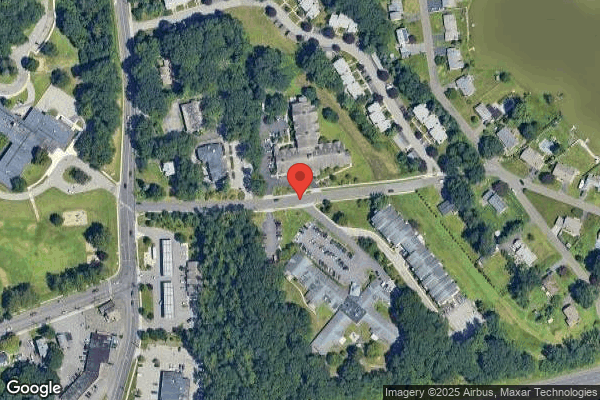
1 GLEN HILL RD, DANBURY, CT 06811 (203) 744-2840
For profit - Individual 100 Beds AUTUMN LAKE HEALTHCARE Data: November 2025
Trust Grade
70/100
#51 of 192 in CT
Last Inspection: June 2025

Inspected within the last 6 months. Data reflects current conditions.

Overview

Autumn Lake Healthcare at Glen Hill has a Trust Grade of B, indicating it is a good choice among nursing homes. It ranks #51 out of 192 facilities in Connecticut, placing it in the top half, and #7 out of 20 in Western Connecticut County, meaning only six local options are better. The facility shows an improving trend, with issues decreasing from 18 in 2023 to 10 in 2025. Staffing is a concern, rated 2 out of 5 stars, and though the turnover rate is at 38%, it is on par with the state average. While there are no fines on record, which is a positive sign, there have been recent incidents that raise concerns about food safety and the dining environment. For instance, meals were served near an open garbage can, posing a sanitation risk, and the dining area was cluttered with unrelated items like medication carts and iPad chargers. Additionally, the facility failed to consistently provide meals according to the posted menu, leading to confusion among residents. Overall, while there are strengths such as a good Trust Grade and improving trend, families should weigh these issues when considering this facility for their loved ones.

Trust Score
B
70/100
In Connecticut
#51/192
Top 26%
Safety Record
Low Risk
No red flags
Inspections
Getting Better
18 → 10 violations
Staff Stability
○ Average
38% turnover. Near Connecticut's 48% average. Typical for the industry.
Penalties
✓ Good
No fines on record. Clean compliance history, better than most Connecticut facilities.
Skilled Nurses
○ Average
Each resident gets 40 minutes of Registered Nurse (RN) attention daily — about average for Connecticut. RNs are the most trained staff who monitor for health changes.
Violations
⚠ Watch
31 deficiencies on record. Higher than average. Multiple issues found across inspections.
★★★★☆
4.0
Overall Rating
★★☆☆☆
2.0
Staff Levels
★★★★★
5.0
Care Quality
★★★☆☆
3.0
Inspection Score
Stable
2023: 18 issues
2025: 10 issues

The Good

  • 5-Star Quality Measures · Strong clinical quality outcomes
  • Full Sprinkler Coverage · Fire safety systems throughout facility
  • No fines on record
  • Staff turnover below average (38%)

    10 points below Connecticut average of 48%

Facility shows strength in quality measures, fire safety.

The Bad

Staff Turnover: 38%

Near Connecticut avg (46%)

Typical for the industry

Chain: AUTUMN LAKE HEALTHCARE

Part of a multi-facility chain

Ask about local staffing decisions and management

The Ugly 31 deficiencies on record

Jun 2025 10 deficiencies
CONCERN (D)

Potential for Harm - no one hurt, but risky conditions existed

Resident Rights (Tag F0550)

Could have caused harm · This affected 1 resident

**NOTE- TERMS IN BRACKETS HAVE BEEN EDITED TO PROTECT CONFIDENTIALITY** Based on observations, review of clinical records, facility policy and interviews for 2 of 2 residents reviewed for dignity (Res...

Read full inspector narrative →
**NOTE- TERMS IN BRACKETS HAVE BEEN EDITED TO PROTECT CONFIDENTIALITY** Based on observations, review of clinical records, facility policy and interviews for 2 of 2 residents reviewed for dignity (Resident # 41 and Resident # 71). The facility failed to ensure the residents were served lunch at the same time. The findings include: 1. Resident # 71 diagnoses included Alzheimer's disease, dysphagia and type 2 diabetes mellitus. The annual Minimum Data Set (MDS) assessment dated [DATE] identified Resident #71 as severally cognitively impaired with a Brief Interview for Mental Status (BIMS) score of 3 and was independent with eating. The Resident Care Plan (RCP) dated 4/10/25 identified potential nutritional risk as an area of concern. Interventions included: to provide a ground diet as ordered, encourage fluids, honor food preferences for meals, monitor intake of all meals and offer alternatives as needed, and report any declines and inability to self-feed. The physician's orders dated 6/1/25 directed to provide regular diet with ground texture, allow ice cream, soft breads, cakes, cookies and soft salad sandwiches upon requests, extra sauce, eat in view of staff. Allow regular food when brought in from home by family with supervision. Provided house supplement with breakfast, lunch and supper. Observations on 6/4/25 Resident #71 was sitting in the lounge area on Nature Way at 11:30AM waiting for lunch to be served. Resident #24 who usually eats in the main dining room was eating in the lounge area. Resident #24 received his/her tray at 11:45AM. Resident #71 along with Resident #41 sat at the dining table watching Resident #24 eat his/her meal. Resident # 71's meal was bought at 1:05PM (1 hour and 50 minutes after Resident #24). 2. Resident #41's diagnoses included dementia, dysphagia and type 2 diabetes mellitus. The quarterly Minimum Data Set (MDS) assessment dated [DATE] identified Resident #41 as moderately cognitively impaired with a Brief Interview for Mental Status score of 9 and was independent with eating. The Resident Care Plan dated 4/30/25 identified nutritional risk as an area of concern. Interventions included supplements as ordered, fortified pudding with lunch and dinner, provide proper consistency of diet solids as ordered by speech therapy-may give pureed fruits, honor food preferences with no fish and eggs and offer alternative food choices as needed. The physician's orders dated 6/1/25 directed to provide ground texture with regular consistency, provide pureed fruit, no fish, no eggs, no carrots, no rice, no watermelon, allow bananas and regular snacks with no nuts or hard candy. Provide potatoes with gravy, provide cup of gravy with sauce on the side, reserve drinks for the end of the meal and magic cup with all three meals. Administer Lantus Solostar insulin 10 units subcutaneously (under the skin) once a day, Metformin 500 milligrams (mg) 2 tabs twice a day and blood sugar monitoring once a day in the morning. Observations on 6/4/25 Resident #41 was sitting in the lounge area on Nature Way at 12:00AM waiting for lunch to be served. Resident #24 who usually eats in the main dining room was eating in the lounge area. Resident #24 received his/her tray at 11:45AM. Resident #41 along with Resident #71 sat at the dining table watching Resident #24 eat his/her meal. Resident # 41 made a comment to Resident #24 stating I am going to eat your watermelon while you're gone. Resident # 41's meal was brought at 1:05PM (1 hour and 5 minutes after (Resident #24). Interview with the DNS on 6/4/25 at 2:00PM indicated that residents at the same table should be served their meal at the same time. The DNS indicated that the NA or nurse should have obtained the meals for the two residents in order for all three residents to have their meal at the same time. Interview with Nurse Aide ( NA #6) on 6/5/25 at 10:30AM indicated Resident #24 recently returned from the hospital and he/she normally eats in the main dining area but had been eating on the unit since his/her return. NA #6 stated that kitchen staff brought Resident #24's tray at 11:30 to the unit as this is the time the main dining room serves lunch. NA #6 indicated that all residents at a table should be served their meal at the same time and it was not normal practice for residents to watch others eat for that length of time. NA #6 stated she should have obtained Resident #71 and #41 a snack or went and got their trays. NA #6 indicated she let the kitchen staff know at 1:00PM that Residents #71 and #41 still did not have lunch at 1:00PM. NA #6 was informed that the trays were being brought to the unit and the trays arrived at 1:05PM. Review of Resident Rights policy directed, in part that all residents have the right to be treated with dignity and respect and to have a safe and homelike environment. Although requested, a facility policy on dining was not provided.
CONCERN (D)

Potential for Harm - no one hurt, but risky conditions existed

Abuse Prevention Policies (Tag F0607)

Could have caused harm · This affected 1 resident

**NOTE- TERMS IN BRACKETS HAVE BEEN EDITED TO PROTECT CONFIDENTIALITY** Based on review of the clinical record, facility documentation, interviews and facility policy for 1 of 3 residents (Resident #2...

Read full inspector narrative →
**NOTE- TERMS IN BRACKETS HAVE BEEN EDITED TO PROTECT CONFIDENTIALITY** Based on review of the clinical record, facility documentation, interviews and facility policy for 1 of 3 residents (Resident #25) reviewed for abuse, the facility failed to conduct a thorough investigation regarding an allegation of injury of unknown origin. The findings include: Resident #25's diagnoses included dementia, involuntary movements and age-related osteoarthritis. The quarterly Minimum Data Set (MDS) assessment dated [DATE] identified Resident #25 as severely cognitively impaired and unable to participate in Brief Interview for Mental Status (BIMS) and noted totally dependent on staff for personal hygiene, transfers, toileting and bed mobility. The Resident Care Plan dated 1/25/24 identified Resident #25 as being dependent for activities of daily living as an area on concerns. Interventions included: to provide assist of 2 staff members for bed mobility, ¼ siderails to assist with bed mobility and positioning, provide cueing for safety and sequencing to maximize current level of functioning and monitor for fatigue and adjust ADL tasks accordingly. The physician's orders dated 2/1/25 directed to administer valium (muscle relaxer) 2 Milligrams(MG) two times a day via feeding tube for jerky movements, [NAME] Calcium 500 mg one tab once a day via feeding tube for fractures, Cholacalferol 1000 unit tab once a day via feeding tube for fractures, padded ¼ siderails used for positioning and enabler for turning, and splint to left arm every shift, remove daily when providing care. A Reportable Event submitted to the state agency indicated Resident #25 sustained an injury of unknown origin to his/her left thumb. At 7:00AM on 3/29/24 Resident #25 was noted with a slightly swollen red left thumb. The physician and responsible party were notified, and an order was obtained for an x-ray to Resident #25's left thumb at the facility. The x-ray to left thumb was completed at the facility at 9:20AM on 3/29/25 which revealed 1st left proximal phalanx fracture with mild displacement with soft tissue swelling. Resident #25 remained at the facility per responsible party request with stabilization utilizing a left thumb splint. The Director of Nursing Services (DNS) initiated an investigation on 3/29/25 to determine the possible cause of the fracture left thumb and rule out abuse. The statements obtained from nurse aides and licensed staff failed to identify the 2 nurse aides that provided care to Resident #25 on 3/28/25 on the 7-3 PM, 3-11 PM, and 11-7 AM shift. In addition, the statement obtained from Nurse Aide (NA #8) who provided care to Resident #25 on the 7-3 PM shift on 3/26/25 and 3/27/25 failed to identify who the 2nd staff member that helped with Resident #25's care. All the statements lacked any information regarding how care was provided to Resident #25 or if there was any unusual occurrence during care. A phone interview with Registered (RN #6) on 6/9/25 at 9:59AM identified she was the RN in the facility on 3/28/24 on the 3-11 PM shift. RN #6 indicated that she did not notice any injury to Resident #25's left thumb that evening. Additionally, RN #6 could not recall who provided care to Resident #25 on 3-11 PM shift on 3/28/25 or if 2 staff members helped Resident #25 per plan of care. RN #6 stated that she wrote a statement for the DNS but no one from the facility spoke to her directly regarding the investigation or requested any clarifications regarding her written statement. An interview and review of the investigation with the DNS on 6/5/25 at 10:30AM identified she was unable to identify who provided care for the resident on 3/28/24. The DNS stated that she was responsible for conducting the investigation and ensuring the investigation was complete. Furthermore, the DNS stated that the investigation for abuse/injury of unknown origin was incomplete, and she was new at the time and just learning. The DNS stated that the investigation was lacking on the cause of injury. A review of Resident Care flowsheets on 6/5/25 identified that NA #9 provided care for Resident #25 on the 3-11 PM shift on 3/28/24 and NA #10 provided care for Resident #25 on the 11-7 AM shift. An attempt to contact NA #10 who is no longer an employee of the facility, on 6/6/25 at 10:30AM, was unsuccessful. An interview with NA # 9 on 6/6/25 at 2:00PM identified she worked on 3/28/24 on the 3-11 PM shift and worked on a split assignment but she could not recall if she provided care for Resident #25 that evening. A second interview with the DNS on 6/9/25 at 11:55AM identified she concluded that 2 people did not help Resident #25 on 3/28/25 because she had witnessed NA #8 providing care to Resident #25 alone on 3/29/24 in the morning. The DNS indicated that verbal and written education was immediately initiated on 3/29/24 with the nurse aides to ensure Resident #25 is in proper body alignment and the plan of care is followed for 2-person assistance. An interview with Advanced Practice Registered Nurse (APRN #1) on 6/9/25 at 12:15PM indicated Resident #25 fractured thumb was most likely pathological in nature. APRN #1 also indicated Resident #25 has jerky movements of his/her extremities which may have contributed to the injury to his/her thumb. A review of Resident #25's clinical record on 6/9/25 identified that APRN #1 had given Resident #25 a diagnosis of age-related osteoporosis with current pathological fracture on 4/2/24. An interview with the Medical Director on 6/11/25 at 9:00AM identified the diagnosis of pathological fracture for Resident #25 was incorrect and he would need to speak to APRN #1 regarding incorrect diagnosis. He stated that Resident #25 had an osteopenia fracture which can result from minor trauma. He indicated Resident #25 had previous fractures related to mild trauma due to osteopenia. In addition, Resident #25 has diagnosis of involuntary movements. A re-read of Resident #25's x-ray on 6/13/25 was conducted by a second radiologist from the same vendor. The x-ray results for Resident #25's left thumb revealed there was a fracture of the proximal phalanx, as reported. Diffuse bone demineralization is noted. There is no evidence that this is a pathological fracture. A review of the facility Abuse policy, directed, in part, notes the facility is to provide protection for the health, welfare and rights of all residents with written policies and procedures that prohibit and prevent abuse. A possible indicator of abuse is physical injury of a resident of an unknown source. An immediate investigation is warranted when there is suspicion of abuse. Identifying and interviewing all involved people, including alleged victims, alleged perpetrators, witnesses and others who might have knowledge, focusing on determining if abuse has occurred. Providing complete and thorough documentation of the investigation.
CONCERN (D)

Potential for Harm - no one hurt, but risky conditions existed

Comprehensive Care Plan (Tag F0656)

Could have caused harm · This affected 1 resident

**NOTE- TERMS IN BRACKETS HAVE BEEN EDITED TO PROTECT CONFIDENTIALITY** Based on review of the clinical record reviews, facility policy and interviews for 1 of 3 residents (Resident #25) reviewed for ...

Read full inspector narrative →
**NOTE- TERMS IN BRACKETS HAVE BEEN EDITED TO PROTECT CONFIDENTIALITY** Based on review of the clinical record reviews, facility policy and interviews for 1 of 3 residents (Resident #25) reviewed for abuse, the facility failed to ensure the plan of care for assistance of 2 staff members for all care provided was followed and for the only sampled resident ( Resident #46), the facility failed to develop a comprehensive plan of care to address the residents respiratory and sensory needs. The findings included: 1.Resident #25's diagnoses included dementia, involuntary movements and age-related osteoarthritis. The quarterly Minimum Data Set (MDS) assessment dated [DATE] identified Resident #25 as severely cognitively impaired and unable to participate in Brief Interview for Mental Status (BIMS) and was totally dependent on staff for personal hygiene, transfers, toileting and bed mobility. The Resident Care Plan dated 1/25/24 identified Resident #25 as being dependent for activities of daily living as an area on concerns. Interventions included: to provide assist of 2 staff members for bed mobility, ¼ siderails to assist with bed mobility and positioning, provide cueing for safety and sequencing to maximize current level of functioning and monitor for fatigue and adjust ADL tasks accordingly. The physician's orders dated 2/1/25 directed to administer valium (muscle relaxer) 2 milligrams (mg) two times a day via feeding tube for jerky movements, [NAME] Calcium 500 mg one tab once a day via feeding tube for fractures, Cholacalferol 1000 unit tab once a day via feeding tube for fractures, padded ¼ siderails used for positioning and enabler for turning, and splint to left arm every shift, remove for daily when providing care. A review of Resident #25's care card on 6/9/25 (directs NA to provide care) revealed Resident #25 required assistance of 2 staff for bed mobility. An interview with the DNS on 6/9/25 at 11:55AM identified she was investigating injury of unknown origin of a fractured left thumb to Resident #25 left hand. DNS indicated she was in the initial stages of her investigation. She proceeded to observe and assess Resident # 25's left thumb in the AM on 3/29/25. The DNS stated upon entering the room she witnessed NA #8 providing care to Resident #25 in bed without the assistance of another staff member per individualized plan of care. She further indicated based on this observation Resident #25 may have sustained the injury to his/her thumb prior because assistance of 2 staff members may not have been providing care. The DNS indicated that education was immediately initiated with NA #8 and the rest of NA staff regarding assistance of 2 staff members for care for Resident #25. An interview with NA #8 on 6/9/25 at 2:00PM identified NA #8 was providing care to Resident #25 in bed without the assistance of another staff member on 3/29/24. NA #8 indicated that she was the primary NA for Resident #25 during the day. She was aware that Resident #25 required the assistance of 2 staff members for care. She also stated that she thought she would be able to provide care to Resident #25 alone but realizes now that she should have obtained assistance by the plan of care plan. NA #8 indicated she was made aware in the AM of 3/29/25t Resident #25 had an injury to his/her thumb but still proceeded to provide care without assistance. NA #8 stated that the DNS observed her providing care on 3/29/25 to Resident #25 alone and she was immediately educated that Resident #25 required assistance of 2 staff members. NA #8 stated that assistance of 2 staff members was present on Resident #25's care card. A review of the Care Plan policy directed, in part, a comprehensive, person-centered care plan includes measurable objectives and timetables to meet the resident's physical, psychosocial needs is developed and maintained for each resident. The residents receive the services and/or items in the care plan to maintain the residents' well-being. Although a policy was requested related to resident care cards, the facility was unable to provide a policy. 2. Resident #46's diagnoses included acute respiratory failure with hypoxia, pneumonia, unspecified organism and insomnia, unspecified. The admission Minimum Data Set (MDS) assessment dated [DATE] identified Resident #46 was cognitively intact and independent for eating, touching assistance for oral hygiene and personal hygiene. a. Review of Resident #46 care plan did not include interventions to address the residents' respiratory care. The Resident care plan failed to identify any behaviors of refusal of care. An interview with the DNS and RN #1 on 6/5/25 at 11:22 AM indicated residents who are on oxygen should have a care plan. The DNS reported that all nursing staff are responsible for ensuring there is a care plan. RN#1 identified this was an oversight that the resident had no interventions for respiratory care. The facility policy labeled Care Plans Comprehensive Person-Centered, not dated, indicated in part; care plan interventions are chosen only after data gathering, proper sequencing of events and consideration of the relationship between the resident's problem areas and their causes. The policy further indicated that the care plan is ongoing and revised as information about the residents and their condition changes. b. Observation on 6/03/25 at 11:31 AM identified Resident #46 with hearing aids. Review of Resident #46 care plan failed to identify interventions for hearing aids. Interview with the DNS and RN #1 on 6/5/25 at 11:22 AM indicated the facility is responsible for the care/ maintenance of the hearing aid therefore a care plan would be implemented. DNS reported that the admission assessment did include the residents who have hearing aids. Interview with Resident #46 on 6/5/25 at 11:38AM indicated he/she had his/her hearing aid since arriving to the facility. Interview with LPN #3 on 6/6/25 10:33 AM indicated information for the MDS is collected through discharge paperwork from the hospital and/or admission assessment. LPN#3 reported I don't usually go up to talk with residents, however, I double checks notes. LPN #3 further indicated she/he believed the notes will help her get information that might be missing from admission assessment. The facility policy labeled Care Plans Comprehensive Person-Centered, not dated, indicated in part; care plan interventions are chosen only after data gathering, proper sequencing of events and consideration of the relationship between the resident's problem areas and their causes. The policy further indicated that the care plan is ongoing and revised as information about the residents and their condition changes.
CONCERN (D)

Potential for Harm - no one hurt, but risky conditions existed

Deficiency F0657 (Tag F0657)

Could have caused harm · This affected 1 resident

**NOTE- TERMS IN BRACKETS HAVE BEEN EDITED TO PROTECT CONFIDENTIALITY** Based on review of the clinical record interview and facility policy and interviews for the only residents (Resident # 50) revie...

Read full inspector narrative →
**NOTE- TERMS IN BRACKETS HAVE BEEN EDITED TO PROTECT CONFIDENTIALITY** Based on review of the clinical record interview and facility policy and interviews for the only residents (Resident # 50) reviewed for bladder and bowel incontinence, the facility failed to ensure staff revised the care plan to reflect the current resident status. The findings include: Resident #50's diagnosis included overactive bladder, urge incontinence and Congestive Heart Failure (CHF). The admission Minimum Data Set (MDS) assessment dated [DATE] indicated in part Resident #50 was cognitively intact and required substantial assistance with toileting, used a wheelchair and had a functional limitation with range of motion of one lower extremity. The MDS further indicated Resident #50 was frequently incontinent of urine and always incontinent of bowel, no trial of a toileting program (scheduled toileting, prompted voiding or bladder training and no toileting program was being used to manage the bowel incontinence. The care plan initiated 4/3/2024 indicated Resident #50 was incontinent of bowel and bladder and was unable to cognitively or physically participate in a retraining program due to impaired mobility. Interventions included to assist with perineal care as needed, complete an incontinence assessment at intervals according to policy and procedure, monitor for signs of infection and skin redness and use multi-void disposable briefs. On 4/22/2025 an additional intervention was added to the care plan to check and change Resident #50 and to provide care as needed. A physician order dated 5/22/2024 directed to provide MiraLAX Powder 17 grams mixed in 4-8 ounces of fluid if no bowel movement in the past 72 hours. A physician order dated 7/23/2024 directed to provide Lasix (a diuretic) 60 mg tablet once daily for CHF. A Urology visit note dated 9/10/2024 indicated Resident #50 had a history of bladder cancer and advised timed toileting, limiting nighttime fluids and avoiding other irritants. The quarterly Bowel & Bladder Program Screener dated 10/1/2024 was completed indicating Resident #50 was a Good Candidate for retraining. A physician order dated 12/2/2024 directed to provide MiraLAX Powder 17 grams by mouth for constipation and to hold for loose stools. The quarterly Bowel and Bladder Screener dated 1/1/2025 was completed and indicated Resident #50 was a good candidate for Schedule toileting (timed voiding). The quarterly Bowel and Bladder Screener dated 3/14/202 indicated Resident #50 was a Candidate for Schedule toileting (timed voiding). The urology visit note dated 3/25/2025 directed Resident # 50 to start Myrbetriq extended-release tablet (24 hour) one 50 mg tablet once daily for overactive bladder. The urologist also advised timed toileting, limiting nighttime fluids, avoiding caffeine and other irritants and warned the diuretic would likely exacerbate the frequency of urination and incontinence. Resident #50 started the Myrbetriq per physician's order on 3/27/2025. The quarterly MDS assessment dated [DATE] indicated Resident #50 was cognitively intact and always incontinent of bowel and bladder, required substantial assistance with toileting, dependent for transfer, used a wheelchair and had a functional limitation of range of motion of one lower extremity. The MDS further indicated Resident #50, had no trial of a toileting program (scheduled toileting, prompted voiding or bladder training) and no toileting program was being used to manage the bowel incontinence. The quarterly Bowel and Bladder Screener dated 5/14/202 indicated Resident #50 was a Candidate for Scheduled toileting (timed voiding). On 6/9/2025 at 12:22 PM an interview and record review with the Director of Nursing Services (DNS) indicated Resident #50 had always been cognitively intact although the care plan initiated on 4/03/2024 indicated Resident #50 was unable to cognitively participate in a retraining program due to impaired mobility. The DNS further indicated Resident # 50 had bowel and bladder incontinence, Bowel and Bladder Incontinent Screens had all indicated Resident #50 was a candidate for retraining, the Urologist advised timed toileting on 2 consults and indicated she/he would have expected nursing staff to have informed the team of the results of the Bladder and Bowel Screens so Resident #50 could have trialed a toileting program using the bed pan and Resident #50 interviewed regarding his/her wishes and the care plan updated. The facility policy labeled Care Plans Comprehensive Person-Centered, not dated, indicated in part care plan interventions are chosen only after data gathering, proper sequencing of events and consideration of the relationship between the resident's problem areas and their causes. The policy further indicated the care plan is ongoing and revised as information about the residents and their condition changes as well as with significant change in condition, the desired outcome is not met, when readmitted to the facility from a hospital stay and at least quarterly in conjunction with the MDS.
CONCERN (D)

Potential for Harm - no one hurt, but risky conditions existed

ADL Care (Tag F0677)

Could have caused harm · This affected 1 resident

**NOTE- TERMS IN BRACKETS HAVE BEEN EDITED TO PROTECT CONFIDENTIALITY** Based on clinical record review, review of policy and staff interviews for 1 of 2 residents (Resident # 13) reviewed for ADL, th...

Read full inspector narrative →
**NOTE- TERMS IN BRACKETS HAVE BEEN EDITED TO PROTECT CONFIDENTIALITY** Based on clinical record review, review of policy and staff interviews for 1 of 2 residents (Resident # 13) reviewed for ADL, the facility failed to ensure a resident received incontinence care promptly. The findings include: Resident #13 was admitted on [DATE] with diagnoses that included chronic obstructive pulmonary disease and heart disease. The admission MDS assessment dated [DATE] identified Resident #13 was cognitively intact, required partial/moderate assistance for toileting hygiene, and was frequently incontinent of the bladder. On 6/3/2025 at 1:49 PM, an interview with Resident #13 identified two weeks prior, the resident had to wait about 2 hours to get changed after an incontinence episode. Resident #13 indicated that although there were two male aides available, the resident preferred a female to help him/her with incontinence care. Resident #13 indicated she/he spoke to a female nurse and a female supervisor but was told to wait for the female aide to become available. On 6/4/2025 at 2:33 PM, an interview with NA #2 identified Resident #13 preferred females to provide toileting care. NA #2 indicated that if the resident were assigned a male aide, then an adjustment in the assignment would be made to accommodate the resident's preferences. On 6/5/2025 at 10:57 AM, an interview with NA# 3 identified on 5/23/2025, in the evening shift, he was assigned to take care of Resident #13. NA#13 indicated he answered the resident's call bell, and the resident requested to be changed. NA #3 indicated he offered to help Resident #13 get cleaned, but Resident #13 indicated she/he preferred a female for help with toileting. NA #13 indicated that he told Resident #13 that she/he would have to wait for the female aide on the floor (NA #4) to be free since she had to finish her assignment first and then notified LPN #1. NA #3 further indicated Resident #13 was eventually provided incontinence care by NA #4 about 1 hour or 1 hour and 15 minutes after the resident initially rang for help. On 6/5/2025 at 11:30 AM, an interview with LPN #1 identified on 5/23/2025, there were two male aides and one female aide working on the unit, and she indicated that she notified the nursing supervisor (RN #2) that the floor had several female residents that preferred a female aide and having two male aides would make the assignments challenging. LPN #1 indicated that she did not have an opportunity to offer toileting to Resident #13 because she was busy administering medications, helping another resident who was falling from their chair, answering phone calls, and speaking to providers. LPN #2 indicated that she informed Resident #13 that a female aide would be provided to help with their toileting care. LPN #2 also indicated there was another female nurse on the floor and that nurse was busy with her assignment and could not offer help. LPN #1 further indicated that NA #4 eventually provided incontinence care to Resident #13, and assignments were changed so that NA #4 would be Resident #13's NA for the rest of the shift. LPN #1 indicated Resident # 13 waited about an hour for care. An attempt to interview NA #4 and RN #2 was unsuccessful. On 6/5/2025 at 12:52 PM, an interview with the DNS indicated she was not aware Resident #13 had to wait an hour for care on 5/23/2025 and further indicated LPN #1 was hands-on and helped the NAs with resident care. The DNS indicated that she was aware Resident #13 preferred a female for toileting and has care planned the preference in the resident's medical record. A care plan revised on 5/29/2025 indicated that Resident #13 had functional performance limitations related to recent hospitalization and illness. Interventions included providing one-person physical assistance for personal hygiene and no male caregivers.
CONCERN (D)

Potential for Harm - no one hurt, but risky conditions existed

Incontinence Care (Tag F0690)

Could have caused harm · This affected 1 resident

**NOTE- TERMS IN BRACKETS HAVE BEEN EDITED TO PROTECT CONFIDENTIALITY** Based on review of the clinical record interview and facility policy and interviews for the only residents (Resident # 50) revie...

Read full inspector narrative →
**NOTE- TERMS IN BRACKETS HAVE BEEN EDITED TO PROTECT CONFIDENTIALITY** Based on review of the clinical record interview and facility policy and interviews for the only residents (Resident # 50) reviewed for bladder and bowel incontinence, the facility failed to ensure attempts were made to restore the residents bladder. The findings include: Resident #50's diagnosis included overactive bladder, urge incontinence and Congestive Heart Failure (CHF). The admission Minimum Data Set (MDS) assessment dated [DATE] indicated in part Resident #50 was cognitively intact and required substantial assistance with toileting, used a wheelchair and had a functional limitation with range of motion of one lower extremity. The MDS further indicated Resident #50 was frequently incontinent of urine and always incontinent of bowel, no trial of a toileting program (scheduled toileting, prompted voiding or bladder training and no toileting program was being used to manage the bowel incontinence. The care plan initiated 4/3/2024 indicated Resident #50 was incontinent of bowel and bladder and was unable to cognitively or physically participate in a retraining program due to impaired mobility. Interventions included to assist with perineal care as needed, complete an incontinence assessment at intervals according to policy and procedure, monitor for signs of infection and skin redness and use multi-void disposable briefs. On 4/22/2025 an additional intervention was added to the care plan to check and change Resident #50 and to provide care as needed. A physician order dated 5/22/2024 directed to provide MiraLAX Powder 17 grams mixed in 4-8 ounces of fluid if no bowel movement in the past 72 hours. A physician order dated 7/23/2024 directed to provide Lasix (a diuretic) 60 mg tablet once daily for CHF. A Urology visit note dated 9/10/2024 indicated Resident #50 had a history of bladder cancer and advised timed toileting, limiting nighttime fluids and avoiding other irritants. The quarterly Bowel & Bladder Program Screener dated 10/1/2024 was completed indicating Resident #50 was a Good Candidate for retraining. A physician order dated 12/2/2024 directed to provide MiraLAX Powder 17 grams by mouth for constipation and to hold for loose stools. The quarterly Bowel and Bladder Screener dated 1/1/2025 was completed and indicated Resident #50 was a good candidate for Schedule toileting (timed voiding). The quarterly Bowel and Bladder Screener dated 3/14/202 indicated Resident #50 was a Candidate for Schedule toileting (timed voiding). The urology visit note dated 3/25/2025 directed Resident # 50 to start Myrbetriq extended-release tablet (24 hour) one 50 mg tablet once daily for overactive bladder. The urologist also advised timed toileting, limiting nighttime fluids, avoiding caffeine and other irritants and warned the diuretic would likely exacerbate the frequency of urination and incontinence. Resident #50 started the Myrbetriq per physician's order on 3/27/2025. The quarterly MDS assessment dated [DATE] indicated Resident #50 was cognitively intact and always incontinent of bowel and bladder, required substantial assistance with toileting, dependent for transfer, used a wheelchair and had a functional limitation of range of motion of one lower extremity. The MDS further indicated Resident #50, had no trial of a toileting program (scheduled toileting, prompted voiding or bladder training) and no toileting program was being used to manage the bowel incontinence. The quarterly Bowel and Bladder Screener dated 5/14/202 indicated Resident #50 was a Candidate for Scheduled toileting (timed voiding). On 6/9/2025 at 12:22 PM an interview and record review with the Director of Nursing Services (DNS) indicated Resident # 50 had bowel and bladder incontinence, Bowel and Bladder Incontinent Screens had all indicated Resident #50 was a candidate for retraining, the Urologist advised timed toileting on 2 consults and indicated she/he would have expected nursing staff to have informed the team of the results of the Bladder and Bowel Screens so Resident #50 could have trialed a toileting program using the bed pan. The facility policy labeled Bowel and Bladder Policy indicated in part, a bowel and bladder assessment should be completed admission, readmission, quarterly and with any change in condition that may affect bowel and bladder continence. Assessment of a resident's appropriateness to participate in bowel and bladder continence maintenance include nursing staff therapy and physician services, the resident must possess the ability to comprehend educational efforts and follow through to identify the urge to void.
CONCERN (D)

Potential for Harm - no one hurt, but risky conditions existed

Respiratory Care (Tag F0695)

Could have caused harm · This affected 1 resident

**NOTE- TERMS IN BRACKETS HAVE BEEN EDITED TO PROTECT CONFIDENTIALITY** Based on clinical record review, observation, facility policy and interviews for the only sampled resident (Resident #46) review...

Read full inspector narrative →
**NOTE- TERMS IN BRACKETS HAVE BEEN EDITED TO PROTECT CONFIDENTIALITY** Based on clinical record review, observation, facility policy and interviews for the only sampled resident (Resident #46) reviewed for Respiratory care, the facility failed to ensure oxygen physician's order were current. The findings include: Resident #46's diagnoses included acute respiratory failure with hypoxia, pneumonia, unspecified organism and insomnia, unspecified. The admission Minimum Data Set assessment dated [DATE] identified Resident #46 was cognitively intact and independent for eating, touching assistance for oral hygiene and personal hygiene. Review of Resident #46 care plan did not include interventions for respiratory care. The Resident care plan did not identify any behaviors of refusal of care. A physician's order dated 5/16/25 directed, Oxygen at 1 Liter per minute via Nasal Cannula continuously. The nurse's note from 5/28/25 through 6/5/25 did not indicate any refusal of treatment. Observation on 6/03/25 at 11:31 AM of Resident # 46 being assisted back to his/her room identified no oxygen attached. Additional observation of the oxygen machine in residents' rooms identified no oxygen in use. Interview with Resident#46 indicated she has not received oxygen today. Person #1 indicated he/she was not sure why Resident #46 has oxygen in the room. Observation on 6/04/ 25 at 10:31AM of Resident #46 in the room with no oxygen on. Resident #46 identified although the oxygen machine is in the room she has not been on it for some time. Interview with LPN #1 on 6/4/25 at 10:33 AM indicated the resident was titrated off his/her oxygen last week and she/he is unsure why the physician's orders have not been updated. LPN #1 further indicated the nursing staff is responsible for ensuring physician's orders are accurate and given as ordered. The interview with DNS on 6/5/25 at 11:22 AM indicated if there are changes to resident's physicians ordered the expectation is that physician's orders are updated right away to reflect changes. The DNS could not explain why Resident #46 was not receiving oxygen as ordered or why the physician's orders were not updated to reflect current orders. After inquiry, a physician's order dated 6/4/25 directed Oxygen at 0-2 Liter per minute via Nasal Cannula as needed for oxygen saturation of less than 90.
CONCERN (D)

Potential for Harm - no one hurt, but risky conditions existed

Infection Control (Tag F0880)

Could have caused harm · This affected 1 resident

**NOTE- TERMS IN BRACKETS HAVE BEEN EDITED TO PROTECT CONFIDENTIALITY** Based on observations, review of the clinical record, facility documentation, facility policy and interviews for the only sample...

Read full inspector narrative →
**NOTE- TERMS IN BRACKETS HAVE BEEN EDITED TO PROTECT CONFIDENTIALITY** Based on observations, review of the clinical record, facility documentation, facility policy and interviews for the only sampled resident (Resident #48) reviewed for foley catheters, the facility failed to ensure the foley catheter drainage bag was not touching the floor when in wheelchair. The findings included: Resident #48's diagnoses included congenital stricture of urethra, obstructive and reflex uropathy and urinary retention. The quarterly Minimum Data Set (MDS) assessment dated [DATE] identified Resident #48 was moderately cognitively impaired with a Brief Interview for Mental Status (BIMS) score of 9 indicating the resident required moderate assistance for personal hygiene, dressing, transfers, utilizing a wheelchair for mobility and had an indwelling suprapubic urinary catheter (empties urine directly from the bladder from an opening in the abdomen). The Resident Care Plan dated 3/7/25 identified suprapubic catheter related to urinary retention as an area of concern. Interventions included: to change catheter per urology orders, check tubing for kinks every shift, position tubing and bag below the level of the bladder and away from entrance room door and change the indwelling catheter if exhibiting urinary drainage obstruction, signs and symptoms of infection and when the closed system is compromised. A physician's order dated 5/21/25 directed to change suprapubic tube monthly and as needed if occluded or leakage, empty suprapubic bag at least once a shift and enhance barrier precaution related to suprapubic catheter. Observations on 6/3/25 at 1:00PM identified the foley catheter drainage bag attached to the back of Resident #48's wheelchair (w/c) and was dragging on the floor when his/her wheelchair was being pushed from bedroom into the lounging area on the unit. On 6/4/25 at 10:05AM and 2:00PM, and 6/5/25 at 12:00PM, Resident #48's foley catheter drainage bag was attached to the back of his/her wheelchair. The foley drainage bag was not suspended and was touching the floor. Interview with RN #4, the Infection Control Preventionist on 6/6/25 at 10:56AM identified foley catheter drainage bags should be covered and not dragging or touching the floor. RN #4 was unsure if the policy on urinary catheters addresses foley catheter drainage bags touching the floor but indicated it was an infection control standard of practice. Furthermore, RN #4 indicated whoever provides care to a resident with a urinary catheter drainage bag is responsible for ensuring the drainage bag is not touching or dragging on the floor and the nurse should be periodically checking throughout the shift. RN #4 indicated after this concern was brought to her attention, she observed Resident #48's foley drainage bag touching the floor when he/she was in the wheelchair. After the surveyor inquiry, RN #4 made a referral to therapy regarding Resident #48's wheelchair. Therapy applied zip ties to back of wheelchair to ensure drainage bag is off the floor and RN #4 replaced the drainage bag with one that was short in length. In addition, RN #4 updated Resident #48's care plan with the above interventions. The facility Catheter Care, Urinary policy, directed, in part, maintain clean technique when handling or manipulating the catheter, tubing or drainage bag. Be sure the catheter tubing and drainage bag are kept off the floor.
CONCERN (E)

Potential for Harm - no one hurt, but risky conditions existed

Food Safety (Tag F0812)

Could have caused harm · This affected multiple residents

Based on observations of kitchen, facility policy and interview, the facility failed to ensure food was served in safe and sanitary conditions. The findings include: An observation of the noon meal pl...

Read full inspector narrative →
Based on observations of kitchen, facility policy and interview, the facility failed to ensure food was served in safe and sanitary conditions. The findings include: An observation of the noon meal plating service in the kitchen on 6/6/25 at 11:40AM identified an open industrial garbage can with trash filled to the top; opened with no lid to cover the garbage can while food was being plated from the steam table. The garbage can was to the right of the steam table and 15 feet (ft.) away. The garbage can was opened by steam table for a half hour of the serving time of food from the steam table until 12:10PM. An interview with the Dietary Manager on 6/6/25 at 12:00PM identified the garbage can should have been covered and not in proximity to the steam table while food was being plated. The Dietary Manager further indicated that all kitchen staff is responsibility for ensuring garbage cans are removed and covered during meal service. After surveyor inquiry, the Dietary Manger had a dietary aide cover and move the garbage can from the serving area. A review of the Environment Policy directed, in part, all food preparation and food service areas will be maintained in safe and sanitary conditions. All trash containers will be covered in leak proof containers to prevent cross contamination.
MINOR (C)

Minor Issue - procedural, no safety impact

Grievances (Tag F0585)

Minor procedural issue · This affected most or all residents

Based on observation, review of facility policy and interviews, the facility failed to ensure Grievance forms were readily available to residents, family members and visitors and the location of the f...

Read full inspector narrative →
Based on observation, review of facility policy and interviews, the facility failed to ensure Grievance forms were readily available to residents, family members and visitors and the location of the forms. The facility failed to ensure the residents were made aware of the process for filing a grievance. The findings include: On 6/05/2025 at 9:58 AM a meeting with 12 residents who regularly attend the resident council meetings all agreed they were unaware of the grievance process and where the forms were located. An interview and observation on 6/05/25 at 10:38 AM with charge nurse RN #3 indicated the unit does not have any grievance forms. An observation and interview on 6/05/25 at 11:00 AM with Social Worker #1 while walking through the facility, identified no grievance forms located on the units only an empty folder in a file drawer. A policy regarding grievances and complaints was posted high above the State Ombudsman contact form and difficult for those in a wheelchair to see and read. The policy did not provide directions of how to obtain a form or who to contact. SW#1 indicated the policy would be lowered for ease of readability. SW#1 indicated she/he reviewed how to file a grievance with the residents but was unable to provide evidence of such. On 6/09/25 at 1:18 PM SW #1 indicated the posting on the bulletin boards were added and lowered for ease of access and grievance forms were placed in the lobby on a tabletop form holder for all to access if needed. A facility policy labeled Resident and Family Grievances with no date, indicated in part it was the policy of the facility to support each resident's and family's right to voice grievances without discrimination, reprisal or fear of discrimination or reprisal.
May 2023 16 deficiencies
CONCERN (D)

Potential for Harm - no one hurt, but risky conditions existed

Deficiency F0561 (Tag F0561)

Could have caused harm · This affected 1 resident

**NOTE- TERMS IN BRACKETS HAVE BEEN EDITED TO PROTECT CONFIDENTIALITY** Based on observation, review of the clinical record, facility documentation, facility policy and interviews for 1 resident (Resi...

Read full inspector narrative →
**NOTE- TERMS IN BRACKETS HAVE BEEN EDITED TO PROTECT CONFIDENTIALITY** Based on observation, review of the clinical record, facility documentation, facility policy and interviews for 1 resident (Resident #30), reviewed for choices, the facility failed to ensure that the resident's meal preferences were honored. The findings include: Resident #30 was admitted to the facility on [DATE] with diagnoses that included atrial fibrillation, muscle weakness, and diabetes. A physician's order dated 5/4/23 directed Resident #30 be provided a consistent carbohydrate diet. The care plan dated 5/8/23 identified Resident #30 was at nutritional risk due to diabetes and the need for a therapeutic diet. Interventions included honoring Resident #30's food choices within the meal plan, and to offer and encourage food and fluids of choice with preferences on file. The nutritional assessment dated [DATE] identified Resident #30 enjoyed dietary preferences of diet ginger ale, vanilla yogurt, and cold cereal rather than oatmeal. The admission MDS dated [DATE] identified Resident #30 had intact cognition and required staff assistance to set up meals. Interview with Resident #30's on 5/21/23 at 8:18 AM identified that while the meal tickets that comes with the meals reflects the resident choices, the actual food items served often do not match the meal tickets. Resident #30's breakfast tray was also observed at that time, and the items on the meal ticket did not reflect what was provided on the tray. Resident #30's breakfast ticket identified Consistent Carbohydrate order with his/her selected food items which included 2 slices of bacon, one slice of white toast, and vanilla yogurt; however, the breakfast tray delivered was observed to have one slice of bacon, strawberry yogurt (instead of vanilla), and no toast. Resident #30 identified that the discrepancies in his/her selections for meals versus what is provided on the meal trays had been an ongoing issue since his/her admission to the facility. Resident #30 also provided his/her meal tickets from dinner on 5/11/23 and lunch on 5/13/23 and identified on 5/11/23 there were missing items from his/her tray which included croutons for a salad, a dinner roll, and a slice of cake; and on 5/13/23, a brownie was missing from the meal, and a chicken sandwich was delivered instead of a philly cheese steak sandwich, which was Resident #30's preferred meal. Resident #30 identified that he/she did not want a chicken sandwich on 5/13/23, but the meal was just delivered and no one from the facility had ever discussed substitutions or changes, and he/she had never been asked about alternative choices. Interview with the Dietary Director on 5/21/23 at 9:19 AM identified that each resident's meal tray was checked against the meal ticket by dietary staff prior to leaving the kitchen, and he was unsure why there were missing or different items on Resident #30's breakfast tray. The Dietary Director identified that the resident may have received a chicken sandwich instead of a philly cheesesteak sandwich because if there were issues with food deliveries, such as items being out of stock and not delivered, some food items on the residents' trays may be different than what was reflected on the meal ticket. The Dietary Director further identified that he was responsible for reviewing changes to the menus with residents. The Dietary Director was not sure if he had ever reviewed menu changes or substitutions with Resident #30, or if the resident had been given the option to choose an alternative meal. The facility policy on nutrition care and services directed that facility staff would provide a therapeutic diet for each resident that accounts for the resident's clinical condition and preferences. The facility policy on resident rights directed that residents of the facility had the fundamental right to considerate care that safeguarded their personal dignity. The policy further directed that each resident should be treated with respect, the facility incorporates the resident's preferences and choices into care, and the facility recognizes each resident's individuality as well as honor and value his/her input.
CONCERN (D)

Potential for Harm - no one hurt, but risky conditions existed

Deficiency F0578 (Tag F0578)

Could have caused harm · This affected 1 resident

**NOTE- TERMS IN BRACKETS HAVE BEEN EDITED TO PROTECT CONFIDENTIALITY** Based on review of the clinical record, facility documentation, facility policy, and interviews for 1 resident (Resident #21) re...

Read full inspector narrative →
**NOTE- TERMS IN BRACKETS HAVE BEEN EDITED TO PROTECT CONFIDENTIALITY** Based on review of the clinical record, facility documentation, facility policy, and interviews for 1 resident (Resident #21) reviewed for advance directive, the facility failed to provide information on advance directive to the residents Conservator of Person (COP) on admission and readmission to ascertain their wishes. The findings include: Review of a probate court document dated [DATE] identified Person #1 was appointed Resident #21's Conservator of Person (COP). Resident #21 was admitted to the facility in [DATE] with diagnoses that included dementia, chronic lymphocytic leukemia, and malignant neoplasm of esophagus. Review of the nursing admission documentation dated [DATE] identified Resident #21's mental status was alert. Review of the resident/patient health care instructions dated [DATE] identified the Resident #21 signed the advance directive form on [DATE] indicating do not attempt Cardiopulmonary Resuscitation (CPR): allow death to occur naturally Do Not Resuscitate (DNR). A facility staff signed the advance directive. The facility failed to provide documentation to reflect Person #1 had been informed of the advance directive. A physician's order dated [DATE] directed in the event of cardiopulmonary arrest, Do Not Resuscitate (DNR), Do Not Intubate (DNI), Registered Nurse may pronounce. Review of the consent for treatment and release of information form dated [DATE] identified the facility had Resident #21 sign the form. The care plan dated [DATE] identified Resident #21 has an established advance directive: Do Not Resuscitate. Interventions directed to follow Resident #21's advance directive as indicated. A physician's order dated [DATE] directed in the event of cardiopulmonary arrest, Do Not Resuscitate (DNR), Do Not Intubate (DNI), Registered Nurse may pronounce. The nurse's note dated [DATE] at 9:09 AM identified Resident #21's COP was updated Resident #21 was admitted to the hospital with a diagnosis of transient ischemic attack (TIA). The nurse's note dated [DATE] at 9:13 AM identified Resident #21's COP indicated Resident #21 is to be a bed hold. Review of the nursing re-admission documentation dated [DATE] identified Resident #21's mental status was alert, and oriented to person, place, and time. A physician's order dated [DATE] directed to discontinue Do Not Resuscitate (DNR), Do Not Intubate (DNI), Registered Nurse may pronounce. Review of the resident/patient health care instructions dated [DATE] identified the facility had received a verbal consent from Resident #21 indicating yes, attempt (CPR). A facility staff signed the advance directive. A physician's order dated [DATE] directed in the event of cardiopulmonary arrest, perform cardiopulmonary resuscitation (CPR). The quarterly MDS dated [DATE] identified Resident #21 had severely impaired cognition and required extensive assistance with personal hygiene. Review of the clinical record failed to reflect Resident #21's code status, and an advance directive had been discussed or addressed with the COP. Interview and review of the clinical record with RN #6 on [DATE] at 11:25 AM identified she was not aware Resident #21 had signed the advance directive form. RN #6 indicated the admission nurse should have contacted the COP and discussed the advance directive with him/her. Interview with Resident #21's Conservator of Person (Person #1) on [DATE] at 2:03 PM identified he/she was not provided or informed of any paperwork for Resident #21's advance directive. Person #1 indicated he/she was not aware the facility had Resident #21 sign the advance directive on [DATE] on admission day, and again via a verbal consent from Resident #21 on [DATE]. Person #1 identified Resident #21 has a diagnosis of dementia and is not competent to sign any forms at the facility. Person #1 indicated he/she was appointed COP of Resident #21 by the court. Person #1 indicated he received a call from the facility on [DATE] indicating Resident #21 was unresponsive and he/she notified the facility that Resident #21 was a Full Code, and he/she is to be transferred to the hospital. Person #1 indicated Resident #21 has a diagnosis of dementia and he/she would have to go to court and a judge is the only person that can make the decision for a DNR. Interview with the DNS on [DATE] at 4:30 PM identified she was not aware Resident #21 signed the advance directive and gave a verbal consent regarding the advance directive. The DNS indicated the facility should have called the COP and reviewed the advance directive with the COP. The DNS indicated the admission nurse is responsible to discuss and notify the resident representative regarding advance directive. Review of the facility code status orders identified all residents require a code status order as soon as possible upon admission/re-admission, a change in resident preference, or a significant change in resident condition. Although requested, a facility advance directive policy was not provided.
CONCERN (D)

Potential for Harm - no one hurt, but risky conditions existed

Notification of Changes (Tag F0580)

Could have caused harm · This affected 1 resident

**NOTE- TERMS IN BRACKETS HAVE BEEN EDITED TO PROTECT CONFIDENTIALITY** Based on review of the clinical record, facility documentation, facility policy, and interviews for 3 residents (Resident #54, 6...

Read full inspector narrative →
**NOTE- TERMS IN BRACKETS HAVE BEEN EDITED TO PROTECT CONFIDENTIALITY** Based on review of the clinical record, facility documentation, facility policy, and interviews for 3 residents (Resident #54, 68 and 80) reviewed for unnecessary medications and nutrition, for Resident #54, the facility failed to notify the physician when the resident developed abnormal movements, for Resident #68 the facility failed to notify the physician when the resident did not meet the estimated fluid needs, and for Resident #80, the facility failed to ensure the physician was notified when a weight loss was identified. The findings include: 1. Resident #54 was admitted to the facility with diagnoses that included dementia without behavioral disturbances, stroke, and schizophrenia disorder. A physician's order dated 10/17/19 directed to give Olanzapine (antipsychotic medication) 7.5 mg at bedtime. A physician's order dated 1/5/21 directed to add Olanzapine 2.5 mg every morning. The care plan dated 5/14/21 identified Resident #54 was at risk for complications related to use of psychotropic medications. Interventions included to complete an AIMS (the Abnormal Involuntary Movement Scale (AIMS) is a clinical outcome checklist completed by a healthcare provider to assess the presence and severity of abnormal movements of the face, limbs, and body in patients with tardive dyskinesia. Outcome measurement tools help healthcare providers evaluate a person's overall function doing AIMS testing per protocol and gradual dose reduction as ordered). Review of an AIMS completed by an APRN dated 3/28/22 identified a score of 0. The quarterly MDS dated [DATE] identified Resident #54 had severely impaired cognition and had no hallucination, delusions, or behavioral symptoms, was on antipsychotic medications 7 days a week and a GDR had not been attempted. Review of an AIMS, completed by LPN #5, dated 8/11/22 identified a score of 9 (a change from the score of 0 on 3/28/22). Review of an AIMS, completed by LPN #5, dated 9/12/22 identified a score of 23 (a change from the score of 9 on 8/11/22). Review of progress notes dated 8/11/22 - 9/20/22 failed to reflect the physician or APRN had been made aware of the changes in the AIMS on 8/11/22 and 9/12/22. A telecare psychiatric APRN progress note for new service dated 9/22/22 indicated electronic medical record review noted an AIMS done on 9/12/22 and score was 23, an AIMS did not need to be completed at this time. Review of an AIMS, completed by APRN #2 dated 4/29/23 indicated Resident #54 had mild upper arm, wrist, hand, and finger extremity spontaneous movements that were rapid, objectively, purposeless and irregular. Interview with the DNS on 5/22/23 at 11:39 AM indicated for residents on antipsychotic medications, an AIMS must be done at least every 6 months. The DNS indicated that LPN #5 was the unit manager for Resident #54's unit and an RN must do the AIMS testing. If there is a significant change the physician must be notified and the physician must document the follow up to the AIMS. For Resident #54, his/her AIMS went from a 0 to a 9 and then 23. Review of the clinical record, the DNS indicated the LPN #5 did the AIMS on 8/11/22 and 9/12/22 and did not have an RN sign off on it that it was accurate. The DNS indicated when the AIMS score was abnormal, the APRN, or physician should have been notified right away and based on her review of the clinical record, there was no documentation that indicated the APRN or physician were notified. Interview with MD #1 on 5/22/23 at 12:58 PM indicated she was not aware of the abnormal AIMS on 8/11/22 or 9/12/23 and would have expected to be notified immediately of an abnormal AIMS test. MD #1 indicated that if the 8/11/22 and 9/12/23 AIMS were accurate, and she would have evaluated the resident and do another AIMS test, and would contact psychiatry right away to come in and see Resident #54. Interview with APRN #2 on 5/24/23 at 11:20 AM indicated that an AIMS should be done every 6 months, but when adding or decreasing any dose of an antipsychotic medication, an AIMS should be done. APRN #2 indicated any time there is a change in an AIMS, someone in the psychiatric group must be immediately notified and someone would come out that day or next day to do a repeat the AIMS to verify if it was accurate, and if it were accurate, decrease or discontinue that antipsychotic medication. APRN #2 indicated he did an AIMS on Resident #54 on 4/29/23 and the score was a 2. Although attempted, an interview with LPN #5 was not obtained. Review of facility Behavioral Management identified when medication was ordered for behavioral symptoms complete the AIMS per nursing schedule for residents receiving psychotropic medications. Review of facility Notification of Change in Condition Policy identified the purpose was to provide appropriate and timely information about changes relevant to the resident's condition. The facility must immediately inform the resident, physician, and the residents' representative when there is a significant change in the residents physical, mental, or psychosocial status. Additionally, a need to alter treatment significantly is a need to discontinue or change an existing form of treatment due to adverse consequences, or to commence a new form of treatment. 2. Resident #68 was admitted to the facility with diagnoses that included dysphagia, diabetes, and chronic pulmonary edema. The admission MDS dated [DATE] identified Resident #68 had intact cognition and required extensive assistance with bed mobility, dressing, toileting, and personal hygiene. The Nutritional assessment dated [DATE] at 1:53 PM identified Resident #68 required 2200 ml of fluids per day. The dietitian documented Resident #68 appears weak and has dry lips. Lab results dated 5/3/23 identified the resident's BUN (a blood urea nitrogen (BUN) test is used to determine how well your kidneys are working) was out of range as high 35 mg/dl (normal range was 6 - 23 mg/dl) and a creatinine (a test to show how well your kidneys are working) of 1.72 mg/dl was high (normal range was 0.67 - 1.23 mg/dl). Review of the TAR dated 5/8/23 - 5/21/23, 14 days, indicated Resident #68 consumed 240 ml-1400 ml of fluid per day, which did not meet the required 2200 ml of fluids per day according to the dietitian. Lab results dated 5/9/23 identified the resident's BUN was out of range as high 45 mg/dl, and the creatinine was also high at 1.88 mg/dl. The care plan dated 5/11/23 identified Resident #68 is at risk for dehydration. Interventions included to monitor for signs and symptoms of dehydration such as increased temperature, decreased output, dry mucous membranes, mental status changes, and orthostatic hypotension. Additionally, the dietitian was to evaluate estimated fluid needs and encourage the resident to consume all fluids during meals. Observation on 5/21/23 at 10:54 AM identified Resident #68 lying in bed reading a book, lips were dry and cracked with a sore on the right lower lip. Observation and interview with Resident #68 on 5/22/23 at 3:30 PM indicated he/she was okay but still weak. Resident #68 indicated he/she does not eat or drink a lot. Resident #68's lips were dry and cracked with a sore on the lower right lower lip. Interview with the DNS on 5/22/23 at 3:06 PM indicated the dietitian does the estimated fluid needs and nursing uses that amount needed for monitoring the fluid taken for a resident. The DNS noted the 11:00 PM - 7:00 AM shift was responsible for adding all the documented intakes for all 3 shifts in the treatment record. The DNS indicated if a resident does not meet the fluid needs after 3 days, the charge nurse will start their protocol and must inform the dietitian, the physician, and the residents representative. After clinical record review, the DNS indicated the 11:00 PM - 7:00 AM shift nurse should have seen Resident #68 was not meeting his/her fluid needs and used critical judgement, done a dehydration assessment, notified the supervisor, physician, and the dietitian. The DNS indicated there was not a dehydration assessment in the electronic medical record. The DNS indicated that Resident #68 did not meet his/her fluid needs from 5/8/23 until 5/22/23 and staff had not notified the APRN or physician. Interview with APRN #1 on 5/23/23 at 10:30 AM indicated she saw Resident #68 yesterday for a low blood pressure and his/her blood sugars and she ordered labs for today. APRN #1 indicated she did notice resident #68's lips were dry yesterday. APRN #1 indicated the nurses have reported that Resident #68 drinks okay but had poor food intake. APRN #1 indicated she did not notice that the BUN had been increasing since admission. APRN #1 indicated she was not aware that Resident #68 was not meeting the fluids needs per dietitian's records of 2200 ml per day. Interview with the DNS on 5/23/23 at 11:00 AM indicated she had seen Resident #68 after surveyor inquiry on 5/22/23 and she noted his/her lips were very dry and cracked. The DNS indicated she did request the APRN see Resident #68 and make her aware of the increasing BUN and there were no follow up labs ordered. Review of facility Intake and Out Put Policy identified measure and record all fluid intake amounts in cc's including by mouth, liquid medications, tube feeding, and IV fluids. Add shift and daily totals of intake. Use a total intake record for each 24-hour period. Evaluate resident fluid balance based on daily intake and output records. Notify physician for change in condition such as alteration in intake or changes in color, amount, or odor of output. Review of facility Notification of Change in Condition Policy identified the purpose was to provide appropriate and timely information about changes relevant to the resident's condition. The facility must immediately inform the resident, physician, and the residents' representative when there is a significant change in the residents physical, mental, or psychosocial status. Additionally, a need to alter treatment significantly is a need to discontinue or change an existing form of treatment due to adverse consequences, or to commence a new form of treatment. 3. Resident #80 was admitted to the facility on [DATE] with diagnoses that included dysphasia and acute kidney disease. Hospital discharge record dated 5/2/23 indicated Resident #80 weighed 181 lbs. A physician's order dated 5/2/23 directed to weigh resident every Wednesday on the 7:00 AM through 3:00 PM shift for 4 weeks then monthly. The care plan dated 5/3/23 identified the risk for fluid volume excess with interventions that included monitoring weight as ordered and reporting to the physician per physician order. The admission MDS dated [DATE] identified Resident #80 had intact cognition. Weight Summary dated 5/2/23- 5/22/23 identified that weights were done on 5/2/23 at 171.2 lbs. and on 5/6/23 at 162.3 lbs., an 8.9 lbs. loss. The May 2023 TAR dated 5/2/23 - 5/22/23 indicated weights were due to be obtained on 5/10 and 5/17/23, however, were not. Interview with Resident #80 on 5/21/23 at 8:55 AM indicated he would not refuse to be weighed if asked. Interview with the DNS on 5/22/23 at 3:57 PM indicated the facility policy for all new admissions and readmissions per physician order to do weights for 4 weeks and then the first week every month, monthly thereafter. The DNS indicated on 5/6/23 Resident #80 showed a weight loss, therefore, he/she should have been reweighed the next day within 24 hours to verify if the weight was accurate. The DNS indicated she could not identify if it was a true weight loss based on only the 2 weights dated 5/2/23 and 5/6/23, because there was a 9-pound difference but a reweight should have been done right away to verify if it was a weight loss. The DNS indicated if it was a weight loss, the nurse is responsible to notify the dietitian and the APRN/MD. The DNS indicated the weight loss was not reported to the APRN or physician. Review of the facility Weights and Heights Policy identified residents are weighed upon admission and readmission and then weekly times 4 weeks and then monthly thereafter. The purpose was to obtain a baseline weight and identify significant weight changes and to determine possible causes of significant weight changes. admission and re-admissions will be weighted within 24 hours of admission. If the weight is not as expected re-weigh the resident. The licensed nurse will notify the physician and dietitian of significant weight changes.
CONCERN (D)

Potential for Harm - no one hurt, but risky conditions existed

Deficiency F0658 (Tag F0658)

Could have caused harm · This affected 1 resident

**NOTE- TERMS IN BRACKETS HAVE BEEN EDITED TO PROTECT CONFIDENTIALITY** Based on review of the clinical record, facility documentation, facility policy, and interviews for 1 of 2 residents (Resident #...

Read full inspector narrative →
**NOTE- TERMS IN BRACKETS HAVE BEEN EDITED TO PROTECT CONFIDENTIALITY** Based on review of the clinical record, facility documentation, facility policy, and interviews for 1 of 2 residents (Resident #33) reviewed for enteral feeding, the facility failed clarify a physician's order to ensure medications were administered according to professional standards of practice. The findings include: Resident #33 was initially admitted [DATE] with diagnosis for dementia, Alzheimer's, and a g tube. The quarterly MDS dated [DATE] identified Resident #33 as wheelchair bound, required 2 persons assist for ADLs, and has a feeding tube with 51% or more of nutrition from the tube feeding. The care plan dated 4/14/23 identified a focus for enteral feeding tube to meet nutritional needs secondary to Alzheimer's, dementia, malnutrition, and adult failure to thrive. Interventions included to administer medications as ordered and observe for effectiveness and side effects and report to physician as indicated. Physician's order dated 5/1/23 directed Resident #33 be NPO (nothing by mouth) and administer Namenda 10mg twice daily by mouth. Interview with the Nursing supervisor (RN #8) on 5/21/23 at 11:10 AM identified the Namenda 10mg is being given via the g-tube, as the resident is NPO. Interview and review of the clinical record with the DNS on 5/22/23 at 2:20 PM identified the order for Namenda 10mg directs the medication to be given by mouth. The DNS indicated the order is incorrect and the medication should be given via g-tube. The policy for general dose preparation and medication administration indicates prior to administration of medication, facility staff should take all measures required by facility and applicable law including but not limited to verification each time a dedication is administered that it is the correct medication, at the correct dose, at the correct route, at the correct rate and the correct time for the correct resident, as set forth in facility's medication administration schedule.
CONCERN (D)

Potential for Harm - no one hurt, but risky conditions existed

Quality of Care (Tag F0684)

Could have caused harm · This affected 1 resident

**NOTE- TERMS IN BRACKETS HAVE BEEN EDITED TO PROTECT CONFIDENTIALITY** Based on observation, review of the clinical record, facility documentation, facility policy, and interviews for 4 residents (Re...

Read full inspector narrative →
**NOTE- TERMS IN BRACKETS HAVE BEEN EDITED TO PROTECT CONFIDENTIALITY** Based on observation, review of the clinical record, facility documentation, facility policy, and interviews for 4 residents (Resident #49, 67, 68, and 80) reviewed for nutrition and falls, for Resident #49 and 68, the facility failed to ensure follow-up consultations with outside providers were scheduled as recommended, and for Resident #67 and 80, the facility failed to follow the physician orders for weights. The findings include: 1. Resident #49 was admitted to the facility on [DATE] with diagnoses that included Parkinson's Disease, repeated falls, and a neurocognitive disorder with Lewy bodies. The quarterly MDS dated [DATE] identified Resident #49 had severely impaired cognition, was frequently incontinent of bladder, was always incontinent of bowel, and required extensive assistance with bed mobility and transfers. A neurology consultation dated 1/10/23 directed Resident #49 to return to care in one month. The care plan dated 1/11/23 identified Resident #49 was at high risk for falls. Interventions included keeping the roller walker within reach, reminding resident to call for assistance prior to transfers, and placing the call light within reach while the resident was in bed or in close proximity to the bed. A nurse's note dated 1/11/23 identified Resident #49 had a neurology consultation with an outside provider and recommendations were to increase Carbidopa/Levodopa (medication for Parkinson's disease) 25mg/100mg to 2 tablets twice daily, physical therapy services, and a follow up appointment in one month. Review of the physician orders dated 1/10/23 through 2/28/23 failed to reflect an order for the resident to be seen in consultation with neurology as recommended in the 1/10/23 neurology consultation. Interview with LPN #3 on 5/22/23 at 10:42 AM identified Resident #49 was referred to neurology due to a history of frequent falls and Parkinsonism. LPN #3 recalled that Resident #49 did attend the 1/10/23 neurology appointment, but she could not recall why the follow-up appointment was not scheduled. LPN #3 identified that she was the long-term care unit manager for a short time, in the winter, and it was the responsibility of the long-term care manager to schedule follow-up appointments for the long-term care residents. If the long-term care unit manager was unable to schedule an appointment, the medical records coordinator would be notified and would assist with scheduling the appointment. LPN #3 identified that either she forgot to schedule the follow-up appointment or failed to notify the medical record coordinator for assistance with scheduling. Interview with the DNS on 5/23/23 at 11:00 AM identified that it is the responsibility of the long-term care unit manager to review the consultation documentation upon the resident's return to the facility. The DNS further identified that it is the responsibility of the long-term care unit manager to schedule all follow-up appointments. In cases where the unit manager does not have time to schedule the appointment, the medical records coordinator should be notified and will then assist with scheduling. Although requested, a facility policy for scheduling outside provider appointments was not provided. Subsequent to surveyor inquiry, a follow-up appointment was made for Resident #49 on 5/30/23. 2. Resident #67 was admitted to the facility on [DATE] with diagnoses that included protein-calorie malnutrition, dysphasia, and fistula. A physician's order dated 4/24/23 directed to obtain a daily weight during the 11:00 PM - 7:00 AM shift as the resident was receiving TPN (Total parenteral nutrition (TPN) is a method of feeding that bypasses the gastrointestinal tract). The admission MDS dated [DATE] identified Resident #67 had intact cognition and required parenteral/intravenous feeding. The care plan dated 5/9/23 identified Resident #67 was at nutritional risk related to poor intake and reliance on TPN to meet a portion of nutritional needs. Interventions included weighing as ordered and TPN as ordered. Review of the weight Summary dated 4/24/23 - 5/20/23 identified that daily weights were not completed on 4/27, 4/29, 4/30, 5/3, 5/4, 5/5, 5/6, 5/7, 5/9, 5/10, 5/15, and 5/19/23, 12 out of 27 days. Interview with Resident #67 on 5/21/23 at 9:30 AM indicated he/she was receiving TPN during the nighttime hours. Resident #67 indicated he/she has had his/her weights obtained, but not daily, and also identified that he/she had not refused any weights when asked. Interview with the DNS on 5/22/23 at 3:25 PM indicated the nursing staff were responsible to follow the physician's orders for daily weights. The DNS indicated the physician order for daily weights should be done at the same time every morning at 6:00 AM for Resident #67. The DNS indicated Resident #67 was on daily weights for the parental nutrition TPN. The DNS indicated there were weights missing from 4/24 until 5/20/23 and the Resident #67 would not refuse his/her weights. The DNS indicated she did not know why the daily weights were not done by the nurse's aides on a daily basis. Interview and review of the clinical record with the DNS on 5/22/23 at 3:30 PM failed to provide documentation that the daily weights were consistently completed and documented per the physician's order. Review of the facility Weight and Height Policy identified weights will be entered in the electronic medical record under weights/vital signs. Review of the facility Rights of the Resident Receiving Infusion Therapy Policy identified ongoing clinical monitoring must include daily and weekly weights per physician's order. 3. Resident #68 was admitted to the facility with diagnoses that included dysphagia, urinary retention, diabetes, and chronic kidney disease. The hospital Discharge summary dated [DATE] identified Resident #68 needed a follow up appointment with endocrinology within 2 days, nephrology within a week, and ophthalmology within a week. The admission MDS dated [DATE] identified Resident #68 had intact cognition and required extensive assistance with bed mobility, dressing, toileting, and personal hygiene. The hospital Discharge summary dated [DATE] identified Resident #68 needed a follow up appointment with urology within a week and gastroenterology within 1-2 weeks. Review of the clinical record from 4/18/23 - 5/22/23 failed to reflect the recommended follow up appointments had been made with endocrinology within 2 days, nephrology within a week, and ophthalmology within a week as per the Discharge summary dated [DATE] or the follow up appointments with urology within a week and gastroenterology within 1 - 2 weeks as per the hospital Discharge summary dated [DATE]. Interview with Medical Records Person #1 on 5/22/23 at 9:45 AM indicated she was responsible for scheduling consultant appointments for the short-term rehab residents. Medical Records Person #1 indicated that the charge nurse on admission was responsible for notifying her of appointments that need to be scheduled from the discharge summary. Medical Records Person #1 indicated that Resident #68 has not gone out for any follow up appointments and she has no follow appointments scheduled at this time. Medical Records Person #1 indicated the charge nurse or supervisor never informed her that Resident #68 had follow up appointments that needed to be scheduled. Interview with MD #1 on 5/22/23 at 1:10 PM indicated if the hospital discharge summary recommends any follow up appointments, her expectation is the facility would schedule the appointments for the resident. Interview with the DNS on 5/22/23 at 3:05 PM indicated the process for new admissions/readmissions for appointments was the charge nurse or supervisor would email or make a copy of hospital discharge sheet and place it in Medical Records Person #1's mailbox who is responsible to schedule all short-term rehab resident's appointments including Resident #68. The DNS indicated Medical Records Person #1 usually schedules the appointments within the time frame given by the hospital wither it be in a day or 2 or a week. The DNS indicated the nurse must not have given the information to Medical Records Person #1 to schedule for Resident #68's appointments. Although requested, a facility policy for consultation appointments was not provided. 3. Resident #80 was admitted to the facility on [DATE] with diagnoses that included dysphasia and acute kidney disease. Hospital discharge record dated 5/2/23 indicated Resident #80 weighed 181 lbs. A physician's order dated 5/2/23 directed to weigh the resident every Wednesday during the 7:00 AM to 3:00 PM shift for 4 weeks then monthly. The care plan dated 5/3/23 identified the resident had a risk for fluid volume excess. Interventions included monitoring weights as ordered and reporting to the physician per physician order. The admission MDS dated [DATE] identified Resident #80 had intact cognition. Review of the weight summary dated 5/2/23 - 5/22/23 identified that weights were done on 5/2/23 at 171.2 lbs., and on 5/6/23 at 162.3 lbs. The March TAR dated 5/2/23 - 5/22/23 indicated although weights were due to be obtained on 5/10 and 5/17/23, they were not. Interview with Resident #80 on 5/21/23 at 8:55 AM indicated he would not refuse to be weighed if asked. Interview with the DNS on 5/22/23 at 3:57 PM indicated the facility policy for all new admissions and readmissions per physician order is to do weights weekly for 4 weeks and then the first week every month for monthly. The DNS indicated Resident #80 on 5/6/23 had a weight loss so the resident should have been reweighed the next day within 24 hours to verify if the weight was accurate. The DNS indicated she could not identify if it was a true weight loss based on only the 2 weights dated 5/2/23 and 5/6/23, because there was a 9 lb. difference but a reweight should have been done right away to verify if it was a weight loss. The DNS indicated nursing did not do the reweight on 5/6/23 and the scheduled weights on Wednesdays 5/10/23 and 5/17/23. The DNS indicated if it was a weight loss the nurse would have to notify the dietitian and the APRN/MD. The DNS indicated the 5/6/23 weight loss was not reported to the APRN or physician. Review of the facility Weights and Heights Policy identified residents are weighed upon admission and readmission and then weekly times 4 weeks and then monthly thereafter. The purpose was to obtain a baseline weight and identify significant weight changes and to determine possible causes of significant weight changes. admission and re-admissions will be weighted within 24 hours of admission. If the weight is not as expected re-weigh the resident. The licensed nurse will notify the physician and dietitian of significant weight changes.
CONCERN (D)

Potential for Harm - no one hurt, but risky conditions existed

Accident Prevention (Tag F0689)

Could have caused harm · This affected 1 resident

**NOTE- TERMS IN BRACKETS HAVE BEEN EDITED TO PROTECT CONFIDENTIALITY** Based on observation, review of the clinical record, facility documentation, facility policy and interview, for 1 of 2 residents...

Read full inspector narrative →
**NOTE- TERMS IN BRACKETS HAVE BEEN EDITED TO PROTECT CONFIDENTIALITY** Based on observation, review of the clinical record, facility documentation, facility policy and interview, for 1 of 2 residents (Resident # 85) reviewed for accidents, the facility failed to ensure that an elopement assessment was completed on admission to the facility. The findings include: Resident #185 was admitted to the facility on [DATE] with diagnoses that included metabolic encephalopathy, repeated falls, and gout. The care plan dated 5/11/23 identified Resident #185 was at risk for falls due to cognitive loss and lack of safety awareness. Interventions included to divert the resident by giving alternative objects or activities as needed. The 5/11/23 nursing admission assessment identified Resident #185 did not have a history of wandering behavior in the last 30 days, however, the nursing admission assessment lacked an elopement assessment. The admission (5-day) MDS dated [DATE] identified Resident #185 had severely impaired cognition and required the assistance of 1 staff member with transfers, dressing and personal hygiene. A reportable event form dated 5/20/23 at 6:45 PM identified Resident #185 was observed outside the facility in the front parking lot by a family member of another resident. The report further identified Resident #185 was found walking in a direction away from the facility and had last been seen in the facility inside the facility at 6:35 PM, 10 minutes earlier. An elopement assessment dated [DATE] at 6:55 PM identified Resident #185 exhibited behaviors including restlessness and confusion that may result in exit seeking behavior and expressed a desire to leave the facility. A physician order dated 5/20/23 directed the application of a wanderguard to the right ankle due to poor safety awareness. Interview with Person #2 on 5/21/23 at 10:35 AM, Resident #185's representative identified Resident #185 lived independently and was driving prior to admission to the facility but had issues with periods of confusion recently. Person #2 identified that he/she had visited Resident #185 on 5/20/23 prior to the attempted elopement and that Resident #185 seemed to be doing great and did not appear confused during the visit. Interview with the DNS on 5/22/23 at 7:10 AM identified that all residents admitted to the facility should have an elopement assessment completed, and that diagnoses including dementia and confusion may also trigger a need for possible interventions. The DNS further identified that she was unsure why the elopement assessment for Resident #185 was not completed but that one should have been done. The facility policy on elopement directed that residents will be evaluated for elopement risk on admission, re-admission, quarterly and with a change of condition as part of the clinical assessment process.
CONCERN (D)

Potential for Harm - no one hurt, but risky conditions existed

Deficiency F0692 (Tag F0692)

Could have caused harm · This affected 1 resident

**NOTE- TERMS IN BRACKETS HAVE BEEN EDITED TO PROTECT CONFIDENTIALITY** Based on observation, review of the clinical record, facility documentation, facility policy, and interviews for 1 resident (Res...

Read full inspector narrative →
**NOTE- TERMS IN BRACKETS HAVE BEEN EDITED TO PROTECT CONFIDENTIALITY** Based on observation, review of the clinical record, facility documentation, facility policy, and interviews for 1 resident (Resident #68) reviewed for hydration, the facility failed to ensure the resident had sufficient fluid intake to maintain proper hydration. The findings include: Resident #68 was admitted to the facility with diagnoses that included dysphagia, diabetes, and chronic pulmonary edema. The admission MDS dated [DATE] identified Resident #68 had intact cognition and required extensive assistance with bed mobility, dressing, toileting, and personal hygiene. The Hospital Discharge summary dated [DATE] identified Resident #68 had a BUN (a blood urea nitrogen (BUN) test is used to determine how well your kidneys are working) of 28 mg/dl (normal range was 6 - 23 mg/dl). A physician's order dated 4/28/23 directed to give Lasix 40 mg once a day. The nurse's note dated 4/28/23 at 9:40 PM identified that resident #68's lips appear healthy. Lab results dated 4/30/23 identified the resident's BUN was out of range as high 30mg/dl (normal range was 6-23) and a creatinine of 1.68 mg/dl was high (normal range was 0.67-1.23 mg/dl). The Nutritional assessment dated [DATE] at 1:53 PM identified Resident #68 required 2200 ml of fluids per day. The dietitian documented Resident #68 appears weak and has dry lips. Lab results dated 5/3/23 identified the resident's BUN (a blood urea nitrogen (BUN) test is used to determine how well your kidneys are working) was out of range as high 35 mg/dl (normal range was 6 - 23 mg/dl) and a creatinine (a test to show how well your kidneys are working) of 1.72 mg/dl was high (normal range was 0.67 - 1.23 mg/dl). The physician's order dated 5/8/23 directed to encourage the resident to consume fluids every shift and document amount taken in ml every shift. Lab results dated 5/9/23 identified the resident's BUN was out of range as high 45 mg/dl, and the creatinine was also high at 1.88 mg/dl. The care plan dated 5/11/23 identified Resident #68 is at risk for dehydration. Interventions included to monitor for signs and symptoms of dehydration such as increased temperature, decreased output, dry mucous membranes, mental status changes, and orthostatic hypotension. Additionally, the dietitian was to evaluate estimated fluid needs and encourage the resident to consume all fluids during meals. The nurse's note dated 5/21/23 at 2:43 PM identified Resident #68 was alert and oriented to self only and a blood pressure of 108/60. Review of the TAR dated 5/8/23 - 5/21/23, 14 days, indicated Resident #68 consumed 240 ml-1400 ml of fluid per day, which did not meet the required 2200 ml of fluids per day according to the dietitian. Observation on 5/21/23 at 10:54 AM identified Resident #68 lying in bed reading a book, lips were dry and cracked with a sore on the right lower lip. Interview with Resident #68 on 5/21/23 at 10:56 AM indicated he/she has felt weak and was tired. Observation and interview with Resident #68 on 5/22/23 at 3:30 PM indicated he/she was okay but still weak. Resident #68 indicated he/she does not eat or drink a lot. Resident #68's lips were dry and cracked with a sore on the lower right lower lip. Interview with the DNS on 5/22/23 at 3:06 PM indicated the dietitian does the estimated fluid needs and nursing uses that amount needed for monitoring the fluid taken for a resident. The DNS noted the 11:00 PM - 7:00 AM shift was responsible for adding all the documented intakes for all 3 shifts in the treatment record. The DNS indicated if a resident does not meet the fluid needs after 3 days, the charge nurse will start their protocol and must inform the dietitian, the physician, and the residents representative. After clinical record review, the DNS indicated the 11:00 PM - 7:00 AM shift nurse should have seen Resident #68 was not meeting his/her fluid needs and used critical judgement, done a dehydration assessment, notified the supervisor, physician, and the dietitian. The DNS indicated there was not a dehydration assessment in the electronic medical record. The DNS indicated that Resident #68 did not meet his/her fluid needs from 5/8/23 until 5/22/23 and staff had not notified the APRN or physician. The DNS indicated the physician's order to encourage fluids should have gone in on 5/3/23 when the BUN increased to 35 and not waited until 5/8/23. The DNS noted that Resident #68 had been running a low blood pressure and that was a sign of dehydration. The DNS indicated Resident #68 had a BUN of 35 on 5/16/23 however, repeat labs were not ordered. The DNS indicated she will have the APRN evaluate Resident #68 today since he/she does not have an order for repeat labs and may need intravenous fluids. Interview with LPN #2 on 5/23/23 at 10:15 AM indicated staff are responsible to record intake and output in the medical record, and the nurse aides document on paper. LPN #2 indicated although the physician ordered to encourage fluids, he did not know how much fluid he was to give each shift. Interview with APRN #1 on 5/23/23 at 10:30 AM indicated she saw Resident #68 yesterday for a low blood pressure and review of blood sugars and ordered labs for today. APRN #1 indicated she did notice Resident #68's lips were dry yesterday. APRN #1 indicated the nurses have reported that Resident #68 drinks okay but had poor food intake. APRN #1 indicated she did not notice that the BUN had been increasing since admission. APRN #1 indicated she was not aware that Resident #68 was not meeting the fluids needs per dietitian's records of 2200 ml per day. Interview with the DNS on 5/23/23 at 11:00 AM indicated she had seen Resident #68 after surveyor inquiry on 5/22/23 and she noted his/her lips were very dry and cracked. The DNS indicated she did request the APRN see Resident #68 and make her aware of the increasing BUN and there were no follow up labs ordered. Review of facility Intake and Out Put Policy identified measure and record all fluid intake amounts in cc's including by mouth, liquid medications, tube feeding, and IV fluids. Add shift and daily totals of intake. Use a total intake record for each 24-hour period. Evaluate resident fluid balance based on daily intake and output records. Notify physician for change in condition such as alteration in intake or changes in color, amount, or odor of output. Review of facility Notification of Change in Condition Policy identified the purpose was to provide appropriate and timely information about changes relevant to the resident's condition. The facility must immediately inform the resident, physician, and the residents' representative when there is a significant change in the residents physical, mental, or psychosocial status. Additionally, a need to alter treatment significantly is a need to discontinue or change an existing form of treatment due to adverse consequences, or to commence a new form of treatment. Review of facility Nutrition and hydration care and services identified resident's hydration status will be determined through routine nursing evaluations. Review the dietitian recommendations on the Nutritional Care Form. Obtain orders from the physician per recommendations.
CONCERN (D)

Potential for Harm - no one hurt, but risky conditions existed

Respiratory Care (Tag F0695)

Could have caused harm · This affected 1 resident

**NOTE- TERMS IN BRACKETS HAVE BEEN EDITED TO PROTECT CONFIDENTIALITY** Based on review of the clinical record, facility documentation, facility policy, and interviews for 1 resident (Resident #17) re...

Read full inspector narrative →
**NOTE- TERMS IN BRACKETS HAVE BEEN EDITED TO PROTECT CONFIDENTIALITY** Based on review of the clinical record, facility documentation, facility policy, and interviews for 1 resident (Resident #17) reviewed for respiratory care, the facility failed to ensure a sleep study was scheduled as ordered. The findings include. Resident #17 was originally admitted to the facility on [DATE] and readmitted on [DATE] with diagnoses that included unspecified asthma, morbid obesity, and schizoaffective disorders. The hospital Discharge summary dated [DATE] identified that Resident #17 has obstructive sleep apnea, is mentally challenged, has Parkinson's, obesity, hypoventilation and needs one to one supervision for a sleep study and patient's representative agreed to stay with the resident for the testing. The admission MDS dated [DATE] identified Resident #17 had a serious mental illness, intellectual disability, with moderately impaired cognition, asthma, chronic obstructive pulmonary disease (COPD) or chronic lung disease, shortness of breath or trouble breathing when lying flat, and on oxygen therapy. The care plan dated 12/22/22 identified a focus of heart failure. Interventions included to monitor for signs and symptom of congestive heart failure (CHF) exacerbation; shortness of breath, edema, weight gain or abnormal lung sounds every shift and to notify physician as needed, observe for orthopnea (difficulty breathing while lying flat), notify physician of inability to sleep or unrelenting orthopnea and to make referrals to community-based agencies, providers and services communicating the resident's need and barriers to care. A physician's order dated 4/28/23 identified a diagnosis of bronchitis and directed to administer Z-Pac Zithromax 250mg daily for 4 days and give 2 tablets Zithromax 250mg by mouth one time, and continue on the CPAP/BIPAP (CPAP and BiPAP machines are both forms of positive airway pressure which use compressed air to open and support the upper airway during sleep). A nursing modification indicated Resident #17 is not currently on CPAP/BIPAP. Interview with the DNS at 5/22/23 at 2:50 PM identified the sleep study should have been ordered on admission, and the physician should have been notified that the resident does not currently have use of a CPAP/BIPAP. Interview with APRN #1 on 5/23/23 at 1:20 PM identified a letter, submitted from the office of Sleep Specialists identified Resident #17 has severe obesity, hypoventilation syndrome, and is maintained on BIPAP, the device has been recalled and needs a replacement as soon as possible. APRN #1 further indicated the sleep study should have been scheduled initially and most recently with the notice from the pulmonologist's office. The facility policy for respiratory management identified respiratory assessment and/or services will be provided only when referred by a physician/advanced practice provider.
CONCERN (D)

Potential for Harm - no one hurt, but risky conditions existed

Drug Regimen Review (Tag F0756)

Could have caused harm · This affected 1 resident

**NOTE- TERMS IN BRACKETS HAVE BEEN EDITED TO PROTECT CONFIDENTIALITY** Based on review of the clinical record, facility documentation, facility policy and interviews for 1 of 5 residents (Resident #5...

Read full inspector narrative →
**NOTE- TERMS IN BRACKETS HAVE BEEN EDITED TO PROTECT CONFIDENTIALITY** Based on review of the clinical record, facility documentation, facility policy and interviews for 1 of 5 residents (Resident #54) reviewed for unnecessary medications, the facility failed to follow up on pharmacy recommendations. The findings include: Resident #54 was admitted to the facility with diagnoses that included dementia without behavioral disturbances, stroke, and schizophrenia disorder. The quarterly MDS dated [DATE] identified Resident #54 had severely impaired cognition and had no hallucination, delusions, or behavioral symptoms. Resident #54 was on antipsychotic medications 7 days a week and a gradual dose reduction (GDR) had not been attempted. A physician's order dated 9/1/22 directed to give Olanzapine (antipsychotic medication) 2.5 mg every morning and Olanzapine 7.5 mg at bedtime. Pharmacy recommendation dated 10/10/22 identified that Resident #54 was on Olanzapine 2.5 mg every morning and 7.5 mg at bedtime. The last AIMS documented showed positive results, 23, as documented by LPN #5 on 9/12/22. Recommendation in view of positive AIMS, please attempt GDR of Olanzapine, or document rationale if reduction is not performed. Pharmacy recommendation dated 11/8/22 identified that Resident #54 was on Olanzapine and the last AIMS documented was positive, as documented on 9/12/22. Please re-evaluate AIMS for any recent improvements or evaluate for a dose reduction of Olanzapine. Rational for recommendation: early detection of involuntary movements can prevent potentially irreversible tardive dyskinesia. If therapy is to continue the prescriber must document an assessment of risk vs benefit indicating, it continues to be a valid therapeutic intervention for Resident #54 and the facility interdisciplinary team ensures ongoing monitoring for effectiveness and potential adverse consequences such as uncontrollable movements. Pharmacy recommendation dated 12/8/22 identified repeated recommendation. Please respond promptly to assure facility compliance with federal regulations. Resident #54 receives Olanzapine and last AIMS was positive with results of 23 recorded on 9/12/22. Please re-evaluate this resident for an AIMS and document AIMS evaluation for any recent improvement or evaluate for a dose reduction of Olanzapine. Rational for Recommendation: Early detection of involuntary movements can prevent potentially irreversible tardive dyskinesia. If therapy is to continue the prescriber must document an assessment of risk vs benefit indicating, it continues to be a valid therapeutic intervention for Resident #54 and the facility interdisciplinary team ensures ongoing monitoring for effectiveness and potential adverse consequences such as uncontrollable movements. Interview with the DNS on 5/22/23 at 11:39 AM identified Resident #54 had the same pharmacy recommendation for October, November, and December 2022. The DNS indicated she did not know why they were addressed by the APRN or physician and identified the recommendations should have been given to the psychiatric APRN or physician. The DNS indicated she did not know why the psychiatric group did not address the pharmacy recommendations. The DNS indicated they had changed psychiatric groups starting on 9/12/22 until 4/1/23. The DNS indicated a different group that started on 4/1/23. The DNS indicated the unit managers were responsible for making sure all recommendations were followed up on. The DNS indicated during those months, LPN #5 was the unit manager for Resident #54's unit. Interview with MD #1 on 5/22/23 at 12:58 PM indicated the pharmacy recommendations were to be followed up immediately by the APRN or herself unless it had to do with psychiatric medication and then it was to go directly to the psychiatric group to address. Interview and review of the clinical record with DNS on 5/22/23 at 1:10 PM failed to reflect the 10/10/22 - 12/8/22 pharmacy recommendations had been responded to as required. Review of the Pharmacy Services for Medication Regimen Review Policy identified a pharmacist will do a medication review using the complete resident's medical record. The pharmacist will address copies of each resident's medication regimen review to the DNS and/or the attending physician. For any issues that require physician intervention, the facility should encourage the physician to either accept and act upon the recommendation or reject the recommendation and provide an explanation as to why the recommendation was rejected. The physician should document in the resident's health record that the identified irregularity had been reviewed and what if any action had been taken to address it. The physician had decided not to make any changes. The physician should document the rationale in the resident's health record.
CONCERN (D)

Potential for Harm - no one hurt, but risky conditions existed

Medication Errors (Tag F0758)

Could have caused harm · This affected 1 resident

**NOTE- TERMS IN BRACKETS HAVE BEEN EDITED TO PROTECT CONFIDENTIALITY** Based on review of the clinical record, facility documentation, facility policy, and interviews for 1 of 5 residents (Resident #...

Read full inspector narrative →
**NOTE- TERMS IN BRACKETS HAVE BEEN EDITED TO PROTECT CONFIDENTIALITY** Based on review of the clinical record, facility documentation, facility policy, and interviews for 1 of 5 residents (Resident #54) who was receiving an antipsychotic medication and was reviewed for unnecessary medications, the facility failed to attempt a gradual dose reduction (GDR). The findings include: Resident #54 was admitted to the facility with diagnoses that included dementia without behavioral disturbances, stroke, and schizophrenia disorder. A physician's order dated 10/17/19 directed to give Olanzapine (antipsychotic medication) 7.5 mg at bedtime. A physician's order dated 1/5/21 directed to add Olanzapine 2.5 mg every morning. The care plan dated 5/14/21 identified the resident was at risk for complications related to use of psychotropic medications. Interventions included to do AIMS (the Abnormal Involuntary Movement Scale (AIMS) is an assessment to detect the presence and severity of abnormal movements of the face, limbs, and body) testing per protocol and gradual dose reduction as ordered. The quarterly MDS dated [DATE] identified Resident #54 had severely impaired cognition and had no hallucination, delusions, or behavioral symptoms, was on antipsychotic medications 7 days a week and a GDR had not been attempted. The AIMS completed by LPN #5 dated 8/11/22 identified a score of 9. The AIMS completed by LPN #5 dated 9/12/22 identified a score of 23. Review of Resident #54's psychiatric notes dated 1/21/21 - 9/20/22 failed to reflect a GDR had been attempted. The telecare psychiatric APRN progress note for new service dated 9/22/22 indicated electronic medical record review noted an AIMS done on 9/12/22 with score of 23 and another AIMS did not need to be completed at this time. Resident #54's behavior within the past month was confusion. The telecare psychiatric APRN progress note dated 10/3/22 indicated Resident #54 was seen with a facilitator for routine intake for psychiatric medication management. Resident #54 had a diagnosis of dementia without behavioral disturbances. Resident #54 was compliant with medications and had no adverse effects noted. GDR was clinically inadvisable at this time. The significant change in status MDS dated [DATE] identified Resident #54 had severely impaired cognition and had no delusions or hallucinations but had 1 - 3 days of a behavioral symptom not directed towards others such as pacing, or verbal symptoms like screaming or disruptive words. Resident #54 received antipsychotic medications 7 days a week and a GDR was not attempted. Pharmacy recommendations dated 10/10/22, 11/8/22, and 12/8/22 identified that Resident #54 was on Olanzapine 2.5 mg every morning and 7.5 mg at bedtime. The last AIMS documented showed a positive result at 23 dated 9/12/22. Recommendation in view of positive AIMS, please attempt gradual dose reduction of Olanzapine, or document rationale if reduction is not performed. Please re-evaluate for Involuntary Abnormal Movements and document AIMS evaluation for any recent improvements or evaluate for a dose reduction of Olanzapine. Rational for Recommendation: Early detection of involuntary movements can prevent potentially irreversible tardive dyskinesia. If therapy is to continue the prescriber must document an assessment of risk vs benefit indicating, it continues to be a valid therapeutic intervention for Resident #54 and the facility interdisciplinary team ensures ongoing monitoring for effectiveness and potential adverse consequences such as uncontrollable movements. Abnormal Involuntary Movement Scale (AIMS) completed by APRN #2 dated 4/29/23 indicated Resident #54 had mild upper arm, wrist, hand, and finger extremity movements rapid, objectively, purposeless irregular, spontaneous movements. Interview with the DNS on 5/22/23 at 12:43 PM indicated Resident #54 should have had a GDR done or a physician note written in September or October of 2022 within the 6 months after the increase in the Olanzapine. The DNS indicated the physician wrote a note regarding the GDR on 5/18/23. The DNS indicated Resident #54 had been stable and has not had any behaviors. The DNS indicated she did not see an attempt of a GDR since 1/21/21, only progress notes that say Resident #54 was stable and not to attempt a GDR at this time. Interview with MD #1 on 5/22/23 at 12:58 PM indicated if Resident #54 was stable a GDR should be tried every 3 months and if not stable then evaluated monthly by psychiatric services. Review of the clinical record, MD #1 indicated the psychiatric note dated 10/3/22 noted Resident #54 was stable so maybe that was why the psychiatric group did not try to do a GDR. Review of the psychiatric note dated 9/22/22 and 11/18/22 by MD #1 indicated the psychiatric APRN didn't decrease the Olanzapine and they did not write a rational for not changing the Olanzapine. Interview with (psychiatric) APRN # #2 on 5/24/23 at 11:20 AM indicated his company had just returned to the facility and he and the psychiatric physician had done an audit and noted that the GDR's had not been done and they were going to start the GDR's in the facility. APRN #2 indicated when a new antipsychotic medication or a dose is added he recommends doing an AIMS at that time and again in 3 months to make sure there were no side effects from the medication. APRN #2 indicated the regulations states a minimum of every 6 months but when adding any dose like Olanzapine it should be done as soon as possible before the 6 months. APRN #2 indicated any time there was a change in an AIMS someone in the psychiatric group must be immediately notified and someone would come out that day or next day to do a repeat AIMS to verify if the nursing AIMS was accurate. APRN #2 indicated if there was a change in the AIMS he would then decrease or discontinue that antipsychotic medication to try to prevent irreversible side effects. APRN #2 indicated when the new dose of antipsychotic medication was added in January 2019 there should have been a GDR attempted within the first 6 months and he did not see that a GDR had been done. APRN #2 indicated he was going into the facility on Friday and would evaluate Resident #54 to see if a GDR was appropriate at this time based on clinical presentation and staff reports of any behaviors. Subsequent to surveyor inquiry, a psychiatric evaluation dated 5/27/23 indicated Resident #54 had bilateral hand tremors. APRN #2 reviewed the nursing and medical notes and identified the resident had no recent behavioral disturbances. APRN #2 indicated he recommended a GDR of Olanzapine for the bedtime dose at this time and monitor the resident for any behaviors. Review of facility Notification of Change in Condition Policy identified the purpose was to provide appropriate and timely information about changes relevant to the resident's condition. The facility must immediately inform the resident, physician, and the residents' representative when there is a significant change in the residents physical, mental, or psychosocial status. Additionally, a need to alter treatment significantly is a need to discontinue or change an existing form of treatment due to adverse consequences, or to commence a new form of treatment. Review of the facility Behavioral Symptom Management and Behavioral Rounds Best Practice identified for residents on psychotropic medications qualified staff completes and maintains a monthly documentation on the psychotropic therapeutic medication use evaluation by validating the information in the chart order and the medication administration record, monitor compliance with gradual dose reduction and adherence to CMS documentation guidelines. Additionally, reviewing the pharmacy reports and the gradual dose reduction tracking report recommendations.
CONCERN (E)

Potential for Harm - no one hurt, but risky conditions existed

Safe Environment (Tag F0584)

Could have caused harm · This affected multiple residents

Based on observation, review of facility documentation, facility policy, and interviews, the facility failed to maintain a home-like environment in the resident's dining room. The findings include: Ob...

Read full inspector narrative →
Based on observation, review of facility documentation, facility policy, and interviews, the facility failed to maintain a home-like environment in the resident's dining room. The findings include: Observations on 5/21/23 at 7:00 AM identified the following in the resident's dining room: a multi-iPad charging station, 2 medication carts, and a resident weight scale. Interview with the DNS on 5/22/23 at 2:20 PM noted it is her expectation that the dining area is home like for the residents and the items should not be stored there. Although requested, a facility policy was not provided.
CONCERN (E)

Potential for Harm - no one hurt, but risky conditions existed

Menu Adequacy (Tag F0803)

Could have caused harm · This affected multiple residents

Based on observation, review of facility documentation, facility policy and interview the facility failed to ensure that meals provided to the residents of the facility were based on the posted menu a...

Read full inspector narrative →
Based on observation, review of facility documentation, facility policy and interview the facility failed to ensure that meals provided to the residents of the facility were based on the posted menu and failed to provide reasonable notification to the residents of any menu changes or substitutions. The findings include: Observation on 5/21/23 (Sunday) at 7:15 AM identified that the menus posted for residents in the unit common areas (Recovery, Nature Trail and Deerfield) did not correspond to the current day. The Recovery unit menus posted included Friday's breakfast specials, Saturday's lunch specials and Friday's dinner specials. On the Nature Trail and Deerfield units, the menus identified Friday's breakfast, lunch and dinner specials. No dates were identified on any of the menus posted. Interview with the Dietary Director on 5/21/23 at 9:19 AM identified it was the responsibility of the dietary staff to change the posted menus daily, but he was unsure if the staff had been trained about the menus as most of the dietary staff had started within the last 3 weeks. The Dietary Director identified that if there were issues with food deliveries, such as ordered items being out of stock and not delivered, some food items may be different than what was on the posted menu. The Dietary Director identified if menus were changed, he notifies the Recreation Director to let residents know during morning activities, and if there were residents who did not attend activities, he would put a sticky note next to the menu on each unit with the handwritten changes to the menu for the day. The Dietary Director failed to identify how residents who were unable to physically access the menus on the units were notified of menu changes, or if residents were offered the option to choose from alternatives based on what food selections were available. Interview with the Recreation Director on 5/23/23 at 11:28 AM identified she had been employed by the facility for 22 years, and during that time she had never been approached or directed by any staff at the facility, including the Dietary Director, to notify residents of any issues with meals including substitutions or alternatives to meals or menu items. The Recreation Director also identified that her staff also never had been directed to discuss changes or alternatives to the menus of the facility at any time, and she also had never observed any sticky or handwritten notes with menu changes on any of the unit menu boards. Review of the resident rights directed that residents of the facility had the fundamental right to considerate care that safeguarded their personal dignity. The policy further directed that each resident should be treated with respect, the facility incorporated the resident's preferences and choices into care, and the facility recognized each resident's individuality as well as honor and value his/her input. Although requested, the facility failed to provide a policy on resident menus and notice of substitutions or changes.
CONCERN (E)

Potential for Harm - no one hurt, but risky conditions existed

Deficiency F0809 (Tag F0809)

Could have caused harm · This affected multiple residents

Based on observation, review of facility policy and interview for 8 residents (Residents #1, 6, 14, 22, 24, 48, 56 and 57) reviewed as part of the resident council task, the facility failed to consist...

Read full inspector narrative →
Based on observation, review of facility policy and interview for 8 residents (Residents #1, 6, 14, 22, 24, 48, 56 and 57) reviewed as part of the resident council task, the facility failed to consistently have available and offer an evening snack to all residents. The findings include: Interview with Residents #1, 6, 14, 22, 24, 48, 56 and 57 on 5/22/23 at 11:00 AM identified that evening snacks were not offered to residents. Resident #56 indicated an evening snack would be given upon request. Resident #48 further identified that occasionally facility staff have indicated that they do not have snacks available to offer the residents and facility residents were lucky to get an evening snack. Interview with the DNS on 5/22/23 at 12:50 PM indicated the expectation of facility staff is that a snack cart is wheeled through each unit and all residents would be offered an evening snack. Interview with the Dietitian on 5/22/23 at 4:12 PM identified the facility does not have an efficient program for evening snack distribution in place. The current practice is facility staff will go to the kitchen to obtain evening snack items for the residents and items such as cookies, graham crackers, saltines, applesauce, and pudding should be stocked on the units. The Dietitian indicated she was working with the food service director to improve how evening snack distribution could be better implemented and indicated an interdisciplinary program would need to be put in place to ensure that evening snacks are being appropriately offered, distributed, and monitored. The Dietitian further identified she would collaborate with the interdisciplinary team and Quality Assurance and Performance Improvement committee to create a program for evening snack distribution. Review of the snacks, nourishments, supplements, and pantry stock policy directed nursing or designated staff to offer an evening snack to every resident and an evening snack is planned as part of the menu.
CONCERN (E)

Potential for Harm - no one hurt, but risky conditions existed

Food Safety (Tag F0812)

Could have caused harm · This affected multiple residents

Based on observation, review of facility documentation, facility policy and interview, the facility failed to ensure the kitchen was maintained in a clean and sanitary manner, and failed to ensure col...

Read full inspector narrative →
Based on observation, review of facility documentation, facility policy and interview, the facility failed to ensure the kitchen was maintained in a clean and sanitary manner, and failed to ensure cold food items were stored at appropriate temperatures, and failed to ensure dietary staff used hair nets and beard guards while in the kitchen, and failed to ensure food items were handled and distributed in a safe and sanitary manner, and failed to ensure kitchen preparation equipment was clean, and failed to ensure ice machines were maintained and in good working order, and failed to ensure food items in resident nourishment refrigerators were labeled and dated. The findings include: 1. During an initial tour of the facility kitchen on 5/21/23 at 7:20AM with Dietary [NAME] #1, the following was identified. a. Dietary [NAME] #1 was observed without a beard guard to cover his facial hair prior to the start of the kitchen tour. Dietary [NAME] #1 was observed to have a beard guard on, however positioned below the level of his face and chin and positioned at the level of his mid neck. Subsequent to surveyor inquiry, Dietary [NAME] #1 repositioned the beard guard on his face to cover his facial hair. b. The kitchen was observed to have multiple areas of debris, darkened areas of what appeared to be dried fluids throughout all the kitchen floors. Approximately 5 food trucks used to transport residents' trays in the facility were observed placed in dirty dishwashing area with unused unopened packets of various sweeteners which included individual sugar and sweetener packets in plastic rectangular trays on top of each truck. The dishwasher was not in use during this observation. c. Food items were observed on the floor inside of the walk-in refrigerator and walk in freezer. Inside of the walk-in refrigerator, a total of 21 whole red potatoes and 7 green leaf vegetable pieces that appeared to be lettuce were observed laying directly on the floor at the rear center of the refrigerator. Inside of the walk-in freezer, a large unopened bag of frozen green beans was observed laying directly on the floor at the rear right corner of the freezer. Interview directly following the observations with Dietary [NAME] #1 identified that the items had recently fallen and he had not had enough time remove the items prior the survey team's arrival to the facility or prior to the initial tour of the kitchen. 2. A follow up observation on 5/21/23 at 9:19 AM identified Dietary [NAME] #1 without a beard guard positioned to cover his facial hair, with the beard guard pulled down below the level of his face and chin and at the level of his mid neck. Dietary [NAME] #1 failed to identify why his beard guard was not positioned on his face and repositioned it subsequent to surveyor inquiry. Interview immediately following this observation with the Dietary Manager identified that Dietary [NAME] #1 should have a beard guard positioned correctly, and all kitchen staff should have appropriate beard and hair coverings in place when working in the kitchen. The Dietary Manager also identified that the kitchen staff did not have time to clean items off the kitchen floor, walk-in refrigerator or freezer floors. The Dietary Manager identified that the kitchen staff had daily cleaning tasks assigned daily, and deep cleaning items were assigned to be done each Wednesday. 3. Observations during a follow-up visit to the kitchen and breakfast plating on 5/22/23 at 7:22 AM identified the following. a. Dietary [NAME] #1 was observed with a hair net in place, however the hair net was observed to be partially covering a portion of his head. Dietary [NAME] #1 was observed to have a braided hair style and approximately 20 braids were observed to be pulled to the back and side of his head, but not inside of the hairnet. b. A large metal tray with cut up raw pieces of green bell pepper and onion was observed next to the Dietary Manager on entrance to kitchen at 7:22 AM. The tray was observed to have no covering and open to air. A large box of vinyl gloves was positioned at the far end of the metal tray. During observation of the breakfast plating, the Dietary Manager was observed reaching over open tray 10 times over a one hour period to the glove box, which was partially resting on top of a portion of metal tray containing the cut peppers and onions. c. Dietary Aide #1 was observed assisting with assembling breakfast meal trays by adding fruit, pudding and yogurt cups to the meal trays which were all uncovered throughout the duration of the breakfast meal plating. The cups were placed on each dining tray, and then into a food truck which was delivered to each resident unit. d. A small reach in refrigerator with shelves of apple juice and cups observed to be uncovered and containing items identified by the Dietary Manager as puddings, yogurt, milk and fruit, were observed with the door left open for the duration of the breakfast meal plating during a constant observation by this surveyor. During the observation, the temperature readings observed on the external digital refrigerator temperature monitor display were: 7:30 AM - 41F; 7:49 AM 44F; 7:54 AM 46F; 8:05 AM 47F; 8:07AM 48F; 8:09 AM 50F; 8:12 AM 51F; 8:14 AM 53F; 8:16 AM 55F. e. Two large trays of orange juice cups with lids on were observed on a counter in the kitchen next to Dietary Aide #1, and an open but nearly full half gallon of 2% milk was observed on a metal counter directly next to reach in refrigerator for the duration during the breakfast meal plating. Immediately following a review of the observations with the Dietary Manager at 8:17AM, a request was made to provide current temperatures for the cold items which were observed to be stored improperly. The Dietary Manager was observed obtaining the following food item temperatures utilizing a facility food thermometer: Orange juice cups from the tray on counter 45.4F; half gallon 2% milk observed sitting on counter 51.2F; one cup of yogurt from the open reach in refrigerator (cup positioned closest to open door opening) 56.7F; one cup of pudding from the open reach in refrigerator (cup positioned closest to open door opening) 53.2F. The Dietary Manager identified he did not believe that there were any issues with any of the observations identified. Following the request by this surveyor for cold food item temperatures, the Dietary Manager identified that the cold items should not be above 40F and that he would keep the reach in refrigerator door closed and milk on ice going forward. 4. During observations of the ice machines and resident nourishment rooms on 5/22/23 at 12:25 PM the following was identified. An ice machine used for residents of the facility, located in a locked area of the staff break room directly next to the kitchen, was observed to be functioning improperly. The ice machine storage compartment (approximately 75% full) was observed to be a mix of water and ice. Observations of both facility resident nourishment refrigerators identified multiple open food items without any labels or dates on the items. Interview with the DNS on 5/22/23 at 1:15 PM identified that maintenance was responsible for ensuring the ice machines were functioning properly and that the ice compartments should not have water mixed with ice and she would notify the Maintenance Director of the issue. The DNS further identified that all food items in resident nourishment areas should be labeled with the resident's name, room number and date, and any items in the refrigerators that were not labeled properly should be thrown out. The DNS further identified nursing staff was responsible for ensuring food items in nourishment refrigerators were labeled properly. Interview with the Maintenance Director on 5/23/23 at 9:19 AM identified he had a technician working on the ice machine in the staff break room identified to be functioning properly, and that that maintenance staff completed a visual daily rounding on the facility ice machines but did not keep any logs or maintenance schedules for the ice machines. The Maintenance Director identified that he believed that someone checked the ice machine in the staff break room on 5/22/23 but was unsure who and it was not reported to him that the machine had any issues. The facility policy regarding cold food storage directed all frozen and refrigerated foods would be stored appropriately at least 6 inches above the floor. The policy further directed that all perishable foods would be maintained at a temperature of 41F or below, and all foods would be wrapped or in covered containers, labeled and dated, and in a manner to prevent cross contamination. Although requested, the facility failed to provide policies regarding cleaning and sanitation of the kitchen and equipment, use of hair nets and beard coverings for dietary staff; maintenance of ice machines, or labeling items in resident nourishment refrigerators.
CONCERN (E)

Potential for Harm - no one hurt, but risky conditions existed

Infection Control (Tag F0880)

Could have caused harm · This affected multiple residents

Based on review of the clinical record, facility documentation, facility policy, and interviews, the facility failed to maintain water treatment protocols to prevent the growth of opportunistic water ...

Read full inspector narrative →
Based on review of the clinical record, facility documentation, facility policy, and interviews, the facility failed to maintain water treatment protocols to prevent the growth of opportunistic water pathogens. The findings include: Review of the facility documentation for antibiotic stewardship on 5/22/23 at 12:33 PM identified the water treatment protocols were delegated to the Maintenance Director. Interview and facility record review with the Maintenance Director on 5/23/23 at 2:15 PM indicated the water was tested 1/31/23 for Legionella, however the monthly safety meeting minutes from 1/2023 - 4/2023 identified only the amount of facility drinking water on hand and a commitment from a supplier to provide more drinking water on demand as needed. The facility's safety meeting minutes failed to identify an assessment of the building's water system, measures to prevent the growth of opportunistic waterborne pathogens such as visible inspections, disinfectant use, temperature controls, or in house testing. He also identified he was new to the position and unaware of water surveillance requirements. The facility policy for water management identified to conduct routine, regular maintenance of water systems.
CONCERN (E)

Potential for Harm - no one hurt, but risky conditions existed

Antibiotic Stewardship (Tag F0881)

Could have caused harm · This affected multiple residents

**NOTE- TERMS IN BRACKETS HAVE BEEN EDITED TO PROTECT CONFIDENTIALITY** Based on review of the clinical record, facility documentation, facility policy, and interviews, the facility failed to maintain...

Read full inspector narrative →
**NOTE- TERMS IN BRACKETS HAVE BEEN EDITED TO PROTECT CONFIDENTIALITY** Based on review of the clinical record, facility documentation, facility policy, and interviews, the facility failed to maintain comprehensive antibiotic stewardship logs for antibiotics prescribed in the facility. The findings include: Review of the facility documentation for antibiotic stewardship on 5/22/23 at 12:33 PM with the Infection Preventionist (RN #1), identified the Infection Control Monthly Line Listing dated [DATE] - May 2023 did not include the stop date for the antibiotics prescribed, a time out to determine the effectiveness of the antibiotic during the midpoint of the prescribed drug, clear documentation of the resolution of the initial problem identified, or if subsequent medication and or treatment was ordered to fully resolve the initial identified concern. The facility policy for antibiotic stewardship identified to monitor both antibiotic use practices and outcomes related to antibiotics in order to guide practice changes and track the impact of new interventions.
Jan 2023 2 deficiencies
CONCERN (D) 📢 Someone Reported This

A family member, employee, or ombudsman was alarmed enough to file a formal complaint

Potential for Harm - no one hurt, but risky conditions existed

Deficiency F0687 (Tag F0687)

Could have caused harm · This affected 1 resident

**NOTE- TERMS IN BRACKETS HAVE BEEN EDITED TO PROTECT CONFIDENTIALITY** Resident #1 was admitted to the facility on [DATE] with diagnoses that included alcohol dependance, epilepsy and congestive hear...

Read full inspector narrative →
**NOTE- TERMS IN BRACKETS HAVE BEEN EDITED TO PROTECT CONFIDENTIALITY** Resident #1 was admitted to the facility on [DATE] with diagnoses that included alcohol dependance, epilepsy and congestive heart failure. An admission Minimum Data Set, dated [DATE] identified Resident #1 had moderately impaired cognition, was an extensive assist for personal hygiene and required one staff physical assist. A Care Plan dated 5/13/22 identified Resident #1 required assistance for ADL care in bathing, grooming and personal hygiene. Interventions included to provide Resident #1 with limited assist of 1 for personal hygiene and bathing. Review of Resident #1's clinical record from 4/25/22 through 7/6/22 failed to address assessment and appearance of Resident #1's toenails, failed to identify if Resident #1 was asked if he/she would like foot care and/or a podiatry appointment, and if not, documentation of a refusal. A progress note dated 7/7/22 at 3:58 PM identified the writer was informed that Resident #1 needed an appointment with podiatry. Resident #2 was scheduled for a podiatry appointment on 7/8/22. An Accident and Incident (A&I) report dated 7/7/22 identified a disgruntled employee posted a photo of and comment to social media of poor foot care on the unit. The actions taken were that the police were notified, audit of foot care initiated, education regarding foot care, diabetic foot checks and the use of cell phones was given, health drive audit completed, and neglect questionnaire given to all staff members. Resident #1 went to the podiatrist on 7/8/22 and his/her toenails were cut. Review of the facility contracted service consent dated 7/8/22 identified service was requested for audiology, dental, eye care and podiatry and was signed by Resident #1. Review of the Doctor of Podiatric Medicine (DPM) assessment dated [DATE] identified Resident #1 presented for chief complaint of corns, toenails that were difficult to cut and irregular shaped toenails. It identified Resident #1 had pain on palpation and caused difficulty walking. It further identified Resident #1's fungal nails were reduced in thickness and length and dystrophic nails (nail formation) were debrided with manual [NAME] and electrical grinder down to normal thickness and length. Interview with the DNS on 1/12/23 at 1:00 PM identified Resident #1 was admitted to the facility as a short term rehab resident. She further identified for short term residents, the resident would go out to their own podiatrist for foot care, or the facility could refer them to one. She identified Resident #1's toenails length and poor foot condition were the same as on admission. She identified Resident #1 would consistently refuse foot care and it was not until July 2022 that Resident #1 agreed to go see a podiatrist. She further identified Resident #1 became a long-term care resident on 6/16/22 and completed consent for podiatry on 7/8/22. The DNS identified podiatry services were not due back into the facility anytime soon so Resident #1 was referred and sent out to a podiatrist on 7/8/22. Review of the Foot Care policy identified the facility will provide foot care and treatment in accordance with professional standards of practice, and state scope of practice, as applicable including to prevent complications from the patient's medical condition(s) such as diabetes, peripheral vascular disease, or immobility. It further identified patients who have complicating disease processes requiring foot care including, but not limited to, infections/fungus, ingrown toenails, neurological disorders must be referred to qualified professionals such as podiatrists or other physicians.
CONCERN (E) 📢 Someone Reported This

A family member, employee, or ombudsman was alarmed enough to file a formal complaint

Potential for Harm - no one hurt, but risky conditions existed

Resident Rights (Tag F0550)

Could have caused harm · This affected multiple residents

**NOTE- TERMS IN BRACKETS HAVE BEEN EDITED TO PROTECT CONFIDENTIALITY** Based on observation, review of the clinical record, facility documentation, facility policy, and interviews for 3 of 3 resident...

Read full inspector narrative →
**NOTE- TERMS IN BRACKETS HAVE BEEN EDITED TO PROTECT CONFIDENTIALITY** Based on observation, review of the clinical record, facility documentation, facility policy, and interviews for 3 of 3 residents (Resident #1, #2 and #3) reviewed for resident rights, the facility failed to ensure the residents'-maintained dignity and privacy was maintained. The findings included: 1. Resident #1 was admitted to the facility with diagnoses that included alcohol dependance, epilepsy and congestive heart failure. An admission Minimum Data Set (MDS) dated [DATE] identified Resident #1 had moderately impaired cognition, was an extensive assist for personal hygiene and required one staff physical assist. A Care Plan dated 5/13/22 identified Resident #1 required assistance for ADL care in bathing, grooming and personal hygiene. Interventions included to provide Resident #1 with limited assist of one (1) for personal hygiene and bathing. An Accident and Incident (A&I) report dated 7/7/22 identified a disgruntled employee posted a photo of the residents' feet and placed a comment to social media about poor foot care on the unit. The police were notified, audit and education of foot care was initiated, diabetic foot checks, a podiatry visit audit was completed, and neglect questionnaire given to all staff members. Resident #1 was seen by the podiatrist on 7/7/22 and his/her toenails were cut. 2. Resident #2 was admitted to the facility with diagnoses that included end stage renal disease, malignant neoplasm of prostate and ischemic heart disease. The admission MDS dated [DATE] identified Resident #2 had intact cognition, required limited assist for bed mobility, transfers and walking. The MDS identified Resident #2 received PRN pain medications or was offered in the last 5 days. A Care Plan dated 6/2/22 identified Resident #2 exhibited or was at risk for alterations in comfort related to chronic pain with interventions that included to assist Resident #2 to a position of comfort, utilizing pillows and appropriate positions devices, medicate as ordered for pain and monitor for effectiveness, utilize pain scale and advice Resident #2 to request pain medication before pain become severe. An A & I dated 7/7/22 identified while conducting the investigation for Resident #1, it was discovered the terminated employee posted content on social media alleging poor pain management for Resident #2. The actions taken were that an investigation was initiated, pain assessment conducted, Resident #2 offered PRN pain medication and declined, Resident #2 had no acute distress. 3. Resident #3 was admitted to the facility with diagnoses that included multiple sclerosis, quadriplegia, and gastrostomy. A Quarterly MDS dated [DATE] identified Resident #3 had intact cognition, was an extensive assist for eating and personal hygiene and required one staff physical assist. A Care Plan dated 6/3/22 identified Resident #3 had progressive multiple sclerosis. Interventions included aspiration precautions, nothing by mouth (NPO), tube feeding, and suction as needed. It further identified Resident #3 had an enteral feeding tube to meet nutritional needs. Interventions included mouth care every shift and as needed. An A & I dated 7/7/22 identified while conducting the investigation for Resident #1, it was discovered the terminated employee posted contented on social media alleging poor mouth care for Resident #3. The actions taken were that mouth care was audited, Resident #3 denied any pain or distress and mouth care given. Review of a letter from the Administrator dated 7/15/22 to Resident #3's power of attorney (POA) identified on or about 7/11/22 the facility discovered that a photograph of Resident #3 was posted to social media on Facebook by a former employee. The photograph showed Resident #3's face and the facility name. It further identified the incident would be reported in accordance with regulatory requirements under the Health Insurance Portability and Accountability Act (HIPPA). Interview with the Administrator on 1/12/23 at 1:00 PM identified NA #1 posted pictures after she terminated on social media of Resident #1's feet, a video of Resident #2 moaning in bed and a picture of Resident #3's mouth. She identified the facility name was in the post but there were no resident names in the post. She further identified she attempted to reach NA #1 multiple times, but she did not answer. She identified the post was confirmed to be taken down. She identified Resident #1 and #2 and Resident #3's POA were notified of the social media post and that it was a breach in HIPPA. The administrator further identified that the facility did not have any copies of the social media posts. Review of the Resident Rights policy identified staff are to treat each resident with respect and dignity and care for each resident in a manner and in an environment that promotes maintenance or enhancement of his/her self-esteem and self-worth.
Jan 2021 3 deficiencies
CONCERN (D)

Potential for Harm - no one hurt, but risky conditions existed

Notification of Changes (Tag F0580)

Could have caused harm · This affected 1 resident

**NOTE- TERMS IN BRACKETS HAVE BEEN EDITED TO PROTECT CONFIDENTIALITY** Based on observation, review of the clinical record, review of policy and procedures, review of facility documentation and inter...

Read full inspector narrative →
**NOTE- TERMS IN BRACKETS HAVE BEEN EDITED TO PROTECT CONFIDENTIALITY** Based on observation, review of the clinical record, review of policy and procedures, review of facility documentation and interviews for 1 of 3 sampled residents (Resident #432) reviewed for pressure ulcers, the facility failed to ensure that the physician was notified of a significant change in condition related to the worsening of a wound. The findings include: Resident #432 was admitted to the facility on [DATE] with diagnoses that included, cellulitis of right lower limb, venous insufficiency, lymphedema crohn's disease, failure to thrive, morbid obesity and incontinence. The hospital Discharge summary dated [DATE] identified Resident #432 had moisture associated skin damage (MASD) with excoriation to the buttocks. Resident #432's care plan dated 12/22/20 identified Resident #432 was at risk for skin breakdown related to actual skin breakdown with interventions that included; evaluate for any localized skin problems, observe skin condition daily with ADL care and report abnormalities. The admission [NAME] Data Set (MDS) dated [DATE] identified intact cognition without long or short term memory deficits, required extensive assistance for bed mobility, toileting and personal hygiene and limited assistance for transfers and ambulation. The assessment further identified the resident had limitations in range of motion for bilateral upper extremities and an impairment to one lower extremity. In addition, the assessment identified the resident did not have unhealed pressure ulcers but had three venous/arterial wounds and moisture associated skin damage. The assessment further noted the resident had pressure reducing devices for the bed and chair. Physician's order dated 12/22/20 directed to cleanse the buttock with soap and water and apply Z-guard (skin protectant) every shift, and as needed. A nurse's note dated 12/22/20 at 12:43 PM identified Resident #432 had MASD to the buttocks. A nurse's note dated 12/30/20 at 3:50 AM identified the resident had a change in condition related to a DTI to the sacrum. A change in condition nurse's note dated 12/30/20 at 7:00 PM written by RN #2 identified the wound to Resident #432's sacrum measured 6.8 centimeters (cm) by 7.3 cm with moderate serous drainage. Further review of the nurse's note, and review of the twenty-four hour report failed to identify that the worsening of the sacral wound was reported to a physician on 12/30/20. In addition, the change in condition note identified Physician #2 was notified of the worsening of the wound on 1/4/21. Physician #2's (wound specialist) wound assessment and orders dated 1/4/21 identified the wound located on the sacrum was an unstageable pressure ulcer that measured 6.8 cm by 7.3 cm with no measurable depth. The note further noted that the wound had a moderate amount of exudate and contained 30% necrotic tissue. Physician #2's treatment order directed to apply Alginate Calcium once daily covered by a dry protective dressing for 30 days. Care plan interventions dated 1/04/21 included; observe for verbal and nonverbal signs of pain related to wound or wound treatment and medication as ordered, Observe skin for signs/symptoms of skin breakdown i.e. redness, cracking, blistering, decrease sensation, and skin that does not blanche easily, assist resident to turn and reposition four times a shift and as needed, weekly skin check by licensed nurse and weekly wound assessment inclusive of measurements and description of wound status. Interview with RN #2 on 1/14/21 at 9:50 AM identified that LPN #2 reported a DTI wound to the sacrum on 12/30/20. RN #2 (unit manager) noted that she performed an assessment and change of condition evaluation of the wound and identified she called Physician #1 and left a voicemail message regarding the worsening of Resident #432's sacral wound. RN #2 could not produce any further documentation that identified that she spoke with a physician regarding the resident's wound between 12/30/20 and 1/4/21. Interview with Resident #432's primary care physician (Physician #1) on 1/14/21 at 11:35 AM identified she was not notified of a change in condition related to the worsening of Resident #432's sacral wound on 12/30/21 or thereafter, but noted that she would expect to be notified verbally and not a voicemail message. In addition, a review of the physician's orders failed to note any changes in treatment of the wound until 1/4/21. Interview with Physician #2 identified he had not received any communication regarding resident# 432's change in condition regarding the unstageable wound on the resident's sacrum. He further noted that the staff was aware that he can be reached at any time when there is a change in condition related to wounds. In addition, he noted that had he been updated of Resident #432's wound changes he would have come in immediately to assess the wound. Physician #2 identified he did not assess Resident #432's wounds and there were no treatment orders until 1/04/21 during his routine visit to facility. Review of the facility's notification policy dated 11/30/20 identified that the facility must immediately inform the resident, the physician, and the resident's decision maker when there is a significant change in the resident's physical, mental or psychosocial status (that is, a deterioration in health, mental or psychosocial status in either life-threatening conditions or clinical complications). A need to alter treatment significantly (that is, a need to discontinue or change an existing form of treatment due to adverse consequences, or to commence a new form of treatment). The purpose is to provide appropriate and timely information relevant to the resident's condition.
CONCERN (D)

Potential for Harm - no one hurt, but risky conditions existed

Pressure Ulcer Prevention (Tag F0686)

Could have caused harm · This affected 1 resident

**NOTE- TERMS IN BRACKETS HAVE BEEN EDITED TO PROTECT CONFIDENTIALITY** Based on observations, a review of the clinical record, staff interviews, a review of the facility documentation, and a review o...

Read full inspector narrative →
**NOTE- TERMS IN BRACKETS HAVE BEEN EDITED TO PROTECT CONFIDENTIALITY** Based on observations, a review of the clinical record, staff interviews, a review of the facility documentation, and a review of the facility policy, for 1 of 3 Residents reviewed for pressure ulcers (Resident #55), the facility failed to conduct an evaluation by a dietician when a pressure ulcer and deep tissue injury occurred. The findings include: Resident # 55 was admitted to the facility in March of 2017 with diagnoses that included diabetes, heart failure, neuropathy, osteoarthritis, dementia, depression, and seizures. A care plan dated 8/13/20 identified diabetes as a problem with interventions that included a carbohydrate diet and to consult the dietician as needed. The quarterly Minimum Data Set (MDS) dated [DATE] identified Resident #55 was cognitively intact, frequently incontinent of bladder, and was independent with activities of daily living (ADL), no pressure ulcers, wounds or skin problems. The nurse's note for change of condition dated 11/3/20 at 9:22 PM identified a deep purple area to the left fifth lateral toe and stage 2 medial left fifth toe. The skin integrity report dated 11/3/20 indicated a new stage 2 wound that measured 1.9 centimeters (cm) x 2.1 cm x 0.1 cm open area to the 5th left toe. An additional skin integrity report dated 11/18/20 identified a new deep tissue injury (DTI) to the right great toe that measured 2.0 cm x 2.0 cm. The significant change of condition MDS dated [DATE] identified Resident #55 had a pressure ulcer and an unstageable deep tissue injury. Resident #55 was at risk for the development of a pressure ulcer. Review of the clinical record identified Resident #55 was transferred to the hospital on [DATE] for an infection of the left fifth toe and returned to the facility on [DATE]. A nutrition progress note dated 12/15/20 at 10:57 AM identified a nutrition assessment was completed. The note indicated there were nutritional problems with increased nutrition needs. A nutrition assessment dated [DATE] indicated Resident #55 had a DTI to right big toe. The residents protein needs were 95 grams and the carbohydrate diet provided 82 grams protein. The plan was to add an extra portion of protein with meats and continue a bedtime sandwich. The problem statement indicated to increase nutritional needs as related to wound healing. The care plan dated 12/15/20 identified a resident was at nutritional risk related to increased protein needs. Interventions directed to provide diet as ordered with extra protein. An interview with RN #3 on 1/13/21 at 1:00 PM indicated the interdisciplinary team did not feel that the two wounds were due to nutrition deficits so they did not need to inform the dietician. An interview with RN #1 on 1/14/21 at 9:10 AM indicated a new pressure area should be evaluated by the RN and the dietician should be notified. An interview with the Director of Nursing (DNS) on 1/14/21 at 10:10 AM indicated Resident #55 was at risk for the development of wounds as he/she was non-compliant with his/her diet and had diabetes, and peripheral vascular disease. The DNS indicated the dietician should be notified within 24 hours of any wound to ensure the residents nutritional concerns are met. The DNS indicated the dietician should have evaluated the resident the next time the dietician came into the facility when Resident #55 had 2 new wound areas. An interview with APRN #1 on 1/14/21 at 10:15 AM indicated she would have expected the dietician to see the resident when they first were aware of the wound areas. An interview with MD #3 on 1/14/21 at 11:00 AM indicated a dietician comes in to the facility twice a week and she would have expected that the dietician would have seen the resident within 48-72 hours of the left foot pressure area and after the new right foot DTI because Resident #55 was an uncontrolled diabetic. Additionally, MD #3 indicated she would not have written an order for the dietician as it was a protocol of the facility. An interview with the dietician on 1/14/21 at 11:20 AM indicated the Unit Manager indicated she does not recall being informed of Resident #55 right foot DTI and the left foot open area. The dietician last saw Resident#55 in September for the quarterly assessment and then when Resident #55 was readmitted from the hospital. The dietician indicated she would have expected to see the resident when the first new wound developed. She identified she would have reviewed the daily intake of liquids and food, the protein and albumin levels, and other labs. The dietician indicated she could have added extra protein with meals as Resident #55 usually ate 75-100 % of meals. The dietician identified that Resident #55 would have benefited from extra protein for his/her wounds. The dietician indicated when Resident #55 was readmitted she did add extra protein to the meals for wound healing. Review of the facility pressure ulcer guidelines directed to notify therapy, dietary, and other team members of risk factors and conditions that may impede healing. Review of facility skin integrity management policy directed in part to develop a comprehensive, interdisciplinary plan of care that included prevention of wounds, treatments as indicated, and notify the dietician and/or rehabilitative services as indicated.
CONCERN (E)

Potential for Harm - no one hurt, but risky conditions existed

Quality of Care (Tag F0684)

Could have caused harm · This affected multiple residents

**NOTE- TERMS IN BRACKETS HAVE BEEN EDITED TO PROTECT CONFIDENTIALITY** Based on a clinical record review, a review of facility documentation, staff interviews and a review of the facility policy, fo...

Read full inspector narrative →
**NOTE- TERMS IN BRACKETS HAVE BEEN EDITED TO PROTECT CONFIDENTIALITY** Based on a clinical record review, a review of facility documentation, staff interviews and a review of the facility policy, for 1 of 3 residents (Resident #14), reviewed for oxygen, the facility failed to obtain a physician's order for the administration of oxygen and for one sampled resident (Resident #56), reviewed for physician orders, the facility failed to follow physician orders for the use of hearing aides and ted stockings. The findings include: 1. Resident #14's diagnoses included chronic obstructive pulmonary disease (COPD), anxiety disorder, depressive disorder, transient ischemic attack and cerebral infarction. The quarterly Minimum Data Set (MDS) dated [DATE] identified intact cognition, limited assistance with activities of daily living (ADL) and the use of oxygen therapy. Resident #14's care plan dated 10/19/20 identified the resident had episodes of anxiety, incoherent statements, refusal of medication, self-adjusting his/her oxygen flow; makes false accusations that staff changed the oxygen flow, screaming/yelling, refusing showers and refused medications at times. Interventions included random checks of oxygen flow as ordered. Monitor medications for side effects including antipsychotic's, anticholinergics, opioids, benzodiazepines, drug interactions, adverse drug reactions, drug toxicity or errors. Educate resident about COPD and oxygen use as needed. Teach and encourage the resident and family calming techniques (e.g. daily exercise, music, massage, slow, deep breathing, etc.) Observations and interview with Resident #14 on 1/6/21, 1/7/21, 1/12/21 and 1/13/21 on the 7:00 AM-3:00 PM shift identified the resident was wearing a nasal cannula while receiving 2.5 LPM (liters per minute). Resident #14 identified he/she wears oxygen most of the time. Review of physician's order on 1/6/21 at 11:45 AM failed to identify an order for oxygen therapy. Interview and review of physician orders with LPN #1 on 1/13/21 at 9:45 AM identified Resident #14 normally wears oxygen for most of the day. LPN #1 indicated the resident was administered oxygen at 3 LPM but has a history of changing the rate based on how he/she feels. Review of the clinical record with LPN #1 identified there was a discontinued order for oxygen entered on 8/8/20 and the order had not been renewed. Interview and review of physician orders with the Director of Nursing (DNS) on 1/13/21 at 10:15 AM identified Resident #14 was administered oxygen and should have had an order but did not. The DNS contacted the Unit Manager to obtain an order for oxygen for Resident #14. Interview with APRN #1 on 1/14/21 at 11:30 AM identified Resident #14 was administered oxygen on an as needed basis. APRN #1 identified she does not remember discontinuing the order but stated there was a time the nursing staff attempted to wean the resident off oxygen. APRN #1 identified if the resident was administered oxygen, an order should have been prescribed. Review of the oxygen therapy policy directed in part that the first order of operation was to verify the order and determine the appropriate oxygen source. Explain the procedure to the resident and administer the oxygen as ordered. Monitor the resident for skin irritation or breakdown and his/her response to therapy. Replace the disposable set-up every seven days. The policy further directed to document the date and time the oxygen therapy commenced, the method of administration, the liter flow, evaluation of the heart rate, respiratory rate, pulse oximetry, skin color, lung sounds and the resident's response to therapy. 2. Resident #56 was admitted to the facility in August of 2020 with diagnoses that included cardiomegaly, hypertension, hypertension, and hearing loss. The quarterly MDS dated [DATE] identified severe cognitive impairment and the use of a hearing aid. The care plan dated 12/9/20 identified a deficit for understanding verbal content however understands better with hearing aids for hearing deficit. Interventions directed to ensure availability and functioning of adaptive communication with hearing aids. Additionally, check for left and right hearing aid placement, place in am and remove at bedtime. A physician's order dated 11/28/20 directed to place left and right hearing aid in the morning and remove at bedtime for hearing loss. The treatment record dated 1/1/21 through 1/31/21 identified hearing aids to be placed in the am and removed at bedtime for hearing loss, and to check for placement. The treatment record identified hearing aids were applied on 1/7/21. Observations and interview with Resident #56 on 1/7/21 at 10:00 AM identified she/he could not hear because she/he did not have the hearing aids in. Resident #56 was sitting in a wheelchair at the bedside without the hearing aids in bilateral ears unable to hear surveyor when being interviewed. Observation on 1/13/21 at 10:00 AM and 1:45 PM noted Resident #56 did not have his/her hearing aids in bilateral ears. Review of the treatment record indicated RN #3 signed off that the hearing aides were applied on 1/7/21 and 1/13/21. Interview with RN #3 on 1/13/21 at 1:50 PM identified Resident #56 very rarely refuses to have the hearing aids put in his/her ears. RN #3 indicated he thought he saw Resident #56's hearing aides on when he walked down the hallway but he did not go into the room to check. RN #3 identified Resident #56 should have had the hearing aides on. RN #3 went back to the nursing station and showed the surveyor the hearing aids for Resident #56 located behind the desk and inside the hearing aid case. RN #3 identified he was responsible to ensure the hearing aids were placed for Resident #56 in accordance with the physician's orders and he did not. 3. A physician's order dated 11/28/20 directed to apply ted stockings to bilateral extremities with directions that included to place them on the resident in the morning and remove them at bedtime. The treatment record dated 1/1/21 through 1/31/21 directed to apply ted stockings to bilateral lower extremities in the am and remove them at bedtime. The treatment record indicated the ted stockings were applied on 1/1/21 through 1/6/21, refused on 1/721 and 1/8/21, and applied 1/9 through 1/14/21. Observations on 1/7/21 at 10:00 AM and 2:00 PM identified Resident #56 was sitting in a wheelchair at the bedside without the ted stocking on. Observation on 1/13/21 at 10:00 AM and 1:45 PM identified Resident #56 was sitting in a wheelchair at the bedside without ted stockings wearing yellow nonskid socks with sandals. Review of the treatment record indicated the ted stocking were on. Observation and interview with RN #3 on 1/13/21 at 1:50 PM identified Resident #56 was not wearing ted stockings to the bilateral lower extremities. RN #3 indicated he signed off that the ted stockings were on because he though he saw them on him/her but he was mistaken. RN #3 indicated the charge nurse or nursing assistant can put them on, but it was his responsibility to make sure they are put on in the morning and documented as such. RN #3 he could not locate the ted stockings in the room. An interview with the Director of Nursing (DNS) on 1/13/21 at 2:30 PM noted the nurse should have followed the physician orders and he/she did not for both the use of the hearing aides and ted stockings.
Understanding Severity Codes (click to expand)
Life-Threatening (Immediate Jeopardy)
J - Isolated K - Pattern L - Widespread
Actual Harm
G - Isolated H - Pattern I - Widespread
Potential for Harm
D - Isolated E - Pattern F - Widespread
No Harm (Minor)
A - Isolated B - Pattern C - Widespread

Questions to Ask on Your Visit

  • "Can I speak with families of current residents?"
  • "What's your RN coverage like on weekends and overnight?"

Our Honest Assessment

Strengths
  • • No major safety red flags. No abuse findings, life-threatening violations, or SFF status.
  • • No fines on record. Clean compliance history, better than most Connecticut facilities.
  • • 38% turnover. Below Connecticut's 48% average. Good staff retention means consistent care.
Concerns
  • • 31 deficiencies on record. Higher than average. Multiple issues found across inspections.
Bottom line: Mixed indicators with Trust Score of 70/100. Visit in person and ask pointed questions.

About This Facility

What is Autumn Lake Healthcare At Glen Hill's CMS Rating?

CMS assigns AUTUMN LAKE HEALTHCARE AT GLEN HILL an overall rating of 4 out of 5 stars, which is considered above average nationally. Within Connecticut, this rating places the facility higher than 99% of the state's 100 nursing homes. This rating reflects solid performance across the metrics CMS uses to evaluate nursing home quality.

How is Autumn Lake Healthcare At Glen Hill Staffed?

CMS rates AUTUMN LAKE HEALTHCARE AT GLEN HILL's staffing level at 2 out of 5 stars, which is below average compared to other nursing homes. Staff turnover is 38%, compared to the Connecticut average of 46%. This relatively stable workforce can support continuity of care.

What Have Inspectors Found at Autumn Lake Healthcare At Glen Hill?

State health inspectors documented 31 deficiencies at AUTUMN LAKE HEALTHCARE AT GLEN HILL during 2021 to 2025. These included: 30 with potential for harm and 1 minor or isolated issues.

Who Owns and Operates Autumn Lake Healthcare At Glen Hill?

AUTUMN LAKE HEALTHCARE AT GLEN HILL is owned by a for-profit company. For-profit facilities operate as businesses with obligations to shareholders or private owners. The facility is operated by AUTUMN LAKE HEALTHCARE, a chain that manages multiple nursing homes. With 100 certified beds and approximately 92 residents (about 92% occupancy), it is a mid-sized facility located in DANBURY, Connecticut.
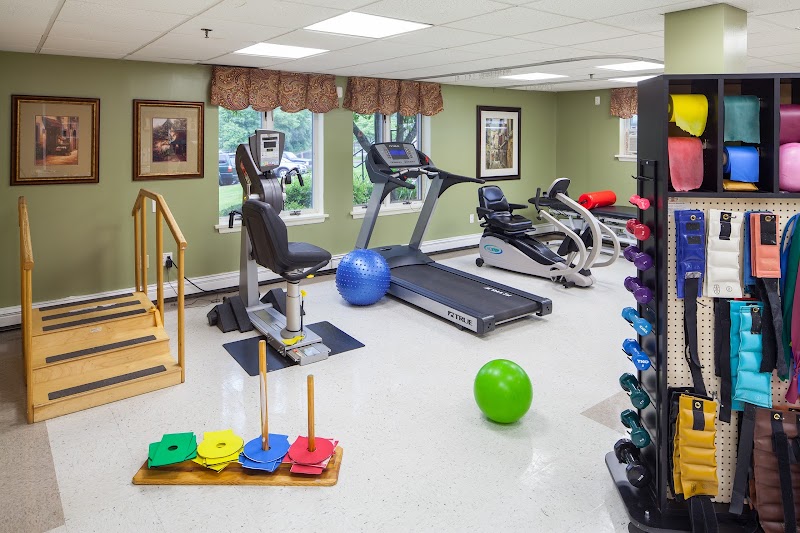
How Does Autumn Lake Healthcare At Glen Hill Compare to Other Connecticut Nursing Homes?

Compared to the 100 nursing homes in Connecticut, AUTUMN LAKE HEALTHCARE AT GLEN HILL's overall rating (4 stars) is above the state average of 3.0, staff turnover (38%) is near the state average of 46%, and health inspection rating (3 stars) is at the national benchmark.

What Should Families Ask When Visiting Autumn Lake Healthcare At Glen Hill?

Based on this facility's data, families visiting should ask: "Can you walk me through typical staffing levels on day, evening, and night shifts?" "Can I visit during a mealtime to observe dining assistance and food quality?" "How do you handle medical emergencies, and what is your hospital transfer rate?" "Can I speak with family members of current residents about their experience?" These questions are particularly relevant given the below-average staffing rating.

Is Autumn Lake Healthcare At Glen Hill Safe?

Based on CMS inspection data, AUTUMN LAKE HEALTHCARE AT GLEN HILL has a clean safety record: no substantiated abuse findings (meaning no confirmed cases of resident harm), no Immediate Jeopardy citations (the most serious violation level indicating risk of serious injury or death), and is not on the Special Focus Facility watch list (a federal program monitoring the lowest-performing 1% of nursing homes). The facility has a 4-star overall rating and ranks #1 of 100 nursing homes in Connecticut. While no facility is perfect, families should still ask about staff-to-resident ratios and recent inspection results during their visit.

Do Nurses at Autumn Lake Healthcare At Glen Hill Stick Around?

AUTUMN LAKE HEALTHCARE AT GLEN HILL has a staff turnover rate of 38%, which is about average for Connecticut nursing homes (state average: 46%). Moderate turnover is common in nursing homes, but families should still ask about staff tenure and how the facility maintains care continuity when employees leave.

Was Autumn Lake Healthcare At Glen Hill Ever Fined?

AUTUMN LAKE HEALTHCARE AT GLEN HILL has no federal fines on record. CMS issues fines when nursing homes fail to meet care standards or don't correct problems found during inspections. The absence of fines suggests the facility has either maintained compliance or corrected any issues before penalties were assessed. This is a positive indicator, though families should still review recent inspection reports for the full picture.

Is Autumn Lake Healthcare At Glen Hill on Any Federal Watch List?

AUTUMN LAKE HEALTHCARE AT GLEN HILL is not on any federal watch list. The most significant is the Special Focus Facility (SFF) program, which identifies the bottom 1% of nursing homes nationally based on persistent, serious quality problems. Not being on this list means the facility has avoided the pattern of deficiencies that triggers enhanced federal oversight. This is a positive indicator, though families should still review the facility's inspection history directly.