CIVITA CARE CENTER AT DANBURY
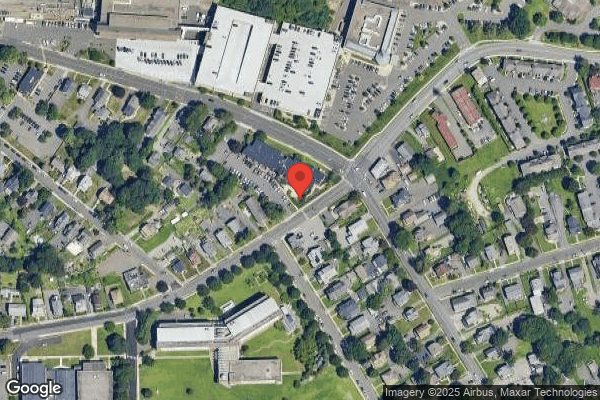
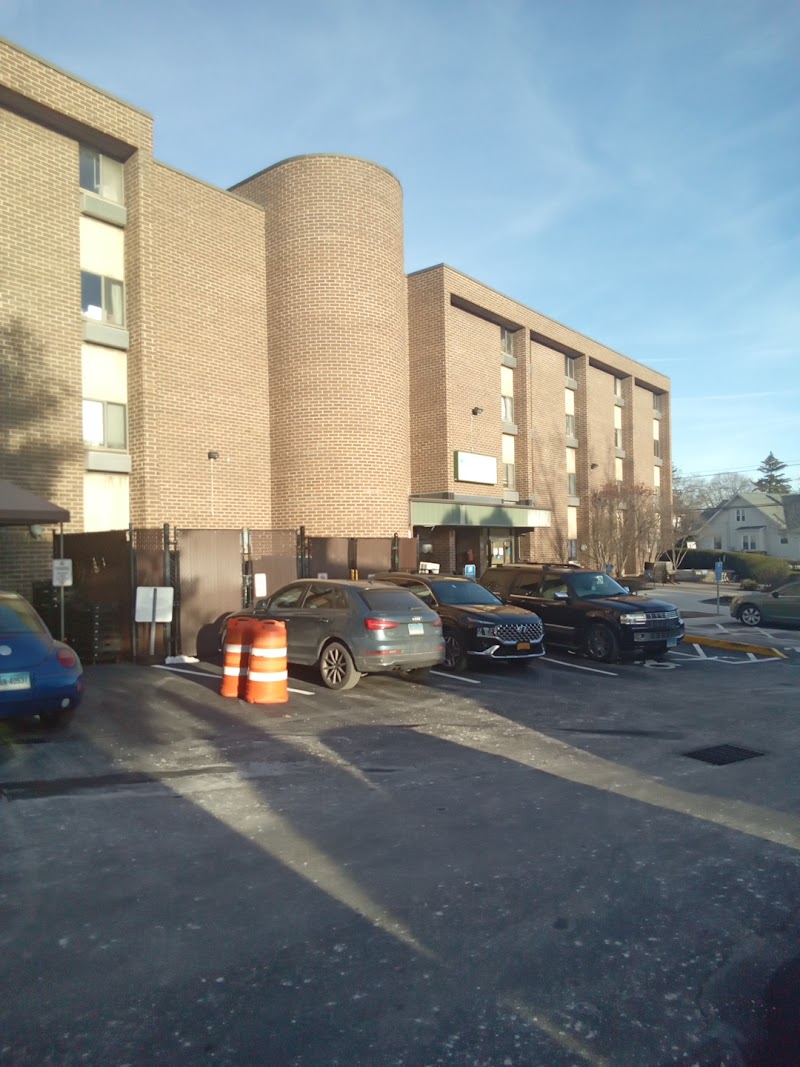
107 OSBORNE STREET, DANBURY, CT 06810 (203) 792-8102
For profit - Individual 180 Beds CIVITA CARE CENTERS Data: November 2025
Trust Grade
23/100
#169 of 192 in CT
Last Inspection: May 2025

Inspected within the last 6 months. Data reflects current conditions.

Overview

Civita Care Center at Danbury has received a Trust Grade of F, indicating significant concerns about the quality of care provided. Ranking #169 out of 192 facilities in Connecticut places them in the bottom half, and #16 out of 20 in Western Connecticut County means only four local options are worse. The facility is worsening, with issues increasing from 2 in 2024 to 18 in 2025. Staffing is relatively strong, rated at 4 out of 5 stars, though the turnover rate is concerning at 76%, which is much higher than the state average. There are also notable compliance issues, including a serious incident where a resident fell due to insufficient staff assistance during transfers, and a failure to maintain kitchen sanitation, which raises concerns about overall cleanliness and safety.

Trust Score
F
23/100
In Connecticut
#169/192
Bottom 12%
Safety Record
Moderate
Needs review
Inspections
Getting Worse
2 → 18 violations
Staff Stability
⚠ Watch
76% turnover. Very high, 28 points above average. Constant new faces learning your loved one's needs.
Penalties
✓ Good
$22,614 in fines. Lower than most Connecticut facilities. Relatively clean record.
Skilled Nurses
✓ Good
Each resident gets 46 minutes of Registered Nurse (RN) attention daily — more than average for Connecticut. RNs are trained to catch health problems early.
Violations
⚠ Watch
47 deficiencies on record. Higher than average. Multiple issues found across inspections.
★☆☆☆☆
1.0
Overall Rating
★★★★☆
4.0
Staff Levels
★☆☆☆☆
1.0
Care Quality
★★☆☆☆
2.0
Inspection Score
Stable
2024: 2 issues
2025: 18 issues

The Good

  • 4-Star Staffing Rating · Above-average nurse staffing levels
  • Full Sprinkler Coverage · Fire safety systems throughout facility
  • No fines on record

Facility shows strength in staffing levels, fire safety.

The Bad

1-Star Overall Rating

Below Connecticut average (3.0)

Significant quality concerns identified by CMS

Staff Turnover: 76%

29pts above Connecticut avg (46%)

Frequent staff changes - ask about care continuity

Federal Fines: $22,614

Below median ($33,413)

Minor penalties assessed

Chain: CIVITA CARE CENTERS

Part of a multi-facility chain

Ask about local staffing decisions and management

Staff turnover is very high (76%)

28 points above Connecticut average of 48%

The Ugly 47 deficiencies on record

1 actual harm
May 2025 16 deficiencies
CONCERN (D)

Potential for Harm - no one hurt, but risky conditions existed

Deficiency F0554 (Tag F0554)

Could have caused harm · This affected 1 resident

**NOTE- TERMS IN BRACKETS HAVE BEEN EDITED TO PROTECT CONFIDENTIALITY** Based on review of the clinical record, facility documentation, facility policy, and interviews for 1 residents (Resident #34) w...

Read full inspector narrative →
**NOTE- TERMS IN BRACKETS HAVE BEEN EDITED TO PROTECT CONFIDENTIALITY** Based on review of the clinical record, facility documentation, facility policy, and interviews for 1 residents (Resident #34) who expressed the desire to self-administer medications, the facility failed to complete a self-administration assessment and obtain a physician's order, according to facility policy, to ensure the resident was safe to self-administer medications. The findings include: Resident #34 was admitted to the facility in September 2024 with diagnoses that included hyperkalemia, end stage renal disease requiring dialysis, and chronic obstructive pulmonary disease. The admission MDS dated [DATE] identified Resident #34 had intact cognition. Resident #34 required maximum assistance with toileting, dressing, and personal hygiene. The nurses note dated 2/20/25 at 3:44 PM identified Resident #34 was changing rooms and wanted to be present during moving of personal belongings. The care plan dated 2/25/25 identified Resident #34 has end stage renal disease. Interventions included communication to dialysis regarding weights, medications, diet, lab results, etc. Additionally, Resident #34 has COPD with interventions to provide medications as needed. The monthly physician's orders dated 4/1/25 to 4/30/25 directed to administer Lokelma powder packet 5 grams give 3 packets equaling 15 grams at 6:00 PM, DuoNeb 0.5mg-2.5mg in 3 ml vial in inhalation machine use 4 times a day, and Albuterol/Ventolin HFA 90 mcg aerosol inhaler take 2 puffs every 6 hours as needed. Observation on 5/4/25 at 8:40 AM identified the Albuterol inhaler was visible on the bedside table. Additionally, Resident #34 has 3 packets of Lokelma on top of the dresser and the top dresser draw that was open completely contained 2 - 4 Lokelma packets and multiple vials of nebulizer treatments. Resident #34 indicated he/she uses the Ventolin inhaler prior to receiving the nebulizer treatments and when he/she feels short of breath. Resident #34 indicate that the nurse gave him/her the inhaler to use when he/she needed. Resident #34 indicated that he/she takes one packet of 5 grams of Lokelma and mixes it in a cup of water with every meal and has done that independently since he/she was admitted into the facility. Resident #34 indicated that he/she gets the packets from the nurses. Interview with the DNS on 5/5/25 at 7:44 AM indicated that there currently weren't any residents in the facility that self-administer any medications or inhalers. The DNS indicated that if someone could do self-administration, the resident would have to be assessed, and it would be done on paper, and the physician would have to agree and give the orders for that specific medication, and resident would receive a lock box for the medication. The DNS indicated that Resident #34 does not have a self-administration assessment done and is not permitted to self-administer any medications since admission until now. Interview with Resident #34 with the DNS present on 5/5/25 at 7:55 AM indicated that his/her Ventolin inhaler and the Lokelma packets were visible by standing at the foot of the bed. Resident #34 indicated that he/she uses the Ventolin inhaler when he/she needs it and before his/her nebulizer treatments because he is not going to wait 30 minutes for the nurse when he/she is having difficulty breathing and the inhaler is from the facility pharmacy. Resident #34 indicated that he/she has been using the inhaler independently since admission in September 2024 when it runs out the nurses will give him/her another one from the medication cart and he/she takes 1 packet of Lokelma 3 times a day with each meal. Resident #34 indicated that the nurses give it to him/her and he/she mixes it in a cup of water and has been doing it independently in the facility since admission. Resident #34 identified he did not have a lock box for the medications. The interview with RN #1 (corporate) on 5/5/25 at 8:19 AM indicated she has removed all the medication from Resident #34's bedside, and she will do a self-administration assessment with Resident #34 and if appropriate she will notify the physician and get physician's order for self-administration, get a lock box for the medications, and revise the care plan. RN #1 indicated that the admission nurse should have done a self-administration assessment or when the resident requests to do self-administration of any medications. RN #1 indicated that the LPN can do the self-administration observation because it is in EMR as an observation but if it was an assessment it would have to be done by an RN. The nurses note dated 5/5/25 at 11:40 AM identified Resident #34 requests self-administration of Lokelma, Budesonide, Albuterol and Ventolin inhaler. Notified APRN and he approved of self-administration. Resident #34 was educated by writer and APRN on medication administrations safety. Resident able to name medications, dosage, strength, frequency/schedule and purpose of medications. Resident #34 verbalized understanding of education and competency. Locked drawer and key provided to Resident #34 for medication storage safety. Review of the facility Medication at the Bedside identified nurses are not to leave any medications at the resident's bedside unless there is a physician's order stating may leave at bedside. The risks are harmful to the residents from omitting the dose, doubling a dose later, or mixing the medication. Additionally, other residents are at risk due to sharing, rummaging, or being medicated by the residents who kept the medication at their bedside. When a resident is requesting to keep medications at the bedside the facility is obligated to complete a self-administration observation, obtain an order from the provider, care plan that medication(s) can be left, and document it in the medical record. All medications must be secured and always locked when not in use. Although requested, a facility policy for resident self-administration of medication(s) was not provided.
CONCERN (D)

Potential for Harm - no one hurt, but risky conditions existed

Deficiency F0578 (Tag F0578)

Could have caused harm · This affected 1 resident

**NOTE- TERMS IN BRACKETS HAVE BEEN EDITED TO PROTECT CONFIDENTIALITY** Based on review of the clinical record, facility documentation, facility policy, and interviews for 2 of 2 residents (Resident #...

Read full inspector narrative →
**NOTE- TERMS IN BRACKETS HAVE BEEN EDITED TO PROTECT CONFIDENTIALITY** Based on review of the clinical record, facility documentation, facility policy, and interviews for 2 of 2 residents (Resident #34 and 59) reviewed for code status (code status refers to the level of medical interventions a person wishes to have started if their heart or breathing stops), the facility failed to ensure the resident's wishes for code status were honored. The findings include: 1. Resident #34 was readmitted to the facility in [DATE] with diagnoses that included end stage renal disease, abnormal weight loss, protein-calorie malnutrition, opioid dependance, bipolar, major depression, chronic obstructive pulmonary disease, hyperkalemia. The admission physician's order dated [DATE] directed full code status (full code directs the medical team to take all possible measures to save the residents' life in the event of a medical emergency). The admission MDS dated [DATE] identified Resident #34 had intact cognition, and required maximum assistance with toileting, dressing, and personal hygiene. The care plan dated [DATE] identified Resident #34 had full code status. Interventions included making staff aware of his/her code status and social services to review code status with the resident quarterly and as needed. Interview with Resident #34 on [DATE] at 7:00 AM indicated that at the hospital he/she was a full code and wanted to continue as full code. Resident #35 indicated that no one at the facility since admission in [DATE] had talked to or educated him/her on code status or has had him/her sign any forms for a code status. Interview with the DNS on [DATE] at 7:20 AM indicated the charge nurse or supervisor should educate and have the resident sign for a code status on the day of admission. The DNS indicated there was an old form for full code status and then a second form for DNR status, but as of [DATE] there is a new form including both. The DNS indicated when a resident is found unresponsive and has no heart rate, the charge nurse would stay with resident, and have another nurse check the computer first then the chart whichever is easier to get or verify the code status. After clinical review, the DNS indicated that there was no code status designation in the medical record and that Resident #34 had not signed a code status form. 2. Resident #59 was admitted to the facility in [DATE] with diagnoses that included cystitis, multiple sclerosis, and diabetes. The annual MDS dated [DATE] identified Resident #59 had moderately impaired cognition. A physician's order dated [DATE] directed to advise resident or resident appointed health care representative to provide copies to the facility of any updated advance directives. Resident #59 has on record full code status. A Do Not Resuscitate Form identified Resident #59 had discussed the concept of a DNR with MD #1 and the staff at the facility, and knowingly and voluntarily requested DNR status. This means that no CPR measures will be administered at facility if cardiac or respiratory arrest occurs. The form was signed by Resident #59 and LPN #10 on [DATE] and MD #1 on [DATE]. The monthly physician's order dated [DATE] to [DATE] directed Resident #59 be full code status. The quarterly care conference notes dated [DATE], [DATE], [DATE], [DATE], [DATE] did not reflect that code status was discussed in the meeting or what Resident #59's wishes were. The census form identified Resident #59 went to the hospital on [DATE] and returned to the facility on [DATE]. The monthly physicians order dated [DATE] to [DATE] identified Resident #59 was full code status. The care plan dated [DATE] identified Resident #59's code status was full code and to perform CPR. Interview with LPN #14 on [DATE] at 12:28 PM indicated that she was Resident #59's charge nurse today from 7:00 AM until 3:00 PM and if Resident #59 had no pulse and was not breathing, she would check the face sheet list in the EMR on the medication cart for the code status, which lists Resident #59 as a full code, so she would start CPR. Interview RN #10 (supervisor) on [DATE] at 12:36 PM indicated that she works every weekend and today was working 16 hours from 7:00 AM until 11:00 PM as the supervisor. RN #10 indicated if a resident was to code she would look in the computer first and if close to the nurse's station the paper chart. RN #10 indicated when she arrived at the unit, if the charge nurse informed her Resident #59 was a full code she would immediately go to Resident #59 check for a pulse and if the resident had no pulse she would start CPR. RN #10 indicated if the charge nurse did not know the code status, she would look in the EMR under the face sheet for the code status and it identifies Resident #59 is a full code. After clinical record review, RN #10 indicated that Resident #59 was admitted and signed a full code on [DATE] but then Resident #56 signed a code status of DNR on [DATE] and MD #1 signed it on [DATE]. RN #10 indicated that she would have to follow the most current code status of a DNR. Interview with LPN #10 on [DATE] at 1:01 PM indicated she discussed the code status with Resident #59 on [DATE] and Resident #59 signed that his/her wish was to be a DNR, and she signed as the witness. LPN #10 indicated she then leaves the signed DNR form it in the APRN and physician book for the APRN or physician to sign it. After reviewing the form, she indicated that MD #1 had signed the DNR form on [DATE] and it was the responsibility of the nurse that was on duty on [DATE] to put in the EMR as the physician order for the DNR code status. LPN #10 indicated she did not know why that did not happen. Interview with the DNS on [DATE] at 7:20 AM indicated that the nurse or supervisor on admission or readmission was responsible, upon arrival to the facility, to have the resident or resident's representative sign the code status or call the resident representative for a code status if not present. The DNS indicated that prior to [DATE] there were 2 separate forms, one for a full code and one for a DNR. The DNS indicated that if a resident was found not breathing and no pulse the nurse would check resident for a pulse and if breathing and stay with the resident and have another nurse check the computer for the code status and then the chart, whichever is easier to get the code status. After clinical review, the DNS indicated the most recent is a DNR signed by the Resident #59 on [DATE], the nurse that signed as the witness LPN #10 should have called the APRN or physician to change the order from a full code to a DNR on [DATE] and then leave in the communication book for MD #1 to sign. The DNS indicated the EMR identified Resident #59 as a full code. Even though Resident #59's wish was to be a DNR. The DNS indicated that she would get this corrected. Although attempted, an interview with APRN #3 was not obtained. Review of the facility Advance Directive Policy identified upon admission the resident will be provided with written information concerning the right the right to refuse or accept medical treatment. Advanced directives are written instructions recognized by state law relating to the provisions of health care when the resident is incapacitated. The resident has the right to refuse a resident will not be treated against his/her own wishes.
CONCERN (D)

Potential for Harm - no one hurt, but risky conditions existed

Notification of Changes (Tag F0580)

Could have caused harm · This affected 1 resident

**NOTE- TERMS IN BRACKETS HAVE BEEN EDITED TO PROTECT CONFIDENTIALITY** Based on review of the clinical record, facility documentation, facility policy, and interviews for 1 of 5 residents (Resident #...

Read full inspector narrative →
**NOTE- TERMS IN BRACKETS HAVE BEEN EDITED TO PROTECT CONFIDENTIALITY** Based on review of the clinical record, facility documentation, facility policy, and interviews for 1 of 5 residents (Resident #37) reviewed for pressure ulcers, the facility failed to ensure that the physician and resident representative were notified following a newly identified skin issue. The findings include: Resident #37 was admitted to the facility on [DATE] with diagnoses that included hemiplegia of the left side, insulin dependent diabetes, and dementia. A physician's order dated 4/5/23 directed to complete weekly skin checks on Wednesdays on the 3:00 PM - 11:00 PM shift and to complete a weekly skin observation if any new areas were identified. The quarterly MDS dated [DATE] identified Resident #37 had moderately impaired cognition, was always incontinent of bowel and bladder and required staff to provide moderate assistance with toileting, dressing, and bathing. The care plan dated 11/5/24 identified that Resident #37 had a potential for alteration in skin integrity. Interventions included complete skin assessments of the body upon admission, weekly, and as needed. The interventions also included reporting any changes in skin status to the physician. A Braden Scale (Braden Scale is a tool used to assess a resident's risk of developing a pressure ulcer) dated 12/15/24 identified Resident #37 was at moderate risk to develop pressure ulcers. A nurse's note dated 12/15/24 at 4:47 AM, by the Prior DNS, identified that she was working on the 11:00 PM - 7:00 AM shift to assist a nurse aide with completion of competencies and that Resident #37 was part of the assignment. The Prior DNS identified that while performing incontinent care, she discovered a non-blanchable area of redness on Resident #37's sacrum that measured 2cm x 1.3cm x 0.0cm. The Prior DNS identified she performed a head-to-toe assessment and no other non-blanchable areas were present. The Prior DNS identified she would put interventions into place including a specialty low air loss (LAL) mattress, turn and positioning schedule, toileting/incontinent care schedule, and application of barrier paste. The Prior DNS also identified she would discuss Resident #37's wheelchair cushion with the rehab department. Review of the 12/2024 TAR identified a treatment order for application of house barrier ointment after each incontinent episode every shift and as needed was implemented on 12/15/24. A nurse's note dated 12/15/24 at 9:58 AM identified that the Prior DNS identified she spoke with the therapy department, who were no longer working with Resident #37 but confirmed that Resident #37 had a ROHO cushion in place. The DNS identified she would be initiating a physical therapy (PT)/occupational therapy (OT) evaluation screening. Review of the clinical record failed to identify any documentation that a PT/OT evaluation screening was requested or completed on or after 12/15/24. Review of the clinical record failed to identify a specialty LAL mattress was implemented on or after 12/15/24. Review of the clinical record failed to identify any additional documentation related to additional assessments of the non-blanchable area on the sacrum identified on 12/15/24. Review of the clinical record failed to identify any documentation related to notification to Resident #37's physician or resident representative regarding the newly identified non blanchable area on the sacrum on or after 12/15/24. Review of the 12/2024 TAR identified Resident #37's weekly skin check signed off on 12/18/24 on the 3:00 PM - 11:00 PM shift. Further review of the clinical record failed to identify any observation documentation of Resident #37's sacrum. A nutrition note dated 12/19/24 at 2:33 PM identified that Resident #37 was seen for a non-blanchable area of redness to the sacrum identified on 12/15/24. Recommendations included initiation of a carbohydrate-controlled diet for improved blood sugar control and initiation of Proheal 30ml to aid in wound healing. A nurse's note dated 12/19/25 at 7:37 PM by RN #11 (Agency) identified that Resident #37 was seen by the dietitian for concerns about a non-blanchable area of redness on the sacrum on 12/15/24. The identified recommendations included initiating a carbohydrate-controlled diet for improved blood sugar control and starting Proheal (a protein supplement used to add in wound healing) twice daily to aid in wound healing. The note further identified the orders were implemented in Resident #37's record. Review of the 12/2024 TAR identified an order for Proheal 30ml twice daily which was started on 12/19/24 to be given twice daily at 9:00 AM and 5:00 PM. Review of the clinical record failed to identify any additional documentation or interventions related to the non-blanchable area on the sacrum after 12/19/24. Interview with LPN #3 (Regional Corporate LPN) on 5/5/25 at 11:00 AM identified she was unable to locate any additional documentation related to further assessments of Resident #37's non-blanchable sacral area following the initial documentation on 12/15/24. LPN #3 identified that Resident #37 had an order for a weekly skin check. LPN #3 identified that the facility policy was that the skin checks were signed off on the TAR weekly and only issues that were identified were documented as a skin observation. LPN #3 identified that Resident #37's physician or APRN should have been notified of the new skin issue as well as Resident #37's resident representative and the non-blanchable skin area should have been followed and assessed at least weekly once it was identified. Interview with APRN #2 on 5/7/25 at 9:05 AM identified she was not notified of the non-blanchable sacral area identified by the prior DNS on 12/15/24. APRN #1 identified that while the interventions implemented by the Prior DNS appeared to be appropriate, if she had been notified, she would have assessed the area or requested that the RN who works with her and alternates visits to the facility to assess the area and notify her of the findings. APRN #2 identified that a non-blanchable area to the sacrum as identified in the Prior DNS's note would possibly have been a pressure ulcer, but she would have needed to assess the area to be sure however she was not notified. Interview with LPN #1 on 5/7/25 at 9:10 AM identified she was the facility wound nurse on 12/15/24. LPN #1 identified she had not been notified regarding the non-blanchable area on Resident #37's sacrum identified on 12/15/24. LPN #1 identified that the process for any newly identified skin area that could potentially be a pressure injury included adding the resident to the upcoming weekly wound rounds so that the wound physician could assess and determine the next steps in treatment. LPN #1 also provided a weekly wound round list dated 12/18/24. Review of the 12/18/24 weekly wound round list failed to identify any documentation that Resident #37 was added to the list to be seen by the wound physician. Review of the 24-hour nursing report sheets from 12/15/24 - 12/20/24 failed to identify any additional documentation related to the non-blanchable area on the sacrum. Although attempted, an interview with the Prior DNS was not obtained. Although attempted, an interview with RN #11 was not obtained. The facility policy on change in a resident's condition or status directed that a significant change of condition included a major decline or improvement in the resident status that required interdisciplinary review and or revision to the care plan and impacted more than one area of the residence health status. The policy directed that prior to notifying the physician or health care provider, the nurse would make detailed observations and gather relevant and pertinent information for the provider, including information prompted by the interact S bar communication form. The policy also directed that the nurse would notify the resident's attending physician or physician on call when there was a significant change to the residents' physical emotional or mental condition. The policy also directed that except in medical emergencies notifications would be made within 24 hours of a change occurring in the resident's medical mental condition or status. The policy directed that unless otherwise instructed by the resident, the nurse would also notify the resident representative when there was a significant change in the residence physical mental and psychosocial status.
CONCERN (D) 📢 Someone Reported This

A family member, employee, or ombudsman was alarmed enough to file a formal complaint

Potential for Harm - no one hurt, but risky conditions existed

Free from Abuse/Neglect (Tag F0600)

Could have caused harm · This affected 1 resident

**NOTE- TERMS IN BRACKETS HAVE BEEN EDITED TO PROTECT CONFIDENTIALITY** Based on review of the clinical record, facility documentation, facility policy and interviews for 2 of 3 residents (Resident #7...

Read full inspector narrative →
**NOTE- TERMS IN BRACKETS HAVE BEEN EDITED TO PROTECT CONFIDENTIALITY** Based on review of the clinical record, facility documentation, facility policy and interviews for 2 of 3 residents (Resident #79 and 87) reviewed for abuse, the facility failed to ensure the residents were free from verbal and physical abuse by another resident. The findings include: 1a. Resident #79 had diagnoses that included dementia and mild neurocognitive disorder with behavioral disturbance. The quarterly MDS dated [DATE] identified Resident #79 had severely impaired cognition and was independent with ambulation. The care plan dated 3/4/25 identified Resident #79 had behavioral symptoms related to dementia, inappropriate behaviors towards staff and other residents, agitation, and verbal behaviors. Interventions included psychiatry for increased aggression and approach resident in a calm manner. b. Resident #91 had diagnoses that included dementia and history of traumatic brain injury. The quarterly MDS dated [DATE] identified Resident #91 had memory problems with continuous inattentiveness and disorganized thinking and was independent with ambulation and toileting. The care plan dated 12/26/24 identified Resident #91 behavioral symptoms including wandering and intrusiveness. Interventions included encouraging diversional activities and encourage to walk with staff when possible. Physician's orders dated 3/1/25 directed independent ambulation on the unit without an assistive device. A reportable event form dated 3/4/25 identified at 5:00 PM, Resident #79 and Resident #91 were walking in the hallway, and Resident #79 said to Resident #91 that he/she was going to (kick his/her a**). Resident #91 said stop and put his/her right hand around Resident #79's neck slightly and pinned Resident #79 against the wall for two seconds. No injuries were sustained. Resident #91 was placed on 1:1 enhanced monitoring. The physician, police and resident representative were notified and Resident #91 was subsequently transferred to the emergency department. A late entry nurses note dated 3/5/25 at 5:15 PM completed by LPN #9 identified Resident #79 was observed walking in the hallway in front of Resident 91 and then stopped. Resident #91 asked Resident #79 to move. Resident #79 stated he/she was not going to move and to f*** off. Resident #91 grabbed Resident #79 around the neck, loosely. LPN #9 was immediately able to release and remove Resident #91's hand. No injury was noted. Both residents were separated without further issue. Psychiatric evaluation dated 3/6/25 identified Resident #79 was unable to remember the event. Medication adjustments were made to address behaviors with ongoing monitoring in place. Resident #79's care plan was further revised to attend recreational activities between 3:00 PM and 5:00 PM, to use distraction techniques and remove potential triggers. Resident #91's care plan was revised to include moving to a separate floor and to monitor hallway dynamics for known behaviors and intervene if needed. An interview with NA #1 on at 5/6/25 8:18 AM identified she was working during the 3:00 PM to 11:00 PM shift on 3/4/25 but was not assigned to Resident #79 or Resident #91. NA #1 indicated it was a busy night on the dementia unit. Residents were sundowning (a term used to describe increased agitation and restlessness in the late afternoon/early evening for those with dementia). NA #1 had just walked up to the nurse's station when she observed Resident #91 walk past her in the hall, pacing as he/she normally does. Resident #79 was also in the hall approximately 10 feet away from the nurse's station, standing with other residents, yelling out and using profanities. NA #1 further identified she was unclear of what was being said as the profanities were not directed at anyone particular and not unusual for Resident #79. NA #1 heard screaming, turned around and observed Resident #91 with his/her hands just below the base of Resident #79's neck. NA #1 and the nurse, LPN #9 quickly intervened. Resident #91 released after approximately 10 seconds. Other staff also intervened, and both residents were separated. NA #1 identified Resident #91 had never previously been involved in any other resident to resident altercations that she was aware of. An interview and facility documentation review with the Administrator on 5/6/25 at 2:19 PM identified prior to this incident, Resident#91 had not displayed any aggressive behaviors towards other residents and has not since. The Administrator further identified the interdisciplinary team initiated a plan of correction for licensed, nurse aides and all agency staff in response to the resident-to-resident altercation. However, the education provided was limited to staff on duty between 3/4/25 through 3/6/25 and was not inclusive of all staff working from 3/6/25 forward. The Administrator alleged correction of past noncompliance with continued biweekly audits in place monitoring combative behaviors. The Administrator indicated she would expect that all residents be free from abuse. A review of the facility policy for abuse directs the facility to provide protection for the health, welfare and rights of each resident to prevent abuse defined as the willful infliction of injury. Attempts to interview LPN #9 were unsuccessful. A plan of correction with an alleged compliance date of 3/6/25 was initiated following the resident-to-resident altercation. Actions taken included immediate separation of residents with Resident #91 moving to a separate floor, medical and behavioral response with ongoing support services. Care plans were updated to include triggers and de-escalation strategies, increased monitoring and staff awareness, cues, enhanced documentation of mood and behavior. Resident #91 was placed on 1:1 monitoring during waking hours and every 15 minute checks while in his/her room post hospital discharge until stability was observed. Education was provided to licensed and nurse aide staff for recognizing early signs of agitation or conflict and managing interpersonal interactions, promote respectful communication, preventing conflict and support emotional wellbeing. A Quality Assurance and Performance Improvement (QAPI) was initiated to track behavior and monitor trends and trigger proactive interventions. Education was limited only to staff on schedule between 3/4/25 and 3/6/25. 2.a Resident #1 was admitted to the facility on [DATE] with diagnoses that included borderline personality disorder and dementia. The quarterly MDS dated [DATE] identified Resident #1 had intact cognition, reported feeling down, depressed, or hopeless 2 - 6 days over the last 2 weeks, and did not exhibit physical or verbal behavioral symptoms directed towards others. The care plan dated 3/4/25 identified Resident #1 had symptoms/needs related to depression. Interventions included maintaining a calm environment and setting limits and expectations for behavior. The nurse's note dated 3/10/25 identified at 2:55 AM the nurse reported that the Resident #1 was wailing and said he/she wanted to kill him/herself. The writer confirmed the statements were true with Resident #1, he/she answered yes but refused to answer additional questions. The APRN was notified and an order to transfer the resident to the emergency department for evaluation was obtained. Resident #1 was transferred to the emergency department at 3:30 AM via stretcher, accompanied by 3 EMS staff members. The nurse's note dated 3/10/25 at 4:48 AM identified that Resident #1 was transferred back from the emergency department. The facility staff sent Resident #1 back to the emergency department with the paramedic because the resident was not sent with clearance papers from the psychiatric provider. The nurse's note dated 3/10/25 at 5:49 AM identified that Resident #1 was sent back from the emergency department at 5:22 AM with clearance paperwork that he/she was not a danger to self or others. The resident was treated with Trazadone 50mg in the emergency department with recommendations to follow up with attending physician per emergency department recommendation. The emergency department paperwork dated 3/10/25 identified Resident #1 was evaluated on 3/10/25 and did not appear to be a threat to him/herself or others, and at this time it was recommended that the patient could return to his/her current living conditions and resume the maintenance of his/her current medications. b. Resident #87 was admitted to the facility on [DATE] with diagnoses that included arthrodesis status and spondylolisthesis. The admission MDS dated [DATE] identified Resident #87 had intact cognition and required moderate assistance with walking 10 feet. The care plan dated 2/25/25 identified Resident #87 had complaints of acute back pain related to back surgery. Interventions included handling the resident gently and trying to eliminate any environmental stimuli. The nurse's note dated 3/10/25 at 8:22 AM identified Resident #87 notified the writer that Resident #1 threw a remote control at him/her while he/she was in bed. The remote control hit Resident #87 on the left side of the face and the resident sustained a 5cm x 2cm bruise. No open area was observed. The reportable event form dated 3/10/25 identified that Resident #1 and Resident #87 were roommates. Resident #1 was transferred to the emergency department for suicidal ideation on 3/10/25 at 3:30 AM. Shortly after returning to the facility, Resident #1 was in his/her room, the nurse aide passed by and heard Resident #1 talking to him/herself, and then Resident #1 left and went to the lounge. After a couple of minutes Resident #1 returned to the room, went into bed, and continued to talk to him/herself. Resident #87 reported that Resident #1 was unhappy most of the day on 3/9/25. Resident #87 also said that Resident #1 kept repeating that another resident was telling everyone he/she had money. Resident #87 said he/she tried to ignore Resident #1, and on the early morning of 3/10/25 another resident came into their room, and Resident #87 offered the other resident some chips, and when Resident #1 saw the other resident, he/she appeared to be upset, and started saying to Resident #87, that's why you became pregnant, and have 15 children, and they are *profanity used*. Resident #87 said he/she then reported what Resident #1 was saying to the nurse, Resident #87 left the room, and later returned to the room to have labs drawn, and as Resident #87 sat on the bed, Resident #1 threw the remote-control hitting Resident #87 on the side of the face. Resident #87 then yelled out for the nurse, and the staff came immediately, removed Resident #87 out of the room, and Resident #1 was transferred to the hospital. Interview with Resident #87 on 5/4/25 at 10:00 AM identified that on the evening of 3/9/25 Resident #1 was starting to have some behaviors, and then on 3/10/25 between midnight and 2:00 AM, Resident #1 started saying he/she was going to kill him/herself, and then Resident #1 was transferred to the hospital. Resident #87 indicated that Resident #1 returned from the hospital about an hour or 2 later, began pacing the hallways, and had awoken other residents, one of which was a male resident that wandered into their room asking for a snack. Resident #87 indicated that Resident #1 returned to their room as the male resident was exiting the room with a snack, Resident #1 returned to his/her bed, and started yelling at Resident #87 that he/she was a *profanity used*, had *profanity used* children, and that he/she hoped Resident #87 would die. Resident #87 indicated that he/she was trying to ignore Resident #1, and then Resident #1 threw a remote control, from a 3 - 4-foot distance, striking Resident #87 on the side of the head, behind the left ear. Resident #87 indicated that he/she left the room immediately and Resident #103 (who lived directly across the hall) witnessed the event and started calling for help. Resident #87 identified that he/she was assessed by a nurse, declined going to the hospital for further evaluation, and requested an immediate room change; Resident #1 was transferred back to the hospital. Interview with Resident #1 on 5/4/25 at 10:50 AM identified that he/she had gotten along with his/her old roommate; it just didn't work out. Resident #1 indicated that while he/she tries not to get into arguments with other residents, he/she was not sure that he/she has friends at the facility. Interview with the Administrator on 5/5/25 at 1:08 PM identified that the incident between Resident #1 and Resident #87 was an isolated incident and after completing their investigation, the facility was not able to substantiate abuse, as Resident #1 did not intentionally try to hurt Resident #87. Resident #1 was feeling slighted that Resident #87 had shared chips with another resident. The Administrator indicated that just prior to the alleged incident, Resident #1 was evaluated at the hospital, after making suicidal remarks, and had received psychiatric clearance that he/she was safe to return to the facility and did not pose a threat to him/herself or others. Interview with the Nursing Supervisor (RN #7) on 5/06/25 at 9:59 AM indicated that she did not have her notes in front of her but from what she could remember on 3/10/25, Resident #1 was having behavior issues, and he/she stated that he/she wanted to kill him/herself. RN #7 indicated that she sent Resident #1 to the emergency department around midnight for talk of suicidal ideation, and the hospital sent Resident #1 back to the facility about 30 minutes later, with no papers indicating that he/she had been cleared by a psychiatric provider. RN #7 further indicated that she sent Resident #1 back to the hospital for psychiatric clearance; Resident #1 was then sent back to the facility, after approximately 30 minutes, with the paperwork that he/she was cleared and did not pose a risk to her/himself or others. RN #7 identified that she re-assessed Resident #1 upon admission and he/she was not agitated at that time. Approximately an hour later the floor nurse notified her that Resident #1 threw a remote control at Resident #87. RN #7 indicated that she identified a small bruise during her assessment of Resident #87's head. RN #7 further indicated that she tried to make Resident #87 comfortable, but he/she indicated that he/she was fine, and Resident #1appeared calm and was returned to the hospital. Interview with the Charge Nurse (LPN #6) on 5/06/25 at 11:11 AM identified that he did not have his notes in front of him, but from what he could recall on 3/10/25, he checked Resident #1's vital signs when he/she returned from the hospital, and Resident #1 was calm and did not appear agitated. LPN #6 indicated that, sometime later, while he was providing care to another resident, he heard yelling and loud talking from many residents. LPN #6 indicated that he went to see why residents were yelling, he saw Resident #87 being assisted out of his/her room (could not recall by whom), and when he asked what had happened Resident #87 reported to him that Resident #1 threw a remote control at his/her head. LPN #6 could not recall if he looked at Resident #87's head, but he notified the Nursing Supervisor. LPN #6 identified he recalled that something triggered Resident #1 to become agitated, but he could not recall what the trigger was. Interview with Resident #103 (intact cognition) on 5/7/25 at 8:25 AM identified that a few months ago (could not recall the exact day or time of day), Resident #1 was sent out to the hospital for emotional reasons and then came back to the facility. Resident #103 further indicated that, at that time, Resident #1 and #87's room was directly across the hall, and he/she had been sitting in his/her wheelchair and could see their room. Resident #103 identified that approximately half hour to one hour after Resident #1 returned to the facility, he/she heard Resident #1 expressing her/himself loudly and started to say nasty things to Resident #87. Resident #103 identified that he/she saw Resident #1 pick up an object and throw it, hitting Resident #87 right at the back of his/her head, Resident #1 had good aim. Resident #103 indicated that he/she began yelling for help, and Resident #87 was assisted out of the room. The Abuse, Neglect, and Exploitation policy defines abuse as the willful infliction of injury, unreasonable confinement, intimidation, or punishment with resulting physical harm, pain or mental anguish, which can include staff to resident abuse and certain resident to resident altercations, and defines willful as the individual must have acted deliberately, not that the individual must have intended to inflict harm or injury. The policy further directs that the facility will implement policies and procedures to prevent and prohibit all types of abuse, neglect, and misappropriation of resident property, and exploitation that achieves, in part, identification, ongoing assessment, care planning for appropriate interventions, and monitoring of residents with needs and behaviors which might lead to conflict or neglect.
CONCERN (D)

Potential for Harm - no one hurt, but risky conditions existed

PASARR Coordination (Tag F0644)

Could have caused harm · This affected 1 resident

**NOTE- TERMS IN BRACKETS HAVE BEEN EDITED TO PROTECT CONFIDENTIALITY** Based on review of the clinical record, facility documentation, facility policy, and interviews for 1 of 2 residents (Resident #...

Read full inspector narrative →
**NOTE- TERMS IN BRACKETS HAVE BEEN EDITED TO PROTECT CONFIDENTIALITY** Based on review of the clinical record, facility documentation, facility policy, and interviews for 1 of 2 residents (Resident #34) reviewed for Preadmission Screening and Resident Review (PASARR), the facility failed to incorporate the PASARR recommendations from the Level 2 determination into the resident's assessment and plan of care. Notice of PASARR dated 7/16/24 identified Resident #34 had a diagnosis of depression, anxiety, and Bipolar. Resident #34 was not on any antidepressants, mood stabilizers, antipsychotics, or other health medications prescribed currently, or other mental health medications prescribed currently or within the last 6 months. Resident #34 received a Level 2 approval with no specialized services needed. The PASARR did not reflect Resident #34 had opioid dependance. Resident #34 was admitted to the facility on [DATE] with diagnoses that included anxiety, opioid dependance, bipolar, depression, and psychotic disorder. A physician's order dated 9/20/24 directed to give Buprenorphine-Naloxone (Suboxone - medication for opioid dependance) 8-12 mg tablet sublingual at bedtime daily. The care plan dated 10/10/24 identified Resident #34 had a substance abuse problem and depression. Interventions included psychiatric consultation as ordered. The admission MDS dated [DATE] identified Resident #34 had intact cognition, and no behavior. Notice of PASARR Level 1 screen dated 12/24/24 identified Resident #34's PASARR was submitted for review. Resident #34 has a diagnosis of major depression, bipolar disorder, and opioid dependency. The outcome identified a Level 2 must be conducted based on the information submitted. Notice of PASARR level 2 outcome dated 1/6/25 identified Resident #34 had a Level 2 approval with recommendations. Resident #34 has a diagnosis of substance abuse disorder for opioids. Recommendations included to provide services and support through the nursing home including a support group for recovery from substance abuse (AA, AN, etc.) and mental health counseling. The care plan dated 2/25/25 identified Resident #34 has a substance abuse problem. Interventions included educating resident, resident friends, and family to not bring controlled substances to the dialysis center and not have visitor's at dialysis treatments. Interview with SW #1 on 5/5/25 at 2:18 PM indicated that Resident #34 was admitted with a Level 2 PASARR, and had a 30-day exemption to file for another PASARR from date of admission. SW #1 indicated that she did not submit the PASARR by 10/20/24. SW #1 indicated she submitted the PASARR late on 12/24/24 for another Level 2, which would be done onsite. SW #1 indicated that someone had come to the facility to evaluate Resident #34 and the facility received the Level 2 approval on 1/6/25. SW #1 indicated that she did not review Resident #34's Level 2 PASARR to see if there were any recommendations. SW #1 indicated that she was responsible to make sure all PASSAR recommendations are followed. SW #1 indicated that the facility does not offer support group for recovery from substance abuse (AA, AN, etc.). SW #1 indicated that she was not aware that Resident #34 had recommendations for support groups for recovery until now, so she did not speak with Resident #34 to see if he/she was interested in attending. SW #1 indicated that if she had read the recommendations, she would have tried to find Resident #34 a support group for recovery in the community. Additionally, SW #1 indicated she was responsible to do a care plan for any PASARR Level 2 and any recommendations but she had not updated Resident #34's care plan related to the PASSAR recommendations. The social worker note dated 5/6/25 at 6:50 PM identified Resident #34 was interested in attending NA support group meeting and had been attending them prior to admission in this facility. The social worker note dated 5/6/25 at 7:07 PM identified she was able to locate a NA meeting in the community and would follow up in the morning. The social worker note dated 5/7/25 at 8:57 AM identified Resident #34 was interested in attending the NA/AA meetings virtually if unable to attend in community and left a message with the NA number in the community to see if NA facility was wheelchair accessible. The interview with the Administrator on 5/7/25 at 7:30 AM indicated that SW #1 was responsible to update the PASARR within the 30 or 60-day time frame that PASARR had given. The Administrator indicated that she was not aware SW #1 had submitted the level 2 PASARR late for Resident #34. The Administrator indicated that the social worker was responsible to do a PASARR care plan and including any PASARR recommendations and follow up on the recommendations to make sure they were done. The Administrator indicated that SW #1 did not inform her that Resident #34 had recommendations for NA support group services. Review of the Resident Assessment and Coordination with PASARR Program Policy identified the facility coordinates assessments with the preadmission screening and resident review PASARR program under Medicaid to ensure that individuals with mental disorder, intellectual disabilities, or a related condition receives care and services in the most integrated setting appropriate to their needs. All applicants to the facility will be screened for serios mental disorders or intellectual disabilities and related conditions in accordance with the State's Medicaid rules for screening. PASARR level 1 initial pre-screen is completed prior to admission. If level 1 is negative, the process ends. A positive level 1 screen necessitates a PASARR level 2 evaluation prior to admission. A PASARR level 2 is a comprehensive evaluation by the appropriate state designated authority, that determines the appropriate setting for a resident and recommends any specialized services and/or rehabilitation services that a resident would need. If a resident had an exemption from admission and remained in the facility for longer than 30 days, the facility must screen the individual using the states level 1 process. The level 2 resident review must be completed within 40 calendar days of admission. The social services director is responsible for tracking each residents PASARR screening status, and referring to the appropriate authority. Recommendations, such as specialized services, from PASARR level 2 determine and/or PASARR evaluation report will be incorporated into the resident's assessment, care planning, and transitions of care.
CONCERN (D)

Potential for Harm - no one hurt, but risky conditions existed

Deficiency F0646 (Tag F0646)

Could have caused harm · This affected 1 resident

**NOTE- TERMS IN BRACKETS HAVE BEEN EDITED TO PROTECT CONFIDENTIALITY** Based on review of the clinical record, facility documentation, facility policy, and interview for 1 of 5 residents (Resident #1...

Read full inspector narrative →
**NOTE- TERMS IN BRACKETS HAVE BEEN EDITED TO PROTECT CONFIDENTIALITY** Based on review of the clinical record, facility documentation, facility policy, and interview for 1 of 5 residents (Resident #13) reviewed for PASARR, the facility failed to notify the state designated authority when Resident #13 received a new mental health and intellectual disability diagnosis. The findings include: Resident #13 was admitted to the facility in [DATE] with diagnoses that included stroke and age-related cognitive decline. Review of the PASARR dated [DATE] identified the reason for screening as Resident #13's approval had expired and the resident needs additional time in the nursing facility. Resident #13 is expected to stay for long term care with a start date of [DATE]. Resident #13 had an admitting diagnosis of metabolic encephalopathy, diabetes, and hyperlipidemia. Resident #13 requires medication management and assistance with ADLs. Determination date [DATE] Resident #13 received long term care approval based on submitted information but if medical condition improves resident may be discharged if safe. The psychiatric APRN note dated [DATE] identified Resident had a diagnosis of mood disorder due to physiological condition and will be treated with Zyprexa (antipsychotic medication) 2.5mg for disorder and delusions. Resident #13's diagnosis form identified on [DATE], Resident #13 received a diagnosis of psychotic disorder with delusion. The care plan dated [DATE] identified Resident #13 receives psychotropic medications. Interventions included to complete an AIMS (AIMS is a diagnostic tool designed to assess and monitor involuntary movement disorders, most commonly used to screen for and monitor tardive dyskinesia (TD), a condition characterized by repetitive, jerky movements often resulting from long-term use of antipsychotic medications) every quarter, assess behavioral symptoms and attempt a gradual dose reduction as indicated to give the lowest dose possible. The quarterly MDS dated [DATE] identified Resident #13 had moderately impaired cognition and required extensive assistance with personal hygiene and transfers, had a diagnosis of anxiety and depression and received antipsychotic and antidepressant medications for the last 7 days or since admission. A physician note dated [DATE] identified Resident #13 returned from the hospital for cutting him/herself with a butterknife. The hospital recommended to increase the Zyprexa to 7.5 mg at bedtime. The psychiatric licensed social worker note dated [DATE] identified Resident #13 had a diagnosis of mild intellectual disabilities. The psychiatric APRN note dated [DATE] identified Resident #13 had psychosis with memory impairment. Resident #13 is on antipsychotics and is at high risk for relapses and exacerbation, so no gradual dose reduction attempted at this time. A physician order dated [DATE] directed to administer Zyprexa (antipsychotic medication) 15 mg daily for diagnosis of psychotic disorder. The psychiatric evaluation and consultation dated [DATE] identified Resident #13 was seen for diagnosis of psychotic disorder with delusions, dysthymic disorder, and mild intellectual disability-neuropathy. A physician order dated [DATE] directed to administer Zyprexa (antipsychotic medication) 10 mg twice a day for diagnosis of psychotic disorder. The quarterly MDS dated [DATE] identified Resident #13 had moderately impaired cognition and required extensive assistance with personal hygiene and transfers and had a diagnosis of anxiety, depression, and psychotic disorder. The interview with SW #1 on [DATE] at 2:10 PM indicated that she was responsible to do the PASARRs and if a resident receives a new psychiatric diagnosis she is responsible to update the state designated authority. SW #1 indicated if a resident already had a Level 2 PASARR and received a new diagnosis she would not have to update PASARR because the resident already has a Level 2 PASARR. SW #1 indicated that Resident #13 already has a Level 2 PASARR dated [DATE] so because Resident #13 already has long term care approval, she was not required to update the state designated authority when Resident #13 received a new diagnosis of psychotic disorder with delusions in [DATE], or intellectual disabilities in [DATE]. SW #1 indicated Resident #13 already receives psychiatric services. SW #1 indicated that during 2023 and into 2024 there was a lack of communication between the psychiatric group and herself. SW #1 indicated that she will call the state designated authority to see if the resident requires a new PASSAR. Interview with SW #1 on [DATE] at 12:49 PM indicated she called the state designated authority who informed her that Resident #13 does not have a Level 2 PASARR, and that when a resident receives a new psychiatric diagnosis the state designated authority must be updated so they can evaluate if the resident requires any new specialized services. Interview with the Administrator on [DATE] at 7:30 AM indicated that SW #1 was responsible to update the state designated authority within the 30 or 60 days when there was a new diagnosis of psychotic disorder with delusions and mild intellectual disabilities. Interview with the Psychiatric APRN (APRN #3) on [DATE] at 8:56 AM indicated Resident #13 was currently receiving Seroquel (antipsychotic) for the psychotic disorder with delusions, but she was not sure how long Resident #13 had that diagnosis. APRN #3 indicated that Resident #13 has a diagnosis of mild intellectual disabilities but does not know when Resident #13 received that diagnosis. Review of the Resident Assessment Coordination with PASARR Program Policy identified the facility coordinates with the PASARR program under Medicaid to ensure that individuals with mental disorder, intellectual disability, or a related condition receives care and services in the most integrated setting appropriate to their needs. All applicants to the facility will be screened for serious mental disorders or intellectual disabilities and related conditions in accordance with the States Medicaid rules for screening. Level 1 initial prescreening is completed prior to admission. A negative level 1 permits admission unless there is a change for a possible serious mental health disorder or intellectual disability arises after admission. A level 2 a comprehensive evaluation by the appropriate state designated authority (not the facility) determines whether a resident has MD, ID, or related condition, determines the appropriate setting for residing, and recommendations for any specialized services and/or rehabilitation services the resident needs. The Social Services Director is responsible for keeping tracks for all PASARR's. The social worker is responsible for tracking, making referrals, care planning, and updating PASARR with any changes.
CONCERN (D)

Potential for Harm - no one hurt, but risky conditions existed

Deficiency F0657 (Tag F0657)

Could have caused harm · This affected 1 resident

**NOTE- TERMS IN BRACKETS HAVE BEEN EDITED TO PROTECT CONFIDENTIALITY** Based on review of the clinical record, facility documentation, facility policy and interviews for 1 of 3 residents (Resident #9...

Read full inspector narrative →
**NOTE- TERMS IN BRACKETS HAVE BEEN EDITED TO PROTECT CONFIDENTIALITY** Based on review of the clinical record, facility documentation, facility policy and interviews for 1 of 3 residents (Resident #91) reviewed for abuse, the facility failed to ensure interventions, including enhanced monitoring, were in place for a resident with a documented history of combative behavior towards staff, who later acted as the aggressor in a resident-to-resident physical altercation. The findings include: Resident #91 had diagnoses that included dementia and history of traumatic brain injury. The quarterly MDS dated [DATE] identified Resident #91 had memory problems with continuous inattentiveness and disorganized thinking and was independent with ambulation and toileting. The care plan dated 12/26/24 identified Resident #91's behavioral symptoms included wandering and intrusiveness. Interventions included encouraging diversional activities and encouraging the resident to walk with staff when possible. a. Psychiatric consult dated 1/17/25 identified Resident #91 was combative at times, refused to shower and attempted to hit staff when offering showers. A low dose of Trazadone 12.5mg (an antidepressant) every shift as needed (PRN) was ordered for combative behaviors before offering ADLs for 14 days. Further, continue to monitor Resident #91's mood and behavior. b. Psychiatric consult dated 1/29/25 identified a request was made to evaluate Resident #91 as soon as possible due to very combative, aggressive behaviors during care. Further, Resident #91 had been chasing the nurse aides with objects and pencils. LPN #2 reported continued combative behaviors, and that Trazadone had not been effective. Labs and an electrocardiogram were ordered along with an increase in Olanzapine (antipsychotic used to treat psychiatric disorders) from 5mg to 7.5mg daily with ongoing recommendations to monitor Resident #91's mood and behavior. c. Psychiatric consult dated 2/5/25 identified nursing staff reported Resident #91 continued to be combative, hitting staff, refusing care and was unable to be redirected despite an increase in Olanzapine and use of PRN Trazadone. Lorazepam 1mg twice daily and 1mg every eight hours was ordered PRN for 14 days with discontinuation of the PRN Trazadone and continued monitoring of Resident #91's mood and behavior. A reportable event form dated 3/4/25 identified at 5:00 PM Resident #79 and Resident #91 were ambulating in the hallway. Resident #79 stated to Resident #91 that he/she was going to kick his/her a**. Resident #91 said Stop and put his/her right hand around Resident #79's neck slightly and pinning Resident #79 against the wall for two seconds. No injuries were sustained. Resident #91 was placed on 1:1 enhanced monitoring. The physician, police and resident representative were notified and Resident #91 was subsequently transferred to the emergency department. An interview with the Administrator on 5/6/25 at 2:19 PM identified she was unaware of Resident #91's combativeness towards staff but would expect the nursing supervisor and DNS to discuss behaviors and the care plan be revised to address combative behaviors towards staff. An interview and clinical record review with APRN #3 on 5/6/25 at 3:14 PM identified she provided routine psychiatric support services to Resident #91 beginning on 1/10/25. APRN #3 identified she had not witnessed combative behaviors firsthand from Resident #91 however, would document behaviors based on staff reports before evaluating each resident. APRN #3 confirmed, based on her documentation, LPN #2 reported combative behaviors towards staff. Medication adjustments, lab tests and other diagnostic testing had been ordered in response to those reports, however, Resident #91 had not been responsive. APRN #3 identified she has requested staff to initiate non pharmacologic interventions to address Resident #91's behaviors and would expect staff to track all instances of combativeness towards staff in the care planning process. An interview and clinical record review with LPN #2 on 5/07/25 at 9:13 AM identified a nurse aide, formerly employed by the facility, whose name she could not recall, had reported Resident #91's combative behavior towards staff. LPN #2 reported the concerns to APRN #3 but could not recall if the information was ever reported to the nursing supervisor. Although requested, a policy for revisions to the care plan based on change of condition were not provided. A review of the policy for Behavioral Assessment and Monitoring directed the interdisciplinary team to document improvements or worsening of behavioral symptoms, mood or function for any resident being treated for altered behavior or mood and that interventions will be adjusted based on impact of behavior and other symptoms.
CONCERN (D)

Potential for Harm - no one hurt, but risky conditions existed

Quality of Care (Tag F0684)

Could have caused harm · This affected 1 resident

**NOTE- TERMS IN BRACKETS HAVE BEEN EDITED TO PROTECT CONFIDENTIALITY** Based on review of the clinical record, facility documentation, facility policy, and interviews for 1 of 5 residents (Resident #...

Read full inspector narrative →
**NOTE- TERMS IN BRACKETS HAVE BEEN EDITED TO PROTECT CONFIDENTIALITY** Based on review of the clinical record, facility documentation, facility policy, and interviews for 1 of 5 residents (Resident #7) reviewed for unnecessary medications, the facility failed to follow the physician's orders for lab monitoring following the start of a new medication, and for Resident #46 the facility failed to obtain physician's orders for the use of oxygen post hospitalization. The findings include: 1. Resident #7 was admitted to the facility with diagnoses that included chronic obstructive pulmonary disease (COPD), major depressive disorder with psychotic features, and dementia. Review of the clinical record identified that Resident #7 was hospitalized from [DATE] - 2/28/25 due to behavioral health issues including worsening agitation and aggression. Review of the W-10 dated 2/28/25 identified Resident #7 had new medications including Depakote 250mg twice daily (a seizure and mood stabilizing medication) to stabilize mood. A physician's order dated 2/28/25 directed to administer Depakote 250mg twice daily at 9:00 AM and 9:00 PM. Review of a pharmacy psychoactive medication use recommendation dated 3/3/25 identified Resident #7 was admitted on Depakote and there was no recent serum valproic acid level in the chart. Recommendations included to consider obtaining lab work to check the level. The admission MDS dated [DATE] identified Resident #7 had severely impaired cognition, was always incontinent of bowel, occasionally incontinent of bladder, and was dependent on staff assistance with eating, bathing, and toileting. A psychiatric APRN note dated 3/7/25, by APRN #3, identified that she reviewed Resident #7's labs, was unable to locate a recent valproic acid level (used to monitor the serum level of Depakote in the blood), and ordered the valproic acid level as requested by the pharmacy. An APRN order dated 3/7/25 directed to obtain a valproic acid level on 3/10/24. Review for the March 2025 MAR identified that the order for valproic acid level was signed off as completed on 3/10/25 during the 7:00 AM - 3:00 PM shift. The care plan dated 3/11/25 identified that Resident #7 had a history of cognitive loss due to dementia. Interventions included administering medications as ordered. A psychiatric APRN note dated 4/3/25, by APRN #3, identified that she reviewed the valproic acid level done for Resident #7 on 3/5/25 and the level was within normal limits. Review of the clinical record failed to reflect a valproic acid level for Resident #7 on 3/5/25 or 3/10/25. Interview with LPN #3 on 5/5/25 at 11:00 AM identified she was unable to locate any valproic acid levels for Resident #7 since readmission on [DATE]. LPN #3 identified she had contacted the lab and there was no record of any lab requests or specimens for Resident #7 regarding a valproic acid level. Interview with APRN #3 on 5/7/25 at 8:47 AM identified that she ordered the valproic acid level to be done on 3/10/25 and reviewed the valproic acid level for Resident #7 on 4/3/25. APRN #3 identified it was her practice that when she reviewed lab results for a resident, she also took a picture of the lab results which she saved, to go along with the documentation in the visit note. During the interview, APRN #3 attempted to locate the photo of the valproic acid level but after several minutes she identified she was unable to locate the photo. Upon review of the clinical record and documentation related to the 3/7/25 order date and the 3/10/25 draw date for the valproic acid level, and information obtained from the facility that the valproic acid level had not been obtained, APRN #3 identified she was unsure what happened or why she documented that she had reviewed the valproic acid level results for Resident #7. APRN #3 identified that for residents who were started on Depakote for behavioral health issues, valproic acid levels were drawn within one to two weeks of initiation of the medication, and if the levels were within normal limits, she would then check the levels every six months and as needed to ensure that the levels were not high and in the toxic range. APRN #3 identified that she would reorder the valproic acid level to be done and ensure the level was obtained and documented correctly. Although requested, a policy on psychotropic medications was provided. The policy on behavioral assessment and monitoring directed that residents would have minimal complications associated with the management of altered or impaired behavior, and that the facility would comply with regulatory requirements related to the use of medications to manage behavioral changes. The policy also directed that interventions would be adjusted based on the impact on behavior and other symptoms including any adverse consequences related to treatment. The policy on lab results and diagnostic testing directed that the physician would identify, and order diagnostic and lab testing based on the resident's needs, and facility staff would process test requisitions and arrange for tests, and the laboratory, diagnostic radiology provider, or other testing sources would report test results to the facility. The policy on charting and documentation directed that all services provided to the resident would be documented in the residence medical record and the medical record should facilitate communication between the interdisciplinary team regarding the residence condition and response to care. The policy further directed that the documentation in the medical record would be objective, complete, and accurate. 2. Resident 46 had diagnoses that included congestive heart failure and dementia. The quarterly MDS dated [DATE] identified Resident #46 had severely impaired cognition, was independent with bed mobility and transfers, and did not require oxygen therapy. The care plan dated 2/14/25 identified Resident #46 had a diagnosis of congestive heart failure and dementia. Interventions directed to administer medications and provide cues/supervision for ADL's. A nurses note dated 3/10/15 at 9:45 AM identified Resident #46's recorded oxygen saturation (amount of oxygen in the blood) was 80% (normal 95% - 100%), and the resident was short of breath and anxious. Resident #46 was placed on 4 liters of oxygen via nasal cannula with additional orders for stat (as soon as possible) labs, covid/flu/RSV swabs, chest x-ray and DuoNeb (bronchodilator) now and every six hours. A nurse's note dated 3/10/25 at 10:26 AM identified Resident #46 received DuoNeb with little effect. The APRN was notified and a new order received to send Resident #46 to the emergency department for further evaluation. The hospital Discharge summary dated [DATE] identified Resident #46's discharge diagnosis included respiratory failure, sepsis and pneumonia. Resident #46 required oxygen at 5 liters during hospitalization with recommendations to wean off oxygen as tolerated with a goal to maintain levels between 92% and 94%. A review of the admission physician's orders dated 3/15/25 failed to include orders for oxygen. A review of nurse's notes dated 3/15/25 through 3/17/25 identified Resident #46 was maintained on oxygen at 4 liters/minute via nasal cannula with an oxygen saturation between 94% and 98%. The APRN progress note dated 3/17/25 at 7:15 AM identified Resident #46's hypoxia had improved, and the resident no longer required the use of supplemental oxygen. Nurse's notes dated 3/17/25 through 3/19/25 at 3:15 AM identified Resident #46 continued on oxygen at 4 liters/minute via nasal cannula, was occasionally removing the oxygen and was in no acute distress. A nurse's note dated 3/19/25 at 1:47 PM identified at 12:42 PM Resident #46 was minimally responsive with an oxygen saturation of 80% on 4 liters of oxygen via nasal cannula. Resident #46 was placed on a nonrebreather and the oxygen saturation increased to 98%. The APRN was called to assess and Resident #46 and was ordered to be sent to the emergency department for further evaluation. An interview with RN #1 on 5/05/25 at 1:14 PM and 5/14/25 at 11:33 PM identified the admitting nurses were responsible for reviewing the hospital discharge summary with the provider to determine which orders were continue on admission. Resident #46 still required the use of oxygen upon readmission as part of hospital recommendations and the order was not transcribed on admission. The DNS indicated based on documentation, Resident #46 continued to receive oxygen until the error was identified on 3/22/25 upon return from his/her second hospitalization. An interview with APRN #5 on 5/14/25 at 12:25 PM identified the nurse would normally review and transcribe the orders on admission and he would review all orders the following day. APRN #5 identified he did not note nor transcribe the orders for oxygen as recommended by the hospital discharge summary as an oversight but acknowledged Resident #46 still required oxygen on readmission. APRN #5 further identified that although his progress note dated 3/17/25 identified Resident #46 no longer required oxygen, that was an entry error. APRN #5 indicated Resident #46 still required and was regularly receiving oxygen. A review of the policy for transcribing medication orders directed for oxygen, the rate, flow, route and rationale must be specified on the physician orders.
CONCERN (D)

Potential for Harm - no one hurt, but risky conditions existed

Accident Prevention (Tag F0689)

Could have caused harm · This affected 1 resident

**NOTE- TERMS IN BRACKETS HAVE BEEN EDITED TO PROTECT CONFIDENTIALITY** Based on review of the clinical record, facility documentation, facility policy, and interviews for 1 of 3 residents (Resident #...

Read full inspector narrative →
**NOTE- TERMS IN BRACKETS HAVE BEEN EDITED TO PROTECT CONFIDENTIALITY** Based on review of the clinical record, facility documentation, facility policy, and interviews for 1 of 3 residents (Resident #13) reviewed for accidents, the facility failed to ensure the resident was transferred per the physician's orders resulting in a fall, for 1 resident (Resident #27) reviewed for smoking, the facility failed to ensure the resident was supervised and redirected when necessary to smoke in a safe manner, and the facility failed to ensure that smoking materials were accounted for, equipment in the smoking area was inspected at least monthly, and smoking materials were secured. The findings include: 1. Resident #13 was admitted to the facility in November 2021 with diagnoses that included edema, diabetes, anxiety, diabetic neuropathy, urge incontinence, obesity. The care plan dated 9/19/24 identified Resident #13 was at risk for frequent falls. Interventions included a left leg brace and right sneaker while out of bed. A physician's order dated 12/13/24 directed to transfer with a standard walker and assistance of 2 people while wearing a right sneaker and a left cam boot. The quarterly MDS dated [DATE] identified Resident #13 had moderately impaired cognition was frequently incontinent of bowel and always incontinent of bladder and required maximum assistance for toileting. A reportable event form dated 12/16/24 at 9:00 PM indicated that Resident #13 was in the bathroom with NA #4 who was assisting Resident #13 in the bathroom. NA #4 stated Resident #13's knees got weak, and the resident fell, but did not hit his/her head. Resident #13 had no injuries noted. The witness was NA #4. Interview with LPN #7 on 5/5/25 at 10:29 AM indicated she was outside Resident #13's room and heard a commotion in the bathroom. As she entered, NA #4 was lowering Resident #13 to the floor. LPN #7 indicated she did not recall if NA #4 had used a gait belt. LPN #7 indicated that the RN supervisor, NA #4, and herself used the mechanical lift to get Resident #13 off the floor. Interview with the DNS on 5/5/25 at 12:25 PM indicated the expectation was that NA #4 would have reviewed the resident care card prior to doing the transfer and follow the physician's order for transfers, which included assistance of 2 people. The DNS indicated if the nurse aide had any concerns, she should have spoken with the nurse to clarify. Review of investigation for the fall on 12/16/24, the DNS indicated that NA #4 did a transfer with only 1 assistance, however, she did not see anything regarding if the gait belt, cam boot, or right sneaker were on at the time of the fall. The DNS indicated that it was the facility policy that the nurse aides use a gait belt when transferring a resident. The DNS indicated that there was a physician order for Resident #13 to transfer with a standard walker and assistance of 2 people while wearing a right sneaker and a left cam boot. The DNS indicated based on the investigation NA #4 transferred the resident alone when she should have had 2. Interview with the Administrator on 5/7/25 at 10:50 AM indicated she was informed that Resident #13 was required only 1 person for transfers. The Administrator indicated that she did not realize that Resident required 2 at that time per the physician's order. The Administrator indicated that if she was aware Resident #13 required the assist of 2, and that NA #4 had done the transfer alone and did not follow the care card and plan of care, she would have been educated and had done a written discipline with NA #4 at that time. Although attempted, an interview with NA #4 was not obtained. Review of the Falls Management Policy identified the facility will identify hazards and resident risk factors and implement interventions to minimize falls. Each resident is assisted in attaining and maintaining his/her highest practical level of function by providing the resident with adequate supervision, assistive devices, and/or functional programs to minimize the risk for falls. The licensed nurse will assess residents for fall risk upon admission, re-admission, quarterly, annually, and with a significant change in condition. The interdisciplinary team will review all resident falls within 24 - 72 hours at the morning meeting to evaluate and investigate the circumstances and probable cause for the fall and modify the plan of care to minimize repeat falls and update the resident care card and care plan. 2. Resident #27 was admitted to the facility on [DATE] with diagnoses that included schizoaffective disorder, nicotine dependence, and iron deficiency anemia. A physician's order dated 9/26/24 directed that Resident #27 may go outside to smoke as per facility guidelines. A smoking assessment dated [DATE] identified that Resident #27 was a current smoker and had been educated on the smoking policies and procedures for the facility. Review of the clinical record failed to identify any additional smoking evaluations for Resident #27 after 11/4/24. The quarterly MDS dated [DATE] identified Resident # 27 had moderately impaired cognition, was always continent of bowel and bladder, required set with meals and dressing and was independent with toileting. The care plan dated 3/14/25 identified Resident #27 wished to smoke and would be assessed for the supervised smoking program. Interventions included educating the resident on safe smoking practices and monitoring safety during smoking. Interview with Resident #27 on 5/4/25 at 10:40 AM identified that the facility provided two smoking times at 11:00 AM and 6:00 PM, the facility secured the resident smoking materials, and that a staff member accompanied Resident #27 to an outside patio during smoking. Observation on 5/4/25 at 10:55 AM identified that Resident #27 requested to be able to smoke on the outside patio. NA #7 was observed speaking to RN #10, who was inside of the RN supervisor's office requesting keys to the locked smoking cabinet. NA #7 was observed entering the employee locker room directly next to the RN supervisor's office and opening a locked cabinet which contained a plastic caddy which contained 2 packs of cigarettes. After looking through the caddy, NA #7 identified she was unable to locate the lighter that was normally contained in the caddy. NA #7 placed the plastic caddy on top of the cabinet next to the cabinet keys and left the unit. The plastic caddy was observed unattended in the employee locker room from 11:00 AM to 11:04 AM when this surveyor notified LPN #3 (regional corporate LPN) who was on the unit. Observation and interview with LPN #3 on 5/4/25 at 11:04 AM identified that the smoking materials should not be left unsecured anywhere on the unit and that the lighter with the smoking materials should always be accounted for. LPN #3 identified that the lighter was likely to be still with a staff member from the 3:00 PM - 11:00 PM shift the day prior since that would have been the last smoking time however she was not sure of this and would need to investigate. Interview with NA #7 at 11:05 AM identified she was unsure where the other lighter went. Observation of Resident #27 and NA #7 on 5/5/25 beginning at 11:10 AM identified that NA #7 was seated in the immediate vicinity of Resident #27. Resident #27 was not within reach of a metal ash receptacle. Resident #27 was observed seated on a rollator walker flicking cigarette ash onto the cement patio. Resident #27 was positioned directly in front of a wooden bench and wood mulch for the duration of the smoking time. During this observation, NA #7 did not attempt to educate or redirect Resident #27 to use the metal ash receptacle located approximately 2 feet from Resident #27. Resident #27 was observed discarding the cigarette butt into the metal ash receptacle after finishing the cigarette. NA #7 assisted Resident #27 back into the building at 11:21 AM. During this observation, the wood mulch located next to Resident #27 was wet due to an active rainstorm. Observation of the smoking area on 5/4/25 at 11:22 AM identified that the fire extinguisher in the smoking area had no documentation of a monthly inspection record tag since 10/2024, approximately seven months prior. The patio area was also noted to have a large wooden barrel planter that contained a mixture of soil, and a partial covering of wood mulch also observed to have multiple cigarette butts (a total of 7) located inside the planter. Interview with the Director of Maintenance (covering regional) on 5/4/25 at 11:45 AM identified that the facility fire extinguishers were to have a visual inspection check to ensure that the extinguishers were charged and ready to use at least monthly, and that the maintenance staff would sign the tag on the extinguisher. The Director of Maintenance identified he was only covering the building for the day due to the regular Director of Maintenance being out but that it was the procedure to sign the tag directly, and he would have to investigate any policies or logs in the maintenance office. Interview with LPN #3 on 5/4/25 at 12:00 PM identified she was assisting with staff development in the facility until a staff development nurse was hired. A request was made for education documentation and in-services related to smoking supervision for NA #7. Interview with the Director of Maintenance (covering regional) on 5/4/25 at 12:08 PM identified that he was unable to locate any documentation related to policies on fire extinguisher checks or monthly logs for the smoking area fire extinguisher and identified that the tag on the extinguisher served as the log. Interview with LPN #3 on 5/6/25 at 1:30 PM identified that the facility did not have any documentation related to education or in-services prior to 5/4/25. LPN #3 identified that the facility had recently undergone a change of ownership in 10/2024, and prior to the change, the facility allowed smoking, but following the change, smoking was prohibited. LPN #3 identified Resident #37 was one of 2 residents who were grandfathered in to continue to have supervised smoking. LPN #3 identified that following the observations on 5/4/25, she began in-service education on smoking supervision and safety with all facility nursing staff and initiated an audit tool to ensure that all smoking materials were accounted for and secured following each smoking time. LPN #3 also identified that the missing lighter from the smoking caddy on 5/4/25 had not been located. Review of the in-service education dated 5/4/25 identified staff were educated on safe handling and storage of smoking materials. The education identified that all smoking materials must be strictly managed in accordance with facility policy and state regulations. Guidelines identified in the education included securing all smoking materials after each smoking time, not leaving smoking materials including cigarettes, lighters or cart keys unattended, keeping the smoking cart locked at all times, reporting any missing items immediately to the charge nurse and facility administration, and monitoring residents behavior during smoking sessions and intervening if any unsafe behavior was observed. Further review of the in-service education also included a staff notice smoking safety reminder which identified that all smoking materials must be secured and to ensure that this smoking area was free of clutter and safe from fire hazards, and that all supervised smoking events should be documented per facility policy. Review of a smoking competency education dated 5/6/25 for NA #7 and completed by the DNS identified that NA #7 had met competencies including education on gathering smoking materials from the locked smoking cart, safely assisting residents to the assigned smoking area 20 feet away from the building, monitoring residents who smoke for the entire time without distractions, and ensuring cigarettes were properly extinguished and placed in an approved receptacle. Interview with the DNS on 5/7/25 at 11:15 AM identified she was aware of the issues identified related to Resident #37's supervised smoking and smoking materials. The DNS identified that Resident #37 should have been using the metal ash receptacle in the smoking area as there could have been a fire if the wood mulch had been dry and Resident #37 flicked ash into this area. The DNS identified education and in service had been initiated with staff. The policy on smoking for residents directed that the facility should establish and maintain safe resident smoking practices. The policy further directed that metal containers with self-closing cover devices were available in the smoking area and ashes would be emptied only and designated receptacles. The policy also directed any resident who had been grandfathered in would be reevaluated quarterly, upon a significant change in condition physical or cognitive, and as determined by staff.
CONCERN (D)

Potential for Harm - no one hurt, but risky conditions existed

Deficiency F0698 (Tag F0698)

Could have caused harm · This affected 1 resident

**NOTE- TERMS IN BRACKETS HAVE BEEN EDITED TO PROTECT CONFIDENTIALITY** Based on review of the clinical record, facility documentation, facility policy, and interviews for 1 of 2 residents (Resident #...

Read full inspector narrative →
**NOTE- TERMS IN BRACKETS HAVE BEEN EDITED TO PROTECT CONFIDENTIALITY** Based on review of the clinical record, facility documentation, facility policy, and interviews for 1 of 2 residents (Resident #34) reviewed for a specialized medical procedure, the facility failed to ensure consistent monitoring and documentation of intake and output for a resident on fluid restriction. The findings include: Resident #39 was admitted to the facility in February 2025 with diagnoses that included end stage renal disease, and fluid overload. The care plan dated 2/28/25 identified Resident #39 had a diagnoses of end stage renal disease and received dialysis. Interventions included dialysis on Mondays, Wednesdays, and Fridays. Review of the intake and output record for March 2025 identified staff failed to document the resident's intake and the resident failed to meet the 1,000 ml/day fluid restriction 26 of 93 occasions. The initial nutrition assessment dated [DATE] at 12:36 PM identified Resident #39 was on a renal diet with 1,000 ml/day fluid restrictions. Intake by mouth has been good since admission. Recommendations included to honor resident preferences. Fluid breakdown: 1,000 ml/day. Nursing: 520 ml, Dietary: 480 ml (total), breakfast - 240 ml, lunch 120 ml, dinner 120 ml. The admission MDS dated [DATE] identified Resident #39 had intact cognition, was independent with eating, and was receiving specialized services. Review of the education form dated 3/12/25 for fluid intake and output monitoring procedure identified an in-service was provided to the nursing staff. Review of the intake and output record for April 2025 identified staff failed to document the resident's intake and the resident failed to meet the 1,000 ml/day fluid restriction 25 out of 90 occasions. The care plan dated 4/17/25 identified Resident #39 had low fluid intake related to fluid restriction of 1,000 ml daily due to end stage renal disease and dialysis. Interventions included nurse aides, nursing, and food service will follow fluid restrictions at medication pass, mealtimes every shift. The physician's order dated 5/1/25 directed a fluid restriction of 1,000 ml/24 hours. The physician's orders dated March 2025, April 2025, and May 1 - 6, 2025 failed to direct the breakdown of the amount of fluid Resident #39 could consume from nursing and dietary in a 24-hour period. Review of the intake and output record for May 1 - 6, 2025 staff failed to document the resident's intake and the resident failed to meet the 1,000 ml/day fluid restriction 6 out of 18 occasions. Subsequent to surveyor inquiry a physician's order dated 5/7/25 was obtained for the breakdown of the amount of fluid Resident #39 could consume from nursing and dietary in a 24-hour period. Interview with NA #5 dated 5/7/25 at 8:25 AM identified all nurse aides document intake and output in the computer for residents that are on intake and output. NA #5 indicated the nurse aides do not use paper for documenting intake and output. NA #5 indicated she is assigned to Resident #39 most of the time and when she is assigned to Resident #39, she documents the resident intake and output in the computer. Interview with NA #6 dated 5/7/25 at 10:20 AM identified all nurse aides document intake and output in the computer for residents that are on intake and output. NA #6 indicated nurse aides do not use paper for documenting intake and output. Interview with LPN #3 (Regional Clinical Support) dated 5/7/25 at 11:00 AM identified she was aware of the facility not following the intake and output policy. LPN #3 indicated she had provided education on 3/12/25 regarding fluid intake and output monitoring procedures to the nursing staff. LPN #3 indicated she was not aware Resident #39 was not meeting the fluid restriction per physician's order. LPN #3 indicated the nurse aides, and the licensed nurses are responsible for documenting the intake and output each shift. Interview with the DNS on 5/7/25 at 11:15 AM identified she was aware of nursing staff were not following the intake and output policy. The DNS indicated the facility had educated the nursing department in March 2025 regarding intake and output. The DNS indicated she was not aware Resident #39's intake and output were not being filled out completely by each shift. The DNS indicated she was not aware of the fluid restriction physician's order was not being followed. Interview with RN #9 (Registered Nurse at dialysis center) on 5/7/25 at 11:25 AM identified Resident #39 was on a 1,000 ml a day fluid restriction. RN #9 indicated in reviewing the resident's record, there was no evidence that the facility had notified the dialysis center that the resident intake and output were inconsistently monitored. RN #9 indicated Resident #39 fluid intake and output should be monitored. Interview with MD #1 on 5/8/25 at 11:52 PM identified he was not aware the facility was not following the physician's order and the specialized treatment center order for fluid restriction. MD #1 indicated his expectation would be that the nurses follow the physician's order. Interview with APRN #5 on 5/8/25 at 12:47 PM identified he was not aware the facility was not following the physician's order. APRN #5 indicated his expectation would be that the nurses followed the physician's order especially when the resident is receiving specialized treatment. Although attempted, an interview with the dietitian was not obtained. Review of the facility intake measurements policy identified the purpose of this procedure is to accurately determine the amount of liquid a resident consumes in a 24-hour period. Verify that there is a physician's order for this procedure and/or that the procedure is being performed per facility policy. Inform the resident and his or her family and visitors that the resident is on intake and output. Record the fluid intake as soon as possible after the resident has consumed the fluids. At the end of your shift, total the amounts of all liquids the resident consumed. Record all fluid intake on the intake and output record in cubic centimeters (ml's).
CONCERN (D)

Potential for Harm - no one hurt, but risky conditions existed

Pharmacy Services (Tag F0755)

Could have caused harm · This affected 1 resident

**NOTE- TERMS IN BRACKETS HAVE BEEN EDITED TO PROTECT CONFIDENTIALITY** Based on observation, review of facility documentation, facility policy, and interviews, the facility failed to ensure that a di...

Read full inspector narrative →
**NOTE- TERMS IN BRACKETS HAVE BEEN EDITED TO PROTECT CONFIDENTIALITY** Based on observation, review of facility documentation, facility policy, and interviews, the facility failed to ensure that a discrepancy for a controlled medication was investigated and resolved in a timely manner, failed to ensure that an individual use medication was labeled and dated, and failed to ensure that the controlled drug change of shift audits were completed. The findings include: 1. Observation of the electronic medication cabinet on 5/6/25 at 10:40 AM with RN #8 (agency nursing supervisor), located in the 2nd floor nursing supervisor's office, identified an alert on the sign on screen which identified You have one unresolved discrepancy on this cabinet. Interview with RN #8 at that time identified she was unable to resolve the discrepancy alert displayed on the medication cabinet as the facility did not allow any agency staff the ability to access the medication cabinet. RN #8 identified she worked at the facility sporadically but had noted that the discrepancy alert had been in place since her last shift at the facility on 5/2/25, 4 days ago. Interview with RN #5 (3rd floor nursing supervisor) on 5/6/25 at 11:07 AM identified that she had attempted to resolve the discrepancy in electronic medication cabinet but did not have access to do so, and it was the responsibility of the DNS to resolve any discrepancies related to the electronic medication cabinet. Observation and interview with the DNS on 5/6/25 at 11:25 AM identified she was responsible for investigating and resolving any discrepancies related to the electronic medication cabinet. The DNS identified she became aware of the discrepancy with the electronic medication cabinet earlier in the morning of 5/6/25 and had not observed any discrepancy alert prior. The DNS and RN #5 were then observed signing into the electronic medication cabinet, and the DNS was observed completing a controlled drug audit which identified there was a discrepancy related to a narcotic count of Oxycodone 10 mg which occurred on 4/16/25 with the last count entered as 27 tabs and the electronic medication cabinet alerting that the count should have been 28 tabs. Further, the DNS and RN #5 completed the count of the Oxycodone 10mg and identified 28 tablets which resolved the discrepancy. Interview with the DNS immediately following this observation identified that she was unable to identify the last time she accessed the electronic medication cabinet for any reason. A review of the medication cabinet electronic controlled substance transaction log from 4/16/25 - 5/6/25, 20 days, identified that the DNS did not access, sign into, inventory any controlled substances during that time frame. The facility policy on the BD PYXIS station cabinet medication policies and procedures for Connecticut directed that at a minimum, a bimonthly inventory would be performed on all controlled substances stored in the medication cabinet by the director of nursing along with the designated representative. The bimonthly controlled substance inventory would be maintained at the facility for a minimum of three years. The facility policy on schedule II-controlled substance medications directed that schedule II-controlled substance medications included drugs with acceptable medical use but with high abuse potential. The policy further directed that the director of nurses was designated by the facility to be responsible for the control of such drugs and medications. The facility policy on shift-to-shift narcotic counts directed that the purpose of the policy included detecting and addressing discrepancies immediately. The policy further directed that any discrepancies must be reported immediately to the supervisor, DNS or designee and that the facility staff should document actions taking and resolving any discrepancies. 2. Observation of the 2 [NAME] medication cart with LPN #8 on 5/6/25 at 10:56 AM identified a 1.5 fluid oz bottle of [NAME] care saline nasal spray inside of a clear plastic cup. The bottle did not contain any resident identifying information. Further observation identified upon LPN #8 lifting the bottle from the plastic cup, a small torn piece of paper was located at the bottom of the cup which identified 225 D but failed to identify any additional information regarding who the saline nasal spray belonged to. Interview with LPN #8 immediately following this observation identified that it was the policy of the facility to label and date any multi dose over the counter use medications and she was unsure why the bottle was located in the medication cart and could not confirm that the current occupant of room [ROOM NUMBER] D was the resident who the nasal spray belonged to. Subsequent to survey or inquiry, LPN #8 was observed disposing of the saline nasal spray. Interview with the DNS on 5/7/25 at 11:15 AM identified that all medications used for residents should be labeled appropriately with the resident's name and the date the medication was opened. Although requested, the facility failed to provide a policy on the use of over the counter medications. The policy on the storage of medications directed that the facility store all drugs and biologicals in a safe, secure, and orderly manner. The policy directed that nursing staff was responsible for maintaining medication storage and preparation areas in a clean, safe, and sanitary manner. The policy also directed that discontinued, outdated, or deteriorated drugs or biologicals were to be returned to the dispensing pharmacy or destroyed. 3. Review of the controlled drug/change of shift audit forms dated May 2025 for the 2nd floor medication carts identified the following: The 2 East medication cart-controlled drug/change of shift audit form failed to identify any controlled drug/change of shift count completed for 5/1/25 during the 11:00 PM - 7:00 AM (off going nurse and oncoming nurse), 7:00 AM - 3:00 PM (oncoming nurse and off going nurse), 3:00 PM - 11:00 PM (oncoming nurse and off going nurse). 5/2/25 11:00 PM - 7:00 AM (off going nurse). 5/3/25 11:00 PM - 7:00 AM (oncoming nurse). 5/4/25 11:00 PM - 7:00 AM (off going nurse). 5/5/25 7:00 AM - 3:00 PM (oncoming nurse), 7:00 AM - 3:00 PM (off going nurse), 3:00 PM - 11:00 PM (oncoming nurse), 3:00 PM - 11:00 PM (off going nurse), 11:00 PM - 7:00 AM (oncoming nurse). 5/6/25 11:00 PM - 7:00 AM (off going nurse), 7:00 AM - 3:00 PM (oncoming nurse). The 2 [NAME] medication cart-controlled drug/change of shift audit form failed to identify any controlled drug/change of shift count completed for: 5/1/25 11:00 PM - 7:00 AM (off going nurse), 3:00 PM - 11:00 PM (off going nurse), 11:00 PM - 7:00 AM (oncoming nurse). 5/2/25 11:00 PM - 7:00 AM (off going nurse), 3:00 PM - 11:00 PM (oncoming nurse), 3:00 PM - 11:00 PM (off going nurse). 5/3/25 3:00 PM - 11:00 PM (oncoming nurse), 3:00 PM - 11:00 PM (off going nurse), 11:00 PM - 7:00 AM (oncoming nurse). 5/4/25 11:00 PM - 7:00 AM (off going nurse). 5/5/25 11:00 PM - 7:00 AM (off going nurse). Interview with the DNS on 5/6/25 at 11:25 AM identified that the facility licensed nursing staff were responsible to complete a controlled substance count and sign off controlled drug/change of shift audit form following each shift and coming onto each shift. A request was made to the DNS to provide all controlled drug/change of shift audit forms for 2025 for the facility. Review of the controlled drug/change of shift audit forms dated 12/24 and 2/2025 - 4/2025 provided by the DNS, identified multiple missing change of shift audits for controlled drugs. Review of the single 12/2024 audit form provided for the 2 [NAME] medication cart identified 25 of 155 missing controlled substance shift audits. Review of the 2/2025 audit forms for the 2 [NAME] medication cart identified 19 of 140 missing controlled substance shift audits; 2 East medication cart identified 21 of 140 missing controlled substance shift audits; and the 3 East medication cart identified 14 of 140 missing controlled substance shift audits. The 2/2025 3 [NAME] audit form was not provided. Review of the 3/2025 audit forms for the 2 [NAME] medication cart identified 23 of 155 missing controlled substance shift audits; 2 East medication cart identified 26 of 1155 missing controlled substance shift audits; and the 3 East medication cart identified 12 of 155 missing controlled substance shift audits. The 3/2025 3 [NAME] audit form was not provided. Review of the 4/2025 audit forms for the 2 [NAME] medication cart identified 19 of 150 missing controlled substance shift audits; 2 East medication cart identified 19 of 150 missing controlled substance shift audits; the 3 East medication cart identified 39 of 150 missing controlled substance shift audits; and 3 [NAME] medication cart identified 47 of 150 missing controlled substance shift audits. Although requested, the facility failed to provide any additional controlled drug/change of shift audit forms for 12/2024, 1/2025, 2/2025 or 3/2025. The policy on shift to shift narcotic counts directed to ensure strict accountability and security for all controlled substances through a shift-to-shift narcotic count and that the process helped prevent medication diversion, insured accurate documentation, and promoted resident safety. The policy further directed at the beginning of each shift, a licensed nurse from the outgoing shift and a licensed nurse from the incoming shift must jointly conduct a controlled substance count. The policy further directed the counts must occur prior to the transfer of shift responsibilities and that the licensed nurses were to count each controlled medication in the narcotics storage areas including medication cards medication rooms or locked drawers, verify the counts against the controlled substance proof of use sheets, blister packets, or unit dose packaging. The policy further directed that the staff were to ensure the medication count matched the documented balance and confirm that all doses were administered, wasted, or returned were correctly documented. The policy also directed the documentation must include both nurses initialing and signing the narcotic count log for the shift, reporting any discrepancies immediately to the nursing supervisor, DNS, or designee, and document actions taken to resolve any discrepancies. The policy also directed that the DNS or designee would conduct random audits of narcotic counts at least monthly and audit findings would be documented and corrective actions would be taken if necessary. The policy also directed that failure to comply with the policy may result in disciplinary action up to and including termination and reporting to the appropriate state licensing board.
CONCERN (D)

Potential for Harm - no one hurt, but risky conditions existed

Medical Records (Tag F0842)

Could have caused harm · This affected 1 resident

**NOTE- TERMS IN BRACKETS HAVE BEEN EDITED TO PROTECT CONFIDENTIALITY** Based on review of the clinical record, facility documentation, facility policy, and interviews for 1 of 5 residents (Resident #...

Read full inspector narrative →
**NOTE- TERMS IN BRACKETS HAVE BEEN EDITED TO PROTECT CONFIDENTIALITY** Based on review of the clinical record, facility documentation, facility policy, and interviews for 1 of 5 residents (Resident #37) reviewed for pressure ulcers, the facility failed to document weekly assessments and/or healing of a newly identified non-blanchable area of redness on the sacrum. The findings include: Resident #37 was admitted to the facility on [DATE] with diagnoses that included hemiplegia of the left side, insulin dependent diabetes, and dementia. A physician's order dated 4/5/23 directed to complete weekly skin checks on Wednesdays on the 3:00 PM - 11:00 PM shift and to complete a weekly skin observation if any new areas were identified. The quarterly MDS dated [DATE] identified Resident #37 had moderately impaired cognition, was always incontinent of bowel and bladder and required staff to provide moderate assistance with toileting, dressing, and bathing. The care plan dated 11/5/24 identified that Resident #37 had a potential for alteration in skin integrity. Interventions included complete skin assessments of the body upon admission, weekly, and as needed. The interventions also included reporting any changes in skin status to the physician. A Braden Scale (Braden Scale is a tool used to assess a resident's risk of developing a pressure ulcer) dated 12/15/24 identified Resident #37 was at moderate risk to develop pressure ulcers. A nurse's note dated 12/15/24 at 4:47 AM, by the Prior DNS, identified that she was working on the 11:00 PM - 7:00 AM shift to assist a nurse aide with completion of competencies and that Resident #37 was part of the assignment. The Prior DNS identified that while performing incontinent care, she discovered a non-blanchable area of redness on Resident #37's sacrum that measured 2cm x 1.3cm x 0.0cm. The Prior DNS identified she performed a head-to-toe assessment and no other non-blanchable areas were present. The Prior DNS identified she would put interventions into place including a specialty low air loss (LAL) mattress, turn and positioning schedule, toileting/incontinent care schedule, and application of barrier paste. The Prior DNS also identified she would discuss Resident #37's wheelchair cushion with the rehab department. Review of the 12/2024 TAR identified a treatment order for application of house barrier ointment after each incontinent episode every shift and as needed was implemented on 12/15/24. A nurse's note dated 12/15/24 at 9:58 AM identified that the Prior DNS identified she spoke with the therapy department, who were no longer working with Resident #37 but confirmed that Resident #37 had a ROHO cushion in place. The DNS identified she would be initiating a physical therapy (PT)/occupational therapy (OT) evaluation screening. Review of the clinical record failed to identify any documentation that a PT/OT evaluation screening was requested or completed on or after 12/15/24. Review of the clinical record failed to identify a specialty LAL mattress was implemented on or after 12/15/24. Review of the clinical record failed to identify any additional documentation related to additional assessments of the non-blanchable area on the sacrum identified on 12/15/24. Review of the clinical record failed to identify any documentation related to notification to Resident #37's physician or resident representative regarding the newly identified non blanchable area on the sacrum on or after 12/15/24. Review of the 12/2024 TAR identified Resident #37's weekly skin check signed off on 12/18/24 on the 3:00 PM - 11:00 PM shift. Further review of the clinical record failed to identify any observation documentation of Resident #37's sacrum. A nutrition note dated 12/19/24 at 2:33 PM identified that Resident #37 was seen for a non-blanchable area of redness to the sacrum identified on 12/15/24. Recommendations included initiation of a carbohydrate-controlled diet for improved blood sugar control and initiation of Proheal 30ml to aid in wound healing. A nurse's note dated 12/19/25 at 7:37 PM by RN #11 (Agency) identified that Resident #37 was seen by the dietitian for concerns about a non-blanchable area of redness on the sacrum on 12/15/24. The identified recommendations included initiating a carbohydrate-controlled diet for improved blood sugar control and starting Proheal (a protein supplement used to add in wound healing) twice daily to aid in wound healing. The note further identified the orders were implemented in Resident #37's record. Review of the 12/2024 TAR identified an order for Proheal 30ml twice daily which was started on 12/19/24 to be given twice daily at 9:00 AM and 5:00 PM. Review of the clinical record failed to identify any additional documentation or interventions related to the non-blanchable area on the sacrum after 12/19/24. Interview with LPN #3 (Regional Corporate LPN) on 5/5/25 at 11:00 AM identified she was unable to locate any additional documentation related to further assessments of Resident #37's non-blanchable sacral area following the initial documentation on 12/15/24. LPN #3 identified that Resident #37 had an order for a weekly skin check. LPN #3 identified that the facility policy was that the skin checks were signed off on the TAR weekly and only issues that were identified were documented as a skin observation. LPN #3 identified that Resident #37's physician or APRN should have been notified of the new skin issue as well as Resident #37's resident representative and the non-blanchable skin area should have been followed and assessed at least weekly once it was identified. Interview with APRN #2 on 5/7/25 at 9:05 AM identified she was not notified of the non-blanchable sacral area identified by the prior DNS on 12/15/24. APRN #1 identified that while the interventions implemented by the Prior DNS appeared to be appropriate, if she had been notified, she would have assessed the area or requested that the RN who works with her and alternates visits to the facility to assess the area and notify her of the findings. APRN #2 identified that a non-blanchable area to the sacrum as identified in the Prior DNS's note would possibly have been a pressure ulcer, but she would have needed to assess the area to be sure however she was not notified. Interview with LPN #1 on 5/7/25 at 9:10 AM identified she was the facility wound nurse on 12/15/24. LPN #1 identified she had not been notified regarding the non-blanchable area on Resident #37's sacrum identified on 12/15/24. LPN #1 identified that the process for any newly identified skin area that could potentially be a pressure injury included adding the resident to the upcoming weekly wound rounds so that the wound physician could assess and determine the next steps in treatment. LPN #1 also provided a weekly wound round list dated 12/18/24. Review of the 12/18/24 weekly wound round list failed to identify any documentation that Resident #37 was added to the list to be seen by the wound physician. Review of the 24-hour nursing report sheets from 12/15/24 - 12/20/24 failed to identify any additional documentation related to the non-blanchable area on the sacrum. Although attempted, an interview with the Prior DNS was not obtained. Although attempted, an interview with RN #11 was not obtained. The facility policy on pressure ulcers/skin breakdown directed that the facility would help prevent and manage pressure ulcers consistent with established guidelines. The policy further directed that the nursing staff and practitioner would assess and document an individual's significant risk factors for developing pressure ulcers; For example, immobility and medical instability, and that the physician would help to identify the type and characteristics of any identified ulcer and help identify and define any complications related to pressure ulcers. The policy further directed that the physician would help identify factors contributing or predisposed residents to skin breakdown and would help clarify the status of relevant medical issues including the impact of comorbid conditions on healing and existing wounds.
CONCERN (D)

Potential for Harm - no one hurt, but risky conditions existed

Infection Control (Tag F0880)

Could have caused harm · This affected 1 resident

**NOTE- TERMS IN BRACKETS HAVE BEEN EDITED TO PROTECT CONFIDENTIALITY** Based on observation, review of the clinical record, facility documentation, facility policy, and interviews for 1 of 2 resident...

Read full inspector narrative →
**NOTE- TERMS IN BRACKETS HAVE BEEN EDITED TO PROTECT CONFIDENTIALITY** Based on observation, review of the clinical record, facility documentation, facility policy, and interviews for 1 of 2 residents (Resident #163) reviewed for infection control, the facility failed to ensure a resident with an indwelling medical device was placed on enhanced barrier precautions (EBP). The findings include: Resident #163 was admitted to the facility on [DATE] with diagnoses that included end-stage renal disease and dependence on renal dialysis. A physician's order dated 4/15/25 directed to observe permcath (an indwelling medical device used as a vascular access for dialysis) site every shift. Monitor for signs and symptoms of infection. The physician's orders failed to identify a directive for the use of EBP. The nurse's note dated 5/2/25 at 8:03 PM identified Resident #163 was readmitted to the facility, was alert and oriented, had a permcath to the right chest, dressing was intact, dry and no signs of infection noted. This writer was able to verify the medications with the APRN. The skin was intact, with no open areas noted. The care plan dated 5/4/25 identified Resident #163 was at risk for complications related to dialysis. Interventions included monitoring for signs and symptoms of bleeding at the port site and applying pressure, as needed. Review of the facility's Enhanced Barrier Precautions list failed to identify Resident #163 required the employment of EBP. Interview with LPN #8 on 5/7/25 at 10:00 AM identified Resident #163 had not been placed on enhanced barrier precautions. LPN #8 indicated that Resident #163 received dialysis, at an outpatient clinic, through a permcath in his/her right upper chest wall. LPN #8 further indicated that she had not used PPE while providing care to Resident #163, and she would have to check with the Infection Preventionist to see if Resident #163 should be placed on EBP, but she thought he/she probably should be on EBP. LPN #8 identified there was no sign on Resident #163's door indicating that he/she was on EBP. Interview with the Infection Preventionist (LPN #1) on 5/7/25 at 10:04 AM identified Resident #163 was not placed on EBP. LPN #1 indicated that she would check to see if Resident #163 belonged on enhanced barrier precautions because the resident has a permcath. Interview and clinical record review with the DNS on 5/7/25 at 10:10 AM identified that Resident #163 receives dialyses through a permcath, and the resident should be on EBP. The DNS indicated Resident #163 should have an order for enhanced barrier precautions and there should also be signage on his/her door identifying that he/she is on EBP and directing staff to use PPE during care. The Enhanced Barrier Precautions policy directs EBPs are used as an infection prevention and control intervention to reduce the spread of multi-drug-resistant organisms (MDROs) to residents. EBPs employ targeted gown and glove use during high contact resident care activities when contact precautions do not otherwise apply. EBPs are indicated (when contact precautions do not otherwise apply) for residents with chronic wounds and/or indwelling medical devices regardless of MDRO colonization. EBPs remain in place for the duration of the resident's stay or until resolution of the wound or discontinuation of the indwelling medical device that places them at increased risk.
CONCERN (D)

Potential for Harm - no one hurt, but risky conditions existed

Deficiency F0883 (Tag F0883)

Could have caused harm · This affected 1 resident

**NOTE- TERMS IN BRACKETS HAVE BEEN EDITED TO PROTECT CONFIDENTIALITY** Based on review of the clinical record, facility documentation, facility policy, and interviews for 4 of 8 residents (Resident #...

Read full inspector narrative →
**NOTE- TERMS IN BRACKETS HAVE BEEN EDITED TO PROTECT CONFIDENTIALITY** Based on review of the clinical record, facility documentation, facility policy, and interviews for 4 of 8 residents (Resident #1, 7, 13 and 82) reviewed for pneumococcal vaccinations, the facility failed to ensure that pneumococcal vaccines were offered timely. The findings include: 1. Resident #1 was admitted to the facility in April 2025 with diagnoses that included dementia, diabetes, and hyperlipidemia. The quarterly MDS dated [DATE] identified Resident #1 had moderately impaired cognition. Additionally, pneumococcal vaccine was not up to date and was not offered. The Preventative Health Record for Resident #1 did not reflect a pneumococcal vaccine status. Interview with LPN #1 (Infection Preventionist Nurse) on 5/6/25 at 10:20 AM indicated that Resident #1 has a conservator, and she had offered all the vaccines except the pneumococcal. LPN #1 indicated that she must have missed it because it was not on the same form as the other 3 vaccines. 2. Resident #7 was admitted to the facility in January 2025 with diagnoses that included dementia, chronic obstructive pulmonary disease, and adult failure to thrive. The quarterly MDS dated [DATE] identified Resident #7 had severely impaired cognition and was not up to date with the pneumococcal vaccine. The Preventative Health Record for Resident #7 did not reflect a pneumococcal vaccine status. Interview with LPN #1 on 5/6/25 at 10:22 AM indicated that Resident #7 has a resident representative. LPN #1 offered the pneumococcal 23 in June of 2023, and it was declined, but she did not offer or educate about the other pneumococcal vaccines at that time. LPN #1 indicated that when someone refuses a vaccine, she is responsible to go back a year later and reoffer that vaccine again. LPN #1 indicated that she does not know why she had not reoffered the pneumococcal 23. LPN #1 indicated that she only offered pneumococcal 23 in the facility and does not offer the other pneumococcal vaccines. 3. Resident #13 was readmitted to the facility in March 2025 with diagnoses that included diabetic, stroke, and hypothyroidism. The quarterly MDS dated [DATE] identified Resident #13 had moderately impaired cognition. Additionally, Resident #13 was not up to date with pneumococcal vaccines, it was offered but declined. The Preventative Health Record for Resident #13 did not reflect a pneumococcal vaccine status. Interview with LPN #1 on 5/6/25 at 10:25 AM indicated that Resident #13 has a resident representative. LPN #1 had offered the pneumococcal 23 on 5/23/23, and it was declined, but she did not offer or educate about the other pneumococcal vaccines since then. LPN #1 indicated that when someone refuses a vaccine, she is responsible to go back within a year and reoffer and educate about the vaccine again. 4. Resident #82 was admitted to the facility in March 2024 and readmitted in February 2025 with diagnoses that included respiratory syncytial virus, diabetes, and hyperlipidemia. The quarterly MDS dated [DATE] identified Resident # 82 had intact cognition. Additionally, Resident #82 was up to date with the pneumococcal vaccines. The Preventative Health Record for Resident #82 did not reflect a pneumococcal vaccine status. Interview with LPN #1 on 5/6/25 at 10:43 AM indicated did not offer the pneumococcal vaccine because Resident #82 was [AGE] years old. LPN #1 indicated that she did not ask the physician or the APRN if Resident #82 would be eligible due to comorbidities like diabetes due to the residents age. Interview with LPN #1 (Infection Preventionist) on 5/6/25 at 10:45 AM indicated that she was responsible to get the resident's history for vaccines and then educate and offer the vaccines to the resident or the resident's representative on admission and readmission. Interview with MD #1 on 5/6/25 at 11:35 AM indicated if Resident 1, 7, 13, or 82 or their resident representative wanted the pneumococcal vaccine and signed the consent form, he would write the order to give administer the vaccine based on CDC guidelines. MD #1 indicated that he would order the pneumococcal vaccine to be given to Resident #82 due to the residents health status despite the age of [AGE] years old, which is a guide. MD #1 indicated that these residents were eligible and could have received the pneumococcal vaccine. Interview with LPN #3 (corporate) on 5/6/25 at 12:30 PM indicated the expectation was the infection preventionist makes sure all residents are offered vaccines and tracks the vaccines. LPN #3 indicated that the facility is to offer the Prevnar 20 first because it is one dose needed following the CDC guidelines. Review of the facility Pneumococcal Vaccines Policy identified all residents will be offered pneumococcal vaccines to aid in preventing pneumonia and pneumococcal infections. Prior to admission or upon admission resident's will be assessed to receive the pneumococcal vaccine series and then offered the vaccine series on admission to the facility unless medically contraindicated or the resident already been vaccinated. Before receiving the pneumococcal vaccine, the resident or resident representative shall receive information and education regarding the benefits and potential side effects of the pneumococcal vaccine. See current vaccine information on the CDC website. Provisions of education will be documented in the residents EMR. Administration of the pneumococcal vaccines or revaccinations will be made in accordance with current Center for Disease Control and Prevention (CDC) recommendations at the time of vaccination.
MINOR (B)

Minor Issue - procedural, no safety impact

Deficiency F0628 (Tag F0628)

Minor procedural issue · This affected multiple residents

Based on review of the clinical record, facility documentation, facility policy and interviews for 2 of 3 residents (Resident #46 and Resident 50) reviewed for hospitalization, the facility failed to ...

Read full inspector narrative →
Based on review of the clinical record, facility documentation, facility policy and interviews for 2 of 3 residents (Resident #46 and Resident 50) reviewed for hospitalization, the facility failed to provide written notice of the bed hold policy to the resident representative when the resident was transferred to the hospital. The findings include: 1. Resident #46 had diagnoses that included congestive heart failure and dementia. The resident census identified the following hospital transfers for Resident #46: Resident #46 was transferred to the hospital on 3/10/25 and returned to the facility on 3/15/25. Resident #46 was transferred to the hospital on 3/19/25 and returned to the facility on 3/22/25. Review of the clinical record failed to identify that written notice of the bed hold policy had been provided to the resident/representative at or following the time of the transfers on 3/10/25 and 3/19/25. An interview with the Administrator on 5/5/25 at 10:54 AM identified it was the nursing staff responsibility to ensure the bed hold policy was provided to the resident/resident representative at the time of the hospital transfer. An interview and clinical record review with RN #5 on 5/05/25 at 11:00 AM identified her role as a nursing supervisor normally scheduled for the 7:00 AM to 3:00 PM shift included to ensure the bed hold policy was completed and provided to the resident representative at the time of a hospital transfer. RN #5 further identified the bed hold policy form was not completed for Resident #46 as an oversight. Additionally, the bed hold policy was not included as part of the transfer packet. 2. Resident #50 had diagnoses that included hypoxia and Alzheimer's disease. The resident census identified the following hospital transfers for Resident #46: Resident #50 was transferred to the hospital on 2/26/25 and returned to the facility on 3/1/25. Resident #50 was transferred to the hospital on 3/26/25 and returned to the facility on 3/29/25. Review of the clinical record failed to identify that written notice of the bed hold policy had been provided to the resident/representative at or following the time of the transfers on 2/26/25 and 3/26/25. An interview with the Administrator on 5/5/25 at 10:54 AM identified it was the nursing staff responsibility to ensure the bed hold policy was provided to the resident/resident representative at the time of the hospital transfer. An interview and clinical record review with RN #5 on 5/05/25 at 11:00 AM identified her role as a nursing supervisor normally scheduled for the 7:00 AM to 3:00 PM shift included to ensure the bed hold policy was completed and provided to the resident representative at the time of a hospital transfer. RN #5 further identified the bed hold policy form was not completed for Resident #46 as an oversight. Additionally, the bed hold policy was not included as part of the transfer packet. The facility's Bed-Hold and Returns policy directs that prior to a transfer, written information will be given to the resident and the resident representative that explains in detail: a. The rights and limitations of the resident regarding bed-holds. b. The reserve bed payment policy as indicated by the state plan (Medicaid residents). c. The facility per diem rate required to hold a bed (non-Medicaid residents), or to hold a bed beyond the state bed-hold period (Medicaid residents); and d. The details of the transfer (per the Notice of Transfer).
MINOR (B)

Minor Issue - procedural, no safety impact

Deficiency F0730 (Tag F0730)

Minor procedural issue · This affected multiple residents

Based on review of facility documentation, facility policy, and interviews for 1 of 3 certified nurse aide personnel files reviewed, the facility failed to complete annual employee performance reviews...

Read full inspector narrative →
Based on review of facility documentation, facility policy, and interviews for 1 of 3 certified nurse aide personnel files reviewed, the facility failed to complete annual employee performance reviews at least every twelve months. The findings include: Review of NA #10's personnel file identified her date of hire as 2/10/15. The last performance review was on 8/3/20, 5 years ago. An interview with the Administrator on 5/6/25 at 9:13 AM identified it was the responsibility of the DNS and ADNS to ensure the completion of annual evaluations. Frequent turnover in staffing likely contributed to the evaluation not being completed annually. The Annual Employee Evaluation policy directs all employees' job performance be evaluated annually based on their hire date or facility - defined cycle and applies to all full time, part time and per diem employees across all departments.
Feb 2025 2 deficiencies 1 Harm
SERIOUS (G) 📢 Someone Reported This

A family member, employee, or ombudsman was alarmed enough to file a formal complaint

Actual Harm - a resident was hurt due to facility failures

Accident Prevention (Tag F0689)

A resident was harmed · This affected 1 resident

**NOTE- TERMS IN BRACKETS HAVE BEEN EDITED TO PROTECT CONFIDENTIALITY** Based on review of the clinical record, facility documentation, facility policy, and interviews for one (1) of three (3) reside...

Read full inspector narrative →
**NOTE- TERMS IN BRACKETS HAVE BEEN EDITED TO PROTECT CONFIDENTIALITY** Based on review of the clinical record, facility documentation, facility policy, and interviews for one (1) of three (3) residents (Resident #1), reviewed for accidents, the facility failed to ensure that staff provided the required assistance with a resident transfer which resulted in a fall with injuries. The findings include: Resident #1 had diagnoses that included reduced mobility, depression, and anxiety. Review of the Activity of Daily Living (ADL) administration history record dated 12/11/2024 identified that Resident #1 is non-ambulatory and requires the assistance of 2 staff members for all ADLs. Review of the care plan dated 12/11/2024 identified Resident #1 requires a Hoyer lift (a device that lifts patients mechanically) for transfers related to reduced mobility as evidenced by impaired physical mobility with interventions that directed to provide the assistance of two (2) staff for transfers. The quarterly Minimum Data Set (MDS) assessment dated [DATE] identified Resident #1 had a Brief Interview for Mental Status (BIMS) score of ten (10) indicative of moderately impaired cognition, was frequently incontinent of bowel and bladder, required maximal assistance with ADLs. Review of Resident #1's fall risk assessment dated [DATE] identified Resident #1 was at a high risk for falls. The physician's order dated 1/15/2025 identified Resident #1 was non-ambulatory and required a Hoyer lift for transfers. Review of Resident #1's undated care card (directs the care the resident required) identified Resident #1 was non-ambulatory and required the assistance of 2 staff with a Hoyer lift for transfers. Review of the Facility's Accident and Incident Form dated 1/22/2025 at 2:45 P.M. identified while Nurse Aide (NA) #1 was transferring Resident #1 to obtain h/her weight, Resident #1's legs buckled, and Resident #1 fell. Resident #1 was transferred to the hospital and reported to have a left ankle and right femur fracture. Review of the nurse's note dated 1/22/2025 at 2:46 P.M. written by the Director of Nursing Services (DNS) identified that Resident #1 had a witnessed fall in the shower room while NA #1 was attempting to obtain Resident #1's weight. The DNS indicated Resident #1 lost h/her balance and fell to the floor. The DNS identified she spoke with Advanced Practice Registered Nurse (APRN) #2 who ordered further evaluation and 911 was activated and the resident was transferred to the hospital. Review of the Facility's Accident and Incident and Summary dated 1/22/2025 identified Resident #1 was non-ambulatory and required a Hoyer lift for transfers when NA #1 was attempting to obtain Resident #1's readmission weight Resident #1 lost h/her balance on the standing scale and sustained a fall. Resident #1 complained of severe pain and was transferred to the emergency room for further evaluation. An investigation was initiated, and it was determined that NA #1 did not follow Resident #1's plan of care by attempting to transfer Resident #1 without the use of a Hoyer lift. Review of the hospital orthopedic surgeon note dated 1/22/2025 at 6:46 P.M. identified Resident #1 sustained an acute traumatic fall at h/her facility earlier this evening upon arrival to the emergency department Resident #1 was noted to have an obvious open fracture of h/her lower left extremity with associated deformity. Resident #1 had severe pain and deformity of h/her right knee. MD #2 identified imaging demonstrated a severely displaced (bones are not in alignment) and comminuted (bones are broken into several pieces) left distal tibia (shin bone) and fibular (calf bone) fracture as well as a comminuted displaced and impacted (ends of bones are forced together) right femur (thigh) fracture. MD #2 identified Resident #1 was splinted and stabilized and received intravenous (IV) antibiotics for an open fracture in the emergency department. MD #2 identified Resident #1 required urgent operative intervention for the left lower extremity and semi-urgent operative intervention for the right femur. Review of the Hospital Discharge summary dated [DATE] identified Resident #1 was admitted on [DATE] for a fall with an open tibial fracture (broken bone breaks through the skin), open fibular fracture. Resident #1 is status post irrigation (cleaning) and debridement (removes damaged tissue) of the left tibia, intramedullary nailing (IM) ( a metal rod used to stabilize the bone) of left tibia fracture with accompanying fibula fracture, as well as closed reduction (re-alignment of bones without the need for surgery) and splinting of the right distal femur fracture. The nurse's note dated 1/26/2025 at 3:17 P.M. identified Resident #1 was readmitted with diagnoses of a right distal femur fracture and left tibia and fibula fracture. Interview with NA #1 on 2/19/2025 at 11:45 A.M. identified on 1/22/2025 when LPN #1 directed her to obtain Resident #1's weight, NA #1 did not review Resident #1's plan of care nor ask LPN #1 what Resident #1's plan of care was for transfers. NA #1 identified on 1/22/2025 she assumed Resident #1 was able to transfer from the wheelchair to the standing scale because when she went to get Resident #1 out of bed into the wheelchair Resident #1 transferred independently into the wheelchair. NA #1 stated she wheeled Resident #1 into the shower room and pulled the wheelchair in front of the standing scale, Resident #1 stood up placed h/her hands on the metal grab bar around the scale, stepped on to the scale, and when Resident #1 took another step toward the middle of the scale NA #1 heard a popping sound and Resident #1 fell down on h/her buttocks on to the scale. NA #1 identified that she should not have assumed Resident #1 could transfer on to the standing scale without reviewing Resident #1's plan of care or asking LPN #1 how Resident #1 transferred. NA #1 further identified she knows better as it is her responsibility to review the resident's plan of care prior to providing care. Interview with the Director of Nursing Services (DNS) on 2/19/2025 at 10:45 A.M. identified on 1/22/2025 NA #1 did not follow Resident #1's plan of care for transfers, the resident fell and sustained fractures of the left tibia, left fibula, and right distal femur. The DNS identified NA #1 should have used the Hoyer lift scale instead of the standing scale, as the resident was not able to stand or transfer without the use of a Hoyer lift. The DNS further identified that she expects that all nurse aides review a resident's plan of care prior to providing care. Review of the facility falls protocol policy; in part, directed based on the preceding assessment, the staff and physician will identify pertinent interventions to try to prevent subsequent falls and to address the risks of clinically significant consequences of falling.
CONCERN (D) 📢 Someone Reported This

A family member, employee, or ombudsman was alarmed enough to file a formal complaint

Potential for Harm - no one hurt, but risky conditions existed

Quality of Care (Tag F0684)

Could have caused harm · This affected 1 resident

**NOTE- TERMS IN BRACKETS HAVE BEEN EDITED TO PROTECT CONFIDENTIALITY** Based on review of the clinical record, facility documentation, facility policy, and interviews for one (1) of three (3) residen...

Read full inspector narrative →
**NOTE- TERMS IN BRACKETS HAVE BEEN EDITED TO PROTECT CONFIDENTIALITY** Based on review of the clinical record, facility documentation, facility policy, and interviews for one (1) of three (3) residents (Resident #1), reviewed for accidents, the facility failed to ensure when the resident had a fall with injury failed to ensure an RN assessment was conducted prior to transferring the resident. The findings include: Resident #1 had diagnoses that included reduced mobility, depression, and anxiety. The care plan dated 12/11/24 identified Resident #1 requires a mechanical lift transfer related to reduced mobility as evidenced by impaired physical mobility with interventions that directed to provide the assistance of two (2) staff for transfers. The quarterly Minimum Data Set (MDS) assessment dated [DATE] identified Resident #1 had a Brief Interview for Mental Status (BIMS) score of ten (10) indicative of moderately impaired cognition, was frequently incontinent of bowel and bladder, required maximal assistance with ADLs, bed mobility, and toileting, and transfers were not attempted due to a medical condition or safety concern. The physician's order dated 1/15/25 identified Resident #1 was non-ambulatory and required a mechanical lift for transfers. Review of Resident #1's undated care card (directs the care the resident required) identified Resident #1 was non-ambulatory and required the assistance of 2 staff with a mechanical lift for transfers. Review of the Facility's Accident and Incident Form dated 1/22/24 at 2:45 P.M. identified while NA #1 was transferring Resident #1 to obtain h/her weight, Resident #1's legs buckled, and Resident #1 fell. Resident #1 was transferred to the hospital and reported to have a left ankle and right femur fracture. The nurse's note dated 1/22/25 at 3:52 P.M. written by LPN #1 identified at approximately 2:30 P.M. she was sitting at the nurse's station and heard a resident yelling I'm in pain. LPN #1 indicated she got up, went down the hallway and witnessed Resident #1 sitting in h/her wheelchair in the hallway. LPN #1 identified the DNS and ADNS were both present with Resident #1. LPN #1 identified that NA #1 reported she went into the shower room to obtain Resident #1's weight on the standing weighing scale, NA #1 had Resident #1 walk onto the scale, Resident #1 legs buckled, and Resident #1 fell. Review of the Facility's Accident and Incident Summary dated 1/22/24 identified on 1/22/25 Resident #1 was non-ambulatory and required a mechanical lift for transfers when NA #1 was attempting to obtain Resident #1's readmission weight Resident #1 lost h/her balance and sustained a fall. Resident #1 complained of severe pain and was transferred to the emergency room for further evaluation. An investigation was initiated, and it was determined that NA #1 did not follow Resident #1's plan of care by attempting to transfer Resident #1 without the use of a mechanical lift. Interview with the Director of Nursing Services (DNS) on 2/19/25 at 10:45 A.M. identified on 1/22/25 she heard screaming coming from the shower room and went to find out who was screaming. The DNS identified when she entered the shower room, she observed Resident #1 sitting down on the stand-up weight scale with NA #1 standing next Resident #1. The DNS indicated although she did not direct NA #1 or NA #2 to pick-up Resident #1, nor did she stop them, NA #1 and NA #2 picked up Resident #1 and put Resident #1 into h/her wheelchair. The DNS identified that she was going to assess Resident #1, but things happened so quickly that she did not assess Resident #1 prior to NA #1 and NA #2 transferring the resident back into the wheelchair. Interview with NA #1 on 2/19/25 at 11:45 A.M. identified on 1/22/25 Resident #1 fell down on h/her buttocks on on the scale. NA #1 identified when NA #2 and the DNS came into the shower room, Resident #1 was still sitting on h/her buttocks on the scale with h/her back leaning against NA #1's legs for support. NA #1 indicated the DNS just stood there and did not direct them in anyway so she and NA #2 lifted Resident #1 from the scale and into the wheelchair. NA #1 identified after she and NA #2 lifted Resident #1 back into the wheelchair the ADNS came into the shower room stating, Resident #1 is a Hoyer lift. NA #1 identified after Resident #1 had fallen the DNS nor the ADNS assessed Resident #1 prior to transferring the resident into the wheelchair. Interview with NA #2 on 2/19/25 at 11:30 A.M. identified on 1/22/25 the housekeeper told her she was needed in the shower room. NA #2 identified when she entered the shower room, NA #1, the DNS, and ADNS were standing near Resident #1 who was sitting down on the stand-up scale in front of h/her wheelchair. NA #2 identified the DNS directed her and NA #1 to put Resident #1 in h/her chair so NA #2 and NA #1 lifted Resident #1 off the scale and put Resident #1 in h/her wheelchair. NA #2 identified when Resident #1 was seated in h/her wheelchair she noticed Resident #1's right foot was turning inward. NA #2 identified Resident #1 was not assessed by the DNS or the ADNS prior to transferring the resident into the wheelchair. Interview with the ADNS on 2/19/25 at 12:28 P.M. identified on 1/22/25 she was standing at the nurse's station and heard yelling coming from the shower room. The ADNS identified when she entered the shower room, she observed NA #1 standing next to Resident #1 who was sitting upright on h/her buttocks on a standing weight scale. The ADNS indicated she told NA #1 she needed to go get help and would be right back. The ADNS identified as she exited the shower room NA #2 was entering the shower room. The ADNS indicated she went to the nurse's station to notify the DNS, LPN #1, and the nurse practitioner that Resident #1 had fallen. The ADNS indicated she went back down to the shower room and Resident #1 was now seated in h/her wheelchair. The ADNS indicated she pulled down Resident #1's sock, noted a skin tear on h/her left ankle, Resident #1's left ankle appeared to be dislocated, and Resident #1 yelled out in pain. Interview and clinical record review with the Administrator and LPN #2 (Regional Nurse) on 2/19/25 at 1:00 P.M., was unable to provide documentation to reflect that on 1/22/25 when Resident #1 had a fall an RN assessment was conducted. The Administrator and LPN #2 identified the expectations are when a resident has a fall the resident is not moved, until an RN assessment is conducted. The Administrator and LPN #2 identified on 1/22/25 the DNS or ADNS should have ensured Resident #1 was assessed by an RN prior to the resident being transferred back into the wheelchair. Interview with MD #1 (Medical Director) on 2/19/25 at 1:07 P.M. identified his expectation is when a resident has a fall an RN assessment is conducted. MD #1 identified on 1/22/25 when Resident #1 had a fall an RN assessment should have been conducted, and Resident #1 should not have been moved off the floor. Review of facility fall protocol policy; in part, identified the nurse shall assess, document, and report the following: vital signs, recent injury, musculoskeletal function observing for any changes in normal range of motion, weight bearing, change in cognition or level of consciousness, neurological status, and pain.
Dec 2024 2 deficiencies
CONCERN (D) 📢 Someone Reported This

A family member, employee, or ombudsman was alarmed enough to file a formal complaint

Potential for Harm - no one hurt, but risky conditions existed

Free from Abuse/Neglect (Tag F0600)

Could have caused harm · This affected 1 resident

**NOTE- TERMS IN BRACKETS HAVE BEEN EDITED TO PROTECT CONFIDENTIALITY** Based on review of the clinical record, facility documentation, facility policy, and interviews for one (1) of three (3) residen...

Read full inspector narrative →
**NOTE- TERMS IN BRACKETS HAVE BEEN EDITED TO PROTECT CONFIDENTIALITY** Based on review of the clinical record, facility documentation, facility policy, and interviews for one (1) of three (3) residents (Resident #5) reviewed for abuse, the facility failed to ensure the resident was free from abuse. The findings include: 1. Resident #4 had diagnoses that included psychosis, major depressive disorder, restlessness and agitation, anxiety, and mild neurocognitive disorder with behavioral disturbances. The quarterly MDS dated [DATE] identified Resident #4 had a Brief Interview for Mental Status (BIMS) score as eleven (11) indicative of moderately impaired cognition, independent with transfers and ambulation, and required supervision with personal hygiene and dressing. The care plan dated 11/4/24 identified Resident #4 has verbal behaviors and disruptive symptoms directed toward residents and nurses with interventions that directed to administer medication to resident in a timely fashion to avoid disruptive behaviors, nurse aides to redirect resident when intrusive and seeks out nurse aide while they are providing care to other residents (resident will go into another resident's room to seek out nurse aide), provide consistency in approaching resident, and talk with resident in a calm voice when behavior is disruptive and redirect resident. 2. Resident #5 had diagnoses that included dementia, psychotic disturbance without behavioral disturbance, adjustment disorder with mixed anxiety and depressed mood, and difficulty walking. The quarterly MDS dated [DATE] identified Resident #5's Brief Interview for Mental Status (BIMS) score as two (2) indicative of severely impaired cognition and required substantial assistance with ADLs, transfers, and ambulation. The care plan dated 9/17/24 identified Resident #5 had behavioral symptoms, resists care with interventions that directed to allow to choose options, all to have control of the situation, if possible, assess resistance to care, and actively involve in care. A nurse's note dated 11/16/24 at 6:15 P.M. written by RN #1 identified screaming was heard on the floor and upon investigation Resident #5 was seen holding a curtain around Resident #4's neck, Resident #5 was squeezing Resident #4's arm, and Resident #5 was using the walker to push into Resident #4. The residents were immediately separated. No injuries were identified to either resident. Review of the facility's accident and incident report dated 11/16/24 identified a resident abuse without injury at approximately 5:45 P.M . The facility's summary dated 11/20/24 identified on 11/16/24 staff heard screaming coming from both Resident #4 and Resident #5 room, upon entering the room NA #3 observed Resident #5 standing next to Resident #4 in between the beds with the privacy curtain loosely wrapped around Resident #4's neck and back area. NA #3 immediately removed the curtain and separated both residents. Resident #4 was placed on 1:1 monitoring for safety until emergency services arrived and transported Resident #5 to the hospital. Review of the facility's correspondence letter to the crisis department at the hospital written by the Administrator dated 11/18/24 identified the letter was to serve as a notice that the facility has concerns about re-admitting Resident #5. The letter identified based on the following in less than a week Resident #5 has been placed on 1:1 due to the h/she stated h/she feels hopeless, has lived a long life and wants to die and in the same week Resident #5 proceeded to hold the curtain around Resident #4's neck, squeezed Resident #4's arm, and Resident #5 also used h/her walker to push into Resident #4, who did not provoke Resident #5 in any way. A review of the case has been conducted with the Medical Director as well as the facility's psychiatric consultants who agree that Resident #5 returning to the facility becomes a safety risk to all residents as well as Resident #5's own well-being. The facility is requesting a consultation with the hospital for the purpose of determining if the facility can meet Resident #5's needs and develop an appropriate care plan to safely meet Resident #5's needs. Interview with NA #3 on 12/3/24 at 11:48 A.M. identified on 11/16/24 she heard screaming coming out of Resident #4 and Resident #5's room, she entered the room, and observed Resident #4 sitting in the wheelchair with the privacy curtain wrapped loosely around his/her neck, upper back, chest, and shoulders with Resident #5 standing up right next to Resident #4. Interview with NA #4 on 12/3/24 at 12:00 P.M. identified on 11/16/24 she heard yelling coming from Resident #4 and Resident #5's room. When she entered the room, she observed the privacy curtain draped loosely around Resident #4's shoulders, back, and neck, Resident #5 stated He/she deserved it. Interview with LPN #2 on 12/3/24 at 11:55 A.M. identified on 11/16/24 she was notified by NA #4 she was needed immediately to Resident #4 and Resident #5's room. Upon entry into the room, she observed Resident #5's hand holding on to Resident #4's upper arm and Resident #4 stated Resident #5 hurt h/her and the resident's were immediately separated. Interview with the Administrator on 12/3/24 at 12:40 P.M. identified the investigation identified the resident-to-resident incident on 11/16/24 between Resident #4 and Resident #5 was unsubstantiated because it was not known how Resident #4 ended up with the privacy curtain wrapped loosely around h/her neck and shoulders. The Administrator identified she sent a letter to the hospital on [DATE] requesting a discussion take place to discuss concerns regarding safety concerns with Resident #5 being re-admitted to the facility. Interview with the DNS on 12/3/24 at 11:20 A.M. identified on 11/16/24 there were no witnesses to the alleged incident between Resident #4 and Resident #5. Further, there was no evidence to identify who or how the privacy curtain became draped around Resident #4's neck and upper body, however, the DNS identified that Resident #4 lacks the dexterity to wrap the curtain around his/herself. The DNS identified based on the investigation she was unable to substantiate resident to resident abuse. The facility was granted past non-compliance as of 12/2/24 as education, audits, and QAPI were completed prior to the survey. Review of the facility Abuse Neglect and Exploitation policy, in part, identified it is the policy of the facility to provide protections for the health, welfare and rights of each resident by developing and implementing written policies and procedures that prohibit and prevent abuse, neglect, exploitation, and misappropriation of resident property.
CONCERN (D) 📢 Someone Reported This

A family member, employee, or ombudsman was alarmed enough to file a formal complaint

Potential for Harm - no one hurt, but risky conditions existed

Medical Records (Tag F0842)

Could have caused harm · This affected 1 resident

**NOTE- TERMS IN BRACKETS HAVE BEEN EDITED TO PROTECT CONFIDENTIALITY** Based upon clinical record review, facility documentation review, and staff interviews for one of three residents (Resident #3) ...

Read full inspector narrative →
**NOTE- TERMS IN BRACKETS HAVE BEEN EDITED TO PROTECT CONFIDENTIALITY** Based upon clinical record review, facility documentation review, and staff interviews for one of three residents (Resident #3) reviewed for quality of care, the facility failed to ensure the residents medical record was complete and accurate to include documentation of foley output. The findings include: Resident #3 had a diagnosis of paraplegia. The admission Minimum Data Set (MDS) dated [DATE] identified Resident #3 had a Brief Interview for Mental Status (BIMS) score of 15 (alert and oriented) and had an indwelling catheter. The Resident Care Plan (RCP) dated 9/6/2024 identified (foley) catheter use. Interventions directed to monitor intake and output. Nursing note dated 10/2/2024 at 4:30 PM identified the residents foley was patent but no output has been noted thus far and will continue to monitor. Nursing note dated 10/2/2024 at 7:30 PM identified the provider was updated regarding an abdominal mass on Resident #3's right upper quadrant and no urine output. An order was obtained to send the resident out for further evaluation. Record review identified no urine output was recorded from 9/26 until 9/30/2024 (four days). Further, the last urine output recorded was on 10/1/2024 at 2:51 PM and the amount recorded was 500 milliliters (ml). No output was recorded on 10/2/2024 to indicate any amount or zero amount of urinary output. Interview and record review with LPN #1 on 12/4/2024 at 11:06 AM identified she never has known Resident #3 not have any urine output. LPN #1 further stated she did not record the output on 10/2/2024 during the 7 AM to 3 PM shift because the NA's are supposed to record the output, but she could not remember if the NA told her what the output was that day. Interview and record review with NA #9 on 12/4/2024 at 11:33 AM identified she provided care for Resident #3 on 10/2/2024 and stated he/she had a small amount of urine in the foley catheter. NA #9 stated she is supposed to document the resident's urine output after emptying it and she did not remember if she documented or told the nurse about the urine output amount. Interview and record review with the Regional Clinical Nurse, Administrator and DNS on 12/4/2024 at 2:17 PM identified intake and output are documented in the computer and not on paper. When staff empty a resident's foley catheter they are supposed to document the resident's output. The DNS and Regional Clinical Nurse further stated they do not know why Resident #3's output was not documented from 9/26 to 9/30/2024 but their expectation would be when a staff member empties a foley catheter to document the output, even if the amount is zero. Review of the facility Urinary Catheter Care policy dated 2024 directed to maintain an accurate record of the residents daily output.
Nov 2023 1 deficiency
CONCERN (E) 📢 Someone Reported This

A family member, employee, or ombudsman was alarmed enough to file a formal complaint

Potential for Harm - no one hurt, but risky conditions existed

Deficiency F0658 (Tag F0658)

Could have caused harm · This affected multiple residents

Based on clinical record reviews, facility documentation, facility policy and interviews for 20 of 28 sampled residents (Residents #1, #2, #3, #5, #6, #7, #8, #9, #10, #11, #12, #13, #14, #15, #16, #1...

Read full inspector narrative →
Based on clinical record reviews, facility documentation, facility policy and interviews for 20 of 28 sampled residents (Residents #1, #2, #3, #5, #6, #7, #8, #9, #10, #11, #12, #13, #14, #15, #16, #17, #18, #19, #20, and #21) who were reviewed for the accuracy of their clinical records, the facility failed to ensure licensed staff documented at the time when the medications were administered in accordance with professional standards. The findings include: Review of the census for 10/28/23 identified a census of twenty-eight (28) residents on the 2 [NAME] Unit. Review of the facility Administration Compliance Report for the 2 [NAME] Unit dated 10/27/23 to 10/28/23 identified Residents #1, #2, #3, #5, #6, #7, #8, #9, #10, #11, #12, #13, #14, #15, #16, #17, #18, #19, #20, and #21 had multiple instances of missed signatures to denote that medications had been administered on the 7:00 AM to 3:00 PM shift at 7:30 AM, 8:00 AM, 9:00 AM and 10:00 AM scheduled dose times. Interview with the Corporate Nurse Consultant on 11/22/23 at 12:40 PM identified the facility policy directs to sign off all medications once they are administered to each resident. The Corporate Nurse Consultant identified on 10/28/23 the 7AM-3PM charge nurse, Registered Nurse (RN) #1, did not sign off that medications were administered to Residents #1, #2, #3, #5, #6, #7, #8, #9, #10, #11, #12, #13, #14, #15, #16, #17, #18, #19, #20, and #21. The Corporate Nurse Consultant identified on 10/28/23 the facility had an increase in COVID cases with many rooms shifted. The Corporate Nurse Consultant identified RN #1 should have signed off on all medications administered on the shift and by not signing off on the medications RN #1 did not follow facility policy. Interview with the Director of Nursing (DON) on 11/22/23 at 1:10 PM identified the facility policy was to sign off medications at the time when administered to a resident. The DON identified on 10/28/23 RN #1 was assigned to the 2 [NAME] Unit as well as acting as the RN Supervisor for the shift. The DON identified at the end of the shift, RN #1 reported she gave all meds and signed off the medications. The DON identified it was her speculation RN #1 signed off the medications for Residents #1, #2, #3, #5, #6, #7, #8, #9, #10, #11, #12, #13, #14, #15, #16, #17, #18, #19, #20, and #21 but failed to save her signature in the system that would have denoted the medications were administered. The DON identified RN #1 should have followed the facility policy and ensured that her signature was present for all medications administered. Although attempted, an interview with RN #1 was unable to be obtained. Review of the facility policy titled Administering Medications, last revised April 2019, directed, in part, the individual administering the medication initials the resident's medication administration record (MAR) on the appropriate line after giving each medication and before administering the next ones.
Jun 2023 16 deficiencies
CONCERN (D)

Potential for Harm - no one hurt, but risky conditions existed

Deficiency F0578 (Tag F0578)

Could have caused harm · This affected 1 resident

**NOTE- TERMS IN BRACKETS HAVE BEEN EDITED TO PROTECT CONFIDENTIALITY** Based on review of the clinical record, facility documentation, facility policy, and interviews for 1 resident (Resident #41) re...

Read full inspector narrative →
**NOTE- TERMS IN BRACKETS HAVE BEEN EDITED TO PROTECT CONFIDENTIALITY** Based on review of the clinical record, facility documentation, facility policy, and interviews for 1 resident (Resident #41) reviewed for advance directives, the facility failed obtain a physician's order for DNR to ensure the residents wishes were honored. The findings include: Resident #41 was admitted to the facility [DATE] with diagnosis which included acute respiratory disease, diabetes, and dementia. The clinical record identified a Do Not Resuscitate Consent Form (DNR) signed on [DATE] by the resident, a witness and the physician/APRN. (The DNR consent means that no cardiac pulmonary resuscitation (CPR/chest compressions) would be performed on Resident #41 in the event of cardiac or respiratory arrest). The clinical record identified a physician's order in [DATE] that directed to provide CPR in the event of cardiac or respiratory arrest. The care plan dated [DATE] identified an advance directive of do not resuscitate (DNR). Interventions identified the decision for advance directives would be assessed quarterly and as needed. Interview and review of the clinical record with LPN #7 on [DATE] at 10:30 AM identified the signed DNR in the chart as well as the full code order in the electronic record. Interview and review of the clinical record with the DNS on [DATE] at 11:15 AM identified, it is her expectation that the resident's advance directive status is secured upon admission from the resident or resident representative and the order is issued to reflect the resident's desire. The facility policy for advance directives indicated the resident's desire will be respected in accordance with state law and facility policy. Upon admission the resident will be provided with written information concerning the right to refuse or accept medical or surgical treatment to formulate an advance directive if he or she chooses to do so.
CONCERN (D) 📢 Someone Reported This

A family member, employee, or ombudsman was alarmed enough to file a formal complaint

Potential for Harm - no one hurt, but risky conditions existed

Investigate Abuse (Tag F0610)

Could have caused harm · This affected 1 resident

**NOTE- TERMS IN BRACKETS HAVE BEEN EDITED TO PROTECT CONFIDENTIALITY** Based on clinical record review, facility documentation review, facility policy review, and interviews for one (1) of three (3) ...

Read full inspector narrative →
**NOTE- TERMS IN BRACKETS HAVE BEEN EDITED TO PROTECT CONFIDENTIALITY** Based on clinical record review, facility documentation review, facility policy review, and interviews for one (1) of three (3) residents reviewed an allegation of abuse, (Resident #386), the facility failed to initiate an investigation after an allegation of abuse. The findings include: Resident # 386's diagnoses included cerebral infarction, mild neurocognitive disorder, adjustment disorder with mixed anxiety and depression, hypertension, and chronic kidney disease. The annual Minimum Data Set (MDS) assessment dated [DATE] identified that Resident #386 had a Brief Interview for Mental Status (BIMS) score of fifteen out of fifteen, indicative of no cognitive impairment ,and required extensive assistance with transfers, dressing, and personal hygiene. The Resident Care Plan (RCP) dated 11/28/22 identified an activities of daily living (ADL) deficit with interventions that directed to provide assistance for ADL's and transfers, wear ankle foot orthotic (AFO) when transferring, no ambulation, allow extra time to perform tasks, provide with assistance and privacy to the extent needed, sequence tasks and report any changes in ADL activities to the nurse, the physician, and the responsible party. A physician's order dated 12/1/22 directed for nursing ambulation program 100 feet with quad cane and rollator with assist of once, once a day. A nurse's note dated 1/12/23 at 5:29 PM identified Resident #386's family members was on unit and confronted a NA who went with Resident #386 to medical appointment the previous day stating Resident 386 had reported to his/her family member that the NA had been nasty and rude to the resident and did not treat Resident #386 with respect. Interview with Person #1 (the family member) on 6/7/23 at 9:28 AM identified a staff member (NA) accompanied Resident #386 to a medical appointment and the resident reported to Person #1 the NA almost hit the resident with the wheelchair leg and made a derogatory statement to Resident #386. Interview with LPN #6 on 6/7/23 at 12:11 PM identified Person #1 did report a complaint regarding the NA who accompanied Resident #386 to his/her medical appointment about being rude and disrespectful. Additionally, LPN #6 identified he/she reported the complaint to the supervisor and the social worker and Resident #386 had a follow up. Interview with the DNS on 6/8/23 at 9:39 AM identified he/she did receive a complaint from Person #1 regarding a NA who accompanied Resident #386 to a medical appointment. Additionally, the DNS identified it was her belief that the alleged NA was spoken to, and the social worker should have more information regarding this issue. Interview with SW #1 on 6/8/23 at 11:40 AM identified there was no documentation of a resident complaint from the 1/12/23 incident. Additionally, SW #1 identified she had been new to the facility at the time of this allegation and SW #2 had been involved in this allegation. SW #1 further identified this type of complaint would have been lodged in the grievance log. Interview with the Administrator on 6/20/23 at 2:18 PM identified when there is an allegation of this type, the resident and/or family member is typically asked if they would like to file a grievance. The administrator could not identify if Resident #386 or his/her family member was asked if they would like to file a complaint or grievance at the time of the complaint. Additionally, the administrator identified, after chart review, a grievance or an Accident and Investigation (A&I) was not initiated and the administrator did not give a reason one was not initiated. Although attempted, an interview with SW #2 was not obtained. Review of the grievance log dated January 2023 failed to identify a grievance was filed for Resident #386's allegation of mistreatment at his/her medical appointment. Review of the medical record failed to identify an A&I was initiated to investigate this allegation. Review of the facility policy titled Abuse, Neglect and Exploitation, last revised date October 2022, directed, in part, an immediate investigation is warranted when a there is an allegation that abuse occurred. Additionally, the policy directed, in part, a written procedure for investigating including, in part, investigation of different types of alleged violations, identify and interview all involved persons including alleged victim, all perpetrators, witnesses and others who might have knowledge of the allegation. Although attempted, an interview with SW #2 was not obtained.
CONCERN (D)

Potential for Harm - no one hurt, but risky conditions existed

Deficiency F0657 (Tag F0657)

Could have caused harm · This affected 1 resident

**NOTE- TERMS IN BRACKETS HAVE BEEN EDITED TO PROTECT CONFIDENTIALITY** Based on review of the clinical record, facility documentation, facility policy, and interviews for 1 of 2 residents (Resident #...

Read full inspector narrative →
**NOTE- TERMS IN BRACKETS HAVE BEEN EDITED TO PROTECT CONFIDENTIALITY** Based on review of the clinical record, facility documentation, facility policy, and interviews for 1 of 2 residents (Resident #53 and 67) reviewed for care planning, the facility failed to develop a care plan related to an antibiotic therapy and failed to develop a care plan with interventions to address the resident's refusals to get out of bed. The findings include: 1. Resident #53 was admitted to the facility in December 2019 with diagnoses that included chronic viral hepatitis C, human immunodeficiency virus, and metabolic encephalopathy. The nurse's note dated 1/9/20 at 2:00 PM identified Resident #53 was seen by the APRN and new orders after the completion of Cipro (1/11/20) start Bactrim DS 800/160 mg give 1 tablet by mouth every other day for prophylaxis (no stop date). A physician's order dated 7/17/21 directed to administer Bactrim DS (sulfamethoxazole-trimethoprim) 800/160 mg tablet give 1 tablet by mouth every other day at 9:00 AM. The quarterly MDS dated [DATE] identified Resident #53 had severely impaired cognition and required extensive assistance with toilet use. The care plan dated 3/31/23 failed to reflect documentation of a comprehensive care plan related to the Bactrim DS was initiated. Review of the physician's order report for the month of 6/1/23 - 6/30/23 identified a physician's order dated 7/17/21 directed to administer Bactrim DS (sulfamethoxazole-trimethoprim) 800/160 mg tablet give 1 tablet by mouth every other day at 9:00 AM. Interview and review of the clinical record with LPN #3 on 6/8/23 at 9:05 AM identified she was not aware of the issue. LPN #3 indicated Resident #53 was receiving antibiotic therapy (Bactrim DS). LPN #3 failed to provide documentation to reflect a comprehensive care plan was completed. LPN #3 indicated an antibiotic care plan should have started when Resident #53 started on the antibiotic therapy. Interview and review of the clinical record with RN #7 (MDS Coordinator) on 6/8/23 at 9:20 AM identified she was not aware Resident #53 was on antibiotic and a care plan was not started. RN #7 indicated it is her responsibility to review the care plans before the care conference meeting. Interview with the DNS on 6/8/23 at 10:00 AM identified she was not aware of the issue. The DNS indicated it is the responsibility of the MDS coordinator to review the care plans. Review of the facility care plan identified the facility care planning, and the interdisciplinary team is responsible for the development of an individualized comprehensive care plan for each resident that is culturally competent and includes trauma informed care interventions, if identified. 2. Resident #67 was admitted to the facility on [DATE] with diagnoses that included functional quadriplegia and polyneuropathy. A physician's order dated 3/14/23 directed facility staff to use a hoyer lift for transfers and to provide the assistance of 1 for ADLs. Review of the rehabilitation screen document dated 4/28/23 identified PT #1 recommended that Resident #67 get out of bed to his/her tilt-in-space wheelchair once a day, as tolerated. The quarterly MDS dated [DATE] identified Resident #67 had intact cognition, was frequently incontinent of bowel, and required a two-person physical assist for transfers. The care plan dated 6/1/23 identified Resident #67's ability to perform ADLs was compromised. Interventions included to assist with ADLs and follow the recommendations of physical therapy (PT), occupational therapy (OT), and speech therapy (ST). Further to transfer the resident via a hoyer lift and provide assistance with bathing and personal care. The care plan failed to address an out of bed schedule or identify any refusals of care. Observations on 6/1/23 at 12:35 PM, 6/5/23 at 10:45 AM, and 6/6/23 at 11:30 AM identified Resident #67 in bed. Interview with Resident #67 on 6/1/23 at 12:35 PM identified that he/she would like to get out of bed more frequently but has not mentioned anything to the facility staff as he/she prefers to tread lightly. Additionally, Resident #67 indicated that he/she has not been out of bed for multiple days. Interview with NA #2 on 6/6/23 at 12:13 PM indicated that it was Resident #67's choice to stay or get out of bed, sometimes he/she refuses. The resident is able to communicate his/her preference. Interview with NA #5 on 6/6/23 at 12:15 PM indicated that Resident #67 refused to get out of bed today as he/she was awaiting a visitor. NA#5 further indicated that she got Resident #67 out of bed into a reclining chair on Friday or Saturday. NA #5 identified that when Resident #67 refuses to get out of bed she will provide ADL care and get him/her comfortable in bed with the television and call bell in reach. Interview with the resident's conservator, (Person #2) on 6/6/23 at 12:45 PM identified that there was a period of time that the facility staff was getting Resident #67 out of bed on a daily basis. Person #2 indicated that Resident #67 has become less inclined to get out of bed out of fear of soiling him/herself or being left in the chair. Subsequently, Resident #67 is no longer getting out of bed or participating in recreational activities regularly. Interview and review of the clinical record with RN #1 on 6/7/23 at 12:29 PM identified that sometimes Resident #67 has refused to get out of bed. RN #1 further identified that when a resident refuses to get out of bed, she would expect the nurse aide to notify the charge nurse of the refusal. RN #1 further identified that she would expect to see documentation of the refusal in a progress note. Upon review of the clinical record, RN s#1 indicated that she did not see progress notes documenting Resident #67's refusals to get out of bed nor did she see a care plan that addresses the resident's refusals to get out of bed. Interview with the DNS on 6/7/23 at 12:38 PM identified that when a resident refuses care, the nurse aide should reproach the resident and notify the charge nurse if the resident continues to refuse care. The charge nurse should document the refusal, including the number of reproaches and education provided. If applicable the DNS would expect that the conservator be notified of the refusals. The DNS would expect Resident #67 to have a care plan for refusals to get out of bed.
CONCERN (D)

Potential for Harm - no one hurt, but risky conditions existed

Deficiency F0658 (Tag F0658)

Could have caused harm · This affected 1 resident

**NOTE- TERMS IN BRACKETS HAVE BEEN EDITED TO PROTECT CONFIDENTIALITY** Based on observation, review of the clinical record, facility documentation, facility policy, and interviews for 2 of 2 resident...

Read full inspector narrative →
**NOTE- TERMS IN BRACKETS HAVE BEEN EDITED TO PROTECT CONFIDENTIALITY** Based on observation, review of the clinical record, facility documentation, facility policy, and interviews for 2 of 2 residents (Resident #33 and 73) reviewed for medication administration, the facility failed to ensure licensed staff followed the five rights of medication administration. The findings include: 1. Resident #33 was admitted to the facility on [DATE] with diagnosis that included schizoaffective disorder, cirrhosis of liver, and dysphagia. The quarterly MDS dated [DATE] identified Resident #33 had moderately impaired cognition, required extensive assistance with dressing and personal hygiene, supervision for all mobility with the use of a walker, had an anxiety disorder, depression, and schizophrenia. The care plan dated 4/26/23 identified Resident #33 had swallowing problems with interventions that included supervision for all meals, and aspiration precautions. The physician's order report dated 6/1/23 - 6/30/23 directed to crush all medications, assess resident to ensure he/she swallows all medication with each administration and aspiration precautions on every shift: days, evenings, night. Observation on 6/1/23 at 12:21 PM identified Resident #33 was unsupervised, and had a medication cup containing a tablet. Interview with LPN #11 at that time identified the tablet was a Tums. LPN #11 identified she did not know if Resident #33 had been assessed to self-administer medication and left the cup because Resident #33 likes to have 1 Tums prior to eating, and the 2nd after the meal is consumed. 2. Resident #73 was admitted on [DATE] with diagnosis that include cerebral hemorrhage, mild cognitive impairment, and cerebral infarction. Resident #73's quarterly MDS dated [DATE] identified moderate cognitive impairment, independent with all ADLs and mobility, and a history of stroke. The care plan dated 5/1/23 indicated Resident #73 is at risk for having the potential for complications related to a history of hypertension. Interventions included to administer medications as ordered and monitor for effectiveness and side effects. Observation on 6/1/23 at 12:24 PM identified Resident #73 was unsupervised with a medication which had been left at the bedside. Interview with LPN #11 at that time indicated she did not know if Resident #73 had been assessed to be able to self administer medications. LPN #11 indicated she left the medication at the bedside because she was running late. LPN #11 asked Resident #73 why the medication was not taken, Resident #73 responded he/she did not desire any high blood pressure medication today. The facility policy of self-administering medications indicates each resident is given the opportunity to self-administer his/her medication if the interdisciplinary team upon evaluation of a customer's ability to safely self-administer medications has determined that this practice is safe. Neither Resident #33 nor 73 have been reviewed by the interdisciplinary team for self-administration of medication.
CONCERN (D)

Potential for Harm - no one hurt, but risky conditions existed

Quality of Care (Tag F0684)

Could have caused harm · This affected 1 resident

**NOTE- TERMS IN BRACKETS HAVE BEEN EDITED TO PROTECT CONFIDENTIALITY** Based on review of the clinical record, facility policy, and interviews for 1 of 5 residents (Resident #14) reviewed for hospita...

Read full inspector narrative →
**NOTE- TERMS IN BRACKETS HAVE BEEN EDITED TO PROTECT CONFIDENTIALITY** Based on review of the clinical record, facility policy, and interviews for 1 of 5 residents (Resident #14) reviewed for hospitalization, the facility failed to ensure a registered nurse completed an assessment of the resident's condition when the resident verbalized he/she was not feeling well, felt weak and requested to go to the hospital and for 1 resident (Resident #21) reviewed for mood and behavior, the facility failed to ensure that staff administered a medication according to the physician's order. The findings include: 1. Resident #14 was admitted to the facility on [DATE] with diagnoses that included morbid obesity, chronic edema, and multiple myeloma. The admission MDS dated [DATE] identified Resident #14 had intact cognition. A nurse's note dated 5/15/23 at 9:28 AM identified that Resident #14 told the LPN he/she did not feel well and requested to go to the hospital because he/she felt weak. The nurse's note further identified that Resident #14 denied chest pain and had no signs or symptoms of respiratory distress, shortness of breath, wheeze, or cough. The LPN went back in to check on Resident #14 and the resident had dozed off to sleep but immediately rose to calling his/her name. The nurse's note indicated the nurse supervisor was notified. The nurse's note dated 5/15/23 at 11:16 AM identified that Resident #14 called 911 and the ambulance was in route. The ADNS identified that Resident #14 reported feeling weak, had a low blood pressure, a headache, a history of congestive heart failure, and wanted to go to the hospital. The nurse's note further identified Resident #14 was alert and oriented and showed no signs of distress. The ADNS spoke with the APRN who reported that Resident #14 could go to the hospital per his/her request and was transported to the hospital at 11:00 AM. The hospital documentation dated 5/18/23 identified that Resident #14 was admitted to the hospital on [DATE] with diagnoses that included acute hypercapnic respiratory failure, sepsis, and community acquired pneumonia and was discharged back to the facility on 5/18/23 (3 days later). Interview and review of the clinical record, with the ADNS on 6/8/23 at 11:43 AM failed to reflect that a registered nurse had completed an assessment of the residents condition on 5/15/23 at 9:28 AM when Resident #14 reported that he/she did not feel well, felt weak and requested to go to the hospital. The ADNS indicated that the LPN did give her a heads up that Resident #14 had requested to go to the hospital due to feeling weak and that his/her vital signs were stable. The ADNS indicated that she was working with another resident and had asked the LPN to follow up with the APRN however, she was unaware if that follow-up had occurred. The ADNS indicated that when she went to assess Resident #14, the EMS had already arrived. Interview with the DNS on 6/8/23 at 11:53 AM identified she was not present in the building at the time of this event. The DNS indicated that Resident #14 should have been assessed by an RN after the LPN notified the ADNS that the resident requested to go to the hospital. The expectation is a full registered nurse assessment is to be completed when a resident requests to go to the hospital and could be completed by any one of the facility RN's, as it does not have to be the RN supervisor. Review of the Change in a Resident's Condition or Status policy indicates prior to notifying the physician or healthcare provider, the nurse will make detailed observations and gather relevant and pertinent information for the provider. Although requested, a policy on registered nurse assessments was not provided. 2. Resident #21 was admitted to the facility on [DATE] with diagnoses that included malignant neoplasm, anxiety, and opioid dependence. A physician's order dated 1/13/23 directed to administer Alprazolam (medication to manage anxiety) 2mg three times a day at 9:00 AM, 1:00 PM, and 5:00 PM. The quarterly MDS dated [DATE] identified Resident #21 had intact cognition and received an antianxiety pharmacological classification medication 7 out of the last 7 days. The care plan dated 5/1/23 identified Resident #21 had an anxiety diagnosis. Interventions included administering medications as ordered and monitoring for side effects and effectiveness. Review of the Medication Administration History document dated 4/20/23 through 5/20/23 identified Resident #21 did not receive Alprazolam 2mg on 5/15/23 at 9:00 AM, and 5:00 PM, as the medication was unavailable. Review of the progress note dated 5/15/23 at 7:19 PM identified the APRN was asked to see Resident #21 for an Alprazolam and Oxycodone refill, medications were reviewed and reconciled. Review of the Controlled Substance Disposition Record for the Backup Box Replacement identified 20 tablets of Alprazolam 0.5mg were available on 5/15/23. Interview and review of the clinical record with the DNS on 6/7/22 at 10:22 AM identified that the nurses that documented that the Alprazolam was unavailable on 5/15/23 were both agency nurses, and they may not have been aware that the medication was available in the backup box. Review of the Safe Medication Administration policy indicates nurses are responsible for proper medication preparation and administration.
CONCERN (D)

Potential for Harm - no one hurt, but risky conditions existed

Accident Prevention (Tag F0689)

Could have caused harm · This affected 1 resident

**NOTE- TERMS IN BRACKETS HAVE BEEN EDITED TO PROTECT CONFIDENTIALITY** Based on staff interview, clinical record review, facility documents, and facility policy for 1 of 1 sampled resident (Resident ...

Read full inspector narrative →
**NOTE- TERMS IN BRACKETS HAVE BEEN EDITED TO PROTECT CONFIDENTIALITY** Based on staff interview, clinical record review, facility documents, and facility policy for 1 of 1 sampled resident (Resident #51) reviewed for smoking, the facility failed to complete smoking assessments and complete a Review of the Smoking Policy document when Resident #51 began smoking, per facility policy. The findings include: Resident #51 was admitted to the facility on [DATE] with diagnoses that included opiod abuse with induced mood disorder, depressive disorder and alcohol abuse. An Annual Minimum Data Set (MDS) assessment dated [DATE] identified Resident #51 was cognitively intact and was independent with no set up help for bed mobility. The MDS further identified Resident #51 was independent with set up help for transfers, dressing, eating and toilet use, was independent for walking in room/corridor, and was not a current smoker. An Evaluation for Safe Smoking document dated 7/27/22 identified Resident #51 may smoke but must be supervised by staff. A Resident Care Plan dated 7/27/22 through 5/16/23 identified Resident #51 wished to smoke and be assessed for the supervised smoking program. Interventions included to complete a smoking assessment, educate Resident #51 on safe smoking, have him/her sign understanding and abiding by the smoking agreement, and monitor safety during smoking. a. On 6/7/23 at 10:30 AM, interview and record review with Registered Nurse (RN) #4 who was also the MDS Coordinator failed to identify a signed smoking agreement had been completed with Resident #51 and failed to identify subsequent smoking assessments had been completed since 7/27/22, even though Resident #51 continued to smoke at the facility. Additionally, RN #4 identified that a smoking assessment should have been completed every 3 months after 7/27/22 (on 10/27/22, 1/25/23 and 4/17/23) and it was the responsibility of the Charge Nurse or Nursing Supervisor to complete the smoking assessments from a list that she provided of scheduled MDS'. On 6/7/23 at 10:40 AM, interview with RN #1 who was also the Nursing Supervisor identified the MDS Coordinator was responsible to complete the smoking assessments. b. Additionally, RN #1 identified that a smoking policy form was reviewed with all residents upon admission, signed by the resident and stored in the paper clinical record. Record review at that time with RN #1 identified that although a smoking policy form was located in Resident #51's clinical record, it was blank (not filled in or signed by Resident #51) and not completed upon Resident #51's admission on [DATE] or subsequent re-admission on [DATE]. Facility policy regarding smoking dated July 2017 identified prior to and upon admission, residents shall be informed of the facility's nonsmoking policy, however 4 resident have been grandfathered in (including Resident #51) to smoke. Additionally, the smoking policy identified a resident who had been grandfathered in will be re-evaluated quarterly, upon a significant change and as determined by staff.
CONCERN (D)

Potential for Harm - no one hurt, but risky conditions existed

Deficiency F0697 (Tag F0697)

Could have caused harm · This affected 1 resident

**NOTE- TERMS IN BRACKETS HAVE BEEN EDITED TO PROTECT CONFIDENTIALITY** Based on observation, review of the clinical record, facility documentation, facility policy, and interviews for 1 resident (Res...

Read full inspector narrative →
**NOTE- TERMS IN BRACKETS HAVE BEEN EDITED TO PROTECT CONFIDENTIALITY** Based on observation, review of the clinical record, facility documentation, facility policy, and interviews for 1 resident (Resident #22) reviewed for pain management, the facility failed to provide the recommended intervention of a back brace in a timely manner. The findings include: Resident #22 was admitted to the facility with diagnoses that included intervertebral disc degeneration lumbar region and chronic pain. The quarterly MDS dated [DATE] identified Resident #22 had intact cognition and required supervision for transfers, personal hygiene, and bed mobility. Additionally, Resident #22 has moderate and frequent pain that requires opioids 7 days a week. The care plan dated 1/31/23 identified the risk for pain related to decreased mobility. Interventions included to evaluate effectiveness of pain management interventions and follow physical therapy recommendations. Occupational Therapy notes identified that on 4/13/23 and 4/18/23 they were still working on ordering brace with the insurance company. The APRN progress note dated 4/14/23 identified Resident #22 reported pain as a 7 and chronic radiculopathy in bilateral lower extremities. Requesting physical therapy and back brace at this time. The APRN progress note dated 5/18/23 identified Resident #22 as having increased pain at 5:00 PM and at night. APRN noted pain was ongoing due to disintegrating disc disease and post laminectomy syndrome. Resident #22 reported pain as a 7 and chronic radiculopathy in bilateral lower extremities. Requesting physical therapy and back brace. Interview with Resident #22 on 6/1/23 at 1:34 PM indicated he/she was waiting for a back brace from therapy to come in, but he/she was informed there was an issue with the insurance and had been waiting for approximately 2 months. Resident #22 indicated he/she wanted the back brace to see if it would help with the chronic back pain. Interview with LPN #7 on 6/6/23 at 11:45 AM indicated she was the full-time nurse on Resident #22's unit. LPN #7 indicated she was aware of Resident #22's chronic back pain and need for pain medication. LPN #7 indicated she was not aware that Resident #22 was waiting for a back brace from therapy. Interview OT #1 on 6/7/23 at 11:07 AM indicated OT #2 had seen Resident #22 and indicated Resident #22 was seen starting 3/20/23. OT #1 indicated there was a note dated 4/13/23 and 4/18/23 stating still working with ordering a back brace from insurance company. OT #1 indicated there were no more notes related to the back brace after 4/18/23. OT #1 indicated he did not know what happened with the back brace. OT #1 indicated Resident #22's insurance had a booklet that the back brace could be ordered from and received within a week or 2. OT #1 indicated he would call the Rehab Director to find out more information because OT #2 did not tell him she had ordered a back brace for Resident #22. OT #1 indicated he would have ordered it through facilities central supply and would have it the same day because it was in stock or within a couple of days through central supply. Interview with the Administrator on 6/7/23 at 12:30 PM indicated she was not aware that Resident #22 was waiting for a back brace. The Administrator indicated through central supply she could get a back brace in a couple of days. The Administrator indicated if necessary, she would have taken the money out of petty cash and sent someone to CVS to get one. Interview with OT #1 on 6/7/23 at 12:33 PM indicated he had spoken with the Rehab Director, and she had spoken with OT #2 and indicated OT #2 stated she had ordered the back brace in April and it had not come in yet. OT #1 indicated he was not aware of the back brace prior to surveyor inquiry, but he would measure Resident #22 today and order the back brace today and would receive it in less than a week. OT #1 indicated the back brace was for his/her chronic lower back pain and the brace would help by providing additional support for weak muscles in the lower back and potentially help in decreasing the back pain by giving the added support needed. Interview with OT #1 on 6/7/23 at 3:00 PM indicated he had ordered the back brace today and expects to receive it in a few days a week at most. OT #1 indicated he ordered the flexible integrated metal back support which relieves lumbar soreness and helps reduce pain. Although attempted, an interview with OT #2 was not obtained. Review of facility Clinical Protocol for Pain identified with input from the resident, physician, and staff will establish goals for pain treatment: for example, freedom from pain with minimal medication side effects, improved functioning, mood, and sleep. The physician will order appropriate non-pharmacological and medication interventions to address the resident's pain. Staff will provide the elements of comforting environment such as heat, ice, repositioning, massage, and the opportunity to talk about chronic pain.
CONCERN (D)

Potential for Harm - no one hurt, but risky conditions existed

Pharmacy Services (Tag F0755)

Could have caused harm · This affected 1 resident

**NOTE- TERMS IN BRACKETS HAVE BEEN EDITED TO PROTECT CONFIDENTIALITY** Based on review of the clinical record, facility policy, and interviews for 1 resident (Resident #21) reviewed for mood and beha...

Read full inspector narrative →
**NOTE- TERMS IN BRACKETS HAVE BEEN EDITED TO PROTECT CONFIDENTIALITY** Based on review of the clinical record, facility policy, and interviews for 1 resident (Resident #21) reviewed for mood and behavior, the facility failed to ensure the proper disposition of a controlled medication and for 1 of 4 residents (Resident #72) observed during medication administration, the facility failed to ensure an antidepressant was available for Resident #72 as per physician orders. The findings include: 1. Resident #21 was admitted to the facility on [DATE] with diagnoses that included malignant neoplasm, anxiety, and opioid dependence. A physician's order dated 1/13/23 directed to administer Alprazolam (medication to manage anxiety) 2mg three times a day at 9:00 AM, 1:00 PM, and 5:00 PM. Review of the Controlled Substance Disposition Record for Resident #21 dated 4/8/23 at 1:00 PM identified an Alprazolam 2mg tablet fell and broke into pieces and a second dose of Alprazolam 2mg tablet was removed from the blister pack at that time. The record failed to identify if the medication that had been dropped was administered or discarded and also lacked a witness and co-signature for the wasted medication. The quarterly MDS dated [DATE] identified Resident #21 had intact cognition and received an antianxiety pharmacological classification medication 7 out of the last 7 days. The care plan dated 5/1/23 identified Resident #21 had an anxiety diagnosis. Interventions included administering medications as ordered and monitoring for side effects and effectiveness. Interview and review of the clinical record with the DNS on 6/7/22 at 10:22 AM identified that the remains of the broken Alprazolam on 4/8/23 should have been given to the nurse supervisor who would lock up the medication until it could be wasted by the DNS in the presence of the ADNS or Administrator and their signatures would then be documented on the Controlled Substance Disposition Record. Review of the Controlled Substances policy indicates that medications that are opened and subsequently not given are destroyed. Waste and/or disposal of controlled medication are done in the presence of the nurse and a witness who also signs the disposition sheet. 2. Resident #72's diagnoses included cerebral infarction, depressive episodes and dementia with other behavioral disturbances. Physician orders dated 5/10/23 (and currently in effect) directed Escitalopram (Lexapro) 10 milligrams (mg) as part of a 15 mg dose once a day (an antidepressant medication). Physician orders dated 5/10/23 (and currently in effect) directed Escitalopram (Lexapro) 5 mg as part of a 15 mg dose once a day (an antidepressant medication). An admission Minimum Data Set (MDS) assessment dated [DATE] identified Resident #72 was severely cognitively impaired and required extensive assistance of 2 for bed mobility and toilet use. The MDS further identified Resident #72 required extensive assistance of 1 for dressing, eating and received an antidepressant medication 7 of 7 days. A Resident Care Plan dated 5/22/23 identified a problem with psychotropic medication use (Resident #72 received antidepressant medication related to depression). Interventions included to administer medication as ordered, assess/record effectiveness of drug treatment and to monitor and report signs of sedation, hypotension or anticholinergic symptoms. Observation of Medication Administration on 6/5/23 at 10:17 AM with RN #1 identified Escitalopram (Lexapro) 5 mg and 10 mg was due to be administered at 9:00 AM with other morning medication but was not available. Interview with RN #1 on 6/5/23 at 2:20 PM identified that she had called the pharmacy subsequent to Escitalopram 5 mg and 10 mg not being available during medication pass and the pharmacy identified both medications were sent to the facility on 5/30/23. Additionally, RN #1 identified that she notified the APRN that Escitalopram was not available, and obtained an order directing to administer when the medication arrived from the pharmacy. Interview with the Pharmacist on 6/8/23 at 12:58 PM identified Escitalopram 5 mg and 10 mg was sent to the facility on 5/30/23 and was signed as received by a nurse at the facility. A pharmacy packaging slip dated 5/30/23 was signed off by a facility employee (signature not legible) as receiving Escitalopram 5 mg and 10 mg for Resident #72. Although a policy for medication re-orders was provided, the policy did not identify the signing in of medication received from the pharmacy or the reconciliation of what medication was sent from the pharmacy to what was accepted. 2. Interview with the Ombudsman on 6/1/23 at 11:04 AM identified that many residents have complained about medications not being ordered on time and not being available.
CONCERN (D)

Potential for Harm - no one hurt, but risky conditions existed

Drug Regimen Review (Tag F0756)

Could have caused harm · This affected 1 resident

**NOTE- TERMS IN BRACKETS HAVE BEEN EDITED TO PROTECT CONFIDENTIALITY** Based on review of the clinical record, facility documentation, facility policy, and interviews for 3 of 5 residents (Resident #...

Read full inspector narrative →
**NOTE- TERMS IN BRACKETS HAVE BEEN EDITED TO PROTECT CONFIDENTIALITY** Based on review of the clinical record, facility documentation, facility policy, and interviews for 3 of 5 residents (Resident #38, 39 and 60) reviewed for unnecessary medications, the facility failed to respond to pharmacy recommendations. The findings include: Unnecessary Meds, Psychotropic Meds, and Med Regimen Review 1. Resident #38 was admitted to the facility with diagnoses that included schizoaffective disorder and bipolar. The quarterly MDS dated [DATE] identified Resident #38 had intact cognition and required extensive assistance with bed mobility, dressing, toilet use, and personal hygiene. Additionally, the resident receives antipsychotic medication 7 days a week. The care plan dated 11/17/22 identified psychotropic medication use. Interventions included to administer medications as ordered. A physician's order dated 12/1/22 directed to administer Risperidone (antipsychotic medication) 0.5 mg 3 times a day. A physician's order dated 12/13/22 directed to increase Risperidone to 1 mg twice a day scheduled, and twice a day as needed (prn) for agitation for 14 days. A Pharmacy Drug Regimen Review dated 3/31/23 indicated Resident #38 needed behavioral monitoring for the use of Risperidone. Review of the clinical record dated 12/1/22 - 6/5/23 failed to reflect that staff had completed behavior monitoring. Interview with LPN #1 on 6/6/23 at 12:20 PM indicated she had not seen the pharmacy recommendation for behavior monitoring dated 3/31/23 until today when it was seen in the psychiatric APRN communication book. LPN #1 indicated Resident #38 did not have any behavior monitoring done while on Risperidone. LPN #1 indicated the psychiatric APRN, APRN #1 came in today and found it in the communication book. Interview with APRN #1 on 6/6/23 at 12:23 PM indicated she comes in the facility weekly and had not seen the pharmacy recommendation form dated 3/31/23 until today. APRN #1 indicated it must have just been put in my communication book because she had not seen this pharmacy recommendation before requesting diagnosis codes and the need to add behavior monitoring flow sheets for Resident #38 and Resident #39. APRN #1 indicated she will address these today and sign off on the form. Interview and review of the clinical record with RN #1 on 6/6/23 at 12:34 PM indicated she receives the pharmacy recommendations from the DNS and then places them in the APRN's books. RN #1 indicated she did not see the 3/31/23 pharmacy recommendations to add behavior monitoring flow sheets for Resident #38 until today. RN #1 indicated once the APRN's respond to the recommendations she files the forms in the charts, however indicated there was not a pharmacy form dated 3/31/23 in the clinical record. Interview with the ADNS on 6/6/23 at 2:35 PM indicated the pharmacy recommendations go to the DNS and she will do the nursing measures or delegate it to someone else in nursing. The ADNS indicated she did not know why the pharmacy recommendation dated 3/31/23 were not completed and indicated that behavior monitoring was not done from 12/13/22 when the Risperidone was started until today. Interview with the DNS on 6/7/23 at 12:52 PM indicated she receives and prints out the pharmacy recommendations. The DNS indicated she places the forms in the appropriate APRN's communication books on the units. The DNS indicated the APRN was responsible for completing the forms and giving them to the RN supervisor and the RN was responsible for inputting the orders into the electronic medical record for the resident and placing the form into the resident's chart. The DNS indicated she does not audit to see if all the recommendations were completed because the RN places them directly into the charts. The DNS indicated the pharmacy recommendation for behavior monitoring dated 3/31/23 was not started until 6/6/23. 2. Resident #39 was admitted to the facility on [DATE] with diagnoses that included psychotic disorder with delusions, chronic pain and depression. The admission MDS dated [DATE] identified Resident #39 had intact cognition and had no behaviors, required extensive assistance with dressing, toilet use, and personal hygiene. Additionally received antipsychotics for 6 days and had no hallucinations or delusions. A physician's order dated 3/14/23 directed to administer Quetiapine (antipsychotic medication) 200 mg at bedtime and Quetiapine 25mg 3 times a day. The care plan dated 3/20/23 identified the resident was at risk for consequences related to receiving antipsychotic medication. Interventions included monitoring the behaviors and response to medication and having a pharmacy consultation review. A Pharmacy Drug Regimen Review dated 3/31/23 indicated Resident #39 currently receiving Quetiapine. Please add behavioral monitoring for the use of Quetiapine. A Medication Administration History identified behavior monitoring was not started until 5/25/23, 72 days after the initiation of the medication. Interview with LPN #1 on 6/6/23 at 12:16 PM indicated she works full time on this unit and did not see the pharmacy recommendation dated 3/31/23 for behavior monitoring for Resident #39 until today when it was placed in the psychiatric communication book. LPN #1 reviewed the clinical record and indicated the pharmacy recommendation dated 3/31/23 had not been mentioned. Interview with the ADNS on 6/6/23 at 2:35 PM indicated the pharmacy recommendations from pharmacy go to the DNS and she was to do what she could for nursing measure recommendations like add or delegate something and then delegate to someone else in nursing. The ADNS indicated the behavior monitoring flow sheets were a nursing measure and the DNS or any other nurse could put that in per the pharmacy recommendation. The ADNS indicated there was no behavior monitoring from admission until 5/25/23 and could not explain why. Interview with the DNS on 6/7/23 at 12:58 PM indicated on 3/31/23 when pharmacy recommended behavior monitoring it was not put in the electronic medical record until 5/25/23. The DNS indicated her expectation was the admission nurse would put in the behavior monitoring flow sheet and then again should have been put in after the pharmacy recommendation. The DNS indicated the pharmacy recommendation dated 3/31/23 did not go into the electronic medical record until 5/25/23. The DNS indicated she interprets it as a pharmacy nursing measure and did not need a physician's order. The DNS indicated that she believes the nurses are confused by the pharmacy recommendations for the physicians versus the ones nursing can do. Although requested, a facility policy for pharmacy monthly medication review was not provided. 3. Resident #60 was admitted to the facility on [DATE] with diagnoses that included multiple sclerosis, major depressive disorder, and history of suicidal ideation. Facility documentation identified Resident #60 was receiving Aripiprazole (an antipsychotic used for depression) once daily in April 2023. The drug regimen review dated 4/28/23 identified that the resident was receiving Aripiprazole with a recent dose increase, with recommendations that included facility staff to consider adding an order for orthostatic blood pressure monitoring once weekly for four weeks, notify the physician for systolic change greater than 20 mm/Hg and/or diastolic change greater than 10mm/Hg. The quarterly MDS dated [DATE] identified Resident #60 had moderately impaired cognition. The care plan dated 5/18/23 identified Resident #60 was at risk for adverse consequences related to receiving an antipsychotic medication. Interventions included monitoring response to medications and reviewing pharmacy consultant's recommendations. Interview and review of the clinical record with LPN #1 on 6/8/23 at 10:40 AM failed to reflect that the pharmacy recommendation dated 4/28/23 for orthostatic blood pressure monitoring had been reviewed by the facility DNS or the medical provider. Interview and review of the clinical record with the ADNS on 6/8/23 at 10:56 AM identified there were no revisions to Resident #60's orders to incorporate orthostatic blood pressure monitoring subsequent to the recommendation by pharmacy on 4/28/23. Review of the Guardian Consulting Services 2023 (pharmacy reconciliation book) further identified the pharmacy recommendations made on 4/28/23 had not been reviewed by or signed off by the DNS or medical provider. Subsequent to surveyor inquiry LPN #1 indicated the order for orthostatic blood pressure monitoring would be added to Resident #60's clinical record.
CONCERN (D)

Potential for Harm - no one hurt, but risky conditions existed

Medication Errors (Tag F0758)

Could have caused harm · This affected 1 resident

**NOTE- TERMS IN BRACKETS HAVE BEEN EDITED TO PROTECT CONFIDENTIALITY** Based on review of the clinical record, facility documentation, facility policy, and interviews for 2 of 5 residents (Resident #...

Read full inspector narrative →
**NOTE- TERMS IN BRACKETS HAVE BEEN EDITED TO PROTECT CONFIDENTIALITY** Based on review of the clinical record, facility documentation, facility policy, and interviews for 2 of 5 residents (Resident #38 and 39) reviewed for unnecessary medications and who were receiving antipsychotic medications, the facility failed to monitor for behaviors. The findings include: 1. Resident #38 was admitted to the facility with diagnoses that included schizoaffective disorder and bipolar. The quarterly MDS dated [DATE] identified Resident #38 had intact cognition and required extensive assistance with bed mobility, dressing, toilet use, and personal hygiene. Additionally, the resident receives antipsychotic medication 7 days a week. The care plan dated 11/17/22 identified psychotropic medication use. Interventions included to administer medications as ordered. A physician's order dated 12/1/22 directed to administer Risperidone (antipsychotic medication) 0.5 mg 3 times a day. A physician's order dated 12/13/22 directed to increase Risperidone to 1 mg twice a day scheduled, and twice a day as needed (prn) for agitation for 14 days. A Pharmacy Drug Regimen Review dated 3/31/23 indicated Resident #38 needed behavioral monitoring for the use of Risperidone. Review of the clinical record dated 12/1/22 - 6/5/23 failed to reflect that staff had completed behavior monitoring. Interview with LPN #1 on 6/6/23 at 12:20 PM indicated she had not seen the pharmacy recommendation for behavior monitoring dated 3/31/23 until today when it was seen in the psychiatric APRN communication book. LPN #1 indicated Resident #38 did not have any behavior monitoring done while on Risperidone. LPN #1 indicated the psychiatric APRN, APRN #1 came in today and found it in the communication book. Interview with APRN #1 on 6/6/23 at 12:23 PM indicated she comes in the facility weekly and had not seen the pharmacy recommendation form dated 3/31/23 until today. APRN #1 indicated it must have just been put in my communication book because she had not seen this pharmacy recommendation before requesting diagnosis codes and the need to add behavior monitoring flow sheets for Resident #38 and Resident #39. APRN #1 indicated she will address these today and sign off on the form. Interview and review of the clinical record with RN #1 on 6/6/23 at 12:34 PM indicated she receives the pharmacy recommendations from the DNS and then places them in the APRN's books. RN #1 indicated she did not see the 3/31/23 pharmacy recommendations to add behavior monitoring flow sheets for Resident #38 until today. RN #1 indicated once the APRN's respond to the recommendations she files the forms in the charts, however indicated there was not a pharmacy form dated 3/31/23 in the clinical record. Interview with the ADNS on 6/6/23 at 2:35 PM indicated the pharmacy recommendations go to the DNS and she will do the nursing measures or delegate it to someone else in nursing. The ADNS indicated she did not know why the pharmacy recommendation dated 3/31/23 were not completed and indicated that behavior monitoring was not done from 12/13/22 when the Risperidone was started until today. Interview with the DNS on 6/7/23 at 12:52 PM indicated she receives and prints out the pharmacy recommendations. The DNS indicated she places the forms in the appropriate APRN's communication books on the units. The DNS indicated the APRN was responsible for completing the forms and giving them to the RN supervisor and the RN was responsible for inputting the orders into the electronic medical record for the resident and placing the form into the resident's chart. The DNS indicated she does not audit to see if all the recommendations were completed because the RN places them directly into the charts. The DNS indicated the pharmacy recommendation for behavior monitoring dated 3/31/23 was not started until 6/6/23. 2. Resident #39 was admitted to the facility on [DATE] with diagnoses that included psychotic disorder with delusions, chronic pain and depression. The admission MDS dated [DATE] identified Resident #39 had intact cognition and had no behaviors, required extensive assistance with dressing, toilet use, and personal hygiene. Additionally received antipsychotics for 6 days and had no hallucinations or delusions. A physician's order dated 3/14/23 directed to administer Quetiapine (antipsychotic medication) 200 mg at bedtime and Quetiapine 25mg 3 times a day. The care plan dated 3/20/23 identified the resident was at risk for consequences related to receiving antipsychotic medication. Interventions included monitoring the behaviors and response to medication and having a pharmacy consultation review. A Pharmacy Drug Regimen Review dated 3/31/23 indicated Resident #39 currently receiving Quetiapine. Please add behavioral monitoring for the use of Quetiapine. A Medication Administration History identified behavior monitoring was not started until 5/25/23, 72 days after the initiation of the medication. Interview with LPN #1 on 6/6/23 at 12:16 PM indicated she works full time on this unit and did not see the pharmacy recommendation dated 3/31/23 for behavior monitoring for Resident #39 until today when it was placed in the psychiatric communication book. LPN #1 reviewed the clinical record and indicated the pharmacy recommendation dated 3/31/23 had not been mentioned. Interview with the ADNS on 6/6/23 at 2:35 PM indicated the pharmacy recommendations from pharmacy go to the DNS and she was to do what she could for nursing measure recommendations like add or delegate something and then delegate to someone else in nursing. The ADNS indicated the behavior monitoring flow sheets were a nursing measure and the DNS or any other nurse could put that in per the pharmacy recommendation. The ADNS indicated there was no behavior monitoring from admission until 5/25/23 and could not explain why. Interview with the DNS on 6/7/23 at 12:58 PM indicated on 3/31/23 when pharmacy recommended behavior monitoring it was not put in the electronic medical record until 5/25/23. The DNS indicated her expectation was the admission nurse would put in the behavior monitoring flow sheet and then again should have been put in after the pharmacy recommendation. The DNS indicated the pharmacy recommendation dated 3/31/23 did not go into the electronic medical record until 5/25/23. The DNS indicated she interprets it as a pharmacy nursing measure and did not need a physician's order. The DNS indicated that she believes the nurses are confused by the pharmacy recommendations for the physicians versus the ones nursing can do. Review of the facility Antipsychotic Medication Use Policy identified the staff will observe, document, and report to the physician information regarding the effectiveness of any interventions, including antipsychotic medications.
CONCERN (D)

Potential for Harm - no one hurt, but risky conditions existed

Deficiency F0761 (Tag F0761)

Could have caused harm · This affected 1 resident

**NOTE- TERMS IN BRACKETS HAVE BEEN EDITED TO PROTECT CONFIDENTIALITY** Based on observation for 1 of 2 medication storage rooms and staff interview, the facility failed to remove expired supplies fro...

Read full inspector narrative →
**NOTE- TERMS IN BRACKETS HAVE BEEN EDITED TO PROTECT CONFIDENTIALITY** Based on observation for 1 of 2 medication storage rooms and staff interview, the facility failed to remove expired supplies from the medication room and failed to ensure the refrigerator was clean. The findings include: A tour of the Third Floor medication storage room on [DATE] at 11:20 AM with LPN #12 identified the following expired supplies and soiled refrigerator: 1a. Urinary catheter kits, 5 of 5, were located in a supply storage drawer and had expiration dates of 5/2017 (6 years past the expiration date), [DATE] (7 months past the expiration date, 2 kits had an expiration date of [DATE] (7 months past the expiration date), and [DATE] (3 months past the expiration date). b. Softsorb pads, 21 of 23, were observed in a storage drawer and had expiration dates of; 16 kits had an expiration date of [DATE] (4 months past the expiration date) and 5 kits had an expiration date of [DATE] (2 months past the expiration date). c. Honey infused dressings, 3 of 3, had an expiration date of 3/23 (3 months past the expiration date). d. Secondary intravenous (IV) administration IV tubing, 1 of 1, in a supply storage drawer with an expiration date of [DATE] (10 months past the expiration date). e. Crush resistant oxygen tubing, 1 of 1, with an expiration date of [DATE] (8 months past the expiration date). f. Suction catheter kits, 5 of 5, with expiration dates of: 2 kits had an expiration date of 6/20 (3 years past the expiration date), 2 kits had an expiration date of 7/20 (35 months past the expiration date), and 9/20 (33 months past the expiration date). 2. The refrigerator in the Third Floor Medication Room was noted to be soiled with drip stains and debris in the refrigerator. Medications stored in the refrigerator included: Tuberculin Purified Protein, multi-dose vial with an expiration date 6/2025, 2 boxes of Influenza Vaccine with an expiration date of [DATE], 1 box of Pneumococcal Vaccine with an expiration date [DATE], 1 vial of Lantus Glargine with an expiration date of [DATE], 5 Lantus Solos with an expiration date of [DATE], 5 bottles of Latanoprost Opthalmic Solution (no expiration date). In addition, there were 2 opened gallons of water observed in the refrigerator, with no date of when they were opened. Interview with LPN #12 identified that outdated or discontinued supplies should be immediately removed from stock and given to the Nursing Supervisor. LPN #12 further identified housekeeping was responsible for cleaning the medication room refrigerator. Although requested a written policy for outdated supplies was not provided.
CONCERN (D)

Potential for Harm - no one hurt, but risky conditions existed

Deficiency F0825 (Tag F0825)

Could have caused harm · This affected 1 resident

**NOTE- TERMS IN BRACKETS HAVE BEEN EDITED TO PROTECT CONFIDENTIALITY** Based on review of the clinical record, and interviews for 1 of 2 residents (Resident #236) reviewed for rehabilitation and rest...

Read full inspector narrative →
**NOTE- TERMS IN BRACKETS HAVE BEEN EDITED TO PROTECT CONFIDENTIALITY** Based on review of the clinical record, and interviews for 1 of 2 residents (Resident #236) reviewed for rehabilitation and restorative services, the facility failed to ensure the resident received rehabilitation services as ordered. The findings include: Resident #236 was admitted to the facility on [DATE] with diagnoses that included alcohol abuse, morbid (severe) obesity, and weakness. The admission MDS dated [DATE] identified Resident #236 had intact cognition and required supervision for locomotion on and off the unit. A physician's order dated 5/19/23 directed skilled physical therapy to evaluate and treat as indicated. A physician's order dated 5/24/23 directed skilled occupational therapy to evaluate and treat as indicated. A physical therapy (PT) evaluation and plan of treatment identified that Resident #236's PT plan of treatment had a certification period of 5/19/23 through 7/17/23, with a frequency of 5 times per week for 8 weeks. An occupational therapy (OT) evaluation and plan of treatment had a certification period of 5/24/23 through 7/19/23, with a frequency of 3 times per week for 4 weeks. The care plan dated 6/1/23 identified Resident #236's abilities to walk in the room, walk in the corridor, dress, eat, toilet, and maintain personal hygiene had deteriorated related to his/her deconditioned state. Interventions included following physical therapy and occupational therapy recommendations and physical therapy and occupational therapy for strengthening and endurance. Interview with Resident #236 on 6/1/23 at 11:20 AM indicated that during the prior week (5/22/23 - 5/26/23), 3 of 5 PT appointments were missed. Resident #236 identified he/she attended PT on Monday and Tuesday, but not on Wednesday (5/24/23), Thursday (5/25/23), or Friday (5/26/23). Resident #236 further indicated that when this was brought to the attention of the Physical Therapist (PT #1), he indicated that he does not have control over his scheduled appointments, but his supervisor does. Interview and review of the clinical record with PT #1 on 6/7/23 at 1:40 PM identified that Resident #236 had missed a total of 4 PT sessions, and 3 OT sessions. PT #1 identified the following PT services were scheduled but not completed: Wednesday 5/24/23 (unavailable), Thursday 5/25/23 (unavailable), and Friday 5/26/23 (unavailable). PT #1 indicated that when a PT session is documented as unavailable that indicates the therapist was assigned a higher case load than hours worked and that he was unable to see all of the assigned patients in that given day. Although attempted, an interview with the Rehabilitation Manager was not obtained.
CONCERN (D)

Potential for Harm - no one hurt, but risky conditions existed

Safe Environment (Tag F0921)

Could have caused harm · This affected 1 resident

Based on observations and staff interview, the facility failed to ensure the hallway tiled floor in the corridor where deliveries occur was in good repair and the housekeeping closet in that corridor ...

Read full inspector narrative →
Based on observations and staff interview, the facility failed to ensure the hallway tiled floor in the corridor where deliveries occur was in good repair and the housekeeping closet in that corridor was clean. The findings include: On 6/1/23 at 10:12 AM observation of the delivery corridor outside the Dietary Department with the Dietary [NAME] identified the following: a. 52 of 114 floor tiles to be chipped/cracked and in disrepair. b. 3 of the 4 walls of the Housekeeping closet (which was also located in the delivery corridor) were noted with a heavy accumulation of a black substance which was covered in dust. c. The tub basin of the Housekeeping closet was noted to contain a heavy accumulation of paper stickers, labels, trash and dust/debris. d. A yellow bucket paired with a corresponding mop was noted to be soiled with a heavy accumulation of black, dried debris. Interview with the Dietary [NAME] at that time identified the mop/bucket was stored in the Housekeeping closet by housekeeping and used in the Dietary Department by Dietary, but did not know who was responsible for cleaning the Housekeeping closet.
CONCERN (E)

Potential for Harm - no one hurt, but risky conditions existed

Deficiency F0645 (Tag F0645)

Could have caused harm · This affected multiple residents

**NOTE- TERMS IN BRACKETS HAVE BEEN EDITED TO PROTECT CONFIDENTIALITY** Based on review of the clinical record, facility documentation, and interviews for 3 of 5 residents (Resident #50, 56, and 80) r...

Read full inspector narrative →
**NOTE- TERMS IN BRACKETS HAVE BEEN EDITED TO PROTECT CONFIDENTIALITY** Based on review of the clinical record, facility documentation, and interviews for 3 of 5 residents (Resident #50, 56, and 80) reviewed for Preadmission Screening and Resident Review (PASARR), the facility failed to ensure that PASARR screenings and re-screenings were completed timely. The findings include: 1. The Maximus Notice of Action dated 12/29/22 approved Resident #50 for a short term (skilled) nursing stay of 7 days and identified that the nursing facility in which Resident #50 resided was responsible for requesting further authorization if it believed the stay in the nursing facility for Resident #50 would be longer than the approved number of days. The notice further stated the nursing facility is responsible for submitting the updated level 1 and level of care screenings on admission so that a level 2 referral may be initiated. The notice identified Resident #50 required labs to be drawn 2 times per week, daily care for rash, required nursing services for bipolar disorder and chronic renal failure stage 4. Resident #50 was admitted to the facility on [DATE] with diagnosis that included Parkinson's disease, bipolar disorder, and end stage renal disease. The care plan dated 1/3/23 identified a risk for decrease in ADLs, falls, impaired swallowing, weight loss, body image disturbance, verbal impairment, cognitive impairment related to Parkinson's diagnosis. Interventions included administering medication promptly as scheduled to maintain therapeutic levels, and monitor for tremors rigidity of limbs, and increased fatigue. The clinical record indicated an Assessment Pro-Level 1 (PASARR authorization) assessment was initiated 4/18/23, which was denied as the nursing facility did not submit a prior Level 1 and level of care assessment which was requested 12/29/22; the nursing facility was determined to be out of compliance and to have no approval for Resident #50. Interview with SW #2 on 6/7/23 at 2:30 PM identified she was not employed by the facility at that time and had no knowledge of Resident #50's PASARR status. Interview with SW #1 on 6/7/23 at 3:07 PM identified she is no longer employed at the facility, and the PASARRs were not submitted for a period of time because she did not have access to the necessary software to submit the request. SW #1 also identified the matter was known to both the corporate Social Worker and the facility's Administrator. Interview with the Administrator on 6/8/23 at 12:20 PM identified the PASARR for Resident #50 was not resubmitted, and he could provide no explanation. 2. Resident # 56 was admitted to the facility on [DATE] with diagnoses that included burns to the left lower leg, schizoaffective disorder, and psychosis. The Level I PASARR screening completed on 3/23/23 identified that Resident #56 had a determination of an exempted hospital discharge and would require 30 days of less of nursing care. The Level I PASARR also identified that rescreening must occur by or before the 30th day if the resident was expected to remain in the facility beyond the 30-day time frame. The physician's orders dated 3/23/23 directed to administer Olanzapine (an antipsychotic medication used for psychosis) and Clonazepam (a benzodiazepine used for anxiety). The admission MDS dated [DATE] identified Resident #56 had intact cognition, was independent with walking, dressing, toilet use and personal hygiene. The MDS also identified Resident #58 required daily use of antipsychotic medication. The care plan dated 3/29/23 identified Resident #56 had schizoaffective disorder with psychosis. Interventions included administering medications and monitor and record effectiveness, reinforce and focus in reality, maintain a calm environment and approach with the resident, and assess if behaviors endanger others and intervene if necessary. The psychiatric note dated 3/29/23 identified that Resident #56 had a history of schizoaffective disorder and psychosis, and that Resident #56 exhibited current paranoia, guarded behavior, and since admission to the facility had declined assessments. The note further identified that Resident #56 refused psychotherapy services at that time and it was recommended that he/she continued to be monitored by medical and psychiatric staff for safety and daily medication management. Review of the clinical record failed to identify any additional PASARR screenings for Resident # 56 after 3/23/23. 3. Resident #80 was admitted to the facility on [DATE] with diagnoses that included fracture of right foot, schizoaffective disorder, and bipolar disorder. The Level I PASARR screening completed prior to Resident #80's admission to the facility by the hospital on 4/21/23 identified that Resident #80 had a determination of an exempted hospital discharge and would require 30 days or less of nursing care. The Level I PASARR also identified that rescreening must occur by or before the 30th day if the resident was expected to remain in the facility beyond the 30-day time frame. The physician's orders dated 4/25/23 directed to administer Seroquel (an antipsychotic medication used for schizoaffective disorder and bipolar disorder), Caplyta (an antipsychotic medication used for bipolar disorder), and Haldol (an antipsychotic medication used for bipolar disorder). The admission MDS dated [DATE] identified Resident #80 had moderately impaired cognition, required the assistance of one staff member with transfers, dressing, toilet use and personal hygiene. The psychiatric note dated 4/26/23 identified that Resident #80 had a longstanding history of schizoaffective disorder, depression and post-traumatic stress disorder and was receiving multiple psychotropic medications. The note further identified a recommendation of individualized psychotherapy 1 - 5 times monthly to reduce symptoms and to develop coping skills to help address future setbacks. The care plan dated 4/28/23 identified Resident #80 had a history of bipolar and schizoaffective disorder. Interventions included to administer medications and monitor and record effectiveness, maintain a calm environment and approach, and to explore ineffective coping mechanisms. Review of the clinical record on 6/5/23 failed to identify a PASARR Level I rescreen was completed on Resident # 80 after 4/21/23. Subsequent to surveyor inquiry, a PASARR Level I rescreen was completed by the facility on 6/7/23. The 6/7/23 rescreen outcome identified a referral to complete a Level II onsite evaluation due to Resident #80's history of mental health disability. Interview with Social Worker (SW) #3, the Social Services Director, on 6/7/23 at 2:13PM identified that she believed Resident #56's initial PASARR screening on 3/23/23 was good for 60 days. Upon review of the PASARR determination, SW #3 identified she was mistaken on the timeframe of the initial approval and that Resident #56 should have had a rescreen completed by 4/22/23. SW #3 identified that for Resident #80, a rescreen had been completed on 6/7/23 and a referral for a Level II PASARR screening was in place. SW #3 identified that Resident #80's PASARR rescreen got missed, and that she started her position 6 weeks prior and was still learning about the timeframes for PASARR rescreens. Interview with SW #1 on 6/8/23 at 10:40AM identified she was employed part time at the facility since February 2023. SW #1 identified she did assist with PASARR rescreens, however she only provided assistance if she was notified by SW #3 that a rescreen was needed. Interview with the Administrator on 6/8/23 at 12:45PM identified that the social service staff was responsible for following up on all PASARR screenings required on admission to the facility, and any additional rescreens that would be needed. The Administrator identified it is their responsibility, no one checks behind them and that she was not sure why the rescreens for Resident #56 and Resident #80 were not completed timely. The facility policy on Coordination with the PASARR program directed that all applicants to the facility will be screened for serious mental disorders and related conditions, and exceptions to the preadmission screening program included individuals who were admitted directly from the hospital who were likely to require less than 30 days of nursing facility services. The policy further directed that if an exempted resident remained at the facility longer than 30 days, the facility must screen the resident using the state's Level I screen process and refer any resident who has or may have a mental disorder for Level II PASARR evaluation and determination, and the Level II review must be completed within 40 calendar days of admission. The policy also directed that the Social Services director would be responsible to keep track of each resident's PASARR screening status and referring to the appropriate authority.
CONCERN (E)

Potential for Harm - no one hurt, but risky conditions existed

Deficiency F0804 (Tag F0804)

Could have caused harm · This affected multiple residents

Based on tour of the Dietary Department and staff interview, the facility failed to ensure the kitchen and equipment was maintained in a sanitary manner. The findings include: Tour of the Dietary Depa...

Read full inspector narrative →
Based on tour of the Dietary Department and staff interview, the facility failed to ensure the kitchen and equipment was maintained in a sanitary manner. The findings include: Tour of the Dietary Department on 6/1/23 at 10:12 AM with Dietary [NAME] identified the following: a. The large stationary wall fan was observed blowing on the clean side of the dish room, and was noted to have a heavy accumulation of black dust, grime, and dirt like material. b. The 2 by 2 inch tile light fixture covering above the soiled dish side of the dishwashing room was noted with a heavy accumulation of dirt and a cracked corner piece. Subsequent to surveyors tour, the light fixture covering was replaced. c. The kitchen floor in the area that stored pans was covered with crumbs, grime and debris. d. The vent area between the pan storage area and the oven was observed to have dust, grime and dirt like material covering the vent grates. e. A large plastic garbage-like container on wheels was identified by the Dietary [NAME] to contain flour, was not dated or labeled as to when the flour was emptied/placed/stored in the plastic container. f. The dry storage area was observed to contain 2 opened bags, identified as cold cereal by Dietary [NAME] was not dated, timed, labeled or closed appropriately. g. The walk-in refrigerator was observed to contain an opened bag of pasta, identified by Dietary cook as manicotti with an open date of 5/27. The Dietary cook stated 5/27 indicated the open date, but there was no expiration date because the pasta was removed from the original package. Interview with the Dietary [NAME] at that time identified that complaints were made verbally, not in writing to maintenance on multiple occasions regarding fans and light but did not know who was responsible for cleaning and repairing the items in the kitchen.
CONCERN (F)

Potential for Harm - no one hurt, but risky conditions existed

Food Safety (Tag F0812)

Could have caused harm · This affected most or all residents

Based on tour of the Dietary Department and staff interview, the facility failed to ensure the kitchen and equipment was maintained in a sanitary manner. The findings include: Tour of the Dietary Depa...

Read full inspector narrative →
Based on tour of the Dietary Department and staff interview, the facility failed to ensure the kitchen and equipment was maintained in a sanitary manner. The findings include: Tour of the Dietary Department on 6/1/23 at 10:12 AM with Dietary [NAME] identified the following: a. The large stationary wall fan was observed blowing on the clean side of the dish room, and was noted to have a heavy accumulation of black dust, grime, and dirt like material. b. The 2 by 2 inch tile light fixture covering above the soiled dish side of the dishwashing room was noted with a heavy accumulation of dirt and a cracked corner piece. Subsequent to surveyors tour, the light fixture covering was replaced. c. The kitchen floor in the area that stored pans was covered with crumbs, grime and debris. d. The vent area between the pan storage area and the oven was observed to have dust, grime and dirt like material covering the vent grates. e. A large plastic garbage-like container on wheels was identified by the Dietary [NAME] to contain flour, was not dated or labeled as to when the flour was emptied/placed/stored in the plastic container. f. The dry storage area was observed to contain 2 opened bags, identified as cold cereal by Dietary [NAME] was not dated, timed, labeled or closed appropriately. g. The walk-in refrigerator was observed to contain an opened bag of pasta, identified by Dietary cook as manicotti with an open date of 5/27. The Dietary cook stated 5/27 indicated the open date, but there was no expiration date because the pasta was removed from the original package. Interview with the Dietary [NAME] at that time identified that complaints were made verbally, not in writing to maintenance on multiple occasions regarding fans and light but did not know who was responsible for cleaning and repairing the items in the kitchen.
Mar 2021 10 deficiencies
CONCERN (D)

Potential for Harm - no one hurt, but risky conditions existed

Deficiency F0578 (Tag F0578)

Could have caused harm · This affected 1 resident

**NOTE- TERMS IN BRACKETS HAVE BEEN EDITED TO PROTECT CONFIDENTIALITY** Based on clinical record reviews, review of facility documentation, review of facility policy, and interviews for 2 of 3 residen...

Read full inspector narrative →
**NOTE- TERMS IN BRACKETS HAVE BEEN EDITED TO PROTECT CONFIDENTIALITY** Based on clinical record reviews, review of facility documentation, review of facility policy, and interviews for 2 of 3 residents (Residents #9 and # 12) reviewed for Advanced Directives, the facility failed to ensure the resident or resident's representative were able to make their own Advanced Directive known and followed by the facility. The findings included: 1.Resident #9 was admitted to the facility in [DATE] with diagnoses that included benign brain tumor and bipolar. The care plan dated [DATE] identified a psychosocial wellbeing. Interventions directed Resident #9 had the following Advanced Directive on record which noted the resident was a full code. Resident #9 advanced directive are in effect and my wishes and directions will be carried out in accordance with my advance directives. The admission MDS assessment dated [DATE] identified Resident #9 had intact cognition and needed supervision for ADL. A physician's order dated [DATE] and [DATE] directed Resident #9 was a full code. The Physician note dated [DATE] indicted Resident #9 was a full code. The Do Not Resuscitate Consent Form signed by Resident #9 on [DATE] identified that Resident #9 had knowingly and voluntarily decided that a Do Not Resuscitate order will be placed in the medical record. This means no Cardiopulmonary Resuscitation (CPR)) measures will be administered by Facility staff for cardiac or respiratory arrest. An interview with Resident #9 on [DATE] at 11:00 A.M. noted he/she had signed his/her Advanced Directive as a Do Not Resuscitate. Resident #9 indicated he/she did not want CPR and don't try to bring him/her back. An interview and clinical record review with the DNS on [DATE] at 11:40 A.M. noted Resident #9 was a full code in the computer and on the physician orders. The DNS indicated she had not seen or realized Resident #9 signed the Advance Directive Form as a DNR. The DNS indicated Resident #9 had a conservator but Resident #9 was completely alert and oriented at admission and could sign the Advanced Directive form for himself/herself. The DNS also indicated that she would make sure Resident#9's Advance Directive Code Status would be reviewed and would reflect the resident's wishes. An interview on [DATE] at 1:45 P.M. with Person #4 indicated she/he was the conservator but was not any longer because the courts deemed Resident #9 competent. Person #4 indicated she did not have authority to sign the Advance Directive when Resident #9 was admitted to the facility so it would have to be Resident #9 or a family member. An interview and clinical record review with Licensed Practical Nurse ( LPN #3) on [DATE] at 9:50 A.M. indicated if Resident #9 was to code/ stop breathing she would page the supervisor, grab the chart, and get the code cart and bring it to the residents room. LPN #3 indicated she would start CPR as soon as she got to the resident and when the supervisor came, she would have the supervisor look at the code status form in the chart. LPN #3 opened the medical record for Resident #9 and indicted the Advanced Directive form was signed as a DNR. LPN #3 indicated at that time she would stop CPR because he was a DNR. 2. Resident #12 was readmitted to the facility on [DATE] with diagnoses that included end stage renal disease with renal dialysis, delusional disorder, and paranoid schizophrenia. The quarterly MDS assessment dated [DATE] identified Resident #12 had intact cognition, extensive assistance for dressing, bathroom needs, personal hygiene, and transfers requiring assist of one person. The care plan dated [DATE] identified the following Advance Directive was a full code. Goal was the Advanced Directives are in effect and the Residents wishes and directions will be carried out in accordance with residents advance Directives. A physician's order Sheet dated [DATE], [DATE], and [DATE] indicated Resident #12 was a full code. The APRN #1 note dated [DATE] and [DATE] identified that Resident #12 was a full Code. The nurse's note dated [DATE] at 11:00 A.M. noted LPN #2 called Resident #12's conservator and left a message regarding the code status, awaiting a return call. The Face Sheet Form in the medical record indicated that Resident #12 was a full code and conservator needs to sign. The Discharge Summary from the Hospital dated [DATE] identified that Resident #12 had a Transfer of Do Not Resuscitate ordered by Physician on [DATE] at 6:29 PM. Additionally, indicated Resuscitation Status was Do not resuscitate and Do not intubate. The facility copy of the Probate Court Conservatorship finds Person #3 was grantee successor Conservator of Resident #12. An interview and clinical record review with LPN #2 on [DATE] at 10:50 A.M. noted the physician order stated full code. LPN #2 indicated the Advance Directive form had not been signed by the conservator yet indicating the wishes for the code status whether Resident #12 was a full code or a DNR. LPN #2 indicated the supervisor or charge nurse when she admitted or readmitted the resident on [DATE] should have done the code status with the conservator at that time. LPN #2 indicated she would call the conservator right now to straight out the code status. An interview and clinical record review with DNS on [DATE] at 11:40 A.M. indicated the nursing supervisors are responsible to getting the code status on all new admissions either from the resident or the responsible party. The DNS indicated Resident #12 had a conservator who should have been called. The DNS indicated the code status could be done over the phone with the conservator and 2 nurses who would have to co- sign the Advanced Directive Form indicating the conservator's wishes for Resident #12. The DNS indicated the form in the chart was invalid because it was blank, and the conservator had not signed it. The DNS indicated she would follow up with LPN #2 regarding Advance Directive for Resident #12. An interview with Person #3 on [DATE] at 12:35 P.M. indicated she was the conservator for Resident #12. Person #3 indicated the facility did not call her/him regarding Resident #12 code status when Resident #12 was readmitted on [DATE] until now. Person #3 indicated the Advance Directives at the hospital was a DNR and she wanted Resident #12 to remain a DNR. Person #3 indicated if the facility had called her/him or does call her/him she/he would have Resident #12 as a Do not resuscitate. An interview with the Advanced Practice Registered Nurse (APRN #1) on [DATE] at 12:30 P.M. indicated she has had Resident #12 as her patient since [DATE]. APRN #1 indicated she was a full code when she took over the case so she did not question the code status. APRN #1 indicated Resident #12 was a full code and was still a full code. Because there was a physician's order. APRN #1 indicated she did not speak with the conservator or looked at hospital discharge paperwork that indicated Resident #12 was a DNR but she will contact conservator to clarify code status. An interview and clinical record review with LPN #3 indicted if Resident #12 was to code/ stop breathing she would check the code status in the chart. LPN #3 indicated in the chart the code status form was in valid because the form was not completed by having the conservator signature or physician signature. LPN #3 indicated so she would start CPR not knowing what the residents or conservators wishes are. Review of facility Advanced Directive Policy identified Advanced Directives will be respected in accordance with state law and facility policy. Upon admission the resident will be provided with written information concerning the right to formulate an advance directive. A Do Not Resuscitate indicates that in the case or respiratory or cardiac failure, the resident, legal guardian, or representative has directed that no cardiopulmonary resuscitation (CPR) or other life sustaining treatments or methods will be used. Review of facility Resident Rights Policy indicated all residents shall be treated with kindness, respect, and dignity. Also, be supported by the facility in exercising his or her rights.
CONCERN (D)

Potential for Harm - no one hurt, but risky conditions existed

Notification of Changes (Tag F0580)

Could have caused harm · This affected 1 resident

**NOTE- TERMS IN BRACKETS HAVE BEEN EDITED TO PROTECT CONFIDENTIALITY** Based on observation, review of the clinical record, facility documentation, facility policy, and interviews for one sampled res...

Read full inspector narrative →
**NOTE- TERMS IN BRACKETS HAVE BEEN EDITED TO PROTECT CONFIDENTIALITY** Based on observation, review of the clinical record, facility documentation, facility policy, and interviews for one sampled resident (Resident #37) reviewed for pressure ulcers, the facility failed to notify the responsible person of the development of a Deep Tissue Injury (DTI). The findings include: Resident # 37 was admitted to the facility with diagnoses that included a left elbow contracture, muscle weakness and abnormalities of mobility. The quarterly Minimum Data Set (MDS) dated [DATE] identified Resident #37 had moderately impaired cognition, was incontinent of bowel and bladder and required extensive assistance of one person assist with personal hygiene and bed mobility. The MDS assessment further identified Resident #37 exhibited non-verbal indications of pain on a daily basis and the presence of a stage three pressure ulcer to the sacrum. The Resident Care Plan (RCP) dated 3/8/2021 identified a Deep Tissue Injury (DTI) noted to left lateral foot. An intervention include to apply skin prep every shift. On 3/15/21 the RCP was updated and identified the resident's DTI evolved to a Stage 2 pressure ulcer, with interventions to remain the same as before. A nurse's note dated 3/8/2021 at 10:53 A.M. identified that a DTI was noted to Resident # 37's left lateral foot which measured 1.0 Centimeters (CM) by 1.0 CM. No complaints of pain and directed to continue to monitor. A physician's order dated 3/9/2021 at 12:48 P.M. directed to apply skin prep every shift and to elevate both feet/heels while in bed every shift. A nurse's note dated 3/9/2021 at 12:48 P.M. identified a treatment ordered by wound Medical Doctor (MD) for skin prep to left lateral foot every shift for DTI as well as elevation of both feet/heels while in bed. A nursing wound assessment note dated 3/15/2021 at 11:27 A.M. identified a Stage 2 pressure ulcer to left lateral foot measured 1.0 CM by 1.0 CM. Treatment with skin prep to continue and noted no complaints of pain offered. The staff was directed to continue to monitor. A wound assessment note by the wound nurse dated 3/22/2021 stated a Stage 2 pressure ulcer to left lateral foot measured 1.0 CM by 1.0 CM. Treatment with skin prep to continue and noted no complaint of pain offered. The staff was directed to continue to monitor. Interview with Registered Nurse (RN #2) on 3/29/2021 at 1:25 P.M. identified the nurse assigned to the resident was responsible for notifying the responsible party of any change in the resident's condition. Interview with the Director of Nursing Services (DNS) on 3/30/21 at 1:04 P.M. noted that if a resident develops a new wound, the resident's physician and the responsible party are notified by the nurse who obtained the treatment order. Interview and medical record review with the DNS on 3/30/21 at 1:15 P.M. failed to provide evidence that Resident #37's responsible party was notified of the DTI which was identified on 3/8/21 or when the DTI evolved into a stage 2 pressure ulcer on 3/15/21. Facility policy regarding change in resident's condition or status identified in part unless otherwise instructed by the resident, a nurse shall notify the resident's representative when there is a significant change in the resident's physical, mental or psychosocial status. The facility failed to notify Resident #37's responsible party when a new DTI was identified on 3/8/21 or when the DTI evolved into a stage 2 pressure ulcer.
CONCERN (D)

Potential for Harm - no one hurt, but risky conditions existed

Report Alleged Abuse (Tag F0609)

Could have caused harm · This affected 1 resident

**NOTE- TERMS IN BRACKETS HAVE BEEN EDITED TO PROTECT CONFIDENTIALITY** Based on clinical record reviews, review of facility documentation, review of facility policy, and interviews for 2 of 4 residen...

Read full inspector narrative →
**NOTE- TERMS IN BRACKETS HAVE BEEN EDITED TO PROTECT CONFIDENTIALITY** Based on clinical record reviews, review of facility documentation, review of facility policy, and interviews for 2 of 4 residents (Resident #9 , #79) reviewed for Abuse and one resident (Resident # 60) reviewed for injury of unknown origin , the facility failed to ensure the allegation of verbal abuse was immediately reported to the State Agency in accordance with State Law and/ or that the results of the outcome of the investigation was reported to the state agency within 5 working days. The findings included: 1. Resident #9 was admitted to the facility on [DATE] with diagnoses that included benign neoplasm tumor of the brain, bipolar, and antisocial personality disorder. The admission MDS assessment dated [DATE] identified Resident #9 had intact cognition. Additionally, indicted the resident exhibited no behaviors such as physical or verbal towards staff or others and indicated the resident received antipsychotic medications 7 days a week. The care plan dated 1/12/21 identified psychotropic medication use. Interventions directed to assess if behavioral symptoms present a danger to myself or others and intervene as needed. An interview with Resident #9 on 3/24/21 at 1:04 P.M noted a couple of days ago he/she was sitting in a chair in the hallway outside of his/her room talking to another resident about a movie and admitted he/she used racial slurs in reference to the movie but Resident #79 was eaves dropping on the conversation and thought the conversation was about her/him. Resident #9 indicated Resident #79 came running at him/her and was yelling, swearing, and screaming stating Resident #9 was calling Resident #79 racial slurs. Resident #9 noted the nurse had to stand between us because Resident #79 was angry and was about to spit and maybe hit me. Resident #9 indicated he/she was initially traumatized by the attack from Resident #79 but now was fine. Resident #9 noted he/she thought Resident #79 was going to attack him/her. Resident #9 stated Resident #79 threatened to get his/her people to beat his/her ass. Additionally, Resident #9 indicated Resident #79 threatened his/her mother. Resident #9 indicated the DNS came to the unit and brought Resident #79 to the nurse's station to calm her/him down but never spoke with him/her. The Accident and Incident Report dated 3/24/21 indicated the incident took place on 3/22/21 at 4:30 P.M. which indicated Resident #9 stated he/she was verbally abused by another resident in the hallway on the third floor. The physician was notified on 3/24/21 at 1:35 P.M. The police were notified on 3/24/21 at 2:10 P.M. The Classification was not completed, and the date and time of notification to the Department of Public Health was incomplete as of 3/31/21. The DNS nurse's note dated as a late entry on 3/25/21 at 2:15 P.M. identified Resident #9 stated he/she was verbally abused by another resident. The resident was spoken to about the incident and no ill effects. Social services to see resident. 2. Resident # 79 was admitted to the facility on [DATE]with diagnoses that included post op spinal abscess from laminectomy, bacteremia, and diabetes. The admission MDS assessment dated [DATE] identified Resident #79 was cognitively intact. Additionally, there were no physical or verbal behaviors towards staff or others. The care plan dated 3/18/21 identified no behavioral issues. The nurse's note dated 3/22/21 at 7:34 P.M. noted at 4:30 P.M. Resident #79 came out of room very angry yelling, cursing, and screaming at another resident who was sitting in the hallway. Resident #79 heard Resident #9 call him/her racial slurs and Resident #79 wanted this nurse to call the police and continued to scream at Resident #9. The supervisor was notified and the DNS came to unit and spoke with Resident #79 and she/he calmed down. An interview with Resident #79 on 3/24/21 at 10:15 A.M. noted she/he was very angry when she/he heard Resident #9 call her/him racial slurs and use foul language towards him/her. Resident #79 indicted she /he went up to the nurse's station and told the staff repeatedly to call the police she/he wanted to press charges against Resident #9. Resident #79 indicated none of the staff would pick up the phone and call the police for her/him. Resident #79 noted Resident #9 was yelling and swearing at him/her so Resident #79 yelled and screamed back. Resident #79 indicated the nurse stood between them to break it up and then the DNS came upstairs to calm him/her down. Resident #79 told the DNS she/he wanted to call the police and press charges, but the DNS asked her/him to calm down and not call the police it could be handled at the facility because Resident #9 was like a child. Resident #79 indicated she/he had just had a room change that day and wished she/he could have stayed on the other side of the hallway where it was quieter. Resident #79 noted she /he was angry and agitated that day when Resident #9 was yelling racial slurs and foul language at her/him but the DNS was able to calm her/him down. An interview on 3/24/21 at 12:27 P.M. with the DNS indicated she was aware of the incident on Monday 3/22/21 about 4:30 P.M. she was told Resident #9 and Resident #79 were verbally yelling across the hallway at each other by the day supervisor. The DNS went upstairs to the third floor and had to bring Resident #79 to the nurse's station to talk to him/her and calm Resident #79 down. The DNS also indicated Resident #79 did request to call the police but the DNS asked Resident #79 it they could handle it within the facility. The DNS indicated by the end of the conversation Resident #79 was okay with not calling the police. The DNS indicated everything was calm when she left the unit. The DNS indicated she did not start the investigation or report the incident to the State Agency because Resident #9 and Resident #79 did not get physical, neither resident hit the other there was no physical contact. The DNS indicated the charge nurse told her that the 2 residents were yelling at each other, but she did not hear the derogatory comments. The DNS indicated when she asked staff on 3/22/21 they told her Resident #79 was yelling and in an uproar. The DNS indicated she never thought of reporting it because there was no physical contact. The DNS indicated she did not ask staff to write statement or interview residents that were present in the hallway at that time of the incident because she didn't feel it warranted it because no one hit anyone. The DNS was aware Resident #79 accused Resident #9 of calling him/her racial slurs, calling him/her foul names, and swearing and that Resident #79 was very upset and wanted to call the police on 3/22/21. After surveyor inquiry, DNS indicated she would do an investigation and interview staff for additional information and report incident to the State Agency. An interview with the Regional RN on 3/24/21 at 12:45 PM. noted this was additional information by the surveyor, so the facility will do the investigation and report the incident to the State Agency. The Accident and Incident Report dated of report was 3/24/21 indicated the incident took place on 3/22/21 at 4:30 PM indicted Resident #79 made allegation of verbal abuse from another resident in hallway on third floor. Physician was notified on 3/24/21 at 1:35 PM. The police were notified. Summary of investigation completed on 3/31/21. An interview with RN #4 noted on 3/22/21 at 4:30 PM she witnessed Resident #79 running towards Resident #9 who was sitting in a chair in the hallway she/he was very angry, cursing, screaming, and yelling he/she called her/him racial slurs. RN #4 noted there were other residents in the hallway but could not recall who they were. RN #4 she had to stand between the 2 residents because she thought Resident #79 was going to hit Resident #9. RN #4 noted the DNS had to come to the unit and took Resident #79 to the nurse's desk to calm him/her down. RN #4 noted the DNS did not speak to Resident #9. RN #4 noted that Resident #79 wanted to call the police and Resident #79 stated that many times, but the DNS calmed the resident down at that time. An interview with NA #3 on 4/1/21 at 2:45 PM indicated she was returning the call from 3/31/21. NA #3 noted on 3/22/21 Resident #79 and Resident #9 were screaming and yelling at each other in the hallway and the supervisor RN#4 had to stand between the 2 residents so Resident #79 would not hit Resident #9. NA #3 noted Resident #79 was upset and screaming so fast she could not remember exactly what Resident #79 was saying. NA #3 noted she really thought Resident #79 was going to hit Resident #9. NA #3 indicated the DNS and RN #4 took Resident #79 away from Resident #9 and calmed him/her down. Review of facility Abuse Prevention Program identified the residents have the right to be free from abuse, neglect, mistreatment of resident property and exploitation. This includes but is not limited to verbal, mental, sexual and physical abuse. Additionally, protect the residents from abuse by anyone including facility staff, other residents, family members and any other individuals. Furthermore, the facility require staff to be trained in abuse prevention, identification and reporting of abuse, and handling verbally or physically aggressive resident's behaviors. The facility will identify and assess all possible incidents of abuse and investigate and report allegations of abuse within timeframes as required. Review of facility Resident to Resident Altercations policy noted all altercations, including those that may represent resident to resident abuse, shall be investigated and reported to the nursing supervisor, the DNS and the Administrator. The facility staff will monitor residents for aggressive/inappropriate behaviors towards other residents. If 2 residents are involved in the altercation staff will separate the residents and institute measures to calm the situation. Identify what happened and led to the aggressive conduct. Notify the physician and consult psychiatric services as needed for assistance and develop a care plan and document in the residents' clinical record all interventions and their effectiveness. 3.Resident #60 was admitted to the facility on [DATE] with diagnoses that included Alzheimer's disease, delusional disorder, and myelodysplastic syndrome. The quarterly MDS assessment dated [DATE] identified Resident #60 had moderately impaired cognition, was always incontinent of bowel and bladder and required extensive assistance, assist of 1 to 2 staff with personal hygiene and bed mobility. The Resident Care Plan dated 2/25/21 identified Resident #60 had a problem with the potential for alteration in skin integrity. Interventions included : to complete a skin assessment of the body weekly and as needed, to notify the nurse of any new areas of skin breakdown, redness, blisters, bruises or discoloration noted during my bath or while providing daily care. A nurse's note dated 3/19/21 at 11:44 P.M. identified Resident #60 revealed multiple small bruises and discoloration in different areas of the body. Observation of Resident #60 on 3/25/21 at 9:15 A.M. identified a large bruise on left hand extending from the left mid hand to the left forearm. Interview with Licensed Practical Nurse (LPN #1) on 3/25/21 at 9:38 A.M. failed to identify the bruise was observed during her care of Resident #60. LPN #1 further stated that Resident #60 had recently returned from the hospital and that the nurse's note from that date (3/19/21) documented multiple small bruises throughout body but failed to identify the large bruise to the left hand extending to the forearm. Interview with Nurse Aide ( NA #1) on 3/25/21 at 9:45 A.M. identified that she did not see any bruise to Resident #60's left hand. On 3/25/21 at 10:10 A.M., surveyor reported Resident #60's left hand bruise to RN #3 and she responded that she would investigate. Interview with RN #3 on 3/30/21 at 10:36 A.M. identified that she looked into it and did not see a bruise. Observation with RN #3 at that time revealed that the left hand and wrist did show a yellow discoloration. On 3/30/21 at 10:40 AM, LPN #1, stated the DNS was made aware of the left hand/forearm bruise on 3/25/21 on Resident # 60 when it was first identified by the surveyor. Interview with Director of Nursing (DNS) on 3/30/21 at 10:46 A.M. identified that she had called the nurse that wrote the nurse's note dated 3/19/21 at 11:44 P.M. that identified multiple small bruises, but had failed to identify the specific left hand bruise that extended to the left forearm. The facility's Abuse Investigation and Reporting policy states: If an injury of unknown source is reported, the Administrator will assign the investigation to an appropriate individual. It further states that in the absence of the Administrator; the DNS serves as the role of the administrator as it relates to Abuse Investigation and Reporting process. The policy states that all injuries of an unknown source will be reported by the facility Administrator, or his/her designee to local, state and federal agencies (as defined by current regulation) and any alleged violations of abuse, neglect, exploitation or mistreatment (including injuries of unknown source) will be reported immediately, but no later than: a. Two hours if the alleged violation involves abuse or has resulted in serious bodily injury; or by Twenty-four hours if the alleged violation does not involve abuse and has not resulted in serious bodily injury.
CONCERN (D)

Potential for Harm - no one hurt, but risky conditions existed

Investigate Abuse (Tag F0610)

Could have caused harm · This affected 1 resident

**NOTE- TERMS IN BRACKETS HAVE BEEN EDITED TO PROTECT CONFIDENTIALITY** Based on clinical record reviews, review of facility documentation, review of facility policy, and interviews for 3 of 4 reside...

Read full inspector narrative →
**NOTE- TERMS IN BRACKETS HAVE BEEN EDITED TO PROTECT CONFIDENTIALITY** Based on clinical record reviews, review of facility documentation, review of facility policy, and interviews for 3 of 4 residents (Resident #9 #79 and # 60) reviewed for Abuse, the facility failed to ensure the allegation of verbal abuse and injuries of unknown origin were thoroughly investigated. The findings included: 1. Resident #9 was admitted to the facility on [DATE] with diagnoses that included benign neoplasm tumor of the brain, bipolar, and antisocial personality disorder. The admission MDS assessment dated [DATE] identified Resident #9 had intact cognition. Additionally, indicted the resident exhibited no behaviors such as physical or verbal towards staff or others and indicated the resident received antipsychotic medications 7 days a week. The care plan dated 1/12/21 identified psychotropic medication use. Interventions directed to assess if behavioral symptoms present a danger to myself or others and intervene as needed. A physician's order dated 3/3/21 directed to give Risperdal ( Anti-psychotic) 1.0 Milligrams (MG) every morning and Risperdal 2 MG every evening for agitation, and Trazadone (Anti-depressant) 25 MG every 6 hours as needed for anxiety and agitation. The Physician Assistant note dated 3/10/21 at 3:22 P.M. identified the resident becomes agitated at times but was not a danger to self or others. An interview with Resident #9 on 3/24/21 at 1:04 P.M noted a couple of days ago he/she was sitting in a chair in the hallway outside of his/her room talking to another resident about a movie and admitted he/she used racial slurs in reference to the movie but Resident #79 was eaves dropping on the conversation and thought the conversation was about her/him. Resident #9 indicated Resident #79 came running at him/her and was yelling, swearing, and screaming stating Resident #9 was calling Resident #79 racial slurs. Resident #9 noted the nurse had to stand between us because Resident #79 was angry and was about to spit and maybe hit me. Resident #9 indicated he/she was initially traumatized by the attack from Resident #79 but now was fine. Resident #9 noted he/she thought Resident #79 was going to attack him/her. Resident #9 stated Resident #79 threatened to get his/her people to beat his/her ass. Additionally, Resident #9 indicated Resident #79 threatened his/her mother. Resident #9 indicated the DNS came to the unit and brought Resident #79 to the nurse's station to calm her/him down but never spoke with him/her. The social services note dated 3/24/21 at 1:56 P.M. identified it was report that Resident #9 had a verbal altercation with another resident. Resident #9 was educated on appropriate versus inappropriate behaviors and language. Resident #9 agreed to refrain from using such language moving forward and apologized for his behavior. The Physician Assistant note dated 3/24/21 at 3:02 P.M. identified that per staff Resident #9 was involved in a recent verbal altercation with another resident. Physician Assistant identified Resident #9 stated he/she was talking to a friend when another resident came towards him/her screaming that he/she called her/him a name. Resident #9 admits using foul language but stated he/she was not talking to her/him. Resident currently was not threat/danger to self or others. The Accident and Incident Report dated 3/24/21 indicated the incident took place on 3/22/21 at 4:30 P.M. which indicated Resident #9 stated he/she was verbally abused by another resident in the hallway on the third floor. The physician was notified on 3/24/21 at 1:35 P.M. The police were notified on 3/24/21 at 2:10 P.M. The Classification was not completed, and the date and time of notification to the Department of Public Health was incomplete as of 3/31/21. The DNS nurse's note dated as a late entry on 3/25/21 at 2:15 P.M. identified Resident #9 stated he/she was verbally abused by another resident. The resident was spoken to about the incident and no ill effects. Social services to see resident. 2. Resident # 79 was admitted to the facility on [DATE]with diagnoses that included post op spinal abscess from laminectomy, bacteremia, and diabetes. The admission MDS assessment dated [DATE] identified Resident #79 was cognitively intact. Additionally, there were no physical or verbal behaviors towards staff or others. The care plan dated 3/18/21 identified no behavioral issues. The nurse's note dated 3/22/21 at 7:34 P.M. noted at 4:30 P.M. Resident #79 came out of room very angry yelling, cursing, and screaming at another resident who was sitting in the hallway. Resident #79 heard Resident #9 call him/her racial slurs and Resident #79 wanted this nurse to call the police and continued to scream at Resident #9. The supervisor was notified and the DNS came to unit and spoke with Resident #79 and she/he calmed down. An interview with Resident #79 on 3/24/21 at 10:15 A.M. noted she/he was very angry when she/he heard Resident #9 call her/him racial slurs and use foul language towards him/her. Resident #79 indicted she /he went up to the nurse's station and told the staff repeatedly to call the police she/he wanted to press charges against Resident #9. Resident #79 indicated none of the staff would pick up the phone and call the police for her/him. Resident #79 noted Resident #9 was yelling and swearing at him/her so Resident #79 yelled and screamed back. Resident #79 indicated the nurse stood between them to break it up and then the DNS came upstairs to calm him/her down. Resident #79 told the DNS she/he wanted to call the police and press charges, but the DNS asked her/him to calm down and not call the police it could be handled at the facility because Resident #9 was like a child. Resident #79 indicated she/he had just had a room change that day and wished she/he could have stayed on the other side of the hallway where it was quieter. Resident #79 noted she /he was angry and agitated that day when Resident #9 was yelling racial slurs and foul language at her/him but the DNS was able to calm her/him down. An interview on 3/24/21 at 12:27 P.M. with the DNS indicated she was aware of the incident on Monday 3/22/21 about 4:30 P.M. she was told Resident #9 and Resident #79 were verbally yelling across the hallway at each other by the day supervisor. The DNS went upstairs to the third floor and had to bring Resident #79 to the nurse's station to talk to him/her and calm Resident #79 down. The DNS also indicated Resident #79 did request to call the police but the DNS asked Resident #79 it they could handle it within the facility. The DNS indicated by the end of the conversation Resident #79 was okay with not calling the police. The DNS indicated everything was calm when she left the unit. The DNS indicated she did not start the investigation or report the incident to the State Agency because Resident #9 and Resident #79 did not get physical, neither resident hit the other there was no physical contact. The DNS indicated the charge nurse told her that the 2 residents were yelling at each other, but she did not hear the derogatory comments. The DNS indicated when she asked staff on 3/22/21 they told her Resident #79 was yelling and in an uproar. The DNS indicated she never thought of reporting it because there was no physical contact. The DNS indicated she did not ask staff to write statement or interview residents that were present in the hallway at that time of the incident because she didn't feel it warranted it because no one hit anyone. The DNS was aware Resident #79 accused Resident #9 of calling him/her racial slurs, calling him/her foul names, and swearing and that Resident #79 was very upset and wanted to call the police on 3/22/21. After surveyor inquiry, DNS indicated she would do an investigation and interview staff for additional information and report incident to the State Agency. An interview with the Regional RN on 3/24/21 at 12:45 PM. noted this was additional information by the surveyor, so the facility will do the investigation and report the incident to the State Agency. The Accident and Incident Report dated of report was 3/24/21 indicated the incident took place on 3/22/21 at 4:30 PM indicted Resident #79 made allegation of verbal abuse from another resident in hallway on third floor. Physician was notified on 3/24/21 at 1:35 PM. The police were notified. Summary of investigation completed on 3/31/21. An interview with RN #4 noted on 3/22/21 at 4:30 PM she witnessed Resident #79 running towards Resident #9 who was sitting in a chair in the hallway she/he was very angry, cursing, screaming, and yelling he/she called her/him racial slurs. RN #4 noted there were other residents in the hallway but could not recall who they were. RN #4 she had to stand between the 2 residents because she thought Resident #79 was going to hit Resident #9. RN #4 noted the DNS had to come to the unit and took Resident #79 to the nurse's desk to calm him/her down. RN #4 noted the DNS did not speak to Resident #9. RN #4 noted that Resident #79 wanted to call the police and Resident #79 stated that many times, but the DNS calmed the resident down at that time. Review of facility Resident to Resident Altercations policy noted all altercations, including those that may represent resident to resident abuse, shall be investigated and reported to the nursing supervisor, the DNS and the Administrator. The facility staff will monitor residents for aggressive/inappropriate behaviors towards other residents. If 2 residents are involved in the altercation staff will separate the residents and institute measures to calm the situation. Identify what happened and led to the aggressive conduct. Notify the physician and consult psychiatric services as needed for assistance and develop a care plan and document in the residents' clinical record all interventions and their effectiveness. 3. Resident #60 was admitted to the facility on [DATE] with diagnoses that included Alzheimer's disease, delusional disorder, and myelodysplastic syndrome. The quarterly MDS assessment dated [DATE] identified Resident #60 had moderately impaired cognition, was always incontinent of bowel and bladder and required extensive assistance, assist of 1 to 2 staff with personal hygiene and bed mobility. The Resident Care Plan dated 2/25/21 identified Resident #60 had a problem with the potential for alteration in skin integrity. Interventions included : to complete a skin assessment of the body weekly and as needed, to notify the nurse of any new areas of skin breakdown, redness, blisters, bruises or discoloration noted during my bath or while providing daily care. A nurse's note dated 3/19/21 at 11:44 P.M. identified Resident #60 revealed multiple small bruises and discoloration in different areas of the body. Observation of Resident #60 on 3/25/21 at 9:15 A.M. identified a large bruise on left hand extending from the left mid hand to the left forearm. Interview with Licensed Practical Nurse (LPN #1) on 3/25/21 at 9:38 A.M. failed to identify the bruise was observed during her care of Resident #60. LPN #1 further stated that Resident #60 had recently returned from the hospital and that the nurse's note from that date (3/19/21) documented multiple small bruises throughout body but failed to identify the large bruise to the left hand extending to the forearm. LPN #1 also indicated when she provided care to Resident # 60 on the day in question she /he did not turn the light on during the care. Interview with Nurse Aide ( NA #1) on 3/25/21 at 9:45 A.M. identified that she did not see any bruise to Resident #60's left hand. On 3/25/21 at 10:10 A.M., surveyor reported Resident #60's left hand bruise to RN #3 and she responded that she would investigate. Interview with RN #3 on 3/30/21 at 10:36 A.M. identified that she looked into it and did not see a bruise. Observation with RN #3 at that time revealed that the left hand and wrist did show a yellow discoloration. On 3/30/21 at 10:40 AM, LPN #1, stated the DNS was made aware of the left hand/forearm bruise on 3/25/21 on Resident # 60 when it was first identified by the surveyor. Interview with Director of Nursing (DNS) on 3/30/21 at 10:46 A.M. identified that she had called the nurse that wrote the nurse's note dated 3/19/21 at 11:44 P.M. that identified multiple small bruises, but had failed to identify the specific left hand bruise that extended to the left forearm. The facility's Abuse Investigation and Reporting policy states: If an injury of unknown source is reported, the Administrator will assign the investigation to an appropriate individual. It further states that in the absence of the Administrator; the DNS serves as the role of the administrator as it relates to Abuse Investigation and Reporting process. The policy states that all injuries of an unknown source will be reported by the facility Administrator, or his/her designee to local, state and federal agencies (as defined by current regulation) and any alleged violations of abuse, neglect, exploitation or mistreatment (including injuries of unknown source) will be reported immediately, but no later than: a. Two hours if the alleged violation involves abuse or has resulted in serious bodily injury; or by Twenty-four hours if the alleged violation does not involve abuse and has not resulted in serious bodily injury.
CONCERN (D)

Potential for Harm - no one hurt, but risky conditions existed

Respiratory Care (Tag F0695)

Could have caused harm · This affected 1 resident

**NOTE- TERMS IN BRACKETS HAVE BEEN EDITED TO PROTECT CONFIDENTIALITY** Based on clinical record review, review of facility documentation, review of facility policy, and interviews for one resident (R...

Read full inspector narrative →
**NOTE- TERMS IN BRACKETS HAVE BEEN EDITED TO PROTECT CONFIDENTIALITY** Based on clinical record review, review of facility documentation, review of facility policy, and interviews for one resident (Resident #18) reviewed for oxygen, the facility failed obtain a physician's order for oxygen. The findings include: Resident #18's diagnoses included respiratory failure, sarcoidosis of the lung, congestive heart failure and sleep apnea. The admission MDS assessment dated [DATE] identified Resident #18 was cognitively intact and required supervision assistance with ADL. Resident #18's care plan dated 3/30/21 identified ineffective breathing patterns related to impaired regulation as evidenced by apnea during sleep. Resident will maintain respiratory status to baseline parameters for pattern rate, depth and ease. Interventions include: to apply Continuous Positive Airway Pressure (CPAP) as ordered. The care plan directed to see the residents Treatment Administration Record (TAR) for the need to assess frequency and pattern of breathing; observe presence of apnea, maintain CPAP machine with cleansing as ordered and respiratory consult as ordered. Observations and interview with Resident #18 on 3/24, 3/25, 3/29 and 3/30/2021 on the 7:00 A.M. to 3:00 P.M. shift in the resident's room identified the resident was wearing a nasal cannula while receiving 2-3 LPM (liters per minute) of oxygen. Resident #18 identified he/she wears oxygen intermittently every day, but mainly with exertion. Review of physician's order on 3/24/21 at 1:45P.M. Identified no orders in place for oxygen therapy to be administered. However further review of physician's orders on 3/24/21 noted a discontinued physician's order on 3/09/21 for Resident #18 O2 via nasal cannula to maintain SP02 greater than 90% at 0-4 liters/minute as needed. Review of the respiratory therapist consultation documentation on 3/31/21 at 10:05 A.M. identified an ordered on 3/24/21 that directed CPAP at 12cm H2O at night and as needed. Bleed oxygen into CPAP tubing with adaptor tubing provided. Interview with LPN #5 on 3/30/21 at 12:45 PM identified Resident #18 wears oxygen intermittently and a physician's order is needed for administration. LPN #5 identified the resident's Lasix order was increased which has helped with his/her breathing. LPN #5 indicated she saw Resident #18 go to therapy without oxygen, but he/she will independently place oxygen on him/herself as needed. Review of the nursing progress notes on 3/30/21 at 2:15P.M. Identified the following: On 3/30/21 at 12:47 P.M., LPN #5 observed Resident #18 using oxygen intermittently, with oxygen saturation between 88-90%. LPN #5 encouraged resident to continue using O2 at the current time. On 3/17/21 at 11:04 A.M. and 11:17 P.M., LPN #3 and RN #4 both identified Resident #18 was on continuous oxygen requiring 3-4 LPM of oxygen via nasal cannula. On 3/16/21 at 2:46 A.M. LPN #6 identified Resident #18 had an oxygen saturation of 90% on 4 LPM nasal cannula. On 3/15/21 at 3:50 A.M. and 11:29 P.M., LPN #6, RN #4 and LPN #2 all identified Resident #18 was on continuous oxygen via nasal cannula. On 3/14/21 at 4:15 A.M. and 10:14 A.M., LPN #3 and LPN #6 identified Resident #18 was on intermittent oxygen requiring 4LPM via nasal cannula as needed. On 3/13/21 at 3:14 A.M., LPN #3 identified Resident #18 on oxygen at 4 LPM, using as needed. On 3/12/21 at 3:16 A.M., 1:10 P.M. and 11:40 P.M., RN #4, LPN #3 and LPN #7 identified Resident #18 was on 3LPM via nasal cannula and as needed. On 3/11/21 at 12:01AM, 6:23A.M., 11:01A.M. and 11:22P.M., RN #4, LPN #2 and LPN #6 identified Resident #18 on continuous oxygen at 2-3LPM via nasal cannula. On 3/10/21 at 6:39 A.M., LPN #6 identified Resident #18 on 2LPM of oxygen via nasal cannula. Interview and review of the physician orders request sheet with LPN #4 on 3/31/21 at 10:10 A.M. identified Resident #18 wears oxygen intermittently and a physician order is needed for administration. LPN #4 identified there is currently no physician orders in place for oxygen, but she has already submitted a request to the physician indicating the need for oxygen orders for Resident #18 on 3/31/21. Interview with APRN #1 on 3/31/21 at 10:40 A.M. identified Resident #18 recently began wearing oxygen since his/her return from the hospital on 3/09/21. Resident #18 was diagnosed in the hospital with congestive heart failure exacerbation and has been referred to a pulmonologist for evaluation. Resident #18 usually receive 2-4 liters/minute oxygen but since the resident is responsible for self he/he may take off or place on the oxygen as needed. APRN #1 identified a physician order is needed for the administration of oxygen. Review of the physician progress notes on 3/31/21 at 11:00 A.M. identified APRN #1 assessed Resident #18 on 3/15/21. APRN #1 identified on the morning when Resident #18 had an episode of desaturation to 82% on room air after returning from the bathroom. Resident #18 continues to require supplemental oxygen. Interview with the DNS on 3/31/21 at 12:55 P.M. identified a physician order is needed for the administration of oxygen. The DNS also indicated there was an order placed on the written physician's order sheet but was not aware the orders were discontinued at the time Resident #18 was admitted to the hospital. Review of the oxygen therapy policy identified the first order of preparation is to verify that there is a physician's order for the procedure. The staff was directed to review the physician's orders or facility protocol for oxygen administration.
CONCERN (D)

Potential for Harm - no one hurt, but risky conditions existed

Deficiency F0761 (Tag F0761)

Could have caused harm · This affected 1 resident

Based on observation, interview and review of facility policy, the facility failed to store emergency medications and solutions in the emergency medication box to ensure that the medications were stor...

Read full inspector narrative →
Based on observation, interview and review of facility policy, the facility failed to store emergency medications and solutions in the emergency medication box to ensure that the medications were stored with appropriate expiration dates to meet professional standards. The findings include: Observation with RN #2 ( Infection Control Nurse) on 3/30/21 at 11:00 A.M. of the facility emergency medication box identified that there were two (2) Propranolol 10 Milligrams ( MG) tablets with an expiration date of 1/14/21, two (2) Penicillin 250 MG tablets with an expiration date of 2/28/21, four (4) Nitrofurantoin 50 MG tablets with an expiration date of 1/5/21 and ten (10) Oseltamivir 30 MG tablets with an expiration date of 9//20/20. An expiration dated 1/21 label was observed on each drawer of the medication e-box. Interview with RN #1 on 3/31/21 at 11:30 A.M. identified that she or the supervisors are responsible for checking the e-box and indicated staff would check expiration prior to obtaining the medication for administration .She further stated that the facility had not used the medication e-box for some time and she was unaware of the expiration label on the individual drawers. The facility policy Emergency Medications identified in part that the consultant pharmacist shall inspect the emergency medication kits monthly and record the findings on the record maintained with each kit.
CONCERN (E)

Potential for Harm - no one hurt, but risky conditions existed

Deficiency F0883 (Tag F0883)

Could have caused harm · This affected multiple residents

**NOTE- TERMS IN BRACKETS HAVE BEEN EDITED TO PROTECT CONFIDENTIALITY** Based on clinical record, reviews, review of facility documentation, review of facility policy, and interviews for 9 residents (...

Read full inspector narrative →
**NOTE- TERMS IN BRACKETS HAVE BEEN EDITED TO PROTECT CONFIDENTIALITY** Based on clinical record, reviews, review of facility documentation, review of facility policy, and interviews for 9 residents (Residents #9, #14, #15, #21, #35, #49, #65, #66, and #79) reviewed for Pneumococcal Vaccines, the facility failed to educate and offer the vaccines to the residents and/or resident representatives. The findings included: 1. Resident # 9 was admitted to the facility in December 2020 with diagnoses that included benign neoplasm of the brain and bipolar. The admission MDS assessment dated [DATE] identified Resident #9 was cognitively intact. The Pneumococcal Vaccine Form were not answered related to offered and declined, not eligible or not offered. The pneumococcal 23 and the Prevnar 13 forms and education were in the chart and blank. An interview on 3/31/21 at 9:30 A.M. with Resident #9 indicated he/she was not sure if he/she had the 2 vaccines and may have had one of the vaccines, but the facility would have to call the community doctor. Resident #9 indicated if she/he did not have the vaccines, she/he would accept them. 2. Resident #14 was admitted to the facility in September 2020 with diagnoses that included diabetes and dementia. The quarterly MDS assessment dated [DATE] identified Resident # 14 had severely impaired cognition. The care plan indicated Resident #14 had received the pneumococcal 23 in 2017 and did not receive the Prevnar 13. The Prevnar 13 consent form was blank. 3. Resident #15 was admitted to the facility in January 2019 with diagnoses that included hemiplegia and hemiparesis following cerebral infarction affecting right side dominant. The annual MDS assessment dated [DATE] identified Resident #15 had moderate impaired cognition. The Prevnar consent form dated 1/24/19 identified Resident #15 wanted the Prevnar 13 vaccine but was not given. Resident # 15 was readmitted to the facility on [DATE] and review of the clinical lacked documentation that the resident was offered, educated, received and/or refused the Pneumococcal 23 and Prevnar 13 from 8/24/20 through 3/31/21. 4. Resident #21 was admitted to the facility in October 2020 with diagnoses that included schizophrenia. The quarterly MDS assessment dated [DATE] identified Resident #21 had intact cognition. Additionally, indicated the pneumococcal vaccines were not up to date or offered. The Pneumococcal 23 and Prevnar 13 consent forms were blank. 5. Resident #35 was admitted to the facility in January 2020 with diagnoses that included Alzheimer's disease. The annual MDS assessment dated [DATE] identified Resident #35 had severely impaired cognition. The Pneumococcal 23 vaccine form was not in the chart as to if it was offered or declined. The Prevnar 13 form dated 1/15/20 identified that Resident #35 POA wanted Resident #35 to receive the Prevnar 13 vaccine and it was not given. 6. Resident #49 was admitted to the facility 1n April 2020 with diagnoses that included dementia and encephalopathy. The quarterly MDS assessment dated [DATE] identified Resident # 49 had severely impaired cognition. Additionally, the pneumococcal vaccines were not up to date and not offered/declined. The Pneumococcal 23 Form dated 9/24/20 indicated the conservator wanted Resident #49 to receive the vaccine but was not given. The Prevnar 13 form was blank. 7. Resident #65 was admitted to the facility in December 2019 with diagnoses that included dementia and congestive heart failure. The quarterly MDS assessment dated [DATE] identified Resident #65 had moderate impaired cognition. The pneumococcal 23 and Prevnar 13 forms were blank. 8. Resident #66 was admitted to the facility in April 2020 with diagnoses that included dementia and schizophrenia. The quarterly MDS assessment dated [DATE] identified Resident #66 had intact. The Immunization indicated Resident #66 had received the Prevnar 13 on 12/3/18 but did not receive the Pneumococcal 23 for 1/2020 through 3/31/21. The Pneumococcal 23 consent/decline form was blank. 9. Resident #79 was admitted to the facility in March 2021 with diagnoses that included sepsis and diabetes mellitus. The admission MDS assessment dated [DATE] identified Resident #79 had intact cognition. Additionally, pneumococcal vaccines were not offered. The Pneumococcal 23 Form and the Prevnar 13 Form were blank. An interview on 3/31/21 at 12:00 P.M. with Resident #79 indicated the nursing facility did not offer either vaccine or educate about the vaccines. Resident #79 indicated she would need more information about the vaccines to decide if she/he would take the vaccines. An interview and clinical record review for Resident #9, #14, #15, #21, #35, #49, #65, #66, and #79 on 3/30/21 at 2:40 P.M. with the DNS indicated she had not done or given any pneumococcal 23 or Prevnar 13 vaccines since she started in January 2020. The DNS indicated the nursing supervisor was responsible for asking about vaccination records on admission and to see if resident or resident's responsible party wanted the vaccines. The DNS also indicated the nursing supervisor were responsible for the education of vaccines and the DNS would follow up to make sure it was completed per resident wishes. The DNS also indicated as the Infection Control nurse since January 2020 she was responsible for making sure the education was provided and the vaccines where offered and given. The DNS indicated all the vaccine records were in the computer and the consent forms were in the charts. The DNS indicated she had just starting an auditing tool for the pneumococcal 23 and the Prevnar 13 but had not completed the audit. Furthermore, the DNS noted she had not started to offer or give the vaccines. The facility Pneumococcal Vaccine Policy indicated all residents will be offered pneumococcal vaccines to aid in preventing pneumonia and pneumococcal infections. Prior to or upon admission, residents will be assessed for eligibility to receive the pneumococcal vaccine series, and when indicated will be offered the vaccines within 30 days of admission to the facility unless resident already had been vaccinated. The policy also notes for Assessments of pneumococcal vaccination status the assessment will be conducted within 5 working days of the resident's admission. Before receiving the pneumococcal vaccines, the resident or legal representative shall receive information and education regarding vaccines and such education will be documented in the resident's medical record. Administration of the Pneumococcal Vaccines will be in accordance to The Center for Disease Control and Prevention (CDC) recommendations. The facility Vaccination of Residents Policy indicated all residents upon admission will be assessed for current vaccination status. Education and information will be provided to resident or legal representative and documented in the medical record.
MINOR (B)

Minor Issue - procedural, no safety impact

Deficiency F0567 (Tag F0567)

Minor procedural issue · This affected multiple residents

**NOTE- TERMS IN BRACKETS HAVE BEEN EDITED TO PROTECT CONFIDENTIALITY** Based on interviews, review of the facility Personal Funds Accounts for petty cash and review of policy for 6 days out of 20 wee...

Read full inspector narrative →
**NOTE- TERMS IN BRACKETS HAVE BEEN EDITED TO PROTECT CONFIDENTIALITY** Based on interviews, review of the facility Personal Funds Accounts for petty cash and review of policy for 6 days out of 20 weeks, the facility failed to ensure that residents could readily access petty cash when needed. The findings include: Resident # 28's diagnoses included Parkinson's disease and mild intellectual disability. The current face sheet identified the resident was self-responsible. The quarterly Minimum Data Set (MDS) assessment dated [DATE] identified the resident had no cognitive deficits and no behavioral or mood problems. Interview with Resident #28 on 3/24/21 at 11:04 A.M. identified the resident had been told at times she/he can't get as much of his/her money from the facility personal fund account for residents as was wanted secondary to the facility not having enough money, they should have more on hand. Review of petty cash logs from 11/25/20 through 3/24/21 identified: 1/20/21- 5.00 dollars balance, not replenished until 1/21/21. 1/26/21 5.00 dollars balance. 1/27/21 at 3:49 P.M. 5.00 dollar withdrawal, left 0 balance. 1/28/21 Funds replenished. 2/8/2115.00 dollars balance at 12:00 P.M. 2/9/21 - 0 dollar balance 9:26 P.M. Not replenished until 2/11/21 2/11/21 replenished, 200.00 dollars balance. 2/24/21 5.00 dollars balance (not replenished). 2/26/21 Withdrawal of 5.00 dollar, left balance of 0. 2/27/21 0 balance. 2/28/21 0 balance. 3/1/21 balance replenished, 200. 00 dollars 3/6/21 at 4:20 P.M. withdrawal of 28.00 dollars left 0 balance. 3/7/21 0 balance. 3/8/21 200.00 dollars replenished. Facility Policies and Procedures for the Resident Trust Fund identified the resident trust fund petty cash box should maintain on-hand cash at all times. The policy further identified petty cash is available for immediate cash needs of residents that are $50 or less. Interview with Resident #28 on 3/24/21 at 11:04 A.M. identified the resident had been told at times he/she can't get as much of his/her money from the facility as was wanted, due to the facility not having enough money. Resident #28 further identified they should have more money on hand. Interview and review of petty cash logs with the Business Office Manager on 3/29/21 at 10:04 A.M. identified logs had instances of low and zero balances that were not immediately replenished. The Business Office Manager identified he/she was not aware of any issues of money running out, and funds are replenished daily Monday through Friday. The Business Office Manager identified that he/she replenishes funds up to a balance of $200.00 dollars daily or as needed during the week, and he/she does not put in extra money before the weekends begin. The Business Office Manager identified he/she has not been called in at any time to put in more money. Interview with the Administrator on 3/30/21 at 1:52 P.M. identified that there should always be cash on hand for resident withdrawals and if he/she were notified he/she would come in even on weekends and put in money. Going forward the administrator indicated he/she would train staff on the facility policy for replenishing petty cash will and will increase the amount of cash for the weekend.
MINOR (B)

Minor Issue - procedural, no safety impact

Assessment Accuracy (Tag F0641)

Minor procedural issue · This affected multiple residents

**NOTE- TERMS IN BRACKETS HAVE BEEN EDITED TO PROTECT CONFIDENTIALITY** Based on review of the clinical records, interviews and review of the RAI manual, for 3 of 6 residents reviewed for PASARR, (Res...

Read full inspector narrative →
**NOTE- TERMS IN BRACKETS HAVE BEEN EDITED TO PROTECT CONFIDENTIALITY** Based on review of the clinical records, interviews and review of the RAI manual, for 3 of 6 residents reviewed for PASARR, (Residents #22, Resident #28 and Resident #39), the facility failed to ensure the resident's MDS accurately reflected the resident's current status .The findings include: Resident #22's diagnoses included Bipolar disorder. A Preadmission Screening and Resident Review (PASRR) identified positive Level II condition with 120 day long term care approval, dated 7/11/19. A Preadmission Screening and Resident Review (PASRR) identified positive Level II condition with long term care approval, dated 11/5/19. The annual MDS assessment dated [DATE] identified Resident # 22 was not currently considered by the state level II Preadmission Screening and Resident Review (PASARR) process to have a serious mental illness and/or intellectual disability or a related condition. The MDS assessment further identified the resident had no cognitive impairment and had Bipolar disorder. Interview and record review with RN #1 (MDS Coordinator ) on 3/30/21 at 11:04 A.M. identified that the MDS annual assessment dated [DATE] identified the resident was not PASARR Level II, however the resident was Level II positive and indicated this should have been noted on the MDS assessment. RN #1 indicated it was his/her responsibility to complete MDS section regarding serious mental illness and /or intellectual disability or a related condition correctly. RN #1 identified the facility follows the RAI manual for completion of the MDS assessment. According to Centers for Medicare and Medicaid Services (CMS) RAI 3.0 manual page A-19 identified to code 1, yes: if PASARR Level II screening determined the resident has a serious mental illness and/or intellectual disability or a related condition. 2. Resident #28's diagnoses included Mild Intellectual Disability. A Preadmission Screening and Resident Review (PASRR) identified positive Level II condition with long term care approval, dated 10/30/18. The annual MDS assessment dated [DATE] identified Resident # 28 was not currently considered by the state level II Preadmission Screening and Resident Review (PASARR) process to have a serious mental illness and/or intellectual disability or a related condition. The MDS assessment further identified the resident had no cognitive impairment. Interview and record review with RN #1 on 3/31/21 at 10:59 A.M. identified the MDS annual assessment dated [DATE] identified the resident was not PASARR Level II, however the resident was identified as Level II positive. RN #1 indicated Resident# 28's positive level ll should have been noted on the MDS assessment. She/he also indicated this was his/her responsibility. RN #1 identified the facility follows the RAI manual for completion of the MDS. 3. Resident #39's diagnoses included Major Depressive Disorder. A Preadmission Screening and Resident Review identified (PASRR) identified positive Level II condition with 120 day approval for long term care, dated 17/17/20. The admission MDS assessment dated [DATE] identified Resident # 39 was not currently considered by the state level II Preadmission Screening and Resident Review (PASARR) process to have a serious mental illness and/or intellectual disability or a related condition. The MDS assessment further identified the resident had no cognitive impairment. Interview and record review with RN #1 on 3/30/21 at 11:04 A.M. identified the MDS admission assessment identified the resident was not PASARR Level II, however the resident was Level II positive. RN #1 also indicated this should have been noted on the MDS assessment. RN #1 further indicated it was her/his responsibility to document positive level ll on MDS assessment. RN #1could not explain know why this was not competed correctly. RN #1 identified the facility follows the RAI manual for completion of the MDS. According to Centers for Medicare and Medicaid Services (CMS) RAI 3.0 manual page A-19 identified to code 1, yes: if PASARR Level II screening determined the resident has a serious mental illness and/or intellectual disability or a related condition.
MINOR (C)

Minor Issue - procedural, no safety impact

Infection Control (Tag F0880)

Minor procedural issue · This affected most or all residents

Based on review of facility documentation and facility policy, interview and reviewed of the facility Infection Control Program, the facility failed to at least annually review and approve the Infecti...

Read full inspector narrative →
Based on review of facility documentation and facility policy, interview and reviewed of the facility Infection Control Program, the facility failed to at least annually review and approve the Infection Control Policy and Procedure Manual, Intravenous Therapy Policy and Procedure Manual, and the Nursing Policy and Procedure Manual by the Medical Director, Director of Nursing and Administrator. The finding include: An interview and review of the Infection Control Program, Intravenous Therapy (IV) Policy, and Nursing Policy and Procedure Manuals with DNS on 3/30/21 at 11:30 A, M. noted the Annual Policy and Procedure Manual Review and Approval for the facility Infection Control Policies were last signed on 1/13/20 a year and 3 months ago by the Medical Director, DNS and Administrator. The DNS indicated she forgot to have the Medical Director review the policy and procedure manuals in January 2021. The DNS indicated it was her responsibility to make sure the Medical Director review the policies. An interview with the Administrator on 3/30/21 at 12:25 P.M. noted the Administrator and DNS share the responsibility for the review and approval for the policy and procedure manuals. The Administrator indicated it was not done since January 2020 and she forgot to do it at medical staff and indicated she would have the Medical Director review the Infection Control policy manuals when she comes in on 3/31/21. Review of facility Policy and Procedure dated October 2018 identified policies and procedures are reviewed as needed and at least annually. Revisions to policies and procedures are made as necessary to reflect current facility operations, regulatory requirements, and accepted standards of care. Administrator, the Medical Director and department leaders are sent draft revisions with an opportunity to review and respond to proposed changes.
Understanding Severity Codes (click to expand)
Life-Threatening (Immediate Jeopardy)
J - Isolated K - Pattern L - Widespread
Actual Harm
G - Isolated H - Pattern I - Widespread
Potential for Harm
D - Isolated E - Pattern F - Widespread
No Harm (Minor)
A - Isolated B - Pattern C - Widespread

Questions to Ask on Your Visit

  • "Why is there high staff turnover? How do you retain staff?"
  • "Can I speak with families of current residents?"
  • "What's your RN coverage like on weekends and overnight?"

Our Honest Assessment

Strengths
  • • Licensed and certified facility. Meets minimum state requirements.
Concerns
  • • 47 deficiencies on record, including 1 serious (caused harm) violation. Ask about corrective actions taken.
  • • $22,614 in fines. Higher than 94% of Connecticut facilities, suggesting repeated compliance issues.
  • • Grade F (23/100). Below average facility with significant concerns.
  • • 76% turnover. Very high, 28 points above average. Constant new faces learning your loved one's needs.
Bottom line: Trust Score of 23/100 indicates significant concerns. Thoroughly evaluate alternatives.

About This Facility

What is Civita At Danbury's CMS Rating?

CMS assigns CIVITA CARE CENTER AT DANBURY an overall rating of 1 out of 5 stars, which is considered much below average nationally. Within Connecticut, this rating places the facility higher than 0% of the state's 100 nursing homes. A rating at this level reflects concerns identified through health inspections, staffing assessments, or quality measures that families should carefully consider.
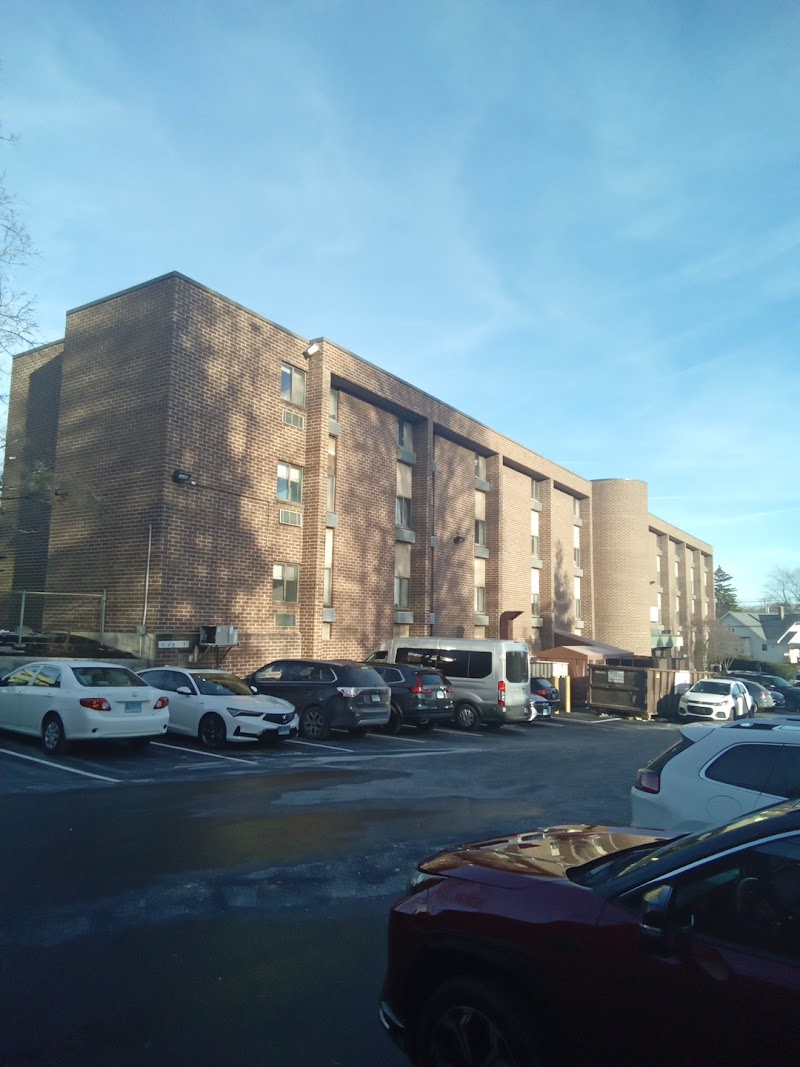
How is Civita At Danbury Staffed?

CMS rates CIVITA CARE CENTER AT DANBURY's staffing level at 4 out of 5 stars, which is above average compared to other nursing homes. Staff turnover is 76%, which is 29 percentage points above the Connecticut average of 46%. High turnover can affect care consistency as new staff learn residents' individual needs. RN turnover specifically is 86%, which is notably high. RNs provide skilled clinical oversight, so turnover in this role can affect medical care quality.

What Have Inspectors Found at Civita At Danbury?

State health inspectors documented 47 deficiencies at CIVITA CARE CENTER AT DANBURY during 2021 to 2025. These included: 1 that caused actual resident harm, 41 with potential for harm, and 5 minor or isolated issues. Deficiencies causing actual harm indicate documented cases where residents experienced negative health consequences.

Who Owns and Operates Civita At Danbury?

CIVITA CARE CENTER AT DANBURY is owned by a for-profit company. For-profit facilities operate as businesses with obligations to shareholders or private owners. The facility is operated by CIVITA CARE CENTERS, a chain that manages multiple nursing homes. With 180 certified beds and approximately 112 residents (about 62% occupancy), it is a mid-sized facility located in DANBURY, Connecticut.
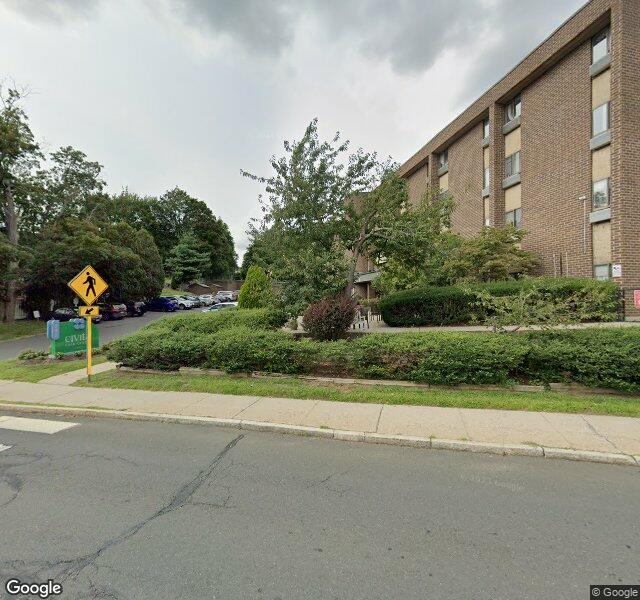
How Does Civita At Danbury Compare to Other Connecticut Nursing Homes?

Compared to the 100 nursing homes in Connecticut, CIVITA CARE CENTER AT DANBURY's overall rating (1 stars) is below the state average of 3.0, staff turnover (76%) is significantly higher than the state average of 46%, and health inspection rating (2 stars) is below the national benchmark.

What Should Families Ask When Visiting Civita At Danbury?

Based on this facility's data, families visiting should ask: "How do you ensure continuity of care given staff turnover, and what is your staff retention strategy?" "Can I visit during a mealtime to observe dining assistance and food quality?" "How do you handle medical emergencies, and what is your hospital transfer rate?" "Can I speak with family members of current residents about their experience?" These questions are particularly relevant given the facility's high staff turnover rate.

Is Civita At Danbury Safe?

Based on CMS inspection data, CIVITA CARE CENTER AT DANBURY has a clean safety record: no substantiated abuse findings (meaning no confirmed cases of resident harm), no Immediate Jeopardy citations (the most serious violation level indicating risk of serious injury or death), and is not on the Special Focus Facility watch list (a federal program monitoring the lowest-performing 1% of nursing homes). The facility has a 1-star overall rating and ranks #100 of 100 nursing homes in Connecticut. While no facility is perfect, families should still ask about staff-to-resident ratios and recent inspection results during their visit.

Do Nurses at Civita At Danbury Stick Around?

Staff turnover at CIVITA CARE CENTER AT DANBURY is high. At 76%, the facility is 29 percentage points above the Connecticut average of 46%. Registered Nurse turnover is particularly concerning at 86%. RNs handle complex medical decisions and coordinate care — frequent RN changes can directly impact care quality. High turnover means new staff may not know residents' individual needs, medications, or preferences. It can also be disorienting for residents, especially those with dementia who rely on familiar faces. Families should ask: What is causing the turnover? What retention programs are in place? How do you ensure care continuity during staff transitions?

Was Civita At Danbury Ever Fined?

CIVITA CARE CENTER AT DANBURY has been fined $22,614 across 2 penalty actions. This is below the Connecticut average of $33,305. While any fine indicates a compliance issue, fines under $50,000 are relatively common and typically reflect isolated problems that were subsequently corrected. Families should ask what specific issues led to these fines and confirm they've been resolved.

Is Civita At Danbury on Any Federal Watch List?

CIVITA CARE CENTER AT DANBURY is not on any federal watch list. The most significant is the Special Focus Facility (SFF) program, which identifies the bottom 1% of nursing homes nationally based on persistent, serious quality problems. Not being on this list means the facility has avoided the pattern of deficiencies that triggers enhanced federal oversight. This is a positive indicator, though families should still review the facility's inspection history directly.