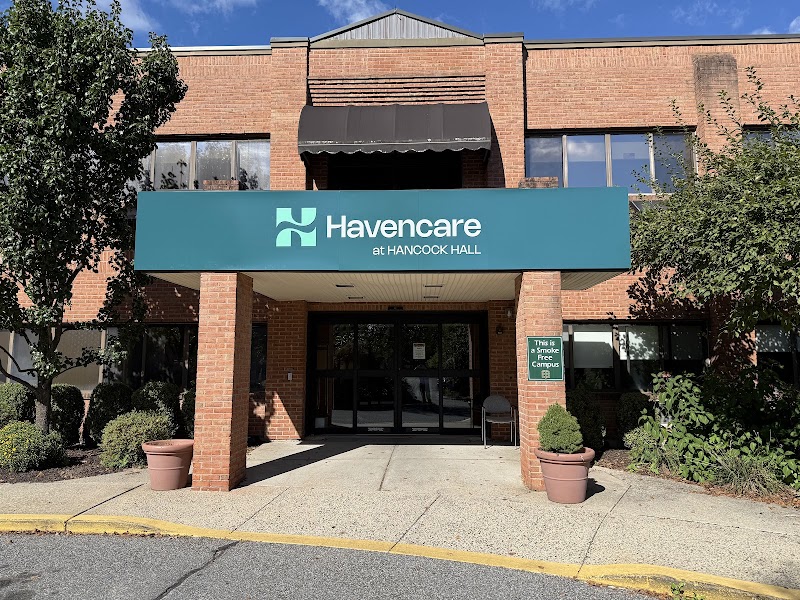
HAVENCARE AT HANCOCK HALL
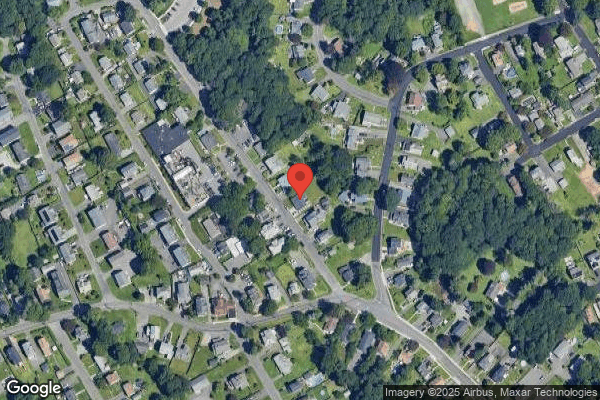
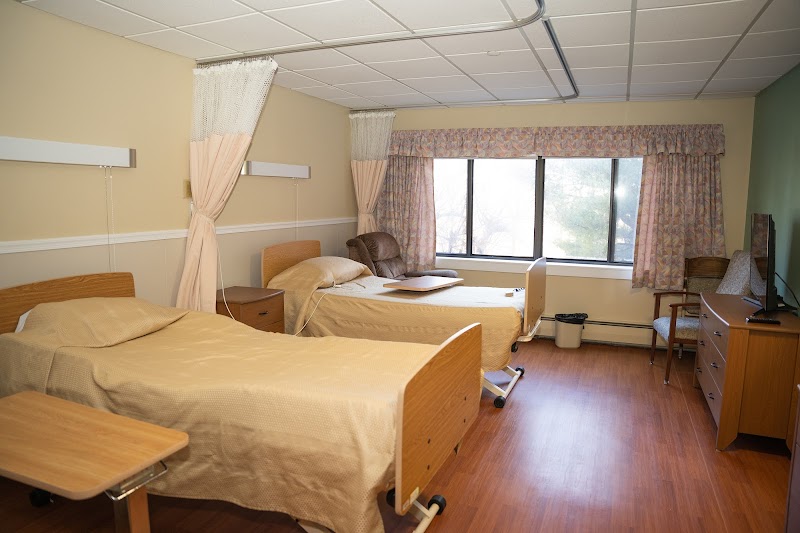
31 STAPLES ST, DANBURY, CT 06810 (203) 794-9466
For profit - Corporation 96 Beds Independent Data: November 2025
Trust Grade
90/100
#19 of 192 in CT
Last Inspection: April 2023

Over 2 years since last inspection. Current conditions may differ from available data.

Overview

Havencare at Hancock Hall has an excellent Trust Grade of A, indicating it is highly recommended and performs well overall. It ranks #19 out of 192 facilities in Connecticut, placing it in the top half, and #3 out of 20 in Western Connecticut County, meaning only two local options are better. The facility is on an improving trend, with issues decreasing from three in 2023 to one in 2024. Staffing is average with a rating of 3 out of 5 stars, but the turnover rate is concerning at 50%, which is higher than the state average of 38%. Notably, there are no fines on record, and the facility has average RN coverage, which is important for monitoring residents' health. However, there have been some critical concerns. For instance, one incident involved a resident who was not properly positioned in their wheelchair, increasing the risk of falls. Another issue found that a resident who experienced a fall did not receive a timely RN assessment, which is essential for ensuring their safety and well-being. Additionally, there were instances of expired IV fluids being found on the premises, indicating a lapse in proper inventory checks. While the overall care quality is high, families should be aware of these specific weaknesses as they consider this facility for their loved ones.

Trust Score
A
90/100
In Connecticut
#19/192
Top 9%
Safety Record
Low Risk
No red flags
Inspections
Getting Better
3 → 1 violations
Staff Stability
⚠ Watch
50% turnover. Above average. Higher turnover means staff may not know residents' routines.
Penalties
✓ Good
No fines on record. Clean compliance history, better than most Connecticut facilities.
Skilled Nurses
○ Average
Each resident gets 40 minutes of Registered Nurse (RN) attention daily — about average for Connecticut. RNs are the most trained staff who monitor for health changes.
Violations
⚠ Watch
12 deficiencies on record. Higher than average. Multiple issues found across inspections.
★★★★★
5.0
Overall Rating
★★★☆☆
3.0
Staff Levels
★★★★★
5.0
Care Quality
★★★★★
5.0
Inspection Score
Stable
2023: 3 issues
2024: 1 issues

The Good

  • 5-Star Quality Measures · Strong clinical quality outcomes
  • Full Sprinkler Coverage · Fire safety systems throughout facility
  • No fines on record

Facility shows strength in quality measures, fire safety.

The Bad

Staff Turnover: 50%

Near Connecticut avg (46%)

Higher turnover may affect care consistency

The Ugly 12 deficiencies on record

Aug 2024 1 deficiency
CONCERN (D) 📢 Someone Reported This

A family member, employee, or ombudsman was alarmed enough to file a formal complaint

Potential for Harm - no one hurt, but risky conditions existed

Accident Prevention (Tag F0689)

Could have caused harm · This affected 1 resident

**NOTE- TERMS IN BRACKETS HAVE BEEN EDITED TO PROTECT CONFIDENTIALITY** Based on clinical record reviews, facility documentation, facility policy, and interviews for one (1) of three (3) residents (Re...

Read full inspector narrative →
**NOTE- TERMS IN BRACKETS HAVE BEEN EDITED TO PROTECT CONFIDENTIALITY** Based on clinical record reviews, facility documentation, facility policy, and interviews for one (1) of three (3) residents (Resident #1) who utilized a wheelchair for mobility, the facility failed to ensure the resident was properly positioned in the wheelchair and the footrests were in place prior to transporting the resident to prevent a fall with minor injury. The findings include: Resident #1's diagnoses included syncope and collapse, generalized muscle weakness, falls, and difficulty walking. The admission Minimum Data Set assessment dated [DATE] identified Resident #1 had no memory recall deficits, required maximal assistance with toileting, and personal hygiene, and moderate assistance with getting in and out of the bed and chair, and was always continent of bowel and bladder. The resident care plan dated 7/2/24 identified Resident #1 was at risk for falls related to a diagnosis of syncope, prior falls at home, and potential for unsteady gait. Interventions directed to provide reminders to use call bell prior to rising, provide education and instruction regarding safety measures. A physician's order dated 7/3/24 directed to provide assistance of one (1) with transfers and the assistance of one (1) for ambulation with the use of a rolling walker. The resident care card dated 7/9/24 identified Resident #1 required the assistance of one (1) for transfers and ambulation with the use of a rolling walker. The Facility Reported Incident Form dated 7/10/24 at 10:45 PM identified the 3-11PM nurse aide, Nurse Aide (NA) #1, was transporting Resident #1 who was seated in the wheelchair back to bed from the bathroom. The report indicated NA #1 was actively pushing the chair from behind and while in motion Resident #1 sustained a witnessed fall out of the wheelchair. The report identified Resident #1 required the assistance of one (1) staff with transfers and was able to self-propel in the wheelchair on unit. The nurse's note dated 7/10/24 at 11:40 PM identified the Nursing Supervisor was called to Resident #1's room around 10:45 PM and observed Resident #1 on the floor in a prone position by the foot of the bed with the wheelchair nearby and Resident #1 had sustained a laceration to the forehead. The note identified a pressure dressing was applied to the forehead laceration, a neurological assessment was conducted, and Resident #1 was alert, oriented with baseline mentation. The note indicated the on-call Advanced Practice Registered Nurse (APRN) was notified, orders were obtained to transfer Resident #1 to the Emergency Department (ED) for further evaluation, and Emergency Medical Services was called. The nurse's note dated 7/11/24 at 8:06 AM identified Resident #1 returned from the hospital at approximately 3:30 AM with a dressing on the forehead with staples that needed to be removed within five (5) to seven (7) days. The APRN note dated 7/11/24 at 2:26 PM identified Resident #1 had a fall yesterday evening sustaining a laceration to the forehead, was sent to the ED for further evaluation, and returned with four (4) staples to be removed in seven (7) days. An interview was conducted with the 3-11PM nurse aide, Nurse Aide (NA) #1 on 8/6/24 at 11:15 AM. NA #1 identified on 7/10/24 she was transporting Resident #1 from the bathroom back to bed when Resident #1 fell forward out of the wheelchair. NA #1 stated Resident #1 was seated in the wheelchair and was leaning slightly forward because only the buttocks were against the back of the wheelchair. NA #1 indicated she was standing behind the wheelchair, actively pushing Resident #1, and could not see where Resident #1's feet were positioned. NA #1 identified she did not put the footrests on the wheelchair prior to transporting Resident #1 because Resident #1 was able to independently self-propel the wheelchair. Interview with the Director of Nursing (DON) on 8/6/24 at 12:40 PM identified on 7/10/24 NA #1 did not ensure Resident #1 was properly positioned in the wheelchair and NA #1 should have put the footrests on the wheelchair prior to transporting Resident #1. Review of facility's wheelchair policy identified when transporting a resident in a wheelchair assist the resident with positioning to promote proper body alignment, place the resident's feet on the footrests, and leg rests must always be used when transported by others.
Apr 2023 3 deficiencies
CONCERN (D)

Potential for Harm - no one hurt, but risky conditions existed

Quality of Care (Tag F0684)

Could have caused harm · This affected 1 resident

**NOTE- TERMS IN BRACKETS HAVE BEEN EDITED TO PROTECT CONFIDENTIALITY** Based on review of the clinical record, facility documentation, facility policy, and interviews for 2 of 3 residents (Resident #...

Read full inspector narrative →
**NOTE- TERMS IN BRACKETS HAVE BEEN EDITED TO PROTECT CONFIDENTIALITY** Based on review of the clinical record, facility documentation, facility policy, and interviews for 2 of 3 residents (Resident #46, and 60) reviewed for accidents, the facility failed to ensure an RN assessment was documented after Resident #46 fell and that the resident was not moved prior to the assessment, and the facility failed to ensure neurological assessments were completed after Resident #60 had multiple unwitnessed falls and for for 1of 8 residents (Resident #74) reviewed for medication administration, the facility failed follow the physician's order related to blood pressure parameters. The findings include: 1. Resident #46 was admitted to the facility in May 2022 with diagnoses that included history of fall, Alzheimer's disease, and dementia with behavioral disturbance. A physician's order dated 7/3/22 directed to apply chair alarm for safety, every shift: day, evening, and night. The quarterly MDS dated [DATE] identified Resident #46 had severely impaired cognition, was occasionally incontinent of bladder and required extensive 1-person physical assistance with transfer and toilet use. The care plan dated 8/14/22 identified Resident #46 had a falls/safety risk potential related to mobility decline, use of medication and history of falls. Interventions included to keep the call bell in reach and encourage use, assess footwear for proper fit, non-skid socks, chair alarm and falling star program. A reportable event form dated 11/5/22 at 8:30 PM identified NA #1, who was in an adjacent room with another resident, heard a thump coming from Resident #46's room. NA #1 observed Resident #46 in the bathroom lying on his/her right side with part of the rolling walker under the resident's right leg. NA #1 assisted Resident #46 to a sitting position and called for help. Resident #46 was observed with a small cut on top of the left side of his/her head. Ice was applied to the laceration. Subsequent to APRN notified, Resident #46 was sent to the hospital for further evaluation. Review of the facility fall event and investigation form dated 11/5/22 at 9:41 PM, completed by LPN #2, identified Resident #46 was in a chair prior to the fall which was not witnessed. NA #1 responded to the chair alarm and heard a thump in bathroom. Resident #46 had a left scalp laceration measuring 1.5 cm with approximately 0.5 cm in depth. Left cheek noted with a 2cm faint red area. The nurse's note dated 11/5/22 at 9:00 PM identified LPN #2 was called to Resident #46 room at 8:30 PM. LPN #2 indicated Resident #46 was sitting on the floor bleeding from the left side of the scalp. NA #1 reported she was responding to Resident #46's chair alarm and heard a thump in the bathroom. Review of the nurse's notes dated 11/5/22 through 11/9/22 failed to reflect documentation that the Registered Nurse conducted a thorough assessment after the resident fell on [DATE] at 8:30 AM. The nurse's note dated 11/6/22 at 2:02 AM identified Resident #46 returned to the facility, was alert and not in distress and was transferred to bed with alarm in place. Vital signs and neurological assessment started. The care plan dated 11/7/22 identified status post fall on 11/5/22, the resident hit head with small open area to left side of head. Adhesive glue to 1 cm laceration on left side of scalp. Interventions included to toilet promptly between 8:00 PM - 9:00 PM. Reminder sign on table to call for assistance and priority call light. Review of the summary report dated 11/10/22 identified on 11/5/22 at 8:30 PM NA #1 heard a thump and chair alarm coming from Resident #46 room while she was in the adjacent room with another resident. NA #1 observed Resident #46 in the bathroom lying on his/her right side with part of the rolling walker under his/her right leg. NA #1 removed the rolling walker from under the leg, assisted Resident #46 to a sitting position and called for help. Interview with NA #1 on 4/12/23 at 1:32 PM she was not assigned to Resident #46 but she was in the room next door and heard Resident #46 alarm going off and then a thump. NA #1 indicated she went into Resident #46 room and observed Resident #46 was on the bathroom floor lying on his/her right side with the rolling walker and he/she was in between the rolling walker. NA #1 indicated Resident #46 was bleeding from the left side of head. NA #1 indicated she did not move Resident #46 until the nurse came into the room (this is in conflict with the reportable event form dated 11/5/22 at 8:30 PM that indicated (NA #1 assisted Resident #46 to a sitting position and called for help) and in conflict with the nurse's note dated 11/5/22 at 9:00 PM that indicated LPN #2 found Resident #46 sitting on the floor bleeding from the left side of the scalp). Interview with LPN #2 on 4/13/23 at 9:42 AM indicated she was called to Resident #46's room, and she observed Resident #46 was sitting on the floor in the bathroom and bleeding from the left side of the head. LPN #2 indicated she does not remember who was in the bathroom but believes it was NA #1. LPN #2 indicated she does not know who sat Resident #46 up from the floor. LPN #2 indicated she called the RN supervisor who came and performed the assessment on Resident #46. LPN #46 indicated she performed the vital signs and neurological assessment. LPN #2 indicated after the RN assessed the resident, the resident was transferred via the hoyer lift with 3 assistants. LPN #2 indicated she helped get Resident #46 off the floor and she believed the other 2 assistants were the nurse's aide and the RN supervisor, but she can't remember. LPN #2 indicated she completed the fall form, and the RN supervisor was supposed to complete and closed the form out. Interview and review of the clinical record with the DNS on 4/13/23 at 10:30 AM failed to reflect documentation of the RN assessment after the residents fall on 11/5/22 and indicated there was no RN assessment notes regarding the fall. The DNS indicated the registered nurse should have documented the assessment and the subsequent laceration on the left side of the resident's head. Interview with RN #2 (previous DNS) on 4/14/23 at 11:15 AM identified she was not aware that RN #1 did not document an assessment of the resident's condition after the resident fell on [DATE]. Further, RN #2 indicated NA #1 should not have moved Resident #46 until the RN Supervisor had performed the assessment per facility policy. Interview with RN #1 on 4/14/23 at 1:46 PM identified she did perform an assessment of the resident on 11/5/22 after the resident fell however, she does not remember what position Resident #46 was in when she saw him/her because it was so long ago. RN #1 indicated NA #1 should not have moved Resident #46 until she assessed the resident. RN #1 indicated after she had performed the assessment, she left the room while the staff transferred the resident into bed. RN #1 indicated she was not aware that she did not document the assessment of the resident after the fall and identified she should have documented the assessment in the nurse's note. Although attempted, an interview with LPN #5 was not obtained. Review of the transfers from the floor policy identified in the event a resident falls to the floor or is found on the floor, licensed nursing staff will assess the resident's condition and direct care in a manner so as to minimize the risk of injury to resident and staff. In the event that a resident falls to, or is found on the floor, a staff member is to stay with the resident and the charge nurse notified. The resident is not to be moved. 2. Resident #60 was admitted to the facility with diagnoses that included dementia, progressive supranuclear palsy with essential tremors, and neurocognitive disorder with Lewy Bodies. A physician's order dated 11/18/22 directed to provide the assistance of 1 for transfers. The admission MDS dated [DATE] identified Resident #60 had moderately impaired cognition and required limited assistance with transfers, bed mobility, toileting, and extensive assistance for dressing and personal hygiene. The care plan dated 12/1/22 identified the resident had a history of falls with interventions that included to ensure the call bell was in reach, physical therapy referral, proper footwear, and non-skid soles. a. A reportable event form dated 12/25/22 at 7:10 PM identified Resident #60 had an unwitnessed fall and was found sitting on floor in front of the bed. Neurological assessments were not completed. b. A reportable event form dated 2/15/23 at 7:00 PM identified Resident #60 had an unwitnessed fall in the bathroom and sustained a skin tear to the right hand. Neurological assessments were not completed. c. A reportable event form dated 3/17/23 at 2:40 PM identified Resident #60 had an unwitnessed fall. The nurse aide found Resident #60 sitting on floor stating he/she was looking for the baby. Neurological assessments were not completed. d. A reportable event form dated 3/19/23 at 2:10 PM identified Resident #60 was witnessed by Recreation Staff #1 to fall (this is in conflict with the interview with Recreation Staff #1 on 4/13/23 at 1:20 PM where she denies witnessing the fall on 3/19/23). Neurological assessments were not completed. A progress note dated 3/23/23 indicated Resident #60 had a fall on 3/19/23 and had a diagnosis of progressive supranuclear palsy with essential tremors. The plan included the resident to be on fall precautions. Interview with the DNS on 4/13/23 at 11:00 AM indicated that staff are not always required to do neurological assessments with unwitnessed falls. The DNS indicated if the resident can state if he/she did or did not hit their head it is not required. The DNS indicated that even if a resident was confused there are times the nurse are not required to do the neurological assessment with unwitnessed falls. The DNS indicated that if a resident had an unwitnessed fall out of bed and was sitting or lying on the floor mat the nurse would assume the resident did not hit this/her head and based on the nurse's judgement would not have to do the neurological assessments. The DNS indicated the nurse would assume the resident did not hit his/her head on the bed frame, nightstand, or the overbed table unless it was near the resident and he DNS indicated nursing staff do not write statements for the falls. The DNS indicated the nurse manager investigating the fall will ask the staff but do not require written statements. Interview with the ADNS on 4/13/23 at 12:00 PM indicated all neurological assessments are completed on paper and not in the electronic medical record. The ADNS indicated she could not find neurological assessments completed for the 4 unwitnessed falls on 12/25/22, 2/15/23, 3/17/23 and 3/19/23. The ADNS indicated 3 of the falls were out of bed so if the nurse felt Resident #60 did not hit his/her head they did not need to do the neurological assessments. The ADNS indicated she was not aware based on documentation if Resident #60 could have hit his/her head on the nightstand, over bed table legs, or the bed frame for the falls on 12/25/22 2/15/23, 3/17/23, or 3/19/23. The ADNS indicated she could not verify if Resident #60 did or did not hit his/her head but since the neurological assessments were not done, she would guess that Resident #60 did not hit his/her head at the time of those falls. Interview with MD #1 on 4/13/23 at 12:30 PM indicated falls can be the unplanned change of position. MD #1 indicated the nurses should follow the facility policy for unwitnessed falls and performing neurological assessments. MD #1 indicated if a nurse finds a resident just sitting on the floor and there was no sign of injury then it is based on the facility policy. MD #1 indicated if it looks like they struck their head then the nurse should do the neurological assessments, but it is at the discretion of the nurse based on the facility policy. MD #1 indicated the nurses must do a physical assessment. Interview and review of the clinical record with the DNS on 4/13/23 at 12:55 PM indicated she could not find a neurological assessment sheet for the unwitnessed fall on 12/25/22. The DNS indicated Resident #60 has moments of clarity but if Resident #60 was off his/her baseline she would expect the nurses to do neurological assessments and follow the assessment form. The DNS indicated for the 12/25/22, 2/15/23 and 3/17/23 unwitnessed falls, she would have expected the nurse to have completed the neurological assessments because the resident was confused. The DNS indicated for the fall on 3/19/23, the recreation person was not in the room but was the first person to respond. The DNS indicated this was an unwitnessed fall. The DNS indicated Resident #60 was very mobile and does not stop getting up on his/her own. The DNS indicated if she were to say the nurses would do neurological assessments every time Resident #60 has an unwitnessed fall the nurses would be doing neurological assessments all the time. The DNS indicated the nurse looks at the surrounding area and make an assumption if they think the resident did or did not hit their head and then decide if they need to do the neurological assessments. Interview with Recreation Person #1 on 4/13/23 at 1:20 PM indicated she did not witness the fall on 3/19/23 for Resident #60. Recreation #1 indicated she was across the hallway talking to both residents in room [ROOM NUMBER] when she heard a thud and came out of room and down hallway and saw Resident #60 on the floor. Recreation Person #1 indicated she stepped out of the doorway and notified the charge nurse who was in the hallway. Review of the Neurological Assessment identified the purpose was to detect clinical manifestations of increased intracranial pressure. The assessment should be initiated when a head injury or disorder was suspected. If no specific orders were received from the physician, the frequency of the assessment should be as follows: initially then every 15 minutes x 4 times, then every 1 hours times 4, every 2 hours times 4, every 3 hours times 4, and every 4 hours times 4. Obtain a Neurological Assessment Flow Sheet and document all findings on that form. Document the date and time of each assessment, then precede as follows: level of consciousness, pupil responses, motor functions, pain responses, vital signs, observations, and signature of nurse filling out the section. Notify the physician if any abnormal changes. 3. Resident #74 was admitted to the facility with diagnoses that included primary hypertension and heart disease. A physician's order dated 3/2/23 directed to give metoprolol succinate tablet extended release 25 mg once a day. Special instructions: hold medication if systolic blood pressure is less than 120 or if apical pulse is less than 60 for diagnosis of essential primary hypertension. The admission MDS dated [DATE] identified Resident #74 had intact cognition and required extensive assistance with bed mobility and personal hygiene. Review of the Medication Administration Record dated 4/1/23-4/10/23 identified that metoprolol extended release 25mg once a day was given every morning at 8:30 AM and heart rate and blood pressure were listed. On 4/2/23 the blood pressure was 116/72 and on 4/10/23 blood pressure was 110/60 and the medication was signed off as given. A Reportable Event Form dated 4/10/23 at 9:00 AM identified a medication error. During morning medication pass Resident #74's apical pulse was 78 and blood pressure was 110/60. LPN #1 misread the parameters for the order and gave Resident #74 the metoprolol when she should have held it for the systolic blood pressure less than 120. Intervention was staff education and clarification of the physician's order. Observations on 4/10/23 at 9:10 AM identified LPN #1 was preparing Resident #74's medications. LPN #1 indicated she needed to get a stethoscope to do the apical pulse. Observed nurse do the apical pulse for 1 full minute and noted the apical heart rate was 74 bpm. At 9:15 AM LPN #1 removed the medications aspirin 81mg, Norvasc 10 mg, clopidogrel 75mg, ranolazine ER 500 mg, and metoprolol 25 mg from the blister packs and placed them in the medication cup. LPN #1 entered the room and elevated resident #74's head of bed and began giving 1 pill at a time from medicine cup on a spoon. Resident #74 took all the medications including the metoprolol were provided by LPN #1. Interview with LPN #1 on 4/10/23 at 9:29 AM indicated the metoprolol had a parameter of apical heart rate less than 60 and a parameter for the blood pressure. LPN #1 indicated she had taken Resident #74's blood pressure prior to breakfast at about 8:30 AM and documented it in the vital sign section of the medical record as 110/60. Interview with LPN #1 on 4/10/23 at 12:28 PM indicated that the physicians order for the metoprolol says the systolic less than 120 or heart rate less than 60 and since the heart rate was above the 60 and it was 74 it was okay to give the metoprolol and it did not matter what the systolic blood pressure was. LPN #1 indicated she only had to follow the parameter for the apical heart rate or the systolic blood pressure, not both. Interview with APRN #1 on 4/10/23 at 12:33 PM indicated if Resident #74 had a blood pressure of 110/60 the metoprolol was to be held and then notify the APRN or physician. APRN #1 indicated it was important for the nurses to evaluate the blood pressure and apical heart rate because metoprolol was a beta blocker, and it works by decreasing the heart rate and if a dose was too high it could drive the heart rate down to low. APRN #1 indicated the medication affects the blood pressure too and the APRN or physician needs to tailor the dosage of the medication to Resident #74. APRN #1 indicated for Resident #74 was to treat his/her blood pressure and the heart rate was a safety mechanism. APRN #1 indicated she would expect to be notified if the medication was held for a low blood pressure and what the blood pressure was at that time and review prior blood pressures. APRN #1 indicated she will reevaluate the parameters for this medication for Resident #74. APRN #1 indicated she was not notified today or in the last week or two of Resident #74 having a low blood pressure and the metoprolol being held. Interview with LPN #1 on 04/10/23 at 12:47 PM indicated she updated APRN #1, and the APRN would review and clarify the parameters for the metoprolol for Resident #74. Interview with the unit manager second floor LPN #2 on 4/10/23 at 12:48 PM indicated if the blood pressure for Resident #74 was 110/60 and the apical heart rate was 74 the medication metoprolol would have been held based on the systolic blood pressure parameter by the physician. Review of the medication administration record with LPN #1, from 4/1-4/10/23, LPN #2 indicated the blood pressure was too low on 2 out of 10 occasions and the medication was still given when it should have been held. LPN #2 indicated on 4/2/23 and 4/10/23 the nurses signed off that they gave the metoprolol when the systolic blood pressure was too low per the physician's parameters for the medication, and she thinks the nurses don't understand the order because of the word or. LPN #2 indicated she would do education with LPN #1 and LPN #3 for their medication errors and the other nurses. The nurse's note written by LPN #1 dated 4/10/23 at 3:51 PM identified that during morning medication pass Resident #74's apical pulse was 74 and blood pressure of 110/60, I misread the parameters order and gave Resident #74 the metoprolol when she should have held it. APRN #1 and residents responsible party were updated at 2:30 PM blood pressure was 104/60 and apical heart rate was 78. Interview with the DNS on 4/13/23 at 10:54 AM indicated when she read Resident #74's order for the metoprolol with the parameters she was confused on whether to give the medication and if LPN #1 had made a medication error. The DNS indicated she spoke with the APRN for clarification on the parameters for the medications and she had learned about the and vs or for the parameters and the APRN had informed her that the medication did need to be held based on the physician's orders. The DNS indicated it was a medication error. The DNS indicated when the nurses were being given the education many of them were confused and were not understanding the order the way it was written by the physician and needed clarification. The DNS indicated she wants the APRN to change any of the orders that are written the same way as Resident #74 and write the order clearer so there would be no confusion. Although attempted, an interview with LPN #3 was not obtained. Review of facility Medication Administration Policy identified if there is a question about a medication order, as indicated on the MAR, the original physician's order is checked. Any medication with a parameter for administration such as digoxin must be placed in a separate souffle cup until the parameter is obtained.
CONCERN (D)

Potential for Harm - no one hurt, but risky conditions existed

Deficiency F0761 (Tag F0761)

Could have caused harm · This affected 1 resident

Based on observations, review of facility policy and interviews, the facility failed to ensure intravenous (IV) fluid supplies were within their expiration. The findings included: Observation on 4/12/...

Read full inspector narrative →
Based on observations, review of facility policy and interviews, the facility failed to ensure intravenous (IV) fluid supplies were within their expiration. The findings included: Observation on 4/12/23 at 12:05 PM with the DNS and Corporate Compliance Nurse of the facility's stock of IV supplies identified multiple bags of IV fluids maintained in the Omnicell (a locked automated medication dispensing system) were expired. The expired IV fluids included: A 1-liter bag of 5% Dextrose in 0.9% Sodium Chloride expired 10/2021. A 1-liter bag of 0.9% Sodium Chloride expired 10/2021. A 1-liter bag of 0.45% Sodium Chloride expired 11/2022. Interview with the DNS at the time of the observation identified that facility staff was not responsible to ensure IV fluids stored in the Omnicell were not expired. The DNS indicated nursing staff does not check the IV supplies ever, because the pharmacy does the IV starts, and they bring all the supplies with them, and whenever we need additional supplies, we call the pharmacy and they deliver for our residents twice a day and as needed. The DNS indicated the facility does have a supply for back up but haven't needed to access it for IV fluids. The DNS further identified that the pharmacy was responsible for ensuring the IV fluids were not expired and the expired IV fluids should have been removed by the pharmacy. Immediately following the observation, the DNS identified that the IV fluids were checked for expiration and restocked by the pharmacy. Interview with Pharmacist #1 on 4/12/23 at 1:50 PM identified that a monthly report was printed for the facility the morning of a scheduled visit by the pharmacy staff that identified any medications that needed to be pulled due to expiration or any medications that were in need of restock, and that the pharmacy worked off the report only and did not physically check the dates of any medications. Pharmacist #1 further identified that the IV supplies were backup stock for the facility, and as IV supplies were used, the pharmacy would send replenishment and the facility staff were responsible to update the expiration dates in the Omnicell system. Pharmacist #1 identified that the most current report identified all IV fluid bags were within their expiration date. Pharmacist #1 also identified he could not see any reports for outdated medications or replenishments sent to the facility because their system deletes prior reports for expired medications once they complete a visit to the facility. Pharmacist #1 could not identify why the expired IV fluid bags were in the Omnicell, and that it was the facility's responsibility to ensure that the IV fluids were removed and sent back to the pharmacy if they were expired. The facility policy on use of the Omnicell system directed that the purpose of the system was to securely store emergency medications to ensure residents would have access to initiation and continuation of drug therapy, and the medication was the property of the extended care facility. The facility policy on interim infusion medication and supplies directed that the facility nursing staff would communicate with the pharmacy for medication replacement and contact the pharmacy for supply replenishment when expiration dates were reached.
MINOR (B)

Minor Issue - procedural, no safety impact

MDS Data Transmission (Tag F0640)

Minor procedural issue · This affected multiple residents

Based on review of the clinical record and interview for 5 of 5 residents (Residents #7, 11, 14, 23 and 69) reviewed for resident assessment, the facility failed to electronically submit discharge tra...

Read full inspector narrative →
Based on review of the clinical record and interview for 5 of 5 residents (Residents #7, 11, 14, 23 and 69) reviewed for resident assessment, the facility failed to electronically submit discharge tracking information to the CMS system according to established timeframes after the residents were discharged from the facility. The findings include: Resident #7 was discharged from the facility on 10/20/22. Resident #11 was discharged from the facility on 12/5/22. Resident #14 was discharged from the facility on 10/21/22. Resident #23 was discharged from the facility on 12/21/22. Resident #69 was discharged from the facility on 12/6/22. Review of facility documentation on 4/13/23 identified that discharge tracking information for Residents #7, 11, 14, 23 and 69 had not been transmitted to the CMS system. Interview with LPN #4 on 4/13/23 at 9:00 AM indicated that she had been waiting for information on therapy minutes prior to transmitting the data, however, she identified that discharge tracking information should be transmitted within 14 days of the discharge.
Mar 2020 7 deficiencies
CONCERN (D)

Potential for Harm - no one hurt, but risky conditions existed

Deficiency F0558 (Tag F0558)

Could have caused harm · This affected 1 resident

**NOTE- TERMS IN BRACKETS HAVE BEEN EDITED TO PROTECT CONFIDENTIALITY** Based on clinical record reviews, observations, review of facility documentation and interviews for one sampled resident (Reside...

Read full inspector narrative →
**NOTE- TERMS IN BRACKETS HAVE BEEN EDITED TO PROTECT CONFIDENTIALITY** Based on clinical record reviews, observations, review of facility documentation and interviews for one sampled resident (Resident #68) who was reviewed for quality of care the facility failed to accommodate the resident's preference by not consistently utilizing a teaspoon when feeding the resident honey thickened fluids. The findings include: Resident #68's diagnoses included anemia, hypertension, Alzheimer's disease, anxiety, depression, age related osteoporosis and dysphasia. The quarterly Minimum Data Set ( MDS) assessment dated [DATE] identified Resident #68 had severe cognitive impairment, was total dependent and required two persons physical assistance for transfers, toileting and personal hygiene, was total dependent and required one person assist for eating, and was on a mechanically altered diet. A physician's order dated 2/24/2020 directed regular diet, pureed consistency, and honey thickened liquids. The Resident Care Plan (RCP) dated 2/11/2020 identified Resident #68 had a dysphasia diagnosis and staff to offer to set up and provide extensive assist with meals. Interventions directed to provide pureed consistency diet and honey thick fluids, to provide red handled teaspoon silverware, and to spoon feed fluids. Review of Resident #68's clinical record indicated that Person #1 was identified as Resident # 68's Emergency contact. Observation during lunch meal in the 2nd floor dining room of the facility on 3/11/2020 at 12:30 PM identified NA #4 feeding Resident #68 honey thick liquids by using a cup and without the benefits of using a teaspoon as identified in the resident's plan of care. In an interview and review of Resident # 68's diet slip with NA #4 on 3/11/20 at 12:35 PM, NA #4 stated she did not regularly feed residents in the dining room and was not aware of using the red teaspoon to feed Resident #68 fluids. Review of two diet slips located next to the resident's meal tray and within view of NA #4, directed, Fluids by Red Teaspoon Only. An interview with the Food Service Director on 3/11/2020 at 2:30 PM indicated use of the red handled teaspoon was as requested by Person #1 and use of the spoon was still relevant for use when feeding Resident #68. In an interview with the DNS on 3/12/20 at 10:45 AM, the DNS indicated that using the Red teaspoon to feed fluids to Resident #68 was requested by Person #1 and was trialed and the facility realized that using the spoon worked well for the resident. The DNS stated, using the teaspoon to feed fluids to Resident #68 was an approach, not a requirement and was done to accommodate Person #1. The DNS indicated she would have expected NA #4 to utilize the teaspoon when feeding fluids to Resident #68. A facility's policy on accommodation of preferences was not provided.
CONCERN (D)

Potential for Harm - no one hurt, but risky conditions existed

Deficiency F0657 (Tag F0657)

Could have caused harm · This affected 1 resident

**NOTE- TERMS IN BRACKETS HAVE BEEN EDITED TO PROTECT CONFIDENTIALITY** Based on review of the clinical record, facility documentation, facility policy and/or procedures and interviews for one of five...

Read full inspector narrative →
**NOTE- TERMS IN BRACKETS HAVE BEEN EDITED TO PROTECT CONFIDENTIALITY** Based on review of the clinical record, facility documentation, facility policy and/or procedures and interviews for one of five residents reviewed of unnecessary medications (Resident #80), the facility failed to review and revise the plan of care in a timely manner with interventions to address the resident's behavioral of removing oxygen. The findings included: Resident #80's diagnoses included CHF (congestive heart failure), COPD (chronic obstructive pulmonary disease), atrial fibrillation, dependence on supplemental oxygen, anxiety disorder, delusional disorder, PTSD (post-traumatic stress disorder) and major depressive disorder. A quarterly MDS assessment dated [DATE] identified the resident as cognitively intact, independent for most activities of daily living and receiving oxygen therapy. Physician's orders directed oxygen therapy at 2 Liters per minute via nasal cannula every day on all three shifts. May titrate up to 0.5 liters to maximum of 4 liters as needed to maintain oxygen saturation greater than 90%. The RCP dated 11/27/19 identified a diagnosis of CHF/COPD as the problem. Interventions included monitor every shift for dyspnea, fatigue, change in color amount and character of sputum including purulence, anxiety, irritability, low grade temperature, excessive somnolence, restlessness, aggressiveness, headache confusion, central cyanosis and shortness of breath at rest. Monitor vital signs, SPO2 as ordered and oxygen as ordered. The nursing notes dated 1/12/20 at 11: PM at 8:00 PM identified in part, the nurse was called into resident's room. Resident appears very agitated. Resident had taken off her/his oxygen, he/she had oral mucosal cyanosis. The nurse instructed resident to put his/her oxygen back on. The nurse's notes dated 1/14/2020 identified in part, that in the afternoon, Resident # 80 self-propelled in halls at a faster pace without oxygen on until lips appeared to be cyanotic and indicated the resident went to bathroom in bath core. The nurse went to bathroom question the resident why he/she was using this bathroom when his/her roommate was in halls, clearly not occupy bathroom. Resident refused oxygen but accepted. The nurse's notes dated 1/14/20 at 10:20 P.M. further identified in part, Resident alert, oriented, anxious, paranoid, removing oxygen throughout the shift, unable to be redirected. Family visited at 6:00 P.M. and (resident) was taken by family to recreational room. Resident # 80's mood and behavior improved instantly. The nurse's notes dated 1/21/20 at 10:00 P.M. identified in part, resident did not have his/her oxygen on. He/she had placed the disconnected tubing from his/her portable tank in his/her nose so he/she could fool the nurse into thinking he/she had his/her oxygen and indicated cyanosis was noted. The nurse returned the resident to recliner and applied the oxygen cannula attached to the concentrator. Review of the clinical record with the DNS on 3/12/20/at 2:40 PM indicated the resident always removes his/her oxygen, and is doing much better since starting Xanax ( Anti-anxiety ) medication and although the care plan is comprehensive and further noted the resident is monitored for signs and symptoms that included cyanosis, anxiety, irritability, the use of oxygen, shortness of breath/lung sounds, and oxygen saturation according to the plan of care; the care plan failed to provide evident the interventions was put in place to address the resident's behavior of removing his/her oxygen.
CONCERN (D)

Potential for Harm - no one hurt, but risky conditions existed

Deficiency F0658 (Tag F0658)

Could have caused harm · This affected 1 resident

**NOTE- TERMS IN BRACKETS HAVE BEEN EDITED TO PROTECT CONFIDENTIALITY** Based on clinical record reviews, observations, review of facility documentation, review of policy and interviews for one sample...

Read full inspector narrative →
**NOTE- TERMS IN BRACKETS HAVE BEEN EDITED TO PROTECT CONFIDENTIALITY** Based on clinical record reviews, observations, review of facility documentation, review of policy and interviews for one sampled resident (Resident #68) who was reviewed for pain management, the facility failed to administer the medication in accordance to professional standards. The findings include: Resident #68's diagnoses included hypertension, Alzheimer's disease, urinary tract infection, anxiety and depression, fracture, and age- related osteoporosis. The Resident Care Plan dated 2/26/19 identified resident # 68 had potential for pain related to arthritis and history of lower back pain, was not always able to express if pain was present, and staff to observe for signs and symptoms of pain such as facial expression, grimacing and rubbing back. Interventions directed, observe, ask resident, and if in pain administer pain medications as ordered and observe for effectiveness. The quarterly Minimum Data Set assessment dated [DATE] identified Resident #68 had severe cognitive impairment, was frequently incontinent of urine and occasionally incontinent of bowels, required extensive 2 person assist for bed mobility, transfers, and toilet use, and was on a scheduled pain medication regimen. A physician's order dated 10/4/19 noted at 4:46 P.M. directed tramadol 50 mg tablet, give .25 tablet (12.5 MG) by oral route every 6 hours. Review of the controlled Substance Disposition Record indicated Resident #68 received Tramadol ½ tab (25MG) on 10/4/19 at 7:00 P.M. In an interview with RN #3 on 3/11/2020 at 12:15 PM, RN #3 indicated she administered the incorrect dose of tramadol to Resident #68 on 10/4/19. RN #3 identified a current order for tramadol 12.5 MG was in place, but she inadvertently administered the previously ordered dose of 25 MG as she was distracted. RN #3 also indicated she should have double checked the order and the medication prior to administering the dose. An interview with the DNS on 3/11/2020 at 12:20 PM indicated the medication error was a human error. The DNS further indicated that RN #3 was counseled on the importance of reading the order on the medication administration record and on the blister pack prior to administering a medication. The DNS also further indicated that the MAR was modified and reprinted to clarify that 12.5 MG was equivalent to ¼ tablet. Review of the Medication Administration policy directed, administer medication to resident correctly: right resident, right drug, right dose, right route, right time and right frequency.
CONCERN (D)

Potential for Harm - no one hurt, but risky conditions existed

Quality of Care (Tag F0684)

Could have caused harm · This affected 1 resident

**NOTE- TERMS IN BRACKETS HAVE BEEN EDITED TO PROTECT CONFIDENTIALITY** Based on clinical record reviews, observations, review of facility documentation and interviews for one sampled residents (Resid...

Read full inspector narrative →
**NOTE- TERMS IN BRACKETS HAVE BEEN EDITED TO PROTECT CONFIDENTIALITY** Based on clinical record reviews, observations, review of facility documentation and interviews for one sampled residents (Resident #68) who was reviewed for pain management and who utilized an anticogulant medication , the facility failed to administer the resident's medications per physician's orders. The findings include: 1 a.Resident #68's diagnoses included hypertension, Alzheimer's disease, urinary tract infection, anxiety and depression, fracture, and age- related osteoporosis. The Resident Care Plan dated 2/26/19 identified resident # 68 had potential for pain related to arthritis and history of lower back pain, was not always able to express if pain was present, and staff to observe for signs and symptoms of pain such as facial expression, grimacing and rubbing back. Interventions directed, observe, ask resident, and if in pain administer pain medications as ordered and observe for effectiveness. The quarterly Minimum Data Set assessment dated [DATE] identified Resident #68 had severe cognitive impairment, was frequently incontinent of urine and occasionally incontinent of bowels, required extensive 2 person assist for bed mobility, transfers, and toilet use, and was on a scheduled pain medication regimen. A physician's order dated 10/4/19 noted at 4:46 P.M. directed tramadol 50 mg tablet, give .25 tablet (12.5 MG) by oral route every 6 hours. Review of the controlled Substance Disposition Record indicated Resident #68 received Tramadol ½ tab (25MG) on 10/4/19 at 7:00 P.M. In an interview with RN #3 on 3/11/2020 at 12:15 PM, RN #3 indicated she administered the incorrect dose of tramadol to Resident #68 on 10/4/19. RN #3 identified a current order for tramadol 12.5 MG was in place, but she inadvertently administered the previously ordered dose of 25 MG as she was distracted. RN #3 also indicated she should have double checked the order and the medication prior to administering the dose. An interview with the DNS on 3/11/2020 at 12:20 PM indicated the medication error was a human error. The DNS further indicated that RN #3 was counseled on the importance of reading the order on the medication administration record and on the blister pack prior to administering a medication. The DNS also further indicated that the MAR was modified and reprinted to clarify that 12.5 MG was equivalent to ¼ tablet. b. Resident #68's diagnoses included hypertension, Alzheimer's disease, urinary tract infection, anxiety and depression, fracture, and age- related osteoporosis. The quarterly Minimum Data Set assessment dated [DATE] identified Resident #68 had severe cognitive impairment, was frequently incontinent of urine and occasionally incontinent of bowels, required extensive 2 person assist for bed mobility, transfers, and toilet use, and was on a scheduled pain medication regimen. A Physician's order dated 3/9/2020 at 1:08 P.M. directed Resident #68 to administer Coumadin (Anticoagulant) 2.5 MG tablet give 1 tablet (2.5 MG) by oral route once daily for 7 days. Resident # 68's Medication Administration Record (MAR) dated March 2019 indicated Coumadin 2.5 MG was not documented as being administered on 3/13/19 at 7:00 PM. A review of the facility's Coumadin Therapy worksheet indicated Resident # 68's international normalized ratio (INR) level on 3/13/19 was 2.78 and 2.52 on 3/20/19 (Normal Range 0.8-1.2). An interview with RN #2 (Nursing Supervisor, 3-11 PM shift) on 3/11/2020 at 2:05 PM indicated the facility's practice is to administer Coumadin at 5:30 PM and Resident #68 had been receiving Coumadin at 5:30 PM. RN #2 further indicated she recalled taking the physician's order on 3/13/19 and entering the order for Coumadin in the system but may have not changed the default time for the Coumadin from 9:30 AM to 5:30 PM. In an interview with LPN #1 (charge Nurse, 3-11 PM shift) on 3/12/2020 at 9:40 AM, LPN #1 indicated she worked on the 3-11 PM shift on 3/13/19 and the Coumadin was not scheduled during the 3-11 PM shift. LPN #1 also indicated she was not the nurse who usually worked on the unit or she may have identified the error in the timing. In an interview with the DNS on 3/12/2020 at 11:00 AM identified the transcription error led to an omission of a dose of Coumadin and indicated that Resident # 68's INR levels were not negatively affected. Review of the Medication Administration policy directed, administer medication to resident correctly: right resident, right drug, right dose, right route, right time and right frequency.
CONCERN (D)

Potential for Harm - no one hurt, but risky conditions existed

Deficiency F0760 (Tag F0760)

Could have caused harm · This affected 1 resident

Deficiency Text Not Available

Read full inspector narrative →
Deficiency Text Not Available
CONCERN (D)

Potential for Harm - no one hurt, but risky conditions existed

Infection Control (Tag F0880)

Could have caused harm · This affected 1 resident

**NOTE- TERMS IN BRACKETS HAVE BEEN EDITED TO PROTECT CONFIDENTIALITY** Based on clinical record reviews, observations, review of facility documentation, review of policy and interviews for one of thr...

Read full inspector narrative →
**NOTE- TERMS IN BRACKETS HAVE BEEN EDITED TO PROTECT CONFIDENTIALITY** Based on clinical record reviews, observations, review of facility documentation, review of policy and interviews for one of three sampled residents (Resident #68) who were reviewed for quality of care, the facility failed to ensure hand hygiene was performed after perform hand hygiene to prevent the spread of infection. The findings include: Resident #68's diagnoses included anemia, hypertension, Alzheimer's disease, Anxiety, depression, and age-related osteoporosis. The quarterly Minimum Data Set assessment dated [DATE] identified Resident #68 had severe cognitive impairment, was total dependent and required two persons physical assistance for transfers, toileting and personal hygiene, and was always incontinent of urine and bowel. The RCP dated 2/11/2020 indicated Resident #68 was incontinent of bladder and bowel. Interventions directed to provide briefs to maintain dignity and to provide incontinence care after each incontinent episode. Observation of incontinent care provided to Resident #68 on 3/10/20 at 11:30 AM by NA #1 and NA #2 identified NA #1 and NA #2 performed incontinent care without issues. However, after removing their gloves used during providing incontinent care to Resident #68 NA #1 left the resident's room without the benefits of performing hand hygiene. Also, after removing gloves, NA #2 was observed providing care to Resident #49 without the benefits of performing hand hygiene after providing incontinent care to Resident # 68. In an interview with NA #1 and NA #2 on 3/10/20 at 11:40 AM NA #1 indicated she performed hand hygiene with the use of a hand sanitizer after removing the gloves and after leaving the resident's room. NA #2 identified she should have washed her hands after removing her gloves and before providing care to Resident #49. In an interview with RN #1 (Staff Development) on 3/10/20 at 11:50AM, RN # 1 identified staff were educated to perform hand hygiene by washing hands with soap and water or by using a hand sanitizer. RN #1 also indicated that rev NA #2 was expected to perform hand hygiene after removing gloves after providing care, before leaving a resident's room, and before rendering care to another resident. Review of the facility's Hand Hygiene policy directed the use of gloves does not replace handwashing, Gloves are removed when the need for protection no longer exists and should be disposed of before leaving room and hand hygiene should be practiced after removal of gloves.
MINOR (C)

Minor Issue - procedural, no safety impact

Deficiency F0576 (Tag F0576)

Minor procedural issue · This affected most or all residents

Based on interviews with residents, review of policy and interview, the facility failed to ensure that mail was delivered on Saturday to residents. The findings include: 0n 3/10/20 1:07 PM on 12/17/19...

Read full inspector narrative →
Based on interviews with residents, review of policy and interview, the facility failed to ensure that mail was delivered on Saturday to residents. The findings include: 0n 3/10/20 1:07 PM on 12/17/19 during Resident Council Interview identified several residents who indicated they did not receive mail on Saturdays at the facility. Interview with the Administrator on 3/11/20 at 1:35 P.M. identified when she spoke to the receptionist about mail delivery on Saturday, the receptionist indicated she /he indicated mail had not been delivered to residents since September 2019. Subsequent to inquiry, the administrator put a plan in place to ensure mail delivery on Saturday.
Jan 2019 1 deficiency
CONCERN (D)

Potential for Harm - no one hurt, but risky conditions existed

Infection Control (Tag F0880)

Could have caused harm · This affected 1 resident

**NOTE- TERMS IN BRACKETS HAVE BEEN EDITED TO PROTECT CONFIDENTIALITY** Based on clinical record review, observation, review of facility policy and/or procedures and interviews for one sampled residen...

Read full inspector narrative →
**NOTE- TERMS IN BRACKETS HAVE BEEN EDITED TO PROTECT CONFIDENTIALITY** Based on clinical record review, observation, review of facility policy and/or procedures and interviews for one sampled resident's reviewed for respiratory care (Resident #41), the facility failed to properly store respiratory equipment when not in use to prevent the spread of infection. The finding include: Resident #41's diagnoses included pulmonary fibrosis, hypertensive heart disease with heart failure, chronic pulmonary embolism, macular degeneration and morbid obesity. A quarterly Minimum Data Set (MDS) assessment dated [DATE] identified the resident as moderately impaired for decision-making skills, without behaviors and requiring extensive assistance from staff for most activities of daily living. The physician's monthly orders for January 2019 directed DuoNeb 0.5 mg - 3 mg (2.5 mg base) 3ml solution for nebulization give 3 ml by nebulization (Ipratropium-albuterol) every 8 hours to be given at 6:00 A.M., 2:00 P.M. and 10:00 P.M. On 1/28/19 at 11:14 P.M. during an interview with Resident #41, the resident expressed a concern that the staff does not properly store his/her respiratory equipment in a plastic protective storage bag after his/her treatment was completed. On 1/29/19 at 11:20 A.M. an interview and review of the clinical record with LPN#1 identified Resident # 41 received a DuoNeb treatment (respiratory treatment ) at 6:00 A.M. and the resident was scheduled to receive an additional respiratory treatment at 2:00 P.M. Upon observation of the respiratory mask with LPN#1 identified the mask was dry and free from moisture. The mask was placed with the opening of the mask faced down on a napkin and/or paper towel with the medicine cup attachment placed beside without the benefit of the mask being stored in a protective storage bag. LPN#1 indicated after the resident's respiratory treatment is completed, the respiratory equipment is washed, placed on the paper towel to dry and once it is dried, the mask is placed in the plastic storage bag. Subsequent to surveyor's inquiry, LPN#1 placed the dried respiratory equipment in the protective storage bag. On 1/30/19 at 12:10 P.M. an interview and review of the clinical record, review of facility policy and/or procedures with the DNS indicated following the resident's respiratory treatment, the nebulizer equipment and/or respiratory equipment is washed and set on a clean napkin until it dries and then put away. The DNS further indicated that based on the time which lapsed between the resident receiving his/her treatment (6:00 A.M.) and the time the resident expressed a concern about his/her respiratory equipment the equipment had not been put away (11:14 A.M.). The DNS indicated that once the resident's respiratory equipment was dried staff failed to place the equipment in a storage bag. According to the facility's policy and/or procedures for respiratory care equipment maintenance and cleaning noted in part, respiratory equipment is maintained in a clean and safe manner. Respiratory equipment is stored in plastic bag when not in use and the bags are changed weekly.
Understanding Severity Codes (click to expand)
Life-Threatening (Immediate Jeopardy)
J - Isolated K - Pattern L - Widespread
Actual Harm
G - Isolated H - Pattern I - Widespread
Potential for Harm
D - Isolated E - Pattern F - Widespread
No Harm (Minor)
A - Isolated B - Pattern C - Widespread

Questions to Ask on Your Visit

  • "Can I speak with families of current residents?"
  • "What's your RN coverage like on weekends and overnight?"

Our Honest Assessment

Strengths
  • • Grade A (90/100). Above average facility, better than most options in Connecticut.
  • • No major safety red flags. No abuse findings, life-threatening violations, or SFF status.
  • • No fines on record. Clean compliance history, better than most Connecticut facilities.
Concerns
  • • 12 deficiencies on record. Higher than average. Multiple issues found across inspections.
Bottom line: Generally positive indicators. Standard due diligence and a personal visit recommended.

About This Facility

What is Havencare At Hancock Hall's CMS Rating?

CMS assigns HAVENCARE AT HANCOCK HALL an overall rating of 5 out of 5 stars, which is considered much above average nationally. Within Connecticut, this rating places the facility higher than 99% of the state's 100 nursing homes. This rating reflects solid performance across the metrics CMS uses to evaluate nursing home quality.
How is Havencare At Hancock Hall Staffed?

CMS rates HAVENCARE AT HANCOCK HALL's staffing level at 3 out of 5 stars, which is average compared to other nursing homes. Staff turnover is 50%, compared to the Connecticut average of 46%.

What Have Inspectors Found at Havencare At Hancock Hall?

State health inspectors documented 12 deficiencies at HAVENCARE AT HANCOCK HALL during 2019 to 2024. These included: 10 with potential for harm and 2 minor or isolated issues.
Who Owns and Operates Havencare At Hancock Hall?

HAVENCARE AT HANCOCK HALL is owned by a for-profit company. For-profit facilities operate as businesses with obligations to shareholders or private owners. The facility operates independently rather than as part of a larger chain. With 96 certified beds and approximately 91 residents (about 95% occupancy), it is a smaller facility located in DANBURY, Connecticut.
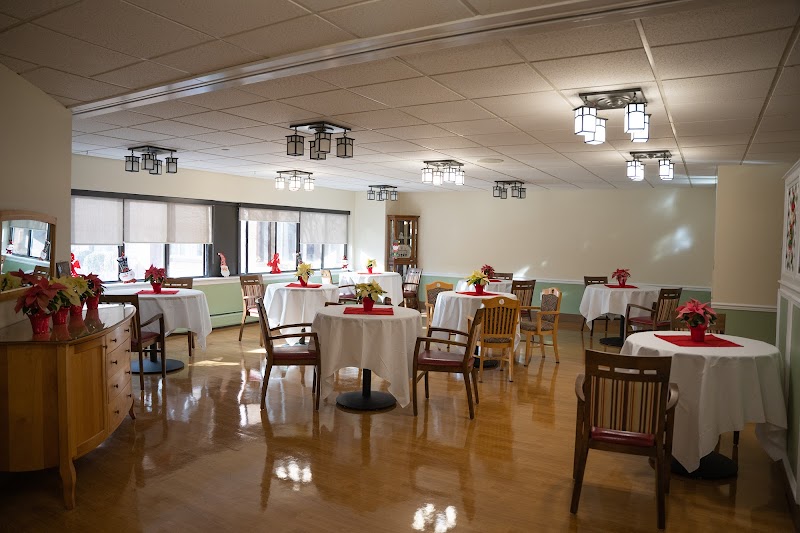
How Does Havencare At Hancock Hall Compare to Other Connecticut Nursing Homes?

Compared to the 100 nursing homes in Connecticut, HAVENCARE AT HANCOCK HALL's overall rating (5 stars) is above the state average of 3.1, staff turnover (50%) is near the state average of 46%, and health inspection rating (5 stars) is much above the national benchmark.

What Should Families Ask When Visiting Havencare At Hancock Hall?

Based on this facility's data, families visiting should ask: "Can I visit during a mealtime to observe dining assistance and food quality?" "How do you handle medical emergencies, and what is your hospital transfer rate?" "Can I speak with family members of current residents about their experience?"

Is Havencare At Hancock Hall Safe?

Based on CMS inspection data, HAVENCARE AT HANCOCK HALL has a clean safety record: no substantiated abuse findings (meaning no confirmed cases of resident harm), no Immediate Jeopardy citations (the most serious violation level indicating risk of serious injury or death), and is not on the Special Focus Facility watch list (a federal program monitoring the lowest-performing 1% of nursing homes). The facility has a 5-star overall rating and ranks #1 of 100 nursing homes in Connecticut. While no facility is perfect, families should still ask about staff-to-resident ratios and recent inspection results during their visit.

Do Nurses at Havencare At Hancock Hall Stick Around?

HAVENCARE AT HANCOCK HALL has a staff turnover rate of 50%, which is about average for Connecticut nursing homes (state average: 46%). Moderate turnover is common in nursing homes, but families should still ask about staff tenure and how the facility maintains care continuity when employees leave.

Was Havencare At Hancock Hall Ever Fined?

HAVENCARE AT HANCOCK HALL has no federal fines on record. CMS issues fines when nursing homes fail to meet care standards or don't correct problems found during inspections. The absence of fines suggests the facility has either maintained compliance or corrected any issues before penalties were assessed. This is a positive indicator, though families should still review recent inspection reports for the full picture.

Is Havencare At Hancock Hall on Any Federal Watch List?

HAVENCARE AT HANCOCK HALL is not on any federal watch list. The most significant is the Special Focus Facility (SFF) program, which identifies the bottom 1% of nursing homes nationally based on persistent, serious quality problems. Not being on this list means the facility has avoided the pattern of deficiencies that triggers enhanced federal oversight. This is a positive indicator, though families should still review the facility's inspection history directly.