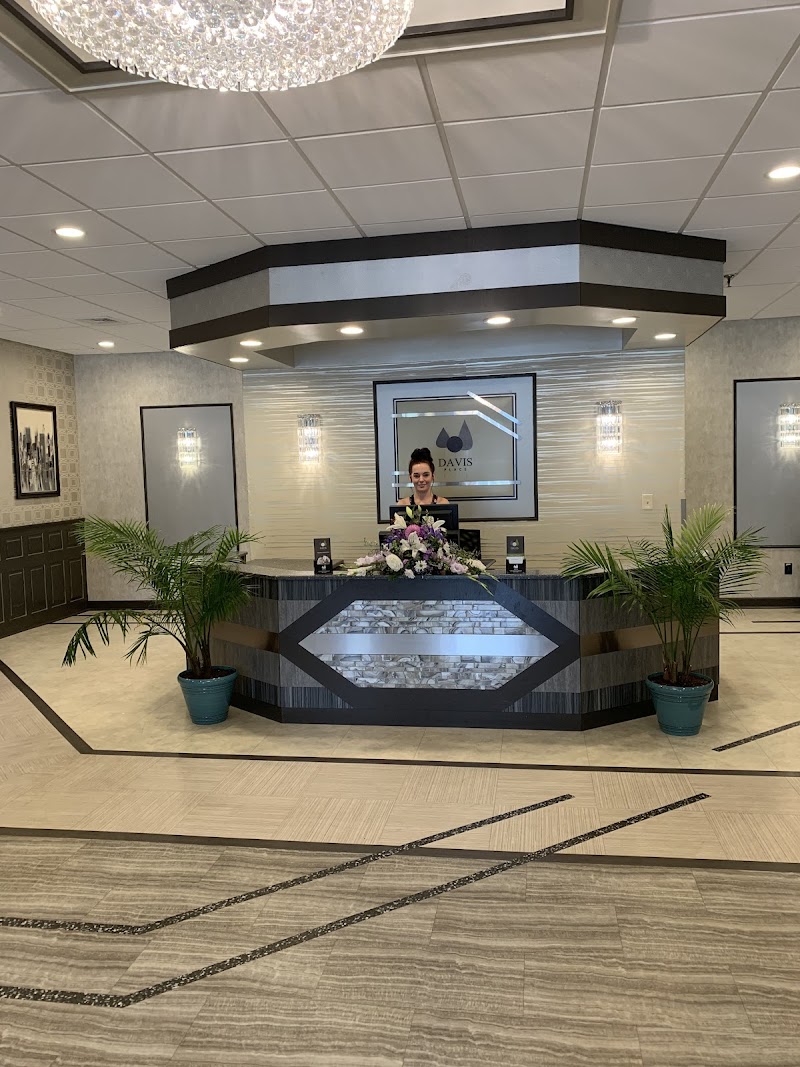
DAVIS PLACE

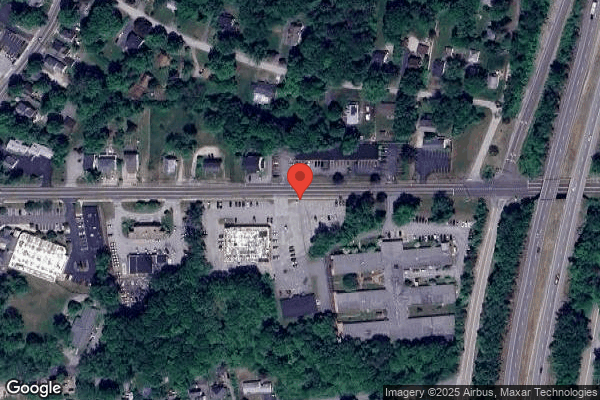
111 WESTCOTT RD, DANIELSON, CT 06239 (860) 774-9540
For profit - Individual 190 Beds Independent Data: November 2025 1 Immediate Jeopardy citation
Trust Grade
23/100
#174 of 192 in CT
Last Inspection: August 2024

Within standard 12-15 month inspection cycle. Federal law requires annual inspections.

Overview

Davis Place in Danielson, Connecticut has received a Trust Grade of F, indicating poor performance and significant concerns. Ranking #174 out of 192 facilities in Connecticut places them in the bottom half, and #7 out of 8 in Northeastern Connecticut County highlights that only one local option is better. Although the facility is improving, with issues decreasing from 18 in 2024 to 6 in 2025, it still faces serious challenges, including a critical medication error that led to a resident's hospitalization and a serious incident where a cognitively impaired resident fell during transfer due to improper support. Staffing is average with a turnover rate of 32%, which is better than the state average, and they have no fines on record, suggesting a lack of compliance issues. However, the facility’s overall and health inspection ratings are poor, with 31 issues found during inspections, indicating that families should carefully consider these factors when researching care for their loved ones.

Trust Score
F
23/100
In Connecticut
#174/192
Bottom 10%
Safety Record
High Risk
Review needed
Inspections
Getting Better
18 → 6 violations
Staff Stability
○ Average
32% turnover. Near Connecticut's 48% average. Typical for the industry.
Penalties
✓ Good
No fines on record. Clean compliance history, better than most Connecticut facilities.
Skilled Nurses
○ Average
Each resident gets 31 minutes of Registered Nurse (RN) attention daily — about average for Connecticut. RNs are the most trained staff who monitor for health changes.
Violations
⚠ Watch
31 deficiencies on record. Higher than average. Multiple issues found across inspections.
★☆☆☆☆
1.0
Overall Rating
★★★☆☆
3.0
Staff Levels
★★★☆☆
3.0
Care Quality
★☆☆☆☆
1.0
Inspection Score
Stable
2024: 18 issues
2025: 6 issues

The Good

  • Full Sprinkler Coverage · Fire safety systems throughout facility
  • No fines on record
  • Staff turnover below average (32%)

    16 points below Connecticut average of 48%

Facility shows strength in fire safety.

The Bad

1-Star Overall Rating

Below Connecticut average (3.0)

Significant quality concerns identified by CMS

Staff Turnover: 32%

14pts below Connecticut avg (46%)

Typical for the industry

The Ugly 31 deficiencies on record

1 life-threatening 1 actual harm
Jun 2025 2 deficiencies 1 Harm
SERIOUS (G) 📢 Someone Reported This

A family member, employee, or ombudsman was alarmed enough to file a formal complaint

Actual Harm - a resident was hurt due to facility failures

Accident Prevention (Tag F0689)

A resident was harmed · This affected 1 resident

**NOTE- TERMS IN BRACKETS HAVE BEEN EDITED TO PROTECT CONFIDENTIALITY** Based on review of the clinical record, facility documentation, facility policy, and interviews, for one (1) of three (3) reside...

Read full inspector narrative →
**NOTE- TERMS IN BRACKETS HAVE BEEN EDITED TO PROTECT CONFIDENTIALITY** Based on review of the clinical record, facility documentation, facility policy, and interviews, for one (1) of three (3) residents (Resident #1) reviewed for falls, the facility failed to ensure wheelchair footrests were in place to support a safe transfer. Resident #1, who was severely cognitively impaired, was directed by staff to lift his/her feet during the transfer; subsequently, the resident fell from the wheelchair and sustained multiple fractures. The findings include: Resident #1 's diagnoses included dementia with behavioral disturbances, mood disorder and muscle weakness. Review of the Morse Fall Scale assessment dated [DATE] identified that Resident #1 had a history of falls, exhibited an impaired gait (abnormal walking pattern) and overestimates or forgets his/her own limits, categorizing the resident as a high risk for falling. The annual Minimum Data Set (MDS) assessment dated [DATE] identified Resident #1 had a Brief Mental Interview for Mental Status (BIMS) of three (3) indicative of severely impaired cognition and was dependent on staff for bed mobility and transfers. Additionally, the MDS identified Resident #1 had not exhibited any behaviors. The Resident Care Plan (RCP) dated 5/26/25 identified Resident #1 was at risk for falls due to confusion, deconditioning and gait/balance problems. Interventions included anticipate and meet needs, appropriate footwear, and attempt to determine root cause of falls. The RCP identified Resident #1 had impaired cognition, a self-care deficit and was an assist of 1 with transfers. The facility Reportable Event (RE) dated 5/30/25 identified at 9:00 PM NA #1 was transporting Resident #1 in his/her wheelchair in the hallway when Resident #1 put his/her feet down to the ground, stopping the wheelchair abruptly, and caused Resident #1 to fall forward out of the wheelchair sustaining a lump to the forehead. The RE identified the family and provider were notified and an order was obtained to transfer Resident #1 to the Emergency Department (ED) for further evaluation. Resident #1 further sustained a mildly displaced odontoid neck fracture (fracture of the bony projection from the second cervical vertebrae) and a fracture of the first cervical vertebrae. The RE identified that following the incident, footrests were to be applied to the wheelchair for all staff transports outside of the room. Review of staff statements failed to identify statements from LPN #1 (assigned nurse) and LPN #2 (additional unit nurse). Review of the hospital documents dated 5/30/25 identified Resident #1 was transported to the ED from the facility and the facility reported Resident #1 was agitated, did not want to be moved, staff moved him/her anyways and Resident #1 did what he/she always does, stuck his/her right foot out straight, leading to a fall forward. The note indicated Resident #1 had a small laceration to the upper forehead, denied pain and a cervical collar was intact to the neck. It identified head and cervical spine imaging was obtained and resulted in a prominent anterior (front) scalp hematoma (a closed wound where blood collects and fills a space because it cannot flow out or drain), a mildly displaced fracture of the odontoid neck (a fracture through the bony projection from the second cervical vertebrae where the fragment shifted out of alignment) and non-displaced fractures (when the bone fragment remains aligned and in normal position) of both sides of the posterior (backside) arch of the first cervical vertebrae (C1). The RCP revised 5/30/25 identified Resident #1 was at risk for falls due to confusion, deconditioning and gait/balance problems and had an actual fall out of the wheelchair resulting in cervical fractures (vertebrae in the neck). Interventions included anticipating and meeting the resident's needs, observing/documenting/reporting to the provider any changes in mental status and ensuring footrests are in place to the wheelchair during transport and removing them after transport so that the resident may self-propel. Interview with NA #1 on 6/16/25 at 11:14 AM identified that on 5/30/25, Resident #1 was given a trash bag necklace consisting of a ribbon attached to a small plastic bag that Resident #1 was proudly wearing around his/her neck. NA #1 identified that between 8:00 PM and 9:00 PM, Resident #1 self-propelled in his/her wheelchair down to the West-Unit and was showing LPN #2 (agency nurse) the necklace. Resident #1 was heard yelling and NA #2 was pushing Resident #1 back to his/her room. She reported Resident #1 immediately went back into the hallway and self-propelled back to the West-Unit and yelled at LPN #2. NA #1 identified LPN #2 stated she did not have time for Resident #1 and directed her (NA #1) to bring Resident #1 back to his/her room again. NA #1 identified Resident #1's behavior continued to escalate but LPN #2 was insistent Resident #1 be brought back to his/her room. NA #1 then instructed Resident #1 to lift his/her feet and then she started to push Resident #1 in the wheelchair until Resident #1 abruptly placed his/her feet down on the ground, causing the wheelchair to stop and Resident #1 fell forward out of the wheelchair to the floor. NA #1 identified that LPN #2 taking the necklace off Resident #1, throwing it in the garbage in front of him/her without calmly explaining why, then continuing to dismiss Resident #1 when he/she reapproached LPN #2 angrily, caused an escalation in Resident #1's behaviors. NA #1 indicated the incident could have been avoided if LPN #2 was respectful to Resident #1. Interview with NA #3 on 6/16/25 at 11:29 AM identified she was in the hallway when LPN #2 took the necklace off Resident #1, causing Resident #1 to become angry and yell. NA #3 indicated LPN #2 dismissed Resident #1 and directed staff to get Resident #1 away from her which caused Resident #1's behaviors to escalate and Resident #1 became fixated on LPN #2. NA #3 identified she observed LPN #2 direct NA #1 to assist Resident #1 back to his/her room as Resident #1 was still yelling at LPN #2. Resident #1 allowed NA #1 to start pushing him/her in the wheelchair but then abruptly placed his/her feet down to the ground and fell forward out of the wheelchair to the floor. Interview with NA #2 on 6/16/25 at 11:37 AM identified Resident #1's baseline mood was either very happy or very upset, and although she knew the necklace Resident #1 was wearing on 5/30/25 was a safety hazard and needed to be removed, the necklace made Resident #1 happy as he/she self-propelled the hallway in the wheelchair showing those who walked by. NA #2 identified she was watching Resident #1 and planned to take the necklace off when she assisted Resident #1 to get ready for bed. She reported Resident #1 self-propelled to the West-Unit from the East-Unit and started to show LPN #2 his/her necklace. LPN #2 became upset about Resident #1 wearing the necklace, immediately took the necklace off Resident #1 without explaining why she was doing so and then threw the necklace in the garbage in front of Resident #1. NA #2 reported Resident #1 immediately became angry and started yelling at LPN #2, and LPN #2 stated Resident #1 was becoming too disruptive and directed her (NA #2) to push Resident #1 back to his/her room. Interview with LPN #2 on 6/16/25 at 1:59 PM identified that on 5/30/25, Resident #1 self-propelled in his/her wheelchair down to the West-Unit, where she was passing medications. She reported Resident #1 approached her, and she observed Resident #1 wearing a plastic bag attached to ribbon around his/her neck like a necklace. LPN #2 indicated the necklace was a safety hazard, and although she had never met Resident #1, and did not inquire with other staff (NAs) for assistance, while the assigned nurse (LPN #1) was on break, she removed the necklace and threw it in the garbage. She reported Resident #1 became agitated, so she asked NA #2 to bring Resident #1 back to his/her room but Resident #1 returned and was disruptive so she asked NA #1 to bring Resident #1 back to his/her room but as NA #1 started to push Resident #1, Resident #1 put his/her feet down causing a fall forward out of the wheelchair. LPN #2 identified she should not have thrown away the necklace in front of Resident #1 and further identified Resident #1 was confused and appeared to be sundowning. LPN #2 indicated she did not play into Resident #1's behaviors which is why she did not respond to Resident #1 when he/she spoke to her. LPN #2 identified the facility never requested that she write a statement regarding the incident. Review of the Medication Administration Record (MAR) for May 2025 failed to identify any documented incidents of agitation leading up to the 5/30/25 incident. Interview with the DNS on 6/16/25 at 3:00 PM identified staff should treat residents with dignity and respect and LPN #2 should not have approached Resident #1 the way she did and should not have thrown the necklace away in front of Resident #1. The DNS identified that when Resident #1 became upset, LPN #2 should have addressed Resident #1's concerns prior to directing the NA's to bring Resident #1 back to his/her room. The DNS indicated Resident #1 had dementia and LPN #2 should have had empathy and allowed Resident #1 to communicate his/her feelings and/or concerns. She further indicated that although Resident #1 self-propelled independently in the wheelchair, the NA's should have applied footrests prior to transporting Resident #1 back to his/her room. Additionally, the DNS identified statements should have been obtained from LPN #2 and LPN #1 following the 5/30/25 incident. Although attempted, Resident #1 was unable to be interviewed. Review of the Quality of Life- Dignity policy dated 08/2009 directed, in part, that each resident shall be cared for in a manner that promotes and enhances quality of life, dignity, respect and individuality. Residents shall be treated with dignity and respect at all times and staff shall speak respectfully to residents at all times. Staff shall treat cognitively impaired residents with dignity and sensitivity by addressing the underlying motives or root causes for behavior and not challenging or contradicting the residents' beliefs or statements. Although requested, a policy for wheelchair footrests with wheelchair transfers was not provided.
CONCERN (D) 📢 Someone Reported This

A family member, employee, or ombudsman was alarmed enough to file a formal complaint

Potential for Harm - no one hurt, but risky conditions existed

Resident Rights (Tag F0550)

Could have caused harm · This affected 1 resident

**NOTE- TERMS IN BRACKETS HAVE BEEN EDITED TO PROTECT CONFIDENTIALITY** Based on review of the clinical record, facility documentation, facility policy and interviews for one (1) of three (3) resident...

Read full inspector narrative →
**NOTE- TERMS IN BRACKETS HAVE BEEN EDITED TO PROTECT CONFIDENTIALITY** Based on review of the clinical record, facility documentation, facility policy and interviews for one (1) of three (3) residents (Resident #1) reviewed for falls, the facility failed to ensure a resident was treated in a respectful and dignified manner which caused an escalation of behaviors resulting in a fall with fractures. The findings include: Resident #1 's diagnoses included dementia with behavioral disturbances, mood disorder and muscle weakness. Review of the Morse Fall Scale assessment dated [DATE] identified that Resident #1 had a history of falls, exhibited an impaired gait (abnormal walking pattern) and overestimates or forgets his/her own limits, categorizing the resident as a high risk for falling. The annual Minimum Data Set (MDS) assessment dated [DATE] identified Resident #1 had a Brief Mental Interview for Mental Status (BIMS) of three (3) indicative of severely impaired cognition and was dependent on staff for bed mobility and transfers. Additionally, the MDS identified Resident #1 had not exhibited any behaviors. The Resident Care Plan (RCP) dated 5/26/25 identified Resident #1 was at risk for falls due to confusion, deconditioning and gait/balance problems. Interventions included anticipate and meet needs, appropriate footwear, and attempt to determine root cause of falls. The RCP identified Resident #1 had impaired cognition, a self-care deficit and was an assist of 1 with transfers. The facility Reportable Event (RE) dated 5/30/25 identified at 9:00 PM NA #1 was transporting Resident #1 in his/her wheelchair in the hallway when Resident #1 put his/her feet down to the ground, stopping the wheelchair abruptly, and caused Resident #1 to fall forward out of the wheelchair sustaining a lump to the forehead. The RE identified the family and provider were notified and an order was obtained to transfer Resident #1 to the Emergency Department (ED) for further evaluation. Resident #1 further sustained a mildly displaced odontoid neck fracture (fracture of the bony projection from the second cervical vertebrae) and a fracture of the first cervical vertebrae. The RE identified that following the incident, footrests were to be applied to the wheelchair for all staff transports outside of the room. Review of staff statements failed to identify statements from LPN #1 (assigned nurse) and LPN #2 (additional unit nurse). Review of the hospital documents dated 5/30/25 identified Resident #1 was transported to the ED from the facility and the facility reported Resident #1 was agitated, did not want to be moved, staff moved him/her anyways and Resident #1 did what he/she always does, stuck his/her right foot out straight, leading to a fall forward. The note indicated Resident #1 had a small laceration to the upper forehead, denied pain and a cervical collar was intact to the neck. It identified head and cervical spine imaging was obtained and resulted in a prominent anterior (front) scalp hematoma (a closed wound where blood collects and fills a space because it cannot flow out or drain), a mildly displaced fracture of the odontoid neck (a fracture through the bony projection from the second cervical vertebrae where the fragment shifted out of alignment) and non-displaced fractures (when the bone fragment remains aligned and in normal position) of both sides of the posterior (backside) arch of the first cervical vertebrae (C1). The RCP revised 5/30/25 identified Resident #1 was at risk for falls due to confusion, deconditioning and gait/balance problems and had an actual fall out of the wheelchair resulting in cervical fractures (vertebrae in the neck). Interventions included anticipating and meeting the resident's needs, observing/documenting/reporting to the provider any changes in mental status and ensuring footrests are in place to the wheelchair during transport and removing them after transport so that the resident may self-propel. Interview with NA #1 on 6/16/25 at 11:14 AM identified that on 5/30/25, Resident #1 was given a trash bag necklace consisting of a ribbon attached to a small plastic bag that Resident #1 was proudly wearing around his/her neck. NA #1 identified that between 8:00 PM and 9:00 PM, Resident #1 self-propelled in his/her wheelchair down to the West-Unit and was showing LPN #2 (agency nurse) the necklace. Resident #1 was heard yelling and NA #2 was pushing Resident #1 back to his/her room. She reported Resident #1 immediately went back into the hallway and self-propelled back to the West-Unit and yelled at LPN #2. NA #1 identified LPN #2 stated she did not have time for Resident #1 and directed her (NA #1) to bring Resident #1 back to his/her room again. NA #1 identified Resident #1's behavior continued to escalate but LPN #2 was insistent Resident #1 be brought back to his/her room. NA #1 then instructed Resident #1 to lift his/her feet and then she started to push Resident #1 in the wheelchair until Resident #1 abruptly placed his/her feet down on the ground, causing the wheelchair to stop and Resident #1 fell forward out of the wheelchair to the floor. NA #1 identified that LPN #2 taking the necklace off Resident #1, throwing it in the garbage in front of him/her without calmly explaining why, then continuing to dismiss Resident #1 when he/she reapproached LPN #2 angrily, caused an escalation in Resident #1's behaviors. NA #1 indicated the incident could have been avoided if LPN #2 was respectful to Resident #1. Interview with NA #3 on 6/16/25 at 11:29 AM identified she was in the hallway when LPN #2 took the necklace off Resident #1, causing Resident #1 to become angry and yell. NA #3 indicated LPN #2 dismissed Resident #1 and directed staff to get Resident #1 away from her which caused Resident #1's behaviors to escalate and Resident #1 became fixated on LPN #2. NA #3 identified she observed LPN #2 direct NA #1 to assist Resident #1 back to his/her room as Resident #1 was still yelling at LPN #2. Resident #1 allowed NA #1 to start pushing him/her in the wheelchair but then abruptly placed his/her feet down to the ground and fell forward out of the wheelchair to the floor. Interview with NA #2 on 6/16/25 at 11:37 AM identified Resident #1's baseline mood was either very happy or very upset, and although she knew the necklace Resident #1 was wearing on 5/30/25 was a safety hazard and needed to be removed, the necklace made Resident #1 happy as he/she self-propelled the hallway in the wheelchair showing those who walked by. NA #2 identified she was watching Resident #1 and planned to take the necklace off when she assisted Resident #1 to get ready for bed. She reported Resident #1 self-propelled to the West-Unit from the East-Unit and started to show LPN #2 his/her necklace. LPN #2 became upset about Resident #1 wearing the necklace, immediately took the necklace off Resident #1 without explaining why she was doing so and then threw the necklace in the garbage in front of Resident #1. NA #2 reported Resident #1 immediately became angry and started yelling at LPN #2, and LPN #2 stated Resident #1 was becoming too disruptive and directed her (NA #2) to push Resident #1 back to his/her room. Interview with LPN #1 on 6/16/25 at 1:42 PM identified she was the nurse assigned to provide care for Resident #1 on 5/30/25 and was on break during the fall incident. She further identified Resident #1 exhibited no agitated behaviors prior to her break. Additionally, she identified the facility never requested that she write a statement regarding the incident. Interview with LPN #2 on 6/16/25 at 1:59 PM identified that on 5/30/25, Resident #1 self-propelled in his/her wheelchair down to the West-Unit, where she was passing medications. She reported Resident #1 approached her, and she observed Resident #1 wearing a plastic bag attached to ribbon around his/her neck like a necklace. LPN #2 indicated the necklace was a safety hazard, and although she had never met Resident #1, and did not inquire with other staff (NAs) for assistance, while the assigned nurse (LPN #1) was on break, she removed the necklace and threw it in the garbage. She reported Resident #1 became agitated, so she asked NA #2 to bring Resident #1 back to his/her room but Resident #1 returned and was disruptive so she asked NA #1 to bring Resident #1 back to his/her room but as NA #1 started to push Resident #1, Resident #1 put his/her feet down causing a fall forward out of the wheelchair. LPN #2 identified she should not have thrown away the necklace in front of Resident #1 and further identified Resident #1 was confused and appeared to be sundowning. LPN #2 indicated she did not play into Resident #1's behaviors which is why she did not respond to Resident #1 when he/she spoke to her. LPN #2 identified the facility never requested that she write a statement regarding the incident. Review of the Medication Administration Record (MAR) for May 2025 failed to identify any documented incidents of agitation leading up to the 5/30/25 incident. Interview with the DNS on 6/16/25 at 3:00 PM identified staff should treat residents with dignity and respect and LPN #2 should not have approached Resident #1 the way she did and should not have thrown the necklace away in front of Resident #1. The DNS identified that when Resident #1 became upset, LPN #2 should have addressed Resident #1's concerns prior to directing the NA's to bring Resident #1 back to his/her room. The DNS indicated Resident #1 had dementia and LPN #2 should have had empathy and allowed Resident #1 to communicate his/her feelings and/or concerns. She further indicated that although Resident #1 self-propelled independently in the wheelchair, the NA's should have applied footrests prior to transporting Resident #1 back to his/her room. Additionally, the DNS identified statements should have been obtained from LPN #2 and LPN #1 following the 5/30/25 incident. Although attempted, Resident #1 was unable to be interviewed. Review of the Quality of Life- Dignity policy dated 08/2009 directed, in part, that each resident shall be cared for in a manner that promotes and enhances quality of life, dignity, respect and individuality. Residents shall be treated with dignity and respect at all times and staff shall speak respectfully to residents at all times. Staff shall treat cognitively impaired residents with dignity and sensitivity by addressing the underlying motives or root causes for behavior and not challenging or contradicting the residents' beliefs or statements.
Apr 2025 4 deficiencies 1 IJ
CRITICAL (J) 📢 Someone Reported This

A family member, employee, or ombudsman was alarmed enough to file a formal complaint

Immediate Jeopardy (IJ) - the most serious Medicare violation

Deficiency F0760 (Tag F0760)

Someone could have died · This affected 1 resident

**NOTE- TERMS IN BRACKETS HAVE BEEN EDITED TO PROTECT CONFIDENTIALITY** Based on review of clinical records, interviews, facility documentation and facility policy for one (1) of three (3) residents (...

Read full inspector narrative →
**NOTE- TERMS IN BRACKETS HAVE BEEN EDITED TO PROTECT CONFIDENTIALITY** Based on review of clinical records, interviews, facility documentation and facility policy for one (1) of three (3) residents (Resident #3) reviewed for medication errors, the facility failed to prevent a significant medication error by failing to accurately transcribe and verify Provider's orders for a resident readmitted to the facility. This failure resulted in the finding of Immediate Jeopardy. The findings include: Resident #3 received 30,000 mg of Hydroxyurea in excess from the hospital order which resulted in a hospitalization due to critical lab values (lab value date range: 3/14/25 through 3/28/25) which identified decreasing white blood cell (WBC) values from 12.62 to 0.99 (normal range 4.5 to 11) and decreasing platelet values from 962 to 129 (normal range 150 to 450). Resident #3 was admitted to the facility in February of 2025 with diagnoses which included dysphagia, epilepsy, and neurocognitive disorder with Lewy bodies. Review of the admission Minimum Data Set (MDS) assessment dated [DATE] identified Resident #3 had a Brief Mental Interview for Mental Status (BIMS) score of seven (7) indicative of severely impaired cognition and required substantial assistance with eating, oral and personal hygiene and was dependent with transfers. The Resident Care Plan dated 3/13/25 identified decreased cognition related to dementia and short term and/or long-term memory deficit. Interventions included to review the following for possible causes of decline in cognition: medications, medical problems, diabetes, and cardiac disease, to administer medication per physician order, and monitor resident for therapeutic effect of medication. A hospital Discharge summary dated [DATE] identified the following orders: -Hydroxyurea, 100 milligrams (mg)/milliliter (ml) suspension, ten (10) ml (1,000 mg total) by gastrostomy tube route four (4) times a week on Saturday, Sunday, Tuesday, and Thursday. -Hydroxyurea, 100 mg/ml suspension, five (5) ml (500 mg total) by gastrostomy tube route three (3) times a week on Monday, Wednesday, and Friday. Facility Physician's orders dated 3/13/25 identified the following orders: -Hydroxyurea oral capsule, 500 mg, give one (1) capsule via gastrostomy tube three (3) times a day every Monday, Wednesday, and Friday for chemotherapy. -Hydroxyurea oral capsule, 500 mg, give two (2) capsules via gastrostomy tube four (4) times a day every Tuesday, Thursday, Saturday, and Sunday for chemotherapy. Review of the March 2025 Medication Administration Report identified Resident #3 was administered 500 mg of hydroxyurea three (3) times daily (1,500 mg per day) on 3/14/25, 3/17/25, 3/19/25, 3/21/25, 3/24/25, and 3/26/25 and 1000 mg of hydroxyurea four (4) times daily (4,000 mg per day) on 3/15/25, 3/16/25, 3/18/25, 3/20/25, 3/22/25, 3/23/25, 3/25/25, and 3/27/25. (A total of 41,000 mg of hydroxyurea was administered over a 14-day period which was 30,000 mg in excess of what the hospital ordered.) A Nursing note by RN #2 on 3/30/25 at 2:21 PM identified Resident #3 had a change of condition, a rectal temperature of 102.5, ten (10) out of ten (10) gastrointestinal discomfort, a non-productive cough, and pale appearance. Resident #3 requested to be sent to the hospital as he/she didn't feel well, the physician was informed, and Resident #3 was transferred to the hospital. The hospital Discharge summary dated [DATE] identified Resident #3 was admitted to the hospital on [DATE] with a neutropenic fever and diagnosed with Covid-19, Norovirus, recurrent Clostridium Difficile, and diverticulitis. Labs drawn on 3/30/25 identified a WBC count of 1.2, platelet count of 119, and notation that Resident #3 was critically ill with a high probability of imminent or life-threatening deterioration. The summary indicated Resident #3 was administered Nivestym twice (to stimulate WBC production) with improvement in WBC count and was treated with both IV and oral antibiotics for neutropenic fever. Resident #3 was discharged from the hospital on 4/8/25 to home with palliative care. Interview with RN #1 (Nurse Supervisor on the 3:00 PM to 11:00 PM shift) on 4/14/25 at 12:21 PM identified he/she entered the medications listed on Resident #3's hospital discharge summary into the electronic medical record (EMR) on 3/13/25 after verifying the medications on the hospital discharge summary with the facility physician. Upon entering the orders into the EMR, RN #1 indicated he/she correctly matched the dose of hydroxyurea with the day of the week it was supposed to be administered, however failed to enter the correct number of doses to be administered (instead of one (1) 500 mg dose of hydroxyurea on Monday, Wednesday, and Friday it was entered as three (3) 500 mg doses on those days and instead of one (1) 1000 mg dose of hydroxyurea on Tuesday, Thursday, Saturday, and Sunday it was entered as four (4) 1000 mg doses on those days). Interview with MD #1 on 4/14/25 at 3:06 PM identified he/she signed Resident #3's medication orders following his/her readmission to the facility on 3/13/25 and believed the orders were entered accurately prior to signing them. MD #1 further identified that he/she was unaware Resident #3 was receiving that much hydroxyurea at the facility and that the difference between what the hospital ordered and what was being administered at the facility was a significant medication error for a toxic drug that was known to have significant side effects. Interview with the Assistant Director of Nurses (ADNS) on 4/15/25 at 10:15 AM identified that when entering admission/readmission orders into the EMR, the nurse supervisor should confirm the hospital discharge summary orders with a provider, enter the orders into the EMR, and a second nurse should reconcile the hospital discharge summary orders and EMR to verify accuracy. The ADNS further indicated that expanding the EMR order to view the entire order detail was part of the verification process (to verify dose, frequency and schedule) and should have been done when verifying each order. Interview with the Hematology/Oncology Advanced Practice Registered Nurse (APRN #1) on 4/15/25 at 10:45 AM identified the hydroxyurea doses administered to Resident #3 were administered at a toxic and excessive dose, suppressed Resident #3's bone marrow production of WBCs and platelets, and weakened Resident #3's immune system, making him/her susceptible to infection. Review of the Physician's Orders-Oral, Telephone, and Written policy directed the nurse would transcribe oral, telephone, and written orders from the Physician's orders sheet into the electronic medical record (EMR), orders would be noted on the Physician's Orders sheet by the nurse after entering them (unless the document was a Hospital Transfer sheet), and that the nurse would question, and not accept any order which was perceived as unsafe, contra-indicated or was not clear, and would raise the issue with the ordering physician, advanced practice registered nurse or physician assistant. Although requested, the facility was unable to provide a transcription/verification process policy. The Immediate Jeopardy template was presented to the Administrator by the State Agency on 4/15/25 at 2:44 PM. The facility submitted a removal plan which included education of all nursing staff to include medication transcription and verification, timely communication of lab results to the provider(s) and documentation of provider response/new order, enhanced auditing of new admission medication orders thirty (30) days prior to the event (March 1, 2025 to March 31, 2025), biweekly QAPI meeting for ninety (90) days or until substantial compliance was achieved, development of a list of residents currently prescribed chemotherapy medications and validation of current accuracy of medications in relation to orders, policy development related to the management and monitoring of residents on chemotherapy drugs, and policy development related to communication of lab results to Provider(s) and consultants which was accepted by the State Agency on 4/15/25 at 5:22 PM during an on-site visit.
CONCERN (E) 📢 Someone Reported This

A family member, employee, or ombudsman was alarmed enough to file a formal complaint

Potential for Harm - no one hurt, but risky conditions existed

Comprehensive Care Plan (Tag F0656)

Could have caused harm · This affected multiple residents

**NOTE- TERMS IN BRACKETS HAVE BEEN EDITED TO PROTECT CONFIDENTIALITY** Based on review of clinical records, interviews, facility documentation and facility policy for two (2) of three (3) residents (...

Read full inspector narrative →
**NOTE- TERMS IN BRACKETS HAVE BEEN EDITED TO PROTECT CONFIDENTIALITY** Based on review of clinical records, interviews, facility documentation and facility policy for two (2) of three (3) residents (Resident #2 and Resident #3) reviewed for Resident Care Plans (RCPs), the facility failed to update comprehensive RCPs to address the residents needs. The findings included: 1. Resident #2 was admitted to the facility in March of 2025 with diagnoses that included periprosthetic fracture around internal prosthetic left knee joint, pain in the left knee, and depression. Review of the admission Minimum Data Set (MDS) assessment dated [DATE] identified Resident #3 had a Brief Mental Interview for Mental Status (BIMS) of seven (7) indicative of severely impaired cognition and required substantial assistance with eating, oral and personal hygiene and was dependent with transfers. The RCP dated 3/19/25 identified the potential for altered mood state and psychosocial well-being related to diagnoses of depression and adjustment to short term rehabilitation and administration of psychoactive medications. Interventions directed to administer medications per physician's orders, behavior tracking each shift, and monitoring for the therapeutic effect of medication. The RCP failed to identify Resident #2 had pain or was at risk for pain. A physician ' s order dated 3/19/25 directed Oxycodone HCl oral tablet, 5 milligrams (mg) one (1) tablet every three (3) hours as needed for moderate pain and two (2) tablets every three (3) hours as needed for severe pain. A physician's order dated 3/19/25 directed Morphine Sulfate ER oral tablet, 15 mg, give one (1) tablet every twelve (12) hours for pain. A note by APRN #2 dated 3/19/24 at 9:00 AM identified Resident #2 was found with Klonopin, Dialudid, and Percocet in his/her room that were not administered by the facility and staff reported Resident #2 had been more lethargic. A room search was completed (after obtaining permission) and controlled drugs were removed from the room. APRN #2 further identified Resident #2's morning dose of Klonopin was held, there was no current order for Dilaudid, the order for Oxycodone was reduced to one (1) tablet every three (3) hours for pain as needed to one (1) tablet every four (4) hours for pain as needed, and Resident #2 was educated on facility policy regarding unauthorized medications. A physician's order dated 3/20/25 directed Gabapentin 300 mg tablet three (3) times a day for pain. A physician's order dated 3/21/25 directed Percocet, 5-325 mg tablet (Oxycodone with acetaminophen), give one (1) tablet by mouth every three (3) hours as needed for pain. May use until oxycodone is available. A physician's order dated 3/24/25 directed Percocet, 5-325 mg tablet (Oxycodone with acetaminophen), give one (1) tablet every four (4) hours as needed for pain. The March 2025 Medication Administration Report (MAR) identified Morphine Sulfate was administered 3/19/25 through 3/21/25 for a pain report of nine (9) [on a pain scale of one (1) to ten (10)], gabapentin was administered three (3) times a day 3/20/25 through 3/31/25, oxycodone was administered 3/19/25 through 3/22/25 for pain report of five (5) to nine (9) [on a pain scale of one (1) to ten (10)], and Percocet was administered 3/21/25 through 3/31/25 for pain report of four (4) to eight (8) [on a pain scale of one (1) to ten (10)]. A physician's order dated 4/7/25 directed Hydromorphone HCl oral tablet, 2 mg, one (1) tablet every six (6) hours as needed for pain report of four (4) to seven (7) [on a pain scale of one (1) to ten (10)], and two (2) tablets by mouth every six (6) hours as needed for pain greater than seven (7) [on a pain scale of one (1) to ten (10)]. Review of Resident #2's April 2025 MAR identified gabapentin was administered three (3) times a day 4/1/25 through 4/9/25, Hydromorphone 2 mg was administered once on 4/7/25 for a pain report of seven (7) [on a pain scale of one (1) to ten (10)], Hydromorphone 4 mg was administered 4/7/25 through 4/10/25 for pain report of eight (8) to ten (10) [on a pain scale of one (1) to ten (10)], and Percocet 5-325 mg was administered 4/1/25 through 4/6/25 for pain report of four (4) to eight (8) [on a pain scale of one (1) to ten (10)]. Review of the RCP failed to identify goals and interventions for pain management and failed to identify Resident #2 ' s use of unauthorized controlled drugs within the facility and coinciding interventions for monitoring. 2. Resident #3 was admitted to the facility in February of 2025 with diagnoses of dysphagia, epilepsy, and neurocognitive disorder with Lewy bodies. Hospital discharge documents dated 3/13/25 identified Resident #3 was hospitalized and treated for seizures and from 3/8/25 to 3/13/25 and treated for chronic myeloproliferative disorder/essential thrombocythemia (increased number and size of platelets in the blood). Review of the facility Nursing admission assessment dated [DATE] identified Resident #3 was transported from the hospital via stretcher with admitting diagnoses of seizures, diabetes mellitus, and dementia, was alert to person and place, verbally appropriate, anxious, and required extensive assistance with bed mobility, transfers, and toilet use. The RCP dated 3/13/25 identified decreased cognition related to dementia, short term and/or long-term memory deficit, and administration of psychoactive medications. Interventions directed to review the following for possible causes of decline in cognition: medications, weight loss, medical problems, constipation, diarrhea, diabetes, and cardiac disease, and to administer medication per physician order. The RCP failed to identify goals and interventions for seizures and chronic myeloproliferative disorder (which required a new order for the administration of hydroxyurea and monitoring of blood cell and platelet counts) that were identified on the 3/13/25 hospital discharge record. Interview with the Director of Nursing Services (DNS) on 4/10/25 at 1:56 PM identified the RCP for Resident #2 should have been updated for pain management and unauthorized use of outside medications to prevent the risk of overdosing or drug to drug interactions. The DNS further identified updating the RCP would ensure continuity of care. Review of the Change in the Resident's Condition or Status policy directed a significant change of condition was a major decline or improvement in the residents' status that would not normally resolve itself without intervention by staff or by implementing standard disease-related clinical interventions (is not self-limiting) and requires interdisciplinary review and/or revision of the care plan. Review of the Care Plans, Comprehensive Person-Centered policy identified the comprehensive, person-centered care plan will describe the services that were to be furnished to attain or maintain the resident's highest practicable physical, mental, and psychosocial well-being, would incorporate risk factors associated with identified problems, reflect treatment goals, timetables, and objectives in measurable outcomes, identify the professional services that are responsible for each element of care, and aid in preventing or reducing decline in the resident's functional status and/or functional needs.
CONCERN (E) 📢 Someone Reported This

A family member, employee, or ombudsman was alarmed enough to file a formal complaint

Potential for Harm - no one hurt, but risky conditions existed

Deficiency F0658 (Tag F0658)

Could have caused harm · This affected multiple residents

**NOTE- TERMS IN BRACKETS HAVE BEEN EDITED TO PROTECT CONFIDENTIALITY** Based on review of clinical records, interviews, facility documentation and facility policy for eleven (11) of sixteen (16) resi...

Read full inspector narrative →
**NOTE- TERMS IN BRACKETS HAVE BEEN EDITED TO PROTECT CONFIDENTIALITY** Based on review of clinical records, interviews, facility documentation and facility policy for eleven (11) of sixteen (16) residents (Resident #8, #9, #10, #11, #13, #14, #15, #16, #18, #19, and #20) reviewed for physician's orders, the facility failed to ensure residents orders were reviewed and signed by the physician/advanced practice registered nurse monthly. The findings included: 1. Resident #8 was admitted to the facility on [DATE] with diagnoses that included heart failure, anxiety and vascular dementia. Review of physician orders identified medical orders were reviewed and signed on 10/1/24, 12/31/24, and 3/11/25, however failed to identify medical orders were reviewed in 11/2024, 1/2025, and 2/2025 in accordance with facility practices. 2. Resident #9 was admitted to the facility on [DATE] with diagnoses that included systolic congestive heart failure, dementia, and anxiety. Review of physician orders identified medical orders were reviewed on 4/24/24, 7/17/24, 8/11/24, 9/11/24, 11/14/24, 1/22/25, and 3/18/25, however failed to identify medical orders were reviewed in 5/2024, 6/2024, 10/2024, 12/2024, and 2/2025 in accordance with facility practices. 3. Resident #10 was admitted to the facility on [DATE] with diagnoses that included Alzheimer's disease, spinal stenosis, and anxiety. Review of physician orders identified medical orders were reviewed on 4/24/24, 7/19/24, 8/11/24, 9/19/24, 1/22/25, and 3/18/25, however failed to identify medical orders were reviewed in 5/2024, 6/2024, 10/24 through 12/2024, and 2/2025 in accordance with facility practices. 4. Resident #11 was admitted to the facility on [DATE] with diagnoses that included cerebral palsy, major depressive disorder, and vascular dementia. Review of physician orders identified medical orders were reviewed on 4/8/24, 5/7/24, 7/8/24, 8/11/24, 9/19/24, 12/18/24, 1/14/25, and 3/11/25, however failed to identify medical orders were reviewed in 6/2024, 10/20245, 11/2024, and 2/2025 in accordance with facility practices. 5. Resident #13 was admitted to the facility on [DATE] with diagnoses that included congestive heart failure, vascular dementia, and recurrent major depressive disorder. Review of physician orders failed to identify medical orders were reviewed monthly from date of admission to current date (4/16/25). 6. Resident #14 was admitted to the facility on [DATE] with diagnoses that included transient cerebral ischemic attacks, dementia, and anxiety. Review of physician orders identified medical orders were reviewed on 7/29/24, 10/4/24, 2/25/25, and 4/8/24, however failed to identify medical orders were reviewed in 4/2024 through 6/2024, 8/2024, 9/2024, 11/2024 through 1/2025, and 3/2025 in accordance with facility practices. 7. Resident #15 was admitted to the facility on [DATE] with diagnoses that included myotonic muscular dystrophy, cardiomyopathy, and chronic pulmonary embolism. Review of physician orders identified medical orders were reviewed on 5/16/24, 6/18/24, 8/11/24, 10/4/24, and 2/18/25, however failed to identify medical orders were reviewed monthly in 7/2024, 9/2024, and 11/2024 through 1/2025, and 3/2025 in accordance with facility practices. 8. Resident #16 was admitted to the facility in 2017 with diagnoses that included heart failure, anxiety, and dementia with other behavioral disturbances. Review of physician orders identified medical orders were reviewed on 4/15/24, 5/16/24, 6/4/24, 8/11/24, 10/3/24, 1/17/24, and 2/18/24, however failed to identify medical orders were reviewed monthly in 7/2024, 9/2024, 11/2024, 12/2024, and 3/2025 in accordance with facility practices. 9. Resident #18 was admitted to the facility on [DATE] with diagnoses that included chronic ischemic heart disease, vascular dementia, and other recurrent depressive disorders. Review of physician orders identified medical orders were reviewed on 4/3/24, 5/7/24, 6/3/24, 8/11/24, 10/2/24, 2/18/25, and 4/9/25, however failed to identify medical orders were reviewed monthly in 7/2024, 9/2024, 11/2024 through 1/2025, and 3/2025 in accordance with facility practices. 10. Resident #19 was admitted to the facility on [DATE] with diagnoses that included Alzheimer's Disease, complete atrioventricular block, and adjustment disorder. Review of physician orders identified medical orders were reviewed on 4/8/24, 5/7/24, 6/13/24, 8/11/24, 9/13/24, 12/31/24, 2/4/25, and 4/15/25, however failed to identify medical orders were reviewed monthly in 7/2024, 10/2024, 11/2024, 1/2025, and 3/2025 in accordance with facility practices. 11. Resident #20 was admitted to the facility on [DATE] with diagnoses that included adjustment disorder, dementia, and unspecified mood disorder. Review of physician orders identified medical orders were reviewed on 8/11/24, 11/19/24, 1/3/25, 2/4/25, and 3/11/25, however failed to identify medical orders were reviewed monthly in 9/2024, 10/2024, and 12/2024 in accordance with facility practices. Interview with the Assistant Director of Nurses (ADNS) on 4/14/25 at 11:00 AM identified either the physician or advance practice registered nurse were responsible for reviewing medical orders monthly and the facility's standard of practice was to have the physician's review and sign the resident's medical orders monthly. The ADNS failed to identify the reason why this did not occur. The facility was unable to provide a policy detailing the frequency the physician's orders were to be reviewed.
CONCERN (E) 📢 Someone Reported This

A family member, employee, or ombudsman was alarmed enough to file a formal complaint

Potential for Harm - no one hurt, but risky conditions existed

Quality of Care (Tag F0684)

Could have caused harm · This affected multiple residents

**NOTE- TERMS IN BRACKETS HAVE BEEN EDITED TO PROTECT CONFIDENTIALITY** Based on review of clinical records, interviews, and review of facility documentation and policies for one (1) of five (5) resid...

Read full inspector narrative →
**NOTE- TERMS IN BRACKETS HAVE BEEN EDITED TO PROTECT CONFIDENTIALITY** Based on review of clinical records, interviews, and review of facility documentation and policies for one (1) of five (5) residents (Resident #3) reviewed for orders, the facility failed to ensure a physician's inquiry to a lab result was responded to timely and that lab results were forwarded to all pertinent physician's in a timely manner, and for one (1) of three (3) residents reviewed for medication administration, the facility failed to ensure that a resident was administered an antibiotic in accordance with physician's orders. The findings included: 1. Resident #3 was admitted to the facility February 2025 with diagnoses of dysphagia, epilepsy, and neurocognitive disorder with Lewy bodies. Review of the admission Minimum Data Set (MDS) assessment dated [DATE] identified Resident #3 had a Brief Mental Interview for Mental Status (BIMS) of seven (7) indicative of severely impaired cognition and required substantial assistance with eating, oral and personal hygiene and was dependent with transfers. (If an assessment is needed that was closer to the readmission date of 3/13/25, we can use the Nursing admission Assessment). Review of the Nursing admission assessment dated [DATE] identified Resident #3 was transported from the hospital via stretcher with admitting diagnoses of seizures, diabetes mellitus, and dementia, was alert to person and place, verbally appropriate, anxious, and required extensive assistance with bed mobility, transfers, and toilet use. Review of Resident #3's revised Care Plan dated 3/13/25 identified decreased cognition related to dementia, short term and/or long-term memory deficit, and administration of psychoactive medications. Interventions directed to review the following for possible causes of decline in cognition: medications, weight loss, medical problems, constipation, diarrhea, diabetes, and cardiac disease, and to administer medication per physician order. Review of Resident #3's hospital discharge record dated 3/13/25 identified Resident #3 was treated for chronic myeloproliferative disorder/essential thrombocythemia (increased number and size of platelets in the blood) and directed continued administration of Hyroxyurea at the facility. Review of APRN #2's note dated 3/14/25 at 11:30 AM identified Resident #3 was found to have leukocytosis during his/her 3/8/25 to 3/13/25 hospitalization, was followed by hematology for myeloproliferative disorder and thrombocytopenia, had his/her hydroxyurea (medication used to reduce platelet count) reinstated at home doses, and that his/her CBC (complete blood count) and BMP (basal metabolic panel) would be drawn with results forwarded to hematology/oncology. A physician's order dated 3/14/25 directed CBC and BMP on every night shift, every Monday, Wednesday, and Friday for anemia and thrombocytopenia. Review of Resident #3's labs records identified CBC and BMP labs were drawn on 3/14/25, 3/17/25, 3/19/25, 3/21/25, 3/24/25, 3/26/25, and 3/28/25. a. Review of Resident #3's 3/26/25 lab report identified the facility had faxed the lab results [which included a white blood cell count (WBC) of 1.46 and platelet count of 225] to MD #1, noting the facility had initiated neutropenic precautions and that labs were faxed to the Hematologist/Oncologist. Interview with MD #1 on 4/16/25 at 9:14 AM identified he/she had asked the facility for Resident #3's current hydroxyurea dose via fax at 2:52 PM on 3/26/25 as Resident #3's WBC count was 1.46 and platelet count was 225, and did not receive a response to his/her request. MD #1 further indicated, upon receiving the results from labs drawn on 3/28/25, which indicated a WBC count of 0.99 and platelet count of 129, he/she chose to call the facility with orders to hold the hydroxyurea instead of faxing the request. MD #1 indicated a WBC count of less than 2.0 would be concerning and that a drop in Resident #3's WBC count was a side effect of hydroxyurea. b. Interview with APRN #1 (Hematology and Oncology Advanced Practice Registered Nurse) on 4/15/25 at 10:45 AM identified the facility did not always forward lab draw results timely. APRN #1 further indicated the lab draw results dated 3/14/25 and 3/17/25 were received on 3/19/25, lab results dated 3/24/25 were received on 3/26/25, lab results dated 3/26/25 were received on 3/27/25, and that the lab results for lab draws dated 3/19/25, 3/21/25, and 3/28/25 were never received. Interview with the Assistant Director of Nurses on 4/16/25 at 8:31 AM identified the facility's standard of practice was for the nursing supervisor to respond to the physican's faxes immediately regarding any resident related concern or information requested and that the response should occur during the shift the fax was received. The ADNS further identified it was the responsibility of the nursing supervisor on 1 [NAME] to receive faxes and distribute them as addressed. Although requested, the facility was unable to provide a policy regarding physician communications/faxes. 2. Resident #4 was admitted to the facility in May 2020 and had diagnoses that included unspecified dementia, Type 2 diabetes mellitus, and recurrent major depressive disorder. Review of the quarterly Minimum Data Set (MDS) assessment dated [DATE] identified Resident #4 had a Brief Mental Interview for Mental Status (BIMS) of eight (8) indicative of moderate cognitive impairment. The MDS further identified Resident #4 required substantial assistance with upper body dressing, personal hygiene and was dependent with transfers. Review of Resident #4's Care Plan dated 9/18/24 identified impaired cognition related to the diagnoses of alcohol-induced persisting dementia and diagnoses of vascular dementia, and arteriosclerotic heart disease, hyperlipidemia, hypertension, and advanced kidney disease/failure. Interventions directed to provide assistance with activities of daily living as needed, and administer medications as ordered. A physician's order dated 10/10/24 directed Levaquin oral tablet, 750 milligrams, one tablet by mouth at bedtime for pneumonia for seven (7) days. Review of the Medication Error Report dated 10/11/24 identified Resident #4 was not administered his/her 750 milligrams dose of Levaquin the evening of 10/10/24 and was left unattended on his/her bedside table. Interview with the Assistant Director of Nurses (ADNS) on 4/15/25 at 10:30 AM identified Resident #4 was supposed to be administered his/her first dose of Levaquin on 10/10/24 at 9:00 PM and wasn't as the medication was found on Resident #4's bedside table the following morning by LPN #2. The ADNS identified the standard of practice was to administer medications in accordance with physician's orders, to watch the resident take the medication and not leave his/her bedside until the medication was swallowed. The ADNS further indicated that Resident #4 was not able to self-administer medications and that the Levaquin 750 milligram order was extended to allow for the full seven (7) day course to be administered. Interview with LPN #2 on 4/16/25 at 8:42 AM identified he/she noticed a medication cup on Resident #4's bedside table on 10/11/24 with an unfamiliar medication in it and suspected it was Levaquin, which Resident #4 was to have taken on second shift the night before. LPN #2 indicated he/she removed the medication from Resident #4's room, identified that it was Levaquin, and had reported the incident to the nurse supervisor. Review of the Medication Administration policy directed medications to be administered in a safe and effective manner.
Aug 2024 17 deficiencies
CONCERN (D)

Potential for Harm - no one hurt, but risky conditions existed

Resident Rights (Tag F0550)

Could have caused harm · This affected 1 resident

Based on clinical record review, review of facility policy, and interviews for three of fifteen sampled resident (Resident #41, Resident #76, and Resident #126) reviewed for dining, the facility faile...

Read full inspector narrative →
Based on clinical record review, review of facility policy, and interviews for three of fifteen sampled resident (Resident #41, Resident #76, and Resident #126) reviewed for dining, the facility failed to ensure a dignified dining experience. The findings include: Observation on 8/14/24 at 8:30 AM on the 2West unit identified nurses' aides going in and out of resident rooms providing care, carrying bags of dirty linens, the charge nurse was passing medications, and some residents were positioned in the entryway to their rooms. Residents #41 and #76 were seated in wheelchairs and positioned in the hallway outside of their rooms and were feeding themselves breakfast. A third resident, Resident #126 was being fed breakfast by a nurse aide. Other residents in the hallway appeared to be watching the residents while they ate. Interview with NA #3 on 8/14/24 at 8:50 AM identified that during breakfast, the residents that are supervised or fed are placed in the hallway, so they can multi-task and supervise or respond to other residents rather than bringing all the residents into the small dining area on the unit. NA#3 further identified that at lunch time they bring the residents that need assistance or supervision into the small dining area on the unit. Interview with the Dietician on 8/14/24 at 8:55 AM identified that the small dining areas on the units were utilized recently for individuals who needed supervision or assistance with eating. The Dietician also identified that she had seen the residents eating on the unit and did not believe that it was dining in a dignified manner. There had already been discussions regarding having the residents eating in the hallway and it should not have been happening. Interview with the DNS on 8/15/24 at 9:40 AM identified that residents should not be fed in the hallway on the units and the satellite dining areas on the units are a better option than the hallway. She further noted that being in the hallway could pose a safety issue to other residents if there are spills or food grabbed from other residents. Additionally, the DNS identified the residents should be taken to the satellite dining area or kept in their rooms during meals. The Meal Service Policy identified that the facility provides a dining experience that is conducive to meal acceptance, which includes a quiet, pleasant room, positive staff attitudes and attractive meal presentation. Residents will be assisted to the dining room as needed by the nursing staff. Positioning and assistance at mealtime will be appropriate for the resident's needs and is the responsibility of the nursing staff. Resident rights of the facility identified that the facility must care for residents in a manner that enhances their quality of life and treat them with dignity and respect in full recognition of their individuality.
CONCERN (D)

Potential for Harm - no one hurt, but risky conditions existed

Notification of Changes (Tag F0580)

Could have caused harm · This affected 1 resident

**NOTE- TERMS IN BRACKETS HAVE BEEN EDITED TO PROTECT CONFIDENTIALITY** Based clinical record review, review of facility policy and interviews for one sampled resident (Resident #122) who had a change...

Read full inspector narrative →
**NOTE- TERMS IN BRACKETS HAVE BEEN EDITED TO PROTECT CONFIDENTIALITY** Based clinical record review, review of facility policy and interviews for one sampled resident (Resident #122) who had a change in condition, the facility failed to ensure the physician was notified when the resident experienced a change in condition. The findings included: Resident #122 was admitted to the facility on [DATE] with diagnoses that included acute kidney failure, essential hypertension, acute cystitis without hematuria, acute respiratory failure with hypoxia, and pleural effusion. Physician's orders dated 7/28/2024 identified Resident #122 had a code status of full code (which means that in the event the heart stops cardiopulmonary resuscitation will be performed), resident care plan as outlined, Ondansetron HCL (antiemetic) tablet 8 mg give 1 tablet by mouth every 6 hours as needed for nausea and vomiting. The admission MDS assessment dated [DATE] identified Resident #122 had intact cognition, was dependent with toileting hygiene, lower body dressing and personal hygiene, required substantial/maximal assistance with position changes from sitting to lying or lying to sitting and from the side of the bed, and partial/moderate assistance to roll left and right. Physician's progress note dated 8/4/2024 at 12:18 PM identified Resident #122's lungs were clear to auscultation. The Wound Physician's progress note dated 8/6/2024 at 5:04 PM identified Resident #122's respiratory effort was within normal limits. RN #11's progress note dated 8/11/2024 at 4:00 AM identified Resident #122 slept well, had no complaints, fluids encouraged. Vital signs stable. Call bell in reach. RN #10's progress note dated 8/11/2024 at 10:02 PM identified Resident #122 vomited a small amount after dinner and sounded congested this shift, message left for APRN, not respiratory distress, short of breath, oxygen saturation 93% on room air, will continue to monitor. Vital signs: temperature; 98.4, pulse, 92: respirations, 20: blood pressure, 152/84. Interview with Resident #122's family members on 8/12/24 at 12:19 PM identified Resident#122 has chronic kidney issues, and was currently experiencing confusion, nausea, and vomiting. They further identified he/she was seen by the APRN this morning after they relayed their concerns about the lack of care Resident #122 had received over the weekend and demanded he/she be seen. They identified that the resident had vomited and choked yesterday (Sunday). The resident's family member identified that they had shouted loudly for assistance and rang the call bell which was responded to by a nurse aide who told them a nurse was coming. The family member indicated that someone came in to give the morning pill and that the nurse didn't come in until after change of shift, who was not the night nurse but the day shift nurse and denied having been told of the resident's coughing/choking episode. Interview with the APRN on 8/12/2024 at 1:10 PM identified she saw Resident #122 after she was asked by the facility to see the resident. Resident #122 is seen by a different provider. The APRN identified the resident was reported by family to have vomited and may have choked while vomiting on Sunday morning. She further noted that in the event that this occurred, the situation was not handled appropriately. The APRN identified her concern for aspiration and would have expected a provider/physician to be notified when the vomiting/choking had occurred. Further, she noted that there were providers on call to handle weekend concerns and they should not have waited for 24 hours to have the resident assessed/seen or to notify the provider/physician. The APRN's progress note dated 8/12/2024 identified Resident #122 had a few vomiting episodes on 8/11/2024 and reported feeling weak and similar to when hospitalized prior. Systems review identified resident had cough with slight shortness of breath and lung sounds were coarse rhonchi with wheezing throughout. Physician's orders dated 8/12/2024 identified change in condition monitoring related to nausea and mildly increased confusion. Additional medications after APRN assessment Budesonide suspension 0.25 mg/2 ml inhale orally every 6 hours for abnormal lung sounds. Ciprofloxacin HCL oral tablet 500mg give 1 tablet by mouth two times a day for urinary tract infection. Guaifenesin ER tablet extended release 12-hour 600 mg give 1 tablet by mouth every 12 hours for congestion. Interview with RN #9 on 8/13/24 at 9:50 AM identified that if a resident experiences a new onset of vomiting and choking, it should be considered a change in condition. RN #9 identified that staff should notify the nursing supervisor and the nursing supervisor should assess the resident and if needed, call the provider. Interview with NA #8 on 8/13/2024 at 1:30 PM identified NA #8 worked the Saturday evening into Sunday morning shift (10p-6am) and that on Sunday morning at the end of her shift she was providing care to another resident with the help of NA #9 when they heard someone shouting for help. NA #9 left the room to check on the shouting and then came back in to finish care with NA #8. NA #9 relayed to NA #8 that Resident #122's spouse was the person shouting and that Resident #122 was spitting up and that NA #9 indicated to NA #8 that the nurse was notified. NA #8 identified the nurse as RN #11. NA #8 stated she was cleaning up as her shift was ending (possibly about 5:55) and she needed to go home and didn't respond to the shouting. Interview with LPN #11 on 8/14/2024 at 9:35 AM Identified she was the nurse for the day shift on Sunday 7a-3p who took report from RN #11 (the off going nurse). She identified she took the blood sugar at 7:30 AM and identified the resident was given Zofran on the night shift. She stated the resident and Family Member informed her of the vomiting and the resident conveyed he/she was feeling better with the Zofran. LPN #11 identified that if Resident #122 was actively vomiting she would have held the medication and notified a supervisor. She further identified Resident #122's vitals were within normal limits and he/she offered no complaints throughout the entire shift. Interview with RN #10 on 8/14/2024 at 11:16 AM identified he had worked Sunday evening shift, 3p-11pm and had worked at the facility for 6 years. RN #10 identified it was reported to him that the resident vomited during the morning shift at 6:30-7a possibly. He identified the resident was receiving Zofran, so the vomiting was not a new occurrence. RN #10 identified that in the event the resident had choked on the vomit, this would have been a change. When the resident vomited during the evening shift, a note was left by RN #10 for the covering provider to see the resident in the morning. Interview with Resident #122's Family Member on 8/14/24 at 1:11 PM identified that at the time of the incident the resident had vomited while lying flat and choked and was not able to sit up unassisted. He/she identified that no one came in, but the resident was able to clear the items and RN #11 was the nurse at the time who later came in and gave the resident a pill. Interview with NA #9 on 8/15/2024 at 7:11 AM identified that while providing care to a resident with NA #8 she heard someone screaming and left the room to see who was yelling. She identified that Resident #122's Family Member was shouting about the resident vomiting. She further identified that she notified RN #11 that Resident #122 was throwing up and coughing. Interview with RN #11 on 8/15/2024 at 7:41 AM identified she administered a pill to the resident at midnight and then another pill in the morning around 6:00 AM. RN #11 denied knowing that Resident #122 had vomited and denied being told that the resident had vomited or choked or coughed. RN #11 indicated that a NA had put antifungal powder on the resident's groin on Saturday evening shift and that the resident might have reported a cough at midnight related to having breathed in the powder. RN #11 did identify another NA reported that Resident #122's Family Member appeared upset about something, but he/she had not followed up. Interview with the DNS on 8/15/24 at 9:47 AM identified that if a resident had vomited and was choking or coughing after vomiting the expectation would be that an assessment of some sort was completed with bowel sounds at a minimum. Given the report of the resident choking, I would expect lung sounds, but there should have been something reported to the supervisor and an assessment completed. The facility policy for Change in a Resident's Condition or Status identified the nurse will notify the resident's attending physician or physician on call when there has been a significant change in the resident's physical/emotional/mental condition or the need to alter the resident medical treatment significantly. A significant change of condition is a major decline or improvement in the resident's status that will not normally resolve itself without intervention by staff or by implementing standard disease-related clinical interventions.
CONCERN (D)

Potential for Harm - no one hurt, but risky conditions existed

Deficiency F0658 (Tag F0658)

Could have caused harm · This affected 1 resident

**NOTE- TERMS IN BRACKETS HAVE BEEN EDITED TO PROTECT CONFIDENTIALITY** Based on observations, review of clinical records, review of facility policy and interviews for one of three sampled residents (...

Read full inspector narrative →
**NOTE- TERMS IN BRACKETS HAVE BEEN EDITED TO PROTECT CONFIDENTIALITY** Based on observations, review of clinical records, review of facility policy and interviews for one of three sampled residents (Resident #157) reviewed for accidents, the facility failed to ensure that a medication was not left at the resident's bedside for a resident who is without an order or assessment of self-administration. The findings include: Resident #157's diagnoses included prosthesis, elevated white blood cell, methicillin resistant staphylococcus aureus (MRSA). The admission MDS assessment dated [DATE] identified Resident #157 had moderate cognitive impairment, was dependent on staff for toileting hygiene, lower body dressing and transfers. The care plan dated 6/28/24 identified Resident #157 had decreased cognition related to short-term and/or long-term memory deficits with interventions that included: provide safety measures, close supervision, provide safety in all activities, reorientation to person, place and time as needed and offer simple choices. Observation on 8/11/24 at 11:20 AM identified Resident #157 lying in bed with the over bed table positioned on the left side of the bed with the following items on top of the table: a glass of milk, another glass half filled with orange juice, an empty milk and orange juice carton, and a medication cup containing 30 milliliters (ml) of a reddish colored liquid. Resident #157 identified that the nurse who gave the medication would know more about what was inside of the medication cup as he/she had not taken any protein with his/her morning medication. Interview with the Charge Nurse (LPN #1) on 8/11/24 at 11:23 AM identified that the reddish liquid in the medication cup was liquid protein, which she had given Resident #157 along with his/her morning medication. Review of the physician's order for the month of August/2024 identified an order directing Liquid protein supplement 30ml once daily by mouth. Review of Resident #157's clinical records failed to identify a physician's order for self-administration and failed to identify a completed self-administration assessment. Review of laboratory result dated 7/29/24 identified Resident #157's total protein level was 5.3 which is low based on the normal reference range of 6.4 to 8.3, and albumin level was 3.1 which is low based on the normal reference range of 3. To 5.0. Interview with LPN #1 on 8/11/24 at 11:45 AM identified she was responsible for administering medication to Resident #157 and that she had probably left the medication behind on the overbed table when she was taking up the other mediations in which the resident had refused. LPN #1 was asked if she had signed off the medication in the medication administration record (MAR), which she identified that she had signed it off, which indicates that the medication/supplement was administered as ordered. LPN #1 further identified that she should be present when administering medication to ensure that the resident takes the medication before signing the MAR. She also identified that Resident #157 did not have an order for self-administration. Interview with the DNS on 8/14/24 at 3:18 PM identified that medication should not be left at the bedside and if medication was left at the bedside a self-administration assessment would need to be completed prior. The DNS also indicated the nurse should be present and ensure that the resident takes the medication, as it is a part of medication administration. Interview with the Dietician on 8/15/24 at 1:55 PM identified that Resident #157 was placed on liquid protein supplement due to his/her wound to promote healing and to provide a boost to the resident. The Dietician identified that if Resident #157 was not taking the liquid protein supplement daily it would delay the wound healing process. Review of the Administration Procedures for all Medications policy identified that medications would be administered in a safe and effective manner. The policy further identified that after administration, return to the cart, and document administration in the MAR.
CONCERN (D)

Potential for Harm - no one hurt, but risky conditions existed

Deficiency F0688 (Tag F0688)

Could have caused harm · This affected 1 resident

**NOTE- TERMS IN BRACKETS HAVE BEEN EDITED TO PROTECT CONFIDENTIALITY** Based on observation, clinical record review, review of facility documentation, review of facility policy and interviews for one...

Read full inspector narrative →
**NOTE- TERMS IN BRACKETS HAVE BEEN EDITED TO PROTECT CONFIDENTIALITY** Based on observation, clinical record review, review of facility documentation, review of facility policy and interviews for one sampled resident (Resident #138) reviewed for range of motion, the facility failed to ensure adaptive device(s) for limited mobility were applied according to physician's orders. The findings include. Resident #138 had diagnoses that included hemiplegia and hemiparesis (weakness and paralysis) following a cerebral infarction (stroke) affecting the left non-dominant side. The admission MDS assessment dated [DATE] identified Resident #138 had moderate cognitive impairment, mobility impairment to one side of the body and was dependent with bed mobility transfers and dressing. The Resident Care Plan dated 7/31/24 identified Resident #138 had left hand/elbow splints secondary to hemiparesis for contracture prevention. Interventions directed to apply splints as ordered, check skin before/after use and report changes. The physician's order dated 7/2/24 directed left elbow splint to be applied after lunch and removed with care on the evening shift daily. The physician's order dated 7/3/24 directed a splint application and wear schedule to the left hand on with morning care and to be removed with rounds after lunch daily. An observation on 8/12/24 at 11:27 AM identified there was no left-hand splint applied to the left hand. A subsequent observation on 8/13/24 after lunch at 12:58 PM with LPN #10 identified there was no left elbow splint applied to the left arm. An interview with NA #6 on 8/13/24 at 1:44 PM identified she was responsible for applying adaptive devices and was aware Resident #138 was to have the splints applied; however, she heard from another NA that Resident #138 was not wearing the splints because of skin integrity issues. NA #6 further identified she had not verified this information with the nurse. An interview and observation of Resident #138's skin with LPN #10 on 8/13/24 at 1:55 PM identified no skin integrity issues to the left hand/arm area and that it was not reported to her that the splints were being held due to skin integrity issues. An interview with the Director of Nursing on 8/14/24 at 9:28 AM identified she would expect staff to be following Resident #138's splinting schedule according to physician's orders. A review of the facility policy for Splinting directed that the licensed Nurse, Occupational Therapist/Physical Therapist will evaluate the need for a splint and a splinting program will be developed based on individual needs. The splinting program will be carried out daily with frequency determined by needs. Any skin redness/issues are to be reported by the nurse and Refusals are documented.
CONCERN (D)

Potential for Harm - no one hurt, but risky conditions existed

Deficiency F0694 (Tag F0694)

Could have caused harm · This affected 1 resident

Based on observations, review of the clinical record, review of facility policy and interview for one sampled resident (Resident #312) receiving intravenous (IV) antibiotics, the facility failed to en...

Read full inspector narrative →
Based on observations, review of the clinical record, review of facility policy and interview for one sampled resident (Resident #312) receiving intravenous (IV) antibiotics, the facility failed to ensure old IV sites were removed and failed to ensure physician orders addressed flushing of the IV site. The findings include. Resident # 312's diagnoses included multiple pressure ulcers including the sacral region. A physician's order dated 8/5/2024 at 1:59 PM directed to administer Vancomycin HCL intravenous solution 500 mg /ml, use 500 mg intravenously every 12 hours for wound infection. The IV Nurse documentation dated 8/9/2024 at 3:03 PM identified that a peripheral IV line was placed in the right lower forearm. Observation with RN #1 on 8/11/2024 at 12:21 PM identified Resident #312 in bed appearing to be asleep with peripheral intravenous lines in each forearm. The peripheral IV line in the left arm was dated 8/5/2024 (6 days old) and appeared to have blood under the dressing. The peripheral IV line in the right arm was dated 8/9/2024. Interview with RN #1 at the time of the observation identified that the IV line dated 8/5/2024 should have been removed when the new IV line was placed in the right arm. She further identified that the order should have been obtained to discontinue the line when the order for the new IV line was obtained. Additionally, she noted that orders should have been obtained for flushes of the IV site, and monitoring of the site. The Facility policy labeled Removal of a Peripheral IV (Over the Needle, Peripheral Short) Catheter indicated in part the replacement of a peripheral IV catheter in an adult would be no more than 72-96 hours unless contamination or complication. The facility policy labeled peripheral IV Catheter flushing indicated in part a peripheral catheter used for intermittent infusion would be flushed at least every 12 hours. The facility policy labeled 7.0 IV therapy indicated in part Nurses who have successfully completed an educational course and demonstrations on how to monitor IV sites including appropriate documentation, care for the venipuncture site including documentation and administering IV fluids into existing lines could provide effective administration of infusion therapy.
CONCERN (D)

Potential for Harm - no one hurt, but risky conditions existed

Respiratory Care (Tag F0695)

Could have caused harm · This affected 1 resident

**NOTE- TERMS IN BRACKETS HAVE BEEN EDITED TO PROTECT CONFIDENTIALITY** Based on observations, clinical record reviews, review of facility policy and interviews for two of three sampled residents (Res...

Read full inspector narrative →
**NOTE- TERMS IN BRACKETS HAVE BEEN EDITED TO PROTECT CONFIDENTIALITY** Based on observations, clinical record reviews, review of facility policy and interviews for two of three sampled residents (Resident #6 and #140) reviewed for respiratory care, the facility failed to ensure a physician's order was in place directing the use of oxygen therapy for a resident utilizing oxygen and failed to ensure respiratory equipment was changed according to physician orders. The findings include: 1. Resident #6's diagnoses included chronic obstructive pulmonary disease (COPD), metabolic encephalopathy, and muscle wasting and atrophy. The quarterly MDS assessment dated [DATE] identified Resident #6 was cognitively intact, was totally dependent on staff for toileting, transfers, and personal hygiene. It further identified Resident #6 had shortness of breath or trouble breathing when lying flat and required oxygen therapy. Observation on 8/11/24 at 11:19 AM identified Resident #6 lying in bed wearing a nasal cannula connected to an oxygen concentrator set at a flow rate of 3 liters per minute (LPM). Observation on 8/12/24 at 2:35 PM with the Charge Nurse (LPN#6) identified Resident #6 was lying in bed wearing a nasal cannula connected to the oxygen concentrator set at 3 Liters/minute (LPM). Review of the physician's orders for the month of August/2024 failed to identify an order for the continuous or as needed use of oxygen therapy. Interview with LPN #6 on 8/12/24 at 2:35 PM identified that a physician order should be in the resident's record directing the utilization of oxygen therapy when a resident is receiving oxygen therapy; however, when LPN #6 reviewed the physician's order for August 2024, the records failed to identify a physician's order directing the use of oxygen for Resident #6. LPN #6 indicated that the reason Resident #6 did not have an order was because he/she goes to the hospital frequently. Interview with the Nursing Supervisor (RN #1) on 8/12/24 at 2:40 PM identified there was not a physician's order present directing the use of oxygen in Resident #6's electronic medical record in the physician's order section as the order was discontinued on 8/6/2024. RN #1 identified that an order for oxygen usage was written in Resident #6's Hospital Discharge Instructions (W-10) dated 8/6/24 for oxygen 2 -4 LPM as needed. RN #1 indicated that it would be the admitting nurse's responsibility to add the orders to the resident's records. Interview with the Nursing Supervisor (RN #9) on 8/12/24 at 2:45 PM identified that she was the admitting nurse and was responsible for reviewing the hospital discharge summary and inputting the orders in the resident's record. She indicated that the resident does utilize oxygen. RN #9 identified that the order for oxygen therapy was not in the physician's order because she had missed it and did not click off the oxygen orders in the computer when the resident was readmitted to the facility. Interview with the DNS on 8/14/24 at 3:18 PM identified that a physician's order should be in place for a resident utilizing oxygen. Review of the Oxygen Administration policy identified that the nurse should verify that there is a physician's order for administering oxygen. 2. Resident #140 had a diagnosis that included a history of acute respiratory failure with hypoxia. The quarterly MDS assessment dated [DATE] identified Resident #140 had intact cognition and required assist of one with activities of daily living (ADL). The Resident Care Plan dated 7/3/24 identified Resident #13 had decreased cognition and a self-care performance deficit. Interventions directed to observe ability to perform ADL's adequately and safely. Physician's orders dated 8/1/24 directed oxygen at 2 liters per minute as needed for oxygen saturation less than 90% and oxygen tubing changes weekly. An observation on 8/12/24 at 9:46 AM identified Resident #140 ambulating out of his/her room with a rolling walker containing a portable oxygen tank. The tape adhered to the tubing was dated 6/5/24. An interview with Resident #140 on 8/12/24 at 9:46 AM identified he/she used oxygen daily. An observation and interview with LPN #7 on 8/11/24 at 10:09 AM identified the oxygen tubing should have been changed weekly. An interview with the DNS on 8/13/24 at 11:08 AM identified she expects oxygen tubing to be changed weekly according to physician orders. Although requested, a policy for care of respiratory equipment was not provided.
CONCERN (D)

Potential for Harm - no one hurt, but risky conditions existed

Infection Control (Tag F0880)

Could have caused harm · This affected 1 resident

**NOTE- TERMS IN BRACKETS HAVE BEEN EDITED TO PROTECT CONFIDENTIALITY** Based on observations, review of clinical records, review of facility policy, review of facility documentation, and interviews d...

Read full inspector narrative →
**NOTE- TERMS IN BRACKETS HAVE BEEN EDITED TO PROTECT CONFIDENTIALITY** Based on observations, review of clinical records, review of facility policy, review of facility documentation, and interviews during a review of the Infection Control Program, the facility failed to utilize personal protective equipment (PPE) when entering a transmission-based precaution resident's room and the facility failed to appropriately track and place a resident with a known MDRO on Enhanced Barrier Precautions (EBP). The findings include: Resident #127's diagnoses included pneumonia, acute kidney failure, and stroke. The admission MDS dated [DATE] identified Resident #127 had severely impaired cognition, dependent on care for toileting hygiene, personal hygiene, and transfers. The care plan date 8/13/24 identified Resident #127 had infection to left eye conjunctivitis with interventions that included precautions, intake and output every shift and temperature every shift. The physician's order dated 8/13/24 directed contact precaution secondary to conjunctivitis every shift for 7 days. Observation on 8/13/24 at 11:55 AM identified posted signage on the door frame of room [ROOM NUMBER] that identified the need for contact precaution which noted the need to perform hand hygiene before entering and before leaving the room, wear gloves when entering room or cubicle and when touching patient's skin, surfaces, or articles in close proximity, wear gown when entering room or cubicle and whenever anticipating that clothing will touch patient items or potentially contaminated environmental surfaces with a red dot sticker on the back of the sign indicating room A by the door. LPN #7 stood in front of room [ROOM NUMBER] with her medication cart, performed hand hygiene, gathered the following supplies: clean gloves, glucometer, alcohol pad, gauze, lancet, testing stripe, Kleenex tissue, and a plastic cup. LPN #7 don cleaned gloves, and entered room [ROOM NUMBER]A by the door and placed all the supplies on the Kleenex tissue on top of the resident's overbed table. Interview with the Charge Nurse (LPN #7) on 8/13/24 at 11:55 PM identified that she had miss read the sign and thought that gloves were sufficient since she was not going to be in contact with the infected body site. LPN #7 then identified that she should have worn a gown along with the gloves based on the contact precaution sign. Subsequent to surveyor's inquiry LPN#7 performed hand hygiene, don clean gloves, gown and re-entered the room to perform the glucometer testing. Observation on 8/14/24 at 12:38 PM identified posted signage on the door frame of room [ROOM NUMBER] that identified the need for contact precaution which noted the need to perform hand hygiene before entering and before leaving the room, wear gloves when entering room or cubicle and when touching patient's skin, surfaces, or articles in close proximity, wear gown when entering room or cubicle and whenever anticipating that clothing will touch patient items or potentially contaminated environmental surfaces with a red dot sticker on the back of the sign indicating room A by the door. LPN #6 stood in front of room [ROOM NUMBER] with her medication cart as she prepared an injectable medication. Continued observation identified LPN #6 entered room [ROOM NUMBER] with only donned gloves along with the prepared medication and draw the privacy curtain. Interview with the Charged Nurse (LPN #6) on 8/14/24 at 12:41 PM identified that she only needed to wear a pair of gloves to enter the room. LPN #6 identified that she in fact saw the sign for contact precautions, but the dots were not visible. LPN #6 was asked if Resident #127, the resident who she administered medication, had a physician's order for contact precaution which after reviewing the records using the same computer used for medication administration located on top of the medication cart identified in fact Resident 3127 does have an order for contact precautions. LPN #6 then identified that she should have don gloves and gown prior to entering the room. Interview with the DNS on 8/14/24 at 2:55 PM identified she expected that if a resident was placed on contact precautions that staff would don gown and gloves before entering the room. Interview with the Staff Development Nurse (RN #12) on 8/15/24 at 12:45 PM identified that infection control education which includes transmission-based precaution are included annually for staff. RN #12 indicated that education is provided on various topics as needed by the facility throughout the year including donning and doffing PPE. Review of the Precautions to Prevent Infections identified that contact precautions are intended to prevent the transmission of infectious agents which are spread by direct or indirect contact with the patient or the patient's environment. The policy further identified that when a transmission-based precautions would be implemented that staff would be aware of the expectations about hand hygiene, and gown/glove use with clear signage posted on the door or wall outside of the resident's room indicating the type of precautions and required PPE. Resident #6's diagnoses included chronic obstructive pulmonary disease (COPD), metabolic encephalopathy, and muscle wasting and atrophy. The quarterly MDS assessment dated [DATE] identified Resident #6 was cognitively intact, was totally dependent for toileting, transfers, and personal hygiene. Intermittent observations of Resident #6's room door from 8/12/24 to 8/14/24 failed to identify a posted signage that identified the need for Enhanced Barrier Precautions (EBP) which noted the need for everyone to perform hand hygiene before entering and when leaving the room, providers, and staff to wear gloves and a gown for high-contact resident care activities such as bathing, showering, device care or care of a urinary catheter. Review of the Discharge summary dated [DATE] identified Resident #6 discharge diagnosis of a history of urinary tract infections with vancomycin-resistant Enterococcus (VRE) and methicillin-resistant Staphylococcus aureus (MRSA). Review of the facility's MDRO log for the month of August 2024 failed to identify Resident #6 as having any history of an MDRO. Review of the physician's order for August 2024 failed to identify an active order for enhance barrier precautions related to history of MRSA and VRE in urine. Interview with NA #7, LPN #12 and LPN #13 on 8/14/24 at 12:15 PM identified that staff knows when a resident is on any precautions based on the posted signage outside of the resident's room which also states the type of PPE to worn and when to wear the PPE. Interview with the DNS on 8/14/24 at 11:59 PM identified Resident #6 should be on the MDRO list for August 2024 as the resident has a history of an MDRO. The DNS indicated that Resident #6 was removed when sent to the hospital but was never added to the list when returned. The DNS identified that staff is made aware of a resident being on any type of precaution with a posted signage on the door. The DNS further identified that Resident #6 would have a signage of enhanced barrier precaution based on the resident's MDRO's history. Observation and interview with the DNS on 8/14/24 at 2:30 PM failed to identify a posted signage that identified the need for Enhanced Barrier Precautions (EBP) which noted the need for everyone to perform hand hygiene before entering and when leaving the room, providers, and staff to wear gloves and a gown for high-contact resident care activities such as dressing, bathing, showering, device care or care of a urinary catheter. The DNS identified that a signage should have been placed on the door. Review of the Enhanced barrier Precautions policy identified that are used as an infection prevention and control intervention to reduce the spread of MDRO to residents. The policy further identified that EBPs are indicated when contact precautions do not otherwise apply for residents infected or colonized with the following: pan-resistant organisms, MRSA and VRE. Review of the MDRO policy identified that residents are screened prior to admission for active or colonized MDRO and PPE and signage would be placed outside of the room for staff or visitors on type of PPE that is required.
CONCERN (D)

Potential for Harm - no one hurt, but risky conditions existed

Deficiency F0887 (Tag F0887)

Could have caused harm · This affected 1 resident

**NOTE- TERMS IN BRACKETS HAVE BEEN EDITED TO PROTECT CONFIDENTIALITY** Based on review of clinical records, review of facility policy, review of facility documentation, and interviews for one of five...

Read full inspector narrative →
**NOTE- TERMS IN BRACKETS HAVE BEEN EDITED TO PROTECT CONFIDENTIALITY** Based on review of clinical records, review of facility policy, review of facility documentation, and interviews for one of five sampled residents (Resident #105) reviewed for immunizations, the facility failed to administer the pneumococcal vaccine as requested by the resident upon admission. The findings include: Resident #105 was admitted to the facility in the month of April of 2024 with diagnoses that included Parkinson's disease with dyskinesia and fluctuation, muscle weakness, and hyperlipidemia. The admission MDS dated [DATE] identified Resident #105 was cognitively intact. Review of the Immunization Consent form for COVID-19 vaccination identified that Resident #105 gave the facility permission to administer the COVID-19 vaccine on 4/12/24. Review of Resident #105 clinical records failed to identify that he/she had received the vaccination at the facility as requested. Interview with the DNS (who is also an infection preventionist) on 8/13/24 at 12:30 PM identified that Resident #105 did not receive the COVID-19 vaccine as requested after reviewing the records. The DNS identified that it was the responsibility of the Infection Preventionist nurse to select the appropriate vaccine and obtain the physician order so that the vaccine could be administered. The DNS also indicated that the facility had a different Infection Preventionist nurse at the time and was unable to state why the vaccine was not given at the time in which it was requested. Review of the COVID-19 Vaccination for Residents identified that the facility would obtain a signed consent form for the administration of the COVID-19 vaccine from the resident or the resident's designated health care representative.
CONCERN (E)

Potential for Harm - no one hurt, but risky conditions existed

Deficiency F0565 (Tag F0565)

Could have caused harm · This affected multiple residents

**NOTE- TERMS IN BRACKETS HAVE BEEN EDITED TO PROTECT CONFIDENTIALITY** Based on observation, review of facility documentation, and interviews, the facility failed to ensure the residents had the oppo...

Read full inspector narrative →
**NOTE- TERMS IN BRACKETS HAVE BEEN EDITED TO PROTECT CONFIDENTIALITY** Based on observation, review of facility documentation, and interviews, the facility failed to ensure the residents had the opportunity to experience their choice of in-person community dining. The findings include: During the resident council meeting with the residents on 8/12/24, it was identified that the residents had previously brought up the concern during their resident council meetings that there was no in person dining in the main dining rooms. They identified that it had been approximately a year since they'd had in person dining and that the concern had been raised several times in resident council, however they still did not have in person dining in place. Review of the Resident Council meeting minutes dated 6/27/24 identified the food service director spoke about the plans for the dietary department including satellite dining and main dining. Recreation spoke about the action plan for resident dining. Review of the Resident Council meeting minutes dated 7/25/24 identified dietary spoke about the action plan on the dining room and finalizing the new list of who is eating in the dining area and what that looked like. Observation of lunch service on 8/12/24 at 12:45 PM identified residents in their rooms eating lunch on the 2West unit. Some residents who were being assisted to eat were in a small dining space located on the 2West unit. Interview with Resident #36 on 8/12/24 at 10:45 AM identified Resident Council has talked about wanting to open up the main dining room on countless occasions and they still do not have in-person dining going on in the main dining rooms. It really would be great to be able to sit at a table of people and interact with them while you eat. The socialization is something that a lot of people want to have back in place. Interview with Resident #103 on 8/12/24 at 10:50 AM identified that this issue has been brought up several times during resident council and that it would be wonderful to sit and chat and interact with others while you eat. Resident #103 identified that it hasn't been done for a very long time and they really missed it. Interview with NA#1, and NA#2 on 8/13/24 at 12:10 PM identified that the dining rooms had not been open since the previous year and that the satellite dining areas on the units were utilized for residents who needed assistance or supervision with eating and that residents who were independent stayed in their rooms to eat. Interview with the Dietician on 8/14/24 at 8:55 AM identified that, the main dining room had been closed for some time, however they had just opened the satellite dining areas for people who needed supervision or assistance with eating. She further identified that; although, she knows there could have been a negative impact on the residents from the dining areas being closed for that long of a period of time, she hasn't seen any negative impact on the residents and that if there were any changes identified the resident may be moved to the supervised dining area on the unit. Interview with the Dietary Manager on 8/14/24 at 9:00 AM identified the main dining rooms had been closed for some time however he started in his position in July of 2024 and as of August they had been working on making a seating chart and finding out who wanted to eat in the dining rooms. He further identified there were many moving parts as once the seating chart was made then they needed to ensure the trays were arranged in the kitchen carts and the tickets updated. He noted that 27 residents had made it known that they wanted to eat in the main dining room and that he really wanted in person dining to occur. Interview with RN#4 on 8/14/24 at 2:08 PM identified she worked on getting the units open back in June of 2024, and they were working on the plan for the main dining areas to open and that they were hoping to open them this week. Interview with the Administrator on 8/14/24 at 3:10 PM identified that the dining rooms had been closed for a period of time, he started in September of 2023, and they have basically been closed since then. He identified that not only were they closed due to the outbreaks of illness throughout the facility, but staffing has been a consistent issue in the dietary department. With the illnesses and with kitchen staffing between the two issues the stars never aligned for the dining rooms to open. The Administrator further identified; it was brought up in June 2024 at a resident council meeting he attended that the residents wanted the main dining room open to in-person dining for meals and noted things were in the works such as seating arrangements but that there were many moving parts to making it happen. Interview with the Director of Nursing on 8/15/24 at 9:30 AM identified that she has been in outbreak mode from 8/23/23 to 6/10/24 then on 7/11/24 to present was the next COVID outbreak. If there is an outbreak on a unit, they would not have dining in the main dining rooms and isolate the unit to stop the spread of infection such as COVID. This would limit activities as well to just being done on the unit and residents would not be able to participate in group activities. However, during these times not all units were affected throughout the whole outbreak. There were breaks in time in which some units were not affected. The most recent COVID outbreak that started on 7/11/24 did not affect unit 2East or 2West. The previous wave of COVID affected Unit 1 and 2East and 2West however did not affect Unit #3. Unit #1 and #2 were clear from their 14-day period as of 5/21/24. Dining in the main dining areas had not been done since the 8/23/23 outbreak. Interview with Recreation on 8/15/24 at 2:00 PM identified that in person recreation activities have been occurring in the building. At times due to COVID they have had to limit the activities to the units, but most recently they have been doing in person activities, such as entertainment the previous day in the large group setting in the Dining room [ROOM NUMBER]. Although a policy for Resident Council/Committees was requested none was provided. Review of the Outbreak of Communicable disease policy reviewed April 2024 directed an outbreak of most communicable disease can be defined as one of the following: One case of an infection that is highly communicable, trends that are 10 percent or more above the historical rate of infection for the facility; or occurrence of three or more cases of the same infection over a specified period of time and in a defined area. The infection preventionist and Director of Nursing will discontinue group activities as indicated. Review of the Meal service policy directed it is the policy of the facility to provide a dining experience that is conducive to meal acceptance, residents will be interviewed at the time of admission and thereafter as needed as to their preference to eat in the dining room or their room. The resident's eating preference will be obtained and entered into their resident profile so that their preference will print on the tray cards. Residents will be assisted to the dining room as needed by the nursing staff.
CONCERN (E)

Potential for Harm - no one hurt, but risky conditions existed

Safe Environment (Tag F0584)

Could have caused harm · This affected multiple residents

Based on observations and interviews the facility failed to ensure an outdoor concrete patio (smoking area) was safe and free of accident hazards. The findings include: Observation of the smoking area...

Read full inspector narrative →
Based on observations and interviews the facility failed to ensure an outdoor concrete patio (smoking area) was safe and free of accident hazards. The findings include: Observation of the smoking area on the unit three patio on 8/15/24 at 10:00 AM noted that the concrete patio contained multiple holes causing the surface to be uneven. After observing the unit three patio with the Administrator on 8/15/2024 at 10:15 AM, the Administrator identified that staff and Residents utilize the patio for smoking, and noted he was unaware of the status of the patio. The Administrator further indicated it was a safety issue and would be fixed that day. An interview with the Maintenance Director on 8/15/24 at 10:45 AM indicated he had been aware of the condition of the patio since 8/8/24 but had not notified the Administrator or the DNS. The Maintenance Director further indicated he had been busy and had planned to get the supplies to make the repairs. On 8/15/24 at 10:48 AM the Administrator was made aware that the Maintenance Director had known of the condition of the patio since 8/8/24. An observation on 8/15/24 at 11:10 AM noted a sign on the porch door and caution tape across the porch exit. An interview with the Administrator on 8/15/24 at 11:13 AM indicated the porch was closed off, a blast fax sent to all employees that it was closed until further notice and recreation would inform all residents.
CONCERN (E)

Potential for Harm - no one hurt, but risky conditions existed

Grievances (Tag F0585)

Could have caused harm · This affected multiple residents

**NOTE- TERMS IN BRACKETS HAVE BEEN EDITED TO PROTECT CONFIDENTIALITY** Based on clinical record review, facility documentation review, facility policy review, and interviews for one sampled resident ...

Read full inspector narrative →
**NOTE- TERMS IN BRACKETS HAVE BEEN EDITED TO PROTECT CONFIDENTIALITY** Based on clinical record review, facility documentation review, facility policy review, and interviews for one sampled resident (Resident #133) reviewed for missing property, the facility failed to follow up on a resident reported concern related to missing items in a timely manner. The findings include. Resident #133's diagnoses included dementia and anxiety. The quarterly Minimum Data Set (MDS) assessment dated [DATE] identified Resident #133 had severe cognitive impairment and required one to two person assist with activities of daily living (ADL). The Resident Care Plan dated 5/5/24 identified Resident #133 had decreased cognition related to dementia and an ADL deficit. Interventions directed to provide safety measures in all activities and provide assistance with ADL care as needed. An interview with Person #2 on 8/11/24 at 12:20 PM identified that Resident #133's prescription glasses were reported missing to Corporate admission Staff #1 about a month prior and was told the matter would be investigated and every time the status of the glasses has been inquired about, Person #2 was told they were not found. Further, there had been no follow-up to discuss future action. A review of nursing progress notes dated 7/1/24 through 8/10/24 did not include documentation concerning missing items. A review of social service progress notes dated 7/1/24 through 8/10/24 did not include documentation for any missing items. An interview with the Director of Social Services on 8/13/24 at 10:14 AM identified that for reports of missing property, he would be responsible for interviewing the resident/family, conducting a room search, and if necessary, refer to other disciplines such as nursing, housekeeping and laundry to attempt to locate the missing item. If the missing item is not located, the item would be replaced, or reimbursement provided based on resident/family preference, which would be determined that day. The Director of Social Services further identified it was just reported to him one hour earlier on 8/13/24 that Resident #133 had a pair of missing glasses along with other missing items. It was the first time he had learned of the missing items and had not been previously notified. An interview and facility documentation review with Corporate Admissions Staff #1 on 8/13/24 at 10:24 AM identified it was reported by Person #2 that Resident #133 had missing items that included a pair of prescription glasses. Corporate Admissions Staff #1 generated an electronic communication dated 7/19/24 to administrative staff that included the Director of Social Services to notify him of the missing item(s). A subsequent interview and (handwritten) clinical record review with the Director of Social Services on 8/13/24 at 10:30 AM identified on 7/22/24, he did refer the matter to Transportation Staff #1 who was responsible for scheduling community provider specialty services for replacement. The Director of Social Services identified he did follow up with Resident #133 several times and offered cheater glasses but that s/he declined and likely could not recall. The Director of Social Services did not follow up with Person #2 regarding the missing item and should have. An interview with the Director of Nursing (DNS) on 8/13/24 at 11:08 AM identified the report of the missing item(s) should have been responded to and replaced if not found at the time it was reported. An interview and facility documentation review with Transportation Staff #1 on 8/15/24 at 11:40 AM identified she was responsible for scheduling community provider specialty services. Transportation Staff #1 was contacted by the Director of Social Services to schedule Resident #133 for glasses; however, it was not communicated that the glasses were just a replacement for a lost pair rather than a full exam. Transportation Staff #1 did schedule Resident #133 for glasses but was informed by the provider Resident #133 would not be able to be seen sooner than 9/2024, subsequent to surveyor inquiry, Transportation Staff #1 better understood the glasses were for replacement only and not a new prescription therefore could be replaced much sooner. Transportation Staff #1 identified the Director of Social Services never followed up with her to find out the status of the glasses, otherwise the matter could have been clarified. A review of the policy for Reported Losses/ Missing Items directed the facility to actively investigate and mitigate occurrences of lost or missing items of value. [NAME] an item is reported missing, the Nursing Supervisor will be notified, and a Missing Item Report completed. The Nursing Supervisor will conduct an initial investigation and the loss reported to DNS, ADNS social services and Administrator. An investigation will be conducted in conjunction with the local police department if indicated.
CONCERN (E)

Potential for Harm - no one hurt, but risky conditions existed

Deficiency F0657 (Tag F0657)

Could have caused harm · This affected multiple residents

**NOTE- TERMS IN BRACKETS HAVE BEEN EDITED TO PROTECT CONFIDENTIALITY** Based on clinical record reviews, observations, review of facility policy and interviews for one of three sampled residents (Res...

Read full inspector narrative →
**NOTE- TERMS IN BRACKETS HAVE BEEN EDITED TO PROTECT CONFIDENTIALITY** Based on clinical record reviews, observations, review of facility policy and interviews for one of three sampled residents (Resident #6) reviewed for respiratory care, the facility failed to develop and implement a comprehensive care plan for a resident utilizing oxygen therapy and for one of four sampled residents (Resident #138) reviewed for accidents, the facility failed to revise the comprehensive care plan to ensure safe food consumption for a resident who was repeatedly provided unsafe food items with a known swallowing disorder. The findings include: 1. Resident #6's diagnoses included chronic obstructive pulmonary disease (COPD), metabolic encephalopathy, and muscle wasting and atrophy. The quarterly MDS assessment dated [DATE] identified Resident #6 was cognitively intact, was totally dependent on staff for toileting, transfers, and personal hygiene. It further identified Resident #6 had shortness of breath or trouble breathing when lying flat and required oxygen therapy. The resident care plan (RCP) dated 7/20/24 did not address Resident #6's use of oxygen or interventions related to the use of oxygen therapy. Review of the physician's orders for the month of August/2024 failed to identify an order for the use of oxygen therapy. Observation on 8/12/24 at 2:35 PM identified Resident #6 was lying in bed wearing a nasal cannula connected to an oxygen concentrator set at 3 liters per minute (LPM). Interview with the Nursing Supervisor (RN #1) on 8/13/24 at 11:34 AM identified that a care plan should be developed and implemented for a resident utilizing oxygen. RN #1 was asked who was responsible for developing the care plan and she indicated that the nurses on the unit develop care plans for falls, and skin, but the MDS Coordinator does all other care plans. Interview with the MDS Coordinator (LPN #8) on 8/13/24 at 11:42 AM identified that the care plan dated 7/20/24 failed to identify Resident #6 had a care plan developed and implemented for oxygen therapy. LPN #8 identified that it was her responsibility to review Resident #6's care plans after completing the MDS to ensure that all areas of the resident's care were included in the plan of care. LPN #8 identified if the oxygen care plan was included it would have had interventions such as monitor for sign or symptoms of respiratory distress and report to MD, pulse oximetry, and oxygen as ordered. Subsequent to surveyor's inquiry Resident #6's care plan was updated (8/13/24) to reflect the focus area of oxygen therapy related to COPD with interventions that included monitor for sign or symptoms of respiratory distress and report to MD, respirations, pulse oximetry, accessory muscle usage, oxygen settings via nasal prongs/mask at 1-3 liters continuously and promote lung expansion and improve air exchange by positioning with proper body alignment. Interview with the DNS on 8/14/24 at 3:18 PM identified that the nurses on the unit would develop and implement care plans but it was the MDS nurse's responsibility for the overall care plan to ensure that it was completed. The DNS indicated that if the resident was on oxygen a care plan should be included in the resident's plan of care. Review of the Care Plans, Comprehensive Person-Centered policy identified that the facility is to develop an individualized comprehensive care plan for each resident that includes measurable objectives and timetables to meet the resident's physical, psychosocial and functional needs is developed. It further identified that the comprehensive person-centered care plan will incorporate identified problem areas and their causes and develop interventions that are targeted and meaningful to the resident. Additionally, the policy identified that assessments of residents are ongoing, and the care plans are to be revised as information about the resident's condition changes. 2. Resident #138 had diagnoses that included hemiplegia/hemiparesis (weakness and paralysis) following a cerebral infarction (stroke) affecting the left non-dominant side and dysphagia (swallowing disorder). The admission MDS assessment dated [DATE] identified Resident #138 had moderate cognitive impairment, mobility impairment to one side of the body, and required partial to total assist with eating. The resident care plan (RCP) dated 7/31/24 identified an alteration in nutrition related to being on an altered textured diet related to dysphagia. Interventions directed to explain and reinforce the importance of maintaining the diet as ordered, comply with nutrition recommendations and provide set up/assistance as indicated. An observation on 8/11/24 at 1:17 PM identified Resident #138 with a plate of ground/minced in appearance food plated in front of him/her, holding a broken off chocolate covered wafer like cookie in his/her right hand and chewing. Person #3 was noted at bedside. An interview with LPN #5 on 8/11/24 at 1:17 PM identified Resident #138 was not approved to eat the cookie and proceeded into Resident #138's room to intervene. An interview and clinical record review with the (acting) Director of Rehabilitation on 8/13/24 at 12:58 PM identified Resident #138 was prescribed a minced/ground diet due to dysphagia with no exceptions, was currently receiving therapy related to poor attention, wet vocal quality and the need for continuous cueing for bolus (food) retrieval. Resident #138 required total supervision with meals. The Director of Rehabilitation was not aware Resident #138 was being provided unsafe food items but further noted that on 8/9/24, the caregiver was provided education on offering the resident smaller bites. A subsequent observation on 8/13/24 at 1:44 PM identified Person #3 offering Resident #138 a donut. LPN #10 was notified and immediately intervened. An interview with LPN #10 on 8/13/24 at 1:55 PM identified RN #7 reported that Resident #138 was provided unsafe food items, and this was the first occasion where LPN #10 made a direct observation. Person #3 was subsequently provided education on the provision of unsafe food items. An interview with the DNS on 8/14/24 at 9:51 AM identified the care plan could have been more specific to include the provision of unsafe food items with interventions that reduced the risk of an accident hazard. An interview with RN #8 on 8/14/24 at 10:45 AM identified she was the assigned RN supervisor for the 7:00 AM to 3:00 PM shift. RN #8 identified she was notified, believing it was some time the preceding week that [NAME] #3 was feeding unsafe food items to Resident #138. RN #8 provided education to Person #3 at that time. RN #8 identified that she was notified a second time on 8/11/24 that Resident #138 was again being provided unsafe food items. RN #8 was given a list of approved food items from speech therapy. RN #8 identified she was, in part, responsible for updating the care plan and did not. RN #8 further identified she should have updated the care plan with interventions to reduce the accident risk when the concern was first identified and education unsuccessful. An interview with RN #7 on 8/14/24 at 10:39 AM identified she had made at least two observations within the previous two weeks prior to 8/11/24 where on one occasion, she observed Person #2 feeding cream pie to Resident #138 and on another occasion, a donut. RN #7 reported both incidences to RN #8. RN #7 further identified that she educated Person #3 and completed a referral to speech therapy. An interview with (interim) the Speech Therapist, SLP #1 on 8/14/24 at 1:46 PM identified Resident #138 was prescribed a minced ground moist diet since readmission in 4/2024. Formed foods such as cookies were not permitted. SLP #1 became aware the preceding week when Person #2 complained that snacks were removed from Resident #138's room that were not appropriate. SLP #1 identified that snacks should not have been in Resident #138's room in the first place and that staff were not checking. SLP #1 provided education to Person #3 and Resident#138 about the risks of eating unsafe food items. SLP #1 identified there needed be increased in servicing around monitoring for safe food items. SLP #1 further identified that the provision of unsafe food items placed Resident #138 at risk for aspiration and choking and the continued provision of unsafe foods was placing Resident #138's life at risk. The RCP failed to identify Resident #138 was repeatedly being provided unsafe food items, failed to include interventions for safe food consumption and monitoring after Resident #138 was repeatedly provided unsafe food items when attempts to educate were unsuccessful. A review of the facility policy for Care Plans dated 12/2016 directed a comprehensive, person-centered care plan that includes measurable objectives and timetables to meet a resident's physical, psychological and functional needs is developed and implemented for each resident. Care plans are revised as information about the resident and resident condition changes.
CONCERN (E)

Potential for Harm - no one hurt, but risky conditions existed

Deficiency F0757 (Tag F0757)

Could have caused harm · This affected multiple residents

**NOTE- TERMS IN BRACKETS HAVE BEEN EDITED TO PROTECT CONFIDENTIALITY** Based on review of the clinical record and interviews for one sampled resident (Resident #57) receiving insulin, the facility fa...

Read full inspector narrative →
**NOTE- TERMS IN BRACKETS HAVE BEEN EDITED TO PROTECT CONFIDENTIALITY** Based on review of the clinical record and interviews for one sampled resident (Resident #57) receiving insulin, the facility failed to ensure that physician orders for blood sugar monitoring/parameters were congruent with the administration of the morning dose of insulin. The findings include. Resident #57 had a diagnosis of diabetes A physician's order dated 4/24/24 directed to administer Tresiba Flex touch solution 100 units/ml pen injector, 24 units subcutaneously in the AM and to 21 units subcutaneously in the PM. A physician's order dated 6/13/24 directed to hold Tresiba if blood sugar is less than 90 every day and evening shift for diabetes. The annual MDS assessment dated [DATE] identified Resident #57 had severe cognitive impairment, could feed self with supervision, and received insulin daily. The care plan dated 7/18/24 indicated Resident #57 was an insulin dependent diabetic with interventions that included: administer insulin and blood sugar checks as ordered and staff to provide diet as ordered. Interview on 8/13/24 at 8:50 AM with LPN #8 indicated Resident #57 was a brittle diabetic and had a low blood sugar at 8:30 AM, the RN supervisor (RN #3) was notified, and the hypoglycemic protocol was followed with elevation of blood sugar to a normal level. Interview and record review on 8/13/24 at 10:30 AM with RN #3 identified that the 4/24/24 order to administer Tresiba was ordered to be given in the AM was scheduled to be given at 6:00 AM. A separate order dated 6/13/2024, directed to hold the Tresiba if the blood sugar level was below 90 was scheduled for the AM on the 7-3 shift, after the Tresiba was actually given at 6:00 AM. No blood sugar was scheduled to be performed at 6:00 AM prior to administering the Tresiba but a blood sugar was scheduled for 7:30 AM (an hour and half after the Tresiba was given at 6:00AM without the benefit of checking the blood sugar level to ensure it was within the physician's ordered parameter to be safely administered (64 days after the order to hold was written). RN #3 indicated she would contact the APRN for further orders. On 8/13/24 at 12:42 PM an interview with Pharmacist #1 indicated Tresiba would start working to lower a blood sugar level in about an hour and continues to be long acting over 24 hours. An interview with the DNS on 8/14/24 at 2:20 PM indicated the APRN writes the orders in the electronic system and the charge nurse notes the orders, third shift does a double check of new orders every night to ensure the orders are transcribed correctly onto the medication and/or treatment records. The DNS further indicated the staff involved will be reeducated. The facility policy labeled Physician's orders-Oral, telephone and Written indicated in part all orders will include the name of the drug, dosage, form, route and length of time to be administered (stop date) the policy does not indicate how physician orders are double checked by nursing staff for accuracy of transcription to the medication and/or Treatment administration record. The facility failed to ensure that the blood sugars were monitored prior to the administration of morning dose of insulin.
CONCERN (E)

Potential for Harm - no one hurt, but risky conditions existed

Food Safety (Tag F0812)

Could have caused harm · This affected multiple residents

Based on observations, facility documentation review, facility policy and interviews, the facility failed to ensure the kitchen was maintained in a clean and sanitary manner. The findings include: Obs...

Read full inspector narrative →
Based on observations, facility documentation review, facility policy and interviews, the facility failed to ensure the kitchen was maintained in a clean and sanitary manner. The findings include: Observations during a tour of the kitchen on 8/11/24 at 10:05 AM with [NAME] #1 identified the following: • The kitchen floor had an excessive amount of dried spillage brown/tan buildup under all counters and work prep areas in front of oven and back counter • Dried white/tan/brown spillage along the side and front of ovens (4). • 1/2 bag thawed mango loosely covered and placed on top of bin of pineapple also loosely covered. Leakage from the mango into the pineapple with the outside of bag directly making contact with the pineapple. • 1/2 bag of opened mozzarella cheese balls with no date. • 1/2 bag shredded of opened mozzarella cheese with no date. • Three ceiling vent covers in the dishwashing station with moderate amount brown/grey matter buildup. • Three red sanitizing buckets were stacked alongside the sink empty with cleaning supplies stored inside. • The top of the Dishwasher with moderate amount of brown crumb-like debris. An interview with [NAME] #1 on 8/11/24 at 10:05 AM identified there were no set cleaning schedules for staff to follow and that staff were only responsible for cleaning immediate surface areas after use. All food items should have been dated and not stacked on top of each other. The cleaning of the ceiling vents was the responsibility of maintenance staff. [NAME] #1 further identified that although she had been switching food prep tasks on surface areas for breakfast and lunch, she did not use a sanitation solution and should have. Instead, [NAME] #1 used a towel with warm soapy water. An interview with the Director of Maintenance on 8/11/24 at 10:34 AM identified the kitchen staff were responsible for the cleaning of the ceiling vents covers in the dishwashing station. An interview with the Food Service Director, FSD on 8/11/24 at 11:05 AM identified he had been employed at the facility for one month and was responsible for overseeing staff in ensuring a clean and sanitary kitchen. The FSD was aware that the kitchen was not being maintained in a clean and sanitary manner, did not have any cleaning schedules that staff followed and was attempting to clean smaller areas of the kitchen at a time to address the issue. The FSD identified foods should be dated and not stacked to prevent leakage and that a sanitization bucket should have been set up and used to sanitize between food prep tasks. A review of the facility policy for Dietary Cleaning and Sanitation dated 8/2022 directed that the facility must maintain the sanitization of the kitchen through proper cleaning and sanitizing stationary food service equipment and food contact surfaces to minimize the growth of microorganisms that may result in food contamination. Although requested a policy on dating foods was not provided.
CONCERN (E)

Potential for Harm - no one hurt, but risky conditions existed

Deficiency F0883 (Tag F0883)

Could have caused harm · This affected multiple residents

**NOTE- TERMS IN BRACKETS HAVE BEEN EDITED TO PROTECT CONFIDENTIALITY** Based on review of clinical records, review of facility policy, review of facility documentation, and interviews for two of five...

Read full inspector narrative →
**NOTE- TERMS IN BRACKETS HAVE BEEN EDITED TO PROTECT CONFIDENTIALITY** Based on review of clinical records, review of facility policy, review of facility documentation, and interviews for two of five sampled residents (Resident #30 and Resident #105), reviewed for immunizations, the facility failed to administer the pneumococcal vaccine as requested by the resident upon admission and failed to offer the updated pneumococcal vaccine to the resident. The findings include: 1. Resident #30 was admitted to the facility in the month of July of 2022 with diagnoses that included type 2 diabetes mellitus, disorder of brain, and hyperlipidemia. The quarterly MDS dated [DATE] identified Resident #30 was cognitively intact. Review of the Immunization Consent form dated 7/22/2022 identified Resident #30 had received previous pneumococcal vaccine, hence declining the pneumococcal vaccine 23 and 13 that the facility was only offering at the time of the resident's admission. Review of the clinical records identified that Resident #30 had received the pneumococcal vaccine 23 dated 6/10/2008 prior to his/her admission to the facility. According to the Centers for Disease Control and Prevention (CDC) identified that adults 65years or older have an option to receive the pneumococcal vaccine 20 (PVC 20) if they had already received both Prevnar 13 (PCV 13) at any age or pneumococcal vaccine (PPSV23) at or after age [AGE] years old after consulting with their provider. Interview with the DNS (who is also an Infection Preventionist) on 8/15/24 at 12:30 PM identified that the facility had started to offer PCV20 vaccine in the summer of 2023 in which Resident #30 was still a resident at the facility. The DNS identified that Resident #30 would have been a candidate to receive the vaccination, but she was not the infection control nurse at the time. The DNS identified that it would be a good practice to offer residents new vaccine when it becomes available such as the pneumococcal vaccine. The DNS indicated that the facility utilized the electronic health record system to track the vaccine by running a report but did not have an excel tracking sheet and would have to review the facility's system. The DNS indicated that Resident #30's overflow records failed to identify that the PVC 20 was offered to the resident. Review of the Pneumococcal Vaccine policy identified that pneumococcal vaccine would be administered when informed consent has been given to residents unless medically contraindicated, already given, or refused according to the facility's physician-approved pneumococcal vaccination protocol. 2. Resident #105 was admitted to the facility in the month of April of 2024 with diagnoses that included Parkinson's disease with dyskinesia and fluctuation, muscle weakness, and hyperlipidemia. The admission MDS dated [DATE] identified Resident #105 was cognitively intact. Review of the Immunization Consent form for pneumococcal vaccination identified that Resident #105 gave the facility permission to administer the pneumococcal vaccine as directed by Centers for Disease Control and Prevention (CDC) guidelines and physician on 4/12/24. Review of Resident #105 clinical records failed to identify that he/she had received the vaccination historically or at the facility. Interview with the DNS (who is also an infection preventionist) on 8/13/24 at 12:30 PM identified that Resident #105 did not receive the pneumococcal vaccine as requested after reviewing the records. The DNS identified that it was the responsibility of the Infection Preventionist nurse to select the appropriate vaccine and obtain the physician order so that the vaccine could be administered. The DNS also indicated that the facility had a different Infection Preventionist nurse at the time was unable to state why the vaccine was not given at the time it was requested. Review of the Pneumococcal Vaccine policy identified that pneumococcal vaccine would be administered when informed consent has been given to residents unless medically contraindicated, already given, or refused according to the facility's physician-approved pneumococcal vaccination protocol.
CONCERN (E)

Potential for Harm - no one hurt, but risky conditions existed

Room Equipment (Tag F0908)

Could have caused harm · This affected multiple residents

Based on observations, facility documentation review, facility policy and interviews, the facility failed to ensure kitchen equipment was maintained in a safe and functional manner. The findings inclu...

Read full inspector narrative →
Based on observations, facility documentation review, facility policy and interviews, the facility failed to ensure kitchen equipment was maintained in a safe and functional manner. The findings include: An observation during tour of the kitchen on 8/11/24 at 10:05 AM with [NAME] #1 identified the following: 1. Three of the four ovens of a double oven assembly were not functional. 2. No vent covers for 3 of 4 ovens of a double oven assembly with a moderate amount of gray matter and dried brown spillage on exposed inner components. 3.(1) of (6) wells on the steam table were not functional. 4.The large freezer located outside temperature was reading 14 degrees. Inside the thermometer reading was 8 degrees. Six loaves of (frozen) bread and four tubes of dessert topping located just to the inside of the door were soft and indented when pressed. A review of the outside freezer temperature log 7/1/24 through 7/31/24 identified freezer temperatures for the outside walk-in freezer were recorded between 5- and 20-degrees Fahrenheit. An interview with [NAME] #1 on 8/11/24 at 10:05 AM identified the ovens and steam table well had not been functional for approximately three months. Hot water was used for the nonfunctioning well on the steam table but was not adequate in keeping food temperatures warm. [NAME] #1 identified the ovens were supposed to be replaced and the steam well repaired but was not. [NAME] #1 further identified that freezer temperatures for the outside freezer were as high as 30 degrees. An interview and facility documentation review with the Director of Maintenance on 8/14/24 at 1:24 PM identified he was responsible for ensuring the repair and replacement of equipment in the kitchen. The Director of Maintenance identified the ovens were fixed on 6/13/24. Between 6/13/24 and sometime prior to 7/1/24 the ovens malfunctioned again. The Director of Maintenance obtained approval on 7/1/24 to order and purchase new stoves. The Director of Maintenance had not ordered the ovens and indicated he should have by now. The Director of Maintenance further identified he obtained the part to repair the steam table just the week before but had not had a chance to install it. Requests to review the delivery invoice were not responded to. An interview and facility documentation review with the Food Service Director (FSD) on 8/15/24 at 10:14 AM identified freezer temperatures be maintained below 0 degrees. A vendor had inspected the freezer subsequent to surveyor inquiry on 8/14/24 and determined that stacked food boxes restricted air flow, one of the condensers had stopped working and would require replacement. The FSD identified that although he was not previously aware of the issue, he did not attempt to address the concern when elevated freezer temperatures were first noted. A review of the facility policy for Maintenance Service directed that the maintenance department was responsible for maintaining the building, grounds and equipment in a safe and operable manner.
MINOR (B)

Minor Issue - procedural, no safety impact

MDS Data Transmission (Tag F0640)

Minor procedural issue · This affected multiple residents

**NOTE- TERMS IN BRACKETS HAVE BEEN EDITED TO PROTECT CONFIDENTIALITY** Based on clinical record review and interviews for 2 of 2 sampled residents (#40 and #134) reviewed for assessments, the facilit...

Read full inspector narrative →
**NOTE- TERMS IN BRACKETS HAVE BEEN EDITED TO PROTECT CONFIDENTIALITY** Based on clinical record review and interviews for 2 of 2 sampled residents (#40 and #134) reviewed for assessments, the facility failed to ensure staff submitted discharge assessments to the state and federal agencies timely. The findings include. Resident #40 was admitted on [DATE], the admission Minimum Data Set Assessment (MDS) was dated 2/28/2024 and Resident #40 passed away at the facility on 5/4/2024. An interview and record review on 8/14/2024 at 12:05 PM with RN#2, 1 of 2 MDS coordinators, indicated Resident #40's Death in Facility Minimum Data Set (MDS) dated [DATE] was completed but never sent to the state and federal agencies. RN #2 further indicated the submission information section on the MDS should have been changed to Submit to CMS (Centers for Medicare and Medicaid Services), but it was set to do not submit which needs to be manually changed by the user and would do so now and send the MDS to the agencies (110 days late). Resident #134 was readmitted to the facility on [DATE] with a quarterly MDS completed on 4/8/2024. Resident #134 was discharged from the facility on 5/31/2024. On 8/14/24 12:07 PM an interview and record review with RN #2 indicated Resident #134's Discharge MDS dated [DATE] was submitted on 8/12/2024 was submitted late (76 days late). RN #2 further indicated the MDS should have been submitted within 14 days of completion and must have been overlooked The Resident Assessment Instrument (RAI) manual dated 10/1/2024 indicated in part, the Death in Facility and Discharge MDS must be transmitted to the agencies within 14 days of the event date.
Jan 2024 1 deficiency
CONCERN (D) 📢 Someone Reported This

A family member, employee, or ombudsman was alarmed enough to file a formal complaint

Potential for Harm - no one hurt, but risky conditions existed

Deficiency F0658 (Tag F0658)

Could have caused harm · This affected 1 resident

**NOTE- TERMS IN BRACKETS HAVE BEEN EDITED TO PROTECT CONFIDENTIALITY** Based on clinical record reviews, facility documentation, facility policy and interviews for one of three sampled residents (Res...

Read full inspector narrative →
**NOTE- TERMS IN BRACKETS HAVE BEEN EDITED TO PROTECT CONFIDENTIALITY** Based on clinical record reviews, facility documentation, facility policy and interviews for one of three sampled residents (Resident #1) who had a change in condition, the facility failed to document Resident #1 had been assessed on 12/25/23 and 12/26/23 the 3-11PM shift prior to the hospital transfer on 1/26/23. The findings include: Resident #1's diagnoses included chronic obstructive pulmonary disease, respiratory syncytial virus, muscle weakness, urinary retention, seizure disorder, transient global anemia, dementia, abdominal aortic aneurysm, hypertension, and depression. The quarterly Minimum Data Set assessment dated [DATE] identified Resident #1 rarely or never made decisions regarding tasks of daily life, required limited assistance with turning and repositioning when in bed and toileting and supervision with getting in and out of the bed and chair, was occasionally incontinent of bladder, and continent of bowels. The Resident Care Plan dated 11/16/23 identified decreased cognition related to dementia. Interventions directed to notify the physician with any increased confusion and/or disorientation, observe ability to perform activities of daily living (ADL) adequately and safely. The nurse's note dated 12/21/23 at 8:08 AM identified Resident #1 could not walk to the bathroom, attempted to move his/her feet but was unable, and was unaware of why he/she could not move his/her feet. The note indicated Resident #1 had post-nasal drip, denied pain or discomfort and his/her vital signs were stable. The physician's note dated 12/21/23 at 9:47 AM identified Resident #1 complained of not feeling well with incontinence of urine. The note identified Resident #1's lungs were clear to auscultation (listening to the lungs), abdomen was benign, and Resident #1 was moving all extremities. The note identified questionable urinary tract infection with a urinalysis, urine culture, complete blood count (CBC) and comprehensive metabolic panel (CMP) to be done. The nurse's note dated 12/21/23 at 3:57 PM identified Resident #1 continued with difficulty with ambulation with a physical therapy screen submitted. The note identified MD #1 had been in to see Resident #1 and orders were placed for CBC, CMP, urinalysis, and urine culture were ordered for the following day. The note identified Resident #1 denied any shortness of breath or pain with clear lung sounds but diminished to bilateral lower lobes. The Situation, Background, Assessment and Response (SBAR) note dated 12/22/23 identified Resident #1 was found on the floor and stated he/she was trying to get to the bathroom. The note identified no injury was noted, range of motion was normal, and Resident #1 denied pain, neuro checks, and vital signs were within normal limits. The note identified Resident #1 was assisted off the floor to the wheelchair with the assistance of three (3) staff members and a gait belt. The nurse's note dated 12/23/23 at 3:30 PM identified Resident #1 was sleepy but responded to staff when talked to and Resident #1 needed assistance with food and fluids. The note identified Resident #1 had normal neuro checks, vital signs, and no difference with left to right side reflexes. The note identified Resident #1 had an occasional loose, non-productive cough, lungs without congestion, Resident #1 was incontinent of bladder with no foul odor and urinalysis results pending. The SBAR note dated 12/24/23 at 1:30 AM identified Resident #1 was lethargic with a rectal temperature of 101 degrees and Resident #1 was given an antipyretic medication (to reduce fever) rectally. The note identified Resident #1 had an oxygen saturation level of 86% on room air but increased to 92% with two (2) liters of oxygen via nasal cannula in place. The note indicated the nurse aide reported Resident #1 had green mucous when coughing, and a congested cough present with audible rhonchi bilaterally was noted. The note identified Resident #1 was swabbed for Covid with negative results, MD #1 was notified, and new orders were given for a stat chest x-ray and oxygen at two (2) liters via nasal cannula to maintain oxygen saturation levels of 90% and above. The nurse's note dated 12/24/23 at 3:07 PM identified Resident #1 was alert to care but continued to be lethargic, oxygen saturation level was 92% on two (2) liters of oxygen and a rectal temperature of 100 degrees. The note identified the results of the chest x-ray returned and were negative and these results were given to MD #1 as well as an update on Resident #1's lethargy, vital signs, and the need for maximum assistance. The note identified a new order was given to hold the Risperdal, encourage fluids and update the physician on Tuesday 12/26/23. Upon further review, the clinical record failed to reflect documentation Resident #1 was assessed for the change in condition and the chest x-ray report. The nurse's note dated 12/26/23 at 2:53 PM identified Resident #1 was alert, confused with difficulty taking medications. The note identified Resident #1 with occasional non-productive cough and continued oxygen at two (2) liters. Upon further review, the clinical record failed to reflect documentation Resident #1 was assessed on 12/26/23 during the 3-11 PM shift to determine if Resident #1 had a decline in condition. The SBAR note dated 12/26/23 at 11:04 PM identified Resident #1 presented with labored breathing, not responding to verbal or tactile stimuli, the oxygen was increased to five (5) liters with no effect, Resident #1's oxygen saturation level was 85%, temperature of 104.4 degrees, heart rate 117, and blood pressure 160/93. The note identified MD #1 was called and an order was given to send Resident #1 to the emergency department and Resident #1 was transferred to the hospital at 11:45 PM. Interview with RN #1 on 1/31/24 at 7:46 AM identified she arrived for her shift at 11:00 PM. RN #1 identified when Resident #1 was found to be unresponsive, 911 was called immediately and a staff member remained with Resident #1 until the Emergency Medical Service arrived. Interview with the Director of Nursing (DON) on 1/31/24 at 12:36 PM identified it was the facility's policy to chart by exception and if there was no change in the resident's status, it would not be expected that the licensed staff would automatically have to document. The DON identified if there was not a specific order to monitor, documentation via a nurse's note would not need to be written. Although there is a policy in place titled Change in a Resident's Condition or Status as well as a policy in place titled Charting and Documentation, neither policy directs the frequency of documentation that is required.
Mar 2023 3 deficiencies
CONCERN (D) 📢 Someone Reported This

A family member, employee, or ombudsman was alarmed enough to file a formal complaint

Potential for Harm - no one hurt, but risky conditions existed

Resident Rights (Tag F0550)

Could have caused harm · This affected 1 resident

**NOTE- TERMS IN BRACKETS HAVE BEEN EDITED TO PROTECT CONFIDENTIALITY** Based on clinical record review, facility documentation review, facility policy review, and interviews for one of three resident...

Read full inspector narrative →
**NOTE- TERMS IN BRACKETS HAVE BEEN EDITED TO PROTECT CONFIDENTIALITY** Based on clinical record review, facility documentation review, facility policy review, and interviews for one of three residents (Resident #1) reviewed for abuse, the facility failed to ensure the resident was treated with dignity and respect when the resident became agitated during a search. The findings include: Resident #1's diagnoses included diabetes mellitus, hypertension, major depressive disorder, anxiety disorder, post-traumatic stress disorder and atherosclerotic heart disease. A physician's order dated 1/21/23 directed for random room searches, and visits supervised in common areas, may go on LOA with staff members. The quarterly Minimum Data Set (MDS) assessment dated [DATE] identified Resident #1 was alert and oriented, and required limited assistance for bed mobility, transfers, dressing, and toileting and required supervision with ambulation and personal hygiene. The Resident Care Plan (RCP) dated 2/14/2023 identified a history of alcohol/substance abuse, alcohol/substances without physicians' orders, intoxication, and illegal substances on the premises. Interventions directed to coordinate a care conference with resident, ombudsman and family as needed, explain care center's responsibility for all residents safety, explain care centers policy regarding alcohol and illicit substances, inform resident of care center policies regarding alcohol and illicit substances, obtain physicians order for psychological or psychiatric service evaluation and treatment, provide resource information for support groups and/or treatment centers, provide supportive visits for expression of feelings, set firm limits for observance of care center policies, and report any occurrences or suspicions to care center administration. A nurse's note dated 2/20/2023 at 3:42 PM identified Resident #1 was transported to the hospital for evaluation. The nursing note dated 2/21/2023 at 12:22 AM identified Resident #1 returned from the hospital via a cab, on 2/20/2023 at 11:30 PM. The note further identified a body check was attempted to be conducted, and Resident #1 became angry, cursing, threatening to contact lawyers, and report staff. The note identified staff explained to Resident #1 that because of a history of behaviors, Resident #1 had agreed to body searches after any leave of absence (LOA) from the facility. The note further identified Resident #1 responded that he/she was at the hospital, and staff indicated because Resident #1 returned via a cab and not medical transportation, he/she could have picked up something anywhere between the hospital and the facility. Additionally, the note identified Resident #1 did allow a search of his/her person and removed his/her incontinent brief but refused visualization of his/her peri-area and no contraband was found. The note identified Resident #1 continue to demand and threaten staff regarding the performance of the body search. Review of the clinical record failed to identify documentation that Resident #1 had provided prior agreement for body searches after any LOA from the facility. Review of a facility undated statement written by RN #1, identified on the night of 2/20/2023, Resident #1 returned from the hospital and Resident #1 became agitated and began swearing at staff because his/her purse was locked in the business office and staff could not obtain the purse until the morning. RN #1 identified she went to Resident #1's unit with LPN #1 for a (body) search. RN #1 identified Resident #1 removed his/her own clothing and kicked his/her brief across the room and when (staff) asked if he/she could lift his/her breast for RN #1 to see that Resident #1 did not have anything. The statement indicated Resident #1 made verbal comments to staff as he/she exposed his/her body parts for staff to view. Additionally, the statement identified RN #1 and LPN #1 did not touch Resident #1 during the body search. The statement indicated Resident #1 was speaking very loudly and flailing his/her arms throughout the search, and refused to allow staff to view his/her abdominal fold. RN #1 indicated no contraband was found, she handed Resident #1 a hospital gown, and RN #1 and LPN #1 left the room, and Resident #1 continued to have behaviors after the search was conducted. Review of an email sent by LPN #1, dated 2/22/2023 at 11:56 AM, identified on 2/20/2023, Resident #1 returned from the hospital via a taxicab and walked into the building. LPN #1 identified she remembered Resident #1 had orders for a body search every time he/she leaves the building and due to his/her returning by cab, LPN #1 called the supervisor (RN#1) who said she would do the body search but would need a witness. LPN #1 identified she explained to Resident #1 that due to his/her return by cab, a quick body search had to be done, to which Resident #1 became very upset and started to strip him/herself and yelling at the same time. The statement further identified LPN #1 and RN #1 stood watching Resident #1 and did touch Resident #1's body, while Resident #1 exposed his/her body parts to the staff. The email further identified when staff discussed a search of Resident #1's perineal area, Resident #1 became more upset, and at that point staff gave Resident #1 a clean hospital gown, and Resident #1 dressed him/herself while making rude comments as LPN #1 and RN #1 left the room. Review of a facility concern log form dated 2/21/2023, and signed on 2/28/2023 by the Administrator, identified Resident #1 had a complaint after returning to the facility from the hospital. Resident #1 alleged staff told him/her that a strip search needed to be done because Resident #1 had returned from the hospital in a private vehicle (taxicab). The concern form further identified Resident #1 felt this action was in retribution for swearing at the supervisor (RN #1) upon Resident #1's return from the hospital. Resident #1 further alleged staff requested to check him/her internally and touched Resident #1. Resident #1 reported to have felt violated by the interaction with staff and requested to speak with the Ombudsman to report the incident. Review of an additional facility concern form dated 2/21/2023 identified Resident #1 requested an explanation from staff regarding how staff was going to accomplish the body search. The concern form recorded the investigation as this has been discussed on multiple occasions. A social worker (SW) note written by SW #1, dated 2/21/2023 identified Resident #1 alleged staff were in appropriate with him/her when they performed a search, and Resident #1 alleged the search was in retaliation for a prior verbal exchange Resident #1 had with staff. Resident #1 indicated he/she reported the search was done to embarrass or harass him/her. The SW gave Resident #1 options regarding his/her complaint, including reporting the incident to the police. The note further indicated the SW emailed the Ombudsman to request the Ombudsman contact Resident #1. Physician progress note dated 2/23/2023 at 8:44 AM identified Resident #1 had recent hospital visit and was expressing multiple allegations of abuse against the staff, the hospital, outside people and it was hard to determine from the Resident's description, but it appeared it was already reported. A social worker note dated 3/3/2023 identified Resident #1 approached the SW and requested to file a police report about the incident that happened on 2/20/2023. The note further identified Resident #1 became very emotional during the conversation and decided to postpone the call until Monday 3/6/2023. A social worker note written by SW #1, dated 3/6/2023 (14 days after the incident) identified SW #1 assisted Resident #1 with placing a phone call to the police department and Resident #1 reported the incident and his/her concerns with the body search. The note further identified SW #1 assisted Resident #1 with completing a report and faxing it to the State Department of Public Health (DPH) and the Ombudsman was updated. An interview with LPN #1 on 3/8/2023 at 11:15 AM identified Resident #1 returned to the facility on 2/20/2023 at approximately 11:30 PM. LPN #1 notified RN #1 that Resident #1 had an order for a body search after he/she leaves the building. RN #1 indicated she would do the body search but would need a witness. LPN #1 indicated when Resident #1 was told a body search needed to be completed, Resident #1 stripped his/her clothes off, was screaming and yelling, and exposed his/her body to staff. Additionally, LPN #1 identified Resident #1 became more upset and told RN #1 and LPN #1 they would not check his/her private area. Review of the clinical record failed to identify a physician's order that directed a body search after LOAs or hospital visits. Interview with Resident #1 on 3/8/2023 at 12:05 PM identified Resident #1 was strip searched when he/she returned from the hospital on 2/20/2023. Resident #1 indicated he/she never signed anything giving consent for a strip search and he/she had to agree to the body search on 2/20/2023 or staff would call the police. Resident #1 further indicated the search was abuse, and he/she wrote a complaint with SW #1 and reported the incident to the police. Interview with RN #1 on 3/8/23 at 12:54 PM identified when LPN #1 and RN #1 went to Resident #1's room and explained that they needed to do a body search, Resident #1 started to complain and removed his/her clothes and brief. RN #1 indicated she explained to Resident #1 that a search needed to be conducted due to Resident #1 returned to the facility in a cab, and the facility needed to be sure the resident did not have any contraband (due to Resident #1's history of contraband in the facility). RN #1 indicated that she did not observe below Resident #1's abdominal fold due to Resident #1's agitation, and no contraband was found. Interview with SW #1 on 3/8/2023 at 1:23 PM identified Resident #1 was upset about the body search. SW #1 wrote Resident #1's complaint on 2/21/2023 and forwarded the complaint to the administrator and DNS, and subsequently assisted Resident #1 to make the complaint to DPH and the Police. Interview and clinical record review with the DNS on 3/8/2023 at 1:40 PM identified a body search consisted of checking a resident for any potential hidden items in clothes and anywhere they could hide something. The DNS further identified although Resident #1 had been found with contraband (drugs) on 3 occasions in the past, the DNS was unable to provide documentation that a physician ordered a body search when resident returned from a LOA or hospital visit. The DNS further indicated an infringement of the resident's rights is abuse, but Resident #1 consented to the body search. After Resident #1 made the complaint, the DNS had a discussion with Resident #1 and Resident #1 indicated his/her rights were not violated. Although Resident #1 had a history of contraband and had just returned from the hospital in a cab wearing a johnny, the DNS was unable to explain that staff had a reasonable suspicion that Resident #1 possessed contraband at the time of the body search, and why they did not stop and reapproach when Resident #1 became agitated. Review of facility undated Room and Person Searches/Inspections Policy directed in part, room and/or person searches/inspections may only be conducted with the resident's consent. The Policy further directed (searches) when in plain view, when the facility has reason to believe illicit activity has occurred in the room, when the facility has reason to believe activity causing health and safety threats is/has occurred in the room, if the staff have reasonable suspicion that a resident possesses contraband on their person a person search may be conducted with consent in the presence of the supervisor, and if the resident refuses to consent to a room/person search, increased monitoring may be required. The facility policy titled Resident [NAME] of Rights, dated July 2015, directed in part, each resident has the right to exercise their rights without fear of discrimination, interference, coercion, or reprisal. The policy further directed, each resident has the right to be treated with consideration, respect, and full recognition of the resident's dignity. Additionally, the policy directed each resident has the right to be free from verbal, sexual, physical, or mental abuse, corporal punishment, and involuntary seclusion.
CONCERN (D) 📢 Someone Reported This

A family member, employee, or ombudsman was alarmed enough to file a formal complaint

Potential for Harm - no one hurt, but risky conditions existed

Accident Prevention (Tag F0689)

Could have caused harm · This affected 1 resident

**NOTE- TERMS IN BRACKETS HAVE BEEN EDITED TO PROTECT CONFIDENTIALITY** Based on clinical record review, facility documentation review, facility policy review, and interviews for one of three resident...

Read full inspector narrative →
**NOTE- TERMS IN BRACKETS HAVE BEEN EDITED TO PROTECT CONFIDENTIALITY** Based on clinical record review, facility documentation review, facility policy review, and interviews for one of three residents (Resident #4) reviewed for accidents, the facility failed to ensure a comprehensive investigation was completed after a resident fall to include identification of footwear at the time of the fall. The findings include: Resident #4's diagnoses included metabolic encephalopathy, dementia, enterocolitis due to clostridium difficile, history of transient ischemic attack and cerebral infarction. The admission Minimum Data Set (MDS) assessment dated [DATE] identified Resident #4 had severe cognitive impairment, required extensive assistance with dressing and personal hygiene, and was totally dependent with bed mobility, transfers, and toileting. The Resident Care Plan (RCP) dated 2/9/2023 identified Resident #4 was at risk for falls and had decreased cognition related to dementia. Interventions directed to provide safety measures; close supervision, well-fitting shoes, gripper socks, and adequate lighting as needed. The facility incident report dated 2/28/2023 at 8:35 PM identified Resident #4 was yelling out help and staff entered the room and found Resident #4 laying on the left side of the floor between the bed and the window. The report indicated Resident #4 had no pain, no injury was noted, and the plan was updated to direct a perimeter air mattress to be applied to the bed. Review of the facility investigation identified prior to the fall Resident #4 was in his/her bed, the call bell was not ringing, and had last been repositioned at 6:30 PM. Further review of the Falls Investigation form dated 2/28/2023 failed to identify when Resident #4 was last toileted, and what footwear Resident #4 was wearing at the time of the fall. Question #3 asked when the last time was the resident was toileted, the answer space was marked N/A, and question #8 asked was the resident wearing the appropriate footwear, and the answer space was marked N/A. The Situation, Background, Assessment and Response (SBAR) note dated 2/28/2023 at 10:33 PM identified Resident #4 had an unwitnessed fall. Additionally, the SBAR note identified Resident #4 was non-ambulatory, had an air mattress on the bed, appeared to be at baseline and Resident #4 stated he/she rolled out of bed. The note further identified new orders were obtained to monitor for pain/injury every shift for 72 hours and every 15-minute checks for 72 hours. Review of the clinical record and facility documentation failed to identify when Resident #1 was last toileted prior to the fall, and if Resident #1 was wearing footwear when the fall occurred. Although requested, a facility fall investigation policy was not provided for survey review. Review of the facility Falls Response and Management Policy dated 6/16/17, directed in part, to complete the event worksheet.
CONCERN (D) 📢 Someone Reported This

A family member, employee, or ombudsman was alarmed enough to file a formal complaint

Potential for Harm - no one hurt, but risky conditions existed

Medical Records (Tag F0842)

Could have caused harm · This affected 1 resident

**NOTE- TERMS IN BRACKETS HAVE BEEN EDITED TO PROTECT CONFIDENTIALITY** Based on clinical record review, facility documentation review, facility policy review, and interviews for one of six residents ...

Read full inspector narrative →
**NOTE- TERMS IN BRACKETS HAVE BEEN EDITED TO PROTECT CONFIDENTIALITY** Based on clinical record review, facility documentation review, facility policy review, and interviews for one of six residents (Resident #1) reviewed for accidents, the facility failed to ensure the clinical record was complete and accurate to include documentation of discharge to the hospital, and for one of six residents (Resident #4) the facility failed to ensure the clinical record was complete and accurate to include documentation of an RN assessment after a fall. The findings include: A. Resident #1's diagnoses included major depressive disorder, anxiety disorder, and post-traumatic stress disorder. The admission Minimum Data Set (MDS) assessment dated [DATE] identified Resident #1 was alert and oriented, and required supervision for transfers, dressing, ambulation and personal hygiene and was independent with bed mobility, eating and toileting. The Resident Care Plan (RCP) dated 7/26/2022 identified periods of anxiety. Interventions directed to one to one visits with social worker to establish a relationship and build trust, administer anti-anxiety medication per order and monitor for effectiveness, assess and document periods of anxiety, attempt to redirect resident's focus, encourage to participate in activities of interest, encourage to verbalize thoughts and feelings, help identify events that principate anxiety, offer support and reassurance, provide a calm, quiet environment and psych evaluation as needed. A nurse's note dated 10/17/2022 at 3:56 PM identified Resident #1 complained of feeling his/her blood sugar was low, felt nauseous and requested medications. The note further identified Resident #1 reported he/she vomited after medication administration, and observation identified the vomitus was yellow in color with undigested food and medications in it. Additionally, the note identified Resident #1 was self-inducing vomiting and the APRN was notified and an order for Compazine Suppository and blood work were obtained. The note further identified Resident #1 was uncooperative with the blood work, refused to follow directions and actively continued to self-induce vomiting with increased agitation. The note further identified at 4:15 PM coffee ground emesis was noted with elevated blood pressure and to see Situation, Background, Assessment and Recommendations (SBAR) note for further details. The SBAR note dated 10/17/2022 at 4:22 PM identified Resident #1 had increased behaviors, was noted to be sticking his/her fingers down his/her throat to induce vomiting, yelling and crying but refused to speak with staff members about what was wrong. Additionally, the note identified Resident #1 was uncooperative with verbal questions, was noted to be trying to put self on the floor when an assessment was attempted. The note further identified Resident #1's vital signs were within normal limits until 4:15 PM when Resident #1 presented with elevated blood pressure and pulse and coffee ground emesis noted in basin, with Resident #1 continuing to stick fingers down throat at that time and an order was obtained to send Resident #1 to the emergency department (ED) for evaluation. A nurses note dated 10/18/2022 at 7:44 AM identified Resident #1 returned from the hospital at 5:00 AM. The note further identified Resident #1's blood pressure was 202/116 and the supervisor rechecked Resident #1's blood pressure 20 minutes later and found to be 190/100, the on-call provider was notified and new orders were obtained to give as needed Hydralazine and obtain a urinalysis and urine culture as well as a complete blood count (CBC) stat (Immediately). The note further identified Resident #1 continued to stick fingers down his/her throat and to continue to monitor. A typed note dated 10/18/2022 identified the following contraband items were found in Resident #1's room: 2 chocolate bars infused with cannabis, 1 package of cannabis infused snooze bites, 1 container of cannabis infused gummies, 1 package of cannabis Hexie bars, 3 tablets of Atorvastatin 20 mg (a medication to lower cholesterol), 19 tablets of Ferrous Sulfate 325 mg (an iron supplement), 18 tablets of Plavix 75 mg (a medication to prevent blood clots), 13 tablets of Fluoxetine 10 mg (an anti-depressant), 11 tablets of Multivitamin with minerals, 21 tablets of Senna-S (a laxative), 30 tablets of Protonix 40 mg (a medication to reduce stomach acid), 12 tablets of Linzess 72 mcg (a medication for irritable bowel syndrome), 2 Levemir Insulin pens (a medication to reduce blood sugar), 1 Novolog Insulin pen (a medication to reduce blood sugar), 1 bag of needle tips for insulin pens and 1 empty bottle of Zanaflex (a muscle relaxer) filled 2 weeks prior by an outside physician. The hospital history and physical exam dated 10/19/2022 identified Resident #1 was presented to the ED on 10/17/2022 for intractable vomiting and was treated with Haldol; Resident #1 improved and was discharged back to the facility. Additionally, the note identified Resident #1 returned to the ED on 10/18/2022 for extrapyramidal symptoms (movement dysfunction). The note further identified Resident #1 lived in a skilled nursing facility and had a large amount of edible marijuana gummies as well as muscle relaxants and described having uncontrollable tongue movements. The exam further identified Resident #1 had a urine toxicology screen which was positive for benzodiazepines and marijuana. A nurses note dated10/24/2022 at 5:28 PM identified Resident #1 was readmitted to the facility after hospitalization for overdose/adverse reaction to Haldol. An interview and chart review with the DNS on 3/13/2023 at 11:21 AM identified on 10/17/2022 Resident #1 was sent to the ED for self-induced vomiting and returned to the facility on [DATE]. The DNS further identified Resident #1 was sent back to the ED on 10/18/2022 after Resident #1 continued to self-induce vomiting and was found flaccid. Additionally, the DNS identified there was no SBAR documentation or nurses note in the medical record that documented the change in condition that precipitated Resident #1's return to the hospital on [DATE]. The DNS further identified the nurse may have started the SBAR for the 10/17/2022 change in condition and then added to it on 10/18/2022 as the start date for the SBAR is 10/17/2022 at 4:22 PM and the date the SBAR note is signed is 10/18/2022 at 6:15 AM. The DNS identified staff should have completed a separate SBAR for each change in condition. The facility policy titled Charting and Documentation, dated July 2017, directed, in part, the following information is to be documented in the resident medical record: changes in the resident's condition. B. Resident #4's diagnoses included metabolic encephalopathy, dementia, enterocolitis due to clostridium difficile, history of transient ischemic attack and cerebral infarction. The admission Minimum Data Set (MDS) assessment dated [DATE] identified Resident #4 had severe cognitive impairment, required extensive assistance with dressing and personal hygiene, and was totally dependent with bed mobility, transfers, and toileting. The Resident Care Plan (RCP) dated 2/9/2023 identified was at risk for falls and had decreased cognition related to dementia. Interventions directed to provide safety measures; close supervision, well-fitting shoes, gripper socks, and adequate lighting as needed. The facility incident report dated 2/28/2023 at 8:35 PM identified Resident #4 was yelling out help and staff entered the room and found Resident #4 laying on the left side of the floor between the bed and the window. The report indicated Resident #4 had no pain, no injury was noted, and the plan was updated to direct a perimeter air mattress to be applied to the bed. Review of the facility investigation identified prior to the fall Resident #4 was in his/her bed, the call bell was not ringing, and had last been repositioned at 6:30 PM. The nurse's note dated 2/28/23 at 11:06 PM identified Resident #4 had an unwitnessed fall that shift and to see the Situation, Background, Assessment and Response (SBAR) note. Review of the unsigned SBAR note dated 2/28/2023 at 10:33 PM identified Resident #4 had an unwitnessed fall and indicated he/she had rolled out of bed. Review identified the box labeled LPN appearance indicated Resident #4 was at baseline. The box labeled RN assessment was blank. Review of the nursing notes and assessment forms from 2/28/2023 through 3/2/2023 at 3:30 PM failed to identify an RN assessment was documented after the fall on 2/28/2023. Interview and clinical record review with the DNS on 3/15/23 at 1:34 PM failed to identify the clinical record included documentation that included an RN assessment after the fall on 2/28/2023. Although requested, a fall assessment policy was not provided for surveyor review. The facility policy titled Charting and Documentation, dated July 2017, directed, in part, the following information is to be documented in the resident medical record: events, incidents and accidents involving the resident.
Mar 2022 1 deficiency
CONCERN (D)

Potential for Harm - no one hurt, but risky conditions existed

ADL Care (Tag F0677)

Could have caused harm · This affected 1 resident

**NOTE- TERMS IN BRACKETS HAVE BEEN EDITED TO PROTECT CONFIDENTIALITY** Based on observations, clinical record review, review of facility documentation and interviews for one of two sampled residents ...

Read full inspector narrative →
**NOTE- TERMS IN BRACKETS HAVE BEEN EDITED TO PROTECT CONFIDENTIALITY** Based on observations, clinical record review, review of facility documentation and interviews for one of two sampled residents (Resident #28) who required assistance with eating, the facility failed to provide the necessary assistance and assistive devices to aid the resident in self-feeding. The findings include: Resident #28's diagnoses included Bell's palsy, hypertension, bipolar disorder, dementia, hypothyroidism, age related nuclear cataract, neuroleptic induced parkinsonism, generalized osteoarthritis, schizoaffective disorder, anxiety disorder, abnormal posture and chronic kidney disease stage 3. The quarterly MDS assessment dated [DATE] identified Resident #28 had severe cognitive impairment, was totally dependent for bed mobility and transfers, required extensive assistance with dressing and personal hygiene and required limited assistance with eating. The care plan dated 12/8/21 identified Resident #28 had oral/ pharyngeal dysphagia (difficulty swallowing) and had the potential for nutritional problems related to impaired nutrient utilization. The care plan further identified that Resident #28 had an ADL deficit related to limited mobility, neck pain, back pain, Parkinsonism, and dementia. Care plan interventions included Resident #28 required assistance at times with meals, OT evaluation to provide adaptive equipment for eating as needed, monitor intake and provide encouragement with meals, snacks, and supplements, and provide assistance with setup/or assistance to eat as needed. Observations on 2/23/22 from 12:20 PM to 1:19 PM identified Resident #28 seated in his/her room in a wheelchair and appeared to have difficulty feeding himself/herself, the food was falling off of the fork onto the resident's clothing protector. The resident appeared to have difficulty bringing the fork to his/her mouth. At 1:15 PM, the resident was noted to have about 95% of the lunch meal left on the tray and at 1:25 PM a nurse aide entered the room and removed the resident's tray without speaking to the resident and without attempting to cue or feed the resident. No other staff entered the resident's room during the course of the observations. Observations on 2/28/22 from 12:45 PM to 1:00 PM identified Resident #28 seated in a wheelchair in his/her room feeding himself/herself the lunch meal. Again, the resident was noted with food spillage from the fork onto the clothing protector and seem to have difficulty bring the food from the plate to his/her mouth. During the course of the observations, nursing staff did not enter the resident's room to provide assistance or cue the resident with eating. Interview on 2/28/22 at 1:19 PM with the Dietitian identified that she had not received any reports of Resident #28 having difficulty feeding himself/herself. She noted that if the nursing staff had updated her, she would have completed an assessment and mad a referral to occupational therapy (OT). She further identified that she had not performed any self-feeding assessments for Resident #28 during the past year because such assessments were usually done based on nursing staff concerns or severe weight loss issues. Observation on 2/28/22 at 1:50 PM with the Dietitian identified Resident #28 seated in a wheelchair in his/her room, the resident's lunch meal had been removed but the resident was feeding himself/herself dessert, food was noted to be falling on the resident's clothing and clothing protector. The resident was unable to bring the food to his/her lips consistently. The Dietitian identified that if she'd been updated about the resident's inability to consistently feed himself/herself, she would have made a referral to OT to have the resident evaluated. Interview on 2/28/22 at 2:05 PM with NA #1 identified Resident #28's dentures are ill- fitting and had to be refitted, resident is awaiting new dentures from the dentist. NA #1 further identified Resident #28 often spilled food on his/her clothing protector and usually takes a long time to eat. NA #1 noted that the resident had consumed 25% of the lunch meal served that day. She also identified Resident #28 had a habit of spilling his/her meals on her chest which was the reason why she was given a clothing protector. She identified that she did not report the food spillage to the charge nurse because it was the resident's norm. The Dietitian's referral for an OT evaluation dated 2/28/22 identified Resident #28 appeared to have increased difficulty with self-feeding and dexterity with regular utensils. The OT evaluation dated 3/1/22 identified Resident #28 was able to self-feed with standard utensils and intermittent supervision. The evaluation also recommended Resident #28 would benefit from a double handled sippy cup with lid to decrease spills. Interview on 3/1/22 at 10:07 AM with LPN #1 identified Resident #28 usually takes a long time to feed himself/herself and usually spills food every now and then. She noted that, that was the reason for providing Resident #28 with a clothing protector. LPN #1 further identified that Resident #28 preferred to eat snacks and fed himself/herself better at breakfast than at lunch or dinner. Interview on 3/1/2022 at 2:08 PM with Person #1 identified he/she visited at least once or twice a week and had concerns regarding Resident #28's ability to feed himself/herself. Person #1 identified that over the last year resident #28's ability to self-feed had declined especially since he/she had Covid-19 over a year ago. Person #1 further identified that during his/her visits Resident #28 appeared to be left on his/her own and staff often removed the meal tray without assisting Resident #28 to complete meal. Person #1 also noted that on his/her visit with spouse on 2/26/22, he/she and spouse had to assist Resident #28 to eat because he/she was spilling most of the food on himself/herself. Person #1 further identified that there was a care plan meeting coming up at facility and looked forward to voicing concerns and observations. Interview on 3/1/22 at 2:30 PM with DNS, identified that she was updated by the Director of Occupational Therapy (OT) that adaptive equipment would be ordered for resident #28 to help improve his/her ability to self-feed. She identified that the nurse aides are trained on how to use the stop and watch tool and should have reported directly to the charge nurse if resident was eating less than normal or spilling meals more than normal. Interview on 3/2/22 at 1:37 PM with the Occupational Therapist identified that he observed Resident #28 on two occasions yesterday (3/1/22) at breakfast and lunch and determined that Resident #28 required a double handled sippy cup to prevent spillage of fluids and if positioned appropriately and supervised throughout eating is able to feed self with standard utensils. Review of the facility's accommodation of needs policy identified that the residents' individual needs and preferences, including the need for adaptive devices and modifications to the physical environment shall be evaluated upon admission and reviewed on an ongoing basis. Review of the facility's interdepartmental notification of diet (including changes and reports) policy identified that nursing staff should notify the physician and or dietitian when a nutritional issue such as an eating problem is identified. The facility failed to ensure that the resident was provided assistance with eating and failed to address the resident's decline in self-feeding.
Aug 2019 3 deficiencies
CONCERN (D)

Potential for Harm - no one hurt, but risky conditions existed

Medication Errors (Tag F0758)

Could have caused harm · This affected 1 resident

**NOTE- TERMS IN BRACKETS HAVE BEEN EDITED TO PROTECT CONFIDENTIALITY** Based on a review of the clinical record, staff interviews, and a review of the facility policy for one of five residents (Resid...

Read full inspector narrative →
**NOTE- TERMS IN BRACKETS HAVE BEEN EDITED TO PROTECT CONFIDENTIALITY** Based on a review of the clinical record, staff interviews, and a review of the facility policy for one of five residents (Resident #119), reviewed for psychoactive medications, the facility failed to monitor orthostatic blood pressures for a resident who was prescribed an antipsychotic medication. The findings included: Resident #119 was admitted on [DATE] with diagnoses that included Alzheimer's Dementia, anxiety, depression, atrial fibrillation and chronic kidney disease. The admission physician's orders dated 3/4/19 directed to administer Seroquel 50 milligrams (mg) by mouth daily. The pharmacy medication regimen review on 3/7/19 identified Resident #119 was admitted to the facility on Seroquel. A psychosocial and medical work up was recommended as soon as possible to assess the underlying cause of his/her behaviors. If the workup revealed the absence of significant behaviors or the identification of a chronic psychiatric condition, consider the implementation of a tapering schedule, or discontinue the Seroquel. The admission Minimum Data Set (MDS) dated [DATE] identified Resident #119 with severe cognitive impairment, required supervision for dressing, walking, eating and was absent behaviors. The Resident Care Plan dated 3/26/19 identified the use of psychotropic medications with interventions that included the administration of medication as ordered by the prescriber, monitor for movement disorders, assess for a decline in mood or behavior, monitor for the therapeutic effects of the medication, psychiatric evaluation as needed, monitor vital signs, assess for signs of dehydration and/or a decline in appetite. Review of the behavior monitoring flow sheets dated March 2019 through July 2019 identified Resident #116 was monitored for anxiety, and did not exhibit other behaviors. Physicians ordered dated 3/8/19 directed to monitor orthostatic blood pressure weekly x 4 weeks. Review of the Medication Administration Record (MAR) from March 2019 through July 2019 identified weekly orthostatic blood pressures were not completed on 3/12/19, 3/19/19, 3/26/19 and 4/2/19 as directed. Interview with LPN # 5 on 8/1/19 at 10:25 AM identified orthostatic blood pressures are documented on the MAR and failed to be documented for Resident #119 as ordered. Interview with the Director of Nursing Services (DNS) on 08/01/19 10:36 AM identified the charge nurse was responsible for obtaining and documenting orthostatic blood pressures. The DNS indicated she did not know why the blood pressures were not completed and/or documented. Review of the facility policy for psychotropic drugs directed in part, if a resident was prescribed a psychotropic medication for the first time orthostatic blood pressures would be obtained weekly for four weeks.
CONCERN (E)

Potential for Harm - no one hurt, but risky conditions existed

Deficiency F0883 (Tag F0883)

Could have caused harm · This affected multiple residents

**NOTE- TERMS IN BRACKETS HAVE BEEN EDITED TO PROTECT CONFIDENTIALITY** Based on review of the clinical record, staff interviews, a review of facility documentation, and a review of the facility polic...

Read full inspector narrative →
**NOTE- TERMS IN BRACKETS HAVE BEEN EDITED TO PROTECT CONFIDENTIALITY** Based on review of the clinical record, staff interviews, a review of facility documentation, and a review of the facility policy, for one of five sampled residents reviewed for Pneumococcal immunization (Resident #68) and/or review of facility tracking mechanism for immunizations, the facility failed to develop a method to track or monitor immunization status and/or screen for eligibility for Pneumococcal vaccinations. The findings include: Resident # 68 was admitted to the facility on [DATE] with diagnoses that included abscess of liver, acute kidney failure and cerebral infarction. Review of the admission physician orders dated 5/29/19 failed to identify orders for pneumococcal vaccinations. Although requested, no immunization query and consent form was provided to surveyor. Review of Quality Assurance/ performance improvement documentation dated 5/1/2019 identified immunizations were not documented in resident records consistently. The form indicated the cause of the problem included not one person was designated to the task, staff did not understand the importance of immunizations, and staff did not obtain an immunization history on admission. Further review of Quality Assurance documentation identified the facility goal was to ensure all residents would receive immunizations once consent was obtained and it would be entered into the computer when the immunization was administered. In addition, approaches included designating one person to consent and administer immunizations, and the development of a new consent form to fax to the resident's attending physician in the community. The evening supervisor would obtain the resident's attending physician contact information to add to the consent form. Lastly, the infection control nurse would contact the attending physician in the community for verification of vaccine administration. Interview on 7/31/19 at 11:46 AM with RN #1, Infection Control Nurse, identified she was unable to locate any documentation or tracking mechanisms related to the pneumococcal and pneumovax vaccines for residents. RN # 1 indicated she was unable to locate any documentation related pneumovax/ pneumococcal vaccination for Resident #68, however she would expect the record would reflect a denial or consent form related to immunizations upon his/her most recent admission and was not. RN #1 identified Resident #68's pneumococcal vaccination status should have been monitored previously. Interview on 8/1/19 at 9:31 AM with the Director of Nursing Services (DNS) identified the infection control (IC) nurse left the facility during flu season. The DNS indicated she took over as the IC nurse and at that time her focus was to ensure that the residents had their flu vaccines. The DNS indicated she put a quality assurance/ performance improvement into place in May of 2019 and began to develop tracking mechanisms for pneumococcal/ pneumovax vaccinations. The DNS identified she was not aware that the prior IC nurse did not monitor nor track the vaccinations. The DNS indicated she developed a form to be completed by the nursing supervisor with the resident or their responsible party upon admission to identify their attending physician, obtain vaccine history and/or to obtain consent for vaccinations. This process began in May 2019. The DNS indicated prior to May of 2019, she was unable to find tracking for pneumococcal and/ or pneumovax immunizations. Interview with RN #1 on 8/1/19 at 12:07 PM indicated the facility was unable to identify any documentation related to pneumococcal and or pneumovax administration for Resident # 68. The facility policy for Pneumococcal Vaccine directed in part, each resident or their responsible party would be asked on admission if they previously had the pneumococcal vaccination. The records that accompany the resident would be utilized to determine vaccination status. If there was no prior evidence of a vaccination, the vaccination would be offered to the resident at that time. If an immunocomprimised resident was sixty five years or less at the time of initial vaccination, and more than five years had elapsed since the initial vaccination, one booster dose of vaccine would be offered. Recommendations were available from the centers for disease control on specific situations in which vaccination was indicted for persons not included in the categories above, as well as direction on additional booster doses of pneumococcal vaccine that may be recommended for certain high risk groups. The facility policy failed to ensure effective screening, monitoring and documentation that indicated if the immunizations were administered, declined, and/or if the immunization was contraindicated due to a medical condition.
MINOR (B)

Minor Issue - procedural, no safety impact

Infection Control (Tag F0880)

Minor procedural issue · This affected multiple residents

Based on observations, a review of facility documentation, staff interviews and a review of the facility policy and procedure, the facility failed to provide an environment to prevent the development ...

Read full inspector narrative →
Based on observations, a review of facility documentation, staff interviews and a review of the facility policy and procedure, the facility failed to provide an environment to prevent the development and/or transmission of communicable diseases and/or infections. The findings included: On 7/31/19 at 10:20 AM, a visitor was observed walking through the facility with a leashed puppy. LPN #1 escorted the visitor with the leashed dog to the outside common area to attend a therapeutic recreation activity with 18 residents in attendance. ( Resident #6, #11, #18, #34, #36, #55, #59, #61, #62, #75, #81, #95, #96, #126 #128, #129, #140, and #155) Interview and observation with LPN #1 identified the visitor had stopped at the nurse's station and had asked to visit with Resident #55. LPN #1 escorted the visitor with the puppy to the activity. LPN #1 further identified visitors needed to sign in at the front desk with Person #1 who would check for the appropriate pet visitation paperwork. Person #1 would not allow the visit if the paperwork was not complete or available. Observation and review of the visitor sign in book with LPN #1 identified Person #1 was not in attendance at the front desk when the visitor entered the building on 7/31/19 at 10:18 AM. LPN #1 could not identify the location of the appropriate pet paperwork. Interview with Person #1 identified she was not at the desk at the time the visitor arrived with the leashed puppy. The front desk manual lacked pet visitation paperwork for the visitor. Person #1 further indicated if the front desk was unattended, the visitor would stop at the nurse's station and the pet visitation paperwork would be verified at that time. Interview with LPN #1 and LPN #2 on 7/31/19 at 10:23 AM identified they were unaware that they needed to verify pet visitation paperwork when the receptionist was unavailable. Interview with the Administrator on 7/31/19 at 10:30 AM identified the facility lacked the pet visitation paperwork and he would expect any member of his staff to ensure the proper paperwork was in place prior to the pet visitation. The facility policy for Pets and Animals identified the administrator had the authority to allow or prohibit animal visitation. The facility policy for On Site Pets identified only pets whose required immunizations are current were permitted to visit. Written proof of vaccinations and health status of all animals brought in by staff, volunteers, or visitors must be put in file. The policy further directed that anyone interested in bringing in an animal must see a staff member in Recreation to receive the initial paperwork and Pet Therapy packet before the animal can come into the facility. The paperwork must be signed by the owner of the animal to ensure they have read and understood the expectations.
Understanding Severity Codes (click to expand)
Life-Threatening (Immediate Jeopardy)
J - Isolated K - Pattern L - Widespread
Actual Harm
G - Isolated H - Pattern I - Widespread
Potential for Harm
D - Isolated E - Pattern F - Widespread
No Harm (Minor)
A - Isolated B - Pattern C - Widespread

Questions to Ask on Your Visit

  • "What changes have you made since the serious inspection findings?"
  • "Can I speak with families of current residents?"
  • "What's your RN coverage like on weekends and overnight?"

Our Honest Assessment

Strengths
  • • No fines on record. Clean compliance history, better than most Connecticut facilities.
  • • 32% turnover. Below Connecticut's 48% average. Good staff retention means consistent care.
Concerns
  • • Multiple safety concerns identified: 1 life-threatening violation(s), 1 harm violation(s). Review inspection reports carefully.
  • • 31 deficiencies on record, including 1 critical (life-threatening) violation. These warrant careful review before choosing this facility.
  • • Grade F (23/100). Below average facility with significant concerns.
Bottom line: Trust Score of 23/100 indicates significant concerns. Thoroughly evaluate alternatives.

About This Facility

What is Davis Place's CMS Rating?

CMS assigns DAVIS PLACE an overall rating of 1 out of 5 stars, which is considered much below average nationally. Within Connecticut, this rating places the facility higher than 0% of the state's 100 nursing homes. A rating at this level reflects concerns identified through health inspections, staffing assessments, or quality measures that families should carefully consider.

How is Davis Place Staffed?

CMS rates DAVIS PLACE's staffing level at 3 out of 5 stars, which is average compared to other nursing homes. Staff turnover is 32%, compared to the Connecticut average of 46%. This relatively stable workforce can support continuity of care.

What Have Inspectors Found at Davis Place?

State health inspectors documented 31 deficiencies at DAVIS PLACE during 2019 to 2025. These included: 1 Immediate Jeopardy (the most serious level, indicating potential for serious harm or death), 1 that caused actual resident harm, 27 with potential for harm, and 2 minor or isolated issues. Immediate Jeopardy findings are rare and represent the most serious regulatory concerns. They require immediate corrective action.

Who Owns and Operates Davis Place?

DAVIS PLACE is owned by a for-profit company. For-profit facilities operate as businesses with obligations to shareholders or private owners. The facility operates independently rather than as part of a larger chain. With 190 certified beds and approximately 162 residents (about 85% occupancy), it is a mid-sized facility located in DANIELSON, Connecticut.

How Does Davis Place Compare to Other Connecticut Nursing Homes?

Compared to the 100 nursing homes in Connecticut, DAVIS PLACE's overall rating (1 stars) is below the state average of 3.0, staff turnover (32%) is significantly lower than the state average of 46%, and health inspection rating (1 stars) is much below the national benchmark.

What Should Families Ask When Visiting Davis Place?

Based on this facility's data, families visiting should ask: "What changes have been made since the serious inspection findings, and how are you preventing similar issues?" "Can I visit during a mealtime to observe dining assistance and food quality?" "How do you handle medical emergencies, and what is your hospital transfer rate?" "Can I speak with family members of current residents about their experience?" These questions are particularly relevant given the facility's Immediate Jeopardy citations.

Is Davis Place Safe?

Based on CMS inspection data, DAVIS PLACE has documented safety concerns. Inspectors have issued 1 Immediate Jeopardy citation (the most serious violation level indicating risk of serious injury or death). The facility has a 1-star overall rating and ranks #100 of 100 nursing homes in Connecticut. Families considering this facility should ask detailed questions about what corrective actions have been taken since these incidents.

Do Nurses at Davis Place Stick Around?

DAVIS PLACE has a staff turnover rate of 32%, which is about average for Connecticut nursing homes (state average: 46%). Moderate turnover is common in nursing homes, but families should still ask about staff tenure and how the facility maintains care continuity when employees leave.

Was Davis Place Ever Fined?

DAVIS PLACE has no federal fines on record. CMS issues fines when nursing homes fail to meet care standards or don't correct problems found during inspections. The absence of fines suggests the facility has either maintained compliance or corrected any issues before penalties were assessed. This is a positive indicator, though families should still review recent inspection reports for the full picture.

Is Davis Place on Any Federal Watch List?

DAVIS PLACE is not on any federal watch list. The most significant is the Special Focus Facility (SFF) program, which identifies the bottom 1% of nursing homes nationally based on persistent, serious quality problems. Not being on this list means the facility has avoided the pattern of deficiencies that triggers enhanced federal oversight. This is a positive indicator, though families should still review the facility's inspection history directly.