COLONIAL HEALTH & REHAB CENTER OF PLAINFIELD, LLC
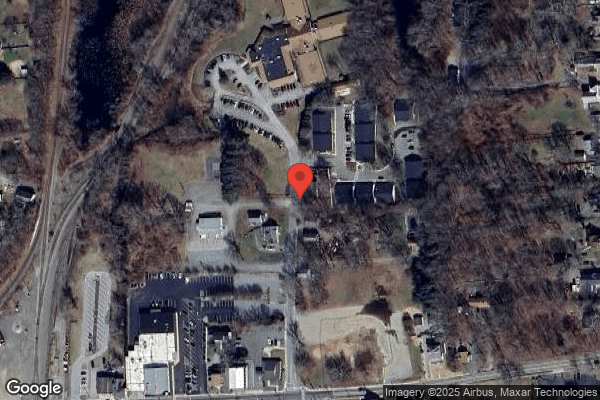
16 WINDSOR AVE, PLAINFIELD, CT 06374 (860) 564-4081
For profit - Limited Liability company 90 Beds Independent Data: November 2025
Trust Grade
65/100
#58 of 192 in CT
Last Inspection: November 2024

Within standard 12-15 month inspection cycle. Federal law requires annual inspections.

Overview

Colonial Health & Rehab Center of Plainfield has a Trust Grade of C+, indicating it is slightly above average but not exceptional. It ranks #58 out of 192 facilities in Connecticut, placing it in the top half, and #3 out of 8 in its county, meaning only two local options are better. However, the facility is worsening, with issues increasing from 3 in 2023 to 9 in 2024. Staffing is rated at 4 out of 5 stars, which is good, but the turnover rate is concerning at 59%, significantly higher than the state average of 38%. Notably, the facility has not incurred any fines, indicating compliance with regulations. Despite these strengths, there are some serious concerns. For example, the facility failed to properly date opened food items, posing a risk to food safety. Additionally, there were issues with maintaining accurate advance directives for residents, leading to potential miscommunication about their care wishes. Lastly, the facility did not implement fall prevention measures for a resident with a history of falls, which could lead to safety risks. Overall, while there are positive aspects, families should consider these weaknesses when researching this nursing home.

Trust Score
C+
65/100
In Connecticut
#58/192
Top 30%
Safety Record
Low Risk
No red flags
Inspections
Getting Worse
3 → 9 violations
Staff Stability
⚠ Watch
59% turnover. Above average. Higher turnover means staff may not know residents' routines.
Penalties
✓ Good
No fines on record. Clean compliance history, better than most Connecticut facilities.
Skilled Nurses
✓ Good
Each resident gets 52 minutes of Registered Nurse (RN) attention daily — more than average for Connecticut. RNs are trained to catch health problems early.
Violations
⚠ Watch
21 deficiencies on record. Higher than average. Multiple issues found across inspections.
★★★★☆
4.0
Overall Rating
★★★★☆
4.0
Staff Levels
★★☆☆☆
2.0
Care Quality
★★★★☆
4.0
Inspection Score
Stable
2023: 3 issues
2024: 9 issues

The Good

  • 4-Star Staffing Rating · Above-average nurse staffing levels
  • Full Sprinkler Coverage · Fire safety systems throughout facility
  • No fines on record

Facility shows strength in staffing levels, fire safety.

The Bad

Staff Turnover: 59%

13pts above Connecticut avg (46%)

Frequent staff changes - ask about care continuity

Staff turnover is elevated (59%)

11 points above Connecticut average of 48%

The Ugly 21 deficiencies on record

Nov 2024 9 deficiencies
CONCERN (D)

Potential for Harm - no one hurt, but risky conditions existed

Deficiency F0578 (Tag F0578)

Could have caused harm · This affected 1 resident

**NOTE- TERMS IN BRACKETS HAVE BEEN EDITED TO PROTECT CONFIDENTIALITY** Based on interviews and record reviews for 2 of 2 residents, (Resident #40 and Resident #46) reviewed for advance directives, fo...

Read full inspector narrative →
**NOTE- TERMS IN BRACKETS HAVE BEEN EDITED TO PROTECT CONFIDENTIALITY** Based on interviews and record reviews for 2 of 2 residents, (Resident #40 and Resident #46) reviewed for advance directives, for Resident #40, the facility failed to transcribe advance directives according to the signed resident's wishes and for Resident #46, the facility failed to ensure the advance directive consent had been signed and available in the medical record. The findings include: 1. Resident #40's diagnoses included chronic obstructive pulmonary disease, type 2 diabetes mellitus and hypertension. The significant change in status Minimum Data Set (MDS) assessment dated [DATE] identified that Resident #40 was severely cognitively impaired, and was independent for eating, toileting, and transfers. The Resident Care Plan dated [DATE] identified Resident #40 had a status of DNR and a Registered Nurse (RN) may pronounce death. Interventions included not to resuscitate. The physician's orders dated [DATE] directed that Resident #40's advance directive was for a full code indicating cardiopulmonary resuscitation (CPR) was to be performed. The Do Not Resuscitate (DNR) consent form dated [DATE], signed by Resident #40, indicated not to resuscitate Resident #40. Interview with Registered Nurse (RN) #7 on [DATE] at 6:30 AM identified facility policy for signed advance directives was to ensure the document was in the chart as well as in the electronic health record (EHR). RN #7 was unable to locate Resident #40's signed advance directives form in the EHR or paper chart and could not identify who was responsible to ensure the document was available. Furthermore, RN #7 stated that in the event of an emergency which would require advance directive information, (resuscitation status), she would follow the physician's order in the EHR whick directed that Resident #40 was to receive CPR. Interview and record review with the Director of Nursing (DNS) on [DATE] at 6:43 AM identified the facility policy stated the advance directive form be signed by the resident or responsible party, the physician's order match the signed advance directive, and the information be accurately reflected in the EHR. During a review of the clinical record with the DNS the signed advance directive dated [DATE] reflected a DNR status while the EHR physician order dated [DATE] directed a full code (CPR). The DNS indicated that in the event of an emergency the nurse would follow physician's orders directing Resident #40 receive CPR. Subsequent to survey inquiry, the DNS indicated she would investigate the inconsistency. Re-interview with the DNS on [DATE] at 8:21 AM, identified the nurse who had entered the readmission orders on [DATE] had mistakenly transcribed that Resident #40 was a full code from the hospital discharge paperwork, however, the DNR signed in 2015 should have been honored. The DNS indicated it was the facility policy to fill out a new advanced directive consent form upon admission or readmission. Further, the DNS indicated that Resident #40's responsible party identified Resident #40 should have never been listed as a full code, he/she had always been a DNR, and the responsible party was on the way in to sign a new DNR consent to ensure Resident #40 remained a DNR. 2. Resident #46 was admitted to the facility in [DATE] with diagnoses that included vascular dementia with unspecified psychotic disturbances and other behavioral disturbances, anxiety disorder, and unspecified mental disorder. The annual Minimum Data Set (MDS) assessment dated [DATE] identified Resident #46 was severely cognitively impaired, was able to eat independently after set up for meals, and required assistance of 1 for transfers. The Resident Care Plan dated [DATE] identified Resident #46 was a Do Not Resuscitate (DNR) and Registered Nurse Pronouncement of Death (RNP). Interventions included that the resident or appointed family member would sign the appropriate paperwork and would be filed in the chart. Additional interventions included to obtain a copy of a living will, conservator appointment, advance directives, healthcare agent appointment, and/or power of attorney. The physician's order currently in effect and originally dated [DATE] directed Do Not Resuscitate (DNR) and Registered Nurse Pronouncement of Death (RNP). A review of the clinical record on [DATE] at 12:30 PM with RN #1 identified a signed Advanced Directive consent form was unable to be located in Resident 46's chart. Review of a new physician's order dated [DATE] identified Do Not Hospitalize (DNH), Do Not Intubate (DNI) and Do Not Transfer (DNT). Re-interview with RN #1 on [DATE] at 11:45 AM indicated that the nurses would check physician's orders in the electronic record for code status for cardiopulmonary resuscitation (CPR) or for DNR, then double check for verification by looking at the Advance Directive consent form in the clinical chart which was still unable to be located. Interview with the DNS on [DATE] at 11:50 AM identified that Resident #46's Healthcare Agent had come into the facility on the evening of [DATE] and signed a new advance directive indicating that Resident #46's status was to be a DNR, DNI, DNT, and DNH. The DNS indicated she was not sure if there had been a signed advance directive prior to surveyor inquiry. A review of the Advance Directive policy dated [DATE] directed, in part, that on admission the facility would provide the resident or responsible party with information to make advance directive decisions, the nurse would complete the form and ensure that the Advance directive was placed in the medical record, and that the facility would honor the advance directive wishes of residents, which included not performing CPR on residents who had a valid DNR.
CONCERN (D)

Potential for Harm - no one hurt, but risky conditions existed

Comprehensive Care Plan (Tag F0656)

Could have caused harm · This affected 1 resident

**NOTE- TERMS IN BRACKETS HAVE BEEN EDITED TO PROTECT CONFIDENTIALITY** Based on staff interview, observations, review of the clinical record, and facility policy for 1 of 8 residents (Resident #13) r...

Read full inspector narrative →
**NOTE- TERMS IN BRACKETS HAVE BEEN EDITED TO PROTECT CONFIDENTIALITY** Based on staff interview, observations, review of the clinical record, and facility policy for 1 of 8 residents (Resident #13) reviewed for accidents, the facility failed to implement fall prevention interventions as per the Resident Care Plan (RCP). The findings include: Resident #13's diagnoses included dementia, lack of coordination, and abnormality of gait and mobility. The RCP dated 9/3/19 through 11/7/24 identified Resident #13 had a history of falls with no serious injury (fell on 5/6/22, 7/11/22, 11/2/22, 5/22/23, 10/25/23, 11/13/23, and 9/24/24). Interventions implemented to prevent future falls included the placement of a floor mat to the door side of the bed at nighttime, wearing proper footwear, placement of skid strips in front of the dresser and next to his/her bed on the door side of the bed. An Advanced Practice Registered Nurse (APRN) progress note dated 11/13/23 directed skid strips in front of the dresser. The significant change in status Minimum Data Set assessment dated [DATE] identified Resident #13 had moderately impaired cognition, was independent in achieving a sit to stand position from a bed or his/her wheelchair and required moderate assistance in walking 10 feet. Additionally, the MDS identified Resident #13 had no falls within the previous month. A Fall Risk assessment dated [DATE] identified Resident #13 was at a moderate risk for falls. Observation on 11/6/24 at 12:01 PM failed to identify skid strips were applied to the floor in front of the dresser as per APRN orders. Additionally, skid strips were present on the door side of the bed, but there were no floor mats next to the bed or located anywhere in the room. An interview with Nurse Aide (NA) #1 on 11/7/24 at 9:18 AM identified that fall prevention interventions for NA's to follow were listed on the electronic [NAME]. Review of the [NAME] with NA #1 identified that floor pads and skid strips were not included on the [NAME]. NA #1 noted that Resident #13 was not a fall risk because he/she did not have anything listed on the [NAME] identifying Resident #13's fall risk. NA #1 further indicated for residents with floor pads listed on the [NAME], the NAs would be responsible for placing the floor mats next to the bed at night and removing them in the morning. NA #1 noted for all residents who use a floor mat for fall prevention, the floor mats were stored behind the resident's bed or next to their closet and never removed from their room. An observation of Resident #13's room with NA #1 during the interview failed to locate floor mats for Resident #13 within his/her room and NA #1 stated she had never placed or removed floor mats from Resident #13's floor as she was not aware of the need for floor mats. Further, NA #1 also failed to identify the placement of skid strips in front of Resident #13's dresser. An interview with Licensed Practical Nurse (LPN) #1 on 11/7/24 at 9:30 AM identified that the Nurse Supervisor was responsible for transcribing information from a RCP to the [NAME]. During a review of Resident #13's RCP with LPN #1, it was noted Resident #13 should have floor mats, skid strips, and proper footwear as part of his/her fall mitigation interventions. An observation of Resident #13's room with LPN #1 during the interview failed to locate floor mats or the placement of skid strips in Resident #13's room per the RCP. Subsequent to surveyor inquiry, LPN #1 notified the Nursing Supervisor of the intervention of floor pads and skid strips for Resident #13. An observation of Resident #13's room on 11/7/24 at 9:35 AM with RN #1 identified that neither floor pads nor skid strips in front of the dresser were in the room. RN #1 failed to identify the reason neither the floor pads nor skid strips were being used for Resident #13. Post-surveyor inquiry, the [NAME] Report dated 11/7/24 was updated for Resident #13 to include placement of skid strips in front of the dresser and next to his/her bed on the door side of the bed, and the placement of a floor mat to the door side of the bed at nighttime. Review of the facility's Falls Mitigation policy identified that nurses are responsible for updating the RCP after a resident fall with interventions to prevent future falls.
CONCERN (D)

Potential for Harm - no one hurt, but risky conditions existed

Quality of Care (Tag F0684)

Could have caused harm · This affected 1 resident

**NOTE- TERMS IN BRACKETS HAVE BEEN EDITED TO PROTECT CONFIDENTIALITY** Based on observations, interviews, and record review for 1 of 2 residents, (Resident #40), reviewed for respiratory care, the fa...

Read full inspector narrative →
**NOTE- TERMS IN BRACKETS HAVE BEEN EDITED TO PROTECT CONFIDENTIALITY** Based on observations, interviews, and record review for 1 of 2 residents, (Resident #40), reviewed for respiratory care, the facility failed to obtain a physician's order to administer oxygen to a resident with Chronic Obstructive Pulmonary Disease (COPD). The findings include: Resident #40's diagnoses included chronic obstructive pulmonary disease, type 2 diabetes mellitus, and hypertension. The significant change in status Minimum Data Set (MDS) assessment dated [DATE] identified that Resident #40 was severely cognitively impaired, and independent for eating, toileting, and transfers. Additionally, Resident #40 had no shortness of breath but was receiving respiratory treatments. The Resident Care Plan dated 10/8/24 identified Resident #40 had COPD. Interventions included to give aerosol and bronchodilators as ordered and monitor for difficulty breathing on exertion. The care plan did not indicate oxygen use. Observations on 11/4/24 at 11:40 AM, 11/5/24 at 10:02 AM, and 11/7/24 at 9:25 AM identified Resident #40 was receiving oxygen at 1 liter per minute from a concentrator (not an emergency tank), via a nasal canula (tubing). Interview and record review with Registered Nurse (RN) #1 on 11/7/24 at 9:30 AM identified licensed nurses were responsible to check the physician's order for oxygen use to identify how much oxygen to administer and ensure any orders to titrate (increase or decrease) the oxygen flow rates were implemented. Although the facility policy indicated that oxygen could have been put in place as a nursing measure, review of the documentation with RN #1, failed to identify oxygen use in the physician's orders, nursing progress notes, or the care plan for the 3 days Resident #40 was observed to be receiving oxygen therapy. Interview with APRN #1 on 11/7/24 at 10:39 AM identified she was familiar with Resident #40, his/her diagnosis of COPD, and that parameters for oxygen saturations should have been maintained between 88% and 92%. APRN #1 indicated although she would assess Resident #40 for oxygen use, his/her saturations were in the 90's so oxygen use would be unlikely. Additionally, she stated she tried to avoid giving residents with COPD oxygen if it was unnecessary as oxygen use caused retention of carbon dioxide in the lungs and increased the bicarbonate in the body which impeded breathing. Subsequent to surveyor inquiry, Resident #40 was assessed by APRN #1, and an order was placed to administer oxygen at 1 liter per minute via nasal canula, every shift, as needed, to maintain oxygen saturations greater than 88% and to titrate oxygen by 0.5 liters per minute via nasal canula to maintain oxygen saturations greater than 88% every shift. The Oxygen Administration Policy and Procedure dated 4/15/23 identified that it was the policy of the facility to ensure residents requiring oxygen were administered oxygen per the physician's orders. In addition, when an emergency arouse, the nurse may administer oxygen at 2 liters per minute via nasal canula and obtain physician orders within 24 hours. Based on review of the clinical record, facility documentation, facility policy and interviews for the only sampled resident (Resident #30), reviewed for a change in condition, the facility failed to follow the physician order for blood sugars and blood pressures, and for 1 of 2 residents (Resident #34), reviewed for accidents and hazards, the facility failed to administer medications to the appropriate resident. The findings include: 1. Resident #30's diagnoses include type 2 diabetes, hypertension, and vascular dementia. The Resident Care Plan (RCP) dated 7/24/24 identified Resident #30 had hypertension with an intervention to monitor vital signs per physician (MD) order and notify the MD of abnormalities in the vital signs. Furthermore, the RCP identified Resident #30 had a history of abnormal glucose levels for which the intervention was to perform blood glucose checks and MD notification per provider orders. The Quarterly Minimum Data Set assessment dated [DATE] identified Resident #30 had severe cognitive impairment, required insulin injections for diabetes management, and required maximal assistance with chair/bed to chair transfers. a. An order from MD #1 dated 10/1/24 directed blood glucose levels were to be completed two times a week, on Monday and Thursday both in the morning (AM) and night (PM), and to notify the MD if levels were below 70 or above 350. A Weights and Vitals Summary identified on Thursday 10/10/24 at 4:50 PM, Resident #30's blood glucose level was 417 milligrams (mg)/deciliter (dl) (physician orders directed to notify MD if levels were above 350). Additionally, on Thursday 10/24/24 at 10:27 PM, Resident #30's blood glucose level was 402 mg/dl (physician orders directed to notify MD if levels were above 350) and on Monday 10/28/24 at 4:50 AM, Resident #30's blood glucose level was 69 mg/dl (physician orders directed to notify the MD if levels were below 70). An interview and record review on 11/7/24 at 12:11 PM with RN #1 failed to identify the MD or Advanced Practice Registered Nurse (APRN) was notified on 10/10/24, 10/24/24, or 10/28/24 regarding Resident #30's blood glucose levels being above 350 or below 70. RN #1 further indicated that nursing document when calls are made to providers within their progress notes. An interview on 11/7/24 at 1:25 PM with MD #1 identified that he could not recall if he was notified on 10/10/24, 10/24/24, or 10/28/24 of Resident #30's blood glucose results. MD #1 indicated if he were notified, he would have wanted to ask staff if Resident #30 had any symptoms related to an abnormal blood glucose and would have asked staff to monitor him/her for such symptoms. An interview with Registered Nurse (RN) #4 on 11/7/24 at 3:03 PM failed to identify that she notified the nursing supervisor or MD #1 of any abnormalities in Resident #30's blood glucose levels on 10/10/24 after her documentation of an abnormal blood glucose level of 417 mg/dl. She further indicated that a progress note should have been written and the nursing supervisor should have been notified of a blood glucose level to contact the MD per the 10/1/24 MD blood glucose orders. b. A progress note from APRN #1 dated 10/10/24 identified Resident #30 was being evaluated for a change in condition for a weight gain of greater than 5% within a 30-day timeframe after a medication change. As an intervention, documented within the progress note, APRN #1 directed staff to monitor Resident #30's blood pressure daily. Review of physician orders from 10/10/24 through 11/8/24 failed to identify that a RN transcribed APRN #1's order for daily blood pressure monitoring into the electronic medical record (EMR). Resident #30's Weights and Vitals Summary from 10/10/24 through 11/2/24 identified no blood pressure readings were recorded on 10/10/24, 10/11/24, 10/12/24, 10/13/24, 10/14/24, 10/15/24, 10/16/24, 10/17/24, 10/18/24, 10/19/24, 10/20/24, 10/21/24, 10/22/24, 10/23/24, 10/24/24, 10/25/24, 10/27/24, 10/28/24, 10/29/24, 10/30/24, and 10/31/24 (missing 21 of 24 opportunities). An interview with APRN #1 on 11/8/24 at 11:26 AM identified that the RN supervisor for 10/10/24 was responsible for transcribing APRN #1's order for daily blood pressures into the EMR as she enters orders into the progress note then verbally provides the RN manager with the order to be entered. APRN #1 stated she was not physically present in the facility at 4:50 PM on 10/10/24 when the order was given, so the order was given to the RN supervisor over the telephone. An interview with RN #5 on 11/8/24 at 11:45 AM, (the nursing supervisor working on 10/10/24 at 4:50 PM), failed to identify that she transcribed the daily blood pressure order into the EMR. An interview and record review with the Director of Nursing Services (DNS) on 11/8/24 at 11:49 AM failed to identify that an order for daily blood pressures for Resident #30 was entered into the EMR. Subsequent to surveyor inquiry, the DNS transcribed the orders for daily blood pressures into the EMR. Review of the Policy identified that it is the responsibility of the RN Supervisor to transcribe orders from the Physician's order sheet or other referring documentation source to the EMR. 2. Resident #34's diagnoses included dementia, chronic kidney disease, atrial fibrillation and heart failure. The quarterly Minimum Data Set (MDS) assessment dated [DATE] identified Resident #34 was severely cognitively impaired and required physical assistance of 1 person for bed mobility, toileting and transfers. The Resident Care Plan dated 9/13/24 identified an impaired cognitive function. Interventions included to administer medications as ordered and monitor and document for side effects and effectiveness. A nursing progress note dated 10/30/24 at 5:00 AM identified Resident #34 had received the wrong medications during morning medication pass. The progress note indicated that an Advanced Practice Registered Nurse (APRN) was notified and recommended to monitor Resident #34's vital signs and monitor for sedation or a change in mental status. The facility's medication error report dated 10/30/24 identified that Resident #34 was administered Baclofen 10 mg, Hydralazine 25 mg, Gabapentin 300 mg and Levothyroxine 112 mcg in error on 10/30/24 at 5:00 AM by LPN # 2. The medication error report indicated that Resident #34 should have been administered Omeprazole 20 mg and Synthroid 88 mcg on 10/30/24 at 5:00 AM but was administered the wrong medications. The medication error report further identified that an on-call advanced practice registered nurse (APRN) was notified of the error along with Resident #34's responsible party. An APRN (APRN #1) progress note dated 10/30/24 at 2:35 PM identified Resident #34 was evaluated after a medication error where he/she received another resident's medications. The progress note indicated that after Resident #34 received the wrong medications he/she was very drowsy but was able to briefly open his/her eyes. Additionally, the progress note identified that due to Resident #34's fatigue and weakness he/she was to be monitored closely for any adverse effects due to the medication error. APRN #1 indicated in her progress note that she would follow-up with the nursing staff regarding correct medication administration as well as prevention of recurrence in the future. An APRN (APRN#1) progress note dated 11/1/24 at 12:00 PM identified Resident #34 was evaluated status post episode of lethargy and somnolence after being administered the wrong medications. The progress note indicated that Resident #34 was more awake and alert without any complaints. APRN#1 identified in her progress note that Resident #34 would continue to be monitored for any delayed adverse effects. Interview with APRN #1 on 11/7/24 at 10:40 AM identified she was aware of the medication error on 10/30/24 when Resident #34 received Baclofen 10 mg, Hydralazine 25 mg, Gabapentin 300 mg and Levothyroxine 112 mcg in error. APRN#1 indicated that she evaluated Resident #34 on 10/30/24 and was concerned about the resident's sedation because he/she was sleeping a lot that day. APRN #1 further identified that Resident #34 was closely monitored and was not found to be unstable. APRN #1 indicated that LPN #2 had not correctly identified Resident #34 before she administered him/her Resident #9's medications in error. Interview with DNS on 11/7/24 at 11:00 AM identified that on the morning of 10/30/24, LPN #2 administered Resident #9's medications to Resident #34 in error. The DNS indicated that after the medication error, LPN#2 received re-education at the facility and has not been back to work at the facility. The DNS identified that, although she was unable to indicate if the facility's investigation had concluded that Resident #34 identification band was in place the morning of 10/30/24, LPN #2 had other methods to identify Resident #34 before she administered the wrong medications. The DNS indicated other identification methods would have included review of the resident's photo in the administration record or the resident's name posted above the bed as well as other facility staff could have assisted LPN #2 with identification of Resident #34. Subsequent to surveyor inquiry on 11/7/24 at 2:00 PM the DNS identified that the nursing agency which employed LPN #2 had been contacted and informed her that LPN #2 was counseled by the nursing agency after the medication error occurred. The DNS further indicated that LPN #2 had been placed on the facility's do not return list. Interview with LPN #2 on 11/7/24 at 3:00 PM identified that she was working at the facility on 10/30/24 and was responsible for administering morning medications to Resident #34. LPN #2 indicated that she dispensed Gabapentin, Baclofen, Hydralazine and Levothyroxine for Resident # 9 and then went into the wrong room and administered the medications to Resident #34 in error. LPN #2 identified that when she went to dispense Resident #34's medications and saw the resident's picture in the administration record, she realized she had already given the wrong medications to Resident #34. LPN #2 further indicated that she failed to identify Resident #34 before she administered medications to the resident on 10/30/24 and she should not have done that. Review of the facility policy, Medication Administration and Documentation, undated, directed that medication administration occurs in an accurate manner and residents are to be identified before medications are administered.
CONCERN (D)

Potential for Harm - no one hurt, but risky conditions existed

Accident Prevention (Tag F0689)

Could have caused harm · This affected 1 resident

**NOTE- TERMS IN BRACKETS HAVE BEEN EDITED TO PROTECT CONFIDENTIALITY** Based on observations, review of the clinical record, facility documentation, facility policy and interviews for 1 of 4 resident...

Read full inspector narrative →
**NOTE- TERMS IN BRACKETS HAVE BEEN EDITED TO PROTECT CONFIDENTIALITY** Based on observations, review of the clinical record, facility documentation, facility policy and interviews for 1 of 4 residents (Resident #34) reviewed for nutrition, the facility failed to appropriately supervise a resident during mealtime per the physician's order and during the initial facility tour, the facility failed to ensure water temperatures were maintained within acceptable parameters of 105 to 120 degrees Fahrenheit for 17 of 50 rooms. The findings include: 1. Resident #34's diagnoses included dementia, dysphagia, gastro-esophageal reflux disease and pneumonia with respiratory failure. A physician's order dated 8/8/24 directed supervision and out of bed with upright posture for meals. A Speech Therapy (ST) #1 progress note dated 8/8/24 at 3:03 PM identified that staff were reminded Resident #34 would benefit from eating his/her meals in the dining room and supervision for meals was required. The progress note further indicated that Resident #34's physician's orders for eating had been changed to supervision and to be out of bed with upright posture for meals. The quarterly Minimum Data Set (MDS) assessment dated [DATE] identified Resident #34 was severely cognitively impaired and required physical assistance of 1 person for bed mobility, toileting and transfers. The MDS further indicated signs and symptoms of a possible swallowing disorder as evidenced by loss of liquids/solids from the mouth when eating or drinking with nutritional approaches applied as mechanically altered/therapeutic diet. The Resident Care Plan dated 9/13/24 identified a nutritional problem related to dysphagia and a self-care performance deficit. Interventions included to monitor, document and report any signs and symptoms of dysphagia with supervision and to be out of bed with upright posture for meals. A nursing progress note dated 9/28/24 at 5:30 PM identified that Resident #34 had a foreign body airway obstruction during mealtime and was unable to communicate for a short period of time due to persistent coughing. The progress note further indicated that Resident #34's diet was downgraded and a speech therapy consult was ordered. A physician's order dated 9/28/24 directed to provide Resident #34 with a regular diet with dysphagia puree texture and regular liquid consistency. A physician's order dated 9/30/24 directed a speech therapy dysphagia evaluation and treatment for management of dysphagia. ST #1's progress note dated 9/30/24 at 2:30 PM identified Resident #34 was seen for a swallowing evaluation after an episode of coughing while eating spaghetti over the weekend which resulted in his/her diet being downgraded to puree. The progress note included that skilled speech therapy was indicated for delivery of education and training with staff caregivers related to diet recommendations and the use of safe swallowing strategies to minimize the risk of aspiration. ST #1's progress noted dated 10/16/24 at 12:51 PM identified that Resident #34 was complaining of a hard time swallowing and was spitting up brown mucous prior to any oral intake. The progress note indicated that Resident #34 was eating moderate portions of breakfast without overt signs or symptoms of aspiration despite intermittent complaints of difficulty with swallowing. Advanced Practice Registered Nurse (APRN) #1's progress note dated 10/17/24 at 1:30 PM identified Resident #34 was seen for follow-up of possible cough with brown tinged sputum. The progress note indicated that Resident #34 was seen on 10/16/24 for brown sputum and the resident reported trouble swallowing with his/her diet downgraded due to dark brown tinged sputum observed that morning. APRN #1's progress note dated 10/30/24 at 2:45 PM identified Resident #34 continued to be followed by ST for dysphagia and should continue to be monitored for swallowing ability with diet adjustments made as needed. Observation 11/04/24 at 12:30 PM identified Resident #34 was in his/her room sitting in the bedside recliner and was independently eating a pureed meal of meat and vegetables. Resident #34 was unsupervised and alone in his/her room while eating lunch. Observation on 11/6/24 at 7:45 AM identified Resident #34 was in his/her room and was sitting up at the side of the bed when NA# 2 delivered his/her breakfast tray and left the room. Resident #34 was independently eating her pureed meal of cheese omelet and toast. Resident #34 was seated behind the privacy curtain and was unsupervised and alone in his/her room while eating breakfast. Interview with ST #1 on 11/7/24 10:20 AM identified he was familiar with Resident #34 and had frequently worked directly with him/her for a diagnosis of dysphagia. ST #1 indicated that Resident #34 was to be supervised by staff during all meals and staff were to monitor and assist if he/she had any swallowing difficulty during the meal. ST #1 further identified that the reason for Resident #34's meal supervision was to minimize his/her risk of aspiration or choking. Additionally, ST #1 identified when Resident #34 was dining in his/her room, staff should have been present in the room and supervised the resident while he/she was eating. ST #1 indicated that he would need to remind the nursing staff regarding Resident #34's required supervision during meals. Interview and record review with APRN #1 on 11/7/24 at 10:30AM identified that Resident #34 had a current order for supervision during meals. APRN #1 indicated that the order for supervision meant that staff was present and monitored Resident #34 while he/she ate and drank during his/her mealtimes. APRN #1 identified that if Resident #34 was dining in his/her room, the nursing staff should have been present in the room while Resident #34 was eating. Additionally, APRN #1 indicated that, due to a diagnosis of dysphagia, Resident #34 required supervision by the nursing staff in order to be monitored for aspiration or choking during meals. APRN #1 further identified that she would need to address the lack of supervision further with the nursing supervisor on that unit. Interview with NA #2 on 11/7/24 at 3:18PM identified that on the morning of 11/6/24 she had served Resident #34 his/her breakfast tray. NA #2 indicated that since Resident #34 was independent and just a set-up, Resident #34 ate breakfast unsupervised. Additionally, NA #2 identified she was not in the room with Resident #34 while he/she was eating, and only went back into the room to pick up the breakfast tray. NA #2 further indicated that although the NA care card directed that Resident #34 was to have supervision during meals, she was not aware the resident needed to be supervised because she had not referenced the NA care card before providing care. Review of the Supervison Resident Dignity During Mealtimes Policy and Procedure, dated 12/29/12, directed, in part, that residents requiring supervision while eating in their room may be observed by the nurse assigned to the unit. 2. Observations of water temperatures on 11/4/24 at 12:00 PM identified the following: A. room [ROOM NUMBER] the water temperature was 124 degrees. B. room [ROOM NUMBER] the water temperature was 125.6 degrees. C. room [ROOM NUMBER] the water temperature was 124.5 degrees. D. room [ROOM NUMBER] the water temperature was 125.8 degrees. E. room [ROOM NUMBER] the water temperature was 126.3 degrees. F. room [ROOM NUMBER] the water temperature was 126.7 degrees. G. room [ROOM NUMBER] the water temperature was 124.0 degrees. H. room [ROOM NUMBER] the water temperature was 121.1 degrees. I. room [ROOM NUMBER] the water temperature was 128.1 degrees. J. room [ROOM NUMBER] the water temperature was 123.8 degrees. K. room [ROOM NUMBER] the water temperature was 123 degrees. L. room [ROOM NUMBER] the water temperature was 128.5 degrees. M. room [ROOM NUMBER] the water temperature was 121.3 degrees. N. room [ROOM NUMBER] the water temperature was 122.5 degrees. O. room [ROOM NUMBER] the water temperature was 126.3 degrees. P. room [ROOM NUMBER] the water temperature was 126.0 degrees. Q. room [ROOM NUMBER] the water temperature was 130 degrees. An interview on 11/4/24 at 12:30 PM with the Maintenance Director identified that he thought the water temperature acceptable parameters were to be maintained between 105 degrees to 125 degrees. Additionally, he indicated that the mixing valve was set at 145 degrees. Review of the temperature logs from 2/29/24 to 10/30/24 identified that for 133 days out of 168 days the water temperatures were logged at 121 degrees or higher, with the highest temperature being 130 degrees on 9/3/24. An interview on 11/4/24 at 12:35 PM with the Administrator identified that the water system could be bled and purged to force the water temperatures to be lowered and that the buildings high water temperatures could be fixed in minutes using this method. Subsequent to surveyor inquiry, the water temperatures were adjusted. Review of the facility Water Temperature Policy and Procedure identified water that water temperatures were to be maintained between 105 and 120 degrees Fahrenheit and were not to exceed 120 degrees Fahrenheit at all water sources to ensure individual safety for those with access. Additionally, staff were trained and aware that temperatures could rise or fall due to seasonal changes and circulation devices and that the Maintenance Director was responsible to review variances and adjust the mixing valve to proper temperatures as needed.
CONCERN (D)

Potential for Harm - no one hurt, but risky conditions existed

Respiratory Care (Tag F0695)

Could have caused harm · This affected 1 resident

**NOTE- TERMS IN BRACKETS HAVE BEEN EDITED TO PROTECT CONFIDENTIALITY** Based on observations, interviews, and record review for 1 of 2 residents, (Resident #40), reviewed for respiratory care, the fa...

Read full inspector narrative →
**NOTE- TERMS IN BRACKETS HAVE BEEN EDITED TO PROTECT CONFIDENTIALITY** Based on observations, interviews, and record review for 1 of 2 residents, (Resident #40), reviewed for respiratory care, the facility failed to obtain a physician's order to administer oxygen to a resident with Chronic Obstructive Pulmonary Disease (COPD). The findings include: Resident #40's diagnoses included chronic obstructive pulmonary disease, type 2 diabetes mellitus, and hypertension. The significant change in status Minimum Data Set (MDS) assessment dated [DATE] identified that Resident #40 was severely cognitively impaired, and independent for eating, toileting, and transfers. Additionally, Resident #40 had no shortness of breath but was receiving respiratory treatments. The Resident Care Plan dated 10/8/24 identified Resident #40 had COPD. Interventions included to give aerosol and bronchodilators as ordered and monitor for difficulty breathing on exertion. The care plan did not indicate oxygen use. Observations on 11/4/24 at 11:40 AM, 11/5/24 at 10:02 AM, and 11/7/24 at 9:25 AM identified Resident #40 was receiving oxygen at 1 liter per minute from a concentrator (not an emergency tank), via a nasal canula (tubing). Interview and record review with Registered Nurse (RN) #1 on 11/7/24 at 9:30 AM identified licensed nurses were responsible to check the physician's order for oxygen use to identify how much oxygen to administer and ensure any orders to titrate (increase or decrease) the oxygen flow rates were implemented. Although the facility policy indicated that oxygen could have been put in place as a nursing measure, review of the documentation with RN #1, failed to identify oxygen use in the physician's orders, nursing progress notes, or the care plan for the 3 days Resident #40 was observed to be receiving oxygen therapy. Interview with APRN #1 on 11/7/24 at 10:39 AM identified she was familiar with Resident #40, his/her diagnosis of COPD, and that parameters for oxygen saturations should have been maintained between 88% and 92%. APRN #1 indicated although she would assess Resident #40 for oxygen use, his/her saturations were in the 90's so oxygen use would be unlikely. Additionally, she stated she tried to avoid giving residents with COPD oxygen if it was unnecessary as oxygen use caused retention of carbon dioxide in the lungs and increased the bicarbonate in the body which impeded breathing. Subsequent to surveyor inquiry, Resident #40 was assessed by APRN #1, and an order was placed to administer oxygen at 1 liter per minute via nasal canula, every shift, as needed, to maintain oxygen saturations greater than 88% and to titrate oxygen by 0.5 liters per minute via nasal canula to maintain oxygen saturations greater than 88% every shift. The Oxygen Administration Policy and Procedure dated 4/15/23 identified that it was the policy of the facility to ensure residents requiring oxygen were administered oxygen per the physician's orders. In addition, when an emergency arouse, the nurse may administer oxygen at 2 liters per minute via nasal canula and obtain physician orders within 24 hours.
CONCERN (D)

Potential for Harm - no one hurt, but risky conditions existed

Deficiency F0698 (Tag F0698)

Could have caused harm · This affected 1 resident

**NOTE- TERMS IN BRACKETS HAVE BEEN EDITED TO PROTECT CONFIDENTIALITY** Based on review of the clinical record, facility policy and interviews for the only sampled resident, (Resident #49), reviewed f...

Read full inspector narrative →
**NOTE- TERMS IN BRACKETS HAVE BEEN EDITED TO PROTECT CONFIDENTIALITY** Based on review of the clinical record, facility policy and interviews for the only sampled resident, (Resident #49), reviewed for hemolytic treatment, the facility failed to communicate a new allergy to the treatment center. The findings include: Resident #49's diagnosis included chronic kidney disease, end stage renal disease, diabetes, and was noted to be legally blind. The quarterly Minimum Data Set (MDS) assessment dated [DATE] identified that Resident #49 was cognitively intact, required set up for eating, and partial/moderate assist for showering, dressing, and personal hygiene. Also, identified was that Resident #49 required a wheelchair and went for hemolytic treatments. A nursing progress note dated 8/19/24 identified that Resident #49 had a change in condition on 8/19/24 related to an allergic reaction from eating peanut butter. Resident #49 experienced numbness and tingling to his/her lips. The APRN was notified and directed to add peanut butter to the allergy list. The Resident Care Plan (RCP) dated 8/20/24 identified Resident #49 was receiving hemolytic treatments and had impaired visual function. Interventions included to send out for hemolytic treatments 3 times weekly and have staff tell Resident #49 where they were placing items to assist with visual impairment. Interview with Resident #49 on 11/7/24 at 10:50 AM identified that he/she was allergic to peanuts and on 11/6/24 he/she was sent for hemolytic treatment with peanut butter crackers which was provided by the facility. Resident #49 stated that the staff at the hemolytic treatment center got the facility provided food out of the backpack for him/her because of his/her visual impairment. Resident #49 indicated that when offered, she/he refused the peanut butter crackers because eating peanuts would have produced another allergic reaction (hives and shortness of breath.) An interview with RN #1 on 11/7/24 at 11:03 AM identified that Resident #49 was sent for treatments with a sandwich and with a protein snack, usually peanut butter crackers. Subsequent to surveyor's inquiry RN #1 returned to the surveyor on 11/7/24 at 2:00 PM and indicated she made an error when stating that Resident #49 was sent to treatments with peanut butter, and that Resident #49 was sent with cheese and crackers. Interview with the hemolytic center employee on 11/8/24 at 10:01 AM identified that Resident #49 has been sent with peanut butter crackers from the facility and that the treatment center was unaware of a peanut allergy as it was not identified on the W10 transfer record form. She further identified that it was not in the electronic medical record at the treatment center. Review of the hemolytic center book, W10 transfer form, which accompanied Resident #49 to every visit, was noted to be dated March 2024. The W-10 failed to indicate Resident #49's peanut allergy. An Interview and review of the clinical record with the Director of Nursing (DNS) on 11/8/24 at 11:18 AM identified Resident #49's allergy was first noted on 8/19/24. The DNS identified that the W10 should have been updated to reflect the peanut allergy. The DNS was unable to find documentation that the hemolytic treatment center had been advised of Resident #49 's allergy to peanuts. The DNS indicated that the W10 that was in the treatment book was the form that accompanied Resident #49's appointments to the treatment center. Review of the facility policy and procedure for hemolytic treatment residents identified that a Licensed Nurse was to review the communication form for changes and update. Review of the hemolytic treatment contract identified that the facility shall ensure that all appropriate medical information accompany residents at the time of transfers to the center including any changes in a patient's condition.
CONCERN (E)

Potential for Harm - no one hurt, but risky conditions existed

Food Safety (Tag F0812)

Could have caused harm · This affected multiple residents

Based on observations, staff interviews, and review of facility policy, the facility failed to ensure foods were dated when opened and staff personal food/fluids were not stored in the facility walk-i...

Read full inspector narrative →
Based on observations, staff interviews, and review of facility policy, the facility failed to ensure foods were dated when opened and staff personal food/fluids were not stored in the facility walk-in refrigerator. The findings include: On 11/4/24 at 10:40 AM, a tour of the Dietary Department with the Food Service Director (FSD) identified the following: A. In the dry storage area, opened and undated: one box of oatmeal cookies, one box of Oreo cookies, and a 5-gallon bucket of chicken base. B. In the main freezer- opened and undated: one bag of fried steak and one bag of Salisbury steak, two uncooked pie shells, 5 cooked apple pies, and 6 boxes of frozen cookies. C. In the walk-in refrigerator: opened and undated one 5-gallon bucket of pickles and a staff's lunch bag was noted to be stored on a shelf with facility supplied resident food items. Interview with the FSD on 11/4/24 at 10:40 AM indicated that he or the chef were responsible for dating items when the packaging was opened. He was unable to explain why the identified items were opened and undated. The FSD was unable to explain the reason Dietary Aide #1 had stored her lunch bag with resident food, the facility policy prohibited staff storing items in the walk in refrigerator, and subsequent to surveyor inquiry, he stated he would have the lunch bag removed. Interview with Dietary Aide #1 on 11/7/24 at 10:50 AM identified she was working on 11/4/24 and had stored her lunch bag in the main walk-in refrigerator of the facility's kitchen. Dietary Aide #1 indicated that she normally did not bring a lunch bag, but she brought extra drinks to work and put everything in there on that day. Dietary Aide #1 further identified that she was aware that facility policy prohibited the storage of personal food in the main walk in refrigerator and should not have put her lunch bag there. Review of the facility food storage policy directed that dry storage foods would be dated as appropriate and cold foods would be labeled and dated.
MINOR (B)

Minor Issue - procedural, no safety impact

Safe Environment (Tag F0584)

Minor procedural issue · This affected multiple residents

Based on observation, interviews, and review of facility policy for 1 of 3 units for 1 resident (Resident #6), the facility failed to ensure furniture was in good repair to provide a home-like environ...

Read full inspector narrative →
Based on observation, interviews, and review of facility policy for 1 of 3 units for 1 resident (Resident #6), the facility failed to ensure furniture was in good repair to provide a home-like environment. The findings include: Observation on 11/5/24 at 11:45 AM identified the facility-supplied furniture (footboard and two dressers) belonging to Resident #6 had been damaged: the footbed attached to the bed had significant marring to the bottom left corner leaving a large area of the footboard missing with the boards inside material exposed/jagged and a strip of plastic edging material hanging off. Two dressers in the front of the room were also damaged along the front and sides near the bottom areas and were missing pieces of the veneer exposing the material underneath. There was yellow reflective tape on the damaged furniture pieces; however, the tape was not intact and was observed to be worn/peeling off. An interview with Resident #6 on 11/5/24 at 11:46 AM identified that he/she damaged the furniture when previously using an electric wheelchair due to being legally blind and running into the items. Additionally, Resident #6 identified that he/she didn't like the furniture being in disrepair, that it had been damaged for at least three months, and he/she had been waiting for someone to fix the furniture when they were not too busy. An interview with the Maintenance Director on 11/6/24 at 2:45 PM identified although he was aware of the condition of Resident #6's dressers, he was unaware Resident #6's footboard was in disrepair and he had just replaced the item 2 to 3 months ago. The Maintenance Director indicated that the Nursing Department was responsible for environmental rounds, but they had not written a request to replace Resident #6's footboard. Although the Maintenance Assistant performed monthly resident room checks for other items, he was not required to check for damaged furniture, but maybe that task should be added to his monthly checklist. An interview with the Administrator on 11/6/24 at 2:50 PM identified that Resident #6's footbed should not have remained damaged for 3 months and the facility has plenty of footboards in storage. Further, the footboard was made of particle board and was not likely to pose a safety risk; however, it should have been replaced sooner. An interview with the Maintenance Assistant on 11/08/24 at 11:30 AM identified that he performed monthly resident room checks but did not look for damaged furniture. The Maintenance Assistant indicated that he was aware Resident #6's furniture was damaged, the Maintenance Director knew about the issue, but the facility was unable to replace the footboard due to a lack of supplies. Although a verbal request was made to the Maintenance Director for a copy of the facility maintenance logs on the wing where Resident #6 resided, logs were not provided. The facility policy for Environmental Rounds identified it was the responsibility of all department heads, managers, and nursing supervisors to monitor and be alert to issues related to the general environment of the facility which included all areas of the facility including resident rooms. Further review identified that interventions were to be instituted at the time problems were noted and notify the appropriate department head, manager, or supervisor of the corrective actions taken. The facility policy for Resident Room Furniture identified that facility staff are to report damaged or missing furniture to the Maintenance Department via the maintenance log and that maintenance staff reviewed the log and repairs or replaces damaged or missing items as soon as practical.
MINOR (B)

Minor Issue - procedural, no safety impact

Grievances (Tag F0585)

Minor procedural issue · This affected multiple residents

**NOTE- TERMS IN BRACKETS HAVE BEEN EDITED TO PROTECT CONFIDENTIALITY** Based on review of clinical records, facility documentation, facility policy and interviews for 6 residents, (Resident #3, Resid...

Read full inspector narrative →
**NOTE- TERMS IN BRACKETS HAVE BEEN EDITED TO PROTECT CONFIDENTIALITY** Based on review of clinical records, facility documentation, facility policy and interviews for 6 residents, (Resident #3, Resident #51, Resident #588, Resident #52 and Resident #12) reviewed for grievances, the facility failed to investigate grievances. The findings include: 1. Resident #3 was admitted to the facility in October 2021 with diagnoses that included unspecified disorder of adult personality and behavior, anxiety disorder, and adjustment disorder with depressive mood. The quarterly Minimum Data Set (MDS) assessment dated [DATE] identified Resident #3 was cognitively intact and required minimal assistance with activities of daily living (ADLs). Additionally, the MDS identified Resident #3 was able to move independently with the use of a motorized wheelchair or rolling walker, eat independently, and self-transfer. A grievance form dated 7/20/23 identified a concern by Resident #3 that he/she had a conversation with the DNS and felt the DNS was curt and dismissive. The grievance lacked documentation that an investigation was conducted. There was no statement from the DNS regarding the incident and no further statements from Resident #3. On 7/27/23, Social Worker (SW) #1 documented on the grievance form she followed up with Resident #3 and a witness would be present for any future conversations between the DNS and Resident #3. A review of SW #1 notes from 7/1/23 through 7/30/23 failed to reflect documentation related to Resident # 3's concerns regarding the DNS's approach and/or resolution. 2. Resident #51 was admitted to the facility in October 2023 with diagnoses that included major depressive disorder, recurrent without severe psychotic features, and anxiety disorder. The annual MDS assessment dated [DATE] identified Resident #51 was cognitively intact and required extensive assistance of 2 people for ADLS, was able to eat independently and utilized a mechanical lift for transfers. A grievance form dated 12/15/23 identified a concern by Resident #51 that he/she waited a long time when he/she rang the call bell. The grievance lacked documentation that an investigation was conducted. There was no documentation when the incident(s) may have occurred and how long Resident #51 had to wait for his/her call bell to be answered. There were no interviews or statements from the Resident #51 and/or nursing staff. On 12/18/23, SW #1 followed up with Resident #1 indicating a call bell audit was initiated. A review of SW #1 notes from 12/1/23 through 12/30/23 failed to reflect documentation related to Resident # 51's concerns regarding call bell response time and/or resolution. 3. Resident #588 was admitted to the facility in March 2024 with diagnoses that included multiple sclerosis, muscle weakness, and adjustment disorder. The discharge MDS assessment dated [DATE] identified Resident #588 was cognitively intact and required the assistance of 2 with ADLS, was able to eat independently and required a mechanical lift for transfers. A grievance form dated 4/3/24 identified a concern by Resident #588 that he/she felt rushed to get ready by a Nurse Aide (NA). The grievance lacked an investigation (i.e. regarding date of occurrence, and what activity was being performed by NA when Resident #588 felt rushed). There was no interview and/or statement from Resident #588 or the NA. The resolution to the grievance was education to be provided to staff. A review of SW #1 notes from 4/1/24 through 4/30/24 failed to address Resident #588's concerns related to feeling rushed getting ready and/or a resolution. 4. Resident #52 was admitted to the facility in August 2024 with diagnoses that included adjustment disorder and anxiety. A Significant Change MDS assessment dated [DATE] indicated that Resident #52 was cognitively intact and required assistance of 1 with ADLs, was able to eat independently and required a mechanical lift for transfers. A grievance form dated 10/3/24 indicated that Resident #52 put his/her call bell on and felt like he/she waited a long time. The grievance lacked documentation that an investigation was conducted, there was no documentation when the incident may have occurred, how long Resident # 52 had to wait for his/her call bell to be answered and no interview or statements from Resident #52 and/or nursing staff. The grievance form further identified on 10/3/23 that SW #1 confirmed the call bell was functioning properly and initiated call bell audits. A review of SW #1 notes from 10/1/24 through 10/30/24 failed to reflect documentation of Resident #52's concerns related to call bell response time and/or resolution. 5. Resident #12 was admitted to the facility in July 2024 with diagnoses that included anxiety disorder and muscle weakness. A quarterly MDS assessment dated [DATE] identified Resident #12 was moderately cognitively impaired and required assistance of 1 with ADLs, was able to eat independently after meal set up and required assistance of 1 with transfers. A grievance form dated 10/15/24 was initiated by Person #4 on behalf of Resident #12 with SW #1 indicating that he/she had some questions regarding the approach of a NA. The grievance lacked an investigation regarding date of occurrence, and the NA's approach with Resident #12. There was no interview and/or statement from Resident #12, NA's and nursing staff. The resolution to the grievance was customer service education to the NA. A review of SW #1 notes from 10/1/24 through 10/30/24 failed to reflect documentation related to Resident #12's concerns regarding the NA approach. An interview with SW #1 on 11/8/24 at 11:30 AM identified that there was no other documentation or investigation for the grievances for Resident #3, Resident #51, Resident #587, Resident #588, Resident #52 and Resident #12 and if there was, it would be attached to the Grievance form. SW #1 indicated that there needed to be more details, specifics and a timeline of what occurred. Furthermore, SW # 1 indicated that the grievances did not have a complete investigation. A review of the Grievance Policy and Procedure date 7/15/2017 directed, in part, upon receipt of Concern/Grievance forms, the Social Service Director/Designee reviewed the concern involving other departments as appropriate and then Concerns/Grievances were reviewed with the interdisciplinary team members at morning report. The assigned Department head investigated the concern and took action to correct the identified problem.
Jul 2023 3 deficiencies
CONCERN (D) 📢 Someone Reported This

A family member, employee, or ombudsman was alarmed enough to file a formal complaint

Potential for Harm - no one hurt, but risky conditions existed

Resident Rights (Tag F0550)

Could have caused harm · This affected 1 resident

**NOTE- TERMS IN BRACKETS HAVE BEEN EDITED TO PROTECT CONFIDENTIALITY** Based on clinical record review, facility documentation review, facility policy review and interviews for one of three Residents...

Read full inspector narrative →
**NOTE- TERMS IN BRACKETS HAVE BEEN EDITED TO PROTECT CONFIDENTIALITY** Based on clinical record review, facility documentation review, facility policy review and interviews for one of three Residents (Resident #1) reviewed for abuse, the facility failed to ensure the resident was treated with respect and dignity. The findings include: Resident #1 was admitted with diagnoses that included Alzheimer's disease, dementia, Down's syndrome, and congestive heart failure. A quarterly Minimum Data Set (MDS) assessment dated [DATE] identified that Resident #1 had severe cognitive impairment and required extensive assistance of two (2) staff members for bed mobility, dressing, and personal hygiene. A Resident Care Plan (RCP) dated 5/9/2023 identified Resident #1 was dependent on staff for meeting emotional, intellectual, physical, and social needs and has impaired cognitive function due to Dementia and Down's syndrome. Interventions directed to reassure when calling out and that Resident #1 can understand consistent, simple, directive sentences, and to stop care and return if resident was agitated. A facility reportable event form dated 7/6/2023 at 10:30AM identified NA #2 reported that on 7/6/2023 at 2:40 AM while helping to change Resident #1, NA alleged she witnessed NA #1 tell Resident #1 if he/she did not stop yelling, NA #2 would shove something down Resident #1's throat. NA #2 then put his fingers to Resident #1's mouth to shush Resident #1. A nursing progress note dated 7/6/2023 at 12:00 PM identified that a NA made a verbally abusive statement to Resident #1 and an RN assessment was completed. Interview with NA #2 on 7/24/2023 at 2:00 PM identified she observed NA #1 providing care to Resident #1 at around 2:30 AM and Resident #1 was yelling. NA #2 indicated she observed NA #1 place his fingers to Resident #1's mouth telling her/him to shhhhh. NA #1 indicated she observed NA #1 place his fingers to Resident #1's mouth while shushing Resident #1 two (2) more times, and Resident #1 continued to yell. NA #2 further indicated she witnessed NA #1 tell Resident #1 he/she should die already and that if he/she did not stop yelling, he would shove something down Resident #1's throat. NA #2 then notified RN #1 of the incident. Interview with NA #1 on 7/24/2023 at 11:00 AM identified he was assigned to Resident #1 on 7/6/2023 and at around 2:30 AM, NA #2 was assisting Resident #1 who had begun to yell out. NA #1 indicated to attempt to calm Resident #1, NA#1 placed his fingers to Resident #1's lips and said shhhhh to her/him, indicating as one would say to a child. NA #1 further indicated after he and NA #2 finished providing care for Resident #1, he left the unit for a break and upon his return to the unit, RN #1/supervisor discussed NA #2's observations with him. NA #1 indicated after the discussion, RN #1 reassigned NA #1 to the other side of the unit and requested that NA #1 write a statement. Interview with RN #1 on 7/24/2023 at 11:34 AM identified that on 7/6/2023 at approximately 3:00 AM, NA #2 informed her she observed NA #1 providing care to Resident #1 and entered the room to assist. NA #2 indicated when she entered the room, she heard NA #1 telling Resident #1 to stop yelling and if Resident #1 didn't stop yelling, NA #1 would shove something down her/his throat. NA #2 then observed NA #1 place his fingers to Resident #1's mouth and say shhhh. When NA #1 returned from break, RN #1 spoke with him, and asked NA #1 to write a statement. RN #1 indicated she notified the DON via a text message and she reassigned NA #1 to the other side of the unit and reported the issue to the oncoming supervisor at approximately 3:30 AM. Interview and review of facility report with the DON on 7/24/2023 at 1:20 PM identified NA #1 was alleged to have told Resident #1 to stop yelling and if not, he would shove something down his/her throat. The DON identified that NA #2's written statement was more detailed than what was told to the supervisor and that NA #2 also alleged that NA#1 told the Resident to die already. The DON further indicated the facility was unable to substantiate the allegations of verbal comments; NA #2 made the allegation; NA #1 denied the allegation and there were no other witnesses. The DON identified the facility substantiated that NA #1 put his fingers to Resident #1's mouth saying shhhh and NA #1 should not have put his fingers to Resident #1's mouth saying shhhh. Investigation identified although both NA #1 and #2 indicated NA #1 put his fingers to Resident #1's mouth and told Resident #1 to shush, investigation failed to substantiate the alleged verbal comments (NA #1 denied the allegation). Review of facility documentation identified NA #1 was given an employee warning, dated 7/7/2023, for failing to provide resident care with dignity and positive customer service, and NA #1 failed to leave a resident when the resident was agitated on 7/6/2023 and NA #1's employment with the facility was terminated. Review of the facility Resident [NAME] of Rights Policy dated 5/9/2023, directed in part, residents have the right to be free from abuse and the right to be treated with consideration, respect, and full recognition of their dignity.
CONCERN (D) 📢 Someone Reported This

A family member, employee, or ombudsman was alarmed enough to file a formal complaint

Potential for Harm - no one hurt, but risky conditions existed

Free from Abuse/Neglect (Tag F0600)

Could have caused harm · This affected 1 resident

**NOTE- TERMS IN BRACKETS HAVE BEEN EDITED TO PROTECT CONFIDENTIALITY** Based on clinical record review, facility documentation review, facility policy review and interviews for one of three Residents...

Read full inspector narrative →
**NOTE- TERMS IN BRACKETS HAVE BEEN EDITED TO PROTECT CONFIDENTIALITY** Based on clinical record review, facility documentation review, facility policy review and interviews for one of three Residents (Resident #1) reviewed for abuse, the facility failed to ensure the resident was free from mistreatment. The findings include: Resident #1 was admitted with diagnoses that included Alzheimer's disease, dementia, Down's syndrome, and congestive heart failure. A quarterly Minimum Data Set (MDS) assessment dated [DATE] identified that Resident #1 had severe cognitive impairment and required extensive assistance of two (2) staff members for bed mobility, dressing, and personal hygiene. A Resident Care Plan (RCP) dated 5/9/2023 identified Resident #1 was dependent on staff for meeting emotional, intellectual, physical, and social needs and has impaired cognitive function due to Dementia and Down's syndrome. Interventions directed to reassure when calling out and that Resident #1 can understand consistent, simple, directive sentences, and to stop care and return if resident was agitated. A facility reportable event form dated 7/6/2023 at 10:30AM identified NA #2 reported that on 7/6/2023 at 2:40 AM while helping to change Resident #1 she witnessed NA #1 tell Resident #1 if he/she did not stop yelling, NA #2 would shove something down Resident #1's throat. NA #2 then put his fingers to Resident #1's mouth to shush Resident #1. A nursing progress note dated 7/6/2023 at 12:00 PM identified that a NA made a verbally abusive statement to Resident #1 and a RN assessment was completed. Interview with NA #2 on 7/24/2023 at 2:00 PM identified she observed NA #1 providing care to Resident #1 at around 2:30 AM and Resident #1 was yelling. NA #2 indicated she observed NA #1 place his fingers to Resident #1's mouth telling her/him to shhhhh. NA #1 told NA #2 that he was annoyed by Resident #1's yelling as it was waking up Resident #1's roommate. She observed NA #1 place his fingers to Resident #1's mouth while shushing Resident #1 two (2) more times, and Resident #1 continued to yell. NA #2 further indicated she witnessed NA #1 tell Resident #1 he/she should die already and that if he/she did not stop yelling, he would shove something down Resident #1's throat. NA #2 then notified RN #1 of the incident. Interview with NA #1 on 7/24/2023 at 11:00 AM identified he was assigned to Resident #1 on 7/6/2023 and at around 2:30 AM, NA #2 was assisting Resident #1 who had begun to yell out. NA #1 indicated to attempt to calm Resident #1, NA#1 placed his fingers to Resident #1's lips and said shhhhh to her/him, indicating as one would say to a child. NA #1 further indicated after he and NA #2 finished providing care for Resident #1, he left the unit for a break and upon his return to the unit, RN #1/supervisor discussed NA #2's observations with him. NA #1 indicated after the discussion, RN #1 reassigned NA #1 to the other side of the unit and requested that NA #1 write a statement. Interview with RN #1 on 7/24/2023 at 11:34 AM identified that on 7/6/2023 at approximately 3:00 AM, NA #2 informed her she observed NA #1 providing care to Resident #1 and entered the room to assist. NA #2 indicated when she entered the room, she heard NA #1 telling Resident #1 to stop yelling and if Resident #1 didn't stop yelling, NA #1 would shove something down her/his throat. NA #2 then observed NA #1 place his fingers to Resident #1's mouth and say shhhh. When NA #1 returned from break, RN #1 spoke with him, and asked NA #1 to write a statement. RN #1 indicated she notified the DON via a text message and she reassigned NA #1 to the other side of the unit and reported the issue to the oncoming supervisor at approximately 3:30 AM. Interview and review of facility report with the DON on 7/24/2023 at 1:20 PM identified NA #1 was alleged to have told Resident #1 to stop yelling and if not, he would shove something down his/her throat. The DON identified that NA #2's written statement was more detailed than what was told to the supervisor and that NA #2 also alleged that NA#1 told the Resident to die already, and both statements would be considered verbal abuse. The DON further indicated although NA #1 should not have made the comments and should not have put his fingers to Resident #1's mouth saying shhhh, she did not substantiate the allegation because there was only one (1) witness to the incident. Review of facility documentation identified NA #1 was given an employee warning, dated 7/7/2023, for failing to provide resident care with dignity and positive customer service, and NA #1 failed to leave a resident when the resident was agitated on 7/6/2023 and NA #1's employment with the facility was terminated. Review of the facility Abuse Prohibition Policy dated 1/14/2021 directed in part, abuse was the willful infliction of physical, verbal, mental or sexual injury or harm that may or may not include mental anguish or discomfort associated with such actions. It is the policy of the facility to prohibit abuse for all Residents and to ensure that staff are doing all that is within their control to prevent occurrences of abuse. Review of the facility Resident [NAME] of Rights Policy dated 5/9/2023, directed in part, residents have the right to be free from abuse and the right to be treated with consideration, respect, and full recognition of their dignity.
CONCERN (D) 📢 Someone Reported This

A family member, employee, or ombudsman was alarmed enough to file a formal complaint

Potential for Harm - no one hurt, but risky conditions existed

Abuse Prevention Policies (Tag F0607)

Could have caused harm · This affected 1 resident

**NOTE- TERMS IN BRACKETS HAVE BEEN EDITED TO PROTECT CONFIDENTIALITY** Based on clinical record review, facility documentation review, facility policy review and interviews for one of three Residents...

Read full inspector narrative →
**NOTE- TERMS IN BRACKETS HAVE BEEN EDITED TO PROTECT CONFIDENTIALITY** Based on clinical record review, facility documentation review, facility policy review and interviews for one of three Residents (Resident #1) reviewed for abuse, the facility failed to ensure an allegation of mistreatment was reported and acted upon timely to include removing an accused staff member from providing resident care. The findings include: Resident #1 was admitted with diagnoses that included Alzheimer's disease, dementia, Down's syndrome, and congestive heart failure. A quarterly Minimum Data Set (MDS) assessment dated [DATE] identified that Resident #1 had severe cognitive impairment and required extensive assistance of two (2) staff members for bed mobility, dressing, and personal hygiene. A Resident Care Plan (RCP) dated 5/9/2023 identified Resident #1 was dependent on staff for meeting emotional, intellectual, physical, and social needs and has impaired cognitive function due to Dementia and Down's syndrome. Interventions directed to reassure when calling out and that Resident #1 can understand consistent, simple, directive sentences, and to stop care and return if resident was agitated. A facility reportable event form dated 7/6/2023 at 10:30AM identified NA #2 reported that on 7/6/2023 at 2:40 AM while helping to change Resident #1 she witnessed NA #1 tell Resident #1 if he/she did not stop yelling, NA #2 would shove something down Resident #1's throat. NA #2 then put his fingers to Resident #1's mouth to shush Resident #1. A nursing progress note dated 7/6/2023 at 12:00 PM identified that a NA made a verbally abusive statement to Resident #1 and a RN assessment was completed. Interview with NA #2 on 7/24/2023 at 2:00 PM identified she observed NA #1 providing care to Resident #1 at around 2:30 AM and Resident #1 was yelling. NA #2 indicated she observed NA #1 place his fingers to Resident #1's mouth telling her/him to shhhhh. NA #1 told NA #2 that he was annoyed by Resident #1's yelling as it was waking up Resident #1's roommate. She observed NA #1 place his fingers to Resident #1's mouth while shushing Resident #1 two (2) more times, and Resident #1 continued to yell. NA #2 further indicated she witnessed NA #1 tell Resident #1 he/she should die already and that if he/she did not stop yelling, he would shove something down Resident #1's throat. NA #2 then notified RN #1 of the incident. Interview with NA #1 on 7/24/2023 at 11:00 AM identified he was assigned to Resident #1 on 7/6/2023 and at around 2:30 AM, NA #2 was assisting Resident #1 who had begun to yell out. NA #1 indicated to attempt to calm Resident #1, NA#1 placed his fingers to Resident #1's lips and said shhhhh to her/him, indicating as one would say to a child. NA #1 further indicated after he and NA #2 finished providing care for Resident #1, he left the unit for a break and upon his return to the unit, RN #1/supervisor discussed NA #2's observations with him. NA #1 indicated after the discussion, RN #1 requested that NA #1 write a statement and reassigned NA #1 to the other side of the unit, and NA #1 indicated he worked for 2 ½ hours after the allegation was made. Interview with RN #1 on 7/24/2023 at 11:34 AM identified after she was notified of the allegation on 7/6/2023 at approximately 3:00 AM, she spoke with NA #1 about the allegation and asked him to write a statement. RN #1 further in indicated she notified the DON via a text message and she reassigned NA #1 to the other side of the unit. RN #1 identified she had not received an allegation of abuse previously and thought she should complete an incident report and notify the DON; she was unaware that she should have removed NA #1 from the schedule (sent him home) after the allegation was made, and she notified the on-coming supervisor as her shift ended at 3 AM. Interview with RN #2 identified she received report from RN #1 on 7/6/2023 at approximately 3 AM. RN #2 indicated she received information in report that an inappropriate verbal interaction had occurred between NA #1 and Resident #1 and that the DON had been notified. RN #2 further indicated she was unaware that NA #1 should have been sent home at the time of the allegation and she did not go to see Resident #1. She was told the DON was notified and believed there was nothing else for her to do on her shift regarding the incident. Interview and review of facility report with the DON on 7/24/2023 at 1:20 PM identified she did not receive the text message that RN #1 sent during the night. Upon her arrival to work on 7/6/2023 at approximately 7:30 AM, she found NA #1 and NA #2's statements on her desk and she began an investigation and notification process as per the facility's abuse policy (5 hours after the initial report of the allegation). The DON further indicated RN #1 should have called notify her of the allegation of abuse (should not have sent a text message), and RN #1 should have sent NA #1 home. Review of the facility Abuse Prohibition Policy dated 1/14/2021 directed in part, abuse was the willful infliction of physical, verbal, mental or sexual injury or harm that may or may not include mental anguish or discomfort associated with such actions. Anyone who witnesses an incident of suspected abuse is to tell the abuser to stop immediately and report the incident to the RN supervisor. The RN supervisor will immediately assess the resident for injury providing treatment if deemed necessary, update the plan of care, initiate the investigation, contact local police, complete a report event form, and add resident to the 24-hour report for shift-to-shift monitoring. The employee alleged to have committed an act of abuse should be immediately removed from duty, pending the investigation.
Jun 2022 3 deficiencies
CONCERN (D)

Potential for Harm - no one hurt, but risky conditions existed

Free from Abuse/Neglect (Tag F0600)

Could have caused harm · This affected 1 resident

**NOTE- TERMS IN BRACKETS HAVE BEEN EDITED TO PROTECT CONFIDENTIALITY** Based on clinical record review, review of facility's documentation, review of the facility's policy and interviews for 2 of 2 s...

Read full inspector narrative →
**NOTE- TERMS IN BRACKETS HAVE BEEN EDITED TO PROTECT CONFIDENTIALITY** Based on clinical record review, review of facility's documentation, review of the facility's policy and interviews for 2 of 2 sampled residents (Resident #26 and #49) reviewed for resident-to-resident abuse, the facility failed to ensure the residents were free from physical abuse. The findings include: 1. Resident #26's diagnoses included non-Alzheimer's dementia, chronic obstructive pulmonary disease (COPD), hypertension, anxiety, depression, and chronic ischemic heart disease. The quarterly MDS assessment dated [DATE] identified Resident #26 had severe cognitive impairment with no behavioral symptoms, required extensive assistance with bed mobility, transfers, dressing, toilet use personal hygiene and required limited assistance with eating. A reportable event report dated 3/3/21 at 11:45 AM identified Resident #26 was seated in the hallway when another resident approached and threw a cup of orange juice at the resident. The report further identified that Resident #26 made an inappropriate comment to the resident and the resident then threw the cup at Resident #26. The report noted that Resident #26 sustained no noted injuries. The nurse's note dated 3/3/21 at 1:07 PM identified that on 3/3/21 at 11:45 AM, Resident #26 had a cup of orange juice thrown in his/her face by another resident (Resident #56). Resident #56's diagnoses included Alzheimer's disease, dementia with behavioral disturbance, angina pectoris, Dressler's syndrome, and anemia. The annual MDS assessment dated [DATE] identified Resident #56 had severe cognitive impairment, required extensive assistance with bed mobility, transfers dressing, toilet use personal hygiene and required supervision with eating. Resident #56's care plan dated 1/18/21 identified the resident had a mood problem related depression with interventions that included; behavioral consults as needed, monitor, record and report mood patterns to MD as needed, and medicate as ordered. Interview with the DNS on 6/30/22 at 11:42 AM identified that following the incident, Resident #26 and Resident #56 were both monitored for behaviors and received psychiatric services. A review of the facility's abuse policy identified that abuse was the willful infliction of physical, verbal, mental, or sexual injury and staff will take actions to prevent abuse and identify events to prevent abuse. 2. Resident #49's diagnoses included acute kidney failure, hypertension, thrombocytopenia and arthropathy. A quarterly MDS assessment dated [DATE] identified Resident #49 had moderate cognitive impairment with no behavioral symptoms, required extensive assistance with bed mobility, transfers, dressing, toilet use and personal hygiene and required supervision with eating. Resident #49's care plan dated 8/30/21 identified he/she had impaired thought processes related to intellectual disabilities and a behavior problem related to pinching and name calling. The care plan interventions included; intervene as necessary to protect the rights and safety of other residents, redirect or re-approach when resident exhibits unacceptable behaviors and encourage positive reinforcement for negative behaviors. The reportable event report dated 11/3/21 at 4:15 AM identified that a staff member noted a red mark to Resident #49's left check and when questioned about the mark the resident identified that his roommate (Resident #33) had slapped him/her in the face. The report further identified that Resident #33 identified that he/she had become upset at Resident #49's snoring and shoved the resident. Resident #33's diagnoses included depression, end stage renal disease, convulsions, orthostatic hypotension, type 2 diabetes, and atrial fibrillation. A quarterly MDS assessment dated [DATE] identified Resident #33 had mildly impaired cognition with no behavioral symptoms, required extensive assistance with bed mobility, transfers, dressing, toilet use, personal hygiene, and required supervision with eating. Resident #33's care plan dated 7/20/21 identified he/she had a psychosocial well-being problem related to depression with interventions that included monitor and document mood changes and medicate as per order. Interview with the DNS on 6/30/22 at 11:42 AM identified Resident #49 and Resident #33 were roomed together at the time of the allegation but were immediately removed and the residents were no longer in the same room, and their behaviors are being monitored as well as managed with medication therapy. Interview with NA #1 on 6/30/22 at 11:53 AM identified that she went into Resident #49 and #33's room, both residents were having issues as reported earlier by Resident #33 who said that they were not getting along. When she entered the room to provide care Resident # 49 reported to her that Resident #33 had slapped him/her in the face and Resident #33 admitted that he/she had slapped Resident #49. NA #1 further identified that she separated the residents and reported the incident to nurse. A review of the facility's abuse policy identified that abuse was the willful infliction of physical, verbal, mental, or sexual injury and staff will take actions to prevent abuse and identify events to prevent abuse.
CONCERN (D)

Potential for Harm - no one hurt, but risky conditions existed

Respiratory Care (Tag F0695)

Could have caused harm · This affected 1 resident

**NOTE- TERMS IN BRACKETS HAVE BEEN EDITED TO PROTECT CONFIDENTIALITY** Based on observation, review of the clinical record, review of facility documentation, review of facility policy, and interviews...

Read full inspector narrative →
**NOTE- TERMS IN BRACKETS HAVE BEEN EDITED TO PROTECT CONFIDENTIALITY** Based on observation, review of the clinical record, review of facility documentation, review of facility policy, and interviews for 1 of 2 sampled residents (Resident #229) reviewed for respiratory care, the facility failed to provide necessary respiratory care consistent with professional practices. The findings include: Resident #229's diagnoses included; acquired absence of lung, solitary pulmonary nodule, chronic obstructive pulmonary disease (COPD), respiratory failure, obstructive sleep apnea, benign prostatic hypertrophy, hypertension, diabetes mellitus, rheumatoid arthritis, hyperlipidemia, muscle weakness, osteoarthritis, emphysema and calculus of kidney. The care plan dated 6/21/22 indicated Resident #229 had altered respiratory status with interventions that included, administer medication/puffers as ordered, monitor for effectiveness and side effects, assist resident/family/caregiver in learning signs of respiratory compromise, oxygen (O2) via nasal prongs per MD order, monitor for signs and symptoms of respiratory distress and report to MD PRN, and monitor/document/report abnormal breathing patterns to MD. Physician's orders dated 6/21/22 directed to provide oxygen 2-3 liters per minute (LPM) via nasal cannula (NC) continuously to maintain oxygen saturation above 90%. The admission MDS assessment dated [DATE] indicated Resident #229 was cognitively intact and required oxygen use. A physician's order dated 6/26/22 directed to change oxygen tubing every Sunday on the night shift. Observations on the following dates: 6/27/22 at 11:04 AM, 6/28/22 at 9:11AM and 6/29/22 at 8:59 AM noted the resident with oxygen in place via nasal cannula and the oxygen tubing was not labeled and dated. An interview with RN #1 on 6/29/22 at 9:03 AM identified the facility policy identified that oxygen tubing was to be dated weekly by the night staff. Additionally, RN #1 identified that she could not provide a reason for the oxygen tubing not being labeled and dated. An interview with the DNS on 6/30/22 at 10:37 AM indicated the facility policy for oxygen tube labeling was that all oxygen tubing should be labeled on Sunday night into Monday morning. Additionally, the DNS indicated it was her expectation that all residents who were on oxygen would have their tubing labeled with the date by Monday morning. Review of facility's Oxygen Administration policy directed for the oxygen administration set to be labeled with date and nurse's initials. Additionally, the policy directed to change the set 2 times a month and as needed if soiled with secretions, occluded, contaminated, or damaged and record it in medication administration record.
MINOR (B)

Minor Issue - procedural, no safety impact

Deficiency F0657 (Tag F0657)

Minor procedural issue · This affected multiple residents

**NOTE- TERMS IN BRACKETS HAVE BEEN EDITED TO PROTECT CONFIDENTIALITY** Based on observation, review of clinical records, review of facility documentation, review of facility policy and interviews for...

Read full inspector narrative →
**NOTE- TERMS IN BRACKETS HAVE BEEN EDITED TO PROTECT CONFIDENTIALITY** Based on observation, review of clinical records, review of facility documentation, review of facility policy and interviews for 4 of 4 sampled residents (Residents #1, #33, #34 and #51) who were at risk for elopement, the facility failed to ensure the resident's wanderguard bracelets were tested daily for functioning per policy. The findings include: Resident #1 had diagnoses that included frontotemporal dementia without behavioral disturbances and history of falls. A quarterly MDS assessment dated [DATE] identified Resident #1 had severe cognitive impairment, required limited assistance with locomotion on and off the unit and utilized a wanderguard/elopement alarm daily. The care plan dated 5/24/22 identified Resident #1 was an elopement risk related to disoriented to place, impaired safety awareness, wandering aimlessly and wanderguard placed on right ankle. Care plan interventions included check wanderguard doors for appropriate settings per facility protocol. Check wanderguard function daily. A physician's order dated 6/14/22 directed for wanderguard to right ankle for safety. Check placement. Resident #33 had diagnoses that included legal blindness, intermittent explosive disorder/bipolar disorder, history of falls and dependence on renal dialysis. A quarterly MDS assessment dated [DATE] identified Resident #33 had severe cognitive impairment, required extensive assistance with locomotion and utilized a wanderguard/elopement alarm daily. The care plan dated 5/10/22 identified Resident #33 had a behavior problem with potential for physical and verbal aggression related to bipolar disorder with an intervention to monitor for signs/symptoms of wandering and/or elopement (wanderguard to left wrist). Resident #34 had diagnoses that included dementia with behavioral disturbance, delusional disorder, anxiety disorder and unsteadiness on feet with history of falls. A quarterly MDS assessment dated [DATE] identified Resident #34 had severe cognitive impairment, required one-person assistance with locomotion while on and off the unit and utilized a wanderguard/elopement alarm daily. The care plan dated 5/10/22 identified Resident #34 was at risk for elopement related to a history of attempts to leave facility unattended with interventions that included check wanderguard doors for appropriate settings per facility protocol. Check wanderguard function daily, wanderguard to left ankle. Resident #51 had diagnoses that included dementia with behavioral disturbance and anxiety disorder. A quarterly MDS assessment dated [DATE] identified Resident #51 had severe cognitive impairment, was independent with locomotion, and utilized a wanderguard/elopement alarm daily. The care plan dated 3/21/22 identified Resident #51 was an elopement risk related to disoriented to place and impaired safety awareness. Care plan interventions included check wanderguard doors for appropriate settings per facility protocol. Check wanderguard function daily. Review of the Wanderguard Check Forms from 4/1/22 to 6/28/22 identified the following dates were incomplete and/or missing information for Residents #1, #33, #34 and #51: 04/02, 04/04, 04/06, 04/08, 4/10, 04/23, 04/28, 05/03, 05/19, 05/20, 05/21, 05/22, 05/23, 05/24, 05/25, 05/26, 05/27, 05/28, 05/29, 05/30, 06/01, 06/02, 06/04, 06/05, 06/06, 06/07, 06/08, 06/09, 06/10, 06/11, 06/12, 06/15, 06/16, 06/19, 06/20, 06/21, 06/23, 06/24, 06/25, 06/26 and 06/27/22. Further review of the form identified the night shift nursing supervisor was responsible for checking wander guard bracelets every night to ensure they are in place and functioning. Interview RN #1 on 6/29/22 at 12:45 PM identified that the nursing staff document wanderguard function in the Wanderguard logbook on the Wanderguard Check Forms. The wanderguard function checks should be performed daily on the night shift by the nursing staff. RN #1 was unable to explain why there were missing and incomplete information on the dates identified above. Interview with the DNS on 6/29/22 at 1:30 PM identified that although the manufacturer guidelines for the wanderguard system identified to perform weekly checks, it's her expectation and the facility's policy that it's the night shifts responsibility to perform wanderguard function checks every night during the 11:00 PM to 7:00 AM shift. Subsequent to surveyor inquiry on 6/30/22 at 6:30 AM, review of the Wanderguard Check Forms identified all missing dates were completed. Review of the documentation identified all missing dates to be completed by RN #3. RN #3's signature was the exact same for all missing dates. Signatures were all photocopied, with the missing dates to be handwritten. Interview with RN #3 on 6/30/22 at 6:35 AM identified he completed the book during the current night shift. RN #3 wouldn't answer as to why they were not completed timely and documented in the Wanderguard logbook. Review of Elopement Policy identified residents determined to be at risk with the absence of exit seeking behaviors are care planned to receive interventions that promote independence. Residents determined to be at risk with exit seeking behaviors and/or in the nurse's judgement may obtain physician's orders to care plan the use of a wanderguard device. Residents with orders for wanderguard devices are listed in the Elopement Book located at each nurses' station and at the front office. The elopement book contains a photograph of the resident and an Elopement Risk Identification form for facility and police use. Registered Nurse: on night shift will check placement and function of wanderguard bracelets and monitor for application location and expiration date of device.
Nov 2019 6 deficiencies
CONCERN (D)

Potential for Harm - no one hurt, but risky conditions existed

Report Alleged Abuse (Tag F0609)

Could have caused harm · This affected 1 resident

**NOTE- TERMS IN BRACKETS HAVE BEEN EDITED TO PROTECT CONFIDENTIALITY** Based on clinical record review, review of facility documentation, review of facility policy, and interviews for one sampled res...

Read full inspector narrative →
**NOTE- TERMS IN BRACKETS HAVE BEEN EDITED TO PROTECT CONFIDENTIALITY** Based on clinical record review, review of facility documentation, review of facility policy, and interviews for one sampled resident reviewed for abuse (Resident #6), the facility failed to report an allegation of sexual mistreatment to the State Agency. The findings include: 1. Resident #6 was admitted to the facility on [DATE] with diagnoses that included Alzheimer's dementia, depressed mood and anxiety. A Resident Care Plan (RCP) dated 3/16/19 identified a problem with impaired social interaction related to Resident #6 expressing socially inappropriate and disruptive behaviors. Interventions included to intervene at times of inappropriate behavior, praise appropriate behavior and psychiatric consult as needed. The Quarterly Minimum Data Set (MDS) assessment dated [DATE] identified Resident #6 was severely cognitively impaired and required extensive assistance of one with bed mobility, transfers, walking in room, dressing, toilet use and personal hygiene. The MDS further identified Resident #6 required limited assistance with locomotion on the unit and off the unit. 2. Resident #16's was admitted to the facility on [DATE] with diagnoses that included dementia with behavioral disturbance. A 30 day Minimum Data Set (MDS) assessment dated [DATE] identified Resident #16 was severely cognitively impaired and required extensive assistance of two for bed mobility, transfers, dressing, toilet use and personal hygiene. Nurse's notes dated 5/28/19 at 10:13 AM identified that Resident #6 was following another resident around (Resident #16) and behaving inappropriately. Resident #6 went back to his/her bedroom and the behavior stopped. The Reportable Event Individual Witness Official Statement form dated 5/28/19 at 6:00 PM identified that the Licensed Practical Nurse was at the nursing station, turned around and witnessed Resident #6 place his/her hands on Resident #16's cheeks and kissed him/her. The incident lasted less than five seconds. Both residents were separated without incident. Resident #6 was returned to the unit by the Nurse Aide. It was noted, at the time, that Resident #16 stated I'm an adult and can do whatever I want (although Resident #16 was severely cognitively impaired). There was no distress noted. A Psychiatric Physician's Assistant (PAC) note dated 5/29/19 identified being asked to see Resident #6 for sexually inappropriate behaviors. Resident #6 was observed kissing another resident (Resident #16). Resident #6 was noted to seek out a fellow resident and often looked for him/her in the facility. Resident #6 was deemed not a danger to self or others. Additionally, the Psychiatric PAC note dated 5/29/19 identified he was asked to see Resident #16 after a kiss. Resident #16 did not recall kissing a fellow resident, the responsible party was notified and Resident #6's behavior will be closely monitored for safety. Interview, review of facility documentation and review of the facility abuse policy with the Administrator and DNS on 11/7/19 at 2:22 PM identified that the facility did not feel that the incident on 5/28/19 during which Resident #6 grabbed Resident #16 cheeks and kissed Resident #16 on the lips rose to the level of sexual mistreatment, therefore a Reportable Event form was not completed and was not reported to the State Agency. The facility Abuse Prohibition policy identified that upon information concerning a report of suspected abuse, the DNS or Administrator will immediately report by telephone to the Department of Public Health. The facility failed to report to the State Agency the incident of Resident #6 having an inappropriate interaction/behavior toward Resident #16 (kissing episode) who was severely cognitively impaired.
CONCERN (D)

Potential for Harm - no one hurt, but risky conditions existed

Investigate Abuse (Tag F0610)

Could have caused harm · This affected 1 resident

**NOTE- TERMS IN BRACKETS HAVE BEEN EDITED TO PROTECT CONFIDENTIALITY** Based on clinical record review, review of facility documentation, review of facility policy, and interviews for one sampled res...

Read full inspector narrative →
**NOTE- TERMS IN BRACKETS HAVE BEEN EDITED TO PROTECT CONFIDENTIALITY** Based on clinical record review, review of facility documentation, review of facility policy, and interviews for one sampled resident reviewed for abuse (Resident #6), the facility failed to thoroughly investigate an allegation of mistreatment. The findings include: 1. Resident #6 was admitted to the facility on [DATE] with diagnoses that included Alzheimer's dementia, depressed mood and anxiety. A Resident Care Plan (RCP) dated 3/16/19 identified a problem with impaired social interaction related to Resident #6 expressing socially inappropriate and disruptive behaviors. Interventions included to intervene at times of inappropriate behavior, praise appropriate behavior and psychiatric consult as needed. The Quarterly Minimum Data Set (MDS) assessment dated [DATE] identified Resident #6 was severely cognitively impaired and required extensive assistance of one with bed mobility, transfers, walking in room, dressing, toilet use and personal hygiene. The MDS further identified Resident #6 required limited assistance with locomotion on the unit and off the unit. 2. Resident #16's was admitted to the facility on [DATE] with diagnoses that included dementia with behavioral disturbance. A 30 day Minimum Data Set (MDS) assessment dated [DATE] identified Resident #16 was severely cognitively impaired and required extensive assistance of two for bed mobility, transfers, dressing, toilet use and personal hygiene. Nurse's notes dated 5/28/19 at 10:13 AM identified that Resident #6 was following another resident around (Resident #16) and behaving inappropriately. Resident #6 went back to his/her bedroom and the behavior stopped. The Reportable Event Individual Witness Official Statement form dated 5/28/19 at 6:00 PM identified that the Licensed Practical Nurse was at the nursing station, turned around and witnessed Resident #6 place his/her hands on Resident #16's cheeks and kissed him/her. The incident lasted less than five seconds. Both residents were separated without incident. Resident #6 was returned to the unit by the Nurse Aide. It was noted, at the time, that Resident #16 stated I'm an adult and can do whatever I want. There was no distress noted. A Psychiatric Physician's Assistant (PAC) note dated 5/29/19 identified being asked to see Resident #6 for sexually inappropriate behaviors. Resident #6 was observed kissing another resident (Resident #16). Resident #6 was noted to seek out a fellow resident and often looked for him/her in the facility. Resident #6 was deemed not a danger to self or others. Additionally, the Psychiatric PAC note dated 5/29/19 identified he was asked to see Resident #16 after a kiss. Resident #16 did not recall kissing a fellow resident, the responsible party was notified and Resident #6's behavior will be closely monitored for safety. Interview, review of facility documentation and review of facility policy with the Administrator and DNS on 11/7/19 at 2:22 PM identified that the facility did not feel that the incident on 5/28/19 during which Resident #6 grabbed Resident #16 cheeks and kissed Resident #16 on the lips rose to the level of sexual mistreatment, therefore an investigation was not initiated. The facility Abuse Prohibition policy identified that upon information concerning a report of suspected abuse, the DNS or Administrator will initiate an investigation within 24 hours of an allegation of abuse. The facility failed to thoroughly investigate the incident of Resident #6 having an inappropriate interaction/behavior toward Resident #16 (kissing episode) which would assist in ascertaining patterns of Resident #6's inappropriate behaviors toward Resident #16 and toward other residents.
CONCERN (D)

Potential for Harm - no one hurt, but risky conditions existed

Deficiency F0658 (Tag F0658)

Could have caused harm · This affected 1 resident

**NOTE- TERMS IN BRACKETS HAVE BEEN EDITED TO PROTECT CONFIDENTIALITY** Based on observation, review of clinical record, review of facility policy, and staff interviews for one resident observed with ...

Read full inspector narrative →
**NOTE- TERMS IN BRACKETS HAVE BEEN EDITED TO PROTECT CONFIDENTIALITY** Based on observation, review of clinical record, review of facility policy, and staff interviews for one resident observed with unattended medication (Resident #5), the facility failed to ensure medication was administered according to professional standards of practice. The findings include: Resident #5 was admitted to the facility on [DATE] with diagnoses that included atherosclerosis of the arteries of the lower extremities, anemia, end stage renal disease, Type 2 Diabetes Mellitus, stroke, and depression. A Quarterly Minimum Data Set (MDS) assessment dated [DATE] identified Resident #5 was cognitively intact and required extensive assistance of 2 for bed mobility, transfers, locomotion on/off the unit, and dressing. Physician's orders dated 9/3/19 directed to administer Auryxia (a Phosphate binder medication) 1gram/210 milligram (mg) (FE) give 2 tablets by mouth with meals for anemia related to chronic kidney disease and Physician's orders dated 9/3/19 directed to administer Sevelamer Carbonate (a Phosphate binder medication) 800 mg by mouth with meals for end stage renal failure. Physician's orders dated 11/1/19 directed to administer Keflex (an Antibiotic medication) 500 mg by mouth every 6 hours for surgical incision infection for 7 days. Observation and interview with Resident #5 on 11/4/19 at 1:55 PM identified an unattended cup of medication mixed in pudding sitting on Resident #5's bed. Resident #5 indicated the medication was his/her noon time pills and he/she did not like to take them. Interview with Licensed Practical Nurse (LPN) #2 on 11/4/19 at 1:57 PM identified the unattended cup of medication contained Resident #5's noon time medications ( Auryzia 210 mg 1 tab, Keflex 500 mg 1 tab and Selvamer Carbonate 800 mg 1 tab) that she had provided to Resident #5 at 1:02 PM. Additionally, LPN #2 identified Resident #5 refused to take his/her medication on occasion and LPN #2 usually had to talk with Resident #5 for a while to establish a trust and convince Resident #5 to take his/her medications. LPN #2 indicated she thought Resident #5 would take his/her medication because Resident #5 had started to take the medication while LPN #2 was in the room and Resident #5 told LPN #2 not to worry that he/she would take the pills. Additionally, LPN#2 identified Resident #5 must have waited for her to walk out of the room and then put the pills on the bed. Additionally, she should have stayed with Resident #5 to ensure the medication was taken. Interview with the DNS on 11/4/19 at 2:35 PM identified medication should not be left at the bedside and LPN #2 should have remained with Resident #5 and ensured the medication was administered and consumed by Resident #5. Review of the medication administration policy identified the licensed nurse should assure medications are not left unattended and are administered within a two hour time frame, one hour before or after the medication order time. Additionally, the policy indicated to administer the full dose of medication to the resident via the correct route, offer the resident a drink and observe the resident to ensure the medication is consumed. According to Fundamentals of Nursing, Copyright 2017, directed in part, when administering medications, stay with the client until each medication has been swallowed. Nurses assume the responsibility for ensuring that clients receive the ordered dosage. If left unattended, the client may not take the dose or save drugs, causing risk to their health.
CONCERN (D)

Potential for Harm - no one hurt, but risky conditions existed

Deficiency F0692 (Tag F0692)

Could have caused harm · This affected 1 resident

**NOTE- TERMS IN BRACKETS HAVE BEEN EDITED TO PROTECT CONFIDENTIALITY** Based on observations, clinical record review, review of facility policy, and interviews for 1 of 4 sampled residents reviewed f...

Read full inspector narrative →
**NOTE- TERMS IN BRACKETS HAVE BEEN EDITED TO PROTECT CONFIDENTIALITY** Based on observations, clinical record review, review of facility policy, and interviews for 1 of 4 sampled residents reviewed for nutrition, (Resident #20), the facility failed to ensure a monthly weight was completed for a resident with a weight loss. The findings include: Resident #20's diagnoses included Chronic Obstructive Pulmonary Disease, anxiety and dementia. A physician's order dated 3/19/19 directed to weigh Resident #20 monthly as assigned. A Nutritional Risk Assessment note dated 4/2/19 identified a current weight of 186.6 pounds (lbs.) on 3/6/19. Resident #20's usual body weight was 185 lbs. Resident #20 currently had no or unknown weight loss/gain trend and the Resident #20's intake was optimal. A Quarterly Minimum Data Set (MDS) assessment dated [DATE] identified Resident #20 was moderately cognitively impaired and required extensive assistance of 2 with bed mobility, transfers and toilet use. Additionally, the MDS identified Resident #20 required extensive assistance of 1 with dressing, personal hygiene and was independent with eating. The Resident Care Plan (RCP) dated 4/2/19 identified a potential nutritional problem related to variable intake. Interventions included to weigh Resident #20 per physician's orders and the Registered Dietician was to evaluate and make diet changes/make recommendations as needed. Resident #20's weight record was as follows: on 2/6/19 Resident #20's weight was 185.4 lbs., on 3/6/19 Resident #20's weight was 186.8 lbs., there was no weight documented for April 2019, and on 5/5/19 Resident #20's weight was 165.8 lbs. (which was a 21 lb./11.2% loss in 2 months). A Weight Change note dated 5/6/19 at 1:02 PM identified a weight of 165.8 lbs. signifying a change of weight in 180 days of 12.7% (24.1 pounds). A change in condition was initiated for weight loss and Occupational Therapy and Dietary referrals were implemented. A Weight Change note dated 5/8/19 identified a weight of 163.6 lbs. signifying a weight change in 180 days of 13.8% (26.3 pounds) and a re-weight was requested by the Dietitian. A Dietician note dated 5/8/19 identified that Resident #20 experienced an unintentional weight loss over 6 months that was probable due to variable intake. Resident #20 received a Regular diet with variable intakes from 0% to 100%. Additionally, the recommended Mighty Shakes 120 milliliters (ml) twice daily and to weigh Resident #20 weekly for four weeks. Interview and review of the clinical record with Registered Nurse (RN) #3 on 11/7/19 at 9:26 AM identified that she was unable to locate an April 2019 weight in the clinical record and was unable to identify the reason Resident #20 did not have a weight taken for the month of April. Interview and review of the facility weight policy with the DNS on 11/07/19 at 10:36 AM identified that residents are weighed at least monthly. Interview with the Dietician on 11/7/19 at 12:18 PM identified that the facility policy was to weigh residents monthly and that if he identified the resident had missed a weight he would have notified the facility staff to obtain a weight. Additionally, the Dietician identified that if Resident #20 had been weighed in April 2019 and showed a significant weight loss at that time, he would have initiated a supplement and begin weekly weights in April 2019. Re-interview with the Dietician on 11/07/19 at 1:54 PM identified that he recalled that he told the RN Supervisor about the missing weight but had not written it documented the RN notification and that the RN Supervisor was no longer employed at the facility. Facility policy on Weights, dated 10/5/18 directed that residents are required to be weighed upon admission/re-admission and weekly thereafter for 4 consecutive weeks, and then monthly. The facility failed to obtain an April 2019 weight, which may have identified a significant weight loss earlier than the significant weight loss being identified on 5/8/19, and would have allowed nutritional supplements to be prescribed at that time.
MINOR (B)

Minor Issue - procedural, no safety impact

Deficiency F0638 (Tag F0638)

Minor procedural issue · This affected multiple residents

**NOTE- TERMS IN BRACKETS HAVE BEEN EDITED TO PROTECT CONFIDENTIALITY** Based on clinical record reviews, review of facility documentation, and interview for 12 of 19 residents reviewed for Quarterly...

Read full inspector narrative →
**NOTE- TERMS IN BRACKETS HAVE BEEN EDITED TO PROTECT CONFIDENTIALITY** Based on clinical record reviews, review of facility documentation, and interview for 12 of 19 residents reviewed for Quarterly Minimum Data Set (MDS) assessments (Resident #2, Resident #3, Resident #7, Resident #8, Resident #14, Resident #15, Resident #16, Resident #17, Resident #18, Resident #19, Resident #20, and Resident #21), the facility failed to ensure timely completions of Quarterly MDS assessments. The findings include: 1. Resident #2 was admitted to the facility on [DATE]. A Quarterly MDS Assessment Reference Date was dated 9/5/19 with a Completion date of 11/2/19 (58 days after the ARD). 2. Resident #3 was admitted to the facility on [DATE]. An admission MDS assessment was completed on 6/26/19. A Quarterly MDS assessment was due in September 2019 and had not been completed as of 11/4/19 (131 days after the ARD from an admission MDS and 39 days late). 3. Resident #7 was admitted to the facility on [DATE]. A Quarterly MDS assessment Assessment Reference Date was dated 6/24/19. A Quarterly MDS was due in September 2019 and had not been completed as of 11/4/19 (133 days after the ARD from the last Quarterly MDS and 41 days late). 4. Resident #8 was admitted to the facility on [DATE]. A Quarterly MDS assessment was completed on 7/1/19. A Quarterly MDS assessment was due in October 2019 and had not been completed as of 11/4/19 (126 days after the ARD from the last Quarterly MDS and 34 days late). 5. Resident #14 was admitted to the facility on [DATE]. A Quarterly MDS Assessment Reference Date (ARD) was dated 6/14/19 with a Completion date of 7/11/19 (27 days after the ARD). 6. Resident #15 was admitted to the facility on [DATE]. A Quarterly MDS Assessment Reference Date (ARD) was dated 6/14/19 with a Completion date of 7/11/19 (27 days after the ARD). 7. Resident #16 was admitted to the facility on [DATE]. A Quarterly MDS Assessment Reference Date (ARD) was dated 6/18/19 with a Completion date of 7/11/19 (23 days after the ARD). 8. Resident #17 was admitted to the facility on [DATE]. A Quarterly MDS Assessment Reference Date (ARD) was dated 6/25/19 with a Completion date of 7/12/19 (17 days after the ARD). A Quarterly MDS was due in September 2019 and had not been completed as of 11/4/19 (132 days after the ARD from the last Quarterly MDS and 40 days late). 9. Resident #18 was admitted to the facility on [DATE]. A Quarterly MDS Assessment Reference Date (ARD) was dated 6/25/19 with a Completion date of 7/12/19 (17 days after the ARD). 10. Resident #19 was admitted to the facility on [DATE]. A Quarterly MDS Assessment Reference Date (ARD) was dated 6/25/19 with a Completion date of 7/12/19 (17 days after the ARD). 11. Resident #20 was admitted to the facility on [DATE]. A Quarterly MDS Assessment Reference Date (ARD) was dated 7/1/19 with a Completion date of 7/24/19 (23 days after the ARD). 12. Resident #21 was admitted to the facility on [DATE]. A Quarterly MDS Assessment Reference Date (ARD) was dated 7/1/19 with a Completion date of 7/23/19 (22 days after the ARD). Interview and review of Resident #2, Resident #3, Resident #7, Resident #8, Resident #14, Resident #15, Resident #16, Resident #17, Resident #18, Resident #19, Resident #20, and Resident #21's Quarterly MDS assessment with RN #1 on 11/4/19 at 1:00 PM identified that she was responsible for completing MDS assessments, was behind with completing them, and there were multiple resident assessments that had not been completed and would therefore be late. Additionally, RN #1 identified that she follows the Centers for Medicare and Medicaid Long-Term Care Facility Resident Assessment Instrument 3.0 User's Manual. Although a policy was requested for MDS completion, the facility did not provide a policy. The Federal Regulation identifies the Quarterly assessment is considered timely if: the Assessment Reference Date (ARD) of the Quarterly MDS is within 92 days (ARD of most recent OBRA assessment +92 days) after the ARD of the previous OBRA assessment (Quarterly, Admission, Annual, Significant Change in Status, Significant Correction to Prior Comprehensive or Quarterly assessment) and the MDS completion date (Item Z0500B) must be no later than 14 days after the ARD (ARD + 14 calendar days).
MINOR (C)

Minor Issue - procedural, no safety impact

Transfer Notice (Tag F0623)

Minor procedural issue · This affected most or all residents

**NOTE- TERMS IN BRACKETS HAVE BEEN EDITED TO PROTECT CONFIDENTIALITY** Based on review of clinical record, facility documentation, facility policy and interviews for one of one sampled resident revie...

Read full inspector narrative →
**NOTE- TERMS IN BRACKETS HAVE BEEN EDITED TO PROTECT CONFIDENTIALITY** Based on review of clinical record, facility documentation, facility policy and interviews for one of one sampled resident reviewed for hospitalization (Resident #5), the facility failed to notify the long-term care Ombudsman of an acute care hospital transfer with admission. The findings include: Resident #5 was admitted to the facility on [DATE] with diagnosis that included Diabetes Mellitus Type 2, cerebral vascular accident and depression. A Quarterly Minimum Data Set (MDS) assessment dated [DATE] identified Resident #5 was cognitively intact and required extensive assistance of two for bed mobility, tranfers, toilet use, and personal hygiene. Additionally, the MDS identified Resident #5 required extensive assistance of one for dressing and was supervised after set up for eating. A nurse's note dated 8/22/19 at 6:00 PM identified Resident #5 complained of pain to the right lower extremity, a doppler for pulses was unable to locate a pulse, Resident #5 had a new area of discoloration to the right lateral foot, the Advanced Practice Registered Nurse was notified and directed to transfer Resident #5 to the emergency room for evaluation. Resident #5 was admitted to the hospital on [DATE] and returned to the facility on 9/3/19 status post below the knee amputation. Interview with the Social Worker on 11/7/19 at 10:00 AM failed to provide evidence that the Ombudsman was notified of Resident #5's transfer and admission to the hospital. Additionally, the Social Worker identified that she only notified the Ombudsman of involuntary transfers/discharges and does not have a process to notify the long-term care Ombudsman of hospital/emergency transfers. Interview with the Ombudsman on 11/7/19 at 11:45 AM identified he did not receive notification from the facility of any hospital transfers occuring from the facility. Additionally, the Ombudsman identified he met with the Administrator on 8/16/19 and reviewed the requirement for submitting notification of hospital transfers and provided a template to the facility. Review of the facility transfer/discharge policy failed to identify the long term care Ombudsman should be notified of hospital transfers.
Understanding Severity Codes (click to expand)
Life-Threatening (Immediate Jeopardy)
J - Isolated K - Pattern L - Widespread
Actual Harm
G - Isolated H - Pattern I - Widespread
Potential for Harm
D - Isolated E - Pattern F - Widespread
No Harm (Minor)
A - Isolated B - Pattern C - Widespread

Questions to Ask on Your Visit

  • "Why is there high staff turnover? How do you retain staff?"
  • "Can I speak with families of current residents?"
  • "What's your RN coverage like on weekends and overnight?"

Our Honest Assessment

Strengths
  • • No major safety red flags. No abuse findings, life-threatening violations, or SFF status.
  • • No fines on record. Clean compliance history, better than most Connecticut facilities.
Concerns
  • • 21 deficiencies on record. Higher than average. Multiple issues found across inspections.
  • • 59% turnover. Above average. Higher turnover means staff may not know residents' routines.
Bottom line: Mixed indicators with Trust Score of 65/100. Visit in person and ask pointed questions.

About This Facility

What is Colonial Health & Rehab Center Of Plainfield, Llc's CMS Rating?

CMS assigns COLONIAL HEALTH & REHAB CENTER OF PLAINFIELD, LLC an overall rating of 4 out of 5 stars, which is considered above average nationally. Within Connecticut, this rating places the facility higher than 99% of the state's 100 nursing homes. This rating reflects solid performance across the metrics CMS uses to evaluate nursing home quality.

How is Colonial Health & Rehab Center Of Plainfield, Llc Staffed?

CMS rates COLONIAL HEALTH & REHAB CENTER OF PLAINFIELD, LLC's staffing level at 4 out of 5 stars, which is above average compared to other nursing homes. Staff turnover is 59%, which is 13 percentage points above the Connecticut average of 46%. High turnover can affect care consistency as new staff learn residents' individual needs.

What Have Inspectors Found at Colonial Health & Rehab Center Of Plainfield, Llc?

State health inspectors documented 21 deficiencies at COLONIAL HEALTH & REHAB CENTER OF PLAINFIELD, LLC during 2019 to 2024. These included: 16 with potential for harm and 5 minor or isolated issues.

Who Owns and Operates Colonial Health & Rehab Center Of Plainfield, Llc?

COLONIAL HEALTH & REHAB CENTER OF PLAINFIELD, LLC is owned by a for-profit company. For-profit facilities operate as businesses with obligations to shareholders or private owners. The facility operates independently rather than as part of a larger chain. With 90 certified beds and approximately 86 residents (about 96% occupancy), it is a smaller facility located in PLAINFIELD, Connecticut.

How Does Colonial Health & Rehab Center Of Plainfield, Llc Compare to Other Connecticut Nursing Homes?

Compared to the 100 nursing homes in Connecticut, COLONIAL HEALTH & REHAB CENTER OF PLAINFIELD, LLC's overall rating (4 stars) is above the state average of 3.0, staff turnover (59%) is significantly higher than the state average of 46%, and health inspection rating (4 stars) is above the national benchmark.

What Should Families Ask When Visiting Colonial Health & Rehab Center Of Plainfield, Llc?

Based on this facility's data, families visiting should ask: "How do you ensure continuity of care given staff turnover, and what is your staff retention strategy?" "Can I visit during a mealtime to observe dining assistance and food quality?" "How do you handle medical emergencies, and what is your hospital transfer rate?" "Can I speak with family members of current residents about their experience?" These questions are particularly relevant given the facility's high staff turnover rate.

Is Colonial Health & Rehab Center Of Plainfield, Llc Safe?

Based on CMS inspection data, COLONIAL HEALTH & REHAB CENTER OF PLAINFIELD, LLC has a clean safety record: no substantiated abuse findings (meaning no confirmed cases of resident harm), no Immediate Jeopardy citations (the most serious violation level indicating risk of serious injury or death), and is not on the Special Focus Facility watch list (a federal program monitoring the lowest-performing 1% of nursing homes). The facility has a 4-star overall rating and ranks #1 of 100 nursing homes in Connecticut. While no facility is perfect, families should still ask about staff-to-resident ratios and recent inspection results during their visit.

Do Nurses at Colonial Health & Rehab Center Of Plainfield, Llc Stick Around?

Staff turnover at COLONIAL HEALTH & REHAB CENTER OF PLAINFIELD, LLC is high. At 59%, the facility is 13 percentage points above the Connecticut average of 46%. High turnover means new staff may not know residents' individual needs, medications, or preferences. It can also be disorienting for residents, especially those with dementia who rely on familiar faces. Families should ask: What is causing the turnover? What retention programs are in place? How do you ensure care continuity during staff transitions?

Was Colonial Health & Rehab Center Of Plainfield, Llc Ever Fined?

COLONIAL HEALTH & REHAB CENTER OF PLAINFIELD, LLC has no federal fines on record. CMS issues fines when nursing homes fail to meet care standards or don't correct problems found during inspections. The absence of fines suggests the facility has either maintained compliance or corrected any issues before penalties were assessed. This is a positive indicator, though families should still review recent inspection reports for the full picture.

Is Colonial Health & Rehab Center Of Plainfield, Llc on Any Federal Watch List?

COLONIAL HEALTH & REHAB CENTER OF PLAINFIELD, LLC is not on any federal watch list. The most significant is the Special Focus Facility (SFF) program, which identifies the bottom 1% of nursing homes nationally based on persistent, serious quality problems. Not being on this list means the facility has avoided the pattern of deficiencies that triggers enhanced federal oversight. This is a positive indicator, though families should still review the facility's inspection history directly.