ESSEX MEADOWS HEALTH CENTER
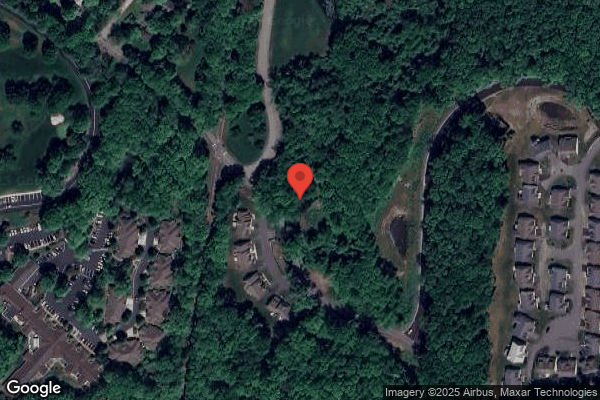

30 BOKUM RD, ESSEX, CT 06426 (860) 767-7201
For profit - Limited Liability company 45 Beds LIFE CARE SERVICES Data: November 2025
Trust Grade
85/100
#13 of 192 in CT
Last Inspection: January 2025

Within standard 12-15 month inspection cycle. Federal law requires annual inspections.

Overview

Essex Meadows Health Center has a Trust Grade of B+, which means it is above average and generally recommended for families looking for care. It ranks #13 out of 192 facilities in Connecticut, placing it in the top half, and #2 out of 17 in its county, indicating only one other local option is better. However, the facility's trend is worsening, with issues increasing from 5 in 2022 to 6 in 2025. Staffing is a strong point with a 5-star rating and a turnover rate of 33%, which is below the state average, indicating that staff are experienced and familiar with the residents. Notably, there have been no fines recorded, and the facility has more RN coverage than 96% of Connecticut facilities, which is excellent for catching potential issues. On the downside, there were several concerning incidents noted in recent inspections. For instance, the facility failed to notify a provider about a medication omission for a resident with a urinary tract infection and did not report significant weight changes for a resident with congestive heart failure. Additionally, there was a failure to report an allegation of abuse in a timely manner, which raises serious concerns about resident safety and oversight. Overall, while the nursing home has strengths in staffing and RN coverage, the recent increase in issues and specific incidents warrant careful consideration.

Trust Score
B+
85/100
In Connecticut
#13/192
Top 6%
Safety Record
Low Risk
No red flags
Inspections
Getting Worse
5 → 6 violations
Staff Stability
○ Average
33% turnover. Near Connecticut's 48% average. Typical for the industry.
Penalties
✓ Good
No fines on record. Clean compliance history, better than most Connecticut facilities.
Skilled Nurses
✓ Good
Each resident gets 96 minutes of Registered Nurse (RN) attention daily — more than 97% of Connecticut nursing homes. RNs are the most trained staff who catch health problems before they become serious.
Violations
⚠ Watch
15 deficiencies on record. Higher than average. Multiple issues found across inspections.
★★★★★
5.0
Overall Rating
★★★★★
5.0
Staff Levels
★★★★☆
4.0
Care Quality
★★★★☆
4.0
Inspection Score
Stable
2022: 5 issues
2025: 6 issues

The Good

  • 5-Star Staffing Rating · Excellent nurse staffing levels
  • 4-Star Quality Measures · Strong clinical quality outcomes
  • Full Sprinkler Coverage · Fire safety systems throughout facility
  • No fines on record
  • Staff turnover below average (33%)

    15 points below Connecticut average of 48%

Facility shows strength in staffing levels, quality measures, fire safety.

The Bad

Staff Turnover: 33%

13pts below Connecticut avg (46%)

Typical for the industry

Chain: LIFE CARE SERVICES

Part of a multi-facility chain

Ask about local staffing decisions and management

The Ugly 15 deficiencies on record

Jan 2025 6 deficiencies
CONCERN (D)

Potential for Harm - no one hurt, but risky conditions existed

Quality of Care (Tag F0684)

Could have caused harm · This affected 1 resident

**NOTE- TERMS IN BRACKETS HAVE BEEN EDITED TO PROTECT CONFIDENTIALITY** Based on review of the clinical record, facility policy and interviews for 1 sampled resident (Resident #8) reviewed for edema a...

Read full inspector narrative →
**NOTE- TERMS IN BRACKETS HAVE BEEN EDITED TO PROTECT CONFIDENTIALITY** Based on review of the clinical record, facility policy and interviews for 1 sampled resident (Resident #8) reviewed for edema and 1 of 3 residents (Resident #36) reviewed for skin conditions, the facility failed to utilize an as needed (PRN) medication according to provider order for a resident with congestive heart failure (CHF) and the facility failed to complete preventative weekly skin assessments according to facility policy. The findings include: 1. Resident #8 was admitted to the facility in December of 2024 and had diagnoses that included cellulitis of left lower limb, CHF, and dementia. The Clinical admission assessment dated [DATE] at 3:51 PM identified Resident #8 was alert, disoriented, and confused with incoherent unclear speech that could sometimes be understood. Resident #8 required assistance with meals, used a walker and a manual wheelchair, had a limb prosthesis due to an amputation with lower extremity range of motion impairment on one side, had an unsteady gait with poor balance and was bedfast all or most of the time. The Resident Care Plan (RCP) dated 12/13/2024 identified Resident #8 was at risk for fluid overload, dehydration and electrolyte abnormalities related to CHF and use of a diuretic. Interventions included assessment for dependent edema, administration of diuretics per provider order, and to obtain daily weights and report a weight gain greater than 2 pounds (lbs.) in a day to the provider. A Provider order dated 12/13/2024 directed to obtain a daily weight. A Provider order dated 12/17/2024 directed to administer bumetanide 1mg by mouth one time of day related to CHF and to administer bumetanide 1 mg by mouth one time a day PRN if Resident #8's weight increased 2 lbs. in one day or 5 lbs. in one week and to notify the provider. A Nursing progress note by RN #4 on 12/17/2024 at 5:43 PM identified Resident #8 was seen by MD #1 and Resident #8's scheduled bumetanide (diuretic) order was decreased to 1 milligram (mg) daily, and a PRN dose of bumetanide was ordered for administration if Resident #8's weight increased 2lbs. in 1 day or 5 lbs. in 1 week. A Nursing progress note by RN #2 on 1/6/2025 at 3:06 PM identified she notified MD #1 of a 3 lb. weight gain in 1 day for Resident #8. A Nursing progress note by RN #2 on 1/6/2025 at 3:08 PM identified she received instructions from MD #1 to utilize the PRN bumetanide order for Resident #8. Review of the Weights and Vitals Summary report identified weights of 130.8 lbs. on 12/14/2024, 132.6 lbs. on 12/17/2024, 136.0 lbs. on 12/18/2024 (a weight gain of 3.4 lbs. in 1 day), 137.0 lbs. on 12/20/2024 (a weight gain of 6.2 lbs. in 6 days from 12/14/2024), 137.8 lbs. on 12/22/2024, 140.4 lbs. on 12/23/2024 (a weight gain of 2.6 lbs. in 1 day), 141.7 lbs. on 1/5/2025, and 144.4 lbs. on 1/6/2025 (a weight gain of 3.3 lbs. in 1 day). Interview with RN #3 on 1/8/2025 at 12:50 PM identified she was unaware Resident #8 had a PRN diuretic order. RN #3 identified there was no instruction in the daily weight order to direct her to Resident #8's diuretic order for an extra dose of bumetanide 1mg as needed for weight increased 2 lbs. in one day or 5 lbs. in one week and to notify the provider. Subsequent to surveyor inquiry, there was a new Provider order dated 1/8/2025 for daily weights which contained instructions that directed to administer an extra dose of bumetanide 1 mg if Resident #8's weight increased 2 lbs. in one day or 5 lbs. in one week, and to notify the provider. Interview with RN #2 on 1/9/2025 at 3:00 PM identified she did not notify MD #1 of a 6.2 lb. weight gain in 6 days on 12/20/2024 nor did she administer the PRN bumetanide because she did not know the accuracy of the weight entries and she was unaware Resident #8 had a PRN diuretic order for bumetanide 1 mg for an increased weight of 2 lbs. in one day or 5 lbs. in one week. RN #2 further identified she was unaware of Resident #8's PRN bumetanide order until 1/6/2025 after reporting a 3 lb. weight gain in 1 day for Resident #8 to MD #1. Review of the Progress Notes report dated 1/10/2025 identified there was no documentation of an extra dose of bumetanide 1mg administered PRN on 12/18/2024, 12/20/2024, or 12/23/2024. Interview with RN #4 on 1/10/2025 at 11:00 AM identified Resident #8 had both a scheduled dose of bumetanide 1mg and a PRN order for bumetanide 1 mg. RN #4 stated the PRN bumetanide order was ordered for administration for weight increased 2 lbs. in one day or 5 lbs. in one week. RN #4 could not identify why weight gain parameters or instructions to administer a PRN dose of bumetanide were not included in the daily weight order or how nurses would know to look in the PRN orders without these instructions. RN #4 identified that the daily weight order for Resident #8 had been revised to include weight parameters with instructions for utilization of Resident #8's PRN bumetanide. Review of the Congestive Heart Failure policy identified weights will be obtained daily and a weight that has increased 3 lbs. in one day or 5 lbs. in one week will be reported to the provider. The policy failed to include direction for utilization of medications per provider orders for management of weight gain. 2. Resident #36 was admitted to the facility in October of 2024 with diagnoses that included hypertension, chronic kidney disease, diabetes and dermatophytosis (a common fungal infection of skin, hair or nails). The admission Minimum Data Set (MDS) assessment dated [DATE] identified the Resident #36 was cognitively intact (Brief Interview for Mental Status (BIMS) score of 15) and required maximum assistance for toileting, bed mobility and transfers, moderate assistance for personal hygiene and was dependent for bathing. The MDS further identified that Resident #36 was always incontinent of urine and bowel, was at risk of developing pressure ulcers/injuries and had moisture associated skin damage (MASD) at the time of admission. A Resident Care Plan dated 10/21/24 identified Resident #36 was at risk for alteration in skin integrity. Interventions included applying medicated cream to fungal rash as needed, assessing heels for redness, offloading heels with blue bolster while in bed, cleansing and drying skin folds thoroughly related to chronic rash due to moisture, encouraging/assisting with periodic repositioning to avert pressure injuries, using pressure reducing mattress, completing skin audit on admission and weekly, monitoring skin during care and reporting any changes or concerns and monitoring feet closely for changes in skin integrity. Review of Physician's orders dated 11/1/24 identified an order for weekly skin assessments. Further review of physician's orders identified an order to complete a skin check every shift over bony prominences for redness, blanching and integrity and to document and notify the physician of changes. Review of the Treatment Administration Record dated 11/1/24 identified a physician order to complete skin check over bony prominences for redness, blanching and integrity and to document and notify the physician of changes. Further review identified that nurses were documenting the order as administered on all three shifts. Review of progress notes dated 10/17/24 through 1/9/24 failed to identify documentation of weekly skin assessments/condition or refusals. Review of the clinical record from 10/17/24 through 1/9/25 identified skin assessments dated 10/18/24, 10/25/24, 11/1/24, 11/8/24, 11/20/24, 12/5/24 and 12/16/24. The record failed to identify skin assessments from 12/16/24 through 1/9/25. Interview and record review with RN #5 on 1/9/25 at 1:30 PM identified that skin checks/assessments are completed weekly by a licensed nurse on shower days. RN #5 was not able to identify documentation of weekly skin assessments after 12/16/24 in the electronic medical record (EMR) or paper chart. RN #5 identified that skin assessments should have been completed on 12/23/24, 12/30/24 and 1/6/25 and results documented in Resident #36's clinical record. RN #5 was unable to explain why weekly skin assessments were not completed for 3 consecutive weeks. Interview with the DNS on 1/9/25 at 3:00 PM, identified that skin assessments should be completed weekly by a licensed nurse on shower days and documented in the EMR. The DNS was unable to explain why Resident #36's weekly skin assessments were not completed for 3 consecutive weeks but indicated that the facility recently transitioned to a new charting system and staff were still learning the new system. The DNS indicated that after 1 assessment was missed, the missed assessment would stop subsequent assessments from automatically triggering when due. Subsequent to surveyor inquiry, a skin assessment was completed and documented in the clinical record on 1/9/25. No alteration in skin integrity was identified. Review of facility policy titled, Protocols for Prevention of Pressure Ulcers, Identified, in part, routine skin inspection is done daily when care is being provided by the nurse aid. Any changes in skin integrity are reported to the nurse for assessment such as reddened or open areas, edema and spongy or blistered areas. Skin assessment and documentation is done on admission by the nurse and then weekly (usually on bath day) by the nurse aide with the nurse assessing any changes.
CONCERN (D)

Potential for Harm - no one hurt, but risky conditions existed

Deficiency F0692 (Tag F0692)

Could have caused harm · This affected 1 resident

**NOTE- TERMS IN BRACKETS HAVE BEEN EDITED TO PROTECT CONFIDENTIALITY** Based on clinical record review, review of facility policy, and interviews for 1 of 3 residents (Resident #36) reviewed for weig...

Read full inspector narrative →
**NOTE- TERMS IN BRACKETS HAVE BEEN EDITED TO PROTECT CONFIDENTIALITY** Based on clinical record review, review of facility policy, and interviews for 1 of 3 residents (Resident #36) reviewed for weight changes, the facility failed to obtain weights per facility policy. The findings include: Resident #36 was admitted to the facility in October of 2024 with diagnoses that included hypertension, hypo-osmolarity and hyponatremia (fluid and electrolyte imbalance), chronic kidney disease, and diabetes. Review of the hospital Discharge Summary document dated 10/17/24 identified that Resident #36 was discharged on 10/17/24 and a weight of 199.0 pounds (Lbs) was obtained on 10/17/24. A Dietary/Nutrition Profile note dated 10/20/24 at 9:44 AM by the Dietician identified that Resident #36 was at risk for altered nutrition due to abnormal labs, diabetes with Hemoglobin A1C (average blood sugars in blood during the past 2 to 3 months) of 7.0 (normal range: below 5.7%) and hyponatremia (low blood sodium level) which improved upon being discharged from the hospital. The note identified a reweight request which was not reflected in the clinical record. The admission Minimum Data Set (MDS) assessment dated [DATE] identified Resident #36 was cognitively intact (Brief Interview for Mental Status (BIMS) score of 15) and required maximum assistance for toileting, bed mobility and transfers and moderate assistance for personal hygiene. A Resident Care Plan dated 10/21/24 identified Resident #36 was at risk for nutritional deficit. Interventions included administering a carbohydrate consistent diet, dietary counseling as needed, monitoring blood sugar as ordered, monitoring for digestive complaints as needed, monitoring labs as needed, monitoring weights per physician order, seeing resident for meal preferences, and skin checks as ordered. Review of the Weights and Vitals Summary identified the following weights: 10/18/24: 181.2 pounds (Lbs.), 10/30/24: 181.2 Lbs., 11/14/24: 181.2 Lbs., 12/2/24: 226.2 Lbs., 12/3/24, 227.9 Lbs., and 12/16/24, 226.4 Lbs. Resident #36's weights for 10/30/24 (181.2 Lbs.) and 11/14/24 (181.2Lbs.) were struck out on 12/9/24 by RN #6 as incorrect documentation. Interview and clinical record review with RN #6 on 1/9/25 at 1:35 PM, identified that she documented weights on 10/30/24 and 11/14/24 in the Electronic Medical Record (EMR). RN #6 indicated that on 12/9/24 she struck out the 10/30/24 and 11/14/24 weights because she thought the weights were incorrect based on a significant weight gain reflected on 12/3/24. RN #6 was unable to explain why Resident #36 was not weighed weekly for 4 weeks post admission to the facility or why Resident #36 was not reweighed on 10/18/24 due to the discrepancy between hospital discharge weight and the facility admission weight. Interview and clinical record review with the DNS on 1/9/25 at 3:20 PM, identified Resident #36 should have been weighed on admission and then weekly for 4 weeks according to the facility weight policy. The DNS identified that NA ' s are responsible for obtaining weights under the direction of the unit manager. The DNS identified licensed nurses are responsible for ensuring weights are documented in the EMR and for updating the provider, family and dietician of weight changes. The DNS was unable to explain why a reweight was not obtained subsequent to the facility admission weight reflecting a significant weight loss of 17.8 Lbs (8.94%) between 10/17/24 (199 Lbs.) and 10/18/24 (181.2 Lbs.) or why a reweight was not obtained on 10/20/24 as directed by the dietician. The DNS was unable to explain why Resident #36 ' s weights were obtained and documented on 10/30/24 as 181.2 Lbs. and on 11/14/24 as 181.2 Lbs. then struck out 1 month later (on 12/9/24) by RN #6 with a documented reason of: inaccurate documentation. The DNS was unbale to provide documentation that interventions were initiated for Resident #36 due to a significant weight increase of 27.2 Lbs. (13.67%) between 10/17/24 (199.0Lbs) and 12/2/24 (226.2 Lbs.). Subsequent to surveyor inquiry, the EMR was updated to reflect the following late entry weights: 10/28/24: 215.2 Lbs. and 11/25/24: 189.3 Lbs. Interview with the Unit Nurse Manager (RN #4) on 1/10/25 at 11:30 AM, identified that all weights should have been documented in the EMR after Resident #36 was weighed and further indicated that if weights were not documented, it means they were not done. Review of facility policy titled, Policy and Procedure for Weights/Re-weights, identified in part, that, each Health Center resident will be weighed upon admission and then once weekly for four weeks, then monthly on bath days unless specified by the physician. When a significant weight loss or gain occurs (5 Lbs.), the following measure will be implemented. a). Resident will be reweighed to ensure accuracy. If weight loss is confirmed, Dietician will be notified. b) Consultant dietician will reassess during the next visit. c) Physician and family will be notified by nursing staff as appropriate. d). Documentation in nurses notes that weight loss has taken place, and the physician, Dietician and family have been notified. Weights are recorded in the EMR. Supervisor/designee will review weights weekly and report concerns.
CONCERN (D)

Potential for Harm - no one hurt, but risky conditions existed

Pharmacy Services (Tag F0755)

Could have caused harm · This affected 1 resident

**NOTE- TERMS IN BRACKETS HAVE BEEN EDITED TO PROTECT CONFIDENTIALITY** Based on review of the clinical record, facility policy and interviews for the only sampled resident (Resident #8) reviewed for ...

Read full inspector narrative →
**NOTE- TERMS IN BRACKETS HAVE BEEN EDITED TO PROTECT CONFIDENTIALITY** Based on review of the clinical record, facility policy and interviews for the only sampled resident (Resident #8) reviewed for urinary tract infections (UTI), the facility failed to timely start treatment for a resident with a confirmed infection. The findings include: Resident #8 was admitted to the facility in December of 2024 and had diagnoses that included cellulitis of left lower limb, dementia, and congestive heart failure. The admission Minimum Data Set (MDS) assessment dated [DATE] identified Resident #8 was moderately cognitively impaired (Brief Interview for Mental Status (BIMS) score of 10) and was dependent for eating, toileting hygiene, and transfers. The Resident Care Plan (RCP) dated 1/2/2025 identified Resident #8 was at risk for infection related to chronic illness, and a history of bacteremia and cellulitis. Interventions included encouragement and assistance with good hand hygiene, and social distancing as indicated. The RCP further identified Resident #8 had a self-care deficit and required assistance with activities of daily living. Interventions included staff assistance with toileting. A provider order dated 12/31/2024 directed to obtain a clean catch urine specimen for laboratory testing for urinalysis (UA) with culture and sensitivity (C&S) related to Resident #8 ' s complaint of dysuria. A Nursing progress note by RN #4 dated 12/31/2024 at 5:11 PM identified Resident #8 had complaints of dysuria which was reported to MD #1, and a new order to obtain a (UA)/(C&S) was obtained. A Nursing progress note by RN #7 dated 12/31/2024 at 10:39 PM identified that a clean catch urine specimen had been obtained for UA/C&S and the laboratory was called for pickup. A provider order dated 1/3/2025 directed to administer cephalexin 500mg by mouth 2 times a day for 7 days related to cellulitis of the left lower limb. A Nursing progress note by RN #7 dated 1/3/2025 at 11:17 PM identified an order had been obtained from MD #1 for cephalexin 500 milligrams (mg) by mouth 2 times a day for 7 days related to cellulitis of the left lower limb and Resident #8's family had been updated. A Laboratory report dated 1/6/2025 at 11:37 AM identified Resident #8 had a positive UA which triggered a culture be performed and the C&S results identified Resident #8 had growth of 2 different bacteria and further provided a list of antibiotic medications which would be effective treatments. The list contained the antibiotic ciprofloxacin which both bacteria were sensitive to. A provider order dated 1/6/2025 directed to administer ciprofloxacin 500 mg by mouth 2 times a day for 7 days for UTI. A Nursing progress note by RN #4 dated 1/6/2025 at 2:26 PM identified MD #1 reviewed the C&S results, Resident #8 was positive for a UTI, a new order for ciprofloxacin 500 mg by mouth 2 times a day for 7 days was obtained, and Resident #8's family member was notified. A Nursing progress note by RN #7 on 1/6/2025 at 8:29 PM identified that ciprofloxacin 500mg was not available for administration in the Omnicell (automated medication dispensing system used to ensure the availability of certain medications) or medication cart. The progress note failed to identify that the provider had been notified. A Nursing progress note by RN #7 on 1/6/2025 at 11:05 PM identified Resident #8 was to start on ciprofloxacin, but the facility was waiting for the ciprofloxacin delivery from the pharmacy and ciprofloxacin was unavailable in the Omnicell. The progress note failed to identify that the provider had been notified. Review of the Administration Record report dated 1/10/2025 for the Medication Administration Record from 1/1/2025 through 1/31/2025 identified documentation that Resident #8 ' s first dose of ciprofloxacin 500 mg was administered on 1/7/2025 at 8:00 AM (this administration was more than 17 hours after documentation of order receipt of ciprofloxacin from MD #1). Interview with the DNS on 1/10/2025 at 11:30 AM identified antibiotics stocked in the facility Omnicell are automatically ordered by the computer when items are removed by the nurses and the pharmacy is efficient at filling those orders. The current facility stock for ciprofloxacin was verified and revealed 2 ciprofloxacin 250 mg capsules with an expiration date of 8/2025 and 4 ciprofloxacin 250mg capsules with an expiration date of 12/2025. The Omnicell did not contain ciprofloxacin in a dosage form of 500mg. The DNS stated she was confident the ciprofloxacin 250mg capsules were available for administration on 1/6/2025, that RN #7 would only have needed to remove 2 capsules, and could not identify why RN #7 had documented the medication was unavailable in the Omnicell. The DNS identified that after completion of the shift on 1/6/2025 RN #7 had resigned without notice. Interview with MD #1 on 1/10/2025 at 12:08 PM identified that she had not been notified that Resident #8 had not started antibiotic treatment for his/her UTI until 8:00 AM on 1/7/2024 because the medication was unavailable for administration. Interview with RN #7 on 1/10/2025 at 2:50 PM identified she did not administer ciprofloxacin 500 mg to Resident #8 on 1/6/2025 at 8:00 PM because it was not in the Omnicell. RN #7 identified she did not know ciprofloxacin 250mg was available in the Omnicell. Review of the Policy on Physician's Orders identified if a medication is not available the provider will be notified.
CONCERN (D)

Potential for Harm - no one hurt, but risky conditions existed

Medication Errors (Tag F0758)

Could have caused harm · This affected 1 resident

**NOTE- TERMS IN BRACKETS HAVE BEEN EDITED TO PROTECT CONFIDENTIALITY** Based on review of the clinical record, facility policy and interviews for 1 of 5 residents (Resident #38) reviewed for unnecess...

Read full inspector narrative →
**NOTE- TERMS IN BRACKETS HAVE BEEN EDITED TO PROTECT CONFIDENTIALITY** Based on review of the clinical record, facility policy and interviews for 1 of 5 residents (Resident #38) reviewed for unnecessary and psychotropic medications, the facility failed to enter a 14 day stop date for an as needed antipsychotic medication. The findings include: Resident #38 was admitted to the facility in November of 2024 and had diagnoses that included personal history of malignant neoplasm, severe sepsis with septic shock, and generalized anxiety disorder. A Provider order dated 11/29/2024 directed to administer prochlorperazine maleate (antiemetic-vomit prevention) 5 milligrams (mg) by mouth every 6 hours as needed for nausea/vomiting. The Medicare 5-day Minimum Data Set (MDS) assessment dated [DATE] identified Resident #38 was cognitively intact (Brief Interview for Mental Status (BIMS) score of 15), had no issues found during a drug regimen review, required setup or clean-up assistance with oral hygiene, partial/moderate assistance with bed mobility and was dependent for transfers. The Resident Care Plan (RCP) dated 12/4/2024 identified Resident #38 received psychotropics related to nausea and the prescribed medication was classified as an antipsychotic. Interventions included to administer psychotropic medications as ordered and monitor for efficacy and side effects. The RCP further identified Resident #38 required medication management related to chemotherapy. Interventions included administration of medications per provider orders and pharmacy review of medications. A Pharmacy Consultation Report dated 12/29/2024 from the Consultant Pharmacist failed to identify a recommendation for a 14 day stop date for the antipsychotic medication prochlorperazine maleate. Review of the Administration Record Report dated 1/10/2025 identified Resident #38 was administered prochlorperazine maleate 5 mg by mouth on 12/16/2024 at 12:08 PM, 12/19/2024 at 1:24 PM, 12/19/2024 at 9:31 PM, 12/23/2024 at 8:36 AM, 1/1/2025 at 4:07 PM, 1/7/2025 at 12:15 PM, and 1/9/2025 at 7:50 AM. This was a total of 7 administrations of prochlorperazine maleate 5 mg as needed beyond 14 days from the provider order date of 11/29/2024. Interview with the Consultant Pharmacist on 1/10/2025 at 10:22 AM identified prochlorperazine maleate is classified as an antipsychotic and when ordered on an as needed basis, requires a 14 day stop date. The Consultant Pharmacist stated she missed this medication order during her medication review for Resident #38, and that she would make a recommendation to the facility to add a stop date to the order for prochlorperazine maleate or change the order to a different antiemetic medication. Review of the Psychoactive Drug Management policy directed, in part, monthly pharmacy consultant reviews would be conducted to ensure appropriate diagnosis, indication, dose, monitoring for effectiveness, monitoring for side effects and adverse consequences, and potential for gradual dose reductions.
CONCERN (E)

Potential for Harm - no one hurt, but risky conditions existed

Notification of Changes (Tag F0580)

Could have caused harm · This affected multiple residents

**NOTE- TERMS IN BRACKETS HAVE BEEN EDITED TO PROTECT CONFIDENTIALITY** Based on review of the clinical record, facility documentation, facility policy and interviews for 1 resident (Resident #8) revi...

Read full inspector narrative →
**NOTE- TERMS IN BRACKETS HAVE BEEN EDITED TO PROTECT CONFIDENTIALITY** Based on review of the clinical record, facility documentation, facility policy and interviews for 1 resident (Resident #8) reviewed for urinary tract infections (UTI ' s) and 2 of 3 residents (Resident #8 and Resident #36) reviewed for weight changes, the facility failed to notify a provider of a medication omission for treatment of a UTI and failed to notify a provider of a significant weight gain for a resident with congestive heart failure (CHF) and failed to notify a provider of significant weight changes per facility policy. The findings include: 1. Resident #8 was admitted to the facility in December of 2024 and had diagnoses that included cellulitis of left lower limb, CHF, and UTI. The Clinical admission assessment dated [DATE] at 3:51 PM identified Resident #8 was alert, disoriented, and confused with incoherent unclear speech that can sometimes be understood. Resident #8 required assistance with meals, used a walker and manual wheelchair, had a limb prosthesis due to amputation with lower extremity range of motion impairment on one side, had an unsteady gait with poor balance and was bedfast all or most of the time. The Resident Care Plan (RCP) dated 12/13/2024 identified Resident #8 was at risk for infection related to chronic illness, and a history of bacteremia and cellulitis. Interventions included encouragement and assistance with good hand hygiene, and social distancing as indicated. A Provider order dated 1/6/2025 directed to administer ciprofloxacin 500 mg (antibiotic) by mouth 2 times a day for 7 days related to a UTI. A nursing progress note by RN #7 on 1/6/2025 at 8:29 PM identified that ciprofloxacin 500mg was not available for administration in the Omnicell (automated medication dispensing system used to ensure the availability of certain medications) or medication cart. The progress note failed to identify that the provider had been notified. Interview with MD #1 on 1/10/2025 at 12:08 PM identified that she was not notified of the missed dose of ciprofloxacin 500 mg scheduled to be administered on 1/6/2025 at 8:00 PM. Review of Policy on Physician's Orders identified if a medication is not available the provider will be notified. 2. Resident #8 was admitted to the facility in December of 2024 and had diagnoses that included cellulitis of left lower limb, CHF, and UTI. The Clinical admission assessment dated [DATE] at 3:51 PM identified Resident #8 was alert, disoriented, and confused with incoherent unclear speech that can sometimes be understood. Resident #8 required assistance with meals, used a walker and manual wheelchair, had a limb prosthesis due to amputation with lower extremity range of motion impairment on one side, had an unsteady gait with poor balance and was bedfast all or most of the time. The Resident Care Plan (RCP) dated 12/13/2024 identified Resident #8 was at risk for fluid overload, dehydration and electrolyte abnormalities related to CHF and use of a diuretic. Interventions included assessment for dependent edema, administration of diuretics per provider order, and to obtain daily weights and report a weight gain greater than 2 pounds (lbs.) in a day to the provider. A Provider order dated 12/13/2024 directed to obtain a daily weights. A provider order dated 12/17/2024 directed to administer bumetanide (diuretic) 1 milligram (mg) by mouth 1 time a day related to CHF and to administer bumetanide 1 mg by mouth 1 time a day as needed (PRN) if Resident #8's weight increased 2 lbs. in one day or 5 lbs. in one week and to notify the provider. A Nursing progress note by RN #2 on 1/6/2025 at 3:06 PM identified she notified MD #1 of a 3 lb. weight gain in 1 day for Resident #8. A Nursing progress note by RN #2 on 1/6/2025 at 3:08 PM identified she received instructions from MD #1 to utilize the PRN bumetanide order for Resident #8. Review of the Weights and Vitals Summary report identified the following weight entries: 130.8 lbs. on 12/14/2024 132.6 lbs. on 12/17/2024: weight gain of 2.6 lbs. since the last weight entry 12/14/2024 136.0 lbs. on 12/18/2024: weight gain of 3.4 lbs. in 1 day 137.0 lbs. on 12/20/2024: weight gain of 6.2 lbs. in 6 days (from 12/14/2024) 137.8 lbs. on 12/22/2024 140.4 lbs. on 12/23/2024: weight gain of 2.6 lbs. in 1 day 139.6 lbs. on 12/24/2024 140.4 lbs. on 12/26/2024 143.4 lbs. on 12/29/2024: weight gain of 3 lbs. since the last weight entry 12/26/24 Review of the clinical record failed to identify documentation of provider notification of weight gains on 12/18/2024, 12/20/2024, and 12/22/2024. of 2 lbs. in 1 day or 5 lbs. in 1 week Interview with RN #3 on 1/8/2025 at 12:50 PM identified Resident #8 had a weight increase of 2.6 lbs. on 12/23/2024 and it was her understanding that the facility policy directed to report a weight gain of 3 lbs. in 1 day or 5 lbs. in 1 week to the provider. RN #3 identified she was unaware Resident #8 had a PRN order which instructed to update the provider of a weight increase of 2 lbs. in 1 day or 5 lbs. in 1 week. RN #3 indicated there was no instruction in the daily weight order regarding reporting parameters and if she knew about the instructions in the PRN order she would have notified the provider of the 2.6 lb. weight gain in 1 day. Subsequent to surveyor inquiry, a Provider order dated 1/8/2025 directed daily weights and included instructions that directed to administer an extra dose of bumetanide 1 mg if Resident #8's weight increased 2 lbs. in 1 day or 5 lbs. in 1 week, and to notify the provider. Interview with RN #2 on 1/9/2025 at 3:00 PM identified that she follows parameters ordered by the provider for reporting of weight gains for residents with CHF, and these parameters are usually included within the order for daily weights. RN #2 identified that on 1/6/2025 she updated MD #1 of a 3 lb. weight gain in one day because she knew MD #1 used these parameters, and that at the time of her call she was not aware there was an active PRN order for bumetanide 1 mg for an increased weight of 2 lbs. in one day or 5 lbs. in one week. RN #2 further identified that she did not notify MD #1 on 12/20/2024 of a 6.2 lb. weight gain in 6 days because 3 different scales were used to obtain the weights and subsequently she questioned the accuracy of the weights. RN #2 identified she should have notified MD #1 of the weight changes even if she were uncertain of the accuracy and that moving forward she would do so. Interview with RN #4 on 1/10/2025 at 11:00 AM identified that she usually included parameters for reporting weight gain within the daily weight orders for residents with CHF. RN #4 identified that there were parameters for reporting weight gain in Resident #8's bumetanide 1 mg PRN order but she could not identify why the parameters were not included in the daily weight order or how nurses would know to look at the PRN order for further instructions. RN #4 identified the daily weight order had been revised to include instructions with weight gain parameters for reporting to the provider. Review of the Congestive Heart Failure policy identified weights will be obtained daily and a weight that has increased 3 lbs. in one day or 5 lbs. in one week will be reported to the provider. 3. Resident #36 was admitted to the facility in October of 2024 with diagnoses that included hypertension, hypo-osmolarity and hyponatremia (low sodium level in blood), chronic kidney disease, and diabetes. Review of the hospital Discharge Summary document dated 10/17/24 identified that Resident #36 was discharged on 10/17/24 and a weight of 199.0 pounds (Lbs) was obtained on 10/17/24. A Dietary/Nutrition Profile note dated 10/20/24 at 9:44 AM by the Dietician identified that Resident #36 was at risk for altered nutrition due to abnormal labs, diabetes with Hemoglobin A1C (average blood sugars in blood during the past 2 to 3 months) of 7.0 (normal range: below 5.7%) and hyponatremia (low blood sodium level) which improved upon being discharged from the hospital. The note identified a reweight request which was not reflected in the clinical record. The admission Minimum Data Set (MDS) assessment dated [DATE] identified Resident #36 was cognitively intact (Brief Interview for Mental Status (BIMS) score of 15) and required maximum assistance for toileting, bed mobility and transfers and moderate assistance for personal hygiene. The MDS further identified that Resident #36 used a walker and wheelchair for mobility. A Resident Care Plan dated 10/21/24 identified Resident #36 was at risk for nutritional deficit. Interventions included administering a carbohydrate consistent diet, dietary counseling as needed, monitoring blood sugar as ordered, monitoring for digestive complaints as needed, monitoring labs as needed, monitoring weights per physician order, seeing resident for meal preferences, and skin checks as ordered. Review of the Weights and Vitals Summary identified the following weights: 10/18/24: 181.2 pounds (Lbs.), 10/30/24: 181.2 Lbs., 11/14/24: 181.2 Lbs., 12/2/24: 226.2 Lbs., 12/3/24, 227.9 Lbs., and 12/16/24, 226.4 Lbs. Resident #36's weights for 10/30/24 (181.2 Lbs.) and 11/14/24 (181.2Lbs.) were struck out on 12/9/24 by RN #6 as incorrect documentation. Review on Nursing Progress notes dated 10/18/24 through 12/20/24 failed to identify nursing documentation that physician was notified of significant weight loss of 17.2 Lbs. (8.94%) in one day between 10/17/24 (199 Lbs.) and 10/18/24 (181.2 Lbs.) and significant weight increase of 27.2 Lbs. (13.67%) in less than 2 months between 10/17/24 (199.0Lbs) and 12/2/24 (226.2 Lbs.). Interview and clinical record review with RN #6 on 1/9/25 at 1:35 PM, identified that she documented weights on 10/30/24 and 11/14/24 in the Electronic Medical Record (EMR). RN #6 indicated that on 12/9/24 she struck out the 10/30/24 and 11/14/24 weights because she thought the weights were incorrect based on a significant weight gain reflected on 12/3/24. RN #6 was unable to explain why Resident #36 was not weighed weekly for 4 weeks post admission to the facility or why Resident #36 was not reweighed on 10/18/24 due to the discrepancy between hospital discharge weight and the facility admission weight. Interview and clinical record review with the DNS on 1/9/25 at 3:20 PM, identified Resident #36 should have been weighed on admission and then weekly for 4 weeks according to the facility weight policy. The DNS identified that NA ' s are responsible for obtaining weights under the direction of the unit manager. The DNS identified licensed nurses are responsible for ensuring weights are documented in the EMR and for updating the provider, family and dietician of weight changes. The DNS was unable to explain why a reweight was not obtained subsequent to the facility admission weight reflecting a significant weight loss of 17.8 Lbs (8.94%) between 10/17/24 (199 Lbs.) and 10/18/24 (181.2 Lbs.) or why a reweight was not obtained on 10/20/24 as directed by the dietician. The DNS was unable to explain why Resident #36 ' s weights were obtained and documented on 10/30/24 as 181.2 Lbs. and on 11/14/24 as 181.2 Lbs. then struck out 1 month later (on 12/9/24) by RN #6 with a documented reason of: inaccurate documentation. The DNS was unbale to provide documentation that interventions were initiated for Resident #36 due to a significant weight increase of 27.2 Lbs. (13.67%) between 10/17/24 (199.0Lbs) and 12/2/24 (226.2 Lbs.). Subsequent to surveyor inquiry, the EMR was updated to reflect the following late entry weights: 10/28/24: 215.2 Lbs. and 11/25/24: 189.3 Lbs. Interview with MD #1 on 1/10/25 at 10:35AM, identified that physician weight notifications are documented in a physician's notification book which is usually with the unit manager and could not identify if she had been notified of the weight changes without referencing the notification book. Interview and clinical record review with the Unit Nurse Manager (RN#4) on 1/10/25 at 11:30 AM, identified that all weights should have been documented in EMR after Resident #36 was weighed and further indicated that if weights were not documented, it means they were not done. RN #4 was unable to identify if the physician was notified when Resident #36 experienced significant weight increase and loss. Review of facility policy titled, Policy and Procedure for Weights/Re-weights, identified in part, that, each Health Center resident will be weighed upon admission and then once weekly for four weeks, then monthly on bath day unless specified by the physician. When a significant weight loss or gain occurs (5 Lbs.), the following measure will be implemented. a). Resident will be reweighed to ensure accuracy. If weight loss is confirmed, Dietician will be notified. b) Consultant dietician will reassess during the next visit. c) Physician and family will be notified by nursing staff as appropriate. d). Documentation in nurses notes that weight loss has taken place, and the physician, Dietician and family have been notified. Weights are recorded in the EMR. Supervisor/designee will review weights weekly and report concerns.
CONCERN (E)

Potential for Harm - no one hurt, but risky conditions existed

Report Alleged Abuse (Tag F0609)

Could have caused harm · This affected multiple residents

**NOTE- TERMS IN BRACKETS HAVE BEEN EDITED TO PROTECT CONFIDENTIALITY** Based on clinical record review, facility documentation, facility policy, and interviews for the only sampled resident (Resident...

Read full inspector narrative →
**NOTE- TERMS IN BRACKETS HAVE BEEN EDITED TO PROTECT CONFIDENTIALITY** Based on clinical record review, facility documentation, facility policy, and interviews for the only sampled resident (Resident #36), reviewed for abuse, the facility failed to report an allegation of abuse to the State Agency (SA) within 2 hours of the alleged violation. The findings include: Resident #36 was admitted to the facility in October of 2024 with diagnoses that included hypertension, chronic kidney disease and diabetes. The admission Minimum Data Set (MDS) assessment dated [DATE] identified Resident #36 was cognitively intact (Brief Interview for Mental Status (BIMS) score of 15) and required maximum assistance for toileting, bed mobility and transfers, moderate assistance for personal hygiene and was dependent for bathing. The MDS further identified Resident #36 was always incontinent of urine and bowel. The Resident Care Plan dated 12/6/24 identified Resident #36 had a functional ability decline. Interventions included set up assistance for eating, assist of 2 for bathing, toileting hygiene and dressing, notifying the nurse of refusals and physical, occupational and speech therapies to evaluate and treat per physician's order. A Reportable Event form dated 12/24/24 at 12:30 PM by the DNS identified that during the medication pass Resident #36 reported to RN #2 that Nurses Aid (NA) #1 touched him/her inappropriately while performing personal care. The form identified that Resident #36 described NA #1 as a Hispanic NA with short straight hair and that Resident #36 requested NA #1 no longer provide care for him/her. The form identified that Resident #36 reported that he/she spoke in Spanish to NA #1 and when he/she stopped speaking in Spanish to NA #1, NA #1 got mad. Additionally, Resident #36 reported that NA #1 also offered to stay with him/her if he/she rented a room. The form further identified that the physician, family, administrator and law enforcement agency were notified of the incident, and an investigation was initiated on 12/24/24 and concluded on 1/2/24 with no findings. The form identified that the allegation was reported by the DNS to the overseeing SA on 12/31/24 at 11:30 AM. Interview with Resident #36 on 1/8/25 at 9:30 AM, identified that he/she reported the incident to the facility and spoke to the DNS about the incident 2 weeks prior and did not want to further discuss the incident. Interview with NA #2 on 1/10/24 at 9:30 AM identified that she was not assigned to provide care for Resident #36 on 12/24/24 but was later assigned to provide care for Resident #36 by the Unit Manager (RN #4), after an allegation of abuse by Resident #36 was made towards NA #1. NA #2 identified that she assisted Resident #36 with personal care and did not have any issues providing care for Resident #36 during her shift. Interview with RN #2 on 1/10/24 at 9:45 AM identified that Resident #36 reported NA #1 touched him/her inappropriately while providing personal care. RN #2 identified that Resident #36 requested that NA #1 no longer provide care for him/her. RN #2 identified that she immediately reported the abuse allegation to RN #4. Interview with NA #1 on 1/10/24 at 10:30 AM identified that she was assigned to provide care for Resident #36 on 12/24/24 during the 7:00 AM to 3:00 PM shift. NA #1 identified that she was not feeling well during her shift and left the facility around 10:20 AM. NA #1 identified that she did not provide personal care to Resident #36 during the shift, but only provided apple juice when she passed out drinks to residents. NA #1 further identified that it was not until after she left the facility that RN #4 contacted her via phone to enquire about an allegation of abuse by Resident #36. NA #1 identified that she reported back to work on 12/27/24 from sick leave and had not provided care for Resident #36 since. In addition, NA #1 identified that she has long hair and does not speak Spanish. Interview with RN #4 on 1/10/24 at 11:20 AM identified she was informed by RN #2 that Resident #36 reported an allegation of abuse. RN #4 identified that she spoke with Resident #36 who was upset and then contacted NA #1 by phone to enquire about the allegation since NA #1 already left the facility. RN #4 updated the physician, DNS and Human Resources Manager and an investigation was initiated. Interview with the DNS on 1/10/25 at 11:30 AM identified that she did not report Resident #36's allegation of abuse, within 2 hours of the allegation, to the SA. The DNS identified that the Administrator and the DNS were responsible for reporting incidents to the SA. The DNS identified that Resident #36 had a history of making allegations and recanting his/her allegations. The DNS indicated that she did not immediately report the abuse allegation because she was not sure if Resident #36 would recant the allegation as he/she had previously done. The DNS reported the allegation of abuse to the overseeing SA on 12/31/2024 at 11:30 AM. Review of facility policy titled, Abuse Prevention Program, identified, in part, all allegations of abuse will be reported to the Administrator immediately and to the State Department of Health and residents' representative immediately but not later than 2 hours if the alleged violation involves abuse or results in serious bodily injury.
Nov 2022 5 deficiencies
CONCERN (D)

Potential for Harm - no one hurt, but risky conditions existed

Free from Abuse/Neglect (Tag F0600)

Could have caused harm · This affected 1 resident

**NOTE- TERMS IN BRACKETS HAVE BEEN EDITED TO PROTECT CONFIDENTIALITY** Based on review of the clinical record, facility documentation, facility policy, and interviews for 1 of 3 residents reviewed fo...

Read full inspector narrative →
**NOTE- TERMS IN BRACKETS HAVE BEEN EDITED TO PROTECT CONFIDENTIALITY** Based on review of the clinical record, facility documentation, facility policy, and interviews for 1 of 3 residents reviewed for abuse (Resident #17), the facility failed to prevent verbal abuse. The findings include: Resident #17 was admitted with diagnoses that included morbid obesity, dementia with behavioral disturbances and major depressive disorder. The quarterly Minimum Data Set (MDS) assessment dated [DATE] identified the resident was severely cognitively impaired, required extensive two persons physical assistance with bed mobility, total dependence two persons for transfers and extensive one person assistance with personal hygiene. A care plan reviewed on 7/27/22 identified Resident #17 utilized medications for anxiety and depression. Interventions included to provide listening support and reassurance when anxious. Additionally, the care plan reviewed on 7/27/22 identified Resident #17 has impaired cognition due to dementia. Interventions that include to allow Resident #17 to express feelings and to use nonjudgmental listening techniques. An annual Minimum Data Set (MDS) assessment dated [DATE] identified Resident #17 was severely cognitively impaired, required extensive assistance of 2 staff members for bed mobility and extensive assistance of 1 staff member for personal hygiene. The October 2022 physician's orders direct to monitor the resident for depression due to verbalization and sad affect, anxiety displayed calling out. A Reportable Event form dated 10/24/22 at 3:30 PM identified Nurse Aide (NA #1) reported that NA #2 (an agency NA) made inappropriate comments to a resident on 10/23/22. The social services note dated 10/24/22 at 5:04 PM identified Resident #17 was in good spirits and when asked about the weekend, Resident #17 reported that she had a wonderful weekend. A nursing progress note dated 10/24/22 at 5:12 PM identified that a voicemail was left for Resident #17's responsible party to update him/her on an inappropriate comment made to Resident #17 by an NA. An email was sent to the Director of Nursing Services (DNS) included in the facility investigation dated 10/24/22 at 11:03 PM from NA #1 identified she had witnessed NA #2 telling Resident #17 that s/he was a fat bitch, asked Resident #17 her/his shirt size then made fun of the size of the shirt. NA #2 then asked Resident #17 if s/he knew what obesity was and when Resident #17 replied yes and that s/he had tried very hard to stay away from it, NA #2 responded that it was too late, as Resident #17 was already obese. The email continued by noting NA #2 then asked Resident #17 how that made him/her feel and Resident #17 responded that made her/him sad and s/he wanted to cry. NA #2 then responded to Resident #17 telling her good, cry. NA #2 wanted Resident #17 to cry. A facility Educational Advisory form dated 10/24/22 identified NA #1 had reported that an agency NA # 2 made inappropriate comments to one of the residents and the concerns should have been brought to the nurse at the time the incident happened per facility policy. However, NA #1 waited a day before reporting the concerns therefore placing other residents at risk. A care plan dated 10/25/22 identified Resident #17 was subject to verbal abuse due to her/his weight. Interventions included to monitor Resident #17 for negative mood due to exposure to verbal abuse, provide a psychologic consult and 1 to 1 as needed. The facility investigation Summary Report dated 10/28/22 at 12:00 AM identified a part time NA (NA # 1) reported that an agency NA (NA # 2) made an inappropriate comment to Resident # 17 on 10/23/22 about the resident's size. When NA #2 was questioned about inappropriate size comment NA # 2 denied the statement. NA # 2 stated that he did state to NA #2 that Resident # 17 was a plus size but Resident # 17 never heard him. NA #2 further indicated on the day in question his conversation with the resident was normal, he introduced himself to Resident # 17 each time he entered the room secondary to resident's memory problems. The summary investigation dated 10/28/22 identified the agency NA (NA#2) was educated on the facility abuse policy by the nurse educator on 9/21/22 prior to working. Resident # 17 has not indicated any knowledge of the above interaction when asked about the incident by social services and days following the exchange. Resident # 17 has been in good spirits and offers no complaints about her/his care. Interview with the DNS on 11/10/22 at 2:20 PM identified on 10/24/22 at 3:30 PM, NA#1 was visibly upset when she (NA #1) reported NA #2 had made comments regarding Resident #17's weight being 12 triple X, NA #2's response to the Resident # 17 after asking about the definition of obese to Resident #17. Resident # 17's comment about trying to avoid being obese and NA #2's comment to the resident that he/she had news for Resident #17 that s/he was obese. The DNS indicated because of the email she reported the incident to the state agency as resident abuse on 10/24/22 at 3:30 PM. Interview with NA #1 on 11/14/22 at 9:00 AM identified she was starting at new job at another facility. She stated that on 10/23/22 during her shift, she and NA #2 entered Resident #17's room to provide care. The first thing NA #2 stated to Resident #17 was that s/he was a fat bitch asking what size shirt the resident wore. Resident #17 responded size 12 and NA#2 replied that must be a 12 triple X. NA #1 continued by stating that NA#2 then asked Resident #17 if s/he knew what obese was. Resident #17 replied yes and that s/he had been trying to avoid being obese her/his whole life. NA #2 then responded that he had news for Resident #17, that obese is what Resident #17 was. NA #1 stated she tried to change the subject and began to talk over NA#2. NA #1 stated NA #2 continued by asking Resident #17 about her/his spouse. NA #1 stated that Resident #17 loved to talk about her/his spouse, and she thought NA #2 was finally going to stop talking so rudely about Resident #17's weight. NA #1 continued by stating that during the conversation between Resident #17 and NA #2 she heard NA #2 state to Resident #17 that he wondered what her/his spouse saw in Resident #17. NA #2 then asked Resident #17 if he had upset her/him, and Resident #17 responded yes and that s/he wanted to cry to which NA #2 responded good because he wanted Resident #17 to cry. NA #1 stated that at that point, she just wanted to get NA #2 out of the room, and they proceeded to leave Resident #17's room. NA #1 also indicated NA# 2 commented to her in the hallway was that she should not worry about what happened between him and Resident #17, as Resident #17 would forget about the comment in about 15 minutes. NA #1 continued by stating that she did not inform the nurse at that time of the comment / incident and decided she would just work side by side with NA #2 for the rest of the shift to make sure he was not making bad comments to other residents. NA #1 continued to state that after she thought about it, she reported it directly to the DNS and administrator when she came to work the next day on 10/24/22. Interview with the DNS on 11/14/22 at 11:30 AM identified that NA#2 was an agency NA and did not work at the facility again after the 10/23/22 reported incident with Resident #17. Attempt to contact NA#2 was made but was unsuccessful. The facility failed to ensure the resident was free from verbal abuse by NA # 2 The facility policy, Abuse prevention program, in part identified that it is the policy of the facility to provide each resident an environment that is free from verbal, sexual, physical, and metal abuse.
CONCERN (D)

Potential for Harm - no one hurt, but risky conditions existed

Comprehensive Care Plan (Tag F0656)

Could have caused harm · This affected 1 resident

**NOTE- TERMS IN BRACKETS HAVE BEEN EDITED TO PROTECT CONFIDENTIALITY** Based on clinical record reviews, facility documentation, facility policy, and interviews for 1 of 3 residents (Resident # 1) re...

Read full inspector narrative →
**NOTE- TERMS IN BRACKETS HAVE BEEN EDITED TO PROTECT CONFIDENTIALITY** Based on clinical record reviews, facility documentation, facility policy, and interviews for 1 of 3 residents (Resident # 1) reviewed for falls, the facility failed to implement the plan of care for fall prevention. The findings include: Resident #1 was admitted with diagnoses that included unspecified dementia with behavioral disturbance, history of alcohol abuse, repeated falls. The quarterly MDS assessment dated [DATE] identified Resident #1 had moderate cognitive impairment, required one-person physical assist with bed mobility, transfers, toileting and personal care. The care plan dated 8/22/22 identified Resident #1 was at risk for falls due to poor safety awareness, lack of insight into deficits and decreased core strength and safety balance. Interventions included: maintaining the wheelchair in a locked position at bedside when in bed, to call for help by using the call bell and to ensure the motion sensor was placed in the bathroom. The physician's orders dated 9/6/22 directed to provide the assist of one for transfer ambulation and activities of daily living (ADL). The Reportable Event dated 9/27/22 identified at 2:10 PM Resident #1 was found on the floor next to the bed with his/her brief half off and the wheelchair behind him/her. The care plan was updated to include placing the motion sensor in the bathroom. The facility investigation of the Resident # 1's fall dated 9/27/22 identified care was last provided for Resident #1 at 1:30 PM after her/his meal and then assisted the resident to bed prior to the fall. Resident #1 had a motion sensor in place. An interview on 11/14/22 at 10:05 AM with NA #4 identified she was the assigned aide for Resident #1 on 9/27/22. NA #4 indicated she had toileted Resident #1 after lunch and placed him/her to bed. NA #4 indicated a motion sensor was placed near the bed but not the bathroom as she had never been informed a motion sensor was required in the bathroom. An interview on 11/14/22 at 10:23AM with the DNS identified she would expect staff to be following the plan of care for Resident #1. The facility Care Plan Policy directed a resident care plan to be updated at least quarterly or with a significant change of condition. The facility policy on Accident and Incidents directed the care plan be updated with a new intervention to prevent reoccurrence following an accident.
CONCERN (D)

Potential for Harm - no one hurt, but risky conditions existed

Deficiency F0657 (Tag F0657)

Could have caused harm · This affected 1 resident

**NOTE- TERMS IN BRACKETS HAVE BEEN EDITED TO PROTECT CONFIDENTIALITY** Based on clinical record review and interviews for one resident (Resident # 24) reviewed for communication-vision, the facility ...

Read full inspector narrative →
**NOTE- TERMS IN BRACKETS HAVE BEEN EDITED TO PROTECT CONFIDENTIALITY** Based on clinical record review and interviews for one resident (Resident # 24) reviewed for communication-vision, the facility failed to revise the resident's care plan to ensure current interventions were available to staff. The findings include: Resident # 24's diagnoses included need for assistance with personal care and falls. The annual Minimum Data Set (MDS) assessment dated [DATE] identified Resident #24 cognitive status was intact and required extensive assistance of one person for bed mobility, transfer, walking in room and corridor, toilet use and bathing and required limited assistance of one person for personal hygiene and with set up independent with eating. The MDS assessment further indicated Resident#24's vision was severely impaired. The Resident Care Plan (RCP) dated effective 10/20/2022 identified a vision concern as Resident #24 is unable to readily see within her/his environment due to poor eyesight. Interventions included in part to provide consistency in surroundings, to assist with speaker telephone, use of sight recovery glasses for transitioning between light and dark spaces can be used, directed staff to explain the positioning of the resident's belongings and the location of the call bell during routine care. The Resident care plan further indicated a self-care deficit with interventions including in part to set up for meals and oral hygiene and assist as needed. The Resident care plan further identified a risk for falls related in part to impaired vision. Interventions included to provide a clutter free pathway and to provide good lighting in the room. Interview with RN # 1 on 11/09/22 12:55 PM identified staff provides one to one communication regarding location of food items and explains all procedures to Resident #24 due to her/his vision loss. RN #1 identified Resident #24 can tell what time of day or night it is based to the routine that is kept and indicated the resident does not have a clock to tell time as s/he is just prompted by staff and relies on staff as s/he recognizes voices. RN #1 indicated Resident # 24 can still see a little bit. RN #1 indicated she/he was unable to locate evidence of providing specific assistance in the resident's care plan regarding vision impairment. She indicated the MDS nurse could assist with the care plan. On 11/09/22 at 1:10 PM interview with RN#2 indicated the comprehensive MDS assessment dated [DATE] indicated a severe vision impairment and care planning for the severe vision impairment would proceed. RN#2 indicated she was unsure if Resident #24 used anything special in her/his room to assist her/him with her/his vision and indicated the resident care plan did not really address how the resident is assisted by staff to meet the Resident # 24's specific needs. She also indicated it would be difficult to determine if there was a change in condition or if interventions in care plan were working or not working if no baseline was identified in the care plan. RN #2 further indicated she obtains information to develop the care plan through talking with staff and indicated she did not talk to the resident or have the resident complete a sample reading. RN #2 further indicate the resident had not voiced any concerns. The cognitive communication impaired vision care plan effective 11/1 2022 was updated and revised noted from 10/9/2022. Subsequent to inquiry, the care plan was revised to include in part Resident #24 can use the remote control by feeling number placement, has magnifying glasses for watching TV as needed and wears an adaptive wristwatch that has a button to hear the time of the day and indicated the resident was able to access this independently. Interview on 11/10/22 at 9:35 AM with the Recreation Director indicated to assist Resident #24's vision impairment visual items are placed on the big screen, we bring the resident as close as possible and if it is an educational activity, we try to blow it up as big as possible for her/him to see and if the light is bright, we assist to move her /him to a better location. An Interview on 11/10/22 9:40 AM with Recreation Aide #1 in the presence of the Recreation Director, indicated she provides a description of what she has at hand for clarification. Recreation Aide #1 further indicated Resident #24 had used special glasses that reduce bright light and had requested a special Bingo card which was provided the Recreation Director. However, Recreation Aide#1 were unable to find these interventions in the plan of care for Resident #24. Recreational Aide #1 further indicated the care plan only directed to have the resident next to the director during activities. The Recreation Director indicated this intervention should be part of the care plan and she/he would add the interventions to the care plan. The Activities care plan effective 11/1/2022 subsequent to inquiry indicated interventions dated 11/10/22 were added in part to adapt room to resident's preferences to promote engagement and sight, continue to aid resident in description and informing resident what images look like during programming and staff will continue to encourage use of Resident #24's adaptive sight equipment. On 11/10/2022 at 9:05 AM an interview with Resident #24 indicated the use of a watch with speaking device when the button on the side of it is pressed and noted family member will assists with maintaining the device. Resident #24 further indicated not using the watch when waiting for assistance from staff after using the call bell.
CONCERN (D)

Potential for Harm - no one hurt, but risky conditions existed

Accident Prevention (Tag F0689)

Could have caused harm · This affected 1 resident

**NOTE- TERMS IN BRACKETS HAVE BEEN EDITED TO PROTECT CONFIDENTIALITY** Based on observation, facility policy and interviews for one of two units reviewed for environment, the facility failed to maint...

Read full inspector narrative →
**NOTE- TERMS IN BRACKETS HAVE BEEN EDITED TO PROTECT CONFIDENTIALITY** Based on observation, facility policy and interviews for one of two units reviewed for environment, the facility failed to maintain water temperatures within acceptable perimeters and failed to ensure therometer was calibrated within the appropriate range. The findings include: 1. Resident #25 ' s diagnoses included dementia with behavioral disturbance, delirium, and depression. Measurement of water temperatures in the Resident #25 ' s room on 11/10/22 at 10:30 AM identified a temperature of 125.3. 2. Resident #437 ' s Diagnosis included lymphoma and anxiety. Measurement of water temperature in Resident #437 ' s Room on 11/10/22 at 10:30 AM identified a temperature of 125.2 Interview and observation with the Plant Operation staff on 11/10/22 at 10:45 identified that he had calibrated his thermometer this morning prior to taking water temperatures. The water temperature in Resident #25 ' s room was noted to be 118.8 and the water temperature in Resident #437 ' s room was 118. Interview and observation of calibration with Maintenance staff ' s thermometer on 11/10/22 at 3:00 PM identified that when immersed in ice, the maintenance thermometer was incorrectly calibrated and read 33.3 degrees Fahrenheit (F) 1.3 degrees above the correct calibration level. Observation of calibration with the surveyor thermometer when immersed in ice correctly identified a temperature of 32 degrees F. Simultaneous rechecks of water temperatures with the Maintenance Director on 11/14/22 at 3:00 PM using both the Maintenance and surveyor ' s calibrated thermometers identified a Maintenance Director thermometer temperature of 122.3 degrees F in room [ROOM NUMBER] and 120.2 in room [ROOM NUMBER] degrees F, while the surveyor thermometer water temperatures identified a temperature of 125.9 in room [ROOM NUMBER] and a temperature of 123.3 in room [ROOM NUMBER]. Interview with the Maintenance Director identified that the facility policy follows the Public Health Code water temperature regulation which indicates water temperatures should be maintained between 105 degrees F and 120 degrees F. Subsequent to survey inquiry, the Maintenance Director indicated that he would turn the water temperature down and continuously monitor water temperatures until maintained at the acceptable temperature.
CONCERN (E)

Potential for Harm - no one hurt, but risky conditions existed

Report Alleged Abuse (Tag F0609)

Could have caused harm · This affected multiple residents

**NOTE- TERMS IN BRACKETS HAVE BEEN EDITED TO PROTECT CONFIDENTIALITY** Based on clinical record reviews, facility documentation, facility policy, and interviews for 2 of 3 residents reviewed for abus...

Read full inspector narrative →
**NOTE- TERMS IN BRACKETS HAVE BEEN EDITED TO PROTECT CONFIDENTIALITY** Based on clinical record reviews, facility documentation, facility policy, and interviews for 2 of 3 residents reviewed for abuse for (Resident #17), the facility failed to ensure reporting of verbal abuse timely and for (Resident # 29), the facility failed to report an injury of unknown origin to an overseeing state agency. The findings included: 1. Resident #17 was admitted with diagnoses that included morbid obesity, dementia with behavioral disturbances and major depressive disorder. The quarterly Minimum Data Set (MDS) assessment dated [DATE] identified the resident was severely cognitively impaired, required extensive two persons physical assistance with bed mobility, total dependence two persons for transfers and extensive one person assistance with personal hygiene. A care plan reviewed on 7/27/22 identified Resident #17 utilized medications for anxiety and depression. Interventions included to provide listening support and reassurance when anxious. Additionally, the care plan reviewed on 7/27/22 identified Resident #17 has impaired cognition due to dementia. Interventions that include to allow Resident #17 to express feelings and to use nonjudgmental listening techniques. An annual Minimum Data Set (MDS) assessment dated [DATE] identified Resident #17 was severely cognitively impaired, required extensive assistance of 2 staff members for bed mobility and extensive assistance of 1 staff member for personal hygiene. The October 2022 physician's orders direct to monitor the resident for depression due to verbalization and sad affect, anxiety displayed calling out. A Reportable Event form dated 10/24/22 at 3:30 PM identified Nurse Aide (NA #1) reported that NA #2 (an agency NA) made inappropriate comments to a resident on 10/23/22. The facility investigation Summary Report dated 10/28/22 at 12:00 AM identified a part time NA (NA # 1) reported that an agency NA (NA # 2) made an inappropriate comment to Resident # 17 on 10/23/22 about the resident's size. When NA #2 was questioned about inappropriate size comment NA # 2 denied the statement. NA # 2 stated that he did state to NA #2 that Resident # 17 was a plus size but Resident # 17 never heard him. NA #2 further indicated on the day in question his conversation with the resident was normal, he introduced himself to Resident # 17 each time he entered the room secondary to resident's memory problems. The summary investigation dated 10/28/22 identified the agency NA (NA#2) was educated on the facility abuse policy by the nurse educator on 9/21/22 prior to working. Resident # 17 has not indicated any knowledge of the above interaction when asked about the incident by social services and days following the exchange. Resident # 17 has been in good spirits and offers no complaints about her/his care. Interview with the DNS on 11/10/22 at 2:20 PM identified on 10/24/22 at 3:30 PM, NA#1 was visibly upset when she (NA #1) reported NA #2 had made comments regarding Resident #17's weight being 12 triple X, NA #2's response to the Resident # 17 after asking about the definition of obese to Resident #17. Resident # 17's comment about trying to avoid being obese and NA #2's comment to the resident that he/she had news for Resident #17 that s/he was obese. The DNS indicated because of the email she reported the incident to the state agency as resident abuse on 10/24/22 at 3:30 PM. The facility failed to report an allegation of verbal abuse immediately or within two hours of the allegations. The facility policy for the Abuse Prevention Program directs any allegation of abuse is to be reported immediately or within two hours of the allegation. Additionally, the abuse policy notes in part that employees are required to report an incident, allegation, or suspicion of potential abuse, neglect, they observe, hear about, or suspect immediately to the administrator or the person in charge of the community, acting on behalf of the administrator, or immediate supervisor who must then immediately report to the administrator 2. Resident #29 was admitted with diagnoses that included dementia, hyperlipidemia, and arthritis. The annual MDS assessment dated [DATE] identified Resident #29 had severe cognitive impairment and required extensive two persons assist with bed mobility, transfers, and personal care. The care plan dated 9/23/22 identified Resident #29 had self-care deficits and required assist with bathing, dressing grooming and hygiene. Interventions included to provide oral care, bathing, dressing, grooming and toileting hygiene as needed. The Reportable Event dated 11/6/22 noted at 7:00PM a NA noted a bruise during care. The physician and family were notified, and arm sleeves were applied. The report did not include documentation of notification to the overseeing state agency. The clinical nursing progress note dated 11/7/22 at 12:31AM noted a NA reported a bruise on Resident # 29's right forearm with no documented origin. The physician and family were notified, and Resident #29 was noted to have been complaint with medications and care. An interview on 11/9/22 at 1:34 PM with the DNS identified she was not required to report the injury as it was considered minor, therefore she only needed to investigate the cause. The Reportable Event summary addendum dated 11/9/22 identified the nurse aides suggest Resident # 29's bruise came from the vertical grab bar an assistive device utilized for transfers to the bathroom was performed. The facility policy for the Abuse Prevention Program directs any allegation of abuse or injury of unknown origin is to be reported immediately or within two hours of the allegation or injury is noted. An injury is considered unknown when it cannot be explained by the resident and considered suspicious meaning located in an area vulnerable to trauma.
Jan 2020 4 deficiencies
CONCERN (D)

Potential for Harm - no one hurt, but risky conditions existed

Report Alleged Abuse (Tag F0609)

Could have caused harm · This affected 1 resident

**NOTE- TERMS IN BRACKETS HAVE BEEN EDITED TO PROTECT CONFIDENTIALITY** Based on review of the clinical record, facility documentation, facility policy and interviews for 1 of 2 residents (Resident #8...

Read full inspector narrative →
**NOTE- TERMS IN BRACKETS HAVE BEEN EDITED TO PROTECT CONFIDENTIALITY** Based on review of the clinical record, facility documentation, facility policy and interviews for 1 of 2 residents (Resident #89) reviewed for an allegation of abuse, the facility failed to ensure an observed allegation of abuse was immediately reported. The findings include: Resident #89 had diagnoses that included dementia, unsteadiness on feet, and pain in right shoulder. The quarterly MDS dated [DATE] identified Resident #89 had severely impaired cognition, and required extensive assistance with transfers. The care plan dated 8/12/19 identified Resident #89 was at risk for falls due to cardiac status, frequently forgets that he/she needs the rollator, and walks away from it. Interventions included the use of the rollator within the facility, remind need for rollator and assist with locating it if he/she is ambulating without it. Physician's orders dated 9/1/19 directed the resident to ambulate ad lib (at one's pleasure) using a rollator, resident is independent with all transfers using a rollator. The resident care card, dated 9/24/19 identified Resident #89 ambulates ad lib. A Reportable Event Form dated 9/27/19 at 1:00 PM identified Dietary Aide (DA #1) observed NA #1 pulling at Resident #89's arm to help him/her out of a chair on 9/24/19, 3 days earlier. DA #1 reported that NA #1 yanked the resident's arm when attempting to help him/her get out of the chair and Resident #89 yelled out wait, wait and NA #1 replied you're overreacting. Review of an investigation statement by DA #1 dated 9/27/19 at 1:00 PM identified DA #1 verbally reported to the social worker and the DNS that on 9/24/19, 3 days earlier, Resident #89 was trying to leave the dining room and NA #1 told Resident #89 to get out of the chair and yanked the resident's arm, to which Resident #89 yelled out. DA #1 was standing behind Resident #89 and NA #1 said you're exaggerating to the resident. Review of an investigation statement (video review) dated 9/27/19 at 1:00 PM identified Resident #89 was sitting in the dining room chair struggling to get out of the chair. NA #1 observes Resident #89 attempting to get out of the chair. NA #1 place her right hand under Resident #89 right hand arm and attempts to help the resident stand. Resident #89 appeared to fall back as NA #1 is still securing him/her underneath the right arm causing the right arm to jerk up. The second dietary aide (DA #2) goes to the other side of Resident #89 and NA #1 held onto Resident #89's pant waist and under the right arm and helped the resident to stand. Resident #89 and NA #1 conversing and Resident #89 appears annoyed. Review of an investigation statement by DA #2 dated 9/27/19 at 4:30 PM identified DA #2 observed NA #1 telling Resident #89 to come on and get up. DA #2 witnessed NA #1 hook her arm under Resident #89's right arm and try to help the resident. Resident #89 said wait, wait and verbalized that he/she was uncomfortable. NA #1 was stern but encouraging and said I know you can do this we have other residents we have to help and you're holding others up. DA #2 indicated NA #1 was not approaching Resident #89 in the way that others would. DA #2 indicated NA #1 did come across as little impatient and rushing Resident #89. DA #2 indicated NA #1 was not disrespectful or inappropriate. The reportable event summary dated 9/30/19 identified the allegation of abuse was unsubstantiated. Investigation identified NA #1 should have attempted a different approached with the resident. A written statement by NA #1 dated 10/1/19 identified she noticed Resident #89 was struggling to get out of the chair in the dining room. NA #1 indicated Resident #89's although the walker was in front of the resident, he/she could not get up. NA #1 indicated she placed her arm under Resident #89's arm to help the resident out of the chair and was unsuccessful. NA #2 indicated a second attempt was made by holding the back of Resident #89's pants and he/she was able to stand up. Resident #89 was hunched over which caused the resident to fall back into the chair. NA #1 indicated Resident #89 became very boisterous about the attempt and stated something rude and NA #1 left Resident #89 and walked away to go help another resident. A written statement by DA #1 dated 10/4/19 identified she was leaving the dining room and observed NA #1 was impatient and yanked Resident #89's arm up to get him/her out of the chair. DA #1 indicated Resident #89 claimed to be hurting (screaming) ow. DA #1 indicated NA #1 came back to try again but at that time both NA #1 and Resident #89 were verbally going back and forth. DA #1 indicated NA #1 pulled Resident #89's arm forcefully to get the resident up the second try. Resident #89 got upset and NA #1 told him/her that he/she was over exaggerating, while being rude, and still impatient with Resident #89. DA #1 indicated she understands the procedure for the resident safety, but felt this was uncalled for. Interview with DA #2 on 1/9/20 at 12:40 PM identified she observed NA #1 helping Resident #89 by putting her hand under Resident #89's arm and heard Resident #89 made a noise woa and moved his/her arm up from NA #1. DA #2 indicated she went and explained to Resident #89 how to place his/her hands on the arm of the chair for support and assistant when getting up. DA #2 indicated NA #1 was telling Resident #89 to get up and that they have other resident to take care of. DA #2 indicated Resident #89 appeared confused, not angry but not happy. DA #2 indicated she does not feel NA #1 was mean or harsh towards Resident #89 but was rushing the resident a bit to get moving. Interview with the DNS on 1/9/20 at 1:25 PM identified that DA #1 did not follow the reporting requirements and did not report the observation immediately. The DNS indicated DA #1 reported the alleged allegation 3 days later. The DNS indicated DA #1 was trained to report any types of allegation of abuse and should have done so. The DNS indicated DA #1 was re-educated on reporting requirements. Interview with NA #1 on 1/9/20 at 2:20 PM identified she has been employed with the facility for 1 year and 2 months and cannot recall exactly what was said between she and Resident #89 but it was not rude or demeaning. NA #1 indicated she cannot recall how many times she attempted to get Resident #89 up and out of the chair and identified Resident #89 did not winced or cry out in pain. NA #1 indicated she was taught to grab the resident by the back of the pants if there was no gait belt in order to assist them to get up. NA #1 further stated the low dining room chair made it hard for the Resident #89 to get up out of the chair. Interview with DA #1 on 1/9/20 at 3:20 PM indicated she thought at the time of the incident that NA #1 was hurting Resident #89. DA #1 indicated DA #2 was present and she was not sure if the incident should be reported. DA #1 indicated she was trained to report abuse and if not sure to still report it. DA #1 indicated she was off after and reported the alleged allegation of abuse 3 days later to the DNS. DA #1 indicated NA #1 was yanking Resident #89's arm and Resident #89 said ow maybe three times. DA #1 indicated NA #1 was demeaning and said this is f------ ridiculous. After that statement, Resident #89 became upset and stated he/she didn't like this place and that people were being mean to him/her. DA #1 indicated she did not tell the DNS that NA #1 swore when she was interviewed. DA #1 indicated NA #1 attempts were close together and seemed to upset Resident #89. Review of the facility abuse prevention program identified it is the policy of this community to provide each resident with an environment that is free from verbal, sexual, physical, and mental abuse, neglect, misappropriation of property, exploitation, corporal punishment, and involuntary seclusion. We have established policies and procedures that will provide personnel with the knowledge to further ensure each resident is treat with individual respect and dignity. The following guidelines the components of our Abuse Prevention Program: During orientation of new employees, the community will cover at least the following topics: Staff obligations to prevent and report abuse, neglect, exploitation, mistreatment and misappropriation of property; and how to distinguish misappropriation from lost items and willful abuse from insensitive staff actions that should be corrected through counseling and additional training. On an annual basis; staff will receive a review of the above topics. The policy further directs employees are required to report any incident, allegation, or suspicion of potential abuse, neglect, exploitation, or misappropriation of property they observe, hear about, of suspect immediately to the administrator or person in charge of the community, acting on behalf of the administrator, or an immediate supervisor who must then immediately report it to the administrator. Although on 9/24/19, DA #1 indicated she thought NA #1 was hurting Resident #89 by yanking the resident's arm during a transfer and felt NA #1 was demeaning and heard her say this is f------ ridiculous, DA #1 did not report the incident until 9/27/19, 3 days later.
CONCERN (D)

Potential for Harm - no one hurt, but risky conditions existed

Deficiency F0679 (Tag F0679)

Could have caused harm · This affected 1 resident

Deficiency Text Not Available

Read full inspector narrative →
Deficiency Text Not Available
CONCERN (D)

Potential for Harm - no one hurt, but risky conditions existed

Quality of Care (Tag F0684)

Could have caused harm · This affected 1 resident

**NOTE- TERMS IN BRACKETS HAVE BEEN EDITED TO PROTECT CONFIDENTIALITY** Based on observation, review of facility documentation and staff interviews for 1 resident (Resident #27) reviewed for mood and ...

Read full inspector narrative →
**NOTE- TERMS IN BRACKETS HAVE BEEN EDITED TO PROTECT CONFIDENTIALITY** Based on observation, review of facility documentation and staff interviews for 1 resident (Resident #27) reviewed for mood and behavior, the facility failed to obtain a psychiatric consultation, document a physician assessment, and monitor and document the resident's mood and behavior after a threat of suicide. The findings include: Resident #27 was admitted on [DATE] with diagnosis that included dementia with behavioral disturbance, major depression and anxiety. A physician's order dated 11/4/19 directed to administer Lexapro (antidepressant medication) 10mg daily. The quarterly MDS dated [DATE] identified Resident #27 had severely impaired cognition, exhibited no behaviors, and required limited assistance with transfers and ambulation. A physician's progress note dated 12/20/19, written by MD #1, identified Resident #27 was evaluated and may have sustained a small stroke last week secondary to cognitive deterioration, generalized slowing and lethargy. The note further indicated the deterioration could possibly be related to the increase in Lexapro last month. Recommendations included to stop the Lexapro and reassess. A physician's order dated 12/20/19 directed to discontinue Lexapro 10mg daily. A physician's order dated 12/27/19 directed to administer Lexapro 5mg daily. A nurse's note dated 1/2/20 at 12:00 AM, written by RN #1, identified Resident #27 made a statement on 1/1/20 at 4:10 PM that he/she wanted to kill him/herself because he/she believes my spouse doesn't want me. Subsequent to the statement 1:1 supervision was implemented, and MD #1 was notified. Additionally, RN #1 indicated Resident #27 had no plan to hurt him/herself. Further, the note identified Resident #27 had said this once or twice in the past out of anger and MD #1 indicated there was no need for 1:1 supervision or an evaluation as MD #1 would see Resident #27 in the morning. A nurse's note dated 1/10/20 identified Resident #27 stated I want to die. Subsequently, social service was notified and Resident #27 was referred to psychiatric services for an evaluation. Additionally, the note identified Resident #27 was not a danger to himself and did not have a plan. A psychiatric assessment dated [DATE], completed by the Psychiatrist (MD #2), identified Resident #27 was not a danger to himself and indicated the resident did not require 1:1 supervision. Additionally, the note identified the resident had backslid since the Lexapro was suddenly discontinued and seems minimally improved on Lexapro 5mg daily. Recommendations included to increase the Lexapro dose back to 10 mg daily. Interview with the DNS on 1/10/20 at 1:47 PM identified Resident #27 was evaluated by MD #1 on 1/2/20 and the physician did not feel resident was a danger to him/herself and had no plan. Additionally, the DNS identified Resident #27 was not referred for a psychiatric evaluation because MD #1 was not concerned, and Resident #27 had not made any prior attempts to kill him/herself and there was nothing unsafe in the resident's room. Although the facility policy for suicide attempt or threats directed a psychiatric consultation must be obtained as soon as possible to determine if a resident is a threat to himself or required alternate placement, the DNS identified the policy also indicated the attending physician could also make this determination and that is why Resident #27 was not referred for a psychiatric consultation. Further, the DNS identified because Resident #27 made a statement today that he/she wanted to die, a psychiatric evaluation was ordered and would be completed today, 1/10/20. Interview with MD #2 on 1/10/20 at 2:22 PM identified Resident #27 was clearly not a danger to him/herself and indicated his/her stomach was bothering him/her. Additionally MD #2 indicated MD #1 stopped Resident #27's Lexapro abruptly last month secondary to lethargy and a question of stroke, however indicated this was not a typical side effect of Lexapro and it is typically not stopped abruptly, and she recommended to restart the Lexapro at 5mg daily on 12/27/19 when she became aware. Further MD #2 identified she was not notified Resident #27 stated he/she wanted to kill him/herself on 1/1/20 and did not evaluate Resident #27 and identified the resident would benefit from having the Lexapro increased to the prior dose of 10mg daily. Interview with the DNS on 1/10/20 3:01 PM identified MD #1 verbally informed staff on 1/3/20 that Resident #27 was not a danger to him/herself, although it was not documented. The DNS indicated she did not know why MD #1 didn't document that Resident #27 was not a danger to him/herself, and would expect a note to have been documented. Additionally, the DNS identified the attending physician can determine if a psychiatric evaluation is needed and MD #1 did not feel a psychiatric evaluation was required. Interview with MD #1 on 1/10/20 at 3:55 PM identified RN #1 notified him on 1/1/20 that Resident #27 had made a statement that he/she wanted to kill him/herself and had no plan. Additionally, MD #1 identified after asking the nurse a few questions, he informed RN #1 that 1:1 supervision was not necessary and that he would evaluate the resident the following morning. MD #1 indicated Resident #27 made the comment out of frustration related to his fear of dying of a bowel obstruction as his/her mother did years ago and because he/she felt his/her spouse did not visit enough. MD #1 identified Resident #27 had no plan, and did not have the capability of carrying out a plan. Further, MD #1 did not document a note that indicated Resident #27 was not a danger to him/herself because he visits his residents far too frequently to document and bill for each visit and he felt the allegation was minor. MD #1 identified he discontinued Resident #27's Lexapro last month due to extreme lethargy and did not collaborate with psychiatry services prior to stopping the medication abruptly because he had to make a quick decision about Resident #27's medical condition at that time, however restarted the Lexapro at the end of December. Further MD #1 identified he did not refer Resident #27 to psychiatric services for the allegation because he felt it was minor. Subsequent to surveyor inquiry a late entry progress note written by MD #1 dated 1/11/20 identified Resident #27 was seen on 1/2/20 and was not suicidal and was frustrated with his/her general deterioration. Review of the January progress notes failed to reflect that staff conducted ongoing monitoring and documented the monitoring related to Resident #27's mood and behavior after the allegation of suicide. Interview with the DNS on 1/13/19 at 9:09 AM identified the facility policy does not specify that monitoring and documentation is required after an allegation of suicide for a specific period of time and identified there was no further assessments or progress notes after 1/2/19 because MD #1 identified Resident #27 as not suicidal and the DNS would not expect the staff to continue to document. Review of the Suicide Attempt or Threat policy identified resident suicide threats shall be taken seriously and addressed appropriately. In the event a resident either attempts or is threatening suicide, the following shall occur: The nurse supervisor shall immediately assess the situation. A staff member shall remain with the resident until nursing arrives to evaluate. The attending physician shall be notified immediately. Physician's orders shall be followed and a psychiatric consult must be done as soon as possible to determine if the resident is a threat to him/herself and determine if alternate placement is needed. If the physician is not available or refuses, the Medical Director will be contacted for further orders. If the Medical Director is not available, the resident should be assessed to go out via 911. Documentation of events and continued close observation will be written in the clinical notes. The resident will be monitored every 15 minutes until there is a change in the physician's orders. Although MD #1 was notified on 1/1/20 of the resident's threat of suicide, the clinical record lacked documentation that the resident was assessed by MD #1 prior to the physician making the determination that the resident was not a threat to him/herself and removing the resident from 1:1 supervision. Additionally, when Resident #27 verbalized he/she wanted to kill him/herself on 1/1/20, a psychiatric consultation was not completed until 1/10/20, 9 days later, when the resident again stated he/she wanted to die. Further, the clinical record lacked continued close observations of the resident post the threat of suicide.
CONCERN (D)

Potential for Harm - no one hurt, but risky conditions existed

Deficiency F0761 (Tag F0761)

Could have caused harm · This affected 1 resident

**NOTE- TERMS IN BRACKETS HAVE BEEN EDITED TO PROTECT CONFIDENTIALITY** Based on observation, review of facility policy and staff interviews the facility failed to discard expired IV supplies and medi...

Read full inspector narrative →
**NOTE- TERMS IN BRACKETS HAVE BEEN EDITED TO PROTECT CONFIDENTIALITY** Based on observation, review of facility policy and staff interviews the facility failed to discard expired IV supplies and medications. The findings include: Observation of the IV emergency supply and interview with the Infection Control Nurse (RN #2) on [DATE] at 2:40 PM identified the following: a. Seven out of seven IV start kits contained in the emergency supply box were expired. Three IV start kits expired on [DATE] and 4 IV start kits expired on [DATE]. b. Six Heparin 10u/ml flushes were expired, 2 expired on [DATE], and 3 expired on [DATE]. c. One Sodium chloride flush expired on 12-31-19. Interview with RN #2 on [DATE] at 2:43 PM identified she thought the pharmacy technician was responsible to check the emergency supply for expired items monthly, however was not sure and did not know why the box had not been checked. Additionally, RN #2 discarded the outdated items and identified facility staff were not responsible to check the emergency box for expired items. Further, RN #2 identified the facility does not have many residents who receive IV therapy and the pharmacy is responsible to start IV's and they bring their own start kits to the facility when they are called to start an IV and all residents receive their own supply of flushes from the pharmacy when IV therapy is ordered. Review of the facility storage and expiration of medications, biologicals, syringes and needles policy identified the facility should ensure that medications and biologicals have an expired date on the label and should not be retained longer than recommended by the manufacturer or supplier guidelines.
Understanding Severity Codes (click to expand)
Life-Threatening (Immediate Jeopardy)
J - Isolated K - Pattern L - Widespread
Actual Harm
G - Isolated H - Pattern I - Widespread
Potential for Harm
D - Isolated E - Pattern F - Widespread
No Harm (Minor)
A - Isolated B - Pattern C - Widespread

Questions to Ask on Your Visit

  • "Can I speak with families of current residents?"
  • "What's your RN coverage like on weekends and overnight?"

Our Honest Assessment

Strengths
  • • Grade B+ (85/100). Above average facility, better than most options in Connecticut.
  • • No major safety red flags. No abuse findings, life-threatening violations, or SFF status.
  • • No fines on record. Clean compliance history, better than most Connecticut facilities.
  • • 33% turnover. Below Connecticut's 48% average. Good staff retention means consistent care.
Concerns
  • • 15 deficiencies on record. Higher than average. Multiple issues found across inspections.
Bottom line: Generally positive indicators. Standard due diligence and a personal visit recommended.

About This Facility

What is Essex Meadows's CMS Rating?

CMS assigns ESSEX MEADOWS HEALTH CENTER an overall rating of 5 out of 5 stars, which is considered much above average nationally. Within Connecticut, this rating places the facility higher than 99% of the state's 100 nursing homes. This rating reflects solid performance across the metrics CMS uses to evaluate nursing home quality.
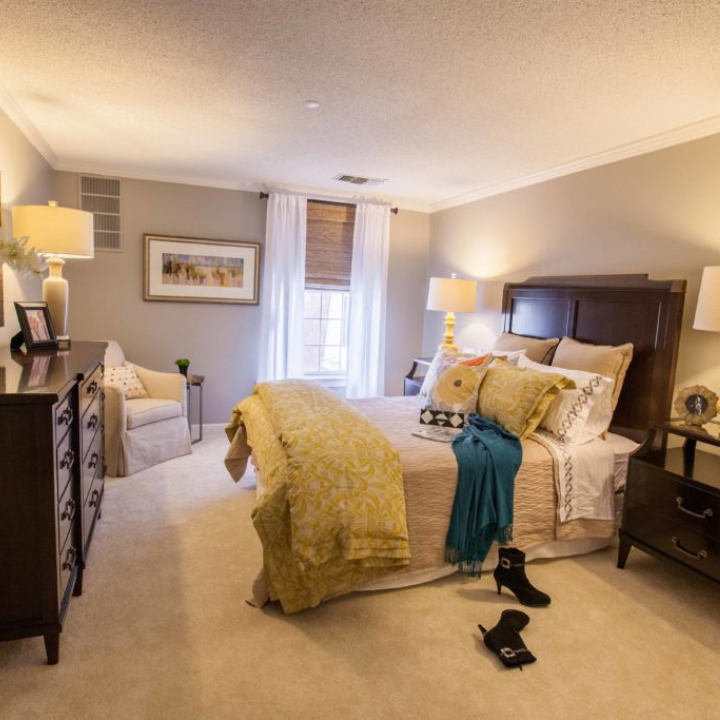
How is Essex Meadows Staffed?

CMS rates ESSEX MEADOWS HEALTH CENTER's staffing level at 5 out of 5 stars, which is much above average compared to other nursing homes. Staff turnover is 33%, compared to the Connecticut average of 46%. This relatively stable workforce can support continuity of care.

What Have Inspectors Found at Essex Meadows?

State health inspectors documented 15 deficiencies at ESSEX MEADOWS HEALTH CENTER during 2020 to 2025. These included: 15 with potential for harm.

Who Owns and Operates Essex Meadows?

ESSEX MEADOWS HEALTH CENTER is owned by a for-profit company. For-profit facilities operate as businesses with obligations to shareholders or private owners. The facility is operated by LIFE CARE SERVICES, a chain that manages multiple nursing homes. With 45 certified beds and approximately 37 residents (about 82% occupancy), it is a smaller facility located in ESSEX, Connecticut.

How Does Essex Meadows Compare to Other Connecticut Nursing Homes?

Compared to the 100 nursing homes in Connecticut, ESSEX MEADOWS HEALTH CENTER's overall rating (5 stars) is above the state average of 3.1, staff turnover (33%) is significantly lower than the state average of 46%, and health inspection rating (4 stars) is above the national benchmark.

What Should Families Ask When Visiting Essex Meadows?

Based on this facility's data, families visiting should ask: "Can I visit during a mealtime to observe dining assistance and food quality?" "How do you handle medical emergencies, and what is your hospital transfer rate?" "Can I speak with family members of current residents about their experience?"

Is Essex Meadows Safe?

Based on CMS inspection data, ESSEX MEADOWS HEALTH CENTER has a clean safety record: no substantiated abuse findings (meaning no confirmed cases of resident harm), no Immediate Jeopardy citations (the most serious violation level indicating risk of serious injury or death), and is not on the Special Focus Facility watch list (a federal program monitoring the lowest-performing 1% of nursing homes). The facility has a 5-star overall rating and ranks #1 of 100 nursing homes in Connecticut. While no facility is perfect, families should still ask about staff-to-resident ratios and recent inspection results during their visit.

Do Nurses at Essex Meadows Stick Around?

ESSEX MEADOWS HEALTH CENTER has a staff turnover rate of 33%, which is about average for Connecticut nursing homes (state average: 46%). Moderate turnover is common in nursing homes, but families should still ask about staff tenure and how the facility maintains care continuity when employees leave.

Was Essex Meadows Ever Fined?

ESSEX MEADOWS HEALTH CENTER has no federal fines on record. CMS issues fines when nursing homes fail to meet care standards or don't correct problems found during inspections. The absence of fines suggests the facility has either maintained compliance or corrected any issues before penalties were assessed. This is a positive indicator, though families should still review recent inspection reports for the full picture.

Is Essex Meadows on Any Federal Watch List?

ESSEX MEADOWS HEALTH CENTER is not on any federal watch list. The most significant is the Special Focus Facility (SFF) program, which identifies the bottom 1% of nursing homes nationally based on persistent, serious quality problems. Not being on this list means the facility has avoided the pattern of deficiencies that triggers enhanced federal oversight. This is a positive indicator, though families should still review the facility's inspection history directly.