NATHANIEL WITHERELL, THE
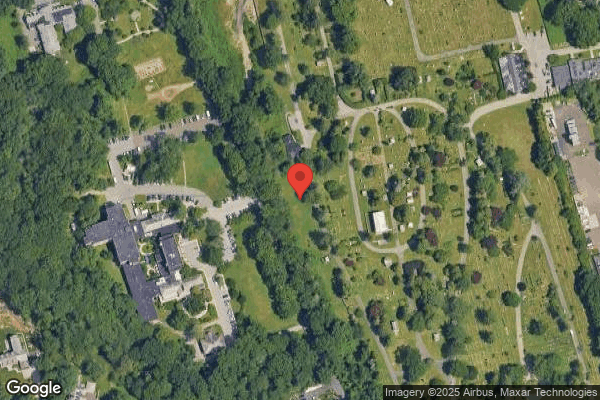

70 PARSONAGE RD, GREENWICH, CT 06830 (203) 618-4200
Government - City 202 Beds Independent Data: November 2025
Trust Grade
38/100
#136 of 192 in CT
Last Inspection: August 2024

Within standard 12-15 month inspection cycle. Federal law requires annual inspections.

Overview

Nathaniel Witherell nursing home has a Trust Grade of F, indicating significant concerns about the facility's operations and care quality. It ranks #136 out of 192 nursing homes in Connecticut, placing it in the bottom half, and #14 out of 20 in Western Connecticut County, suggesting there are better local options available. Unfortunately, the facility is worsening, with issues increasing from 3 in 2023 to 27 in 2024. Staffing is a strength, as they received a 5/5 star rating with only 18% turnover, well below the state average, meaning staff are stable and likely familiar with residents' needs. However, there were several concerning incidents, including failures in infection control practices, incomplete advanced directives for new residents, and inadequate updates to care plans, which could put residents at risk. Overall, families should weigh the strong staffing against the troubling inspection findings.

Trust Score
F
38/100
In Connecticut
#136/192
Bottom 30%
Safety Record
High Risk
Review needed
Inspections
Getting Worse
3 → 27 violations
Staff Stability
✓ Good
18% annual turnover. Excellent stability, 30 points below Connecticut's 48% average. Staff who stay learn residents' needs.
Penalties
✓ Good
$4,516 in fines. Lower than most Connecticut facilities. Relatively clean record.
Skilled Nurses
✓ Good
Each resident gets 52 minutes of Registered Nurse (RN) attention daily — more than average for Connecticut. RNs are trained to catch health problems early.
Violations
⚠ Watch
53 deficiencies on record. Higher than average. Multiple issues found across inspections.
★★☆☆☆
2.0
Overall Rating
★★★★★
5.0
Staff Levels
★★☆☆☆
2.0
Care Quality
★☆☆☆☆
1.0
Inspection Score
Stable
2023: 3 issues
2024: 27 issues

The Good

  • 5-Star Staffing Rating · Excellent nurse staffing levels
  • Low Staff Turnover (18%) · Staff stability means consistent care
  • Full Sprinkler Coverage · Fire safety systems throughout facility
  • No fines on record
  • Staff turnover is low (18%)

    30 points below Connecticut average of 48%

Facility shows strength in staffing levels, staff retention, fire safety.

The Bad

2-Star Overall Rating

Below Connecticut average (3.0)

Below average - review inspection findings carefully

Federal Fines: $4,516

Below median ($33,413)

Minor penalties assessed

The Ugly 53 deficiencies on record

Dec 2024 4 deficiencies
CONCERN (D) 📢 Someone Reported This

A family member, employee, or ombudsman was alarmed enough to file a formal complaint

Potential for Harm - no one hurt, but risky conditions existed

Free from Abuse/Neglect (Tag F0600)

Could have caused harm · This affected 1 resident

**NOTE- TERMS IN BRACKETS HAVE BEEN EDITED TO PROTECT CONFIDENTIALITY** Based on clinical record review, facility documentation, and staff interviews for two of three sampled residents (Resident #1 an...

Read full inspector narrative →
**NOTE- TERMS IN BRACKETS HAVE BEEN EDITED TO PROTECT CONFIDENTIALITY** Based on clinical record review, facility documentation, and staff interviews for two of three sampled residents (Resident #1 and #2) reviewed for abuse, the facility failed to ensure Resident #1 and Resident #2 were free from mistreatment. The findings include: 1. Resident #1 had diagnoses that included anxiety, depression, altered mental status, and adjustment disorder. The Quarterly Minimum Data Set (MDS) dated [DATE] identified Resident #1 had a Brief Interview for Mental Status (BIMS) score of 5 indicating severely impaired cognition and had no behaviors. The Resident Care Plan (RCP) dated 11/15/2024 identified adjustment issues. Interventions directed to invite resident to activity programs and to encourage the resident to participate in conversation. Review of facility incident report dated 11/26/2024 at 7 PM identified on 11/25/2024 at 8 PM the evening supervisor reported an allegation of abuse was received from a NA instructor. The NA instructor indicated two student NAs worked on 11/25/2024 during the evening shift with NA #1 and reported verbal abuse and inappropriate sexual gestures were made toward residents by NA #1. Student NA #1 and #2 identified the residents as Resident #1 and 2. Interview with Student NA #1 on 12/11/2024 at 11:57 AM identified she was at the facility on 11/25/2024 for clinical experience and observed NA #1. Student NA #1 she and Student NA #2 witnessed Resident #1 request a walker and NA #1 responded by saying, no, he/she needs to say please first, and that Resident #1 is so rude his/her daughter does not like him/her. NA #1 then walked Resident #1 to the bathroom, said Resident #1 was going to pay with his/her genitalia, and said your child took Resident #1's house and is in your bed with his/her spouse. NA #1 then shook her butt in front of the resident and said this is what they are doing on your bed. Resident #1 told NA #1 to shut up, and NA #1 then told Resident #1 to shut up. As NA #1 left the room, Student NA #1 stated she observed NA #1 display her middle finger to the resident. Interview with Student NA #2 on 12/11/2024 at 12:42 PM identified she was at the facility on 11/25/2024 for clinical and was observing NA #1. When she, Student NA #1, and NA #1 were in Resident #1's room, she witnessed NA #1 tell Resident #1 to say please first before NA #1 would give a walker. Student NA #2 stated she observed NA #1 comment that Resident #1 was going to play with his/her genitals, and told the resident was rude and that is why his/her child hates him/her. Further, NA #1 shook his/her but in front of Resident #1 while saying this is what your child and spouse are doing on your bed. When Resident #1 told NA #1 to shut up, NA #1 responded by saying shut up and as they left the room NA #1 showed her middle finger to the resident. Interview with NA #1 on 12/11/2024 at 2:04 PM identified she denied the allegations. Interview and record review with the DNS on 12/16/2024 at 11:30 AM identified facility investigation substantiated the allegations. 2. Resident #2 had a diagnosis of dementia, altered mental status, and anxiety. The quarterly MDS dated [DATE] identified Resident #2 had a BIMS of 5 indicating severely impaired cognition, was incontinent, and required maximal assistance with ADLs. An RCP dated 9/27/2024 identified impaired cognition. Interventions directed to provide incontinent care, praise all efforts at self-care, and ask yes and no questions to determine the resident's needs. Facility incident report dated 11/26/2024 at 7 PM identified two student NA were assigned to work with NA #1 on 11/25/2024, and at about 7 PM the DNS received a call from the evening Supervisor reporting the student's instructor reported an allegation of verbal abuse and inappropriate sexual gestures made by NA #1 to Resident #2. Interview with Student NA #1 on 12/11/2024 at 11:57 AM identified on 11/25/2024 when she and Student NA #2 were observing NA #1 provide incontinent care, NA #1 told Resident #2 he/she stinks. NA #1 further then told Resident #2 that she was going to apply Vaseline on his/her genitals to make it easier for him/her to sleep with his/her spouse. Interview with Student NA #2 on 12/11/2024 at 12:42 PM identified on 11/25/2024 when she and Student NA #1 were observing NA #1 provide incontinent care, NA #1 told Resident #2 God kill him/her, and that she was going to apply Vaseline on his/her genitals to make it easier for him/her to sleep with his/her spouse. Interview with NA #1 on 12/11/2024 at 2:04 PM identified she denied the allegations. Interview and record review with the DNS on 12/16/2024 at 11:30 AM identified the facility investigation substantiated the allegations. Review of the Abuse of Resident facility policy dated 10/9/23 directed in part, residents have the right to be free from verbal, sexual, physical, and mental abuse. Further, the Policy directed abuse is the willful infliction of injury, intimidation, punishment, or deprivation by an individual, of care or services that are neccessary to maintain physical and/or mental well being.
CONCERN (D) 📢 Someone Reported This

A family member, employee, or ombudsman was alarmed enough to file a formal complaint

Potential for Harm - no one hurt, but risky conditions existed

Abuse Prevention Policies (Tag F0607)

Could have caused harm · This affected 1 resident

Based on facility record review for abuse, the facility failed to ensure the facility policy directed abuse education for student nurse aides prior to placement on a resident unit. The findings includ...

Read full inspector narrative →
Based on facility record review for abuse, the facility failed to ensure the facility policy directed abuse education for student nurse aides prior to placement on a resident unit. The findings include: Please reference F609. Review of facility Elder Abuse, Neglect and Prevention Policies and Procedural Guidelines dated 10/9/23 identified staff to be trained to observe for and respond to actual or potential resident abuse. The Policy defined abuse and directed to provide mandatory, periodic and as needed training of all staff. Additional review failed to identify the facility policy directed abuse education prior to student nurse aides placement on a nursing unit. Interview and facility policy review with the DNS on 12/16/2024 at 11:30 AM identified the facility policy provides abuse education to staff, and the facility sends abuse education to the school to provide the education to the student nurse aides. The DNS was unable to provide documentation that the education was provided to the students, and stated she did not review any documentation prior to the students being placed on nursing units to ensure abuse education was provided. Interview failed to identify the policy directed abuse education prior to placement on a nursing unit to facilitation recognition and timely reporting of abuse.
CONCERN (D) 📢 Someone Reported This

A family member, employee, or ombudsman was alarmed enough to file a formal complaint

Potential for Harm - no one hurt, but risky conditions existed

Report Alleged Abuse (Tag F0609)

Could have caused harm · This affected 1 resident

**NOTE- TERMS IN BRACKETS HAVE BEEN EDITED TO PROTECT CONFIDENTIALITY** Based on clinical record review, facility documentation, and staff interviews for three sampled residents (Resident #1, 2 and 3)...

Read full inspector narrative →
**NOTE- TERMS IN BRACKETS HAVE BEEN EDITED TO PROTECT CONFIDENTIALITY** Based on clinical record review, facility documentation, and staff interviews for three sampled residents (Resident #1, 2 and 3) reviewed for abuse, the facility failed to ensure allegations of mistreatment were reported timely. The findings include: 1. Resident #1 had diagnoses that included anxiety, depression, altered mental status, and adjustment disorder. The Quarterly Minimum Data Set (MDS) dated [DATE] identified Resident #1 had a Brief Interview for Mental Status (BIMS) score of 5 indicating severely impaired cognition and had no behaviors. The Resident Care Plan (RCP) dated 11/15/2024 identified adjustment issues. Interventions directed to invite resident to activity programs and to encourage the resident to participate in conversation. Review of facility incident report dated 11/26/2024 at 7 PM identified on 11/25/2024 at 8 PM the evening supervisor reported an allegation of abuse was received from a NA instructor. The NA instructor indicated two student NAs worked on 11/25/2024 during the evening shift with NA #1 and reported verbal abuse and inappropriate sexual gestures were made toward residents by NA #1. Student NA #1 and #2 identified the residents as Resident #1 and 2. Interview with Student NA #1 on 12/11/2024 at 11:57 AM identified she was at the facility on 11/25/2024 for clinical experience and observed NA #1. Student NA #1 she and Student NA #2 witnessed Resident #1 request a walker and NA #1 responded by saying, no, he/she needs to say please first, and that Resident #1 is so rude his/her daughter does not like him/her. NA #1 then walked Resident #1 to the bathroom, said Resident #1 was going to pay with his/her genitalia, and said your child took Resident #1's house and is in your bed with his/her spouse. NA #1 then shook her butt in front of the resident and said this is what they are doing on your bed. Resident #1 told NA #1 to shut up, and NA #1 then told Resident #1 to shut up. As NA #1 left the room, Student NA #1 stated she observed NA #1 display her middle finger to the resident. Interview with Student NA #2 on 12/11/2024 at 12:42 PM identified she was at the facility on 11/25/2024 for clinical and was observing NA #1. When she, Student NA #1, and NA #1 were in Resident #1's room, she witnessed NA #1 tell Resident #1 to say please first before NA #1 would give a walker. Student NA #2 stated she observed NA #1 comment that Resident #1 was going to play with his/her genitals, and told the resident was rude and that is why his/her child hates him/her. Further, NA #1 shook his/her but in front of Resident #1 while saying this is what your child and spouse are doing on your bed. When Resident #1 told NA #1 to shut up, NA #1 responded by saying shut up and as they left the room NA #1 showed her middle finger to the resident. Interview with NA #1 on 12/11/2024 at 2:04 PM identified she denies the allegations. Interview and record review with the DNS on 12/16/2024 at 11:30 AM identified the incident occurred on 11/25 at 8 PM and was not reported to her until 11/26/2024 at 7 PM (23 hours after the incident occurred). The DNS stated the allegation should have been reported on 11/25/2024. 2. Resident #2 had a diagnosis of dementia, altered mental status, and anxiety. The quarterly MDS dated [DATE] identified Resident #2 had a BIMS of 5 indicating severely impaired cognition, was incontinent, and required maximal assistance with ADLs. An RCP dated 9/27/2024 identified impaired cognition. Interventions directed to provide incontinent care, praise all efforts at self-care, and ask yes and no questions to determine the resident's needs. Facility incident report dated 11/26/2024 at 7 PM identified two student NA were assigned to work with NA #1 on 11/25/2024, and at about 7 PM the DNS received a call from the evening Supervisor reporting the student's instructor reported an allegation of verbal abuse and inappropriate sexual gestures made by NA #1 to Resident #2. Interview with Student NA #1 on 12/11/2024 at 11:57 AM identified on 11/25/2024 when she and Student NA #2 were observing NA #1 provide incontinent care, NA #1 told Resident #2 he/she stinks. NA #1 further then told Resident #2 that she was going to apply Vaseline on his/her genitals to make it easier for him/her to sleep with his/her spouse. Interview with Student NA #2 on 12/11/2024 at 12:42 PM identified on 11/25/2024 when she and Student NA #1 were observing NA #1 provide incontinent care, NA #1 told Resident #2 God kill him/her, and that she was going to apply Vaseline on his/her genitals to make it easier for him/her to sleep with his/her spouse. Interview with NA #1 on 12/11/2024 at 2:04 PM identified she denied the allegations. Interview and record review with the DNS on 12/16/2024 at 11:30 AM identified the incident occurred on 11/25/2024 at 8 PM and was not reported to her until 11/26/2024at 7 PM (23 hours after the incident). The DNS stated the allegation should have been reported on 11/25/2024. 3. Resident #3 had a diagnosis of anxiety and adjustment disorder. Quarterly Minimum Data Set (MDS) dated [DATE] identified Resident #3 had a Brief Interview for Mental Status (BIMS) score of 11 indicating moderately impaired cognition, no behaviors, and was dependent on toileting and showering. Resident Care Plan (RCP) dated 7/31/2024 identified activities of daily living deficit, impaired coping, anxiety. Interventions directed to allow resident time to answer questions, verbalize feelings, and provide care in a calm and reassuring manner. Facility reportable incident report dated 8/16/2024 at 10:30 AM identified Resident #3 was alert and oriented, and at 10:15 AM alleged NA #10 dragged me out of bed, threw me on the floor and kicked me. Further, the report indicated Resident #3 told the local police NA #10 tried to kick him/her and he/she landed on the wheelchair, and her visitors made NA #10 stop. Facility summary dated 8/20/2024 identified Resident #3 had a history of hallucinations, was seen by the APRN and verbalized he/she knew the allegation was not real. Social Worker note dated 8/16/2024 at 11:16 AM identified Resident #3 reported an incident involving a NA, and that he/she has hallucinations. Review of RN #1's written statement dated 8/16/2024 identified on 8/15/2024 the charge nurse on 8/15/2024 was aware Resident #3 alleged NA #10 dragged him/her from the bed, threw him/her on the floor and kicked him/her. The statement indicated the charge nurse decided the abuse allegation was not real and it did not meet the criteria for reporting. Interview and record review with the DNS on 12/16/2024 at 2:53 PM identified on 8/15/2024 Resident #3 told the charge nurse about the allegation of abuse as described, but the nurse failed to report the allegation because the resident has a history of making things up. Resident #3 reported the allegation to the social worker, who reported it to the DNS, and indicated at the end of the conversation, Resident #3 stated he/she was lying. An assessment was completed no bruising, swelling, redness, change in range of motion or mental status was noted. The DNS stated although she would expect the allegation to be reported immediately and should have reported it immediately, the nurse did not report the allegation because she felt it was not real. Review of Abuse of Resident facility policy dated 10/9/23 directed in part, employees are obligated to report any allegations, complaints, observations, or suspicions of abuse of a resident to their supervisor within 2 hours of the allegation or incident that occurred.
CONCERN (D) 📢 Someone Reported This

A family member, employee, or ombudsman was alarmed enough to file a formal complaint

Potential for Harm - no one hurt, but risky conditions existed

Deficiency F0940 (Tag F0940)

Could have caused harm · This affected 1 resident

Based on facility documentation and staff interviews for staff education review, the facility failed to ensure students providing resident care were provided abuse education timely. The findings inclu...

Read full inspector narrative →
Based on facility documentation and staff interviews for staff education review, the facility failed to ensure students providing resident care were provided abuse education timely. The findings include: On 11/25/2024 on the 3 PM to 11 PM multiple student aides were in the facility from a local community Nurse Aide program for their clinical experience. Facility documentation review failed to identify abuse education was provided for the student aides prior to their providing resident care. Interview with the DNS on 12/20/2024 at 11:25 AM identified the facility did not have a process in place to provide student aides abuse education prior to the students providing resident care. The DNS further indicated that in the past the school program would be given an educational packet for the students to complete prior to their arrival at the facility for their clinical experience. The DNS stated she did not have any documentation that the abuse education was provided, and she did not follow up with the school instructors to ensure the educational packet was given and was completed prior to providing residents with care. Review of the Abuse of Resident facility policy dated 10/9/23 directed in part, to provide periodic and as needed, and assure attendance, of mandatory orientation and training for all facility employees regarding the definition of resident abuse and the facility's procedures for handling resident abuse.
Oct 2024 1 deficiency
CONCERN (D) 📢 Someone Reported This

A family member, employee, or ombudsman was alarmed enough to file a formal complaint

Potential for Harm - no one hurt, but risky conditions existed

Medical Records (Tag F0842)

Could have caused harm · This affected 1 resident

**NOTE- TERMS IN BRACKETS HAVE BEEN EDITED TO PROTECT CONFIDENTIALITY** Based on review of the clinical record, facility documentation, facility policy, and interviews for one (1) of three (3) residen...

Read full inspector narrative →
**NOTE- TERMS IN BRACKETS HAVE BEEN EDITED TO PROTECT CONFIDENTIALITY** Based on review of the clinical record, facility documentation, facility policy, and interviews for one (1) of three (3) residents (Resident #1) reviewed for accidents, the facility failed to ensure the clinical record was complete and accurate to include a fall intervention after the resident had a fall. The findings include: For Resident #1, clinical record review, facility documentation review, and interviews identified Resident #1 had diagnoses that included dementia, muscle weakness, hypertension, and type 2 diabetes mellitus. A physician's order dated 8/1/24 directed that Resident #1 can ambulate in the hallway with a rolling walker. The care plan dated 8/19/24 identified Resident #1 was a moderate risk for falls related to deconditioning with interventions that directed to encourage the resident not to rock back in the chair, encourage resident to use call bell for assist during the night to go to the bathroom, educate the resident and caregivers about safety reminders. The quarterly MDS dated [DATE] identified Resident #1 had moderately impaired cognition and required assistance with ADLs. Review of the facility's accident and incident report dated 9/10/24 identified at 11:15 A.M. Resident #1 was noted lying on h/her back on the floor with h/her knees bent up near the window with complaints of lower back pain. Resident #1 was transferred to the emergency room for further evaluation and treatment. The nurse's note dated 9/10/24 at 10:43 P.M. written by LPN #2 identified Resident #1 returned to the facility from the hospital from a fall earlier today. LPN #2 identified Resident #1 had all testing done and showed no injuries, hematomas, skin tears, or bumps. LPN #2 indicated Resident #1 had no complaints of pain or discomfort. The care plan dated 9/10/24 identified Resident #1 was noted lying on h/her back on the floor with knees bent, complained of lower back pain, and Resident #1 was sent to the hospital for further evaluation. Review of Resident #1's clinical record on 10/2/24 failed to identify that a new fall intervention was implemented after Resident #1's fall on 9/10/24. Interview with RN #1 on 10/2/24 at 11:35 A.M. identified on 9/10/24 Resident #1 was noted by the housekeeper attempting to climb into an empty bed in h/her room and fell. RN #1 identified Resident #1 was found lying on h/her back on floor in h/her room with knees bent up with complaints of lower back pain. RN #1 identified Resident #1 was sent to the hospital for further evaluation and returned to the facility the same day. RN #1 indicated Resident #1 fell because the empty bed was not in a low position and as Resident #1 attempted to get into the empty bed h/she fell. RN #1 indicated following Resident #1's fall on 9/10/24 she educated Resident #1 not to attempt to get into the empty bed. In addition, RN #1 identified she was directed by the DNS to keep the empty bed in a low position and directed staff to keep the bed in a low position. Interview and clinical record review with DNS on 10/2/24 at 12:40 P.M., identified on 9/10/24 Resident #1 fell while h/she was attempting to get into an empty bed in h/her room that was not in a low position. The DNS identified on 9/10/24 Resident #1 complained of lower back pain following the fall and was sent out to the hospital for further evaluation. The DNS identified Resident #1 CT scans and X-rays completed in the emergency room were all negative. The DNS indicated a new intervention was implemented after Resident #1's fall on 9/10/24 that directed staff to keep the empty bed in a low position. The DNS was unable to provide documentation to reflect the new intervention was implemented after Resident #1's fall on 9/10/24. The DNS identified although she did not update the care plan with the new intervention she did educate the staff. Review of the facility's nursing documentation/care plan policy dated 3/2024 identified care plans need to be initiated for changes in condition such as falls with or without injury, infections, or any physical changes or changes in behavior.
Aug 2024 18 deficiencies
CONCERN (D)

Potential for Harm - no one hurt, but risky conditions existed

Notification of Changes (Tag F0580)

Could have caused harm · This affected 1 resident

Based on clinical record review, facility documentation, facility policy and interviews for 1 of 3 sampled residents (Resident # 226) reviewed for change in condition, the facility failed ensure the p...

Read full inspector narrative →
Based on clinical record review, facility documentation, facility policy and interviews for 1 of 3 sampled residents (Resident # 226) reviewed for change in condition, the facility failed ensure the physician was notified of a resident change in condition in a timely manner. The findings include: Resident #226 was admitted with diagnoses that included osteoarthritis of the left knee and hypertension. The admission clinical record identified Resident #226 as self-responsible. The hospital Inter-Agency Referral Report dated 7/22/24 identified Resident #226 was discharged with medications that include Valsartan (Anti-hypertensive) 80 Milligrams (MG) once daily. The nursing admission note dated 7/22/24 at 5:23 PM identified Resident #226 was alert and oriented to person place and time, communicated verbally, speech was clear, was able to understand and be understood when speaking. The physician's orders dated 7/22/24 directed Valsartan 80 MG once daily in the morning at 9:00 AM. The Blood Pressure log dated 7/22/24 at 4:19 PM identified Resident #226's BP was 165 / 83 (Normal Range 120/80) mmHg on admission. The Blood Pressure log dated 7/23/24 at 9:29 AM identified a recorded BP of 110 / 61 mmHg. The Medication Administration Record (MAR) dated 7/23/24 identified Valsartan 80 MG was administered as ordered. The Blood Pressure log dated 7/24/24 at 4:19 PM noted a blood pressure of 93 / 45 mmHg. The Medication Administration Record dated 7/24/24 identified Valsartan 80 MG was administered as ordered. There was no documented evidence of a nursing progress note addressing the low BP reading and any further action. Subsequent blood pressure obtained at 2:00 PM was 92 / 43 mmHg, at 4:00 PM 89 / 56 mmHg and at 4:13 PM 89 / 56 mmHg. The nursing progress note dated 7/24/2024 at 3:02 PM identified Resident#226 was seen by Advanced Practice Registered Nursed, APRN #2 for complaints of dizziness, Diovan (brand name for Valsartan) was discontinued related to hypotension, with BP and heart rate being monitored every two hours. Resident #226 was encouraged to call for assistance. An interview with Resident #226 on 7/25/24 at 11:10 AM identified s/he had recently experienced very low blood pressure. Resident #226 later learned s/he was administered a medication that resulted in hospitalization in the past prior to admission to the facility. The medication had since been discontinued. An interview with Registered Nurse, RN #12 on 7/30/24 at 1:26 PM identified for any BP obtained outside a baseline, the physician would be notified, or the information would be placed in a provider book to be reviewed. RN #12 identified she was the assigned Nursing Supervisor on 7/24/24 during the 7:00 AM to 3:00 PM shift when it was reported that Resident #226 had a low BP. RN #12 instructed the nurse to hold the BP medication and to recheck the BP. Resident #226 had no complaints and started eating and drinking. After a couple of hours, the BP increased to 102/?? mmHg. RN #12 then instructed the nurse to give the medication. Later in the afternoon at 2:00 PM Resident #226's BP was rechecked and was low again. RN #12 identified she did not call the physician after the first low blood pressure reading and instead held the medication then later gave the medication. RN #12 further identified she did not notify the APRN until after the second low BP pressure reading obtained hours later. It was then that Resident #226 was assessed, and medication subsequently discontinued. An interview with the Director of Nursing Services, DNS on 7/31/24 at 11:08 AM identified she would expect nursing staff to notify the physician of a blood pressure that was out of range if when rechecked after a few minutes, did not change. The DNS further identified staff should not wait just a couple of hours than administer the medication without first notifying the physician. An interview with APRN #1 on 8/1/24 at 10:25 AM identified she also provided routine services to residents at the facility. APRN #1 identified any low blood pressure should be rechecked within a few minutes. If the blood pressure was still low, she would expect staff to notify her or the physician first before taking any additional action. An interview with the Medical Director on 8/05/24 at 1:15 PM identified he would expect to be notified once blood pressure was determined to be low. A review of the facility policy for Change in Condition Process directs that the physician be notified when there is a change (in condition) requiring such notification. Notifications may include discontinuing a treatment or changing a medication due to adverse consequences or acute condition. Attempts to interview APRN #2 were unsuccessful.
CONCERN (D)

Potential for Harm - no one hurt, but risky conditions existed

Grievances (Tag F0585)

Could have caused harm · This affected 1 resident

**NOTE- TERMS IN BRACKETS HAVE BEEN EDITED TO PROTECT CONFIDENTIALITY** Based on clinical record review, facility documentation, facility policy and interviews for 1of 3 sampled residents (Resident #3...

Read full inspector narrative →
**NOTE- TERMS IN BRACKETS HAVE BEEN EDITED TO PROTECT CONFIDENTIALITY** Based on clinical record review, facility documentation, facility policy and interviews for 1of 3 sampled residents (Resident #35) reviewed for dignity, the facility failed to follow up with a resident reported concerns in a timely manner. The findings include: Resident #35's diagnoses included obesity and Chronic Obstructive Pulmonary Disease (COPD). The admission Minimum Data Set (MDS) assessment dated [DATE] identified Resident # 35 was cognitively intact and required partial to moderate assist with Activities of Daily Living (ADL) and supervision with eating. The Resident Care Plan (RCP) dated 7/6/24 identified Resident #35 had- a concern related to psychosocial wellbeing related to anxiety. Interventions directed to provide staff assistance and support to set realistic goals. A Social Service Note dated 7/15/24 identified Resident #35 indicated s/he felt ok and was not depressed. No questions or concerns were reported, and social services would be available to provide continued support. An interview with Resident #35 on 7/24/24 at 10:58 AM identified s/he had some concerns related to (an unidentified) nurse aide staff making comments that made h/her feel chastised for having personal items in h/her room. Resident #35 had been leaving messages (with unidentified staff) requesting to speak to a nurse supervisor about the matter. Resident #35 did reach a staff member who was thought to be a nursing supervisor about a week prior and requested to speak to them about the matter. Resident #35 was told they would stop by to speak to h/er and then no one ever came. An interview with the Director of Nursing Services, DNS on 7/30/24 at 11:13 AM identified she was contacted by Resident #35 sometime the preceding week who had stated s/he had some issues s/he wished to discuss. The DNS identified she told Resident #35 she would be by to speak to h/her and that it slipped her/his mind. A second interview on with the DNS on 7/31/24 at 11:35 AM identified s/he still had not spoken with Resident #35. A subsequent interview with the DNS on 8/1/24 at 9:30 AM identified s/he did follow up with Resident #35 the evening before and discussed concerns that included feeling chastised by a Nurse Aide, (NA) # 11 who commented on the number of personal items in Resident #35's room. The DNS was going to follow up with NA # 11 on her/his next scheduled day to work. The DNS further identified s/he should have followed up with Resident #35 when s/he first learned the resident had some concerns or referred the concern to social services for timely follow up and did not. A review of the facility policy for Grievances and Concerns dated 1/2020 directed that the facility provides prompt resolution to all grievances keeping the residents informed throughout the process. The Social Worker is the Grievance Official and will investigate the identified concern or assign the proper department head. Attempts to interview NA #11 were unsuccessful.
CONCERN (D) 📢 Someone Reported This

A family member, employee, or ombudsman was alarmed enough to file a formal complaint

Potential for Harm - no one hurt, but risky conditions existed

Investigate Abuse (Tag F0610)

Could have caused harm · This affected 1 resident

Based on record review and staff interview for one of three residents (Resident #227) reviewed for abuse, the facility failed to ensure an alleged staff member was removed from the schedule after an a...

Read full inspector narrative →
Based on record review and staff interview for one of three residents (Resident #227) reviewed for abuse, the facility failed to ensure an alleged staff member was removed from the schedule after an allegation of mistreatment. The findings include: Resident #227 had a diagnosis of anxiety and history of a fall. Incident report dated 7/25/2024 at 2 PM identified Resident #227 alleged he/she rang the call bell around 3 AM and the NA stated, you know it is 3 in the morning. Resident #227 had been incontinent of urine and stool and alleged while the NA was giving care she pushed the towel into me and was rough. When the NA turned Resident #227 over, Resident #227 alleged he/she was nervous and reached out to hold onto the NA's arm for comfort, saying I am very nervous. The NA was alleged to respond by saying do not touch me. Nursing note dated 7/25/24 identified abuse was reported, and an investigation was started. The resident alleged the NA was rough on him/her. The supervisor and Director of Nursing (DNS) were notified. Record review identified NA #8 was not working when the allegation was made; the allegation was for 3 AM. The DNS called NA #8 and told NA #8 not to come to work until she was notified by the DNS that the investigation was completed. Record review of the staffing schedule on 8/2/2024 identified NA #8 worked from 11 PM on 7/25 until 7 AM on 7/26/2024. Review of the time clock documentation identified NA #8 punched in at 11:32 PM on 7/25/2024 and punched out at 7:32 AM on 7/26/2024. Record review identified NA #8 worked after the allegation of mistreatment, prior to the completion of the facility investigation for the allegation of abuse on 7/25/2024. Interview with NA #8 on 8/2/2024 at 11:12 AM identified NA #8 came back to work because the facility called her to come into work for the 11 PM to 7 AM shift on 7/25 into 7/26/2024. NA #8 stated that since the facility called her into work, she thought the investigation was completed. Interview with the DNS on 8/2/2024 at 12:02 PM identified NA #8 was suspended after the allegation was made on 7/25/2024. The DNS further stated NA #8 should not have been called into work for the 11 PM to 7 AM shift ending on 7/26/2024. The DNS stated she forgot to put on the schedule to notify the supervisors that NA #8 was on administrative leave and not to schedule the NA until the investigation was complete. Review of facility policy of Elder Abuse, Neglect and Prevention dated 10/9/2023 identified the alleged staff member will be immediately removed from the premises while an investigation into the allegation of abuse is conducted. The staff member will be suspended from employment until the completion of the investigation.
CONCERN (D) 📢 Someone Reported This

A family member, employee, or ombudsman was alarmed enough to file a formal complaint

Potential for Harm - no one hurt, but risky conditions existed

Deficiency F0624 (Tag F0624)

Could have caused harm · This affected 1 resident

**NOTE- TERMS IN BRACKETS HAVE BEEN EDITED TO PROTECT CONFIDENTIALITY** Based on clinical record review, facility documentation review, facility policy review, and interviews for one of three resident...

Read full inspector narrative →
**NOTE- TERMS IN BRACKETS HAVE BEEN EDITED TO PROTECT CONFIDENTIALITY** Based on clinical record review, facility documentation review, facility policy review, and interviews for one of three residents (Resident #176) reviewed for discharge planning, the facility failed to ensure Durable Medical Equipment (DME) was ordered timely for a planned discharge. The findings include: Resident # 176's diagnoses included foot drop of right and left feet, polyneuropathy (damage to nerves in the body), and hemiplegia (partial or complete inability to move a part of the body) unspecified affecting right dominant side. Physical Therapy (PT) note dated 6/16/2023 recommended that Resident #176 was to be discharged home with a Hoyer lift. The Quarterly Minimum Data Set (MDS) dated [DATE] identified Resident #176 was dependent for ADLs. The Resident Care Plan (RCP) dated 6/20/2023 identified decreased mobility and weakness, impaired ability to self-transfer, and high risk for falling. Interventions directed assist with transfers. Inter-agency patient referral report dated 9/14/2023 for a planned discharge on [DATE] indicated Resident #176 had a Sara lift and did not have a Hoyer lift at home. Further review of the clinical record identified per the Discharge Instruction Form that the only medical equipment arrangements made were for a hospital bed. Record review Record review identified Resident #176 was discharged to home on 9/14/2023. Additional review failed to identify a Hoyer lift was ordered prior to Resident #176's discharge home. Interview with PT #1 on 8/1/2024 at 11:45 AM identified Resident #176 needed a Hoyer lift prior to discharge because he/she was no longer able to use the Sara lift he/she had at home. A Hoyer lift was required for transfers. Interview with Social Worker #1 on 8/2/24 at 9:30 AM failed to identify she ordered a Hoyer lift for Resident #176 prior to discharge. During an interview with the DNS on 8/2/24 at 10:30 AM the DNS was unable to provide documentation that a Hoyer lift was ordered prior to Resident #176's discharge to home. The DNS stated the facility is responsible for making sure that the resident had all DME in place prior to being discharged . Review of facility Discharge/Transfers Policy directed in part, it is essential to ensure the safe and timely discharge or transfer of residents.
CONCERN (D)

Potential for Harm - no one hurt, but risky conditions existed

Deficiency F0637 (Tag F0637)

Could have caused harm · This affected 1 resident

**NOTE- TERMS IN BRACKETS HAVE BEEN EDITED TO PROTECT CONFIDENTIALITY** Based on clinical record review, facility documentation, and interviews for 1 of 3 residents (Resident #109) reviewed for change...

Read full inspector narrative →
**NOTE- TERMS IN BRACKETS HAVE BEEN EDITED TO PROTECT CONFIDENTIALITY** Based on clinical record review, facility documentation, and interviews for 1 of 3 residents (Resident #109) reviewed for change in condition, the facility failed to complete a Significant Change Status Assessment (SCSA) MDS assessment when the resident was admitted to hospice. The findings include: Resident #109 's diagnoses included adult hypertrophic pyloric stenosis, atrial fibrillation, type 2 diabetes mellitus, and hypertension. Review of Consent and Election of Medicare Hospice Benefit dated 6/1/24 identified Resident #109 elected for Medicare Hospice benefit. The nurse's notes dated 6/2/24 at 2:46 PM identified the hospice nurse assessed Resident #109 for hospice care and s/he was admitted to hospice care. The recreation notes dated 6/3/24 at 2:15 PM identified Resident #109 was in hospice care and the end-of-life service would continue to provide 1 to 1 bedside support and assist as needed. The physician's order dated 6/3/24 directed Do Not Resuscitate (DNR) and noted hospice. The Significant Change MDS assessment dated [DATE] identified Resident #109 had severe cognitive impairment and was dependent on staff for assistance with dressing, toileting, hygiene and required limited assistance with transfer and non-ambulatory. Further assessment review failed to identify Resident #109 was receiving hospice care in the 14 days look back period. Review of Hospice Election Statement dated 6/11/24 identified Resident #109 elected for Medicare Hospice benefit. Review of Resident #109's MDS record from 6/11/24 through 6/24/24 failed to identify a Significant Change MDS assessment was completed when the resident was admitted to hospice. The Resident Care Plan (RCP) dated 6/25/23 identified Resident #109 had poor prognosis related to declining general condition. Care plan interventions directed assessed resident coping strategies and respect resident wishes, encourage residents to express feelings, consult with physician and social services to have hospice care for resident in the facility, and adjust provision of Activity of Daily Living (ADL) to compensate for resident's changing abilities. Interview and clinical record review with RN #5 (MDS Coordinator) on 8/5/24 at 11:40 AM identified that she was responsible for scheduling and completion of the MDS assessment. She identified that a resident who was admitted to the hospice program should have a Significant Change MDS assessment completed within 14 days of being admitted to hospice. Review of signed hospice election form with RN#5 identified Resident #109 was admitted to hospice on 6/1/24 and she schedule the Resident #109 Significant Change MDS assessment on 6/7/24. She could not identify why Resident #109 had another signed hospice agreement form that identify Resident #109 hospice benefit was started on 6/11/24. RN# 5 was not aware that there was a mistake on the first hospice election form and was not aware there was a new hospice election form that was signed on 6/11/24. She further identified Resident #109 Significant Change MDS assessment was no longer valid because Resident #109 was not on hospice program at that time, and she should had created a new Significant Change MDS assessment on 6/11/24 and completed within 14 days. The Resident Assessment Instrument (RAI) 3.0 manual identified that a (SCSA) must be completed after a resident's enrollment in a hospice program. The Assessment Reference Date (ARD) must be set within 14 days from the effective date of the hospice election.
CONCERN (D)

Potential for Harm - no one hurt, but risky conditions existed

ADL Care (Tag F0677)

Could have caused harm · This affected 1 resident

**NOTE- TERMS IN BRACKETS HAVE BEEN EDITED TO PROTECT CONFIDENTIALITY** Based on clinical record review and interviews for 1 of 3 residents ( Resident #117) reviewed for Activities of Daily Living, th...

Read full inspector narrative →
**NOTE- TERMS IN BRACKETS HAVE BEEN EDITED TO PROTECT CONFIDENTIALITY** Based on clinical record review and interviews for 1 of 3 residents ( Resident #117) reviewed for Activities of Daily Living, the facility failed to ensure a resident received a shower on per plan of care. The findings include. Resident #117 diagnosis included diabetes mellitus and anemia The admission Minimum Data Set (MDS) assessment dated [DATE] indicated Resident #117 required partial/moderate assistance for bathing. The care plan dated 7/31/2024 indicated Resident #117 had an ADL deficit due to fatigue and anemia with intervention for the resident prefers dressing and grooming for AM care An interview and record review on 7/31/2024 at 11:40 AM with Licensed Practical Nurse (LPN # 6) indicated per the posted shower list, not dated, Resident #117 had a shower scheduled weekly on Monday on the 3-11 PM shift. LPN # 6 was not able to find the Nurse Aides documentation of showers being provided but indicated if the resident refuses a shower s/he LPN # 6 who document the refusal in the progress notes. An interview with NA#1 on 7/31/2024 at 11:45 AM indicated the nurse aides do not document the type of bath given and if they refuse the charge nurse is notified. Interview and record review with the ADNS on 7/31/2024 at 12:06 PM indicated s/he could only pull up computerized data for the last 30 days for nurse aide flow sheets. The ADNS further indicated Resident #117 received bathing on 7/28/2024 (a Sunday, only bathing documented for July 2024)) and indicated the resident should receive a shower on Monday. S/he further indicated it is the charge nurse's responsibility to update the nurse aide electronic documentation flow sheet when a there is a changed and requested time ran a report for the documentation. Interview and record review with the ADNS on 7/31/2024 at 1:55 PM indicated Resident #117 did not receive a shower from 7/3/2024 through 7/27/2024 and could not provide documentation indicating resident refusal or why a shower was not provided.
CONCERN (D)

Potential for Harm - no one hurt, but risky conditions existed

Pressure Ulcer Prevention (Tag F0686)

Could have caused harm · This affected 1 resident

**NOTE- TERMS IN BRACKETS HAVE BEEN EDITED TO PROTECT CONFIDENTIALITY** Based on observations, review of the clinical record and facility policy and interviews for 1 of 4 residents (Resident #426) rev...

Read full inspector narrative →
**NOTE- TERMS IN BRACKETS HAVE BEEN EDITED TO PROTECT CONFIDENTIALITY** Based on observations, review of the clinical record and facility policy and interviews for 1 of 4 residents (Resident #426) reviewed for pressure ulcers, the facility failed to follow physicians order regarding pressure reliving device. The findings include: Resident #426's diagnoses included muscle weakness and unspecified dementia. The care plan dated 6/20/24 identified pressure ulcer. Interventions include providing wound care per treatment order. The quarterly Minimum Data Set assessment dated [DATE] identified Resident #426 is cognitively impaired. Resident #426 requires one person to assist in bed mobility and toilet use and requires two-person physical assist in transfers. A progress notes dated 7/23/ 24 identified new Deep Tissue Injury measuring 2 Centimeter (CM) x 2 CM x 0 CM. Calculated area is 4 square CM. A physician's order dated 7/24/24 at 3:30 PM and 5:00 PM directed When available-bilateral waffle boots to bilateral feel at all times for pressure relief of heels. Remove for hygiene only. and to Sure prep to right heel twice a daily. Observation on 7/24/24 at 10:15 AM of resident in room/ in bed. Resident # 426 was observed without the benefit of pressure reliving boots per Facility Pressure Injury Matrix The progress notes dated 7/25/24 indicated Resident #426 complained of boots causing pain to her/his feet and when needed Tylenol was given around 1:30AM with effective results. Observation on 8/05/24 at12:13 PM of Resident #426 with pressure boots on the right foot and not on her/his left foot. Interview and observation with LPN #2 on 8/05/24 12:18 PM identified Resident #426 have on 1 boot; after reviewing physician's orders, LPN #2 was unable to provide explanation of why the other boot was not on After surveyors' inquiry, LPN #2 prompted staff to apply Resident # 426's left boots Review of the Medication Administration Record (MAR) from July 18, 2024, to present indicated Resident # 426 did not have boots applied on 7/24/24. Facility Pressure Ulcer Prevention policy notes in part to ensure Certified Nursing Assistants (CNA's) implement interventions to prevent skin breakdown.
CONCERN (D) 📢 Someone Reported This

A family member, employee, or ombudsman was alarmed enough to file a formal complaint

Potential for Harm - no one hurt, but risky conditions existed

Accident Prevention (Tag F0689)

Could have caused harm · This affected 1 resident

**NOTE- TERMS IN BRACKETS HAVE BEEN EDITED TO PROTECT CONFIDENTIALITY** Based on observations, record reviews, review of facility documentation, review of policy and staff interviews for 2 of 4 reside...

Read full inspector narrative →
**NOTE- TERMS IN BRACKETS HAVE BEEN EDITED TO PROTECT CONFIDENTIALITY** Based on observations, record reviews, review of facility documentation, review of policy and staff interviews for 2 of 4 residents reviewed for accidents for( Resident # 22), the facility failed to implement intervention to prevent future falls and for (Resident #47), the facility failed to ensure adequate supervision of a resident who left a nursing unit unauthorized .The findings include The findings included: 1.Resident #22's diagnoses included Muscle weakness, difficulty walking and history of falls. The care plan dated 4/5/24 indicated Resident #22 was a fall risk and interventions include to place Resident #22 in the common area for close monitoring and to not leave the resident alone in the room until family member arrives. The quarterly Minimum Data Set assessment dated [DATE] indicated Resident #22 has impaired cognition. Resident #22 requires maximal assistance in toilet transfers, chair to bed transfers and sit to stand. A physician's order dated 7/30/24 directed to check placement in lowest position every shift when resident is in bed and to have Resident #22 walk 100 feet daily with wheelchair behind A nurse's note dated 7/31/24 at 10:30 AM identified Resident # 22 had a fall. Additionally, the nurse's notes noted Resident #22 was observed lying on the bathroom floor. No injuries were noted. The care plan updated 7/31/24 indicated Resident #22 as a fall risk, however, there were no interventions in place to address potential future falls. Observations on 8/01/24 at 11:30 AM identified Resident #22 sustained unwitnessed fall. The nurses were alerted by the resident crying out. Interview with LPN #2 on 8/2/24 at 11:43AM identified staff is responsible for updating interventions and could not explain why this was not done. 2 Resident #47 was admitted on [DATE] with diagnoses that included mild cognitive impairment and major depressive disorder. A quarterly Elopement Evaluation dated 4/3/2024 identified Resident #47 wandered and had a history of elopement or attempted to leave the facility without informing staff. The annual MDS assessment dated [DATE] identified the resident as severely cognitively impairment and the resident did not exhibit acute onset of mental status changes. Additionally, the MDS identified Resident #47 did not exhibit behaviors related to rejection of care or wandering. A quarterly Elopement Evaluation dated 7/2/2024 identified Resident #47 did not wander or have a history of elopement or attempted leaving the facility without informing staff. A care plan revised on 7/19/2024 identified Resident #47 as an elopement risk/wanderer related to attempts to leave facility unattended. Interventions included the use of a wandering device attached to the back of their wheelchair. A review of the Nurse Aide Care Card also identified the resident had a wandering device and the resident needed to have an escort to activity functions. An observation on 7/31/2024 at 11:11 AM identified Resident #47 wheeled her/himself through the doors of the nursing unit after a second surveyor and Director of Dietary Services left the unit. The wandering alarm sounded. Further observations identified no unit staff members in the direct vicinity of the doors. The surveyor obtained the attention of NA#4 and indicated to her/him that the wandering alarm was sounding. NA#4 went to the door and indicated s/he did not know if Resident #47 could leave the unit. At same time LPN#4 was observed walking in front of the nurse's station holding a pitcher of water. NA#4 asked LPN #4 if Resident #47 could leave the unit unsupervised. LPN #4 indicated that s/he was informed all residents on the unit were able to leave. NA#4 again indicated that s/he was not sure if Resident #47 could leave the unit and walked down the hallway called the short hall to look for the charge nurse. LPN #4 then remained standing in front of the nurse's station, facing the short hall while continuing to hold the water pitcher. After speaking with the charge nurse (LPN#5), NA#4 returned by the door and indicated that the resident could not leave the unit without supervision and continued walking down a different hallway looking for NA#3. At 11:14 AM observations identified both NA#3 and NA#4 left the unit to search for Resident #47, who had since left the unit and taken an elevator. The surveyor accompanied NA#3 and NA#4, who went first to another unit, where it was noted Resident #47 was not there. At 11:19 AM, NA#3 and NA#4 found Resident #47 on the first floor (the exit floor) by the auditorium. Further observations noted Recreation Aide #1 had approached Resident #47 and took hold of his/her wheelchair. Recreation Aide #1 indicated to NA#3 and NA #4 s/he would take Resident #47 somewhere. The nursing aides then return to the nursing unit. On 7/31/2024 at 12:15 PM an interview with NA#3 who had been assigned to care for Resident # 47 on 7/31/2024 indicated Resident #47 had a wandering device in place and Resident # 47 required supervision when leaving the unit and this was noted on her/his assignment. On 7/31/2024 at 12:34 PM, an interview with Recreation Aide #1 indicated s/he knew the resident required supervision from having taken care of her/him in the past and by noticing the wandering device. On 7/31/2024 at 12:20 PM, an interview with LPN #4 identified s/he did not know the floor well as s/he is a float nurse, and therefore, she was not sure if Resident #47 was an elopement risk. LPN #47 indicated that although s/he gets a report in the morning, the report centers on medication pass issues, such as who is on antibiotics and who is scheduled for appointments, and not on who is an elopement risk or who has a wandering device. LPN #4 further indicated that when s/he said that residents on the unit were allowed to leave, s/he thought s/he was being asked about infection control precautions and not about elopement risk. LPN #4 further indicated that s/he did not react to the wander alarm because s/he (LPN#4) saw that NA #4 was taking care of it. On 7/31/2024 at 12:26 PM an interview with NA #4 indicated s/he was not sure if Resident #47 could leave the unit unaccompanied and therefore looked for the charge nurse when the wander alarm sounded. Additionally, when the charge nurse had informed her/him Resident #47 could not leave by her/himself, NA#4 went to look for NA#3 since NA #3 had a better rapport with the resident. On 7/31/2024 at 12:34 PM, an interview with Recreation Aide #1 indicated that she knew the resident required supervision from having taken care of him in the past and noticing the resident had a wandering device. On 7/31/2024 at 2:18 PM, an interview with the DNS indicated that staff should know who is at risk of elopement because it would be on the staff assignment. The DNS also indicated that all staff should be aware of who was at risk of elopement and that the expectation was that there would be a relatively quick response to a wander alarm. A review of progress notes from 7/2/2024 through 7/31/2024 identified Resident #47 as self-responsible with mild cognitive impairment. A review of the medical record also identified that the resident had an active care plan initiated on 3/14/2020 for the use of wandering device. A review of the medical record also identified only two quarterly assessments for elopement risk dated 4/3/2024 and 7/2/2024. On 8/1/2024 at 11:00 AM, an interview with the DNS identified Resident #47 as having a wandering device in place to prevent the resident from leaving the building unsupervised. The DNS indicated the resident had a history of exiting the building to go outside and not wanting to return inside when directed. The DNS indicated Resident # 47 would be outside in the cold or the heat and sometimes would be wheeling her/ himself to the driveway which was identified by the facility as potentially dangerous. A follow-up interview and record review with the DNS on 8/5/2024 at 11:19 AM identified the resident was self-responsible and in the past year, there were only two quarterly elopement risk assessments performed. The DNS also indicated that the elopement risk assessment should have been done quarterly. Additionally, the DNS identified the elopement assessments dated 4/3/2024 and 7/2/2024 were accurate because the residents' behavior varied, but the facility would not be able to regularly put on and take off the wandering device. . The facility policy for elopement indicated that staff involved in resident care will receive training on the proper use and monitoring of wander guard devices, including emergency procedures.
CONCERN (D)

Potential for Harm - no one hurt, but risky conditions existed

Deficiency F0692 (Tag F0692)

Could have caused harm · This affected 1 resident

**NOTE- TERMS IN BRACKETS HAVE BEEN EDITED TO PROTECT CONFIDENTIALITY** Based on clinical record reviews, facility documentation, facility policy and interviews for 1 of 3 sampled residents (Resident ...

Read full inspector narrative →
**NOTE- TERMS IN BRACKETS HAVE BEEN EDITED TO PROTECT CONFIDENTIALITY** Based on clinical record reviews, facility documentation, facility policy and interviews for 1 of 3 sampled residents (Resident #35) reviewed for nutrition, the facility failed to confirm weight loss according to policy. The findings include: Resident #35 's diagnoses included obesity and Chronic Obstructive Pulmonary Disease. The admission Minimum Data Set (MDS) dated [DATE] identified Resident # 35 as cognitively intact and required partial to moderate assist with activities of daily living and supervision with eating. The Resident Care Plan dated 7/6/24 identified Resident #35 had a nutritional problem related to comorbidities. Interventions directed to assist with meals as needed and monitor weight weekly. The weight record log dated 7/14/24 identified a recorded weight of 156.8 lbs. The weight record dated 7/20/24 identified a recorded weight of 144.2 lbs. reflecting a -8.16 % loss with no documented re-weight. An interview with the Dietitian on 8/01/24 01:34 PM identified nursing staff were responsible for monitoring weight changes and reporting. A repeat weight would be obtained to confirm weight loss. Once confirmed, the Dietitian would address the weight change within that week. The electronic medical record (EMR)system also usually alters when there is a significant weight change and did not on this occasion. The Dietitian further identified s/he noted the weight discrepancy upon return to the facility and requested a re-weight for Resident #35 upon her/his return on 8/30/24 which was not completed and should have been. An interview and facility documentation review with Registered Nurse, RN #8 on 8/01/24 at 1:50 PM identified a re-weight was to be completed for any weight discrepancy at the time the discrepancy was noted and documented as a re-weight. Once confirmed, the physician, dietitian, and family were to be notified. Any weights unable to be obtained would be communicated though a shift-to-shift calendar to be completed by the next shift. The request for the re-weight was not added to the calendar for Resident #35. An interview with the Director of Nursing Services, DNS on 8/01/24 at 2:38 PM identified s/he would expect nursing staff to obtain a re-weight for Resident #35 to confirm weight loss. The family, dietitian and physician should be notified once confirmed. An interview with Licensed Practical Nurse, LPN #8 on 8/05/24 at 12:23 PM identified s/he obtained Resident #35's weight on 7/20/24 that reflected the discrepancy. Although s/he was unable to recall details, LPN #8 identified s/he would normally request a re-weight to be completed the following day and document her/his actions. A review of the facility policy for Weight Management (no date) directed re-weights be completed for any weight discrepancy and documented in the EMR. Weight changes of 5%.in one month, 7.5% in three months and 10% in 6 months are to be reported to the physician and dietitian.
CONCERN (D) 📢 Someone Reported This

A family member, employee, or ombudsman was alarmed enough to file a formal complaint

Potential for Harm - no one hurt, but risky conditions existed

Medical Records (Tag F0842)

Could have caused harm · This affected 1 resident

**NOTE- TERMS IN BRACKETS HAVE BEEN EDITED TO PROTECT CONFIDENTIALITY** Based on record review and staff interview for one of three residents (Resident #227) reviewed for abuse the facility failed to ...

Read full inspector narrative →
**NOTE- TERMS IN BRACKETS HAVE BEEN EDITED TO PROTECT CONFIDENTIALITY** Based on record review and staff interview for one of three residents (Resident #227) reviewed for abuse the facility failed to ensure the clinical record was complete and accurate to include an RN assessment after an allegation of mistreatment. The findings include: Resident #227 was admitted to the facility with diagnoses of fracture of left femur, anxiety, and fall. The nursing admission assessment dated [DATE] identified Resident #227 was alert and oriented and required assistance with ADLs. Incident report dated 7/25/2024 at 2 PM identified Resident #227 alleged he/she rang the call bell around 3 AM and the NA stated, you know it is 3 in the morning. Resident #227 had been incontinent of urine and stool and alleged while the NA was giving care she pushed the towel into me and was rough. When the NA turned Resident #227 over, Resident #227 alleged he/she was nervous and reached out to hold onto the NA's arm for comfort, saying I am very nervous. The NA was alleged to respond by saying do not touch me. Clinical record review on 8/2/2024 failed to identify an RN assessment was completed after the allegation. Interview with RN #8 on 8/2/2024 at 11:45 AM identified RN #8 completed an assessment of Resident #227 after the alleged allegation of abuse and did not find any signs of injury/abuse. RN #8 further stated she forgot to document her assessment and indicated the assessment should have been documented. Interview with the DNS on 8/2/2024 at 12:02 PM failed to identify an RN assessment was completed after the alleged allegation. The DNS stated an assessment should have been documented and it was the nurses responsibility to document their assessments. Review of facility for Elder Abuse, Neglect and Prevention Policy dated 10/9/2023 identified residents will be assessed throughout the course of care for observable evidence of abuse and neglect while considering all allegations of abuse.
CONCERN (E)

Potential for Harm - no one hurt, but risky conditions existed

Deficiency F0578 (Tag F0578)

Could have caused harm · This affected multiple residents

**NOTE- TERMS IN BRACKETS HAVE BEEN EDITED TO PROTECT CONFIDENTIALITY** Based on clinical record reviews, facility documentation, facility policy and interviews for 3 of 40 sampled residents (Resident...

Read full inspector narrative →
**NOTE- TERMS IN BRACKETS HAVE BEEN EDITED TO PROTECT CONFIDENTIALITY** Based on clinical record reviews, facility documentation, facility policy and interviews for 3 of 40 sampled residents (Resident #25, Resident #227 and Resident #228) reviewed for advanced directives, the facility failed ensure a resident's code status was complete and accurate for a newly admitted /readmitted resident. The findings included 1. Resident #25 was readmitted to the facility on [DATE] with diagnoses that included pneumonia, asthma and chronic obstructive pulmonary disease. The admission record identified Resident #25 was not self-responsible. The Resident Code Status Form dated 7/22/24 did not identify a code status, was signed by the physician and was not signed by the responsible party or witness. The physician's orders dated 7/22/24 directed that Resident # 25 was to receive full code measures meaning lifesaving interventions would be initiated if necessitated. An interview with the Director of Nursing Services, (DNS) on 8/05/24 at 11:49 AM identified she would expect that the advanced directive be completed on admission or readmission by the admitting nurse with the code status clearly identified. 2. Resident #227 was admitted on [DATE] with diagnoses that include fracture of the left femur. The admission clinical record identified Resident #227 as self-responsible. The physician's orders dated 7/20/24 directed Resident #227 was to receive full code measures meaning lifesaving interventions would be initiated if necessitated. The Resident Code Status Form dated 7/22/24 identified no selected code status for Resident #227. The form was signed by the Registered Nurse, Registered Nurse (RN #8) with no physician signature and no signature by the responsible party. An interview with RN #8 on 7/29/24 at 11:59 AM identified the facility was attempting to reach the family to sign the advanced directive as Resident #227 was having periods of confusion. However, Resident #227 had full code status just prior to admission and so the facility would initiate interventions if needed until the advance directive was completed. A subsequent interview and clinical record review on 8/1/24 at 1:50 PM identified Resident #227 signed the Resident Code Status Form on 7/29/24 noting a full code status. RN #8 further identified the form should have been completed on admission and was not timely. An interview with the Director of Nursing Services, DNS on 8/05/24 at 11:49 AM identified she would expect the advanced directive to be completed on admission or readmission by the admitting nurse with the code status clearly identified. 3. Resident #228 was admitted on [DATE] with diagnoses that include mild gastrointestinal hemorrhage. The admission clinical record identified Resident #228 as self-responsible. The Resident Code Status Form dated 7/11/24 identified Resident #228 wished to receive full code measures meaning lifesaving interventions would be initiated if necessitated and wished not to be intubated (artificial airway to assist with breathing) if necessitated. The form was signed by Resident #228, physician and nurse. The physician's orders dated 7/11/24 directed Resident to have a Do Not Resuscitate (DNR) order meaning no life saving measures would be implemented if necessitated. An interview with the Director of Nursing Services, DNS on 8/05/24 at 11:49 AM identified she would expect that the advanced directive be completed on admission or readmission by the admitting nurse with the code status clearly identified. A review of the facility policy Advanced Directives (no date) directed that the facility honors a resident wish expressed in their advanced directives, communicate with the responsible party/healthcare proxy/ legal representative regarding treatment decisions when necessary and document decisions related to advanced directives in the clinical record.
CONCERN (E)

Potential for Harm - no one hurt, but risky conditions existed

Deficiency F0657 (Tag F0657)

Could have caused harm · This affected multiple residents

**NOTE- TERMS IN BRACKETS HAVE BEEN EDITED TO PROTECT CONFIDENTIALITY** Based on clinical record reviews, observations and interviews for 2 of 3 residents reviewed for respiratory infection (Residents...

Read full inspector narrative →
**NOTE- TERMS IN BRACKETS HAVE BEEN EDITED TO PROTECT CONFIDENTIALITY** Based on clinical record reviews, observations and interviews for 2 of 3 residents reviewed for respiratory infection (Residents #91 and #276) the facility failed to ensure the care plan was revised to reflect the resident status requiring transmission-based precautions and 1 of 1 resident (#117) reviewed for Activities of Daily Living, the facility failed to ensure the residents care plan reflected the bathing preference of the resident. The findings included. 1. Resident #91's diagnoses included anemia, hypertension and dementia. The quarterly Minimum Data Set (MDS) assessment dated [DATE] indicated Resident #91 was cognitively intact. The care plan dated 6/18/2024 indicated Resident #91 had impaired cognitive function related to dementia with interventions including in part to keep routine simple and consistent. A physician's order dated 7/16/2024 directed to provide transmission-based precautions for COVID 19 until 7/26/2024. Interview and record review with RN #3 the Assistant Director of Nursing Services (ADNS) on 7/31/2024 at 1:52 PM indicated Resident #91 was on isolation precautions per physician's order, for COVID 19 infection which ended on 7/26/2024. RN#3 further indicated Resident #91's care plan should have been updated to reflect the COVID 19 infection and interventions, but no care plan was put in place reflecting Resident #91's status. 2. Resident #117 diagnosis included diabetes mellitus and anemia The admission Minimum Data Set (MDS) assessment dated [DATE] indicated Resident #117 required partial/moderate assistance for bathing. The care plan dated 7/31/2024 indicated Resident #117 had an ADL deficit due to fatigue and anemia with intervention for the resident prefers dressing and grooming for AM care An interview and record review on 7/31/2024 at 11:40 AM with Licensed Practical Nurse (LPN # 6) indicated per the posted shower list, not dated, Resident #117 had a shower scheduled weekly on Monday on the 3-11 PM shift. LPN # 6 was not able to find the Nurse Aides documentation of showers being provided but indicated if the resident refuses a shower s/he LPN # 6 who document the refusal in the progress notes. An interview with NA#1 on 7/31/2024 at 11:45 AM indicated the nurse aides do not document the type of bath given and if they refuse the charge nurse is notified. Interview and record review with RN#3 ADNS on 7/31/2024 at 12:06 PM indicated s/he could only pull up computerized data for the last 30 days for nurse aide flow sheets. RN#3 further indicated Resident #117 received bathing on 7/28/2024 (a Sunday, only bathing documented for July 2024)) and indicated the resident should receive a shower on Monday. S/he further indicated it is the charge nurse's responsibility to update the nurse aide electronic documentation flow sheet when a there is a changed and requested time ran a report for the documentation. Interview and record review with RN#3 the ADNS on 7/31/2024 at 1:55 PM indicated Resident #117 did not receive a shower from 7/3/2024 through 7/27/2024 and could not provide documentation indicating resident refusal or why a shower was not provided. RN#3 further indicated the care plan should have been updated to reflect the residents' preference for a shower. After surveyor inquiry, RN#3 indicated s/he would update the care plan to reflect the resident's preference. Resident #117's ADL care plan was revised on 8/1/2024 to reflect Resident #117's weekly shower day as Monday. 3. Resident #276's diagnoses included dementia and anxiety. The care plan initiated on 5/14/2020 with revisions on 7/16/2020 indicated Resident #276 may have been exposed to COVID 19 with interventions including in part to provide prophylactic medications as ordered, keep curtain closed between resident beds and monitor. The quarterly Minimum Data Set (MDS) assessment dated [DATE] indicated Resident #276 was severely cognitively impaired. An interview and record review with RN#3, theADNS on 7/31/2024 at 1:54 PM indicated Resident #276 was placed on isolation precautions 7/20/2024 for COVID 19 which ended 7/26/2024 and although the care plan should have been updated to reflect the change in Resident #276's status the care plan had not been updated. Subject to surveyor inquiry, the care plan initiated 5/14/2020 was revised on 8/1/2024 to indicated Resident #276 tested positive for COVID 19 on 7/14/2024.
CONCERN (E)

Potential for Harm - no one hurt, but risky conditions existed

Deficiency F0726 (Tag F0726)

Could have caused harm · This affected multiple residents

Based on interviews and review of facility documentation, the facility failed to ensure staff received ongoing education for Intravenous (IV) Therapy and perform competency evaluations to ensure staff...

Read full inspector narrative →
Based on interviews and review of facility documentation, the facility failed to ensure staff received ongoing education for Intravenous (IV) Therapy and perform competency evaluations to ensure staff remained competent to provide IV therapy. The findings include. Interview and facility document review with the DNS on 7/30/2024 at 12:05 PM identified s/he was unable to locate ongoing IV therapy education and competency evaluations for licensed nursing staff that provide IV therapy at the facility. The DNS further indicated the Infection Preventionist who was the only staff member who had access to the electronic files was not on duty and s/he now realized other staff members should have access in the event of his/her absence.
CONCERN (E)

Potential for Harm - no one hurt, but risky conditions existed

Deficiency F0809 (Tag F0809)

Could have caused harm · This affected multiple residents

Based on the tour of the kitchen, observations and staff interview, the facility failed to ensure dinner and breakfast were served within the 14-hour gap. The findings include: Tour of the kitchen on ...

Read full inspector narrative →
Based on the tour of the kitchen, observations and staff interview, the facility failed to ensure dinner and breakfast were served within the 14-hour gap. The findings include: Tour of the kitchen on 7/24/24 at 10:00AM during the initial walk through with the Food Service Director identified the following: Interview with Dietary Director on 7/24/24 at 10:00AM identified residents are served meals between 8:00 AM to 9:30 AM and dinner is served by 6:30 PM. Interview on 7/24/24 at 11:23 am with Residents #18 and #126 indicated that breakfast arrives late. Observation on 7/25/24 at 10:20 AM, Resident #50 is observed in bed, NA was getting ready to start feeding Resident #50. Observation on 7/31/24 at 7:45 AM identified food carts arriving on the units between 7:45 AM to 8:00 AM. Observation on 7/31/24 at 7:50 AM of food cart identified the cart arriving to the 2nd floor dining area. Residents #101 and #118 was noted in the dining area and observed being served at 8:50 AM. Observation at 9:23AM of residents on 2nd floor (who eat in their room) were still not served ( Indicating a 15 hour gap between dinner time) On 7/31/24 at 11:11 AM Interview with Dietary Director indicated breakfast is brought up before 8:00 AM and residents should be served between 8:00 AM to 9:30 AM.
CONCERN (E)

Potential for Harm - no one hurt, but risky conditions existed

Food Safety (Tag F0812)

Could have caused harm · This affected multiple residents

Based on the tour of the kitchen, observations, facility documentation, review of policy and staff interviews, the facility failed to ensure the dietary department consistently labeled food to reflect...

Read full inspector narrative →
Based on the tour of the kitchen, observations, facility documentation, review of policy and staff interviews, the facility failed to ensure the dietary department consistently labeled food to reflect their age or shelf life and failed to ensure the nourishment fridge and snacks cabinets on each unit were adequately stocked. The findings included: A tour of the kitchen on 7/24/24 at 10:00AM during the initial walk through with the Food Service Director identified the following: a. The Pastry freezer was observed with a Boston Cream Pie without a label and noted with no open date. The preparation fridge was observed with mashed potatoes without a label or date. Interview with Food Service Director on 7/24/24 at 10:20 AM indicated the preparation staff and/ or chef are responsible for labeling items. After surveyor inquiry, the food items were labeled. Interview with Food Service Director on 7/24/24 at 10:30 AM indicated the facility does not have a snack cart. She/he reported each floor has nourishment refrigerators. b. Observation of the nourishment refrigerator and snack cabinets on 7/30/24 at 8:00 AM and 7/31 11:20AM identified each floor/unit was not adequately stocked with snacks to provide residents with snack choices throughout the day or when the kitchen is closed. Observation of 1st floor on 7/30/24 at 6:50 AM and 7/31/24 at 11:20 AM identified 3 unopened ice cream in the freezer, 1 half-eaten ice cream, 1 sherbet and a fruit bowl and a sandwich with resident's name on it. The snack cabinet had 3 biscuits. Observation of 2nd floor's refrigerator on 7/30/24 at 8:00 AM and 7/31/24 at 11:22 AM identified foods that were preassigned to residents. The snack cabinet had 4 biscuits. Observation of 3rd floor refrigerator on 7/30/24 at 9:10 AM and 7/31/24 10:38 AM Observation of the 4th floor nourishment refrigerator on 7/30/24 at 8:30 AM and 7/31/24 at 11:09 AM identified the refrigerator with 1 pack of bread which has a resident's name on it, packaged fruits with a resident's name on it, wine with resident's name and grilled chicken with resident's name as well as a bottle of cranberry drink, 3 bottles of opened juices. The Snack cabinet had 6 biscuits and 1 bottle of orange juice and 1 bottle of apple juice. Interview on 7/31/24 at 10:42 AM with RN #11, indicated snacks and juice are in the cabinet and refrigerator. Observation of the snack cabinet showed chips and sodas. RN #11 indicated if someone wants a sandwich they will call down to kitchen. If the kitchen is closed then they call the nursing office to see if they have anything available, if not the staff will take from the other floors Interview with 7/31/24 RN #6 at 10:58 AM indicated if the kitchen is closed the staff has no access, if resident wanted something staff would have to figure out a way to get it for them. RN#6 observed the snack cabinet and refrigerator on fourth floor and stated, well its empty now let me call down to the kitchen. RN #6 indicated the kitchen staff are responsible for ensuring that the snack cabinet and refrigerators are stocked. Interview with the Food Service Director on 7/31/24 at 11:09 AM indicated the refrigerators are for resident food and nursing is responsible for maintaining. The snack cabinets dietary is responsible for maintaining, food services is to be done once per week. After observing the snack cabinet, s/he indicated its running low now. The Food Service Director was unable to explain why nursing thought the kitchen was responsible for maintaining the nourishment refrigerator and cabinets. The Food Service Director indicated the kitchen is never locked and nursing staff should have access if needed. The facility's Food and Nutrition Service Department policy did not indicate who was responsible for maintaining the snack cabinets and nourishment refrigerators on the units.
CONCERN (E)

Potential for Harm - no one hurt, but risky conditions existed

Antibiotic Stewardship (Tag F0881)

Could have caused harm · This affected multiple residents

Based on review of the facility Infection Control program, review of facility document, facility policy and staff interview, the facility failed to ensure an Antibiotic Stewardship Program was in plac...

Read full inspector narrative →
Based on review of the facility Infection Control program, review of facility document, facility policy and staff interview, the facility failed to ensure an Antibiotic Stewardship Program was in place and available for review. The findings include. An interview and facility document review on 7/30/2024 with the DNS indicated the Infection Preventionist (IP) was out of the facility and the Antibiotic Stewardship information along with the infection control program was on the computer and the IP was the only person who had access. The DNS was able to provide a facility policy for Antibiotic Stewardship, unknown date of last annual review, and the pharmacy list of antibiotics used for the last month. The DNS was also unable to provide evidence of an Antibiotic Stewardship Program actively in place. The DNS further indicated that in lieu of the absence of the IP other staff should be able to gain access to the files for the infection control program. On 7/31/2024 at 12:15 PM the Assistant Director of Nursing Services (ADNS) indicated the Staff Development Nurse (IP back up Wednesday and Thursday) was working and paged him/her, but s/he was unavailable for interview.
CONCERN (F)

Potential for Harm - no one hurt, but risky conditions existed

Infection Control (Tag F0880)

Could have caused harm · This affected most or all residents

**NOTE- TERMS IN BRACKETS HAVE BEEN EDITED TO PROTECT CONFIDENTIALITY** Based on observations, clinical record reviews, facility documentation review, and interviews for 4 of 4 residents (Resident #11...

Read full inspector narrative →
**NOTE- TERMS IN BRACKETS HAVE BEEN EDITED TO PROTECT CONFIDENTIALITY** Based on observations, clinical record reviews, facility documentation review, and interviews for 4 of 4 residents (Resident #11, #86, #117 and #137) reviewed for infection control, the facility failed to ensure that infection control practices related to glucometer cleaning and disinfection in between resident and the facility failed to ensure personal protective equipment (PPE) carts were available outside every resident room who required the use of PPE, evidence of infection surveillance, evidence of annual review of the Intravenous and Infection Control Policy books, evidence facility water management plan and for 1 of 3 residents evaluated for pressure ulcers (Resident #24), the facility failed to ensure staff used appropriate personal protective equipment (PPE) when performing dressing changes and for 1 of 6 sampled residents (Resident #25) reviewed for infection control, the facility failed to appropriate personal protection equipment (PPE) was worn while providing personal hands-on care to a resident on Transmission-Based Precautions (TBP). Also, for Resident #25, the facility failed to identify the rationale for placing a resident on TBP and the facility failed to provide documentation of water management minute meetings. The findings included: 1. Resident #11 was admitted on [DATE] with diagnosis that include type 2 diabetes mellitus. The physician's orders dated 5/3/2024 directed to obtain a blood glucose prior to meals three times a day. 2. Resident #86 was admitted on [DATE] with diagnosis that includes Type 2 diabetes mellitus. The physicians' orders dated 4/18/2024 directed to provide insulin Lispro injection per sliding scale based on blood glucose results three times per day. 3. Resident #117 was admitted on [DATE] with diagnosis that include type 2 diabetes mellitus. The quarterly Minimum Data Set (MDS) assessment dated [DATE] identified the resident's cognition was intact, dependence on staff for bath/showers and noted the utilization of insulin. The physician's orders dated 4/30/2024 directed to administer Humalog quick pen subcutaneous injector 100 units/ML (Lispro insulin) per sliding scale based of blood glucose results before meals. 4. Resident #137 was admitted [DATE] with diagnosis that include type 2 diabetes mellitus. The physicians' orders dated 5/13/2024 directed to provide insulin Lispro injection per sliding scale based on blood glucose results 4 times a day. Observation on 7/24/24 at 11:24 AM of Resident #86 identified Licensed Practical Nurse (LPN) #1 exiting Resident # 86's room and placing the glucometer back into a pouch. LPN #1 at 11:25 AM proceeded to go into Resident # 117's room to perform blood glucose testing. LPN #1 placed blood glucose testing items on the over bed table and then proceed to obtain a test strip to place into the meter without the benefit of cleaning the glucometer. The surveyor intervened and LPN #1 responded that she used alcohol to cleanse the meter after performing Resident # 86's glucose testing. LPN #1 also indicated she was unaware of the facility policy for cleaning and disinfecting the glucometer. Further clinical record review on 7/24/24 identified Resident # 11 and Resident # 137 who resided on the same unit as Resident # 86 and Resident # 117 required blood glucose testing. Interview and observation with Registered Nurse (RN #1) on 7/24/24 at 11:45 AM identified adequate supplies for blood glucose wipes as directed by manufactures guidelines. Interview with the Director of Nursing Services (DNS) on 7/24/24 at 2:08 PM identified if she was aware of staff using alcohol pads, s/he would have directed staff to use the approved wipes and not to use alcohol. Interview with LPN #1 on 7/24/2024 at 2:15 PM indicated s/he had been working at the facility for 2 years and had never received training on how to clean the glucometer. Interview with Person # 1 (Product Support Specialist for the glucometer) on 7/24/24 at 2:50 PM identified h/she would advise the facility to stop using alcohol wipes immediately and to use approved wipes before resuming use of the glucometer. The facility policy for Glucometer Calibration and Cleaning, dated 12/2022, directed that the cleaning and disinfection of the glucometer device be completed between resident use. Manufacturers guidelines direct the glucometer test device was approved for multiple residents and cleaning and disinfection was to take place between each resident. The manufacturers guideline for EvenCare G2 Blood Glucose Monitoring System (used by the facility) directs the following: 1. Cleaning also allows for subsequent disinfection to ensure germs and disease-causing agents are destroyed in the meter and lancing devices surfaces. 2. The following products are validated for disinfecting the EvenCare G 2 meter: a. Dispatched hospital cleaner disinfectant towels with bleach (EPA Registration). b. Medline Micro Kill Disinfection Deodorizing cleaning wipes with alcohol (EPA Registration). c. Clorox Health Care Bleach Germicidal Disinfectant wipes (EPA Registration) d. Medline Micro Kill -Bleach Germicidal Bleach wipes with (EPA Registration) 3. Other EPA Registration wipes may be used for disinfecting EvenCare G2 system, however, these wipes have not been validated and could affect the performance of the meter The facility submitted a Removal Plan on July 24, 2023, including the following: 1. The Director of Nursing began in-service, and education of nursing staff present on Wednesday, July 24, 2024, at 5:15 P.M. (Evening shift) on all nursing units. 2. The Night Nursing Supervisor will continue in-service and education of nursing staff on July 24, 2024-7/25/2024 throughout the night shift. 3. All licensed nursing staff will be educated on the proper process of cleansing glucometers with the completion of regular, full-time staff education completed Wednesday, July 31, 2024. 4 .Medication Nurse will check every shift to assure the appropriate/approved disinfectant wipes are available. 5. The contact time will be placed on the canister to display the required contact time. 6. Adequate supplies of disinfectant wipes will be maintained in the Nursing Administration suite storeroom. 7. The need for re-stocking the disinfectant wipes will be carried out by the personnel who re-stock the nursing units. 8. Observations for adherence/compliance to the cleansing of the glucometers and maintaining adequate supplies will be conducted on each nursing unit on a weekly basis for three (3) months and bi-annually thereafter. 9. Review and revision of the current Policy and Procedure will be completed by Thursday, July 25, 2024 10. A reference card with a list of the approved disinfectant wipes will be affixed to each medication cart. 2. On 7/24/2024 at 10:00 AM PPE carts were note outside resident rooms on the hall side of and including Resident # 36's room. Residents with signage outside their door indicating requiring PPE before entering the rooms on the opposite side of the hall had no carts outside their rooms. An interview with the Infection Preventionist ( IP ) on 7/24/24 at 10:54 AM indicated the staff shares the PPE supplies from the carts outside the other rooms. 3. An interview and review of the Infection Control Program with the DNS on 7/30/2024 at 12:30 PM indicated s/he could not provide information related to the facility's infection control surveillance as the Infection Preventionist (IP) was not on duty and s/he was the only one with access to the electronic records. 4. An interview with the DNS on 7/30/2024 at 12:30 PM indicated the infection control policy with a binder clip on the table needed to be reviewed for policies requested and s/he would need to find annual signature sheets indicating review of the Infection Control and Intravenous Policy book annually since last survey (3/9/2022). 4 . Interview and facility document review with the DNS on 7/30/2024 at 12:05 PM indicated s/he had a monthly antibiotic report supplied by the pharmacy but was unable to locate any infection control surveillance completed by the IP since the last survey , evidence of the Intravenous Therapy Infection Control Policy. The DNS further indicated the need for other staff to have access to the electronic records when the IP is not available. 6. An interview on 7/30/24 at 1:10 PM an interview with the Director of Nursing Assistant #1, indicated the Maintenance Director, the regional manager and the Administrator were unable to locate the facility water management program but would contact the regional manager regarding surveyor need for interview. On 7/30/24 at 1:45 PM an interview and facility document review with the Maintenance Supervisor indicated s/he was unable to locate the facility water management plan. 7. Resident #24's diagnoses included dementia and muscle weakness. The quarterly MDS assessment dated [DATE] identified Resident #24 had severe cognitive impairment and was dependent for toileting, personal hygiene, and rolling left to right on the bed. The MDS also identified the resident as had an indwelling urinary catheter and did not have any unhealed pressure ulcers. An initial wound evaluation by a wound specialist dated 5/10/2024 identified a new stage 2 pressure ulcer to the right heel. The wound measured 1.2 CM x 1.2 CM x 0 CM with moderate amount of serous exudate. A care plan dated 5/24/2024 indicated Resident #24 had a urinary catheter and had a potential for pressure ulcer development related to immobility. Interventions included administering treatments as ordered and monitoring wound healing. A physician's order dated 7/24/2024 directed the right heel to be cleansed with normal saline solution, apply a calcium alginate with silver dressing, and cover with a foam dressing every day. A review of the Treatment Administration Record for July 2024 identified the resident had the dressing changed from 7/24/2024 to 7/31/2024. An observation was made of LPN #5 changing Resident #24's right heel dressing on 7/31/2024 at 11:32 AM. LPN # 5 applied gloves during the dressing change but did not wear an isolation gown. Further observation identified that there was no sign before entering the resident's room that the resident required any special isolation precautions. After the dressing change was completed, an interview with LPN #5 at 11:39 AM identified s/he had not been told that s/he needed to wear a gown when changing a pressure ulcer dressing or that Resident #24 was on any special isolation precautions. Additionally, LPN #5 indicated s/he was told s/he only needed to wear a gown for residents who had a history of an infection with a Multidrug-Resistant Organism (MDRO). An interview with the Nursing Educator (RN#13) indicated that staff had been educated on enhanced barrier precautions two years ago and had in services on 7/18/2024. RN #13 indicated staff are required to wear gowns for residents with a history of a MDRO. Additionally, RN#13 also indicated residents with a small wound and that do not have a history of a MDRO, staff are not required to wear a gown. The facility policy for Transmission Based Precautions identified that the use of gown and gloves for high-contact resident care activities is indicated, when contact precautions do not otherwise apply, for nursing home residents with wounds and/or indwelling medical devices regardless of MDRO status. Examples of high-contact resident care activities included wound care of any skin opening requiring a dressing. 8. Resident #25 's diagnoses included pneumonia, asthma and Chronic Obstructive Pulmonary Disease. The quarterly Minimum Data Set (MDS) assessment dated [DATE] identified Resident #25 as moderately cognitively impaired and required total assist with activities of daily living. The Resident Care Plan dated 6/12/24 identified Resident #25 had a deficit in activities of daily living with interventions that included discussions with resident and responsible party related to loss of independence and decline in the ability to perform self-care. a. An observation on 7/29/24 at 12:10 PM identified signage that indicated a resident was on Contact Precautions with instructions that included a gown, gloves, mask were required before entering the room. There were no receptacles for Personal Protective Equipment ( PPE) outside the room and no hazardous waste receptacles set up inside the room or immediately outside the room. Trash receptacles inside the room also did not have any discarded isolation gowns inside. Nurse Aide, NA #7 was observed exiting the room without PPE. NA #13 was also observed inside the room providing directed personal hygiene care to Resident #25 without the benefit of an isolation gown. An interview with NA #7 on 7/29/24 at 12:10 PM identified NA #13 was assisting Resident # 25 with personal hygiene without an isolation gown. NA #7 further identified s/he was aware Resident #25 was on TBP and should have been wearing a gown while providing personal hygiene. An interview with NA #13 identified she also was aware Resident #25 was on Transmission-Based Precautions( TBP )which required the use of an isolation gown while providing care. NA #13 further identified s/he did not don the isolation gown prior to providing care because the PPE was not readily available outside Resident #25's when s/he needed care. An interview with Registered Nurse, RN #6 on 7/29/24 at 12:10 PM identified s/he was the Unit Manager for the floor. RN #6 identified there were not enough isolation bins to place outside of resident's rooms for staff to don PPE prior to entering a resident's room on TBP. RN #6 further identified the staff should be donning PPE according to the signage placed outside Resident #25's door. An interview with the Director of Nursing Services, DNS on 7/29/24 at 12:42 PM identified s/he would expect staff to be wearing the appropriate PPE when providing care for a resident on TBP. The facility policy for Transmission Based Precautions dated 4/22/24 directed that for a resident placed on Contact Precautions, PPE should be donned upon entry into the room/patient space and used for all interactions that may involve contact with the resident and properly discarded before leaving the room to contain pathogens. b. An observation on 7/29/24 at 12:10 PM identified signage that indicated a resident was on Contact Precautions with instructions that included that a gown, gloves, mask were required before entering the room. A review of the clinical record and facility documentation review that tracked residents with transmission-based precautions did not include a documented rationale for placement of the Contact Precautions An interview with Registered Nurse, RN #6 on 7/29/24 at 12:10 PM identified s/he was the Unit Manager for the floor. RN #6 further identified s/he did not know why Resident #25 was placed on Contact Precautions. An interview and clinical record review with the DNS on 8/01/24 at 2:26 PM identified s/he did not know why Resident #25 was placed on Contact Precautions and was unable to determine the rationale from the clinical record review. A review of the facility policy for Transmission Based Precautions directed to use Contact Precautions for residents with known or suspected infections that represent an increased risk for contact transmission. Attempts to interview the Infection Preventionist were unsuccessful.
MINOR (C)

Minor Issue - procedural, no safety impact

Deficiency F0577 (Tag F0577)

Minor procedural issue · This affected most or all residents

Based on observations, review of Resident Rights and interviews, the facility failed to ensure state inspection results were readily accessible to residents. The findings include: Observation of the R...

Read full inspector narrative →
Based on observations, review of Resident Rights and interviews, the facility failed to ensure state inspection results were readily accessible to residents. The findings include: Observation of the Residents Rights posted by the elevator's indicated resident has the right to access the state survey results. On 8/2/24 at 11:15 AM interview with Licensed Practical Nurse (LPN #6) indicated all residents must ask to get off unit and some are escorted. LPN # 6 expressed if any resident knows the code, then the code is changed. On 8/2/24 at 12:14 PM interview with Registered Nurse (RN#4) indicated she has not seen a survey finding binder on the units/floors. RN#4 confirmed with RN#3 that the only copy of the survey finding binder is located on the 1st floor of the other building. Facility only copy of state survey results was posted on the first floor (next to the mail room and across from the Admissions Office) of the administrative building.
Feb 2024 4 deficiencies
CONCERN (D) 📢 Someone Reported This

A family member, employee, or ombudsman was alarmed enough to file a formal complaint

Potential for Harm - no one hurt, but risky conditions existed

Notification of Changes (Tag F0580)

Could have caused harm · This affected 1 resident

**NOTE- TERMS IN BRACKETS HAVE BEEN EDITED TO PROTECT CONFIDENTIALITY** Based on review of the clinical record, facility documentation, facility policy, and interviews for one (1) of three (3) residen...

Read full inspector narrative →
**NOTE- TERMS IN BRACKETS HAVE BEEN EDITED TO PROTECT CONFIDENTIALITY** Based on review of the clinical record, facility documentation, facility policy, and interviews for one (1) of three (3) residents, (Resident #1), reviewed for a change in condition, the facility failed to ensure a change in condition it was reported timely to the physician timely and failed to report a change in condition to a responsible party. The findings include: 1) Resident # 1 had diagnoses that included hypertension, generalized muscle weakness, difficulty walking, and dysphagia. Review of a face sheet dated [DATE] identified that Resident #1's responsible party was Person #1. The quarterly MDS dated [DATE] identified Resident #1 had moderately impaired cognition, was occasionally incontinent of bowel and bladder, and required extensive assistance with Activities of Daily Living (ADL's). A care plan dated [DATE] identified Resident #1 had impaired ability to self-transfer, ambulate, dress, toilet, and maintain personal hygiene with interventions that directed to provide extensive assistance with bed mobility, transfers, ambulation, dressing, hygiene, and toileting. a) A nurse's note dated [DATE] at 3:50 P.M. Registered Nurse (RN) #1 identified she had received a phone call from Resident #1's family member reporting Resident #1 was complaining of burning with urination. An RN assessment was completed. Resident #1 denied pain or burning with urination. Resident #1's temperature was 97.0 degrees (normal range 97.0-99.0 degrees Fahrenheit). Resident #1 was encouraged to drink fluids. A nurse's note dated [DATE] at 11:46 P.M. identified Resident #1 tested positive for Covid-19 and was on isolation precautions. A nurse's note dated [DATE] at 5:22 P.M. RN #1 identified Resident #1 is alert and oriented with an occasional non-productive cough. Resident #1 denies any pain with urination. Resident #1 remained on isolation precautions. Resident #1 looked weak and Resident #1 stayed in bed most of the time. An APRN note dated [DATE] at 5:19 P.M. identified APRN #1 was asked to see Resident #1 for complaints of dysuria. Resident #1 was afebrile and had no reports of hematuria. Resident #1 was to continue with current medications and treatments with plans to obtain a urinalysis with a urine culture and sensitivity report for Resident #1. A physician's order dated [DATE] directed to obtain a urine for a urinalysis with a urine culture and sensitivity report, may be obtained by a straight catheterization. A nurse's note dated [DATE] at 5:57 A.M. identified Resident #1's urine was collected via straight catheterization, Resident #1's urine sample had a foul odor, was cloudy, and amber in color. Resident #1 tolerated the procedure okay, and the resident's temperature was 97.0 degrees. A nurse's note dated [DATE] at 9:26 P.M. LPN #2 identified Resident #1 was received lying in bed and was able to utter a few words. Resident #1 was lethargic, cold to touch, and refused to eat dinner. Resident #1 had a change in mental status, and moaning was noted. Resident #1 was assessed by the APRN. Resident #1's blood pressure reading was 80/52, blood pressure was rechecked with a reading of 74/47 (normal blood pressure is 120/80), and he/she had a pulse of 115 beats per minute (60-100 normal pulse range beats per minute). Resident #1 was transferred to the emergency room via stretcher by EMS. Review of Resident #1's urinalysis lab report dated [DATE] identified Resident #1's urinalysis detected greater than 100,000 enterococcus faecalis and greater than 100,000 escherichia coli organisms indicating that Resident #1 was positive for a urinary tract infection. Review of hospital paperwork dated 1/11-[DATE] identified that the resident had a cardiac arrest in the ambulance on the way to the hospital and arrived in the emergency department in critical condition. The resident was straight catheterized for a urine sample with copious amounts of thick yellow pus noted from the vagina and ureter during the catheter placement. The resident was diagnosed with Sepsis due to an unknown organism, and Covid. The resident was administered Intravenous Vancocin and Zosyn (antibiotics) however was noted to be apneic and unresponsive on [DATE] at 1:33 AM and pronounced deceased . Review of the death certificate dated [DATE] identified that cause of death to be cardiac arrest, sepsis and covid. Interview with RN #1 on [DATE] at 11:05 A.M. identified on [DATE] she did receive a telephone call from Resident #1's family member reporting Resident #1 was complaining of pain when he/she urinated. RN #1 indicated she went down to see Resident #1 and conducted an abdominal assessment which was normal. RN #1 identified Resident #1 denied any pain or burning upon urination. RN #1 indicated Resident #1 was urinating without any difficulty. RN #1 identified on [DATE] Resident #1 looked weak and was staying in bed most of the time,which was not baseline for the resident, so she put a note in the APRN book to notify the APRN. RN #1 identified although Resident #1 appeared to be weak, was staying in bed most of the time RN #1 did not think she needed to call the APRN to report Resident #1 had a change in condition because Resident #1 had Covid-19 (although she had knowledge that the resident had complained to family about burning upon urination on [DATE]). Interview with the DNS on [DATE] at 11:30 A.M. identified on [DATE] RN #1 had received a phone call from Resident #1's family member reporting that Resident #1 was complaining of burning with urination and on [DATE] RN #1 identified Resident #1 looked weak, was staying in bed most of the time and RN #1 should not have attributed Resident #1's weakness to Covid-19 virus, she would expect when a resident has any change in condition the nurse places a call to the physician or APRN to report the resident's change in condition. The DNS identified it was not acceptable for a nurse to leave a note in the APRN book when a resident has a change in condition. The DNS further identified on [DATE] she would have expected the nurse to have called the APRN to report Resident #1's urine was collected via straight catheterization and report that the urine had a foul odor, was cloudy, and amber in color. The DNS indicated on or about [DATE]th, 2024, she suspended RN #1, because of RN #1's failures to notify the APRN on [DATE] when Resident #1 had a change in condition and that RN #1 did not rule out that Resident #1 had a urinary infection. The DNS identified on [DATE] she would have expected RN #1 to have called the APRN on the phone to report Resident #1's change in condition and to report the condition of Resident #1's urine on [DATE]. Interview with APRN #1 on [DATE] at 12:50 P.M. identified that on [DATE] when RN #1 identified Resident #1 looked weak and was staying in bed most of the time RN #1 should not have put a note in the APRN book, but should APRN #1 but should have called her on the phone and reported Resident #1's change in condition. APRN #1 indicated it is not an acceptable practice to place a note in the APRN book when a resident has any change in condition as it could be days before the resident is seen. APRN #1 identified by RN #1 placing a note in the APRN book on [DATE] Resident #1's urinary tract infection was not identified timely resulting in a delay in treatment. APRN #1 identified on [DATE] (4 days RN #1 noted Resident #1's change in condition) she did see and assess Resident #1 and Resident #1 had complaints of dysuria. APRN #1 identified on [DATE] she wrote an order directing a urinalysis be obtained from Resident #1 for urine culture and sensitivity. APRN #1 identified Resident #1's urinalysis results did not come back until after Resident #1 was sent out to the hospital on [DATE]. APRN #1 identified on [DATE] she would have expected the nurse to notify her and report that Resident #1's urine had a foul odor, was cloudy, and amber in color. APRN #1 identified had she been notified she would have treated Resident #1 empirically for a UTI while waiting for the lab reports. A review of RN #1's personnel file identified RN #1 had a pre-disciplinary meeting scheduled for [DATE], and the purpose of the meeting was to discuss an incident that occurred regarding a resident's need for a urine culture and concerns with your handling and documentation of this matter. b) A nurse's note dated [DATE] at 11:46 P.M. identified Resident #1 tested positive for Covid-19 and was on isolation precautions. Interview with the DNS on [DATE] at 9:30 A.M. identified on [DATE] when Resident #1 tested positive for Covid-19 Resident #1's responsible party was not notified because Resident #1 was self- responsible for his/her healthcare (although the face sheet dated [DATE] identified that Person #1 was Resident #1's responsible party). The DNS further indicated Resident #1's family visited daily and should have been aware Resident #1 was positive for Covid-19. A review of the facility change in condition policy directed in part when there is a change in a resident's condition the facility must promptly inform the physician and notify the resident's family member or legal representative.
CONCERN (D) 📢 Someone Reported This

A family member, employee, or ombudsman was alarmed enough to file a formal complaint

Potential for Harm - no one hurt, but risky conditions existed

Free from Abuse/Neglect (Tag F0600)

Could have caused harm · This affected 1 resident

**NOTE- TERMS IN BRACKETS HAVE BEEN EDITED TO PROTECT CONFIDENTIALITY** Based on review of the clinical record, facility documentation, facility policy, and interviews for one (1) of three (3)resident...

Read full inspector narrative →
**NOTE- TERMS IN BRACKETS HAVE BEEN EDITED TO PROTECT CONFIDENTIALITY** Based on review of the clinical record, facility documentation, facility policy, and interviews for one (1) of three (3)residents, (Resident #2) reviewed for abuse, the facility failed to ensure the resident was free from physical abuse. The findings include: Resident # 1 had diagnoses that included displaced intertrochanteric fracture of left hip, osteoporosis, attention deficit hyperactivity disorder, and difficulty walking. The nursing admission assessment dated [DATE] identified Resident #2 had intact cognition, was continent of bowel and bladder, and required moderate assistance with bed mobility, transfers, personal hygiene, toileting, and dressing. The care plan dated 2/7/2024 identified Resident #2 had acute pain secondary to hip surgery with interventions that directed to administer pain medication per order and evaluate effectiveness of pain-relieving interventions. A physician's order dated 2/7/2024 directed to administer Resident #1 oxycodone 10 milligrams (a narcotic pain medication) every six hours as needed for pain. A nurse's note dated 2/13/2024 at 1:08 A.M. written by LPN #4 identified Resident #2 was alert and oriented and requested oxycodone for pain management. This writer observed Resident #2 hiding the oxycodone under his/her buttock. Resident #2 pretended to swallow medication with a drink of water. Resident #2 was encouraged to lift his/her buttock up and the medication was found under his/her buttock. Resident #2 stated that he/she will take the medication, it was given by this writer in Resident #2's mouth. Resident #2's mouth was checked, and determined the medication was swallowed. Resident #2 was encouraged to refrain from such behaviors. The supervisor was called and updated. A nurse's note dated 2/13/2024 at 2:04 A.M. written by RN #2 identified RN #2 spoke with Resident #2 about the medication incident and advised Resident #2 to take medication directly in his/her mouth. RN #2 explained to Resident #2 that the nurses are to make sure medication is placed in Resident #2's mouth and ensure Resident #2 swallows the medication. Resident #2 verbalized understanding. Resident #2 asked to speak to this nurse a second time and verbalized being upset when LPN #4 checked under Resident #2's buttocks for the medication. Resident #2 stated he/she does not want LPN #4 attending to him/her. This writer informed Resident #2 if he/she needs anything the nurse aide will let me know as I will attend to his/her needs. A review of the facility's Reportable Event Form dated 2/15/2024 identified on 2/13/2024 at 12:50 A.M. Resident #2 stated that the night nurse (LPN #4) grabbed his/her left arm at the elbow and pushed his/her right arm back then turned Resident #2 onto his/her left side to look for a pain pill. Resident #2 reported LPN #4 stated that she was not going to lose her job for an entitled person. Interview with LPN #4 on 2/27/2024 at 10:55 A.M. she identified on 2/13/2024 at approximately 1:00 A.M. Resident #2 rang the call bell requesting a pain pill. LPN #4 indicated she went into Resident #2's room with an oxycodone10 milligram pill in a medication cup. LPN #4 identified Resident #2 took the medication cup with the pill in the cup and placed it in his/her right hand then attempted to reposition him/herself to a sitting position. LPN #4 indicated Resident #2 had the medication cup in his/her right hand while he/she was repositioning. LPN #4 identified Resident #2 then appeared to take the pill from the medication cup and put it in his/her mouth and take a sip of water, however she was concerned because she knew the pill fell out of the cup when Resident #2 had his/her hand by his/her right buttock. LPN #4 identified she then asked Resident #2 to lean forward, and LPN #4 indicated she found the pill under Resident #2's right buttock. LPN #4 identified Resident #2 requested to take the medication and LPN #4 placed the oxycodone pill in Resident #2's mouth and watched Resident #2 take the medication LPN #4 identified she called RN #2 to report what had occurred, and RN #2 came to the unit to see Resident #2. LPN #4 indicated shortly after RN #2 left the unit Resident #2 rang the call bell and requested to speak with RN #2. LPN #4 identified RN #2 came back to the unit and went in to speak to Resident #2. LPN #4 identified when RN #2 came out of Resident #2's room she said Resident #2 is accusing you of hitting/grabbing her and Resident #2 does not want you caring for him/her. LPN #4 identified RN #2 told her Resident #2 did not want LPN #4 to provide any care to him/her and RN #2 provided care to Resident #2 for the rest of the shift. Interview with NA #4 on 2/27/2024 at 12:40 P.M. she identified on 2/13/2024 on the 11:00 P.M. to 7:00 A.M. shift LPN #4 came out of Resident #2's room telling her that Resident #2 pretended to take his/her pain pill and LPN #4 found it in Resident #2's bed. NA #4 indicated after LPN #4 told her about Resident #2 pretending to take the pill RN #2 come down and spoke with Resident #2 then left the unit. NA #4 identified RN #2 returned to the unit for a second time and went in to speak with Resident #2. NA #4 identified when RN #2 came out of Resident #2's room she said Resident #2 alleged LPN #4 grabbed or hit him/her and if Resident #2 needed anything NA #4 was to call RN #2. NA #4 indicated after Resident #2 alleged LPN #4 grabbed or hit him/her LPN #4 did not have any further interactions with Resident #2. NA #4 identified he/she was not asked by the DNS for a statement related to Resident #2's allegations against LPN #4 and was not interviewed by the DNS. Interview with RN #2 on 2/27/2024 at 10:30 A.M. she indicated on 2/13/2024 she was notified by LPN #4 at approximately 1:00 A.M. that when LPN #4 went to administer Resident #2's narcotic, Resident #2 took the medication cup with the narcotic and moved the medication cup next to his/her right buttock. LPN #4 did not see Resident #2 take the pill from the medication cup. LPN #4 was concerned because the medication was a narcotic. LPN #4 asked Resident #2 to roll over and LPN #4 found the narcotic pill under Resident #2's buttock. LPN #4 then administered the narcotic to Resident #2 who took it and accepted it. RN #2 identified she went to see Resident #2 and explained to Resident #2 why LPN #4 was concerned about the pill and needed to find it as it was a narcotic. RN #2 indicated Resident #2 verbalized understanding and said he/she was okay. RN #2 indicated shortly after the incident LPN #4 contacted her stating Resident #2 wanted to speak with her. RN #2 identified she went back down to see Resident #2 for the second time and at that time Resident #2 stated I do not want LPN #4 taking care of me RN #2 indicated she asked Resident #2 why he/she did not want LPN #4 to provide care to him/her and Resident #2 reported he/she did not like how LPN #4 searched for the medication, RN #2 identified she told Resident #2 she would provide care to her for the remainder of the shift. RN #2 indicated she asked Resident #2 if she felt threatened or had any care concerns and Resident #2 denied feeling threatened and had no care concerns(although LPN #4 stated that RN #2 told her that Resident #2 accused LPN #2 of hitting /grabbing h/er) . RN #2 identified she did not notify or report the incident between Resident #2 and LPN #4 to the DNS or Administrator as she believed there wasn't anything to report. Interview with SW #2 on 2/27/2024 at 11:50 A.M. she identified on 2/15/2024 Resident #2 had a discharge planning meeting and was scheduled to discharge home on 2/16/2024. SW #2 told Resident #2 he/she was all set for discharge on [DATE] but Resident #2 stated he/she wanted to leave now. SW #2 asked Resident #2 why and Resident #2 reported that he/she was fearful of LPN #4. SW #2 identified Resident #2 reported that LPN #4 yelled at him/her and grabbed his/her arm. SW #2 indicated Resident #2 showed her a bruise on his/her left upper arm. SW #2 indicated she went and reported the incident to the DNS. Interview with the DNS on 2/27/2024 at 10:00 A.M. identified that RN #2 did not notify her of the incident that happened between LPN #4 and Resident #2 on 2/13/2024. The DNS indicated she was made aware on 2/15/2024 by SW #2. The DNS identified SW #2 reported that Resident #2 alleged on 2/13/2024 that LPN #2 grabbed his/her arm and yelled at Resident #2 stating I will not lose my job for an entitled person. The DNS indicated on 2/15/2024 when she became aware of Resident #2's allegations against LPN #4, she placed LPN #4 on suspension, and LPN #4 remains out of work at this time. The DNS identified she would expect to be notified by the RN supervisors when a resident has any allegations. The DNS identified RN #2 should have notified her on 2/13/2024 when Resident #2 made the allegations about LPN #4. The DNS indicated if RN #2 had made her aware on 2/13/2023 she would have directed RN #2 to send LPN #4 home immediately and to start an investigation. The DNS could not explain why RN #2 did not notify her on 2/13/2024. A review of the facility elder abuse, neglect, and prevention policy identified within 2 hours of alleged abuse the director of nursing is to be notified, regardless of the time of day, and the employee accused of abuse will be informed that the need to leave the building, stay home pending investigation, and they will be contacted with further instructions.
CONCERN (D) 📢 Someone Reported This

A family member, employee, or ombudsman was alarmed enough to file a formal complaint

Potential for Harm - no one hurt, but risky conditions existed

Report Alleged Abuse (Tag F0609)

Could have caused harm · This affected 1 resident

**NOTE- TERMS IN BRACKETS HAVE BEEN EDITED TO PROTECT CONFIDENTIALITY** Based on review of the clinical record, facility documentation, facility policy, and interviews for one (1) of three (3) Residen...

Read full inspector narrative →
**NOTE- TERMS IN BRACKETS HAVE BEEN EDITED TO PROTECT CONFIDENTIALITY** Based on review of the clinical record, facility documentation, facility policy, and interviews for one (1) of three (3) Residents, (Resident #1), reviewed for abuse, the facility failed to report an allegation of abuse to the state agency within the required time frame. The findings include: Please cross reference F 600 Resident # 1 had diagnoses that included displaced intertrochanteric fracture of left hip, osteoporosis, attention deficit hyperactivity disorder, and difficulty walking. The nursing admission assessment dated [DATE] identified Resident #2 had intact cognition, was continent of bowel and bladder, and required moderate assistance with bed mobility, transfers, personal hygiene, toileting, and dressing. The care plan dated 2/7/2024 identified Resident #2 had acute pain secondary to hip surgery with interventions directed to administer pain medication per order and evaluate effectiveness of pain-relieving interventions. A physician's order dated 2/7/2024 directed to administer Resident #1 oxycodone 10 milligrams (a narcotic pain medication) every six hours as needed for pain. The nurse's note dated 2/13/2024 at 1:08 A.M. by LPN #4 identified Resident #2 is alert and oriented and requested oxycodone for pain management. This writer observed Resident #2 hiding the oxycodone under his/her buttock and then appeared to swallow medication with a drink of water. Resident #2 was encouraged to lift his/her buttock up and the medication was found under his/her buttock. Resident #2 stated that he/she will take the medication, it was given by this writer in Resident #2's mouth. Resident #2's mouth was checked. Resident #2 was encouraged to refrain from such behaviors. The supervisor was called and updated. The nurse's note dated 2/13/2024 at 2:04 A.M. by RN #2 identified RN #2 spoke with Resident #2 about the medication and advised Resident #2 to take medication directly in his/her mouth. RN #2 explained to Resident #2 that the nurses are to make sure medication is placed in Resident #2's mouth and ensure Resident #2 swallows the medication. Resident #2 verbalized understanding. Resident #2 asked to speak to this nurse a second time. Resident #2 now verbalized being upset when LPN #4 checked under Resident #2's buttocks for the medication. Resident #2 stated he/she does not want LPN #4 attending to him/her. Informed Resident #2 if he/she needs anything the nurse aide will let me know as this nurse will attend to his/her needs. Offered emotional support to Resident #2 and encouraged Resident #2 to rest. A review of the facility's Reportable Event Form dated 2/15/2024 identified on 2/13/2024 at 12:50 A.M. Resident #2 stated that the night nurse (LPN #4) grabbed his/her left arm at the elbow and pushed his/her right arm back then turned Resident #2 onto his/her left side to look for a pain pill. Resident #2 reported LPN #4 stated 'she was not going to lose her job for an entitled person'. The narrative has been reported to the State Agency. Review of the State's Reportable Event portal identified the facility initiated a class B reportable event for Resident #2 on 2/15/2023 with the date and time of event first know as 2/13/2024 at 12:50 A.M (reported 2 days after the event was first identified). Interview with SW #2 on 2/27/2024 at 11:50 A.M. she identified on 2/15/2024 Resident #2 had a discharge planning meeting and was scheduled to discharge home on 2/16/2024. SW #2 told Resident #2 he/she was all set for discharge on [DATE] but Resident #2 stated he/she wanted to leave now. SW #2 asked Resident #2 why and Resident #2 reported that he/she was fearful of LPN #4. SW #2 identified Resident #2 reported that LPN #4 yelled at him/her and grabbed his/her arm. SW #2 indicated Resident #2 showed her a bruise on his/her left upper arm. SW #2 indicated she went and reported the incident to the DNS. Interview and review of the incident report for Resident #2 with the DNS on 2/27/2024 at 10:00 A.M. identified that the facility's Reportable Event Form provided to the surveyor on 2/27/2024 identified the date of the incident as 2/15/2024 although it identified Resident #2's allegation occurred on 2/13/2024 at 12:50 A.M. with a description of the event : Resident #2 stated that the night nurse (LPN #4) grabbed his/her left arm at the elbow, pushed his/her right arm back, then turned Resident #2 onto his/her left side to look for a pain pill and LPN #4 stated to Resident #2 she was not going to lose her job for an entitled person. The DNS indicated RN #2 did not notify her on 2/13/2024 about the incident that happened between LPN #4 and Resident #2. The DNS identified she was made aware of the incident that occurred on 2/13/24 on 2/15/2024 by SW #2. The DNS identified LPN #4 has been on suspension since 2/15/2024 when she was made aware of the incident. The DNS identified that RN #2 should have notified her on 2/13/2024 when Resident #2 made the allegation against LPN #4. The DNS identified had she been made aware by RN #2, she would have instructed RN #2 to send LPN #4 home immediately and started an investigation and reported it to the state agency. Review of the State of Connecticut Public Health Code, in part, directs that a Class B reportable event requires notification within 2 hours to the Department, to be confirmed by a written report as provided herein within seventy-two (72) hours of said event. A review of the facility elder abuse, neglect, and prevention policy in part identified an allegation of abuse, neglect, mistreatment, injuries of unknown source, or misappropriation of resident property will be reported to Department of Public Health within 2 hours.
CONCERN (D) 📢 Someone Reported This

A family member, employee, or ombudsman was alarmed enough to file a formal complaint

Potential for Harm - no one hurt, but risky conditions existed

Investigate Abuse (Tag F0610)

Could have caused harm · This affected 1 resident

**NOTE- TERMS IN BRACKETS HAVE BEEN EDITED TO PROTECT CONFIDENTIALITY** Based on review of the clinical record, facility documentation, facility policy, and interviews for one (1) of three (3)resident...

Read full inspector narrative →
**NOTE- TERMS IN BRACKETS HAVE BEEN EDITED TO PROTECT CONFIDENTIALITY** Based on review of the clinical record, facility documentation, facility policy, and interviews for one (1) of three (3)residents, (Resident #1) reviewed for abuse, the facility failed to conduct a complete and thorough investigation for an allegation of abuse. The findings include: Resident # 1 was admitted to the facility with diagnoses that included displaced intertrochanteric fracture of left hip, osteoporosis, attention deficit hyperactivity disorder, and difficulty walking. Please cross reference F 600 The nursing admission assessment dated [DATE] identified Resident #2 had intact cognition, was continent of bowel and bladder, and required moderate assistance with bed mobility, transfers, personal hygiene, toileting, and dressing. The care plan dated 2/7/2024 identified Resident #2 had acute pain secondary to hip surgery. Interventions directed to administer pain medication per order and evaluate effectiveness of pain-relieving interventions. A physician's order dated 2/7/2024 directed to administer Resident #1 oxycodone 10 milligrams( a narcotic pain medication) every six hours as needed for pain. The nurse's note dated 2/13/2024 at 1:08 A.M. by LPN #4 identified Resident #2 is alert and oriented and requested oxycodone for pain management. This writer observed Resident #2 hiding the oxycodone under his/her buttock and then pretended to swallow medication with a drink of water. Resident #2 was encouraged to lift his/her buttock up and the medication was found under his/her buttock. Resident #2 stated that he/she will take the medication, it was given by this writer in Resident #2's mouth. Resident #2's mouth was checked. Resident #2 was encouraged to refrain from such behaviors. The supervisor was called and updated. The nurse's note dated 2/13/2024 at 2:04 A.M. by RN #2 identified RN #2 spoke with Resident #2 about the medication and advised Resident #2 to take medication directly in his/her mouth. RN #2 explained to Resident #2 that the nurses are to make sure medication is placed in Resident #2's mouth and ensure Resident #2 swallows the medication. Resident #2 verbalized understanding. Resident #2 asked to speak to this nurse a second time. Resident #2 now verbalizes he/she was upset when LPN #4 checked under Resident #2's buttocks for the medication. Resident #2 stated he/she does not want LPN #4 attending to him/her. Informed Resident #2 if he/she needs anything the nurse aide will let me know as I will attend to his/her needs. Offered emotional support to Resident #2 and encouraged Resident #2 to rest. A review of the facility's Reportable Event Form identified it was dated for 2/15/2024 but identified on 2/13/2024 at 12:50 A.M. Resident #2 stated that the night nurse (LPN #4) grabbed his/her left arm at the elbow and pushed his/her right arm back, then turned Resident #2 onto his/her left side to look for a pain pill, and LPN #4 stated to Resident #2 she was not going to lose her job for an entitled person. The reportable event did not include an interview with the assigned nurse aide NA #4, or a statement from Resident #2, there was not an RN assessment conducted on Resident #2, and there not a summary to identify the outcome of the investigation. Interview and review of the incident report for Resident #2 with the DNS on 2/27/2024 at 10:00 A.M. the DNS identified she had not yet completed the facility's Reportable Event Form and investigation for Resident #2's allegation that occurred on 2/13/2023 in its entirety. A review of the facility's Reportable Event Form provided to the surveyor on 2/27/2024 identified it was dated as 2/15/2024 but it identified Resident #2's allegation occurred on 2/13/2024 at 12:50 A.M. Resident #2 stated that the night nurse (LPN #4) grabbed his/her left arm at the elbow, pushed his/her right arm back, then turned Resident #2 onto his/her left side to look for a pain pill and LPN #4 stated to Resident #2 he was not going to lose her job for an entitled person The Reportable Event Form did not identify the classification of the accident and incident, it did not include an interviews with Resident #2's or the nurse aide (NA #4) assigned to care for Resident #2 on 2/13/2024, an RN assessment was not identified as conducted on Resident #2, there was not a summary indicating the outcome of the investigation, and the medical director was not notified until 2/26/2024 (13 days after Resident #2's allegation). A review of the facility elder abuse, neglect, and prevention policy in part identified a thorough investigation will be conducted and documented; the investigation will include, but not limited to, interviewing the alleged perpetrator, all staff, and residents who are believed to have knowledge of the event. Residents will be assessed, including skin assessments for observable evidence of abuse and neglect while considering all allegations of abuse. The physician will be notified of the allegation of abuse.
Nov 2023 1 deficiency
CONCERN (E) 📢 Someone Reported This

A family member, employee, or ombudsman was alarmed enough to file a formal complaint

Potential for Harm - no one hurt, but risky conditions existed

Pressure Ulcer Prevention (Tag F0686)

Could have caused harm · This affected multiple residents

**NOTE- TERMS IN BRACKETS HAVE BEEN EDITED TO PROTECT CONFIDENTIALITY** Based on clinical record reviews, facility documentation, facility policy and interviews for one of three sampled residents (Res...

Read full inspector narrative →
**NOTE- TERMS IN BRACKETS HAVE BEEN EDITED TO PROTECT CONFIDENTIALITY** Based on clinical record reviews, facility documentation, facility policy and interviews for one of three sampled residents (Resident #1) who were reviewed for wound care, the facility failed to ensure a resident with a declining wound was seen at a wound center as recommended by the Advanced Practice Registered Nurse (APRN) and the clinical record failed to reflect documentation the attending physician or APRN assessed the wound. The findings include: Resident #1's diagnoses included vascular dementia, history of transient ischemic attach and cerebral infarction, anemia, muscle weakness, and Vitamin B-12 deficiency anemia. The quarterly Minimum Data Set assessment dated [DATE] identified Resident #1 rarely or never made decisions regarding tasks of daily life, was always incontinent of bowel and bladder, required extensive assistance with turning and repositioning while in bed, and getting in and out of the bed and chair, and was totally dependent with dressing and personal hygiene. The Resident Care Plan dated 7/4/23 identified a potential for pressure ulcer development related to decreased mobility, weakness, and dementia. Interventions directed to administer treatments as ordered and monitor for effectiveness, air mattress-check for placement and function every shift, assess, record, monitor wound healing weekly, measure length, width and depth, assess and document status of wound perimeter, wound bed and healing progress, report improvements and declines to the physician, avoid shearing resident's skin during positioning, transferring and turning, dietary consult and follow registered dietician recommendations, inform the resident/family/caregivers of any new area of skin breakdown, keep bony prominences from direct contact with one another, keep clean and dry as possible, minimize skin exposure to moisture, provide incontinent care every two (2) hours and as needed and monitor, document, and report as needed any changes in skin status The nurse's note dated 8/20/23 at 8:07 AM identified Resident #1 was observed with an open area to the mid-back region that measured 1 centimeter (cm) by 0.6 cm. The note identified Resident #1 was seen by the supervisor and a foam dressing was applied for protection until seen by wound care nurse or APRN and Resident #1 was placed on a turn and repositioning schedule every two (2) hours when in bed. A physician's order dated 8/20/23 directed to apply a foam dressing to the mid-back pressure area for protection, change every three (3) days and as needed, until seen by wound care nurse. The APRN note dated 8/22/23 at 4:00 PM identified Resident #1 with multiple stage 2 pressure ulcer areas with foam dressings to sacrum, hip, and back. The note further identified the plan was for a wound center consult. The nurse's note dated 9/4/23 at 10:19 AM identified Resident #1, written by current the wound care consultant, Registered Nurse (RN) #2, was seen for an open area over the right thoracic spine that measured 1.2 cm by 1 cm with no depth. The note indicated the wound bed was 100% slough, the area was indurated but no warmth or erythema was present, scan serous drainage without odor, peri wound intact, and the wound was identified as an unstageable pressure ulcer. The note identified new treatment orders were obtained from the attending physician, MD #1. A physician's order dated 9/4/23 directed to clean the open area to the thoracic spine with normal saline, pat dry, apply Sureprep to the peri-wound and apply Silvasorb gel to the wound bed as a primary dressing, cover with a secondary foam dressing and change every other day and as needed if soiled or coming off. The wound care nurse's note dated 10/7/23 at 10:09 AM identified the wound to Resident #1's thoracic spine had declined and appeared infection. The note further identified the wound measured 5 cm by 4.5 cm, with a 100% necrotic (dead tissue) wound bed, the peri wound was edematous and inflamed and there were copious amounts of seropurulent drainage. The note identified Resident #1 was discussed with the charge nurse and MD #1 and new treatment and antibiotics were ordered. A physician's order dated 10/7/23 directed to give Cephalexin (an antibiotic) every twelve (12) hours for seven (7) days. A physician's order dated 10/8/23 directed to cleanse the thoracic spine open area with normal saline, pat dry, apply Sureprep to the peri-wound area, wet 4x4 gauze with ¼ Dakin's solution, apply to the wound bed as a primary dressing, cover with secondary foam dressing and change twice a day and as needed if soiled or coming off. A nurse's note dated 10/11/23 at 10:13 PM identified the antibiotics were continued, the peri-wound noted with increased erythema (redness) and swelling with a foul odor present, the center of the wound noted with grey color, and that the area remained tender upon palpation (touch). The note identified the supervisor was notified and a note was left in the APRN book for evaluation. The wound care nurse's note dated 10/12/23 at 12:37 PM identified the thoracic wound measured 5 cm by 4.5 cm with a moderate amount of serosanguinous drainage (yellow, pink) with no odor and 100% necrotic with black slough at the wound bed and peri-wound remained reddened with induration. The note identified Resident #1 was on antibiotics and to continue with the current treatment. The wound care nurse's note dated 10/14/23 at 9:17 AM identified Resident #1 was seen after report of decline in the thoracic spine wound. The note identified the wound was inflamed, warm to touch with significant amount of fluid under skin, likely an abscess, and Resident #1 did not respond to the Cephalexin. The note identified Resident #1 would need the abscess incised and drained (I&D) at the hospital, Resident #1 had a risk of sepsis (widespread infection) and needed imaging and IV antibiotics. The note further identified the charge nurse would notify the family and the physician. The charge nurse's note dated 10/14/23 at 11:07 AM identified Resident #1 was seen by the wound care nurse and it was recommended to send Resident #1 to the emergency department (ED) for further treatment. The note identified Resident #1's family member was notified, and MD #1 was notified and directed to send Resident #1 to the ED for further evaluation and treatment. Review of the clinical record from 8/20/23 when the open area on the thoracic spine was identified through 10//14/23 when Resident #1 was transferred to the hospital failed to reflect documentation the wound care center recommendation had been ordered and implemented and Resident #1's open areas had been assessed by MD #1 or the APRN. Interview with the Director of Nursing (DON) on 11/9/23 at 11:45 AM identified the facility does not have a certified wound care specialist at the facility currently. The DON identified the facility currently is using RN #2 who specializes in wounds, but is not wound certified, and RN #2 reports to the APRN or physician who write the orders for any recommendations. The DON identified MD #1 was the Medical Director of the facility and not a wound physician. Interview with RN #2 on 11/9/23 at 12:55 PM identified he was consulting with the facility to assess the wound care on the residents. RN #2 identified he did not have any wound care certification but had been performing wound care for several years.
May 2023 2 deficiencies
CONCERN (D) 📢 Someone Reported This

A family member, employee, or ombudsman was alarmed enough to file a formal complaint

Potential for Harm - no one hurt, but risky conditions existed

Deficiency F0694 (Tag F0694)

Could have caused harm · This affected 1 resident

**NOTE- TERMS IN BRACKETS HAVE BEEN EDITED TO PROTECT CONFIDENTIALITY** Based on clinical record reviews, facility documentation, facility policy and interviews for one sampled resident, (Resident #1)...

Read full inspector narrative →
**NOTE- TERMS IN BRACKETS HAVE BEEN EDITED TO PROTECT CONFIDENTIALITY** Based on clinical record reviews, facility documentation, facility policy and interviews for one sampled resident, (Resident #1) who had abnormal bloodwork values indicating dehydration, the facility failed to notify the provider that the prescribed Intravenous (IV) fluids were not available in the house stock therefore delaying the initiation of the fluids at the time the IV line was inserted. The findings include: Resident #1's diagnoses included dysphagia, severe protein calorie malnutrition and Alzheimer's disease. The quarterly Minimum Data Set assessment dated [DATE] identified Resident #1 rarely or never made decisions regarding tasks of daily life, required extensive one (1) person assistance with eating and weighed 102 pounds. The Resident Care Plan dated 4/11/23 identified Resident #1 as a nutritional risk related to Alzheimer's disease, diabetes, and being under weight. Interventions directed to assist with meals as needed, labs as ordered, monitor intake of meals and snacks, and provide water daily at bedside. The dietician's progress note dated 4/12/23 identified Resident #1 was at risk for dehydration related to Alzheimer's disease, advanced age and nectar thick consistency of liquids and the estimated fluids needs for Resident #1 was 1750-2000 milliliters per day. A physician's order dated 4/18/23 directed a regular puree diet nectar thick liquid with one (1) on one (1) assistance at all meals. The nurse's note dated 4/18/23 at 12:27 PM identified Resident #1 had been noted to be pocketing food and having difficulty swallowing at times, will have speech therapy evaluate and treat as indicated, and the responsible party was notified. The nurse's note dated 4/18/23 at 3:23 PM identified Resident #1 was seen by speech therapy, the diet was to remain the same, and speech therapy will continue to evaluate. The Advanced Practice Registered Nurse (APRN) progress note dated 4/19/23 at 1:32 PM identified staff reported that Resident #1 was not eating, pocketing food, was seen by speech therapy, recommend hydration due to decreased intake. A plan was in place to obtain a chest x-ray to rule out aspiration and bloodwork, Complete Blood Count (CBC) and Basic Metabolic Profile (BMP). The nurse's progress note dated 4/19/23 at 8:18 PM identified the nursing staff spoke with Resident #1's responsible party and reviewed the chest x-ray results that identified no pneumonia, Resident #1 was in no distress, poor intake spitting out medications and fluids, and drooling. The bloodwork results, that determines how well the kidneys' function, dated 4/20/23 identified the Blood Urea Nitrogen (BUN) was 104 milligrams per deciliter (mg/dl) (normal range 7-25), the creatinine was 1.9 mg/dl (normal range 0.6- 0.95), and the sodium level was 165 millimoles per liter (mmol/l) (normal range 135-145). A physician's order dated 4/20/23 at 1:55 PM directed to administer Lactated Ringers parental solution, give 1,000 milliliters (ml) intravenous at 100 ml per hour times one (1) liter. The APRN note dated 4/20/23 at 1:59 PM identified the labs and poor intake discussed with the responsible party, IV fluids ordered, Resident #1 was lying in bed, responsive to tactile stimuli, calm, nasal oxygen in use, head of the bed was elevated, lungs clear to auscultation, no shortness of breath or respiratory distress noted, and discussed goals of care with the responsible party who declined a feeding tube, requesting IV hydration at this time. The nurse's note dated 4/20/23 at 6:53 PM identified Resident #1 was in bed lethargic, responsive to stimuli. The note indicated the report from the previous shift nurse was to start IV hydration when available from the pharmacy, the responsible party was aware and requested to be notified once the IV was started. The note identified the IV nurse came to insert the IV line at around 4:15 PM, facility expected to receive the IV fluids and pump from the pharmacy at that time, the Nursing Supervisor, Registered Nurse (RN) #2, was notified and was asked if the prescribed IV fluids were available in house to initiate by gravity while waiting for the pump. The note indicated the prescribed flids were not available in house and RN #2 contacted the pharmacy to follow up, the charge nurse suggested Resident #1 be sent to the emergency room. The note identified at 6:30 PM the responsible party was contacting the Assistant Director of Nursing (ADON) first, while waiting the charge nurse went to check on Resident #1 and noted at 6:30 PM Resident #1's oxygen saturation had decreased, the oxygen rate was increased to three (3) liters per minute and then a rebreather was placed on Resident #1, and the decision was made to have Resident #1 transferred to the hospital, the physician was made aware and Resident #1 was transferred to the Emergency Department (ED). The nurse's note dated 4/20/23 at 11:53 PM identified Resident #1 was admitted to the hospital with diagnoses of renal failure and dehydration. The Emergency Department Report dated 4/20/23 identified labs obtained in the Emergency Department noted a BUN level of 135 mg/dl, Creatinine 3.09 mg/dl and Sodium level of 182 mmol/l, Resident #1 was admitted into the intensive care unit for renal failure, dehydration, sepsis and subsequently expired on 4/26/23. An interview with the Resident #1's responsible party, Person #1, on 5/16/23 at 8:05 AM identified Resident #1 went to a community adult daycare on 4/14/23 and ate fine, however on 4/17/23, he/she was notified Resident #1 had difficulty swallowing over the weekend. Person #1 indicated he/she visited on subsequent days and grew increasingly concerned Resident #1 was not drinking on 4/19/23. Person #1 identified he/she met with APRN #1 on 4/20/23 at around 1:00 PM who confirmed Resident #1 was dehydrated and APRN #1 ordered IV hydration. Person #1 indicated on 4/20/23 he/she returned to the facility on two (2) other occasions one (1) at 3:30 PM and another at 7:30 PM and the IV fluids had not been initiated. Person #1 indicated he/she had inquired about the status of the IV fluids and was told the facility would need to contact the pharmacy again. Person #1 identified Resident #1 appeared to be experiencing some respiratory difficulty and after consulting with the ADNS the decision was made to transfer Resident #1 to the hospital. Person #1 indicated the hospital reported Resident #1 was severely dehydrated. In an interview with the Director of Nursing (DON) on 5/16/23 at 10:40 AM and 5/17/23 at 11:15 AM identified she was on vacation on 4/20/23 but later learned Resident #1 was not eating and had become dehydrated. The DON indicated fluids were ordered but the facility did not have the ordered solution on site and the nurses were waiting for the pharmacy to deliver them. The DON identified the facility had switched to a new pharmacy within the last year, the pharmacy was upstate therefore it took a long time to deliver the fluids and Resident #1 was transferred to the hospital before the fluids were initiated. An interview with APRN #1 on 5/16/23 at 11:15 AM and on 5/17/23 at 1:49 PM identified on 4/20/23 she discussed palliative care and goals of care with Person #1 after reviewing the labs and Person #1 wanted to treat Resident #1 in place at the facility to see if Resident #1 would respond favorably to IV fluids before considering hospitalization or palliative care. APRN #1 indicated she did not order the IV fluids STAT (as soon as possible) and had expected the IV fluids would be initiated within a few hours. APRN #1 indicated if it was determined the prescribed fluids were not onsite or would not be received timely, the on-call medical provider should have been notified and other options discussed or to consider transferring Resident #1 to the hospital. Interview with RN #1 on 5/16/23 at 1:10 PM identified she was the Patient Care Coordinator on the unit where Resident #1 resided. RN #1 indicated on 4/17/23 she received reports from staff that Resident #1 did not want to eat over the weekend, a speech evaluation was completed, and labs and a chest x-ray ordered. RN #1 identified on 4/20/23, the labs revealed Resident #1 was dehydrated and IV fluids were ordered. RN #1 indicated she called the pharmacy when the IV fluids were ordered, understood the pharmacy would deliver the fluids separately from when the IV would be inserted by the contracted staff through the pharmacy and passed this information on to the oncoming charge nurse. RN #1 identified she saw the IV nurse entering the building as she was leaving the facility shortly after 4:00 PM. RN #1 indicated she did not check the house supply to see if the prescribed fluids were available at the facility prior to leaving. RN #1 stated if she was aware the type of fluids ordered were not available, she would have contacted the physician to consider another option. An interview and clinical record review with the Medical Director on 5/17/23 at 11:06 AM identified the lab values indicated Resident #1 was dehydrated. The Medical Director indicated he would have expected IV hydration to be initiated as soon as possible. The Medical Director identified the further progression of higher sodium, BUN and creatinine levels was the result of the IV hydration not being initiated as soon as possible and Resident #1's death was not a result of the dehydration, Resident #1 had other comorbidities that played a role. An interview with the contracted Pharmacist #1 on 5/17/23 at 11:25 AM identified that IV-line insertions were done through the contracted staff. Pharmacist #1 identified IV fluid orders were delivered at 2:30 PM and 2:30 AM routinely and if needed any sooner, facilities had the option to use what they have in stock or order STAT which would take up to four (4) hours. Interview with RN #2 on 5/16/23 12:45 PM identified she was the 3-11PM Nursing Supervisor on 4/20/23. RN #2 indicated she was notified by the charge nurse that the prescribed IV fluids were not available on site and the pharmacy indicated they would not be able to deliver them until 10:00 PM. RN #2 indicated she went to speak with Resident #1's responsible party, Person #1 who was with Resident #1 and Person #1 stated he/she wanted to speak with the Assistant Director of Nursing (ADON) before making a decision about transferring Resident #1 to the hospital. RN #2 indicated she was waiting to notify the physician until it was determined what Person #1wanted to do. RN #2 identified she later heard from another nursing supervisor that Resident #1 was being transferred to the ED. A review of the facility policy for STAT/ Emergency orders and deliveries directed that a STAT or emergency order is defined as needed for a resident that cannot wait for a routine scheduled delivery and not available within the facility emergency box. Common reasons requiring emergency delivery would include a condition of a resident requiring more immediate care due to clinical status or any situation arising that may compromise a resident's health status. Attempts to interview LPN #1 were not successful.
MINOR (B) 📢 Someone Reported This

A family member, employee, or ombudsman was alarmed enough to file a formal complaint

Minor Issue - procedural, no safety impact

Medical Records (Tag F0842)

Minor procedural issue · This affected multiple residents

**NOTE- TERMS IN BRACKETS HAVE BEEN EDITED TO PROTECT CONFIDENTIALITY** Based on clinical record review, facility documentation, facility policy and interviews for one sampled resident (Resident #1) w...

Read full inspector narrative →
**NOTE- TERMS IN BRACKETS HAVE BEEN EDITED TO PROTECT CONFIDENTIALITY** Based on clinical record review, facility documentation, facility policy and interviews for one sampled resident (Resident #1) who was dependent on staff for eating, the facility failed to document in the clinical record the resident's meal and fluid consumption. The findings include: Resident #1's diagnoses included dysphagia, severe protein calorie malnutrition and Alzheimer's disease. The quarterly Minimum Data Set assessment dated [DATE] identified Resident #1 rarely or never made decisions regarding tasks of daily life, required extensive one (1) person extensive assistance with eating and weighed 102 pounds. The Resident Care Plan dated 4/11/23 identified Resident #1 as a nutritional risk related to Alzheimer's disease, diabetes and being under weight. Interventions directed to assist with meals as needed, labs as ordered, monitor meal intake at meals and snacks, and provide water daily at bedside. A physician's order dated 4/18/23 directed a regular nectar thick puree diet with one (1) on one (1) assistance at all meals. A review of Resident #1's meal intake dated 4/1/23 through 4/20/23 identified meal intake was documented on 2 of 60 occasions with no documented fluid intake at mealtimes. Interview with the Director of Nursing on 5/17/23 at 3:15P M identified staff should be consistently documenting meal and fluid intake. Although a policy on maintaining an accurate clinical record was requested, none was provided.
Mar 2022 16 deficiencies
CONCERN (D)

Potential for Harm - no one hurt, but risky conditions existed

Resident Rights (Tag F0550)

Could have caused harm · This affected 1 resident

**NOTE- TERMS IN BRACKETS HAVE BEEN EDITED TO PROTECT CONFIDENTIALITY** Based on clinical record reviews, review of facility documentation, facility policies and interviews for one of four sampled res...

Read full inspector narrative →
**NOTE- TERMS IN BRACKETS HAVE BEEN EDITED TO PROTECT CONFIDENTIALITY** Based on clinical record reviews, review of facility documentation, facility policies and interviews for one of four sampled residents (Residents #97) who were reviewed for an allegation of mistreatment, the facility failed to ensure the resident was treated in a manner that maintained the resident's dignity and respect. The findings include: Resident #97's diagnoses included dementia with Lewy Bodies dementia, cognitive communication deficit, agitation, and restlessness. The quarterly Minimum Data Set assessment dated [DATE] identified Resident #97 rarely or never made self-understood, rarely or never understood others, had short and long-term memory problems, and rarely or never made decisions regarding tasks of daily life. The Resident Care Plan dated 7/29/21 identified Resident #97 was often resistive and combative to care, hitting, grabbing, and pinching staff. Interventions directed when resistive to return in thirty (30) minutes to continue care and consistency of caregivers. The nurse's note dated 9/13/21 at 1:06 PM identified several telephone conversations with Resident #97's family member and responsible party were held today regarding their concerns about Resident #97 care with a nurse aide, Nurse Aide (NA) #1. The family member and the responsible party felt NA #1 was not as nurturing as they would like, and NA #1 did not truly understand how to treat Resident #97. The family member and the responsible party stated that they liked NA #1, however felt her care was not what Resident #97 responded best too. At this time NA #1 was removed from Resident #97's assignment. The family member and the responsible party were pleased with the intervention. The Facility Reported Incident form dated 9/15/21 identified Resident #97's family reported that a private aide observed NA #1 being loud and verbally abusive to Resident #97. Review of the summary report identified an investigation of the occurrence revealed verbal abuse may have occurred. In a written statement dated 9/13/21 NA #1 identified she had a deep voice and sometimes she was loud, however she did not mean anything by it. In a written statement dated 9/13/21 NA #3 identified NA #1 was not speaking respectfully to some of the residents, especially residents that NA #1 thought were hard to take care of. NA #3 indicated whenever NA #1 did not want to work with a resident, NA #1 behaved very nasty towards them and the family members would ask the nurse to remove NA #1 from caring for their loved ones. In an interview on 2/28/22 at 11:41 AM NA #2 identified she did not witness NA #1 being verbally abusive to Resident #97 or any other resident. NA #2 identified in her statement dated 9/13/21 the staff had witnessed how NA #1 talked to residents and it was not right. NA #2 indicated NA#1 spoke to residents in a rough way. NA #2 identified no one wanted to speak out, they were scared, and she was scared, because she did not want to be the reason someone lost their job. Interview with the Director of Nursing (DON) on 2/28/22 at 12:10 PM identified the allegation of abuse was substantiated, even though nobody witnessed any abuse or wanted to report any mistreatment of residents by NA #1. The DON indicated there was nothing concrete what had happened to Resident #97, nobody could or would tell her during the investigation. The DON identified NA #1 resigned her position. Resident's [NAME] of Rights identified residents had the right to be treated with consideration, respect and full recognition of their dignity and individuality in an environment that promoted maintenance or enhancement of their quality of life, privacy in treatment and in care for their personal needs. NA #1 and NA #3 were unavailable for an interview.
CONCERN (D)

Potential for Harm - no one hurt, but risky conditions existed

Notification of Changes (Tag F0580)

Could have caused harm · This affected 1 resident

**NOTE- TERMS IN BRACKETS HAVE BEEN EDITED TO PROTECT CONFIDENTIALITY** Based on observation, review of the clinical record, facility documentation, facility policy, and interviews for 1 of 5 resident...

Read full inspector narrative →
**NOTE- TERMS IN BRACKETS HAVE BEEN EDITED TO PROTECT CONFIDENTIALITY** Based on observation, review of the clinical record, facility documentation, facility policy, and interviews for 1 of 5 residents (Resident #162) reviewed for notification of change, the facility failed to ensure the physician and family were notified of a weight loss. The findings include: Resident #162 was admitted to the facility on [DATE] with diagnoses that included diabetes and a lumbar laminectomy, and osteomyelitis of back. The hospital Discharge summary dated [DATE] noted Resident #162 weighted 169.6 lbs. The weekly weight sheet dated 11/12/21 identified Resident #162 weighed 175.3 lbs. Hospital documentation dated 11/24/21 identified Resident #162 weighed 177.3 lbs. The weekly weight sheet dated 11/26/21 identified Resident #162 weighed 160 lbs. a loss of 9.6 lbs. The weekly weight sheet dated 12/3 and 12/10/21 identified Resident #162 was at the hospital. Hospital documentation dated 12/15/21 identified Resident #162 weighed 168 lbs. The weekly weight sheet dated 12/16/21 identified Resident #162 weighed 146 lbs. The nutritional care plan dated 12/16/21 identified Resident #162 required limited set up for meals and included to monitor weights weekly and provide benefit cereal at breakfast and mighty shakes at lunch and supper. A dietitian assessment dated [DATE] identified Resident #162 had a 29 lbs. unintentional weight loss related to hospitalizations since initial admission. The Medicare 5-day MDS dated [DATE] identified Resident #162 had moderately impaired cognition. The weekly weight sheet dated 12/31/21 identified Resident #162 refused to be weighed. The weekly weight sheet dated 1/7 and 1/14/22 were blank. A physician's order dated 1/17/22 directed to do a weight on admission for 4 weeks and then monthly or as directed. The weekly weight sheet dated 1/21/22 identified Resident #162 weighed 132 lbs., a 37.6 lbs. weight loss since admission. The weekly weight sheet dated 1/28 and 2/4/22 were blank. The weekly weight sheet dated 2/11/22 identified Resident #162 weighed 130 lbs., a 39.6 lbs. weight loss since admission. The weekly weight sheet dated 2/18/22 was blank. The weekly weight sheet dated 2/25/22 identified Resident #162 weighed 128 lbs., a total of 41.6 lbs. weight loss since admission on [DATE]. Observation and interview with Resident #162 on 2/27/22 at 9:45 AM identified the resident appeared thin, and frail seated in the bed with the meal tray on the overbed table. The food tray consisted of hot cereal and a hot beverage disposable cup, two 4oz milk cartons, and one 4oz orange juice carton. Resident #162 indicated the food was cold for all meals, so he/she doesn't eat very much. Resident #162 indicated he/she had lost 30 lbs. since admission to the facility and indicated he/she was good losing the first 10 pounds but did not want to lose this much. Interview with RN #2 on 2/28/22 at 11:11AM indicated the weights for a new admission or a readmission are done weekly for 4 weeks and then monthly if there were no changes. RN #2 noted the medication/charge nurse was responsible to put the weights from the clip board into the electronic medical record for Resident #162. RN #2 indicated the medication nurse reviews the weights at the end of the 4 weeks and if there are any discrepancies, he/she would put it in the APRN book and continue weekly weights, so the APRN could see the resident. RN #2 noted the medication/charge nurse and the APRN would document in the progress notes to continue weekly weights and may have other new orders to determine why there was a weight loss at that time. RN #2 indicated the medication nurse would be responsible to document if a resident refused any weights and why the resident refused the weight in the progress notes. RN #2 indicated if the resident had refused weights, the APRN or physician should be notified. After surveyor inquiry with RN #2 on 2/28/22 at 11:11 AM a weight was obtained for Resident #162 and was 123.4 pounds a weight loss of 46.2 lbs. since admission. Interview and review of the clinical record with RN #2 on 2/28/22 at 1:49 PM noted there were no progress notes from the nurses or APRN that Resident #162 had refused any weights and there a physician's order was not initiated for weekly or monthly weights, so it did not populate on the TAR for the nurses to document. RN #2 indicated she did not see any progress notes between 11/10/21 - 2/28/22 that the APRN or physician were notified of the ongoing significant weight loss, or the weekly weights not being done and why. Interview with the DNS on 3/1/22 at 7:40 AM identified that upon admission a resident's weight should be done within 24 hours and staff should not use the hospital weight. The DNS noted then the weights were to be done weekly for 4 weeks then monthly or as directed to continue weekly weights. The DNS indicated the nursing assistants were responsible to get the weights and the charge nurses were responsible to document the weight in the computer. If the weight was a difference of 3 or 4 lbs., a reweight should be done within 24 hours. The DNS noted if there was a difference of weight by 3 or 4 pounds the physician and dietitian should be notified right away, and staff should document who was notified and when in the progress notes. The DNS identified if there was a weight loss, the resident would stay on weekly weights. The DNS indicated the dietitian was responsible to monitor the weekly and monthly weights and notify nursing of any changes. The DNS noted the dietary department changed companies late December 2021 and the new company took a while to hire and the facility currently had 2 part time people and were not consistent with hours, but on 3/7/22 there will be a full-time dietitian and then there will be a consistent person to monitor and follow up on weights. The DNS noted the facility was still looking for 1 more full-time dietitian. Interview with MD #1 on 3/1/22 at 9:20 AM indicated he was not aware nor recalled that Resident #162 had a weight loss, and if nursing did notify him, he would expect to see it in a nursing note. MD #1 indicated if he was notified of the weight loss, he would have checked for fluid overload, checked Resident #162's diabetes, do bloodwork, a physical exam, check the documentation of how Resident #162 was eating, and pending the physical exam and the other things listed he would expect nursing to try supplements and the dietitian to evaluate. Interview with the Dietician on 3/1/22 at 10:18 AM indicated for Resident #162, she would have expected more weights to be done from 12/17/21 - 1/21/22 at least weekly. The Dietitian indicated there was a weight loss on 12/16/22, and she would have expected a reweight done to verify the weight loss and the physician and family should have been notified of the weight loss. The Dietitian identified that nursing was responsible to notify the physician and family of weight loss. The dietitian noted she does not tell nursing to notify the physician and family as it was their responsibility. The Dietitian noted the original weight of 175 pounds on 11/16/21 and the readmission weight on 12/15/21 of 146 pounds was a significant weight loss and the physician and family should have been notified. The Dietitian noted on 1/21/22 she would have made sure the weights were monitored more frequently, weekly at least, monitor the intake, and have the physician do an evaluation, and add supplements like Glucerna. Review of the clinical record with the Dietitian indicated the weekly weights were not done on readmission weekly per the policy and physicians orders and maybe the weight loss would have been noted sooner. The Dietitian noted when there was a weight loss on 1/21/22, nursing was responsible to call the physician and the family. The Dietitian noted she had just started part time at the facility and did not have a system in place yet to monitor weekly and monthly weights but would speak with the DNS to come up with a system. The Dietician noted if weights were trending up or down nursing should notify her, as she does not look at the weekly weights and she waits until nursing notifies her. Interview and clinical record review with RN #2 on 3/1/22 at 11:00 AM failed to reflect documentation that the physician, APRN or family were notified of Resident #162's weight loss. Review of notification of a change in condition policy identified contacts made with the physician and responsible party were to be recorded in the medical record. Although requested, a facility policy for physician orders on admission, monitoring of weekly and monthly weights, and notification of weight loss to physician and family was not provided.
CONCERN (D)

Potential for Harm - no one hurt, but risky conditions existed

Free from Abuse/Neglect (Tag F0600)

Could have caused harm · This affected 1 resident

**NOTE- TERMS IN BRACKETS HAVE BEEN EDITED TO PROTECT CONFIDENTIALITY** Based on review of the clinical record, facility documentation, facility policy, and interviews for 1 resident (Resident #128) r...

Read full inspector narrative →
**NOTE- TERMS IN BRACKETS HAVE BEEN EDITED TO PROTECT CONFIDENTIALITY** Based on review of the clinical record, facility documentation, facility policy, and interviews for 1 resident (Resident #128) reviewed for abuse, the facility failed to ensure Resident #128 was free from abuse by Resident #39. The findings include: a. Resident #39 was admitted to the facility on [DATE] with diagnoses that included Alzheimer's disease and anxiety disorder. The MDS dated [DATE] identified Resident #39 had moderately impaired cognition and required limited assistance with locomotion on and off the unit. The care plan dated 9/16/21 identified Resident #39 had cognitive loss/dementia and behavioral symptoms by being socially inappropriate, and repeatedly approaching other residents. Interventions included to supervise while out of bed and ambulating on the unit, allow resident to have control over situations if possible and if anxious or combative, leave, reproach and notify the nurse. b. Resident #128 was admitted to the facility on [DATE] with diagnoses that included Alzheimer's disease and anxiety disorder. The MDS dated [DATE] identified Resident #128 had moderately impaired cognition and required limited assistance with locomotion on and off the unit. The care plan dated 10/21/21 identified Resident #128 had a concern related to psychosocial wellbeing and cognitive loss related to Alzheimer's disease. Interventions included involving resident with individuals who will bring about positive optimistic side of resident, provide consistency of care givers and daily routines as much as possible. 1. A reportable event form dated 1/10/22 at 3:45 PM identified Resident #39 and Resident #128 were attending a recreation activity (Bingo) with other residents. Resident #39 became agitated, swinging his/her arms out at anyone and hit Resident #128 in the face. No redness or swelling were noted, however, the incident startled both residents. The incident was witnessed by activity staff. Resident #39 was removed from the activity and placed on every 15-minute checks. No other reported episodes. An interview on 3/2/22 at 1:06 PM with Activity Assistant #1 identified Resident #39 was agitated and striking out at staff. Resident #39 was removed from the area, provided 1:1 attention and walked around which at times was effective. Resident #39 returned to the activity and sat down and seemed better. Resident #39 was then observed to quickly get up before staff could intervene and strike Resident #128 in the face. Resident #39 was quickly separated from Resident #128, removed from the area and nursing notified. The facility policy for Elder Abuse, Neglect and Prevention directs all residents be safe from harm at all times.
CONCERN (D)

Potential for Harm - no one hurt, but risky conditions existed

Report Alleged Abuse (Tag F0609)

Could have caused harm · This affected 1 resident

**NOTE- TERMS IN BRACKETS HAVE BEEN EDITED TO PROTECT CONFIDENTIALITY** Based on clinical record reviews, review of facility documentation, facility policies and interviews for one of four sampled res...

Read full inspector narrative →
**NOTE- TERMS IN BRACKETS HAVE BEEN EDITED TO PROTECT CONFIDENTIALITY** Based on clinical record reviews, review of facility documentation, facility policies and interviews for one of four sampled residents (Residents #97) who were reviewed for an allegation of mistreatment, the facility failed to report the results of the investigation within five (5) working days to the state agency. The findings include: Resident #97's diagnoses included dementia with Lewy Bodies dementia, cognitive communication deficit, agitation, and restlessness. The quarterly Minimum Data Set assessment dated [DATE] identified Resident #97 rarely or never made self-understood, rarely or never understood others, had short and long-term memory problems, and rarely or never made decisions regarding tasks of daily life. The Resident Care Plan dated 7/29/21 identified Resident #97 was often resistive and combative to care, hitting, grabbing, and pinching staff. Interventions directed when resistive to return in thirty (30) minutes to continue care and consistency of caregivers. The nurse's note dated 9/13/21 at 1:06 PM identified several telephone conversations with Resident #97's family member and responsible party were held today regarding their concerns about Resident #97 care with a nurse aide, Nurse Aide (NA) #1. The family member and the responsible party felt NA #1 was not as nurturing as they would like, and NA #1 did not truly understand how to treat Resident #97. The family member and the responsible party stated that they liked NA #1, however felt her care was not what Resident #97 responded best too. At this time NA #1 was removed from Resident #97's assignment. The family member and the responsible party were pleased with the intervention. The Facility Reported Incident form dated 9/15/21 identified Resident #97's family reported that a private aide observed NA #1 being loud and verbally abusive to Resident #97. Review of the summary report identified an investigation of the occurrence revealed verbal abuse may have occurred. Review of facility documentation identified the results of investigation were submitted to the state agency on 2/7/22, five (5) months and eleven (11) days later. Interview with the Director of Nursing (DON) on 2/28/22 at 12:30 PM identified it was an oversite that the summary was submitted late. The DON indicated she reported the allegation, obtained all the statements, however, did not submit the summary of the investigation within five (5) days. The Abuse of Resident Nursing Policies and Procedure Guidelines directed at the completion of the investigation, a summary will be sent to the State Agency within 5 working day of allegation or incident.
CONCERN (D)

Potential for Harm - no one hurt, but risky conditions existed

PASARR Coordination (Tag F0644)

Could have caused harm · This affected 1 resident

**NOTE- TERMS IN BRACKETS HAVE BEEN EDITED TO PROTECT CONFIDENTIALITY** Based on review of the clinical record, facility documentation, facility policy, and interviews for 1 (Resident #67) reviewed fo...

Read full inspector narrative →
**NOTE- TERMS IN BRACKETS HAVE BEEN EDITED TO PROTECT CONFIDENTIALITY** Based on review of the clinical record, facility documentation, facility policy, and interviews for 1 (Resident #67) reviewed for Preadmission Screening and Resident Review (PASARR), the facility failed to ensure recommendations for a re-evaluation were requested in accordance with established timeframes. The findings include: Resident #67 was admitted with diagnoses that included heart failure and hypertension. A PASRR Level I screen dated 11/12/12 identified Resident #67 did not have a diagnosis of mental illness or dementia with recommendations to submit for evaluation if there was a change in treatments needs or suspected of a serious mental illness. Resident #67 was re-admitted to the facility on [DATE] with diagnoses that included dementia, psychosis and major depressive disorder. The annual MDS dated [DATE] identified Resident #67 had a diagnosis of serious mental illness with no associated PASARR coding. Interview with APRN #1 on 2/28/22 at 2:36 PM identified Resident #67's behaviors were associated with dementia. Interview on 3/1/22 at 10:08 AM and 3:06 PM with SW #2 identified she had not previously requested a PASARR re-evaluation but would make the request to do so. Electronic communication dated 3/2/22 at 2:58 PM identified Resident #67 was re-evaluated and determined to be exempt secondary to diagnosis of dementia. Although requested, a policy for PASARR was not provided.
CONCERN (D)

Potential for Harm - no one hurt, but risky conditions existed

Deficiency F0655 (Tag F0655)

Could have caused harm · This affected 1 resident

**NOTE- TERMS IN BRACKETS HAVE BEEN EDITED TO PROTECT CONFIDENTIALITY** Based on observation, review of the clinical record, facility documentation, facility policy, and interviews for 1 of 2 Resident...

Read full inspector narrative →
**NOTE- TERMS IN BRACKETS HAVE BEEN EDITED TO PROTECT CONFIDENTIALITY** Based on observation, review of the clinical record, facility documentation, facility policy, and interviews for 1 of 2 Residents (Resident #271) reviewed for dialysis, the facility failed to ensure a baseline care plan for dialysis management. The findings include: Resident #271 was admitted to the facility on [DATE] with diagnoses that included heart transplant, end stage renal disease, acute kidney failure, and dependance on renal dialysis. The baseline care plan dated 2/15/22 failed to reflect interventions to address the resident's dialysis needs. A physician's order dated 2/16/22 directed to send Resident #271 to dialysis on Tuesday/Thursday/Saturday 8:00 AM - 2:00 PM. Monitor right upper chest permacath for signs and symptoms of infection every shift. Vital signs Tuesday/Thursday/Saturday after dialysis between 5:00 PM - 11:00 PM. Additionally, residents who require off site dialysis will have their access site checked for signs of infection or bleeding daily and will have their blood pressure taken upon return to the facility. Ensure the communication form is with the resident upon return. The admission MDS dated [DATE] identified Resident #271 had intact cognition, required extensive assistance for dressing, toileting, and personal hygiene and received dialysis while a resident at the facility. Interview with Resident #271 on 2/27/22 at 9:02 AM indicated he/she just started dialysis 2/3/22. Interview with RN #3 on 2/27/22 at 9:03 AM indicated there was no emergency kit at the bedside or in the room but she did have an emergency cart in the utility room. Interview with RN #2 on 2/27/22 at 9:23 AM indicated if Resident #271 was bleeding from the permcath she would apply pressure and call the physician on a portable phone. RN #2 indicated the emergency cart was down the hallway and around the corner in a locked utility room and upon entering noted the emergency cart was locked with a plastic zip tie. RN #2 indicated the facility had the blue clamps for IV's but not specifically for Resident #271's permacath. RN #2 indicated there was nothing at the bedside for Resident #271 in case of bleeding from the permacath. Interview and review of the clinical record with RN #2 on 2/28/22 at 11:00 AM indicated there was not a care plan for dialysis. Additionally, RN #2 noted there was not a physician's order for what to do in an emergency relatd to the permacath. RN #2 indicated it would be nursing judgement to know to apply pressure to the permcath area and call the physician. Interview with the DNS on 3/1/22 at 7:02 AM identified the admission nurse was responsible to put in the baseline care plan and her expectation was the evening admission nurse/supervisor on would do a care plan for dialysis with the schedule for dialysis and site and a note on transportation. The DNS noted her expectation would be the baseline care plan would be done in 24 hours from admission for Resident #271. The DNS indicated the care plan would include what to do for emergency measures for Resident #271 concerning any bleeding from the catheter site or catheter. The DNS indicated there must be a kit at the bedside that would include gauze, tape, kerlix wrap, blue clamps, and a bottle of saline. After surveyor inquiry, a care plan dated 2/28/22 indicated Resident #271 had a permacath with interventions that included to assess daily for a bruit and thrill, no blood pressures or blood draws from the gortex graft site, minor bleeding apply pressure directly over the needle site. Interview with the DNS on 3/1/22 at 8:00 AM noted the care plan dated 2/28/22 was inaccurate and did not address a permacath or emergency care for a permacath and instead addressed care of an AV fistula. The DNS indicated the MDS nurse would have to revise the care plan for dialysis and the catheter for Resident #271. Interview with the ADNS on 3/1/22 at 8:40 AM identified the baseline care plan should be done within 24-48 hours of the admission, and the dialysis care plan should be included in the baseline. Interview on 3/1/22 at 8:43 AM with the MDS Coordinator indicated after surveyor inquiry she was told to develop a dialysis care plan for Resident #271. Review of the dialysis care plan with the MDS Coordinator indicated the approach was incorrect for a permacath and the approaches listed were for an AV fistula. The MDS Coordinator indicated she used the template for the av fistula not a permacath and she did not remove interventions related to an AV fistula and indicated the care plan was not accurate and does not have the emergency care for a permacath. The care plan dated 3/1/22 at 11:43 AM identified a potential for bleeding from the catheter after dialysis treatment. Intervention included emergency care position the patient to minimize risk of embolism and utilize emergency kit at bed side and notify physician or APRN and for severe bleeding apply pressure to catheter site and call 911. Review of facility hemodialysis policy identified the resident will have the access site checked for signs of infection or bleeding daily. Residents will have their blood pressure taken upon the return from dialysis unit. All residents receiving hemodialysis with an access site will have a plan of care for emergency measures concerning bleeding from the site.
CONCERN (D)

Potential for Harm - no one hurt, but risky conditions existed

Deficiency F0657 (Tag F0657)

Could have caused harm · This affected 1 resident

**NOTE- TERMS IN BRACKETS HAVE BEEN EDITED TO PROTECT CONFIDENTIALITY** 2. Resident #39 was admitted on [DATE] with diagnoses that included Alzheimer's disease and anxiety disorder. The MDS dated [DA...

Read full inspector narrative →
**NOTE- TERMS IN BRACKETS HAVE BEEN EDITED TO PROTECT CONFIDENTIALITY** 2. Resident #39 was admitted on [DATE] with diagnoses that included Alzheimer's disease and anxiety disorder. The MDS dated [DATE] identified Resident #39 had moderately impaired cognition and required limited assistance with locomotion on and off the unit. The care plan dated 9/16/21 identified Resident #39 had a history of multiple falls and cognitive decline related to Alzheimer's disease. Interventions included to observe frequently and place in supervised area when out of bed, occupy with meaningful distractions and provide toileting assistance every two hours. A nurse's note dated 12/11/21 at 3:17 PM identified Resident #39 was observed attempting to sit in a lounge chair by the nurse station and fell. No injuries were noted at the time. A reportable event form dated 12/11/21 identified orthostatic blood pressures were to be completed for three days. A nurse's note dated 1/18/22 at 3:44 PM identified Resident #39 fell hitting the right side of his/her head. Resident #39 was subsequently sent to the hospital for further evaluation and returned to the facility later in the evening with a cut on the back of his/her head. Resident #39 was placed on neurological checks. A nurse's note dated 1/26/22 at 10:36 PM identified Resident #39 was observed to have fallen while ambulating out of the day room and sustained a skin tear to the right knee. The reportable event form dated 1/26/22 identified orthostatic blood pressures were to be completed for three days. A review of the care plan identified that although it was noted a fall had taken place on 12/11/21, 1/18/22, and 1/26/22, there were no revisions to the care plan that reflected interventions to prevent future falls. Interview with the ADNS on 2/28/22 at 12:09 PM identified that while the facility reviewed the care plan, a new intervention was not always put in place as the determination was made that the current interventions on were adequate. 3. Resident #128 was admitted on [DATE] with diagnoses that included Alzheimer's disease and anxiety disorder. The MDS dated [DATE] identified Resident #128 had moderately impaired cognition and required limited assist with locomotion on and off the unit. The care plan dated 10/21/21 identified Resident #128 had a concern related to psychosocial wellbeing and cognitive loss related to Alzheimer's disease. Interventions included involving resident with individuals who will bring about positive optimistic side of resident, provide consistency of care givers and daily routines as much as possible. A reportable event form dated 1/10/22 at 3:45 PM identified Resident #39 and Resident #128 were attending a recreation activity (Bingo) with other residents. Resident #39 became agitated, swinging his/her arms out at anyone and hit Resident #128 in the face. No redness no swelling or mark was left but the incident startled both residents. The incident was witnessed by activity staff. Resident #39 was removed from the activity and placed on every 15-minute checks. Review of the care plan following the 1/10/22 incident where Resident #128 was hit in the face by Resident #39 failed to reflect Resident #128 was the victim of physical abuse with interventions to protect the resident from possible future incidents and/or psychosocial needs. Interview with the ADNS on 3/01/22 at 12:16 PM identified the care plan should have been revised with interventions to protect the resident from future incidents of abuse. The ADNS indicated she assumed nursing staff would update the care plan at the time of the incident. The care planning process policy directs nursing staff to review and update the care plan at meetings and on an interim basis as needed. Based on review of the clinical record, facility documentation and interviews for 1of 4 residents (Residents #97) who were reviewed for an allegation of mistreatment, the facility failed to review and revise the plan of care to address an incident between a staff member and the resident, and for 2 residents (Resident #39 and 128) reviewed for falls and resident to resident abuse, the facility failed revise the care plan following repeated falls and failed to ensure the care plan was revised for a resident who was the victim of physical abuse. The findings include: 1. Resident #97's diagnoses included dementia with Lewy Bodies dementia, cognitive communication deficit, agitation, and restlessness. The quarterly Minimum Data Set assessment dated [DATE] identified Resident #97 rarely or never made self-understood, rarely or never understood others, had short and long-term memory problems, and rarely or never made decisions regarding tasks of daily life. The Resident Care Plan dated 7/29/21 identified Resident #97 was often resistive and combative to care, hitting, grabbing, and pinching staff. Interventions directed when resistive to return in thirty (30) minutes to continue care and consistency of caregivers. The nurse's note dated 9/13/21 at 1:06 PM identified several telephone conversations with Resident #97's family member and responsible party were held today regarding their concerns about Resident #97 care with a nurse aide, Nurse Aide (NA) #1. The family member and the responsible party felt NA #1 was not as nurturing as they would like, and NA #1 did not truly understand how to treat Resident #97. The family member and the responsible party stated that they liked NA #1, however felt her care was not what Resident #97 responded best too. At this time NA #1 was removed from Resident #97's assignment. The family member and the responsible party were pleased with the intervention. The Facility Reported Incident form dated 9/15/21 identified Resident #97's family reported that a private aide observed NA #1 being loud and verbally abusive to Resident #97. Review of the summary report identified an investigation of the occurrence revealed verbal abuse may have occurred. Review of Resident #97's clinical record failed to reflect documentation that the plan of care was reviewed and revised to address an incident between a staff member and Resident #97. Interview with the Director of Nursing (DON) on 2/28/22 at 12:30 PM identified the Unit Manager was responsible to review and revise the plan of care. The DON indicated she was responsible to oversee if Resident #97's plan of care was revised after the incident, and she did not follow through.
CONCERN (D)

Potential for Harm - no one hurt, but risky conditions existed

Deficiency F0678 (Tag F0678)

Could have caused harm · This affected 1 resident

**NOTE- TERMS IN BRACKETS HAVE BEEN EDITED TO PROTECT CONFIDENTIALITY** Based on observation, review of the clinical record, facility documentation, facility policy, and interviews for 2 residents (Re...

Read full inspector narrative →
**NOTE- TERMS IN BRACKETS HAVE BEEN EDITED TO PROTECT CONFIDENTIALITY** Based on observation, review of the clinical record, facility documentation, facility policy, and interviews for 2 residents (Resident # 54 and #122) reviewed for Cardio-pulmonary resuscitation (CPR), the facility failed to ensure facility staff had immediately documented discussions with the resident or resident representative, the resident's wishes with regard to CPR or DNR, upon admission including, as appropriate, a resident's wish to refuse CPR. The findings include: 1. The hospital Discharge summary dated [DATE] identified Resident #54 was status post cervical spinal fusion, closed nondisplaced fifth cervical vertebra, and dysphagia following a stroke. The Pre-admission assessment dated [DATE] identified the residents code status at current hospital and nursing home was no code, Do Not Resuscitate (DNR), and no ACLS. Resident #54 was admitted to the facility on [DATE] with diagnoses that included dysphagia following cerebral infarction and transient ischemic attack. The admission MDS dated [DATE] identified Resident #54 had moderately impaired cognition and required extensive 2-person assistance for dressing, toileting, personal hygiene, bed mobility, and transfers. Review of nurse's notes dated [DATE] - [DATE] failed to reflect Resident #54's representative was educated and able to make Resident #54's wishes known regarding code status. A physician's order dated [DATE] directed in the event of cardiopulmonary arrest, the residents code status was DNR. The care plan dated [DATE] failed to reflect Resident #54's wishes for a code status. Review of physician's notes and social worker notes dated [DATE] - [DATE] failed to reflect Resident #54's wishes for a code status. Interview and review of the clinical record with RN #2 on [DATE] at 1:30 PM indicated her admission note written on [DATE] indicated the code status from the hospital discharge paperwork not the resident or family wishes. RN #2 after review of the clinical record and the electronic medical record dated [DATE] - [DATE] indicated there were no nursing notes or physician notes discussing the code status and verifying the wishes of the resident or resident's representative since admission on [DATE]. RN #2 noted there was no form signed by Resident #54 or the responsible party indicating their wishes for a code status in the medical record. 2. Resident #122 was admitted to the facility on [DATE] with diagnoses that included spinal surgery with stimulator implant, aspiration pneumonia, and Parkinson disease. The hospital Discharge summary dated [DATE] identified Resident #122 was a full code. The nurse's note dated [DATE] at 11:30 PM identified that medication list was discussed with the POA. A physician's order and History and Physical dated [DATE] directed Resident #122 to be a full code. The Medicare 5-day MDS dated [DATE] identified Resident #122 had intact cognition, and required extensive assistance for dressing, toileting, personal hygiene, and transfers. A physician's order dated [DATE] directed Resident #122 be a full code and a RNP (registered nurse may pronounce). Review of nurses and social worker progress notes noted dated [DATE] - [DATE] failed to reflect documentation regarding discussion with resident or family regarding wishes for a code status. Interview and review of the clinical record with RN #2 on [DATE] at 1:15 PM indicated there was no code status form in the medical record or the electronic medical record signed by the resident or representative making their wishes known. RN #2 reviewed the progress notes from [DATE] - [DATE] there was not a progress note from the APRN, social services or nursing indicating the resident or representative had a discussion making their wishes known for code status at the facility. Interview and review of the clinical records of Resident #54 and #122 with RN #2 on [DATE] at 1:31 PM indicated it was the responsibility of the charge nurse or supervisor to get the code status off the hospital discharge papers and then on admission speak with the resident or representative to ascertain the code status and if it was correct from the hospital discharge papers and if resident or representative indicates yes it was correct, the nurse will get an order from the medical doctor over the phone and the physician will sign the code status order with the admission orders when he comes to the facility. RN #2 indicated the nurse must document in the medical record the responsible parties name and title of the nurse who spoke to the resident or representative about the code status and what the wishes for the code status were. RN #2 indicated there was no form for the resident or residents responsible party to sign indicating what their wishes were for a code status, it was all done verbally. RN #2 indicated only 1 nurse must be present to hear the wishes for a code status from the resident or representative. Interview and review of the clinical record with RN #2 on [DATE] at 1:45 PM for Resident #54 and #122 failed to reflect documentation that the resident or representative were provided information and education to make an informed decision regarding code status. Interview with the DNS on [DATE] at 7:17 AM identified the nurse doing the admission was responsible to address the code status if the family was present or call the family right away. The DNS indicated there would be a form in the chart for code status, and the physician, resident, or family must sign this form. The DNS did not recall if the nurse signs this form, as well. The DNS noted the physician will sign the code status form when he comes into the facility to sign the admission papers and code status form within 48 hours and write a progress note addressing the code status. The DNS indicated she was not aware the charge nurses and supervisors were not using a code status form and not having the resident or representative and the physician sign the code status form making their wishes known within the 48 hours of admission or readmission as she would expect them to do. Review of the Resuscitation Policy: Code Status and Do not resuscitate (DNR) orders identified the physician must indicate the patients code status within 24 hours of admission. The physician must discuss his/her recommendations with the patient regarding code status, outlining risks and benefits. When the resident requests a CPR or DNR order the physician shall make every effort to honor the patient's preference. The physician must write a code status order in the patients' medical record. In addition, documentation in the patients' progress notes must be written. The code status order must be written on the physician order sheet and accurately timed, dated, and signed by the physician. The order must be substantiated by an appropriate entry in the progress notes in accordance with the procedures set forth. The physician may give a telephone code status order as follows: either 2 RN's or 1 RN and 1 LPN must be on the call taking down the orders. Documentation in the patients' record must include date and time of the order, name identifying physician giving the telephone order and the name and signatures of the 2 nurses' taking and witnessing the order. The statement made by the physician regarding consultation with patient/family/legal representative regarding the withholding of resuscitation efforts. The statement may be entered in the patients record in the progress notes. The physician who gave the telephone order must countersign the telephone order within 24 hours of issuance.
CONCERN (D)

Potential for Harm - no one hurt, but risky conditions existed

Quality of Care (Tag F0684)

Could have caused harm · This affected 1 resident

**NOTE- TERMS IN BRACKETS HAVE BEEN EDITED TO PROTECT CONFIDENTIALITY** Based on review of the clinical record, facility documentation, facility policy, and interviews for 1 of 5 residents (Resident #...

Read full inspector narrative →
**NOTE- TERMS IN BRACKETS HAVE BEEN EDITED TO PROTECT CONFIDENTIALITY** Based on review of the clinical record, facility documentation, facility policy, and interviews for 1 of 5 residents (Resident #97) reviewed for unnecessary medications, the facility failed to ensure recommendations were responded to for a resident requiring psychiatric services. The findings include: Resident #97 was admitted on [DATE] with diagnoses that included dementia with Lewy bodies, psychosis and anxiety disorder. The MDS dated [DATE] identified Resident #97 had severely impaired cognition, required extensive assistance with personal care and received antipsychotic medications. The care plan dated 7/29/21 identified Resident #97 was at risk for consequences related to receiving antipsychotic medications. Interventions included to assess for effectiveness and monitor behaviors. A Physician's order dated 8/1/21 directed to administer Seroquel (antipsychotic medication) 75mg twice daily. A psychiatric consultation dated 8/19/21 recommended to increase the Seroquel to 75mg in the morning and 100mg in the evening. Review of the August 2021 physician's orders failed to reflect the recommendation to increase the Seroquel had been implemented. Interview with the ADNS on 3/1/22 at 12:13 PM identified in the past the psychiatric services provider would write the recommendations, which were reviewed by nursing and the facility physician would write the order. It was a problem in the past where psychiatry staff would write the recommendations and leave without reviewing the recommendations with staff, which it what likely happened and was reason why the recommendation was missed. Although a policy for implementing psychiatric recommendations was requested, none was provided.
CONCERN (D)

Potential for Harm - no one hurt, but risky conditions existed

Accident Prevention (Tag F0689)

Could have caused harm · This affected 1 resident

**NOTE- TERMS IN BRACKETS HAVE BEEN EDITED TO PROTECT CONFIDENTIALITY** Based on review of the clinical record, facility documentation, facility policy and interviews for 2 of 3 residents (Resident #1...

Read full inspector narrative →
**NOTE- TERMS IN BRACKETS HAVE BEEN EDITED TO PROTECT CONFIDENTIALITY** Based on review of the clinical record, facility documentation, facility policy and interviews for 2 of 3 residents (Resident #1 and 2) reviewed for accidents, the facility failed to ensure that the staff used the appropriate sling size for the maxi-lift machine during transfers to prevent an accident. The findings include: 1. Resident #1 had diagnoses that included stroke with resulting hemiplegia and hemiparesis. The quarterly MDS dated [DATE] identified Resident #1 had severely impaired cognition and required total 2-person assistance with transfers. The corresponding care plan identified Resident #1 had impaired ability to self-transfer and walk. Interventions included to transfer the resident via a hoyer lift with the assistance of 2 staff. A physical therapy note dated 5/31/22 identified Resident #1 had inconsistency with out of bed transfers. Recommendations included a mechanical lift for transfer. Review of the July 2022 physician's order failed to reflect how Resident #1 was to be transferred. Review of a weight record dated 7/1/22 identified Resident #1 weighed 159 lbs. The nurse aide assignment, undated, identified to transfer the resident out of bed to the wheelchair using a maxi-lift machine with 2-person assistance. The assignment failed to reflect what sling was to be used. Interview with NA #1 on 7/21/22 at 12:30 PM identified she uses a blue sling to transfer Resident #1 and has been using a blue sling for several months to transfer Resident #1. NA #1 indicated that the nurse told her to use a blue sling, however, she cannot recall which nurse. NA #1 further identified that she had been in serviced on choosing the proper size sling for transfers using the maxi-lift machine. Interview with RN #1 on 7/21/22 at 12:40 PM identified she attended a training for choosing the proper size sling for transfers using the maxi-lift machine. RN #1 identified that she used the resident's weight as a guide to determine the proper size sling to use for transfers. Subsequent to surveyor inquiry based on Resident #1's weight, she indicated that Resident #1 should use a green sling for transfer, however, she cannot provide a reason why NA #1 had been using a blue sling instead of a green sling. RN #1 confirmed with NA #1 that she had been using a blue sling to transfer Resident #1. 2. Resident #2 had diagnoses that included non-traumatic intracranial hemorrhage, dementia and seizures. The quarterly MDS dated [DATE] identified Resident #2 had severely impaired cognition and required total 2-person assistance with transfers. The corresponding care plan identified Resident #2 had impaired activity daily living functioning related to traumatic brain injury and was unable to sit safely in shower or bath seating. Interventions included transfers via mechanical lift with assist of 2 people to custom wheelchair with seatbelt. Review of July 2022 physician ' s orders directed to get the resident out of bed as tolerated and all transfers with maxi-lift assist of 2-person. Review of weight dated 7/7/22 identified Resident #2 weighed 155 lbs. The nurse aide assignment, undated, identified to transfer Resident #2 out of bed to custom wheelchair using a maxi-lift machine with 2-person assistance. The assignment failed to reflect the sling size/color. Interview with NA #2 on 7/21/22 at 1:10 PM identified that she had not recently attended a training for choosing the proper size sling for transfers using the maxi-lift machine and used her own judgement on what sling size to use for transfers. NA #2 identified that the nurse typically does not tell the nurse aide what sling size to use. She further indicated that she used a small sling for residents that weigh up to 100 lbs., a medium sling for residents that weigh between 100 - 150 lbs., a large sling for residents that weigh between 150 - 200 lbs., and an extra-large sling for residents over 200 lbs. Subsequent to surveyor inquiry based on Resident #2's weight, based on her judgement, she had been using a blue sling to transfer Resident #2. Interview with RN #2 on 7/21/22 at 1:20 PM identified that she attended a training for choosing the proper size sling for transfers using the maxi-lift machine. She also identified that she used the resident's weight as a guide to determine the proper size of sling to use for transfer. Subsequent to surveyor inquiry based on Resident #2's weight, she indicated that Resident #2 should have a green sling for transfers, however, she cannot provide a reason why NA #2 was using a blue sling instead of a green sling. RN #2 confirmed with NA #2 that she had been using a blue sling to transfer Resident #2. NA #2 indicated to RN #2 that a green sling was available in Resident #2 ' s room, however, she felt the green sling was too small. Further inquiry with NA #2, she did not tell any nurse regarding her concern of the sling being small. Interview with the Assistant Director of Nursing Services (ADNS) on 7/21/22 at 1:45 PM identified that the DNS started providing the in-service training regarding the selection of the proper size sling for transfers using the maxi-lift machine. The facility vendor representative also provided an in-service training to the staff on selecting the proper size sling to use based on the resident's weight. The ADNS also indicated that the slings were color coded based on the resident weight. She further indicated that the staff should follow the recommended sling size based on the manufacturer guideline for safety transfer. The nurses were responsible for communicating with their nurse aides on what size sling to use based on the resident weight. She also expected the nurses to re-evaluate the appropriate sling size when nurse aides convey any concerns with the sling. Subsequent to surveyor inquiry of Resident #1 and Resident #2's weight, she stated that her staff should have used the green sling instead of the blue sling for transfer. The DNS was not available for interview. Review of the Maxi Move manual identified all sling are sized-coded with different colored edge binding or attachment strap coloring: Adult brown - extra small (55-77 pounds), adult red - small (77-132 pounds), adult yellow -medium (121-165 pounds), adult green - large (154-264 pounds), adult purple - large, large (220-350 pounds), adult blue - extra-large (308-440 pounds), adult terracotta - extra, extra-large (440-500 pounds) A review of the mechanical lift policy identified a hoyer lift is a lifting device or hydraulic lift that is commonly used to help transfer patients from beds to wheelchairs and back again. The hoyer lift policy should always be used with two people. It is the policy of the facility to ensure proper mechanical lift training for all clinical employees prior to use of equipment. The mechanical lift comes in different sizes and shape. Each comes with a manual that designates weight capacity and guidelines for correct use. Before transferring anyone using a hoyer lift, individuals must ensure that the proper canvas/sling is utilized for the resident being transferred. Selection and the use of proper size canvas sling is based on each resident's weight.
CONCERN (D)

Potential for Harm - no one hurt, but risky conditions existed

Deficiency F0692 (Tag F0692)

Could have caused harm · This affected 1 resident

**NOTE- TERMS IN BRACKETS HAVE BEEN EDITED TO PROTECT CONFIDENTIALITY** Based on observation, review of the clinical record, facility documentation, facility policy, and interviews for 1 of 2 resident...

Read full inspector narrative →
**NOTE- TERMS IN BRACKETS HAVE BEEN EDITED TO PROTECT CONFIDENTIALITY** Based on observation, review of the clinical record, facility documentation, facility policy, and interviews for 1 of 2 residents (Resident #162) reviewed for nutrition, the facility failed to monitor weights and implement dietary recommendations. The findings include: Resident #162 was admitted to the facility on [DATE] with diagnoses that included diabetes and a lumbar laminectomy, and osteomyelitis of back. The weekly weight sheet dated 11/12/21 identified Resident #162 weighed 175.3 lbs. Hospital documentation dated 11/24/21 identified Resident #162 weighed 177.3 lbs. The weekly weight sheet dated 11/26/21 identified Resident #162 weighed 160 lbs. a loss of 9.6 lbs. The weekly weight sheet dated 12/3 and 12/10/21 identified Resident #162 was at the hospital. Hospital documentation dated 12/15/21 identified Resident #162 weighed 168 lbs. The weekly weight sheet dated 12/16/21 identified Resident #162 weighed 146 lbs. A dietitian assessment dated [DATE] identified Resident #162 had a 29 lbs. unintentional weight loss related to hospitalizations since initial admission. Will monitor daily weights and Resident #162 would benefit from cereal at breakfast for 330 calories and add mighty shakes for lunch and dinner to ensure weight stabilization. The nutritional care plan dated 12/16/21 identified Resident #162 required limited set up for meals and included to monitor weights weekly and provide benefit cereal at breakfast and mighty shakes at lunch and supper. The Medicare 5-day MDS dated [DATE] identified Resident #162 had moderately impaired cognition. The weekly weight sheet dated 1/7 and 1/14/22 were blank. The weekly weight sheet dated 1/21/22 identified Resident #162 weighed 132 lbs., a 37.6 lbs. weight loss since admission. The weekly weight sheet dated 1/28 and 2/4/22 were blank. The weekly weight sheet dated 2/11/22 identified Resident #162 weighed 130 lbs., a 39.6 lbs. weight loss since admission. The weekly weight sheet dated 2/18/22 was blank. Review of the February 2022 physician's orders failed to reflect Resident #162 was receiving fortified cereal at breakfast, mighty shakes at lunch and supper or Glucerna at lunch. Review of the February 2022 MAR failed to reflect the percentage of supplements Resident #162 had consumed or if supplements were given. The weekly weight sheet dated 2/25/22 identified Resident #162 weighed 128 lbs., a total of 41.6 lbs. weight loss since admission on [DATE]. Observation and interview with Resident #162 on 2/27/22 at 9:45 AM identified the resident appeared thin, and frail seated in the bed with the meal tray on the overbed table. The food tray consisted of hot cereal and a hot beverage disposable cup, two 4oz milk cartons, and one 4oz orange juice carton. Resident #162 indicated the food was cold for all meals, so he/she doesn't eat very much. Resident #162 indicated he/she had lost 30 lbs. since admission to the facility and indicated he/she was good losing the first 10 pounds but did not want to lose this much. Interview with RN #2 on 2/28/22 at 11:11AM indicated the weights for a new admission or a readmission are done weekly for 4 weeks and then monthly if there were no changes. RN #2 noted the medication/charge nurse was responsible to put the weights from the clip board into the electronic medical record for Resident #162. RN #2 indicated the medication nurse reviews the weights at the end of the 4 weeks and if there are any discrepancies, he/she would put it in the APRN book and continue weekly weights, so the APRN could see the resident. RN #2 noted the medication/charge nurse and the APRN would document in the progress notes to continue weekly weights and may have other new orders to determine why there was a weight loss at that time. RN #2 indicated the medication nurse would be responsible to document if a resident refused any weights and why the resident refused the weight in the progress notes. RN #2 indicated if the resident had refused weights, the APRN or physician should be notified. After surveyor inquiry with RN #2 on 2/28/22 at 11:11 AM a weight was obtained for Resident #162 and was 123.4 pounds a weight loss of 46.2 lbs. since admission. Interview and review of the clinical record with RN #2 on 2/28/22 at 1:49 PM noted there were no progress notes from the nurses or APRN that Resident #162 had refused any weights and there a physician's order was not initiated for weekly or monthly weights, so it did not populate on the TAR for the nurses to document. RN #2 indicated she did not see any progress notes between 11/10/21 - 2/28/22 that the APRN or physician were notified of the ongoing significant weight loss, or the weekly weights not being done and why. Interview with the DNS on 3/1/22 at 7:40 AM identified that upon admission a resident's weight should be done within 24 hours and staff should not use the hospital weight. The DNS noted then the weights were to be done weekly for 4 weeks then monthly or as directed to continue weekly weights. The DNS indicated the nursing assistants were responsible to get the weights and the charge nurses were responsible to document the weight in the computer. If the weight was a difference of 3 or 4 lbs., a reweight should be done within 24 hours. The DNS noted if there was a difference of weight by 3 or 4 pounds the physician and dietitian should be notified right away, and staff should document who was notified and when in the progress notes. The DNS identified if there was a weight loss, the resident would stay on weekly weights. The DNS indicated the dietitian was responsible to monitor the weekly and monthly weights and notify nursing of any changes. The DNS noted the dietary department changed companies late December 2021 and the new company took a while to hire and the facility currently had 2 part time people and were not consistent with hours, but on 3/7/22 there will be a full-time dietitian and then there will be a consistent person to monitor and follow up on weights. The DNS noted the facility was still looking for 1 more full-time dietitian. Interview with MD #1 on 3/1/22 at 9:20 AM indicated he was not aware nor recalled that Resident #162 had a weight loss, and if nursing did notify him, he would expect to see it in a nursing note. MD #1 indicated if he was notified of the weight loss, he would have checked for fluid overload, checked Resident #162's diabetes, do bloodwork, a physical exam, check the documentation of how Resident #162 was eating, and pending the physical exam and the other things listed he would expect nursing to try supplements and the dietitian to evaluate. Interview with the Dietician on 3/1/22 at 10:18 AM indicated for Resident #162, she would have expected more weights to be done from 12/17/21 - 1/21/22 at least weekly. The Dietitian indicated there was a weight loss on 12/16/22, and she would have expected a reweight done to verify the weight loss and the physician and family should have been notified of the weight loss. The Dietitian identified that nursing was responsible to notify the physician and family of weight loss. The dietitian noted she does not tell nursing to notify the physician and family as it was their responsibility. The Dietitian noted the original weight of 175 pounds on 11/16/21 and the readmission weight on 12/15/21 of 146 pounds was a significant weight loss and the physician and family should have been notified. The Dietitian noted on 1/21/22 she would have made sure the weights were monitored more frequently, weekly at least, monitor the intake, and have the physician do an evaluation, and add supplements like Glucerna. Review of the clinical record with the Dietitian indicated the weekly weights were not done on readmission weekly per the policy and physicians orders and maybe the weight loss would have been noted sooner. The Dietitian noted when there was a weight loss on 1/21/22, nursing was responsible to call the physician and the family. The Dietitian noted she had just started part time at the facility and did not have a system in place yet to monitor weekly and monthly weights but would speak with the DNS to come up with a system. The Dietician noted if weights were trending up or down nursing should notify her, as she does not look at the weekly weights and she waits until nursing notifies her. The dietician indicated there was only 1 nutrition assessment done on readmission of 12/16/21 and there should have been one done for the initial admission of 11/10/21 and the readmission [DATE] and 12/6/21. After surveyor inquiry, The Dietitian progress note dated 3/1/22 at 11:43 AM noted Resident #162's original weight on admission [DATE] was 175 lbs. The resident has had multiple admissions to the hospital, variable oral intake because he/she does not like the food. Resident #162 agreed to one Glucerna daily with lunch since that was his/her least favorite meal. Recommendations include weekly weights and Glucerna 237 ml once daily with lunch. Review of notification of a change in condition policy identified contacts made with the physician and responsible party were to be recorded in the medical record. Although requested, a facility policy for physician orders on admission, monitoring of weekly and monthly weights, and notification of weight loss to physician and family was not provided.
CONCERN (D)

Potential for Harm - no one hurt, but risky conditions existed

Deficiency F0698 (Tag F0698)

Could have caused harm · This affected 1 resident

**NOTE- TERMS IN BRACKETS HAVE BEEN EDITED TO PROTECT CONFIDENTIALITY** Based on observations, review of the clinical record, facility documentation, facility policy and interviews for 1 of 2 resident...

Read full inspector narrative →
**NOTE- TERMS IN BRACKETS HAVE BEEN EDITED TO PROTECT CONFIDENTIALITY** Based on observations, review of the clinical record, facility documentation, facility policy and interviews for 1 of 2 residents (Resident #106), reviewed for dialysis the facility failed to monitor the dialysis access site (Arterio-Venous (AV) fistula) for a thrill/bruit and failed to ensure that the resident was assess for signs and symptoms of infection and bleeding. The findings included: Resident #106's diagnoses included end stage renal disease, anemia in chronic kidney disease, diabetes, and hypertension. The quarterly MDS dated [DATE] identified Resident #106 had severely impaired cognition, required extensive assistance with bed mobility, dressing and personal hygiene. Review of hospital documentation dated 8/20/21 identified Resident #106 underwent a creation of a left AV fistula. Upon completing the procedure, the resident had a strong pulse in the brachial artery and there was a good thrill in the fistula. A physician's order dated 9/7/21 directed Resident #106 receive dialysis Monday, Wednesday and Friday at 2:00 PM with special instructions to check vital signs prior to dialysis. A physician's order dated 10/30/21 identified Resident #106 underwent left AV fistula revision. A progress note dated 11/1/21 identified the resident is status post AV fistula revision to left arm, dressing to surgical site was clean and intact. No bleeding noted. Area remains red, tender and bruised. Bruit and thrill positive sound noted. The resident reminded of left-hand precautions. Right chest wall Permacath clean, dry and intact. The care plan dated 11/4/21 identified Resident #106 was risk for non-functional AV fistula (dialysis access). Interventions included to assess AV fistula daily and when needed for bruit and thrill and if there were changes or absent to notify the physician. Additional intervention included to monitor for infection i.e. severe pain in arm, temperature, redness, warm to touch, swelling, drainage and numbness in hand. Monitor that resident was not sitting, lying or sleeping in a position that restricted blood flow to the AV fistula. The progress note dated 12/16/21 identified Resident #106 returned from the hospital after right chest Permacatheter removal and dressing was dry. The physician order dated 12/18/21 directed to remove dressing to right chest wall an apply band-aide one time. A progress note dated 2/9/22 identified Resident #106 was alert, oriented and verbally responsive. Right chest wall Permacath was clean, dry and intact. The resident left for dialysis with dialysis book at approximately 1:00 PM via ambulance. Interview and electronic clinical record review from 11/1/21 through 2/28/22 with RN #5 on 3/1/22 at 2:30 PM indicated Residents #106 dialysis access site was located at the left upper extremity but she wasn't able to provide evidence to reflect monitoring the resident's dialysis access site for bruit and thrill on a daily basis. Further the clinical record failed to reflect that the AV fistula access site was consistently assessed for bleeding and infection or that the pressure dressing was removed after dialysis treatment. Interview with dialysis center staff RN #6 on 3/1/22 at 2:55 PM identified the pressure dressing and band-aide, which were applied at dialysis center, should be removed by the facility the same evening or the next morning to prevent irritation from moisture. The dialysis access site should be assessed for bleeding, infection and monitor for bruit/thrill to make sure that the dialysis access was functioning. The vascular surgeon and dialysis center should be notified with any problems. Interview with Resident #106 on 3/1/22 at 3:00 PM identified he/she had been removing the pressure dressing and band-aides herself/himself the morning after dialysis and sometimes applied water to loosen off the tape. Interview with RN #7 on 3/1/22 at 4:06 PM identified she documented in the progress notes that Resident #106's right chest wall Permacath was clean, dry and intact multiple times after the Permacath was removed on 12/16/21 and area was healed and no longer had a dressing because she probably confused the resident with another resident on the unit. Although RN #7 acknowledged checking the AV fistula dialysis access site documentation was lacking to reflect the location of the dialysis access site or the monitoring for the presence of a bruit or thrill. Interview with DNS on 3/1/22 at 4:30 PM identified AV fistula access site should have been checked every shift and upon the residents return to the facility (from dialysis) on Mondays, Wednesdays, and Fridays. The access site should have been monitor for bruit/thrill and assess for bleeding and infection. According to the facility's clinical policy and procedure for Hemodialysis the facility will provide and maintain ongoing assessment of those residents' receiving hemodialysis in order to ensure optimum benefit from treatment. Residents will have their access site checked for signs of infection or bleeding daily. Residents with shunt or graft as access will have the thrill checked daily. All residents receiving hemodialysis with a shunt/access site will have plan of care for emergency measures concerning bleeding from the site.
CONCERN (D)

Potential for Harm - no one hurt, but risky conditions existed

Deficiency F0761 (Tag F0761)

Could have caused harm · This affected 1 resident

Based on observation, review of facility policy, and interviews, for 4 of 6 medication carts, the facility failed to maintain medication carts in a clean and sanitary manner and failed to ensure a med...

Read full inspector narrative →
Based on observation, review of facility policy, and interviews, for 4 of 6 medication carts, the facility failed to maintain medication carts in a clean and sanitary manner and failed to ensure a medication cart was secured and in a designated area. The findings include: 1. Observation of the first floor unit medication cart on 3/1/22 at 9:05 AM with the DNS and LPN #2 identified a moderate amount of loose pills of assorted sizes and colors and blister pack back covers located at the bottom of the first and second drawer. Interview with LPN #2 on 3/1/22 at 9:05 AM identified she was not aware of the loose pills and blister pack back covers located at the bottom of the first and second drawer. LPN #2 indicated it is every nurse responsibility to clean the medication cart and after themselves. 2. Observation of the second floor unit medication cart on 3/1/22 at 9:15 AM with the DNS and LPN #3 identified moderate amount of loose pills of assorted sizes and colors and blister pack back covers located at the bottom of the first and second drawer. Interview with LPN #3 on 3/1/22 at 9:15 AM identified she was not aware of the loose pills and blister pack back covers located at the bottom of drawers or the spillage in the second drawer. LPN #3 indicated it is every nurse responsibility to clean the medication cart at the end of each shift. 3. Observation of the third floor unit medication cart on 3/1/22 at 9:24 AM with the DNS and LPN #4 identified an accumulation amount of loose pills of assorted sizes and colors and blister pack back covers located at the bottom of the first and second drawer. Interview with LPN #4 on 3/1/22 at 9:24 AM identified she was not aware of the loose pills and blister pack back covers located at the bottom of the first and second drawer. LPN #4 indicated it is every nurse responsibility to clean the medication cart. 4. Observation of the fourth floor unit medication cart on 3/1/22 at 9:27 AM with the DNS and LPN #5 identified loose pills and blister pack back covers located at the bottom of the first and second drawer and spillage. LPN #5 indicated it is every nurse responsibility to clean the medication cart and after themselves. Interview with the DNS on 3/1/22 at 9:30 AM identified she was not aware the medication carts were not cleaned. She indicated the expectation of the facility is that all nurses clean the medication carts at the end of their shift and as needed. The DNS indicated the medication carts are to be clean at all times. Review of the facility storage and expiration of medications, biologicals, syringes, and needles policy failed to identified cleanliness of medication carts. 5. Observation on the Garden Level Rehabilitation unit on 3/1/22 at 1:08 PM, at 1:20 PM with the DNS, and 2:11 PM with the Unit Manager identified in the Spa Room (century tub room with a resident bathroom on the side and door unlocked) was an unlocked medication cart that contained a cup full of 14 unused 1 ML U-100 syringes. The left second drawer contained the following; Opened bottle of Geri-tussin 16 fl oz (473 ML) Opened bottle of Milk of Magnesium 16 fl oz (1 pint) (473 ML) Opened bottle of Alkums Antacid tablets 150 chewable tablets 5 loose packets of Metamucil Sugar Free (orange) 5.8 GM 6 loose Bisacodyl 10mg suppository Right top drawer contained; Opened bottle of Melatonin 3mg tablets Opened bottle of Melatonin 5mg tablets Opened bottle of Probiotic tablets Opened bottle of Bisacodyl 5mg tablets Opened bottle of Stool Softener 100mg tablets Opened bottle of Ferrous Sulfate 325mg tablets Opened bottle of Stool Softener 100mg Softgel Opened bottle of Calcium 500 + D tablets Opened bottle of Thera - M 130 tablets Opened bottle of Multi-vitamin tablets Opened bottle of Vitamin D3 25mcg (1000 IU) tablets Opened bottle of Chewable Aspirin 81mg tablets Opened bottle of Vitamin C 500mg tablets Opened bottle of Allergy Relief 30 tablets Opened bottle of Acetaminophen Extra-Strength 500mg tablets Unopened bottle of Aspirin 325mg tablets Opened bottle of Enteric Coated Aspirin 325mg tablets Opened bottle of Acetaminophen Extended-Release 650mg capsules Opened bottle of Aspirin Enteric Coated Adult Low Dose 81mg tablets Interview with the DNS on 3/1/22 at 1:59 PM identified she was not aware staff left an unlocked medication cart inside of the Spa room. She indicated she does not know who placed the unlocked medication cart in the Spa room. Interview with RN #2 on 3/1/22 at 2:11 PM identified she has been employed by the facility for 10 years. RN #2 indicated she was not aware of the issue. RN #2 indicated she made rounds at the beginning of the shift only to the resident rooms but she did not open the Spa room. She indicated she does not know who place the unlocked medication cart in the Spa room. Interview on 3/1/22 at 2:19 PM with LPN #6 identified he has been employed by the facility for 5 months. LPN #6 indicated he was not aware of the issue. LPN #6 indicated he made round at the beginning of the shift only to the resident rooms but failed to open the Spa room. He indicated he does not know who place the unlocked medication cart in the Spa room. Interview on 3/1/22 at 2:22 PM with LPN #7 identified she has been employed by the facility for 5 months. LPN #7 indicated she was not aware of the issue. LPN #7 indicated she made round at the beginning of the shift only to the resident rooms. She indicated she does not know who place the unlocked medication cart in the Spa room. Review of the facility storage and expiration of medications, biologicals, syringes, and needles policy identified facility should ensure that medications and biologicals are stored in an orderly manner in cabinets, drawers, carts, refrigerators/freezers of sufficient size to prevent crowding. Facility should ensure that all medications and biologicals, including treatment items, are securely stored in a locked cabinet/cart or locked medication room that is inaccessible by residents and visitors. The facility failed to maintain medication carts in a clean and sanitary manner and failed to ensure a medication cart was secured and in a locked designated area.
CONCERN (D)

Potential for Harm - no one hurt, but risky conditions existed

Food Safety (Tag F0812)

Could have caused harm · This affected 1 resident

Based on observation, review of facility documentation, facility policy, and interviews the facility failed to ensure the kitchen was maintained in a clean and sanitary manner and failed to ensure foo...

Read full inspector narrative →
Based on observation, review of facility documentation, facility policy, and interviews the facility failed to ensure the kitchen was maintained in a clean and sanitary manner and failed to ensure food items were covered and dated according to policy. The findings include: Observation on 2/27/22 at 7:15AM identified of the kitchen identified the following: Dry storage room with moderate amounts dry food spillage under (2) racks. Kitchen floor with moderate amount of dry brown spillage and dried crusted flecks of white material with concentrated under food counters and sides of wall. Refrigerator identified as 'milk cooler' with moderate amount dried brown spillage around the sides and under racks. Three- and one-half trays of gelatin cups not covered and without a date. A steel container containing tuna salad without a date. Refrigerator identified as 'cold food cooler' in the main kitchen and a larger 'cold food cooler in the back of the kitchen with moderate amounts of congealed brown spillage on the floor including under the racks in the refrigerator with moderate amount green and brown crumblike debris scattered on the floor of the cooler. (1) rack inside containing 18 single gelatin cups without a cover and without a date on the tray. Walk in freezer with moderate amounts of congealed dry brown spillage throughout, dry crumblike tan debris scatted throughout and moderate amount dry ice buildup along the back wall. Walk in refrigerator with (5) large cuts of sealed raw meat on a tray on the second to the last rack from the bottom. Small amount dry spillage throughout the floor. Entire front on the outside of all refrigerators, coolers freezers, walk ins with white smearing top to bottom and concentrated smearing around door handles. Large walk-in refrigerator identified as 'cold food cooler' located in the back of the kitchen with (5) trays of single 'vegetable' cups uncovered and without a date on the tray. Ice cream freezer with large amounts of drilled spillage concentrated under racks and around walls. Heating unit for kettles with large amount of white dried spillage and brown buildup on top and along sides. Large amount wet brown spillage and brown build up beneath. Stove with moderate amount of brown crusted buildup and loose debris on top concentrated around burners and grill tops. [NAME] build up along the side. Can opener and surrounding base with moderate amount congealed brown buildup. Under storage of the prep counters across from stove with small amount brown black dried spillage towards the back and small amount loose debris scattered about the shelf. Small to moderate amounts of white powdery substance and flecks of tan debris under and around dry ingredient storage bins along the back of the wall in the main kitchen. Small amount tan oval debris scattered beneath (2) racks in the dry storage room. Pot washer with large amount of white smearing along the top and sides. Large amount of scaly tan buildup along the inside door edge. Interview with Dietary Staff #1 on 2/27/22 at 7:15AM identified he had been working at the facility for 20 years. Cleaning schedules were posted for staff and assigned based on job role and staff were not required to sign off cleaning duties once completed. Dietary Staff #1 indicated he was aware of his responsibilities as he had worked at the facility for so long and the nighttime cleaning person was told to leave a day prior likely explaining why the surface areas were not clean and sanitary. Dietary Staff #1 was not able to locate the cleaning schedule on request. Interview on 2/27/22 at 8:10AM with the Food Service Director (FSD) identified he started working at the facility approximately 3 weeks previously. The FSD indicated he became aware when he started the facility had been without assigned cleaning staff for about a year and was currently working with upper management to hire staff for the position. The FSD indicated that all surfaces should be maintained in a clean and sanitary manner, all food items should have been covered and dated and raw meats stored on the bottom shelf. The FSD also indicated he was responsible for ensuring the completion of tasks but had been limited on time to ensure the completion of tasks during his time of transition. A subsequent interview on 23/1 22 at 1:30PM with the FSD and [NAME] President of Support Services identified they had conducted their own environmental rounds recently and identified environmental concerns. Discussions began February 10, 2022 to address staffing, and cleaning schedules in an effort to improve systems and a plan was in development to address the concerns. Food Storage Policy directs all storage areas be clean and organized and all food items dated and covered. Managers daily QA/Safety checklist directed uncooked meats to be stored on lower shelves, kitchen is cleaned, and all front surfaces sanitized.
CONCERN (E)

Potential for Harm - no one hurt, but risky conditions existed

Safe Environment (Tag F0584)

Could have caused harm · This affected multiple residents

**NOTE- TERMS IN BRACKETS HAVE BEEN EDITED TO PROTECT CONFIDENTIALITY** Based on observation, review of facility documentation, review of facility policy, and interviews the facility failed to ensure ...

Read full inspector narrative →
**NOTE- TERMS IN BRACKETS HAVE BEEN EDITED TO PROTECT CONFIDENTIALITY** Based on observation, review of facility documentation, review of facility policy, and interviews the facility failed to ensure the environment was maintained in a homelike manner. The findings include: Observations on 3/1/22 at 7:27 AM through 7:33 AM, with the Administrator and Maintenance Supervisor on the 4th floor, and 1st floor identified the following issues: 1. Damaged, chipped, marred, and peeling paint on the doors in the bathroom on 1st floor unit in rooms 101, 102, 103, 104, 105, 106, 107, 108, 109, 114, 116, 117, 118, 119, 120, 121, 122, 123, 124, and 125. Additionally on the 4th floor unit in rooms 401, 403, 404, 405, 411, 414, 415, 416, 418, 419, 420, 421, 422, 423, 424, and 425, and the hallways on the 4th floor. 2. Damaged and stains on bedroom ceiling tiles in bedroom [ROOM NUMBER]. 3. Damage, chipped, marred bedroom wall in bedroom [ROOM NUMBER] and 416. Review of the environmental round forms 1/1/21 through 3/1/22 identified environmental rounds were only completed and documented twice, on 8/16/21 and 1/4/22. The documents failed to reflect the issues were identified. Interview with the Maintenance Supervisor on 3/1/22 at 7:33 AM identified he has been employed by the facility for 3 years. The Maintenance Supervisor indicated that he was aware of the issues, maintenance of the facility is ongoing, and he was the only full-time maintenance staff and there are 2 part-time maintenance staff. The Maintenance Supervisor indicated the maintenance department is short of staff and he has to prioritize the work on a daily basis. He indicated that he had discussed with the Director of Facility regarding a painting contractor to take the load off the maintenance department and indicated that it is being discussed with corporate office for approval at this time. Interview with the Administrator on 3/1/22 at 7:37 AM indicated he has been employed by the facility for approximately 2 years. The Administrator indicated he was aware of the issues on 1st floor unit, and on the 4th floor unit. The Administrator indicated at the moment the facility is reviewing painting contractors for the exterior cosmetic of the facility Interview with RN #4 on 3/1/22 at 9:52 AM indicated she has been employed by the facility for 1 year. She indicated she has not consistently made environmental rounds on a monthly basis. She indicated she was not aware of the issues identified. Although requested, a facility environmental round policy was not provided. Review of the building maintenance mechanic supervisor job description identified he/she oversees a variety of building trade functions for the facility. Performs structural repairs, involving masonry, painting, and carpentry. Review of the building maintenance mechanic job description identified he/she performs a variety of mechanical, electrical, painting, plumbing and other building trades tasks to provide a healthy, safe environment. Review of the facility maintenance and repairs policy identified maintenance and repair of the physical plant and equipment ensures that it is always in proper and reliable condition. This ensures the facility is in good condition, providing a home-like environment for residents and that equipment is in proper working order to respond to any sudden change in demand.
CONCERN (E)

Potential for Harm - no one hurt, but risky conditions existed

Deficiency F0883 (Tag F0883)

Could have caused harm · This affected multiple residents

Based on review of the clinical record, facility documentation, facility policy, and interviews for 5 residents (Resident #54, 122, 162, 272, and 274) reviewed for immunizations, the facility failed t...

Read full inspector narrative →
Based on review of the clinical record, facility documentation, facility policy, and interviews for 5 residents (Resident #54, 122, 162, 272, and 274) reviewed for immunizations, the facility failed to obtain and document consent or declination and administer the Prevnar 13 and Pneumococcal 23 vaccinations. The findings include: 1. Resident # 54 was admitted to the facility with diagnoses that included dysphagia following cerebral infarction and transient ischemic attack. Review of the clinical record failed to reflect the Prevnar 13 vaccination had been offered and/or administered. 2. Resident #122 was admitted to the facility with diagnoses that included aspiration pneumonia, and Parkinson disease. Review of the clinical record failed to reflect the Prevnar 13 vaccination had been offered and/or administered. 3. Resident # 162 was admitted to the facility with diagnoses that included diabetes. Review of the clinical record failed to reflect the Prevnar 13 and Pneumococcal 23 vaccinations had been offered and/or administered. 4. Resident # 272 was admitted to the facility with diagnoses that included Covid-19, heart attack, and atrial fibrillation. Review of the clinical record failed to reflect the Prevnar 13 and Pneumococcal 23 vaccinations had been offered and/or administered. 5. Resident # 274 was admitted to the facility with diagnoses that included peritoneal abscess, and chronic obstructive pulmonary disease. Review of the clinical record failed to reflect the Prevnar 13 and Pneumococcal 23 vaccinations had been offered and/or administered. Interview with the Infection Control Nurse (RN #4) on 3/1/22 at 10:00 AM indicated the floor supervisors were responsible to offer vaccinations, and it was part of the admission process and the nurse ' s must document in the chart that vaccinations were offered and that the resident or resident representative was educated about the vaccines. RN #4 indicated on admission the resident or resident representative signs the form to accept or decline the vaccinations and if the nurse had to call a resident representative for a resident, he/she would have to write on the form T.O. (telephone order/consent) with the name of person giving consent or declining the vaccination, and the nurses signature. RN #4 indicated she orders the vaccines, but the unit supervisors were responsible to get the consent, physicians order, and give the vaccine. RN #4 indicated the unit manager was responsible to document on the Preventative Health care record when the vaccine was given or refused. RN #4 indicated if the resident stated they had the vaccine in the community with the PCP, the nurse will write that on the form. RN #4 indicated she does not call the PCP to verify if the vaccine was given, the charge nurse or the unit manager was responsible to call the PCP to verify if resident had received the vaccine or not. RN #4 indicated her expectation was the vaccine should be documented in the preventative health record and nurses must write a note that they gave the vaccine and if they called the PCP there would be a nursing note that they had called and was able to obtain or not the vaccine dates. RN #4 indicated she did not follow up to make sure residents were offered the Pneumococcal 23 or Prevnar 13 vaccines. Interview and review of the clinical record with RN #2 on 3/1/22 at 12:00 PM indicated she was unable to provide documentation to reflect that Residents #54, 122, 162, 272, and 274 were offered or had received the Prevnar 13 or the Pneumococcal 23 vaccines, or that consented or declination had been obtained. Interview with MD #1 on 3/1/22 at 12:30 PM indicated it was the nurse ' s responsibility to offer the vaccines and he would have ordered the vaccines if the resident or resident representative had consented. Interview with the DNS on 3/1/22 at 1:45 PM identified it was the responsibility of the charge nurses or supervisors on admission to discuss and offer the vaccines. The DNS indicated the nurses must document if the resident or resident ' s representative agree or decline the vaccines and that should be in the medical record. The DNS indicated the vaccine preventative health record should be completed as soon as the nurse gets the information. The DNS indicated the infection preventionist, RN #4, was responsible for following up on the vaccine status and making sure it was completed. Review of the Pneumococcal Vaccination Policy and Procedure identified the facility will offer 2 types of pneumococcal vaccine to all residents, the Pneumococcal 23 and the Prevnar 13. The Prevnar 13 will be offered first then 12 months after, the Pneumococcal 23. A consent is obtained and a doctor ' s order. Vaccination should be documented in the Medication flow sheet, progress notes, and preventative healthcare section in matrix. The Pneumococcal vaccination form indicated the resident had the opportunity to be vaccinated and was educated on the Prevnar 13 and the Pneumococcal 23 and had the opportunity to ask questions. The resident or responsible party will circle yes or no for each vaccine indicating they consent or decline each vaccine. The form will then be signed and dated by the resident or responsible party.
Aug 2019 7 deficiencies
CONCERN (D)

Potential for Harm - no one hurt, but risky conditions existed

Resident Rights (Tag F0550)

Could have caused harm · This affected 1 resident

**NOTE- TERMS IN BRACKETS HAVE BEEN EDITED TO PROTECT CONFIDENTIALITY** Based on a review of the clinical record, review of facility documentation, review of facility policies and procedures, and inte...

Read full inspector narrative →
**NOTE- TERMS IN BRACKETS HAVE BEEN EDITED TO PROTECT CONFIDENTIALITY** Based on a review of the clinical record, review of facility documentation, review of facility policies and procedures, and interviews for one of three residents (Resident #83) reviewed for mistreatment, the facility failed to treat the resident in a dignified manner. The findings include: Resident # 83's diagnoses included Depression, Mental Retardation with psychosis, and Cerebral Palsy. The quarterly MDS assessment dated [DATE] identified Resident #83 was without cognitive impairment. The Resident Care Plan (RCP) dated 7/31/18 identified a history of being verbally abusive with peers, known to fabricate stories and had issues which included yelling, screaming, pointing his/her finger and shouting at staff. Interventions directed to provide quiet, non hurried environment, redirect inappropriate behavior, monitor behaviors, involve the resident in decision making, and speak clearly and adjust tone as needed. Review of the physician's order dated 7/1/18 directed to apply Salonpas (methyl salicylate-menthol) adhesive patch 3% topically for pain to bilateral shoulders daily every morning at 6:00 AM. Review of the reportable event dated 7/20/18 at 7:00 AM identified that Resident #83 made an allegation of physical abuse. Resident #83 reported to the facility that the night shift nurse (LPN#6), came into his/her room early in the morning to apply his/her bilateral pain relief patches and woke the resident up by punching the resident in the arm while applying the patch. The resident was assessed and no injuries were identified. Review of the statement from LPN#6's indicated that she came into Resident #83's room at 1:00 AM to give the resident Tylenol for pain and the resident indicated to LPN#6 not to touch his/her shoulder in the morning when the resident wakes up since the resident's shoulder is very sensitive. At 6:00 AM on 7/20/18, LPN#6 brought the pain patches to apply to the resident's shoulders and LPN#6 tapped on the resident's side rails to wake him/her. LPN #1then applied the patches to the residents shoulders. LPN#6 indicated that the resident had no complaints of pain or how the patches were applied. LPN#6 also indicated that she has worked with the resident before and was familiar with the resident's routine and plan of care. Social Worker #1's statement indicated that when speaking to the resident, the resident indicated that LPN#6 always puts the patch on extra hard when she works and is afraid of LPN#6 whenever she works. Although the result of the investigation did not find evidence to substantiate physical abuse, LPN#6 was given a letter of warning in her file, a customer service essential re-education, and is not to care for Resident #83 any longer. Interview with The Assistant Director of Nursing Services (ADNS) on 8/9/19 at 11:40 AM indicated that Resident #83's is often very sensitive to any physical contact at all with her shoulder. The DON indicated that LPN#6 had a history of insubordination and an unprofessional tone towards staff, families and administration. Further interview indicated that LPN#6 completed her customer service training and is still currently working at the facility. LPN#6 and The DNS were unavailable for an interview. Review of the Facility's Residents' Rights Policy directed that the residents have a right to be treated courteously, fairly, and with the fullest measure of dignity.
CONCERN (D)

Potential for Harm - no one hurt, but risky conditions existed

Deficiency F0561 (Tag F0561)

Could have caused harm · This affected 1 resident

**NOTE- TERMS IN BRACKETS HAVE BEEN EDITED TO PROTECT CONFIDENTIALITY** Based on observations, clinical record review, review of facility documentation, review of facility policy, and interviews for o...

Read full inspector narrative →
**NOTE- TERMS IN BRACKETS HAVE BEEN EDITED TO PROTECT CONFIDENTIALITY** Based on observations, clinical record review, review of facility documentation, review of facility policy, and interviews for one of two sampled residents reviewed for choices (Resident #55), the facility failed to ensure Resident #55's preference related to getting out of bed was followed. The findings include: Resident #55's diagnoses included dysphagia, type 2 diabetes, dementia without behavioral disturbance, and major depressive disorder. A Recreational therapy note dated 3/18/19 at 11:34 AM identified that Resident #55 was alert and oriented to place and person, able to make needs known, needs reminders and prompting at times due to confusion and forgetfulness. A Social Service note dated 4/23/19 at 9:47 AM identified that Resident #55 was moving to a new room on 4/29/19. The quarterly Minimum Data Set (MDS) assessment dated [DATE] identified Resident #55 was without cognitive impairment and required extensive assistance with bed mobility, transfers, dressing and toilet use. The Resident Care Plan (RCP) dated 5/22/19 identified an impaired activities of daily living function with interventions that included to provide extensive assistance with bed mobility, transfers, dressing and toilet use. Observation and interview with Resident #55 on 8/6/19 at 9:53 AM identified Resident #55 was dressed in a hospital gown and in bed. Resident #55 stated that he/she had told Registered Nurse (RN) #1 that he/she would like to get up at 8:30 AM but he/she never does. Resident #55 identified that he/she was not allowed to get up at 8:30 AM because he/she received a tube feeding and that was the reason he/she was left until later to get out of bed. Interview on 8/8/19 at 7:42 AM with RN #1 identified that Resident #55 had stated on occasion that he/she would like to get up earlier. RN #1 identified that the Nurse Aides (NA) try to accommodate Resident #55 but that Resident #55's roommate goes into the bathroom first and takes a long time in the bathroom. RN #1 identified that staff try to get Resident #55 up by 9:00 AM, but that sometimes there are medical appointments and the staff have to get other residents up first and that delays the process. RN #1 identified that when Resident #55 sees the roommate go to the bathroom, he/she wants to get up. RN #1 identified that the recreation staff do an assessment of resident preferences and that is how staff know what time that Resident #55 likes to get up. Re-interview with Resident #55 on 8/8/19 at 10:25 AM identified that he/she was up yesterday at 10:30 AM and that he/she told the staff that he/she wanted to get up at 8:30 AM because his roommate gets up at 9:00 AM to go to breakfast. Resident #55 identified that since he/she does not eat and doesn't need to go to the dining room, he/she has to wait sometimes as late as 10:30 AM or 11:00 AM. Additionally, Resident #55 identified that it takes his/her roommate a long time in the bathroom and that delays the time he/she can get out of bed. Resident #55 identified he/she asked to get up specifically at 8:30 AM because this would be before his/her roommate was taken out of bed and to the bathroom at 9:00 AM. Interview with NA #2 on 8/8/19 at 10:53 AM identified that, in general, if a resident liked to get up early and they were capable of requesting to get out of bed, that was what determined when the resident would get out of bed. If the resident was not capable of verbalizing what time they would like to get up, NA #2 would look for signs of restlessness and then get them up. NA #2 identified that he/she had gotten Resident #55 out of bed early today because he/she had heard someone say the resident complained about getting up late. NA #2 identified that he/she could not remember who had said that Resident #55 complained, that there was nothing written down to direct when to assist Resident #55 to get out of bed and that he/she was told around 7:40 AM today (after surveyor inquiry with RN #1). Interview and review of facility documentation with the ADNS on 8/8/19 at 11:00 AM identified that on admission, the resident is asked what time they like to get up on the resident preference assessment, but when reviewed, the assessment did not ask that information. The ADNS identified that it should be in the resident's care plan, but when reviewed, the information was not identified in the care plan. The ADNS identified that when the resident made the staff aware, the staff should have revised the care plan to reflect the resident's wishes. Re-interview and review of facility documentation on 8/8/19 at 11:50 AM with the ADNS identified that although the facility does question residents regarding their choice of when to get out of bed, the resident was last asked on 9/17/18, when he/she was ill and he/she was noted to be severely cognitively impaired according to the MDS dated [DATE]. The ADNS identified that Resident #55 has not been questioned since his/her move to a new room on 4/29/19 and/or since Resident #55's health improved. The facility did not provide a resident choice policy.
CONCERN (D)

Potential for Harm - no one hurt, but risky conditions existed

Free from Abuse/Neglect (Tag F0600)

Could have caused harm · This affected 1 resident

**NOTE- TERMS IN BRACKETS HAVE BEEN EDITED TO PROTECT CONFIDENTIALITY** Based on clinical records reviewed, review of facility documentation, review of facility policy, and interviews for one of three...

Read full inspector narrative →
**NOTE- TERMS IN BRACKETS HAVE BEEN EDITED TO PROTECT CONFIDENTIALITY** Based on clinical records reviewed, review of facility documentation, review of facility policy, and interviews for one of three residents (Resident #145) reviewed for abuse, the facility failed to keep the resident free from abuse. The findings include: Resident # 145's diagnoses included dementia without behavioral disturbance and anxiety disorder. The quarterly MDS assessment dated [DATE] identified Resident #145 was severely cognitively impaired. The Resident Care Plan (RCP) dated 7/12/18 identified a cognitive memory/recall problem related to dementia and anxiety with interventions directed to provide verbal and visual reminders to the resident. Review of the reportable event dated 8/2/18 at 10:45 AM identified that Person #3 heard yelling from the dining room. Person #3 went to the dining room and observed Dietary Aid #1 yelling at Resident #145 for touching the napkins that he had set at the table. Person #3 also observed Dietary Aid #1 pulling the chair out with full force where the resident was seated. Person #3 immediately walked in to the dining room and said that the behavior was unacceptable and was going to report it to the nurse. The resident was assessed and no injuries or harm noted. An immediate investigation was completed and the Dietary Aid was suspended pending the results of the full investigation. The Director of Nursing Services (DNS) reviewed the video monitoring device recorded during the time of the incident and determined that there was evidence of abuse. The Dietary Aid was terminated as a result of the incident and the facility conducted an immediate re-education on the policy of abuse with all staff. Interview with LPN#8 on 8/9/19 at 12:20 PM indicated that she was passing medications during that time when the incident occurred. She indicated that she did not hear anything but was down the hallway in the television room, far away from the dining room. LPN #8 indicated that Person #3 had approached her and indicated that the dietary aid in the dining room had just yelled and screamed at Resident #145 who was the only resident in the dining room at the time of the incident. LPN #8 further indicated to Person #3 that she could not overhead page anyone but did place an immediate call to the supervisor but the supervisor did not answer the phone. She checked on the resident and did not see any signs of injury and the resident was calm and quiet. LPN#8 further stated that she called the supervisor again and she did not answer the phone. LPN#8 indicated that she brought Person #3 to the Nursing Department to report the incident to the charge supervisor on duty. Interview with The Assistant Director of Nursing Services on 8/9/19 at 11:00 AM indicated that she was not involved with the investigation of the incident but that the Director of Nursing Services indicated to her that he viewed the video footage of the incident and that the dietary aid was noted to be charging at the resident and in rage, uttering words forcefully and pulling the resident's chair away from the table. She further indicated that the facility does have a zero tolerance policy to any form of abuse. Person #3, Dietary Aid #1, and The DNS were unavailable for an interview. Review of facility Abuse Policy identified abuse as willful intimidation or punishment which can involve a verbal, mental, or physical attack on a resident that may include intimidation or punishment.
CONCERN (D)

Potential for Harm - no one hurt, but risky conditions existed

Investigate Abuse (Tag F0610)

Could have caused harm · This affected 1 resident

**NOTE- TERMS IN BRACKETS HAVE BEEN EDITED TO PROTECT CONFIDENTIALITY** Based on review of the clinical records, facility documentation, facility policies and procedures, and interviews for one of thr...

Read full inspector narrative →
**NOTE- TERMS IN BRACKETS HAVE BEEN EDITED TO PROTECT CONFIDENTIALITY** Based on review of the clinical records, facility documentation, facility policies and procedures, and interviews for one of three residents (Resident #41) reviewed for abuse, the facility failed to complete a thorough investigation of a bruise of unknown origin in accordance to facility policy. The findings include: Resident #41's diagnoses included vascular dementia and anxiety disorder. The quarterly MDS assessment dated [DATE] identified Resident #41 without cognitive impairment and required total assistance with two for transfers. The Resident Care Plan (RCP) dated 11/14/18 identified a potential for skin tears or lacerations related to accidentally scratching him/herself while upset in the past and skin tears over purpura with interventions directed to analyze resident's injuries to determine pattern/trend, keep skin lubricated with lotion, and monitor the skin and report any signs of skin tears and infections. Further review of the RCP identified a behavior plan where the resident has expressed discomfort and inappropriate behavior toward caregivers with interventions directed to have two nursing assistants for transfers, maintain calm, slow understandable approach, allow resident to have control over situations, if possible. Review of reportable event identified that on 12/7/18 at 12:00 PM, a family member informed the Director of Nursing Services that the resident had a black eye and that the resident indicated to the family member that he/she was assaulted by a staff member the evening before on 12/6/18. The facility contacted the local Police Department. The facility suspended NA#5, who was accused of the abuse. The Police Department conducted the internal investigation and interviewed staff working on the evening shift of 12/6/18. As a result of the investigation, they determined that the allegation of physical abuse was unsubstantiated. Further review of the facility's accident and injury report for Resident #41 did not identify any statements from staff and/or conclusions as to the injury of unknown origin, the bruise to the left eye. A nursing note dated 12/6/18 at 10:08 PM indicated that NA#5 informed RN#12 that Resident #41 had scratched his/her nose prior to evening care. The skin tear measured 1.7cm, no bleeding, and the resident denied pain. The physician and the responsible part were informed and first aid was provided to the resident. A nursing note dated 12/7/18 at 4:20PM identified that in the morning, a bruise was noted around the resident's left eye. The resident denies pain and no swelling noted. The supervisor was contacted. Review of the nursing supervisor incident shift report dated 12/7/18 at 8:30 AM indicated that Resident #41 was found to have bruising around the left eye and that the resident reported assault from a staff member. Interview with RN#11 on 8/9/19 at 12:10 PM indicated that she was informed of the bruise when the nursing assistant provided personal care to Resident #41 on the morning of 8/9/19 at around 8:00 AM. RN #11 indicated that she informed the nursing supervisor and the resident told her that staff on the evening shift before had assaulted him/her. RN#11 further indicated that the resident had a history of self inflicting skin tear, rubbing her skin. and indicated that the bruise was located under the resident's left eye. Interview with The Administrator on 8/9/19 at 1:00 PM indicated that the DNS was instructed by the police department to not conduct an internal investigation because the police department/special victims unit would be conducting and completing the investigation regarding the allegation of physical abuse. Review of the facilities policy on reporting allegations and incidents of abuse, neglect, mistreatment, injuries of unknown source, and misappropriation of resident property directed that an investigation will be conducted by the ADN on duty at the time of the report and followed up by DNS/ADNS and an Administrator of any allegation or incident of abuse, neglect, mistreatment, injuries of unknown source, misappropriation of resident property, exploitation or abandonment. If the investigation involves an allegation of abuse or injury of unknown source, the investigation will begin within twenty-four (24) hours of the allegation of abuse or discovery of the injury. Review of Additional Reporting Responsibilities directed that within 5 working days of the allegation or incident, a report completed by the Administrator or his/her designee regarding the results of the investigation conducted will be filed with the state agency. NA#5, RN#12 and the DNS were not available for an interview.
CONCERN (D)

Potential for Harm - no one hurt, but risky conditions existed

Accident Prevention (Tag F0689)

Could have caused harm · This affected 1 resident

**NOTE- TERMS IN BRACKETS HAVE BEEN EDITED TO PROTECT CONFIDENTIALITY** Based on observations, clinical record review, review of facility documentation, and interviews for one sampled residents review...

Read full inspector narrative →
**NOTE- TERMS IN BRACKETS HAVE BEEN EDITED TO PROTECT CONFIDENTIALITY** Based on observations, clinical record review, review of facility documentation, and interviews for one sampled residents reviewed for special needs during dining (Resident #83), the facility failed to ensure supervision during a meal. The findings include: Resident #83's diagnoses included dysphagia and a history of pneumonitis due to inhalation of food and vomit. Speech therapy notes dated 5/24/19 identified that Resident #83 identified patient/caregiver training: constant supervision with meals. The Speech therapy notes also identified that Resident #83 was being discharged from services, provide constant supervision at meals, no straws, aspiration precautions, and provide oral hygiene before meals. The 30 day Minimum Data Set (MDS) assessment dated [DATE] identified Resident #83 was without cognitive impairment and required limited assistance with eating. A physician's order dated 7/2/19 directed to provide a puree, thin liquid diet, no straws, with swallowing guideline for constant/supervision, aspiration precautions, set up/cut up assistance. Patient to brush teeth with toothbrush before meals, and with PM care with 1:1 supervision. The Resident Care Plan (RCP) dated 7/29/19 identified a problem with being a nutritional status risk with interventions that included to provide 1 to 1 assistance/supervision due to aspiration. Review of the Nurse Aide (undated) care assignment directed to provide a puree diet with thin liquids, MUST be supervised; head of bed up 30 to 45 degrees; aspiration precautions. Observation on 8/5/19 at 9:12 AM identified Resident #83 was served his/her breakfast, was set up by the Nurse Aide (NA) and the NA then left the room. Continued observations at 9:16 AM, 9:20 AM, 9:28 AM, 9:39 AM, and 9:48 AM on 8/5/19 identified Resident #83 self eating alone in the room without the benefit of staff supervision. Observation of Resident #83 on 8/6/19 at 9:24 AM identified that Resident #83 was alone in his/her room, in bed and eating breakfast without the benefit of staff supervision. Interview with RN #1 on 8/6/19 at 9:30 AM identified that Resident #83 required 1:1 supervision with meals and that NA #1 should be with Resident #83 during the meal. RN #1 identified that the NA's rotate in the dining room throughout the morning and that Resident #83's NA was in the dining room and should have stayed with Resident #83 and the meal tray. Interview with NA #1 on 8/6/19 at 9:45 AM identified that he/she was aware that Resident #83 required constant supervision, but that he/she had to use the bathroom, then delivered another tray to a different resident and was heading back to Resident #83 when RN #1 questioned him/her about remaining with Resident #83. Interview and review of the point of care history with RN #2 on 8/8/19 at 11:48 AM identified that Resident #83 was independent for eating with set up help only, from 7/30/19 through 8/6/19 and required limited assistance with physical assistance occurring on only two occasions, once on 8/1/19 at 8:39 PM and again on 8/6/19 at 9:22 PM. RN #1 identified that according to the NA documentation, Resident #83 was not supervised for meals except when he/she required limited assistance on the two occasions on 8/1/19 and 8/6/19. Observation on 8/5/19 and 8/6/19 identified Resident #83 was eating without staff supervision despite having a physician order, Speech therapy recommendations and resident care plan directing to provide 1 to 1 supervision with meals/eating.
MINOR (B)

Minor Issue - procedural, no safety impact

MDS Data Transmission (Tag F0640)

Minor procedural issue · This affected multiple residents

**NOTE- TERMS IN BRACKETS HAVE BEEN EDITED TO PROTECT CONFIDENTIALITY** Based on clinical record review, review of facility documentation, review of facility policy, and interviews for one sampled res...

Read full inspector narrative →
**NOTE- TERMS IN BRACKETS HAVE BEEN EDITED TO PROTECT CONFIDENTIALITY** Based on clinical record review, review of facility documentation, review of facility policy, and interviews for one sampled resident reviewed for resident assessment (Resident #2), the facility failed to ensure an Minimum Data Set (MDS) was transmitted as required per Federal regulations. The findings include: Resident #2's diagnoses included encephalitis and encephalomyelitis, type 2 diabetes mellitus, and chronic obstructive pulmonary disease. The annual Minimum Data Set (MDS) assessment dated [DATE] identified Resident #2 was without cognitive impairment and required limited assistance with personal hygiene. Additionally, the MDS was electronically signed on 9/13/18. The CMS submission report dated 10/3/18 identified the annual MDS dated [DATE] was submitted and accepted on 10/17/18, and identified record submitted late, the submission date is more than 14 days late. Review of the re-entry Minimum Data Set (MDS) dated [DATE] identified Resident #2 had an entry assessment completed. Review of the CMS submission report dated 1/4/19 at 3:46 PM identified Resident #2 entry MDS dated [DATE] was submitted and accepted on 1/4/19, and identified record submitted late, the submission date is more than 14 days late. An interview with RN #2 on 8/8/19 at 7:16 AM indicated he/she noticed a quarterly MDS was initially completed on 8/23/18 when it should have been an annual MDS. RN #2 indicated he/she then completed an annual MDS on 8/30/18 in order to correct the mistake. RN #2 indicated he/she was aware that the annual MDS was completed on 8/30/18 and was going to be transmitted late. RN #2 indicated he/she does not know the reason the entry MDS on 12/18/18 was transmitted late. Review of facility Minimum Data Set (MDS) and transmission policy identified the comprehensive assessments must be transmitted electronically within 14 days of the care plan completion date. All other MDS assessments must be submitted within 14 days of the MDS completion date. Transmitted means electronically transmitting to the Quality Improvement Evaluation System (QIES) Assessment Submission and Processing (ASAP) System, an MDS record that passes CMS' standard edits and is accepted into the system, within 14 days of the final completion date, or event date in the case of Entry and Death in Facility situations, of the record. 483.20(f)(3) Transmittal requirements. Within 14 days after a facility completes a resident's assessment, a facility must electronically transmit encoded, accurate, and complete MDS data to the CMS System, including the following: (i)admission assessment. (ii) Annual assessment. (iii) Significant change in status assessment. (iv) Significant correction of prior full assessment. (v) Significant correction of prior quarterly assessment. (vi) Quarterly review. (vii) A subset of items upon a resident's transfer, reentry, discharge, and death. (viii) Background (face-sheet) information, for an initial transmission of MDS data on resident that does not have an admission assessment. §483.20(f)(4) Data format. The facility must transmit data in the format specified by CMS or, for a State which has an alternate RAI approved by CMS, in the format specified by the State and approved by CMS.
MINOR (B)

Minor Issue - procedural, no safety impact

Assessment Accuracy (Tag F0641)

Minor procedural issue · This affected multiple residents

**NOTE- TERMS IN BRACKETS HAVE BEEN EDITED TO PROTECT CONFIDENTIALITY** 2. Resident #172's was admitted to the facility on [DATE] with a diagnoses that included bipolar disorder. Review of the Preadm...

Read full inspector narrative →
**NOTE- TERMS IN BRACKETS HAVE BEEN EDITED TO PROTECT CONFIDENTIALITY** 2. Resident #172's was admitted to the facility on [DATE] with a diagnoses that included bipolar disorder. Review of the Preadmission Level 1 form dated 9/28/19, identified a diagnosis of bipolar disorder and that, on the review, a referral for a Level II screen was required due to a positive Level 1 finding. Review of the PASRR Level II assessment dated [DATE] identified a Level II assessment was completed with long term care approval. A physician's order dated 10/6/18 directed to administer Lithium 300 mg twice daily. The admission Minimum Data Set (MDS) assessment dated [DATE] identified Resident #172 was without cognitive impairment and had a diagnosis of bipolar disorder. Additionally, the MDS failed to be coded for a PASRR Level II. The Resident Care Plan (RCP) dated 10/19/19 identified a diagnosis of bipolar disorder with interventions that included to administer medications as ordered and maintain a calm environment and approach. Interview and review of the medical record with Registered Nurse #2 on 8/8/19 at 11:48 PM identified that he/she had failed to correctly code for a PASRR Level II because he/she had not been informed by admissions that a PASRR Level II had been completed. Based on clinical record review and staff interview for the one of one sampled resident reviewed for bowel and bladder function (Resident #140) and for one of five sampled residents (Resident #172) reviewed for Preadmission Screening and Resident Review (PASRR), the facility failed to correctly code the MDS. The findings include: 1. Resident #140 was admitted to the facility on [DATE] with diagnoses that included diabetes and chronic kidney disease. A clinical admission observation form dated 12/28/18 indicated Resident #140 required limited assistance with toilet use and was occasionally incontinent of urine. A bladder observation form dated 12/28/18 indicated that based on assessment Resident #140 likely had mixed (urge & stress) incontinence. A bowel and bladder report dated 12/28/19 through 1/4/19 indicated Resident #140 was incontinent of bladder 10 out of 17 shifts documented on the report. An admission MDS assessment dated [DATE] indicated Resident #140 was cognitively impaired, required extensive assist with toilet use, and was always continent of urine (despite the bladder reports listing 10 of 17 shifts with incontinent bladder episodes. A review of the clinical record and interview on 8/8/19 at 9:00 AM with Registered Nurse (RN) #2 indicated the urinary incontinence section on the admission MDS dated [DATE] was coded incorrectly and he/she would submit a correction. The assessment should have been coded frequently incontinent of urine as evidenced by the clinical documentation. He/she indicated because the admission MDS was coded incorrectly, Resident #140 did not have a decline in urinary incontinence as noted.
Understanding Severity Codes (click to expand)
Life-Threatening (Immediate Jeopardy)
J - Isolated K - Pattern L - Widespread
Actual Harm
G - Isolated H - Pattern I - Widespread
Potential for Harm
D - Isolated E - Pattern F - Widespread
No Harm (Minor)
A - Isolated B - Pattern C - Widespread

Questions to Ask on Your Visit

  • "What safeguards are in place to prevent abuse and neglect?"
  • "Can I speak with families of current residents?"
  • "What's your RN coverage like on weekends and overnight?"

Our Honest Assessment

Strengths
  • • $4,516 in fines. Lower than most Connecticut facilities. Relatively clean record.
  • • 18% annual turnover. Excellent stability, 30 points below Connecticut's 48% average. Staff who stay learn residents' needs.
Concerns
  • • Multiple safety concerns identified: Federal abuse finding. Review inspection reports carefully.
  • • 53 deficiencies on record. Higher than average. Multiple issues found across inspections.
  • • Grade F (38/100). Below average facility with significant concerns.
Bottom line: This facility has a substantiated abuse finding. Extreme caution advised. Explore alternatives.

About This Facility

What is Nathaniel Witherell, The's CMS Rating?

CMS assigns NATHANIEL WITHERELL, THE an overall rating of 2 out of 5 stars, which is considered below average nationally. Within Connecticut, this rating places the facility higher than 0% of the state's 100 nursing homes. A rating at this level reflects concerns identified through health inspections, staffing assessments, or quality measures that families should carefully consider.
How is Nathaniel Witherell, The Staffed?

CMS rates NATHANIEL WITHERELL, THE's staffing level at 5 out of 5 stars, which is much above average compared to other nursing homes. Staff turnover is 18%, compared to the Connecticut average of 46%. This relatively stable workforce can support continuity of care.

What Have Inspectors Found at Nathaniel Witherell, The?

State health inspectors documented 53 deficiencies at NATHANIEL WITHERELL, THE during 2019 to 2024. These included: 49 with potential for harm and 4 minor or isolated issues. While no single deficiency reached the most serious levels, the total volume warrants attention from prospective families.
Who Owns and Operates Nathaniel Witherell, The?

NATHANIEL WITHERELL, THE is owned by a government entity. Government-operated facilities are typically run by state, county, or municipal agencies. The facility operates independently rather than as part of a larger chain. With 202 certified beds and approximately 166 residents (about 82% occupancy), it is a large facility located in GREENWICH, Connecticut.
How Does Nathaniel Witherell, The Compare to Other Connecticut Nursing Homes?

Compared to the 100 nursing homes in Connecticut, NATHANIEL WITHERELL, THE's overall rating (2 stars) is below the state average of 3.0, staff turnover (18%) is significantly lower than the state average of 46%, and health inspection rating (1 stars) is much below the national benchmark.

What Should Families Ask When Visiting Nathaniel Witherell, The?

Based on this facility's data, families visiting should ask: "What safeguards and monitoring systems are in place to protect residents from abuse or neglect?" "Can I visit during a mealtime to observe dining assistance and food quality?" "How do you handle medical emergencies, and what is your hospital transfer rate?" "Can I speak with family members of current residents about their experience?" These questions are particularly relevant given the substantiated abuse finding on record.

Is Nathaniel Witherell, The Safe?

Based on CMS inspection data, NATHANIEL WITHERELL, THE has documented safety concerns. The facility has 1 substantiated abuse finding (meaning confirmed case of resident harm by staff or other residents). The facility has a 2-star overall rating and ranks #100 of 100 nursing homes in Connecticut. Families considering this facility should ask detailed questions about what corrective actions have been taken since these incidents.

Do Nurses at Nathaniel Witherell, The Stick Around?

Staff at NATHANIEL WITHERELL, THE tend to stick around. With a turnover rate of 18%, the facility is 28 percentage points below the Connecticut average of 46%. Low turnover is a positive sign. It means caregivers have time to learn each resident's needs, medications, and personal preferences. Consistent staff also notice subtle changes in a resident's condition more quickly. Registered Nurse turnover is also low at 14%, meaning experienced RNs are available to handle complex medical needs.

Was Nathaniel Witherell, The Ever Fined?

NATHANIEL WITHERELL, THE has been fined $4,516 across 1 penalty action. This is below the Connecticut average of $33,124. While any fine indicates a compliance issue, fines under $50,000 are relatively common and typically reflect isolated problems that were subsequently corrected. Families should ask what specific issues led to these fines and confirm they've been resolved.

Is Nathaniel Witherell, The on Any Federal Watch List?

NATHANIEL WITHERELL, THE is not on any federal watch list. The most significant is the Special Focus Facility (SFF) program, which identifies the bottom 1% of nursing homes nationally based on persistent, serious quality problems. Not being on this list means the facility has avoided the pattern of deficiencies that triggers enhanced federal oversight. This is a positive indicator, though families should still review the facility's inspection history directly.