APPLE REHAB GUILFORD
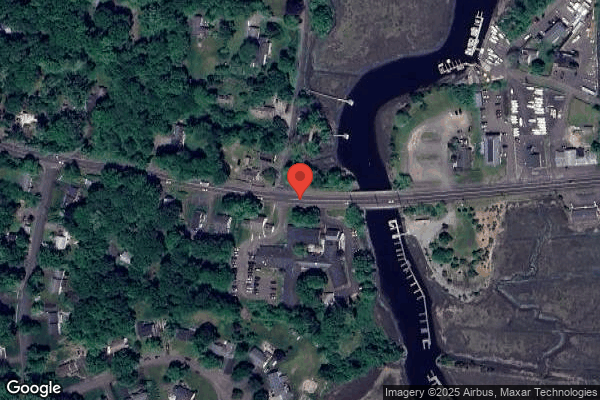
10 BOSTON POST RD, GUILFORD, CT 06437 (203) 453-3725
For profit - Corporation 90 Beds APPLE REHAB Data: November 2025
Trust Grade
50/100
#114 of 192 in CT
Last Inspection: February 2025

Within standard 12-15 month inspection cycle. Federal law requires annual inspections.

Overview

Apple Rehab Guilford has a Trust Grade of C, which means it is average and falls in the middle of the pack among nursing homes. It ranks #114 out of 192 facilities in Connecticut, placing it in the bottom half of the state, and #12 out of 23 in the local county, suggesting only a few options may be better. The facility's trend is worsening, with issues increasing from 6 in 2024 to 10 in 2025. Staffing is rated below average with a 2 out of 5 stars and a turnover rate of 44%, which is concerning as it may affect the continuity of care. While there are no fines on record, indicating compliance with regulations, there have been significant concerns, including failures to monitor food temperatures and complete necessary assessments for residents after falls. Additionally, there were cleanliness issues noted in the environment, which could impact residents' comfort. Overall, while there are some strengths, such as the absence of fines, the increasing number of incidents and below-average staffing ratings may cause families to consider their options carefully.

Trust Score
C
50/100
In Connecticut
#114/192
Bottom 41%
Safety Record
Low Risk
No red flags
Inspections
Getting Worse
6 → 10 violations
Staff Stability
○ Average
44% turnover. Near Connecticut's 48% average. Typical for the industry.
Penalties
✓ Good
No fines on record. Clean compliance history, better than most Connecticut facilities.
Skilled Nurses
⚠ Watch
Each resident gets only 25 minutes of Registered Nurse (RN) attention daily — below average for Connecticut. Fewer RN minutes means fewer trained eyes watching for problems.
Violations
⚠ Watch
36 deficiencies on record. Higher than average. Multiple issues found across inspections.
★★☆☆☆
2.0
Overall Rating
★★☆☆☆
2.0
Staff Levels
★☆☆☆☆
1.0
Care Quality
★★★☆☆
3.0
Inspection Score
Stable
2024: 6 issues
2025: 10 issues

The Good

  • Full Sprinkler Coverage · Fire safety systems throughout facility
  • No fines on record
  • Staff turnover below average (44%)

    4 points below Connecticut average of 48%

Facility shows strength in fire safety.

The Bad

2-Star Overall Rating

Below Connecticut average (3.0)

Below average - review inspection findings carefully

Staff Turnover: 44%

Near Connecticut avg (46%)

Typical for the industry

Chain: APPLE REHAB

Part of a multi-facility chain

Ask about local staffing decisions and management

The Ugly 36 deficiencies on record

Feb 2025 10 deficiencies
CONCERN (D)

Potential for Harm - no one hurt, but risky conditions existed

Deficiency F0578 (Tag F0578)

Could have caused harm · This affected 1 resident

**NOTE- TERMS IN BRACKETS HAVE BEEN EDITED TO PROTECT CONFIDENTIALITY** Based on review of the clinical record, facility documentation, facility policy, and interviews for 1 resident (Resident #17) re...

Read full inspector narrative →
**NOTE- TERMS IN BRACKETS HAVE BEEN EDITED TO PROTECT CONFIDENTIALITY** Based on review of the clinical record, facility documentation, facility policy, and interviews for 1 resident (Resident #17) reviewed for advance directive, the facility failed to ensure the resident or resident representatives wishes for an advance directive/code status (code status refers to the level of medical interventions a person wishes to have started if their heart or breathing stops) were obtained and implemented. The findings include: Resident #17 was admitted to the facility in January 2021 with diagnoses that included dementia and Wernicke's encephalopathy. A Transfer Discharge Report dated 1/7/21 identified Resident #17 was transferred from another facility with a code status (code status refers to the level of medical interventions a person wishes to have started if their heart or breathing stops) of full code (full code directs the medical team to take all possible measures to save the residents' life in the event of a medical emergency). The admission MDS dated [DATE] identified Resident #17 had moderately impaired cognition. A physician's order dated 5/20/21 directed the resident be full code. A resident care conference note, written by the MDS Coordinator, dated 1/11/22 at 12:30 PM identified a care conference was held with the resident in his/her room. A call was placed to the resident representative for update. MDS Coordinator requested a new signed advance directive consent form, because the DNR form was not found in the medical record and a new form to be signed was placed in the chart. A physician's order dated 3/4/22 directed Resident #17 be do not resuscitate (DNR). Interview and review of the clinical record with RN #3 (day supervisor) on 2/23/25 at 9:50 AM indicated that when a resident is admitted , the RN supervisor is responsible, during that shift, to have the resident sign the advance directive, and the nurse signs as the witness. Further, if the resident is cognitively impaired and has a resident representative, the RN is responsible to call the resident representative and discuss advance directive wishes. RN #3 indicated the APRN, or physician is responsible to sign the advance directive consent form within 24 - 48 hours after admission on ce signed by the resident or representative. Review of Resident #17's advance directive consent form identified the resident representative's name was typed on the form, but the resident representative did not sign it. RN #3 noted in the progress note dated 1/11/22 there was a care conference that identified there was no an advance directive signed in the clinical record and staff would have to have the resident representative sign one. RN #3 indicated that there were no other notes identifying who attempted to contact the resident representative or inform him/her to come in and sign the advance directive form. RN #3 indicated that the form in the chart was not valid. Interview with the DNS and RN #7 on 2/25/25 at 6:51 AM indicated that it was the admitting nurses responsibility to complete an advance directive consent form at the time of admission. RN #7 indicated that if the resident representative comes in with the resident at time of admission, they sign it then if not then the charge nurse must call the resident representative and discuss their wishes for an advance directive. RN #7 indicated that if the nurse cannot reach the resident representative, then he or she must write a progress note and the next shift must attempt to call until the facility reaches the representative. Further, the advance directive was not found in overflow. Review of the Advance Directive Policy identified the facility provides the resident or residents representative, upon admission notice of the policy of advance directive and the resident's rights regarding refusal of treatment. Licensed nursing staff and/or attending physician will review the advance directive with the capable resident or the appropriate decision maker. The plan of care related to advance directive and withholding life sustaining treatment will be documented on the resident's advance directive consent form and the physician's orders. A physician progress note will address the advance directive and any decisions regarding refusal or withholding treatments. The consent form will be signed and dated by the resident or resident's representative, the physician, and the person (nurse) who explains the advance directive. A physician's order will be obtained regarding the advance directive. The Advance directive consent form will be kept in the resident's medical record. The residents' advance directive will be documented in the residents' care plan and will be reviewed on a quarterly basis and as needed for any changes.
CONCERN (D)

Potential for Harm - no one hurt, but risky conditions existed

Notification of Changes (Tag F0580)

Could have caused harm · This affected 1 resident

**NOTE- TERMS IN BRACKETS HAVE BEEN EDITED TO PROTECT CONFIDENTIALITY** Based on review of the clinical record, facility policy, and interviews for 3 residents (Resident #16, 54, and 85) the facility ...

Read full inspector narrative →
**NOTE- TERMS IN BRACKETS HAVE BEEN EDITED TO PROTECT CONFIDENTIALITY** Based on review of the clinical record, facility policy, and interviews for 3 residents (Resident #16, 54, and 85) the facility failed to notify the physician and/or the resident representative with a change in condition. For Resident #16, reviewed for dignity, the facility failed to ensure the Psychiatric APRN was immediately notified when the resident that expressed suicidal ideation, for Resident #54, reviewed for nutrition, the facility failed to ensure the resident representative was notified of a weight loss and the implementation of a supplement, and for Resident #85, reviewed as a closed record, the facility failed to ensure the physician was notified following an unwitnessed fall. The findings include. 1. Resident #16 was admitted to the facility on [DATE] with diagnoses that included post-traumatic stress disorder, mood disorder due to known physiological condition with mixed features, major depressive disorder, and anxiety disorder. The quarterly MDS dated [DATE] identified Resident #16 had intact cognition, had little interest or pleasure in doing things, felt down, depressed, or hopeless 2 - 6 (several) days, and felt social isolation often. The care plan dated 8/7/24 identified Resident #16 had accusatory and manipulative behaviors and voiced delusions and hallucinations. Interventions included frequent documentation of all abnormal behaviors, episodes of confusion, yelling out, and delusions to help assess what medication interventions are needed, per the APRN. The care plan identified Resident #16 could be impulsive and not always able to control his/her behavior. Interventions included if staff see Resident #16's mood changing, offer to assist him/her to another area and spend a few minutes in quiet conversation until the anger subsides. The care plan further identified Resident #16 was at risk for potential adverse effects of psychotropic drug use. Interventions included reporting any mood state/behavior changes to the physician or APRN, monitoring for a wide range of unpleasant side effects of antidepressants including but not limited to agitation, irritability, and anxiety and report to the physician or APRN, and monitoring his/her mental status functioning on an ongoing basis. The Social Services Assessment - Quarterly dated 10/22/24 identified Resident #16 reported feeling down, depressed, or hopeless, was having trouble falling asleep or staying asleep, feeling tired or having little energy, having a poor appetite or overeating, and having thoughts that he/she would be better off dead or harming oneself with a 2 - 6-day frequency of symptoms. The document's summary/review since last assessment identified Resident #16 remains long term with a DNR status, no signs or symptoms of distress or concerns notes. Resident #16 was encouraged to attend activities of his/her preference, psychosocial supports will be provided as needed and psychiatric services will be provided as needed for anxiety, depression, and PTSD. The Social Services note dated 10/22/24 at 5:54 PM identified that Resident #16 reported to the Social Service worker during the quarterly assessment that he/she did not feel suicidal today, but she does other days, this was reported to nursing. The Social Services noted dated 10/22/24 at 5:56 PM identified that the writer noted in the Psychiatric APRN referral book that Resident #16 feels suicidal at times. Review of the nurse's notes dated 10/22/24 through 10/23/24 failed to identify that the physician or APRN was immediately notified that Resident #16 verbalized feeling suicidal at times. The Psychiatric APRN note dated 10/24/24 at 1:50 PM identified that Resident #16 reported suicidal ideation (SI) to the social worker. Upon entering the room, the patient was calm, cooperative, and pleasant, and appeared surprised to hear the reason for our visit today. Resident #16 denied any active thoughts or plans of self-harm, and stated that he/she must have interpreted the social worker's question incorrectly, further explaining that he/she had thoughts of dying only in reference to his/her current medical condition and does not have thoughts of killing him/herself. Interview with APRN #2 on 2/25/25 at 9:53 AM identified that the facility's social worker identified the concern during Resident #16's quarterly social service assessment, and that when she went in to talk to Resident #16 a day or two later, the resident emphasized that any thoughts of death were due to his/her multiple comorbidities but was not feeling suicidal. APRN #2 indicated that if a resident makes a suicidal comment, it should be reported to the psychiatric provider right away, and that she would have expected to have been notified of Resident #16's comments of SI. APRN #2 indicated the SI should not have been documented in the Psychiatric APRN book. APRN #2 further indicated that if she wasn't in the building, at the time of the incident, she would have had a telework visit with Resident #16 to have a conversation about the statement that was made, determine a risk assessment, and then determine if Resident #16 needed to go the hospital or was safe to stay. APRN #2 identified that after the telehealth visit, she would have followed up in person if no risk of self-harm was identified, but if an immediate concern was identified, Resident #16 would have been placed on 1:1 supervision until he/she was transferred to the hospital. APRN #2 indicated that after her visit with Resident #16 there was no need for 1:1 supervision or transfer to a higher level of care. Interview with SW #1 on 2/25/25 at 11:05 AM identified that she remembered completing Resident #16's quarterly assessment, but she could not recall exactly what was said. SW #1 indicated that Resident #16 reported suicidal ideation, in the past, and that it had been a long time since he/she had any thoughts of suicide. SW #1 could not recall the timeline for when Resident #16 had thoughts of suicide, but she did not feel like it was recent. SW #1 indicated that after she completed Resident #16's quarterly assessment, she notified the nursing staff that Resident #16 was having those thoughts in the past, but SW #1 was unable to recall which nurses she had spoken with. SW #1 indicated that she could not recall what she discussed with the nursing staff, but that after speaking with the nursing staff, she felt that adding Resident #16 to the Psychiatric APRN book instead of calling the APRN, was appropriate because she did not feel like Resident #16 was in imminent danger, as the SI was not current and she felt like Resident #16 was safe. In an interview with the DNS and the [NAME] President of Clinical Operations (RN #2) on 2/25/25 at 12:33 PM, the DNS identified that the facility does not have a policy on suicidal ideation. The DNS further identified that she would have expected a suicide risk assessment to have been completed at the time of Resident #16's comments of feeling suicidal. RN #2 indicated that he would have expected the social worker to have obtained more information to figure out when the suicidal ideation had occurred, and he also would have expected the nurse to notify the provider. The facility's Change in Resident Condition/Family/MD Notification policy directs a significant change in the condition of the resident's physical, mental, or emotional status, or in the event of an accident involving the resident, will be reported to the physician and family. 2. Resident #54 was admitted to the facility in March 2022 with diagnoses that included dementia. The weight record summary dated 10/5/24 identified Resident #54 weighted 102.0 lbs. The quarterly MDS dated [DATE] identified Resident #54 had severely impaired cognition, required total assistance for eating and had no known weight loss in the last month or 6 months. The dietitian progress note dated 10/9/24 identified Resident #54 was on a puree diet with a house supplement of 4 oz twice a day. Resident #54 required total assistance to be fed meals. Residents #54's current weight is 101.1 lbs., and the ideal body weight is 110 lbs. plus or minus 10%. The care plan dated 10/24/24 identified Resident #54 had the potential for a nutritional decline related to dementia and a history of weight loss. Interventions included providing diet and supplements as ordered, weights as ordered, encourage fluids, assist with meals as needed and watch for signs of aspiration. The weight record summary dated 11/7/24 identified Resident #54 weighed 99.2 lbs., a 2.8 lbs. weight loss. A physician's monthly order dated November 2024 directed to provide a puree diet with thin liquids and house supplement 4 ounces twice a day. The weight record summary dated 12/1/24 identified Resident #54 weighed 95.0 lbs., a 4.2 lbs. weight loss. The dietitian progress note dated 12/4/2024 at 6:14 AM noted Resident #54 weight was 94 lbs. on 12/1/24. This reflects a 7.2% weight loss over the past month. Resident #54 is tolerating his/her meals with variable intake but needs assistance at mealtime. No therapeutic diet restrictions in place. House supplement 4 oz twice a day for increased calories offered. Continue to encourage food/fluids as able. Review of the clinical record failed to reflect the resident representative had been notified of the weight loss or the increase in the house supplements. The APRN progress note dated 12/5/24 by APRN #1 (placed in the medical record after surveyor inquiry on 2/25/25 at 10:06 AM) identified Resident #54 was seen for a weight loss of 5 lbs. in 1 month. Resident #54 has advanced dementia. The plan is to recheck weight and ordered labs. The weight record summary dated 12/6/24 identified Resident #54 weighed 93.0 lbs. The weight record summary dated 12/7/24 identified Resident #54 weighed 93.4 lbs. A physician's order dated 12/9/24 directed to give house supplement 4 ounces three times a day. The dietitian progress note dated 12/11/24 at 11:39 AM identified Resident #54's weight was 93.4 lbs. on 12/7/24. Resident #54 needs assistance/encouragement with meals. House supplement in place to help meet needs. The dietitian progress note dated 12/19/24 at 6:46 AM identified the house supplement increased to three times a day to help meet needs. The annual MDS dated [DATE] identified Resident#54 had an unplanned weight loss of 5% or more in the last month or loss of 10% or more in the last 6 months. Interview with the DNS on 2/25/25 at 7:10 AM identified the charge nurse was responsible to notify the resident representative of the weight loss when it was identified and to notify the resident representative of the new order for supplements on 12/9/24. Interview with the Dietitian on 2/25/25 at 7:15 AM he indicated that he has a communication book for nursing to notify him of a resident's weight loss. The Dietitian indicated that all residents are weighed in the first 10 days of a month. The Dietitian indicated that all reweights are due by the 15th of the month if noted to have a 5% weight loss or gain. The Dietitian indicated that it was the charge nurse's responsibility to determine if there was a 5% difference and have the nurse's aide get another weight. The Dietitian indicated that he is in the facility 2 days a week every Thursday and Friday. The Dietitian indicated that if a weight loss is noted on a Saturday it will go into his communication book, and he will see it on Thursday when he comes into the facility. The Dietitian noted if he identifies a resident has had a weight loss, he will write it in the APRN's communication book with any recommendations so she will see it the next time she is in the facility. The Dietitian indicated that the nurse was responsible to notify the resident representative of the weight loss and the increase in the supplements. The interview with APRN #1 on 2/25/25 at 10:00 AM indicated she had seen Resident #54 for a weight loss but does not recall the date. APRN #1 indicated that she documents in a different system and her notes are not in the resident's electronic medical record. APRN #1 indicated that she will transfer her notes over now. Interview with APRN #1 on 2/25/25 at 10:27 AM indicated she had seen Resident #54 on 12/5/24 for the weight loss of 5 lbs. in a month and placed Resident #54 on weekly weights for 4 weeks and ordered labs. APRN #1 indicated that she had seen Resident #54 on 12/19/24 for follow up and the labs that were within normal limits and the resident was stable from the last visit on 12/5/24. Review of the clinical record identified the weekly weights were not documented on 12/13/24, 12/20/24, and 1/3/25. Interview and review of the clinical record with DNS on 2/25/25 at 10:40 AM failed to reflect the resident representative was updated with the weight loss and the new physician order to increase the house supplements. Review of the Weight Monitoring Policy identified weights will be taken and recorded on the weight sheet in the EMR. If there is a 5 lb. weight discrepancy plus or minus a reweight should be obtained. The charge nurse should review then weight and compare this to the previous weights to determine a 5% weight change in 30 days or a 10% weight change in 180 days. Significant weight changes will be reported to the physician or APRN, resident representative, and dietitian. Review of the Change in Resident Condition Notification to Physician and Resident Representative identified all significant changes in resident's condition will be reported to the physician and resident representative. The nurse will document in the nurses notes that the physician and resident representative have been notified of the change in condition. 3. Resident #85 was admitted to the facility in November 2018 with diagnoses that included ataxic cerebral palsy, epilepsy, and history of falling. The quarterly MDS dated [DATE] identified Resident #85 had intact cognition, was always continent of bowel, frequently incontinent of bladder, required partial staff assistance with toileting and bathing, and supervision with transfers. The care plan dated 11/28/24 identified Resident #85 had a history of falls. Interventions included to notify the physician of pain, bruising, and to complete neurological checks per protocol. Review of the clinical record identified Resident #85 had unwitnessed falls on 12/22/24 and 12/26/24. A reportable event form dated 12/27/24 identified Resident #85 had a fall at 10:00 PM on that date. The form, signed as completed by RN #6, identified an on call provider was notified of the fall, however, the form failed to identify the provider's name, title or when the notification was made. A nurse's note dated 12/27/24 at 10:03 PM by RN #6 identified Resident #85 had an unwitnessed fall. The note identified Resident #85 was observed on the floor sitting on his/her buttocks and that Resident #85 reported falling after an attempt to self transfer. The note further identified Resident #85 sustained a linear scratch to the back of the right buttock, a superficial abrasion to the right top of the thigh measuring 15.5 inches in length, and a bruise above the left elbow measuring 6 cm x 5 cm. The note also identified RN #6 attempted to reach the on call provider regarding the fall but was unsuccessful. A change of condition assessment dated [DATE] at 10:26 PM completed by RN #6 identified no provider notification was done. Further review of the clinical record failed to identify documentation of additional attempts to notify Resident #85's physician of the fall on 12/27/24 at 10:00 PM. A change of condition assessment note dated 12/28/24 at 11:54 AM by RN #3 identified Resident #85 had altered mental status which included sleepiness and lethargy, right lower extremity redness and warmth, and complaints of left hip pain. The note identified the on call provider was notified and Resident #85 was sent to the hospital for evaluation of increased lethargy, left hip pain, and bilateral pitting edema with right lower extremity redness and warmth. Interview with the DNS on 2/25/25 at 12:30 PM identified that the facility policy directs that when a resident has any change of condition, which includes falls, the nurse assigned to the resident or the RN supervisor should make attempts to contact the on call provider. The DNS identified if the on call provider is unable to be reached, the nurse should then contact the medical director. The DNS identified that RN #6 should have made attempts to contact the medical director following the failed attempts to reach the on call provider, especially given that Resident #85 sustained some injuries with the fall and Resident #85's history of recent multiple falls within a 4 day period. Although attempted, an interview with RN #3 and RN #6 was not obtained. The facility policy on change of condition directs that the resident's attending physician or covering provider would be notified of any significant change of condition or accident involving the resident. The policy further directs if the physician or covering provider were not available, the medical director would be called and notification would be documented in the clinical record.
CONCERN (D)

Potential for Harm - no one hurt, but risky conditions existed

PASARR Coordination (Tag F0644)

Could have caused harm · This affected 1 resident

**NOTE- TERMS IN BRACKETS HAVE BEEN EDITED TO PROTECT CONFIDENTIALITY** Based on review of the clinical record, facility documentation, facility policy, and interviews for 1 of 7 residents (Resident #...

Read full inspector narrative →
**NOTE- TERMS IN BRACKETS HAVE BEEN EDITED TO PROTECT CONFIDENTIALITY** Based on review of the clinical record, facility documentation, facility policy, and interviews for 1 of 7 residents (Resident #33) reviewed for pre-admission screening and resident review (PASARR), the facility failed to notify the State-designated authority when the resident received a new psychiatric diagnosis. The findings include: Resident #33 was admitted to the facility in May 2019 with diagnoses that included Parkinson's disease, depression, anxiety, and repeated falls. The admission PASARR dated 5/1/19 determination date 5/30/19 identified Resident #33 had no major mental disorder, did not have dementia, Alzheimer's, or psychotic/delusional disorder. The outcome was Resident #33 was approved for long term care for skilled nursing care. Resident #33 is reported to be occasionally disoriented in situations, with deficits noted in memory and judgment at this time. The quarterly MDS dated [DATE] identified Resident #33 had severely impaired cognition, and a diagnosis of depression and anxiety. The MDS did not reflect a diagnosis of psychotic disorder. A psychiatric note dated 10/17/22 identified Resident #33 had mild paranoia. Resident #33 has depression, psychosis, confusion, and memory impairment. Assessment and plan delusional disorder, resident continues with delusions and paranoia and depression due to overall decline. Resident recently trialed on Seroquel due to worsening signs and symptoms of psychosis. The staff report Resident #33 has been more pleasant. Resident #33 appears to be improving on Seroquel and will continue medication. Diagnosis of depression and psychotic disorder with delusions. The quarterly MDS dated [DATE] identified Resident #33 had severely impaired cognition, short and long-term memory problems, and a diagnosis of anxiety and depression. but did not reflect psychotic disorder. The MDS did not reflect a diagnosis of psychotic disorder. The care plan dated 10/26/22 failed to reflect the diagnosis of psychotic disorder. Review of the Diagnosis Record identified Resident #33 had a diagnosis of psychotic disorder with delusions dated 1/30/23. The quarterly MDS dated [DATE] identified Resident #33 had severely impaired cognition, and a diagnosis of anxiety, depression, and psychotic disorder. A physician's order dated 10/25/23 directed to administer Pimavanserin Tartrate (antipsychotic) 34mg once daily and Seroquel (antipsychotic) 25mg daily at bedtime. Interview with SW #1 on 2/25/25 at 8:54 AM indicated she is responsible to update State-designated authority when a resident receives a new psychiatric diagnosis. SW #1 it was the psychiatric providers responsibility to inform the social worker when they give a resident a new psychiatric diagnosis. After clinical record review, SW #1 indicated that Resident #33 received the new diagnosis of psychotic disorder with delusions on 1/30/23. SW #1 indicated that she will submit a new Level 1 to determine if a Level 2 is needed. Interview with APRN #2 (psychiatric APRN) on 2/25/25 at 11:02 AM indicated that she reviewed the clinical record and identified the first psychiatric note that adds the diagnosis of psychotic disorder with delusions was dated 10/17/22 after being trialed on Seroquel. Review of the Preadmission Screening and Resident Review PASARR identified PASARR is a federal requirement to help ensure that individuals are not inappropriately placed in nursing homes for short/long term care. All applications to a Medicare/Medicaid certified nursing facility are evaluated for mental illness and/or intellectual disabilities to ensure they are placed in the appropriate setting and receive the services they need in the nursing home setting. The state agency does the reviewing of PASARR level 1 screens and level of care for individuals who are Medicaid active, eligible, or pending. Conducting a level 2 evaluations for person known or suspected of having serious mental illness that are residing in or applying to a Medicaid Certified nursing facility. All admissions will have an approved PASARR. A level 1 preliminary assessment screens are done to determine if there is mental illness or mental retardation. Those individuals that test positive for level 1 are then evaluated in depth with a level 2 PASARR. All positive level 2 outcomes will have a care plan created.
CONCERN (D)

Potential for Harm - no one hurt, but risky conditions existed

Pressure Ulcer Prevention (Tag F0686)

Could have caused harm · This affected 1 resident

**NOTE- TERMS IN BRACKETS HAVE BEEN EDITED TO PROTECT CONFIDENTIALITY** Based on observation, review of the clinical record, facility documentation, facility policy, and interviews for 1 of 6 resident...

Read full inspector narrative →
**NOTE- TERMS IN BRACKETS HAVE BEEN EDITED TO PROTECT CONFIDENTIALITY** Based on observation, review of the clinical record, facility documentation, facility policy, and interviews for 1 of 6 residents (Resident #14) who were at risk to develop a pressure ulcer, the facility failed to ensure the Braden Scale and the weekly body audits were done per the physician's order and failed to ensure the LAL (low air loss) mattress was set per the manufacturer recommendations. The findings include: Resident #14 was readmitted to the facility on [DATE] with diagnoses that included fibromyalgia, delirium, and stroke. The admission nursing assessment dated [DATE] identified Resident #14 was noted to have an open area to the top of the coccyx that measured 3.0cm by 3.0cm by 2.0 with a 2.25 cm depth. Further, the assessment indicated the resident had a urinary catheter. A physician's order dated 5/27/23 directed to complete a Braden Scale on admission and every week for 4 weeks. The care plan dated 6/13/23 identified Resident #14 had a stage III pressure injury to the sacrum. Interventions included to assess the resident's risk of skin breakdown using the Braden Scale per policy, checking skin at least weekly on scheduled bath day, and use of a LAL mattress per physician orders. The quarterly MDS dated [DATE] identified Resident #14 had intact cognition and required total assistance with toileting, and extensive assistance with bed mobility, transfers, and dressing. Further, the MDS identified Resident #14 was at risk for pressure ulcers and had one stage III pressure ulcer of the sacral region. a. Review of the clinical record identified the Braden Scale was completed on admission 5/27/23 with a score of 17 which indicated the resident was at risk for pressure ulcer development. Further review identified the Braden Scale was not documented weekly for 4 weeks on 6/3/23, 6/10/23, 6/17/23 or 6/24/23. Facility documentation indicated Resident #14 was transferred to the hospital and returned to the facility on 2/6/25. The hospital Discharge summary dated [DATE] identified Resident #14 was hospitalized for a urinary tract infection and dehydration. The readmission nursing assessment dated [DATE] identified the Braden Score identified the resident was a mild risk for pressure ulcer development. Further review of the clinical record identified the weekly Braden Scale was not completed on 2/13/25 and 2/20/25. Interview with the DNS on 2/24/25 at 10:00 AM identified when a resident is admitted or a readmitted , the Braden Scale is to be done on admission or readmission and then weekly for 4 weeks and quarterly thereafter. After clinical record review, the DNS indicated that staff had not completed a Braden Scale following the readmissions on 5/27/23 and 2/6/25 per the physician order. Interview with RN #7 (Corporate Clinical Nurse) on 2/24/25 at 10:08 AM identified the Braden Scale was to be documented on admission within the admission assessment then weekly for 4 weeks and quarterly thereafter documented on the Braden Scale form. b. Physician's monthly orders for September 2024 (original order date 10/19/23) directed to complete a body audit, using the body audit form, on admission and every week by a licensed nurse on Mondays during the 7:00 AM to 3:00 PM shift. Review of the body audit forms dated 9/22/24 to 2/1/25 identified body audits were not done on 9/23/24, 9/30/24, 10/14/24, 10/21/24, 12/9/24, 12/30/24, 1/20/25, and 1/27/25, 8 out of 19 weeks. Interview with the DNS on 2/24/25 at 10:00 AM identified that residents have a body audit on admission, readmission, and weekly based on their shower schedule and time. The DNS indicated there is a physician's order that indicates when a resident is to have the weekly body audit and what shift. The DNS indicated that the body audits are to be completed weekly by the charge nurses to identify any new skin issues on a resident. The DNS indicated that the charge nurses are responsible to fill out the body audit form each week. After clinical record review, the DNS indicated that weekly body audits were not documented consistently from 9/1/24 to current. Interview with RN #7 (Corporate Clinical Nurse) on 2/24/25 at 10:08 AM identified that approximately 2 weeks ago the facility policy changed. RN #7 identified the licensed nurses will no longer be doing weekly body audits and will only chart by exception. c. A physician order dated 10/24/24 directed the use of a LAL mattress, check function and placement every shift and set to comfort for wound. The annual MDS dated [DATE] identified Resident #14 had severely impLALed cognition, was occasionally incontinent of bowel and frequently incontinent of bladder, required moderate assistance for rolling side to side or transfers and maximum assistance for sitting to lying position on side of bed. Further, Resident #14 was at risk for pressure ulcers and had one stage III pressure ulcer of the sacral region. Review of the Weight Record Summary dated 11/1/24 identified the resident weighed 162.0 lbs. Review of the Weight Record Summary dated 2/8/25 identified the resident weighed 164.2 lbs. Observation on 2/23/25 at 9:10 AM and 10:30 AM identified Resident #14 was lying in bed with LAL mattress set at 200 lbs., 35.8 lbs. more than the resident's weight. Observation on 2/24/25 at 7:32 AM identified Resident #14 was lying in bed with LAL mattress set at 200 lbs., 35.8 lbs. more than the resident's weight. Interview with RN #2 (Corporate [NAME] President Clinical Operations) on 2/24/25 at 9:30 AM indicated that the facility uses 2 primary LAL mattresses and based on manufacturer booklets the LAL mattresses were to be set to the resident's weight. RN #2 indicated that he would provide the manufacturer booklets. Interview with RN #7 on 2/24/25 at 10:15 AM indicated that RN #1, the Infection Preventionist, is responsible for tracking which residents have a LAL mattress, why they have the LAL mattress, and to ensure there is a physician order and a care plan for the LAL mattress. RN #7 indicated that all LAL mattresses are set to a resident's weight unless a resident is cognitively intact and requests the setting to be a little softer or firmer. RN #7 indicated that if the resident requested a different setting than the setting based on their weight, that setting would be added to the care plan and a physician's order would be obtained. RN #7 indicated that every shift the charge nurses are responsible to check that the placement, function and setting of the LAL mattress. Interview with RN #1 (Wound Nurse) with RN #9 (Vice President of Clinical Operations) on 2/24/25 at 10:44 AM identified RN #1 is responsible to maintain a list of LAL mattresses in use, however, RN #1 was unable to provide a list of residents on LAL mattresses currently while in his office. RN #1 indicated that all residents on an LAL mattress will have a physician's order stating they are on an LAL mattress, and it will be set to comfort, not weight. RN #1 indicated that for all the LAL mattresses, he ensures the physician's orders direct the mattresses are all set to comfort. RN #1 indicated that Resident #14 is on an LAL mattress because of a stage III pressure ulcer to the coccyx. RN #1 indicated that the LAL mattress was used to promote healing and prevent any new pressure ulcers. RN #1 indicated that he did not have the manufacturer books for the LAL mattresses that were in the facility, so was not aware if the manufacture recommendations say to set the LAL mattress to a resident's weight. Interview with RN #9 on 2/24/25 at 10:44 AM indicated that Resident #14's LAL mattress was set to comfort or weight and there is a physician order for the LAL mattresses. RN #9 indicated that Resident #14 weighs 165 lbs. and the dial would be set at that range, RN #9 indicated that if the dial was not set to weight and was set because Resident #14 had requested it for comfort to a harder or a softer setting it would be in the physician order and in the care plan. Interview with APRN #3 (Wound APRN) on 2/25/25 at 9:20 AM indicated that LAL mattresses are typically used for the treatment of an existing pressure ulcer, to help with off-loading and should be set to a resident's weight. Review of the Wound and Skin Care Protocols identified the purpose was to prevent pressure ulcer formation by identifying those residents who are at risk for pressure ulcers and to develop appropriate interventions. All residents will be assessed by the nurse for risk of skin breakdown, utilizing the Braden Scale upon admission, readmission and every week for the first 4 weeks. Weekly body audits will be completed on shower day by a licensed nurse and all skin areas will have weekly documentation until healed. Review of the Manufacturer Booklet for the LAL mattress on Resident #14's bed directed to obtain the resident's weight and set the control knob to that weight setting on the control unit. Although requested, a facility policy for LAL mattresses was not provided.
CONCERN (D)

Potential for Harm - no one hurt, but risky conditions existed

Deficiency F0688 (Tag F0688)

Could have caused harm · This affected 1 resident

**NOTE- TERMS IN BRACKETS HAVE BEEN EDITED TO PROTECT CONFIDENTIALITY** Based on observation, review of the clinical record, facility documentation, facility policy, and interviews for 1 resident, (Re...

Read full inspector narrative →
**NOTE- TERMS IN BRACKETS HAVE BEEN EDITED TO PROTECT CONFIDENTIALITY** Based on observation, review of the clinical record, facility documentation, facility policy, and interviews for 1 resident, (Resident #34) reviewed for range of motion, the facility failed to ensure appropriate care and use of adaptive devices was provided in accordance with the plan of care and failed to ensure a physician's order was maintained that directed the use of an adaptive device for a resident with limited mobility. The findings include: Resident #4 had diagnoses that included hemiplegia/hemiparesis (weakness and paralysis) following a stroke affecting the right side and was receiving hospice services. The quarterly MDS dated [DATE] identified Resident #3 had severely impaired cognition, had mobility impairment to one side of the body and was dependent with dressing. The care plan dated 1/14/25 (original date 2/16/23) identified Resident #34 was at risk for contractures of the right hand related to right hemiparesis. Interventions included applying a resting hand splint after morning care, remove after evening care and use a rolled washcloth after the splint is removed. Physician's orders 2/1/25 (original order date 8/11/22) directed to apply a right resting hand splint during the 3:00 PM to 11:00 PM shift after evening care and remove after morning care with skin checks. (This is in conflict with the care plan initiated on 2/16/23 that indicates to apply the resting hand splint after morning care, remove after evening care and use a rolled washcloth after the splint is removed). A physician's order dated 2/18/25 directed to discontinue the right resting hand splint application during the 3:00 PM to 11:00 PM shift after evening care and remove after morning care with skin checks. Observation on 2/23/25 at 8:35 AM identified Resident #34 lying in bed, the right hand in a contracted position with no splint and no rolled washcloth applied. (Per the care plan, the resident should have a rolled washcloth after the splint is removed). A second observation on 2/23/25 at 10:12 AM identified Resident #34 was dressed in bed and the right hand was in a contracted position with no splint and no rolled washcloth applied. (Per the care plan, the resident should have the splint applied after morning care). Interview with NA #5 on 2/24/25 at 10:44 AM, Resident #34's nurse aide, identified she had provided and completed morning care for Resident #34. Interview with LPN #3 on 2/24/25 at 11:43 AM identified he was the assigned nurse for Resident #34 during the 7:00 AM to 3:00 PM shift. LPN #3 identified all required morning care had been completed for Resident #34. LPN #3 identified that Resident #34 had no refusals of care that morning and no significant history of refusal of care other than medications at times. A third observation on 2/24/25 at 12:09 PM with LPN #4 identified Resident #34 was in bed with no splint or rolled washcloth applied to the right hand. Interview with LPN #4 on 2/24/25 at 12:09 PM identified Resident #34 was in bed with no splint or rolled washcloth applied to the right hand. LPN #4 identified the assigned nurse aide was responsible for applying the splint. Subsequent to surveyor inquiry, the splint was placed by LPN #4 without difficulty. A subsequent interview with NA #5 on 2/24/25 at 12:10 PM identified, other than meals, Resident #34 did not refuse any care this morning (2/24/25). NA #5 further identified she was not regularly assigned to Resident #34, was unaware the resident required the use of a splint after morning care and had not referred to the care card prior to providing care. NA #5 further identified the Director of Rehabilitation had assisted with morning care this morning and mentioned obtaining something for Resident #34's right hand. Interview and review of the clinical record with the Director of Rehabilitation on 2/24/25 at 1:25 PM identified Resident #34 required a splint due to a contracture of the right hand. The Director of Rehabilitation identified she did assist with care earlier that morning and had observed that Resident #34's right hand was not clean and was going to look into the matter. The Director of Rehabilitation identified that rehabilitation services were responsible for the assessment and recommendation of the right hand splint for Resident #34. The Director of Rehabilitation further identified that the physician order for the right hand splint had been discontinued on 2/18/25, specifically by her, but she was unable to explain why she discontinued the order as Resident #34 needed the splint due to a contracture of the right hand. Interview with APRN #1 on 2/24/25 at 1:27 PM identified the physician order for the right hand splint should not have been discontinued as Resident #34 needed the splint and not having the splint could place the resident at risk for skin integrity issues and further contracture. The physician's order was reinstated on 2/24/25 that directed the application of the resting hand splint to the residents right hand on during the 3:00 PM to 11:00 PM shift after evening care and off after morning care with skin checks. Interview with the DNS on 2/25/25 at 7:54 AM identified she would expect nurse aide staff to ensure the residents right hand would kept clean and dry, and the splint would be applied according to rehabilitation recommendations. Interview with NA #7 on 2/25/25 at 1:27 PM identified she frequently provides care to Resident #34 during the 7:00 AM to 3:00 PM shift and is aware the resident requires the application of a splint on the right hand after morning care. NA #7 further identified she has not previously observed Resident #34 refusing to wear the splint. Additionally, NA #7 indicated she had not previously observed that the splint or washcloth was already in place on the resident's right hand at the beginning of the 7:00 AM to 3:00 PM shift. Interview with APRN #1 on 2/25/25 at 1:38 PM identified she would expect to be notified and have a discussion before splint discontinued. Review of the physician/APRN progress notes and nurses notes dated 2/1/25 through 2/18/25 failed to reflect Resident #34 refused the application of the right hand splint. Review of the Splints and Orthotic Devices policy directed splints were provided to maintain range of motion, ensure proper joint alignment, promote skin integrity and prevent further contracture. Therapy and/or physician will issue the appropriate positioning splint determined by resident need. A physician's order will be obtained for the positioning device and include the wearing schedule. The skin will be observed before and after the removal of the splints and documented on the TAR. The resident care plan and care card will reflect the use of the splint.
CONCERN (D)

Potential for Harm - no one hurt, but risky conditions existed

Deficiency F0692 (Tag F0692)

Could have caused harm · This affected 1 resident

**NOTE- TERMS IN BRACKETS HAVE BEEN EDITED TO PROTECT CONFIDENTIALITY** Based on review of the clinical record, facility documentation, facility policy and interviews for 1 of 3 residents, (Resident #...

Read full inspector narrative →
**NOTE- TERMS IN BRACKETS HAVE BEEN EDITED TO PROTECT CONFIDENTIALITY** Based on review of the clinical record, facility documentation, facility policy and interviews for 1 of 3 residents, (Resident #5) reviewed for nutrition, the facility failed to ensure weights were obtained according to policy. The findings include: Resident #5 had diagnoses that included history of a heart attack and recent influenza. The annual MDS dated [DATE] identified Resident #6 had moderately impaired cognition and was independent with eating. The care plan dated 10/16/24 identified Resident #16 had a potential for nutritional decline related to multiple medical problems. Interventions included to provide diet, supplements and weight as ordered. Physician's order dated 11/14/24 directed to obtain weekly weights. The weight log dated 11/27/24 identified Resident #5 weighed 121.2 lbs. A Nutritional assessment dated [DATE] identified Resident #5 experienced no significant weight change in the past one or six months, had mostly good intake with house supplements in place to help meet needs. A Nutritional progress note dated 12/20/25 identified the monthly weight was pending and that Resident #5 had a history of weight loss. A house supplement was added. A physician's order dated 1/10/25 directed to discontinue weekly weights. Review of the weight log failed to reflect a January 2025 weight had been obtained. The weight log dated 2/21/25 identified Resident #5 weighed 113.2 lbs., an 8lbs. weight loss or 6.60 %. Further review of the weight log identified that between 11/14/24 - 1/10/25, 3 of the 9 weekly weights were not obtained per the physician's order. Interview with the Dietitian on 2/24/25 at 11:34 AM and 2/25/25 at 7:15 AM identified any weight discrepancy greater than 5% requires a reweight, however, he was unable to specify a time frame for when this should occur. The Dietitian identified the aides were self-directed in obtaining a reweight but he would follow up if a reweight was not recorded. The Dietitian identified a monthly weight was not obtained for the month of January and should have been. The Dietitian further identified there were occasions where other resident's monthly weights were not documented. Interview with LPN #4 identified the nurse aide staff were responsible for obtaining resident weights and were self-directed in obtaining and documenting reweights for weight loss greater than 5%. However, she would request a reweight for weight changes of 2 - 3 lbs. Most reweights were obtained immediately, but no later than 24 hours. Once a weight change greater than 5% was confirmed, the dietitian and physician were to be notified. An interview with the DNS on 2/25/25 at 7:43 AM identified she would expect a documented reweight for any weight discrepancy greater than 5% and that weights should be obtained in accordance with policy. Review of the Weight Monitoring policy directed that weights were to be taken and recorded on a weight sheet or electronic medical record. A weight discrepancy (plus or minus) 5 lbs. requires a reweight. The charge nurse will review the weight and compare it to the previous weight to determine if there is a 5% change in 30 days or 10% in 180 days. Significant weight changes would be reported to the DNS, responsible party, dietitian and physician.
CONCERN (D)

Potential for Harm - no one hurt, but risky conditions existed

Infection Control (Tag F0880)

Could have caused harm · This affected 1 resident

**NOTE- TERMS IN BRACKETS HAVE BEEN EDITED TO PROTECT CONFIDENTIALITY** Based on observation, review of the clinical record, facility documentation, facility policy and interviews for 2 residents, (Re...

Read full inspector narrative →
**NOTE- TERMS IN BRACKETS HAVE BEEN EDITED TO PROTECT CONFIDENTIALITY** Based on observation, review of the clinical record, facility documentation, facility policy and interviews for 2 residents, (Resident #25 and 37) reviewed for infection control, the facility failed to develop and implement policies to ensure a resident with a history of colonized multidrug resistant organism (MDRO) and a surgical wound was provided care in accordance with infection control practices and failed to implement policies regarding the use of personal protective equipment (PPE) while providing direct care and for Resident #37 the facility failed to ensure enhanced barrier precautions (EBP) were initiated for a resident with an indwelling medical device. The findings include: 1. Resident #25 had diagnoses that included cutaneous abscess of the groin requiring aftercare following surgery. The care plan dated 1/21/25 identified Resident #25 had a surgical wound, and a history colonized Methicillin-resistant Staphylococcus aureus, MRSA (bacteria resistant to many antibiotics) requiring advanced barrier precautions. Interventions included to instruct visitors and caregivers to wear a disposable gown and gloves during physical contact with the resident and provide treatments as ordered. The quarterly MDS dated [DATE] identified Resident #25 was cognitively intact and required one person assist with bed mobility, two person assist with transfers and had a surgical wound requiring wound care. a. Observation on 2/23/25 at 9:38 AM identified Resident #34 was in a semi-private room with no signage or accessible PPE nearby and no other identifiable indicators on the door or name plate signifying the resident was on enhanced barrier precautions (EBP). An interview with RN #1 on 2/23/25 at 2:33 PM identified he was the Infection Preventionist (IP) for the facility. RN #1 identified only residents with specific novel/targeted MDRO's required enhanced barrier precautions. RN #1 further identified that while Resident #25 had a history of MRSA and an open surgical wound, he/she did not require any special precautions. If required, a resident would have signage, or an orange sticker placed on the name frame indicating the resident on EBP and PPE would be placed outside the room. An interview with the DNS on 2/23/25 at 2:45 PM identified it would be her expectation that a resident with a known history of any colonized MDRO and wound be placed on enhanced barrier precautions. Resident #25 was subsequently placed on EBP. A review of the facility policy for enhanced barrier precautions directed the facility to adhere to the Centers for Disease Control (CDC) and Centers for Medicare and Medicaid (CMS) guidelines related to enhanced barrier precautions to prevent transmission of MDRO's. The facility will implement EBP when contact isolation does not apply for high contact resident care activities and will include unhealed surgical wounds regardless of MDRO colonization or infection. b. An observation on 2/24/25 at 11:12 AM identified signage on the door identifying Resident #25 was on EBP and directing the use of PPE when providing care with a bin outside the door containing PPE. The observation further identified NA #5 entered the room responding to a call light without first donning PPE and exited six minutes later. An interview on with NA #5 on 2/24/25 at 11:18 AM identified she had provided Resident #5 with a bed pan. A subsequent observation of NA #5 on 2/24/25 at 11:30 AM identified her donning PPE before entering Resident #25's room. An interview with NA #5 on 2/24/25 at 12:09 PM identified she had not initially donned PPE when first entering Resident #25's room to provide the bed pan as she was not thinking of it at the time she was providing direct care. Observation on 2/25/25 at 6:40 AM identified NA #8 placing Resident #25 on a bedpan without the benefit of PPE. An interview with NA #8 on 2/25/25 at 6:40 AM identified that although she was aware of the need to don PPE prior to providing direct care, she forgot. An interview with the DNS on 2/25/25 at 6:45 AM identified NA #8 should have been wearing PPE prior to providing direct care. A review of the facility policy for enhanced barrier precautions directed the facility to adhere to the Centers for Disease Control (CDC) and Centers for Medicare and Medicaid (CMS) guidelines related to enhanced barrier precautions to prevent transmission of MDRO's. The facility will implement EBP when contact isolation does not apply for high contact resident care activities and will include unhealed surgical wounds regardless of MDRO colonization or infection. Appropriate signage for EBP will be visible and appropriate PPE and sanitizer will be readily accessible for use. 2. Resident #37 was admitted to the facility on [DATE] with diagnoses that included end stage renal disease and dependence on renal dialysis. A physician's order dated 10/29/24 directed to check dialysis site (right central venous catheter) upon resident's return to the facility every Monday, Wednesday, and Friday and a physician's order dated 11/15/24 directed to monitor the right central venous line double lumen permacath site for signs and symptoms of infection, every shift, and report changes to the physician. The quarterly MDS dated [DATE] identified Resident #37 had intact cognition, required partial/moderate assist with tub/shower transfers, was dependent for toileting and personal hygiene, and the following treatments, procedures, and programs were performed within the last 14 days: dialysis and IV (intravenous) access. The care plan dated 1/29/25 identified Resident #37 received dialysis due to chronic kidney disease (CKD), 3 times per week, and was at risk for bleeding, infection, and septic shock. The care plan further identified Resident #37 had a right central line dual-lumen tunneled catheter (inserted on 10/24/24) through which he/she received dialysis treatments. Interventions included observing the right central venous catheter for any signs and symptoms of infection and notifying the physician immediately; interventions failed to include EBP (enhanced barrier precautions, a CDC recommendation to provide guidance for use of personal protective equipment in facilities to prevent the spread of MDRO's). The care plan identified Resident #37 required assistance with ADL's status post recent hospitalization for respiratory failure and end-stage renal disease (ESRD) now requiring dialysis. Interventions included incontinence care per facility policy and assisting with ADL's when needed. Observation and interview with LPN #2 on 2/23/25 at 10:38 AM failed to identify signage for EBP in an area that was visible and failed to have PPE readily accessible for use. LPN #2 identified that she was aware that Resident #37 required EBP because of his/her dialysis access and that she does wear PPE while providing care, but she borrows the PPE from another room down the hall. LPN #2 was not sure why there was no signage for EBP on Resident #37's door or why PPE was not readily available, but she would place appropriate EBP signage and put a PPE bin outside his/her room. Interview with NA #1 on 2/23/25 at 10:45 AM identified that she was not told that Resident #37 was on enhanced barrier precautions, and as a result she has not worn PPE while providing him/her with care. NA #1 indicated that she did not know why Resident #37 would require enhanced barrier precautions, and there was no sign directing staff to wear PPE while providing care or a bin outside his/her room with PPE. Interview with the Infection Control Nurse (RN #1) on 2/23/25 at 2:33 PM identified that residents with indwelling devices, wounds, and history of MDRO's should be on enhanced barrier precautions. RN #1 indicated that the nursing staff was educated on EBP in April of 2024, and staff would be able to identify residents on EBP by signage on the door and an orange sticker near their name on the wall plate. RN #1 indicated that Resident #37 should be on EBP, due to his/her permacath for dialysis. RN #1 was unsure why Resident #37 had not been on EBP, but he would put him/her on EBP. Observation of Resident #37's name plate on 2/23/25 at 2:49 PM failed to identify an orange sticker identifying the need for EBP. Subsequent to surveyor inquiry, a physician's order dated 2/24/25 directed for enhanced barrier precautions due to indwelling medical device, every shift. Interview with the DNS on 02/25/25 at 8:42 AM identified that she would expect Resident #37 to have been placed on enhanced barrier precautions, due to his/her dialysis permacath. The DNS indicated that upon admission the RN supervisor should have placed Resident #37 on EBP, but it would also be up to the Infection Control Nurse to ensure a resident on dialysis with a permacath was identified and placed on EBP. The Enhance Barrier Precautions policy directs the facility to implement enhanced barrier precautions during high-contact resident care activities, for those residents per the current CDC Novel Targeted MDRO list and with indwelling medical devices. Examples of high-contact resident care activities include dressing, bathing/showering/providing hygiene, transferring, changing linens, changing briefs or assisting with toileting. The facility will implement enhanced barrier precautions to include any resident with an indwelling medical device or chronic wounds regardless of MDRO colonization or infection status. Enhanced barrier precautions will remain in effect for the duration of the resident's stay in the facility or until resolution of the wound or discontinuation of the indwelling medical device that placed them at a higher risk. The policy further directs that appropriate signage for EBP will be visible and appropriate PPE and hand sanitizer will be readily accessible for use. Staff will perform hand hygiene and don PPE before providing high-contact care to the resident and doff PPE and perform hand hygiene after providing high-contact care to the resident.
CONCERN (E)

Potential for Harm - no one hurt, but risky conditions existed

Quality of Care (Tag F0684)

Could have caused harm · This affected multiple residents

**NOTE- TERMS IN BRACKETS HAVE BEEN EDITED TO PROTECT CONFIDENTIALITY** Based on review of the clinical record, facility documentation, facility policy, and interviews for 4 residents (Resident #33, 4...

Read full inspector narrative →
**NOTE- TERMS IN BRACKETS HAVE BEEN EDITED TO PROTECT CONFIDENTIALITY** Based on review of the clinical record, facility documentation, facility policy, and interviews for 4 residents (Resident #33, 45, 70 and 85) the facility failed to provide care in accordance with professional standards of practice. For 3 of 3 residents, (Resident #33, 45 and 85), reviewed for accidents, the facility failed to ensure neurological assessments were completed according to the facility policy after the residents fell either without a witness or had a head strike, and for 1 of 6 residents (Resident #70) who were at risk for the development of pressure ulcers, the facility failed to ensure the LAL (low air loss) mattress was set according to the manufacturer recommendations, and failed to ensure the Braden Scale and the weekly body audits were completed per facility policy. The findings include: 1. Resident #33 was admitted to the facility in May 2019 with diagnoses that included Parkinson's disease, psychotic disorder with delusions and hallucinations, and repeated falls. A physician's order dated 7/12/24 directed the resident needed assistance of 1 person with a rolling walker for mobility and transfers. The care plan dated 7/16/24 identified Resident #33 was at risk for falls. Interventions included pain management review, a nightlight for adequate light at night, and to declutter the room. The quarterly MDS dated [DATE] identified Resident #33 had moderately impaired cognition, required maximum assistance with toileting, needed moderate assistance to ambulate 50 feet, and has had 2 or more falls with no injury and 2 or more falls with minor injuries such as skin tears or bruises since the prior assessment. a. A Reportable Event Form dated 9/24/24 at 4:30 PM identified Resident #33 was in his/her room picking up dirty clothes at the bottom of the closet when he/she slipped out of the wheelchair and onto the floor. No injuries were noted. Interview with the DNS on 2/25/25 at 9:59 AM identified after a resident has fallen an RN must do the assessment first before moving the resident. The DNS indicated that at the time of this fall Resident #33 had moderately impaired cognition and that the neurological assessment would have to be completed per the facility policy because a staff person did not witness the fall. The DNS indicated that the expectation was that the nurses would follow the neurological assessment policy and reviewing the accident and incident report the neurological assessments were not complete. b. A Reportable Event Form dated 10/11/24 at 11:15 AM identified Resident #33 was found on the floor in front of the recliner chair at the bedside. No injuries noted. Resident #33 indicated that he/she was reaching for the garbage can and slid off the recliner chair. The nurse's note dated 10/11/24 at 1:45 PM identified Resident #33 was found on the floor in front of his/her recliner chair. Neurological assessment within normal limits and initiated post fall vital signs and neurological checks and monitoring for 72 hours. Review of the Neurological checks form dated 10/11/24 at 1:45 PM identified the neurological assessment would include blood pressure, pulse, respirations, resident's level of consciousness, bilateral pupils if reactive or not, and strength of right and left extremities. The form required the neurological assessment to be completed every 15 minutes for the first hour after the fall, then every hour for 4 hours, every 4 hours for the next 24 hours, and every shift for 48 hours after that. The form identified the assessments were completed 6 out of the 20 required times. Staff did not complete 14 required neurological assessments. The interview with the DNS on 2/25/25 at 10:02 AM indicated that on 10/11/24 there was an unwitnessed fall, and the neurological assessment were started but not completed. The DNS indicated that the expectation was that the nurses would follow the neurological assessment policy and would have completed the assessments. c. A Reportable Event Form dated 12/1/24 at 6:30 PM identified Resident #33 was trying to get a hairbrush out from under the bed and slid out of the recliner chair. Resident #3 was noted to have a left knee abrasion, right knee discoloration, and right shoulder pain. The intervention was to educate the resident to call for assistance and staff not to use chuck pads on recliner. Review of the Neurological Checks form dated 12/1/24 at 6:30 PM identified 13 required neurological checks were not completed per the policy. Interview with the DNS on 2/25/25 9:59 AM identified for the unwitnessed fall on 12/1/24 the neurological assessments were started but not completed. The DNS indicated she would have expected them to be completed per policy. Interview with the DNS on 02/25/25 at 10:15 AM indicated that the expectation was the nurses would follow the neurological assessment policy after an unwitnessed fall with a resident that had moderately impaired cognition. The facility's Neurological Checks policy directs neurological checks to be instituted as a nursing measure following a head injury, TIA and seizure disorder. A neurological check flow sheet will be instituted by the nurse and shall include date and time of the assessment, level on consciousness, pupillary response, strength and sensation of the extremities, and vital signs. The checks will be completed as follows: a. Every 15 minutes for the first hour. b. Every hour for 4 hours. c. Every 4 hours for the next 24 hours. d. Every shift for 48 hours. 2. Resident #45 was admitted to the facility on [DATE] with diagnoses that included dementia, post-traumatic stress disorder, and history of falls. The annual MDS dated [DATE] identified Resident #45 had moderately impaired cognition, required setup assistance (helper assists only prior to or following an activity) with sitting to standing and walking 50 feet with two turns, was independent walking 10 feet, and had sustained two falls with no injury, two falls with injury, and no falls with major injury since the prior assessment. The care plan dated 5/22/24 identified Resident #45 required assistance with all ADL's and was non-adherent with assistance, at times. Interventions included assisting with transfers out of bed per the physician's order. Resident #45 was at risk of bruising and bleeding due to the use of anticoagulation medication. Interventions included reminding Resident #45 to use caution and to be aware of extremity positioning when transferring and ambulating. The care plan further identified Resident #45 was at risk for falls due to muscle weakness, dementia, and psychotropic medications, and was not adherent with transfer orders at times, increasing the risk for falls. Interventions included keeping commonly used articles within easy reach, offering music at bedtime to provide a soothing environment, and providing a well-lit, clutter free environment. The nurse's note dated 5/30/24 at 7:49 PM identified that Resident #45 sustained a witnessed fall at 8:25 PM; resident fell on buttocks and hit his/her head, denied headache, no visual disturbances at this time. Resident complained of right clavicle pain, no bruising, no abrasions, no lacerations, or skin tears were observed at this time. No external rotation observed to bilateral lower extremities; no unilateral lengthening observed to lower extremities. Resident is alert and oriented times 2 stated that he/she was trying to walk and fell; the fall was witnessed by charge nurse who was in the room but wasn't able to get to the resident quick enough to prevent the fall. Resident observed to perform independent transfer from bed took a few steps toward the restroom without walker and fell; the walker was observed near the window. Staff were educated to keep walker near the resident and within reach at all times. The resident was assisted back to bed, Tylenol was given for the complaint of pain, neurological checks were initiated per facility policy, and resident's family and on call APRN were notified with no new orders. The Reportable Event Form dated 5/30/24 identified Resident #45 had a witnessed fall at 8:25 PM in the bedroom. Resident #45 had gotten out of bed without assistance, took a few steps towards the bathroom, and fell on his/her buttocks, hitting the back of his/her head on the wall. Description of actions taken included neurological checks and vital sign monitoring per facility's protocol, Xray to the right clavicle, pain evaluation and management, change in activity status, PT/OT evaluation, sling to the right upper extremity, and orthopedic, psychiatry, and social services follow-up. Review of the facility's Accident and Investigation documentation and Resident #45's clinical record failed to identify documentation that neurological assessments were completed, per the facility's policy, following the witnessed fall with a head strike, on 5/30/24. Interview with the DNS on 02/25/25 at 8:44 AM identified that while she was not the DNS at the time of the incident, she would have expected neurological assessments to be completed by the charge nurse for 72 hours, per the facility policy, following a fall resulting in the resident hitting his/her head. The facility's Neurological Checks policy directs neurological checks to be instituted as a nursing measure following a head injury, TIA and seizure disorder. A neurological check flow sheet will be instituted by the nurse and shall include date and time of the assessment, level on consciousness, pupillary response, strength and sensation of the extremities, and vital signs. The checks will be completed as follows: a. Every 15 minutes for the first hour. b. Every hour for 4 hours. c. Every 4 hours for the next 24 hours. d. Every shift for 48 hours. The facility's Falls: Minimizing Risk of Injury policy directs that a status post-Accident and Incident (A&I) report will be completed and an interdisciplinary fall assessment in order to identify the potential causes of the fall. A status post A&I assessment and neurological checks will be completed on any resident that experiences an unwitnessed fall and is unable to accurately verbalize if he/she hit their head due to cognitive status or experienced any type of head injury. The post A&I assessment and neurological monitoring will be documented for 72 hours. 3. Resident #85 was admitted to the facility on [DATE] with diagnoses that included ataxic cerebral palsy, epilepsy, and history of falling. The quarterly MDS dated [DATE] identified Resident #85 had intact cognition, was always continent of bowel, frequently incontinent of bladder, required partial staff assistance with toileting and bathing, and supervision with transfers. The care plan dated 11/28/24 identified Resident #85 had a history of falls. Interventions included to notify the physician of pain and bruising, and to complete neurological checks per protocol. Review of the clinical record identified Resident #85 had unwitnessed fall on 12/22/24. A reportable event form dated 12/26/24 identified Resident #85 had a fall at 9:15 PM on that date. Resident #85 reported attempting to ambulate to the bathroom, losing balance, and falling but denied a head strike. The form was signed as completed by RN #6. A change of condition assessment note completed by RN #6 on 12/26/24 at 10:21 PM identified that Resident #85 had an unwitnessed fall with no injuries and denied a head strike. The note further identified that the on-call provider was notified, and treatment orders included to start neurological checks. Review of the clinical record failed to identify any post accident/incident assessment documentation related to Resident #85's fall on 12/26/24. Review of a neurological check documentation flowsheet dated 12/26/24 identified neurological checks were initiated at 9:15 PM. Further review identified neurological checks were completed for the following dates and times: 12/26/24 at 9:30 PM. 12/26/24 at 9:45 PM. 12/26/24 at 10:00 PM (15 minutes x 4). 12/26/24 at 11:00 PM. 12/27/24 at 12:00 AM. 12/27/24 at 1:00 AM. 12/27/24 at 2:00 AM (every hour x 4). 12/27/24 at 6:00 AM. 12/27/24 at 10:00 AM. 12/27/24 at 1:00 PM. 12/27/24 at 5:00 PM. 12/27/24 at 9:00 PM (every 4 hours x 5). A reportable event form dated 12/27/24 identified Resident #85 had a fall at 10:00 PM on that date. A nurse's note dated 12/27/24 at 10:03 PM by RN #6 identified Resident #85 had an unwitnessed fall. The note identified Resident #85 was observed on the floor sitting on his/her buttocks and that Resident #85 reported falling after an attempt to self-transfer. The note further identified Resident #85 sustained a linear scratch to the back of the right buttock, a superficial abrasion to the right top of the thigh measuring 15.5 inches in length, and a bruise above the left elbow measuring 6.0 cm x 5.0 cm. The note also identified RN #6 attempted to reach the on call provider regarding the fall but was unsuccessful. Review of the clinical record failed to identify any post accident/incident (A&I) assessments were initiated or that any neurological monitoring was initiated following the 12/27/24 fall at 10:00 PM. Review of a neurological check documentation flowsheet dated 12/26/24 identified a neurological check completed on 12/28/24 at 1:00 AM, approximately 3 hours after Resident #85's most recent fall on 12/27/24 at 10:00 PM. No other neurological checks were documented, with a handwritten note MLOA (medical leave of absence) written in the 12/28/24 3:00 PM - 11:00 PM shift assessment area. A change of condition assessment note completed by RN #3 on 12/28/24 at 11:54 AM, 13 hours after the fall, identified Resident #85 had altered mental status which included sleepiness and lethargy, right lower extremity redness and warmth, and complaints of left hip pain. The note identified the on-call provider was notified and Resident #85 was sent to the hospital for evaluation of increased lethargy, left hip pain, and bilateral pitting edema with right lower extremity redness and warmth. Interview with the DNS on 2/25/25 at 12:30 PM identified that Resident #85 should have had post A&I assessments completed following the 12/26/24 unwitnessed fall, and that neurological checks should have been completed following the 12/27/24 unwitnessed fall, especially due to Resident #85's history of epilepsy and multiple recent falls. The DNS identified that neurological checks should have been reinitiated beginning at every 15 minutes per the facility policy following the 12/27/24 fall and that post A& I assessments should have been done every shift following each fall and documented on the forms for each. The DNS identified that she was aware there was an issue related to neurological checks being completed and was developing a plan to educate the nursing staff. Although attempted, an interview with RN #3 and RN #6 was not obtained. The neurological check documentation form directed that neurological checks were to be done following a head injury, unwitnessed fall, seizure disorder, and any situation that may alter neurological status. The facility neurological check policy key, included on the form, directed vital signs and neurological checks to be done every 15 minutes for the first hour, every hour for 4 hours, every 4 hours for 24 hours, and every shift for 48 hours. The post A&I assessment form directed that the form should be completed every shift for 72 hours following an accident or incident, and the physician should be notified for any new or worsening symptoms. The facility policy on falls directed that any resident who experienced an unwitnessed fall and is unable to accurately verbalize if he/she hit their head due to cognitive status or experienced any kind of head injury would have post fall A&I assessments and neurological monitoring completed for 72 hours. 4a. Resident #70 was admitted to the facility on [DATE] with diagnoses that included metabolic encephalopathy and dementia. Braden Scale dated 8/14/24 identified Resident #70 was at moderate risk of developing a pressure ulcer. The quarterly MDS dated [DATE] identified Resident #70 had moderately impaired cognition, was always incontinent of bowel and bladder and was totally dependent for bed mobility, eating, toileting, bathing, dressing, transfers, and personal hygiene. Additionally, Resident #70 was at risk for developing a pressure ulcer, but did not have a pressure ulcer on admission. A physician's order dated 8/14/24 directed to complete a Braden Scale (Braden Scale is a tool used to assess a resident's risk of developing a pressure ulcer) on admission and every week for 4 weeks on Saturday during the 7:00 AM to 3:00 PM shift. Braden Scale due the week of 8/24/24 was not completed. Braden Scale dated 8/31/24 identified Resident #70 was at mild risk of developing a pressure ulcer. Braden Scale dated 9/7/24 identified Resident #70 was at moderate risk of developing a pressure ulcer. The care plan dated 9/11/24 identified Resident #70 was at risk for skin breakdown. Interventions included Braden Scale as per facility protocol. Braden Scale due the week of 9/14/24 was not completed. Interview with the DNS on 2/24/25 at 10:00 AM identified when a resident is admitted to the facility, the Braden Scale is to be done on admission and weekly for 4 weeks following admission and then quarterly. After review of the clinical record, the DNS indicated that staff did not complete a Braden Scale the weeks of 8/24/24 or 9/14/24 per the physician order. b. A physician's order dated 8/16/24 directed licensed staff to complete a body audit on admission and weekly thereafter. Review of the clinical record dated 8/14/24 to 2/24/25, 27 weeks, identified a weekly body audit was not completed 9 times, on 8/23/24, 9/6/24, 9/13/24, 9/20/24, 10/25/24, 12/13/24, 1/17/25, 1/31/25, and 2/21/25. Interview with the DNS on 2/24/25 at 10:00 AM identified that staff complete a body audit on residents' admission, readmission, and weekly based on their shower schedule. The DNS a physician's order will indicate when a resident is to have the weekly body audit and what shift. The DNS indicated that the body audits are to be completed weekly by the charge nurses to identify any new skin issues on a resident and the charge nurses are responsible to fill out the body audit form each week. After clinical record review, the DNS indicated that not all of the weekly body audits had been completed between August 2024 to current. c. The quarterly MDS dated [DATE] identified Resident #70 had severely impaired cognition, was always incontinent of bowel and bladder and was totally dependent for bed mobility, eating, toileting, bathing, dressing, transfers, and personal hygiene. Additionally, Resident #70 was at risk for developing a pressure ulcer, but did not have a pressure ulcer. The care plan dated 12/27/24 identified Resident #70 has impaired cognition and was on hospice services. Hospice to provide mattress. A Weight Report Summary dated 2/7/25 identified Resident #70 weighed 100.0 lbs. A Weight Report Summary dated 2/18/25 identified Resident #70 weighed 110.0 lbs. Observation on 2/23/25 at 9:40 AM and 2:00 PM identified Resident #70 was lying in bed on a Low Air Loss (LAL) mattress which was set at 210 lbs., 100 lbs. more than the resident's 2/18/25 weight. Observation of the LAL mattress pump identified the dial starts at 50 lbs. and increases in increments of 30 lbs. until the maximum weight of 350 lbs. There is also an on/off switch and a switch for static on/off. Observation on 2/24/25 at 7:31 AM identified Resident #70 was lying in bed on the LAL mattress which was set at 210 lbs. Interview with RN #2 (Corporate [NAME] President Clinical Operations) on 2/24/25 at 9:30 AM identified that the facility uses 2 primary LAL mattresses and based on manufacturer booklets the air mattresses were to be set to the resident's weight. RN #2 indicated that he would provide the manufacturer booklets. Interview with RN #9 (Vice President of Clinical Operations) on 2/24/25 at 10:43 AM indicated that within the last one hour, she went around to the LAL mattresses in the facility and set the pump dials to the resident's weights and placed duct tape over the dial so no one would be able to change the dial setting. RN #9 indicated that Resident #70 did not have duct tape because she was not aware Resident #70 was on a LAL mattress. Interview with RN #1 (Wound Nurse) with RN #9 (Vice President of Clinical Operations) present on 2/24/25 at 10:44 AM identified RN #1 was responsible to have a list of residents who have a LAL mattress and why the resident has the LAL mattress, however, RN #1 was unable to provide the list. RN #1 indicated that all residents on a LAL mattress will have a physician's order directing the resident is on the LAL mattress and directing to set the mattress to comfort, not weight. RN #1 indicated that Resident #70 was on a LAL mattress because he/she was on hospice. RN #1 indicated that for all LAL mattresses, he puts in the physician's orders, and all are set to comfort. After clinical record review, RN #1 identified there was not a physician's order for the LAL mattress. RN #1 was not able to identify when the LAL mattress was placed on Resident #70's bed. RN #1 identified he would put the order in today for a LAL mattress for Resident #70's and indicated it would be set for comfort. RN #1 indicated that he did not have the manufacturer books for the LAL mattresses that were in the facility. Interview with RN #4 (Hospice Case Manager) on 2/24/25 at 2:06 PM indicated hospice ordered the LAL mattress on 9/17/24 and it was delivered on 9/18/24. RN #4 indicated that the hospice nurse ordered the air mattress because Resident #70 was at risk for skin breakdown, had boggy heels staged as deep tissue injuries and would need relief from pressure due to the difficulty in repositioning him/herself. RN #4 indicated that Resident #70 was not cognitively intact and would not be able to verbalize if the LAL mattress was too hard or too soft. RN #4 indicated that the LAL mattress was to be set at the Resident #70's weight and the staff at the facility were informed of that when Resident #70 received the mattress. RN #4 indicated that if the LAL mattress was set higher than the resident's weight the LAL mattress would not be effective in pressure relief and would put the resident at greater risk of skin breakdown. RN #4 indicated that the physician order should be set per Residents #70's weight and not for comfort because Resident #70 cannot tell you if he/she is comfortable. Interview with the Wound APRN (APRN #3) on 2/25/25 at 9:20 AM identified that LAL mattresses should be used as part of the treatment plan for pressure ulcers, by helping to off-load (reduce pressure) an affected area. APRN #3 indicated that LAL mattresses should be set to a resident's weight, and an order to set a LAL mattress to comfort should be reserved for resident's receiving palliative care or Comfort Measures Only (CMO). Interview with the Wound Nurse (RN #1) on 2/25/25 at 9:18 AM identified the prior Interim DNS instructed him to set everyone's LAL mattress to comfort. Further, RN #1 identified that for all LAL mattresses, the physician's orders direct to set the mattresses to comfort. RN #1 could not recall the time that the directive from the Interim DNS was given, but he was told to in-service the nursing staff to use the resident's weight as a jumping off point and adjust the setting to the resident's preference/comfort. RN #1 further indicated that resident's mattress comfortability was assessed every shift; alert and oriented residents were asked by nursing staff about the comfort level of their mattress and residents who had impaired cognition were assessed for non-verbal cues for pain. Interview with APRN #1 on 2/25/25 at 9:25 AM identified that she was unaware that all residents with a LAL mattress had a standard order to set to the mattress to comfort, as the Wound Care Team typically places those orders. APRN #1 indicated that LAL mattresses were designed to be set to the resident's weight and that is the standard practice. APRN #1 identified that LAL mattresses require an order from the medical provider and are used as an intervention for residents with pressure ulcers or for residents at high risk for developing a pressure ulcer. Interview with the DNS on 2/25/25 at 12:53 PM identified that all LAL mattress orders should not be set to comfort. The DNS indicated that the orders should be set to the resident's weight, but the orders should also be looked at individually and take into account the resident's comfort. Review of the Wound and Skin Care Protocols identified the purpose was to prevent pressure ulcer formation by identifying those residents who are at risk for pressure ulcers and to develop appropriate interventions. All residents will be assessed by the nurse for risk of skin breakdown, utilizing the Braden Scale upon admission, readmission and every week for the first 4 weeks. Weekly body audits will be completed on shower day by a licensed nurse and all skin areas will have weekly documentation until healed. The Med-Aire Melody Alternating Pressure Low Air Loss Mattresses Replacement System Operators' Manual directs the control unit to be set to the patient's determined weight. The [NAME] Relief Alternating Pressure System with Low Air Loss Operation Manual directs to set the weight button according to the patient's weight and adjust the weight setting if the mattrass is too soft or firm to suit each patient's needs.
CONCERN (E)

Potential for Harm - no one hurt, but risky conditions existed

Food Safety (Tag F0812)

Could have caused harm · This affected multiple residents

Based on review of facility documentation, facility policies, and interviews, the facility failed to ensure food temperatures were routinely monitored prior to food service. The findings include: The ...

Read full inspector narrative →
Based on review of facility documentation, facility policies, and interviews, the facility failed to ensure food temperatures were routinely monitored prior to food service. The findings include: The facility's Cooked Foods Temperature Chart identified food temperatures must be documented when the food item completes the cooking process; supper food items included soup, meat, puree meat, ground meat, potato/starch, puree starch, vegetable, puree vegetable, and other. Review of the Cooked Foods Temperature Charts dated 12/17/24 through 1/4/25 and 1/12/25 through 2/22/25 failed to identify supper temperatures were documented on the following dates: 12/18/24 only soup and meat temperatures were documented, 12/25/24, 12/27/24, 12/30/24, 12/31/24 1/3/25, 1/4/25, 1/13/25, 1/14/25, 1/16/25, 1/18/25, 1/20/25, 1/24/25, and 1/30/25. The Cooked Foods Temperature Charts were not provided between 1/5/25 through 1/11/25. The facility's Meal Serving Temperature Chart identified serving temperatures must be taken no earlier than 10 minutes prior to meal service; supper food items included soup, meat, puree meat, ground meat, potato/starch, puree starch, vegetables, puree vegetable, salad, chilled dessert, milk, hot beverage and other. Review of the Meal Serving Temperature Charts dated 12/17/24 through 1/4/25 and 1/12/25 through 2/22/25 failed to identify supper temperatures were documented on the following dates: 12/16/24, 12/17/24, 12/18/24, 12/19/24, 12/20/24, 12/21/24, 12/22/24, 12/23/24, 12/25/24,12/26/24,12/27/24, 12/30/24, 12/31/24, 1/2/25, 1/3/25, 1/4/25, 1/13/25, 1/14/25, 1/16/25, 1/18/25, 1/20/25, 1/23/25, 1/24/25, 1/27/25, 1/28/25, 1/30/25, and 2/1/25. The Meal Serving Temperature Charts were not provided between 1/5/25 through 1/11/25. Interview with the Night [NAME] (Cook #1) on 2/24/25 at 1:20 PM identified that food temperatures should be documented before being served to ensure the temperatures are safe so no residents get sick and to ensure hot food temperatures are maintained and not served cold. [NAME] #1 indicated that he always obtains temperatures of all the food items prior to service, but he has forgotten to write them down in the chart, sometimes. Interview with the Director of Dietary on 2/24/25 at 1:39 AM identified that the facility has 5 cooks, four are Servsafe certified, including [NAME] #1, and one new cook is scheduled for Servsafe in March. The Director of Dietary indicated that the cook is responsible to obtain and document food temperatures before food service, and she was aware that there was missing temperature documentation for supper food items; she has been educating the night cooks on the importance of documenting the food temperatures and the documentation has gotten better but remains a work in progress. Inservice education dated 2/24/25 identified education was provided to [NAME] #1 on the topic of documenting cooking temperatures, the procedure for taking temperatures, and reviewing the importance of logging daily temperatures for food. The Procedure for Taking Serving Temperatures policy directs the facility to establish the proper procedure for taking serving temperatures to assure all foods are served at the correct temperatures. The procedure includes measuring internal temperatures of food using a properly calibrated bimetal stem thermometer, recording the temperature on the Serving Food Temperature Chart if the temperature meets the guidelines in the second column, if the food does not meet the minimum/maximum temperature, continue the cooking or chilling process until the proper level is reached by rechecking the temperature periodically, serving temperatures should be taken when food is placed in steam table, no longer than 15 minutes before serving time. The Temperature Control During Food Preparation policy directs for the proper management of time and temperature during food preparation in order to minimize bacterial growth. Except during preparation, cooking, or cooling, food temperatures shall be maintained at 135 degrees Fahrenheit (F) or above or at 41degrees F or below.
MINOR (B)

Minor Issue - procedural, no safety impact

Deficiency F0625 (Tag F0625)

Minor procedural issue · This affected multiple residents

**NOTE- TERMS IN BRACKETS HAVE BEEN EDITED TO PROTECT CONFIDENTIALITY** Based on review of the clinical record, facility documentation, facility policy and interviews for 2 of 3 residents, (Resident #...

Read full inspector narrative →
**NOTE- TERMS IN BRACKETS HAVE BEEN EDITED TO PROTECT CONFIDENTIALITY** Based on review of the clinical record, facility documentation, facility policy and interviews for 2 of 3 residents, (Resident #46 and 74) reviewed for hospitalization, the facility failed to provide notice of bed-hold policy upon a hospital transfer specifying the duration of a bed-hold. The findings include: 1. Resident #46 had diagnoses that included type II diabetes, atrial fibrillation an history of acute kidney failure. The admission clinical record identified Resident #46 was self-responsible. Annual MDS dated [DATE] identified Resident #46 had moderate cognitive impairment. Facility documentation identified Resident #46 was hospitalized from [DATE] through 10/10/24, 11/21/24 through 12/1/24 and 12/10/24 through 12/13/24. Review of the clinical record failed to identify that a notice of bed-hold policy was provided to the resident upon each of the 3 transfers to the hospital. Interview and review of the clinical record with RN #7 on 2/25/25 at 12:17 PM identified the charge nurse or nursing supervisor were responsible provide the bed hold policy upon transfer to the hospital and retain a copy for the clinical record. Once admitted , the social worker was responsible to call the resident/representative to inform them of the bed hold policy. RN #7 was unable to provide documentation that the bed hold policy had been provided to Resident #46 or the resident representative at the time of each hospitalization. 2. Resident #74 was admitted to the facility on [DATE] with diagnoses that included hepatic encephalopathy, septic shock, and neuromuscular dysfunction of the bladder. The admission MDS dated [DATE] identified Resident #74 had intact cognition. Facility documentation dated 12/11/24 indicated Resident #74 was sent to the hospital and returned on 12/19/24. Further, Resident #74 was sent to the hospital on 2/7/25 and returned on 2/11/25. Interview and review of the clinical record with RN #7 on 2/25/25 at 12:17 PM identified Resident #74 had gone out to the hospital on [DATE] and 2/8/25 and staff were not able to find a copy of the facility discharge paperwork to the hospital or documentation that the bed hold policy was given to the resident upon transfer. RN #7 identified the charge nurse or supervisor were responsible to give the bed hold notice to the resident just prior to leaving the facility to go to the hospital and make a copy for the resident's clinical record. RN #7 indicated that if the resident is admitted to the hospital, then the social worker is responsible to call the resident or resident representative to inform them of the bed hold policy again and discuss payment. RN #4 indicated she and RN #2 (vice president of operations) were not able to find the facility bed hold policy. Although requested, a facility bed hold policy was not provided.
Sept 2024 6 deficiencies
CONCERN (D) 📢 Someone Reported This

A family member, employee, or ombudsman was alarmed enough to file a formal complaint

Potential for Harm - no one hurt, but risky conditions existed

Free from Abuse/Neglect (Tag F0600)

Could have caused harm · This affected 1 resident

**NOTE- TERMS IN BRACKETS HAVE BEEN EDITED TO PROTECT CONFIDENTIALITY** Based on review of the clinical record, facility documentation, facility policy and interviews for one (1) of three (3) resident...

Read full inspector narrative →
**NOTE- TERMS IN BRACKETS HAVE BEEN EDITED TO PROTECT CONFIDENTIALITY** Based on review of the clinical record, facility documentation, facility policy and interviews for one (1) of three (3) residents (Resident #1) reviewed for abuse, the facility failed to ensure that a resident was free from abuse when care was not stopped upon resident request. The findings include: Resident #1's diagnoses included chronic pain, muscle weakness, difficulty in walking and anxiety disorder. The annual Minimum Data Set assessment dated [DATE] identified Resident #1 was cognitively intact, exhibited no behaviors and required extensive assistance for bed mobility and total assistance for transfers. The Resident Care Plan dated 1/30/24 identified that Resident #1 required staff assistance with interventions that included to assist as needed to meet toileting needs, incontinent care per policy and side rails per policy to assist with bed mobility. Review of the Concern Form (grievance) dated 5/3/24 and signed by the Social Worker and Administrator, identified that Resident #1 complained about care and when the NA rolled him/her onto their side, it was rough on the 3:00 PM to 11:00 PM shift on 5/3/24. The summary of findings indicated that Resident #1 had an air mattress that made it difficult to roll the resident in bed when the mattress pressure was not at the highest setting. The form identified that the NA had to hold the resident up against the rail to change him/her due to the loss of air from the mattress. The actions taken indicated that the NA in question was to no longer care for Resident #1, the resident was to be a 2 person assist with all care and education was provided on air mattress settings while providing care. Nursing note dated 5/3/24 at 11:01 PM identified that Resident #1 wanted to make a formal complaint. The note indicated that the resident was interviewed, and the concern form was delivered to the social worker's mailbox. Interview with Resident #1 on 9/3/24 at 2:23 PM identified that NA #1 was rough and when he/she asked her to stop pushing him/her, she continued to do so and pushed him/her right up against the bedrail. Resident #1 stated that he/she requested to speak with a nursing supervisor after the incident and stated they told RN #2 that they didn't want NA #1 caring for him/her ever again. Interview with NA #1 on 9/3/24 at 3:02 PM identified that on 5/3/24, around dinner time, Resident #1 was incontinent of urine and needed to be changed. She indicated she attempted to turn him/her but that it was very difficult, and the resident started yelling out and stated that she was hurting him/her. She stated that she was only half complete with the incontinent care and needed to finish changing him/her, so she continued care and placed the resident on their side and the resident started yelling again that he/she was going to fall out of bed. She identified that Resident #1 then accused her of throwing him/her into the bedrail. NA #1 identified that she was just trying to provide care and was not forceful. Interview and clinical record review with RN #2 on 9/3/24 at 1:06 PM identified that he was the nursing supervisor on the 3:00 PM to 11:00 PM shift on 5/3/24 and he filled out the Concern Form on Resident #1. He identified that he spoke with Resident #1 who reported that NA #1 pushed him/her up against the bedrail roughly. He stated he then notified NA #1 that she was not to enter the resident's room again. He changed the assignment so she no longer was caring for Resident #1 and then filled out the Concern Form and put it in Social Worker (SW) #1's mailbox. He identified that he did not assess Resident #1 for injuries and did not report the allegation of abuse to the DNS or the or send NA#1 home. Interview with SW #1 on 9/3/24 at 3:09 PM identified that RN #2 notified her of the allegation of roughness with Resident #1 on 5/4/24, the morning after the incident. She reported she went to see the resident right away and he/she reported that NA #1 pushed him/her roughly in the bed into the siderail. She indicated that the resident reported that NA #1 didn't explain any instructions and just pushed him/her. Interview with the Administrator on 9/3/24 at 3:32 PM identified that although he signed the 5/3/24 Concern Form for Resident #1 as complete (undated signature) he was unsure why NA #1 was not sent home immediately or the allegation of abuse was not fully investigated, stating that he didn't make any assumption as to what rough meant. He identified that his expectation is that all allegations of abuse are taken seriously and investigated thoroughly. Review of facility Abuse Policy (undated) directed, in part, that residents will be free from abuse, and the accused staff will be immediately suspended pending the findings of the investigation.
CONCERN (D) 📢 Someone Reported This

A family member, employee, or ombudsman was alarmed enough to file a formal complaint

Potential for Harm - no one hurt, but risky conditions existed

Report Alleged Abuse (Tag F0609)

Could have caused harm · This affected 1 resident

**NOTE- TERMS IN BRACKETS HAVE BEEN EDITED TO PROTECT CONFIDENTIALITY** Based on review of the clinical record, facility documentation, facility policy and interviews for two (2) of three (3) resident...

Read full inspector narrative →
**NOTE- TERMS IN BRACKETS HAVE BEEN EDITED TO PROTECT CONFIDENTIALITY** Based on review of the clinical record, facility documentation, facility policy and interviews for two (2) of three (3) residents (Residents #1 and #2), reviewed for abuse, the facility failed to ensure the State Agency was notified timely of allegations of abuse or neglect. The findings include: 1. Resident #1's diagnoses included chronic pain, muscle weakness, difficulty in walking and anxiety disorder. The annual Minimum Data Set assessment dated [DATE] identified Resident #1 was cognitively intact, exhibited no behaviors and required extensive assistance for bed mobility and total assistance for transfers. The Resident Care Plan dated 1/30/24 identified that Resident #1 required staff assistance with interventions that included to assist as needed to meet toileting needs, incontinent care per policy and side rails per policy to assist with bed mobility. Review of the Concern Form (grievance) dated 5/3/24 and signed by the Social Worker and Administrator identified that Resident #1 complained about care and when the NA rolled him/her onto their side, it was rough on the 3:00 PM to 11:00 PM shift on 5/3/24. The summary of findings indicated that Resident #1 had an air mattress that made it difficult to roll the resident in bed when the mattress pressure was not at the highest setting. It identified that the NA had to hold the resident up against the rail to change him/her due to the loss of air from the mattress. The actions taken indicated that the NA in question was to no longer care for Resident #1, the resident was to be a 2 person assist with all care and education was provided on air mattress settings while providing care. Review of the State Agency Reportable Events website on 9/4/24 failed to identify the allegation of abuse/neglect was reported to the State Agency. Interview with the Administrator on 9/3/24 at 3:32 PM identified that although he signed the 5/3/24 Concern Form for Resident #1 as complete (undated signature) he was unsure why the allegation was not reported to the State Agency, stating that he didn't make any assumption as to what rough meant. 2. Resident #2's diagnoses included chronic pain, fibromyalgia (widespread pain, fatigue and cognitive symptoms) and anxiety disorder. The admission Minimum Data Set assessment dated [DATE] identified Resident #2 was cognitively intact, exhibited no behaviors and required extensive assistance for bed mobility and transfers and was dependent on staff for toileting use. The Resident Care Plan dated 3/13/24 identified that Resident #2 required staff assistance with ADLs with interventions that included to assist as needed to meet toileting needs and incontinent care per policy. Review of the Concern Form dated 4/25/24 and signed by the Social Worker and Administrator identified that lack of staffing was interfering with care and Resident #2 was made to sit in a wet brief for 5 and 7 hours. The summary/findings section and the recommendations/action taken sections were blank. Review of progress notes for April 2024 through May 2024 failed to identify the above concerns. Review of the State Agency Reportable Events website on 9/4/24 failed to identify the allegation of abuse/neglect was reported to the State Agency. Interview and facility documentation review with RN #1 (Regional Nurse) on 9/3/24 at 12:22 PM identified that the 4/25/24 Concern Form regarding Resident #2, and the 5/3/24 Concern Form regarding Resident #1 should have been treated as allegations of abuse and should have been reported to the Stage Agency within 2 hours. She indicated that if a staff member is unsure of how to proceed with an allegation, that they should always reach out to the DNS and/or Administrator for guidance/direction and reported that all staff has been educated on abuse. She identified that she was unable to locate a facility investigation, or a reportable event related to the 4/25/24 Concern Form regarding Resident #2 or the 5/3/24 Concern Form for Resident #1. Interview and facility documentation review with the Administrator on 9/3/24 at 2:50 PM identified that although he signed the 4/25/24 Concern Form for Resident #2 as complete (undated signature) he was unsure why the allegation of abuse was not reported to the State Agency. He identified that his expectation is that all allegations of abuse are taken seriously, reported to the Stage Agency within 2 hours. Review of facility Abuse Policy (undated) directed in part, to notify the State Agency of allegations of abuse within two (2) hours. The policy further directed the accused staff will be immediately suspended pending the findings of the investigation, and an investigation will be conducted.
CONCERN (D) 📢 Someone Reported This

A family member, employee, or ombudsman was alarmed enough to file a formal complaint

Potential for Harm - no one hurt, but risky conditions existed

Investigate Abuse (Tag F0610)

Could have caused harm · This affected 1 resident

**NOTE- TERMS IN BRACKETS HAVE BEEN EDITED TO PROTECT CONFIDENTIALITY** Based on review of the clinical record, facility documentation, facility policy and interviews for two (2) of three (3) resident...

Read full inspector narrative →
**NOTE- TERMS IN BRACKETS HAVE BEEN EDITED TO PROTECT CONFIDENTIALITY** Based on review of the clinical record, facility documentation, facility policy and interviews for two (2) of three (3) residents (Residents #1 and #2) reviewed for abuse, the facility failed to investigate allegations of abuse and neglect and failed to ensure an alleged accused staff member was removed from the schedule timely to ensure residents were protected from potential abuse. The findings include: 1. Resident #1's diagnoses included chronic pain, muscle weakness, difficulty in walking and anxiety disorder. The annual Minimum Data Set assessment dated [DATE] identified Resident #1 was cognitively intact, exhibited no behaviors and required extensive assistance for bed mobility and total assistance for transfers. The Resident Care Plan dated 1/30/24 identified that Resident #1 required staff assistance with interventions that included to assist as needed to meet toileting needs, incontinent care per policy and side rails per policy to assist with bed mobility. Review of the Concern Form (grievance) dated 5/3/24 and signed by the Social Worker and Administrator, identified that Resident #1 complained about care and when the NA rolled him/her onto their side, it was rough on the 3:00 PM to 11:00 PM shift on 5/3/24. It identified that the NA had to hold the resident up against the rail to change him/her due to the loss of air from the mattress. The actions taken indicated that the NA in question was to no longer care for Resident #1, the resident was to be a 2 person assist with all care and education was provided on air mattress settings while providing care. Nursing note dated 5/3/24 at 11:01 PM identified that Resident #1 wanted to make a formal complaint. The note indicated that the resident was interviewed, and the concern form was delivered to the social worker's mailbox. Interview with NA #1 on 9/3/24 at 3:02 PM identified that on 5/3/24, around dinner time, Resident #1 was incontinent of urine and needed to be changed. She indicated she attempted to turn him/her but that it was very difficult, and the resident started yelling out and stated that she was hurting him/her. She stated that she was only half complete with the incontinent care and needed to finish changing him/her, so she continued care and placed the resident on their side and the resident started yelling again that he/she was going to fall out of bed. She identified that Resident #1 then accused her of throwing him/her into the bedrail. NA #1 identified that she was just trying to provide care and was not forceful. Interview and clinical record review with RN #2 on 9/3/24 at 1:06 PM identified that he was the nursing supervisor on the 3:00 PM to 11:00 PM shift on 5/3/24 and he filled out the Concern Form on Resident #1. He indicated that he spoke with Resident #1 who reported that NA #1 pushed him/her up against the bedrail roughly. Although he stated he then notified NA #1 that she was not to enter that room again, changed the assignment so she no longer was caring for Resident #1 and then filled out the Concern Form and put it in Social Worker (SW) #1's mailbox. He was unaware that NA #1 should have been sent home pending investigation. Although requested, neither a facility incident report or an investigation of the allegation was provided for surveyor review. The incident occurred around dinner time, review of the facility punch card for NA #1 identified that she was scheduled to work from 3:00 PM to 9:00 PM on 5/3/24 and her punches indicated she punched in at 3:05 PM and punched out at 9:12 PM. Interview with the Administrator on 9/3/24 at 3:32 PM identified that although he signed the 5/3/24 Concern Form for Resident #1 as complete. He was unsure why NA #1 was not sent home immediately after the allegation was made, and why the allegation of abuse was not fully investigated as it should have been. He stated that he didn't make any assumption as to what rough meant. 2. Resident #2's diagnoses included chronic pain, fibromyalgia (widespread pain, fatigue and cognitive symptoms) and anxiety disorder. The admission Minimum Data Set assessment dated [DATE] identified Resident #2 was cognitively intact, exhibited no behaviors and required extensive assistance for bed mobility and transfers and was dependent on staff for toileting use. The Resident Care Plan dated 3/13/24 identified that Resident #2 required staff assistance with ADLs with interventions included to assist as needed to meet toileting needs and incontinent care per policy. Review of the Concern Form dated 4/25/24 and signed by the Social Worker and Administrator identified that lack of staffing was interfering with care and Resident #2 was made to sit in a wet brief for 5 and 7 hours. The summary/findings section and the recommendations/action taken sections were blank. Review of progress notes for April 2024 through May 2024 failed to identify the above concerns. Interview and facility documentation review with RN #1 (Regional Nurse) on 9/3/24 at 12:22 PM identified that the 4/25/24 Concern Form regarding Resident #2, and the 5/3/24 Concern Form regarding Resident #1 should have been treated as allegations of abuse and should have been fully investigated. She indicated that if a staff member is unsure of how to proceed with an allegation, that they should always reach out to the DNS and/or Administrator for guidance/direction and reported that all staff has been educated on abuse. She identified that she was unable to locate a facility investigation, or a reportable event related to the 4/25/24 Concern Form regarding Resident #2 or the 5/3/24 Concern Form for Resident #1. Interview and facility documentation review with the Administrator on 9/3/24 at 2:50 PM identified that although he signed the 4/25/24 Concern Form for Resident #2 as complete (undated signature) he was unsure why the allegation of abuse was not fully investigated. He identified that his expectation is that all allegations of abuse are taken seriously and investigated thoroughly. Interviews and documentation review failed to identify an investigation was initiated timely after the allegation dated 4/25/24. Review of facility Abuse Policy (undated) directed in part, to complete an investigation. The policy further directed the accused staff will be immediately suspended pending the findings of the investigation, and an investigation will be conducted.
CONCERN (D) 📢 Someone Reported This

A family member, employee, or ombudsman was alarmed enough to file a formal complaint

Potential for Harm - no one hurt, but risky conditions existed

Quality of Care (Tag F0684)

Could have caused harm · This affected 1 resident

**NOTE- TERMS IN BRACKETS HAVE BEEN EDITED TO PROTECT CONFIDENTIALITY** Based on clinical record review and staff interview for one of three residents (Resident #8) reviewed for care and services, the...

Read full inspector narrative →
**NOTE- TERMS IN BRACKETS HAVE BEEN EDITED TO PROTECT CONFIDENTIALITY** Based on clinical record review and staff interview for one of three residents (Resident #8) reviewed for care and services, the facility failed to ensure a urine sample was obtained timely in accordance with physician orders, and for one of three residents (Resident #7) reviewed for quality of care, the facility failed to ensure verbal orders were acted upon timely, and failed to ensure vital signs and neurological assessments were completed after an unwitnessed fall. The findings include: 1. Resident #8 had a diagnosis of varicella encephalitis and altered mental status. An admission MDS dated [DATE] identified Resident #8 had a Brief Interview for Mental Status (BIMS) score of 10 indicating moderately impaired cognition and required assistance with toileting and showering. The RCP dated 2/11/2023 identified Resident #8 was at risk for falls. Interventions directed to encourage to sit in common areas when restless and to provide activities. Physician order dated 2/13/2023 directed to obtain a urine culture. Nursing note dated 2/14/2023 at 4:24 AM identified unable to obtain urine sample for urinalysis/culture. Record review identified a urine culture specimen was obtained on 2/17/2023 (4 days after the order was given). Additional record review failed to identify additional attempts to obtain the urine sample prior to 2/17/2023. Interview and record review with MD #1 on 9/13/2024 at 11:40 AM identified although the urine order was given on 2/13 and the sample was not obtained until 2/17/2024, he was not concerned that the urine sample was not obtained prior to 2/17/2024. 2. Resident #7 had a history of bacteremia and dementia. Record review identified Resident #7 was readmitted to the facility during April 2024 with a diagnosis of septicemia. The quarterly MDS dated [DATE] identified Resident #7 had severe cognitive impairment, required assistance with transfers, was impulsive and was receiving antibiotics. The Resident Care Plan (RCP) dated 6/27/2024 identified Resident #7 required assistance with ADLs and transfers, and to avoid information overload. Interventions directed to assist with toileting as needed. Nursing note dated 7/12/2024 at 9:56 PM (written by RN #10) identified Resident #7 was sleeping in a chair and not responding to voice. Vital signs were taken, blood pressure was 80/40 (usual BP range was 120/80 for Resident #7). The APRN was notified and directed to put Resident #7 back in bed and elevate her/his legs. Resident #7 then became responsive and went back to baseline. Advanced Practice Registered Nurse (APRN) note dated 7/15/2024 identified new orders for blood work and indicated a urine culture was ordered after the unresponsive incident that occurred on 7/12/2024 and the urine results were not available to review. APRN order dated 7/15/2024 directed to obtain CBC and BMP. APRN note dated 7/16/2024 identified Resident #7's bloodwork was reviewed with stable results, pending urine culture results. Record review failed to identify a urine culture order was entered and failed to identify a urine sample was obtained prior to Resident #7's transfer to the hospital on 7/19/2024. Interview and record review with RN #10/shift supervisor on 8/22/2024 at 10:46 AM identified on 7/12/2024 toward the end of his shift he was called to Resident #7's room because the resident was unresponsive, and he identified Resident #7 had a low blood pressure. RN #10 notified the APRN and was informed that the incident was not uncommon for Resident #7. Further, RN #10 stated he could not recall if APRN #1 gave orders to collect a urine culture. Interview with APRN #1 on 8/22/2024 at 11:08 AM identified she received a was notified that Resident #7 was unresponsive on 7/12/2024. APRN #1 stated the unresponsive episode and low blood pressure was not unusual for Resident #7 due to his/her history of Parkinson's disease. APRN stated she directed to put Resident #7 back to bed and elevate his/her legs, and she was then notified the resident improved. APRN #1 stated she ordered a urine culture because in the past when Resident #7 had a low blood pressure he/she had a urinary tract infection (UTI). Further, she noted on 7/15 and 7/16/2024 the urine culture results were not received, and she did not speak with the nursing staff to inquire about the results. Interview with the Director of Nursing (DNS) and Corporate Clinical Nurse on 8/22/2024 at 1:50 PM identified the urine culture should have been obtained when the APRN gave verbal orders on 7/12/2024. Interview failed to identify why the urine sample was not obtained. Further, the expectation was that the APRN would follow up regarding the lack of results. a. Facility incident report dated 7/12/2024 at 10:45 PM identified Resident #7 was found on the floor by the bed by the maintenance staff (unwitnessed fall), and stated he/she had tried to get up alone. Resident #7 was awake, alert, able to stand with assistance, had no bruises or visible injuries, and stated he/she did not hit his/her head. The incident summary dated 8/14/2024 identified Resident #7 was assessed after the fall, and had no change in mobility or pain; no injury was identified. The nursing note dated 7/12/2024 at 11:24 PM identified maintenance found Resident #7 on the floor. Resident #7 was awake, able to answer simple questions, the bed was in the low position with the side rails up and the call bell in reach. An assessment identified no bruising or injuries were noted. Resident #7 stated he/she did not hit his/her head. Resident #7 was lifted onto his feet and pivoted to bed. The APRN and spouse were notified. Record review failed to identify vital signs and neurological signs were monitored after the unwitnessed fall on 7/12/2024. Interview and record review with RN #10 on 8/22/2024 at 12:52 PM identified although he completed an initial set of vital signs and a neurological assessment at the time of the fall, interview failed to identify any additional vital signs and neurological assessments were obtained after the fall on 7/12/2024 at 10:45 PM. RN #10 was unable to explain why the vital signs and neurological assessments were not completed. Interview and record review with the DNS and Corporate Clinical Nurse on 8/22/2024 at 1:50 PM identified vital signs and neurological assessments should be completed after an unwitnessed fall in accordance with facility policy. The DNS and Corporate Clinical Nurse were unable to provide documentation that vital signs and neurological assessments were completed after Resident #7's unwitnessed fall on 7/12/2024 and were unable to identify why they were not completed. Review of facility Falls Policy dated 8/19/22, directed in part, a resident who experiences an unwitnessed fall and is unable to accurately verbalize if he/she hit their head due to cognitive status, or experienced any type of head injury will have neurological checks instituted. Review of facility (undated) Neurological Assessment Policy, directed in part that any resident that experiences an unwitnessed fall and is unable to accurately verbalize if he/she hit their head or experienced any type of head injury will have neurological checks instituted and neurological checks will be completed every 15 minutes for the first hour, every hour for 4 hours, every 4 hours for the next 24 hours, and every shift for 48 hours after that. Based on review of the clinical record, facility documentation, facility policy and interviews for one of three residents (Residents #1) reviewed for abuse, the facility failed to follow a physician's order directing staff assistance of two (2) for care. The findings include: Resident #1's diagnoses included chronic pain, muscle weakness, difficulty in walking and anxiety disorder. The annual Minimum Data Set assessment dated [DATE] identified Resident #1 was cognitively intact, exhibited no behaviors and required extensive assistance for bed mobility and total assistance for transfers. The Resident Care Plan dated 1/30/24 identified that Resident #1 required staff assistance with Activities of Daily Living (ADL's). Interventions included to assist as needed to meet toileting needs, incontinent care per policy and side rails per policy to assist with bed mobility. Review of the Concern Form (grievance) dated 5/3/24 and signed by the Social Worker and Administrator, identified that Resident #1 complained about care and when the NA rolled him/her onto their side, it was rough on the 3:00 PM to 11:00 PM shift on 5/3/24. The summary of findings indicated that Resident #1 had an air mattress that made it difficult to roll the resident in bed when the mattress pressure was not at the highest setting. It identified that the NA had to hold the resident up against the rail to change him/her due to the loss of air from the mattress. The actions taken indicated that the NA in question was to no longer care for Resident #1, the resident was to be a 2 person assist with all care and education was provided on air mattress settings while providing care. A physician's order dated 2/2/24 directed that Resident #1 was an assist of 2 for transfers and ADLs, 3 months prior to the Concern Form dated 5/3/24. Interview with Resident #1 on 9/3/24 at 2:23 PM identified that NA #1 was the only staff member in his/her room during the 5/3/24 incident where he/she reported rough care. Interview with NA #1 on 9/3/24 at 3:02 PM identified that on 5/3/24, Resident #1 was incontinent of urine and needed to be changed. She indicated she attempted to turn him/her but that it was very difficult, and he/she started yelling out and stated that she was hurting him/her. She stated that she was only half complete and needed to finish changing him/her, so she pushed him/her on their side again and he/she started yelling that they were going to fall out of bed. She identified that Resident #1 then accused her of throwing him into the bedrail, but she reported that the allegation was false, and she was just trying to provide care and was not forceful. She indicated that she always did Resident #1's care by herself because they were short staffed, despite being aware that he/she required 2 staff for assistance with ADL's. Interview with RN #2 on 9/4/24 at 1:28 PM identified that through his interviews with both Resident #1 and NA #1, NA #1 admitted she was alone giving Resident #1 care and Resident #1 only identified NA #1 as the staff member in the room that was rough with him/her. Review of Resident Care Card identified that Resident #1 was an assist of 2 for care. Interview with RN #3 (Regional DNS) on 9/4/24 at 1:13 PM identified that per physician's order dated 2/2/24, Resident #1 was an assist of 2 for transfers and ADLs, 3 months prior to the incident on 5/3/24 where the intervention was to have 2 staff for all care. She indicated that NA #1 should have had another NA with her in the room on 5/3/24 providing assistance with ADL's and care on Resident #1. Although requested, a policy on following physician's orders was not obtained.
CONCERN (D) 📢 Someone Reported This

A family member, employee, or ombudsman was alarmed enough to file a formal complaint

Potential for Harm - no one hurt, but risky conditions existed

Deficiency F0745 (Tag F0745)

Could have caused harm · This affected 1 resident

**NOTE- TERMS IN BRACKETS HAVE BEEN EDITED TO PROTECT CONFIDENTIALITY** Based on review of the clinical record, facility documentation, facility policy and interviews for two (2) of three (3) resident...

Read full inspector narrative →
**NOTE- TERMS IN BRACKETS HAVE BEEN EDITED TO PROTECT CONFIDENTIALITY** Based on review of the clinical record, facility documentation, facility policy and interviews for two (2) of three (3) residents (Residents #1 and #2) reviewed for abuse and neglect, the facility failed to ensure the residents were provided social services support timely after an allegation of abuse/neglect. The findings include: 1. Resident #1's diagnoses included chronic pain, muscle weakness, difficulty in walking and anxiety disorder. The annual Minimum Data Set assessment dated [DATE] identified Resident #1 was cognitively intact, exhibited no behaviors and required extensive assistance for bed mobility and total assistance for transfers. The Resident Care Plan dated 1/30/24 identified that Resident #1 required staff assistance. Interventions included to assist as needed to meet toileting needs, incontinent care per policy and side rails per policy to assist with bed mobility. Review of the Concern Form (grievance) dated 5/3/24 and signed by the DNS and Administrator identified that Resident #1 complained about care and when the NA rolled him/her onto their side, it was rough on the 3:00 PM to 11:00 PM shift on 5/3/24. Review of social service notes for May 2024 failed to identify the 5/3/24 concern until 5/6/24 (3 days later) and failed to indicate further follow-up with Resident #1 on the concern after the 5/6/24 note. 2. Resident #2's diagnoses included chronic pain, fibromyalgia (widespread pain, fatigue and cognitive symptoms) and anxiety disorder. The admission Minimum Data Set assessment dated [DATE] identified Resident #2 was cognitively intact, exhibited no behaviors and required extensive assistance for bed mobility and transfers and was dependent on staff for toileting use. The Resident Care Plan dated 3/13/24 identified that Resident #2 required staff assistance with ADLs. Interventions included to assist as needed to meet toileting needs and incontinent care per policy. Review of the Concern Form dated 4/25/24 and signed by the Social Worker and Administrator identified that lack of staffing was interfering with care and Resident #2 was made to sit in a wet brief for 5 and 7 hours. Review of social service notes for April 2024 and May 2024 failed to identify the above concerns. Interview with Social Worker #1 on 9/3/24 at 3:09 PM identified that following allegations of abuse or neglect, she is responsible to meet with the resident initially and then daily for 3 days to offer support and to evaluate the resident's mood. She is then required to document her interactions in the resident's clinical record. She indicated the documentation should be timely and she was unsure why there was only one entry on Resident #1 for the 5/3/24 allegation and no documentation on Resident #2 for the 4/25/24 allegation. Interview with Social Worker #2 (Regional) on 9/4/24 at 10:07 AM identified that there was no full-time Social Worker employed at the facility during the 4/25/24 and 5/3/24 Concern Form allegations, indicating that Social Worker #1 and herself had been filling in to meet the needs of the residents. She identified that after an allegation of abuse or neglect, the Social Worker is required to meet with the resident initially and then daily for at least 3 days and as needed and that the interactions should be documented in the clinical record timely. She indicated that the Social Worker is also responsible for documenting the resolution of the allegation in the resident's record. Social Worker #2 was unable to explain why the interaction with Resident #1 was untimely and there was no documented follow-up or resolution and why the allegation with Resident #2 was not mentioned in the social service notes. Review of the Director of Social Services job description revised 11/2020 directed, in part, that the Social Worker is responsible for fostering and maintaining inter-department communications and cooperation to ensure that issues are addressed and corrected, follows facility policy in regard to documenting grievances and resident complaints and ensures that the Grievance book is maintained and up to date. Review of the Grievance Procedure policy dated 11/2013 directed, in part, that the Social Worker will address the complaint/concern with the resident and/or responsible party and document in the resident's record in the Social Work section. The Social Worker will document the resolution and notification of the resolution to the resident/responsible party in the resident's record.
CONCERN (D) 📢 Someone Reported This

A family member, employee, or ombudsman was alarmed enough to file a formal complaint

Potential for Harm - no one hurt, but risky conditions existed

Medical Records (Tag F0842)

Could have caused harm · This affected 1 resident

**NOTE- TERMS IN BRACKETS HAVE BEEN EDITED TO PROTECT CONFIDENTIALITY** Based on clinical record review and staff interview for one of three residents (Resident #7) reviewed for quality of care, the f...

Read full inspector narrative →
**NOTE- TERMS IN BRACKETS HAVE BEEN EDITED TO PROTECT CONFIDENTIALITY** Based on clinical record review and staff interview for one of three residents (Resident #7) reviewed for quality of care, the facility failed to ensure the medical record was complete and accurate to include vital signs and neurological assessments after an unwitnessed fall. The findings include: Resident #7 was admitted to the facility with diagnoses of dementia. The quarterly Minimum Data Set (MDS) dated [DATE] identified Resident #7 had severe cognitive impairment and required staff assistance with ADLs and transfers. The Resident Care Plan (RCP) dated 6/27/2024 identified Resident #7 required assistance with ADLs, transfers and was impulsive. Interventions directed to assist with ADLs, and transfers, and to avoid information overload. Facility incident report dated 7/12/2024 at 10:45 PM identified Resident #7 was found on the floor by the bed by the maintenance staff (unwitnessed fall), and stated he/she had tried to get up alone. Resident #7 was awake, alert, able to stand with assistance, had no bruises or visible injuries, and stated he/she did not hit his/her head. The nursing note dated 7/12/2024 at 11:24 PM identified maintenance found Resident #7 on the floor. Resident #7 was awake, able to answer simple questions, the bed was in the low position with the side rails up and the call bell in reach. An assessment identified no bruising or injuries were noted. Resident #7 stated he/she did not hit his/her head. Resident #7 was lifted onto his feet and pivoted to bed. The APRN and spouse were notified. Record review failed to identify vital signs and neurological signs were monitored after the unwitnessed fall on 7/12/2024. Interview and record review with RN #10 on 8/22/2024 at 12:52 PM identified although vital signs and a neurological assessment were completed at the time of the fall, and interview failed to identify the vital signs and neurological assessment obtained was documented in the medical record. RN #10 stated he should have documented the assessment and vital signs in the medical record and was unable to explain why he did not document them in the record. Interview and record review with the DNS and Corporate Clinical Nurse on 8/22/2024 at 1:50 PM identified vital signs and neurological assessments should be documented in the clinical record. Interview identified Resident #7 had dementia, and failed to identify why RN #10 did not document the vital signs and neurological assessment after the fall on 7/12/2024. Interview identified vital signs and neurological assessments should be completed in accordance with the facility policy, and the expectation was for the staff to document the vital signs and neurological assessments in the medical record. Review of facility (undated) Neurological Assessment Policy, directed in part that any resident that experiences an unwitnessed fall and is unable to accurately verbalize if he/she hit their head or experienced any type of head injury will have neurological checks instituted and neurological checks will be completed every 15 minutes for the first hour, every hour for 4 hours, every 4 hours for the next 24 hours, and every shift for 48 hours after that.
Oct 2022 12 deficiencies
CONCERN (D)

Potential for Harm - no one hurt, but risky conditions existed

Notification of Changes (Tag F0580)

Could have caused harm · This affected 1 resident

**NOTE- TERMS IN BRACKETS HAVE BEEN EDITED TO PROTECT CONFIDENTIALITY** Based on review of the clinical record, facility documentation, facility policy, and interviews for 1 resident (Resident #20) re...

Read full inspector narrative →
**NOTE- TERMS IN BRACKETS HAVE BEEN EDITED TO PROTECT CONFIDENTIALITY** Based on review of the clinical record, facility documentation, facility policy, and interviews for 1 resident (Resident #20) reviewed for physician notification, the facility failed to notify the physician when the resident refused ordered bloodwork. The findings include: Resident #20 was admitted to the facility with diagnoses that included Alzheimer's disease, left ankle deformity, major depression, and anxiety. The quarterly MDS dated [DATE] identified Resident #20 had severely impaired cognition, was occasionally incontinent of bladder and continent of bowel and required supervision with dressing and personal hygiene. Resident #20 was independent with transfers, ambulation in the room and hallway with a rolling walker. The care plan dated 7/25/22 identified Resident #20 had dementia with physical and/or verbal aggression towards staff and other residents. Interventions included to provide a psychiatric evaluation. A physician's order dated 8/1/22 directed on the next lab day to draw a Valproic Acid level and liver function test. A nurse's note dated 8/2/22 at 6:20 AM noted Resident #20 was combative with phlebotomist and refused blood draw. The record failed to reflect the physician/APRN or resident representative had been notified. A psychiatric APRN note dated 8/15/22 identified Resident #20 was seen because of wandering into another resident's room and lying in his/her bed. APRN noted resident has dementia and was confused and had intermittent agitation, wandering, yelling, hitting staff during care. Recommendation was to start Trazadone 50 mg (5ml) every 8 hours as needed (prn) for 14 days. A nurse's note dated 8/15/22 at 2:35 PM identified Resident #20 was seen by psychiatric APRN with new order to start Trazadone. The note failed to reflect the resident representative had been notified. A physician's order dated 8/24/22 directed to start Senna S 2 tablets twice a day and Ammonium Lactate 12% lotion to bilateral lower extremities twice a day. The note failed to reflect the resident representative had been notified. Interview and review of the clinical record with the DNS on 10/18/22 at 2:20 PM indicated the psychiatric APRN ordered Valproic Acid level and liver function test on 8/1/22 and the next lab day was 8/2/22. The DNS noted the lab comes in on Tuesday and Thursday. The DNS indicted the lab only tried once on 8/2/22 but did not try again on 8/4/22. The DNS indicated her expectation was the charge nurse would write a note that the resident had refused and notify the provider and the resident representative of the refusal. The DNS indicated there was a nursing note on 8/2/22 that resident had refused bloodwork, but it did not indicate the APRN, MD, and the resident representative had been notified. The DNS noted she would have expected the lab tech to try again on Thursday to draw the labs. The DNS noted the expectation was the APRN or MD would be notified, and it would be documented in the clinical record. Review of the APRN and the psychiatric APRN update books by the DNS indicated there was nothing that noted Resident #20 had refused the labs on 8/2/22 or 8/4/22. The DNS noted the expectation was the nurse would have notified the APRN/MD and resident representative of the refusal and document that information. Further the lab should have tried to draw the labs again on Thursday. The DNS indicated any time there was a new medication ordered for Resident #20 the charge nurse or supervisor was to call the resident representative and let them know prior to starting the medication. Review of clinical record with DNS noted the resident representative was not notified of the new order for Senna S or Trazadone. The DNS indicated her expectation was the resident representative would have been called and it would be documented in the clinical record. A review of the facility Notification Policy dated October 2015, directed the resident's physician should be made aware of any significant change in condition that may affect the resident's physical, mental, or emotional status.
CONCERN (D)

Potential for Harm - no one hurt, but risky conditions existed

Free from Abuse/Neglect (Tag F0600)

Could have caused harm · This affected 1 resident

**NOTE- TERMS IN BRACKETS HAVE BEEN EDITED TO PROTECT CONFIDENTIALITY** Based on review of the clinical record, facility documentation, facility policy, and interviews for two (2) of five (5) resident...

Read full inspector narrative →
**NOTE- TERMS IN BRACKETS HAVE BEEN EDITED TO PROTECT CONFIDENTIALITY** Based on review of the clinical record, facility documentation, facility policy, and interviews for two (2) of five (5) residents reviewed for abuse, (Resident #15 and Resident #379), the facility failed to ensure that the residents from mistreatment. The findings include: 1. Resident #15 was admitted to the facility with diagnosis that included anxiety disorder, Post Traumatic Stress Disorder (PTSD), and depression. The Care Plan dated 7/26/22 identified Resident #15 had an impairment in mobility and weakness requiring assistance with his/her activities of daily living (ADL's) with interventions that included to encourage Resident #15 to complete as much of his/her care as possible, to offer assistance only after he/she had attempted to complete the task his/herself and offer to assist Resident #15 with tasks he/she is unable to complete. The admission MDS dated [DATE] identified Resident #15 had no impairment in cognition, no identified behaviors, was an extensive assist for bed mobility, and independent for eating. An accident and incident report (A & I) form dated 7/31/22 identified on 7/31/22 Resident #15 reported that NA #10 entered the room and appeared angry, when Resident #15 asked her not to clear away his/her cup and water pitcher, NA#10 told h/her that he/she couldn't pour his/her own water because he/she didn't know how too. The A & I further indicated that the resident was frightened after the incident. The investigation identified a statement from Resident #15 on 8/1/22 at 12:43 PM that identified NA #10 was rude to h/her. Resident #15 stated that NA #10 came into the room like a fire rocket angry and yelling, she took the resident's lunch tray away and when Resident #15 told NA #10 that h/she was not done, she said too bad, you are done, and took the tray away. A psychiatry note dated 8/1/22 identified Resident #15's judgement was normal and was alert to person, place, time, and situation. The note further identified that Resident #15 had severe anxiety related to a verbal altercation with staff, and that h/her PTSD had been triggered related to the yelling, and she was fearful of staff retaliation. 2. Resident #379 was admitted to the facility with diagnoses that included hemiparesis, aphasia, epilepsy, and adjustment disorder. The Care Plan dated 5/6/22 identified Resident #379 had an impairment in mobility and weakness requiring assistance with his/her activities of daily living (ADL's) with interventions that included to encourage Resident #379 to complete as much of his/her care as possible, to offer assistance only after he/she had attempted to complete the task his/herself and offer to assist Resident #379 with tasks he/she is unable to complete. The Quarterly MDS dated [DATE] identified Resident #379 had no impairment in cognition, no behaviors, was independent for eating and required no set up help. A Psychiatry note date 7/25/22 identified Resident #379 ' s judgement was normal and was alert to person, place, time, and situation. An A & I form dated 7/31/22 identified on 7/31/22 Resident #379 ran out of his/her room stating that NA#10 was being nasty and making him feel like dirt. Resident #379 identified NA#10 was in a bad mood and said nasty stuff. The investigation identified an untimed statement dated 8/1/22 from Resident #379 [NAME] identified NA#10 entered h/her room yelling and pushing h/her and stated to the resident that he/she didn't respect her, and further stated you people were taking advantage of her. Interview with NA #11 on 10/17/22 at 1:18 PM identified on 7/31/22 she was assigned to Resident #15 and Resident #379's nursing unit. She identified the facility asked NA #10 to come over for help on her unit and when NA #10 finally came to help she appeared frustrated. She identified Resident #15 called her into her room and appeared distraught and stated NA#10 came into his/her room abruptly, was rude, and wanted to file a report against her. She identified a few seconds later Resident #379 came into the hallway and appeared distraught and claimed NA#10 treated him/her like an object and had no people skills. NA #11 identified she informed RN #1, and NA #10 was taken off the unit. Interview with RN #1 on 10/17/22 at 2:07 PM identified on 7/31/22 when she was notified of the allegations from Resident #15 and #379, she went to speak to NA #10 and asked her to write a statement, but NA#10 refused. Since NA #10 would not cooperate, RN #1 asked NA#10 a total of three times to punch out and leave the building. She further identified NA#10 did not provide any more care after teh allegation and RN #1 watched her leave the building. Interview with the Administrator on 10/17/22 at 3:00 PM identified that the facility was able to substantiate the allegation of verbal abuse against Resident #15 and #379, however, were unable to substantiate the physical abuse (pushing) of Resident #379. The administrator further identified that NA#10 was terminated due to an abuse policy violation. Multiple attempts to interview NA#10 were unsuccessful. NA#1's Termination Report dated 8/9/22 identified Person #1 last worked on 7/31/22 and was terminated due to a policy violation. Review of the Abuse policy directed to ensure each resident is treated with kindness, compassion and in a dignified manner. It further identified verbal abuse is defined as the use of oral, written, or gestured language that willfully includes disparaging and derogatory terms to residents or their families, or within their hearing distance, regardless of their age, ability to comprehend, or disability.
CONCERN (D)

Potential for Harm - no one hurt, but risky conditions existed

Transfer Requirements (Tag F0622)

Could have caused harm · This affected 1 resident

**NOTE- TERMS IN BRACKETS HAVE BEEN EDITED TO PROTECT CONFIDENTIALITY** Based on review of the clinical record, facility documentation, facility policy, and interviews for 1 resident (Resident #79) re...

Read full inspector narrative →
**NOTE- TERMS IN BRACKETS HAVE BEEN EDITED TO PROTECT CONFIDENTIALITY** Based on review of the clinical record, facility documentation, facility policy, and interviews for 1 resident (Resident #79) reviewed for discharge planning, the facility failed to communicate with the home care agency including providing the discharge packet information. The findings include: Resident #79 was admitted to the facility with diagnoses that included fracture of the right tibia, multiple sclerosis, neuromuscular dysfunction of the bladder, and stroke. The care plan, undated, identified included interventions to establish a discharge plan with Resident #79 and the family, evaluate progress and revise plan as needed. Additionally, social services will facilitate discharge planning when appropriate. A physician's order dated 6/29/22 directed to transfer using a mechanical lift. The admission MDS dated [DATE] identified Resident #79 had severely impaired cognition, had an indwelling catheter, was frequently incontinent of bowel, and required extensive assistance with bed mobility, dressing, toilet use, and personal hygiene. A physician's order dated 7/18/22 directed to cleanse suprapubic tube with normal saline followed by a split gauze change daily. Review of the social service section of the discharge packet dated 7/20/22 identified discharge date planned was 7/25/22. The social services summary recommended a mechanical lift for Resident #79, to be delivered the first week of August 2022, and was on back order. PT, OT, nursing, and a home health aide were notified. The wound progress note dated 7/21/22 indicated the resident had an acute blister on the right posterior heel which was not healed. The area measured 1.3cm by 1.0 cm. Recommendations included to apply skin prep to the area until healed and consult the dietitian. Review of the dietitian section of the discharge packet dated 7/22/22 failed to reflect Resident #79's ability to self-feed and/or required assistance and adaptive equipment needed. The nursing section of the discharge packet was not completed for the areas of cognition, ability to hear, ability to express wants or needs, ability to see, bed mobility, transfer status, ability to walk in room or hallways, ability to dress oneself, eating ability, toileting ability, personal hygiene needs, mobility devices used such as a mechanical lift or wheelchair, urinary and bowel status, elimination devices such as a indwelling catheter (had a suprapubic catheter), skin status, skin concerns, immunization status, or who the medications were given to on discharge. Additionally, the rehabilitation section for physical and occupational therapy were blank. The nurse's note dated 7/23/22 identified Resident #79 had a suprapubic catheter. The nurse's note written by RN #2 dated 7/25/22 at 11:21 AM identified that Resident #79 was discharged to the care of the spouse at 11:21 AM. Discharge instructions and medications reviewed and discussed. Home healthcare agency and the community primary care physician were faxed with confirmation sheet received. Fax confirmation dated 7/25/22 at 11:02 AM identified that the homecare agency and the community primary care physician received only the face sheet with Resident #79's name, date of birth and diagnosis, a medication list that did not include last doses given or the treatments for the suprapubic catheter and the pressure ulcer right heel blister. The fax did not include the discharge packet filled out by all departments and there was not a w-10 signed by the facility physician. Physical Therapy Discharge summary dated [DATE] for the period of therapy as 6/29/22 - 7/25/22 identified recommended discharge with 24-hour family assistance, use of a slide board and a backup plan use of the mechanical lift. Additionally, home physical therapy to progress transfer and eventually return to upright standing trials once cleared for improved weight bearing on right lower extremity. Interview with SW #1 on 10/17/22 at 11:04 AM identified RN #1 does the care plan meetings. SW #1 indicated on admission the interdisciplinary care plan meeting should be done within 1-3 days of admission and meet again with the resident and interdisciplinary team for a discharge planning meeting 6-7 days after admission including PT, OT, MDS, SW, family, and resident. SW #1 indicated RN #1 was responsible to have everyone sign into the meetings and maintain the sign in sheets and put in a progress note about what was discussed at the meeting. SW #1 indicated the discharge planning process starts day of admission. SW #1 indicated she starts the process in the electronic medical record under assessments for the discharge packet. Review of Resident #79's clinical record with SW #1 noted the nursing section was blank and had not been filled in by nursing and the signature page indicated the attending physician did not review and sign. SW #1 reviewed the information that was faxed by RN #1 to the homecare agency and the primary care physician and indicated it was missing the discharge packet from all departments and the medication list was not completed and there were no treatments. SW #1 indicated there was not a w-10 faxed that would include the physician's signature and the treatments. SW #1 indicated nursing was responsible to print out the discharge packet after all sections were filled out and explain all directions to the resident and responsible party. SW #1 indicated once nursing goes over the packet with the resident, RN #1 was supposed to make 3 copies, one gets faxed to the homecare agency, one gets faxed to the community primary care physician, and one gets placed in Resident #79's medical record. SW #1 indicated there was not a copy in the resident's medical record and there was not a copy faxed to the homecare agency or the primary care physician. SW #1 indicated prior to discharge she sends an initial medication list, and the physical and occupational therapy notes separately. SW #1 indicated she did not have a copy or the fax conformation to show what was sent to the homecare agency and PCP. SW #1 indicated there was another paper to be filled out with the last doses of medications given and that was not present in the medical record. SW #1 indicates the last doses of medications should have been attached to the faxed information to the homecare, but it wasn't in the chart. SW#1 noted it is her responsibility to set up the discharge packet and nursing's responsibility to complete the packet. SW #1 noted she gives every person being discharged 3 homecare agencies to pick from prior to discharge and documents that conversation. SW #1 indicated she did not see that documented for Resident #79. Interview with the DNS on 10/17/22 at 12:08 PM noted the discharge process starts on admission. The DNS noted there was a Medicare A meeting held weekly to discuss the residents that were on the Medicare A benefit with the department heads. The DNS indicated the social worker was responsible for the discharge process to set up appointments after discharge, get equipment, and homecare services set up for nursing, physical and occupational therapy. The DNS noted the social worker sets up the discharge packet in the electronic medical record prior to discharge and then discharge packet was to be completed on day of discharge by the nursing supervisor. The DNS indicated the day supervisor RN #2 was responsible to fill out the nursing section on the day of discharge. The DNS noted on day of discharge the nursing supervisor was responsible to make sure all sections were completed and print the completed packet off the computer. The DNS noted RN #2 was responsible to go over the packet with Resident #79 and representative on day of discharge and have them sign the packet. the DNS noted once signed by Resident #79 and representative, RN #2 was responsible to make copies, one for the family to take and then fax a complete set including the discharge packet and summary, a face sheet with diagnosis, medication list with last doses given, and any treatments for the right heel and the suprapubic catheter, and any labs if needed to the homecare agency and the PCP. Review of the clinical record with the DNS, she indicated the discharge packet was not completed by nursing (a 13-page packet) and the primary physician has not signed the packet for discharge (as of 10/17/22), there wasn't a medication list with last doses, and there was no treatment section. The DNS indicated there were only 5 pages faxed to the homecare agency and PCP and it was not complete. The DNS indicated her expectation was RN #2 would have completed the nursing section and printed out the packet and gave a copy to the resident and faxed it to the homecare agency and the PCP. The DNS did not know why it wasn't done. The DNS indicated the right heel had a treatment for skin prep and it should have been on the nursing discharge section of the discharge packet but wasn't. The DNS noted the last dose of medication should have been written on the medication list and it was not there. The DNS indicated it was important to do all the paperwork and fax all the completed paperwork to the homecare agency and PCP for the continuation of care that need to be provide. Interview with RN #2 on 10/17/22 at 12:31 PM identified that on the day of discharge he interviews the resident about how they perform their eating, washing up, dressing, transfers and he documents what they tell him on the discharge packet paperwork. RN #2 indicated he was the full-time day supervisor and was responsible for going over the discharge packet with Resident #79 and representative. Clinical record review with RN #2, he indicates on the day of discharge 7/25/22 he faxed 5 pages to the homecare agency and the PCP. RN #2 noted this included a face sheet with the diagnosis and a medication list but did not include the last doses given or the 13-page discharge packet completed by all departments. RN #2 indicated there was no way to identify in the clinical record what education from nursing was provided to Resident #79 or the family regarding the right heel wound or the care of the suprapubic catheter. RN #2 indicated what he does is sit with the resident and goes over medications using the blister packs of medications and on the blister package will write 9AM or 9AM and 9PM whenever the medication was scheduled to be given. RN #2 indicated he does not write anywhere the last dose of medication that was given. Review of the clinical record RN #2 indicated the nursing section for Resident #79's discharge packet was not filled out and he was responsible to do it. RN #2 indicates he didn't know why he did not do it other than maybe he got pulled away to do something else and forgot to go back. RN #2 indicated he prints out the discharge packet and puts it in a folder for the resident and makes a copy and puts it in the medical record. RN #2 indicated he only gives the discharge packet to the resident and does not fax it to the PCP or the homecare agency. RN #2 indicated it was social services responsibility to fax all the paperwork to the homecare agency and the PCP. RN #2 indicated he never had the resident sign the packet he just makes a copy. Interview and clinical record review with the DNS on 10/17/22 at 2:30 PM failed to provide documentation that the homecare agency and the PCP had received the completed discharge packet with transfer status, medication list with last doses, level of care for activities of daily living, treatments needed for the pressure ulcer to the right heel and treatments for the suprapubic catheter. Review of facility Discharge Planning Policy dated 11/2003 identified the purpose was to provide the resident with a comprehensive discharge plan to ensure a smooth transition to the community. The interdisciplinary team will develop a comprehensive discharge plan with input from the physician, resident, and residents' responsible party. The Social Worker or designee is the coordinator of the discharge planning process. The social worker ensures that teaching and instruction is being performed by the appropriate department and there was documentation in the resident's medical record. The interdisciplinary team will determine the residents needs for discharge home such as home care services, therapy, equipment, and lab services for the appropriate referrals to be made to the community. A physician's order for discharge will be obtained. The discharge packet will be made available to staff for completion prior to discharge. A W-10 will be completed by nursing and signed by the attending physician or medical director. Nursing will complete the medication sheet. The Social Worker will ensure the appropriate discharge paperwork is completed and reviewed by the DNS/Administrator prior to discharge. The discharge summary sheet is signed by the physician, discharge planner, administrator, and director of nursing prior to discharge. A face-to-face encounter with the physician within 30 days of discharge will be provided to the homecare agency and the community primary care physician. The discharge packet with be reviewed by nursing with the resident or responsible party and signed by resident/responsible party. An original white copy of the completed discharge packet is given to the resident, the yellow and carbon copies and the W-10 is placed in the medical record.
CONCERN (D)

Potential for Harm - no one hurt, but risky conditions existed

Deficiency F0625 (Tag F0625)

Could have caused harm · This affected 1 resident

**NOTE- TERMS IN BRACKETS HAVE BEEN EDITED TO PROTECT CONFIDENTIALITY** Based on review of the clinical record, facility documentation, facility policy, and interviews for 1 resident (Resident #70) re...

Read full inspector narrative →
**NOTE- TERMS IN BRACKETS HAVE BEEN EDITED TO PROTECT CONFIDENTIALITY** Based on review of the clinical record, facility documentation, facility policy, and interviews for 1 resident (Resident #70) reviewed for hospitalization, the facility failed to follow the bed hold policy. The findings include: Resident #70 was admitted to the facility with diagnoses that included malignant neoplasm of the lung and brain, chronic kidney disease, and heart disease. The baseline care plan dated 9/28/22 identified the resident had cancer with metastasis. Interventions included to assist with arranging oncology appointments. The admission MDS dated [DATE] identified Resident #70 had intact cognition and required supervision with dressing, toileting, personal hygiene, and transfers. The nurse's note dated 10/4/22 at 7:52AM identified that Resident #70's white blood count was 41.1mcL (normal range is between 3,500 and 10,500 mcL). Subsequent to APRN notification, the resident was sent to the emergency room. Interview with the DNS on 10/18/22 at 10:19 AM indicated there should be a packet for transfer to the hospital that includes w-10, s-bar completed for why resident was being transferred, any labs, x-rays, notice of transfer or discharge and notice of bed reservation (the bed hold form). The DNS noted the supervisor was responsible to make a copy of the notice and bed hold form for the medical record and the original goes with resident to the hospital. The DNS noted during review of the clinical record that Resident #70 was going to be transferred to the hospital, but the representative wanted to do a direct admission to the cancer section of the hospital. The DNS noted the family member was transporting Resident #70 to the appointment with the oncologist to get the direct admission completed into the hospital where the appointment was. The DNS noted there was no copies in the medical record, so she assumed the supervisor sent the consult sheet and the medication list with Resident #70, also not present with the medical record. The DNS indicated it was the social worker's responsibility to notify the family of the bed hold policy and she must document who she spoke, when she had spoken to the family, and if the family did or did not want to hold the bed. Interview with SW #1 on 10/18/22 at 10:42 AM indicated for Resident #70 she was responsible to give the bed hold notice. SW #1 noted Resident #70 should have received the bed hold notice and policy. After clinical record review SW #1 indicated she did not document in the medical record or on a bed hold notice form whom she had spoken with or when. SW #1 noted she would only document in the clinical record or on the bed hold form if the resident or representative wanted to hold the bed. SW #1 noted she did not mail a bed hold notice and policy to the resident or the representative. Interview and clinical record review with SW #1 on 10/18/22 at 3:00 PM, failed to provide documentation to reflect that Resident #70 or the representative had received the bed hold policy and notice following an admission to the hospital. Review of facility Bed Hold Policy identified the purpose was to inform the resident and/or responsible party a written notice which specifies the facility's bed hold policy upon transfer. A bed hold means that a bed is kept available for the resident to return to the facility when medically ready or returns from hospital leave. The facility will provide written information to the resident and/or representative related to the facility's bed hold policy in advanced for of any transfer such as on admission and a second notice, which also specifies the duration of the bed hold policy at the time of transfer. In cases of emergency transfer, notice at the time of transfer means that the resident or representative was provided written notice within 24 hours of the transfer.
CONCERN (D)

Potential for Harm - no one hurt, but risky conditions existed

Comprehensive Assessments (Tag F0636)

Could have caused harm · This affected 1 resident

**NOTE- TERMS IN BRACKETS HAVE BEEN EDITED TO PROTECT CONFIDENTIALITY** Based on observation, review of the clinical record, facility documentation, facility policy, and interviews for 1 resident (Res...

Read full inspector narrative →
**NOTE- TERMS IN BRACKETS HAVE BEEN EDITED TO PROTECT CONFIDENTIALITY** Based on observation, review of the clinical record, facility documentation, facility policy, and interviews for 1 resident (Resident #20) reviewed for accidents, the facility failed to ensure elopement risk evaluation assessments were completed per the policy. The findings include: Resident #20 was admitted to the facility with diagnoses that included Alzheimer's disease, left ankle deformity, major depression, and anxiety. The nurse's note dated 2/7/21 at 4:55 AM identified Resident #20 was wandering the halls for a few hours during the night and was easily redirected. The annual MDS dated [DATE] identified Resident #20 had severely impaired cognition, required supervision for dressing and toilet use, was independent with transfers, ambulation in the room and hallway with a walker and wandering behavior was not exhibited. The Annual Elopement Risk Evaluation was not completed for 2/19/21. The annual MDS dated [DATE] identified Resident # 20 had severely impaired cognition, required supervision for dressing and was independent with transfers, ambulation in the room and hallway with a walker, and toilet use and wandering behavior was not exhibited. The Annual Elopement Risk Evaluation was not completed for 2/2/22. The nurse's note dated 2/17/22 at 2:04 PM identified Resident #20 was ambulating in hallway with walker and was reminded several times where his/her room was. Nursing Annual Elopement Risk Evaluation dated 7/16/22 identified Resident #20 was not at risk for elopement. A psychiatric APRN progress note dated 8/1/22 identified Resident #20's dementia progression with memory impairment, per staff remains at baseline, continues to have intermittent agitation, wandering, yelling, and hitting staff during care. The nurse's note dated 8/7/22 at 7:31 AM identified that at 4:30 AM Resident #20 was in another resident's room in the resident's bed. Resident #20 was redirected to him/her own room. The nurse's note dated 8/10/22 at 6:00 AM identified Resident #20 was wandering towards lobby door redirected back to his/her room. The care plan dated 8/10/22 identified wandering behavior and was at risk for disturbing other residents. Interventions included to discuss with residents' family the risks wandering and elopement and ensure they are aware of all steps to maintain safety. Additionally, if you see resident heading towards or lingering near the exit doors, offer to escort him/her to another area of the facility. The nurse's note dated 8/12/22 at11:56 PM identified Resident #20 was wandering on another unit and was redirected by staff. Psychiatric APRN progress note dated 8/15/22 identified Resident #20 was wandering into the room of resident of the opposite sex. Resident #20 has memory impairment, confusion, and restlessness. There was concern Resident #20 would need to be placed in a locked unit. APRN noted Resident #20 may benefit from a locked unit. The nurse's note dated 8/16/22 at 12:00 AM identified Resident #20 was alert and confused ambulating with rolling walker in hall, redirected by staff. A physician's order dated 9/6/22 directed to transfer and ambulate independently with assistive device (a rolling walker). Additionally, directed to complete quarterly and annual nursing assessments every 85 days. Observations on 10/17/22 at 11:45 AM identified Resident #20 was ambulation in the hallway independently with a rolling walker near the front entrance of the facility and staff redirected him/her back towards his/her room. Observation on 10/18/22 at 2:30 PM identified Resident #20 was ambulation in the hallway with a walker independently. A few minutes later a staff member assisted Resident #20 back to him/her room. Resident #20's room was near the front entrance. Interview with RN #1 on 10/17/22 at 1:55 PM identified she was responsible to do the quarterly and annual MDS's for all residents. RN #1 indicated there was a list of quarterly and annual assessments that had to be done with each MDS. RN #1 indicated the elopement risk assessments had to be done quarterly, annually with a change in condition, with the other assessments. RN #1 indicated the nurses on the units were responsible to do all the assessments needed for the MDS, and social services had their own to do. RN #1 indicated she was not aware and did not know why the MDS and the elopement assessments did not match. RN #1 indicated she did not know why Resident #20 did not have the elopement assessments done. Interview with the DNS on 10/18/22 at 1:46 PM indicated elopement assessments were to be done on admission, quarterly, and annually and as needed if there was a change in condition. The DNS indicated the charge nurses on the unit were responsible to make sure that the elopement assessment is completed by leaving a note at the nurse's station with the resident's name that need to be completed, and she as the DNS was responsible to make sure the admission and quarterly elopement assessments were completed. The DNS indicated if a resident triggers as an elopement risk nursing would get and place a wander guard on that resident, put in the order for the wander guard to be checked every shift for placement and every night for function. The DNS indicated she did not see the annual Elopement Risk Evaluation done for the annual of 2/19/21 and indicated the 5/15/21 quarterly was not done but Resident #20 did go out to the hospital from [DATE] - 5/31/22 and the nurses did do an assessment on readmission of 5/31/22. The DNS indicated the 5/15/21 quarterly should have been done prior to Resident #20 going to the hospital but was done on readmission and he/she was at risk for elopement. The DNS indicated she did not know why the MDS would indicate the resident was not at risk for elopement she would expect them to match. The DNS indicated the next quarterly assessment that was completed was on 10/28/21 (5 months later) and should have been completed every 3 months indicated the resident was not at risk to elope. The DNS noted on re-admission 3/31/22 another 5 months later the Elopement Risk assessment was completed indicated Resident #20 was at risk for elopement. Interview and clinical record review with DNS on 10/18/22 at 2:15 PM identified she was unable to provide documentation to reflect that the Elopement Risk Evaluations were completed for Resident #20 for the quarterly's on 5/15/21 and the 8/9/21, and the annual on 2/19/21 and 2/2/22 Review of the Elopement Policy dated 2020 identified the purpose was to identify all residents at risk of elopement and to institute interventions for those residents to be at risk. All residents are evaluated for risk of elopement on admission, readmission, quarterly and a change in condition, utilizing the Elopement Risk Evaluation. A care plan will be developed, and interventions implemented if the resident is identified to be an elopement risk per the Elopement Risk Evaluation. An activated elopement bracelet will be placed on the residents' wrist or ankle and documented in the treatment record. Photograph the resident and place in the medication record.
CONCERN (D)

Potential for Harm - no one hurt, but risky conditions existed

Deficiency F0660 (Tag F0660)

Could have caused harm · This affected 1 resident

**NOTE- TERMS IN BRACKETS HAVE BEEN EDITED TO PROTECT CONFIDENTIALITY** Based on review of the clinical record, facility documentation, facility policy, and interviews for 1 resident (Resident #79) re...

Read full inspector narrative →
**NOTE- TERMS IN BRACKETS HAVE BEEN EDITED TO PROTECT CONFIDENTIALITY** Based on review of the clinical record, facility documentation, facility policy, and interviews for 1 resident (Resident #79) reviewed for discharge, the facility failed to ensure the interdisciplinary team and Resident #79 were involved with the discharge planning process. The findings include: Resident #79 was admitted to the facility with diagnoses that included fracture of the right tibia, multiple sclerosis, neuromuscular dysfunction of the bladder, and stroke. The care plan, undated, identified included interventions to establish a discharge plan with Resident #79 and the family, evaluate progress and revise plan as needed. Additionally, social services will facilitate discharge planning when appropriate. A physician's order dated 6/29/22 directed to transfer using a mechanical lift. The admission MDS dated [DATE] identified Resident #79 had severely impaired cognition, had an indwelling catheter, was frequently incontinent of bowel, and required extensive assistance with bed mobility, dressing, toilet use, and personal hygiene. A physician's order dated 7/18/22 directed to cleanse suprapubic tube with normal saline followed by a split gauze change daily. The social services initial assessment dated [DATE] (22 days after admission) indicated Resident #79 wanted resident to go home. Additionally, Resident #79 was alert and oriented and was never confused. The goal was to get Resident #79 home safely and with supports. Review of the social service section of the discharge packet dated 7/20/22 identified discharge date planned was 7/25/22. The social services summary recommended a mechanical lift for Resident #79, to be delivered the first week of August 2022, and was on back order. PT, OT, nursing, and a home health aide were notified. The wound progress note dated 7/21/22 indicated the resident had an acute blister on the right posterior heel which was not healed. The area measured 1.3cm by 1.0 cm. Recommendations included to apply skin prep to the area until healed and consult the dietitian. Review of the dietitian section of the discharge packet dated 7/22/22 failed to reflect Resident #79's ability to self-feed and/or required assistance and adaptive equipment needed. The nursing section of the discharge packet was not completed for the areas of cognition, ability to hear, ability to express wants or needs, ability to see, bed mobility, transfer status, ability to walk in room or hallways, ability to dress oneself, eating ability, toileting ability, personal hygiene needs, mobility devices used such as a mechanical lift or wheelchair, urinary and bowel status, elimination devices such as a indwelling catheter (had a suprapubic catheter), skin status, skin concerns, immunization status, or who the medications were given to on discharge. Additionally, the rehabilitation section for physical and occupational therapy were blank. The nurse's note dated 7/23/22 identified Resident #79 had a suprapubic catheter. The nurse's note written by RN #2 dated 7/25/22 at 11:21 AM identified that Resident #79 was discharged to the care of the spouse at 11:21 AM. Discharge instructions and medications reviewed and discussed. Home healthcare agency and the community primary care physician were faxed with confirmation sheet received. Fax confirmation dated 7/25/22 at 11:02 AM identified that the homecare agency and the community primary care physician received only the face sheet with Resident #79's name, date of birth and diagnosis, a medication list that did not include last doses given or the treatments for the suprapubic catheter and the pressure ulcer right heel blister. The fax did not include the discharge packet filled out by all departments and there was not a w-10 signed by the facility physician. Physical Therapy Discharge summary dated [DATE] for the period of therapy as 6/29/22 - 7/25/22 identified recommended discharge with 24-hour family assistance, use of a slide board and a backup plan use of the mechanical lift. Additionally, home physical therapy to progress transfer and eventually return to upright standing trials once cleared for improved weight bearing on right lower extremity. Interview with SW #1 on 10/17/22 at 11:04 AM identified RN #1 does the care plan meetings. SW #1 indicated on admission the interdisciplinary care plan meeting should be done within 1-3 days of admission and meet again with the resident and interdisciplinary team for a discharge planning meeting 6-7 days after admission including PT, OT, MDS, SW, family, and resident. SW #1 indicated RN #1 was responsible to have everyone sign into the meetings and maintain the sign in sheets and put in a progress note about what was discussed at the meeting. SW #1 indicated the discharge planning process starts day of admission. SW #1 indicated she starts the process in the electronic medical record under assessments for the discharge packet. Review of Resident #79's clinical record with SW #1 noted the nursing section was blank and had not been filled in by nursing and the signature page indicated the attending physician did not review and sign. SW #1 reviewed the information that was faxed by RN #1 to the homecare agency and the primary care physician and indicated it was missing the discharge packet from all departments and the medication list was not completed and there were no treatments. SW #1 indicated there was not a w-10 faxed that would include the physician's signature and the treatments. SW #1 indicated nursing was responsible to print out the discharge packet after all sections were filled out and explain all directions to the resident and responsible party. SW #1 indicated once nursing goes over the packet with the resident, RN #1 was supposed to make 3 copies, one gets faxed to the homecare agency, one gets faxed to the community primary care physician, and one gets placed in Resident #79's medical record. SW #1 indicated there was not a copy in the resident's medical record and there was not a copy faxed to the homecare agency or the primary care physician. SW #1 indicated prior to discharge she sends an initial medication list, and the physical and occupational therapy notes separately. SW #1 indicated she did not have a copy or the fax conformation to show what was sent to the homecare agency and PCP. SW #1 indicated there was another paper to be filled out with the last doses of medications given and that was not present in the medical record. SW #1 indicates the last doses of medications should have been attached to the faxed information to the homecare, but it wasn't in the chart. SW#1 noted it is her responsibility to set up the discharge packet and nursing's responsibility to complete the packet. SW #1 noted she gives every person being discharged 3 homecare agencies to pick from prior to discharge and documents that conversation. SW #1 indicated she did not see that documented for Resident #79. Interview with the DNS on 10/17/22 at 12:08 PM noted the discharge process starts on admission. The DNS noted there was a Medicare A meeting held weekly to discuss the residents that were on the Medicare A benefit with the department heads. The DNS indicated the social worker was responsible for the discharge process to set up appointments after discharge, get equipment, and homecare services set up for nursing, physical and occupational therapy. The DNS noted the social worker sets up the discharge packet in the electronic medical record prior to discharge and then discharge packet was to be completed on day of discharge by the nursing supervisor. The DNS indicated the day supervisor RN #2 was responsible to fill out the nursing section on the day of discharge. The DNS noted on day of discharge the nursing supervisor was responsible to make sure all sections were completed and print the completed packet off the computer. The DNS noted RN #2 was responsible to go over the packet with Resident #79 and representative on day of discharge and have them sign the packet. the DNS noted once signed by Resident #79 and representative, RN #2 was responsible to make copies, one for the family to take and then fax a complete set including the discharge packet and summary, a face sheet with diagnosis, medication list with last doses given, and any treatments for the right heel and the suprapubic catheter, and any labs if needed to the homecare agency and the PCP. Review of the clinical record with the DNS, she indicated the discharge packet was not completed by nursing (a 13-page packet) and the primary physician has not signed the packet for discharge (as of 10/17/22), there wasn't a medication list with last doses, and there was no treatment section. The DNS indicated there were only 5 pages faxed to the homecare agency and PCP and it was not complete. The DNS indicated her expectation was RN #2 would have completed the nursing section and printed out the packet and gave a copy to the resident and faxed it to the homecare agency and the PCP. The DNS did not know why it wasn't done. The DNS indicated the right heel had a treatment for skin prep and it should have been on the nursing discharge section of the discharge packet but wasn't. The DNS noted the last dose of medication should have been written on the medication list and it was not there. The DNS indicated it was important to do all the paperwork and fax all the completed paperwork to the homecare agency and PCP for the continuation of care that need to be provide. Interview with RN #2 on 10/17/22 at 12:31 PM identified that on the day of discharge he interviews the resident about how they perform their eating, washing up, dressing, transfers and he documents what they tell him on the discharge packet paperwork. RN #2 indicated he was the full-time day supervisor and was responsible for going over the discharge packet with Resident #79 and representative. Clinical record review with RN #2, he indicates on the day of discharge 7/25/22 he faxed 5 pages to the homecare agency and the PCP. RN #2 noted this included a face sheet with the diagnosis and a medication list but did not include the last doses given or the 13-page discharge packet completed by all departments. RN #2 indicated there was no way to identify in the clinical record what education from nursing was provided to Resident #79 or the family regarding the right heel wound or the care of the suprapubic catheter. RN #2 indicated what he does is sit with the resident and goes over medications using the blister packs of medications and on the blister package will write 9AM or 9AM and 9PM whenever the medication was scheduled to be given. RN #2 indicated he does not write anywhere the last dose of medication that was given. Review of the clinical record RN #2 indicated the nursing section for Resident #79's discharge packet was not filled out and he was responsible to do it. RN #2 indicates he didn't know why he did not do it other than maybe he got pulled away to do something else and forgot to go back. RN #2 indicated he prints out the discharge packet and puts it in a folder for the resident and makes a copy and puts it in the medical record. RN #2 indicated he only gives the discharge packet to the resident and does not fax it to the PCP or the homecare agency. RN #2 indicated it was social services responsibility to fax all the paperwork to the homecare agency and the PCP. RN #2 indicated he never had the resident sign the packet he just makes a copy. An interview and clinical record review with RN #1 on 10/17/22 at 1:55 PM identified she was responsible to schedule and run the resident care conferences with the resident, residents' family, and the interdisciplinary team, and having everyone sign into the meeting. RN #1 noted for Resident #79 there should have been a resident care conference with the interdisciplinary team done by day 21 of admission. RN #1 noted if there was a meeting on admission or day 21 there would be a sign in sheet of who participated and then she would write a progress note about what was discussed at the meeting. RN #1 indicated Resident #79 did not have any care conferences and did not know why it did not occur. After clinical record review RN #1 indicated there were no sign in sheets and no progress notes indicating there was a meeting. RN #1 indicated if it was scheduled on her day off, she thought it would be handled by the rehabilitation director and the social worker. RN #2 reviewed the schedule for the resident care conferences and noted it was planned on her day off, but they did not have it and was not able to find any notes or RCC notes in the medical record. Interview and clinical record review with the DNS on 10/17/22 at 2:30 PM failed to provide documentation that the homecare agency and the PCP had received the completed discharge packet with transfer status, medication list with last doses, level of care for activities of daily living, treatments needed for the pressure ulcer to the right heel and treatments for the suprapubic catheter. Review of facility Discharge Planning Policy dated 11/2003 identified the purpose was to provide the resident with a comprehensive discharge plan to ensure a smooth transition to the community. The interdisciplinary team will develop a comprehensive discharge plan with input from the physician, resident and residents' responsible party. The Social Worker or designee is the coordinator of the discharge planning process. The social worker ensures that teaching and instruction is being performed by the appropriate department and there was documentation in the resident's medical record. The interdisciplinary team will determine the residents needs for discharge home such as home care services, therapy, equipment, and lab services for the appropriate referrals to be made to the community. A physician's order for discharge will be obtained. The discharge packet will be made available to staff for completion prior to discharge. A W-10 will be completed by nursing and signed by the attending physician or medical director. Nursing will complete the medication sheet. The Social Worker will ensure the appropriate discharge paperwork is completed and reviewed by the DNS/Administrator prior to discharge. The discharge summary sheet is signed by the physician, discharge planner, administrator, and director of nursing prior to discharge. A face-to-face encounter with the physician within 30 days of discharge will be provided to the homecare agency and the community primary care physician. The discharge packet with be reviewed by nursing with the resident or responsible party and signed by resident/responsible party. The original white copy of the completed discharge packet is given to the resident, the yellow and carbon copies and the W-10 is placed in the medical record.
CONCERN (D)

Potential for Harm - no one hurt, but risky conditions existed

Quality of Care (Tag F0684)

Could have caused harm · This affected 1 resident

**NOTE- TERMS IN BRACKETS HAVE BEEN EDITED TO PROTECT CONFIDENTIALITY** Based on observation, review of the clinical record, facility documentation, facility policy, and interviews for 2 of 5 resident...

Read full inspector narrative →
**NOTE- TERMS IN BRACKETS HAVE BEEN EDITED TO PROTECT CONFIDENTIALITY** Based on observation, review of the clinical record, facility documentation, facility policy, and interviews for 2 of 5 residents (Resident #20 and 64) reviewed unnecessary medications, the facility failed to follow the physicians' orders regarding bloodwork and medications. The findings include: 1. Resident #20 was admitted to the facility with diagnoses that included Alzheimer's disease, dementia, left ankle deformity, major depression, and anxiety. The quarterly MDS dated [DATE] identified Resident #20 had severely impaired cognition, was occasionally incontinent of bladder and continent of bowel and required supervision with dressing and personal hygiene. Resident #20 was independent with transfers, ambulation in the room and hallway with a rolling walker. The care plan dated 7/25/22 identified Resident #20 had dementia with physical and/or verbal aggression towards staff and other residents. Interventions included to provide a psychiatric evaluation. The psychiatric APRN note dated 8/1/22 (follow up visit) identified Resident #20 was on Depakote 500 mg at bedtime, Seroquel 25 mg twice a day and 50 mg at bedtime, and Trazodone 5ml daily. Plan for bloodwork and an AIMS test. AIMS test was completed. A physician's order dated 8/1/22 directed on the next lab day to draw a Valproic Acid level and liver function test. A nurse's note dated 8/2/22 at 6:20 AM noted Resident #20 was combative with phlebotomist and refused blood draw. Interview and review of the clinical record with the DNS on 10/18/22 at 2:20 PM indicated the psychiatric APRN ordered Valproic Acid level and liver function test on 8/1/22 and the next lab day was 8/2/22. The DNS noted the lab comes in on Tuesday and Thursday. The DNS indicted the lab only tried once on 8/2/22 but did not try again on 8/4/22. The DNS indicated her expectation was the charge nurse would write a note that the resident had refused and notify the provider and the resident representative of the refusal. The DNS indicated there was a nursing note on 8/2/22 that resident had refused bloodwork, but it did not indicate the APRN, MD, and the resident representative had been notified. The DNS noted she would have expected the lab tech to try again on Thursday to draw the labs. The DNS noted the expectation was the APRN or MD would be notified, and it would be documented in the clinical record. Review of the APRN and the psychiatric APRN update books by the DNS indicated there was nothing that noted Resident #20 had refused the labs on 8/2/22 or 8/4/22. The DNS noted the expectation was the nurse would have notified the APRN/MD and resident representative of the refusal and document that information. Further the lab should have tried to draw the labs again on Thursday. The DNS indicated any time there was a new medication ordered for Resident #20 the charge nurse or supervisor was to call the resident representative and let them know prior to starting the medication. Review of clinical record with DNS noted the resident representative was not notified of the new order for Senna S or Trazadone. The DNS indicated her expectation was the resident representative would have been called and it would be documented in the clinical record. Interview and review of the clinical record with the DNS on 10/18/22 at 3:00 PM failed to provide documentation that ordered bloodwork (Valproic Acid level and liver function test) had been obtained. Although requested, a facility policy regarding following physicians orders it was not provided. 2. Resident #64 was admitted to the facility in March 2022, with diagnoses that included atrial fibrillation, hypertension, and peripheral vascular disease. The quarterly MDS dated [DATE] identified Resident #64 had intact cognition and required no help with personal hygiene. Review of the physician's order dated 9/1/22 identified Resident #64 had received an order on 7/21/22 to administer Slow Fe Oral Tablet Extended Release 142 (45 Fe) mg (Ferrous Sulfate ER) give 1 tablet by mouth two times a day for hematopoietic agents. Review of the physician's order sheet dated 9/7/22 identified an order written by APRN #2 to discontinue Slow Fe. New order for Ferrous Fumarate 106 mg by mouth twice a day (iron deficiency). Review of the September and October 2022 MAR directed to administer Ferrous Fumarate tablet 325 (106 Fe) mg give one tablet by mouth two times a day for iron deficiency with a start date of 9/7/22. Medication observation on 10/17/22 at 9:30 AM identified although Resident #64 has an order for Ferrous Fumarate tablet 325 (106 Fe) mg twice a day, the medication cart contained a box of Slow Fe 142 mg. The medication cart did not contain Ferrous Fumarate tablet 325 (106 Fe). Interview with LPN #2 on 10/17/22 at 9:30 AM identified the medication in the medication cart was Slow Fe 142 mg and was not the correct medication ordered. LPN #2 notified the DNS immediately. Interview with the DNS on 10/17/22 at 9:35 AM identified the medication in the medication cart was Slow Fe 142 mg and was not the correct medication per the physician's order. The DNS removed the box of Slow Fe 142 mg from the medication cart and indicated the nurses should have followed the 5 rights of medication administration. The DNS indicated the nurse should have transcribed the medication as per the physician's order sheet Ferrous Fumarate 106 mg by mouth twice a day. Review of a medication error report dated 10/17/22 identified medication transcribed into e-chart incorrectly. The error was discovered during medication observation. The actual effect of the error on Resident #64 was none. The nurses will be educated in transcribing medication orders. A nurse's note dated 10/18/22 at 8:43 AM by the DNS identified chart review performed for discrepancy noted on Ferrous Fumarate on 10/17/22. The APRN on 9/7/22 ordered to discontinue Slow Fe 142 mg and start Ferrous Fumarate 106 mg by mouth twice a day for iron deficiency. On 10/17/22 supply on hand was Slow Fe 142 mg tablet. The APRN was notified on 10/17/22 and order changed to reflect supply on hand Slow Fe 142 mg by mouth twice a day. Interview with the DNS on 10/18/22 at 8:23 AM identified she had notified the APRN of the medication error and transcribing error on 10/17/22. The DNS indicated the APRN gave a new order to discontinue the Ferrous Fumarate 106 mg. New order to continue to the Slow Fe 142 mg, and bloodwork to be done today. The DNS indicated she called the pharmacy, and she was informed that the pharmacy never sent the Ferrous Fumarate 106 mg to the facility. The DNS indicated the pharmacy stated the medication was an over-the-counter medication and they never notified the facility. Interview with LPN #1 on 10/18/22 at 12:50 PM identified he has been employed by the facility for 6 months. LPN #1 indicated he worked on 10/16/22 on the 7:00 AM - 3:00 PM shift and he administered the Slow Fe 142 mg to Resident #64. LPN #1 indicated he read the box and it said Slow Fe and thought it was the right medication. LPN #1 indicated he should have read the pharmacy label. LPN #1 indicated he had been administering the Slow Fe 142 mg to Resident #64 on his schedule working days. LPN #1 indicated he should have completed the 5 rights of medication administration. Interview with the APRN #2 on 10/18/22 at 1:00 PM identified she has been working at the facility since May 2022. APRN #2 indicated she was notified of the medication error on 10/17/22. APRN #2 indicated she gave an order to discontinue the Ferrous Fumarate tablet 325 (106 Fe) mg. New order to continue the Slow Fe 142 mg and labs to be done today. APRN #2 indicated her expectation is that the nurses should have follow the medication administration protocol. Interview with Pharmacist #1 on 11/3/22 at 1:23 PM identified the pharmacy received an order on 7/21/22 for Slow Fe 142 mg give one tablet by mouth two times a day. Pharmacist #1 indicated on 9/7/22 the pharmacy received an order for Ferrous Fumarate 106 mg give one tablet twice a day (iron deficiency). Pharmacist #1 indicated he was not aware that Resident #64 was not receiving the Ferrous Fumarate 106 mg. Pharmacist #1 indicated that the pharmacy would have contacted the facility to inform them that the medication was a stock item. Pharmacist #1 indicated a lot of the time the pharmacy would fax an authorization form where the facility would have to sign the form in order to give the pharmacy permission to send the medication and the facility would be billed. Pharmacist #1 indicated there is a difference between the Slow Fe 142 mg and the Ferrous Fumarate 106 mg. Pharmacist #1 indicated the Slow Fe 142 mg is going to yield 45 mg of Iron - given the medication twice a day equals to 90 mg of Iron. The resident is receiving 90 mg of Iron a day. Pharmacist #1 indicated the Ferrous Fumarate 106 mg, 325 mg that is the salt version, the amount of Iron equivalent per tablet is 106 mg - given the medication twice a day equals to 212 mg of Iron. The resident is receiving 212 mg of Iron a day. Pharmacist #1 indicated there is a difference between what Resident #64 was receiving (Slow Fe 142 mg) from what the APRN had ordered (Ferrous Fumarate 106 mg). Review of the facility general dose preparation and mediation administration policy identified prior to administration of medication, facility staff should take all measures required by facility policy and applicable law, including, but not limited to the following: Facility staff should: Verify each time a medication is administered that it is the correct medication, at the correct dose, at the correct route, at the correct rate, at the correct time, for the correct resident, as set forth in facility's medication administration schedule. The facility failed to administer the correct iron supplement between 9/7/22 - 10/17/22.
CONCERN (D)

Potential for Harm - no one hurt, but risky conditions existed

Accident Prevention (Tag F0689)

Could have caused harm · This affected 1 resident

**NOTE- TERMS IN BRACKETS HAVE BEEN EDITED TO PROTECT CONFIDENTIALITY** Based on observation, review of the clinical record, facility policy and interviews, for 1 resident (Resident #47) reviewed for ...

Read full inspector narrative →
**NOTE- TERMS IN BRACKETS HAVE BEEN EDITED TO PROTECT CONFIDENTIALITY** Based on observation, review of the clinical record, facility policy and interviews, for 1 resident (Resident #47) reviewed for accidents, the facility failed ensure medications were not left at the resident ' s bedside unsecured. The findings include: Resident #47 was admitted on [DATE] with diagnoses that included chronic kidney disease and Parkinson's disease. The quarterly MDS dated [DATE] identified Resident #47 had intact cognition, required limited assistance for mobility utilizing a rolling walker or wheelchair. The care plan dated 9/19/22 identified Resident #47 was at risk for skin breakdown with interventions that included to keep the skin clean and dry and apply barrier cream with incontinent care. Physician orders dated 9/30/22 directed to apply Ammonium Lactate Lotion 12% to legs topically every day and evening shift, and Capsaicin Cream 0.1% apply to legs topically at bedtime for feet pain. Observation on 10/16/22 at 1:03 PM identified Resident #47 had the following medications at the bedside on the nightstand and tray table. Similasun Allergy eye relief (eye drops). Sunmarie throat spray. Throat lozenges, out of the box in a foil pack. Hydrocortisone 1% cream in a tube. Interview with Resident #47 at that time identified he/she has allergies and applies the Hydrocortisone on his/her feet when experiencing neuropathy or foot pain. Review of the clinical record failed to reflect a physician ' s order for the Similasun Allergy eye relief (eye drops), Sunmarie throat spray, or Hydrocortisone 1% cream. Observation and interview with the DNS the next day, on 10/17/22 at 10:00 AM, identified the Similasun Allergy eye relief (eye drops), Hongwu Killer Antifungal Powder, Sunmarie throat spray and the lozenges were on the nightstand and the bedside table in the resident ' s room. The DNS indicated that a physician ' s order is required for medications and for the resident to be able to self-administer medications. Further, the nursing staff is responsible to note if there are unsecure medications in the room. Review of the clinical record failed to reflect a physician order for Hongwu Killer Antifungal Powder. Interview with APRN #2 on 10/18/22 at 2:20 PM identified that the medications found in Resident #47 ' s room should have been reported to the APRN or physician so the resident ' s concern of a sore throat, neuropathy and allergies could be addressed and if appropriate, orders be written to address the issues. Review of the self-administration of medication policy directs that the resident should be assessed to determine whether self-administration of medications is safe and appropriate. Medications should be ordered from the pharmacy, and a care plan created for the storage of the medication. If the resident is responsible for storage of self-administered medications, the facility should provide a secured compartment for storage of the medication in the resident ' s room in accordance with facility policy.
CONCERN (D)

Potential for Harm - no one hurt, but risky conditions existed

Deficiency F0725 (Tag F0725)

Could have caused harm · This affected 1 resident

**NOTE- TERMS IN BRACKETS HAVE BEEN EDITED TO PROTECT CONFIDENTIALITY** Based on review of facility documentation, the facility assessment, and interviews, the facility failed to ensure sufficient nur...

Read full inspector narrative →
**NOTE- TERMS IN BRACKETS HAVE BEEN EDITED TO PROTECT CONFIDENTIALITY** Based on review of facility documentation, the facility assessment, and interviews, the facility failed to ensure sufficient nurse aide staffing. The findings include: Review of facility documentation identified the total capacity of the facility is 86, thre was a census of 81 on 10/16/22 and the 3 units with the following capacity was provided. East River Capacity 32. [NAME] Capacity 26. [NAME] Capacity 28. Review of the facility assessment dated 6/2022 identified the facility requires 7 nurse aides on the 3:00 PM - 11:00 PM shift, and 4 nurse aides on the 11:00 PM - 7:00 AM shift. Staffing assignments are reviewed regularly in relation to resident needs and adjusted as needed, staff assignments are based on the resident acuity rather than numbers. Review of the staffing schedules dated 10/8/22 - 10/18/22 for the 3:00 PM - 11:00 PM shifts identified the following. Saturday 10/8/22; 3.5 nurse aides . Sunday 10/9/22; 5 nurse aides. 10/10/22; 4 nurse aides. 10/11/22; 4 nurse aides. 10/14/22; 6.5 nurse aides. 10/16/22; 4 nurse aides. 10/17/22; 6 nurse aides. 10/18/22; 6 nurse aides. Review of the staffing schedules dated 10/8/22 - 10/18/22 for the 11:00 PM - 7:00 AM shifts identified the following. Saturday 10/8/22; 2 nurse aides. Sunday 10/9/22; 2 nurse aides. 10/10/22; 3 nurse aides. 10/11/22; 3 nurse aides. 10/12/22; 2 nurse aides. 10/13/22; 3 nurse aides. 10/14/22; 2 nurse aides. 10/15/22; 2 nurse aides. 10/16/22; 2 nurse aides. 10/17/22; 2 nurse aides. 10/18/22; 3 nurse aides. Interview with the DNS on 10/19/22 at 7:40 AM identified she is aware that the facility did not have sufficient nurse aide staffing on the 3:00 PM - 11:00 PM and the 11:00 PM - 7:00 AM shifts and indicated the facility does not have a scheduler and that she has been the doing the schedule. The DNS indicated the facility has placed an advertisement seeking full-time, and part-time nurse aides. The DNS indicated the facility is reviewing applications. Interview with the Administrator on 10/19/22 at 9:34 AM identified he is aware that the facility is short of nurse aides and continues to recruit. The Administrator indicated he is working with corporate regarding nurse aide wages and that the facility has placed an advertisement seeking nurse aides full-time, and part-time.
CONCERN (D)

Potential for Harm - no one hurt, but risky conditions existed

Deficiency F0726 (Tag F0726)

Could have caused harm · This affected 1 resident

Based on review of facility documentation, the facility assessment, and interviews, the facility failed to ensure staff working as a nurse aide had current certification and competencies necessary to ...

Read full inspector narrative →
Based on review of facility documentation, the facility assessment, and interviews, the facility failed to ensure staff working as a nurse aide had current certification and competencies necessary to provide nursing and related services. The finding included: Review of the facility staff schedule dated 10/8/22 through 10/18/22 identified the facility had been utilizing a Certified Occupational Therapy Assistant (COTA #1) as a nurse aide on the 3:00 PM - 11:00 PM shift, and hospitality aides as nurse aides on the 3:00 PM - 11:00 PM and 11:00 PM - 7:00 AM shifts. Interview with the DNS on 10/19/22 at 7:40 AM identified she is aware that the facility did not have sufficient nurse aide staffing on the 3:00 PM - 11:00 PM and 11:00 PM - 7:00 AM shifts and they have been utilizing a COTA and hospitality aides on the floors as direct care nurse aides. The DNS indicated the facility does not have a scheduler and that she has been the doing the schedule. The DNS indicated she was not aware that she cannot utilized the COTA as a nurse aide on the unit and she was not aware that the hospitality aides were left on the unit to work alone. Interview with COTA #1 on 10/19/22 at 11:15 AM identified she has been employed by the facility for approximately one year as a COTA. COTA #1 indicated she has been helping the facility by working as a nurse aide on the units during the 3:00 PM - 11:00 PM shifts and on the weekends. COTA #1 indicated she used to be a nurse aide prior to becoming a COTA, and she has been a COTA for over 15 years and has not worked as a nurse aide for over 15 years. COTA #1 indicated she received a phone call from a facility staff asking her to work on the unit as a nurse aide during the 3:00 PM - 11:00 PM shifts because the facility was short of staff. COTA #1 indicated she has been working as a nurse aide on the unit for about one month and was not aware that her nurse aide certification had expired. COTA #1 indicated she has not had the mandatory education and competencies related to working as a nurse aide. Review of the facility assessment dated 6/2022 identified staff training/education and competencies: Annual education, annual competencies, CPR certification for licensed staff required, IV certification required for licensed staff, Nursing license in good standing for RN's, Nurse Aide certification for all CNA's, Serv-safe for cooks/food handlers, Administrator certification, infection control certification for infection control nurse, TRD for recreation director.
CONCERN (E)

Potential for Harm - no one hurt, but risky conditions existed

Safe Environment (Tag F0584)

Could have caused harm · This affected multiple residents

**NOTE- TERMS IN BRACKETS HAVE BEEN EDITED TO PROTECT CONFIDENTIALITY** Based on observations, review of facility documentation, facility policy, and interviews the facility failed to ensure a clean a...

Read full inspector narrative →
**NOTE- TERMS IN BRACKETS HAVE BEEN EDITED TO PROTECT CONFIDENTIALITY** Based on observations, review of facility documentation, facility policy, and interviews the facility failed to ensure a clean and comfortable homelike environment. The findings include: Observations on 10/17/22 at 10:40 AM through 11:40 AM, and on 10/17/22 at 2:18 PM with the Maintenance Supervisor, and the Housekeeping Manager identified the following issues: a. Damaged, chipped and/or marred bedroom walls on [NAME] unit in rooms 5, and 16. [NAME] unit in rooms 21, 22, 24, 28, 29, 31, and 32. East River unit in rooms 35, 36, 38, and 49. b. Damaged, chipped, rusty, and/or marred door frames in the bathroom on [NAME] unit in rooms 1, shower room. [NAME] unit in rooms [ROOM NUMBER]. East River unit in room [ROOM NUMBER]. c. Damaged, holes, chipped and/or marred doors in the bathroom on [NAME] unit in room [ROOM NUMBER], and 29. d. Damaged, chipped and/or marred bedroom radiator on [NAME] unit in rooms 7, and 11. [NAME] unit in rooms [ROOM NUMBER]. e. Stains, discoloration, dirt, debris, and/or wax build up on floors crevices and corners in the bedroom on [NAME] unit in rooms 1, 2, 3, 4, 5, 6, 7, 8, 9, 10, 11, 12, 14, 16, and hallway. [NAME] unit in rooms 19, 20, 21, 22, 24, 25, 26, 28, 29, 31, 32, 33, 34, and hallway. East River unit 46, and 49. f. Damaged, stains and/or white speck on wall in bedroom on [NAME] unit in room [ROOM NUMBER]. East River unit in room [ROOM NUMBER]. g. East River unit tub room damage ceiling, damaged wall, damaged, crack, and broken wall tiles. h. Damaged and/or dust in ceiling vents in the bathroom on [NAME] unit in room [ROOM NUMBER], and 33. i. Damaged, and stains ceiling tile on [NAME] unit in the hallway, lobby. East River unit in rooms 44, 47, and hallway. j. Damaged, bent and/or broken window blind in bedroom on the [NAME] unit in rooms [ROOM NUMBER]. East River unit in rooms 37, 39, 51, 52, and 55. k. Damaged, broken, and/or missing dresser drawer knob on the [NAME] unit in rooms 1, and 16. [NAME] unit in rooms 20, 24, 28, and 33. East River unit in room [ROOM NUMBER]. l. Stains, and dirty privacy curtain on the [NAME] unit in room [ROOM NUMBER]. m. Damaged, crack, and/or broken floor tiles on the [NAME] unit in room [ROOM NUMBER]. Review of the infection control surveillance & safety rounds dated 6/28/22 and 9/29/22 failed to reflect documentation regarding the environmental issues identified. Review of the maintenance log forms from 9/6/22 through 10/17/22 failed to reflect documentation regarding the environmental issues identified. Interview with the Administrator on 10/17/22 at 2:10 PM identified he was aware of some of the issues and indicated maintenance of the facility is ongoing. The Administrator indicated the expectation of the facility is a homelike environment for the residents. Interview with the Maintenance Supervisor on 10/17/22 at 2:30 PM identified he has been employed by the facility for approximately 10 months and identified he was aware of some of the issues identified. The Maintenance Supervisor indicated there is a maintenance log on each unit at the nurse's station, and he checks the maintenance log several times a day. The Maintenance Supervisor indicated that maintenance of the facility is ongoing. The Maintenance Supervisor indicated there is another maintenance staff in the department that works 24 hours a week. Interview with Housekeeping Manager on 10/17/22 at 2:26 PM identified she has been employed by the facility for approximately 11 months. The Housekeeping Manager indicated she was aware of the issues identified during tour. The Housekeeping Manager indicated it is the responsibility of the housekeepers to clean the resident rooms. The Housekeeping Manager indicated it is the housekeeper's responsibility to notify the Housekeeping Manager when there is damaged furniture in the room. Interview with RN #3 on 10/17/22 at 2:35 PM indicated she was aware of some of the issues identified. RN #3 indicated she make environmental rounds quarterly. RN #3 indicated the last environmental rounds was on 9/29/22. RN #3 indicated the Administrator, Maintenance Supervisor, DNS, and the Housekeeping Manager joins her during the quarterly environmental round. Review of the facility infection control surveillance and safety rounds identified to observe facility compliance with infection control policies and procedures. Surveillance rounds are to be conducted on a quarterly basis by the infection control nurse or his/her designee. Review of the housekeeping supervisor job description identified plans, organizes and directs the provision of housekeeping services. Ensures the facility is safe and secure while fostering TQM and striving to attain the facility's mission statement. Within budget guidelines, plans for needed supplies and equipment to maintain quality cleanliness standards. Monitors the activities of assigned staff ensuring the facility is cleaned on a scheduled basis to maintain high standards and appearance. Review of the maintenance supervisor job description identified plans, organizes and directs the maintenance and repairs of the physical plant, equipment and all essential building systems. Ensures the facility is safe and secure while fostering TQM and striving to attain the facility's mission statement.
MINOR (B)

Minor Issue - procedural, no safety impact

Transfer Notice (Tag F0623)

Minor procedural issue · This affected multiple residents

Based on review of the clinical record, facility documentation, facility policy, and interviews for 1 resident (Resident #6) reviewed for hospitalization, the facility failed to ensure the Office of t...

Read full inspector narrative →
Based on review of the clinical record, facility documentation, facility policy, and interviews for 1 resident (Resident #6) reviewed for hospitalization, the facility failed to ensure the Office of the State Long-Term Care Ombudsman was notified, in writing, when the resident was transferred and admitted to the hospital. The findings include: Resident #6 was admitted to the facility in March 2022 with diagnoses that included diabetes mellitus, heart failure, and large B-cell lymphoma intra-abdominal lymph nodes. Review of the census form dated 5/22/22 identified Resident #6 was transferred to the hospital. A nurse's note dated 5/23/22 at 3:41 PM identified Resident #6 arrived back to the facility at 2:45 PM. Review of the census form dated 8/20/22 identified Resident #6 was transferred to the hospital and admitted . A nurse's note dated 8/30/22 at 10:38 PM identified Resident #6 readmitted to the facility at 5:15 PM with diagnoses that included upper gastrointestinal bleed and enlarging AAA (Abdominal Aorta Aneurysm) - repaired on 8/24/2022. Review of the census form dated 9/21/22 identified Resident #6 was transferred to the hospital and admitted . A nurse's note dated 9/29/22 at 9:53 PM identified Resident #6 was readmitted to the facility with diagnoses that included hematuria. Review of the discharged /transfer to/from report for the months of April 2022 through September 2022 failed reflect the Office of the State Long-Term Care Ombudsman had been notified of Resident #6 hospitalizations. Interview with SW #1 on 10/18/22 at 11:20 AM identified she has been employed by the facility for approximately 9 months. SW #1 indicated she was taught to by the Regional Director of Social Service to only report discharges to home. Review of the facility updated discharge and transfer notices identified as a reminder, when given a 30-day notice of discharge, the discharge addendum must be given to the resident at the same time. In addition, a copy of all discharge notices must be faxed to the State Long Term Care Ombudsman. A monthly list of all residents transferred to the hospital must also be faxed to the State Long Term Care Ombudsman. Also attached is a template which facilities can use to send monthly hospital transfers to the Ombudsman.
Jan 2020 8 deficiencies
CONCERN (D)

Potential for Harm - no one hurt, but risky conditions existed

Notification of Changes (Tag F0580)

Could have caused harm · This affected 1 resident

**NOTE- TERMS IN BRACKETS HAVE BEEN EDITED TO PROTECT CONFIDENTIALITY** Based on clinical record review, review of facility policy, and interviews for one sampled resident, (Resident #63) reviewed for...

Read full inspector narrative →
**NOTE- TERMS IN BRACKETS HAVE BEEN EDITED TO PROTECT CONFIDENTIALITY** Based on clinical record review, review of facility policy, and interviews for one sampled resident, (Resident #63) reviewed for pharmacy services, the facility failed to notify the physician when a medication was unavailable from the pharmacy and therefore not administered to Resident #63. The findings include: Resident #63 was admitted to the facility on [DATE] at 6:18 PM with diagnoses which included atrial fibrillation, congestive heart failure and chronic obstructive pulmonary disease. A Discharge Hospital After Visit Summary (medication list) dated 3/15/19 identified Lidocaine patch 3.6-1.25 % daily (last administered on 3/15/19 at 9:59 AM). The admission physician orders dated 3/15/19 directed Lidocaine Menthol 3.6-1.25% patch-one patch on skin every day. Review of the MAR dated 3/16/19 through 3/18/19 (date of Resident #63's discharge) failed to identify the Lidocaine patch was applied to Resident #63 (3 days). Interview with the DNS on 12/30/19 at 2:15 PM indicated the Lidocaine patch was out of stock at the pharmacy, therefore, not available. A pharmacy E-Mail on 1/2/20 indicated the Lidocaine patch was not in stock and a facility staff member was notified on 3/15/19 at 9:32 PM that the pharmacy did not carry the product. Although the clinical record did not identify Resident #63 had pain, the facility failed to provide evidence that the physician was notified that the Lidocaine patch was unavailable from the pharmacy, and therefore the physician was not provided the opportunity to order an alternative medication for Resident #63. The facility did not provide a policy on obtaining and administering medications after a resident admission.
CONCERN (D)

Potential for Harm - no one hurt, but risky conditions existed

Report Alleged Abuse (Tag F0609)

Could have caused harm · This affected 1 resident

**NOTE- TERMS IN BRACKETS HAVE BEEN EDITED TO PROTECT CONFIDENTIALITY** Based on clinical record review and interview for one sampled resident (Resident #64), reviewed for an injury of unknown origin,...

Read full inspector narrative →
**NOTE- TERMS IN BRACKETS HAVE BEEN EDITED TO PROTECT CONFIDENTIALITY** Based on clinical record review and interview for one sampled resident (Resident #64), reviewed for an injury of unknown origin, the facility failed to report an injury of unknown origin to the State Agency. The findings include: Resident #64's diagnoses include dementia and Parkinson's disease. A quarterly Minimum Data Set (MDS) assessment dated [DATE] identified Resident #64 was severely cognitively impaired and required extensive assistance of two for bed mobility and toilet use. The Resident Care Plan that was initiated 1/3/18 and currently in effect indicated Resident #64 had a risk of bruising/bleeding and taking blood thinning medication. Nurse's notes dated 6/13/19 at 10:01 PM indicated Resident #64 was found in bed with a bruise to the back of the right hand measuring 6 (centimeters) cm by 5 cm, dark purple blue in color. Resident #64 was unable to state the cause, the Supervisor notified. Try to find reason, no blood draw as record. Accident/Incident report filed. Family member noticed. Leave note for APRN to reassess. Nurse's notes dated 6/13/19 at 10:36 PM identified Resident #64 was transferred to the hospital on 6/13/19 at 10:36 PM after sustaining an injury to the left hip during care. Nurse's note dated 6/14/19 at 11:23 PM indicated Resident #64 returned to the facility from the hospital, and the right hand had a bruise, as when Resident #64 left building. Interview and review of the clinical record with the DNS on 1/2/20 at 12:30 PM failed to identify that the injury of unknown origin to the right hand was reported to the State Agency. The DNS further indicated Resident #64 went to the hospital (for the injury to the left hip) and the event to the right hand may have forgotten to be reported. Facility Abuse policy indicated to identify for events, such as suspicious bruising on residents, complete an Accident/Incident Report and the DNS or designee shall notify the Department of Public Health and local police.
CONCERN (D)

Potential for Harm - no one hurt, but risky conditions existed

Investigate Abuse (Tag F0610)

Could have caused harm · This affected 1 resident

**NOTE- TERMS IN BRACKETS HAVE BEEN EDITED TO PROTECT CONFIDENTIALITY** Based on clinical record review and interview for one sampled resident (Resident #64), reviewed for an injury of unknown origin,...

Read full inspector narrative →
**NOTE- TERMS IN BRACKETS HAVE BEEN EDITED TO PROTECT CONFIDENTIALITY** Based on clinical record review and interview for one sampled resident (Resident #64), reviewed for an injury of unknown origin, the facility failed to investigate an injury of unknown origin. The findings include: Resident #64's diagnoses include dementia and Parkinson's disease. A quarterly Minimum Data Set (MDS) assessment dated [DATE] identified Resident #64 was severely cognitively impaired and required extensive assistance of two for bed mobility and toilet use. The Resident Care Plan that was initiated 1/3/18 and currently in effect indicated Resident #64 had a risk of bruising/bleeding and taking blood thinning medication. Nurse's notes dated 6/13/19 at 10:01 PM indicated Resident #64 was found in bed with a bruise to the back of the right hand measuring 6 (centimeters) cm by 5 cm, dark purple blue in color. Resident #64 was unable to state the cause, the Supervisor notified. Try to find reason, no blood draw as record. Accident/Incident report filed. Family member noticed. Leave note for APRN to reassess. Nurse's note dated 6/13/19 at 10:36 PM identified Resident #64 was transferred to the hospital on 6/13/19 at 10:36 PM after sustaining an injury to the left hip during care. Nurse's note dated 6/14/19 at 11:23 PM indicated Resident #64 returned to the facility from the hospital, and the right hand had a bruise, as when Resident #64 left building. Interview and review of the clinical record with the DNS on 1/2/20 at 12:30 PM failed to identify that the injury of unknown origin to the right hand was reported to the State Agency. The DNS further indicated Resident #64 went to the hospital (for the injury to the left hip) and the event to the right hand may have been forgotten to be investigated. Facility Abuse policy indicated to identify for events, such as suspicious bruising on residents, complete an Accident/Incident Report and the Administrator/DNS or designee will immediately conduct an investigation upon submission of a report.
CONCERN (D)

Potential for Harm - no one hurt, but risky conditions existed

Deficiency F0658 (Tag F0658)

Could have caused harm · This affected 1 resident

**NOTE- TERMS IN BRACKETS HAVE BEEN EDITED TO PROTECT CONFIDENTIALITY** Based on observation, review of the clinical record, facility documentation, facility policy, and interviews for 1 sampled resid...

Read full inspector narrative →
**NOTE- TERMS IN BRACKETS HAVE BEEN EDITED TO PROTECT CONFIDENTIALITY** Based on observation, review of the clinical record, facility documentation, facility policy, and interviews for 1 sampled resident (Resident #13) observed with medication at the bedside, the facility failed to administer medication according to professional standards of practice. The findings include: Resident #13 was admitted to the facility on [DATE] with diagnoses that included atrial fibrillation, heart failure, respiratory failure, pulmonary hypertension and diabetes mellitus. Physician's order dated 10/4/19 directed to administer Potassium Chloride 40 Milliequivelants (Meq) by mouth daily. The admission Minimum Data Set (MDS) assessment dated [DATE] identified Resident #13 had intact cognition and required extensive assistance of 1 for bed mobility, transfers, and mobility on/off unit. The Resident Care Plan (RCP) dated 10/9/19 identified Resident #13 was on medication therapy, with interventions that included to administer medications as ordered. Resident #13's December Medication Administration Record (MAR) identified Potassium Chloride 40 Meq (2 tabs of 20 meq =40 meq) by mouth daily at 8:30 AM. A physician's order dated 12/27/19 directed to give extra 20 meq Potassium for 5 days due to hypokalemia. The December 2019 MAR dated 12/27/19 identified give extra 20 meq Potassium x 5 days. Observation of Resident #13's room on 12/30/19 at 11:10 AM identified a medicine cup containing 1 split large white pill and 2 additional large white pills located on Resident #13's bedside table with Resident #13 present in the room. Interview with Resident #13 at that time identified the medication as his/her Potassium pills. Resident #13 further identified that he/she was awaiting the return of the nurse to split the pills in half so that he/she could adequately swallow them. Interview and observation of Resident #13's room with Licensed Practical Nurse (LPN) #1 on 12/30/19 at 11:15 AM identified that the medication was Potassium pills that he/she had provided to Resident #13 at 9:00 AM (2 hours and 10 minutes prior). LPN #1 further stated that although he/she needed to stay with Resident #13 to assure the resident had taken the medication, he/she could not state the reason he/she had left the pills without verifying that the Resident #13 had taken and swallowed them. LPN #1 identified that residents can take their own medications if there was a physician order that directed that the resident self-administer medications. Review of the medical record with LPN #1 on 12/30/19 at 11:20 AM failed to identify Resident #13 was assessed and determined safe to self-administer medication. According to Fundamentals of Nursing, Copyright 2017, directed in part, when administering medications, stay with the client until each medication has been swallowed. If the nurse was uncertain that the medication had been swallowed, ask the client to open their mouth. Nurses assume the responsibility for ensuring that clients receive the ordered dosage. If left unattended, the client may not take the dose or save drugs, causing risk to their health. During medication administration, LPN #1 failed to stay with Resident #13 to ensure the resident consumed the medication prior to leaving Resident #13 unattended. Upon surveyor observation, which was 2 hours and 10 minutes after the scheduled dose time, the medication was observed to be in Resident #13's room, with Resident #13 present, and medication not yet consumed by Resident #13.
CONCERN (D)

Potential for Harm - no one hurt, but risky conditions existed

ADL Care (Tag F0677)

Could have caused harm · This affected 1 resident

**NOTE- TERMS IN BRACKETS HAVE BEEN EDITED TO PROTECT CONFIDENTIALITY** Based on observations, review of facility documentation, facility policy, and interviews for one resident (Resident #14) reviewe...

Read full inspector narrative →
**NOTE- TERMS IN BRACKETS HAVE BEEN EDITED TO PROTECT CONFIDENTIALITY** Based on observations, review of facility documentation, facility policy, and interviews for one resident (Resident #14) reviewed for activities of daily living, the facility failed to consistently ambulate a resident who was on an ambulation program and dependent on staff to walk. The findings include: Resident #14 diagnoses included chronic kidney disease, major depression, and above the knee amputation of the right leg. The Resident Care Plan (RCP) dated 1/18/18 and currently in effect (but not dated) identified Resident #14 required assistance with activities of daily living. Interventions included to ambulate Resident #14 daily with a gait belt and rolling walker, to the 1st annex out cove with modified independence and to set up a chair at the nurse's station for rest periods. A quarterly Physical Therapy Screening form dated 10/1/19 identified Resident #14 was seen for a functional maintenance ambulation screen and remained appropriate for the ambulation program and continued to participate. The quarterly Minimum Data Set (MDS) assessment dated [DATE] identified Resident #14 had no cognitive impairment and did not reject care. Additionally, the MDS identified Resident #14 required supervision of one and a rolling walker for transfers, and ambulation in his/her room and corridor. Monthly physician's orders dated 6/13/18 through December 2019 directed to encourage Resident #14 to ambulate in the hallway to the 1st floor annex outcove with modified independence, with a rolling walker and supervision for outdoors in the courtyard. Additionally, the physician's order directed a wheelchair follow for sitting rests as needed. The December 2019 Treatment Administration Record (TAR) identified to encourage Resident #14 to ambulate in hallway to the first floor annex outcove with modified assistance and rolling walker and wheelchair follow for sitting rests as needed (but did not include the frequency of daily ambulation as per the RCP). Additionally, the TAR failed to identify how many times per day Resident #14 should be walked (daily per the RCP). Interview with Resident #14 on 12/30/19 at 10:36 AM identified he/she does not get walked when the facility is understaffed, he/she has a prosthesis and needs to be walked. Interview with Resident #14 on 12/31/19 at 12:42 PM identified he/she was not walked on 12/30/19. Additionally, Resident #14 indicated that since the ambulation aide position was eliminated from the schedule just after Thanksgiving, he/she was not walked every day and staff are very busy caring for another resident (Resident #59) who required a lot of care. Review of the Documentation Survey Report (an electronic document that tracks resident ambulation) for December 2019 identified Resident #14 was not ambulated on 12/1/19, 12/2/19, 12/3/19, 12/4/19,12/6/19,12/8/19,12/9/19,12/11/19,12/12/19, 12/13/19, 12/14/19,12/15/19,12/18/19, 12/20/19,12/22/19,12/23/19,12/27/19,12/29/19, and 12/30/19 (17 out of 31 days which is greater than 50% of the time). Interview with the Director of Rehabilitation (RD) on 12/31/19 at 1:20 PM identified Resident #14 was on a functional maintenance ambulation program and should be walked 75 feet daily to the annex outcove and back on the day shift. Additionally, the RD identified Resident #14 had mentioned to him/her that he/she was not consistently walked since the ambulation NA position was eliminated 1 to 2 months ago. Further, the RD indicated this could be the reason Resident #14 was not consistently walked. Interview with NA #2 on 12/31/19 at 1:46 PM identified he/she was Resident #14's primary NA and does not walk Resident #14 every day, although he/she is supposed to. Additionally, NA #2 identified he/she cannot walk Resident #14 on certain days because his/her assignment consists of added residents when the other resident's don't have their Hospice aides. Additionally, NA #2 indicated that he/she informed the Administrator that it was difficult to ambulate residents after the ambulation NA was eliminated and the Administrator told NA #2 to do the best he/she could. Interview with Administrator on 12/31/19 at 2:31 PM identified that NA #2 did not report to him/her that he/she was unable to walk residents because of staffing concerns and heavy assignments. Additionally, the Administrator identified the NA position that was responsible for ambulating residents on the ambulation program, assisting with taking vital signs, and accompanying residents to appointments was eliminated around 12/1/19. Additionally, the Administrator identified that he/she and the DNS reminded the floor staff it was their responsibility to walk residents on their assignments according to the plan of care and he/she would expect that each resident be walked. Interview with NA #1 on 12/31/19 at 2:46 PM identified he/she did not walk Resident #14 on 12/30/19 because he/she was busy all day with Resident #59 who required a lot of care. Additionally, NA #1 identified he/she did not notify the Charge nurse that he/she did not have time to walk Resident #14. Interview with LPN #1 on 1/2/19 at 10:00 AM identified NA #1 did not notify him/her that R #14 was not walked on 12/30/19 and would have expected to be notified so that he/she could have assisted NA #1 or reassigned another NA to walk Resident #14. Interview with the DNS on 1/2/20 at 12:10 PM identified he/she was not aware Resident #14 was not walked consistently. Additionally, the DNS identified it was the responsibility of the NA to walk each resident and report to the nurse if he/she was unable, so that the assignment could be adjusted. Further, the DNS identified he/she was not aware the acuity of the assignment was heavy and would expect the Charge nurse and Supervisor to adjust the assignment daily, as needed when acuity changes. The ambulation policy identified the purpose was to assist residents in achieving and maintaining the highest practicable level of ambulation. Additionally, residents will be ambulated according to his/her plan of care and the distance ambulated will be recorded in the clinical record. Although the physician's order was not specific for the frequency of ambulation, the facility did not follow the RCP for daily ambulation per the ambulation care plan.
CONCERN (D)

Potential for Harm - no one hurt, but risky conditions existed

Quality of Care (Tag F0684)

Could have caused harm · This affected 1 resident

**NOTE- TERMS IN BRACKETS HAVE BEEN EDITED TO PROTECT CONFIDENTIALITY** Based on clinical record review and interviews for one sampled resident (Resident #63)reviewed for pharmacy services, the facili...

Read full inspector narrative →
**NOTE- TERMS IN BRACKETS HAVE BEEN EDITED TO PROTECT CONFIDENTIALITY** Based on clinical record review and interviews for one sampled resident (Resident #63)reviewed for pharmacy services, the facility failed to ensure medications were obtained and administered timely. The findings include: Resident #63 was admitted to the facility on [DATE] at 6:18 PM with diagnoses which included atrial fibrillation, congestive heart failure and chronic obstructive pulmonary disease. A Discharge Hospital After Visit Summary (medication list) dated 3/15/19 identified your medications have changed and start taking Eliquis 5 milligrams (mg) every 12 hours (last administered on 3/15/19 at 9:50 AM and due to be administered in the evening on 3/15/19) , Cardizem 180 mg once daily (last administered on 3/15/19 at 9:50 AM), Famotidine 20 mg daily (last administered on 3/15/19 at 9:50 AM), Ferrous Sulfate 65 mg twice daily (last administered on 3/15/19 at 9:50 AM and due to be administered in the evening on 3/15/19), Furosemide 40 mg twice daily (last administered on 3/15/19 at 9:50 AM and due to be administered in the evening of 3/15/19), Insulin Lispro three times daily dosage per sliding scale (there were no documented times of administration), Duo-Neb every 6 hours as needed for wheezing (last administered on 3/15/19 at 11:32 AM), Lidocaine patch 3.6-1.25 % daily (last administered on 3/15/19 at 9:59 AM), Metoprolol Tartrate 100 mg twice daily (last administered on 3/15/19 at 9:50 AM and due to be administered in the evening on 3/15/19), Seroquel 12.5 mg nightly (last administered on 3/14/19 at 8:23 PM and due to be administered in the evening of 3/15/19) and Senna-Plus nightly (last administered on 3/14/19 at 8:53 PM and due to be administered in the evening on 3/15/19). The Hospital After Visit Summary also directed to stop taking Amlodipine and Diazepam, and continue taking Aspirin 81 mg daily (last administered on 3/15/19 at 9:50 AM), Alphagan 0.2% Opthalmic eye drops (last administered on 3/15/19 at 5:34 AM and due to be administered in the evening on 3/15/19), Timolol 0.5% Ophthalmic eye drops (last administered on 3/15/19 at 10:00 AM) and Trusopt 2% Opthalmic drops (last administered on 3/15/19 at 5:34 AM and due to be administered in the evening on 3/15/19). Facility admission physician orders dated 3/15/19 directed Eliquis 5 mg every 12 hours, Cardizem LD 180 mg 24 hour cap, one cap every day, Famotidine 20 mg daily, Ferrous Sulfate 65 mg twice daily, Furosemide 40 mg twice daily, Lidocaine patch 3.6 mg-1.25%, one patch on every day, Metroprolol Tartrate 100mg twice daily, Seroquel 12.5 mg at hours of sleep (hs), Senna-Plus 8.6-50 mg at hs , Alphagan 0.2% one drop both eyes twice daily, Timolol 0.5% one drop both eyes twice daily, Trusopt 2% Ophthalmic one drop to both eyes twice daily, Tylenol 325 mg, two tabs at hs, and Aspirin 81 mg once daily in the morning. a. Review of the Medication Administration Record (MAR) dated 3/15/19 failed to identify Resident #63 received any physician ordered evening medications (Eliquis, Ferrous Sulfate, Furosemide, Metoprolol Tartrate, Seroquel, Senna-Plus, Tylenol, Alphagan eye drops, Trusopt eye drops, and Tylenol). Interview with the DNS on 12/30/19 at 2:15 PM identified Lasix is stocked in the Emergency Box, but Resident #63 did not receive the evening dosage because the time of administration documented on the MAR was posted for 5:00 PM, therefore staff would have assumed the hospital administered it (although the Discharge Hospital After Visit Summary (medication list) identified Resident #63 was to receive the medication tonight). Additionally, Ferrous Sulfate (a house stock medications) was posted to be administered at 5:00 PM on the MAR and Eliquis, Tylenol, Metoprolol Tartrate, Alphagan eye drops, Trusopt eye drops, and Timoptic eye drops were all to be administered at 8:00 PM according to the MAR (and were not administered). Additionally, the DNS did not know the reason Resident #63 had not received the over-the-counter Tylenol and Ferrous Sulfate at bedtime. During the interview, RN #3 indicated the medications arrived from the pharmacy at 3:45 AM. b. The admission physician orders dated 3/15/19 directed Lidocaine Menthol 3.6-1.25% patch-one patch on skin every day. Review of the MAR dated 3/15/19 through 3/18/19 (date of Resident #63's discharge) failed to identify the Lidocaine patch was applied to Resident #63. Interview with the DNS on 12/30/19 at 2:15 PM indicated the Lidocaine patch was out of stock at the pharmacy, therefore, not available. A pharmacy E-Mail on 1/2/20 indicated the Lidocaine patch was not in stock and a facility staff member was notified on 3/15/19 at 9:32 PM that the pharmacy did not carry the product. The clinical record failed to provide evidence that the physician was notified that the Lidocaine patch was unavailable from the pharmacy, and therefore the physician was not provided the opportunity to order an alternative medication for Resident #63. The facility did not provide a policy on obtaining and administering medications after a resident admission.
CONCERN (D)

Potential for Harm - no one hurt, but risky conditions existed

Deficiency F0757 (Tag F0757)

Could have caused harm · This affected 1 resident

**NOTE- TERMS IN BRACKETS HAVE BEEN EDITED TO PROTECT CONFIDENTIALITY** Based on review of the clinical record, facility documentation, facility policy, and interviews for 1 of 5 residents (Resident #...

Read full inspector narrative →
**NOTE- TERMS IN BRACKETS HAVE BEEN EDITED TO PROTECT CONFIDENTIALITY** Based on review of the clinical record, facility documentation, facility policy, and interviews for 1 of 5 residents (Resident #36) reviewed for unnecessary medication, the facility failed to monitor orthostatic blood pressures as per physician orders. The findings include: Resident #36 was re-admitted to the facility on [DATE] with diagnoses that included hypertension, ischemic heart disease, major depressive disorder, anxiety disorder, anemia, embolism, thrombosis of superficial veins of lower extremity and intellectual disability. A significant change Minimum Data Set (MDS) assessment dated [DATE] identified Resident #36 had moderate cognitive impairment and required limited assistance of 1 for bed mobility, transfers, walking in room, and dressing. Additionally, the MDS identified Resident #36 required extensive assistance of one for toilet use and personal hygiene. A physician's re-admission order dated 11/2/19 directed to administer Hydralazine (a vasodilator) 25 milligrams (mg) by mouth every 8 hours. A Resident Care Plan (RCP) dated 11/2/19 identified Resident #36 was at risk for symptoms of adverse reaction of medications. Interventions included to be aware of symptoms of adverse effects and report symptoms to physician if side effects occur. Additionally, the RCP identified Resident #36 was at risk for cardiac issues with interventions to be aware that Resident #36 was at risk for symptoms associated with irregular heart rhythm such as syncope, dizziness or feeling of weakness. A Physician Assistant's (PA) progress note dated 11/11/19 at 12:31 PM identified that Resident #36 was found sitting on his/her bathroom floor on 11/9/19, was noted to have swelling to the posterior head, and was transferred to Emergency Room. Additionally, the PA's progress note indicated that a head CT scan had no acute changes and Resident #36 was transferred back to the facility with no new recommendations. The PA note further identified that Resident #36 had orthostasis on exam, directed to discontinue Hydralazine 25mg every 8 hours, start Hydralazine 10 mg every 8 hours, and to check orthostatic blood pressures twice daily for 3 days. A physician's order dated 11/11/19 directed to administer Hydralazine HCL 10 mg, 1 tablet by mouth every eight hours and to check orthostatic blood pressures twice daily for 3 days. A PA's note dated 12/17/19 at 2:02 PM identified Resident #36 was status post fall on 12/16/19, and Resident #36 tripped, struck left side of his/her head and sustained a small laceration over the left eyebrow. The PA's note dated 12/17/19 at 2:02 PM further identified Resident #36 had othostasis on a previous exam and required a decrease of Hydralazine to 10 mg by mouth every 8 hours and to repeat orthostatic vital signs twice a day for 3 days. A physician's order dated 12/17/19 at 2:00 PM directed to obtain orthostatic blood pressures twice a day for 3 days. A review of the Medication Administration Record (MAR) dated 12/17/19 through 12/20/19 with Registered Nurse (RN) #1 on 12/31/19 at 2:00 PM identified that although orthostatic blood pressures were completed on the 7:00 AM to 3:00 PM on 12/18/19, 12/19/19, and 12/20/19, the MAR failed to reflect orthostatic blood pressures were completed on any subsequent shift, as directed by the physician (twice daily). Interview with PA #1 on 1/2/20 at 9:00 AM identified that after Resident #36's fall on 12/ 16/19, he/she ordered orthostatic blood pressure monitoring because Resident #36's hemoglobin and hematocrit were low and Resident #36 had previously experienced orthostatic changes which necessitated a need to determine if Resident #36 was tolerating the current dose of Hydralazine. PA #1 further stated that the presence of orthostasis is an important element of his/her follow up to determine if he/she needed to adjust Resident #36's Hydralazine, especially in light of Resident #36's decreasing hemoglobin and hematocrit laboratory values. Interview with the DNS on 1/2/20 at 9:30 AM identified that it was expected that the nurse's follow the physician's order and that the nurse caring for Resident #36 was responsible to complete the orthostatic vital signs as ordered. The facility policy orthostatic blood pressure measurements identifies that nursing staff will perform orthostatic blood pressure measurements per physician's order.
CONCERN (D)

Potential for Harm - no one hurt, but risky conditions existed

Unnecessary Medications (Tag F0759)

Could have caused harm · This affected 1 resident

**NOTE- TERMS IN BRACKETS HAVE BEEN EDITED TO PROTECT CONFIDENTIALITY** Based on observation, review of the clinical record, facility documentation, facility policy, and interviews for 1 of 4 sampled ...

Read full inspector narrative →
**NOTE- TERMS IN BRACKETS HAVE BEEN EDITED TO PROTECT CONFIDENTIALITY** Based on observation, review of the clinical record, facility documentation, facility policy, and interviews for 1 of 4 sampled residents (Resident #44) observed during medication administration, the facility failed to the ensure a medication administration error rate was less than 5%. The findings include: Resident #44 was admitted to the facility on [DATE] with diagnoses that included Parkinson's disease, bipolar disorder, and acute kidney failure. A physician's order dated 11/20/19 directed to administer Aspirin 81 milligrams (mg) enteric coated delayed release (EC) tablet by mouth once a day, Divalproex (Depakote) 250 mg Extended Release(ER) by mouth once daily, and may crush appropriate meds and place in food or fluid as needed. The admission Minimum Data Set (MDS) assessment dated [DATE] identified Resident #44 had moderately impaired cognition, required total dependence of two with activities of daily living (ADL), bed mobility and transfers, did not identify a swallowing disorder or dental disorder at the time of admission, and was limited assistance of one for eating. A physician's order dated 12/5/19 directed to discontinue Depakote XR 500 mg once daily and administer Depakote XR 750 mg every day. Observation of medication administration with Registered Nurse (RN) #2 on 12/31/19 at 9:20 AM identified RN #2 poured Depakote 500 mg XR tablet (despite Depakote 750 mg being ordered by the physician), Enteric Coated (EC) Aspirin 81mg along with Resident #44's other scheduled medication (Cozaar, Senna Plus, Cyanocobalamin, and Flomax). RN #2 was observed to crush all medication (including the Depakote ER and EC Aspirin), mix with applesauce, and administer to Resident #44. Interview with RN #2 on 12/31/19 at 9:25 AM identified that enteric coated medication (Aspirin), and extended release medication (Depakote) should not be crushed because it changes the efficacy of the medication, and may affect the resident's reaction to the medication RN #2 further identified that he/she had made a medication error by crushing the Enteric Coated Aspirin and Depakote XR, and also had only administered Depakote XR 500 mg and not Depakote XR 750 mg to Resident #44. Pharmacy Procedural Manual listed Enteric-Coated Aspirin and XR tablets should not be crushed. RN #2 crushed an Enteric Coated Medication (Aspirin) and crushed Depakote XR, which are medications that should not be crushed. RN #2 also administered Depakote XR 500 mg instead of physician's order directing Depakote XR 750 mg which resulted in a medication error rate of 10.7%.
Understanding Severity Codes (click to expand)
Life-Threatening (Immediate Jeopardy)
J - Isolated K - Pattern L - Widespread
Actual Harm
G - Isolated H - Pattern I - Widespread
Potential for Harm
D - Isolated E - Pattern F - Widespread
No Harm (Minor)
A - Isolated B - Pattern C - Widespread

Questions to Ask on Your Visit

  • "Can I speak with families of current residents?"
  • "What's your RN coverage like on weekends and overnight?"

Our Honest Assessment

Strengths
  • • No major safety red flags. No abuse findings, life-threatening violations, or SFF status.
  • • No fines on record. Clean compliance history, better than most Connecticut facilities.
  • • 44% turnover. Below Connecticut's 48% average. Good staff retention means consistent care.
Concerns
  • • 36 deficiencies on record. Higher than average. Multiple issues found across inspections.
  • • Grade C (50/100). Below average facility with significant concerns.
Bottom line: Mixed indicators with Trust Score of 50/100. Visit in person and ask pointed questions.

About This Facility

What is Apple Rehab Guilford's CMS Rating?

CMS assigns APPLE REHAB GUILFORD an overall rating of 2 out of 5 stars, which is considered below average nationally. Within Connecticut, this rating places the facility higher than 0% of the state's 100 nursing homes. A rating at this level reflects concerns identified through health inspections, staffing assessments, or quality measures that families should carefully consider.
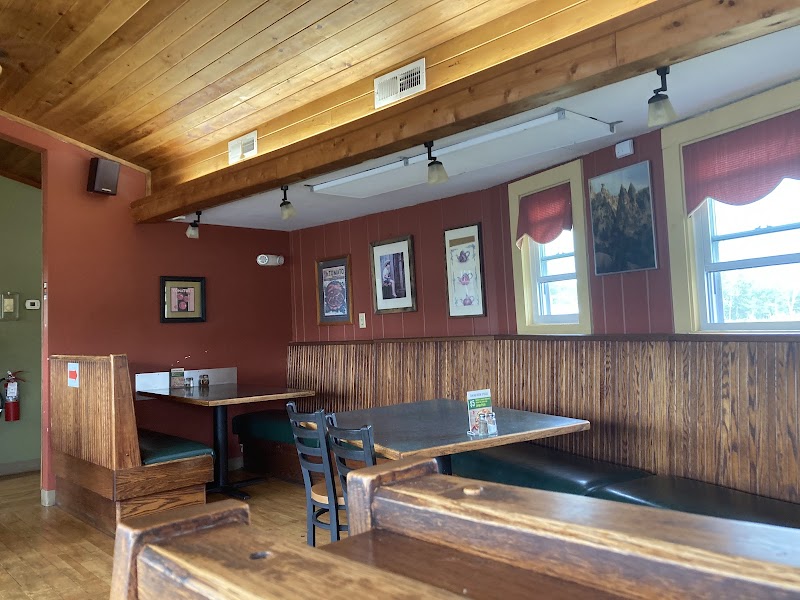
How is Apple Rehab Guilford Staffed?

CMS rates APPLE REHAB GUILFORD's staffing level at 2 out of 5 stars, which is below average compared to other nursing homes. Staff turnover is 44%, compared to the Connecticut average of 46%. This relatively stable workforce can support continuity of care. RN turnover specifically is 62%, which is notably high. RNs provide skilled clinical oversight, so turnover in this role can affect medical care quality.

What Have Inspectors Found at Apple Rehab Guilford?

State health inspectors documented 36 deficiencies at APPLE REHAB GUILFORD during 2020 to 2025. These included: 34 with potential for harm and 2 minor or isolated issues.
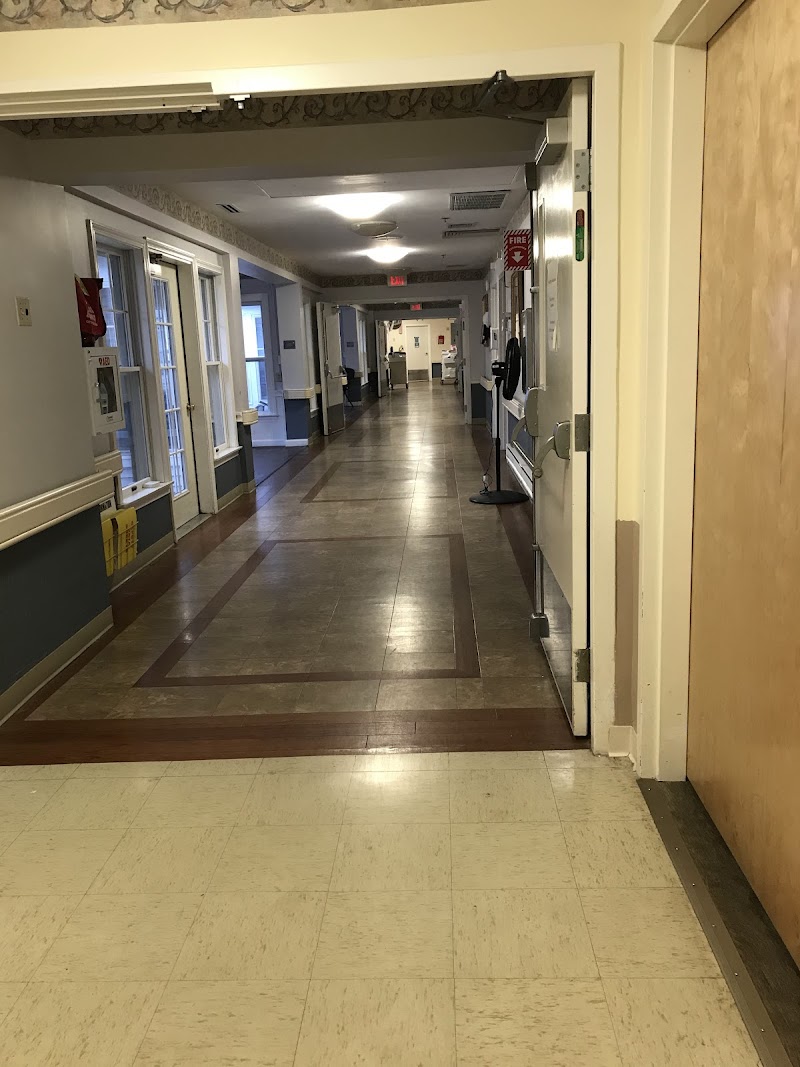
Who Owns and Operates Apple Rehab Guilford?

APPLE REHAB GUILFORD is owned by a for-profit company. For-profit facilities operate as businesses with obligations to shareholders or private owners. The facility is operated by APPLE REHAB, a chain that manages multiple nursing homes. With 90 certified beds and approximately 81 residents (about 90% occupancy), it is a smaller facility located in GUILFORD, Connecticut.
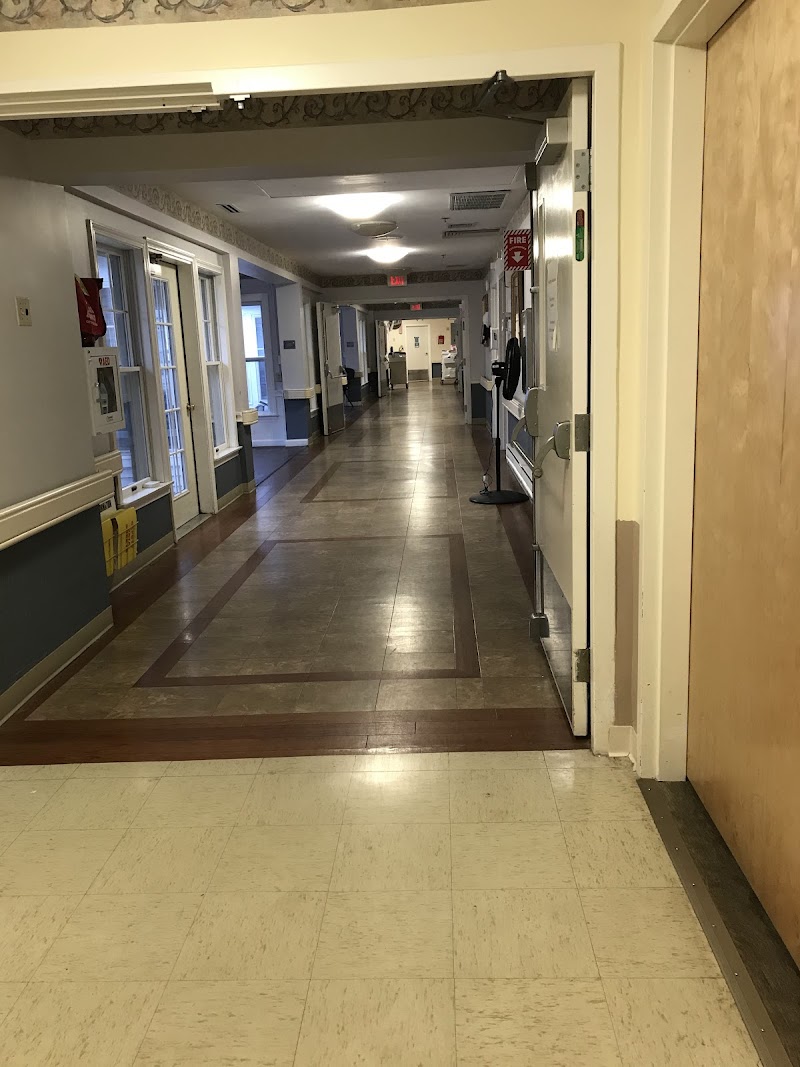
How Does Apple Rehab Guilford Compare to Other Connecticut Nursing Homes?

Compared to the 100 nursing homes in Connecticut, APPLE REHAB GUILFORD's overall rating (2 stars) is below the state average of 3.0, staff turnover (44%) is near the state average of 46%, and health inspection rating (3 stars) is at the national benchmark.

What Should Families Ask When Visiting Apple Rehab Guilford?

Based on this facility's data, families visiting should ask: "Can you walk me through typical staffing levels on day, evening, and night shifts?" "Can I visit during a mealtime to observe dining assistance and food quality?" "How do you handle medical emergencies, and what is your hospital transfer rate?" "Can I speak with family members of current residents about their experience?" These questions are particularly relevant given the below-average staffing rating.

Is Apple Rehab Guilford Safe?

Based on CMS inspection data, APPLE REHAB GUILFORD has a clean safety record: no substantiated abuse findings (meaning no confirmed cases of resident harm), no Immediate Jeopardy citations (the most serious violation level indicating risk of serious injury or death), and is not on the Special Focus Facility watch list (a federal program monitoring the lowest-performing 1% of nursing homes). The facility has a 2-star overall rating and ranks #100 of 100 nursing homes in Connecticut. While no facility is perfect, families should still ask about staff-to-resident ratios and recent inspection results during their visit.

Do Nurses at Apple Rehab Guilford Stick Around?

APPLE REHAB GUILFORD has a staff turnover rate of 44%, which is about average for Connecticut nursing homes (state average: 46%). Moderate turnover is common in nursing homes, but families should still ask about staff tenure and how the facility maintains care continuity when employees leave.

Was Apple Rehab Guilford Ever Fined?

APPLE REHAB GUILFORD has no federal fines on record. CMS issues fines when nursing homes fail to meet care standards or don't correct problems found during inspections. The absence of fines suggests the facility has either maintained compliance or corrected any issues before penalties were assessed. This is a positive indicator, though families should still review recent inspection reports for the full picture.

Is Apple Rehab Guilford on Any Federal Watch List?

APPLE REHAB GUILFORD is not on any federal watch list. The most significant is the Special Focus Facility (SFF) program, which identifies the bottom 1% of nursing homes nationally based on persistent, serious quality problems. Not being on this list means the facility has avoided the pattern of deficiencies that triggers enhanced federal oversight. This is a positive indicator, though families should still review the facility's inspection history directly.