MILFORD HEALTH CARE CENTER INC
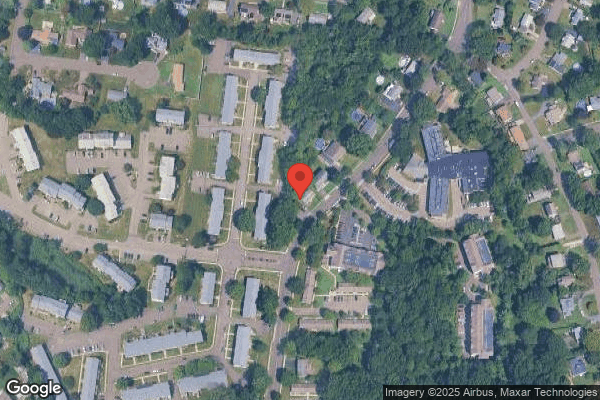
195 PLATT STREET, MILFORD, CT 06460 (203) 878-5958
For profit - Corporation 120 Beds NATIONAL HEALTH CARE ASSOCIATES Data: November 2025
Trust Grade
85/100
#29 of 192 in CT
Last Inspection: June 2024

Within standard 12-15 month inspection cycle. Federal law requires annual inspections.

Overview

Milford Health Care Center Inc has a Trust Grade of B+, which means it is above average and generally recommended for families considering care options. It ranks #29 out of 192 facilities in Connecticut, placing it in the top half, and #4 out of 23 in its county, indicating only a few local options are better. However, the facility is experiencing a worsening trend, with issues increasing from 4 in 2022 to 8 in 2024. Staffing is a concern, with a rating of 2 out of 5 stars and less RN coverage than 89% of Connecticut facilities, although staff turnover is relatively low at 32%, which is better than the state average. While the center has no fines on record and excels in overall health inspections and quality measures, there are specific incidents of concern, such as a failure to maintain proper fingernail hygiene for a resident needing assistance and issues with food labeling in the dietary department. These weaknesses suggest there are areas requiring attention despite the facility’s strengths.

Trust Score
B+
85/100
In Connecticut
#29/192
Top 15%
Safety Record
Low Risk
No red flags
Inspections
Getting Worse
4 → 8 violations
Staff Stability
○ Average
32% turnover. Near Connecticut's 48% average. Typical for the industry.
Penalties
✓ Good
No fines on record. Clean compliance history, better than most Connecticut facilities.
Skilled Nurses
⚠ Watch
Each resident gets only 27 minutes of Registered Nurse (RN) attention daily — below average for Connecticut. Fewer RN minutes means fewer trained eyes watching for problems.
Violations
⚠ Watch
15 deficiencies on record. Higher than average. Multiple issues found across inspections.
★★★★★
5.0
Overall Rating
★★☆☆☆
2.0
Staff Levels
★★★★★
5.0
Care Quality
★★★★★
5.0
Inspection Score
Stable
2022: 4 issues
2024: 8 issues

The Good

  • 5-Star Quality Measures · Strong clinical quality outcomes
  • Full Sprinkler Coverage · Fire safety systems throughout facility
  • No fines on record
  • Staff turnover below average (32%)

    16 points below Connecticut average of 48%

Facility shows strength in quality measures, fire safety.

The Bad

Staff Turnover: 32%

14pts below Connecticut avg (46%)

Typical for the industry

Chain: NATIONAL HEALTH CARE ASSOCIATES

Part of a multi-facility chain

Ask about local staffing decisions and management

The Ugly 15 deficiencies on record

Oct 2024 1 deficiency
CONCERN (D) 📢 Someone Reported This

A family member, employee, or ombudsman was alarmed enough to file a formal complaint

Potential for Harm - no one hurt, but risky conditions existed

Report Alleged Abuse (Tag F0609)

Could have caused harm · This affected 1 resident

**NOTE- TERMS IN BRACKETS HAVE BEEN EDITED TO PROTECT CONFIDENTIALITY** Based on review of the clinical record, facility documentation, facility policy, and interviews for one (1) of three (3) residen...

Read full inspector narrative →
**NOTE- TERMS IN BRACKETS HAVE BEEN EDITED TO PROTECT CONFIDENTIALITY** Based on review of the clinical record, facility documentation, facility policy, and interviews for one (1) of three (3) residents (Resident #1) reviewed for injury of unknown origin, the facility failed to report an injury of unknown origin to the state agency within the required time frame. The findings include: Resident #1 had diagnoses that included Alzheimer's disease, muscle weakness, difficulty walking, osteopenia, and expressive aphasia. The quarterly MDS dated [DATE] identified Resident #1 had short- and long-term memory problems, severely impaired cognitive skills, was always incontinent of bowel and bladder, and dependent with bed mobility, transfers, and ADLs. The care plan dated 8/30/24 identified Resident #1 has an ADL self-care performance deficit, decreased mobility, and does not walk. Interventions directed to provide extensive assistance of 2 staff to turn and re-position in bed, assistance of 2 for toileting and transfers, and assistance of 1 staff for dressing and bathing. Review of APRN #1's note dated 9/11/24 at 7:56 A.M. identified nursing reported Resident #1 noted with swelling to right hip. APRN #1 identified Resident #1 is unable to contribute to history of present illness secondary to cognitive status. APRN #1 indicated Resident #1 does not express pain with range of motion to right hip. APRN #1 identified Resident #1's right hip is red, swollen, and tender to palpation. APRN #1 identified an X-ray was ordered. The nurse's note dated 9/11/24 at 7:58 A.M. by LPN #2 identified Resident #1 has right hip swelling with no complaints of pain. LPN #2 identified a STAT X-ray was ordered. Review of Resident #1's radiology report dated 9/11/24 at 10:36 A.M. and reviewed by APRN #1 at 11:07 A.M. identified Resident #1 has an acute-appearing fracture of the proximal right femur with mild displacement of the distal fragment. The nurse's note dated 9/11/24 at 1:09 P.M. written by LPN #1 identified Resident #1's X-ray results are positive for a right hip fracture. LPN #1 identified APRN #1 was updated and APRN #1 ordered Resident #1 to be sent to the emergency room for further evaluation per request of Resident #1's family. LPN #1 identified Resident #1 was transferred via ambulance to the emergency room. Review of the facility's accident and incident report dated 9/11/24 identified at 8:00 A.M. on 9/11/24 Resident #1 was noted with a reddened area to the right hip, with no warmth, or grimacing noted, an Xray was ordered and it was identified that Resident #1 has a right hip fracture and Resident #1 was sent to the emergency room for evaluation. Review of the State's Reportable Event portal identified the facility initiated a reportable event for Resident #1 on 9/19/24 (8 days after the X-ray was positive for a right hip fracture) with the date and time of event first known as 9/16/24 at 4:00 P.M. The facility's event description identified: Resident #1 was noted with redness, slight swelling to right hip without warmth or sign of skin irritation. APRN #1 evaluated and ordered right hip X-ray. The X-ray impression of possible non displace fracture and APRN ordered resident sent to ER for further evaluation to verify fracture to right hip. Resident #1 returned on 9/16/24 with a noted right hip fracture. The facility did a 72 hour look back and investigation due to Resident #1 being a poor historian. Further review of the State's Reportable event portal identified on 9/23/24 the reportable event dated 9/16/24 for Resident #1 was rescinded. On 9/23/24 the facility initiated the Class B with the event type as injury of unknown origin for Resident #1 with the injury of a right hip fracture (11 days after the X-ray confirmed the right hip fracture). Interview with the DNS on 10/15/24 at 11:40 A.M. identified on 9/11/24 LPN #2 reported that Resident #1's hip was swollen, dark pink in color, without any warmth. The DNS identified Resident #1 was unable to articulate what occurred. The DNS indicated APRN #1 assessed Resident #1 and APRN #1 ordered a STAT right hip X-ray. The DNS identified on 9/11/24 Resident #1's X-ray report showed an acute hip fracture and Resident #1 was sent out to the hospital for further evaluation. The DNS identified she is aware injuries of unknown origin are required to be reported within 2 hours. The DNS indicated on 9/16/24 after reviewing Resident #1's hospital documentation it was confirmed Resident #1 had a right hip fracture, so she initiated a class D reportable event on 9/19/24. The DNS identified based on the investigation Resident #1's right hip fracture was a pathological fracture secondary to osteoporosis. The DNS identified she is aware injuries of unknown origin are Class B reportable events and need to be reported within 2 hours. The DNS could not explain why on 9/11/24 Resident #1's acute right hip fracture of unknown origin was not reported to the state agency within the required time frame. Review of the facility abuse policy, in part, directed the facility must ensure that all alleged violations involving mistreatment, neglect, or abuse including injuries of unknown origin are reported immediately within the reporting timeline of a 2-hour requirement to report to Department of Public Health.
Jun 2024 7 deficiencies
CONCERN (D)

Potential for Harm - no one hurt, but risky conditions existed

Notification of Changes (Tag F0580)

Could have caused harm · This affected 1 resident

**NOTE- TERMS IN BRACKETS HAVE BEEN EDITED TO PROTECT CONFIDENTIALITY** Based on review of the clinical record, facility policy, and interviews for 1 of 4 residents (Resident #89) reviewed for nutriti...

Read full inspector narrative →
**NOTE- TERMS IN BRACKETS HAVE BEEN EDITED TO PROTECT CONFIDENTIALITY** Based on review of the clinical record, facility policy, and interviews for 1 of 4 residents (Resident #89) reviewed for nutrition, the facility failed to notify the provider of weight loss. The findings include: Resident #89's diagnoses included heart failure, hypertension, and generalized muscle weakness. The quarterly Minimum Data Set (MDS) assessment dated [DATE] identified Resident #89 was cognitively intact, required set up assistance for eating and assistance of 2 staff for bed mobility and transfers. The Resident Care Plan in effect from April 1, 2024, through May 30, 2024, identified Resident #89 was at risk for nutritional deficit due to diuretic use. Interventions included monitoring weights, diet, and notifying dietician, family, and physician of significant weight changes. A physician's order dated 4/5/24 directed to weigh Resident #89 daily and notify the provider of a weight change of 3 pounds (lbs.) daily or 5 lbs. weekly. Review of Resident #89's clinical record identified that on 5/6/24 he/she weighed 377.0 lbs. and on 5/10/2024 he/she weighed 367.8 lbs (a loss of 9.2 lbs.). Review of the nursing and physician progress notes from 5/10/23 through 6/3/24 failed to indicate that the provider had been notified of Resident #89's weight loss, according to the physician order. An interview and record review with LPN #1 (Unit Nurse Manager) on 6/3/24 at 12:10 PM failed to identify that the physician was notified when Resident #89 had a weight loss of 9.2 lbs. in 5 days. LPN #1 was unable to explain the omission but identified that if there was a physician order, then the physician should have been notified. Interview with Advanced Practice Registered Nurse #1 on 6/3/24 at 1:30 PM identified that he had not been notified when Resident #89's weight changed by 9.2 lbs. in 5 days. He further identified that he would have had the opportunity to decide if Resident #89's diuretic (water pill) should have been adjusted had he been notified. Review of facility policy identified, in part, that each resident will be weighed upon admission, monthly and when indicated. Significant weight changes will have verification of weight measurement for accuracy and documentation purposes. If verification of weight change indicates significant weight change, the resident and/or family representative and interdisciplinary team will be notified, and plan of care will be revised as appropriate.
CONCERN (D)

Potential for Harm - no one hurt, but risky conditions existed

Quality of Care (Tag F0684)

Could have caused harm · This affected 1 resident

**NOTE- TERMS IN BRACKETS HAVE BEEN EDITED TO PROTECT CONFIDENTIALITY** Based on interviews and review of the clinical record for 1 of 5 residents reviewed for unnecessary medications, the facility fa...

Read full inspector narrative →
**NOTE- TERMS IN BRACKETS HAVE BEEN EDITED TO PROTECT CONFIDENTIALITY** Based on interviews and review of the clinical record for 1 of 5 residents reviewed for unnecessary medications, the facility failed to ensure Resident #1's abnormal laboratory results were addressed. The findings include: Resident #1's diagnoses included schizoaffective disorder, left-sided weakness, and hypertension. The readmission nursing assessment dated [DATE] identified Resident #1 was moderately cognitively impaired, needed supervision for personal hygiene, and needed set up assistance with eating. An APRN's order dated 4/19/24 directed staff to complete laboratory work for Resident #1 to obtain a thyroid stimulating hormone (TSH) level. laboratory results dated [DATE] identified Resident #1 had a TSH level of 9.487 milliunits per liter (mU/L) (normal range 0.48 - 4.17 mU/L). Interview and clinical record review with APRN #1 on 6/3/24 at 1:42 PM identified that although he signed the 4/19/24 laboratory results as reviewed, APRN #1 did not notice Resident #1's abnormal TSH level and failed to address it. APRN #1 subsequently indicated that he would write an order to redraw the TSH level. Interview and review of the clinical record with the DNS on 6/4/24 at 10:18 AM failed to identify APRN #1 had written any new orders requesting Resident #1's TSH level be redrawn. Subsequent to surveyor interview, the DNS identified she would be contacting APRN #1 for to order a redraw of a TSH level. Although requested, a facility policy for addressing abnormal laboratory results was not provided.
CONCERN (E)

Potential for Harm - no one hurt, but risky conditions existed

ADL Care (Tag F0677)

Could have caused harm · This affected multiple residents

**NOTE- TERMS IN BRACKETS HAVE BEEN EDITED TO PROTECT CONFIDENTIALITY** Based on review of the clinical record, facility policy, and interviews for 1 of 3 residents (Resident #52) reviewed for Activit...

Read full inspector narrative →
**NOTE- TERMS IN BRACKETS HAVE BEEN EDITED TO PROTECT CONFIDENTIALITY** Based on review of the clinical record, facility policy, and interviews for 1 of 3 residents (Resident #52) reviewed for Activities of Daily Living (ADL's), the facility failed to maintain proper fingernail hygiene and care. The findings include: Resident # 52's diagnoses included cerebrovascular accident (CVA) with left sided paralysis, muscle weakness, difficulty in walking, and repeated falls. The quarterly Minimum Data Set (MDS) assessment dated [DATE] identified Resident #52 was cognitively impaired and required staff assistance with personal hygiene and substantial staff assistance with bed mobility and transfers. The Resident Care Plan dated 3/21/24 identified Resident #52 had an ADL self-care performance deficit CVA with left side deficit. Interventions included assistance with personal and oral hygiene, bed mobility and transfers. Physician's order in effect from 5/1/24 through 6/3/24 directed to perform a total body skin assessment every Monday on the day shift and document in the clinical record. Observation's on 5/28/24, 5/29/24, 5/30/24 and 6/3/24 identified Resident #52 with excessively long, jagged fingernails with brown debris underneath. Review of the Treatment Administration Record and nursing progress notes for March 2024, April 2024 and May 2024 identified that weekly body audits were signed off by nursing staff on 3/29/27, 4/1/27, 4/8/24, 4/15/24, 4/22/24, 4/30/24,5/6/24, 5/13/24, 5/21/24, and 5/27/24, but failed to note Resident #52's long, jagged fingernails. Interview and observation with LPN #1 (Unit Nurse Manager) on 6/3/24 at 10:30 AM identified that Resident #52's fingernails were excessively long, possibly infected with fungus and in need of fingernail care. LPN #1 indicated she was previously unaware of the situation. She further identified that nurse aides (NA's) were responsible for fingernail care and reporting of any irregularities to licensed nursing staff. Subsequent to surveyor inquiry, Resident #52's fingernails were cleaned and trimmed on 6/3/24 and the Advanced Practice Registered Nurse (APRN) was notified of a possible fungal infection of Resident #52's fingernails. Interview and record review with APRN #1 on 6/3/2024 at 1:30 PM identified that the previous APRN had been informed of a possible fungal infection of Resident #52's fingernails in 3/24 and that Vicks Baby Rub External Cream was recommended. Further review of the physician orders identified that there was a physician's order in place for application of Vicks Baby Rub External Cream to be applied to Resident #52's toenails, but nothing for the fingernails. Subsequent to surveyor inquiry, APRN #1 indicated that he would place an order for Vicks Baby Rub for Resident #52's fingernails. Interview with the Assistant Director of Nursing Services (ADNS) on 6/4/24 at 8:52 AM identified that fingernail care was to be done by nursing staff on a weekly basis on shower days and with full body audits and that Resident #52's fingernail issues should have been identified by the licensed staff conducting the skin audit. The facility policy for Activities of Daily Living directed in part that staff were to provide assistance with the completion of ADL activities per the person-centered evaluation and care plan. The activities are broken down into eight areas including personal hygiene and grooming.
CONCERN (E) 📢 Someone Reported This

A family member, employee, or ombudsman was alarmed enough to file a formal complaint

Potential for Harm - no one hurt, but risky conditions existed

Food Safety (Tag F0812)

Could have caused harm · This affected multiple residents

**NOTE- TERMS IN BRACKETS HAVE BEEN EDITED TO PROTECT CONFIDENTIALITY** Based on the tour of the Dietary Department, staff interview, facility documentation and facility policy, the facility failed to...

Read full inspector narrative →
**NOTE- TERMS IN BRACKETS HAVE BEEN EDITED TO PROTECT CONFIDENTIALITY** Based on the tour of the Dietary Department, staff interview, facility documentation and facility policy, the facility failed to ensure the Dietary Department consistently labeled opened dry food with the date opened and expiration dated and failed to ensure canned goods identified an expiration date. The findings included: Tour of the Dietary Department on 5/28/24 at 10:46 AM with the Food Service Director identified the following: a. Large plastic bulk bins containing flour which was approximately 1/4 full, rice which was approximately 1/4 full, sugar which was approximately 3/4 full and oatmeal approximately 1/2 full without the benefit of identifying the date the contents were poured into the bin, and lacking an expiration date. b. An opened 34 ounce (oz) plastic bag, approximately 3/4 full, which contained a round cereal without the benefit of identifying the date the contents were opened and lacking an expiration date. c. An opened 34 oz plastic bag, approximately 1/4 full, which contained [NAME] bran cereal, without the benefit of identifying the date the contents were opened and lacking an expiration date. d. An opened 34 oz plastic bag, approximately 1/4 full, which contained corn cereal without the benefit of identifying the date the contents were opened and lacking an expiration date. e. An opened 1/2 bag full of dry pasta without the benefit of identifying the date the contents were opened and lacking an expiration date. f. An opened loaf of bread, approximately 1/3 full without the benefit of identifying the date the contents were opened and lacking an expiration date. g. Three 6 pound (lb) 10 oz cans of creamed corn, nine 6 lb and 11 oz cans of pizza sauce, five 6 lb and 12 oz cans of pinto beans, nine 6 lb and 9 oz cans of diced peaches, eleven 6 lb and 9 oz cans of diced pears, fifteen 10 lb and 6 oz cans of spaghetti sauce and five 55 oz cans of sliced olives identified an expiration date in code, the code was unable to be deciphered. Interview and observation with Food Service Director on 5/28/24 at 10:46 AM indicated that Dietary staff were responsible for dating food products after opening them. Interview with the Food Service Director on 5/30/24 at 11:45 AM noted that he was unsure of the expiration dates on the canned items because the cans contained a code and not an expiration date. The Food Service Director stated he thought the cans were good for 1 to 2 years. Although the Food Service Director provided a document USDA canned food shelf-life healthcare guidelines that identified low acid canned food will keep for 2 to 5 years if unopened and high acid canned foods for best quality 12 to 18 months, he was unable to provide documentation as to the expiration dates. The facility policy for Labeling and rotating food supply: food products that are opened and not completely used: transferred from its original package to another storage container; or prepared at the facility and stored should be labeled as to its contents and used by dates. Food removed from its original container must be labeled with the common name of the food. Rotate food products to ensure the oldest inventory is used first commonly known as first in first out (FIFO). A product used by date or delivery date is marked on the product. Employees stock shelves with earliest used by dates or delivery dates in front of products with later dates. Additionally, before shelving new stock, mark all containers currently on the shelf with a FIFO sticker or a color coded sticker.
MINOR (B)

Minor Issue - procedural, no safety impact

Deficiency F0646 (Tag F0646)

Minor procedural issue · This affected multiple residents

**NOTE- TERMS IN BRACKETS HAVE BEEN EDITED TO PROTECT CONFIDENTIALITY** Based on interviews, review of the clinical record, and facility policy, for 2 of 7 residents (Resident #3 and Resident #26) rev...

Read full inspector narrative →
**NOTE- TERMS IN BRACKETS HAVE BEEN EDITED TO PROTECT CONFIDENTIALITY** Based on interviews, review of the clinical record, and facility policy, for 2 of 7 residents (Resident #3 and Resident #26) reviewed for Preadmission Screening and Resident Review (PASARR), the facility failed to notify the state mental health authority promptly after a new psychiatric diagnosis. The findings include: 1. Resident 3's diagnoses included delusional disorders, psychotic disorder with delusions due to known physiological condition. The Annual Minimum Data Set (MDS) assessment dated [DATE] identified Resident #3 had intact cognition and required total dependence with bathing, substantial/maximal assistance with toileting, and upper/lower body dressing. The Resident Care Plan dated 6/7/23 identified Resident #3 had behavior problems-refused to get out of bed, and used antidepressant medication related to having a depressed mood. Interventions included to monitor and document side effects and effectiveness every shift, anticipate and meet resident needs, and monitor for target behaviors: yelling out/profane language. Clinical record review identified Resident #3 had a diagnosis of delusional disorder on 8/7/23, but failed to identify the state contracted agency was notified to complete a Level II assessment. Further record review of the Medication Administration Record (MAR) identified Resident #3 was prescribed an antipsychotic on 2/28/24. A Psychiatric progress note dated 5/15/24 identified Resident #3 was on Aripiprazole (an antipsychotic) for major depressive disorder (MDD). Interview with Person #2 on 6/4/24 at 11:57 AM (the lead clinician for the state contracted Level II evaluation agency) identified Resident #3 should have had a Level II PASARR submitted because the resident had a diagnoses of delusional disorders and according to the psychiatric progress note, Resident #3 was receiving an antipsychotic for major depressive disorder. Additionally, the state contracted Level II evaluation agency indicated that even though it was not on the resident diagnoses list, a diagnoses of delusional disorder was obtained on 8/7/23, the resident was prescribed an antipsychotic on 2/28/24 and a Psychiatric progress note dated 5/15/24 that identified major depressive disorder was sufficient enough to report to the state contracted Level II agency. Interview with Social Worker #1 on 6/4/24 at 12:37 PM identified that a Level II PASARR was not submitted in a timely manner because they typically do not report delusional disorder and major depressive disorder, and the diagnoses' were not a part of Resident #3 diagnoses list. The facility PASARR policy dated 4/2023 directed, in part, that routine clinical record reviews and facility communication would assist the facility to identify residents with newly evident or possible serious mental disorder, intellectual disability, or a related condition after admission to the facility. Additionally, the PASARR policy directed that the facility designee (social worker) would be responsible for making the referral to the appropriate state designated authority when a resident is identified as having an evident or possible mental disorder, intellectual disability, or related condition. 2. Resident #26's diagnoses included chronic atrial fibrillation, muscle weakness, and acute kidney failure. A PASARR Level 1 evaluation dated 6/10/22 identified Resident #26 was approved indefinitely for long term care and did not identify a psychiatric diagnosis (require a Level II screen). The annual Minimum Data Set (MDS) assessment dated [DATE] identified Resident #26 was cognitively intact and was dependent with showers/bathing, toileting hygiene, and chair to bed transfers. Additionally, the MDS identified Resident #26 had little interest or pleasure in doing things, was feeling down, depressed, or hopeless, and felt tired or had little energy for several days. A Psychiatric progress note dated 6/6/23 identified Resident #26 had a psychiatric diagnosis of adjustment disorder with mixed anxiety and depressed mood and was taking Sertraline (an antidepressant medication) 75 mg daily. A Psychiatric progress note dated 7/3/23 identified Resident #26 had a new diagnosis of major depressive disorder (which replaced the previous diagnosis of adjustment disorder with mixed anxiety and depressed mood) and Sertraline was increased from 75 mg to 100 mg daily. A Social Service note dated 9/21/23 identified Resident #26 experienced episodes of depression and was followed by a psychiatric Advanced Practice Registered Nurse (APRN), last being seen in August of 2023. The Resident Care Plan (RCP) dated 1/11/24 identified Resident #26 used antidepressant medication related to behavior disturbances. Interventions included to administer antidepressant medication as ordered, to monitor, document, and report adverse reactions from the medication, and to monitor and record the occurrence of target behaviors. A PASARR Level 1 screen dated 5/13/24 identified Resident #26 was referred for a Level 2 screen and identified a psychiatric diagnosis of major depression. A PASARR Level 2 screen dated 5/17/24 identified Resident #26 was approved without specialized services for long term care and identified a psychiatric diagnosis of major depressive disorder with recommendations of a minimum of yearly comprehensive psychiatric evaluations to clarify the current psychiatric diagnosis and appropriate treatments, and ongoing evaluation of the effectiveness of current psychotropic medications on target symptoms. Interview with Social Worker #1 (the Director of Social Services) on 6/4/24 at 8:25 AM identified that the state contracted agency was not notified that Resident #111 had a new psychiatric diagnoses until she completed an annual audit on 5/10/24 (although Resident #111 was diagnosed with major depressive disorder on 7/3/23) because she was not made aware of Resident #26's diagnosis of major depressive disorder. Additionally, Social Worker #1 identified that it was the responsibility of the social workers to ensure completion of PASARRs and to notify the state contracted agency when a resident was identified with a new psychiatric diagnosis. An additional interview with Social Worker #1 on 6/4/24 at 10:02 AM identified that she did not complete the request for a PASARR Level 2 when Resident #26 was first diagnosed with major depressive disorder on 7/3/23 because the psychiatric APRN did not notify social services of the change in diagnosis. Social Worker #1 identified new diagnoses or changes are not discussed in RCP meetings because the psychiatric APRN does not attend care plan meetings. Interview with Social Worker #1 and Social Worker #2 on 6/4/24 at 10:30 AM identified that social services will review the psychiatric progress notes to verify dates that the residents were seen, and that the social workers do not review the notes in depth unless there was a reason for concern. Additionally, Social Worker #1 identified that if she had seen the new diagnosis of major depressive disorder on 7/3/23, she would have immediately requested a PASARR Level 2 be completed. Social Worker #1 identified that a new PASARR Level 1 was completed along with a PASARR Level 2 when there was a new diagnosis but not until 5/17/24 (10 months after Resident #26 received a new psychiatric diagnoses). Review of the PASARR policy dated 4/2023 directed, in part, that routine clinical record reviews and facility communication would assist the facility to identify residents with newly evident or possible serious mental disorder, intellectual disability, or a related condition after admission to the facility. Additionally, the PASARR policy directed that the facility designee (social worker) would be responsible for making the referral to the appropriate state designated authority when a resident is identified as having an evident or possible mental disorder, intellectual disability, or related condition.
MINOR (B)

Minor Issue - procedural, no safety impact

Deficiency F0730 (Tag F0730)

Minor procedural issue · This affected multiple residents

Based on staff interview and review of 1 of 2 Nurse Aide (NA #3) personnel files, the facility failed to complete a yearly performance review. The findings include: NA #3's date of hire was 1/20/23. ...

Read full inspector narrative →
Based on staff interview and review of 1 of 2 Nurse Aide (NA #3) personnel files, the facility failed to complete a yearly performance review. The findings include: NA #3's date of hire was 1/20/23. On 6/4/24 at 1:30 PM, interview and review of NA #3's employee file identified that NA #3 was currently employed at the facility and failed to identify a yearly performance review had ever been completed (4 months since a performance appraisal was due). Additionally, the DNS identified that NA #3's performance appraisal had been completed but not reviewed or signed by NA #3 because NA #3 currently only works weekends and the DNS had not seen NA #3 to review the performance appraisal. A review of NA #3's Employee Punch Card History revealed there were at least two occasions where NA #3 worked a weekend 3:00 PM to 11:00 PM shift. These dates included 3/8/24 and 5/23/24.
MINOR (B)

Minor Issue - procedural, no safety impact

Pharmacy Services (Tag F0755)

Minor procedural issue · This affected multiple residents

**NOTE- TERMS IN BRACKETS HAVE BEEN EDITED TO PROTECT CONFIDENTIALITY** Based on observation, review of facility documentation, review of facility policy, and interviews during a review of the facilit...

Read full inspector narrative →
**NOTE- TERMS IN BRACKETS HAVE BEEN EDITED TO PROTECT CONFIDENTIALITY** Based on observation, review of facility documentation, review of facility policy, and interviews during a review of the facility's medication storage and reconciliation program in 1 of 2 medication rooms, the facility failed to appropriately store and reconcile a discontinued controlled substance (narcotic). The findings include: Resident #62's diagnosis included dementia, depression, psychotic disorder, and anxiety. A physician's order dated [DATE] directed to administer Lorazepam concentrate liquid 2 milligrams (mg)/milliliter (ml) ), give 0.25 ml(0.5 mg) by mouth three times daily as needed for anxiety. A physician's order dated [DATE] discontinued Resident #62's liquid Lorazepam. During an observation and interview of the second floor medication storage room with the Registered Nurse Supervisor (RN #2) on [DATE] at 12:10 PM an open vial of Lorazepam concentrate liquid 2 mg/ml, belonging to Resident #62, was noted in a locked storage box in the locked refrigerator. Review of the medication label for the liquid Lorazepam identified the medication was ordered on [DATE] and received into the facility on [DATE]. RN #2 stated that although she was aware that the vial of Lorazepam was stored in the locked refrigerator, she indicated that the Lorazepam did not have a corresponding Controlled Substance Disposition Record (CSDR) (document identifying the amount of controlled substance was used and how much remained in the container). RN #2 indicated that CSDR are used to ensure that the appropriate amount of medication had been administered, how much medication remained in the container, and was used to count narcotic medications during each change of shift for reconciliation custody purposes. RN #2 stated that only Registered Nurse Supervisors (RNS) possessed keys to the locked medication box and that the keys were passed from RNS to RNS with each change of shift. RN #2 further indicated that unit charge nurses were responsible to count all resident narcotics every shift but was unable to explain why the Lorazepam had not been counted and was unable to explain how the unit charge nurse would count the Lorazepam as only the RN Supervisors had keys to access the medication. An interview on [DATE] at 12:15 PM with the second floor unit charge nurse, LPN #2 identified that he had worked at the facility for about 1.5 years, and he had no knowledge that liquid Lorazepam had been stored in a locked container in the refrigerator. LPN #2 indicated that RN #2 (the RNS) was the only nurse on the second floor with keys to the locked med storage box where the Lorazepam had been stored. Further LPN #2 indicated that he had never had a key to access the locked container and he did not have a CSDR in his narcotic book which would have indicated that the Lorazepam needed to be counted during shift change. An interview with the Director of Nurses (DNS) on [DATE] at 12:33 PM indicated that she had no knowledge of the Lorazepam concentrate liquid stored in the locked medication box on the second floor. Review of Resident #62's CSDR sheet with the DNS identified the Lorazepam had arrived at the facility on [DATE]. The CSDR identified that the last dose of medication that was administered to Resident #62 was on [DATE], the medication was subsequently discontinued on [DATE], but another entry had been noted on [DATE] that showed the medication had been administered on that date. Review of Resident #62's Medication Administration Record failed to reflect that Resident #62 had received the dose of Lorazepam administered on [DATE]. The DNS was unable to explain, why the Lorazepam remained on the unit without a CSDR , why the Lorazepam had not been counted for the past approximately 2.5 years to prevent diversion, why the Lorazepam had not been returned to the DNS office for appropriate destruction following discontinuance, or why the medication had been recorded as dispensed on [DATE] after being discontinued with no record indicating that Resident #62 had received the [DATE] dose signed out. The DNS indicated that it was ultimately her responsibility to ensure medications were disposed of properly per facility policy, but this event had occurred prior to her employment with the facility and she was unaware of the presence of the medication in the building. Subsequent to surveyor inquiry, the Lorazepam was returned to the DNS off for appropriate disposal. Review of the policy for Controlled Substance Destruction, directs any unused or expired controlled substances will be destroyed in a manner consistent with Connecticut Department of Consumer Protection regulations. The policy also stated that Nurses shall document and destroy unused and expired controlled substances in accordance with the following statute Connecticut DCP regulation 21a-262(g).
Jan 2022 4 deficiencies
CONCERN (D)

Potential for Harm - no one hurt, but risky conditions existed

Deficiency F0660 (Tag F0660)

Could have caused harm · This affected 1 resident

**NOTE- TERMS IN BRACKETS HAVE BEEN EDITED TO PROTECT CONFIDENTIALITY** Based on observation, review of the clinical record, review of facility documentation, review of facility policy, and interviews...

Read full inspector narrative →
**NOTE- TERMS IN BRACKETS HAVE BEEN EDITED TO PROTECT CONFIDENTIALITY** Based on observation, review of the clinical record, review of facility documentation, review of facility policy, and interviews for one sampled resident (Resident # 418) reviewed for Discharge Planning, the facility failed to provide diabetic education and teaching. The findings include: Resident #418's diagnoses include metabolic encephalopathy due to hyperglycemia, insulin dependent diabetic and amputee below knee left leg. The admission MDS assessment dated [DATE] identified Resident #418 was admitted to the facility on [DATE] from an acute hospital. The assessment further identified that Resident #418 had intact cognition, no identified behaviors, required extensive assistance with bed mobility, limited assistance with transfers, did not ambulate, required supervision with locomotion and was independent with eating. A physician's order dated 7/31/21 directed: obtain blood sugar before meals and at bedtime and if less than 70 mg/dL or greater than 300 mg/dL call physician, if blood sugar less than 70 administer glucose gel and notify the physician and if resident not fully awake or able to swallow safely administer glucagon (used to treat hypoglycemia) 1 mg/1ml intramuscular as needed. The orders further directed the administration of Humalog (fast acting insulin) on a sliding scale for blood sugars. In addition, the orders directed to administer Lantus (long acting insulin) 58 units subcutaneously in the evening and Humalog 16 units three times a day before meals. Further review of the orders identified a diet order for low concentrated sweets with no added salt and a diabetic snack. The Physical Therapy Evaluation and Plan of Treatment dated 8/1/21 noted Resident #418's goals were to go home, and he/she needed to handle his/her insulin better. The Physical Therapy referral identified that the resident had a history of uncontrolled insulin dependent diabetes with reported noncompliance with insulin administration at home. The Social Worker Initial assessment dated [DATE] indicated Resident #418 wanted to discharge to the community and discharge care plan intervention was to provide education to resident and family for medications. The APRN progress note dated 8/5/21 at 12:35 PM noted Resident #418 had uncontrolled hyperglycemia with blood sugars ranging from 400-520 on 8/4/21 and in the morning on 8/5/21. The note further identified that the resident had severe hyperglycemia due to diabetes mellitus with a plan to discontinue the Humalog three times a day and start Humalog Insulin sliding scale coverage 4 times a day at meals and bedtime and increase the Lantus from 58 units to 63 units at bedtime. The care plan dated 8/5/21 identified Resident #418 was an insulin dependent diabetic with interventions that included; patient/family teaching of administration of insulin, medications and potential side effects, recognizing signs and symptoms of hypo/hyperglycemia, nutrition and meal planning, the need for a safe discharge plan to home with home care services in place. Review of the Vital Sign Summary from 8/1/21- 8/15/21 indicated Resident #418's blood sugars fluctuated daily ranging from 103- 523. Review of the clinical record identified a discharge MDS assessment dated [DATE] that noted that the resident was discharged to the community. Interview with the Person #1 on 1/18/22 at 11:15 AM identified that prior to Resident #418's discharge home, the facility failed provide Resident #418 with diabetic teaching inclusive of glucometer use, checking of blood sugars, drawing up the correct dose and injection of insulin, the signs and symptoms of hypoglycemia and hyperglycemia. Interview with SW #1 on 1/19/22 at 10:00 AM indicated the discharge planner (LPN #1) was responsible for the discharge process for Resident #418. SW #1 indicated the discharge plan and goals are documented in the progress notes. SW #1 indicated LPN #1 works with the IDT (interdisciplinary team) and the resident or family to determine what the needs for the resident to be discharged home safely. SW #1 noted any conversations of meetings would be documented in the progress notes. SW #1 indicated diabetic teaching would be done by nursing but did not know where it would be documented. SW #1 indicated she does the discharge care plan that indicated there would be medication teaching but just puts education with medications for the day of discharge for nursing to go over the medications. SW #1 indicated she was not sure if the care plan should be more specific about what education needs to be completed for discharge. SW #1 indicated they missed that Resident #418 should have had diabetic teaching. Interview on 1/19/21 at 10:20 AM with LPN #1 indicated she was responsible for the discharge process for Resident #418. LPN #1 indicated she starts the discharge process on admission and the Director of Rehab, the social worker, nursing, the unit manager for the floor, and herself goes to meet the new admissions from the night before to assess the needs for discharge. LPN #1 indicated they meet the new resident and ask them questions and determine the goals for discharge. LPN #1 noted the goals were set by the resident and the hospital discharge paperwork and noted that if a resident was confused, the family is called. LPN #1 further noted that Resident #418 was alert and oriented and his/her goal was to go home with his/her significant other. LPN #1 indicated her role was to secure homecare. She indicated that if Resident #418 was a new diabetic teaching would have been done, but the resident was not a new diabetic. LPN #1 indicated there were no orders in place for diabetic teaching for Resident #418 during his/her stay at the facility and based on the clinical record there was no diabetic teaching done with Resident #418. LPN #1 identified that diabetic teaching should have done and documented. Interview on 1/19/22 at 10:40 AM with the DNS noted the IDT meets daily and any education needed, or goals would be documented by the discharge planner from the time of admission. The DNS noted LPN #1 and the unit manager were responsible for determining the goals for discharge and documenting them in the progress notes. The DNS indicated nursing should have done education and teaching in regard to the resident's diabetic regimen and it should have been documented in the clinical record. Review of the facility's policy for Discharge Planning identified Team Based Assessment (TBA) completed at bedside within 48 hours and would include anticipated teaching needs, patient goals, and identification of barriers to progress and discharge. Although requested, a facility policy on Resident Education, was not provided.
CONCERN (D)

Potential for Harm - no one hurt, but risky conditions existed

ADL Care (Tag F0677)

Could have caused harm · This affected 1 resident

Basedonreviewoftheclinicalrecord reviewoffacilitydocumentation reviewoffacilitypolicyandinterviewsforoneoftwosampledresidents(Resident#44) reviewedforactivitiesofdailyliving thefacilityfailedtoprovide...

Read full inspector narrative →
Basedonreviewoftheclinicalrecord reviewoffacilitydocumentation reviewoffacilitypolicyandinterviewsforoneoftwosampledresidents(Resident#44) reviewedforactivitiesofdailyliving thefacilityfailedtoprovidenecessaryservicestomaintainpersonalhygiene Thefindingsinclude Resident#44 haddiagnosesthatincludedschizoaffectivedisorder majordepressivedisorder hemiplegiaandhemiparesisfollowingacerebrovascularaccidentandatraumaticbraininjury TheannualMDSassessmentdated11/09/2021 identifiedResident#44 wascognitivelyintact hadnonotedbehaviors requiredextensiveassistancewithbedmobilityandpersonalhygieneandrequiredtotalassistanceforbathing Thecareplandated11/19/21 identifiedResident#44 hadanADLselfcareperformancedeficitwithinterventionsthatincluded showertwotimesaweekonWednesdayonthe7AM3PMshiftandFriday3PM11PMshift residentrequiresassistanceofonestaffwithbathingshowering checknaillengthandtrimandcleanonbathdayandasnecessaryandreportanychangestothenurse AreviewofResident#44'snursingprogressnotesfrom10/1/21 through1/20/22 failedtoidentifyanydocumentedrefusalsofcare ReviewoftheShowerListScheduleon1/20/22 at10:00 AMidentifiedResident#44 wasscheduledforshowersonthe3PM11PMshiftonTuesdays InterviewwithResident#44 on1/20/22 at10:10 AMidentifiedheshehadnotreceivedashowersinceChristmas andpriortoChristmasshehadlastreceivedashowerinOctober Resident#44 identifiedhesheusetogetshowerstwiceaweekpriortohisherroomchange and noted that he/she had requested to be showered but had not been provided a shower. InterviewwithNA#2 on1/20/22 at10:25 AMidentifiedshowersaregivenpertheshowerschedulesheet NurseAidesareexpectedtofollowaresidentscareplantoprovideresidentdirectedcare Residentscanreceivemorethanoneshoweraweekbutwillneedtoaskstaffinadvancesowecanaccommodate NA#2 identifiednurseaidesarerequiredtodocumentshowersintheelectronicmedicalrecordsincludingrefusalsandshouldnotifyanRNifaresidentrefusesashower RNsdocumenttherefusalintheelectronicchartingsystemaswellasprogressnotes InterviewwiththeADNSon1/20/22 at10:45 AMidentifiednursingstaffshouldfollowaresidentsplanofcareaccordinglytoprovidequalitycare TheADNSidentifieditisthenurseaides responsibilitytoperformshowersfortheresidentsandtonotifytheRNiftheresidentrefusesashower TherefusalshouldbedocumentedintheelectronicmedicalrecordsundertheADL- ShowertabandRNsshoulddocumenttherefusalinanursingprogressnote TheADNSreviewedResident#44'sshowerdocumentationintheelectronicmedicalrecordsandidentifiedResident#44 hadnodocumentedshowersinthelast30 days Shealsoreviewedthenursingprogressnotesandidentifiedtherewerenodocumentedoccurrencesofrefusalsnotedbythenursingstaffwithinthelast3 months TheADNSidentifiedthatshewouldrequeststafftoofferResident#44 ashowerthatdayandupdatethecareplansandeducatestaffaccordingly InterviewwithNA#5 on1/20/22 at11:45 AMidentifiedsheworkedon1/18/21 onthe3PM11PMshift butonlyworkedfor4 hoursbetween3PM7PM NA#5 identifiedsheknewitwasResident#44'sshowerday buttheresidentprefersithappeninthelateafternoonbeforebed NA#5 identifiedshedidnotgiveResident#44 ashowerbutverbalizedinreporttoNA#3 regardingthetaskneedingtobeperformedonhershift NA#5 identifiedshowersaregivenpertheshowerschedulesheetandthenurseaidesareexpectedtofollowaresidentscareplantoprovideresidentdirectedcare Residentscanreceivemorethanoneshoweraweekbutwillneedtoaskstaffpriortosowecanaccommodate NA#5 identifiednurseaidesshoulddocumentshowersintheelectronicmedicalrecordsincludingrefusalsandwillnotifyanRNifaresidentrefusesashower RNswilldocumenttherefusalintheelectronicchartingsystemaswellunderprogressnotes InterviewwithNA#3 on1/20/22 at1:00 PMidentifiedsheworkedon1/18/21 onthe3PM11PMshift butonlyworkedfor4 hoursbetween7PM11PM NA#3 identifiedsheknewitwasResident#44'sshowerdaybutwasunabletoprovideashowerasthenursingstaffwerehandlinganemergencyandwereunabletoprovidetheshower NA#3 identifiedshedidnotrecallifshereportedittotheRNorfollowingNAonnightshift NA#3 wasunabletorememberifResident#44 receivedashoweronthe1/11/21. NA#3 identifiedthesameroutinefordocumentationidentifiedbyNA#2 and#5. InterviewwiththeDNSon1/21/22 at10:15 AMidentifiednursingstaffshoulddirectlyfollowaresidentsplanofcarewhenprovidingcare Residentsshouldreceiveatminimum aweeklyshowerandanyadditionalshowersperthepresidentsrequestorplanofcare ReviewoftheStandardofCarePolicyidentifiedeachofthefollowingispartoftheroutineofcareprovidedbythenursingassistants eachitemisbasedontheabilitiesoftheresidenttoparticipateintheircarebasedonindividualphysicalandmentallimitations Thelistcontainsbutisnotlimitedto Showerortubbath1xweekandasneededorperresidentrequest
CONCERN (D)

Potential for Harm - no one hurt, but risky conditions existed

Respiratory Care (Tag F0695)

Could have caused harm · This affected 1 resident

**NOTE- TERMS IN BRACKETS HAVE BEEN EDITED TO PROTECT CONFIDENTIALITY** Based on observation, review of the clinical record, review of facility documentation, review of facility policy, and interviews...

Read full inspector narrative →
**NOTE- TERMS IN BRACKETS HAVE BEEN EDITED TO PROTECT CONFIDENTIALITY** Based on observation, review of the clinical record, review of facility documentation, review of facility policy, and interviews for one sampled resident (Resident #5) who utilized oxygen, the facility failed to ensure physician's orders were in place for the use of oxygen. The findings include: Resident #5 had diagnoses that included heart failure, acute myocardial infarction, morbid obesity, depression, hypertension, multiple sclerosis, peripheral vascular disease, anemia, cerebral infarct, diabetes mellitus, osteomyelitis, non-pressure ulcer of right foot and cellulitis of right lower extremity The admission MDS assessment dated [DATE] identified Resident #5 was admitted to the facility from an acute hospital on 1/8/22 and had moderately impaired cognition, required extensive assistance with all ADL's and required oxygen. An observation of Resident #5 on 1/18/22 at 11:00 AM identified Resident #5 with an oxygen concentrator in his/her room beside the bed, in use with tubing and a nasal cannula in the resident's nose. An observation of Resident #5 on 1/20/22 at 9:08 AM identified Resident #5 with an oxygen concentrator in the resident's room, beside the bed, in use with tubing and the nasal cannula in the resident's nose. An interview with NA#1 on 1/20/22 at 9:14 AM indicated Resident #5 was wearing oxygen when she arrived for her shift. Additionally, NA#1 indicated the resident wore oxygen at all times. An interview with LPN #2 on 1/20/22 at 9:16 AM identified Resident #5 did use oxygen. Additionally, LPN #2 indicated there was no order for oxygen use in the resident's medical record. An interview and observation of the medical record with LPN #1 on 1/20/21 at 9:18 AM identified there was no order for oxygen use in Resident #5's medical record. Additionally, LPN #1 indicated she would call the PA to inform and obtain an order for oxygen use. An interview and review of Resident #5's medical record with the DNS on 1/20/22 at 9:20 AM identified there was no order in the medical record for Resident #5 to use oxygen. Additionally, the DNS indicated the expectation would be to have an order prior to application. A review of the facility policy titled Oxygen Therapy directs, in part, to verify the physician's order which should include liter flow and type of oxygen delivery device. Subsequent to surveyor inquiry, a physician's order was written to address the resident's oxygen use.
MINOR (B)

Minor Issue - procedural, no safety impact

Deficiency F0638 (Tag F0638)

Minor procedural issue · This affected multiple residents

**NOTE- TERMS IN BRACKETS HAVE BEEN EDITED TO PROTECT CONFIDENTIALITY** Based on review of the clinical record, review facility documentation, review of facility policy, and interviews for one sampled...

Read full inspector narrative →
**NOTE- TERMS IN BRACKETS HAVE BEEN EDITED TO PROTECT CONFIDENTIALITY** Based on review of the clinical record, review facility documentation, review of facility policy, and interviews for one sampled resident (Resident #1) reviewed for resident assessment, the facility failed to complete a quarterly assessment in a timely manner. The findings include: Resident #1 was admitted to the facility on [DATE] with diagnoses that included psychotic disorder with delusions, seizures, and acute kidney failure. Review of Resident #1's MDS Record on 01/21/22 at 9:00 AM identified Resident #1 last MDS quarterly submission was dated 09/07/21. Resident #1's MDS assessment record identified that the MDS that was due in December/2021 was currently 136 days overdue (the assessment should have been done within 92 days of the prior assessment). Interview with RN #1 (MDS Coordinator) on 01/21/22 at 9:20 AM identified the computer charting system utilized by the facility sends notifications/alerts when a resident's MDS assessment is due. RN #1 identified that if a resident had a quarterly assessment performed on 09/07/21, the next assessment should be completed no later than December 2021. The assessment has a deadline of 92 days to be completed from the last MDS dated assessment. RN #1 reviewed Resident #1's MDS submissions and identified the MDS record was over 120 days overdue. Interview with LPN #3 (MDS Coordinator) on 01/21/22 at 9:30 AM identified it was her responsibility to ensure the timely MDS submission for Resident #1. LPN #3 and RN #1 identified they were not sure why the electric charting system did not notify them regarding the late MDS submission. Further review with LPN #3 and RN #1 identified the quarterly MDS assessment was completed in a timely manner with a date of 12/06/21, but the MDS assessment was never submitted to CMS (Centers for Medicaid and Medicare). LPN #3 and RN #1 identified they did not know why it was never submitted, possibly due to a failure to code an area, but ensured going forward that they will both double check their MDS submissions to ensure accuracy and timeliness. Interview with DNS on 01/21/22 at 10:15 AM identified the expectation of MDS Coordinators would be to ensure the coding is completed accurately and timely. Review of the Clinical Services: MDS Policy identified the MDS Coordinator will be responsible for scheduling initial MDS/quarterly review/significant changes/annual assessment reference dates and all necessary interdisciplinary meeting dates to keep assessment data current at all times. All residents must have MDS scheduled on a quarterly basis (on or before the 92nd day).
Jul 2019 3 deficiencies
CONCERN (D)

Potential for Harm - no one hurt, but risky conditions existed

Notification of Changes (Tag F0580)

Could have caused harm · This affected 1 resident

**NOTE- TERMS IN BRACKETS HAVE BEEN EDITED TO PROTECT CONFIDENTIALITY** Based on review of the clinical record, facility documentation, facility policy and staff interview for 1 resident (Resident #10...

Read full inspector narrative →
**NOTE- TERMS IN BRACKETS HAVE BEEN EDITED TO PROTECT CONFIDENTIALITY** Based on review of the clinical record, facility documentation, facility policy and staff interview for 1 resident (Resident #101), reviewed for hospitalization, the facility failed to notify the resident representative when the residents condition changed and he/she required a change in treatment. The findings include: Resident #101 was admitted to the facility on [DATE] with diagnoses that included left femur fracture, diabetes, and heart failure. An admission MDS dated [DATE] identified Resident #101 had moderately impaired cognition, required extensive assistance with bed mobility and transfers, and did not walk. The care plan dated 6/21/19 identified Resident #101 had a nutritional problem. Interventions included to obtain and monitor labs/diagnostic work as ordered, report results to the physician, and follow up as indicated. A physician's order dated 6/22/19 directed to administer Sodium Chloride solution 0.9% at 50 cc/hour intravenously (IV) every 24 hours for an elevated BUN of 74 mg/dL, (normal range 10 - 24 mg/dL) for 2 days. A nurse's note dated 6/23/19 at 3:30 AM identified a new short peripheral IV line was placed in the right forearm for IV hydration of normal saline 0.9% infusing at 50 cc/hour for 2 days. Interview with Person #2 on 7/10/19 at 9:15 AM identified that on 6/23/19 he/she received a phone call in the middle of the night from Resident #101 that an IV had been started. Person #2 indicated Resident #101 was confused about what was happening and indicated he/she was not notified by the facility that the resident required IV therapy and/or why the IV therapy was started. Interview with RN #4 on 7/11/19 at 8:37 AM identified he/she received a phone call from Person #2 on 6/23/19 at 4:50 AM and that Person #2 was updated on the IV hydration at that time. RN #4 indicated he/she had not notified Person #2 prior to that, regarding the abnormal bloodwork and/or that IV therapy had been started, and indicated that although the IV was started on his/her shift, the nurse who received the order for the IV therapy would be responsible to notify the resident representative. Interview on 7/11/19 at 11:33 AM with RN #5 indicated she obtained the order for IV therapy for Resident #101 on the 3:00 PM - 11:00 PM shift on 6/22/19. RN #5 identified she could not recall if she notified Resident #101's representative and indicated notification of the resident representative should be documented in the clinical record. Review of the clinical record failed to reflect that Person #2 was notified of the IV therapy ordered and/or the abnormal bloodwork. An interview on 7/11/19 at 11:10 AM with the DNS indicated she would expect the resident representative to be notified when a resident has abnormal bloodwork and/or is started on IV therapy. Review of a facility policy on physician notification/family notification indicated when a change in condition is identified and the assessment is complete, the family and/or responsible party is notified.
CONCERN (D)

Potential for Harm - no one hurt, but risky conditions existed

Infection Control (Tag F0880)

Could have caused harm · This affected 1 resident

**NOTE- TERMS IN BRACKETS HAVE BEEN EDITED TO PROTECT CONFIDENTIALITY** Based on observation, review of the clinical record, facility documentation, facility policy, and interviews for 1 of 3 resident...

Read full inspector narrative →
**NOTE- TERMS IN BRACKETS HAVE BEEN EDITED TO PROTECT CONFIDENTIALITY** Based on observation, review of the clinical record, facility documentation, facility policy, and interviews for 1 of 3 residents (Resident #30) reviewed for pressure ulcers, the facility failed to ensure appropriate infection control practices during a dressing change. The findings include: Resident #30 was admitted to the facility on [DATE] with diagnoses that included multiple sclerosis and community acquired pressure ulcers. The quarterly MDS dated [DATE] identified Resident #30 had severely impaired cognition, required extensive assistance with bed mobility, and toileting, required total assistance with transfers, and was frequently incontinent of bowel. Additionally, Resident #30 had 2 stage 4 pressure ulcers. The care plan dated 5/28/19 identified Resident #30 was at risk for skin breakdown. Interventions included to reposition Resident #30 every 2 hours, utilize a specialty mattress and provide skin treatment per the physician's orders. A physician's order dated 6/27/19 directed to cleanse the stage 4 left ischium and left sacral wounds with normal saline, apply Hydrofera blue moistened with normal saline to the wound beds, and cover with a dry clean dressing. Perform the dressing change every 5 days or as needed if the dressing becomes compromised, or if the Hydrofera blue dressing turns white. Observation of Resident #30's wound care on 7/10/19 at 2:00 PM with LPN #1 and RN #3 identified LPN #1 cleansed his hands, applied gloves, and removed and discarded Resident #30's left hip and left sacral dressings. LPN #1 removed and reapplied gloves without the benefit of handwashing. LPN #1 proceeded to cleanse the resident's left hip wound with normal saline, applied skin prep to the wound periphery, removed his gloves and applied a clean pair without the benefit of handwashing. LPN #1 was observed to cleanse the left distal sacrum wound with normal saline, applied skin prep to the wound periphery, removed his gloves and applied a clean pair of gloves, again, without the benefit of handwashing. LPN #1 proceeded to remove the moistened Hyrofera blue from the package and was about to pack the residents left ischium wound, but was stopped. Interview with LPN #1 at that time identified that he should have cleansed his hands each time his gloves were changed. Interview with RN #3 at that time identified that, according to the facility policy, LPN #1 should have cleansed his hands each time gloves were removed and reapplied. Subsequent to surveyor inquiry, the Hydrofera blue in the package was discarded and replaced after LPN #1 washed his hands. Review of the facility policy on wound dressing indicated to wash hands before putting on disposable gloves and wash hands again after removing the soiled dressing and removing soiled gloves.
CONCERN (E)

Potential for Harm - no one hurt, but risky conditions existed

Deficiency F0757 (Tag F0757)

Could have caused harm · This affected multiple residents

**NOTE- TERMS IN BRACKETS HAVE BEEN EDITED TO PROTECT CONFIDENTIALITY** Based on review of the clinical record, facility documentation, facility policy, and interviews for 1 of 5 residents (Resident #...

Read full inspector narrative →
**NOTE- TERMS IN BRACKETS HAVE BEEN EDITED TO PROTECT CONFIDENTIALITY** Based on review of the clinical record, facility documentation, facility policy, and interviews for 1 of 5 residents (Resident #410) reviewed for unnecessary medications, the facility failed to ensure the resident was free from an unnecessary medication when a Nicotine patch was applied without an indication for its use. The findings include: Review of an inter-agency referral report dated 6/28/19 identified Resident #410 had been admitted to the hospital on [DATE] with transcortical aphasia and stroke. The report identified that speech therapy documented Resident #410 had moderate to severe comprehension deficits and had significant paraphasic errors for example using whistle for pen and pen for key, or watch for ring. Additionally, the speech therapy discharge summary identified Resident #410 had moderate to severe comprehension deficits including being unreliable for simple personally relevant yes and no questions. Additionally, the nursing care assessment summary report identified that Resident #410 was confused, disoriented to place, disoriented to time, and disoriented to situation. Resident #410 was admitted to the facility on [DATE] with diagnoses that included cerebral infarction, heart failure, muscle weakness, difficulty in walking, and type 2 diabetes. The nursing admission note dated 6/28/19 at 12:00 PM documented by RN #6 identified that Resident #410 had cognitive impairments, right arm weakness, required a mechanical lift for transfers, extensive assistance for toilet use, did not walk, and utilized one pack of tobacco per day. The twenty four hour admission/readmission follow through documentation dated 6/28/19 at 12:30 PM identified that RN #6 attempted to reach Resident #410's family without success on 6/28/19 at 12:30 PM to notify them about the resident's diet, current skin conditions and diagnoses. Physician's order dated 6/29/19 at 2:29 PM, obtained by LPN #4, directed to apply a Nicoderm patch daily and to remove per schedule. The baseline care plan dated 6/28/19 and reviewed 7/1/19 identified that Resident #410's goals included returning home. Interventions included application of a nicotine patch daily. A nurse's note dated 6/30/19 identified Resident #410 was alert and confused at times. A smoking safety screen dated 7/1/19 documented by the charge nurse, (LPN #3), identified that Resident #410 had cognitive loss, dexterity problems, smoked 2 to 5 cigarettes per day, and had no desire to smoke in the facility. The care plan dated 7/1/19 identified that Resident #410 had a communication problem and impaired cognitive function or impaired thought processes. Interventions included anticipating and meeting the resident's needs, asking Resident #410 yes and no questions, cueing and reorienting. A progress note by APRN #1 dated 7/1/19 identified Resident #410 had been admitted to the skilled nursing facility on [DATE] following an inpatient admission at an acute care hospital on 6/19/19 for transcortical aphasia with echolalia and right sided hemiparesis. Additionally, Resident #410's past medical history included a cerebral vascular accident, congestive heart failure and bilateral subdural hematoma. APRN #1 identified in the review that Resident #410 had mental status changes. APRN #1 identified that she had performed medication reconciliation. A nurse's note dated 7/2/19 identified that Resident #410 was alert and confused. Additionally, Resident #410 vomited a large amount of undigested food per physical therapy and the resident's family was in to visit and was updated about the vomiting. The June and July 2019 MAR's identified that a Nicoderm patch was applied to Resident #410 on 6/29, 6/30, 7/1 and 7/2/19. A nurse's note dated 7/3/19 identified the nicotine patch was discontinued and Resident #410 had no further vomiting. Interview with Resident #410's POA, (Person #1), on 7/8/19 at 11:49 AM identified that although Resident #410 had not smoked for years, the facility had placed a nicotine patch on the resident shortly after his/her admission which caused the resident nausea. Person #1 further identified that no one at the facility had contacted the family to confirm Resident #410 was an active smoker prior to the application of the nicotine patch. Person #1 identified that several days after the resident was admitted to the facility, another family member visited Resident #410 and noted the patch on Resident #410 and shared with staff that Resident #410 was not an active smoker, and the staff removed the patch. Furthermore, Person #1 identified that Resident #410 had nausea and vomiting related to application of the nicotine patch which stopped after the patch was discontinued. Interview and review of the clinical record with the charge nurse, (LPN #3), on 7/11/19 at 9:56 AM identified that she assisted RN #6 with completion of a smoking assessment for Resident #410 on 7/1/19 as it was triggered by Resident #410's being identified as an active smoker in the initial nursing admission assessment. LPN #3 identified that she completed the assessment with Resident #410 and did not involve the resident's family when obtaining information about his/her smoking history. Interview and review of the clinical record with APRN #1 on 7/11/19 at 10:01 AM identified that a nicotine patch would only be ordered for an active smoker, or for someone who was experiencing cravings to smoke. Furthermore, APRN #1 identified that the initial order for Resident #410's nicotine patch was obtained by LPN #4 via a phone order on 6/29/19. APRN #1 identified that she would expect to receive an accurate medical history from the nursing staff for a phone order related to a resident's smoking status to ensure a nicotine patch was prescribed for a resident who actively smoked or was having cravings to smoke. APRN #1 identified she would not prescribe a nicotine patch to a resident who was not an active smoker or did not crave tobacco. Although APRN #1 could not say if Resident #410's nausea or vomiting was caused by the nicotine patch, APRN #1 identified that side effects of nicotine patches included nausea, vomiting, and light headedness. Although APRN #1 identified Resident #410's nicotine patch was discontinued on 7/2/19, she could not recall the reason it was discontinued. APRN #1 identified she was not aware Resident #410 had any nausea nor vomiting and did not prescribe any medications for those symptoms. Interview with LPN #4 on 7/11/19 at 10:06 AM identified that RN #6 told her that Resident #410 required a nicotine patch so she contacted the physician to obtain the order. LPN #4 identified that she did not speak with Resident #410, nor the family, or resident's primary care physician. LPN #4 identified she relied upon RN #6's information related to Resident #410's smoking status to obtain an order for the nicotine patch. Interview with RN #6 on 7/11/19 at 10:08 AM identified that she admitted Resident #410 on 6/28/19 and completed the admission assessment by communicating with Resident #410. RN #6 identified that Resident #410 was alert and could answer some questions. RN #6 identified that when Resident #410 was asked, indicated he/she was a smoker but did not ask for cigarettes or indicate cravings to smoke. RN #6 identified it was her understanding that the facility was a non-smoking facility and encouraged nicotine patches for residents with active history as smokers. Although RN #6 identified she had tried to contact Resident #410's family following the admission process, she was not successful in reaching the family, nor did she attempt to contact Resident #410's primary care physician to validate the medical history or smoking history. RN #6 indicated she asked LPN #4 to obtain an order for a nicotine patch for Resident #410. RN #6 identified that upon reflection, she should have contacted the resident's family or primary care physician to confirm the resident was an active smoker prior to obtaining an order to apply a nicotine patch from the facility physician. Additionally, RN #6 identified that Resident #410's nicotine patch was discontinued when his/her family requested the patch be removed as the resident was not an active smoker. RN #6 identified that Resident #410 had experienced nausea but she attributed it to the work with speech therapy for feedings related to the resident's history of a stroke. Interview with the Administrator and DNS on 7/11/19 at 10:18 AM identified that the DNS would not expect a nicotine patch to be ordered and applied to a resident who had not been an active smoker. Additionally, when asked if they expected nursing staff to provide an accurate assessment of a resident's smoking history to the physician when requesting a nicotine patch for a resident, the Administrator and DNS identified that they would have to further investigate the situation to make a comment. When asked if a nurse would be expected to speak with a family or primary care provider for medical history for a cognitively impaired resident, the DNS identified they would have to further review the situation. Review of facility policy for safe smoking identified that smoking evaluations are completed on all residents who smoke at the time of admission and with a change in the resident's smoking status. Although a copy of the facility policy for admission assessments/nursing assessments was requested, the DNS identified that the facility had no such policies nor did they have guidelines for completion of nursing and/or admission assessments of residents. Although Resident #410 was not an active smoker and/or having cravings to smoke, the facility failed to do a thorough assessment on admission as to the resident's smoking history, and as a result, applied a Nicotine patch on 4 consecutive days (6/29, 6/30, 7/1 and 7/2/19) without an indication for its use. Subsequently, Resident #410 experienced nausea and vomiting which stopped after the patch was discontinued.
Understanding Severity Codes (click to expand)
Life-Threatening (Immediate Jeopardy)
J - Isolated K - Pattern L - Widespread
Actual Harm
G - Isolated H - Pattern I - Widespread
Potential for Harm
D - Isolated E - Pattern F - Widespread
No Harm (Minor)
A - Isolated B - Pattern C - Widespread

Questions to Ask on Your Visit

  • "Can I speak with families of current residents?"
  • "What's your RN coverage like on weekends and overnight?"

Our Honest Assessment

Strengths
  • • Grade B+ (85/100). Above average facility, better than most options in Connecticut.
  • • No major safety red flags. No abuse findings, life-threatening violations, or SFF status.
  • • No fines on record. Clean compliance history, better than most Connecticut facilities.
  • • 32% turnover. Below Connecticut's 48% average. Good staff retention means consistent care.
Concerns
  • • 15 deficiencies on record. Higher than average. Multiple issues found across inspections.
Bottom line: Generally positive indicators. Standard due diligence and a personal visit recommended.

About This Facility

What is Milford Health Inc's CMS Rating?

CMS assigns MILFORD HEALTH CARE CENTER INC an overall rating of 5 out of 5 stars, which is considered much above average nationally. Within Connecticut, this rating places the facility higher than 99% of the state's 100 nursing homes. This rating reflects solid performance across the metrics CMS uses to evaluate nursing home quality.

How is Milford Health Inc Staffed?

CMS rates MILFORD HEALTH CARE CENTER INC's staffing level at 2 out of 5 stars, which is below average compared to other nursing homes. Staff turnover is 32%, compared to the Connecticut average of 46%. This relatively stable workforce can support continuity of care. RN turnover specifically is 56%, which is notably high. RNs provide skilled clinical oversight, so turnover in this role can affect medical care quality.

What Have Inspectors Found at Milford Health Inc?

State health inspectors documented 15 deficiencies at MILFORD HEALTH CARE CENTER INC during 2019 to 2024. These included: 11 with potential for harm and 4 minor or isolated issues.

Who Owns and Operates Milford Health Inc?

MILFORD HEALTH CARE CENTER INC is owned by a for-profit company. For-profit facilities operate as businesses with obligations to shareholders or private owners. The facility is operated by NATIONAL HEALTH CARE ASSOCIATES, a chain that manages multiple nursing homes. With 120 certified beds and approximately 115 residents (about 96% occupancy), it is a mid-sized facility located in MILFORD, Connecticut.

How Does Milford Health Inc Compare to Other Connecticut Nursing Homes?

Compared to the 100 nursing homes in Connecticut, MILFORD HEALTH CARE CENTER INC's overall rating (5 stars) is above the state average of 3.1, staff turnover (32%) is significantly lower than the state average of 46%, and health inspection rating (5 stars) is much above the national benchmark.

What Should Families Ask When Visiting Milford Health Inc?

Based on this facility's data, families visiting should ask: "Can you walk me through typical staffing levels on day, evening, and night shifts?" "Can I visit during a mealtime to observe dining assistance and food quality?" "How do you handle medical emergencies, and what is your hospital transfer rate?" "Can I speak with family members of current residents about their experience?" These questions are particularly relevant given the below-average staffing rating.

Is Milford Health Inc Safe?

Based on CMS inspection data, MILFORD HEALTH CARE CENTER INC has a clean safety record: no substantiated abuse findings (meaning no confirmed cases of resident harm), no Immediate Jeopardy citations (the most serious violation level indicating risk of serious injury or death), and is not on the Special Focus Facility watch list (a federal program monitoring the lowest-performing 1% of nursing homes). The facility has a 5-star overall rating and ranks #1 of 100 nursing homes in Connecticut. While no facility is perfect, families should still ask about staff-to-resident ratios and recent inspection results during their visit.

Do Nurses at Milford Health Inc Stick Around?

MILFORD HEALTH CARE CENTER INC has a staff turnover rate of 32%, which is about average for Connecticut nursing homes (state average: 46%). Moderate turnover is common in nursing homes, but families should still ask about staff tenure and how the facility maintains care continuity when employees leave.

Was Milford Health Inc Ever Fined?

MILFORD HEALTH CARE CENTER INC has no federal fines on record. CMS issues fines when nursing homes fail to meet care standards or don't correct problems found during inspections. The absence of fines suggests the facility has either maintained compliance or corrected any issues before penalties were assessed. This is a positive indicator, though families should still review recent inspection reports for the full picture.

Is Milford Health Inc on Any Federal Watch List?

MILFORD HEALTH CARE CENTER INC is not on any federal watch list. The most significant is the Special Focus Facility (SFF) program, which identifies the bottom 1% of nursing homes nationally based on persistent, serious quality problems. Not being on this list means the facility has avoided the pattern of deficiencies that triggers enhanced federal oversight. This is a positive indicator, though families should still review the facility's inspection history directly.