HAMDEN REHABILITATION & HEALTH CARE CENTER
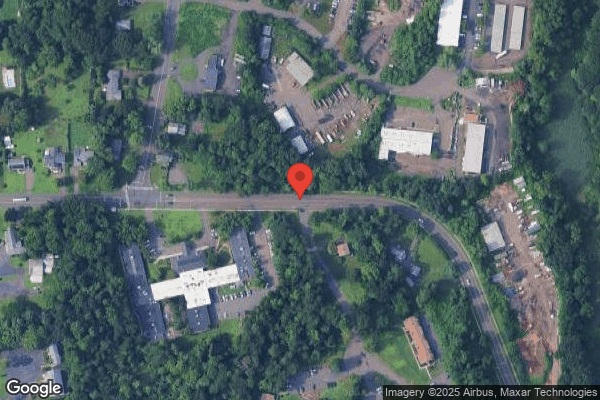
1270 SHERMAN LANE, HAMDEN, CT 06514 (203) 281-7555
For profit - Limited Liability company 153 Beds Independent Data: November 2025
Trust Grade
45/100
#128 of 192 in CT
Last Inspection: February 2024

Within standard 12-15 month inspection cycle. Federal law requires annual inspections.

Overview

Hamden Rehabilitation & Health Care Center has a Trust Grade of D, which indicates it is below average and raises some concerns about care quality. It ranks #128 out of 192 facilities in Connecticut, placing it in the bottom half of nursing homes in the state, and #13 out of 23 in its county, meaning only a few local options are better. The facility is improving, having reduced its reported issues from 19 in 2024 to just 1 in 2025. Staffing is a relative strength with a 4 out of 5 star rating and a turnover rate of 41%, which is average for Connecticut. However, there are some concerning incidents, such as a resident not receiving scheduled showers and another being transferred improperly, which could increase their risk of falls. Additionally, the facility has no fines on record, but it has less RN coverage than 96% of Connecticut facilities, meaning residents might miss critical care that RNs typically provide.

Trust Score
D
45/100
In Connecticut
#128/192
Bottom 34%
Safety Record
Moderate
Needs review
Inspections
Getting Better
19 → 1 violations
Staff Stability
○ Average
41% turnover. Near Connecticut's 48% average. Typical for the industry.
Penalties
✓ Good
No fines on record. Clean compliance history, better than most Connecticut facilities.
Skilled Nurses
⚠ Watch
Each resident gets only 25 minutes of Registered Nurse (RN) attention daily — below average for Connecticut. Fewer RN minutes means fewer trained eyes watching for problems.
Violations
⚠ Watch
45 deficiencies on record. Higher than average. Multiple issues found across inspections.
★★☆☆☆
2.0
Overall Rating
★★★★☆
4.0
Staff Levels
★☆☆☆☆
1.0
Care Quality
★★★☆☆
3.0
Inspection Score
Stable
2024: 19 issues
2025: 1 issues

The Good

  • 4-Star Staffing Rating · Above-average nurse staffing levels
  • Full Sprinkler Coverage · Fire safety systems throughout facility
  • No fines on record
  • Staff turnover below average (41%)

    7 points below Connecticut average of 48%

Facility shows strength in staffing levels, fire safety.

The Bad

2-Star Overall Rating

Below Connecticut average (3.0)

Below average - review inspection findings carefully

Staff Turnover: 41%

Near Connecticut avg (46%)

Typical for the industry

The Ugly 45 deficiencies on record

1 actual harm
Feb 2025 1 deficiency
CONCERN (D) 📢 Someone Reported This

A family member, employee, or ombudsman was alarmed enough to file a formal complaint

Potential for Harm - no one hurt, but risky conditions existed

Room Equipment (Tag F0908)

Could have caused harm · This affected 1 resident

**NOTE- TERMS IN BRACKETS HAVE BEEN EDITED TO PROTECT CONFIDENTIALITY** Based on review of the clinical record, facility documentation, facility policy, observation, and interviews for one (1) of thre...

Read full inspector narrative →
**NOTE- TERMS IN BRACKETS HAVE BEEN EDITED TO PROTECT CONFIDENTIALITY** Based on review of the clinical record, facility documentation, facility policy, observation, and interviews for one (1) of three (3) residents (Resident #1) reviewed for accidents, the facility failed to ensure the shower room door alarm was functioning to prevent a fall with injury. The findings include: Resident #1 had diagnoses that included dementia with behavioral disturbance, history of falls, vascular dementia, diabetes mellitus type 2, and hypertension. The quarterly Minimum Data Set, dated [DATE] identified Resident #1 had a Brief Interview for Mental Status (BIMS) score of three (3) indicative of severely impaired cognition, was always incontinent of bowel and bladder, required moderate assistance with transfers, non-ambulatory, and independent with mobility using a manual wheelchair. The care plan dated [DATE] identified Resident #1 was at risk for falls because of the following: history of falls, weakness, impaired mobility, and impaired safety awareness with interventions that directed to encourage not to get up alone, encourage to wear nonskid footwear or nonskid socks, explain the routine to me, offer me education to use the call bell when I need assistance, place commonly used items within easy reach, and staff to ensure the overhead light is off after PM care. A physician's order dated [DATE] directed to transfer with the assist of one (1) and a rolling walker and ambulate on the unit with assist of one (1) and a rolling walker. A fall risk assessment dated [DATE] identified Resident #1 as a high risk for falls. A nurse's note dated [DATE] at 12:21 P.M. written by Registered Nurse (RN) #1 (7:00 AM- 3:00 PM supervisor), identified she was called to the unit and observed Resident #1 lying on h/her back on the floor in the shower room. RN #1 identified Resident #1 was bleeding from the occipital region on h/her head and noted to have a 2.0 centimeter laceration on the back of head. RN #1 identified APRN #2 was notified, and Resident #1 was transferred to the hospital. A nurse's note dated [DATE] at 12:50 P.M. written by RN #3 identified she was informed by the Licensed Practical Nurse (LPN) #1 that Resident #1 had fallen. RN #3 identified she observed Resident #1 laying on the floor in the shower room with a complaint about a head strike. RN #3 identified Resident #1 had an open area on the occipital area of h/her head with a small amount of blood coming from the area. RN #3 identified Resident #1 was sent to the emergency room for further evaluation. Review of the facility's accident and incident report dated [DATE] identified that on [DATE] at 11:10 A.M. Resident #1 was observed on the floor in the bathroom across from the recreation room. RN #1 assessed Resident #1 noting a 2.0-centimeter open area to the occipital area of h/her head orders were obtained to transfer Resident #1 to the emergency room. It was discovered that Resident #1 self-propelled out of the recreation room into the communal shower/bathroom. While in the emergency room a CT-scan of the chest revealed Resident #1 had acute fractures of the left 3rd, 4th, and 6th posterior ribs associated with a moderate size left hemo-pneumothorax. Resident #1 was admitted to the hospital upon return from the hospital Resident #1 will be evaluated by PT/OT for transfers, self-mobility, and wheelchair safety. Interview with Housekeeper #1 on [DATE] at 12:15 P.M. identified on [DATE] he observed Resident #1 lying on the floor in the shower room with h/her wheelchair pushed to the side. Housekeeper #1 identified the door to the shower room was open and the door alarm was not sounding. Housekeeper #1 identified he notified LPN #1 that Resident #1 was on the floor. Interview with LPN #1 on [DATE] at 3:00 P.M. identified on [DATE] Housekeeper #1 reported that Resident #1 was on the floor in the communal bath/shower room. LPN #1 identified on [DATE] when Resident #1 was found in the shower room lying on the floor, the door alarm on the shower room door was not alarming. LPN #1 identified the door alarm is on the shower door to prevent residents from going in the shower room unsupervised. LPN #1 identified the door alarm on the shower door doesn't always work because when the staff are done using the shower room a code needs to be entered to activate the door alarm and staff forget to turn it back on. Interview with RN #1 on [DATE] at 1:45 P.M. identified on [DATE] she was notified by LPN #1 that Resident #1 was found lying on the floor in the shower room. RN #1 identified upon arrival to the unit the door to the shower door was opened and door alarm was not alarming. RN #1 identified she observed Resident #1 on the floor in the shower room lying on h/her back and noted some bleeding coming from a small laceration on back of h/her head. RN #1 identified Advanced Practice Registered Nurse #2 was notified, an order was obtained to transfer Resident #1 to the emergency room. RN #1 identified when the shower room door alarm is activated it is very loud and can be heard throughout the unit. Interview with the DNS on [DATE] at 2:15 P.M. identified on [DATE] at approximately 10:30 A.M. Resident #1 was found by Housekeeper #1 lying on the floor in the shower room. The DNS identified he immediately went down to the unit, observed Resident #1 lying on the floor in the shower room with h/her wheelchair pushed to the side, and the shower room door alarm was not alarming. The DNS identified Resident #1 was transferred to the hospital and did not return. The DNS indicated the door alarm on the shower room door should have been alarming, however on on [DATE] the door alarm on the shower room door was not functioning because the battery had died and the DNS was unable to provide documentation to reflect the door alarm on the shower room door was monitored and maintained to ensure it proper functioning. Although requested, a facility shower room door alarm policy was not provided.
Sept 2024 1 deficiency
MINOR (B) 📢 Someone Reported This

A family member, employee, or ombudsman was alarmed enough to file a formal complaint

Minor Issue - procedural, no safety impact

Medical Records (Tag F0842)

Minor procedural issue · This affected multiple residents

**NOTE- TERMS IN BRACKETS HAVE BEEN EDITED TO PROTECT CONFIDENTIALITY** Based on review of the clinical record, facility documentation, facility policy, and interviews for one (1) of three (3) residen...

Read full inspector narrative →
**NOTE- TERMS IN BRACKETS HAVE BEEN EDITED TO PROTECT CONFIDENTIALITY** Based on review of the clinical record, facility documentation, facility policy, and interviews for one (1) of three (3) residents (Resident #1) reviewed for activities of daily living, the facility failed to ensure the clinical record was complete and accurate to include documentation of personal care provided. The findings include: Resident #1 had diagnoses that included depressive disorder and Chronic obstructive pulmonary disease. Review of Resident #1's profile dated 8/1/24 directed the shower day as Tuesday on 3 P.M.-11 P.M. with special instructions to follow the master shower schedule. The care plan dated 8/2/24 identified Resident #1 needs help performing ADLs with interventions that directed to sign off care needs in POC (electronic charting system) and chartable tasks in POC are unchecked included on profile are checked. The admission MDS dated [DATE] identified Resident #1 had moderately impaired cognition, was occasionally incontinent of bowel, always continent of bladder, was independent with bed mobility, required set up with transfers, required maximal assistance with showers, and moderate assistance with toileting, and toileting hygiene. Review of Resident #1's clinical record on 9/30/24 failed to identify any documentation to reflect any personal care provided from 8/1/24 to 8/15/24. Interview and clinical record review with the DNS on 9/30/24 at 12:30 P.M. was unable to provide documentation to reflect that personal care was provided to Resident #1. The DNS identified his expectations are that the nurse aide documents what personal care was provided on every shift into the resident's ADL flowsheets in the POC. The DNS identified Resident #1's ADL flowsheets should have been completed from 8/1/24 to 8/15/24. The DNS could not explain why the ADL flowsheets were not completed. Although requested, a facility documentation policy was not provided.
Aug 2024 1 deficiency
CONCERN (D) 📢 Someone Reported This

A family member, employee, or ombudsman was alarmed enough to file a formal complaint

Potential for Harm - no one hurt, but risky conditions existed

Accident Prevention (Tag F0689)

Could have caused harm · This affected 1 resident

**NOTE- TERMS IN BRACKETS HAVE BEEN EDITED TO PROTECT CONFIDENTIALITY** Based on clinical record reviews, facility documentation, facility policy and interviews for one (1) of two (2) sampled resident...

Read full inspector narrative →
**NOTE- TERMS IN BRACKETS HAVE BEEN EDITED TO PROTECT CONFIDENTIALITY** Based on clinical record reviews, facility documentation, facility policy and interviews for one (1) of two (2) sampled residents (Resident #2) who required a wheelchair for mobility within the facility, the facility failed to ensure when being assisted by staff the leg rests were present on the wheelchair to prevent the resident from falling out of the wheelchair. The findings include: Resident #2's diagnoses included cerebrovascular accident, unspecified dementia, hemiplegia on the right dominant side and muscle weakness. A physician's order dated 6/17/24 directed pop-over transfers with the assist of two (2) staff members, and the resident was non-ambulatory. The quarterly Minimum Data Set assessment dated [DATE] identified Resident #2 rarely or never made decisions regarding tasks of daily life, was dependent with getting in and out of the bed and chair, had range of motion impairment of both upper extremities, was non-ambulatory and utilized a wheelchair for mobility. The Resident Care Plan dated 8/1/24 identified Resident #2 was a fall risk. Interventions directed to encourage the resident not to get up alone, encourage non-skid footwear and non-skid socks, educate on use of the call bell for assistance, and place commonly used items within reach. The nurse's note dated 8/7/24 at 3:37 PM identified at 2:30 PM Resident #2 was being pushed in the wheelchair during the recreation program, when Resident #2 fell forward out of the wheelchair and was noted with an open area to the right lateral scalp, actively bleeding. The note identified Resident #2 had intact neurological assessment, no changes in range of motion, no complaints of pain and no shortening/lengthening of extremities. The note indicated staff could not get the bleeding under control, the physician's assistant was notified, and a new order was obtained to send Resident #2 to the emergency department. The nurse's note dated 8/9/24 at 9:41 PM identified Resident #2 was readmitted to the facility at approximately 8:30 PM, sutures to the right temporal laceration were intake, and there were no changes in cognition and neuros were at baseline. Interview with the 7AM-3PM Nursing Supervisor, Registered Nurse (RN) #1, on 8/28/24 at 12:11 PM identified on 8/7/24 it was reported to her Resident #2 had fallen out of the wheelchair. RN #1 identified Resident #2 was in the wheelchair without the benefit of having the leg rests on and Resident #2 put his/her foot down to the ground which caused Resident #2 to fall forward out of the wheelchair. RN #1 indicated Resident #2 should have had the leg rests on the wheelchair. Interview with the Director of Nursing (DON) on 8/28/24 at 12:17 PM identified Resident #2 sustained a fall forward from the wheelchair during transport. The DON identified the 7AM-3PM nurse aide, (Nurse Aide) #3, did not have the leg rests on the wheelchair at the time of the fall and the facility policy directs to always have the leg rests on the wheelchair. Interview with NA #3 on 8/28/24 at 12:29 PM identified she was pushing Resident #2 in the wheelchair without the benefit of leg rests on the wheelchair, and when she stopped the wheelchair, Resident #2 put his/her foot down on the floor and fell out of the wheelchair. NA #3 identified there should have been leg rests on the wheelchair while transporting Resident #2 but she forgot to put them on. Review of the facility policy titled Wheelchair, directed, in part, when wheelchair transporting any resident the leg rest must be used, and leg rests must always be used when transported by others.
Jul 2024 3 deficiencies
CONCERN (D) 📢 Someone Reported This

A family member, employee, or ombudsman was alarmed enough to file a formal complaint

Potential for Harm - no one hurt, but risky conditions existed

Notification of Changes (Tag F0580)

Could have caused harm · This affected 1 resident

**NOTE- TERMS IN BRACKETS HAVE BEEN EDITED TO PROTECT CONFIDENTIALITY** Based on observation, review of the clinical record, review of facility documentation, review of facility policy, and interviews...

Read full inspector narrative →
**NOTE- TERMS IN BRACKETS HAVE BEEN EDITED TO PROTECT CONFIDENTIALITY** Based on observation, review of the clinical record, review of facility documentation, review of facility policy, and interviews for one of three sampled residents for accidents (Resident #1), the facility failed to ensure the physician was notified timely of a significant change in behavior. The findings include: Resident #1 was admitted to the facility with diagnoses that included dementia with agitation, anxiety, and difficulty in walking. A quarterly MDS assessment 4/25/2024 identified Resident #1 had severe cognitive impairment, and independent to transfer and walk. A resident care plan (RCP) dated 6/9/2024 identified Resident #1 had a cognitive impairment due to dementia and history of involuntary weeping, wandering, refusing to participate in care and exit seeking behaviors with a wander guard placed. Interventions directed to offer snacks or coffee if demonstrating exit seeking behavior, redirect, observe for changes in mental status that are different from baseline and to refer to a psych provider as appropriate and for new exit seeking behavior have resident reviewed by psych. A psychiatric evaluation and consultation dated 6/6/2014 identified Trazadone (medication that treats depression) 50 mg TID was increased on 6/6/2024 due to increased agitation and an attempt to kick an NA. A psychiatric evaluation and consultation dated 6/14/2024 identified that Resident #1 was evaluated after a medication change. Resident #1 continued crying, though slightly improved. The plan was to continue to monitor Resident closely. No other concerns from nursing staff were reported and to continue the current treatment plan. A nursing note dated 6/15/2024 at 2:08 PM identified that Resident #1 was noted with increased behaviors; Resident #1 was observed standing in front of the unit attempting to hit a staff member. Staff attempted to redirect Resident #1 without success and a scheduled medication was administered. A call was placed to a family member who talked to Resident #1 with some success and Resident #1 was redirected to his/her room and offered coffee. At 12:35 PM, the unit nurse observed Resident #1 was standing on a chair in front of a partial opened secured window. Resident was placed on one to one (1:1) supervision and transferred to the hospital for evaluation. A nursing note dated 6/15/2024 at 10:38 PM identified that Resident #1 returned from the hospital at 5:20 PM and received scheduled medications. Resident #1 was observed wandering on unit but was easily redirected. A psychiatric evaluation dated 6/17/2024 identified that Resident #1 attempted to remove the screen from window over the weekend and had no recall of the event. Resident #1 was noted at baseline but due to given continued behaviors as well as some intermittent refusal of medications, Risperidone (medication that treats behavior) was increased. A psychiatric evaluation dated 6/19/2024 identified Resident #1 continued with confusion, but less agitation, and had no behaviors since last consult. The plan described to continue with redirection, may need to consider a higher level of care if continues with severe behaviors, and to continue to monitor symptoms. A psychiatric evaluation dated 6/28/2024 identified Resident #1 appeared more engaged and was noted to be stable by nursing staff with less behaviors and to continue treatment plan. A facility accident and investigation report dated 7/7/2024 at 2:30 PM identified an elopement event (missing resident). Resident #1 was not visualized on the unit during last rounds, a unit search was performed and the window in room [ROOM NUMBER] (not Resident #1's room) was open and the screen was removed. Dr. Hunt was initiated, and Resident #1 was found and returned to the unit without injury. Resident #1 was observed on the grass on an adjacent property (approximately 0.2 miles from the exit of window. The route took Resident #1 along a busy road with no sidewalks for 150 to 200 yards). Resident #1 was placed on 1:1 monitoring. A facility summary report dated 7/10/2024 identified that Resident #1's baseline behavior was that he/she walked freely throughout the unit with redirection if he/she wanders away from the common area. A nursing note dated 7/12/2024 at 5:19 AM identified Resident #1 was exit seeking and crying that she/he wanted to go home and went to the back door of the unit. A NA tried to stop Resident #1 and Resident #1 was kicking and punching the NA. The nurse tried to calm Resident #1 by offering a snack and drink. The note indicated it took a while for Resident #1 to calm down and eventually go to bed, and was noted sleeping. Record review failed to identify the physician/provider was notified of Resident #1's aggressive behaviors toward staff on 7/12/2024. Interview with APRN #1 (psychiatry) on 7/24/2024 at 11:50 AM identified her treatment plan was adjusted when Resident #1 became physically aggressive, as the baseline for Resident #1 was crying, wandering with elopement behaviors but was easily redirectable. She was unaware that Resident #1 had physical aggression when redirected on 7/12/2024. APRN #1 stated staff would either call her or leave a note in her follow up book on the unit if there was a change in condition, and she identified that she was not notified. APRN #1 stated she should have been notified and that she would have evaluated Resident #1 if she been informed to determine if there was a need to change the treatment plan at that time. APRN #1 further stated that on 7/20/2024 Resident #1 had become more agitated, combative with exit seeking behaviors and when the provider was notified, Resident #1 was transferred to the hospital for evaluation. Interview with Physician's Assistant (PA) #1 on 7/25/2024 at 9: 30AM identified that he was unaware that Resident #1 had demonstrated physical aggression on 7/12/2024 when being redirected for exit seeking behaviors. PA #1 stated if he was notified he would have then contacted APRN #1 to discuss any need to change the treatment plan at that time. Interview and review of facility documentation with LPN 2 on 7/25/2014 at 10:00 AM identified she was Resident #1's nurse on the 11 PM to 7 AM shift on 7/12/2024, and recalled Resident #1 became aggressive as the NA attempted to redirect him/her away from the back door of the unit. Resident #1 began to kick and punch the NA and it was very difficult to redirect the Resident. The usual coffee and snack eventually worked but it took some time. She could not recall if she notified the nursing supervisor or the physician/APRN. Interview with the DON on 7/25/2024 at 11:53 identified that if a Resident demonstrated increased behaviors with agitation staff should notify the supervisor who would notify the provider. He identified that Resident #1 had a history of physical aggression and that the staff were able to eventually calm Resident #1. The DON was unable to explain why the provider/APRN was not notified. Attempts to contact RN #2, 11 -7 supervisor, during survey were unsuccessful. The facility policy Condition, Significant change directed in part, that facility professional staff would communicate with the physician changes in condition to provide timely communication of resident status change that is essential to quality car management. The physician will be notified by the nurse in the event of a change in condition.
CONCERN (D) 📢 Someone Reported This

A family member, employee, or ombudsman was alarmed enough to file a formal complaint

Potential for Harm - no one hurt, but risky conditions existed

Quality of Care (Tag F0684)

Could have caused harm · This affected 1 resident

**NOTE- TERMS IN BRACKETS HAVE BEEN EDITED TO PROTECT CONFIDENTIALITY** Based on clinical record review, facility documentation review, facility policy review, and interviews for one resident (Residen...

Read full inspector narrative →
**NOTE- TERMS IN BRACKETS HAVE BEEN EDITED TO PROTECT CONFIDENTIALITY** Based on clinical record review, facility documentation review, facility policy review, and interviews for one resident (Resident #2) reviewed for abuse, the facility failed to ensure care was provided in accordance with physician orders. The findings include: Resident #2 was admitted with diagnoses that included dementia and right sided hemiplegia (loss of movement on one side of the body). A quarterly MDS assessment dated [DATE] identified Resident #2 had severe cognitive impairment and was dependent for bed mobility. A resident care plan (RCP) dated 6/6/2024 identified Resident #2 required assistance with ALDs. Interventions directed to assist as indicated for positioning. A physician's order dated 6/25/2024 directed ADLs with assistance from two (2) staff. Transfer assistance of 2 staff via Hoyer lift. A facility reportable event form dated 7/11/2024 at 10:00 AM identified a hospice aide was providing care and noted multiple discolorations on Resident #2's body. A facility summary dated 7/11/2024 identified that Resident #2 was observed to have bruising on the right forehead, left hip, left arm, left hand, left elbow, left knee, left shoulder and right wrist and shearing was identified on the left hip. Resident #2 identified that he/she had fallen overnight and got back in bed. The summary identified NA #1 provided care during the 3 to 11 PM shift on 7/10/2024 (evening before the bruises were noted) with no bruising was noted. NA #2 (worked 11 PM to 7 AM ending on 7/11/2024) reported she observed Resident #2 on his/her left side in the bed with his/her legs hanging off the side of the bed, she was not aware of any falls during the shift, and no bruising was noted. NA #2 then attempted to re-center Resident #2 to the middle of the bed using a drawsheet. As she pulled the drawsheet, Resident #2's body turned more to the left and indicated although Resident #2's head was near the bedrail but Resident #2 did not hit his/her head. NA #2 then attempted to move Resident #2 towards the center of the bed, by holding his right wrist and moving him/her to the center of the bed. She completed this care by herself as she felt she did not require assistance at that time. Repeat demonstration of NA #2 providing care and discussion of care aligns with the areas of bruising. A nursing note dated 7/11/2024 at 10:26 AM identified she assessed Resident #2 due to multiple abrasions and ecchymosis (bruising) of the skin. On assessment an abraded area to left hand, shoulder and hip as well as small ecchymosis to right side of head. Resident #2 had complaints of pain in hip and shoulder and x-rays were ordered of left hip, shoulder, elbow and hand. A nursing progress note dated 7/11/2024 at 9:16 PM identified x rays were negative and no new orders. Interview with NA #2 on 7/25/2024 at 1:11 PM identified around 12:30 AM she observed Resident #2 with his/her legs hanging off the lower part of the bed. She raised the bed and put Resident #2's legs back on the bed when Resident #2 again kicked them off the bed. NA #2 again placed Resident #2's legs back onto the bed. NA #2 stated she then used the drawsheet to pull Resident #2 into the center of the bed and using the draw sheet she again pulled Resident #2 towards her. NA #2 stated she may have grabbed Resident #2's right arm to as she adjusted his/her position. Resident #2 did not resist care or report any discomfort at the time. NA #2 stated she did not check the care card prior to providing care and was not aware at the time that Resident #2 needed 2 staff to provide care, and stated after 7/11/2024, she was re-educated to always check the care card prior to providing care. Interview and review of the 7/11/2024 investigation documents with the DON on 7/25/2024 at 12:40 PM identified NA #2 repositioned Resident #2 alone. The DON stated NA #2 re-demonstrated the way she repositioned Resident #2 and the injuries were consistent with the care NA #2 had provided. The DON stated NA #2 should have reviewed the level of care Resident #2 required, and should not have provided the care without help. Although requested, the facility was unable to provide a policy on turning and positioning.
CONCERN (D) 📢 Someone Reported This

A family member, employee, or ombudsman was alarmed enough to file a formal complaint

Potential for Harm - no one hurt, but risky conditions existed

Accident Prevention (Tag F0689)

Could have caused harm · This affected 1 resident

**NOTE- TERMS IN BRACKETS HAVE BEEN EDITED TO PROTECT CONFIDENTIALITY** Based on observation, clinical record review, facility documentation review, facility policy review, and interviews for one of t...

Read full inspector narrative →
**NOTE- TERMS IN BRACKETS HAVE BEEN EDITED TO PROTECT CONFIDENTIALITY** Based on observation, clinical record review, facility documentation review, facility policy review, and interviews for one of three sampled residents for accidents (Resident #1), the facility failed to ensure supervision to prevent the resident from exiting the facility without staff knowledge, and failed to notify local law enforcement timely when a resident was identified missing, and failed to complete a quarterly elopement risk assessment timely in accordance with facility policy. The findings include: Resident #1 was admitted to the facility with diagnoses that included dementia with agitation, anxiety, and difficulty in walking. A quarterly MDS assessment 4/25/2024 identified Resident #1 had severe cognitive impairment, and independent to transfer and walk. A resident care plan (RCP) dated 6/9/2024 identified Resident #1 had a cognitive impairment due to dementia and history of involuntary weeping, wandering, refusing to participate in care and exit seeking behaviors with a wander guard placed. Interventions directed to offer snacks or coffee if demonstrating exit seeking behavior, redirect, observe for changes in mental status that are different from baseline and to refer to a psych provider as appropriate and for new exit seeking behavior have resident reviewed by psych. Record review identified Resident #1 resided on the secure dementia unit. A nursing note dated 6/15/2024 at 2:08 PM identified that Resident #1 was noted with increased behaviors; Resident #1 was observed standing in front of the unit attempting to hit a staff member. Staff attempted to redirect Resident #1 without success and a scheduled medication was administered. A call was placed to a family member who talked to Resident #1 with some success and Resident #1 was redirected to his/her room and offered coffee. At 12:35 PM, the unit nurse observed Resident #1 was standing on a chair in front of a partial opened secured window. Resident was placed on one to one (1:1) supervision and transferred to the hospital for evaluation. A nursing note dated 6/15/2024 at 10:38 PM identified that Resident #1 returned from the hospital at 5:20 PM and received scheduled medications. Resident #1 was observed wandering on unit but was easily redirected. A review of facility documentation dated 6/16/2024 identified Resident #1 was reported to have opened the window in room [ROOM NUMBER]. All windows on the secured dementia unit were evaluated by maintenance and determined to open approximately six (6) to eight (8) inches with a screw securely in place to prevent window from being opened further. All screens were noted to be intact. A psychiatric evaluation dated 6/17/2024 identified that Resident #1 attempted to remove the screen from window over the weekend and had no recall of the event. Resident #1 was noted at baseline but due to given continued behaviors as well as some intermittent refusal of medications, Risperidone (medication that treats behavior) was increased. A psychiatric evaluation dated 6/17/2024 identified that Resident #1 attempted to remove the screen from window over the weekend. Resident #1 had no recall of the event. Resident #1 was noted at baseline but due to given continued behaviors as well as some intermittent refusal of medications, Risperidone increased. A psychiatric evaluation dated 6/19/2024 identified Resident #1 continued with confusion, but less agitation, and had no behaviors since last consult. The plan described to continue with redirection, may need to consider a higher level of care if continues with severe behaviors, and to continue to monitor symptoms. A facility accident and investigation report dated 7/7/2024 at 2:30 PM identified an elopement event (missing resident). Resident #1 was not visualized on the unit during last rounds, a unit search was performed and the window in room [ROOM NUMBER] (not Resident #1's room) was open and the screen was removed. Dr. Hunt was initiated, and Resident #1 was found and returned to the unit without injury. Resident #1 was observed on the grass on an adjacent property (approximately 0.2 miles from the exit of window. The route took Resident #1 along a busy road with no sidewalks for 150 to 200 yards). Resident #1 was placed on 1:1 monitoring. A nursing progress note dated 7/7/2024 at 5:45 PM identified that per the charge nurse, Resident #1 was not observed for 15 minutes prior to her being informed, and the DON, Administrator and family were notified. Assessment upon return to the facility was: vital signs Temperature 98.4, Heart Rate 81, Blood pressure 100/50, Respiratory Rate 18 with oxygen saturation at 93 percent. A nursing note dated 7/8/2024 at 3:36 PM identified that the plan was to have Resident #1 remain on every 15-minute checks times 24 hours, then 30-minute checks times 24 hours then every 4-hour checks times 24 hours and then every shift checks times 48 hours. A facility summary report dated 7/10/2024 identified that Resident #1's baseline behavior was that he/she walked freely throughout the unit with redirection if he/she wanders away from the common area. A facility summary report dated 7/10/2024 identified that Resident #1's baseline behavior was that he/she walked freely throughout the unit with redirection if he/she wanders away from the common area. At 1:50 PM, staff confirmed they observed Resident #1 walking in the hallway on the unit. At approximately 2:00 PM, staff were not able to visualize Resident #1's whereabouts, a unit search was initiated, and it was noted that in another resident's room (409), there was a window open past the secure stopper and the screen was not in place. The window was 38 inches from the ground. At 2:07 PM (7 minutes after identified missing), Resident was observed on the property adjacent to the facility. An RN assessment was completed, no injury was identified, and Resident #1 denied any pain. After clearance from psych, Resident #1 was placed on every 15-minute check. All windows on the unit were check and all other windows had the safety stop in place and intact. Additional reinforcement was completed with 2 screws and an additional stopper device was placed to prevent the bending of any screws as this was what was determined to have happened for Resident #1 to force the window open. Interview with NA #1 on 7/24/2024 at 11:15 AM identified that she was assigned to care for Resident #1 on 7/7/2024. During her last rounds, at approximately 2:00 PM she noticed that Resident #1 was no longer by the nurse's station or observed walking in the hallway. She immediately went to his/her room as a staff member told her they had redirected the Resident to his/her room. She looked in the room and Resident #1 was not there, so she began to check the other rooms. In room [ROOM NUMBER], she observed that the window was open, no screen and that a wheelchair had been placed by the window. She immediately told the charge nurse, and Dr. Hunt was called. NA #1 ran outside with another NA and proceeded to the left of the building and began to walk along the road. As she approached the building on the corner of the road, she could see Resident #1 lying on the ground on the other side of the building on a hill at the back of the side parking lot of the building. Resident #1 had taken all his/her clothes off except for pants and when she got to Resident #1, he/she stated he/she was hot. Another NA had driven her car over and they placed Resident #1 into the car and drove him back to the facility. Interview and observations of Resident #1's route to the building adjacent to the facility with the DON on 7/24/2024 at 11:30 AM identified Resident #1 removed the screen from the window of room [ROOM NUMBER]. From there, a sidewalk runs along the side of the building that ends on the road in front of the facility. The road in front of the facility was a three-lane road, and included a three-way stop light intersection. A wooded area was located between the facility and the adjacent building next door with no visible paths through the wooded area and the adjacent building. The DON identified when he completed the investigation, he could see the adjacent building through the trees, and stated the ground was uneven with no path noted. Resident #1 had no scratches, cuts or bruises or any debris on his/her clothing when assessed on 7/7/2024 and was unable to identify if Resident #1 walked along the road or through the woods. The DON stated the last time Resident #1 was reported seen on the unit was at 1:45 PM, was discovered missing at 2: 00 PM and was then found at 2:07 PM, approximately 22 minutes after Resident #1 was last seen on the unit. A review of weather temperatures recorded on July 7, 2024 identified that the outside temperature was recorded at 93 degrees Fahrenheit with a dew point of 70 percent (a dew point of 70 is considered oppressive and very uncomfortable). The facility Elopement Policy directed in part, that the facility strived to promote safety for all residents at risk for elopement. Elopement is defined as the ability of a resident who is not capable of protecting himself or herself from harm to successfully leave the facility unsupervised and who may enter into harm's way. a. Interview with the DON on 7/25/2024 at 11 AM identified that he was notified by the nursing supervisor (RN #1) at approximately 2:00 PM that Resident #1 was not located on the unit, and he directed RN #1 to initiate a Dr. Hunt and start the search. The DON stated he was notified at 2:07 PM that Resident #1 was located off property grounds behind an adjacent building. The facility policy Elopement directed in part, that the police should be notified as soon as the resident is not located with the facility or on immediate grounds. b. A quarterly elopement assessment dated [DATE] identified Resident #1 was at risk for elopement. An elopement assessment dated [DATE] identified Resident #1 was completed when Resident #1 forced open a window on the secured dementia unit and left property unattended. Resident #1's medical record lacked a completed quarterly elopement assessment due April 2024. Interview with the DON 7/25/2024 at 11 AM identified that an assessment for elopement should be completed quarterly. The DON stated an assessment should have been completed three (3) months after the 1/23/2024 assessment and he did not know why one was not completed when due. The facility policy Elopement directed in part, that a licensed nurse will conduct an Elopement risk screen on admission, annually, quarterly and upon a change in condition.
May 2024 10 deficiencies
CONCERN (D) 📢 Someone Reported This

A family member, employee, or ombudsman was alarmed enough to file a formal complaint

Potential for Harm - no one hurt, but risky conditions existed

Free from Abuse/Neglect (Tag F0600)

Could have caused harm · This affected 1 resident

**NOTE- TERMS IN BRACKETS HAVE BEEN EDITED TO PROTECT CONFIDENTIALITY** Based on clinical record review, facility documentation, and interviews, The facility failed to ensure that (1) of three (3) res...

Read full inspector narrative →
**NOTE- TERMS IN BRACKETS HAVE BEEN EDITED TO PROTECT CONFIDENTIALITY** Based on clinical record review, facility documentation, and interviews, The facility failed to ensure that (1) of three (3) residents reviewed for abuse, (Resident #11), was free from sexual abuse, and for one (1) of three (3) residents reviewed for incontinent care and turning and repositioning, (Resident # 4), the facility failed to ensure that the resident was free from neglect. The findings included: 1. Resident #10 had a diagnosis of dementia. An annual Minimum Data Set (MDS) assessment dated [DATE] identified that the resident had severely impaired cognition, had no behaviors or changes in mood, required substantial assistance with Activities of Daily Living (ADL's), and was independent with ambulation. A care plan dated 4/7/24 identified that the resident had cognitive loss related to a diagnosis of dementia with interventions that included psychiatric evaluations as indicated, administer medications as ordered, and to provide re-direction. A nurse's note dated 5/6/24 at 4:04 PM identified that the resident was in the roommates bed undressed from the waist down touching Resident #11's genital area and h/her own genital area at the same time. The residents were immediately separated and Resident #10 was placed on 1:1 supervision. 2. Resident #11 had a diagnosis of dementia. A significant change MDS dated [DATE] identified that the resident has severely impaired cognition, and was dependent on staff for ADL's. A care plan dated 4/7/24 identified that the resident had cognitive loss due to dementia with interventions that directed to administer medications as ordered and refer to psychiatric services as needed. A nursing note dated 5/6/24 at 2:35 PM identified that the resident's roommate was noted to be in h/er bed touching Resident #11's genital area, the resident had no recollection of the event, an exam was performed and no abnormalities were assessed. The resident was seen by social services and had a room change. a) A Reportable Event dated 5/6/24 at 9:00 AM identified that Resident #10 was found in Resident #11's bed ( the 2 residents are roommates). Resident #10 had h/her hands on Resident #11's genital area. Interview with Licensed Practical Nurse (LPN) #5 on 5/6/24 at 10:50 AM identified that she had entered Resident #10 and Resident #11's room to do wound care on Resident #11, the door was open, and the curtain was drawn between the two beds. Resident #10 was lying behind Resident #11 in bed undressed from the waist down, and Resident #11 still had an adult brief on, however, it was undone and Resident #10 had h/her hands on Resident #11's genital area, while h/her hand was on h/her own genitals. The resident's were immediately separated and Resident #10 was placed on 1:1 supervision, and Resident was given a room change. Interview with RN #1 on 5/6/24 at 2:01 PM identified that by the time she was called to the room the residents were already separated, she completed a physical assessment on both resident and no injury or abnormalities were identified. The physician and families were updated and Resident #10 remained on 1:1 until a psychiatric evaluation could be completed. Interview with the Psychiatric Advanced Practical Registered Nurse (APRN) on 5/6/24 at 2:30 PM identified that Resident #10 did not have any history of sexually inappropriate behaviors and it was her thought that it was due to a progression in dementia. The APRN identified that she had adjusted Resident #10's trazdone the week prior, so she did not do any medication adjustments on Resident #10. Resident #10 was assessed not to be a danger to self or others, so one to one supervision was discontinued and every 15 minute checks were started. Additionally, neither Resident #10 or Resident #11 had any recollection of the event upon assessment. Review of the abuse policy identified that each resident has the right to be free from abuse. 3. Resident # 4 had a diagnosis of dementia. A quarterly MDS dated [DATE] identified that the resident had significant cognitive impairment, was dependent on staff for all ADL's, was always incontinent of bowel and bladder, and was at risk for developing pressure ulcers. A care plan dated 4/7/24 identified that the resident was at risk for skin breakdown related an inability to respond to pressure related discomfort, impaired mobility and bowel and bladder incontinence with interventions that included assistance with position changes every 2 hours, and incontinent care per facility protocol. Constant observation on 5/6/24 from 9:45 AM to 1:45 PM identified the following: a. From 9:45 AM until 10:00 AM the resident was seated across from the nurses station in a wheelchair with h/her body position leaning to the left side. b. At 10:00 AM the resident was taken into the recreation room for an activity. c. At 11:02 AM the resident was taken from the lounge by a visitor to the lounge at the end of the hallway, and brought back to the lounge by the nurse's station at 11:10 AM. d. from 11:10 AM until 11:45 AM the resident was seated in the lounge with h/her body positioned leaning to the left side. e. At 11:45 AM the resident was taken from the lounge and brought down to the lounge at the end of the hallway for lunch, she was seated to the left of the main table in her wheelchair. f. At 12:30 PM the resident was fed lunch, after lunch the resident remained in the lounge for an activity until 1:45, the residents body position was still leaning to the left. At 1:45 PM the surveyor informed LPN #1 that the resident had not received any incontinent care or repositioning from 9:45 AM until 1:45 PM (a total of 4 hours). Subsequent to surveyor inquiry the resident was taken back to h/her room for care. Surveyor entered the room at 2:00PM while care was already in progress, the resident had already been hoyered into bed and NA#1 stated that she had not yet performed any incontinent care. Observation identified that the resident had not been incontinent and the brief that the resident was wearing was dry. A skin check of the resident identified a 5 centimeter (cm) by 1 cm blanchable area of redness on the residents left hip. Observation on 5/7/24 at 10:00 AM with LPN #1 identified that the balanceable area of redness to the left hip had resolved. Interview with Nurse Aide #1 on 5/6/24 at 2:00 PM identified that she was the NA assigned to Resident # 4, and Resident #4's hospice NA had done morning care on the resident, however, she wasn't sure what time care was given. NA#1 identified that she had not checked the resident for incontinence or repositioned the resident until after surveyor inquiry at 1:45 PM because she had 13 residents on her assignment, and she had been busy all morning with care for the other residents. Interview with LPN #1 on 5/7/24 at 2:10 PM identified that she was Resident #4's nurse and she had a total of 26 residents on her floor with 2 NA. She further identified that NA #1 did not notify her that she could not provide care for Resident #4, if she had been notified she would have called the supervisor. Interview with the nursing supervisor for the 7:00 AM to 3:00 PM shift (RN)# on 5/6/24 at 2:45 PM identified that she was not aware that NA #1 was having difficulty with h/her assignment, if she was aware she would have made adjustments to the assignments. Interview with the Director of Nurses on 5/6/24 at 2:50 PM identified that Resident #4 should have been checked for incontinence, and changed if soiled and repositioned every 2 hours in accordance with facility policy.
CONCERN (D) 📢 Someone Reported This

A family member, employee, or ombudsman was alarmed enough to file a formal complaint

Potential for Harm - no one hurt, but risky conditions existed

Comprehensive Care Plan (Tag F0656)

Could have caused harm · This affected 1 resident

**NOTE- TERMS IN BRACKETS HAVE BEEN EDITED TO PROTECT CONFIDENTIALITY** Based on review of the clinical record, facility documentation, facility policy, and interviews for 2 of 3 residents (Resident #...

Read full inspector narrative →
**NOTE- TERMS IN BRACKETS HAVE BEEN EDITED TO PROTECT CONFIDENTIALITY** Based on review of the clinical record, facility documentation, facility policy, and interviews for 2 of 3 residents (Resident #1 and #3) reviewed for pressure ulcers, the facility failed to create and implement a care plan for newly identified wounds. The findings include: 1. Resident #1 was admitted to the facility with diagnoses that included type II diabetes and dementia. The care plan dated 1/5/24 identified Resident #1 was at risk for skin breakdown with interventions that included assisting Resident #1 with position changes approximately every 2 hours and as indicated, pressure reducing relieving devices, and to offer to offload Resident #1's heels when in bed. The admission MDS dated [DATE] identified Resident #1 had severely impaired cognition, was always incontinent of bowel and bladder, did not have any pressure ulcers or injuries and was at high risk for developing pressure ulcers. A nursing note dated 2/24/24 at 6:50 PM identified Resident #1 was noted with an opening to the coccyx measuring 1 centimeter (cm) x 1 cm. The site was superficial, clean and pink with no signs of infection. The APRN was updated with new orders in place for triad mixed with Aquaphor for 14 days. Review of Resident #1's medical record failed to identify Resident #1's care plan was updated to include Resident #1's coccyx wound and appropriate interventions. A nursing note dated 3/16/24 at 4:20 PM identified the on call APRN was notified of Resident #1's change in coccyx area. The plan was to monitor and place in wound care book for re-evaluation on 3/18/24. Resident #1's family member was notified and wanted Resident #1 to be sent to the hospital. The APRN was updated and Resident #1's family member went to the hospital with Resident #1. A nurse practitioner note dated 3/19/24 at 10:02 AM identified review of Resident #1's hospitalization was for Resident #1's coccyx wound. Resident #1's coccyx wound was not infected and no interventions were done beyond basic wound care. Resident #1 was seen by the wound care nurse who recommended to cleanse the wound with soap and water, apply skin barrier cream to wound and cover cream with a full sheet of xeroform twice a day and as needed. Review of Resident #1's medical record failed to identify Resident #1's care plan was updated to include Resident #1's progressing coccyx wound with interventions. 2. Resident #3 was admitted to the facility on with diagnoses that included neuromyelitis Optica (autoimmune nerve disease), neurofibromatosis (tumors grow in the nervous system) and an intellectual disability. The care plan dated 2/28/24 identified Resident #3 was at risk for skin breakdown with interventions that included assisting Resident #3 with position changes approximately every 2 hours and as indicated, offer to take Resident #3 to the bathroom every 2 hours and as needed, when incontinent provide care per protocol, pressure reducing relieving devices, and to offer to offload Resident #3's heels when in bed. The admission MDS dated [DATE] identified Resident #3 had severely impaired cognition, was always incontinent of bowel and bladder, did not have any pressure ulcers or injuries and was at risk for developing pressure ulcers. A nursing note dated 3/18/24 at 7:00 AM identified she was informed by the unit nurse that Resident #3 was noted with a red area to the mid coccyx and buttocks. A linear 3 cm area of denuded skin at the right buttocks was assessed. The area was cleansed with normal saline and triad was applied. A nursing note dated 3/18/24 at 12:05 PM identified Resident #3 was seen by the wound team secondary to bilateral buttock diffused moisture associated skin damage (MASD) with no drainage noted. The site was cleansed with normal saline followed by triad cream. Review of Resident #3's medical record failed to identify Resident #1's care plan was updated to include Resident #3's progressing coccyx wound and interventions. Subsequent to surveyor inquiry, Resident #3's care plan was updated on 5/7/24 to include the problem that Resident #3 had a stage four pressure ulcer on his/her coccyx with interventions that included to notify the supervisor/physician of any changes in the wound, supplements as ordered, encourage completing of all foods and fluids, treatments as ordered by the wound physician and weekly wound measurements. Interview with the ICN on 5/7/24 at 2:57 PM identified she gives a list of wounds to the MDS coordinator weekly and the MDS coordinator would create or change the resident's care plan. She further identified for a resident with a pressure ulcer/injury, they should have a care plan in place. Interview with the MDS coordinator on 5/7/24 at 3:15 PM identified she was the MDS coordinator for Resident #1 and Resident #3. She identified she gets a wound list weekly and adds them to the resident's care plans. She identified she must have missed imputing Resident #1's wound to the care plan. She further identified she thought she added Resident #3's wound interventions to the care plan but checked Resident #3's care plan and they were not there. Review of the comprehensive care plan policy identified care plans are oriented toward preventing avoidable decline in clinical and functional levels, maintain a specific level of functioning and reflect resident preferences and rights. It identified the interdisciplinary team develops a comprehensive care plan for each resident that includes measurable objectives and timelines to accommodate preferences, special medical, nursing and psychosocial needs identified in the RAI and IDT. It further identified the care plan is evaluated and revised as needed, but at least quarterly.
CONCERN (D) 📢 Someone Reported This

A family member, employee, or ombudsman was alarmed enough to file a formal complaint

Potential for Harm - no one hurt, but risky conditions existed

Deficiency F0657 (Tag F0657)

Could have caused harm · This affected 1 resident

**NOTE- TERMS IN BRACKETS HAVE BEEN EDITED TO PROTECT CONFIDENTIALITY** Based on review of the clinical record, facility policy, facility documentation, and interviews for one of three residents (Resi...

Read full inspector narrative →
**NOTE- TERMS IN BRACKETS HAVE BEEN EDITED TO PROTECT CONFIDENTIALITY** Based on review of the clinical record, facility policy, facility documentation, and interviews for one of three residents (Resident #9) reviewed for falls, the facility failed to follow a care plan. The findings included: Resident #9 diagnoses included Alzheimer's disease, muscle weakness, and difficulty walking. Review of the quarterly Minimum Data Set assessment dated [DATE] identified Resident #9 as severely cognitively impaired, required maximal assistance with toileting, dressing, and personal hygiene, and utilized both a walker and wheelchair for mobility. Review of the Resident Care Plan dated 2/18/24 identified a risk for falls due to a history of falls, weakness, impaired mobility, and impaired safety awareness with interventions that directed to encourage non-skid footwear or non-skid socks. Review of a Reportable Event form dated 3/11/24 identified Resident #9 was observed on the floor next to the nurse's station which resulted in a hematoma and laceration to the back of his/her head. Review of the fall observation dated 3/11/24 identified Resident #9 was wearing regular socks (not non-skid) and that Resident #9 was forgetful and would ambulate independently. Interview with the Infection Control Nurse on 5/6/24 at 3:05 PM identified Resident #9 should have been wearing non-skid socks as he/she was care planned to wear non-skid socks. The Infection Control Nurse further identified it was the certified nurse's aide's and nurse's responsibility to ensure the correct footwear was applied. Interview with NA #5 on 5/7/24 at 11:20 AM (who was assigned to Resident #9's care on 5/7/24) identified it was the her responsibility to follow the care plan directive and apply non-skid socks to the resident. Review of the Comprehensive Care Plan policy indicated the Interdisciplinary Team develops a Comprehensive Care Plan for each resident that includes measurable objectives and timelines to accommodate preferences, special medical, nursing and psychosocial needs.
CONCERN (D) 📢 Someone Reported This

A family member, employee, or ombudsman was alarmed enough to file a formal complaint

Potential for Harm - no one hurt, but risky conditions existed

ADL Care (Tag F0677)

Could have caused harm · This affected 1 resident

**NOTE- TERMS IN BRACKETS HAVE BEEN EDITED TO PROTECT CONFIDENTIALITY** Based on clinical record review, facility documentation, and interviews for one (1) of three (3) residents, (Resident #5), who w...

Read full inspector narrative →
**NOTE- TERMS IN BRACKETS HAVE BEEN EDITED TO PROTECT CONFIDENTIALITY** Based on clinical record review, facility documentation, and interviews for one (1) of three (3) residents, (Resident #5), who was dependent for incontinent care and repositioning, the facility failed to ensure that the resident was given care in a timely manner. The findings included: Resident #5 had a diagnosis of dementia. A care plan dated 4/5/24 identified that the resident was at risk for pressure ulcers related to inability to respond to pressure related discomfort, impaired mobility, and bowel and bladder incontinence with interventions that included position changes every two (2) hours and incontinent care per facility protocol. An admission Minimum Data Set (MDS) dated [DATE] identified that the resident had severely impaired cognition, required total care with activities of daily living (including bed mobility), was always incontinent of bowel and bladder, had moisture associated dermatitis (skin inflammation caused by prolonged exposure to moisture), and was at risk for pressure ulcers. Observation on 5/6/24 at 11:45 AM identified that a family member had approached the nurse's station with concerns about Resident #5 on whether or not the resident had received morning care as the resident was still in bed in a johnny. Interview with Nurse Aide (NA) #6 on 5/6/24 at 11:50 AM identified that he/she had Resident #5 on her assignment and had provided incontinent care and repositioning at approximately 8:30 AM that morning. NA #6 further identified that she had a very busy morning with an assignment of 15 residents and only one other NA on the floor. The reason Resident #5 was still in bed at 11:45 AM and had not received incontinent care and positioning since 8:30 (3 hours and 15 minutes) was that the resident required assistance of 2 people and she had not had an opportunity to get back to the resident with a second NA #6 also had 15 residents on her assignment. Interview with LPN # 6 identified that she was Resident #5's nurse for the 7:00 AM to 3:00 PM shift and the census on the unit was 30, and had 2 NA. She was unaware that the NA's were having difficulties completing their assignments. Interview with the nursing supervisor on 5/6/24 at 1:00 PM identified that if she had been notified that the NA's were having difficulty completing the assignment, she would have made adjustments to the staffing. Interview with the Director of Nurses on 5/6/24 at 2:00 PM identified that if the NA were having difficulty with their assignment they should have let the charge nurse/supervisor know. Additionally the resident should have been turned and repositioned and given incontinent care every 2 hours. x
CONCERN (D) 📢 Someone Reported This

A family member, employee, or ombudsman was alarmed enough to file a formal complaint

Potential for Harm - no one hurt, but risky conditions existed

Quality of Care (Tag F0684)

Could have caused harm · This affected 1 resident

**NOTE- TERMS IN BRACKETS HAVE BEEN EDITED TO PROTECT CONFIDENTIALITY** Based on clinical record review, facility documentation, and interviews for one (1) of three (3) residents reviewed for nutritio...

Read full inspector narrative →
**NOTE- TERMS IN BRACKETS HAVE BEEN EDITED TO PROTECT CONFIDENTIALITY** Based on clinical record review, facility documentation, and interviews for one (1) of three (3) residents reviewed for nutrition, (Resident #6), the facility failed to ensure that a resident who had a diagnosis of dysphagia was properly positioned during mealtime. The findings included: Resident #6 had a diagnosis of dysphagia. A quarterly Minimum Data Set (MDS) assessment dated [DATE] identified that the resident had intact cognition, and was dependent on staff for activities of daily living including eating. A care plan dated 4/6/24 identified that the resident was at risk for choking/aspiration with swallowing due to a diagnosis of dysphagia with interventions that directed to provide the diet as ordered and elevate the head of the bed 90 degrees during mealtime and to observe for signs and symptoms of aspiration. A physician's order dated 4/1/124 directed the resident to receive a puree diet with thin liquids. Observation on 5/6/24 at 9:10 AM identified Nurse Aide (NA) # 2 feeding Resident #6 in bed, the resident has a neck pillow on, however, the bed was flat, and the head of the bed was not elevated. Interview with NA #2 at the time of the observation identified that she had fed the resident the pureed eggs and some of the oatmeal, however, she didn't think to elevate the head of the bed. Interview and observation with LPN #7 of Resident #6's positioning during mealtime on 5/6/24 at 9:12 AM identified that Resident #6 was on aspiration precautions and the head of the bed was not elevated as it should have been during mealtime to 90 degrees. Interview with the speech therapist on 5/6/24 at 12:21 PM identified that Resident #6 has dysphagia and is on aspiration precautions and refuses to get out of bed for meals. Resident #6 has cervical spine issues and if the head of h/her bed is elevated too much it causes pain, however, the head of the bed should never be flat and for Resident #6 the head of the bed should have been at least 75 to 80 degrees elevated to prevent the potential for aspiration. Review of the aspiration precaution policy identified that the aspiration precaution policy will be utilized to prevent the aspiration of food into a resident's lungs and aspiration precautions will be individualized for each resident.
CONCERN (D) 📢 Someone Reported This

A family member, employee, or ombudsman was alarmed enough to file a formal complaint

Potential for Harm - no one hurt, but risky conditions existed

Pressure Ulcer Prevention (Tag F0686)

Could have caused harm · This affected 1 resident

**NOTE- TERMS IN BRACKETS HAVE BEEN EDITED TO PROTECT CONFIDENTIALITY** Based on review of the clinical record, facility documentation, facility policy, and interviews for one (1) of three (3) residen...

Read full inspector narrative →
**NOTE- TERMS IN BRACKETS HAVE BEEN EDITED TO PROTECT CONFIDENTIALITY** Based on review of the clinical record, facility documentation, facility policy, and interviews for one (1) of three (3) residents, (Resident #1) reviewed for pressure ulcers, the facility failed to assess and document changes in the resident's skin. The findings include: Resident #1 was admitted to the facility on [DATE] with diagnoses that included type II diabetes and dementia. The nursing admissions assessment dated [DATE] at 4:00 PM identified Resident #1 had no pressure ulcers and was at risk for developing pressure ulcers/injuries. The physician's orders dated 1/4/24 directed an assist of two staff for activities of daily living (ADL's), an assist of two staff with a Hoyer lift for transfers and triad topical for rash. The admission MDS dated [DATE] identified Resident #1 had severely impaired cognition, was always incontinent of bowel and bladder, did not have any pressure ulcers or injuries and was at high risk for developing pressure ulcers. The care plan dated 1/5/24 identified Resident #1 was at risk for skin breakdown with interventions that included assisting Resident #1 with position changes approximately every 2 hours and as indicated, pressure reducing relieving devices, and to offer to offload Resident #1's heels when in bed. A physician's order dated 1/11/24 directed Aquaphor to peri-area every shift with incontinence care per family. a. A nurse's note dated 2/18/24 at 7:40 PM identified Resident #1's family member had complaints of Resident #1's buttocks, stating Resident #1's wound had returned because staff was not applying Aquaphor (a skin protectant). LPN #6 assessed Resident #1's buttocks, applied Aquaphor, and notified the supervisor. A nursing note dated 2/24/24 at 6:50 PM identified Resident #1 was noted with an opening to the coccyx measuring 1 centimeter (cm) x 1 cm. The site was superficial, clean and pink with no signs of infection. The APRN was updated with new orders in place for triad mixed with Aquaphor for 14 days. The wound notification form was completed. Wound care documentation dated 2/28/24 at 9:55 PM identified Resident #1 was seen by the wound care team secondary to Moisture Associated Dermatitis (MASD)on Resident #1's coccyx measuring 0.5 cm x 0.5 cm x 0.1 cm, 100% granulation tissue and scant amount of drainage noted, a New order for triad cream every shift was obtained. Wound care documentation dated 3/4/24 at 11:22 AM identified Resident #1's coccyx wound was stable, measuring 0.5 cm x 0.5 cm, 100% non-granulation tissue, no drainage and to continue the current treatment. Wound care documentation dated 3/12/24 at 9:36 PM identified Resident #1's coccyx wound was improving, measuring 0.3 cm x 0.3 cm x 0.1 cm, no drainage noted and to continue the current treatment. A RN nursing note dated 3/16/24 at 4:20 PM identified the on call APRN was notified of Resident #1's change in coccyx area. The plan was to monitor and place in wound care book for re-evaluation on 3/18/24. Resident #1's family member was notified and wanted Resident #1 to be sent to the hospital. The APRN was updated and Resident #1's family member went to the hospital with Resident #1. A nurse practioner note dated 3/19/24 at 10:02 AM identified review of Resident #1's hospitalization was for Resident #1's coccyx wound. Resident #1's coccyx wound was not infected and no interventions were done beyond basic wound care. Resident #1 was seen by the wound care nurse who recommended to cleanse the wound with soap and water, apply skin barrier cream to wound and cover cream with a full sheet of xeroform twice a day and as needed. A nurse's note written by LPN #7 dated 3/24/24 at 2:15 PM identified Resident #1's treatment to the sacral area was done as ordered and a dressing applied, a foul odor was noted with no drainage. A nurse practioner note dated 3/25/24 at 11:31 AM identified per wound care, Resident #1's sacral wound was worsening, however the wound was not assessed. Wound care documentation dated 3/25/23 at 12:23 PM identified Resident #1's coccyx wound, now unstageable, was declining, measuring 4 cm x 3 cm, unknown depth a new order to clean with normal saline followed by santyl followed by calcium alginate followed by boarded foam. A nursing note dated 3/25/24 at 12:23 PM identified Resident #1 was seen today by the wound care team secondary to MASD on Resident #1's coccyx which was now an unstageable ulcer measuring 4 cm x 3 cm with the depth unknown. a small amount of drainage noted with 75% slough and 25% epi tissue. A new order to clean the area with normal saline, followed by santyl and calcium alginate followed by bordered foam. Interview with RN #2 on 5/7/24 at 2:13 PM identified she was not notified of the odor from Resident #1's wound by LPN #7 on 3/24/24. She identified if she were notified, she would have assessed the wound, including measuring it and checking for drainage and then would notify the physician. Although multiple attempts were made, an interview with LPN #7 was not obtained. b. A nurse's note dated 4/3/24 at 3:09 PM identified during Resident #1's dressing change and repositioning, LPN #3 observed an open area to the left of Resident #1's coccyx ulcer measuring 1.2 cm x 1.2 cm and the Physician's assistant was updated with the new order to apply triad cream every shift. Interview with LPN #3 on 5/7/24 at 10:30 AM identified she notified RN #1 (supervisor on 4/3/24) of the newly identified open area to the left of Resident #1's coccyx wound. Interview with RN #1 on 5/7/24 at 11:33 AM identified she had assessed Resident #1's newly identified wound notified by LPN #3, however, she failed to document a progress note and probably forgot. She further identified a nursing note should be documented for any changes in residents' skin. c. A nurse's note written by LPN #1 dated 4/6/24 at 10:22 PM identified triad cream was applied to the left coccyx ulcer and Aquaphor to his/her peri area as ordered. Resident #1's dressing was soiled and changed, and a smelly odor was noted prior to the dressing change and the supervisor was made aware. A physician's assistant note dated 4/9/24 at 12:12 PM identified he attempted to discuss Resident #1's poor oral intake and wound healing with his/her conservator. It identified there were no reports of wound infection by the wound care team and that Resident #1's conservator persisted on having Resident #1 evaluated in the hospital despite it not changing the management of Resident #1's wound. A physician's order dated 4/9/24 directed to transfer Resident #1 to the emergency department for an evaluation of Resident #1's non-healing coccyx wound per Resident #1's emergency contact. Although multiple attempts were made, an interview with LPN #1 was not obtained. Interview with RN #2 on 5/7/24 at 2:13 PM identified she was not notified of the odor from Resident #1's wound by LPN #1 on 4/6/24. She identified if she were notified, she would have assessed the wound, including measuring it and checking for drainage and then would notify the physician. Interview with the ICN nurse on 5/6/24 at 1:30 PM identified herself and wound nurse are both LPN's and report to the DNS of any changes in the resident's wounds status. Interview with the DNS on 5/7/24 at 3:00 PM identified for any changes in condition such as changes in a resident's wound status, the LPN should alert the RN and the RN should complete and document an assessment and interventions, if any. Interview with the facility Nurse Practitioner on 5/8/24 at 11:58 AM identified the facility practitioners/physicians should be notified of a change in a resident's wound, such as a new odor. Review of the significant change policy identified that the physician, resident/patient and/or responsible party will be notified by the nurse in the event of a change in condition and that the notification should be documented in the clinical record.
CONCERN (D) 📢 Someone Reported This

A family member, employee, or ombudsman was alarmed enough to file a formal complaint

Potential for Harm - no one hurt, but risky conditions existed

Deficiency F0725 (Tag F0725)

Could have caused harm · This affected 1 resident

**NOTE- TERMS IN BRACKETS HAVE BEEN EDITED TO PROTECT CONFIDENTIALITY** Based on clinical record review, facility documentation, and interviews for two (2) of fifteen (15) residents reviewed for activ...

Read full inspector narrative →
**NOTE- TERMS IN BRACKETS HAVE BEEN EDITED TO PROTECT CONFIDENTIALITY** Based on clinical record review, facility documentation, and interviews for two (2) of fifteen (15) residents reviewed for activities of daily living, (Resident #4 and Resident #5), the facility failed to ensure adequate staffing to meet the needs of the residents. The findings include: Review of the nursing schedule from 7:00 AM to 9:00 PM for 5/6/24 identified that the facility met the requirements of the state agency for staffing , however, for the Evergreen unit and the [NAME] unit, staffing was not sufficient to meet the needs of the residents. The Evergreen unit had a census of 26 residents and had 2 Nurse Aides (13 residents each) and the [NAME] unit had 30 residents and 2 NA (15 residents each) 1. Resident # 4 had a diagnosis of dementia. A quarterly MDS dated [DATE] identified that the resident had significant cognitive impairment, was dependent on staff for all ADL's, was always incontinent of bowel and bladder, and was at risk for developing pressure ulcers. A care plan dated 4/7/24 identified that the resident was at risk for skin breakdown related an inability to respond to pressure related discomfort, impaired mobility and bowel and bladder incontinence with interventions that included assistance with position changes every 2 hours, and incontinent care per facility protocol. Constant observation on 5/6/24 from 9:45 AM to 1:45 PM identified the following: a. From 9:45 AM until 10:00 AM the resident was seated across from the nurses station in a wheelchair with h/her body position leaning to the left side. b. At 10:00 AM the resident was taken into the recreation room for an activity. c. At 11:02 AM the resident was taken from the lounge by a visitor to the lounge at the end of the hallway, and brought back to the lounge at 11:10 AM. d. from 11:10 AM until 11:45 AM the resident was seated in the lounge with h/her body position leaning to the left side. e. At 11:45 AM the resident was taken from the lounge and brought down to the lounge at the end of the hallway for lunch, she was seated to the left of the main table in her wheelchair. f. At 12:30 PM the resident was fed lunch, after lunch the resident remained in the lounge for an activity until 1:45, the residents body position was still leaning to the left. At 1:45 PM the surveyor informed LPN #1 that the resident had not received any incontinent care or repositioning from 9:45 AM until 1:45 PM (a total of 4 hours). Subsequent to surveyor inquiry the resident was taken back to h/her room for care. Surveyor entered the room while care was already in progress, the resident had already been hoyered into bed and NA#1 stated that she had not yet performed any incontinent care. Observation identified that the resident had not been incontinent and the brief that the resident was wearing was dry. A skin check of the resident identified a 5 centimeter (cm) by 1 cm blanchable area of redness on the residents left hip. Observation on 5/7/24 at 10:00 AM with LPN #1 identified that the blanchable area of redness had resolved. Interview with Nurse Aide #1 on 5/6/24 at 2:00 PM identified that she was the NA assigned to Resident # 4, and Resident #4's hospice NA had done morning care on the resident, however, she was not sure what time care was given. NA#1 identified that she had not checked the resident for incontinence or repositioned the resident until after surveyor inquiry because she had 13 residents on her assignment, and she had been busy all morning with care for the other residents. Interview with LPN #1 on 5/7/24 at 2:10 PM identified that she was Resident #4's nurse and she had a total of 26 residents on her floor with 2 NA. She further identified that NA #1 did not notify her that she could not provide care for Resident #4, if she had been notified she would have called the supervisor. 2. Resident #5 had a diagnosis of dementia. A care plan dated 4/5/24 identified that the resident was at risk for pressure ulcers related to inability to respond to pressure related discomfort, impaired mobility, and bowel and bladder incontinence with interventions that included position changes every two (2) hours and incontinent care per facility protocol. An admission Minimum Data Set (MDS) dated [DATE] identified that the resident had severely impaired cognition, required total care with activities of daily living (including bed mobility), was always incontinent of bowel and bladder, had moisture associated dermatitis(skin inflammation caused by prolonged exposure to moisture), and was at risk for pressure ulcers. Observation on 5/6/24 at 11:45 AM identified that a family member had approached the nurse's station with concerns about Resident #5 on whether or not the resident had received morning care as the resident was still in bed in a johnny. Interview with Nurse Aide (NA) #6 on 5/6/24 at 11:50 AM identified that he/she had Resident #5 on her assignment and had provided incontinent care and repositioning at approximately 8:30 AM that morning. NA #6 further identified that she had a very busy morning with an assignment of 15 residents and only one other NA on the floor. The reason Resident #5 was still in bed at 11:45 AM and had not received incontinent care and positioning since 8:30 (3 hours and 15 minutes) was that the resident required assistance of 2 people and she had not had an opportunity to get back to the resident with a second NA #6 also had 15 residents on her assignment. Interview with LPN # 6 identified that she was Resident #5's nurse for the 7:00 AM to 3:00 PM shift and the census on the unit was 30, and had 2 NA. She was unaware that the NA's were having difficulties completing their assignments. Interview with the nursing supervisor on 5/6/24 at 1:00 PM identified that if she had been notified that the NA's were having difficulty completing the assignment, she would have made adjustments to the staffing. Interview with the Director of Nurses on 5/6/24 at 2:00 PM identified that if the NA were having difficulty with their assignment they should have let the charge nurse/supervisor know. Additionally the resident should have been turned and repositioned and given incontinent care every 2 hours.
CONCERN (D) 📢 Someone Reported This

A family member, employee, or ombudsman was alarmed enough to file a formal complaint

Potential for Harm - no one hurt, but risky conditions existed

Deficiency F0806 (Tag F0806)

Could have caused harm · This affected 1 resident

**NOTE- TERMS IN BRACKETS HAVE BEEN EDITED TO PROTECT CONFIDENTIALITY** Based on clinical record review, facility documentation, and interviews, for one (1) of three (3) residents reviewed for dining,...

Read full inspector narrative →
**NOTE- TERMS IN BRACKETS HAVE BEEN EDITED TO PROTECT CONFIDENTIALITY** Based on clinical record review, facility documentation, and interviews, for one (1) of three (3) residents reviewed for dining, (Resident #4), the facility failed to ensure that a dietary restriction was followed. The finding includes. Resident # 4 had a diagnosis of dementia. A quarterly MDS dated [DATE] identified that the resident had significant cognitive impairment, was dependent on staff for all ADL's. A care plan dated 4/7/24 identified that that the resident had an alteration in nutrition related to fluctuating intake with interventions that included to provide the diet as ordered and to assist with meal intake. Review of physician's orders identified an allergy to lactose (a sugar found in milk) A physician's order dated 5/1/24 directed to provide a puree diet with thin liquids (may have soft foods such as pasta). Review of a meal ticket on 5/6/24 identified that the resident was on a lactose free diet, puree with thin liquids. Observation on 5/6/24 at 12:30 PM identified NA #4 feeding Resident #4 seafood alfredo and thrive ice cream. Interview with NA #4 on 5/7/24 at 1:59 PM identified that she knew that the resident had was not supposed to have lactose and did not think the alfredo or thrive had lactose. Interview with the cook on 5/7/24 at 1:56 PM identified that the alfredo sauce is made with lactaid milk (lactose free), parmesan cheese, and butter. The cook further identified that parmesan cheese and butter have small amounts of lactose. Interview with dietary aide #1 on 5/7/24 at 2:00 PM identified that he had read the meal ticket to the cook on 5/6/24 for Resident #4, however, he was unaware that the alfredo sauce had lactose. Further, he served the resident the thrive ice cream because he thought it was lactose free, however, observation identified that the first two ingredients were milk and cream. Interview with the Head [NAME] on 5/7/24 at 3:00 PM identified that the resident should not have been served the seafood alfredo or the thrive ice cream.
CONCERN (D) 📢 Someone Reported This

A family member, employee, or ombudsman was alarmed enough to file a formal complaint

Potential for Harm - no one hurt, but risky conditions existed

Medical Records (Tag F0842)

Could have caused harm · This affected 1 resident

**NOTE- TERMS IN BRACKETS HAVE BEEN EDITED TO PROTECT CONFIDENTIALITY** Based on review of the clinical record, facility documentation, facility policy, and interviews for one (1) of three (3) residen...

Read full inspector narrative →
**NOTE- TERMS IN BRACKETS HAVE BEEN EDITED TO PROTECT CONFIDENTIALITY** Based on review of the clinical record, facility documentation, facility policy, and interviews for one (1) of three (3) residents, (Resident #1), reviewed for activities of daily living, the facility failed to ensure the clinical record was complete and accurate to include complete documentation of meals and personal care provided. The findings include: Resident #1 had diagnoses that included type II diabetes and dementia. Review of Resident #1's nurses aid (NA) care card dated 1/4/24 directed to record bowel movement every shift. The physician's orders dated 1/4/24 directed an assist of two staff for ADL's, an assist of two staff with a Hoyer lift for transfers and triad topical for rash. The care plan dated 1/5/24 identified Resident #1 needed help to perform his/her ADL's with interventions that included that Resident #1 was unable to participate in his/her ADL's and to provide all of his/her care, incontinent care per protocol, assist Resident #1 out of bed to eat breakfast and return to bed after eating lunch and assist of two for all ADL's. The admission MDS dated [DATE] identified Resident #1 had severely impaired cognition, was always incontinent of bowel and bladder, did not have any pressure ulcers or injuries and was at high risk for developing pressure ulcers. Review of Resident #1's NA care card dated 1/27/24 directed to follow the master schedule for shower day. The care card was updated on 3/20/24 to direct the shower day on Sunday 3:00 PM - 11:00 PM shift. Review of Resident #1's ADL Report identified the following: 1. Review of toilet use and eating documentation identified: a. For the month of February 2024 out of 87 opportunities (29 days in the month for three shifts), the facility documented 10 of 87 opportunities; the facility had no documentation for 77 opportunities. b. For the month of March 2024 out of 93 opportunities (31 days in the month for three shifts), the facility documented 12 of 93 opportunities, the facility had no documentation for 81 opportunities. c. For the month of April 2024 out of 27 opportunities (9 days of the month for three shifts due to being transferred to the hospital on 4/9/24), the facility documented 5 of 27 opportunities; the facility had no documentation for 22 opportunities. 2. Review of bathing documentation identified: a. For the month of February 2024 Resident #1 had 8 documented occurrences of bathing, and 8 of 8 occurrences were bed baths; the facility failed to document if a shower was provided and/or documented. b. For the month of March 2024 Resident #1 had 12 documented occurrences of bathing, and 1 of the 12 occurrences was a shower; the facility failed to document if any other showers were provided and/or documented. Although requested, the facility did not provide a policy related to ensuring accuracy of nursing documentation.
CONCERN (D) 📢 Someone Reported This

A family member, employee, or ombudsman was alarmed enough to file a formal complaint

Potential for Harm - no one hurt, but risky conditions existed

Infection Control (Tag F0880)

Could have caused harm · This affected 1 resident

**NOTE- TERMS IN BRACKETS HAVE BEEN EDITED TO PROTECT CONFIDENTIALITY** Based on observation, review of the clinical record, facility documentation, facility policy, and interviews for one (1) of thre...

Read full inspector narrative →
**NOTE- TERMS IN BRACKETS HAVE BEEN EDITED TO PROTECT CONFIDENTIALITY** Based on observation, review of the clinical record, facility documentation, facility policy, and interviews for one (1) of three (3) residents, (Resident #2), reviewed for pressure ulcers, the facility failed to ensure multi-patient use wound care supplies were maintained in a clean, sanitary manner. The findings include: Resident #2 was admitted to the facility with diagnoses that included atrial fibrillation, heart failure, and dementia. The quarterly MDS dated [DATE] identified Resident #2 had severely impaired cognition, was always incontinent of bowel and bladder, and had three stage three pressure ulcers/injuries. The care plan dated 3/5/24 identified Resident #2 was at risk for skin breakdown related to a left heel deep tissue injury (DTI) with interventions to measure the wound weekly and perform treatments as ordered, and for left lateral ankle DTI to measure wound weekly and treatments as ordered, remove Hoyer pad when in the wheelchair, encourage to change position frequently, offer to assist with position changes approximately every 2 hours and offer to off load heels when in bed. A physician's order dated 4/22/24 directed for the left heel stage three pressure ulcer to clean the area with normal saline followed by betadine-soaked gauze followed by abdominal (ABD) pad followed by gauze wrap and change daily on the 7:00 AM - 3:00 PM shift. A physician's order dated 4/22/24 directed for left lateral ankle stage three pressure ulcer to clean with normal saline followed by betadine-soaked gauze followed by ABD pad followed gauze wrap and change daily on the 7:00 AM - 3:00 PM shift. Observations were conducted on 5/7/24 at 10:55 AM of Resident #2's dressing change performed by LPN #10 identified LPN #10 performed hand hygiene, donned clean gloves, removed Resident #2's left boot and dressing. removed her gloves, performed hand hygiene and donned clean gloves. LPN #10 lifted Resident #2's left foot to observe the skin and then took gauze pads from the multi-use package with the same gloves LPN #10 used to lift Resident #2's foot. LPN #10 continued with Resident #2's dressing care and once completed, returned the multi-use gauze package to the treatment cart. Interview with the ICN on 5/7/24 at 3:00 PM identified the expectation when performing dressing changes is to take a few pieces of gauze from the package to bring into a resident's room. She identified the entire multi-use gauze package should be thrown away due to cross contamination. Review of the clean dressing technique directed licensed staff will use clean dressing technique for all dressing changes unless otherwise specified by the physician.
Feb 2024 4 deficiencies
CONCERN (D)

Potential for Harm - no one hurt, but risky conditions existed

Comprehensive Care Plan (Tag F0656)

Could have caused harm · This affected 1 resident

**NOTE- TERMS IN BRACKETS HAVE BEEN EDITED TO PROTECT CONFIDENTIALITY** Based on clinical record review, facility policy review, and interviews for one of four sampled residents (Resident # 75) review...

Read full inspector narrative →
**NOTE- TERMS IN BRACKETS HAVE BEEN EDITED TO PROTECT CONFIDENTIALITY** Based on clinical record review, facility policy review, and interviews for one of four sampled residents (Resident # 75) reviewed for accidents, the facility failed to develop and implement a comprehensive care plan following an incident of suspicion of ingesting non-food items. The findings include: Resident #75 was admitted to the facility on [DATE] with diagnoses that included pneumonia, dementia, anxiety, malnutrition, type 2 diabetes mellitus and hypertension. Review of the resident care card dated 1/10/24 identified Resident #75 required assistance with activities of daily living (ADL) and with all meals. The admission MDS assessment dated [DATE] identified Resident #75 had a severe cognitive impairment and required extensive assistance for hygiene, toileting, transfers, was non-ambulatory and utilized a wheelchair for mobility. The Resident Care Plan (RCP) dated 1/25/24 identified Resident #75 had mental illness that may cause behaviors and mood disturbances. Care plan interventions included: monitor the resident's mood and behaviors, monitor response to treatment, refer to psychiatrist support as indicated, and provide emotional support and reassurance when needed. The nurse's note dated 1/14/24 at 1:41 PM written by RN #1 identified Resident # 75 was noted with feces on his/her hands and in his/her mouth. Resident #75's hands and mouth were cleaned and no signs and/or symptoms of gastrointestinal upset noted. The APRN and responsible party were updated, the resident's responsible party indicated Resident #75 had a history of the same behavior in the community. The nurse's note dated 2/1/24 at 9:14 PM written by RN #1 identified Resident #75 had vomited a moderate amount of yellowish colored liquid and noted that there was a presence of liquid soap on his/her clothing and mouth, abdomen was soft, non-distended, and non-tender. Resident #75 had no indication of pain and/or discomfort. APRN and responsible party were updated. Review of nurses' notes from 2/1/24 to 2/4/24 identified Resident #75 was being monitored for status post ingestion of liquid soap. The nurse's note dated 2/5/24 at 7:20 PM written by RN #2 identified Resident #75's family was visiting and noted the resident expelled a small amount of clear emesis while lying in bed. The family also noted a bottle of house lotion was lying next to the resident. The note further noted RN #2 observed a half bottle of lotion on the floor with a small amount spill on the floor and some lotion on the bedside table. The family expressed a concern that Resident #75 had possibly ingested lotion. The APRN was updated and advised to call poison control for further instructions. Poison control was called and advised to monitor the resident for coughing, nausea, loose stool and to give resident fluids to demonstrate normal swallowing. The note further identified Resident #75 drank fluids without difficulties. The revised RCP dated 2/5/24 identified Resident #75 had a problem with ingesting non-food items related to dementia. Care plan interventions included: keep all personal care items away from resident's room and provide personal care items with supervision. Interview with RN #1 (nursing supervisor for 3-11 shift when the first incident occurred) in the presence of the DNS on 2/7/24 at 11:20 AM identified Resident #75 was in the dining room with the family member on 2/1/24 when he/she vomited a small amount of yellowish liquid. Resident #75 was brought to his/her room for evaluation and was noted to have the presence of liquid soap on his/her hands and around his/her mouth. RN #1 further identified that during her investigation, she was not able to determine where the resident obtained the liquid soap. There was no liquid soap in the resident's room or the dining room and when she updated the responsible party, she was informed that there was no history of Resident #75 ingesting liquid soap; however, Resident #75 had a behavior of touching his/her feces and putting it in his/her mouth. She further identified that she had not updated the RCP after the incident on 1/14/24 when she found the resident with feces on his/her hands and in his/her mouth and/or after the resident was found with the soap in his/her mouth. Interview with the DNS on 2/7/24 at 11:30 AM identified that he was unaware of the incidents involving Resident #75 and noted that he/she should have been monitored closely to prevent the ingestion of non-food items. He further identified that the resident's care plan should had been updated to address the resident's behavior of ingesting non-food items. Interview with NA #1 (nursing aide for 7-3 shift) on 2/7/24 at 12:25 PM identified Resident #75 is able to self-propel himself/herself in the wheelchair, is very confused and has activated the fire alarm multiple times. NA #1 further identified that all personal care products were stored inside the bedside table. He further identified that he was not aware of the first incident of Resident #75 ingesting the liquid soap. The Comprehensive Care Plan policy identified that the facility was committed to providing residents with all necessary care and services to achieve the highest quality of life. Care plans were oriented toward preventing avoidable decline in clinical and function level and care plan would be evaluated and revised as needed.
CONCERN (D)

Potential for Harm - no one hurt, but risky conditions existed

Deficiency F0658 (Tag F0658)

Could have caused harm · This affected 1 resident

**NOTE- TERMS IN BRACKETS HAVE BEEN EDITED TO PROTECT CONFIDENTIALITY** Based on clinical record review, facility documentation review, facility policy review, and interviews for one of four sampled r...

Read full inspector narrative →
**NOTE- TERMS IN BRACKETS HAVE BEEN EDITED TO PROTECT CONFIDENTIALITY** Based on clinical record review, facility documentation review, facility policy review, and interviews for one of four sampled residents (Resident #31) reviewed for falls, the facility failed to ensure the fall risk assessment was completed in accordance with the facility policy. The findings include: Resident #31's diagnoses included spinal stenosis without neurogenic claudication, glaucoma, gout, anxiety, and hypertension. Review of the clinical record identified a fall risk assessment dated [DATE] that identified Resident #31 had a score of 22 indicative of high risk for falls (a score of 10 or higher represents high risk). The clinical record did not contain any other documented fall risk assessments. The monthly physician's orders for January/2024 directed Resident #31 was independent for transfers and ambulation with a rolling walker in room and the hallway, this order had been in effect since 6/22/23. The quarterly MDS assessment dated [DATE] identified Resident #31 had intact cognition, was independent with hygiene, toileting, transfers, and ambulation, and utilized a rolling walker. In addition, the MDS also identified Resident #31 had multiple falls in the last three months. The Resident Care Plan (RCP) dated 12/28/23 identified Resident #31 was at risk for falls related to history of falls, impaired mobility, and impaired safety awareness. Care plan interventions included: educate resident to ensure non-skid socks in place, rolling walker within reach, educate to utilize chair arms prior to sitting in a chair for stability, offer resident assistance to toilet on the last rounds for 7-3 shift and encourage to use call bell for assistance when needed. Reportable event reports dated 11/15/23, 1/12/24, and 1/28/24 identified Resident #31 sustained falls without injuries. The Fall Management policy identified a fall risk evaluation would be conducted on admission, each MDS cycle (quarter), with a significant change in status, annually, and following a fall. Interview with RN #1 (7-3 shift nursing supervisor) on 2/7/24 at 2:00 PM identified that the fall risk assessment is completed on admission and the charge nurse on the unit is responsible for completing the fall risk assessment. She further identified she was unaware that a fall risk assessment needed to be completed quarterly and/or after each fall. Interview with the DNS on 2/7/24 at 2:10 PM identified that the fall risk assessment was completed on admission and he also identified that the facility needed to complete the fall risk assessment on admission, quarterly, annually and when there's a significant change in status; however, the DNS identified that he was unaware that the facility's policy directed that a fall risk assessment be completed after each fall.
CONCERN (D)

Potential for Harm - no one hurt, but risky conditions existed

Pressure Ulcer Prevention (Tag F0686)

Could have caused harm · This affected 1 resident

**NOTE- TERMS IN BRACKETS HAVE BEEN EDITED TO PROTECT CONFIDENTIALITY** Based on observations, review of the clinical record, review of facility documentation, review of facility policy and interviews...

Read full inspector narrative →
**NOTE- TERMS IN BRACKETS HAVE BEEN EDITED TO PROTECT CONFIDENTIALITY** Based on observations, review of the clinical record, review of facility documentation, review of facility policy and interviews for one of four sampled residents (Resident #111) reviewed for pressure ulcer/injury, the facility failed to accurately document the location of a pressure wound. The findings include: Resident #111 's diagnoses included unspecified dementia, dysphagia, and abnormal weight loss. The significant change Minimum Data Set assessment dated [DATE] identified Resident #111 was severely cognitively impaired, required extensive assistance of one for eating, and bed mobility, and required the assist of two for transfers and toileting. The care plan dated 1/4/23 identified Resident #111 had an unstageable left hip pressure ulcer with interventions that included: perform wound care as ordered, weekly wound measurements, frequent position changes approximately every 2 hours and utilize pressure reducing/relieving devices in bed and while sitting. A physician's order dated 2/6/24 directed to clean the unstageable left hip wound with wound cleanser, apply Dakins 0.25% soaked gauze to wound bed and cover with a foam dressing. Change twice daily and as needed. Observation of wound care on 2/7/24 at 1:17 PM with LPN #2 identified she was assisted by NA #8 with turning and positioning Resident #111 on his/her right side. The resident's brief and the old dressing were removed, and the location of the wound was noted to be on the left ischial tuberosity area of the left buttock. No wound was observed on the left hip. The wound bed was noted to be covered with 80 to 100% yellow slough and was oval in shape with a crater like appearance. LPN #2 cleansed and applied the ordered dressing to the affected area. Interview on 2/14/24 at 1:06 PM with LPN #2, and the Infection Control Nurse (ICN) (LPN #4) identified that the wound doctor comes in weekly and noted that the wound doctor measures the wounds weekly. LPN #4 identified that she also measures the wounds on a weekly basis. LPN #4 noted that Resident #111's wound was located on the right side of the right buttock. She further noted that she thinks the documentation of the left hip ulcer is due to staff confusion concerning an old, healed pressure ulcer that used to be on Resident #111's left hip. LPN #4 conveyed that the unstageable wound is on the right side not the left, and on the ischial tuberosity of the buttock not the left hip. Interview on 2/14/24 at 2:39 PM with the DNS identified that he I do surveillance reviews the wound list weekly with LPN #4, he noted that he collaborates by reading the notes and through discussions with LPN #4 but note that he does not sign off on anything and that he does not perform wound rounds. In addition, the DNS could not explain the discrepancy in the wound documentation and the inaccurate description of the location of the wound. Interview on 2/15/24 at 11:49 AM with the Wound Specialist (MD #1) identified that when he saw the resident it looked like the wound was on the left hip because of the way he/she was positioned. I can see how it's lower and could be seen as on the buttock or on the ischial tuberosity. It's over a bony prominence and is from pressure. MD #1 further identified that he would be coming to the facility later and would reassess the wound location. Review of the Prevention & Management of Pressure Injuries policy identified that wound assessments should include location, measurements in centimeters, length, width, depth, undermining and any tunneling, odor and appearance of the wound bed, edges and peri-wound area. Ongoing monitoring and evaluation are provided to ensure optimal resident outcomes.
CONCERN (E)

Potential for Harm - no one hurt, but risky conditions existed

ADL Care (Tag F0677)

Could have caused harm · This affected multiple residents

**NOTE- TERMS IN BRACKETS HAVE BEEN EDITED TO PROTECT CONFIDENTIALITY** Based on clinical record review, facility policy review, and interviews for one sampled resident (Resident #107) reviewed for Ac...

Read full inspector narrative →
**NOTE- TERMS IN BRACKETS HAVE BEEN EDITED TO PROTECT CONFIDENTIALITY** Based on clinical record review, facility policy review, and interviews for one sampled resident (Resident #107) reviewed for Activities of Daily Living (ADL) and who was dependent for care, the facility failed to ensure the resident was provided a shower on scheduled shower days. The findings include: Resident #107 's diagnoses included osteoarthritis, obesity, and atrial fibrillation. The quarterly MDS assessment dated [DATE] identified Resident #107 had moderate cognitive impairment and required extensive assistance for bathing, personal hygiene, and toileting. The Resident Care Plan (RCP) dated 11/28/23 identified Resident #107 required assistance with mobility and self-care related to weakness, unsteady gait, and medical illness. Care plan interventions directed: encourage resident to make their own choices, provide set-up with oral care, and report any changes and/or concerns with ADL care to the nurse. Interview with Resident #107 on 2/5/24 at 11:00 AM identified he/she was not consistently getting a weekly shower. He/she identified that he/she is scheduled for a shower every Sunday on the 7-3 shift and that he/she has never refused to be showered. Review of the master shower schedule identified Resident #107 was scheduled to have a shower every Sunday on the 7-3 shift. Review of the Nurse Aide (NA) shower flow sheets from 12/1/23 through 2/14/24 identified documentation that indicated Resident #107 had received a shower on 2/11/24, the other scheduled shower dates contained no documentation (1 shower out of 11 opportunities). Review of nurses' notes from 12/1/23 through 2/14/24 identified Resident #107 had a shower on 12/13/23, 12/17/23, and 1/19/24 (3 showers out of 11 opportunities). Interview with NA #2 on 2/14/24 at 11:10 AM identified that the facility had a master shower schedule that lists all residents' shower schedules. She identified that Resident #107's shower schedule was every Sunday on the 7-3 shift. She also identified that the shower is documented in the NA task documentation when it is provided and/or when a resident refuses. She further identified that Resident #107 did not have a history of refusing care. Interview with the DNS on 2/14/24 at 11:45 AM identified that the nurses' aides are responsible for providing and documenting showers. He identified that the nurses' aides should document whether a shower was provided and/or if a resident refuses. He further identified that he would not be able to verify whether Resident #107 was provided a shower due to the lack of NA documentation. The Shower policy identified that the residents receive a shower given by the nursing staff as desired and the showers are documented.
Oct 2023 2 deficiencies
CONCERN (D) 📢 Someone Reported This

A family member, employee, or ombudsman was alarmed enough to file a formal complaint

Potential for Harm - no one hurt, but risky conditions existed

Notification of Changes (Tag F0580)

Could have caused harm · This affected 1 resident

**NOTE- TERMS IN BRACKETS HAVE BEEN EDITED TO PROTECT CONFIDENTIALITY** Based on review of the clinical record, facility documentation, and interviews for one of three residents (Resident # 1) reviewe...

Read full inspector narrative →
**NOTE- TERMS IN BRACKETS HAVE BEEN EDITED TO PROTECT CONFIDENTIALITY** Based on review of the clinical record, facility documentation, and interviews for one of three residents (Resident # 1) reviewed for wounds, the facility failed to notify the physician of a change in condition timely. The findings include: Resident #1 was admitted with diagnoses that included dementia, stroke, and contractures of both knees, both elbows and the left hand. A quarterly minimum Data Set (MDS) assessment dated [DATE] identified Resident #1 had severely impaired cognition, did not walk, was dependent with the assistance of two (2) staff members for bed mobility, transfers, toileting and personal hygiene, and was fed via a gastrostomy tube (feeding tube directly in the stomach). The Resident Care Plan (RCP) dated 5/25/2023 identified Resident #1 was at risk for skin breakdown due to immobility, inability to respond to pressure related discomfort, bladder/bowel incontinence with instances of wounds. The RCP directed treatments as ordered, pressure reduction cushion in wheelchair, offload heels, and to reposition approximately every 2 hours. The nursing note dated 7/7/2023 (Friday) at 9:42 PM identified Resident #1 had a new possible skin breakdown on his/her right heel. The note further indicated Resident #1 had a scheduled skin prep order already in place. The supervisor (RN #1) was notified of the new area on the right heel and a request form was completed for the wound care team to evaluate the area. Review of the clinical record identified although Resident #1 had a standing physician order that directed to apply skin prep to all scabbed areas on the right and left ankles, the bottom of the left big toe and the ball of the foot, and the bottom of the right foot near a bunion daily, review failed to identify a treatment order was in place for the right heel. A wound care team progress note dated 7/10/2023 (Monday) at 12:56 PM identified Resident #1 was seen by the wound team to assess the new area on the right heel. The note identified the area was a stage 3 pressure ulcer (full thickness tissue loss) with a large amount of serous drainage (clear fluid that leaks out of wounds) noted. New orders for bilateral lower extremity ultrasound and an antibiotic were obtained. Clinical record review failed to identify the physician was notified and a treatment order was obtained when the new area on Resident #1's heel was identified on 7/7/2023, until Resident #1 was seen by the wound care team physician on 7/10/2023 (three days later). Interview and clinical record review with the Infection Control/wound nurse (LPN #1) on 10/4/2023 at 11:32 AM identified Resident #1's right heel change in skin condition was identified on 7/7/2023 at 9:42 PM. She further identified that she and the wound physician evaluated the Resident on 7/10/2023 noted that this was the first time she was aware that Resident #1 had a new heel wound. LPN #1 further indicated if a nurse identifies a change in skin condition, they would be expected to notify the supervisor who would assess the change and determine if the medical doctor needed to be notified as well as the family. LPN #1 indicated the RN supervisor should have completed a wound assessment and notified the physician to obtain new treatment orders. Interview with LPN #2 on 10/4/2023 at 12:22 PM identified that she was the charge nurse on 7/7/2023 and she identified the new area on Resident #1s right heel, and indicated the area was very dark in color and different from what she had observed prior. LPN #2 indicated the area was non-blanchable, had no drainage and the skin was intact. LPN #2 notified RN #1 who was the supervisor. LPN #2 applied skin prep to the area, documented the area, and the supervisor was responsible to assess the area and make necessary notifications. Although attempted, an interview with RN #1 was unsuccessful during the survey. Interview and clinical record review with the DON on 10/4/2023 at 3:00 PM identified although LPN #2 identified a change in the condition of Resident #1's right heel, she was unable to provide documentation that the physician was notified. The DON indicated the physician should have been notified and new orders obtained. Interview with MD #2 identified that he could not recall being notified of the change in Resident #1's heel condition. Review of the facility policy, Condition, Significant Change, dated 7/17, directed in part, that the physician and/or responsible party will be notified by the nurse in the event of a change in condition and the notification shell be documented in the clinical record.
CONCERN (D) 📢 Someone Reported This

A family member, employee, or ombudsman was alarmed enough to file a formal complaint

Potential for Harm - no one hurt, but risky conditions existed

Quality of Care (Tag F0684)

Could have caused harm · This affected 1 resident

**NOTE- TERMS IN BRACKETS HAVE BEEN EDITED TO PROTECT CONFIDENTIALITY** Based on review of the clinical record, facility documentation, and interviews for one of three residents (Resident # 1) reviewe...

Read full inspector narrative →
**NOTE- TERMS IN BRACKETS HAVE BEEN EDITED TO PROTECT CONFIDENTIALITY** Based on review of the clinical record, facility documentation, and interviews for one of three residents (Resident # 1) reviewed for wounds, the facility failed to ensure an RN assessment was completed timely when a change in condition was identified. The findings include: Resident #1 was admitted with diagnoses that included dementia, stroke, and contractures of both knees, both elbows and the left hand. A quarterly minimum Data Set (MDS) assessment dated [DATE] identified Resident #1 had severely impaired cognition, did not walk, was dependent with the assistance of two (2) staff members for bed mobility, transfers, toileting and personal hygiene, and was fed via a gastrostomy tube (feeding tube directly in the stomach). The Resident Care Plan (RCP) dated 5/25/2023 identified Resident #1 was at risk for skin breakdown due to immobility, inability to respond to pressure related discomfort, bladder/bowel incontinence with instances of wounds. The RCP directed treatments as ordered, pressure reduction cushion in wheelchair, offload heels, and to reposition approximately every 2 hours. The nursing note (written by LPN #2) dated 7/7/2023 (Friday) at 9:42 PM identified Resident #1 had a new possible skin breakdown on his/her right heel. The note further indicated Resident #1 had a scheduled skin prep order already in place. The supervisor (RN #1) was notified of the new area on the right heel and a request form was completed for the wound care team to evaluate the area. Review of the clinical record failed to identify an RN assessment was completed after LPN #2 identified the change in skin condition. Interview and clinical record review with the Infection Control/wound nurse (LPN #1) on 10/4/2023 at 11:32 AM identified Resident #1's right heel change in skin condition was identified on 7/7/2023 at 9:42 PM. She further identified that she and the wound physician evaluated the Resident on 7/10/2023 noted that this was the first time she was aware that Resident #1 had a new heel wound. LPN #1 further indicated the RN supervisor should have completed a wound assessment and notified the physician to obtain new treatment orders. Interview with LPN #2 on 10/4/2023 at 12:22 PM identified that she was the charge nurse on 7/7/2023 and after she identified the new area on Resident #1s right heel, she notified RN #1 who was the supervisor. Although attempted, an interview with RN #1 was unsuccessful during the survey. Interview and clinical record review with the DON on 10/4/2023 at 3:00 PM identified although LPN #2 notified the nursing supervisor/RN #1 of the change in condition, the DON was unable to provide documentation that an RN assessment was completed. Further, the DON indicated new physician orders should have been obtained for a treatment to the area. The facility policy, Prevention and Management of Pressure ulcers, dated 7/17, directed in part, that an RN assessment is required upon identification of any new wounds. The facility policy, Prevention and Management of Pressure ulcers, dated 7/17, directed in part that wound treatments are done per MD order.
Sept 2021 15 deficiencies
CONCERN (D)

Potential for Harm - no one hurt, but risky conditions existed

Resident Rights (Tag F0550)

Could have caused harm · This affected 1 resident

Deficiency Text Not Available

Read full inspector narrative →
Deficiency Text Not Available
CONCERN (D)

Potential for Harm - no one hurt, but risky conditions existed

Notification of Changes (Tag F0580)

Could have caused harm · This affected 1 resident

**NOTE- TERMS IN BRACKETS HAVE BEEN EDITED TO PROTECT CONFIDENTIALITY** Based on review of the clinical record, facility policy and interviews for one of three sampled residents reviewed for hospitali...

Read full inspector narrative →
**NOTE- TERMS IN BRACKETS HAVE BEEN EDITED TO PROTECT CONFIDENTIALITY** Based on review of the clinical record, facility policy and interviews for one of three sampled residents reviewed for hospitalization (Resident #76), the facility failed to ensure the physician was notified in a timely manner when a change of condition was noted. The findings included: Resident#76's diagnoses included dementia without behavioral disturbance, diabetes mellitus, GERD (gastro-esophageal reflux disease) without esophagitis, dysphagia, atherosclerotic heart disease and a history of repeated falls. A quarterly MDS assessment dated [DATE] identified the resident at moderately impaired for decision-making skills, requiring extensive assistance from staff for most activities of daily living and noted no problematic conditions for vomiting or any recent surgeries. The RCP dated 8/31/21 identified nutritional status as a problem. Approaches included to notify the physician/ Advanced Practice Registered Nurse (APRN) of any changes, The nurse's progress notes dated 9/2/21 at 9:14 P.M. identified the charge nurse was in to see Resident#76 because the resident complained of abdominal pain. Upon assessment, the resident was noted with positive bowel sounds in all four quadrants, abdomen slightly hard, resident noted with small bowel movements since yesterday (9/1/21). Medical Doctor (MD#1) was updated and a new order for CBC (complete Blood Count), CMP (Comprehensive Metabolic Panel) and directed an abdominal x-ray to be done in the morning as ordered. The resident's Power of Attorney (POA) was updated. The nurse's progress notes dated 9/3/21 at 2:35 A.M. identified in part, that during this shift (11:00 P.M. to 7:00 A.M.), Resident #76 was restless in bed with legs hanging off bed. The resident was observed with shortness of breath while lying down in bed. The head of the bed was elevated, the resident's O2 saturation at 96% on room air. No cough/congestion noted. Resident # 76 also had coffee ground emesis around 1:30 A.M., supervisor notified, no signs/symptoms of cardiac distress, pain medication given for general discomfort, call bell within reach and safety maintained. On 9/21/21 at 3:05 P.M. an interview and review of the clinical record with the Director of Nursing Services (DNS) identified that the clinical record failed to reflect that MD#1 was notified of the resident's coffee ground emesis on 9/3/21 during the 11:00 P.M. to 7:00 A.M. The DNS indicated that although she was unable to determine that the physician had been notified by RN#5, she would have expected MD#1 to be called. On 9/21/21 at 3:10 P.M. during the interview and record review with the DNS identified the DNS placing a call to RN#5 in the presence of the surveyor. On 9/21/21 at 3:20 P.M. an interview and review of the clinical record with RN#5 identified she did not notify the physician on 9/3/21 of the resident's coffee ground emesis. RN # 5 identified although she did not notify the physician on 9/3/21, she changed the resident's morning laboratory blood work from routine to stat (immediate) and decided to wait for the Advanced Practice Registered Nurse (APRN) to arrive in the morning before 8:30 A.M. On 9/22/21 at 10::20 A.M. an interview and review of the clinical record with the APRN#1 regarding the resident's change in condition on 9/3/21 at 1:30 A.M. related to coffee ground emesis indicated, she would have expected the facility to reach out to MD#1 because her business hours are from 8:00 A.M. to 4:30 P.M. and indicated she would not have been available at 1:30 A.M. on 9/3/21. On 9/22/21 at 2:27 P.M. an interview and review of the clinical record with MD#1 indicated he would have expected immediate notification on 9/3/21 at 1:30 A.M. when the resident was experiencing coffee ground emesis. Upon further review of the clinical record noted in part on 9/3/21 at 1:56 P.M., Resident #76 vomited coffee colored emesis again. The resident's heme occult (stool test) times 1 was positive for blood. The APRN was updated, and Resident #76 was sent to an acute care facility for an evaluation. A review of the acute care record noted in part, Resident#76's was diagnosed with hydropneumothorax (as the principal diagnosis), constipation/obstipation and received a manual dis-impaction and multiple rounds of enemas with good effect. According to the facility policy and procedures for notifying the physician, noted in part, the physician oversees plan of care and must be involved to ensure plan is appropriate to that resident, make changes as necessary for optimum resident response. The physician must be notified of all changes in condition and regarding any incident with or without injury, temperature, vomiting, changes in level of consciousness, change in mental statis congestion, etc.
CONCERN (D)

Potential for Harm - no one hurt, but risky conditions existed

PASARR Coordination (Tag F0644)

Could have caused harm · This affected 1 resident

Deficiency Text Not Available

Read full inspector narrative →
Deficiency Text Not Available
CONCERN (D)

Potential for Harm - no one hurt, but risky conditions existed

Deficiency F0661 (Tag F0661)

Could have caused harm · This affected 1 resident

Deficiency Text Not Available

Read full inspector narrative →
Deficiency Text Not Available
CONCERN (D)

Potential for Harm - no one hurt, but risky conditions existed

Deficiency F0676 (Tag F0676)

Could have caused harm · This affected 1 resident

**NOTE- TERMS IN BRACKETS HAVE BEEN EDITED TO PROTECT CONFIDENTIALITY** Based on observations, review of the clinical record, review of policy and procedures and interviews for one of two residents at...

Read full inspector narrative →
**NOTE- TERMS IN BRACKETS HAVE BEEN EDITED TO PROTECT CONFIDENTIALITY** Based on observations, review of the clinical record, review of policy and procedures and interviews for one of two residents at risk for weight loss, the facility failed to ensure the resident received assistance with meals in accordance with the plan of care. The findings included: Resident #11's diagnoses included abnormal weight loss, glaucoma, adjustment disorder with anxiety, amnesia, dementia, cognitive communication disorder, restlessness and agitation. A quarterly MDS assessment dated [DATE] identified the resident as severely cognitively impaired, without behaviors, requiring limited assistance from staff for eating. The RCP updated on 7/12 21 identified a risk for weight loss as the problem. Interventions included: to provide supervision for meals, assist when needed and to provide encouragement with eating. The physician's monthly orders for September 2021 directed supervision with meals when needed. Observation of Resident #11 during lunch on 9/16/21 at 1:15 P.M. identified the resident was eating his/her lunch with supervision and cueing from Licensed Practical Nurse (LPN#1), the resident was cooperative with LPN#1 and was eating spaghetti and meatballs with a sandwich. During intermittent constant observations of Resident #11 for lunch on 9/20 21 from 12:53 P.M. through 1:22 P.M. identified that the resident was not receiving supervision and cueing, or assistance from staff with his/her meal. An observation of Resident #11 and a review of his/her lunch tray on 9/20/21 at 12:53 P.M. identified the resident had consumed half of a tuna fish sandwich, his/her eating utensil remained partially wrapped in a napkin and the rest of the resident's meal which had not been consumed consisted of pasta Florentine with Italian sausage, green beans, a fruit cup of watermelon and three 4-ounce glasses of cranberry juice. In addition, the seasoning packets for the meal had not been opened. The resident was observed on 9/20/21 at 12:53 P.M., 12:58 P.M., 1:04 P.M., 1:10 P.M., 1:15 P.M. 1:18 P.M. sitting in his/her room alone talking to his/herself without the benefit of staff providing supervision as needed with meal. On 9/20/21 at 1:22 P.M. Nurse Aide (NA#1) was observed removing the resident's tray from his/her room, upon interview and review of Resident # 11 tray with NA#1 identified the resident had consumed only 1/2 of a tuna fish sandwich and had taken sips of juice with the tuna fish. The resident did not consume the pasta Florentine with Italian sausage or the watermelon and Resident#11's eating utensils still remain partially wrapped in the napkin, and the seasoning packets for the meal had not been opened. On 9/20/21 at 1:42 P.M. during a second interview with NA#1 indicate he/she informed LPN#1 that the Resident #11 had not consumed all his/her meal and the resident was provided with a supplement drink. NA#1 further indicated that although she was assigned to provide care for the resident, he/she had helped unwrapped the resident's sandwich. NA#1 then left the room to continue to pass dietary trays and indicated she/he didn't return to the room until it was time to pick up the resident's tray. On 9/21/21 at 6:00 P.M. observation of Resident #11 during the dinner meal identified that although staff had completed distributing trays to all residents residing on the unit (Evergreen), Resident #11 had not receive a dietary tray for dinner. Subsequent to inquiry, the Administrator was observed checking to see if Resident #11 had a dietary tray for dinner, when the resident was identified with no tray. The Administrator was observed bringing a dinner tray into Resident #11's room for the resident to eat. On 9/21/21 at 2:10 P.M. an interview with Medical Doctor (MD#1) regarding the physician's order for supervision with meals when needed s/he indicated that although s/he would not expect the staff to be in the room with the resident the entire time Resident #11 consumed his/her meal, supervision from staff would ensure that Resident #11 is at least taking in some of his/her food and drink.
CONCERN (D)

Potential for Harm - no one hurt, but risky conditions existed

Quality of Care (Tag F0684)

Could have caused harm · This affected 1 resident

**NOTE- TERMS IN BRACKETS HAVE BEEN EDITED TO PROTECT CONFIDENTIALITY** Based on clinical record review, observation, review of facility policy and interviews for one sampled resident (Resident # 103)...

Read full inspector narrative →
**NOTE- TERMS IN BRACKETS HAVE BEEN EDITED TO PROTECT CONFIDENTIALITY** Based on clinical record review, observation, review of facility policy and interviews for one sampled resident (Resident # 103) reviewed for death, the facility failed to obtain a physician's order for RN may pronounce in accordance with facility policy. The findings include: Resident # 103 was admitted to the facility on [DATE]. The resident's diagnoses included depression, hypertension, osteoarthritis, depression, and anxiety. The physician's order dated 8/26/21 directed compassionate care. The physician's order dated 6/23/21 identified the resident was a Do Not Resuscitation (DNR). The Nurse Pronouncement Physician Order Sheet dated 6/23/21 identified Resident # 103 was a DNR, lacked documentation of Resident's prognosis is and indicated the order for DNR was signed by an APRN. The admission MDS dated [DATE] identified was severely cognitively impaired, required extensive two-person physical assistance for bed mobility and toileting. The resident also required extensive one-person physical assistance for personal hygiene. The RCP dated 9/1/21 identified I have chosen comfort care. Interventions included: to provide hospice care, to administer pain medication as needed and to offer the resident break through pain medication, to assist with finding a comfortable position for me and observe for signs and symptoms of constipation. The nursing progress note dated 9/5/21 at 10:58 A.M. identified this writer was called to the resident's room to declare expiration. Family was noted at bedside. Resident did not respond to sternal rub, pupils were fixed and dilated, noted with absence of carotid pulse and heart sound, absence of audible breath sounds for one minute. Additionally, the progress note identified death was verified at 10: 15 A.M. Interview with the DNS on 9/22/21 at 2:08 P.M. identified she could not provide evidence that the physician signed and reviewed the resident's RN Pronouncement Physician Order Sheet dated 6/23/21. The facility policy for RN Pronouncement notes in part the attending physician must give written authorization for all Registered Nurses employed by the facility to pronounce death.
CONCERN (D)

Potential for Harm - no one hurt, but risky conditions existed

Deficiency F0685 (Tag F0685)

Could have caused harm · This affected 1 resident

**NOTE- TERMS IN BRACKETS HAVE BEEN EDITED TO PROTECT CONFIDENTIALITY** Based on observation, review of the clinical record, facility policy and interviews for one resident (Resident # 37) reviewed fo...

Read full inspector narrative →
**NOTE- TERMS IN BRACKETS HAVE BEEN EDITED TO PROTECT CONFIDENTIALITY** Based on observation, review of the clinical record, facility policy and interviews for one resident (Resident # 37) reviewed for vision and hearing, the facility failed to ensure the resident had access to a hearing device in accordance with the plan of care. The findings include: Resident #37 was admitted to the facility on [DATE] with diagnoses that included Respiratory Failure with Hypoxia, Dysphagia and Dementia with behavioral disturbance. The quarterly MDS assessment dated [DATE] identified Resident #37 was severely cognitively impaired, required extensive assistance with personal hygiene and utilized a hearing appliance. The care plan dated 7/20/21 identified alteration in ADL requiring extensive assist secondary to dementia. An intervention includes the application of left hearing aid. Observations on 9/16/21 at 11:01 A.M. and 9/17/21 at 1:13 P.M. identified Resident#37 in the wheelchair without his/her left hearing aid. Interview with LPN#2 on 9/17/21 at 1:14 P.M. identified Resident#37 doesn't wear his/her hearing-aid but uses an amplifier. However, when LPN#2 demonstrated the use of the amplifier, the battery was dead. Interview and review of the clinical record with DNS on 9/21/21 at 3:30 PM failed to provide evidence to reflect that Resident#37 had been using the left hearing aid in accordance with the care plan.
CONCERN (D)

Potential for Harm - no one hurt, but risky conditions existed

Deficiency F0692 (Tag F0692)

Could have caused harm · This affected 1 resident

Deficiency Text Not Available

Read full inspector narrative →
Deficiency Text Not Available
CONCERN (D)

Potential for Harm - no one hurt, but risky conditions existed

Deficiency F0919 (Tag F0919)

Could have caused harm · This affected 1 resident

Based on observation during the initial tour, interviews and facility policy review for one of four nursing units, the facility failed to report an incident of equipment malfunction (call bell system)...

Read full inspector narrative →
Based on observation during the initial tour, interviews and facility policy review for one of four nursing units, the facility failed to report an incident of equipment malfunction (call bell system) to the State Agency. The findings include: Observation on 9/16/21 during initial tour on the Meadowbrook unit, all resident's rooms were observed with manual ring bells in place instead of call bells. Interview with the Administrator identified the manual ring bells were provided to all residents' secondary to the call bell system had not been continuously functioning. The Administrator indicated s/he was made aware of the call bell system malfunction upon initial employment three weeks ago. The Administrator on 9/16/21 identified at the time s/he was informed of the malfunction of the call bell system (s/he) was informed the system was scheduled for repair. Interview with the Regional Administrator with the Administrator present on 9/17/21 at 10:15 A.M. identified the call bell system had intermittent problems since the last week of August 2021. The Regional Administrator indicated initially, it was not a full failure of the system, one call bell would be repaired and then another would malfunction and need repair, the system then became a full failure. The Regional Administrator stated an outside company was contacted for service by the previous administrator and scheduled to be at the facility on 9/20/21. The Regional Administrator, the Administrator and RN#1 were unsure if the state agency had been notified of the call bell system malfunctions leading to full failure. Subsequent to inquiry and during a follow up interview with the facility Administrator on 9/21/21 at 3:45 P.M. h/she indicated an Incident Report would be filed with the state agency. Review of the facility Accident/Incident Report policy directed in part, an incident defined as any occurrence not consistent with the routine operation of the facility, i.e.: malfunctioning equipment or observation of a situation that poses a threat to safety or security should be completed.
CONCERN (D)

Potential for Harm - no one hurt, but risky conditions existed

Deficiency F0920 (Tag F0920)

Could have caused harm · This affected 1 resident

Deficiency Text Not Available

Read full inspector narrative →
Deficiency Text Not Available
CONCERN (E)

Potential for Harm - no one hurt, but risky conditions existed

Safe Environment (Tag F0584)

Could have caused harm · This affected multiple residents

**NOTE- TERMS IN BRACKETS HAVE BEEN EDITED TO PROTECT CONFIDENTIALITY** Based on observations, facility documentation and interviews for two of four units toured during the survey, the facility failed...

Read full inspector narrative →
**NOTE- TERMS IN BRACKETS HAVE BEEN EDITED TO PROTECT CONFIDENTIALITY** Based on observations, facility documentation and interviews for two of four units toured during the survey, the facility failed to ensure the facility was maintained in a clean, sanitary, homelike manner or that furniture, privacy curtains and wall surfaces were clean and in good repair The findings included: 1. Observation on 9/16/21 12:01 PM AM through 12:40 PM of the environment on the Evergreen unit identified the following: a. In room [ROOM NUMBER] bed 1, the wall behind the headboard of Resident #6's bed in room was marred and scarred with blackish/gray marks and with areas of paint missing from the wall. b. The privacy curtain in room [ROOM NUMBER] between bed 1 and bed 2 and the privacy curtain in room [ROOM NUMBER] between bed 1 and 2 both were noted to have a brown colored stain located in the mid center and in the lower areas of the curtains. c .In room [ROOM NUMBER] the lower wall area, on the right, outside of the bathroom door was noted as having a horizontal marred area, black and brown in color. d. In room [ROOM NUMBER] the nightstand cabinet door was noted as broken, partially detached and hanging on by one of the hinges. Review of the maintenance log for the unit on 9/16/21 lack documentation to reflect item was listed as in need of repair. e. In room [ROOM NUMBER], it was noted that the wall behind the room's door was cracked and dented because of the door handle. f. Two ceiling vents on the Evergreen unit was noted as being soiled with thick matter of gray dust throughout the grille. A review of the maintenance log on the Evergreen unit, lacked documentation to reflect that the environmental concerns regarding the disrepair of the walls, furniture and unclean vents were documented in the maintenance log. On 9/21/21 at 3:28 P.M. during rounds of the Evergreen unit with the Physical Plant Manger PPM identified he had completed repairs in other areas of the facility and indicated he would follow up on the needed repairs on the Evergreen unit. He also noted that the air vents are cleaned once a year and are due to be cleaned at this time. 2. 9/16/21 at 11:00 AM. Observations on the Meadow [NAME] unit the following: a. In room [ROOM NUMBER] identified a dent in the wall behind door to entrance of room. b. In room [ROOM NUMBER] identified holes in the wall in the bathroom, radiators, and floors dirty looking. c. In room [ROOM NUMBER] identified the wall behind Resident #63's bed was shredded behind the bed. d. In room [ROOM NUMBER] identified the baseboards as discolored rust in color. e. In room [ROOM NUMBER] identified the wall and the bottom portion of radiator laying on the floor. f. In room [ROOM NUMBER] identified handle hanging off second drawer in dresser, wall torn slightly. g. In room [ROOM NUMBER] identified wall coming into room by door with the wallpaper peeling. h. In room [ROOM NUMBER] identified the vent by sink in bathroom dirty and discolored, vent in ceiling dusty. Review of maintenance log on 9/16/21 lacked documentation to indicate the radiator needed to be repaired. Interview with Infection Control Nurse on 9/21/21at 9:39 A.M. identified Environmental Rounds were being done monthly until August 2021, when the facility implemented quarterly Environmental Rounds to be done with the Maintenance Director, House- keeping staff, Infection Control Nurse and Administrator present. Interview and observation with Maintenance Director on 9/22/21 11:05 A.M. identified he had started the repairs to the rooms but started with the empty rooms first. The Maintenance Director also indicated now he attends Environmental Rounds. Prior to attending rounds, he would get a list from Infection Control Nurse and complete day to day repairs and would schedule the larger repairs.
CONCERN (E)

Potential for Harm - no one hurt, but risky conditions existed

Deficiency F0761 (Tag F0761)

Could have caused harm · This affected multiple residents

Based on observations, review of facility policy and interviews for one of two emergency medication boxes reviewed, the facility failed to ensure medications were not within the appropriate expiration...

Read full inspector narrative →
Based on observations, review of facility policy and interviews for one of two emergency medication boxes reviewed, the facility failed to ensure medications were not within the appropriate expiration date and stored securely. The findings include: 1 a. Observation of the emergency medication storage boxes on 9/21/21 at 11:00 A.M. identified the following medications expired: 1. Nitrostat 0.4 MG SL expire 3/11/20 2. Transdermal patch expire 6/21 3. Coumadin 3 MG expire 7/29/20 4 Zofran 4 MG expire 2/26/21 5. Blue Cap expire 7/21/12 6 Coumadin 1 MG expire 6/22/21 Additionally, several other medications were noted expired in the emergency storage boxes. Interview and observation on 9/21/21 at 11:00 A.M. with RN #2, RN #3 and RN #4 identified the expired medications were removed from the red box and placed in the orange box on the 3-11 P.M. shift by the RN supervisor. They also indicated the night shift licensed staff was responsible for monitoring the emergency medication box for expired medications. RN #4 stated the red box will no longer be utilized as the facility will use the Pyxis machine from the pharmacy. Interview with the DNS on 9/21/21 at 11:15 A.M. identified the red box is no good and no longer in use. Interview with the Administrator on 9/21/2 at 11:30 A.M. identified the licensed nursing staff will be utilizing the Pyxis medication system once passwords/ accounts are set up by the pharmacy. This process will provide a complete stock of approved medications (current supply is minimal with a limited medication at present). The Pyxis system will provide a medication list to the facility. b. Observation on 9/21/21 at 12:41 P.M. identified the medication boxes unattended, in the supervisor's office with the door open. Interview with who the Administrator on 9/21/21 at 1:15 P. M. identified medication should be secured. Review of the facility policy medication storage directed in part medications are stored in a locked compartment area with access of only authorized personnel. The policy also notes that the facility should destroy or return outdated/expired medications.
CONCERN (E)

Potential for Harm - no one hurt, but risky conditions existed

Food Safety (Tag F0812)

Could have caused harm · This affected multiple residents

Based on observations of the kitchen and interviews, the facility failed to ensure that foods items were stored or prepared under sanitary conditions or that kitchen equipment were maintained in a cle...

Read full inspector narrative →
Based on observations of the kitchen and interviews, the facility failed to ensure that foods items were stored or prepared under sanitary conditions or that kitchen equipment were maintained in a clean or sanitary manner and kitchen floors and other areas of the kitchen were maintained in a clean, sanitary manner or in good repair. The findings included: Observation on 9/16/21 at 9:54 A.M. to 10:20 A.M. of the kitchen area with the [NAME] and the Infection Preventionist Nurse (IPN/RN#4) identified the following concerns: 1. Walk in Freezer a. The floor of the walk-in freezer was soiled with an unidentifiable substance causing the surveyors shoes to adhere to the floor. In addition, the floor was also soiled in opened spaces. The area beneath the food storage racks was noted with rust stains, black-colored dirt, grime, debris, and noted with a small pieces of old freezer-burned food items. b. The ceiling area of the walk-in freezer was covered with heavy buildup of ice. c. Two boxes of food items (i.e., pasta and twice baked potatoes) stored on the shelf of a food rack in the walk-in freezer were soiled and damaged with a heavy buildup of ice. d. The cooling fan of the walking freezer was identified as having a large icicle which had formed above boxes of food items stored on a shelf of a food rack. e. Food items were stored in the walk-in freezer without the benefit of being labeled with a date to reflect the foods age or shelf-life. The undated food items consisted of the following items: A large opened plastic bag of 18 freezer burned biscuits One- cardboard tray of 24 frozen pre-cooked biscuits One-package of a pureed green colored vegetable food item One-package of frozen broccoli Two plastic bags of frozen chicken breast. One-package of frozen spinach 2. The walk-in Refrigerator was noted with the following a. The floor was noted as being soiled with blackened dirt, and debris. b Four trays on a serving rack in the refrigerator was identified as having 24 cups of assorted juices to each tray (i.e., orange, apple and cranberry juice were being stored without the benefit of being labeled with a date of the beverage or shelf-life. In addition, the following food items were also identified as being stored in the refrigerator without a label with a date to reflect the age or the shelf-life for each of the food items: 1.Six-trays of assorted cups of fruit and sandwiches 2.One- carafe of iced tea was left uncovered and exposed to the elements of the refrigerator 3.One- box of cranberry juice was left uncovered or without a top, exposing the juice to the elements of the refrigerator 4.1/2p- package of sandwich wraps were found to be opened and wrapped in loosely fitting plastic wrap. 5.Four-sealed packages of pork tenderloins Further observation of the kitchen on 9/16.21 identified food items in the refrigerator identified the kitchen staff the staff was attempting to label the unlabeled and dated food items at the time of the observation. 3. Additional areas of concern in the kitchen included the following: a. The tiled floors in the kitchen were noted to be soiled with food matter, dirt, and debris. The peripheral areas of the kitchen floor and areas beneath or around the 3-bay sink were identified as having missing tiles exposing the concrete and to be soiled with blackened dirt and debris. b. The ceiling tiles of the prep tables in the kitchen were soiled with old food splatter and one tile was noted to have a hole in the corner area. c. A Styrofoam container with seafood salad was labeled with the name of a dietary staff member as his/her own personal food stored in the walk-in refrigerator with resident food. On 9/16/21 at 2:12 P.M. an interview with the Food Service Director (FSD) regarding the unclean, disrepair of the kitchen and the safe storage of food items identified he/she would expect all food items stored in the kitchen be labeled with a date. He further indicated, dietary staff are not allowed to store their own personal food items in the facility's walk-in refrigerator or freezer. The Food Service Director also indicated the facility have a cleaning schedules for the kitchen and appliances, he would have expected the staff to continuously clean as they work and to follow the cleaning schedule assignment. The FSD further indicated he/she would arrange to have the gasket to the walk-in freezer door repaired and the ice removed. Based on observations of dining and interviews, the facility failed to ensure food was served or distributed in accordance with infection control standards. The findings included: 1. On 9/16/21 12:50 PM during an observation of steam table service with Cook#1 identified that after Cook#1 served a plate of spaghetti, meatballs, and string beans, cook #1 was observed pausing between plating of the meals to pull up his pants with his gloved hands. [NAME] #1 then was noted resting his gloved hands on his waist as he waited for the next meal slip to be placed on the steam table by the dietary aide. After the next meal ticket was placed on the steam table to inform Cook#1 a resident's food preference, Cook#1 was identified as attempting to serve another plate without the benefit of washing or sanitizing his hands and changing his gloves. Subsequent to surveyor's inquiry, Cook#1 performed hand hygiene prior to serving or plating any addition meals. On 9/21/21 03:40 P.M. an interview with the IPN/R#4 indicated he/she would have expected Cook#1 to wash hands, use proper hand hygiene, and change his gloves prior to serving any additional meals. 2. On 9/16/21 at 9:54 AM to 10:20 A.M., observations of the kitchen area of the facility with the [NAME] #1and the Infection Preventionist Nurse (IPN/RN#4) identified the following concerns: a. The floor of the walk-in freezer was noted as being soiled with an unidentifiable substance causing the surveyor's shoes to adhere to the floor. In addition, the floor was also soiled in opened spaces and beneath the food storage racks with rust stains, black-colored dirt, grime, debris, and small pieces of old freezer-burned food items b. The tiled floors in the kitchen were noted to have been soiled with food matter, dirt, and debris. c. The ceiling tiles of the prep tables in the kitchen was soiled with old food splatter The Food Service Director on9/16/21 at 2:12 P.M. during an interview identified the facility have a cleaning schedules for the kitchen and appliances, he would have expected the staff to continuously clean as they work and to follow the cleaning schedule assignment.
CONCERN (E)

Potential for Harm - no one hurt, but risky conditions existed

Infection Control (Tag F0880)

Could have caused harm · This affected multiple residents

Based on observations of dining and interviews, the facility failed to ensure food was served or distributed in accordance with infection control standards. The findings included: 1. On 9/16/21 12:50...

Read full inspector narrative →
Based on observations of dining and interviews, the facility failed to ensure food was served or distributed in accordance with infection control standards. The findings included: 1. On 9/16/21 12:50 PM during an observation of steam table service with Cook#1 identified that after Cook#1 served a plate of spaghetti, meatballs, and string beans, cook #1 was observed pausing between plating of the meals to pull up his pants with his gloved hands. [NAME] #1 then was noted resting his gloved hands on his waist as he waited for the next meal slip to be placed on the steam table by the dietary aide. After the next meal ticket was placed on the steam table to inform Cook#1 a resident's food preference, Cook#1 was identified as attempting to serve another plate without the benefit of washing or sanitizing his hands and changing his gloves. Subsequent to surveyor's inquiry, Cook#1 performed hand hygiene prior to serving or plating any addition meals. On 9/21/21 03:40 P.M. an interview with the IPN/R#4 indicated he/she would have expected Cook#1 to wash hands, use proper hand hygiene, and change his gloves prior to serving any additional meals. 2. On 9/16/21 at 9:54 AM to 10:20 A.M., observations of the kitchen area of the facility with the [NAME] #1and the Infection Preventionist Nurse (IPN/RN#4) identified the following concerns: a. The floor of the walk-in freezer was noted as being soiled with an unidentifiable substance causing the surveyor's shoes to adhere to the floor. In addition, the floor was also soiled in opened spaces and beneath the food storage racks with rust stains, black-colored dirt, grime, debris, and small pieces of old freezer-burned food items b. The tiled floors in the kitchen were noted to have been soiled with food matter, dirt, and debris. c. The ceiling tiles of the prep tables in the kitchen was soiled with old food splatter The Food Service Director on9/16/21 at 2:12 P.M. during an interview identified the facility have a cleaning schedules for the kitchen and appliances, he would have expected the staff to continuously clean as they work and to follow the cleaning schedule assignment.
CONCERN (E)

Potential for Harm - no one hurt, but risky conditions existed

Room Equipment (Tag F0908)

Could have caused harm · This affected multiple residents

Based on observations of the kitchen and interviews, the facility failed to ensure that kitchen appliance and resident equipment were maintain in good repair. The findings included: Observation on 9/1...

Read full inspector narrative →
Based on observations of the kitchen and interviews, the facility failed to ensure that kitchen appliance and resident equipment were maintain in good repair. The findings included: Observation on 9/16/21 at 9:54 A.M. to 10:20 A.M. of the kitchen area with the [NAME] and the Infection Preventionist Nurse (IPN/RN#4) identified the following concerns: 1.The gasket at the top right side of the walk-in freezer door was detached causing a disruption with closing of the freezer's door to create a seal. 2. The exterior of a large industrial size mixer was identified as being rusted and corroded with large missing areas of paint. On 9/16/21 at 2:12 P.M. an interview with the Food Service Director (FSD) identified he/she would arrange to have the gasket to the walk-in freezer door repaired and the ice removed. On 9/19/21 at 1:20 P.M. an additional interview was conducted with FSD identified the mixer is only used by the kitchen staff when preparing to bake a cake. Subsequent to surveyor's inquiry, the mixer was removed from the kitchen. 3. Interview and review of the facility scale for resident weights with the Administrator on 9/22/21 at 2:10 P.M. indicated that after conversing with the Physical Plant Manager (PPM) and a review of the product service sticker, he/she identified the facility scales utilized to obtain the residents' weights have not been calibrated for accuracy since March of 2019 and that ordinarily the scales are calibrated on a yearly basis.
May 2019 8 deficiencies 1 Harm
SERIOUS (G)

Actual Harm - a resident was hurt due to facility failures

Accident Prevention (Tag F0689)

A resident was harmed · This affected 1 resident

**NOTE- TERMS IN BRACKETS HAVE BEEN EDITED TO PROTECT CONFIDENTIALITY** Based on observations, clinical record review, review of facility documentation, review of facility policy, and interviews, for ...

Read full inspector narrative →
**NOTE- TERMS IN BRACKETS HAVE BEEN EDITED TO PROTECT CONFIDENTIALITY** Based on observations, clinical record review, review of facility documentation, review of facility policy, and interviews, for three of six sampled residents (Resident #7, Resident #55, and Resident #392 ) reviewed for accidents, the facility failed to ensure the resident was transferred per the plan of care and/or that the wheelchair was maintained to prevent an accident and/or ensure measures were in place to prevent a fall and/or transfer a resident in accordance with the care plan in accordance with the physician's orders and therapy recommendations. The findings include: a. Resident #7's diagnoses included dementia and stroke. The quarterly Minimum Data Set, dated [DATE] identified that Resident #7 was without cognitive impairment and required extensive assistance of two people for transfers. Review of the Activities of Daily Living (ADL) care plan dated 2/14/19 identified that Resident #7 required total/extensive assistance with ADL's secondary to dementia with interventions that included transfer with assist of two with pivot disk, resident is non-ambulatory. Review of the March 2019 physician's orders directed Resident #7 as an assist of two stand pivot with a pivot disc for transfers. The nurse's note dated 3/25/19 at 8:17 PM noted a skin tear measuring 12cm x 0.5cm x 1cm on the left outer aspect of leg with a category 3 tissue loss, moderate amount of blood noted. Further review identified that the incident occurred during a transfer from wheelchair to bed and the physician directed to send resident to the hospital. The hospital record dated 3/25/19 identified Resident #7 received 17 sutures to the laceration on the resident's left lower leg. Review of the reportable event form summary dated 3/27/19 identified that Nurse Aide (NA) #1 removed the leg rests on the wheelchair, and transferred the resident from wheelchair into the bed and noticed the resident's leg had an injury. Further review identified that the wheelchair leg rest had a 3-4 inch screw that was protruding and the wheelchair was removed from service for repair. Interview with NA #1 on 5/13/19 at 11:30 AM identified he/she removed the leg rests and transferred the resident to the bed without the benefit of another person, gait belt, or the pivot disk. NA #1 further identified that he/she did see the screw on the chair and did not use the pivot disc because he/she did not know what it was and/or was not trained on how to use it prior to the incident. NA #1 further identified that he/she should have reviewed the care plan prior to transferring the resident but did not. Interview with the Director of Nurses (DNS) on 5/13/19 at 11:45 AM identified it is his/her expectation that the NA reviews the NA care plan before caring for a resident and that the resident required a two person assist with transfers. The facility failed to ensure measures were in place to safely transfer the resident. b. Resident #55's diagnoses included Alzheimer's disease, anxiety, and depression. The annual MDS assessment dated [DATE] identified Resident #55 with severely impaired cognition, with no behaviors exhibited, required limited assistance with transfers, walking in room, and toilet use, was not steady while moving from seated to standing position, walking, or turning around, and sustained 2 falls without injury since the last assessment dated [DATE]. Physician's orders dated 1/1/19 directed transfers with assist of 1, ambulate with assist of 1 for 150 feet or to tolerance with staff 2 times a day. The Resident Care Plan (RCP) dated 1/24/19 identified Resident #55 was at risk for falls. Interventions included to offer Resident #55 to participate in recreational activities, educate resident to ask for help/assistance with anything, and to encourage the resident to use the call bell for assistance. Review of the Reportable Events (RE) identified the following: On 6/11/18 Resident #55 was found on the floor, no injury noted. A new intervention was implemented to ensure the resident was positioned in the center of the bed. On 9/28/18 Resident #55 was found on the floor, no injury noted. A new intervention was implemented to encourage the resident to use the call bell for assistance. On 11/15/18 Resident #55 was found on the floor, no injury noted. A new intervention was implemented to educate the resident to ask for help/assistance with anything. The Nursing Event report dated 12/30/18 identified Resident #55 was found on the floor, no injury was noted. Physical Therapy (PT) evaluation and plan of treatment dated 1/7/19 identified Resident #55 was noted with increased difficulty with gait and transfers per nursing, resident exhibits impaired safety awareness due to cognitive deficits. Clinical impression resident has shown a decline in transfers and gait compared to previous assessment. Exhibits decreased safety with gait and transfers presenting a possible fall risk. Would benefit from skilled PT for resident to be able to return to prior functional level of gait and transfers independently in room. Recommend skilled physical therapy 5 times a week for 4 weeks, with a goal to be able to ambulate safely. The Nursing Event form dated 1/15/19 identified Resident #55 was found on the floor, no injury was noted. The new intervention noted was to offer me to participate in recreational activities. The RE dated 1/25/19 at 6:15 PM identified Resident #55 was found on the floor on his/her left side complaining of left leg pain. The physician was notified and directed to send to the emergency room for evaluation. Resident #55 was admitted to the hospital and diagnosed with a left femoral neck fracture with impaction. Interview and review of the clinical record with PT #1 5/19/19 at 12:30 PM identified Resident #55 was evaluated by physical therapy on 1/7/19 after nursing noted a decline in ambulation and transfer status. Additionally, at the time of Resident #55's fall on 1/25/29 Resident #55 required contact guard/supervision for ambulation, and should not have been ambulating independently. The facility failed to ensure measures were in place to prevent a fall. c. Resident #392's diagnoses included a history of falls with injury, muscle weakness, and difficulty in walking. The admission nurse's note dated 11/12/18 at 3:57 PM identified Resident #392 was alert and oriented to person, place and time and required daily skilled nursing. The note indicated upon assessment Resident #392 had ecchymotic areas to the left side of the abdomen, the back, the arm, thigh and lower back from a fall at home. The Resident Care Plan (RCP) dated 11/12/18 identified the resident was a risk of falls because of a history of falls, weakness, and impaired mobility. Interventions directed to transfer and ambulate per adult daily living skills care plan, use the call bell when assistance is needed, and put the bed in a low position when the resident was in bed. The admission Minimum Data Set assessment dated [DATE] identified Resident #392 had no memory or cognitive impairments, required extensive two (2) person assistance with for repositioning while in the bed and transfers in and/or out of the bed and chair and the resident's balance during transitions and walking was not steady and only able to stabilize with staff assistance. The Occupational Therapy Treatment Encounter Note dated 12/3/18 identified nursing approached the therapist as the resident could not get off the toilet. The note indicated an attempted sit to stand from the toilet with the assist of two (2) times two (2) trials but Resident #392 was not extending at hips and knees and was unable to stand. The note identified the arm of the wheelchair was removed and the resident completed a squat pivot transfer into the wheelchair with the maximum assist of three (3) people. Resident downgraded to Hoyer lift transfer. A physician's order dated 12/3/18 directed to transfer Resident #392 with a Hoyer, mechanical lift, per the facility policy. The Reportable Event Form dated 12/6/18 at 11:00 AM identified two (2) nurse aides were transferring the resident from the toilet to the wheelchair and when Resident #392 stood up the resident's legs buckled during the transfer and Resident #392 was immediately helped back into the wheelchair. The report indicated Resident #392 did not touch the floor and the resident did not sustain any injuries. Interview with the 7AM-3PM nurse aide, Nurse Aide (NA) #4, on 5/14/19 at 1:35 PM she indicated that she was not assigned to Resident #392 on 12/6/18 and NA #8 was assigned to the resident. NA #4 stated NA #8 had asked for assistance getting Resident #392 off of the toilet. NA #4 identified her and NA #8 had the gait belt on the resident and were assisting Resident #392 off of the toilet to the wheelchair and during the transfer, the resident's legs buckled. NA #4 stated they were able to get the resident into the wheelchair without the resident going to the floor. Interview with the Occupational Therapist (OT) #1, on 5/14/19 at 2:45 PM indicated she was the therapist working with Resident #392 from 12/3/18 through 12/10/18. OT #1 stated the therapy department started therapy with Resident #392 on 12/3/18 due to a decline in transfer ability. OT #1 identified she was the therapist on 12/3/18 when the resident could not transfer off of the toilet. OT #1 stated the resident during the time of the 12/6/18 incident in the bathroom was a Hoyer lift due to the resident's legs buckling when standing and transferring. OT #1 indicated any resident who is a Hoyer lift should not be utilizing the toilet in the bathroom. NA #8 was not available for an interview. Review of the facility Job Description for Certified Nursing Assistant directed that the major duties and responsibilities included to participate in planning and following current resident's care plans on all residents under his/her care.
CONCERN (D)

Potential for Harm - no one hurt, but risky conditions existed

Deficiency F0553 (Tag F0553)

Could have caused harm · This affected 1 resident

Based on clinical record reviews, review of facility policies and procedures, and interviews for one of six sampled residents (Resident #391) who had requested side rails be applied to the bed, the fa...

Read full inspector narrative →
Based on clinical record reviews, review of facility policies and procedures, and interviews for one of six sampled residents (Resident #391) who had requested side rails be applied to the bed, the facility failed to ensure the request for the use of side rails was addressed and implemented in the person-centered plan of care. The findings include: Resident #391's diagnoses included dementia with Lewy Bodies, difficulty in walking, and muscle weakness. The admission nursing note dated 11/6/18 at 9:47 PM identified Resident #391 was alert to person, place and time, had a Foley urinary catheter in place, oxygen at two (2) liters via nasal cannula. The note indicated Resident #391 was a tall person requiring a special bed, a high risk for falls, attempts to get out of bed, floor mats were in place and the family needs side rails on the bed and this request will be addressed in the morning. The Resident Care Plan dated 11/6/18 identified a risk of falls related to history of falls, weakness, and impaired mobility. Interventions directed to have mats on the floor next to the resident's bed, bed in low position when the resident is in the bed, and to place commonly used items within reach, call bell within reach. The care plan failed to reflect the request for side rails. A physician's order dated 11/7/18 directed to transfer the resident with the assist of one (1) with the use of a rolling walker. Interview with the 3-11PM Nursing Supervisor, Registered Nurse (RN) #3, on 5/13/19 at 3:15 PM identified she completed the admission assessment and the note on 11/6/18. RN #3 indicated the facility does not use side rails but if a resident and/or the family requested side rails for the bed, than a waiver is given to them to sign and maintenance is than contacted to put the side rails on the bed. RN #3 stated that she does not remember giving the family the waiver form on admission nor the discussion with the family, but did indicate that by writing the information in her note the request was important enough to get passed along to the next shift. RN #3 identified that the facility's procedure for having side rails was to have the resident and/or the representative sign the waiver form, then the nurse signs, the doctor then will sign and write an order for the side rails, and the social worker signs the waiver.
CONCERN (D)

Potential for Harm - no one hurt, but risky conditions existed

Deficiency F0578 (Tag F0578)

Could have caused harm · This affected 1 resident

**NOTE- TERMS IN BRACKETS HAVE BEEN EDITED TO PROTECT CONFIDENTIALITY** Based on review of the clinical record, review of facility documentation, review of facility policy, and interviews for 3 of 32 ...

Read full inspector narrative →
**NOTE- TERMS IN BRACKETS HAVE BEEN EDITED TO PROTECT CONFIDENTIALITY** Based on review of the clinical record, review of facility documentation, review of facility policy, and interviews for 3 of 32 residents (Resident #82, Resident #91, and Resident #127) reviewed for advance directives, the facility failed to provide documentation of advance directives or code status. The findings include: a. Resident #82 was admitted to the facility on [DATE] with diagnoses that included acute kidney failure, type 2 diabetes mellitus, dementia without behavioral disturbances, and hypertension. The physician's order dated 12/14/18 identified Resident #82 as a Full Code. b. Resident #91 was admitted to the facility on [DATE] with diagnoses that included hypertension, dementia without behavioral disturbances, nodular prostate without lower urinary tract symptoms, and malignant neoplasm of prostate/suspected bone metastasis. The physician's order dated 1/16/18 identified Resident #91 as a Full Code. c. Resident #127 was admitted to the facility on [DATE] with diagnoses that included contractures, adult failure to thrive, memory deficit, arteriovenous malformation of cerebral vessels, and hemiplegia and hemiparesis following unspecified cerebrovascular disease. The physician's order dated 10/21/18 identified Resident# 127 as a Full Code. An interview and clinical record review with Registered Nurse (RN) #1 on 5/14/19 at 12:35 PM identified it is the responsibility of the admission nurse to get the acknowledgement of advanced directives completed upon admission. RN #1 further identified that there may be advanced directives in the old charts, however RN #1 was unable to provide documentation of acknowledgement of an advance directive for Residents #82, #91, #127. Subsequent to surveyor inquiry, on 5/14/19 at 2:30 PM, RN #1 presented a telephone order, acknowledgement of receipt for advance directives indicating a code status of DNR for Residents #82 and 97, and Full Code acknowledgement of Receipt for Resident #127. Interview with LPN #4 on 5/14/19 at 2:53PM identified he/she admitted the residents but could not recall if he/she was handed the paperwork regarding the advanced directives and/or can't remember if the family filled it out on admission because he/she was not sure if the family was present on admission were the Power of Attorneys (POA). Review of facility advance directives policy identified that facility will provide at the time of admission written information concerning the resident and/or primary decision maker rights to make decisions regarding medical care including the right to formulate advanced directives and at the time of admission, a licensed nurse will discuss advance directives with the resident and/or primary decision maker. The resident and/or primary decision maker will be asked to sign the appropriate Advanced directives form according to his/her wishes which wil be maintained in the clinical record and physician will then sign the Advanced Directives form.
CONCERN (D)

Potential for Harm - no one hurt, but risky conditions existed

Deficiency F0698 (Tag F0698)

Could have caused harm · This affected 1 resident

**NOTE- TERMS IN BRACKETS HAVE BEEN EDITED TO PROTECT CONFIDENTIALITY** Based on review of the clinical record, review of facility documentation, review of facility policy, and interviews, for one sam...

Read full inspector narrative →
**NOTE- TERMS IN BRACKETS HAVE BEEN EDITED TO PROTECT CONFIDENTIALITY** Based on review of the clinical record, review of facility documentation, review of facility policy, and interviews, for one sampled resident (Resident #136) reviewed for dialysis, the facility failed to total the 24 hour fluid intake and/or notify the physician if the fluid restriction was exceeded. The findings include: Resident #136 was admitted on [DATE] with diagnoses that included end stage renal disease and dependence on renal dialysis. The Resident Care Plan dated 4/24/19 identified Resident #136 may be at risk for dehydration if he/she had poor intake by mouth, taking diuretics and/or have abnormal labs with interventions directing to observe intake and output if indicated. A physician's order dated 4/24/19 directed to document total daily fluids, goal 1300 milliliters (ml), update Physician/Advanced Practice Registered Nurse (MD/APRN) if resident not meeting the fluid goals daily on the 3:00 PM to 11:00 PM shift. A physician's order dated 4/25/19 directed a fluid restriction of 1300 ml a day, with 360cc per meal, 70cc per shift for meds, every shift. The admission Minimum Data Set (MDS) dated [DATE] identified Resident #136 had moderately impaired cognition, was independent with eating, and received dialysis. Review of the medication administration record (MAR) from 4/24/19 through 5/15/19 identified the total amount of fluids consumed during each shift; however, the facility failed to total the fluid consumption for 24 hours to determine if the resident exceeded the 1300 ml fluid restriction. Interview and clinical record review with the Director of Nursing Services (DNS) on 5/15/19 at 2:09 PM identified that the second shift nurse was responsible to total the daily fluid intake and notify the physician if Resident #136 exceeded the fluid restriction. Although the nurses were documenting the total fluid intake every shift they were not totaling the 24 hour fluid intake to ensure Resident #136 was not exceeding the 1300 ml fluid/24 hour restriction per the physician's order. Further interview with the DNS failed to identify if the fluid total on the MAR included all fluids consumed for the shift or just fluids provided by the licensed staff. Review of the facility policy titled Hydration Protocol identified intake and output will be monitored for residents on a fluid restriction. In addition the facility policy titled Hemodialysis identified residents would be on fluid balance monitoring which included monitoring intake and output if a fluid restriction is ordered by the physician and the physician would be notified if the resident exceeds the fluid restriction for 3 consecutive days. Although the fluid intake was documented every shift, the facility failed to document the total daily fluid intake to ensure Resident #136 was not exceeding 1300 ml fluid restriction as per physician's order.
CONCERN (D)

Potential for Harm - no one hurt, but risky conditions existed

Deficiency F0726 (Tag F0726)

Could have caused harm · This affected 1 resident

Based on interview and record review, for 2 of 3 Nurse Aides (NA) reviewed for competencies, the facility failed to ensure NA competency skills were demonstrated. The findings include: a. Interview wi...

Read full inspector narrative →
Based on interview and record review, for 2 of 3 Nurse Aides (NA) reviewed for competencies, the facility failed to ensure NA competency skills were demonstrated. The findings include: a. Interview with NA #1 on 5/13/19 identified he/she did not have a comprehensive orientation including the use of an assistive transfer device. Review of the facility employee record for NA #1, date of hire 11/21/18 failed to identify NA skills were validated and/or resident transfer education was provided upon hire. b. Review of the employee record for NA #5, date of hire 5/7/18, failed to identify NA skills were validated and/or resident transfer education was provided upon hire. Interview with the Director of Nurses (DNS) on 5/14/19 at 11:00 AM identified NA skills including transfers are not part of the orientation program at the facility because it is assumed that NA's are certified, therefore know how to transfer a resident. Interview with Registered Nurse (RN) #2 on 5/15/19 at 10:30 AM identified new hires competencies are assessed only yearly and it is assumed if an NA is certified and/or a nurse is licensed they are competent upon hire and they are not evaulated for competency. Interview with RN #5, the Corporate Nurse on 5/15/19 at 2:25 PM identified after attending general orientation, the facility assigns all new hire NA's a preceptor to train them on the unit. He/she identified the staff development nurse checks with the preceptor and the new NA's frequently to ensure they are meeting the expectations of the facility. He/she further identified the facility only documents if there is a concern or an issue with the NA's performance. The competency of nursing personnel policy identified all nursing staff employees participate in an orientation program to provide new employees with information necessary to ensure the provision of care to the residents and to assess the competency of the employee to provide safe and competent nursing care. The facility lacked docuemtnation that this had occured
CONCERN (D)

Potential for Harm - no one hurt, but risky conditions existed

Deficiency F0808 (Tag F0808)

Could have caused harm · This affected 1 resident

**NOTE- TERMS IN BRACKETS HAVE BEEN EDITED TO PROTECT CONFIDENTIALITY** Based on clinical record reviews, review of facility policies and procedures, and interviews for one of three sampled residents ...

Read full inspector narrative →
**NOTE- TERMS IN BRACKETS HAVE BEEN EDITED TO PROTECT CONFIDENTIALITY** Based on clinical record reviews, review of facility policies and procedures, and interviews for one of three sampled residents (Resident #392) who had difficulty swallowing and received a therapeutic diets, the facility failed to follow the resident's diet order related to the type of fluid consistency. The findings include: Resident #392's diagnoses included dementia, congestive heart failure and dysphagia (difficulty swallowing). The admission nurse's note dated 11/12/18 at 3:57 PM identified Resident #392 was alert and oriented to person, place and time and required daily skilled nursing. A physician's order dated 11/12/18 directed a regular diet with nectar thick liquids. The speech therapy evaluation and plan of treatment dated 11/13/18 identified Resident #392 was seen for the initial evaluation The note indicated Resident #392 had a Fiberoptic Endoscopic Evaluation of Swallowing (FEES) on 11/12/18 prior to discharge from the hospital and admission to the facility. The FEES showed the resident silently aspirated on thin liquids, cued cough to clear did not clear the aspirated thin liquids and the hospital discharged the resident on a regular diet with nectar thick liquids. The strategies recommended directed the alternation of liquids and solids, bolus size modifications, effortful swallow, general swallow techniques and precautions, hard throat clear and reswallow, lingual sweep and reswallow, no straws, rate modifications and second dry swallow, upright posture for greater than thirty (30) minutes after meals and upright posture during meals. The Resident Care Plan dated 11/14/18 identified the resident required assistance with adult daily living skills related to diet and was on aspiration precautions. Interventions directed to keep the resident upright at a ninety (90) degree position for meals and forty (40) degrees at rest, to provide the resident with a mechanical soft, ground diet with nectar thick liquids. The speech therapist's note dated 11/18/18 at 6:49 PM identified Resident #392 was on a regular diet with nectar thick liquids and a glass of thin water was found on the resident's tray table. The note indicated both the resident and nursing staff were educated regarding the nectar thick liquids because Resident #392 was a high risk of aspiration on thin liquids. The note identified the therapist directed to please follow aspiration precautions and diet order. The speech therapist's note dated 11/19/18 identified on 11/18/18 she found a large container of thin water in Resident #392's room. The note indicated when questioned Resident #392 stated I bargain with them to get it for me. The note identified the resident and staff had been educated regarding the resident being a high risk for aspiration and the resident and nursing are non-complaint with the speech therapist's recommendations. The admission Minimum Data Set assessment dated [DATE] identified Resident #392 had no memory or cognitive impairments, and required supervision with set up for all meals. A physician's order dated 11/20/18 directed to change the resident's diet to a regular mechanical soft diet with ground meats and honey thick liquids. The speech therapist's note dated 11/29/18 at 8:03 PM identified when speech therapy treated Resident #392 in the afternoon for dysphagia services, the therapist observed nectar thick liquids present in the room despite the change in orders on 11/20/18 for honey thick liquids only. The note indicated the speech therapist educated nursing in providing honey thick liquids only and recommended a follow up instrumental swallow evaluation at this time due to high risk of aspiration and silent aspiration. Interview with the Speech Therapist on 5/14/19 at 1:55 PM identified she could not tell if Resident #392 had consumed any of the thin water on 11/19/18 when the water was observed and she immediately removed the pitcher of water and the glass of thin water from the resident's tray. The Speech Therapist stated she completed a verbal education with nursing staff on the importance of not having any thin liquids in the room and after the incident on 11/29/18, the nursing staff was educated on the importance of following the doctor's orders and any change in a resident's diet. Interview with the Director of Nursing on 5/15/19 at 1:00 PM indicated although the facility did not have a dysphagia policy, the staff should follow the physician's order for therapeutic diets.
CONCERN (D)

Potential for Harm - no one hurt, but risky conditions existed

Deficiency F0909 (Tag F0909)

Could have caused harm · This affected 1 resident

**NOTE- TERMS IN BRACKETS HAVE BEEN EDITED TO PROTECT CONFIDENTIALITY** Based on observation, review of the clinical record, review of facility documentation, review of facility policy, and interviews...

Read full inspector narrative →
**NOTE- TERMS IN BRACKETS HAVE BEEN EDITED TO PROTECT CONFIDENTIALITY** Based on observation, review of the clinical record, review of facility documentation, review of facility policy, and interviews, for one of six residents (Resident #14) reviewed for accidents, the facility failed to properly notify maintenance and/or properly maintain side rails in a safe manner. The findings include: Resident #14 was admitted to the facility on [DATE] with diagnoses that included transient ischemic attack, osteoarthritis, dementia without behavioral disturbance, and intervertebral disc degeneration. The quarterly Minimum Data Set (MDS) dated [DATE] identified Resident #14 had intact cognition, was always incontinent of bowel and bladder, and required extensive assistance of two for bed mobility and transfer. The care plan dated 3/2/18 identified bed rails for positioning or enabler in bed to maintain/increase independence with bed mobility related to osteoarthritis. Interventions included to provide bedrails for mobility and to notify the interdisciplinary team if the resident is unable to use the bed rails. The Restraints/Adaptive Equipment Side rails assessment and consent dated 3/2/18 identified Resident #14 will use the side rails for bed mobility. The informed consent for use of side rails dated 3/8/18 identified risk of non-compliance. The treatment administration history dated 5/1/19 through 5/15/19 identified bedrails for mobility enabler, check each shift, with start date of 3/2/18. Assessments were documented 5/1/19 through 5/14/19 three times a day for each shift. Interview with Resident #14 on 05/13/19 at 10:38 AM identified his/her side rails were very loose, and he/she worried when the aides turns him/her because they were so loose and he/she was afraid he/she will fall. Resident #14 further identified that the side rails had been loose for a very long time. Observation at this time identified Resident #14 took his/her right hand and shook the right side rail back and forth to move it 6 inches in either direction. Interview with Registered Nurse (RN) #2 dated 5/14/19 at 12:32 PM identified that he/she completes Environmental Rounds monthly, randomly selects a Resident room, plus examines all other departments. RN #2 further identified that her/his expectation when something is broken or in need of repair is to report it to someone and/or place it on the maintenance log. Observation on 05/14/19 at 12:52 PM with RN #2 identified 2 Nursing Assistants (NA's) providing care to Resident #14. NA #2 moved the right side rail back and forth 6 inches in either direction. RN #2 identified that the side rails were very loose and he/she would call maintenance right away. NA #2 also identified that the side rail is very loose, but did not know how to fix them. RN #2 stated that maintenance does the repair. The Maintenance log dated March 2019 through May 2019 did not identify a report of loose side rails. Subsequent to surveyor inquiry, RN #2 placed the loose side rails on the maintenance log. Interview and observation with Director of Maintenance on 5/14/19 at 1:14PM identified he/she was not made aware that Resident #14's side rails were loose and that he/she receives notices of repairs from the maintenance log or someone calls him/her. Upon examination, Director of Maintenance identified that Resident #14's side rails were very loose, not in good operating condition, and in need of repair/tightening. Review of facility maintenance policy identified that the employee writes request in maintenance book if a repair is needed. If repair is immediate, employee calls reception, and maintenance is contacted on the radio. Review of facility bed rail policy identified that siderails are evaluated annually for risk of entrapment and to ensure resident safety.
CONCERN (E)

Potential for Harm - no one hurt, but risky conditions existed

Medication Errors (Tag F0758)

Could have caused harm · This affected multiple residents

**NOTE- TERMS IN BRACKETS HAVE BEEN EDITED TO PROTECT CONFIDENTIALITY** Based on observations, clinical record review, review of facility documentation, review of facility policy, and interviews, for ...

Read full inspector narrative →
**NOTE- TERMS IN BRACKETS HAVE BEEN EDITED TO PROTECT CONFIDENTIALITY** Based on observations, clinical record review, review of facility documentation, review of facility policy, and interviews, for four of five sampled residents (Resident #17, Resident #45, Resident #66, and Resident #124) reviewed for unnecessary medications, the facility failed to monitor specific targeted behaviors with the use of an antipsychotic medication and/or implement a gradual dose reduction as indicated. The findings include: a. Resident #17's diagnoses included Vascular Dementia with behavioral disturbance. The quarterly Minimum Data Set (MDS) dated [DATE] identified that Resident #17 had severe cognitive impairment and was receiving antipsychotics. The Resident Care Plan dated 2/19/19 identified Resident #17 was at risk for experiencing side effects from the use of an anti-psychotic. Interventions directed to do necessary assessments to monitor the effectiveness and notify Advanced Practice Registered Nurse (APRN) and/or Physician (MD) of any changes to effectiveness or of any side effects. Physician's orders dated 5/2019 directed to administer (anti-psychotic) Seroquel 25 mg by mouth one tab at bed time. Review of Resident #17's behavior monitoring (for use of an anti-psychotic) documentation dated 1/1/19 through 5/15/19 identified behavior monitoring of agitation, anxiety, and restlessness. The pharmacy consultation reports dated 1/13/2019 through 1/17/2019 and 2/14/19 through 2/21/2019 identified that specific target behaviors and/or behavioral management was not found in Resident#17's medical record. It further identified that Agitation/anxiety/restlessness were not acceptable target behaviors with the use of an anti-psychotic. The recommendations included to update the person centered care plan and medical record to include, specific target behaviors i.e. hitting, kicking, biting, scratching, hallucinations, and delusions. The report further identified recommendations to include non-pharmacological interventions and the outcomes of those interventions. Interview and clinical record review with the Director of Nursing 05/16/19 at 11:23 AM indicated she/he is personally receiving and distributing pharmacy recommendations to appropriate facility staff. She/he further indicated that although there was a delay in implementing the recommendations, it would be initiated immediately. The facility pharmacy services and procedures policy identified in part the consultant pharmacist will conduct medication regimen reviews (MMR). It further identified that the facility should encourage physician/prescriber or responsible parties receiving the MMR and the Director of Nursing to act upon the recommendations contained in the MMR. b. Resident #45's diagnoses include non-Alzheimer's dementia. The quarterly Minimum Data Set (MDS) assessment dated [DATE] identified Resident #45 with severely impaired cognition, with no behaviors exhibited, required extensive assistance with ADL's, and received an antipsychotic medication daily. The Resident Care Plan (RCP) dated 2/26/19 identified a risk for side effects from the use of an antipsychotic medication. Interventions included to observe for medication side effects and to monitor target behaviors/mood. A physician's order dated 5/1/19 directed to administer Risperidone 0.5mg two times a day and to monitor for the behavior of agitation, anxiety, and sadness every shift. The behavior flow records dated 1/15/19 through 5/15/19 identified agitation, anxiety, and sadness as the specific targeted behavior to be monitored every shift. The monthly medication pharmacy review dated 2/20/19 noted Resident #45 received Risperidone, but documentation of specific targeted behaviors and/or behavioral management were not found in the medical record. Agitation/anxiety/sadness are not acceptable target behaviors with the use of an antipsychotic. Recommendations included to update the person centered care plan and medical record to include specific targeted behaviors (i.e. hitting, kicking, biting, scratching, hallucinations, delusions etc.). Interview and clinical record review of Resident #45's behavior flow records with the Assistant Director of Nurses (ADNS) on 5/16/19 at 10:00 AM noted the specific targeted behaviors being monitored were agitation/anxiety/sadness. Although the ADNS identified agitation/anxiety/sadness as the specific targeted behavior being monitor he/she was unable to describe what specific behaviors the resident exhibited while experiencing agitation/anxiety/sadness. The facility policy and procedure for Psychotropic medication use identified facility staff should monitor behavioral triggers, episodes, and symptoms, documenting the number and/or intensity of symptoms, and the resident's response to staff interventions. c. Resident #66 was admitted on [DATE] with diagnoses that included dementia with behavioral disturbance, delirium due to known physiological conditions, restlessness, and agitation. A physician's order dated 8/29/2018 directed to administer Risperdal 0.75 mg twice a day. A review of the psychiatric comprehensive evaluation and behavior assessment dated [DATE] indicated due to Resident #66's diagnosis of agitation he/she was prescribed Risperdal 0.75mg twice per day. An Abnormal Involuntary Movement Scale (AIMS) exam was performed with a score of zero. The recommendations made were to continue current medications without modification, perform an AIMS exam in April 2019, and routine follow up to evaluate risks versus benefits of current regimen. A review of the pharmacy consultation and recommendation reports dated 1/14/19 identified Resident #66 receives Risperdal, which may cause involuntary movements including tardive dyskinesia, but an AIMS assessment is not documented in the resident record within the previous six months. The following recommendations were made please monitor for involuntary movements by using AIMS now and at least every six months thereafter. A review of the pharmacy consultation and recommendation report dated 2/20/19 repeated recommendation from 1/14/19 report to the facility please respond promptly to assure compliance with all Federal regulations. The quarterly MDS assessment dated [DATE] identified Resident #66 was severely cognitively impaired and required extensive assistance with bed mobility, dressing, toileting, and personal hygiene. The Resident Care Plan (RCP) dated 3/19/19 identified Resident #66 was at a risk for experiencing side effects of psychotropic medications with interventions to administer medications per physician's order, observe for any side effects of medications, and to do necessary assessments to monitor the effectiveness and for side effects. A review of the pharmacy recommendation dated 4/12/19 indicated Resident #66 had been receiving Risperdal 0.75mg twice per day for expressions or indications of distress related to dementia with the most recent gradual dose reduction (GDR) evaluation done in 12/2018 by psych services. Recommendation please consider a GDR while concurrently monitoring for reemergence of target behaviors and/or withdrawl symptoms. Advanced Practice Registered Nurse (APRN) #1 responded on 4/30/19 accept recommendation with the following modifications decrease Risperdal to 0.5mg every morning and continue Risperdal 0.75mg every evening. The APRN #1's progress noted dated 4/30/19 identified the visit was due to the pharmacy recommendations for a GDR of Risperdal. APRN #1 indicated he/she would decrease the morning dose of Risperdal to 0.5mg starting 5/1/19. A review of the Medication Administration Record (MAR) dated 5/1/19 through 5/16/19 identified Resident#66 was being administered Risperdal 0.75mg twice per day. An interview and clinical record review with Director of Nurses (DNS) on 5/15/19 at 8:10 AM. indicated the APRN and physicians are responsible for entering orders including medications. A review of the clinical record identified Resident #66 was still receiving Risperdal 0.75mg twice per day. The DNS further indicated although APRN #1 agreed to the pharmacy recommendation of the GDR of Risperdal and documented effective the morning of 5/1/19 Resident #66 was to start Risperdal 0.5mg every morning he/she never changed the order to reflect to administer Risperdal 0.5mg every morning and Risperdal 0.75 mg every evening. An interview with APRN #1 on 5/16/19 at 8:30 AM identified he/she was in agreement with the pharmacy recommendation of a GDR of Risperdal for Resident #66. APRN #1 identified effective 5/1/19 the new order directed to administer Risperdal 0.5mg every morning and Risperdal 0.75mg every evening. APRN #1 indicated he/she was responsible for entering her/his own orders including any medications and was unaware the Risperdal GDR was not implemented. He/she could not explain why the order was not entered. APRN #1 further indicated he/she would address the GDR of Risperdal that day, 5/16/19, to ensure the new orders were entered. Review of the facility policy titled Psychotropic Medication Use identified antipsychotic medications used to treat behavioral or psychological symptoms of dementia must receive a GDR unless contraindicated. All residents receiving medications used to treat behaviors should be assessed for efficacy, risks, benefits, harm, or adverse consequences. d. Resident #124 was admitted to the facility on [DATE] with diagnoses that included dementia with behavioral disturbances. The quarterly MDS assessment dated [DATE] identified Resident #124 with severely impaired cognition, with no behaviors exhibited, required extensive assistance with Activities of Daily Living (ADL's), and received an antipsychotic medication daily. The Resident Care Plan (RCP) dated 5/3/19 identified a risk for side effects with the use of an antipsychotic medication. Interventions included to observe for medication side effects and to observe behaviors/mood. Physician's orders dated 5/1/19 direct to administer Seroquel 25mg two times a day, and to monitor the behavior of agitation every shift. The behavior flow records dated 1/15/19 through 5/15/19 identified agitation as the specific targeted behaviors monitored every shift. The monthly medication pharmacy review dated 2/20/19 noted Resident #124 received Seroquel, but documentation of specific targeted behaviors and/or behavioral management were not found in the medical record. Agitation is not acceptable with the use of an antipsychotic. Recommendations included to update the person centered care plan and medical record to include specific targeted behaviors (i.e. hitting, kicking, biting, scratching, hallucinations, delusions etc.). Interview and clinical record review of Resident #124's behavior flow records with the ADNS on 5/16/19 at 10:00 AM noted the specific targeted behavior being monitored was agitation. Although the ADNS identified agitation as the specific targeted behavior being monitor he/she was unable to describe what specific behaviors the resident exhibited while agitated. The facility policy and procedure for Psychotropic medication use identified facility staff should monitor behavioral triggers, episodes, and symptoms, documenting the number and/or intensity of symptoms and the resident s response to staff interventions.
Understanding Severity Codes (click to expand)
Life-Threatening (Immediate Jeopardy)
J - Isolated K - Pattern L - Widespread
Actual Harm
G - Isolated H - Pattern I - Widespread
Potential for Harm
D - Isolated E - Pattern F - Widespread
No Harm (Minor)
A - Isolated B - Pattern C - Widespread

Questions to Ask on Your Visit

  • "Can I speak with families of current residents?"
  • "What's your RN coverage like on weekends and overnight?"

Our Honest Assessment

Strengths
  • • No fines on record. Clean compliance history, better than most Connecticut facilities.
  • • 41% turnover. Below Connecticut's 48% average. Good staff retention means consistent care.
Concerns
  • • 45 deficiencies on record, including 1 serious (caused harm) violation. Ask about corrective actions taken.
  • • Grade D (45/100). Below average facility with significant concerns.
Bottom line: Trust Score of 45/100 indicates significant concerns. Thoroughly evaluate alternatives.

About This Facility

What is Hamden Rehabilitation & Health's CMS Rating?

CMS assigns HAMDEN REHABILITATION & HEALTH CARE CENTER an overall rating of 2 out of 5 stars, which is considered below average nationally. Within Connecticut, this rating places the facility higher than 0% of the state's 100 nursing homes. A rating at this level reflects concerns identified through health inspections, staffing assessments, or quality measures that families should carefully consider.
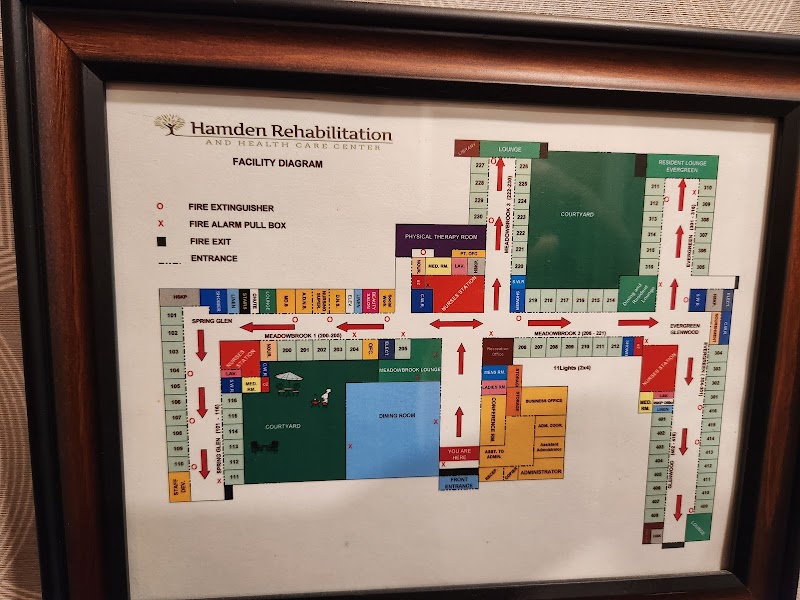
How is Hamden Rehabilitation & Health Staffed?

CMS rates HAMDEN REHABILITATION & HEALTH CARE CENTER's staffing level at 4 out of 5 stars, which is above average compared to other nursing homes. Staff turnover is 41%, compared to the Connecticut average of 46%. This relatively stable workforce can support continuity of care.

What Have Inspectors Found at Hamden Rehabilitation & Health?

State health inspectors documented 45 deficiencies at HAMDEN REHABILITATION & HEALTH CARE CENTER during 2019 to 2025. These included: 1 that caused actual resident harm, 43 with potential for harm, and 1 minor or isolated issues. Deficiencies causing actual harm indicate documented cases where residents experienced negative health consequences.
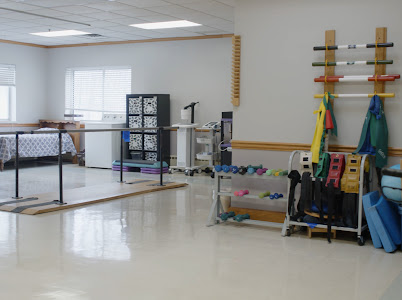
Who Owns and Operates Hamden Rehabilitation & Health?

HAMDEN REHABILITATION & HEALTH CARE CENTER is owned by a for-profit company. For-profit facilities operate as businesses with obligations to shareholders or private owners. The facility operates independently rather than as part of a larger chain. With 153 certified beds and approximately 134 residents (about 88% occupancy), it is a mid-sized facility located in HAMDEN, Connecticut.

How Does Hamden Rehabilitation & Health Compare to Other Connecticut Nursing Homes?

Compared to the 100 nursing homes in Connecticut, HAMDEN REHABILITATION & HEALTH CARE CENTER's overall rating (2 stars) is below the state average of 3.0, staff turnover (41%) is near the state average of 46%, and health inspection rating (3 stars) is at the national benchmark.

What Should Families Ask When Visiting Hamden Rehabilitation & Health?

Based on this facility's data, families visiting should ask: "Can I visit during a mealtime to observe dining assistance and food quality?" "How do you handle medical emergencies, and what is your hospital transfer rate?" "Can I speak with family members of current residents about their experience?"

Is Hamden Rehabilitation & Health Safe?

Based on CMS inspection data, HAMDEN REHABILITATION & HEALTH CARE CENTER has a clean safety record: no substantiated abuse findings (meaning no confirmed cases of resident harm), no Immediate Jeopardy citations (the most serious violation level indicating risk of serious injury or death), and is not on the Special Focus Facility watch list (a federal program monitoring the lowest-performing 1% of nursing homes). The facility has a 2-star overall rating and ranks #100 of 100 nursing homes in Connecticut. While no facility is perfect, families should still ask about staff-to-resident ratios and recent inspection results during their visit.

Do Nurses at Hamden Rehabilitation & Health Stick Around?

HAMDEN REHABILITATION & HEALTH CARE CENTER has a staff turnover rate of 41%, which is about average for Connecticut nursing homes (state average: 46%). Moderate turnover is common in nursing homes, but families should still ask about staff tenure and how the facility maintains care continuity when employees leave.

Was Hamden Rehabilitation & Health Ever Fined?

HAMDEN REHABILITATION & HEALTH CARE CENTER has no federal fines on record. CMS issues fines when nursing homes fail to meet care standards or don't correct problems found during inspections. The absence of fines suggests the facility has either maintained compliance or corrected any issues before penalties were assessed. This is a positive indicator, though families should still review recent inspection reports for the full picture.

Is Hamden Rehabilitation & Health on Any Federal Watch List?

HAMDEN REHABILITATION & HEALTH CARE CENTER is not on any federal watch list. The most significant is the Special Focus Facility (SFF) program, which identifies the bottom 1% of nursing homes nationally based on persistent, serious quality problems. Not being on this list means the facility has avoided the pattern of deficiencies that triggers enhanced federal oversight. This is a positive indicator, though families should still review the facility's inspection history directly.