COMPLETE CARE AT MERIDEN
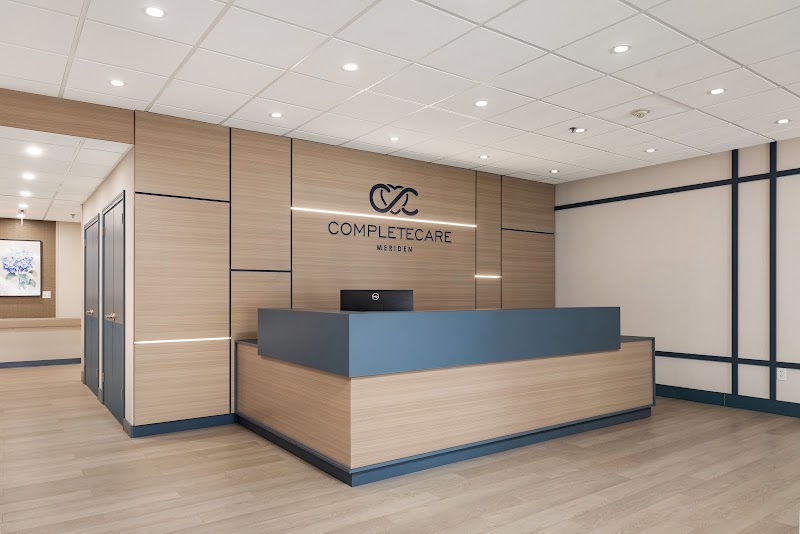
845 PADDOCK AVE, MERIDEN, CT 06450 (203) 238-2645
For profit - Corporation 130 Beds COMPLETE CARE Data: November 2025
Trust Grade
68/100
#61 of 192 in CT
Last Inspection: April 2024

Within standard 12-15 month inspection cycle. Federal law requires annual inspections.

Overview

Complete Care at Meriden has a Trust Grade of C+, indicating it is slightly above average but not exceptional. It ranks #61 out of 192 facilities in Connecticut, placing it in the top half, and #5 out of 17 in its county, showing it has only a few local competitors performing better. The facility is improving, decreasing its issues from 15 in 2024 to just 1 in 2025, which is a positive sign. However, staffing is a concern with a rating of 2 out of 5 stars and a turnover rate of 39%, which is around the state average, suggesting some instability in staff continuity. The nursing home has faced some issues, such as failing to properly store food items in the kitchen and not obtaining consent for the use of bed rails for residents, which could pose safety risks. Overall, while there are strengths like good quality measures, the facility also has notable weaknesses that families should consider carefully.

Trust Score
C+
68/100
In Connecticut
#61/192
Top 31%
Safety Record
Low Risk
No red flags
Inspections
Getting Better
15 → 1 violations
Staff Stability
○ Average
39% turnover. Near Connecticut's 48% average. Typical for the industry.
Penalties
✓ Good
$8,827 in fines. Lower than most Connecticut facilities. Relatively clean record.
Skilled Nurses
○ Average
Each resident gets 33 minutes of Registered Nurse (RN) attention daily — about average for Connecticut. RNs are the most trained staff who monitor for health changes.
Violations
⚠ Watch
37 deficiencies on record. Higher than average. Multiple issues found across inspections.
★★★★☆
4.0
Overall Rating
★★☆☆☆
2.0
Staff Levels
★★★★★
5.0
Care Quality
★★★☆☆
3.0
Inspection Score
Stable
2024: 15 issues
2025: 1 issues

The Good

  • 5-Star Quality Measures · Strong clinical quality outcomes
  • Full Sprinkler Coverage · Fire safety systems throughout facility
  • No fines on record
  • Staff turnover below average (39%)

    9 points below Connecticut average of 48%

Facility shows strength in quality measures, fire safety.

The Bad

Staff Turnover: 39%

Near Connecticut avg (46%)

Typical for the industry

Federal Fines: $8,827

Below median ($33,413)

Minor penalties assessed

Chain: COMPLETE CARE

Part of a multi-facility chain

Ask about local staffing decisions and management

The Ugly 37 deficiencies on record

Apr 2025 1 deficiency
CONCERN (D) 📢 Someone Reported This

A family member, employee, or ombudsman was alarmed enough to file a formal complaint

Potential for Harm - no one hurt, but risky conditions existed

Resident Rights (Tag F0550)

Could have caused harm · This affected 1 resident

**NOTE- TERMS IN BRACKETS HAVE BEEN EDITED TO PROTECT CONFIDENTIALITY** Based on clinical record review, facility documentation review, facility policy review, and interviews for one of three resident...

Read full inspector narrative →
**NOTE- TERMS IN BRACKETS HAVE BEEN EDITED TO PROTECT CONFIDENTIALITY** Based on clinical record review, facility documentation review, facility policy review, and interviews for one of three residents (Resident #1) reviewed for abuse, the facility failed to ensure the resident was treated with respect and dignity. The findings include: Resident #1's diagnoses included depressive episodes, anxiety, delusional disorders and auditory hallucinations. The quarterly Minimum Data Set (MDS) assessment dated [DATE] identified Resident #1 had a Brief Interview for Mental Status (BIMS) score of thirteen out of fifteen, required assistance with ADLs, and had no behaviors. The Resident Care Plan (RCP) dated 2/22/2025 or last CP review completed dated 3/11/2025 identified a decreased ability to perform ADLs. Interventions directed to assist with ADLs. Review of Facility Reportable Events form dated 3/15/2025 at 1:30 PM identified according to witnesses (LPN #1 and Dietary Aide #1) Resident #1 and Nurse Aide (NA) #1 exchanged harsh words, Resident #1 became upset, claiming NA #1 had yelled at him/her first which and then Resident #1 shouted back, and used foul language directed at NA #1 (told NA #1 to shut the ***k up. The form indicated witnesses reported NA #1 responded to Resident #1 using foul language and repeated the same phrase to Resident #1. Resident #1 reported the exchange to RN #1. Interview and witness statement review with Dietary Aide #1 on 4/8/2025 at 11:48 AM identified she was standing in the hall directly across from Resident #1's room when she heard a NA saying in a loud voice to Resident #1, how do you not know how to clean yourself up and not know how to use a ***king napkin. Dietary Aide #1 stated LPN #1 was in the same hallway, she notified LPN #1 and LPN #1 went into the resident's room. Dietary Aide #1 stated she did not hear Resident #1 speaking, and she spoke to LPN #1 and LPN #1 entered Resident #1's room. Interview and review of witness statement on 4/8/2025 at 12:07 PM with LPN #1 identified Dietary Aide #1 did not notify her; she was standing at the medication cart in the nearby (lateral) hallway when she heard Resident #1 and NA #1 talking in loud voices that she described as screaming at each other. When she arrived at the room, NA #1 told her the kitchen always gives Resident #1 too much ice cream and pudding. LPN #1 reported there was pudding and ice cream on the resident and on the floor and NA #1 stated Resident #1 does that all the time. NA #1 said she was trying to give Resident #1 a wash cloth to wash his/her hands and face, and the resident did not want to do it. NA #1 indicated Resident #1 said it's your ***king job to do it, so you clean it up, and NA #1 responded yes, I clean up everything else, we are trying to get you to . but Resident #1 interrupted and told NA #1 to shut the ***k up. LPN #1 stated NA #1 spoke to Resident #1 in a raised tone, a raised voice volume and said right back at you to Resident #1, but NA #1 did not use foul language; did not use the f-word. On 4/8/2025 at 12:59 PM interview, review of clinical record and facility documentation with RN #1/RN supervisor identified Dietary Aide #1 notified him that she overheard a verbal exchange between a resident and a NA. RN #1 began an investigation, spoke with Resident #1, LPN #1, Dietary Aide #1, and NA #1. RN #1 stated NA #1 may have been offended by comments the resident made, however, NA #1 should not have behaved in that manner and it was unprofessional. Interview and review of witness statement on 4/8/2025 at 1:16 PM with NA #1 indicated Resident #1 had never spoken to her like that before, ice cream was everywhere and Resident #1 started swearing at her and said, shut the ***k up. NA #1 stated she did not swear back at the resident, but repeated back to the resident asking, why did you tell me to shut the *** up? NA #1 indicated that she did not swear at the resident and denied speaking in a loud volume level or raised voice. Interview, clinical record and facility documentation review on 4/8/2025 at 2:22 PM with the DNS identified Dietary Aide #1 and LPN #1 both overheard NA #1 speaking with Resident #1, and when LPN #1 entered the room, he observed spilled yogurt and ice cream on the resident's clothes. NA #1 handed a towel to Resident #1 to clean up the food, the resident became upset and told NA #1 shut the ***k up. NA #1 responded by saying why did you say shut the ***k up to me? NA #1's voice was overheard as she was speaking too loud to Resident #1. The DNS stated that NA #1 should not have spoken loudly, in that tone or volume or repeated the sentence back to the resident. NA #1 should not have asked the resident why he/she said it, and NA #1 should have just gone about doing what she needed to do. Review of the facility Resident Rights Policy directed in part, the resident has a right to be treated with respect and dignity. Review of Employee Relations, code of conduct directed in part the Company considers professional conduct and compliance with Company's policies and procedures to be an essential responsibility of an employee's job.
Apr 2024 15 deficiencies
CONCERN (D) 📢 Someone Reported This

A family member, employee, or ombudsman was alarmed enough to file a formal complaint

Potential for Harm - no one hurt, but risky conditions existed

Abuse Prevention Policies (Tag F0607)

Could have caused harm · This affected 1 resident

**NOTE- TERMS IN BRACKETS HAVE BEEN EDITED TO PROTECT CONFIDENTIALITY** Based on clinical record reviews, facility documentation, facility policy and interviews for 2 of 4 sampled residents, (Resident...

Read full inspector narrative →
**NOTE- TERMS IN BRACKETS HAVE BEEN EDITED TO PROTECT CONFIDENTIALITY** Based on clinical record reviews, facility documentation, facility policy and interviews for 2 of 4 sampled residents, (Resident #156 and Resident #159) reviewed for abuse, the facility failed ensure social service support was provided following an allegation of physical mistreatment within accordance to facility policy. The findings included: 1. Resident #156 's diagnoses included dementia and muscle weakness. The admission Minimum Data Set (MDS) assessment dated [DATE] identified Resident #156 as severely cognitively impaired and required one person assist with bed mobility, toileting, and two persons for transfer. The Resident Care Plan (RCP) dated 11/1/22 identified Resident #156 required assistance with activities of daily living (ADL) and had preferences with daily routines. Interventions directed to assist with morning and evening care, provide assistance of two when transferring out of bed to the wheelchair using a mechanical lift and to allow the resident to choose when to go to bed. 2. Resident #159's diagnoses included aneurysm of the artery of the lower extremity. The admission Minimum Data Set (MDS) assessment dated [DATE] identified Resident #159 as moderately cognitively impaired and required one person assist with bed mobility, transfers, and locomotion on the unit. The Resident care Plan dated 11/8/22 identified Resident #159 was at risk for experiencing adjustment issues related to change in lifestyle /routines and difficulty accepting placement. Interventions directed to encourage the resident to make independent decisions and encourage expression of feelings related to change in routines. A facility Reportable Event dated 11/3/22 at 9:30 AM identified on 11/2/22 between 8:45 PM and 9:00 PM, the roommate of Resident #156, Resident #159 allegedly heard Resident #156 tell the nurse aide, NA #3 that s/he did not want to go to bed. Resident #159 pulled the curtain back and observed NA #3 with both hands-on Resident #156's johnny telling Resident #156 s/he was going to bed while overhearing Resident #156 stating, You are hurting me. The Advanced Practice Registered Nurse, responsible party and police were notified. NA #3 would remain out of work pending investigation. A Reportable Event Summary dated 11/7/22 identified the allegation was unable to be substantiated as Resident #159 provided a different account of what occurred and that observations of staff members identified NA #3 was physically attacked by Resident #159 after being overheard to please turn h/her music down so Resident #156 could sleep. Resident #156 denied anyone hurting h/her and had no signs of injury. A review of Resident #156's clinical record failed to identify any social service support following the allegation of staff to resident psychological mistreatment. A review of Resident #159's clinical record failed to identify any social service support following the witnessed resident to staff physical mistreatment. An interview with the Director of Nursing, DNS on 4/01/24 at 10:47 AM identified social services should have followed up with Resident #156 and Resident #159 for three days after the alleged event and documented their interaction in the clinical record. An interview with the Director of Social Services on 4/01/24 at 3:16 PM identified any resident involved in an allegation of mistreatment would be provided emotional support for three days following the alleged incident and documented in the clinical record. A review of the facility policy for Abuse dated 7/1/23 directs that emotional support and counseling will be provided to the resident during and after an abuse investigation, as needed. A review of the Social Services job description dated 7/5/23 identified the Social Worker was responsible for providing and arranging needed mental and psychosocial counseling sessions, assuring notes were informative and descriptive of services provided and resident response, and provide individual/group help for family and residents at all times of adjustment, crisis, or need.
CONCERN (D) 📢 Someone Reported This

A family member, employee, or ombudsman was alarmed enough to file a formal complaint

Potential for Harm - no one hurt, but risky conditions existed

Report Alleged Abuse (Tag F0609)

Could have caused harm · This affected 1 resident

**NOTE- TERMS IN BRACKETS HAVE BEEN EDITED TO PROTECT CONFIDENTIALITY** Based on clinical record reviews, facility documentation, facility policy and interviews for 1 of 4 sampled residents, (Resident...

Read full inspector narrative →
**NOTE- TERMS IN BRACKETS HAVE BEEN EDITED TO PROTECT CONFIDENTIALITY** Based on clinical record reviews, facility documentation, facility policy and interviews for 1 of 4 sampled residents, (Resident #156) reviewed for abuse, the facility failed ensure an allegation of staff to resident physical mistreatment was reported to the state agency within required time frames. The findings include: 1. Resident #156 's diagnoses included dementia and muscle weakness. The admission Minimum Data Set (MDS) assessment dated [DATE] identified Resident #156 as severely cognitively impaired and required one person assist with bed mobility, toileting, and two persons for transfer. The Resident Care Plan (RCP) dated 11/1/22 identified Resident #156 required assistance with activities of daily living (ADL) and had preferences with daily routines. Interventions directed to assist with morning and evening care, provide assistance of two when transferring out of bed to the wheelchair using a mechanical lift and to allow the resident to choose when to go to bed. 2. Resident #159's diagnoses included aneurysm of the artery of the lower extremity. The admission Minimum Data Set (MDS) assessment dated [DATE] identified Resident #159 as moderately cognitively impaired and required one person assist with bed mobility, transfers, and locomotion on the unit. The Resident care Plan dated 11/8/22 identified Resident #159 was at risk for experiencing adjustment issues related to change in lifestyle /routines and difficulty accepting placement. Interventions directed to encourage the resident to make independent decisions and encourage expression of feelings related to change in routines. A facility Reportable Event dated 11/3/22 at 9:30 AM identified on 11/2/22 between 8:45 PM and 9:00 PM, the roommate of Resident #156, Resident #159 allegedly heard Resident #156 tell the nurse aide, NA #3 that s/he did not want to go to bed. Resident #159 pulled the curtain back and observed NA #3 with both hands-on Resident #156's johnny telling Resident #156 s/he was going to bed while overhearing Resident #156 stating, You are hurting me. The Advanced Practice Registered Nurse, responsible party and police were notified. NA #3 would remain out of work pending investigation. A Reportable Event Summary dated 11/7/22 identified the allegation was unable to be substantiated as Resident #159 provided a different account of what occurred and that observations of staff members identified NA #3 was physically attacked by Resident #159 after being overheard to please turn h/her music down so Resident #156 could sleep. Resident #156 denied anyone hurting h/her and had no signs of injury. An interview with Registered Nurse, (RN #2) on 4/01/24 9:49 AM identified she was the assigned nursing supervisor on 11/2/22 during the 3:00 PM to 11:00 PM shift. RN #2 had heard there was an altercation on the unit. Upon arrival, RN #2 observed Resident #159 kicking NA #3 who was attempting to hold Resident #159's wrists to prevent further assault. RN #2 intervened to allow NA #3 to get out of the room. RN #2 identified she learned that Resident #159 had expressed concerns Resident #156 was not cared for properly. A skin check was completed for Resident #156 due to the concern of abuse and the Director of Nursing Services was notified. RN #2 further identified any allegation for reporting to the state agency was the responsibility of the DNS. An interview with the Director of Nursing, DNS on 4/01/24 at 10:47 AM identified she was contacted on the evening of 11/2/22 with a report of resident to staff physical mistreatment. The initial report of the incident did not involve alleged mistreatment of another resident. Rather, Resident #159 became upset that NA #3 asked h/her to turn h/her music down so residents could sleep. The DNS was not fully informed of all the details until the following morning during report and then initiated the notification to the state agency. The DNS further identified in her absence, the nursing supervisor could initiate a Reportable Event and that RN #2 should have reported the allegation to the state agency at the time of the incident. A review of the facility policies for Abuse dated 7/1/23 directed that all alleged violations are to be reported to the state agency immediately or within 2 hours after the allegation is made.
CONCERN (D) 📢 Someone Reported This

A family member, employee, or ombudsman was alarmed enough to file a formal complaint

Potential for Harm - no one hurt, but risky conditions existed

Investigate Abuse (Tag F0610)

Could have caused harm · This affected 1 resident

**NOTE- TERMS IN BRACKETS HAVE BEEN EDITED TO PROTECT CONFIDENTIALITY** Based on clinical record reviews, facility documentation, facility policy and interviews for 2 of 4 sampled residents, reviewed ...

Read full inspector narrative →
**NOTE- TERMS IN BRACKETS HAVE BEEN EDITED TO PROTECT CONFIDENTIALITY** Based on clinical record reviews, facility documentation, facility policy and interviews for 2 of 4 sampled residents, reviewed for abuse for (Resident # 156 and Resident # 159), the facility failed ensure the protection of other residents following an allegation of staff to resident physical mistreatment and the facility failed to ensure the protection of other residents following a witnessed resident to staff assault. The findings include: 1. Resident #156 's diagnoses included dementia and muscle weakness. The admission Minimum Data Set (MDS) assessment dated [DATE] identified Resident #156 as severely cognitively impaired and required one person assist with bed mobility, toileting, and two persons for transfer. The Resident Care Plan (RCP) dated 11/1/22 identified Resident #156 required assistance with activities of daily living (ADL) and had preferences with daily routines. Interventions directed to assist with morning and evening care, provide assistance of two when transferring out of bed to the wheelchair using a mechanical lift and to allow the resident to choose when to go to bed. 2. Resident #159's diagnoses included aneurysm of the artery of the lower extremity. The admission Minimum Data Set (MDS) assessment dated [DATE] identified Resident #159 as moderately cognitively impaired and required one person assist with bed mobility, transfers, and locomotion on the unit. The Resident care Plan dated 11/8/22 identified Resident #159 was at risk for experiencing adjustment issues related to change in lifestyle /routines and difficulty accepting placement. Interventions directed to encourage the resident to make independent decisions and encourage expression of feelings related to change in routines. A facility Reportable Event dated 11/3/22 at 9:30 AM identified on 11/2/22 between 8:45 PM and 9:00 PM, the roommate of Resident #156, Resident #159 allegedly heard Resident #156 tell the nurse aide, NA #3 that s/he did not want to go to bed. Resident #159 pulled the curtain back and observed NA #3 with both hands-on Resident #156's johnny telling Resident #156 s/he was going to bed while overhearing Resident #156 stating, You are hurting me. The Advanced Practice Registered Nurse, responsible party and police were notified. NA #3 would remain out of work pending investigation. A Reportable Event Summary dated 11/7/22 identified the allegation was unable to be substantiated as Resident #159 provided a different account of what occurred and that observations of staff members identified NA #3 was physically attacked by Resident #159 after being overheard to please turn h/her music down so Resident #156 could sleep. Resident #156 denied anyone hurting h/her and had no signs of injury. An interview with Registered Nurse, RN #2 on 04/01/24 9:49 AM identified she was the assigned nursing supervisor on 11/2/22 during the 3:00 PM to 11:00 PM shift. RN #2 had heard of the altercation on the unit. Upon arrival, RN #2 observed Resident #159 kicking NA #3 who was attempting to hold Resident #159's wrists to prevent further assault. RN #2 intervened to allow NA #3 to get out of the room. RN #2 identified that she learned Resident #159 had expressed concerns that Resident #156 was not cared for properly. A skin check was completed for Resident #156 after the concern of abuse and the Director of Nursing Services was notified. Although RN #2 identified staff were to be immediately removed from the schedule following an allegation of staff to resident physical abuse, she was unable to explain why she allowed NA #3 to remain on duty for the remainder of the shift only requiring him/her to stay away from Resident #159. An interview with the Director of Nursing Services on 4/01/24 at 10:47 AM identified she was contacted on the evening of 11/2/22 with a report of resident to staff physical mistreatment. The initial reporting of the incident did not involve alleged mistreatment of another resident. Rather, Resident #159 became upset that NA #3 asked h/her to turn h/her music down so residents could sleep. The DNS was not fully informed of all the details until the following morning during report and then initiated the notification. Once aware, NA #3 was removed from the schedule and did not return until the investigation was completed. A review of the facility policy for abuse dated 7/1/23 directed that the facility makes efforts to ensure the protection of resident(s) from the alleged perpetrator including staffing changes during the investigation.
CONCERN (D)

Potential for Harm - no one hurt, but risky conditions existed

Comprehensive Care Plan (Tag F0656)

Could have caused harm · This affected 1 resident

**NOTE- TERMS IN BRACKETS HAVE BEEN EDITED TO PROTECT CONFIDENTIALITY** Based on a record reviews, review of policy and interviews for 1 of 1 resident (Resident # 28) reviewed for dementia care, the f...

Read full inspector narrative →
**NOTE- TERMS IN BRACKETS HAVE BEEN EDITED TO PROTECT CONFIDENTIALITY** Based on a record reviews, review of policy and interviews for 1 of 1 resident (Resident # 28) reviewed for dementia care, the facility failed to ensure a resident with a diagnosis of dementia was reflected in the resident care plan and for 1 of 6 residents (Resident #212) reviewed for accidents, the facility failed to ensure a care plan was developed to include a facial hematoma present on admission. The findings included. 1. Resident #28's diagnosis included dementia and Alzheimer's disease. The Minimum Data Set (MDS) assessment dated [DATE] identified Resident #28 had cognitive loss. The care plan dated 3/11/2024 indicated in part Resident #28 had behaviors such as yelling and striking out at staff, resistant to care. Interventions included: to have two staff members at all times while providing care, explaining all care before initiating and providing psychiatric consult/care as needed. The care plan did not mention dementia or Alzheimer's disease. An interview and record review with RN#4 on 4/02/24 at 8:50 AM indicated Resident #28's care plan did not reflect the diagnosis of dementia or Alzheimer's disease and further indicated the MDS Coordinator is responsible for adding care plans on admission and the ADNS or nurses add any care plans if there are changes. An interview on 4/2/2024 at 9:50 AM with RN #3 indicated there was no care plan for Resident #28 regarding dementia and s/he would add one at this time to the care plan. Subsequent inquiry on 4/2/2024 a care plan was written indicating Resident #28 had impaired cognitive function. Dementia or impaired thought processes related to Alzheimer's disease with interventions inducing in part to administer medications as ordered, communicate with the resident/family/caregivers regarding the resident's needs and capabilities, to provide communication techniques including using preferred name, identify self with interactions and face the resident when speaking and make eye contact., reduce distractions and to provide any necessary cues and to stop if resident becomes agitated .Additionally, interventions also included to keep routine and care givers consistent. The facility policy labeled Care Plan Comprehensive, Person Centered indicated in part the facility will develop and implement a care plan for each resident including measurable objectives and timetables to meet each resident's physical, psychological and functional needs. The policy further indicated the care plan is derived by a thorough analysis of the information gathered as part of the comprehensive assessment (which included diagnosis). 2. Resident #212's diagnosis included heart failure and diabetes mellitus. The Nursing Admission/Readmission/Annual/Significant Change assessment-V7 dated 3/21/2024 at 11:17 PM indicated the only skin impairment on admission was a Stage 2 pressure ulcer of the coccyx. The assessment also noted Resident #212 had a fall with a fracture in the last 6 months. A physician's order dated 3/22/2024 at 3:00PM directed to monitor hematoma on the left temporal area status post fall every shift. The care plan dated 3/22/2024 indicated Resident #212 was at risk for falls related to cognitive loss, lack of safety awareness impaired mobility and history of falls. Interventions included in part to assess for changes in medical status, provide verbal cues, assist with toileting needs, remind to use call light, and report any changes to the physician. On 4/1/2024 at 3:06 PM an interview and record review with the ADNS and RN # 4 indicated Resident #212 was admitted with facial hematoma as seen in the identification picture in the electronic record. RN#4 was able to locate results of a scan done while in the hospital which indicated Resident #212 had a soft tissue hematoma overlying the frontal bone of the face with a mildly displaced nasal fracture. An interview and record review on 4/02/24 at 8:45 with the ADNS and RN #4 indicated Resident #212's care plan should have reflected the facial hematoma/bruising since a physician order was in place to monitor the area. The ADNS further indicated the Minimum Data set (MDS) Coordinator, and the nurses write the baseline care plans on admission and if there are any changes to the care plan nursing, MDS or the ADNS would add as needed. Although a facility policy for baseline care plans was requested one was not provided.
CONCERN (D)

Potential for Harm - no one hurt, but risky conditions existed

Deficiency F0657 (Tag F0657)

Could have caused harm · This affected 1 resident

**NOTE- TERMS IN BRACKETS HAVE BEEN EDITED TO PROTECT CONFIDENTIALITY** Based on review of the clinical record and interviews for 1 of 6 residents (Resident #28) reviewed for accidents, the facility f...

Read full inspector narrative →
**NOTE- TERMS IN BRACKETS HAVE BEEN EDITED TO PROTECT CONFIDENTIALITY** Based on review of the clinical record and interviews for 1 of 6 residents (Resident #28) reviewed for accidents, the facility failed to revise the resident care plan regarding utilization of side rails timely. The findings include: Resident #28's diagnosis included dementia and Alzheimer's disease. The Minimum Data Set (MDS) assessment dated [DATE] identified Resident #28 had cognitive loss. The care plan dated 3/11/2024 indicated Resident # 28 was at risk for falls due to impaired mobility, cognitive loss, and lack of safety awareness. Interventions included, in part to keep the bed in a low position and tie the side rails in the down position to prevent Resident #28 from putting arms through the rails. An observation on 4/3/204 at 2;40 PM identified 2 half siderails on Resident # 28's bed. An observation with RN #7 on 4/4/2024 at 10:40 AM indicated 2 half side rails up on the sides of Resident#28's bed which was in the low position. An interview and record review on 4/4/2024 at 11:14 AM with the DNS indicated the care plan intervention for side rails for Resident #28 had not been revised since 2020. The DNS also indicated the care plan did not include an indication for use or a physicians' order. After inquiry, the DNS indicated the care plan would be updated to address the side rail usage as it pertains to physician's orders.
CONCERN (D)

Potential for Harm - no one hurt, but risky conditions existed

Deficiency F0660 (Tag F0660)

Could have caused harm · This affected 1 resident

**NOTE- TERMS IN BRACKETS HAVE BEEN EDITED TO PROTECT CONFIDENTIALITY** Based on clinical record review, facility documentation, facility policy and interviews for 1 of 1 sampled resident, (Resident #...

Read full inspector narrative →
**NOTE- TERMS IN BRACKETS HAVE BEEN EDITED TO PROTECT CONFIDENTIALITY** Based on clinical record review, facility documentation, facility policy and interviews for 1 of 1 sampled resident, (Resident #104) reviewed for discharge, the facility failed to ensure a discharge transition plan was provided to the responsible party for a resident who was discharge Against Medical Advice (AMA). The findings Include: Resident #104's diagnoses included cerebral vascular disease and mild cognitive impairment. The quarterly Minimum Data Set (MDS) assessment dated [DATE] identified Resident #104 was severely cognitively impaired, independent with bed mobility, transfers and ambulation and required moderate assistance with toileting. The Resident Care Plan dated 12/30/23 identified Resident #104 had cognitive loss and had preferences for customary routines. Interventions directed to evaluate behavioral symptoms, provide morning care, and create opportunities to choose clothing for the day. A nurse's note dated 12/31/23 at 10:41 AM identified Resident #104's responsible party came to visit and decided to bring h/her home. The Advanced Practice Registered Nurse, APRN was informed, and the family signed Resident #104 out AMA. Medication and instruction were provided to the family along with belongings. An interview with the Director of Nursing on 4/02/24 at 11:26 AM identified for any discharge of a resident would include education on the pros and cons of leaving AMA. If the resident still wishes to leave, orders will be obtained, and community referrals provided to the resident along with a discharge summary. An interview with Registered Nurse, RN #6 on 4/02/24 at 2:32 PM identified he was working on 12/31/23 during the 7:00 AM to 3:00 PM shift when he was notified by Resident #104's responsible party that they wished to sign h/her out AMA. RN #6 could not recall discussing a discharge plan and living arrangements with the responsible party, nor did he provide a discharge transition plan to the family upon discharge from the facility. A review of the facility policy for Discharge Against Medical Advice Directs AMA discharges will be processed in accordance with the patient/ representative to arrange for a safe discharge. A Discharge Transition Plan will be provided to the resident/representative and efforts will be made to make referrals to the community resources and agencies to the extent time permits. Documentation will be made in the medical record that details the discharge including persons/agencies notified, statement of the reason for discharge, explanation of remaining at the center, explanation of risks, benefits and consequences of leaving, data and time of discharge, mode of transportation and by whom.
CONCERN (D)

Potential for Harm - no one hurt, but risky conditions existed

Quality of Care (Tag F0684)

Could have caused harm · This affected 1 resident

**NOTE- TERMS IN BRACKETS HAVE BEEN EDITED TO PROTECT CONFIDENTIALITY** Based on clinical record reviews, facility documentation, facility policy and interviews for 1 of 3 sampled residents (Resident ...

Read full inspector narrative →
**NOTE- TERMS IN BRACKETS HAVE BEEN EDITED TO PROTECT CONFIDENTIALITY** Based on clinical record reviews, facility documentation, facility policy and interviews for 1 of 3 sampled residents (Resident #87) reviewed for accidents, the facility failed to ensure a resident reporting new pain following a recent fall was assessed. The findings include: Resident #87's diagnoses included end stage renal disease, hypertension, chronic pain syndrome, anxiety, and morbid obesity. A Fall Risk assessment dated [DATE] identified a score of 7 indicating Resident #87 was at moderate risk for falls. A quarterly Nursing assessment dated [DATE] identified two half side rails were in place for safety and to promote independence with bed mobility. The quarterly Minimum Data Set (MDS) assessment dated [DATE] identified Resident #87 as cognitively intact, required substantial maximal assist with bed mobility, total two person assist with transfers and had no reported falls. The Resident Care Plan (RCP) dated 3/14/24 identified Resident #87 was at risk for decreased ability to perform activities of daily living (ADL) and at risk for falls. Interventions directed Resident #87 was dependent with bed mobility, provide assist with morning and evening care and arrange resident environment as much as possible to facilitate ADL performance. A Physical Therapy Discharge summary dated [DATE] identified Resident #87 required partial to moderate assist with rolling from a lying position on the back to the left or right side and then returning to lying on the back. The Medication Administration Record (MAR) dated 3/1/24 through 3/17/24 identified Resident #87 as free from pain and received Tylenol for mild pain on two occasions with good effect. A nurse's note dated 3/18/24 at 11:06 AM identified Resident #87 was receiving morning care when Nurse Aide, NA #2 noted an open area on the left buttocks. NA #2 had Resident #87 positioned on h/her left side when she exited the room to inform the nurse of the open area at which time the resident subsequently rolled out of bed. No injuries or pain were noted at the time of the fall. The Advanced Practice Registered Nurse, APRN #1 was notified of the fall. Maintenance checked the bed and side rails for safety. An Occupational Therapy Treatment Encounter note dated 3/18/24 identified Resident #87 sustained a fall out of bed just prior to therapy and was cleared by nursing to attend. Resident #87 was unable to engage in functional transitional training due increased right hip pain. The nursing staff were informed and administered pain medication during the therapy session. A specialized Service Treatment Flow Sheet dated 3/18/24 at 3:00 PM identified Resident #87 reported a fall to the floor with a head strike at the nursing home which was unreported by nursing staff. Heparin (anticoagulant) was withheld. Resident #87 refused to go to the Emergency Department (ER). A subsequent Service Treatment Flow Sheet dated 3/18/24 at 5:40 PM identified Resident #87 was transferred to the Emergency Department post treatment. An APRN progress note dated 3/18/24 identified Resident #87 had a complaint of acute right hip pain following a fall. An x-ray was ordered. Resident #87 was sent to the Emergency Department from an outside community setting while receiving specialized services, so the x-ray was not able to be obtained. An x-ray (obtained at the hospital) of the right hip and pelvis dated 3/18/24 identified no acute fracture. Resident #87 was admitted for an unrelated incidental finding of cholecystitis and discharged back to the facility on 3/23/24. An interview with Licensed Practical Nurse, LPN #2 on 4/03/24 at 12:50 PM identified Resident #87 was medicated just prior to therapy. The therapist later reported Resident #87 was experiencing pain which was reported to Registered Nurse, RN #9 and an order for an x ray was obtained. Resident #87 left the facility for an outside appointment before the x-ray could be obtained. An interview with RN #9 on 4/03/24 at 1:13 PM identified she was working on 3/18/24 during the 7:00 AM to 3:00 PM shift as the nursing supervisor when she was notified Resident #18 sustained a fall. RN #9 assessed Resident #87 at the time of the fall who had no complaints of pain and was able to move all extremities. RN #9 determined there were no obvious signs of injury at the time of the fall but was later notified by the rehabilitation therapist Resident #87 was experiencing pain and LPN #2 administered pain medication. RN #9 further identified she did not re- assess Resident #87 following the report of pain as she attributed the pain to be chronic in nature. An interview with the Director of Nursing Services (DNS) on 4/03/24 at 2:56 PM identified RN #9 should have reassessed Resident #87 with reported pain after a recent history of a fall. An interview with the Advanced Practice Registered Nurse, APRN# on 4/04/24 at 10:51 AM identified Resident #87 did not have any pain at the time of the fall. APRN #1 later received a call from RN #9 reporting new pain. APRN #1 differentiated this new onset of pain from Resident #87's chronic pain due to it being more than usual and due to a recent fall history. An x-ray was ordered. However, Resident #87 was subsequently transferred from an outside facility before the x-ray could be obtained at the facility. Although requested, a policy for RN assessments was not provided.
CONCERN (D)

Potential for Harm - no one hurt, but risky conditions existed

Accident Prevention (Tag F0689)

Could have caused harm · This affected 1 resident

**NOTE- TERMS IN BRACKETS HAVE BEEN EDITED TO PROTECT CONFIDENTIALITY** Based on clinical record review, facility documentation, facility policy and interviews for 1 of 3 sample residents (Resident # ...

Read full inspector narrative →
**NOTE- TERMS IN BRACKETS HAVE BEEN EDITED TO PROTECT CONFIDENTIALITY** Based on clinical record review, facility documentation, facility policy and interviews for 1 of 3 sample residents (Resident # 87), reviewed for accidents, the facility failed to prevent an accident hazard for a resident who sustained a fall after being left in an unsafe position with the bed in a high position. The findings include: Resident #87's diagnoses included end stage renal disease, hypertension, chronic pain syndrome, anxiety, and morbid obesity. A bed rail inspection dated 1/21/22 identified the bed designated for room [ROOM NUMBER] A 'Passed' inspection. A Fall Risk assessment dated [DATE] identified a score of 7 indicating Resident #87 was at moderate risk for falls. A quarterly Nursing assessment dated [DATE] identified two half side rails were in place for safety and to promote independence with bed mobility. The quarterly Minimum Data Set (MDS) assessment dated [DATE] identified Resident #87 as cognitively intact, required substantial maximal assist with bed mobility, total two person assist with transfers and had no reported falls. The Resident Care Plan (RCP) dated 3/14/24 identified Resident #87 was at risk for decreased ability to perform activities of daily living (ADL) and at risk for falls. Interventions directed that Resident #87 was dependent with bed mobility, to assist with morning and evening care and arrange resident environment as much as possible to facilitate ADL performance. A Physical Therapy Discharge summary dated [DATE] identified Resident #87 required partial to moderate assist with rolling from a lying position on the back to the left or right side and then returning to lying on the back. A nurse's note dated 3/18/24 at 11:06 AM identified Resident #87 was receiving morning care when Nurse Aide, NA #2 noted an open area on the left buttocks. NA #2 had Resident #87 positioned on h/her left side when she exited the room to inform the nurse of the open area and the resident subsequently rolled out of bed. No injuries or pain were noted at the time of the fall. The Advanced Practice Registered Nurse, APRN #1 was notified of the fall. Maintenance checked the bed and side rails for safety. An Occupational Therapy Treatment Encounter note dated 3/18/24 identified Resident #87 sustained a fall out of bed just prior to therapy and was cleared by nursing to attend. Resident #87 was unable to engage in functional transitional training due to increased right hip pain. The nursing staff were informed and administered pain medication during the therapy session. A specialized Service Treatment Flow Sheet dated 3/18/24 at 3:00 PM identified Resident #87 reported a fall to the floor with a head strike at the nursing home which was unreported by nursing staff. Heparin (anticoagulant) was withheld. Resident #87 refused to go to the Emergency Department (ER) for an evaluation following the fall. A nurse's note dated 3/18/24 at 3:02 PM identified Resident #87 as complaining of right hip pain following a fall. An x-ray was ordered. The technician came in, however Resident #87 was at an outside community setting receiving specialized services. A subsequent Service Treatment Flow Sheet dated 3/18/24 at 5:40 PM identified Resident #87 was transferred to the Emergency Department post specialized treatment. An x-ray (obtained at the hospital) of the right hip and pelvis dated 3/18/24 identified no acute fracture. Resident #87 was admitted for an unrelated incidental finding of cholecystitis and discharged back to the facility on 3/23/24 with medications that included Hydromorphone 4 mg every four hours as needed for severe pain which was unclear if the medication was for hip pain. An interview with Resident #87 on 4/3/24 at 10:10 AM identified beginning Friday evening, 3/15/24, s/he noticed there was no rail on the left side and reported it to nurse aide staff periodically throughout the weekend. Resident #87 learned over the weekend there was no maintenance and was told the matter would be addressed on the following Monday (3/18/24). On 3/18/24 during morning care, Resident #87 identified s/he was left on h/his left side for approximately ten minutes while NA #2 exited the room. Resident #87 did not have the bed rail to grab to hold him/herself up and subsequently rolled off the bed and onto the floor. Resident #87 identified s/he would have used the rail to hold him/herself in position to prevent from falling. According to Resident #87, no other interventions were put in place for safety over the weekend, and s/he did not observe maintenance staff come to fix the rail until after the fall. An interview with the Director of Maintenance on 4/3/24 at 10:25 AM identified he or the Administrator should be notified of any maintenance related issues after hours. The Director of Maintenance further identified he was not notified at any time over the weekend of the broken rail. Once notified on 3/18/24, the Director of Maintenance fixed the rail. An interview on 4/3/24 at 10:36 AM, after surveyor inquiry, the Director of Maintenance identified the bed rail was fixed at 7:00 AM prior to the fall. An interview with the Director of Nursing on 4/3/24 at 10:28 AM identified she was informed care was being provided. NA #2 needed assistance and walked away to get help when Resident # 87 fell. Resident #87 was left on h/his left side with the bed in a high position and should not have been left that way. The DNS identified she was unaware that the bed rail was previously broken but was informed by the Director of Maintenance, subsequent to surveyor inquiry the bed was fixed at 7:00 AM before the fall. An interview with NA #2 on 4/3/24 at 10:40 AM identified she was the assigned nurse aide for Resident #87 on 3/18/23 during the 7:00 AM to 3:00 PM shift. NA #2 identified she had provided morning care to Resident #87 and left the room momentarily to notify the nurse of a new skin integrity issue and to report the left side rail was broken, in the down position. NA #2 exited the room leaving Resident #87 on h/his left side to go to the nurse's station (approximately eighteen feet) to notify the nurse. Licensed Practical Nurse, LPN #2. Resident #87 subsequently fell off the bed when NA #2 exited the room. An interview with LPN #2 on 4/3/24 at 10:55 AM identified she was at the nurse's station when NA #2 reported Resident #87's bed rail was broken. As she and NA #2 were going towards Resident #87's room, they were informed by another aide Resident #87 was on the floor. When LPN #2 entered the room, she noted the rail was in a fixed down position and that the bed was in a high position. After the fall, LPN #2 completed a work order (no date or time) and submitted it to maintenance who then came up right away to fix the rail. LPN #2 identified she was not previously made aware that there was any issue with Resident #87's side rail prior to the fall. An interview with NA #3 on 4/03/24 at 11:44 AM identified he worked during the 3:00 PM to 11:00 PM shift on 3/15/24. Although NA #3 could not specifically recall if he were assigned to Resident #87, he did recall Resident #87 reported, and he observed that the left side rail was broken. NA #3 did not report the broken rail to anyone as Resident #87 had indicated he had been reporting the broken rail to staff. NA #3 further indicated that there would be no available maintenance staff to address the issue over the weekend. An interview with the Rehabilitation Director on 4/3/24 at 1:30 PM identified s/he did have strong upper body strength. If left in an unstable position, Resident #87 could utilize the rail to stabilize him/herself. A subsequent interview with the Director of Maintenance on 4/3/24 at 2:05 PM identified he had not completed a bed rail inspection for Resident #87's bed since 1/21/22 because he had not yet gotten around to it. A subsequent interview with the DNS on 4/03/24 at 2:56 PM identified that although bed rails in general do not prevent falls, staff should have notified the Administrator or maintenance at the time the rail was noted to be malfunctioning and the bed rail inspection completed according to policy. A subsequent interview with Resident #87 on and 4/03/24 at 4:00 PM identified the maintenance staff (Director of Maintenance) came up right away for the first time after the fall to assess the broken rail and then return a short time later to replace the entire rail. Interview with the Director of Maintenance on 4/3/24 at 6:00 PM identified the first time he repaired the side rails on the day of the fall he only needed to replace one of the two pin attachments to the bed. As a result of the investigation the facility failed to ensure a resident (Resident # 87) who previously reported a siderail malfunction and subsequently sustained a fall after being left in an unsafe position with the bed in a high position without the use of the bed rail requiring transfer to an acute care facility resulting in immediate jeopardy. An interview with the Medical Director on 4/9/24 at 11:07 AM identified Resident #87 should have never been left in an unsafe position with the bed in a higher position and proper notifications if equipment is malfunctioning. The Medical Director further indicated he would expect bed rail inspections to be completed for all residents according to policy. The facility submitted plan on 4-3-24 at 6:15 PM that identified the following: All direct care staff to be educated not to leave residents unattended in an unsafe position. Direct Care staff were educated on notifying maintenance if an issue with equipment was identified as a risk to patient safety, will be removed from service. Education will be provided prior to the employee working. Preventative maintenance will be completed on side rails according to facility policy and manufacturer guidelines. Audits were conducted for all residents capable of answering if there were any issues with the side rails, with none identified. An in-house audit of all resident side rails was assessed by maintenance for functionality with no issues identified on 4/3/24. In-house audits of side rails will be completed weekly for four weeks and then monthly for two months. An entrapment zone audit of all facility beds was completed by maintenance staff on 4/4/24 with no issues identified. In-house audits of staff knowledge on what to do if a piece of equipment was not functioning will be completed weekly for four weeks, then monthly for two months. A Performance Review committee was held on 4/3/24 to review the event and interventions. The findings will be discussed at future QAPI (Quality Assurance/Performance Improvement) meetings for a minimum of three months or until a pattern of compliance is obtained. The Director of Nursing will be responsible for overseeing this plan of correction. After surveyor inquiry, a Bed Rail Inspection dated 2/16/23 identified as 'passed' was provided. A review of the Bed Rail Policy directed if a side rail is to be used, the facility will ensure the correct installation, use and maintenance. Although a policy for Accident prevention was requested, none was provided.
CONCERN (D)

Potential for Harm - no one hurt, but risky conditions existed

Deficiency F0698 (Tag F0698)

Could have caused harm · This affected 1 resident

**NOTE- TERMS IN BRACKETS HAVE BEEN EDITED TO PROTECT CONFIDENTIALITY** Based on clinical record reviews, facility documentation, facility policy and interviews for 1 of 1 of 3 residents, (Resident #8...

Read full inspector narrative →
**NOTE- TERMS IN BRACKETS HAVE BEEN EDITED TO PROTECT CONFIDENTIALITY** Based on clinical record reviews, facility documentation, facility policy and interviews for 1 of 1 of 3 residents, (Resident #87) reviewed for accidents, the facility failed ensure a recent fall was communicated to community center for a resident who subsequently required transfer to the Emergency Department (ED) while receiving specialized services. The findings include: Resident #87's diagnoses included end stage renal disease, hypertension, chronic pain syndrome, anxiety, and morbid obesity. A quarterly Nursing assessment dated [DATE] identified two half side rails were in place for safety and to promote independence with bed mobility. The quarterly Minimum Data Set (MDS) assessment dated [DATE] identified Resident #87 as cognitively intact, required substantial maximal assist with bed mobility, total two person assist with transfers and had no reported falls. The Resident Care Plan (RCP) dated 3/14/24 identified Resident #87 was at risk for decreased ability to perform activities of daily living (ADL) and at risk for falls. Interventions directed Resident #87 was dependent with bed mobility, to assist with morning and evening care and arrange resident environment as much as possible to facilitate ADL performance. A Physical Therapy Discharge summary dated [DATE] identified Resident #87 required partial to moderate assist with rolling from a lying position on the back to the left or right side and then returning to lying on the back. A nurse's note dated 3/18/24 at 11:06 AM identified Resident #87 was receiving morning care when Nurse Aide, NA #2 noted an open area on the left buttocks. NA #2 had Resident #87 positioned on h/her left side when she exited the room to inform the nurse of the open area at which time the resident subsequently rolled out of bed. No injuries or pain were noted at the time of the fall. The Advanced Practice Registered Nurse, APRN #1 was notified of the fall. Maintenance checked the bed and side rails for safety. The Communication Record dated 3/18/24 identified there was no documented communication to the Specialty Service Center regarding Resident #87's recent fall. A specialized Service Treatment Flow Sheet dated 3/18/24 at 3:00 PM identified Resident #87 reported a fall to the floor with a head strike at the nursing home which was unreported by nursing staff. Heparin (anticoagulant) was withheld. Resident #87 refused to go to the Emergency Department (ER). \ A subsequent Service Treatment Flow Sheet dated 3/18/24 at 5:40 PM identified Resident #87 was transferred to the Emergency Department post treatment. An interview with Licensed Practical Nurse, LPN #2 on 4/03/24 at 12:50 PM identified she did not document information regarding Resident #87's recent fall in the communication book prior to sending the book with Resident #87 into the community to receive specialized services. An interview with the Director of Nursing Services on 4/03/24 at 2:56 PM identified she would expect nursing staff to report any change in resident condition to an outside community center that provides specialty services for that resident. A review of the facility policy for Specialized Treatment Communication Form directed to ensure the completion of the communication form which accompanies the resident on treatment days to communicate resident information and coordinate care between the center and facility.
CONCERN (D)

Potential for Harm - no one hurt, but risky conditions existed

Drug Regimen Review (Tag F0756)

Could have caused harm · This affected 1 resident

**NOTE- TERMS IN BRACKETS HAVE BEEN EDITED TO PROTECT CONFIDENTIALITY** Based on clinical record reviews, review of facility documentation, review of policy and interviews for 2 of 5 residents (Reside...

Read full inspector narrative →
**NOTE- TERMS IN BRACKETS HAVE BEEN EDITED TO PROTECT CONFIDENTIALITY** Based on clinical record reviews, review of facility documentation, review of policy and interviews for 2 of 5 residents (Residents # 27 and #28) reviewed for unnecessary medications, the facility failed to ensure a pharmacy recommendation regarding a needed stop date for a medication was reviewed by the physician timely. The findings included. 1.Resident #27 was admitted on [DATE] with a diagnosis that included Chronic Obstructive Pulmonary Disease (COPD), dementia, and bipolar disorder. The care plan dated 6/2/23 identified Resident #27 as at risk for impaired swallowing related to an overall decline in medical condition. Interventions included providing thin-consistency liquids, assisting with feeding, and alternate small bites and sips. A pharmacy note dated 6/26/23 indicated the resident's medication regimen was reviewed and recommendations were made to the prescriber. The pharmacy notes further directed staff to see the medication regimen review report. A Drug Regimen Review report dated 6/26/23 recommended that if the resident has difficulty swallowing, alternative medications for divalproex (a medication for seizures) and pantoprazole (a medication for acid reflux) should be considered. Additionally, the report recommended clarifying medication administration directions for potassium chloride (a potassium supplement for low potassium). The report failed to identify a physician response to indicate review or followed up. A physician order dated 8/1/23 directed the administration of Protonix (pantoprazole) delayed release 40 milligrams in the morning and Divalproex delayed release 750 milligrams. The quarterly Minimum Data Set (MDS) assessment dated [DATE] identified Resident #27 as cognitively intact and was dependent for personal hygiene, bathing, and toileting. Additionally, the MDS identified Resident #27 as taking an antipsychotic, antidepressant, diuretic, and opioid. A physician's order dated 1/30/24 directed staff to provide a regular texture diet. An interview with the DNS on 4/3/24 at 12:40 PM indicated she could not locate all the pharmacy recommendations requested by the surveyor secondary to not being in the medical record. A follow-up interview with the DNS on 4/3/24 at 1:30 PM indicated she had emailed the pharmacy and that the only pharmacy recommendation for which there was no follow-up was the Drug Regimen Review dated 6/26/23. The DNS was unable to identify a reason for the missing follow-up. A review of the facility policy on Medication Regimen Review indicated notes written communications from the pharmacist should become a permanent part of the resident's medical record and facility staff shall act upon all recommendations according to procedures for addressing medication regimen review irregularities. 2. Resident #28's diagnoses included dementia, Alzheimer's disease, and delusional disorders. The physician's order dated 11/22/2023 directed to administer Lorazepam oral Tablet 0.5 mg by mouth every 4 hours as needed for anxiety and restlessness. A pharmacy consultant document dated 11/28/2023, labeled Drug Regimen Review: Physician Referrals/Findings identified the current order for lorazepam PRN (as needed) had no stop date and CMS guidelines do not allow maintaining open ended orders for PRN psychotropics on medication profiles. The pharmacy consultant document recommended to evaluate and consider discontinuation of the medication if appropriate. A pharmacy consultant document dated 1/30/2024 labeled Drug Regimen Review: Physician Referrals/Findings indicated the current order for lorazepam PRN (as needed) had no stop date and CMS guidelines do not allow maintaining open ended orders for PRN psychotropics on medication profiles. The pharmacy consultant document recommended to evaluate and consider discontinuation of the medication if appropriate. The APRN indicated on the form on 2/1/2024 he/she agreed with the recommendation. The quarterly Minimum Data Set (MDS) assessment dated [DATE] indicated Resident #28 had moderate cognitive impairment and was utilizing antipsychotic medication. The care plan dated 3/11/2024 indicated Resident #28 was at risk for complications related to the use of psychotropic medications. Intervention in part direct to administer the smallest most effective dose without side effects. An interview with the DNS on 4/2/2024 at 2:15 PM identified s/he could not explain why the pharmacy recommendation dated 11/28/2023 was not addressed timely resulting in a second pharmacy recommendation for the same concern resubmitted was on 1/30/2024 (30 days later). The facility policy labeled Medication Regimen Review dated 7/1/2023 indicated in part; the medication regimen review is a thorough evaluation of the medication regimen of a resident with the goal of promoting positive outcomes and minimizing adverse consequences and potential risks associated with medication. The policy further indicated the consultant pharmacist would schedule at least one monthly visit to the facility and communicated any recommendations and identified irregularities via written communication within in 10 working days of the review at which time the facility will act upon all recommendations according to procedures for addressing medication regimen review irregularities. ·
CONCERN (E)

Potential for Harm - no one hurt, but risky conditions existed

Deficiency F0700 (Tag F0700)

Could have caused harm · This affected multiple residents

**NOTE- TERMS IN BRACKETS HAVE BEEN EDITED TO PROTECT CONFIDENTIALITY** Based on clinical record reviews, facility documentation, facility policy and interviews for 6 of 6 residents, (Residents # 27, ...

Read full inspector narrative →
**NOTE- TERMS IN BRACKETS HAVE BEEN EDITED TO PROTECT CONFIDENTIALITY** Based on clinical record reviews, facility documentation, facility policy and interviews for 6 of 6 residents, (Residents # 27, # 28 , # 34, # 87 # 212 and # 215) reviewed for bed rails, the facility failed to acquire consent and physician's orders prior to the initiation of a bed rails, explain risk and benefits and failed to assess the function and perform maintenance to the bed rail according to facility policy. The findings included: 1. Resident #27 was admitted on [DATE] with diagnoses that included Chronic Obstructive Pulmonary Disease (COPD), dementia, and bipolar disorder. The quarterly Minimum Data Set (MDS) assessment dated [DATE] identified Resident #27 was cognitively intact and dependent for personal hygiene, bathing, and toileting. The nursing quarterly assessment dated [DATE] identified Resident #27 had side rails on each side of the bed which were indicated for safety and to promote independence with bed mobility. After surveyor inquiry, a consent for use of bed rails dated 4/4/24 identified the use and risk of bed rails and the resident has the right to refuse them. Additionally, an order for bed rails dated 4/4/24 directed the use of bed rails as an enabler for turning and repositioning in bed. An interview on 4/4/24 at 12:47 PM with the DNS and the Director of Operations indicated consents and physician's orders for side rails were obtained on 4/4/24 and that the nursing staff should have obtained them on admission to the facility. The DNS and Director of Operations further indicated they were educating staff on this requirement at the time of the interview. 2. Resident #28's diagnosis included dementia and Alzheimer's disease. The Minimum Data Set (MDS) assessment dated [DATE] identified Resident #28 had cognitive loss. Resident #28's care plan dated 3/11/2024 indicated Resident # 28 was at risk for falls due to impaired mobility, cognitive loss, and lack of safety awareness. Interventions included, in part to keep the bed in a low position and to tie the side rails in the down position to prevent Resident #28 from putting arms through the rails. An observation on 4/3/204 at 2:40 PM identified 2 half siderails on Resident #28's bed. An observation with RN #7 on 4/4/2024 at 10:40 AM identified 2 half side rails up on the sides of Resident#28's bed which was in the low position. After surveyor inquiry on 4/4/2024 at 11:23 AM a physician's order was obtained for 1/4 bedrails as an enabler for turning and repositioning in bed and verbal consent for use was obtained on 4/4/2024 from the responsible party/family. 3. Resident #34's diagnoses included Type 1 diabetes mellitus, falls, and muscle weakness. The quarterly Minimum Data Set assessment dated [DATE] identified Resident #34 as severely cognitively impaired and required maximum assistance with toileting, showering and dressing. The Resident Care Plan with a revision date of 3/19/24 identified Resident #34 had an actual fall with no injury. Interventions included toileting the resident on last rounds, offering a snack followed by toileting when awake on the 11;00 PM - 7:00 AM shift. Further the Resident Care Plan identified Resident #34 at risk for falls. Interventions included reinforcing call bell use, placing call light within reach, and monitoring for and assisting with toileting needs. A quarterly nursing assessment dated [DATE] at 12:40 PM indicated Resident #34 had bed rails. On 4/3/24 at 2:00 PM an interview with the Director of Maintenance identified bed rails should be inspected annually. The Director of Maintenance identified that he had a log, and the Bed Rail Inspection Report for Resident #34 was dated 1/21/22. He indicated the last time the rails were inspected was 1/21/22. Further, The Director of Maintenance stated that he has not gotten a chance to inspect them. After surveyor inquiry a Bed Rail Inspection Report was produced on 4/4/24 with the inspection date of 2/16/23. A physician's order dated 4/4/24, after surveyor inquiry, directed for use of ¼ bed rails as an enabler for turning and repositioning in bed. A consent for use of bed rails, dated 4/4/24, after surveyor inquiry, identified the use, risk, and benefits for use of bed rails. 4. Resident #87's diagnoses included end stage renal disease, hypertension, chronic pain syndrome, anxiety, and morbid obesity. A bed rail inspection dated 1/21/22 identified the bed designated for room [ROOM NUMBER] A as a 'Passed' inspection. A quarterly Nursing assessment dated [DATE] identified two half side rails were in place for safety and to promote independence with bed mobility. The quarterly Minimum Data Set (MDS) assessment dated [DATE] identified Resident #87 as cognitively intact, required substantial maximal assist with bed mobility, total two person assist with transfers and had no reported falls. The Resident Care Plan (RCP) dated 3/14/24 identified Resident #87 was at risk for decreased ability to perform activities of daily living (ADL) and at risk for falls. Interventions directed Resident #87 was dependent with bed, assist with morning and evening care and arrange resident environment as much as possible to facilitate ADL performance. A review of the facility resident obtained consents and physician's orders identified there was no documented consent or physician's order for the use of the resident bed rails. Further, there was no documented updated annual bed rail inspection completed for Resident #87's bed. An interview with the Director of Maintenance on 4/3/24 at 2:05 PM identified he had not completed a bed rail inspection for Resident #87's bed since 1/21/22 because he had not yet gotten around to it. After surveyor inquiry, a Bed Rail Inspection dated 2/16/23 was provided. An interview with the Director of Nursing on 4/3/24 at 2:56 PM identified she would expect bed rail assessment to be performed according to policy. An interview with the Medical Director on 4/9/24 at 11:07 AM identified he was not aware that consents and physician's orders were not being obtained for the use of bed rails and their use should be implemented according to policy. A review of the facility policy for Side Rails directed upon admission, each resident will be assessed for the need of either half side rails or bed bars, consent /education will be obtained prior to installation and maintenance staff will complete an annual review of the condition and conduct any necessary maintenance. Consent for the use of bed rails and physician orders dated 4/4/24 were obtained after surveyor inquiry. 5. Resident #212's diagnosis included heart failure and diabetes mellitus. The Nursing Admission/Readmission/Annual/Significant Change assessment-V7 dated 3/21/2024 at 11:17 PM indicated half side rails on both sides of the bed were in place with no indication for use and no consent obtained. The care plan dated 3/22/2024 indicated Resident #212 was at risk of falling due to cognitive loss. Interventions included in part to provide verbal cues for safety. 6. Resident #215 diagnosis included fracture of the proximal phalanx of the left great toe, fall and dementia. The quarterly Minimum Data Set (MDS) assessment dated [DATE] indicated Resident #212 was severely cognitively impaired. The Nursing quarterly assessment-V5 dated 11/16/2023 indicated both half side rails were in place to promote independence with bed mobility but no consent for use. The care plan dated 11/28/2023 indicated Resident #215 was at risk for falls. Interventions include in part to provide verbal cues for safety and to place call bell in reach. An interview and review of facility documentation on 4/3/2024 at 2:10 PM indicated the last side rail inspection completed on the bed in room [ROOM NUMBER]-B (Resident #215's bed) was completed on 1/20/2022. The Maintenance Director further indicated side rail inspections should be completed annually but he/she has not been able to complete that task since. An interview with the DNS on 4/4/2024 at 11:14 AM indicated she and the Regional Nurse were currently completing an audit of all residents for side rail use and consent. Interview on 4/4/2024 at 12:10 AM with the DNS indicated unable to find physician's orders, siderail assessments and consent with indication for use of side rails on all residents including Resident #28, #212 and #215.
CONCERN (F)

Potential for Harm - no one hurt, but risky conditions existed

Food Safety (Tag F0812)

Could have caused harm · This affected most or all residents

Based on tour of the kitchen, observations, facility policy and interviews, the facility failed to ensure food items in the dry storage were kept sealed from the environment and non-food items (deterg...

Read full inspector narrative →
Based on tour of the kitchen, observations, facility policy and interviews, the facility failed to ensure food items in the dry storage were kept sealed from the environment and non-food items (detergent and open box of unused scrub pads) were not stored in the dry food storage and failed to ensure that daily food meal temperatures were consistently documented and failed to ensure the cook during plating food properly handle hamburger roll and the nourishment room ice machines was free from build up and pink build up on the ice outlet and the one machine was free from water overflow dish that overflowed onto the floor. The findings included: 1. Observation of the kitchen during the survey 4/1/24 with the Food Service Director of the dry storage area identified a large box with a bag of chocolate chips left open. The Food Service Director at the time of the observation indicated brownies were made 2 days ago, and immediately closed and knotted the bag while stating the bag should have been closed after use. Further observation of the kitchen identified 2 bottles of dishwashing detergent and an open box of new green scrub pads were found on a shelf in the dry food storage in the presence of the Dietary Manger who indicated which the items should not be there, immediately removed and could not explain the items were in the dry storage area. 2. A kitchen review on 4/1/2024 at 9:15 AM with the Food Service Director identified the March food temperature log kept by the cook had no breakfast temperatures logged for 3/3/2024 and on 3/11 and 3/31/2024 no food temperatures were documented on the temperature log for dinner The Food Service Manager indicated temperature should have been taken and recorded and there was no other location where the temperatures could have been written. 3, On 4/1/2024 while arriving on the 300/400 unit with the steam table observation identified with the Dietary Manager the nourishment room ice machine tray was full of water which dripped onto the floor. The Dietary Manager removed the catch tray from the ice machine, emptied the water from the tray and returned the tray to the machine. 4. Observation 4/1/2024 at 11:40 AM while plating food from the steam table on the 300/400 unit [NAME] #2 reached into the hamburger roll bag with bare hands (not utilizing gloves or utensil) and plated a hamburger roll open to accept a hamburger handing to [NAME] #1. The Dietary Manager indicated the staff was told not to use gloves while serving on the units and went to the kitchen and returned with a pair of tongs and directed [NAME] #2 to use the tongs to pick up the rolls out of the bag to plate the roll. [NAME] #2 repeated what the Dietary Manger said to him/her and proceeded to access the hamburger rolls out of the bag and plate it with the use of the tongs. [NAME] #1 who plated the hamburger on the roll utilized tongs to hold the hamburger and roll while slicing it into quarters with a knife. The Dietary Manager further indicated he/she would expect tongs to be used when handling hamburger rolls. 5. Observations and interview on 4/02/24 at 12:30 PM with the Maintenance Director and review of the facility logs for cleaning noted completed monthly and noted no indication of any scale or buildup of pink debris on the ice outlet. The Maintenance Director further indicated the last cleaning was mid-March about 2 weeks ago. Observation of the 100/200-unit ice machine revealed a thick pink buildup of debris on the ice outlet which the Maintenance Director indicated was due to obtaining ice in cups and pitchers that already had juice in them. The Maintenance Director further indicated the cleaning schedule could be adjusted and proceeded to the 300/400 unit with the surveyor to observe the ice machine. Observation of the nourishment room revealed wet floor signs and water on the floor in the nourishment room and foot tracks from the nourishment room into the hallway. The Maintenance Director indicated the ice machine catch tray needs to be manually emptied or it overflows as this ice machine also gives water. After asking 2 nurse aids in the nourishment room if they called housekeeping to mop the water on the floor both (indicted no). The Maintenance Director indicated he/she would empty the catch tray as it was everyone's responsibility and would call housekeeping. On 4/2/2024 at 12:40 PM an interview and observation with Housekeeper #1 with (Maintenance Director in attendance) indicated his/her job duties in the 300/400 nourishment room is to wipe down the areas and ice machine, mop the floors and empty the collection tray further indicated he/she empties 3 times herself during the shift and does not know how many times other staff empty it during the shift. An observation on 4/03/24 at 12:49 PM identified the ice machine on 300/400 out of order/service and the tray removed from the machine. The facility policy labeled Food Storage: Dry Goods dated as revised 2/2023 indicated in part all packaged and canned food items will be kept clean, dry, and properly sealed, and date marked as appropriate. The facility policy labeled Storage: Chemicals dated 2/2023 indicated in part all chemicals will be in a separate/secure area labeled and in original containers. The facility policy labeled Meal Distribution dated revised on 2/2023 indicated in part meals are transported to the dining locations in a manner that ensures proper temperature maintenance, protects against contamination, and delivered in a timely and accurate manner with proper food handling techniques to prevent contamination and temperature maintenance controls will be used for point of service dining.
MINOR (B) 📢 Someone Reported This

A family member, employee, or ombudsman was alarmed enough to file a formal complaint

Minor Issue - procedural, no safety impact

Medical Records (Tag F0842)

Minor procedural issue · This affected multiple residents

**NOTE- TERMS IN BRACKETS HAVE BEEN EDITED TO PROTECT CONFIDENTIALITY** Based on clinical record reviews, facility documentation, facility policy and interviews for 2 of 4 sampled residents, (Resident...

Read full inspector narrative →
**NOTE- TERMS IN BRACKETS HAVE BEEN EDITED TO PROTECT CONFIDENTIALITY** Based on clinical record reviews, facility documentation, facility policy and interviews for 2 of 4 sampled residents, (Resident #156 and Resident #159) reviewed for abuse, the facility failed maintain a complete and accurate clinical record for residents involved in alleged physical mistreatment. The findings included: 1. Resident #156's diagnoses included dementia and muscle weakness. The admission Minimum Data Set (MDS) assessment dated [DATE] identified Resident #156 as severely cognitively impaired and required one person assist with bed mobility, toileting, and two persons for transfer. The Resident Care Plan dated 11/1/22 identified Resident #156 required assistance with activities of daily living (ADL) and had preferences with daily routines. Interventions directed to assist with morning and evening care, provide assistance of two when transferring out of bed to the wheelchair using a mechanical lift and allow to choose when to go to bed. 2. Resident #159's diagnoses included aneurysm of the artery of the lower extremity. The admission Minimum Data Set (MDS) assessment dated [DATE] identified Resident #159 was moderately cognitively impaired and required one person assist with bed mobility, transfers, and locomotion on the unit. The Resident care Plan dated 11/8/22 identified Resident #159 was at risk for or was experiencing adjustment issues related to change in lifestyle /routines and difficulty accepting placement. Interventions directed to encourage the resident to make independent decisions and encourage expression of feelings related to change in routines. A facility Reportable Event dated 11/3/22 at 9:30 AM identified on 11/2/22 between 8:45 PM and 9:00 PM, the roommate of Resident #156, Resident #159 allegedly heard Resident #156 tell the nurse aide, NA #3 that s/he did not want to go to bed. Resident #159 pulled the curtain back and observed NA #3 with both hands-on Resident #156's johnny telling Resident #156 s/he was going to bed while overhearing Resident #156 stating, You are hurting me. The APRN, responsible party and police were notified. NA #3 remained out of the building pending investigation. A review of the clinical record for Resident #156 and Resident #159 did not include any documentation of the alleged incident. An interview with Registered Nurse, RN #2 on 04/01/24 9:49 AM identified she was the assigned nursing supervisor on 11/2/22 during the 3:00 PM to 11:00 PM shift. RN 2 #was notified of an altercation on the unit. Upon arrival, RN #2 observed Resident #159 kicking NA #3 who was attempting to hold Resident #159's wrists to prevent further assault. RN #2 intervened to allow NA #3 to get out of the room. RN #2 identified she learned Resident #159 had expressed concerns Resident #156 was not cared for properly. A skin check was completed for Resident #156 after the concern of abuse and the Director of Nursing Services, DNS was notified. RN #2 further identified an account of the events that should have been documented in Resident #156 and Resident #159's chart. An interview with the Director of Nursing Services, DNS on 4/01/24 at 10:47 AM identified the alleged incident should have been documented in Resident #156's and Resident 159's clinical record. A review of the facility policy for Charting and Documentation dated 10/2019 directed that any change in the resident's medical, physical, functional, or psychological condition shall be documented in the resident record.
MINOR (B)

Minor Issue - procedural, no safety impact

Staffing Data (Tag F0851)

Minor procedural issue · This affected multiple residents

Based on review of Payroll Based Journal (PBJ) submissions for Quarter 4 of 2023, Quarter 3 of 2023, Quarter 2 of 2023, and Quarter 1 of 2023 and staff interview, the facility failed to ensure that PB...

Read full inspector narrative →
Based on review of Payroll Based Journal (PBJ) submissions for Quarter 4 of 2023, Quarter 3 of 2023, Quarter 2 of 2023, and Quarter 1 of 2023 and staff interview, the facility failed to ensure that PBJ data was complete and accurate. The findings include: The PBJ submissions for Quarter 4 of 2023 (July 1 through September 30), Quarter 3 of 2023 (April 1 through June 30), Quarter 2 of 2023 (January 1 through March 31), and Quarter 1 of 2023 (October 1 through December 31) identified excessively low weekend staffing. On 4/2/24 at 10:35 AM, an interview with the Administrator identified that data for the PBJ is inputted automatically through payroll and the facility did not capture the hours worked by agency or shared staff. Additionally, the Administrator indicated that agency staff do not punch in, and the issue had been fixed for 2024. A review of the facility policy for Nursing Services and Sufficient Staff identified that the facility is responsible for submitting timely and accurate staffing data through the CMS Payroll-Based Journal system.
MINOR (B)

Minor Issue - procedural, no safety impact

Deficiency F0868 (Tag F0868)

Minor procedural issue · This affected multiple residents

Based on review of facility documentation and interview, the facility failed to have a Quality Assessment and Assurance (QAA) committee consisting of the minimum required members. The findings include...

Read full inspector narrative →
Based on review of facility documentation and interview, the facility failed to have a Quality Assessment and Assurance (QAA) committee consisting of the minimum required members. The findings include: The Quality Assurance and Performance Improvement (QAPI) meeting sign-in sheet dated 1/25/24 identified the Administrator, Director of Nursing Services (DNS), and six other staff members who attended the meeting. The Medical Director and the Infection Preventionist were not in attendance at the meeting. The QAPI meeting sign-in sheet dated 2/26/24 identified the Administrator, DNS, and nine other staff members who attended the meeting. However, the Medical Director and Infection Preventionist were not in attendance at the meeting. The QAPI meeting sign-in sheet dated 3/22/24 identified the Administrator, DNS, and seven other staff members who attended the meeting. The Medical Director and Infection Preventionist were not in attendance at the meeting. On 4/4/24 at 3:00 PM, an interview with the Administrator and DNS identified the Medical Director does not attend the monthly QAPI meeting but attends the quarterly medical staff meetings. The DNS and Administrator indicated the quarterly medical staff meetings are different than the monthly QAPI meetings, but that QAPI items are brought forth in the quarterly medical staff meetings. Additionally, the DNS and Administrator indicated that the Infection Control Nurse does not attend QAPI meetings or the medical staff meetings since she is a corporate nurse and is at the facility three days a week. Additionally, the corporate Infection Control Nurse does not work on Fridays, the day the QAPI and medical staff meetings occur.
Nov 2021 12 deficiencies
CONCERN (D)

Potential for Harm - no one hurt, but risky conditions existed

Investigate Abuse (Tag F0610)

Could have caused harm · This affected 1 resident

**NOTE- TERMS IN BRACKETS HAVE BEEN EDITED TO PROTECT CONFIDENTIALITY** Based on review of the clinical record, facility documentation and interview for 1 resident (Resident #80) who reported an alleg...

Read full inspector narrative →
**NOTE- TERMS IN BRACKETS HAVE BEEN EDITED TO PROTECT CONFIDENTIALITY** Based on review of the clinical record, facility documentation and interview for 1 resident (Resident #80) who reported an allegation that he/she witnessed 2 other residents exhibit sexual behaviors, the facility failed to investigate the reported allegation. The findings include: Resident #80 had a quarterly MDS dated [DATE] that identified intact cognition and no signs or symptoms of psychosis or delirium. A social work note, written by SW #1, dated 7/13/21 at 10:37 AM indicated that psychosocial support was given to Resident #80 on 7/12/21 and 7/13/21 after the resident witnessed a female resident expose her breast to a male resident and the male resident exposed his genitals to the female resident. A psychological evaluation for Resident #80 dated 7/14/21 identified Resident #80 reported he/she witnessed inappropriate sexual behavior between two residents that made him/her anxious for a time. A care plan dated 7/23/21 indicated that Resident #80 exhibits or has the potential to exhibit psychological distress related to allegations with another resident with interventions including the social worker to provide support as needed to resident. Interview with the DNS on 11/15/21 at 10:36 AM indicated that she was not aware of the allegation made by Resident #80 or who the two other residents involved in the allegation on 7/12/21 were, therefore an investigation was not done. Although calls were placed to SW #1 on 11/15 and 11/17/21, and interview was not obtained. Review of the Abuse Prohibition policy directs that employees are designated as mandated reporters and are obligated to immediately report any suspicion of a crime against a patient and that training and reporting obligations will be provided to all employees. The facility failed to immediately investigation an allegation of sexual behaviors between 2 residents.
CONCERN (D)

Potential for Harm - no one hurt, but risky conditions existed

Pressure Ulcer Prevention (Tag F0686)

Could have caused harm · This affected 1 resident

**NOTE- TERMS IN BRACKETS HAVE BEEN EDITED TO PROTECT CONFIDENTIALITY** Based on review of the clinical record, facility documentation, facility policy, and interviews for 1 of 3 residents (Resident #...

Read full inspector narrative →
**NOTE- TERMS IN BRACKETS HAVE BEEN EDITED TO PROTECT CONFIDENTIALITY** Based on review of the clinical record, facility documentation, facility policy, and interviews for 1 of 3 residents (Resident #7 and 35) reviewed for pressure ulcers, the facility failed to provide care and services to promote healing of Resident #7's deep tissue injury (DTI) that progressed to a stage 4, and for Resident #35, the facility failed to ensure timely notification to the dietician when a pressure ulcer developed. The findings include: 1. Resident #7 was admitted to the facility with diagnoses that included dementia and anxiety. A care plan, revised on 2/7/20, with a target date of 1/19/21, identified Resident #7 was at risk for skin breakdown with interventions for heels up when in bed, pressure redistribution surfaces to bed and weekly skin and wound assessment by license nurse. Further, Resident #7 was incontinent of bowel and bowel with interventions to monitor for skin redness/irritation and report as indicated. The annual MDS dated [DATE] identified Resident #7 had severely impaired cognition, required total assistance with bed mobility, personal hygiene and toileting, was incontinent of bowel and bladder and was at risk for pressure wounds. A skin check dated 3/3/21 at 6:00 PM identified no skin injury/wounds were noted. A skin check dated 3/8/21 at 10:09 AM identified other wounds old dry scabs on left shin and left sole of foot. The skin check lacked any additional description of the identified areas. A nurse's note (SBAR) dated 3/14/21 at 1:22 PM identified that Resident #7 was noted to have a darkened area surrounded by pink/red skin on the foot. The area was intact with no drainage, smell or indication of pain. Recommendations included to off load foot at all times, keep area clean and dry, and dietary/wound evaluations were requested. No new orders were noted. The progress note lacked a description of the area on the foot, the medical record lacked an RN assessment of the area, or that notification to the responsible representative was completed. Nursing progress notes dated 3/14/21 at 6:00 PM, 3/15/21 at 10:00 AM, 3/15/21 at 2:00 PM and 3/15/21 at 6:00 PM identified a DTI to left medial foot, however, the notes lacked additional description of the length, width and depth, appearance, or drainage. A nutrition assessment dated [DATE] at 9:37 AM identified Resident #7 has new DTI to left plantar foot and was started on liquid protein daily. A physician's order dated 3/16/21 directed to administer protein liquid 30ml for wound healing and skin prep to left foot medial pad wound area, twice a day for 14 days, then re-evaluate. The medical record lacked documentation of an order for a wound care evaluation. Nursing progress notes on 3/16/21 at 10 AM, 3/16/21 at 2 PM, 3/16/21 at 9:36 PM, 3/17/21 at 11:36 AM, and 3/17/21 at 6 PM identified DTI to left foot medial but lacked additional description of length, width and depth, appearance, or drainage. A physician progress note dated 3/19/21 identified Resident #7 has age related skin fragility with likely peripheral vascular disease associated with lower extremity non-healing wound. A nursing progress note dated 3/22/21 at 10:00 AM identified a deep tissue injury to left foot, dressing to left foot and skin prep as ordered. The note lacked additional description of length, width and depth, appearance, or drainage of the area. A nursing progress note dated 3/23/21 at 12:28 PM identified Resident #7 was seen by the wound physician this morning with wound lightly debrided and new treatment orders in place. An initial wound evaluation and management summary noted dated 3/23/21, completed at request of MD #1, identified Resident #7 had a stage 4 pressure ulcer of the left anterior, medial foot measuring 2.2cm by 2.1cm by 0.4 cm, moderate serous exudate, 80 % thick adherent necrotic tissue and 20% subcutaneous fascia. The wound was surgically excised of devitalized (dead) tissue 3.70cm squared and 0.5 cm deep. Interview and review of the clinical record with RN #25 on 11/15/21 at 2:00 PM, who is currently responsible for the wound care program, identified that Resident #7's medical record lacked pressure ulcer assessments/documentation that included length, width and depth, appearance, or drainage that would be necessary to monitor the area. The medical record also lacked an RN assessment of the area. RN #25 indicated she started her responsibility for the wound program in September 2021, and that the staff development nurse had been responsible for the program prior to that date. She stated that when she took over the program, she requested the tracking information for the resident's wounds and the staff development nurse only provided her the wound doctors notes from each time he saw a resident. She re-established the skin integrity report in September 2021 when she started to take responsibility for the wound program. Interview with MD #1 on 11/16/21 at 11:05 AM identified that he normally rounds on Thursdays and the wound doctor rounds on Tuesdays. He would expect that if he had asked for a wound consultation, that it would be completed within 5 days. He could not recall when he was notified of Resident #7's DTI but added if he ordered skin prep as a treatment it would coincide with that date (3/14/21). In general, if he had been informed about a pressure area on 3/14/21, he would have anticipated the wound doctor would have seen Resident #7 within 5 days (3/18/21). Interview with the DNS on 11/17/21 at 8:00 AM identified that she was only in the position since September 2021 and that the facility had undergone a change in ownership and could not speak to the process that was in place in March 2021. Currently, the ADNS rounds with the wound doctor and documents the weekly pressure wound assessments on a skin integrity report that includes descriptions of length, width and depth, appearance, or drainage which is a standard expectation for pressure wound assessment and the any new wound or change should be reported to the supervisor, an RN assessment would be completed, and the wound be tracked. She continued by saying that if a supervisor received any orders from a physician, that they would be responsible to enter them into the electronic medical record. Interview with MD #2 (consulting wound physician) on 11/19/21 at 10:00 AM identified that when he saw Resident #7's wound on 3/23/21 it was a stage 4 pressure ulcer as he had documented in his progress note, as the fascia was visible. Due to Resident #7's contractures, the left medial area was experiencing pressure when the resident was positioned and although there may have been some arterial involvement, it was a pressure ulcer. He further stated that the process to get his consultation was not as structured during that time as it is now. He indicated that there was not a primary facility contact for him when he rounded on Tuesdays, and sometimes the unit nurses would let him know when they saw him that a resident needed to be seen. He could not recall how he was informed of the need to see Resident #7 and if a skin integrity log was available to him at that time. Interview with LPN #6 on 11/17/21 at 10:30 AM identified that she could not recall when Resident #7's DTI was first identified but continued by saying if a new pressure area is identified, she would contact the supervisor to complete an assessment. The supervisor would then contact the physician and family and enter the any new orders. The Skin Integrity Management policy directed to perform wound observations and measurements and complete the Skin Integrity report upon initial identification of the altered skin integrity, weekly and with anticipated decline of the wound. If decline in wound, complete the skin integrity report and notify physician. All documented information in regard to Resident #7's pressure ulcer was requested, but a Skin Integrity report was not provided for the timeframe reviewed. The facility failed to document pressure ulcer assessments that included length, width and depth, appearance, or drainage of the Resident #7's left medial foot pressure ulcer upon initial identification of skin integrity issue (scab) on the left sole of foot on 3/8/21 and with ongoing documentation of the area. The medical record lacked RN assessments, ongoing complete wound assessments and MD #1's request for a wound consultation on 3/14/21 was not entered as an order which resulted in a delay in the wound physician consultation until 3/23/21 when Resident #7's DTI had deteriorated area to a stage 4 pressure ulcer. 2. Resident #35 was admitted to the facility in September 2020 with diagnoses that included diabetes, dementia and hyperlipidemia. Resident #35 began hospice services on 6/11/21. A Nutritional assessment dated [DATE] noted no skin issues with a plan to monitor and follow the plan of care per protocol and as needed. The quarterly MDS dated [DATE] identified Resident #35 had moderate cognitive impairment, required assist with ADLs, set up with eating, was at risk for the development of pressure ulcers and did not have an unhealed pressure ulcer. The care plan dated 4/3/21 identified Resident #35 was at risk for skin breakdown related to decreased activity, history of pressure ulcer, fragile skin and actual skin breakdown of a stage 3 pressure ulcer to the right hip and multiple skin tears. Interventions included encourage the resident not to reposition on the right side when in bed, provide treatment as ordered and apply barrier cream with each cleansing. An SBAR dated 4/7/21 identified a new skin wound on the right hip. The physician was notified, and orders were placed to cleanse the area with normal saline followed by xeroform every 3 days for 14 days. A nutrition note dated 4/21/21 identified Resident #35 had a pressure ulcer to the right hip and was on a regular diet with oral intake 50% - 100% of meals. Recommendations included to add ice cream twice daily to provide additional calories and protein to aid in wound healing. Will continue to monitor and follow plan of care. Dietitian to evaluate per protocol or as needed. Interview and review of the clinical record on 11/15/21 at 11:58 AM and 11/17/21 at 11:12 AM with the Dietitian identified she had been working at the facility since December of 2020 and was not familiar with Resident #35. The Dietitian indicated she worked at the facility 16 hours weekly, did not attend morning meetings and the facility had not been holding Risk Management meetings where skin integrity issues would be discussed. The Dietitian also indicated she only referred to the skin checks in the clinical record to determine if a resident had any skin integrity issues. The Dietitian indicated she should be notified immediately of any new wound and would assess the next time she was in the facility. The Dietitian indicated she should have seen Resident #35 sooner. Interview with the DNS on 11/15/21 at 12:49 PM identified the Dietitian would be notified by email of any skin integrity issues. It would be her expectation that any newly identified skin issues be reported to the Dietitian immediately. The DNS indicated the Dietitian did not attend morning report and she should. The DNS also indicated Risk Meetings had not been taking place, but she had since started them up again beginning in October 2021 after hire in September 2021. The Nutrition/Hydration Management policy directed addressing any changes in condition that potentially affect a resident's nutrition with the dietitian and physician/advanced practice provider and review dietary recommendations. The facility failed to ensure a dietary consultation was completed upon identification of a new open area on 4/3/21.
CONCERN (D)

Potential for Harm - no one hurt, but risky conditions existed

Respiratory Care (Tag F0695)

Could have caused harm · This affected 1 resident

**NOTE- TERMS IN BRACKETS HAVE BEEN EDITED TO PROTECT CONFIDENTIALITY** Based on review of the clinical, facility documentation, facility policy and interview for 2 of 6 residents (Resident s #32 and ...

Read full inspector narrative →
**NOTE- TERMS IN BRACKETS HAVE BEEN EDITED TO PROTECT CONFIDENTIALITY** Based on review of the clinical, facility documentation, facility policy and interview for 2 of 6 residents (Resident s #32 and 44) reviewed for oxygen use, the facility failed to ensure oxygen was administered according to professional standards. The findings include: 1. Resident #32 was admitted to the facility on [DATE] with diagnosis that included COPD, sleep apnea, asthma and obesity. A physician's order dated 9/22/20 directed to administer oxygen at 3 liters/minute via nasal canula, titrate to maintain oxygen saturation greater than 90% as needed. The quarterly MDS dated [DATE] identified Resident #32 had intact cognition and received oxygen within the past 14 days. The corresponding care plan identified Resident #32 had COPD with interventions that included to administer oxygen as ordered with the goal being to keep the pulse oximetry greater than 90%. A physician's order dated 10/12/21 directed to send Resident #32 to the emergency room due to complaints of chest pain and shortness of breath. A physician's order dated 10/14/21 directed to discontinue the previous order of 9/22/20 that directed to administer oxygen at 3 liters/minute via nasal canula titrate to maintain oxygen saturation greater than 90% as needed. Review of the inter-agency patient referral report dated 10/20/21, under orders and instructions for after discharge, identified Resident #32 was receiving oxygen at 6 liters/minute via nasal canula with a noted 94% oxygen saturation on that level. An APRN note dated 10/21/21 identified Resident #32 had an oxygen flow rate of 4 liters via nasal canula. Recommendations included to continue oxygen. A nurse's note dated 10/20/21 at 4:30 PM identified Resident #32 was readmitted from the hospital status post exacerbation of respiratory condition and has Covid 19. Review of the clinical record failed to reflect there was an order to deliver oxygen between 10/20/21 (when the resident returned from the hospital) and surveyor inquiry on 11/16/21. Intermittent observation on 11/12, 11/15 and 11/16/21 identified Resident #32 was in his/her room, receiving oxygen at 4 liters/minute via nasal canula. The nasal canula tubing was dated 11/9/21, however, the Aquapak prefilled humidifier bottle (650ml sterile water for humidification) was dated 10/24/21, 23 days prior. The Aquapak sterile water had approximately ¼ solution left. Interview with LPN #5 on 11/16/21 at 9:35 AM identified she was not sure how often the Aquapak sterile water should be replaced or by whom. In a follow up interview with LPN #5 at 12:43 PM LPN #5 could not find a current oxygen order for Resident #32. Interview with the Infection Control Nurse, (RN #2), on 11/16/21 at 10:10 AM identified she thought the humidifier bottles were changed weekly on the night shift. A policy on oxygen administration was requested at that time. Interview with the DNS on 11/16/21 at 3:00 PM identified that utilizing humidification is a nursing measure and does not require a physician's order. The DNS indicated staff was reusing the old Aquapack bottles and refilling them with sterile water because the adapters on the new bottles that she had bought did not attach properly. The humidification Aquapaks do not come from the oxygen company, the DNS indicated that she orders them. The receptionist had been responsible for ordering the Aquapaks but she is no longer here and the new receptionist has not yet been trained on how to order them. The DNS indicated that the replacement humidification that she ordered do not fit the oxygen equipment however, she did not know this, and the staff had not told her that they don't fit and have been adding the sterile water to the old proper fitting Aquapaks. Subsequent to surveyor inquiry, physician's order dated 11/16/21 at 3:00 PM directed to administer oxygen at 2 - 3 liters via nasal canula/minute consciously. Further, the physician's order directed to change the oxygen humidification bottle every 24 hours. 2. Resident #44 was admitted on [DATE] with diagnoses that included CHF, COPD and asthma. Physician's order dated 2/25/21 directed oxygen at 2 liters/minute via nasal cannula prn pulse oximetry less than 90%. The quarterly MDS dated [DATE] identified Resident #44 had intact cognition and utilized oxygen therapy within the past 14 days. The corresponding care plan identified Resident #44 is at risk for respiratory complications. Interventions included to assess for changes and observe respiratory status. Intermittent observation on 11/12 and 11/15/21 identified Resident #44 was in his/her room, receiving oxygen at 2 liters/minute via nasal canula. The humidification Aquapak prefilled humidifier bottle (650ml sterile water for humidification) was dated 11/9/21, 3 - 6 days prior. The Aquapak sterile water had approximately ½ solution left. Subsequent to surveyor inquiry, physician's order dated 11/16/21 at 3:00 PM directed to change the oxygen humidification bottle every 24 hours. Review of the November 2021 TAR identified that although observation indicated that Resident #44 was in his/her room, receiving oxygen at 2 liters/minute via nasal canula, the TAR failed to reflect that oxygen had been administered on those days. Review of the oxygen administration policy identified oxygen is administered by licensed nurses with a physician's order in order to provide the resident with sufficient oxygen to their blood and tissues. The order should specify the oxygen equipment and flow rate, or concentration required as routine or prn. The oxygen equipment will be checked daily for correct flow and concentration, properly filled humidification system if in use. Procedure included to check the physician's order if it is unclear, clarification must be obtained. Humidification is used for all orders above 4 liters per minute or as requested by the resident and as ordered by the physician. If humidification is used, bottle water will be changed every 24 hours. Documentation must include date and time of oxygen initiation, method of administration, liter flow and results of pulse oximetry before oxygen was started and after use. The facility failed to ensure that Resident #32 had a physician's order for oxygen upon the residents return from the hospital on [DATE] through surveyor inquiry on 11/16/21. Further, the facility failed to ensure documentation of oxygen administration per the policy and failed to change the humidification bottle for 23 days. For Resident #44, the facility failed to change the oxygen humidification bottle as per the facility policy.
CONCERN (D)

Potential for Harm - no one hurt, but risky conditions existed

Deficiency F0726 (Tag F0726)

Could have caused harm · This affected 1 resident

Based on observation, review of facility policy and interview the facility failed to ensure licensed staff had competencies related to oxygen humidification. The findings include: 1. Intermittent obs...

Read full inspector narrative →
Based on observation, review of facility policy and interview the facility failed to ensure licensed staff had competencies related to oxygen humidification. The findings include: 1. Intermittent observation on 11/12, 11/15 and 11/16/21 identified Resident #32 was in his/her room, receiving oxygen at 4 liters/minute via nasal canula. The nasal canula tubing was dated 11/9/21, however, the Aquapak prefilled humidifier bottle (650ml sterile water for humidification) was dated 10/24/21, 23 days prior. The Aquapak sterile water had approximately ¼ solution left. Interview with LPN #5 on 11/16/21 at 9:35 AM identified she was not sure how often the Aquapak sterile water should be replaced or by whom. In a follow up interview with LPN #5 at 12:43 PM LPN #5 could not find a current oxygen order for Resident #32. Interview with the Infection Control Nurse, (RN #2), on 11/16/21 at 10:10 AM identified she thought the humidifier bottles were changed weekly on the night shift. A policy on oxygen administration was requested at that time. Interview with the DNS on 11/16/21 at 3:00 PM identified that utilizing humidification is a nursing measure and does not require a physician's order. The DNS indicated staff was reusing the old Aquapack bottles and refilling them with sterile water because the adapters on the new bottles that she had bought did not attach properly. The humidification Aquapaks do not come from the oxygen company, the DNS indicated that she orders them. The receptionist had been responsible for ordering the Aquapaks but she is no longer here and the new receptionist has not yet been trained on how to order them. The DNS indicated that the replacement humidification that she ordered do not fit the oxygen equipment however, she did not know this, and the staff had not told her that they don't fit and have been adding the sterile water to the old proper fitting Aquapaks. 2, Intermittent observation on 11/12 and 11/15/21 identified Resident #44 was in his/her room, receiving oxygen at 2 liters/minute via nasal canula. The humidification Aquapak prefilled humidifier bottle (650ml sterile water for humidification) was dated 11/9/21, 3 - 6 days prior. The Aquapak sterile water had approximately ½ solution left. Subsequent to surveyor inquiry, physician's order dated 11/16/21 at 3:00 PM directed to change the oxygen humidification bottle every 24 hours. Review of the oxygen administration policy identified oxygen is administered by licensed nurses with a physician's order in order to provide the resident with sufficient oxygen to their blood and tissues. The order should specify the oxygen equipment and flow rate, or concentration required as routine or prn. The oxygen equipment will be checked daily for correct flow and concentration, properly filled humidification system if in use. Procedure included to check the physician's order if it is unclear, clarification must be obtained. Humidification is used for all orders above 4 liters per minute or as requested by the resident and as ordered by the physician. If humidification is used, bottle water will be changed every 24 hours. Documentation must include date and time of oxygen initiation, method of administration, liter flow and results of pulse oximetry before oxygen was started and after use. Although requested, the facility was unable to provide documentation that licensed staff had been educated and received competencies related to oxygen humidification
CONCERN (D)

Potential for Harm - no one hurt, but risky conditions existed

Deficiency F0761 (Tag F0761)

Could have caused harm · This affected 1 resident

**NOTE- TERMS IN BRACKETS HAVE BEEN EDITED TO PROTECT CONFIDENTIALITY** Based on observation, review of facility documentation and interview, the facility failed to store drugs, biologicals and IV equ...

Read full inspector narrative →
**NOTE- TERMS IN BRACKETS HAVE BEEN EDITED TO PROTECT CONFIDENTIALITY** Based on observation, review of facility documentation and interview, the facility failed to store drugs, biologicals and IV equipment in a safe manner. The findings include: 1. Observation and interview with LPN #1 on [DATE] at 11:00 AM in the medication room on the 300/400 wing identified 30 expired IV heparin 3cc flushes (10u/ml). The expiration dates on individual IV heparin flushes ranged from [DATE] to [DATE]. LPN #1 identified that she believed the night shift would be primarily responsible to check expiration dates and dispose of expired items. She also stated the pharmacy would check the IV supplies when in and take out the expired items. Interview with the DNS on [DATE] at 10:30 AM identified that the responsibility would primarily fall to the night shift but that all nursing staff would be responsible to assure that the medications and IV supplies stored in the medication storage areas are not expired. She continued that the pharmacy would also check the IV supplies periodically but was unclear if they checked all the areas that the supplies were stored in the medication room. Interview with the DNS on [DATE] at 11:10 AM identified that it is primarily the pharmacy that would check for IV medications expiration and that all nurses would be responsible to check for expired items in the medication room. 2. Interview and observation of the medication room with LPN #7 on the 100/200 wing on [DATE] at 10:30 AM identified that 5 safety needles expired on [DATE], 5 Huber needles (for use on implantable IV ports) expired on 8/18 and 56 IV insertion kits were expired. The expiration dates on the IV start kits were as follows: 8/2018 – 5/2021. All expired items were removed from the medication storage areas subsequent to the surveyor's observation. The storage of and expirations of medications, biologicals, syringes and needles policy directs that the facility should ensure that medications that have expired date on the label are stored separately until destroyed or returned to the pharmacy or supplier.
CONCERN (D)

Potential for Harm - no one hurt, but risky conditions existed

Food Safety (Tag F0812)

Could have caused harm · This affected 1 resident

Based on observation, review of facility documentation and staff interview the facility failed to ensure prepared food temperatures were logged according to policy. The findings included. Observation...

Read full inspector narrative →
Based on observation, review of facility documentation and staff interview the facility failed to ensure prepared food temperatures were logged according to policy. The findings included. Observation of Food Temperature Logs dated (11/3/21 through 11/9/21) on 11/10/21 at 10:55AM with FSD identified that food temperatures were not recorded for the dinner meal on 11/1, 11/3, 11/5, 11/6, 11/7, 11/8, 11/9 or 11/10/21. Interview with [NAME] #1 identified Coke #2 recorded temperatures on scrap paper and often forgets to log them in the food temperature log, and she had reminded him several times and he forgot. Interview with the Food Service Director (FSD) on 10/11/21at 10:58 AM identified the food temperatures should have been recorded immediately on the Service Line Checklist sheet and she was not aware [NAME] #2 was not recording the food temperatures. Interview with [NAME] #2 on 11/11/21 at 2:10 PM identified that he checked the temperature of the prepared food and recorded them on a separate piece of paper and forgot to record the temperatures because he was distracted, and the temperature log was misplaced. Additionally, [NAME] #2 identified he should have recorded the temperatures of all prepared hot and cold food at the time the temperatures were checked. Review of the Food Preparation policy identified that all foods are prepared in accordance with the FDA Food Code and the cook was responsible to prepare all cooked food items in a fashion that permits rapid heating to appropriate minimal internal temperatures. Additionally, temperatures will be recorded at the time of service and monitored periodically during the meal service.
CONCERN (D)

Potential for Harm - no one hurt, but risky conditions existed

Garbage Disposal (Tag F0814)

Could have caused harm · This affected 1 resident

Based on observation, review of facility documentation and staff interviews the facility failed to ensure garbage was disposed of properly. The findings included: Observation and interview with the D...

Read full inspector narrative →
Based on observation, review of facility documentation and staff interviews the facility failed to ensure garbage was disposed of properly. The findings included: Observation and interview with the Director of Housekeeping #1 on 11/10/21 at 11:00 AM across from the dumpster area outside the service corridor hallway identified 2 bags of trash that contained food items such as empty yogurt containers, protein shakes and miscellaneous trash, lying on the ground. Additionally, 2 pumpkins were observed on the pavement, as well as a microwave and multiple cardboard boxes. Interview with the Director of Housekeeping #1 identified the trash was placed on the ground outside the door because the trolley cart that staff used to transport the trash to the dumpster was being used for a linen delivery and was not available. Additionally, the trash should have been discarded in the dumpster immediately and not placed outside the service hall door and indicated she would take care of the issue immediately. Review of the Disposal of Garbage and Refuse policy directed that all garbage would be collected and disposed of in a safe and efficient manner and identified the dining service director and the Director of Maintenance would ensure the area surround the exterior dumpster is maintained in a manner that is free from rubbish and other
CONCERN (E)

Potential for Harm - no one hurt, but risky conditions existed

Deficiency F0565 (Tag F0565)

Could have caused harm · This affected multiple residents

Based on review of facility documentation, facility policy, and interviews, the facility failed to respond to Resident Council group concerns in a consistent and timely manner. The findings include: I...

Read full inspector narrative →
Based on review of facility documentation, facility policy, and interviews, the facility failed to respond to Resident Council group concerns in a consistent and timely manner. The findings include: Interview on 11/12/21 at 10:13 AM with the Resident Council group identified missing laundry as an ongoing issue. Although a Resident Council meeting had just been held the day before, on 11/11/21, with assurances the concern would be addressed, the concern had been brought up in previous meetings with the same response and no follow through. Review of Resident Council notes dated 11/5/20 through 11/11/21 identified missing laundry was discussed 9 of the 12 months, on 11/5/20, 12/3/20, 3/11/21,4/8/21,7/1/21, 8/21, 9/21, 10/21 and 11/11/21. The notes further indicated that disrespectful treatment by staff was reported 5 of the 12 months on 6/3/21, 7/1/21, 8/5/21, 9/2/21 and 10/1/21. Interview on 11/12/21 at 1:52 PM with the Director of Recreation identified Resident Council concerns were to be brought to the Administrator for follow up and deferred to appropriate disciplines to address and resolve concerns. The process had not been consistent since the new Administrator started with the facility in May 2021, and staff are trying to straighten out the issue. Interview and review of facility documentation dated 11/15/21 at 9:29AM, with the Administrator, identified the Administrator had been working at the facility since May and the DNS had been at the facility since September 2021. The Administrator indicated she was responsible to follow up on Resident Council concerns. Although there had been some effort to address some of the concerns, such as missing laundry or customer service education for complaints of disrespectful staff, the Administrator was unable to verify ongoing response and follow through to the council about the concerns, failed to provide documented education for customer service or investigations related to ongoing reports of disrespectful staff. The Administrator indicated she may not have consistently communicated the issues to the appropriate disciplines, that there needed to be a better system in place, and there was a plan to do so going forward. The Resident Council policy directs a review of the previous months minutes and concern and resolution. The designated staff person, approved by Council, acts as the liaison between the Council and leadership in providing information on compliments, concerns, requests, and recommendations to the Executive Director and appropriate Department Manager for attention and response.
CONCERN (E)

Potential for Harm - no one hurt, but risky conditions existed

Comprehensive Care Plan (Tag F0656)

Could have caused harm · This affected multiple residents

**NOTE- TERMS IN BRACKETS HAVE BEEN EDITED TO PROTECT CONFIDENTIALITY** Based on observation, review of the clinical record, facility documentation, facility policy, and interviews for 2 of 4 resident...

Read full inspector narrative →
**NOTE- TERMS IN BRACKETS HAVE BEEN EDITED TO PROTECT CONFIDENTIALITY** Based on observation, review of the clinical record, facility documentation, facility policy, and interviews for 2 of 4 residents (Resident #29, 35, 37 and 539) reviewed for wounds and who were at nutritional risk and for swallowing, the facility failed to develop a comprehensive care plan. The findings include: 1. Resident #29 was admitted to the facility in October 2011 with diagnoses that included cerebrovascular disease, hemiplegia. Resident 29 began hospice services on 2/25/21. The quarterly MDS dated [DATE] identified Resident #29 had moderate cognitive impairment, required assistance with bed mobility and transfer, was at risk for pressure ulcer development, and had no pressure ulcers or non-pressure related skin injuries. The care plan dated 6/25/21 identified Resident #29 was at risk for skin breakdown, bruising and skin tears related to neuropathy, limited mobility, incontinence, and frail skin. Interventions included to monitor skin for signs/symptoms of skin breakdown, reposition or offload as ordered and conduct weekly skin assessment by licensed nurse. The care plan failed to address the resident's nutritional status. A wound consultation dated 8/10/21 identified Resident #29 had very significant peripheral arterial vascular insufficiency that must be assessed by a vascular surgeon for possible re-vascularization (at the discretion of the PCP and resident representative). Resident #29's right leg had areas of necrosis due to limb ischemia and mal-perfusion. Bedside wound management would not be sufficient to correct the issue. Recommendations included to be evaluated and treated by a vascular surgeon in an urgent manner. Resident #29 was at risk for wound infection, limb loss and possible sepsis. Interview with the DNS and RN #6 on 11/17/21 at 11:09 AM indicated Resident #29 should have had a nutritional care plan. 2. Resident #35 was admitted to the facility in September 2020 with diagnoses that included diabetes, dementia and hyperlipidemia. Resident #35 began hospice services on 6/11/21. A Nutritional assessment dated [DATE] noted no skin issues with a plan to monitor and follow the plan of care per protocol and as needed. The quarterly MDS dated [DATE] identified Resident #35 had moderate cognitive impairment, required assist with ADLs, set up with eating, was at risk for the development of pressure ulcers and did not have an unhealed pressure ulcer. The care plan dated 4/3/21 identified Resident #35 was at risk for skin breakdown related to decreased activity, history of pressure ulcer, fragile skin and actual skin breakdown of a stage 3 pressure ulcer to the right hip and multiple skin tears. Interventions included encourage the resident not to reposition on the right side when in bed, provide treatment as ordered and apply barrier cream with each cleansing. Interview and clinical record review on 11/15/21 at 11:58 AM and 11/17/21 at 11:12 AM with the Dietitian identified she had been working at the facility since December of 2020. The Dietitian indicated she was not familiar with Resident #29 or Resident #35. The Dietitian indicated that previous ownership did not require a nutritional care plan unless a resident was at nutritional risk. The Dietitian indicated that given Resident #29 and Resident #35 were receiving hospice care, were at risk for skin breakdown and had some weight loss, she was unsure why a nutritional care plan was not implemented. Subsequent to surveyor inquiry, a nutritional care plan was developed for Resident #29 and Resident #35. A policy on care planning was not provided. 3. Resident #37 was admitted with diagnoses that included bipolar disorder, depressive disorder and Parkinson's disease. The MDS dated [DATE] identified Resident #37 was severely cognitively impaired requiring limited assistance with 1 staff for transfer, extensive assistance with 1 staff for hygiene and independent for bed mobility and walking in room and corridor. A care plan dated 4/20/21 identified Resident #37 had a tendency to exhibit sexually friendly consensual behaviors related to bipolar disorder, making sexual advances/gestures to other male residents, including flashing breasts. Interventions included the resident will verbalize an increased understanding and demonstration of control of sexually inappropriate behaviors by next review. Additional interventions included for staff to kindly redirect resident if they notice resident being friendly, redirect resident when observing inappropriate behaviors and to monitor conditions that may contribute to sexual behavior, including psychiatric disorders, cognitive loss/dementia, CVA, delirium, delusions, hallucinations, head injury etc. and to evaluate need for Psychiatric or Behavioral Health consultations. A physician's note dated 5/14/21 and 5/28/21 identified Resident#37's judgement and insight were appropriate, and mood was stable. A physician's note dated 6/25/21 identified that Resident #37 had impaired judgement but mood was stable. A social service note date 7/13/21 at 8:48 AM identified that she (the social worker) spoke to the resident regarding another resident witnessing Resident #37 flashing breasts in a public area, explaining to the resident that such behavior is not appropriate in public areas. The note continued that Resident #37 responded ok and the social worker indicated she will continue to provide support and redirect resident as needed. A physician's note dated 7/22/21 identified Resident #37 had sexual inappropriate behaviors - exhibition. A physician's order dated 7/22/21 directed to administer Naltrexone HCl Tablet 50 mg by mouth one time a day for sexual behaviors. Interview with MD #1 on 11/16/21 at 11:00 AM identified that it was reported to him that Resident #37 was exposing breasts in the hallway and in her/his room. Based on the reports from the nursing staff, MD #1 directed to start Naltrexone HCl Tablet 50 mg to address the sexually inappropriate behavior and he would have expected the behavior to be monitored to see the effectiveness of the treatment. MD #1 continued by stating that there have been no further reports to him after adding the medication. MD #1 could not recall that he had been informed prior to July 2021 that Resident #37 had any sexually disinhibited behaviors. Interview with LPN #6 on 11/16/21 at 11:30 AM identified that Resident #37 had episodes of flashing breasts in common areas and at times would seek out male residents, but LPN #6 never witnessed any specific interactions between Resident #37 and other residents. LPN #6 reported that Resident #37 was seeking out 1 particular male resident, but they had moved Resident #37 to another wing and with the new medication in July it seemed to be addressed. She continued by stated that behaviors in general were tracked on behavior monitoring sheets and could also be documented in the progress notes. LPN #6 could not recall if they were actually identified on the behavior tracking sheets to monitor Resident #37's sexual disinhibition. Interview with the DNS on 11/17/21 at 9:30 AM identified that the care plan as established in April 2021 did not address Resident 37's sexual disinhibited behaviors and that she was unclear as to why the word consensual was utilized in the care plan adding she did not know what the intent of the use of the word meant in the Resident #37's plan. Although requested, the facility was unable to provide behavior monitoring sheets for Resident #37 for April 2021, May 2021, July 2021, or August 2021. The June 21 behavior monitoring sheet lacked identification of sexual disinhibition behavior as a behavior to be monitored. Calls placed to Wocial Worker #1 were not returned. The care plan policy directs that the social services staff, as members of the interdisciplinary team will participate to develop a comprehensive care plan for each patient providing therapeutic interventions to meet patient needs and achieve expected outcomes. Additionally, the policy directs to develop an individualized plan of care based on the social services assessment and documentation, subsequent assessments, and other observations. The facility failed to develop a person-centered comprehensive care plan that identified interventions that to address Resident #37's sexual disinhibition behavior. 4. Resident #539 was admitted to the facility with diagnoses that included, stroke dysphagia, malnutrition, anxiety, and depression. The admission MDS dated [DATE] identified Resident #539 had moderately impaired cognition and required a modified textured diet and liquids, required a wet diet and gravy was encouraged. The physician's order dated 11/3/21 directed to provide a regular liberalized diet, dysphagia puree textured with extra gravy and to obtain a speech therapy evaluation and treatment as recommended. The care plan dated 11/8/21 identified Resident #539 was at nutritional risk related stroke, cancer, malnutrition, failure to thrive and history of weight loss, and dysphagia. Interventions included to provide diet as ordered and aspiration precautions due to altered liquid consistency. Observation on 11/10/21 at 12:00 PM identified Resident #539 was sitting in a wheelchair eating lunch by him/herself at the bedside table. Additionally, Resident #536 was eating pureed turkey, stuffing, green beans and a purred dinner roll with gravy and nectar thick iced tea. Further, Resident #539 had a bag of white cheddar puffs on his/her lap and a crumb coffee cake and almond joy chocolate bar was noted on the bedside table. The dietary ticket on the food tray directed a regular, dysphagia, high moisture puree diet with nectar thick liquids. Interview with Resident #539 at that time identified his/her family brought in the snacks that he/she preferred from home. Subsequent to surveyor inquiry, the care plan dated 11/10/21 identified a problem of noncompliance with the treatment plan as evidenced by not abiding to dietary order and consuming foods that are deemed a choking hazard. Interventions included to educate family with compliance with diet and update the speech therapist and dietician with noncompliance. Interview with LPN #1 on 11/10/21 at 12:05 PM identified Resident #536 required a puree diet with nectar thick liquids and the cheese puffs, coffee cake and chocolate bar were not approved snack items. Interview with LPN #1 at 11/10/21 at 12:35PM identified she was aware Resident #536's family member brought snacks in every day, and she had observed the family member sitting with Resident #539 while eating the crumb coffee cake on 11/9021 after breakfast and she did not intervene or educate the resident or family regarding appropriate diet items because she was focused on passing medications and did not think about it and indicated she should have. Additionally, LPN #1 identified the staff do not provide the snacks, and she did not notify the speech therapist, dietician, or physician. Interview with the ADNS on 11/10/21 at 12:15 PM identified NA #1 should have educated Resident #539's family that the food items were not permitted on the current diet and requested the snacks not be brought into the facility and the dietician and speech therapist should have been notified. Interview with NA #1 on 11/10/21 at 12:25 PM identified she was aware Resident #539's family brought in iced tea, ensure, cakes and chips since admission on [DATE] and when the diet changed to a puree diet a couple of days ago, (although the order was puree from admission), the family member asked if the diet could be changed back to regular and did not report to the nurse or supervisor or ST #1 because she was not in the building. Additionally, NA #1 was aware the food was in the room and because she never saw the resident eat the food, she did not think it would be a problem, however, should have. Interview with RN #1 on 11/10/21 at 12:30 PM identified she was not aware Resident #539 had access to snacks that were not approved on his/her diet and Resident #539 should have had pureed foods only and LPN #1 should have educated the resident and son regarding appropriate food items. Interview with the Dietician on 11/10/21at 12:30 PM identified she was not aware the resident was eating snacks that were not pureed and would have provided education to the resident and family if she had been notified. Interview with the Speech Therapist on 11/10/21 at 12:55 PM identified she assessed Resident #539 for the first time on 11/9/21 at the supper meal and noted a coffee cake and almond bars on the tray table. Additionally, ST #1 identified the items were not approved foods for Resident #539's diet and she had trialed him/her with coffee cake which he/she struggled to chew, which if the food was not chewed well, could cause Resident #539 to aspirate the cake into the lungs, although there were no overt signs. ST #1 indicated she educated the family member who was present regarding the safest diet, which was a puree diet, nectar thick liquids and instructed him/her to take the coffee cakes home. Further, ST #1 identified LPN #3 should have provided education to the resident.
CONCERN (E)

Potential for Harm - no one hurt, but risky conditions existed

Quality of Care (Tag F0684)

Could have caused harm · This affected multiple residents

**NOTE- TERMS IN BRACKETS HAVE BEEN EDITED TO PROTECT CONFIDENTIALITY** 2. Resident #539 was admitted to the facility with diagnoses that included, stroke dysphagia, malnutrition, anxiety, and depres...

Read full inspector narrative →
**NOTE- TERMS IN BRACKETS HAVE BEEN EDITED TO PROTECT CONFIDENTIALITY** 2. Resident #539 was admitted to the facility with diagnoses that included, stroke dysphagia, malnutrition, anxiety, and depression. The admission MDS dated [DATE] identified Resident #539 had moderately impaired cognition and required a modified textured diet and liquids, required a wet diet and gravy was encouraged. The physician's order dated 11/3/21 directed to provide a regular liberalized diet, dysphagia puree textured with extra gravy and to obtain a speech therapy evaluation and treatment as recommended. The care plan dated 11/8/21 identified Resident #539 was at nutritional risk related stroke, cancer, malnutrition, failure to thrive and history of weight loss, and dysphagia. Interventions included to provide diet as ordered and aspiration precautions due to altered liquid consistency. Observation on 11/10/21 at 12:00 PM identified Resident #539 was sitting in a wheelchair eating lunch by him/herself at the bedside table. Additionally, Resident #536 was eating pureed turkey, stuffing, green beans and a purred dinner roll with gravy and nectar thick iced tea. Further, Resident #539 had a bag of white cheddar puffs on his/her lap and a crumb coffee cake and almond joy chocolate bar was noted on the bedside table. The dietary ticket on the food tray directed a regular, dysphagia, high moisture puree diet with nectar thick liquids. Interview with Resident #539 at that time identified his/her family brought in the snacks that he/she preferred from home. Subsequent to surveyor inquiry, the care plan dated 11/10/21 identified a problem of noncompliance with the treatment plan as evidenced by not abiding to dietary order and consuming foods that are deemed a choking hazard. Interventions included to educate family with compliance with diet and update the speech therapist and dietician with noncompliance. Interview with LPN #1 on 11/10/21 at 12:05 PM identified Resident #536 required a puree diet with nectar thick liquids and the cheese puffs, coffee cake and chocolate bar were not approved snack items. Interview with LPN #1 at 11/10/21 at 12:35PM identified she was aware Resident #536's family member brought snacks in every day, and she had observed the family member sitting with Resident #539 while eating the crumb coffee cake on 11/9021 after breakfast and she did not intervene or educate the resident or family regarding appropriate diet items because she was focused on passing medications and did not think about it and indicated she should have. Additionally, LPN #1 identified the staff do not provide the snacks, and she did not notify the speech therapist, dietician, or physician. Interview with the ADNS on 11/10/21 at 12:15 PM identified NA #1 should have educated Resident #539's family that the food items were not permitted on the current diet and requested the snacks not be brought into the facility and the dietician and speech therapist should have been notified. Interview with NA #1 on 11/10/21 at 12:25 PM identified she was aware Resident #539's family brought in iced tea, ensure, cakes and chips since admission on [DATE] and when the diet changed to a puree diet a couple of days ago, (although the order was puree from admission), the family member asked if the diet could be changed back to regular and did not report to the nurse or supervisor or ST #1 because she was not in the building. Additionally, NA #1 was aware the food was in the room and because she never saw the resident eat the food, she did not think it would be a problem, however, should have. Interview with RN #1 on 11/10/21 at 12:30 PM identified she was not aware Resident #539 had access to snacks that were not approved on his/her diet and Resident #539 should have had pureed foods only and LPN #1 should have educated the resident and son regarding appropriate food items. Interview with the Dietician on 11/10/21at 12:30 PM identified she was not aware the resident was eating snacks that were not pureed and would have provided education to the resident and family if she had been notified. Interview with the Speech Therapist on 11/10/21 at 12:55 PM identified she assessed Resident #539 for the first time on 11/9/21 at the supper meal and noted a coffee cake and almond bars on the tray table. Additionally, ST #1 identified the items were not approved foods for Resident #539's diet and she had trialed him/her with coffee cake which he/she struggled to chew, which if the food was not chewed well, could cause Resident #539 to aspirate the cake into the lungs, although there were no overt signs. ST #1 indicated she educated the family member who was present regarding the safest diet, which was a puree diet, nectar thick liquids and instructed him/her to take the coffee cakes home. Further, ST #1 identified LPN #3 should have provided education to the resident. Interview with Person #1 on 11/10/21 at 1:22 PM identified he/she was Resident #539's responsible representative and was not notified by staff to remove the coffee cakes, cheese puffs or chocolate bars and it was another family member that was notified on 11/9/21 and he/she did not inform him/her of the request. Interview with MD #1 on 11/10/21 at 2:14 PM identified he was not aware Resident #539 was eating unapproved foods and would have expected to be notified and if he had been aware would have educated the family, requested speech therapy to reevaluate to determine if an upgrade was appropriate. Review of the Safe Food Handling for Food from Visitors policy directed that resident will be assisted in properly storing and safely consuming food brought into the facility for residents by visitors. Additionally, the facility staff will request that visitors bring in food and or residents that receive food must notify a member of the nursing or activities department and the responsible staff member will determine whether the food is for immediate consumption or stored for later use. Review of the Physician Order policy directed that a clinical nurse shall transcribe and review all physician orders in order to implement. Although requested, the facility was unable to provide policies related to speech therapy assessment and recommendations. Based on review of the clinical record, facility documentation, facility policy, and interviews for 1 resident (Resident #29) reviewed for a non-pressure skin condition, the facility failed to ensure a chronic skin condition was monitored on a consistent basis and failed to ensure the dietitian was notified, and for (Resident #539) reviewed for nutrition, the facilty failed to ensure snacks were provided to the resident according to the physician order and failed to supervise a resident during a meal. The findings include: 1a. Resident #29 was admitted to the facility in October 2011 with diagnoses that included cerebrovascular disease, hemiplegia. Resident 29 began hospice services on 2/25/21 The quarterly MDS dated [DATE] identified Resident #29 had moderate cognitive impairment, required assistance with bed mobility and transfer, was at risk for pressure ulcer development, and had no pressure ulcers or non-pressure related skin injuries. The care plan dated 6/25/21 identified Resident #29 was at risk for skin breakdown, bruising and skin tears related to neuropathy, limited mobility, incontinence, and frail skin. Interventions included to monitor skin for signs/symptoms of skin breakdown, reposition or offload as ordered and conduct weekly skin assessment by licensed nurse. The care plan failed to address the resident's nutritional status. A wound consultation dated 8/10/21 identified Resident #29 had very significant peripheral arterial vascular insufficiency that must be assessed by a vascular surgeon for possible re-vascularization (at the discretion of the PCP and resident representative). Resident #29's right leg had areas of necrosis due to limb ischemia and mal-perfusion. Bedside wound management would not be sufficient to correct the issue. Recommendations included to be evaluated and treated by a vascular surgeon in an urgent manner. Resident #29 was at risk for wound infection, limb loss and possible sepsis. Interview with the DNS and RN #6 on 11/17/21 at 11:09 AM indicated Resident #29 should have had a nutritional care plan. An APRN note dated 8/11/21 identified Resident #29, who was under hospice care, was seen for follow up for a chronic non-pressure ulcer on the right lower extremity. Resident #29 had significant vascular disease with multiple ulcerations to the right toes and right lower extremity, with no signs of pain. Resident #29's condition and goal of care was reviewed with the COP. The disease trajectory and treatment options were reviewed including goal of comfort care with hospice. Plan was continued comfort care and treatment with skin prep. A physician's progress note dated 8/13/21 noted arterial vascular wound to the left extremity. Vascular surgery suggested by wound care physician. Not appropriate at this point. Review of nurse's notes dated 7/30/21 through 9/14/21 identified the presence of a wound to the right heel with no accompanying description or measurement of the wound. Review of the Skin Check assessments dated 7/6/21 through 8/30/21 noted documented vascular wounds to the right lower extremity on progress notes dated 7/20, 7/27, 8/9, 8/16, 8/23, and 8/30/21 with no accompanying description or measurement of the wound. Interview on 11/15/21 at 9:07 AM with the ADNS identified she took over wound care beginning 9/14/21 and noted inconsistencies in documentation including weekly wound measurements, making it unclear when the wound started. The ADNS indicated a wound specialist saw Resident #29 on 8/10/21 and recommended a vascular referral, however, the COP did not want to move forward with the recommendation as Resident #29 was receiving hospice services with comfort care. The ADNS indicated she requested the continuation of specialty wound services who agreed to manage the wound as a conservative measure. Since taking over care, the ADNS indicated sh rounds weekly with the wound specialist and has completed weekly wound tracking that includes the description and wound measurements of the wound. Interview with the DNS on 11/17/21 at 8:23 AM identified she began working at the facility in September 2021 and noted wound monitoring was inconsistent, without measurements and not completed according to policy. This was identified early on and since taken measures that included the ADNS oversight of wound management and the process noting wound management with tracking had improved. Review of the Skin Integrity Management policy directed wound observations and management be completed on the Skin Integrity Report upon initial identification of the altered skin integrity, weekly and with anticipated decline of the wound. b. Nutritional Assessments dated 6/8/21 through 9/7/21 noted Resident #29 was without any pressure ulcers, wounds or skin injuries with a plan to continue to monitor per protocol and as needed. Interview and clinical record review on 11/15/21 at 11:58 AM and 11/17/21 at 11:12 AM with the Dietitian identified she had been working at the facility since December of 2020. She was not familiar with Resident #29 and was not aware the resident had a history of skin conditions. The Dietitian indicated she worked at the facility 16 hours weekly, did not attend morning meetings and the facility had not been holding Risk Management meetings where skin integrity issues would be discussed. The Dietitian also indicated she only referred to the skin checks in the clinical record to determine if a resident had any skin integrity issues. The Dietitian indicated she should be notified immediately of any new wound and would have assessed the next time she was in the facility. Had she been made aware of Resident #29's skin integrity issues at an earlier time, she would have ordered additional supplementation to promote wound healing. Interview with the DNS on 11/15/21 at 12:49 PM identified the Dietitian would be notified by email of any skin integrity issues. It would be the expectation that any newly identified skin issues be reported to the Dietitian immediately. The DNS indicated the Dietitian did not attend morning report and she should. The DNS also indicated Risk Meetings had not been taking place, but she had since started them up again beginning in October 2021 after hire in September 2021. Interview with the Wound Specialist on 11/16/21 at 8:10 AM identified although the facility Dietitian does not report to him, standard of care was that the dietitian be involved in all nutritional aspects of resident care including those with wounds as recommendations may be made with the existence of wounds. The Nutrition/Hydration Management policy directed addressing any changes in condition that potentially affect a resident's nutrition with the dietician and physician/advanced practice provider and review dietary recommendations.
CONCERN (E)

Potential for Harm - no one hurt, but risky conditions existed

Dental Services (Tag F0791)

Could have caused harm · This affected multiple residents

**NOTE- TERMS IN BRACKETS HAVE BEEN EDITED TO PROTECT CONFIDENTIALITY** Based on observation, review of the clinical record, facility documentation, facility policy, and interviews for 1 resident (Res...

Read full inspector narrative →
**NOTE- TERMS IN BRACKETS HAVE BEEN EDITED TO PROTECT CONFIDENTIALITY** Based on observation, review of the clinical record, facility documentation, facility policy, and interviews for 1 resident (Resident #34) reviewed for dental, the facility failed to ensure dental services were provided for a resident with newly identified missing dentures in a timely manner. The findings include: Resident #34 was admitted on [DATE] with diagnoses that included schizoaffective disorder, diabetes and hyperlipidemia. Observation on 11/10/21 at 2:13 PM identified Resident #34 edentulous pointing to mouth when asked if she/he had dentures. A dental consultation dated 9/12/19 identified Resident #34 had no lower dentures with a plan to reset lower teeth. A dental consult dated 12/11/19 identified Resident #34 received full lower dentures and was happy. Interview with the Unit Secretary (US #1) on 11/15/21 at 3:15 PM identified she was responsible for scheduling all dental visits. US #1 indicated she was unaware Resident #34 had lost his/her dentures. US #1 discussed the issue with Person #3 the evening before, who indicated sometime in 2020, Person #3 reported Resident #34 ' s lower dentures were missing to previous Administrator and nurses. Person #3 took the upper dentures because he/she did not want them to get lost and has heard nothing else. US #1 indicated she has since contacted dental services and Resident #35 was scheduled to be seen November 23,2021. Interview with Person #3 on 11/16/21 at 12:46 PM identified the missing dentures were reported to the previous social worker and US #1 sometime in early 2020 shortly after receiving the new lower denture as he/she was aware US #1 was responsible for the scheduling of dental services. Person #3 was told staff looked for the missing dentures and could not find them and that Resident #34 asked about the missing dentures all the time. Person #3 was feeling as though the facility needed to be trusted to address the issue. Person #3 indicated he/she discussed the concern with US #1 the evening before who stated she had forgot to address the concern when initially reported. The facility policy for Dental Services indicated the facility would provide routine and emergency dental services to meet the needs of each resident.
CONCERN (E)

Potential for Harm - no one hurt, but risky conditions existed

Deficiency F0825 (Tag F0825)

Could have caused harm · This affected multiple residents

**NOTE- TERMS IN BRACKETS HAVE BEEN EDITED TO PROTECT CONFIDENTIALITY** Based on observation, review of the clinical record, and staff interviews for 1 resident (Resident #539) reviewed for rehabilita...

Read full inspector narrative →
**NOTE- TERMS IN BRACKETS HAVE BEEN EDITED TO PROTECT CONFIDENTIALITY** Based on observation, review of the clinical record, and staff interviews for 1 resident (Resident #539) reviewed for rehabilitation services, the facility failed to ensure specialized services were provided timely. The findings included: Resident #539 was admitted to the facility with diagnoses that included, stroke dysphagia, malnutrition, anxiety, and depression. The admission assessment dated [DATE] identified Resident #539 had moderately impaired cognition, required a modified textured diet and liquids, and required a wet diet with gravy encouraged. The physician's order dated 11/3/21 directed a regular liberalized diet, dysphagia puree textured diet with extra gravy. The order directed a speech therapy evaluation and treatment as recommended. The care plan dated 11/8/21 identified a problem of nutritional risk related stroke, cancer, malnutrition, failure to thrive and history of weight loss, and dysphagia. Interventions included to provide diet as ordered and aspiration precautions due to altered liquid consistency. The speech therapy evaluation and plan of treatment dated 11/9/21 identified recommendations for pureed diet, nectar thick liquids and close supervision, and to facilitate safety it is recommended the patient alternate liquids and solids and clear throat with a re-swallow. Observation on 11/10/21 at 12:00 PM identified Resident #539 was sitting in a wheelchair eating lunch by him/herself at the bedside table. Additionally, Resident #536 was eating pureed turkey, stuffing, green beans and a purred dinner roll with gravy and nectar thick iced tea. Further, Resident #539 had a bag of white cheddar puffs on his/her lap and a crumb coffee cake and almond joy chocolate bar was noted on the bedside table. The dietary ticket on the food tray directed a regular, dysphagia, high moisture puree diet with nectar thick liquids. Interview with Resident #539 identified his/her family brought the snacks that he/she preferred from home. Interview with LPN #1 on 11/10/21 at 12:05 PM identified Resident #539 required a puree diet with nectar thick liquids and the cheese puffs, coffee cake and chocolate bar were not approved snack items. Interview with LPN #1 at 11/10/21 at 12:35 PM identified she was aware Resident #536's family brought snacks in every day, and she had observed the family sitting with Resident #539 while eating the crumb coffee cake on 11/9/21 after breakfast and she did not intervene or educate the resident or the family regarding appropriate diet items because she was focused on passing medications and did not think about it and indicated she should have. Additionally, LPN #1 identified the staff do not provide these snacks and she did not notify the speech therapist, dietician, or physician. Interview with the Speech Therapist on 11/10/21 at 12:55 PM identified she assessed Resident #539 for the first time on 11/9/21 (7 days after admission) at the supper meal and noted a coffee cake and almond bars on the tray table. Additionally, ST #1 identified the facility did not have a regular speech therapist and she should have assessed Resident #539 within a day or 2 of admission to the facility, however she was not aware of the need until she arrived at the facility on 11/9/21 after she was sent to the building for one day of coverage. Further, the coffee cake, chocolate bar and cheese puffs were not approved foods for Resident #539's diet and she had trialed him/her with coffee cake which the resident struggled to chew, which if the food was not chewed well, could cause Resident #539 to aspirate the cake into the lungs, although there were no overt signs. ST# 1 indicated she educated the family member who was present regarding the safest diet, which was a puree diet, nectar thick liquids and instructed him/her to take the coffee cakes home. Further, ST#1 identified LPN #1 should have provided education to the resident and family, explained the risk of choking and aspiration, removed the items form the room and documented noncompliance when the food items were brought into the facility. Interview with the Regional Director of Rehabilitation on 11/10/2021 at 2:01 PM identified she did not know Resident #539 required speech therapy services until she received notification on 11/8/21 from the facility that Resident #539 was on a mechanical soft diet that was downgraded to puree and wanted to be upgraded. Additionally, the Regional Director of Therapy did not feel it was an emergency because Resident #539 was on the safest diet and the earliest ST #1 could complete the evaluation was 11/9/21, however also indicated a resident who had a stroke and swallowing difficulty should be seen within 24- 48 hours of admission to the facility and she was not sure where the breakdown in communication occurred, however indicated she was not working at the facility, and the facility did not have a Director of Rehabilitation since October 1, 2021, and there may have been none to tell. Further, she would have expected the nursing staff to educate the family regarding appropriate snack foods. Interview with MD #1 on 11/10/21 at 2:14 PM identified he was not aware Resident #539 was eating unapproved foods and would have expected to be notified and if he had been aware would have educated the family, requested speech therapy to reevaluate to determine if an upgrade was appropriate. Additionally, MD #1 would have expected Resident #539 to be evaluated by speech therapy within 48 hours of admission to the facility. Although requested, the facility was unable to provide a policy related to rehab services.
Aug 2019 9 deficiencies
CONCERN (D)

Potential for Harm - no one hurt, but risky conditions existed

Report Alleged Abuse (Tag F0609)

Could have caused harm · This affected 1 resident

**NOTE- TERMS IN BRACKETS HAVE BEEN EDITED TO PROTECT CONFIDENTIALITY** Based on clinical record reviews, observations, review of facility documentation and interviews for one of four sampled resident...

Read full inspector narrative →
**NOTE- TERMS IN BRACKETS HAVE BEEN EDITED TO PROTECT CONFIDENTIALITY** Based on clinical record reviews, observations, review of facility documentation and interviews for one of four sampled residents (Resident #402) who was reviewed for allegation of mistreatment, the facility failed to ensure that the allegation was reported to state agency within the two (2) hour timeframe. The findings include: Resident #402's diagnoses included chronic obstructive pulmonary disease and chronic kidney disease. The admission nursing assessment dated [DATE] identified Resident #402 was alert, oriented to person, place and time, and was continent and utilized a bedpan for bowels and a urinal for voiding. The nurse's note dated 6/23/18 at 6:00 PM identified Resident #402 reported an allegation of mistreatment that occurred on 6/23/18 in the morning and the physician and responsible party were updated. The Reportable Event Form dated 6/23/18 at 6:00 PM indicated that Resident #402 stated he/she needed to use the bedpan and a staff member had said he/she had to wait. The report identified Resident #402 stated when the staff member came back he/she had been incontinent of stool since he/she could not hold it. The resident stated the staff member started undressing him/her, cleaned the resident up and then told Resident #402 he/she now had to stay in bed since she had other residents. Resident #402 identified the incident happened during the morning of 6/23/18. The Reportable Event Form indicated that the state agency was updated on 6/27/18 via telephone at 9:00 AM, four (4) days after Resident #402 had reported the incident, and written documentation was submitted to state agency on 7/10/18. During an interview with the former Director of Nursing, Registered Nurse (RN) #4, on 8/27/19 at 9:16 AM she indicated that an allegation was reported to her and an investigation was initiated at the time. RN #4 stated that the normal practice was to report allegation to the state agency via phone then followed by a written report and she was unsure why the allegation was not reported to state agency on 6/23/8 and it waited four (4) days. In an interview with the Administrator on 8/27/19 at 12:45 PM she indicated that whenever an allegation of abuse and/or mistreatment is reported it is the responsibility of the nursing supervisor to ensure that allegations are reported to the state agency within two (2) hour via telephone. In an interview with the 3-11PM Nursing Supervisor, RN #3, on 8/28/19 at 10:20 AM she indicated that Resident #402 reported an allegation of mistreatment on 6/23/18 during the evening shift, an investigation was initiated at that time and the Director of Nursing was also updated. RN #3 stated that it was her understanding the DON was responsible to ensure that the state agency was updated therefore she did not report incident on 6/23/18 to the state agency. Review of the facility abuse prohibition policy indicated that all suspected allegation should be reported to a supervisor immediately and the notified supervisor will report the suspected abuse immediately to the Center Executive Director or designee and other officials in accordance with state law. The abuse policy also indicated that the Center Executive Director or designee will report findings of all completed investigations within five (5) working days to the Department of Health using the state on-line reporting system or state-approved forms.
CONCERN (D)

Potential for Harm - no one hurt, but risky conditions existed

Comprehensive Care Plan (Tag F0656)

Could have caused harm · This affected 1 resident

**NOTE- TERMS IN BRACKETS HAVE BEEN EDITED TO PROTECT CONFIDENTIALITY** Based on clinical record reviews, observations, review of facility documentation and interviews for one of three sampled residen...

Read full inspector narrative →
**NOTE- TERMS IN BRACKETS HAVE BEEN EDITED TO PROTECT CONFIDENTIALITY** Based on clinical record reviews, observations, review of facility documentation and interviews for one of three sampled residents (Resident #81) who was at risk for seizure activity and falls, the facility failed to ensure both side rails were padded and/or floor mats were positioned alongside each side of the bed while the resident was in bed. The findings include: Resident #81's diagnoses included epilepsy, vascular dementia with behavioral disturbance, repeated falls, abnormal posture, anxiety, restlessness, and long-term use of anticoagulants. The quarterly Minimum Data Set assessment dated [DATE]identified Resident #81 had short and long term memory recall deficits, verbal behavioral symptoms towards others, required total two (2) person assistance with repositioning while in bed and transfers in and/or out of the bed and chair, was non-ambulatory, had a history of falls in the past ninety (90) days, had skin tears noted in the past seven (7) days and received antianxiety, antidepressant and anticoagulant medications daily. The Resident Care Plan dated 8/26/19 identified Resident #81 was at risk for seizure activity. Interventions directed to pad the side rails, to keep the bed in the lowest position, to monitor for signs and/or symptoms of impending seizures, to administer medications as ordered and to maintain a safe environment. The care plan identified Resident #81 was at risk for falls. Interventions directed to get the resident out of bed into an adaptive wheelchair with a ro ho cushion, seat and padded tray for upper support, to check the resident frequently to reposition lower extremities in the middle of the bed, to keep the bed in the lowest position, frequent checks, and to place fall mats on the floor on both sides of the bed. Observations on 8/26/19 at 8:04 AM identified Resident #81 lying in bed on his/her back with the head of the bed elevated approximately forty-five (45) degrees and leaning towards the right side of the bed. Upon further observations, the upper side rails were noted to be in the up position, and although padding was noted on the rails, the left side rail was positioned between the bed and rail however the padding was located on the outer side of the right rail and not between the bed and side rail and both floor mats were noted to be positioned on the right side of the bed. In an interview and observations of Resident #81 with the 7AM-3PM nurse aide, Nurse Aide (NA) #1, on 8/26/19 at 8:07AM, NA #1 identified the right side padding was located on the outer side of the rail and at that time Resident #81 was noted to grab the side rail and pull him/herself over towards the side rail. NA #1 stated Resident #81 was able to pull him/herself over and favored leaning towards the right side. NA #1 identified there should be a floor mat on each side of the bed and moved one alongside the left side of the bed. The nurse aide care card directed to pad the side rails and mats on the floor both sides of the bed.
CONCERN (D)

Potential for Harm - no one hurt, but risky conditions existed

Deficiency F0658 (Tag F0658)

Could have caused harm · This affected 1 resident

**NOTE- TERMS IN BRACKETS HAVE BEEN EDITED TO PROTECT CONFIDENTIALITY** Based on clinical record reviews, review of facility documentation and interviews for one of five sampled residents (Resident #8...

Read full inspector narrative →
**NOTE- TERMS IN BRACKETS HAVE BEEN EDITED TO PROTECT CONFIDENTIALITY** Based on clinical record reviews, review of facility documentation and interviews for one of five sampled residents (Resident #81) who were reviewed for medication administration, the facility failed to ensure the medication was consumed by the resident once administered. The findings include: Resident #81's diagnoses included epilepsy, vascular dementia with behavioral disturbance, heart failure, aortic value stenosis, hypertension, anxiety, restlessness, and chronic obstructive pulmonary disease. The quarterly Minimum Data Set assessment dated [DATE] identified Resident #81 had some difficulty with making decisions regarding tasks of daily life, had difficulty focusing, and disorganized thinking and was independent with eating after set-up. Review of the January 2019 Medication Administration Record and physician's orders identified Resident #81 received a total of seven (7) medications on the 7AM-3PM shift scheduled for 9:00 AM and/or 12:00 PM. Upon further review the Medication Administration Record identified Resident #81 had received all prescribed medications on 1/27/19 during the 7AM-3PM shift. Review of the clinical record failed to reflect documentation that on 1/27/19 a family member had noticed Resident #81 seated with a cup of coffee and particles were floating in the coffee. When questioned the family member was informed by a nurse aide that the charge nurse had crushed the pills, placed the medication in the coffee and left the resident. In an interview with the 7AM-3PM charge nurse, Registered Nurse (RN) #6 on 8/26/19 at 1:23 PM, she identified that she was not familiar with Resident #81 and during report the 11PM-7AM charge nurse informed her, when giving Resident #81 they crush the medication and put the medication in the resident's food. RN #6 stated Resident #81 was not eating so the nurse aide informed her Resident #81 liked coffee so she put the medication in the cup of coffee and left the resident. RN #6 identified subsequent to the incident she was reeducated regarding the administration of medications. In an interview with Director of Nursing (DON) on 8/26/19 at 1:30 PM identified an appropriate amount of food to mix crushed medication into would be a medication cup size. Review of the mediation administration policy directs to crush the medications and mix with food as appropriate, to give medication and water, juice, or food as needed and to stay with the resident until the medication has been swallowed. According to https://www.registerednursern.com, Mix the finely crushed powder in apple sauce or water, depending on the patient's preference. Most patients prefer apple sauce because it slightly decreases the bitter taste of the medication compared to water. If using apple sauce, give a spoonful of apple sauce with each crushed pill. Avoid mixing one pill in a whole container of apple sauce because this is a lot of apple sauce to feed a patient for one pill, especially if they are taking more than one pill.
CONCERN (D)

Potential for Harm - no one hurt, but risky conditions existed

Accident Prevention (Tag F0689)

Could have caused harm · This affected 1 resident

**NOTE- TERMS IN BRACKETS HAVE BEEN EDITED TO PROTECT CONFIDENTIALITY** Based on observations, clinical record review, review of facility documentation, review of facility policy, and interviews, for ...

Read full inspector narrative →
**NOTE- TERMS IN BRACKETS HAVE BEEN EDITED TO PROTECT CONFIDENTIALITY** Based on observations, clinical record review, review of facility documentation, review of facility policy, and interviews, for one of five sampled residents (Resident #36) who was reviewed for accidents, the facility failed to ensure resident was transported in a manner to prevent an injury and/or for one of three sampled resident (Resident # 66) reviewed for accidents, the facility failed to ensure interventions were implemented after a resident had a fall with a major injury. The findings include: a. Resident #36's diagnoses included diabetes mellitus, paraplegia and spina bifida with hydrocephalus. The 5-day Minimum Data Set assessment dated [DATE] identified Resident #36 had no short and/or long term memory problems, required total two (2) person assistance with transfers in and/or out of the bed and chair and bathing, was non-ambulatory, was self-sufficient once in the wheelchair, had functional range of motion impairment in both lower extremities, utilized a wheelchair for mobility. The physician's progress note dated 4/2/19 indicated Resident #36 was assessed secondary to falling backwards onto the floor and twisting the right knee and leg causing acute pain, ten (10) out of ten (10) on the pain scale, with decreased range of motion. The note identified a recommendation was made to transfer Resident#36 to an acute care hospital secondary to striking his/her head on a hard surface, the floor and a history of intracranial shunt. The Reportable Event Form dated 4/2/19 indicated that a nurse aide was escorting Resident #36 out of his/her room in the shower chair and while backing the resident over the door jam into the hallway, the shower chair fell backwards landing on the floor. The report identified Resident #36 remained in the chair and a bar from the shower chair was on top of Resident #36's right leg. The acute care hospital Discharge summary dated [DATE] identified Resident #36 sustained a distal femur fracture with recommendations for a straight leg immobilizer and to follow-up with orthopedic in two (2) weeks. During an interview with the 7AM-3PM nurse aide, Nurse Aide (NA) #1 on 8/26/19 at 10:25 AM, she indicated that on the morning of 4/2/19 she was transporting Resident #36 from the room to the shower room and while pulling the shower chair backwards, the chair got stuck on the floor door jam and Resident #36 fell backwards in the wheelchair onto the floor. NA #1 stated that the door jam had a big bump and it was difficult to maneuver the shower chair over it. In an interview with the Director of Maintenance on 8/27/19 at 11:41AM, he indicated although he was aware nursing had to utilize a specific technique of putting one wheel at a time over the threshold to get the chair out of the room, he was not concerned that the chair could get stuck and the resident could fall while being pushed over the threshold. The Maintenance Director stated subsequent to the 4/2/19 incident with Resident #36, all thresholds in the building were replaced with a different style making it easier for staff to maneuver the wheelchairs and/or shower chairs in and out of the rooms. b. Resident #66 was admitted to the facility on [DATE] with diagnoses that included abnormal posture, lack of coordination, and depression. The quarterly Minimum Data Set (MDS) assessment dated [DATE] identified Resident #66 was without cognitive impairment and required extensive assistance with transfers, bed mobility, and dressing. The Resident Care Plan (RCP) dated 4/19/19 identified Resident #66 was at risk for falls with interventions directing to assist resident when getting in and out of bed with the assistance of two using a sit to stand lift. A physician's order dated 5/1/19 directed to transfer with the assistance of two using a sit to stand lift. A review of the facility reportable event form dated 5/5/19 at 10:40 AM identified Resident #66 was calling for help and observed in a prone position on the floor in his/her room with a moderate amount of blood coming from the facial area. Resident #66 had been sitting in his/her wheelchair writing letters on the overbed table and fell forward onto the floor. The physician was notified. A physician's order dated 5/5/19 directed to send Resident #66 to the emergency room to be evaluated. The facility's fall investigation report dated 5/5/19 identified Resident #66 was writing letters using the over bed table leaning forward as he/she does and the overbed table began to move, Resident #66 continued to try to write the letters and as he/she was leaning over too far he/she fell face down on to the floor. The corrective actions: provide Resident #66 with a more secure surface/setting to let him/her write letters. The Resident Care Plan (RCP) dated 5/12/19 identified Resident #66 had an actual fall with a nasal fracture. Interventions directed to provide a more secure surface than the overbed table for the resident to write letters on suggest use of the Recreation Room or a table in the Bubble Room. Intermittent observations on 8/25/19 from 9:00 AM through 2:00 PM and on 8/26/19 from 7:45 AM through 12:55 PM identified Resident #66 was using the over bed table leaning on to the table coloring and writing in his/her book. Interview, a review of the facility reportable event dated 5/5/19, and observation with the Director of Nurses (DNS) on 8/26/19 at 2:00 PM identified Resident #66 was not provided with a secure writing surface and continued using the over the bed table being used as his/her writing surface. The DNS indicated he/she would have expected immediate interventions to be put in place for Resident #66 to have a secure writing surface and not continue using the over bed table. The DNS could not explain why Resident #66 was still using the over bed table as his/her writing surface. In addition the DNS further indicated any resident who had a fall with major injury would be screened by therapy. Review of the clinical record and an interview with Physical Therapist (PT) #1 on 8/26/19 at 2:08 PM identified Resident #66 had not been screened by physical or occupational therapy after the fall on 5/5/19. Subsequent to surveyor inquiry Resident #66 received an additional three drawer nightstand without wheels with a table top to utilize as his/her secure writing surface. Review of the facility Fall Management Policy directed to implement immediate interventions after a fall, update the care plan with the new interventions, and monitor the resident's response.
CONCERN (D)

Potential for Harm - no one hurt, but risky conditions existed

Drug Regimen Review (Tag F0756)

Could have caused harm · This affected 1 resident

**NOTE- TERMS IN BRACKETS HAVE BEEN EDITED TO PROTECT CONFIDENTIALITY** Based on clinical record review, review of facility documentation, review of facility policy, and interviews, for one of five sa...

Read full inspector narrative →
**NOTE- TERMS IN BRACKETS HAVE BEEN EDITED TO PROTECT CONFIDENTIALITY** Based on clinical record review, review of facility documentation, review of facility policy, and interviews, for one of five sampled resident (Resident #72) reviewed for unnecessary medications, the facility failed to ensure the physician reviewed the monthly pharmacy medication regimen recommendation reports. The findings include: Resident #72 was admitted to the facility on [DATE] with diagnoses that included unspecified dementia with behavioral disturbances, unspecified intellectual disability, schizophrenia, and generalized anxiety. A physician's order dated 4/27/19 directed to administer Olanzapine 2.5 milligram(mg) every twelve hours for agitation, Lexapro 20mg once per day, Remeron 45 mg once per day, Seroquel 300mg twice per day, Linzess 145 micrograms once per day, Pepcid 20mg twice per day, Nexium 20mg once per day, Valproate acid 250mg twice per day, Meloxicam 15mg once per day, Plavix 75mg once per day, Calcium Carbonate with Vitamin D 500mg-200 units twice per day, and obtain orthostatic blood pressures once per week for four weeks then one time per month. The Resident Care Plan (RCP) dated 4/27/19 identified Resident #72 was at risk for complications related to the use of psychotropic drugs with interventions that directed to complete behavior monitoring flow sheets and monitor for continued need for medication as related to behavior and mood. The Pharmacist Medication Regimen Review dated 4/29/19 and consultation report identified Resident #72 was receiving Famotidine and Protonix, dual therapy is not recommended and Resident #72 has an order to crush medications for Linzess, a medication that is not recommended to be crushed per manufacture's guidance. The consultation and recommendations had not been reviewed by the physician as of 8/27/19. A physician's order dated 5/1/19 directed to administer Ferrous Sulfate 7.5milliliters (ml) of Ferrous Sulfate 220mg/5ml once per day. The fourteen day admission MDS assessment dated [DATE] identified Resident #72 was severely cognitively impaired and required extensive assistance with bed mobility, transfers, dressing, and personal hygiene. Resident #72 received antipsychotics and antidepressants daily over the last seven days. The Pharmacist Medication Regimen Review dated 5/30/19 and consultation report identified Resident #72 was receiving Lexapro concomitantly with medications Meloxicam and Plavix which may increase the risk of bleeding. The recommendation, please modify the care plan to include monitoring for bleeding. Resident #72 was receiving Calcium with an Iron supplement. The recommendation please modify the care plan to include monitoring for bleeding, consider minimizing the potential absorption-related drug interaction by separating administration of the two medications by at least 2 hours. Resident #72 was receiving an antipsychotic Seroquel. The recommendations to include the following guidance for Seroquel and ensure the following is monitored and documented on the medical record: identify common behaviors expressions and expected responses to interventions, implement appropriate individualized person centered interventions, monitor for metabolic complications, and monitor orthostatic blood pressures. The consultation and recommendations had not been reviewed by the physician as of 8/27/19. The Pharmacist Medication Regimen Review dated 6/19/19 consultation report identified REPEATED RECOMMENDATIONS FROM 4/29/19 and 5/30/19 for Resident #72. Resident #72 received Valproic Acid, the recommendation was to monitor a valproic acid concentration on the next convenient lab day, two weeks after any dosage changes and every 6 months thereafter. The consultation and recommendations had not been reviewed by the physician as of 8/27/19. The Pharmacist Medication Regimen Review dated 7/23/19 consultation report identified REPEATED RECOMMENDATIONS FROM 4/29/19 for Resident #72. The consultation and recommendations had not been reviewed by the physician as of 8/27/19. Interview and clinical record review with Director of Nurses (DNS) on 8/2/7/19 at 1:10 PM, failed to reflect the pharmacy medication regimen consultation reports dated 4/29/19, 5/30/19, 6/19/19, and 7/23/19 had been reviewed by the Advanced Practice Registered Nurse (APRN) or physician. Interview with APRN #1 on 8/27/19 at 1:15 PM identifed he/she would review the monthly pharmacist medication regimen reviews and recommendation reports from 4/29/19 through 8/20/19 today on 8/27/19 for Resident #72. APRN #1 indicated that the prior DNS did not print out the pharmacy recommendation reports and place them in Resident #72's medical record for review. APRN #1 also indicated he/she was not responsible for ensuring the resident's monthly pharmacist medication regimen reviews and recommendations were in the chart. Interview with the DNS and Registered Nurse (RN) #2 on 8/27/19 at 1:30 PM identified he/she personally placed Resident #72's pharmacy medication regimen reviews and recommendation reports dated 4/29/19, 5/30/19, and 6/19/19 prior to 7/1/19. The DNS further indicated he/she places the monthly pharmacy recommendation reports immediately in the resident's charts. The DNS and RN #2 identified it is the expectation that the APRN's or physician is responsible for ensuring the pharmacist is completing the monthly medication regimens and reviewing any pharmacy recommendations by either agreeing or disagreeing with the recommendations made by the pharmacist in addition signing the reports. The facility did not provide a policy for pharmacy recommendation reports.
CONCERN (D)

Potential for Harm - no one hurt, but risky conditions existed

Deficiency F0761 (Tag F0761)

Could have caused harm · This affected 1 resident

Based on observations, interviews, and review of facility policy, the facility failed to properly store over-the-counter (OTC) medications. The findings include: Observation on 8/26/19 at 10:44 AM, wi...

Read full inspector narrative →
Based on observations, interviews, and review of facility policy, the facility failed to properly store over-the-counter (OTC) medications. The findings include: Observation on 8/26/19 at 10:44 AM, with the Director of Maintenance, identified the door to the Medication supply room was noted to be unlocked, on the 200 unit wing. The room was accessible to any person who was in the hall, resident, visitor, or staff. Immediately, the Director of Maintenance locked the door to secure the medications. The sign on the door identified that the door should be locked at all times. Observation on 8/26/19 at 1:40 PM, identified the door to the Medication supply room on the 200 unit wing was noted to be unlocked. Immediately Licensed Practical Nurse (LPN) #1, rushed down the hall, identified that the door should have not been unlocked, and immediately locked the door to secure the medication supply room. Interview on 8/26/19 at 1:45 PM, with LPN #1, identified that only the nursing supervisor, the maintenance person, and the central supply person who fills the room have a key to the medication supply room. LPN #1, identified, if the nurse needs an OTC medication for the medication cart, the nurse is required to call the nursing supervisor, then the supervisor obtains the requested medications from the supply room. An interview on 8/27/19 at 9:00 AM with Administrator identified that the nursing supervisor, the Director of Maintenance, and the central supply person have keys to the medication supply room. She further identified not knowing why the door to the medication supply room was not locked. Review of Facility policy regarding Pharmacy Services and Procedures Manual, identified the facility should ensure that all medications and biologicals, including treatment items, are securely stored in a locked cabinet/cart or locked medication room that is inaccessible by residents and visitors. The facility failed to maintain medications in a locked medication room, as observed twice by the survey team.
CONCERN (E)

Potential for Harm - no one hurt, but risky conditions existed

Deficiency F0757 (Tag F0757)

Could have caused harm · This affected multiple residents

**NOTE- TERMS IN BRACKETS HAVE BEEN EDITED TO PROTECT CONFIDENTIALITY** Based on clinical record review, review of facility documentation, review of facility policy, and interviews for two of five sam...

Read full inspector narrative →
**NOTE- TERMS IN BRACKETS HAVE BEEN EDITED TO PROTECT CONFIDENTIALITY** Based on clinical record review, review of facility documentation, review of facility policy, and interviews for two of five sampled resident (Residents #46 and #66) reviewed for unnecessary medications, the facility failed to ensure orthostatic blood pressures were obtained as ordered. The findings include: a. Resident #46 was admitted to the facility on [DATE] with diagnoses that included anxiety disorder and major depressive disorder. The Minimum Data Set assessments dated 12/24/18, 3/26/19, and 6/24/19 identified Resident #46 had impaired cognition, was feeling down and depressed or hopeless, was incontinent of bowel and bladder, required extensive assist for bed mobility and dressing, and was on antipsychotic and antidepressant medications. A physician's order dated 5/13/19 (originally dated 6/14/16) reflected to administer Seroquel 400mg by mouth at bedtime. The current physician's order dated 7/8/19 (originally dated 6/29/16) directed orthostatic blood pressures every month on the 30th at 9:00am while on Seroquel. The orders also reflected to administer Seroquel 300mg by mouth at bedtime. (original order dated 6/5/19) The resident care plan dated 7/18/19 (originally dated (6/28/16) identified Resident #46 was at risk for complications related to the use of psychotropic drugs. Interventions included monitor for changes in mental status and functional level and report to physician (MD) as indicated. An interview and review of Resident #46's clinical record with Registered Nurse (RN) #1 on 8/27/19 at 12:15PM failed to reflect documentation of orthostatic blood pressures for the past year. RN #1 identified that the nurse on duty during the day on the 30th of each month was responsible for monitoring and documenting the resident's orthostatic blood pressures and/or document a reason the order was not carried out. Interview with Advanced Practice Registered Nurse (APRN) #2 on 8/28/19 at 9:50am indicated that orthostatic blood pressure readings are used in determining whether changes need to be made to doses in Resident #46's psychotropic medications. Review of the facility's Psychotropic medication use policy indicated that all medications used to treat behaviors should be monitored for efficacy, risks, benefits and harm or adverse consequences. b. Resident #66 was admitted to the facility on [DATE] with diagnoses that include schizophrenia, anxiety, and depression. A physician's order dated 4/1/19 directed to administer Prozac 20 milligram (mg) one time per day, Risperdal 3mg every morning, Risperdal 4mg every evening, Clonazepam 0.25mg twice per day, and to obtain orthostatic blood pressures lying, sitting, and standing on the 2nd of every month. The quarterly MDS assessment dated [DATE] identified Resident #66 was without cognitive impairment and required extensive assistance with dressing, bed mobility, and transfers. In addition Resident #66 received antipsychotics, antidepressants, and antianxiety on a routine basis over the last seven days. The Resident Care Plan (RCP) dated 4/19/19 identified Resident #66 was at risk for complications related to the use of psychotropic drugs. Interventions directed to monitor for side effects and consult with physician and/or pharmacist as needed. A review Resident #66's medication administration records (MAR) dated 4/1/19 through 8/27/19 identified the orthostatic blood pressures were not recorded on the MAR's. An interview with the Director of Nurses (DNS) on 8/27/19 at 8:15 AM identified he/she would have expected any resident on psychotropic medications would have his/her orthostatic blood pressures obtained as ordered and recorded on the resident's medication administration record. The DNS could not explain why Resident # 66's monthly MAR's for April, May, June, and July 2019 were blank for the residents orthostatic blood pressures due on the 2nd of every month. The DNS indicated the nurses are responsible for obtaining the orthostatic blood pressures and recording them on the residents MAR's. The facility policy titled Psychotropic Medication use identified all medications used to treat behaviors should be monitored for efficacy, risks, benefits, and harm or consequences.
CONCERN (E)

Potential for Harm - no one hurt, but risky conditions existed

Food Safety (Tag F0812)

Could have caused harm · This affected multiple residents

Based on observations, review of facility policy, and interviews, the facility failed to distribute and serve food in accordance to professional standards for food service safety. The findings include...

Read full inspector narrative →
Based on observations, review of facility policy, and interviews, the facility failed to distribute and serve food in accordance to professional standards for food service safety. The findings include: An observation of the facility kitchen/dietary services during the noon tray line/meal service on 8/26/2019 at 12:15 PM with the Food Service Director (FSD) identified the following: Numerous meal trays noted to be damaged with delaminating, exposed and/or sharp edges located on the corner radius of the trays. A total of 30 damaged delaminating meal trays were noted to be utilized in provision of the noon meal service and removed from circulation. Interview with the FSD on 8/26/2019 at 12:16 PM identified that if any equipment is noted with damaged, unsanitary and/or potential for harm conditions, that the equipment in question would be immediately removed from circulation. Interview with FSD on 8/28/2019 at 9:30 AM identified the facility's policy directed for tray, dishes, flatware, glassware, etc. to be clean, free of chips and cracks; and well organized. Subsequent to surveyor inquiry, 60 new trays were ordered. The facility did not provide a policy regarding broken/chipped or cracked trays.
CONCERN (E)

Potential for Harm - no one hurt, but risky conditions existed

Medical Records (Tag F0842)

Could have caused harm · This affected multiple residents

**NOTE- TERMS IN BRACKETS HAVE BEEN EDITED TO PROTECT CONFIDENTIALITY** Based on clinical record review, review of facility documentation, review of facility policy, and interviews, for one sampled re...

Read full inspector narrative →
**NOTE- TERMS IN BRACKETS HAVE BEEN EDITED TO PROTECT CONFIDENTIALITY** Based on clinical record review, review of facility documentation, review of facility policy, and interviews, for one sampled resident (Resident #66), the facility failed to ensure the resident's medical record accurately reflected the resident's status and/or for one of three sampled residents (Resident #81) who exhibited behavioral symptoms and received an antipsychotic medication, the facility failed to document in the clinical record the follow-up results to a discussion regarding an antipsychotic medication during a care plan meeting. The findings include: a. Resident #66 was admitted to the facility on [DATE] with diagnoses that include schizophrenia, anxiety, and depression. A physician's order dated 4/1/19 directed to administer Prozac 20 milligram (mg) one time per day, Risperdal 3mg every morning, Risperdal 4mg every evening, Clonazepam 0.25mg twice per day, and to obtain orthostatic blood pressures lying, sitting, and standing on the 2nd of every month. The quarterly Minimum Data Set (MDS) assessment dated [DATE] identified Resident #66 was without cognitive impairment and required extensive assistance with dressing, bed mobility, and transfers. In addition, Resident #66 received antipsychotics, antidepressants, and antianxiety medications on a routine basis over the last seven days. The Resident Care Plan (RCP) dated 4/19/19 identified Resident #66 was at risk for complications related to the use of psychotropic drugs. Interventions directed to monitor for side effects and consult with physician and/or pharmacist as needed. A review Resident #66's medication administration records (MAR) dated 4/1/19 through 8/27/19 failed to identify the orthostatic blood pressures were obtained and recorded. Interview and clinical record review with the Director of Nurses (DNS) on 8/27/19 at 8:15 AM failed to reflect that Resident #66's orthostatic blood pressures were obtained on 4/2/19, 5/2/19, 6/2/19, and 7/2/19 as the MAR's for Resident #66 were blank for orthostatic blood pressures. The DNS could not explain why Resident #66's monthly MAR's for April, May, June, and July 2019 were blank for the resident's orthostatic blood pressures which are due on the 2nd of every month. The DNS could not explain why the resident's orthostatic blood pressures were not obtained. The DNS identified he/she her expectations for any resident on psychotropic medications that orthostatic blood pressures would be obtained as ordered and recorded on the resident's medication administration record. The DNS identified the nurses are responsible for obtaining the orthostatic blood pressures and recording them on the resident's MAR's when they are obtained. Interview and clinical record review with Registered Nurse (RN) #2 on 8/27/19 at 12:15 PM identified RN #2 provided another set of Resident #66's MAR's dated 5/1/19 through 8/27/19 with orthostatic blood pressures now entered on the MAR's for 5/2/19, 6/2/19, and 7/2/19. RN #2 identified Licensed Practical Nurse (LPN) #5 provided him/her with Resident # 66's MAR's for May, June, and July 2019. RN #2 could not explain how the MAR's now were completed and indicated he/she was going to speak with LPN #5. Interview and clinical record review with LPN #5 on 8/27/19 at 12:25 PM identified Resident # 66's May, June, and July MAR's were in the filing cabinet on the unit. LPN #5 indicated residents only have one copy of each monthly MAR and the orthostatic blood pressures are entered on the appropriate sections labeled as such on the MAR's. LPN #5 identified he/she obtained Resident #66's orthostatic blood pressures on 5/2/19, 6/2/19, and 7/2/19. LPN # could not explain why the MAR's initially received from the facility were blank for the orthostatic blood pressures for 5/2/19, 6/2/19, and 7/2/19. A review of the facility's staffing schedule identified LPN #5 was not working on 6/2/19. Interviews and clinical record review with the DNS, Administrator, and RN #2 on 8/27/19 at 12:30 PM and review of Resident # 66's MAR's from April 2019 through August 2019 which included the first set of copies provided to surveyor earlier by the DNS that did not contain any orthostatic blood pressures for Resident #66 and the new set of Resident #66's MAR's RN # 2 provided to surveyor that now had orthostatic blood pressures entered on Resident # 66's MAR's. RN #2 indicated LPN #5 provide her/him with the MAR's which contained Resident #66's orthostatic blood pressures and RN #2 indicated LPN #5 reported he/she always obtains the orthostatic blood pressures and that he/she obtained Resident #66's orthostatic blood pressures on 4/2/19, 5/2/19, 6/2/19, and 8/2/19. Upon surveyor inquiry regarding the staff schedule dated 6/2/19 which identified LPN #5 did not work at all on that day, RN #2 identified LPN #5 told her/him she/he obtained Resident #66's orthostatic blood pressures; however, just forgot to write them down on the MAR so he/she just entered them on the MAR's now. RN #2 identified LPN #5 filled in the MAR's with orthostatic blood pressure readings for Resident #66 MAR's for April, May, June, and July 2019 this morning and should not have done so. RN #2 and the DNS indicated they would be starting education and/or inservicing staff on documenting in the medical record. The facility policy titled Clinical Record: Charting and Documentation identified charting must be concise, accurate, complete, factual, and objective. b. Resident #81's diagnoses included epilepsy, vascular dementia with behavioral disturbance, repeated falls, anxiety, and restlessness. The quarterly Minimum Data Set assessment dated [DATE] identified Resident #81 had some difficulty with making decisions regarding tasks of daily life, difficulty focusing, and disorganized thinking, exhibited verbal behavioral symptoms directed towards others, and received antipsychotic and antidepressant medications daily. The Resident Care Plan dated 4/26/19 identified Resident #81 was at risk for complications related to the use of psychotropic medications. Interventions directed to monitor for continued need of medications as related to behavior and mood, to monitor for side effects, to keep family involved, and consult the physician and/or pharmacist as needed, to obtain psychiatry consultation as needed. A physician's order dated 4/17/19 directed to administer the antipsychotic medication Risperdal 0.25 milligrams (mg) twice a day and an order dated 4/30/19 directed Risperdal 0.25 mg every four (4) hours as necessary not to exceed three (3) times a day. The nurse's note dated 5/6/19 at5:57 PM identified a care plan meeting was conducted and Resident #81's family members were in attendance. The note indicated the family requested the Risperdal to be administered in a pill form. Review of the clinical record identified the Risperdal as needed dose was in a liquid form. Review of the clinical record from 5/6/19 through 5/29/19 failed to reflect documentation that there was a resolution to the discussion of the form of the Risperdal, liquid, tablet or dissolvable tablet. In an interview with the 7AM-3PM charge nurse, Licensed Practical Nurse (LPN) #5 on 8/26/19 at 1:15 PM identified she was at the family meeting on 5/6/19 and remembered a discussion regarding the Risperdal in a pill form instead of liquid. LPN #5 indicated she was unable to remember if there was a discussion regarding a dissolvable form of Risperdal. LPN #5 stated the Risperdal was eventually discontinued.
Understanding Severity Codes (click to expand)
Life-Threatening (Immediate Jeopardy)
J - Isolated K - Pattern L - Widespread
Actual Harm
G - Isolated H - Pattern I - Widespread
Potential for Harm
D - Isolated E - Pattern F - Widespread
No Harm (Minor)
A - Isolated B - Pattern C - Widespread

Questions to Ask on Your Visit

  • "Can I speak with families of current residents?"
  • "What's your RN coverage like on weekends and overnight?"

Our Honest Assessment

Strengths
  • • No major safety red flags. No abuse findings, life-threatening violations, or SFF status.
  • • 39% turnover. Below Connecticut's 48% average. Good staff retention means consistent care.
Concerns
  • • 37 deficiencies on record. Higher than average. Multiple issues found across inspections.
Bottom line: Mixed indicators with Trust Score of 68/100. Visit in person and ask pointed questions.

About This Facility

What is Complete Care At Meriden's CMS Rating?

CMS assigns COMPLETE CARE AT MERIDEN an overall rating of 4 out of 5 stars, which is considered above average nationally. Within Connecticut, this rating places the facility higher than 99% of the state's 100 nursing homes. This rating reflects solid performance across the metrics CMS uses to evaluate nursing home quality.
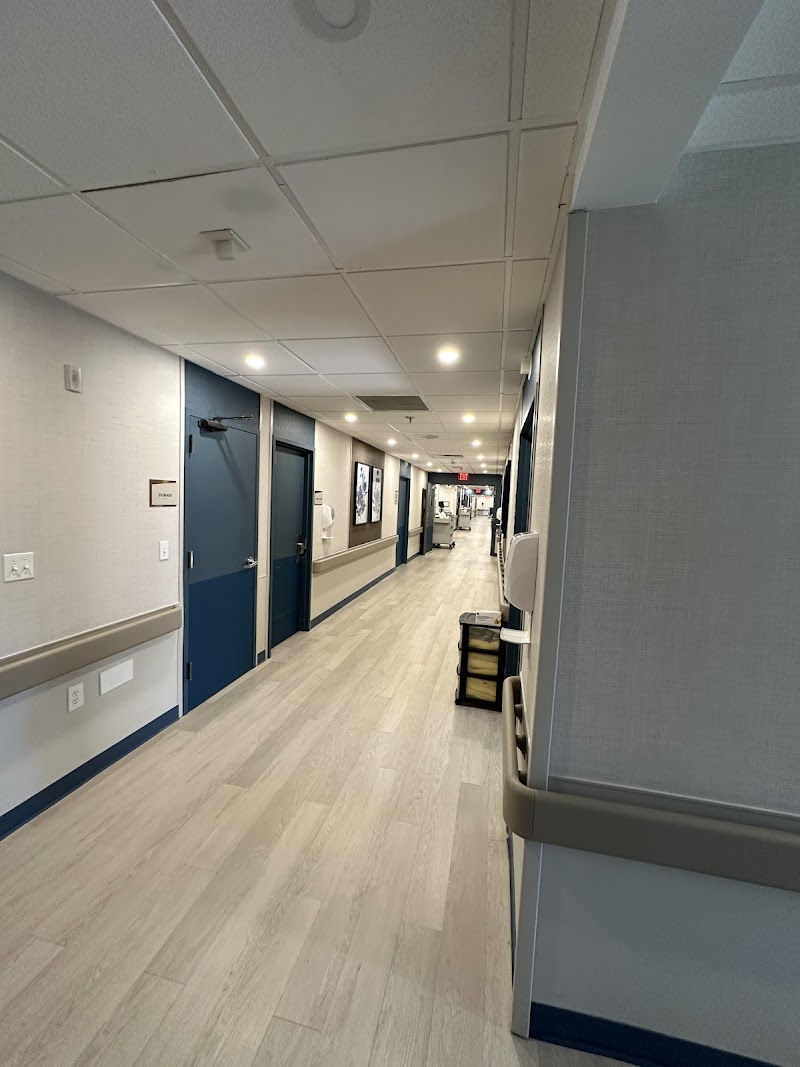
How is Complete Care At Meriden Staffed?

CMS rates COMPLETE CARE AT MERIDEN's staffing level at 2 out of 5 stars, which is below average compared to other nursing homes. Staff turnover is 39%, compared to the Connecticut average of 46%. This relatively stable workforce can support continuity of care.

What Have Inspectors Found at Complete Care At Meriden?

State health inspectors documented 37 deficiencies at COMPLETE CARE AT MERIDEN during 2019 to 2025. These included: 34 with potential for harm and 3 minor or isolated issues.
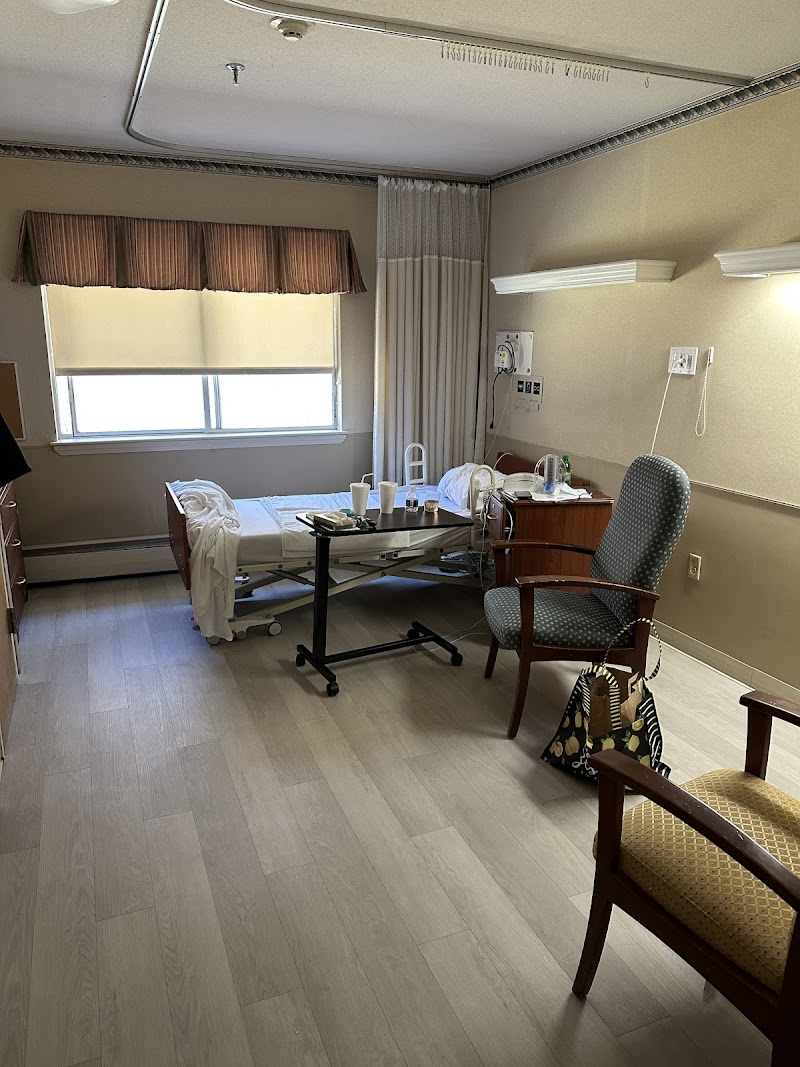
Who Owns and Operates Complete Care At Meriden?

COMPLETE CARE AT MERIDEN is owned by a for-profit company. For-profit facilities operate as businesses with obligations to shareholders or private owners. The facility is operated by COMPLETE CARE, a chain that manages multiple nursing homes. With 130 certified beds and approximately 104 residents (about 80% occupancy), it is a mid-sized facility located in MERIDEN, Connecticut.
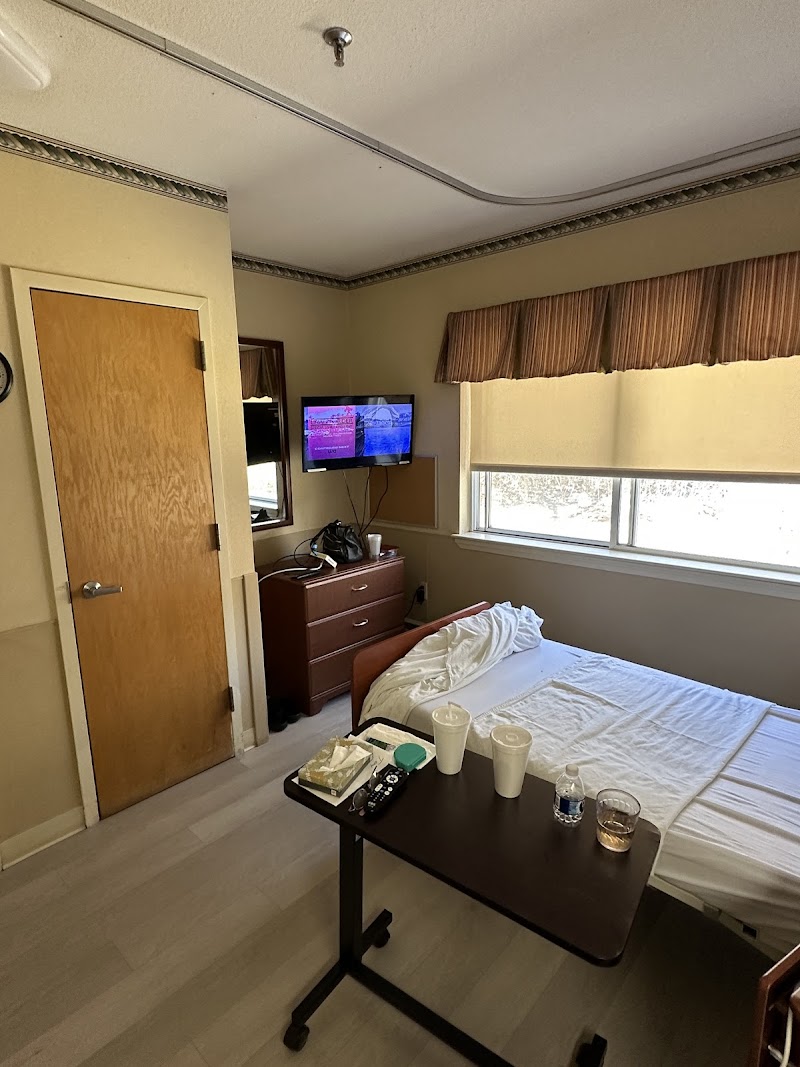
How Does Complete Care At Meriden Compare to Other Connecticut Nursing Homes?

Compared to the 100 nursing homes in Connecticut, COMPLETE CARE AT MERIDEN's overall rating (4 stars) is above the state average of 3.0, staff turnover (39%) is near the state average of 46%, and health inspection rating (3 stars) is at the national benchmark.

What Should Families Ask When Visiting Complete Care At Meriden?

Based on this facility's data, families visiting should ask: "Can you walk me through typical staffing levels on day, evening, and night shifts?" "Can I visit during a mealtime to observe dining assistance and food quality?" "How do you handle medical emergencies, and what is your hospital transfer rate?" "Can I speak with family members of current residents about their experience?" These questions are particularly relevant given the below-average staffing rating.

Is Complete Care At Meriden Safe?

Based on CMS inspection data, COMPLETE CARE AT MERIDEN has a clean safety record: no substantiated abuse findings (meaning no confirmed cases of resident harm), no Immediate Jeopardy citations (the most serious violation level indicating risk of serious injury or death), and is not on the Special Focus Facility watch list (a federal program monitoring the lowest-performing 1% of nursing homes). The facility has a 4-star overall rating and ranks #1 of 100 nursing homes in Connecticut. While no facility is perfect, families should still ask about staff-to-resident ratios and recent inspection results during their visit.

Do Nurses at Complete Care At Meriden Stick Around?

COMPLETE CARE AT MERIDEN has a staff turnover rate of 39%, which is about average for Connecticut nursing homes (state average: 46%). Moderate turnover is common in nursing homes, but families should still ask about staff tenure and how the facility maintains care continuity when employees leave.

Was Complete Care At Meriden Ever Fined?

COMPLETE CARE AT MERIDEN has been fined $8,827 across 1 penalty action. This is below the Connecticut average of $33,167. While any fine indicates a compliance issue, fines under $50,000 are relatively common and typically reflect isolated problems that were subsequently corrected. Families should ask what specific issues led to these fines and confirm they've been resolved.

Is Complete Care At Meriden on Any Federal Watch List?

COMPLETE CARE AT MERIDEN is not on any federal watch list. The most significant is the Special Focus Facility (SFF) program, which identifies the bottom 1% of nursing homes nationally based on persistent, serious quality problems. Not being on this list means the facility has avoided the pattern of deficiencies that triggers enhanced federal oversight. This is a positive indicator, though families should still review the facility's inspection history directly.