CONNECTICUT BAPTIST HOMES, INC

292 THORPE AVENUE, MERIDEN, CT 06450 (203) 237-1206
Non profit - Corporation 60 Beds Independent Data: November 2025 1 Immediate Jeopardy citation
Trust Grade
36/100
#173 of 192 in CT
Last Inspection: July 2024

Within standard 12-15 month inspection cycle. Federal law requires annual inspections.

Overview

Connecticut Baptist Homes, Inc. has received a Trust Grade of F, indicating significant concerns about the quality of care provided. Ranking #173 out of 192 in Connecticut places it in the bottom half of facilities, and #16 out of 17 in Lower Connecticut River Valley County means only one local option is better. The facility's trend is stable, with 5 issues identified in both 2022 and 2024, but this includes a critical finding where a resident was able to leave the facility unsupervised due to inadequate monitoring. Staffing is a weakness here, with a rating of 1 out of 5 and a high turnover rate of 48%, which is concerning when compared to the state average of 38%. Additionally, the facility has incurred $13,627 in fines, higher than 77% of Connecticut facilities, raising further alarms about compliance issues.

Trust Score
F
36/100
In Connecticut
#173/192
Bottom 10%
Safety Record
High Risk
Review needed
Inspections
Holding Steady
5 → 5 violations
Staff Stability
⚠ Watch
48% turnover. Above average. Higher turnover means staff may not know residents' routines.
Penalties
○ Average
$13,627 in fines. Higher than 66% of Connecticut facilities. Some compliance issues.
Skilled Nurses
○ Average
Each resident gets 30 minutes of Registered Nurse (RN) attention daily — about average for Connecticut. RNs are the most trained staff who monitor for health changes.
Violations
⚠ Watch
12 deficiencies on record. Higher than average. Multiple issues found across inspections.
★☆☆☆☆
1.0
Overall Rating
★☆☆☆☆
1.0
Staff Levels
★★★★☆
4.0
Care Quality
★★☆☆☆
2.0
Inspection Score
Stable
2022: 5 issues
2024: 5 issues

The Good

  • 4-Star Quality Measures · Strong clinical quality outcomes
  • Full Sprinkler Coverage · Fire safety systems throughout facility
  • No fines on record

Facility shows strength in quality measures, fire safety.

The Bad

1-Star Overall Rating

Below Connecticut average (3.0)

Significant quality concerns identified by CMS

Staff Turnover: 48%

Near Connecticut avg (46%)

Higher turnover may affect care consistency

Federal Fines: $13,627

Below median ($33,413)

Minor penalties assessed

The Ugly 12 deficiencies on record

1 life-threatening
Jul 2024 5 deficiencies 1 IJ
CRITICAL (J)

Immediate Jeopardy (IJ) - the most serious Medicare violation

Accident Prevention (Tag F0689)

Someone could have died · This affected 1 resident

**NOTE- TERMS IN BRACKETS HAVE BEEN EDITED TO PROTECT CONFIDENTIALITY** Based on review of the clinical record, facility documentation, facility policy, and interviews for 3 of 4 residents (Resident #...

Read full inspector narrative →
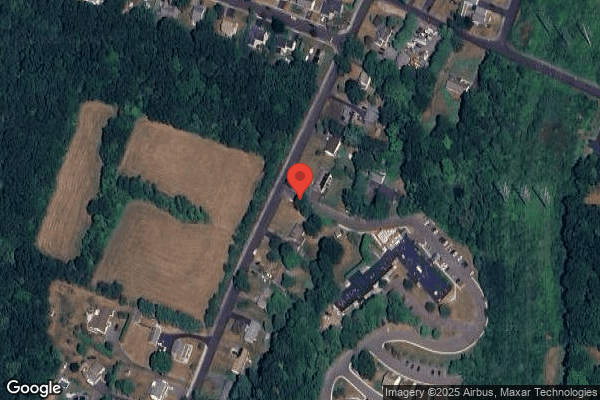
**NOTE- TERMS IN BRACKETS HAVE BEEN EDITED TO PROTECT CONFIDENTIALITY** Based on review of the clinical record, facility documentation, facility policy, and interviews for 3 of 4 residents (Resident #42, 9 and 7), reviewed for accidents, for Resident #42 who had severely impaired cognition, a history of falls and was at high risk for elopement, the facility failed to monitor and accurately document the residents location in the facility every 15 minutes according to the plan of care which resulted in the resident being able to exit the facility (elope) unsupervised. These failures to properly monitor and accurately document the resident's location in the facility allowed the resident to elope the facility and resulted in a finding of Immediate Jeopardy. Additionally, for Resident #9, the facility failed to ensure the resident was transferred according to the physician's order resulting in a fall with an injury, and for Resident #7 the facility failed to ensure the staff used a gait belt during a transfer. The findings include: 1. Resident #42 was admitted to the facility with diagnoses that included Alzheimer's disease, anxiety, dementia with behavioral disturbances, violent behaviors, and difficulty walking. The quarterly MDS dated [DATE] identified Resident #42 had severely impaired cognition, rejects care, has behaviors such as pacing 1 - 3 days a week and ambulates with supervision or touching assistance with a walker. The care plan dated 1/12/24 identified Resident #42 wanders, was at risk of elopement and has a history of attempts to leave the facility unattended. Interventions included ensuring a stop sign on the exit door to the stairwell, monitoring the resident's location every 15 minutes and documenting the wandering behavior and attempted diversional interventions on the log. Elopement/wander assessment dated [DATE] identified Resident #42 was at high risk for elopement. The physician's order dated 5/6/24 directed Resident #42 required supervision for transfers and ambulation with a wheeled walker. Review of the every 15 minute check form dated 6/1/24 at 4:00 PM, completed by NA #6, identified Resident #42 was in his/her bed in his/her room. (This is in conflict with the surveillance video that shows that at 3:59 PM Resident #42 was walking in the hallway, rounding the corner toward the residential care unit). Review of the every 15 minute check form dated 6/1/24 at 4:15 PM, completed by NA #6, identified Resident #42 was in a chair in his/her room. (This is in conflict with the surveillance video that shows that at 4:01 PM Resident #42 exited a door to the patio area outside). Review of the every 15 minute check form dated 6/1/24 at 4:30 PM, completed by NA #6, identified Resident #42 fell outside. (This is in conflict with the surveillance video that shows that at 4:34 PM Resident #42 was outside, alone, walking down the driveway that goes up a hill to the residential houses and at 4:35 PM Resident #42 gets down the driveway, passes the trees and went out of camera sight). The nurses note, written by RN #1, dated 6/1/24 at 11:41 PM identified that at approximately 4:30 PM a nurse aide informed this writer that Resident #42 was outside the building and possibly fell. This writer checked on the resident, who was laying on the grass outside. Per the nurse aide, Resident #42 was seen holding a pillow while walking outside the building near the residential living parking lot area. Assessment indicated no abrasions or bruises noted to body. Resident #42 was assisted off the ground with a gait belt, was able to stand and walk without issue, ambulated back to the building, and was placed in a wheelchair. The resident will continue to be closely monitored for safety every 15 minutes. Resident representative updated and verbalized concern with resident's safety. The DNS was made aware of the incident and resident representative's concerns. Interview with the DNS on 6/3/24 at 8:15 AM indicated that she feels the facility has used all interventions related to Resident #42's falls and wandering and that was why Resident #42 was placed on every 15-minute checks for safety. The DNS indicated that Resident #42 doesn't come out of the room during the day but in the evening sometimes will sit in the hallway in a common area. The DNS indicated that the wander guard system is only for residents on the 3rd floor, long term care unit. Interview with NA #6 on 6/3/24 at 9:05 AM indicated that she worked on Saturday 6/1/24 from 3:00 PM until 11:00 PM. NA #6 indicated when she came in at 3:00 PM Resident #42 was wandering in and out of his/her room and wandering back and forth near the nursing station. NA #6 indicated she started rounds and was making the bed in a room at the end of hallway when she saw Resident #42 through the window walking outside in the rear parking lot with his/her pillow. NA #6 got NA #4 and they went down the stairwell outside to find Resident #42 across the parking lot from the facility laying down on the grass under a tree with the pillow completely under his/her back. NA #6 indicated that Resident #42 indicated he/she was sleeping there. NA #6 indicated she ran back to the facility to get the charge nurse. NA #6 indicated they used the gait belt and assisted Resident #42 off the ground and Resident #42 walked back to the building almost to the back door and turned around to go back away from the facility. NA #6 indicated the nurse went into the facility to get a wheelchair for the resident. NA #6 indicated that Resident #42 was all the way on the other side of the back parking lot, over the curb in the grass under the tree near the driveway to the residential houses. NA #6 indicated she did not see when or where Resident #42 had left the facility. Interview with RN #3 on 6/3/24 at 9:50 AM indicated Resident #42 was at high risk for elopement. RN #3 indicated that Resident #42 was at the end of the hallway but wandered up and down the hallway and almost daily would try to go out through the stairwell at the end of hallway by his/her room. Staff put up a stop sign across the stairwell door until the lock with a keypad came in, so Resident #42 couldn't open the door. RN #3 indicated that Resident #42 has attempted to leave the unit before but had not had an elopement and that was why Resident #42 was on every 15-minute checks to monitor his/her location. Interview with the DNS on 6/3/24 at 10:30 AM indicated that Resident #42 did not elope on 6/1/24 because he/she never left the facility property and did not fall because Resident #42 indicated that he/she laid down with the pillow. The DNS indicated that Resident #42 had severe cognitive impairment but to her it was obvious that Resident #42 had taken the pillow to purposefully go outside to lay down in the grass with the pillow. The DNS indicated that Resident #42 was on every 15-minute checks for safety due to wandering. The DNS indicated that she did not know how big the property was other than it had a short and long-term care facility, residential living facility, and up in the back area were residential homes. The DNS indicated that she believes Resident #42 was last seen on 6/1/24 at 4:15 PM and was then seen outside at 4:30 PM. The DNS indicated that she could not say how long Resident #42 was outside before NA #6 saw Resident #42 through the second-floor window. Interview with the DNS on 6/4/24 at 10:28 AM indicated that since admission Resident #42 has been at high risk for elopement and interventions were to try to keep him/her in common areas while awake, have him/her join activities, land redirect if walking around. The DNS noted on 8/21/23 Resident #42 was found outside of facility. The DNS indicated that Resident #42 was placed on every 15-minute checks and a stop sign on the stairwell door until the lock could be installed. The DNS indicated that she had not done an investigation or watched the video surveillance to investigate when Resident #42 had left the facility and when he/she was found. The DNS indicated that the nursing supervisor had called and informed her that Resident #42 had left the facility out the residential living exit doors and a nurse aide had seen Resident #42 in the parking lot outside of the facility walking. When staff arrived outside Resident #42 was found lying on the grass under a tree with a pillow. The DNS assumed it was the tree closest to the exit door approximately 30 feet from exit door. The DNS indicated that the expectation was that the nurse aides would visually check and see Resident #42 every 15 minutes, and then would document the location and what Resident #42 was doing. Observation of the surveillance video for 6/1/24 with the DNS and the Maintenance Director on 6/4/24 at 11:15 AM identified the following: At 3:59 PM Resident #42 was walking in the hallway, rounding the corner toward the residential care unit with a pillow and without a walker. At 4:01 PM Resident #42 exited the right-hand side door to the patio area outside and then was out of camera surveillance site. At 4:28 PM the resident was seen on the camera on the parking lot side looking down to the end of the building where the maintenance garage area is. At 4:29 PM Resident #42 appears and stopped when walking in the parking lot against the stone wall on the opposite side of the facility. At 4:29 and 45 seconds Resident #45 stumbles twice and lays down on the small grassy area in the parking lot away from the facility. At 4:34 PM Resident #42 was back to standing position and started walking down the driveway that goes up a hill to the residential houses towards the other end of the facility. At 4:35 PM Resident gets down driveway, passes the trees and went out of camera sight. At 4:37 PM and 30 seconds a staff member is seen coming from the end of the driveway towards the facility. The DNS indicated that was the nurse aide coming into the facility to get the nurse. At 4:47 PM the nurse exited the facility with the wheelchair, had Resident #42 sit in the wheelchair and was seen pulling Resident #42 backwards in the wheelchair into the facility. The DNS indicated that Resident #42 was to ambulate with supervision using a wheel walker and during video there was no walker or staff assistance. The DNS indicated that Resident #42 does not remember to take the walker that staff must give it to him/her. The DNS indicated that Resident #42 had left the facility at 4:01 PM and was not seen by the staff until at least 4:36 PM. The DNS indicated that no one had witnessed Resident #42 go from a standing position to laying on the ground, but she felt Resident #42 did it on purpose. The DNS indicated that she was not aware prior to watching the video with the surveyor how long Resident #42 had been unattended outside of the facility. Although attempted, an interview with NA #6 was not obtained. Review of the facility Elopement Policy identified the facility strives to promote resident safety and protect the rights and dignity of the residents. Elopement is defined as the ability of a resident who is not capable of protecting him/herself from harm to successfully leave the facility unsupervised and unnoticed and who may enter harm's way. Prevention would include frequent monitoring of the resident's whereabouts to assure he/she remains in the facility with every 15-minute checks, cameras are in place that continually monitor all the exits in the building, elevator controls, restricted window openings. When a resident has been found the search Director or DNS will notify all staff that the resident has been found and the charge nurse will examine the resident for injuries. The Physician and resident representative will be notified. The care plan will be updated. Implement every 15-minute checks for safety. Complete a Missing Resident form and required staff present and involved to sign the form. Report the incident to the state authorities as required. 2. Resident #9 was admitted to the facility in November 2019 with diagnoses that included hemiplegia and hemiparesis affecting left non-dominant side, cerebral infarction, heart failure, and atrial fibrillation. A physician's order dated 1/12/23 directed to provide the assistance of 2 for transfers from bed to/from wheelchair with hemi walker. The care plan dated 3/22/23 identified Resident #9 was at risk for falls related to gait/balance problems and left sided weakness. The April 2023 monthly physician's orders directed to transfer the resident with the assistance of 2 from bed to/from wheelchair with hemi walker, no ambulation. The fall assessment dated [DATE] identified Resident #9 was at high risk for falling. The annual MDS dated [DATE] identified Resident #9 had intact cognition and required extensive 2-person assistance with transfers. The care card, without a revision date, identified to transfer Resident #9 with the assistance of 2 with hemi walker. The May 2023 monthly physician's orders directed to transfer the resident with the assistance of 2 from bed to/from wheelchair with hemi walker, no ambulation. The nurse's note dated 5/11/23 at 11:46 PM identified RN #1 was notified by LPN #1 at 6:30 PM that Resident #9 had fallen. RN #1 observed Resident #9 on the bedroom floor with an L shape laceration on the left mid part of the head that measured 5cm x 0.2cm with moderate amount of bleeding. Resident #9 was alert and verbally responsive complaining of pain to the head and back area with no shortening/lengthening of bilateral legs. A cold compress was applied to the wound area to control the bleeding. Neurological checks and vital signs were initiated and were within normal limits. The physician was notified and ordered Resident #9 to be sent to the hospital for further evaluation. The reportable event form dated 5/11/23 at 6:30 PM identified Resident #9 was being assisted with a transfer of 1 staff and the hemi walker from the wheelchair to the bed and lost his/her balance, struck his/her head on the floor and sustained a laceration on the back of the head. Pressure was applied to the back of the head and Resident #9 was transferred to the hospital for treatment. Review of a statement written by NA #1 dated 5/11/23 identified she was transferring Resident #9 from the wheelchair to the bed. NA #1 indicated she was in front of Resident #9 holding on to his/her clothing. Resident #9 was holding onto the hemi walker and lost his/her balance and fell on his/her back. Review of the hospital inter-agency patient referral report (W-10) dated 5/11/23 identified Resident #9 was seen for a fall and head laceration repair. Resident #9 is to follow up with primary physician regarding wound and staples removal. The revised care plan dated 5/11/23 identified Resident #9 was at risk for falls related to gait/balance problems and left sided weakness. Resident #9 fell on 5/11/23 and sustained an injury to the head. Interventions included transferring Resident #9 to the hospital for evaluation and treatment. Physical therapy to evaluate and treat as indicated. Review of the education sheet dated 5/12/23 identified the use of gait belt was reviewed with NA #1. All residents that are ambulated and transfer with assist of 1 or 2 must have a gait belt placed around them and used to guide and stabilize the resident. If the nurse aide gait belt is not available there are gait belts at the nursing station for use. NA #1 was given a gait belt. The care plan dated 5/12/23 identified Resident #9 sustained a laceration on the left side of the head that required 10 staples to repair. Interview with MD #1 on 6/3/24 at 10:55 AM identified the nursing staff should have followed the physician's order to provide assistance of 2 when transferring the resident. Interview and review of the clinical record with the Physical Therapy Director on 6/3/24 at 11:00 AM identified Resident #9 was on therapy with activity orders to provide the assistance of 2 for transfers bed to/from wheelchair with hemi walker. Interview with NA #1 on 6/4/24 at 10:40 AM identified she was only employed at the facility for 1 month when Resident #9 fell, and it was her first-time providing care to Resident #9. NA #1 indicated she did not read the care card before transferring Resident #9 and she did not utilize a gait belt during the transfer. NA #1 indicated she did not check the care card and does not know what the care card directs for transfers for Resident #9. NA #1 indicated Resident #9 stood up and let go of the hemi walker and fell backward on the floor. NA #1 indicated Resident #9 was bleeding from his/her head. Interview and review of the clinical record with the DNS on 6/4/24 at 11:43 AM identified while conducting the investigation she called NA #1 who stated she transferred Resident #9 by herself and without a gait belt. The DNS indicated NA #1 should have used a gait belt and had the assistance of 2 persons with the transfer from the wheelchair to bed. The DNS indicated she educated NA #1 regarding the gait belt and reviewing the care card before providing care to a resident. The DNS indicated NA #1 was unable to state the reason why she did not use a gait belt and read Resident #9 care card. Review of the fall management and prevention policy identified to ensure that all residents are assessed for fall risk and that adequate measures are taken to prevent injuries due to falls. Residents will be assessed for fall risk using the Morse fall risk assessment form on admission, quarterly thereafter and with a change of condition. If the resident is at risk for falls, interventions to reduce this risk will be included in the resident's care plan. Review of the facility safe patient/resident handling policy identified to enhance the safety of the work environment for resident care providers and promote a safe, secure and comfortable experience for residents who require partial or full transfer assistance. An interdisciplinary team will evaluate and assess each resident's individual mobility needs. Resident mobility assessments will be performed or reviewed on admission, after a significant change in condition or based on direct care staff recommendations. Safe resident handling and moving requirements: All lifting and transferring of patients/residents will be performed according to their individual plan of care. Gait belts are a tool for gait stabilization - not lifting or moving residents. 3. Resident #7 was admitted to the facility on [DATE] with diagnoses that included stroke, osteoarthritis, hypertension. The care plan dated 12/12/23 identified Resident #7 was at high risk for falls due to deconditioning. Interventions included dycem to wheelchair to prevent sliding and call light in reach. The quarterly MDS dated [DATE] identified Resident #7 had intact cognition, required maximum assistance with personal hygiene, toileting, bathing, and dressing, was totally dependent on staff for transfers and utilized a wheelchair for mobility. Further, Resident #7 had no behaviors and no history of falls in the last 6 months. A physician's order dated 2/14/24 directed to provide the assistance of 1 for transfers from the bed to the wheelchair and to utilize a ½ lap tray. A reportable event form dated 3/3/24 at 2:00 PM identified Resident #7 slid and bumped his/her right knee while being transferred. Resident #7 is alert and forgetful, has complaints of pain and swelling to the right knee. Subsequent to physician notification, a new order was obtained to provide the assistance of 2 for transfers. The nurse's note dated 3/3/24 at 3:44 PM identified that Resident #7 is reporting pain in the right knee and the right knee appears swollen. Review of a written statement by NA #7 dated 3/6/24 indicated that on 3/3/24 she was attempting to transfer Resident #7 when she realized she could not transfer the resident without help. NA #7 pressed the call light and asked for the nurse to help her while Resident #7 was sitting on her lap until the nurse came in to assist. Review of a written statement by RN #4 dated 3/6/24 indicated that on 3/3/24 she responded to a call for help at approximately 6:15 AM in Resident #7's room. Upon entering the room, she observed NA #7 sitting on the side of the bed holding the resident on her lap. NA #7 informed RN #4 that she was having difficulty transferring Resident #7 into the wheelchair. RN #4 indicated that she assisted NA #7 to put Resident #7 back into the bed. RN #4 indicated that she straightened out Resident #7's clothes and then assisted transferring Resident #7 from the bed into the wheelchair. A written statement by the DNS on 3/6/24 indicated NA #7 was unable to say how Resident #7's knee was injured or bumped during the transfer. A physician order dated 3/7/24 directed Resident #7 be non-ambulatory with an assist of 2 with a mechanical lift from bed to custom wheelchair. The nurse's note dated 3/7/24 at 11:00 PM identified Resident #7 was seen by physical therapy and having difficulty transferring back to bed. The right knee remains red and swollen. Resident #7 has discomfort when leg is touched. The APRN was notified and ordered a right patella x-ray. Radiology report dated 3/8/24 at 7:29 AM indicated that Resident #7 had a fracture of the distal femoral shaft with malalignment with mild soft tissue swelling. Acute femoral fracture. A reportable event form dated 3/8/24 at 7:30 AM indicated that Resident #7 was complaining of right knee pain and the physician ordered an x-ray. The injury was an acute femoral fracture. Resident #7 was sent to the emergency room. The nurse's note dated 3/9/24 at 2:40 PM identified this nurse received a call from the hospital that indicated the resident's representative declined surgery due to residents advanced age and overall prognosis. Resident #7 arrived at the facility wearing a right knee immobilizer and a new order for narcotics. The hospital Discharge summary dated [DATE] at 11:43 AM indicated that Resident #7 had a closed bicondylar fracture of the distal right femur. Interview with RN #4 on 6/4/24 at 11:50 AM indicated on 3/3/24 the call light came on from Resident #7's room. RN #4 indicated she got up and went to the room and saw NA #7 sitting on the edge of the bed in the center of the mattress with Resident #7 sitting on her lap with the resident's right shoe partially hanging off. RN #4 indicated NA #7 reported that she thought she could transfer Resident #7 by herself. RN #4 indicated she picked Resident #7's legs up and moved them back into the bed and NA #7 was then able to stand up. RN #4 and NA #7 [NAME] fixed Resident #7's clothes and shoes and transferred resident into the wheelchair. RN #4 indicated that the gait belt was not around Resident #7's waist during the transfer. RN #4 indicated that it was the facility policy that the nurse aide must place a gait belt on the resident for transfers and ambulation. Review of the facility Safe Resident Handling Policy identified to enhance the safety of the work environment for resident care providers and promote a safe, secure, and comfortable experience for resident's who require partial or full transfer assistance. All staff who participate in resident handling activities are required to use a mechanical assistive device for every resident handling activity when residents require partial or full assistance. Gait belts are a tool for gait stabilization and not lifting or moving residents. Definition of a resident that is an assist of 1 with or without a walker the transfer requires physical assistance of 1 staff member. These transfers are always a stand and pivot transfer with the use of a gait belt.
CONCERN (D)

Potential for Harm - no one hurt, but risky conditions existed

Quality of Care (Tag F0684)

Could have caused harm · This affected 1 resident

**NOTE- TERMS IN BRACKETS HAVE BEEN EDITED TO PROTECT CONFIDENTIALITY** Based on review of the clinical record, facility policy, and interviews for 1 of 4 residents (Resident #10) reviewed for acciden...

Read full inspector narrative →
**NOTE- TERMS IN BRACKETS HAVE BEEN EDITED TO PROTECT CONFIDENTIALITY** Based on review of the clinical record, facility policy, and interviews for 1 of 4 residents (Resident #10) reviewed for accidents, the facility failed to complete neurological vital signs after an unwitnessed fall, and for the only sampled (Resident #54) reviewed for a non-pressure skin condition, the facility failed to ensure weekly skin audits were completed, per the physician's order. The findings include: 1. Resident #10 was admitted to the facility with diagnoses that included dementia, osteoarthritis, hard of hearing, and diabetes. The care plan dated 1/2/24 identified Resident #10 was at risk for falls. Interventions included close supervisor while awake and encourage common areas when in wheelchair for close supervision. The fall risk assessment dated [DATE] identified Resident #10 was at high risk for falls. The quarterly MDS dated [DATE] identified Resident #10 had moderately impaired cognition, had no behaviors and required maximum assistance with toileting, bathing, and dressing. A reportable event form dated 3/31/24 at 3:50 PM identified Resident #10 was awake and alert with confusion, had an unwitnessed fall in his/her bedroom and indicated that he/she slid out of wheelchair attempting to take his/her off shoes. Resident #10 required the assistance of 1 for transfers. A nurses note dated 3/31/24 at 4:25 PM identified Resident #10 was found sitting on the floor in his/her room in front of the wheelchair at 3:50 PM. Resident #10 indicated that he/she was trying to take off his/her shoes and slid off wheelchair. The care plan dated 3/31/24 identified the resident had a fall from wheelchair. Interventions included that if staff see the resident removing shoes while in the wheelchair, attempt to provide assistance or redirect the resident. Interview with the DNS on 6/2/24 at 12:28 PM indicated that with all witnessed and unwitnessed falls, the nurses must follow the neurological assessment policy for vital signs and neurological assessments. The DNS indicated that if a resident has intact cognition with no diagnosis of dementia and can state they did not hit their head during a fall, then the nurses do not have to do the neurological assessments per the policy. The DNS indicated the completed neurological assessment sheets after a fall after are placed in the resident's medical record. Interview with the DNS on 6/2/24 at 12:55 PM, after review of the clinical record, identified the neurological assessments after the unwitnessed fall on 3/31/24 were not done. Review of the post fall neurological assessment policy identified the post-fall assessment is critical for identifying injuries and guiding appropriate treatment, emphasizing safety and optimal care. If a fall is witnessed and the head was not involved, or a resident is cognitively intact and denies hitting their head then neurological assessments do not need to be done. Neurological checks will be conducted and documented on the Neurological Assessment Sheet until completed. The Neurological Assessment Sheet included the date and time of the fall, the level of consciousness, pupils, hand grasps, blood pressure, pulse, respirations, temperature, oxygen saturation level, and signs or symptoms of headaches, nausea, or vomiting every 15 mins for 1 hour, every 30 minutes for 2 hours, every 2 hours for 8 hours, every 4 hours for 24 hours, and every 8 hours for 2 days. 2. Resident #54 was admitted to the facility on [DATE] with diagnoses that included dementia, sepsis, and difficulty in walking. A physician's order dated 10/27/23 directed to conduct a skin assessment every week, on shower day. The annual MDS assessment dated [DATE] identified Resident #54 had severely impaired cognition, was always incontinent of bladder, and was dependent for toileting hygiene. The care plan dated 1/28/24 identified Resident #54 was at risk for pressure ulcer development and skin impairment related to impaired mobility and incontinence. Interventions included weekly skin assessment on shower days and notifying the charge nurse of any skin issue. Review of Resident #54's weekly skin evaluations dated 2/1/24 through 3/31/24 failed to identify that a skin assessment was completed by the nurse (5 out of 10 weeks) on the following shower days: 2/19/24 2/26/24 3/11/24 3/18/24 3/25/24 The reportable event form dated 3/31/24 identified Resident #54 was observed with a bruise to the right forearm measuring 2.8cm x 3.0cm during bedtime care. The physician and family were notified, and his/her name bracelet was removed. Interview with RN #4 on 6/4/24 at 9:50 AM identified that it is the responsibility of the charge nurse to complete weekly skin assessments on the scheduled shower days. RN #4 further identified Resident #54's scheduled shower day was Monday during the day shift, and even if a resident refuses the shower, a skin assessment should still be completed. Interview with the DNS on 6/4/24 at 10:00 AM identified that the nurses on the units are responsible for completing weekly skin assessments on the resident's shower days. The DNS further identified that she would expect to see weekly skin audits completed per the facility policy and that she plans to re-educate nursing staff to complete the skin assessments weekly. The facility's Skin Assessment policy directs that residents are assessed on admission using the Braden Scale, and they are reassessed by a licensed nurse using this tool quarterly and with a significant change in their status. The skin is also assessed weekly with their shower and documented on the weekly shower assessment sheet.
CONCERN (D)

Potential for Harm - no one hurt, but risky conditions existed

Deficiency F0757 (Tag F0757)

Could have caused harm · This affected 1 resident

**NOTE- TERMS IN BRACKETS HAVE BEEN EDITED TO PROTECT CONFIDENTIALITY** Based on review of the clinical record, facility documentation, facility policy, and interviews for 2 of 5 residents (Residents ...

Read full inspector narrative →
**NOTE- TERMS IN BRACKETS HAVE BEEN EDITED TO PROTECT CONFIDENTIALITY** Based on review of the clinical record, facility documentation, facility policy, and interviews for 2 of 5 residents (Residents #20 and 42) reviewed for unnecessary medications, the facility failed to ensure orthostatic blood pressure monitoring was completed per the physician's order for a resident receiving an antipsychotic medication. The findings include: 1. Resident #20 was admitted to the facility on [DATE] with diagnoses that included dementia, panic disorder, and a history of repeated falls. The quarterly MDS assessment dated [DATE] identified Resident #20 had intact cognition, sustained 2 or more falls with no injury and 1 fall with injury since the prior assessment, and received antipsychotic medications on a routine basis. The care plan dated 3/18/24 identified Resident #20 had a behavior problem related to hallucinations, accusatory behavior, and anxiety/panic disorders. Interventions included administering medications as ordered and monitoring for side effects and effectiveness. A physician's order dated 4/16/24 directed to obtain orthostatic blood pressures weekly, times 4 weeks. The April and May 2023 MAR's failed to identify that orthostatic blood pressures were obtained. The nurse's note dated 4/16/24 through 5/11/24 failed to identify that orthostatic blood pressures for the weeks of 4/16/24 and 5/7/24 were obtained or refused. Interview and clinical record review with LPN #4 on 6/4/24 at 9:30 AM failed to identify orthostatic blood pressures were completed on Resident #20 during the weeks of 4/16/24 and 5/7/24. LPN #4 indicated that it is the responsibility of the floor nurse to complete the task. LPN #4 completed the orthostatic blood pressures on 4/23/24 but did not work on the days that the orthostatic blood pressures were not completed. LPN #4 further indicated that Resident #20's blood pressure was documented in the electronic health record on 5/7/24, but only in a laying down position. Interview and clinical record review with the DNS on 6/4/24 at 9:53 AM failed to identify that 4 weekly orthostatic blood pressures were obtained, per the physician's order. The DNS indicated that it is the responsibility of the unit nurse to complete orthostatic blood pressures, and she would educate the nursing staff to complete orthostatic blood pressures, per the physician order. The DNS further indicated that she would ensure the order for orthostatic blood pressures weekly times four, would be completed for Resident #20. The facility's Use of Psychotropic Medication policy directs that residents are not given psychotropic drugs unless the medication is necessary to treat a specific condition, as diagnosed and documented in the clinical record, and the medication is beneficial to the resident, as demonstrated by monitoring and documentation of the resident's response to the medication(s). The facility's Orthostatic Blood Pressure policy directs that orthostatic blood pressures will be taken weekly for one month on all residents receiving new antipsychotic medications, an increase in dosage of an antipsychotic medication, if symptoms of orthostatic hypotension are present, and as ordered by their physician. 2. Resident #42 was admitted to the facility with diagnoses that included Alzheimer's disease, anxiety, dementia with behavioral disturbances, and violent behaviors. The quarterly MDS assessment dated [DATE] identified Resident #42 had severely impaired cognition, rejects care and has behaviors such as pacing 1 - 3 days a week. Resident #42 requires maximum assistance with bathing and putting on footwear, and maximum assistance with toileting and personal hygiene. Resident #42 ambulates with supervision or touching assistance with a walker. Resident #42 is taking high risk drug class of antipsychotic, antianxiety, and antidepressants daily. The care plan dated 1/12/24 identified Resident #42 had impaired cognition with behaviors of wandering and looking for rides home. Interventions included administering medications as ordered and redirecting the resident when wandering in hallway. The psychiatric APRN note dated 3/5/24 indicated a GDR (gradual dose reduction) of the Seroquel was attempted and was unsuccessful, and the dose of Seroquel was increased. A physician order dated 3/5/24 directed to perform orthostatic blood pressures every month. A physician's order dated 3/8/24 directed to administer Seroquel (antipsychotic) 25 mg at 6:30 AM and 1:00 PM, Seroquel 100mg at bedtime, Ativan (antianxiety) 0.5mg twice a day, and Lexapro (antidepressant) 20 mg daily. A physician order dated 3/9/24 directed to increase Seroquel to 50 mg at 6:00 AM and 1:00 PM. A physician order dated 3/19/24 directed to discontinue Lexapro 20mg related to falls and increased cardiac concerns when used with high doses of Seroquel. Start Lexapro 15 mg daily for anxiety. Review of the electronic medical record from 4/1/24 - 4/30/24 identified no documentation of orthostatic blood pressures. Review of April 2024 TAR failed to reflect documentation of the orthostatic blood pressure. A physician order dated 4/11/24 directed to add Seroquel 50 mg at 5:00 PM daily. Review of the electronic medical record from 5/1/24 - 5/31/24 identified no documentation of orthostatic blood pressures. Review of April 2024 TAR failed to reflect documentation of the orthostatic blood pressure. Interview with APRN #1 on 6/3/24 at 1:22 PM indicated that on 3/5/24 she had put in the order for orthostatic blood pressures weekly times 4 weeks, because anytime there is a change with an antipsychotic medication, she was trained to order the weekly orthostatic blood pressures. APRN #1 indicated that Seroquel can lower the blood pressure and that's why they do the orthostatic blood pressures. APRN #1 indicated that if the nursing facility as a nursing measure or physicians order wants to continue orthostatic blood pressures monthly for the antipsychotics they can. Interview with the DNS on 6/4/24 at 10:50 AM indicated that any antipsychotic medications are followed by the psychiatric APRN. The DNS indicated the expectation was the nurses would follow the physician's orders for the weekly times 4 weeks orthostatic blood pressures, then monthly orthostatic blood pressures for residents that were on antipsychotic medications. The DNS indicated that if Resident #42 had refused, her expectation was the nurse would write refused on the [NAME] and then put in a progress note as to why the resident had refused. After clinical record review, the DNS indicated that there was a physician's order for monthly orthostatic blood pressures due to Resident #42 being on antipsychotic medications, and they were not done for April and May 2024. Review of the facility Use of Psychotropic Medication Policy identified residents are not given psychotropic drugs unless the medication is necessary to treat a specific condition as diagnosed and documented in the clinical record. A psychotropic drug affects the brain activity associated with mental processes and behaviors. Psychotropic drugs include but are not limited to antipsychotics, antidepressants, anti-anxiety, and hypnotics. The facility's Orthostatic Blood Pressure policy directs that orthostatic blood pressures will be taken weekly for one month on all residents receiving new antipsychotic medications, an increase in dosage of an antipsychotic medication, if symptoms of orthostatic hypotension are present, and as ordered by their physician.
CONCERN (E)

Potential for Harm - no one hurt, but risky conditions existed

Deficiency F0940 (Tag F0940)

Could have caused harm · This affected multiple residents

**NOTE- TERMS IN BRACKETS HAVE BEEN EDITED TO PROTECT CONFIDENTIALITY** Based on review of facility documentation, facility policy, and interviews the facility failed to ensure that an accurate record...

Read full inspector narrative →
**NOTE- TERMS IN BRACKETS HAVE BEEN EDITED TO PROTECT CONFIDENTIALITY** Based on review of facility documentation, facility policy, and interviews the facility failed to ensure that an accurate record of an effective training program for all staff was maintained. The findings include: The Facility assessment dated [DATE] directed that every staff member has knowledge competency in: infection control, bed rails, body mechanics, confidentiality, corporate compliance, harassment, hospitality, lock out tag out, mission and values, hazard communication, abuse, neglect, exploitation and misappropriation; resident rights; identification of condition change; resident preferences and workplace violence. Additional knowledge competencies for all staff include dementia management, infection transmission and prevention, immunization, QAPI, and OSHA hazard communication. Hand hygiene return demonstration competencies and observed knowledge competencies for emergency response are also required. Competencies are based on current standards of practice and may include knowledge and a test, knowledge and return demonstration, knowledge and observed ability, knowledge and observed behavior, and annual performance evaluation. Upon the survey team's request for documentation of the completion of employee's annual in-servicing and competency training, the facility was unable to provide sufficient documentation, including completed and signed Annual Inservice Education Fair 12/11/23 through 12/29/23 packets and competency forms. Interview with the Administrator on 7/8/24 at 11:25 AM identified that the facility was unable to locate staff competency forms and tracking documentation supporting the required annual 12-hour nurse aide training. The Administrator further identified that the documentation had been missing since November of 2023, when the former Staff Development Nurse resigned. The Administrator indicated that starting next week, the facility will begin utilizing online educational modules. Interview with the DNS on 7/8/24 at 12:09 PM indicated that the facility was unable to locate the signed Annual Inservice Education Fair 12/11/23 through 12/29/23 packets and competency forms. The DNS further indicated that the in-service and competency documents had been stored together in a box, and that she had not seen the box since the former Staff Development Nurse had left the position, in November. The DNS identified that the facility had hired a new Infection Control/Staff Development Nurse, and she has been allotted 8 hours per week to oversee the on-going education of the facility staff, including the roll-out and utilization of a new online education program. The Staff Development Nurse was unavailable for an interview. The facility's Annual Education policy directs the facility to develop, implement, and maintain an effective training program for all new and existing staff. The intent is to improve resident safety, create a more person-centered environment, and reduce the number of adverse events or other resident complications. The facility's Competency Evaluation policy directs the facility to evaluate employees to assure appropriate competencies and skills for performing his or her job and to meet the needs of the facility residents. The policy further directs that initial competencies are evaluated during the orientation process and subsequent and/or annual competency is evaluated at a frequency determined by the facility assessment, evaluation of the training program, and/or job performance evaluations, and checklists are used to document training and competency evaluations.
CONCERN (E)

Potential for Harm - no one hurt, but risky conditions existed

Deficiency F0947 (Tag F0947)

Could have caused harm · This affected multiple residents

Based on review of facility documentation, facility policy, and interviews reviewed for training requirements the facility failed to ensure that an accurate record of continuing nurse aide competence ...

Read full inspector narrative →
Based on review of facility documentation, facility policy, and interviews reviewed for training requirements the facility failed to ensure that an accurate record of continuing nurse aide competence of no less than 12 hours per year, including dementia management training and resident abuse prevention training, was maintained. Upon the survey team's request for documentation of the completion of 12 hours of nurse aide annual in-servicing and competency training, the facility was unable to provide sufficient documentation, including completed and signed Annual Inservice Education Fair 12/11/23 through 12/29/23 packets and competency forms. Interview with the Administrator on 7/8/24 at 11:25 AM identified that the facility was unable to locate staff competency forms and tracking documentation supporting the required annual 12-hour nurse aide training. The Administrator further identified that the documentation had been missing since November of 2023, when the former Staff Development Nurse resigned. The Administrator indicated that starting next week, the facility will begin utilizing online educational modules. Interview with the DNS on 7/8/24 at 12:09 PM indicated that the facility was unable to locate the signed Annual Inservice Education Fair 12/11/23 through 12/29/23 packets, as well as, other in- servicing and competency forms. The DNS further indicated that the in-service and competency documents had been stored together in a box, and that she had not seen the box since the former Staff Development Nurse had left the position, in November. The DNS identified that the facility does complete 12 hours of in-service training, annually, for nurse aides and that there are specific educational requirements that need to be met within a designated timeframe including but not limited to topics like fear of retaliation, abuse, neglect, resident's rights, and dementia care. The DNS further identified that the annual 12 hours of nurse aide training was achieved using poster boards, lectures by department heads and the Staff Development Nurse, demonstrations, and videos. The DNS indicated that the facility had hired a new Infection Control/Staff Development Nurse, and she has been allotted 8 hours per week to oversee the on-going education of the facility staff, including the roll-out and utilization of a new on-line education program. The Staff Development Nurse was unavailable for an interview. The facility's Annual Education policy directs the facility to develop, implement, and maintain an effective training program for all new and existing staff. The intent is to improve resident safety, create a more person-centered environment, and reduce the number of adverse events or other resident complications. The policy further directs that certified nursing assistants will receive a minimum of 12 hours of education annually. The facility's Competency Evaluation policy directs the facility to evaluate employees to assure appropriate competencies and skills for performing his or her job and to meet the needs of the facility residents. The policy further directs that initial competencies are evaluated during the orientation process and subsequent and/or annual competency is evaluated at a frequency determined by the facility assessment, evaluation of the training program, and/or job performance evaluations, and checklists are used to document training and competency evaluations.
Aug 2022 5 deficiencies
CONCERN (D)

Potential for Harm - no one hurt, but risky conditions existed

Abuse Prevention Policies (Tag F0607)

Could have caused harm · This affected 1 resident

**NOTE- TERMS IN BRACKETS HAVE BEEN EDITED TO PROTECT CONFIDENTIALITY** Based on clinical record review, facility documentation review, facility policy review and interviews for one resident (Resident...

Read full inspector narrative →
**NOTE- TERMS IN BRACKETS HAVE BEEN EDITED TO PROTECT CONFIDENTIALITY** Based on clinical record review, facility documentation review, facility policy review and interviews for one resident (Resident #1) reviewed for abuse, the facility failed to the implement the facility's policies and procedure for investigating an allegation of mistreatment. The findings include: Resident #1's diagnoses included encephalopathy, anemia, panic disorder, anxiety, hyperlipidemia, gastro-esophageal reflux disease and dementia without behavioral disturbance. The quarterly Minimum Data Set (MDS) assessment dated [DATE] identified Resident #1 had intact cognition and required limited assistance of 1 person with transfer, ambulation, dressing and toileting. The Resident Care Plan (RCP) updated on 1/27/22 identified Resident #1 had a deficit in self-care performance related to impaired balance and high fall risk. Interventions included: directing staff to praise all effort by the resident during self-care, staff to continue to encourage the resident to participate as able with the washing, dressing, hygiene, toileting, and shower. Staff to document and notify the nurse if the resident experienced a significant decline or improvement. Review the Grievance Form dated 3/23/22 identified Resident #1 expressed a concern regarding the care s/he received from Nurse Aide (NA #1) who had a very bad attitude. Resident #1 indicated that NA #1 during a shower threw a washcloth at him/her. Resident #1 complained of having pain in his/her leg and made a remark that NA #1 was not sympathetic. Resident #1 also asked for an extra blanket as he/she was cold at night instead NA #1 removed the blanket from his/her bed and placed it in the laundry. NA #2 overheard Resident #1 complain and provided the blanket to Resident #1. Resident #1 also stated that NA #1 was mean and rushed her/him with care. Resident #1 did not want NA #1 to care for him/her. The Grievance Form further identified the Resident # 1's grievance was resolved on 3/23/22. The corrective action plan was NA #1 would no longer provide care to Resident #1 but would only check Resident #1's condition to make sure he/she was not in distress and alert another nurse aide to care for the resident. The social worker note dated 3/24/22 identified that she met with Resident #1 regarding an incident on 3/23/22 the previous evening shift and Resident #1 requested to no longer have NA #1 provide care to her/him. A review of facility documentation dated 3/23/22 through 8/11/22 failed to reflect that the facility investigated Resident # 1's allegation of mistreatment within accordance to the facility policy for Abuse Prohibition. An attempt to interview the social worker during the survey was unsuccessful. Interviewed with Director of Nursing Services (DNS) on 8/11/22 at 1:00 PM identified that she reviewed Resident # 1' grievance with the Inter-Disciplinary team to find a resolution for the grievance. The DNS also indicated if a grievance elevates to an allegation of abuse, she would then follow the Abuse Prohibition Policy. Resident #1's grievance dated 3/23/22 did identified the resident complained about the care he/she received from NA #1. The DNS further indicated that she did not investigate the grievance as a mistreatment because when she interviewed Resident #1, he/she did not repeat to her that NA #1 threw a towel at him/her. Resident #1 indicated to her NA #1 had a bad attitude and rushed her/him during care. She also indicated she interviewed Resident #1 to obtain a statement to determine whether there was any allegation of abuse. A follow up interview with the DNS on 8/12/22 at 10:30 AM identified that she asked NA #2 who overheard Resident #1 complaint about the care, but she did not obtain a written statement from NA #2. She recalls that NA # 2 took over care for Resident #1 for the rest of 3 :00PM-11:00PM shift. The facility failed to identify an allegation of abuse and follow the facility's written policy and procedures for investigating an allegation of potential mistreatment. A review of the facility's Abuse Neglect, Mistreatment, and Misappropriation of Resident Property 2017 for Investigation notes it is the policy of this facility that reports of abuse (mistreatment, neglect, or abuse, including injuries of unknown source, exploitation, and misappropriation of property) are promptly and thoroughly investigated. For Procedure notes the investigation is the process to determine what happened. The designated facility personnel will begin the investigation immediately. A root cause investigation and analysis will be completed, as indicated. The information gathered is given to administration. A review of facility policy Abuse, Neglect, Mistreatment, and Misappropriation of Resident Property - in part notes mistreatment means inappropriate treatment or exploitation of a resident. The abuse policy requirements also identified that all staff would monitor resident and would know on how to identify potential signs and symptoms of abuse.
CONCERN (D)

Potential for Harm - no one hurt, but risky conditions existed

Report Alleged Abuse (Tag F0609)

Could have caused harm · This affected 1 resident

**NOTE- TERMS IN BRACKETS HAVE BEEN EDITED TO PROTECT CONFIDENTIALITY** Based on clinical record review, facility documentation review, facility policy review and interviews for one resident (Resident...

Read full inspector narrative →
**NOTE- TERMS IN BRACKETS HAVE BEEN EDITED TO PROTECT CONFIDENTIALITY** Based on clinical record review, facility documentation review, facility policy review and interviews for one resident (Resident #1) reviewed for abuse, the facility failed to the report an allegation of potential mistreatment to the state agency timely. The findings include: Resident #1's diagnoses included encephalopathy, anemia, panic disorder, anxiety, hyperlipidemia, gastro-esophageal reflux disease and dementia without behavioral disturbance. The quarterly Minimum Data Set (MDS) assessment dated [DATE] identified Resident #1 had intact cognition and required limited assistance of 1 person with transfer, ambulation, dressing and toileting. The Resident Care Plan (RCP) updated on 1/27/22 identified Resident #1 had a deficit in self-care performance related to impaired balance and high fall risk. Interventions included: directing staff to praise all effort by the resident during self-care, staff to continue to encourage the resident to participate as able with the washing, dressing, hygiene, toileting, and shower. Staff to document and notify the nurse if the resident experienced a significant decline or improvement. Review the Grievance Form dated 3/23/22 identified Resident #1 expressed a concern regarding the care s/he received from Nurse Aide (NA #1) who had a very bad attitude. Resident #1 indicated that NA #1 during a shower threw a washcloth at him/her. Resident #1 complained of having pain in his/her leg and made a remark that NA #1 was not sympathetic. Resident #1 also asked for an extra blanket as he/she was cold at night instead NA #1 removed the blanket from his/her bed and placed it in the laundry. NA #2 overheard Resident #1 complain and provided the blanket to Resident #1. Resident #1 also stated that NA #1 was mean and rushed her/him with care. Resident #1 did not want NA #1 to care for him/her. The Grievance Form further identified the Resident # 1's grievance was resolved on 3/23/22. The corrective action plan was NA #1 would no longer provide care to Resident #1 but would only check Resident #1's condition to make sure he/she was not in distress and alert another nurse aide to care for the resident. The social worker note dated 3/24/22 identified that she met with Resident #1 regarding an incident that happened the previous evening shift and Resident #1 requested to no longer have NA #1 provide care to her/him. An attempt to interview the social worker during the survey was unsuccessful. Interviewed with Director of Nursing Services (DNS) on 8/11/22 at 1:00 PM identified she could not provide evidence that the state agency was notified immediately and no later than 2 hours after the allegation of abuse and mistreatment. A follow up interview with the DNS on 8/12/22 at 10:30 AM identified that she asked NA #2 who overheard Resident #1 complaint about the incident, but she did not obtain a written statement from NA #2. She recalls that NA # 2 took over care for Resident #1 for the rest of the 3 :00PM-11:00PM shift. The facility failed to report an allegation of mistreatment to the state agency timely within accordance to facility policy. A review of the facility's Abuse Neglect, Mistreatment, and Misappropriation of Resident Property 2017 notes mistreatment means inappropriate treatment or exploitation of a resident. For reporting notes the facility will ensure that all alleged violations involving abuse, neglect, exploitation, or mistreatment are reported immediately to the state agency via telephone and written report to follow within 72 hours.
CONCERN (D)

Potential for Harm - no one hurt, but risky conditions existed

Comprehensive Care Plan (Tag F0656)

Could have caused harm · This affected 1 resident

**NOTE- TERMS IN BRACKETS HAVE BEEN EDITED TO PROTECT CONFIDENTIALITY** Based on review of the clinical record, facility policy and interviews for one resident (Resident #52) reviewed for wandering, t...

Read full inspector narrative →
**NOTE- TERMS IN BRACKETS HAVE BEEN EDITED TO PROTECT CONFIDENTIALITY** Based on review of the clinical record, facility policy and interviews for one resident (Resident #52) reviewed for wandering, the facility failed to develop a comprehensive care plan to address the resident's wandering behavior. These findings include: Resident #52 was admitted to the facility with diagnoses that included Alzheimer's disease, dementia with behavioral disturbance and psychosis. A quarterly MDS assessment dated [DATE] identified Resident #52 was severely cognitively impaired, the resident required supervision with 1 staff for transfer, walking in the room and locomotion on the unit and to ambulates with a walker. The quarterly assessment also noted no documentation of wandering behavior. A review of Resident # 52's March 2022 behavior monitoring sheet for wandering identified the resident demonstrated wandering behaviors 18 times on the evening shift and indicated the resident responded to redirection and return to room. An elopement risk assessment completed on 4/8/22 identified that Resident #52 scored a 11 which indicated that a score of 10 or higher the resident is at risk and should have interventions implemented to minimize the risk of elopement. A review April 2022 behavior monitoring sheet for wandering identified Resident #52 demonstrated wandering behaviors 15 times on evening shift but responded to redirection and/or return to room. A care plan reviewed on 4/19/22 lacked documentation that Resident #52 had wandering behaviors and lacked interventions for at risk for elopement. A nursing progress note dated 6/4/22 at 6:04 AM identified Resident #52 was very confused going into other residents' rooms trying to leave the building, However, the resident was easily redirected and placed on every 15-minute check. A nursing progress note dated 6/4/22 at 3:36 PM identified Resident #52 had increased confusion and could not be redirected despite many attempts. Resident #52 became verbally inappropriate, family member and the Medical Doctor (MD) was updated, the resident received a physician's order for a workup for possible urinary tract infection. Resident continued on every 15-minute checks. A nursing progress note dated 6/5/22 through 6/13/22 identified Resident #52 continued to wander up and down the hallway, required redirection constantly and noted every 15-minute checks maintained. A nursing progress note dated 6/14/22 at 6:30 AM identified Resident #52 no longer exhibited wandering behavior; every 15-minute checks maintained. A psychiatric Advanced Practice Registered Nurse (APRN) note dated 6/23/22 identified that she was asked to evaluate Resident #52 due to recent increase in pacing and agitation with recommendations to increase antipsychotic medication. A nursing progress note dated 6/26/22 at 11:00 PM identified Resident #52 continued every 15-minute checks and there was a need for frequent redirection back to the room. Resident # 52 stated s/he wanted to go home to eat, and s/he didn't want to stay at the facility anymore. A review of July 2022 behavior monitoring sheet for wandering identified Resident #52 demonstrated wandering behaviors 17 times on the evening shift, the resident responded to redirection and/or return to room. A psychiatric APRN note dated 7/6/22 identified Resident #52 had increased agitation after family member left and the resident was medicated with good effects. A quarterly MDS assessment dated [DATE] identified Resident #52 was severely cognitively impaired, the resident required limited assistance with 1 staff for transfers, walking in the room and locomotion on the unit and to ambulate with a walker. The quarterly assessment further identified Resident #52 experienced delusions and wandering behaviors 4 to 6 days during the assessment period. An elopement risk assessment completed on 7/7/22 identified that Resident #52 scored 11 which directed that a score of 10 or higher the resident was at risk for elopement and should have interventions implemented to minimize the risk. A care plan reviewed on 7/22/22 lacked documentation Resident #52 had exhibited frequent wandering behaviors and lacked the appropriate interventions to address the resident's elopement risk. Interview with Registered Nurse (RN #1) on 8/11/22 at 10:30 AM identified Resident #52 wandered frequently although improved over the past few weeks. Resident # 52's wandering behaviors mostly occurred on the evening shift, but the resident was able to be redirected. RN #1 further indicated he was aware that the Resident #52 seemed to become agitated after family visits and would require when needed medications at times but could also be redirected. Interview and review of Resident #52s care plan with RN # 4 (MDS Coordinator) on 8/11/22 at 1:00 PM identified Resident #52's demonstrated wandering behaviors and agitation after his family member visited. The staff would routinely place Resident #52 on every 15-minute checks until Resident #52 became calm. RN #4 identified Resident #52's care plan failed to identify the resident's wandering behavior and did not include specific interventions to address the behavior or note any elopement risk. RN # 4 indicated it was her responsibility to ensure the care plan was comprehensive and indicated she could not explain why she did not update the resident's care plan after the April 2022 elopement risk assessment. Interview with the DNS on 8/11/22 at 1:45 PM identified that she was aware Resident #52 had wandering behaviors but was easily redirected. She also indicated Resident # 52 had not had an elopement event. The DNS further indicated if a resident is at risk for elopement the staff will implement every 15-minute checks if they feel a resident is unsafe. She also indicated she was aware the staff had implemented every 15-minute checks for Resident #52 when s/he became agitated and exhibiting pacing. She was surprised that the behavior was not identified in Resident #52's plan of care as she would have expected the wandering behaviors to be on the care plan. Although requested the facility was unable to provide behavior monitoring sheets for May 2022 and June 2022. Attempts to contact RN #5, evening nurse, were unsuccessful. The facility policy, Dementia Care dated 1/22 directs in part that care plan interventions will be related to each resident's individual symptomatology and that the care plan goals and interventions will be monitored on an ongoing basis and the care plan will be revised as needed. The facility policy Comprehensive Care Plan dated 2/4/21 in part directs staff to develop and implement a comprehensive patient centered care plan for each resident that addresses the resident's identified needs.
CONCERN (D)

Potential for Harm - no one hurt, but risky conditions existed

Pressure Ulcer Prevention (Tag F0686)

Could have caused harm · This affected 1 resident

**NOTE- TERMS IN BRACKETS HAVE BEEN EDITED TO PROTECT CONFIDENTIALITY** Based on clinical record reviews, review of facility policy and interviews for 2 residents (Residents #16 and #17) reviewed for ...

Read full inspector narrative →
**NOTE- TERMS IN BRACKETS HAVE BEEN EDITED TO PROTECT CONFIDENTIALITY** Based on clinical record reviews, review of facility policy and interviews for 2 residents (Residents #16 and #17) reviewed for pressure wound for Resident #16, the facility failed to ensure consistent monitoring of the resident's pressure relief mattress and for Resident # 17, facility failed to ensure the dietician addressed the resident's new pressure area and. The findings included: 1.Resident # 16's diagnoses included cerebral infarction, severe protein calorie malnutrition, hemothorax and poly-osteoarthritis. The admission Minimum Data Set (MDS) assessment dated [DATE] identified Resident # 16 was severely cognitive impaired, required extensive assistance of two persons for bed mobility, transfer, and toileting, required totally dependent on the assistance 2 persons for bathing and limited assistance of one person for eating. The MDS assessment also indicated Resident #16 had a stage 2 pressure ulcer present on admission. A physician's order on 6/29/2022 directed Do Not Resuscitate and Comfort Measures Only. The care plan dated 7/6/2022 for a stage 2 pressure ulcer on coccyx area related to impaired mobility and incontinence. Interventions directed to follow facility policies and protocols for the prevention and treatment of skin breakdown. The care plan further indicated the use of an air mattress in the bed, to check every shift for function and inflation and to set for comfort. A wound physician noted dated 8/3/2022, directed reevaluation of support surfaces and to set to appropriate weight. Most recent documented weight was 88 pounds on 8/4/2022. An observation made on 8/09/22 10:15 AM identified the pressure relieving air mattress on while Resident #16 was lying in bed was set at 240 pounds. A wound physician note dated 8/10/2022 directed to re-evaluate support surfaces and to ensure air mattress was set for appropriate weight. Observation on 8/10/2022 9:00 AM identified that the pressure relieving air mattress on while Resident #16 was lying in bed was set at 240 pounds. Observation 8/11/2022 10:05 AM noted the air mattress setting was set at 240 pounds while Resident #16 was lying in bed. An interview and clinical record review with RN#2 on 8/11/2022 at 10:10 AM failed to identify a physician's order for a pressure relieving mattress and nursing documentation of observation of mattress and setting appropriate for Resident #16. RN #2 identified that Resident #16 should have a physician's order on the resident's Treatment [NAME] for the nurses to observe and monitor the mattress settings every shift. RN#2 further indicated that though the physician's orders may indicate set for comfort the setting is based on the resident's current weight monthly. Subsequent to inquiry, RN#2 obtained a physician's order on 8/11/2022 at 10:30 AM that directed the use of the resident's air mattress in bed, to check every shift for function and inflation and to set for comfort. Review of the facility Use of Air Support Mattress policy dated 11/24/2021 noted in part a support mattress will be utilized with a physician's order or as a nursing measure. The policy further indicated that air mattress devices should be checked every shift and as needed for proper functioning and or inflation by the licensed nurse. 2 Resident #17 was admitted with diagnoses that included dementia without behavioral disturbance, diabetes mellites, generalized muscle weakness and anxiety. The significant change in condition assessment dated [DATE] identified the resident was severely cognitively impaired, required extensive 2 persons physical assistance for bed mobility, transfers, toileting, personal hygiene and indicated no pressure ulcer. A care plan reviewed on 3/15/22 identified Resident #17 was at risk for weight loss and to encourage intake. The care plan further identified that Resident #17 was at risk for skin impairment with intervention to complete weekly skin assessments. A dietician quarterly assessment dated [DATE] identified Resident #17 was on a carbohydrate-controlled diet, small portions, bread with each meal and fortified potatoes daily, Resource Breeze- 120 ml twice a day, Power breakfast, Med Plus 2.0- 120 ml daily as supplements. The dietician quarterly assessment on 5/22/22 further identified Resident #17's weight had dropped over the past 3 months and Body Mass Index (BMI) was within normal limits. Med Plus recently added to other supplements/fortified foods. Additionally, noted the resident's skin was intact, the resident's intake varied and indicated the dietician would follow up. A quarterly MDS assessment dated [DATE] identified Resident #17 was mildly cognitively impaired, the resident required extensive assistance of 1 staff member for bed mobility, personal hygiene, and noted at risk for development of pressure wounds. A Nursing progress note dated 5/30/2022 at 8:50 PM identified that a NA noted redness on Resident #17's right hip area which measured approximately 5 Centimeter (CM) x 4 CM, no bruises or open area noted. The resident expressed no complaints of pain or discomfort when touched even with slight pressure during palpation. The resident's family member, the DNS and APRN were made aware of the area. The MD will be update in the A.M. The at risk for skin impairment care plan dated 5/30/22 identified Resident #17 had stage 1 pressure wound on the right hip on 5/30/22. Intervention includes the application of an air mattress on the bed. A Nursing Skin/Wound progress note dated 5/31/2022 at 2:33 PM identified Resident #17 had R hip 5 CM x 4 CM red non blanchable area. The right hip stage 1 open area was tender and warm to touch. The progress notes also identified the resident frequently stays on right side in bed. An air mattress was requested. Education was provided to the staff on frequent repositioning. A physician's order dated 6/3/22 directs to apply skin prep to right hip reddened area twice a day until resolved. A Nursing skin/wound progress note dated 6/10/22 at 10:20 AM identified Resident #17 has a pressure ulcer on the right hip, measuring 3 CM x 3 CM with a thin moist scab in center that measured 1.3 CM x 0.4 CM with 0 depth and 1 CM border around scab of granulation tissue. A physician's order dated 6/10/22 directs to cleanse the right hip wound with wound cleanser pat dry, then apply skin prep to peri wound. Santyl Ointment to the wound bed followed by foam adhesive daily for 7 days and to obtain a wound consult if no improvement. A Nursing skin/wound progress note dated 6/15/2022 at 11:08 AM identified that Resident #17's Pressure Ulcer R hip was improving with current treatment which measured 1.1 cm x 0.4 CM and no depth. The area was noted with a thin yellow slough to center. 0.25 CM of granulation tissue. No warmth noted, scant serosanguinous drainage. Superficial scratch below wound, no signs and symptoms of infection and directed to continue current treatment. A wound consulting physician note dated 6/22/22 identified Resident #17 had an unstageable pressure wound to the right hip, full thickness, measuring 1.7 CM x 1.0 CM x 0.1 CM with thick 70% adherent devitalized tissue. A physician's order dated 6/22/22 per wound MD directed the right hip wound to be cleanse with wound cleanser, pat dry, apply Silvadene to wound bed and cover with border gauze for 30 days. A Nursing skin/wound progress note dated 6/23/22 at 6:54 AM identified Resident #17's R hip pressure wound is unstageable due to necrosis. Measurements status post debridement 1.7 CM x 1.0 CM x 0.1 CM. Peri wound indurated with erythema. No warmth or tenderness, Light serous drainage and 70% necrotic with 30% viable. Treatment plan directed sitting for 60 minutes, repositioning per facility protocol and to turn side to side and front to back every 1-2 hours if possible. A Nursing skin/wound progress note dated 6/29/22 at 10:30 AM identified Resident #17's R hip pressure ulcer: 1.2 CM x 0.7 CM with no depth. Wound bed 60% slough. 40% pink/red. Peri wound indurated 1.2 CM with non-blanchable erythema. No warmth or tenderness noted, scant serous drainage. Silvadene and border gauze applied per orders. A dietician progress note dated 6/30/22 at 7:43 PM identified Resident #17's most recent weight was 111.6 pounds on 6/24/22 with weight decrease of 11% times 6 months. Resident # 17 had been declining in his/her weight since February 2022. Now noted with right hip pressure area status post debridement. Continues fortified foods and oral supplements. The resident was noted with increased confusion and agitation noted. Interview with RN #1 on 8/11/22 at 10 :00 AM identified that when a resident has a change that require a dietician to evaluate, a note would be added to the Dietician Communication Log. If the change was significant such as a weight loss or new pressure area, he would notify the supervisor to come and evaluate. RN #1 indicated he would not contact the dietician directly. Interview with RN #2 (nursing supervisor) on 8/11/22 at 10:10 AM identified that once s/he is notified by staff there is a change or concern about a resident, she would come and evaluate the resident. The APRN and family would be notified. She was unsure if a new pressure wound was identified, how the dietician was notified by indicating that the APRN would communicate the notification to the dietician. She also indicates when there is a change it is a multidisciplinary process. Interview with the Dietician on 8/11/22 at 11:30 AM identified that she is on site at the facility once a week and that staff can communicate directly with her when onsite. There a communication book on each unit that the staff can document who they want her to see and why. She continued by stating that she has remote access to the residents via electronic record (PCC) and can check on weights remotely. Dietician further indicated if there are urgent issue, the Director of Nursing Services or supervisor could reach her by phone. Interview and review of Resident #17's medical record on 8/11/22 at 11:38 AM identified that she saw Resident #17 for a quarterly nutrition review on 5/22/22 and her next progress note dated 6/30/22, based on her documentation was the next time she evaluated Resident #17 and at that time, Resident #17 had a pressure wound. She continued by stating she was not aware the resident had developed a wound on 5/31/22 and was not aware the wound had worsened 6/10/22. She stated that she would have likely seen the resident on 5/31/22 and/or on 6/10/22 based on the medical record documentation and stated she must not have been informed. The Dietician further indicated Resident #17 was on supplements already and when she did evaluate Resident #17 on 6/30/22 and had no additional dietary recommendations. Interview with RN #3 (Infection Preventionist) on 8/11/22 at 12:15 PM identified that she rounds with the wound physician and documents the wound physician's assessment and plan in the nurse's notes. She also makes sure the physician orders are written as per the wound physician's recommendations. The dietician would need to be involved with the treatment team if a new pressure was identified. She was not responsible for contacting the dietician it would be the nurse's responsibility. She also indicated the MDS Coordinator, or the Director of Nursing Services (DNS) would likely contact the dietician. Interview with RN #4 (MDS Coordinator) on 8/11/22 at 1:00 PM identified that if a resident experiences a significant change she would communicate the change to the interdisciplinary team which would include the dietician, infection preventionist and therapy depending on the resident's needs. She is notified of changes by the nurse on the unit or the supervisor. Interview with the DNS on 8/11/22 at 1:45 PM identified that she would expect the dietician to evaluate a resident with a new pressure area within the week, when onsite at the facility on Wednesdays. She continued by stating that the infection preventionist or the MDS Coordinator would reach out and that the nurses have a communication book on each unit to document concerns. The DNS could not explain why the dietician did not evaluate Resident #17 timely after the identification of the pressure wound except the dietician may have been off. The Dietician Communication Log on 8/11/22 lacked documentation of Resident #17's pressure wound. The facility policy Nutrition Assessment and monitoring dated 1/1/21 directs in part that in addition to quarterly nutritional assessment, an interval evaluation will be completed as soon as possible for a resident with a new pressure injury but no longer than 5 days. Resident #17 developed a new pressure area on 5/31/22 and the dietician assessment was not completed until 6/30/22.
CONCERN (D)

Potential for Harm - no one hurt, but risky conditions existed

Deficiency F0757 (Tag F0757)

Could have caused harm · This affected 1 resident

**NOTE- TERMS IN BRACKETS HAVE BEEN EDITED TO PROTECT CONFIDENTIALITY** Based on clinical record review and interviews for 1 of 6 sampled residents (Resident #50) reviewed for unnecessary psychotropic...

Read full inspector narrative →
**NOTE- TERMS IN BRACKETS HAVE BEEN EDITED TO PROTECT CONFIDENTIALITY** Based on clinical record review and interviews for 1 of 6 sampled residents (Resident #50) reviewed for unnecessary psychotropic medication use, the facility failed to monitor the resident's targeted behavior specific to the anti-psychotic medication use and the facility failed to monitor orthostatic blood pressure in accordance with the physician's order. The findings include: 1 a. Resident #50 had diagnoses that included hypertension, hypothyroid, generalized osteoarthritis, atherosclerotic heart disease and hypercholesterolemia. The quarterly Minimum Data Set (MDS) assessment dated [DATE] identified Resident #50 was cognitively intact, and the resident required extensive assist of 1 person with transfers, ambulation, toileting, dressing and hygiene. The nurse's note dated 8/1/22 identified Resident #50 showing the staff the tips of his/her finger and stated that there was an egg coming out from his/her finger. The Advance Practitioner Registered Nurse (APRN) was notified of the hallucination. A urine specimen was ordered and collected. The resident was started on Urinary Tract Infection (UTI) protocol. The physician's order dated 8/4/22 directed to administered Seroquel (Antipsychotic) 12.5 Milligrams (MG) by mouth every day at 5:00 PM, Seroquel 12.5 MG by mouth every day as needed for psychosis for 14 days, and orthostatic blood pressure twice a day for 3 days. The Resident Care Plan (RCP) dated 8/4/22 identified Resident #50 was on Seroquel (anti-psychotic medication) related to behavior management, hallucination/psychosis. Intervention included: to administered medication as ordered, to monitor or document any side effects and the effectiveness of the medication, consultation with the pharmacy or MD to consider dosage reduction when clinically indicated, to monitor for adverse reaction of psychoactive medication such as: unsteady gait, tardive dyskinesia, frequent fall and to monitor orthostatic blood pressure twice a day for 3 days. The Medication Administration Record (MAR) from August 5 through 10, 2022 identified Resident #50 received Seroquel (anti-psychotic) 12.5 MG for 6 days. The behavior monitoring flow sheet from August 5 through 10, 2022 failed to identified staff monitoring the resident's behaviors which included hallucination or psychosis. Interview with RN #1 on 8/10/22 at 11:40 AM, identified that he would monitor and document the resident behavior every shift in the behavior monitoring flow sheet when a resident was started on a new anti-psychotic medication for hallucinations and psychosis. RN #1 further indicated that Resident #50 should have a targeted behavior monitoring flow sheet for the resident's hallucination/psychosis for the utilization of Seroquel. Interview with Director of Nursing Service (DNS) on 8/10/22 at 2:45 PM identified the nurse should start a behavior monitoring flow sheet when a resident is started on an anti-psychotic medication. b. Resident #50 had diagnoses that included hypertension and atherosclerotic heart disease. The quarterly Minimum Data Set (MDS) assessment dated [DATE] identified Resident #50 was cognitively intact, and the resident required extensive assist of 1 person with personal hygiene. The physician's order dated 8/4/22 directed to administered Seroquel (Antipsychotic) 12.5 Milligrams (MG) by mouth every day at 5:00 PM for 14 days, and to conduct orthostatic blood pressure twice a day for 3 days. The August 2022 MAR identified Resident #50 orthostatic blood pressure were not documented on 7:00 AM-3:00PM shift on 8/5/22 and 3:00PM-11:00 PM shift on 8/7/22 (which noted 2 shifts of documentation out of 6 shift) indicating 4 missed opportunities for documenting the resident's orthostatic blood pressure. Interview with Director of Nursing Service (DNS) on 8/10/22 at 2:45PM identified staff should document the resident's targeted behavior related to the use of anti-psychotic medication and monitor closely for adverse reaction.
Dec 2019 2 deficiencies
CONCERN (D)

Potential for Harm - no one hurt, but risky conditions existed

Resident Rights (Tag F0550)

Could have caused harm · This affected 1 resident

**NOTE- TERMS IN BRACKETS HAVE BEEN EDITED TO PROTECT CONFIDENTIALITY** Based on review of the clinical record, facility documentation, facility policy and interview for 1 resident (Resident #25) revi...

Read full inspector narrative →
**NOTE- TERMS IN BRACKETS HAVE BEEN EDITED TO PROTECT CONFIDENTIALITY** Based on review of the clinical record, facility documentation, facility policy and interview for 1 resident (Resident #25) reviewed for dignity, the facility failed to ensure that care was provided in a dignified manner. The findings include: Resident #25 was admitted to the facility on [DATE] with diagnoses that included diabetes and dementia with behavioral disturbance. A care plan dated 9/16/19 identified Resident #25 has a communication problem related to a language barrier (primarily Spanish speaking). Interventions included to provide a translator as necessary to communicate with the resident. The admission MDS dated [DATE] identified Resident #25 had severely impaired cognition, required extensive assistance with transfers, toilet use, dressing and grooming. The care plan dated 10/2/19 identified Resident #25 was resistive to care related to dementia and had a history of refusing care. Interventions included if the resident resists care, reassure the resident, leave and return 5 to 10 minutes later, and try again. A Reportable Event Form dated 11/20/19 identified at 11:00 AM, NA #2 was asked to come into Resident #25's room to assist NA #1 in getting the resident into a chair. Resident #25 was not being cooperative with NA #1 and waved her off and made a face at her. NA #1 made a verbal comment to NA #2 about Resident #25, in the room, (I'm going to punch him/her in the face). Subsequent to NA #2 reporting the incident, an investigation was started and NA #1 was removed from the resident areas and sent home pending investigation. Resident #25 was assessed which identified no distress or injury, and the physician and resident representative were notified. Review of an Investigation Statement dated 11/20/19, written by NA #1, identified Resident #25 began to scream when staff attempted to convince him/her to take a shower. NA #1 indicated she told the other 2 nurse aides in the room she would not be able to get the resident up for a shower because the resident was being too combative. When one of the aides explained to NA #1 that she needed to inform the nurse and asked NA #1 why she wasn't getting resident up for shower, NA #1 identified (because the resident keeps on hitting me, and that today I will not even give him/her the chance to do so because if he/she does, I will not do him/her anymore). NA #1 identified the other aide agreed to give Resident #25 a shower, and NA #1 would get the other aide's residents up. Review of an Investigation Statement dated 11/20/19, written by NA #2, identified that NA #1 requested assistance with Resident #25's morning care. When in the room, NA #1 asked the resident if he/she would take a shower and the resident shouted no and waved NA #1 to leave and stuck his/her lips out at NA #1. The statement identified that NA #1 indicated the resident calls her a name (bamboo) and that NA #1 did not want to take care of Resident #25 at that point. NA #1 said to NA #2 (I'm going to punch him/her in the face) and walked out of the room. NA #2 then reported incident to NA #3, who was in the bathroom with Resident #25's roommate. A nurse's note dated 11/20/19, written by the DNS, identified Resident #25 was interviewed using an interpreter due to a language barrier, and during the interview, the resident indicated everyone treated him/her well but felt that 1 nurse aide did not like him/her and did not speak nicely sometimes. Interview with NA #2 on 12/3/19 at 3:00 PM identified that on 11/20/19, NA #1 asked for assistance to get the resident up for a shower. NA #2 indicated that Resident #25 did not want to get up and made a face at NA #1 and called her bamboo. NA #1 got upset and said (I'm going to punch him/her in the face) and left the resident's room. NA #2 identified that NA #1 said it loud enough for the resident to hear, however, she didn't think the resident knew what was said. NA #2 identified that she finished with the resident and reported the incident to NA #3, and LPN #1 (charge nurse). Interview with the DNS on 12/4/19 at 1:00 PM identified that although she did not think Resident #25 heard or understood the comment made by NA #1, it was not appropriate and was undignified. The DNS identified that although she could not substantiate abuse, NA #1 was educated immediately on proper interaction with residents with dementia and behaviors and also reporting resident behaviors to the charge nurse. Subsequently, NA #1 was terminated due to not reporting resident behaviors to the charge nurse and DNS at the time they occurred. Multiple attempts to contact NA #1 were unsuccessful. Review of the Resident's [NAME] of Rights identified residents' have the right to be treated with consideration, respect and full recognition of their dignity and individuality in an environment that promotes maintenance or enhancement of their quality of life and privacy in treatment and in care of their personal needs. The facility failed to ensure Resident #25 was cared for in a dignified manner when NA #1 said to NA #2 (I'm going to punch him/her in the face) referring to Resident #25.
CONCERN (D)

Potential for Harm - no one hurt, but risky conditions existed

Deficiency F0761 (Tag F0761)

Could have caused harm · This affected 1 resident

Based on observation, review of facility documentation, facility policy, and interviews the facility failed to ensure the medication cart remained locked and under direct observation of authorized sta...

Read full inspector narrative →
Based on observation, review of facility documentation, facility policy, and interviews the facility failed to ensure the medication cart remained locked and under direct observation of authorized staff. The findings include: Observation on 12/4/19 at 9:50 AM identified RN #1 left the medication cart, unlocked, in the hallway, and walked down the hall into a lounge, out of view of the medication cart, and administered medications to Resident #43. Interview with RN #1 on 12/4/19 at 9:54 AM indicated he is aware the medication cart should be locked, and indicated he forgot to push the button on the medication cart to lock it. Interview with the DNS on 12/4/19 at 3:15 PM identified the medication cart should be locked when out of view of nursing staff. Review of the Medication Administration Policy directed the medication carts are always locked when out of sight or unattended. Review of Storage and Expiration of Medications, Biologicals, Syringes and Needles indicated the facility should ensure all medications and biologicals are securely stored in a locked cabinet/ cart or locked medication room that is inaccessible by residents and visitors.
Understanding Severity Codes (click to expand)
Life-Threatening (Immediate Jeopardy)
J - Isolated K - Pattern L - Widespread
Actual Harm
G - Isolated H - Pattern I - Widespread
Potential for Harm
D - Isolated E - Pattern F - Widespread
No Harm (Minor)
A - Isolated B - Pattern C - Widespread

Questions to Ask on Your Visit

  • "What changes have you made since the serious inspection findings?"
  • "Can I speak with families of current residents?"
  • "What's your RN coverage like on weekends and overnight?"

Our Honest Assessment

Strengths
  • • Licensed and certified facility. Meets minimum state requirements.
Concerns
  • • Multiple safety concerns identified: 1 life-threatening violation(s). Review inspection reports carefully.
  • • 12 deficiencies on record, including 1 critical (life-threatening) violation. These warrant careful review before choosing this facility.
  • • $13,627 in fines. Above average for Connecticut. Some compliance problems on record.
  • • Grade F (36/100). Below average facility with significant concerns.
Bottom line: Trust Score of 36/100 indicates significant concerns. Thoroughly evaluate alternatives.

About This Facility

What is Connecticut Baptist Homes, Inc's CMS Rating?

CMS assigns CONNECTICUT BAPTIST HOMES, INC an overall rating of 1 out of 5 stars, which is considered much below average nationally. Within Connecticut, this rating places the facility higher than 0% of the state's 100 nursing homes. A rating at this level reflects concerns identified through health inspections, staffing assessments, or quality measures that families should carefully consider.

How is Connecticut Baptist Homes, Inc Staffed?

CMS rates CONNECTICUT BAPTIST HOMES, INC's staffing level at 1 out of 5 stars, which is much below average compared to other nursing homes. Staff turnover is 48%, compared to the Connecticut average of 46%.

What Have Inspectors Found at Connecticut Baptist Homes, Inc?

State health inspectors documented 12 deficiencies at CONNECTICUT BAPTIST HOMES, INC during 2019 to 2024. These included: 1 Immediate Jeopardy (the most serious level, indicating potential for serious harm or death) and 11 with potential for harm. Immediate Jeopardy findings are rare and represent the most serious regulatory concerns. They require immediate corrective action.

Who Owns and Operates Connecticut Baptist Homes, Inc?

CONNECTICUT BAPTIST HOMES, INC is owned by a non-profit organization. Non-profit facilities reinvest revenue into operations rather than distributing to shareholders. The facility operates independently rather than as part of a larger chain. With 60 certified beds and approximately 57 residents (about 95% occupancy), it is a smaller facility located in MERIDEN, Connecticut.

How Does Connecticut Baptist Homes, Inc Compare to Other Connecticut Nursing Homes?

Compared to the 100 nursing homes in Connecticut, CONNECTICUT BAPTIST HOMES, INC's overall rating (1 stars) is below the state average of 3.0, staff turnover (48%) is near the state average of 46%, and health inspection rating (2 stars) is below the national benchmark.

What Should Families Ask When Visiting Connecticut Baptist Homes, Inc?

Based on this facility's data, families visiting should ask: "What changes have been made since the serious inspection findings, and how are you preventing similar issues?" "Can you walk me through typical staffing levels on day, evening, and night shifts?" "Can I visit during a mealtime to observe dining assistance and food quality?" "How do you handle medical emergencies, and what is your hospital transfer rate?" These questions are particularly relevant given the facility's Immediate Jeopardy citations and the below-average staffing rating.

Is Connecticut Baptist Homes, Inc Safe?

Based on CMS inspection data, CONNECTICUT BAPTIST HOMES, INC has documented safety concerns. Inspectors have issued 1 Immediate Jeopardy citation (the most serious violation level indicating risk of serious injury or death). The facility has a 1-star overall rating and ranks #100 of 100 nursing homes in Connecticut. Families considering this facility should ask detailed questions about what corrective actions have been taken since these incidents.

Do Nurses at Connecticut Baptist Homes, Inc Stick Around?

CONNECTICUT BAPTIST HOMES, INC has a staff turnover rate of 48%, which is about average for Connecticut nursing homes (state average: 46%). Moderate turnover is common in nursing homes, but families should still ask about staff tenure and how the facility maintains care continuity when employees leave.

Was Connecticut Baptist Homes, Inc Ever Fined?

CONNECTICUT BAPTIST HOMES, INC has been fined $13,627 across 1 penalty action. This is below the Connecticut average of $33,215. While any fine indicates a compliance issue, fines under $50,000 are relatively common and typically reflect isolated problems that were subsequently corrected. Families should ask what specific issues led to these fines and confirm they've been resolved.

Is Connecticut Baptist Homes, Inc on Any Federal Watch List?

CONNECTICUT BAPTIST HOMES, INC is not on any federal watch list. The most significant is the Special Focus Facility (SFF) program, which identifies the bottom 1% of nursing homes nationally based on persistent, serious quality problems. Not being on this list means the facility has avoided the pattern of deficiencies that triggers enhanced federal oversight. This is a positive indicator, though families should still review the facility's inspection history directly.