CURTIS HOME ST ELIZABETH CENTER, THE
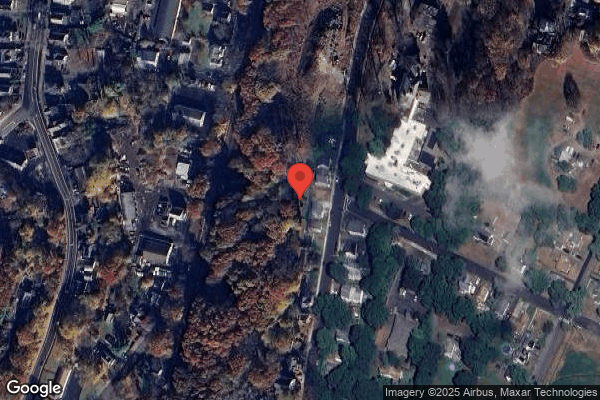

380 CROWN STREET, MERIDEN, CT 06450 (203) 237-4338
Non profit - Corporation 60 Beds Independent Data: November 2025
Trust Grade
33/100
#127 of 192 in CT
Last Inspection: March 2025

Within standard 12-15 month inspection cycle. Federal law requires annual inspections.

Overview

The Curtis Home St Elizabeth Center in Meriden, Connecticut has received a Trust Grade of F, indicating significant concerns about the facility's care quality. With a state ranking of #127 out of 192, they are in the bottom half of Connecticut nursing homes, and their situation appears to be worsening, with issues increasing from 12 in 2023 to 14 in 2025. Staffing is a significant weakness, with a turnover rate of 94%, well above the state average, although they do have better RN coverage than 82% of facilities, which helps catch potential problems. However, the facility has faced serious incidents, including failing to prevent a resident's fall that led to injury and not providing adequate supervision for smoking materials, raising concerns about the overall safety and adherence to care plans. Additionally, the facility has accumulated $10,358 in fines, which is average compared to other facilities, but still reflects ongoing compliance issues.

Trust Score
F
33/100
In Connecticut
#127/192
Bottom 34%
Safety Record
Moderate
Needs review
Inspections
Getting Worse
12 → 14 violations
Staff Stability
⚠ Watch
94% turnover. Very high, 46 points above average. Constant new faces learning your loved one's needs.
Penalties
○ Average
$10,358 in fines. Higher than 71% of Connecticut facilities. Some compliance issues.
Skilled Nurses
○ Average
Each resident gets 41 minutes of Registered Nurse (RN) attention daily — about average for Connecticut. RNs are the most trained staff who monitor for health changes.
Violations
⚠ Watch
29 deficiencies on record. Higher than average. Multiple issues found across inspections.
★★☆☆☆
2.0
Overall Rating
★★☆☆☆
2.0
Staff Levels
★★☆☆☆
2.0
Care Quality
★★☆☆☆
2.0
Inspection Score
Stable
2023: 12 issues
2025: 14 issues

The Good

  • Full Sprinkler Coverage · Fire safety systems throughout facility
  • No fines on record

Facility shows strength in fire safety.

The Bad

2-Star Overall Rating

Below Connecticut average (3.0)

Below average - review inspection findings carefully

Staff Turnover: 94%

48pts above Connecticut avg (46%)

Frequent staff changes - ask about care continuity

Federal Fines: $10,358

Below median ($33,413)

Minor penalties assessed

Staff turnover is very high (94%)

46 points above Connecticut average of 48%

The Ugly 29 deficiencies on record

1 actual harm
Mar 2025 14 deficiencies 1 Harm
SERIOUS (G) 📢 Someone Reported This

A family member, employee, or ombudsman was alarmed enough to file a formal complaint

Actual Harm - a resident was hurt due to facility failures

Accident Prevention (Tag F0689)

A resident was harmed · This affected 1 resident

**NOTE- TERMS IN BRACKETS HAVE BEEN EDITED TO PROTECT CONFIDENTIALITY** Based on observations, review of clinical records, facility documentation, facility policies, and interviews for 1 of 4 resident...

Read full inspector narrative →
**NOTE- TERMS IN BRACKETS HAVE BEEN EDITED TO PROTECT CONFIDENTIALITY** Based on observations, review of clinical records, facility documentation, facility policies, and interviews for 1 of 4 residents (Resident #47) reviewed for accidents, the facility failed to provide adequate supervision to prevent a fall with injury and failed to follow the fall care plan interventions for injury prevention; and for the only sampled resident (Resident #36) reviewed for smoking, the facility failed to ensure a container being used for smoking materials was safe from potential fire hazard. The findings include: 1. Resident #47 was admitted to the facility in March 2024. Resident #47's diagnoses included dementia with behavioral disturbances, mood disturbance, anxiety, and large right cerebellar infarcts (stroke). The significant change Minimum Data Set (MDS) assessment dated [DATE] identified Resident #47 was severely cognitively impaired and required assistance of 1 for bed mobility, personal hygiene, and was a full mechanical lift for transfers. The Resident Care Plan dated 4/10/24 identified falls as an area of concern. Interventions included using a low bed with bilateral floor mats on each side of the bed, monitor for attempts to self-transfer, poor safety awareness in the environment, and potential hazards, assistance of 1 with care, and full mechanical lift for transfers. The Resident Care Plan was updated on 6/10/24 with a new intervention to have Resident #47's current low bed replaced with a floor bed (a bed that can be raised but could be lowered all the way to the floor) and high floor mats. A. The physician orders dated 6/12/24 directed to administer Eliquis (blood thinner) 2.5 milligrams (mg) twice a day, transfer via mechanical lift with assist of 2 staff, and assist of 1 staff with activities of daily living including self-feeding. An interim physician order dated 6/13/24 directed to change the low bed to a floor bed with floor mats on both sides of the bed. A review of nursing notes from 3/1/24 through 3/4/25 identified that Resident #47 had 4 falls from his/her bed on 3/25/24, 6/9/24, 6/24/24, and 1/16/25. A review of an RN assessment form completed by RN #5 on 6/24/24 at 4:30 AM following Resident #47's fall on 6/24/24 identified that NA #2 provided incontinent care to Resident #47 and reached for towels/washcloths at the end of the bed. Resident #47 was noted to have rolled off the bed between the bed and floor mat and hit his/her head. A laceration was noted to the left side of forehead, pressure was applied to area, and no change in level of consciousness was noted. The physician was notified and ordered to send Resident #47 to the emergency room (ER) to evaluate the head injury. The responsible party was made aware of the injury and the resident's transfer to the ER. A review of the Accident and Incident Report completed by RN #5 dated 6/24/24 at 4:30 AM indicated that Resident #47's fall was witnessed by NA #2. NA #2 was unable to stop the fall or catch the resident. Resident #47 was unable to provide a statement due to his/her cognitive status. A written statement by NA #2 dated 6/24/24 at 4:30 AM indicated that NA #2 saw Resident #47 at 2:45AM and 4:30AM. Incontinent care was provided to Resident #47 at 2:45 AM with no agitation or restless behavior. NA #2 indicated at 4:30 AM she raised the bed with the mats still in place and went to grab towels and wash clothes at the end of the bed. Resident #47 rolled off the bed landing between the bed and the floor mat. NA #2 indicated she was unable to catch Resident #47 to prevent him/her from hitting the floor and immediately called the supervisor to come to Resident #47's room as he/she was bleeding from the head. A review of The Reportable Event Form submitted to the state agency by the DNS on 6/24/24 at 7:45 PM indicated that Resident #47 rolled off the bed while receiving care and sustained a laceration to his/her forehead. NA #2 raised Resident #47's bed in preparation to provide incontinent care. When NA #2 reached for wash clothes located at the foot of bed, Resident #47 quickly rolled over and fell out of bed between the bed and floor mats. Resident #47 sustained a laceration to the forehead, was sent to the ER, received 5 sutures, and returned to the facility. A review of Resident #47's ER Discharge summary dated [DATE] at 8:54 AM identified that Resident #47 had an unwitnessed fall with a head strike. A CT scan was performed on the head that was negative for any bleeding. The laceration to the resident's forehead was repaired with 5 sutures. Interview with NA #2, (not currently employed at the facility) on 3/5/25 at 9:00 AM identified when Resident #47 fell on 6/24/24 it was her first time working the overnight shift, she normally worked second shift, and she had not received any orientation to the night shift routine. NA #2 stated in preparation for incontinent care she raised Resident #47's bed and went into the bathroom for water. While in the bathroom, waiting for the water to warm up, she heard a loud thud, saw the resident on the floor between the bed and floor mat, and noted Resident #47 was bleeding from his/her head. She indicated she immediately called for the nurse from the doorway who came to the room to assess Resident #47. NA #2 indicated that she was unaware she should not have left Resident #47 alone after raising the bed. NA #2 recalled writing a statement and possibly speaking to the DNS after the incident but was unable to identify why her current verbal statement differed from the statement she had written when Resident #47 fell on 6/24/24. Although the facility documentation indicated that NA #2 had witnessed Resident #47's fall, her recollection was that she was in the bathroom when Resident #47 fell. Interview with the DNS on 3/5/25 at 11:00 AM indicated she spoke to NA #2 after Resident #47's fall. NA #2 wrote a statement regarding the incident and the DNS recalled that NA #2 indicated that she was at the foot of the bed when Resident #47 rolled out of bed onto the floor. Additionally, the DNS indicated that Resident #47 had a history of rolling out of bed suddenly and it was surprising how quickly he/she could move out of bed. Interview with RN #5 on 3/5/25 at 1:30 PM she identified that Resident #47 had to be sent to hospital because of bleeding from the head. RN #5 stated that NA #2 indicated she was at the foot of the bed gathering supplies when Resident #47 rolled out of bed striking his/her head. RN #5 stated she was aware that Resident #47 was in a high/low bed but did not recall the position of the bed at the time of the incident stating that NA #2 was nervous and upset following the incident. Re-interview with NA #2 on 3/6/25 at 1:15 PM identified that she was aware her verbal statement given on 3/5/25 differed from her original written statement dated 6/24/24. NA #2 could not recall what she had written in her statement but again denied being at the end of the bed and reiterated she did not see Resident #47 fall. Interview with PT #1 on 3/10/25 at 10:11 AM identified that she was aware of Resident #47's fall on 6/24/24. She indicated that Resident #47 had a high/low bed and if a staff member was giving or preparing for care with the bed in high position, as long as staff remained at the bedside, it would have been appropriate for staff to be at the foot of the bed. PT #1 further indicated it would not be appropriate to raise the resident's bed then step away as Resident #47 was a high risk for falls and had a history of falling out of bed. PT #1 stated that Resident #47 was screened after the fall on 6/24/24 but was not appropriate for therapy and remained at his/her baseline. B. An observation on 3/10/25 at 10:20 AM, identified that Resident #47's bed was by the window, the door to room was closed, and the divider curtain was pulled between residents. Resident #47's bed was in a high position, noted to be at the height of the windowsill, mats were noted on the floor at the bedside, and the over bed table was next to and to the right side of his/her bed. At the time of observation, no staff were in the room. At 10:20 AM NA #5 entered the room, and she proceeded to lower Resident #47's bed to the lowest position. Interview with NA #5 at 10:35 AM identified she was the NA assigned to Resident #47. NA #5 stated that when she went in to assist Resident #47 with breakfast around 8:45 AM, the bed was in a high position when she entered. After breakfast, she left the room without lowering the resident's bed stating she had planned to return and provide care at 10:30 AM. NA #5 further indicated that she should have put the bed in a low position. A review of the Fall Prevention Policy dated 6/2/14 directed, in part, that the facility will provide education on fall prevention to caregivers, patients and families and if a fall occurs, the facility will investigate the factors contributing to the fall and develop a plan of action to minimize further falls. In addition, the nurse will document the fall risk measures that have been instituted in the Resident Care Plan and nurse aide assignment. 2. Resident #36's diagnoses included dementia, schizoaffective disorder, and metabolic encephalopathy. The annual Minimum Data Set assessment dated [DATE] identified Resident #36 was severely cognitively impaired, had serious mental illness, currently used tobacco, was dependent with toileting, and required partial/moderate assistance with bed mobility and transfers. The Resident Care Plan dated 1/10/25 identified Resident #36 smoked. Interventions included smoking was allowed according to the supervised smoking schedule, smoke only in the designated smoking area with supervision, and ensure a smoking apron was used. A significant change Smoking Evaluation for Resident #36 dated 1/10/25 indicated the resident needed staff to light his/her smoking material and that he/she could independently and safely extinguish smoking materials. Observation and Interview with NA #3 on 3/6/25 at 11:10 AM in the resident smoking area identified Resident #36 seated in his/her wheelchair. NA #3 applied Resident #36's smoking apron and lit his/her cigarette. Two receptacles were noted in the area, 1 gooseneck self-extinguishing device and 1 short metal can with a wide opening at the top labeled 'wastepaper container'. The wastepaper container was noted to have a large number of cigarette butts along with other waste including several paper packs of cigarette containers, a few clear plastic cups, and clear plastic packaging/bags. According to NA #3, the wastepaper container had been in place for several months, residents used both receptacles to extinguish their still lit cigarettes, and she had made the Administrator aware of the fire hazard yesterday, who indicated to her that he would correct the issue, but had not as yet. An interview with the Administrator on 3/6/25 at 1:30 PM identified he was aware that there was a tall ashtray and a short metal can in use at the facility's resident smoking area. The Administrator indicated that although he was recently out at the facility's resident smoking area and saw the short metal can, he did not look inside of it or remove it from the area. The Administrator identified that the short metal can was not a self-extinguishing device and that it should not have been utilized by residents to dispose of their still-lit cigarettes. The Administrator indicated that he would have the short metal receptacle removed from the facility's resident smoking area. Subsequent to surveyor inquiry an observation on 3/10/25 at 11:04 AM identified the wastepaper can had been removed from the facility's resident smoking area. Review of the facility policy, Smoking/Residents, dated 8/21/17, directed that the facility would ensure a safe smoking environment and maintain safe smoking practices. The policy further directed that residents may smoke only in the designated area at the designated times under the supervision of a staff member.
CONCERN (D)

Potential for Harm - no one hurt, but risky conditions existed

Notification of Changes (Tag F0580)

Could have caused harm · This affected 1 resident

**NOTE- TERMS IN BRACKETS HAVE BEEN EDITED TO PROTECT CONFIDENTIALITY** Based on interviews, review of the clinical record, and facility policy for 1 of 3 residents (Resident #45), reviewed for nutrit...

Read full inspector narrative →
**NOTE- TERMS IN BRACKETS HAVE BEEN EDITED TO PROTECT CONFIDENTIALITY** Based on interviews, review of the clinical record, and facility policy for 1 of 3 residents (Resident #45), reviewed for nutrition, the facility failed to notify the dietician and responsible party of a significant weight gain and significant weight loss. The findings include: Resident #45 was admitted to the facility on [DATE] with diagnoses that included malignant neoplasm of the brain, moderate protein-calorie malnutrition, and Irritable Bowel Syndrome (IBS). The baseline Resident Care Plan (RCP) dated 3/1/24 identified Resident #45 was at risk for nutritional deficits related to cancer, IBS, and diabetes. Interventions included monitoring body weight, dietician consults as needed, and offering alternative choices with dislikes. An admission Minimum Data Set (MDS) assessment dated [DATE] identified Resident #45 had intact cognition, required set-up assistance with eating, used a manual wheelchair for mobility, and required moderate assistance with chair to bed and bed to chair transfers. A physician order dated 2/29/24 directed Resident #45 to be weighed monthly on his/her shower day. A review of Resident #45's weight record indicated the following: an admission weight in March 2024 of 227.2 pounds (lbs.), in April 2024 a weight of 272 lbs., a weight gain of 44.8 lbs. (16.5%) in 1 month; in May 2024 a weight of 266 lbs., in June 2024 a weight of 266 lbs., in July 2024 a weight of 264.8lbs., (missing weights in August and September), in October 2024 a weight of 228.0 lbs., a weight loss of 36.8 lbs. (14%) in 3 months, in November 2024 a weight of 226.6 lbs., in December 2024 a weight of 215 lbs. in January 2025 a weight of 214.4 lbs., and in February 2025 a weight of 206.4 lbs. a weight loss of 20.2 lbs. (9%) in 3 months. Review of nursing progress notes, Dietician progress notes, and the Dietician Communication Log failed to identify the Dietician or responsible party was notified regarding Resident #45's weight gains or losses. Interview and review of the clinical record with RN #2 on 3/5/25 at 10:54 AM identified that nursing staff does not track a resident's weight over time and that the dietician was independently responsible to review all resident's weight tracking. Although RN #2 indicated that nursing would notify the dietician if the resident had a significant weight loss or gain from the previous month, she was unable to explain why the dietician wasn't notified when Resident #45 was noted to have a significant weight gain from March 2024 to April 2024 (44.8 lbs. or 16.5% in 1 month). An interview on 3/6/25 at 2:16 PM with the Dietician identified the facility had hired her in November 2024 so she could not comment on any of Resident #45's weight issues prior to her hire date. She indicated she was not aware of the 5.1% weight loss in 1 month from November 2024 when the resident weighed 226.6 lbs. to December 2024 when the resident weighed 215 lbs. Although she was the dietician at the time, she was not aware of the 3 month weight loss from November 2024 when the resident weighed 226.6 lbs. to February 2025 when Resident #45 weighed 206.4 lbs. a 8.9% weight loss. She indicated that if she had been aware of the weight loss after November 2024, she would not have done anything different as she could not trust the accuracy of any weights taken before she was hired. The Dietician stated that the facility practice was to notify her of a weight gain or weight loss greater than 5% but she had not been notified of Resident #45's weight changes. An interview on 3/6/25 at 2:57 PM with the Director of Nursing Services (DNS) identified if a weight was taken on a resident was suspected to be incorrect then a reweight should have been taken. A review of the Facility's Weight Policy identified that any Resident with a significant weight loss of 5% in one month or 10% in 3 months would be reported to the attending physician, the responsible party, and the Dietician.
CONCERN (D)

Potential for Harm - no one hurt, but risky conditions existed

Report Alleged Abuse (Tag F0609)

Could have caused harm · This affected 1 resident

**NOTE- TERMS IN BRACKETS HAVE BEEN EDITED TO PROTECT CONFIDENTIALITY** Based on review of clinical records, facility documentation, interviews, and facility policy for 2 of 5 sampled residents review...

Read full inspector narrative →
**NOTE- TERMS IN BRACKETS HAVE BEEN EDITED TO PROTECT CONFIDENTIALITY** Based on review of clinical records, facility documentation, interviews, and facility policy for 2 of 5 sampled residents reviewed for abuse (Resident #15 and Resident #29) the facility failed to report allegations of abuse to the state agency in a timely manner. The findings include: 1. Resident #15's diagnoses included mild cognitive impairment, multiple sclerosis, and abnormalities of gait and mobility. The quarterly Minimum Data Set (MDS) assessment dated [DATE] identified that Resident #15 was moderately cognitively impaired and required moderate assistance of 1 staff to transfer from the bed to the wheelchair, from lying to sitting on the side of bed, and for toilet transfers. Physician's orders dated 6/4/24 directed the assistance of 1 staff for transfers from the wheelchair and for activities of daily living. The Resident Care Plan dated 6/5/24 indicated mobility impairment was a concern. Interventions included transferring the resident per the physician's order to a custom wheelchair and administer pain medications as needed. 2. Resident #29's diagnoses included Post Traumatic Stress Disorder (PTSD), history of alcohol abuse, depression, and dementia. The quarterly Minimum Data Set (MDS) assessment dated [DATE] identified that Resident #29 had short term and long-term memory deficits but was able to recall the current season, location of room, staff names and faces, and that he/she resided in a nursing home. Resident #29 was independent with dressing, toileting, eating, and required set up for personal hygiene. The Resident Care Plan dated 2/11/25 identified that Resident #29 frequently refused care from staff, could become easily agitated, was accusatory toward staff, administered his/her own medications, and was able to leave the facility independently to go shopping and for appointments. Physician's orders dated 3/1/25 identified that Resident #29 could self-administer medications and could go out on leave of absence independently. Interview with Resident #29 on 3/3/25 at 2:45 PM, identified that he/she witnessed NA #3 being rough and that the NA had thrown Resident #15 into his/her wheelchair during a transfer. Resident #29 indicated that he/she reported NA #3 to the DNS and Administrator at that time. According to Resident #29, NA #3, following being reported, was later confronted by Resident #29 about the way she treated Resident #15, and NA #3 stated to Resident #29 to shut the F*** up. Resident #29 indicated the incident happened several months ago and both incidents had been reported to the DNS and the Administrator at the time of the occurrences. During an interview with the DNS on 3/3/25 at 3:00 PM she was informed by the surveyor that Resident #29 had reported he/she witnessed NA #3 throw Resident #15 into his/her wheelchair during a transfer from the bed to the wheelchair and that NA #3 had used profane language toward Resident #29. The DNS was further informed that Resident #29 indicated he/she had reported the incident to the DNS and Administrator. Although the DNS indicated Resident #29 frequently discussed concerns with her, she was unable to recall the incident and denied having a reportable event or grievance related to the allegations of abuse for either resident. The DNS indicated that Resident #29 had accusatory behaviors and tended to fixate on certain staff he/she did not like and would verbally confront those staff members. An interview with Resident #15 on 3/4/25 at 2:00 PM identified he/she had no recollection of any incidents of a nurse aide being rough. An interview with Social Worker (SW) #1 on 3/4/25 at 3:15 PM identified that she was not aware of any grievances from Resident #15 or Resident #29. There were no allegations of abuse or mistreatment for either resident. Re-interview (7 days after the initial interview) with the DNS on 3/10/25 at 1:25 PM identified that Resident #29's allegation of NA abuse towards Resident #15 had not been reported to the state agency following her interview with the surveyor on 3/3/25. The DNS stated she must have misunderstood that the allegations were allegations of mistreatment, and that even if a resident had a history of accusatory behaviors, the facility would still follow the protocols for reporting to the state agency for allegations of abuse. The DNS indicated that it was her responsibility to ensure allegations were reported. Subsequent to surveyor inquiry, Resident #15's allegation of physical mistreatment was reported to the state agency on 3/10/25, 7 days after the facility was made aware of the allegation. Resident #29's allegation of verbal mistreatment was reported to the state agency on 3/11/25, 8 days after the facility was made aware of the allegation. A review of the facility Abuse Policy directed in part, the Administrator and/or DNS ensure that alleged or suspected violations involving mistreatment, neglect, abuse, exploitation, misappropriation of property and injuries of unknown origin are investigated and reported. Alleged allegations involving abuse or injuries of unknow origin causing serious injury are reported to the state agency within 2 hours. Allegations of neglect, mistreatment, misappropriation that do not result in serious harm are reported within 24 hours.
CONCERN (D)

Potential for Harm - no one hurt, but risky conditions existed

Investigate Abuse (Tag F0610)

Could have caused harm · This affected 1 resident

**NOTE- TERMS IN BRACKETS HAVE BEEN EDITED TO PROTECT CONFIDENTIALITY** Based on review of clinical records, facility documentation, interviews, and facility policy for 2 of 5 sampled residents (Resid...

Read full inspector narrative →
**NOTE- TERMS IN BRACKETS HAVE BEEN EDITED TO PROTECT CONFIDENTIALITY** Based on review of clinical records, facility documentation, interviews, and facility policy for 2 of 5 sampled residents (Resident #15 and Resident #29) reviewed for abuse, the facility failed to investigate an allegation of abuse in a timely manner. The findings include: 1. Resident #15's diagnoses included mild cognitive impairment, multiple sclerosis, and abnormalities of gait and mobility. The quarterly Minimum Data Set (MDS) assessment dated [DATE] identified that Resident #15 was moderately cognitively impaired and required moderate assistance of 1 staff to transfer from bed to wheelchair, from lying to sitting on the side of the bed, and for toilet transfers. Physician's orders dated 6/4/24 directed the assistance of 1 staff for transfers from the wheelchair for activities of daily living. The Resident Care Plan dated 6/5/24 indicated that mobility impairment was an area of concern. Interventions included transfer resident per physician order to a custom wheelchair and administer pain medications as needed. 2. Resident #29's diagnoses included Post Traumatic Stress Disorder (PTSD), history of alcohol abuse, depression, and dementia. The quarterly Minimum Data Set (MDS) assessment dated [DATE] identified that Resident #29 had short term and long-term memory deficits but was able to recall the current season, location of his/her room, staff names and faces, and that he/she resided in a nursing home. Resident #29 was independent with dressing, toileting, eating, and required set-up assistance for personal hygiene. The Resident Care Plan dated 2/11/25 identified that Resident #29 frequently refused care from staff, could become easily agitated and accusatory of staff, administered his/her own medications and could leave the facility independently to go shopping and for appointments. Physician's orders dated 3/1/25 identified that resident could self-administer medications and could go out on leave of absence independently. Interview with Resident #29 on 3/3/25 at 2:45 PM, identified that he/she witnessed NA #3 being rough and that the NA #3 had thrown Resident #15 into his/her wheelchair during a transfer. Resident #29 indicated that he/she reported NA #3 to the DNS and Administrator at that time. According to Resident #29, NA #3, following being reported, was later confronted by Resident #29 about the way she treated Resident #15, and NA #3 stated to Resident #29 to shut the F*** up. Resident #29 indicated the incident happened several months ago and both incidents had been reported to the DNS and the Administrator at the time of occurrences. During an interview with the DNS on 3/3/25 at 3:00 PM she was informed by the surveyor that Resident #29 had reported he/she witnessed NA #3 throw Resident #15 into his/her wheelchair during a transfer from the bed to the wheelchair and that NA #3 had used profane language toward Resident #29. The DNS was further informed that Resident #29 indicated he/she had reported the incidents to the DNS and Administrator. Although the DNS indicated Resident #29 frequently discussed concerns with her, she was unable to recall the incident and denied having a reportable event or grievance related to the allegation of abuse for either resident. The DNS indicated that Resident #29 had accusatory behaviors and tended to fixate on certain staff he/she did not like and would verbally confront those staff members. An interview with Social Worker (SW) #1 on 3/4/25 at 3:15 PM identified that she was not aware of any grievances from Resident #15 or Resident #29. There were no allegations of abuse or mistreatment for either resident. Re-interview with the DNS on 3/10/25 at 1:25 PM identified that although Resident #29's allegations of abuse towards Resident #15 and Resident #29 by NA #3 had been reported to her on 3/3/25 by the surveyor, she indicated that investigations had not yet been started. The DNS stated she must have misunderstood that the allegations were allegations of mistreatment, and that even if a resident had a history of accusatory behaviors, the facility would still follow their policy and procedure for investigating the allegations. The DNS indicated that it was her responsibility to ensure allegations were investigated. Subsequent to surveyor inquiry, an investigation was initiated for Resident #15's allegation, 7 days after the facility was made aware, and an investigation was initiated for Resident # 29's allegation, 8 days after the facility was made aware. A review of the facility Abuse Policy directed in part, the administrator and/or DNS ensure that all alleged or suspected violations involving mistreatment, neglect, abuse, exploitation, misappropriation of property and injuries of unknow origin are investigated and reported. Alleged allegations involving abuse or injuries of unknow origin causing serious injury are reported to the state agency within 2 hours. Allegations of neglect, mistreatment, misappropriation that do not result in serious harm are reported within 24 hours. An investigation will be documented in accordance with state law.
CONCERN (D)

Potential for Harm - no one hurt, but risky conditions existed

Comprehensive Care Plan (Tag F0656)

Could have caused harm · This affected 1 resident

**NOTE- TERMS IN BRACKETS HAVE BEEN EDITED TO PROTECT CONFIDENTIALITY** Based on interviews and review of the clinical record for the only sampled resident (Resident #58) reviewed for hospitalization,...

Read full inspector narrative →
**NOTE- TERMS IN BRACKETS HAVE BEEN EDITED TO PROTECT CONFIDENTIALITY** Based on interviews and review of the clinical record for the only sampled resident (Resident #58) reviewed for hospitalization, the facility failed to implement interventions in the Resident Care Plan (RCP) for the completion of a respiratory assessment, each shift, for resident with Congestive Heart Failure (CHF). The findings include: Resident #58's diagnoses included congestive heart failure, atrial defibrillation, type 2 diabetes and coronary bypass surgery. The quarterly Minimum Data Set assessment dated [DATE] identified Resident #58 had intact cognition and was independent with bed mobility, toilet transfers, and transfers from the chair to the bed and bed to the chair. The RCP dated 12/17/24 identified a potential for respiratory distress/respiratory failure. Interventions included observation for signs and symptoms of increasing distress, increase in respiration rate, dyspnea, tachycardia, restlessness, anxiety or change in mental status. Additional interventions included performing a respiratory assessment every shift. The RCP dated 1/21/25 identified Resident #58 was at risk for alteration in skin integrity, weight gain, and changes in respiratory status related to generalized edema, with right hand prominent edema and increased weakness. Interventions included performing a respiratory assessment every shift, assistance of 2 with transfers, oxygen as directed and monitor vital signs and oxygen saturations every shift and as needed (PRN). Review of the Medication and Treatment Administration Records dated December 2024 and January 2025 failed to identify a respiratory assessment that had been completed every shift per the RCP. Review of nursing notes from 12/19/24 through 1/28/25 identified on 1/20/25 at 6:00 PM Resident #58 complained of his/her legs feeling weak and sniffles, lungs were clear, no cough, and no abnormal temperature were noted. A weekly note dated 1/25/25 (illegible time written) indicated Resident #58's lungs were clear with 2 plus bilateral lower extremity edema but failed to identify further each shift respiratory assessments. Interview and record review with the DNS on 3/11/25 at 9:40 AM identified the RCP indicated a respiratory assessment was to be completed each shift for Resident #58. She indicated that there was not a specific form for a respiratory assessment, this should be done by the registered nurse, and the assessment would be documented in the nurse's note section of the clinical record. The DNS reviewed the nursing notes but failed to identify that a respiratory assessment had been completed for Resident #58 from December 2024 and January 2025.
CONCERN (D)

Potential for Harm - no one hurt, but risky conditions existed

Deficiency F0687 (Tag F0687)

Could have caused harm · This affected 1 resident

**NOTE- TERMS IN BRACKETS HAVE BEEN EDITED TO PROTECT CONFIDENTIALITY** Based on observations, interviews, and clinical record review for 1 of 3 residents (Resident #19), reviewed for activities of da...

Read full inspector narrative →
**NOTE- TERMS IN BRACKETS HAVE BEEN EDITED TO PROTECT CONFIDENTIALITY** Based on observations, interviews, and clinical record review for 1 of 3 residents (Resident #19), reviewed for activities of daily living, the facility failed to provide podiatry services to a diabetic resident. The findings included: Resident # 19's diagnoses included diabetes mellitus type 2 with neuropathy, gout, and Parkinson's disease. The admission Minimum Data Set (MDS) assessment dated [DATE] identified Resident #19 was cognitively intact, required substantial/maximal assistance from staff for personal hygiene, and was dependent on staff for lower body dressing and transfers. The Resident Care Plan dated 1/7/25 identified Resident #19 was at risk for alteration in the metabolic process secondary to diabetes. Interventions included good foot care daily, proper footwear, podiatry care as needed, and podiatry to cut toenails. A physician's order dated 12/24/24 and currently in effect, allowed Resident #19 to be seen and treated by podiatry. The Wound/Ostomy Advanced Practice Registered Nurse (APRN) consultations dated 12/20/24 and 1/7/25 recommended a podiatry consult for toenail dystrophy (abnormal structure and appearance). The Wound/Ostomy APRN consultations dated 1/21/25 and 2/4/25 identified nail dystrophy. An e-mail dated 1/23/25 at 1:30 PM, with attachments, identified a correspondence between the podiatry service provider and the DNS related to podiatry enrollment requirements and which needed to be completed prior to Resident #19 receiving services. The e-mail instructed the DNS to send a copy to the Administrator of the Long Term Care (LTC) facility. Additionally, along with the completed form, the e-mail should specify that Attached are Veterans Affairs (VA) enrollments for podiatry. The facility will assume financial responsibility for podiatry care. An e-mail correspondence dated 1/24/25 at 11:38 AM identified the podiatry providers receipt of Resident #19's signed consent (dated 1/15/25) and face sheet as well as an intent to add Resident #19 to the podiatry service list. An e-mail correspondence from the podiatry service provider dated 2/20/25 at 2:04 PM identified Resident #19 was still not scheduled for podiatry services and a request from the podiatry service Account Manager requesting the Processing Department schedule Resident #19 for podiatry services was included. An e-mail dated 3/7/25 at 10:42 AM from the podiatry service provider to the DNS identified the podiatrist was at the facility on 12/9/24, 2/10/25 and 2/16/25. Additionally, the e-mail identified Resident #19 was signed up for podiatry services on 1/20/25, but was placed on a do not treat list pending verification of VA-covered services to be billed to the facility, and Resident #19 was removed from the do not treat list on 2/20/25. Observation on 3/3/25 at 11:13 AM identified Resident #19 with toenails that were thick and excessively long (curling over). Interview and chart review with Registered Nurse (RN) #2 on 3/5/25 at 9:28 AM identified the facility policy directed Nurse Aids (NAs) to clip toenails, but if a resident was diabetic or presented with thick nails, the resident would be seen by the podiatrist who comes to the facility monthly. If the resident was a veteran, they would go out to the VA for podiatry services. RN #2 identified Resident #19 was on the list to see podiatry but could not produce a copy of the list, proof of when Resident #19 was on the list to be seen, or a date of when the podiatrist was due to return to the facility. A chart review with RN #2 failed to identify a signed consent for podiatry, at which point she stated Resident #19 was a veteran with 100% service-connected disability and would not have a consent with the in house podiatrist but rather goes to the Veterans Affairs (VA) for services. RN #2 could not identify when Resident #19's podiatry appointment was scheduled or if an appointment had been scheduled with the VA. Follow up interview with RN #2 on 3/5/25 at 9:56 AM identified she spoke with the VA, Resident #19 was overdue since it's been almost a year since his/her last appointment, clarifying that since he/she has been at the facility no podiatry services were provided or offered. Interview with Resident #19 on 3/5/25 at 10:53 AM identified he/she could not recall if podiatry services were offered upon admission to the facility but was told by the facility that he/she missed their scheduled appointment and would have to be rescheduled with the possibility of seeing the in-house podiatrist. Interview and contract review with the Director of Finance on 3/5/25 at 11:47 AM identified that the facility pays for all resident podiatry services, including veterans. Per the Department of Veterans Affairs contract that was effective 10/1/24, all rates include an additional $.50 per day for podiatry services so that veterans can receive their services in-house at the LTC facility. Subsequent to surveyor inquiry, an e-mail dated 3/7/25 at 10:50 AM from the podiatry service provider identified the next scheduled podiatry visit would be 4/18/25, since visits occurred every 60 days, including a request from the DNS for Resident #19 to be seen earlier. Interview with the DNS on 3/10/25 at 10:03 AM identified that every resident was referred to the in-house service for podiatry unless they were a short-term resident that was expected to be discharged within 2 weeks. The DNS identified Resident #19 was initially in the facility for short term rehabilitation and about 3 weeks after his/her admission it was determined that his/her stay would be extended. On 1/15/25 Resident #19 signed a podiatry consent, and all the paperwork was emailed to the podiatry provider. Somewhere along the line requirements from the podiatrist changed requiring that the Administrator be copied on the e-mail. The DNS stated she was unaware of the requirement, which prolonged Resident #19 receiving services. The DNS identified that all staff were aware that all residents receive in- house podiatry services, unless the admission was a short-term rehabilitation resident who had their own podiatrist in the community. Further, consents were signed upon admission and the resident was then put on the podiatry list by the admitting nurse, including veterans. Interview with the podiatry service customer care and billing representative on 3/11/25 at 10:03 AM identified that facilities receive a packet with information regarding policy details including what information was needed for a resident to be seen, and comprised of a request for services form, resident face sheet including Power of Attorney (POA) information, insurance information, and physician orders. The Administrator notification was not a requirement of service on the podiatry service end but might be the cause of delay in treatment due to other factors on the facility end. Subsequent to surveyor inquiry, Resident #19 was seen by the podiatrist on 3/12/25, and received manual reduction, trimming of nails from 4/5 millimeters (mm) to 2 mm. Although requested, a facility policy for podiatry was not provided.
CONCERN (D)

Potential for Harm - no one hurt, but risky conditions existed

Infection Control (Tag F0880)

Could have caused harm · This affected 1 resident

**NOTE- TERMS IN BRACKETS HAVE BEEN EDITED TO PROTECT CONFIDENTIALITY** Based on observations, interviews, and clinical record reviews for 1 of 2 residents, (Resident #4), reviewed for pressure ulcers...

Read full inspector narrative →
**NOTE- TERMS IN BRACKETS HAVE BEEN EDITED TO PROTECT CONFIDENTIALITY** Based on observations, interviews, and clinical record reviews for 1 of 2 residents, (Resident #4), reviewed for pressure ulcers, the facility failed to follow infection control standards to identify and provide precautions for a resident with wounds, and for the only sampled resident (Resident #36) reviewed for blood glucose monitoring. The facility failed to clean and disinfect the glucose meter after use. The findings included: 1. Resident #4's diagnoses included a pressure ulcer of the sacral region, rheumatoid arthritis, and urge urinary incontinence. The quarterly Minimum Data Set (MDS) assessment dated [DATE] identified Resident #4 was severely cognitively impaired, and dependent on staff for hygiene, dressing, and transfers. The Resident Care Plan dated 2/18/25 identified Resident #4 had a stage 2 pressure area to her/his sacrum. Interventions included providing treatment as ordered, observing the area for good wound healing, and observing for signs and symptoms of infection. The Pressure Ulcer Progress Report initiated 2/20/25 identified a 0.8 centimeter (cm) x 0.8 cm stage 2 pressure ulcer on the sacrum. On 2/26/25 the stage 2 pressure ulcer on the sacrum measured 2.0 cm x 2.0 cm, and on 3/7/25 the stage 2 pressure ulcer on the sacrum measured 2.5 cm x 3.5 cm x 0.2 cm. (A stage 2 pressure ulcer was defined as partial thickness loss of dermis presenting as a shallow open ulcer with a red or pink wound bed without slough). The physician's orders dated 2/25/25 failed to identify an order for Enhanced Barrier Precautions (EBP). Review of the EBP resident list dated 2/26/25 failed to include Resident #4. Observations of Resident #4's room on 3/3/25 at 11:11 AM, 3/4/25 at 11:30 AM and 3/5/25 at 10:35 AM failed to identify an EBP sign posted outside the resident's room. Additionally, although there were precaution carts outside all the other resident rooms who had EBP signage, observation outside Resident #4's room failed to identify a precaution cart containing Personal Protective Equipment (PPE). Observation of LPN #2 on 3/5/35 at 10:35 AM identified she was performing a dressing change to Resident #4's sacral area without the benefit of a gown. Interview with Infection Preventionist Registered Nurse (RN) #3 on 3/5/25 at 1:35 PM identified the facility policy to institute EBP for residents with a history of Multi Drug Resistant Organism (MDRO), indwelling devices and large wounds. RN #3 defined a large wound as a measurement of 2.0 cm x 2.0 cm or greater. Resident #4 was not put on EBP when the wound was first identified on 2/20/25 because it measured 0.8 x 0.8 cm, and RN #3 would not expect Resident #4 to have been put on EBP because the last measurement of the sacral wound taken on 2/26/25 was 2.0 cm x 2.0 cm, which she considered borderline. Interview and record review with the DNS on 3/5/25 at 1:55 PM identified it was the facility policy to institute EBP for residents who had an MDRO, indwelling medical devices such as intravenous therapy, an indwelling catheter, or a large wound. She further identified that she defined large wounds to measure 2 cm or greater. Upon review of Resident #4's Pressure Ulcer Progress Report dated 2/26/25 which identified a stage 2 sacral wound measuring 2.0 cm x 2.0 cm, the DNS identified she would have expected the nursing staff to implement the policy and place Resident #4 on EBP. A follow up interview and record review with RN #3 on 3/10/25 at 10:48 AM identified she was using guidance for EBP criteria pertaining to large wounds measuring 2.0 cm x 2.0 cm from APIC (Association for Professionals in Infection Control and Epidemiology). Additionally, RN #3 identified that the residents sacral wound was measured on 3/7/25 and showed an increase in size to 2.5 cm x 3.5 cm x 0.2 cm, and that is when and why Resident #4 was placed on EBP's. RN #3 stated she would have to have to look to see exactly where in APIC this guidance was referenced. A follow up interview with RN #3 on 3/11/25 at 10:14 AM identified she could not produce a copy of the APIC guidance, and subsequent to surveyor inquiry, the facility policy on EBP would be amended to reflect wounds (previously written as large wounds). Review of the Infection Control- Enhanced Barrier Precautions Policy dated 7/19/22, directed, in part, that Enhanced Barrier Precautions expand the use of PPE and refer to the use of gown and gloves during high contact resident care activities. Nursing home residents with (the word large handwritten) wounds and indwelling medical devices are at especially high risk of both acquisition of and colonization with Multi Drug Resistant Organisms. Review of the updated Infection Control- Enhanced Barrier Precautions Policy dated 7/19/22 and revised 3/11/25, identified that the facility had no changed the policy from the original policy dated 7/19/25, but they had removed the handwritten word large. According to CDC documentation dated 6/28/24, Enhanced Barrier Precautions are recommended for residents with indwelling medical devices or wounds, who do not otherwise meet the criteria for Contact Precautions, even if they have no history of MDRO colonization or infection, and regardless of whether others in the facility are known to have MDRO colonization. 2. Resident #36's diagnoses included diabetes with other diabetic kidney complications, hyperglycemia, and metabolic encephalopathy. The significant change Minimum Data Set (MDS) assessment dated [DATE] identified Resident #36 was severely cognitively impaired, required moderate assistance from staff for washing, dressing, toilet use, and required supervision for meals. The Resident Care Plan dated 1/10/25 identified diabetes as an area of concern. Interventions included monitoring any signs and symptoms of hyper/hypoglycemia, monitor blood glucose and provide insulin as ordered, and administer insulin and medications as directed. Physician's orders dated 3/5/25 directed to obtain a fasting blood sugar daily at 6:30 AM and call the physician if the glucose level was greater than 350, administer an injection of Lantus 18 units at 9 AM, and Ozempic injections 0.5 milligrams (mg) once a week on Monday mornings. Observations on 3/5/25 at 5:45AM of Registered Nurse (RN) #1 obtaining a blood glucose level for Resident #36 identified she cleaned the glucose meter prior to entering Resident #36's room. RN #1obtained a blood glucose level for Resident #36 at the bedside. RN #1 then proceeded back to medication cart in the hallway. RN #1 placed the meter on top of the medication cart without the benefit of cleaning or disinfecting prior to placing. Further observation identified RN #1 continued with her medication pass, and at 5:55 AM, RN #1 was observed placing the glucose meter in the top drawer of the medication cart without the benefit of cleaning the meter. Interview with DNS on 3/5/25 at 6:30AM identified that the blood glucose meters got wiped down with purple top disinfect wipes after each use and then are stored in the medication carts. Medication carts are supplied with 2 glucose meters. The DNS indicated that it was not the practice of the facility to put blood glucose meters back in the medication cart after use without first disinfecting the meter per the manufacturer's guideline. Interview with RN #1 on 3/5/25 at 6:45AM identified that blood glucose meters. are supposed to be cleaned before and after each use, but she had not cleaned the glucose meter after obtaining Resident #36's blood glucose level and prior to placing it back in the medication cart. RN #1 stated, after realizing she had forgotten to clean the glucose meter, she removed it from the cart and appropriately cleaned it prior to using it for another resident. RN #1 indicated that she just forgot and knew that the glucose meter could potentially be contaminated after use, and she should not have stored it in the medication cart prior to cleaning it first. Review of the facility Blood Glucose Monitoring policy directed, in part, to disinfect blood glucose meters per manufacturer guidelines using approved germicidal wipes to wipe down the meter after each use.
CONCERN (E)

Potential for Harm - no one hurt, but risky conditions existed

Deficiency F0561 (Tag F0561)

Could have caused harm · This affected multiple residents

**NOTE- TERMS IN BRACKETS HAVE BEEN EDITED TO PROTECT CONFIDENTIALITY** Based on interviews, observations, clinical record review, and facility policies for 1 of 5 sampled residents (Resident #8) revi...

Read full inspector narrative →
**NOTE- TERMS IN BRACKETS HAVE BEEN EDITED TO PROTECT CONFIDENTIALITY** Based on interviews, observations, clinical record review, and facility policies for 1 of 5 sampled residents (Resident #8) reviewed for abuse, and for 2 of 2 residents (Resident #11 and Resident #45) reviewed for choices, the facility failed to ensure the resident right to choose was honored. The findings include: 1.Resident #8's diagnoses included anxiety, hypothyroidism, and asthma. The quarterly Minimum Set (MDS) assessment dated [DATE] identified Resident #8 as cognitively intact, independent with transfers, dressing, and personal hygiene. The Resident Care Plan dated 12/10/24 identified behavior/refusal of care issues. Interventions directed to provide emotional support as needed, explain potential negative outcomes, and provide positive reinforcement. Review of the nurse's note dated 12/16/24 identified that Resident #8's window had been screwed shut, Resident #8 verbalized being upset to staff, and he/she was anxious. Interview and observation with Resident #8 on 3/3/25 at 12:00 PM identified the window in his/her room had been screwed shut, a fan was not adequate, and he/she was upset due to his/her inability to open the window for fresh air. Resident #8 indicated that he/she had informed staff of his/her desire to independently open the window whenever he/she chose. An interview on 3/6/25 at 9:48 AM with Social Worker #1 identified that she was aware Resident #8's window had been screwed shut since 12/16/24. Re-interview with Resident #8 on 3/6/25 at 11:46 AM identified that he/she woke up sweating at night and wanted some fresh air, but his/her window had been screwed shut for over a month. Resident #8 complained that he/she was the only resident in the facility who was not allowed to open their window, and this was upsetting to him/her. An interview with the Director of Nursing on 3/6/25 at 1:39 PM identified that she was aware Resident #8's window had been screwed shut for the past couple of months. An interview with the Administrator on 3/10/25 at 2:08 PM identified he had screwed Resident #8's window shut on 12/16/24 because the resident was leaving the window open on cold days making the room too cold for the roommate. The Administrator indicated Resident #8's window would remain screwed shut until the weather was warmer. Although Resident #8 had been upset by this action, the Administrator stated he failed to see he had done anything wrong by screwing the window shut, and that the resident had been educated. 2. Resident #11's diagnoses included coronary artery disease, congestive heart disease, and post-traumatic stress disorder. A quarterly Minimum Data Set (MDS) assessment dated [DATE] identified Resident #11 had moderate cognitive impairment, was dependent for upper and lower body dressing, was independent in utilizing a manual wheelchair for mobility, and required moderate assistance for chair to bed and bed to chair transfers. The Resident Care Plan (RCP) dated 1/9/25 identified Resident #11 was at risk for changes in mood and behavior. Interventions included encouraging independence to the extent possible and encourage and allow open expression of feelings and/or needs. A nursing progress note dated 1/25/25 at 2:45 PM identified that Resident #11 had an altercation with another resident who entered his/her room without permission. The note further identified that Resident #11 was heard yelling at the other resident to leave his/her room and noted the intervention for the altercation was administering 25 milligrams (mg) of Trazadone to Resident #11 every 6 hours for the next 30 days. A Physician order dated 1/25/25 directed 25 mg of Trazadone by mouth to be administered every 6 hours as needed for agitation. An interview with Resident #11 on 3/3/25 at 1:58 PM identified that he/she did not like other residents entering his/her room and would like to keep his/her door shut. Resident #11 further identified that staff have informed him/her that the door to the room had to remain open. An interview with Licensed Practical Nurse (LPN) #5 on 3/5/25 at 7:31 AM identified that it was her preference that Resident #11's door was to stay open and that a stop sign was placed on his/her door to deter a wandering resident from entering the room. An interview with the Director of Nursing Services (DNS) on 3/6/25 at 10:47 AM identified she was unaware that Resident #11 would like his/her door shut and would inform staff that 15 minute checks could be provided to honor the Resident's choice to have his/her door shut. 3. Resident #45's diagnoses included hypersomnia (sleep disorder), Mitochondrial Encephalopathy, Lactic Acidosis, Stroke-like episodes (MELAS) Syndrome (a genetic stroke like disorder), and malignant neoplasm of the brain. The baseline Resident Care Plan (RCP) dated 3/1/24 identified Resident #45 was at risk for depression. Interventions included encouraging independence to the extent possible, if care was refused leave safely and reapproach at a later time and explain potential consequences/negative outcomes. An admission Minimum Data Set (MDS) dated [DATE] identified Resident #45 had intact cognition, required set-up assistance with eating, used a manual wheelchair for mobility and required moderate assistance with chair to bed and bed to chair transfers. An interview with Resident #45 on 3/4/25 at 10:23 AM identified that facility staff got him/her up too early. Resident #45 indicated that when he/she had made his wishes known to staff on multiple occasions, staff denied his/her request and got him/her out of bed anyway. Interview and review of the Resident Care Card with Nurse Aide (NA) #4 on 3/6/25 at 12:05 PM identified she had been notified by Resident #45 on multiple occasions that he/she did not want to get out of bed and wanted to keep sleeping. NA #4 indicated that due to aspiration precautions, Resident #45 had to be taken out of bed despite his/her wishes. She further identified the shift started at 7:00 AM and there was an expectation to have all her assigned residents up for breakfast by 8:00 AM. NA #4 noted if Resident #45 wanted to go back to bed after he/she ate, she would assist him/her back in bed. Further, although the Resident Care Card indicated for Residet #45 to be out of bed for meals, it failed to indicate that aspiration precautions were in effect. A re-interview with NA #4 on 3/6/25 at 2:16 PM identified that she had incorrectly identified Resident #45 was on aspiration precautions and that Resident #45 could have stayed in bed per his/her request. An interview with Registered Nurse (RN) #2 on 3/6/25 at 2:38 PM identified the facility practice was to honor the resident's wishes, allow the resident to remain in bed, notify the RN, and reapproach the resident later. Although RN#2 indicated that the facility practice was to honor the resident's wishes, she could not honor Resident #45's request to stay in bed because he/she needed to get up to eat. An interview with the Director of Nursing Services (DNS) on 3/6/25 at 2:47 PM identified that she was aware of Resident #45's request to stay in bed past 7:00 AM. Although the DNS noted that he/she has the right to make the choice to stay in bed, she indicated it was better for his/her mental health to get out of bed. The Facility's Resident's [NAME] of Rights identified that a Resident has the right to treat living quarters as his/her home with no fewer rights than any other resident of the facility, has the right to make choices about aspects of his/her life that are significant to him/her, and has the right to refuse any visitor that he/she does not want to see.
CONCERN (E)

Potential for Harm - no one hurt, but risky conditions existed

Quality of Care (Tag F0684)

Could have caused harm · This affected multiple residents

**NOTE- TERMS IN BRACKETS HAVE BEEN EDITED TO PROTECT CONFIDENTIALITY** Based on review of the clinical record, facility documentation, facility policy, and interviews for 2 of 2 sampled residents (Re...

Read full inspector narrative →
**NOTE- TERMS IN BRACKETS HAVE BEEN EDITED TO PROTECT CONFIDENTIALITY** Based on review of the clinical record, facility documentation, facility policy, and interviews for 2 of 2 sampled residents (Resident #28 and Resident #58) reviewed for edema and with diagnoses of Congestive Heart Failure (CHF), the facility failed to consistently obtain and document daily weights per the physician's order, for Resident #58, the Registered Nurse (RN) staff and Advanced Practice Registered Nurse (APRN) failed to ensure documentation of an assessment when a significant weight gain occurred, and for 1 of 3 sampled residents (Resident #45), reviewed for nutrition the facility failed to obtain weekly weights on admission per the facility policy and monthly weights per the physician orders. The findings include: 1. Resident #28's diagnoses included chronic systolic CHF, non-rheumatic tricuspid valve insufficiency, and paroxysmal atrial fibrillation (irregular heartbeat). The admission Minimum Data Set assessment dated [DATE] identified Resident #28 was cognitively intact, required substantial/maximal assistance for bed mobility, and was dependent with toileting and transfers. The Resident Care Plan dated 1/21/25 identified CHF relative to cardiac, nutrition, and hydration status. Interventions included monitoring body weight and completing weights as ordered. A physician's order dated 2/10/25 directed to weigh Resident #28 daily and notify the physician or the Advanced Practice Registered Nurse (APRN) if the resident's weight changed by 2 pounds or greater in 1 day or 5 pounds in 1 week. Review of Resident #28's Nurse Aide (NA) care card failed to indicate daily weights. Interview and clinical record review with Licensed Practical Nurse (LPN) #3 on 3/10/25 at 10:00 AM failed to identify documentation of daily weights in the clinical record or in the Medication Administration Record (MAR) for 3/7/25, 3/8/25 and 3/9/25. LPN #3 was unable to explain why daily weights were not completed. Additionally, LPN #3 indicated the charge nurse should have communicated the need for the weights with the NA and ensured the weight was obtained. LPN #3 indicated that she would have the NA obtain Resident #28's weight with the mechanical lift today. Registered Nurse (RN) #4's nurses note dated 3/10/25 at 10:50 AM identified the APRN was notified that Resident #28 had not been weighed on 3/7/25, 3/8/25 and 3/9/25. An interview with the nursing supervisor (RN #4) on 3/10/25 at 10:58 AM identified she did not know the reason Resident #28's daily weights were not completed on 3/7/25, 3/8/25 and 3/9/25, but that Resident #28's weight was just completed on 3/10/25 via the mechanical lift. RN #4 indicated that the weights should have been done daily per the physician's order and the charge nurse was responsible to have communicated with the NA and made sure the weights were obtained and documented daily. An interview and clinical record review with the DNS on 3/10/25 at 12:20 PM identified she was not aware that Resident #28 did not have daily weights completed and documented in the Medication Administration Record (MAR) on 3/7/25, 3/8/25 and 3/9/25. The DNS indicated that, although she was unsure or the reason Resident #28's weights were not completed and documented for those dates, the resident's weights should have been completed and documented daily in the MAR per the physician's order. The DNS indicated the charge nurse on 3/7/25, 3/8/25 and 3/9/25 on the 7:00 AM to 3:00 PM shift should have confirmed Resident #28's weight was taken by the NA and then documented the resident's weight in the MAR. Additionally, the DNS identified she planned to make a list for the nursing supervisors of all of the residents with daily weights ordered to ensure the weights were obtained and documented going forward. Interview with LPN #6 on 3/11/25 at 11:20 AM identified she was the charge nurse for Resident #28 on the 7:00 AM to 3:00 PM shift on 3/8/25. LPN #6 indicated that although she was aware that Resident #28 was a daily weight in the AM, the resident did not have his/her weight done on 3/8/25 because she and the NA's were too busy, and it was too difficult to get Resident #28's weight completed. LPN #6 identified that it would have been her responsibility to communicate with the NA to ensure the resident's weight was obtained, but that she failed to do so on 3/8/25. LPN #6 further indicated that she did not let anyone know that Resident #28's weight was not obtained as ordered by the physician on 3/8/25. 2. Resident #45's diagnoses included a terminal condition, moderate protein-calorie malnutrition, and irritable bowel syndrome (IBS). The baseline Resident Care Plan (RCP) dated 3/1/24 identified Resident #45 was at risk for nutritional deficits related to a terminal condition, IBS, and diabetes. Interventions included monitoring body weight, dietician consults as needed, and offering alternative choices with dislikes. An admission Minimum Data Set (MDS) assessment dated [DATE] identified Resident #45 had intact cognition, required set-up assistance with eating, used a manual wheelchair for mobility, and required moderate assistance with chair to bed and bed to chair transfers. a. A review of Resident #45's weight information identified an admission weight was taken on 3/3/24 and was 227.2 pounds (lbs.) but failed to identify weekly weights were taken thereafter per the facility policy. Additionally, Resident #45's weights were not documented monthly for August 2024 or September 2024. An interview with Registered Nurse (RN) #2 on 3/5/25 at 10:54 AM identified weights for Resident #45 were recorded on a weight documentation sheet when completed. She was unable to identify additional weekly weights that had been taken for 4 weeks in March 2024 or that weights had been taken for the months of August 2024 and September 2024. RN #2 was unable to explain the reason for the missing for Resident #45. b. A physician order dated 2/29/24 directed Resident #45 to be weighed monthly on shower day. A review of Resident #45's weights identified an admission weight of 227.2 pounds (lbs.) on 3/3/24, Resident #45 weighed 272 lbs. in April 2024 (a 44.8 lb./a 19/7% gain in one month from 3/3/24), weighed 266 lbs. in May 2024 (a 6 lb. weight loss from April 2024), 266 lbs. in June 2024, 264.8 lbs. in July 2024, 228.0 lbs. in October 2024 (a 36 lb./a 13.5% weight loss from July 2024), 226.6 lbs. in November 2024, 215 lbs. in December 2024 (a 11 lb./a 5.1% weight loss from November 2024), 214.4 lbs. in January 2025, and 206.4 lbs. in February 2025 (a 8 lb./a 3.7% weight loss from January 2025). One reweight in May 2024 was noted in Resident #45's weight record (272 lbs. initial and 266 lbs. reweight) identifying the facility failed to identify 5 of 6 opportunities to obtain a reweight for a weight change of 3 lbs. over/under the previous weight. An interview on 3/5/25 at 10:54 AM with Registered Nurse (RN) #2 identified she was not aware that reweights for Resident #45's weight gains/losses were not being completed and noted it was the expectation of Nurse Aides (NAs) to obtain reweights if there was a weight increase or decrease. RN #2 was unable to identify the reason that Resident #45's reweights were not completed per the facility policy. An interview on 3/6/25 at 2:57 PM with the DNS identified if a weight taken was suspected to be an incorrect weight, a reweight should be taken. 3. Resident #58 was admitted to the facility in April 2023 with diagnoses that included congestive heart failure, atrial defibrillation, type 2 diabetes and coronary bypass surgery. The quarterly Minimum Data Set assessment dated [DATE] identified Resident #58 was cognitively intact and was independent with bed mobility, toilet transfers, and transfers from the wheelchair to a chair. The Resident Care Plan dated 12/17/24 identified a potential for respiratory distress/respiratory failure. Interventions included observing for signs and symptoms of increasing distress, increased respiration rate, dyspnea (difficulty breathing), tachycardia (rapid pulse), restlessness, anxiety or changes in mental status. Additional interventions included performing a respiratory assessment every shift. An Advanced Practice Registered Nurse (APRN) #1's progress note dated 1/21/25 identified Resident #58 had right arm swelling, mild shortness of breath, weakness and a heart rate of 48 to 52 beats per minute. Additionally, no respiratory distress was noted and APRN #1 directed to hold Resident #58's Metoprolol (a medication to treat hypertension and atrial fibrillation) for a heart rate of less than 60 beats per minute, complete a physical/occupational therapy screen, and complete daily weights for 7 days. The order failed to specify parameters for weight gains or losses or when the physician/APRN should be notified. The Resident Care Plan dated 1/21/25 identified Resident #58 was at risk for alteration in skin integrity, weight gain, and changes in respiratory status related to generalized edema, with right hand prominent edema and increased weakness. Interventions included performing a respiratory assessment every shift, assistance of 2 staff with transfers, oxygen as directed and monitor vital signs and oxygen saturations every shift and as needed (PRN). Review of the Medication Administration Record, Treatment Administration Record and nursing notes from 1/21/25 through 1/28/25 identified on 1/22/25 Resident #58 weighed 205.6 pounds (lbs.). On 1/23/25, Resident #58 weighed 206.2 lbs. Resident #58 was not weighed on 1/24/25, and on 1/25/25 he/she weighed 212.0 lbs. (a 5.8 lb. gain) in 2 days. On 1/26/25, Resident #58 weighed 208.5 lbs., the APRN was notified on 1/26/25 and directed to hold Resident #58's Amiodarone (a medication used to treat abnormal heart rhythms) and call the Cardiologist on 1/27/25 to update and discuss the episodes of bradycardia (slow heart rate). On 1/27/2025 Resident #58 weighed 218.5 lbs. (a 10 lb. weight gain in one day with no further re-weight to verify accuracy). Nursing notes failed to reflect a nursing assessment was completed on 1/27/25 when Resident #58 had a 10 lb. weight gain. APRN #1's order dated 1/27/25 directed to administer Lasix (a diuretic) 40 mg by mouth once. Interview with APRN #1 on 3/11/25 at 10:44 AM identified that although she saw Resident #58 on 1/27/25, she could not recall what was documented (there was no assessment documented in the clinical record). Interview with the DNS on 3/11/25 at 9:40 AM indicated that with a change in condition, a fall, or resident being sent to the hospital, an RN should have completed an assessment and subsequent nursing note. Review of the undated facility Weight Policy directed that weights will be completed as ordered and the charge nurse on each unit will be responsible for monitoring and tracking the weights as they are completed, weekly weight will be taken for 4 weeks following admission and then monthly, For any weight change of 3 lbs. over or under the last weight, the Nurse Aid (NA) must alert the charge nurse and the reweight must be completed with the NA and charge nurse. Further, the policy indicates, any resident with a significant weight loss of 5% in one month, or 10% in 3 months, will be reported to the attending physician, the responsible party, and the dietician.
CONCERN (E)

Potential for Harm - no one hurt, but risky conditions existed

Food Safety (Tag F0812)

Could have caused harm · This affected multiple residents

Based on the tour of the Dietary Department/Nourishment Rooms, staff interviews, and review of the facility policies, the facility failed to ensure food items were sealed, labeled and dated when opene...

Read full inspector narrative →
Based on the tour of the Dietary Department/Nourishment Rooms, staff interviews, and review of the facility policies, the facility failed to ensure food items were sealed, labeled and dated when opened and the only nourishment refrigerator/freezer temperatures were documented. The findings included: 1. Tour of the Dietary Department on 3/3/25 at 10:40 AM during the initial walk through with the Dietary Director identified the following: a. 3 bags (16 ounce) each Penne pasta bag #1 was 3/4/ full, bag #2 was ½ full, bag #3 ¼ full were opened and failed to include the date opened. b. An opened 5 pound bag of heart shaped pasta that was 1/4 full failed to include the date opened. c. An opened 5 pound bag of elbow pasta that was ½ full failed to include the date opened. d. A 32-ounce opened bag of powdered sugar that was 1/2 full failed to include the date opened. e. An opened 5 pound bag of sugar that was ¾ full failed to include the date opened. f. A package containing 2 frozen fish cakes was opened and failed to include the date opened. g. A 1 bag of romaine lettuce was opened, not sealed and failed to include the date opened. Interview on 3/3/25 at 11:00 AM with the Dietary Director identified that all items that were opened should be labeled with the date they were opened. Facility policy for Food Storage identified that all food items that are open will be clearly labeled with the month, date and year. 2. Tour of the only Nourishment Room on 3/5/25 at 10:45 AM identified that monitored freezer temperatures for February 2025 were documented for 2 of 28 days. Additionally, 16 of 28 days, freezer temperatures were identified with a check mark and lacked the actual temperatures obtained, and for 10 days there were no temperatures taken or documented. An interview with the Dietary Director on 3/5/25 at 11:00 AM identified that the dietary staff were responsible for monitoring the nourishment room freezer temperatures every evening and that the staff member who was monitoring and keeping a record was doing the logs incorrectly. Further, the Dietary Director indicated that she was unsure of the policy for monitoring the temperatures of the refrigerator/freezer. Review of the facility policy for Refrigerator & Freezer Temperatures identified that the evening shift for dietary staff was responsible for monitoring the freezer temperature on the logs accurately.
CONCERN (F)

Potential for Harm - no one hurt, but risky conditions existed

Staffing Data (Tag F0851)

Could have caused harm · This affected most or all residents

Based on facility documentation and staff interview regarding Payroll Based Journal (PBJ) submission, the facility failed to submit accurate PBJ staffing data for the 3rd quarter of 2024 (April 1, 202...

Read full inspector narrative →
Based on facility documentation and staff interview regarding Payroll Based Journal (PBJ) submission, the facility failed to submit accurate PBJ staffing data for the 3rd quarter of 2024 (April 1, 2024, through June 30, 2024). The findings include: The PBJ 3rd quarter submission report for April 1, 2024, through June 30, 2024, triggered as having no Registered Nurse (RN) coverage for 8 consecutive hours a day, low weekend staffing, and no licensed nurses 24 hours a day. Interview with the Business Office Manager on 3/11/25 at 12:42 PM identified that she inadvertently submitted the incorrect data. She indicated that she reviewed the staff payroll list for the skilled nursing center and the Residential Care Home (RCH). She indicated that she unclicked (removed) the skilled nursing staff in error instead of the RCH nursing staff from the payroll list. She then submitted the data for PBJ that was for RCH nursing staffing and not the skilled nursing home staffing. She stated she realized that she unintentionally submitted the wrong data. Review of the mandatory submission of staffing information based on payroll data in a uniform format. The facility must submit direct care staffing information on the schedule specified by CMS, but no less than quarterly.
MINOR (B)

Minor Issue - procedural, no safety impact

Assessment Accuracy (Tag F0641)

Minor procedural issue · This affected multiple residents

**NOTE- TERMS IN BRACKETS HAVE BEEN EDITED TO PROTECT CONFIDENTIALITY** Based on interviews, review of the clinical record, and review of facility policy for 2 of 3 residents (Resident #8 and Resident...

Read full inspector narrative →
**NOTE- TERMS IN BRACKETS HAVE BEEN EDITED TO PROTECT CONFIDENTIALITY** Based on interviews, review of the clinical record, and review of facility policy for 2 of 3 residents (Resident #8 and Resident #45), reviewed for nutrition, the facility failed to accurately code the Minimum Data Set (MDS) assessment for significant weight changes. The findings include: 1. Resident #8's diagnoses included anxiety, hypothyroidism, and asthma. a. A quarterly MDS assessment dated [DATE] identified Resident #8 had intact cognition, was independent with oral hygiene, dressing and transfers. Additionally, the MDS identified Resident #8 required set up assistance with eating, weighed 153 pounds (lbs.), and had no significant weight loss or gain. The Yearly Weight Record identified Resident #8 weighed 156.2 lbs. in February 2024, 161.7 lbs. in March 2024, and weighed 148.6 lbs. in April 2024 which was 13.1 lbs., a 8.1 percent (%) loss in one month. A Resident Care Plan dated 4/27/24 identified Resident #8 was at risk for nutritional deficits related to weight loss. Interventions included providing a diet as ordered, dietician consults as needed, Lactaid ice cream at lunchtime, monitor body weight (no specific frequency identified) and provide Glucerna supplement 8 ounces twice daily. An annual MDS assessment dated [DATE] identified Resident #8 had intact cognition, was independent with oral hygiene, dressing and transfers. Additionally, the MDS identified Resident #8 required set up assistance with eating and weighed 149 pounds (lbs.). The MDS failed to identify a significant weight loss of 13.1 lbs., 8.1% from March 2024 to April 2024. b. The Yearly Weight Record document identified Resident #8 weighed 139.8 lbs. in August 2024, and in February 2024 weighed 156.2 lbs. which was a 16.4 lb., 10.49% weight loss in 6 months. The quarterly MDS assessment dated [DATE] identified Resident #8 had intact cognition, was independent with oral hygiene, dressing, and transfers. Additionally, the MDS identified Resident #8 required set-up assistance with eating, and weighed 140 lbs. The MDS failed to identify a significant weight loss of 16.4 lbs., a 10.49% loss from February 2024 to August 2024/6 months. Interview and review of the Yearly Weight Record with Registered Nurse (RN) #6, the MDS Coordinator, on 3/10/25 at 10:04 AM identified Resident #8's MDS was coded incorrectly and should have been coded to reflect the significant weight loss. RN #6 indicated that it was the facility practice and responsibility of the dietician to document weight and whether there was a significant weight loss or gain in section K of the MDS. 2. Resident #45's diagnoses included malignant neoplasm of the brain, moderate protein-calorie malnutrition, and Irritable Bowel Syndrome (IBS). The baseline Resident Care Plan (RCP) dated 3/1/24 identified Resident #45 was at risk for nutritional deficits related to cancer, IBS, and diabetes. Interventions included monitoring body weight, dietician consults as needed, and offering alternative choices with dislikes. An admission MDS assessment dated [DATE] identified Resident #45 had intact cognition, required set up assistance with eating, required moderate assistance with chair to bed and bed to chair transfers, and he/she had not had any significant weight changes. Physician's order in effect from 2/2024 through 2/2025 directed Resident #45 to be weighed monthly on shower days. A review of Resident #45's weight record indicated the following: in March 2024 a weight of 227.2 pounds (lbs.), in April 2024 a weight of 272 lbs., in May 2024 a weight of 266 lbs., in June 2024 a weight of 266 lbs., in July 2024 a weight of 264.8lbs., (missing weight in August and September) in October 2024 a weight of 228.0 lbs., in November 2024 a weight of 226.6 lbs., in December 2024 a weight of 215 lbs. in January 2025 a weight of 214.4 lbs., and in February 2025 a weight of 206.4 lbs. Review of the quarterly MDS assessment dated [DATE] identified Resident #45 weighed 266 lbs The MDS failed to note Resident #45 had a weight gain of 38.8 lbs., a 17.1% change in 3 months (227.2 lbs. on 3/3/24, 266 lbs. in May 2024). Review of the quarterly MDS assessment dated [DATE] identified Resident #45 weighed 227 lbs. The MDS failed to note Resident #45 had a 39.4 lb. weight loss, a 14.8% change in 6 months (266 lbs. in June 2024 and 226.6 lbs. in November 2024). Interview and review of the clinical record with RN #2 on 3/5/25 at 10:54 AM identified the Dietician was responsible to ensure weights and reweights were obtained, and that the dietician was solely responsible for weight tracking, not reliant on nurses to notify her unless there was a big 1 month change. An interview with the Dietician on 3/6/25 at 2:16 PM identified that she did not perform weight loss/gain calculations for Resident #45 for the 6/9/24 MDS because she was not working at the facility at that time. She further identified she did not perform weight loss/gain calculations for Resident #45 for the 12/6/24 MDS because she was not certain that weights taken before her hiring were correct. An interview with MDS Coordinator, Registered Nurse (RN) #6 on 3/11/25 at 10:07 AM identified that although she knew how to perform weight loss/gain calculations, she had not performed the calculations to code Resident #45's MDS weight change section for the 6/9/24 or 12/6/24 assessment. She further indicated she used the dietician's information to input data into Section K (the section on weights) of the MDS and was only responsible for the data entry, not accuracy. Although RN #6 indicated that she had used information provided by the Dietician to complete Resident #45's MDS's, she was unable to provide the Dietician's documentation. Review of the Resident Assessment Instrument (RAI) instruction manual (used to direct MDS processes) dated October 2023 directed, in part that a weight gain or loss of 5% in 30 days or 10% in 180 days should be coded accordingly as a significant weight loss or gain.
MINOR (B)

Minor Issue - procedural, no safety impact

Deficiency F0761 (Tag F0761)

Minor procedural issue · This affected multiple residents

Based on observations and interviews, the facility failed to ensure the medication room was clean and sanitary. The findings include: In an interview and observation with RN #2 on 3/6/25 at 11:10 AM, ...

Read full inspector narrative →
Based on observations and interviews, the facility failed to ensure the medication room was clean and sanitary. The findings include: In an interview and observation with RN #2 on 3/6/25 at 11:10 AM, identified that the medication room floor was dirty with a brown substance and littered with paper. The medication room counter was cluttered with brown boxes and papers. RN #2 identified that it was the responsibility of the housekeeping staff to keep the floor clean of the observed substances. Additionally, RN #2 stated that it is the responsibility of the nurses who access the medication room to ensure that it is free of clutter. In an interview and observation with Housekeeper # 1 on 3/6/25 at 11:31 AM, it was identified that it is the responsibility of housekeeping to keep the medication room clean. After bringing Housekeeper #1 to the medication room, it was identified that it was not her responsibility to clean the medication room and that it was the responsibility of the housekeeper on A-wing to complete. In an interview and observation with Housekeeper # 2 on 03/06/25 at 11:34 AM, it identified that it is the responsibility of housekeeping to keep the medication room clean. After bringing Housekeeper #2 to the medication room, it was identified that it was not her responsibility to clean the medication room. Additionally, she stated that she never enters that room and is only responsible for cleaning the nursing station, not the medication room. In an interview and observation with the Administrator on 3/6/25 at 11:50 AM, it identified that it is the responsibility of housekeeping to keep the medication room clean and that it should be done daily. After bringing the Administrator to the medication room, it was identified that the floors were dirty and needed to be cleaned and that the counters were also cluttered and dirty, needing to be organized and wiped down. Subsequent to surveyor inquiry, the Administrator stated that he would notify housekeeping to have the medication room cleaned. Although requested from the Administrator, a facility policy for housekeeping was not provided.
MINOR (C)

Minor Issue - procedural, no safety impact

Deficiency F0730 (Tag F0730)

Minor procedural issue · This affected most or all residents

Based on review of employee files and interviews for 2 of 4 Nurse Aides (NA) (NA #3 and NA #5) the facility failed to ensure annual employee performance evaluations were completed. The findings includ...

Read full inspector narrative →
Based on review of employee files and interviews for 2 of 4 Nurse Aides (NA) (NA #3 and NA #5) the facility failed to ensure annual employee performance evaluations were completed. The findings include: Review of NA #3 and NA #5 employee files and interview with the Human Resource Coordinator on 3/11/25 at 10:30 AM failed to identify performance evaluations in the employee files. NA #3 was hired by the facility on 9/11/11 and is a current full-time employee. NA #5 was hired by the facility on 4/30/20 and is a current per diem employee. The Human Resource Coordinator stated that if evaluations had been completed, they would be located in the employee file or might be with DNS. The Human Resource Coordinator indicated that she could not recall the last time she received an employee evaluation from the Nursing Department. Interview with the DNS on 3/11/25 at 11:30 AM identified that she had not completed any NA evaluations on any NA employed at the facility. The DNS stated she has worked for the facility for 11 years and had never completed any nursing staff evaluations. The DNS indicated that she has just not had enough time to complete nursing staff evaluations, however, she stated that she had discussed the issue with the new administrator, and they recognized this was an issue. The facility is starting to work on a Quality Assessment Performance Improvement (QAPI) plan for annual nursing staff evaluations.
Aug 2023 12 deficiencies
CONCERN (D)

Potential for Harm - no one hurt, but risky conditions existed

Report Alleged Abuse (Tag F0609)

Could have caused harm · This affected 1 resident

**NOTE- TERMS IN BRACKETS HAVE BEEN EDITED TO PROTECT CONFIDENTIALITY** Based on review of the clinical record, facility documentation, facility policy, and interviews for 1 of 3 Residents (Resident #...

Read full inspector narrative →
**NOTE- TERMS IN BRACKETS HAVE BEEN EDITED TO PROTECT CONFIDENTIALITY** Based on review of the clinical record, facility documentation, facility policy, and interviews for 1 of 3 Residents (Resident #10) reviewed for abuse, the facility failed to notify the State Agency of the allegation according to established timeframes. According to Appendix PP at §483.12(c)(1) In response to allegations of abuse, neglect, exploitation, or mistreatment, the facility must: Ensure that all alleged violations involving abuse, neglect, exploitation or mistreatment, including injuries of unknown source and misappropriation of resident property, are reported immediately, but not later than 2 hours after the allegation is made, if the events that cause the allegation involve abuse. The findings include: Resident #10 was admitted [DATE] and readmitted [DATE] with diagnosis that included schizophreniform disorder, violent behavior, dementia, and ataxic gait (inability to walk in a straight line). The quarterly MDS dated [DATE] identified Resident #10 had impaired cognition, was totally dependent for care and utilized a wheelchair. The care plan dated 3/8/23 identified a focus of combativeness with interventions that included staff supervision and provision of interaction with resident especially when resident appears anxious or restless late afternoon. A reportable event form dated 1/17/22 at 10:30 AM identified Resident #10 hit another resident in the face. This was reported to State Agency on 1/18/22 at 2:11 PM, over 24 hours later. A reportable event form dated 2/27/22 at 10:30 AM Resident #10 hit another resident in the face. This was reported to State Agency on 2/28/22 at 10:25 AM, over 23 hours later. A reportable event form dated 5/1/22 at 9:45 AM identified Resident #10 was punched by another resident. This was reported to State Agency on 5/2/22 at 10:34 AM, over 24 hours later. A reportable event form dated 5/2/23 at 7:50 PM identified Resident #10 grabbed the neck of another resident. Reported to State Agency 5/3/23 12:57 PM, over 17 hours later. Interview with the DNS on 8/1/23 at 10:45 AM failed to reflect that the abuse incidents involving Resident #10 on 1/17/22 at 10:30 AM, 2/27/22 at 10:30 AM, 5/1/22 at 9:45 AM and 5/2/23 at 7:50 PM had been reported to the State Agency within the 2-hour required timeframe. The DNS indicated she made phone calls, however failed to provide times or dates.
CONCERN (D)

Potential for Harm - no one hurt, but risky conditions existed

Deficiency F0645 (Tag F0645)

Could have caused harm · This affected 1 resident

**NOTE- TERMS IN BRACKETS HAVE BEEN EDITED TO PROTECT CONFIDENTIALITY** Based on review of the clinical record, facility policy, and interviews for 1 of 5 residents (Resident #32) reviewed for PASARR,...

Read full inspector narrative →
**NOTE- TERMS IN BRACKETS HAVE BEEN EDITED TO PROTECT CONFIDENTIALITY** Based on review of the clinical record, facility policy, and interviews for 1 of 5 residents (Resident #32) reviewed for PASARR, the facility failed to ensure a Level II PASARR was completed. The findings include: A PASARR Level 1 screen dated 2/12/15 indicated Resident #32 met the conditions for an exempted hospital discharge to a nursing facility, and a physician had certified that he/she would likely require fewer than 30 days in the nursing facility. Accordingly, if the nursing facility thought more than 30 days in the facility would be required, a nursing facility representative must update the Level I screen by or before the 30th day after admission. At that time, a full PASARR Level II evaluation must be performed. No PASARR Level II evaluation was completed for Resident #32. Resident #32 was admitted to the facility on [DATE] with diagnoses that included Schizophrenia and Bipolar Disorder. The annual MDS dated [DATE] identified Resident #32 had intact cognition and received antipsychotic medications during the last 7 days. The care plan dated 6/14/23 identified Resident #32 was receiving psychotropic medications related to diagnoses of Paranoid Schizophrenia and Bipolar Disorder. Interventions included recording target behaviors, observing mood for changes, and follow-up with mental health team. Interview with SW #1 on 8/1/23 at 7:16 AM identified that that Resident #32 was admitted from another facility with a Level I PASARR, after having been there for 5 years and was receiving services with the VA. SW #1 indicated that a Level I rescreen or a Level II PASARR evaluation was not completed upon Resident #32's admission, because of her misunderstanding of the guidance. Subsequent to surveyor inquiry, SW #1 scheduled a PASARR Level II evaluation for Resident #32 on 8/3/23. Interview with the DNS on 8/1/23 at 11:42 AM identified that SW #1 submitted a request for the Level II PASARR to be completed, subsequent to surveyor inquiry. The DNS further indicated that the website that provides an overview of PASARR statuses failed to identify that there was an outstanding evaluation due. The DNS identified that she would have expected SW #1 to complete a PASARR re-screen on admission for Resident #32. The DNS identified that SW #1 will do an audit of all positive PASARR's in-house and rescreen, as necessary. Review of the facility's PASARR follow-up guidance, directed a level of care only needs to be updated if the payer source is Medicaid or a Level II evaluation is warranted if there is serious mental illness, or a time limit is concluded.
CONCERN (D)

Potential for Harm - no one hurt, but risky conditions existed

Quality of Care (Tag F0684)

Could have caused harm · This affected 1 resident

**NOTE- TERMS IN BRACKETS HAVE BEEN EDITED TO PROTECT CONFIDENTIALITY** Based on review of the clinical record, facility policy, and interviews for 10 residents (2, 5, 7, 9, 11, 21, 24, 40, 48 and 255...

Read full inspector narrative →
**NOTE- TERMS IN BRACKETS HAVE BEEN EDITED TO PROTECT CONFIDENTIALITY** Based on review of the clinical record, facility policy, and interviews for 10 residents (2, 5, 7, 9, 11, 21, 24, 40, 48 and 255) who wore their call bell on a lanyard, the facility failed to complete an assessment of each resident prior to application of the lanyard, and for 1 of 5 residents (Resident #11) reviewed for unnecessary meds, the facility failed to ensure the licensed staff accurately edited the monthly physician's orders and monthly medication administration record and for the only sampled resident (Resident #48) reviewed for tube feeding, the facility failed to ensure weights were monitored and orthostatic blood pressures were completed, per the physician's order. The findings include: 1. Intermittent observations on 7/30/23 and 7/31/23 identified Resident's #2, 5, 7, 9, 11, 21, 24, 40, 48 and 255 wore a lanyard with a call bell around their neck. Interview with the DNS and Administrator on 7/31/23 at 1:00 PM identified that the call system for Resident's #2, 5, 7, 9, 11, 21, 24, 40, 48 and 255 was broken prior to him becoming the Administrator (over a year ago), and that the lanyards with the call bells that the residents wore had been in place since his hire. The Administrator identified that he has secured permission and funding to have the entire call system replaced. The DNS identified that none of the resident's had been assessed for the use of the lanyards as a call bell and subsequent to surveyor inquiry, the lanyards were removed, education was provided to the residents and staff, and hand bells were provided to the residents. Although a call light policy identified all facility personnel must be aware of call lights at all times and to answer all call light promptly whether or not you are assigned to the resident, the policy did not address measures related to residents who were wearing the lanyards with call bells. 2. Resident #11 was admitted to the facility on [DATE] with diagnoses that included schizophrenia, COPD, and atrial fibrillation. A physician's order dated 12/16/22 directed to admit Resident #11 to hospice services, administer 5mg Morphine Sulfate sublingually every 3 hours, as needed for pain or shortness of breath, administer 0.125mg Hyoscyamine sublingually every 4 hours, as needed for increased secretions, and administer 0.5mg Lorazepam sublingually every 6 hours, as needed for restlessness times 14 days and re-evaluate. A physician's order dated 4/11/23 directed to administer 0.5mg Lorazepam Concentrate sublingually every 6 hours, as needed for restlessness or anxiety, times 30 days. Review of the MAR dated April 2023 identified the new physician's order dated 4/11/23, for 0.5mg Lorazepam Concentrate for 30 days was not added to the MAR as written. The MAR reflected a revision was created on the reoccurring order (with a start date of 12/16/22), the 12/16/23 date was crossed out and the new start date of 4/11/23 was added, additionally, a 30-day end date was edited onto the original order. A physician's order dated 5/9/23 directed the administration of 0.5mg Lorazepam Concentrate sublingually every 6 hours, as needed for restlessness or anxiety, times 30 days. Review of the MAR dated May 2023 identified the new physician's order for 0.5mg Lorazepam Concentrate sublingually for 30 days was not added to the MAR as written. The MAR reflected a revision was created on the reoccurring order (with a start date of 12/16/22), the 12/16/23 date was crossed out and the new start date of 5/9/23 was added, additionally a 30-day end date was edited onto the original order. The quarterly MDS dated [DATE] identified Resident #11 had severely impaired cognition and was receiving hospice care. The care plan dated 6/27/23 identified Resident #11's COP had chosen hospice care for the resident. Interventions included admitting Resident #11 to hospice services and administering Morphine Sulfate, Hyoscyamine, and Lorazepam as directed. Review of the MAR's dated December 2022 through July 2023, 8 months, identified the order for 0.5mg Lorazepam sublingually every 6 hours, as needed for restlessness had a start date of 12/16/22, and had never been discontinued. Interview and review of the clinical record with the DNS on 8/1/23 at 11:24 AM identified that the facility nurse transcribing the new April and May Lorazepam orders should have discontinued the December 2022 order and written in a new order on the MAR, rather than editing the old order. The DNS further identified that it is the responsibility of the facility nurses or the monthly editing nurse to have old orders discontinued. The DNS indicated an in-service will be provided to licensed staff. Although attempted, an interview with the Medical Director was not obtained. Review of the facility's Editing Guidelines for Monthly physician's orders and Kardexe policy directed that with medications that were discontinued, to cross out the medication/prescription with a single line and put down the discontinued date. If a medication/treatment has been ordered recently and is not on the new order sheet, do the following: + mm/dd/yy, medication dose, route, frequency, and duration. 3. Resident #48 was admitted to the facility on [DATE] with diagnoses that included [NAME]-Lemil-[NAME] syndrome, Tetralogy of Fallot, abnormal weight loss, and Gastrostomy status. A physician's order dated 7/12/23 directed body weights to be completed on admission, weekly times 4 weeks, and then monthly, and administer 2mg Risperidone 1mg/1ml oral solution to be three times per day via G-tube. A physician's order dated 7/14/23 directed orthostatic blood pressures to be completed weekly times 4 weeks, then monthly on Tuesday's during the evening shift (3:00 PM - 11:00 PM). The nurse's notes dated 7/12/23 through 8/1/23 failed to identify a body weight or orthostatic blood pressure had been obtained. The 2023 weight record and the TAR dated 7/12/23 through 7/31/23 identified that an admission weight was obtained on 7/12/23. The records failed to identify weekly weights were obtained for the weeks of 7/18/23 and 7/25/23. Review of the MAR's dated 7/12/23 through 7/31/23 indicated although an order directed orthostatic blood pressures to be obtained daily times 72 hours (if on antipsychotic) and weekly times 4 weeks, the MAR identified one orthostatic blood pressure was documented on 7/13/23 but no other orthostatic blood pressures were obtained on 7/14, 7/15, or during the weeks of 7/18 and 7/25/23. The care plan dated 7/17/23 identified Resident #48 was at risk for dehydration, nutritional deficits, falls, and alteration in cardio/respiratory conditions. Interventions included monitoring body weights, as ordered, and monitor orthostatic blood pressures. The admission MDS dated [DATE] identified Resident #48 had severely impaired cognition, received feedings via a Gastrostomy (G tube), and had received an antipsychotic medication during the last 7 days. Interview and review of the clinical record with RN #2 on 8/1/23 at 9:50 AM failed to identify body weights and orthostatic blood pressures were obtained on Resident #48, as directed by the physician. RN #2 indicated that she would expect to see body weights and orthostatic blood pressures completed, as ordered, and it is the responsibility of the nurse, assigned to the resident at the time the assessment is due, to complete the order. If the weight or orthostatic blood pressure was unable to be obtained or if the resident refused care, then a progress note documenting the reason for refusal should be written and follow-up notifications to the physician, family, and conservator should be made. RN #2 further indicated that she recently completed a continuing education in-service on 7/19/23 addressing resident care, documentation, I&O's, and orthostatic blood pressures. Subsequent to surveyor inquiry, RN #2 completed a body weight and orthostatic blood pressure on Resident #48. Interview and review of the clinical record with the DNS on 8/1/23 at 11:36 AM failed to identify that Resident #48's weights and orthostatic blood pressures were completed as ordered. The DNS indicated that the nurse working at the time the assessment was due would be responsible for completing the order. The DNS further identified that if there was a refusal of care, the refusal should be documented on the back of the [NAME] and in a nursing progress note. The DNS indicated that there would be additional staff education on obtaining resident weights and orthostatic blood pressures, and that she and RN #2 would audit the resident's MAR and TAR to ensure tasks and assessments were completed and documented. Review of the facility's Weight Policy directed weights to be completed upon admission/readmission to the facility, weekly times four weeks, then monthly. Weekly weights may be instituted for brief periods for those residents who require closer monitoring. Review of the facility's Orthostatic Blood Pressures policy directed orthostatic blood pressures will be taken on all residents who receive an antipsychotic medication, and orthostatic blood pressures will be taken on admission or initiation of the antipsychotic medication, orthostatic blood pressure will be taken weekly for 4 weeks then monthly.
CONCERN (D)

Potential for Harm - no one hurt, but risky conditions existed

Pressure Ulcer Prevention (Tag F0686)

Could have caused harm · This affected 1 resident

**NOTE- TERMS IN BRACKETS HAVE BEEN EDITED TO PROTECT CONFIDENTIALITY** Based on review of the clinical record, facility documentation, facility policy, and interviews for 1 resident (Resident #21) re...

Read full inspector narrative →
**NOTE- TERMS IN BRACKETS HAVE BEEN EDITED TO PROTECT CONFIDENTIALITY** Based on review of the clinical record, facility documentation, facility policy, and interviews for 1 resident (Resident #21) reviewed for pressure ulcers, the facility failed to implement a pressure relieving device on the resident's bed when the resident was readmitted to the facility with a stage II pressure ulcer. The findings include: Resident #21 was admitted to the facility in March 2023 with diagnoses that included atrial fibrillation, congestive heart failure, and post-traumatic stress disorder. Review of the RN assessment form dated 3/8/23 identified Resident #21's skin was intact except for slightly reddened Moisture-Associated Skin Damage (MASD) to the groin. The care plan dated 3/13/23 identified Resident #21 had a skin rash MASD to groin area. Interventions included to apply treatment as ordered. Assist with incontinent care every two hours. The admission MDS dated [DATE] identified Resident #21 had intact cognition, required extensive assistance with bed mobility and toilet use. Resident #21 had frequent incontinent of bowel and bladder. A physician's order dated 3/20/23 directed to send Resident #21 to the hospital for evaluation post fall and complaints of left hip pain. The nurse's note dated 3/20/23 at 9:00 PM identified Resident #21 was admitted to the hospital with diagnoses of femoral neck fracture and plans for a hemiarthroplasty. Review of the census form identified Resident #21 was transferred and admitted to the hospital on [DATE]. Review of the hospital inter-agency patient referral report (W-10) documentation dated 3/27/23 at 2:44 PM identified Resident #21 was discharged back to the facility with a stage II coccyx pressure ulcer. Review of the census form identified Resident #21 was re-admitted from the hospital to the facility on 3/27/23. Review of the RN assessment form dated 3/27/23 identified Resident #21 was readmitted to the facility with a diagnoses of left hip hemiarthroplasty with intact dressing to be on until follow up with physician. Additionally, the resident assessment data collection identified Resident #21 had a stage II coccyx pressure ulcer measuring 1.0 cm x 1.0 cm x 0 cm. Review of the pressure ulcer progress report dated 3/27/23 identified Resident #21 was readmitted from the hospital with stage II coccyx pressure ulcer, measuring length 1.0 cm x width 1.0 cm x depth 0 cm, reddened at base of wound, no drainage, cleanse with Normal Saline followed by Hydrocolloid everyday times 14 days and re-evaluate. The Braden Scale dated 3/27/23 (score of 18) identified the resident was at mild risk for skin breakdown. A physician's order dated 3/27/23 directed to complete a body audit every week on shower day (Wednesday on the 3:00 PM - 11:00 PM shift). Further, the orders directed to cleanse the stage II coccyx with Normal Saline pat dry, followed by Foam Dressing daily times 14 days and re-evaluate. Review of the physician's orders failed to reflect documentation for a Low Air Loss mattress (LAL). Review of the Treatment Administration Record (TAR) and nurse's notes dated 3/27/23 through 3/31/23 failed to reflect documentation of a Low Air Loss mattress (LAL). The revised care plan dated 3/28/23 identified Resident #21 was readmitted from the hospital with a stage II pressure ulcer to the coccyx. Interventions included to cleanse coccyx with Normal Saline, pat dry, followed by Foam Dressing everyday times 14 days and re-evaluate. Assist with turning and repositioning every 2 hours. Keep urinal within reach. Assist with toileting every 2 - 3 hours. The revised care plan dated 3/28/23 failed to reflect documentation of a Low Air Mattress (LAL). Review of the physician's order, TAR and nurse's notes dated 4/1/23 through 5/17/23 failed to reflect documentation of a Low Air Loss mattress (LAL). A nurse's note dated 5/17/23 at 9:00 AM identified Resident #21 went to an appointment at the hospital at 8:50 AM. A nurse's note dated 5/17/23 at 12:00 PM identified Resident #21 was admitted to the hospital secondary to left arm edema. Review of the census form identified Resident #21 was admitted to the hospital on [DATE]. Review of the census form identified Resident #21 was re-admitted from the hospital to the facility on 5/22/23. Review of the RN assessment form dated 5/22/23 identified Resident #21 was readmitted to the facility with a diagnoses of volume overload, heart failure, progressive weight gain, and bilateral lower extremities edema. Additionally, coccyx open area measuring 1.5 cm x 0.2 cm x 0 cm. Left buttock open area measuring 1.5 cm x 1.0 cm x 0 cm. Cleanse with Normal Saline followed by Foam Dressing, change every 3 days, and as needed. Follow up evaluation of wounds by the wound nurse. Review of the readmission physician's orders and TAR dated 5/22/23 through 5/31/23 failed to reflect documentation of a Low Air Loss mattress (LAL). A nurse's note dated 5/27/23 at 3:00 PM identified Resident #21 can possibly benefit from an air mattress. Message left for the DNS and wound nurse for consideration due to ongoing skin issues. Resident #21 remained in bed, turn and positioning every two hours to keep pressure off coccyx. Review of the nurse's notes, and physician's orders dated 6/1/23 through 6/18/23 failed to reflect documentation of a Low Air Loss mattress (LAL). A physician's order dated 6/19/23 directed to apply a Low Air Loss (LAL) mattress, check for placement, and condition every shift. Further, the orders directed to cleansed coccyx wound with [NAME] Saline, apply Medi-honey followed by Xeroform Gauze twice daily with no cover dressing. The revised care plan dated 6/19/23 directed to apply a Low Air Mattress (LAL). Review of the TAR dated 6/19/23 through 6/30/23 identified Low Air Loss mattress (LAL) check for placement and condition every shift on the 7:00 AM - 3:00 PM, 3:00 PM - 11:00 PM, 11:00 PM - 7:00 AM. Interview and review of the clinical record with RN #1 on 7/31/23 at 9:00 AM failed to provide documentation that Resident #21 had a LAL mattress prior to 6/19/23. RN #1 indicated she was aware that Resident #21 was readmitted with a stage II coccyx pressure ulcer but indicated she was not aware that Resident #21 did not have a LAL mattress. RN #1 indicated her expectation was for the admission nurse to obtain an order for the LAL mattress upon readmission with a pressure ulcer. RN #1 indicated Resident #21 should have had a LAL mattress upon readmission on [DATE] with a stage II coccyx pressure ulcer to help in the healing process. RN #1 indicated she realized that Resident #21 did not have a LAL mattress on 6/19/23 and she notified the physician and obtained an order for the LAL mattress on 6/19/23. RN #1 indicated Resident #21 received the LAL mattress on 6/19/23. Interview and review of the clinical record with the DNS on 8/1/23 at 10:21 AM identified she was not aware of Resident #21 did not have a LAL mattress on until 6/19/23. The DNS indicated Resident #21 should have had an order for the LAL mattress upon readmission with a stage II coccyx pressure ulcer. The DNS indicated all licensed staff will be in-service. Although attempted, an interview with MD #1 was not obtained. Review of the facility pressure ulcer prevention protocol policy identified to develop a plan of care including prevention and wound treatments. Obtain any needed orders for wound care treatment. Investigate advanced directives to determine if there are any implications for treatment. Assure that resident and family expectations are compatible with the prognosis established. Perform daily observation of the skin. Encourage frequent repositioning/weight shifting. Utilize pressure redistributing surface (reduction or relief). Pressure reduction/relief mattress and chair cushion.
CONCERN (D)

Potential for Harm - no one hurt, but risky conditions existed

Accident Prevention (Tag F0689)

Could have caused harm · This affected 1 resident

**NOTE- TERMS IN BRACKETS HAVE BEEN EDITED TO PROTECT CONFIDENTIALITY** Based on observations, review of the clinical record, facility documentation, facility policy and interview for 1 of 4 resident...

Read full inspector narrative →
**NOTE- TERMS IN BRACKETS HAVE BEEN EDITED TO PROTECT CONFIDENTIALITY** Based on observations, review of the clinical record, facility documentation, facility policy and interview for 1 of 4 residents (Resident #22) reviewed for accidents, the facility failed to ensure that 1:1 supervision with meals was provided to a resident with an identified aspiration risk and for 1 of 5 residents (Resident #28) reviewed for smoking, the facility failed to supervise smoking while escorting a resident from the smoking area into the facility. The findings include. 1. Resident #22 was admitted to the facility on [DATE] with diagnoses that included advanced dementia, end stage renal disease without dialysis, and multiple myeloma. The quarterly MDS dated [DATE] identified Resident #22 had severely impaired cognition, was always incontinent of bowel and bladder and required the assistance of one staff member with eating, dressing, and toileting. The care plan dated 5/11/23 identified Resident #22 had a potential risk for aspiration due to pocketing food. Interventions included 1:1 supervision with meals. The resident care conference note dated 5/11/23 identified Resident #22 required frequent cues and supervision with meals to swallow due to holding food in his/her mouth. The physician's order dated 5/29/23 identified Resident #22 required 1:1 supervision with meals and aspiration precautions which included eating at a slow rate, small bites and sips. An initial observation on 7/30/23 at 8:08 AM identified Resident #22 eating his/her breakfast unsupervised while seated in an area directly to the right of the nurses' station. No facility staff were observed with Resident #22. The breakfast included hot cereal and custard. A subsequent observation on 7/30/23 at 9:05 AM also identified Resident #22 continuing to eat his/her breakfast unsupervised. Interview with RN #3 (nursing supervisor) on 7/30/23 at 9:26 AM identified Resident #22 was supposed to have 1:1 observation with meals. RN #3 was unable to identify why there was no facility staff providing supervision to Resident #22 during his/her meal. An observation on 7/30/23 at 12:12 PM identified Resident #22 eating his/her lunch, which included pureed squash, potatoes, apple sauce, vanilla ice cream, ginger ale, and coffee. Again, the resident was unsupervised in the area directly to the right of the nurse's station. Resident #22 had consumed nearly 100% of his/her meal. Interview with the DNS on 8/1/23 at 10:30 AM identified that Resident #22 should have 1:1 supervision with meals due to pocketing food. The DNS identified that Resident #22 had not had any issues with choking or aspiration with meals but did require verbal prompts to swallow his/her food, which was why the 1:1 supervision order was in place. The DNS further identified Resident #22 was able to self-feed, but was slow to eat meals, sometimes over an hour to complete his/her meal. The DNS identified that the amount of time for Resident #22 to finish meals impacted the ability to provide 1:1 supervision for meals, and that was why Resident #22 was positioned next to the nurses' station. The facility policy on close observation and monitoring directed close monitoring was initiated for residents who had risk behaviors. The policy further directed that the purpose of the policy was to ensure the resident's physical well-being and safety. 2. Resident #28 was admitted [DATE] with diagnosis that include schizoaffective disorder, abnormal posture, and dementia. The quarterly MDS dated [DATE] identified Resident #28 had severely impaired cognition, was independent with eating, had Parkinson's disease and was wheelchair bound. The care plan dated 5/10/23 identified a focus for safe smoking practices with interventions that include smoking blanket to be brought outside with the resident at all times, and a smoking apron is placed on Resident #28 prior to smoking due to Parkinson's disease for safety. Observation on 7/30/23 at 9:00 AM identified Resident #28 was smoking with 4 other residents (Resident #3, 20, 36, and 44) in the outdoor, designated, supervised smoking area. When Resident #28 finished his/her cigarette, he/she expressed a desire to go back into the resident area inside the facility. NA #1 wheeled Resident #28 through the exterior door, punched the code for the interior door allowing Resident # 28 re-entry to the facility while the other 4 smokers continued to smoke. NA #1's back was turned to the 4 remaining smokers while she escorted Resident #28. Interview with NA #1 at the time of the observation identified she was told to monitor smoking and not turn her back to the residents. NA #1 further identified she had to assist Resident #28 back to the door and indicated she could not see the other 4 residents when she brought Resident #28 inside. Further, NA #1 identified she was never trained on the use of the flame-retardant blanket. Observation on 7/30/23 at 11:00 AM identified 5 residents smoking (Resident #3, 20, 28, 36, and 44), and NA #2 supervising. Resident #28 expressed an interest to return to the indoors and NA #2 advised Resident #28 to wait until the 4 remaining smokers were done and then she could escort him/her into the facility at that time. NA #2 waited until all smokers had finished their cigarettes and escorted them all safely back into the facility. NA #2 identified the flame-retardant blanket is to be placed upon the resident during a fire, as the blanket will quickly extinguish the fire. Observation on 7/31/23 at 9:00 AM identified NA #3 took the flame-retardant blanket to the smoking area, and supervised 4 residents (Resident #3, 20, 36, and 44). NA #3 identified the blanket is used to quickly extinguish a fire on a resident should there be a fire. Interview with the DNS on 8/1/23 at 10:45 AM identified every smoke monitor was trained on every aspect of expectations including the purpose and use of the flame-retardant blanket. The DNS further indicated it is her expectation that smoking is supervised. The policy for smoking-residents indicates all residents smoking at the facility are supervised and the observer must be in the direct area of the smokers and be able to respond to emergency situations. The staff members will be aware of the individuals with specific interventions necessary to maintain safe smoking practices.
CONCERN (D)

Potential for Harm - no one hurt, but risky conditions existed

Deficiency F0692 (Tag F0692)

Could have caused harm · This affected 1 resident

**NOTE- TERMS IN BRACKETS HAVE BEEN EDITED TO PROTECT CONFIDENTIALITY** Based on review of the clinical record, facility documentation, facility policy, and interviews for 1 resident (Resident #21) re...

Read full inspector narrative →
**NOTE- TERMS IN BRACKETS HAVE BEEN EDITED TO PROTECT CONFIDENTIALITY** Based on review of the clinical record, facility documentation, facility policy, and interviews for 1 resident (Resident #21) reviewed for pressure ulcers, the facility failed to ensure the dietitian evaluated a resident in a timely manner who was readmitted with a pressure ulcer, and for 1 resident (Resident #50), who was on fluid restriction, the facility failed to monitor and document fluid Intake and Output (I&O). The findings include. 1. Resident #21 was admitted to the facility in March 2023 with diagnoses that included atrial fibrillation, congestive heart failure, post-traumatic stress disorder, and vitamin B-12 deficiency anemia. Review of the RN assessment form dated 3/8/23 identified Resident #21 skin was intact except for slightly reddened Moisture-Associated Skin Damage (MASD) to the groin. The nutritional admission assessment dated [DATE] identified Resident #21's diet order was regular, and the resident was at risk for weight fluctuation related to diuretic use. The care plan dated 3/13/23 identified Resident #21 had a skin rash/MASD to the groin area. Interventions included to apply treatment has ordered and assist with incontinent care every two hours. The admission MDS dated [DATE] identified Resident #21 had intact cognition and was independent with eating. A physician's order dated 3/20/23 directed to send Resident #21 to the hospital for evaluation post fall and complaints of left hip pain. The nurse's note dated 3/20/23 at 9:00 PM identified Resident #21 was admitted to the hospital with diagnoses of a femoral neck fracture. Review of the hospital inter-agency patient referral report (W-10) documentations dated 3/27/23 at 2:44 PM identified Resident #21 was discharged back to the facility with a stage II coccyx pressure ulcer. Review of the RN assessment form dated 3/27/23 identified Resident #21 was readmitted to the facility with diagnoses of left hip hemiarthroplasty. Additionally, the resident assessment data collection identified Resident #21 had a stage II coccyx pressure ulcer measuring 1.0 cm x 1.0 cm x 0 cm. Review of the pressure ulcer progress report dated 3/27/23 identified Resident #21 was readmitted from the hospital with stage II coccyx pressure ulcer, measuring length 1.0 cm x width 1.0 cm x depth 0 cm, reddened at base of wound, no drainage, cleanse with Normal Saline followed by Hydrocolloid everyday times 14 days and re-evaluate. A physician's order dated 3/27/23 directed to provide low sodium diet, regular consistency with thin liquids. The revised care plan dated 3/28/23 identified Resident #21 was readmitted from the hospital with a stage II pressure ulcer to the coccyx. Interventions included to cleanse coccyx with Normal Saline, pat dry, followed by foam dressing everyday times 14 days and re-evaluate. Assist with turning and repositioning every 2 hours. Keep urinal within reach. Assist with toileting every 2 - 3 hours. Further, the revised care plan identified Resident #21 was at risk for nutritional deficits related to readmission with a stage II open area to coccyx. Interventions included to provide diet as ordered and tolerated. Monitor labs as ordered. Review of the clinical record from 3/27/23 through 3/31/23 failed to reflect that the Dietitian assessed Resident #21 after readmission to the facility with a stage II coccyx pressure ulcer. A physician's order dated 4/15/23 directed to administer Liquid Protein 30 ml by mouth twice a day times 30 days for wound healing. Review of the APRN wound note dated 4/25/23 identified Resident #21 has a community acquired stage II coccyx pressure ulcer measuring 0.5cm x 0.3cm, color pink, with scant serous drainage and no odor. Continue with same wound care but decrease wound care to twice a week and as needed. Review of the clinical record from 4/1/23 through 5/17/23 failed to reflect that the Dietitian assessed Resident #21 after readmission (on 3/27/23) to the facility with a stage II coccyx pressure ulcer. The nurse's note dated 5/17/23 at 9:00 AM identified Resident #21 went to an appointment at the hospital at 8:50 AM. The nurse's note dated 5/17/23 at 12:00 PM identified Resident #21 was admitted to the hospital secondary to left arm edema. Review of the census form identified Resident #21 was re-admitted to the facility on [DATE]. Review of the RN assessment form dated 5/22/23 identified Resident #21 was readmitted to the facility with a diagnoses of volume overload, heart failure, progressive weight gain, and bilateral lower extremities edema. Additionally, coccyx open area measuring 1.5 cm x 0.2 cm x 0 cm. Left buttock open area measuring 1.5 cm x 1.0 cm x 0 cm. A physician's order dated 5/22/23 directed to administer low sodium diet, regular consistency with thin liquid diet, and house supplement 120 ml by mouth twice a day and document percentage taken. Review of the clinical record from 5/22/23 through 6/30/23 failed to reflect that the Dietitian assessed Resident #21 after two readmissions (on 3/27/23 and 5/22/23) to the facility with a stage II coccyx pressure ulcer. Review of the APRN wound progress note dated 7/25/23 identified Resident #21 has a community acquired stage II pressure ulcer to coccyx and right heel improving slowly. Measurement of stage II coccyx pressure ulcer 1.0cm x 0.4cm x 0.1cm, drainage, no odor with intact peri wound. Stage II to right heel 2.0cm x 1.0cm beefy red in color, clean with mild serous drainage, no odor, and peri wound unremarkable. Review of the clinical record from 7/1/23 through 7/30/23 failed to reflect that the Dietitian assessed Resident #21 after two readmissions (on 3/27/23 and 5/22/23) to the facility, a stage II coccyx pressure ulcer and a stage II to right heel. Interview and review of the clinical record with RN #1 on 7/31/23 at 9:00 AM identified she was aware that Resident #21 was readmitted with a stage II coccyx pressure ulcer. RN #1 indicated she was not aware that Resident #21 was not receiving supplements to help in the healing process of the pressure ulcer until 4/15/23. RN #1 indicated the license nurses could have notified the physician and obtain an order for supplements upon readmission on [DATE]. Further, RN #1 failed to provide documentation that the Dietitian had assessed Resident #21 after multiple readmissions (3/27/23 and 5/22/23), and a stage II coccyx pressure ulcer. RN #1 indicated she was aware that the Dietitian had not assessed Resident #21 regarding the pressure ulcer. RN #1 indicated the facility was going through a hard time finding a Dietitian at that time. RN #1 indicated the facility has hired a new Dietitian recently. Subsequent to surveyor inquiry a dietary progress note dated 7/31/23 identified Resident #21 is on a low sodium regular diet with thin liquids. Resident #21 is at nutritional and dehydration risk due to stage 3 on coccyx and stage 2 to right heel. Resident #21 is on Liquid Protein 30 ml twice a day. Providing additional 30 gm protein a day, and extra 200 calories a day for wound healing. Continue with diet and supplement. Interview and review of the clinical record with the DNS on 8/1/23 at 10:23 AM identified she was aware the facility did not have a routine Dietitian at that time. The DNS indicated the facility has just hired a new Dietitian. Although attempted, an interview with MD #1 was not obtained. Review of the facility consultant dietitian functional position description form identified job responsibilities involved: Assessing the nutritional needs of the residents. Developing therapeutic diets. Developing regular diets to meet the specialized needs of the residents. Will attend the medical staff meetings when available. Writes all therapeutic diets and approved menus. Participating in nutritional care plans for each resident. Review of the facility pressure ulcer prevention protocol policy identified to develop a plan of care including prevention and wound treatments. Obtain any needed orders for wound care treatment. Investigate advanced directives to determine if there are any implications for treatment. Assure that resident and family expectations are compatible with the prognosis established. Perform daily observation of the skin. Encourage frequent repositioning/weight shifting. Utilize pressure redistributing surface (reduction or relief). Pressure reduction/relief mattress and chair cushion. 2. Resident #50 was admitted to the facility on [DATE] with diagnosis that include end stage renal disease, anxiety disorder, and pleural effusion. The admission MDS dated [DATE] identified Resident #50 is cognitively intact, has end stage renal disease requiring dialysis, thyroid disorder, and hypotension. The care plan dated 5/25/23 had a focus of risk of dehydration with interventions to monitor vital signs, and intake and output and labs as ordered. Physician's order dated 5/23/23 directed a fluid restriction on 1200 ml per 24 hours. Review of the Intake and Output (I&O) records dated 5/23/23 - 7/31/23 identified I&O had not been documented 5/23/23 - 6/18/23 and 7/17/23 - 7/31/23. Review of the clinical record with RN #2 (staff development) on 8/1/23 at 11:06 AM identified although Resident #50 is on 1200ml/day fluid restriction, she was unable to show that I&O's had been monitored consistently since 5/23/23. RN #2 identified the nurse aides document the I&O's on the fluid intake sheet, and nursing evaluates the intake daily to determine if fluid goals are met. Interview with the DNS on 8/1/23 at 10:45 AM identified that when a resident is on a fluid restriction, it is her expectation that fluid I&O's are monitored and documented. Although requested, a facility policy for monitoring I&O's was not provided.
CONCERN (D)

Potential for Harm - no one hurt, but risky conditions existed

Deficiency F0726 (Tag F0726)

Could have caused harm · This affected 1 resident

Based on observation, review of facility documentation, facility policy, and interviews the facility failed to ensure that a nurse aide was knowledgeable about the use of a flame-retardant blanket whi...

Read full inspector narrative →
Based on observation, review of facility documentation, facility policy, and interviews the facility failed to ensure that a nurse aide was knowledgeable about the use of a flame-retardant blanket while supervising resident smoking. The findings include. Observation on 7/30/23 at 9:00 AM identified 5 residents (Resident #3, 20, 28, 36, and 44) were being supervised during smoking by NA #1 in the outdoor, designated, supervised smoking area. Interview with NA #1 regarding facility smoking protocols, identified she was knowlegable about the fire extinguisher, flame retardant apron, but failed to identify the use of the flame-retardant blanket. She further identified she was never trained in the use of the flame-retardant blanket which was hung on the wall in the corridor across from the smoking area door. Review of facility documentation identified NA #1 was trained on smoking protocols for the facility which included smoking times, use of smoking apron, location and use of the flame retardant blanket, and protocols to extinguish a fire utilizing a fire extinguisher. Interview with the DNS on 8/1/23 at 10:45 AM identified every smoke monitor was trained on every aspect of expectations including the purpose and use of the flame-retardant blanket. The policy for smoking-residents indicates all residents smoking at the facility are supervised and the observer must be in the direct area of the smokers and be able to respond to emergency situations. The staff members will be aware of the individuals with specific interventions necessary to maintain safe smoking practices.
CONCERN (D)

Potential for Harm - no one hurt, but risky conditions existed

Drug Regimen Review (Tag F0756)

Could have caused harm · This affected 1 resident

**NOTE- TERMS IN BRACKETS HAVE BEEN EDITED TO PROTECT CONFIDENTIALITY** Based on review of the clinical record, facility policy, and interviews for 1 of 5 residents (Resident #11) reviewed for unneces...

Read full inspector narrative →
**NOTE- TERMS IN BRACKETS HAVE BEEN EDITED TO PROTECT CONFIDENTIALITY** Based on review of the clinical record, facility policy, and interviews for 1 of 5 residents (Resident #11) reviewed for unnecessary medications, the pharmacy failed to report to the Medical Director and DNS when the resident's medication regimen contained an as needed (prn) order for a psychotropic drug without a specific stop date. The findings include: Resident #11 was admitted to the facility on [DATE] with diagnoses that included schizophrenia, COPD, and atrial fibrillation. A physician's order dated 12/16/22 directed to administer Lorazepam 0.5mg every 6 hours, prn for 14 days and re-evaluate. Review of the December 2022, January 2023, February 2023 and March 2023 MAR's identified although the order for prn Lorazepam was active, the MAR's failed to document a stop date for the Lorazepam. Review of the Consultant Pharmacist Recommendation to Physician/Prescriber report dated 4/10/23 indicated Resident #11 had an active order for prn Lorazepam without a specified stop date, and to consider discontinuing or adding a stop/re-evaluation date. A physician's order dated 4/11/23 directed to administer Lorazepam 0.5mg every 6 hours, prn for restlessness or anxiety, for 30 days. Review of the April 2023 MAR failed to document a stop date for the Lorazepam. A physician's order dated 5/9/23 directed to administer Lorazepam 0.5mg every 6 hours, prn for 30 days. Review of the May 2023 MAR failed to document a stop date for the prn Lorazepam. The quarterly MDS dated [DATE] identified Resident #11 had severely impaired cognition and was receiving hospice care. The care plan dated 6/27/23 identified Resident #11's COP had chosen hospice care for the resident. Interventions included admitting Resident #11 to hospice services and administering Morphine Sulfate, Hyoscyamine, and Lorazepam as directed. Review of the MAR's dated December 2022 through July 2023, 8 months, identified the order for Lorazepam 0.5mg every 6 hours, prn had a start date of 12/16/22, had never been discontinued, and was without a stop date according to the physician's orders. Interview and review of the clinical record with the DNS on 8/1/23 at 11:24 AM identified that the facility nurse transcribing the new April and May 2023 Lorazepam orders should have discontinued the December 2022 order, and written in a new order on the MAR, rather than editing the old order. The DNS further identified that it is the responsibility of the facility nurses or the monthly editing nurse to have old orders discontinued. Review of the Consultant Pharmacist Medication Regimen Review dated 1/10, 2/2, 3/21, 6/2, and 7/14/23 failed to note that the prn orders for Lorazepam 0.5mg had stop dates and were discontinued after those dates. Interview with the Pharmacy Consultant on 8/1/23 at 11:57 AM identified that she had made a recommendation regarding the Lorazepam prn order without a specified stop date on 4/10/23 and the recommendation was responded to on 5/2/23 by either by the facility APRN or Hospice Consultant. A new Lorazepam prn order was placed on 5/9/23 but was discontinued on 6/8/23. The Pharmacy Consultant further identified that it would be up the editing nurse to make the corrections. The Pharmacy Consultant further identified that she did not make any comments on her MRR in July 2023. Although attempted, an interview with the Medical Director was not obtained. Review of the facility's Medication Regimen Review policy directs that the consultant pharmacist reports any irregularities to the attending physician, medical director, and director of nursing, at least monthly.
CONCERN (D)

Potential for Harm - no one hurt, but risky conditions existed

Medication Errors (Tag F0758)

Could have caused harm · This affected 1 resident

**NOTE- TERMS IN BRACKETS HAVE BEEN EDITED TO PROTECT CONFIDENTIALITY** Based on review of the clinical record, facility policy, and interviews for 1 of 5 residents (Resident # 11) reviewed for unnece...

Read full inspector narrative →
**NOTE- TERMS IN BRACKETS HAVE BEEN EDITED TO PROTECT CONFIDENTIALITY** Based on review of the clinical record, facility policy, and interviews for 1 of 5 residents (Resident # 11) reviewed for unnecessary meds, the facility failed to ensure a prn psychotropic medication was discontinued after 14 days according to the physician's order. The findings include: Resident #11 was admitted to the facility on [DATE] with diagnoses that included schizophrenia, COPD, and atrial fibrillation. A physician's order dated [DATE] directed to administer Lorazepam 0.5mg every 6 hours, prn for restlessness for 14 days and re-evaluate. The quarterly MDS dated [DATE] identified Resident #11 had severely impaired cognition and was receiving hospice care. The care plan dated [DATE] identified Resident #11 COP had chosen hospice services for Resident #11. Interventions included admitting Resident #11 to hospice services and administering Morphine Sulfate, Hyoscyamine, and Lorazepam as directed. Review of the MAR's dated [DATE] through [DATE] identified that although the physician's order dated [DATE] directed to administer Lorazepam 0.5mg every 6 hours, prn for restlessness for 14 days and re-evaluate, the order had never been discontinued and removed from the MAR's. Further, the resident received Lorazepam on 1/5, 4/24, 4/30 and [DATE]. Interview and review of the clinical record with RN #2 on [DATE] at 1:29 PM indicated she would expect to see a renewal for Lorazepam every 14 days or 30 days as per the physician's order, and if an indication is provided by the physician. RN #2 indicated the nursing supervisor is responsible for reviewing the list of medications that need renewal. RN #2 further indicated that the nurse doing the medication pass should be looking at the prn renewal date, as well, and it would be their responsibility to notify the supervisor, and the supervisor would be responsible to contact the medical provider for a renewal. Interview with LPN #2 indicated that she was not aware that the Lorazepam order had expired because Resident #11 rarely takes Lorazepam, and she did not have to administer the medication. Interview and review of the clinical record with the DNS on [DATE] at 11:24 AM identified that there was a transcription error and that the floor nurse, the nursing supervisor, or the monthly editing nurse should have identified the error. The DNS indicated an in-service will be provided to licensed staff. Although attempted, an interview with the Medical Director was not obtained. Review of the facility's Telephone Orders policy directed that orders written by the physician/APRN shall be transcribed by the licensed nurse and the night shift (11:00 PM - 7:00 AM) will conduct a 24-hour audit of all new orders to ensure transcription was completed accurately.
CONCERN (D)

Potential for Harm - no one hurt, but risky conditions existed

Deficiency F0761 (Tag F0761)

Could have caused harm · This affected 1 resident

Based on observation, review of facility policy, and interviews the facility failed to discard opened Lorazepam after 90 days per the pharmacy recommendation. The findings include: Tour of the medicat...

Read full inspector narrative →
Based on observation, review of facility policy, and interviews the facility failed to discard opened Lorazepam after 90 days per the pharmacy recommendation. The findings include: Tour of the medication storage room with RN #2 on 8/1/23 at 7:53 AM identified a bottle Lorazepam Concentrate, for Resident #11, that was opened on 1/5/23, and last dispensed on 5/1/23. RN #2 indicated that she would remove the medication and bring it to the DNS for proper disposal and reconciliation. Interview with LPN #3 on 8/1/23 at 8:04 AM indicated that she recalled that the education she received was that liquid medications were good for one year, after they were opened. Interview with RN #2 at 8:06 AM, identified that she confirmed with the pharmacy that liquid Lorazepam is good 90 days after opening. RN #2 further indicated that she would in-service licensed staff about opened medication bottles, expiration dates, and their proper disposal. Interview with the DNS on 8/1/23 at 11:24 AM identified that the Lorazepam Concentrate opened on 1/5/23 should have been discarded after 90 days, and a new bottle of Lorazepam Concentrate should have been ordered in April, when the new prn order was written. Review of the facility's Medication Administration and Disposal of Medications and Medication-Related Supplies policies failed to identify a timeframe for the disposal of opened liquid Lorazepam.
CONCERN (D)

Potential for Harm - no one hurt, but risky conditions existed

Food Safety (Tag F0812)

Could have caused harm · This affected 1 resident

Based on observation, review of facility policy and interview, the facility failed to store food in accordance with professional standards. The findings include: Observation on 7/30/23 at 7:15 AM of t...

Read full inspector narrative →
Based on observation, review of facility policy and interview, the facility failed to store food in accordance with professional standards. The findings include: Observation on 7/30/23 at 7:15 AM of the freezer identified a bag of frozen vegetables on the freezer floor, and 2 loaves of garlic bread exposed and partially uncovered on an upper shelf. Interview with the Director of Food Service at the time of the observation identified the exposed bread and frozen vegetables should not be stored in that manner and discarded the items. The policy for food storage indicated all food items will be stored above the floor on shelves, racks, dollies or other surfaces which facilitates through cleaning.
CONCERN (D)

Potential for Harm - no one hurt, but risky conditions existed

Deficiency F0883 (Tag F0883)

Could have caused harm · This affected 1 resident

**NOTE- TERMS IN BRACKETS HAVE BEEN EDITED TO PROTECT CONFIDENTIALITY** Based on review of the clinical record, facility documentation, facility policy and interview for 1 of 5 residents (Resident #3)...

Read full inspector narrative →
**NOTE- TERMS IN BRACKETS HAVE BEEN EDITED TO PROTECT CONFIDENTIALITY** Based on review of the clinical record, facility documentation, facility policy and interview for 1 of 5 residents (Resident #3) reviewed for immunizations, the facility failed to ensure that the resident and/or resident representative was educated on and offered the pneumococcal vaccinations. The findings include: Resident #3 was admitted to the facility on [DATE] with diagnoses that included major depressive disorder with psychotic features, emphysema, and muscle weakness. The care plan dated 5/16/23 identified Resident #3 was at risk for maladjustment due to new admission to the facility. Interventions included to administer medications as ordered, and to allow Resident #3 to verbalize feeling and concerns. The admission MDS dated [DATE] identified Resident #3 had intact cognition, was frequently incontinent of bladder, occasionally incontinent of bowel, and required the assistance of one staff member with dressing, toileting, and personal hygiene. A review of Resident #3's clinical record on 7/31/23 failed to identify any documentation related to pneumococcal immunizations. Interview with RN #1 (Infection Control Nurse) on 8/1/23 at 11:17 AM identified that she did review Resident #3's pneumococcal status with his/her resident representative upon admission to the facility, however there was no documentation in the clinical record, including any documentation related to education and declination of the vaccine. The facility policy on pneumococcal vaccinations directed that each resident or resident representative would have their pneumococcal vaccination status reviewed at admission to the facility. The policy further directed that if there was no prior evidence of vaccination, the pneumococcal vaccine would be offered to the resident, including review of risks and benefits of the vaccine.
Sept 2021 3 deficiencies
CONCERN (D)

Potential for Harm - no one hurt, but risky conditions existed

Safe Environment (Tag F0584)

Could have caused harm · This affected 1 resident

**NOTE- TERMS IN BRACKETS HAVE BEEN EDITED TO PROTECT CONFIDENTIALITY** Based on observations, review of facility documentation and interviews for environmental review, for one observed room the facil...

Read full inspector narrative →
**NOTE- TERMS IN BRACKETS HAVE BEEN EDITED TO PROTECT CONFIDENTIALITY** Based on observations, review of facility documentation and interviews for environmental review, for one observed room the facility failed to ensure the wallpaper and nightstand were in good repair, and for two observed shower rooms the facility failed to ensure the shower room and equipment was maintained in good repair. The findings include: a. Observations on 9/24/2021 at 1:28 PM identified the wallpaper in room [ROOM NUMBER] near the closet and on the left side of bed A was missing or was detached from the wall. Additional observations identified the middle drawer handle on the nightstand was detached and hanging from the drawer. Observation of room [ROOM NUMBER] and interview with the Director of Environment (DOE) on 9/28/2021 at 9:10 AM identified the detached wallpaper was caused by the resident's wheelchair. She further indicated that she was aware of the missing or detached wallpaper near the bed and the closet, and she was also aware of the drawer handle hanging from the middle drawer. Subsequent to surveyor inquiry, the DOE indicated the identified areas would be repaired. b. Observation of the B-Wing shower room on 9/24/2021 at 1:42 PM identified the shower chair was located in shower stall #2. The shower chair's seatbelt straps were observed with brown rust-colored stained throughout the entire surface of the the strap. The tiled floor along the left edge of shower stall #2 was observed with black spots. It was further observed that the floor in the doorway of shower stall #2 had a missing tile and missing grouting, with black debris in the area of the missing tile square. A wall mounted vent in the shower room was observed bent, with black markings and streaks of rust-colored markings. Observation and interview on 9/28/2021 at 9:10 AM with the DOE identified that he/she would change the strap/belt to the shower chair and would ensure that the floors in shower stall #2 would be repaired. The DOE further indicated that the condition of the floor vent in the shower room was due to the bumping with wheelchairs/shower chairs, and it would be repaired. c. Observation of the B-Wing shower room on 9/24/2021 at 1:42 PM identified wall mounted handrails outside of the shower room were worn/marred with missing areas of varnish on the surfaces of the handrails. Interview and observation on 9/28/2021 at 9:10 AM observation of the wall mounted handrails outside of the shower room on the B Wing with the DOE indicated, that the areas were worn and would be repaired.
CONCERN (D)

Potential for Harm - no one hurt, but risky conditions existed

Quality of Care (Tag F0684)

Could have caused harm · This affected 1 resident

**NOTE- TERMS IN BRACKETS HAVE BEEN EDITED TO PROTECT CONFIDENTIALITY** Based on clinical record review, facility documentation review, facility policy review and interviews for one of two residents (...

Read full inspector narrative →
**NOTE- TERMS IN BRACKETS HAVE BEEN EDITED TO PROTECT CONFIDENTIALITY** Based on clinical record review, facility documentation review, facility policy review and interviews for one of two residents (Resident #14) reviewed for pressure ulcers, the facility failed to ensure a dietician assessment was completed timely for a newly identified pressure ulcer. The findings include: Resident #14's diagnoses included dementia with behavioral disturbances, and muscle weakness. A quarterly MDS assessment dated [DATE] identified Resident #14 had severely impaired decision-making skills, required total staff assistance from staff ADLs, was at risk for pressure ulcers, had pressure relieving devices in place to his/her bed and chair, and had no pressure ulcers. The Resident Care Plan (RCP) dated 7/23/2021 identified a potential for pressure areas/actual as the problem. Interventions directed to provide hydrocolloidal dressing change every 3 days, assist with turning and repositioning, monitor skin for red areas with ADL Care, observe for good wound healing or s/s of infection. Additional interventions directed weekly skin assessments and ongoing nutritional assessments. A Nutritional assessment dated [DATE] identified in part, that Resident #14 was seen by the dietitian for a quarterly review for a Stage II pressure on the left heel. Additional review of the clinical record identified the left heel pressure area resolved on 8/24/2021. A review of facility documentation/dietitian communication log dated 8/4, 8/27, 9/3, 9/7, 9/9, 9/10, and 9/11/2021 identified communication between the staff and the dietitian regarding Resident #14's nutritional concerns. Nurse's notes dated 9/20/2021 at -------------- identified in part, that a fluid-filled blister was identified on Resident #14's coccyx. The blister measured two (2) centimeters (cm) by one (1) cm. A Deep Tissue Injury (DTI) was also identified on Resident #14's left buttocks, and described as intact, discolored, and non-blanchable area that measured three (3) cm diameter. Additional record review identified although the dietitian provided nutritional consultations when Resident #14 had a pressure area identified on his/her left heel, the review failed to identify the dietitian provided a nutritional assessment after the stage II blister located on Resident #14's coccyx and the left buttocks DTI were identified on 9/20/2021 to address Resident #14's nutritional needs. Interview, clinical record review, facility documentation review, and facility policy review with the DNS on 9/30/2021 at 9:15 AM identified that although the dietitian was in the facility to evaluate residents weekly on Wednesdays or Thursdays, she was unable to provide documentation that the dietitian assessed Resident #14's dietary needs after the pressure areas were identified on 9/20/2021. She further indicated that she would have expected that Resident #14 would have been seen by the dietitian for his/her wounds when she was in the facility, and that an evaluation should have been completed. Interview with the DNS and the Administrator on 9/30/2021 at 1:30 PM identified that the dietitian was not available during the week of 9/19 to 9/25/2021, but was present in the facility on Tuesday 9/26/21 and should have provided a nutritional assessment for Resident #14 at that time. Review of facility Pressure Ulcer, For Stages I to Stage IV Policy directed in part, the resident will be referred to the dietitian for nutritional assessment and plan to improve protein and other nutritional interventions.
MINOR (C)

Minor Issue - procedural, no safety impact

Deficiency F0582 (Tag F0582)

Minor procedural issue · This affected most or all residents

Based on clinical record review, facility documentation review, and interviews for five of five residents (Resident #19, #198, #199, #200 and #201) reviewed for Beneficiary Notification, the facility ...

Read full inspector narrative →
Based on clinical record review, facility documentation review, and interviews for five of five residents (Resident #19, #198, #199, #200 and #201) reviewed for Beneficiary Notification, the facility failed to ensure the notice provided included the Immediate Appeal contact information. The findings include: a. Clinical record review identified Resident #19 was admitted to the facility on his/her Medicare Part A benefit. Facility documentation review identified Resident #19's Medicare Part A benefit ended on 8/27/2021, and Resident #19 remained in the facility under an alternate payor source. Review of the Skilled Nursing Facility Advance Beneficiary Notice of Non-coverage (SNFABN) dated 8/25/2021, identified the form included three (3) options for the resident to choose. Option 1 described I want the care listed above. I want Medicare to be billed for an official decision on payment, which will be sent to me on a Medicare Summary Notice (MSN). I understand if Medicare doesn't pay, I'm responsible for paying, but I can appeal to Medicare by following the directions on the MSN. Option 2 described I want the care listed above, but don't bill Medicare. I understand that I may be billed now because I am responsible for payment of the care. I cannot appeal because Medicare won't be billed. And Option 3 described I don't want the care listed above. I understand that I'm not responsible for paying and I can't appeal to see if Medicare would pay. The form further described the notice gives our opinion, not an official Medicare decision. If you request that we bill Medicare and in 90 days you have not gotten a decision on your claim or if you have other questions about this notice, call 1-800-MEDICARE. Additional review identified the form failed to identify any directions were included regarding how to request/file an immediate appeal of the Medicare Part A denial. b. Clinical record review identified Resident #198 was admitted on his/her Medicare Part A benefit. Facility documentation review identified Medicare Part A ended on 12/23/2020, and Resident #198 remained in the facility under an alternate payor source. Review of the Medicare Part A denial notice identified Resident #198's Court appointed Conservator signed the SNFABN notice as described above. Additional review identified the form failed to identify any directions how to request an immediate appeal of the Medicare Part A denial. c. Clinical record review identified Resident #199 was admitted on his/her Medicare Part A benefit. Facility documentation review identified Medicare Part A ended on 1/4/2020, and Resident #199 remained in the facility under an alternate payor source. Review of the Medicare Part A denial notice identified Resident #199's Court appointed Conservator signed the SNFABN notice as described above. Additional review identified the form failed to identify any directions how to file an immediate appeal of the Medicare Part A denial. d. Clinical record review identified Resident #200 was admitted on his/her Medicare Part A benefit. Facility documentation review identified Medicare Part A ended on 12/31/2020, and Resident #200 remained in the facility under an alternate payor source. Review of the Medicare Part A denial notice identified Resident #200 signed the SNFABN notice as described above. Additional review identified the form failed to identify any directions how to file an immediate appeal of the Medicare Part A denial. e. Clinical record review identified Resident #201 was admitted on his/her Medicare Part A benefit. Facility documentation review identified Medicare Part A ended on 11/18/2020, and Resident #201 remained in the facility under an alternate payor source. Review of the Medicare Part A denial notice identified Resident #201 signed the SNFABN notice as described above. Additional review identified the form failed to identify any directions how to file an immediate appeal of the Medicare Part A denial. Interview, clinical record reviews, and facility documentation review with the DON and RN #1 on 9/27/2021 at 1:45 PM identified residents that end their Medicare Part A coverage are required to receive a denial notice that includes an immediate appeals process and phone number. The interview identified that during 2019 the facility had stopped using the Notice of Medicare Non-Coverage (NOMNC) that would include directions for an immediate appeal process, and instead provided residents with the SNFABN notice. The DON and RN #1 indicated the appeals provided to residents ending Medicare Part A should have included the immediate appeal information. Although requested, the facility did not provide a Medicare Part A denial policy. Review of CMS Appeals and Grievances directed in part, that a provider must issue advance written notice to enrollees before termination of services in a Skilled Nursing Facility (SNF). The guidelines further directed the notices used for this purpose included the Notice of Medicare Non-Coverage (NOMNC) Form CMS-10123-NOMNC. Review of CMS Instructions for the Notice of Medicare Non-Coverage (NOMNC) guidelines, directed in part, a Medicare provider must deliver a completed copy of the Notice of Medicare Non-Coverage (NOMNC) to beneficiaries receiving covered skilled nursing at least two calendar days before Medicare covered services end.
Understanding Severity Codes (click to expand)
Life-Threatening (Immediate Jeopardy)
J - Isolated K - Pattern L - Widespread
Actual Harm
G - Isolated H - Pattern I - Widespread
Potential for Harm
D - Isolated E - Pattern F - Widespread
No Harm (Minor)
A - Isolated B - Pattern C - Widespread

Questions to Ask on Your Visit

  • "Why is there high staff turnover? How do you retain staff?"
  • "Can I speak with families of current residents?"
  • "What's your RN coverage like on weekends and overnight?"

Our Honest Assessment

Strengths
  • • Licensed and certified facility. Meets minimum state requirements.
Concerns
  • • 29 deficiencies on record, including 1 serious (caused harm) violation. Ask about corrective actions taken.
  • • $10,358 in fines. Above average for Connecticut. Some compliance problems on record.
  • • Grade F (33/100). Below average facility with significant concerns.
  • • 94% turnover. Very high, 46 points above average. Constant new faces learning your loved one's needs.
Bottom line: Trust Score of 33/100 indicates significant concerns. Thoroughly evaluate alternatives.

About This Facility

What is Curtis Home St Elizabeth Center, The's CMS Rating?

CMS assigns CURTIS HOME ST ELIZABETH CENTER, THE an overall rating of 2 out of 5 stars, which is considered below average nationally. Within Connecticut, this rating places the facility higher than 0% of the state's 100 nursing homes. A rating at this level reflects concerns identified through health inspections, staffing assessments, or quality measures that families should carefully consider.
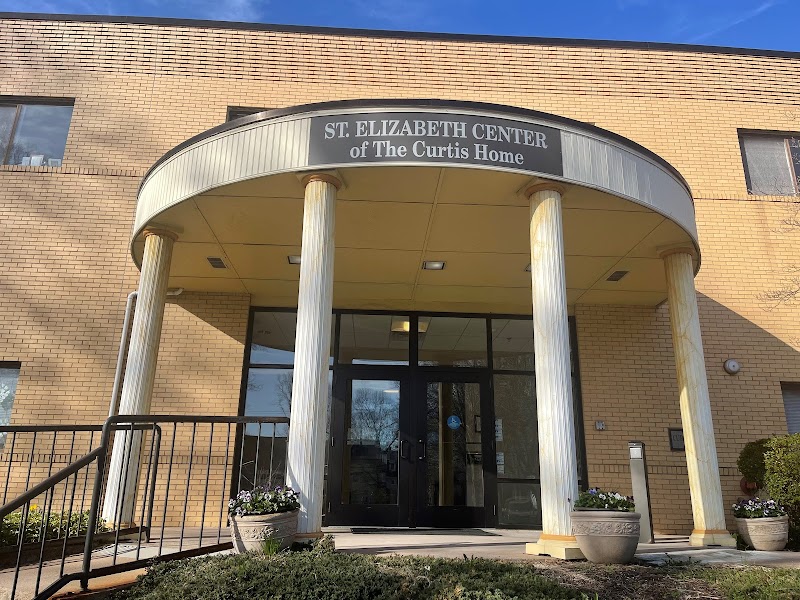
How is Curtis Home St Elizabeth Center, The Staffed?

CMS rates CURTIS HOME ST ELIZABETH CENTER, THE's staffing level at 2 out of 5 stars, which is below average compared to other nursing homes. Staff turnover is 94%, which is 48 percentage points above the Connecticut average of 46%. High turnover can affect care consistency as new staff learn residents' individual needs. RN turnover specifically is 93%, which is notably high. RNs provide skilled clinical oversight, so turnover in this role can affect medical care quality.

What Have Inspectors Found at Curtis Home St Elizabeth Center, The?

State health inspectors documented 29 deficiencies at CURTIS HOME ST ELIZABETH CENTER, THE during 2021 to 2025. These included: 1 that caused actual resident harm, 24 with potential for harm, and 4 minor or isolated issues. Deficiencies causing actual harm indicate documented cases where residents experienced negative health consequences.
Who Owns and Operates Curtis Home St Elizabeth Center, The?

CURTIS HOME ST ELIZABETH CENTER, THE is owned by a non-profit organization. Non-profit facilities reinvest revenue into operations rather than distributing to shareholders. The facility operates independently rather than as part of a larger chain. With 60 certified beds and approximately 56 residents (about 93% occupancy), it is a smaller facility located in MERIDEN, Connecticut.
How Does Curtis Home St Elizabeth Center, The Compare to Other Connecticut Nursing Homes?

Compared to the 100 nursing homes in Connecticut, CURTIS HOME ST ELIZABETH CENTER, THE's overall rating (2 stars) is below the state average of 3.0, staff turnover (94%) is significantly higher than the state average of 46%, and health inspection rating (2 stars) is below the national benchmark.

What Should Families Ask When Visiting Curtis Home St Elizabeth Center, The?

Based on this facility's data, families visiting should ask: "How do you ensure continuity of care given staff turnover, and what is your staff retention strategy?" "Can you walk me through typical staffing levels on day, evening, and night shifts?" "Can I visit during a mealtime to observe dining assistance and food quality?" "How do you handle medical emergencies, and what is your hospital transfer rate?" These questions are particularly relevant given the facility's high staff turnover rate and the below-average staffing rating.

Is Curtis Home St Elizabeth Center, The Safe?

Based on CMS inspection data, CURTIS HOME ST ELIZABETH CENTER, THE has a clean safety record: no substantiated abuse findings (meaning no confirmed cases of resident harm), no Immediate Jeopardy citations (the most serious violation level indicating risk of serious injury or death), and is not on the Special Focus Facility watch list (a federal program monitoring the lowest-performing 1% of nursing homes). The facility has a 2-star overall rating and ranks #100 of 100 nursing homes in Connecticut. While no facility is perfect, families should still ask about staff-to-resident ratios and recent inspection results during their visit.

Do Nurses at Curtis Home St Elizabeth Center, The Stick Around?

Staff turnover at CURTIS HOME ST ELIZABETH CENTER, THE is high. At 94%, the facility is 48 percentage points above the Connecticut average of 46%. Registered Nurse turnover is particularly concerning at 93%. RNs handle complex medical decisions and coordinate care — frequent RN changes can directly impact care quality. High turnover means new staff may not know residents' individual needs, medications, or preferences. It can also be disorienting for residents, especially those with dementia who rely on familiar faces. Families should ask: What is causing the turnover? What retention programs are in place? How do you ensure care continuity during staff transitions?

Was Curtis Home St Elizabeth Center, The Ever Fined?

CURTIS HOME ST ELIZABETH CENTER, THE has been fined $10,358 across 1 penalty action. This is below the Connecticut average of $33,182. While any fine indicates a compliance issue, fines under $50,000 are relatively common and typically reflect isolated problems that were subsequently corrected. Families should ask what specific issues led to these fines and confirm they've been resolved.

Is Curtis Home St Elizabeth Center, The on Any Federal Watch List?

CURTIS HOME ST ELIZABETH CENTER, THE is not on any federal watch list. The most significant is the Special Focus Facility (SFF) program, which identifies the bottom 1% of nursing homes nationally based on persistent, serious quality problems. Not being on this list means the facility has avoided the pattern of deficiencies that triggers enhanced federal oversight. This is a positive indicator, though families should still review the facility's inspection history directly.