MERIDEN HEALTH AND REHAB
360 BROAD STREET, STE 1, MERIDEN, CT 06450 (203) 237-8815
For profit - Limited Liability company 90 Beds Independent Data: November 2025 2 Immediate Jeopardy citations
Trust Grade
1/100
#180 of 192 in CT
Last Inspection: January 2025

Within standard 12-15 month inspection cycle. Federal law requires annual inspections.

Overview

Meriden Health and Rehab has received a Trust Grade of F, which indicates significant concerns about the facility's quality of care. It ranks #180 out of 192 nursing homes in Connecticut, placing it in the bottom half of facilities in the state and last in its county. The situation is worsening, with the number of deficiencies ballooning from 2 in 2024 to 20 in 2025. Staffing levels are average with a rating of 3 out of 5 stars, but the turnover rate is alarmingly high at 76%, which is well above the state average. Additionally, the facility has accumulated $41,660 in fines, which is concerning and higher than 90% of other Connecticut facilities, indicating ongoing compliance issues. There are serious incidents reported, including a critical medication error where a resident was not monitored correctly, leading to Immediate Jeopardy. Another resident experienced a severe hypoglycemic event due to improper management of insulin, which highlights significant gaps in care. While the facility does provide average RN coverage, the high turnover and critical findings raise serious concerns about the overall safety and quality of care at Meriden Health and Rehab.

Trust Score
F
1/100
In Connecticut
#180/192
Bottom 7%
Safety Record
High Risk
Review needed
Inspections
Getting Worse
2 → 20 violations
Staff Stability
⚠ Watch
76% turnover. Very high, 28 points above average. Constant new faces learning your loved one's needs.
Penalties
✓ Good
$41,660 in fines. Lower than most Connecticut facilities. Relatively clean record.
Skilled Nurses
○ Average
Each resident gets 36 minutes of Registered Nurse (RN) attention daily — about average for Connecticut. RNs are the most trained staff who monitor for health changes.
Violations
⚠ Watch
44 deficiencies on record. Higher than average. Multiple issues found across inspections.
★☆☆☆☆
1.0
Overall Rating
★★★☆☆
3.0
Staff Levels
★☆☆☆☆
1.0
Care Quality
★☆☆☆☆
1.0
Inspection Score
Stable
2024: 2 issues
2025: 20 issues

The Good

  • Full Sprinkler Coverage · Fire safety systems throughout facility
  • No fines on record

Facility shows strength in fire safety.

The Bad

1-Star Overall Rating

Below Connecticut average (3.0)

Significant quality concerns identified by CMS

Staff Turnover: 76%

30pts above Connecticut avg (46%)

Frequent staff changes - ask about care continuity

Federal Fines: $41,660

Above median ($33,413)

Moderate penalties - review what triggered them

Staff turnover is very high (76%)

28 points above Connecticut average of 48%

The Ugly 44 deficiencies on record

2 life-threatening
Jul 2025 1 deficiency
CONCERN (E) 📢 Someone Reported This

A family member, employee, or ombudsman was alarmed enough to file a formal complaint

Potential for Harm - no one hurt, but risky conditions existed

Safe Environment (Tag F0584)

Could have caused harm · This affected multiple residents

Based on observations and interviews the facility's walking areas and common areas throughout the facility the carpets were heavily stained. On 07/24/25 at multiple times throughout the facility tour ...

Read full inspector narrative →
Based on observations and interviews the facility's walking areas and common areas throughout the facility the carpets were heavily stained. On 07/24/25 at multiple times throughout the facility tour with a representative of the facility, the surveyor observed worn out carpets and stains throughout the entirety of the building. (including 3 resident units and common areas) On 07/24/25 at an interview with the Maintenance Director identified that they attempted multiple cleaning attempts with no success this item was identified during the facility change in ownership. The facility did not have plan to replace the worn out carpet.
Jun 2025 3 deficiencies
CONCERN (D) 📢 Someone Reported This

A family member, employee, or ombudsman was alarmed enough to file a formal complaint

Potential for Harm - no one hurt, but risky conditions existed

Deficiency F0655 (Tag F0655)

Could have caused harm · This affected 1 resident

**NOTE- TERMS IN BRACKETS HAVE BEEN EDITED TO PROTECT CONFIDENTIALITY** Based on clinical record reviews, review of facility documentation, facility policies, and interviews for one (1) of three (3) s...

Read full inspector narrative →
**NOTE- TERMS IN BRACKETS HAVE BEEN EDITED TO PROTECT CONFIDENTIALITY** Based on clinical record reviews, review of facility documentation, facility policies, and interviews for one (1) of three (3) sampled residents (Resident #1) who was a new admission and had a history of fall prior to admission, the facility failed to develop a baseline admission care plan that addressed Resident #1's risk for fall until after Resident #1 sustained a fall on 3/16/25 (eighteen (18) days after admission). Resident #1's diagnoses included metabolic encephalopathy, osteoarthritis, osteomyelitis, low back pain, muscle weakness, history of falls and difficulty in walking. The admission fall risk assessment dated [DATE] identified Resident #1 was at a moderate risk for falls. The assessment indicated Resident #1 was confined to a chair, was unable to independently come to a standing position and utilized an assistive device e.g. cane, walker, etc. The admission Nursing assessment dated [DATE] identified Resident #1 was oriented to person, place, time, and situation, was incontinent of bowel and bladder and required extensive assistance with bed mobility and toileting and supervision for transfers. Review of the clinical record failed to reflect documentation a baseline Resident Care Plan was developed within the first forty-eight (48) hours of admission that addressed Resident #1's history of falls prior to admission. The Resident Care Plan dated 3/16/25 identified Resident #1's risk for falls was developed after Resident #1 sustained an unwitnessed fall. The nurse's note dated 3/16/25 at 7:04 PM identified Resident #1 had an unwitnessed fall, Resident #1 was found on the floor, Resident #1 stated he/she slid forward out of the wheelchair and onto the floor. The note indicated Resident #1 complain of bilateral hip and right shoulder pain, the on-call Advanced Practice Registered Nurse was updated and directed to send Resident #1 to the Emergency Department for an evaluation. The nurse's note dated 3/17/25 at 2:58 AM identified Resident #1 returned from the Emergency Department and all images were negative for fractures. Interview and clinical record review with the Director of Nursing (DON) on 6/26/25 at 11:31 AM identified upon admission Resident #1 was identified as a moderate risk for falls. The DON identified it would be her expectation that an admission baseline care plan would have been put in place for a resident identified as a moderate risk for falls. The DON identified the Minimum Data Set nurse is primarily responsible for controlling the care plan, but all members of the team should be checking to ensure it is complete.
CONCERN (D) 📢 Someone Reported This

A family member, employee, or ombudsman was alarmed enough to file a formal complaint

Potential for Harm - no one hurt, but risky conditions existed

Comprehensive Care Plan (Tag F0656)

Could have caused harm · This affected 1 resident

**NOTE- TERMS IN BRACKETS HAVE BEEN EDITED TO PROTECT CONFIDENTIALITY** Based on clinical record reviews, review of facility documentation, facility policies, and interviews for one (1) of three (3) s...

Read full inspector narrative →
**NOTE- TERMS IN BRACKETS HAVE BEEN EDITED TO PROTECT CONFIDENTIALITY** Based on clinical record reviews, review of facility documentation, facility policies, and interviews for one (1) of three (3) sampled residents (Resident #2) who had a history of falls, the facility failed to implement the care plan intervention to have mats on each side of the bed for safety. The findings include: Resident #2's diagnosis included dementia, hemiplegia and hemiparesis (one sided weakness) following cerebral infarction (stroke) affecting the left side, muscle weakness, and difficulty walking. The admission Minimum Data Set (MDS) dated [DATE] identified Resident #2 rarely or never made decisions regarding tasks of daily life, was incontinent of bowel and bladder, and required total staff assistance with bed mobility, and transfers and toileting. The Resident Care Plan dated 2/14/25 identified Resident #2 was a high risk for falls. Interventions directed to anticipate and meet the resident's needs, ensure the call light is within reach and encourage the resident to use it for assistance as needed, bed in low position, body pillows to both sides of bed, floor mats to each side of bed, perimeter cover for air mattress, follow facility fall protocol, and monitor for and correct unsafe practices if observed. The nurse's note dated 3/22/25 at 1:17 PM identified at 11:00 AM Resident#2 was found lying on the left side of the bed on the floor mat, the bed was in the low position, Resident #2 denied any pain and was assisted back to bed. The nurse's note dated 3/23/25 at 4:02 PM identified at 3:00 PM Resident #2 was found on the floor on his/her left side, yelling after an unwitnessed fall. The note identified Resident #2 was agitated, complained of pain to the right knee and there was a raised area to the left temple, the Advanced Practice Registered Nurse was notified, and an order was obtained to send Resident #2 to the Emergency Department. The note failed to reflect documentation the floor mats were in place at the time of the fall. The Reportable Event Form and Interdisciplinary Accident /Incident assessment dated [DATE] failed to reflect documentation the floor mats were in place at the time of the fall. The hospital record dated 3/24/25 identified Resident #2's family informed the hospital case manager they did not want Resident #2 to return the facility, and referrals were sent to other long term care facilities. The hospital note dated 3/31/25 identified Resident #2 was medically cleared and was transferred to another long-term care facility closer to the family. Interview with the Infection Control Nurse, Registered Nurse (RN) #2, on 6/26/25 at 11:22 AM identified at the time of Resident #2's fall on 3/23/25, Resident #2 was combative and the floor mats were not in place by each side of the bed. Interview and clinical record review with the Director of Nursing (DON) on 6/26/25 at 11:41 AM identified Resident #2 did have a care plan in place that directed to place floor mats on the floor on both sides of the bed. The DON identified it was the responsibility of the staff to ensure that all interventions are implemented. The DON identified she was not made aware that the floor mats were not in place at the time of her investigation. Review of the facility policy titled Falls-Clinical Protocol, undated, directed, in part, as part of the initial assessment, the physician will help identify individuals with a history of falls and risk factors for subsequent falling. Review of the facility policy titled Care Plans, Comprehensive Person-Centered, revised 5/23/22, directed, in part, a comprehensive, person-centered care plan that includes measurable objectives and timetables to meet the resident's physical, psychosocial, and functional needs is developed and implemented for each resident. Additionally, the policy directed the interdisciplinary team, in conjunction with the resident and his/her family or legal representative, develops and implements a comprehensive, person-centered care plan for each resident and care plan interventions are derived from a thorough analysis of the information gathered as part of the comprehensive assessment. The policy further directed, the care plan will incorporate identified problem areas and incorporate risk factors associated with identified problems. The policy directed, in part, identifying problem areas and their risk factors/causes and developing interventions that are targeted and meaningful to the resident and the comprehensive, person-centered care plan is developed within seven (7) days of the completion of the required comprehensive assessment (MDS).
CONCERN (D) 📢 Someone Reported This

A family member, employee, or ombudsman was alarmed enough to file a formal complaint

Potential for Harm - no one hurt, but risky conditions existed

Deficiency F0658 (Tag F0658)

Could have caused harm · This affected 1 resident

**NOTE- TERMS IN BRACKETS HAVE BEEN EDITED TO PROTECT CONFIDENTIALITY** Based on clinical record reviews, observations, review of facility documentation, facility policies, and interviews for one (1) ...

Read full inspector narrative →
**NOTE- TERMS IN BRACKETS HAVE BEEN EDITED TO PROTECT CONFIDENTIALITY** Based on clinical record reviews, observations, review of facility documentation, facility policies, and interviews for one (1) of three (3) sampled residents (Resident #1) who had an unwitnessed fall, the facility failed to ensure Resident #1's was not left alone on the floor while waiting for Emergency Medical Services (EMS) personnel arrived to transport Resident #1 to the Emergency Department. The findings include: Resident #1's diagnoses included metabolic encephalopathy, osteoarthritis, osteomyelitis, low back pain, muscle weakness, history of falls and difficulty in walking. The admission fall risk assessment dated [DATE] identified Resident #1 was at a moderate risk for falls. The assessment indicated Resident #1 was confined to a chair, was unable to independently come to a standing position and utilized an assistive device e.g. cane, walker, etc. The admission Nursing assessment dated [DATE] identified Resident #1 was oriented to person, place, time, and situation, was incontinent of bowel and bladder and required extensive assistance with bed mobility and toileting and supervision for transfers. The nurse's note dated 3/16/25 at 7:04 PM identified Resident #1 had an unwitnessed fall, Resident #1 was found on the floor, Resident #1 sated he/she slid forward out of the wheelchair and onto the floor. The note indicated Resident #1 complain of bilateral hip and right shoulder pain, the on-call Advanced Practice Registered Nurse was updated and directed to send Resident #1 to the Emergency Department for an evaluation. The Emergency Medical Sheet (EMS), the document from EMS that describes the details of the call to the facility, dated 3/16/25 at 6:40 PM identified Resident #1 was found alone in his/her room laying supine on the floor and Resident #1 stated that he/she slid out of his/her wheelchair while trying to make it to the bathroom. The nurse's note dated 3/17/25 at 2:58 AM identified Resident #1 returned from the Emergency Department and all images were negative for fractures. Interview and clinical record review with the Director of Nursing (DON) on 6/26/25 at 11:31 AM identified the facility did not have a policy in place at the time of the fall that addressed whether a staff member should stay with the resident while awaiting EMS arrival, but it was the expectation that a staff member would stay with a resident who had fallen. Review of the facility policy titled Resident Unwitnessed Falls, undated, directed in part if any question exists as the possibility of a fracture, or other serious condition per the initial Registered Nurse's (RN) assessment, the resident is not to be moved, they are to be made as comfortable as possible in their current locations until transported to an acute care setting for evaluation per physician order as needed by EMS personnel. Although attempted, interviews with the 3-11PM Nursing Supervisor and 3-11PM nurse aide were unable to be obtained.
Apr 2025 2 deficiencies
CONCERN (D) 📢 Someone Reported This

A family member, employee, or ombudsman was alarmed enough to file a formal complaint

Potential for Harm - no one hurt, but risky conditions existed

Notification of Changes (Tag F0580)

Could have caused harm · This affected 1 resident

**NOTE- TERMS IN BRACKETS HAVE BEEN EDITED TO PROTECT CONFIDENTIALITY** Based on clinical record review, facility documentation review, facility policy review, and interviews for one of three resident...

Read full inspector narrative →
**NOTE- TERMS IN BRACKETS HAVE BEEN EDITED TO PROTECT CONFIDENTIALITY** Based on clinical record review, facility documentation review, facility policy review, and interviews for one of three residents (Resident #1) reviewed for resident rights, the facility failed to ensure the physician/APRN was notified timely of critical x-ray results. The findings include: Resident #1's diagnoses included multiple sclerosis, obstructive and reflux uropathy, and constipation. The quarterly Minimum Data Set (MDS) assessment dated [DATE] identified Resident #1 had a Brief Interview for Mental Status (BIMS) score of fifteen out of fifteen (15/15), indicative of cognitively intact and required assistance with ADLs (activities of daily living). The Resident Care Plan (RCP) dated 1/14/2025 identified Resident #1 was at risk for constipation related to a history of constipation, pain medication use, and decreased mobility. Interventions directed to administer medications as ordered, bowel protocol when indicated, and observe for signs and symptoms of constipation or extended abdomen that may indicate constipation. APRN #1 progress note dated 1/27/2025 at 8:45 AM identified Resident #1 was seen for follow-up on loose stools and abdominal x-ray. Nursing reported Resident #1 had a small amount of loose stools over the weekend and had a STAT (immediate) abdominal x-ray to rule out obstruction which showed a severe colonic ileus, moderate stool in colon, and no obstruction or free air. Resident #1 without nausea/vomiting. Resident #1 denied abdominal pain and tenderness. Hypoactive (reduced frequency) bowel sounds noted on auscultation (listening). Abdomen was soft and nondistended, and Resident #1 was nontoxic appearing. New order for clear liquids only if tolerated, continue GlycoLax (laxative) 17 grams (g) BID (twice a day), hold all stimulant laxatives and enemas, repeat abdominal x-ray, and monitor bowel sounds and abdominal status daily. Physician order dated 1/27/2025 directed a KUB (kidneys, ureters and bladder x-ray). Review of the Radiology Results Report dated 1/27/2025 with a time noted of 7:08 PM identified Resident #1's KUB results indicated there was a coffee bean shaped gas shadow in the lower abdomen. Suspicious for partial sigmoid volvulus (sigmoid portion of the colon twists). Follow-up was suggested. Nursing note dated 1/27/2025 at 10:58 PM (3 hours and 50 minutes after the results report was dated) identified Resident #1 continued on clear liquid diet, pending KUB results. Nursing note dated 1/28/2025 at 6:07 AM (10 hours and 59 minutes after the results report was dated) identified KUB results were pending. Nursing note dated 1/28/2025 at 8:41 indicated Resident #1 was transferred to the hospital per physician order due to abdominal x-ray results. Record review identified although the KUB results were dated 1/27/2025 at 7:08 PM, record review failed to identify the facility staff accessed the results in the Electronic Medical Record (EMR) on 1/27 and 1/28/2025 prior to 8:41 AM. Interview with Customer Service Agent (CSA #1) on 4/14/2025 at 12:00 PM identified the Radiology Team faxed the results of Resident #1's Abdomen x-ray results to the facility on 1/27/2025 at 7:56 PM. Additionally, the results were available in the facility EMR on 1/27/2025 at 7:57 PM. The results were identified as critical findings positive. CSA #1 identified the Radiology Team called the facility on 1/28/2025 at 3:31 AM (7 hours and 34 minutes after the results were first available to the facility), but there was no answer and a voicemail was left. On 1/28/2025 at 4:14 AM (8 hours and 17 minutes after the results were first available to the facility), the Radiology Team spoke to RN #2, to confirm the results and faxed over the results again. Interview with RN #1 on 4/14/2025 at 12:40 PM identified she worked on the 3:00 PM to 11:00 PM shift as the RN Supervisor. RN #1 indicated that if any resident had pending lab work or radiologic testing performed, the results will be faxed to the facility, and it is the RN Supervisor's responsibility to review any new faxes that come in during the shift. RN #1 stated she checks the fax machine at least at the beginning and the end of her shift. RN #1 identified she did not recall reviewing a fax report regarding Resident #1's x-ray results on 1/27/2025. RN #1 stated it was possible she missed the document, as the fax machine can have hundreds of papers/paperwork coming out, due to either receiving new admissions, pharmacy paperwork, critical lab paperwork, etc. RN #1 stated if she did receive the results, she would have notified the physician and written a nursing note to reflect that she had done so. Interview with RN #2 on 4/14/2025 at 12:55 PM identified she was the supervisor from 11:00 PM to 7:00 AM (night shift) on 1/28/2025 and she checks the fax machine multiple times a night, every time she walks in the office and during rounds. RN #2 stated she spoke with the Radiology Team regarding the x-ray results for Resident #1 and stated the Radiology Team indicated that they would fax over the results. RN #2 indicated the results did not come prior to the end of her shift (7 AM) and she did not report the concerns to the physician, since she did not receive the printed report/results from the Radiology Team. RN #2 stated she did not want to call the provider without having any documentation of the results, as the provider will also need clarification as to what exactly the results were and how to treat the resident accordingly. Interview with the DON on 4/14/2025 at 1:20 PM identified although the x-ray results were dated 1/27/2025 at 7:08 PM, and RN #2 was notified verbally of the results on 1/28/2025 at 4:14 AM, the physician/APRN was not notified of the results until after 7 AM. The DON stated on 1/27/2025 there was only one (1) new resident admission, and the supervisors were responsible for checking the fax machine for results during their shift. The interview failed to identify why the physician/APRN was not notified timely. Although attempted, interview with MD #1 was unable to be obtained during the survey. Review of the facility Change in a Resident's Condition or Status Policy dated 4/2024 identified the facility will promptly notify the resident, his/her attending physician, of changes in the resident's medical/mental condition and/or status (e.g., changes in level of care, billing/payments, resident rights, etc.). The nurse will notify the resident's attending physician or physician on-call when there has been a(an): significant change in the resident's physical condition; need to transfer the resident to a hospital.
CONCERN (D) 📢 Someone Reported This

A family member, employee, or ombudsman was alarmed enough to file a formal complaint

Potential for Harm - no one hurt, but risky conditions existed

Quality of Care (Tag F0684)

Could have caused harm · This affected 1 resident

**NOTE- TERMS IN BRACKETS HAVE BEEN EDITED TO PROTECT CONFIDENTIALITY** Based on clinical record review, facility documentation review, facility policy review, and interviews for one of three resident...

Read full inspector narrative →
**NOTE- TERMS IN BRACKETS HAVE BEEN EDITED TO PROTECT CONFIDENTIALITY** Based on clinical record review, facility documentation review, facility policy review, and interviews for one of three residents (Resident #1) reviewed for resident rights, the facility failed to ensure staff accessed x-ray results timely for a resident with a possible small bowel obstruction. The findings include: Resident #1's diagnoses included multiple sclerosis, obstructive and reflux uropathy, and constipation. The quarterly Minimum Data Set (MDS) assessment dated [DATE] identified Resident #1 had a Brief Interview for Mental Status (BIMS) score of fifteen out of fifteen (15/15), indicative of cognitively intact and required assistance with ADLs (activities of daily living). The Resident Care Plan (RCP) dated 1/14/2025 identified Resident #1 was at risk for constipation related to a history of constipation, pain medication use, and decreased mobility. Interventions directed to administer medications as ordered, bowel protocol when indicated, and observe for signs and symptoms of constipation or extended abdomen that may indicate constipation. A nursing note dated 1/26/2025 at 12:11 PM written by RN #3 identified Resident #1 received bowel regimen with watery discharge. Denied abdominal pain, positive bowel sounds in all quadrants and abdomen was non-distended. APRN #1 was notified and new orders obtained for a KUB (x-ray of the kidneys, ureters, and bladder) to rule out constipation and small bowel obstruction. Review of the Radiology Results Report dated 1/26/2025 at 6:59 PM identified Resident #1's KUB results identified a severe colonic ileus (inability of the colon to move contents forward) with moderate stool in the colon. There was no obstruction or free air. APRN #1 progress note dated 1/27/2025 at 8:45 AM identified Resident #1 was seen for follow-up on loose stools and abdominal x-ray. Nursing reported Resident #1 had a small amount of loose stools over the weekend and had a STAT (immediate) abdominal x-ray to rule out obstruction which showed a severe colonic ileus, moderate stool in colon, and no obstruction or free air. Resident #1 without nausea/vomiting. Resident #1 denied abdominal pain and tenderness. Hypoactive (reduced frequency) bowel sounds noted on auscultation (listening). Abdomen was soft and nondistended, and Resident #1 was nontoxic appearing. New order for clear liquids only if tolerated, continue GlycoLax (laxative) 17 grams (g) BID (twice a day), hold all stimulant laxatives and enemas, repeat abdominal x-ray, and monitor bowel sounds and abdominal status daily. Physician order dated 1/27/2025 directed to repeat the KUB. Review of the Radiology Results Report dated 1/27/2025 at 7:08 PM identified Resident #1's KUB results indicated there was a coffee bean shaped gas shadow in the lower abdomen. Suspicious for partial sigmoid volvulus (sigmoid portion of the colon twists). Follow-up was suggested. Nursing note dated 1/27/2025 at 10:58 PM (3 hours and 50 minutes after the results report was available) identified Resident #1 continued on clear liquid diet, pending KUB results. Nursing note dated 1/28/2025 at 6:07 AM (10 hours and 59 minutes after the results report was available) identified KUB results were pending. Nursing note dated 1/28/2025 at 8:41 (12 hours and 44 minutes after the x-ray report was available) indicated Resident #1 was transferred to the hospital per physician order due to abdominal x-ray results. Record review identified although the KUB results were dated 1/27/2025 at 7:08 PM, record review failed to identify the facility staff accessed the results in the Electronic Medical Record (EMR) on 1/27 and 1/28/2025 prior to 8:41 AM. Interview with Customer Service Agent (CSA #1) on 4/14/2025 at 12:00 PM identified the Radiology Team faxed the results of Resident #1's Abdomen x-ray results to the facility on 1/27/2025 at 7:56 PM. Additionally, the results were available in the facility EMR on 1/27/2025 at 7:57 PM. The results were identified as critical findings positive, but CSA #1 identified the computer system does not have a confirmation system to indicate the facility reviewed the results. CSA #1 identified the Radiology Team called the facility on 1/28/2025 at 3:31 AM (7 hours and 34 minutes after the results were first available to the facility), but there was no answer and a voicemail was left. On 1/28/2025 at 4:14 AM (8 hours and 17 minutes after the results were first available to the facility), the Radiology Team spoke to RN #2, to confirm the results and faxed over the results again. Interview with RN #1 on 4/14/2025 at 12:40 PM identified she worked on the 3:00 PM to 11:00 PM shift as the RN Supervisor. RN #1 indicated that if any resident had pending lab work or radiologic testing performed, the results will be faxed to the facility, and there generally are no calls by the lab or radiology provider. RN #1 indicated it is the RN Supervisor's responsibility to review any new faxes that come in during the shift, and although she there was no frequency as to how many times a supervisor checks the fax machine, she checks at least at the beginning and the end of the shift. RN #1 identified she did not recall reviewing a fax report regarding Resident #1's x-ray results on 1/27/2025. RN #1 stated it was possible she missed the document, as the fax machine can have hundreds of papers/paperwork coming out, due to either receiving new admissions, pharmacy paperwork, critical lab paperwork, etc. RN #1 stated if she did receive the results, she would have notified the physician and written a nursing note to reflect that she had done so. Interview with RN #2 on 4/14/2025 at 12:55 PM identified she was the supervisor from 11:00 PM to 7:00 AM (night shift) on 1/28/2025 and she checks the fax machine multiple times a night, every time she walks in the office and during rounds. RN #2 spoke with the Radiology Team regarding the x-ray results for Resident #1 and stated the Radiology Team indicated that they would fax over the results. RN #2 indicated the results did not come prior to the end of her shift (7 AM). RN #2 stated she did not report the concerns to the physician, since she did not receive the printed report/results from the Radiology Team. RN #2 stated she did not want to call the provider without having any documentation of the results, as the provider will also need clarification as to what exactly the results were and how to treat the resident accordingly. Interview with the DON on 4/14/2025 at 1:20 PM identified radiology results appear in the resident's EMR results tab, which would show any testing/imaging performed. The DON stated the EMR does not have a confirmation notification or alert of a new result, that would notify staff of any new results that were posted in the system. The DON stated service providers, such as Radiology, notify the facility by faxing results or by a phone call. Interview identified although the x-ray results were dated 1/27/2025 at 7:08 PM, the DNS was unable to provide documentation the staff accessed the results on 1/27/2025. Further, the interview identified although RN #2 was notified verbally of the results on 1/28/2025 at 4:14 AM, the physician/APRN was not notified of the results until after 7 AM. The DON stated on 1/27/2025 there was only one (1) new resident admission, and the supervisors were responsible for checking the fax machine for results during their shift. The interview failed to identify why the results were not accessed timely.
Mar 2025 5 deficiencies 1 IJ
CRITICAL (J) 📢 Someone Reported This

A family member, employee, or ombudsman was alarmed enough to file a formal complaint

Immediate Jeopardy (IJ) - the most serious Medicare violation

Deficiency F0760 (Tag F0760)

Someone could have died · This affected 1 resident

**NOTE- TERMS IN BRACKETS HAVE BEEN EDITED TO PROTECT CONFIDENTIALITY** Based on review of the clinical record, facility documentation, facility policy and interviews for one (1) of three (3) resident...

Read full inspector narrative →
**NOTE- TERMS IN BRACKETS HAVE BEEN EDITED TO PROTECT CONFIDENTIALITY** Based on review of the clinical record, facility documentation, facility policy and interviews for one (1) of three (3) residents (Resident #3) reviewed for medication errors, the facility failed to prevent a significant medication error by failing to accurately transcribe Providers order's and verify Provider's orders for a resident readmitted to the facility. This failure resulted in the finding of Immediate Jeopardy. The findings include: Resident #3 was admitted to the facility in September of 2024 with diagnoses including type 2 diabetes mellitus, Parkinson's disease, anxiety disorder and depression. The quarterly Minimum Data Set (MDS) assessment dated [DATE] identified Resident #3 had moderately impaired cognition (Brief Mental Interview for Mental Status (BIMS) score of 12) and required supervision assistance with transfers and moderate assistance with bed mobility. The Resident Care Plan (RCP) dated 1/7/25 identified that Resident #3 had diabetes mellitus. Interventions included to monitor/document/report as needed any signs and symptoms of hypoglycemia to include sweating, tremors, increased heart rate (tachycardia), change in skin color, nervousness, confusion, slurred speech, lack of coordination and staggering gait and diabetes medication to be administered as ordered by physician and staff to monitor/document for side effects and effectiveness. Review of facility Reportable Event (RE) dated 3/6/25 identified a medication transcription error upon readmission to the facility, from the hospital, on 3/2/25. The report identified that Levemir insulin 5 units was renewed (mechanism within the electronic medical record (EMR) which allows the selection of previously discontinued orders to be reactivated, as previously ordered, but with a current start date. The discontinued order section of the EMR contains a select all option, which will renew all previously discontinued orders within the EMR, if selected) within the EMR, but not listed as an active order on hospital discharge documents and was not ordered by the readmitting provider (NP #1). Review of the hospital discharge documents dated 3/2/25 identified Resident #3 was admitted to the hospital from [DATE] through 3/2/25 and contained no documentation that Levemir insulin was administered throughout the hospital admission or should be started upon discharge. Medications that the discharge documents identified as stopped, during the hospital admission, included tradjenta (oral anti-diabetic medication) 5 milligrams (mg) tablet, metformin (oral anti-diabetic medication) 1000 mg tablet, and metformin 500 mg tablet. A physician's order dated 3/2/25 directed to administer Levemir insulin subcutaneous (under the skin) solution 100 units (u) per milliliter (mL), inject 5 units subcutaneously one time a day for type 2 diabetes mellitus and to hold for a blood sugar less than 80. Review of the facility Medication Administration Record (MAR) for March 2025 identified an order for Levemir insulin 5u daily was administered at 9:00 AM on 3/3/25 (by LPN #3), 3/4/25 (by LPN #2), and 3/5/25 (by LPN #1). Further review of the clinical record identified that an order directing Levemir insulin subcutaneous solution 100 u per mL, inject 5 units subcutaneously one time a day for type 2 diabetes mellitus and to hold for a blood sugar less than 80, was initially ordered at the facility on 3/27/24 and was discontinued at the facility on 5/16/24. Review of the MAR for March 2025 identified an order for tradjenta 5 mg once daily had a start date of 10/10/24 and was administered at 5:00 PM on 3/2/25 (by LPN #4) and subsequently discontinued at 5:45 PM. Review of the MAR for March 2025 identified an order for metformin 500 mg twice daily had a start date of 10/10/24 and was administered at 5:00 PM on 3/2/25 (by LPN #4) and subsequently discontinued at 5:45 PM. Review of the Order Audit Report for Resident #3 identified the DNS discontinued the tradjenta 5 mg and metformin 500 mg orders on 3/2/25 at 5:45 PM, after the medications were administered at 5:00 PM. Review of Nurse Practitioner (NP) visit notes dated 3/3/25 and 3/4/25 failed to identify the four (4) transcription errors. Review of the clinical record failed to identify that blood sugars were obtained from 3/2/25 through 3/5/25. A Nurse's note dated 3/5/25 at 10:22 PM identified that RN #3 was notified Resident #3 was experiencing a change in condition, and was observed in bed leaning to the left, flailing his/her arms and legs around. The note identified that staff were unable to obtain a blood pressure due to Resident #3's movement, that Resident #3 was alert but unable to answer questions or produce any noise, and both pupils were nonresponsive to light. NP #1 was notified and directed RN #3 inquire with Resident #3 ' s family on transfer to the Emergency Department (ED) for evaluation. The note identified that Resident #3's family sent a relative to see Resident #3, and once the relative arrived, they demanded Resident #3 be sent to the ED. Emergency Medical Services (EMS) were called and Resident #3 was transferred to the ED for evaluation. Review of the Prehospital Care Report (ambulance run sheet) dated 3/5/25 identified that EMS arrived at the facility at 6:30 PM and Resident #3 was observed in bed, moving around like he/she was in pain but unresponsive to commands and questions. The report identified LPN #4 stated she last saw Resident #3 around 4:00 PM and when she entered Resident #3's room around 6:00 PM, she found Resident #3 in the above-mentioned state, and stated Resident #3 was normally alert and oriented so this was not his/her normal behavior. The report identified that clinical paperwork was reviewed and identified Resident #3 had a diabetic history. LPN #4 was asked if she obtained Resident #3's blood sugar level, and she reported she had not. The report identified Resident #3's blood sugar was obtained with a result of 29, Resident #3 was administered a 250 mg bag of D10 (dextrose) in route to the hospital, responded well, and the involuntary body movements subsided. Review of the hospital ED note dated 3/5/25 at 7:24 PM identified that Resident #3 presented at the ED for hypoglycemia (low blood sugar) and was found to have a blood sugar of 29 (critically low level) by EMS and dextrose (sugar) was given on route to the hospital. The note identified that Resident #3 became more responsive and his/her sugar level improved. The note further identified that blood work and an ECG (electrocardiogram) were obtained and resulted within normal limits and Resident #3 was discharged back to the facility on 3/6/25. Review of RN #2's statement dated 3/6/25 identified that, as an agency nurse, she was instructed for the readmission process, to discontinue all medication orders and then renew the medication orders so the pharmacy was alerted that the resident returned to the facility. The statement identified RN #2 renewed all of Resident #3's previously discontinued medication orders during the readmission process, including the Levemir insulin. Interview with RN #2 on 3/19/25 at 11:49 AM identified she was the nursing supervisor on 3/2/25 responsible for readmitting Resident #3 to the facility. RN #2 identified the DNS instructed her to discontinue all active EMR orders from prior to the hospitalization and then renew all of the discontinued EMR orders. RN #2 reported that after discontinuing and renewing all of the EMR orders, she reviewed the hospital discharge documents with NP #1 and entered new orders subsequent to the hospitalization. RN #2 identified that she then signed and activated all of the orders without the benefit of verifying the orders she was signing and activating for accuracy. She identified that she inadvertently renewed previously discontinued EMR orders to include Levemir insulin which was discontinued nearly a year prior to the hospitalization and tradjenta, metformin and Seroquel orders which were to be stopped according to the hospital discharge documents. RN #2 identified that she should have verified the orders before signing and activating them to ensure accuracy. Interview with NP #1 on 3/19/25 at 12:02 PM identified that when there is a new admission, the RN Supervisor sends her a copy of the discharge documents and medication list which she reviews and approves as appropriate. She identified that on 3/2/25, the hospital discharge documents directed to stop tradjenta, metformin and Seroquel and further identified RN #2 never reported an order for Levemir insulin. She identified when she saw Resident #3 on 3/3/25 and 3/4/25 she did not review the active medication list in the EMR as she should have. She identified that Resident #3 receiving Levemir insulin was a significant medication error, which could have led to seizures and/or death if EMS did not arrive when they did. NP #1 identified that a third shift nurse is supposed to verify the orders for accuracy, which did not occur, and could have identified the error. NP #1 identified that for all residents who are administered insulin, a standard of practice and facility policy, is that a blood sugar is obtained prior to administration, and the Levemir insulin order directed to hold the Levemir insulin for a blood sugar less than 80, which could have prevented the hypoglycemic episode. Interview with LPN #1 on 3/19/25 at 12:35 PM identified that on 3/5/25 she administered Levemir insulin to Resident #3 without first obtaining his/her blood sugar although she knew obtaining a blood sugar was required. She further identified that she did not completely read the order. Interview with RN #3 (Nursing Supervisor) on 3/19/25 at 1:20 PM identified that on 3/5/25 between 6:00 PM and 7:00 PM, LPN #4 reported Resident #3 was unresponsive. RN #3 indicated she assessed Resident #3 and thought he/she may have had a stroke, then further indicated she should have obtained a blood sugar but did not think to do so. Interview with LPN #4 on 3/19/25 at 2:34 PM identified that on 3/2/25, RN #2 notified her Resident #3's readmission orders were complete and she (LPN #4) administered all medications reflected on the EMR. LPN #4 identified no one instructed her to verify the readmission orders. LPN #4 identified that on 3/5/25, sometime after dinner, Resident #3 had a change in condition, she immediately notified RN #3, and they attempted to obtain vital signs but were unsuccessful due to Resident #3's uncontrolled body movements. She identified she was unaware Resident #3 received Levemir insulin since readmission to the facility, but was aware that Resident #3 was diabetic and received oral anti diabetic medications. LPN #4 identified she did not think to check Resident #3 ' s blood sugar when the change in condition was identified. Interview with the DNS on 3/19/25 at 2:14 PM identified that RN #2 should have verified the readmission orders for Resident #3 prior to activating them, should have instructed LPN #4 (3:00 PM to 11:00 PM charge nurse on 3/2/25) to verify the orders and LPN #5 should have verified the readmission orders on third shift (11:00 PM to 7:00 AM). The DNS identified that LPN #1, LPN #2 and LPN #3 should have obtained Resident #3 ' s blood sugar prior to administering the Levemir insulin on 3/3/25, 3/4/25 and 3/5/25 according to the provider's order instructions and that LPN #4 or RN #3 should have checked Resident #3 ' s blood sugar on 3/5/25 when a change in condition was identified. Although attempted, interviews with MD #1, LPN #2 , LPN #3 and LPN #5 were not obtained. Review of the Agency Orientation Acknowledgement packet provided by the DNS identified a table of contents including policies, in part, for Care Plans/Resident Care Cards, Documentation and paper/EMR plan of care. The packet failed to identify the admission/readmission process to include order transcription and medication reconciliation. The Agency Orientation Acknowledgement was manually signed by RN #2 on 5/17/24 and electronically signed by RN #3 on 3/5/25 at 12:36 AM. Review of the Insulin Administration policy (undated) directed, in part, that the type of insulin, dosage requirements, strength and method of administration must be verified before administration, to ensure that it corresponds with the order on the medication sheet and the physician's order. The nurse shall notify the Director of Nursing Services and Attending Physician of any discrepancies, before giving the insulin. Document the resident's blood glucose result, as ordered. Review of the Diabetes- Clinical Protocol policy (undated) directed, in part, that the risk for hypoglycemia should be considered in any treatment plan, as it is a significant and high-risk complication of treatment. For the resident receiving insulin who is well controlled: monitor blood glucose levels twice daily if on insulin. Review of the Adverse Consequences and Medication Errors policy (undated) directed, in part, that the interdisciplinary team monitors medication usage in order to prevent and detect medication-related problems such as adverse drug reactions and side effects. Review of the Telephone/Verbal orders policy (undated) directed, in part, that orders must be entered by the person receiving the orders and telephone orders must be countersigned by the physician during his or her next visit. Although requested, policies on Medication Transcription and Medication Reconciliation were not provided. The Immediate Jeopardy template was presented to the Administrator by the State Agency on 3/20/25 at 1:30 PM. The facility immediately initiated a removal plan which included ensuring Resident #3 was receiving all medications according to Provider order, education for all nursing staff to include medication reconciliation and diabetes management, auditing of all residents prescribed insulin and auditing of all readmission orders. The removal plan was verified and accepted by the State Agency during an on-site visit on 3/20/25 at 5:21 PM and the Immediate Jeopardy was removed.
CONCERN (D) 📢 Someone Reported This

A family member, employee, or ombudsman was alarmed enough to file a formal complaint

Potential for Harm - no one hurt, but risky conditions existed

Comprehensive Care Plan (Tag F0656)

Could have caused harm · This affected 1 resident

**NOTE- TERMS IN BRACKETS HAVE BEEN EDITED TO PROTECT CONFIDENTIALITY** Based on review of the clinical record, facility documentation, facility policy, and interviews for 1 of 3 residents (Resident #...

Read full inspector narrative →
**NOTE- TERMS IN BRACKETS HAVE BEEN EDITED TO PROTECT CONFIDENTIALITY** Based on review of the clinical record, facility documentation, facility policy, and interviews for 1 of 3 residents (Resident #4) reviewed for care plans, the facility failed to create and implement a Resident Care Plan (RCP) for bowel incontinence and wounds per facility policy. The findings include: 1. Resident #4 was admitted to the facility with diagnoses that included pyelitis cystica (small cysts in the ureters) and pressure ulcer of the sacral region. The admission assessment dated [DATE] identified Resident #4 was not orientated to person, place, time and/or situation, was dependent on two or more staff for activities of daily living (ADL's), had right and left buttock unstageable pressure ulcers and was incontinent of stool. The Norton Scale for predicting risk of pressure ulcers dated 2/6/25 identified a score of six (6) indicating he/she was at high risk for developing pressure ulcers. The Wound Physician note dated 2/14/25 identified Resident #4 had an unstageable gluteal cleft wound measuring 6.5 centimeteres (cm) by 6 cm by .1 cm with 100% slough (non-viable tissue). The 5-day MDS dated [DATE] identified Resident #4 was at risk of developing pressure ulcers/injuries and had one (1) stage three (3) pressure ulcer. The RCP dated 3/4/25 identified wounds and enhanced barrier precautions (EBP). Interventions included to hang an EBP sign outside of the room, staff to wear gloves and gowns for high contact activities and hand hygiene before entering and leaving the room. The RCP failed to address Resident #4's incontinence, pressure ulcer risk and active sacral wound. Interview with the DNS on 3/20/25 at 2:22 PM identified Resident #4's pressure injury risk, current wound and incontinence should be addressed in the RCP. Review of the care plan, comprehensive person-centered policy directed that the comprehensive, person-centered care plan will incorporate identified problem areas, incorporate risk factors associated with identified problems, identify the professional services that are responsible for each element of care, aid in preventing or reducing decline in the resident's functional status and/or functional status, enhance the optimal functioning of the resident by focusing on a rehabilitative program in appliable and reflect current recognized standards of practice for problem areas and conditions.
CONCERN (D) 📢 Someone Reported This

A family member, employee, or ombudsman was alarmed enough to file a formal complaint

Potential for Harm - no one hurt, but risky conditions existed

Quality of Care (Tag F0684)

Could have caused harm · This affected 1 resident

**NOTE- TERMS IN BRACKETS HAVE BEEN EDITED TO PROTECT CONFIDENTIALITY** Based on review of the clinical record, facility documentation, facility policy and interviews for one (1) of three (3) resident...

Read full inspector narrative →
**NOTE- TERMS IN BRACKETS HAVE BEEN EDITED TO PROTECT CONFIDENTIALITY** Based on review of the clinical record, facility documentation, facility policy and interviews for one (1) of three (3) residents (Resident #3) reviewed for admission orders and one (1) of (3) residents (Resident #7) reviewed for skin assessments, the facility failed to follow a provider's order directing to hold Levemir (long-acting insulin) for a blood sugar less than 80 and failed to ensure preventative weekly skin assessments (body audits/skin checks) were performed per provider order and facility protocol. The findings include: 1. Resident #3's diagnoses included type 2 diabetes mellitus, Parkinson's disease, anxiety disorder and depression. The quarterly Minimum Data Set (MDS) assessment dated [DATE] identified Resident #3 had moderately impaired cognition (Brief Mental Interview for Mental Status (BIMS) score of 12) and required supervision assistance with transfers and moderate assistance with bed mobility. The Resident Care Plan (RCP) dated 1/7/25 identified that Resident #3 had diabetes mellitus. Interventions included to monitor/document/report as needed any signs and symptoms of hypoglycemia to include sweating, tremors, increased heart rate (tachycardia), change in skin color, nervousness, confusion, slurred speech, lack of coordination and staggering gait and diabetes medication to be administered as ordered by physician and staff to monitor/document for side effects and effectiveness. A physician's order dated 3/2/25 directed to administer Levemir subcutaneous (under the skin) solution 100 units per milliliter (mL), inject 5 units subcutaneously one time a day for type 2 diabetes mellitus. Hold for a blood sugar less than 80. The Medication Administration Record (MAR) for March 2025 identified that Levemir 5u was administered at 9:00 AM on 3/3/35, 3/4/25 and 3/5/25. A Nurse's note dated 3/5/25 at 10:22 PM identified that RN #3 was notified Resident #3 was experiencing a change in condition, and was observed in bed leaning to the left, flailing his/her arms and legs around. The note identified that staff were unable to obtain a blood pressure due to Resident #3's movement, that Resident #3 was alert but unable to answer questions or produce any noise, and both pupils were nonresponsive to light. NP #1 was notified and directed RN #3 inquire with Resident #3 ' s family on transfer to the Emergency Department (ED) for evaluation. The note identified that Resident #3's family sent a relative to see Resident #3, and once the relative arrived, they demanded Resident #3 be sent to the ED. Emergency Medical Services (EMS) were called and Resident #3 was transferred to the ED for evaluation. Review of the Prehospital Care Report (ambulance run sheet) dated 3/5/25 identified that EMS arrived at the facility at 6:30 PM and Resident #3 was observed in bed, moving around like he/she was in pain but unresponsive to commands and questions. The report identified LPN #4 stated she last saw Resident #3 around 4:00 PM and when she entered Resident #3's room around 6:00 PM, she found Resident #3 in the above-mentioned state, and stated Resident #3 was normally alert and oriented so this was not his/her normal behavior. The report identified that clinical paperwork was reviewed and identified Resident #3 had a diabetic history. LPN #4 was asked if she obtained Resident #3's blood sugar level, and she reported she had not. The report identified Resident #3's blood sugar was obtained with a result of 29, Resident #3 was administered a 250 mg bag of D10 (dextrose) in route to the hospital, responded well, and the involuntary body movements subsided. Review of the hospital ED note dated 3/5/25 at 7:24 PM identified that Resident #3 presented at the ED for hypoglycemia (low blood sugar) and was found to have a blood sugar of 29 (critically low level) by EMS and dextrose (sugar) was given on route to the hospital. The note identified that Resident #3 became more responsive and his/her sugar level improved. The note further identified that blood work and an ECG (electrocardiogram) were obtained and resulted within normal limits and Resident #3 was discharged back to the facility on 3/6/25. Review of the clinical record failed to identify that blood sugars were obtained from 3/2/25 through 3/5/25 according to provider order instructions. Interview with LPN #1 on 3/19/25 at 12:35 PM identified that on 3/5/25 she administered Levemir insulin to Resident #3 without first obtaining his/her blood sugar although she knew obtaining a blood sugar was required. She further identified that she did not completely read the order. Interview with the DNS on 3/19/25 at 2:14 PM identified that a blood sugar should be taken obtained prior to insulin administration. She reported that LPN #1, #2 and #3 should have checked the Resident #3's blood sugar prior to administering the Levemir insulin on 3/3/25, 3/4/25 and 3/5/25 per the physician's order and then documented the result in the clinical record. Although attempted, interviews with LPN #2 and LPN #3 were not obtained. Review of the Insulin Administration policy (undated) directed, in part, that the type of insulin, dosage requirements, strength and method of administration must be verified before administration, to ensure that it corresponds with the order on the medication sheet and the physician's order. The nurse shall notify the Director of Nursing Services and Attending Physician of any discrepancies, before giving the insulin. Document the resident's blood glucose result, as ordered. Review of the Diabetes- Clinical Protocol policy (undated) directed, in part, that the risk for hypoglycemia should be considered in any treatment plan, as it is a significant and high-risk complication of treatment. For the resident receiving insulin who is well controlled: monitor blood glucose levels twice daily if on insulin. 2. Resident #7 was admitted to the facility with diagnoses that included osteomyelitis of the vertebra and sacral wound. The admission assessment dated [DATE] identified Resident #7 was alert and orientated to person, place, time and/or situation, was dependent on two or more staff for personal hygiene, required maximal assist for toileting and had an unstageable right ankle pressure ulcer and a stage four (4) coccyx pressure ulcer. The Norton Scale for predicting risk of pressure ulcers dated 2/27/25 identified Resident #7 had a score of nine (9) indicating he/she was at high risk for developing pressure ulcers. A physician's order dated 2/27/25 directed body audit weekly on shower day, Thursday, during the 3:00 PM - 11:00 PM shift. The weekly skin assessment dated [DATE] identified Resident #7's skin was not clean and intact with treatments to a stage four (4) sacral wound and right heel. No new skin areas were noted at that time. The admission Minimum Data Set (MDS) assessment dated [DATE] identified Resident #7 was at risk of developing pressure ulcers/injuries and had one (1) stage three (3) pressure ulcer and (1) stage four (4) pressure ulcer. The Resident Care Plan dated 3/5/25 identified Resident #7 had potential/actual impairment to skin integrity with interventions that included to assist with turning and repositioning every two hours and as needed, to follow the facilities protocol for treatment of injury and weekly treatment documentation. The weekly skin assessment dated [DATE] identified Resident #7's skin was not clean and intact with treatments to a stage four (4) sacral wound and right heel. No new skin areas were noted at that time. The medical record failed to identify a weekly skin check was completed and documented for the week of 3/2/25 to 3/8/25. Interview with the DNS on 3/20/25 at 2:22 PM identified the facility does not have a preventative skin assessment policy. She identified that weekly skin assessments should be performed as ordered and on residents scheduled shower day. Although requested, the facility does not have a policy for weekly skin assessments.
CONCERN (D) 📢 Someone Reported This

A family member, employee, or ombudsman was alarmed enough to file a formal complaint

Potential for Harm - no one hurt, but risky conditions existed

Deficiency F0745 (Tag F0745)

Could have caused harm · This affected 1 resident

**NOTE- TERMS IN BRACKETS HAVE BEEN EDITED TO PROTECT CONFIDENTIALITY** Based on review of the clinical record, facility policy and interviews for one (1) of three (3) residents (Resident #2 and Resid...

Read full inspector narrative →
**NOTE- TERMS IN BRACKETS HAVE BEEN EDITED TO PROTECT CONFIDENTIALITY** Based on review of the clinical record, facility policy and interviews for one (1) of three (3) residents (Resident #2 and Resident #3) reviewed for abuse, the facility failed to ensure social services support was provided timely following a resident-to-resident altercation within the facility. The findings include: 1. Resident #1's diagnoses included Alzheimer's disease, dementia with behavioral disturbances, anxiety disorder and depression. The quarterly Minimum Data Set (MDS) assessment dated [DATE] identified Resident #1 had a Brief Mental Interview for Mental Status (BIMS) of zero (0) indicative of severely impaired cognition and was independent with bed mobility, transfers and ambulation. Additionally, it identified that Resident #1 did not exhibit physical or verbal behaviors directed towards others. Review of the facility Reportable Event (RE) dated 3/2/25 identified that at 2:00 PM, Nurse Aide (NA) #1 was ambulating Resident #2 out of the hallway bathroom to his/her wheelchair outside of the bathroom. The RE identified that Resident #1 was obstructing the wheelchair, so NA #1 requested that Resident #1 move aside, and then ambulated Resident #2 around Resident #1, Resident #1 then punched Resident #2 in the left cheek. The RE identified that Resident #1 was immediately removed from the area by staff, the provider was notified, the police were notified, and Resident #1 was placed on one-to-one observation until Emergency Medical Services (EMS) arrived and transported Resident #1 to the Emergency Department (ED) for evaluation. The Resident Care Plan (RCP) dated 3/3/25 identified that Resident #1 was involved in a resident-to-resident altercation where he/she struck out at another resident. Interventions included investigating per facility policy, following the plan of care as outlined, reporting the incident to the Department of Public Health (DPH), local police department, Administrator and Director of Nursing Services (DNS), reporting the incident to the family/responsible party and the provider, obtaining vital signs per policy, providing psychiatric service follow-up as indicated and observing for any signs and symptoms of mental distress, increased anxiety or changes in mood and reporting to the provider. A nurse's note dated 3/3/25 at 11:48 AM identified that Resident #1 returned to the facility from the hospital and that social services conducted an evaluation. Review of social services notes from 3/2/25 through 3/5/25 for Resident #1 failed to identify social services documentation. 2. Resident #2's diagnoses included Alzheimer's disease (a progressive dementia that destroys memory and other mental functions), dementia and anxiety disorder. The quarterly Minimum Data Set (MDS) assessment dated [DATE] identified Resident #2 had a Staff Assessment for Mental Status identifying both short-term and long-term memory problems indicative of moderately impaired cognition and required substantial assistance with transfers and ambulation. Review of the facility Reportable Event (RE) dated 3/2/25 identified that at 2:00 PM, Resident #2 was ambulating out of the hall bathroom accompanied by Nurse Aide (NA) #1 and Resident #1 was noted to be standing in front of Resident #2's wheelchair. NA #1 requested that Resident #1 move aside and then started to ambulate Resident #2 around Resident #1, then Resident #1 punched Resident #2 in the left cheek. The RE identified both residents were immediately separated, the provider was notified, the police were notified, and an assessment was completed on Resident #2 indicating no injuries or skin abnormalities. The Resident Care Plan (RCP) dated 3/3/25 identified that Resident #2 was involved in a resident-to-resident altercation where he/she was struck by another resident. Interventions included investigating per facility policy, following the plan of care as outlined, reporting the incident to the Department of Public Health (DPH), local police department, Administrator and Director of Nursing Services (DNS), reporting the incident to the family/responsible party and the provider, obtaining vital signs per policy, providing psychiatric service follow-up as indicated and observing for any signs and symptoms of mental distress, increased anxiety or changes in mood and reporting to the provider. Review of social service notes from 3/2/25 through 3/5/25 for Resident #1 failed to identify social services documentation. Interview with the DNS and the Administrator on 3/20/25 at 2:03 PM identified that for all resident-to-resident abuse incidents within the facility, the Director of Social Services (SW #1) is to meet with each resident involved as soon as possible and then follow up with the residents involved for 72-hours following the incident, documenting all encounters in the clinical record. Interview with SW #1 on 3/20/25 at 2:20 PM identified that social services is responsible for following up with all residents involved in resident-to-resident abuse incidents within the next business day, but ideally as soon as possible. She identified that social services is then responsible for following up daily for 72-hours after the initial encounter to offer support and document all encounters in the clinical record. SW #1 identified that she was responsible for providing social services support for Resident #1 and Resident #2 after the 3/2/25 incident, and although there was a nurse's note dated 3/3/25 identifying that she met with Resident #1 following the incident, she did not document in the clinical record or follow-up with Resident #1 thereafter. SW #1 could not recall if she met with Resident #2 following the incident, but stated she should have and that there should have been consistent documentation for 72-hours following the incident. Review of the Reporting Abuse to Facility Management policy dated April 2024 directed, in part, that the facility does not condone resident abuse by anyone. Unless the resident requests otherwise, the social service representative will give the Administrator and Director of Nursing Services a written report of his/her findings.
CONCERN (F) 📢 Someone Reported This

A family member, employee, or ombudsman was alarmed enough to file a formal complaint

Potential for Harm - no one hurt, but risky conditions existed

Deficiency F0730 (Tag F0730)

Could have caused harm · This affected most or all residents

Based on review of personnel files for five (5) of five (5) Nurse Aides (NA #3, #4, #5, #6 and #7) and interviews, the facility failed to complete annual performance appraisals. The findings include: ...

Read full inspector narrative →
Based on review of personnel files for five (5) of five (5) Nurse Aides (NA #3, #4, #5, #6 and #7) and interviews, the facility failed to complete annual performance appraisals. The findings include: Review of the personnel file for NA #3 identified the last performance appraisal in NA #3's personnel file was dated 11/29/23 (16 months ago). NA #3's Date of Hire (DOH) was noted to be 3/21/2017. Review of the personnel file for NA #4 identified that there was not a past performance appraisal in NA #4's personnel file. NA #4's DOH was noted to be 11/20/2018. Review of the personnel file for NA #5 identified the last performance appraisal in NA #5's personnel file was dated 11/7/23 (16 months ago). NA #5's DOH was noted to be 6/7/1994. Review of the personnel file for NA #6 identified the last performance appraisal in NA #6's personnel file was dated 11/14/23 (16 months ago). NA #6's DOH was noted to be 4/24/2012. Review of the personnel file for NA #7 identified the last performance appraisal in NA #7's personnel file was dated 11/9/23 (16 months ago). NA #6's DOH was noted to be 6/7/2016. Interview and facility documentation review with the Director of Human Resources (HR) on 3/24/25 at 1:12 PM identified that he was unable to locate performance appraisals for NA #3, #5, #6 or #7 that were dated after 2023 and reported that he was unable to locate any performance appraisals for NA #4. He identified that he had been employed as HR for five (5) months, had not initiated or completed any performance appraisals in those five (5) months, and was unsure of the process. Interview with the Administrator and the DNS on 3/24/25 at 1:16 PM identified that performance appraisals are to be performed annually for all staff and that HR should be alerted when a staff member is due for an appraisal. Further identified was that HR was to compile staff appraisals to include staff names and appraisal due dates, then provide the appraisals to the DNS for the DNS to delegate to the nursing staff for completion. Although requested, a Performance Appraisals policy was not provided.
Mar 2025 1 deficiency
CONCERN (D) 📢 Someone Reported This

A family member, employee, or ombudsman was alarmed enough to file a formal complaint

Potential for Harm - no one hurt, but risky conditions existed

Deficiency F0658 (Tag F0658)

Could have caused harm · This affected 1 resident

**NOTE- TERMS IN BRACKETS HAVE BEEN EDITED TO PROTECT CONFIDENTIALITY** Based on clinical record reviews, facility documentation, facility policy and interviews for one (1) of three (3) sampled reside...

Read full inspector narrative →
**NOTE- TERMS IN BRACKETS HAVE BEEN EDITED TO PROTECT CONFIDENTIALITY** Based on clinical record reviews, facility documentation, facility policy and interviews for one (1) of three (3) sampled resident (Resident #1) who were reviewed for a change in condition, the facility failed to conduct a complete and accurate assessment when the resident was unresponsive. The findings include: Resident #1's diagnoses included Alzheimer's, heart failure, and respiratory failure. The Resident Care Plan dated [DATE] identified an alteration in respiratory status and congestive heart failure. Interventions included to document changes in gait, restlessness, air hunger, and lethargy. The quarterly Minimum Data Set assessment dated [DATE] identified Resident #1 had a Brief Interview for Mental Status (BIMS) score of 0 indicating Resident #1 rarely or never made decisions regarding tasks of daily life and required substantial assistance with activities of daily living. An Advanced Practice Registered Nurse (APRN) progress note dated [DATE] identified Resident #1's advanced directives directed full code status and allow resuscitation. A nurse's note dated [DATE] at 12:32AM identified the Nursing Supervisor was called by the charge nurse who reported Resident #1 looked pale and was not responding normally. Upon assessment Resident #1 became unresponsive for only a few seconds and 911 was called while attempting to obtain vital signs. Resident #1 was exhibiting shallow respirations and then first Emergency medical services arrived, assessed Resident #1 to have an oxygenation level of 62%, placed a non-rebreather mask on at 15 liters of oxygen on Resident #1. The Emergency Medical Services Record dated [DATE] at 12:51AM identified a 911 call was dispatched on [DATE] at 12:42AM and arrived at the facility on [DATE] at 12:48AM after a first team of responders. The report indicated Resident #1 was seated in a wheelchair, unresponsive, an oxygen mask was in place, the first responders attempted to obtain blood pressure, Resident #1 had a weak pulse, some eye movement and pain response prior to their arrival. Upon EMS assessment there were no palpable pulses or heart sounds, pupils were 4 and non-reactive, Resident #1 was immediately transferred onto the stretcher, Cardio-pulmonary Resuscitation (CPR) was initiated and Resident #1 was transferred to the hospital. The hospital Emergency Department note dated [DATE] identified on arrival at the facility the first responders identified Resident #1 had weak and thready pulses and when the second team arrived Resident #1 had agonal respirations and loss of pulses. In an interview with the 11PM-7AM Nursing Supervisor, Registered Nurse (RN) #1, on [DATE] at 12:34 PM she stated Resident #1 had an unwitnessed fall earlier in the evening, vital signs and neuro checks were obtained throughout the 3-11PM shift with no reported changes in the resident's status. RN #1 explained she was called to the memory care unit by the 11PM-7AM charge nurse, Licensed Practical Nurse (LPN) #2, just after midnight on [DATE] to assess Resident #1 who was pale and not acting normal. RN #1 identified she observed Resident #1 sitting in a wheelchair and stated the resident was unresponsive for a few seconds but had a weak pulse. RN #1 stated she called 911, observed Resident #1 was again unresponsive, she attempted to obtain vital signs, and although Resident #1 was a full code, she did not access the crash cart, the AED (Automated External Defibrillator, is a portable medical device used to analyze a person's heart rhythm and deliver an electric shock to restore a normal heartbeat in cases of sudden cardiac arrest), or begin CPR. RN #1 stated the fire department arrived, found Resident #1's oxygen level to be 62%, and administered oxygen via a non-rebreather mask. RN #1 stated when the ambulance arrived, they placed the resident on a cardiac monitor, transferred Resident #1 onto the stretcher, initiated CPR, and transferred Resident #1 to the hospital. RN #1 stated everything happened so fast she could not identify why she had not immediately place oxygen on Resident #1, access with the AED or initiate CPR. Interview with the Director of Nurses (DON) on [DATE] at 1:15 PM identified each unit has an AED and crash cart that should be brought to a resident that has a change in condition, becomes unresponsive, and/or vital signs are difficult to assess until Emergency Medical Services (EMS) arrives. The DON stated staff have been reeducated on change in resident condition, accessing the crash cart, and use of the AED. Although attempted an interview with LPN #2, Nurse Aides #4 and #5 were unsuccessful. Review of the Policy Acute Condition Changes, Assessment and Recognition, dated [DATE] identified Direct care staff will be trained in recognizing subtle but significant changes in the residents, i.e. changes in skin color and condition, the nurse will assess and document vital signs, neurological status, level of consciousness, onset, duration and severity.
Jan 2025 8 deficiencies
CONCERN (D)

Potential for Harm - no one hurt, but risky conditions existed

Comprehensive Care Plan (Tag F0656)

Could have caused harm · This affected 1 resident

**NOTE- TERMS IN BRACKETS HAVE BEEN EDITED TO PROTECT CONFIDENTIALITY** Based on observations, interviews, and record review for 1 of 2 residents (Resident #7) reviewed for activities, the facility fa...

Read full inspector narrative →
**NOTE- TERMS IN BRACKETS HAVE BEEN EDITED TO PROTECT CONFIDENTIALITY** Based on observations, interviews, and record review for 1 of 2 residents (Resident #7) reviewed for activities, the facility failed to develop and implement a comprehensive individualized care plan related to resident activities of interest, and for the only sampled resident, (Resident #24), reviewed for edema, the facility failed to implement the Resident Care Plan to monitor the resident for Congestive Heart Failure (CHF). The findings include: 1. Resident #7 was admitted to the facility in March 2022 with diagnoses that included mild cognitive impairment, anxiety disorder, and adjustment disorder with depressed mood. The annual Minimum Data Set (MDS) assessment dated [DATE] identified listening to music as an activity of importance. The quarterly MDS assessment dated [DATE] identified Resident #7 was severely cognitively impaired and required maximum assistance from staff for bed mobility and dressing, a mechanical lift for transfers, and set up assistance for meals. A Resident Care Plan (RCP) dated 6/5/24 identified a mood problem. Interventions included reviewing the activity calendar, encourage to identify activities of choice, and provide materials and supplies as needed. Although the RCP for mood indicated activities of choice, a RCP was never developed to identify a person centered, comprehensive problem with interventions related to Resident #7's preferred activities. Interview and review of the RCP with the Recreation Director on 1/8/25 at 11:05 AM failed to identify the RCP was comprehensive related to Resident #7's specific leisure activities or interests of listening to music (per the MDS dated [DATE]). The Recreation Director identified that the MDS Coordinator was responsible for developing an activity care plan including resident interests, and that no activity assessments had been completed from 6/1/24 through 1/6/25 identifying Resident #7's leisure interests. The Resident Care Card (directs the Nurse Aide in the physical and psychosocial care that was needed for residents) lacked the date initiated and did not identify Resident #7's interest in music. An interview and review of the RCP with LPN #3 (MDS Coordinator) on 1/9/25 at 11:15 AM failed to identify documentation of a comprehensive activity care plan that included Resident #7's leisure interests. LPN #3 was not able to locate an activity care plan and was not able to identify Resident #7's activities of interests based on her review of the care plan. LPN #3 indicated that the care plan was not comprehensive or individualized related to activities as it did not include music as an interest (per the MDS dated [DATE]). 2. Resident #24's diagnoses included CHF, acute embolism and thrombosis of unspecified vein, and diabetes mellitus. The quarterly Minimum Data Set (MDS) assessment dated [DATE] identified Resident #24 was cognitively intact, independent for eating, and dependent on staff for toileting and transfers. The Resident Care Plan dated 12/31/24 identified Resident #24 had CHF. Interventions included to check breath sounds and to monitor/document for labored breathing, and the use of accessory muscles while breathing. Additionally, as needed monitor/document/report any signs or symptoms of CHF; dependent edema (swelling) of legs and feet, periorbital (around the eye) edema, shortness of breath upon exertion, cool skin, dry cough, distended neck veins, weakness, weight gain unrelated to intake, crackles and wheezes upon auscultation of the lungs, orthopnea (shortness of breath that occurs while laying down), weakness and or fatigue, increased heart rate, lethargy or disorientation. The physician's orders dated 12/18/24 did not include orders for monitoring/documenting for signs and symptoms of CHF. Observation of Resident #24 on 1/6/25 at 1:14 PM identified right hand edema swelling. Interview and record review with Registered Nurse (RN) #1 on 1/8/25 at 9:58 AM identified that it was the facility policy to monitor residents with CHF for edema and lung sounds but she was unable to identify how Resident #24 was being monitored or why monitoring was not identified as being performed. Review of the clinical record failed to identify any CHF monitoring or assessments for Resident #24. Interview with Medical Doctor (MD) #1 on 1/8/25 at 11:10 AM identified it was the facility policy to monitor weights and perform a nursing assessment on CHF residents. Additionally, he would expect nursing to be monitoring and assessing Resident #24 for lung sounds and edema and he would be adding orders to monitor for Resident #24's CHF. Subsequent to surveyor inquiry, review of the physician's orders dated 1/8/25 identified monitoring/assessments every shift as follows; to assess for peripheral edema, fluid restriction of 1500 milliliters (ml) in a 24-hour time period, monitor for dyspnea (shortness of breath), orthopnea, poor activity tolerance and cough, oxygen saturation, and lung assessment. Review of the Heart Failure-Protocol policy directed in part that the physician will monitor the progress of individuals with heart failure, including ongoing evaluation and documentation of signs, symptoms and condition changes. Review of the Care Plans, Comprehensive Person-Centered policy directed, in part, a comprehensive, person-centered care plan to meet the resident's physical, psychosocial and functional needs is developed and implemented for each resident. The care plan interventions are derived from a thorough analysis of the information gathered as part of the comprehensive assessment. Additionally, identifying problem areas and their risk factors/causes and developing interventions that are targeted and meaningful to the resident, are the endpoint of the interdisciplinary process.
CONCERN (D)

Potential for Harm - no one hurt, but risky conditions existed

Deficiency F0658 (Tag F0658)

Could have caused harm · This affected 1 resident

**NOTE- TERMS IN BRACKETS HAVE BEEN EDITED TO PROTECT CONFIDENTIALITY** Based on interviews and record review for 1 of 3 residents (Resident #20) reviewed for accidents, the facility failed to complet...

Read full inspector narrative →
**NOTE- TERMS IN BRACKETS HAVE BEEN EDITED TO PROTECT CONFIDENTIALITY** Based on interviews and record review for 1 of 3 residents (Resident #20) reviewed for accidents, the facility failed to complete a neurological assessment for a resident who had an unwitnessed fall with a head injury and for the only sampled resident, (Resident #54), reviewed for death, the facility failed to complete a comprehensive assessment at the time of pronouncement of death per professional standards of practice. The findings include: 1. Resident #20's diagnosis included Parkinson's disease, diabetes mellitus, and hypertension. The quarterly Minimum Data Set (MDS) assessment dated [DATE] identified Resident #20 was cognitively intact, set up for eating, needed partial/moderate assistance for transfers, and was independent for dressing. The Resident Care Plan in effect on [DATE] identified Resident #20 was at risk of falls due to Parkinson's disease and anemia. Interventions included monitor for and correct unsafe practices and monitor for changes in mobility. A nurses note dated [DATE] at 1:53 AM identified Resident #20 had an unwitnessed fall on [DATE] at 1:15 AM and indicated that neurological checks were initiated and within normal limits. Review of the Reportable Event form dated [DATE] identified that Resident #20 had an unwitnessed fall in his/her room, had a bump on their forehead, and the MD/APRN was notified. Review of the physician's order dated [DATE] directed to apply ice to the quarter sized right forehead bump every 6 hours for 20 minutes as tolerated for 24 hours. Review of the nurses notes and neurological check sheet from [DATE] at 1:53 AM through 8:00 AM (when the resident hospitalized ) and again from [DATE] at 11:00 PM (resident returned from the hospital) through [DATE] at 1:15 AM failed to identify any neurological checks had been performed or recorded. The neurological check sheet identified vital signs (temperature, pulse, respirations, and blood pressure) but lacked neurological signs which included pupillary reaction, hand grasps, and level of consciousness for the designated intervals (every 15 minutes for 2 hours, then every 30 minutes for 2 hours, then then every 60 minutes for 4 hours, then every 8 hours for 16 hours). Interview with the Director of Nurses (DNS) on [DATE] at 9:00 AM identified the facility policy for a resident with an unwitnessed fall and a head injury was to initiate neurological checks. Further, the charge nurse on the unit was responsible to ensure neuro checks were performed which included the assessment of equal hand grasps and pupil reaction, not just the vital signs. The DNS was unable to identify why the full neurological assessment had not been performed. Interview and review of the facility neurological check form on [DATE] at 9:00 AM with Licensed Practical Nurse (LPN) #2 identified that although vital signs had been taken, the facility policy included ensuring a complete neurological assessment was conducted following an unwitnessed fall with a head injury. LPN #2 was unable to explain why the entire neurological sign columns, which included pupillary reaction, hand grasps, and level of consciousness, remained blank. Review of the Unwitnessed Fall Policy directed in part should the event involve a head injury, in addition to vital signs, neuro signs will be taken sequentially as follows: at the time of the event, every 15 minutes for 2 hours, every 30 minutes for 2 hours, every 60 minutes for 2 hours, then every shift for a completion of 72 hours. Review of The Neurological Assessment Policy directed in part that the assessment is indicated following an unwitnessed fall and subsequent to a fall with a suspected head injury. Furthermore, steps in the procedure included taking temperature, pulse, respirations and blood pressure, checking pupil reaction, determining motor ability and sensation to extremities. 2. Resident # 54's diagnoses included chronic obstructive pulmonary disease, hyperlipidemia and dementia. The admission Minimum Data Set (MDS) assessment dated [DATE] identified Resident #54 was severely cognitively impaired, and was dependent on staff for eating, toileting and transfers. The Resident Care Plan dated [DATE] identified Resident #54 had a terminal prognosis and was active with hospice. Interventions included assessing resident coping strategies and respect resident wishes. The physician's order dated [DATE] directed for Resident #54 's advance directives to be Do Not Resuscitate/Registered Nurse may Pronounce (DNR/RNP). A nurses note written by Registered Nurse (RN) #3 dated [DATE] at 1:04 PM identified that she was notified of Resident #54's the lack of a pulse. RN #3 indicated that she assessed Resident #54 which indicated that vital signs were completed and there was no pulse. RN#3's assessment failed to identify which vital signs had been assessed. An interview and record review on [DATE] at 9:41 AM with RN #3 identified that she pronounced Resident #54 as deceased on [DATE]. RN #3 stated this was her first time performing a Registered Nurse Pronouncement of death. RN #3 was unaware of the facility policy or what assessment needed to be performed prior to the pronouncement of death stating only that her assessment of Resident #54 was the lack of a pulse. An interview with the Administrator on [DATE] at 9:51 AM identified the facility policy was to include all vital signs (in addition to the pulse) and an assessment of the resident which should include, in part, lung sounds, and pupillary reaction. The Administrator was unable to identify why the RN Pronouncement note failed to include a complete assessment per the facility policy. Review of the Registered Nurse Pronouncement policy directed, in part, that the facility shall allow Registered Nurses to pronounce a resident as deceased in accordance with Connecticut state laws and regulations. Additionally, Determination of Death means observation and assessment that a person has ceased bodily functions irreversibly including but not limited to the following: pulse, respirations, heartbeat, and pupillary reaction.
CONCERN (E)

Potential for Harm - no one hurt, but risky conditions existed

Deficiency F0578 (Tag F0578)

Could have caused harm · This affected multiple residents

**NOTE- TERMS IN BRACKETS HAVE BEEN EDITED TO PROTECT CONFIDENTIALITY** Based on record review, staff interviews, and review of facility policy for 3 of 24 residents (Resident #1, #41, and #46) review...

Read full inspector narrative →
**NOTE- TERMS IN BRACKETS HAVE BEEN EDITED TO PROTECT CONFIDENTIALITY** Based on record review, staff interviews, and review of facility policy for 3 of 24 residents (Resident #1, #41, and #46) reviewed for Advanced Directives, the facility failed to complete an Advance Directive form upon admission. The findings include: 1. Resident #1's diagnoses included chronic obstructive pulmonary disease, Erb's Paralysis, and hypertension. The Resident Care Plan dated 11/22/24 identified Resident #1 had an Advanced Directive in place as a full Code (to be resuscitated). A nurse practitioner note dated 11/22/24 directed Resident #1 to be a full code A social services note dated 11/26/24 identified that Resident #1 was a full code. The admission Minimum Data Set assessment dated [DATE] identified Resident #1 was cognitively intact, required moderate assistance with personal hygiene, and utilized a manual wheelchair for mobilization. An interview with the Medical Records Coordinator on 1/8/25 at 10:34 AM identified the facility failed to complete a signed Advanced Directive form for Resident #41. She further noted Resident #1 would be contacted on 1/8/25 by the social worker to obtain a signed Advanced Directive form. The Medical Records Coordinator was unable to identify why the Advanced Directive form had not been completed. An interview with the Director of Social Services on 1/8/25 at 10:58 AM identified that she was responsible for obtaining and scanning Advanced Directive forms into a resident's EMR (Electronic Medical Record). The Director of Social Services further indicated she was responsible for ongoing communication with residents to ensure their code status reflected their wishes. The Director of Social Services identified that she had communicated with Resident #1 on 1/8/24 and his/her wishes were a code status of Do Not Resuscitate (DNR), not a full code. Subsequent to Surveyor inquiry, a signed Advanced Directive form for Resident #1 was obtained reflecting his/her DNR status and the code status in the EMR was changed from full code to DNR. 2. Resident #41's diagnoses included heart failure, neurogenic bladder, and chronic obstructive pulmonary disease. The Resident Care Plan dated 8/26/24 identified Resident #41 was a full code and his/her wish regarding cardiopulmonary resuscitation should be respected in the event of cardiac/respiratory arrest. The quarterly Minimum Data Set assessment dated [DATE] identified Resident #41 had intact cognition, required moderate assistance with personal hygiene, and was independent with sit to stand position changes. A nurse practitioner note dated 9/9/24 directed Resident #41 to be a full code. An interview with the Medical Records Coordinator on 1/8/25 at 10:34 AM identified the facility failed to complete a signed Advanced Directive form for Resident #41. She further noted Resident #41 was conserved and the social worker would call the conservator on 1/8/25 to obtain a signed Advanced Directive form. The Medical Records Coordinator was unable to identify why the Advanced Directive form had not been completed. 3. Resident #46's diagnoses included neurocognitive disorder, chronic obstructive pulmonary disease, and hypertension. A Physician order dated 7/23/24 directed Resident #46 was a full code. The Resident Care Plan dated 8/10/24 identified Resident #46 was a full code and requested cardiopulmonary resuscitation to be performed in the event of cardiac/respiratory arrest. The quarterly Minimum Data Set assessment dated [DATE] identified Resident #46 had severe cognitive impairment, was dependent with personal hygiene, and mobilized with a manual wheelchair. An interview on 1/7/25 at 10:38 AM with Licensed Practical Nurse (LPN) #4 and LPN #6 identified Advanced Directive forms were obtained from residents on admission and the nurse supervisor verified that the information on the Advanced Directive form matched the Advanced Directive information listed in the Electronic Medical Record (EMR). LPN #4 and LPN #6 failed to locate Resident #46's signed Advanced Directive form. An interview on 1/7/25 at 10:47 AM with RN #4 identified Resident #46 should have had a signed Advanced Directive form within his/her chart. RN #6 failed to locate Resident #46's signed Advanced Directive form. RN #6 was unable to identify why a signed Advanced Directive form was not in Resident #46's chart. An interview on 1/7/25 at 11:15 AM with the Medical Records Coordinator identified Resident #46 should have a signed Advanced Directive form within his/her chart. The Medical Records Coordinator failed to locate Resident #46's signed Advanced Directive form. A subsequent interview with RN #4 identified a signed Advanced Directive form was never obtained from Resident #46. She stated it was the responsibility of all staff to ensure the Advanced Directive was obtained and was unable to identify why the form was not completed. Subsequent to Surveyor inquiry, RN #4 reached out to Resident #46's lawyer and Power of Attorney (POA) to initiate the process of obtaining a signed Advanced Directive. RN #4 noted that the status of full code in Resident #46's EMR matched the verbal code status given to her by the POA. Review of the Advanced Directives Policy identified that upon admission, every resident should be offered the opportunity to formulate an Advanced Directive. Information on whether a resident has an advanced directive will be displayed prominently within a resident's medical record. Written information will include a description of the facility's policies to implement Advanced Directives and applicable state law.
CONCERN (E)

Potential for Harm - no one hurt, but risky conditions existed

Deficiency F0679 (Tag F0679)

Could have caused harm · This affected multiple residents

**NOTE- TERMS IN BRACKETS HAVE BEEN EDITED TO PROTECT CONFIDENTIALITY** Based on observations, review of the clinical record, facility policy, and interviews for 1 of 2 sampled residents reviewed for ...

Read full inspector narrative →
**NOTE- TERMS IN BRACKETS HAVE BEEN EDITED TO PROTECT CONFIDENTIALITY** Based on observations, review of the clinical record, facility policy, and interviews for 1 of 2 sampled residents reviewed for activities (Resident #7), the facility failed to provide activities of interest. The findings include: Resident #7 diagnosis included mild cognitive impairment, anxiety disorder, and adjustment disorder with depressed mood. The annual Minimum Data Set (MDS) assessment dated [DATE] identified Resident #7 enjoyed listening to music as an activity of importance. The quarterly MDS dated [DATE] identified Resident #7 was severely cognitively impaired and required maximum assistance from staff for bed mobility and dressing, mechanical lift for transfers, and set up for meals. The Resident Care Plan (RCP) dated 6/5/24 identified a mood problem. Interventions included reviewing the activity calendar, encourage to identify activities of choice and provide materials and supplies as needed. The RCP failed to identify Resident #7's interest in music (per the MDS dated [DATE]) or any other interests. The Resident Care Card (directs the Nurse Aide in the physical and psychosocial care that was needed for residents) lacked the date initiated and did not identify Resident #7's interest in music or any other interests. A physician's order dated 12/11/24 directed to document each shift on the behavior monitoring form the intervention of music/activity but the behavior monitoring form failed to identify music was offered to Resident #7. A review of the Recreation Participation Record for December 2024 identified Resident #7 received in 1 to 1 visits 27 days. Additionally, Resident #7 only attended tv/movie/music 3 times, and a social 2 times for the entire month. The Recreation Participation Record from 1/1/25 through 1/8/25, identified Resident #7 received a 1 to 1 visit on 1 day, received Reiki 1 day, and participated in a social tea on 1 day. Observation on 1/7/25 at 9:30 AM identified Resident #7 lying in bed wearing a hospital gown, his/her eyes were closed, and the curtain was pulled between him/her and the roommate. No active stimulation (TV or radio) was noted. Observation and interview with the Recreation Director on 1/8/25 at 11:00 AM identified a 1 to 1 visit in progress. The visit lasted less than 5 minutes and consisted of the Recreation Director telling the resident the day, of the week, the weather outside, and asked the resident (who had his/her eyes closed and appeared to be sleeping) if he/she would like to attend the program (but did not state what the program was). The Recreation Director identified although she was aware of Resident #7's interest in music, she did not provide any means of music because she had just started working at the facility in September 2024, and was attempting to catch up but noted a radio should have been in place. Interview with Licensed Practical Nurse (LPN) #3 (the MDS Coordinator) on 1/9/25 at 11:15 AM indicated that if there was a quarterly Activity Assessment completed it would have been used to identify music as an interest and assist in developing an activity specific Resident Care Plan. Subsequent to surveyor inquiry on 1/8/25, the Recreation Director provided a radio and played soft instrumental music for Resident #7.
CONCERN (E)

Potential for Harm - no one hurt, but risky conditions existed

Medical Records (Tag F0842)

Could have caused harm · This affected multiple residents

**NOTE- TERMS IN BRACKETS HAVE BEEN EDITED TO PROTECT CONFIDENTIALITY** Based on observation, interviews, and review of facility policy, the facility failed to ensure resident identifiable information...

Read full inspector narrative →
**NOTE- TERMS IN BRACKETS HAVE BEEN EDITED TO PROTECT CONFIDENTIALITY** Based on observation, interviews, and review of facility policy, the facility failed to ensure resident identifiable information and resident medical records were stored in a secure location. The findings include: Observations on 1/9/25 at 2:28 PM in an unoccupied wing of the facility identified the following: 1. In room [ROOM NUMBER], (unlocked), 9 bankers boxes were observed stored in a closet below a preventative fire suppression (sprinkler) device. The boxes contained resident medical records with personally identifiable information including name, date of birth , medical record number, and diagnoses. Additionally, a dead mouse was located within room [ROOM NUMBER] near the bankers boxes. 2. In room [ROOM NUMBER], (unlocked), 3 bankers boxes containing resident records from 2020 and 2 bankers boxes containing yellow controlled substance disposition records (narcotic sheets), identifying the residents name as well as the prescribed medication, dated September of 2022 were stored below a preventative fire suppression device. 3. In room [ROOM NUMBER], (locked), approximately 20 bankers boxes of mixed resident records, human resource records, and financial records were noted to be stored below preventative fire suppression devices. 4. In room [ROOM NUMBER], (locked) approximately 50 bankers boxes of facility year end information, business office documentation, and resident rehabilitation therapy logs from 2019 were stored below preventative fire suppression devices. An interview with the Administrator on 1/9/25 at 2:28 PM identified he was aware the facility paperwork was being stored in the 4 rooms. He noted that the information was previously stored in out buildings, referred to as The Cottages, and was moved to the 4 unoccupied rooms within the facility when The Cottages were sold. The Administrator further indicated that he was aware the boxes contained Protected Personally Identifiable Information including Tax Identification Numbers and clinical records. The facility Records Retention Policy identified that records are to be maintained in a locked area that is not subject to hazards that could possibly damage or destroy the records stored therein. Hazards indicated within the policy included fire, flooding, and rodents or other pests.
CONCERN (E)

Potential for Harm - no one hurt, but risky conditions existed

Infection Control (Tag F0880)

Could have caused harm · This affected multiple residents

Based on observations, facility policy, and interviews during a tour of the laundry area, the facility failed to ensure clean laundry and hangers were stored under sanitary conditions according to inf...

Read full inspector narrative →
Based on observations, facility policy, and interviews during a tour of the laundry area, the facility failed to ensure clean laundry and hangers were stored under sanitary conditions according to infection control principles. The findings include: Observation and interview with Laundry Aide #1, the Administrator, Infection Preventionist, RN #2, and Maintenance Director, in the Laundry Department on 1/9/25 at 1:45 PM, located in a barn next to the facility on campus, identified in the soiled laundry area, a dirty laundry bin. The bin contained a bag of dirty, personal, resident laundry. Clean hangers were noted to be hanging from the edge of the dirty bin, as well as clean hangers stored under and next to a bag containing dirty resident laundry. More clean hangers were noted to be stored on top of a dirty item receptacle. Laundry Aide #1 identified the hangers were considered clean and ready for use to hang clean laundry. RN #2 indicated clean items should not be stored with dirty items. Observation and interview in the clean laundry area, identified a clean laundry bin filled with laundered rags for use in the kitchen. The rags were designated for cleaning and disinfecting kitchen surfaces. The clean linen bin was stored touching and next to a wall which had several broken and open areas of sheetrock including a large crack and a fist size hole. Additionally, there were three larger areas of missing sheetrock exposing insulation barrier, dust, debris, and dirt. The window along this same wall had plastic hung to cover the entire window secured with duct tape. This window also accommodated the dryer vent. The Administrator indicated that the area could use improvement. According to the facility policy, Environmental Services and Laundry, all clean laundry must be covered for transport back to the facility. Resident clothing is folded or pressed and hung, in the clean laundry area, for transfer to Resident's room and put away.
MINOR (B)

Minor Issue - procedural, no safety impact

Resident Rights (Tag F0550)

Minor procedural issue · This affected multiple residents

**NOTE- TERMS IN BRACKETS HAVE BEEN EDITED TO PROTECT CONFIDENTIALITY** Based on observations, interviews, and clinical record review for 1 of 2 sampled residents, (Resident #41), reviewed for dignity...

Read full inspector narrative →
**NOTE- TERMS IN BRACKETS HAVE BEEN EDITED TO PROTECT CONFIDENTIALITY** Based on observations, interviews, and clinical record review for 1 of 2 sampled residents, (Resident #41), reviewed for dignity, the facility failed to return personal laundry, in a timely manner, to ensure the availability of street clothes to maintain a dignified appearance. The findings include: Resident #41's diagnoses included congestive obstructive pulmonary disease, muscle weakness, and peripheral vascular disease. The quarterly Minimum Data Set assessment dated [DATE] identified Resident #41 was cognitively intact, independent for toileting and ambulation, and required partial/moderate assistance for upper and lower body dressing. The Resident Care Plan dated 12/10/24 identified Resident #41 required assistance with Activities of Daily Living (ADL's) due to decreased strength and endurance. Interventions included set up for upper and lower body dressing and partial/moderate assistance for personal hygiene. The Nurse Aide (NA) Resident Care Card identified Resident #41 required assistance of 1 staff for dressing. Observation and interview with Resident #41 on 1/6/25 at 11:11 AM identified Resident #41 sitting in the lounge with a visitor. Resident #41 was dressed in a hospital gown (with 2 small orange stains on the front) and jeans. Resident #41 stated his/her personal clothing had been sent to the laundry, he/she was wearing the hospital gown because his/her laundry had not been done in a while and he/she would have preferred to have been dressed in his/her own street clothes. Further, when Resident #41 had notified the nursing staff, he/she was told that if there was time, staff would look to see if they could find any of the residents clothing. Resident #41 was unable to recall the last time he/she received clothing from the Laundry Department. Observation on 1/7/25 at 11:07 AM identified Resident #41 walking in the hallway wearing jeans and a hospital gown (with 2 small orange stains on the front) with his/her back exposed. Interview with NA #1 on 1/8/25 at 7:25 AM identified laundry for Resident #41's floor was done on Mondays. Interview with the Director of Laundry on 1/8/25 at 8:11 AM identified personal laundry was washed in the facility once a week or more frequently according to resident needs. Additionally, Resident #41's laundry had last been washed on Monday December 30, 2024, because the responsible staff member had been off this past Monday, January 6, 2025 (resident personal laundry was not collected), so the next laundry day would have been Monday January 13, 2025. Subsequent to surveyor inquiry Resident #41 received his/her laundry and was appropriately dressed in his/her own street clothes. Review of the Environmental Services and Laundry Policy directed, in part, that it was the facility policy to maintain an adequate supply of clean personal clothing for each resident at all times.
MINOR (B)

Minor Issue - procedural, no safety impact

Deficiency F0582 (Tag F0582)

Minor procedural issue · This affected multiple residents

**NOTE- TERMS IN BRACKETS HAVE BEEN EDITED TO PROTECT CONFIDENTIALITY** Based on review of the clinical record, facility policy, and interviews for 2 of 3 residents (Resident #306, and Resident #307) ...

Read full inspector narrative →
**NOTE- TERMS IN BRACKETS HAVE BEEN EDITED TO PROTECT CONFIDENTIALITY** Based on review of the clinical record, facility policy, and interviews for 2 of 3 residents (Resident #306, and Resident #307) reviewed for beneficiary notification, the facility failed to ensure the Notice of Medicare Non-coverage (NOMNC) form was provided prior to a planned discharge. The findings include: 1. Resident #306's diagnoses included rhabdomyolysis, human immunodeficiency virus disease, and hypertension. The discharge Minimum Data Set assessment dated [DATE] identified Resident #306 was cognitively intact and the discharge date to home was 8/16/24. A nurses note dated 8/16/24 at 1:07 PM identified that Resident #306's family member was informated of all discharge instructions. Resident #306's clinical record failed to indicate a NOMNC notice had been provided. 2. Resident #307's diagnoses included spinal stenosis, hypertension, and hypothyroidism. The discharge Minimum Data Set assessment dated [DATE] identified Resident #307 was cognitively intact, and the discharge date to home with was 11/29/24. Resident #307's clinical record failed to indicate a NOMNC notice had been provided. An interview with the Administrator on 1/13/25 at 10:58 AM identified that the MDS Coordinator was responsible for ensuring all residents receive a NOMNC form before a planned discharge. He further noted that Resident #306 and Resident #307 should have received a NOMNC form and did not. The Administrator was unable to identify why the residents did not receive a NOMNC form per the facility policy. The MDS Coordinator was unavailable for interview. The Notice of Medicare Non Coverage (NOMNC) Policy identified the Resident Care Coordinator is responsible for issuing the NOMNC to every resident, in person, at least two calendar days prior to discharge. If not delivered in person, the means of delivery along with date and time must be documented. The Resident Care Coordinator must ensure a resident understands the NOMNC and their appeal rights.
May 2024 2 deficiencies 1 IJ
CRITICAL (J) 📢 Someone Reported This

A family member, employee, or ombudsman was alarmed enough to file a formal complaint

Immediate Jeopardy (IJ) - the most serious Medicare violation

Quality of Care (Tag F0684)

Someone could have died · This affected 1 resident

**NOTE- TERMS IN BRACKETS HAVE BEEN EDITED TO PROTECT CONFIDENTIALITY** Based on clinical record review, review of facility documentation, and staff interviews for one (1) of three (3) residents (Resi...

Read full inspector narrative →
**NOTE- TERMS IN BRACKETS HAVE BEEN EDITED TO PROTECT CONFIDENTIALITY** Based on clinical record review, review of facility documentation, and staff interviews for one (1) of three (3) residents (Resident #1), reviewed for diabetic management, the facility failed to notify the physician of a decreased blood glucose measurement prior to administering a dose of insulin (that was based on a higher blood glucose result) resulting in Resident #1 being found unresponsive approximately 3 hours later with a blood glucose level of 28 (a normal blood glucose level is between 70 and 120). Additionally, the facility failed to ensure emergency glucagon was readily available for a resident who was unresponsive and experiencing a hypoglycemic event. These failures resulted in a finding of Immediate Jeopardy. The findings include: Resident #1's diagnoses included type 2 diabetes mellitus with long term use of insulin. The quarterly Minimum Data Set (MDS) assessment dated [DATE] identified Resident #1 had intact cognition, required minimum assistance with activities of daily living, and received insulin injections daily. The Resident Care Plan (RCP) dated 3/13/2024 identified Resident #1 is at risk for complication related to diabetes mellitus as evidenced by hypo/hyperglycemia with interventions that directed to monitor for signs/symptoms of hypo/hyperglycemia, administer medications as ordered, assess, monitor, record, and report any changes, concerns to MD and family/conservator, and to monitor diet. The physician orders dated 4/1/24 directed to administer Humalog KwikPen (U-100) Insulin 100 units/milliliter (a fast acting insulin), subcutaneous (under the skin). Inject the insulin by subcutaneous route once daily in accordance to the sliding scale every day at 6:00 AM. The sliding scale directed to administer 3 units of Humalog for a blood sugar of 250 to 300, to administer 5 units of Humalog for a blood sugar of 301 to 350, and to administer 7 units of Humalog for a blood sugar of 351 to 450, and to call the physician for a blood sugar greater that 450. Review of the nursing progress note dated 4/07/24 at 6:00 AM written by RN #1 identified Resident #1's blood glucose level was 420, the physician was made aware, and a new order for 10 units Humalog was obtained as a one time dose to be administered after breakfast. A nurse's note dated 4/07/2024 at 1:37 PM written by RN #2 identified Resident #1's blood glucose result (finger stick) was re-checked at 9:00 AM with a result of 269, prior to administering new order of one-time dose of Humalog Insulin (10 units). The one-time Humalog dose was administered as ordered at 9:00 AM. At approximately 12:10 PM, Resident #1 was unresponsive, diaphoretic with twitching and jerky movements. The blood glucose level was obtained and resulted at 28. Resident #1 unable to take oral intake. A call was placed to Emergency Medical Services (EMS) who arrived at approximately 12:19 PM. A dose of glucose was administered by EMS personnel prior to transfer to hospital. All responsible parties were notified. Review of the EMS run sheet dated 4/07/2024 identified that the facility called for emergency services at 12:06 PM and arrived at Resident #1's bedside at 12:15 PM. Resident #1's blood glucose level was 18 mg/dl upon arrival, an intravenous access was obtained, and Resident #1 received 250 milliliters of 10 % Dextrose (a sugar solution) intravenously. A repeat blood glucose level was 170 prior to transport to the hospital. Interview with RN #2 on 4/22/2024 at 11:10 AM identified she was the RN supervisor and Resident #1's charge nurse for the 7:00 AM to 3:00 PM on 4/07/24. RN #2 identified that during 11:00 PM to 7:00 AM shift report from RN #1 it was identified that Resident #1's blood glucose level was 420, and Physician #1 was notified and a one-time physician's order was received for 10 units of Humalog insulin to be administered after breakfast. RN #2 obtained a blood glucose level at 9:00 AM, that resulted at 269. RN #2 indicated she did not question the physician order (although she had obtained a lower blood result) as she was not aware that Resident #1 had a sliding scale, and she had a physician's order to follow, so she administered the 10 units of Humalog insulin to Resident #1. RN #2 identified at approximately 12:10 PM, Resident #1 was unresponsive, making twitching/jerking movements, and was diaphoretic with a blood sugar of 28. RN #2 called 911 and attempted to locate the emergency glucagon (an injectable medication used to treat low blood sugar in an emergency), but was unable to locate it, despite looking in the code cart, emergency box, medication room, and medication cart. EMS personnel arrived at Resident #1's bedside at approximately 12:19 PM and took over care. RN #2 identified that she was not aware where the glucagon was stored in the facility, however, subsequent to Resident #1 leaving to go to the hospital the glucagon was found on another unit, located on the second floor (Resident #1 resides on the 1st floor). Interview with Physician #1 on 4/22/2024 at 11:30 AM identified Resident #1's hypoglycemic event was likely related to receiving the 10 units of Humalog Insulin he/she received on 4/7/2024 at 9:00 AM for the blood glucose of 269, as the 10 units of Humalog insulin was intended for a blood sugar of 420. Physician #1 identified he would have expected to be notified of the new blood glucose of 269 that was obtained at 9:00 AM, as he would have given new orders to address the new, lower blood sugar. Physician #1 identified that he believed there was always emergency medications readily available, such as glucagon, and his expectation for nursing staff would be to administer glucagon as fast and as quickly as possible to prevent any adverse events. Interview with Director of Nurses (DON) on 4/22/2024 at 10:00 AM identified RN #2 should have notified Physician #1 after obtaining the new blood glucose level of 269, and should have administered glucagon during the hypoglycemic episode, as she believed RN #2 knew where the medication was located but failed to administer it. The DON further identified that is was unclear why RN #1 called the physician on 4/7/24 when the sliding scale insulin coverage included blood sugars up to 450, subsequently, RN #1 received additional education to include reviewing physician orders prior to notifying the physician about a blood sugar and to communicate what current interventions were in place to aid the physician with decision making. Multiple attempts to contact RN #1 were unsuccessful Review of the Insulin Reaction-Medical Emergencies Policy (undated) directed to remain with and reassure the individual, and call for assistance. Take vital signs. If conscious, give whole milk. Utilize blood glucose monitoring equipment located in each medication room. Notify the physician and responsible party. prepare a W-10 for any emergency room transfers, if ordered by physician. Document as appropriate in the clinical record. If a reportable event, follow the policy and procedure for reporting. The policy failed to identify guidance on what to do when a resident is unconscious and unable to take oral intake.
CONCERN (D) 📢 Someone Reported This

A family member, employee, or ombudsman was alarmed enough to file a formal complaint

Potential for Harm - no one hurt, but risky conditions existed

Deficiency F0741 (Tag F0741)

Could have caused harm · This affected 1 resident

**NOTE- TERMS IN BRACKETS HAVE BEEN EDITED TO PROTECT CONFIDENTIALITY** Based on clinical record review, and interviews, the facility failed to ensure that a resident's blood glucose level was obtaine...

Read full inspector narrative →
**NOTE- TERMS IN BRACKETS HAVE BEEN EDITED TO PROTECT CONFIDENTIALITY** Based on clinical record review, and interviews, the facility failed to ensure that a resident's blood glucose level was obtained by a qualified staff member. The findings include: Resident #1's diagnoses included Parkinson's disease and type 2 diabetes mellitus with long term use of insulin. The quarterly Minimum Data Set (MDS) assessment dated [DATE] identified Resident #1 was alert and oriented. The Resident Care Plan (RCP) dated 3/13/2024 identified Resident #1 is at risk for complication related to diabetes mellitus, as evidence by hypo/hyperglycemia with interventions that directed to monitor for signs/symptoms of hypo/hyperglycemia, medications as ordered, assess, monitor, record, and report any changes, concerns to MD and family/conservator. Interview with RN #2 on 4/22/2024 at 11:10 AM identified she was the RN supervisor and Resident #1's charge nurse for the 7:00 AM to 3:00 PM on 4/07/24. RN #2 identified that during 11:00 PM to 7:00 AM shift report from RN #1 it was identified that Resident #1's blood glucose level was 420, and Physician #1 was notified and a one-time physician's order was received for 10 units of Humalog insulin to be administered after breakfast. RN #2 obtained a blood glucose level at 9:00 AM, that resulted at 269. RN #2 indicated she did not question the physician order (although she had obtained a lower blood result) as she was not aware that Resident #1 had a sliding scale, and she had a physician's order to follow, so she administered the 10 units of Humalog insulin to Resident #1. RN #2 identified at approximately 12:10 PM, Resident #1 was unresponsive, making twitching/jerking movements, and was diaphoretic. During this timeframe, RN #2 requested NA #1 to obtain and blood glucose level, and Resident #1 had a blood glucose level of 28. Interview with NA #1 on 4/25/24 at 11:15 AM on 4/7/24, she was the nurse aide for Resident #1 during the 7:00 AM to 3:00 PM shift. NA #1 identified she notified RN #2 when she discovered Resident #1 unresponsive during the shift. RN #2 provided NA #1 blood glucose supplies and instructed her to obtain a blood glucose level while RN #2 called 911 and prepared the discharge paperwork. NA #1 identified she obtained the blood glucose level and was noted to be 28. NA #1 identified she has not been trained to perform blood glucose measurements. Interview with DON on 4/25/24 at 12:20 PM identified RN #2 should not have instructed NA #1 to perform a blood glucose measurement during Resident #1's hypoglycemic event on 4/7/24. DON indicated performing a blood glucose measurement is not within the scope of practice for nurse aides, nor are they trained by the facility to perform them. DON indicated her expectation would have been that RN #2 request assistance from licensed personnel during this event but could have had the nurse aides assisting as needed.
Aug 2023 2 deficiencies
CONCERN (D) 📢 Someone Reported This

A family member, employee, or ombudsman was alarmed enough to file a formal complaint

Potential for Harm - no one hurt, but risky conditions existed

Report Alleged Abuse (Tag F0609)

Could have caused harm · This affected 1 resident

**NOTE- TERMS IN BRACKETS HAVE BEEN EDITED TO PROTECT CONFIDENTIALITY** Based on clinical record reviews, facility documentation review, facility policy review, and interviews for one of three sampled...

Read full inspector narrative →
**NOTE- TERMS IN BRACKETS HAVE BEEN EDITED TO PROTECT CONFIDENTIALITY** Based on clinical record reviews, facility documentation review, facility policy review, and interviews for one of three sampled residents (Resident #1) who were reviewed for an allegation of abuse, the facility failed to report to the Department of Public Health (DPH) an allegation of sexual abuse after it was reported by Resident #1's Conservator of Person (COP) that he/she received a report that Resident #1 was found in his/her room, unclothed with another resident. The findings include: Resident #1's diagnoses included Parkinson's disease, chronic kidney disease, Alzheimer's disease, depression, and anorexia. The quarterly Minimum Data Set assessment dated [DATE] identified that Resident #1 rarely or never made decisions regarding tasks of daily living and required limited assistance with turning and repositioning while in bed and getting in and out of the bed and chair, was dependent for dressing and required extensive assistance with toileting and personal hygiene. Review of a complaint submitted to the Department of Public Health (DPH) by Resident #1's COP (Person #1) identified Person #1 had been notified by a staff member at the facility that Resident #1 had been found nude with another resident in the room unsupervised. Person #1 was unable to give a date this occurred or the name of who reported it to him/her. The complaint form identified Person #1 informed the facility at a recent care plan meeting on 7/27/23 and was told no one was aware of this happening and advised Person #1 that he/she should have reported this when he/she initially obtained the information and could not provide a reason why the nurse aide who initially reported this to Person #1 did not report it to the facility. Interview with the Social Worker, SW #1, on 8/10/23 at 1:11 PM identified Person #1 reported the nurse aide said another resident was found in Resident #1's room while Resident #1 was naked during the care plan meeting on 7/27/23. SW #1 identified she then reported this to her superiors. Interview with the Director of Nursing (DON) on 8/10/23 at 1:52 AM identified Person #1 did report during the most recent care meeting on 7/27/23, that a while back a staff member told Person #1 another resident possibly wheeled into Resident #1's room when Resident #1 was not properly clothed. The DON identified Person #1 was very vague with details and could not provide the name of the staff member who gave Person #1 this information, could not provide the name of the other resident and did not know when this incident occurred. The DON identified after the report, she spoke with staff members and no staff member admitted to telling Person #1 any of this information. The DON identified she did not report this allegation to DPH due to Person #1 verbalization that he/she did not feel it Resident #1 was in any danger, could not give details regarding the allegation and was very nonchalant. The DON identified it was facility policy that any allegation of abuse would be investigated and reported to DPH. The DON identified this allegation should have been reported to DPH per facility policy. Interview with the administrator on 8/10/23 at 3:18 PM identified it was facility policy to investigate and report to DPH any allegation of abuse. The Administrator identified based on facility policy; the allegation should have been reported to DPH. The administrator identified it is the responsibility of the DON and/or the administrator to report to DPH into any allegation of abuse. Review of the facility policy titled Abuse Prevention Plan, dated 1/30/12, directed, in part, sexual abuse is defined as, but not limited to, sexual harassment or sexual coercion or sexual assault. The policy further directed, any alleged violations of abuse must be reported to the Director of Health Services (DNS), the Administrator, and Social Services with additional reporting to the appropriate agencies as outlined in the Incident and Accident (A&I) Policy. Additionally, the policy directed the facility reports all allegations of abuse without regard to whether the allegation is true, and all resident-to-resident incidents are reported to DPH as Class B incidents and will be submitted to DPH within 72 hours. Review of the facility policy titled Reportable Events, directed, in part, the facility provides a process for reportable events as identified by the State Department of Health as outlined in the Public Health Code. Additionally, the policy directed a Class B is a complaint of resident abuse or an event that involves an abusive act to a resident by any person; for the purpose of this classification abuse means a verbal, mental, sexual, or physical attack on a resident that may include infliction of injury, unreasonable confinement, intimidations, or punishment. The policy further directed a Class B incident should have immediate notice by telephone to the DPH to be confirmed by written report within seventy-two (72) hours of said event by the Director of Health Services.
CONCERN (D) 📢 Someone Reported This

A family member, employee, or ombudsman was alarmed enough to file a formal complaint

Potential for Harm - no one hurt, but risky conditions existed

Investigate Abuse (Tag F0610)

Could have caused harm · This affected 1 resident

**NOTE- TERMS IN BRACKETS HAVE BEEN EDITED TO PROTECT CONFIDENTIALITY** Based on clinical record review, facility documentation review, facility policy review, and interviews for one of three sampled ...

Read full inspector narrative →
**NOTE- TERMS IN BRACKETS HAVE BEEN EDITED TO PROTECT CONFIDENTIALITY** Based on clinical record review, facility documentation review, facility policy review, and interviews for one of three sampled residents (Resident #1) who were reviewed for an allegation of abuse, the facility failed to investigate an allegation of sexual abuse by Resident #1 after it was reported by Resident #1's Conservator of Person (COP). The findings include: Resident #1's diagnoses included Parkinson's disease, chronic kidney disease, Alzheimer's disease, depression, and anorexia. The quarterly Minimum Data Set assessment dated [DATE] identified that Resident #1 rarely or never made decisions regarding tasks of daily living and required limited assistance with turning and repositioning while in bed and getting in and out of the bed and chair, was dependent for dressing and required extensive assistance with toileting and personal hygiene. Review of a complaint submitted to the Department of Public Health (DPH) by Resident #1's COP (Person #1) identified Person #1 had been notified by a staff member at the facility that Resident #1 had been found nude with another resident in the room unsupervised. Person #1 was unable to give a date this occurred or the name of who reported it to him/her. The complaint form identified Person #1 informed the facility at a recent care plan meeting on 7/27/23 and was told no one was aware of this happening and advised Person #1 that he/she should have reported this when he/she initially obtained the information and could not provide a reason why the nurse aide who initially reported this to Person #1 did not report it to the facility. Interview with the Social Worker, SW #1, on 8/10/23 at 1:11 PM identified Person #1 reported the nurse aide said another resident was found in Resident #1's room while Resident #1 was naked during the care plan meeting on 7/27/23. SW #1 identified she then reported this to her superiors. Interview with the Director of Nursing (DON) on 8/10/23 at 1:52 AM identified Person #1 did report during the most recent care meeting on 7/27/23, that a while back a staff member told Person #1 another resident possibly wheeled into Resident #1's room when Resident #1 was not properly clothed. The DON identified Person #1 was very vague with details and could not provide the name of the staff member who gave Person #1 this information, could not provide the name of the other resident and did not know when this incident occurred. The DON identified after the report, she spoke with staff members and no staff member admitted to telling Person #1 any of this information. The DON identified she should have investigated and did not initiate an investigation. Interview with the Administrator on 8/10/23 at 3:18 PM identified based on facility policy, the allegation should have been investigated. The Administrator identified it is the responsibility of the DON and/or the Administrator to initiate an investigation into any allegation of abuse. Review of the facility policy titled Abuse Prevention Plan directed, in part, sexual abuse is defined as, but not limited to, sexual harassment or sexual coercion or sexual assault. The policy further directed, any alleged violations of abuse must be reported to the Director of Health Services (DO), the Administrator, and Social Services with additional reporting to the appropriate agencies as outlined in the Incident and Accident (A&I) Policy. Additionally, the policy directed an investigation of all reports of alleged abuse will be started within twenty-four (24) hours by the shift supervisor or designee, incident requiring investigation include any situation consistent with the definitions of abuse as outlined in this policy, the DON will initiate an investigation of the alleged abuse, the investigation will include a complete review of the A&I, interview with resident(s), families, staff assigned to the unit at the time of the alleged abuse and prior shifts if indicated, other facility staff in applicable, review of the Body Audit assessment and other pertinent documentation performed by the charge nurse. The policy further directed at the conclusion of the investigation the DNS will report findings to the Administrator who will take all necessary corrective actions including reporting to external agencies, suspension and/or termination of employee and documentation to reference the alleged abuse in the clinical notes or social services notes. Review of the facility policy titled Reportable Events, dated 5/31/08, directed, in part, the administrator or designee will initiate an investigation within twenty-four (24) hours of any alleged abuse.
Apr 2023 1 deficiency
CONCERN (D) 📢 Someone Reported This

A family member, employee, or ombudsman was alarmed enough to file a formal complaint

Potential for Harm - no one hurt, but risky conditions existed

Deficiency F0697 (Tag F0697)

Could have caused harm · This affected 1 resident

**NOTE- TERMS IN BRACKETS HAVE BEEN EDITED TO PROTECT CONFIDENTIALITY** Based on review of the clinical record, facility documentation, facility policy, and interviews, for one (1) of three (3) reside...

Read full inspector narrative →
**NOTE- TERMS IN BRACKETS HAVE BEEN EDITED TO PROTECT CONFIDENTIALITY** Based on review of the clinical record, facility documentation, facility policy, and interviews, for one (1) of three (3) residents reviewed for pain management, (Resident #1), the facility failed to ensure that a pain assessment was completed, and documentation was completed for a medication administered to address pain, in accordance with facility policy. The findings include: Resident #1 had diagnoses that included dementia, stroke, heart failure and cancer of the breast. The quarterly MDS dated [DATE] identified Resident #1 had severely impaired cognition, was always incontinent of bowel and bladder and required extensive assist of one staff for bed mobility, transfers, dressing, eating, toilet use and personal hygiene. The care plan dated 4/21/22 identified Resident #1 had an alteration in Activities of Daily Living (ADL's) due to dementia, and to transfer with assistance of one person. A Physician's order dated 6/1/22 directed Tylenol 325 mg two (2) tablets (650 mg) every four hours as needed for general discomfort, and to perform bed to wheelchair or wheelchair to recliner transfers with assist of one. Review of the ADL flow sheets for June of 2022 identified that the resident transferred from bed to chair with a limited to extensive assist of one staff. A Nurse's note dated 6/8/22 at 8:30 AM identified the NA called her into Resident #1's room stating that he/she was complaining of right leg pain. When she entered the room Resident #1 was holding his/her leg, the right leg was swollen and appeared to be deformed. She asked the NA to stay with Resident #1 while she called the supervisor to the floor. A Nurse's note dated 6/8/22 at 10:00 AM identified at approximately 8:20 AM the NA who provided care to Resident #1 noted right leg deformity and reported the nurse that Resident #1 had a complaints of pain. The nurse notified this supervisor, and upon assessment Resident #1's right thigh was very edematous and had a right thigh deformity. Resident #1 complained of severe right thigh pain and Resident #1 stated that h/she could not move his/her leg. There was no bruising, or redness and Resident #1's skin was intact. APRN #1 was notified with new orders for oxycodone 5 mg for one dose. It was identified Resident #1's right lower extremity was externally rotated, and mid-thigh area was not in normal alignment. APRN #1 ordered to send Resident #1 to the hospital for pain control and further workup. The DNS and Administrator were notified and left a message for the son to call back. An addendum to the note at 10:15 AM identified due to Resident #1's history of dementia, she was unable to obtain a clear story from Resident #1. Resident #1 stated he/she walked out of his/her room (however, non-ambulatory) and then his/her toe started hurting. An APRN #1 progress note dated 6/8/22 identified she was contacted urgently to assess Resident #1's leg pain and deformity of unclear etiology. It identified Resident #1 had no history of a fall or trauma reported by staff. It further identified if Resident #1 had attempted to get up and fallen he/she would not have been able to get back into bed alone. The injury could be pathologic in nature due to metastatic breast cancer given no other signs of trauma. It further identified Resident #1 was CMO, but in context of severity of injury, Resident #1 needed traction/reset and IV pain medications to reduce angulation. Review of the Accident & Incident form dated 6/8/22 identified Resident #1 complained of right thigh severe pain with a deformity. The APRN was notified and ordered to give oxycodone 5 mg for one dose and send to the hospital for an evaluation. Review of the facility investigation identified that RN #1's statement dated 6/8/22 identified she last saw Resident #1 on 6/7/22 at 11:30 PM and helped NA #1 change Resident #1. Resident #1 complained of right leg pain, however Resident #1 refused twice to let RN #1 assess the right leg. RN #1 gave Resident #1 650 mg of Tylenol. Review of Resident #1's clinical record from 3/1/22 through 6/7/22 identified no documentation in the progress notes of trauma or falls. Although attempted, an interview with RN #1 was not obtained. Review of Resident #1's medical record failed to identify Resident #1's refusal of an assessment, new onset of pain, interventions or resolutions. Review of Resident #1's medication administration record (MAR) dated 6/7/22 failed to identify Tylenol 650 mg was administered and the response to the medication was documented. Review of Resident #1's nursing assessments failed to identify a pain assessment was completed for Resident #1's new onset of pain. The hospital orthopedic consultation note dated 6/8/22 identified Resident #1 had a weight acute femur fracture and shoulder dislocation of unknown origin. It identified Resident #1 was comfort measures only and had an extensive conversation with Resident #1's POA in regard to treatment options. Resident #1 winced in pain with range of motion and he offered her intramedullary fixation for comfort purposes which was elected. The note further identified multiple attempts were made to reduce Resident #1's shoulder dislocation which failed suggesting a chronic dislocation. Interview with NA #1 on 4/20/23 at 12:00 PM identified she worked 7:00 AM to 3:00 PM on 6/7/22. NA#1 identified she transferred Resident #1 in the morning with a stand and pivot transfer to his/her wheelchair with assistance of one in accordance with the plan of care without incident. Resident #1 had no issues or complaints of pain during that transfer or for any transfers throughout the day. Interview with NA #2 on 4/27/23 at 11:00 AM who worked 3:00 PM to 11:00 PM on 6/7/22 identified that she was the primary NA for Resident #1, and his/her baseline was to stand and pivot for transfer. NA#2 identified she worked on 6/7/22 and she had transferred Resident #1 around 9:30 PM with a stand and pivot transfer to his/her bed for ADL care. She identified the transfer was completed without incident and Resident #1 did not complain of pain to lower extremities. Interview with NA #3 identified he worked 11:00 PM to 7:00 AM on 6/8/22. He identified Resident #1 was always resistive with care and NA#3 would ask for help if he/she resisted. He identified on 6/8/22 around 1:15 AM he went to change Resident #1 and turned on the lights and Resident #1 started yelling, he went and got RN #1 to assist. He identified they changed Resident #1 with no issue and Resident #1 complained of pain of his/her legs and the nurse gave him/her Tylenol. He identified he changed Resident #1 again at 5:30 AM, and the resident did not complain of pain, however, Resident #1 was sleeping while being changed. Interview with OT #1 on 4/20/23 at 11:45 AM identified Resident #1 was an assist of one for transfers prior to the event on 6/8/22. Interview with APRN #1 on 4/20/23 at 11:15 AM identified that she had no idea what could have caused Resident #1's femur fracture because there was no signs of trauma identified. She identified she assessed Resident #1 with a head to toe assessment and there were no other injuries, bruising or scratches. APRN #1 further identified that the shoulder dislocation was a chronic issue for Resident #1. Interview with the hospital orthopedic surgeon who performed the surgery on Resident #1 on 5/3/23 at 1:00 PM identified due to Resident #1's obesity, older age, thin bones, it would take a lot less force for a fracture to occur. He identified Resident #1's bones could break due to decrease in walking and a standing position or any weight bearing could have caused the fracture. The orthopedic surgeon further identified that the fracture could have been pathologic in nature. Interview with the DNS on 4/21/23 at 10:50 AM identified that the resident had not had any falls and had not had any leave of absences from the facility, the conclusion of the investigation identified that the facility could not determine the cause of the fracture. The DNS identified that she would have expected RN #1 to document Resident #1's Tylenol administration and follow up with the Tylenol's effect. She further identified she would have expected a pain assessment to be completed for Resident #1's new onset of pain. She further identified there should be documentation of Resident #1's assessment and what care was refused, although she was unable to find the documentation. Review of the medication administration policy directed for as needed (PRN) medications are to be charted with the initials and time on the MAR, the date, time, medication given, route, dose, nurse's initials, reason, and effect of the PRN on the PRN record. Review of the pain management policy directed at any new onset of pain to initiate a pain assessment with any new onset of pain. The policy identified the pain assessment is comprehensive and includes information regarding origin, locations, severity, alleviating and exacerbating factors and current treatment and response to treatment. It identified to utilize a pain scale of 0 -10 to record the resident's stated amount of pain. The policy further directed that the nurse is responsible for monitoring the effectiveness of interventions.
Oct 2022 17 deficiencies
CONCERN (D)

Potential for Harm - no one hurt, but risky conditions existed

Resident Rights (Tag F0550)

Could have caused harm · This affected 1 resident

**NOTE- TERMS IN BRACKETS HAVE BEEN EDITED TO PROTECT CONFIDENTIALITY** Based on clinical record review, observations, and interviews for two residents (Resident # 47 and Resident # 51) observed durin...

Read full inspector narrative →
**NOTE- TERMS IN BRACKETS HAVE BEEN EDITED TO PROTECT CONFIDENTIALITY** Based on clinical record review, observations, and interviews for two residents (Resident # 47 and Resident # 51) observed during mealtime, the facility failed to ensure the residents were provided a dignified dining experience. The findings included: 1. Resident # 47's diagnoses included in part, unspecified dementia with behavioral disturbance, anxiety, difficulty walking and repeated falls. The care plan dated 8/15/2022 indicated Resident #47 had a potential for alteration in nutritional status related to variable oral intake. Interventions directed in part a regular diet, to offer meal preferences and to monitor for tolerance of diet. The care plan further indicated potential for self-care deficit related to dementia with behavioral disturbances. Interventions directed in part, to assist as needed, cue and to encourage and praise efforts. The quarterly Minimum Data Set (MDS) assessment dated [DATE] identified Resident # 47's ability for cognitive decision making is severely impaired. The MDS assessment further indicated that Resident #47 required total dependence of one person for eating. The Care Conference form dated 9/8/2022, indicated Resident #47 was alert and confused requiring total assistance with care and feeding and required a mechanical lift for transfer with assistance of 2 persons. The physician's orders dated 9/22/2022 indicated assistance of 1 person for all meals, providing a puree diet with thin liquids and assistance of two persons with Hoyer lift transfers to and from bed to wheelchair. Observation on 10/12/2022 at 11:45 AM noted Resident #47 in bed and LPN #1 standing on the resident' s right side of bed feeding Resident #47 lunch. Interview with LPN #1 on 10/12/2022 at 11:45 AM indicated Resident #47 is usually out of bed and in the dining room for lunch and is assisted with feeding, but the Hoyer lift pad was still wet, so LPN #1 was assisting with feeding Resident #47 in the resident's room in bed. 2. Resident # 51' s diagnoses included diabetes mellitus, Atrial Fibrillation, functional dyspepsia, hypertension, and cough. A physician's order dated 8/29/2022 at 5:40 PM indicated Resident #51's diet order was for soft, and bite sized, large portions, carbohydrate controlled with thin bread allowed. A physician's order dated 8/29/2022 at 5:40 PM directed Speech Therapy to evaluate and treat as indicated, 3-5 times a week for four weeks addressing dysphagia management. The quarterly Minimum Data Set (MDS) assessment dated [DATE] identified Resident # 51 had adequate hearing, moderate difficulty making decisions of daily living in new situations only and was independent with eating when set up. On 10/12/2022 at 12:30 PM the surveyor observed the Speech Language Pathologist (SLP) and her student in Resident #51's room with Resident #51 seated in a wheelchair. The SLP and the student were standing on each side of Resident #51 with the student feeding the resident. Resident #51 was looking forward at a hand holding a utensil with food on it being brought to the resident's mouth, Resident # 51 would have needed to lift his/her head upwards to see who was helping with the feeding. An interview with the SLP on 10/12/2022 at 3:15 PM indicated that even though she and her student were standing feeding Resident #51. The SLP indicated that they should have taken Resident #51 to the dining room so they could have sat while feeding the resident. Interview with the DNS on 10/12/2022 at 3:00PM indicated she would not expect staff members to stand while providing residents with assistance for feeding and indicated there are plenty of chairs in the dining room to use and that a chair could have been brought to the resident's room to assist with sitting and feeding.
CONCERN (D)

Potential for Harm - no one hurt, but risky conditions existed

Deficiency F0565 (Tag F0565)

Could have caused harm · This affected 1 resident

Based on a review of the Resident Council Minutes, Interview with the Resident Interview and staff interviews, the facility failed to follow up on Resident Council Concerns timely regarding cleaning t...

Read full inspector narrative →
Based on a review of the Resident Council Minutes, Interview with the Resident Interview and staff interviews, the facility failed to follow up on Resident Council Concerns timely regarding cleaning the shower areas on CHI and CH2. The findings included: An interview on with the Resident Council on 10/13/22 at 8:40 AM and review of the Resident Council Minutes from July 24, 2022, through September 22, 2022, identified the residents expressed a concern regarding the cleanliness of the showers on CHI and CH2. However, further review of the Resident Council Minutes July 24, 2022, through September 22, 2022, failed to reflect the resident's concerns regarding the cleanliness of the shower son CH1 and CH2 had been resolved. Interview with the Director of Maintenance and the Administrator on 10/17/22 at 10:05 AM the Director of Maintenance identified he thought the housekeeper had follow up to showers concerns on CH1 and CH2. Interview with the Housekeeper on 10/17/22 10: 05 AM to 10:10 AM identified she usually clean the bathroom room and shower device in the shower rooms daily. The Housekeeper further indicated I do not clean showers because the residents take so many showers a day. I cannot tell when I cleaned the showers on CH units.
CONCERN (D)

Potential for Harm - no one hurt, but risky conditions existed

Deficiency F0582 (Tag F0582)

Could have caused harm · This affected 1 resident

Based on a review of the facility Beneficiary Protection Notification, review of facility documentation and staff interview for one of three sampled residents for (Resident # 48), the facility failed ...

Read full inspector narrative →
Based on a review of the facility Beneficiary Protection Notification, review of facility documentation and staff interview for one of three sampled residents for (Resident # 48), the facility failed to ensure a resident signature was obtained attesting to notification of denial of payment. The findings include: A review of Resident # 48's Beneficiary Protection Notification on 10/13/22 noted the resident longer required skilled nursing services. Further review of the form lacked a signature from resident and /or responsible party indicating last skilled nursing covered day was 9/27/22. A telephone call was made on 9/23/22 to the resident's Power of Attorney (POA) which indicated the responsible party was out of town. However, the form lacked a signature from the responsible part attesting that he/she agreed with the notification and decision regarding appeal decision. Further review of facility documentation failed to reflect that an additional attempt was made by the facility to obtain Resident # 48's POA signature attesting that he/she agreed with the notification and decision regarding appeal decision. An interview on 10/17/22 10:15 AM with the Administrator and LPN #2(MDS Coordinator) identified she could not provide evidence of signature of the resident and /or responsible party attesting to notification of telephone call for denial notice on 9/23/22 because she was on vacation at the time.
CONCERN (D)

Potential for Harm - no one hurt, but risky conditions existed

Safe Environment (Tag F0584)

Could have caused harm · This affected 1 resident

Based on observation and interviews, the facility failed to ensure the cleanliness of a dining area used by residents. The findings include: Observations of the memory care dining room on 10/12/2022 a...

Read full inspector narrative →
Based on observation and interviews, the facility failed to ensure the cleanliness of a dining area used by residents. The findings include: Observations of the memory care dining room on 10/12/2022 at 2:10 PM identified a dried sticky substance on the floor next to a dining table and a fluffy raised substance on the floor to the left side of the dining room next to a table along with a used spoon. On 10/12/2022 at 2:10 PM an interview with LPN # 1 indicated the dining room usually gets cleaned around 1:00 PM and indicated she would call someone now to clean the area. On 10/12/2022 at 2:20 PM interview with the Maintenance Director indicated the dining room is usually cleaned around 10:00 AM then after lunch and again before the staff go home. He further indicated that his staff were down a person that day and that is why the dining room had not been cleaned yet.
CONCERN (D)

Potential for Harm - no one hurt, but risky conditions existed

Quality of Care (Tag F0684)

Could have caused harm · This affected 1 resident

**NOTE- TERMS IN BRACKETS HAVE BEEN EDITED TO PROTECT CONFIDENTIALITY** Based on observation, review of the clinical record reviews, facility documentation, facility policy, and interviews for 1 of 3 ...

Read full inspector narrative →
**NOTE- TERMS IN BRACKETS HAVE BEEN EDITED TO PROTECT CONFIDENTIALITY** Based on observation, review of the clinical record reviews, facility documentation, facility policy, and interviews for 1 of 3 residents (Resident # 21) reviewed for hospitalization, the facility failed to ensure hospital recommendations were responded to timely for a resident determined to require strict aspiration precautions upon discharge and for one resident (Resident # 26) reviewed for activities of daily living, the facility failed to ensure that staff followed physician's orders. The findings included: 1. Resident #21 was admitted with diagnoses that included chronic kidney disease, type II diabetes mellitus and vitamin D deficiency. The quarterly MDS assessment dated [DATE] identified Resident #21 had moderate cognitive impairment, required total assist with ADL and did not have a swallowing disorder. The care plan dated 6/28/22 identified Resident #21 had an alteration in cognitive status and potential alteration in nutritional status related to variable intake. Interventions included to monitor and report changes to physician, provide diet as ordered and monitor for tolerance to diet. The Speech Evaluation and Plan of Treatment dated 8/12/22 through 9/8/22 identified Resident #21 was receiving speech services for treatment of swallowing dysfunction and/or oral function for feeding and evaluation of oral and pharyngeal swallow function. No overt signs of dysphagia were noted in all trials. Recommendations included advancement to soft and bite sized consistency with dread products allowed. Inter-Agency Referral Report dated 9/16/22 noted Resident was hospitalized from [DATE] - 9/16/22 following a diagnosis of urinary tract infection. Hospital recommendations included to follow strict aspiration precautions, perform aggressive oral care before and after meals and sit up at a 90-degree angle at all times. Review of the physician's orders entered by RN #2 failed to reflect the change to aspiration precautions. Speech screen dated 9/18/22 noted Resident #21 was re-admitted following discharge, had history of dysphagia/altered diet prior to admission, and a history of holding food in the mouth, cheeks, or residual food in the mouth after meals. Current diet was soft, bite sized with thin liquids with no speech evaluation required. An interview on 10/14/22 at 11:50AM with Speech Therapist #1 (SLP #1) identified Resident had a history of dysphagia limited to mastication and holding food in his/her mouth. SLP #1 provided speech services for Resident #21 in the recent past following a request for a diet upgrade which was done. Prior to hospitalization, Resident #21 did not require aspiration precautions. SLP #1 indicated when a resident returned following hospitalization, a speech screen was completed unless there were recommendations for a full evaluation. SLP #1 would briefly review the discharge summary upon return for diet changes. However, if there was a recommendation that included strict aspiration precautions, SLP #1 would complete a full evaluation. SLP #1 indicated she did not review Resident #21's chart upon return as his/her hospitalization did not involve any potential concerns with swallowing. SLP #1 believed if recommendations included strict aspiration precautions, it would be added to the physician orders, and she would be notified of the change which she was not. An interview on 10/14/22 at 12:31 PM with the DNS identified changes to the orders following a re-admission from the hospital were to be entered by the nursing supervisor. Rehabilitation staff were typically responsible for reviewing the discharge summary and speech therapy did not always review the discharge summary. An interview on 10/14/22 at 2:09 PM with the Rehabilitation Director identified all residents were screened by speech therapy with 72 hours from admission. Therapy staff would review the discharge summary to determine if a resident was followed by speech unless the need for an evaluation was identified as in a diet change or if speech was following the resident in the hospital. The Rehabilitation Director also indicated an evaluation would be completed if a resident was placed on aspiration precautions and that typically the orders would be entered on admission until the resident could be seen. An interview on 10/17/22 at 10:04 AM with APRN #2 identified, the discharge summary would be reviewed upon admission/re-admission and body systems review. APRN #2 indicated she would expect nursing staff to follow hospital recommendations and put in a physician order immediately. Subsequent to surveyor inquiry, a speech evaluation was completed that identified no signs of aspiration and no need for aspiration precautions. The policy for admission Procedures directs the Nursing Supervisor to review transfer information and confirm orders with the attending physician, transcribe orders and make arrangements to have any necessary therapies provided. Attempts to reach RN #2 were unsuccessful. 2. Resident # 26's diagnoses included hypertension, dementia, and anxiety. The quarterly Minimum Data Set (MDS) assessment dated [DATE] identified that Resident # 26's cognitive status was severely impaired and required the total assistance of two persons for transfer and total assist of one person for bed mobility. The Resident Care Plan (RCP) dated 8/31/2022 identified a self-care deficit related to decreased cognition and dementia requiring assistance of 2 persons to adaptive wheelchair. Interventions indicated in part, to provide Resident #26 total care with activities of daily living. A physician's order dated 8/31/2022 directed to assist resident #26 to and from a tilt in space wheelchair transferring with assistance of 2 persons. Surveyor observation on 10/13/2022 at 10:50 AM identified Resident #26's door closed after knocking and asking if everything was ok then entering the room NA #3 indicated that everything was fine as she had just transferred the resident. Resident #26 was sitting in a tilt in space wheelchair, calm in no distress and did not reply verbally but gained eye contact. After surveyor inquiry as to how NA #3 transferred Resident #26 to the wheelchair, she indicted that she placed the wheelchair next to residents' bed which she said she elevated to the same level of the wheelchair and independently moved the resident from the bed to wheelchair without residents' feet touching the floor. After surveyor inquiry regarding resident information located files on back of the bedroom door NA# 3 indicated that she did not know what the papers in the files on the back of the bedroom door were for and that this was her second day working on the unit. Interview with NA#1 after exiting the room next door, stated she did not provide assistance with transfer of Resident #26 but had provided transfer assistance earlier with Resident #26's roommate who she pointed to in a wheelchair in the hallway. Interview and review of the resident care card that was currently in use in Resident # 26's room in a file on the back of the bedroom door, on 10/13/2022 at 11:10 AM with LPN # 1 indicated the paperwork in the files were for use of the physical therapy department not the nurses or nurse aides. LPN # 1 further indicated Resident #26's transfer status was dependent with use of a mechanical lift with assist of two persons and that NA# 3 should have obtained the Hoyer lift and assistance of a second person for transfer of resident #26. Interview and review of the Resident Care Card and surveyor interview with the DNS on 10/13/2022 at 11:10 AM in the presence of LPN #1 and NA# 3 identified the care cards in the files on the back of the resident doors were for the nurse aids to use and that NA# 3 and LPN # 1 were aware of this. The DNS further indicated that she would consult with the Physical Therapy Department regarding the most appropriate transfer for Resident #26 and would follow up with staff regarding use of the Resident Care Cards. Subsequent to surveyor inquiry, the physician's order dated 10/13/2022 at 3:16 PM directed transfer via Hoyer mechanical lift per facility policy to and from adaptive wheelchair.
CONCERN (D)

Potential for Harm - no one hurt, but risky conditions existed

Pressure Ulcer Prevention (Tag F0686)

Could have caused harm · This affected 1 resident

**NOTE- TERMS IN BRACKETS HAVE BEEN EDITED TO PROTECT CONFIDENTIALITY** Based on clinical record reviews, facility policy review and interviews for 1 of 4 residents (Resident #32) reviewed for pressu...

Read full inspector narrative →
**NOTE- TERMS IN BRACKETS HAVE BEEN EDITED TO PROTECT CONFIDENTIALITY** Based on clinical record reviews, facility policy review and interviews for 1 of 4 residents (Resident #32) reviewed for pressure ulcer, the facility failed to ensure that the dietician was inform of the pressure ulcer timely and for 1 sampled residents (Resident #26) reviewed for orthotic supports, the facility failed to ensure that a left heel bootie was in place when Resident #26 was in a custom wheelchair in accordance to the plan of care and for 1 of 4 sampled residents ( Resident #42) reviewed for at-risk for pressure ulcers, the facility failed to ensure that the air mattress was applied with in accordance to physician's orders.The findings included: 1. Resident #32 ' s diagnoses included right femur fracture, anorexia, depression, anxiety, and dementia. The physician's order dated 8/20/22 directed to use right knee immobilizer which was to be kept in place at all times. May remove for care and skin check every shift only until right femur fracture was healed. The Resident Care Plan (RCP) dated 8/22/22 identified Resident #32 had a right femur fracture. Intervention included: to check circulation, motion and sensory of the right leg, ensure proper alignment of the right leg, assessed for pain level and record effectiveness of pain medication, follow-up with orthopedics as ordered and monitor and record any changes/concern to the physician and responsible party. The significant change Minimum Data Set (MDS) assessment dated [DATE] identified Resident #32 was severely cognitive impaired and required total assistance with 2-person for transfer, mobility, toileting, hygiene, and non-ambulatory. Review of the wound record dated 9/21/22 identified Resident #32 had a new onset of Deep Tissue Injury (DTI) on the right lower leg. The physician's order dated 9/22/22 directed to cleanse the right lower extremity with normal saline, followed by iodosorb and cover with foam dressing daily. Review of the nurse's note dated 9/22/22 identified the right lower leg extremity was assessed by an Advance Practice Registered Nurse (APRN) on 9/21/22 with intact purple deep tissue injury related to right leg immobilizer and treatment was initiated. Review of APRN progress note dated 9/23/22 identified that the right lower extremity had a wound edge with slough and scant amount of drainage and directed iodosorb treatment. A review of the dietary note dated 10/6/22 identified Resident #32 was at risk for weight loss related to COVID-19 and poor appetite/intake. Resident #32 also required assist with eating and drinking. A review of the clinical record on 10/13/22 failed to reflect that the dietician had assessed the nutritional needs of the resident related to the new onset of deep tissue injury. Interview with Dietician #1 on 10/13/22 at 11:20 AM identified that the wound nurse would notify her with new onset of pressure wound. She also indicated that she would assess the resident nutritional need to promote healing of the pressure wound. She further indicated she would expect to be notify immediately with there is a new onset of pressure wound. Dietician #1 also indicated she was not made aware of Resident #32 DTI to the right lower extremity and was not notify of the area until 10/12/22 (21 days later). Interview with DNS on 10/20/22 at 11:45 AM identified her license staff nurse is responsible for monitoring the healing of the wound daily and weekly measurement of the pressure wound. She also indicated that the dietician, responsible party, and physician should be notified immediately of the new onset of the pressure wound. She also indicated she should have been notified immediately of Resident #32 DTI to the right lower extremity and staff should not have waited 21 days before notification. The facility failed to notify the dietician timely to evaluate the resident's nutritional need. Review of facility policy title Pressure Ulcer Risk Assessment identified in-part notes for nutritional assessment that all residents with pressure ulcers would be monitored daily for nutritional intake to prevent malnutrition, to encourage dietary intake or supplementation if residents with a pressure ulcer was malnourished. 2. Resident #26's diagnoses included schizophrenia, unspecified dementia, anxiety, hypertension, and comfort measures provided by Hospice. The quarterly Minimum Data Set (MDS) assessment dated [DATE] identified Resident # 26 had severe cognitive impairment and required total assistance with activities of daily living. The resident also required the assistance of one staff member with bed mobility and two staff with transfers. Additionally, the assessment identified the resident was at risk for pressure ulcers and for skin and ulcer/injury treatments directed the application of pressure-reducing devices for chair and bed. The physician's orders dated 8/31/22 directed to provide an air mattress at all times, check placement and function every shift. Orders additionally directed to off-load heel bootie on left foot when in the wheelchair and in bed. The MD progress note dated 9/14/22 identified no new rash or itching and skin warm and dry, no cyanosis or pallor. Palliative care: prognosis poor. Observation on 10/11/22 10:45 AM identified Resident # 26 was observed in bed with an air mattress on with setting of 250. Review of the October 2022 Treatment Administration Record (TAR) failed to identify the resident's pressure ulcers. From 10/1/22 through 10/12/22 the TAR identified staff monitoring air mattress every shift as ordered. Observations on 10/13/22 at 12:22 PM identified Resident # 26 was in custom wheelchair without the benefit of his/her left heel bootie on. LPN #1 indicated s/he and another staff member in the room were about to transfer the resident back into bed with a Hoyer lift and will do a full body audit. Interview with LPN #1 on 10/13/22 at 12:25 PM indicated Resident # 26's left heel bootie should have been on while the resident was in the wheelchair. 3. Resident # 42's diagnoses included Alzheimer's disease, dementia, and insomnia. The quarterly MDS assessment dated [DATE] identified the resident was severely cognitively impaired and required total dependence with ADL. Additionally, noted although Resident # 42 did not have a pressure ulcer staff should provide pressure relieving devices for the resident's bed and chair. The 8/24/22 physician orders dated 8/24/22 identified air mattress on at all times, settings based on weight. check placement and function every shift. Observations on 10/11/22 10:50 AM and at 12:45 PM. Resident # 42 observed in bed laying on his/her back with air mattress off. Resident had eyes opened but did not respond to voice or sight of surveyor or staff member. LPN #2 present at the time of the observation identified LPN #2 turning Resident # 42's air mattress on to setting of 200. She also indicated that the staff member assigned to the resident is responsible for checking and making sure the air mattress was on and the proper setting.
CONCERN (D)

Potential for Harm - no one hurt, but risky conditions existed

Respiratory Care (Tag F0695)

Could have caused harm · This affected 1 resident

**NOTE- TERMS IN BRACKETS HAVE BEEN EDITED TO PROTECT CONFIDENTIALITY** Based on clinical record review, observations, review of facility policy, and interviews for one sampled resident (Resident #26)...

Read full inspector narrative →
**NOTE- TERMS IN BRACKETS HAVE BEEN EDITED TO PROTECT CONFIDENTIALITY** Based on clinical record review, observations, review of facility policy, and interviews for one sampled resident (Resident #26), the facility failed to ensure a physician's order was obtained for oral suctioning. The findings include: Resident #26's diagnoses included schizophrenia, unspecified dementia, anxiety, hypertension, and comfort measures provided by Hospice. The quarterly Minimum Data Set (MDS) assessment dated [DATE] identified that Resident # 26 had severe cognitive impairment and required total assistance with personal hygiene. Observations on 10/11/22 at 10:45 AM identified the resident was observed in bed, unresponsive. Suctioning tubing and canister were not labeled when last changed. Suction canister contained approximately 30cc of clear fluid. Review of the nurse's note dated 9/1/22 through 10/11/22 failed to identify suctioning was being provided to the resident. Review of the physician's orders and hospice notes dated 8/22/22 to 10/12/22 failed to identify an order for suctioning. 10/14/22 10:15 AM An Interview with LPN #1 on 10/14/22 at 10:15 AM indicated that subsequent to surveyor inquiry, the suction machine was being removed from the room, and indicated s/he was not sure why it was in the room An Interview with DNS on 10/17/22 at 9:00 AM indicated that subsequent to surveyor inquiry, a physician's order for the suction machine in the resident's room was obtained.
CONCERN (D)

Potential for Harm - no one hurt, but risky conditions existed

Deficiency F0700 (Tag F0700)

Could have caused harm · This affected 1 resident

**NOTE- TERMS IN BRACKETS HAVE BEEN EDITED TO PROTECT CONFIDENTIALITY** Based on clinical record review, observation, and interviews for one resident (Resident # 47) reviewed for Accidents, the facili...

Read full inspector narrative →
**NOTE- TERMS IN BRACKETS HAVE BEEN EDITED TO PROTECT CONFIDENTIALITY** Based on clinical record review, observation, and interviews for one resident (Resident # 47) reviewed for Accidents, the facility failed to ensure a proper fitting bed mattress to the bed frame for a resident to prevent a potential hazard. The findings include: Resident # 47's diagnoses included difficulty walking, unspecified dementia with behavioral disturbance and repeated falls. The quarterly Minimum Data Set (MDS) assessment dated [DATE] identified Resident # 47's ability for cognitive decision making was severely impaired. The assessment further indicated that Resident #47 required total assistance of 2 persons for bed mobility and transfer. The Care Conference form dated 9/8/2022, indicated Resident #47 was at risk for falls related to poor safety awareness. Interventions included in part, to monitor and correct unsafe practices when observed. The care plan further indicated Resident #41 had a potential for self-care deficits related to dementia with behavioral disturbance. Interventions included in part to assist Resident #47 as needed and to provide a safe environment. Observation of Resident #47 in bed and interview with the DNS on 10/11/2022 at 1:45 PM identified Resident #47 restless in bed and left leg over side of the bed and a large gap at the foot of the bed between the mattress and footboard. The DNS indicated the large gap at the foot of the bed between the mattress and footboard should not be present. The DNS further indicated that there should be a cushion there to take up the space and indicated she will have it corrected.
CONCERN (D)

Potential for Harm - no one hurt, but risky conditions existed

Deficiency F0744 (Tag F0744)

Could have caused harm · This affected 1 resident

**NOTE- TERMS IN BRACKETS HAVE BEEN EDITED TO PROTECT CONFIDENTIALITY** Based on clinical record review and interviews for one resident (Resident # 41) reviewed for dementia care, the facility failed ...

Read full inspector narrative →
**NOTE- TERMS IN BRACKETS HAVE BEEN EDITED TO PROTECT CONFIDENTIALITY** Based on clinical record review and interviews for one resident (Resident # 41) reviewed for dementia care, the facility failed to provide adequate testing for a resident receiving an antipsychotic medication. The findings include: Resident #41's diagnosis included dementia with behavioral disturbances personal history of traumatic brain injury, and anxiety disorder. The physician's order dated 5/12/2022 at 12:02 PM directed a psychiatric consult and treatment as indicated. The physician's orders (original order date 3/12/2022) dated 5/12/2022 at 12:02 PM, 6/12/2022 at 9:06 AM, 8/10/2022 at 5:09 PM, directed to provide Quetiapine (an Antipsychotic also known as Seroquel) 50 mg orally twice daily. The quarterly Minimum Data Set (MDS) assessment dated [DATE] identified Resident #41 had a Brief Interview for Mental Status (BIMS) score of 3 out of fifteen, indicative of severe cognitive impairment. The Resident Care Plan (RCP) dated 9/29/2022 identified use of a psychotropic medication related to history of a Traumatic Brain Injury. The Interventions included in part, psychiatric evaluations as needed and AIMS (Abnormal Involuntary Movement Scale) testing as indicated. Interview and review of the clinical record with LPN # 3 on 10/17/2022 at 9:00 AM identified she was unable to provide documentation to reflect that AIMS testing was completed for Resident #41 after 12/16/2021. Interview with the DNS on 10/17/2022 at 9:15 AM indicated that she was unable to find any AIMS testing. Interview with APRN #1 via phone call on 10/17/2022 at 10:15 AM indicated APRN #1 had been assigned to this building in August 2022 and was not aware of what the prior Psychiatric APRN did or did not complete. APRN #1 Further indicated that she would expect AIMS testing to be completed every 6 months and would complete this for Resident #41 the next time she visits the facility.
CONCERN (D)

Potential for Harm - no one hurt, but risky conditions existed

Medical Records (Tag F0842)

Could have caused harm · This affected 1 resident

**NOTE- TERMS IN BRACKETS HAVE BEEN EDITED TO PROTECT CONFIDENTIALITY** Based on clinical record review, facility policy review, and interviews for two residents (Resident # 26 and # 33) reviewed for ...

Read full inspector narrative →
**NOTE- TERMS IN BRACKETS HAVE BEEN EDITED TO PROTECT CONFIDENTIALITY** Based on clinical record review, facility policy review, and interviews for two residents (Resident # 26 and # 33) reviewed for activities of daily living, the facility failed to ensure that resident charts were complete and readily accessible. The findings include: Resident # 26's diagnosis' included dementia, depression, anxiety, dysphagia, and drug induced movement disorder. The quarterly Minimum Data Set (MDS) assessment dated [DATE] identified that Resident # 26's cognitive status was severely impaired, and the resident required total assistance of one person for personal hygiene. The Resident Care Plan (RCP) dated 8/31/2022 identified self-care deficit related to decreased cognition and dementia. Interventions indicated in part, to provide Resident #26 total care with activities of daily living. Review of Resident #26's care card and observation of Resident #26's oral status on 10/13/2022 at 11:10 AM with the DNS, NA#3 and LPN# 1 identified Resident #26 was dependent for oral care and directed nothing by mouth (NPO). Observation of Resident #26 identified the resident's oral cavity as resident opened his/her mouth a string of white phlegm extending from top to bottom on the right and left side of the oral cavity. Resident # 26 was also observed to have dried, caked on material on lower front teeth. NA#3 indicated she was able to remove some of the buildup this am with oral care using lemon swabs. LPN # 1 indicated what was on resident's lower teeth was decay. At 11:15 AM review of Resident #26's chart with the DNS identified a dental consult from 2021 with no decay indicated. The DNS indicated she would call the dental provider to obtain any dental visit notes completed for Resident #26 since 2021. The DNS also indicated she did not know why there were no other reports in the chart. The DNS further indicated that the dental reports are sent to her by the dental provider, she then delivers them to the units for the nurses to put in the chart. At 10/14/2022 at 9:00AM the DNS provided faxed copies of dental visits completed on 7/12/2022 and 10/10/2022 (faxed date and time at top of forms indicated 10/13/2022 1:20 PM page 2 of 3 and page 3 of 3) and indicated that they should have been in the resident's chart and indicated the visit notes did not indicate decay. 2. Resident #33 diagnoses included anxiety, depression, and chronic pain. The quarterly Minimum Data Set (MDS) assessment dated [DATE] identified Resident # 33's cognitive status was severely impaired, and the resident was independent with set up for eating. Interview and chart review on 10/13/2022 at 10:15 AM with the DNS regarding physician and or APRN notes from September 2022 through October 2022 for Resident #33 identified no APRN notes regarding current change of condition in the chart. The DNS indicated that the APRN has seen Resident # 33 and that the APRN notes are written by her then they are sent encrypted to the DNS who then prints notes and place in the charts. The DNS could not explain why the APRN notes were not in the chart. On 10/14/2022 copies of the APRN notes from 9/12/2022 through 10/10/2022 were received from the DNS.
CONCERN (D)

Potential for Harm - no one hurt, but risky conditions existed

Infection Control (Tag F0880)

Could have caused harm · This affected 1 resident

**NOTE- TERMS IN BRACKETS HAVE BEEN EDITED TO PROTECT CONFIDENTIALITY** Based on observations, review of the clinical record, facility documentation, facility policy, and interviews for 1 resident (Re...

Read full inspector narrative →
**NOTE- TERMS IN BRACKETS HAVE BEEN EDITED TO PROTECT CONFIDENTIALITY** Based on observations, review of the clinical record, facility documentation, facility policy, and interviews for 1 resident (Resident # 21) reviewed for infection control, the facility failed to ensure transmission-based precautions (TBP) were maintained for a resident identified with a positive Covid diagnosis according to current infection control practices and the facility failed to ensure the staff was wearing an N-95 mask prior to going in a positive Covid-19 room, the facility failed to ensure the infection control policy and procedure was reviewed annually and failed to track residents who had a history of a Multi-Drug Resistant Organism (MDRO). The findings included: 1. Resident #29 was admitted with diagnoses that included type II diabetes mellitus, hypertension, and hyperlipidemia. An annual MDS assessment dated [DATE] identified Resident #29 had moderate cognitive impairment and required total assist with personal care. The physician's orders dated 10/2/22 directed contact droplet precautions x 14 days. The nursing Supervisor Report dated 10/8/22- 10/11/22 identified Resident was on TBP 10/8/22 through 10/10/22 and that Resident #29 was no longer on precautions on 10/11/22. An observation on 10/11/22 at 9:48 A identified no signage or personal protective equipment (PPE) located outside Resident #29's room. Physician's order dated 10/12/22 at 8:27 AM noted TBP had been discontinued. An interview on 10/12/22 at 1:27 PM with RN #2 identified once a resident have tested positive for Covid 19, they will be placed on isolation precautions for a period of 10 days. RN 2 indicated the APRN had discontinued contact precautions earlier that morning as it had been 10 days since diagnosed. An interview on 10/12/22 at 1:40 PM with NA #5 identified that although she was not the assigned aide for Resident #29 on 10/11/22 during the day shift, she did provide assist with toileting and that Resident #29 was not on TBP. An interview on 10/12/22 at 1:44 PM with NA #6 identified she was the assigned aide on 10/11/22 during the day shift. NA #6 indicated she was previously aware Resident #29 had Covid 19 but was out with illness herself. NA #6 returned to work on 10/11/22 and Resident #29 was no longer on TBP. On 10/12/22 at 1:51 PM interview with the DNS identified there may have been a miscount of the days Resident #29 was on TBP and that precautions should have been discontinued for Resident #29 following 10 days of isolation. An interview on 10/12/22 at 2:34 PM with Housekeeper #1 identified she was the assigned housekeeper on 10/10/22 during the day shift. Housekeeper #1 indicated that although she could not recall who gave her the directive, she was instructed to discontinue TBP on 10/11/22 during the day for Resident #29. Housekeeper #1 removed the signage and cart containing the PPE outside Resident #29's room. An interview on 10/13/22 at 8:46 AM with LPN #1 indicated she was the assigned nurse on the day shift on 10/8/22 and 10/9/22 and that Resident #29 was on TBP. When LPN #1 returned to work on 10/11/22, signage and cart with PPE previously located outside Resident #29's room had been removed. LPN #1 could not recall who told her TBP's had been discontinued for Resident #29. An interview on 10/13/22 at 9:08 AM with RN #7 identified she was the assigned Nursing Supervisor on 10/10/22 during the day shift. RN #7 indicated she had not received any information that TBP were to be discontinued for Resident #29 and did not instruct Housekeeper #1 to do so. The facility policy for Quarantine during Covid 19 directs once a resident tested positive for Covid 19, they are to be placed on quarantine for a total of 10 days. 2. Observation on 10/11/22 at 10:45 AM identified Nurse Aide (NA #4) with a Hoyer lift machine outside a positive COVID-19 room and she was noted wearing a gown, face shield, gloves and surgical mask and then proceed to enter inside the room. At 11:10 AM NA #4 was observed removing the gloves, face shield and gown and threw all dirty protective equipment in the garbage bin located outside the room. Interview with NA #4 on 10/11/22 at 11:15 AM identified she was aware the resident was a positive COVID-19 patient and required strict precaution. She also indicated that should wear a gown, face shield, gloves and N-95 mask prior to going inside the room; however, she forgot to wear a N-95 mask when she went inside the room. Interview with DNS on 10/17/22 at 9:10 AM identified all staffs were educated to wear Proper Protective Equipment (PPE) such as: a gown, face shield, gloves and N-95 mask before entering a positive COVID-19 room. She indicated NA #4 should wear a N-95 mask before entering inside a positive COVID-19 room. The facility failed to ensure that the staff was wearing a N-95 mask prior to going entering a positive COVID-19 room. Review of facility policy title COVID-19 Facility Plan identified that a positive COVID-19 room would be place on full droplet precautions. Staffs will be required to wear full PPE which includes a N-95 mask, eye protection (face shield/goggle), gown and gloves. 3. Review of facility infection control policies and procedures documents failed to identify that the infection control policies and procedures was being review annually. The facility failed to review the infection control policies and procedures annually. Interview with RN #1 (infection control nurse) on 10/12/22 at 1:30PM identified that she was not aware that the infection control policies and procedures must be review every year. A review of federal regulation under section §483.80(f) annual review identified that the facility must conduct an annual review of its Infection Prevention and Control Program (IPCP) and update their program, as necessary. 4. Review of facility Multi-Drug Resistant Organism (MDRO) documentation identified that RN #1 tracked the residents who were being treated for MDRO; however, she failed to provide a documentation that she tracked or maintain a listing of residents who had history of MDRO. The facility failed to maintain or track residents with history of MDRO. Interview with RN#1 (infection control nurse) on 10/12/22 at 1:35 PM identified she would track and monitor the active list of residents who was being treated for MDRO, but she did not maintain a list of residents who had history of MDRO.
CONCERN (D)

Potential for Harm - no one hurt, but risky conditions existed

Room Equipment (Tag F0908)

Could have caused harm · This affected 1 resident

**NOTE- TERMS IN BRACKETS HAVE BEEN EDITED TO PROTECT CONFIDENTIALITY** Based on observations, facility policy review and interviews for 1 of 2 residents (Resident # 3) at risk for skin impairment, th...

Read full inspector narrative →
**NOTE- TERMS IN BRACKETS HAVE BEEN EDITED TO PROTECT CONFIDENTIALITY** Based on observations, facility policy review and interviews for 1 of 2 residents (Resident # 3) at risk for skin impairment, the facility failed to ensure a safe and secure air mattress pump for a resident at risk for skin breakdown. The findings included: Resident # 3's diagnoses included in part, dementia, diabetes mellitus, dermatitis, and poly-osteoarthritis. The physician's orders in part dated 8/29/2022 at 5:40 PM direct to Float heels while in bed and to provide re-positioning side to side every 2 hours to offload the coccyx. The quarterly Minimum Data Set (MDS) assessment dated [DATE], identified Resident # 3 was severely cognitively impaired required total assistance of one person for bed mobility, total assistance of two person for transfer, the resident was at risk for developing pressure ulcers/injuries and noted did not have any unhealed pressure ulcers/injuries. The assessment further indicated Resident #3 had a pressure relieving device for the bed. The care plan dated 9/28/22 identified a potential for alteration in skin integrity related to decreased mobility and incontinence. Interventions included in part to provide a pressure reliving mattresses indicated. Interview and observation with the DNS on 10/12/ 22 3:05 PM identified that Resident # 3's air mattress pump on the foot the bed was hanging diagonally by one hook (right side of pump and the other hook (left side of the pump) was missing. The DNS indicated that the pump needed to be replaced due to the missing hanger hook and indicated she would follow up.
CONCERN (E)

Potential for Harm - no one hurt, but risky conditions existed

Transfer Notice (Tag F0623)

Could have caused harm · This affected multiple residents

**NOTE- TERMS IN BRACKETS HAVE BEEN EDITED TO PROTECT CONFIDENTIALITY** Based on observation, review of the clinical record reviews, facility documentation, facility policy, and interviews for 2 of 3 ...

Read full inspector narrative →
**NOTE- TERMS IN BRACKETS HAVE BEEN EDITED TO PROTECT CONFIDENTIALITY** Based on observation, review of the clinical record reviews, facility documentation, facility policy, and interviews for 2 of 3 residents (Resident # 21 and Resident #43) reviewed for hospitalization, the facility failed to ensure notice of a hospital transfer was sent to the representative of the Office of the State Long-Term Care Ombudsman. The findings included: 1. Resident #21 was admitted with diagnoses that included chronic kidney disease, type II diabetes mellitus and vitamin D deficiency. The quarterly MDS assessment dated [DATE] identified Resident #21 had moderate cognitive impairment, required total assist with ADL and did not have a swallowing disorder. The care plan dated 6/28/22 identified Resident #21 had an alteration in cognitive status and potential alteration in nutritional status related to variable intake. Interventions included to monitor and report changes to physician, provide diet as ordered and monitor for tolerance to diet. Review of the nursing progress notes dated 7/22/22- through 9/30/22 identified Resident #21 was transferred to the emergency room on 7/22/22, 7/29/22, 8/5/22 and 9/13/22. Review of the Ombudsman Notification of Hospital Transfer Log from July 1, 2022, through 9/30/22 identified no notification was made to the Ombudsman regarding Resident #21's hospital transfers. 2. Resident #43 was admitted with diagnoses that included chronic kidney disease, congestive heart failure and anemia. The Annual MDS assessment dated [DATE] identified Resident #43 was without cognitive impairment and required extensive assist with personal care. The care plan dated 9/27/22 identified Resident #43 was at risk for infection second to overall deconditioning due to Covid 19. Intervention in place included to monitor, assess, and report changes to the MD. Review of the nursing progress notes dated 9/21/22 identified Resident #43 was transferred to the hospital. Review of the Ombudsman Notification of Hospital Transfer Log from 9/1/22 through 9/30/22 identified no notification was made to the Ombudsman regarding Resident #43's hospital transfers. An interview on 10/13/22 at 1:44 PM with the Administrator identified he was responsible for ensuring notification of the Ombudsman was completed and indicated he had not been sending notification for the past few months including July 2022 to September 2022. The facility had no policy for required notification of Ombudsman of hospital transfers.
CONCERN (E)

Potential for Harm - no one hurt, but risky conditions existed

Deficiency F0694 (Tag F0694)

Could have caused harm · This affected multiple residents

Based on review of the clinical record, facility documentation, facility policy, and interviews, the facility failed to ensure initial intravenous (IV) therapy certifications and annual competencies w...

Read full inspector narrative →
Based on review of the clinical record, facility documentation, facility policy, and interviews, the facility failed to ensure initial intravenous (IV) therapy certifications and annual competencies were completed for all nursing and nurse aide staff. The findings include: A review of the IV certifications identified 15 out 25 licensed nursing staff did not have documented initial certifications. A review of the annual competencies identified 11 out of 24 licensed staff and 11 out 30 nurse aide staff had not completed annual competencies in IV therapy. An interview on 10/12/22 at 9:02 AM with RN #1 identified she was the Infection Preventionist (IP) for the facility for the previous nine years. RN #1 indicated a former employee was previously responsible for maintaining certifications and annual competencies but had resigned in May 2022 and there was no replacement. RN #1 indicated she was not formally delegated the task of maintaining IV certifications and training for competencies. However, she started training in June 2022 when she noted competencies were incomplete for all licensed staff but had not yet had the chance to complete the education as she was involved with other duties. Additionally, RN #1 indicated she had not had any record of initial IV certifications. RN #1 further indicated she would investigate further subsequent to surveyor inquiry. An interview on 10/12/22 10:10 AM DNS and 10/17/22 at 8:36 AM with the DNS identified the task of ensuring IV certifications and annual competencies were never officially delegated to the IP to ensure completeness. The DNS indicated it was her expectation that certifications for licensed staff be established and annual competencies of all licensed and nurse aide staff be up to date. The DNS further indicated it was ultimately her responsibility to ensure IV certifications and annual competencies were completed. The facility policy for Qualifications for Nurse Providing Infusion Therapy 2018 directs each nurse performing infusion therapy care will have qualified successful completion of Infusion Therapy Education. Documentation of clinical competencies and infusion education will be maintained in the nurses personnel file and evaluated as needed.
CONCERN (E)

Potential for Harm - no one hurt, but risky conditions existed

Deficiency F0726 (Tag F0726)

Could have caused harm · This affected multiple residents

Based on review of facility documentation of educational training, review of facility policy and interviews, the facility failed to ensure that nursing staff had annual training or competency validati...

Read full inspector narrative →
Based on review of facility documentation of educational training, review of facility policy and interviews, the facility failed to ensure that nursing staff had annual training or competency validation for dementia. The findings included: A review of the facility's 2021 Education fair sign in sheets for dementia education/ training, identified NA #1 last attended Dementia training on 2/17/21; NA #2 attended Dementia training on 2/16/21; and NA #3 last attended Dementia training on 4/13/21. Additionally, LPN #1 did not sign in that she attended the 2021 education fair; LPN #3 last attended Dementia training on 3/21/21; and LPN #4 last attended Dementia training on 3/1/21. The Facility assessment dated 2022 identified that Dementia is a resident condition that the facility cares for. The Facility Assessment in part further directs that all staff will have the necessary tools and education to work with the needs of the dementia population. This process will ensure that staff is knowledgeable and will be able to provide quality care, empathy and support to the residents, colleagues, and family. At the time of the annual 2022 Facility Assessment review there were 34 residents who were identified as having a Dementia diagnosis. The facility disclosure statement for dementia programs identified in part that it is a facility expectation that staff who provide care to dementia residents are trained. Interview with the Administrator on 10/13/22 01:29 PM identified that annual dementia education was not provided since 2021 as the facility staff development person left suddenly in May 2022 and they have not yet replaced her. Additionally, the sudden departure of the staff development person did not allow for any transition to occur, and the DNS was working through all the education and sign in materials to determine staff educational priorities. Interview with DNS on 10/17/22 at 9:19AM identified that the staff development nurse left in May 2022. The DNS continued by stating that she is responsible for assuring that staff attend annual education and competency fair that included Dementia training but has not yet established an education plan.
CONCERN (E)

Potential for Harm - no one hurt, but risky conditions existed

Deficiency F0761 (Tag F0761)

Could have caused harm · This affected multiple residents

**NOTE- TERMS IN BRACKETS HAVE BEEN EDITED TO PROTECT CONFIDENTIALITY** Based on observations, review of facility documentation and facility policy and interviews, the facility failed to ensure medica...

Read full inspector narrative →
**NOTE- TERMS IN BRACKETS HAVE BEEN EDITED TO PROTECT CONFIDENTIALITY** Based on observations, review of facility documentation and facility policy and interviews, the facility failed to ensure medications were stored in a safe and secure manner and the facility failed to ensure the parenteral intravenous fluid and supplies in the emergency box were not expired. The findings included: 1. An observation on [DATE] at 9:22AM identified a treatment cart at the end of a resident hallway was left unattended with the keys in the lock. An interview on [DATE] at 9:22AM with LPN #1 identified she was the assigned nurse for the unit on that day. LPN #1 indicated keys were required to be always secured with the nurse. LPN #1 indicated the keys were inadvertently left in the cart unsecured as she was attempting to create name tags for staff using tape obtained for the cart. LPN #1 also indicated she left the cart unattended due to hearing a resident call out. 2. An observation on [DATE]/ at 2:01 PM identified one of three medication carts had 14 unidentified medications on the bottom of the medication cart. An interview on [DATE] at 2:01 PM with LPN #1 identified assigned nurses were responsible for ensuring medication carts were clean and medications secured. LPN #1 indicated although she made efforts to ensure the medication carts cleanliness, the loose medications were not removed as an oversight. An interview on [DATE] at 10:10 AM with the DNS identified it was her expectation that keys to the treatment cart and medications within the medication cart remain secured at all times. The facility policy for Storage of Drugs, vaccines and Alcoholic Beverages directs drugs to be stored in an orderly manner, locked in medication rooms and inaccessible to residents or visitors. 3. Observation on [DATE] at 1:00 PM identified that the intravenous fluid and supplies in the CH2 nursing unit (second floor) medication storage had stored expired intravenous fluid and supplies. The following intravenous fluid/supplies were expired: 4 bags of 0.9% normal saline 250 ml expired on 5/22 3 bags of 0.45% normal saline 1000 ml expired on 7/22 1 bag of 0.9% normal saline 1000 ml expired on 7/22 1 bag of dextrose 5% with water 1000 ml expired on 9/22 2 needleless heparin 50 unit/5 ml flushes expired on [DATE] 1 set regulator intravenous tubing expired on [DATE] 3 intravenous start kit dressing expired on 6/22 Interview with RN#1 on [DATE] at 1:15PM identified she was responsible for ensuring there was no expired medication/supply kept in the medication storage. She further indicated that the intravenous emergency box should be check every 3 months for any expired supply. Subsequent to inquiry to intravenous expired supply, RN #1 indicated that there were no residents receiving parenteral fluid for over 2 months and she discarded the expired parenteral supplies and order new supply from the pharmacy. The facility failed to ensure that no expired medication/supplies were store in the medication room. A review of facility nursing policy title Storage of Drugs, Vaccines and Alcohol Beverages identified that medication shall not be kept on hand after the expiration date on the label and to immediately removed from the stock and locked away with other medication to be destroyed.
CONCERN (E)

Potential for Harm - no one hurt, but risky conditions existed

Deficiency F0883 (Tag F0883)

Could have caused harm · This affected multiple residents

Based on review of the Infection Control Program for Immunization, review of facility documentation, facility policy review and interviews, the facility failed to provide the responsible party with th...

Read full inspector narrative →
Based on review of the Infection Control Program for Immunization, review of facility documentation, facility policy review and interviews, the facility failed to provide the responsible party with the annual flu vaccine education. The findings include: The review of facility Infection Control documentation for 2022 annual flu vaccination identified the responsible party verbally consented for the annual flu vaccine but failed to reflect that the responsible received education regarding the flu vaccine for 2022. Interview with RN #1 (infection control nurse) on 10/13/22 at 1:30PM identified that she obtained the 2022 to 2023 annual flu vaccine through verbal consent. She further indicated after obtaining a verbal consent from the responsible party she would document that she obtained the verbal consent on the consent form to administer the annual flu vaccine. She also identified that she did not indicate in the documentation the responsible person was given any education regarding the flu vaccine. The facility failed to provide an education prior to obtaining a consent to the 2022 annual flu vaccination. Review of facility policy title Influenza Vaccination Program identified that all residents will be offered immunization against influenza yearly in the fall and encourage to have the vaccine and to obtain written, informed consent from resident or responsible party.
Dec 2019 2 deficiencies
CONCERN (E)

Potential for Harm - no one hurt, but risky conditions existed

Deficiency F0761 (Tag F0761)

Could have caused harm · This affected multiple residents

**NOTE- TERMS IN BRACKETS HAVE BEEN EDITED TO PROTECT CONFIDENTIALITY** Based on observation, review of the clinical record, facility documentation, facility policy, and interviews for 3 of 4 medicati...

Read full inspector narrative →
**NOTE- TERMS IN BRACKETS HAVE BEEN EDITED TO PROTECT CONFIDENTIALITY** Based on observation, review of the clinical record, facility documentation, facility policy, and interviews for 3 of 4 medication carts reviewed that contained medication for Residents #2, Resident #12, Resident #18, Resident #44, Resident #215, Resident #216, Resident #217, Resident #218, and Resident #266 and for 1 resident (Resident #315) observed for medication located in the resident's room, the facility failed to ensure medication was labeled and secured. The findings include: 1a. Resident #2 was admitted to the facility on [DATE] with diagnoses that included neurosyphilis, transient cerebral ischemic attack, and ulcerative blepharitis, unspecified. A physician's order dated [DATE] directed 1 drop of Prednisolone Acetate 1% ophthalmic suspension in Resident #2's eyes each day. Resident #2's Medication Administration Record (MAR) identified Resident #2 was administered prednisolone acetate 1% ophthalmic suspension [DATE] through [DATE]. b. Resident #12 was admitted to the facility on [DATE] with diagnoses that included chronic obstructive pulmonary disease. A physician's order dated [DATE] directed administration of 1 spray in each nostril of Fluticasone 50 micrograms (mcg) daily. Review of the MAR identified Resident #12 received the nasal spray daily in November through [DATE]. c Resident #18 was admitted to the facility on [DATE] with diagnoses that included unspecified blepharitis. A physician's order dated [DATE] directed administration of 1 centimeter of Erythromycin 5 mg/ Gram (0.5%) eye ointment in each of Resident #18's eyes daily. Review of the MAR identified the resident received the eye ointment in November and [DATE]. d. Resident #44 was admitted to the facility on [DATE] with diagnoses that included allergic rhinitis. A physician's order dated [DATE] directed administration of 2 sprays of Fluticasone Propionate 50 mcg spray to the resident's nose once daily. Review of the MAR identified the resident received the medication daily in November. Although requested the MAR for December was not received. e. Resident #215 was admitted to the facility on [DATE] with diagnoses that included Type 2 Diabetes Mellitus without complications. Review of Resident #215's MAR identified Novolog Flexpan U-100 100 unit per mil had been discontinued on [DATE]. f. Resident #216 was admitted to the facility on [DATE] with diagnoses that included chronic obstructive pulmonary disease. A physician's order dated [DATE] directed inhalation of Fluticasone Propionate 50 mcg/ actuation nasal spray in both nostrils once daily as needed. g. Resident #217 was admitted to the facility on [DATE] with diagnoses that included hemiplegia affecting non dominant side, and legal blindness. A physician order dated [DATE] directed administration of 1 drop of Pazeo 0.7% in both eyes once daily. Review of MAR identified Resident #217 was administered Paseo 0.7 % on [DATE] through [DATE]. h. Resident #218 was admitted to the facility on [DATE] with diagnoses that included Type 2 Diabetes Mellitus with unspecified complications. Review of the MAR identified Resident #218 received Humalog U-100 on a sliding scale from [DATE] through [DATE]. A physician's order dated [DATE] directed Humalog administration via sliding scale be discontinued. i. Resident #266 was admitted to the facility on [DATE] with diagnosis that included Diabetes due to underlying condition with diabetic neuropathy. A physician's order dated [DATE] directed administration of 30 units (100 U/ML) of Lantus Insulin subcutaneously at bedtime each day. Observation of medication cart and interview with Registered Nurse (RN) #1 on [DATE] at 9:12 AM identified the first drawer of the First floor medication cart contained a multi-dose vial of Prednisolone Acetate 1 % eye drop suspension for Resident #2 with a label that identified it had been opened on [DATE] (116 days ago). RN #1 was initially unable to identify how long the medication was stable once opened, however, he/she noted that after review of guidelines, the eye drops were good for 28 days after opening and should have been discarded in September. RN #1 identified it was all nurse's responsibility to check medications to be certain they were not outdated and identified he/she would discard the medication. Observation of the medication cart on CH 2 Team 2 and interview with Licensed Practical Nurse (LPN) #2 on [DATE] at 10:20 AM identified an opened Lantus Solostar 100 u/ millileter (ml) Insulin pen for Resident #266, but failed to identify the date opened. Additionally, an opened Novolog Insulin flexpen was in the cart but failed to identify the resident it belonged to or the date opened. Additionally, the medication cart contained an opened bottle of Resident #216's Fluticasone nasal spray, but failed to identify the date opened. LPN #2 identified he/she did not know whom the Novolog Insulin flexpen belonged to as there was no label on the opened Insulin pen. LPN #2 identified labeling of the medication was important to ensure they were administered to the right resident and to ensure the medication was not outdated. LPN #2 identified the medications would be removed from the medication cart. Observation of the medication cart on CH 2 Team 1 and interview with LPN #2 on [DATE] at 12:15 PM identified an opened Humalog Kwik pen (Insulin) belonging to Resident #218, but failed to identify the date opened. Additionally, an opened Novolog Insulin pen belonging to Resident #215 did not have an opened date. An opened bottle of Pazeo 0.7 % eye drops belonging to Resident #217 lacked a date opened and an opened 0.5 ounce 0.5% bottle of ear drops was not labeled with a resident name nor open date. LPN #2 identified that Resident #215 had passed away and his/her medication should have been removed and both insulin pens and eye drops should have been labeled with open dates to ensure they were safe for administration. LPN #2 further identified he/she did not know who the ear drops belonged to because the bottle was not labeled and he/she did not know how long they were good for, as there was no open date on the bottle. Additionally, he/she identified opened medications should be labeled and dated to be certain they were safe for administration. Observation of medication cart on Memory Care unit and interview with LPN #3 on [DATE] at 12:20 PM identified an opened tube of Erythromycin Ophthalmic ointment belonging to Resident #18, a bottle of Fluticasone Nasal spray belonging to Resident #12 and another bottle of Fluticasone Nasal spray belonging to Resident #44, but failed to identify the dates opened. LPN #3 identified that nursing was responsible for labeling opened medications with the date they were opened to ensure they were safe for use and he/she planned to discard the medication. Interview with DNS on [DATE] at 12:38 PM identified that when medications are opened they are to be labeled with an opened date to ensure they are safe for use. Additionally, the DNS identified that medications need to be labeled with the resident's name so as to administer medications to the right person. Review of facility pharmacy policy for administration of Ophthalmic, Otic and Nasal products identified once a sterile, sealed container is opened it is no longer sterile and should be dated upon opening. Review of facility policy for medication storage identified that medications will be stored in the original containers received from the pharmacy. Expired, discontinued and/or contaminated medications will be removed from the medication storage areas and disposed of in accordance with facility policy. Although requested a facility policy for insulin administration and storage was not provided. 2. Resident #315 was admitted to the facility on [DATE] with diagnoses that included atrial fibrillation, type II diabetes mellitus, hypertension and muscle weakness. The Self-Administration of Medication assessment dated [DATE] identified Resident #315 was unable to perform this task. Physician's order dated [DATE] directed to apply muscle rub to both knees twice a day. Observation of Resident #315's room on [DATE] at 10:40 AM identified a package of DynaRub pain cream medication on a dresser in-front of the television without the benefit of being secured. Inside of the packaging was a tube of DynaRub pain cream medication. Interview with the Registered Nurse (RN) #1 on [DATE] at 10:45 AM identified that the pain cream medication should not have been stored in the resident's room and should have been located in the locked medication storage bin. Review of the medication storage policy identified all medications will be stored in a locked cabinet, cart or medication room that is accessible only to authorized personnel, as defined by facility policy.
MINOR (B)

Minor Issue - procedural, no safety impact

Safe Environment (Tag F0921)

Minor procedural issue · This affected multiple residents

**NOTE- TERMS IN BRACKETS HAVE BEEN EDITED TO PROTECT CONFIDENTIALITY** Based on observation, review facility documentation and interviews, the facility failed to ensure a comfortable and homelike env...

Read full inspector narrative →
**NOTE- TERMS IN BRACKETS HAVE BEEN EDITED TO PROTECT CONFIDENTIALITY** Based on observation, review facility documentation and interviews, the facility failed to ensure a comfortable and homelike environment for 3 resident rooms (room [ROOM NUMBER], room [ROOM NUMBER] and room [ROOM NUMBER]). The findings include: A tour of the Memory Care unit on 12/17/19 at 10:03 AM with the Environmental Services Manager identified the following: a. room [ROOM NUMBER] was observed to have ceiling tile that was stained, bowed and chipped. The radiator bordering the back wall of the room was rusted, dented and pulled away from the wall exposing the radiator grill underneath. The door to the bathroom was marred and wallpaper in the corner of the room, above the window was peeled back exposing the drywall. b. room [ROOM NUMBER] was observed to be missing floor tile on the back of the toilet. c. room [ROOM NUMBER]'s lower half of the bedroom wall was marred, stained and chipped. The toilet seat in the bathroom was also observed to be stained and worn. The Physical Plant Project Checklist dated 6/1/19 through 11/27/19 and the Infection Control Surveillance Corrective Action Form dated 6/30/19 through 11/29/19 did not include documentation that the environmental concerns in room [ROOM NUMBER], room [ROOM NUMBER] and room [ROOM NUMBER] had been identified and corrected. An interview on 12/17/19 at 10:03 AM with the Environmental Services Manager identified environmental rounds are conducted monthly to identify paint chipping, marring, ceilings for staining, loose and missing tiles, leaks in the sinks, loose fixtures etc. Further, all environmental concerns including ceilings, floor, doors, windows or any other environmental concerns are addressed following a resident's discharge. A daily review of the Physical Plant Checklist log book at the nurse's station is another mechanism utilized to ensure environmental concerns are identified and corrected. Additionally, the Environmental Services Manager stated he/she was responsible for identifying and correcting environmental concerns, however, did not maintain a documented record for outstanding environmental items outside of the Physical Plant Checklist log book and Infection Control Surveillance Form. The Environmental Services Manager indicated the concerns for room [ROOM NUMBER], room [ROOM NUMBER] and room [ROOM NUMBER] had not been addressed as he/she was not aware and being a challenge in addressing those environmental concerns since resident's were occupying those rooms. The job description of the Environmental Services Manager notes environmental service personnel assure a safe, secure and clean environment. Although a policy for conducting environmental rounds was requested, none was provided.
Understanding Severity Codes (click to expand)
Life-Threatening (Immediate Jeopardy)
J - Isolated K - Pattern L - Widespread
Actual Harm
G - Isolated H - Pattern I - Widespread
Potential for Harm
D - Isolated E - Pattern F - Widespread
No Harm (Minor)
A - Isolated B - Pattern C - Widespread

Questions to Ask on Your Visit

  • "What changes have you made since the serious inspection findings?"
  • "Why is there high staff turnover? How do you retain staff?"
  • "Can I speak with families of current residents?"
  • "What's your RN coverage like on weekends and overnight?"

Our Honest Assessment

Strengths
  • • Licensed and certified facility. Meets minimum state requirements.
Concerns
  • • Multiple safety concerns identified: 2 life-threatening violation(s), $41,660 in fines. Review inspection reports carefully.
  • • 44 deficiencies on record, including 2 critical (life-threatening) violations. These warrant careful review before choosing this facility.
  • • $41,660 in fines. Higher than 94% of Connecticut facilities, suggesting repeated compliance issues.
  • • Grade F (1/100). Below average facility with significant concerns.
Bottom line: Trust Score of 1/100 indicates significant concerns. Thoroughly evaluate alternatives.

About This Facility

What is Meriden Health And Rehab's CMS Rating?

CMS assigns MERIDEN HEALTH AND REHAB an overall rating of 1 out of 5 stars, which is considered much below average nationally. Within Connecticut, this rating places the facility higher than 0% of the state's 100 nursing homes. A rating at this level reflects concerns identified through health inspections, staffing assessments, or quality measures that families should carefully consider.
How is Meriden Health And Rehab Staffed?

CMS rates MERIDEN HEALTH AND REHAB's staffing level at 3 out of 5 stars, which is average compared to other nursing homes. Staff turnover is 76%, which is 30 percentage points above the Connecticut average of 46%. High turnover can affect care consistency as new staff learn residents' individual needs. RN turnover specifically is 67%, which is notably high. RNs provide skilled clinical oversight, so turnover in this role can affect medical care quality.

What Have Inspectors Found at Meriden Health And Rehab?

State health inspectors documented 44 deficiencies at MERIDEN HEALTH AND REHAB during 2019 to 2025. These included: 2 Immediate Jeopardy (the most serious level, indicating potential for serious harm or death), 39 with potential for harm, and 3 minor or isolated issues. Immediate Jeopardy findings are rare and represent the most serious regulatory concerns. They require immediate corrective action.
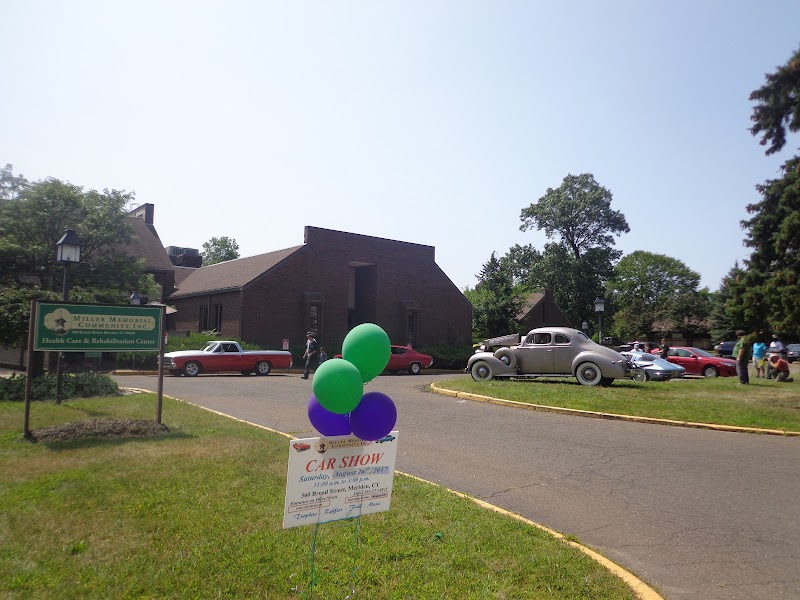
Who Owns and Operates Meriden Health And Rehab?

MERIDEN HEALTH AND REHAB is owned by a for-profit company. For-profit facilities operate as businesses with obligations to shareholders or private owners. The facility operates independently rather than as part of a larger chain. With 90 certified beds and approximately 62 residents (about 69% occupancy), it is a smaller facility located in MERIDEN, Connecticut.

How Does Meriden Health And Rehab Compare to Other Connecticut Nursing Homes?

Compared to the 100 nursing homes in Connecticut, MERIDEN HEALTH AND REHAB's overall rating (1 stars) is below the state average of 3.0, staff turnover (76%) is significantly higher than the state average of 46%, and health inspection rating (1 stars) is much below the national benchmark.

What Should Families Ask When Visiting Meriden Health And Rehab?

Based on this facility's data, families visiting should ask: "What changes have been made since the serious inspection findings, and how are you preventing similar issues?" "How do you ensure continuity of care given staff turnover, and what is your staff retention strategy?" "Can I visit during a mealtime to observe dining assistance and food quality?" "How do you handle medical emergencies, and what is your hospital transfer rate?" These questions are particularly relevant given the facility's Immediate Jeopardy citations and the facility's high staff turnover rate.

Is Meriden Health And Rehab Safe?

Based on CMS inspection data, MERIDEN HEALTH AND REHAB has documented safety concerns. Inspectors have issued 2 Immediate Jeopardy citations (the most serious violation level indicating risk of serious injury or death). The facility has a 1-star overall rating and ranks #100 of 100 nursing homes in Connecticut. Families considering this facility should ask detailed questions about what corrective actions have been taken since these incidents.

Do Nurses at Meriden Health And Rehab Stick Around?

Staff turnover at MERIDEN HEALTH AND REHAB is high. At 76%, the facility is 30 percentage points above the Connecticut average of 46%. Registered Nurse turnover is particularly concerning at 67%. RNs handle complex medical decisions and coordinate care — frequent RN changes can directly impact care quality. High turnover means new staff may not know residents' individual needs, medications, or preferences. It can also be disorienting for residents, especially those with dementia who rely on familiar faces. Families should ask: What is causing the turnover? What retention programs are in place? How do you ensure care continuity during staff transitions?

Was Meriden Health And Rehab Ever Fined?

MERIDEN HEALTH AND REHAB has been fined $41,660 across 5 penalty actions. The Connecticut average is $33,495. While any fine indicates a compliance issue, fines under $50,000 are relatively common and typically reflect isolated problems that were subsequently corrected. Families should ask what specific issues led to these fines and confirm they've been resolved.

Is Meriden Health And Rehab on Any Federal Watch List?

MERIDEN HEALTH AND REHAB is not on any federal watch list. The most significant is the Special Focus Facility (SFF) program, which identifies the bottom 1% of nursing homes nationally based on persistent, serious quality problems. Not being on this list means the facility has avoided the pattern of deficiencies that triggers enhanced federal oversight. This is a positive indicator, though families should still review the facility's inspection history directly.