SILVER SPRINGS CARE CENTER
33 ROY ST, MERIDEN, CT 06450 (203) 237-8457
For profit - Limited Liability company 159 Beds ICARE HEALTH NETWORK Data: November 2025
Trust Grade
15/100
#141 of 192 in CT
Last Inspection: December 2024

Within standard 12-15 month inspection cycle. Federal law requires annual inspections.

Overview

Silver Springs Care Center in Meriden, Connecticut, has received a Trust Grade of F, indicating significant concerns and overall poor performance. Ranking #141 out of 192 facilities in the state places them in the bottom half, while being #11 out of 17 in the county suggests that there are only a few local options that perform better. The facility is currently improving, with the number of issues decreasing from 8 in 2024 to 7 in 2025, but it still faces serious staffing challenges, receiving only 2 out of 5 stars for staffing and having less RN coverage than 99% of Connecticut facilities. The center has incurred $48,300 in fines, which is concerning as it is higher than 83% of facilities in the state, indicating ongoing compliance issues. Specific incidents include two residents being physically injured in a fight and a failure to ensure a resident was seated properly in their wheelchair, both highlighting serious safety lapses. While staffing turnover is relatively low at 36%, which is better than the state average, the facility still has a long way to go to ensure the safety and well-being of its residents.

Trust Score
F
15/100
In Connecticut
#141/192
Bottom 27%
Safety Record
High Risk
Review needed
Inspections
Getting Better
8 → 7 violations
Staff Stability
○ Average
36% turnover. Near Connecticut's 48% average. Typical for the industry.
Penalties
○ Average
$48,300 in fines. Higher than 61% of Connecticut facilities. Some compliance issues.
Skilled Nurses
⚠ Watch
Each resident gets only 14 minutes of Registered Nurse (RN) attention daily — below average for Connecticut. Fewer RN minutes means fewer trained eyes watching for problems.
Violations
⚠ Watch
29 deficiencies on record. Higher than average. Multiple issues found across inspections.
★★☆☆☆
2.0
Overall Rating
★★☆☆☆
2.0
Staff Levels
☆☆☆☆☆
0.0
Care Quality
★★☆☆☆
2.0
Inspection Score
Stable
2024: 8 issues
2025: 7 issues

The Good

  • Full Sprinkler Coverage · Fire safety systems throughout facility
  • No fines on record
  • Staff turnover below average (36%)

    12 points below Connecticut average of 48%

Facility shows strength in fire safety.

The Bad

2-Star Overall Rating

Below Connecticut average (3.0)

Below average - review inspection findings carefully

Staff Turnover: 36%

Near Connecticut avg (46%)

Typical for the industry

Federal Fines: $48,300

Above median ($33,413)

Moderate penalties - review what triggered them

Chain: ICARE HEALTH NETWORK

Part of a multi-facility chain

Ask about local staffing decisions and management

The Ugly 29 deficiencies on record

3 actual harm
Jun 2025 3 deficiencies
CONCERN (D) 📢 Someone Reported This

A family member, employee, or ombudsman was alarmed enough to file a formal complaint

Potential for Harm - no one hurt, but risky conditions existed

Report Alleged Abuse (Tag F0609)

Could have caused harm · This affected 1 resident

**NOTE- TERMS IN BRACKETS HAVE BEEN EDITED TO PROTECT CONFIDENTIALITY** Based on clinical record review, facility documentation review, facility policy review, and interviews for one of three resident...

Read full inspector narrative →
**NOTE- TERMS IN BRACKETS HAVE BEEN EDITED TO PROTECT CONFIDENTIALITY** Based on clinical record review, facility documentation review, facility policy review, and interviews for one of three residents (Resident #1) reviewed for abuse, the facility failed to ensure an allegation of abuse/neglect was reported to the State Agency (SA). The findings include: Resident #1's diagnoses included multiple sclerosis, epilepsy, depression, anxiety and overactive bladder. The quarterly Minimum Data Set (MDS) assessment dated [DATE] identified Resident #1 had severe cognitive impairment (Brief Interview for Mental Status (BIMS) score of three), was dependent with ADL care and frequently incontinent of bowel and bladder. The Resident Care Plan (RCP) dated 5/12/2025 identified Resident #1 had a communication problem related to progressive multiple sclerosis, interventions directed to anticipate and meet needs. Further review identified potential impairment to skin integrity related to fragile skin and dependence for mobility, interventions included pressure relief wheelchair cushion and pressure relieving/reducing mattress to protect skin. A physician's order dated 5/15/2025 directed mechanical lift assist of two (2). Review of NA #1's statement dated 5/30/2025 identified NA #2 was assigned her (NA #1's) regular assignment which included Resident #1. NA #1 further indicated Resident #1's incontinence care was not provided until 1 PM on the 7 AM to 3 PM shift on 5/30/2025. NA #1's statement identified her concerns were reported to the supervisor at the end of 7 AM to 3 PM shift that day. Interview with RN #1 (RN supervisor) on 6/18/2025 at 10:14 AM identified that NA #1 gave her a statement about three weeks ago which included an allegation of care not being provided to Resident #1 until late in the 7 AM to 3 PM shift by the assigned aide (NA #2). RN #1 identified she submitted the written statement by NA #1 by sliding it under the door of the DNS/ADNS office at the end of her shift. RN #1 further indicated she did not confirm that the DNS or ADNS received the statement. RN #1 indicated NA #2 is regularly assigned to care for Resident #1 on the 7 AM to 3 PM shift. Interview with the DNS on 6/18/2025 at 2:26 PM indicated she was aware that an aide alleged lack of care for several hours for Resident #1 during the 7 AM to 3 PM shift on 5/30/2025 and care was not provided until late in the shift. The DNS indicated she was away at the time, and the ADNS was covering. The DNS indicated NAs should do rounds to provide care to residents every two (2) hours and as needed. The DNS identified the ADNS was currently away, and she was unable to locate or provide an investigation report. The DNS further indicated that the alleged concerns of neglect reported by NA #1 should have been reported to the SA. Upon surveyor inquiry, allegation of abuse report was submitted by facility to the SA. Although attempted, the ADNS was not available for interview. Review of the facility Abuse Policy dated 3/20/2024 directed in part residents will not be subjected to abuse by anyone, including but not limited to, facility staff. Allegations of abuse will be reported promptly and thoroughly investigated. Facility In-House Reporting: Whenever there is a witnessed, suspected, or alleged abusive action involving a resident, the following is initiated: the staff member who hears an allegation of abuse, or suspects or witnesses abuse will report immediately to their supervisor, The Administrator or on-call designee and Director of Nursing Services are to be notified immediately. The facility Administrator and Director of Nursing (or their designee) will be responsible for as needed reporting as described in the facility Reporting Allegations and Incidents Policy and Procedure. Investigation will be initiated within 24 hours of its discovery. The following measures will be taken to protect the resident during the period of investigation of alleged abuse: remove residents from alleged abuser, remove alleged abuser from the area of the resident. If an employee is the alleged abuser, he/she will be removed from the care of the resident and removed from the schedule pending outcome of the investigation. Investigation will begin, may include statements from witnesses and staff, consultation with family, physician, Department of Public Health and other state agencies as required, consultation with local law enforcement for suspected crimes and further action deemed as necessary depending on results of the investigation.
CONCERN (D) 📢 Someone Reported This

A family member, employee, or ombudsman was alarmed enough to file a formal complaint

Potential for Harm - no one hurt, but risky conditions existed

Investigate Abuse (Tag F0610)

Could have caused harm · This affected 1 resident

**NOTE- TERMS IN BRACKETS HAVE BEEN EDITED TO PROTECT CONFIDENTIALITY** Based on clinical record review, facility documentation review, facility policy review, and interviews for one of three resident...

Read full inspector narrative →
**NOTE- TERMS IN BRACKETS HAVE BEEN EDITED TO PROTECT CONFIDENTIALITY** Based on clinical record review, facility documentation review, facility policy review, and interviews for one of three residents (Resident #1) reviewed for abuse, the facility failed to investigate an allegation of abuse/neglect. The findings include: Resident #1's diagnoses included multiple sclerosis, epilepsy, depression, anxiety and overactive bladder. The quarterly Minimum Data Set (MDS) assessment dated [DATE] identified Resident #1 had severe cognitive impairment (Brief Interview for Mental Status (BIMS) score of three), was dependent with ADL care and frequently incontinent of bowel and bladder. The Resident Care Plan (RCP) dated 5/12/2025 identified Resident #1 had a communication problem related to progressive multiple sclerosis, interventions directed to anticipate and meet needs. Further review identified potential impairment to skin integrity related to fragile skin and dependence for mobility, interventions included pressure relief wheelchair cushion and pressure relieving/reducing mattress to protect skin. A physician's order dated 5/15/2025 directed mechanical lift assist of two (2). Review of NA #1's statement dated 5/30/2025 identified NA #2 was assigned her (NA #1's) regular assignment which included Resident #1. NA #1 further indicated Resident #1's incontinence care was not provided until 1 PM on the 7 AM to 3 PM shift on 5/30/2025. NA #1's statement identified her concerns were reported to the supervisor at the end of 7 AM to 3 PM shift that day. Interview with RN #1 (RN supervisor) on 6/18/2025 at 10:14 AM identified that NA #1 gave her a statement about three weeks ago which included an allegation of care not being provided to Resident #1 until late in the 7 AM to 3 PM shift by the assigned aide (NA #2). RN #1 identified she submitted the written statement by NA #1 by sliding it under the door of the DNS/ADNS office at the end of her shift. RN #1 further indicated she did not confirm that the DNS or ADNS received the statement. RN #1 indicated NA #2 is regularly assigned to care for Resident #1 on the 7 AM to 3 PM shift. Interview with the DNS on 6/18/2025 at 2:26 PM indicated she was aware that an aide alleged lack of care for several hours for Resident #1 during the 7 AM to 3 PM shift on 5/30/2025 and care was not provided until late in the shift. The DNS indicated she was away at the time, and the ADNS was covering. The DNS indicated NAs should do rounds to provide care to residents every two (2) hours and as needed. The DNS identified the ADNS was currently away, and she was unable to locate or provide an investigation report. The DNS further indicated that the alleged concerns of neglect reported by NA #1 should have been reported to the SA. Although attempted, the ADNS was not available for interview. Review of facility Abuse Policy dated 3/20/2024 directed in part residents will not be subjected to abuse by anyone, including but not limited to, facility staff. Allegations of abuse will be reported promptly and thoroughly investigated. Facility In-House Reporting: Whenever there is a witnessed, suspected, or alleged abusive action involving a resident, the following is initiated: the staff member who hears an allegation of abuse, or suspects or witnesses abuse will report immediately to their supervisor, The Administrator or on-call designee and Director of Nursing Services are to be notified immediately. The facility Administrator and Director of Nursing (or their designee) will be responsible for as needed reporting as described in the facility Reporting Allegations and Incidents Policy and Procedure. Investigation will be initiated within 24 hours of its discovery. The following measures will be taken to protect the resident during the period of investigation of alleged abuse: remove residents from alleged abuser, remove alleged abuser from the area of the resident. If an employee is the alleged abuser, he/she will be removed from the care of the resident and removed from the schedule pending outcome of the investigation. Investigation will begin, may include statements from witnesses and staff, consultation with family, physician, Department of Public Health and other state agencies as required, consultation with local law enforcement for suspected crimes and further action deemed as necessary depending on the results of the investigation.
CONCERN (D) 📢 Someone Reported This

A family member, employee, or ombudsman was alarmed enough to file a formal complaint

Potential for Harm - no one hurt, but risky conditions existed

Infection Control (Tag F0880)

Could have caused harm · This affected 1 resident

**NOTE- TERMS IN BRACKETS HAVE BEEN EDITED TO PROTECT CONFIDENTIALITY** Based on observations, interviews and facility documentation, the facility failed to follow infection prevention and control gui...

Read full inspector narrative →
**NOTE- TERMS IN BRACKETS HAVE BEEN EDITED TO PROTECT CONFIDENTIALITY** Based on observations, interviews and facility documentation, the facility failed to follow infection prevention and control guidelines by failing to ensure resident room sink faucet filters were changed once expired. The findings include: Observation during tour of the facility on [DATE] at 9:05 AM identified dated resident room sink faucet filters in rooms [ROOM NUMBERS] were dated [DATE] (7 days past expiration date), rooms 204, 206, 208, 211, 214, and 217 filters were dated [DATE] (6 days past expiration date). Review of [NAME]-Aquasafe Water Filter manufacturer's instructions last updated [DATE] indicated the water filter is designed to be used for a maximum of one calendar month (31 days) following initial connection. Interview on [DATE] at 12:13 PM with facility Maintenance Director identified that the facility was following a water management program for an infectious agent, and filters were being used, maintained and replaced at faucet sites. He identified that he and the maintenance assistant were responsible for changing the filters, the facility was using filters that lasted 31 days and some lasted 62 days and that the date on the filters indicated when the filter was last changed. The Maintenance Director indicated he was not aware that several filters were dated as changed over 31 days ago and that he would go through the whole house and change filters as needed. Observation on [DATE] at 1:26 PM identified that filters were changed in rooms 106, 118, 204, 206, 208, 211, 214 and 217 and were dated [DATE]. Interview on [DATE] at 1:36 PM with the Maintenance Director identified that the facility did not keep records/logs of water filter changes and indicated that he had been offsite at another facility, and identified the Maintenance Assistant, in his absence, should have changed the filters. During an interview on [DATE] at 2:26 PM with the DNS and RN #2 (Corporate Clinical Director), RN #2 identified that the building had a known infectious agent in the water and the water was being monitored. RN #2 further identified that the 30 day (31 day) sink faucet filters in rooms 106, 118, 204, 206, 208, 211, 214 and 217 should have been changed when due.
Mar 2025 4 deficiencies
CONCERN (D) 📢 Someone Reported This

A family member, employee, or ombudsman was alarmed enough to file a formal complaint

Potential for Harm - no one hurt, but risky conditions existed

Deficiency F0602 (Tag F0602)

Could have caused harm · This affected 1 resident

**NOTE- TERMS IN BRACKETS HAVE BEEN EDITED TO PROTECT CONFIDENTIALITY** Based on clinical record reviews, review of facility documentation, facility policies, and interviews for one (1) of eight (8) s...

Read full inspector narrative →
**NOTE- TERMS IN BRACKETS HAVE BEEN EDITED TO PROTECT CONFIDENTIALITY** Based on clinical record reviews, review of facility documentation, facility policies, and interviews for one (1) of eight (8) sampled residents (Resident #5) who were reviewed for misappropriation of personal property, the facility failed to ensure a controlled medication, Methadone, was properly stored to prevent the removal of six (6) bottles from the facility. The findings include: Resident #5's diagnoses included opioid dependence and other psychoactive substance abuse. The Resident Care Plan dated 11/11/24 identified Resident #5 was at risk for substance abuse related to the history of addiction and currently receiving medication assisted therapy. A physician's order dated 12/10/24 directed to give, the medication used to treat opioid use disorder, Methadone HCL oral solution 10 milligrams (mg) per 5 milliliters (ml), give 140 mg orally once a day. The quarterly Minimum Data Set assessment dated [DATE] identified Resident #5 was alert and oriented to person, place, and time and received opioid medications. The nurse's note dated 1/3/25 at 12:00 PM identified Resident #5 missed the daily dose of Methadone 140 mg, all parties were notified and an order directed to monitor for signs and symptoms of pain and withdrawal symptoms through 1/4/25 and administer an additional dose of Percocet 5-325 mg every eight (8) hours times two (2) doses, these doses are in addition to the scheduled Percocet every six (6) hours as needed. Upon assessment, Resident #5 denied pain, muscle aches, restlessness, irritableness, and/or withdrawal symptoms. The Medication Error Report dated 1/3/25 identified on 1/3/25 Resident #5 reported that he/she did not receive the scheduled dose of Methadone 140 mg at 6:00 AM. The report indicated the dose was omitted because the Methadone was missing. The nurse's note dated 1/3/25 at 8:50 PM identified Resident #5 reported moderate body aches, restlessness, withdrawal symptoms of anxiety, and irritableness. The note indicated an extra dose of Percocet 5-325 mg second dose was administered at 8:00 PM per the physician's orders, with good effect. The facility's investigation identified on 1/2/25 the Assistant Director of Nursing (ADON) picked up seven (7) vials of Resident #5's Methadone from the Methadone Clinic and brought them to the facility in a locked suitcase. Upon arrival to the facility, the ADON administered one (1) dose of the Methadone to Resident #5, then placed the remaining six (6) bottles on the supervisor's desk in the supervisor's office (not in the double locked cabinet designated for the Methadone) and closed the door, which automatically locked upon closing. The investigation identified on 1/3/25 the 11PM-7AM Nursing Supervisor, Registered Nurse (RN) #1 attempted to administer the 6:00 AM dose of Methadone to Resident #5, but could not locate the medication, she then reported this to the 7AM-3PM Nursing Supervisor, RN #2. The investigation identified there was no count conducted of Resident #5's Methadone by two (2) Nursing Supervisors at the time the Methadone was brought into the facility and there was no count of the Methadone during shift to shift change between the evening and the night shifts. Interview with the 7AM-3PM Nursing Supervisor, RN #2, on 2/26/25 at 11:25 AM identified on 1/2/25, he walked into the locked supervisor's office and found six (6) bottles of Resident #5's Methadone sitting on the desk in front of the computer. RN #2 explained he placed the six (6) bottles of Methadone into the designated double locked cabinet for the Methadone supplies. RN #2 identified he did not perform a medication count with the ADON when the Methadone was brought into the facility on 1/2/25. RN #2 identified he was made aware the Methadone was missing when Resident #5 reported that he/she had not received the 1/3/25 dose of Methadone at 6:00 AM. RN #2 indicated at that time, he began a search for the six (6) missing bottles but could not locate the bottles of Methadone and he reported this to the Director of Nursing (DON). Interview with the ADON on 2/26/25 at 12:36 PM identified on 1/2/25, she went to the Methadone Clinic and picked up seven (7) bottles of Methadone assigned to Resident #5. The ADON explained the seven (7) bottles these were placed in a locked suitcase for transport and when she arrived back at the facility, she administered Resident #5's 1/2/25 dose at 11:15 AM and placed the other six (6) bottles of Methadone in the supervisor's office on the desk with the door to the office locked. The ADON identified she did not place the medication in the double locked cabinet that is specific for the Methadone and she did not do a medication count with RN #2 when she placed the Methadone on the desk. The ADON identified facility policy directed when Methadone is brought to the facility, it is to be counted with a second Nursing Supervisor, documented on the reconciliation, on the chain of custody form and placed in the double locked cabinet designated for the Methadone. Interview with the DON on 2/26/25 at 12:44 PM identified the policy for Methadone directed when the Methadone is picked up, it is returned to the facility in a locked suitcase and it is handed off to the Nursing Supervisor when it arrives to the facility with a count of the number of bottles received and verified with two (2) supervisors and documented, then placed in the locked cabinet designated for the Methadone. The DON identified on 1/2/25 when the ADON returned with Resident #5's Methadone, it was not counted with another staff member, and it was placed on the desk in the supervisor's office and not in the locked cabinet. The DON identified on 1/2/25 during shift change from evenings to nights, the outgoing and oncoming Nursing Supervisors did not perform a count of the number of Methadone bottles present for Resident #5. The DON identified on 1/3/25, it was reported by RN #2 that six (6) bottles of Resident #5's Methadone were missing. The DON indicated an investigation was initiated however the Methadone was not found. Interview with the 3-11PM Nursing Supervisor, RN #3, on 2/26/25 at 2:23 PM identified she was on duty 1/2/25 and at the change of shift she did not do a count of the Methadone with the oncoming 11PM-7AM Nursing Supervisor, RN #1. RN #3 identified the facility policy directed to count the Methadone at the change of each shift. Although attempted, an interview with RN #1 was not obtained. The facility policy titled Controlled Substances, last revised 9/2018, directed in part, all controlled substances, Schedule II-IV, are stored and maintained in a locked cabinet or compartment. The policy further directed accurate inventory of all controlled medications is always maintained. The facility policy titled Methadone Protocol, last revised 11/25/24, directed, in part, The RN Supervisor and/or charge nurse is responsible for the storage and counting of the Methadone. The facility identified the deficient practices on 1/3/25 and implemented an immediate action plan: The resident will receive Percocet every eight (8) hours times two (2) doses. The resident will be going to the Methadone clinic in person on Saturday for scheduled dosing and will receive a take home bottle for Sunday. A staff member will return to the Methadone clinic on Monday for pickup of remaining bottles for the week. The resident will be monitored for signs and symptoms of pain or anxiety and will receive interventions as ordered. Any resident who receives Methadone has the potential to be affected by this alleged deficient practice. The staff member upon return from the Methadone clinic will count with the Nursing Supervisor and co-sign the chain of custody, then two (2) staff members will secure the Methadone in the locked cabinet. The Nursing Supervisors will count the Methadone using the chain of custody at each shift change, and document on the narcotic shift signature sheet located in the front of the Methadone book. Education was conducted with staff who handle Methadone on the Methadone policy and the controlled substance accountability policies. Random weekly audits of the Methadone process commencing on 1/4/25 will occur for thirty (30) days or until substantial compliance is achieved. Audits to be reviewed at the monthly QAPI meetings. The Director of nursing is responsible for the plan of correction. The Administrator and Director of Nursing are responsible for the plan. Compliance as of 1/6/25. The plan of correction was reviewed on 2/26/25 and the facility met all components for past non-compliance.
CONCERN (D) 📢 Someone Reported This

A family member, employee, or ombudsman was alarmed enough to file a formal complaint

Potential for Harm - no one hurt, but risky conditions existed

Deficiency F0760 (Tag F0760)

Could have caused harm · This affected 1 resident

**NOTE- TERMS IN BRACKETS HAVE BEEN EDITED TO PROTECT CONFIDENTIALITY** Based on clinical record reviews, review of facility documentation, facility policies, and interviews for one (1) of eight (8) s...

Read full inspector narrative →
**NOTE- TERMS IN BRACKETS HAVE BEEN EDITED TO PROTECT CONFIDENTIALITY** Based on clinical record reviews, review of facility documentation, facility policies, and interviews for one (1) of eight (8) sampled residents (Resident #5) who received Methadone (a controlled substance used to treat opioid addiction), the facility failed to ensure Resident #5's Methadone was stored per the facility policy to prevent the loss of the Methadone resulting in an omission of a dose and ensure the resident did not experience withdrawal symptoms. The findings include: Resident #5's diagnoses included opioid dependence and other psychoactive substance abuse. The Resident Care Plan dated 11/11/24 identified Resident #5 was at risk for substance abuse related to the history of addiction and currently receiving medication assisted therapy. A physician's order dated 12/10/24 directed to give, the medication used to treat opioid use disorder, Methadone HCL oral solution 10 milligrams (mg) per 5 milliliters (ml), give 140 mg orally once a day. The quarterly Minimum Data Set assessment dated [DATE] identified Resident #5 was alert and oriented to person, place, and time and received opioid medications. The nurse's note dated 1/3/25 at 12:00 PM identified Resident #5 missed the daily dose of Methadone 140 mg, all parties were notified and an order directed to monitor for signs and symptoms of pain and withdrawal symptoms through 1/4/25 and administer an additional dose of Percocet 5-325 mg every eight (8) hours times two (2) doses, these doses are in addition to the scheduled Percocet every six (6) hours as needed. Upon assessment, Resident #5 denied pain, muscle aches, restlessness, irritableness, and/or withdrawal symptoms. The Medication Error Report dated 1/3/25 identified on 1/3/25 Resident #5 reported that he/she did not receive the scheduled dose of Methadone 140 mg at 6:00 AM. The report indicated the dose was omitted because the Methadone was missing. The nurse's note dated 1/3/25 at 8:50 PM identified Resident #5 reported moderate body aches, restlessness, withdrawal symptoms of anxiety, and irritableness. The note indicated an extra dose of Percocet 5-325 mg second dose was administered at 8:00 PM per the physician's orders with good effect. The nurse's note dated 1/4/25 at 6:48 AM identified Resident #5 was monitored through the night for signs and symptoms of withdrawal and Resident #5 displayed no signs and symptoms of discomfort or distress. The facility's investigation identified on 1/2/25 the Assistant Director of Nursing (ADON) picked up seven (7) vials of Resident #5's Methadone from the Methadone Clinic and brought them to the facility in a locked suitcase. Upon arrival at the facility, the ADON administered one (1) dose of the Methadone to Resident #5, then placed the remaining six (6) bottles on the supervisor's desk in the supervisor's office (not in the double locked cabinet designated for the Methadone) and closed the door, which automatically locked upon closing. The investigation identified on 1/3/25 the 11PM-7AM Nursing Supervisor, Registered Nurse (RN) #1 attempted to administer the 6:00 AM dose of Methadone to Resident #5, but could not locate the medication, she then reported this to the 7AM-3PM Nursing Supervisor, RN #2. The investigation identified there was no count conducted of Resident #5's Methadone by two (2) Nursing Supervisors at the time the Methadone was brought into the facility and there was no count of the Methadone during shift to shift change between the evening and the night shifts. Interview with the ADON on 2/26/25 at 12:36 PM identified on 1/2/25, she went to the Methadone Clinic and picked up seven (7) bottles of Methadone assigned to Resident #5. The ADON explained the seven (7) bottles these were placed in a locked suitcase for transport and when she arrived back at the facility, she administered Resident #5's 1/2/25 dose at 11:15 AM and placed the other six (6) bottles of Methadone in the supervisor's office on the desk with the door to the office locked. The ADON identified she did not place the medication in the double locked cabinet that is specific for the Methadone and she did not do a medication count with RN #2 when she placed the Methadone on the desk. The ADON identified facility policy directed when Methadone is brought to the facility, it is to be counted with a second Nursing Supervisor, documented on the reconciliation, on the chain of custody form and placed in the double locked cabinet designated for the Methadone. The facility policy titled Controlled Substances, last revised 9/2018, directed in part, all controlled substances, Schedule II-IV, are stored and maintained in a locked cabinet or compartment. The policy further directed accurate inventory of all controlled medications is always maintained. The facility policy titled Methadone Protocol, last revised 11/25/24, directed, in part, The RN Supervisor and/or charge nurse is responsible for the storage and counting of the Methadone.
CONCERN (D) 📢 Someone Reported This

A family member, employee, or ombudsman was alarmed enough to file a formal complaint

Potential for Harm - no one hurt, but risky conditions existed

Deficiency F0761 (Tag F0761)

Could have caused harm · This affected 1 resident

**NOTE- TERMS IN BRACKETS HAVE BEEN EDITED TO PROTECT CONFIDENTIALITY** Based on clinical record reviews, review of facility documentation, facility policies, and interviews for one (1) of eight (8) s...

Read full inspector narrative →
**NOTE- TERMS IN BRACKETS HAVE BEEN EDITED TO PROTECT CONFIDENTIALITY** Based on clinical record reviews, review of facility documentation, facility policies, and interviews for one (1) of eight (8) sampled residents (Resident #5) who received a controlled medication, the facility failed to ensure a supply of Methadone (a controlled substance used to treat opioid addiction) was counted upon arrival to the facility and during the change of shift, and was stored in a secured cabinet per the facility's policy. The findings include: Resident #5's diagnoses included opioid dependence and other psychoactive substance abuse. A physician's order dated 12/10/24 directed to give, the medication used to treat opioid use disorder, Methadone HCL oral solution 10 milligrams (mg) per 5 milliliters (ml), give 140 mg orally once a day. The quarterly Minimum Data Set assessment dated [DATE] identified Resident #5 was alert and oriented to person, place, and time and received opioid medications. The nurse's note dated 1/3/25 at 12:00 PM identified Resident #5 missed the daily dose of Methadone 140 mg, all parties were notified and an order directed to monitor for signs and symptoms of pain and withdrawal symptoms through 1/4/25 and administer an additional dose of Percocet 5-325 mg every eight (8) hours times two (2) doses, these doses are in addition to the scheduled Percocet every six (6) hours as needed. Upon assessment, Resident #5 denied pain, muscle aches, restlessness, irritableness, and/or withdrawal symptoms. The Medication Error Report dated 1/3/25 identified on 1/3/25 Resident #5 reported that he/she did not receive the scheduled dose of Methadone 140 mg at 6:00 AM. The report indicated the dose was omitted because the Methadone was missing. The facility's investigation identified on 1/2/25 the Assistant Director of Nursing (ADON) picked up seven (7) vials of Resident #5's Methadone from the Methadone Clinic and brought them to the facility in a locked suitcase. Upon arrival at the facility, the ADON administered one (1) dose of the Methadone to Resident #5, then placed the remaining six (6) bottles on the supervisor's desk in the supervisor's office (not in the double locked cabinet designated for the Methadone) and closed the door, which automatically locked upon closing. The investigation identified on 1/3/25 the 11PM-7AM Nursing Supervisor, Registered Nurse (RN) #1 attempted to administer the 6:00 AM dose of Methadone to Resident #5, but could not locate the medication, she then reported this to the 7AM-3PM Nursing Supervisor, RN #2. The investigation identified there was no count conducted of Resident #5's Methadone by two (2) Nursing Supervisors at the time the Methadone was brought into the facility and there was no count of the Methadone during shift to shift change between the evening and the night shifts. Interview with the 7AM-3PM Nursing Supervisor, RN #2, on 2/26/25 at 11:25 AM identified on 1/2/25, he walked into the locked supervisor's office and found six (6) bottles of Resident #5's Methadone sitting on the desk in front of the computer. RN #2 explained when he found the six (6) bottles of Methadone, he placed the six (6) bottles of Methadone into the designated double locked cabinet for the Methadone supplies. RN #2 identified he did not perform a medication count with the ADON when the Methadone was brought into the facility on 1/2/25. RN #2 identified he was made aware the Methadone was missing when Resident #5 reported that he/she had not received the 1/3/25 dose of Methadone at 6:00 AM. Interview with the ADON on 2/26/25 at 12:36 PM identified on 1/2/25, she went to the Methadone Clinic and picked up seven (7) bottles of Methadone assigned to Resident #5. The ADON explained the seven (7) bottles these were placed in a locked suitcase for transport and when she arrived back at the facility, she administered Resident #5's 1/2/25 dose at 11:15 AM and placed the other six (6) bottles of Methadone in the supervisor's office on the desk in front of the computer instead of in the double locked cabinet designated for Methadone and closed the door, which automatically locked upon closing. The ADON identified she did not place the medication in the double locked cabinet that is specific for the Methadone and she did not do a medication count with RN #2 when she placed the Methadone on the desk. The ADON identified facility policy directed when Methadone is brought to the facility, it is to be counted with a second Nursing Supervisor, documented on the reconciliation, on the chain of custody form and placed in the double locked cabinet designated for the Methadone. Interview with the DON on 2/26/25 at 12:44 PM identified the policy for Methadone directed when the Methadone is picked up, it is returned to the facility in a locked suitcase and it is handed off to the Nursing Supervisor when it arrives to the facility with a count of the number of bottles received and verified with two (2) supervisors and documented, then placed in the locked cabinet designated for the Methadone. The DON identified on 1/2/25 when the ADON returned with Resident #5's Methadone, it was not counted with another staff member, and it was placed on the desk in the supervisor's office and not in the locked cabinet. The DON identified on 1/2/25 during shift change from evenings to nights, the outgoing and oncoming Nursing Supervisors did not perform a count of the number of Methadone bottles present for Resident #5. The DON identified on 1/3/25, it was reported by RN #2 that six (6) bottles of Resident #5's Methadone were missing. The DON indicated an investigation was initiated however the Methadone was not found. Interview with the evening supervisor (RN #3) on 2/26/25 at 2:33 PM identified she did not do a count of Resident #5's Methadone with the night supervisor (RN #1) during shift change on 1/2/25. RN #3 identified facility policy directed a count of Methadone bottles at the change of shift. RN #3 identified she could not give a reason as to why she did not count the Methadone bottles, but she should have counted the Methadone bottles with RN #1. Although attempted, an interview with the night supervisor (RN #1) was unable to be obtained. The facility policy titled Controlled Substances, last revised 9/2018, directed in part, all controlled substances, Schedule II-IV, are stored and maintained in a locked cabinet or compartment. The policy further directed accurate inventory of all controlled medications is always maintained. The facility policy titled Methadone Protocol, last revised 11/25/24, directed, in part, The RN Supervisor and/or charge nurse is responsible for the storage and counting of the Methadone. The facility identified the deficient practices on 1/3/25 and implemented an immediate action plan: The resident will receive Percocet every eight (8) hours times two (2) doses. The resident will be going to the Methadone clinic in person on Saturday for scheduled dosing and will receive a take home bottle for Sunday. A staff member will return to the Methadone clinic on Monday for pickup of remaining bottles for the week. The resident will be monitored for signs and symptoms of pain or anxiety and will receive interventions as ordered. Any resident who receives Methadone has the potential to be affected by this alleged deficient practice. The staff member upon return from the Methadone clinic will count with the Nursing Supervisor and co-sign the chain of custody, then two (2) staff members will secure the Methadone in the locked cabinet. The Nursing Supervisors will count the Methadone using the chain of custody at each shift change, and document on the narcotic shift signature sheet located in the front of the Methadone book. Education was conducted with staff who handle Methadone on the Methadone policy and the controlled substance accountability policies. Random weekly audits of the Methadone process commencing on 1/4/25 will occur for thirty (30) days or until substantial compliance is achieved. Audits to be reviewed at the monthly QAPI meetings. The Director of nursing is responsible for the plan of correction. The Administrator and Director of Nursing are responsible for the plan. Compliance as of 1/6/25. The plan of correction was reviewed on 2/26/25 and the facility met all components for past non-compliance.
MINOR (B) 📢 Someone Reported This

A family member, employee, or ombudsman was alarmed enough to file a formal complaint

Minor Issue - procedural, no safety impact

Medical Records (Tag F0842)

Minor procedural issue · This affected multiple residents

Based on clinical record reviews, review of facility documentation, facility policies, and interviews for seven (7) of eight (8) sampled residents (Residents #5, #6, #7, #8, #10, #11, and #12) who wer...

Read full inspector narrative →
Based on clinical record reviews, review of facility documentation, facility policies, and interviews for seven (7) of eight (8) sampled residents (Residents #5, #6, #7, #8, #10, #11, and #12) who were reviewed for accurate documentation, the facility failed to ensure the Medication Administration Record (MAR) reflected documentation that the residents received the medication when administered. The findings include: 1. Resident #5 was admitted with the diagnosis of opioid dependence. A physician's order dated 12/10/24 directed to administer Methadone HCL oral solution (a medication to treat opioid addiction) 10 milligrams (mg) per 5 milliliters (ml), give 140 mg orally once a day. Review of the February 2025 MAR identified there was no documentation in the Electronic Medical Record (EMR) that the Methadone was administered on six (6) of twenty-five (25) days (2/1/25, 2/5/25, 2/10/25, 2/20/26, 2/22/25, and 2/23/25). 2. Resident #6 was admitted with the diagnosis of opioid dependence. A physician's order dated 1/21/25 directed to administer Methadone HCL oral Solution 5 mg/5 ml, give 60 mg by mouth once a day. A physician's order dated 2/7/25 directed to Administer Methadone HCL 5 mg/5 ml give 60 mg by mouth once a day. A physician's order dated 2/11/25 directed to administer Methadone HCL oral Solution 10 mg/5 ml, give 60 mg orally once a day. Review of the February 2025 MAR identified there was no documentation in the EMR the Methadone was administered on twelve (12) of twenty-four (24) days (2/1/25, 2/5/25, 2/12/25, 2/13/25, 2/17/25, 2/18/25, 2/19/25, and 2/21/25 through 2/25/25). 3. Resident #7 was admitted with the diagnosis of opioid dependence with unspecified opioid induced disorder. A physician's order dated 1/6/25 directed to administer Methadone HCL oral solution 10 mg/5 ml, give 45 mg by mouth once a day. Review of the February 2025 MAR identified there was no documentation in the EMR the Methadone was administered on twelve (12) of twenty-five (25) days (2/1/25, 2/4/25,2/5/25, 2/6/25, 2/8/25 through 2/12/25, 2/19/25, 2/21/25, and 2/22/25). 4. Resident #8 was admitted to the facility with the diagnosis of opioid dependence. A physician's order dated 1/6/25 directed to administer Methadone HCL 10 mg/5 ml, give 120 mg once a day. Review of the February 2025 MAR identified there was no documentation in the EMR the Methadone was administered on nine (9) of twenty-five (25) days (2/1/25, 2/5/25, 2/9/25, 2/10/25, 2/11/25, 2/14/25, 2/18/25, 2/21/25, and 2/22/25). 5. Resident #10 was admitted to the facility with the diagnosis of opioid abuse. A physician's order dated 2/20/25 directed to administer Methadone HCL oral solution 10 mg/5 ml, give 90 mg by mouth once a day. Review of the February 2025 MAR identified there was no documentation in the EMR the Methadone was administered on three (3) of five (5) days (2/20/25 through 2/23/25). 6. Resident #11 was admitted to the facility with the diagnosis of opioid dependence. A physician's order dated 1/6/25 directed to administer Methadone HCL oral solution 10 mg/5 ml, 105 mg by mouth once a day. Review of the February 2025 MAR identified there was no documentation in the EMR the Methadone was administered on eleven (11) of twenty (25) days (2/1/25, 2/4/25, 2/5/25, 2/6/25, 2/8/25, 2/9/25, 2/10/25, 2/12/25, 2/20/25, 2/22/25, and 2/23/25). 7. Resident #12 was admitted to the facility with the diagnosis of opioid dependence. A physician's order dated 11/14/24 directed to administer Methadone Concentrate 10 mg/ml orally once a day. Review of the February 2025 MAR identified there was no documentation in the EMR the Methadone was administered on thirteen (13) of twenty-five (25) days (2/1/25, 2/4/25, 2/5/25, 2/6/25, 2/8/25 through 2/12/25, 2/15/25, 2/20/25, 2/22/25, and 2/23/25). Interview with the Assistant Director of Nursing (ADON) on 2/26/25 at 12:36 PM identified the facility policy on administration of medication directed each medication given was to be documented in the EMR. The ADON identified the Nursing Supervisors are responsible for ensuring the MARs are accurate. Interview with the Director of Nursing (DON) on 2/26/25 at 12:44 PM identified the facility policy directed that when Methadone was given it was signed off in the EMR as well as the chain of custody form. The DON indicated for Residents #5, #6, #7, #8, #10, #11, and #12 the February MARs did not have consistent documentation the Methadone was administered. The DON identified it was the Nursing Supervisor's responsibility to ensure signage that the medications were administered. The facility policy titled Controlled Substances, last revised 8/2020, directed in part, accurate inventory of all controlled medications is always maintained. When a controlled substance is administered, the licensed nursing personnel administering the medication immediately enters the following information on the accountability records and the MAR: date and time of administration and initials of the nurse administering the dose, completed after the medication has been administered. The facility policy titled Methadone Protocol, last revised 11/2024, directed, in part, the nurse will sign the MAR after each dose.
Dec 2024 6 deficiencies
CONCERN (D)

Potential for Harm - no one hurt, but risky conditions existed

Comprehensive Care Plan (Tag F0656)

Could have caused harm · This affected 1 resident

**NOTE- TERMS IN BRACKETS HAVE BEEN EDITED TO PROTECT CONFIDENTIALITY** Based on observations, review of the clinical record, facility policy, and interview for 1 of 4 sampled residents, (Resident #12...

Read full inspector narrative →
**NOTE- TERMS IN BRACKETS HAVE BEEN EDITED TO PROTECT CONFIDENTIALITY** Based on observations, review of the clinical record, facility policy, and interview for 1 of 4 sampled residents, (Resident #12) reviewed for positioning and mobility, the facility failed to implement siderail pads according to the care plan and for 1 of 1 sampled residents (Resident #121) reviewed for falls, the facility failed to implement a care plan intervention related to falls. The findings include:. The findings include: 1. Resident #12's diagnoses included dementia with behavioral disturbance, muscle weakness, and involuntary movements. The annual Minimum Data Set assessment dated [DATE] identified Resident #12 was severely cognitively impaired, had no limitation in range of motion, and was totally dependent on staff for bed mobility, transfers, and eating. The Resident Care Plan dated 11/13/24 identified Resident #12 was a fall risk related to a history of falls. Interventions included the use of padded siderails and that siderail pads and floor mats were in place. Observation on 12/16/24 at 11:20 AM, identified Resident #12 was awake, in bed, moving his/her arms about, and had 4 quarter siderails in the up position. A blue siderail pad was noted on the floor between Resident #12 and his/her roommate, another was on the dresser located at the foot of the bed, and a third pad was wedged in the corner of the room on a smaller dresser, at the head of the bed, to the right of Resident #12. Observation on 12/17/24 at 9:38 AM identified Resident #12 was sleeping in bed with 4 quarter siderails up, without the benefit of siderail pads in use, and the siderail pads were noted to in the same position as they were the previous day. Observation on 12/18/24 at 8:52 AM identified Resident #12 in bed, asleep, without the benefit of siderail pads, which had been moved and were now located on both dressers in the resident's room. Interview with Nurse aide (NA) #7 on 12/19/24 at 11:37 AM identified that she had provided morning care for Resident #12 and that the siderail pads belonged to him/her, not the roommate. Resident #12 was noted out of bed being transported down the hall in his/her wheelchair. NA #7 stated it was the NA's responsibility to ensure the padded rails were in place, that the night shift normally placed the siderail pads, but if the siderail pads were missing, she would be responsible to ensure placement. Additionally, NA #7 identified the siderail pads, which had been missing during the surveyor observations, should have been in place to cover the siderails to prevent Resident #12 from injury if he/she attempted to get out of bed. Review of the Care Plan Policy dated 4/17/24 directed, in part, the comprehensive care plan is used to set goals and to indicate the discipline responsible to implement the interventions/approaches noted on the care plan. 2. Resident #121's diagnoses include Parkinson's Disease, heart failure, and reduced mobility. The quarterly Minimum Data Set assessment dated [DATE] identified Resident #121 was cognitively intact, required substantial assistance with chair/bed to chair transfers, was reliant on a motorized wheelchair, and was dependent on lower body dressing and putting on/taking off footwear. The Resident Care Plan dated 11/13/24 identified Resident #121 had a history of falls. Interventions included not leaving him/her on the edge of the bed unattended, the use of non-slip socks, and the use of side rails while in bed. An observation of Resident #121 on 12/16/24 at 11:51 AM, immediately after Nurse Aide (NA) #1 exited Resident #121's room, identified the resident was fully dressed and sitting on his/her right bed edge with his/her feet touching the floor. Resident #121 was unattended, and no staff were present in the room. An interview with NA #1 on 12/16/24 at 12:12 PM identified that NA #1 was aware that Resident #121 was sitting on the edge of the bed when he exited the room and should not have been left unattended due to Resident #121's history of falls. NA #1 noted the reason he left Resident #121 unattended was to provide non-urgent care to another resident. When asked if Resident #121 was still sitting on the edge of the bed, NA #1 visually verified that Resident #121 was still sitting on the edge of his/her bed and left him/her unattended for a second occurrence at the conclusion of the interview. An observation on 12/16/24 at 12:15 PM identified that the Director of Occupational Therapy/Physical Therapy (OT/PT) and Regional Director of Physical Therapy (PT) entered Resident #121's room. Continued observation of the room identified that the Director of OT/PT and Regional Director of PT exited Resident #121's room on 12/16/24 at 12:17 PM and left Resident #121 sitting on the edge of the bed unattended. An interview with the Director of OT/PT and Regional Director of PT on 12/16/24 at 12:19 PM identified they were aware Resident #121 was sitting at the edge of his/her bed unattended when they left the room. The Director of OT/PT noted he was very familiar with Resident #121's fall risk interventions and participated in the development of the care plan interventions. The Director of OT/PT failed to identify Resident #121 was not to be left unattended while sitting and noted it was the responsibility of all staff to follow the care plan to ensure safety interventions to prevent falls are followed. Subsequent to surveyor inquiry, the Director of OT/PT asked for staff assistance and Resident #121 was assisted off his/her bed and into a wheelchair. Review of the Care Plan Policy identified that an interdisciplinary team including nursing, social services, rehabilitation, and the resident be included in the development of the care plan and include identified problems with interventions to address the problem.
CONCERN (D)

Potential for Harm - no one hurt, but risky conditions existed

Quality of Care (Tag F0684)

Could have caused harm · This affected 1 resident

**NOTE- TERMS IN BRACKETS HAVE BEEN EDITED TO PROTECT CONFIDENTIALITY** Based on observations, review of the clinical record, facility policy, and interviews for 1 of 4 sampled residents (Resident #12...

Read full inspector narrative →
**NOTE- TERMS IN BRACKETS HAVE BEEN EDITED TO PROTECT CONFIDENTIALITY** Based on observations, review of the clinical record, facility policy, and interviews for 1 of 4 sampled residents (Resident #12) reviewed for skin conditions, the facility failed to follow a physician's order for the application of bilateral foot boots and for 1 of 1 sampled residents (Resident #18) reviewed for positioning, the facility failed to accurately transcribe a provider's order for positioning. Additionally, for 3 of 3 residents (Resident #35, Resident #118 and Resident #129) reviewed for Methadone therapy, the facility failed to ensure Methadone was available for administration. The findings include: 1. Resident #12's diagnoses included dementia, muscle weakness, abnormal posture, reduced mobility, and involuntary movements. The annual Minimum Data Set assessment dated [DATE] identified Resident #12 was severely cognitively impaired, had no limitation in range of motion, and was totally dependent on staff for bed mobility, transfers, and putting on and taking off footwear. The Resident Care Plan dated 11/13/24, identified Resident #12 was at risk for alterations in skin integrity which could lead to skin breakdown. Interventions included staff to monitor skin integrity and to apply and remove multi-podus boots as needed. A physician's order in effect on 12/16/24 directed bilateral soft multi-podus boots were to be applied at all times, staff could remove for care and reapply. Review of the Treatment Administration Record for bilateral multi-podus boot application from 12/16/24 through 12/19/24 identified a checkmark indicating that the multi-podus boots had been applied. Observation on 12/16/24 at 11:20 AM identified Resident #12 was awake, in bed with a black foot boot noted on the floor under Resident #12's bed and another foot boot on the dresser toward the foot of the bed. Observation on 12/17/24 at 9:38 AM identified Resident #12 was in bed, asleep, and there were (2) foot boots noted to be on the top of the dresser. Observation and interview on 12/18/24 at 8:52 AM with NA #8 identified Resident #12 in bed asleep. Although Resident #12 had the multi-podus boots in bed with him/her, the boots were not positioned on the resident. NA #8 indicated the resident frequently kicked his/her boots off and when she attempted to replace the boots, the resident ultimately refused. Once NA #8 explained to the resident, he/she needed boots placed, Resident #12 consented. Observation and interview on 12/19/24 at 11:56 AM with NA #7 identified Resident #12 was being wheeled in the wheelchair, down the hallway, without the benefit of his/her multi-podus boots. NA #7 indicated that Resident #12 wore the multi-podus boots for heel protection to prevent skin breakdown, only while in bed. NA #7 further stated that the staff followed the Resident Care Plan to direct care. Interview on 12/19/24 at 1:52 PM with the Regional Director, identified that NA staff would refer to the Resident Care Plan in order to know what care needed to be provided to residents. Further, any concerns or issues needed to be reported the charge nurse, and ultimately, it was the charge nurse's responsibility to ensure the care plan was being followed. Review of the Pressure Ulcer Policy indicated, in part, that a resident would receive care that was consistent with professional standards that would prevent or minimize the risk of a pressure ulcer. Interventions to minimize the risk for a pressure ulcer would be included in the resident's individual care plan. 2. Resident #18's diagnoses include heart failure, dementia, and Chronic Obstructive Pulmonary Disease (COPD). The Quarterly Minimum Data Set (MDS) assessment dated [DATE] identified Resident #18 had severe cognitive impairment, was dependent with personal hygiene, and required maximal assistance with chair/bed to chair transfers and rolling left and right in bed. A physician order dated 10/9/24 directed that the head of Resident #18's bed should be elevated to prevent shortness of breath while lying flat, secondary to COPD and asthma, on every shift. The Resident Care Plan (RCP) dated 11/22/24 identified Resident #18 had chronic respiratory failure and COPD. Interventions included keeping the head of the bed elevated per Medical Doctor (MD), and monitoring for signs and symptoms of difficulty breathing and acute respiratory insufficiency. An observation on 12/16/24 at 11:18 AM identified Resident #18 was lying in bed, fully dressed in slacks and a long sleeve shirt, on his/her right side. The bed was in a flat position and the head of the bed was not elevated. An observation on 12/18/24 on 10:22 AM identified Resident #18 was lying in bed with the covers pulled up to his/her shoulders and positioned on his/her right side. The bed was in a flat position and the head of the bed was not elevated. An interview with Nurse Aide (NA) #1 on 12/18/24 at 10:29 AM identified he was not aware of any positioning needs for Resident #18 and noted positioning needs would be listed on the NA Care Card. The NA Care Card, located on the inside of Resident #18's closet, failed to reflect positioning advisement including keeping the head of the bed elevated to prevent shortness of breath while lying flat. An interview with Licensed Practical Nurse (LPN) #3 on 12/18/24 at 10:35 AM identified there was an electronic physician positioning order but the order was not on the NA Care Card for the NAs to follow. Additionally, LPN #3 indicated the MDS Coordinator was responsible for ensuring positioning orders were entered onto the NA Care Card. An interview with LPN #5/MDS Coordinator #1 on 12/18/24 at 10:56 AM identified that a physician order was in the system but not being reflected on the NA Care Card. She noted she was uncertain as to the reason the order was not added to the NA Care Card. An interview with MDS Coordinator #2 on 12/18/24 at 11:08 AM identified he was responsible for ensuring the physician's order for positioning was accurately transcribed into the electronic health record and noted the reason the order had not been transcribed properly was the facility transitioned to a new electronic health record system and he was uncertain of how to use it. Subsequent to surveyor inquiry, the positioning order was entered into Resident #18's Care Card. An interview with the Director of Nursing Services (DNS) on 12/18/24 at 11:10 AM identified she was aware that there was an ongoing issue with orders not being properly transcribed to the NA Care Card, and noted a process for all orders to be reviewed quarterly was assisting the facility in correcting the missing transcriptions. Review of the Physician Orders- Transcription Policy identified that orders will be transcribed by a licensed nurse and entered into the appropriate worksheets within the electronic health record. The Physician Order Sheet and [NAME] Editing Policy identified the computerized [NAME] should be checked against the treatment [NAME] for changes, additions, or deletions. 3a. Resident #35 was admitted to the facility in July 2020 with a diagnosis of Opioid Dependence. A physician's order dated 9/17/24 directed to administer Methadone (a medication used to treat Opioid Use Disorder) 10 milligrams (mg)/milliliter (ml) give 10.5 ml (105 mg) for Opioid dependence once daily getting from Methadone clinic. The quarterly Minimum Data Set (MDS) assessment dated [DATE] identified Resident #35 as having intact cognition. The Resident Care Plan dated 10/23/24 identified a problem with Opioid Dependence. Interventions included to monitor for signs of overdose and attempt to wake Resident #35 by shaking and calling his/her name if exhibiting symptoms, if unsuccessful in arousing, call 911 and administer Narcan as ordered. A nurse's note dated 11/6/24 at 4:09 PM identified that Resident #35 did not receive his/her daily Methadone medication that morning. A Medication Error Report dated 11/6/2024 identified that Methadone 105 mg liquid once a day was not given to Resident #35 due to an oversight by the facility regarding the pick up day of the medication from the Methadone clinic. Resident #35 had reported he/she did not receive daily Methadone and the Medication Error Report indicated that Resident #35 had no ill effects from the missed dose. A review of the Medication Administration Record (MAR) dated 11/6/24 identified Methadone daily dose of 105 mg for 6:00 AM was not documented as being administered by the charge nurse. b. Resident #118 was admitted to the facility in April 2023 with diagnosis of Opioid Dependence. The quarterly Minimum Data Set (MDS) assessment dated [DATE] identified Resident #118 had intact cognition. The Resident Care Plan dated 10/2/24 identified a problem of Opioid Dependence. Interventions included to provide Resident #118 with Methadone as directed, prepare Methadone and ensure Resident #118 was able to take without assistance. Physician's orders dated 10/30/24 directed to administer Methadone (a medication used to treat Opioid Use Disorder) 10 milligrams (mg)/milliliter (ml) give 12 ml (120 mg) once a day for Opioid Dependence. A nurse note dated 11/6/24 at 4:31 PM identified that Resident #118 was continuously yelling at the supervisor and kept knocking on door due to the missing Methadone dose. The Advanced Practice Nurse (APRN) gave an order for one time dose of Oxycodone 10 mg (pain medication) to replace the missed dose of Methadone. The Medication Error Report dated 11/6/24 identified Methadone 120 mg liquid once a day and was not given due to an oversight by the facility regarding pick-up day from the Methadone clinic and that Resident #118 had reported he/she did not receive daily Methadone. The Medication Error Report indicated that Resident #118 had no ill effects from the missed dose. A review of the Medication Administration Record dated 11/6/2024 identified that Methadone 120 mg daily dose for 6:00 AM was not documented by the charge nurse as being administered. In addition, a one-time dose of Oxycodone 10 mg was documented as being administered on the MAR by the charge nurse at 4:33 PM. c. Resident #129 was admitted to the facility in December 2022 with diagnosis of Opioid Dependence. A quarterly Minimum Data Set (MDS) assessment dated [DATE] identified Resident #129 as being severely cognitively impaired. The Resident Care Plan 8/30/24 identified a problem of Opioid Dependence. Interventions included that Resident #129 was on a tapering dose of Methadone and to monitor for any symptoms of taper/withdrawal. A physician's order dated 9/30/24 directed to administer Methadone (a medication used to treat Opioid Use Disorder) 10 milligrams (mg)/milliliter (ml) give 6.5 ml (65 mg) once a day for opioid addiction. A nurse's note dated 11/6/24 at 4:35 PM identified that Resident #129 missed a daily dose of Methadone 105 mg daily (correct Methadone dose was 65 mg once a day and not 105 mg) due to inadvertently overlooking the picking up of the medication from the clinic. Additionally, the nursing note identified that nursing would monitor for any signs and symptoms of withdrawal and maintain the same Methadone dose and schedule. The Medication Error Report dated 11/6/24 identified Methadone 55 mg (correct Methadone dose was 65 mg once a day and not 55 mg) once a day was not given due to an oversight by the facility regarding the pick-up day from the Methadone clinic and that Resident #129 had no ill effects from the missed dose. A review of Medication Administration Record (MAR) dated 11/6/24 at 6:00 AM identified that Methadone daily dose of 65 mg was not signed as being administered by the charge nurse. A review of Medication Error Reports for Resident #35, Resident #118 and Resident #129 and an interview with the Assistant Director of Nursing (ADNS) on 12/18/24 at 12:55 PM revealed that the ADNS was responsible for obtaining Methadone from the clinic. She indicated at that time she had no formal way of tracking dates to pick-up Methadone from the clinics. Additionally, she indicated on the date of errors (on 11/6/24) she did not realize that she needed to pick-up Methadone from the clinic for the residents. After the medication errors, she now uses a monthly calendar to keep track of dates for pick-up. Interview with the Director of Nursing (DNS) on 12/18/24 at 1:00 PM verified that ADNS was responsible for picking up the Methadone. The facility was using 3 clinics at the time the medication errors occurred. The facility is no longer using that Methadone clinic and now the facility is only using 2 clinics. A review of the Methadone policy dated 6/3/2024 directed, in part, that a list of all current residents on Methadone will be maintained by the DNS. A designated staff person will be assigned to pick up Methadone from the clinic on the Care Center's designated pick up day. The supervisor and/or charge nurse are responsible for storing and counting of the Methadone, as well as distributing to the residents for administration.
CONCERN (E)

Potential for Harm - no one hurt, but risky conditions existed

Drug Regimen Review (Tag F0756)

Could have caused harm · This affected multiple residents

**NOTE- TERMS IN BRACKETS HAVE BEEN EDITED TO PROTECT CONFIDENTIALITY** Based on interviews and record review for 1 of 5 residents (Resident #107) reviewed for unnecessary medications, the facility fa...

Read full inspector narrative →
**NOTE- TERMS IN BRACKETS HAVE BEEN EDITED TO PROTECT CONFIDENTIALITY** Based on interviews and record review for 1 of 5 residents (Resident #107) reviewed for unnecessary medications, the facility failed to follow pharmacy recommendations. The findings include: Resident #107's diagnoses included gastro esophageal reflux disease (GERD), Wernicke's encephalopathy, and anxiety. A physician order dated 4/1/24 directed Pantoprazole (a medication to treat GERD) 1 tablet be given daily. A quarterly Minimum Data Set (MDS) assessment dated [DATE] identified Resident #107 had a short/long term memory problem and required set up with eating and upper body dressing. The MDS further identified Resident #107 required supervision with personal hygiene and maximal assistance with oral hygiene. Pharmacy Medication Regimen Review dated 9/10/24 identified Resident #107 was receiving crushed medications without an order to do so and Pantoprazole (a medication used to treat GERD) 40 milligrams (mg) which was enteric coated and cannot be crushed. Consultant Pharmacist recommendations included adding an order to crush medications where appropriate, as well as switching the Pantoprazole 40 mg to Omeprazole 20 mg capsule daily which offers the same efficacy and can be opened and administered by opening the capsules into apple sauce. The Resident Care Plan dated 9/17/24 identified Resident #107 had altered respiratory status/difficulty breathing related to potential for aspiration and recent diet downgrade. Interventions included administering medications as ordered and monitoring of effectiveness. A physician's order dated 10/28/24 directed Resident #107 may have medications crushed in apple sauce every shift. A physician's order dated 10/29/24 through 12/11/24 directed Resident #107 receive Omeprazole 20 mg tablet once a day (49 days after pharmacy recommendations). A physician's order dated 12/12/24 directed Resident #107 receive Omeprazole 20 mg oral capsule (previous physician orders dated 10/29/24 directed tablet form) delayed release once a day (86 days after pharmacy recommendations) and the Omeprazole tablet was discontinued. An interview and record review with Regional Registered Nurse (RN) #1 on 12/19/24 at 11:20 AM identified that the Director of Nursing Services was responsible for Medication Regimen Reviews and recommendations from the pharmacist. She could not identify the reason the 9/10/24 pharmacy recommendations to change from Pantoprazole 40 mg to Omeprazole 20 mg capsules was not initiated until 12/12/24, or the reason the Omeprazole was ordered as a tablet and not a capsule from 10/29/24 to 12/11/24. RN #1 added that the facility does not use capsules and tablets interchangeably. An interview and record review with the Regional Director Pharmacist #1 on 12/19/24 at 11:59 AM identified that pharmacy Medication Regimen Reviews were expected to be followed up on within 30 days. She also identified that Omeprazole was a delayed release and worked best when ordered as a capsule so that it can be released slowly over 24 hours. Additionally, crushing the tablet versus opening the capsule into applesauce might not be as effective in acid suppression and potentially lead to an increase in gastrointestinal (GI) symptoms. Review of the Drug Regimen Review-Monthly facility policy directed that the physician or licensed designee shall respond to the Drug Regimen Review within 7 to 14 days or more promptly.
CONCERN (E)

Potential for Harm - no one hurt, but risky conditions existed

Antibiotic Stewardship (Tag F0881)

Could have caused harm · This affected multiple residents

**NOTE- TERMS IN BRACKETS HAVE BEEN EDITED TO PROTECT CONFIDENTIALITY** Based on interviews, and record review for 1 of 2 residents (Resident #112) reviewed for antibiotic use, the facility failed to ...

Read full inspector narrative →
**NOTE- TERMS IN BRACKETS HAVE BEEN EDITED TO PROTECT CONFIDENTIALITY** Based on interviews, and record review for 1 of 2 residents (Resident #112) reviewed for antibiotic use, the facility failed to monitor a resident on long term antibiotics per the facility antibiotic stewardship policy. The findings include: Resident #112's diagnoses included hemiparesis and hemiplegia affecting the left side, infection and inflammatory reaction due to internal left knee prosthesis, and epileptic seizures. The physician's order dated 9/30/24 directed to give Ciprofloxacin 500 milligrams (mg) 1 tablet twice a day (no end date was indicated). The quarterly Minimum Data Set (MDS) assessment dated [DATE] identified Resident #112 was cognitively intact, required set up help for eating and toileting, and was independent for transfers. The Resident Care Plan dated 11/5/24 identified Resident #112 had an infection of the left knee and was receiving antibiotic treatment. Interventions included administering the antibiotic per the physician orders and to follow the facility policy and procedure for line listing, summarizing and reporting infections. Interview and record review with the Infection Preventionist, Licensed Practical Nurse (LPN) #6 on 12/18/24 at 12:50 PM identified she tracked antibiotic use but could not identify tracking Resident #112 on the antibiotic list since she only had her/him documented as a one-time antibiotic dose in October 2024. A follow up interview with LPN #6 on 12/18/24 at 1:22 PM identified Resident #112 had been on antibiotics since April 2024 for suppressive therapy, she was unaware of Resident #112's current antibiotic use, and that per the facility antibiotic stewardship policy, the resident should have been monitored. Subsequent to surveyor inquiry Resident #112 was added to the antibiotic monitoring list. Interview and record review with the Infection Preventionist, Licensed Practical Nurse (LPN) #6 on 12/18/24 at 12:50 PM identified she tracks antibiotic use, but could not identify tracking Resident #112 on the antibiotic list, since she only had her/him documented as a one-time antibiotic dose in October 2024. A follow up interview with LPN #6 on 12/18/24 at 1:22 PM identified Resident #112 has been on antibiotic since April 2024 for suppressive therapy, adding she appreciated this being brought to her attention, that she/he should have been on the antibiotic monitoring and that Resident #112 was now added to the antibiotic monitoring list. A review of the facility Antibiotic Stewardship Policy dated 10/22/21 directed in part to promote a culture of improved antibiotic use in the long term care setting, with the goal of preventing the spread of resistant bacteria
CONCERN (F)

Potential for Harm - no one hurt, but risky conditions existed

Food Safety (Tag F0812)

Could have caused harm · This affected most or all residents

Based on observations, staff interviews, and review of facility policy during a tour of the Dietary Department, the facility failed to ensure food was stored under clean conditions, failed to ensure f...

Read full inspector narrative →
Based on observations, staff interviews, and review of facility policy during a tour of the Dietary Department, the facility failed to ensure food was stored under clean conditions, failed to ensure facility prepared foods were discarded within 72 hours, and failed to ensure food items that had been removed from the original outer container had expiration or opened dates. The findings include: During a tour of the Dietary Department and interview with the Director of Food Service on 12/16/24 at 11:00 AM identified the following: A. A room described as the cold room contained 1 large refrigeration unit and 1 large freezer unit. The tile floor in the cold room was noted to be littered with a white, dusty, powdery, material. Shoe prints were visible throughout the cold room floor and an old green garden hose was stored on the floor. The Director of Food Services reported that sheetrock had recently been replaced. Further, the substance on the floor, where footprints were observed, was from sheetrock dust and debris that had dried following the work. Although the Director of Food Service had requested housekeeping services to come clean and buff the floor, no one had assisted to clean the area. Subsequent to the initial tour with the Director of Food Services, the cold room tile floor was cleaned, and the green hose was removed. B. Observation in the dry storage room identified a 32-ounce bag of crisped rice cereal that was 85% full and a 32-zounce bag of orzo that was approximately 1/3 full without the benefit of an expiration date. The original boxes could not be located to reference the manufacturer's expiration date. C. Observation in the cold room walk-in refrigerator identified the following: A half metal container 2/3rds full of chopped Salisbury steak was dated 12/12/24 (4 days old) A sixth metal container half full of cranberry sauce was dated 12/5/24 (11 days old) A half metal container full of sliced turkey breast dated 12/10/24 (6 days old) A sixth metal container 2/3rds full of cucumber salad dated 12/13/24 (3 days old) A full metal container full of sliced turkey breast dated 12/11/24 (5 days old) A sixth metal container 2/3 full of rice/orzo dated 12/13/24 (3 days old) A sixth metal container full of chopped pineapple dated 12/12/24 (4 days old) A half metal container full of pancakes dated 12/12/24 (4 days old) The Director of Food Services indicated that the policy was to discard facility prepared foods within 72 hours after preparation and that the cook on duty was responsible to ensure food was discarded according to the policy. Subsequent to surveyor inquiry, the Director of Food Service began to discard the out of date items. D. Observation of the kitchen wall in the area between the ice machine and the housekeeping closet identified tiles that were broken, cracked, and missing. The wall behind the broken and missing tiles was noted to be dusty and crumbling and debris was noted on the floor below. Review of the Food Storage policy dated 4/29/20 identified food storage, including dry storage, refrigerators, freezers and chemical rooms, shall always be clean and sanitary. The facility uses the Date Marking Policy in conjunction with the Food Storage Policy ensuring ready-to-eat closed or open foods maintain an expiration or use-by dating system. Additionally, the Food Storage policy identified that ready prepared leftovers shall be discarded within 72 hours of the date originally prepared.
MINOR (B)

Minor Issue - procedural, no safety impact

Notification of Changes (Tag F0580)

Minor procedural issue · This affected multiple residents

**NOTE- TERMS IN BRACKETS HAVE BEEN EDITED TO PROTECT CONFIDENTIALITY** Based on review of the clinical record, facility policy, and staff interviews for 1 of 1 residents (Resident #121) reviewed for ...

Read full inspector narrative →
**NOTE- TERMS IN BRACKETS HAVE BEEN EDITED TO PROTECT CONFIDENTIALITY** Based on review of the clinical record, facility policy, and staff interviews for 1 of 1 residents (Resident #121) reviewed for falls, the facility failed to notify a resident's responsible party after multiple falls. The findings include: Resident #121's diagnoses include Parkinson's Disease, cognitive impairment, and fluency disorder. Review of the face sheet in the electronic record identified Person #1 was the responsible party/Power of Attorney for Resident #121. The Resident Care Plan dated 8/28/23 identified Resident #121 had a history of falls with injury. Interventions included education on call bell usage and not leaving him/her unattended while sitting on the side of the bed. Facility Reportable Events dated 1/1/24 through 12/19/24 identified Resident #121 had fallen twelve times (1/11/24, 1/27/24, 1/28/24, 4/2/24, 4/4/24, 4/14/24, 4/24/24, 6/2/24, 8/10/24, 9/6/24, 10/11/24, 11/22/24). The facility failed to notify Resident #121's responsible party/Conservator regarding the falls occurring on 4/2/24 (no injury), 6/2/24 (no injury) and 10/22/24 (no injury). The quarterly Minimum Data Set assessment dated [DATE] identified Resident #121 was cognitively intact, had unclear speech, required substantial assistance with chair/bed to chair transfers, and was reliant on a motorized wheelchair. Interview with the Assistant Director of Nursing (ADN) and the Director of Nursing (DNS) on 12/19/24 at 12:11 PM identified the facility failed to notify Resident #121's responsible party/Person #1 (4/2/24, 6/2/24, 10/11/24). The ADN and DNS failed to identify the reason the responsible party/Person #1 was not notified and noted the responsible party/Person #1 should have been notified each time Resident #121 fell. Review of the Fall Management Policy identified that a resident's physician and family/responsible party is to be notified in the event a resident falls.
Oct 2024 2 deficiencies 1 Harm
SERIOUS (G) 📢 Someone Reported This

A family member, employee, or ombudsman was alarmed enough to file a formal complaint

Actual Harm - a resident was hurt due to facility failures

Free from Abuse/Neglect (Tag F0600)

A resident was harmed · This affected 1 resident

**NOTE- TERMS IN BRACKETS HAVE BEEN EDITED TO PROTECT CONFIDENTIALITY** Based on clinical record review, staff interviews, and facility documentation review for two of three residents (Resident #2, Re...

Read full inspector narrative →
**NOTE- TERMS IN BRACKETS HAVE BEEN EDITED TO PROTECT CONFIDENTIALITY** Based on clinical record review, staff interviews, and facility documentation review for two of three residents (Resident #2, Resident #3) review for abuse, the facility failed to ensure the residents were free from abuse. Residents #2 and #3 had a physical altercation, resulting in both residents with injuries to their faces, and were transferred to the hospital for treatment. The finding includes: 1. a. Resident #2 had a diagnosis of malignant neoplasm of the brain, bipolar disorder, and schizoaffective disorder. The quarterly Minimum Data Set (MDS) assessment dated [DATE] identified Resident #2 had a Brief Interview for Mental Status (BIMS) score of 13 indictive of an intact cognition and was independent with mobility and had no behaviors. The Resident Care Plan (RCP) dated 10/15/2024 identified Resident #2 had the potential for verbal aggression and accusatory behaviors and ambulated independently. Interventions directed to monitor for accusatory behavior and offer tasks to minimize disruptive behavior. Record review identified no physician orders for behavior monitoring. b. Resident #3 had a diagnosis of dementia, bipolar disorder, and unspecified mood disorder. The quarterly MDS assessment dated [DATE] identified Resident #3 had a BIMS score of 12 indicating moderately impaired cognition, was dependent for mobility, independent with wheelchair mobility, and no had behaviors in the prior seven (7) days. The RCP dated 9/12/2024 identified Resident #3 had dementia. Interventions directed to keep call light within reach and to anticipate and meet the resident's needs. Record review identified no prior aggressive behaviors. Review of the facility incident report dated 10/29/2024 at 9:30 AM identified Residents #2 and #3 had a verbal disagreement followed by a physical altercation. Resident #3 alleged he/she was hit by Resident #2. Resident #2 admitted he/she had hit Resident #3 and stated Resident #3 also hit him/her. Resident #3 was noted to have laceration to the left eyebrow, redness to the left eye and nose swelling. Resident #2 was noted to have redness to her/his right cheek, a 0.5-centimeter (cm) scratch to the right cheek, and a 0.5 cm scratch to the left cheek. Both residents were transferred to the hospital for further evaluation. The report further indicated Resident #3 was identified to have an acute nasal fracture. Facility incident summary dated 11/3/2024 identified Resident #3 entered Resident #2's room and requested Resident #2 pay back $7 that had been borrowed. Resident #2 stated he/she did not have the cash, but would get it, and Resident #3 then hit Resident #2 twice in the face. Resident #2 then hit Resident #3. Hospital emergency department summary CT scan results dated 10/29/2024 identified Resident #3 had an acute, minimally displaced bilateral nasal bone and anterior maxillary spine (upper jaw) fractures. Interview with NA #1 on 10/31/2024 at 2:27 PM identified on 10/29/2024 Resident #2 reported that Resident #3 had entered his/her room asking for $7 to be repaid, and that Resident #3 hit him/her, and Resident #2 responded to defend him/herself. Interview with RN #1 on 10/31/24 at 2:38 PM identified she responded to the unit around 9:30 PM for the altercation between Residents #2 and #3. Resident #2 reported that Resident #3 came into his/her room demanding $7 that was owed to him/her. Resident #2 had a cut on the right cheek, redness on the right cheek, left eye, nose, and on the neck. Resident #3 had blood on his/her face and shirt and a bandage was placed on Resident #3's forehead and both residents were transferred to the hospital for evaluation. Interview and record review with the DNS on 10/31/24 at 3:31 PM identified Residents #2 and 3 were friends prior to the incident, and the incident was over $7 that was owed to Resident #3. Resident #2 had told Resident #3 he/she would have the money the next day and Resident #3 called Resident #2 a liar, stood up and punched Resident #2 twice in the face. Resident #2 indicated he/she then pushed Resident #3 back into his/her chair and punched him/her in the head three (3) times to defend him/herself. The DNS stated although Resident #3 refused to talk about the incident, the allegation of abuse was substantiated. After the incident, Resident #3 wanted to see Resident #2 to say he/she wanted to apologize for the incident. Review of facility Abuse policy dated 3/20/2024 identified residents will not be subjected to abuse by anyone, including, but not limited to, facility staff, other residents, consultants, volunteers, and staff of other agencies serving the resident.
CONCERN (D) 📢 Someone Reported This

A family member, employee, or ombudsman was alarmed enough to file a formal complaint

Potential for Harm - no one hurt, but risky conditions existed

Quality of Care (Tag F0684)

Could have caused harm · This affected 1 resident

**NOTE- TERMS IN BRACKETS HAVE BEEN EDITED TO PROTECT CONFIDENTIALITY** Based on clinical record review, staff interviews, and facility documentation for one of three residents (Resident #1) reviewed ...

Read full inspector narrative →
**NOTE- TERMS IN BRACKETS HAVE BEEN EDITED TO PROTECT CONFIDENTIALITY** Based on clinical record review, staff interviews, and facility documentation for one of three residents (Resident #1) reviewed for quality of care, the facility failed to ensure physician orders were transcribed accurately to ensure medication was administered in accordance with physician orders. The findings include: Resident #1 had a history that include an embolism and thrombosis of the right lower extremity. The significant change Minimum Data Set (MDS) dated [DATE] identified Resident #1 had a Brief Interview for Mental Status (BIMS) score of 15 indicating intact cognition and identified Resident #1 received an anticoagulant during the prior seven (7) days. The Resident Care Plan (RCP) dated 9/12/2024 identified Resident #1 received an anticoagulant (Eliquis). Interventions directed to administer anticoagulant medications as ordered by physician. Physician order dated 8/9/24 directed staff to administer Eliquis (blood thinner) 5 milligrams (mg) twice a day. Nursing note dated 10/8/2024 at 6:48 AM identified Resident #1 returned from a medical appointment on 10/7/2024 with recommendation to continue Eliquis 5 mg twice a day. Review of the Medication Administration Record (MAR) identified Resident #1 last received Eliquis 5mg on 9/29/2024 at 9 PM. Additional review identified although the Eliquis order had not been discontinued or placed on hold, the Eliquis was not administered again until 10/7/2024 at 9 PM (fifteen doses over 7 days were missed). Record review identified no adverse effects of the fifteen missed doses. Interview and record review with the ADNS and DNS on 10/31/2024 at 10:58 AM identified Resident #1 had current physician orders in place during 9/30 through 10/7/2024, and Resident #1 should have received Eliquis 5 mg twice a day from as ordered. The DNS stated she identified the order was not transcribed from the paper MAR into the electronic MAR when the company switched to an electronic health record system on 9/30/2024. The DNS further stated that it was the responsibility of the ADNS to transcribe Resident #1's orders from the paper MAR to the electronic MAR. The ADNS stated it was an oversight and she did not realize Resident #1 was not receiving the Eliquis 5 mg as ordered from 9/30 until 10/7/2024. The DNS stated Resident #1 should have received the Eliquis as ordered during the seven (7) days it was not administered, and there was no adverse effect from the missed doses. Review of the undated facility Medication Administration and Documentation Policy directed in part, the MAR is the form onto which all medication orders are transcribed.
Dec 2023 1 deficiency
CONCERN (D) 📢 Someone Reported This

A family member, employee, or ombudsman was alarmed enough to file a formal complaint

Potential for Harm - no one hurt, but risky conditions existed

Report Alleged Abuse (Tag F0609)

Could have caused harm · This affected 1 resident

**NOTE- TERMS IN BRACKETS HAVE BEEN EDITED TO PROTECT CONFIDENTIALITY** Based on clinical record review, facility documentation review, interviews, and facility policy review for one of three resident...

Read full inspector narrative →
**NOTE- TERMS IN BRACKETS HAVE BEEN EDITED TO PROTECT CONFIDENTIALITY** Based on clinical record review, facility documentation review, interviews, and facility policy review for one of three residents (Resident #2) reviewed for abuse, the facility failed to report an allegation of abuse to the State Agency timely. The findings include: Resident #1 was admitted to the facility with diagnoses that included opioid abuse, bipolar disorder, spinal disorder, seizures, and chronic pain. A quarterly Minimum Data Set assessment (MDS) dated [DATE] identified Resident #1 was alert and oriented, required set up help for personal hygiene and was independent for bed mobility, transfers, and wheelchair use. A Resident Care Plan (RCP) dated 10/1/2023 identified Resident #1 required assistance with ADLs. Interventions directed to allow Resident #1 to do as much as possible, and to explain what you are going to do before giving care. A nursing note written by RN #2 (evening supervisor), dated 11/9/2023 at 4:41 PM identified Resident #1 aggressively pushed the door to the supervisor's office shouting and Resident #1 was directed that he/she should knock before entering. The note indicated Resident #1 responded with vulgar language directed at the supervisor names. A resident grievance report dated 11/9/2023 identified Resident#1 reported to the ADNS that RN #2 had slammed the door in his/her face because he/she did not knock. Customer service education was provided to the staff member. The report included a facility interview with RN #2 dated 11/9/2023 that identified RN #2 denied the allegation that she slammed the door. A nursing note written by RN #1 (day supervisor), dated 11/10/2023 at 10:35 AM identified that Resident #1 reported moderate pain to his/her left arm and indicated it was from an incident on 11/9/2023 with staff member. The APRN was notified, and an x-ray was ordered. Review of the State Agency FLIS Reportable Event line failed to identify the allegation of mistreatment on 11/9/2023 was reported to the Agency. Interview and review of the medical record with RN #1 on 12/6/2023 at 10:45 AM identified that on 11/10/2023 (Friday) Resident #1 came to the supervisor's office to report left shoulder and arm pain due to RN #2 slamming the door on him/her the previous evening. Resident #1 identified that when RN #2 slammed the door, the door hit his/her left hand the resident's left arm was extended causing his/her shoulder to jam. RN #1 indicated she assessed Resident #2's arm/shoulder and noted no bruising or injury. The APRN was notified, and x-rays were ordered, and RN #1 left a voicemail for the ADNS or DON as an update. RN #1 identified he did not call the DON to notify her directly as Resident #1 had indicated that a grievance had already been filed and an investigation had already been initiated. Interview with the ADNS on 12/6/2023 at 12:50 PM identified she was notified on 11/9/2023 by the social worker reported that Resident #1 reported that RN #2 slammed the door in his/her face. The ADNS initiated a grievance and began the investigation. On 11/10/2023, he was aware that Resident #1 began to complain of pain in the left hand and shoulder due to the slamming of the door by RN #2 and indicated he worked with the Administrator to complete the investigation. The ADNS identified that slamming of a door in a resident's face was an aggressive action, and indicated the social worker was also a mandated reporter. The ADNS further identified that although he investigated the allegation of mistreatment as a grievance, he was unable to explain why the State Agency was not notified when the allegation of mistreatment was made. Interview with social services director (SW #1) on 12/6/2023 at 2:10 PM on 12/6/2023 at 2:20 PM identified that the ADNS provided her the grievance for follow up on 11/10/2023 and she interviewed Resident #1 that day. SW#1 identified that she should have considered the resident concerns an allegation of abuse, but she did not know why they did not identify it as such at the time. Interview with the Administrator on 12/6/2023 at 12:52 PM identified he should have directed the ADNS to report the allegation as an allegation of abuse and was not sure why that was not done. Interview with the DON on 12/6/2023 at 2:00 PM identified the allegation an allegation of abuse and follow the facility policy to notify the State Agency. Attempts to contact RN #2 were unsuccessful during the survey. The facility Reportable Events- Reporting Allegations and Incidents Policy, dated 6/7/2019, directed in part, that a reportable event form is to be completed at the time of the allegation and that allegations of abuse must be reported to the state Department of Public Health (DPH) immediately but not later than 2 hours after the allegation is made if the allegations involve abuse.
Aug 2023 2 deficiencies
CONCERN (D) 📢 Someone Reported This

A family member, employee, or ombudsman was alarmed enough to file a formal complaint

Potential for Harm - no one hurt, but risky conditions existed

Resident Rights (Tag F0550)

Could have caused harm · This affected 1 resident

**NOTE- TERMS IN BRACKETS HAVE BEEN EDITED TO PROTECT CONFIDENTIALITY** Based on clinical record reviews, facility documentation review, facility policies, and interviews for one of three sampled resi...

Read full inspector narrative →
**NOTE- TERMS IN BRACKETS HAVE BEEN EDITED TO PROTECT CONFIDENTIALITY** Based on clinical record reviews, facility documentation review, facility policies, and interviews for one of three sampled residents (Resident #5) who was reviewed for resident rights, the facility failed to ensure Resident #5's rights were not violated by taking away the resident's smoking privilege after Resident #5 was caught smoking in his/her room. The findings include: Resident #5's diagnoses included bipolar disorder, rhabdomyolysis, congestive heart failure, respiratory failure, and opioid dependence. The physician's order dated 7/1/23 directed supervised smoking per facility policy and Resident #5 was independent with transfers and ambulation. The quarterly Minimum Data Set assessment dated [DATE] identified Resident #5 made consistent and reasonable decisions regarding tasks of daily life and was independent with ambulating off the unit. The Resident Care Plan dated 7/14/23 identified a substance abuse disorder. Interventions directed to provide individual and group substance abuse counseling, substance abuse education as needed, supportive counseling by facility social workers and/or psychiatric consultants as needed and provide with community-based services in discharge planning. The facility smoking rules infraction tracking worksheet dated 8/8/23 identified Resident #5 was found to have smoking contraband and/or related material in his/her room, as well as smoking in the facility. The tracking worksheet identified Resident #5 smoking cessation was offered, a nicotine patch was offered and declined, education provided regarding the smoking policy, a safety search was conducted, and Resident #5's 9:30 AM smoking break was held. The resident room search dated 8/8/23 at 8:45 AM identified Resident #5 was found to have a pack of cigarettes and a lighter on his/her person which was removed by facility staff. The social service note dated 8/8/23 at 9:25 AM identified the Social Worker, SW #1, was called to Resident #5's room due to the smell of smoke. The note identified Resident #5 was in the bathroom, SW #1 asked Resident #5 for the cigarettes and Resident #5 handed over a pack of cigarettes and a lighter. The note identified Resident #5 admitted he/she had smoked the night prior and that morning in the bathroom and Resident #5 reported he/she bought the cigarettes while on a leave of absence (LOA) with a family member the previous day. The note indicated with Resident #5's consent, a room search was conducted, Resident #5 and his/her family member were provided re-education regarding the hazardous items policy and the smoking policy, and both Resident #5 and family member verbalized understanding. Interview with Person #1 on 8/21/23 at 10:41 AM identified residents in the facility are being punished for infractions of the smoking rules. Interview with Resident #5 on 8/22/23 at 9:41 AM identified he/she had their smoking break taken away from them approximately two (2) weeks prior after he/she was caught smoking in the bathroom of his/her room. Interview with SW #1 on 8/22/23 at 1:36 PM identified the facility follows the smoking infraction policy guidelines when a resident is found to have had a smoking infraction and the consequence depends on the severity of the infraction. Interview with the Director of Nursing (DON) on 8/22/23 at 2:05 PM identified residents can have their smoking break taken away. The DON identified the facility has an infraction log which keeps track of the frequency of infractions, the facility follows the steps in the policy and a resident may lose smoking privileges, only one (1), depending on the severity of the infraction. The DON identified if a resident was found smoking in his/her room or in the facility, that infraction could result in the resident having one (1) of their smoking breaks taken away and if there were repeated offenses, it could be longer. The DON further identified the resident has the right to smoke if it is safe in the designated smoking area with staff present for supervision, and all smoking materials are kept with the staff. The facility policy titled Smoking-Resident directed residents would be oriented to the smoking policy, the smoking agreement will be reviewed with the resident, smoking evaluations should be done upon admission and after significant change in resident status, and the resident may smoke only in designated areas and at designated times under the supervision of a staff member. The policy further identified in the event of a policy infraction, each resident's individual needs/capabilities will be considered to determine the most appropriate revision to the resident's plan of care/course-of-action and corrective actions to promote and ensure safety will be applied by the facility in a progressive manner based on an evaluation of the severity of the infraction and the resident's needs. The policy further identified based on scope/severity of the infractions, the facility reserves the right to implement progressive modifications to the resident, some examples of interventions are re-education on the smoking policy, safety search, smoking cessations program, psychiatric assessment for mental status changes, individualized behavior plan and smoking schedule modification. Review of the facility Smoking Agreement identified violation of the smoking policy may result in, in part, a progress modification of smoking schedules up to and including elimination of smoke breaks, smoking privileges may be suspended, and immediate temporary termination of smoking privileges may occur if/when the resident puts other residents or the environment at serious risk. Review of the Nursing Facility Residents' [NAME] of Rights identified the resident has the right to exercise their rights without fear of discrimination, interference, coercion, or reprisal.
CONCERN (D) 📢 Someone Reported This

A family member, employee, or ombudsman was alarmed enough to file a formal complaint

Potential for Harm - no one hurt, but risky conditions existed

Accident Prevention (Tag F0689)

Could have caused harm · This affected 1 resident

**NOTE- TERMS IN BRACKETS HAVE BEEN EDITED TO PROTECT CONFIDENTIALITY** Based on clinical record reviews, facility documentation, facility policy, and interviews for two of three sampled residents (Re...

Read full inspector narrative →
**NOTE- TERMS IN BRACKETS HAVE BEEN EDITED TO PROTECT CONFIDENTIALITY** Based on clinical record reviews, facility documentation, facility policy, and interviews for two of three sampled residents (Residents #1 and #2) who were reviewed for a resident-to-resident altercation, the facility failed to monitor Resident #1 and Resident #2 to ensure they did not get into a physical altercation with each other after a verbal incident earlier in the morning. The findings include: Resident #1's diagnoses included bipolar disorder, borderline personality disorder, depression, and anxiety. The quarterly Minimum Data Set (MDS) assessment dated [DATE] identified Resident #1 made consistent and reasonable decisions regarding tsks of daily life and was independent with all activities of daily living. The resident care plan dated 6/13/23 identified Resident #1 had accusatory behaviors. Interventions included close observation levels applied as indicated, to observe resident's peer relation patterns and document significant dynamics or events quarterly and as otherwise indicated by facility policy, and mental health services as indicated. Resident #2's diagnoses included chronic respiratory failure, major depressive disorder, anxiety, and adjustment disorder. The quarterly MDS assessment dated [DATE] identified Resident #2 had some memory recall deficits and was independent with ambulating when off the unit. The resident care plan dated 7/10/23 identified impaired cognitive skills which may limit judgement and insight. Interventions included validation and/or reality orientation, as appropriate in supportive counseling, close observation levels applied as indicated, to observe resident's peer relation patterns and document significant dynamics or events quarterly and as otherwise indicated by facility policy, and mental health services as indicated. The Facility Reported Incident form dated 7/31/23 at 3:45 PM identified Resident #1 got into an altercation with Resident #2. The report identified Resident #1 alleged Resident #2 pushed Resident #1 and Resident #1 complained of severe pain to the left arm. The report identified Resident #2 initially denied pushing Resident #1, however after further questioning, Resident #2 stated he/she may have bumped into him/her. The report identified Resident #2 was placed on one to one (1:1) observation, then sent to the emergency department (ED) for evaluation and Resident #1 was sent to the ED for evaluation. The report and investigation failed to reflect documentation that the residents had a verbal altercation in the morning, the Nursing Supervisor took Resident #2 into the Supervisor's office to keep the residents separated until the afternoon smoke break and the residents were monitored to ensure another altecation would not occur. Review of the inter-agency patient referral report (W-10) (the report sent to the facility after being seen in the ED) dated 7/31/23 at 8:46 PM identified Resident #1 was seen in the ED for an elbow injury and was found to have a closed fracture of the humerus and required cast or splint care. Review of the W-10 dated 7/31/23 at 10:03 PM identified Resident #2 was seen in the ED for a psychiatric evaluation and was diagnosed with agitation. The nurse's note dated 8/1/23 at 12:14 PM, a late entry for 7/31/23 identified the Director of Nursing met Resident #2 by the basement elevator lobby where Resident #2 was being escorted by staff back to the unit after an altercation with Resident #1. The note indicated Resident #2 initially denied the incident, but upon further questioning stated he/she may have bumped into Resident #1, he/she is always arguing with me. The note identified Resident #2 was calm and cooperative. The note identified Resident #2 was placed on 1:1 observation until being sent to the ED. The Social Worker (SW) interim occurrence response dated 8/2/23 at 12:40 PM identified on 7/31/23 at 11:30 AM Resident #2 had a room change secondary to not getting along with Resident #1 (roommate). The note identified at around 3:15-3:30 PM it was alleged that Resident #2 was involved in a resident-to-resident altercation. The note identified on 8/1/23 SW #1 met with Resident #2 after Resident #2 returned from the ED around 5:45 AM and was placed on 1:1 observation. The note identified while SW #1 was meeting with Resident #2, Resident #2 stated Resident #1 was robbing my stuff, we started yelling and then became physical in the room. The note indicated Resident #2 identified after being asked if he/she put his/her hands on Resident #1, Resident #2 stated I don't really remember, when I black out, I black out. Interview with the 7:00 AM-3:00 PM Nursing Supervisor, Registered Nurse (RN) #1, on 8/21/23 at 12:04 PM identified the morning of 7/31/23 Resident #1 and Resident #2 were continuously arguing, so he took Resident #2 to the supervisor's office to keep them away from each other. RN #1 indicated it was time for a scheduled smoking break at which time Resident #2 left the office to go on the smoking break. RN #1 identified a nurse aide came and reported Resident #1 was on the floor. RN #1 identified when he went to assess the situation, he found Resident #1 on the floor and Resident #2 sitting on the couch approximately twenty-five (25) feet away from Resident #1. RN #1 identified Resident #1 reported that Resident #2 pushed him/her and stated, I broke my arm. RN #1 identified the Assistant Director of Nursing (ADON) arrived, and RN #1 instructed the ADNS to call the Director of Nursing (DON) and call 911. RN #1 identified after Resident #1 left the facility via ambulance, RN #1 asked Resident #2 what happened to which Resident #2 denied pushing Resident #1. RN #1 identified he interviewed other residents who were in the vicinity when the incident occurred and none stated they had seen anything, RN #1 also interviewed the nurse aides who were present to supervise the smoking break and they did not see the incident either. RN #1 identified when the facility viewed the security camera footage, it showed Resident #1 initially grabbed Resident #2 who then pushed Resident #1 in response. The SW interim occurrence response dated 8/21/23 at 1:14 PM identified on 8/1/23 SW #1 met with Resident #1 at which time Resident #1 admitted to grabbing and pushing Resident #2 and stated Resident #2 kept calling Resident #1 a fat bitch and Resident #2 knew two (2) wrongs don't make a right and Resident #1 was sorry about that and would never do that again. Interview with the Director of Nursing (DON) on 8/21/23 at 2:06 PM identified on 7/31/23 the incident was reported to her. The DON identified Resident #1 and Resident #2 were roommates at the time of the incident and although in the past they would [NAME] on and off, they did not have a physical altercation. The DON indicated she viewed the video footage of the incident which identified Resident #1 lunged at Resident #2 who then pushed Resident #1 in response. The DON identified Resident #2 was placed on 1:1 observation and a room change to a different unit was done.
Jul 2022 2 deficiencies 1 Harm
SERIOUS (G)

Actual Harm - a resident was hurt due to facility failures

Free from Abuse/Neglect (Tag F0600)

A resident was harmed · This affected 1 resident

**NOTE- TERMS IN BRACKETS HAVE BEEN EDITED TO PROTECT CONFIDENTIALITY** Based on clinical record review, observation, facility documentation, facility policy, and interviews for 1 of 3 residents (Resi...

Read full inspector narrative →
**NOTE- TERMS IN BRACKETS HAVE BEEN EDITED TO PROTECT CONFIDENTIALITY** Based on clinical record review, observation, facility documentation, facility policy, and interviews for 1 of 3 residents (Resident #28) reviewed for abuse, the facility failed to ensure a resident was free from physical injury by another resident (Resident #133). The findings include: Resident #28 was admitted on [DATE] with diagnoses that included schizoaffective disorder and a fracture of the pelvis. Resident #28 was responsible for self. The admission Minimum Data Set (MDS) assessment dated [DATE] identified Resident #28 was without cognitive impairment and required physical assist of one with ambulation on and off the unit with wheelchair support. The care plan dated 3/31/22 identified Resident #28 had a concern with Activities of Daily Living (ADL) and fracture of pelvis and sacrum. Interventions included: Occupational Therapy (OT) Physical Therapy /(PT) as ordered, weight bearing as tolerated and toe touch weight bearing to right lower extremity and noted independence in the bedroom with the use of a rolling walker. The nursing progress note dated 4/24/22 at 9:40 PM identified at 3:50 PM the charge nurse was called to the basement for a resident-to-resident altercation. Observation identified Resident # 28 in the hallway bleeding from the mouth, bridge of the nose and arms. Resident # 28 was upset and reported s/he was attacked on the elevator by Resident # 133 as s/he was attempting to get off the elevator for a smoke break. Resident # 28 stated his/her wheelchair got stuck in the elevator and Resident # 133 became upset and started punching her/him in the face and head. Lacerations were noted on Resident # 28's bridge of the nose, chest, and bilateral arms. Following the smoke break, Resident #28 was transferred to an acute care hospital for further evaluation. Resident #133 was admitted on [DATE] with diagnoses that included asthma, acute respiratory failure with hypoxia and schizoaffective disorder. An annual MDS assessment dated [DATE] identified Resident #133 had a severe mental illness, severe cognitive impairment and was independent with ambulation on and off the unit. The care plan dated 3/8/22 identified Resident #133 had a concern related to behavior and a history of taking other residents belongings resulting in verbal and physical altercations. The care plan also noted a history of pushing/bumping through residents to get to the front of the line to smoke. Interventions included: monitoring the resident's status and directed staff to report changes, to provide verbal cues to not to push and to maintain distances from others through staff supervision. The Reportable Event dated 4/24/22 at 4:16 PM identified Resident #28 was involved in a resident-to-resident altercation where Resident #28 reported s/he was assaulted by another resident (Resident #133). Resident #28 reported s/he was attempting to exit the elevator to go to the designated smoking area for smoking time at which time s/he became stuck at threshold. The aggressor, (Resident #133) became impatient. Resident # 28 reported s/he was hit in the face, scratched on both arms, sustained a laceration to the bridge of the nose, chest, and arms. The facility Advanced Practice Registered Nurse (APRN), family and police were notified, and an investigation was initiated. Resident #28 was transferred to the Emergency Department (ED) for further evaluation and was noted to have superficial injuries to the nose and chest. Resident # 28 returned to the facility on 4/24/22. Resident #133 was also transferred to the ED for evaluation following the incident. The APRN progress note dated 4/26/22 noted Resident #28 had an altercation with another resident and had a scratch mark on the left cheek with no other injury. Resident # 28 was transferred to an outside hospital where a Computed Tomography (CT) scan of the chest, abdomen and pelvis were performed and identified unremarkable for acute process then transferred back to the extended care facility. Resident # 28 and Resident # 133 care plans were revised on 4/24/22 to include psychiatric and social work support. Resident #28 and Resident #133 were to have opposite smoke times. Resident #28 was offered a room change. Resident #133 was placed on 1:1 supervision until seen by psychiatry. The Alternate Community Living Center report dated 5/11/22 identified Resident #133 was being referred to alternate community placement secondary to a recent altercation where s/he was the aggressor and punched a peer (Resident #28) in the face, chest and scratched arms and that jewelry on his/ her hands were considered a weapon, therefore requiring removal. The report also noted Resident # 133 had a history of physically assaulting residents and peers. An interview on 6/15/22 at 10:29 AM with Resident #28 identified the incident occurred when both s/he and Resident # 133 were getting off the elevator in the basement region to smoke. There were no other residents or staff around at the time of the incident. Resident #28 reported while s/he was exiting the elevator s/he had trouble crossing the threshold with her/his wheelchair. Resident #133 started yelling at Resident #28 and hitting her/him. Resident #28 screamed for help and other residents came to pull Resident #28 off Resident #133. Staff arrived and brought Resident #28 upstairs. Resident #28 reported s/he was sent to the emergency department (ED) for evaluation. The shift Nursing Supervisor staff told her/him Resident # 133 was also sent out to the ED for an evaluation and would not be returning but s/he observed Resident #133 did return to the unit the following day. Resident # 133 was placed on one-to-one supervision which lasted a couple of days causing her/him to feel fearful. Resident # 28 indicated staff told her/ him s/he (Resident # 28) and Resident #133 would have separate smoke times and offered her/him (Resident #28) a room change. Resident # 28 declined the room change and felt penalized even though s/he was the victim. Resident #28 spoke to the DNS and Social Worker (SW #1) about his/her concerns and was told this was (Resident #133's) home and that Resident #133 did not have the capacity to understand what s/he did. Resident #28 indicated the event had been traumatizing for him/her. An interview on 6/15/22 at 1:45 PM with SW#1 and corporate [NAME] President of Operations identified SW #1 met with Resident #133 following the incident who was sent to the hospital for further evaluation and placed on a 1:1 supervision. Resident #133 was evaluated by psychiatry, cleared, and placed on every 15 minute checks, separate smoke times and a referral was sent to an outside community agency for possible placement. Resident #133 was evaluated and deemed at appropriate level of care. SW #1 indicated Resident #133 would at times push his/her way to the front of the line to smoke, but not in a malicious manner and indicated the resident had no history of violence towards others. An interview on 6/24/22 at 2:04 PM with the Medical Director identified the behavior was not usual for Resident #133 and indicated his expectation would the facility ensure that a resident was free from any mistreatment. A subsequent interview and clinical record review on 7/12/22 8:47 AM with SW #1 identified Resident #133 baseline behaviors included mumbling, talking about unrealistic events, delusional, would lay on the floor in the basement and stayed in bed. When provoked, Resident #133 would talk loudly and, if observing others wearing jewelry, would make false accusations and state items were his/hers. Resident #133 was also known to squeeze her/his way through residents but not in a malicious manner. SW #1 stated that although she indicated Resident #133 had no previous aggressive behaviors, she documented Resident #133 had a history of assaulting other peers at the facility based on past resident to resident allegations on the referral for alternate community placement. An interview on 7/12/22 at 9:41 AM with NA # 2 identified she was working the second shift on the unit where both residents previously resided on the day of the incident. NA # 2 stated she heard screaming and went downstairs to investigate. When NA # 2 arrived to the area, she observed both Resident #28 and Resident #133 outside the elevator in the basement with the nursing supervisor and other residents. NA # 2 observed bleeding to Resident #28's face. However, it was Resident #133 who reported to NA # 2 that Resident #28 had spit and thrown water at him/her which was the reason s/he hit Resident # 28. Resident #28 denied the allegations. NA #2 removed the other residents from the area while the residents were separated, and she/he believed the nursing supervisor brought Resident #28 upstairs. NA #2 indicated although she had not witnessed aggressive behavior by Resident #133, she had heard there was a history of aggressive behavior towards peers. Attempts to interview Nursing Supervisor were unsuccessful during the survey. The facility policy for Abuse in effect for 4/2022 directs a resident has the right to be free from abuse.
CONCERN (D)

Potential for Harm - no one hurt, but risky conditions existed

Drug Regimen Review (Tag F0756)

Could have caused harm · This affected 1 resident

**NOTE- TERMS IN BRACKETS HAVE BEEN EDITED TO PROTECT CONFIDENTIALITY** Based on review of the clinical record, facility documentation and interviews for one resident (Resident # 70) reviewed for spec...

Read full inspector narrative →
**NOTE- TERMS IN BRACKETS HAVE BEEN EDITED TO PROTECT CONFIDENTIALITY** Based on review of the clinical record, facility documentation and interviews for one resident (Resident # 70) reviewed for specialized treatment, the facility failed to ensure medications were appropriate. The findings include: Resident # 70 was admitted to the facility on [DATE] with diagnoses that included End Stage Renal Disease (ESRD), required specialized treatment and chronic kidney disease stage 2. A physician's order dated 4/6/22 directed Milk of Magnesia 30 ml by mouth once daily as needed if no bowel movement in 3 days and Fleet Enema 1 rectally daily s needed if Bisacodyl suppository ineffective. The admission MDS assessment dated [DATE] identified Resident # 70 had intact cognition, was continent of bowel and bladder and required limited supervision with one person assist and received a specialized treatment in last 14 days. The care plan dated 4/22/22 identified end stage kidney disease and require hemodialysis. Interventions included: to arrange for follow up with nephrologist a needed and to be sent to specialized treatments with communication book as means of communicating with the staff from both the specialized treatment center and nursing home. A physician's order dated 4/6/22 directed Milk of Magnesia 30 ml by mouth once daily as needed if no bowel movement in 3 days and Fleet Enema 1 rectally daily s needed if Bisacodyl suppository ineffective. Review of the pharmacy recommendations dated 4/7/22, 4/12/22 and 5/10/22 failed to identify the discontinuation of both the Milk of Magnesia 30 ml by mouth once daily and Fleet Enema 1 rectally daily s needed if Bisacodyl suppository ineffective. Interview with the DNS on 7/16/22 at 10:00 AM noted although the pharmacy consultant had reviewed Resident #70's medication regime in April and May 2022 and made recommendations, the discontinuation of the Milk of Magnesia and Fleets Enema had not been recommended. Interview with Pharmacy Consultant #1 on 6/24/22 at 12:08 PM identified s/he was unaware of the facility policy for specialized treatment residents need to discontinue Milk of Magnesia and Fleet Enema and contact the physician for constipation. Pharmacy Consultant #1 further indicated the discontinuation of both medications should have been identified when the medication regime was conducted initially on 4/7/22 and thereafter on 4/12/22 and 5/10/22 and could not explain why it was not identified.
Oct 2019 9 deficiencies 1 Harm
SERIOUS (G)

Actual Harm - a resident was hurt due to facility failures

Accident Prevention (Tag F0689)

A resident was harmed · This affected 1 resident

**NOTE- TERMS IN BRACKETS HAVE BEEN EDITED TO PROTECT CONFIDENTIALITY** Based on clinical record reviews, facility documentation, facility policy and interviews for two of six resident's reviewed for ...

Read full inspector narrative →
**NOTE- TERMS IN BRACKETS HAVE BEEN EDITED TO PROTECT CONFIDENTIALITY** Based on clinical record reviews, facility documentation, facility policy and interviews for two of six resident's reviewed for accidents, (Resident #499 and Resident # 500), the facility failed to ensure that a resident was seated in the correct wheelchair and that staff was educated on how to maneuver a wheelchair on an even surface and failed to ensure that intervention were in place to supervise a resident who exhibited restless behaviors to prevent falls with major injuries. The findings included: 1. Resident # 499's diagnoses included a late effect Cerebral Vascular Accident (CVA), acute on chronic renal failure and bilateral carotid stenosis. A re-admission assessment dated [DATE] identified the resident was re-admitted with a diagnosis of a right middle cerebral artery infarct due to an embolism with left sided weakness, was alert and responsive, required total care with Activities of Daily Living ( ADL) and indicated the resident was a high risk for falls. The care plan dated [DATE] identified a risk for falls related to a right sided CVA with left sided weakness and noted the utilization of an Adaptive Wheelchair (AWC) due to impaired mobility. Interventions included to ensure proper positioning, and to assist the resident out of bed via Hoyer Lift with two staff assist to the AWC. The Occupational Therapy (OT) Evaluation dated [DATE] identified Resident #499 was referred for OT services following a hospital stay for an acute CVA. The OT evaluation also noted Resident # 499 presents with a recent onset of left hemiparesis, and left sided upper extremity flaccidity and noted the resident had poor sitting balance. A physician's order dated [DATE] directed to transfer the resident out of bed to an Adaptive Wheelchair (AWC), with a pelvic positioning belt and left arm pad. The Occupational Therapy Progress note dated [DATE] identified an assessment was conducted of Resident # 499's body alignment in the wheelchair, an assessment of the resident's current seating system for appropriate modifications and instruction in body alignment. The resident was assessed in an AWC with lateral support to improve upright positioning and adjusted head rest for comfort with good effect. A Reportable Event (RE) and investigation dated [DATE] identified Resident # 499 was transported to a medical appointment in a wheelchair by Nurse Aide (NA# 3) an escort. The Reportable Event and investigation further indicated as NA #3 and Resident #499 were exiting the medical office building, NA # 3 did not notice that the pavement was uneven, NA#3 turned the wheelchair to the left and Resident # 499's wheelchair tipped sideways causing the resident to fall onto his/her right side, striking his/her head. The resident was then transferred to the emergency room for an evaluation where a Computed Tomography (CT) scan of the head revealed a subarachnoid hemorrhage. Review of the facility fall scene investigation dated [DATE] identified the Root Cause of the fall was that the resident was status post CVA, poor trunk control, and uneven pavement. Following the incident an additional care plan intervention was added to ensure that the resident use his/her own wheelchair for appointments at all times. The emergency room (ER) record dated [DATE] identified Resident #499 was diagnosed with a subarachnoid hemorrhage after a mechanical fall. The hospital physician had a conversation with the Advanced Practice Registered Nurse (APRN) #1 at the skilled nursing facility regarding the resident's condition and indicated that APRN #1 understood that the subarachnoid hemorrhage could be a life threatening bleed. ER record dated [DATE] also indicated that a decision was made to transfer the resident back to the facility to receive a Hospice Evaluation. The progress note written by APRN #2 on [DATE] identified Resident #499 had suffered a fall hitting his/her head while out of the facility at a cardiology appointment. Resident # 499 was taken to the Emergency Department (ED) where he/she was diagnosed with a subarachnoid hemorrhage and his/her condition was deemed to be terminal by the Emergency Department (ED) physician. The Conservator of Estate / Person was contacted and the decision was made to provide comfort care and to obtain a Hospice Evaluation as ordered. Review of the clinical record identified that Resident # 499 expired on [DATE]. Review of the Death Certificate dated [DATE] signed by the Medical Director identified the cause of death as failure to thrive and subarachnoid hemorrhage. Interview with OT #1 on [DATE] at 1:39 P.M. identified Resident # 499 required the use of a tilt in space AWC because he/she would slide forward and lean to the left at times because of his/her poor trunk control due to the right sided CVA. On [DATE] Resident #499 was provided with a tilt in space AWC that was adapted to his/her positioning needs which included a left sided lateral support, to prevent him/her from leaning to the left, a pelvic positioning belt, to prevent him/her from sliding forward, and a tilt in space feature to assist with positioning. OT #1 identified on [DATE] she went to the nursing unit around 10:00 A.M. and noticed Resident # 6 was seated in Resident #499's AWC. OT #1 further indicated she directed NA# 4 to take Resident #6 out of Resident #499's chair so Resident # 499 could be in his/her appropriate chair when it came time for therapy. OT #1 further identified NA#4 seemed a little resistive to the direction, and appeared that she/he (NA# 4) did not want to put the residents' in their appropriate chairs. OT #1 indicated he/she assumed that NA#4 would switch the chairs. When it came time for Resident #499's therapy, OT#1 was informed that the resident was going out for an appointment and was in another resident's chair. OT #1 identified that she went out to the wheelchair van that had arrived to pick up Resident #499 for the appointment, and noted that Resident #499 was in Resident # 501's AWC. OT #1 further stated that she identified that the resident was in the wrong AWC, although she assessed that Resident #501's chair had lateral supports, a pelvic positioning belt and a tilt in space feature and basically had all the same features as Resident #499's AWC. OT #1 informed NA#3 that the resident was not in the correct chair, and to watch for a left lateral lean, and to use the tilt in space feature, because she wanted NA#4 to keep an eye on the positioning, since the resident was not accustomed to this wheelchair as he/she was his/her own chair. Furthermore although OT #1 identified that although Resident #499 should have been in the AWC that was adapted to meet his/her positioning needs, Resident #501's AWC met all of Resident #499's positioning needs, and the resident then left for the doctor's appointment. Interview with NA#4 on [DATE] at 2:00 P.M. identified she had placed Resident #6 in Resident #499's wheelchair that morning because Resident #6's pad was still wet from being washed the night before. NA # 4 stated that OT#1 did ask her to take Resident #6 out of Resident #499's wheelchair, but thought OT #1 would come up and provide Resident #6 with another wheelchair. NA # 4 further indicated that when it was time to get Resident #499 out of bed she went into the shower room with NA#3 and found a wheelchair, which she stated that she remembered the chair to be standard wheelchair with a seat belt, and placed Resident #499 in the chair, then asked the supervisor, Registered Nurse (RN) # 2 if it was ok to send the resident in that chair, and indicated they were told it was OK. Attempts to contact RN #2 were unsuccessful. Interview with NA#3 on [DATE] at 12:30 P.M. identified that she came to the facility 15 minutes early on [DATE] to take Resident #499 to the medical appointment, she identified the resident was already in an adaptive, tilt in space wheelchair when she arrived at the facility. OT #1 came onto the van before the van left and told her that Resident # 499 was in the wrong wheelchair. OT #1 tried to adjust the resident in the wheelchair, and shifted the wheelchair a little. NA#3 also indicated that OT #1 did not tell her to watch for the resident's left sided lean or to use the tilt in space feature if the resident was leaning. NA#3 stated that throughout the appointment the residents positioning was poor, and he/she was leaning to the left side therefore she reclined the tilt in space wheelchair as far as it could go back. After the appointment, the wheelchair van called her and told her that they were in the back of the building waiting to pick the resident up. NA#3 identified she went to the back of the building, and although at that time the resident was still leaning towards the left in the chair, and the AWC was fully reclined, she proceeded to exit the building, (a person held the door so she could exit). NA# 3 identified she exited the building with the resident's feet first, and as soon as she exited the building, she hit a threshold and uneven pavement (that she was unable to see because the wheelchair was fully reclined), and attempted to turn left and the wheelchair tipped to the right, and Resident # 499 fell to the ground. She then summoned for help and the resident was sent to the ED. NA#3 stated that after the incident she was educated on ensuring that the resident was in the correct chair prior to a doctor's appointment and safe wheelchair maneuvering. Observation on [DATE] at 4:00 P.M. of the medical office back entrance, identified that the doors to exit were manual, and to exit from the building to the sidewalk there was a threshold, and once you exit the building there was a slight downward pitch to the pavement. Approximately 30 feet to the right of the exit door was a handicapped accessible ramp. Further interview with NA#3 on [DATE] at 12:00 P.M. identified she was not educated regarding the proper position of an AWC if the wheelchair encountered an uneven surface or a surface that is considered a decline that the wheelchair should be turned around, and taken through the doorway backwards. NA#3 further identified that she should have repositioned the resident (who was leaning to the left) prior to moving the wheelchair following the medical appointment to ensure proper positioning. NA #3 was not able to explain how Resident #499 who was in an ACW, leaning to the left tipped over landing on his/her right side. Further interview with OT#1 on [DATE] at 11:30 A.M. identified that a tilt in space wheelchair can be moved when it is reclined, but should not be maneuvered fully reclined because it would make for an awkward transport. OT #1 further stated that if the resident was leaning to the left, he/she should have been repositioned before NA #3 attempted to maneuver the wheelchair, and additionally indicated NA # 3 should have turned the wheelchair backwards to allow for better control of the wheelchair while exiting the building. Interview with the Director of Nurses on [DATE] at 10:30 A.M. identified it is the responsibility of the nurse aides to ensure that Resident #499 was in the correct chair prior to the transport to the physician's office, although the AWC that the resident was transported in met all of Resident #499's positioning needs. The DON further indicated that if the resident was leaning, NA#3 should have repositioned the resident prior to maneuvering the wheelchair. The DON stated that the cause of the fall was NA#3's inability to turn the wheelchair with the uneven pavement, which caused the wheelchair to become off balance. The DNS also indicated that NA#3 may not have seen the uneven surface because of the leg rests on the wheelchair. Interview with the Medical Director on [DATE] at 1:45 P.M. identified that it would be her expectation that if a wheelchair was adapted to meet a resident's positioning needs that the resident be placed in that wheelchair only. The Medical Director further identified that the cause of the Resident #499's death was a failure to thrive which was caused by the subarachnoid hemorrhage sustained in the fall. Review of NA#3's employee file identified that a Job Performance Corrective Action form dated [DATE] identified that NA#3 did not use proper body mechanics when maneuvering the wheelchair over the curb, this action resulted in the wheelchair tipping over and the patient landing face first onto the pavement causing serious injuries, employees are expected to use proper body mechanics and take safety precautions when caring for patients. Subsequent to the incident on [DATE] all staff were educated on ensuring that a resident is in the proper adaptive and or customized wheelchair prior to being transported to a medical appointment, and safe wheelchair maneuvering that included when a hill or incline is encountered to turn the wheelchair around and back down carefully, and to be observant of any curbs, cracks or crevices in the pavement. Audits were also conducted of residents who were in AWC, prior to doctor's appointments. The facility stated that they did not have a policy on AWC. 2. Resident #500 was admitted to the facility on [DATE] with diagnoses that included dementia, a left sided CVA, and Tourette syndrome. An admission assessment dated [DATE] identified that the resident had severely impaired vision, was alert and confused, required assistance with ADL, including transfer, and mobility. Review of a Fall Risk Scale dated [DATE] identified that the resident was at high fall risk. The behavior section of the fall risk assessment identified that the resident had agitation, restiveness to care, poor judgement, poor cognition, and combativeness. A fall care plan dated [DATE] identified that the resident was at risk for falls related to legal blindness with interventions that included to apply gripper socks and education on call bell use. The physician's orders dated [DATE] directed to administer Seroquel 25 (Anti-psychotic) Milligrams (MG) twice a day as needed for agitation, and to transfer and ambulate the resident with assist of one person. The Reportable Event (RE) form dated [DATE] identified that the resident had an unwitnessed fall and was noted on the floor next to the bed with his/her gripper socks on, positive range of motion to the bilateral upper and lower extremities, and no injuries identified. Review of the investigation identified that prior to the fall Resident #500 was confused and yelling out. The investigation further identified in NA#7's statement regarding the fall identified behaviors during the shift that could have contributed the fall which included the resident trying to get up multiple times. The [DATE] Medication Administration Record (MAR) identified that Licensed Practical Nurse (LPN) #4 had signed off that she had medicated the resident with as needed Seroquel on [DATE] (the documentation lacked what time the medication was administered). A RE form dated [DATE] identified that the resident had an injury of unknown origin, with the injury identified as a right displaced closed hip fracture. Review of a summary report dated [DATE] identified that after an investigation it was determined that the right hip fracture is likely due to the fall on [DATE]. Interview with Licensed Practical Nurse (LPN) #4 on [DATE] at 9:01 A.M. identified that she was Resident # 500 charge nurse on [DATE] when the fall occurred. LPN # 4 further identified that during the morning medication pass the resident was agitated and repeatedly standing up from his/her wheelchair. She further indicated that although she/he recalled medicating the resident with Seroquel, she could not recall if it was during the morning medication pass, and could not remember if the medication was effective. LPN # 4 also indicated that although she was aware of the resident's behavior, she could not recall if she had notified the supervisor. LPN#4 further stated that after the fall the staff placed the resident at the nurse's station, where the resident continued to stand from the wheelchair. Interview with NA #7 on [DATE] at 12:00 P.M. identified that Resident #500 was very impulsive, and was attempting to stand all morning prior to the fall, and was non-compliant with requests for him/her to sit down once found standing. NA#7 stated that during the lunch time meal the resident continued to attempt to stand from the wheelchair. After lunch NA#7 brought Resident # 500 to his/her room, and although the resident continue to yell out and attempt to stand, he/she (NA# 7) left the resident unattended in his/her room. He further stated that he could not recall if he had informed the charge nurse of the resident's behavior once Resident # 500 was in the room. NA # 7 also indicated after leaving the resident in the room unattended he/she then left the floor for a few minutes, and when he returned he was informed Resident # 500 was found on the floor. Attempts to contact RN#2 who was supervising on the day of the fall were unsuccessful. Interview with the Director of Nurses (DON) on [DATE] at 2:15 P.M. identified that it would be her expectation that if staff observe a resident continually standing up from the wheelchair and was unable to be redirected that the staff move the resident to a more visible area. The DON further identified that the fall on [DATE] was most likely the cause of the right hip fracture identified on [DATE]. The facility failed to implement additional interventions when Resident #500 exhibited attempts to stand without assistance. Review of the fall policy identified that the facility will maintain a safe environment in order to minimize falls and injuries related to falls, and a fall management plan will be initiated for residents who are at high risk for falls.
CONCERN (D)

Potential for Harm - no one hurt, but risky conditions existed

Notification of Changes (Tag F0580)

Could have caused harm · This affected 1 resident

**NOTE- TERMS IN BRACKETS HAVE BEEN EDITED TO PROTECT CONFIDENTIALITY** Based on clinical record review, facility documentation, and interviews, for one of three resident's reviewed for a change in co...

Read full inspector narrative →
**NOTE- TERMS IN BRACKETS HAVE BEEN EDITED TO PROTECT CONFIDENTIALITY** Based on clinical record review, facility documentation, and interviews, for one of three resident's reviewed for a change in condition, (Resident #500), the facility failed ensure a Power Of Attorney (POA) for health care was notified of a fall. The findings include: Resident #500 diagnoses included dementia, a left sided cerebral vascular accident, and Tourette syndrome. Review of the Durable Power of Attorney (POA) paperwork dated 9/26/2007 and face sheet identified Person #2 as the POA for health care. An admission assessment dated [DATE] identified the resident was alert, and confused, required assistance with activities of daily living, including transfer, and mobility. The care pan dated 9/18/19 identified the resident had fallen with interventions which included to have the resident sit next to the nurse's station while awake so staff can observe the resident.Review of the reportable event form dated 9/18/19 identified Resident #500 had an unwitnessed fall and was noted on the floor next to the bed with his/her gripper socks on, positive range of motion to the bilateral upper and lower extremities were within normal limits, and no injuries identified. Further review of the reportable event identified the box that indicated family notification was checked. Review of a nurse's note dated 9/18/19 on the 7:00 AM to 3:00 PM shift identified the resident had fallen, and the POA was in a meeting, and would be updated that evening.Further review of the clinical record failed to identify that the POA was notified of the fall. Review of a reportable event dated 9/20/19 identified that the resident had pain and an X-ray was completed which identified a right intertrochanteric hip fracture. The fall on 9/18 was identified as the cause of the fracture.Interview with Person #2 on 10/30/19 at 9:30 AM identified he/she had not been notified by the facility that Resident #500 had fallen on 9/18/19. Person #2 identified h/she had visited Resident #500 on 9/18/19 in the evening (after the fall had occurred), and spoken to the nursing staff, but he was not informed of Resident # 500's fall. Person #2 further identified that h/she had found out about the fall on 9/20/19 when a friend visiting Resident #500 had called to inform him that Resident #500 had a previous fall, and was complaining of right leg pain. Interview with Licensed Practical Nurse (LPN) #4 on 10/31/19 at 9:01 AM who worked the 7:00 AM to 3:00 PM shift the day of the fall, identified that she had been told by the Social Worker that the POA was coming to the facility to sign admission paperwork that day. LPN #4 further identified she had informed the Social Worker of the resident's fall, and assumed that the Social Worker would notify the POA of the fall. Interview with Social Worker #4 on 10/29/19 at 1:03 PM identified that she had spoken to the POA on 9/18/19 and told him that he/she had needed to come in and sign the admission paperwork. The POA said h/she would be in a meeting, and unavailable until later in the day. SW #4 further stated that she had spoken to the POA prior to the fall occurring, and furthermore, social service typically does not inform responsible parties of falls. Interview with the LPN #6 who worked the 3:00 PM to 11:00 PM shift on 9/18/19 (the shift after the fall occurred) identified that although he did speak to the POA on that evening, he did not inform h/her of Resident #500's fall. Interview with the Director of Nursing (DON) on 10/31/19 at 2:00 PM identified that although the box on the reportable event was checked indicating family notification, there was no indication of who was notified. Additionally, the DON identified the reportable event was not part of the clinical record, and although there should have been, there was no documentation in the clinical record that the POA had been notified of the fall. Review of the change of condition policy identified that when there is a change in condition the responsible party will be notified and the nurse will document in the nurses notes of responsible party notification.
CONCERN (D)

Potential for Harm - no one hurt, but risky conditions existed

Quality of Care (Tag F0684)

Could have caused harm · This affected 1 resident

**NOTE- TERMS IN BRACKETS HAVE BEEN EDITED TO PROTECT CONFIDENTIALITY** Based on clinical record review, facility documentation, facility policy and interviews, for one of three resident's reviewed fo...

Read full inspector narrative →
**NOTE- TERMS IN BRACKETS HAVE BEEN EDITED TO PROTECT CONFIDENTIALITY** Based on clinical record review, facility documentation, facility policy and interviews, for one of three resident's reviewed for a change in condition, (Resident #500), the facility failed to complete an assessment timely after a new onset of pain was identified, and failed to ensure a timely transport to the Emergency Department (ED) once a fracture was identified. The findings include: Resident #500 was admitted to the facility on [DATE] with diagnoses which included dementia, a left sided cerebral vascular accident, and Tourette's syndrome. An admission assessment dated [DATE] identified the resident was alert, and confused, required assistance with activities of daily living, including transfer, and mobility. The care plan dated 9/18/19 identified that the resident had a fall with interventions which included to have the resident sit next to the nurses station while awake so staff can observe the resident. A reportable event dated 9/18/19 identified Resident #500 experienced an unwitnessed fall with no injuries identified. A nurse's note dated 9/20/19 at 2:00 PM written by LPN #8 identified the resident had a change in transfer status and complained of pain when the right lower extremity was moved. Resident #500 was medicated with Tylenol with good effect, and the supervisor was made aware. A progress note written by Advanced Practice Nurse #3 dated 9/20/19 (untimed) identified Resident #500 was seen status post fall with complaints of hip pain, and grimacing when his right lower extremity is moved. An X-ray was ordered to rule out a fracture and to give Tylenol for complaints of pain. A physician's order dated 9/20/19 (written by APRN #3) directed to X-ray Resident # 500's right hip, femur, knee and tibia and fibula related to pain and a change in transfer status. A notation on the top of the physician's order identified that the X-ray had been booked at 2:30 PM. A reportable event form dated 9/20/19 identified that the resident had an injury of unknown origin, with the injury identified as a right displaced closed hip fracture. The resident had complained of pain in varying body locations on 9/20/19 to his/her NA, the NA immediately reported the pain to the charge nurse and physician. After the investigation it was determined that the fracture was due to the fall that occurred on 9/18/19. Interview with the facility contracted X-ray company customer service representative on 10/28/19 at 9:33 AM identified the facility had called the X-ray request in at 2:33 PM, and since the X-ray was not a stat the usual turnaround time would be within the same day. The customer service representative further identified that the X-ray was performed at the facility at 10:00 PM. Interview with NA # 8 on 10/30/19 at 1:34 PM identified that she had cared for the resident on 9/20/19 before 9:00 AM because she recalled the breakfast cart was not on the floor yet. She identified that she went to wash Resident #500's buttocks area, when she raised his/her right leg and the resident moaned, she asked the patient if he was in pain, and he/she did not answer. She further identified she went to stand pivot transfer Resident #500 from the bed into the wheelchair and he/she complained of pain in the right leg, she placed the resident in the wheelchair and brought him/her to the nurse's station to inform the nurse. NA #8 identified that later in the day just before lunch time she had wanted to check the resident for incontinence. Resident #500 had a visitor who was not an employee, but had worked with the resident at the Veterans of America (VA) hospital. She stated that she went to transfer the resident into bed, when the visitor from the VA staff stated that he/she would transfer the resident, and she allowed the visitor to transfer the resident because he had cared for the resident in the past. NA#8 stated that during the transfer into bed, and then from the bed back into the wheelchair with the VA staff member, the resident was moaning, and when asked if he/she was in pain Resident # 500 states yes. Furthermore NA #8 did not receive any directions not to transfer the resident after the initial complaints of pain in the right leg pain earlier in the day. Interview with Licensed Practical Nurse (LPN) # 5 on 10/31/19 at 1:07 PM identified she was the charge nurse the day NA#8 had reported Resident #500's pain. She identified NA#8 brought the resident to the nurse's station after morning care and stated that the resident complained of pain in the right leg, possibly the knee. She identified that she had pulled the pant legs up and evaluated the resident's knees, which looked to be within normal limits, but she did not do any range of motion and/or palpate the resident's legs. She identified she asked the resident where the pain was, and identified that the pain was all over, she medicated the resident with Tylenol, which had a good effect. She then identified she called the supervisor who indicated she would call the APRN. LPN #5 stated that she did recall the supervisor coming up to the floor, but she did not recall the resident being taken to his/her room for an assessment and/or she could not recall the time the supervisor had arrived on the floor. LPN #5 did recall that the APRN came to the floor sometime after 12:30 PM to assess the resident, and the X-ray was ordered after the APRN assessed the resident, and then called in about 30 minutes later at 2:30 PM (approximately 5 hours after the initial complaints of pain). LPN #8 further identified she did not give any directive to NA#8 not to transfer the resident after complaints of pain in the right leg initially in the morning, because she was waiting for the APRN assessment. Additionally she did recall that the VA staff person had reported the complaints of pain in the right leg, and she informed his/her that the issue was being addressed. LPN #8 identified the resident did not complain of pain for the rest of the shift. Interview with Registered Nurse (RN) # 4 on 10/31/19 at 1:57 PM identified she was the Nursing Supervisor on duty on 9/20/19 identified she had recalled that LPN #5 had informed her that Resident #500 had complained of pain in the right leg, but she could not recall if she assessed the resident when the complaints of pain were identified, and or what time the APRN was notified. She further stated that if the APRN was unable to assess the resident right away she would usually assess the resident and document in the clinical record (the clinical record failed to identify and RN assessment on 9/20/19). Interview with APRN #3 on 10/31/19 at 12:00 PM identified that she did not recall the time she was notified about the right leg pain, and did not recall what time she had evaluated Resident #500 on 9/20/19, but she would have ordered the X-ray after her assessment. She further identified that she does not have set hours, but is usually in the building from 7:30 AM until about 3:00 PM and her usual pattern is to visit the third floor last (Resident #500 resided on the third floor). APRN #3 further identified that if she was notified that the resident was complaining of right leg pain, she would have made it a priority and examined the resident immediately if she was informed and in the building. The APRN further identified that she would expect that if the resident had complained of pain upon movement that the resident would not be transferred into bed and not moved until the results of the X-ray were obtained, and furthermore, she stated that if she was unable to assess the resident right away that the RN would do so, and call her with the results of the assessment, and proceed depending on the results of the assessment. Interview with the 3:00 PM to 11:00 PM charge nurse (LPN#6) on 10/31/19 at 11:30 AM who worked on 9/20/19 identified that the resident was kept in bed on his shift and did not complain or have any signs and/or symptoms of pain, he further stated that the X-ray was taken around 10:00 PM. Interview with the Director of Nurses on 10/31/19 at 2:00 PM identified when a resident complains of pain in an extremity it is the responsibility of the RN to conduct an assessment if the APRN was not readily available, and she would expect that the staff not transfer the resident until that assessment could be completed. The facility identified that they do not have a RN assessment policy, but RN assessment is addressed in the change of condition policy. The change of condition policy identified if the resident is noted to have a change in condition, the charge nurse will notify the supervisor, and the supervisor will do a follow up assessment and report the relevant information to the physician. Review of an X-ray dated 9/20/19 identified Resident #500 had an acute right intertrochanteric fracture. The X-ray was electronically signed by the radiologist at 10:46 PM. Review of the 24 hour report identified that the resident was transferred to the hospital at 4:00 AM. The ambulance run sheet dated 9/21/19 identified that the facility called for an ambulance transport at 4:14 AM for a fracture of the right upper femur. Review of the emergency room record dated 9/21/19 identified that the resident arrived at the hospital at 4:51 AM. Interview with the facility contracted X- ray company customer service representative on 10/31/19 at 9:02 AM identified that the X-ray identifying the acute right intertrochanteric hip fracture was called to the facility on 9/20/19 at 11:48 PM and reported to RN# 3. Interview with RN #3 on 10/31/19 at 7:30 AM identified that he was the 11:00 PM to 7:00 AM Nursing Supervisor on 9/20 through 9/21/19. He further identified that he did recall the X-ray Company calling him to inform him of the fracture, he then requested that the X-ray Company fax the X-ray results to the facility. He further stated that he could not recall what time the X-ray reports were faxed, what time the physician was notified, and/or what time the orders were given to transfer the resident to the hospital. He further stated that he could not identify what the delay was in having in receiving the X-ray report at 11:48 PM and transferring the resident to the hospital at 4:00 AM (4 hours and 10 minutes after the X-ray results were reported to the facility). He stated that when it is identified that there is a fracture the physician would be contacted immediately and the resident transferred to the hospital as soon as possible. RN#3 stated that the he did go to see the resident who was sleeping, and appeared comfortable, prior to the transfer to the hospital. Interview with the Director of Nurses on 10/31/19 at 2:08 PM identified it is the responsibility of the licensed staff to notify the physician and transfer the resident to the hospital as soon as possible after the X-ray results were called in. Interview with the Medical Director on 10/31/9 at 11:40 AM identified that it would be her expectation that when the X-ray report was called in that she would expect that the physician would be called right away and transferred to the hospital as soon as possible. Review of the change in condition policy identified that the physician will be informed of change in condition, and the nurse will obtain the new orders as warranted from the physician.
CONCERN (D)

Potential for Harm - no one hurt, but risky conditions existed

Incontinence Care (Tag F0690)

Could have caused harm · This affected 1 resident

**NOTE- TERMS IN BRACKETS HAVE BEEN EDITED TO PROTECT CONFIDENTIALITY** Based on clinical record review and interview for one sampled resident reviewed for urinary catheter, (Resident #47), the facili...

Read full inspector narrative →
**NOTE- TERMS IN BRACKETS HAVE BEEN EDITED TO PROTECT CONFIDENTIALITY** Based on clinical record review and interview for one sampled resident reviewed for urinary catheter, (Resident #47), the facility failed to ensure the urinary catheter was changed as direct by the physician orders. The findings include: Resident#47's diagnoses include neuromuscular dysfunction of the bladder. A quarterly MDS assessment dated [DATE] identified moderate impairment in cognition, requiring total assistance of one staff for ADLs, and an indwelling catheter. The September 2019 physician orders directed to utilize a 22 FR suprapubic tube with 30ml balloon, change every month and as needed for blockage/leakage. The nurse's notes dated 9/11/19 indicated Resident #47's suprapubic tube was clogged, unable to irrigate and tube changed. A physician order also dated 9/11/19 directs to change suprapubic tube 22 French with 30cc balloon every month and as needed for blockage/leakage. The October treatment [NAME] indicated the suprapubic tube was to be changed on 10/11/19 but was not signed off as being completed. Review of the nursing notes failed to identify a note for 10/11/19. Interview with LPN#2 on 10/31/19 at 10:30 AM indicated the LPN could not recall if he/she had changed the catheter on 10/11/19 or on any other day.
CONCERN (D)

Potential for Harm - no one hurt, but risky conditions existed

Deficiency F0742 (Tag F0742)

Could have caused harm · This affected 1 resident

**NOTE- TERMS IN BRACKETS HAVE BEEN EDITED TO PROTECT CONFIDENTIALITY** Based on clinical record review, facility documentation, and interviews, for one of three resident's reviewed for behaviors, (Re...

Read full inspector narrative →
**NOTE- TERMS IN BRACKETS HAVE BEEN EDITED TO PROTECT CONFIDENTIALITY** Based on clinical record review, facility documentation, and interviews, for one of three resident's reviewed for behaviors, (Resident #500), the facility failed to ensure that all interventions were attempted to address behaviors. The findings include: Resident #500 was admitted to the facility on [DATE], with diagnoses which included dementia, a left sided cerebral vascular accident, and Tourette's syndrome. An admission assessment dated [DATE] identified the resident was alert, and confused, required assistance with activities of daily living. The care plan dated 9/17/19 identified the resident had a mental illness and takes an antipsychotic medication with interventions which included providing support and/or reassurance, and referral to psychiatric services as needed. The physician order dated 9/17/19 directed to administer Seroquel (an antipsychotic medication) 25 milligrams twice a day as needed (PRN) for agitation. A psychiatric evaluation dated 9/20/19 identified that when the resident yells out to use PRN medication, as it had only been used once, and to continue to use the medication. A nurse's note written by Licensed Practical Nurse (LPN) #5 dated 9/19/19 at 2:00 PM identified that the resident had attempted multiple times to stand from the wheelchair was yelling out, and the resident was unable to be redirected. Review of the September 2019 Medication Administration Record failed to identify that the Seroquel as needed for agitation was utilized on 9/19/19. Interview with LPN #5 on 10/31/19 at 11:35 AM identified on 9/19/19 Resident #500 was attempting to stand multiple times, and yelling out, and although they attempted re-direction multiple times, the behavior continued and the staff were unable to redirect the resident. She further identified that she was unaware that the resident had an order for Seroquel as needed for agitation, and identified that if she had known she would have administered the medication after the redirection by staff had failed. Interview with the Director of Nurses on 10/31/19 at 2:20 PM identified that there is no specific policy in regards to behaviors, The DNS further identified that if all other interventions failed, and the resident was not able to be redirected, it is the responsibility of the staff to inform the charge nurse who would be responsible to review the physician orders and administer medication for agitation as directed by the physician.
CONCERN (D)

Potential for Harm - no one hurt, but risky conditions existed

Drug Regimen Review (Tag F0756)

Could have caused harm · This affected 1 resident

**NOTE- TERMS IN BRACKETS HAVE BEEN EDITED TO PROTECT CONFIDENTIALITY** Based on review of the clinical record, facility documentation, facility policy, and interviews for one of five residents (Resid...

Read full inspector narrative →
**NOTE- TERMS IN BRACKETS HAVE BEEN EDITED TO PROTECT CONFIDENTIALITY** Based on review of the clinical record, facility documentation, facility policy, and interviews for one of five residents (Resident # 85) reviewed for unnecessary medications, the consultant pharmacist failed to identify and report irregularities related to orthostatic blood pressure monitoring for a resident receiving antipsychotic medication. The findings include: Resident #85 was admitted on [DATE] with diagnoses that included suicidal ideation, bipolar disorder and dyslipidemia.The quarterly minimum data set (MDS) assessment dated [DATE] identified Resident #85 was without cognitive impairment and required extensive assistance with personal care and received antipsychotic medication daily. The care plan dated 9/13/19 identified Resident had a risk for alteration in psychosocial wellbeing due to methadone maintenance and history of IV drug abuse, depression and a history of passive suicidal ideations. Interventions included psychiatric consultations as needed for severe coping or psychosocial complications and record and report any condition changes to the physician and or interdisciplinary team. A review of the physicians orders dated 8/3/19 through 10/18/19 identified Resident #85 was started on Seroquel 200 Milligrams (MG) on 8/30/19 to be administered in the evening with weekly orthostatic blood pressure monitoring already in place through 9/4/19, then monthly. Physician's orders dated 9/13/19 directed an increase in Seroquel to 300 MG be administered in the evening. Physician's orders dated 9/20/19 directed another increase in Seroquel to 400 MG be administered in the evening. The physician orders dated 10/18/19 directed Seroquel 450 MG to be administered every evening with orthostatic blood pressure monitoring weekly for four weeks then monthly thereafter. A review of the Medication Administration Records (MAR) dated 8/1/19 through 10/17/19 identified weekly orthostatic blood pressure monitoring was not documented with the increase of Seroquel dated 8/30/19 and initiated with subsequent dose increases of Seroquel dated 9/13/19 and 9/20/19. A review of the Medication Regimen Review dated 9/6/19 through 10/10/19 did not include documented recommendations for weekly orthostatic blood pressure monitoring x 4 with the initiation and or subsequent dose increases for Seroquel dated 9/13/19 and 9/20/19. Interview with Consultant Pharmacist #1 on 10/31/19 at 2:09 P.M. identified while she was aware orthostatic blood pressure monitoring should be completed for a resident receiving antipsychotic medications, she did not review if weekly orthostatic blood pressures were being completed for Resident #85 as she thought the monitoring was already in place from previous changes. The policy for Psychotropic Medication Use directs staff to monitor a resident's orthostatic blood pressure weekly for 4 weeks after the initiation of a psychotropic medication or when there is an increase in the resident's antipsychotic medication dose. The pharmacist consultant failed to identify and report irregularities related to orthostatic blood pressure monitoring for a resident receiving antipsychotic medication.
CONCERN (D)

Potential for Harm - no one hurt, but risky conditions existed

Medication Errors (Tag F0758)

Could have caused harm · This affected 1 resident

**NOTE- TERMS IN BRACKETS HAVE BEEN EDITED TO PROTECT CONFIDENTIALITY** Based on observation, interviews, review of the clinical record and review of facility documentation for one of five residents (...

Read full inspector narrative →
**NOTE- TERMS IN BRACKETS HAVE BEEN EDITED TO PROTECT CONFIDENTIALITY** Based on observation, interviews, review of the clinical record and review of facility documentation for one of five residents (Resident # 85) reviewed for unnecessary medications, the facility failed to monitor orthostatic blood pressures for a resident receiving antipsychotic medications according to facility policy. The finding includes: Resident #85 was admitted on [DATE] with diagnoses which included suicidal ideation, bipolar disorder and dyslipidemia.The quarterly Minimum Data Set (MDS) assessment dated [DATE] identified Resident #85 was without cognitive impairment and required extensive assistance with personal care and received antipsychotic medications 7 days during the assessment reference period. The care plan dated 9/13/19 identified a risk for alteration in psychosocial wellbeing due to methadone maintenance and history of IV drug abuse, depression and a history of passive suicidal ideations. Interventions included psychiatric consultations as needed for severe coping or psychosocial complications and record and report any condition changes to the physician and or interdisciplinary team. A review of the physician orders dated 8/3/19 through 10/18/19 identified Resident #85 was started on Seroquel 200 MG on 8/30/19 to be administered in the evening with weekly orthostatic blood pressure monitoring through 9/4/19, then monthly. Physician's orders dated 9/13/19 directed an increase in Seroquel to 300 MG be administered in the evening. Physician's orders dated 9/20/19 directed an increase in Seroquel to 400 MG be administered in the evening. The physician orders dated 10/18/19 directed Seroquel 450 MG to be administered every evening with orthostatic blood pressure monitoring weekly for four weeks then monthly thereafter. A review of the Medication Administration Records (MAR) dated 8/1/19 through 10/17/19 identified weekly orthostatic blood pressure monitoring was not documented with the increase of Seroquel dated 8/30/19 and or initiated with subsequent dose increases of Seroquel dated 9/13/19 and 9/20/19. Interview with the DNS on 10/30/19 at 12:30 PM identified weekly orthostatic blood pressure monitoring should be done for the initiation and or increase of antipsychotic medication and that it is the responsibility of the licensed staff to monitor orthostatic blood pressures according to facility policy. The policy for Psychotropic Medication Use directs staff to monitor a resident's orthostatic blood pressure weekly for 4 weeks after the initiation of a psychotropic medication or when there is an increase in the resident's antipsychotic medication dose.
CONCERN (E)

Potential for Harm - no one hurt, but risky conditions existed

Food Safety (Tag F0812)

Could have caused harm · This affected multiple residents

Based on observation, interviews and review of the facility policy, the facility failed to store food in a sanitary manner and in accordance with professional standards for food service safety. The fi...

Read full inspector narrative →
Based on observation, interviews and review of the facility policy, the facility failed to store food in a sanitary manner and in accordance with professional standards for food service safety. The findings include: Observation with the Food Service Director on 10/28/19 at 10:30AM identified a rental refrigerator which contained a 12 inch block of 3.5 inch x 3.5 inch cheese slices wrapped in Saran Wrap and two opened and half-filled 4 pound jars of jelly without the benefit of a date on the containers. The Food Service Director was unable to identify any dates on the items listed. Interview with the Food Service Director at the time of the observation identified that all food items should be labeled and dated when opened. The Food Service Director further identified the Food Service Worker who opens or stores the food item is responsible to label the items. Review of the facility Food Storage Policy notes in part sliced cheese will be used within 7 days of opening and labeled with a use by date noting seven days from opening and refrigerated. The facility date marking quick reference guide identified condiments other than mayonnaise or mayonnaise based condiments should be first dated and marked when opened and used within 90 days. The facility failed to date food items when first opened to ensure the item fell within the use by timeframes. Subsequent to the surveyor's inquiry, the Food Service Director disposed of all unlabeled items.
MINOR (B)

Minor Issue - procedural, no safety impact

Assessment Accuracy (Tag F0641)

Minor procedural issue · This affected multiple residents

**NOTE- TERMS IN BRACKETS HAVE BEEN EDITED TO PROTECT CONFIDENTIALITY** Based on review of the clinical record, facility documentation, facility policy, and interviews for four of five residents (Resi...

Read full inspector narrative →
**NOTE- TERMS IN BRACKETS HAVE BEEN EDITED TO PROTECT CONFIDENTIALITY** Based on review of the clinical record, facility documentation, facility policy, and interviews for four of five residents (Resident # 42, Resident #56, Resident #84 and Resident #107) reviewed for PASRR, the facility failed to ensure the accuracy of an MDS assessment. The findings included: 1. Resident #42 was admitted on [DATE] with diagnoses which included Diabetes Mellitus, schizoaffective disorder with psychotic features, bipolar disorder and depression. A review of the Hospital and Community Patient Review Instrument dated 3/25/96 identified Resident #42 had a serious mental illness and would require mental health services of a lower intensity with recommendations for a psychiatric evaluation within one week after admission or a written psychiatric plan of care. The annual minimum data set (MDS) assessment dated [DATE] identified Resident #42 was not considered by the state level II Preadmission Screening and Resident Review (PASRR) process to have a serious mental illness and or intellectual disability, had no cognitive impairment and required supervision with personal care. The MDS further identified Resident #42 did have psychotic and or mood disorders which included anxiety disorder, depression and schizophrenia. The care plan dated 8/15/19 identified a cognitive deficit and an alteration in mood state and behavior with interventions which included to anticipate needs, allow to verbalize feelings and offer and encourage 1:1 activities. An interview and clinical record review on 10/30/19 at 8:14 AM with SW #1 identified Resident #42 did not meet the criteria for level II PASRR and that Ascend the entity that conducts the screen for PASRR should be contacted when there is a change in the diagnosis that supports a serious mental illness. An interview and clinical record review on 10/30/19 at 8:29 AM with SW #2 and SW #3 identified Resident #42 did have a serious mental illness, therefore met criteria for level II PASRR. An interview on 10/30/19 at 9:02 AM with RN #1 identified he receives information pertaining to a resident having a serious mental illness from the Social Worker. RN #1 further identified he should have brought the discrepancy to the Social Worker when coding the MDS assessment to ensure the accuracy of the assessment. 2. Resident #56 was admitted on [DATE] with diagnoses which included schizophrenia, major depressive disorder and Diabetes Mellitus.The State of Connecticut Department of Social Services Preadmission for MI/MR Screen dated 4/19/02 identified Resident #56 had a serious mental illness which included schizophrenia with recommendations for continued mental health services.The annual MDS assessment dated [DATE] identified Resident #56 was not considered by the state level II Preadmission Screening and Resident Review (PASRR) process to have a serious mental illness and or intellectual disability, was not cognitively impaired, required extensive assist with personal care and had psychiatric and or mood disorders which included depression and schizophrenia. The care plan dated 12/7/18 identified PASRR recommendations for Resident #56 included mental health counseling, psychotherapy and ongoing effectiveness of psychotropic medications. An interview on 10/30/19 at 9:02 AM with RN #1 identified he receives information pertaining to a resident having a serious mental illness from the Social Worker. Further, he should have brought the discrepancy to the Social Worker when coding the MDS assessment to ensure accuracy of assessments. 3. Resident #84 was admitted on [DATE] with diagnoses which included schizoaffective disorder, chronic obstructive pulmonary disease and essential hypertension.The admission MDS assessment dated [DATE] identified Resident #84 was moderately cognitively impaired, required supervision with personal care and had diagnoses which included depression and schizophrenia.The Preadmission Screening and Resident Review (PASRR) dated 7/13/19 identified Resident #84 a diagnosis of a serious mental illness with recommendations which included mental health counseling, psychotherapy and ongoing evaluation of psychotropic medications on target symptoms. The care plan dated 9/13/19 identified PASRR recommendations for Resident #84 included mental health counseling, psychotherapy and ongoing effectiveness of psychotropic medications. An interview on 10/30/19 at 9:02 AM with RN #1 identified he receives information pertaining to a resident having a serious mental illness from the Social Worker. Further, he should have brought the discrepancy to the Social Worker when coding the MDS assessment to ensure accuracy of assessments. 4. Resident# 107 was originally admitted on [DATE] with diagnosis of schizoaffective disorder. An MDS assessment dated [DATE] identified severe impairment in cognition, no PASRR level II, and requiring supervision with ADLs. The resident care plan dated September 2019 for PASRR included goal of services recommended through the PASRR process will be made available to the resident and their continuing need will be assessed. Review of the PASRR Summary Findings Report dated 6/4/17 identified the diagnoses of schizoaffective disorder, major depressive disorder, pervasive developmental disorder and mild intellectual disability. The report also identified long term approval, however, the summary documentation identified a repeat Level II evaluation will need to be conducted for an admission extension. An interview on 10/30/19 at 9:02 AM with RN #1 identified he receives information pertaining to a resident having a serious mental illness from the social worker. Further, he should have brought the discrepancy to the social worker when coding the MDS assessment t to ensure accuracy of assessments.Interview with Social Worker# 2 on 10/30/19 at 2:15 PM identified that the summary appropriately documented Resident # 107 with long term level II approval and the sentence regarding repeat evaluation was included in error.
Understanding Severity Codes (click to expand)
Life-Threatening (Immediate Jeopardy)
J - Isolated K - Pattern L - Widespread
Actual Harm
G - Isolated H - Pattern I - Widespread
Potential for Harm
D - Isolated E - Pattern F - Widespread
No Harm (Minor)
A - Isolated B - Pattern C - Widespread

Questions to Ask on Your Visit

  • "What safeguards are in place to prevent abuse and neglect?"
  • "Can I speak with families of current residents?"
  • "What's your RN coverage like on weekends and overnight?"

Our Honest Assessment

Strengths
  • • 36% turnover. Below Connecticut's 48% average. Good staff retention means consistent care.
Concerns
  • • Multiple safety concerns identified: Federal abuse finding, 3 harm violation(s), $48,300 in fines. Review inspection reports carefully.
  • • 29 deficiencies on record, including 3 serious (caused harm) violations. Ask about corrective actions taken.
  • • $48,300 in fines. Higher than 94% of Connecticut facilities, suggesting repeated compliance issues.
  • • Grade F (15/100). Below average facility with significant concerns.
Bottom line: This facility has a substantiated abuse finding. Extreme caution advised. Explore alternatives.

About This Facility

What is Silver Springs's CMS Rating?

CMS assigns SILVER SPRINGS CARE CENTER an overall rating of 2 out of 5 stars, which is considered below average nationally. Within Connecticut, this rating places the facility higher than 0% of the state's 100 nursing homes. A rating at this level reflects concerns identified through health inspections, staffing assessments, or quality measures that families should carefully consider.
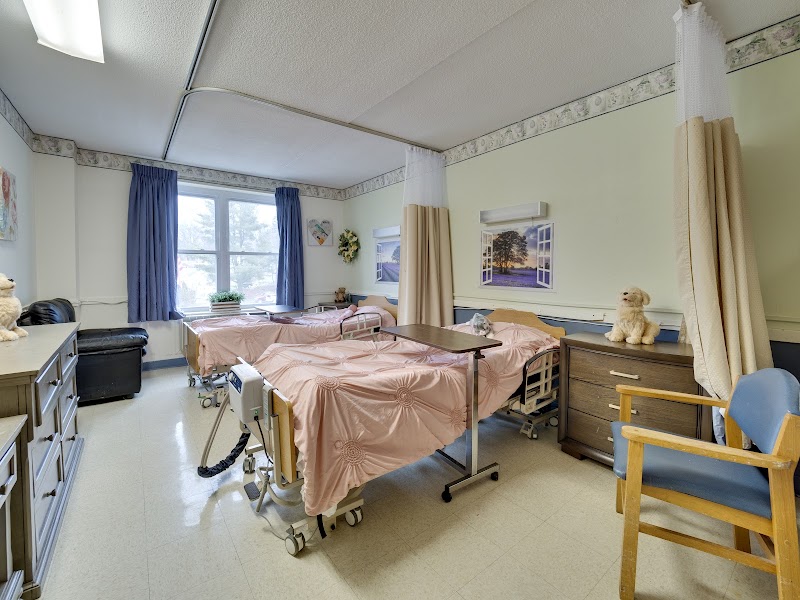
How is Silver Springs Staffed?

CMS rates SILVER SPRINGS CARE CENTER's staffing level at 2 out of 5 stars, which is below average compared to other nursing homes. Staff turnover is 36%, compared to the Connecticut average of 46%. This relatively stable workforce can support continuity of care.

What Have Inspectors Found at Silver Springs?

State health inspectors documented 29 deficiencies at SILVER SPRINGS CARE CENTER during 2019 to 2025. These included: 3 that caused actual resident harm, 23 with potential for harm, and 3 minor or isolated issues. Deficiencies causing actual harm indicate documented cases where residents experienced negative health consequences.
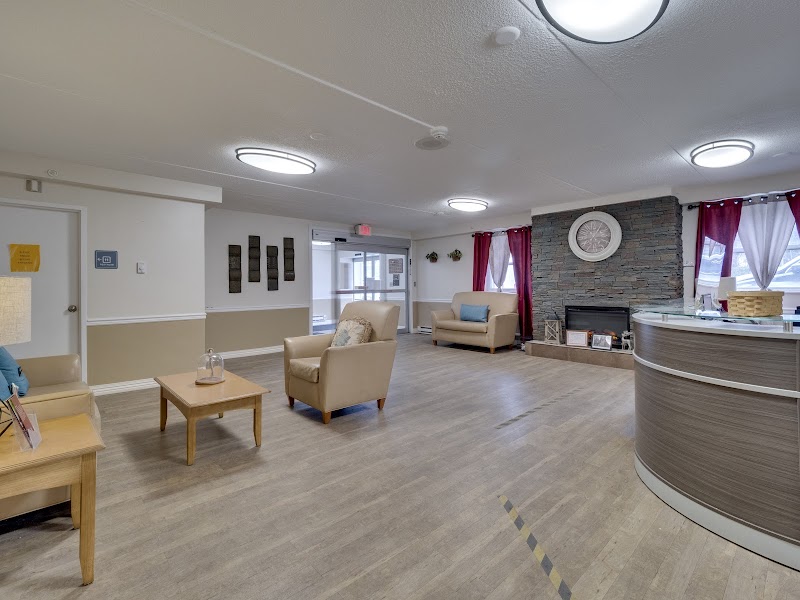
Who Owns and Operates Silver Springs?

SILVER SPRINGS CARE CENTER is owned by a for-profit company. For-profit facilities operate as businesses with obligations to shareholders or private owners. The facility is operated by ICARE HEALTH NETWORK, a chain that manages multiple nursing homes. With 159 certified beds and approximately 152 residents (about 96% occupancy), it is a mid-sized facility located in MERIDEN, Connecticut.
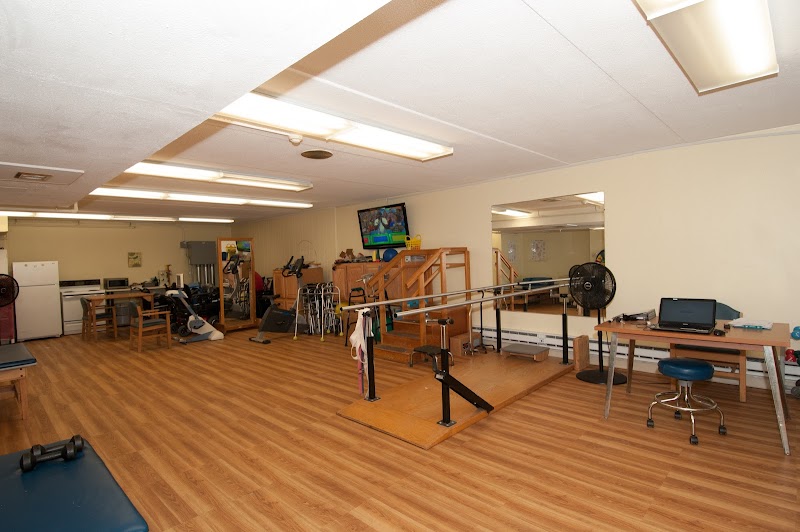
How Does Silver Springs Compare to Other Connecticut Nursing Homes?

Compared to the 100 nursing homes in Connecticut, SILVER SPRINGS CARE CENTER's overall rating (2 stars) is below the state average of 3.0, staff turnover (36%) is near the state average of 46%, and health inspection rating (2 stars) is below the national benchmark.

What Should Families Ask When Visiting Silver Springs?

Based on this facility's data, families visiting should ask: "What safeguards and monitoring systems are in place to protect residents from abuse or neglect?" "Can you walk me through typical staffing levels on day, evening, and night shifts?" "Can I visit during a mealtime to observe dining assistance and food quality?" "How do you handle medical emergencies, and what is your hospital transfer rate?" These questions are particularly relevant given the substantiated abuse finding on record and the below-average staffing rating.

Is Silver Springs Safe?

Based on CMS inspection data, SILVER SPRINGS CARE CENTER has documented safety concerns. The facility has 1 substantiated abuse finding (meaning confirmed case of resident harm by staff or other residents). The facility has a 2-star overall rating and ranks #100 of 100 nursing homes in Connecticut. Families considering this facility should ask detailed questions about what corrective actions have been taken since these incidents.

Do Nurses at Silver Springs Stick Around?

SILVER SPRINGS CARE CENTER has a staff turnover rate of 36%, which is about average for Connecticut nursing homes (state average: 46%). Moderate turnover is common in nursing homes, but families should still ask about staff tenure and how the facility maintains care continuity when employees leave.

Was Silver Springs Ever Fined?

SILVER SPRINGS CARE CENTER has been fined $48,300 across 1 penalty action. The Connecticut average is $33,562. While any fine indicates a compliance issue, fines under $50,000 are relatively common and typically reflect isolated problems that were subsequently corrected. Families should ask what specific issues led to these fines and confirm they've been resolved.

Is Silver Springs on Any Federal Watch List?

SILVER SPRINGS CARE CENTER is not on any federal watch list. The most significant is the Special Focus Facility (SFF) program, which identifies the bottom 1% of nursing homes nationally based on persistent, serious quality problems. Not being on this list means the facility has avoided the pattern of deficiencies that triggers enhanced federal oversight. This is a positive indicator, though families should still review the facility's inspection history directly.