COMPLETE CARE AT MIDDLEBURY
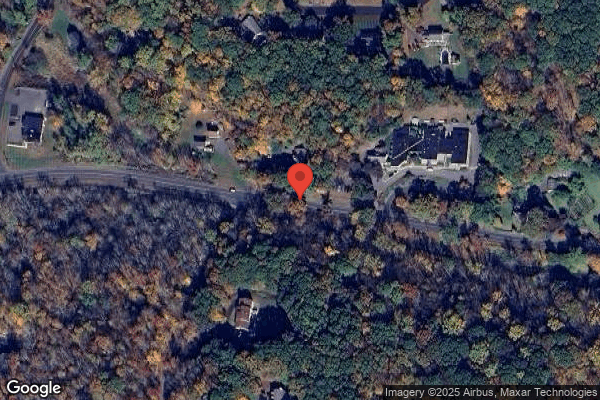

778 MIDDLEBURY RD, MIDDLEBURY, CT 06762 (203) 758-2471
For profit - Corporation 58 Beds COMPLETE CARE Data: November 2025
Trust Grade
80/100
#9 of 192 in CT
Last Inspection: September 2023

Over 2 years since last inspection. Current conditions may differ from available data.

Overview

Complete Care at Middlebury has a Trust Grade of B+, indicating it is above average and recommended for families considering options. It ranks #9 out of 192 facilities in Connecticut, placing it in the top half, and is the top choice among 22 facilities in Naugatuck Valley County. However, the facility's trend is concerning as it has worsened from 3 issues in 2021 to 10 in 2023. Staffing is a weakness, with a rating of 2 out of 5 stars and a turnover rate of 54%, which is higher than the state average, suggesting instability in staff. On a positive note, there have been no fines reported, and the facility benefits from more RN coverage than 81% of facilities in Connecticut, which is crucial for catching potential issues. Specific inspector findings reveal some serious concerns, such as a resident sustaining a fall due to inadequate interventions, and failures in monitoring necessary health metrics for another resident. Additionally, the facility did not properly maintain its infection control policies, which could pose risks to residents. Overall, while there are notable strengths, families should weigh these against the identified weaknesses and recent trend in issues.

Trust Score
B+
80/100
In Connecticut
#9/192
Top 4%
Safety Record
Moderate
Needs review
Inspections
Getting Worse
3 → 10 violations
Staff Stability
⚠ Watch
54% turnover. Above average. Higher turnover means staff may not know residents' routines.
Penalties
✓ Good
No fines on record. Clean compliance history, better than most Connecticut facilities.
Skilled Nurses
✓ Good
Each resident gets 50 minutes of Registered Nurse (RN) attention daily — more than average for Connecticut. RNs are trained to catch health problems early.
Violations
⚠ Watch
16 deficiencies on record. Higher than average. Multiple issues found across inspections.
★★★★★
5.0
Overall Rating
★★☆☆☆
2.0
Staff Levels
★★★★★
5.0
Care Quality
★★★★☆
4.0
Inspection Score
Stable
2021: 3 issues
2023: 10 issues

The Good

  • 5-Star Quality Measures · Strong clinical quality outcomes
  • Full Sprinkler Coverage · Fire safety systems throughout facility
  • No fines on record

Facility shows strength in quality measures, fire safety.

The Bad

Staff Turnover: 54%

Near Connecticut avg (46%)

Higher turnover may affect care consistency

Chain: COMPLETE CARE

Part of a multi-facility chain

Ask about local staffing decisions and management

The Ugly 16 deficiencies on record

1 actual harm
Sept 2023 10 deficiencies
CONCERN (D)

Potential for Harm - no one hurt, but risky conditions existed

Resident Rights (Tag F0550)

Could have caused harm · This affected 1 resident

**NOTE- TERMS IN BRACKETS HAVE BEEN EDITED TO PROTECT CONFIDENTIALITY** Based on clinical record review, observations, facility policy review, and interviews for two sampled residents (Resident #12 an...

Read full inspector narrative →
**NOTE- TERMS IN BRACKETS HAVE BEEN EDITED TO PROTECT CONFIDENTIALITY** Based on clinical record review, observations, facility policy review, and interviews for two sampled residents (Resident #12 and Resident #51) observed for dining, the facility failed to ensure that staff maintained a dignified dining experience by not standing while assisting residents to eat. The findings include: 1. Resident # 12's diagnoses that included cerebral atherosclerosis, vascular dementia, type 2 diabetes mellitus, anxiety, and Parkinson's disease. The quarterly MDS assessment dated [DATE] identified Resident #12 had severe cognitive impairment and required total assistance with eating. Monthly physician's order for September/2023 directed to provide a chopped mechanically soft diet. Observation of breakfast meal on 9/18/23 at 8:30 AM identified Resident #12 was set-up to eat breakfast at the bedside and NA #1 was standing on his/her right side of the bed not at eye level to Resident #12 while assisting him/her to eat his/her breakfast meal. Interview with NA #1 on 9/18/23 at 9:10 AM identified that she was aware that she should be at eye level with the resident while feeding. She further identified that she did not sit down at eye level while feeding the breakfast meal to Resident #12 because she was also supervising his/her roommate at the same time. 2. Resident #51's diagnoses that included Alzheimer's, anemia, hypertension, and atrial fibrillation. The quarterly MDS assessment dated [DATE] identified Resident #51 had severe cognitive impairment and required limited assistance with eating. An active physician's order for the period of September 2023 directed to provide no added salt diet. Observation of breakfast meal on 9/18/23 at 8:30 AM identified Resident #51 was set-up to eat breakfast at the bedside and NA #2 was standing on his/her left side of the bed not at eye level to Resident #51 while assisting him/her to eat his/her breakfast meal. Interview with NA #2 on 9/18/23 at 9:00 AM identified that she was aware that she should be at resident eye level while feeding; however, she identified Resident #51's bed was already in a high position, so she decided to feed him/her while she was standing up. She further identified that she could have lowered Resident #51 bed so she could be at resident eye level while feeding his/her breakfast meal. Interview with the DNS on 9/18/23 at 9:30 AM identified that staff should be at eye level with the resident when feeding in the community dining room or in resident rooms. Review of facility feeding the resident policy identified that staff would assist residents at eye level when feeding to ensure resident's dignity and respect (rather than standing over the resident).
CONCERN (D)

Potential for Harm - no one hurt, but risky conditions existed

Deficiency F0578 (Tag F0578)

Could have caused harm · This affected 1 resident

**NOTE- TERMS IN BRACKETS HAVE BEEN EDITED TO PROTECT CONFIDENTIALITY** Based on clinical record review, facility policy review, and staff interviews for one sampled resident (Resident # 48) reviewed ...

Read full inspector narrative →
**NOTE- TERMS IN BRACKETS HAVE BEEN EDITED TO PROTECT CONFIDENTIALITY** Based on clinical record review, facility policy review, and staff interviews for one sampled resident (Resident # 48) reviewed for advanced directives, the facility failed to ensure the monthly physician's orders reflected the resident's correct code status. The findings include: Resident #48's diagnoses included right femur fracture, hypertension, type 2 diabetes mellitus and hyperlipidemia. Review of the signed advance directive consent form dated [DATE] identified Resident #48 had selected a code status of Do Not Resuscitate (DNR), which means a person has decided not to have cardiopulmonary resuscitation (CPR) attempted on them if their heart or breathing stops. The physician's admission order dated [DATE] identified Resident #48 had a code status of DNR. The baseline care plan dated [DATE] identified Resident #48 had a code status of DNR. The admission MDS assessment dated [DATE] identified Resident #48 had severe cognitive impairment and required extensive assistance with bed mobility, transfers, toilet use and personal hygiene. The monthly physician's orders for September/2023 identified Resident #48 had a code status of full code. A full code means that if a person's heart stopped beating and/or they stopped breathing, all resuscitation procedures will be provided to keep them alive. This process can include chest compressions, intubation, and defibrillation and is referred to as CPR. Interview with LPN #1 on [DATE] at 2:00 PM identified that when checking the code status of a resident, she would check the resident's advance directive consent form and the current physician's orders. She further identified that the current monthly physician's orders should reflect the most recent advanced directive of the resident. Interview and clinical record review with RN #1 (nursing supervisor) on [DATE] at 10:00 AM identified that when checking the status of a resident's code status, the nurse would check the resident's advanced directive consent form and the most current monthly physician's orders to identify the resident's code status. Review of Resident #48's advanced directive consent form with RN #1 identified the election of a code status of DNR, and the physician's admission orders dated [DATE] indicated a code status of DNR. Review of the September/2023 monthly physician's orders identified Resident #48 had a code status of full code. RN #1 could not provide documentation that Resident #48's advanced directives had changed from DNR to Full Code. She further identified that the [DATE] monthly physician's orders should have reflected a code status of DNR. Interview with the DNS on [DATE] at 11:30 AM identified that the nurse would check the resident's advanced directive consent form and the current monthly physician's orders to identify the resident's code status. She also identified that the monthly physician's orders should reflect the most recent advanced directive. Review of the facility's advanced directives policy identified that residents would be informed of his/her right to make health care decisions and to execute advanced health care directives under state law upon admission.
CONCERN (D)

Potential for Harm - no one hurt, but risky conditions existed

Pharmacy Services (Tag F0755)

Could have caused harm · This affected 1 resident

Based on review of facility documentation, facility policy, and interview, the facility failed to provide a system of records as well as receipt and disposition reconciliation for controlled medicatio...

Read full inspector narrative →
Based on review of facility documentation, facility policy, and interview, the facility failed to provide a system of records as well as receipt and disposition reconciliation for controlled medications. The findings include: Review of the narcotic disposition record for Resident #49 identified 30 milliliters (ml) of Oxycodone was received by the facility on 9/8/22. The documentation identified that the medication was last administered on 10/22/22. The record identified that 29.8 ml of the medication remained. Review of the narcotic disposition records for Resident #12 identified the following: * 30ml of Morphine was received by the facility on 9/14/22. The documentation identified that the medication was last administered on 9/27/22 with 22.5ml remaining. * 473ml of Phenobarbital was received by the facility on 8/11/23. The documentation identified that the medication was last administered on 8/21/23 with 20ml remaining. * 473ml of Phenobarbital was received by the facility on 8/19/23. The documentation identified that the medication was last administered on 9/1/23 with 10ml remaining. A request for the narcotic reconciliation records (reconciliation records) was requested for the months of September/2022, October/2022, and August/2023 to determine the disposition of the leftover controlled medications for Resident #12 and Resident #49. The records were not provided. Interview with the DNS on 9/21/23 at 12:30 pm identified that narcotic reconciliation records could not be located. The DNS further noted that she had initiated a new system after she started in August of 2023. In addition, the DNS identified that she did not have any controlled medications that needed to be destroyed. Review of the medication acceptance on admission policy directed all drugs classified as controlled drugs must be taken to the office for destruction by the DNS and Licensed staff member.
CONCERN (D)

Potential for Harm - no one hurt, but risky conditions existed

Drug Regimen Review (Tag F0756)

Could have caused harm · This affected 1 resident

**NOTE- TERMS IN BRACKETS HAVE BEEN EDITED TO PROTECT CONFIDENTIALITY** Based on clinical record review, review of facility policy, and staff interviews for one of five sampled residents (Resident #33...

Read full inspector narrative →
**NOTE- TERMS IN BRACKETS HAVE BEEN EDITED TO PROTECT CONFIDENTIALITY** Based on clinical record review, review of facility policy, and staff interviews for one of five sampled residents (Resident #33) reviewed for unnecessary medications, the facility failed to ensure a monthly pharmacy review of medications and failed to develop and maintain policies and procedures for the monthly drug regimen review. The findings include: Resident #33's diagnoses included dementia, bipolar disorder, anxiety disorder, adjustment disorder, depression, hypertension, and a history of a coronary vascular accident. A quarterly MDS assessment dated [DATE] identified Resident #33 had intact cognition, did not display behavior symptoms, and required extensive assistance with bed mobility, transfers, ambulation, dressing, toilet use, and personal hygiene. The Resident Care Plan (RCP) dated 8/15/23 identified Resident #33 had some impaired short- and long-term memory deficits with interventions that included: orient to day, time, and appropriateness of decision making. The RCP further identified a self-care deficit with interventions to assist with bathing, bed mobility, dressing, eating, oral care, hygiene, and toilet use. In addition, the RCP addressed identified the resident had diagnoses of depression, anger, and anxiety with interventions to administer meds as ordered, assess needs to process feelings, monitor for signs of anxiety, redirect, encourage activities, monitor, and document side effects of meds, and psychiatric evaluations. Resident #33's medications per the signed MD orders dated 8/28/23 included the following: Myrbetriq (used to treat overactive bladder)ER 25 mg daily, Amlodipine (used to treat high blood pressure and chest pain)10 mg daily, Oxybutynin XL (used to treat overactive bladder) 10 mg in PM, Ramipril (used to treat hypertension and heart failure)10 mg daily, Plavix (used to treat blood clots) 75 mg daily, Donepezil (used to treat Alzheimer's disease)10 mg daily, Olanzapine (antipsychotic) (10 mg daily and 5 mg at hour of sleep, Bactrim DS (antibiotic) 800/160 twice a day, Bupropion SR (antidepressant) 100 mg twice a day, Duloxetine DR(antidepressant and used to treat nerve pain) 60 mg twice a day, Lamotrigine (used to treat seizures and bipolar disorder)150 mg twice a day, Gabapentin (anticonvulsant and used to treat nerve pain)400 mg three times per day, and Atorvastatin (used to treat high cholesterol) 40 mg hour of sleep. Review of the pharmacy drug regimen reviews identified there was no documentation for July/2023. Interview with the DNS on 9/21/23 at 2:00 PM identified she did not know why Resident #33's clinical record did not contain documentation that the pharmacist consultant had completed the medication regimen review for July. Although requested, the facility did not provide a policy that addressed procedures for the monthly drug regimen review, time frames for the different steps in the process and steps the pharmacist must take when he or she identifies an irregularity that requires urgent action to protect the resident.
CONCERN (D)

Potential for Harm - no one hurt, but risky conditions existed

Deficiency F0761 (Tag F0761)

Could have caused harm · This affected 1 resident

Based on observation, review of facility policy, and interview, the facility failed to store refrigerated medications appropriately. The findings include: Observation on 9/20/23 at 2:20 PM identified...

Read full inspector narrative →
Based on observation, review of facility policy, and interview, the facility failed to store refrigerated medications appropriately. The findings include: Observation on 9/20/23 at 2:20 PM identified Core power protein shake, light and fit Greek yogurt, and Poland Spring 16.9 oz water stored in the medication storage fridge on the [NAME] wing. There was a sign posted on the front of the refrigerator that stated This refrigerator is only for medication not for nourishments or any other food. Thank you. Also stored in this refrigerator was IV medication Cefazolin (antibiotic). Interview with RN #1 on 9/20/23 at 2:25 PM identified this food was staff food/drink stored here for convenience due to the proximity of the nurse's station. Review of the refrigerated medications policy directed medications must be stored separately from food at all times and must be labeled accordingly.
CONCERN (D)

Potential for Harm - no one hurt, but risky conditions existed

Deficiency F0883 (Tag F0883)

Could have caused harm · This affected 1 resident

**NOTE- TERMS IN BRACKETS HAVE BEEN EDITED TO PROTECT CONFIDENTIALITY** Based on review of the clinical records, facility policy, facility documentation, and interview during a review of resident immu...

Read full inspector narrative →
**NOTE- TERMS IN BRACKETS HAVE BEEN EDITED TO PROTECT CONFIDENTIALITY** Based on review of the clinical records, facility policy, facility documentation, and interview during a review of resident immunizations for two of five sampled residents (Resident #6 and Resident #47), the facility failed to offer and provide pneumococcal immunizations as required. The findings include: Resident #6's diagnoses included unspecified dementia, seizures, and anxiety disorder. Review of immunization records for Resident #6 on 9/25/23 at 12:00 PM failed to identify that the pneumococcal vaccine (PCV20) was offered. Resident #47 diagnoses unspecified dementia, heart failure, and hypertension. Review of immunization records for Resident #47 on 9/25/23 at 12:00 PM failed to identify that the pneumococcal vaccine (PCV20) or second dose of PPSV23 was offered. Review of the facility's pneumococcal pneumonia vaccination policy, resident consent/refusal of vaccine form, and vaccination tracking sheet on 9/21/23 at 10:57 AM failed to offer pneumococcal vaccine (PCV20) or assess for resident's pneumococcal vaccine (PCV20) vaccination history. According to the Centers for Disease and Control (CDC) and the Advisory Committee on Immunization Practices (ACIP) recommends that adults aged 65 years or older who have received both pneumococcal vaccine PCV13 and pneumococcal vaccine PPSV23 but have not yet received a final dose of PPSV23 at age [AGE] years or older are recommended to complete their pneumococcal vaccine series by receiving either a single dose of PCV20 or PPSV23. Interview with the DNS on 9/25/23 at 12:58 PM identified that Resident #6 and Resident #47 wasn't offered the pneumococcal (PCV 20) vaccine, which is used for the prevention of pneumococcal disease (respiratory diseases). The DNS indicated that the facility's pneumococcal vaccination policy did not even include the PCV 20 vaccine, which is a part of the pneumococcal vaccination requirement. The DNS indicated that she was newly hired by the facility and is unable to speak to why the facility's policy failed to offer or assess resident's history of the PCV 20 vaccination. The DNS indicated that moving forward she will be updating the pneumococcal vaccination policy and offer the PCV 20 vaccine along with the new COVID-19 booster vaccine to eligible residents. Interview with the DNS on 9/25/23 at 2:15 PM identified she was unable to provide pneumococcal vaccination consent records for Resident #47. Review of facility's pneumococcal and Prevnar vaccines (PPSV23 and PCV 13) policies identified in November of each year resident's will be screened to determine pneumococcal immunization status and eligibility for receiving the new Prevnar 13 (PCV13) vaccine and the Pneumovax (PPSV23). All new admissions are required to provide their vaccination status if unknown, the facility will offer both pneumococcal vaccines. If a resident refused the pneumococcal vaccine in the past, the facility would offer it yearly.
CONCERN (E)

Potential for Harm - no one hurt, but risky conditions existed

Deficiency F0757 (Tag F0757)

Could have caused harm · This affected multiple residents

**NOTE- TERMS IN BRACKETS HAVE BEEN EDITED TO PROTECT CONFIDENTIALITY** Based on clinical record review, and interviews for one of five sampled resident (Resident #33) reviewed for unnecessary meds, t...

Read full inspector narrative →
**NOTE- TERMS IN BRACKETS HAVE BEEN EDITED TO PROTECT CONFIDENTIALITY** Based on clinical record review, and interviews for one of five sampled resident (Resident #33) reviewed for unnecessary meds, the facility failed to ensure that physician ordered monitoring for orthostatic blood pressures and for bleeding were implemented. The findings include: Resident #33's diagnoses included dementia, bipolar disorder, anxiety disorder, adjustment disorder, depression, hypertension, and a history of a coronary vascular accident. A quarterly MDS assessment dated [DATE] identified Resident #33 had intact cognition, did not display behavior symptoms, and required extensive assistance with bed mobility, transfers, ambulation, dressing, toilet use, and personal hygiene. The Resident Care Plan (RCP) dated 8/15/23 identified Resident #33 had some impaired short- and long-term memory deficits with interventions that included: provide orient to day, time, and appropriateness of decision making. The RCP further identified a self-care deficit with interventions to assist with bathing, bed mobility, dressing, eating, oral care, hygiene, and toilet use. In addition, the RCP addressed identified the resident had diagnoses of depression, anger, and anxiety with interventions to administer meds as ordered, assess needs to process feelings, monitor for signs of anxiety, redirect, encourage activities, monitor, and document side effects of meds, and psychiatric evaluations. The signed physician's orders dated 8/28/23 included the following medication orders: Plavix (used to treat blood clots) 75 mg daily, and Olanzapine (antipsychotic) 10 mg daily and 5 mg at hour of sleep. The orders further included an order that directed orthostatic blood pressures to be obtained on a monthly basis while on psychotropic medications and to obtain a stool Guaiac (a test that detects hidden (occult) blood in a stool sample) on a monthly basis while on anticoagulant medication. Further review of the physician's orders identified that the orders were in place during the period of April/2023 through September/2023. Review of the Treatment Administration Records (TAR) for Resident #33 for the months of April/2023 through September/2023 indicated that the orders for orthostatic blood pressures monthly and guaiac stools monthly were transcribed onto the TARs but were not signed off as completed for those months. Review of the nurse's notes and blood pressure records for the months of April through September failed to show documentation of those orders being completed. Interview and record review with LPN#1 on 9/21/23 at 9:45 AM identified that she was not aware that there were orders for monthly orthostatic BPs and monthly stool guaiac to be done for Resident #33. LPN#1 confirmed the presence of the orders for the BP and guaiac monthly. The facility was unable to provide a policy that addressed monthly orthostatic blood pressures, monthly stool guaiac or failure to follow an MD order.
CONCERN (F)

Potential for Harm - no one hurt, but risky conditions existed

Infection Control (Tag F0880)

Could have caused harm · This affected most or all residents

Based on review of facility documentation, review of facility policy, and interview, the facility failed to review the infection prevention control program policies and procedures at least annually, a...

Read full inspector narrative →
Based on review of facility documentation, review of facility policy, and interview, the facility failed to review the infection prevention control program policies and procedures at least annually, and failed to have a current list of communicable diseases that are reportable to the local and state health authorities and failed to maintain appropriate tracking for Multi-Drug Resistant Organisms (MDRO). The findings include: a. Review of the facility's Infection Control Program Policies and Procedure Manual on 9/21/23 at 10:57 AM identified the policies and procedures were last reviewed on 2/2/22. Interview with the DNS on 9/21/23 at 10:57 AM identified that the review and approval of the infection control policies and procedures was the responsibility of the Infection Preventionist and the Administrator. A policy for review and renewal of the infection control program policies and procedures was requested but was not provided by the facility. Interview with the DNS on 9/25/23 at 1:58 PM identified she was unable to locate a policy but identified that it was the practice of the facility to review and renew policies and procedures annually. b. Review of the Infection Control Program Policies and Procedure Manual on 9/21/23 at 10:57 AM identified a document entitled Connecticut Epidemiologist, dated July 2022, changes to the list of Reportable Diseases, Emergency Illnesses and Health Conditions, and the list of Reportable Laboratory Findings. According to the Connecticut Department of Public Health the most current list of communicable disease that are reportable to local and state health authorities was issued by the Connecticut Epidemiologist, with the current list of Reportable Diseases, Emergency Illnesses and Health Conditions, and the list of Reportable Laboratory Findings was in January 2023. Interview with the DNS on 9/21/23 at 10:57 AM identified that the document provided was what she found in the Infection Control Manual. The DNS indicated that she had only been working at the facility for a few weeks as the DNS and was unable to get things in order in such a short time. A policy on Reportable Communicable Disease was requested but was not provided by the facility. In an interview with the DNS on 9/25/23 at 1:58 PM identified that she was unable to locate such a policy in the Infection Control Manual. c. Review of the facility's infection control surveillance data for Multi-Drug Resistant Organisms (MDRO) on 9/21/23 at 10:57 AM identified two sets of MDRO lists that were updated on January 13, 2023, with a total of 12 residents listed, and another list updated on December 22, 2022, with a total of 12 residents. Interview with the DNS on 9/21/23 at 10:57 AM identified that only 2 of the residents on the list dated January 13, 2023, were still at the facility and all the other residents no longer resided at the facility. The DNS failed to identify why the MDRO's were not tracked or how the facility tracked MDRO's, as she was new to the facility. In an interview with the DNS on 9/25/23 at 1:38 PM identified that MDRO's would not be checked monthly but required an ongoing tracking as residents would be added to the MDRO's list as they identified whether through admission or laboratory testing results. Review of the facility's policy on Surveillance of Infections identified that it was the responsibility of the infection preventionist to review resident's records, laboratory reports, and to document a current line list of infections and review and update as needed.
MINOR (B)

Minor Issue - procedural, no safety impact

Deficiency F0730 (Tag F0730)

Minor procedural issue · This affected multiple residents

Based on facility documentation review and staff interviews for one of three nurse aides (NA #3), the facility failed to complete an annual performance evaluation. The findings include: Review of NA #...

Read full inspector narrative →
Based on facility documentation review and staff interviews for one of three nurse aides (NA #3), the facility failed to complete an annual performance evaluation. The findings include: Review of NA #3 personnel file identified a hire date of 8/14/12 and failed to identify that a yearly performance evaluation was completed for 2022 or 2023. Interview with Payroll Staff Person #1 on 9/25/23 at 10:50 AM identified that all employees should have an annual performance review. She also identified each department head who is responsible for ensuring that employees receive their annual performance review. Interview with the DNS on 9/25/23 at 11:00 AM identified that each employee should have a performance review completed on an annual basis. She further identified that she could not find documentation to identify that performance reviews were completed for NA #3 for 2022 and 2023. Review of facility employee handbook identified in performance appraisal that all employees would receive feedback about their performance and employee would be evaluated on an annual basis by their supervisor.
MINOR (B)

Minor Issue - procedural, no safety impact

Deficiency F0838 (Tag F0838)

Minor procedural issue · This affected multiple residents

Based on facility documentation review and staff interviews, the facility failed to ensure the facility assessment was reviewed and updated annually. The findings include: Review of the facility asses...

Read full inspector narrative →
Based on facility documentation review and staff interviews, the facility failed to ensure the facility assessment was reviewed and updated annually. The findings include: Review of the facility assessment tool identified that the facility assessment was last reviewed and/or updated on 5/24/22. Interview with the former Administrator on 9/25/23 at 12:50 PM identified that the former DNS was responsible for reviewing and updating the facility assessment. She also identified that she was aware that the facility assessment needed to be reviewed and/or updated on at least an annual basis. The former Administrator further identified that the last time the facility assessment was reviewed and/or updated was on 5/24/22. Attempts to interview the former DNS were unsuccessful.
Sept 2021 3 deficiencies
CONCERN (D)

Potential for Harm - no one hurt, but risky conditions existed

Safe Environment (Tag F0584)

Could have caused harm · This affected 1 resident

**NOTE- TERMS IN BRACKETS HAVE BEEN EDITED TO PROTECT CONFIDENTIALITY** Based on observations, review of facility documentation and interview, the facility failed to ensure that resident room walls we...

Read full inspector narrative →
**NOTE- TERMS IN BRACKETS HAVE BEEN EDITED TO PROTECT CONFIDENTIALITY** Based on observations, review of facility documentation and interview, the facility failed to ensure that resident room walls were free of damage and well maintained. The findings include: Review of the East wing's maintenance request log dated 08/12/2021 identified an entry referencing room [ROOM NUMBER]. The entry was a request from Person #1 to repair the wall behind the resident's bed as soon as possible. During tours of the facility on all days of the survey (9/8, 9/9, 9/10, 9/14 & 9/15) including observations made while with the Maintenance Director on 09/15/2021 at 9:33 AM identified the following: • room [ROOM NUMBER] had shredded and damaged wallpaper located on the wall behind the bed closest to the window. • room [ROOM NUMBER] had damage to the wall behind both beds. • room [ROOM NUMBER] had holes in the wall at the head of the bed located closest to the room door. • room [ROOM NUMBER] was noted with damaged wallpaper and wall located at the head of the bed that measured approximately four (4) feet by one (1) foot in area. • room [ROOM NUMBER] was noted with scrapped wall damage located at the head of the bed located closest to the window. • room [ROOM NUMBER] was noted to have holes and peeling wallpaper located at the head of the bed closest to the window. • room [ROOM NUMBER] was noted with scrapped wall damage located at the head of bed closest to the window. • room [ROOM NUMBER] was noted to have damaged wallpaper and holes in the wall. • room [ROOM NUMBER] was noted to have holes in wall located at the head of bed closes to the window. • room [ROOM NUMBER] was noted to have holes in the wall located at the head of bed closest to the room door. • room [ROOM NUMBER] was noted to have holes in the wall located at the head of both resident beds. Interview on 09/15/2021 at 10:01 AM with the Maintenance Director identified that he conducted daily rounds and addressed repair requests (via logs). He further indicated that although he was aware of the condition of the rooms, it was impossible to keep up with repairs. The facility's daily building inspection policy/procedure noted that daily inspection included exterior building and grounds, exit doors, interior hallways and other areas but failed to identify and or address frequency or any other guidance related to inspection of and maintaining resident rooms.
CONCERN (D)

Potential for Harm - no one hurt, but risky conditions existed

Quality of Care (Tag F0684)

Could have caused harm · This affected 1 resident

**NOTE- TERMS IN BRACKETS HAVE BEEN EDITED TO PROTECT CONFIDENTIALITY** Based on review of the clinical record, review of facility documentation, review of facility policy and interviews for 1 sampled...

Read full inspector narrative →
**NOTE- TERMS IN BRACKETS HAVE BEEN EDITED TO PROTECT CONFIDENTIALITY** Based on review of the clinical record, review of facility documentation, review of facility policy and interviews for 1 sampled resident (Resident #6) reviewed for unnecessary meds, the facility failed to transcribe a physician order to the following month's [NAME]. The findings include: Resident #6 was admitted with diagnoses that included dementia with behavioral disturbance, anxiety disorder, psychotic disorder with hallucinations due to known physiological condition, Alzheimer's disease, ulcerative colitis, vitamin D deficiency, mood disorder due to known physiological condition with depressive features, peripheral vascular disease, iron deficiency anemia, osteoarthritis, liver disease, left hip joint disorder. Monthly physician's orders for the month of July identified orders for Trazodone (used to treat depression) 50mg by mouth to be administered at bedtime, and an order for Trazodone 25mg by mouth to be administered on an as needed basis for agitation and restlessness. A review of the Monthly orders and the medication administration records (MAR) for the months of April, May and June of 2021 reflected the resident had the same orders in place for Trazodone. The care plan dated 5/11/2021 identified resident #6 had periods of anxiety secondary to moderate cognitive deficits, becomes argumentative, yells at staff, and has paranoid thoughts. Care plan interventions included; administer medications as ordered, monitor and document for side effects and effectiveness, consult with pharmacy, MD to consider dosage reduction when clinically appropriate per regulation. The annual MDS assessment dated [DATE] identified Resident #6 had severely impaired cognition, was frequently incontinent of bowel and bladder, required extensive assist of two with bed mobility, transfers, and toilet use, and was totally dependent on staff for eating and personal hygiene. The nurse's note dated 8/25/2021 at 2:00 PM indicated resident #6 was seen by psychiatric services and an order for an increase in the dosage of Trazadone was written. The note further identified that Resident #6 had increased behaviors of restlessness and agitation during the month of August and the as needed Trazodone was administered more frequently than usual. Physician's order dated 8/25/21identified an order for Trazodone that directed to discontinue current as needed Trazodone and begin Trazodone 50mg by mouth every six hours as needed for agitation and/or aggression. Review of the medication administration record (MAR) for the month of August identified Resident #6 was administered the as needed order of Trazadone on 8/5/2021, 8/7/2021, 8/8/2021, 8/11/2021, 8/15/2021, 8/18/2021, 8/19/2021, 8/21/2021, 8/22/2021, 8/23/2021, 8/26/2021, 8/28/2021, 8/29/2021, 8/30/2021 and 8/31/2021. Further review of the MAR for the month of August/2021 failed to identify that the resident was administered the scheduled dose of Trazodone every night at bedtime. Review of the APRN's progress note dated 9/1/2021 identified the resident was utilizing the as needed dose of Trazadone due to increased behaviors since being off of the bedtime dose of trazadone. Physician order dated 9/1/2021 directed to reinstate Trazadone 50mg at hour of sleep Interview with RN #1 on 9/13/2021 at 12:30 PM failed to reflect the order for Trazodone 50mg was carried over from the July MAR to the August MAR. In addition, RN #1 was unable to provide documentation to reflect that the order was discontinued. Interview with the DNS on 9/14/2021 at 9:37 AM identified the 11-7 shift is responsible reviewing the orders and checking the orders on the next months MAR with the previous month's MAR to make sure all the orders are on the next month's MAR. The DNS also identified that the order for the scheduled Trazodone was missed. It was not carried over from the July/2021 MAR to the August/2021 MAR. She further noted that the pharmacy never carried it over from the July physician orders to the August orders. Interview with APRN #1 on 9/14/2021 at 11:06 AM identified that she did write an order on 8/27/2021 for resident #6 for a psychiatric evaluation for resident's bedtime dose of Trazodone. She identified she wrote the order to confirm that the resident still required the medication and she did not recall if she was aware that resident #6 did not receive the scheduled Trazodone during the month of August. In addition, APRN #1 identified that if the psychiatric APRN orders a medication, she prefers that they review the meds. Interview with the APRN #2 (psychiatric) on 9/14/2021 at 12:00 PM identified that on 9/1/2021 she restarted the Trazodone 50mg at bedtime due to increased behaviors and it not being on the August MAR. Review of APRN #2's progress notes dated 8/4/2021 and 8/25/2021 identified that Trazodone 50mg at bedtime was noted as a current medication; however, review of the physician's orders and the August/2021 MAR indicated Resident #6 was no longer on the scheduled dose of Trazodone. APRN #2 indicated that she had not written an order to discontinue the scheduled Trazodone dose and noted that the resident should have been receiving the medication for the month of August/2021. Interview with the Pharmacy Consultant on 9/14/2021 at 12:11 PM identified that she had not entered the facility during the COVID pandemic. She noted that she worked remotely and identified her process for reviewing the monthly orders included: the pharmacy sends her a copy of the physician orders, the facility sends her copies of her previous reports, labs and physician notes would be sent upon request. The Pharmacy Consultant indicated that Resident #6 was only on as needed Trazodone for the month of August/2021 but she could not identify when the order for the scheduled Trazodone was discontinued. In addition, the Pharmacy Consultant indicated that a physician order dated 7/7/21 directed to discontinue current Trazadone and begin Trazadone 25mg every 6 hours as needed for agitation for 14 days, may have been misread by the pharmacy and discontinued the scheduled trazadone in error. A second interview with RN #1 on 9/14/2021 at 1:30 PM indicated that she could not recall when it came to her attention that the scheduled dose of Trazodone was missed. Interview with LPN #2 on 9/14/2021 at 3:36 PM indicated that she should have noticed the discrepancy in the Trazodone order sooner and noted that when she realized the medication was not active on 8/27/2021, she reported it to the DNS. Review of the facility's editing policy and the policy/procedure for reviewing the monthly physician order sheets (POS) and MAR's directed that editing consists of checking new computerized POS against last signed computerized POS to ensure that all interim and telephone orders are on the computerized orders. It also directs that the last day of the month before MAR's are switched the new computerized MAR should be checked against the previous month's MAR to note changes, additions or deletions.
CONCERN (D)

Potential for Harm - no one hurt, but risky conditions existed

Infection Control (Tag F0880)

Could have caused harm · This affected 1 resident

Based on observations, review of facility documentation and interviews, the facility failed to follow infection control standards for donning and doffing face masks. The findings include: Observation ...

Read full inspector narrative →
Based on observations, review of facility documentation and interviews, the facility failed to follow infection control standards for donning and doffing face masks. The findings include: Observation on 09/13/2021 at 4:35 PM identified NA #1's face mask was positioned below her chin and did not cover her mouth or nose. At the time of the observation NA #1 was moving residents on the west wing and placing overbed tray tables in front of the residents. Observation on 09/14/2021 at 3:54 PM identified NA#1's face mask was positioned over her mouth but did not extend over her nose. Observation on 09/14/2021 at 4:03 PM with the nursing supervisor (RN#1) identified NA #1 with the face mask positioned as described above. Interview with RN #1 identified that NA#1 was improperly wearing her face mask. Interview with NA#1 on 09/14/2021 at 4:16 PM identified that her face mask frequently falls down and it was not her fault. Interview on 09/15/21 at 8:36 AM with the Infection Preventionist (RN #2) identified the facility has provided many in-services and education with the staff regarding the proper use of personal protective equipment. RN #2 further identified that the staff are required to wear surgical face masks while working with the residents to prevent the spread of communicable diseases like COVID-19. Review of the facility's infection control policy and procedure noted in part: Masks will be worn by staff at all times while in the facility.
May 2019 3 deficiencies 1 Harm
SERIOUS (G)

Actual Harm - a resident was hurt due to facility failures

Accident Prevention (Tag F0689)

A resident was harmed · This affected 1 resident

**NOTE- TERMS IN BRACKETS HAVE BEEN EDITED TO PROTECT CONFIDENTIALITY** Based on observations, review of the clinical record, facility documentation, facility policy, and interviews for 1 of 3 residen...

Read full inspector narrative →
**NOTE- TERMS IN BRACKETS HAVE BEEN EDITED TO PROTECT CONFIDENTIALITY** Based on observations, review of the clinical record, facility documentation, facility policy, and interviews for 1 of 3 residents reviewed for accidents (Resident #22), the facility failed to implement interventions to reduce the risk of a fall which resulted in Resident #22 sustaining a fall with an injury. The findings include: Resident #22 was admitted to the facility on [DATE] with diagnoses that included dementia, Parkinson's disease and osteoporosis. The quarterly Minimum Data Set (MDS) assessment dated [DATE] identified Resident #22 had moderately impaired cognition, and required the assistance of 1 person to transfer and walk. The MDS further identified Resident #22 had two falls (one with injury) since 12/5/18. The Resident Care Plan (RCP) dated March 2019 identified a problem with being at risk for falls related to psychotropic drug use, unsteady gait, a history of falls and Parkinson's Disease. Interventions included to anticipate needs, ensure items are within reach, provide non-skid socks after supper, and keep environment safe. A Reportable Event form dated 4/26/19 at 12:25 AM identified Resident #26 was found sitting on the floor along the window side of his/her bed with no injury. Interventions to prevent similar incidents included to add non-skid strips to the window side of Resident #22's bed to prevent further falls. A Nurse's note dated 5/2/19 at 7:00 PM identified while providing hours of sleep care toileting Resident #22, the Nurse Aide (NA) reported Resident #22 went to stand up to hold on to his/her walker, his/her arm let go of the walker and Resident #22 fell to the floor sustaining no apparent injury. A Nurse's note dated 5/3/19 at 10:00 PM identified Resident #22 was placed at the nurse's station for safety and was repeatedly getting up to ambulate without assistance. A Nursing progress note dated 5/4/19 at 10:15 AM identified Resident #22 was found sitting on the floor of his/her room with his/her head against the recliner (upon observation of Resident #22's room on 5/7/19 at 4:02 PM identified the recliner chair is located on the window side of the bed where non-skid strips were to have been placed). A 3 centimeter laceration with large amounts of blood was noted on the back of Resident #22's head. 911 was called and Resident #22 was transferred to the emergency room for an evaluation. A Nursing progress noted dated 5/4/19 identified Resident #22 returned from the hospital at 3:45 PM. A Physician order dated 5/4/19 at 4:00 PM directed to monitor the ten staples on the back of Resident #22's head every shift. Observation on 5/7/19 at 4:02 PM failed to provide evidence of non-skid strips on the floor along the window side of Resident #22's bed. Interview and review of the East wing maintenance book with the Maintenance Supervisor on 5/8/19 at 9:30 AM identified a request was placed in the book by nursing on 4/26/19 for the non-skid strips, but had not been placed on the floor of the window side of Resident #22's bed. The Maintenance Supervisor identified he/she was responsible to apply the non-skid strips to the floor and failed to do so because he/she did not have enough material to complete the job. The Maintenance Supervisor further identified he/she forgot to order more non-skid tape. Interview on 5/9/19 at 11:30 AM with LPN #2 identified he/she was on duty when Resident # 22 fell on 5/4/19. LPN #2 identified he/she found Resident #22 on the floor in front of his/her recliner along the window side of the Resident # 22's bed (without the benefit of non-skid tape that had been identified as an intervention from a fall on 4/26/19). Subsequent to surveyor inquiry, on 5/8/19 one nonskid strip was applied to the floor in front of Resident #22's recliner on the window side of Resident #22's bed and an order for anti-slip tape was placed. A review of the facility's resident falls policy identified if a resident falls an appropriate intervention needs to be placed in the care plan immediately to possibly prevent another fall. Although the facilility intervention was to apply non-skid floor tape after Resident #22 sustained a fall on 4/26/19, non-skid floor tape was not applied and Resident #22 fell on the same side of the room that the floor tape was to be applied and sustained a laceration occiptal area requiring 10 staples.
CONCERN (D)

Potential for Harm - no one hurt, but risky conditions existed

Deficiency F0688 (Tag F0688)

Could have caused harm · This affected 1 resident

**NOTE- TERMS IN BRACKETS HAVE BEEN EDITED TO PROTECT CONFIDENTIALITY** Based on observation, review of the clinical record, facility documentation, interviews and review of facility policy for 2 of 2...

Read full inspector narrative →
**NOTE- TERMS IN BRACKETS HAVE BEEN EDITED TO PROTECT CONFIDENTIALITY** Based on observation, review of the clinical record, facility documentation, interviews and review of facility policy for 2 of 2 residents reviewed for limited range of motion (Resident # 30 and Resident #33), the facility failed to ensure a hand splint was applied as directed by the physician and/or failed to ensure a device was in provided for a resident with limited movement/spasticity. The findings include: 1. Resident # 30 was admitted to the facility on [DATE] with diagnoses which included dementia, muscle wasting with atrophy and a contracture of the left hand. The quarterly Minimum Data Set (MDS) assessment dated [DATE] identified Resident #30 had moderately impaired cognition, limited range of motion of one upper extremity and was totally dependent on the assistance of one person for locomotion, dressing, toilet use and personal hygiene. The Resident Care Plan (RCP) dated 3/19/19 identified Resident #30 had an activities of daily living self-care performance deficit. Interventions included to apply a left resting hand splint at 10:00 PM and to remove the splint at 5:00 AM (or as tolerated) and to apply a left palm roll with morning care and to remove the palm roll with evening care (or as tolerated). A Physician order dated 5/6/19 directed to apply a left resting hand splint at 10:00 PM and to remove the hand splint at 6:00 AM or as tolerated and to apply a left palm roll with morning care and to remove the palm roll with evening care or as tolerated. Observation on 5/6/19 at 3:34 PM identified Resident #30 sitting in a wheelchair without the benefit of a left palm roll as physician directed. Observation on 5/7/19 at 10:00 AM identified Resident #30 sitting in a wheelchair with a hand splint on the left hand (physician orders directed to remove the hand splint at 5:00 AM). Observation on 5/7/19 at 2:30 PM identified Resident # 30 in bed without the benefit of a left hand roll as physician directed. Interview on 5/7/19 at 2:36 PM with LPN #2 identified he/she had put the left hand splint on Resident #30's left hand at 10:00 AM on 5/7/19 because he/she had mistaken the left hand splint for the left hand roll. Interview on 5/7/19 at 2:47 PM with NA #4 identified when he/she assisted Resident #30 back to bed after lunch on 5/7/19 he/she removed the splint from Resident #30's left hand. NA #4 identified he/she usually removes the splint from Resident #30's hand when Resident # 30 was in bed. A review of the Nurse Aide (NA) care card directed to apply a left resting hand splint at 10:00 PM and to remove it at 6:00 AM (as tolerated) and to apply a left palm (roll) in the morning and remove it in the evening. Interview on 5/8/19 at 10:54 AM with NA #5 identified he/she failed to apply the left palm roll to Resident # 30's hand on 5/6/19 because he/she missed the directions on the NA care card. A review of the facility's splint policy identified it is the responsibility of the nursing unit to ensure that the splint is worn and cared for properly. Subsequent to surveyor inquiry, on 5/9/19 OT #1 began to educate the nurses and nurse aides regarding the correct application and schedule for effective splinting to prevent further contracture of Resident # 30's left hand. The education included a picture of Resident # 30's left hand splint. 2. Resident #33 was admitted to the facility on [DATE] with diagnoses which included chronic pulmonary obstructive disease and a cerebral vascular accident with nerve damage. A quarterly Minimum Data Set (MDS) assessment dated [DATE] identified Resident #33 was severely cognitively impaired and required extensive assistance of two for bed mobility, transfers and walking in the room. The MDS further identified Resident #33 required extensive assistance of one for locomotion on/off the unit and toilet use. A care plan dated 3/26/19 identified a problem with an activities of daily living self-care performance deficit related to balance problems, left hand shakes and right hand dead per Resident #33. Observation of Resident #33 on 5/6/19 at 11:30 AM, 5/7/19 at 12:00 PM, 5/8/19 at 11:30 AM and 5/9/19 at 9:30 AM identified Resident #33's right 4th and 5th fingers were adducted toward the palm, and the 2nd and 3rd finger were curved inward. There were no splints and/or hand roll devices present during all observations. On 5/8/19 at 11:40 AM, interview with NA #3 identified that she had previously provided care to Resident #33. NA #3 further identified that she would wash Resident #33's right hand and dry it thoroughly. Additionally, NA #3 identified that the right hand would be sweaty, odorous and difficult to clean, and Resident #33 utilized no splints/devices in the right palm. On 5/9/19 at 9:30 AM, observation of Resident #33 with the Director of Physical Therapy (PT) identified upon command, Resident #33 was able to partially self extend the right 2nd/3rd digit and only minimally extend the right 4th and 5th finger away from the palm. Interview with the Director of PT at that time identified that he was not aware of Resident #33's right hand position and would recommend using a hand roll or a small towel placed in Resident #33's right hand to prevent worsening. Additionally, the Director of PT identified that Resident #33's hand was not a contracture but a result from tightness and spasticity as a residual from a stroke.
CONCERN (D)

Potential for Harm - no one hurt, but risky conditions existed

Deficiency F0825 (Tag F0825)

Could have caused harm · This affected 1 resident

**NOTE- TERMS IN BRACKETS HAVE BEEN EDITED TO PROTECT CONFIDENTIALITY** Based on observations, review of the clinical record, facility documentation, facility policy, and interviews for 1 of 3 residen...

Read full inspector narrative →
**NOTE- TERMS IN BRACKETS HAVE BEEN EDITED TO PROTECT CONFIDENTIALITY** Based on observations, review of the clinical record, facility documentation, facility policy, and interviews for 1 of 3 residents reviewed for accidents (Resident #22), the facility failed to implement the nursing intervention regarding obtaining a Rehabilitation screen after Resident #22 sustained falls. The findings include: Resident #22 was admitted to the facility on [DATE] with diagnoses that included dementia, Parkinson's disease and osteoporosis. The quarterly Minimum Data Set (MDS) assessment dated [DATE] identified Resident #22 had moderately impaired cognition, and required the assistance of 1 person to transfer and walk. The MDS further identified Resident #22 had two falls (one with injury) since 12/5/18. The Resident Care Plan (RCP) dated March 2019 identified a problem with being at risk for falls related to psychotropic drug use, unsteady gait, a history of falls and Parkinson's Disease. Interventions included to anticipate needs, ensure items are within reach, provide non-skid socks after supper, and keep environment safe. A Reportable Event form dated 4/26/19 at 12:25 AM identified Resident #26 was found sitting on the floor along the window side of his/her bed with no injury. The RCP dated 4/26/19 identified Resident #22 was at risk for falls. Interventions included to provide a Physical Therapy evaluation of Resident #22's gait, ability to transfer and need for strength training and to provide an Occupational Therapy evaluation as needed. An Interdisciplinary Resident Data Collection form dated 4/26/19 identified the nursing department requested Resident #22 be screened by the Rehabilitation department after a fall on 4/26/19. Further review of the form failed to identify that the screen had been completed. A Nurse's note dated 5/2/19 at 7:00 PM identified while providing hours of sleep care toileting Resident #22, the Nurse Aide (NA) reported Resident #22 went to stand up to hold on to his/her walker, his/her arm let go of the walker and Resident #22 fell to the floor sustaining no apparent injury. An interdisciplinary resident data collection form dated 5/3/19 identified the nursing department requested Resident #22 be screened by the Rehabilitation Department after a fall on 5/2/19. Further review of the form failed to identify the Rehabilitation screen had been completed. A Nurse's note dated 5/3/19 at 10:00 PM identified Resident #22 was placed at the nurse's station for safety and was repeatedly getting up to ambulate without assistance. A Nursing progress note dated 5/4/19 at 10:15 AM identified Resident #22 was found sitting on the floor of his/her room with his/her head against the recliner. A 3 centimeter laceration with large amounts of blood was noted on the back of Resident #22's head. 911 was called and Resident #22 was transferred to the emergency room for an evaluation. A Nursing progress noted dated 5/4/19 identified Resident #22 returned from the hospital at 3:45 PM. A Physician order dated 5/4/19 at 4:00 PM directed to monitor the ten staples on the back of Resident #22's head every shift. Interview on 5/8/19 at 8:40 AM with Physical Therapist (PT) #1 (Director of Rehabilitation Services) identified he/she had assigned Occupational Therapist (OT) # 1 to complete the Rehabilitation screens dated 4/26/19 and 5/3/19. A review of facility documentation and Resident #22's clinical record with the Director of Rehabilitation failed to identify the Rehabilitation screens from 4/26/19 and 5/3/19 had been completed. Interview on 5/8/19 at 9:40 AM with OT #1 identified he/she had not completed Resident # 22's Rehabilitation screens dated 4/26/19 and 5/3/19. Further interview with OT #1 identified it was the responsibility PT #1 to complete the Rehabilitation screens dated 4/26/19 and 5/3/19. A review of facility's fall management policy identified a physical therapy screen is submitted to the rehabilitation department after each fall. Although Resident #22's care plan was updated to include interventions to obtain a Rehabilitation screen, the facility failed to complete the nursing interventions of a Rehabilitation screen after Resident #22 fell on 4/26/19 and 5/2/19. On 5/4/19, Resident #22 incurred another fall and sustained a laceration to the occiptal area of his/her head requiring 10 staples.
Understanding Severity Codes (click to expand)
Life-Threatening (Immediate Jeopardy)
J - Isolated K - Pattern L - Widespread
Actual Harm
G - Isolated H - Pattern I - Widespread
Potential for Harm
D - Isolated E - Pattern F - Widespread
No Harm (Minor)
A - Isolated B - Pattern C - Widespread

Questions to Ask on Your Visit

  • "Can I speak with families of current residents?"
  • "What's your RN coverage like on weekends and overnight?"

Our Honest Assessment

Strengths
  • • Grade B+ (80/100). Above average facility, better than most options in Connecticut.
  • • No fines on record. Clean compliance history, better than most Connecticut facilities.
Concerns
  • • 16 deficiencies on record, including 1 serious (caused harm) violation. Ask about corrective actions taken.
Bottom line: Generally positive indicators. Standard due diligence and a personal visit recommended.

About This Facility

What is Complete Care At Middlebury's CMS Rating?

CMS assigns COMPLETE CARE AT MIDDLEBURY an overall rating of 5 out of 5 stars, which is considered much above average nationally. Within Connecticut, this rating places the facility higher than 99% of the state's 100 nursing homes. This rating reflects solid performance across the metrics CMS uses to evaluate nursing home quality.

How is Complete Care At Middlebury Staffed?

CMS rates COMPLETE CARE AT MIDDLEBURY's staffing level at 2 out of 5 stars, which is below average compared to other nursing homes. Staff turnover is 54%, compared to the Connecticut average of 46%. RN turnover specifically is 62%, which is notably high. RNs provide skilled clinical oversight, so turnover in this role can affect medical care quality.

What Have Inspectors Found at Complete Care At Middlebury?

State health inspectors documented 16 deficiencies at COMPLETE CARE AT MIDDLEBURY during 2019 to 2023. These included: 1 that caused actual resident harm, 13 with potential for harm, and 2 minor or isolated issues. Deficiencies causing actual harm indicate documented cases where residents experienced negative health consequences.
Who Owns and Operates Complete Care At Middlebury?

COMPLETE CARE AT MIDDLEBURY is owned by a for-profit company. For-profit facilities operate as businesses with obligations to shareholders or private owners. The facility is operated by COMPLETE CARE, a chain that manages multiple nursing homes. With 58 certified beds and approximately 55 residents (about 95% occupancy), it is a smaller facility located in MIDDLEBURY, Connecticut.

How Does Complete Care At Middlebury Compare to Other Connecticut Nursing Homes?

Compared to the 100 nursing homes in Connecticut, COMPLETE CARE AT MIDDLEBURY's overall rating (5 stars) is above the state average of 3.1, staff turnover (54%) is near the state average of 46%, and health inspection rating (4 stars) is above the national benchmark.

What Should Families Ask When Visiting Complete Care At Middlebury?

Based on this facility's data, families visiting should ask: "Can you walk me through typical staffing levels on day, evening, and night shifts?" "Can I visit during a mealtime to observe dining assistance and food quality?" "How do you handle medical emergencies, and what is your hospital transfer rate?" "Can I speak with family members of current residents about their experience?" These questions are particularly relevant given the below-average staffing rating.

Is Complete Care At Middlebury Safe?

Based on CMS inspection data, COMPLETE CARE AT MIDDLEBURY has a clean safety record: no substantiated abuse findings (meaning no confirmed cases of resident harm), no Immediate Jeopardy citations (the most serious violation level indicating risk of serious injury or death), and is not on the Special Focus Facility watch list (a federal program monitoring the lowest-performing 1% of nursing homes). The facility has a 5-star overall rating and ranks #1 of 100 nursing homes in Connecticut. While no facility is perfect, families should still ask about staff-to-resident ratios and recent inspection results during their visit.

Do Nurses at Complete Care At Middlebury Stick Around?

COMPLETE CARE AT MIDDLEBURY has a staff turnover rate of 54%, which is 8 percentage points above the Connecticut average of 46%. Moderate turnover is common in nursing homes, but families should still ask about staff tenure and how the facility maintains care continuity when employees leave.

Was Complete Care At Middlebury Ever Fined?

COMPLETE CARE AT MIDDLEBURY has no federal fines on record. CMS issues fines when nursing homes fail to meet care standards or don't correct problems found during inspections. The absence of fines suggests the facility has either maintained compliance or corrected any issues before penalties were assessed. This is a positive indicator, though families should still review recent inspection reports for the full picture.

Is Complete Care At Middlebury on Any Federal Watch List?

COMPLETE CARE AT MIDDLEBURY is not on any federal watch list. The most significant is the Special Focus Facility (SFF) program, which identifies the bottom 1% of nursing homes nationally based on persistent, serious quality problems. Not being on this list means the facility has avoided the pattern of deficiencies that triggers enhanced federal oversight. This is a positive indicator, though families should still review the facility's inspection history directly.