RIVER GLEN HEALTH CARE CENTER
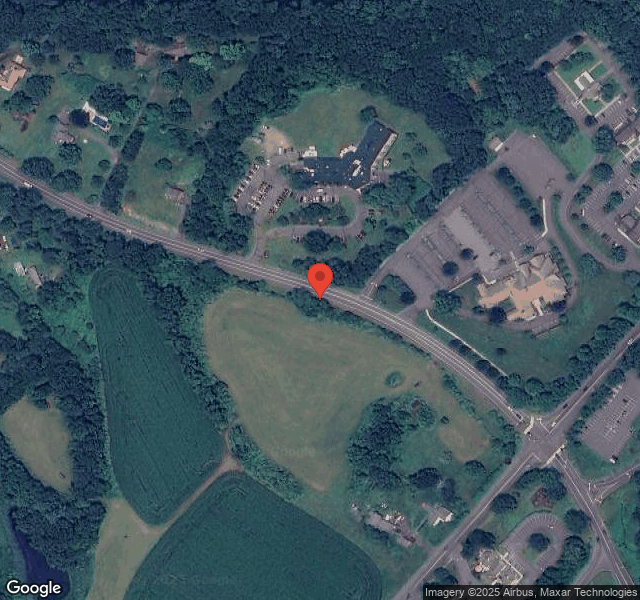

162 SOUTH BRITAIN RD, SOUTHBURY, CT 06488 (203) 264-9600
For profit - Limited Liability company 120 Beds CAREONE Data: November 2025
Trust Grade
80/100
#38 of 192 in CT
Last Inspection: December 2023

Within standard 12-15 month inspection cycle. Federal law requires annual inspections.

Overview

River Glen Health Care Center in Southbury, Connecticut, has earned a Trust Grade of B+, indicating it is above average and recommended for families considering care options. It ranks #38 out of 192 nursing homes in Connecticut, placing it in the top half of facilities in the state, and #5 out of 22 in Naugatuck Valley County, meaning only four local options are rated higher. The facility is improving, with issues decreasing from 8 in 2021 to 4 in 2023. Staffing is a strong point, with a rating of 4 out of 5 stars and a turnover rate of 33%, lower than the state average, suggesting a stable staff who are familiar with residents. Notably, there have been no fines on record, which is a positive indicator, and the facility offers more RN coverage than 78% of Connecticut facilities, ensuring that skilled nurses are available to monitor patient care. However, there have been some concerning incidents, including a serious finding where a resident with dementia and muscle weakness fell due to improper transport and lack of timely care. Additionally, there was a failure to monitor a dialysis access site for a resident, which could lead to complications. Lastly, another finding indicated that a resident was served meals in Styrofoam containers, which detracted from their dining experience, suggesting room for improvement in providing a dignified meal service. Overall, while River Glen Health Care Center has many strengths, families should be aware of these weaknesses as they consider care for their loved ones.

Trust Score
B+
80/100
In Connecticut
#38/192
Top 19%
Safety Record
Moderate
Needs review
Inspections
Getting Better
8 → 4 violations
Staff Stability
○ Average
33% turnover. Near Connecticut's 48% average. Typical for the industry.
Penalties
✓ Good
No fines on record. Clean compliance history, better than most Connecticut facilities.
Skilled Nurses
✓ Good
Each resident gets 46 minutes of Registered Nurse (RN) attention daily — more than average for Connecticut. RNs are trained to catch health problems early.
Violations
⚠ Watch
19 deficiencies on record. Higher than average. Multiple issues found across inspections.
★★★★★
5.0
Overall Rating
★★★★☆
4.0
Staff Levels
★★★★☆
4.0
Care Quality
★★★★★
5.0
Inspection Score
Stable
2021: 8 issues
2023: 4 issues

The Good

  • 4-Star Staffing Rating · Above-average nurse staffing levels
  • 4-Star Quality Measures · Strong clinical quality outcomes
  • Full Sprinkler Coverage · Fire safety systems throughout facility
  • No fines on record
  • Staff turnover below average (33%)

    15 points below Connecticut average of 48%

Facility shows strength in staffing levels, quality measures, fire safety.

The Bad

Staff Turnover: 33%

13pts below Connecticut avg (46%)

Typical for the industry

Chain: CAREONE

Part of a multi-facility chain

Ask about local staffing decisions and management

The Ugly 19 deficiencies on record

1 actual harm
Dec 2023 4 deficiencies
CONCERN (D)

Potential for Harm - no one hurt, but risky conditions existed

Resident Rights (Tag F0550)

Could have caused harm · This affected 1 resident

**NOTE- TERMS IN BRACKETS HAVE BEEN EDITED TO PROTECT CONFIDENTIALITY** Based on clinical record review, observations, review of facility policy and interviews for two sampled residents (Residents #28...

Read full inspector narrative →
**NOTE- TERMS IN BRACKETS HAVE BEEN EDITED TO PROTECT CONFIDENTIALITY** Based on clinical record review, observations, review of facility policy and interviews for two sampled residents (Residents #28 and #47) reviewed for dining, the facility failed to ensure a dignified experience. The findings include: 1. Resident #28's diagnoses included other abnormalities of gait and mobility, bicipital tendinitis right shoulder, and abnormal posture. The quarterly MDS assessment dated [DATE] identified Resident #28 had intact cognition and required set up assistance with eating and oral hygiene. Resident #28's care plan dated 11/28/23 identified an ADL (activities of daily living) self-care deficit related to muscle weakness with interventions that included: assist with daily hygiene, grooming, dressing, oral care and eating as needed. Observations on 12/18/2023 at 8:05 AM 12/18/2023 at 12:42 PM identified Resident # 28 was served breakfast and lunch in a Styrofoam container with plastic utensils and a plastic cup. Interview with Resident #28 on 12/18/2023 at 8:00 AM identified residents are served several meals a week utilizing plastic utensils and Styrofoam containers, and that it was very unappetizing and made him/her not want to eat. The Administration had been made aware of the issue and it had been brought up in Resident Council and identified that it was due to a shortage of kitchen staff. Interview with the Director of Dietary on 12/19/2023 at 10:00 AM identified the kitchen has been understaffed and the kitchen utilizes Styrofoam and plastic utensils when they are short staffed. Interview with NA #2 on 12/21/23 at 12:40 PM identified that Styrofoam and plastic utensils were utilized at least once per week due to short staff in the kitchen, NA #2 further noted that sometimes it's regular plates with just plastic utensils, and sometimes it is both plastic utensils and Styrofoam containers. In addition, NA#2 identified she was concerned with the choking risk that utilizing plastic utensils could pose. Interview with NA#1 on 12/21/23 at 12:45 PM identified that plastic utensils and Styrofoam containers were used at least once a week and that it was very hard to cut up food for residents who require assistance using plastic. Review of the Disposable Dishes and Utensils policy identified the facility used single service items only in extenuating circumstances, such as dish-machine failure, individual resident needs, or other documented reason. 2. Resident #47's diagnoses included Parkinson's disease without dyskinesia, muscle weakness, and essential tremor. The quarterly MDS assessment dated [DATE] identified Resident #47 had intact cognition, required set up assistance with eating, and oral hygiene. Resident #47's care plan dated 8/8/23 identified the potential for alteration in nutrition status related to history of planned weight gain with interventions that included: utilize adaptive equipment built up utensils, encourage and assist as needed to consume foods and/or supplements and fluids offered at and between meals. Observations on 12/18/2023 at 7:42 AM of the breakfast meal and 12/18/2023 at 12:35 PM of the lunch meal identified Resident #47 was served both meals in a Styrofoam container. Interview with the Director of Dietary on 12/19/2023 at 10:00 AM identified the kitchen has been understaffed and Styrofoam and plastic utensils are utilized when they are short staffed in the kitchen. Interview with NA #2 on 12/21/23 at 12:40 PM identified that Styrofoam and plastic utensils were utilized at least once per week due to short staff in the kitchen, NA #2 further noted that sometimes it's regular plates with just plastic utensils, and sometimes it is both plastic utensils and Styrofoam containers. In addition, NA#2 identified she was concerned with the choking risk that utilizing plastic utensils could pose. Interview with NA#1 on 12/21/23 at 12:45 PM identified that plastic utensils and Styrofoam containers were used at least once a week and that it was very hard to cut up food for residents who require assistance using plastic. Review of the Disposable Dishes and Utensils policy identified the facility used single service items only in extenuating circumstances, such as dish-machine failure, individual resident needs, or other documented reason.
CONCERN (D)

Potential for Harm - no one hurt, but risky conditions existed

PASARR Coordination (Tag F0644)

Could have caused harm · This affected 1 resident

**NOTE- TERMS IN BRACKETS HAVE BEEN EDITED TO PROTECT CONFIDENTIALITY** Based on clinical record review, facility documentation review, facility policy review, and interviews for two of four sampled r...

Read full inspector narrative →
**NOTE- TERMS IN BRACKETS HAVE BEEN EDITED TO PROTECT CONFIDENTIALITY** Based on clinical record review, facility documentation review, facility policy review, and interviews for two of four sampled residents (Resident #72 and Resident #86) reviewed for Preadmission Screening and Resident Review (PASRR), the facility failed to request a PASRR level 2 assessment for a resident with a new psychiatric diagnosis and failed to obtain and complete a PASRR level II screen in timely manner when the resident's approved stay had expired. The findings include: 1. Resident #72's diagnoses included delusional disorder. The quarterly MDS assessment dated [DATE] identified Resident #72 had moderately impaired cognition, required set-up assistance with eating and supervision or touching assistance with oral hygiene, and substantial/maximal assistance with toileting hygiene. Resident #72's care plan dated [DATE] identified the problem of increased agitation, and yelling out, with interventions that included: observe for mental status/behavioral changes when new medication is started or with changes in dosage, and psychiatric referral as needed. A physician's order dated [DATE] identified a new diagnosis of delusional disorder. Interview with SW #1 on [DATE] at 11:10 AM identified that a level 2 PASSR screening assessment had not been completed following the addition of the diagnosis of delusional disorder and wasn't sure if delusional disorder was a qualifying diagnosis for a Level 2 to be completed. SW #1 was also not made aware of the delusional disorder diagnosis for Resident #72 and identified that the information would be transferred to her usually in morning report or directly by the nurse or physician once the new diagnosis was made. Interview with Social Worker #2 on [DATE] at 11:20 AM identified that the diagnosis of delusional disorder is a qualifying diagnosis that would require a level 2 PASSR evaluation. She further noted that a referral was not made for a level 2 assessment to be completed because she was unaware of the diagnosis. Review of the admission policy identified that the social worker is responsible for making referrals to the appropriate state-designated authority for a level 2 PASSR. 2. Resident #86's diagnoses included recurrent major depressive disorder, anxiety, dysphagia, and atrial fibrillation. Review of the PASRR screen level II dated [DATE] identified Resident #86 was approved to be in the facility for care through [DATE]. The quarterly MDS assessment dated [DATE] identified Resident #86 had intact cognition and required extensive assistance for bed mobility, transfers, toileting, and hygiene. Interview with SW #1 (Director of Social Work) on [DATE] at 10:30 AM identified the social work department was responsible for submitting PASRR screening requests to the authoritative entity responsible for conducting the PASRR assessments. She further identified that SW #2 attempted to submit another screening on [DATE] but received a message that it was too early to submit for a new assessment. She further identified that it was an oversight when their department failed to submit a request for PASRR level screening after it expired on [DATE]. Subsequent to surveyor inquiry, SW #1 submitted a request for a PASRR Level II screening, which was 94 days past the expiration date of the prior PASRR Level II assessment. Review of the admission Criteria policy identified that all new admissions and re-admissions will be screened for mental disorders, intellectual disabilities, or related disorders per the Medicaid PASRR process.
CONCERN (D)

Potential for Harm - no one hurt, but risky conditions existed

Unnecessary Medications (Tag F0759)

Could have caused harm · This affected 1 resident

**NOTE- TERMS IN BRACKETS HAVE BEEN EDITED TO PROTECT CONFIDENTIALITY** Based on observation, review of clinical record, facility policy review, and interviews for one of three sampled residents (Resi...

Read full inspector narrative →
**NOTE- TERMS IN BRACKETS HAVE BEEN EDITED TO PROTECT CONFIDENTIALITY** Based on observation, review of clinical record, facility policy review, and interviews for one of three sampled residents (Resident #91) reviewed for medication administration, the facility failed to ensure medication error rate of less than five percent. The findings include: Resident #91's diagnoses included cervical spinal cord injury, quadriplegia, spinal stenosis, and neuromuscular dysfunction of bladder. The physician's orders dated 11/5/23 directed to administer Aripiprazole (anti-psychotic medication) 5 milligrams (mg) by mouth every day and to administer Duloxetine (anti-depressant medication) 60 mg capsules 2 capsules (a total of 120 mg) by mouth daily. The admission MDS assessment dated [DATE] identified Resident #91 had intact cognition and required extensive assistance with bed mobility, transfers, toileting, and hygiene. Observation of medication administration for Resident #91 on 12/18/23 at 8:35 AM, with LPN #1 identified that he placed 4 capsules of Duloxetine 60 mg (total of 240mg), 2 tablets of Aripiprazole 5 mg (total of 10mg) and 3 capsules of Gabapentin (anticonvulsant and nerve pain medication) 400mg (1200 mg) into a plastic medication cup. Review of the 2 small, labeled envelopes with cellophane areas that exposed the medications contained within dated 12/18/23; 9:00 AM identified each bag contained 2 capsules of Duloxetine 60 mg, 2 capsules of Gabapentin 400 mg and 1 tablet of Aripiprazole 5 mg. After pouring the medications, LPN #1 proceeded to enter Resident #91's room and was preemptively stopped by the surveyor prior to him administering the incorrect dose of medication to the resident. Interview and review of the Medication Administration Record (MAR) with LPN #1 at 9:00 AM identified that the physician's orders directed to administer Aripiprazole 5 mg by mouth every day and Duloxetine 60 mg 2 capsules by mouth every day. LPN #1 identified that although he had read the directions on the MAR and verified the dosages, he did not realize that the 2 envelopes had the same medications. He further identified that the facility had implemented a new way of dispensing medications that just started on 12/13/23. The combined medication administration observations identified that there were 2 medication errors out of 25 opportunities for errors resulting in a medication error rate of 8 percent. The Adverse Consequences and Medication Errors policy identified that a medication error is defined as the preparation or administration of drugs that is not in accordance with the physician's orders, manufacturer specifications or accepted professional standards and principles of the professional providing services.
MINOR (B)

Minor Issue - procedural, no safety impact

Deficiency F0741 (Tag F0741)

Minor procedural issue · This affected multiple residents

Based on review of facility documentation, review of facility policy and interviews, the facility failed to have NA staff complete the annual competency course for dementia care. The findings include:...

Read full inspector narrative →
Based on review of facility documentation, review of facility policy and interviews, the facility failed to have NA staff complete the annual competency course for dementia care. The findings include: Review of NA #9's personnel file identified she has been employed at the facility since 3/30/22 on the 11pm to 7 am shift at 37.5 hours weekly. The file further identified a letter dated 7/6/23 that noted that NA #9 had not completed her yearly in-service trainings and that she would be removed from the schedule if the trainings were not completed. A review of the staffing schedule dated 12/10/23 and 12/15/23 identified NA #9 worked one eight-hour shift. Interview on 12/21/23 at 10:53 AM with the ADNS identified that when staff do not complete the annual training requirements, we try to give them time to complete the training at the facility or to complete it at home to make it easier for them. We provide reminders and time to complete the training, for example, if the training is due in October, we would give them until the end of December to complete it. When the training is not completed, we make the staff member aware that they will be removed from the schedule until the required training is completed. Interview on 12/22/23 at 12:34 PM with the Facility Educator (FE) identified that the nurse aides get at least 12 hours of in-service training annually. She noted that NA #9 had not attended the annual competency fair for 2023. The FE further identified that NA #9 had not completed the required dementia training. She noted that she and the DNS are responsible for ensuring that the nurses' aides complete the required training. Review of the facility's matrix identified thirty-one residents as having a diagnosis of Alzheimer's or Dementia The facility failed to ensure that required yearly training was completed and failed to suspend NA #9 when it was identified that she had not completed all of the required yearly training.
Aug 2021 8 deficiencies
CONCERN (D)

Potential for Harm - no one hurt, but risky conditions existed

Resident Rights (Tag F0550)

Could have caused harm · This affected 1 resident

**NOTE- TERMS IN BRACKETS HAVE BEEN EDITED TO PROTECT CONFIDENTIALITY** Based on clinical record review, facility documentation, facility policy and interviews for one of two residents reviewed for al...

Read full inspector narrative →
**NOTE- TERMS IN BRACKETS HAVE BEEN EDITED TO PROTECT CONFIDENTIALITY** Based on clinical record review, facility documentation, facility policy and interviews for one of two residents reviewed for allegation of abuse (Resident #69), the facility failed to provide care and assistance in a dignified manner. The findings include: Resident #69's diagnoses included generalized anxiety disorder, muscle weakness and urinary incontinence. A quarterly Minimum Data Set (MDS) assessment dated [DATE] identified that the resident had no cognitive impairment, had no mood or behavioral indicators or symptoms and noted no rejection of care. The assessment further identified Resident #69 required extensive assistance with all Activities of Daily Living (except eating) including bed mobility and toilet use. Resident care plan dated 11/16/20 identified a problem with behavior symptoms related to being away from home /daily routine and medical condition. Interventions included to use consistent approaches when giving care and to provide care and assistance with two (2) staff. The facility Reportable Event (RE) and investigation documentation dated 2/08/2021 identified Resident #69's mental status was alert and appropriate. The report identified Resident #69 reported to staff that the 11:00 P.M. to 7:00 A.M. Nurse Aide (NA # 1) was verbally abusive and threatened to take his/her call bell away. The investigation included interviews with staff. An interview with Licensed Practical Nurse (LPN # 3) identified that Resident #69 was visibly upset (with tears in his/her eyes). Resident # 69 reported to her (LPN#3) that (NA#1) during the night had yelled at him/her and said that s/he was F-ing lazy and threatened to take away the call bell if the resident did not stop ringing the bel1. A statement by Resident #69 taken by supervisor Registered Nurse (RN#3) identified the resident called for assistance and was shocked that NA#1 would say s/he was F-ing lazy and that if s/he used the call bell again( NA # 1) would take it away. Interview with Resident #69 on 8/29/2021 at 9:29 A.M. s/he identified that many of the nurse aides are helpful, there was one aide who did not want to help me. During an interview and review of Resident #69's Reportable Event and investigation dated 2/8/21 with the Director of Nursing Services (DNS) on 8/30/2021 at 8:53 A.M. identified Resident #69 reported to facility staff that NA#1 was verbally inappropriate. The DNS identified that Resident #69 had a history of making accusations toward staff and indicated the resident was care planned for the behaviors with specific approaches. The DNS further indicated that although the investigation did not substantiate abuse, NA#1 received disciplinary action related to not following the resident plan of care related to having two (2) staff to provide care. Interview with Supervisor RN# 3 on 8/31/2021 at 8:20 A.M. indicated that LPN # 3 reported to her Resident #69 verbalized that his/her 11-7 A.M. shift nurse aide (NA#1) had spoken inappropriately to him/her. RN # 3 also indicated Resident #69 verbalized that NA#1 threatened to take the call bell away from the resident. RN #3 further indicated that she then interviewed Resident #69 who shared the same allegation at which time she reported the allegation to the Director of Nursing Services. Interview with NA # 1 on 8/31/2021 at 9:44 A.M. identified Resident # 69 did not like receiving care and rarely utilized the call bell. She further indicated that she would not call names or threaten residents. Facility Resident [NAME] of Rights (revised 07/2021) identified in-part that residents have the right to be treated with consideration, respect and full recognition of their dignity and individuality. The policy further identified that residents have the right to receive quality care and services with reasonable accommodation of their needs and preferences.
CONCERN (D)

Potential for Harm - no one hurt, but risky conditions existed

Notification of Changes (Tag F0580)

Could have caused harm · This affected 1 resident

**NOTE- TERMS IN BRACKETS HAVE BEEN EDITED TO PROTECT CONFIDENTIALITY** Based on review of clinical records, interviews, review of facility policy for two of five residents (Residents # 27 and # 28) r...

Read full inspector narrative →
**NOTE- TERMS IN BRACKETS HAVE BEEN EDITED TO PROTECT CONFIDENTIALITY** Based on review of clinical records, interviews, review of facility policy for two of five residents (Residents # 27 and # 28) reviewed for skin non-pressure or pressure ulcer, the facility failed to ensure timely notification to the resident's representative when a change in condition related to skin integrity was identified. The findings included: 1. Resident #27's diagnoses included dementia, dysphagia, muscle weakness and difficulty walking. The care plan dated 3/8/21 identified the resident was at risk for alterations in skin integrity related to impairment in mobility and incontinence. Interventions included to observe skin condition daily with ADL care and report abnormalities. The quarterly MDS assessment dated [DATE] identified the resident had severe cognitive impairment, required extensive assistance of two staff for bed mobility and extensive assistance of one staff for transfers, toilet use and personal hygiene; the resident was at risk for developing pressure ulcers, had no unhealed pressure ulcers and noted pressure reducing devices for the resident's bed and chair. A nurse's note written by LPN #2 dated 6/25/21 identified Resident # 27 had an open area to coccyx with a slit that measured 1.2 Centimeters (CM) x 1.0 CM. The Wound nurse and Advanced Practice Registered Nurse (APRN) was made aware. A new order was obtained for Triad cream every shift for 10 days. A practitioner's order created by LPN #2 dated 6/25/21 directed Triad cream to coccyx slit every shift for 10 days. A nurse's note dated 6/28/21 written by RN#7 (the previous ADNS/Wound RN) identified the Assistant Director of Nursing Services (ADNS) was not notified about the new area on the resident's coccyx on 6/25/21 until 6/28/21. A nurse's note/change in condition note written by RN #2 dated 6/28/21 identified: Change in condition noted related to open slit on coccyx 1.2 CM x 1.0 CM. This change in condition started on 6/25/21. Since this started the area has gotten worse and indicated the APRN and family was notified. A nurse's note, written by RN #7 dated 6/28/21 identified RN #7 contacted the Wound /APRN and indicated during the conversation Resident # 27 received a diagnosis of unstageable pressure ulcer on coccyx. An APRN wound consultation note dated 7/1/21 identified the first evaluation of a pressure wound on the coccyx identified: an unstageable wound, full-thickness skin and tissue loss pressure ulcer that measured 1.5 CM x 1.5 CM x 0 CM depth, wound bed was noted with 76 to 100% slough, wound orders directed treatment to coccyx to cleanse with Normal Saline followed by Santyl, then alginate, and cover with bordered foam. Interview with LPN #2 on 8/30/21 at 11:02 A.M. identified: The LPN#2 did tell a supervisor about the wound on 6/25/21, she/he did not recall which RN s/he notified but indicated she/he would have notified the 7-3 P.M. RN Supervisor. LPN #2 believed s/he did call the APRN and obtain a treatment order but could not recall which APRN. LPN #2 also could not recall notifying the family. LPN #2 indicated s/he did not speak with the wound nurse, s/he was told by the RN Supervisor that the RN Supervisor would inform the wound RN and indicated that is why s/he put the notification in her/his notes. Interview with RN #2 on 8/30/21 at 1:25 P.M. identified RN #2 was the RN on 7-3 P.M. shift on 6/25/21 and s/he did not recall being told about the wound on 6/25/21. RN #2 further indicated s/he was informed after the initial treatment had been in place several days on 6/28/21. RN #2 identified s/he did not notify the family on 6/25/21 and identified that if LPN #2 had notified him/her of an open skin area, s/he would have made sure the family was notified. Interview with the DNS on 8/30/21 at 1:35 P.M. identified there should have been notification to family upon identification of a wound. The DNS indicated this was a nursing expectation. Attempts to interview RN #7 were not successful. Facility policy for Prevention of Pressure Injuries identified the facility will evaluate, report and document potential changes in the skin. The facility policy for Change in a Resident's Condition or Status given onsite identified in part: The policy identified a significant change of condition is a major decline or improvement in the resident's status that will not normally resolve itself without intervention by staff or by implementing standard disease related clinical interventions (is not self-limiting). The policy identified: Unless otherwise instructed by the resident, a nurse will notify the resident's representative when there is significant change in the resident's physical, mental or psycho-social status. 2. Resident # 28's diagnoses included metabolic encephalitis, dementia and acute kidney failure. The admission MDS assessment dated [DATE] identified the resident had severe dementia, no mood or behavior problems, required total assistance for transfers, required extensive assistance of two staff for bed mobility and toileting, required extensive assistance of one staff for dressing, eating and personal hygiene. The care plan dated 7/9/21 identified a problem of selfcare deficit related to dementia, interventions included assistance of one staff for ADL. The care plan identified a problem of pernicious anemia, interventions include to report evidence of new bruising. A practitioner's order dated 8/27/21 created by LPN #1 (per order information) identified an ordered by APRN #1 that directed the utilization of dry protective dressing daily for seven days. The nurse's note dated 8/27/21 identified: Open purpura left hand; dry protective dressing applied. Th nurses' notes reviewed on 8/29/21 for August 2021 identified no additional information or notes related to the hand wound, until subsequent to surveyor inquiry on 8/29/21. Observation on 8/29/21 at 7:15 A.M. identified an uncovered wound on the back of the resident's left hand, covered by 6 Steri-strips, over an area of purple colored skin approximately 6 CM X 6 CM. Along the length of the vertical center of the area was a dry scab under the Steri-strips. Observation and interview with the DNS on 8/29/21 at 2:28 P.M. identified the uncovered dry wound with bruising and 6 Steri-strips, the ADNS identified it looked like a skin tear. The resident identified s/he had no discomfort. Record review and interview with the ADNS on 8/29/21 at 2:35 P.M. identified the record did not reflect any measurement or description of the wound and did not reflect any information regarding use of Steri-strips, or RN assessment, or notification to the family. The ADNS also identified this information should have been reflected in the clinical record and indicated s/he did not know it was not done. Interview and record review with LPN #1 on 8/30/21 at 7:00 A.M. identified s/he did write the note and the order on 8/27/21 but did apply the Steri-strips. LPN #1 identified s/he did not notify any RN of the new open skin area but did not notify the family of the wound. LPN #1 further indicated s/he did not speak to any practitioner regarding notification of the injury and did not speak with a practitioner to obtain a treatment order. LPN #1 identified s/he had used a skin protocol for selecting the treatment and thought s/he could write the order without the benefit of speaking to the practitioner. LPN #1 identified s/he should have notified the RN and notified the family but failed because it was near the end of her/his shift. LPN #1 further indicated s/he did not notify any nursing staff that notifications to the practitioner regarding the resident's skin had not been completed. Interview with the DNS on 8/30/21 at 7:30 A.M. identified an RN should have been notified, an RN should have completed an assessment of the wound, the LPN should not have written an order without obtaining one from a practitioner, and the family and the practitioner should have been notified of this change in condition. The DNS identified this is part of nursing expectations. The DNS identified the facility has wound guidance documents for selecting appropriate dressings, but these are not protocols, and all treatments require orders from a practitioner. The DNS identified there was no specific policy for RN assessment and these are expectations of nursing staff. The facility policy for Change in a Resident's Condition or Status given onsite identified, in part: The nurse will notify the resident's physician or physician on-call when there has been a significant change in the resident's physical/emotional/mental condition. The policy identified a significant change of condition is a major decline or improvement in the resident's status that will not normally resolve itself without intervention by staff or by implementing standard disease related clinical interventions (is not self-limiting). The policy identified: Unless otherwise instructed by the resident, a nurse will notify the resident's representative when there is significant change in the resident's physical, mental or psycho-social status. The facility policy for Physician Orders: Obtaining and Transcribing identified physician orders are required prior to care and treatment being rendered. The facility policy for Care of Skin Tears-Abrasions and Minor Breaks identified: When an abrasion/skin tear/bruise is discovered, complete a Report of Incident/Accident.
CONCERN (D)

Potential for Harm - no one hurt, but risky conditions existed

Comprehensive Care Plan (Tag F0656)

Could have caused harm · This affected 1 resident

**NOTE- TERMS IN BRACKETS HAVE BEEN EDITED TO PROTECT CONFIDENTIALITY** Based on clinical record review, facility documentation and interviews for one of two residents reviewed for allegation of abuse...

Read full inspector narrative →
**NOTE- TERMS IN BRACKETS HAVE BEEN EDITED TO PROTECT CONFIDENTIALITY** Based on clinical record review, facility documentation and interviews for one of two residents reviewed for allegation of abuse for (Resident #69), the facility failed to implement the resident's plan of care related to staff provision of care. The finding include: Resident #69's diagnoses included generalized anxiety disorder, muscle weakness and urinary incontinence. A quarterly MDS assessment dated [DATE] identified the resident had no cognitive impairments, had no mood or behavioral indicators or symptoms and no rejection of care. The assessment further identified that Resident #69 required extensive assistance with all activities of daily living (except eating) including bed mobility and toilet use. Resident Care Plan (RCP) dated 11/16/21 identified a problem with behavior symptoms related to being away from home /daily routine and medical condition. Interventions included to use consistent approaches when giving care and to provide care and assistance with two (2) staff. The facility Reportable Event (RE) and investigation documentation dated 2/08/2021 identified Resident #69's mental status was alert and appropriate. The report identified Resident #69 reported to staff that the 11:00 P.M. to 7:00 A.M. Nurse Aide (NA # 1) was verbally abusive and threatened to take his/her call bell away. The investigation included interviews with staff. An interview with Licensed Practical Nurse (LPN # 3) identified that Resident #69 was visibly upset (with tears in his/her eyes). Resident # 69 reported to her (LPN#3) that (NA#1) during the night had yelled at him/her and said that Resident #69 was F-ing lazy and threatened to take away the call bell if the resident did not stop ringing the bel1. A statement by Resident #69 taken by supervisor Registered Nurse (RN#3) identified the resident called for assistance and was shocked that NA#1 would say s/he was F-ing lazy and that if s/he used the call bell again (NA # 1) would take it away. Interview with Resident #69 on 8/29/2021 at 9:29 A.M. s/he indicated many nurse aides are helpful but there was one aide who did not want to help me. Interview with RN#3 on 8/31/2021 at 8:20 A.M. identified the resident had a history of making accusations toward facility staff and indicated Resident #69 required two staff with provision of care. During an interview and review of Resident #69's clinical record and facility documentation with the Director of Nursing Services (DNS) on 8/30/2021 at 8:53 A.M. identified Resident #69 reported to facility staff that NA#1 was verbally inappropriate. The DNS further identified that Resident #69 had a history of making accusations toward staff and was care planned with specific approaches for the behaviors. The DNS further indicated that although the investigation did not substantiate abuse, NA#1 received disciplinary action for not following the resident plan of care related for having two (2) staff member present to provide care.
CONCERN (D)

Potential for Harm - no one hurt, but risky conditions existed

Quality of Care (Tag F0684)

Could have caused harm · This affected 1 resident

**NOTE- TERMS IN BRACKETS HAVE BEEN EDITED TO PROTECT CONFIDENTIALITY** Based on observations, review of clinical records, interviews and review of facility policy for one of two residents reviewed fo...

Read full inspector narrative →
**NOTE- TERMS IN BRACKETS HAVE BEEN EDITED TO PROTECT CONFIDENTIALITY** Based on observations, review of clinical records, interviews and review of facility policy for one of two residents reviewed for skin non-pressure for (Resident #28), the facility failed to conduct and RN assessment, failed to obtain a practitioner's order prior to writing and implementing a treatment order and failed to follow facility policy for Care of Skin Tears-Abrasions and Minor Breaks and for one sampled resident (Resident #89) reviewed for Quality of Care, the facility failed to ensure the resident's ted stocking was applied daily in accordance to physician's orders. The findings included: 1. Resident # 28's diagnoses included metabolic encephalitis, dementia and acute kidney failure. The admission MDS dated [DATE] identified the resident had severe dementia, no mood or behavior problems, required total assistance for transfers, required extensive assistance of two staff for bed mobility and toileting, and required extensive assistance of one staff for dressing, eating and personal hygiene. The Resident Care Plan (RCP) dated 7/9/21 identified a problem of self- care deficit related to dementia, interventions included assistance of one staff for ADL. The care plan identified a problem of pernicious anemia with an intervention that include to report evidence of new bruising. A practitioner's order dated 8/27/21, written by LPN #1 which was identified as ordered by APRN #2 directed dry protective dressing daily for seven days. The nurse's note dated 8/27/21 identified: Open purpura left hand; dry protective dressing applied. The nurses' notes reviewed on 8/29/21 for August 2021 identified no additional information or notes related to the hand wound, until surveyor inquiry on 8/29/21. The Treatment Administration Record (TAR) for August 2021 identified the application of dry protective dressing to left hand on the day shift for 7 days until healed. The treatment was administered on 8/28/21. The TAR did not identify administration of any treatment to the left hand on 8/27/21. Observation on 8/29/21 at 7:15 A.M. identified an uncovered wound on the back of the resident's left hand, covered by 6 Steri-strips, over an area of purple colored skin approximately 6 CM X 6 CM. Along the length of the vertical center of the wound area was a dry scab under the Steri-strips. Observation and interview with the DNS on 8/29/21 at 2:28 P.M. identified the uncovered dry wound with bruising and 6 Steri-strips, the Assistant Director of Nursing Services (ADNS) identified the area as a skin tear. The resident identified s/he had no discomfort. Record review and interview with the ADNS on 8/29/21 at 2:35 P.M. identified the record did not reflect any measurement or description of the wound and did not reflect any information regarding use of Steri-strips. The ADNS identified the assessment, wound measurement and description of the wound should have been reflected in the clinical record. The ADS also indicated s/he and did not know why this was not done. Interview and record review with LPN #1 on 8/30/21 at 7:00 A.M. identified s/he did write the note and the order on 8/27/21 and did apply the Steri-strips. LPN #1 identified s/he did not notify the RN of the new open skin area. LPN #1 also did not speak to any practitioner to notify of them of the injury and did not speak with a practitioner to obtain a treatment order. LPN #1 further indicated s/he had used a skin protocol for selecting the treatment because s/he thought h/she could write the order. LPN #1 indicate it was an order from the resident's practitioner without speaking to the practitioner. LPN #1 identified h/she should have notified the RN but did not because it was the end of her/his shift. LPN #1 identified he/she did not notify any nursing staff of the injury. LPN #1 further identified he/she had identified the wound as a purpura because it was an open slit in the skin. Interview with the DNS on 8/30/21 at 7:30 A.M. identified an RN should have been notified to complete an assessment of the wound, the LPN should not have written an order without obtaining one from a practitioner and the practitioner should have been notified of this change in condition. The DNS identified these are expectations of nursing staff to complete. The DNS identified the facility has wound guidance documents for selecting appropriate dressings, but these are not protocols, and all treatments require orders from a practitioner. Interview with the DNS on 8/30/21 at 2:49 P.M. identified an investigation and Incident Report should have been completed at the time the wound was identified, and this was not done because LPN #1 did not notify the RN. The LPN is responsible for notifying the RN. The DNS identified there was no specific policy for RN assessment, it is an expectation of nursing staff to conduct an assessment. The facility policy for Physician Orders: Obtaining and Transcribing identified physician orders are required prior to care and treatment being rendered. The facility policy for Care of Skin Tears-Abrasions and Minor Breaks identified: When an abrasion/skin tear/bruise is discovered, complete a Report of Incident/Accident. 2. Resident # 89 was admitted to the facility on [DATE] with diagnoses that included right leg Deep Vein Thrombosis (DVT), right ankle and foot gout, malnutrition, and heart failure. A physician's order dated 8/5/21 directed to ted hose to left lower extremity apply in morning and remove at bedtime. The admission MDS assessment dated [DATE] identified Resident #89 had intact cognition, was extensive assistance for personal hygiene, dressing, and toileting, with one person. The care plan dated 8/19/21 identified anticoagulant therapy. Interventions does not reflect the DVT in the right calf or the ted stocking. The nurse's note dated 8/19/21 through 8/31/21 failed to reflect any refusals from Resident #89 for the application of the ted stockings. Interview and observations with Resident #89 on 8/29/21 at 11:55 A.M. identified Resident #89 was noted lying in bed not dressed. Resident #89 indicated h/she is usually up around breakfast, but the aide had not assisted him/her in getting dressed yet. Resident #89 visually showed the surveyor that his/her ted stocking was not applied at this time. Observation on 8/30/21 at 7:48 A.M. Resident #89 was noted lying in bed without the benefit of the ted stocking on. Observation on 8/30/21 at 11:33 A.M. Resident #89 was dressed sitting in the wheelchair at the bedside with shorts on and grippy socks without the benefit of his/her left ted stocking in the presence of the Physical Therapy Aide (PTA # 1 while showing the surveyor s/he had not ted stocking on. Observation on 8/30/21 at 1:10 P.M. Resident #89 was sitting in a recliner chair at bedside with legs elevated without the benefit of his/her ted stocking on the left leg. Interview with RN #5 on 8/30/21 at 1:20 P.M. indicated Resident #89 did not want to wear the ted stocking because his/her legs hurt today and RN # 5 applied Voltaren gel on his/her knees instead. RN #5 noted she inadvertently signed off that the ted stocking was applied this morning, because the left lower leg stocking was not applied, and the treatment record was not accurate. RN #5 had not notified the physician. RN #5 indicated that on 8/29/21 the code #13 means absence of condition /not applicable and she would expect a nurses' note to explain why the nurse choose #13. An interview with the DNS on 8/31/21 at 8:10 A.M. indicated his expectation was that the nurse's follow the physician's orders for applying the ted stocking in the morning. The DNS noted he would expect the ted stocking to be applied with a.m. care before the resident get out of bed. The DNS indicated if the resident refuses or it was not applied the physician should be notified and there would be a nurse's note. Clinical record review with the DNS indicated there was not a nursing note on 8/29/21 and 8/30/21 explaining the code 13 or the nurse signing off the ted stock was applied if it was not applied, but he would expect a nurse's note in the medical record. An interview with LPN #4 on 8/31/21 at 8:50 AM indicated she did not have a ted stocking available to put on Resident #89 in the morning. LPN #5 indicated she had asked the supervisor but did not receive the stocking until the end of the shift about 3:00 P.M. and at that time Resident #89 was up in the wheelchair and it was too late to put the ted stocking on. LPN #5 indicated she did not write a nurse's note nor did the treatment record make her write a note when she used the code 13 not applicable. LPN #4 indicated also she did not notify the physician. The Treatment Record dated 8/1/21-8/31/21 identified on 8/29/21 the code #13 (indicating the treatment was not applicable) and on 8/30/21 the ted stocking was applied to the left lower extremity. Review of facility Charting, and Documentation Policy given onsite during the survey identified all services provided to the resident, or any changes in the residents medical, physical, functional or psychosocial condition, shall be documented in the resident's medical record. Furthermore, the documentation in the medical record will be objective, complete, and accurate.
CONCERN (D)

Potential for Harm - no one hurt, but risky conditions existed

Pressure Ulcer Prevention (Tag F0686)

Could have caused harm · This affected 1 resident

**NOTE- TERMS IN BRACKETS HAVE BEEN EDITED TO PROTECT CONFIDENTIALITY** Based on review of the clinical record, interviews and review of facility documentation for one of four residents reviewed for P...

Read full inspector narrative →
**NOTE- TERMS IN BRACKETS HAVE BEEN EDITED TO PROTECT CONFIDENTIALITY** Based on review of the clinical record, interviews and review of facility documentation for one of four residents reviewed for Pressure Ulcer for (Resident # 27), the facility failed to ensure a timely RN assessment when the resident had a skin change to the coccyx. The findings include: Resident #27's diagnoses included dementia, dysphagia, muscle weakness and difficulty walking. The care plan dated 3/8/21 identified the resident was at risk for alterations in skin integrity related to impairment in mobility and incontinence. Interventions included to observe skin condition daily with ADL care and report abnormalities. The quarterly MDS assessment dated [DATE] identified the resident had severe cognitive impairment, required extensive assistance of two staff for bed mobility and extensive assistance of one staff for transfers, toilet use and personal hygiene; the resident was at risk for developing pressure ulcers, had no unhealed pressure ulcers and noted pressure reducing devices for the resident's bed and chair. A nurse's note written by LPN #2 dated 6/25/21 identified Resident # 27 had an open area to coccyx with a slit that measured 1.2 Centimeters (CM) x 1.0 CM. The Wound nurse and Advanced Practice Registered Nurse (APRN) was made aware. A new order was obtained for Triad cream every shift for 10 days. A practitioner's order created by LPN #2 dated 6/25/21 directed Triad cream to coccyx slit every shift for 10 days. A nurse's note dated 6/28/21 written by RN#7 (the previous ADNS/Wound RN) identified the Assistant Director of Nursing Services (ADNS) was not notified about the new area on the resident's coccyx on 6/25/21 until 6/28/21. A nurse's note/change in condition note written by RN #2 dated 6/28/21 identified: Change in condition noted related to open slit on coccyx 1.2 CM x 1.0 CM. This change in condition started on 6/25/21. Since this started the area has gotten worse and indicated the APRN and family was notified. A nurse's note, written by RN #7 dated 6/28/21 identified RN #7 contacted the Wound /APRN and indicated during the conversation Resident # 27 received a diagnosis of unstageable pressure ulcer on coccyx. An APRN wound consultation note dated 7/1/21 identified the first evaluation of a pressure wound on the coccyx identified: an unstageable wound, full-thickness skin and tissue loss pressure ulcer that measured 1.5 CM x 1.5 CM x 0 CM depth, wound bed was noted with 76 to 100% slough, wound orders directed treatment to coccyx to cleanse with Normal Saline followed by Santyl, then alginate, and cover with bordered foam. Interview with LPN #2 on 8/30/21 at 11:02 A.M. identified: The LPN#2 did tell a supervisor about the wound on 6/25/21, she/he did not recall which RN s/he notified but indicated she/he would have notified the 7-3 P.M. RN Supervisor. LPN #2 believed s/he did call the APRN and obtain a treatment order but could not recall which APRN. LPN #2 indicated s/he did not speak with the wound nurse, s/he was told by the RN Supervisor that the RN Supervisor would inform the wound RN and indicated that is why s/he put the notification in her/his notes. Interview with RN #2 on 8/30/21 at 1:25 P.M. identified RN #2 was the RN on 7-3 P.M. shift on 6/25/21 and s/he did not recall being told about the wound on 6/25/21. RN #2 further indicated s/he was informed after the initial treatment had been in place several days on 6/28/21. Attempts to interview RN #7 were not successful. Facility policy for Prevention of Pressure Injuries identified the facility will evaluate, report and document potential changes in the skin.
CONCERN (D)

Potential for Harm - no one hurt, but risky conditions existed

Deficiency F0711 (Tag F0711)

Could have caused harm · This affected 1 resident

**NOTE- TERMS IN BRACKETS HAVE BEEN EDITED TO PROTECT CONFIDENTIALITY** Based on review of the clinical record, facility documentation and interviews for one resident (Resident #298) reviewed for Phys...

Read full inspector narrative →
**NOTE- TERMS IN BRACKETS HAVE BEEN EDITED TO PROTECT CONFIDENTIALITY** Based on review of the clinical record, facility documentation and interviews for one resident (Resident #298) reviewed for Physician Services, the physician failed to conduct the admission History and Physical timely and sign admission physician's orders timely. The findings include: 1 a. Resident #298 was admitted to the facility on [DATE] with diagnoses that included metabolic encephalopathy, abscess of abdominal wall, and hypertension. The care plan dated 8/13/21 identified a cardiac disease. Interventions directed to administer medications and treatments per physicians' orders. The admission orders dated 8/13/21 did not have a signature from a physician or the APRN. The admission MDS assessment dated [DATE] identified Resident #298 had intact impaired cognition and required extensive assistance for hygiene, dressing, and toileting. The History and Physical dated 8/25/21 at 11:41 A.M. by the physician identified that Resident #298 was admitted with abdominal abscess in surgical wound. The History and Physical was completed by the physician 12 days after admission. An interview and a review of the resident's history and physical examination with the DNS on 8/30/21 at 12:50 P.M. noted the physician admission History and Physical should be completed within 48 hours of the admission date. The DNS indicated sometimes the APRN will see a resident on admission and MD #1 will sign off on the APRN's progress note as an admission note. Review of clinical record the DNS indicated the admission History and Physical was completed by the covering physician on 8/25/21. However, Resident #298 was seen by the APRN on 8/13/21, but MD #1 or covering physician did not co-sign the progress note. Review of clinical record per the DNS identified the physician should have seen Resident #298 no later than the 16th, but the DNS indicated Resident #298 was admitted to the facility on a Friday so the physician would not have come into the facility until Monday the 16th. b. An interview and clinical record review with the DNS on 8/30/21 at 1:10 P.M. identified the admission physician orders dated 8/13/21 were not signed by the physician or the APRN as of 8/30/21 (18 days after admission). The DNS further indicated the APRN, or MD can sign the admission orders when Resident #298 was seen by the APRN or physician. Interview and clinical record review with the DNS on 8/30/21 at 1:10 P.M., failed to provide evidence that the physician conducted the resident's History and Physical for admission within the 48 hours and the admission physician orders were signed. An interview with MD #1 on 8/31/21 at 9:05 A.M. indicated the standard of practice was to see all new admissions within 48 hours to do the admission History and Physical but she believed there was a COVID waiver for physicians noting she did not have to do the initial admission history and physical for 7-10 days. MD #1 indicated the facility was on paper and the APRN or the physician could sign the admission orders when the resident was seen. MD #1 indicated she was not aware that the admission orders were not signed, and she was in the facility on 8/30/21 and the staff did not tell her. Review of facility Physician Visits Policy given to surveyor onsite during the survey identified the attending physician will make visits timely in accordance with state and federal laws. A Physician Assistant or Nurse Practitioner may make alternate visits after the initial ninety days following admission, unless restricted by law or regulation. Review of facility Physician Orders identified physician orders are required prior care and treatment being rendered. All orders must be signed by the authorizing physician. Telephone orders will be signed by the physician at the next timely visit. Although requested, a facility policy for the Physician Job description, and policy for physician performing admission History and Physicals and signing of monthly orders were not provided.
CONCERN (D)

Potential for Harm - no one hurt, but risky conditions existed

Medical Records (Tag F0842)

Could have caused harm · This affected 1 resident

**NOTE- TERMS IN BRACKETS HAVE BEEN EDITED TO PROTECT CONFIDENTIALITY** Based on observations, review of clinical records, interviews and review of facility policy for three of five residents reviewed...

Read full inspector narrative →
**NOTE- TERMS IN BRACKETS HAVE BEEN EDITED TO PROTECT CONFIDENTIALITY** Based on observations, review of clinical records, interviews and review of facility policy for three of five residents reviewed ( Residents #27, #28, and # 89), the facility failed to ensure an accurate record. The findings included: 1. Resident #27's diagnoses included dementia, dysphagia, muscle weakness and difficulty walking. The care plan dated 3/8/21 identified the resident was at risk for alterations in skin integrity related to impairment in mobility and incontinence. Interventions included observe skin condition daily with ADL care and report abnormalities. The quarterly MDS assessment dated [DATE] identified the resident had severe cognitive impairment, required extensive assistance of two staff for bed mobility and extensive assistance of one staff for transfers, toilet use and personal hygiene; was at risk for developing pressure ulcers, had no unhealed pressure ulcers and had pressure reducing devices for bed and chair. A nurse's note written by LPN #2, dated 6/25/21, identified: Open area to coccyx slit noted, 1.2 cm x 1 cm. Wound nurse and APRN aware. New order for Triad cream every shift for 10 days. A practitioner's order created by LPN #2, dated 6/25/21 directed Triad cream to coccyx slit every shift for 10 days. A nurse's note dated 6/28/21 written by RN#7, the previous ADNS/Wound RN, identified the ADNS was not notified about the new area on the resident's coccyx on 6/25/21, and was not informed until 6/28/21. A nurse's note/change in condition note written by RN #2, dated 6/28/21, identified: Change in condition noted related to open slit on coccyx 1.2 cm x 1 cm. This change in condition started on 6/25/21. Since this started, it has gotten worse; APRN and family notified. A nurse's note, written by RN #7, dated 6/28/21 identified RN #7 contacted the Wound APRN, per conversation received a diagnosis of unstageable pressure ulcer on coccyx. An APRN wound consultation note dated 7/1/21 identified the first evaluation of a pressure wound on coccyx, unstageable, full-thickness skin and tissue loss pressure ulcer 1.5 cm x 1.5 cm x 0 cm depth, wound bed is 76 to 100% slough, wound orders directed treatment to coccyx - cleanse with normal saline, followed by Santyl, then alginate, and cover with bordered foam. Interview with LPN #2 on 8/30/21 at 11:02 AM identified: The LPN did tell a supervisor about the wound on 6/25/21, did not recall which RN, but would have been the 7-3 RN Supervisor. LPN #2 believed he/she did call the APRN and obtain a treatment order, did not recall which APRN. LPN #2 did not recall notifying the family, and did not speak with the wound nurse, but was told by the RN Supervisor that the RN Supervisor would inform the wound RN, so that was why he/she reported in LPN #2's note that the wound RN was aware. Interview and record review with RN #2 on 8/30/21 at 1:25 PM identified RN #2 was the RN on 7-3 shift on 6/25/21 and did not recall being told about the wound on 6/25/21, was informed after the initial treatment had been in place several days, on 6/28/21. RN #2 identified he/she did not notify the family on 6/25/21, and identified that if LPN #2 had notified him/her of an open skin area, he/she would have made sure the family was notified. Interview with the DNS on 8/30/21 at 1:35 PM identified there should have been notification to family upon identification of a wound, this was a nursing expectations. Attempts to interview RN #7 were not successful. Facility policy for Prevention of Pressure Injuries identified the facility will evaluate, report and document potential changes in the skin. 2. Resident # 28's diagnoses included metabolic encephalitis, dementia and acute kidney failure. The admission MDS dated [DATE] identified the resident had severe dementia, no mood or behavior problems, required total assistance for transfers, required extensive assistance of two staff for bed mobility and toileting, required extensive assistance of one staff for dressing, eating and personal hygiene. The care plan dated 7/9/21 identified a problem of selfcare deficit related to dementia, interventions included assistance of one staff for ADLs. The care plan identified a problem of pernicious anemia, interventions included to report evidence of new bruising. A practitioner's order dated 8/27/21, written by LPN #1, and identified as ordered by APRN #1, directed dry protective dressing daily for seven days. Nurse's note dated 8/27/21 identified: Open purpura left hand, dry protective dressing applied. Nurses' notes reviewed on 8/29/21 for August identified no additional information or notes related to the hand wound, until subsequent to surveyor inquiry on 8/29/21. Observation on 8/29/21 at 7:15 identified an uncovered wound on the back of the resident's left hand, covered by 6 Steri-strips, over an area of purple colored skin approximately 6 cm X 6 cm. Along the length of the vertical center of the area was a dry scab under the Steri-strips. Observation and interview with the DNS on 8/29/21 at 2:28 PM identified the uncovered dry wound with bruising and 6 Steri-strips, the ADNS identified it looked like a skin tear. The resident identified he/she had no discomfort. Record review and interview with the ADNS on 8/29/21 at 2:35 PM identified the record did not reflect any measurement or description of the wound and did not reflect any information regarding use of Steri-strips, or RN assessment, or notification to the family. The ADNS identified these should have been reflected in the clinical record, and did not know why this was not done. Interview and record review with LPN #1 on 8/30/21 at 7:00 AM identified he/she did write the note and the order on 8/27/21 and did apply the Steri-strips. LPN #1 identified he/she did not notify any RN of the new open skin area, did not notify the family of the wound, and did not speak to any practitioner to notify of the injury and did not speak with a practitioner to obtain a treatment order. LPN #1 identified he/she had use a skin protocol for selecting the treatment and had thought he/she could write the order and indicate it was an order from the resident's practitioner without speaking to the practitioner. Interview with the DNS on 8/30/21 at 7:30 AM identified the LPN should not have written an order without obtaining one from a practitioner. The DNS identified these are expectations of nursing. The DNS identified the facility has wound guidance documents for selecting appropriate dressings, but these are not protocols, and all treatments require orders from a practitioner. Facility policy for Prevention of Pressure Injuries identified the facility will evaluate, report and document potential changes in the skin. The facility policy for Physician Orders: Obtaining and Transcribing identified physician orders are required prior to care and treatment being rendered. 3. Resident # 89 was admitted to the facility on [DATE] with diagnoses that included right leg Deep Vein Thrombosis (DVT), right ankle and foot gout, malnutrition, and heart failure. A physician's order dated 8/5/21 directed to ted hose to left lower extremity apply in morning and remove at bedtime. The admission MDS assessment dated [DATE] identified Resident #89 had intact cognition, was extensive assistance for personal hygiene, dressing, and toileting, with one person. The care plan dated 8/19/21 identified anticoagulant therapy. Interventions does not reflect the DVT in the right calf or the ted stocking. The nurse's note dated 8/19/21 through 8/31/21 failed to reflect any refusals from Resident #89 for the application of the ted stockings. Interview and observations with Resident #89 on 8/29/21 at 11:55 A.M. identified Resident #89 was noted lying in bed not dressed. Resident #89 indicated h/she is usually up around breakfast, but the aide had not assisted him/her in getting dressed yet. Resident #89 visually showed the surveyor that his/her ted stocking was not applied at this time. Observation on 8/30/21 at 7:48 A.M. Resident #89 was noted lying in bed without the benefit of the ted stocking on. Observation on 8/30/21 at 11:33 A.M. Resident #89 was dressed sitting in the wheelchair at the bedside with shorts on and grippy socks without the benefit of his/her left ted stocking in the presence of the Physical Therapy Aide (PTA # 1 while showing the surveyor s/he had not ted stocking on. Observation on 8/30/21 at 1:10 P.M. Resident #89 was sitting in a recliner chair at bedside with legs elevated without the benefit of his/her ted stocking on the left leg. Interview with RN #5 on 8/30/21 at 1:20 P.M. indicated Resident #89 did not want to wear the ted stocking because his/her legs hurt today and RN # 5 applied Voltaren gel on his/her knees instead. RN #5 noted she inadvertently signed off that the ted stocking was applied this morning, because the left lower leg stocking was not applied, and the treatment record was not accurate. RN #5 had not notified the physician. RN #5 indicated that on 8/29/21 the code #13 means absence of condition /not applicable and she would expect a nurses' note to explain why the nurse choose #13. An interview with the DNS on 8/31/21 at 8:10 A.M. indicated his expectation was that the nurse's follow the physician's orders for applying the ted stocking in the morning. The DNS noted he would expect the ted stocking to be applied with a.m. care before the resident get out of bed. The DNS indicated if the resident refuses or it was not applied the physician should be notified and there would be a nurse's note. Clinical record review with the DNS indicated there was not a nursing note on 8/29/21 and 8/30/21 explaining the code 13 or the nurse signing off the ted stock was applied if it was not applied, but he would expect a nurse's note in the medical record. An interview with LPN #4 on 8/31/21 at 8:50 AM indicated she did not have a ted stocking available to put on Resident #89 in the morning. LPN #5 indicated she had asked the supervisor but did not receive the stocking until the end of the shift about 3:00 P.M. and at that time Resident #89 was up in the wheelchair and it was too late to put the ted stocking on. LPN #5 indicated she did not write a nurse's note nor did the treatment record make her write a note when she used the code 13 not applicable. LPN #4 indicated also she did not notify the physician. The Treatment Record dated 8/1/21-8/31/21 identified on 8/29/21 the code #13 (indicating the treatment was not applicable) and on 8/30/21 the ted stocking was applied to the left lower extremity. Review of facility Charting, and Documentation Policy given onsite during the survey identified all services provided to the resident, or any changes in the residents medical, physical, functional or psychosocial condition, shall be documented in the resident's medical record. Furthermore, the documentation in the medical record will be objective, complete, and accurate.
CONCERN (D)

Potential for Harm - no one hurt, but risky conditions existed

Deficiency F0883 (Tag F0883)

Could have caused harm · This affected 1 resident

**NOTE- TERMS IN BRACKETS HAVE BEEN EDITED TO PROTECT CONFIDENTIALITY** Based on review of the clinical record reviews, facility documentation, facility policy, and interviews for four of five Residen...

Read full inspector narrative →
**NOTE- TERMS IN BRACKETS HAVE BEEN EDITED TO PROTECT CONFIDENTIALITY** Based on review of the clinical record reviews, facility documentation, facility policy, and interviews for four of five Residents (Resident #1, #8 and #27,) reviewed for Pneumococcal Vaccines, the facility failed to educate and offer residents and/or representative vaccines timely. The findings included: Interview and clinical record review with Infection Control Nurse on 8/30/21 at 10:50 A.M. identified on the resident's admission information provided to surveyor noted the admission coordinator will ask resident vaccination status on admission. The next day the Infection Control nurse will be responsible for following up to see if the resident was vaccinated or not vaccinated. The policy directed to offer and have the resident sign on admission accepting or refusing vaccines unless the resident can't sign for themselves then the admission nurse will call the family. The family will be asked if the resident had vaccines. The facility will ensure all signatures on necessary paperwork. The policy also notes the facility can do verbal consent on the phone with 2 nurses to sign as witnesses. 1. Resident #1 admitted in November 2017. Review of clinical record on 8/30/21 at 10:55 A.M. with Infection Control Nurse indicated the consent or refusal form for pneumococcal vaccines identified Resident #1 had received one vaccine. The form did not clearly indicted which vaccine the pneumococcal 23 or Prevnar 13 in the paper medical record. The Immunization form and the electronic medical record did not indicate the resident or representative were offered and educated and or given the opportunity to accept or refuse the pneumococcal vaccine that Resident #1 had not received. After surveyor inquiry, the nurses progress note dated 8/31/21 at 8:57 A.M. indicated Resident #1's health care proxy was educated and agreed to give the pneumococcal 23 to Resident #1. 2. Resident #8 admitted [DATE]. Review of clinical record on 8/30/21 at 11:00 A.M. with Infection Control Nurse indicated the immunization form in the medial record was blank and there was no signature by Resident #8 or the representative indicating that they were educated and offered the vaccines since time of admission. There was a physician's order dating 7/15/21 which directed may give pneumovax with consent. After surveyor inquiry, the nurses progress note dated 8/30/21 at 6:02 P.M. indicated health care proxy consented to Resident #8 receiving the Prevnar 13. 3. Resident #27 was admitted in April 2019. Review of clinical record on 8/30/21 at 11:10 A.M. with Infection Control Nurse indicated the immunization form in the medial record was signed by Resident #27 representative on 4/29/19 giving consent to give Prevnar 13 vaccine, review of electronic and paper medical record did not indicate Prevnar 13 vaccine was given. After surveyor inquiry, the nurses note dated 8/31/21 at 1:41 PM indicated responsible party was educated on vaccines and gave consent for pneumococcal 23 to be given. Review of the Pneumococcal Vaccine Policy indicated all residents will be offered pneumococcal vaccines to aid in preventing pneumonia and pneumococcal infections. Prior to or upon admission, residents will be assessed for eligibility to receive pneumococcal vaccine series. Assessments of pneumococcal vaccination status will be conducted within 5 working days of the resident's admission.
Apr 2019 7 deficiencies 1 Harm
SERIOUS (G)

Actual Harm - a resident was hurt due to facility failures

Accident Prevention (Tag F0689)

A resident was harmed · This affected 1 resident

**NOTE- TERMS IN BRACKETS HAVE BEEN EDITED TO PROTECT CONFIDENTIALITY** Based on observation, review of the clinical record, facility documentation, facility policy, and interviews for 2 of 6 resident...

Read full inspector narrative →
**NOTE- TERMS IN BRACKETS HAVE BEEN EDITED TO PROTECT CONFIDENTIALITY** Based on observation, review of the clinical record, facility documentation, facility policy, and interviews for 2 of 6 residents reviewed for accidents (Resident #7 and Resident #39), the facility failed to transport the resident in a safe manner and/or failed to provide care in a timely manner resulting in a fall. The findings include: 1. Resident #7's diagnoses included dementia and muscle weakness. The significant change MDS assessment dated [DATE] identified that R #7 had severely impaired cognition, required use of a wheelchair, required one staff physical assist for locomotion in the wheelchair, and had no falls since the last assessment. The Resident Care Plan (RCP) dated 5/16/18 identified R #7 required assistance for mobility, and a risk for falls due to history of falls, impaired mobility and dementia. Interventions directed to allow to attempt movements by self before offering assistance, reinforce wheelchair safety as needed such as locking brakes, reinforce the need to call for assistance and have commonly used articles within reach. Review of facility documentation dated 7/22/18 at 12 noon identified R #7 was being pushed in his/her wheelchair toward the dining room by LPN #1 when R #7 put his/her feet down on the floor, propelled forward from the wheelchair, fell and hit his/her forehead on the floor. R #7 suffered a 1.5 cm laceration on the right forehead, pressure was applied, 911 was called and the resident was transferred to the hospital. Review of the nurse's note dated 7/22/18 at 7:34 PM identified R #7 returned from the hospital with three sutures to the right forehead and was to have neuro checks started. Interview, clinical record review, and facility documentation review with LPN #1 on 4/16/18 at 1:00pm identified she could not remember if R #7 had leg/foot rests. Review of the clinical record, facility documentation and interview on 4/16/19 at 12:15 PM with RN #1 identified there were no foot rests on R #7's wheelchair when LPN #1 pushed R #7 in the wheelchair, and R #7 fell out of the wheelchair when he/she put his/her feet on the floor. RN #1 stated when LPN #1 was pushing R #7 in the wheelchair, LPN #1 should have had foot rests on the wheelchair. Interview with the DON on 4/16/19 at 1:19 PM identified if a resident is self-mobile in a wheelchair, and staff are going to push the resident in the wheelchair any distance, like to an activity, leg rests should be applied to the wheelchair. Interview with LPN #1 on 4/17/19 at 11:30 AM identified R #7 was confused, hard of hearing, and unable to follow directions. LPN #1 stated if directions were given to R #7 to lift his/her feet off the ground when the wheelchair was being pushed, R #7 would not be able to follow directions. Interview with RN #1 identified there was no facility policy for leg/foot rest use, however the expectation was that leg/foot rests should have been applied when staff were pushing the resident in the wheelchair. Review of facility fall policy indicates the staff will identify interventions related to the resident's specific risks and causes to try to prevent the resident from falling and to try to minimize complications from falling. 2. Resident #39 was admitted to the facility on [DATE] with diagnoses that included dementia, adjustment disorder, transient ischemic attack, and re-admitted status post left hip fracture after a fall on 3/16/18. The resident care plan dated 3/19/18 identified a problem with being at risk for falls due to history of falls, impaired cognition, recurrent TIA, impaired balance and mobility, and poor safety awareness. Interventions included to provide assistance to transfer-reinforce use of rolling walker, and remind resident to call for assistance with transfers. A significant change Minimum Data Set assessment dated [DATE] identified Resident #39 was moderately cognitively impaired, requiring extensive assistance of two staff for bed mobility and transfers, non-ambulatory, not steady and only able to stabilize with staff assistance moving on and off the toilet, and a recent fall with a fracture. A Fall risk evaluation dated 4/13/18 identified score of 13 indicating high risk for falls. A facility Reportable Event form dated 4/21/18 at 12:00 PM indicated Resident #39 fell while attempting to toilet self. Facility investigation identified that Resident #39 told the Recreation Therapist that he/she needed to go to the bathroom after an activity, Resident #39 was escorted downstairs for lunch in his/her wheelchair, was left in the hallway and attempted to toilet him/herself and fell. Resident #39 complained of left hip pain, was sent to the emergency room and diagnosed with a small contusion to the left hip and returned to the facility on 4/21/18 at 10:52 PM Therapist statement obtained by the facility at the time of the event indicated Resident #39 informed the therapist he/she needed to go to the bathroom, was brought downstairs for lunch, the therapist went back upstairs to get more residents, when the therapist got back downstairs he/she did not see Resident #39 and asked NA#5 if Resident #39 could go to the bathroom on his/her own. Recreation Therapist #1 was no longer employed at the facility and attempts to reach Recreation Therapist #1 were not successful. Interview with NA#5 on 4/18/19 at 10:40 AM indicated NA#5 was informed by a volunteer that Resident #39 was in the bathroom by him/herself, went to the bathroom and found Resident #39 on the floor. NA#5 further indicated he/she was not informed by Recreation that Resident #39 needed to go to the bathroom before being left unattended in the hallway. Facility fall policy indicates the staff will identify interventions related to the resident's specific risks and causes to try to prevent the resident from falling and to try to minimize complications from falling.
CONCERN (D)

Potential for Harm - no one hurt, but risky conditions existed

Resident Rights (Tag F0550)

Could have caused harm · This affected 1 resident

**NOTE- TERMS IN BRACKETS HAVE BEEN EDITED TO PROTECT CONFIDENTIALITY** Based on review of the clinical record, facility documentation, interviews and review of facility policy for 1 sampled resident ...

Read full inspector narrative →
**NOTE- TERMS IN BRACKETS HAVE BEEN EDITED TO PROTECT CONFIDENTIALITY** Based on review of the clinical record, facility documentation, interviews and review of facility policy for 1 sampled resident reviewed for dignity (Resident 356), the facility failed to ensure Resident #356 was treated in a dignified manner. The findings include: Resident #356 was admitted to the facility on [DATE] with diagnoses that included myocardial infarction, influenza, muscle weakness, diarrhea and difficulty walking. The Resident Care Plan (RCP) dated 4/10/19 identified Resident #356 had a decreased ability to perform activities of daily living. Interventions included to provide the assistance of two people for activities of daily living such as bathing/showering. An admission Minimum Data Set was in the process of being completed. Interview on 4/16/19 at 10:35 AM with Resident #356 identified on the evening of 4/15/19 he/she was reprimanded for having a bowel movement while being showered by a Nurse Aide (NA). The NA stated Oh man, I just had you on the toilet. How come you didn't go then? Additionally, Resident #356 stated that he/she felt misunderstood because he/she wasn't always aware of the need to have a bowel movement and felt as if the NA's don't understand his/her condition. A review of facility documentation identified a Social Services witness statement dated 4/16/19 that identified the Social Worker (SW) met with Resident #356 on 4/16/19. Resident #356 reported to the SW that a NA on the 3:00 PM to 11:00 PM shift on 4/15/19 NA got mad and thought he/she had an accident on purpose. A review of a facility Reportable Event form identified a witness statement dated 4/16/19 that identified on 4/15/19 NA #1 took Resident #356 to the shower room to provide him/her a shower. Resident #356 identified he/she needed to use the toilet prior to the start of the shower. NA #1 toileted Resident #356 in the shower room prior to the start of the shower. Resident #356 did not have a bowel movement on the toilet prior to the start of the shower. While being showered, Resident #356 had a bowel movement on the shower floor. NA# 1 identified he/she said Oh man, I just had you on the toilet. How come you didn't go then? Interview with NA #1 on 4/17/19 at 12:38 PM identified when Resident #356 had a bowel movement in the shower, NA # 1 should have responded with a more dignified response to Resident #356. Interview on 4/18/19 at 10:00 AM with the DNS identified on 4/18/19 at 8:45 AM, NA #1 was provided verbal and written instructions regarding customer service, resident's rights and abuse prevention and that NA # 1 would no longer be assigned to provide care to Resident # 356. A review of resident's rights identified all residents have the right to be treated with consideration, respect and full recognition of their dignity and individuality.
CONCERN (D)

Potential for Harm - no one hurt, but risky conditions existed

Deficiency F0676 (Tag F0676)

Could have caused harm · This affected 1 resident

**NOTE- TERMS IN BRACKETS HAVE BEEN EDITED TO PROTECT CONFIDENTIALITY** Based on observation, review of the clinical record, facility documentation, facility policy, and interviews for 1 resident revi...

Read full inspector narrative →
**NOTE- TERMS IN BRACKETS HAVE BEEN EDITED TO PROTECT CONFIDENTIALITY** Based on observation, review of the clinical record, facility documentation, facility policy, and interviews for 1 resident reviewed for rehabilitation and restorative therapy (Resident #32), the facility failed to ensure Resident #32 was consistently ambulated per physical therapy recommendations. The findings include: Resident #32 was admitted to the facility on [DATE] with diagnoses that included cerebral infarction due to unspecified occlusion or stenosis of the cerebral artery, mild cognitive impairment and dysphagia. Physical Therapy (PT) discharge instructions dated 11/19/18 identified Resident #32 was discharged from therapy services with an ambulation program with assistance of one. The quarterly Minimum Data Set (MDS) assessment dated [DATE] identified Resident #32 was cognitively intact and required extensive assistance of two for bed mobility, transfers, walking in the corridor, and toilet use. The MDS further identified Resident #32 required extensive assistance of one for walking in the room, locomotion on/off the unit and personal hygiene. The care plan dated 2/21/19 identified Resident #32 had an activities of daily living (ADL) deficit and required physical assistance with transferring from one position to another, related to physical limitations. Interventions included to provide assistance with ADL's, use of a gait belt during transfers and therapy evaluation and treatment as ordered. The physician's order dated 3/20/19 directed to check that resident ambulates 50 feet (ft) with a rolling walker, assist of one and wheelchair following every day and evening shift. The daily ambulation log for January 2019 identified out of 62 opportunities, Resident #32 was ambulated on only 30 occasions (less than 50 ft on 24 occasions and ambulated 50 ft on only 6 occasions). Further review of the daily ambulation log for January 2019 identified that Resident #32 performed pivot only on 10 occasions and refused on 1 occasion). The daily ambulation log for February 2019 identified out of 56 opportunities, Resident #32 was ambulated on only 32 occasions (less than 50 ft on 14 occasions and 18 occasions where Resident #32 ambulated 50 ft). Further review of the daily ambulation log for February 2019 identified Resident #32 was unable to ambulate on 7 occasions. The daily ambulation log for March 2019 identified out of 62 opportunities, Resident #32 was ambulated on only 39 occasions (less than 50 ft on 6 occasions and on 32 occasions ambulated 50 ft or greater). Further review of the daily ambulation log for March 2019 identified Resident #32 was unable to ambulate on 2 occasions. The daily ambulation log for April 2019 identified out of 32 opportunites, Resident #32 was ambulated on only 11 occasions and unable to ambulated on 12 occasions. The nursing progress notes dated 1/7/19 through 4/13/19 did not include any documentation detailing instances of Resident #32 not meeting ambulation goals, refusing ambulation and or being unable to perform ambulation tasks. An interview on 4/15/19 at 2:37 PM with Resident #32 identified he/she was aware of the requirement to be ambulated daily but that staff do not ambulate him/her as the resident would like. An interview on 4/16/19 at 2:10 PM with the Rehabilitation Director identified Resident #32 was to ambulate daily with assistance of one for 50 ft as a restorative program. An interview on 4/17/19 at 7:44 AM with the ADNS identified the ambulation log was reviewed daily during morning meeting, that a staff member had ambulated with Resident #32 within the last couple of weeks and identified no concerns. If problems were identified with ambulation, a rehabilitation screen would be requested to evaluate the resident. An interview on 4/17/19 at 7:44 AM with the Rehabilitation Director identified that if there was a change in ambulation status, he/she would expect to be notified and a screen would be completed, but he was not notified that Resident #32 was not meeting the physician directed orders and/or therapy recommendations. An interview on 4/17/19 at 2:36 PM with NA #4 identified he/she did work with Resident #32 on 4/15/19 and that Resident #32 was only able to ambulate 20 ft instead of 50 ft and that she reported this information to LPN#2. An interview on 4/18/19 at 7:40 AM with LPN #2 identified he/she worked with Resident #32 one time weekly. LPN #2 indicated that while he/she was aware Resident #32 was to ambulate daily and reviewed the ambulation log daily, he/she was not aware of the distance Resident #32 was supposed to ambulate. LPN #2 indicated he/she would speak to a resident who was not meeting ambulation guidelines in an attempt to find out the reason and then report the findings to his/her supervisor. Although a policy was requested for an ambulation program, the ADNS indicated the facility did not have one. Although Resident #32 had physician orders to ambulate 50 ft during the day and evening, Resident #32 was not ambulated consistently and/or did not meet the 50 ft distance on numerous occasions from January 2019 through April 2019.
CONCERN (D)

Potential for Harm - no one hurt, but risky conditions existed

Quality of Care (Tag F0684)

Could have caused harm · This affected 1 resident

Based on clinical record review, review of facility documentation, review of facility policies and procedures and interviews for one of three residents (R #302) reviewed for a change in condition, the...

Read full inspector narrative →
Based on clinical record review, review of facility documentation, review of facility policies and procedures and interviews for one of three residents (R #302) reviewed for a change in condition, the facility failed to ensure that a resident assessment was reviewed by a Registered Nurse upon admission, and/or for one of three residents (R #302) reviewed for respiratory care, the facility failed to ensure a physician's order was obtained for oxygen use. The findings include: R #302's diagnoses included abdominal/pelvic mass with cecal perforation, protein calorie malnutrition, and septic shock. The nursing admission evaluation dated 6/28/18 identified that R #302 was alert, oriented to person, time and place, and had a partial thickness six (6) by four (4) centimeters (cm) peeling area noted on the coccyx. The Resident Care Plan (RCP) dated 6/28/18 identified a risk for skin breakdown, actual skin breakdown related to unstageable pressure ulcer on the coccyx, non-blanchable bilateral heels, and septicemia when hospitalized with interventions directed to use pressure redistributing device on bed/chair, air mattress, float heels, treatment as ordered, follow up care with physician as ordered, administer analgesia per physician orders, and obtain vital signs when indicated. a .Review of the nursing admission resident evaluation dated 6/28/18 identified the evaluation was completed by LPN #4. Review of the admission nurse's note written by LPN #4 dated 6/28/19 at 8:47 PM identified that the resident was admitted to the facility with BP 86/57, temperature 100, pulse 90, and respirations 18. Additional review of the clinical record failed to identify R #302 was seen by a Registered Nurse upon admission to the facility. Review fo the physician note dated 6/29/18 identified R #302 was fragile and the overall prognosis was poor. Review of the clinical record and interview with RN #3 on 4/17/19 at 11:43 AM identified that the LPN performs the admission evaluation and the RN obtains the physician orders and transcribes the orders into the clinical record. RN #3 stated the admission evaluation did not need to be co-signed by an RN, and R #302 did not need to be seen by an RN upon admission. Review of the clinical record and interview with the DON on 4/17/19 at 1:35 PM indicated that the DON was unable to identify if R #302 should have been seen by an RN upon admission. Review of facility admission Assessment and Follow Up: Role of the Nurse Policy, directed in part to conduct an admission assessment (history and physical), conduct a physical assessment, and to document all relevant assessment data obtained during the procedure and the name and title of the individual who performed the procedure. b. Review of the physician note dated 6/29/18 identified R #302 was fragile and the overall prognosis was poor. APRN #1 notes dated 7/2, 7/4, and 7/5/18 identified no shortness of breath (SOB) or cough. Reviw of the APRN note dated 7/3/18 identified R #302 had a cough, and APRN note dated 7/6/18 identified R #302 had a cough with the plan for Respiratory Therapy to evaluate and treat, and continue with oxygen. Review of the clinical record failed to identify a physician's order for oxygen (02) use. Review of the clinical record and interview with RT #1 on 4/17/19 at 1:15 PM identified that R #302 received 02 from both respiratory therapy and nursing staff as needed, however, RT #1 was unable to provide documentation of a physician's order for the use of 02. Review of the clinical record and interview with RN #3 on 4/17/19 at 1:10 PM identified no physician's order was obtained for use of 02, and stated an order should have been obtained for use of oxygen. Review of the clinical record and interview with APRN #1 on 4/18/19 at 9:55 AM identified she was aware R #302 received 02 PRN, and stated nursing should have obtained a physician's order for use of the oxygen. APRN #1 indicated that if nursing had notified her, she would have given the order for 02 use. Review of Oxygen Administration Policy directed in part, the documentation that should be recorded in the medical record included the date and time the procedure was performed, the rate of oxygen flow, route, and rationale, and the reason for PRN administration.
CONCERN (D)

Potential for Harm - no one hurt, but risky conditions existed

Deficiency F0692 (Tag F0692)

Could have caused harm · This affected 1 resident

**NOTE- TERMS IN BRACKETS HAVE BEEN EDITED TO PROTECT CONFIDENTIALITY** Based on observation, review of the clinical record and interviews for 1 of 4 sampled residents reviewed for nutrition (Resident...

Read full inspector narrative →
**NOTE- TERMS IN BRACKETS HAVE BEEN EDITED TO PROTECT CONFIDENTIALITY** Based on observation, review of the clinical record and interviews for 1 of 4 sampled residents reviewed for nutrition (Resident #353), the facility failed to provide fortified foods as per the physician's orders and/or Dietician recommendation. The findings include: Resident #353 was admitted to the facility on [DATE] with diagnoses that included malnutrition, pneumonia and anemia. A Nutrition evaluation dated 4/2/19 identified Resident #353 weighed 106.8 pounds on 3/31/19 and was underweight per the body mass index guidelines. The Dietician recommended the facility provide fortified foods, a house supplement three times a day, and a Multivitamin. The resident care plan dated 4/2/19 identified Resident #353 a problem with being underweight and malnourished. Interventions included to provide fortified foods consisting of hot cereal at breakfast and mashed potatoes at lunch and supper. A physician order dated 4/4/19 directed to provide fortified food. The admission Minimum Data Set (MDS) dated [DATE] identified Resident #353 had no cognitive impairment and required set up help to eat independently. Observation on 4/15/19 at 12:00 PM identified Resident #353 received a lunch meal without the benefit of fortified mashed potatoes. Subsequent to surveyor inquiry, fortified mashed potatoes were provided to Resident #353 for the lunch meal on 4/15/19. Interview on 4/15/19 at 1:05 PM with the Dietician identified the [NAME] failed to provide Resident #353 with fortified mashed potatoes because the words Fortified Foods were not indicated at the top of the meal ticket. Subsequent to surveyor inquiry, Resident # 353's meal ticket was updated to indicate fortified foods should be provided at all meals. Interview on 4/18/19 at 10:15 AM with the Dietician identified Resident #353's meal ticket did not indicate Fortified Foods at the top of the meal ticket because the section for fortified foods had not been checked off when the order was first entered in the computer. The Dietician further identified it was the responsibility of the person who entered the order for fortified foods into the computer to check off the box for fortified foods. The Dietician was unable to identify who had entered the order for fortified foods.
CONCERN (D)

Potential for Harm - no one hurt, but risky conditions existed

Medical Records (Tag F0842)

Could have caused harm · This affected 1 resident

Based on clinical record review, facility documentation review, facility policy review and interviews for one of three residents (R #302) reviewed for change in condition, the facility failed to ensur...

Read full inspector narrative →
Based on clinical record review, facility documentation review, facility policy review and interviews for one of three residents (R #302) reviewed for change in condition, the facility failed to ensure the clinical record was complete and accurate and/or the facility failed to ensure oxygen use was documented, and/or the facility failed to ensure a nurse's note was written when a change in condition was noted. The findings include: R #302's diagnoses included abdominal/pelvic mass with cecal perforation, protein calorie malnutrition, and septic shock. The nursing admission evaluation dated 6/28/18 identified that R #302 was alert, oriented to person, time and place, and had a partial thickness six (6) by four (4) centimeters (cm) peeling area noted on the coccyx. The Resident Care Plan (RCP) dated 6/28/18 identified a risk for skin breakdown, actual skin breakdown related to unstageable pressure ulcer on the coccyx, non-blanchable bilateral heels, and septicemia when hospitalized with interventions directed to use pressure redistributing device on bed/chair, air mattress, float heels, treatment as ordered, follow up care with physician as ordered, administer analgesia per physician orders, and obtain vital signs when indicated. The findings include: a. Review of the physician note dated 6/29/18 identified R #302 was fragile and the overall prognosis was poor. APRN notes dated 7/2, 7/4, 7/5/18 identified no shortness of breath (SOB) or cough. APRN note dated 7/3 identified R #302 had a cough, 7/6 R #302 had a cough and plan for Respiratory Therapy to evaluate and treat and continue with oxygen. Review of the clinical record failed to identify a physician's order for oxygen (02) use and/or any documentation that 02 was provided for R #302. Review of the clinical record and interview with RN #3 on 4/17/19 at 11:43 AM, RN #3 was unable to provide documentation of any 02 use for R #302 prior to 7/12/18, and stated 02 use should be documented on the Treatment Administration Record (TAR) when provided for a resident. Interview with RT #1 on 4/17/19 at 1:15 PM identified that R #302 received 02 from both respiratory therapy and nursing staff as needed, RT #1 was unable to provide documentation of the 02 provided for R #302. Interview with the DON on 4/17/18 at 1:35 PM identified that 02 was provided for R #302 and should have been documented in the clinical record. Review of Oxygen Administration Policy directed in part, the documentation that should be recorded in the medical record included the date and time the procedure was performed, the rate of oxygen flow, route, and rationale, and the reason for PRN administration. b. Review of the nurse's note dated 7/11/18 at 8 PM identified R #302 was resting in bed with heels floated throughout the shift, call bell in reach, safety maintained, and pending discharge to another facility. Review of vital signs on 7/12/18 at 5:36 AM identified R #302's blood pressure was 86/60, and his/her pulse was 100. Review of the Respiratory therapy note dated 7/12/18 at 9 AM identified R #302 was seen for hypoxia, in bed appearing weak, oxygen requirements began to increase through the night per nursing staff, 02 at five (5) liters per minute (l/m) with pulse ox 88 to 91% (normal over 90%), temperature 99.5, and hear rate 113. R #302 had shortness of breath, bilateral breath sounds diminished with faint crackles at the bases, weak congested cough. R#302 had refused nasotracheal suctioning, performed acapella with fair effort and was able to expectorate thick yellow secretions and the APRN was to see R #302 for possible transfer to higher level of care. Review of the nurse's note written by RN #3, dated 7/12/18 at 11:12 AM identified a change in condition, called the APRN to see R #302 regarding hypoxia, pulse ox 86 % on 02 at two (2) l/m, and 02 increased to five (5) l/m. congested cough, diaphoretic, complained of headache. R#302 was seen by respiratory therapy and the APRN and the resident was transfered to the hospital. Interview with RN #5 on 4/18/19 at 1:44 PM, RN #5 stated she was R #302's nurse on the 11-7am shift ending on 7/12/18 at 7 AM, and stated she was unable to recall if she applied the 02 and/or notified the physician/APRN of the need for 02. RN #5 stated she should have written a nurses note to identify R #302's condition and needs on her shift that ended at 7 AM on 7/12/18. Review of facility Charting and Documentation Policy directed in part, all services provided to the resident or any changes in the resident's medical, physical, functional or psychosocial condition shall be documented in the resident's medical record. The Policy further directed documentation will include care specific details including assessment data, any unusual findings, and notification of family, physician or other staff if indicated.
CONCERN (E)

Potential for Harm - no one hurt, but risky conditions existed

Deficiency F0698 (Tag F0698)

Could have caused harm · This affected multiple residents

**NOTE- TERMS IN BRACKETS HAVE BEEN EDITED TO PROTECT CONFIDENTIALITY** Based on staff interview and review of the clinical record and facility policy for 1 of 1 sampled residents reviewed for dialysi...

Read full inspector narrative →
**NOTE- TERMS IN BRACKETS HAVE BEEN EDITED TO PROTECT CONFIDENTIALITY** Based on staff interview and review of the clinical record and facility policy for 1 of 1 sampled residents reviewed for dialysis (Resident #37), the facility failed to monitor a dialysis access site. The findings include: Resident #37 was admitted to the facility on [DATE] with diagnoses that included end stage renal disease and dementia without behavioral disturbance. An admission Minimum Data Set (MDS) dated [DATE] identified Resident #37 was moderately, cognitively impaired and required extensive assistance of two for bed mobility, transfers, dressing, and toilet use. The MDS further identified Resident #37 required extensive assistance of one for personal hygiene and was independent after being set up for eating. Additionally, the MDS identified that Resident #37 was receiving dialysis. A care plan dated 6/1/18 and upon re-admission to the facility on 9/22/18 identified a problem with renal insufficiency related to chronic renal failure and the presence of a fistula/dialysis. Interventions included to apply pressure and call 911 for excessive bleeding, arrange for transportation to and from Dialysis center on dialysis days, check access site for lack of thrill/bruit, evidence of infection, swelling or excessive bleeding, and dialysis three times a week on Tuesday, Thursday and Saturday at the dialysis center. A physician order dated 7/11/18 directed to check right arm shunt for thrill/bruit every day on the 7:00 AM to 3:00 PM shift. Nurses notes dated 9/20/18 at 6:05 PM identified that Resident #37 was in the ambulance on the way to dialysis, and the ambulance returned to the facility because Resident #37 was not arousable. The facility APRN assessed Resident #37 in the ambulance, Resident #37 responded and the APRN directed Resident #37 be transported to dialysis. Resident #37 was sent to the emergency room in route to dialysis and was admitted . Nurses notes dated 9/22/18 at 6:48 PM identified Resident #37 was re-admitted to the facility from the hospital. re-admission physician orders dated 9/22/18 and subsequent orders through 4/15/19 failed to direct monitoring of the dialysis AV fistula. Physician order dated 4/16/19 directed to check bruit and thrill to the Arteriovenous (AV) shunt every shift. Interview and review of the Treatment Administration Records (TAR) with RN #3 on 4/18/19 at 10:40 AM failed to identify monitoring of the AV fistula every shift for thrill/bruit was completed from Resident #37 ' s re-admission on [DATE] through 4/15/19. Further interview with RN #3 identified that upon Resident #37 ' s re-admission to the facility on 9/22/18 monitoring of the AV fistula was not carried over to the physician order sheet in error. Interview and review of the facility policy for a dialysis resident with the ADNS on 4/18/19 at 1:20 PM identified that Resident #37 was the only dialysis resident in the facility at the current time and the AV fistula monitoring for thrill/bruit would be according to the physician orders. Interview with RN #6 (RN from the dialysis center) on 4/18/19 at 1:31 PM identified that the AV fistula should be monitoring at least daily for thrill/bruit to verify that the fistula was functioning and if it was not functioning, the facility would contact the dialysis center so that it could be taken care of prior to the next dialysis day. Facility policy for pre/post hemodialysis identified that upon return to the facility the access site should be inspected for thrill/bruit, but failed to identify monitoring after that. Although the facility completed monitoring of Resident #37's right arm A-V fistula from 6/1/18 to 9/20/18, monitoring had not been completed every shift to the A-V fistula upon Resident #37's re-admission on [DATE] through 4/15/19.
Understanding Severity Codes (click to expand)
Life-Threatening (Immediate Jeopardy)
J - Isolated K - Pattern L - Widespread
Actual Harm
G - Isolated H - Pattern I - Widespread
Potential for Harm
D - Isolated E - Pattern F - Widespread
No Harm (Minor)
A - Isolated B - Pattern C - Widespread

Questions to Ask on Your Visit

  • "Can I speak with families of current residents?"
  • "What's your RN coverage like on weekends and overnight?"

Our Honest Assessment

Strengths
  • • Grade B+ (80/100). Above average facility, better than most options in Connecticut.
  • • No fines on record. Clean compliance history, better than most Connecticut facilities.
  • • 33% turnover. Below Connecticut's 48% average. Good staff retention means consistent care.
Concerns
  • • 19 deficiencies on record, including 1 serious (caused harm) violation. Ask about corrective actions taken.
Bottom line: Generally positive indicators. Standard due diligence and a personal visit recommended.

About This Facility

What is River Glen Health's CMS Rating?

CMS assigns RIVER GLEN HEALTH CARE CENTER an overall rating of 5 out of 5 stars, which is considered much above average nationally. Within Connecticut, this rating places the facility higher than 99% of the state's 100 nursing homes. This rating reflects solid performance across the metrics CMS uses to evaluate nursing home quality.
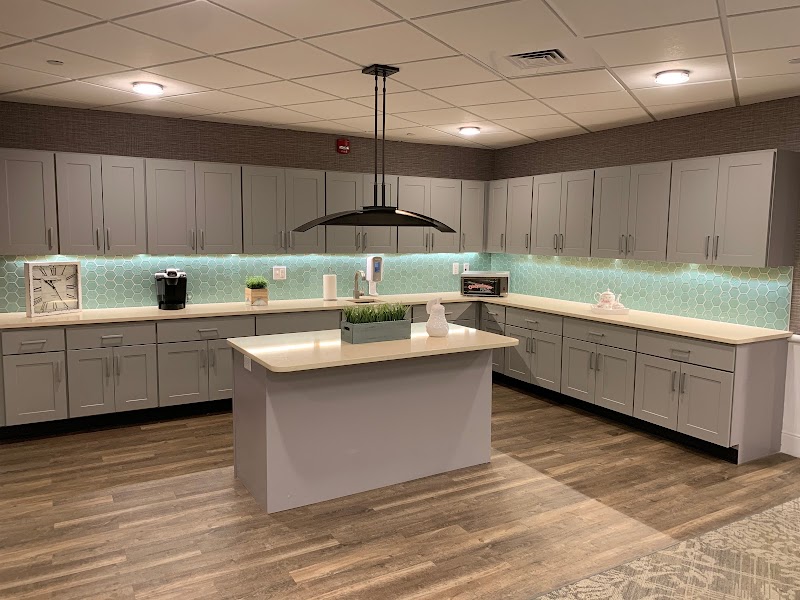
How is River Glen Health Staffed?

CMS rates RIVER GLEN HEALTH CARE CENTER's staffing level at 4 out of 5 stars, which is above average compared to other nursing homes. Staff turnover is 33%, compared to the Connecticut average of 46%. This relatively stable workforce can support continuity of care.

What Have Inspectors Found at River Glen Health?

State health inspectors documented 19 deficiencies at RIVER GLEN HEALTH CARE CENTER during 2019 to 2023. These included: 1 that caused actual resident harm, 17 with potential for harm, and 1 minor or isolated issues. Deficiencies causing actual harm indicate documented cases where residents experienced negative health consequences.
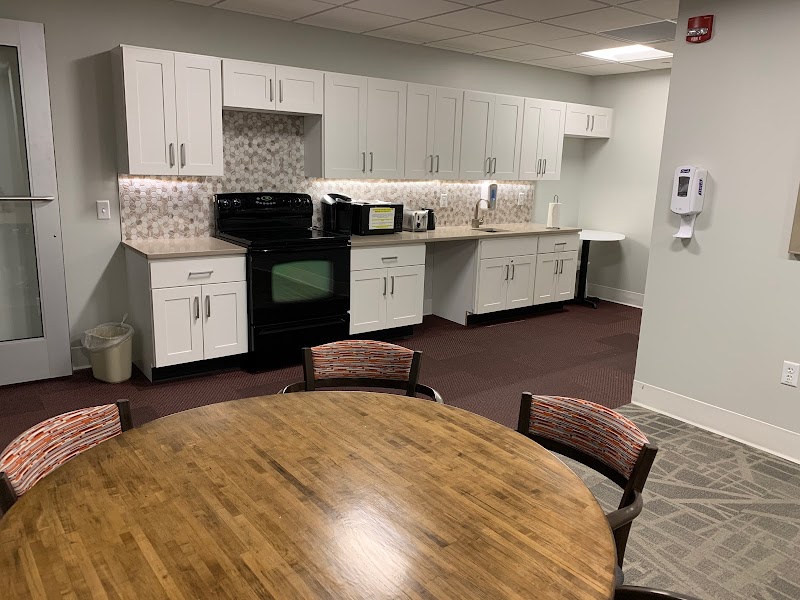
Who Owns and Operates River Glen Health?

RIVER GLEN HEALTH CARE CENTER is owned by a for-profit company. For-profit facilities operate as businesses with obligations to shareholders or private owners. The facility is operated by CAREONE, a chain that manages multiple nursing homes. With 120 certified beds and approximately 109 residents (about 91% occupancy), it is a mid-sized facility located in SOUTHBURY, Connecticut.
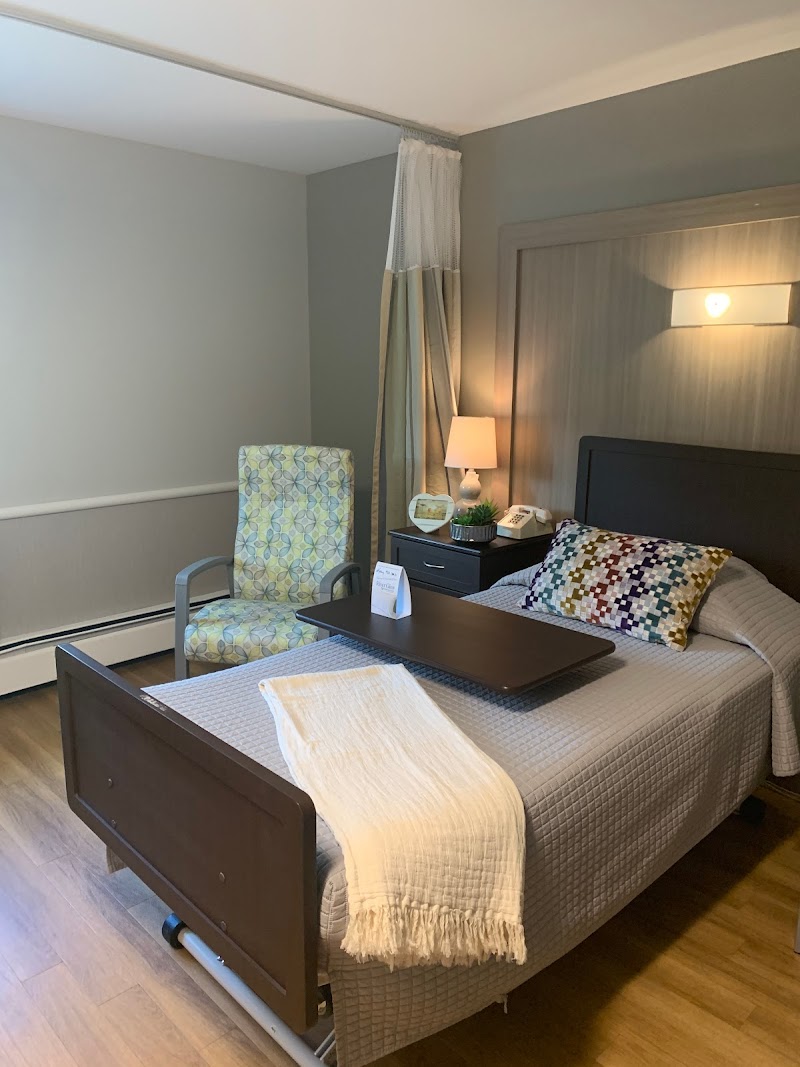
How Does River Glen Health Compare to Other Connecticut Nursing Homes?

Compared to the 100 nursing homes in Connecticut, RIVER GLEN HEALTH CARE CENTER's overall rating (5 stars) is above the state average of 3.1, staff turnover (33%) is significantly lower than the state average of 46%, and health inspection rating (5 stars) is much above the national benchmark.

What Should Families Ask When Visiting River Glen Health?

Based on this facility's data, families visiting should ask: "Can I visit during a mealtime to observe dining assistance and food quality?" "How do you handle medical emergencies, and what is your hospital transfer rate?" "Can I speak with family members of current residents about their experience?"

Is River Glen Health Safe?

Based on CMS inspection data, RIVER GLEN HEALTH CARE CENTER has a clean safety record: no substantiated abuse findings (meaning no confirmed cases of resident harm), no Immediate Jeopardy citations (the most serious violation level indicating risk of serious injury or death), and is not on the Special Focus Facility watch list (a federal program monitoring the lowest-performing 1% of nursing homes). The facility has a 5-star overall rating and ranks #1 of 100 nursing homes in Connecticut. While no facility is perfect, families should still ask about staff-to-resident ratios and recent inspection results during their visit.

Do Nurses at River Glen Health Stick Around?

RIVER GLEN HEALTH CARE CENTER has a staff turnover rate of 33%, which is about average for Connecticut nursing homes (state average: 46%). Moderate turnover is common in nursing homes, but families should still ask about staff tenure and how the facility maintains care continuity when employees leave.

Was River Glen Health Ever Fined?

RIVER GLEN HEALTH CARE CENTER has no federal fines on record. CMS issues fines when nursing homes fail to meet care standards or don't correct problems found during inspections. The absence of fines suggests the facility has either maintained compliance or corrected any issues before penalties were assessed. This is a positive indicator, though families should still review recent inspection reports for the full picture.

Is River Glen Health on Any Federal Watch List?

RIVER GLEN HEALTH CARE CENTER is not on any federal watch list. The most significant is the Special Focus Facility (SFF) program, which identifies the bottom 1% of nursing homes nationally based on persistent, serious quality problems. Not being on this list means the facility has avoided the pattern of deficiencies that triggers enhanced federal oversight. This is a positive indicator, though families should still review the facility's inspection history directly.