WADSWORTH GLEN HEALTH CARE AND REHABILITATION CENT
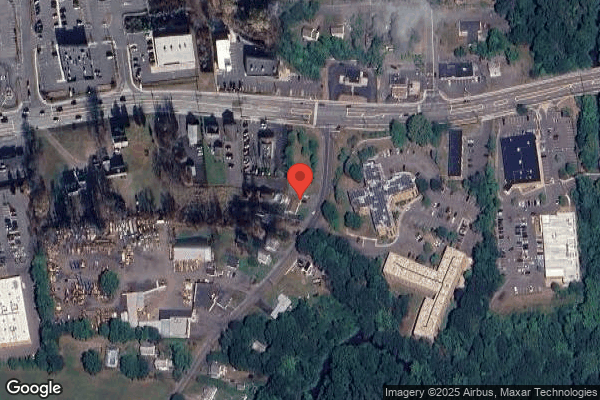
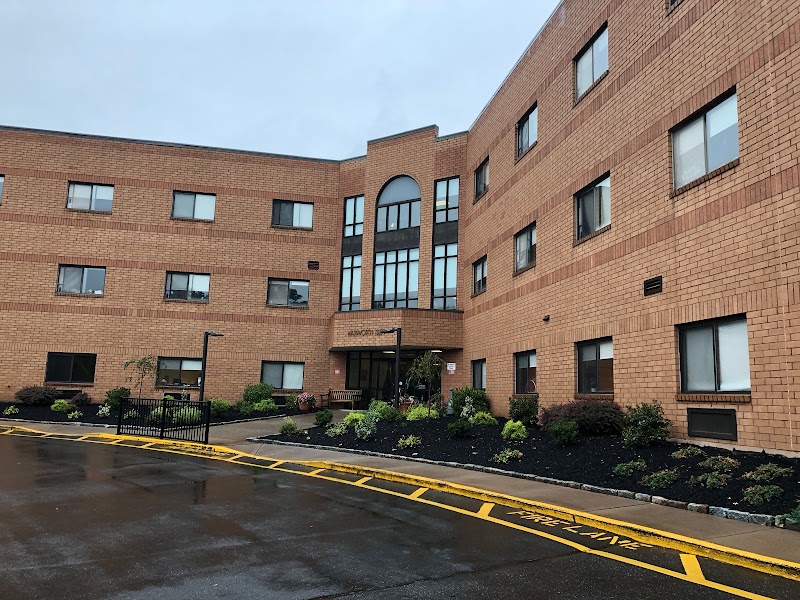
30 BOSTON RD, MIDDLETOWN, CT 06457 (860) 346-9299
For profit - Corporation 102 Beds ATHENA HEALTHCARE SYSTEMS Data: November 2025
Trust Grade
38/100
#150 of 192 in CT
Last Inspection: June 2023

Over 2 years since last inspection. Current conditions may differ from available data.

Overview

Wadsworth Glen Health Care and Rehabilitation Center has a Trust Grade of F, indicating significant concerns and a poor reputation. It ranks #150 out of 192 facilities in Connecticut, placing it in the bottom half, and #12 out of 17 in its county, suggesting limited local options for better care. While the facility is improving, having reduced its issues from four in 2024 to one in 2025, it still reported 37 deficiencies overall, with two classified as serious. Staffing ratings are average, with a turnover rate of 39%, and RN coverage is also average, meaning residents may not receive consistent oversight. Specific incidents include a failure to prevent pressure ulcers for a high-risk resident and delays in pain medication for another resident, which raises concerns about the quality of care. Overall, while there are some strengths in quality measures, the facility has significant weaknesses that families should consider.

Trust Score
F
38/100
In Connecticut
#150/192
Bottom 22%
Safety Record
Moderate
Needs review
Inspections
Getting Better
4 → 1 violations
Staff Stability
○ Average
39% turnover. Near Connecticut's 48% average. Typical for the industry.
Penalties
✓ Good
$14,528 in fines. Lower than most Connecticut facilities. Relatively clean record.
Skilled Nurses
⚠ Watch
Each resident gets only 28 minutes of Registered Nurse (RN) attention daily — below average for Connecticut. Fewer RN minutes means fewer trained eyes watching for problems.
Violations
⚠ Watch
37 deficiencies on record. Higher than average. Multiple issues found across inspections.
★★☆☆☆
2.0
Overall Rating
★★☆☆☆
2.0
Staff Levels
★★★★☆
4.0
Care Quality
★★☆☆☆
2.0
Inspection Score
Stable
2024: 4 issues
2025: 1 issues

The Good

  • 4-Star Quality Measures · Strong clinical quality outcomes
  • Full Sprinkler Coverage · Fire safety systems throughout facility
  • No fines on record
  • Staff turnover below average (39%)

    9 points below Connecticut average of 48%

Facility shows strength in quality measures, fire safety.

The Bad

2-Star Overall Rating

Below Connecticut average (3.0)

Below average - review inspection findings carefully

Staff Turnover: 39%

Near Connecticut avg (46%)

Typical for the industry

Federal Fines: $14,528

Below median ($33,413)

Minor penalties assessed

Chain: ATHENA HEALTHCARE SYSTEMS

Part of a multi-facility chain

Ask about local staffing decisions and management

The Ugly 37 deficiencies on record

2 actual harm
Jan 2025 1 deficiency
CONCERN (D) 📢 Someone Reported This

A family member, employee, or ombudsman was alarmed enough to file a formal complaint

Potential for Harm - no one hurt, but risky conditions existed

Quality of Care (Tag F0684)

Could have caused harm · This affected 1 resident

**NOTE- TERMS IN BRACKETS HAVE BEEN EDITED TO PROTECT CONFIDENTIALITY** Based on clinical record review, facility documentation review, facility policy review, and interviews for one of three resident...

Read full inspector narrative →
**NOTE- TERMS IN BRACKETS HAVE BEEN EDITED TO PROTECT CONFIDENTIALITY** Based on clinical record review, facility documentation review, facility policy review, and interviews for one of three residents (Resident #1) reviewed for admission, the facility failed to ensure a comprehensive skin assessment was completed timely upon admission. The findings include: Resident #1's diagnoses included dementia and frontotemporal neurocognitive disorder. The RN admission assessment dated [DATE] identified that Resident #1 was alert, oriented to person, cooperative, aphasic (unable to communicate), unable to express ideas, incontinent of bowel and bladder and was dependent with ADL care. The Resident Care Plan (RCP) dated 12/28/2024 identified Resident #1 had the potential for pressure ulcer development related to immobility. Interventions directed follow facility policies/protocols for the prevention/treatment of skin breakdown. Review of RN admission nursing note dated 12/28/2024 at 12:47 PM indicated Resident #1 arrived to 11:10 AM for respite stay, resident alert, was nonverbal and had contractures to upper and lower extremities. Review of the Norton Plus assessment score on admission dated 12/28/2024 indicated Resident #1 was at very high risk of developing pressure ulcers. Record review identified an admission assessment was completed by RN #1. Additional review identified RN #1 assessment included a Norton Plus skin risk with a score of 9 (high risk for alteration in skin). Additional review identified a skin assessment was not included in the admission assessment. Review of Pressure Injury Evaluation dated 12/30/2024 (2 days after admission), completed by LPN #1 (wound nurse), identified that Resident #1 had three (3) non-facility acquired pressure injuries staged as Deep Tissue Injuries (DTI's) to the proximal left lateral foot 1.0 x 1.0 centimeter (cm), left lateral mid foot 3.0 x 2.5 cm, and distal left lateral foot 4.0 x 3.0 cm. The evaluation identified the date of origin was on 12/28/2024. Nursing note dated 1/1/2025 identified notified by LPN that resident had a pressure ulcer DTI, and new orders were obtained to offload the area and keep foam dressing in place for support. Record review failed to identify a skin assessment was completed upon admission on [DATE] (2 days prior to the DTI note). Additional review failed to identify an RN Assessment was completed for the newly identified alteration in skin integrity on 12/30/2024. Interview, review of clinical record and facility documentation with LPN #1 (wound nurse) 1/28/2025 at 12:34 PM identified that she evaluated Resident #1's skin on 12/30/2024 after reviewing the facility new admissions list. LPN #1 stated on 12/30/2024 Resident #1 had three (3) left lateral foot pressure ulcers that were present on admission. On 1/28/2025 at 1:49 PM interview, review of clinical record and facility documentation with the DNS identified that the facility prevention and management of pressure injuries policy directs on admission a comprehensive assessment of a resident will be completed which includes a head-to-toe skin assessment, and upon Resident #1's admission the nurse should have completed and documented the skin assessment. Interview failed to identify why an admission skin assessment was not completed, and why an RN assessment was not completed on 12/30/2024 when the DTI areas were identified. Review of facility Prevention and Management of Pressure Injuries Policy directed in part, residents with pressure injuries are identified, assessed and provided appropriate treatment, ongoing monitoring and evaluation are provided to ensure optimal resident outcomes. On admission/readmission, a comprehensive assessment of the resident will be completed which will include the following: a head-to-toe skin assessment.
Jul 2024 3 deficiencies
CONCERN (D) 📢 Someone Reported This

A family member, employee, or ombudsman was alarmed enough to file a formal complaint

Potential for Harm - no one hurt, but risky conditions existed

Resident Rights (Tag F0550)

Could have caused harm · This affected 1 resident

**NOTE- TERMS IN BRACKETS HAVE BEEN EDITED TO PROTECT CONFIDENTIALITY** Based on clinical record reviews, review of facility documentation, review of facility policy and interviews for four of six sam...

Read full inspector narrative →
**NOTE- TERMS IN BRACKETS HAVE BEEN EDITED TO PROTECT CONFIDENTIALITY** Based on clinical record reviews, review of facility documentation, review of facility policy and interviews for four of six sampled residents (Residents #8, #9, #10, and #12) reviewed for a potential allegation of verbal abuse, the facility failed to ensure the residents were treated in a dignified and respectful manner when a staff member used insensitive language when speaking to a resident and a staff member yelled in front of a resident. The findings include: 1. Resident # 8's diagnoses included overactive bladder, bipolar disorder, and paroxysmal atrial fibrillation. The quarterly Minimum Data Set assessment dated [DATE] identified Resident #8 was cognitively intact and required extensive assistance of one (1) staff person for most Activities of Daily Living. The Facility Reported Incident report dated 7/22/21 at 10:00 AM indicated Resident #8 alleged a staff member called Resident #8 a liar and turned off the call bell without toileting Resident #8. The report identified the facility substantiated that the charge nurse told Resident #8 that he/she used the bathroom too frequently and the nurse may have shut the call light off. The report indicated this caused emotional distress to Resident #8. The investigation identified the 7AM-3PM charge nurse, Licensed Practical Nurse (LPN) #2, spoke in an undignified manner and used insensitive language toward Resident #8 when LPN #2 told Resident #8 that he/she used the bathroom too frequently and called Resident #8 a liar. The summary report dated 7/28/21 identified employment with LPN #2 was terminated. Interview and review of the Facility Reported Incident report with the Director of Nursing (DON) on 7/3/24 at 10:54 AM indicated although he was not at the facility at the time of the incident, based upon the facility documentation reviewed, the outcome of the investigation determined LPN #2 did not speak to Resident #8 in a respectful manner. The DON identified it was the expectation for all staff to treat all residents with respect while providing the care a resident needed. 2. Resident #9's diagnoses included osteoarthritis, bipolar disorder, and anxiety. The annual Minimum Data Set assessment dated [DATE] identified Resident #9 was cognitively intact and required limited one (1) person assistance with dressing and personal hygiene. The Facility Reported Incident report dated 11/17/23 identified NA #5 was in the hallway yelling at other staff. The report indicated Resident #9 became visibly upset by the behavior of NA #5 and was seen crying and shaking. Interview and review of the Facility Reported Incident report with the Administrator on 7/3/24 at 9:35 AM identified an investigation was conducted and determined NA #5 was in the hallway yelling at other staff about Resident #9's grievance and Resident #9 became upset by the behavior of NA #5. The Administrator identified NA #5 was not permitted back to the facility following the incident. 3. Resident #10's diagnoses included unsteadiness, need for assistance with personal care, and congestive heart failure. The quarterly Minimum Data Set assessment dated [DATE] identified Resident #10 was cognitively intact and required limited one (1) staff person assistance with bed mobility, transferring, toileting, and personal hygiene. The Facility Reported Incident report dated 8/9/23 identified Resident #10 reported a nurse aide yelled at him/her on 8/8/23 on the 11PM-7AM shift after Resident #10 went to the bathroom on his/her own without waiting for assistance from a staff member. The investigation identified NA #6 communicated with Resident #10 in a manner that was unacceptable and not respectful of Resident #10. The report indicated NA #6 answered Resident #10's call bell on 8/8/23 on the 11PM-7AM shift, questioned Resident #10 why resident needed assistance and commented to Resident #10 that I was just in here ten (10) minutes ago. Interview and review of the Facility Reported Incident report dated 8/9/23 with the Director of Nursing (DON) on 7/3/24 at 10:58 AM identified although he was not at the facility at the time of the incident, based upon the facility documentation reviewed, the outcome of the investigation determined NA #6 did not speak to Resident #10 in a respectful manner. The DON identified it was the expectation that all staff members treat residents with dignity and speak to residents in a respectful manner. Review of the facility Resident's [NAME] of Rights dated 7/2021 directed residents had the right to be treated with consideration, respect, and full recognition of his/her dignity and individuality. 4. Resident #12's diagnoses included dementia and muscle weakness. The quarterly Minimum Data Set assessment dated [DATE] identified Resident #12 rarely made decisions regarding tasks of daily life, required substantial to maximum assistance with toileting, partial to moderate assistance with ambulating, utilized a wheelchair for mobility, was occasionally incontinent of bowel and bladder, and has a history of falls. The Resident Care Plan dated 1/29/24 identified Resident #12 was at risk for falls. Interventions directed to toilet early on first rounds, to provide frequent toileting throughout shift, keep wheelchair by the bed, and call bell within reach. The nurse's note dated 2/3/24 at 11:30 PM identified Resident #12 was found on the bathroom floor sitting on his/her buttock in front of the toilet and Resident #12 stated I had to go to the bathroom. The Facility Reported Incident form dated 2/4/24 identified Resident #12 sustained a fall in the bathroom without injury on 2/3/24. The report indicated the nurse aide upset with another staff member entered Resident #12's room using profanity in front of Resident #12. The investigation identified the 11PM-7AM nurse aide, Nurse Aide (NA) #7, and the 11PM-7AM charge nurse, Licensed Practical Nurse (LPN) #3, had an argument at the nurse's station which carried into Resident #12's room when NA #7 went to assistance with getting Resident #12 up and off the floor. In an interview with the Administrator on 7/3/24 at 10:54 AM identified Resident #12 had fallen around the change of shifts, and LPN #3 asked NA #7 where she was and why Resident #12 had not been checked. The Administrator indicated the conversation took place at the nurse's station and NA #7 was swearing, NA #7 went into Resident #12's room and continued swearing, Resident #12 apologized to NA #7 for being an inconvenience and falling. The Administrator identified at the conclusion of the investigation NA #7 was terminated.
CONCERN (D) 📢 Someone Reported This

A family member, employee, or ombudsman was alarmed enough to file a formal complaint

Potential for Harm - no one hurt, but risky conditions existed

Comprehensive Care Plan (Tag F0656)

Could have caused harm · This affected 1 resident

**NOTE- TERMS IN BRACKETS HAVE BEEN EDITED TO PROTECT CONFIDENTIALITY** Based on clinical record reviews, facility documentation, facility policy and interviews for one of three sampled residents (Res...

Read full inspector narrative →
**NOTE- TERMS IN BRACKETS HAVE BEEN EDITED TO PROTECT CONFIDENTIALITY** Based on clinical record reviews, facility documentation, facility policy and interviews for one of three sampled residents (Resident #1) who were reviewed for the implementation of the care plan, the facility failed to ensure Resident #1 was transferred with the assistance of two (2) staff members. The findings include: Resident #1's diagnoses included fracture of the lateral condyle of the right tibia (lower leg), fracture of the left calcaneus (heel), unspecified head injury and arthritis. The nursing admission assessment dated [DATE] identified Resident #1 was alert and oriented to person, place and time and required assistance of two (2) staff members with toileting, transferring, and ambulation with the use of a walker (a device to assist with ambulation) with partial weight bearing restrictions. The Resident Care Plan dated 8/27/21 identified a risk for activities of daily living deficit related to recent hospitalization for fall with fractures and non-weight bearing to the left lower extremity and toe touch weight bearing to the right lower extremity, impaired mobility, and pain. The care plan identified a left calcaneus fracture and right lateral tibial plateau fracture repaired with open reduction internal fixation (ORIF) and at risk for falls. Interventions directed to keep the call bell within reach, Occupational and Physical therapy evaluations and treatment as ordered, assist with position changes as needed, encourage elevation of fracture site, monitor circulatory motor sensation, non-weight bearing to the left lower extremity, toe touch weight bearing to the right lower extremity, orthopedic follow up as ordered, instruct in proper use of appliance and device to aid with balance/ and transfers and encourage use, and instruct to ask for assistance prior to attempting to transfer or ambulate as needed. A physician's order dated 8/28/21 directed the activity orders out of bed to chair as tolerated, ambulation with rehabilitation only, assist of two (2) staff members for transfers from bed to chair with rolling walker, assist of two (2) staff members to transfer to bedside commode for toileting, and assist of one (1) staff member for activities of daily living at bed or wheelchair level to resident's preference with precautions of non0weight bearing to left lower extremity and toe touch weight bearing to right lower extremity. The resident care card, undated, directed for transfer status with assist of two (2) staff members with toe touch weight bearing to the right lower extremity and non-weight bearing to the left lower extremity with pivot on right lower extremity. Interview and picture review with Person #4 on 7/3/24 at 7:57 AM identified Resident #1 was observed being transferred with only one (1) staff member. Interview, review of complainant pictures and clinical record review with the Director of Nursing (DON) on 7/3/24 at 11:03 AM identified the physician's order directed for Resident #1 to be out of bed to chair as tolerated, ambulate with therapy only, assist of two (2) staff members bed to chair with rolling walker, assist of two (2) staff members to bedside commode for toileting, assist of one (1) staff member for activities of daily living at bedside or wheelchair level with toe touch weight bearing to right lower extremity and non-weight bearing to left lower extremity. The DON identified there was also an order that directed for right lower extremity toe touch weight bearing, can use pivot with assistance of two (2) staff members. Although requested, a policy on weight bearing status was not provided.
CONCERN (D) 📢 Someone Reported This

A family member, employee, or ombudsman was alarmed enough to file a formal complaint

Potential for Harm - no one hurt, but risky conditions existed

Deficiency F0697 (Tag F0697)

Could have caused harm · This affected 1 resident

**NOTE- TERMS IN BRACKETS HAVE BEEN EDITED TO PROTECT CONFIDENTIALITY** Based on clinical record reviews, facility documentation, facility policy and interviews for one of three sampled residents (Res...

Read full inspector narrative →
**NOTE- TERMS IN BRACKETS HAVE BEEN EDITED TO PROTECT CONFIDENTIALITY** Based on clinical record reviews, facility documentation, facility policy and interviews for one of three sampled residents (Resident #1) who were reviewed for pain management, the facility failed to ensure the hospital discharge order for ice to the lower extremities five (5) times a day for twenty (20) minute intervals was implemented. The findings include: Resident #1's diagnoses included fracture of the lateral condyle of the right tibia (lower leg), fracture of the left calcaneus (heel), unspecified head injury and arthritis. The nursing admission assessment dated [DATE] identified Resident #1 was alert and oriented to person, place and time and required assistance of two (2) staff members with toileting, transferring, and ambulation with the use of a walker (a device to assist with ambulation) with partial weight bearing restrictions. The Resident Care Plan dated 8/27/21 identified a risk for activities of daily living deficit related to recent hospitalization for fall with fractures and non-weight bearing to the left lower extremity and toe touch weight bearing to the right lower extremity, impaired mobility, and pain. The care plan identified a left calcaneus fracture and right lateral tibial plateau fracture repaired with open reduction internal fixation (ORIF) and at risk for falls. Interventions directed to keep the call bell within reach, Occupational and Physical therapy evaluations and treatment as ordered, assist with position changes as needed, encourage elevation of fracture site, monitor circulatory motor sensation, non-weight bearing to the left lower extremity, toe touch weight bearing to the right lower extremity, orthopedic follow up as ordered, instruct in proper use of appliance and device to aid with balance/ and transfers and encourage use, and instruct to ask for assistance prior to attempting to transfer or ambulate as needed. Review of the hospital Discharge summary dated [DATE] directed for Resident #1 to keep the extremities elevated and to apply ice five (5) times a day for twenty (20) minute intervals. A physician's order dated 8/27/21 directed to monitor pain every shift using the zero to ten (0-10) pain scale. Interview and clinical record review with the Director of Nursing (DON) on 7/3/24 at 11:03 AM identified the hospital discharge summary included an order to ice the lower extremities five (5) times a day for twenty (20) minute intervals, but this was not reflected in the physician orders or care plan. Review of the facility policy titled, Pain Management, dated April 2015, directed, in part, the facility will, to the extent possible, develop and implement interventions/approaches to pain management, both pharmacological and non-pharmacological.
Mar 2024 1 deficiency
CONCERN (D) 📢 Someone Reported This

A family member, employee, or ombudsman was alarmed enough to file a formal complaint

Potential for Harm - no one hurt, but risky conditions existed

Accident Prevention (Tag F0689)

Could have caused harm · This affected 1 resident

**NOTE- TERMS IN BRACKETS HAVE BEEN EDITED TO PROTECT CONFIDENTIALITY** Based on clinical record reviews, facility documentation, and interviews for one of three sampled residents (Resident #1) who wa...

Read full inspector narrative →
**NOTE- TERMS IN BRACKETS HAVE BEEN EDITED TO PROTECT CONFIDENTIALITY** Based on clinical record reviews, facility documentation, and interviews for one of three sampled residents (Resident #1) who was at risk for falls and aspiration and required one (1) to one (1) with meals, the facility failed to ensure the safety of Resident #1 who fell and sustained a laceration while attempting to walk to his/her meal tray that was across the room. The findings include: Resident #1's diagnoses included history of fall with neck fracture, right subdural hematoma, dysphagia (difficulty swallowing), and repeated falls. The Fall Risk assessment dated [DATE] identified Resident #1 was at high risk for falls. The Physical Therapy assessment dated [DATE] identified Resident #1 demonstrated a poor standing balance, was unable to perform ambulation, and was at risk for falls. A physician's order dated 2/9/24 directed to transfer with one (1) person assistance with rolling walker or two (2) person assistance as needed due to fatigue following dialysis, ambulate with rehab only, toileting assistance with one (1) at wheelchair level or with two (2) as needed due to fatigue following dialysis. Aspiration orders directed a pureed consistency with honey thick liquids, one (1) to (1) feed, teaspoon sips, consistent cues for throat clears/swallows after each bite or sip, slow rate, small bites, alternate liquids/solids, and withhold food or liquids by mouth if lethargic. The quarterly Minimum Data Set assessment dated [DATE] identified Resident #1 rarely or never made decisions regarding tasks of daily life, required maximum assistance with toileting, hygiene, bathing, dressing, and getting in and out of the bed and chair and was dependent on staff or eating. The Resident Care Plan dated 2/15/24 identified Resident #1 was at risk of falls. Interventions directed assistance of one (1) for getting in and out of the bed and chair, two (2) quarter side rails to aid with turning and repositioning, offer toileting on first rounds on the 11PM-7AM shift, gripper socks while in bed, instruct resident to ask for assistance before attempting to transfer or ambulate, call bell in reach, and offer to get the resident out of bed on the last rounds on the 11PM-7AM shift. The nurse's note dated 2/21/24 at 9:09 AM identified Resident #1 had fallen and was on the floor when the nurse entered the room. The note identified Resident #1 was bleeding from the forehead, complained of back pain, the Advanced Practice Registered Nurse (APRN) was notified and assessed Resident #1 after the fall, and the Emergency Medical Service (EMS) was called. The nurse's note dated 2/22/24 at 5:44 PM identified Resident #1 returned from the hospital, Resident #1 sustained two (2) black eyes and had 4 sutures in the middle of the forehead. The note indicated the nurse aide was instructed to not leave food at the bedside because Resident #1 would attempt to feed self. The facility's summary report dated 2/27/24 directed not to leave meal trays on the table until someone was there to assist the resident with the meal. Interview with the 7AM-3PM nurse aide, Nurse Aide (NA) #1, on 3/19/24 at 1:20 PM identified she was the nurse aide assigned to Resident #1 on 2/21/24 and she placed Resident #1's breakfast tray across the room from where Resident #1 was seated, told Resident #1 she would be back to assist with the meal, and Resident #1 acknowledged her by saying, ok. NA #1 explained she left and was out of the room for approximately three (3) to five (5) minutes when Resident #1's call bell went off. NA #1 identified when she entered the room, Resident #1 was on the floor next to the table where she had left the food tray on which was approximately five (5) feet away from where Resident #1 had been sitting. NA #1 identified Resident #1's level of supervision for meals was a one (1) to one (1) which meant staff had to be present during mealtime and that was why she left the tray across the room.
Sept 2023 3 deficiencies
CONCERN (D) 📢 Someone Reported This

A family member, employee, or ombudsman was alarmed enough to file a formal complaint

Potential for Harm - no one hurt, but risky conditions existed

Investigate Abuse (Tag F0610)

Could have caused harm · This affected 1 resident

**NOTE- TERMS IN BRACKETS HAVE BEEN EDITED TO PROTECT CONFIDENTIALITY** Based on review of the clinical record, facility documentation, facility policy, and interviews for one (1) of three (3) residen...

Read full inspector narrative →
**NOTE- TERMS IN BRACKETS HAVE BEEN EDITED TO PROTECT CONFIDENTIALITY** Based on review of the clinical record, facility documentation, facility policy, and interviews for one (1) of three (3) residents, (Resident #3), reviewed for abuse, the facility failed to initiate an investigation timely when an allegation abuse was reported to staff. The findings include: Resident #3 was admitted to the facility with diagnoses that included multiple sclerosis and schizophrenia. The care plan dated 8/9/23 identified Resident #3 had an activities of daily living (ADL) deficit with interventions that included toileting and ADL's assist of one at the bed level, explain to the resident tasks, purpose, and breakdown tasks into simple subtasks as able. The care plan further identified Resident #3 was incontinent of bowel and bladder with interventions that included to provide incontinent care approximately every two hours and as needed. The MDS dated [DATE] identified Resident #3 had no impairments in cognition, required extensive assistance of two staff for toilet use and was totally dependent on one staff for bathing and was always incontinent of bowel and bladder. A nurse's note written by the DNS dated 9/16/23 at 7:45 PM identified it was brought to her attention that while Resident #3 was at the hospital pending an evaluation after a fall, had allegations of rape by a staff member at the facility. Resident #3 informed the triage nurse during the night of 9/15/23 he/she felt like he/she was raped by staff. Resident #3 described the event that five (5) people were present in the room, stripped him/her of his/her clothes and bathed him/her without his/her consent. An investigation was initiated immediately and the Administrator was notified. Review of the A&I dated 9/16/23 identified on 9/15/23 Resident #3 reported to the hospital staff that in the facility on 9/15/23 at nighttime, he/she was raped by staff; was stripped of his/her clothes and bathed without his/her consent. The APRN and police were notified. A statement written by NA #1 identified on 9/15/23 at 11:00 PM when she came into work, NA #3 told her Resident #3 refused care during the 3:00 PM - 11:00 PM shift and asked to re-approach Resident #3 with her. She identified she explained to Resident #3 how important it was to be changed due to skin breakdown and Resident #3 said okay and allowed NA #1 and NA #3 to wash him/her. She further identified Resident #3 stated he/she felt like he/she was raped after receiving care. Interview with RN #1 on 10/3/23 at 3:50 PM identified she was Resident #3's supervising nurse on 9/15/23 during the 11:00 PM - 7:00 AM shift. She identified she was notified of any allegations of rape by staff on 9/15/23. She further identified she performed Resident #3's skin check after his/her bath and Resident #3 had no complaints. Interview with the Administrator and DNS on identified on 9/16/23 Resident #3 fell and was sent to the hospital. The admission coordinator was reviewing Resident #3's hospital notes on 9/16/23 when she identified a note that stated Resident #3 reported to hospital staff that she was raped the night before (9/15/23). The DNS called the police immediately and began an investigation. During the investigation it was identified Resident #3 made a comment to NA #1 that he/she felt as though he/she was raped when he/she was washed up (9/15/23). She identified NA #1 told the licensed nurse, whom was an agency nurse. The DNS identified it was not reported to her or the Administrator, and further identified there was a breakdown in communication during the change of shift. The DNS further identified if she had known that Resident #3 verbalized he/she felt like he/she was rapedon 9/15/23 she would have began an investigation immediately. The DNS further identified that the allegation was unsubstantiated. Although attempted, an interview with RN #2, and NA#1 was unable to be obtained Review of the abuse policy directed that an immediate investigation is warranted when suspicion of abuse, neglect or exploitation, or reports of abuse occur. It directed that the facility will make efforts to ensure all residents are protected from physical and psychosocial harm, as well as additional abuse, during and after the investigation. It further identified reporting of all alleged violations to the Administrator, state agency, adult protective services and all other required agencies (law enforcement) should occur immediately, but no later than two hours after the allegation was made.
CONCERN (D) 📢 Someone Reported This

A family member, employee, or ombudsman was alarmed enough to file a formal complaint

Potential for Harm - no one hurt, but risky conditions existed

Pressure Ulcer Prevention (Tag F0686)

Could have caused harm · This affected 1 resident

**NOTE- TERMS IN BRACKETS HAVE BEEN EDITED TO PROTECT CONFIDENTIALITY** Based on review of the clinical record, facility documentation, facility policy, and interviews for one (1) of three (3) residen...

Read full inspector narrative →
**NOTE- TERMS IN BRACKETS HAVE BEEN EDITED TO PROTECT CONFIDENTIALITY** Based on review of the clinical record, facility documentation, facility policy, and interviews for one (1) of three (3) residents,(Resident #1), reviewed for pressure ulcers, the facility failed to implement new interventions when a resident changed from a moderate pressure ulcer risk to high pressure ulcer risk. The findings include: Resident #1 was admitted to the facility on [DATE] with diagnoses that included Alzheimer's dementia, glaucoma and stroke. [NAME] plus assessment dated [DATE] identified Resident #1 was a moderate risk for developing pressure ulcers/injuries. The care plan dated 10/7/22 identified Resident #1 was at risk for skin breakdown with interventions that included to inspect Resident #1's skin for redness, irritation or breakdown during care, nutrition/hydration assessment as needed, offload heels, offer turning and repositioning approximately every two hours and as needed, pressure reducing cushion/mattress as needed, toileting/incontinent care as needed, treatments as ordered and weekly skin inspections. The admission MDS dated [DATE] identified Resident #1 had moderately impaired cognition, was frequently incontinent of urine, always continent of bowel, required extensive assist of one staff for personal hygiene and bed mobility and extensive assist of two staff for transfers and toilet use. It further identified Resident #1 did not have any unhealed pressure ulcers/injuries but was at risk of developing pressure ulcers/injuries. [NAME] plus assessment dated [DATE] identified Resident #1 was at high risk for developing pressure ulcers/injuries(an increased risk in developing pressure ulcers since the assessment of 10/7/23). Review of Resident #1's care plan from 10/18/22 through 12/15/22 failed to identify additional skin care interventions after Resident #1 became a high risk of developing pressure ulcers/injuries. Interview with MD #2 (wound physician) on 9/28/23 at 1:37 PM identified he would expect new interventions to be put into place for a resident who became a high risk for developing pressure ulcers/injuries. Interview with LPN #1 on 9/28/23 at 2:20 PM identified the MDS coordinator was responsible for imputing interventions into residents' care plans. She identified the floor nursing staff will be now responsible for imputing interventions into residents' care plans as needed. Interview with the Administrator on 9/28/23 at 3:00 PM identified she would expect new interventions to be added to a care plan for a resident who went from a moderate risk to a high for pressure ulcers/injuries. Review of the [NAME] plus skin assessment policy directed for a score of ten (10) or less is high risk and to implement interventions and care plan. Review of the pressure injury/non-pressure wound risk management policy directed, in part, that resident who score at risk on the Norton Scale are provided with care to address their individual risk factors and goals of treatment. It further identified to determine the cause of pressure and remove the causative agent if possible.
MINOR (B) 📢 Someone Reported This

A family member, employee, or ombudsman was alarmed enough to file a formal complaint

Minor Issue - procedural, no safety impact

Medical Records (Tag F0842)

Minor procedural issue · This affected multiple residents

**NOTE- TERMS IN BRACKETS HAVE BEEN EDITED TO PROTECT CONFIDENTIALITY** Based on review of the clinical record, facility documentation, facility policy, and interviews for one (1) of three (3) residen...

Read full inspector narrative →
**NOTE- TERMS IN BRACKETS HAVE BEEN EDITED TO PROTECT CONFIDENTIALITY** Based on review of the clinical record, facility documentation, facility policy, and interviews for one (1) of three (3) residents, (Resident #1) reviewed for pressure ulcers, the facility failed to complete and document weekly skin checks per facility policy. The findings include: Resident #1 was admitted to the facility on [DATE] with diagnoses that included Alzheimer's dementia, glaucoma and stroke. A physician's order dated 12/3/22 directed weekly skin checks on bath/shower days on Wednesday 3:00 PM - 11:00 PM shift. The quarterly MDS dated [DATE] identified Resident #1 had severely impaired cognition, was frequently incontinent of bowel and bladder, required extensive assist of one staff for personal hygiene and toilet use and required extensive assist of two staff for transfers and bed mobility. It further identified Resident #1 did not have any unhealed pressure ulcers/injuries, however, was at risk of developing pressure ulcers/injuries. The [NAME] plus assessment dated [DATE] identified Resident #1 was at moderate risk for developing pressure ulcers/injuries. A weekly skin audit dated 7/19/23 identified Resident #1 had no new skin impairments since the last review. A wound care specialist note dated 7/31/23 identified Resident #1 was seen for a right lower leg skin tear. A nursing note and pressure injury evaluation dated 8/5/23 identified the nurse was notified the NA that Resident #1 had new wounds; coccyx Deep Tissue Injury (DTI) that measured 5.5 centimeters (cm) in width and 7 cm in length, a gluteal cleft unstageable pressure injury that measured 3 cm in width and 3 cm in length and right heel DTI that measured 5.5 cm in width by 6 cm in length. The DNS and APRN were notified. Weekly skin audit dated 8/16/23 identified Resident #1 had no new skin impairments since the last review. Although Review of Resident #1's treatment administration report (TAR) dated August 2023 identified on 8/2/23, 8/9/23, 8/16/23 LPN #3 documented weekly skin checks were completed, review of Resident #1's medical record failed to identify a weekly skin audit was completed and documented between 7/19/23 - 8/16/23 (total of three skin audits). The care plan dated 8/24/23 identified Resident #1 was at risk for skin breakdown. The interventions included to inspect Resident #1's skin for redness, irritation or breakdown during care, nutrition/hydration assessment as needed, offload heels, offer turning and repositioning approximately every two hours and as needed, pressure reducing cushion/mattress as needed, toileting/incontinent care as needed, treatments as ordered and weekly skin inspections. Weekly skin audit dated 9/5/23 identified Resident #1 current buttock wound was getting worse and the physician was aware. Although Review of Resident #1's treatment administration report (TAR) dated August 2023 identified on 8/23/23 and 8/30/23 LPN #3 documented weekly skin checks were administered, review of Resident #1's medical record failed to identify a weekly skin audit was completed and documented between 8/16/23 - 9/5/23 (total of two skin audits). Interview with LPN #3 on 10/3/23 at 1:34 PM identified when she signs off skin checks on the resident's MAR, she has completed the skin check during the shower time. She identified she will document the skin audit at the end of shift but sometimes there is a lot of documentation to do and it is not completed. LPN #3 was unable to answer if Resident #1 had any new skin issues identified on the skin checks that were completed in August. She identified Resident #1 previously had a pressure ulcer on his/her back that was healed. She identified a new pressure injury developed on Resident #1's back but she could not identify the date of origin. Interview with LPN #1 on 9/28/23 at 2:20 PM identified the order in a resident's TAR is a reminder for the nurse to do the resident's skin check. She identified a skin check should be initiated and completed. She identified a LPN can perform a skin check, and if issues are identified, they should be reported to the RN. Review of the prevention & management of pressure injuries policies directed that residents will have a weekly body audit completed by licensed staff.
Jun 2023 14 deficiencies 2 Harm
SERIOUS (G)

Actual Harm - a resident was hurt due to facility failures

Pressure Ulcer Prevention (Tag F0686)

A resident was harmed · This affected 1 resident

**NOTE- TERMS IN BRACKETS HAVE BEEN EDITED TO PROTECT CONFIDENTIALITY** Based on clinical record reviews, observations, review of facility's documentation and interviews for one of three sampled resid...

Read full inspector narrative →
**NOTE- TERMS IN BRACKETS HAVE BEEN EDITED TO PROTECT CONFIDENTIALITY** Based on clinical record reviews, observations, review of facility's documentation and interviews for one of three sampled residents (Resident #17) reviewed for facility acquired pressure ulcers, the facility failed to ensure interventions were consistently implemented to prevent the development and worsening of a pressure ulcers/injury. The findings include: Resident #17 had diagnoses that included cerebral infarction, hemiplegia and hemiparesis, paroxysmal atrial fibrillation, seizures, Parkinson's disease, congestive heart failure, iron deficiency anemia, dysphagia, type 2 diabetes mellitus, and protein calorie malnutrition. The Norton Scale (used to predict risk for pressure ulcer development) dated 1/24/23 identified the resident was at high risk for pressure ulcer development. The physician's order dated 1/24/23 directed to offload heels every shift as tolerated. The RCP dated 1/31/23 identified the resident was at risk for skin breakdown with interventions that included inspect skin for redness, irritation or breakdown during care, off load heels, offer to turn and reposition every two hours and as needed, pressure reducing cushion and mattress, and wound physician to evaluate and treat. The Norton Scale (used to predict risk for pressure ulcer development) dated 4/29/23 identified the resident was at high risk for pressure ulcer development. The quarterly MDS assessment dated [DATE] identified Resident #17 had severe cognitive impairment, depressed mood, no behavioral issues, required extensive assistance of two staff members for bed mobility, was non-ambulatory, required total assistance for transfers, locomotion, eating, dressing, and toilet use. The assessment further identified Resident #17 had a range of motion deficit of an upper extremity affecting one side, had experienced a weight loss that was not physician prescribed in the past month or the past six months, and was at risk for the development of pressure ulcers but did not have a pressure ulcer. Review of the weekly wound physician's notes for the period of April/2023 through 6/5/23 directed Resident #17's heels be offloaded per the facility's protocol, initiate pressure ulcer prevention protocol (the protocol identified that on admission or readmission, a comprehensive assessment of the resident will be completed which would include a head-to-toe assessment in a manner that respects the residents' dignity. A comprehensive clinical assessment to identify specific physical and functional risk factors associated with pressure injury development. The resident should be assessed for pressure injury risk factors, the resident's skin is observed daily with care, resident will have weekly body audit completed by licensed staff and pressure injuries are assessed and documented on at least weekly and with a significant change in the wound until it is resolved.) and apply a pressure redistribution mattress. The notes further identified that the plan of care would be discussed and coordinated with the wound treatment nurse. Review of the treatment administration record (TAR) from January 2023 to May 2023 identified the instruction to offload Resident #17's heels on every shift (day, evening, and nights). The documentation identified that the licensed staff were signing that the heels were being offloaded. The APRN's note dated 5/2/23 at 2:16 PM identified Resident #17 continued to have problems with eating and intake. He/she had labs based on history of IV fluid therapy needs, cardiovascular accident, poor intake and low Albumin which is now stable at 3.8. The note further identified that the resident's appetite continues to vary without acute worsening of condition and no acute kidney injury noted. The note further noted that the resident was stable but declining as expected. The nurse's note dated 5/13/23 identified that Resident #17 was noted with a DTI to left heel measuring 2.5 cm in length by 2.0 cm in width. Resident had no complaint of pain or discomfort, APRN notified, treatment was initiated as per protocol and a note was left for the wound MD. Responsible party updated. The Pressure Injury Evaluation dated 5/13/23 at 9:05 PM identified that the DTI was facility acquired and that Resident #17 was educated to keep legs offloaded. Responsible party educated on skin care/precautions. The wound physician's (MD #1) note dated 5/15/23 identified Resident #17 had a left heel deep tissue pressure injury with persistent non-blanchable deep red, maroon or purple discoloration. The note identified that the wound measured 3.0 centimeters(cm) in length by 3.0 cm in width with no depth and an area of 9.0 square(sq) cm. In addition, the note noted there was no drainage, and the resident reported a wound pain score level of zero out of ten (0 indicative of no pain and 10 indicative of extreme pain). The skin around the wound exhibited ecchymosis, and erythema. Further review identified that the resident's heels should be offloaded, apply a pressure redistribution mattress, and identified the plan of care was discussed and coordinated with the wound treatment nurse. Observation on 6/5/23 at 10:23 AM with MD #1 and RN #3 (Infection Control Nurse) identified Resident #17's heels were resting on the surface of the bed and were not offloaded. At 10:27 AM interview with MD #1 identified that staff were not offloading Resident #17's heels as ordered. MD #1 further identified that he had also recommended that Resident #17 have an air mattress, and one had not been provided. He identified that other than being immobile resident #17 did not have any current conditions that would directly contribute to the breakdown of the left heel. Interview with RN #3 at the time of the observation identified that she was unsure why the air mattress had not been provided and identified that she would investigate it. MD #1 further identified that if staff were offloading Resident #17's heels and had applied the air mattress as recommended, Resident #17 would not have developed a pressure injury to the left heel. In addition, MD #1 identified that he was going to recommend that staff be educated on the matter of prevention of pressure ulcers. MD #1's wound assessment dated [DATE] identified Resident #17's left heel wound had progressed to an unstageable pressure ulcer that measured 3.0 cm length by 2.5 cm width with depth, with an area of 7.5 sq. There was no drainage noted and the resident reported no pain. The wound bed had 76-100% eschar. Interview on 6/7/23 at 10:17 AM with LPN #7 who is the regular 3:00 PM to 11:00 PM shift (full time) on Resident #17's unit, identified that during her medication administration rounds, she would enter Resident #17's room and elevate/offload the resident's heels with pillows placed under the resident's legs. She further identified that she always tries to check because the nurses' aides often forget to do it. Interview on 6/8/23 at 2:21 PM with NA #1(who is frequently assigned to provide care to Resident #17) identified that she was aware that Resident #17's heels were to be elevated when in bed. She further identified that not all nurses' aides assigned to provide care to Resident #17 remember to offload the resident's heels, but she always elevated Resident #17's heels when the resident was on her assignment. Interview on 6/8/23 at 2:53 PM with RN #2 (7-3 pm nursing supervisor) identified that prior to February 2023, the wound nurse reported all the wound MD orders to the ADNS and the ADNS would follow up. RN #2 noted that now the orders are usually communicated to the supervisor on shift, who is responsible for ensuring the orders are either included in the plan of care and/or implemented as prescribed. RN #2 further identified that she was never made aware of an order for Resident #17 to be provided an air redistribution mattress. RN #2 further identified that the wound nurse could update the care plan and ensure the implementation of physician's orders regarding ordering the specialty mattress. RN #2 conveyed that she would be ordering the air mattress immediately. A review of the facility's prevention and management of pressure injuries policy identified that the facility is dedicated to preventing pressure injuries and to developing a preventative plan of care based on individual needs. The policy further identified that residents with pressure injuries and those at risk for skin breakdown are identified, assessed, and provided appropriate treatment to encourage healing and/or maintenance of skin integrity. Ongoing monitoring and evaluation are provided to ensure optimal resident outcomes. The policy described an avoidable pressure injury as a pressure injury that the resident developed that the facility did not do one or more of the following: implement interventions that are consistent with the resident's needs, goals, or recognized standards of practice, monitor and evaluate the impact of interventions or revise the interventions as appropriate. The facility failed to consistently ensure that interventions were in place to prevent and/or treat a pressure ulcer/injury, resulting in the development of a left heel deep tissue injury that progressed to an unstageable pressure ulcer.
SERIOUS (G) 📢 Someone Reported This

A family member, employee, or ombudsman was alarmed enough to file a formal complaint

Actual Harm - a resident was hurt due to facility failures

Deficiency F0697 (Tag F0697)

A resident was harmed · This affected 1 resident

**NOTE- TERMS IN BRACKETS HAVE BEEN EDITED TO PROTECT CONFIDENTIALITY** Based on clinical record review, review of facility's documentation and interviews for one sampled resident (Resident #194) revi...

Read full inspector narrative →
**NOTE- TERMS IN BRACKETS HAVE BEEN EDITED TO PROTECT CONFIDENTIALITY** Based on clinical record review, review of facility's documentation and interviews for one sampled resident (Resident #194) reviewed for pain management and was assessed as having a severe level of pain, the facility failed to ensure the resident was provided pain medication within a reasonable timeframe. The findings include: An entry tracking MDS identified Resident #194 was admitted to the facility from an acute care hospital on 4/11/22. Resident #194's diagnoses included effusion of the left and right knee, pyothorax, type 2 diabetes, hypothyroidism, nontoxic goiter, malignant neoplasm of the pancreas, iron deficiency anemia, pain, and Lyme disease. The hospital Discharge summary dated [DATE] identified Resident #194 was seen for a fall sustained at the resident's home. It noted no severe injuries, but contusions to face and both anterior knees were noted. The summary further identified that Oxycodone HCL 5mg was administered at 10:06 AM and 1:27 PM for pain related to resident's cancer diagnosis. The summary contained a recommendation for Oxycodone (ROXICODONE) 5 mg immediate release tablet one tablet by mouth every four hours as needed for moderate pain and two tablets by mouth every four hours for severe pain as needed. The admission nursing assessment dated [DATE] at 9:00 PM identified Resident #194 had no cognitive impairment, speech or hearing issues. The assessment further identified that Resident #17 was partial weight bearing, independent with eating, required supervision with bed mobility and required the assistance of one person with toileting, transferring, and ambulation. A review of Resident #194's pain evaluation assessment dated [DATE] identified Resident #194 was assessed at a pain score of ten out of ten (depicting severe unbearable pain) on a scale of one to ten. The assessment further identified that Resident #194 reported that an acceptable pain level for him/her was a level four (4) on the scale. Resident #194 complained that he/she was experiencing pain all over his/her body and noted the pain was intermittent and affected his/her ability to sleep, appetite and ability to perform activities. In addition, the assessment identified Resident #194 also identified the quality of pain as throbbing and nagging and that his/her pain was relieved by pain medication. A late entry nurse's note dated 4/11/22 10:55 PM identified that the medication list from the hospital was sent via fax to the facility and reviewed with the registered nurse (RN) at the hospital emergency department (ED). The ED RN reported that Resident #194 was discharged with Oxycodone 5mg by mouth every four hours as needed for moderate pain and Oxycodone 10 mg by mouth every four hours as needed for severe pain. The note further identified that the medication list was passed on to the 11:00 PM to 7:00 AM nursing supervisor to verify with the on call APRN. Review of the nurses' notes and the medication administration record failed to identify that Resident #194 was offered pain medication when the resident's pain level was evaluated at a level 10 on a scale of 1-10 with 10 indicating severe pain at 9:00 PM. A discharge MDS tracking form identified the resident had an unplanned discharge to the acute care hospital on 4/12/22. A grievance filed by Resident #194's family member dated 4/12/22 identified that the night nurse did not provide care to Resident #194 and withheld pain medication that was due at 5:30 AM until the family member called the facility at 6:37 AM. Further review of the grievance identified a statement by the former facility Administrator dated 4/27/22 that identified Resident #194 asked for pain medication at approximately 10:00 PM but due to issues with the medication list provided from the hospital, the pain medication was not administered until approximately 2:00 AM. The letter further identified Resident #194 had concerns that the pain medication was usually ordered to be administered every two hours. The APRN orders directed for the pain medication to be every four hours as needed, so Resident #194 received another dose as requested at 6:30 PM. A review of Resident #194's medication administration record (MAR) for 4/2022 identified an order for Oxycodone HCl Tablet 5 MG Give one tablet by mouth every four hours as needed for moderate pain and Oxycodone HCl Tablet 10 MG to give be administered every four hours as needed for severe pain. The MAR further identified that the order should start on the following day (4/12/22) in the morning. The MAR did not reflect any signatures indicating that the medications were given during Resident #194's stay at the facility. Interview with APRN #1 on 6/5/23 at 12:18 PM identified that nursing staff were expected to call the on call APRN after hours if any resident was experiencing pain and/or if an order for pain medication was not clear. APRN #1 further identified that the on call APRN could place an immediate one-time order so that a resident's pain is controlled until the issue is resolved. Interview and clinical record review with the current facility DNS on 6/8/23 at 3:11 PM identified that the nursing staff are expected to call and report severe complaints of pain to the on call APRN or physician who can prescribe an interim pain medication until any issues with the medication list have been resolved. Efforts to contact the staff that worked on the evening of 4/11/22 and the night shift on 4/11/22 into 4/12/22 were unsuccessful. The RN that worked the 3:00 PM to 11:00 PM shift no longer works at the facility, and the 11:00 PM to 7:00 AM RN was on a medical leave of absence. Review of the clinical record and the MAR failed to identify that the resident was medicated, the grievance identified that the resident was medicated at 2:00 AM, which was five hours after the resident was assessed at 9:00 PM as having a severe level of pain. Review of the facility's pain policy directed in part that the facility was committed to assisting residents attain or maintain their highest practical mental and psychosocial wellbeing. This is done by evaluating pain and using interventions to prevent pain from interfering with activities of daily living. The resident's acceptable pain level will be determined during Resident interview and evaluation. The policy identified that the facility would assess pain using standardized pain scale of zero to ten (0-10) and or non-verbal pain scale, develop and implement interventions or approaches to pain management both pharmacologic and non-pharmacologic as well as use pain medications judiciously to balance the resident's desired level of pain relief with the avoidance of adverse reactions. For admitting and readmitting residents, the admitting MD is notified and the appropriate orders for pain relief are obtained. The facility failed to ensure that a resident who was assessed at a severe level of pain was responded to in a timely manner. The resident was admitted to the facility on [DATE] and decided to return to the acute care hospital on 4/12/22 due to the facility not managing the resident's pain and not consulting with the physician to address the resident's severe pain level.
CONCERN (D)

Potential for Harm - no one hurt, but risky conditions existed

Resident Rights (Tag F0550)

Could have caused harm · This affected 1 resident

**NOTE- TERMS IN BRACKETS HAVE BEEN EDITED TO PROTECT CONFIDENTIALITY** Based on clinical record review, review of facility documentation, and facility policy for one sampled resident (Resident #346) ...

Read full inspector narrative →
**NOTE- TERMS IN BRACKETS HAVE BEEN EDITED TO PROTECT CONFIDENTIALITY** Based on clinical record review, review of facility documentation, and facility policy for one sampled resident (Resident #346) who required extensive assistance with toileting, the facility failed to ensure the resident was spoken to in a dignified manner when there was a request for assistance to use the bathroom. The findings include: Resident #346'sdiagnoses included humerus fracture, Parkinson's disease, anemia, benign prostatic hypertrophy, and history of falls. The Resident Care Plan dated 3/8/23 identified Resident #346 had a self-care deficit related to Parkinson's disease with interventions that included: assist with hygiene, toileting, dressing, transfers, and ambulation. The admission MDS assessment dated [DATE] identified Resident #346 was cognitively intact, required extensive assistance for toileting and hygiene, limited assistance for transfers, ambulation, and dressing. In addition, Resident #346 required supervision for bed mobility and was independent with eating with set up assistance. A Grievance/Concern form dated 3/28/23 identified that a family member of Resident #346 reported that around 1:00 PM on 3/26/23 the resident pushed the call bell to use the bathroom and an unidentified nurse's aide (NA) responded and stated, you don't need to use the bathroom, you went not too long ago. The family member proceeded to ask a different unidentified NA to take Resident #346 to the bathroom and the NA did. The grievance form further noted that the resident urinated when provided assistance to the bathroom. Further review of the Grievance/Concern form identified that the DNS informed the family member that this concern was addressed with all staff in a staff meeting and was used as an example of poor customer service and an in-service on customer service was initiated (dates of in-servicing were not provided). Review of the facility's Resident's [NAME] of Rights identified that residents have a right to be treated with respect and dignity.
CONCERN (D)

Potential for Harm - no one hurt, but risky conditions existed

Deficiency F0578 (Tag F0578)

Could have caused harm · This affected 1 resident

**NOTE- TERMS IN BRACKETS HAVE BEEN EDITED TO PROTECT CONFIDENTIALITY** Based on clinical record review, review of facility policy and interview for one sampled resident (Resident #38) reviewed for ad...

Read full inspector narrative →
**NOTE- TERMS IN BRACKETS HAVE BEEN EDITED TO PROTECT CONFIDENTIALITY** Based on clinical record review, review of facility policy and interview for one sampled resident (Resident #38) reviewed for advance directives, the facility failed to ensure the advanced directive paperwork was completed. The findings include: Resident #38's diagnoses included stroke, hemiplegia, and reduced mobility. The resident care plan dated [DATE] did not identify code status. The admission MDS assessment dated [DATE] identified Resident #38 had intact cognition and required extensive assistance with transfers, bed mobility, and personal hygiene. The physician's order dated [DATE] identified Resident #38 was a full code (full code means that if a person's heart stopped beating and/or they stopped breathing, all resuscitation procedures will be provided to keep them alive. This process can include chest compressions, intubation, and defibrillation and is referred to as CPR). Interview with RN #2 on [DATE] at 8:35 AM identified that a completed advanced directive form was not in Resident #38 clinical record and noted that a new one would be completed by the resident's responsible party the next time they came to visit. RN#2 further identified that the advanced directive form should be completed upon admission and should be in the resident's clinical record. Review of the clinical record on [DATE], identified an advanced directive form that was signed on [DATE] by the resident's responsible party, and co-signed by the physician on [DATE]. Further review of the clinical record identified a physician's order dated [DATE] that identified Resident #38 had full code status. Review of the admissions procedure that pertains to advanced directives identified that the Admissions Coordinator is responsible for obtaining a copy and placing it in the resident's medical record and will document the existence of the advance directive on the MDS sheet and on the advanced directives checklist.
CONCERN (D)

Potential for Harm - no one hurt, but risky conditions existed

Notification of Changes (Tag F0580)

Could have caused harm · This affected 1 resident

**NOTE- TERMS IN BRACKETS HAVE BEEN EDITED TO PROTECT CONFIDENTIALITY** Based on clinical record reviews, review of facility's documentation and interviews for one of three sampled residents (Resident...

Read full inspector narrative →
**NOTE- TERMS IN BRACKETS HAVE BEEN EDITED TO PROTECT CONFIDENTIALITY** Based on clinical record reviews, review of facility's documentation and interviews for one of three sampled residents (Resident #17) reviewed for weight loss, the facility failed to notify the physician (health care practitioner) of a significant weight loss in a timely manner. The findings include: Resident #17 had diagnoses that included cerebral infarction, hemiplegia and hemiparesis, paroxysmal atrial fibrillation, seizures, Parkinson's disease, congestive heart failure, iron deficiency anemia, dysphagia, Type II diabetes mellitus, and protein calorie malnutrition. The quarterly MDS dated [DATE] identified Resident #17 had severe cognitive impairment, required extensive assistance for eating, had swallowing issues that included loss of liquids/solids from mouth when eating or drinking, coughing, or choking during meals or when swallowing medications, holding food in mouth/cheeks or residual food in mouth after meals. The assessment further identified that the resident complained of difficulty or pain when swallowing, received a mechanically altered therapeutic diet, and had not lost weight in the past six months. A review of Resident #17's care plan dated 01/27/2023 identified Resident #17 was at risk for weight loss due to recent stroke, diagnosis of dysphagia, dementia, and poor oral intake with an intervention to weigh the resident per the physician's orders. The physician's order dated 02/08/2023 directed to weigh Resident #17 every Wednesday on the 3:00 PM to 11:00 PM shift. The quarterly MDS assessment dated [DATE] identified Resident #17 had severe cognitive impairment, required total assistance for eating, did not have any swallowing issues, received a mechanical altered therapeutic diet, had a weight loss of five percent or more in the last month or a loss of ten percent or more in the last six months, and was not on a weight loss regimen. The quarterly nutrition assessment dated [DATE] at 3:03 PM identified Resident #17 had a dysphagia (difficulty swallowing) level one thin liquid/solids diet and was on aspiration precautions. The note further identified Resident #17 received supplements and had a nine percent (9%) weight loss over the past 180 days. The APRN's note dated 05/02/2023 at 11:00 AM identified Resident #17 as stable but declining as expected and there is a concern with the fluid and food intake. Resident #17's weight log identified weights were done twice in March 2023 (03/02/2023 & 03/23/2023), once in April 2023 (04/26/2023) and three times in May (05/04/2023, 05/10/2023 & 05/31/2023). The facility failed to complete consistent weekly weights per physician's order dated 02/08/2023. Further review of the weight log record identified that on 05/04/2023 Resident #17 weighed 102.8 pounds, and on 05/10/2023 weighed 92.4 pounds and 93 pounds on 5/31/2023 (a 9.8-pound weight loss). On 06/05/2023 at 11:00 AM interview with the facility's dietitian identified she was not notified of Resident #17's weight loss. She identified that the last time she received a weight notification from nursing staff for Resident #17 was on 05/04/2023, she identified that Resident #17 was on the weight watch list since January 2023 following a hospitalization for a stroke. She further identified that when a resident is on the weight watch list the expectation is for the resident's weights be monitored on a weekly basis by nursing staff and to notify her and the APRN/physician of any major changes (weight gain/loss of three or more pounds in a week). She further identified that due to ongoing changes in administration and members of the care team, communication had not been consistent, and evaluation and follow-ups have been affected. She identified that Resident #17 had a weight loss on 05/10/2023 equal to 10.4 pounds and due to a lack of communication from nursing, the resident was not evaluated for this weight change on 05/12/2023 when she was at the facility and the same was true for 05/31/2023 when the resident's weight was 93 pounds. In addition, the Dietitian identified that if nursing staff had provided an update, she would have evaluated Resident #17's intake, eating, looked at pass laboratory results and current medical condition both physical (includes skin assessment) and psychosocial to identify any changes that could have affected the weight loss. She further noted that following the evaluation she would recommend the necessary changes in the resident's diet or supplements, and would have collaborated with speech, family and APRN/physician based on her findings. An interview and clinical record review with APRN #1 on 06/05/2023 at 12:18 PM identified that he/she was not provided an update on Resident's #17's weight loss and could not identify that an assessment was completed for Resident #17's weight decline. APRN #1 identified that typically if an update was provided, he/she would have seen Resident #17 within the week. APRN #1 identified that if notification was provided, he/she would have performed an assessment, lab-work and collaborated with family, speech and dietary to identify any new issues that may have occurred to affect Resident #17's weight. An interview on 06/07/2023 at 10:17 AM with LPN #7 identified he/she was aware of Resident #7's weight loss but had failed to notify anyone of the weight loss. A review of facility's weight policy dated 08/2015 identified that all residents with a significant weight loss are reviewed by the interdisciplinary team (IDT) and interventions are implemented as appropriate and are monitored weekly. The policy further directed that if a significant weight loss is identified the IDT team, dietitian, physician, and family are notified. A review of facility's significant change policy dated 04/2015 identified that professional staff will communicate with the physician, resident, and family regarding changes in condition to provide timely communication of resident's change which is important for quality-of-care management. The policy further identified that in the event of a significant status change, the resident will be reevaluated at the IDT care plan conference to amend the care plan. A determination is made for additional interdisciplinary reassessments to appropriately reflect the new status.
CONCERN (D)

Potential for Harm - no one hurt, but risky conditions existed

Free from Abuse/Neglect (Tag F0600)

Could have caused harm · This affected 1 resident

**NOTE- TERMS IN BRACKETS HAVE BEEN EDITED TO PROTECT CONFIDENTIALITY** Based on clinical record review, review of facility documentation, review of facility policy, and interviews for one of three sa...

Read full inspector narrative →
**NOTE- TERMS IN BRACKETS HAVE BEEN EDITED TO PROTECT CONFIDENTIALITY** Based on clinical record review, review of facility documentation, review of facility policy, and interviews for one of three sampled residents (Resident #67) reviewed for an allegation of mistreatment, the facility failed to ensure that the resident was free of mistreatment. The findings include: Resident #67's diagnoses included atrial fibrillation, hypertension, osteoarthritis, history of falls, and mood disorder. The Resident Care Plan dated 11/17/22 identified Resident #67 had a self-care deficit related to atrial fibrillation, hypertension, and history of falls with interventions that included: assist with transfers, dressing, toileting, hygiene, and mobility. The care plan further noted that Resident #67 had difficulty adjusting to being in a skilled nursing facility with an intervention for psychiatric supportive care. The quarterly MDS assessment dated [DATE] identified Resident #67 was cognitively intact, did not display behaviors, and was independent with bed mobility, transfers, and ambulation. SW #3's note dated 4/26/23 at 8:31 AM indicated that SW#3 followed up with administrative staff regarding the complaints Resident #67 discussed with her. The note did not address the specifics of what the complaints entailed. A Grievance/Concern form dated 4/27/23 identified Resident #67 expressed the desire to move due to an ongoing issue with NA# 9. Resident #67 reported that he/she hears NA#9 talking about him/her and his/her roommate in the hall. The grievance/concern form further noted that statements were gathered, NA #9 was suspended pending the investigation and upon return NA #9 was reassigned. In addition, the grievance/concern from identified that NA#9 was in-serviced on resident abuse. The grievance/concern form further identified that the Social Worker (SW #3) conveyed to the Administrator that Resident #67 had some complaints about NA #9 and noted that Resident #67 initially reported that he/she didn't want to say anything because he/she was nervous about retaliation. Resident #67 reported that he/she doesn't like how NA#9 treats him/her. SW #1's progress note dated 5/1/23 at 11:10 (with a note that it was a late entry note for 4/26/23) indicated that She met with Resident #67 to follow up on concerns presented on 4/26/23 regarding treatment by NA#9. SW#1 noted that she conveyed to Resident #67 that the complaints were reported to that Administrator and that they were working on rectifying the situation. The note further identified that Resident #67 did not want to change rooms and stated that he/she continued to have issues with NA#9 and made the statement that NA#9 makes my life miserable. SW #3's progress note dated 5/8/23 at 10:37 AM identified that Resident #67 presented with an improved mood and less anxiety now that NA#9 is no longer providing care for him/her. A psychiatric evaluation and consultation report dated 5/9/23 indicated that Resident #67 felt more relaxed, denied anxiety, and made the statement that everything is quiet now. It further noted that Resident #67 reported feeling safe and stable at that time. Interview with SW #3 on 6/8/23 at 11:07 AM identified that she felt that the past administration brushed off concerns that were brought to their attention. SW #3 further noted that Resident #67 expressed his/her concerns a little bit at a time and she had to pry the specifics out of the resident. SW #3 identified that she felt that the concerns expressed by Resident #67 concerning NA #9 were abusive and because she is a mandated reporter, she had to report the concerns. She indicated that she felt that Resident #67 was under undue stress due to the concerns. In addition, SW#3 indicated that she brought her concerns to the administrator after her visit with Resident #67 on either 5/1/23 or 5/3/23 and the administrator indicated she would investigate the concerns. She further noted that she was asked to write a statement on 5/11/23. Interview with SW #1 on 6/8/23 at 12:55 PM identified that Resident #67 did not share what comments that he/she overheard NA#9 saying about himself/herself and other the residents. SW#1 further noted that, this was the reason NA#9 was no longer employed at the facility. Interview with SW #3 on 6/8/23 at 11:07 AM indicated that with past administration when bringing concerns to their attention he/she felt like the concerns were brushed off. With Resident #67, he/she began to tell me concerns a little bit at a time and I had to pry specifics out of him/her. SW#3 felt that the specific concerns that Resident #67 was stating about NA#9 were abusive and being a mandated reporter had to report these concerns. SW#3 indicated that he/she felt that Resident#67 was under undue stress due to the concerns he/she was reporting and indicated that Resident#67 had significant cardiac issues. SW#3 indicated that she brought her concerns to the administrator after her visit with Resident #67 on either 5/1/23 or 5/3/23 and the administrator indicated that he/she would look into the concerns. SW#3 was asked to write a statement on 5/11/23. The written statement from the SW#3 dated 5/11/23 was attached to the Grievance/Concern form dated 4/27/23 and identified that she felt that over the past few months Resident #67 had experienced an increase in heart related issues. The statement further noted that over the past couple of weeks Resident #67 had expressed significant concerns regarding NA#9 and over the past moths he/she had mentioned some frustrations and she encouraged him/her to set boundaries and advocate for himself/herself. The statement further noted that Resident #67 had not articulated any specific issues that overtly concerned her. In addition, the statement noted that two weeks ago Resident #67 became noticeably distressed and made multiple statements about NA#9 such as she throws my tray on my table at me. I had terrible diarrhea, she kept making remarks about how big of a mess I made, she blocked my entrance to the elevator when I was attempting to go down to the lobby to see my daughter and I am afraid to say anything because she will take it out on me. Interview with the Administrator on 6/8/23 at 12:52 PM indicated that NA#9 was suspended on 4/27/23 due to complaints received by two residents (Resident #67 and #21). The Administrator further indicated that following the investigation, NA#9 was terminated for substantiated abuse along with a pattern of inappropriate conduct that left residents with a fear of retaliation. The administrator identified that she had not submitted the allegations of abuse to the State Survey Agency. Interview with NA#9 on 6/8/23 at 1:40 PM indicated that she was made aware of Resident #67's complaint on 5/12/23 and was suspended for the 2nd time. The facility's Abuse Prohibition policy identified that verbal abuse includes disparaging and derogatory terms to residents within their hearing distance.
CONCERN (D)

Potential for Harm - no one hurt, but risky conditions existed

Deficiency F0692 (Tag F0692)

Could have caused harm · This affected 1 resident

**NOTE- TERMS IN BRACKETS HAVE BEEN EDITED TO PROTECT CONFIDENTIALITY** Based on clinical record review, facility policy review, and interviews for one of two sampled residents (Resident #13) reviewed...

Read full inspector narrative →
**NOTE- TERMS IN BRACKETS HAVE BEEN EDITED TO PROTECT CONFIDENTIALITY** Based on clinical record review, facility policy review, and interviews for one of two sampled residents (Resident #13) reviewed for nutrition, the facility failed to ensure a significant weight change was identified and monitored. The findings include: Resident # 13's diagnoses included dementia, depression, failure to thrive, gastro-esophageal reflux disease (GERD) and Alzheimer's disease. The quarterly MDS assessment dated [DATE] identified Resident #13 had moderate cognitive impairment, required extensive assistance with bed mobility, transfers, toileting and hygiene. The assessment further identified that Resident #13 was independent with eating with set-up assistance. Further review of the assessment identified the resident had not experienced a significant weight loss in the past six months and weighed 154 pounds. The nurse's note dated 3/1/23 identified Resident #13 was admitted to the hospital with acute cystitis without hematuria. The nurse's note dated 3/6/23 identified Resident #13 was re-admitted to the facility from the acute care hospital. A physician's order dated 3/6/23 directed to obtain weight on admission and for four consecutive weeks post admission then reassess. Review of Resident #13's weight records identified the following: 3/6/23: a weight of 166.2 pounds (lbs.) 3/14/23: a weight of 163.2 lbs. 3/20/23: a weight of 161.2 lbs. 4/7/23: a weight of 151.6 lbs. (weight loss of 14.6 lbs. in one month resulting in a 8.78 % weight loss of body weight) 5/8/23: a weight of 147.8 lbs. (weight loss of 18.4 lbs. in two months resulting in a 11.07% loss of body weight) The Resident Care Plan (RCP) dated 3/20/23 identified Resident #13 was at risk for weight loss related to dementia, variable food intake due to stomach upset and GERD with interventions that included: monitor food intake every meal, offer food preferences and protein supplements as needed, prepare, and serve nutritional diet as ordered and weigh resident per physician's orders. A dietician's note dated 4/17/23 identified that the dietician met with Resident #13 at the bedside and noted the resident had a greater than 5 percent weight loss in 30 days. Resident #13 reported stomach upset and the APRN ordered medication for abdominal pain and a test for C-difficile. Resident #13's diet order was updated with preferences and to assist with feeding as needed. Review of dietary's note dated 5/5/23 identified Resident #13 with greater than 7 percent weight loss in 60 days and a declining moderate hypoalbuminemia. The note further identified Resident #13 continued to complain of stomach upset and diarrhea had improved. In addition, the noted identified that the resident was started on a new protein supplement and to continue to offer larger portion of protein at meal. A physician's order dated 5/5/23 directed a no added salt and regular consistency diet with additional directions for two times the amount of protein, add soup, crackers and salad at lunch and dinner. A physician's order dated 5/10/23 directed to complete weekly weights every Wednesday on the 3-11 shift. A physician's order dated 6/1/23 directed liquid protein 120 ml (milliliters) twice per day related to hypoalbuminemia. Interview with dietician on 6/5/23 at 10:05 AM identified that she is scheduled to be at the facility on Monday and Thursday. She identified that she was responsible for assessing residents for weight loss and she would expect the nursing staff to notify her of any significant weight loss. She identified that Resident #13 had a weight loss of more than 10 lbs. in one month on 4/7/23 and she did not evaluate Resident #13 for weight loss until 4/17/23 (10 days later). She indicated that she would have evaluated Resident #13 for weight loss when she was in the facility and not 10 days later had she been aware of the weight loss. Interview with LPN #8 on 6/5/23 at 3:25 PM identified that the nurse aides obtain resident weights. She identified that she would update the physician when there was a weight loss and would document it in the clinical record. She further indicated that she did not notify the dietician of Resident #13's weight loss because usually the dietician is not in the facility during the 3-11 shift. Interview with the DNS on 6/6/23 at 10:45 AM identified that resident weights are checked on admission then weekly for 4 consecutive weeks to get the resident's baseline weight. She identified that the dietician would evaluate the weights and assess the resident's nutritional needs. The DNS further indicated that when there is a significant weight loss, the nursing staff are responsible for notifying the dietician and physician of the weight loss. She further indicated that the nursing staff should have continued to monitor Resident #13's weight weekly related to significant weight loss. Review of the facility's Weight policy identified that re-admitted residents would be weighed on admission then weekly for 4 consecutive weeks. All residents with significant weight loss are reviewed by the interdisciplinary team and the resident/responsible party and interventions implemented as appropriate and are monitored weekly.
CONCERN (D)

Potential for Harm - no one hurt, but risky conditions existed

Drug Regimen Review (Tag F0756)

Could have caused harm · This affected 1 resident

**NOTE- TERMS IN BRACKETS HAVE BEEN EDITED TO PROTECT CONFIDENTIALITY** Based on clinical record review, review of facility documentation, review of facility policy, and interviews for one of five sam...

Read full inspector narrative →
**NOTE- TERMS IN BRACKETS HAVE BEEN EDITED TO PROTECT CONFIDENTIALITY** Based on clinical record review, review of facility documentation, review of facility policy, and interviews for one of five sampled residents (Resident #23) reviewed for unnecessary medications, the facility failed to have a policy in place for Physician and or Advanced Practice Registered Nurse review and follow up on pharmacy recommendations. The findings include: Resident #23's diagnoses included chronic obstructive pulmonary disease, anxiety disorder, and major depressive disorder. The admission MDS assessment dated [DATE] identified Resident #23 was without cognitive impairment, required extensive assistance for bed mobility, transfers, dressing, toilet use and personal hygiene. The assessment further identified that the resident required limited assistance with ambulation. A physician's order dated 4/10/23 directed to administer Lorazepam (anti-anxiety mediation)1 milligram every 8 hours as needed for anxiety. A pharmacy recommendation dated 4/11/23 identified a recommendation to evaluate and consider the discontinuation of Lorazepam as needed if this was appropriate. The assessment also noted CMS's stance on as needed orders regarding psychotropic medications. A second pharmacy recommendation dated 5/4/23 identified a recommendation to evaluate and consider the discontinuation of Lorazepam as needed if this was appropriate. Review of the medication administration record (MAR) identified Resident #23 was administered Lorazepam 1mg six times between 4/11/23 and 5/4/23 indicating the order was in place for twenty-three days. The physician's order dated 5/9/23 identified that a 90 day stop date was added to the as need order of Lorazepam. Interview on 6/6/23 at 1:49 PM with the DNS identified that pharmacy recommendations are sent to the facility via email and noted that she would check to see if there were any for Resident #23. On 6/7/23 at 9:22 AM the DNS identified that she was unable to find responses to the pharmacy recommendations made for Resident #23 on 4/11/23 and 5/4/23. Interview with the DNS on 6/7/23 at 10:39 AM identified that the pharmacy recommendation for the consideration of the discontinuation of the as needed order of Lorazepam was never addressed. She further noted that she receives the pharmacy recommendations, reviews them, and gives them to the APRN or the physician to review and respond. In addition, she noted that it is up to the APRN or the physician to agree or not with the recommendation. She also identified that she had been employed as the DNS for three weeks. She could not offer a reason as to why the pharmacy recommendations had not been responded to and noted the usual orders for psychotropics ae to have an end date of fourteen days. Interview on 6/7/23 at 11:10 AM with the Regional Director for the pharmacy consulting service (Pharmacist #1) identified that the pharmacy consultant's recommendations are emailed to the DNS. The DNS is then supposed to provide the recommendation to the Advanced Practice Registered Nurse or Physician. The provider then evaluates the recommendation and can agree or disagree. If a recommendation was not addressed, the pharmacist will again make the recommendation the following month. Review of the facility Consultation Pharmacist Recommendation policy identified that written documentation of all recommendations are submitted to the facility for prescriber/attending physician review and follow-up when necessary.
CONCERN (D)

Potential for Harm - no one hurt, but risky conditions existed

Deficiency F0761 (Tag F0761)

Could have caused harm · This affected 1 resident

Based on observation, review of facility policy and interviews for one of two medication storage rooms, the facility failed to ensure that personal food items were not stored in the secured medication...

Read full inspector narrative →
Based on observation, review of facility policy and interviews for one of two medication storage rooms, the facility failed to ensure that personal food items were not stored in the secured medication storage refrigerator. The findings include: Observation of the second-floor medication storage room on 6/6/23 at 12:40 PM with the Infection Control Nurse (RN #3) identified an unopened and unlabeled container of yogurt (Chobani brand) in the medication storage refrigerator. Interview with the Infection Control Nurse (RN #3) at the time of the observation identified that resident food should be stored in the nourishment refrigerator on the unit. She could not identify who the yogurt belonged to or why the yogurt was being stored in the medication refrigerator. Interview with LPN #4 on 6/6/23 at 12:50 PM identified that some food items are kept in the medication refrigerator because they tend to go missing. She did not identify who the yogurt belonged to. Interview with the Dietary Director on 6/6/23 at 2:53 PM identified that for the last month he has only ordered yogurt from a particular vendor and noted that he had not ordered any yogurt with the Chobani brand name. He further identified that the yogurt is stored on the units in the nourishment room refrigerators and noted other yogurts found in the refrigerator are from family, which should be labelled with the resident's name and the date. Review of the medication storage room/medication cart policy dated February 2018 identified that drugs requiring refrigeration are stored in a separate refrigerator that is used exclusively for medication and medication adjuncts.
CONCERN (D) 📢 Someone Reported This

A family member, employee, or ombudsman was alarmed enough to file a formal complaint

Potential for Harm - no one hurt, but risky conditions existed

Deficiency F0805 (Tag F0805)

Could have caused harm · This affected 1 resident

**NOTE- TERMS IN BRACKETS HAVE BEEN EDITED TO PROTECT CONFIDENTIALITY** Based on clinical record reviews, review of facility documentation, review of facility policy and interviews for one of four sam...

Read full inspector narrative →
**NOTE- TERMS IN BRACKETS HAVE BEEN EDITED TO PROTECT CONFIDENTIALITY** Based on clinical record reviews, review of facility documentation, review of facility policy and interviews for one of four sampled residents, (Resident #20) who had difficulty swallowing, the facility failed to ensure the resident was served the appropriate diet consistency to prevent an incident of choking while eating lunch. The findings include: Resident #20's diagnoses included dysphagia (difficulty swallowing), obsessive compulsive disorder, schizoaffective disorder, and weakness. The quarterly Minimum Data Set assessment dated [DATE] identified Resident #20 made reasonable and consistent decisions regarding tasks of daily life and required one (1) person supervision when eating after set-up. The Resident Care Plan dated 11/17/22 identified Resident #20 had a diagnosis of dysphagia and a history of choking when consuming a potato from another resident's plate with Heimlich maneuver performed. Interventions directed to monitor for symptoms of aspiration that may include coughing, fever, changes in mental status, gurgle sound to voice and congested lung sounds and if the resident is coughing, leaving food in their mouth, feeling like food is stuck or has a gurgle sound to voice this may indicate difficulty swallowing. A physician's order reviewed on 1/6/23 directed Resident #20's diet to be regular mechanical soft (Dental) ground texture, thin(regular) liquids consistency, one (1) to one (1) at all intakes, maintain aspiration precautions, cut solids into small bites, and use a small adaptive spoon. The Facility Reportable Event form dated 1/10/23 identified Resident #20 had a choking episode at lunch when a piece of meat 0.75 inches square was ingested, staff sitting with Resident #20 immediately performed Heimlich and the piece of meat was expelled. The nursing progress note dated 1/10/23 at 1:34 PM identified Resident #20 was eating lunch in the dining room, was observed to be in distress and was unable to speak and at that time therapy staff performed the Heimlich maneuver two (2) times and a piece of beef was expelled from Resident #20's mouth. Interview with the Physical Therapy Assistant (PTA) #1 on 6/5/23 at 2:19 PM identified that the process for serving the residents their meals included a visual verification of the meal to the dietary generated meal ticket to make sure it matched the selection and diet consistency prior to serving the meal. PTA #1 identified on 1/10/23 she had visual checked Resident #20's meal, and it was ground beef with gravy on top and mashed potatoes that was also covering some of the beef and she served the meal believing that based on her visual inspection the meal was ground. PTA #1 indicated Resident #20 was eating the meal and suddenly became distressed, she asked Resident #20 if she/he was choking and when Resident #20 could not speak, she proceeded to perform the Heimlich maneuver and after the second thrust Resident #20 expelled a dime size piece of meat. Interview with Speech Therapist #1 on 6/6/23 at 9:30 AM identified that a mechanical soft diet as per Resident #20's physician's order was in place on 1/10/23 at the time of Resident #20's choking episode would require meat to be ground not cut. Speech Therapist #1 continued that Resident #20 was discharged from speech services on 11/16/22 and the recommendations had included mechanical soft diet, alternate liquids and solids, slower rate of eating using a small spoon, all solids to be cut into small pieces, and Resident #20 was responsive to cuing as he/she ate adhering to the recommendations. Interview with the Dietary Director on 6/6/23 at 10:00 AM identified based on his investigation he determined the meat had not been completely ground in the grinder. The Dietary Director indicated the process for preparation of ground meals was to place the days menu items in the grinder, to add liquid to the meat to allow the meat to get to the right consistency ordered. The Dietary Director identified at the time of Resident #20's incident on 1/10/23, the cooks were expected to visually inspect the menu items before they were transferred from the grinder to the serving containers and as the meal was being plated from the steam table to the plate as per the meal ticket another visual inspection would occur. The Dietary Director indicated when the plate is served to the resident, the dietary aide or nurse aide would also visually verify the plated meal matched the resident's meal ticket. The Dietary Director identified after Resident #20's choking incident on 1/10/23 he added an additional manual check by the cooks before transferring the ground item, and re-educated all dietary staff on diet consistencies, preparation, and correct serving. The facility policy, Diet Consistency guidelines, dated 3/11/14, directs that a mechanical soft diet (Dental) required that meat: beef, chicken, pork, ham, or turkey must be ground and served with gravy. The facility policy, Food and Dining Services dated April 2015, directs in part that the objective of food service is to supply to the resident a diet comparable to their needs as determined by the physician, nurse in charge and the dietician as prescribed by the physician.
CONCERN (E)

Potential for Harm - no one hurt, but risky conditions existed

Report Alleged Abuse (Tag F0609)

Could have caused harm · This affected multiple residents

**NOTE- TERMS IN BRACKETS HAVE BEEN EDITED TO PROTECT CONFIDENTIALITY** Based on clinical record reviews, review of facility documentation, review of facility policy, and interviews for five of seven ...

Read full inspector narrative →
**NOTE- TERMS IN BRACKETS HAVE BEEN EDITED TO PROTECT CONFIDENTIALITY** Based on clinical record reviews, review of facility documentation, review of facility policy, and interviews for five of seven sampled residents (Resident #1, #342, #343, #344, & #345) with an allegation of mistreatment, the facility failed to report the allegations of potential abuse to the State Survey Agency. The findings include: 1. Resident #1 had diagnoses that included osteoarthritis, overactive bladder, bipolar disorder, schizoaffective disorder, and depression. The Resident Care Plan dated 9/6/22 identified Resident #1 had a self-care deficit related to history of falls, weakness, and osteoarthritis, with interventions that included assistance with transfers, dressing, toileting, hygiene, and mobility. The care plan also identified that the resident was incontinent of bladder and was on a toileting program with interventions that included: offer toileting before and after meals before bed and as needed. The quarterly MDS assessment dated [DATE] identified Resident #1 was cognitively intact, required extensive assistance for bed mobility, transfers, dressing, and toileting. A nurse's note dated 11/2/22 at 12:00 AM indicated that an order for a urinalysis and culture and sensitivity was obtained due to urinary pain and blood in the urine. A nurse's note dated 11/4/22 at 2:14 PM indicated Resident #1 had a urinary tract infection and was started on Cipro (antibiotic) 250 mg for 3 days. A nurse's note dated 11/9/22 at 11:27 AM and designated as a late entry for an incident that occurred the past weekend, but no specific date was noted. The note indicated that a family member called to report that Resident #1 had conveyed to the family member that he/she had bathroom issues, notified the nurse of the issues, and the nurse called him/her delusional. The documentation further noted the nurse that received the call reported the alleged incident to the ADNS. A Grievance/Concern form dated 11/9/22 identified that on 11/6/22 Resident #1 contacted a family member a little before 3:00 PM and reported that upon request to use the bathroom the nurse stated, you're delusional. The family member called the facility around 3:00 PM on 11/6/22 and spoke to the nurse in charge about the incident. The family member did not know the name of the person he/she spoke with. Further review of the grievance/concern form identified that the nurse who took the call reported the allegation to the ADNS. The documentation further identified that the DNS spoke with the charge nurse who worked on 11/6/22 and that charge nurse denied making the statement. Review of the Grievance/Concern documentation failed to identify the name of the charge nurse that was questioned concerning the resident's allegation of verbal abuse. Interview with the current Administrator and DNS on 6/6/23 at 11:15 AM identified that all allegations of mistreatment should be reported to the State Survey Agency and further noted that Resident #1's allegation of verbal abuse was not submitted to the state survey agency. Interview with the former ADNS on 6/8/23 at 4:00 PM identified that she could not recall specific details of this complaint and noted that sometimes when things were brought to her attention, and reported to the DNS, she would not always be made aware of the outcome. The former ADNS identified that the allegation of verbal abuse should have been reported to the state agency. In addition, the former ADNS identified that she did not have access to the state survey agency's online reporting site. The facility's Abuse Prohibition policy indicated that the Administrator, Director of Nursing, or designee will report allegations of abuse or neglect to the government authorities. 2. Resident #342 had diagnoses that included dementia, osteoarthritis, chronic pain and anxiety disorder. The Resident Care Plan dated 1/10/22 identified Resident #342 had a self-care deficit related to osteoarthritis, pain, weakness, and a history of falls. Interventions included: keeping the call bell in reach, assistance with dressing, toileting, hygiene, and ambulation. In addition, Resident #342 had a history of bladder incontinence and cystitis with interventions that included a toileting program before and after meals, at bedtime, as needed and to provide incontinence care every two hours and as needed. The quarterly MDS assessment dated [DATE] identified Resident #342 had moderate cognitive impairment, required extensive assistance with bed mobility and toilet use, required limited assistance with transfers and dressing, required limited assistance with personal hygiene, was independent with eating, utilized a walker and a wheelchair for mobility and was always continent of bowel and bladder function. A Grievance/Concern form dated 3/21/22 identified SW#1 met with Resident #342 to listen to concerns regarding care the resident received on 3/20/22. The resident was unable to identify the shift or time that the incident took place but identified that a NA entered his/her room and stated, You shouldn't be sitting up in your chair. You're going back to bed whether you like it or not. The documentation further noted that Resident #342 identified that the NA moved him/her roughly from the chair to the bed without taking the resident to the bathroom. The documentation further noted that the resident conveyed that he/she was left in his/her day clothes all night and was soaked with urine. Further review identified that SW#1 inquired if the resident had used the call bell during the night for toileting and the resident indicated that the call bell was not in reach and the resident's roommate called for assistance on the resident's behalf and when the NA entered the room, the NA told the Resident that, You don't need the call bell. You can do it yourself. The documentation noted that SW#1 and the ADNS apologized to Resident #342 and to the roommate for poor customer service and stated that an investigation would be done. A statement dated 3/22/22 attached to the Grievance/Concern form dated 3/21/22 identified that the ADNS met with Resident #342 and his/her roommate who was visibly upset. Resident #342 stated that an unfamiliar NA answered the call light in a loud voice stating, you shouldn't be sitting in your chair- you're going to bed whether you like it or not. The resident further stated the NA put him/her to bed without being toileted or changed into bed clothes. The ADNS further indicated that she was unable to substantiate the allegation and completed a customer service in-service with all the 11-7 NAs. (A copy of the in-service education sign-in sheet was attached to the Grievance/Concern form documentation.) Interview with the Administrator and the DNS on 6/6/23 at 11:22 AM indicated the complaint from Resident #342 made on 3/21/22 regarding abuse had not been reported to the State Survey Agency Additionally, the Administrator and the DNS indicated the procedure was for all allegations of mistreatment to be reported to the State Agency. Interview with SW#1 on 6/8/23 at 12:25 PM indicated that if a resident reports that a staff member is rough with them, she would report this to the ADNS or DNS who would then be responsible to investigate the complaint to determine if the complaint/concern was abuse or neglect. Additionally. SW#1 indicated that she serves as the Grievance Officer whose role is to solely record all grievances and the process to completion in the grievance log, Interview with the former ADNS on 6/8/23 at 4:00 PM indicated that she did not have access to FLIS to enter reportable events into the state survey agency electronic on-line portal. The ADNS was unable to state why the complaint by Resident #342 was not reported. The ADNS further stated that it should have been reported. Review of the facility policy for abuse indicated that the Administrator, Director of Nursing, or designee will report allegations of abuse or neglect to the government authorities. 3. Resident #343 was admitted to the facility on [DATE] with diagnoses that included lumbar fracture, low back pain, depression, and anxiety disorder. The Resident Care Plan dated 9/2/22 identified Resident #343 had a self-care deficit related to chronic back pain, fall risk and general weakness with interventions that included physical and occupational therapy, assistance with dressing, toileting, hygiene, and ambulation. The admission MDS assessment dated [DATE] identified Resident #343 had moderately impaired cognition, required extensive assistance for bed mobility, transfers, ambulation, dressing, toileting, and personal hygiene, was independent with eating and always continent of bowel and bladder. A Grievance/Concern form dated 9/28/22 at 6:00AM identified Resident # 343 identified NA#4 was rushing him/her during toileting. The grievance form contained a statement by LPN #9 that identified that Resident #343's call light was on, and she went to the resident's room. The statement further noted that upon entrance Resident #343 complained that NA #4 had mistreated him/her and conveyed that NA #4 was harsh, hard and was reluctant to change the resident's wet brief and linens. The statement further noted that LPN #9 reported this incident to the nursing supervisor. The grievance/concern form also contained a statement from NA #4. NA #4 indicated that she answered the resident's call bell at 5:45 AM and assisted the resident back to bed. Resident #343 asked NA#4 if the sheet was wet and NA#4 checked it and stated it wasn't. She further noted that Resident #343 rang the call bell again and requested the bed be changed due to the feeling of wetness and NA#4 noted that she changed the bed. The grievance/concern form contained a statement by RN#5 that identified Resident #343 conveyed that NA #4 entered his/her room to provide assistance to the bathroom and was rough and rushing. The documentation further noted tht Resident #343 did not want NA #4 to provide him/her care again because he/she liked to take their time when they go to the bathroom. Review of the grievance/concern form and statements did not specifically identify what Resident #343 defined as rough behavior. Interview with the Administrator and the DNS on 6/6/23 at 11:00 AM indicated the complaint from Resident #343 made on 9/28/22 regarding mistreatment had not been reported to the State Survey Agency as an allegation of abuse. Additionally, the Administrator and the DNS indicated the procedure was for all allegations of mistreatment to be reported to the State Survey Agency. Interview with SW#1 on 6/8/23 at 12:30 PM indicated that she was unsure at the time if the incident needed to be reported and brought the concern to RN#4. SW#1 indicated that this behavior was neglectful and was unable to show any action taken because of it. Additionally, SW#1 indicated that she serves as the Grievance Officer whose role is to solely record all grievances and the process to completion in the grievance log. Interview with the former ADNS on 6/8/23 at 4:00PM indicated that she could not recall this situation. Review of the facility policy for abuse indicated that the Administrator, Director of Nursing, or designee will report allegations of abuse or neglect to the government authorities. 4. Resident #344 was admitted to the facility on [DATE] with diagnoses that included left humerus and clavicle fractures, supraventricular tachycardia, repeated falls, weakness, and urinary tract infection. The Resident Care Plan dated 10/3/22 identified Resident #344 had a self-care deficit related to a humerus and clavicle fracture, history of falls, weakness, and supraventricular tachycardia. Interventions included physical and occupational therapy, assistance with dressing, toileting, hygiene, and ambulation. The admission MDS assessment dated [DATE] identified Resident #344 as cognitively intact, required extensive assistance for bed mobility, transfers, ambulation, dressing, toileting, and hygiene. The assessment further noted the resident required supervision with eating. A nurse's note dated 10/20/22 at 4:07 AM indicated that Resident #344 was using the call light most of the night for no reason, voided three times, and denied urgency or pain with urination. The note further identified that the APRN was notified, and a urine culture was ordered. A review of the nurses' notes from 10/20/22 through 10/25/22 identified there was a delay in obtaining the urine sample until 10/22/22 because Resident #344 initially refused the straight catheterization. The resident later agreed to be catheterized and the results were positive on 10/25/22 for a UTI, for which the MD ordered Macrobid (antibiotic)100 mg by mouth twice per day for seven days. A Grievance/Concern form dated 10/20/22 identified that on 10/18/22 Resident # 344 stated that an unidentified night NA had been very rude and rough with him/her. The ADNS and SW #1 met with the resident on 10/20/22 and Resident #344 identified that the 11:00 pm to 7:00 am NA on 10/19/22 was rude and abrupt. This was a different date than initially stated. The DNS spoke with the unidentified NA who denied the allegation. The DNS reviewed customer service with unidentified CNA. While interviewing with the Administrator and the DNS on 6/6/23 at 11:12 AM, they indicated that the allegation of mistreatment made by Resident #344 had not been reported to the State Agency. Additionally, the Administrator and the DNS indicated the procedure was for all allegations of mistreatment to be reported to the State Agency. Interview with SW#1 on 6/8/23 at 12:40 PM indicated that she was present with the ADNS when interviewing Resident #344 but does not recall the content of what was said or if the allegation was reported to the State Survey Agency. Additionally. SW#1 indicated that he/she serves as the Grievance Officer whose role is to solely record all grievances and the process to completion in the grievance log, Interview with the former ADNS on 6/8/23 at 4:00 PM indicated that he/she did not have access to FLIS and therefore did not report events to the state agency. In addition, the former ADNS was unaware of what occurred with this complaint and stated that it should have been reported. Review of the facility policy for abuse indicated that the Administrator, Director of Nursing, or designee will report allegations of abuse or neglect to the government authorities. 5. Resident #345 was admitted to the facility on [DATE] with diagnoses that included pelvic fracture, history of falls, dysphagia, anxiety disorder and depression. The Resident Care Plan dated 11/28/22 identified Resident #345 had a self-care deficit related to weakness due to a pelvic fracture, history of falls and difficulty ambulating. Interventions included the provision of occupation and physical therapy, assistance with dressing, toileting, hygiene, and ambulation. In addition, Resident #345 had a diagnosis of depression with interventions that included encouraging the resident to participate in activities of choice. The admission MDS assessment dated [DATE] identified Resident #345 was cognitively intact, required extensive assistance of two people for bed mobility and toilet use, extensive assistance of one person for transfers, ambulation, dressing and personal hygiene, required supervision for eating and was continent of bowel and bladder. A Grievance/Concern form dated 12/1/22 identified that on 11/30/22 between 11:00 to 11:30 PM Resident #345 rang the call light because he/she wanted to use the bathroom and noted that when NA#10 entered the room she removed the covers from Resident #345 and dropped or threw the call bell to the floor and left the room. NA#10 returned 15 minutes later and toileted the resident. Resident #345 further reported that while NA#10 was assisting him/her with toileting she stated repeatedly, don't talk to me, you bother me. Resident #345 reported the inability to sleep after this due to anxiety. In an investigation statement dated 12/7/22 and attached to the Grievance/Concern form dated 12/1/22 obtained from NA#10 identified that Resident #345's call bell was on the floor and that she assisted the Resident to the bathroom. NA#10 indicated that at no time did Resident #345 look distressed or uncomfortable. In a statement dated 12/7/22 and attached to the Grievance/Concern form dated 12/1/22, RN#4 (former DNS) indicated that she contacted NA#10 and informed her that she would be removed from the schedule pending a statement. This was obtained the next day. RN#4 concluded that the grievance/concern was a customer service issue and educated NA#10 on customer service. Interview with the current Administrator and DNS on 6/6/23 at 11:35 AM indicated the complaint from Resident #345 made on 11/30/22 regarding abuse had not been reported to the State Survey Agency. Additionally, the Administrator and the DNS indicated the procedure was for all allegations of mistreatment to be reported to the State Agency. Interview with SW#1 on 6/8/23 at 12:45 PM indicated that the complaint was neglectful, and that SW#1 reported this to RN#4. SW#1 indicated that the procedure was to report complaints/concerns to the DNS who would determine if the complaint/concern was abuse or neglect. Additionally. SW#1 indicated that he/she serves as the Grievance Officer whose role is to solely record all grievances and the process to completion in the grievance log, Review of the facility policy for abuse indicated that the Administrator, Director of Nursing, or designee will report allegations of abuse or neglect to the government authorities.
CONCERN (E)

Potential for Harm - no one hurt, but risky conditions existed

Investigate Abuse (Tag F0610)

Could have caused harm · This affected multiple residents

**NOTE- TERMS IN BRACKETS HAVE BEEN EDITED TO PROTECT CONFIDENTIALITY** Based on clinical record reviews, review of facility documentation, facility policy, and interviews for six of seven sampled res...

Read full inspector narrative →
**NOTE- TERMS IN BRACKETS HAVE BEEN EDITED TO PROTECT CONFIDENTIALITY** Based on clinical record reviews, review of facility documentation, facility policy, and interviews for six of seven sampled residents (Resident #1, #67, #342, #343, #344, & #345) with an allegation of mistreatment, the facility failed to complete an investigation and ensure residents were protected from potential further mistreatment regarding the allegations of abuse. The findings include: 1. Resident #1 had diagnoses that included osteoarthritis, overactive bladder, bipolar disorder, schizoaffective disorder, and depression. The Resident Care Plan dated 9/6/22 identified Resident #1 had a self-care deficit related to history of falls, weakness, and osteoarthritis, with interventions that included assistance with transfers, dressing, toileting, hygiene, and mobility. The care plan also identified that the resident was incontinent of bladder and was on a toileting program with interventions that included: offer toileting before and after meals before bed and as needed. The quarterly MDS assessment dated [DATE] identified Resident #1 was cognitively intact, required extensive assistance for bed mobility, transfers, dressing, and toileting. A nurse's note dated 11/2/22 at 12:00 AM indicated that an order for a urinalysis and culture and sensitivity was obtained due to urinary pain and blood in the urine. A nurse's note dated 11/4/22 at 2:14 PM indicated Resident #1 had a urinary tract infection and was started on Cipro (antibiotic) 250 mg for 3 days. A nurse's note dated 11/9/22 at 11:27 AM and designated as a late entry for an incident that occurred the past weekend, but no specific date was noted. The note indicated that a family member called to report that Resident #1 had conveyed to the family member that he/she had bathroom issues, notified the nurse of the issues, and the nurse called him/her delusional. The documentation further noted the nurse that received the call reported the alleged incident to the ADNS. A Grievance/Concern form dated 11/9/22 identified that on 11/6/22 Resident #1 contacted a family member a little before 3:00 PM and reported that upon request to use the bathroom the nurse stated, you're delusional. The family member called the facility around 3:00 PM on 11/6/22 and spoke to the nurse in charge about the incident. The family member did not know the name of the person he/she spoke with. Further review of the grievance/concern form identified that the nurse who took the call reported the allegation to the ADNS. The documentation further identified that the DNS spoke with the charge nurse who worked on 11/6/22 and that charge nurse denied making the statement. Review of the Grievance/Concern documentation failed to identify the name of the charge nurse that was questioned concerning the resident's allegation of verbal abuse. Interview with the current Administrator and DNS on 6/6/23 at 11:15 AM identified that all allegations of mistreatment should be reported to the State Survey Agency and investigated. She further noted that Resident #1's allegation of verbal abuse was not investigated. Interview with the former ADNS on 6/8/23 at 4:00 PM identified that she could not recall specific details of this complaint and noted that sometimes when things were brought to her attention, and reported to the DNS, she would not always be made aware of the outcome. The former ADNS identified that the allegation of verbal abuse should have been reported to the state agency. In addition, the former ADNS identified that she did not have access to the state survey agency's online reporting site. The facility could not produce any documentation that identified that the resident had been interviewed or that the nurse involved had been suspended as a result of the allegation of verbal abuse. The grievance dated 11/9/23, did not contain the name of the accused nurse. Review of the facility policy for abuse indicated that an incident report will be completed, the Administrator or Director of Nursing will be notified, and the allegation will be thoroughly investigated. 2. Resident #67's diagnoses included atrial fibrillation, hypertension, osteoarthritis, history of falls, and mood disorder. The quarterly MDS assessment dated [DATE] identified Resident #67 was cognitively intact, did not display behaviors, and was independent with bed mobility, transfers, and ambulation. A Grievance/Concern form dated 4/27/23 identified Resident #67 expressed the desire to move due to an ongoing issue with NA# 9. Resident #67 reported that he/she hears NA#9 talking about him/her and his/her roommate in the hall. The grievance/concern form further noted that statements were gathered, NA #9 was suspended pending the investigation and upon return NA #9 was reassigned. In addition, the grievance/concern form identified that NA#9 was in-serviced on resident abuse. The grievance/concern form further identified that the Social Worker (SW #3) conveyed to the Administrator that Resident #67 had some complaints about NA #9 and noted that Resident #67 initially reported that he/she didn't want to say anything because he/she was nervous about retaliation. Resident #67 reported that he/she doesn't like how NA#9 treats him/her. SW #1's progress note dated 5/1/23 at 11:10 (with a note that it was a late entry note for 4/26/23) indicated that She met with Resident #67 to follow up on concerns presented on 4/26/23 regarding treatment by NA#9. SW#1 noted that she conveyed to Resident #67 that the complaints were reported to that Administrator and that they were working on rectifying the situation. The note further identified that Resident #67 did not want to change rooms and stated that he/she continued to have issues with NA#9 and made the statement that NA#9 makes my life miserable. SW #3's progress note dated 5/8/23 at 10:37 AM identified that Resident #67 presented with an improved mood and less anxiety now that NA#9 is no longer providing care for him/her. A psychiatric evaluation and consultation report dated 5/9/23 indicated that Resident #67 felt more relaxed, denied anxiety, and made the statement that everything is quiet now. It further noted that Resident #67 reported feeling safe and stable at that time. Interview with SW #3 on 6/8/23 at 11:07 AM identified that she felt that the past administration brushed off concerns that were brought to their attention. SW #3 further noted that Resident #67 expressed his/her concerns a little bit at a time and she had to pry the specifics out of the resident. SW #3 identified that she felt that the concerns expressed by Resident #67 concerning NA #9 were abusive and because she is a mandated reporter, she had to report the concerns. She indicated that she felt that Resident #67 was under undue stress due to the concerns. In addition, SW#3 indicated that she brought her concerns to the administrator after her visit with Resident #67 on 5/1/23 and the administrator indicated she would investigate the concerns. She further noted that she was asked to write a statement on 5/11/23. Interview with SW #1 on 6/8/23 at 12:55 PM identified that Resident #67 did not share what comments that he/she overheard NA#9 saying about himself/herself and other the residents. SW#1 further noted that, this was the reason NA#9 was no longer employed at the facility. Interview with SW #3 on 6/8/23 at 11:07 AM indicated that with past administration when bringing concerns to their attention he/she felt like the concerns were brushed off. With Resident #67, he/she began to tell me concerns a little bit at a time and I had to pry specifics out of him/her. SW#3 felt that the specific concerns that Resident #67 was stating about NA#9 were abusive and being a mandated reporter had to report these concerns. SW#3 indicated that he/she felt that Resident#67 was under undue stress due to the concerns he/she was reporting and indicated that Resident#67 had significant cardiac issues. SW#3 indicated that she brought her concerns to the administrator after her visit with Resident #67 on 5/1/23 and the administrator indicated that she would look into the concerns. SW#3 was asked to write a statement on 5/11/23. The written statement from the SW#3 dated 5/11/23 was attached to the Grievance/Concern form dated 4/27/23 and identified that she felt that over the past few months Resident #67 had experienced an increase in heart related issues. The statement further noted that over the past couple of weeks Resident #67 had expressed significant concerns regarding NA#9 and over the past moths he/she had mentioned some frustrations and she encouraged him/her to set boundaries and advocate for himself/herself. The statement further noted that Resident #67 had not articulated any specific issues that overtly concerned her. In addition, the statement noted that two weeks ago Resident #67 became noticeably distressed and made multiple statements about NA#9 such as she throws my tray on my table at me. I had terrible diarrhea, she kept making remarks about how big of a mess I made, she blocked my entrance to the elevator when I was attempting to go down to the lobby to see my daughter and I am afraid to say anything because she will take it out on me. Interview with the Administrator on 6/8/23 at 12:52 PM indicated that NA#9 was suspended on 4/27/23 due to complaints received by two residents (Resident #67 and #21). The Administrator further indicated that following the investigation, NA#9 was terminated for substantiated abuse along with a pattern of inappropriate conduct that left residents with a fear of retaliation. The administrator failed to identify why the allegations of abuse reported on 5/1/23 regarding NA #9 were not thoroughly investigated at the time and failed to identify why NA #9 had not been suspended once she (Administrator) was made aware of the allegations. NA #9 was suspended from work until 5/11/23 and it appears the investigation was not thoroughly investigated from 5/1/23 when the allegations were brought forth. Review of the facility policy for abuse indicated that an incident report will be completed, the Administrator or Director of Nursing will be notified, and the allegation will be thoroughly investigated, and the employee being investigated will immediately be placed on administrative leave pending completion of the investigation. 3. Resident #342 had diagnoses that included dementia, osteoarthritis, chronic pain and anxiety disorder. The Resident Care Plan dated 1/10/22 identified Resident #342 had a self-care deficit related to osteoarthritis, pain, weakness, and a history of falls. Interventions included: keeping the call bell in reach, assistance with dressing, toileting, hygiene, and ambulation. In addition, Resident #342 had a history of bladder incontinence and cystitis with interventions that included a toileting program before and after meals, at bedtime, as needed and to provide incontinence care every two hours and as needed. The quarterly MDS assessment dated [DATE] identified Resident #342 had moderate cognitive impairment, required extensive assistance with bed mobility and toilet use, required limited assistance with transfers and dressing, required limited assistance with personal hygiene, was independent with eating, utilized a walker and a wheelchair for mobility and was always continent of bowel and bladder function. A Grievance/Concern form dated 3/21/22 identified SW#1 met with Resident #342 to listen to concerns regarding care the resident received on 3/20/22. The resident was unable to identify the shift or time that the incident took place but identified that a NA entered his/her room and stated, You shouldn't be sitting up in your chair. You're going back to bed whether you like it or not. The documentation further noted that Resident #342 identified that the NA moved him/her roughly from the chair to the bed without taking the resident to the bathroom. The documentation further noted that the resident conveyed that he/she was left in his/her day clothes all night and was soaked with urine. Further review identified that SW#1 inquired if the resident had used the call bell during the night for toileting and the resident indicated that the call bell was not in reach and the resident's roommate called for assistance on the resident's behalf and when the NA entered the room, the NA told the Resident that, You don't need the call bell. You can do it yourself. The documentation noted that SW#1 and the ADNS apologized to Resident #342 and to the roommate for poor customer service and stated that an investigation would be done. A statement dated 3/22/22 attached to the Grievance/Concern form dated 3/21/22 identified that the ADNS met with Resident #342 and his/her roommate who was visibly upset. Resident #342 stated that an unfamiliar NA answered the call light in a loud voice stating, you shouldn't be sitting in your chair- you're going to bed whether you like it or not. The resident further stated the NA put him/her to bed without being toileted or changed into bed clothes. The ADNS further indicated that she was unable to substantiate the allegation and completed a customer service in-service with all the 11-7 NAs. (A copy of the in-service education sign-in sheet was attached to the Grievance/Concern form documentation.) The Grievance/Concern form did not contain interviews with staff working on 3/20/22 or 3/21/22 and although, it was noted that Resident #342's roommate was very upset concerning the reported incidents, there was no evidence of a documented interview with the roommate. Interview with the Administrator and the DNS on 6/6/23 at 11:22 AM indicated the complaint from Resident #342 made on 3/21/22 regarding abuse had not been investigated. The Administrator and the DNS were unable to locate an Accident and Incident Form. Additionally, the Administrator and the DNS indicated the procedure was for all allegations of mistreatment to be investigated. Interview with SW#1 on 6/8/23 at 12:25 PM indicated that if a resident reports that a staff member is rough with them, he/she would report this to the ADNS or DNS who would then be responsible to investigate the complaint to determine if the complaint/concern was abuse or neglect. Additionally. SW#1 indicated that he/she serves as the Grievance Officer whose role is to solely record all grievances and the process to completion in the grievance log, Interview with the former ADNS on 6/8/23 at 4:00 PM indicated that he/she is not aware of what occurred with this allegation or if it was investigated. Review of the facility policy for abuse indicated that an incident report will be completed, the Administrator or Director of Nursing will be notified, and the allegation will be thoroughly investigated. 4. Resident #343 was admitted to the facility on [DATE] with diagnoses that included lumbar fracture, low back pain, depression, and anxiety disorder. The Resident Care Plan dated 9/2/22 identified Resident #343 had a self-care deficit related to chronic back pain, fall risk and general weakness with interventions that included physical and occupational therapy, assistance with dressing, toileting, hygiene, and ambulation. The admission MDS assessment dated [DATE] identified Resident #343 had moderately impaired cognition, required extensive assistance for bed mobility, transfers, ambulation, dressing, toileting, and personal hygiene, was independent with eating and always continent of bowel and bladder. A Grievance/Concern form dated 9/28/22 at 6:00AM identified Resident # 343 identified NA#4 was rushing him/her during toileting. The grievance form contained a statement by LPN #9 that identified that Resident #343's call light was on, and she went to the resident's room. The statement further noted that upon entrance Resident #343 complained that NA #4 had mistreated him/her and conveyed that NA #4 was harsh, hard and was reluctant to change the resident's wet brief and linens. The statement further noted that LPN #9 reported this incident to the nursing supervisor. The grievance/concern form also contained a statement from NA #4. NA #4 indicated that she answered the resident's call bell at 5:45 AM and assisted the resident back to bed. Resident #343 asked NA#4 if the sheet was wet and NA#4 checked it and stated it wasn't. She further noted that Resident #343 rang the call bell again and requested the bed be changed due to the feeling of wetness and NA#4 noted that she changed the bed. The grievance/concern form contained a statement by RN#5 that identified Resident #343 conveyed that NA #4 entered his/her room to provide assistance to the bathroom and was rough and rushing. The documentation further noted that Resident #343 did not want NA #4 to provide him/her care again because he/she liked to take their time when they go to the bathroom. Review of the grievance/concern form and statements did not specifically identify what Resident #343 defined as rough behavior. Interview with the Administrator and the DNS on 6/6/23 at 11:00 AM, indicated that the complaint from Resident #343 made on 9/28/22 regarding abuse had not been fully investigated. They were unable to define what Resident #343 meant by rough. Further, they were unable to locate an Accident and Incident Report. Additionally, the Administrator and the DNS indicated the procedure was for all allegations of mistreatment to be investigated. Interview with SW#1 on 6/8/23 at 12:30 PM indicated that she was unsure at the time if the incident needed to be reported and brought the concern to RN#4. SW#1 indicated that this behavior was neglectful and was unable to show any action taken because of it. Additionally, SW#1 indicated that she serves as the Grievance Officer whose role is to solely record all grievances and the process to completion in the grievance log. Interview with the former ADNS on 6/8/23 at 4:00PM indicated that she could not recall this situation. Review of the facility policy for abuse indicated that an incident report will be completed, the Administrator or Director of Nursing will be notified, and the allegation will be thoroughly investigated. 5. Resident #344 was admitted to the facility on [DATE] with diagnoses that included left humerus and clavicle fractures, supraventricular tachycardia, repeated falls, weakness, and urinary tract infection. The quarterly Resident Care Plan dated 10/3/22 identified Resident #344 had a self-care deficit related to a humerus and clavicle fracture, history of falls, weakness, and supraventricular tachycardia. Interventions included Physical and Occupational Therapy, assistance with dressing, toileting, hygiene, and ambulation. The admission MDS assessment dated [DATE] identified that Resident #344 was cognitively intact, required extensive assistance with one person for bed mobility, transfers, ambulation, dressing, toileting, and hygiene. Additionally, Resident #344 required supervision and setup up for eating. A progress note dated 10/20/22 at 4:07 indicated that Resident #344 was using the call light most of the night for no reason. Resident #344 voided 3 times and denied urgency or pain with urination. The APRN was notified, and a urine culture was ordered. Delay in obtaining the urine to 10/22/22 occurred because the resident initially refused straight catheterization. The Resident agreed to be catheterized on 10/22/22. Results positive on 10/25/22 and MD ordered Macrobid 100 mg po bid times 7 days. Progress notes reviewed between 10/10/22 and 10/27/22 did not indicate any concerns or complaints about resident care. A Grievance/Concern form dated 10/20/22 identified that on 10/18/22 Resident # 344 stated that an unidentified night NA had been very rude and rough with the resident. Resident #344 further discussed this with SW#1 and the ADNS on 10/20/22. Resident #344 reported that the 11pm to 7am NA on 10/19/22 was rude and abrupt. This was a different date than initially stated. The DNS spoke with the unidentified NA who denied the allegation. The DNS reviewed customer service with unidentified NA. The Grievance/Concern form dated 10/20/22 fails to identify what Resident #344 means by rude, rough, and abrupt. An interview with the Administrator and the DNS on 6/6/23 at 11:12 AM, indicated that the allegations of abuse should have been investigated. Additionally, the Administrator and the DNS indicated the procedure was for all allegations of mistreatment to be investigated. Interview with SW#1 on 6/8/23 at 12:40 PM indicated that he/she was present with the ADNS when interviewing Resident #344 but does not recall the content of what was said. SW#1 further stated that the ADNS or OT that took the complaint should have taken all the notes regarding the complaint. Additionally. SW#1 indicated that he/she serves as the Grievance Officer whose role is to solely record all grievances and the process to completion in the grievance log, Interview with the former ADNS on 6/8/23 at 4:00 PM indicated that he/she is unaware of what occurred with this complaint and that it should have been investigated. Review of the facility policy for abuse indicated that an incident report will be completed, the Administrator or Director of Nursing will be notified, and the allegation will be thoroughly investigated. 6. Resident #345 was admitted to the facility on [DATE] with diagnoses that included pelvic fracture, history of falls, dysphagia, anxiety disorder and depression. The Resident Care Plan dated 11/28/22 identified Resident #345 had a self-care deficit related to weakness due to a pelvic fracture, history of falls and difficulty ambulating. Interventions included the provision of occupation and physical therapy, assistance with dressing, toileting, hygiene, and ambulation. In addition, Resident #345 had a diagnosis of depression with interventions that included encouraging the resident to participate in activities of choice. The admission MDS assessment dated [DATE] identified Resident #345 was cognitively intact, required extensive assistance of two people for bed mobility and toilet use, extensive assistance of one person for transfers, ambulation, dressing and personal hygiene, required supervision for eating and was continent of bowel and bladder. A Grievance/Concern form dated 12/1/22 identified that on 11/30/22 between 11:00 to 11:30 PM Resident #345 rang the call light because he/she wanted to use the bathroom and noted that when NA#10 entered the room she removed the covers from Resident #345 and dropped or threw the call bell to the floor and left the room. NA#10 returned 15 minutes later and toileted the resident. Resident #345 further reported that while NA#10 was assisting him/her with toileting she stated repeatedly, don't talk to me, you bother me. Resident #345 reported the inability to sleep after this due to anxiety. In an investigation statement dated 12/7/22 and attached to the Grievance/Concern form dated 12/1/22 obtained from NA#10 identified that Resident #345's call bell was on the floor and that she assisted the Resident to the bathroom. NA#10 indicated that at no time did Resident #345 look distressed or uncomfortable. In a statement dated 12/7/22 and attached to the Grievance/Concern form dated 12/1/22, RN#4 (former DNS) indicated that she contacted NA#10 and informed her that she would be removed from the schedule pending a statement. This was obtained the next day. RN#4 concluded that the grievance/concern was a customer service issue and educated NA#10 on customer service. Review of all progress notes for Resident #345 dated 11/28/22-12/14/22 did not indicate any comments about the complaint or follow up. Interview with the Administrator and the DNS on 6/6/23 at 11:35 AM indicated the complaint from Resident #345 made on 11/30/22 regarding abuse had not been investigated. The Administrator and the DNS were unable to locate a reportable event report. Additionally, the Administrator and the DNS indicated the procedure was for all allegations of mistreatment to be investigated. Review of the facility documentation provided failed to identify that the allegation of mistreatment was investigated and/or that the resident and other residents were protected for the potential from further abuse through allowing NA #10 to continue working and not suspended pending the outcome of an investigation. Interview with SW#1 on 6/8/23 at 12:45 PM indicated that the complaint was neglectful, and that SW#1 reported this to RN#4. SW#1 indicated that the procedure was to report complaints/concerns to the DNS who would direct the investigation. Additionally. SW#1 indicated that he/she serves as the Grievance Officer whose role is to solely record all grievances and the process to completion in the grievance log, Review of the facility policy for abuse indicated that an incident report will be completed, the Administrator or Director of Nursing will be notified, and the allegation will be thoroughly investigated.
CONCERN (E)

Potential for Harm - no one hurt, but risky conditions existed

Deficiency F0730 (Tag F0730)

Could have caused harm · This affected multiple residents

Based on review of facility documentation, review of facility policy, and interviews for two nurse aides reviewed as a part of the sufficient staffing tasks, the facility failed to ensure annual perfo...

Read full inspector narrative →
Based on review of facility documentation, review of facility policy, and interviews for two nurse aides reviewed as a part of the sufficient staffing tasks, the facility failed to ensure annual performance evaluations were completed. The findings include: Review of NA #2's employee file identified date of hire as 4/15/2016. The annual performance evaluations were not completed for the years 2020 and 2021. Review of NA #3's employee file identified date of hire as 3/17/2022. There was no annual performance evaluation completed for 2023, which was due in March/2023. Interview with the Regional Nurse on 6/5/23 at 1:30 PM identified that annual performance evaluations must be completed yearly. She also identified that the DNS was responsible for ensuring that the annual performance evaluations are completed yearly. She could not provide a reason that the former DNS had not ensured the completion of the annual performance evaluations for the two nurse aides. Review of the Performance Appraisal policy identified that the facility evaluates the job performance of each employee on a periodic basis. The department head and supervisor are responsible for the completion of the performance appraisals prior to the anniversary date of employment.
CONCERN (E)

Potential for Harm - no one hurt, but risky conditions existed

Deficiency F0947 (Tag F0947)

Could have caused harm · This affected multiple residents

Based on reviews of facility documentation, facility policy and interviews for six of six nurse aides (NA #1, NA #2, NA #4, NA #6, NA #7, and NA #12) reviewed for annual mandatory training, the facili...

Read full inspector narrative →
Based on reviews of facility documentation, facility policy and interviews for six of six nurse aides (NA #1, NA #2, NA #4, NA #6, NA #7, and NA #12) reviewed for annual mandatory training, the facility failed to ensure annual competency trainings were completed in accordance with the facility assessment. The findings include: Review of the facility's mandatory yearly trainings for NA #1, NA #2, NA #4, NA #6, NA, #7 and NA #12's identified that the facility was unable to documentation that the trainings were completed. Interview with RN #6 (corporate nurse) on 6/14/23 at 12:30 PM identified that she could not provide documentation that identified that the identified nurse aides completed the annual mandatory trainings and competencies. Review of facility assessment identified all employees must complete specific competencies at the general orientation, annually and as needed with return demonstration. Review of facility policy title Staff Development In-service Guideline identified that personnel in all department would be provided with continuing education program at least monthly. The continuing education was in addition to the mandatory program required by state and federal regulations.
Jun 2021 7 deficiencies
CONCERN (D)

Potential for Harm - no one hurt, but risky conditions existed

Deficiency F0658 (Tag F0658)

Could have caused harm · This affected 1 resident

**NOTE- TERMS IN BRACKETS HAVE BEEN EDITED TO PROTECT CONFIDENTIALITY** Based on review of the clinical record and interview for one sampled resident reviewed for Respiratory care (Resident #49), the ...

Read full inspector narrative →
**NOTE- TERMS IN BRACKETS HAVE BEEN EDITED TO PROTECT CONFIDENTIALITY** Based on review of the clinical record and interview for one sampled resident reviewed for Respiratory care (Resident #49), the facility failed to meet professional standards of practice when transcribing a medication . The findings include: Resident # 49's diagnoses included Chronic Pulmonary Disease (COPD) with acute exacerbation, chronic respiratory failure with hypoxia, pulmonary hypertension and pneumonia. The admission MDS assessment dated [DATE] identified the resident had intact cognition, required extensive assistance of one staff for bed mobility and transfers, had occasional pain, was on oxygen therapy and had shortness of breath on exertion and when lying flat. The care plan dated 4/23/21 identified a problem of COPD, chronic respiratory failure, with hypoxia, and oxygen dependent. Intervention include: to administer medications as ordered. The care plan revision dated 5/25/21 identified the resident had pneumonia. Interventions include: to monitor vital signs and pulse oximetry as indicated. The physician's orders dated 5/8/21 directed Prednisone 10 Milligrams (MG) by mouth one time a day for COPD. Advanced Practice Registered Nurse (APRN #1)'s progress note dated 5/25/21 identified in part for plan: to hold Prednisone 10 MG for 7 days, start Prednisone 60 MG for 7 days for COPD/pneumonia. The physician's orders dated 6/1/21 directed Prednisone 20 MG, give three tablets by mouth daily for 7 days. Interview and record review with APRN #1 on 6/3/21 at 2:54 P.M. identified he/she ordered to hold the Resident's10 MG Prednisone on 5/25/21 and the resident did not receive any Prednisone for seven days. APRN #1 further identified that he/she wanted the resident to have Prednisone 60 MG daily for seven days and then resume Prednisone 10 MG daily, but APRN #1 did not complete electronically signing the order to administer the Prednisone 60 MG , so the order was not sent to the Medication Administration Record ( MAR), this was a human error. APRN #1 identified he/she found this out when he/she was conducting a visit with the resident on 6/1/21. No policy was provided related to completion of orders in the electronic record.
CONCERN (D)

Potential for Harm - no one hurt, but risky conditions existed

Quality of Care (Tag F0684)

Could have caused harm · This affected 1 resident

**NOTE- TERMS IN BRACKETS HAVE BEEN EDITED TO PROTECT CONFIDENTIALITY** Based on review of the clinical record and interview for one sampled resident reviewed for Respiratory care (Resident #49), the ...

Read full inspector narrative →
**NOTE- TERMS IN BRACKETS HAVE BEEN EDITED TO PROTECT CONFIDENTIALITY** Based on review of the clinical record and interview for one sampled resident reviewed for Respiratory care (Resident #49), the facility failed to the resident received the desired medication treatment/dose of Prednisone in accordance to the plan of care. The findings include: Resident # 49's diagnoses included Chronic Pulmonary Disease (COPD) with acute exacerbation, chronic respiratory failure with hypoxia, pulmonary hypertension and pneumonia. The admission MDS assessment dated [DATE] identified the resident had intact cognition, required extensive assistance of one staff for bed mobility and transfers, had occasional pain, was on oxygen therapy and had shortness of breath on exertion and when lying flat. The care plan dated 4/23/21 identified a problem of COPD, chronic respiratory failure, with hypoxia, and oxygen dependent. Intervention include: to administer medications as ordered. The care plan revision dated 5/25/21 identified the resident had pneumonia. Interventions include: to monitor vital signs and pulse oximetry as indicated. The physician's orders dated 5/8/21 directed Prednisone 10 Milligrams (MG) by mouth one time a day for COPD. Advanced Practice Registered Nurse (APRN #1)'s progress note dated 5/25/21 identified in part for plan: to hold Prednisone 10 MG for 7 days, start Prednisone 60 MG for 7 days for COPD/pneumonia. The physician's orders dated 6/1/21 directed Prednisone 20 MG, give three tablets by mouth daily for 7 days. Interview and record review with APRN #1 on 6/3/21 at 2:54 P.M. identified he/she ordered to hold the Resident's10 MG Prednisone on 5/25/21 and the resident did not receive any Prednisone for seven days. APRN #1 further identified that he/she wanted the resident to have Prednisone 60 MG daily for seven days and then resume Prednisone 10 MG daily, but APRN #1 did not complete electronically signing the order to administer the Prednisone 60 MG , so the order was not sent to the Medication Administration Record ( MAR), this was a human error. APRN #1 identified he/she found this out when he/she was conducting a visit with the resident on 6/1/21. No policy was provided related to completion of orders in the electronic record.
CONCERN (D)

Potential for Harm - no one hurt, but risky conditions existed

Deficiency F0761 (Tag F0761)

Could have caused harm · This affected 1 resident

Based on observations, review of facility's policy and interviews for 4 medication carts and 1 of 2 medication rooms reviewed for medication storage and labeling. The facility failed to maintain prope...

Read full inspector narrative →
Based on observations, review of facility's policy and interviews for 4 medication carts and 1 of 2 medication rooms reviewed for medication storage and labeling. The facility failed to maintain proper medication storage to ensure standards of professional practice was maintained for medication administration. The findings included: 1 a. Observation on 6/03/21 at 9:25 A.M. of the Meadow Glen unit's medication room and 2 mobile medication carts on unit in the presence of Licensed Practical Nurse (LPN #2) identified 1 of the 2 mobile medication carts noted with 63 loose tablets/ capsules/ pills lying at the bottom of the cart drawer. Further observations on 6/03/21 at 9:45 A.M. in the presence of LPN #2 identified 2 mobile medication carts on the [NAME] Glen unit with 10 pills/tablets/ capsules in the bottom of the medication cart. The second mobile medication cart had greater than 60 pills/tablets/ capsules at the bottom of cart drawer. (b) Observation of cart# 2 on [NAME] Glen unit on 6/3/21 noted 2 pill cups with pills/tablets/capsules in the top drawer of cart. After surveyor's inquiry, LPN# 1 identified that the residents for the medications were not in their rooms and were in the activity room. LPN# 1 added that she had marked each container and was able to tell who medication they were. Review of the facility's policy identified that the facility provides pharmaceutical services that are conducted in accordance with acceptable ethical and professional standards of practice that meets Federal, State, Local laws, rules and regulations. Additionally, the policy notes that medication should be administered at the time it is prepared and should never be pre-poured in order to assure the 5 rights: To compare the medication name, strength, route and dosage of scheduled medication (administration record against prescription label). The policy also indicated that all licensed personnel are responsible for ensuring the cleanliness of the medication carts and rooms at all times and at the end of shift. Medication carts will be cleaned at least weekly and daily as needed. All spills will be cleaned immediately. Nursing staff on all shifts and all units are directly responsible for maintaining proper cleanliness of all medication storage areas and mobile medication carts. Interview with LPN#1 and LPN#2 on 6/03/21 at 10:00 A.M. identified that the nurse on the 11 :00 P.M. to 7:00 A.M. shift is responsible for cleaning the mobile medication cart while maintenance normally do a general clean of an emptied cart monthly. They added that they normally remove the spilled or loose tablets/ capsules and throw them away at the end of the medication pass if there is time to do so, but most times they are too busy to get it done. Interview and review of facility's policy with DNS on 6/03/21 at 1:55 P.M. indicated that blister package spills are cleaned on the first Monday of each month when the cart is emptied for the maintenance department to clean. In the policy spilled medication refers to liquid medications only. Interview conducted with RN# 3 (corporate nurse) on 06/07/2021 at 9:30 AM identified that it is not an acceptable standard to pre- pour medication and store in cart. 06/07/2021 at 10:50 AM informed by RN# 3 (corporate nurse) that subsequent to surveyor's enquiry LPN# 1 was reeducated regarding pre- pouring medication during medication administration.
CONCERN (D)

Potential for Harm - no one hurt, but risky conditions existed

Dental Services (Tag F0791)

Could have caused harm · This affected 1 resident

**NOTE- TERMS IN BRACKETS HAVE BEEN EDITED TO PROTECT CONFIDENTIALITY** Based on observation, review of the clinical record, review of facility documentation and interviews for one of three residents ...

Read full inspector narrative →
**NOTE- TERMS IN BRACKETS HAVE BEEN EDITED TO PROTECT CONFIDENTIALITY** Based on observation, review of the clinical record, review of facility documentation and interviews for one of three residents reviewed for dental for (Resident #37), the facility failed to ensure timely dental follow up following the loss of a tooth or part of a tooth. The findings include Resident #37's diagnoses included hemiplegia and hemiparesis and cognitive communication disorder. The annual MDS assessment dated [DATE] identified the resident had no cognitive deficits, had no delusions, required extensive assistance of one staff for personal hygiene and had no dental problems. The care plan dated 2/4/21 identified a focus of oral/dental health problems related to poor dentition. Interventions included to coordinate arrangements for dental care as needed. The nurse's notes dated 4/12/21 identified while the resident was eating breakfast, a front tooth fell out. Denies pain, socket clean, mouth rinsed, able to resume his/her regular diet. The APRN was made aware, will monitor for infection. The quarterly MDS assessment dated [DATE] identified the resident had moderate cognitive deficits, had delusions and required extensive assistance of one staff for personal hygiene and had no difficulty with chewing. The physician's order dated 4/13/21 directed please set up dental appointment for broken tooth. The care plan dated 4/23/21 identified a focus of oral/dental health problems related to poor dentition and a problem of broken upper right tooth, APRN notified, the resident was to be seen by the facility dental company. Interventions included to coordinate arrangements for dental care as needed. Review of the clinical record failed to reflect the resident had a follow up dental appointment or prior dental appointments. Interview with the DNS on 6/3/21 at 1:27 P.M. identified that the family was notified and was going to bring the resident to an outside dentist. The DNS was unable to provide evidence when the family was notified and any information regarding the follow up dental appointment. The DNS also indicated he/she would investigate further. Interview with RN #3 on 6/7/21 at 10:26 A.M. identified the DNS reported the called was made to Resident#37's family today 6/7/21 and indicated the family wanted the resident to be put on the dental list for services at the facility. RN #3 identified that this dental issue was not followed through timely, it was overlooked, and the resident was going to be placed on the list for dental services at the facility now. RN #3 further identified that no prior dental consults could be located because the resident had been treated outside of the facility prior to COVID-19 and indicated it was unclear how outside dental appointments were documented or tracked. The facility policy for Dental Services identified dental services will be provided to each resident as needed.
CONCERN (E)

Potential for Harm - no one hurt, but risky conditions existed

Deficiency F0645 (Tag F0645)

Could have caused harm · This affected multiple residents

**NOTE- TERMS IN BRACKETS HAVE BEEN EDITED TO PROTECT CONFIDENTIALITY** Based on clinical record reviews, review of facility policy and staff interviews for 2 of 5 sampled resident's (Resident #31 and...

Read full inspector narrative →
**NOTE- TERMS IN BRACKETS HAVE BEEN EDITED TO PROTECT CONFIDENTIALITY** Based on clinical record reviews, review of facility policy and staff interviews for 2 of 5 sampled resident's (Resident #31 and Resident #48), the facility failed to submit a Preadmission Screening and Resident Review (PASSR) within the required timeframe after admission to the facility to determine the resident's need for specialized services. The findings included: Resident # 31 was admitted to the facility on [DATE] with diagnoses that included Schizoaffective Disorder. Review of the notice of PASSR Level 1 Screen outcome dated [DATE] identified Resident #37 met the conditions for an exempted hospital discharge to the skilled nursing facility and was approved for admission for a period of 30 days. Additionally, the notice indicated that if Resident #31 required a stay at the facility that was longer than 30 days, the facility must update the resident's Level 1 Screen and submit an updated level of care form by or before the 30th day after admission. The resident care plan dated [DATE] identified a problem of Schizoaffective disorder and interventions included 1:1 visitation, encourage verbalization of feelings, thoughts and concerns and involve family or support system in adjustment, rehabilitation and discharge planning. The admission Minimum Data Set (MDS) assessment dated [DATE] identified severe cognitive impairment and indicated the resident had difficulty focusing and had disorganized thinking. Review of the clinical record and interview with the Director of Social Services (SW#1) on [DATE] at 1:15 P.M. identified #31 was hospitalized [DATE] through [DATE] and [DATE] through [DATE]. Additionally, a level of care was not submitted 30days after admission. SW#1 identified she should have applied for an extension of Level of Care by [DATE] and did not because she had written a note in error on her tracking sheet that Resident #31 was approved for 60 days and not 30 days. Further, SW#1 indicated she and SW #2 would usually complete the level of care one week prior to the deadline and once the level of care was completed the company would request medical records and then send a person to interview Resident #31 and determine the need for specialized services. Interview with SW #2 on [DATE] at 1:20 P.M. subsequent to surveyor inquiry on [DATE] Social Worker #2 submitted the level of care screening to the utilization review company (35 days late). Additionally, SW#2 indicated the tracking and submission of the level of care was his primary role, however he had been on a leave and the Director of Social Services was covering during his leave. Interview with The Corporate Nurse( RN #1) on [DATE] at 1:30 P.M. identified SW #1 should have completed the Level of Care by the 30 th day after admission and indicated this was a mistake. Additionally, the facility did not have a policy for PASRR and indicated they followed the state ascend process. 2. Resident #48 was admitted on [DATE] with diagnoses that included bipolar disorder, dementia without behavioral disturbances, anxiety, and depression. The care plan initiated [DATE] includes impaired cognition related to dementia and the use of an antipsychotic medication related to bipolar disorder with severe depression and anxiety. The plan of care include to monitor the resident's medication. The admission MDS assessment dated [DATE] identified Resident #48 was not currently considered by the state level II PASRR process to have serious mental illness and/or intellectual disability or a related condition. PASRR Ascend Level I outcome completed on [DATE] by acute care facility staff indicated exempted hospital discharge 30 day approval-a 30 day or less stay in the nursing facility is authorized. Re-screening must occur by or before the 30th day if the individual is expected to remain in the nursing facility beyond the authorized timeframe. Review of the clinical record only identified one notice of PASRR Level I Screen outcome dated [DATE], (approximately 160 days past the expired 30-day date), which indicated to refer to Level II onsite. Interview and review of the facility new PASRR evaluating company paperwork with Social Worker #2 on [DATE] at 12:50 P.M. indicated the social worker was unable to explain why the re-screening request was not completed after the 30-day approval expired. SW #2 indicated he was teleworking early February 2021 until early [DATE]. On [DATE], SW #2 noticed the re-screening was not completed and submitted it. SW #2 further indicated he returned to the office on [DATE]. At which time on [DATE] SW #2 noticed the previous re-screen was cancelled by the evaluating company due to what was termed as lack of documentation. SW #2 completed another request for re-screen on [DATE]. Interview with Social Worker #1 on [DATE] at 10:15 A.M. indicated that he/she would complete the re-screening during his/her teleworking and SW #1 would fax the needed medical record information to the evaluating company. Although SW #1 was able to provide proof that the medical record information was faxed to the evaluating company on [DATE], SW #1 was not aware the re-screen was cancelled.
MINOR (B)

Minor Issue - procedural, no safety impact

Deficiency F0730 (Tag F0730)

Minor procedural issue · This affected multiple residents

Based on review of facility personnel file, review facility's documentation, facility's policy and interviews for two of three Nurse Aides (NA #1 and NA #2), reviewed for sufficient and competent nurs...

Read full inspector narrative →
Based on review of facility personnel file, review facility's documentation, facility's policy and interviews for two of three Nurse Aides (NA #1 and NA #2), reviewed for sufficient and competent nurse staffing, the facility failed to complete the nurse aide's annual performance reviews every twelve months. The findings include: A review of NA #1's Annual Performance Evaluation on 6/3/21 identified that NA# 1 had not had a documented Annual Performance Evaluation since 11/04/19. Further review of NA#2's employee file on 6/3/21 identified NA #2 last Annual Performance Evaluation was on 1/13/20. Review of facility's policy for Employee Annual Performance Review Evaluation on 6/3/21 identified that the department heads and supervisors will complete performance appraisals upon the first six months of employment, prior to the anniversary date of employment, six months after employee is transferred or promoted to a new job and whenever appropriate, that is anytime the employee performs exceptionally poor or well. The Human Resource Coordinator will be responsible for tracking and notifying department heads and the Administrator of scheduled evaluations. Interview with DNS (in the presence of Corporate Nurse#1 and Administrator) on 6/3/2021 at 1:55 P.M. identified that he/she started her position on 12/9/20 and her Assistant Director of Nursing Services (ADNS) started on 12/28/20. She also indicated that she was aware that several additional Performance Reviews had not been completed and indicated that she was working to address the issue. The DNS further identified that he/she preferred to get acquainted with staff before performing or signing off on evaluations. The DNS identified that he/she developed a quality assurance plan to address the issue and will complete evaluations as soon as possible.
MINOR (B)

Minor Issue - procedural, no safety impact

Medical Records (Tag F0842)

Minor procedural issue · This affected multiple residents

**NOTE- TERMS IN BRACKETS HAVE BEEN EDITED TO PROTECT CONFIDENTIALITY** Based on review of the clinical record, review of facility documentation and interviews for 2 residents reviewed for ADL for (Re...

Read full inspector narrative →
**NOTE- TERMS IN BRACKETS HAVE BEEN EDITED TO PROTECT CONFIDENTIALITY** Based on review of the clinical record, review of facility documentation and interviews for 2 residents reviewed for ADL for (Resident # 37 Resident #49), the facility failed to ensure consistent documentation the resident's ADL needs. The findings included: 1. Resident #37's diagnoses included hemiplegia and hemiparesis and cognitive communication disorder. The quarterly MDS assessment dated [DATE] identified the resident had moderate cognitive deficits, required extensive assistance of two staff for bed mobility and toileting, and extensive assistance of one staff for personal hygiene. The care plan dated 4/23/21 identified a focus of ADL deficit related to cognitive loss, left sided weakness and impaired range of motion. Interventions include to provide assistance of one with ADL at bed level. The ADL data review for bed mobility, bladder continence, chair/bed transfer and personal hygiene identified: April 2021 data noted 43 of 90 shifts blank (not completed) for bed mobility, bladder continence and personal hygiene and 55 of 90 shifts blank for chair/bed transfer. The May 2021 data noted 45 of 93 shifts blank for bed mobility, bladder continence and personal hygiene, and 70 of 93 shifts blank for chair/bed transfer. June 2021 data noted 9 of 18 shifts blank for bed mobility, bladder continence and personal hygiene, and 15 of 18 shifts blank for chair/bed transfer. Interview with RN #2 on 6/7/21 at 11:08 A.M. identified there was no policy for completion of ADL data. RN #2 also indicated the facility's nursing expectation is that data will be fully completed by the NAs and that nursing will oversee the process. Interview and record review with RN #2 on 6/7/21 at 2:00 P.M. identified Resident #37's ADL data was not complete for April, May and June 2021and indicated the data should have been completed. 2. Resident # 49's diagnoses included chronic pulmonary disease with acute exacerbation, chronic respiratory failure with hypoxia, pulmonary hypertension and pneumonia. The admission MDS assessment dated [DATE] identified the resident had intact cognition, required extensive assistance of one staff for bed mobility, transfers and personal hygiene, the resident was on oxygen therapy and had shortness of breath on exertion when lying flat. The care plan dated 4/23/21 identified a problem of ADL deficit related to chronic obstructive pulmonary disease (COPD), respiratory failure and cognitive loss. Interventions included: to provide toileting and ADL at wheelchair level with assist of one staff. The ADL data review for bed mobility, bladder continence, chair/bed transfer and personal hygiene identified: April 2021 data noted 17 of 42 shifts blank (not completed) for each of those ADL. May 2021 data noted 50 of 93 shifts blank for bed mobility and bladder continence, and 65 of 93 shifts blank for chair/bed transfer and personal hygiene. June 2021 data noted 7 of 18 shifts blank for bed mobility and personal hygiene, 8 of 18 shifts blank for bladder continence, and 9 of 18 shifts blank for chair/bed transfer. Interview and record review with RN #3 on 6/7/21 at 10:53 A.M. identified the ADL data was not fully completed for April, May, and June 2021 and indicated the data should have been completed. RN #3 also indicated the facility has been addressing this issue. Interview and record review with LPN #3 on 6/7/21 at 11:04 A.M. identified he/she had completed the admission MDS assessment dated [DATE] and further identified that he/she had noted and reported missing ADL data since at least February 2021, and had reported this to the DNS and ADNS at least monthly since February 2021. LPN #3 further identified that for completion of the MDS, if data is missing, he/she will speak with the nurse aides and therapy staff to determine coding for the MDS assessment. LPN #3 further identified that the aides should complete ADL data collection and that all shifts should be filled in. Interview with RN #2 on 6/7/21 at 11:08 A.M. identified there is no policy for completion of ADL data but indicated it is a nursing expectation that data be fully completed by the NAs and that nursing will oversee the process.
Mar 2019 8 deficiencies
CONCERN (D)

Potential for Harm - no one hurt, but risky conditions existed

Transfer Requirements (Tag F0622)

Could have caused harm · This affected 1 resident

**NOTE- TERMS IN BRACKETS HAVE BEEN EDITED TO PROTECT CONFIDENTIALITY** Based on clinical record reviews, review of facility documentation and interviews for one of three sampled residents (Resident #...

Read full inspector narrative →
**NOTE- TERMS IN BRACKETS HAVE BEEN EDITED TO PROTECT CONFIDENTIALITY** Based on clinical record reviews, review of facility documentation and interviews for one of three sampled residents (Resident #243) who was reviewed for discharge back into the community, the facility failed to ensure the required information was documented in the clinical record when the resident decided to leave the facility against medical advice. The findings include: Resident #243's diagnoses included status post right femoral neck fracture, arthritis, osteoporosis, anxiety, seizure disorder, traumatic brain injury, and depression. The admission Minimum Data Set assessment dated [DATE] identified Resident #243 had some memory deficits, made poor decisions regarding tasks of daily life, had delusions, exhibited physical behavioral symptoms towards others and rejection of care, required extensive one (1) to two (2) person assistance with personal hygiene, transfers in and/or out of the bed and chair, repositioning while in bed, and the resident expected to be discharged to the community. The Resident Care Plan dated 12/28/17 identified discharge planning. Interventions directed to collaborate with the team and team as needed, the interdisciplinary team to determine aftercare needs, solicit the resident's choice in aftercare providers as indicated, to make a referral to an approved to provider, and one (1) to one (1) visits with social service as needed for support, education and advocacy. The social service note dated 2/21/18 at 3:59 PM identified Resident #243 continued to make progress with therapies and it was anticipated the resident would be medically stable for discharge in two (2) weeks. The note indicated Resident #243 required assistance with activities of daily living and the interdisciplinary team recommended twenty-four (24) hour care and supervision. The note identified the social worker would facilitate discharge planning and encourage Resident #243 and the spouse regarding hiring additional home care assistance. The note indicated that on 2/16/18 the resident and spouse met with a nurse liaison representing the homemaker and companion agency and the liaison was to return on 2/19/18 so Resident #243 could sign a care plan and contract. The note indicated on 2/19/18 Resident #243's spouse approached the social worker and informed her that Resident #243 and he/she did not decided against the private duty care however, they were agreeable to the Visiting Nurse Agency (VNA) and a referral was made to the VNA and the Inter-Agency Patient Referral Report was faxed on 2/20/18. The social service notes failed to reflect documentation that the VNA had accepted Resident #243's case prior to discharge. A physician's order dated 2/21/18 directed to discharge home with medications and services. The nurse's note dated 2/22/18 at 7:28 AM identified Resident #243 was scheduled for discharge today and the note at 10:44 AM identified the resident was very excited for discharge. The late entry note dated 2/23/18 for 2/22/18 at 1:00 PM identified Resident #243 was discharged home Against Medical Advice (AMA) with medications and no home health services were in place. Review of the clinical record failed to reflect a physician's order that directed to discharge the resident AMA. Interview with the Director of Social Services on 3/19/19 at 11:55 AM identified Resident #243 was ready for discharge with services. The Director of Social Services stated the discharge was AMA because there was no confirmation of a contracted VNA and the resident and spouse declined the homemaker and companion services. The Director of Social Services identified Resident #243 was provided the discharge paperwork packet. Review of the clinical record identified a W-10 and medication list had been completed, however the record failed to reflect documentation that an interdisciplinary discharge packet had been completed. The Discharge Against Medical Advice policy directs an order for AMA discharge will be written, documentation will be made in the clinical record with details of the discharge to include persons notified, a statement of reason for discharge, if known, the date and time of discharge, the mode of transportation and by who accompanied.
CONCERN (D)

Potential for Harm - no one hurt, but risky conditions existed

Deficiency F0658 (Tag F0658)

Could have caused harm · This affected 1 resident

**NOTE- TERMS IN BRACKETS HAVE BEEN EDITED TO PROTECT CONFIDENTIALITY** Based on review of the clinical record, facility documentation, facility policy and interview for 2 of 6 residents (Resident #44...

Read full inspector narrative →
**NOTE- TERMS IN BRACKETS HAVE BEEN EDITED TO PROTECT CONFIDENTIALITY** Based on review of the clinical record, facility documentation, facility policy and interview for 2 of 6 residents (Resident #44 and 91) reviewed for accidents, the facility failed to ensure the RN assessed the resident after an incident according to professional standards. The findings include: 1. Resident #44 was readmitted to the facility on [DATE] with diagnoses that included myasthenia gravis, chronic pain syndrome, hypertension and anxiety. The quarterly MDS dated [DATE] identified Resident #44 had intact cognition, was independent with set up help only for transfers and toilet use, and utilized a wheelchair for mobility. The care plan dated 2/7/19 identified Resident #44 was at risk for falls related to decreased mobility, poor safety awareness and history of falls. Physician's order dated 2/16/19 directed activity as independent with transfers at wheelchair level, no assistive device and ambulate with assistance of 1 with rolling walker and wheelchair to follow. Nurse's note dated 2/22/19 at 3:42 AM identified Resident #44 requested and received Tylenol for complaints of pain/discomfort in the right knee and left hip. Nurse's note dated 2/25/19 at 5:31 PM identified Tylenol was administered for complaints of moderate left hip pain. A reportable event form dated 2/26/19 identified Resident #44 reported that last Thursday 2/21/19 at 3:45 PM, he/she slid on the wet floor of bathroom. Vital signs were stable at the time of the report and no injury was noted. Resident #44 indicated soreness in left hip and right knee, was able to move all extremities and there was no change in range of motion. The physician was notified and ordered x-rays of left hip and right knee. Further, neurological assessments were initiated. Additionally, the housekeeper was in serviced and family made aware to buy new non-skid shoes/sneakers. A statement written by LPN #3 dated 2/26/19 identified that on 2/21/19 at approximately 3:45 PM a nurse aide informed LPN #3 that Resident #44 had slid in the bathroom earlier in the day. LPN #3 went and spoke to Resident #44 who identified that he/she was sitting on the toilet and Housekeeper #1 came into the bathroom and mopped the floor. Resident #44 identified he/she attempted to get up and his/her feet slid on the wet floor. Resident #44 indicated he/she caught him/herself with the grab bar and sat back down into the wheelchair. LPN #3 documented she had asked Resident #44 if he/she was in any pain at the time, and the resident denied pain. Additionally, LPN #3's statement identified that on 2/26/19 at approximately 7:30 AM Resident #44 asked her if she remembered when the resident slid in the bathroom last week, because ever since that incident the resident indicated he/she has had pain in the right knee and left hip. The statement identified the nursing supervisor and physician were made aware and an order for right knee and left hip x-ray was obtained. A nurse's note dated 2/26/19 written by the nursing supervisor (RN #2) identified Resident #44 stated his/her legs slid on the floor in the bathroom last Thursday. An RN assessment done at that time identified Resident #44 had no change in level of consciousness, mentation, limb alignment, skin condition and no increased pain, although had soreness of left hip and right knee. Vital signs were taken and the physician was notified and ordered x-rays of left hip and right knee. A statement written by Housekeeper #1 dated 2/27/19 identified that Resident #44 was in bed while he/she was mopping resident's room. Housekeeper #1 went to rinse the mop, then started mopping resident's bathroom. While mopping the bathroom, Resident #44 came into bathroom and housekeeper finished and left the room. Housekeeper #1 identified that he/she informed the resident that the floor was wet and sign was in front of the resident's room. An interview with the Director of Housekeeping on 3/20/19 at 10:00 AM identified that Housekeeper #1 should have informed the nurse about the resident being in the bathroom with the wet floor. Housekeeper #1 was provided education. Interview with LPN #3 on 3/20/19 at 10:30AM identified she was informed on 2/21/19 by a nurse aide that Resident #44 had reported that he/she slid in the bathroom on the wet floor earlier that day. Although LPN #3 identified speaking with Resident #44 upon being informed of the incident, she did not recall informing the nursing supervisor and/or documenting the event. Interview with the DNS on 3/20/19 at 11:00 AM identified that although Resident #44 has a history of changing his/her story at times, LPN #3 should have notified the nursing supervisor upon being informed by the nurse aide on 2/21/19 at 3:45 PM that the resident slid on the wet bathroom floor. Additionally, an RN assessment, accident/incident report, and investigation should have been completed. Review of the fall policy identified a fall is defined as any incident in which a resident unintentionally has a change in elevation/plane, an occasion where the resident would have lost their balance without staff intervention, or an incidence where resident rolls off a bed or mattress close to the floor. Unless there is evidence suggesting otherwise, anytime a resident is found on the floor, a fall is considered to have occurred. Additionally, a fall risk evaluation will be conducted by the nurse on duty/supervisor on any resident/patient sustaining a fall with or without injury. 2. Resident #91's diagnoses included degenerative disease of nervous system, hypertension and type II diabetes mellitus. The quarterly MDS dated [DATE] identified Resident #91 had intact cognition, required total assistance of 1 staff with bathing, locomotion on unit and eating, and required extensive assistance of 2 staff with bed mobility and transfers. Additionally, the MDS indicated Resident #91 required extensive assistance of 1 staff with toilet use, dressing and grooming, did not ambulate, and was always continent of urine and bowel. The care plan dated 2/20/19 identified Resident #91 was at risk for incontinence with interventions that included to assist with toileting from wheelchair, offer to toilet throughout the day and upon request, and provide incontinent care and brief as needed. A physician's order dated 3/10/19 directed Resident #91 be out of bed to the custom wheelchair per 24 hour positioning plan, stand pivot transfer with 1 person from bed to wheelchair and wheelchair to recliner, and wheelchair to toilet. Provide toileting assistance of 1 person at wheelchair level, and the resident is non-ambulatory. A reportable event form dated 3/15/19 at 8:45 PM identified Resident #91 informed staff that he/she slid him/herself off the recliner chair onto the floor and crawled to the bathroom during the 3:00 PM to 11:00 PM shift. A fall investigation form dated 3/15/19 identified Resident #91 reported that at 8:45 PM he/she had to go to the bathroom, put the call bell on, and no staff came to provide assistance. At 9:00 PM, Resident #91 indicated that he/she opened the bathroom door, slid him/herself off the recliner onto the floor, crawled to the bathroom, pulled him/herself up with the grab bar, and sat on the toilet. Further, no injuries were noted, the resident moved all extremities, was at baseline mentation, range of motion was within normal limits, and the resident denied pain or discomfort. A statement by NA #3 dated 3/15/19 identified she got Resident #91 ready for bed and left the resident in the bathroom to do his/her teeth. NA #3 went to help other resident's and was not aware Resident #91's bell was ringing. Approximately 20 minutes later the resident's bell was ringing and NA #3 found the resident sitting on the toilet with his/her pants on the floor. Resident #91 indicated he/she crawled and put him/herself on the toilet. NA #3 indicated she finished assisting the resident with care and put him/her in bed. NA #3 identified she asked staff who put the resident on the toilet and she could not find any staff that had put the resident on the toilet so she notified the charge nurse and the nursing supervisor. Interview and review of facility documentation with NA # on 3/19/19 at 3:10 PM identified that she was the regular aide for Resident #91 and usually provided evening care around 9:00 PM. NA #3 identified that she was providing care to 2 other residents between 8:40 PM and 9:00/9:05 PM on 3/15/18. When NA #3 went into one room at 8:40 PM, she identified that Resident #91's call light was not on. The second resident needing care was located at the end of the hallway and required a hoyer transfer and another nurse aide's assistance. She then completed evening care on that resident which took approximately 20. NA #3 identified that NA #6, who had assisted with the hoyer transfer, was walking down the hallway as she was coming out of the resident room. NA #6 informed NA #3 that Resident #91's bathroom light was on. NA #3 identified that upon seeing the call light she went into Resident #91's room and found resident sitting on the toilet in the bathroom. NA #3 identified asking Resident #91 who brought him/her to the bathroom and was told that he/she crawled from the recliner chair to the bathroom at 9:00 PM because no one came at 8:45 PM when he/she rang the call bell. NA #3 identified that the time was approximately 9:10 PM when she went into Resident #91's bathroom. NA #3 indicated she did not summon the nurse or supervisor at that time but finished assisting the resident to get ready for bed. After completing care on Resident #91, NA #3 identified that she informed LPN #4 and RN #3 (3-11 shift supervisor) about the incident. Interview with RN #3 on 3/19/19 at 3:45 PM identified that he was informed at around 10:00 PM on 3/15/19 about Resident #91 crawling on the floor to the bathroom, however only visualized the resident who was now in bed, and did not complete an assessment. Additionally, an accident/incident report and investigation were not initiated until the following day on 3/16/19 after RN #2 (7:00 AM - 3:00 PM supervisor) received the report about the incident from the 11:00 PM to 7:00 AM shift supervisor. RN #3 identified that he was very busy that evening and the resident appeared to be ok. Interview with the DNS on 3/20/19 at 11:25 AM identified that the NA #3 should have informed the charge nurse at the time Resident #91 explained how he/she got to the toilet, and the RN supervisor should have been notified. Additionally, the RN supervisor should have completed an assessment, obtained statements, started investigation and notified the family and physician. Review of the facility's accidents/incidents (A&I's) policy identified it is the responsibility of the staff to report all accidents and incidents which occur at the facility. All occurrences will be according to federal and state specific guidelines. Additionally, A&I's must be reported to the supervisor and appropriate documentation completed. The charge nurse and/or the department director or supervisor must document the incident and conduct an investigation of the occurrence. A&I reports, investigation forms and written statements must be obtained and reported to the appropriate supervisory staff. Although a policy was requested related to providing toileting assistance, none was provided.
CONCERN (D)

Potential for Harm - no one hurt, but risky conditions existed

Deficiency F0688 (Tag F0688)

Could have caused harm · This affected 1 resident

**NOTE- TERMS IN BRACKETS HAVE BEEN EDITED TO PROTECT CONFIDENTIALITY** Based on observation, review of the clinical record, facility documentation and interview for 1 resident (Resident #13) reviewed...

Read full inspector narrative →
**NOTE- TERMS IN BRACKETS HAVE BEEN EDITED TO PROTECT CONFIDENTIALITY** Based on observation, review of the clinical record, facility documentation and interview for 1 resident (Resident #13) reviewed for range of motion (ROM), the facility failed to insert an orthotic device as recommended by OT. The findings included: Resident #13 was admitted to the facility on [DATE], diagnoses included dementia, a stroke with left sided hemiplegia, and contractures of the left hand and elbow. Resident #13's OT Discharge summary dated [DATE] identified orthotic management recommendations that included to continue the splinting schedule of left arm/hand and insert a carrot into the left hand during morning care. An annual MDS dated [DATE] identified Resident #13 had severely impaired cognition, required total assistance with transfers and bathing, and had a limitation of ROM on one side. The care plan dated 12/27/18 identified Resident #13 had a self-care deficit due to the history of a stroke. Interventions included to apply a left hand splint at bed time, remove with morning care, apply a left elbow splint on at morning care along with the carrot (hand), remove at bedtime to prevent further contracture, maintain current range of motion in left hand and elbow and to provide skin checks every shift. Physician's order dated 2/9/19 directed to apply left hand splint at bed time, remove with morning care, apply a left elbow splint at morning care along with carrot (hand), and check skin integrity every 2 hours every shift. Intermittent observations of Resident #13 on 3/18, 3/19 and 3/20/19 identified the resident was without the benefit of the physician's ordered carrot inserted into the left hand. Review of March 2019 TAR identified staff documented the splints and carrot was applied and skin checks were conducted every 2 hours on 3/18, 3/19 and 3/20/19. Interview and observation LPN #3 on 3/20/19 at 2:55 PM of Resident #13 identified the resident was without the benefit of the carrot in the left hand. Additionally LPN #3 looked throughout the resident's bedroom, including dressers, wheelchair and bedding but was unable to locate the carrot, and indicated she did not know what had happened to it. Interview with NA #4 on 3/21/19 at 9:01 AM indicated that on Monday the 18th, she had discovered that the carrot was soiled and sent it to be cleaned. NA #4 further indicated that she would have to report and/or get permission from the nurse to place a wash cloth in a resident's hand. Although physician's order dated 2/9/19 directed to insert a carrot into the resident's left hand, intermittent observations identified that on 3/18, 3/19 and 3/20/19, the carrot was not in the resident's left hand.
CONCERN (D)

Potential for Harm - no one hurt, but risky conditions existed

Accident Prevention (Tag F0689)

Could have caused harm · This affected 1 resident

**NOTE- TERMS IN BRACKETS HAVE BEEN EDITED TO PROTECT CONFIDENTIALITY** Based on review of the clinical record, facility documentation, facility policy and interview, for 1 of 6 residents (Resident #4...

Read full inspector narrative →
**NOTE- TERMS IN BRACKETS HAVE BEEN EDITED TO PROTECT CONFIDENTIALITY** Based on review of the clinical record, facility documentation, facility policy and interview, for 1 of 6 residents (Resident #44) reviewed for accidents, the facility failed to ensure the environment was free from accident hazards. The findings include: Resident #44 was readmitted to the facility on [DATE] with diagnoses that included myasthenia gravis, chronic pain syndrome, hypertension and anxiety. The quarterly MDS dated [DATE] identified Resident #44 had intact cognition, was independent with set up help only for transfers and toilet use, and utilized a wheelchair for mobility. The care plan dated 2/7/19 identified Resident #44 was at risk for falls related to decreased mobility, poor safety awareness and history of falls. Physician's order dated 2/16/19 directed activity as independent with transfers at wheelchair level, no assistive device and ambulate with assistance of 1 with rolling walker and wheelchair to follow. Nurse's note dated 2/22/19 at 3:42 AM identified Resident #44 requested and received Tylenol for complaints of pain/discomfort in the right knee and left hip. Nurse's note dated 2/25/19 at 5:31 PM identified Tylenol was administered for complaints of moderate left hip pain. A reportable event form dated 2/26/19 identified Resident #44 reported that last Thursday 2/21/19 at 3:45 PM, he/she slid on the wet floor of bathroom. Vital signs were stable at the time of the report and no injury was noted. Resident #44 indicated soreness in left hip and right knee, was able to move all extremities and there was no change in range of motion. The physician was notified and ordered x-rays of left hip and right knee. Further, neurological assessments were initiated. Additionally, the housekeeper was in serviced and family made aware to buy new non-skid shoes/sneakers. A statement written by LPN #3 dated 2/26/19 identified that on 2/21/19 at approximately 3:45 PM a nurse aide informed LPN #3 that Resident #44 had slid in the bathroom earlier in the day. LPN #3 went and spoke to Resident #44 who identified that he/she was sitting on the toilet and Housekeeper #1 came into the bathroom and mopped the floor. Resident #44 identified he/she attempted to get up and his/her feet slid on the wet floor. Resident #44 indicated he/she caught him/herself with the grab bar and sat back down into the wheelchair. LPN #3 documented she had asked Resident #44 if he/she was in any pain at the time, and the resident denied pain. Additionally, LPN #3's statement identified that on 2/26/19 at approximately 7:30 AM Resident #44 asked her if she remembered when the resident slid in the bathroom last week, because ever since that incident the resident indicated he/she has had pain in the right knee and left hip. The statement identified the nursing supervisor and physician were made aware and an order for right knee and left hip x-ray was obtained. A nurse's note dated 2/26/19 written by the nursing supervisor (RN #2) identified Resident #44 stated his/her legs slid on the floor in the bathroom last Thursday. An RN assessment done at that time identified Resident #44 had no change in level of consciousness, mentation, limb alignment, skin condition and no increased pain, although had soreness of left hip and right knee. Vital signs were taken and the physician was notified and ordered x-rays of left hip and right knee. A statement written by Housekeeper #1 dated 2/27/19 identified that Resident #44 was in bed while he/she was mopping resident's room. Housekeeper #1 went to rinse the mop, then started mopping resident's bathroom. While mopping the bathroom, Resident #44 came into bathroom and housekeeper finished and left the room. Housekeeper #1 identified that he/she informed the resident that the floor was wet and sign was in front of the resident's room. An interview with the Director of Housekeeping on 3/20/19 at 10:00 AM identified that Housekeeper #1 should have informed the nurse about the resident being in the bathroom with the wet floor. Housekeeper #1 was provided education. Interview with LPN #3 on 3/20/19 at 10:30AM identified she was informed on 2/21/19 by a nurse aide that Resident #44 had reported that he/she slid in the bathroom on the wet floor earlier that day. Although LPN #3 identified speaking with Resident #44 upon being informed of the incident, she did not recall informing the nursing supervisor and/or documenting the event. Interview with the DNS on 3/20/19 at 11:00 AM identified that although Resident #44 has a history of changing his/her story at times, LPN #3 should have notified the nursing supervisor upon being informed by the nurse aide on 2/21/19 at 3:45 PM that the resident slid on the wet bathroom floor. Additionally, an RN assessment, accident/incident report, and investigation should have been completed. Review of the fall policy identified a fall is defined as any incident in which a resident unintentionally has a change in elevation/plane, an occasion where the resident would have lost their balance without staff intervention, or an incidence where resident rolls off a bed or mattress close to the floor. Unless there is evidence suggesting otherwise, anytime a resident is found on the floor, a fall is considered to have occurred. Additionally, a fall risk evaluation will be conducted by the nurse on duty/supervisor on any resident/patient sustaining a fall with or without injury.
CONCERN (D)

Potential for Harm - no one hurt, but risky conditions existed

Deficiency F0697 (Tag F0697)

Could have caused harm · This affected 1 resident

**NOTE- TERMS IN BRACKETS HAVE BEEN EDITED TO PROTECT CONFIDENTIALITY** 2 Resident #49 was admitted on [DATE] with diagnosis that included hypertension, diverticulitis, degenerative joint disease, os...

Read full inspector narrative →
**NOTE- TERMS IN BRACKETS HAVE BEEN EDITED TO PROTECT CONFIDENTIALITY** 2 Resident #49 was admitted on [DATE] with diagnosis that included hypertension, diverticulitis, degenerative joint disease, osteoarthritis, bilateral total knee replacements, polyneuropathy, bilateral rotator cuff tears and atherosclerosis of bilateral legs. A physician's order dated 6/15/17 directed to apply lidocaine cream topically to mid back 3 times daily as needed for back pain. A physician's orders dated 9/7/17 directed to administer Gabapentin 400mg by mouth 3 times daily. A physicians order dated 10/5/17 directed to administer Cymbalta 40mg daily for chronic pain. Review of the annual pain evaluation dated 1/12/18 identified Resident #49 had mild musculoskeletal pain and general discomfort in both shoulders. A physician's order dated 8/13/18 directed to administer Tylenol 325mg (2 tabs) every night at bedtime. A pain evaluation dated 8/30/18 identified Resident #49 had no pain. Review of the MAR's form 9/2018 through 3/20/19, over 6 months, identified that although medications were administered per order, the MAR's failed to reflect consistent documentation of pain assessment before and after the pain medication administration. The MDS dated [DATE] identified Resident #49 had intact cognition, required assistance of 2 staff for bed mobility, and was dependent for transfers. Additionally, Resident #49 required extensive assistance for dressing, personal hygiene and toilet use, did not walk, and used a wheelchair for mobility. Further, the MDS identified Resident #49 had no pain. The care plan dated 11/18/18 identified Resident #49 had pain related to a history of fractures, neuropathy, and arthritis. Additionally, the care plan interventions included to complete a pain assessment every shift as needed, to administer pain medication, and evaluate the effectiveness of the medication. A nurses note dated 12/14/18 identified Resident #49 had muscle pain to chest and shoulders, and was evaluated by the APRN. Additionally, a chest x-ray and Tylenol was ordered. An x-ray report dated 12/14/18 identified Resident #49 had chronic rotator cuff tears of the left shoulder. A physician's order dated 12/14/18 directed to administer Tylenol 975mg every 8 hours scheduled, and to administer Tylenol 650mg as needed for general discomfort. The care plan dated 12/17/18 identified Resident #49 had shoulder pain due to bilateral rotator cuff tears and identified an x-ray, and Bengay patches were ordered. Further interventions included that Resident #49 would report pain to the nurse. A physician's order dated 1/10/19 directed to apply Bengay to bilateral shoulders every hour of sleep. The pain evaluation dated 1/29/19 identified Resident #49 had no pain. Observation and interview with Resident #49 on 3/18/19 at 11:50 AM identified Resident #49 had facial grimacing and reported leg pain. Resident #49 indicated that he/she had shoulder and back pain, and experienced burning in her legs due to neuropathy every day. Resident #49 identified that he/she had squeezing charlie horse pain in his/her legs a few times per week, and receives Tylenol that does not always provide pain relief. Resident #49 further identified that he/she had back and shoulder pain daily when attending recreational activities. Interview with LPN #5 on 3/21/19 at 9:55 PM identified that she would ask residents about pain when she completed the medication pass, and would administer pain medication as needed. Additionally LPN #5 identified that the facility does not have a formal pain assessment that is documented in the medical record each shift. Further, LPN #5 indicated that a pain evaluation is completed on admission and quarterly, or with reported new pain. LPN #5 further identified that Resident #49 had shoulder and leg pain. Interview with RN #2 on 3/21/19 at 12:00 PM identified that the charge nurse would assess a resident's pain level during the medication pass, when a pain medication is administered and/or when a resident reported pain. Interview with APRN #1 on 3/21/19 at 12:30 PM identified that he was never asked to evaluate Resident #49 for leg pain and/or spasms. Subsequent to surveyor inquiry, APRN #1 evaluated Resident #49's pain management and ordered Robaxin 500mg by mouth twice daily for 14 days for spasms of the legs. Interview with the DNS on 3/21/19 at 1:15 PM identified that she would expect the charge nurse to complete a pain assessment for residents who experience pain during the medication pass or on each shift using a numeric pain scale or nonverbal pain assessment if the resident was cognitively impaired. Further, she would expect the assessment to be documented in the medical record. Interview with Resident #49 on 3/21/19 at 1:30PM identified that staff ask her about pain sometimes, although not every shift. Review of the monthly MAR's 9/2018 through 3/20/19, over 6 months, identified that although there was an order for lidocaine cream as needed for mid back pain, and although Resident #49 indicated that he/she had back pain daily, and it was not always relieved by Tylenol, the lidocaine cream was never applied. Additionally, the MAR's identified Tylenol 650mg as needed was administered on 11/19/18 and 12/2/19 for back pain with a pain scale score of 1-2. Additionally, Tylenol 650mg was administered once on 12/25/18, 1/4/19, 2/19/19 and 2/21/19 with no documented pain scale scores. Review of the policy on medication administration identified that the nurse would assess the resident's condition and determine the need for medication, and the effectiveness of the previous dose. Additionally, the facility would recognize the onset or presence of pain, assess pain using a standardized pain scale of 0-10 and/or a nonverbal pain scale, develop and implement both pharmacological and non-pharmacological interventions and monitor appropriately for the effectiveness and or adverse reactions and modify approaches as necessary. Additionally, the policy identified the goal of the initial evaluation of pain is to characterize the pain by location, intensity and determine etiology of pain if possible. Further, residents would be evaluated for pain upon admission or readmission, with a change in condition or with a new onset of pain and/or potential for pain. Additionally the policy identified the pain scale was to be documented on the medication administration record, treatment administration record or the nurse's notes. Although Resident #49 reported that he/she had pain daily, and had orders for scheduled and as needed topical and oral pain medications, the facility failed to consistently complete thorough pain assessments/evaluations on each shift that included, location, quality, and severity of pain (pre and post intervention). Additionally, the quarterly pain evaluations did not reflect all locations for Resident #49's reported pain. Further, the facility failed to identify and report that Resident #49 had leg pain/spams so that the plan of care could be modified. Based on observation, review of the clinical record, facility documentation, facility policy, and interviews for 2 of 5 residents (Resident #44 and 49) reviewed for medication administration and/or pain, the facility failed to ensure pain level and location of pain was evaluated prior to the administration of a narcotic medication, and/or the facility failed to consistently identify the location of pain, monitor and document pain levels, and evaluate the effectiveness of regularly scheduled pain medication. The findings include: 1 Resident #44 was admitted to the facility on [DATE] with diagnoses that included myasthenia gravis, hypertension, and anxiety disorder. The quarterly MDS dated [DATE] identified Resident #44 had intact cognition, required limited assistance with dressing, set up help with eating, personal hygiene and toileting, and received opioid medications for pain up to 8/10 (0 no pain and 10 most pain) on pain scale reported in past 5 days. The care plan dated 2/21/19 identified Resident #44 had chronic pain. Interventions included to offer Resident #44 pain medication as needed, evaluate its effectiveness, complete pain evaluations, and notify the physician, APRN of issues as needed. A physician's order dated 3/13/19 directed to administer oxycodone (narcotic pain medication) 15mg every 6 hours as needed for pain. Observation on 3/20/19 at 8:07 AM identified NA #2 notified LPN #3 that Resident #44 had complained of pain. Additionally, LPN #2 was noted to administer Oxycodone 15mg to Resident #44. LPN #3 then exited Resident #44's room and proceeded to document the medications administered to Resident #44 at the medication cart. LPN #3 then began to wheel medication cart to another resident room. Interview with LPN #3 at that time identified that she did not evaluate Resident #44's pain level, nor did she identify where Resident #44 was experiencing pain prior to administering the Oxycodone. LPN #3 identified that she should have asked Resident #44 where his/her pain was and then requested Resident #44 rate pain on scale of 1 to 10. LPN # 3 could not identify why she had not evaluated Resident #44's pain level or location of pain. Interview with the ADNS on 3/20/19 at 9:30 AM identified that evaluation of a resident's pain and identification of the location of the resident's pain should be done prior to administration of a pain medication, and following administration of a pain medication. Although requested, no quarterly pain assessment for Resident #47 was provided. Review of the policy on pain management identified that the facility will evaluate pain to characterize pain by location and intensity. Additionally, the pain scale is documented on the Medication Administration Record, Treatment Administration Record or Nurse's Notes. Review of the policy on medication administration identified that nurse is to assess resident's condition and to determine need for medication and effectiveness of previous dose.
CONCERN (D)

Potential for Harm - no one hurt, but risky conditions existed

Infection Control (Tag F0880)

Could have caused harm · This affected 1 resident

**NOTE- TERMS IN BRACKETS HAVE BEEN EDITED TO PROTECT CONFIDENTIALITY** Based on observation, review of the clinical record, facility documentation, facility policy, and interviews for 1 of 3 resident...

Read full inspector narrative →
**NOTE- TERMS IN BRACKETS HAVE BEEN EDITED TO PROTECT CONFIDENTIALITY** Based on observation, review of the clinical record, facility documentation, facility policy, and interviews for 1 of 3 residents (Resident #47) reviewed for pressure ulcers, the facility failed to ensure proper hand washing was performed during a dressing change. The findings include: Resident #47 was admitted to the facility on [DATE] with diagnoses that included Parkinson's disease, heart failure, and contracture of neck. The quarterly MDS dated [DATE] identified Resident #47 had moderately impaired cognition, was frequently incontinent of bowel and bladder, and required extensive assistance with bed mobility, locomotion on and off the unit, dressing, eating, toilet use and personal hygiene, and had an unhealed pressure ulcer. The care plan dated 1/29/19 identified Resident #47 had an alteration in skin integrity. Interventions included to perform a weekly body audits, apply skin prep as ordered, and continue with treatments. A physician's order dated 2/27/19 directed to cleanse Resident #47's mid back with normal saline, apply Silvadene to wound bed and ski prep to periwound followed by application of a foam dressing twice a day. Observation and interview on 3/18/19 at 2:15 PM of Resident #47's dressing change by LPN #1, wound care nurse with NA #2 identified that LPN #1 was gloved and had prepared bedside table with supplies to change Resident #47's back dressing. NA #2 washed hands, donned gloves and put gait belt around Resident #47. NA #2 assisted Resident #47 to stand from custom wheelchair with the assist of walker placed in front of the resident. NA #2 used left hand to assist to lift Resident #47's shirt and pull Resident #47's pants down to expose thoracic wound. LPN #1 used gloved left hand to pull up Resident's 47's shirt. LPN #1, without washing hands nor donning new gloves, then used right hand to remove Resident # 47's dressing, cleanse wound, apply Silvadene and apply new dressing. LPN #1 and NA #2 lowered the shirt over Resident # 47's back. LPN #1 and NA #2 assisted the resident to sit in his/her wheelchair. LPN #1 then began to gather up dressing materials on table to discard. Although LPN #1 identified that she should have removed gloves and washed hands after lifting Resident's #47's, shirt and also after washing the wound before application of Silvadene and clean dressing, LPN #1 did not remove gloves nor wash her hands prior to cleaning wound or application of Silvadene and clean dressing. LPN #1 was unable to explain why she did not remove her gloves and wash her hands after touching the resident's shirt and cleansing the wound. Interview with the infection control nurse, (RN #1) on 3/18/19 at 2:45 PM identified that the expectation would be for staff to wash their hands and don clean gloves after removal of a dressing, and after washing a wound before applying a treatment and clean dressing. Review of the policy for clean dressing technique identifies the procedure includes sanitizing hands and application of clean gloves. Removal of old dressing followed by removal of gloves, sanitization of hands and application of clean gloves. Cleanse wound with solution ordered, then remove gloves, sanitize hands and apply clean gloves. Apply any medication ordered and dress wound. Remove gloves and sanitize hands.
CONCERN (E)

Potential for Harm - no one hurt, but risky conditions existed

Safe Environment (Tag F0584)

Could have caused harm · This affected multiple residents

**NOTE- TERMS IN BRACKETS HAVE BEEN EDITED TO PROTECT CONFIDENTIALITY** Based on observation and interview for 6 residents (Resident #10, 34, 38, 59, 61 and 62) the facility failed to ensure resident'...

Read full inspector narrative →
**NOTE- TERMS IN BRACKETS HAVE BEEN EDITED TO PROTECT CONFIDENTIALITY** Based on observation and interview for 6 residents (Resident #10, 34, 38, 59, 61 and 62) the facility failed to ensure resident's assistive devices were maintained sanitary and/or homelike. The findings include: Intermittent observation on 3/18/19, 3/19/19 and 3/20/19 identified pipe insulation type material was used on resident equipment for Resident #10, 34, 38, 59, 61 and 62. Observation with the infection control nurse, (RN #1) and the Director of Housekeeping on 3/20/19 at 9:30 AM identified Resident #10, 34, 59, 61 and 62 had their side rails covered with a pipe insulation type material, some held in place with electrical tape. The material was noted loosely applied, damaged, cracked, cut and/or abraded and/or the seam was unsealed and exposed the inner aspect of the material. Additionally, in the bathroom of room [ROOM NUMBER], the toilet/commode arm bars on both sides of the toilet were covered with pipe insulation type material, held in place with electrical tape. The material was noted loosely applied, damaged, cracked, cut and/or abraded and/or the seam was unsealed and exposed the inner aspect of the material. Resident #38's adaptive wheelchair was noted with pipe insulation type material loosely applied, damaged, cracked, cut and/or abraded and/or the seam was unsealed and exposed the inner aspect of the material, utilized as a skin-guard leg protector. Interview and review of facility documentation with RN #1 on 3/20/19 identified that although the material was used to cover hard surfaces for resident safety and protection, the facility was now in process of purchasing and replacing the pipe insulation with appropriate skin guard protectors that will not require tape to keep in place and would be washable. A policy was not provided.
CONCERN (E)

Potential for Harm - no one hurt, but risky conditions existed

Quality of Care (Tag F0684)

Could have caused harm · This affected multiple residents

**NOTE- TERMS IN BRACKETS HAVE BEEN EDITED TO PROTECT CONFIDENTIALITY** Based on review of the clinical record, facility documentation, policy and interview for 2 of 5 resident's (Resident #44 and 246...

Read full inspector narrative →
**NOTE- TERMS IN BRACKETS HAVE BEEN EDITED TO PROTECT CONFIDENTIALITY** Based on review of the clinical record, facility documentation, policy and interview for 2 of 5 resident's (Resident #44 and 246) reviewed for medication administration, the facility failed to ensure the residents were free from medication errors. The findings include: 1. Resident #44's diagnoses included myasthenia gravis, chronic pain syndrome, hypertension and anxiety. The significant change MDS dated [DATE] identified Resident #44 had intact cognition, and a pain assessment interview identified the resident had almost constant pain and received as needed pain medication. The care plan dated 12/1/18 identified Resident #44 had a comfort problem due to chronic pain, polyneuropathy, immobility ad spasticity. Interventions included to offer pain medication as needed, evaluate effectiveness of medication and pain assessments as ordered. The physician's order dated 12/3/18 directed to administer Oxycodone 5mg every 3 hours as needed for mild pain, Oxycodone 5mg (2 tablets) every 3 hours as needed for moderate pain, and oxycodone 5mg (3 tablets) every 3 hours as needed for severe pain. Review of facility documentation dated 1/12/19 at 6:00 PM identified that Resident #44 was given the wrong dose of Oxycodone. Resident has an as needed order for Oxycodone 15mg every 3 hours. The blister pack had 15mg tablets. Resident #44 was given 3 tablets for a total of 45mg instead of 1 tablet for a total of 15mg. LPN #2 gave the resident 3 tablets thinking that the Oxycodone tablets were 5mg tablets. The physician was notified and advised to monitor for adverse effects. Further review identified the resident had no adverse reaction or injury. Review of a statement, undated, by LPN #2 that she was rushing and misread the label, giving Resident #44 more than the original dose, not realizing the pills were now 15mg tablets instead of 5 mg tablets. Review of the facility's controlled substance disposition record for Resident #44 identified Oxycodone tablet 15mg with directions to administer 1 tablet by mouth every 3 hours as needed for pain. Further, review identified that on 1/12/19 at 10:00 AM, LPN #2 administered Oxycodone 15mg (3 tablets), for a total of 45mg, to Resident #44. Additionally, 3 hours later, at 1:00 PM, LPN #2 administered Oxycodone 15mg (3 tablets) again, for a total of 45mg. Resident #44 received a total dose of Oxycodone 90mg in a 3 hour period, 3 times the prescribed dosage. Interview with LPN #2 on 3/20/19 at 9:00 AM identified that on 1/12/19 she administered 3 times the prescribed dosage of Oxycodone to Resident #44, giving 45mg of Oxycodone instead of the correct dose of 15mg. LPN #2 identified that she gave 45mg twice during the shift (at 10:00 AM and 1:00 PM) and did not realize the error until she was informed by the next shift nurse. LPN #2 identified that Resident #44 had previously had Oxycodone 5mg tablets and she was rushing and did not realize the change. Additionally, LPN #2 identified that she received education on proper medication administration procedure to prevent errors. 2. Resident #246's diagnoses included spina bifida, type II diabetes mellitus, peripheral vascular disease and anxiety. The discharge MDS dated [DATE] identified Resident #246 was independent with decision making, consistent and reasonable with no memory problems and required extensive physical assistance with activities of daily living. The corresponding care plan identified Resident #246 had pain related to multiple pressure areas and history of gout. Interventions included to assess for pain as needed, administer pain medication as ordered and to evaluate effectiveness of medication. Physician's order dated 8/9/18 directed to administer Hydromorphone (Dilaudid, a medication for pain) 4mg 1 tablet every 4 hours as needed for pain. Review of facility documentation dated 8/15/18 identified that LPN #2 administered Dilaudid 8mg instead of 4mg to Resident #246 on 8/13/18 at 11:00 PM, and 8/14/18 at 8:00 AM and 12:00 PM. The physician was notified on 8/15/18 at 7:33AM when the error was discovered. Resident was observed for significant side effects. Nurse's note dated 8/15/18 identified Resident #246 had no complaints of side effects or distress. Review of the facility's controlled substance disposition record for Resident #246 identified Hydromorphone tablet 4mg; administer 1 tablet by mouth every four hours as needed for pain. Further, LPN #2 administered Hydromorphone 4mg (2 tablets, total of 8mg) on 8/13/18 at 11:00 PM, 8/14/18 at 8:00 AM and again on 8/14/18 at 12:00 PM. Review of LPN #2's investigation statement dated 8/15/18 identified that she gave Resident #246 the wrong dosage of Dilaudid, not noticing that the dosage had changed. Facility documentation identified that LPN #2 received education on the 5 rights of administering medication and to carefully read the label on the blister pack to compare it to the electronic medication administration record (eMAR). Review of the facility's medication administration policy identified to verify medication order on MAR, check against physician order; compare the medication label to the resident's/patient's MAR; verify that the medication is being administered at the proper time, in the prescribed dose and by the correct route and assess the resident's/patient's condition to determine need for medication and effectiveness of previous dose.
Understanding Severity Codes (click to expand)
Life-Threatening (Immediate Jeopardy)
J - Isolated K - Pattern L - Widespread
Actual Harm
G - Isolated H - Pattern I - Widespread
Potential for Harm
D - Isolated E - Pattern F - Widespread
No Harm (Minor)
A - Isolated B - Pattern C - Widespread

Questions to Ask on Your Visit

  • "Can I speak with families of current residents?"
  • "What's your RN coverage like on weekends and overnight?"

Our Honest Assessment

Strengths
  • • 39% turnover. Below Connecticut's 48% average. Good staff retention means consistent care.
Concerns
  • • 37 deficiencies on record, including 2 serious (caused harm) violations. Ask about corrective actions taken.
  • • $14,528 in fines. Above average for Connecticut. Some compliance problems on record.
  • • Grade F (38/100). Below average facility with significant concerns.
Bottom line: Trust Score of 38/100 indicates significant concerns. Thoroughly evaluate alternatives.

About This Facility

What is Wadsworth Glen Health Care And Rehabilitation Cent's CMS Rating?

CMS assigns WADSWORTH GLEN HEALTH CARE AND REHABILITATION CENT an overall rating of 2 out of 5 stars, which is considered below average nationally. Within Connecticut, this rating places the facility higher than 0% of the state's 100 nursing homes. A rating at this level reflects concerns identified through health inspections, staffing assessments, or quality measures that families should carefully consider.
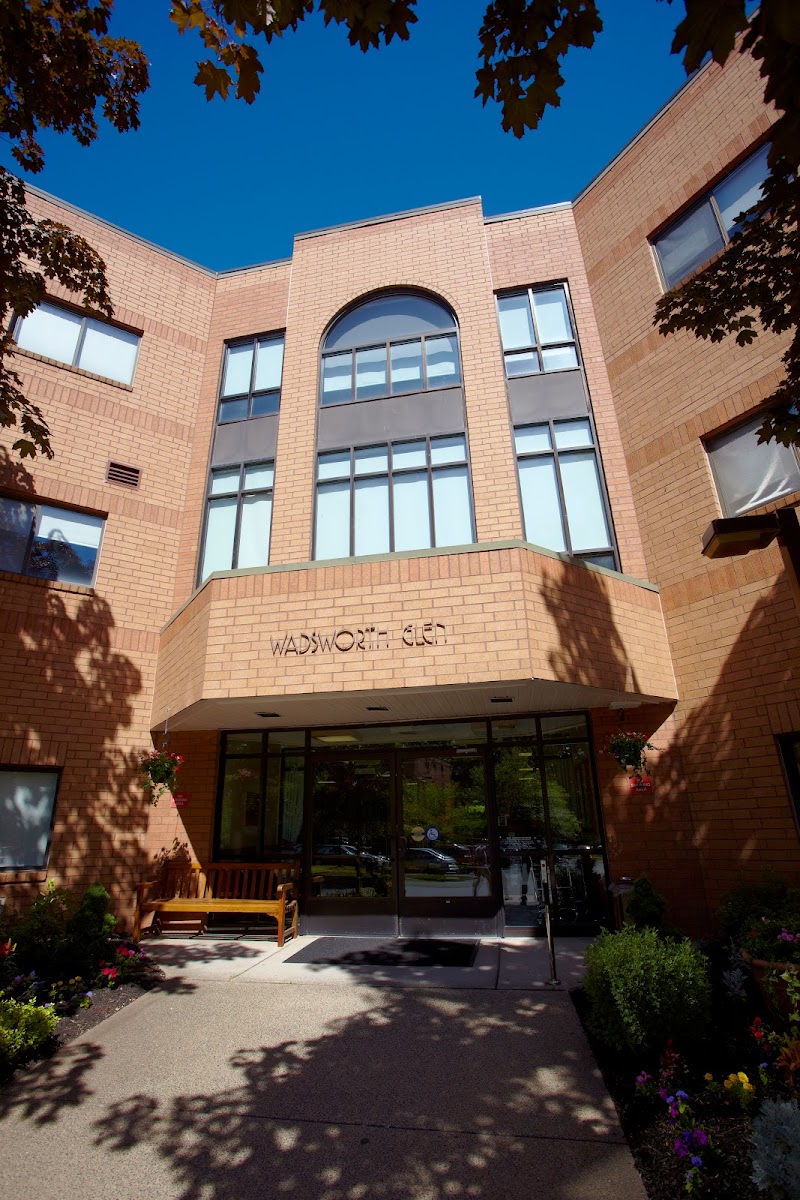
How is Wadsworth Glen Health Care And Rehabilitation Cent Staffed?

CMS rates WADSWORTH GLEN HEALTH CARE AND REHABILITATION CENT's staffing level at 2 out of 5 stars, which is below average compared to other nursing homes. Staff turnover is 39%, compared to the Connecticut average of 46%. This relatively stable workforce can support continuity of care. RN turnover specifically is 67%, which is notably high. RNs provide skilled clinical oversight, so turnover in this role can affect medical care quality.

What Have Inspectors Found at Wadsworth Glen Health Care And Rehabilitation Cent?

State health inspectors documented 37 deficiencies at WADSWORTH GLEN HEALTH CARE AND REHABILITATION CENT during 2019 to 2025. These included: 2 that caused actual resident harm, 32 with potential for harm, and 3 minor or isolated issues. Deficiencies causing actual harm indicate documented cases where residents experienced negative health consequences.
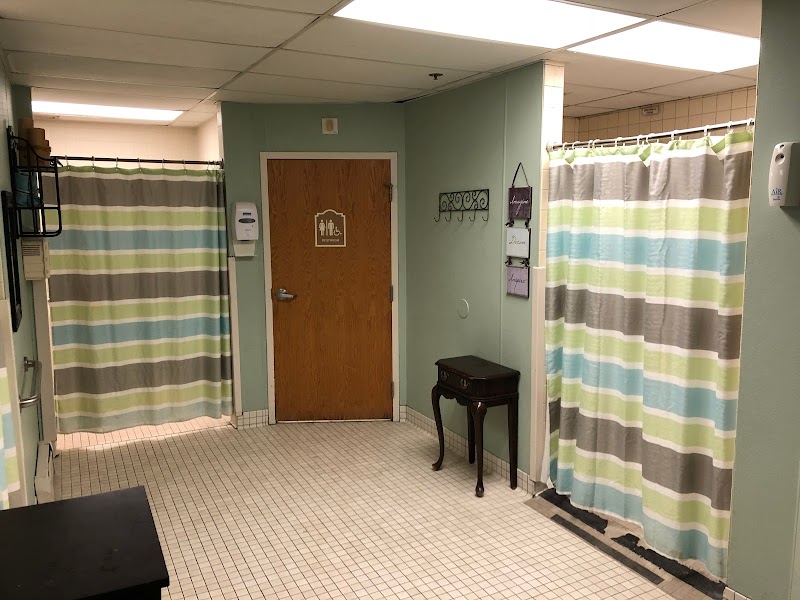
Who Owns and Operates Wadsworth Glen Health Care And Rehabilitation Cent?

WADSWORTH GLEN HEALTH CARE AND REHABILITATION CENT is owned by a for-profit company. For-profit facilities operate as businesses with obligations to shareholders or private owners. The facility is operated by ATHENA HEALTHCARE SYSTEMS, a chain that manages multiple nursing homes. With 102 certified beds and approximately 90 residents (about 88% occupancy), it is a mid-sized facility located in MIDDLETOWN, Connecticut.
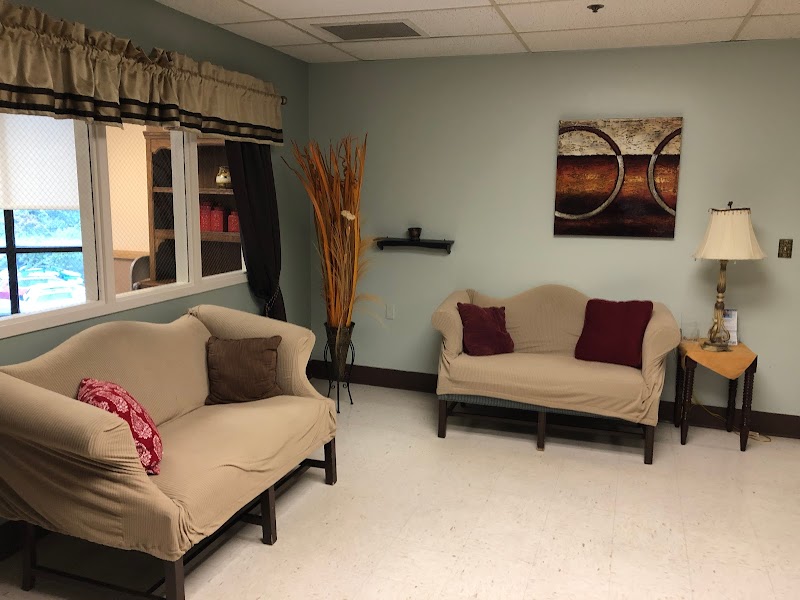
How Does Wadsworth Glen Health Care And Rehabilitation Cent Compare to Other Connecticut Nursing Homes?

Compared to the 100 nursing homes in Connecticut, WADSWORTH GLEN HEALTH CARE AND REHABILITATION CENT's overall rating (2 stars) is below the state average of 3.0, staff turnover (39%) is near the state average of 46%, and health inspection rating (2 stars) is below the national benchmark.

What Should Families Ask When Visiting Wadsworth Glen Health Care And Rehabilitation Cent?

Based on this facility's data, families visiting should ask: "Can you walk me through typical staffing levels on day, evening, and night shifts?" "Can I visit during a mealtime to observe dining assistance and food quality?" "How do you handle medical emergencies, and what is your hospital transfer rate?" "Can I speak with family members of current residents about their experience?" These questions are particularly relevant given the below-average staffing rating.

Is Wadsworth Glen Health Care And Rehabilitation Cent Safe?

Based on CMS inspection data, WADSWORTH GLEN HEALTH CARE AND REHABILITATION CENT has a clean safety record: no substantiated abuse findings (meaning no confirmed cases of resident harm), no Immediate Jeopardy citations (the most serious violation level indicating risk of serious injury or death), and is not on the Special Focus Facility watch list (a federal program monitoring the lowest-performing 1% of nursing homes). The facility has a 2-star overall rating and ranks #100 of 100 nursing homes in Connecticut. While no facility is perfect, families should still ask about staff-to-resident ratios and recent inspection results during their visit.

Do Nurses at Wadsworth Glen Health Care And Rehabilitation Cent Stick Around?

WADSWORTH GLEN HEALTH CARE AND REHABILITATION CENT has a staff turnover rate of 39%, which is about average for Connecticut nursing homes (state average: 46%). Moderate turnover is common in nursing homes, but families should still ask about staff tenure and how the facility maintains care continuity when employees leave.

Was Wadsworth Glen Health Care And Rehabilitation Cent Ever Fined?

WADSWORTH GLEN HEALTH CARE AND REHABILITATION CENT has been fined $14,528 across 1 penalty action. This is below the Connecticut average of $33,224. While any fine indicates a compliance issue, fines under $50,000 are relatively common and typically reflect isolated problems that were subsequently corrected. Families should ask what specific issues led to these fines and confirm they've been resolved.

Is Wadsworth Glen Health Care And Rehabilitation Cent on Any Federal Watch List?

WADSWORTH GLEN HEALTH CARE AND REHABILITATION CENT is not on any federal watch list. The most significant is the Special Focus Facility (SFF) program, which identifies the bottom 1% of nursing homes nationally based on persistent, serious quality problems. Not being on this list means the facility has avoided the pattern of deficiencies that triggers enhanced federal oversight. This is a positive indicator, though families should still review the facility's inspection history directly.