WATER'S EDGE CENTER FOR HEALTH & REHAB
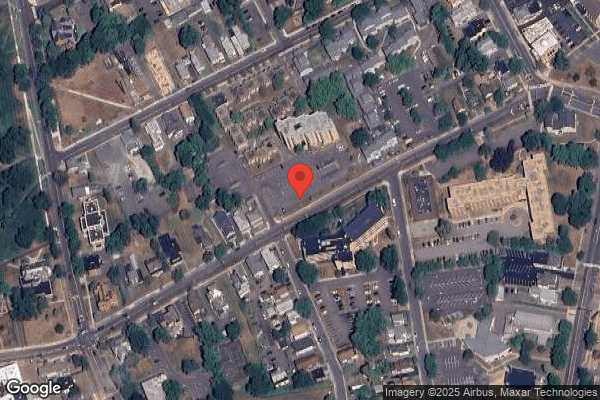

111 CHURCH STREET, MIDDLETOWN, CT 06457 (860) 347-7286
For profit - Corporation 150 Beds NATIONAL HEALTH CARE ASSOCIATES Data: November 2025 1 Immediate Jeopardy citation
Trust Grade
26/100
#151 of 192 in CT
Last Inspection: July 2024

Within standard 12-15 month inspection cycle. Federal law requires annual inspections.

Overview

Water's Edge Center for Health & Rehab has a Trust Grade of F, indicating significant concerns about the facility's operation. Ranking #151 out of 192 facilities in Connecticut places it in the bottom half, and #13 out of 17 in Lower Connecticut River Valley County suggests only four local options are better. While the facility is reported to be improving, with issues decreasing from 12 in 2024 to 4 in 2025, it still has serious deficiencies, including a critical failure to properly supervise a resident with a wander guard, leading to an incident where the resident exited the secured unit unsupervised. Staffing is a mixed bag; while turnover is at a manageable 36%, the facility has less RN coverage than 75% of its peers, which is concerning as RNs are crucial for identifying potential problems. Additionally, the facility has incurred fines totaling $15,642, which is average, but the presence of severe incidents like falls due to inadequate supervision raises alarms about the quality of care provided.

Trust Score
F
26/100
In Connecticut
#151/192
Bottom 22%
Safety Record
High Risk
Review needed
Inspections
Getting Better
12 → 4 violations
Staff Stability
○ Average
36% turnover. Near Connecticut's 48% average. Typical for the industry.
Penalties
⚠ Watch
$15,642 in fines. Higher than 77% of Connecticut facilities, suggesting repeated compliance issues.
Skilled Nurses
⚠ Watch
Each resident gets only 26 minutes of Registered Nurse (RN) attention daily — below average for Connecticut. Fewer RN minutes means fewer trained eyes watching for problems.
Violations
⚠ Watch
29 deficiencies on record. Higher than average. Multiple issues found across inspections.
★★☆☆☆
2.0
Overall Rating
★★☆☆☆
2.0
Staff Levels
★★★★★
5.0
Care Quality
★☆☆☆☆
1.0
Inspection Score
Stable
2024: 12 issues
2025: 4 issues

The Good

  • 5-Star Quality Measures · Strong clinical quality outcomes
  • Full Sprinkler Coverage · Fire safety systems throughout facility
  • No fines on record
  • Staff turnover below average (36%)

    12 points below Connecticut average of 48%

Facility shows strength in quality measures, fire safety.

The Bad

2-Star Overall Rating

Below Connecticut average (3.0)

Below average - review inspection findings carefully

Staff Turnover: 36%

Near Connecticut avg (46%)

Typical for the industry

Federal Fines: $15,642

Below median ($33,413)

Minor penalties assessed

Chain: NATIONAL HEALTH CARE ASSOCIATES

Part of a multi-facility chain

Ask about local staffing decisions and management

The Ugly 29 deficiencies on record

1 life-threatening 2 actual harm
Jul 2025 2 deficiencies 1 Harm
SERIOUS (G) 📢 Someone Reported This

A family member, employee, or ombudsman was alarmed enough to file a formal complaint

Actual Harm - a resident was hurt due to facility failures

Accident Prevention (Tag F0689)

A resident was harmed · This affected 1 resident

**NOTE- TERMS IN BRACKETS HAVE BEEN EDITED TO PROTECT CONFIDENTIALITY** Based on clinical record review, facility documentation review, and interviews for one (1) of three (3) residents (Resident #1) ...

Read full inspector narrative →
**NOTE- TERMS IN BRACKETS HAVE BEEN EDITED TO PROTECT CONFIDENTIALITY** Based on clinical record review, facility documentation review, and interviews for one (1) of three (3) residents (Resident #1) reviewed for accidents, the facility failed to ensure care was provided in accordance with the plan of care. The failure resulted in a fall with injury. The findings include: Resident #1‘s diagnoses included cerebral infarction (stroke) and morbid obesity. The quarterly Minimum Data Set (MDS) assessment dated [DATE] identified Resident #1 had a Brief Mental Interview for Mental Status (BIMS) of three (3) indicative of severely impaired cognition and was dependent on staff for bed mobility and transfers. The Resident Care Plan (RCP) dated 4/16/2025 identified that Resident #1 a deficit related to deconditioning and weakness. Interventions directed side-rails to assist with bed mobility, and two (2) staff for assistance personal hygiene, and turning and repositioning in bed. Facility reportable event dated 6/27/2025 at 8:15 AM identified Resident #1 had severe cognitive impairment, and required assist of two (2) for activities of daily living (ADLs) and bed level rolling. The report identified Nurse Aide (NA) #1 witnessed Resident #1 roll out of bed. Right knee pain and swelling were noted, the provider was notified and new orders obtained for x-rays, with positive results for a right femur fracture and Resident #1 was sent to the hospital. The facility incident summary dated 7/3/2025 identified NA #1 reported that Resident #1 rolled out of bed to his/her left side after feeling confused when the aide instructed him/her to roll towards me. Instead, Resident #1 rolled the opposite way with the use of the partial bed rails, and fell out of the bed. A nurse's note dated 6/27/2025 at 9:13 AM identified while NA #1 was giving personal care and attempted to change the bed linens, NA #1 asked Resident #1 to turn onto his/her left side. Resident #1 rolled too far and subsequently fell out of the bed. APRN note dated 6/27/2025 at 10:00 AM identified Resident #1 was seen after a fall with right knee pain. Resident #1 complained of significant right knee pain, had swelling with tenderness and an abrasion (scrape) and decreased range of motion. A STAT (immediate) x-ray was ordered to rule out a fracture. X-ray results dated 6/27/2025 identified a displaced fracture of the distal femur (fractured ends of the thigh bone near the knee that have shifted out of alignment). Nursing change in condition note dated 6/28/2025 at 5:40 AM identified x-ray results indicated a right distal femur fracture (just above the knee joint). The provider was notified, and Resident #1 was transferred to the hospital for evaluation. Review of hospital documentation identified that Resident #1 was admitted for a fracture of the right distal femur. Resident #1 had a right femur Open Reduction and Interval Fixation (ORIF - surgical procedure to stabilize the femur near the knee joint) on 6/28/2025. Record review identified Resident #1 was readmitted to the facility on [DATE] with orders for touch-down-weight bearing right leg, with a knee immobilizer, and orthopedic follow up in two (2) weeks. Orthopedic visit note dated 7/14/2025 identified staples were removed, directed start Physical Therapy (PT) for range of motion and follow up in two (2) to four (4) weeks. Interview with NA #1 on 7/28/2025 at 11:11 AM identified on 6/27/2025 when she provided incontinent care for Resident #1, she requested Resident #1 turn towards her onto his/her right side and grab onto the side-rail. NA #1 stated that instead of turning to the right side as requested, Resident #1 grabbed onto the left side-rail and turned to the left and slid off the bed onto the floor landing on his/her right side. NA #1 stated she was unsure how the fall actually happened, or which leg went over the side of the bed first because it happened so quickly. NA #1 stated she had provided care for Resident #1 for the past two (2) years, but she never looked at the resident's Kardex/NA Care Card and she did not know Resident #1 required two (2) staff for bed-level care and turning and repositioning in bed. Although NA #1 indicated she should have checked the NA Care Card for directions, she was unable to explain why she did not look at the NA Care Card prior to providing care. Interview with PT #1 and Speech Therapist (ST) #1 on 7/28/2025 at 11:59 AM identified that Resident #1 was discharged from PT services on 6/19/2025 (8 days prior to the fall), and required two (2) staff for ADLs and bed mobility for safety. Interview with the DNS on 7/28/2025 at 10:10 AM identified the Kardex/NA Care Card directed two (2) staff for assistance with bed-level care and bed mobility, and NA #1 provided the care without a second staff member to assist. The DNS stated NA #1 did not request assistance from other staff when she provided care and when she asked Resident #1 to turn in the bed. The DNS indicated NA #1 should have had another staff member to assist with the care and she expected all staff to review the Kardex/NA Care Card for a resident prior to providing care. Although requested, the Kardex/NA Care Card for Resident #1 prior to the fall was not provided during the survey. Facility documentation review identified staff education was initiated on 6/27/2025 and included NAs must check the Kardex (NA Care Card) before providing care to a resident, and residents that require assistance of two (2) staff MUST have two (2) staff present for care. A QAPI meeting was held on 6/27/2025 and audits were initiated on 6/27/2025. Based on review of facility documentation, past non-compliance was identified.
CONCERN (D) 📢 Someone Reported This

A family member, employee, or ombudsman was alarmed enough to file a formal complaint

Potential for Harm - no one hurt, but risky conditions existed

Quality of Care (Tag F0684)

Could have caused harm · This affected 1 resident

**NOTE- TERMS IN BRACKETS HAVE BEEN EDITED TO PROTECT CONFIDENTIALITY** Based on review of the clinical record and facility documentation, and interviews for one (1) of two (2) residents (Resident #2)...

Read full inspector narrative →
**NOTE- TERMS IN BRACKETS HAVE BEEN EDITED TO PROTECT CONFIDENTIALITY** Based on review of the clinical record and facility documentation, and interviews for one (1) of two (2) residents (Resident #2) reviewed for medication errors, the facility failed to ensure a physician order was transcribed correctly, and failed to ensure the resident was free from a medication error. The findings include: Resident #2‘s diagnoses included atrial fibrillation (fast irregular heart rate). Hospital Discharge summary dated [DATE] directed Resident #2 was to receive Aspirin 81 milligrams (mg) by mouth two times a week. The Nursing admission Evaluation dated 4/19/2025 identified Resident #2 was alert and oriented, and was on anticoagulant medication (a blood thinner preventing blood clots). The Resident Care Plan (RCP) dated 4/19/2025 identified a potential for adverse effects due to anticoagulant therapy. Interventions administer medications as ordered. Nursing note dated 4/19/2025 at 6:07 PM written by RN #3 identified the physician was upadted and orders were verified. A physician order dated 4/19/2025 directed to administer Aspirin oral tablet 81 mg once daily for antiplatelet therapy (prevent blood clots) starting on 4/21/2025. Additional reivew identified the order was transcribed and entered into the electronic medical record (EMR) by RN #2. Review of the April 2025 Medication Administration Record (MAR) identified Aspirin 81 mg was administered daily at 9:00 AM from 4/21 through 4/25/2025 (5 days). Record review identified Resident #2 was discharged from the facility on 4/25/2025. Facility Medication Incident Report dated 5/7/2025 identified a medication error for Resident #2 was discovered at 9 AM. Resident #2 was given Aspirin once a day, and the order was for the Aspirin to be given twice a week. The form indicated the error was a transcription error. Interview with RN #2 on 7/28/2025 at 2:18 PM identified she transcribed the physician order for Aspirin from the hospital discharge summary on 4/20/2025, and stated she must have read the order wrong, and she did not re-check the order before confirming it in the EMR. RN #2 identified she when the error occurred and she thought her preceptor/RN #3 would have checked her work. Interview with RN #3 on 7/28/2025 at 2:41 PM identified on 4/19/2025 she was orienting RN #2 and she did not check the physician orders for accuracy when they were transcribed by RN #2. RN #3 stated that when RN #2 entered (acknowledged) the physician order, she also confirmed the order in the EMR, and it did not display for RN #3 to review the order to ensure it was accurate. RN #3 stated that since she was orienting RN #2, she should have checked RN #2's work and verified the orders. Interview with the DNS on 7/28/2025 at 2:56 PM identified nurses are expected to reconcile hospital orders with the physician, transcribe the orders into the EMR and then acknowledge that the orders are correct. She reported that once the orders are acknowledged in the EMR the orders show as pending confirmation and a second nurse is responsible to review them for accuracy. The second nurse would then confirm the orders in the EMR and they would then be listed in the MAR. The DNS stated a second check was not completed, resulting in the medication error. Facility documentation review identified staff education was initiated on 5/12/2025 and included review of transcription of physician orders and medication reconciliation. A a QAPI meeting was held on 5/13/2025 and audits were initiated on 5/30/2025. Based on review of facility documentation, past non-compliance was identified.
Jan 2025 2 deficiencies
CONCERN (D) 📢 Someone Reported This

A family member, employee, or ombudsman was alarmed enough to file a formal complaint

Potential for Harm - no one hurt, but risky conditions existed

Report Alleged Abuse (Tag F0609)

Could have caused harm · This affected 1 resident

**NOTE- TERMS IN BRACKETS HAVE BEEN EDITED TO PROTECT CONFIDENTIALITY** Based on clinical record review, facility documentation review, facility policy review, and interviews for one of three resident...

Read full inspector narrative →
**NOTE- TERMS IN BRACKETS HAVE BEEN EDITED TO PROTECT CONFIDENTIALITY** Based on clinical record review, facility documentation review, facility policy review, and interviews for one of three residents (Resident #1) reviewed for abuse, the facility failed to ensure staff reported an allegation of abuse timely. The findings include: Resident #1's diagnoses included dementia. The quarterly Minimum Data Set (MDS) assessment dated [DATE] identified Resident #1 had a Brief Interview for Mental Status (BIMS) score of three out of fifteen, indicative of severe cognitive impairment, was dependent for ADLs, and was frequently incontinent of bowel and bladder. The Resident Care Plan (RCP) dated 9/10/2024 identified Resident #1 had deficit in self-care function related to impaired mobility, limited functional ability, cognitive deficit and incontinence. Interventions directed assist of two (2) for bed mobility, bed level rolling, turned, repositioned slowly assisted by two (2) staff members while reassuring the resident he/she is safe bathing, dressing, transfers, and mechanical lift for transfers. Nursing note written by RN #1 on 1/4/2025 at 9:31 AM identified Resident #1 sustained a left eye bruise and cut from Hoyer lift sling attachment. Resident #1 reportedly had been agitated and banged his/her head on the pillow and then the device. The area was cleansed, and one steri-strip was applied. The MD and responsible party notified were notified, and the plan of care was updated to direct the sling was not to be attached until the resident was ready for immediate transfer. The facility reportable event dated 1/9/2025 at 6:35 PM identified NA #1 alleged that NA #2 could have struck Resident #1 in the face during care. NA #1 alleged she heard Resident #1 yell out and say, she punched me in my eye, while NA #2 was providing care. The facility summary report dated 1/13/2025 identified that on 1/9/2025 NA #1 reported to the supervisor that on 1/4/2025 she heard Resident #1 yell out and say, she punched me in my eye, while NA #2 was providing care. Following this, NA #1 entered Resident #1's room and observed a discoloration and an open area to his/her left lower eye. NA #2 who was caring for Resident #1 stated that she wasn't sure how the resident sustained the discoloration, but noted that Resident #1 was very combative during care and she denied inflicting the injury. Both NAs were suspended pending the investigation. Interview, facility documentation review on 1/30/2025 at 11:19 AM with NA #1 identified on 1/4/2025 she heard Resident #1 say that NA #2 hit him/her, and she reported the incident on 1/9/2025 to RN #1. NA #1 stated she should have reported the allegation to her supervisor right away on 1/4/2025 instead of waiting another five (5) days to notify a supervisor. Review of State Agency Reportable Events website identified the allegation was reported to the State Agency on 1/9/2025, five (5) days after the incident occurred. Interview with RN #1 was not obtained during the survey. Interview with the DON on 1/30/2025 at 1:45 PM identified that on 1/9/2025 she received a call from the supervisor indicating NA #1 had expressed concerns about Resident #1 yelling out, she punched me in the face, and during the investigation NA #1 identified that this occurred on 1/4/2025 (five days prior). The DON stated the incident should have been reported on 1/4/2025 when it occurred. Review of facility Abuse Policy & Procedure Policy directed in part, abuse allegations require immediate reporting to the supervisor. Facility documentation review identified staff education was initiated on 1/10/2025 regarding Abuse and Resident Rights policies and reporting of abuse timely. A QAPI meeting was held on 1/24/2025 and audits were initiated 12/1/2024. Based on review of facility documentation, past non-compliance was identified as of 1/24/2025.
CONCERN (D) 📢 Someone Reported This

A family member, employee, or ombudsman was alarmed enough to file a formal complaint

Potential for Harm - no one hurt, but risky conditions existed

Quality of Care (Tag F0684)

Could have caused harm · This affected 1 resident

**NOTE- TERMS IN BRACKETS HAVE BEEN EDITED TO PROTECT CONFIDENTIALITY** Based on clinical record review, facility documentation review, facility policy review, and interviews for one of three resident...

Read full inspector narrative →
**NOTE- TERMS IN BRACKETS HAVE BEEN EDITED TO PROTECT CONFIDENTIALITY** Based on clinical record review, facility documentation review, facility policy review, and interviews for one of three residents (Resident #1) reviewed for abuse, the facility failed to ensure care was provided in accordance with the resident plan of care. The findings include: Resident #1's diagnoses included dementia. The quarterly Minimum Data Set (MDS) assessment dated [DATE] identified Resident #1 had a Brief Interview for Mental Status (BIMS) score of three out of fifteen, indicative of severe cognitive impairment, was dependent for ADLs, and was frequently incontinent of bowel and bladder. The Resident Care Plan (RCP) dated 9/10/2024 identified Resident #1 had deficit in self-care function related to impaired mobility, limited functional ability, cognitive deficit and incontinence. Interventions directed assist of two (2) for bed mobility, bed level rolling, turned, repositioned slowly assisted by two (2) staff members while reassuring the resident he/she is safe bathing, dressing, transfers, and mechanical lift for transfers. Nurse aide care card directed two (2) staff for care. Nursing note written by RN #1 on 1/4/2025 at 9:31 AM identified Resident #1 sustained a left eye bruise and cut from Hoyer lift sling attachment. Resident #1 reportedly had been agitated and banged his/her head on the pillow and then the device. The area was cleansed, and one steri-strip was applied. The MD and responsible party notified were notified, and the plan of care was updated to direct the sling was not to be attached until Resident #1 was ready for immediate transfer. Interview, review of facility documentation on 1/30/2025 at 11:08 AM with NA #1 identified that when on 1/4/2025 she heard the resident yell, NA #2 was the only aide in the room at the time. NA #1 indicated that the Hoyer lift was not yet in the room and once she returned with the Hoyer, they got the resident up using the Hoyer lift and when Resident #1 was out of bed, NA #1 saw the discoloration to the resident's eye. Interview and record review with NA #2 on 1/30/2025 at 11:19 AM identified on 1/4/2025 Resident #1 was agitated, and when she returned to provide care, Resident #1 stated ow, my eye. NA #2 stated she could not recall what position the resident was in while in the bed and indicated that she was providing care alone as she typically does prior to calling for help with the Hoyer transfer. NA #2 stated the resident care card directed the assistance of two (2) staff with care, and it takes too long sometimes to get help, so she provided the care by herself. Then she asked for help with the transfer. NA #2 stated she should not have provided care alone and she should not have provided care while the resident was yelling. Interview with the DON on 1/30/2025 at 1:45 PM identified Resident #1 had a history of combative behaviors and was care planned for two (2) staff assist with care, and NA #2 should not have provided care alone. The DON further stated, if Resident #1 was agitated when NA #2 approached the resident for care, NA #2 should not have provided care at that time. Facility documentation review identified staff education was initiated on 1/10/2025 regarding providing the correct level of assistance per the [NAME] (plan of care). Audits were initiated 1/10/2025 and a QAPI meeting was held on 1/24/2025. Based on review of facility documentation, past non-compliance was identified as of 1/24/2025.
Dec 2024 1 deficiency
CONCERN (D) 📢 Someone Reported This

A family member, employee, or ombudsman was alarmed enough to file a formal complaint

Potential for Harm - no one hurt, but risky conditions existed

Medical Records (Tag F0842)

Could have caused harm · This affected 1 resident

**NOTE- TERMS IN BRACKETS HAVE BEEN EDITED TO PROTECT CONFIDENTIALITY** Based on clinical record review, facility documentation review, facility policy review, and interviews for one of three resident...

Read full inspector narrative →
**NOTE- TERMS IN BRACKETS HAVE BEEN EDITED TO PROTECT CONFIDENTIALITY** Based on clinical record review, facility documentation review, facility policy review, and interviews for one of three residents (Resident #2) reviewed for accidents, the facility failed to provide ensure the medical record was complete and accurate to include documentation of neurological monitoring per facility policy. The findings include: Resident #2's diagnoses included dementia. The admission Minimum Data Set (MDS) assessment dated [DATE] identified that Resident #2 was severely cognitively impaired, and dependent with transfers, walking, and ADLs. The Resident Care Plan (RCP) dated 8/1/2022 identified Resident #2 had a history of a fall due to poor balance. Interventions directed therapy consult for strength and mobility, and offer to go to bed with first rounds on 3 to 11 PM shift. A physician's order dated 9/19/2022 directed Aspirin AC (blood thinner)tablet delayed release 81 milligrams (mg) give one (1) tablet by mouth in the morning for prophylaxis. Review of Reportable Event form dated 9/30/2022 at 4:00 PM indicated resident was observed on the floor Resident #2 had a minor contusion to left parietal (top rear of) head after an unwitnessed event. Resident #2's mental status was alert and confused, the APRN and responsible party were notified, and Resident #2 was assessed. A nursing progress note dated 9/30/2024 at 5:48 PM identified about 4:00 PM resident was observed on floor; resident rolled out of bed while trying to transfer and sustained a minor contusion to left parietal head, was alert with stable vital signs. Neurological assessment was at baseline with facility protocol in place, upper and lower extremities strength and range of motion at baseline. A nurse progress note dated 10/1/2022 at 12:44 PM indicated resident status post fall day one (1), vital signs stable, continued on neurological (neuro) check every shift, and will continue to monitor. Record review failed to identify neurological assessments were completed. Interview and record review on 12/27/2024 with the DNS identified that neuro monitoring was done after Resident #2 was found on floor on 9/30/2022, however she was unable to provide a copy of assessments completed. The DNS stated neuro assessments were completed on paper at the time of the fall and was unable to explain why the documentation was missing. The DNS further indicated that the facility should maintain a copy and have access to the neuro monitoring in the medical record. Review of the facility Neurological Assessment/Evaluation Policy directed in part the licensed nurse performs neurological evaluations whenever there is a possibility of a head injury, change in mentation, or an unwitnessed fall. Any resident who has had an unwitnessed or witnessed fall and is on an anticoagulant/antiplatelet therapy, will have an initial neurological evaluation by the LPN or RN per state regulation follow by neurological monitoring per policy, after the initial evaluation, the neurological exam is repeated every 15 minutes x 4 (1 hour), every 30 minutes x 4 (2 hours), every 2 hours x 4 (8 hours), then every shift x 8 (64 hours). If neurological check sheet is stopped before it is completed the reason will be documented in the electronic health record. Review of the Documentation Guidelines policy directed in part, services provided to residents are documented by the individual providing the service within the electronic medical record (EMR). Should an omission of documentation occur, a late note may be added within the EMR.
Aug 2024 1 deficiency
CONCERN (D) 📢 Someone Reported This

A family member, employee, or ombudsman was alarmed enough to file a formal complaint

Potential for Harm - no one hurt, but risky conditions existed

Resident Rights (Tag F0550)

Could have caused harm · This affected 1 resident

**NOTE- TERMS IN BRACKETS HAVE BEEN EDITED TO PROTECT CONFIDENTIALITY** Based on clinical record reviews, facility documentation, facility policy, and interviews for one (1) of two (2) sampled residen...

Read full inspector narrative →
**NOTE- TERMS IN BRACKETS HAVE BEEN EDITED TO PROTECT CONFIDENTIALITY** Based on clinical record reviews, facility documentation, facility policy, and interviews for one (1) of two (2) sampled residents (Resident #2) who were reviewed for an allegation of staff to resident verbal abuse, the facility failed to ensure the resident's dignity was maintained when the resident attended a staff assisted outpatient appointment. The findings include: Resident #2's diagnoses included stroke. The nursing admission/readmission evaluation dated 7/9/24 identified Resident #2 was alert and oriented to person, place, time and situation. A physician's order dated 7/11/24 directed assistance of one (1) staff at bed level for activities of daily living (ADL's) and assistance of two staff at wheelchair level for toileting. The admission Minimum Data Set assessment dated [DATE] identified Resident #2 made reasonable and consistent decisions regarding tasks of daily life, was occasionally incontinent of bladder, frequently incontinent of bowel and had no behavioral symptoms. The care plan dated 7/17/24 identified Resident #2 had functional bladder incontinence related to impaired mobility. Interventions directed to establish voiding patterns and clean peri-area with each incontinence episode and assistance of two (2) staff for toilet use. The Facility Reported Incident form dated 7/18/24 identified Resident #2 alleged on 7/16/24 the nurse aide, Nurse Aide (NA) #1, who accompanied Resident #2 to their doctor's appointment, was abusive and neglectful. Resident #2's statement dated 7/18/24 identified on 7/16/24 Resident #2 needed to use the bathroom before leaving the facility for his/her appointment and NA #1 originally declined but did end up bringing Resident #2 to the commode. Resident #2 stated NA #1 told him/her to hurry up and who do you think you are wanting to give orders. Resident #2 identified in the hospital, where the doctor's office was located, Resident #2 asked NA #1 to move him/her away from the busy area and NA #1 stated shut your mouth. Resident #2 indicated in the cab on the way back to the facility, NA #1 told him/her to shut your mouth, you don't know what you are talking about. NA #1's statement dated 7/23/24 identified on 7/16/24 Resident #2's ride was running late and Resident #2 asked to use the bathroom. NA #1 indicated she stated to Resident #2 he/she may miss their ride but did not decline or refuse and assisted Resident #2 back up to the unit. NA #1 identified at no point did she tell Resident #2 to hurry up. NA #1 explained once they arrived to the appointment around 10:30 AM, Resident #2 missed his/her appointment but was able to be seen at 3:00 PM. NA #1 identified she assisted Resident #2 once to the bathroom while waiting, Resident #2 was not incontinent and assisted with wiping Resident #2. NA #1 stated at no point did she ever tell Resident #2 to shut his/her mouth or you don't know what you are talking about. The psychiatric exam dated 7/18/24 identified Resident #2 was seen for initial evaluation and allegation of verbal abuse and neglect. Resident #2's cognitive function was intact and age appropriate. The Director of Nursing's progress note dated 7/18/24 at 5:13 PM identified Resident #2 alleged the nurse aide that accompanied him/her to his/her appointment on Tuesday 7/16/24 was abusive and neglectful. Interview with Resident #2 on 8/7/24 at 10:30 AM identified on 7/16/24 he/she had to have a bowel movement before the doctor's appointment and NA #1 was rushing him/her. Resident #2 identified when he/she and NA #1 got into the transportation van, it was hot and muggy and he/she asked for all the windows to be down, to which NA #1 told the driver to roll the windows up and told him/her to shut his/her mouth. Resident #2 identified although he/she ended up missing the appointment that was for 10:00 AM because they arrived at 10:30 AM, the doctor's office had an appointment at 3:00 PM and NA #1 and he/she agreed to stay until that appointment. Resident #2 identified he/she had to go to the bathroom, his/her brief was wet, but NA #1 did not have a replacement brief or wipes, therefore Resident #2 did not have a new brief placed after going to the bathroom. Resident #2 identified NA #1 told him/her several times to shut his/her mouth. Resident #2 identified when he/she returned to the facility, he/she was wet and had to change. Interview with NA #1 on 8/7/24 at 2:45 PM identified she was the nurse aide who assisted Resident #2 to the doctor's appointment on 7/16/24. NA #1 indicated Resident #2 appeared happy all day and did not have any concerns. NA #1 identified she did not tell Resident #2 to shut his/her mouth. NA #1 identified Resident #2's appointment scheduled for 10:00 AM was missed and Resident #2 was ok with staying until the next available appointment at 3:00 PM. NA #1 identified she brought a brief with her but did not need to use it because when she brought Resident #2 to the bathroom, the brief was dry. Interview with the Director of Nursing (DON) on 8/7/24 at 3:02 PM identified the facility became aware of Resident #2's allegations of abuse on 7/18/24 and completed a full investigation, the event on 7/16/24 appeared to be a customer service issue and NA #1 was re-educated. Review of the urinary management policy directed to check the resident at regular intervals to determine if they are wet or dry. It further directed to provide perineal care and change absorbent product if wet. Review of the residents' bill of rights policy directed that residents have the right to be treated with consideration, respect and full recognition of your dignity and individuality. It further directed residents have the right to receive quality care and services.
Jul 2024 1 deficiency
CONCERN (D) 📢 Someone Reported This

A family member, employee, or ombudsman was alarmed enough to file a formal complaint

Potential for Harm - no one hurt, but risky conditions existed

Deficiency F0805 (Tag F0805)

Could have caused harm · This affected 1 resident

**NOTE- TERMS IN BRACKETS HAVE BEEN EDITED TO PROTECT CONFIDENTIALITY** Based on clinical record reviews, facility documentation, facility policies and interviews for one of three sampled residents (R...

Read full inspector narrative →
**NOTE- TERMS IN BRACKETS HAVE BEEN EDITED TO PROTECT CONFIDENTIALITY** Based on clinical record reviews, facility documentation, facility policies and interviews for one of three sampled residents (Resident #1) who were reviewed for mechanically altered diets, the facility failed to ensure a meal served was of the consistency ordered by the physician to prevent an incident in which the resident choked on the food. The findings include: Resident #1 diagnoses included history of a stroke, dysphagia (difficulty swallowing), seizures, and difficulty communicating. The hospital's discharge paperwork dated 6/6/24 and the physician's order dated 6/7/24 directed to provide a Heart Healthy diet, easy to chew texture, thin consistency liquids and soft bite sized food. Resident #1 had refused a swallowing assessment at the hospital prior to discharge with a plan to follow up at the facility. The New admission Diet Form provided to the kitchen upon Resident #1's admission identified Resident #1 was prescribed a house diet, with a soft and bite sized consistency and thin liquids. The Occupational Therapy Evaluation dated 6/7/24 identified Resident #1 required setup or clean-up assistance with meals. The admission Minimum Data Set assessment dated [DATE] identified Resident #1 had poor decision-making skills regarding tasks of daily life, required supervision for eating, moderate assistance for turning and repositioning when in bed, was dependent with getting in and out of the bed and chair, and required a mechanically altered diet. The Resident Care Plan dated 6/13/24 identified that Resident #1 was at risk for malnutrition and on a mechanically altered therapeutic diet. Interventions directed to provide diet as ordered by the physician, monitor and evaluate food and beverage intake, obtain weights as ordered, provide dining assistance as needed, two (2) handled cup for liquids, and report swallowing difficulties to the speech language pathologist. The nurse's note dated 6/15/24 at 1:49 PM identified Resident #1 was noted to be choking during the lunch meal, unable to clear the airway, there was no air movement auscultated, abdominal thrusts were given three (3) times, Resident #1 cleared the airway and regained spontaneous respirations. The note indicated the physician was present during the incident, assessed Resident #1 and directed Resident #1 be sent to the Emergency Department for evaluation. The nurse's note dated 6/15/24 at 6:42 PM identified Resident #1 returned to the facility with no new orders. The lunch ticket printed on 6/15/24 for the lunch meal identified Resident #1 was provided a Regular House diet that consisted of italian parmesan breaded pork cutlet, baked potato, sour cream, brussels sprouts, poke cake, bread, margarine, coffee/tea and condiments. There were no special instructions on the ticket. Interview with the 7AM-3PM charge nurse, Licensed Practical Nurse (LPN) #1, identified on 6/15/24 she was walking down the hallway and when looking into Resident #1's room noted Resident #1 was sitting on the side of the bed with the lunch tray set up. LPN #1 indicated Resident #1 was leaning on his/her right side, not breathing, and not responsive. LPN #1 identified she called for assistance and two (2) other nurses, and the physician responded, the Heimlich Maneuver was performed, and Resident #1 expectorated a large amount of mushed material that was determined to be the potato. Interview with the Director of Food Service on 7/8/24 at 1:35 PM identified the process to ensure residents were given the correct diet when a new resident was admitted to the facility or there was a change in the resident's diet was as follows: the nurse entered the order into Point Click Care (PCC), the computer software system used by the facility for clinical documentation, and then the nurse completes the New admission Diet Form for the kitchen. The Director of Food Service identified it was her responsibility to cross reference the diet form with the order entered into PCC and once confirmed, she entered the order into Source Tech (the dietary software system which prints menus and residents specific diet orders). The Director of Food Service identified meal tickets were printed prior to meals being assembled on the food preparation line, at mealtime the caller called out the meal including diet type, consistency, adaptive equipment, next the cook added the appropriate meal and finally the checker verified the ticket matched the tray. The Food Service Director identified she failed to enter the correct diet into Source Tech when Resident #1 was admitted to the facility, therefore Residents #1's tickets printed as a regular diet and Resident #1 received a regular diet instead of a bite sized diet from the date of admission until 6/15/24. Review of the Baseline/Comprehensive Person-Centered Care Plan Policy, last revised 3/23. directed that interdisciplinary team would utilize the Comprehensive Person-Centered Care Plan to include information necessary to properly care for the resident. This included assessments from other professionals such as speech services. Review of the International Dysphagia Diet Standardization Tool utilized by the facility to define diet types identified an Easy to chew L7 texture diet as foods that can easily break apart with the side of a fork or spoon. Meat, fish and vegetables are cooked until soft and tender. Avoid foods that are hard, dry, tough, chewy or fibrous which included cakes and breads.
Jul 2024 9 deficiencies 1 IJ
CRITICAL (J) 📢 Someone Reported This

A family member, employee, or ombudsman was alarmed enough to file a formal complaint

Immediate Jeopardy (IJ) - the most serious Medicare violation

Accident Prevention (Tag F0689)

Someone could have died · This affected 1 resident

**NOTE- TERMS IN BRACKETS HAVE BEEN EDITED TO PROTECT CONFIDENTIALITY** Based on observation, record review and interviews for 1 of 4 residents (Resident #78) who was on a secured locked unit and wore...

Read full inspector narrative →
**NOTE- TERMS IN BRACKETS HAVE BEEN EDITED TO PROTECT CONFIDENTIALITY** Based on observation, record review and interviews for 1 of 4 residents (Resident #78) who was on a secured locked unit and wore a wander guard, the facility failed to ensure the residents wander guard was changed when it expired, failed to investigate and implement interventions after Resident #78 was able to exit the secured locked unit on [DATE]; and failed to provide adequate supervision and devices to prevent the resident from exiting the secured locked unit on [DATE] when the resident accessed the elevator on the 4th floor, (secured locked unit), took the elevator to the 1st floor, and walked out the front door unsupervised. These failures resulted in a finding of Immediate Jeopardy. The findings include: Resident #78 was admitted to the facility in [DATE] with diagnoses that included dementia and traumatic brain injury. A fall risk evaluation, done upon admission in 12/2021, identified Resident #78 was at high risk to fall due to a history of multiple falls prior to admission and use of multiple sedative, cathartic, and psychotropic medications. An elopement evaluation on admission, dated 12/2021, identified Resident #78 was at high risk for elopement due to a physical ability to leave the facility, cognitive impairment, inability to make informed decisions about leaving the facility, and disorientation. Resident #78 had a wander guard device placed. The care plan dated [DATE] identified Resident #78 had impaired cognitive thought processes due to dementia that included inattention and disorganized thinking and was at risk for elopement and wandering. Interventions included to keep the resident's routine as consistent as possible to decrease confusion and the use of a wander guard device. Further, the care plan indicated the resident was at risk to fall. The care card, not dated, identified that Resident #78 was to have appropriate footwear on including non-skid socks and non-skid soles on shoes/sneakers while ambulating and non-skid socks on at bedtime. A psychiatric note dated [DATE] identified that staff had reported Resident #78 had periods of exit seeking behaviors and difficulty with redirection, the resident was cognitively impaired, was confused, was alert to person only, had confabulatory speech, had delusions that included confabulatory false fixed ideations, had poor insight, poor judgement, and impaired short-term memory and poor long term memory. A psychiatric note dated [DATE] identified Resident #78 had poor insight and judgement. The physician's orders dated [DATE] directed behavior monitoring for elopement every shift, and the use of a wander guard, check for expiration date every 7 days and check for function every 11:00 PM - 7:00 AM shift and as needed. Review of facility documentation identified Resident #78 resided on the 4th floor, a secured locked unit. Review of the March, April and [DATE] MARs identified Resident #78's wander guard had been checked for expiration by licensed staff weekly, however, documented on the MARs was an expiration date of [DATE] for the wander guard. The quarterly MDS assessment dated [DATE] identified Resident #78 had severely impaired cognition. Review of the [DATE] MAR identified Resident #78's wander guard had been checked for expiration by licensed staff on [DATE], [DATE], [DATE], and [DATE], however, documented on the MAR was an expiration date of [DATE] for the wander guard (8 months expired). The nurse's note dated [DATE] at 12:36 PM, written by the RN Supervisor (RN #3), entered as a late entry on [DATE] identified that Resident #78 wandered off the unit and was found on the 1st floor near the kitchen area. (This is in conflict with security camera footage that identified Resident #78 left the 4th floor via a stairwell to the 1st floor unsupervised from 8:11 PM - 8:26 PM, not 12:36 PM.) Although Resident #78 eloped the 4th floor secured unit during the 3:00 PM - 11:00 PM shift on [DATE], LPN #7 documented no elopement behaviors during the 3:00 PM - 11:00 PM shift on the MAR. Review of the clinical record failed to identify documentation regarding how Resident #78 was able to leave the secured unit or new interventions to monitor the resident's location on or following the [DATE] elopement from the secured locked unit on the 4th floor to the 1st floor on [DATE]. The nurse's note dated [DATE] by LPN #12 identified Resident #78 had been placed on every 15-minute checks for the 3:00 PM - 11:00 PM shift only however the clinical record failed to identify any documentation related to 15-minute checks being completed. In a 2nd elopment in 3 days, the nurse's note dated [DATE] at 2:00 PM by LPN #3 identified Resident #78 had been observed in the lobby (1st floor) by staff. The note further identified that Resident #78's wander guard was replaced, and Resident #78 was placed on 1:1 observation from 7:00 AM - 11:00 PM and every 15-minute checks from 11:00 PM - 7:00 AM. Interview with RN #3 on [DATE] at 9:11 AM identified he was the RN Supervisor on [DATE] during the 3:00 PM - 11:00 PM shift. RN #3 identified that Resident #78 was found on the 1st floor near the kitchen on [DATE] at approximately 9:00 PM by NA #5 but could not identify how Resident #78 was able to leave the secured unit. RN #3 identified he was notified of the incident by LPN #7, who was assigned to Resident #78. RN #3 identified the wander guard should have been changed at time it expired on [DATE], and that it should have been changed following the 1st elopement attempt on [DATE] as the wander guard can malfunction or lose battery function if not changed timely. Interview with LPN #7 on [DATE] at 12:54 PM identified she was the nurse assigned to Resident #78 on [DATE] during the 3:00 PM - 11:00 PM shift. LPN #7 identified that she was in another resident's room administering medications when she was notified by NA #5 that Resident #78 was found on the 1st floor near the kitchen around 9:00 PM. LPN #7 identified that Resident #78 had not been exit seeking during her shift, and that she spoke with Resident #78 and asked Resident #78 if he/she knew the code to leave the secured unit, which the resident did not. LPN #7 brought Resident #78 to the exit doors by the elevators, checked the function of the wander guard by entering the 4th floor elevator with Resident #78, and the alarm box for the wander guard did beep, however, the elevator did not lock and allowed LPN #7 and Resident #78 to operate the elevator to the 1st floor and then back up to the unit. LPN #7 identified that while the elevators did not lock, since the alarm beeped, LPN #7 did not check further into the actual wander guard Resident #78 was wearing to see if there were any issues with the it, including the expiration date, since the beep would mean the wander guard was functioning, even if the elevators did not lock. LPN #7 identified she notified RN #3 of the situation and was told by RN #3 he contacted the DNS that Resident #78 was to be placed on 1:1 monitoring. LPN #7 identified she did not complete 1:1 monitoring of Resident #78's location during her shift and was unable to identify who was assigned to complete the 1:1 monitoring. LPN #7 identified she did not notify any other facility staff, including maintenance staff, of the issue with Resident #78's wander guard, since she felt notification to RN #3 was sufficient. LPN #7 identified she did not document the residents elopement behaviors or the attempted elopement incident on [DATE] as she also felt this was addressed by her notification to RN #3. Interview with LPN #3 on [DATE] at 11:55 AM identified she was the charge nurse assigned to Resident #78's secured unit on [DATE] when the resident exited the unit unsupervised. Resident #78 was able to get off of the secured unit by following visitors to the elevator, which should have locked once Resident #78 attempted to use it, but Resident #78's wander guard was not working properly, and did not lock down the elevator, allowing the resident to leave the secured unit. LPN #3 identified that Resident #78's wander guard worked in some areas of the facility and not others, based on the investigation by LPN #3 and the DNS, but LPN #3 did not identify the specific areas that the wander guard failed to work. LPN #3 identified that the wander guard did not work to lock down the elevator on the secured locked unit, and Resident #78 was able to leave the unit. Further, LPN #3 identified the wander guard had expired in [DATE] and she changed it after the incident on [DATE]. LPN #3 identified that wander guards should be changed upon expiration. Interview with the Receptionist on [DATE] at 10:00 AM identified she was assigned to work the reception desk on [DATE] and was also assisting with admissions. The Receptionist identified she witnessed RN #1 walking a resident back into the building and that she was told the resident had a wander guard on, but it did not alarm or lock the exit doors. Interview with the Administrator on [DATE] at 10:12 AM identified he was aware Resident #78 had 2 incidents involving leaving the secured unit on the 4th floor to the 1st floor on [DATE] and [DATE]. The Administrator identified he had reviewed the security footage following the [DATE] attempt when he was made aware of an additional attempt on [DATE], 3 days prior. The Administrator identified that with both attempts, Resident #78 remained in the building and did not leave the lobby area (This is in conflict with the surveillance video that showed Resident #78 exiting the front door and being [NAME] back into the facility by RN #1). A request was made by this surveyor to review the security footage of the [DATE] and [DATE] incidents. The footage was observed with the Administrator identified the following: Observation of the security camera footage on [DATE] identified the following:. -At 8:10 PM Resident #78 walking toward the end of the 4th floor secured unit. At 8:13 PM Resident #78 walking down a flight of stairs located in the 1st floor stairwell. Resident #78 turns around to walk back up the stairs. At 8:16 PM Resident #78 is walking down the flight of stairs in the stairwell and exits the stairwell walking through a hallway on the 1st floor and towards to the main elevators. -At 8:18 PM Resident #78 pressed the up button and entered the elevator. At 8:24 PM Resident #78 walked out of the elevator on the 1st floor and through a set of double doors where the facility laundry and kitchen areas are located. -From 8:24 PM - 8:26 PM Resident #78 remained out of camera view in the laundry and kitchen areas. -At 8:26 PM NA #5 was seen entering the double doors in the laundry and kitchen areas and escorted Resident #78 towards the elevator and back to the 4th floor at 8:27 PM. Based on review of this security camera footage, Resident #78 was able to leave the 4th floor and was unsupervised in the facility from 8:11 PM - 8:26 PM, a total of 15 minutes. Observation of the security camera footage on [DATE] identified the following:. At 10:39 AM Resident #78 was seen standing at the 4th floor doors that give access to the elevator. A visitor exited the elevator to the 4th floor unit. -At 10:40 AM Resident #78 pressed the down button for the elevator and entered the elevator after the doors opened. -At 10:41 AM Resident #78 was observed exiting the 1st floor elevator and walked towards the lobby. -At 10:41 AM the Receptionist is seated at the reception desk, within direct eyesight of the exit door (approximately 6 feet) and the HR Director and Administrator are standing to the side of the reception desk facing the area of the front entrance. -At 10:41AM Resident #78 was seen walking towards the front entrance, directly passing the Receptionist, Administrator, and HR Director, through the initial exit door which did not appear to lock or alarm, and into the vestibule. -At 10:42 AM RN #1 was seen entering the facility with Resident #78. Interview with the Administrator immediately following the security camera footage identified that on [DATE], Resident #78 was able to access a back stairwell outside of camera view, descend 4 flights of stairs, and accessed the 1st floor. The Administrator identified that the 4th floor unit has 3 access stair wells, all secured by the wander guard system. The Administrator also identified while he reviewed the camera footage at the time of the [DATE] incident, he did not realize that that Resident #78 had gotten outside the building. The Administrator further identified that Resident #78's wander guard failed, which allowed him/her to be able to access the stairwell on the 4th floor on [DATE] as well as leave the building on [DATE]. Areas that Resident #78 had access to when the resident eloped the 4th floor on [DATE] and when he/she eloped the facility on [DATE] included the following. On the 1st floor, the resident had access to the kitchen area, oxygen storage area, maintenance area, and nursing supply storage and equipment storage areas. The kitchen area included a large walk-in refrigerator and freezer, large industrial gas burner stove/ovens and dishwasher areas with sanitizing chemicals. The 1st floor also included the location of the maintenance office with equipment. In addition, the 1st floor has a total of 8 separate exit doors. The 1st floor also had 3 additional access points to the facility basement, which include the facility boiler room, the laundry room, the electrical room, and main mechanical room. When the resident eloped the facility on [DATE], the resident had access to the facility parking lot which provided direct access to 2 city roads, and the main access road was visible from the parking lot. The facility is also located in close proximity to a large parking lot used for medical offices, a private school, and a church. Interview with RN #1 (IP Nurse) on [DATE] at 11:23 AM identified that he was leaving the facility for an appointment sometime between 10:30 AM - 11:00 AM on [DATE] and although he did not see the resident exit the facility, he saw Resident #78 outside of the facility. RN #1 identified he had observed Resident #78 standing approximately 5 feet from the outside exit doors of the facility on a sidewalk. Interview with the Maintenance Technician on [DATE] at 11:27 AM identified he was outside the facility working in the parking lot approximately 15 feet from the outside entrance doors on [DATE] when he saw RN #1 pull his vehicle up to the sidewalk near the entrance and saw a resident standing in the walkway. The Maintenance Technician identified he saw the resident there prior to RN #1 pulling up. The Maintenance Technician identified he saw RN #1 park his vehicle, get out, and walk Resident #78 back into the building. The Maintenance Technician identified he did not know Resident #78 was able to exit the building with a wander guard, or that the resident was able to leave the secured unit, until he was notified later that day. Review of the clinical record failed to reflect that every 15-minute checks or 1:1 monitoring had been initiated after Resident #78 was able to exit the 4th floor secured locked unit on [DATE]. Review of the user manual for the Advantage 1000DE system, the wander guard system used by the facility, directed that the transmitter should have an annual battery change, and that once the expiration date of the transmitter had been reached, they would not be repaired or have the warranty extended. The manual also directed that the advanced security mode feature allowed for doors attached to the system to remain locked when a monitored resident with a transmitter approached. The manual directed that when a resident with a transmitter was in range of the system, any doors connected to the system would lock and be accompanied by a beep. The facility policy on the Wander Guard Secure Care Alarm directed that residents identified as an elopement risk would have a wander guard applied to ensure their safety and directed that the device would be checked for placement every shift, function once daily and expiration and/or battery life weekly and these would be documented in the TAR. The policy further directed that any device that had expired or malfunctioned would be discarded or replaced. The facility policy on elopement directed that residents of the facility would be accounted for at all times, and any resident identified as missing would require protocol that would include to announce a designated code alert for a missing person and initiate a missing person report; assign staff to begin an organized search of the facility and grounds, and notify the DNS, Administrator, provider, and resident representative. The facility policy on environment of care related to the Alzheimer's Special Care Unit (located on the 4th floor) directed that the facility Wander Guard system was worn by residents who were determined to be high risk of elopement from the unit, and that the system would not allow exit from the facility's entrances and exits. The facility policy on 1:1 monitoring directed that a licensed nurse, the DNS, and/or the Administrator was responsible to place a resident on 1:1 observation if the safety of the resident was at risk. The policy further directed that facility guidelines for 1:1 observation included unsafe wandering or exit seeking behavior on or off the unit. The policy further directed that staff members were responsible to report any resident behaviors that posed a potential for harm to the resident, and the person who becomes aware of the situation was to stay with the resident and call for assistance, and that the licensed nurse was to evaluate the resident and ensure that the resident was not left alone and assign a designated person to monitor the resident 1:1. The policy also directed the DNS/Administrator, attending physician, and resident representative would be notified and that staff responsible for the resident would be educated by the licensed nurse on 1:1 observation.
CONCERN (D)

Potential for Harm - no one hurt, but risky conditions existed

Notification of Changes (Tag F0580)

Could have caused harm · This affected 1 resident

**NOTE- TERMS IN BRACKETS HAVE BEEN EDITED TO PROTECT CONFIDENTIALITY** Based on review of the clinical record, facility documentation, facility policy, and interviews for 2 residents (Resident #78 an...

Read full inspector narrative →
**NOTE- TERMS IN BRACKETS HAVE BEEN EDITED TO PROTECT CONFIDENTIALITY** Based on review of the clinical record, facility documentation, facility policy, and interviews for 2 residents (Resident #78 and 101), for Resident #78, reviewed for elopement, the facility failed to notify the resident representative and physician when the resident eloped from a secure locked unit, and for Resident #101, reviewed for infection, the facility failed to give prompt notification to the resident representative and physician when the resident had a change in condition. The findings include: 1. Resident #78 was admitted to the facility in December 2021 with diagnoses that included dementia and traumatic brain injury. A fall risk evaluation, done upon admission in 12/2021, identified Resident #78 was at high risk to fall due to a history of multiple falls prior to admission and use of multiple sedative, cathartic, and psychotropic medications. An elopement evaluation on admission, dated 12/2021, identified Resident #78 was at high risk for elopement due to a physical ability to leave the facility, cognitive impairment, inability to make informed decisions about leaving the facility, and disorientation. Resident #78 had a wander guard device placed. The care plan dated 4/18/24 identified Resident #78 had impaired cognitive thought processes due to dementia that included inattention and disorganized thinking and was at risk for elopement and wandering. Interventions included to keep the resident's routine as consistent as possible to decrease confusion and the use of a wander guard device. Further, the care plan indicated the resident was at risk to fall. The physician's orders dated 6/1/24 directed behavior monitoring for elopement every shift, and the use of a wander guard, check for expiration date every 7 days and check for function every 11:00 PM - 7:00 AM shift and as needed. Review of facility documentation identified Resident #78 resided on the 4th floor, a secured locked unit. The quarterly MDS assessment dated [DATE] identified Resident #78 had severely impaired cognition. The nurse's note dated 6/25/24 at 12:36 PM, written by the RN Supervisor (RN #3), entered as a late entry on 6/28/24 identified that Resident #78 wandered off the unit and was found on the 1st floor near the kitchen area. (This is in conflict with security camera footage that identified Resident #78 left the 4th floor via a stairwell to the 1st floor unsupervised from 8:11 PM - 8:26 PM, not 12:36 PM.) The nurse's note dated 6/26/24 by LPN #12 identified Resident #78 had been placed on every 15-minute checks for the 3:00 PM - 11:00 PM shift only however the clinical record failed to identify any documentation related to 15-minute checks being completed. The nurse's note dated 6/28/24 at 2:00 PM by LPN #3 identified Resident #78 had been observed in the lobby (1st floor) by staff. Review of the clinical record failed to reflect that Resident #78's representative was notified of the attempted elopement on 6/25/24. Interview with RN #3 on 7/2/24 at 9:11 AM identified he was the RN Supervisor on 6/25/24 during the 3:00 PM - 11:00 PM shift. RN #3 identified that Resident #78 was found on the 1st floor of the near the kitchen on 6/25/24 at approximately 9:00 PM by NA #5. RN #3 identified he was notified of the incident by LPN #7, who was assigned to Resident #78. Interview with APRN #2 on 7/2/24 at 9:45 AM identified she was not notified that Resident #78 was able to exit the secured locked unit on 6/25/24 and indicated she should have been notified. APRN #2 indicated she was notified that Resident #78 had an elopement attempt on 6/28/24, as staff reported that Resident #78 was able to leave the secured unit, but was found in the building. (This is in conflict with the surveillance video that showed Resident #78 exiting the front door and being [NAME] back into the facility by RN #1). Interview with LPN #7 on 7/2/24 at 12:54 PM identified she was the nurse assigned to Resident #78 on 6/25/24 during the 3:00 PM - 11:00 PM shift and she was notified by NA #5 that Resident #78 was found on the 1st floor near the kitchen around 9:00 PM. LPN #7 identified she notified RN #3 of the situation. LPN #7 identified she did not notify any other facility staff, including maintenance staff, of the issue with Resident #78's wander guard, since she felt notification to RN #3 was sufficient. LPN #7 identified she did not document the residents elopement behaviors or the attempted elopement incident on 6/25/24 as she also felt this was addressed by her notification to RN #3. Interview with the Receptionist on 7/2/24 at 10:00 AM identified she was assigned to work the reception desk on 6/28/24 and was also assisting with admissions. The Receptionist identified she witnessed RN #1 walking a resident back into the building and that she was told the resident had a wander guard on, but it did not alarm or lock the exit doors. Interview with the Administrator on 7/2/24 at 10:12 AM identified he was aware Resident #78 had 2 incidents involving leaving the secured unit on the 4th floor to the 1st floor on 6/25/24 and 6/28/24. The Administrator identified he had reviewed the security footage following the 6/28/24 attempt when he was made aware of an additional attempt on 6/25/24, 3 days prior. The Administrator identified that with both attempts, Resident #78 remained in the building and did not leave the lobby area (This is in conflict with the surveillance video that showed Resident #78 exiting the front door and being [NAME] back into the facility by RN #1). Interview with RN #1 (IP Nurse) on 7/2/24 at 11:23 AM identified that he was leaving the facility for an appointment sometime between 10:30 AM - 11:00 AM on 6/28/24 and although he did not see the resident exit the facility, he saw Resident #78 outside of the facility. RN #1 identified he had observed Resident #78 standing approximately 5 feet from the outside exit doors of the facility on a sidewalk. Interview with the Maintenance Technician on 7/2/24 at 11:27 AM identified he was outside the facility working in the parking lot approximately 15 feet from the outside entrance doors on 6/28/24 when he saw RN #1 pull his vehicle up to the sidewalk near the entrance and saw a resident standing in the walkway. The Maintenance Technician identified he saw the resident there prior to RN #1 pulling up. The Maintenance Technician identified he saw RN #1 park his vehicle, get out, and walk Resident #78 back into the building. The Maintenance Technician identified he did not know Resident #78 was able to exit the building with a wander guard, or that the resident was able to leave the secured unit, until he was notified later that day. The facility policy on elopement directed that residents of the facility would be accounted for at all times, and any resident identified as missing would require protocol that would include to announce a designated code alert for a missing person and initiate a missing person report; assign staff to begin an organized search of the facility and grounds, and notify the DNS, Administrator, provider, and resident representative. The facility policy on 1:1 monitoring directed that a licensed nurse, the DNS, and/or the Administrator was responsible to place a resident on 1:1 observation if the safety of the resident was at risk. The policy further directed that facility guidelines for 1:1 observation included unsafe wandering or exit seeking behavior on or off the unit. The policy further directed that staff members were responsible to report any resident behaviors that posed a potential for harm to the resident, and the person who becomes aware of the situation was to stay with the resident and call for assistance, and that the licensed nurse was to evaluate the resident and ensure that the resident was not left alone and assign a designated person to monitor the resident 1:1. The policy also directed the DNS/Administrator, attending physician, and resident representative would be notified and that staff responsible for the resident would be educated by the licensed nurse on 1:1 observation. The facility policy on change of condition directed that the facility would inform the resident's healthcare provider and the resident representative when there was a change in the resident's condition, and this would include an incident involving the resident that may result in injuries or require medical treatment. The policy further directed that per state regulations, the licensed nurse would notify the resident, attending physician, and resident representative of the change of condition, and all attempts would be documented. 2. Resident #101 was admitted to the facility with diagnoses that included dementia, hypertension, and stroke. The annual MDS dated [DATE] identified Resident #101 had moderately impaired cognition and required touching assistance with personal hygiene and moderate assistance with transfers and ambulation. The care plan dated 6/21/24 identified the resident has impaired balance and impaired cognition. Interventions included providing assistance of 1 with a rolling walker for transfers, ambulation, and personal hygiene. The nurses note, written by LPN #8 (an agency nurse), on 6/22/24 at 10:32 PM identified Resident #101 complained of eye discomfort to both eye lids, and the eye lids were red and puffy. LPN #8 applied a cool compress to each eye with effect. A physician's order dated 6/25/24 directed to apply Erythromycin (antibiotic) Ophthalmic Ointment 5mg/gm, instill 1 ribbon in both eyes every 8 hours for 5 days, and Lotrisone (steroid and fungal medication) cream 1 - 0.05% apply to bilateral hands topically every day and evening for 10 days for rash. Initial Interact Change of Condition Form completed by LPN #9 dated 6/25/24 at 2:51 PM identified Resident #101 was noted to have redness of the left eye sclera, complains of itchiness and grittiness, and both hands palm side were dry with a rash and pink in color. The APRN was notified on 6/25/24 at 1:00 PM and ordered Lotrisone cream to both hands and Erythromycin ointment to both eyes for 5 days for diagnosis of conjunctivitis. Resident representative left a message to return the call for update. The care plan dated 6/25/24 identified Resident #101 had a new diagnosis of conjunctivitis. Interventions included giving ointments/drops per the physician orders and preventing the spread of infection by good handwashing before and after treating eyes. Review of the progress notes dated 6/22/24 to 7/2/24 failed to reflect the responsible party had been notified of the eye discomfort, or new orders for the Erythromycin or Lotrisone. Interview with Resident #101 on 6/30/24 at 7:35 AM indicated that his/her eyes were itchy and have bothered him/her for 2 - 3 weeks and that the nurses have been informed many times during that timeframe. Resident #101 indicated that finally, a couple days ago, the nurse looked at it and he/she received new eye drops that are helping. Interview with the DNS on 7/2/24 at 6:45 AM indicated that a when the resident had a change of condition, the resident representative should immediately have been notified by the charge nurse or supervisor, and that notification must be documented. The DNS indicated that if only a message was left the nurse must continue to try and reach the resident representative and if after multiple attempts nursing cannot reach the residents representative then nursing will get the social worker involved to try to reach the resident representative. The DNS indicated that the nurses must document all the attempts to reach the resident representative to update them. After review of the clinical record, the DNS indicated that she did not see in the APRN or nursing notes that Resident #101's representative had been notified of the change of condition from 6/22/24 and on 6/25/24. The DNS indicated that nursing had only left one message and did not try again. The DNS indicated that it is not documented that the resident representative was updated regarding the Lotrisone cream for the hands or the antibiotic eye ointment from 6/22/24 - 7/2/24. Interview with Person #2 on 7/2/24 at 7:53 AM indicated that RN #2 had just called and he/she was notified that Resident #101 had a diagnosis of conjunctivitis and was getting treated with eye drops. Person #2 indicated that on 6/2/24 he/she had visited Resident #101 and Resident #101 was complaining that both eyes were itchy. Person #2 indicated at that time he/she had notified the charge nurse on that day 6/2/24. Person #2 questioned if the conjunctivitis was contagious, and that RN #2 did not explain that to him/her. Person #2 indicated that she was not aware prior to today of the diagnosis of conjunctivitis and the antibiotic eye drops but he/she had known that Resident #101 was complaining about his/her eyes red and itchy since the party on 6/2/24. Interview with the DNS on 7/2/24 at 9:53 AM indicated that the nurse, LPN #8, was an agency nurse. The DNS indicates that on the 6/22/24 note, LPN #8 wrote regarding the change in condition that LPN #8 should have notified the RN supervisor to do an assessment that would have been documented and then notify the physician and the resident's representative on 6/22/24. The DNS indicated that LPN #9 had notified the APRN on 6/25/24 (3 days later) and only left a message for the resident representative. After review of the clinical record, the DNS indicated that the APRN/MD were not notified on 6/22/24 of the change in condition and the resident's representative was not notified on 6/22/24 or on 6/25/24 of the change of condition of the eyes and hands or the new orders. Although attempted, an interview with LPN #8 was not obtained. Review of the facility Change of Condition Notification Policy identified the facility will inform the resident, residents' representative when there is a change in condition. The purpose is to ensure the change of condition was evaluated and documented properly and that it was reported to the healthcare provider and resident representative. The licensed nurse per state regulations conducts a complete physical and mental evaluation and documents the findings in the medical record. The licensed nurse per state regulations notifies the resident, the attending physician, and the resident representative of the change in condition. If unable to reach the residents representative repeated attempts will be made to reach the residents representative until successful. The nurse will document all attempts noting the date and time of the attempts.
CONCERN (D)

Potential for Harm - no one hurt, but risky conditions existed

Quality of Care (Tag F0684)

Could have caused harm · This affected 1 resident

**NOTE- TERMS IN BRACKETS HAVE BEEN EDITED TO PROTECT CONFIDENTIALITY** Based on review of the clinical record, facility documentation, facility policy, and interviews for 1 of 2 residents (Resident #...

Read full inspector narrative →
**NOTE- TERMS IN BRACKETS HAVE BEEN EDITED TO PROTECT CONFIDENTIALITY** Based on review of the clinical record, facility documentation, facility policy, and interviews for 1 of 2 residents (Resident #91) reviewed for skin conditions, the facility failed to monitor the resident for scratching/itching behaviors and utilize a prn anti itch medication as needed and for 1 resident (Resident #101), who had complaints of eye discomfort and had orders for compression stockings, the facility failed to ensure the resident was assessed by a registered nurse when the eye discomfort was noted and staff failed to apply compression stockings according to the physician's order. The findings include: 1. Resident #91 was admitted to the facility on [DATE] with diagnoses that included cerebral infarction, right dominant side hemiplegia, and contractures of the right hand, elbow, knee, ankle, and foot. A physician's order dated 12/4/23 directed to apply [NAME] External lotion 0.5 - 0.5% topically to trunk and legs every evening shift for dry skin. A physician's order dated 4/2/24 directed to apply Triamcinolone Acetonide external lotion 0.1% to affected itchy areas topically, every 8 hours, as needed for itchiness. The June 2024 TAR and MAR identified the Triamcinolone Acetonide external lotion had not been applied to Resident #91's affected itchy areas. The annual MDS dated [DATE] identified Resident #91 had moderately impaired cognition, was dependent with toileting, hygiene and bathing, required a moderate assist with personal hygiene, and required a skin treatment which included applications of ointments or medications. The care plan dated 6/25/24 identified Resident #91 had an alteration in skin integrity (non-pressure) related to pruritus and eczema. Interventions included providing treatment as ordered, updating the physician or APRN with changes, and updating the resident representative as needed. The total body skin assessment dated [DATE] identified Resident #91's skin had good elasticity, skin color was normal for ethnic group, temperature was warm (normal), moisture was normal, condition was dry, and there were zero new wounds. Observation and interview with LPN #5 on 7/1/24 at 9:00 AM identified Resident #91 sitting up in bed with a white sheet covering his/her lower extremities; the sheet was noted to have an area with a dried red fluid stain, resembling blood. LPN #5 indicated that Resident #91 had a history of dry, itchy skin affecting both legs and one of his/her behaviors was itching the affected areas. LPN #5 indicated that Resident #91 identified that the [NAME] lotion usually helps with itchy skin, but he/she requires constant reminding and education not to scratch the affected areas. Observation with the Wound Nurse (RN #1) on 7/1/24 at 9:20 AM identified Resident #91 had multiple areas at various stages of healing, on his/her upper and lower extremities, including open areas with a dried fluid resembling blood and dried red fluid under some of his/her fingernails. Resident #91 identified that he/she had been itchy for the last month and had been increasingly scratching his/her arms and legs for the past week, using his/her fingernails, toenails, and heels to scratch. Resident #91 indicated that he/she thinks the detergent used to launder the sheets may be causing an increase in itchiness; Resident #91 could not recall if he/she had told the nursing staff of the increase in itching. RN #1 indicated that he would have the nurse aide wash Resident #91, begin a facility accident and incident investigation, and have the daytime nursing unit manager notify the APRN. Interview and review of the clinical record with the Nursing Unit Manager (RN #6) on 7/1/24 at 12:18 PM identified that she notified the APRN of Resident #91's change in condition, new orders were obtained, and the resident would be followed by the skin and wound team. RN #6 further indicated that Resident #91 has scratching behaviors; the clinical record failed to identify that the nursing staff was monitoring for scratching behaviors; RN #6 indicated that she would expect to see documentation for the behaviors. RN #6 identified that the nursing staff reported using the Triamcinolone Acetonide external lotion to the affected areas and that she observed the medication bottle to be nearly empty, but the clinical record did not provide documentation that the cream was applied from 6/1/24 through 6/30/24. RN #6 indicated that she would expect that the nurses document every time a PRN medication is given and that she would provide education to the nurses on her unit that the expectation is that PRN medications are documented with every administration. Interview and review of the clinical record with the DNS on 7/2/24 at 12:46 PM identified that Resident #91 was care planned for chronic skin conditions, pruritus and eczema but not for scratching or itching behaviors. The DNS further identified that if there is a new behavior the nurses should write a note indicating the behavior, notify the provider and family, create a care plan, and begin behavior monitoring. The DNS indicated that since Resident #91 has chronic skin issues, there is already a treatment in place, but if the conditions worsened, she would expect the nurse aide to notify the licensed staff, and the nurse should conduct an assessment, notify the provider and family, and update the care plan. Interview with NA #6 on 7/2/24 at 1:16 PM identified that Resident #91 had recently reported having itchy skin within the last week and that she notified the nurse, but she could not recall the specific day that the resident complained of itchiness or the nurse that she notified. NA #6 further identified that when Resident #91 reports being itchy, the resident will scratch at the area a lot. Interview with LPN #11 on 7/2/24 at 1:22 PM identified that she has provided care for Resident #91 many times and that when the resident has periods of pruritus he/she will scratch a lot and that she was unaware of behavior monitoring for scratching, but she does apply the [NAME] lotion per the physician's order. Although requested a facility policy for behavior monitoring was not provided. Although requested a facility policy for nursing documentation was not provided. The facility's Change of Condition notification policy directs the that the facility must inform the resident, consult with the resident's healthcare provider, and if known the resident's legal representative or family member when there is: an incident involving the resident which may result in an injury or requires medical treatment; a significant change in physical, mental, or psychosocial status; a need to alter treatment; a decision to transfer or discharge the resident from the facility. 2. Resident #101 was admitted to the facility with diagnoses that included dementia, hypertension, and stroke. A physician's order dated 6/3/24 directed to apply compression stockings to bilateral lower extremities every day for edema and keep legs elevated at all times when seated. The APRN #2 progress note dated 6/3/24 identified that Resident #101 had a trace of bilateral lower extremity edema with recommendations that included to continue compression stockings and a low sodium diet. The annual MDS dated [DATE] identified Resident #101 had moderately impaired cognition, required touching assistance with personal hygiene, moderate assistance with transfers and ambulation, required moderate assistance with lower body dressing and putting on and off footwear. The care plan dated 6/21/24 identified the resident has impaired balance and impaired cognition. Interventions included providing assistance of 1 with a rolling walker for transfers, ambulation, and personal hygiene. Additionally, the resident has impaired circulation related to dependent edema. Resident #101 was to elevate legs when resting and nursing to inspect for changes of redness, purple tinge, weeping, edema, and puffiness. a. The nurses note, written by LPN #8 (an agency nurse), on 6/22/24 at 10:32 PM identified Resident #101 complained of eye discomfort to both eye lids, and the eye lids were red and puffy. LPN #8 applied a cool compress to each eye with effect. A physician's order dated 6/25/24 directed to apply Erythromycin (antibiotic) Ophthalmic Ointment 5mg/gm, instill 1 ribbon in both eyes every 8 hours for 5 days, and Lotrisone (steroid and fungal medication) cream 1 - 0.05% apply to bilateral hands topically every day and evening for 10 days for rash. Initial Interact Change of Condition Form completed by LPN #9 dated 6/25/24 at 2:51 PM identified Resident #101 was noted to have redness of the left eye sclera, complains of itchiness and grittiness, and both hands palm side were dry with a rash and pink in color. The APRN was notified on 6/25/24 at 1:00 PM and ordered Lotrisone cream to both hands and Erythromycin ointment to both eyes for 5 days for diagnosis of conjunctivitis. Resident representative left a message to return the call for update. The care plan dated 6/25/24 identified Resident #101 had a new diagnosis of conjunctivitis. Interventions included giving ointments/drops per the physician orders and preventing the spread of infection by good handwashing before and after treating eyes. Interview with the DNS on 7/2/24 at 6:45 AM indicated that when the resident had a change of condition (eye discomfort), the resident representative should immediately have been notified by the charge nurse or supervisor, and that notification must be documented. The DNS indicated that if only a message was left the nurse must continue to try and reach the resident representative and if after multiple attempts nursing cannot reach the residents representative then nursing will get the social worker involved to try to reach the resident representative. The DNS indicated that the nurses must document all the attempts to reach the resident representative to update them. After review of the clinical record, the DNS indicated that she did not see in the APRN or nursing notes that Resident #101's representative had been notified of the change of condition from 6/22/24 and on 6/25/24. The DNS indicated that nursing had only left one message and did not try again. The DNS indicated that it is not documented that the resident representative was updated regarding the Lotrisone cream for the hands or the antibiotic eye ointment from 6/22/24 - 7/2/24. Interview with the DNS on 7/2/24 at 9:53 AM indicated that the nurse, LPN #8, was an agency nurse. The DNS indicated that on 6/22/24, LPN #8 should have notified the RN Supervisor of the resident's complaints of eye discomfort so the RN Supervisor could complete an assessment. Review of the clinical record dated 6/22/24 to 7/2/24 failed to reflect that a registered nurse completed an assessment of the resident's eyes after the resident complained of eye discomfort to both eye lids, and the eye lids were red and puffy. Although attempted, an interview with LPN #8 was not obtained. b. Observation on 6/30/24 at 7:25 AM identified Resident #101 was lying in bed wearing blue grippy socks. At 8:10 AM and 10:00 AM Resident #101 was sitting in a recliner chair with wearing blue grippy socks without the benefit of the ted stocking. Resident #101 bilateral lower legs were puffy over the top edge of the blue grippy sock. Interview with LPN #6 on 6/30/24 at 11:17 AM indicated that Resident #101 had a physician order for the elastic stockings. LPN #6 noted after lifting the sheet covering Resident #101's legs the elastic stockings were not on. LPN #6 indicated that she did not have any elastic stockings in Resident #101's room but would get a new pair of elastic stockings and would apply them. LPN #6 and surveyor noted Resident #101 had ankle and lower leg edema. LPN #6 indicated that Resident #101 would usually put his/her own elastic stockings on, but today she will assist Resident #101. LPN #6 indicated that the nurses or the nurse aides were responsible to apply the elastic stockings before a resident gets out of bed in the morning before the resident's edema starts, but Resident #101 sometimes gets him/herself up and will put on own elastic stockings. LPN #6 offered to put on the elastic stockings and Resident #101 agreed. LPN #6 indicated that she had 2 sizes on her treatment cart, a small pair and a large pair so she will try the small pair on Resident #101. Observation on 7/2/24 at 8:15 AM identified Resident #101 sitting upright in recliner chair only wearing blue grippy socks without the benefit of elastic stockings. Observation on 7/2/24 at 9:00 AM identified Resident #101 was sitting upright in a recliner chair without the elastic stockings. Interview with NA#3 on 7/2/24 at 9:05 AM indicated that the nurse aides were responsible to put on the elastic stocking prior to getting the resident out of bed every morning. NA #3 indicated that she had gotten Resident #101 washed and dressed prior to breakfast but was unable to recall the time. NA #3 indicated that she knew that Resident #101 needed elastic stocks but that she thought she needed a new pair. NA #3 opened Resident #101 top draw of nightstand and indicated there was a new /clean pair in the nightstand and she had not looked there prior. After surveyor inquiry NA #3 indicated that she would put the elastic stockings on Resident #101. Interview with LPN #9 on 7/2/24 at 9:11 AM indicated as the charge nurse of the unit she was responsible to put the elastic stockings on Resident #101 prior to Resident #101 getting out of bed this morning, but she did not do it because she went right to starting the blood sugars and vital signs for the other residents and then started her medication pass. LPN #9 indicated the physician order for the elastic stockings were on her treatment administration record and she was responsible to sign off on it daily in the morning. LPN #9 indicated that she doesn't know why she did not do it before Resident #101 got out of bed except that she got busy with the medication pass. Interview with LPN #6 on 7/2/24 at 9:13 AM indicated that she was the treatment nurse and was responsible for the treatments on all the units and at 7:30 AM she looked in on the resident, who was sleeping, and she did not want to wake the resident up. LPN #6 indicated she had been busy doing other treatments and did not have time to get back to Resident #101. LPN #6 indicated ideally, she needed to put on the elastic stockings prior to Resident #101 getting out of bed every morning. LPN #6 indicated that NA #3 was putting on the ted stocking right now. Interview with RN #2 on 7/2/24 at 9:29 AM indicated that elastic stockings are to be put on a resident before a resident gets out of bed every morning. RN #2 indicated that the charge nurse or the treatment nurse, when they have one, was responsible to put the elastic stockings on prior to the resident getting out of bed. RN #2 indicated that if a resident refused the stockings, the charge nurse must document that on the treatment administration record and in a progress note and update the MD/APRN and the family. RN #2 indicated that he was not aware that the elastic stockings had not been put on Resident #101 prior to him/her getting out of bed. Interview with APRN #2 on 7/2/24 at 9:45 AM indicates that Resident #101 has the physician order for the elastic stockings due to having swelling in bilateral lower legs and ankles from cardiac issues. APRN #2 indicated that her expectations was the nurses would follow the physicians orders and protocols for the elastic stockings and that if the physicians orders were not being followed the nurse would update her. Interview with the ADNS on 7/2/24 at 3:02 PM indicated that the physician or APRN would write down what size of ted stockings belong on the resident as part of the order. ADNS indicated that the nurses were responsible to make sure the elastic stockings were on a resident prior to getting out of bed daily. Interview with the DNS on 7/2/24 at 3:30 PM indicated that the compression stockings were to be put on Resident #101 prior to getting out of bed each day. The DNS indicated that there was not a policy regarding the compression stockings. Review of the compression stocking packaging identified the purpose was to provide mild compression and protect fragile skin. Although requested, a facility policy on compression stocking was not provided.
CONCERN (D)

Potential for Harm - no one hurt, but risky conditions existed

Deficiency F0697 (Tag F0697)

Could have caused harm · This affected 1 resident

**NOTE- TERMS IN BRACKETS HAVE BEEN EDITED TO PROTECT CONFIDENTIALITY** Based on observation, review of the clinical record, facility documentation, facility policy, and interviews for 1 (Resident #28...

Read full inspector narrative →
**NOTE- TERMS IN BRACKETS HAVE BEEN EDITED TO PROTECT CONFIDENTIALITY** Based on observation, review of the clinical record, facility documentation, facility policy, and interviews for 1 (Resident #289) reviewed for pain management, the facility failed to ensure the residents pain management needs were met. The findings include: Resident #289 was admitted to the facility on [DATE] with diagnoses that included fractured kneecap, polymyalgia rheumatica, fibromyalgia, and gout. The baseline care plan dated 6/26/24 identified pain management related to arthritis. Interventions included resident needed assistance of 2 for bed mobility and using a mechanical lift for transfers. Additionally, administer medications per physician orders, anticipate the resident's need for pain relief, and respond immediately to any complaints of pain. The Brief Interview for Mental Status dated 6/26/24 identified Resident #289 had intact cognition. A physician's order, from MD #1, dated 6/29/24 directed to give a one-time dose of Acetaminophen 650 mg tablet for pain. The MAR dated 6/29/24 identified Resident #289 had received the one-time dose of Acetaminophen 650 mg at 1:55 PM. Further, the MAR dated 6/29/24 identified that Resident #289 had pain level of a zero out of 10 on the 7:00 AM to 3:00 PM shift, pain level of a 6 out of 10 on 3:00 PM to 11:00 PM shift, and pain level of a 4 out of 10 on 11:00 PM to 7:00 AM shift. Interview with Resident #289 on 6/30/24 at 7:31 AM indicated that he/she had requested Tylenol for pain last night and he/she believes the pain is from the edema or gout in his/her left ankle/leg. Resident #289 indicated that the day nurse had given him/her only 1 tablet of Acetaminophen and it helped but when he/she had asked at bedtime was informed he/she could not have it. Resident #289 indicated that he/she had asked LPN #10 and was informed that the Acetaminophen order was a one-time order, and it could not be given again. Resident #289 indicated that he/she was in pain and was upset that he/she could not get Acetaminophen last night for the pain which would have helped him/her sleep. Resident #289 indicated that he/she was up most of the night with the pain. Resident #289 indicated how hard is it to get one tablet of Tylenol. A physician order dated 7/1/24 directed to give Acetaminophen 975mg every 8 hours for 14 days. Interview with LPN #10 on 7/2/24 at 11:32 AM indicated he worked on that unit Saturday 3:00 PM to 11:00 PM and he was down the hallway near Resident #289's room and he could hear Resident #289 moaning and groaning. LPN #10 indicated that he left the medication cart and entered Resident #289's room and he/she indicated his/her legs were killing him/her had seen the physician's orders for a one-time order for Acetaminophen and it had already been given earlier in the day. LPN #10 indicated he had informed Resident #289 that he was not able to give another dose of Acetaminophen because he did not have an order. LPN #10 indicated that Resident #289 did not have a prn (as needed) pain medication to give. LPN #10 indicated that he had put Resident #289's request for Acetaminophen in the APRN book at the nurse's station and informed the RN supervisor, RN #5, sometime after 7:00 PM. LPN #10 indicated he did not document regarding Resident #289's pain and need for additional Acetaminophen, he just put it in the APRN's book. Interview with APRN #2 on 7/2/24 at 11:48 AM indicated that she was not on call over the weekend. APRN #2 indicated that over the weekend the nurse documented in the APRN communication book that Resident #289 was requesting Acetaminophen for pain. APRN #1 indicated after MD #1 has seen Resident #289 he had asked her to put in the order for the Acetaminophen scheduled for 14 days for pain. Interview with MD #1 on 7/2/24 at 12:13 PM indicated that Resident #289 was admitted on [DATE] and he reviewed the resident's medical record and saw that the resident was on a prednisone taper. MD #1 indicated that he had received one phone call, and he gave a one-time order for a dose of Acetaminophen. MD #1 indicated that he did not receive any other calls over the weekend regarding Resident #289. MD #1 indicated when he saw Resident #289 on Monday 7/1/24, the resident complained of pain in his/her hip or leg, and he decided to schedule the Acetaminophen every 8 hours to help with the pain. MD #1 indicated that Resident #289 agreed and indicated that the Acetaminophen would help with the pain so he/she could participate in therapy. MD #1 indicated that he had only received 1 call and gave a 1-time dose of Acetaminophen and no other calls. MD #1 indicated that if Resident #289 was having pain on Saturday or Sunday the charge nurse could have called him any time and he would have given the additional orders for Acetaminophen if it worked for the resident's pain management. MD #1 indicated that he does not want any residents to be in pain. MD #1 indicated that his expectation is that when Resident #289 requested Acetaminophen for pain at bedtime, LPN #10 should have called him and he would have given an order for the Acetaminophen. Interview with the DNS on 7/2/24 at 2:10 PM indicated when Resident #289 had complained of pain to LPN #10 and requested Acetaminophen from LPN #10, he should have informed the supervisor and the APRN of the need for pain medication right away. The DNS indicated that the charge nurse must follow up with the RN supervisor or the APRN/MD regarding getting pain medication so residents are not in pain. Although attempted, an interview with RN#5 was not obtained. Review of the Pain Management Policy identified it is the policy of the facility to monitor residents for symptoms of pain and when identified, provide a detailed pain evaluation, and develop a care plan to provide treatment and services to prevent, minimize, and alleviate pain. The overall goals of care of the resident with pain are prompt evaluation and diagnosis of the pain, evaluate the pain, and optimize the resident's ability to perform activities of daily living and participate in other activities. Consult the provider for any additional interventions when pain is not relieved by currently ordered treatment modalities and comfort measures.
CONCERN (E) 📢 Someone Reported This

A family member, employee, or ombudsman was alarmed enough to file a formal complaint

Potential for Harm - no one hurt, but risky conditions existed

Safe Environment (Tag F0584)

Could have caused harm · This affected multiple residents

**NOTE- TERMS IN BRACKETS HAVE BEEN EDITED TO PROTECT CONFIDENTIALITY** Based on observation, review of facility documentation, job descriptions, and interviews for 5 of 5 units, the facility failed t...

Read full inspector narrative →
**NOTE- TERMS IN BRACKETS HAVE BEEN EDITED TO PROTECT CONFIDENTIALITY** Based on observation, review of facility documentation, job descriptions, and interviews for 5 of 5 units, the facility failed to ensure the environment was clean, sanitary, maintained in good repair and homelike. The findings included: Review of the maintenance repair log dated 4/2/24 through 6/28/24 failed to reflect documentation regarding the condition of resident rooms. Review of the environmental rounds worksheet for infection prevention dated 6/26/24 and the random environmental rounds form dated 6/27/24 identified rounds were completed by RN #1. The environmental rounds worksheet for infection prevention and the random environmental rounds form failed to reflect documentation of the condition of resident rooms. Observations on 7/2/24 at 1:20 PM through 2:40 PM, and on 7/2/24 at 2:45 PM through 3:00 PM with the Director of Maintenance, and the ADNS identified the following: a. Damaged, missing and/or broken floor tiles in the bedroom on the 3rd floor, A Wing, in room [ROOM NUMBER], and on the 3rd floor, B Wing, in rooms 317, 329, and both elevators. b. Damaged, yellow stained floor tiles in the bathroom on the 3rd floor, A Wing, in rooms 303, 305, and on the 3rd floor, B Wing, in rooms 330, and 331. c. Damaged, stains, chipped and/or marred bedroom walls, and/or bedroom wallpaper, and bathroom walls, on the 2nd floor, A Wing, in rooms [ROOM NUMBER]. On the 2nd floor, B Wing, in rooms 215, 221, 222, 223, Resident Lounge, and 226. On the 3rd floor, A Wing, in rooms 301, 303, 304, 305, 306, 307, 308, hallway, and 310. On the 3rd floor, B Wing, in rooms 314, 316, 318, 319, 320, 321, 322, 324, 330, 331, and the Shower Room. On the 4th floor in rooms 414, 417, 418, 421, hallway, 425, Recreation Area on the 4th floor. d. Damaged, dirty and/or missing cove base in bedroom and bathroom on the 3rd floor, A Wing, in rooms 303, and on the 3rd floor, B Wing, in rooms [ROOM NUMBER]. e. Stains, dirt, debris, discoloration and/or wax build up on the floor bedrooms on the 3rd floor, A Wing, in rooms 306, 307, 310, 311, 312, and 313. On the 3rd floor, B Wing, in rooms 314, 315, 316, 318, 319, 320, 323, 324, 328, and 330. f. Stains, dirt, debris, discoloration and/or wax build up on the floor in the bathroom on the 3rd floor A Wing, in room [ROOM NUMBER]. On the 3rd floor, B Wing, in rooms 314, 317, 321, 323, and 324. g. Damaged, peeling, and/or brown stains on bedroom and bathroom ceiling, on the 2nd floor, A Wing, in rooms [ROOM NUMBER]. On the 3rd floor A Wing in rooms 301. On the 4th floor in the Recreation Area. h. Damaged, rusty, and/or stain air conditioner on the 4th floor in room [ROOM NUMBER]. i. Damaged, torn, and/or stained carpet on the 2nd floor hallway. The 3rd floor, A/B Wing hallway in the corridor at the elevator area. On the 3rd floor B Wing hallway. On the 4th floor Recreation Area, and the 4th floor corridor at the elevator area. j. Damaged, peeling, and/or stained bed footboard in bedroom on the 3rd floor, A Wing, in rooms 310, and 312. On the 3rd floor, B Wing, in room [ROOM NUMBER]. k. Damaged, off-track, and/or stains privacy curtain in bedroom on the 3rd floor, A Wing, in rooms 301, and 304. On the 3rd floor, B Wing, in rooms 321, and 329. l. Damaged, torn, and/or broken bathroom cabinet in room on the 3rd floor, A Wing, 303, and on the 3rd floor, B Wing, in room [ROOM NUMBER]. m. Damaged, broken, peeling, and/or missing dresser, and/or nightstand drawer knob in bedroom on 3rd floor on the B Wing in rooms 315 (2nd drawer handle off), and 320 (2nd drawer damaged). n. Damaged and/or marred door frame, door in bedroom and/or bathroom on the 3rd floor in rooms 317, and 321. Interview with the Director of Maintenance on 7/2/24 at 3:00 PM identified he has been employed by the facility since November 2023. The Director of Maintenance indicated he was aware of some of the issues. The Director of Maintenance indicated he and the maintenance staff are trying to repair some of the damaged walls in the bedrooms and bathrooms. The Director of Maintenance indicated the maintenance department is trying to repair and fix one wing at a time. The Director of Maintenance indicated he does make rounds but did not document when he made rounds or his findings. Interview with the ADNS on 7/2/24 at 3:19 PM identified she was not aware of the resident bedroom floors with stains, dirt, debris, discoloration and/or wax build up on the floors, and the privacy and window curtains dirty with brown stains. The ADNS indicated she will discuss the issues with the DNS, the Housekeeping Director, and RN #1. The ADNS indicated an in-service will be given to the housekeeping staff, and the nursing department. Interview with the DNS on 7/3/24 at 4:00 PM identified she was not aware of the issues. The DNS indicated that going forward there will be a meeting with the Director of Maintenance, the Director of Housekeeping, and RN #1 regarding the expectation of a home like environment. Although attempted, an interview with RN #1 and the Director of Housekeeping was not obtained. Review of the facility Infection Preventionist position description identified the Infection Preventionist (IP) serves as the facility's Infection Prevention and Control Officer and functions as a practitioner, resource, consultant, educator, and facilitator for all staff in all departments focusing on the following areas: Infection Prevention & Control Activities Outcome & process Surveillance Outbreak Management & Reporting Requirements Employee Health To maintain a safe environment for facility residents and personnel. Review of the facility infection prevention rounds identified each center will have an effective Infection Control/Environmental Rounds Program in place. Rounds will be conducted monthly by the Infection Prevention Committee and appropriate department heads. Review of the Janitor/Custodian position description identified responsible for performing routine tasks to ensure the cleanliness of assigned areas of the facility. Review of the facility housekeeper position description identified responsible for performing routine tasks to ensure the cleanliness of assigned areas of the facility. Review of the facility engineering personnel/maintenance worker position description identified repairs and maintains the facility's equipment and buildings.
CONCERN (E)

Potential for Harm - no one hurt, but risky conditions existed

Dental Services (Tag F0791)

Could have caused harm · This affected multiple residents

**NOTE- TERMS IN BRACKETS HAVE BEEN EDITED TO PROTECT CONFIDENTIALITY** Based on observation, review of the clinical record, facility documentation, facility policy, and interview for 1 resident (Resi...

Read full inspector narrative →
**NOTE- TERMS IN BRACKETS HAVE BEEN EDITED TO PROTECT CONFIDENTIALITY** Based on observation, review of the clinical record, facility documentation, facility policy, and interview for 1 resident (Resident #57) reviewed for dental services, the facility failed to provide the necessary assistance to the resident to ensure dentures that had been made for the resident were provided timely. The findings include: Resident #57 was admitted to the facility with diagnoses that included dementia, stroke, hemiplegia, and diabetes. A physician's order dated 7/20/21 directed to obtain a dental consult for dentures. The Dental Consent Form dated 7/29/21 indicated consent was given and signed by Resident #57 for dental services to be provided. A DDS (Doctor of Dental Surgery) note, written by DDS #1 dated 8/9/21 identified Resident #57 was informed that removal of dental roots would be necessary prior to dental fabrication, that dental x-rays are needed for further evaluation and prior authorization must be submitted to Medicaid for approval of dental fabrication. The DDS note, written by DDS #1 dated 10/24/21 identified the x-ray evaluation revealed all natural teeth appear to be missing, however closer exam reveals several root tips. Recommendation to remove retained dental roots prior to fabrication of dentures. The annual MDS dated [DATE] identified Resident #57 had moderately impaired cognition and touching assistance with toilet use, bathing, and putting on and off shoes. The DDS note, written by DDS #1 dated 2/18/22 at 3:04 PM identified the resident is excited about moving forward with dental care. The resident was informed of the concern regarding the roots and after discussion, the decision was made for removal of the remaining roots. Medical clearance will be sought. Impressions were made and sent to the dental lab for fabrication of wax rims for bite registration. The resident will be scheduled once clearance is granted, and case returns from the dental lab. The DDS note, written by DDS #1 dated 4/6/22 at 5:29 PM identified the resident was scheduled for removal of retained roots and insertion of new upper and lower denture, however, was notified that resident was out of the facility at an appointment so will reschedule. Dentures were delivered and secured in the dental clinic for insertion at the next visit. The Dental Hygienist #1 note dated 6/15/22 at 3:31 PM identified that the resident was seen for routine oral exam. Resident #57 indicates that he/she prefers to wait for gastroenterology appointment before removal of the non-restorable teeth and then insertion of dentures. The Dental Sign in Forms reviewed from 1/1/23 to 12/31/23 identified that dental services were in the facility 43 different days during 2023. The Dental Hygienist #1 note dated 5/10/23 at 7:31 PM indicated the resident was seen at request of nursing for examination and resident requested once his/her hip surgery was done he/she would like the dentures. Resident #57 will inform dental services when ready to schedule for consultation of the denture process fabrication and insertion. The Dental Sign in Forms reviewed from 1/1/24 to 6/30/24 identified dental services were in the facility 18 different days during 2024. The Dental Hygienist #1 note dated 6/21/24 at 10:29 PM identified that Resident #57 was in the dental book requesting to be seen for dentures. Years prior to this visit, this service started the fabrication of dentures. Interview with Resident #57 on 6/30/24 at 10:58 AM indicates he/she has no teeth and over 2 years ago the dentist made a mold for dentures, and he/she never received them. Resident #57 thought because he/she had surgery on both hips maybe that might be the reason he/she had not received them. Resident #57 indicates that he/she was done with the surgeries since August 2023 almost a year ago. Resident #57 indicated that he/she had asked RN #2, Unit Secretary #1, and many other nurses about seeing dental services to get dentures many times in the last 6 months. Resident #57 indicated when he/she has spoken with staff that he/she felt that because it has been over 2 years that the dentist may have to make new molds because it has taken so long to get new dentures. Resident #57 indicates that he/she would really love to be able to chew food again. Interview with RN #2 on 7/1/24 at 10:01 AM indicated he did not recall Resident #57 requesting to be seen by the dentist but he had heard recently that Resident #57 was on the list to be seen by dental the next time dental is in the facility. RN #2 indicated that he does not recall if Resident #57 was fitted for dentures. RN #2 indicated that in a morning report meeting about a month and a half ago he heard that Resident #57 was added to the dental list. RN #2 indicated that when a resident needs to be seen he will send a message to Unit Secretary #1 who is responsible to get residents on the dental list in a book. After clinical record review, RN #2 indicated that Resident #57 had left hip surgery on 3/28/23 and the right hip surgery on was 8/22/23. Interview with Unit Secretary #1 on 7/1/24 at 10:04 AM indicated that she was only responsible to add names to the dental book when she is notified that a resident is requesting the dentist. Unit Secretary #1 indicted she does not follow up to make sure residents are seen or not. Unit Secretary #1 indicated that nursing will send a message through the electronic system PCC (point click care) messaging system. Unit Secretary #1 indicated that if anything needs to be done per dental, they will write a note in the electronic medical record, but the nurses were responsible to go in and see what was written, sometimes the hygienist will talk to the nurse. Unit Secretary #1 indicated that Resident #57 was only seen once this year and it was on 6/21/24. Unit Secretary #1 indicated that the dental hygienist comes in once a week. Unit Secretary #1 indicated that DDS #1 would only see residents if Hygienists #1 had recommended for her to see the resident. Unit Secretary #1 indicated that DDS #1 had last seen Resident #57 two years ago. Unit Secretary #1 indicated that she was notified that Resident #57 wanted to see the dentist on 5/31/24 but did not know why. Interview with Unit Secretary #1 on 7/1/24 at 10:32 AM indicated that she does not follow up and read dental notes, but she has access to them in the electronic medical record. Unit Secretary #1 indicated that there was a dental note from 4/6/22 that indicated Resident #57's dentures were in the facility dental clinic and that resident had another appointment and had to cancel dentist and reschedule the dental appointment for the dentures. Unit Secretary #1 indicated that the resident was not at the hospital at that time just out for an appointment. Unit Secretary #1 indicated the last time Resident #57 was seen by the dentist was on 6/21/22 per the clinical record. Unit Secretary #1 indicated she does not keep tract when residents are seen by the dentist, she just adds resident's names in the book when she receives a message from nursing that someone needs to be seen. Unit Secretary #1 indicated that she does not tract the last time and how often residents were seen by the hygienist and dentist. Interview with the DNS on 7/1/24 at 11:02 AM indicated that she did not know how often residents had to be seen by the dentist or the hygienist. The DNS indicated that if a resident wants to be seen or needs or be seen by a dentist that nursing gets the consent from the resident or resident representative and then it is put in the dental book on the units. The DNS indicated that the dental group were responsible to keep tract when resident's where due to be seen. The DNS indicated that the facility does not keep track of who or when residents need to be seen or to follow up whether or not a resident received their dentures. Interview with Dental Hygienist #1 on 7/1/24 at 11:25 AM indicated that the facility has to get consent for dental services prior to being seen. Dental Hygienist #1 indicated that dental needs to see residents on a regular basis. Dental Hygienist #1 indicated that he does a quarterly audit by using the facility census and if a resident is not in his system, he puts the residents name on a list and gives the list, for who needs consents, to Unit Secretary #1. Dental Hygienist #1 indicated that resident need to be seen once a year for exam and cleaning, but they are allowed to receive cleanings 2 times a year. Dental Hygienist #1 indicated that he documents in their system and copies into the resident clinical record when residents are seen or if they refuse. Dental Hygienist #1 indicated that for Resident #57, they had to get prior authorization for dentures, and they have to wait for a hard copy of approval from Medicaid, then the dentist takes impression then 2 - 3 weeks later, the resident will get a first trial fitting, and then another fitting in 2 - 3 weeks for the final impression and delivery. Dental Hygienist #1 indicated that on 4/6/22 Resident #57 had a lot of medical issues. Dental Hygienist #1 indicated in March 2023 Resident #57 had a hip replacement and recommendation is not to do any procedures for 6 - 8 months after a hip replacement. Dental Hygienist #1 indicated that he did not see Resident #57 from 5/10/23 - 6/21/24. Dental Hygienist #1 indicated that he saw Resident #57 on 6/21/24 because he/she was in the dental book to be seen. Dental Hygienist #1 indicated that the DDS #1 comes at least once a month sometimes 2 times a month into the facility. Dental Hygienist #1 indicated that he does not know why he did not see Resident #57 for over a year except that Resident #57 had not asked to be seen. Dental Hygienist #1 indicated that the last time he had seen Resident #57 prior was 9/15/22 for a routine exam. Dental Hygienist #1indicated that he and DDS #1 were waiting for Resident #57 to ask to be seen to get the dentures. Interview with DDS #1 on 7/1/24 at 12:45 PM indicated that she had already spoken with Dental Hygienist #1 and reviewed the record prior to returning call. DDS #1 indicated that she goes into the facility at least once a month or more often based on the need of the residents. Dental Hygienist #1 indicated all her documentation was in the electronic medical record for when a resident was seen for each visit. DDS #1 indicated they check the dental book as soon as they come into the facility to see who needs to be seen and they have a list of scheduled routine visits. DDS #1 indicated she prioritizes who needs to be seen and documents in the resident's electronic [NAME] record. DDS #1 indicated for Medicaid residents, they only are required to be seen for a yearly exam, but we try to see then 2 times a year and if a resident was a denture wearer they get a soft tissue exam once a year. DDS #1 indicated she was responsible for the denture process. DDS #1 indicated for Resident #57 first visit is an assessment and if we are going to make dentures and let resident or facility know, then get prior authorization request that at most takes 4 - 6 weeks to get, then she does the initial impression and sends to a lab which could take 4 - 6 weeks, third visit is insertion of the denture. DDS #1 indicated taking impressions is an invasive procedure and indicated she had made dental impressions for Resident #57 on 2/18/22. Further, it could take up to 2 - 3 weeks week or longer to get the denture back. DDS #1 indicated everything would be in the notes. DDS #1 indicated on 3/14/22 she did the bite registration but there is no note in Resident #57's electronic medical record. DDS #1 indicated she saw Resident on 6/15/22 and a note stated cleared by medical to have root tips taken out but preferred to wait until after gastroenterology appointment. DDS #1 indicated nursing never communicated with when the appointment was planned so we could do the root tip removal. DDS #1 indicated she expected that someone in nursing would have read her notes and notified her but that did not occur. DDS #1 indicated that Resident #57 could tell nursing to have dental come back. DDS #1 indicated she then found out the resident had hip replacement and 5/10/23 the resident was in book and requested to be seen. DDS #1 indicated once the next hip was done he will then take care of denture needs. DDS #1 indicated after hip surgery there are no guidelines for Resident #57 not to be seen but we need to be concerned regarding infection and we might wait 6 months. DDS #1 indicated we did not hear anything from nursing until 6/21/24 when resident was seen. DDS #1 indicated from 5/10/23 to 6/21/24 we were waiting for Resident #57 to let us know he/she wanted to be seen. DDS #1 indicated Resident #57 was not a priority. DDS #1 indicated ideally it would have been nice if we had seen Resident #57 for his/her dentures, but Resident #57 did not let us know. DDS #1 indicated that Resident #57 did not receive the dentures completed as in the note dated 4/6/22 yet, but she will begin the process of removing the root tips at the facility and trial the dentures that were already made on 4/6/22 and are at the facility because they should still fit. Review of the Dental Services Policy identified it was the facility that was responsible to provide an outside resource, routine, and emergency dental services to meet the needs of each resident: assistance for dental care upon the resident's/resident's representative's request. The facility will also assist with providing transportation as needed. Documentation of dental visits will be maintained in the resident's electronic medical record. In the event there is a delay in obtaining a dental appointment, the facility will document the reason for the delay and what measures were out in place to ensure the resident can eat and drink adequately while awaiting dental services.
CONCERN (E)

Potential for Harm - no one hurt, but risky conditions existed

Deficiency F0804 (Tag F0804)

Could have caused harm · This affected multiple residents

Based on observation, review of facility policy and interviews, the facility failed to serve food at safe and palatable temperature. The findings include: Observation and test tray on 7/1/24 at 12:38 ...

Read full inspector narrative →
Based on observation, review of facility policy and interviews, the facility failed to serve food at safe and palatable temperature. The findings include: Observation and test tray on 7/1/24 at 12:38 PM identified the Surveyor and FSD followed the cart to the 4th floor dining room and temped the test tray as the last meal left on the cart. The temperature of the main entrée turkey was 124 degrees F and the peas temped at 127 degrees F. The FSD identified she has no explanation of why temps are dropping and indicated the meals are plated on a warming tray. The FSD indicated the food was delivered to the pantry, quick cut ups were made, and the nurse aides delivered the trays relatively quickly. The facility guidelines for hot foods indicate the holding temperature for hot foods is 140 degrees F or higher. The facility policy indicates that foods are in the danger zone when the temperature is below 135 degrees F and to take action if the temperature is not within acceptable range which may include but not limited to: cook, reheat, cool, or discard.
CONCERN (E)

Potential for Harm - no one hurt, but risky conditions existed

Food Safety (Tag F0812)

Could have caused harm · This affected multiple residents

Based on observation, review of facility policy and interviews, the facility failed to store food under sanitary conditions and distribute meals at a desired palatable temperature. The findings includ...

Read full inspector narrative →
Based on observation, review of facility policy and interviews, the facility failed to store food under sanitary conditions and distribute meals at a desired palatable temperature. The findings include: An initial walk through of the kitchen on 6/30/24 at 6:54AM with the Food Service Director (FSD) identified empty trash bags on the counter tops near food, empty boxes of hot cereal on counter tops, hot uncooked cereal boxes opened and undated, a discarded worn latex glove near food mixer, box of Nilla wafers opened and undated, a rack with unused disposable lids on the top shelf near unused garbage bags, and the lower shelf of the same rack contained a tray clean coffee mugs with what the FSD described as an open box of previously shipped items on top, with a soiled orange safety cone partially underneath the rack. The shelves identified a large bag of cocoa powder, opened and undated, and 3 cans of gravy significantly dented. The lower portion of the freezer exterior was unclean. The freezer interior identified a 30lb box of frozen strawberries, and 10lb box of chicken quarters; bagged in their respective box, opened, undated and not covered with the appearance of ice covered and freezer burn. Also identified was an insulated bag with 2 small boxes of ice cream. The FDS identified the ice cream did not belong to the residents, were used by one of the facility's departments for employee incentives and she further identified they should have been stored in the employee refrigerator. The freezer also contained one 500ml bottle of spring water which was frozen which the FSD identified was not for resident's use. The freezer flooring was also soiled with miscellaneous debris. The refrigerator identified several sandwiches which were undated, however the FSD identified they were made that morning, a sleeve of turkey meat thawing with an obvious tear in the plastic wrapping, pancakes which were dated 6/10/24 which were discarded. The FSD on 7/2/24 at 10:40AM identified the kitchen had been short staffed and although she had a cleaning schedule, it was difficult to address the concerns identified. She further identified that it is her expectation that as staff opens a container in either the refrigerator or freezer that the container is dated, and the remaining contents are stored appropriately. Interview with the DNS and Administrator 7/2/24 at 4:15 PM identified it is their expectation that the kitchen is cleaned, and items are stored in a sanitary manner. The policy for food storage indicates that food from non-approved sources should not be stored in the kitchen (i.e., staff food, goods brought by families or friends from home or another food establishment, etc.). The policy further states that refrigerated foods, ready-to-eat food prepared on site that is held longer than 24 hours should be properly labeled with the common name, the preparation date (day 1) and use-by-date (maximum of 7 days, if held at an internal temperature of 41degrees or below including the date of preparation). The policy states for damaged food products that are identified as an unacceptable product not discovered until the delivery driver has left the premises, the items are to be kept in a separate area away from usable stock. Also, the storeroom walls and floors are solid, cleanable, in good repair and rodent proof. The policy for Sanitation of Kitchen, Food Service Equipment & Work Surfaces dated 2/22 identified the food service equipment and surfaces (stationary and mobile) are cleaned. Food contact surfaces of stationary foodservice equipment and work surfaces are cleaned and sanitized to minimize the risk of pathogen and chemical food contamination. Cleaning schedules will be posted for all cleaning tasks and staff will initial the tasks as completed.
MINOR (B)

Minor Issue - procedural, no safety impact

Deficiency F0625 (Tag F0625)

Minor procedural issue · This affected multiple residents

**NOTE- TERMS IN BRACKETS HAVE BEEN EDITED TO PROTECT CONFIDENTIALITY** Based on review of the clinical record, facility documentation, facility policy, and interviews for 1 resident (Resident #4) rev...

Read full inspector narrative →
**NOTE- TERMS IN BRACKETS HAVE BEEN EDITED TO PROTECT CONFIDENTIALITY** Based on review of the clinical record, facility documentation, facility policy, and interviews for 1 resident (Resident #4) reviewed for hospitalization, the facility failed to ensure the resident or resident representative received the bed hold notice for a bed hold prior to being transferred to the hospital 4 times. The findings include: Resident #4 was admitted to the facility on [DATE] with diagnoses that included bowel obstruction, and anemia. The annual MDS dated [DATE] identified Resident #4 had intact cognition. A census form identified Resident #4 was sent to the hospital on 1/15,, 2/7, 4/8, and 4/24/24. Interview with the ADNS on 7/1/24 at 8:52 AM indicated that the bed hold notice, for Resident #4, was signed by the resident at admission on ly. The ADNS indicated that nursing does not give the bed hold notice to the resident or resident representative when the resident is sent to the emergency room, because it was signed once at admission. Interview with the DNS on 7/1/24 at 2:05 PM indicated the RN Supervisor is responsible to send the bed hold notice with the residents when they go to the hospital, however, although they are also responsible for making copies of all discharge paperwork, including the bed hold notice, prior to the resident leaving the facility, it had not been done for Resident #4's hospitalizations on 1/15, 2/7, 4/8, or 4/24/24. Review of the facility Bed Hold Policy identified to provide written notice of the bed hold policy to the resident and resident representative at the time of transfer out of the facility regardless of payor source. Also, to secure a private payer source, if applicable, to ensure a bed is reserved and available upon the resident's return. When a resident is transferred out of the facility to a hospital or on a therapeutic leave, a facility representative will provide the resident and/or representative with a written Bed Hold Policy Notice and Authorization Form regardless of payer source. During the transfer the resident will be provided with a copy of the form, and a copy will be maintained in the residents' medical record and a copy of the form will be given to the business office.
Mar 2022 3 deficiencies
CONCERN (D)

Potential for Harm - no one hurt, but risky conditions existed

Quality of Care (Tag F0684)

Could have caused harm · This affected 1 resident

**NOTE- TERMS IN BRACKETS HAVE BEEN EDITED TO PROTECT CONFIDENTIALITY** Based on observations, clinical record review and interviews for one of five sampled residents (Resident #97) reviewed for unnec...

Read full inspector narrative →
**NOTE- TERMS IN BRACKETS HAVE BEEN EDITED TO PROTECT CONFIDENTIALITY** Based on observations, clinical record review and interviews for one of five sampled residents (Resident #97) reviewed for unnecessary medication, the facility failed to ensure a seizure medication was reassessed timely and failed to follow a physician's order resulting in unnecessary blood draws. The findings include: Resident #97 was admitted with diagnoses that included Diabetes Mellitus, Chronic Obstructive Pulmonary Disease (COPD), anxiety, obesity, Dementia with Behavioral Disorder and seizure disorder, depression. The quarterly Minimum Data Set (MDS) assessment dated [DATE] identified severely impaired cognition, and the resident required extensive assistance of 2 for bed mobility, dressing and personal hygiene, dependent on 2 staff to transfer in and out of bed and did not walk. The Resident Care Plan (RCP) dated 5/11/2021 identified Resident #97 had impaired cognition related to Dementia with Behavioral Disturbance and verbally aggressive behavior and directed to administer medications as ordered and to monitor and document for side effects and effectiveness. Additionally, the care plan identified a problem of history of seizures and interventions included to monitor for seizure activity and to monitor for safety during seizure activity. The physician's order dated 6/14/2021 directed to obtain a Depakote, Valproic Acid Level, (VPA) one time secondary to depressive episodes. The physicians order dated 6/22/2021 directed to administer Depakote (Anti-convulsant) 500 Milligrams (MG) by mouth twice daily for seizures. The Medication Administration Records (MAR) reviewed from June 2021 to March 2022 identified a valproic acid level was drawn on 6/15/21, 6/1/21, 8/1/21, 9/1, 10/1, 11/1/21, 12/1/21, 1/1, 2/1/22 and 3/1/22. Although the Treatment Administration Record (TAR) identified the VPA level was drawn each month, and was ordered one time only, review of the laboratory results identified the VPA level was drawn on the following dates with the documented results: 6/16/2021-(37.3 mcg/ml), 7/2/2021(52.2mcg/ml) and reviewed by the Advanced Practice Registered Nurse ( APRN #1) 7/2/2021, 10/4/2021 (35.5mcg/ml) and was reviewed by APRN #1 on 10/5, 1/3/2022 (26.6mcg/ml) and was reviewed by APRN #1 on 1/3, 3/2/22 (22.0 mcg/ml) and reviewed by APRN on 3/3/2022. (4 blood draws that were not ordered). The physician's orders dated 10/7/2021 directed to administer Depakote 125 MG 4 tablets two times daily. (No change in medication order) The physicians order dated 3/3/2022 directed to administer Depakote 625 MG twice daily and obtain a valproic acid level in 2 weeks. The progress note written by APRN #1 dated 3/3/2022 identified she was asked by the nursing staff to assess Resident #97's abnormal laboratory result. Additionally, Resident #97 had a seizure disorder and a low valproic acid level and recommended to increase the Depakote form 500 MG twice daily to 625MG twice daily. Interview with APRN # 3 on 3/2/2022 at 4:20PM identified she had ordered a VPA level on 6/14/2021 to be drawn only one time, however she entered the order incorrectly in the computerized medical record and the blood work was ordered monthly and Resident #97 received additional blood draws that were not ordered. Additionally, APRN #3 indicated the Depakote was prescribed for seizures and not for behaviors and she thought the medical staff was monitoring the Depakote and made no adjustments to the medication. Further, when a level was monitored for behavioral health diagnosis, she would not make any adjustments if the level was not above the reference range because the level did not need to be in a therapeutic range and Resident #97 was stable and has had no reported seizure activity. Interview with the Director of Nursing Services (DNS) on 3/2/2022 at 7:36 AM identified APRN #3 entered the laboratory bloodwork order incorrectly and Resident #97 had valproic acid blood draws that were not ordered. Additionally, LPN #2 was responsible for double checking the order to ensure it was correct and she did not know why the order was entered incorrectly. Although an attempt was made to reach Licensed Practice Nurse (LPN #2) on 3/2/2022 at 6:45PM was unsuccessful. Interview with ARPN # 1 on 3/3/2022 at 8:57AM identified she thought the psychiatric APRN #3 was monitoring the valproic acid levels because of Resident #97's behavioral symptoms, although she reviewed and signed the laboratory blood work, and did not realize the Depakote was prescribed for the seizure disorder. Further, a valproic acid level is usually recommended to be drawn every 6 months and APRN #1 indicated she reviewed the available laboratory results each time they were drawn and noted the level was low and because it was not high therefore no adjustment was needed to the medication because it did not need to be in the therapeutic range when the medication was used to treat behavioral disorders. After, surveyor inquiry, APRN # 1 identified she conducted a chart review, and identified the Depakote was prescribed for the seizure disorder and while Resident#97 was stable and had no reported seizure activity, she would have increased the Depakote in January 2022 when the VPA level was low 26.6 mcg/ml and out of range (50-100 is the reference range). Further, APRN #1 indicated she would have adjusted the Depakote when the level fell into the 20 range, and this was an oversight and subsequently she evaluated Resident #97 and increased the Depakote and ordered follow up blood work. Although requested a policy for laboratory monitoring and seizures, the facility did not have a policy. Review of the facility policy entitled Ordering and Obtaining Medications failed to address computer order entry and the responsibility of the provider and the charge nurse when entering orders in the electronic health record.
CONCERN (D)

Potential for Harm - no one hurt, but risky conditions existed

Accident Prevention (Tag F0689)

Could have caused harm · This affected 1 resident

**NOTE- TERMS IN BRACKETS HAVE BEEN EDITED TO PROTECT CONFIDENTIALITY** Based on clinical record review, review of facility documentation and staff interviews for one sampled resident (Resident # 25) ...

Read full inspector narrative →
**NOTE- TERMS IN BRACKETS HAVE BEEN EDITED TO PROTECT CONFIDENTIALITY** Based on clinical record review, review of facility documentation and staff interviews for one sampled resident (Resident # 25) reviewed for accidents, the facility failed to ensure the resident was free from an accident while consuming a hot beverage. The findings include: Resident # 25's diagnoses included type 2 diabetes mellitus, Traumatic Brain Injury (TBI), unspecified glaucoma and anxiety disorder. The quarterly MDS assessment dated [DATE] identified the resident was moderately cognitively impaired, noted no behavioral symptoms of hitting, rejecting care and verbal behavior of threatening others. The assessment also noted independence with eating and extensive assistance with personal hygiene. The Health Record Incident note dated 2/25/22 at 8:00 PM noted the patient spilled some coffee in her/his lap while drinking it at dinner and sustained a blister with peri redness on the right inner thigh, medical doctor was updated and new order for Zinc cream was obtained. The Skin assessment dated [DATE] identified the resident sustained a coffee burn which measured 4 Centimeters (CM) by 2 CM clear blister area, peri wound noted peri-redness 12 CM by 6 CM. by 0 depth. The APRN was notified and ordered for treatment zinc cream and border gauze. A review for the Wound Clinician note dated 3/2/22 noted the patient presents with a wound on her/his right, medial thigh. After an evaluation was performed the resident was noted with a burn wound of the right medial thigh for at least 3 days duration. There is light serous exudate. There is no indication of pain associated with this condition. Interview with the Dietary Director on 3/1/22 at 4:35 PM identified on the day of the incident the facility had adequate red (cranberry) hard coffee cups and indicated residents can request Styrofoam cups for hot beverage. The Dietary Director also indicated that he was saying Resident # 25 requested a Styrofoam cup on the day in question, but that resident can request one. Interview with Registered Nurse (RN # 1) supervisor on duty day of incident on 3/1/22 at 4:50 PM identified he immediately educated the staff not to use a Styrofoam cup anymore and referred the resident to Physical Therapy for an evaluation. Interview with the DNS on 3/3/22 at 10:50 AM identified she believes the resident stumbled and accidentally dropped the coffee with the Styrofoam cup in her/his lap. The DNS also indicated that after the incident the resident wound was assessed by the wound clinic an order was obtained for Silvadene Cream. The Plan of care was updated to include no Styrofoam cup only use mug. Interview with Occupational Therapist (OT #1) on 3/3/22 at 11:30 AM identified she conducted and evaluation of the resident's ability to use cups and if there was any need for adaptive equipment after the incident. The resident was able to use both plastic mug and Styrofoam cup without spillage. OT #1 additionally indicated the patient stated s/he knocked cup over the hot beverage when it was sitting on the table. Recommend use of mug at all times for hot coffee. Plan to follow patient until safety during meals and need for further. Interview with Nurse Aide (NA # 1) on 3/4/22 at 12:30 PM identified on the day of the incident no red or cranberry cups mugs came up from the dietary department to pour coffee into only Styrofoam cups that is why Resident # 25 had a Styrofoam cup on the day of the incident. She also indicated she wondered why no red coffee mugs came up from the kitchen on 2/25/22.
CONCERN (E)

Potential for Harm - no one hurt, but risky conditions existed

Deficiency F0841 (Tag F0841)

Could have caused harm · This affected multiple residents

**NOTE- TERMS IN BRACKETS HAVE BEEN EDITED TO PROTECT CONFIDENTIALITY** Based on review of the clinical record, facility documentation, and interviews for one resident (Resident #119) reviewed for pai...

Read full inspector narrative →
**NOTE- TERMS IN BRACKETS HAVE BEEN EDITED TO PROTECT CONFIDENTIALITY** Based on review of the clinical record, facility documentation, and interviews for one resident (Resident #119) reviewed for pain management, the facility failed to ensure a policy for the administration of a specialized medication was established. The findings include: Resident #119's diagnoses included opioid dependence, dementia with behavioral disturbance, schizoaffective disorder, and cerebral aneurysm. The care plan dated 12/08/21 identified the resident requires Methadone. Resident will receive Methadone daily per methadone clinic ' s dosing requirements through the next review. Interventions include nursing to observe for any adverse reaction related to Methadone and report to MD. Provide education on safety as needed to resident and family. Resident will go Methadone clinic per schedule with a facility staff member. The quarterly MDS assessment dated [DATE] identified Resident #119 has moderately impaired cognition and required limited assistance with one person for ambulation. Review of the physician orders on 2/20/22 at 9:00 AM identified Methadone HCl Concentrate 10mg/ml. Give 55 MG by mouth in the morning every Sunday for Opiate Use Disorder. Review of clinical documentation on 3/01/22 at 10:00AM of the MAR/TAR records identified Resident #119 received Methadone on 2/27/22 at 9:00AM. Additionally, review of the MAR/TAR identified Resident #119 has received Methadone on Sunday since 1/16/2022. Interview with DNS on 3/2/22 at 9:00 AM identified the facility does not have a Methadone policy. DNS assured facility and corporate staff have reviewed their companies 'policies and procedures and contacted all key personnel but was not able to find a policy in relation to Methadone administration/usage. Interview with Medical Doctor (MD #1) on 3/3/22 at 1:15 PM identified Resident #119 receives Methadone related to opioid use dependency and indicated he/she believed the facility had a policy in place. MD #1 identified the facility follows the clinic's methadone program but was unaware the facility did not have their own policy in place. MD #1 identified the facility should have their own policy in place and he will help the facility in developing a new one going further. Review of the Methadone Policy identified to be created on 3/3/2022 noted Methadone will only be administered to a resident upon the order of a duly licensed prescriber. All use of Methadone will be in accordance with accepted standards of practice and the full FDA approved prescribing information from the manufacturer. Methadone shall be handled as a controlled substance in accordance with federal and state regulations.
Aug 2019 10 deficiencies 1 Harm
SERIOUS (G)

Actual Harm - a resident was hurt due to facility failures

Accident Prevention (Tag F0689)

A resident was harmed · This affected 1 resident

**NOTE- TERMS IN BRACKETS HAVE BEEN EDITED TO PROTECT CONFIDENTIALITY** Based on review of the clinical record, review of facility documentation, and staff interviews, for one of three residents (Resi...

Read full inspector narrative →
**NOTE- TERMS IN BRACKETS HAVE BEEN EDITED TO PROTECT CONFIDENTIALITY** Based on review of the clinical record, review of facility documentation, and staff interviews, for one of three residents (Resident #66) reviewed for accidents, the facility failed to provide adequate supervision and/or provide care according to the care plan to prevent a fall with an injury. The findings include: Resident #66 was admitted on [DATE] with diagnoses that included quadriplegia, osteoporosis, generalized muscle weakness, neuromuscular dysfunction of the bladder, and fracture of the right tibia. A physician's order dated 10/30/18 directed to transfer Resident #66 with assistance of two staff using a Hoyer lift. The quarterly Minimum Data Set (MDS) assessment dated [DATE] identified Resident #66 was cognitively intact, required extensive assistance of 2 staff for bed mobility and toilet use, and was totally dependent on 2 staff members for transfers. Additionally, Resident #66 required extensive assistance of 1 staff for personal hygiene, dressing, and bathing and did not walk. The care plan dated 4/25/19 identified Resident #66 had a self-care performance deficit secondary to weakness and quadriplegia. Additionally, the care plan interventions included to turn, reposition, and toilet Resident #66 in bed with the assistance of two staff. Review of a physical therapy progress note dated 5/8/19 identified Resident #66 was instructed on bed mobility from supine to sitting in bed and required assistance of one person due to the air mattress on Resident #66's bed. Additionally, Resident #66 required minimal assistance of two persons for slide board transfers due to Resident #66 had the tendency to shift weight too far forward due to the air mattress on the bed. Review of the physical therapy Discharge summary dated [DATE] identified Resident #66 would perform bed mobility tasks with set up assistance, supervision and occasional verbal cues for proper positioning in order to decrease the risk for skin breakdown. Review of a facility reportable event form dated 6/6/19 identified Resident #66 was found lying on floor on his/her left side next to his/her bed and Resident #66 stated he/she had rolled out of bed. Additionally, interventions were revised to provide assistance of two staff with (activities of daily living) ADL's, although the care plan dated 4/25/19 already identified Resident #66 required assistance of two persons for bed mobility (turning and repositioning) and toileting. The clinical services summary of investigations form dated 6/6/19 identified Resident #66 rolled out of bed onto the floor when Resident #66 was on his/her side pulling onto the side rail during care. Review of the statement provided by Nurse Aide (NA) #4 on 6/6/19 identified he/she was changing Resident #66's bed sheet and giving care to Resident #66. Additionally, the statement identified NA #4 rolled Resident #66 onto the right side, and then to the left side and while Resident #66 held the rail NA #4 went to the other side of the bed to finish cleaning Resident #66 and that is when Resident #66 fell out of the bed. Further NA #4 identified Resident #66 told NA #4 that his/her leg gives out. A nurses note dated 6/6/19 identified Resident #66 stated he/she rolled out of bed when NA #4 was turning him/her in bed. The X-ray report dated 6/8/19 identified an acute, slightly angled fracture of the right distal femoral shaft and at supracondylar region with diffuse osteopenia. The orthopedic consult report dated 6/10/19 identified Resident #66 rolled to the left, grabbed handrail to have sheets changed and lost his/her equilibrium and fell to the left onto the floor. Additionally, the consult identified Resident #66 had severe osteopenia and an acute transverse fracture of the supracondylar distal femur. Interview with NA #4 on 08/28/19 10:27 AM identified NA #4 was changing Resident #66's brief in bed on the air mattress. Additionally, after NA #4 rolled Resident #66 to the opposite side, he/she went around to the other side of the bed to finish care. Additionally, Resident #66 was holding the bed rail and NA #4 indicated that when he/she pulled the draw sheet using both of his/her hands by him/herself to pull Resident #66 closer to the middle of the bed, Resident #66's leg went over the other leg and pulled Resident #66's body over and he/she rolled onto the floor from the air matress. Further, NA #4 identified that Resident #66 had no sensation or control of his/her legs. Interview with Occupational Therapist (OT) #2 and Physical Therapist (PT) #1 on 08/29/19 at 9:53 AM identified Resident #66 required supervision with bed mobility at the time of the fall. Additionally, PT #1 identified Resident # 66 could turn on his/her side by him/herself with verbal cues. Further, PT #1 identified NA #4 should have had Resident #66 participate in the bed repositioning and had Resident #66 lay on his/her back, hold the bed rail and push to the middle of the bed, rather than NA #4 pull the bed sheet and Resident #66 toward the middle of the bed by him/herself. Additionally, OT #2 identified staff did not receive in-service training on bed mobility or how to reposition Resident #66 in bed because it was in their scope of practice to know and Resident #66 was alert and oriented and participated in his/ her care. Review of the facility fall prevention program policy identified each resident will have an individual evaluation and care plan which will address specific needs related to fall risk. Additionally, interventions included to provide staff supervision of ADL's, assist with ADL's to the extent required. Further the policy indicated to refer to the PT/OT evaluation for transfer techniques.
CONCERN (D)

Potential for Harm - no one hurt, but risky conditions existed

Resident Rights (Tag F0550)

Could have caused harm · This affected 1 resident

**NOTE- TERMS IN BRACKETS HAVE BEEN EDITED TO PROTECT CONFIDENTIALITY** Based on observation, review of the clinical record, review of facility documentation, and interviews, for 1 resident observed d...

Read full inspector narrative →
**NOTE- TERMS IN BRACKETS HAVE BEEN EDITED TO PROTECT CONFIDENTIALITY** Based on observation, review of the clinical record, review of facility documentation, and interviews, for 1 resident observed during personal care (Resident #16), the facility failed to provide incontinent care in a dignified manner and/or for 1 resident (Resident #110) reviewed during dining, the facility failed to provide the resident with dignity and respect while dining. The findings include: a. Resident #16 was admitted to the facility on [DATE] with diagnoses that included hemiplegia and hemiparesis following a cerebral infarct, hypertension, and benign prostatic hyperplasia. The quarterly Minimum Data Set (MDS) assessment dated [DATE] identified Resident #16 had severely impaired cognition, required extensive assist of one with bed mobility, dressing, toilet use, and personal hygiene. The MDS further identified Resident #16 required extensive assistance of two for transfers and was always incontinent of bowel and bladder. The resident care plan (RCP) dated 6/11/19 identified Resident #16 had an activities of daily living self-care performance deficit related to disease process of a cerebral vascular accident. Interventions included to provide extensive assistance of one staff to turn and reposition in bed, to provide incontinent care/check every 2 hours and as required for incontinence. Additionally, the RCP identified a problem with urinary retention with interventions to provide incontinent care every two hours and as needed. Furthermore, the RCP included interventions to utilize disposable briefs, clean peri-area with each incontinent episode. Additionally, the RCP indicated to reposition Resident #16 every 2 hours and as necessary to avoid injury. Observation of incontinent care on 8/26/19 at 12:00 PM with Nurse Aide (NA) #1 and Registered Nurse (RN) #1 identified NA #1 pulled the privacy curtain on the entrance door side of the room but failed to pull the privacy curtain located between the two residents, resulting in Resident #16 being visible to his/her roomate during incontinent care. NA #1 then removed Resident #16's hospital gown and completely removed the top sheet from the bed, leaving Resident #16 lying on the bed, exposed, wearing only a brief throughout the care. Additionally, Resident #16 stated I'm cold. NA #1 continued to provide care and failed to cover Resident #16 with any type of bed linen. Additionaly, NA #1 was observed to open Resident #16's brief and spray perineal wash directly onto Resident #16's perineal area. Resident #16 stated that is cold stop it. NA #1 continued to provide care, took the wet end of a towel and wiped Resident #16's perineal area (Resident #16 remained uncovered), and sprayed the perineal wash directly onto Resident #16's buttocks. Resident #16 continued to state that's cold. NA #1 stated we are almost done and pulled the wet brief our from under Resident #16 and stated she had to change the bottom sheet because it is wet too. Resident #16 was lying on bed with only a dry brief still exposed as NA #1 rolled him side to side to change the bottom sheet. Resident #16 stated again I am cold. NA #1 then placed a clean hosptial gown on the resident. Subsequent to surveyor inquiry, RN #1 pulled the privacy curtain between Resident #16 and his/her roomate. Interview on 8/29/19 at 11:05 AM with RN #2 who was the Staff Development Nurse indicated that the perineal wash spray should be applied directly onto the resident's perineal area and/or buttocks then wiped off however, if a resident complains it is cold or it's the residents' preference it should be sprayed directly onto the wash cloth and/or towel and then applied. Additionally, RN #2 stated if a resident stated it was cold, she would put the perineal spray on directly on the towel. The facility Perineal Care Technique Competency stated to explain procedure to the resident and provide privacy. The facility policy regarding Residents' bill of rights indicates the resident has the right to privacy in receiving personal and medical care and treatments. Although requested, a facility policy was not provided for incontinent care, turning and repositioning, and activities of daily living. b. Resident #110 was admitted to the facility on [DATE] with diagnoses that included Alzheimer's Disease, other depressive disorders, and dysphagia. The quarterly MDS assessment dated [DATE] identified Resident #110 had severely impaired cognition, was incontinent of bowel and bladder, required total assistance with transfers between surfaces, and required extensive assistance with dressing, personal hygiene, and eating. The care plan dated 8/13/19 identified Resident #110 had a communication problem related to dementia. Interventions included allowing adequate time for the resident to respond, repeat information as necessary, do not rush when speaking to resident, request clarification from the resident to ensure understanding, face the resident when speaking, make eye contact with the resident, turn off TV/radio to reduce environmental noise, ask yes/no questions if appropriate, use simple, brief, consistent words/cues, and use alternative communication tools as needed. Additionally, the care plan identified the resident had dysphagia and interventions included ensure resident is supervised for all meals and fluid intake. A physician's order dated 8/15/19 directed to provide Resident #110 with a general diet, Pureed (Dysphagia Level 1) texture, Nectar consistency, and a nosey cup was recommended for all meals. Observation on 8/26/19 at 12:52 PM identified Resident #110 dressed and in his/her wheel chair on the side of the hallway in the unit facing the nursing unit. Nurse Aide (NA) #3 stood up straight beside and to the left side of the resident's chair over the resident. NA #3 was observed staring toward the nursing station, scooping food into the resident's mouth without speaking to or looking at the resident. Observations on 8/27/19 at 8:50 AM identified Resident #110 was dressed and sitting in his/her wheelchair on the side of the hallway outside his/her room facing the nursing desk. NA #3 stood up straight and to the left side of the resident's chair over the resident. NA #3 was observed scooping food into the resident's mouth without speaking to or looking at the resident. Interview with NA #3 on 8/27/19 at 8:55 AM identified NA #3 fed the resident while standing because she could not find a chair to sit in. An interview with Registered Nurse (RN) #1 on 8/28/19 at 8:20 AM noted that although the facility dining room was being renovated, a NA would be expected to find a chair so as to be able to sit at the same level of a resident when assisting with feeding. Additionally, the NA would be expected to face the resident so as to convey a sense of respect and dignity to the resident. Subsequent to surveyor inquiry, education was provided to staff directing staff to sit at resident level and make eye contact with feeding a resident. Review of Resident's [NAME] of Rights identified residents have the right to be treated with consideration, respect and full recognition of your dignity and individuality. Although requested, a facility policy related to Activity of daily living/feeding of residents was not obtained.
CONCERN (D)

Potential for Harm - no one hurt, but risky conditions existed

ADL Care (Tag F0677)

Could have caused harm · This affected 1 resident

**NOTE- TERMS IN BRACKETS HAVE BEEN EDITED TO PROTECT CONFIDENTIALITY** Based on observation, review of the clinical record, facility documentation, and interviews for 1 resident reviewed for activiti...

Read full inspector narrative →
**NOTE- TERMS IN BRACKETS HAVE BEEN EDITED TO PROTECT CONFIDENTIALITY** Based on observation, review of the clinical record, facility documentation, and interviews for 1 resident reviewed for activities of daily living (Resident #16), the facility failed to provide care in a timely manner. The findings include: Resident #16 was admitted to the facility on [DATE] with diagnoses that included hemiplegia and hemiparesis following cerebral infarct, benign prostatic hyperplasia with lower urinary tract symptoms. The quarterly Minimum Data Set (MDS) assessment dated [DATE] identified Resident #16 had severely impaired cognition, required extensive assist of one with bed mobility, dressing, toilet use, and personal hygiene. The MDS further identified Resident #16 required extensive assistance of two for transfers and was always incontinent of bowel and bladder. The resident care plan (RCP) dated 6/11/19 identified Resident #16 had a problem with activities of daily living self-care performance deficit related to disease process of a cerebral vascular accident. Interventions included to provide extensive assistance of one staff to turn and reposition in bed, to provide incontinent care/check every 2 hours and as required for incontinence. Additionally, the RCP identified a problem with urinary retention with interventions to provide incontinent care every two hours and as needed. Furthermore, the RCP included interventions to utilize disposable briefs, and clean perineal area with each incontinent episode. Additionally, the RCP indicated to reposition Resident #16 every 2 hours and as necessary to avoid injury. On 8/26/19 observation of Resident #16 from 9:30 AM to 11:50 AM identified Resident #16 was in bed, lying on his/her right side, in a semi-fetal position, no side rails were present, with torn/soiled floor mats to both sides of the bed. From 9:30 AM to 11:50 AM, no staff were noted to enter Resident #16's room to provide care (check for incontinence and/or provide incontinent care). Interview on 8/26/19 at 11:50 AM with Nurse Aide (NA) #2 in the presence of Licensed Practical Nurse (LPN) #1 and Registered Nurse (RN) #1 identified that she had not checked on and/or provided care to Resident #16 since 7:30 AM (4 hours earlier) when she provided incontinent care before breakfast. Additionally, NA #2 identified Resident #16 was set up for breakfast in bed by NA #6 after receiving incontinent care at 7:30 AM but could not identify the exact time the resident was set up for breakfast. Subsequent to surveyor inquiry on 8/26/19 at 12:00 PM, NA #1 initiated incontinent care for Resident #16 in the presence of RN #1 (4 1/2 hours after NA #1 last provided incontinent care). Additionally, NA #1 identified Resident #16 was incontinent of urine into the incontinent brief extending to the fitted sheet. Interview on 8/29/19 at 11:30 AM with LPN #1 indicated that on 8/26/19, Resident #16 was set up for breakfast about 7:45 AM, feeds him/herself, was finished by 8:10 AM when his/her meal tray was removed by NA #6. Furthermore, LPN #1 indicated she gave Resident #16 medication at 8:49 AM but he/she did not provide any care and/or incontinent check at that time. Interview on 8/29/19 at 12:40 PM with NA #6 indicated she did remove Resident #16's meal tray but didn't provide any personal/incontinent care/check when picking up Resident #16's breakfast tray. Additionally, NA #6 indicated he/she only removed the meal tray and lowered the head of the bed. Nursing assistant care card in the electronic record for Resident #16 indicated Resident #16 is incontinent: check every 2 hours and as required for incontinence. Wash, rinse, and dry perineum. Change clothing as needed after incontinence episodes. Although requested, a facility policy was not provided for incontinent care, turning and repositioning, and activities of daily living. Resident #16 was not provided incontinent checks and/or care every 2 hours per the care plan and NA care card (Resident #16 was not provided care/incontinent check for 4 1/2 hours). Resident #16 received incontinent care at 7:30 AM and was not checked for incontinence until surveyor inquiry at 11:50 AM. Incontinent care was initiated by NA #2 at 12:00 PM. Although there was no change in Resident #16's skin condition, he/she required his/her incontinent brief and fitted sheet to be changed along with perineal care.
CONCERN (D)

Potential for Harm - no one hurt, but risky conditions existed

Quality of Care (Tag F0684)

Could have caused harm · This affected 1 resident

**NOTE- TERMS IN BRACKETS HAVE BEEN EDITED TO PROTECT CONFIDENTIALITY** Based on observation, review of the clinical record, review of facility documentation, and interviews, for 1 of 6 residents (Res...

Read full inspector narrative →
**NOTE- TERMS IN BRACKETS HAVE BEEN EDITED TO PROTECT CONFIDENTIALITY** Based on observation, review of the clinical record, review of facility documentation, and interviews, for 1 of 6 residents (Resident #3) reviewed for unnecessary medications, the facility failed to follow a physician's order to hold a medication prior to a surgical procedure and/or for 1 sampled resident (Resident #39) reviewed for a specialized treatment, the facility failed to ensure a physician's order directing scheduled lab work was implemented per professional standards of practice and/or for one resident (Resident #98) reviewed for infections, the facility failed to follow a physician's order to change a central line dressing for a resident who received Intravenous (IV) antibiotics. The findings include: a. Resident #3 was admitted on [DATE] with diagnoses that included congestive heart failure, benign prostatic hypertrophy, urinary retention, depression and anxiety. The quarterly Minimum Data Set (MDS) assessment dated [DATE] identified Resident #3 was cognitively intact and required extensive assistance of one person for bed mobility. Additionally, Resident #3 required supervision with transfers and walking in room, required limited assistance of one person for dressing, and required extensive assistance of 2 persons for toileting. Interview with Resident #3 on 08/26/19 11:46 AM identified Resident #3 was scheduled for prostate surgery last week and when he/she arrived to the surgical center for surgery, the surgery was rescheduled because the blood thinner was not held prior to the surgery. Review of the facility appointment form identified Resident #3 had an appointment on 8/6/19 and the pre anesthesia patient instruction sheet directed to stop apixaban 48 hours before surgery. Interview with Registered Nurse (RN) #4 on 08/28/19 12:57 PM identified Resident #3 was scheduled for a suprapubic tube placement on 8/26/19 and did not have the scheduled surgery because RN #4 forgot to transcribe the physician's order to hold the apixaban for 2 days prior to the surgery. Additionally, the surgery was rescheduled for September 6, 2019. The facility policy for order transcription identified the prescriber's medication orders will be accurately transcribed and executed in a timely manner to ensure administration of all physician orders. The facility failed to ensure that this had occurred. b. Resident #39's diagnoses include end stage renal disease, gout, and anemia. The quarterly MDS assessment dated [DATE] identified Resident #39 was cognitively intact and was receiving a specialized treatment. A physician's order dated 8/15/19 directed Allopurinol 100 milligrams (mg) once daily for gout and to obtain a Uric Acid level annually and a complete blood count (CBC) and basic metabolic panel (BMP) every 6 months. Review of both the paper and electronic medical record (EMR) failed to reflect evidence of any laboratory results as noted above. Interview and review of the clinical record with the unit manager, Registered Nurse (RN) #4 on 8/28/19 at 8:40AM identified there were no lab results noted in either the resident's chart or the EMR. After surveyor inquiry, RN #4 obtained via fax, lab results from the dialysis center dated 8/7/19 indicating BMP and CBC were completed. However, the most recent Uric Acid level that was found in the resident's overflow file was dated 5/23/17, over 2 years ago. Additionally, RN #4 identified that although he/she was aware monthly bloodwork was obtained at the dialysis center, he/she would have to request results to include in the resident's record. RN #4 identified that because there were no directions indicating what month the Uric Acid, CBC and BMP were due to be done, there was no follow through. Further, RN #4 identified it was his/her responsibility to ensure physician's orders for lab work were followed. Interview with the Director of Nurses (DNS) on 8/29/19 at 11:00AM identified that Resident #39's Uric Acid level, which was originally ordered on 11/8/17, should have been drawn annually as ordered. Additionally, it was his/her expectation that lab results be in the clinical record and going forward would need to put a system in place to obtain lab results regularly from the dialysis center. Review of the facility's Medication Order Transcription policy identified, in part, that prescriber's medication orders will be accurately transcribed and executed in a timely manner to ensure accurate administration of all physician's orders. Review of the facility's Medical Records policy identified the facility must maintain clinical records on each resident in accordance with accepted professional standards. The purpose is to assure that the facility maintains accurate, complete and organized clinical information about each resident that is readily available for resident care. c. Resident #98 was admitted on [DATE] with diagnoses that included osteomyelitis, chronic ulcer of the left great toe, and diabetes mellitus. The admission Minimum Data Set (MDS) assessment dated [DATE] identified Resident #98 was cognitively intact and required limited assistance of one person for transfers, walking in room, dressing, personal hygiene, and toilet use. Additionally the MDS identified Resident #98 had a diabetic foot ulcer and received intravenous antibiotics. A physician's order dated 7/19/19 directed to administer cefepime 2 grams IV every 12 hours for 4 weeks for osteomyelitis. A physician's order dated 7/19/19 directed staff to change the midline transparent dressing and securement device at least every 7 days and as needed. A peripherally inserted central catheter (PICC)/Midline nursing documentation form dated 7/22/19 identified a midline catheter was placed in Resident #98's right upper arm. The care plan dated 7/22/19 identified Resident #98 had a left great toe infection and received intravenous therapy via a midline. A care plan intervention indicated to change the midline dressing every 7 days and as needed. Observation and interview with Resident #98 on 8/26/19 at 12:05PM identified a central line dressing to Resident #98's right upper arm dated 8/17/19. Interview with Resident #98 identified that his/her IV dressing should have been changed on Saturday 8/24/19 and was not changed. Review of the August 2019 treatment administration record (TAR) identified the midline transparent dressing change was not documented on 8/10/19 and 8/24/19. Interview with RN #3 on 08/26/19 at 12:11 PM identified the transparent IV dressing should have been changed on Saturday 8/24/19 on the 7-3 shift and was not. Additionally, RN #3 did not know why the dressing had not been changed. Further RN #3 did not know if the dressing had been changed on 8/10/19. Subsequent to surveyor inquiry, RN #3 changed the transparent IV dressing to Resident #98's right upper arm on 8/26/19 at 12:25PM (2 days after the dressing should have been changed). The facility policy for central/midline dressings identified the transparent dressing should be changed every 7 days or sooner if the integrity of the dressing is compromised and to document the procedure performed. The facility failed to ensure that this had occurred.
CONCERN (D)

Potential for Harm - no one hurt, but risky conditions existed

Deficiency F0688 (Tag F0688)

Could have caused harm · This affected 1 resident

**NOTE- TERMS IN BRACKETS HAVE BEEN EDITED TO PROTECT CONFIDENTIALITY** Based on observation, review of the clinical record, facility documentation, facility policy, and interviews for 1 resident revi...

Read full inspector narrative →
**NOTE- TERMS IN BRACKETS HAVE BEEN EDITED TO PROTECT CONFIDENTIALITY** Based on observation, review of the clinical record, facility documentation, facility policy, and interviews for 1 resident reviewed for positioning devices(Resident #16), the facility failed to ensure splints were applied per physician's orders. The findings include: Resident #16 was admitted to the facility on [DATE] with diagnoses that included hemiplegia and hemiparesis following cerebral infarct, and benign prostatic hyperplasia with lower urinary tract symptoms. The quarterly Minimum Data Set (MDS) assessment dated [DATE] identified Resident #16 had severely impaired cognition, required extensive assist of one with bed mobility, dressing, toilet use, and personal hygiene. The MDS further identified Resident #16 had functional limitation in range of motion with impairment on one side for upper extremity and one side for lower extremity. The resident care plan (RCP) dated 6/11/19 identified Resident #16 had contractures; wears splints to the left elbow, left knee and left hand. Interventions included the splints will be maintained per schedule with no skin breakdown. Additional interventions included that Resident #16 would not become more contracted through the review date, check skin integrity upon donning and doffing of splints, provide gentle passive range of motion prior to donning splints, left elbow splint on at 8:00 AM off at 2:00 PM, left hand splint don at 2:00 PM and doff at 8:00 PM, and left knee splint don at 10:00 PM and doff at 6:00 AM. A physician's order dated 8/9/19 directed to apply left elbow splint on at 8:00 AM off at 2:00 PM: Please check skin upon donning and doffing. Every day shift to document resident refusal to wear in progress note. Splint to left knee when in bed from 10:00 PM to 6:00 AM per splint wearing schedule. Check skin upon donning and doffing. Every evening and night shift document resident refusal to wear in progress note. Observations of Resident #16 on 8/26/19 from 9:30 AM to 12:30 PM and at 2:30 PM failed to identify Resident #16 was wearing the left elbow splint (as ordered to be donned on at 8:00 AM) or left hand splint (as ordered to be donned on at 2:00 PM). Observation on 8/27/19 at 12:00 PM and 2:15 PM failed to identify Resident #16 was wearing the left elbow splint (as ordered to be donned on at 8:00 AM) or the left hand splint (as ordered to be donned on at 2:00 PM). Observation on 8/28/19 at 12:00 PM failed to identify Resident #16 was wearing the left elbow splint (as ordered to be donned on at 8:00 AM). Interview on 8/28/19 at 12:00 PM with Licensed Practical Nurse (LPN) #1 indicated she never applied splints on Resident #16 because Resident #16 only wears splints at night. Additionally, LPN #1 was not aware of the physician's order for splints and stated the physician's order for splinting did not appear on the Treatment Administration Record. Observation on 8/28/19 at 2:00 PM surveyor and RN #1 observed 3 splints in Resident #16's closet. Subsequent to surveyor inquiry, occupational therapy completed a therapy screen on 8/29/19 for the splints to be re-evaluated. The screen dated 8/29/19 identified the splints remained appropriate and meet Resident #16's needs. Interview on 8/29/19 at 11:30 AM with Nurse Aide (NA) #5 indicated she had tried in the past sometime last week to apply the knee splint and the left hand splint but Resident #16 complained of pain so he/she did not try the elbow splint. Additionally, NA #5 identified that she reported Resident #16's complain of pain with application of the knee splint, but could not remember who she reported it to or which day it occurred. Interview on 8/29/19 at 11:45 AM with LPN #1 (who is Resident #16's primary nurse) identified that she wasn't even aware that Resident #16 had splints orded for during the day and that a NA never reported the resident had pain when attempting to apply splints on the day shift.
CONCERN (D)

Potential for Harm - no one hurt, but risky conditions existed

Deficiency F0692 (Tag F0692)

Could have caused harm · This affected 1 resident

**NOTE- TERMS IN BRACKETS HAVE BEEN EDITED TO PROTECT CONFIDENTIALITY** Based on clinical record review and interviews, for one of three residents, (Resident #109), reviewed for nutrition, the facilit...

Read full inspector narrative →
**NOTE- TERMS IN BRACKETS HAVE BEEN EDITED TO PROTECT CONFIDENTIALITY** Based on clinical record review and interviews, for one of three residents, (Resident #109), reviewed for nutrition, the facility failed to ensure a supplement was ordered as planned. The findings include: Resident #109's diagnoses include dementia, Parkinson's disease, and diabetes mellitus. A quarterly Minimum Data Set (MDS) assessment dated [DATE] identified Resident #109 with severe impairment in cognition, requiring extensive assistance of one staff with transfers and hygiene, requiring supervision with eating, and with no or unknown weight loss. Physician's orders for July 2019 directed for general soft, dysphagia level 3, thin consistency diet. The resident care plan for nutritional problem or potential nutritional problem was originally dated 7/22/19. On 8/16/19 the care plan was updated to provide and serve supplement as ordered: 2 cal HN 120cc every day. Review of the weight and vital summary sheet identfied the following weights: 5/27/19 155.4 lbs., 7/1/19 156 lbs. and 8/15/19 147 lbs. Dietary progress note dated 8/16/19 indicated a 9 lb., -5% weight decline over the month, Advanced Practice Registered Nurse (APRN) aware of weight loss, weekly weights x 4 ordered and plan-2 cal HN 120cc every day. Additional dietary note dated 8/23/19 indicated results of obtained labs, plan-continue with current plan of care, 2 cal 120cc every day and weights as ordered. Review of the clinical record failed to reflect an order for the 2 cal and/or documentation that the resident received the supplement as per the plan of care. Interview and review of the weights, kardexes, and dietary notes with Registered Nurse (RN) # 1 on 8/28/19 at 10:35 AM failed to identyify that the supplement was ordered and RN # 1 questioned if the order was written. Interview with the dietitian on 8/28/19 at 2:30 PM indicated if the supplement was documented under the plan, the dietitian would have order the supplement. The dietitian further indicated the process is that the dietitian would order the supplement and the nurse would verify the order with the physician.
CONCERN (D)

Potential for Harm - no one hurt, but risky conditions existed

Deficiency F0775 (Tag F0775)

Could have caused harm · This affected 1 resident

**NOTE- TERMS IN BRACKETS HAVE BEEN EDITED TO PROTECT CONFIDENTIALITY** Based on clinical record review, review of facility policy, and interview, for 1 sampled resident (Resident #39) reviewed for a ...

Read full inspector narrative →
**NOTE- TERMS IN BRACKETS HAVE BEEN EDITED TO PROTECT CONFIDENTIALITY** Based on clinical record review, review of facility policy, and interview, for 1 sampled resident (Resident #39) reviewed for a specialized treatment, the facility failed to ensure laboratory results were filed in the electronic and/or clinical record. The findings include: Resident #39's diagnoses include end stage renal disease, gout, and anemia. The quarterly Minimum Data Set (MDS) assessment dated [DATE] identified Resident #39 was cognitively intact and was receiving a specialized treatment. A physician's order dated 8/15/19 directed Allopurinol 100 milligrams (mg) once daily for gout and to obtain a Uric Acid level annually and a complete blood count (CBC) and basic metabolic panel (BMP) every 6 months. Review of both the paper and electronic medical record (EMR) failed to show evidence of any laboratory results. Interview and review of the clinical record with the unit manager, Registered Nurse (RN) #4 on 8/28/19 at 8:40AM identified there were no lab results noted in either the resident's chart or the EMR. After surveyor inquiry, RN#4 obtained via fax, lab results from the dialysis center dated 8/7/19 indicating BMP and CBC were completed. However, the most recent Uric Acid level that was found in the resident's overflow file was dated 5/23/17, over 2 years ago. Additionally, that although he/she was aware monthly bloodwork was obtained at the dialysis center, he/she would have to request results to include in the resident's record. RN#4 identified that because there were no directions indicating what month the Uric Acid, CBC and BMP were due to be done, there was no follow through. Further, RN#4 identified it was his/her responsibility to ensure physician's orders for lab work were followed. Interview with the Director of Nurses (DNS) on 8/29/19 at 11:00AM identified that Resident #39's uric acid level, which was originally ordered on 11/8/17, should have been drawn annually as ordered. Additionally, it was his/her expectation that lab results be in the clinical record and going forward would need to put a system in place to obtain lab results regularly from the dialysis center. Review of the facility's Medical Records policy identified the facility must maintain clinical records on each resident in accordance with accepted professional standards. The purpose is to assure that the facility maintains accurate, complete and organized clinical information about each resident that is readily available for resident care.
CONCERN (D)

Potential for Harm - no one hurt, but risky conditions existed

Infection Control (Tag F0880)

Could have caused harm · This affected 1 resident

**NOTE- TERMS IN BRACKETS HAVE BEEN EDITED TO PROTECT CONFIDENTIALITY** Based on observation, clinical record review, review of facility policy, and interviews, during medication administration observ...

Read full inspector narrative →
**NOTE- TERMS IN BRACKETS HAVE BEEN EDITED TO PROTECT CONFIDENTIALITY** Based on observation, clinical record review, review of facility policy, and interviews, during medication administration observations, the facility failed to ensure medications were dispensed and/or administered in a safe and/or sanitary manner and/or for 1 resident (Resident #16) observed receiving incontinent care, the facility failed to dispose of dirty linen according to infection control standards. The findings include: a. Observations and interview with Licensed Practical Nurse (LPN) #2 on 8/27/19 at 8:56 AM during medication pass for two residents noted LPN #2 rubbed his/her nose, and touched the corner of his/her mouth without the benefit of washing his/her hands during preparation and administration of medications to the residents. LPN #2 indicated that he/she should not have continued to prepare or administer medications to residents after touching his/her nose, face or mouth area without washing his/her hands. LPN #2 identified that it would have been important to wash his/her hands to prevent the possible spread of infection to residents. Interview with Registered Nurse (RN) #2, Infection Control/Staff Development Nurse on 8/27/19 at 9:44 AM identified that LPN #2 would be expected to wash his/her hands after touching his/her nose, face, and/or mouth area to prevent the spread of infection. Review of facility policy for Medication Administration identified that infection control protocols must be maintained at all times. Review of facility policy for Infection Control Handwashing identified that handwashing is the single most important precaution for preventing the spread of nosocomial infections. Furthermore, handwashing should take place after blowing or wiping the nose, after touching body fluids, mucous membranes, and contaminated items. The facility failed to ensure medications were administered in a sanitary manner. b. Resident #16 was admitted to the facility on [DATE] with diagnoses that included cerebral infarct, hypertension, urinary tract infection, benign prostatic hyperplasia with lower urinary tract symptoms, and dysphasia. The quarterly Minimum Data Set (MDS) assessment dated [DATE] identified Resident #16 had severely impaired cognition, required extensive assist with activities of daily living, and was always incontinent of bowel and bladder. The care plan dated 6/11/19 identified Resident #16 had an activities of daily living (ADL) self-care performance deficit. Interventions included: incontinent care, monitor skin integrity, the resident uses disposable briefs, change every 2 hours and as needed, clean peri-area with each incontinence episode, check every 2 hours and as required for incontinence, wash, rinse and dry perineum, and change clothing as needed after incontinence episodes. Observation of care on 8/26/19 at 12:00 noon with Nurse Aide (NA) #1 and Registered Nurse (RN) #1 present. NA #1 while providing care to Resident #16, NA #1 threw the soiled top sheet and wet gown onto the floor. Additionally, NA #1 threw the soiled wet brief and soiled wet bottom sheet onto the floor. Finally, NA #1 threw the soiled wet towel onto the floor. Observation and interview on 8/26/19 at 12:20 PM with NA #1 indicated he/she was aware the soiled linen does not belong on the floor but he/she should have placed it in a plastic bag on the bed. Interview on 8/29/19 at 11:00 AM with Infection Control Nurse (ICN) RN #2 indicated when nursing assistants provide care they should place dirty linen in a bag at the foot of the bed or they can use the garbage can. Interview on 8/29/19 at 11:05 AM with RN #6 indicated when nursing assistants provide care they are educated to place dirty linen in a plastic bag at the foot of the bed. When care is complete they tie the plastic bag, take off their gloves and bring the plastic bag to the utility room, and throw it down the chute. RN #6 indicated it should never go on the floor. The facility mandatory staff education packet on infection control indicated dirty linens never go on the floor. Tied bags go down the chute. The facility competency on perineal care technique indicated remove soiled/wet pad-place in plastic bag at the end of bed. Dirty linen in bag, place in soiled utility room. The facility failed to ensure the linen was handled in a sanitary manner.
CONCERN (D)

Potential for Harm - no one hurt, but risky conditions existed

Room Equipment (Tag F0908)

Could have caused harm · This affected 1 resident

**NOTE- TERMS IN BRACKETS HAVE BEEN EDITED TO PROTECT CONFIDENTIALITY** Based on observation, review of the clinical record, review of facility documentation, and interviews for 1 resident (Resident #...

Read full inspector narrative →
**NOTE- TERMS IN BRACKETS HAVE BEEN EDITED TO PROTECT CONFIDENTIALITY** Based on observation, review of the clinical record, review of facility documentation, and interviews for 1 resident (Resident #16) reviewed for falls, the facility failed to ensure the fall mats were intact and free from jagged edges and/or tears and/or for 1 of 2 residents (Resident #112) reviewed for positioning the facility failed to maintain a wheelchair in a safe and sanitary manner. The findings include: a. Resident #16 was admitted to the facility on [DATE] with diagnoses that included hemiplegia and hemiparesis following cerebral infarct, unspecified falls, difficulty in walking, unsteadiness on feet, abnormal posture, and unspecified lack of coordination. The quarterly Minimum Data Set assessment dated [DATE] identified Resident #16 had severely impaired cognition, required extensive assistance with activities of daily living, transfers with extensive assist of two, and bed mobility extensive assist of one. The resident care plan dated 6/11/19 identified the resident the resident has an activities of daily living self-care performance deficit disease process cerebral vascular accident. The resident was at risk for falls and would not sustain serious injury and would be free from minor injury and the resident will be free from falls. Interventions included to utilize a bolster in bed, floor mats next to bed, low bed, and scooped mattress. On 8/26/19 at 10:00 AM, observation of Resident #16 identified Resident #16 was lying in a low bed. Floor matts were noted to be on both sides of the bed. The right floor matt was noted with a large tear extending the entire width at the end of the floor matt, the vinyl was jagged, and exposing the foam cushion. The left floor matt had a 8 inch tear at the center of the matt, exposing the inner foam. Observation and interview on 8/26/19 at 10:30 AM with Licensed Practical Nurse (LPN) #1 indicated nursing was responsible to call the rental company and replace the torn floor matts. LPN #1 indicated the rental company would be called and the floor mats would be replaced. Observation on 8/28/19 at 11:30 AM identified the floor matts were on both sides of Resident #16's bed and had not been replaced. Interview on 8/28/19 at 12:00 PM with the DNS indicated it was the responsibility of nursing to call the rental company and that he/she would call the rental company and get them both replaced. Interview on 8/28/19 at 3:00 PM with the DNS indicated the rental company will exchange both floor matts on 8/28/19 at 3:30 PM. b. Resident #112 was admitted on [DATE] with diagnoses that included traumatic amputation of bilateral legs, diabetes, dementia, depression, and anxiety. The quarterly Minimum Data Set (MDS) assessment dated [DATE] identified Resident # 112 had severe cognitive impairment, required extensive assistance of 2 persons for bed mobility, was dependent on two persons for transfers, and did not walk. Additionally, Resident #112 moved around the unit with supervision of staff in a power custom wheel chair. An observation and interview with Registered Nurse (RN) #4 on 08/27/19 at 1:36PM identified Resident #112 sitting in a custom power wheel chair with a cushion on top of the built in wheelchair cushion. Additionally, the right, left side and back of the custom wheelchair cushion was ripped open and yellow foam was exposed and the front of the left powerchair arm rest was ripped and foam was exposed. Further, a red sticky substance was adhered to the black metal bar on the back of the power chair behind the cushion. Interview with RN #4 identified he/she did not why the chair cushion was ripped and thought the red sticky substance may be thickened juice. Further, RN #4 identified that he/she was not aware of the ripped cushion, armrest and sticky subtsance and it was the responsibility of who ever found the issue, to notify him/her so he/she could notify maintenance or therapy for repair. Additionally, RN #4 identified that he/she would notify maintenance to clean the chair and would notify physical therapy of the ripped wheelchair cushion. Additionally, RN #4 identified there was no schedule for cleaning the facility wheelchairs and the Maintenance Director had devised a schedule for wheelchair cleaning that would start on September 2nd, 2019. RN #4 further identified the wheelchairs should be cleaned monthly and as needed and this was not done and it was the responsibility of the facility to repair the chair. Interview with Occupational Therapist (OT) #2 on 08/27/19 01:55 PM identified Resident # 112 preferred to sit in the wheelchair on the with the ripped gel cushion beneath the cushion on top because the top cushion fits the chair more comfortably. Additionally, OT #2 identified the top cushion was from a previous chair and he/she was not sure if anyone had requested the original gel cushion on the chair be repaired. Review of the wheelchair work orders from the wheelchair repair vendor from 11/13/18 through 8/26/19 failed to reflect that the original wheelchair cushion had been repaired. Although requested, the facility failed to provide a policy on wheelchair cleaning and repair.
MINOR (B)

Minor Issue - procedural, no safety impact

Deficiency F0657 (Tag F0657)

Minor procedural issue · This affected multiple residents

**NOTE- TERMS IN BRACKETS HAVE BEEN EDITED TO PROTECT CONFIDENTIALITY** Based on observation, review of the clinical record, review of facility documentation, review of facility policy, and interviews...

Read full inspector narrative →
**NOTE- TERMS IN BRACKETS HAVE BEEN EDITED TO PROTECT CONFIDENTIALITY** Based on observation, review of the clinical record, review of facility documentation, review of facility policy, and interviews, for 1 sampled resident (Resident #38) reviewed for care plan, the facility failed to ensure a resident was provided a formal and/or written invitation to his/her resident care plan meeting. The findings include: Resident #38 was admitted to the facility on [DATE] with diagnoses that included Parkinson's disease, muscle weakness, and difficulty in walking. The Resident Care Plan dated 10/16/18 identified Resident #38 was expected to remain the the facility as discharge to the community had been determined to not be possible. Interventions included to provide education to family and resident as needed, and to encourage participation in activities as tolerated. Comprehensive Care plan sign in documentation dated 10/16/18 identified although there was a resident care conference, Resident #38 did not attend the meeting nor did the resident's family. Registered Nurse (RN) #1 note of 10/16/18 at 12:43 PM identified that a Resident Care Plan Conference was held with the interdisciplinary team but the resident and responsible party did not attend. The quarterly Minimum Data Set (MDS) assessment dated [DATE] identified Resident #38 had moderately impaired cognition with inattention and disorganized thinking, required extensive assistance with bed mobility, dressing, toilet use, and personal hygiene, and required assistance with set up only for eating. Comprehensive Care plan sign in documentation dated 12/31/18 identified although there was a resident care conference, Resident #38 did not attend the meeting nor did the resident's family. Social Worker #2 note dated 12/31/18 at 12:43 PM identified that a resident care conference was held with the interdisciplinary team. The Resident and responsible party did not attend. The quarterly MDS assessment dated [DATE] identified Resident #38 had moderately impaired cognition with inattention and disorganized thinking, required extensive assistance with bed mobility, dressing, toilet use, and personal hygiene, and required assistance with set up only for eating. Comprehensive Care plan sign in documentation dated 3/25/19 and 3/26/19 identified although there was a resident care conference, Resident #38 did not attend the meeting nor did the resident's family. The annual MDS assessment dated [DATE] identified Resident #38 had severely impaired cognition with inattention and disorganized thinking, required extensive assistance with dressing, limited assistance with walking in room and corridor, and toilet use, and required assistance with set up only for eating. Comprehensive Care plan sign in documentation dated 7/12/19 identified although there was a resident care conference, Resident #38 did not attend the meeting however, the resident's family was in attendance. RN #1 note of 7/20/19 at 11:08 AM identified that a Resident care conference was held but the resident and responsible party did not attend. An interview with Resident #38 on 8/27/19 at 12:16 PM noted that he/she was concerned that they were not invited to participate in care plan meetings. Resident #38 identified that he/she learns of the meetings through family and is not invited to attend via correspondence. Resident #38 identified that he/she felt they should be part of a meeting involving their own care. Review of the clinical record on 8/28/19 at 11:00 AM failed to reflect any documentation that Resident #38 was conserved nor that the resident's family requested the resident not attend care plan meetings. Interview and clinical record review with RN #5, MDS nurse, on 8/28/19 at 11:34 AM identified that he/she creates a a schedule for resident care conference meetings monthly and it is given to the receptionist. The receptionist then takes the calendar and invites the appropriate people to the resident care plan meetings. RN #5 was unable to identify if communication was sent to the residents. RN #5 identified that Resident #38 was not conserved and as such should be invited to the resident care plan meetings. Interview and record review on 8/28/19 at 11:51 AM RN #1, unit manager, identified that he/she was not certain if the resident was conserved but identified that if the resident had a POA, he/she expected the POA to receive the formal correspondence invitation to a resident care plan meeting. RN #1 further identified that he/she believed the social worker may tell the residents about resident care plan meetings on the morning of the care plan. Interview and clinical record review with Receptionist #1 on 8/28/19 at 11:58 AM identified that he/she receives the care plan calendar schedule from the MDS nurses. Receptionist #1 gives the calendar to Receptionist #2 on the evening shift who sends out invitations to the Resident care plan meetings. Receptionist #1 identified that the process for determining to whom an invitation to a care plan meeting is sent involved review of the resident face sheet. Receptionist #1 identified in his/her role he/she would not alter the resident face sheet. Review of Resident #38's face sheet identified that Resident #38's family was listed as a responsible party and the POA (Power of Attorney) for financial and for care. Receptionist #1 identified that Resident #38's family would be sent correspondence to invite them to the resident care plan conference. Receptionist #1 identified that the communication is not sent via registered nor certified mail. Receptionist #1 identified that although the evening receptionist (#2) sent the resident care plan meeting invites, Receptionist #1 would not expect correspondence to be sent to the Resident #38 as a POA was listed. Interview and clinical record review with SW #1 on 8/28/19 at 12:06 PM identified that although Resident #38 had elected a POA, he/she was not conserved and should receive a formal written invitation to the resident care plan conference. SW #2 identified that residents receive mail and should be mailed an invitation to participate in the meeting in addition to any reminder the day of the meeting. Interview with Receptionist #2, evening receptionist on 8/28/19 at 2:00 PM identified that he/she is provided with the resident care plan calendar and sends invitations out via mail. Receptionist #2 identified that he/she is to look at the resident face sheet and send the communication to the responsible party. Receptionist #2 identified that he/she would send the communication to the resident if they were listed as the responsible party but if the resident was not listed as a responsible party or had a diagnosis of dementia, he/she would not send a letter to the resident. Receptionist #2 identified he/she had never sent two invitations to a responsible party and a resident. Receptionist #2 identified the mail was not sent via certified nor registered mail. Interview and clinical record review with SW #2 on 8/29/19 at 8:35 AM identified that although he/she reminds residents on the morning of their care plan meeting to attend the meeting, Resident #38 should be formally invited to attend resident care plan meetings as he/she is not conserved and should have an opportunity to participate. Interview with The Administrator on 8/28/19 at 9:32 AM identified that residents should be formally invited to attend resident care plan meetings if not conserved. The Administrator identified he/she could not say if other residents had been provided a formal invitation to care plan meetings as he/she had not audited this process. Review of facility policy on comprehensive person centered care plan identified the resident's assessments and care plan meetings are scheduled in accordance with the resident/representative needs.
Understanding Severity Codes (click to expand)
Life-Threatening (Immediate Jeopardy)
J - Isolated K - Pattern L - Widespread
Actual Harm
G - Isolated H - Pattern I - Widespread
Potential for Harm
D - Isolated E - Pattern F - Widespread
No Harm (Minor)
A - Isolated B - Pattern C - Widespread

Questions to Ask on Your Visit

  • "What changes have you made since the serious inspection findings?"
  • "Can I speak with families of current residents?"
  • "What's your RN coverage like on weekends and overnight?"

Our Honest Assessment

Strengths
  • • 36% turnover. Below Connecticut's 48% average. Good staff retention means consistent care.
Concerns
  • • Multiple safety concerns identified: 1 life-threatening violation(s), 2 harm violation(s). Review inspection reports carefully.
  • • 29 deficiencies on record, including 1 critical (life-threatening) violation. These warrant careful review before choosing this facility.
  • • $15,642 in fines. Above average for Connecticut. Some compliance problems on record.
  • • Grade F (26/100). Below average facility with significant concerns.
Bottom line: Trust Score of 26/100 indicates significant concerns. Thoroughly evaluate alternatives.

About This Facility

What is Water'S Edge Center For Health & Rehab's CMS Rating?

CMS assigns WATER'S EDGE CENTER FOR HEALTH & REHAB an overall rating of 2 out of 5 stars, which is considered below average nationally. Within Connecticut, this rating places the facility higher than 0% of the state's 100 nursing homes. A rating at this level reflects concerns identified through health inspections, staffing assessments, or quality measures that families should carefully consider.
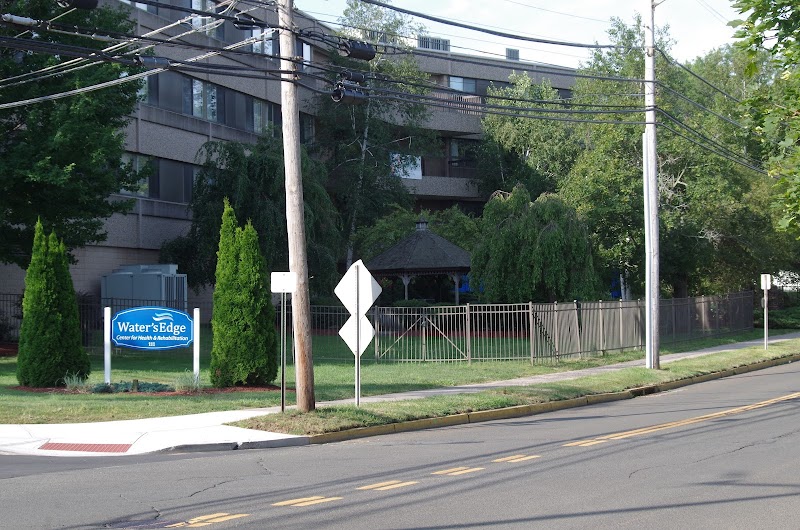
How is Water'S Edge Center For Health & Rehab Staffed?

CMS rates WATER'S EDGE CENTER FOR HEALTH & REHAB's staffing level at 2 out of 5 stars, which is below average compared to other nursing homes. Staff turnover is 36%, compared to the Connecticut average of 46%. This relatively stable workforce can support continuity of care.

What Have Inspectors Found at Water'S Edge Center For Health & Rehab?

State health inspectors documented 29 deficiencies at WATER'S EDGE CENTER FOR HEALTH & REHAB during 2019 to 2025. These included: 1 Immediate Jeopardy (the most serious level, indicating potential for serious harm or death), 2 that caused actual resident harm, 24 with potential for harm, and 2 minor or isolated issues. Immediate Jeopardy findings are rare and represent the most serious regulatory concerns. They require immediate corrective action.

Who Owns and Operates Water'S Edge Center For Health & Rehab?

WATER'S EDGE CENTER FOR HEALTH & REHAB is owned by a for-profit company. For-profit facilities operate as businesses with obligations to shareholders or private owners. The facility is operated by NATIONAL HEALTH CARE ASSOCIATES, a chain that manages multiple nursing homes. With 150 certified beds and approximately 135 residents (about 90% occupancy), it is a mid-sized facility located in MIDDLETOWN, Connecticut.
How Does Water'S Edge Center For Health & Rehab Compare to Other Connecticut Nursing Homes?

Compared to the 100 nursing homes in Connecticut, WATER'S EDGE CENTER FOR HEALTH & REHAB's overall rating (2 stars) is below the state average of 3.0, staff turnover (36%) is near the state average of 46%, and health inspection rating (1 stars) is much below the national benchmark.

What Should Families Ask When Visiting Water'S Edge Center For Health & Rehab?

Based on this facility's data, families visiting should ask: "What changes have been made since the serious inspection findings, and how are you preventing similar issues?" "Can you walk me through typical staffing levels on day, evening, and night shifts?" "Can I visit during a mealtime to observe dining assistance and food quality?" "How do you handle medical emergencies, and what is your hospital transfer rate?" These questions are particularly relevant given the facility's Immediate Jeopardy citations and the below-average staffing rating.

Is Water'S Edge Center For Health & Rehab Safe?

Based on CMS inspection data, WATER'S EDGE CENTER FOR HEALTH & REHAB has documented safety concerns. Inspectors have issued 1 Immediate Jeopardy citation (the most serious violation level indicating risk of serious injury or death). The facility has a 2-star overall rating and ranks #100 of 100 nursing homes in Connecticut. Families considering this facility should ask detailed questions about what corrective actions have been taken since these incidents.

Do Nurses at Water'S Edge Center For Health & Rehab Stick Around?

WATER'S EDGE CENTER FOR HEALTH & REHAB has a staff turnover rate of 36%, which is about average for Connecticut nursing homes (state average: 46%). Moderate turnover is common in nursing homes, but families should still ask about staff tenure and how the facility maintains care continuity when employees leave.

Was Water'S Edge Center For Health & Rehab Ever Fined?

WATER'S EDGE CENTER FOR HEALTH & REHAB has been fined $15,642 across 1 penalty action. This is below the Connecticut average of $33,235. While any fine indicates a compliance issue, fines under $50,000 are relatively common and typically reflect isolated problems that were subsequently corrected. Families should ask what specific issues led to these fines and confirm they've been resolved.

Is Water'S Edge Center For Health & Rehab on Any Federal Watch List?

WATER'S EDGE CENTER FOR HEALTH & REHAB is not on any federal watch list. The most significant is the Special Focus Facility (SFF) program, which identifies the bottom 1% of nursing homes nationally based on persistent, serious quality problems. Not being on this list means the facility has avoided the pattern of deficiencies that triggers enhanced federal oversight. This is a positive indicator, though families should still review the facility's inspection history directly.