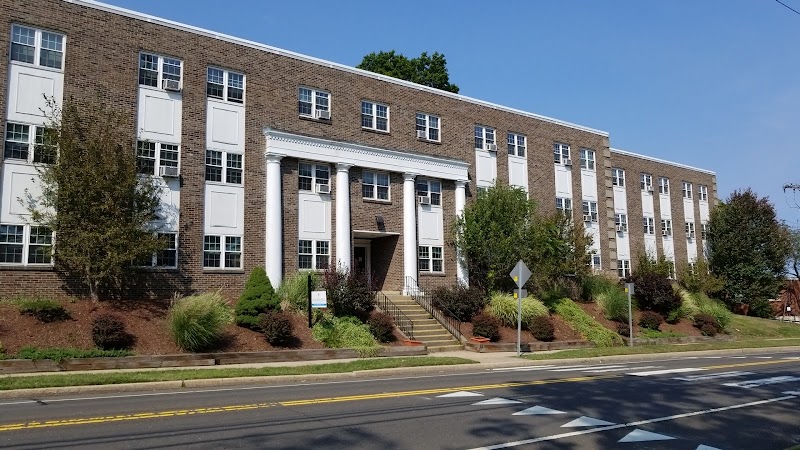
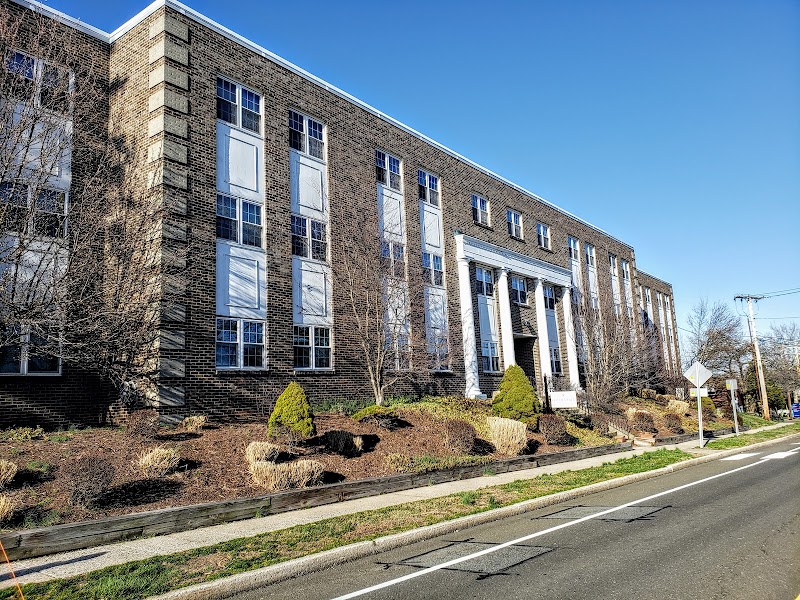
CIVITA CARE CENTER AT MILFORD

2028 BRIDGEPORT AVE, MILFORD, CT 06460 (203) 877-0371
For profit - Limited Liability company 120 Beds CIVITA CARE CENTERS Data: November 2025
Trust Grade
33/100
#170 of 192 in CT
Last Inspection: December 2024

Within standard 12-15 month inspection cycle. Federal law requires annual inspections.

Overview

Civita Care Center at Milford has received a Trust Grade of F, indicating significant concerns and a poor overall quality of care. It ranks #170 out of 192 facilities in Connecticut, placing it in the bottom half, and #22 out of 23 in its county, meaning only one local option is better. While the facility is showing improvement, decreasing from 22 issues in 2024 to 2 in 2025, it still has a troubling history with 50 total deficiencies found, including one serious incident where a resident developed a pressure ulcer due to inadequate monitoring and care. Staffing is average, with a 3/5 rating and a turnover rate of 48%, suggesting that while staff may stay for a while, there is still room for improvement. Additionally, the facility has faced fines totaling $14,433, which raises concerns about compliance, and it has average RN coverage, meaning there are enough registered nurses to help catch potential issues. Overall, families should weigh these strengths and weaknesses carefully when considering this nursing home.

Trust Score
F
33/100
In Connecticut
#170/192
Bottom 12%
Safety Record
Moderate
Needs review
Inspections
Getting Better
22 → 2 violations
Staff Stability
⚠ Watch
48% turnover. Above average. Higher turnover means staff may not know residents' routines.
Penalties
✓ Good
$14,433 in fines. Lower than most Connecticut facilities. Relatively clean record.
Skilled Nurses
○ Average
Each resident gets 32 minutes of Registered Nurse (RN) attention daily — about average for Connecticut. RNs are the most trained staff who monitor for health changes.
Violations
⚠ Watch
50 deficiencies on record. Higher than average. Multiple issues found across inspections.
★☆☆☆☆
1.0
Overall Rating
★★★☆☆
3.0
Staff Levels
★☆☆☆☆
1.0
Care Quality
★★☆☆☆
2.0
Inspection Score
Stable
2024: 22 issues
2025: 2 issues

The Good

  • Full Sprinkler Coverage · Fire safety systems throughout facility
  • No fines on record

Facility shows strength in fire safety.

The Bad

1-Star Overall Rating

Below Connecticut average (3.0)

Significant quality concerns identified by CMS

Staff Turnover: 48%

Near Connecticut avg (46%)

Higher turnover may affect care consistency

Federal Fines: $14,433

Below median ($33,413)

Minor penalties assessed

Chain: CIVITA CARE CENTERS

Part of a multi-facility chain

Ask about local staffing decisions and management

The Ugly 50 deficiencies on record

1 actual harm
Aug 2025 2 deficiencies
CONCERN (D) 📢 Someone Reported This

A family member, employee, or ombudsman was alarmed enough to file a formal complaint

Potential for Harm - no one hurt, but risky conditions existed

Free from Abuse/Neglect (Tag F0600)

Could have caused harm · This affected 1 resident

**NOTE- TERMS IN BRACKETS HAVE BEEN EDITED TO PROTECT CONFIDENTIALITY** Based on clinical record review, facility documentation review, facility policy review, and interviews for one resident (Residen...

Read full inspector narrative →
**NOTE- TERMS IN BRACKETS HAVE BEEN EDITED TO PROTECT CONFIDENTIALITY** Based on clinical record review, facility documentation review, facility policy review, and interviews for one resident (Resident #2) reviewed for abuse, the facility failed to ensure the resident was free from verbal mistreatment. The findings include:Based on clinical record review, facility documentation review, facility policy review, and interviews for one resident (Resident #2) reviewed for abuse, the facility failed to ensure the resident was free from verbal mistreatment. The findings include: Resident #2's diagnoses included hemiplegia (muscle weakness) and hemiparesis muscle paralysis) affecting the left nondominant side, chronic pain, major depressive disorder, and anxiety. The Resident Care Plan (RCP) dated 5/16/2025 identified Resident #2 had the potential for alteration in elimination due to incontinence of bowel and bladder. Resident #2 uses his/her call bell to request assistance with incontinent care. Interventions directed incontinent checks every two (2) to three (3) hours and as needed, and repositioning as indicated for proper body positioning. The quarterly Minimum Data Set (MDS) assessment dated [DATE] identified Resident #2 had a Brief Interview for Mental Status (BIMS) score of twelve out of fifteen (12/15), indicative of moderately impaired cognition, was substantial assistance with ADL's (activities of daily living), and was always incontinent of bowel and bladder. Facility reportable event form dated 7/15/2025 at 9:10 AM identified Resident #2's roommate (Resident #3) reported NA #1 emotionally abused Resident #2 on 7/14/2025 during the 3 PM to 11 PM shift. Record review identified Resident #3 was alert and oriented (BIMS 14). An interview statement by Resident #3 on 7/15/2025 dated 7/15/2025, without a time noted, identified Resident #3 reported that he/she heard and witnessed Resident #2 being taunted by a male voice over the intercom system when Resident #2 requested to be changed at 9:00 PM on 7/14/2025. Resident #3 indicated he/she reported the allegation the following morning at 7:00 AM to the charge nurse. A facility interview statement by Resident #2 dated 7/15/2025, without a time noted, identified Resident #2 reported that NA #1 was not his/her NA but answered his/her call light at the nurse's station. Resident #2 stated that it was at 9 or 10:00 PM when he/she rang the call bell for incontinent care. NA #1 answered the call bell from the nurse's station and stated Resident #2's aide would be in to change him/her in a few minutes. A few minutes went by, and Resident #2 called again and NA #1 answered by saying stop calling, but in a different voice. Resident #2 rang again, and NA #1 stated change yourself and shut the f*** up. Resident #2 said to stop playing games and to get someone to change him/her, and care was provided by Resident #2's assigned NA. A written statement by NA #1 dated 7/15/2025, without a time noted, identified at 10:00 PM on 7/14/2025, Resident #2 called and asked for help to be changed, and NA #1 told Resident #2 that his/her NA was with someone and afterwards, she will come to change you. After two (2) minutes, Resident #2 rang again and said stop playing games man and started cursing NA #1 off, saying f*** you, and mother f***** etc. NA #1 then told Resident #2 then go change yourself, if you don't stop calling, I will take the call bell from you. Facility reportable event summary dated 7/20/2025 indicated Resident #3 reported NA #1 spoke inappropriately to Resident #2 on 7/14/2025 and NA #1 was removed from the schedule on 7/15/2025 when the allegation was made. The summary further indicated when the facility interviewed NA #1, he stated he had notified the assigned NA when Resident #2 rang the call bell. NA #1 stated Resident #2 rang again and was agitated. NA #1 stated Resident #2 called him names, said he/she was not playing games and made a verbal threat to NA #1. The summary further indicated based on findings from interviews conducted during the investigation, the facility has concluded that abuse could not be substantiated, however, facility identified that there was a lack of judgement by NA #1 regarding expectations of customer service and the code of conduct when interacting with the resident. Interview with LPN #1 on 8/19/2025 at 2:15 PM identified on 7/14/2025 during the 3 PM to 11 PM shift, LPN #1 was at the nurse's station while NA #1 was also at the nurse's station talking to someone. LPN #1 was unaware who NA #1 was talking to, and thought he was on his cellphone and heard NA #1 say f*** you, I am not coming and felt that NA #1's demeanor was very harsh and intimidating. LPN #1 identified she realized NA #1 was speaking into the (call bell) intercom feature. LPN #1 stated she was unable to confirm who NA #1 was talking to, and she did not report the incident since she was aware who was on the other end of the intercom conversation. Interview with Resident #2 on 8/19/2025 at 9:30 AM identified on 7/14/2025 during the 3 PM to 11 PM shift when he/she rang the call bell, NA #1 spoke through the intercom and on the second time, they exchanged words. NA #1 stated I'll take your call bell away and to change myself, I'm the supervisor, NA, Administrator and this is why your garbage, and you can't walk, and care was provided by another NA. Interview with NA #1 on 8/19/2025 at 10:40 AM identified on 7/14/2025 during the 3 PM to 11 PM shift, NA #1 was at the nurse's station when Resident #2 rang the call bell for assistance. NA #1 utilized the intercom system and told Resident #2 that he/she will have to wait for their assigned NA and NA #1 will let them know. NA #1 indicated Resident #2 called again soon after, where Resident #2 then started making statements at NA #1 saying stop playing games and using multiple profanities and racial threats. NA #1 identified he lost it and indicated he shouldn't have said what he said, but indicated he did state to Resident #2 you can go change yourself and if you keep calling, I will come and take your call bell, and denied any other comments. Interview with Resident #4 on 8/19/2025 at 12:00 PM identified on 7/14/2025, he/she heard NA #1 say to Resident #2 during the 3 PM to 11 PM shift, go and change yourself and I'll take your call bell away. Record review identified Resident #4 was alert and oriented (BIMS 14). Although attempted, an interview with Resident #3, and LPN #1 was unable to be obtained during the survey. Interview with the DON (Director of Nursing) on 8/19/2025 at 2:35 PM identified on 7/15/2025, Resident #3 reported an allegation of abuse; alleged NA #1 spoke inappropriately to Resident #2. The DON stated the facility interviewed staff and residents, and concluded that abuse could not be substantiated. The DON stated it was a lack of judgement by NA #1 regarding customer service the facility code of conduct. The DON stated NA #1 did admit he told Resident #2 to change him/herself and that he'll take the call bell away and NA #1 was terminated from his position. Review of the undated Abuse, Neglect, and Exploitation Policy directed in part, it was the facility policy to protect residents for the health, welfare and rights of residents. The Policy further directed abuse is defined as the means of willful infliction of injury, unreasonable confinement, intimidation, or punishment with resulting physical harm, pain, or mental anguish, which can include staff to resident abuse. Verbal abuse was defined as the use of oral, written, or gestured communication or sounds that willfully include disparaging and derogatory terms to residents or their families, or within their hearing distance regardless of their age, ability to comprehend, or disability.
CONCERN (D) 📢 Someone Reported This

A family member, employee, or ombudsman was alarmed enough to file a formal complaint

Potential for Harm - no one hurt, but risky conditions existed

Deficiency F0658 (Tag F0658)

Could have caused harm · This affected 1 resident

**NOTE- TERMS IN BRACKETS HAVE BEEN EDITED TO PROTECT CONFIDENTIALITY** Based on clinical record review, facility documentation review, facility policy review, and interviews for one (Resident #1) rev...

Read full inspector narrative →
**NOTE- TERMS IN BRACKETS HAVE BEEN EDITED TO PROTECT CONFIDENTIALITY** Based on clinical record review, facility documentation review, facility policy review, and interviews for one (Resident #1) reviewed for quality of care, the facility failed to ensure the resident was free from a medication error. The findings include: Based on clinical record review, facility documentation review, facility policy review, and interviews for one (Resident #1) reviewed for quality of care, the facility failed to ensure the resident was free from a medication error. The findings include: Resident #1's diagnoses included urinary tract infection with Escherichia coli, ESBL resistance - urine, anxiety, severe major depressive disorder with psychotic symptoms, and neuralgia (pain caused by damaged nerves). The Resident Care Plan (RCP) dated 6/11/2025 identified Resident #1 had the potential for pain. Interventions directed to administer medications as ordered, report changes in urine color or odor. The quarterly Minimum Data Set (MDS) assessment dated [DATE] identified Resident #1 was alert and oriented (Brief Interview for Mental Status score of thirteen out of fifteen indicative of being cognitively intact), used a manual wheelchair, and received an opioid medication during the prior seven (7) days. Physician order dated 7/9/2025 directed Gabapentin (used to treat neuropathic pain and seizures). 300 mg, three times a day for neuralgia, and Oxycodone (opioid pain medication) 5 mg every twelve (12) hours for chronic leg pain. Physician orders dated 7/9/2025 for Resident #1 directed to administer Narcan (naloxone, reversal medication for opioid overdose) spray, non-aerosol; 4 milligrams (mg) as needed for opioid overdose, call MD and call 911. May repeat three (3) times, three (3) minutes apart. Nursing note dated 8/3/2025 at 2:42 PM identified Resident was status post day two (2) for antibiotic treatment for a UTI/ESBL (urinary tract infection). Nursing note dated 8/4/2025 at 11:30 AM identified at 10:40 AM RN #1 was notified Resident #1 was not responding while in his/her wheelchair. Observed Resident #1 in his/her wheelchair with eyes closed, leaning to the left side. APRN #1 (psychiatric APRN) was on the unit and assisted to place Resident #1 in bed, with no resident response. Temperature 97.6, pulse 109, respiration 20, blood pressure 152/72 and blood sugar was 126. APRN #2 (medical APRN) was notified, started on 15 liters of oxygen (02) with a non-rebreather mask; oxygen saturation on 02 was 99%. Recheck blood pressure 88/64, placed in Trendelenburg position (head lower than body), and 911 was called. Resident #1 was transferred to the hospital for evaluation. APRN #2 gave report to EMS and hospital nurse that Resident #1 received Nayzilam nasal spray, and family updated. APRN #2 (medical APRN) note dated 8/4/2025 at 8:05 PM identified Resident #1 had a history of chronic neuropathic pain, vascular dementia, a history of recurrent UTIs (ESBL) and was unresponsive with pinpoint pupils. Was seen by staff minutes before noted unresponsive. Assessment identified ill-appearing, pale, diaphoretic, tachycardia irregular pulse, shallow respirations, 911 was called, and ordered Narcan one (1) dose as Resident #1 received Oxycodone for chronic pain, with no effect. Transferred to the hospital. EMS report dated 8/4/2025 identified EMS was notified at 10:48 AM and was at the resident at 10:54 AM. Facility incident report dated 8/4/2025 at 11 AM identified Resident #1 received Nayzilam (benzodiazepine, used to treat seizures) intranasal spray during a change in condition. Record review failed to identify an order for Nayzilam for Resident #1. A Hospital Emergency Department Note dated 8/4/2025 at 12:45 PM identified RN #2 received a phone call from APRN #2 at skilled nursing facility who reported Resident #1 was mistakenly given Nyzilam 5 mg intranasal instead of the intended Narcan. The Hospital admission summary dated [DATE] at 3:46 PM identified Resident #1 had multiple medical problems with no seizure history, no chronic benzodiazepine or alcohol use, and was admitted with a diagnosis of encephalopathy (altered brain function including confusion and altered consciousness). The summary indicated the degree to which his/her mental status was depressed prior to inadvertent Nayzilam administration out of his/her facility is not entirely clear, and at least some component of the encephalopathy is likely explained by the Nayzilam administration. Resident #1 received Flumazenil (reversal medication for Nayzilam), and seemed significantly improved although remained somewhat encephalopathic. The Hospital Discharge summary dated [DATE] at 12:41 PM identified Resident #1 presented to the emergency department on 8/4/2025 with altered mental status after he/she was found poorly responsive at the rehabilitation facility. Resident #1 was intended to receive 4 mg of Narcan at the facility and inadvertently received intranasal Nayzilam. Resident #1 was unresponsive to Naloxone, remained poorly responsive in the emergency department with three (3) liters nasal cannula oxygen and was admitted to the ICU (intensive care unit). Resident #1 has been wakeful in last 24-hours without recurrent episodes of poor responsiveness and had an episode of low blood pressure on 9/5/2025 with transfer back to the ICU. Given the episode of low blood pressure, the plan was to treat Resident #1's E-coli urine culture as an infection-presumed ESBL (extended-spectrum beta-lactamases, a type of infection) based on prior culture data with Ertapenem (antibiotic) for a five (5) day course. discharged on 8/6/2025 with adjusted does of Gabapentin (anti-seizure medication) to 100 mg, twice a day, and continue Ertapenem for a total 5-day course. Interview with APRN #1 on 8/18/2025 at 10:10 AM identified on 8/4/2025, APRN #1 was on the nursing unit when Resident #1 was noted to be unresponsive in his/her wheelchair. APRN #1 indicated approximately 30 minutes prior to this, APRN #1 saw Resident #1 at his/her baseline in his/her wheelchair, self-mobile in the hallway. APRN #1 directed staff to bring the crash cart, to administer Narcan, obtain vitals, and escort Resident #1 back to bed. During this process, APRN #2 arrived at the scene and took over for care. APRN #1 did not witness the medication error but became aware of the incident later. Interview and record review with APRN #2 on 8/18/2025 at 11:10 AM identified on 8/4/2025, Resident #1 was found unresponsive in the hallway in his/her wheelchair and staff were instructed to administer Narcan. APRN #2 arrived at the scene after this process, and when Resident #1 had been transferred to the hospital by Emergency Medical Services (EMS), APRN #2 reviewed the room and noted the medication that was administered was Nayzilam, and not Narcan. APRN #2 indicated no other medications were administered, and she immediately called the hospital to inform the staff of the medication error. APRN #2 identified that although Resident #1 had received the incorrect medication, the resident did not sustain adverse effects of Nayzilam, and that the only effects this medication would have, is cause Resident #1 to be sleepier. APRN #2 reviewed Resident #1's hospitalization records and concluded the Nayzilam did not have any effect on Resident #1's overall hospitalization. Interview with LPN #2 on 8/18/2025 at 11:45 AM identified on 8/4/2025 about 11 AM, LPN #4 notified her that Resident #1 was unresponsive, and she directed LPN #4 to get the crash cart. At the same time, APRN #1 had instructed to administer Narcan. LPN #4 obtained the medication, which appeared to be Narcan. Resident #1 was transferred into bed, vital signs were obtained and LPN #2 administered the Narcan. LPN #2 stated the packaging for Narcan and Nyzilam are identical and have the same first letter, and she did not verify the medication prior to administering the drug. LPN #2 identified she should have checked the medication prior to administering the medication. Interview with LPN #4 on 8/18/2025 at 12:00 PM identified on 8/4/2025 about 11 AM, LPN #4 was notified by a Nurse Aide (NA) that Resident #1 was unresponsive, and she had seen Resident #1 approximately one (1) hour prior. APRN #1, RN #1 and LPN #2 were also notified. APRN #1 directed to administer Narcan and LPN #4 obtained what looked to be Narcan from the crash cart narcotic box. LPN #4 stated she did not verify the drug (read the label to ensure the right drug was being given) and she gave the medication to LPN #2. LPN #2 then administered the medication and EMS arrived approximately ten (10) minutes after the Nyzalim was administered. Interview with DON (Director of Nursing) on 8/19/2025 at 2:35 PM identified Resident #1 received Nyzalim instead of the Narcan as instructed by APRN #1. APRN #2 informed the hospital staff of the medication error, and Resident #1 did not sustain any adverse effects from the incident. The DON stated LPN #1 and LPN #2 both should have checked the medication label before administration to ensure they were administering the correct medication. Review of the Five Rights of Medication Administration Policy dated 10/1/24 identified the facility will ensure safe, accurate, and consistent medication administration to residents in accordance with federal and state regulations, facility standards, and accepted nursing practice. All licensed nurses and authorized medication personnel must adhere to the Five Rights of Medication Administration to minimize errors and promote resident safety. The Five Rights are identified as: Right Resident, Right Medication, Right Dose, Right Route, and Right Time. Review of facility documentation identified nursing staff education was initiated on 8/4/2025 regarding the Five Rights of medication administration and a new coloring system for the medication packaging for Nyzalim and Narcan. A QAPI meeting was held on 8/4/2025, and audits of medication administration were initiated on 8/5/2025. Based on review of facility documentation, past non-compliance was identified.
Dec 2024 18 deficiencies
CONCERN (D)

Potential for Harm - no one hurt, but risky conditions existed

Deficiency F0553 (Tag F0553)

Could have caused harm · This affected 1 resident

**NOTE- TERMS IN BRACKETS HAVE BEEN EDITED TO PROTECT CONFIDENTIALITY** Based on review of the clinical record, facility documentation, facility policy, and interviews for 2 residents (Resident #25 an...

Read full inspector narrative →
**NOTE- TERMS IN BRACKETS HAVE BEEN EDITED TO PROTECT CONFIDENTIALITY** Based on review of the clinical record, facility documentation, facility policy, and interviews for 2 residents (Resident #25 and 83) reviewed for medications, the facility failed to ensure the resident and/or resident representative were offered to attend quarterly resident care plan conferences. The findings include: 1. Resident #25 was admitted to the facility in May 2017 with diagnoses that included dementia, schizophrenia, and Wernicke's encephalopathy. The quarterly MDS dated [DATE] identified Resident #25 had intact cognition, had hallucinations and delusions and that Resident #25 and legally authorized representative participates in the assessment process. Review of the clinical record dated 11/14/23 through 12/17/24 identified care conferences were held on 11/14/23 and 11/19/24. The clinical record failed to reflect care conferences were held February, May, and August of 2024. Interview with RN #4 (MDS coordinator) on 12/15/25 at 11:00 AM indicated that all residents were to have a quarterly care conference including the resident and/or the resident representative. RN #4 indicated that when a meeting is held, she was responsible or the social worker to have everyone in attendance sign in on a form. RN #4 indicated that she and the social worker had a pile of the sign in sheets, and they were not in the resident's clinical record. RN #4 indicated that she is aware that not all residents have had a quarterly care conference per requirement, but the other full time MDS coordinator had been out on leave. RN #4 indicated that she would look for the documentation for Resident #25. Interview with Resident #25 on 12/15/24 at 9:21 AM indicated that he/she does not recall going to care plan conference meetings with the staff to discuss his/her plan of care or being invited to go. Interview with Person #5 conservator of person (COP) on 12/18/24 at 12:12 PM indicated that he/she doesn't consistently get a quarterly notice of when the care plan conferences will be held. Person #5 indicated that if he/she receives a notice it comes after the care plan conference was held. Person #5 indicated that he/she must call the facility and speak with the social worker to get updates. Person #5 indicated that Resident #25 can attend the care plan conferences with him/her if they were notified. Person #5 indicated that it had been quite a while since he/she had received a notice, so he/she could attend. Person #5 indicated that he/she had emailed the social worker stating he/she wanted to attend the care plan conferences but did not get a response or email back. Person #5 indicated that the notices for the care plan conferences were not consistent and not timely. Interview and clinical record review with RN #10 (MDS coordinator) on 12/18/24 at 9:21 AM indicated all residents must have a quarterly care plan conference with the quarterly MDS. RN #10 indicated that Resident #25 should have had a care plan conference within a few days of the MDS on 2/28/24, 5/28/24, and 8/28/24 and then 11/28/24. RN #10 indicated that the last care plan conference was held on 11/14/23 and not again until 11/20/24. RN #10 indicated that she did not know why there was not a care conference held in a year. 2. Resident #83 was admitted to the facility in June 2023 with diagnoses that included respiratory failure, diabetes, and renal failure with dialysis. The quarterly MDS dated [DATE] identified Resident #83 had intact cognition and required total assistance for personal hygiene, dressing, and transfers. The care plan dated 6/22/23 identified Resident #83 needed assistance with mobility and care needs. Interventions include to encourage resident to make choices and decisions. Review of the clinical record dated 1/1/24 through 12/17/24 identified care plan conferences were not held in March 2024 and June 2024. Interview and clinical record review with RN #4 (MDS coordinator) on 12/17/24 at 11:29 AM indicated that Resident #83 was cognitively intact and should be invited to all his/her quarterly care plan conferences. RN #4 indicated that she only sees documentation for one care plan conference in all of 2024. Interview and clinical record review with RN #10 (MDS coordinator) on 12/18/24 at 11:10 AM identified that Resident #83 had intact cognition and should have been invited to attend the quarterly care plan conferences. RN #10 identified from 1/1/24 until now she only saw a note that a care plan conference was held on 9/6/24. RN #10 indicated that for the 9/6/24 she could not find a sign in form to identify whether Resident #83 was invited and/or if he/she had attended. RN #10 indicated that she could not find any documentation that Resident #83 had a care plan conference in March and June of 2024. Review of the Resident Rights Policy identified Federal and state laws guarantee certain basic rights to all residents. Residents have the right to be informed of, and participate in, his/her care planning and treatment. Review of the Care Planning - Interdisciplinary Team Policy identified that the resident, the resident's representative, and the resident's legal representative are encouraged to participate in the development of and revisions to the resident's care plan. Every effort will be made to schedule care plan meetings at the best time of the day for the resident and resident representative.
CONCERN (D)

Potential for Harm - no one hurt, but risky conditions existed

Deficiency F0578 (Tag F0578)

Could have caused harm · This affected 1 resident

**NOTE- TERMS IN BRACKETS HAVE BEEN EDITED TO PROTECT CONFIDENTIALITY** Based on review of the clinical record, facility documentation, facility policy, and interviews for 2 of 4 residents (Resident #...

Read full inspector narrative →
**NOTE- TERMS IN BRACKETS HAVE BEEN EDITED TO PROTECT CONFIDENTIALITY** Based on review of the clinical record, facility documentation, facility policy, and interviews for 2 of 4 residents (Resident #31 and 87) reviewed for advance directives, the facility failed to ascertain the resident/representative wishes and the necessary documentation regarding Code status (code status refers to the level of medical interventions a person wishes to have started if their heart or breathing stops). The findings include: 1. Resident #31 was admitted to the facility in [DATE] and readmitted in [DATE] with diagnoses that included dementia, stroke, cancer, and malnutrition. The hospital Discharge summary dated [DATE] identified Resident #31 was a full code (full code directs the medical team to take all possible measures to save the residents' life in the event of a medical emergency) and had altered mental status. A physician's order dated [DATE] directed for nursing to call the resident representative to obtain a formal directive on a code status post readmission. The physician's orders did not reflect a code status. Review of the nurses and social worker notes dated [DATE] to [DATE] failed to reflect an attempt to contact the resident representative to discuss code status wishes. Review of the census form identified Resident #31 was transferred to the hospital on [DATE] and was readmitted to the facility on [DATE]. The hospital Discharge summary dated [DATE] identified Resident #31 was a full code. The admission physician orders dated [DATE] failed to reflect a code status. The nurse note dated [DATE] at 4:18 PM identified hospice to follow up per recommendations. APRN aware of resident's return. The admission MDS dated [DATE] identified Resident #31 had severely impaired cognition. The nurses note dated [DATE] at 3:16 PM identified the resident was admitted to hospice today and recommendations given to the supervisor. The significant change of condition MDS dated [DATE] identified Resident #31 had severely impaired cognition and hospice care while a resident. The monthly physician orders dated [DATE] to [DATE] failed to reflect a code status despite having been admitted to hospice services on [DATE]. Review of the resident health care instruction form dated [DATE] (69 days after admission) identified the resident representative made the decision that Resident #31 would be DNR. Interview with Corporate LPN #4 on [DATE] at 6:40 AM indicated that she had done an audit a month ago for all residents for their code status. LPN #4 indicated that she had noted Resident #31 returned from the hospital in [DATE] and was placed on hospice, but the last code status was for a full code and had not been signed since readmission, so she had informed the DNS to address it. Interview and review of the clinical record with the DNS on [DATE] at 9:50 AM indicated that when a resident is readmitted , the nurse was responsible to call the resident representative to address the code status within the first 24 hours. The DNS indicated that 2 nurses, one being an RN can sign the code status as a telephone order and the next visit the resident representative would sign the form. The DNS indicated that Resident #31 did not have a physician order for a code status or signed advance directives from the [DATE] readmission or the [DATE] readmission. The DNS indicated that on a hospice note dated [DATE] Resident #31 was a DNR so the DNS indicated that she would have expected the hospice nurse to make sure the advance directive form was signed by the resident representative. The DNS indicated that if Resident #31 had coded from readmission on [DATE] until now he/she would have been given CPR because there was not a signed code status form or a physician's order for a DNR. A physician order dated [DATE] at 8:06 AM (74 days after admission) directed that Resident #31 was a do not resuscitate. Review of the facility advance directives policy identified the resident has the right to formulate an advance directive, including the right to accept or refuse medical or surgical treatment. Advance directives are honored in accordance with state law and facility policy. Advance directives - a written instruction, such as a living will or durable power of attorney for health care, recognized by state law (whether statutory or as recognized by the courts of the state), relating to the provisions of health care when the individual is incapacitated 2. Resident #87 was admitted to the facility in [DATE], with diagnoses that included vascular dementia with severe agitation, diabetes, and asthma. Review of the clinical record identified Resident #87 had a Power of Attorney (POA) for health care decisions. The health care instruction form dated [DATE] identified an X mark on withhold for Cardiopulmonary Resuscitation (which means Do Not Resuscitate - DNR no chest compressions) and Intubation (breathing tube). The health care form was signed by a facility representative but not signed by the resident or the resident POA. Review of physician's orders for [DATE] directed for Do Not Resuscitate, Do Not Intubate, and Registered Nurse to pronounce. Additional review of the clinical record from [DATE] - [DATE], 1 year and 7 months, failed to reflect documentation of a signed advance directive/code status from the POA. The nurse's notes and the social service notes dated [DATE] - [DATE], 1 year and 6 months, failed to reflect documentation addressing Resident #87 advance directives. The quarterly MDS dated [DATE] identified Resident #87 had severely impaired cognition. The care plan dated [DATE] identified Resident #87 has an advance directive of Do Not Resuscitate, Do Not Intubate (DNR/DNI). Feeding restrictions - no G-tube feeding. Restrictions - No artificial nutrition. Do not hospitalize, palliative care. Interventions included advised staff of my wishes. Respect my wishes. Provide me with written information regarding advanced directives as needed. Physician's orders for [DATE] directed for Do Not Resuscitate, Do Not Intubate, and Registered Nurse to pronounce. Interview and review of the clinical record with the DNS on [DATE] at 9:00 AM failed to provide documentation that an advance directive was addressed. The DNS identified she was not aware that Resident #87 advance directive was not completed. The DNS indicated it was the responsibility of the admission nurse and the floor nurse to address the advance directive with the resident or the resident responsible party and have them sign the form. Although attempted, an interview with APRN #1 was not obtained. Review of the facility advance directives policy identified the resident has the right to formulate an advance directive, including the right to accept or refuse medical or surgical treatment. Advance directives are honored in accordance with state law and facility policy. Advance directives - a written instruction, such as a living will or durable power of attorney for health care, recognized by state law (whether statutory or as recognized by the courts of the state), relating to the provisions of health care when the individual is incapacitated
CONCERN (D)

Potential for Harm - no one hurt, but risky conditions existed

Notification of Changes (Tag F0580)

Could have caused harm · This affected 1 resident

**NOTE- TERMS IN BRACKETS HAVE BEEN EDITED TO PROTECT CONFIDENTIALITY** Based on observation, review of the clinical record, facility documentation, facility policy, and interviews for 1 of 5 resident...

Read full inspector narrative →
**NOTE- TERMS IN BRACKETS HAVE BEEN EDITED TO PROTECT CONFIDENTIALITY** Based on observation, review of the clinical record, facility documentation, facility policy, and interviews for 1 of 5 residents (Resident #50), reviewed for nutrition and weight loss, the facility failed to notify the physician and resident representative after a significant weight loss was identified, and for 1 of 2 residents (Resident #103) reviewed for opioid medications, the facility failed to notify the resident representative when a new medication was initiated. The findings include: 1. Resident #50 was admitted to the facility on [DATE] with diagnoses that included congestive heart failure (CHF), hypotension, and dementia. Review of the clinical record identified Resident #50 was hospitalized from [DATE] following a fall with fracture of the left femur. Resident #50 was readmitted to the facility on [DATE] and weighed 146.2 lbs. The physician's orders dated 8/20/24 directed a carbohydrate-controlled diet, dysphagia advanced with thin liquids and scoop plate with meals; obtain weights every Tuesday, Thursday, and Sunday (3 times weekly) related to CHF and report a gain of 5 or more lbs. to the MD/APRN; and administer Remeron (an antidepressant used to help appetite) 15 mg nightly at bedtime. A nutritional assessment dated [DATE] identified Resident #50 was seen following readmission to the facility. The note identified that Resident #11 was 128 lbs. on 8/11/24 prior to hospitalization and that Resident #50's had a history of variable weights due to fluid shifts related to CHF and a history of increased intake and snacking. The note further identified that no changes were made to the nutrition plan of care and continue to monitor weights. The 5-day MDS dated [DATE] identified Resident #50 had severely impaired cognition, was frequently incontinent of bowel and bladder and required substantial/maximal assistance with dressing, bathing, and toileting. Although requested, the facility failed to provide documentation related to Resident #50's care plans. The physician's order dated 8/30/24 directed to administer Furosemide 20 mg (a diuretic medication for fluid overload) twice daily for CHF. Review of the clinical record identified LPN #9 documented Resident #50 weighed 138.5 lbs. on 9/8/24, a 7.7 lb. or 5.47% loss since readmission on [DATE] (19 days prior). The clinical record failed to identify any additional documentation including any notification to the physician or resident representative, nursing assessments, reweights, on interventions initiated related to the documented weight loss. Review of the clinical record identified LPN #9 documented Resident #50 weighed 122 lbs. on 9/12/24, a 16.5 lb. or 11.85% loss over 4 days. The clinical record failed to identify any additional documentation including notification to the physician or resident representative, nursing assessments, reweights, or interventions initiated following this significant weight loss. Review of the clinical record identified LPN #8 documented Resident #50 weighed 118.7 lbs. on 9/15/24, a 3.3 lb. or 2.8 % loss over 3 days, and a total weight loss of 27.5 lbs. or 18.81% following readmission on [DATE] (26 days). Review of the clinical record identified LPN #9 documented Resident #50 weighed 117. 8 lbs. on 9/22/24. A physician's order dated 9/23/24 directed to administer Metoprolol XL (a blood pressure medication) 25 mg daily. Review of the clinical record identified on 9/29/24, LPN #8 documented Resident #50 had a weight of 112 lbs., a 5.8 lb. or 4.92 % loss from one week prior, and a total weight loss of 34.2 lbs. or 23.71% following readmission on [DATE] (40 days). Review of the clinical record failed to reflect documentation related to notification to the physician or resident representative, nursing assessments, interventions initiated or implemented related to Resident #50's documented initial weight loss on 9/8/24, significant weight loss on 9/12/24, or continued weight losses on 9/15, 9/22, or 9/29/24. Review of all 24-hour report sheets for Resident #50 for 9/2024 failed to identify nursing documentation related to Resident #50's significant weight loss, including nursing assessments, physician/APRN notification, resident representative notification, or interventions. A nutrition note dated 10/4/24 identified Resident #50 had ongoing weight loss with a 26 lb./18% loss over the last month. The note further identified that Resident #50's weight loss had an unknown etiology, but the resident had a history of CHF, diuretics, fluid shifts, and multiple hospitalizations. Recommendations included to start 237 ml clear house supplement three times daily and monitor intakes, weights, labs, and skin integrity. An APRN note dated 10/4/24 by APRN # 1 identified Resident #50 had a recent weight loss per the dietitian, had been eating and drinking well, and historically had a baseline weight of 120 lbs. but had recently started Furosemide per Cardiology due to CHF. The note identified that the treatment plan included to continue Remeron, monitor percentages of meals consumed; start super cereal with breakfast, magic cup with lunch and dinner, and that while the dietitian recommended the clear house supplement three times daily, this was discontinued due to Resident #50's history of CHF. Review of the clinical record failed to identify documentation that Resident #50's representative was notified of the significant weight loss, interventions, or treatment plan on or after 10/4/24. Interview with the Dietitian on 12/17/24 at 1:50 PM identified that Resident #50 was seen on 10/4/24, when the Dietitian was first notified of an issue with his/her weight. The Dietitian identified that this notification likely came from being notified by a nurse assigned to Resident #50 in person, however the specific nurse would not be typically documented anywhere, and that unless the nursing staff provided notification that a resident had an issue with weights, the dietitians did not review all weights for every resident in the building with every visit to the building. The Dietitian also identified she would be notified of any nutritional issues by text message from the ADNS, DNS, or the APRN, but would rely on nursing staff to notify her of nutritional issues. Review of Resident #50's clinical record and interview with the ADNS on 12/17/24 at 2:15 PM identified Resident #50's weights were flagged as red on multiple dates in the electronic clinical record. The ADNS identified that this would indicate to the nursing staff that there had been a change in Resident #50's weight, and this should have been investigated further, including an assessment and a reweight within a day of the initial flagged weight loss. The ADNS identified, upon review of the clinical record, that Resident #50 should have had a reweight done within a day of the initial weight loss to confirm it was a true weight loss, and then the APRN, resident representative, and Dietician should have been notified following Resident #50's initial weight loss on 9/8/24. Interview with APRN #1 on 12/18/24 at 8:24 AM identified that she was initially notified by the Dietitian on 10/4/24 that Resident #50 had an issue with weight loss, and that at that time she assessed Resident #50 related to the weight loss and ordered nutritional supplements with all meals. APRN #1 identified that while she was aware that Resident #50 had a documented weight loss, she was not aware that Resident #50 had a 16 lb. weight loss from 9/8/24 - 9/12/24. APRN #1 identified she would have expected the nursing staff to contact her regarding this as it would be a significant weight loss that may have impacted Resident #50's medications as Resident #50 had a significant history of being very sensitive to his/her cardiac and hypertensive medications. APRN #1 further identified Resident #50 had a history of hypotension which had resulted in severe hypotensive episodes with hospitalizations in the past. APRN #1 identified had she been notified, she may have decreased or even held Resident #50's Furosemide or metoprolol due to the large weight fluctuation as a rapid weight loss could have impacted the dosing of these medications. Interview with the DNS on 12/18/24 at 8:58 AM identified that she had discussed weight fluctuations with the Dietitian related to Resident #50 and that APRN #1 was aware there were issues as well. The DNS was unable to identify when she was first notified of any issues with Resident #50's weights, however it was over the course of several months due to a decline in Resident #50's health. The DNS identified she was not aware there had had been a significant weight loss for Resident #50 which initially started on 9/8/24, or that APRN #1 and the Dietitian were not aware of the continued significant weight loss until 10/4/24, approximately 26 days later. The DNS identified that she would have expected the nursing staff to obtain a reweight following the initial weight loss within a day, and if the weight loss was accurate, to assess the resident, then notify the APRN, resident representative, and Dietitian to determine what interventions would be needed. The DNS also identified that all documentation related to this should also be included in the clinical record. Although attempted, an interview with LPN #8 and LPN #9 were not obtained. The facility policy on weight assessment and intervention directed that the multidisciplinary team would strive to prevent, monitor, and intervene for undesirable weight loss for facility residents. The policy directed that any weight change of 5% or more would be retaken the next day for confirmation, and if the weight change was verified, nursing would immediately notify the Dietitian in writing, and any verbal notification must also be confirmed in writing. The policy further directed that the threshold for significant unplanned and undesired weight loss would be based on the following criteria: A) 1 month - 5% weight loss was significant; greater than 5% was severe weight loss. B) 3 months - 7.5% weight loss was significant; greater than 7.5% was severe weight loss. C) 6 months - 10% weight loss was significant; greater than 10% was severe weight loss. The policy also identified that care planning for weight loss or impaired nutrition would be a multidisciplinary effort and include the physician, nursing staff, Dietician, and the resident or resident legal surrogate, and that the care plan would be individualized and address to the extent possible, the identified cause of weight loss, goals and benchmarks for improvement, and timeframes and parameters for monitoring and reassessment. The facility policy on change of condition directed that the facility would promptly notify the resident, attending physician, and resident representative regarding a significant change to the resident's medical/mental condition and/or status. The policy further directed that a significant change of condition was a major decline in the resident's status that would not normally resolve itself without intervention by staff or by implementing standard disease-related clinical intervention (would not be self-limiting); would impact more than one area of the resident's health status; and required interdisciplinary review and revision to the care plan. The policy also identified that prior to notifying the physician or healthcare provider, the nurse would make detailed observations and gather relevant and pertinent information for the provider including information prompted by the SBAR (Situation/Background/Assessment/Recommendation) Communication form. The policy also directed that unless instructed by the resident, the nurse would notify the resident representative when there was a significant change to the resident's physical status, and that notifications would be made within 24 hours of the change in condition, except in medical emergencies. The policy further directed that the nurse would record in the resident's medical record relative to the changes in the resident's medical condition and status. 2. Resident #103 was admitted to the facility on [DATE] with diagnoses that included hypertension, dementia, and rheumatoid arthritis (RA). The admission MDS dated [DATE] identified Resident #103 had severely impaired cognition, required a moderate assist with sitting to standing, chair/bed-to-chair transfers, personal hygiene, and received a scheduled pain medication regimen. The care plan dated 8/9/24 identified Resident #103 had the potential for pain/discomfort related to general discomfort and diagnosis of RA. Interventions included reporting any changes/concerns to physician and resident representative as needed (prn). The nurse's note dated 10/1/24 at 3:39 PM identified that Resident #103 complained that his/her lower left extremity was in pain. The resident representative asked about an order for Tramadol and the APRN was contacted, and an order was placed for Tramadol 50mg tablet every 8 hours, prn for 14 days. The resident representative was aware. A physician's order dated 10/1/24 directed to administer Oxycodone 2.5mg by mouth, every 8 hours prn for right knee pain. The nurse's note dated 10/5/24 identified that Resident #103 was seen in bed, Oxycodone 2.5mg administered prn with good relief. The nurse's note dated 10/5/24 identified the resident representative was at the bedside and had concerns regarding Resident #103 being more sleepy than usual and more lethargic. Upon assessment, Resident #103 was lying in bed with his/her eyes closed, responsive to tactile stimuli. Vital signs taken identified blood pressure: 132/71, oxygen saturation 95% on room air, heart rate 72, and respiratory rate 16. The resident representative stated that he/she requested a stronger pain medication, but if Oxycodone was going to leave Resident #103 in this state, he/she would like it discontinued. The APRN was updated and an order to discontinue the Oxycodone was obtained. The resident representative would like to request a meeting. Interview with Resident #103's representative (Person #2) on 12/16/24 at 1:00 PM identified that he/she was not notified of Resident #103's Oxycodone order. Person #2 indicated that he/she was very upset that the Oxycodone order was not discussed with him/her prior to administering the medication to Resident #103 because he/she would have refused it. Person #2 further indicated that when he/she came in to visit, Resident #103 was out of it, and that was when he/she learned of the Oxycodone order. Person #2 identified that he/she had been talking to the facility nurses about his/her concerns related to Resident #103's pain management regimen and that he/she had been asking them to arrange for Cortisone injections. Interview and review of the clinical record with the DNS on 12/18/24 at 9:50 AM failed to provide documentation that Person #2 was notified of the Oxycodone order before the medication was administered. The DNS indicated that Person #2 had expressed concerns that Resident #103's arthritis pain was getting worse; the APRN and Physiatrist were working with Resident #103 because of Person #2's pain management concerns, and Oxycodone was ordered, prn on 10/1/24 and was discontinued on 10/5/24. The DNS indicated that she only saw documentation about Person #2 being notified when the Tramadol was ordered but did not see a note indicating that Person #2 was notified when the Oxycodone was ordered/started. The DNS identified that she would have expected Person #2 to be notified of a new Oxycodone order, either by the charge nurse or the RN supervisor prior to administering the Oxycodone. Interview and review of the clinical record with the nurse supervisor (RN #1) on 12/18/24 at 11:54 AM failed to provide documentation that Person #2 was notified of Resident #103's Oxycodone order before the medication was administered. RN #1 identified that she remembered having a generalized conversation with Person #2 regarding Resident #103's pain management, but she could not recall if she was the one who took off the Oxycodone order or notified Person #2 and she would have to review her notes and review the original order. The Change in a Resident's Condition or Status policy directs the facility to promptly notify the resident, his/her attending physician, and the resident representative of changes to the resident's medical/mental condition and/or status.
CONCERN (D)

Potential for Harm - no one hurt, but risky conditions existed

Deficiency F0603 (Tag F0603)

Could have caused harm · This affected 1 resident

**NOTE- TERMS IN BRACKETS HAVE BEEN EDITED TO PROTECT CONFIDENTIALITY** Based on review of the clinical record, facility documentation, and interview for 2 residents (Resident #53 and 78) who reside o...

Read full inspector narrative →
**NOTE- TERMS IN BRACKETS HAVE BEEN EDITED TO PROTECT CONFIDENTIALITY** Based on review of the clinical record, facility documentation, and interview for 2 residents (Resident #53 and 78) who reside on a locked unit, the facility failed to identify the clinical criteria for placing the residents on the locked unit, failed to provide the method of opening doors independently to the residents, failed to involve the resident/representative in discussions regarding the decision for placement on a locked unit, and failed to ensure the clinical record included documentation according to 483.12(a)(1) to ensure the residents were free from involuntary seclusion. The findings include: According to §483.12(a)(1) Each resident has the right to be free from involuntary seclusion. Involuntary seclusion includes, but is not limited to, the following: A resident placed in a secured area of the facility but does not meet the criteria for the unit and is not provided with access codes or other information for independent egress. A resident who chooses to live in the secured/locked unit and does not meet the criteria for placement, must have access to the method of opening doors independently. 1. Resident #53 was readmitted to the facility in November 2023, to a locked unit, with diagnoses that included diabetes. The quarterly MDS dated [DATE] identified Resident #53 had intact cognition, utilized a manual wheelchair and once seated in the wheelchair could wheel at least 150 feet independently. The care plan dated 11/11/24 identified Resident #53 was independent while in the wheelchair. The care plan failed to reflect the resident resided on a locked unit, how the resident would be provided independent egress from the unit, and ongoing review and revision of the care plan regarding remaining on the locked unit. The clinical record failed to reflect initial or ongoing assessments regarding the clinical criteria for placing the resident on the locked unit, failed to reflect documentation of the resident/representative's involvement in the decision for placement on the locked unit and failed to reflect documentation whether placement on the locked unit was the least restrictive approach. 2. Resident #78 was readmitted to the facility in July 2024, to a locked unit, with diagnoses that included end stage renal disease. The annual MDS dated [DATE] identified Resident #78 had intact cognition, utilized a motorized wheelchair and once seated in the wheelchair could wheel at least 150 feet independently. The care plan dated 12/11/24 failed to reflect the resident resided on a locked unit, how the resident would be provided independent egress from the unit, and ongoing review and revision of the care plan regarding remaining on the locked unit. The clinical record failed to reflect initial or ongoing assessments regarding the clinical criteria for placing the resident on the locked unit, failed to reflect documentation of the resident/representative's involvement in the decision for placement on the locked unit and failed to reflect documentation whether placement on the locked unit was the least restrictive approach. Interview with the Administrator, with the Regional Manager (RN #8) present, on 12/18/24 at 11:23 AM identified he has been the Administrator at this facility since September 2022, over 2 years. The Administrator identified he does not know how long the units have been locked but indicated they have been locked since he began his position here over 2 years ago. The Administrator identified that there are no policies or procedures that identify the clinical criteria for placing a resident on the locked units or ongoing assessments or requirements for discussions/notifications to the resident/representative regarding the locked units. Further, residents are not given independent egress and are required to ask staff to be let off the unit. The Administrator and RN #8 indicated that they recently began to address the locked units by speaking to a contractor regarding alternatives to allow independent egress to all residents except residents with a wander guard. Interview with the 3:00PM - 11:00 PM RN Supervisor, (RN #9) on 12/15/24 at 2:23 PM Identified she is from the agency and has been coming to this facility for a while. RN #9 indicated that if a resident is not an elopement risk a staff member will enter the code and let the resident off the unit. Residents who are an elopement risk are assisted with a staff member. No residents don't have the code to leave the unit, they have to ask staff to be coded out. If there is suspicion that a resident has the code staff will change the code, and the code is changed frequently (a few times a month) and staff members will stand in front of the keypad when entering the number so that the code cannot be seen by residents. Although requested, the facility did not have a policy on placement of residents on a locked unit.
CONCERN (D)

Potential for Harm - no one hurt, but risky conditions existed

PASARR Coordination (Tag F0644)

Could have caused harm · This affected 1 resident

**NOTE- TERMS IN BRACKETS HAVE BEEN EDITED TO PROTECT CONFIDENTIALITY** 2. Resident #96 was admitted to the facility in February 2024 with diagnoses that included malignant neoplasm of the breast, ce...

Read full inspector narrative →
**NOTE- TERMS IN BRACKETS HAVE BEEN EDITED TO PROTECT CONFIDENTIALITY** 2. Resident #96 was admitted to the facility in February 2024 with diagnoses that included malignant neoplasm of the breast, cerebrovascular disease, and anxiety. Notice of PASARR Level I Screen Outcome dated 2/2/24 identified no Level II was required. The Level I screen did not identify the presence of a serious mental illness or an intellectual/developmental disability. No further Level I screening was required unless the resident was suspected of having a serious mental illness or an intellectual or developmental disability and exhibit a significant change in treatment. The quarterly MDS dated [DATE] identified Resident #96 had intact cognition and had the following psychiatric/mood disorder: anxiety. The psychiatric evaluation and consultation note dated 8/2/24 identified the following diagnoses: anxiety disorder and mild neurocognitive disorder. The APRN note dated 8/9/24 at 9:16 PM identified Resident #96 recently had increased anxiety and accusatory behaviors. The assessment and plan included referral to psychiatric services for a formal diagnosis and question of brain imaging to evaluate for metastasis due to increased behaviors and forgetfulness. The psychiatric evaluation and consultation note dated 8/14/24 identified the following diagnoses: anxiety disorder, mild neurocognitive disorder, and bipolar disorder. The significant change MDS dated [DATE] identified Resident #96 had the following psychiatric/mood disorder: anxiety and manic depression (bipolar disease). Interview and review of the clinical record with the Director of Social Services (SW #1) on 12/16/24 at 10:48 AM identified that although Resident #96's bipolar diagnosis was identified on 8/8/24, she had never been made aware. SW #1 further identified that during the timeframe of Resident #96's new bipolar diagnosis, the communication process between her and the psychiatric providers was completed via a form which included the resident's name, any changes in condition, plan of care, medication change, or new diagnoses. SW #1 indicated that also during that time there had been different psychiatric providers coming to the facility, and the forms were being utilized differently by each provider. SW #1 indicated that she was not provided a form for Resident #96, and as a result, she was not aware of the new diagnosis; if she had been aware then she would have submitted a new Level of Care screening. The Preadmission Screening and Resident Review Procedures policy identified the Preadmission Screening and Resident Review (PASARR) process is a federal requirement and the purpose of the PASARR is to ensure individuals who are being considered for placement in a Medicaid-certified nursing facility are evaluated for serious mental illness, intellectual disability, or related condition or both, offered the most appropriate setting for their long term care needs, and are able to receive the services they need in those settings, which may include specialized services or specialized rehabilitative services. The policy directs that a Level II PASARR be done whenever a new diagnosis indicating a serious mental illness or intellectual disability is identified. Based on review of the clinical record, facility documentation, facility policy, and interviews for 2 of 6 residents (Resident #13 and 96) reviewed for pre-admission screening and resident review (PASARR), the facility failed to ensure the residents, who had newly diagnosed mental disorder, or a related condition, were referred for rescreening. The findings include: 1. Resident #13 was readmitted to the facility in March 2023 with diagnoses that included depression and dementia. A PASARR dated 8/25/20 identified Resident #13 had a diagnosis of major depression and dementia but did not have corroborative testing or other information to verify presence or progression of dementia. Resident #13 did not have a dementia workup or a comprehensive mental status exam. Resident #13 was approved for long term care and the major depression was a single episode. Resident #13 was approved for long term care. A psychiatric APRN note dated 4/5/22 identified the Resident #13 had a diagnosis of depression, Alzheimer's dementia, and insomnia. A physician order dated 5/9/22 directed to obtain a psychiatric eval for signs of depression. A psychiatric APRN note dated 5/10/22 identified Resident #13 had a diagnosis of depression, Alzheimer's dementia, and schizoaffective disorder. A physician order dated 5/10/22 directed to administer Abilify (antipsychotic medication) 7 mg daily for schizoaffective disorder, check orthostatic blood pressure once a week for 4 weeks. Review of the residents list of diagnosis identified schizoaffective disorder was added 5/10/22. The annual MDS dated [DATE] identified Resident #13 had severely impaired cognition, had a diagnosis of depression but did not have a diagnosis of Schizophrenia or schizoaffective disorder. Resident #13 was on antipsychotics and antidepressants medications with in the last 7 days daily. The quarterly MDS dated [DATE] identified Resident #13 had severely impaired cognition and had an active diagnosis of schizoaffective disorder. Resident #13 was on antipsychotics and antidepressants medications with in the last 7 days daily. Interview with SW #1 on 12/16/24 at 9:30 AM indicated she was responsible for the PASARR's for the facility. SW #1 indicated she was responsible to update the PASARR program when a resident received a new psychiatric diagnosis. SW #1 indicated that she had started at the facility in April 2024 and did not go back to see if the PASARR 's prior to her starting were accurate. After clinical record review, SW #1 indicated on admission Resident #13 was admitted with a diagnosis of major depression and dementia and did not need a level 2. SW #1 indicated that the only PASARR in the system was from 8/26/20 and it did not include the diagnosis of schizoaffective disorder. SW #1 indicated when Resident #13 had received the new diagnosis of schizoaffective disorder, the PASARR should have been updated with a new Level 1 for determination if a Level 2 was needed, which was not done. Review of the Behavioral Assessment, Interventions, and Monitoring Policy identified all residents will have a Level 1 PASARR screen prior to admission. If a Level 1 screen indicates that the resident may meet the criteria for a mental disorder, intellectual disability or related condition he/she will be referred to the state PASARR representative for a Level 2 evaluation and determination screening process. The Level 2 evaluation report will be used when conducting the resident assessment and developing the care plan. New onset or changes in behavior that indicate newly evident or possible serious mental disorder, intellectual disability, or related disorder will be referred for a PASARR Level 2 evaluation. The facility's Preadmission Screening and Resident Review Procedures policy identifies the Preadmission Screening and Resident Review (PASARR) process is a federal requirement and the purpose of the PASARR is to ensure individuals who are being considered for placement in a Medicaid-certified nursing facility are evaluated for serious mental illness, intellectual disability, or related condition or both, offered the most appropriate setting for their long term care needs, and are able to receive the services they need in those settings, which may include specialized services or specialized rehabilitative services. The policy directs that a Level II PASARR be done whenever a new diagnosis indicating a serious mental illness or intellectual disability is identified. Review of the Admissions Policy identified all new admissions and readmissions will be screened for mental disorders, intellectual disabilities, or related disorders per the Medicaid Pre-Admissions Screening and Resident Review (PASARR) process. The facility conducts a Level 1 PASARR screen for all potential admissions to determine if the resident meets criteria for a mental illness, intellectual disability, or related condition or both. If the Level 1 screen indicates that the resident meets the criteria, he/she is referred to the state PASARR representative for a Level 2 evaluation and determination screening process.
CONCERN (D)

Potential for Harm - no one hurt, but risky conditions existed

Deficiency F0645 (Tag F0645)

Could have caused harm · This affected 1 resident

**NOTE- TERMS IN BRACKETS HAVE BEEN EDITED TO PROTECT CONFIDENTIALITY** Based on review of the clinical record, facility documentation, facility policy, and interviews for 1 of 6 residents (Resident #...

Read full inspector narrative →
**NOTE- TERMS IN BRACKETS HAVE BEEN EDITED TO PROTECT CONFIDENTIALITY** Based on review of the clinical record, facility documentation, facility policy, and interviews for 1 of 6 residents (Resident #75) reviewed for PASARR, the facility failed to ensure that a PASARR rescreen was completed following admission to the facility for a resident who had documented major mental illness that required treatment. The findings include: A PASARR level I screening, completed prior to admission to the facility on 8/12/21, identified Resident #75 had no mental health diagnoses that were known or suspected, had not received any behavior health services in the past or currently and had not had any recent or current mental health symptoms. The PASARR level I screening also identified Resident #75 did not require a level II screening due to no history of serious mental health illnesses. Resident #75 was admitted to the facility on [DATE] with diagnoses that included bipolar disorder, anxiety disorder, and diffuse traumatic brain injury. The baseline care plan dated 10/1/21 identified Resident #75 had a potential for alteration of mood and behavior due to bipolar disorder. Interventions included psychiatric services as ordered. The physician's orders dated 10/1/21 directed for psychiatric evaluation, Clonidine (a blood pressure medication also used for anxiety) 0.1 mg 3 times daily as needed for agitation and trazadone (an antidepressant medication) 25 mg twice daily as needed for agitation. A 10/3/21 physician admission note identified Resident #75 had a history of bipolar disorder, polysubstance abuse, and anxiety and was admitted to the facility following a prolonged hospitalization for multiple facial fractures and traumatic brain injury. The admission MDS dated [DATE] identified Resident #75 had intact cognition, was always continent of bowel and bladder, required the assistance of one staff member with toileting, and was independent with dressing and bathing. The MDS also identified Resident #75 had active diagnoses that included anxiety and bipolar disorder and required daily antidepressant medication. A psychiatric note dated 10/22/24 identified Resident #75 was seen for bipolar disorder and anxiety disorder and had a history of symptoms that included anxiety and delusions. The note identified Resident #75 was seen and treated 1-5 times monthly for psychiatric services. A physician note dated 10/31/24 identified Resident #75 had a history of bipolar disorder and anxiety. The note further identified Resident #75 was under the care of psychiatry and required Depakote 250 mg (a psychotropic medication used as a mood stabilizer) daily for symptoms. Review of the clinical record failed to identify documentation related to a PASARR rescreen completed following Resident #75's admission to the facility in 2021, or that a PASARR level II was completed related to the resident diagnoses of bipolar disorder. Interview with Social Worker #1 on 12/18/24 at 9:15 AM identified that she was not aware Resident #75 did not have a level II PASARR on file as she recently began working at the facility but identified that Resident #75 should have had a PASARR rescreen done following admission to the facility in 2021 based on his/her history of bipolar disorder with need for psychiatric treatment and medication. Social Worker #1 identified, that after surveyor inquiry, she discovered issues related to PASARR rescreening not being completed for multiple residents and was working to rectifying the issue by completing a facility audit for all residents. The facility policy on behavior assessment and monitoring directed that as part of the initial assessment, the nursing staff and attending physician would identify individuals with a history of altered behavior, substance abuse disorder, or mental disorder. The policy further directed that residents identified with a possible serious mental disorder would be referred for a PASARR level II evaluation.
CONCERN (D)

Potential for Harm - no one hurt, but risky conditions existed

Comprehensive Care Plan (Tag F0656)

Could have caused harm · This affected 1 resident

**NOTE- TERMS IN BRACKETS HAVE BEEN EDITED TO PROTECT CONFIDENTIALITY** Based on review of the clinical record, facility policy, and interviews for 1 of 6 residents (Resident #96) reviewed for PASARR,...

Read full inspector narrative →
**NOTE- TERMS IN BRACKETS HAVE BEEN EDITED TO PROTECT CONFIDENTIALITY** Based on review of the clinical record, facility policy, and interviews for 1 of 6 residents (Resident #96) reviewed for PASARR, the facility failed to ensure a comprehensive care plan was developed for a new psychiatric diagnosis. The findings include: A PASARR Level I Screen Outcome dated 2/2/24 identified no Level II was required. The Level I screen did not reveal the presence of a serious mental illness or an intellectual/developmental disability. No further Level I screening was required unless the resident was suspected of having a serious mental illness or an intellectual or developmental disability and exhibit a significant change in treatment. Resident #96 was admitted to the facility on [DATE] with diagnoses that included malignant neoplasm of central portion of the left breast, cerebrovascular disease, and anxiety. The quarterly MDS dated [DATE] identified Resident #96 had intact cognition and had the following psychiatric/mood disorder: anxiety. The psychiatric evaluation and consultation note dated 8/2/24 identified the following diagnoses: anxiety disorder and mild neurocognitive disorder. The APRN note dated 8/9/24 at 9:16 PM identified Resident # 96 recently had increased anxiety and accusatory behaviors. The assessment and plan included referral to psychiatric services for a formal diagnosis and question of brain imaging to evaluate for metastasis due to increased behaviors and forgetfulness. The psychiatric evaluation and consultation note dated 8/14/24 identified the following diagnoses: anxiety disorder, mild neurocognitive disorder, and bipolar disorder. The significant change MDS dated [DATE] identified Resident #96 had the following psychiatric/mood disorder: anxiety and manic depression (bipolar disease). The care plan dated 10/29/24 identified Resident #96 exhibited periods of anxiety related to cancer diagnosis. Interventions included to approach resident calmly and to allow resident to express anxiety and fears. The care plan failed to identify goals and interventions related to Resident #96's bipolar disorder diagnosis. Interview and clinical record review with the Director of Social Services (SW #1) on 12/16/24 at 10:48 AM identified that Resident #96's bipolar diagnosis was identified on 8/8/24, but she had never been made aware of the change. SW #1 further identified that during the timeframe of Resident #96's new bipolar diagnosis, the communication process between her and the psychiatric providers was completed via a form which would include the resident's name, any changes in condition, change to the plan of care, medication changes, or new diagnoses. SW #1 indicated that also during that time there had been different psychiatric providers coming to the facility, and the forms were being utilized differently by each provider. SW #1 indicated that she was not provided a form for Resident #96, and as a result, she was not aware of the new bipolar diagnosis; if she had been aware then she would have completed a care plan for the diagnosis, completed a Level II PASARR screen and created a care plan for Resident #96's based off the recommendations provided on the Level II PASARR report, as well. The Care Planning-Interdisciplinary Team policy directs that the facility's care planning/interdisciplinary team is responsible for the development of an individualized comprehensive care plan for each resident.
CONCERN (D)

Potential for Harm - no one hurt, but risky conditions existed

Deficiency F0657 (Tag F0657)

Could have caused harm · This affected 1 resident

**NOTE- TERMS IN BRACKETS HAVE BEEN EDITED TO PROTECT CONFIDENTIALITY** Based on review of the clinical record, facility documentation, facility policies, and interviews for 2 of 3 residents (Resident...

Read full inspector narrative →
**NOTE- TERMS IN BRACKETS HAVE BEEN EDITED TO PROTECT CONFIDENTIALITY** Based on review of the clinical record, facility documentation, facility policies, and interviews for 2 of 3 residents (Resident #47 and 89) reviewed for care planning, the facility failed to hold quarterly resident care conferences and failed to ensure the resident/resident representative were invited. The findings include: 1. Resident #47 was admitted to the facility in December 2023 with diagnoses that included peripheral vascular disease, type 2 diabetes mellitus, and hypertension. The Care Conference progress note dated 6/19/24 at 12:40 PM identified that social work reached out to Resident #47's representative by phone who could not attend the meeting due to working. Social work provided the resident representative with a quick update due to being busy. Review of the clinical record failed to identify that resident care conferences were held/completed before or after the 6/19/24 meeting. The annual MDS dated [DATE] identified Resident #47 had moderately impaired cognition. The care plan dated 9/25/24 identified Resident #47 was alert, oriented and aware of his/her situation, able to express ideas and wants, and had a history of depression and anxiety. Interventions included anticipating needs and encouraging Resident #47 to verbalize thoughts and feelings. Interview with Resident #47 on 12/15/24 at 10:40 AM identified that he/she could not recall attending a resident care conference with members of the facility's interdisciplinary team. Resident #47 identified that he/she would like to participate in meetings to discuss his/her care and goals. Interview and review of the clinical record with the Director of Social Services (SW #1) on 12/16/24 at 11:05 AM failed to identify documentation that resident care conferences were completed quarterly for Resident #47. SW #1 identified that she began working at the facility in April of 2024, after Resident #47's admission to the facility, and that the social worker is responsible for coordinating the 72-hour admission meetings and the discharge planning meetings. SW #1 further identified that while she does attend the quarterly care conference meetings, it is the responsibility of the MDS Coordinator to schedule and coordinate the quarterly care conference meetings. SW #1 indicated that residents that are conserved or have a resident representative should still be invited and encouraged to attend their care conferences, along with their resident representative. Interview and review of the clinical record with the MDS Coordinator (RN #4) on 12/16/24 at 12:11 PM failed to identify documentation that resident care conferences were completed quarterly for Resident #47. RN #4 indicated that she was not the primary MDS Coordinator that was responsible for coordinating Resident #47's quarterly care conferences and the nurse that was responsible had been out on a leave of absence. RN #4 indicated that both social services and MDS share the responsibility of coordinating care conferences; social services arrange the 72 - hour meetings, discharge meetings, and as needed meetings while MDS coordinates the quarterly conferences. RN #4 identified that the goal is to coordinate resident care conferences following MDS updates, which is quarterly. RN #4 further identified that the MDS Coordinator will send care conferences letters, which includes the date of the upcoming care conference, to both the resident and/or resident representative notifying them of the upcoming care conference. Interview with the DNS on 12/18/24 at 9:38 AM identified that resident care conferences are scheduled based on protocol, 72 hours after admission, then quarterly thereafter, or following a change in condition. The DNS further identified that residents should be invited to participate in the care conferences, even if they are conserved or have an appointed resident representative. The Care Planning - Interdisciplinary Team policy directs that the resident, resident's family and/or the resident's legal representative/guardian or surrogate are encouraged to participate in the development of and revisions to the resident's care plan. The facility's Resident Participation in Care Planning policy directs the resident and his/her legal representative are encouraged to attend and participate in the resident's assessment and in the development of the resident's person-centered care plan. The facility's Resident Participation in Care Planning policy directs the resident and his/her representative are encouraged to participate in the resident's assessment and in the development and implementation of the resident's care plan. The policy further directs that resident assessments are begun on the first day of admission and completed no later than 14 days after admission, a comprehensive care plan is developed within seven days of completing the resident assessment, and seven day advanced notice of the care plan conference is provided to the resident and his/ her representative, such notice may be made by mail and or telephone. The social services director or designee is responsible for notifying the resident or resident representative and for maintaining records of such notices. Notices include: the date time and location of the conference, the name of each person contacted, input from the resident or representative, if they were able to attend, refusal of participation, and the date and signature of the individual making the contact. 2. Resident #89 was admitted to the facility in June 2023 with diagnoses that included urinary retention, diabetes mellitus, and dislocation of the knee. The quarterly MDS dated [DATE] identified Resident #89 had intact cognition. The care plan dated 10/29/24 identified Resident #89 was alert, oriented and aware of his/her situation, able to express ideas and wants, and had a history of depression and anxiety. Interventions included anticipating needs and encouraging Resident #89 to verbalize thoughts and feelings. Review of the clinical record failed to identify resident care conferences were completed for Resident #89 from admission in June 2023 through 12/15/24. Interview with Resident #89 on 12/15/24 at 10:30 AM identified that he/she could recall attending one meeting after arriving at the facility with his/her mom and some facility staff members. Resident #89 indicated that he/she would like to participate in meetings to discuss his/her care and goals. Interview and review of the clinical record with the Director of Social Services (SW #1) on 12/16/24 at 11:05 AM failed to identify documentation that resident care conferences were completed quarterly for Resident #89. SW #1 identified that she began working at the facility in April of 2024, after Resident #89's admission to the facility, and that the social worker is responsible for coordinating the 72-hour admission meetings and the discharge planning meetings. SW #1 further identified that while she does attend the quarterly care conference meetings, it is the responsibility of the MDS Coordinator to schedule and coordinate the quarterly care conference meetings. SW #1 indicated that residents that have a conservator or have a resident representative should still be invited and encouraged to attend their care conferences, along with their resident representative. Interview and review of the clinical record with the MDS Coordinator (RN #4) on 12/16/24 at 12:11 PM failed to identify documentation that resident care conferences were completed quarterly for Resident #89. RN #4 indicated that she was not the primary MDS Coordinator that was responsible for coordinating Resident #89's quarterly care conferences and the nurse that was responsible had been out on a leave of absence. RN #4 indicated that both social services and MDS share the responsibility of coordinating care conferences; social services will arrange the 72 - hour meetings, discharge meetings, and as needed meetings and MDS coordinates the quarterly conferences. RN #4 identified that the goal was to coordinate resident care conferences following MDS updates, which would be quarterly. RN #4 further identified that the MDS Coordinator will send care conferences letters, which includes the date of the upcoming care conference, to both the resident and/or resident representative notifying them of the upcoming care conference. Interview with the DNS on 12/18/24 at 9:38 AM identified that resident care conferences are scheduled based on protocol, 72 hours after admission, then quarterly thereafter, or following a change in condition. The DNS further identified that residents should be invited to participate in the care conferences, even if they are conserved or have an appointed resident representative. The Care Planning - Interdisciplinary Team policy directs that the resident, resident's family and/or the resident's legal representative/guardian or surrogate are encouraged to participate in the development of and revisions to the resident's care plan. The facility's Resident Participation in Care Planning policy directs the resident and his/her representative are encouraged to participate in the resident's assessment and in the development and implementation of the resident's care plan. The policy further directs that resident assessments are begun on the first day of admission and completed no later than 14 days after admission, a comprehensive care plan is developed within seven days of completing the resident assessment, and seven day advanced notice of the care plan conference is provided to the resident and his/ her representative, such notice may be made by mail and or telephone. The social services director or designee is responsible for notifying the resident or resident representative and for maintaining records of such notices. Notices include: the date time and location of the conference, the name of each person contacted, input from the resident or representative, if they were able to attend, refusal of participation, and the date and signature of the individual making the contact.
CONCERN (D)

Potential for Harm - no one hurt, but risky conditions existed

Accident Prevention (Tag F0689)

Could have caused harm · This affected 1 resident

**NOTE- TERMS IN BRACKETS HAVE BEEN EDITED TO PROTECT CONFIDENTIALITY** Based on review of the clinical record, facility documentation, facility policy, and interviews for 2 of 8 residents (Resident #...

Read full inspector narrative →
**NOTE- TERMS IN BRACKETS HAVE BEEN EDITED TO PROTECT CONFIDENTIALITY** Based on review of the clinical record, facility documentation, facility policy, and interviews for 2 of 8 residents (Resident #265 and 104) reviewed for smoking, for Resident #265, the facility failed to put smoking interventions in place prior to the resident being found smoking in his/her room on 10/8/24 and failed to ensure every 15-minute checks were completed subsequent to the incident, and for Resident #104 the facility failed to ensure the resident was free of smoking contraband. The findings include: 1. Resident #265 was admitted to the facility in October 2024 with diagnoses that included moderate dementia, chronic obstructive pulmonary disease (COPD), hallucinations, disorientation with delusions, and Nicotine dependance. The hospital Discharge summary dated [DATE] indicated that Resident #265 had a diagnosis of COPD, was dependent on oxygen at 5 liters of via nasal cannula and had a physician order for Nicotine patch 21mg to be applied daily. Further, Resident #265 was on Chantix for smoking cessation, but it had been discontinued upon discharge from the hospital. A physician order dated 10/7/24 directed to apply a Nicotine patch 21 mg daily, and oxygen at 5 liters via nasal cannula continuously. Review of the clinical record dated 10/7/24 to 10/28/24 did not identify a baseline care plan for a resident with a history of smoking or a resident on oxygen with interventions. The admission smoking assessment dated [DATE] at 7:01 PM identified Resident #265 had last smoked on 9/30/24, denied wanting to smoke now, indicated that he/she did not have any smoking materials on his/her person, and he/she understood the smoking policy. The nurses note dated 10/7/24 at 7:52 PM identified Resident #265 was admitted to facility on 6 liters of oxygen via nasal cannula for COPD exacerbation. Resident #265 indicated that he/she was on 6 liters of oxygen at home prior to admission. Further, Resident #265 is wearing a Nicotine patch. A reportable event form dated 10/8/24 at 8:30 PM indicated that Resident #265 was smoking inside his/her room, witnessed by NA #1. Intervention included to remove smoking materials. APRN #1 and the resident representative were notified. The nurses note dated 10/8/24 at 9:46 PM identified Resident #265 was alert and verbally responsive and persistently craving cigarettes. The smoking policies were reviewed with Resident #265 and the resident representative and both parties verbalized understanding. Resident has order in place for Nicotine patch. Will have psychiatry and the APRN evaluate during next visit. The nurses note dated 10/8/24 at 10:00 PM identified Resident #265 was observed smoking in his/her room by staff. Cigarette materials were immediately and safely confiscated from the resident, and he/she agreed with allowing two staff member present with him/her to conduct room search. The no-smoking policy was reviewed with the resident. APRN #1 was notified, and message left with resident representative by nursing supervisor. A smoking assessment, completed by the DNS dated 10/7/24 (a day prior to the incident) at 10:26 PM, identified Resident #265 did not wish to smoke now and indicated the last time he/she smoked was on 10/8/24. Resident #265 indicated that he/she did not have any smoking materials on him/her. The DNS during interview indicated that she did this assessment at home. The psychiatric APRN note dated 10/9/24 at 1:45 PM identified Resident #265 has depression, anxiety, dementia, Nicotine dependence and was seen per staff request for smoking in his/her room. Resident was found smoking in his/her room with oxygen tank in the room. Resident is alert and oriented and presents with anxious and depressed mood. Resident did not admit to smoking but admitted to turning oxygen tank off. Resident reports smoking is his/her business. Education provided related smoking safety in room with oxygen tank and smoking guidelines in building. Resident advised smoking in the room and especially with oxygen tank is a safety issue and that can lead to a fire hazard. Resident reports he/she was aware and continues to state that the oxygen tank was off. No new order. Collaborate with nursing staff. Continue with Nicotine patch for Nicotine dependence and Risperdal 0.5mg twice daily and 1mg daily for dementia with psychotic disturbance. Continue to provide education related to smoking policy. Smoking policy reviewed but resident was non receptive to education. Will continue to provide education related smoking policy. The APRN note dated 10/9/24 at 5:18 PM identified Resident #265 was on 4 liters of oxygen, is tobacco dependent and smoked while in his/her apartment while on oxygen prior to admission. Resident is alert and oriented but forgetful. Nursing found resident smoking yesterday 10/8/24 in his/her room, but resident had informed them at that time he/she had turned the oxygen off, so he/she thought was okay. The admission MDS dated [DATE] identified Resident #265 had intact cognition, had no wandering behaviors, did not currently use tobacco, was on continuous oxygen, required moderate assistance with toileting and dressing, and was independent for personal hygiene. Review of a social services note by SW #2 dated 10/14/24 at 12:40 PM indicated Resident #265 reported he/she lived in an apartment but was evicted due to smoking in his/her apartment while on oxygen. The admission physician note written on 10/15/24 at 9:30 PM identified the resident was at the hospital from [DATE] to 10/7/24 reportedly with altered mental status on initial presentation to emergency room and was evaluated by psychiatry and deemed stable. Resident admitted for rehab given oxygen requirement. Recently evicted from home due to smoking while on oxygen. Residents has COPD and on chronic oxygen. Resident #265 is on a Nicotine patch daily. a. Review of the every 15 minute checks documentation, initiated on 10/8/24 at 10:30 PM (2 hours after incident) identified checks were not completed on 10/9/24 from 7:00 AM until 2:45 PM (missing 32 observations), were not completed on 10/10/24 from 7:15 AM to 7:45 AM and 3:15 PM until 10:45 PM (missing 34 observations), were not completed on 10/11/24 3:30 PM until 11:45 PM (missing 34 observations), and were not completed on 10/12/24 from 7:15 AM until 10:45 PM (missing 64 observations). The every 15 minute checks ended on 10/13/24 at 7:00 AM. The nurses note dated 10/13/24 at 4:30 AM and 7:56 PM identified Resident #265 continues on every 15-minute checks related to smoking in his/her room. The nurses noted dated 10/14/24 at 5:00 AM identified Resident #265 continues on every 15-minute checks related to smoking in his/her room. The nurses note dated 10/16/24 at 3:00 PM identified Resident #265 continues on every 15-minute checks related to smoking in his/her room. The care plan dated 10/29/24 identified on 10/8/24 Resident #265 was observed smoking in his/her room. Interventions included to educate resident on smoking policy, room search randomly, no smoking materials are to be kept in resident possession or room, and smoke detector in room as needed. The APRN note dated 11/18/24 identified Resident #265 was seen for tobacco dependance. Resident #265 has COPD on 4 liters of oxygen, tobacco dependent and smokes in apartment while on oxygen, moderate dementia and traumatic brain injury. Interview with NA #1 on 12/16/24 at 11:47 AM indicated that he was sitting at the nurse's station and could smell cigarette smoke so he went to investigate and as he entered Resident #265's room, the smell of cigarettes was strong, and he could see the room full of smoke. NA #1 indicated that Resident #265's roommate indicated he/she saw Resident #265 smoking the cigarette in their room. NA #1 indicated that he saw Resident #265 in bed next to the open window trying to hide the cigarette. Resident #265 initial refused to give the cigarette to NA #1, who could not tell if it was lit at that time. NA #1 indicated that he stayed with the resident and asked another staff member to call the supervisor. NA #1 noted Resident #265 had the oxygen concentrator on the left side of the bed and it was off. NA #1 indicated that eventually Resident #265 gave him what was left of the cigarette, which was about half left. NA #1 indicated that when they searched the room, Resident #265 had a pack of cigarettes and a lighter in the top of the nightstand. Interview RN #2 on 12/16/24 at 1:21 PM indicated she was the supervisor on 10/8/24 when Resident #265 was caught smoking in his/her room. RN #2 indicated that she did not see Resident #265 smoking but did see the half-smoked cigarette and could smell the cigarette smoke. RN #2 indicated she interviewed the roommate who was upset about seeing Resident #265 smoking in the room. RN #2 indicated that the staff informed her that during the incident the window was open, and the staff still could smell the cigarette smoke really strong. RN #2 indicated that she had asked permission to do the room search, and the resident agreed. RN #2 indicated that she notified the DNS, and the DNS indicated that she would do all the documentation and call corporate to see what to do. Interview with the DNS on 12/16/24 at 2:16 PM indicated that she received a call while she was at home that Resident #265 was smoking a cigarette in his/her room, and it was witnessed. The DNS indicated that the intervention was the room was searched at that time and that Resident #265 was placed on every 15-minute checks for 72 hours. The DNS indicated that the staff did a room search and found the cigarette and a lighter. The DNS indicated that on admission the charge nurse was responsible to start a baseline care plan and smoking and being on oxygen should have been done then MDS was responsible to do the comprehensive care plan within 14 days of admission. Review of the clinical record with the DNS on 12/16/24 at 2:58 PM indicated the nurse aides were responsible to physically go see the resident every 15-minutes and document the time, what the resident was doing at that time, and initial the paper. The DNS indicated that the charge nurse was responsible to make sure at the end of the shift that the nurse aides completed the every 15-minute checks form during their shift. The DNS indicated that at morning report, the IDT would discuss if Resident #265 would be safe to come off or stay on every 15-minute checks after the 72 hours. The DNS indicated that a physician's order should have been obtained for the 15-minute checks, so the nurse knows when it starts and when it ends. The DNS indicated that she does not know why the staff did not complete the every 15-minute checks. Interview with the DNS on 12/18/24 at 6:40 AM indicated that she should have done every 15-minute checks as a nursing measure in the computer and she should have put the stop date in the physician orders because that is the only way the nurses would have known when to stop doing the every 15-minute checks and she did not do that. The DNS indicated she did the smoking assessment for Resident #265 on 10/8/24 from home and indicated that she did not ask the questions to the resident she just went by what the supervisor had told her. The DNS indicated the supervisor was busy, so she wanted to help, so things did not get missed. The DNS indicated that the nurse should be physically present with the resident to perform and answer the smoking assessment questions. Interview with APRN #1 on 12/18/24 at 8:31 AM indicated that staff had called her and informed her that Resident #265 was smoking in his/her room and that's all she can remember. APRN #1 indicated that she told the nurse to do a room search and take the smoking materials away. APRN #1 was concerned because Resident #265 was on oxygen and indicated that when she had seen him/her on 10/9/24 after the incident Resident #265 had expressed the desire to continue to smoke and refused Nicotine gum. Interview and review of the clinical record with DNS on 12/18/24 at 9:00 AM failed to reflect that interventions had been put in place prior to the 10/8/24 smoking incident, failed to reflect the every 15 minute checks were completed after the smoking incident, and failed to ensure the smoking assessment had been completed accurately. Review of the facility Resident Smoking Protocol and Evidence of Education Policy identified to provide a supervised smoking program to resident's who desire to smoke. The resident will relinquish to staff any smoking materials. Smoking cessation treatment options will be reviewed with you during this evaluation. Smoking materials will be labeled with resident's name and then locked in the smoking cart. Review of the admission packet identified the smoking policy identified that smoking was prohibits resident and visitor smoking in the facility or on the grounds. Smoking is only permitted for those residents who have been evaluated and provided a physician's order for such with supervision of staff. Noncompliance with smoking policy resident who are suspected of hold cigarettes lighters or matches will be asked to voluntarily relinquish all such objects. Additionally, a room search of the resident's room, person, and all belongings will be performed with the consent of the resident. Residents suspected or determined to be in violation of the policy will be provided a copy of the policy. Continued violations of the smoking policy may result in the following actions: education with random room and person searches, searches upon return from leaves of absences or appointments, initiate a discharge to alternate location, if resident has a desire to smoke will be provided smoking cessation program, any identification of smoking paraphernalia such as a cigarette but , etc. shall be investigated by the Administrator or designee to determine the source. Although requested, a facility policy for every 15-minute checks was not provided. 2. Resident #104 was admitted to the facility on [DATE] with diagnoses that included chronic obstructive pulmonary disease, pain and diabetes type 2. The admission MDS date 8/17/24 identified had moderately impaired cognition and required supervision or touching assistance with walking greater than 10 feet. A physician's order dated 10/19/24 indicated that Resident #104 may smoke at scheduled time supervised by staff twice a day 11:00 AM and 4:30 PM. The care plan dated 10/29/24 identified a focus with smoking with interventions that included to consent to smoke as per protocol, and room searches/random searches by facility with resident present for smoking materials would be conducted as needed if observed or suspected. Observations on 12/17/24 at 11:10 AM during scheduled smoking session noted after Resident #104 was given a cigarette by NA #11, Resident #104 reached into his/her pocket and pulled out a book of matches and lit the cigarette themselves. The matchbook utilized had several matches missing with only 6 matches remaining. Resident #104 indicated the matches were obtained when he/she went to the gas station on Saturday with NA #6. Resident #104 gave the matches to NA #11 when requested. An interview with the DNS on 12/17/24 at 11:35AM identified she was not aware Resident #104 had matches and indicated she would secure authorization to conduct a room search. A nurse's note dated 12/17/24 at 12:30PM identified Social Worker #1 reviewed the smoking policy with Resident #104 and secured an updated signature of understanding of the smoking policy, and Resident #104 agreed to the room search. A secondary nurse's note dated 12/17/24 at 3:54 PM identified a room search was conducted and Resident #104 willingly gave an unused book of matches to LPN #1. Resident #104 was educated on smoking material policy and expressed understanding. Interview with NA #6 on 12/17/24 at 1:03 PM identified that he took Resident #104 to the gas station to secure cigarettes, with the authority of the Administrator. NA #6 indicated Resident #104 purchased a package of cigarettes and did not receive any matches and smoked a cigarette immediately upon exiting the gas station and NA #6 stated he used his personal lighter to light Resident #104 cigarette. Upon returning to the facility NA #6 indicated he sat with Resident #104 outside in the designated smoking area and Resident #104 smoked 2 additional cigarettes and NA #6 indicated both were lit by staff.
CONCERN (D)

Potential for Harm - no one hurt, but risky conditions existed

Respiratory Care (Tag F0695)

Could have caused harm · This affected 1 resident

**NOTE- TERMS IN BRACKETS HAVE BEEN EDITED TO PROTECT CONFIDENTIALITY** Based on observation, review of the clinical record, facility documentation, facility policy, and interviews for 3 of 3 resident...

Read full inspector narrative →
**NOTE- TERMS IN BRACKETS HAVE BEEN EDITED TO PROTECT CONFIDENTIALITY** Based on observation, review of the clinical record, facility documentation, facility policy, and interviews for 3 of 3 residents (Resident #30, 265 and 89) reviewed for respiratory care, the facility failed to ensure oxygen tubing and humidifier were changed and dated per the physician order and that a physician's order for CPAP was followed. The findings include: 1. Resident #30 was readmitted to the facility in Aril 2024 with diagnoses that included pneumonia, heart failure, and dementia. The quarterly MDS dated [DATE] identified Resident #30 had severely impaired cognition, was receiving oxygen and had shortness of breath or trouble breathing when lying flat. The chest x-ray report dated 11/12/24 identified results were suggestive of CHF with bilateral pleural effusions. The care plan dated 11/16/24 identified Resident #30 has a respiratory infection. Interventions included to report signs of pneumonia. A physician's order dated 12/2/24 (original date 9/19/24) directed oxygen at 2 liters per minute continuous. Observation on 12/15/24 at 7:55 AM identified Resident #265 was lying in bed using oxygen via concentrator with oxygen tubing via nasal cannula not dated. Interview and observation with LPN #2 on 12/15/24 at 9:10 AM identified that Resident #30 was lying in bed on 2 liters of oxygen continuously via nasal cannula. Per LPN #2, the oxygen tubing is to be changed weekly and dated when changed. LPN #2 indicated that the oxygen tubing was not dated, and she did not know when it was last changed. LPN #2 indicated that she did not see the physician order for the oxygen tubing to be changed weekly and dated. LPN #2 indicated even without the physician order the oxygen tubing was to be changed weekly. Interview with the DNS on 12/16/24 at 7:10 AM indicated that all oxygen tubing was to be changed every Wednesday 11:00 PM to 7:00 AM by the charge nurses and the charge nurse must date the tubing when it is changed. 2. Resident #265 was admitted to the facility on [DATE] with diagnoses that included moderate dementia, chronic obstructive pulmonary disease (COPD), oxygen dependent, and nicotine dependance. Hospital Discharge summary dated [DATE] indicated that Resident #265 had a diagnosis of COPD, was dependent on 5 liters of oxygen via nasal cannula. A physician's order dated 10/9/24 directed Resident #265 was to receive oxygen at 5 liters via nasal canula continuously, change oxygen tubing weekly and initial and date on Tuesdays 3:00 PM to 11:00 PM. Additionally, change humidifier water bottle when empty or no less than weekly on Tuesdays 3:00 PM to 11:00 PM shift. The admission MDS dated [DATE] identified Resident #265 had intact cognition was on continuous oxygen and required moderate assistance with toileting, and dressing. The physician's monthly orders for November and December 2024 directed Resident #265 was to receive oxygen at 5 liters via nasal canula continuously and change oxygen tubing weekly and initial and date on Tuesdays 3:00 PM to 11:00 PM. Additionally, change humidifier water bottle when empty or no less than weekly on Tuesdays 3:00 PM to 11:00 PM shift. Clean the concentrator and filters weekly on 3:00 PM to 11:00 PM shift on Sundays. Review of the MAR dated 11/1/24 to 12/18/24 identified the nurses were documenting that every Tuesday 3:00 PM to 11:00 PM they had changed the oxygen tubing and humidifier water bottle. Additionally, the nurses were documenting that every Sunday 3:00 PM to 11:00 PM they were cleaning the concentrator and replacing the filters. Observation on 12/15/24 at 8:00 AM identified Resident #265 was lying in bed with oxygen on via nasal cannula from a concentrator without the benefit of a humidifier. Further, the oxygen tubing was dated 10/30/24, 6 weeks prior. Interview and observation with LPN #2 on 12/15/24 at 9:15 AM identified that Resident #265 was lying in bed on 5 liters of oxygen continuously via nasal cannula and the oxygen tubing was to be changed weekly and dated when changed. LPN #2 indicated that the oxygen tubing was dated 10/30/24 (not changed for 6 weeks). LPN #2 indicated that Resident #265 did not have humidified air from a bubbler, and she was not sure if Resident #265 was supposed to have a bubbler for humidified air. Interview with the DNS on 12/16/24 at 7:10 AM indicated that all oxygen tubing was to be changed every Wednesday 11:00 PM to 7:00 AM by the charge nurses and the charge nurse must date the tubing when it is changed. The DNS indicated that Resident #265 must have a bubbler/humidifier attached to the concentrator because he/she was on 5 liters via nasal cannula. The DNS indicated that she was not sure how often the bubbler gets changed. Observation on 12/17/24 at 2:00 PM identified the oxygen concentrator did not have the humidified bubbler attached. Review of the Oxygen Administration Policy identified to provide safe oxygen administration. Verify physician order for oxygen administration. Review residents care plan to assess for any special needs of the resident. Ensure the oxygen tubing is changed weekly and dated with each change per the physician order. Humidifier water bottles on the concentrator as ordered by physician. Cleanse the concentrator and filters as ordered by the physician. 3. Resident #89 was admitted to the facility on [DATE] with diagnoses that obstructive sleep apnea, mild asthma, and obesity. A physician's order dated 7/23/24 directed for the administration of CPAP set @ 13 qHS at Bedtime 9:00 PM. The quarterly MDS dated [DATE] identified Resident #89 had intact cognition and did not require respiratory treatments such as intermittent or continuous oxygen therapy or CPAP. The care plan dated 10/29/24 identified Resident #89 had potential for complications, discomfort related to sleep apnea. Interventions included nasal CPAP device per MD orders. The care plan further identified that Resident #89 was at risk for cardio/pulmonary complications secondary to the following diagnosis: HTN, HLD, history of OSA (obstructive sleep apnea), obesity, and persistent asthma. Interventions included ensuring the head of the bed was elevated to prevent shortness of breath when lying flat and to provide oxygen support as indicated. The care plan failed to identify that Resident #89 refused care or treatments, including refusals of CPAP. The nurse's note dated 7/23/24 through 12/15/24 failed to identify that Resident #89 had refused CPAP at bedtime. Observations on 12/15/24 at 7:10 AM identified Resident #89 sleeping in bed, with a nasal canula in his/her nostrils, no CPAP machine in the room. Interview with Resident #89 on 12/15/24 at 10:30 AM identified that his/her CPAP machine was not in the facility, it was at a family member's house, and that he/she had not used it in over a year. Resident #89 indicated that around the time that he/she was admitted to the facility the machine began displaying a code and a message indicating that the hose was not connected. Resident #89 indicated that he/she had reached out to the company multiple times and needed to schedule an appointment to have the machine serviced but was not able go to an appointment due an immobility issue. Resident #89 indicated that both the hospital and the long-term care facility had provided him oxygen as a precautionary measure. Resident #89 declined feeling any distress. Observations on 12/16/24 at 7:05 AM identified Resident #89 sleeping in bed, with a nasal canula in his/her nostrils, no CPAP machine in the room. Interview and clinical record review with LPN #6 on 12/16/24 at 7:07 AM identified that while there was an order for CPAP, the resident was alert and oriented and he/she doesn't want CPAP. LPN #6 indicated that she works 11:00 PM - 7:00 AM and the CPAP order would be completed before she arrives, by the 3:00 PM- 11:00 PM nurse. LPN #6 further indicated that while there should be documentation of his/her refusals to wear CPAP, the resident has never wanted it and the APRN was aware. LPN #6 identified that Resident # 89 receives 2 liters of supplemental oxygen and has not been in distress. Follow-up interview with Resident #89 on 12/16/24 at 2:10 PM identified that he/she does not refuse CPAP at night, but he/she does receive oxygen via nasal cannula; Resident #89 indicated how can I refuse something that isn't here? Although the CPAP was not in the room, the MAR dated 11/1/24 through 12/16/24 identified Resident #89's CPAP was documented as (on) 26 of 46 nights. Interview with the ADNS on 12/17/24 at 12:24 PM identified that Resident #89 did not bring his/her CPAP machine to the facility and that when she discussed CPAP with Resident #89, on admission, the resident flat out refused, indicating that it would not help, and he/she would not use it if it was brought in or a new one was provided. The ADNS indicated that Resident #89 refused CPAP to her personally, and that she would look for her documentation of the refusal in her notes. A physician's order dated 12/17/24 directed to discontinue CPAP. Interview with APRN #1 on 12/18/24 at 8:51 AM identified that prior to admission Resident #89 had a sleep apnea work-up, had documented sleep apnea, and that she had ordered Resident #89 a CPAP machine. When the CPAP arrived, the resident felt that it was clunky, and the mask was uncomfortable. APRN #1 indicated that despite educating Resident #89, he/she continued to refuse the CPAP, so 2 liters of supplemental oxygen at bedtime was ordered. APRN #1 further indicated that she feels that in the long-term care setting, 2 liters of oxygen via nasal cannula is sufficient. APRN #1 indicated that Resident #89 had been bed-bound due to complications from multiple surgeries, and only recently has he/she been able to get out of bed into a wheelchair. APRN #1 further indicated that she would order a Pulmonology consult and then a sleep study, as soon as Resident #89 can be safely transported. Interview with the DNS on 12/18/24 at 1:56 PM identified that from her understanding Resident #89 was not using CPAP prior to admission, and that from her conversations with the nursing supervisor and the APRN, the resident had refused it, and he/she was educated. The DNS further identified that if there was an order for CPAP, but there was no CPAP in the room, then the charge nurse would notify the nursing supervisor, and she would notify the APRN and the oxygen company for the CPAP machine. Although requested, documentation identifying a CPAP machine being ordered/delivered to the facility was not provided. The facility's CPAP and BiPap Support policy directs that the physicians order is to be reviewed to determine the oxygen concentration and flow for the machine. CPAP is used when residents have not responded to attempts to increase PaO2 with other types of oxygen delivery systems, such as nasal cannula. The following documentation is included in the resident's medical record: general assessment prior to procedure, time CPAP was started and the duration of the therapy, mode and settings, oxygen concentration and flow, how the resident tolerated the procedure, and oxygen saturation during therapy. The policy further directs to notify the physician if the resident refuses the procedure.
CONCERN (D)

Potential for Harm - no one hurt, but risky conditions existed

Deficiency F0726 (Tag F0726)

Could have caused harm · This affected 1 resident

Based on observation, review of facility documentation, facility policy, and interviews, the facility failed to provide education on the use of a smoking blanket to staff responsible for monitoring th...

Read full inspector narrative →
Based on observation, review of facility documentation, facility policy, and interviews, the facility failed to provide education on the use of a smoking blanket to staff responsible for monitoring the smoking process. The findings include: An observation on 12/17/24 at 11:10 AM during scheduled smoking session supervised by NA #11, NA #11 stated she had never heard of a smoking blanket and was unaware of its use. NA #8 who observed smoking as part of her assigned 1:1 assignment for Resident #104 identified she had no knowledge of a smoking blanket either. Both indicated they were only told of the use of the fire extinguisher during a fire associated with cigarette smoking. Interview on 12/17/24 at 11:55 with the DNS identified that 2 nurse aides who oversaw the most recent smoking session were unfamiliar with the smoking blanket. The DNS indicated she did not know why staff was unfamiliar with the smoking blanket and indicated the blanket is contained in the smoking lockbox which contains the resident's cigarettes and proceeded to secure the lockbox, removed the resident's cigarettes and identified the blanket in the manufacturer's plastic wrapped container on the bottom of the box. Interview with LPN #4 (Regional Nurse Consultant) on 12/17/24 at 1:40 PM identified the smoking training did not contain any content regarding the smoking blanket. The facility policy for smoking was requested but not provided.
CONCERN (D)

Potential for Harm - no one hurt, but risky conditions existed

Drug Regimen Review (Tag F0756)

Could have caused harm · This affected 1 resident

**NOTE- TERMS IN BRACKETS HAVE BEEN EDITED TO PROTECT CONFIDENTIALITY** Based on observation, review of the clinical record, facility documentation, facility policy, and interviews for 1 of 5 resident...

Read full inspector narrative →
**NOTE- TERMS IN BRACKETS HAVE BEEN EDITED TO PROTECT CONFIDENTIALITY** Based on observation, review of the clinical record, facility documentation, facility policy, and interviews for 1 of 5 residents (Resident #27) reviewed for nutrition, the pharmacy failed to identified a medication irregularity, and failed to ensure that pharmacy recommendations were addressed per facility policy. The findings include: Resident #27 was admitted to the facility on [DATE] with diagnoses that included hypotension, congestive heart failure (CHF), and chronic obstructive pulmonary disease (COPD). The care plan dated 3/3/24 identified Resident #27 was at risk for cardio/pulmonary complications related to multiple diagnoses including CHF and COPD. Interventions included to obtain vital signs and administer medications as ordered. A physician's order dated 3/8/24 directed to administer Midodrine (a medication used to increase blood pressure) 5 mg tablet by mouth 3 times daily with meals with additional directions to hold medication for blood pressures greater than 120/80. The quarterly MDS dated [DATE] identified Resident # 27 had moderately impaired cognition, was always incontinent of bowel and bladder and was dependent on staff assistance with eating, bathing, and toileting. The MAR dated 3/2024 identified that Midodrine 5 mg was held without a documented blood pressure measurement or administered for blood pressures above the hold parameters for a total of 13 out of 23 days. Review of the pharmacy recommendations for 3/2024 failed to identify the pharmacy had reported any irregularities for Resident #27. The MAR dated 4/2024 identified that Midodrine 5 mg was held without a documented blood pressure measurement or administered for blood pressures above the hold parameters for a total 10 of 30 days. Review of the clinical record identified pharmacy recommendations completed for Resident #27 on 4/29/24, which identified that Midodrine had been administered when within the hold parameters on 4/15/24 (all shifts), 4/16/24 at 6 PM, 4/24/24 at 6 PM and 4/27/24 at 6 PM and directed for the facility to please review. Review of the clinical record failed to identify any documentation related to any review completed by the facility related to the 4/29/24 pharmacy recommendations, or that the recommendations had been reviewed by any facility nursing staff or provider. The MAR dated 5/2024 identified that Midodrine 5 mg was held without a documented blood pressure measurement or administered for blood pressures above the hold parameters for a total 14 of 31 days. Review of the pharmacy recommendations for 5/2024 failed to identify the pharmacy had reported any irregularities for Resident #27. The MAR dated 6/2024 identified that Midodrine 5 mg was held without a documented blood pressure measurement or administered for blood pressures above the hold parameters for a total 13 of 30 days. Review of the pharmacy recommendations for 6/2024 failed to identify the pharmacy had reported any irregularities related to Midodrine administration. The MAR dated 7/2024 identified that Midodrine 5 mg was held without a documented blood pressure measurement or administered for blood pressures above the hold parameters for a total 23 of 31 days. Review of the pharmacy recommendations for 7/2024 failed to identify the pharmacy had reported any irregularities for Resident #27. The MAR dated 8/2024 identified that Midodrine 5 mg was held without a documented blood pressure measurement or administered for blood pressures above the hold parameters for a total 16 of 31 days. Review of the clinical record identified pharmacy recommendations completed for Resident #27 8/29/24, which identified that Midodrine had been administered when within the hold parameters on 7/31/24, 8/1/24, 8/2/24 and 8/5/24 at 6:30 PM. The pharmacy recommendations were not signed off by facility staff but had a handwritten circle over the area of the recommendations listed as follow up comments. Review of the clinical record failed to identify documentation related to review completed by the facility related to the 8/29/24 pharmacy recommendations, or that the recommendations had been reviewed by any facility nursing staff or provider. The MAR dated 9/2024 identified that Midodrine 5 mg was held without a documented blood pressure measurement or administered for blood pressure above the hold parameters for a total of 17 of 30 days. Review of the pharmacy recommendations for 9/2024 failed to identify the pharmacy had reported any irregularities for Resident #27. The MAR dated 10/2024 identified that Midodrine 5 mg was held without a documented blood pressure measurement or administered for blood pressure above the hold parameters for a total of 17 of 31 days. Review of the pharmacy recommendations for 10/2024 failed to identify the pharmacy had reported any irregularities for Resident #27. The MAR dated 11/2024 identified that Midodrine 5 mg was held without a documented blood pressure measurement or administered for blood pressures above the hold parameters for a total 16 of 30 days. Review of the pharmacy recommendations for 11/2024 failed to identify the pharmacy had reported any irregularities for Resident #27. Interview with LPN #4 (Regional Nurse Consultant) on 12/18/24 at 8:46 AM identified that if the provider placed a circle over the comments section of the pharmacy recommendations, it was a prompt used to notify the DNS that there was an issue related to the nursing staff and the medication, and it would be the responsibility of DNS to determine what the issue was, and after determining the issues, the DNS should have discussed with the APRN, including if the order for Midodrine needed to be changed related to the blood pressure parameters, etc. Interview with APRN #1 on 12/18/24 at 8:50 AM identified that Resident #27 had a history of hypotension with multiple hospitalizations. APRN #1 identified that while none of the nursing staff had discussed administering Midodrine outside of the hold parameters of blood pressures greater than 120/80, based on her discussions, Resident #27 often requested the medication be given even with blood pressures outside of the order. APRN #1 identified that she would order the medication without the hold parameter in place, but this was a pharmacy requirement. APRN #1 identified that if anyone from the facility had discussed issues with the parameters with her, she would have amended to allow for higher blood pressure readings prior to the medication being held. APRN #1 identified that the only pharmacy recommendations that she had been provided for Resident #27 related to Midodrine were from 8/29/24, and she placed a circle over the follow up comments area and provided the recommendations back to the DNS as it appeared to be an issue with nursing, and not with the current medication order. Interview with the DNS on 12/18/24 at 8:58 AM identified that she was not aware of any issues related to Resident #27's Midodrine order or blood pressure checks and was not aware of any pharmacy recommendations related to Resident #27's Midodrine administration. The DNS identified she relied on APRN #1 to review and address the recommendations and was unable to identify if her understanding related to the circled recommendations included the need for determining issues related to nursing staff and medication administration. The DNS identified that she expected the nursing staff to adhere to the hold parameters in place for any medication, and that she would also expect the nursing staff to contact the provider if there was an issue with the order. The facility policy on pharmacy services directed that the facility would accurately and safely provide pharmaceutical services, which included identifying, evaluating, and addressing medication related issues including the prevention and reporting of medication errors. The policy also directed that medications would be administered in accordance with all applicable laws and consistent with standards of practice. The policy further directed that the facility would contract with a licensed consultant pharmacist, who would work in collaboration with the dispensing pharmacy and the facility and oversee the development of procedures related to pharmacy services, including administration of medication. The facility policy on physician's services directed following admission to the facility, the resident's immediate needs could be addressed by the APRN and included participation in the resident's assessment and care planning, prescribing medications and therapies, and overseeing the plan of care of the resident. The policy further directed that consultative services were made available from community-based consultants.
CONCERN (D)

Potential for Harm - no one hurt, but risky conditions existed

Deficiency F0761 (Tag F0761)

Could have caused harm · This affected 1 resident

Based on observation, review of facility documentation, facility policy, and interviews, the facility failed to ensure the medication cart was secured when unlocked and unattended and that expired med...

Read full inspector narrative →
Based on observation, review of facility documentation, facility policy, and interviews, the facility failed to ensure the medication cart was secured when unlocked and unattended and that expired medications were discarded. The findings include: Observation on 12/18/24 at 8:30AM identified the medication cart was unlocked, and the charge nurse was not in sight with a resident in the vicinity. LPN #13 emerged from the nourishment room and identified she was microwaving a resident's food and closed the door. She further identified she is responsible for securing the cart and failed to secure the cart prior to going into the nourishment room behind the closed door. Review of LPN #13 medication cart identified multiple medications beyond their expiration date. LPN #13 indicated she just takes the keys and does not review the cart for expired medications but indicated she is responsible for the cart and the cart's contents. The ADNS was on the floor and witnessed the unlocked cart and the review of its contents and indicated the cart is to be secure at all times, and the charge nurse has the responsibility of ensuring medication in the cart have not reached their date of expiration. Interview with the DNS on 12/18/23 at 9:40AM identified the medication carts are to be secured at all times and expired medications are to be discarded. The policy for Medication Storage identified compartments (including, but not limited to, drawers, cabinets, rooms, refrigerators, carts, and boxes) containing drugs and biologicals are locked when not in use. Unlocked medication carts are not left unattended.
CONCERN (D)

Potential for Harm - no one hurt, but risky conditions existed

Dental Services (Tag F0791)

Could have caused harm · This affected 1 resident

**NOTE- TERMS IN BRACKETS HAVE BEEN EDITED TO PROTECT CONFIDENTIALITY** Based on review of the clinical record, facility documentation, facility policy, and interviews for 1 resident (Resident #74) re...

Read full inspector narrative →
**NOTE- TERMS IN BRACKETS HAVE BEEN EDITED TO PROTECT CONFIDENTIALITY** Based on review of the clinical record, facility documentation, facility policy, and interviews for 1 resident (Resident #74) reviewed for dental, the facility failed to follow a recommendation from the APRN for dental services in a timely manner and failed to ensure routine dental services were rendered annually. The findings include: Resident #74 was admitted to the facility in September 2021 with diagnoses that included diabetes, anemia, and cough. The quarterly MDS dated [DATE] identified Resident #74 had moderately impaired cognition and was independent with eating. The care plan dated 6/29/23 identified Resident #74 had the potential for alteration in nutritional status related to history of compromised cardiac function, and diabetes. Interventions included to encourage compliance with dietary needs, assess nutritional status on admission and as needed. Physician's monthly orders dated 7/1/23 directed to provide a regular therapeutic lifestyle changes (TLC) diet. The reportable event form dated 7/27/23 at 12:50 PM identified Resident #74 had a choking event during lunch while in the main dining room. The Heimlich was successfully performed by staff present during the event which lasted under a minute. The DNS confirmed via the dietary slip that Resident #74 was served the correct diet which was a therapeutic lifestyle changes diet as ordered and thin liquids. The DNS interviewed Resident #74 who was alert and talking, indicated he/she was eating cornbread, it was so good, but he/she was eating too fast, and a piece went down the wrong pipe. RN assessment done, APRN was notified and new orders to downgrade diet to dysphagia puree until seen by speech therapist, monitor vital signs every shift for 72 hours, lung assessment every shift for 72 hours, notify the APRN/MD with any respiratory changes. The resident representative was notified of the event and the new orders. The care plan was reviewed and revised A physician's order dated 7/27/23 directed to provide a dysphagia puree therapeutic lifestyle changes (TLC) diet. The APRN note dated 7/29/23 at 12:00 PM identified status post chocking event. Resident #74 indicated he/she was eating corn bread, and did not drink enough water and the corn bread got lodged. The staff performed Heimlich with success, the corn bread was dislodged. Resident #74 had some rib and epigastric pain but overall feels well. Resident indicated he/she occasionally feels like the food has trouble passing through the esophagus. Resident #74 was edentulous and never wore dentures. Discontinue current diet. Pureed diet for now until seen by speech therapist. Refer to dentist regarding edentulous, would benefit from dentures. Will refer to gastrointestinal for evaluation for questionable esophagus stricture. Monitor vital signs every shift for 3 days. The speech therapy notes dated 7/29/23 - 8/25/23 identified Resident #74 was seen for 10 days for dysphagia, oral phase. Treatment of swallowing dysfunction and/or oral function for feeding. Resident #74 was discharged from speech therapy on 8/11/23 on a regular consistency diet, thin liquids. Interview with Person #1 (Customer Service Care) at on 12/16/24 at 3:00 PM identified Resident #74 had never signed up for dental services with the dental provider. Person #1 indicated the dental provider had never received a written or verbal recommendation during the month of July 2023, and August 2023 from the facility for dental services. Review of the clinical record failed to reflect Resident #74 had a follow up dental appointment or prior dental appointments. Interview and clinical record review with the DNS on 12/18/24 at 7:45 AM failed to provide documentation that dental services were provided. The DNS identified she was not aware of the APRN recommendation for dental services, and Resident #74 did not have annual dental services since his/her admission. Although attempted, an interview with APRN #1 was not obtained. Review of the facility dental services policy identified routine, and emergency dental services are available to meet the resident's oral health services in accordance with the resident's assessment and plan of care. Routine and 24-hour emergency dental services are provided to our residents through: a contract agreement with a licensed dentist that comes to the facility monthly; referral to the resident's personal dentist; referral to community dentists; or referral to other health care organizations that provide dental services. All dental services provided are recorded in the residents medical records.
CONCERN (E)

Potential for Harm - no one hurt, but risky conditions existed

Quality of Care (Tag F0684)

Could have caused harm · This affected multiple residents

**NOTE- TERMS IN BRACKETS HAVE BEEN EDITED TO PROTECT CONFIDENTIALITY** 5. Resident #62 was admitted to the facility on [DATE] with diagnoses that included fracture of unspecified part of the neck of...

Read full inspector narrative →
**NOTE- TERMS IN BRACKETS HAVE BEEN EDITED TO PROTECT CONFIDENTIALITY** 5. Resident #62 was admitted to the facility on [DATE] with diagnoses that included fracture of unspecified part of the neck of the left femur, hypertension, seizures, acute embolism and thrombosis of unspecified deep veins of the lower extremity, vascular dementia, and pain disorder with related psychological factors. The admission MDS dated [DATE] identified Resident #62 had intact cognition and in the past 7 days had taken medications from the following pharmacological classifications: antianxiety, antidepressant, anticoagulant, opioid, and antiplatelet. The care plan dated 12/5/24 identified Resident #62 was on antibiotics for prophylaxis status post orthopedic surgery. Interventions included administering medications as ordered and updating the physician and responsible party, as needed. Physician's orders dated 11/21/24 directed to administer the following medications: Ascorbic acid (Vitamin C); 500mg, 1 tablet by mouth, once daily at 9:00 AM. Buspirone (antianxiety); 15 mg, 1 tablet by mouth, three times daily at 9:00 AM, 1:00 PM, and 5:00 PM. Carvedilol (antihypertensive); 6.25 mg, 1 tablet by mouth, twice daily at 9:00 AM and 5:00 PM. Eliquis (anticoagulant); 5 mg, 1 tablet by mouth, every 12 hours at 9:00 AM and 9:00 PM. Gabapentin (anticonvulsant); 300mg, 1 capsule by mouth, three times daily at 9:00 AM, 1:00 PM, and 5:00 PM. Pantoprazole DR/EC (used to treat GERD); 40 mg, 1 delayed release tablet by mouth, every 12 hours at 9:00 AM and 9:00 PM. Sertraline (antidepressant); 100 mg, 2 tablets by mouth, daily at 9:00 AM. Tizanidine (muscle relaxant); 2mg, 1 tablet by mouth, three times daily at 9:00 AM, 1:00 PM, and 5:00 PM. Medication administration observation with LPN #7 on 12/17/24 at 11:34 AM identified that Resident #62 had not yet received his/her medications scheduled for 9:00 AM. Interview with LPN #7, immediately following the medication administration observation, identified that she was an agency nurse and had picked up this shift, last minute. LPN #7 indicated that she arrived for her shift at the facility around 9:00 AM, and since this was her first time working at the facility, she had to obtain a login and then began her medication pass around 9:25 AM. LPN #7 further indicated that medications are to be administered one hour before or after the ordered time, but she was responsible for medicating 25 residents and due to the last minute nature of her shift, Resident #62 and other residents were receiving their morning medications late. LPN #7 identified that the RN Supervisor was aware that the medications were administered late, and that she had helped her by checking the morning blood sugars and administering Insulin for the diabetic residents. LPN #7 further identified that she was not sure who was responsible for notifying the physician and resident representative of the late medication administration, but she would check the policy once she completed her morning medication pass, and she would delay administering Resident #62's three times daily medications that were scheduled to be administered at 1:00 PM until the physician/APRN was notified of the delayed morning medication pass. The Medication Administration Record dated 12/17/24 identified the following medications were scheduled to be administered at 9:00 AM but were documented as administered at 11:49 AM (1 hour and 49 minutes after the administration timeframe): Ascorbic acid (Vitamin C); 500mg, 1 tablet by mouth, once daily at 9:00 AM. Buspirone (antianxiety); 15 mg, 1 tablet by mouth, three times daily at 9:00 AM, 1:00 PM, and 5:00 PM. Carvedilol (antihypertensive); 6.25 mg, 1 tablet by mouth, twice daily at 9:00 AM and 5:00 PM. Eliquis (anticoagulant); 5 mg, 1 tablet by mouth, every 12 hours at 9:00 AM and 9:00 PM. Gabapentin (anticonvulsant); 300mg, 1 capsule by mouth, three times daily at 9:00 AM, 1:00 PM, and 5:00 PM. Pantoprazole DR/EC (used to treat GERD); 40 mg, 1 delayed release tablet by mouth, every 12 hours at 9:00 AM and 9:00 PM. Sertraline (antidepressant); 100 mg, 2 tablets by mouth, daily at 9:00 AM. Tizanidine (muscle relaxant); 2mg, 1 tablet by mouth, three times daily at 9:00 AM, 1:00 PM, and 5:00 PM. Interview with APRN #1 on 12/17/24 at 12:10 PM identified that she could not confirm if the facility had notified her about Resident #62 late medication administration because she had been teaching all morning and had not yet checked her messages. APRN #1 further identified that the facility nurses were very good about notifying her if a medication(s) was passed late. Interview with the ADNS on 12/17/24 at 12:23 PM identified that 2 nurses had called out for the 7:00 AM - 3:00 PM shift, which resulted in some medications being administered late. The ADNS further identified that she had helping on the floor with call bells and medication passes, and she was in the process of beginning the notifications to the APRN and families of the residents that received their medications late. The nurse's note dated 12/17/24 at 5:41 PM identified that Resident #62's medications were administered later than 1 hour after the scheduled time, no ill effects or change in condition was noted due to this event. The APRN and resident representative were updated. Interview and clinical record review with the DNS on 12/18/24 at 9:50 AM identified that on 12/17/24, 2 nurses on the 7:00 AM - 3:00 PM shift had called out around 5:00 AM - 6:00 AM, and she had coordinated with ADNS and the night and day RN Supervisors to assist with medication passes until additional help could arrive. The DNS indicated that the APRN and resident representatives were notified of any late medication administrations and the APRN and the ADNS reviewed medications that were given late. The DNS further indicated that her expectation is that medications are administered one hour before or after the prescribed time; in this case the nurses did the best they could to provide timely care and timely medication administrations, given the 2 nurse callouts. The facility's Medication Administration Schedule policy directs scheduled medications are administered within one (1) hour of their prescribed time, unless otherwise specified. Based on review of the clinical record, facility documentation, facility policy and interviews for 5 residents (Resident #25, 27, 47, 50 and 62) the facility failed to provide care in accordance with professional standards of practice, physician's orders and facility policy. For 2 of 5 residents (Resident #25 and 27) reviewed for unnecessary medications, the facility failed to ensure bloodwork was obtained per the physician order and failed to ensure that a medication was administered per the physician's order. For 1 of 5 residents (Resident #47) reviewed for hospitalization, the facility failed to ensure a resident was transferred to the appropriate hospital for a scheduled surgery. For 1 of 5 residents (Resident #50) reviewed for nutrition, the facility failed to ensure that an RN assessment was completed when the resident was identified with a significant weight loss. For 1 of 2 residents (Resident #62) reviewed for medication administration, the facility failed to ensure medications were administered within the prescribed timeframe. The findings include: 1. Resident #25 was admitted to the facility in April 2017 with diagnoses that included dementia, schizophrenia, and Wernicke's encephalopathy. A physician's order dated 7/18/23 directed to administer Valproic Acid 500 mg daily for schizophrenia and to check a Depakote level (Valproic Acid) every 6 months on the 18th day in January and June. Review of the lab report dated 1/18/24 identified valproic acid was low at 10.5ug/ml. The normal range was 50 - 100ug/ml. Review of the clinical record from 2/1/24 to 12/17/24 did not reflect a valproic acid level was obtained. The quarterly MDS dated [DATE] identified Resident #25 had intact cognition. The care plan dated 5/28/24 identified Resident #25 was at risk of adverse consequences related to the administration of psychotropic, antianxiety, and antidepressants. Interventions included to administer all medications and labs as ordered by the physician. Review of the nursing progress notes dated 6/1/24 to 9/1/24 did not reflect that Resident #25 had refused labs to be drawn. Interview with the DNS on 12/16/24 at 2:13 PM indicated the APRN puts the order for the labs in the computer and it will appear on the MAR for the charge nurse on the night shift the day it is due to fill out a lab slip. The DNS indicated that if a resident refuses a lab to be drawn the charge nurse must notify the APRN and the lab would try again on the next visit and if resident refused a second time the APRN would be notified again. The DNS indicated that the expectation was the nurse would document the refusals and notification to the APRN. The DNS indicated that she does not know why Resident #25 did not have the Valproic Acid level drawn in July 2024 according to the physician order. The DNS indicated that she did not see the lab ordered appear on the MAR and she did not see any progress notes regarding the lab. Interview with Lab Customer Service Person #6 on 12/17/24 at 12:35 PM indicated that after review between 4/1/24 to now, Resident #25 did not have a Valproic Acid level drawn, but did have other labs. Interview with APRN #1 on 12/17/24 at 1:57 PM indicated that Resident #25 was placed on Depakote and would need a Valproic Acid levels every 6 months. APRN #1 indicated that she had put in the order herself. APRN #1 indicated that the night nurse was responsible to fill out the lab slip the morning that the lab was due. APRN #1 indicated that the lab comes into the facility on Tuesdays, Wednesdays, and Fridays. Interview with the APRN #1 on 12/18/24 at 7:46 AM indicated that Resident #25's Valproic Acid level was low in January 2024, so she did not adjust the dose because Resident #25's behaviors were good but if the behaviors got worse, she would have made adjustments. APRN #1 indicated that the lab was ordered on the 18th of the month for January and July every year. APRN #1 indicated that she did not consider that the 18th may not fall on a lab day. APRN #1 indicated that after surveyor inquiry she will change the way she put the order into the computer so it will go by the day of the week not a set date. APRN #1 indicated that she did order a level to be drawn now in December and June on a Wednesday moving forward. APRN #1 indicated that her expectation was that nursing would have made sure that physician ordered labs were completed per the physician's order and if where not able to get the labs, then notify her as the APRN or the physician. Review of the facility Lab and Diagnostic Test Results Protocol identified the physician will identify and order diagnostic and lab testing based on the resident's diagnostic and monitoring needs. The staff will process test requisitions and arrange for tests. The laboratory will report test results to the facility. The charge nurse or supervisor will notify the physician. 2. Resident #27 was admitted to the facility on [DATE] with diagnoses that included hypotension, congestive heart failure (CHF), and chronic obstructive pulmonary disease (COPD). The care plan dated 3/3/24 identified Resident #27 was at risk for cardio/pulmonary complications related to multiple diagnoses including CHF and COPD. Interventions included to obtain vital signs and administer medications as ordered. A physician's order dated 3/8/24 directed to administer Midodrine (a medication used to increase blood pressure) 5 mg tablet by mouth 3 times daily (8 AM, 12 PM, and 6 PM) with meals with additional directions to hold medication for SBP (systolic blood pressures) greater than 120/80. The quarterly MDS dated [DATE] identified Resident # 27 had moderately impaired cognition, was always incontinent of bowel and bladder and was dependent on staff assistance with eating, bathing, and toileting. A review of clinical record for Resident #27 identified the following related to Midodrine administration from 3/24-12/24: The MAR dated 3/2024 identified that Midodrine 5 mg was held without a documented blood pressure measurement or administered when the blood pressure was above the hold parameters for a total of 13 out of 23 days, including: 3/9/24 all 3 doses given despite SBP greater than 120/80. 3/11/24 all 3 doses given despite SBP greater than 120/80. 3/12/24 8 AM and 12 PM doses held with no BPs documented. 3/16/24 12 PM dose held with no BP documented. 3/19/24 12 PM and 6 PM doses given despite SBP greater than 120/80. 3/20/24 6 PM dose despite SBP greater than 120/80. 3/21/24 6 PM dose given despite SBP greater than 120/80. 3/22/24 8 AM dose given despite SBP greater than 120/80. 3/24/24 8 AM and 12 PM doses despite SBP greater than 120/80. The MAR dated 4/2024 identified that Midodrine 5 mg was held without a documented blood pressure measurement or administered when the blood pressure was above the hold parameters for a total 10 of 30 days, including: 4/1/24 6 PM dose given despite SBP greater than 120/80. 4/2/24 12 PM and 6 PM doses given despite SBP greater than 120/80. 4/6/24 12 PM dose held with no BP documented; 6 PM dose given despite SBP greater than 120/80. 4/14/24 8 AM dose given despite SBP greater than 120/80. 4/15/24 all 3 doses given despite SBP greater than 120/80. 4/16/24 6 PM dose given despite SBP greater than 120/80. 4/17/24 6 PM dose given despite SBP greater than 120/80. 4/23/24 8 AM dose held with no BP documented. 4/24/24 12 PM dose held with no BP documented. 4/27/24 6 PM dose given despite SBP greater than 120/80. Review of the clinical record identified pharmacy recommendations completed for Resident #27 on 4/29/24 identified that Midodrine had been administered when within the hold parameters on 4/15/24 (all shifts), 4/16/24 at 6 PM, 4/24/24 at 6 PM and 4/27/24 at 6 PM and directed for the facility to review. Review of the clinical record failed to identify documentation related to any review completed by the facility related to the 4/29/24 pharmacy recommendations, or that the recommendations had been reviewed by any facility nursing staff or provider. The MAR dated 5/2024 identified that Midodrine 5 mg was held without a documented blood pressure measurement or administered for blood pressures above the hold parameters for a total 14 of 31 days. The MAR dated 6/2024 identified that Midodrine 5 mg was held without a documented blood pressure measurement or administered for blood pressures above the hold parameters for a total 13 of 30 days. The MAR dated 7/2024 identified that midodrine 5 mg was held without a documented blood pressure measurement or administered for blood pressures above the hold parameters for a total 23 of 31 days. The MAR dated 8/2024 identified that midodrine 5 mg was held without a documented blood pressure measurement or administered for blood pressures above the hold parameters for a total 16 of 31 days. Review of the clinical record identified pharmacy recommendations completed for Resident #27 8/29/24, which identified that Midodrine had been administered when within the hold parameters on 7/31, 8/1, 8/2 and 8/5 at 6:30 PM. The pharmacy recommendations were not signed off by any facility staff but had a handwritten circle over the area of the recommendations listed as follow up comments. Review of the clinical record failed to identify any documentation related to a review completed by the facility related to the 8/29/24 pharmacy recommendations, or that the recommendations had been reviewed by any facility nursing staff or provider. The MAR dated 9/2024 identified that Midodrine 5 mg was held without a documented blood pressure measurement or administered for blood pressure above the hold parameters for a total of 17 of 30 days. The MAR dated 10/2024 identified that Midodrine 5 mg was held without a documented blood pressure measurement or administered for blood pressure above the hold parameters for a total of 17 of 31 days. The MAR dated 11/2024 identified that Midodrine 5 mg was held without a documented blood pressure measurement or administered for blood pressures above the hold parameters for a total 16 of 30 days. The MAR dated 12/2024 identified that Midodrine 5 mg was held without a documented blood pressure measurement or administered for blood pressures above the hold parameters for a total 7 of 18 days reviewed. Interview with LPN #4 (Regional Nurse Consultant) on 12/18/24 at 8:46 AM identified that if the provider placed a circle over the comments section of the pharmacy recommendations, it was a prompt used to notify the DNS that there was an issue related to the nursing staff and the medication, and it would be the responsibility of DNS to determine what the issue was, and after determining the issues, the DNS should have discussed with the APRN, including if the order for Midodrine needed to be changed related to the blood pressure parameters, etc. Interview with APRN #1 on 12/18/24 at 8:50 AM identified that Resident #27 had a history of hypotension with multiple hospitalizations. APRN #1 identified that while none of the nursing staff had discussed administering Midodrine outside of the hold parameters of blood pressures greater than 120/80, based on her discussions, Resident #27 often requested the medication be given even with blood pressures outside of the order. APRN #1 identified that she would order the medication without the hold parameter in place, but this was a pharmacy requirement. APRN #1 identified that if anyone from the facility had discussed issues with the parameters with her, she would have amended to allow for higher blood pressure readings prior to the medication being held. APRN #1 identified that the only pharmacy recommendations that she had been provided for Resident #27 related to Midodrine were from 8/29/24, and she placed a circle over the follow up comments area and provided the recommendations back to the DNS as it appeared to be an issue with nursing, and not with the current medication order. Review of the clinical record failed to identify documentation or care plans in place related to Resident #27's Midodrine administration, including requests to administer the medication outside of the hold parameters related to the resident's blood pressures. Interview with the DNS on 12/18/24 at 8:58 AM identified that she was not aware of any issues related to Resident #27's Midodrine order or blood pressure checks and was not aware of any pharmacy recommendations related to Resident #27's Midodrine administration. The DNS identified she relied on APRN #1 to review and address the recommendations and was unable to identify if her understanding related to the circled recommendations included the need for determining issues related to nursing staff and medication administration. The DNS identified that she expected the nursing staff to adhere to the hold parameters in place for any medication, and that she would also expect the nursing staff to contact the provider if there was an issue with the order. Although requested, the facility failed to provide a policy related to following the physician's orders. The facility policy on medication administration directed that if medication was not administered (omitted), the reason should be documented in the MAR. The facility policy on change of condition directed that notifications to the provider should be made within 24 hours for a change related to the resident's medical condition or status, and that prior to contacting the provider, the nurse should gather relevant and pertinent information related to the resident. The facility policy on physician's services directed following admission to the facility, the resident's immediate needs could be addressed by the APRN and included participation in the resident's assessment and care planning, prescribing medications and therapies, and overseeing the plan of care of the resident. The facility policy on pharmacy services directed that the facility would accurately and safely provide pharmaceutical services, which included identifying, evaluating, and addressing medication related issues including the prevention and reporting of medication errors. 3. Resident #47 was admitted to the facility in December 2023 with diagnoses that included peripheral vascular disease (PVD), type 2 diabetes mellitus, and polyarthritis. The annual MDS dated [DATE] identified Resident #47 had moderately impaired cognition, utilized a walker and a wheelchair, and required a moderate assist sitting to standing and with chair/bed-to-chair transfers. The care plan dated 9/25/24 identified Resident #47 was at risk for pain/discomfort related to chronic pain syndrome, PVD, and diabetic neuropathy. Interventions included to determine factors that may precipitate, exacerbate, or alleviate pain. A progress note dated 10/21/24 at 11:24 AM identified Resident #47 was set for transportation on 10/23/24 for surgery, 5:00 AM pick-up, and he/she would be staying overnight. A nurse's note dated 10/22/24 at 2:50 PM identified Resident #47 will return from surgery with an abduction pillow and sling. The Resident Census identified on 10/23/24 at 5:20 AM, Resident #47 began a hospital leave and on 10/23/24 at 12:32 PM, Resident #47 returned from the hospital leave. Review of the clinical record dated 10/23/24 failed to identify documentation of Resident #47's hospital transfer and/or surgery status. Interview with the nurse supervisor (RN #1) on 12/16/24 at 2:52 PM identified that on 10/23/24 Resident #47 was originally scheduled for right should arthroscopy, but transportation took him/her to the wrong hospital, and the surgery was rescheduled for 11/27/24. RN #1 was unable to identify which hospital Resident #47 was brought to or the details of why he/she was brought to the wrong hospital, but that she would look into it and find out. Interview with the facility's Transportation Scheduler on 12/17/24 08:48 AM identified that she was originally the facility's receptionist and began filling in for the Scheduler, who was out on a leave at the end of September. The Transportation Scheduler indicated that she did not have a copy of the form, (which included the hospital that Resident #47 was to be brought to for surgery), that was provided to the driver on 10/23/24, but she did recall scheduling Resident #47's transportation to the address of Hospital #1, but the transportation driver brought Resident #47 to Hospital #2. Interview with the Receptionist from the transportation scheduling agency (Receptionist #4) on 12/17/24 at 9:20 AM identified that 2 trips were completed by a third-party transportation agency on 10/23/24 for Resident #47: 1. The address of Hospital #1, which was scheduled by the facility with a pick-up time of 5:30 AM. 2. The address of Hospital #, return pick-up at 8:50 AM from Hospital #2. Receptionist #4 could not identify why Resident #47 was scheduled to be dropped off at Hospital #1 but was picked up later that morning at Hospital #2. Interview and review of the clinical record with the DNS on 12/18/2 4 at 9:23 AM failed to identify documentation of Resident #47's 10/23/24 hospital leave. The DNS identified that last minute the facility was waiting for hospital confirmation for the location of Resident #47's surgery and per Resident #47 there was confusion between Hospital #1 and Hospital #2, and the resident was dropped off at the wrong hospital. The DNS further indicated that she was unsure of the details surrounding the communication between the Transportation Scheduler, the 3:00 PM - 11:00 PM Nurse Supervisor (RN #2), and the 11:00 PM - 7:00 AM Nurse Supervisor (RN #6), but that Resident #47 safely returned to the facility and the surgery was rescheduled for 11/27/24. Resident #47 did not report pain or distress waiting for the surgery. The DNS indicated that human error can happen, but she would expect to see documentation in the clinical record identifying when Resident #47 left the facility and that he/she was dropped off at Hospital #2 not Hospital #1, resident representative notification, and interventions that were implemented. Although documentation of an investigation of the incident was requested, it was not provided. Interview with Resident #47's representative (Person #3) on 12/18/24 at 10:28 AM identified that Resident #47 was supposed to be transported to Hospital #1 around 5:30 AM on 10/23/24 for a 7:00 AM surgery, but the resident was brought to Hospital #2. Person #3 indicated that when he/she looked in Resident #47's online medical portal account on 10/23/24 around 8:00 AM, everything regarding the surgery had been deleted. Person #3 indicated that he/she immediately called Resident #47, who identified that he/she was brought to the wrong hospital. Person #3 identified that didn't make sense to him/her, and the facility told Person #3 that they would start an investigation, but Person #3 had not heard the outcome on the investigation. Interview with the 11:00 PM - 7:00 AM Nurse Supervisor (RN #6) on 12/18/24 at 10:37 AM identified that when she arrived for her shift on 10/22/24, RN #2 had told her that the Transportation Scheduler notified her that Resident #47 was not going to Hospital #1 but was instead was going Hospital #2. RN #6 indicated that when the driver showed up, he said Resident #47 is going to Hospital #1 and RN #6 told him to take the resident to Hospital #2, not Hospital #1. RN #6 indicated that she was made aware of the error when Hospital #1 called her saying Resident #47 hadn't arrived for his/her surgery and RN #6 told them that there was a change of locations, and they indicated there was no change and that the surgery was scheduled for Hospital #1. Although attempted, an interview with 3:00 PM - 11:00 PM Nurse Supervisor (RN #2) was not obtained. Follow-up interview with the Transportation Scheduler on 12/18/24 at 11:01 AM identified that on 10/22/24 she taped Resident #47's transportation sheet directing Resident #1 to be brought to the address of Hospital #1 at the nurse's station but when she got home she called RN #2 and asked her to please double check the address listed on the sheet to ensure that was the address of where the procedure was taking place. Interview with Resident #47 on 12/18/24 at 1:22 PM identified that when he/she spoke with the facility's Transportation Scheduler the night before his/her scheduled shoulder surgery she said the surgery was scheduled at Hospital #1. Resident #47 further identified that when he/she woke up the day of the surgery around 4:00 AM, the nurse informed him/her that there was a change in hospitals. Resident #47 indicated the form he/she was given to hand to the driver had Hospital #1's address crossed out and Hospital #2's address written in. Resident #47 identified that he/she informed the driver that the Hospital #1 address was correct, and the change must have been an error. Resident #47 further identified that the driver informed him/her that he had to bring Resident #47 to the location listed on the form, Hospital #2, and the resident was dropped off at Hospital #2. Resident #47 indicated that he/she was assisted by staff members at Hospital #2 and it was identified that he/she was brought to the wrong hospital; a staff member assisted him/her with contacting Hospital #1 and he/she was told that it was too late to get to Hospital #1 in time as he/she was scheduled for their first OR case, and a staff member from Hospital #2 contacted the transportation agency and arranged to have Resident #47 brought back to the long term care facility. Resident #47 identified that his/her shoulder surgery was rescheduled and completed at the end of November. The facility's Treatment Services policy identified that residents and resident representatives have the right to request, refuse and or discontinue treatment. The center will work with the resident and representative to schedule transportation to and from the appointment, if needed, and staff will accompany the resident should the family and or resident representative be unable to attend, as deemed necessary by the provider or nursing supervisors. 4. Resident #50 was admitted to the facility on [DATE] with diagnoses that included congestive heart failure (CHF), hypotension, and dementia. Review of the clinical record identified Resident #50 was hospitalized from [DATE] - 8/20/24 following a fall with fracture of the left femur and Resident #50 weighed 146.2 lbs. following readmission to the facility on 8/20/24. The physician's orders dated 8/20/24 directed for a carbohydrate-controlled diet, dysphagia advanced with thin liquids and scoop plate with meals; obtain weights every Tuesday, Thursday, and Sunday (3 times weekly) related to CHF and report a gain of 5 or more lbs. to the MD/APRN; and Remeron (an antidepressant used to help appetite) 15 mg nightly at bedtime. A nutritional assessment note dated 8/20/24 identified Resident #50 was seen following admission to the facility. The note identified that Resident #50 was 128 lbs. on 8/11/24 prior to hospitalization and that Resident #50's had a history of variable weights due to fluid shifts related to CHF and a history of increased intake and snacking. The note further identified that no changes were made to the nutrition plan of care and continue to monitor weights. The 5-day MDS dated [DATE] identified Resident #50 had severely impaired cognition, was frequently incontinent of bowel and bladder and required substantial/maximal assistance with dressing, bathing, and toileting. Although requested, the facility failed to provide documentation related tot Resident #50's care plans. The physician's order dated 8/30/24 directed to administer Furosemide 20 mg (a diuretic medication for fluid overload) twice daily for CHF. Review of the clinical record identified LPN #9 documented Resident #50 weighed 138.5 lbs. on 9/8/24, a 7.7 lb. or 5.47% loss since readmission on [DATE] (19 days prior). The clinical record failed to identify an RN assessment, reweight, or interventions initiated related to the documented weight loss. Review of the clinical record identified LPN #9 documented Resident #50 weighed 122 lbs. on 9/12/24, a 16.5 lb. or 11.85% loss over 4 days. The clinical record failed to identify an RN assessment, reweight, or interventions initiated related to the documented weight loss. Review of the clinical record identified LPN #8 documented Resident #50 weighed 118.7 lbs. on 9/15/24, a 3.3 lb. or 2.8 % loss over 3 days, and a total weight loss of 27.5 lbs. or 18.81% following readmission on [DATE] (26 days). Review of the clinical record identified LPN #9 documented Resident #50 weighed 117. 8 lbs. on 9/22/24. A physician's order dated 9/23/24 directed to administer Metoprolol XL (a blood pressure medication) 25 mg daily. Review of the clinical record identified on 9/29/24, LPN #8 documented Resident #50 had a weight of 112 lbs., a 5.8 lb. or 4.92 % loss from one week prior, and a total weight loss of 34.2 lbs. or 23.71% following readmission on [DATE] (40 days). Review of the clinical record failed to reflect an RN assessment, reweight, or interventions initiated related to Resident #50's documented initial weight loss on 9/8/24, significant weight loss on 9/12/24, or continued weight losses on 9/15, 9/22, or 9/29/24. A nutrition note dated 10/4/24 identified Resident #50 had ongoing weight loss with a 26 lb./18% loss over the last month. The note further identified that Resident #50's weight loss had an unknown etiology but had[TRUNCATED]
CONCERN (E)

Potential for Harm - no one hurt, but risky conditions existed

Food Safety (Tag F0812)

Could have caused harm · This affected multiple residents

Based on observation, review of facility documentation, facility policy, and interviews, the facility failed to ensure food temperatures were logged prior to serving meals, temperatures were logged fo...

Read full inspector narrative →
Based on observation, review of facility documentation, facility policy, and interviews, the facility failed to ensure food temperatures were logged prior to serving meals, temperatures were logged for refrigeration, beard restraints worn as appropriate, refrigerated and frozen items were dated when opened, and ensure the refrigerator, and food storage shelves were free of personal employee items. The findings include: Observation on 12/15/24 at 8:00 AM identified the Food Service Director (FSD) and a male employee had beards without the benefit of a beard guard. Observation of the refrigerator identified an employee's personal water bottle, undated opened container of almond milk, while the freezer identified and opened bag of ravioli, and pepperoni also undated and the December 2024 refrigerator log identified 2 dates without an afternoon temperature. Interview with the FSD on 12/15/24 at 8:00 AM identified he is new to the facility and working with staff to ensure that all protocols related to food service and kitchen protocols are adhered to and would continue to work with staff to ensure the desired outcome. On 12/18/24 at 9:40 AM observation identified the food temperature logs were incomplete for the following dates: 12/2/24 - dinner temperature missing. 12/5/24 - breakfast and lunch temperatures missing. 12/6/24 - dinner temperatures missing. 12/9/24 - dinner temperatures missing. 12/10/24 - dinner temperatures missing. 12/12/24 - breakfast temperatures contained only milk temperature. 12/14/24 - lunch temperatures missing. A policy for Kitchen Hygiene identified hair nets or caps and/or beard restraints must be worn by employees to keep hair from contacting exposed food, clean equipment, utensils and linens while in food preparation areas (e.g., kitchen), and the policy for Food Sanitation states the function of the refrigeration and food temperatures will be monitored at designated intervals throughout the day and documented according to state-specific requirements.
CONCERN (E)

Potential for Harm - no one hurt, but risky conditions existed

Infection Control (Tag F0880)

Could have caused harm · This affected multiple residents

**NOTE- TERMS IN BRACKETS HAVE BEEN EDITED TO PROTECT CONFIDENTIALITY** Based on observation, review of the clinical record, facility documentation, facility policy, and interviews, the facility faile...

Read full inspector narrative →
**NOTE- TERMS IN BRACKETS HAVE BEEN EDITED TO PROTECT CONFIDENTIALITY** Based on observation, review of the clinical record, facility documentation, facility policy, and interviews, the facility failed to provide appropriate education to its staff for Covid 19 during a recent outbreak, and for 1 of 5 residents (Resident #47) reviewed for hospitalizations, the facility failed to ensure infection control standards during lunch when staff placed a lunch tray on the residents overbed table next to 2 urinals containing urine. The findings include: 1a. Observation of NA #6 on 12/15/24 at 8:59 AM identified he entered a room of a resident who was Covid 1919 positive without donning (wearing) PPE and delivered the breakfast tray. NA #6 identified at that time he did not perform hand hygiene upon exiting the room, he did not don PPE because he did not provide care, and he did not perform hand hygiene because he was trying to pass trays in a timely manner. b. Observation of NA #7 on 12/15/24 at 9:02 AM identified she a room of a resident who was Covid 1919 positive without donning PPE and delivered the breakfast tray, emptied and replaced the urinal and then went through the shared bathroom into the adjoining room and exited from that room (both residents were Covid 1919 negative). NA #7 indicated that she washed her hands in the residents' shared bathroom, and she did not don PPE because she was not performing care, just putting the trays down. c. Observation with 12/15/24 at 10:40 AM identified a surgical mask discarded on a wet floor in the kitchen. Interview with the Food Service Director on 12/15/24 at 10:40AM identified it is his expectation that PPE is discarded appropriately in the trash after use. Interview and review of facility documentation on 12/16/24 at 10:00AM with LPN #1 (Infection Prevention Nurse), and LPN #4 (Regional Nurse Consultant) identified the facility is currently in the middle of a Covid 19 outbreak which began 11/21/24 with 2 residents and a staff member. LPN #1 identified that hand hygiene is generally done with annual competencies, and she had provided one hand hygiene in-service from earlier in the year dated 7/2/24, and an in service on masking 1/30/24. LPN #1 indicated she does not provide hand hygiene training with each outbreak, nor conduct hand hygiene observations, or monitor appropriate personal protective equipment (PPE) use with each outbreak. LPN #1 further identified that she does not instruct the supervisors to monitor hand hygiene or PPE use during outbreaks. LPN #1 identified a hand hygiene education was conducted on 9/26/23 - 10/7/23 for staff. LPN #1 also indicated she does not conduct rounds throughout the facility to monitor infection control, except for one time when she shadowed someone else's rounding and did not document any observations. LPN #1 indicated she does not request the date the residents are first identified as Covid 19 positive, and she did not know it was required as part of the line list. Interview RN #1 (RN Supervisor) on 12/15/24 at 9:44 AM identified the staff should fully gown-up and change PPE between each Covid19 positive resident, and a buddy system is encouraged when passing trays to residents in Covid19 positive rooms and hand hygiene should be performed prior to donning and after doffing PPE. An interview with LPN #1 on 12/17/24 at 2:00 PM identified the wearing of PPE into the room of a Covid19 resident is required for staff and residents even if they're just dropping off a tray, and Covid19 positive residents' trays should be passed last and removed last. The facility's policy for Covid 19 precautions identified that the response to a current outbreak of coronavirus is based on the most current recommendations from health policy official, state agencies and the federal government. Infection prevention and control measures are based on established guidelines governing all communicable diseases. Any individual who enters the room of a patient with suspected or confirmed SARS-CoV-2 infection should adhere to Standard Precautions and use a NIOSH approved particulate respiration with N95 filters or higher, gown, gloves and eye protection (i.e., goggles or a face shield that covers the front and sides of the face). Anyone with even mild symptoms of Covid 19, regardless of vaccination status should receive a viral test for SARS-CoV-2 as soon as possible. 2. Resident #47 was admitted to the facility on [DATE] with diagnoses that included peripheral vascular disease, type 2 diabetes mellitus, and hypertension. The annual MDS dated [DATE] identified Resident #47 had moderately impaired cognition, required a partial/moderate assist with toileting and personal hygiene, and was occasionally incontinent of urine. The care plan dated 9/25/24 identified Resident #47 required assistance with mobility and self-care needs. Interventions included allowing extra time to perform needed tasks and providing assistance and privacy to the extent needed. Interview with Resident #47 and observation of 2 urinals containing urine on the bedside table next to his/her lunch tray on 12/16/24 at 2:10 PM identified that when the nurse aide passed his/her lunch tray, it was placed on the bedside table next to the half-full urinals. Resident #47 further identified that while a lunch tray being placed next to his/her urinal did not happen often, he would prefer not to eat next to a urinal containing his/her urine. Interview and observation with NA #8 on 12/16/24 at 2:15 PM identified that she had placed Resident #47's lunch tray on the bedside table, next to the urinals. NA #8 further identified that she always removes urinals from the bedside table, prior to placing a food tray on the table, but today she had gotten distracted changing her PPE and began passing out other lunch trays and forgot to remove the urinals. Interview with the ADNS on 12/16/24 at 2:15 PM identified that she had educated the facility nursing staff not to place food down next to a resident's urinal, that the urinal should first be emptied and then placed within reach of the resident but not on a table with food. The ADNS indicated that intake and output should not be next to each other. Interview with the Infection Control Nurse (LPN #1) on 12/17/24 at 2:00 PM identified that her expectation is that urinals are removed from the bedside table and emptied, then the tabletop surface should be wiped with a sani-wipe, and the resident should be offered hand sanitizer. Interview with the DNS on 12/18/24 at 9:34 AM identified that she would expect a urinal to be removed and the tray table to be sanitized prior to serving a food tray. The Resident Rights policy directs that federal and state laws guarantee certain basic rights to all residents of the facility, including the right to a dignified existence.
MINOR (B)

Minor Issue - procedural, no safety impact

Medical Records (Tag F0842)

Minor procedural issue · This affected multiple residents

**NOTE- TERMS IN BRACKETS HAVE BEEN EDITED TO PROTECT CONFIDENTIALITY** Based on review of the clinical record, facility documentation, facility policy, and interviews for 1 resident (Resident #265) r...

Read full inspector narrative →
**NOTE- TERMS IN BRACKETS HAVE BEEN EDITED TO PROTECT CONFIDENTIALITY** Based on review of the clinical record, facility documentation, facility policy, and interviews for 1 resident (Resident #265) reviewed for quality of care, the facility failed to ensure a complete and accurate medical record for meal intake. The findings include: Resident #265 was admitted to the facility on [DATE] with diagnoses that included dementia, diabetic, and osteoarthrosis. The admission MDS dated [DATE] identified Resident #265 had intact cognition and required maximum assistance to sit upright but was able to eat independently. Additionally, Resident #265 was not on a restricted diet. The physician order dated 10/7/24 directed for a regular diet. The care plan dated 10/29/24 directed to report any concerns or changes to the physician and resident representative. Review of the Meal Intake Report dated 11/1/24 to 12/17/24 identified that breakfast and lunch were not recorded for 47 out of 47 days and dinner was not recorded for 38 out of 47 days. Interview and clinical record review with LPN #4 (corporate clinical nurse) on 12/18/24 at 8:55 AM indicated that Resident #265 did not have meals documented in the medical record from 11/1/24 to 12/17/24 except for about 9 dinners. LPN #4 indicated that the nurse's aides were responsible to document all the meals during their shift. LPN #4 indicated that it was the expectation that every meal be documented into the electronic medical record by the nurse's aides. Interview and clinical record review with the Dietitian on 12/18/24 at 10:03 AM indicated the nurse's aides were responsible to document all meals during their shifts. Review of the clinical record, the Dietitian indicated that the record did not reflect meal intake from 11/1/24 to 12/17/24 for breakfast or lunch and there were only a few dinners documented. The Dietitian indicated that the documentation of the meals was important to see if a resident loses or gains weight. The Dietitian indicated that she meets a resident at admission and unless there is a clinical change like a weight loss or a wound, she would only look at meal intakes quarterly. The Dietitian indicated that she has not looked at Resident #265's meal intakes since admission because the quarterly MDS was not due yet.
Sept 2024 3 deficiencies
CONCERN (D) 📢 Someone Reported This

A family member, employee, or ombudsman was alarmed enough to file a formal complaint

Potential for Harm - no one hurt, but risky conditions existed

Deficiency F0688 (Tag F0688)

Could have caused harm · This affected 1 resident

**NOTE- TERMS IN BRACKETS HAVE BEEN EDITED TO PROTECT CONFIDENTIALITY** Based on review of the clinical record, facility documentation, facility policy, and interviews for one (1) of three (3) residen...

Read full inspector narrative →
**NOTE- TERMS IN BRACKETS HAVE BEEN EDITED TO PROTECT CONFIDENTIALITY** Based on review of the clinical record, facility documentation, facility policy, and interviews for one (1) of three (3) residents (Resident #4) reviewed for ambulation, the facility failed to ensure treatment and services were provided to the resident to maintain ambulation status. The findings include: Resident #4 had diagnoses included diffuse traumatic brain injury, weakness, seizure disorder, and depression. Review of the Physical Therapy Discharge summary dated [DATE] identified the Resident #4 was discharged on the functional maintenance ambulation program with the recommendation that nursing ambulate Resident #4 in the hallway and in the facility with the use of a rolling walker and minimal assistance as tolerated. A physician's order dated 7/8/24 directed to provide the assistance of one with transfers and ADLs. The quarterly Minimum Data Set assessment dated [DATE] identified that the resident could ambulate 10 feet with moderate assistance. The annual MDS dated [DATE] identified Resident #4 had severely impaired cognition, was occasionally incontinent of bowel and bladder and required substantial assistance with ADLs and was non-ambulatory. A Physical Therapy Discharge summary dated [DATE] identified that the resident had reached maximum potential and would be discharged from physical therapy and would be ambulated with nursing as part of the functional maintenance program. The resident was to ambulate with minimal assist in the hallway with a rolling walker. The care plan dated 7/16/24 identified Resident #4 required assistance with mobility and self-care needs related to decreased mobility, required assist of one to transfer, and to complete ADLs with interventions that directed to report any changes in ADL activities to the nurse, encourage increase participation in activities, and PT/OT/Speech evaluation and treatments as ordered. Review of Resident #4's ADL flow sheets from 7/26/24 to 8/26/24 under the task 'how did the resident walk in h/her room/corridor/unit' the nurse aide responses were all documented as activity did not occur. The care card dated 8/2/24 identified Resident #4 is to be ambulated as tolerated staff to encourage ambulation during transfers. Interview with Physical Therapist (PT) #1 on 9/9/24 at 1:30 P.M. identified on 6/28/24 Resident #4 was discharged from physical therapy and at the time of discharge Resident #4 was able to ambulate 100 feet with minimal assistance, the use of a rolling walker, and wheelchair to follow. PT #1 identified her discharge recommendations for Resident #4 were for nursing to continue the functional maintenance program, ambulate Resident #4 in the hallway and in the facility with the use of a rolling walker and minimal assistance as tolerated. PT #1 indicated she communicated to the DNS that Resident #4 was discharged and for Resident #4 to continue the functional maintenance (ambulation) program with nursing staff. PT #1 identified she was unable to locate the order dated 6/28/24 in Resident #4's clinical record that directed Resident #4 was on a functional maintenance program. PT #1 identified she is responsible for entering the order into the resident's clinical record indicating the resident is on a Functional Maintenance Program (FMP). PT #1 identified she would have expected to be notified when Resident #4 was not able to ambulate. Interview with the DNS on 9/9/24 at 1:50 P.M. identified on 8/15/24 that the resident was not on the FMP program as PT recommended upon discharge. Resident #4 tested positive for Covid-19 and Resident #4 was weak and not ambulating. The DNS indicated she was giving Resident #4 time to recover from Covid-19 and she had not made PT aware that Resident #4 was no longer able to ambulate. (The FMP program should have began on 6/28/24). Subsequent to surveyor inquiry the DNS completed a therapy referral form dated 9/9/24 that directed therapy to screen and reassess Resident #4's level of function. Review of the facility activities of daily living policy identified residents will be provided with care, treatment and services as appropriate to maintain or improve their ability to carry out activities of daily living.
CONCERN (D) 📢 Someone Reported This

A family member, employee, or ombudsman was alarmed enough to file a formal complaint

Potential for Harm - no one hurt, but risky conditions existed

Accident Prevention (Tag F0689)

Could have caused harm · This affected 1 resident

**NOTE- TERMS IN BRACKETS HAVE BEEN EDITED TO PROTECT CONFIDENTIALITY** Based on review of the clinical record, facility documentation, facility policy, and interviews for one (1) of three (3) residen...

Read full inspector narrative →
**NOTE- TERMS IN BRACKETS HAVE BEEN EDITED TO PROTECT CONFIDENTIALITY** Based on review of the clinical record, facility documentation, facility policy, and interviews for one (1) of three (3) residents (Resident #5) reviewed for accidents, the facility failed to ensure that a resident identified at risk for elopement did not leave the facility unescorted. The findings include: Resident #5 had diagnoses that included schizoaffective disorder and generalized muscle weakness. The admission MDS dated [DATE] identified Resident #5 had intact cognition, was occasionally incontinent of bowel and bladder and independent with ADLs. Review of the Elopement Risk Evaluation dated 6/28/24 at 2:24 P.M. identified Resident #5 was at risk for elopement. The care plan dated 6/30/24 identified Resident #5 was at risk for elopement as evidenced by wandering unit, goes freely inside the building to activities and to get exercise, and a history of elopement/exit seeking. Interventions directed to educate resident to let staff know when h/she wants to go outside, use distraction techniques, refuses wander guard: staff to monitor, supervise, or check frequently while wandering on unit. A physician's order dated 7/3/24 directed Resident #5 may go out on leave of absence with supervision with daughter only. Review of the Facility's Accident and Incident report dated 9/3/24 identified at 7:25 P.M. Resident #5 was witnessed by Receptionist#1 running out the front doors of facility when EMS was exiting with a resident via stretcher. Receptionist #1 reported that he immediately followed Resident #5 calling out the resident's name to stop, Resident #5 kept running, and Receptionist #1 was unsuccessful in stopping Resident #5. Receptionist #1 paged RN #1 and staff began the search for Resident #5 immediately. Resident #5 was located by the Police at around 8:39 P.M. at Stop & Shop which is half a mile away from the facility was safely back at facility. Resident #4 was transferred to the hospital for further evaluation. The nurse's note dated 9/3/24 at 9:43 P.M. written by RN #1 identified at around 7:10 P.M Resident #5 requested to go down to the lobby. RN #1 indicated she told Resident #5 h/she had to wait for one of the staff members to escort h/she down. RN #1 identified Resident #5 then went back to h/her room. RN #1 identified at approximately 7:25 P.M. Receptionist #1 alerted her to come to the lobby urgently because Resident #5 eloped from the building. The nurse's note dated 9/3/24 at 11:12 P.M. written by LPN #1 she identified at 3:00 P.M. Resident #5 was wandering on unit, restless, loud with constant request to 'go outside for fresh air, per Resident #5's usual behavior. LPN #1 identified staff brought Resident #5 outside twice for h/her breaks. LPN #1 indicated she last saw Resident #5 after dinner sitting in the room next to the supervisor's office looking out the window. LPN #1 identified at approximately 7:25 P.M. she was notified by RN #1 that Resident #5 was missing. LPN #1 indicated staff searched inside and outside the facility, but Resident #5 was still missing. LPN #1 identified the police, on call APRN, DNS, Administrator, and Resident #5's conservator was called. LPN #1 identified the police quickly located Resident #5 nearby and Resident #5 was brought back to the facility. Interview with the DNS on 9/6/24 at 11:00 A.M. identified Resident #5 was at risk for elopement, h/she refused to wear a wander guard. The DNS indicated prior to 9/3/24 when Resident #5 exhibited wandering and exit seeking behaviors h/she was able to be redirected with no prior elopements. The DNS identified although Resident #5 was at risk for elopement h/she was able freely move throughout the facility. The DNS identified she would not have expected Receptionist #1 to have done anything different on 9/3/24 when Resident #5 eloped from the facility. Review of facility wandering and elopement policy in part identified the facility will identify residents who are at risk of unsafe wandering and if identified at risk for wandering, elopement, or other safety issues, the resident's care plan will include strategies and interventions to maintain the resident's safety. Interview with Receptionist #1 on 9/6/24 at 11:55 A.M. identified on 9/3/24 at approximately 7:35 P.M. Resident #5 came down to the lobby with Resident #6. Receptionist #1 identified Resident #6 asked to sit outside so he entered the door code to unlock the lobby doors Resident #6 went outside and the doors then locked. Receptionist #identified Resident #5 remained in the lobby. Receptionist #1 indicated he was aware Resident #5 was at risk for elopement and Resident #5 remained in the lobby. Receptionist #1 identified a few minutes later EMS came to the locked front doors with a resident on a stretcher. Receptionist #1 indicated he directed Resident #5 to step back 10 feet from the doors so he could unlock the doors for EMS. Receptionist #1 indicated Resident #5 stepped back 10 feet, he entered the code to unlock the doors and as he opened the doors Resident #5 ran out of the facility. Receptionist #1 identified he ran after Resident #5 yelling h/her name telling Resident #5 to stop, but he could not catch up to Resident #5 and lost sight of Resident #5. Receptionist #1 identified he returned to the facility and notified RN #1 that Resident #5 eloped from the facility Dr. Wander code was called, staff searched in and outside of the facility and still unable to locate Resident #5. Receptionist #1 identified the police were called and located Resident #5 at a nearby store and Resident #5 returned to the facility at approximately 8:39 P.M. on 9/3/24. Review of facility wandering and elopement policy in part identified the facility will identify residents who are at risk of unsafe wandering and if identified at risk for wandering, elopement, or other safety issues, the resident's care plan will include strategies and interventions to maintain the resident's safety. ----------------- Based on clinical record reviews, facility documentation, facility policies and interviews for one (1) of three (3) sampled residents (Resident #3) who was dependent on staff with getting in and out of the bed and chair and who had sustained a minor head injury, the facility failed to ensure the safety of Resident #3 during a Hoyer lift transfer from the bed to the chair. The findings include: Resident #3's diagnoses included anoxic brain disorder, seizures, and dysphagia. The quarterly Minimum Data Set assessment dated [DATE] identified Resident #3 rarely or never made decisions regarding tasks of daily living, required extensive assistance of one (1) for dressing and hygiene and extensive two (2) person assistance, utilizing a Hoyer lift with getting in and out of the bed and chair, and was wheelchair bound. The Resident Care Plan dated 3/19/18 identified Resident #3 was at risk of falls. Interventions directed to keep the call bell in reach, call for assistance for transfers, physical and occupational therapy as ordered, and fall risk assessment per facility protocol. The nurse's note dated 4/28/18 at 5:19 PM identified the charge nurse reported at 1:50 PM Resident #3 fell off the Hoyer lift while being transferred from the chair to the bed. The note indicated Resident #3 was assessed, there was redness noted to the back, Resident #3 denied pain, there was no change in mental status, vital signs were stable, and Resident #3 was transferred to the hospital for further evaluation. The nurse's note dated 4/28/18 at 9:53 PM identified Resident #3 returned from the hospital. The hospital discharge paperwork dated 4/28/18 identified Resident #3 was evaluated at the hospital after the fall from the lift. The discharge diagnosis was a minor head injury without loss of consciousness. A CT scan was done and was negative for intracranial bleeding, there was no change in behavior from his/her baseline mental or neurological evaluation and was discharged back to the facility. Orders directed to follow up with the Primary Care Physician, conduct neuro checks as recommended, administer Tylenol as needed for pain, apply an ice pack as needed for pain and return to the nearest Emergency Department if symptomatic. The Nursing Assessment of Incident note dated 4/28/18 identified Resident #3 fell off the Hoyer lift while being transferred from the bed to the chair, staff reported one (1) of the strap pads slipped off causing Resident #3 to slide off the Hoyer lift feet first. The reportable event summary dated 4/28/18 identified the cause of the fall was operator error and the loops on the Hoyer hooks would not have come undone if they had been properly attached. In a written statement dated 4/28/18 the 7AM-3PM nurse aide, Nurse Aide (NA) #1, identified while assisting another nurse aide, Nurse aide (NA) #2, transfer Resident #3 from the bed to the chair one (1) of the straps came loose from the Hoyer lift and Resident #3 fell to the floor. In a written statement dated 4/28/18 NA #2, identified while assisting NA #1 transfer Resident #3 from the bed to the chair, after hooking up the Hoyer pad as they began to lift Resident #3 off the bed, she noticed one (1) of the straps came off of the Hoyer lift causing Resident #3 to fall. Review of the facility policy Mechanical Lift Use identified at least two (2) nurses' aides and/or nurses are needed to safely move a resident with a mechanical lift. The policy further identified to make sure all necessary equipment (slings, hooks, chains, straps, and supports) are on hand and in good condition. Transfer steps directed to attach sling straps to the sling bar; make sure sling is securely attached to the clips and that it is properly balanced; before the resident is lifted, double check the security of the sling attachment; examine all hooks, clips or fasteners; check the stability of the straps; and ensure the sling bar is securely attached and sound.
CONCERN (D) 📢 Someone Reported This

A family member, employee, or ombudsman was alarmed enough to file a formal complaint

Potential for Harm - no one hurt, but risky conditions existed

Medical Records (Tag F0842)

Could have caused harm · This affected 1 resident

**NOTE- TERMS IN BRACKETS HAVE BEEN EDITED TO PROTECT CONFIDENTIALITY** Based on clinical record reviews, facility documentation, facility policies and interviews for one (1) of three (3) sampled resi...

Read full inspector narrative →
**NOTE- TERMS IN BRACKETS HAVE BEEN EDITED TO PROTECT CONFIDENTIALITY** Based on clinical record reviews, facility documentation, facility policies and interviews for one (1) of three (3) sampled residents (Resident #3) who had a stage four (4) pressure ulcer to the coccyx, the facility failed to maintain a complete and accurate clinical record that demonstrated the wound was assessed weekly and wound care was done per the physician's orders. The findings include: Resident #3's diagnoses included Stage 4 pressure ulcer to the coccyx, anoxic brain disorder, and seizures. The quarterly Minimum Data Set assessment dated [DATE] identified Resident #3 rarely or never made decisions regarding tasks of daily living, required extensive assistance with activities of daily living, had a Stage 4 pressure ulcer measuring 3.8 centimeter (cm) by 2.3 cm by 0 cm depth and the ulcer was covered with eschar. The physician's progress note dated 11/30/18 identified Resident #3 was seen due to a low-grade temperature and orders directed to start the urinary tract infection protocol, lab work, and a chest x-ray for diminished lung sounds. The nurse's note dated 12/2/18 at 11:36 PM identified Resident #3 was sent to the hospital for evaluation due to a temperature of 101.3 degrees and although the Advanced Practice Registered Nurse (APRN) was notified and directed blood work for the following day, Resident #3's family member requested Resident #3 be sent to the hospital. The nurse's note dated 12/13/18 at 2:46 PM identified Resident #3 returned from the hospital, Resident #3 continued with a Stage 4 pressure ulcer to the coccyx which measured 3 cm x 2 cm by 2.5 cm, a wet to dry dressing was in place and Resident #3 received Amoxicillin (an antibiotic) for right thigh cellulitis. The following documents were requested from the facility, however the facility was unable to locate the records: The Resident Care Plan which was in effect prior to 12/2/18, the Resident Care Conference Note from the Care Plan meeting prior to 12/2/18, the physician orders effective as of 12/2/18, Social Work documentation for 12/18, wound risk assessment prior to 12/2/18, weekly skin and wound documentation for November and December 2018, physician skin and wound documentation for November and December 2018, and hospital records from the 12/2/18 hospital admission. Email correspondence dated 9/11/24 with the Director of Nursing identified the facility was unable to locate the above listed records and the facility provided the only records they could locate. Review of the facility policy for Retention of Medical Records identified the facility shall retain medical records in accordance with current applicable laws.
Aug 2024 1 deficiency
CONCERN (D) 📢 Someone Reported This

A family member, employee, or ombudsman was alarmed enough to file a formal complaint

Potential for Harm - no one hurt, but risky conditions existed

Quality of Care (Tag F0684)

Could have caused harm · This affected 1 resident

**NOTE- TERMS IN BRACKETS HAVE BEEN EDITED TO PROTECT CONFIDENTIALITY** Based on review of the clinical record, facility documentation, and interviews for 1 of 3 residents (Resident #1) reviewed for m...

Read full inspector narrative →
**NOTE- TERMS IN BRACKETS HAVE BEEN EDITED TO PROTECT CONFIDENTIALITY** Based on review of the clinical record, facility documentation, and interviews for 1 of 3 residents (Resident #1) reviewed for medication administration, the facility failed to administer medications as ordered by a provider, and failed to notify a provider of medication administration omissions, and failed to follow the facility's system for ordering medications resulting in borrowing of medications. The findings include: Resident #1 was admitted with diagnoses that included paroxysmal atrial fibrillation (irregular heartbeat), presence of a right artificial knee joint and high blood pressure. An admission nursing assessment dated [DATE] at 3:28 P.M. identified Resident #1 was alert and oriented. A resident care plan (RCP) dated 7/2/2024 identified Resident #1 required supervision with transfers and ambulation. The RCP identified Resident #1 experienced heart palpitations during the previous week and included a goal to discharge home with family. The RCP directed medications and vital signs as ordered and to pace activities according to tolerance. A physician's order dated 7/2/2024 directed to administer the following: Dofetilide (a medication used to treat an irregular heartbeat) 500 milligrams (mg) scheduled every 12 hours at 8:00 A.M. and 8:00 P.M. Metoprolol Succinate (a medication used to treat high blood pressure) 100 mg scheduled twice a day at 9:00 A.M. and 5:00 P.M. Valsartan (a medication used to treat high blood pressure) 160 mg scheduled twice a day at 9:00 A.M. and 5:00 P.M. A facility Medication Packing Slip, dated 7/6/2024, identified Resident #1's Metoprolol Succinate 100 mg and Valsartan 160 mg was delivered by the pharmacy. A facility document titled, Reportable Event, dated 7/8/2024, identified medication errors resulting in a significant change in condition. Facility investigation into the event identified on 7/6/2024, Resident #1 complained of chest pain and shortness of breath and was found to have an elevated blood pressure (160/90). Resident #1 was transferred to the emergency department (ED) and was found to be tachycardic (a heart rate faster than 100 beats per minute) and an electrocardiogram (a test to record the electrical signals in the heart) performed in the ED identified an irregular heartbeat (atrial fibrillation). Resident #1 received intravenous (IV) fluids while in the ED, and once his/her heart rate was controlled, was transferred back to the facility with instructions to follow up with cardiology and to continue taking Metoprolol Succinate and Eliquis (blood thinner). Upon arrival back to the facility that evening, Resident #1 voiced concerns that not receiving the prescribed Metoprolol Succinate caused the irregular heartbeat. Facility investigation identified missed doses of Valsartan 160 mg and Metoprolol Succinate 100mg. Subsequently, the Director of Nursing (DON) contacted the pharmacy and both medications were delivered to the facility the same day. Subsequent to the reportable incident, licensed staff were in-serviced on processes related to new admissions and medications. 1. Review of the July 2024 Medication Administration Record (MAR) identified Resident #1 did not receive Valsartan 160mg on 7/2/2024 at 5:00 P.M., on 7/3/2024 at 9:00 A.M. and on 7/4/2024 at 5:00 P.M., and did not receive Dofetilude 500 mg on 7/2/2024 at 8:00 P.M. 2. Review of Resident #1's MAR identified Metoprolol Succinate 100mg was administered as ordered from 7/2/24 through 7/5/24, and Valsartan 160mg was administered as ordered on 7/3/2024 at 5:00 P.M. and on 7/5/2024 at 9:00 A.M. and 5:00 P.M. Interview with LPN #2 on 8/5/2024 identified she informed the supervisor on 7/3/2024 that Resident #1's ordered metoprolol succinate 100mg and valsartan 160mg were not in the medication cart. LPN #2 identified she borrowed the 9:00 A.M. metoprolol succinate dose but was unable to administer the Valsartan dose. LPN #2 stated she contacted the pharmacy and was told the medications were scheduled to be delivered and further stated she passed the information on to the next shift. Interview with LPN #3 on 8/5/2024 identified she worked on 7/4/2024 from 3:00 P.M. to 11:00 P.M and was aware Resident #1's medications were on order from the pharmacy. She further identified the medications were not available in the facility's emergency supply, so she had to borrow the metoprolol succinate from another resident's supply. Interview with the DON on 8/5/2024 at 1:02 P.M. identified Resident #1's Metoprolol Succinate and Valsartan medications were not delivered to the facility when ordered on 7/2/2024. The medications were delivered after she contacted the pharmacy on 7/6/2024. The DON further identified the pharmacy required a provider clearance prior to supplying the medications but the pharmacy was unsuccessful when attempting to contact the facility. The DON identified the Metoprolol Succinate and Valsartan medications administered prior to the 7/6/24 pharmacy delivery, were administered because the medications were borrowed from other residents. The DON further identified nurses should not borrow medications but should instead notify the supervisor and the provider. The DON indicated she did not know why the nursing staff did not contact the provider when the medications were omitted or why retrieving the medications from the pharmacy was delayed until 7/6/2024. The DNS identified the 1 missed dose of Dofetilide 500mg was due to Resident #1 being newly admitted to the facility and was ordered from the pharmacy upon admission and delivered the following day. Although requested, the facility was unable to provide a policy on medication administration.
Oct 2023 1 deficiency
CONCERN (D) 📢 Someone Reported This

A family member, employee, or ombudsman was alarmed enough to file a formal complaint

Potential for Harm - no one hurt, but risky conditions existed

Deficiency F0692 (Tag F0692)

Could have caused harm · This affected 1 resident

**NOTE- TERMS IN BRACKETS HAVE BEEN EDITED TO PROTECT CONFIDENTIALITY** Based on clinical record reviews, facility documentation, facility policy and interviews for 1 of 3 sampled residents (Resident ...

Read full inspector narrative →
**NOTE- TERMS IN BRACKETS HAVE BEEN EDITED TO PROTECT CONFIDENTIALITY** Based on clinical record reviews, facility documentation, facility policy and interviews for 1 of 3 sampled residents (Resident #3) who were reviewed for nutrition and weight loss, the facility failed to ensure Resident #3, who had known weight decrease, was weighed monthly per facility policy. The findings include: Resident #3's diagnoses included Diabetes Mellitus, chronic kidney disease, heart failure, depression, ventricular arrhythmia, alcohol abuse and dementia. The quarterly Minimum Data Set (MDS) assessment dated [DATE] identified Resident #3 rarely or never made decisions regarding tasks of daily living, was independent with eating after set-up and had a diagnosis of malnutrition. The Resident Care Plan dated 10/21/21 identified cognitive loss/dementia, at risk for progressive/irreversible declines in thought process, nutrition, safety awareness, and dysphagia as well as a potential for alteration in nutrition. Interventions directed to assess ability to chew and swallow, provide small frequent meals, finger foods, soft easy to swallow, dietary consult prn, offer snacks as indicated, report any concerns or changes to the physician and responsible party as needed, report any factors that impeded ability to intake food, report any signs and symptoms of malnutrition to nurse, report signs and symptoms of aspiration (vital signs, lung sounds, increased shortness of breath (SOB), chest pain, congestion, cough) to nurse, supplements as ordered, weights and labs as ordered, and speech consult as needed. The nutrition note dated 10/15/21 identified Resident #3's weights as follows: 8/2021-123.8 pounds; 9/2021-123 pounds; 10/2021 122.6 pounds with no significant weight loss over the past thirty (30) days or 180 days although gradual weight loss trend was noted for Resident #3 over the past five (5) months. The note identified Resident #3's usual body weight (UBW) trend was 123-129 pounds over the previous six (6) months. The note indicated Resident #3 had a history of weight loss related to poor appetite and oral intake despite multiple nutrition interventions in place, with variable 25-100% intake and refusing meals at times despite staff offering alternative meals and snacks. The note identified Resident #3 was tolerating a dysphagia advanced diet order without difficulty in chewing or swallowing and was receiving set-up and encouragement with meals in his/her room. The note indicated Resident #3 continued taking Ensure three (3) times a day, liquid protein supplement three (3) times a day, super cereal with breakfast and magic cups with lunch and dinner to maximize protein and caloric intake, although variable 50-100% adherence with oral supplementation given. The note identified Resident #3 remained at risk for potential continued weight loss trend related to variable nutritional intakes. Review of the Resident weight chart dated 12/2/21 identified Resident #3's weight was recorded as 119.6 pounds. A physician's order dated 1/1/22 directed for a regular diet, dysphagia (difficulty swallowing) advanced with thin liquids, a magic cup with lunch and dinner twice a day and Liquid Protein fortifier thirty (30) milliliters three (3) times a day. The nutrition note dated 1/10/22 identified Resident #3's weights as follows: 10/2021-122.6 pounds; 11/2021 120.8 pounds; 12/2021 not available; and 1/2022 pending with no known significant weight changes over the past thirty (30) days or 180 days although history of gradual weight loss trend noted over previous six (6) months with prior UBW trend 121-129. The note identified Resident #3 remained at risk for potential continued weight loss trend related to variable meal intake. An interview and chart review with the Regional Clinical Nurse, RN #2, on 10/2/23 at 2:20 PM identified it was facility policy for resident weights to be done, as a rule, monthly, but this may differ on a case-by-case basis. RN #2 indicated it was the responsibility of the nurse aides to perform the weight and report it to the charge nurse who would then report any changes to the Registered Dietician. RN #2 identified Resident #3 did not have a weight documented for January 2022 and could not give a reason why a weight was not done. RN #2 indicated Resident #3 often refused to have his/her weight done, but there was no documentation of this for January 2022. RN #2 identified there should have been a weight performed and documented for January 2022. Interview with the Registered Dietician RD on 10/2/23 at 2:30 PM identified when a resident has a history of weight loss, she would expect that resident to be weighted at least monthly and was usually done by the fifteenth of each month. The Registered Dietician identified Resident #3 did not have a documented weight for January of 2022. Review of the facility policy titled Weight Assessment and Intervention, last revised September 2008, directed, in part, the nursing staff will measure resident weight on admission, the next day and weekly for two weeks thereafter and if no weight concerns are noted at that point, the weight will be measured monthly thereafter.
Dec 2022 2 deficiencies
CONCERN (D) 📢 Someone Reported This

A family member, employee, or ombudsman was alarmed enough to file a formal complaint

Potential for Harm - no one hurt, but risky conditions existed

Quality of Care (Tag F0684)

Could have caused harm · This affected 1 resident

**NOTE- TERMS IN BRACKETS HAVE BEEN EDITED TO PROTECT CONFIDENTIALITY** Based on observation, review of the clinical record, facility documentation, facility policy, and interviews for one (1) of thre...

Read full inspector narrative →
**NOTE- TERMS IN BRACKETS HAVE BEEN EDITED TO PROTECT CONFIDENTIALITY** Based on observation, review of the clinical record, facility documentation, facility policy, and interviews for one (1) of three (3) residents reviewed for nutrition, the facility failed to document daily weights in accordance with physician's orders. The findings include: Resident #1 was admitted to the facility with diagnoses that included dementia, bipolar disorder, and urine retention. The admission MDS dated [DATE] identified Resident #1 had mildly impaired cognition, was independent with eating and required set up help only, was an extensive assist with toilet use and required one person physical assist and was always incontinent of bladder and bowel. The care plan dated 9/28/22 identified Resident #1 had the potential for alteration in nutritional status with interventions that included to assess Resident #1's nutritional status on admission and then per MDS schedule, and as needed, reported any changes or concerns to the MD and responsible party as needed and weight and labs as ordered. A Nutritional assessment dated [DATE] identified Resident #1 was tolerating diet order without difficulty chewing or swallowing, self-feeds in room, was overweight, selective menus provided and no nutrition concerns at that time. It further identified monitoring adequacy of oral intakes/fluids and weights as ordered. Physician's order dated 10/1/22 directed daily weights once a day at 9:00 AM. Review of the vitals report for weights identified the following: 10/1/22 180.7 lb, 10/3/22180.7 lb, 10/4/22 180.7 lb, 10/5/22 176.2 lb, 10/9/22 180.2 lb. The report and clinical record failed to identify a daily weights for 10/2/22, 10/6/22, 10/7/22, 10/8/22 and 10/10/22 (5 days). Interview and record review with the clinical specialist on 12/15/22 at 2:30 PM identified that the weights should have been obtained daily in accordance to the physician's orders.
CONCERN (D) 📢 Someone Reported This

A family member, employee, or ombudsman was alarmed enough to file a formal complaint

Potential for Harm - no one hurt, but risky conditions existed

Deficiency F0692 (Tag F0692)

Could have caused harm · This affected 1 resident

**NOTE- TERMS IN BRACKETS HAVE BEEN EDITED TO PROTECT CONFIDENTIALITY** Based on observation, review of the clinical record, facility documentation, facility policy, and interviews for one (1) of thre...

Read full inspector narrative →
**NOTE- TERMS IN BRACKETS HAVE BEEN EDITED TO PROTECT CONFIDENTIALITY** Based on observation, review of the clinical record, facility documentation, facility policy, and interviews for one (1) of three (3) residents reviewed for hydration, (Resident #1), the facility failed to document intake and output (I & O's) in accordance with physician's orders. The findings include: Resident #1 was admitted to the facility with diagnoses that included dementia, bipolar disorder, and urine retention. The admission MDS dated [DATE] identified Resident #1 had mildly impaired cognition, was independent with eating and required set up help only, was an extensive assist with toilet use and required one person physical assist and was always incontinent of bladder and bowel. The care plan dated 9/28/22 identified Resident #1 was at risk for dehydration secondary to diuretics with interventions included labs as ordered, offer fluids as needed and report any changes to the MD and responsible party as needed. Physician's order dated 9/28/22 directed Lasix 20 mg once a day every other day. An APRN #1's admission encounter note dated 9/30/22 identified Resident #1 was alert and orientated x3, mucous membranes were moist, and the resident was on Lasix 20 mg every other day for bilateral leg edema. A Nutritional assessment dated [DATE] identified Resident #1 was tolerating diet order without difficulty chewing or swallowing, self-feeds in room, was overweight, selective menus provided and no nutrition concerns at that time. It further identified monitoring adequacy of oral intakes/fluids and weights as ordered. An APRN encounter note dated 10/7/22 identified Resident #1's chief complaint was decreased oral intake and nausea, resident #1 identified he/she did not like the food and therefore was not eating, and stated he/she was drinking throughout the day, upon exam, Resident #1's mucous membranes were moist. A Complete Blood Count (CBC) and Complete Metabolic Panel (CMP), I & O's and Ensure three times a day ( a nutritional supplement) were ordered. Review of the clinical record from 10/7/22-10/10/22 failed to identify documentation of Resident #1's intake and/or output. A Nurse's note dated 10/10/22 at 11:02 AM identified the charge nurse called the supervisor because Resident #1 was unresponsive. An assessment identified an Apical pulse of 66 Beats Per Minute, Blood Pressure of 124/101, respirations shallow at 14-16 per minute, 02 was placed on the resident with non-rebreather mask, pulse ox 96% with slight increased responsiveness, the blood sugar was 143. The family was at bedside and wanted the resident to be assessed at nearest hospital, the APRN was updated, and order received to send to the hospital. Review of the Emergency Department Provider notes dated 10/10/22 identified Resident #1 was brought to the emergency room for altered mental status. Resident #1's laboratory evaluation identified Resident #1 had hyponatremia, Acute Kidney Injury (AKI) with a creatinine of 1.91 likely due to dehydration. Resident #1's CT angiogram of his/her head and neck identified left sided lobar pulmonary embolism. Interview and record review with APRN #1 on 12/15/22 at 12:20 PM identified Resident #1 had no signs of dehydration when examined on 10/7/22. She identified on 10/7/22 she assessed Resident #1 due to decreased oral intake and nausea, and the Resident stated he/she has been drinking throughout the day and mucous membranes were moist. Interview and record review with the clinical specialist on 12/15/22 at 2:30 PM identified documentation of I & O's in the facility have been an ongoing problem. She identified between 10/7/22-10/10/22 the record failed to identify documentation of I & O's. Review of the Intake, Measuring and Record policy identified if the resident is medically capable of understanding the procedure, ask him or her to assist you in telling you when he or she drank some fluid and how much, record the fluid intake as soon as possible after the resident had consumed the fluids, at the end of the shift total the amounts of all liquids the resident consumed and record all fluid intake on the intake and output record.
May 2022 8 deficiencies 1 Harm
SERIOUS (G)

Actual Harm - a resident was hurt due to facility failures

Pressure Ulcer Prevention (Tag F0686)

A resident was harmed · This affected 1 resident

**NOTE- TERMS IN BRACKETS HAVE BEEN EDITED TO PROTECT CONFIDENTIALITY** Based on observation, review of the clinical record, facility documentation, facility policy, and interviews for 3 of 6 resident...

Read full inspector narrative →
**NOTE- TERMS IN BRACKETS HAVE BEEN EDITED TO PROTECT CONFIDENTIALITY** Based on observation, review of the clinical record, facility documentation, facility policy, and interviews for 3 of 6 residents (Resident #6, 67 and 78) reviewed for pressure ulcers, the facility failed to ensure offloading devices were in place prior the development of a pressure ulcer, failed to ensure a registered nurse completed a skin assessment on admission and ongoing for a resident admitted with a pressure ulcer, and the facility failed to consistently monitor the resident 's Circulation, Motion and Sensory (CMS) and skin integrity during the utilization of bilateral knee immobilizers for potential skin impairment and pressure ulcer development. The findings included: 1.Resident #78's diagnoses included fracture of the right femur, fracture of the left femur, adult failure to thrive, osteoporosis, paroxysmal atrial fibrillation, protein malnutrition, cachexia, and dementia. The hospital Discharge summary dated on 4/9/22 identified Resident #78 with a bilateral distal femur fracture related to a fall at home. Resident #78 underwent Open Reduction and Internal Fixation (ORIF) on the right femur on 3/30/22. The discharge summary identified that Resident #78 had a bilateral knee immobilizer was in place and directed staff to keep the bilateral lower extremities elevated. The Braden scale assessment dated on 4/9/22 at 11:08 PM. identified Resident #78 ' s score of 15 which indicated the resident was at risk for development of pressure ulcers. The Resident Care Plan (RCP) dated on 4/9/22 identified Resident #78 was at risk for development of pressure ulcer/skin breakdown secondary to: impaired mobility and incontinence of bowel and bladder. Interventions included: to apply pressure reducing mattress/cushion to the bed/chair as ordered, to provide turning and repositioning as indicated for proper body positioning, to report any skin changes to MD and responsible party as needed, to assist with toileting and hygiene as needed and skin checks and treatment as ordered. The admission Minimum Data Set (MDS) assessment dated [DATE] identified Resident #78 had severe impaired cognition and required a 2-person extensive assist for transfer, and a 1-person extensive assist for dressing, toileting, and hygiene. The assessment also noted the resident had one stage 2 pressure ulcer upon admission. Interventions included: to provide pressure reducing devices for bed and chair, turning and repositioning and to provide ulcer care. The physician's orders dated 4/9/22 directed to conduct skin checks weekly on Monday 7-3 PM and to do a complete skin observation. The physician's orders dated 4/11/12 directed to cleanse blisters on right foot, by applying xeroform dressing followed by gauze wrap with kerlix daily. The physician ' s orders dated 4/12/22 directed to cleanse blister on right foot (top, ankle and inner) then xerofoam dressing gauze wrap with kerlix daily. The physician ' s orders dated 4/13/22 directed to apply LAL mattress per resident ' s weight and to check for functioning every shift and out of bed to donated custom tilt in space wheelchair with ROHO cushion, upright at meals at all times, tilt at rest as tolerated. The nurse's notes 4/9/22 through 4/25/22 failed to reflect evidence that the nursing staff consistently provided CMS and observed the resident's skin integrity underneath the bilateral knee immobilizers A review of the General Administration History dated 4/9/22 through 4/25/22 failed to reflect that the nursing staff had monitored Resident # 78's CMS and skin integrity during the utilization of the bilateral splint until 4/26/22 when a physician ' s order was obtained to check CMS (Right Lower Extremities (RLE) every shift and to keep knee immobilizer loosen with right ankle once a day. The clinical record review in the wound management dated on 4/27/22 at 3:14 PM. identified on 4/26/22 the resident developed a 10 Centimeter (CM) by 10 CM Deep Tissue Injury (DTI) to the right achilles with a necrotic spot. The nurse's noted dated 5/2/22 identified the resident was seen by the MD and nurse to assess resident 's achilles area DTI, the area was noted with 100 percent epithelial tissue with moderate serosanguinous drainage. For treatment noted Santyl followed by Calcium Alginate covered with ABD pad with kerlix daily. Additionally, noted a new order for the resident ' s immobilizer to be off while in bed. Interview with LPN #4 on 5/11/22 at 12:20 PM identified she did not remove Resident #78's leg immobilizer to check for skin integrity because there was no physician order. She did place a pillow in between the legs to provide comfort. LPN # 4 further indicated the Advance Practitioner Registered Nurse (APRN) could provide the physician's order for care of the leg immobilizer. She also stated that she followed the orders in the physician orders in relation to the care of the leg immobilizer. Interview and review of clinical record on 5/11/22 at 1:40 PM. with APRN # 1 identified she was aware Resident #78 was admitted with a bilateral lower leg immobilizer. APRN#1 further indicated the nursing staff should have check the resident's skin underneath the immobilizer and perform Circulation, Motion, Sensory (CMS) assessments every shift and as needed. Clinical record review of APRN #1 ' s note dated on 4/26/22 under skin assessment indicated multiple staples in place to the right lower extremity (thigh, knee) without signs/symptoms of infection - well healed; healing blisters to dorsum right foot; and identified right achilles with purpura and open wound - appearing to be from the right knee immobilizer. APRN #1 indicated she ordered cleaning of the right achilles with betadine, apply Santyl topically to the affected area, an abdominal pad, then wrap with a kerlix roll dressing and directed to have the wound team follow the case. Interview and review of clinical record with MD #1 on 5/11/22 at 2:25 PM identified he received a request for a consultation for Resident # 78 's large DTI to the Right Achilles. MD#1 indicated he believed the metal of the lower part of the leg immobilizer was the cause of the injury secondary to the metal part digging into Resident #78 ' s skin. Clinical record review of MD# 1's progress note dated on 5/2/22 identified the right achilles had a DTI and likely was from Resident # 78's leg immobilizer. The initial wound encounter measurement was 5 CM length by 3 CM width by 0 depth, with an area of 15 square cm. MD #1 subsequent follow up visit dated on 5/9/22 identified the right achilles wound was larger and had increased slough present. MD #1 further indicated he recommended a discussion with the orthopedic team about keeping the immobilizer off while in bed. Interview and review of clinical record on 5/11/22 at 2:45 PM. with RN #6 (Infection Preventionist/Wound Nurse) identified the resident sustained a DTI 10 CM by 10 CM O depth with necrotic area to the Right Achilles. She updated APRN #1 and obtained a physician's order to keep the right knee immobilizer loosened at the right ankle, to check for CMS to the right leg every shift and as needed, to apply Santyl topically daily, and provide a wound evaluation. Interview with DNS on 5/12/22 at 9:30 AM identified the nursing staff is responsible for the care of a leg immobilizer. The nursing staff would be expected to check the physician's orders and follow the physician instructions as written in the discharge summary. The DNS also indicated she would expect the nurse to check the resident's skin integrity and conduct CMS every shift and as needed. The nursing supervisor who admitted Resident #78 should include all physician orders. The facility failed to consistently assess the resident's CMS and skin integrity during the utilization of bilateral knee immobilizers to prevent the development of a pressure ulcer. A review of facility nursing policy titled Prevention of Pressure Injuries notes in part for Device-related Pressure Injuries. Staff will review all procedures for select medical devices with consideration to the ability to minimize tissue damage, monitor regularly for comfort and signs of pressure-related injury. For prevention policy directs staff to obtain consultation with specific devices to ensure current clinical practice guidelines. 2. Resident #6 was admitted on [DATE] with diagnoses that included diabetes, end stage renal disease and peripheral vascular disease. A Braden Scale for Predicting Pressure Sore Risk dated 1/17/22 identified Resident #6 was at risk for the development of a pressure ulcers. The quarterly MDS dated [DATE] identified Resident #6 had intact cognition, required extensive assistance with bed mobility, total assistance with transfers and personal care, was at risk for the development of pressure ulcers, and had no unhealed pressure ulcers. The corresponding care plan (original date 7/15/21) identified Resident #6 was at risk for development of pressure ulcers due to impaired mobility, diabetes, and occasional incontinence. Interventions included to turn and reposition, perform skin checks and provide a pressure reducing mattress. A Wound Management note dated 2/18/22 identified the resident had a new area on the left heel which was a dark purple or rusty discoloration with erythema (redness) that was blanchable and measured 8.0cm by 9.5cm. Physician ' s order dated 2/18/22 directed to offload the heels, podus boots to bilateral lower extremities and consult with the wound team. Interview with RN #6 on 5/11/22 at 12:25 PM identified offloading measures for heels are usually included for any resident who had interventions that included turning and positioning. RN #6 was not sure why offloading measures/devices were not included as part of Resident #6's care plan prior to the development of the left heel pressure ulcer. Interview with the DNS on 5/11/22 at 12:35 PM identified it would be her expectation that heels be offloaded for any resident identified at risk for skin breakdown prior to the development of a pressure ulcer. Interview with MD #1 on 5/11/22 at 2:15 PM identified he was the Wound Specialist for the facility who provided care for Resident #6. MD #1 indicated offloading was very important in preventing the development of the pressure ulcers and he would have expected the facility to follow a wound prevention program. The policy for repositioning directed individualized care plan to promote comfort, prevent skin breakdown promote circulation and provide pressure relief for residents. The policy for Prevention of Pressure Ulcers/Injuries directed interventions that included the provision of support devices and assistance as needed for mobility and repositioning. 3. Review of the hospital inter-agency referral report dated 10/12/21 at 11:09 AM identified Resident #67 was admitted to the hospital on [DATE] with a pressure injury of the skin, unspecified injury stage, unspecified location: Resident was discharge with Incontinent Associated Dermatitis to perirectal area, a medial coccyx pressure injury, and right posterior ankle unstageable pressure ulcer. Resident #67 was admitted to the facility on [DATE] with diagnoses that included contractures and abnormal posture. A nurse's note dated 10/12/22 at 3:06 PM identified Resident #67 was admitted to the facility via stretcher with diagnosis of pressure injury of the skin. The nurse's note failed to reflect documentation that a registered nurse assessed the resident's pressure ulcers, including staging and measurements. Review of the clinical record dated 10/12/21 to 10/24/21, 13 days, failed to reflect documentation that a registered nurse performed a skin assessment and/or pressure ulcer assessment. The Braden Scale dated 10/12/21 at 6:40 PM identified Resident #67's score was 12, indicating the resident was at high risk for the development of pressure ulcers. Physician's order dated 10/12/21 directed to clean the right ankle wound with normal saline followed by foam dressing daily and as needed during the day shift, and complete a skin check weekly on Tuesday during the day shift. A physician's order dated 10/13/21 directed to provide an air mattress, check for function and setting base on weigh every shift. A nurse's note dated 10/13/21 at 3:30 PM identified an air mattress was applied due to skin issues on bilateral heels and coccyx, wound nursing team will follow up. The care plan dated 10/13/21 identified Resident #67 has a pressure ulcer on the right ankle. Interventions included a pressure reducing mattress on the bed, treatment as ordered, turning and repositioning as indicated, skin checks as ordered, and wound consult as indicated. The admission MDS dated [DATE] identified Resident #67 had severely impaired cognition, required total 2-person assistance with bed mobility, and required total 1 person assistance with personal hygiene. The MDS further identified Resident #67 has a pressure ulcer with pressure reducing device for bed, nutrition or hydration intervention to manage skin problems, pressure ulcer/injury care, application of ointments/medications. Review of the Non-Pressure Wound report dated 10/18/21 identified Resident #67 was seen on 10/25/21. Resident #67 had a left heel deep tissue injury measuring 2.0cm by 1.0cm by 0.0cm, with 75% epithelial. Right lateral foot arterial ulcer measuring 3.0cm by 3.0cm by 0.0cm with 75% eschar, no drainage. Skin prep recommended. Review of the wound progress note (1st consult) dated 10/25/21 identified Resident #67 was admitted with a large Deep Tissue Injury (DTI) along the left heel and an arterial ulcer along the right lateral foot. The left heel was a stage 2 pressure injury ulcer and had received a status of not healed. Measurement are 2.0cm by 1.0cm by 0.0cm, no drainage noted, wound bed has 51% - 75% epithelialization. The right lateral foot had an arterial ulcer and had received a status of not healed. Measurements are 3.0cm by 3.0cm by 0.0cm, no drainage, wound bed has 51% - 75% eschar. Recommendations included to change the dressing on the left heel daily, facility pressure ulcer prevention protocol, and offload heels per facility protocol. Apply skin prep to the right lateral foot, change daily, change as needed for soiling, saturation, or accidental removal. Interview with MD #1 on 5/11/22 at 2:34 PM identified he was not aware that a registered nurse had not done a wound assessment when the resident was admitted to the facility. MD #1 indicated the expectation is that the facility should have had a registered nurse perform a skin assessment on admission. MD #1 indicated pressure wounds have been an issue at the facility. Interview with the DNS on 5/12/22 at 7:57 AM identified she has been employed with the facility for approximately 4 months. The DNS indicated she was not aware that a registered nurse had not done a wound assessment when the resident was admitted to the facility. The DNS identified the record lacked any wound assessments or measurements on the resident ' s admission. The DNS indicated the residents wound are to be assessed and measured on admission, weekly, and as needed. The DNS indicated there should have been a registered nurse skin assessment upon the resident's admission. Interview with the RN #5 on 5/12/22 at 7:45 AM identified he was previously the facility Infection Preventionist/Wound nurse and worked as the supervisor and most of the time he was on the floor as the charge nurse. RN #5 indicated staffing was an issue at the facility and that is the reason why he left the facility. RN #5 indicated it was very difficult to do his job as the Infection Preventionist and the Wound nurse due to the staffing issues. RN #5 indicated he was not aware of Resident #67's pressure ulcers. RN #5 indicated he did not perform a skin assessment on Resident #67 when the resident was admitted or for the following next 2 weeks. RN #5 indicated the first time he performed a skin assessment on Resident #67 was on 10/25/21 during wound rounds with MD #1 (13 days after admission). RN #5 indicated he failed do a skin assessment because the facility had him working as a supervisor and/or a floor nurse. Review of the weekly skin assessments policy identified it is a standard of practice that weekly skin assessments be done for every resident on their first shower day of each week. If a skin issue is identified, the nurse will notify the APRN/MD to obtain a treatment if applicable. The supervisor/nurse will also complete a skin event (A&I). The family is notified of the change in conditions. Review of the prevention of pressure injuries identified the purpose of this procedure is to provide information regarding identification of pressure injury risk factors and interventions for specific risk factors. Assess the resident on admission (within eight hours) for existing pressure injury risk factors. Repeat the risk assessment weekly and upon any changes in condition. Conduct a comprehensive skin assessment upon (or soon after) admission, with each risk assessment, as indicated according to the resident's risk factors, and prior to discharge. Review of the pressure injuries overview policy identified pressure ulcer/injuries occur as a result of intense and/or prolonged pressure or pressure in combination with shear. The tolerance of soft tissue for pressure and shear may also be affected by skin temperature and moisture, nutrition, perfusion, co-morbidities and condition of the soft tissue.
CONCERN (D)

Potential for Harm - no one hurt, but risky conditions existed

Deficiency F0554 (Tag F0554)

Could have caused harm · This affected 1 resident

**NOTE- TERMS IN BRACKETS HAVE BEEN EDITED TO PROTECT CONFIDENTIALITY** Based on observation, review of the clinical record, facility policy and interviews for 1 of 2 residents (Resident #5), reviewed...

Read full inspector narrative →
**NOTE- TERMS IN BRACKETS HAVE BEEN EDITED TO PROTECT CONFIDENTIALITY** Based on observation, review of the clinical record, facility policy and interviews for 1 of 2 residents (Resident #5), reviewed for respiratory care, the facility failed to complete a self-administration of medications assessment prior to allowing the resident to self-administer medications. The findings include: Resident #5 was admitted to the facility with diagnoses that included a stroke, chronic obstructive pulmonary disease, and diabetes mellites. A physician's order dated 1/26/22 directed to administer oxygen at 2 liters via nasal canula to maintain oxygen saturation above 93% as needed. A physician's order dated 3/21/22 directed to administer Systane (PF) 0.4 - 0.3% ml each eye four times a day, and Pataday 0.2%, 1 drop in each eye at bedtime. The order further directed to keep eye drops at bedside to self-administer. The quarterly MDS assessment dated [DATE] identified Resident #5 had intact cognition, required supervision for bed mobility and personal hygiene, and was independent for eating. Observation and interview on 5/10/22 at 9:50 AM with Resident #5 identified that Systane (PF) 0.4 - 0.3%; and Pataday 0.2% vials were in Resident #5's bedside table. Resident #5 further indicated that he/she had to put the drops in his/her eyes as the nurses were sometimes unavailable. Additional observation identified that Resident #5 was wearing oxygen at 2 liters via nasal cannula. Resident # 5 also stated he/she also had to place the oxygen on as well when her/his continuous positive airway pressure (CPAP) machine became too uncomfortable at night, and he/she took it off. Interview with the RN Supervisor, (RN #3) on 5/11/22 at 8:00 AM identified that residents can administer their own eye drops with an order, but oxygen can only be placed by the nurse if ordered as needed. Interview with LPN #2 on 5/11/22 at 8:05 AM identified that Resident #5 is placed on CPAP by the evening shift but does not keep device on at night. LPN #2 indicated Resident #5 is independent and gets up during the night, will take off the CPAP and put on her/his oxygen because the resident finds the CPAP uncomfortable. LPN #2 identified she had cared for the resident multiple nights over the past week and found Resident #5 with the CPAP off repeatedly and wearing the nasal cannula. LPN #2 identified she did not document or report that Resident #5 was non-compliant with the CPAP as the resident is independent and can make his/her own decisions. Interview with LPN #3 identified that Resident #5's eye drops are kept at her/his bedside as ordered. Review of the clinical record failed to reflect that Resident #5 had been assessed to self-administer medications. Interview with the DNS on 5/12/22 at 9:00 AM identified that if a resident has an order for self-administration of medication, the nursing staff would be responsible for completing a self-administration of medications assessment prior to the resident self-administering the medication. The DNS was unable to find a self-administration of medication assessment for Resident #5. Interview with the APRN on 5/12/22 at 10:00 AM identified that she would expect the nursing staff to complete an evaluation of the safety of a resident to self-administer if an order was placed allowing a resident to do so. The APRN indicated that oxygen would not be something she would typically order or allow for self-administration especially prn or when needed. The medication would require an evaluation or assessment by the nurse prior to placing on the resident. A review of the facility's self-administration of medication policy identified that staff and the practitioner should assess the resident's decision-making capacity, comprehension of the purpose, proper dosage, administration time. The resident would also be assessed for the ability to recognize risks and adverse consequences of the medication to determine whether self-administration of medications is safe and appropriate.
CONCERN (D)

Potential for Harm - no one hurt, but risky conditions existed

Safe Environment (Tag F0584)

Could have caused harm · This affected 1 resident

**NOTE- TERMS IN BRACKETS HAVE BEEN EDITED TO PROTECT CONFIDENTIALITY** Based on observation, review of facility documentation, facility policy, and interviews the facility failed to ensure the enviro...

Read full inspector narrative →
**NOTE- TERMS IN BRACKETS HAVE BEEN EDITED TO PROTECT CONFIDENTIALITY** Based on observation, review of facility documentation, facility policy, and interviews the facility failed to ensure the environment was maintained in a clean, sanitary, and homelike manner. The findings include: Observations on 5/11/22 at 10:20 AM through 11:15 AM, and on 5/12/22 at 9:24 AM with RN #6 and the Director of Maintenance/Director of Housekeeping identified the following issues: 1. Damaged, chipped, peeling, stains and/or marred bedroom wallpaper on the First floor Long End unit in rooms 101, 102, 103, 105, 106, 107,108. First floor Short End unit rooms 109, 110, 111, 112, 113, 114, 116, and 117. Second floor Long End unit rooms 201, 203, 204, 207, and 208. Second floor Short End unit rooms 209, 210, 211, 212, 213, 214, 216 and 217. 2. Damaged, chipped and/or marred bathroom walls on the First floor Long End unit in rooms 101, 102, 105, 106, 107. First floor Short End unit in rooms 109, 111 and 114. Second floor Long End unit in rooms 202, 203, 204, 207 and 208. Second floor Short End unit in room [ROOM NUMBER]. 3. Damaged, chipped and/or marred doors in the bathroom on the First floor Long End unit in room [ROOM NUMBER]. First floor Short End unit in rooms [ROOM NUMBERS]. Second floor Short End unit in room [ROOM NUMBER]. 4. Damaged, chipped, and/or peeling paint on ceiling vent in the bathroom on First floor Long End unit in room [ROOM NUMBER]. 5. Second floor Long End unit Bathing Salon Room: Damaged, cracked, missing and/or broken wall tiles. 6. Damaged, stains and/or bulging bedroom ceiling tile on Second floor Short End unit in room [ROOM NUMBER]. 7. Damaged and/or stains on the bedroom ceiling tiles on the First floor Long End unit in rooms [ROOM NUMBERS]. First floor Short End unit in room [ROOM NUMBER]. Second floor Long End unit in rooms [ROOM NUMBERS]. Second floor Short End unit in room [ROOM NUMBER]. 8. Damaged, chipped, marred, and/or rusty bedroom radiator on the First floor Long End unit in rooms 103, 107 and 108. First floor Short End unit in rooms 109, 110, 111, 112 and 117. Second floor Long End unit in rooms 201, 202, 203, 204, 205 and 206. Second floor Short End unit in rooms 211, 213 and 215. 9. Damaged, broken, missing, peeling and/or dirty cove base in the bedroom on the First floor Long End unit in rooms 101, 102, 106 and 107. First floor Short End unit in rooms [ROOM NUMBERS]. Second floor Long End unit in room [ROOM NUMBER]. 10. Stains, dirt, debris, and/or wax build up on floors, crevices and corners in the bedroom on the First floor Long End unit in rooms 101, 102, 103, 105, 107 and 108. First floor Short End unit in rooms 110, 111, 112 and 115. 11. Damaged, chipped and/or peeling nightstand in the bedroom on the First floor Long End unit in room [ROOM NUMBER]. 12. Damaged, broken and/or missing drawer handler on the dresser and/or nightstand in the bedroom on the First floor Long End unit in rooms 102, 104 and 105. 13. First floor Long End unit, First floor Short End unit, Second floor unit, and Second floor Short End unit Hallways: Stains on walls. 14. Damaged, chipped and/or marred door frames in the bathroom on the First floor Long End unit in room [ROOM NUMBER]. First floor Short End unit in rooms [ROOM NUMBERS]. Second floor Short End unit in room [ROOM NUMBER]. 15. Damaged, stains and/or white speck on wall in bedroom on the First floor Long End unit in room [ROOM NUMBER]. 16. Damaged and/or broken headboard on bed in the bedroom Second floor Long End unit in room [ROOM NUMBER]. 17. Damaged, bent and/or broken window blind in bedroom on the Second floor Long End unit rooms [ROOM NUMBERS]. Second floor Short End unit in rooms 211, 213, 214, 215, 216 and 217. 18. Damaged, dirty privacy curtain off hinges in bedroom on the First floor Long End unit in room [ROOM NUMBER]. Second floor Long End unit in rooms [ROOM NUMBERS]. 19. Damaged, broken, missing, peeling and/or dirty cove base in the bathroom on the First floor Long End unit in room [ROOM NUMBER]. First floor Short End unit in room [ROOM NUMBER]. 20. Damaged, broken, missing, bedroom floor tile on the First floor Long End unit in room [ROOM NUMBER]. 21. Damaged and/or peeling over bed table in bedroom on the First floor Short End unit in room [ROOM NUMBER]. 22. Spider web underneath closet on the First floor Short End unit in room [ROOM NUMBER]. 23. First floor Short End unit Living room: Damaged, chipped, peeling, stains and/or marred wall. Stains on radiator. 24. Bathroom sink with brown stains on the Second floor Short End unit in room [ROOM NUMBER]. 25. Damaged, peeling and/or lifting floorboard on the Second floor Long End unit in room [ROOM NUMBER]. RN #6 notified the ADNS immediately. 26. Second floor Short End unit in room [ROOM NUMBER] which is a 4 bedroom. No mattress on 2 bed frames. The room was occupied with 1 resident residing in the room. Interview with the Director of Maintenance/Director of Housekeeping on 5/12/22 at 9:39 AM identified she has been employed by the facility for approximately 2 weeks. The Director of Maintenance/Director of Housekeeping identified she is aware of the issues. The Director of Maintenance/Director of Housekeeping indicated she audited the facility environmental issues and has a plan to correct the issues for the maintenance department and the housekeeping department. Interview with the DNS on 5/12/22 at 10:21 AM identified she was not aware of the issues identified in the environment. The DNS indicated the facility has had a lot of turnovers in staffing and are in the process of hiring and replacing staff. The DNS indicated the Director of Maintenance/Director of Housekeeping has been with the facility for 2 weeks. Review of the environmental services account manager department job description identified he/she manages and supervises the environmental services staff at a single site according to policies and procedures, and federal/state requirements. Review of the maintenance assistant/janitor job description and performance standards identified the purpose of this position is to implement facility maintenance policies and procedures in an efficient, cost-effective manner to safely meet resident's needs in compliance with federal, state, and local requirements. Follow maintenance and repair schedules for all areas of the facility and grounds. Perform maintenance and repair procedures in accordance with facility policy. Review of the facility housekeeper job descriptions and performance standards identified the purpose of this position is to implement facility maintenance policies and procedures in an efficient, cost-effective manner to safely meet resident's needs in compliance with federal, state, and local requirements. Perform cleaning procedures in accordance with facility policy. Report any observed area in poor repair to supervisor.
CONCERN (D)

Potential for Harm - no one hurt, but risky conditions existed

ADL Care (Tag F0677)

Could have caused harm · This affected 1 resident

**NOTE- TERMS IN BRACKETS HAVE BEEN EDITED TO PROTECT CONFIDENTIALITY** Based on observation, review of the clinical record, facility policy and interviews for 1 resident (Resident #53) reviewed for A...

Read full inspector narrative →
**NOTE- TERMS IN BRACKETS HAVE BEEN EDITED TO PROTECT CONFIDENTIALITY** Based on observation, review of the clinical record, facility policy and interviews for 1 resident (Resident #53) reviewed for ADL's, the facility failed to ensure feeding assistance was offered and provided to a dependent resident. The findings include: Resident #53's diagnoses included dementia with behavioral disturbance, dysphagia and hypertension. The quarterly MDS dated [DATE] identified Resident #53 had severely impaired cognition with fluctuating altered level of consciousness, required limited 1-person assistance with eating and weighed 104 lbs. The care plan dated 3/31/22 identified Resident #53 required assistance with mobility and self-care needs. Interventions included to provide set up help/cues/feeding assistance with meal completion. Further, Resident #53 had a potential for weight loss reflective of sleeping late in the morning and potential to miss morning meal. Interventions included to offer breakfast upon waking, provide cueing, physical help and assistance for meals, record meal intake and notify nurse if less than 50% consumed. The physician's order dated 5/10/22 directed to provide a regular diet, dysphagia advanced, special instructions included to provide super cereal with breakfast only; additionally, to provide assistance of 1 person for ADL's and maximum assistance for feeding. Observation on 5/10/22 at 12:30 PM identified Resident #53 was in his/her room, lying in bed with his/her eyes closed. Person #1 was visiting and indicated he/she was going to assist the resident with lunch. Person #1 indicated that the resident's breakfast tray was untouched, still in the room on the overbed table, pushed against the wall behind the door. Observation of breakfast tray identified scrambled eggs, toast and beverages still covered. The food and beverages appeared to be untouched, and the utensils were clean. Person #1 identified it appeared that no one even attempted to feed the resident breakfast and it was now lunch time. Interview with LPN #5 on 5/10/22 at 12:35 PM identified she was not aware that resident had not been assisted with breakfast, or that Person #1 was upset. LPN #5 identified she was aware that NA #2, who was assigned to Resident #53, had been pulled at 8:15 AM to go out on an appointment and the other nurse aides on the floor were covering for her while she was gone. LPN #2 identified she did not know which nurse aide was covering NA #2's residents. Additionally, LPN #5 indicated she was not informed by NA #2 regarding any residents who hadn't yet eaten and still required assistance with feeding. Interview with NA #3 on 5/10/22 at 12:38 PM identified NA #2 was the Resident #53's aide today and she did not know where NA #2 currently was, or if she had attempted to feed the resident breakfast this morning. NA #3 indicated she had not received report from NA #2 that she hadn't fed Resident #53 or if she needed help with her assignment. Interview with NA #2 on 5/10/22 at 12:45 PM identified after receiving her assignment this morning, the DNS directed her to go and provide care to a resident who had been incontinent of a large amount of stool, requiring a total bed linen change. NA #2 identified it took her at least 30 minutes to complete. NA #2 identified breakfast trays were being distributed and she was going to feed one of her residents who required feeding assistance, but this resident was also in need of incontinent care prior to being fed. NA #2 identified after cleaning and feeding this resident she was then notified by the scheduler that she needed to go out with another resident who had an appointment. NA #2 identified she had not fed Resident #53 yet and although she did let her nurse know she was leaving for the appointment, she did not inform LPN #5 or the other nurse aides about Resident #53 still needing to be fed. NA #2 identified she returned to the facility at 11:30 AM and then went on her break indicating she was not aware the resident's breakfast tray was still in the room, untouched at 12:30 PM. NA #2 identified she should have let her nurse know that Resident #53 hadn't eaten but there had been multiple unexpected disruptions to her routine this morning. Interview with NA #4 identified she was an agency nurse aide and arrived at the facility at approximately 10:00 AM. NA #4 identified because it was her first time in this facility, LPN #5 instructed her to shadow another nurse aide with their assignment. NA #4 identified she was not told to feed any residents breakfast as it was already after 10:00 AM. Subsequent interview with LPN #5 on 5/11/22 at 11:00 AM identified the ADNS held a meeting with nurses and nurse aides on 5/10/22, subsequent to Resident #53 missing breakfast, educating everyone on the importance of communication and teamwork. LPN #5 identified it was good to remind everyone about the importance of working together. Additionally, that if someone (NA) has to leave or is unable to finish ADL's/feeding, etc on any of their resident's, they need to inform their nurse and the nurse needs to make sure another nurse aide is told to cover or help with outstanding tasks. LPN #5 identified they are going to move their white board to a spot that is more visible for all to see, and will have nurse aides write when they are off the unit for any reason like appointments and breaks, indicating it is otherwise difficult to keep track of. Interview with the DNS on 5/11/22 at 11:30 AM identified she was informed about Resident #53 not being provided breakfast on 5/10/22 indicating there was a problem with communication. The DNS indicated no one was aware the resident hadn't been fed because NA#2 had not informed her charge nurse or any other nurse aide. The DNS identified the nurse aides are responsible to communicate with their charge nurse and other nurse aide if and when they were unable to complete assignments, when they leave the unit for any reason and/or when they need help with their assignment in order to ensure all residents receive the care they require in a timely manner. Review of the Assistance with Meals policy identified residents shall receive assistance with meals in a manner that meets the individual needs of each resident. Facility staff will serve resident trays and will help residents who require assistance with eating.
CONCERN (D)

Potential for Harm - no one hurt, but risky conditions existed

Quality of Care (Tag F0684)

Could have caused harm · This affected 1 resident

**NOTE- TERMS IN BRACKETS HAVE BEEN EDITED TO PROTECT CONFIDENTIALITY** Based on observation, review of the clinical record, facility documentation, facility policy, and interviews for 3 residents (Re...

Read full inspector narrative →
**NOTE- TERMS IN BRACKETS HAVE BEEN EDITED TO PROTECT CONFIDENTIALITY** Based on observation, review of the clinical record, facility documentation, facility policy, and interviews for 3 residents (Resident #5, 6 and 78), reviewed for skin and respiratory care, for Resident #5 the facility failed to follow the physician's order for a Continuous Positive Airway Pressure (CPAP) device; for Resident #6 the facility failed follow recommendations for pressure relief for a resident with vascular ulcers, and for Resident #78 the facility failed to obtain a physician's order for monitoring skin integrity during the utilization of a leg immobilizer. The findings include: 1. Resident #5 was admitted to the facility with diagnoses that included a stroke, chronic obstructive pulmonary disease, and diabetes mellites. The quarterly MDS dated [DATE] identified Resident #5 had intact cognition, required supervision for bed mobility and personal hygiene, and was independent for eating. A physician ' s order dated 4/26/22 directed to provide Resident #5 with CPAP: Auto PP 5-20 HS with humidifier at bedtime 9:00 PM A nurse ' s note dated 4/26/22 at 10:30 PM identified that the Respiratory Equipment Technician was in today and set up CPAP machine as ordered. Teaching done with resident who verbalized how to use and care for the machine, CPAP in place on the resident. Observation on 5/10/22 at 9:30 AM identified that Resident #5 had nasal cannula in place and the oxygen was on at 2 liters. The oxygen, tubing was dated 3/8/22. A CPAP mask was identified to be on the floor, with no protective covering, and the CPAP machine was off. Interview with LPN #3 at 9:05 AM identified that Resident #5's CPAP is taken off when the resident is awake in the morning and if he/she is having any difficulties with the oxygen saturation, oxygen would be applied as per physician order. LPN #3 identified she unsure why Resident #5 had the oxygen on at this time. Interview with Resident #5 at on 5/10/22 at 9:50 AM identified he/she put the oxygen on him/herself because the CPAP machine became too uncomfortable at night, and he/she took it off. LPN #3 evaluated Resident #5, taking the nasal cannula off the resident and curling the tubing and looping it on the flow meter. Observation of Resident #5 on 5/11/22 at 7:30 AM identified that Resident #5 was asleep and receiving oxygen at 2 liters via nasal cannula. Interview with the RN Supervisor (RN #3) on 5/11/22 at 8:00 AM identified that oxygen can only be placed by the nurse if ordered, and after a nursing evaluation for the need. RN #3 evaluated Resident #5 and proceeded to discontinue the nasal cannula asking Resident #5 why he/she had it on. Resident #5 identified that the CPAP is uncomfortable, and he/she can't sleep, so he/she takes off the CPAP and puts on the oxygen because he/she has breathing problems. RN #3 identified that she was unaware that Resident #5 had not been wearing his/her CPAP as ordered and that if the nursing staff identified that the resident was not compliant with the physician order, the supervisor should be notified as well as the physician. RN #3 indicated as the day supervisor, she may not have been told as the CPAP device is on only at night but if it was reported to the night supervisor it would likely have been passed on in report. Interview with LPN #2 on 5/11/22 at 8:05 AM identified that Resident #5 is placed on CPAP by the evening shift but does not keep on at night. LPN #2 identified Resident #5 is independent and gets up during the night. Resident #5 will take off the CPAP and put on the oxygen, as Resident #5 finds the CPAP uncomfortable. LPN #2 indicated she had cared for the resident multiple nights over the past week and found Resident #5 with the CPAP off repeatedly and wearing the nasal cannula. LPN #2 indicated she did not document or report that Resident #5 was non-compliant with the CPAP as the resident is independent and can make his/her own decisions. Interview with the DNS on 5/12/22 at 9:10 AM identified that if a resident did not comply with a physician's order, the physician or APRN should be notified and documentation completed. Interview with the APRN on 5/12/22 at 10:10 AM identified that if a resident was not compliant with an order for CPAP, that the nursing staff would be expected to let her know as CPAP is generally utilized to address sleep apnea and is a necessary to maintain effective oxygenation. The APRN indicated she was unaware that Resident #5 was non-compliant and would need to evaluate the resident as it was recommended as an intervention to address Resident #5's underlying respiratory condition. If Resident #5 was non complaint, an alternative device could be trailed. The facility policy CPAP/BIPAP support directs to notify the physician if the resident refuses the procedure. 2. Resident #6 was admitted on [DATE] with diagnoses that included diabetes, end stage renal disease and peripheral vascular disease. The quarterly MDS dated [DATE] identified Resident #6 had intact cognition, required extensive assistance with bed mobility, total assistance with transfers and personal care, was at risk for the development of pressure ulcers and had no unhealed venous or arterial ulcers. The corresponding care plan (originally dated 7/15/21) identified Resident #6 was at risk for the development of pressure ulcers/skin breakdown due to impaired mobility, diabetes, and occasional incontinence. Interventions included to turn and reposition, perform skin checks and provide a pressure reducing mattress. The APRN progress dated 2/18/22 identified Resident #6 had multiple ulcers that included the left great toe with an annular area of necrosis. The footboard was removed from Resident #6 ' s bed during examination and a plan was in place for a vascular referral. A wound consultation dated 2/21/22 identified Resident #6 with newly identified arterial ulcers on the left great toe, left fifth toe, and along the right great toe. Recommendations were put in place that included the provision of pressure relieving/ offloading measures. A rehabilitation equipment order form dated January 2022 through April 2022 identified Resident #6 had bed equipment changes/replacements ordered on 2/2, 3/1 and 4/1/22. Nurse ' s notes dated 2/28, 3/7 and 3/14/22 identified Resident #6's footboard was removed per resident request. Observation on 5/9/22 at 10:58 AM identified Resident #6 ' s footboard was in place on the bed and both of the resident ' s feet were touching the footboards surface. The wound nurse (RN #6) was observed in the room wrapping Resident #6's left foot, while the Wound Consultant stood outside the room. RN #6 stated Resident #6 ' s footboard would be removed that day. Interview with RN #6 on 5/11/22 at 8:30 AM and 5/11/22 at 12:25 PM identified the bed had to be changed out on several occasions due to Resident #6 complaining of discomfort. Resident #6 was tall and his/her foot would contact the pressure relieving pump on the footboard. According to RN #6, staff requested twice that maintenance remove the footboard, however, on 5/9/22 it was still on the bed. Per RN #6, the footboard was removed later in the shift on 5/9/22. Interview with the Wound Consultant on 5/11/22 at 2:15 PM identified Resident #6 was tall and would slide down in bed causing his/her toes to press into the footrest. The Wound Consultant stated he had requested on several occasions to have the footboard removed, but noted the footboard was still in place on subsequent weekly visits. The Wound Consultant had discussed the matter with the wound nurse, (RN #6), on 5/9/22 when he came to the facility and inquired why the footboard was still there. A subsequent interview with RN #6 on 5/11/22 at 2:35 PM identified she completed wound rounds weekly with the Wound Consultant. On most occasions there would be conversations related to the footboard, and that on the last visit she indicated to him the footboard would be removed. RN #6 was unsure why the footboard had not been removed previously with each subsequent bed change/revision. Interview with the DNS on 5/11/22 at 2:53 PM identified it would be her expectation that the footboard would not be put back on the bed with each bed revision. Although a policy was requested for the management of non-pressure related wounds, none was provided. 3. Resident #78 s diagnoses included fracture of the right femur, fracture of the left femur, adult failure to thrive, osteoporosis, paroxysmal atrial fibrillation, protein malnutrition, cachexia, and dementia. The hospital Discharge summary dated on 4/9/22 identified Resident #78 with a bilateral distal femur fracture related to a fall at home. Resident #78 underwent Open Reduction and Internal Fixation (ORIF) on the right femur on 3/30/22. The discharge summary identified that Resident #78 had a bilateral knee immobilizer in place and directed staff to keep the bilateral lower extremities elevated. The admission Minimum Data Set (MDS) dated on 4/13/2022 identified Resident #78 had severe impaired cognition and required a 2-person extensive assist for transfer, and a 1-person extensive assist for dressing, toileting, and hygiene. The Resident Care Plan (RCP) dated on 4/9/22 identified Resident #78 was at risk for development of pressure ulcer/skin breakdown secondary to: impaired mobility and incontinence of bowel and bladder. Interventions included: to apply pressure reducing mattress/cushion to the bed/chair as ordered, to provide turning and repositioning as indicated for proper body positioning, to report any skin changes to MD and responsible party as needed, to assist with toileting and hygiene as needed, skin checks and treatment as ordered. The physician's orders dated 4/9/22 directed to conduct skin checks weekly on Monday 7-3 PM and to do a complete skin observation. The physician ' s orders dated 4/11/12 directed to cleanse blisters on right foot, by applying xeroform dressing followed by gauze wrap with kerlix daily. The physician ' s orders dated 4/12/22 directed to cleanse blister on right foot (top, ankle and inner) then xerofoam dressing gauze wrap with kerlix daily. A review of the physician ' s orders dated 4/9/22 through 4/25/22 failed to reflect a physician ' s order directing the licensed staff to monitor Resident # 78 's CMS and skin integrity during the utilization of an immobilization. Although licensed staff from 4/9/22 through 4/25/22 were conducting 24-hour chart review of physician's orders an order was not obtained for Resident # 78 's leg immobilizer until 4/26/22. On 4/26/22 an order was obtained to check CMS Right Lower Extremities (RLE) every shift and to keep knee immobilizer loosen with right ankle once a day. The physician ' s orders dated on 5/11/22 added additional care to the leg immobilizer which included: to check CMS to bilateral lower extremity every shift and as needed, check skin to bilateral lower extremity every shift and as needed and directed may remove knee immobilizer for care and if out of bed to chair. Interview with DNS on 5/12/22 at 9:30 AM identified the nursing staff is responsible for the care of a leg immobilizer. The nursing staff would be expected to check the physician's orders and follow the physician instructions as written in the discharge summary. The DNS also indicated she would expect the nurse to check the resident ' s skin integrity and conduct CMS every shift and as needed. The nursing supervisor who admitted Resident #78 should include all physician orders
CONCERN (D)

Potential for Harm - no one hurt, but risky conditions existed

Deficiency F0692 (Tag F0692)

Could have caused harm · This affected 1 resident

**NOTE- TERMS IN BRACKETS HAVE BEEN EDITED TO PROTECT CONFIDENTIALITY** Based on review of the clinical record, facility documentation and interview for 1 resident, (Resident #4) reviewed for tube fee...

Read full inspector narrative →
**NOTE- TERMS IN BRACKETS HAVE BEEN EDITED TO PROTECT CONFIDENTIALITY** Based on review of the clinical record, facility documentation and interview for 1 resident, (Resident #4) reviewed for tube feeding and nutrition, the facility failed to follow standards of care when the resident had a significant weight loss. These findings include: Resident #4 was admitted with diagnoses that included anoxic brain damage, anxiety disorder and dysphagia. A quarterly MDS assessment dated [DATE] identified that Resident #4 had severely impaired cognition, required extensive 2-person assistance for bed mobility, was dependent for personal hygiene and eating and had a gastrostomy tube (a gastrostomy tube, also called a G-tube) The care plan dated 1/13/22 identified Resident #4 was dependent on tube feeding for nutrition and hydration and was at risk for aspiration and other complications. Interventions included: to monitor weight and dietary requests and to notify the physician and family of any significant weight change. The clinical record identified Resident #4 weighed 116.6 lbs. on 2/16/22. An APRN note dated 2/20/22 identified Resident #4 was readmitted from the hospital on 2/20/22 after a G-tube replacement because the tube had been displaced. The resident was treated for sepsis due to abdominal wall cellulitis. The clinical record identified Resident #4 weighed 113.2 lbs. (3.4 lbs. weight loss) on readmission 2/20/22. An APRN progress note dated 2/21/22 at 10:06 PM identified that Resident #4 was evaluated for vomiting. The clinical record identified Resident #4 weighed 233 lbs. on 2/23/22 (119.8 lbs. weight gain in 3 days). A reweight was not recorded. The clinical record identified Resident #4 weighed 133 lbs. on 3/2/22 (100 lbs. weight loss in 7 days). A reweight was not recorded. The clinical record identified Resident #4 weighed 102.4 lbs. on 3/11/22 (a 30.6 lbs. weight loss in 9 days). A reweight was not recorded. The clinical record identified Resident #4 weighed 102.4 lbs. on 3/11/22. The clinical record identified Resident #4 weighed 102.8 lbs. on 3/16/22 The clinical record identified Resident #4 weighed 109.4 lbs. on 3/26/22. The clinical record identified Resident #4 weighed 109.4 lbs. on 3/27/22. A quarterly nutrition assessment dated [DATE] at 11:44 AM identified a weight assessment indicated a question of significant weight loss with multiple weight discrepancies noted over the past month. Most recent weights obtained since 3/25/22 confirmed by RN Supervisor. Interview with the Dietitian on 5/11/22 at 7:41 AM identified that if a significant change in weight was recorded, she would be notified directly on site. If she is not on site, the staff would notify the supervisor and either the supervisor or DNS could text or call her. If there is a significant change from a previous weight, staff should immediately reweigh the resident. If for some reason they haven't completed the reweight. The Dietitian further indicated if a reweight is not conducted she would ask staff to do a reweight and report the results to her. Interview and review of Resident #4's medical record with the Dietitian on 5/11/22 at 7:50 AM identified that she would have expected a reweight on 2/22/22 or to have been contacted since the recorded weight was so dramatically different and was likely inaccurate. The next weight on 3/2/22 of 133 lbs., again should have triggered a reweight. The weight on 3/11/22 (102.4 lbs.) was more likely to be accurate than the 2 previous weights and the Dietitian indicated she should have been notified. The resident is very complex and has had several complications lately including a hospital stay for GT dislodgement, and a UTI. The Dietitian indicated if she had been contacted for any of the weight fluctuations as recorded and if the reweight confirmed a significant weight gain or loss, she would evaluate the resident and contact the APRN. The Dietitian identified she has requested reweights at times and the nurses do not complete them by the time she leaves the facility, and she reports the issue to the supervisor. The Dietitian identified that communication can be challenging, and she works only 16 hours. Interview with the DNS on 5/11/22 at 9:00 AM identified that she would expect the staff to reweigh the resident immediately if the weight was significantly different that the previous weight and if confirmed that there was a significant change in weight, staff should also notify the supervisor, the Dietitian, APRN and the family. If the Dietitian is not on site, she and the staff can contact her by phone. Interview with the APRN on 5/12/22 at 9:00 AM identified that if a resident has a significant weight loss, she will evaluate the resident and would likely order blood work depending on her evaluation. The APRN indicated that she was contacted by the Dietitian when Resident #4 seemed to have a downward trend in weights but had seemed to rebound so the treatment plan was unchanged, at one point possibly in March 2022, based on review of the record. The APRN identified if she had been contacted for the 3/11/22 weight change, she would have requested a reweight if it wasn't already done. Based on her knowledge of Resident #4, the 3/2/22 weight was likely inaccurate, but she would still have evaluated the resident if she had been notified, and she would have notified the Dietitian if staff had not already done so, noting that Resident #4's recorded weight on 3/11/22 was 102.4 lbs. compared to recorded weight on 2/20/22 of 113.2. Interview with LPN #3 and LPN #4 on 5/12/22 at 11:00 AM identified that if a resident has a weight recorded that is significantly different than the previous one recorded, a reweight would be completed, and if the weight change was accurate, they would notify the dietitian and the supervisor. Although requested, the facility was unable to provide a policy for reweighs or significant weight loss.
CONCERN (D)

Potential for Harm - no one hurt, but risky conditions existed

Respiratory Care (Tag F0695)

Could have caused harm · This affected 1 resident

**NOTE- TERMS IN BRACKETS HAVE BEEN EDITED TO PROTECT CONFIDENTIALITY** Based on observation, review of the clinical record, facility documentation, facility policy, and interviews for 1 resident (Res...

Read full inspector narrative →
**NOTE- TERMS IN BRACKETS HAVE BEEN EDITED TO PROTECT CONFIDENTIALITY** Based on observation, review of the clinical record, facility documentation, facility policy, and interviews for 1 resident (Resident #5 and 247) reviewed for respiratory care, for Resident #5, the facility failed to maintain oxygen tubing in a sanitary manner and for Resident #247 who had a tracheostomy, the facility failed to ensure tracheostomy care was performed in accordance with physician's orders and professional standards. The findings include: 1. Resident #5 was admitted to the facility with diagnoses that included a stroke, chronic obstructive pulmonary disease, and diabetes mellites. A quarterly MDS dated [DATE] identified Resident #5 had intact cognition, required supervision with bed mobility and personal hygiene, and was independent for eating. A physician's order dated [DATE] directed to administer oxygen at 2 liters via nasal canula to maintain oxygen saturation above 93% as needed (prn). Observation on [DATE] at 9:30 AM identified that Resident #5 had the nasal cannula in place that was set to deliver 2 liters of oxygen, and the oxygen tubing was dated [DATE], (2 months old). A CPAP mask was identified to be on the floor, with no protective covering, and the CPAP machine was off. Interview with LPN #3 at 9:05 AM identified that Resident #5's CPAP is taken off when Resident #5 is awake in the morning, and if he/she is having any difficulties with oxygen saturation, oxygen would be applied as per physician order. LPN #3 was unsure why Resident #5 had the oxygen on. Interview with Resident #5 on [DATE] at 9:50 AM identified he/she put the oxygen him/herself because the CPAP became too uncomfortable at night, and he/she took it off. LPN #3 evaluated Resident #5 at the time of the interview, taking the oxygen off the resident and curling the tubing and looping it on the flow meter. Observation of Resident #5 on [DATE] at 7:30 AM identified that the resident was asleep with a nasal cannula in place that was set to deliver 2 liters of oxygen. The oxygen tubing was still dated [DATE]. Interview with RN #3 on [DATE] at 8:00 AM identified that that oxygen can only be placed by the nurse if ordered. RN #3 evaluated Resident #5 and proceeded to discontinue the nasal cannula asking Resident #5 why he/she had it on. Resident #5 identified that the CPAP is uncomfortable, and he/she can ' t sleep so he/she takes it off and puts on the oxygen because he/she has breathing problems. Observation with RN #3 identified the nasal cannula tubing was dated [DATE] and RN #3 discarded the tubing and indicated the tubing is changed weekly, and perhaps since the order for oxygen was prn, the nurses had not identified that the tubing had expired. Interview with the DNS on [DATE] at 9:15 AM identified that oxygen tubing should be changed weekly and prn and should be kept in a plastic bag when not in use. The policy Departmental (Respiratory Therapy) - Prevention of Infection directs to change the oxygen cannula and tubing every 7 days or as needed and to keep the oxygen cannula and tubing used prn in a plastic bag when not in use. 2. Resident #247 was admitted on [DATE] with diagnoses that included anoxic brain damage and chronic respiratory failure with tracheostomy. The discharge MDS dated [DATE] identified Resident #247 had moderately impaired cognition, required total assistance with personal care and had a tracheostomy. The care plan dated [DATE] identified Resident #247 was at risk for respiratory distress and infection due to a tracheostomy. Interventions included to check tracheostomy for redness and warmth and suction as necessary when assessing abnormal breath sounds. Physician ' s order dated [DATE] directed tracheostomy care every shift, change inner cannula every shift at 9:00 AM, and suction three times daily and as needed. Observation of tracheostomy care, performed by RN #6 on [DATE] at 10:35 AM identified RN #6 opened the sterile tracheostomy kit, tipped the contents (gauze, cleaning bush) onto a non-sterile chuck covering the bedside table, and draped the sterile cloth on resident ' s chest/abdominal area. RN #6 attempted to remove the inner cannula from tracheostomy but was stopped by the surveyor because the tracheostomy kit was no longer sterile. Subsequent to surveyor intervention, tracheostomy care was completed using sterile technique. The observation identified that RN #6 did not conduct a respiratory assessment, did not change the inner cannula, and did not suction Resident #247 during tracheostomy care. RN #6 stated during tracheostomy care that Resident #6 did not require suctioning. Interview with RN #6 on [DATE] at 12:25 PM identified that although she checked physician's orders prior to doing the tracheostomy care, orders for an inner cannula change and suctioning did not pop up so she did not complete those tasks. Further, RN #6 identified she placed the sterile items on top of the non-sterile field in error. Interview with the DNS on [DATE] at 12:39 PM identified it would be her expectation that tracheostomy care be completed in accordance with physician's orders and infection control practices. The Tracheostomy Suctioning policy directs suctioning to be performed through a tracheostomy stoma in the event a resident is unable to clear secretions from the airway. A need for suctioning must be established through assessment of breath sounds respiratory rate, heart rate, breathing pattern color and cough effort. Additionally, one must verify the physician's orders before proceeding with suctioning.
CONCERN (D)

Potential for Harm - no one hurt, but risky conditions existed

Infection Control (Tag F0880)

Could have caused harm · This affected 1 resident

Based on observation, review of the clinical record, facility documentation, facility policy, and interviews, the facility failed to ensure that visitor/staff screening was completed prior to entering...

Read full inspector narrative →
Based on observation, review of the clinical record, facility documentation, facility policy, and interviews, the facility failed to ensure that visitor/staff screening was completed prior to entering a resident care area. The findings include: Observation on 5/11/22 at 6:05 AM identified the front desk of the facility was unattended, and the facility door was secured. A contracted Phlebotomist entered the facility after the front door was unlocked remotely, and proceeded directly to the elevator, holding the door open to allow surveyor to enter the elevator. Interview with the Phlebotomist on 5/11/22 at 6 07 AM identified that when she comes in, she rings so that the front door can be unlocked and will look for the supervisor to check in who is usually on the first floor. The Phlebotomist indicated she regularly comes to facility and knows it well and starts on the second floor, which is where she was going. The Phlebotomist indicated that there there's a camera in the front and the supervisor can see you come in and she can remotely open the door. Interview with RN #2 on 5/11/22 at 6:10 AM identified that after she unlocked the door, she was headed to the lobby. RN #2 indicated she cannot always go down to the lobby to meet the person at the door, but she can see the person on the camera and unlocks the door once she confirms who they are. RN #2 indicated once she unlocks the door, it is the expectation that if no one is at the front desk, a self-screening the visitor screening form is completed. When staff arrive, they complete the staff form. RN #2 indicated that she sometimes is passing medications. doing a treatments or helping out on the floors and would not be able to get to the lobby timely adding that she has never reconciled or checked to see if screening forms are completed for staff/vendors or visitors that she has unlocked the door for as they have all been educated. RN #2 identified she was unclear if there was a process in place to reconcile the screening forms to assure screening had been completed for individuals who would have contact with the residents. Interview and observation with the Phlebotomist on 5/11/22 at 6:15 AM who was observed exiting a resident room on the second floor identified she had started her blood draws and indicated she must have forgot to complete the screening form. Interview with the DNS at 7:00 AM identified that the Receptionist hours are 8:00 AM to 8:00 PM and that the facility's front door is locked when she leaves. The supervisor would be responsible to answer the front door if someone rings, identify the person and remotely unlock the door. The supervisor should come down to lobby, however, there are posted signs by the thermometer that directs all employees, visitors and vendors to sign in and complete the screening form as required for entry. The DNS indicated she was unaware if the screening forms are reconciled to the sign in logs or staffing schedule to determine if all who had entered the building and had resident contact had been screened. Interview with the Receptionist on 5/11/22 at 8:15 AM identified that when she comes in, she places the completed forms in a book that is located in the reception area, but she does not reconcile the screening forms that were completed when there is not a receptionist at the front desk (after 8:00 PM and before 8:00AM) unless she sees a visitor had signed in after-hours. The Receptionist indicated she was told she did not have to compare the forms. She indicated that vendors or someone like the Phlebotomist did not necessarily need to sign in on the visitor or employee log but would need to self-screen if no one was at the desk in the lobby. Review of the staffing schedules for 5/8 to 5/10/22 for 7:00 AM to 3:00 PM and 11:00 PM to 7:00 AM shifts identified that the facility could not provide a completed employee screening form for 2 scheduled 11:00 PM-7:00 AM staff (RN #7, RN #8) and 3 scheduled 7:00 AM to 3:00 PM staff (NA #5, NA #6, NA #7). Interview with the DNS on 5/12/22 at 8:45 AM identified that she was unable to locate a facility policy for visitor/vendor/employee screening and that she believed they would follow Center for Disease Control and Prevention (CDC). CDC's Interim Infection Prevention and Control Recommendations for Healthcare Personnel During the Coronavirus Disease 2019 (COVID-19) Pandemic Updated Feb. 2, 2022 directs due highly contagious COVID 19 variants that a long term care facility establish a process to identify anyone entering the facility, regardless of their vaccination status, who has any of the following three criteria so that they can be properly managed: 1) a positive viral test for SARS-CoV-2, 2) symptoms of COVID-19, or 3) close contact with someone with SARS-CoV-2 infection (for patients and visitors) or a higher-risk exposure (for healthcare personnel (HCP). The facility failed to ensure that there was a process to screen persons entering the facility who met the CDC's identified criteria.
Jan 2020 15 deficiencies
CONCERN (D)

Potential for Harm - no one hurt, but risky conditions existed

Resident Rights (Tag F0550)

Could have caused harm · This affected 1 resident

**NOTE- TERMS IN BRACKETS HAVE BEEN EDITED TO PROTECT CONFIDENTIALITY** Based on observation, review of the clinical record, facility documentation, facility policy, and interviews for 3 of 3 sampled ...

Read full inspector narrative →
**NOTE- TERMS IN BRACKETS HAVE BEEN EDITED TO PROTECT CONFIDENTIALITY** Based on observation, review of the clinical record, facility documentation, facility policy, and interviews for 3 of 3 sampled residents (Resident #50, #93 and #308) reviewed for dining and catheter care, the facility failed to maintain dignity for a urinary appliance and for the dining experience. The findings include: 1. Resident # 50 was admitted to the facility on [DATE] with diagnoses that included non-traumatic intracerebral hemorrhage, depression, diabetic and osteoarthritis. The annual MDS dated [DATE] identified Resident #50 had cognitively intact. Resident #50 had active diagnosis of Multidrug resistant organism (MDRO). Resident #50 was an extensive assist for activities of daily living with assist of 1 and assist of 2 via hoyer for transfers to a wheel chair. Additionally, Resident #50 had an indwelling catheter for urine and frequently incontinent of bowel. The care plan dated 12/20/19 identified a concern with Resident #50 is at risk for infection related to history of Carbapenem Resistant Acinetobacter Baumannii (CRAB) in bladder interventions include maintain Contact Precautions. Resident #50 requires an indwelling urinary catheter/ nephrectomy due to chronic kidney disease. Interventions include provide catheter care as needed. A physician's order dated 10/8/19 directed to use contact precautions (urine). Flush nephrostomy tube every shift with 10 cc of normal saline. Change dressing over nephrostomy tube site every 48 hours and as needed. Nephrostomy tube and catheter care and change split gauze every shift. Monitor nephrostomy tube output every shift. Resident #50 to have nephrostomy catheter at bedside related to nephrostomy diagnosis. Observations on1/26/20 at 10:00 AM and 1:30 PM identified Resident #50 is in a 4 resident bedroom on the left side as you enter the room closest to door to the hallway. From the entrance Resident #50 is sitting at a 45 degree angle in bed with the over bed table in front of him/her with a urinary catheter bag hanging with a white Velcro strap from the right upper side rail close to his/her head with pale yellow urine above the kidney level and visible. The nurse's note dated 1/26/20 at 1:38 PM identified that nephro tube patent and intact draining clear yellow urine and continue with contact precautions. Observation on 1/26/20 at 2:10 PM Resident #50 right nephrostomy tube bag tied to the right upper side rail with Velcro strap had leaked under the bed extending out on the floor from both sides of the bed. An interview with NA #6 on 1/26/20 at 2:15 PM indicated that Resident #50's nephrostomy tube is leaking and is all over the floor and under his/her bed. NA #6 indicated she placed a water basin on the floor under the nephrostomy bag to catch the urine so it doesn't leak on the floor. Observation on 1/26/20 at 3:15 PM Resident #50 right nephrostomy tube bag tied to the right upper side rail with Velcro strap had as a pink wash basis on the floor underneath it visible from the entrance of the room. The 24 hour nurse's Report sheet dated 1/26/20 identified that Resident #50 contact precautions maintained and nephro tube patent. There was nothing about the leaking of the urinary catheter bag. Observations on 1/27/20 at 9:10 AM and 12:30 PM identified Resident #50 was sitting at a 45 degree angle in bed with the over bed table in front of him/her with a urinary catheter bag hanging with a white Velcro strap from the right upper side rail close to his/her head with pale yellow urine above the kidney level and visible. Urinary catheter bag is not covered. There was a pink water basin sitting on floor underneath the urinary catheter bag. The nurse's note dated 1/27/20 at 1:48 PM identified nephron tube intact and patent draining clear yellow urine. Contact precautions in place/urine/bladder. An observation on 1/28/20 at 9:05 AM and 2:50 PM Resident #50 right nephrostomy tube was visible from the entrance Resident #50 is sitting at a 45 degree angle in bed with the over bed table in front of him/her with a catheter bag hanging with white Velcro strap from the right upper side rail close to his/her head with yellow urine above the kidney level and visible not covered. There was a pink water basin sitting on floor underneath the urinary catheter bag. An interview on 1/28/20 at 2:55 PM LPN #2 indicated the nephrostomy bag should be lower than it is and attached to the bed frame not the beds upper side rail. Additionally, LPN #2 indicated the nephrostomy bag with urine in it should be covered at all times. An Observation on 1/29/20 at 10:00 AM Resident #50 right nephrostomy urinary catheter bag was inside a dark blue protection bag hanging off the center of the bed frame lower than the kidney level. An interview on 1/29/20 at 4:00 PM with the DNS indicated the nephrostomy urinary bags should always be covered for privacy and dignity. Additionally, DNS indicated the urinary bag should be below the bladder. Review of facility Dignity policy indicates treated with dignity means a resident will be assisted in maintaining and enhancing his/her self-esteem and self-worth. Additionally, demeaning practices and standards of care that compromise dignity are prohibited. Staff shall promote dignity and assist residents as needed by helping residents to keep urinary catheter bags covered. Review of facility policy Care of a Nephrostomy Tube indicates the urinary catheter bag should be below the level of the kidneys. 2. Resident #93's diagnoses included acute pyelonephritis, nephrolithiasis, obstructive uropathy, left nephrostomy placed, acute kidney failure, diabetes, hemiplegia and hemiparesis following a stroke. The quarterly MDS assessment dated [DATE] identified Resident #93 had severely impaired cognition, required total assistance with all activities of daily living and had an indwelling urinary catheter. A physician's order dated 12/27/19 directed to provide care to left nephrostomy every shift and clean nephrostomy tube site with normal saline and place slit gauze daily and document on site daily. The care plan dated 12/30/19 identified Resident #93 required a nephrostomy catheter with interventions that included, to provide assistance for catheter care. Observation on 1/26/20 at 10:00 AM identified Resident #93 in bed and visible from the entrance to the room, the resident was seated at a 30 degree angle in bed with the nephrostomy drainage bag hanging from a white Velcro strap on the left upper side rail close to the resident's head. The drainage bag contained yellow colored fluid and was in a position that was above the resident's kidney level. Observation on 1/26/20 at 12:15 PM identified Resident #93 was seated in a custom wheelchair and on the right lower side of the custom wheelchair was a nephrostomy drainage bag that contained yellow colored fluid that was visible from the doorway entrance to the room. Observation on 1/26/20 at 3:10 PM identified Resident #93 lying almost flat in bed with a nephrostomy drainage bag that contained a yellow colored fluid hanging from a white Velcro strap from the left upper side rail close to Resident #93's head above the level of the resident's kidney. The nephrostomy drainage bag could be visualized from the entrance to the resident's room. Observation on 1/27/20 at 9:10 AM and 2:30 PM identified Resident #93 was in bed with the left nephrostomy urinary bag hanging from a white Velcro strap from the left upper side rail close to the resident's head. The catheter bag contained yellow colored liquid, was positioned above the kidney level and the urinary catheter bag was not covered. Observation on 1/28/19 at 9:10 AM identified Resident #93 lying flat in bed with the left nephrostomy drainage bag g 1/4 full of yellow colored fluid hung from the left upper side rail at the same level as the resident's head. Observation on 1/28/20 at 10:42 AM identified Resident #93 lying in bed at 45 degree angle with the left nephrostomy drainage bag hung from the upper side rail near the resident's head above the level of the kidney. The bag appeared to be half full with yellow colored fluid and was uncovered. Observation on 1/28/20 at 2:55 PM identified Resident #93 lying in bed at a 45 degree angle with the left nephrostomy drainage bag hanging from the left upper side rail close the resident's head. The bag had yellow colored fluid and was positioned above the kidney level. An interview on 1/28/20 at 2:55 PM with LPN #2 identified that the nephrostomy drainage bag should not be positioned at the same level as the resident's head and should be attached to the bed frame and not the upper side rails. LPN #2 further identified that the nephrostomy drainage bag should be covered at all times. An Observation on 1/29/20 at 10:00 AM identified Resident #93 in bed with the left nephrostomy drainage bag hung from the upper left side rail without a privacy bag. Interview on 1/29/20 at 10:05 AM with LPN #7 identified the nephrostomy drainage bag was positioned too high above the Resident's kidney and should be covered. LPN #7 further identified, the bag should be attached lower to the bed frame not the upper side rail. Additionally, LPN #7 indicated it is the responsibility of the nurse aides to place it lower and make sure it is covered and noted that it was the responsibility of the nurses to check for the placement and the privacy bags during the shift. LPN #7 further noted that she had not checked Resident #93's nephrostomy collection bag at the time of the interview Interview on 1/29/20 at 4:00 PM with the DNS identified that the nephrostomy drainage bags should always be covered for privacy and dignity. Additionally, the DNS identified that the drainage bag should be positioned below the bladder. Review of the facility's dignity policy identified that residents are treated with dignity and this means a resident will be assisted in maintaining and enhancing his/her self-esteem and self-worth. Additionally, demeaning practices and standards of care that compromise dignity are prohibited. Staff shall promote dignity and assist residents as needed by helping residents to keep urinary catheter bags covered. Review of facility's policy for care of a nephrostomy tube identified that urinary catheter bags should be below the level of the kidneys. 3. Resident #308's diagnoses included cerebral infarction, Type 2 diabetes mellitus and hyperlipidemia. The quarterly Minimum Data Set (MDS) assessment dated [DATE] identified Resident #308 was severely cognitively impaired and required supervision with eating. The resident care plan (RCP) dated 12/9/19 identified a potential for complications related to diabetes, interventions directed to encourage compliance with prescribed diet. Physician's orders with effective dates of 1/1/20 to 1/27/20 directed to provide a regular diet. Observation on 1/26/20 at 12:00 PM in the small lounge on the second floor, identified Resident #308 seated at a table with Resident #24 and Resident #34. Resident #24 and Resident #34 had each received their meal while Resident #308 had not. Observation on 1/26/20 at 12:15 PM identified a NA ask NA #1 if the other cart had come up yet to which NA #1 replied no. Observation at 12:20 PM identified the second cart on the unit and Resident #308 received his/her tray on 1/26/20 at 12:22 PM. Interview with NA #1 on 1/26/20 at 12:23 PM identified that Resident #308 always ate in the small lounge with Resident #24 and Resident #34 for the last year. Interview with LPN #1 and LPN #2 on 1/26/20 at 2:02 PM identified that all residents should be served at the same time when seated at the same table. LPN #1 identified that Resident #308's meal came on the second cart because he/she was on a different unit at the other end of the floor from Resident #24 and Resident #34. LPN #1 identified that it would be too confusing for staff to put all the trays on the same cart because of the location of the resident's rooms and that they would have to work something different out. Review of the facility policy identified that demeaning practices and standards of care that compromise dignity are prohibited.
CONCERN (D)

Potential for Harm - no one hurt, but risky conditions existed

Deficiency F0561 (Tag F0561)

Could have caused harm · This affected 1 resident

**NOTE- TERMS IN BRACKETS HAVE BEEN EDITED TO PROTECT CONFIDENTIALITY** Based on observation, review of the clinical record, review of facility documentation, review of facility policy and interviews ...

Read full inspector narrative →
**NOTE- TERMS IN BRACKETS HAVE BEEN EDITED TO PROTECT CONFIDENTIALITY** Based on observation, review of the clinical record, review of facility documentation, review of facility policy and interviews for 1 sampled resident (Resident #2) reviewed for choices, and for 1 of 3 sampled residents (Resident #308) observed for dining in the small assistive dining room on the second floor, the facility failed to provide a meal according to the posted and selective menus and failed to ensure that an item of clothing was applied on a daily basis per resident/family request. The findings include: 1. Resident #21's diagnoses included Alzheimer's dementia and hypertension. The quarterly MDS assessment dated [DATE] identified Resident #21 had severely impaired cognition, required extensive assistance of two staff members for dressing and personal hygiene. The care plan dated 12/25/19 identified a problem/strength related to personal care preferences related to the choice of clothing with interventions that included to honor preferences as able and to check with the family to update any preferences. The nurse aide care card (instructions for the nurse aides that detail how to care for a particular resident) identified that Resident #21 required the application of an undershirt/camisole on a daily basis. An interview and observation of Resident #21 with Person #6 on 1/26/20 at 2:00 PM identified that the family had requested many times that Resident #21 wear a camisole every day under his/her shirts because that is what Resident #21 would want. Person #6 identified that Resident #21 did not have a camisole on and pulled Resident #21's shirt up to verify the absence of a camisole. Person #6 opened the resident's dresser and identified that there were camisoles in the dresser that could have been applied to Resident #21. Person #6 indicated that the majority of the times she comes in to visit Resident #21, the resident does not have the camisole on. Observation on 1/27/20 at 11:00 AM identified Resident #21 seated in a custom wheel chair in his/her room. Resident #21 had on a red short sleeved shirt without the benefit of the application of a camisole. Observation and interview on 1/28/20 at 1:30 PM with LPN #6 identified that Resident #21 had a camisole on. LPN #6 identified that staff are aware that Resident #21 is supposed to wear a camisole daily and identified that she thought it was noted in the resident's profile. She further noted that the resident's family had expressed their preference for the application of the camisole frequently. An interview on 1/29/20 at 11:30 AM with LPN #3 identified that staff are aware that Resident #21 should have a camisole on daily and noted that the information used to be on Resident #21's certified nursing assistant care card. LPN #3 further noted that when the facility changed from the old computer system to Matrix in September 2019, it was not transcribed to the new certified nursing assistant care card which is now called the resident profile. Subsequent to surveyor inquiry LPN #3 on 1/29/20 at 12:00 PM indicated she had updated the resident profile and added Special instruction: place undershirt on resident daily and family washes tops only new copy provided to surveyor. The facility policy on Resident Rights Guidelines for All Nursing Procedures indicated Residents have freedom of choice and resident dignity and respect. 2. Resident #308's diagnoses included cerebral infarction, Type 2 diabetes mellitus and hyperlipidemia. The quarterly Minimum Data Set (MDS) assessment dated [DATE] identified Resident #308 was severely cognitively impaired and required supervision with eating. The Resident Care Plan (RCP) dated 12/9/19 identified a potential for complications related to diabetes with interventions that included, to encourage compliance with prescribed diet. Physician's orders with active dates of 1/1/20 to 1/27/20 directed to provide a regular diet. Observation in the small lounge on the second floor on 1/26/20 at 12:22 PM identified Resident #308 received a grilled cheese sandwich. Review of the dietary slip identified that Resident #308 was supposed to receive roast pork, zucchini and rice. Observations and interview with NA #1 on 1/26/20 at 12:23 PM identified that Resident #308 had received the wrong meal. NA #1 left the dining room and came back at 12:25 PM identifying that she could not find any dietary staff to change the meal. Resident #308 subsequently ate the grilled cheese sandwich and was not provided with his/her choice of meal. Interview with the Food Service Director (FSD) on 1/27/20 at 2:48 PM identified that Resident #308 received the wrong meal mistakenly. The cook had read the selective menu incorrectly and served Resident #308 the selection scheduled for the following day (1/27/20).
CONCERN (D)

Potential for Harm - no one hurt, but risky conditions existed

Notification of Changes (Tag F0580)

Could have caused harm · This affected 1 resident

**NOTE- TERMS IN BRACKETS HAVE BEEN EDITED TO PROTECT CONFIDENTIALITY** Based on clinical record review, review of facility documentation, review of facility policy, and interviews for one sampled res...

Read full inspector narrative →
**NOTE- TERMS IN BRACKETS HAVE BEEN EDITED TO PROTECT CONFIDENTIALITY** Based on clinical record review, review of facility documentation, review of facility policy, and interviews for one sampled resident (Resident #22) who had a change in bladder functioning, the facility failed to notify the APRN of a non-functioning bladder scanner. The findings include: Resident #22's diagnoses included cerebrovascular accident, hemiplegia and hemiparesis affecting the right side, and aphasia. The quarterly Minimum Data Set (MDS) assessment dated [DATE] identified Resident #22 was without cognitive impairment, required extensive assistance with toilet use and was always incontinent of urine. The resident care plan (RCP) dated 12/12/19 identified a complaint of chronic pain and incontinence with interventions that included, to monitor and record any complaints of pain, frequency and location and provide incontinent care. An APRN note dated 1/17/20 identified Resident #22 had a small amount of discomfort in the left lower quadrant of the abdomen under the skin surface. An APRN order dated 1/24/19 directed to perform a bladder scan every 8 hours, try for post void residual (PVR) for five days, straight catheterize as needed for PVR of greater than 450 cubic centimeters (cc). The nurse's note dated 1/25/20 at 8:04 AM identified that there was no bladder distention noted, Resident #22 denied pain with palpation. The note further identified that the bladder scan that was ordered was unable to be performed as the machine was malfunctioning and APRN was made aware. The information was communicated to the supervisor and the oncoming shift of nurses.
CONCERN (D)

Potential for Harm - no one hurt, but risky conditions existed

Free from Abuse/Neglect (Tag F0600)

Could have caused harm · This affected 1 resident

**NOTE- TERMS IN BRACKETS HAVE BEEN EDITED TO PROTECT CONFIDENTIALITY** Based on review of the clinical record, review of facility documentation, review of facility policy and interviews for one of tw...

Read full inspector narrative →
**NOTE- TERMS IN BRACKETS HAVE BEEN EDITED TO PROTECT CONFIDENTIALITY** Based on review of the clinical record, review of facility documentation, review of facility policy and interviews for one of two sampled residents (Resident #91) reviewed for mistreatment, the facility failed to protect the resident's right to be free from mental anguish. The findings include: Resident #91 was admitted to the facility with diagnoses that included chronic obstructive pulmonary disease and hypertension. An admission nursing assessment dated [DATE] identified Resident #91 was alert with no cognitive impairment. Nursing progress notes dated 1/17/19 at 7:53 AM, 1/18/19 at 7:18 AM and 1/19/19 at 12:19 PM all described the resident as alert and oriented. Review of facility documentation identified a grievance form dated 1/21/19 that identified Resident #91 had expressed a concern regarding being given the wrong dose of a medication by LPN #4. When Resident #91 questioned LPN #4 about the dose of the medication, LPN #4 gave Resident #91 an attitude. When LPN #4 later returned with the correct dose, Resident #91 stated LPN #4 was nasty and pushed the medication cup up close to his/her face and asked him/her if it was good enough for him/her now. Resident #91 further identified since this incident, LPN #4 seemed to be holding a grudge against him/her and every time LPN #4 came into the room Resident #91 felt tension. Resident #91 expressed he/she did not believe LPN #4 would help him/her in an emergency and did not want LPN #4 to care for him/her. The grievance form further identified the grievance was resolved on 1/22/19. The corrective action plan was to move Resident #91 to a different room on a different floor so LPN #4 would no longer provide care to Resident #91. The corrective action plan further identified, the DNS would follow up with disciplinary actions. A review of LPN #4's employee file identified on 1/23/19 LPN #4 was terminated from employment at the facility due to performance/resident complaint. A social services note dated 1/24/19 at 4:57 PM identified Resident #91 agreed to a room change to a different floor and that Resident #91 was reminded to seek assistance if he/she had concerns. An admission MDS assessment dated [DATE] identified Resident # 91 was without cognitive impairments and required limited assistance with most activities of daily living. A social services note dated 1/25/19 at 2:03 PM identified Resident # 91 was doing well in his/her new room. Interview with Resident #91 on 1/28/20 at 12:46 PM identified he/she recalled an incident with LPN #4 in January of 2019. Resident #91 identified when he/she questioned LPN #4 about a dose of medication, LPN #4 became angry, used profanity, told Resident #91 that he/she was the boss, and shoved pills in Resident #91's face. When Resident # 91 requested to speak to a supervisor, LPN #4 refused to call the supervisor. Interview with the DNS on 1/28/20 at 2:18 PM identified that she was not employed with the facility at the time of incident but after reviewing the grievance, she would consider the concerns expressed by Resident #91 to be abuse. Interview with the Administrator on 1/28/20 at 4:05 PM identified he was not employed with the facility at the time of the incident but in review of the grievance, he would consider the concerns expressed by Resident #91 on 1/21/19 to be an allegation of abuse and subject to the investigation that accompanies allegations of abuse. A review of the facility's abuse policy defined abuse as the willful infliction of mental anguish.
CONCERN (D)

Potential for Harm - no one hurt, but risky conditions existed

Deficiency F0604 (Tag F0604)

Could have caused harm · This affected 1 resident

**NOTE- TERMS IN BRACKETS HAVE BEEN EDITED TO PROTECT CONFIDENTIALITY** Based on observations, clinical record review, review of facility documentation, review of facility policy, and interviews for o...

Read full inspector narrative →
**NOTE- TERMS IN BRACKETS HAVE BEEN EDITED TO PROTECT CONFIDENTIALITY** Based on observations, clinical record review, review of facility documentation, review of facility policy, and interviews for one sampled resident (Resident #24) reviewed for restraints, the facility failed to ensure a restraint assessment was completed for a seatbelt and failed to ensure that an ambulatory resident with a seatbelt was able to remove the device on request. The findings include: Resident #24 was admitted to the facility with diagnoses that included dementia with behavioral disturbances, depression, psychosis and history of falls. The admission care plan dated 4/11/19 identified a fall/safety risk with interventions that included to ensure appropriate footwear, keep bed in lowest position, keep the call bell in reach and encourage call bell usage. A fall risk assessment dated [DATE] identified a score of 15 (a score of 10 or higher indicated a high risk), placing the resident at a high risk for falls. The Reportable Event dated 4/13/19 at 2:50 PM identified that Resident #24 had an unwitnessed fall with no injuries. The Post Fall Evaluation identified that Resident #24 had fallen in his/her room and had wanted to go home. The Reportable Event Summary identified Resident #24 had slid off the chair, had a history of falls on admission and was unable to comprehend safety measures due to dementia. Neurological and vital signs were initiated following the fall. The care plan was updated to include toileting Resident #24 after lunch. The Reportable Event dated 4/14/19 at 12:30 PM identified Resident #24 had an unwitnessed fall and complained of bilateral knee pain. The Reportable Event Summary identified that Resident #24 had been incontinent, was confused, and had a history of falls on admission. The Post Fall Evaluation identified Resident #24 had wanted to go home and was found on the floor of the biohazard room. The Re-creation identified that a visitor witnessed Resident #24 ambulate from his/her chair in the room to the biohazard room. Neurological and vital signs were initiated following the fall. The care plan was updated to include toileting after each meal. Interview and review of facility documentation with LPN #3 on 01/28/20 at 3:50 PM identified that there was no investigation or information that identified how Resident #24 had entered a biohazardous room, but that per the facility policy, the biohazardous room should have been locked for resident safety. The Reportable Event dated 4/15/19 at 10:20 AM identified Resident #24 had an unwitnessed fall from the wheelchair in the hallway, had left shoulder crepitus and sustained swelling. APRN #1 examined Resident #24 on 4/15/19 noting that the resident had falls on Saturday, Sunday and this morning. Additionally, Resident #24 had positive grinding and crepitus with passive range of motion attempts of the right shoulder, had severely impaired short term memory and had poor insight and poor judgements and Resident #24 would benefit from a seatbelt but required family approval. APRN #1 directed Resident #24 be sent to the Emergency Department. The Reportable Event Summary identified that Resident #24 had poor safety awareness, was unable to comprehend safety instructions, and would be placed in the hallway in his/her wheelchair while awake, and when out of bed. Resident #24 returned from the hospital with no injuries The nurse's note dated 4/17/19 identified at 3:10 PM Resident #24 was sitting at the nurse's station attempting to get up from the wheelchair, but staff was able to re-direct Resident #24 to sit back down. At approximately 3:15 PM, the same nurse observed Resident #24 get up from the wheelchair, walk two steps, and when she got up to assist the resident, Resident #24 was observed to have fallen. Resident #24 was then given activity materials and calmed down. At 4:30 PM Resident #24 made many attempts to stand up from the wheelchair and was successfully redirected by staff to sit down. Haldol was administered with little affect. The Reportable Event dated 4/17/19 at 3:15 PM identified Resident #24 had a witnessed fall from the wheelchair. Resident #24 was directed to sit down but lost his/her balance and fell. Resident #24 did not sustain any injuries. The Reportable Event Summary identified that Resident #24 had poor safety awareness and cognitive capability. The Responsible Party had returned a call to the facility and gave verbal consent for an alarmed seatbelt to be placed on the wheelchair to help maintain safety while sitting. A Fall Risk Evaluation dated 4/17/19 identified Resident #24 received a score of 15, indicating a high fall risk. Interview and review of facility documentation with LPN #3 on 01/28/20 at 3:50 PM identified that the original paper Care Plan could not be located and that the only care plan available was the copy of the care plan attached to the Reportable Event. LPN #3 identified that if Resident #24 required a seat belt, according to facility policy, he/she should have been referred to therapy for an assessment. LPN #3 failed to identify that therapy had evaluated Resident #24 for the alarmed seatbelt use. LPN #3 identified that she had seen Resident #24 with a seatbelt in place earlier this week (1/26/20), did not find a physician's order, and inquired to therapy if they had evaluated Resident #24 for seatbelt use, which therapy denied. LPN #3 identified she inquired about the use of Resident #24's seatbelt with staff, and that staff was unable to identify if Resident #24 was supposed to have a seatbelt in place. Additionally, LPN #3 identified that prior to the seatbelt application, Resident #24 would have required a restraint assessment and a signed consent for seatbelt use but failed to identify facility staff had obtained the required documentation and failed to identify that staff had determined Resident #24 could release the seatbelt on command. LPN #3 subsequently found a physician's order dated 4/19/19 directing the use of an alarmed seat belt. LPN #3 identified that if a Resident is restless and wants to get up, the resident should be walked before using a medication as an intervention. The admission Minimum Data Set (MDS) assessment dated [DATE] identified Resident #24 had severe cognitive impairment, required extensive assistance with ADL's including ambulation in his/her room and was independent with eating. Resident #24 was noted to have unsteady balance in all areas and was noted to have sustained previous falls. The Rehabilitation Screen dated 5/3/19 identified anterior base loss of support during self-propulsion in the wheelchair. Front wheelchair anti-tippers were recommended. The Reportable Event dated 5/12/19 at 1:10 AM identified Resident #24 had an unwitnessed fall from the wheelchair. Resident #24 was at the nursing station, staff heard a loud noise and noted Resident #24 lying on the floor. Resident #24 was noted to have skin tears to the left hand and left forearm and a hematoma to the left lateral forehead. The Reportable Event Summary identified that Resident #24 had increased restlessness, had made attempts to release his/her seatbelt, and had been reaching for the floor. Resident #24 was sent to the Emergency Department, was admitted with a urinary tract infection (UTI), and would be evaluated for a tilt in space wheelchair on return to the facility. The RN assessment identified that Resident #24 sustained a large hematoma over the left outer forehead, a skin tear over the left forearm that measured approximately 8.0 centimeters (cm) x 8.0 cm and two skin tears to the left dorsal hand measuring approximately 1.5 cm x 1.5 cm. The Post Fall Evaluation identified that an alarm was being used. Staff investigation statements identified that Resident #24 was restless and attempting to get out of his/her wheelchair, attempting to remove the seatbelt, and had been medicated for restlessness, then must have independently opened the seatbelt, and had an unwitnessed fall. Interview and review of facility documentation with LPN #3 on 01/28/20 at 3:50 PM identified that following Resident #24's return from the hospital on 5/20/19, the physician's order for the seatbelt was never reinstated. LPN #3 identified that Resident #24 lacked the capacity, since admission, to release a seatbelt on command. LPN #3 was unable to identify if the anti-tippers to Resident #24's wheelchair had been implemented as the entry was not on the copied version of the paper care plan dated 5/12/19 attached to the Reportable Event and were not currently on Resident #24's wheelchair. The Reportable Event dated 5/23/19 at 3:30 PM identified Resident #24 had an unwitnessed fall from the wheelchair in his/her room. The Reportable Event Summary identified that Resident #24 had a history of severe dementia with behavioral disturbances, was unable to be taught safety instructions and an alarmed seatbelt was already in place. The intervention to have the resident brought into the hallway for easy observation was repeated. A Fall Risk assessment dated [DATE] identified a score of 13, at high risk for falls. The Rehabilitation Screen dated 5/24/19 identified Resident #24 was evaluated on 5/21/19 with no change in status. Interview and review of facility documentation with LPN #3 on 01/28/20 at 3:50 PM identified that Resident #24 should have been in the hallway for observation according to the plan of care at the time of the fall, and not left in his/her room without supervision. LPN #3 identified that according to the paper care plan copy dated 5/23/19 (attached to the Reportable Event) and Reportable Event Summary documentation, facility staff had a seatbelt in place, although there was no physician's order and no restraint assessment, and that the Post Fall Evaluation identified that there was no alarm in place. The Reportable Event dated 6/1/19 at 7:40 PM identified Resident #24 had an unwitnessed fall on the floor in the hallway. APRN #1 was notified and ordered that Resident #24 be sent to the Emergency Room. The Reportable Event Summary identified Resident #24 was confused to safety measures, a tilt wheelchair was given for when Resident #24 wished to recline with a seatbelt for pelvic positioning and would be ambulated when restless, otherwise keep in a regular wheelchair with a seatbelt so he/she is able to self-propel. The immediate intervention was to keep the wheelchair tilted when Resident #24 was unsupervised. The Post Fall Evaluation identified that an alarm was not being used at the time of the fall. The Re-creation form identified that Resident #24 had been sitting in his/her wheelchair, leaned forward and fell over. A staff statement identified that several times, prior to the fall, Resident #24 had needed to get her kids. A Fall Risk Evaluation dated 6/1/19 identified a score of 19, at high risk for falls. The care plan identified a new intervention to ambulate as needed when restless and provide a tilt in space wheelchair when tired and to keep Resident #24 in the line of sight. Interview with LPN #3 on 01/28/20 at 3:50 PM identified that Resident #24 should not have been reclined when unsupervised as this would be a form of restraint. LPN #3 identified that the facility had gone alarm free approximately one year ago and could not tell if there was an alarm on Resident #24. LPN #3 identified that line of sight would mean that staff would need to be able to see Resident #24 and if staff were all attending to other residents, Resident #24 would not have been in a line of sight. A Physical Therapy Evaluation dated 5/31/19 identified that Resident #24 was leaning forward in the wheelchair and that nursing was requesting a tilt in space wheelchair for times when Resident #24 was fatigued. A Physical Therapy order dated 5/31/19 directed Resident #24 to use a tilt in space wheelchair as needed but did not include seatbelt use. The Reportable Event dated 6/11/19 at 11:30 AM identified Resident #24 had a witnessed fall with no injuries when he/she was brought to the bathroom. The NA turned to get the wheelchair and when he turned back, Resident #24 looked like he/she was attempting to wash his/her hands. The Reportable Event Summary identified that Resident #24 would be kept in the line of sight for all care, at all times until sitting in the wheelchair, then kept in the line of sight in the hall. Staff should keep all ADL items within reach when providing care. A Post Fall Evaluation identified that an alarm was not in use. The Reportable Event dated 6/25/19 at 10:45 PM identified Resident #24 had a fall with no injuries when the charge nurse heard the fall and Resident #24 was found sitting on the floor at the nurse's station. The staff statement identified that Resident #24 had wheeled by her and that she had gone behind the nursing station to use the computer. When she looked up, Resident #24 was standing, she then went to sit Resident #24 back in the wheelchair when the resident fell. A different unidentified staff member had written on the statement that the seat belt was removed by the resident. Interview with LPN #3 on 01/28/20 at 3:50 PM identified that the Care Plan had been updated to include redirecting Resident #24 every four hours, but could not explain what this meant as residents are checked every two hours. LPN #3 identified that the intervention to place Resident #24 in a tilt and space wheelchair when he/she had appeared tired was again instituted. LPN #3 identified the second staff member's handwriting as the ADNS. The Reportable Event dated 7/17/19 at 12 PM identified that Resident #24 had an unwitnessed fall out of the wheelchair in the hall with no injuries. The Reportable Event Summary identified that the immediate intervention was to keep in eyesight and ambulate if agitated. The Rehabilitation Screen dated 7/18/19 identified that Resident #24 was at baseline and that staff will ambulate Resident #24 if restless to prevent further falls. Interview with LPN #3 on 01/28/20 at 3:50 PM identified that the care plan intervention to ambulate was a repeated care plan intervention from 6/1/19. The Reportable Event dated 7/21/19 at 11:30 AM identified Resident #24 had an unwitnessed fall in the hallway in front of the staff bathroom. Resident #24 sustained a small hematoma over his/her right scalp. Resident #24 was to be sent to the Emergency Department with any changes in neurological and vital signs. The Reportable Event Summary identified that Resident #24 had apparently unfastened his/her wheelchair seatbelt and started to ambulate independently. The immediate intervention was to provide a chair alarm as well as a seatbelt. Resident #24 was noted to have ambulated five feet from his/her wheelchair when he/she fell. A new intervention was to be put in place for hip savers, when available, was identified on the Reportable Event form. A fall risk evaluation dated 7/21/19 identified a score of 23 indicating a high risk for falls. The nurse's note dated 7/21/19 at 5:56 PM identified that Resident #24 apparently unfastened his/her seatbelt and started ambulating by him/herself. Interview and review of facility documentation with LPN #3 on 01/28/20 at 3:50 PM identified that the fall intervention on the Care Plan identified that the resident would not sustain any serious injuries with falls and was unable to identify if hip savers were put on the care plan. The Reportable Event dated 7/29/19 at 12:50 PM identified that Resident #24 had an unwitnessed fall and was found on the floor in the small lounge. No injuries were identified. The Post Fall Evaluation identified that no alarm was in place when Resident #24 fell. A new care plan intervention to keep Resident #24 in common areas was put in place. A Fall Risk Evaluation identified a score of 19 indicating a high risk for falls. The Rehabilitation Screen dated 8/5/19 identified that nursing should continue to ambulate Resident #25 when he/she was restless. Interview and review of facility documentation with LPN #3 on 01/28/20 at 3:50 PM identified that according to the care plan, Resident #24 should not have been unsupervised in the small lounge. LPN #3 identified that a new intervention for a chair alarm had been placed on the Care Plan on 7/21/19 but that there was no physician's order and that the alarm was not on the [NAME] so the intervention had never been implemented. LPN #3 could not identify a new intervention following the fall. The nurse's note dated 8/3/19 at 6:07 PM Resident #24 had an unwitnessed fall in the large lounge. No injuries were noted. No Reportable Event was made available to the surveyor. The Reportable Event dated 8/8/19 at 3:15 PM identified Resident #24 had an unwitnessed fall and was found in another resident's room with no injuries. The Reportable Event Summary identified all interventions that were in place would be continued (alternating wheelchairs as needed, keeping in the line of sight, offering activities as able). The Post Fall Evaluation identified that an alarm was not in use. A fall Risk Evaluation identified a score of 16 indicating a high risk for falls. Interview and review of facility documentation with LPN #3 on 01/28/20 at 3:50 PM identified that Resident #24 had been independent in wheelchair mobility and that clearly being in the staff's line of sight at all times was not a good intervention. The Reportable Event dated 8/20/19 identified a visitor witnessed Resident #24 stand from his/her wheelchair and attempted to reach down and fell onto the floor. Resident #24 complained of hip and buttock pain. Resident #24 was transferred to the Emergency Department and diagnosed with a left hip fracture. Review of facility documentation failed to identify if the hip savers were in place. The Change in condition MDS dated [DATE] identified Resident #24 was no longer ambulatory. Interview and review of facility documentation with LPN #3 on 01/28/20 at 3:50 PM identified that Resident had not been supervised according to the plan of care to keep Resident #24 in the staff's line of sight on multiple occasions including when Resident #24 sustained a left hip fracture. Observation of Resident #24 on 1/26/20 at 2:45 PM identified Resident #24 with a seatbelt in place. The facility failed to comprehensively assess Resident #24 for the use of restraints and failed to obtain a physician's order for the use of a restraint.
CONCERN (D)

Potential for Harm - no one hurt, but risky conditions existed

Report Alleged Abuse (Tag F0609)

Could have caused harm · This affected 1 resident

**NOTE- TERMS IN BRACKETS HAVE BEEN EDITED TO PROTECT CONFIDENTIALITY** Based on review of the clinical record, interviews, review of facility documentation and review of facility policy for one of tw...

Read full inspector narrative →
**NOTE- TERMS IN BRACKETS HAVE BEEN EDITED TO PROTECT CONFIDENTIALITY** Based on review of the clinical record, interviews, review of facility documentation and review of facility policy for one of two sampled residents (Resident # 91) reviewed for abuse, the facility failed to report an allegation of mistreatment to the state agency. The findings include: Resident # 91 was admitted to the facility with diagnoses that included chronic obstructive pulmonary disease and hypertension. An admission nursing assessment dated [DATE] identified Resident #91 was alert with no cognitive impairment. Nursing progress notes dated 1/17/19 at 7:53 AM, 1/18/19 at 7:18 AM and 1/19/19 at 12:19 PM all described the resident as alert and oriented. Review of facility documentation identified a grievance form dated 1/21/19 that identified Resident #91 had expressed a concern regarding being given the wrong dose of a medication by LPN #4. When Resident #91 questioned LPN #4 about the dose of the medication, LPN #4 gave Resident #91 an attitude. When LPN #4 later returned with the correct dose, Resident #91 stated LPN #4 was nasty and pushed the medication cup up close to his/her face and asked him/her if it was good enough for him/her now. Resident #91 further identified since this incident, LPN #4 seemed to be hold a grudge against him/her and every time LPN #4 came into the room Resident #91 felt tension. Resident #91 expressed he/she did not believe LPN #4 would help him/her in an emergency and did not want LPN #4 to care for him/her. The grievance form further identified the grievance was resolved on 1/22/19, The corrective action plan was to move Resident #91 to a different room on a different floor so LPN 4 would no longer provide care to Resident #91. The corrective action plan further identified the DNS would follow up with disciplinary actions. A review of LPN #4's employee file identified on 1/23/19 LPN was terminated from employment at the facility due to performance/resident complaint. A social services note dated 1/24/19 at 4:57 PM identified Resident #91 agreed to a room change to a different floor and that Resident #91 was reminded to seek assistance if he/she had concerns. An admission MDS assessment dated [DATE] identified Resident #91 was without cognitive impairment. A social services note dated 1/25/19 at 2:03 PM identified Resident # 91 was doing well in his/her new room. A review of facility documentation on 1/27/20 identified the facility did not report Resident #91's allegation of mistreatment to the state agency. Interview with Resident #91 on 1/28/20 at 12:46 PM identified he/she recalled an incident with LPN #4 in January of 2019. Resident #91 identified when he/she questioned LPN #4 about a dose of medication, LPN #4 became angry, used profanity, told Resident #91 that he/she was the boss, and shoved pills in Resident # 91's face. When Resident #91 requested to speak to a supervisor, LPN #4 refused to call the supervisor. Interview with RN #4 on 1/28/20 at 1:27 PM identified she was the acting DNS when Resident #91 filed this grievance on 1/21/19. RN #4 identified she did not notify the state agency of Resident #91's allegations because the Administrator was handling Resident #91's allegations. Interview with Person #1 on 1/28/20 at 1:55 PM identified she was the Administrator when Resident #91 filed the grievance on 1/21/19. Person #1 identified Resident #91's allegations should have been reported to the state agency. Person #1 further identified she did not report Resident #91's allegations to the state agency because she did not have access to the online reportable event site. Interview with RN #2 on 1/28/20 at 5:16 PM identified she was the ADNS when Resident #91 identified his/her concerns on 1/21/19. RN #2 further identified that Resident #91's concerns should have been investigated as an allegation of abuse because LPN #4 made Resident #91 uncomfortable. RN #2 further identified she did not report the allegations to the state agency because she thought the DNS had reported the allegations to the state agency. Subsequent to surveyor inquiry, RN #2 confirmed the allegations expressed by Resident #91 on 1/21/19 were not reported to the state agency. A review of the facility's abuse policy identified all alleged violations involving abuse will be reported by the facility Administrator, or his/her designee to local, state and federal agencies (as defined by current regulations).
CONCERN (D)

Potential for Harm - no one hurt, but risky conditions existed

Investigate Abuse (Tag F0610)

Could have caused harm · This affected 1 resident

**NOTE- TERMS IN BRACKETS HAVE BEEN EDITED TO PROTECT CONFIDENTIALITY** Based on review of the clinical record, interviews, review of facility documentation, and review of facility policy for one of t...

Read full inspector narrative →
**NOTE- TERMS IN BRACKETS HAVE BEEN EDITED TO PROTECT CONFIDENTIALITY** Based on review of the clinical record, interviews, review of facility documentation, and review of facility policy for one of two Residents reviewed for abuse (Resident # 91) the facility failed to initiate and conduct a thorough investigation after an allegation of mistreatment. The findings include: Resident # 91 was admitted to the facility with diagnoses that included chronic obstructive pulmonary disease and hypertension. An admission nursing assessment dated [DATE] identified Resident #91 was alert with no cognitive impairment. Nursing progress notes dated 1/17/19 at 7:53 AM, 1/18/19 at 7:18 AM and 1/19/19 at 12:19 PM all described the resident as alert and oriented. Review of facility documentation identified a grievance form dated 1/21/19 that identified Resident #91 had expressed a concern regarding being given the wrong dose of a medication by LPN #4. When Resident #91 questioned LPN #4 about the dose of the medication, LPN #4 gave Resident #91 an attitude. When LPN #4 later returned with the correct dose, Resident #91 stated LPN #4 was nasty and pushed the medication cup up close to his/her face and asked him/her if it was good enough for him/her now. Resident #91 further identified since this incident, LPN #4 seemed to be hold a grudge against him/her and every time LPN #4 came into the room Resident #91 felt tension. Resident #91 expressed he/she did not believe LPN #4 would help him/her in an emergency and did not want LPN #4 to care for him/her. The grievance form further identified the grievance was resolved on 1/22/19, The corrective action plan was to move Resident #91 to a different room on a different floor so LPN 4 would no longer provide care to Resident #91. The corrective action plan further identified the DNS would follow up with disciplinary actions. A review of LPN #4's employee file identified on 1/23/19 LPN was terminated from employment at the facility due to performance/resident complaint. A social services note dated 1/24/19 at 4:57 PM identified Resident #91 agreed to a room change to a different floor and that Resident #91 was reminded to seek assistance if he/she had concerns. An admission MDS assessment dated [DATE] identified Resident #91 had no cognitive impairment. A social services note dated 1/25/19 at 2:03 PM identified Resident #91 was doing well in his/her new room. A review of facility documentation on 1/27/20 failed to identify that an investigation of the concerns Resident #91 expressed on 1/21/19. Interview with Resident # 91 on 1/28/20 at 12:46 PM identified he/she recalled an incident with LPN #4 in January of 2019. Resident # 91 identified when he/she questioned LPN #4 about a dose of medication, LPN #4 became angry, used profanity, told Resident #91 that he/she was the boss, and shoved pills in his/her face. When Resident #91 requested to speak to a supervisor, LPN #4 refused to call the supervisor. Interview with RN #4 on 1/28/20 at 1:27 PM identified she was the acting DNS at when Resident #91 filed this grievance on 1/21/19. RN #4 identified she did not initiate an investigation because the Administrator was handling Resident #91's allegations. Interview with Person #1 on 1/28/20 at 1:55 PM identified she was the Administrator when Resident #91 filed the grievance on 1/21/19. Person #1 identified based on Resident #91's allegations she would have expected an investigation was initiated. Person #1 further identified she did not initiate an investigation because it was the responsibility of the DNS and/or ADNS to conduct and track investigations. Interview with RN #2 on 1/28/20 at 5:16 PM identified she was the ADNS when Resident # 91 identified his/her concerns. RN #2 further identified that Resident # 91's allegations should have been investigated as an allegation of abuse because LPN #4 made Resident #91 uncomfortable. RN #2 further identified she did not initiate an investigation because she would have expected the investigation to be conducted by the DNS. Subsequent to surveyor inquiry, RN #2 identified the facility was unable to provide any documentation of an investigation of Resident #91's allegations. A review of the facility's abuse policy identified all reports of resident abuse shall be thoroughly investigated by facility management. A review of the facility's grievance/complaint procedure identified complaints of abuse, harassment, or mistreatment will be immediately investigated.
CONCERN (D)

Potential for Harm - no one hurt, but risky conditions existed

PASARR Coordination (Tag F0644)

Could have caused harm · This affected 1 resident

**NOTE- TERMS IN BRACKETS HAVE BEEN EDITED TO PROTECT CONFIDENTIALITY** Based on clinical record review, review of facility documentation, review of facility policy and interviews for 1 sampled reside...

Read full inspector narrative →
**NOTE- TERMS IN BRACKETS HAVE BEEN EDITED TO PROTECT CONFIDENTIALITY** Based on clinical record review, review of facility documentation, review of facility policy and interviews for 1 sampled resident (Resident #50) reviewed for Pre-admission Screening and Resident Review (PASARR), the facility failed to ensure a referral was made to the state designated authority when a new psychiatric diagnosis was identified. The findings include: Resident #50 was admitted to the facility with diagnoses that included stroke with left hemiplegia, depression, diabetes, obesity and osteoarthritis. A physician's order dated 7/24/19 directed to give divalproex capsule 375 milligrams 3 times a day and quetiapine 25 milligrams 3 times a day. The annual MDS assessment dated [DATE] identified Resident #50 was cognitively intact, required extensive assistance of 1 for activities of daily living. The assessment further noted the resident had a diagnosis of bipolar disorder. A Connecticut Level 1 PASRR form identified that Resident #50 had a diagnosis of depression and did not have a diagnosis of dementia or Alzheimer's. The review date of the assessment was noted to be 06/04/13 and the level 1 outcome of the assessment was that the resident did not have a level II condition and was determined to be level 1 negative. The assessment detailed that the resident had no symptoms of mental illness in the past six months and was taking no routine psychotropic medications. The assessment further noted that in past PASRR assessments, the resident had noted diagnoses of bipolar disorder and adjustment disorder. The assessment further noted that the resident did not meet the criteria for a level II evaluation but identified, should Resident #50 exhibit symptoms of mental illness or have a change in diagnosis, a level I should be submitted for further review. A psychiatric APRN note dated 2/14/19 identified Resident #50 had a psychiatric diagnosis of mild depression, delirium, anxiety and insomnia and was receiving Seroquel (antipsychotic), Cymbalta (antidepressant) and Trazadone (antidepressant). A psychiatrist's note dated 4/11/19 indicated Resident #50 was violent in his/her verbal outbursts but not physically violent. Resident #50 reported Bipolar disorder was much worse in his/her younger years with hallucinations and delusions but does not have them at this time. The psychiatrist indicated Resident #50 had severe bipolar disorder that was managed with medication but not fully and would discuss with the APRN. A psychiatric APRN note dated 5/2/19 indicated Resident #50 had a diagnosis of Bipolar, delirium, anxiety, and insomnia. A psychiatric APRN note dated 5/9/19 indicated Resident #50 reported increased anxiety and depression. The note further identified that with the resident's history of bipolar disorder, increasing the antidepressants may have exacerbated his/her symptoms. The note further detailed that Depakote (mood stabilizer) was started and Seroquel was increased to target mood stability and anxiety and the daytime doses of Trazadone were discontinued. A quarterly MDS assessment dated [DATE] identified Resident #50 had intact cognition, no identified behaviors, required extensive assistance of two with most activities of daily living, did not ambulate had a diagnosis of bipolar disorder and no PASRR information was identified on the assessment (this section of the assessment was incomplete). An interview and clinical record review on 1/29/20 at 8:30 AM with Social Worker #2 indicated Resident #50 was admitted with a negative Level 1. SW #2 indicated in May 2019 the resident received a diagnosis of bipolar when Resident #50 told the psychiatrist he/she had a history when he/she was young. SW#2 indicated she should have done a change of condition and re-applied for a Level 2 evaluation in May 2019 and noted that she was aware of the new diagnosis. SW #2 indicated she knew she should have made the referral and it was an oversight on her part. An interview on 1/29/20 at 9:00 AM with the Administrator indicated the Social Worker should have made a referral to the state designated authority that handles PSARR, when the facility the resident received a new diagnosis of a mental disorder. A facility policy PASRR Re-evaluation and/or Determination and Subsequent Review indicated residents should be reevaluated when an individual's mental or physical condition has changed in a manner that affects their need for nursing facility level of care, specialized services, or recommended services of lesser intensity. The facility failed to ensure that a referral was made to the state designated authority that is responsible for conducting PASRR screenings for level I and level II assessments when a resident experienced symptoms related to a psychiatric diagnosis.
CONCERN (D)

Potential for Harm - no one hurt, but risky conditions existed

Pressure Ulcer Prevention (Tag F0686)

Could have caused harm · This affected 1 resident

**NOTE- TERMS IN BRACKETS HAVE BEEN EDITED TO PROTECT CONFIDENTIALITY** Based on observation, review of the clinical record, facility documentation, facility policy, and interviews for 1 of 4 resident...

Read full inspector narrative →
**NOTE- TERMS IN BRACKETS HAVE BEEN EDITED TO PROTECT CONFIDENTIALITY** Based on observation, review of the clinical record, facility documentation, facility policy, and interviews for 1 of 4 residents (Resident # 88) reviewed for pressure ulcers, the facility failed ensure a resident with a pressure ulcer had his/her heels off loaded per physician orders. The findings include: Resident #88 was admitted to the facility on [DATE] with diagnoses that included Type 2 diabetes mellitus without complications, Dysphasia following cerebral infarction, and anoxic brain damage. The quarterly MDS dated [DATE] identified Resident #88 had severely impaired cognition, was incontinent of bowel, had an indwelling catheter for urine, a feeding tube and required total assistance with bed mobility, transfers, personal hygiene, toileting, dressing and eating. Additionally, the MDS identified that the resident had a pressure ulcer/ injury, a scar over bony prominence, or a non-removable dressing/device and was at risk for pressure ulcers. A physician's order dated 12/23/19 directed to off load Resident #88's heels at all times, every shift, days, evenings and nights. A physician's order dated 1/20/20 directed to place heel Poseys on both of Resident #88's feet and to remove them for care. The care plan dated 1/21/20 identified an alteration in skin integrity. Interventions included, keep skin clean and dry, minimize exposure to moisture and report signs of skin breakdown. Observations and interview with LPN #7 on 1/29/20 at 8:54 AM identified LPN #7 was a float nurse to the unit and had completed a dressing change and positioned the resident before leaving the room. Resident #88 was in bed on an air mattress and positioned on his/ her left side with bolsters in front and in back of resident. The Resident's head was elevated and on 2 pillows. Additionally, Resident #88's feet were resting on the air mattress in Posey boots. LPN #7 identified she placed Posey boots on the resident following the dressing change but had not elevated the resident's heels on pillows. LPN #7 identified that the only pillows available for the resident were under the resident's head. LPN #7 identified that she did not know what the night shift had done with the pillows for under the resident's feet or if they had elevated his/her feet. LPN #7 identified the resident's heels were not elevated when she assumed care of the resident from the night shift. A search of the resident's immediate room failed to yield observation of additional pillows to elevate Resident #88's heels. LPN #7 identified elevating the heels helps to prevent the pressure ulcer from becoming worse. Observations and Interview with NA #2 on 1/29/20 at 8:58 AM identified that she was a float nurse aid. NA #2 identified that she had cared for Resident #88 on the day shift and that the resident's heels had not been elevated on pillows. NA #2 identified that she did not see any additional pillows to elevate the resident's heels with in the resident's room. Review of wound care management documentation dated 1/26/20 identified the facility identified a right heel deep tissue injury was identified on 12/22/19. Observation and Interview with RN #1, IC nurse and wound care nurse, on 1/29/20 at 9:10 AM identified Resident #88 was in bed with Posey boots on and feet laying directly on the air mattress. Additionally, Resident #88 did not have his/her heels elevated. RN #1 identified that he worked with the wound physician to manage the resident's wounds. RN #1 identified that physician orders were in place directing that the resident have Posey boots and that his/her heels be elevated. RN #1 identified that elevation of the resident heels helped to prevent further deterioration of the deep tissue injury. RN #1 identified that the Resident profile outlined resident care for the NA. Review of the Resident profile identified the resident's heels were to be offloaded around the clock. RN #1 identified nursing was responsible for ensuring the physician's orders were followed and that Resident #88's heels were offloaded. The Resident Profile dated 1/29/20 at 10:13 AM directed offloading of the resident's heals at all times. Subsequent interview with RN #1 on 1/29/20 at 1:57 PM identified that subsequent to observation of Resident #88 with surveyor, he directed LPN #7 and NA #2 to off load Resident #88's heels. RN #1 identified the nursing staff reported they had not offloaded the resident's heels because there were no clean pillows available on the nursing unit. RN #1 identified he directed the nursing staff to obtain pillows to offload the resident's heels from another nursing unit. RN #1 identified that he rounds with the wound care weekly and the plan of care for the resident reflects the physician's orders. RN #1 identified that nursing should off load the resident's heels. Although requested, a facility policy for offloading of heels was not obtained.
CONCERN (D)

Potential for Harm - no one hurt, but risky conditions existed

Incontinence Care (Tag F0690)

Could have caused harm · This affected 1 resident

**NOTE- TERMS IN BRACKETS HAVE BEEN EDITED TO PROTECT CONFIDENTIALITY** Based on observation, review of the clinical record, facility documentation, facility policy, and interviews for 2 of 2 sampled ...

Read full inspector narrative →
**NOTE- TERMS IN BRACKETS HAVE BEEN EDITED TO PROTECT CONFIDENTIALITY** Based on observation, review of the clinical record, facility documentation, facility policy, and interviews for 2 of 2 sampled residents (Resident #50 and #93) reviewed for indwelling catheter devices, the facility ensure the device was positioned appropriately to prevent the occurrence of infection. The findings include: 1. Resident # 50 was admitted to the facility on [DATE] with diagnoses that included non-traumatic intracerebral hemorrhage, depression, diabetic and osteoarthritis. The annual MDS dated [DATE] identified Resident #50 was cognitively intact. Resident #50 had active diagnosis of Multidrug resistant organism (MDRO). Resident #50 was an extensive assist for activities of daily living. Additionally, Resident #50 had an indwelling urinary catheter. A physician's order dated 10/8/19 directed to use contact precautions (urine). Flush nephrostomy tube every shift with 10 cc of normal saline. Change dressing over nephrostomy tube site every 48 hours and as needed. Nephrostomy tube and catheter care and change split gauze every shift. Monitor nephrostomy tube output every shift. Resident #50 to have nephrostomy catheter at bedside. The care plan dated 12/20/19 identified Resident #50 was at risk for infection related to history of Carbapenem Resistant Acinetobacter Baumannii (CRAB) in bladder with interventions that included, maintain contact precautions. Resident #50 requires an indwelling urinary catheter/ nephrectomy due to chronic kidney disease. Interventions include provide catheter care as needed. Observations on 1/26/20 at 10:00 AM and 1:30 PM identified Resident #50 seated at a 45 degree angle in bed with the over bed table in front of him/her with a urinary catheter bag hanging with a white Velcro strap from the right upper side rail close to his/her head with pale yellow urine above the kidney level and visible. The nurse's note dated 1/26/20 at 1:38 PM identified that nephrostomy tube patent and intact draining clear yellow urine and continue with contact precautions. The 24 hour nurse's Report sheet dated 1/26/20 identified that Resident #50's contact precautions maintained and nephrostomy tube patent. Observations on 1/27/20 at 9:10 AM and 12:30 PM identified Resident #50 was sitting at a 45 degree angle in bed with the over bed table in front of him/her with a urinary catheter bag hanging with a white Velcro strap from the right upper side rail close to his/her head with pale yellow urine above the kidney level and visible. Urinary catheter bag is not covered. There was a pink water basin sitting on floor underneath the urinary catheter bag. The nurse's note dated 1/27/20 at 1:48 PM identified nephrostomy tube intact and patent draining clear yellow urine. Contact precautions in place. An observation on 1/28/20 at 9:05 AM and 2:50 PM identified Resident #50's right nephrostomy tube was visible from the entrance Resident #50 was seated at a 45 degree angle in bed with the over bed table in front of him/her with a catheter bag hanging with white Velcro strap from the right upper side rail close to his/her head with yellow urine above the kidney level. There was a pink water basin sitting on floor underneath the urinary catheter bag. An interview on 1/28/20 at 2:55 PM LPN #2 indicated the nephrostomy bag should be lower than it is and attached to the bed frame not the bed's upper side rail. Additionally, LPN #2 indicated the nephrostomy bag with urine in it should be covered at all times. An Observation on 1/29/20 at 10:00 AM identified Resident #50's right nephrostomy urinary catheter bag was inside a dark blue protection bag hanging off the center of the bed frame lower than the kidney level. An Interview on 1/29/20 at 10:05 AM with LPN #7 indicated the nephrostomy urinary appliance was too high above the resident's kidney and it should be covered LPN #7 indicated the bag should be attached lower and to the bed frame not the upper side rail. Additionally, LPN #7 indicated it is the responsibility of the NA's to place it lower and make sure it is covered but the nurses are supposed to check during the shift and she hadn't got to it yet. An interview on 1/29/20 at 4:00 PM with the DNS indicated the nephrostomy urinary bags should always be covered for privacy and dignity. Additionally, DNS indicated the urinary bag should be below the bladder. Review of facility policy Care of a Nephrostomy Tube indicates the urinary catheter bag should be below the level of the kidneys. 2. Resident #93 was admitted to the facility on [DATE] with diagnoses that included acute pyelonephritis, nephrolithiasis, obstructive uropathy, left nephrostomy placed, acute kidney failure, diabetes, and hemiplegia and hemiparesis following a stroke. The quarterly MDS dated [DATE] identified Resident #93 had severely impaired cognition, had an indwelling catheter and always incontinent of bowel and totally independent on staff for care. The care plan dated 12/30/19 identified Resident #93 required a nephrostomy catheter. Interventions directed to provide assistance for catheter care. A physician's order dated 12/27/19 directed to provide care to left nephrostomy every shift and clean nephrostomy tube site with normal saline and place slit gauze daily and document on site daily. Observations on 1/26/20 at 10:00 AM Resident #93 is in a 4 resident bedroom on the right side as you enter the room closest to door way to the hallway. From the entrance Resident #93 was seated at a 30 degree angle in bed with a urinary catheter bag hanging with a white Velcro strap from the left upper side rail close to his/her head with yellow urine above the kidney level and was visible. Observation on 1/26/20 at 3:10 PM identified Resident #93 lying almost flat in bed with a urinary catheter bag hanging from a white Velcro strap from the left upper side rail close to his/her head with yellow urine above the kidney level. Observations on 1/27/20 at 9:10 AM and 2:30 PM identified Resident #93 was lying in bed with the left nephrostomy urinary bag hanging with a white Velcro strap from the left upper side rail close to his/her head with yellow urine above the kidney level and visible. Urinary catheter bag was not covered. Observation on 1/28/19 at 9:10AM identified Resident #93 was lying in bed dressed lying flat with the left nephrostomy urinary bag 1/4 full of yellow urine hang off of the left upper side rail at head level above the kidney level. Observation on 1/28/20 at 10:42 AM identified Resident #93 was lying in bed at a 45 degree angle with the left nephrostomy urinary catheter bag Velcro tied on to the right upper side rail near the resident's head above the kidney level of resident not covered and 1/2 full with pale yellow urine. An observation on 1/28/20 at 2:55 PM identified Resident #93's left nephrostomy tube was visible from the entrance Resident #93 was lying in bed at a 45 degrees with the left nephrostomy catheter bag hanging with white Velcro strap from the left upper side rail close to his/her head with yellow urine above the kidney level and visible. An interview on 1/28/20 at 2:55 PM with LPN #2 indicated the nephrostomy bag should be lower than it is and attached to the bed frame not the beds upper side rail. Additionally, LPN #2 indicated the nephrostomy bag with urine in it should be covered at all times. An Observation on 1/29/20 at 10:00 AM identified Resident #93's left nephrostomy urinary catheter bag was hung off the upper left side rail on the door side without a privacy bag. An Interview on 1/29/20 at 10:05 AM with LPN #7 indicated the nephrostomy urinary appliance was too high above the Residents kidney and it should be covered LPN #7 indicated the bag should be attached lower and to the bed frame not the upper side rail. Additionally, LPN #7 indicated it is the responsibility of the NA's to place it lower and make sure it is covered but the nurses are supposed to check during the shift and she hadn't got to it yet. An interview on 1/29/20 at 4:00 PM with the DNS indicated the nephrostomy urinary bags should always be covered for privacy and dignity. Additionally, DNS indicated the urinary bag should be below the bladder. Review of facility policy Care of a Nephrostomy Tube indicates the urinary catheter bag should be below the level of the kidneys.
CONCERN (D)

Potential for Harm - no one hurt, but risky conditions existed

Deficiency F0698 (Tag F0698)

Could have caused harm · This affected 1 resident

**NOTE- TERMS IN BRACKETS HAVE BEEN EDITED TO PROTECT CONFIDENTIALITY** Based on observations, clinical record review, review of facility documentation, review of facility policy, and interviews for t...

Read full inspector narrative →
**NOTE- TERMS IN BRACKETS HAVE BEEN EDITED TO PROTECT CONFIDENTIALITY** Based on observations, clinical record review, review of facility documentation, review of facility policy, and interviews for two of two sampled residents (Residents #11 & #49) reviewed for dialysis, the facility failed to appropriately monitor the hemodialysis access site. The findings include: 1. Resident #11 was admitted to the facility on [DATE] with diagnoses that included end stage renal disease and type 2 diabetes mellitus. The Resident Care Plan (RCP) dated 8/28/19 identified Resident #11 has end stage renal disease. Interventions directed to assess bruit thrill daily. The quarterly MDS assessment dated [DATE] identified Resident #11 was mildly cognitively impaired and required limited assistance with personal hygiene. A physician's order report dated 12/1/19 through 12/31/19 directed to Left Upper Arm Arteriovenous, check for signs and symptoms of infection, bleeding, occlusion (bruit & thrill for AV Fistula or AV Graft) every shift. Every shift: nights, days, evenings. The general administration history 12/1/19 - 12/31/31 failed to reflect the physician's order. The treatment administration history 12/1/19 - 12/31/19 failed to reflect the physician's order. The nurse's progress note dated 12/1/19 through 12/28/19 identified documentation for left AVF positive bruit & thrill 11 times. A physician's order report dated 1/1/20 through 1/29/20 directed to Left Upper Arm Arteriovenous, check for signs and symptoms of infection, bleeding, occlusion (bruit & thrill for AV Fistula or AV Graft) every shift. Every shift: nights, days, evenings. The general administration history 1/1/20 - 1/29/20 failed to reflect the physician's order. The treatment administration history 1/2/20 - 1/29/20 failed to reflect the physician's order. Review of the nurse's note for the month 1/1/20 through 1/29/20 failed to identified any documentations for the month. Interview and clinical record review with LPN #3 on 1/28/20 at 11:30 AM, failed to provide documentation that the left AV fistula was being monitor per the physician's order and documentation of nurse's notes for the month of January 2020. LPN # indicated the nurses are responsible to follow the physician's order and document on the site of the AV fistula every shift. Interview with DNS on 1/29/20 at 2:45 PM identified she has been employed by the facility for a month and half. DNS identified she was not aware of the nurses not following the physician's order regarding the AV fistula and/or documenting in the progress note in the resident chart. DNS indicated the expectation of the facility is that all nursing staff should follow the physician's order and document in clinical record. DNS indicated an in-service will be provided to the licensed staff. Review of facility Hemodialysis Pre and Post care policy identified resident will receive appropriate care and monitoring pre and post hemodialysis. Treatment sites are to be assessed regularly including upon admission to the center and each shift, upon complain of pain, pre and post hemodialysis treatment and more frequently if complication arise. Review of facility of the resident on Hemodialysis policy identified documentation maintain a dialysis communication log or notebook to communicate with the dialysis unit. Every shift documentation of AV fistula access in the MAR. 2. Resident #49's diagnoses included End Stage Renal Disease (ESRD) Diabetes Mellitus and hypertension. The quarterly Minimum Data Set (MDS) assessment dated [DATE] identified Resident #49 was without cognitive impairment and required extensive assistance with bed mobility and transfers, limited assistance with mobility and was independent with eating. The Resident Care Plan (RCP) dated 10/13/19 identified a requirement for dialysis. Interventions directed to provide the diet as ordered, maintain a fluid restriction of 1500 cc/day, monitor intake and output, and notify the physician of a weight gain and/or fluid volume excess, and monitor access site every: (unspecified) as ordered. A physician's order dated January 1, 2020 through January 31, 2020 directed to provide a renal diet, maintain a 1500 cc fluid restriction and send the resident to hemodialysis on Tuesday, Thursday, and Saturday. The nurse's note dated 12/25/19 at 2:21 PM identified that Resident #49 had a positive bruit and thrill and monitoring of the fistula site. Observation and interview with Resident #49 on 1/26/20 at 2:45 PM identified a right arm arteriovenous fistula (AVF). Interview, review of the clinical record and review of facility policy on 01/29/20 at 07:15 AM with LPN #6, identified that she could not find monitoring of the AVF in the clinical record. LPN #6 identified that the dialysis center requests monthly medication sheets and that if there are any changes in the interim, the facility faxes over the changes. The facility does not provide a W-10 for the resident with each scheduled hemodialysis treatment but sends a communication note. The communication note does not include the resident information such as current medications, allergies or vital statistics. LPN #6 identified that it would be important, in the event of an emergency, during transportation between dialysis and the facility to have that information, but the facility has not been sending a W-10 or a dialysis communication book. Additionally, LPN #6 identified that the dialysis center no longer wanted dialysis communication books to be sent to the dialysis center due to infection control practices. LPN #6 identified that the facility could sent the information in and envelope but did not. LPN #6 failed to identify that the facility had complete documentation of the communication sheets to and from the dialysis center and that several were missing. Interview with Person #3 at the hemodialysis center on 01/29/20 01:20 PM identified that Resident #49 should have his/her fistula site observed and have a bruit and thrill checked at least daily when not treated at the dialysis unit. Additionally, he/she identified that not checking the fistula area could be dangerous as Resident #49 could have a scab that becomes dislodged and the resident could bleed profusely. Person #3 identified that the dialysis center fills out a sheet with every treatment and if Resident #49 had left the center prior to the document being finished, the dialysis center would fax the information to the facility. Person #3 was unable to state where the sheets would be located in the facility after the facility received the information, but that the communication sheets were always sent. Person #3 identified that although the dialysis center calls monthly to update Resident #49's medication list, a list should be included when Resident #49 is sent for treatment. Person #3 identified that the dialysis center had never told any facilities not to send of the dialysis communication book due to infection control practices and he/she was not aware of that policy as other residents sent to the dialysis center had communication books. Person #3 identified that the information from the facility contained in the dialysis communication book should include medications, level of consciousness, any changes and vital statistics and be sent with Resident #49 each time he/she is sent for treatment. Review of the facility policy identified that treatment sites should be inspected for bruits and thrills and condition every shift and that vital signs should be taken and recorded daily.
CONCERN (D)

Potential for Harm - no one hurt, but risky conditions existed

Medication Errors (Tag F0758)

Could have caused harm · This affected 1 resident

**NOTE- TERMS IN BRACKETS HAVE BEEN EDITED TO PROTECT CONFIDENTIALITY** Based on clinical record review, review of facility documentation, review of facility policy, and interviews for 2 of 5 sampled ...

Read full inspector narrative →
**NOTE- TERMS IN BRACKETS HAVE BEEN EDITED TO PROTECT CONFIDENTIALITY** Based on clinical record review, review of facility documentation, review of facility policy, and interviews for 2 of 5 sampled residents (Resident #24 and #68) reviewed for unnecessary medications, the facility failed to ensure appropriate monitoring of a psychotropic medication. The findings include: 1. Resident #24's diagnoses included left femur fracture, dementia, and depression with psychotic features. A physician's order dated 8/29/19 directed to administer Haldol 5 mg twice a day. The quarterly Minimum Data Set (MDS) assessment dated [DATE]/20 identified Resident #24 was severely cognitively impaired and required extensive assistance with bed mobility, transfers and dressing. The Resident Care Plan (RCP) dated 9/12/19 identified socially inappropriate/disruptive behavioral symptoms, calls out and refuses care and has psychotropic drug use. Interventions directed to administer medications, avoid over stimulation, and obtain a psychiatric consultation and assess/record effectiveness of drug treatment. The APRN psychiatric provider notes dated 10/31/19 and 1/23/20 recommended documentation of behavior/mood monitoring and monitor monthly orthostatic blood pressures. Additionally that medications are for specific behaviors and diagnosis. Resident #24 has a history of agitation and yelling out. The physician's monthly orders dated for October, 2019, November, 2019, December, 2019 and January 2020 directed to obtain orthostatic blood pressures monthly. The nurse's notes and vital signs dated from 10/1/19 through 1/29/20 failed to identify consistent daily monitoring of resident behaviors and although the [NAME] identified a signature for orthostatic blood pressure monitoring, the documentation failed to identify monthly orthostatic blood pressures were assessed. Interview and review of facility documentation with LPN #3 on 01/28/20 10:51 AM failed to identify that Resident #24 had orthostatic blood pressures monitored from 10/1/19 through 1/29/20 per the physician's order and psychiatric APRN orders and failed to identify that Resident #24's behaviors were being monitored per the recommendation of the psychiatric APRN. LPN #3 identified that behaviors were never identified to be monitored in the physician's orders following a change in pharmacies. Review of the antipsychotic medication use policy identified that a diagnosis of psychosis in the absence of dementia was an acceptable diagnosis for antipsychotic medication use and that staff should observe and document information regarding the effectiveness of interventions. 2. Resident #68 was admitted to the facility on [DATE] with diagnoses that include vascular dementia without behavioral disturbance, adjustment disorder with depressed mood. The Resident Care Plan (RCP) dated 7/18/19 identified Resident #68 receives psychotropic medications. Interventions directed to observe for any adverse drug-related symptoms: behavioral impairment. Monitor for effectiveness of psychotropic drug(s) (i.e. targeted symptoms/behaviors are controlled). Psych evaluation as needed. The quarterly MDS assessment dated [DATE] identified Resident #68 was severely cognitively impaired and required total dependence with personal hygiene. The nurse's progress note dated 12/1/19 through 12/31/19 identified Resident #68 had no behavioral issues through this shift 2 times for the month. The nurse's progress note for the month of 1/1/20 through 1/28/10 failed to reflect any documentation regarding behavior. A physician's order dated 1/23/20 directed to administer Seroquel (Quetiapine) (antipsychotic medication) 12.5 mg tablet oral at bedtime at 8:30 PM. Review of the medications administration history for 1/1/20 - 1/28/20 identified Resident #68 was administered the Seroquel 5 times. Review of the treatment administration history for 1/1/20 - 1/28/20 failed to reflect documentation of behavior monitoring. The psychiatric APRN progress note dated 1/23/20 identified Resident #68 is followed for medication management and behavioral assessment in the context of a diagnosis of vascular dementia and depression. Asked to see Resident #68 today due to staff report that he has been more resistant to taking medications, has had reduced PO intake with weight loss. Instructions/recommendations/plan identified restart low-dose Seroquel in hopes of reducing agitation and improving appetite. Monitor mood, behavior, appetite, sleep, pain and signs and symptoms of dehydration/UTI. Medications are for specific behavior and diagnosis. Start Seroquel 12.5mg by mouth at hours of sleep (mood stabilization). Interview and clinical record review with LPN #3 on 1/28/20 at 11:00 AM, failed to provide documentation that reflect behavior was being monitored. LPN #3 identified that the recommendations made by the psych APRN on 1/23/20 should have been followed. LPN #3 indicated a behavioral monitor record should have been implemented when the order was given. Interview with the DNS on 1/29/20 at 2:50 PM identified he/she has been employed by the facility for a month and half. DNS indicated he/she was not aware the behavior monitoring was not implemented and recommendations made by the psych APRN on 1/23/20 should have been followed. DNS indicated an in-service will be given to the licensed staff regarding antipsychotic medication and the importance of behavior monitoring. Review of facility antipsychotic medication use policy identified the staff should observe and document information regarding the effectiveness of interventions.
CONCERN (D)

Potential for Harm - no one hurt, but risky conditions existed

Infection Control (Tag F0880)

Could have caused harm · This affected 1 resident

**NOTE- TERMS IN BRACKETS HAVE BEEN EDITED TO PROTECT CONFIDENTIALITY** Based on observation, review of the clinical record, facility documentation, facility policy, and interviews for 2 of 2 sampled ...

Read full inspector narrative →
**NOTE- TERMS IN BRACKETS HAVE BEEN EDITED TO PROTECT CONFIDENTIALITY** Based on observation, review of the clinical record, facility documentation, facility policy, and interviews for 2 of 2 sampled residents (Resident # 50 and #84) reviewed for precautions, the facility staff failed to follow the infection control policy. The findings include: 1. Resident #50 was admitted to the facility on [DATE] with diagnoses that included stoke with left side hemiparesis, depression, diabetic and osteoarthritis. The annual MDS dated [DATE] identified Resident #50 had cognitively intact. Resident #50 had active diagnosis of Multidrug resistant organism (MDRO). Resident #50 was an extensive assist for activities of daily living with assist of 1 and assist of 2 via Hoyer for transfers to a wheel chair. Additionally, Resident #50 had an indwelling catheter for urine. A physician's order dated 10/8/19 directed to use contact precautions (urine). The care plan dated 12/20/19 identified a concern with Resident #50 is at risk for infection related to history of CRAB in bladder interventions include maintain contact precautions. The nurse's note dated 1/26/20 at 1:38 PM identified that nephrostomy tube patent and intact draining clear yellow urine and continue with contact precautions. The 24 hour nurse's Report sheet dated 1/26/20 identified that Resident #50 contact precautions maintained and nephrostomy tube patent. Observations on1/26/20 at 10:00 AM identified Resident #50 is in a 4 resident bedroom and there is an orange sign indicating a resident in that room is on contact precautions and a three drawer plastic storage cart outside of room with gloves, masks, and yellow disposable gowns. An interview with LPN #7 on 1/26/20 at 10:30 AM indicated Resident #50 is on contact precautions for CRAB in his/her urine. An interview with NA #6 on 1/26/20 at 2:13 PM indicated that Resident #50's nephrostomy tube is leaking and is all over the floor and under his/her bed. NA #6 indicated she placed a water basin on the floor under the nephrostomy bag to catch the urine. Observation on 1/26/20 at 2:15 PM Resident #50 right nephrostomy tube bag tied to the right upper side rail with Velcro strap had leaked under the bed extending out on the floor from both sides of the bed. The housekeeper had her cart on the outside of the residents' room. The Housekeeper #1 put on a disposable yellow gown tying the top of the gown but did not tie the tie that goes around the waist area. Housekeeper #1 then placed gloves and a mask on and entered the room with her mop. Housekeeper #1 started to mop the right side of the floor closest to the entrance side of bed and then wrung out the mop head and returned to that side of the bed once completed mopping the right side she went over to the middle of the 2 beds and started mopping in the middle of the two beds and underneath Resident #50's bed. While mopping under Resident #50 bed the top part of the yellow gown slid off her shoulders and slide to the mid chest area, then the sides of the yellow gown fell forward and exposed her sides and complete back area. Housekeeper #1 then grabbed the gown with her left hand and had it bunched up in a ball in front of her abdomen and continued mopping with her right hand. As Housekeeper came around foot of bed walking backwards she placed the mop handle against the wall on the right side of the bed and took the yellow gown off and placed it in the garbage near the exit doorway and walked back and continued mopping with the mask and gloves on the right side of the bed and continued down the entranceway until she came to the hallway. Interview on 1/26/20 at 2:30 PM with Housekeeper #1 indicated she should have tied the top of gown tighter and tied it around her waist, but she was unable to tie it because she could not reach it. Housekeeper #1 indicated she is supposed to wear gloves, mask and gown because she was cleaning the urine up off the floor and that is why he/she is on contact precautions. Interview on 1/27/20 at 10:37 AM with charge nurse LPN #2 indicated Resident #50 is on contact precautions for CRAB in his/her urine, so nursing staff should wear gowns and gloves when they enter the room to provide care. The nurse's note dated 1/27/20 at 1:48 PM identified nephron tube intact and patent draining clear yellow urine. Contact precautions in place/urine/bladder. On 1/28/20 at 3:20 PM with Infection Control Nurse RN#1 indicated Resident #50 was on contact precautions for CRAB in his/her urine and all staff should use gloves and gowns when entering room. Additionally, RN #1 indicated the housekeeper should have worn gowns and gloves to clean the urine on the floor. The housekeeper should wear gloves and gown the whole time she is cleaning the resident area while they are on precautions. Review of facility policy for Isolation for Transmission Based Precautions identified that contact precautions may be implemented for residents with known or suspected to be infected with microorganisms that can be transmitted by direct contact with the resident or indirect contact with environmental surfaces or resident care items in the residents' environment. Staff and visitors will wear gloves and a disposable gown upon entering the room and remove before leaving the room. Although requested, a facility policy was not provided for how housekeeping cleans a contact precaution room daily and after discharge. 2. Resident # 84 was admitted to the facility on [DATE] with diagnoses that included diabetes, urinary tract infection with e-coli, and stroke. The admission MDS dated [DATE] identified Resident #84 intact cognition. Resident #84 had active diagnosis of Multidrug resistant organism (MDRO). Resident #84 was an extensive assist for activities of daily living and assist of 2 via Hoyer for transfers to a wheel chair. Additionally, Resident #84 was frequently incontinent of bladder and occasionally incontinent of bowel requiring assist of 1 for assistance. The care plan dated 11/30/19 identified a concern with ESBL in urine and is incontinent of urine. Observation on 1/27/20 at 10:00 AM Resident #84 is in a private room with an orange sign indicating the resident is on contact precautions. There is a 3 draw plastic storage cart outside of room with gloves, masks, and yellow disposable gowns. Interview on 1/27/20 at 10:05 AM with LPN #7 indicated that Resident #84 is on contact precautions for ESBL in the urine. Observation on 1/27/20 at 10:15 AM NA #2 was in Resident #84 room was cleaning out night stand, dresser draws and packing belongings into a suit case and facility clean and dirty linen into a clear blue garbage bag. Resident #84 in on contact precautions with an orange sign states contact precautions above the name plate. There is an isolation 3 draw cart next to the door. NA #2 was in room doing tasks wearing gloves, mask and no gown The NA #2 took of the gloves off in room and began to fold the cloths in the suit case making them neater and zipping the suitcase then reached over to the nightstand and moved the water bottle over to the over bed table in front of the resident. Then took garbage bag and came out of room and threw it out in the soiled utility room. She did not wash hand but did use sanitize her hands. Interview on 1/27/20 at 10:25 AM with NA#2 indicated Resident #84 is on contact precautions because the resident had ESBL in her urine. NA #2 indicated she only needed to wear gloves and mask to clean out the draws and pack his/her belongs because she was not touching the resident. NA #2 indicated she only needs to wear a gown when she is washing him/her or touching wet stuff like urine. Interview on 1/27/20 at 10:37 AM with charge nurse LPN #7 indicated Resident #84 is on contact precautions for ESBL in his/her urine, so nursing staff should wear gowns and gloves when they provide care and provide incontinent care. LPN #7 indicated that the nursing staff do not need to use PPE for precautions when they bring in a meal tray. Additionally, LPN #7 indicated that the nursing assists should wear gloves and gowns when they touch the personal linens and cloths of a patient. Observation on 1/27/20 at 12:15 PM of the Resident #84 private isolation room after resident was discharged the Housekeeper #1 was in cleaning the top of night stand, the top of the over bed table, and making the bed with new linen. Housekeeper #1 was observed wearing gloves and a mask but not wearing a yellow disposable gown. Interview on 1/27/20 at 12:25 PM with Housekeeper #1 indicated she was cleaning the room because the resident was discharge and she has to get it ready for a new admission. Housekeeper #1 indicated she uses bleach and Quat 256 to clean the room because the resident was on contact precautions for infection in her urine. Housekeeper #1 indicated she only need to wear gloves and a mask to clean all the surfaces in the room and bathroom because she would not be touching the resident. Housekeeper #1 indicated if she was going to touch Resident #84 she would then have to wear a gown. Interview on 1/27/20 at 12:30 PM with LPN #6 indicated Resident #84 was on contact precautions when she was discharge home that's why she had the box outside of her room. On 1/28/20 at 3:20 PM with Infection Control Nurse RN#1 indicated Resident #84 was on contact precautions for ESBL in her urine and all staff should use gloves and gowns when entering room but they do not need masks. Infection Control Nurse RN#1 indicated that NA #2 should have worn a gown and gloves while packing the residents belongings and cleaning the nightstand and drawers out for Resident #84 that was going home. Additionally, the housekeeper #1 should have worn gowns and gloves to terminally clean the room after the resident was discharged home because the surfaces are infected with ESBL. If resident was in a 4 person room the housekeeper should do the other 3 residents first then do resident on precautions. The housekeeper should wear gloves and gown the whole time she is cleaning the resident area that is on precautions. Review of facility policy for Isolation for Transmission Based Precautions identified that contact precautions may be implemented for residents with known or suspected to be infected with microorganisms that can be transmitted by direct contact with the resident or indirect contact with environmental surfaces or resident care items in the residents' environment. Staff and visitors will wear gloves and a disposable gown upon entering the room and remove before leaving the room. Although requested, a facility policy was not provided for how housekeeping cleans a contact precaution room daily and after discharge.
CONCERN (E)

Potential for Harm - no one hurt, but risky conditions existed

MDS Data Transmission (Tag F0640)

Could have caused harm · This affected multiple residents

Based on clinical record reviews, review of facility documentation, review of facility policy and interviews for 3 of 3 sampled residents (Residents #2, #3 & #4) reviewed for resident assessment, the ...

Read full inspector narrative →
Based on clinical record reviews, review of facility documentation, review of facility policy and interviews for 3 of 3 sampled residents (Residents #2, #3 & #4) reviewed for resident assessment, the facility failed to transmit the residents' quarterly Minimum Data Set (MDS) assessments to CMS within regulatory parameters. The findings include: A review of the CMS submission report dated 1/23/20 identified that the assessments of Residents #2, #3 and #4 were transmitted on 1/23/20. The report further noted that the assessments had been completed late. Resident #2's quarterly MDS assessment had an assessment reference date (ARD) of 11/17/19 and a completion date of 11/31/19. The MDS assessment should have been transmitted by 12/14/19 but was transmitted on 1/23/20 (40 days late). Resident #3's quarterly MDS assessment had an assessment reference date (ARD) of 11/8/19 and a completion date of 11/21/19. The MDS assessment should have been transmitted by 12/4/19 but was transmitted on 1/23/20 (50 days late). Resident #4's quarterly MDS assessment had an assessment reference date (ARD) of 11/13/19 and a completion date of 11/26/19. The MDS assessment should have been transmitted by 12/13/19 but was transmitted on 1/23/20 (41days late). Interview on 1/28/20 at 11:40 AM with the MDS Coordinator (RN #3) identified she had been employed by the facility for 1 month. She noted that she reviewed an MDS late assessment report and identified assessments that were overdue. RN #3 identified that she asked for assistance to complete the late MDS assessments and that is why she was able to complete and transmit the assessments on 1/23/20. RN #3 identified the issue was recognized and was put in the QAPI. Interview with the DNS on 1/29/20 at 2:53 PM identified she has been employed by the facility for a month and half. The DNS identified she was not aware of the MDS assessments not being submitted in a timely manner. The DNS indicated there had been changes with staffing in the MDS department, she further indicated that going forward, and the MDS department will submit/transmit the MDS in a timely manner. Review of the facility MDS completion and submission timeframes policy identified the facility will conduct and submit resident assessments in accordance with current federal and state submission timeframes. The assessment coordinator or designee is responsible for ensuring that resident assessments are submitted to CMS' QIES Assessment Submission and Processing (ASAP) system in accordance with current federal and state guidelines.
CONCERN (E)

Potential for Harm - no one hurt, but risky conditions existed

Deficiency F0657 (Tag F0657)

Could have caused harm · This affected multiple residents

**NOTE- TERMS IN BRACKETS HAVE BEEN EDITED TO PROTECT CONFIDENTIALITY** Based on observations, clinical record review, review of facility documentation, review of facility policy, and interviews for o...

Read full inspector narrative →
**NOTE- TERMS IN BRACKETS HAVE BEEN EDITED TO PROTECT CONFIDENTIALITY** Based on observations, clinical record review, review of facility documentation, review of facility policy, and interviews for one of three sampled residents (Resident #24) reviewed for accidents, the facility failed to revise and implement care plan interventions on a consistent basis in order to prevent further falls. The findings include: Resident #24 was admitted to the facility with a diagnosis that included dementia with behavioral disturbance, depression, psychosis and a history of falls. The admission care plan dated 4/11/19 identified a fall/safety risk with interventions that included, to ensure appropriate footwear, keep the bed in the lowest position, keep the call bell in reach, and encourage call bell usage. A fall risk score dated 4/11/19 identified a score of 15 where a score of 10 or higher indicated at high risk for falls. The nurse's note dated 4/17/19 identified at 3:10 PM Resident #24 was sitting at the nurse's station attempting to get up from the wheelchair but was re-directed to sit back down. At approximately 3:15 PM the same nurse observed Resident #24 get up from the wheelchair, walk two steps and when she got up to assist the resident, Resident #24 was observed to have fallen. Resident #24 was then given activity materials and calmed down. At 4:30 PM Resident #24 made many attempts to stand up from the wheelchair and was redirected by staff and sat down. An as needed Haldol was administered with little affect. The Reportable Event dated 4/17/19 at 3:15 PM identified Resident #24 had a witnessed fall from the wheelchair. Resident #24 was directed to sit down but lost his/her balance and fell. Resident #24 did not sustain any injuries. The Reportable Event Summary identified that Resident #24 had poor safety awareness and cognitive capability. The Responsible Party had returned a call to the facility and gave verbal consent for an alarmed seatbelt to be placed on the wheelchair to help maintain safety while sitting. A Fall Risk Evaluation dated 4/17/19 identified Resident #24 received a score of 15, indicating a high fall risk. Interview with LPN #3 on 01/28/20 at 3:50 PM identified that the entire original paper care plan could not be located and the only care plans available were the ones attached to the Reportable Event forms. LPN #3 identified that if Resident #24 required a seat belt, according to facility policy, he/she should have been referred to therapy for an assessment, but LPN #3 failed to identify that therapy had evaluated Resident #24 for the alarmed seatbelt use. LPN #3 identified that she had seen Resident with #24 with a seatbelt in place earlier this week (1/26/19), did not find a physician's order, and inquired to therapy if they had evaluated Resident #24 for seatbelt use, which therapy denied. LPN #3 identified she inquired to staff, and staff was unable to identify if Resident #24 was supposed to have a seatbelt in place. Additionally, LPN #3 identified that prior to the seatbelt application, Resident #24 would have required a restraint assessment and a signed consent for the seatbelt use, but failed to identify facility staff had obtained the required documentation. LPN #3 subsequently found a physician's order dated 4/19/19 directing the use of an alarmed seat belt. LPN #3 identified that if a Resident is restless and wants to get up, the resident should be walked before using medication as an intervention. Additionally, Resident #24 was sent to the hospital on 5/12/19. The admission Minimum Data Set (MDS) assessment dated [DATE] identified Resident #24 could not be assessed for cognitive status and had poor long and short memory problems. Resident #24 required extensive assistance with ADL's including ambulation in his/her room and was independent with eating. Resident #24 was noted to have unsteady balance in all areas and was noted to have sustained previous falls. The Rehabilitation Screen dated 5/3/19 identified an anterior (loss of) base of support during self-propulsion in the wheelchair. Front wheelchair anti-tippers were recommended. The Reportable Event dated 5/12/19 at 1:10 AM identified Resident #24 had an unwitnessed fall from the wheelchair. Resident #24 was at the nursing station, staff heard a loud noise and noted Resident #24 lying on the floor. Resident #24 was noted to have skin tears to the left hand and left forearm and a hematoma to the left lateral forehead. The Reportable Event Summary identified that Resident #24 had increased restlessness, had made attempts to release his/her seatbelt, and had been reaching for the floor. Additionally, Resident #24 was sent to the Emergency Department, was admitted with a urinary tract infection (UTI) and would be evaluated for a tilt in space wheelchair on return to the facility. The RN assessment identified that Resident #24 sustained a large hematoma over the left outer forehead, a skin tear over the left forearm that measured approximately 8.0 centimeters (cm) x 8.0 cm and two skin tears to the left dorsal hand measuring approximately 1.5 cm x 1.5 cm. The Post Fall Evaluation identified that an alarm was being used. Staff investigation statements identified that Resident #24 was restless and attempting to get out of his/her wheelchair, attempting to remove the seatbelt and had been medicated for restlessness, then must have independently opened the seatbelt, and had an unwitnessed fall. Interview with LPN #3 on 01/28/20 at 3:50 PM identified that following Resident #24's return from the hospital on 5/20/19, the physician's order for the seatbelt was never re-instated. LPN #3 identified that Resident #24 lacked the capacity, since admission, to release a seatbelt on command. LPN #3 was unable to identify if the anti-tippers, to Resident #24's wheelchair, recommended by the Rehabilitation Department on 5/3/19, had been implemented as the entry was not on the copied version of the paper Fall Care Plan dated 5/12/19 that was attached to the Reportable Event and were not currently on Resident #24's wheelchair. The Reportable Event dated 5/23/19 at 03:30 PM identified Resident #24 had an unwitnessed fall from the wheelchair in his/her room. The Reportable Event Summary identified that Resident #24 had a history of severe dementia with behavioral disturbance, was unable to be taught safety instruction and that an alarmed seatbelt was already in place. Additionally, the intervention to have the resident brought into the hallway for easy observation was repeated. A Fall Risk Assessment identified a score of 13, at high risk for falls. The Rehabilitation Screen dated 5/24/19 identified Resident #24 was evaluated on 5/21/19 with no change in status. Interview with LPN #3 on 01/28/20 at 3:50 PM identified that Resident #24 should have been in the hallway for observation according to the plan of care at the time of the fall, and not left in his/her room. LPN #3 identified that according to the paper care plan copy dated 5/23/19 (attached to the Reportable Event) and the Reportable Event Summary documentation, facility staff had a seatbelt in place, although there was no physician's order, and that the Post Fall Evaluation identified that there was no alarm in place. LPN #3 could not find a new revision to the care plan. LPN #3 identified that the facility had gone alarm free approximately one year ago. LPN #3 identified that line of sight would mean that staff would need to be able to see Resident #24. A Physical Therapy Evaluation dated 5/31/19 identified that Resident #24 was leaning forward in the wheelchair and that nursing was requesting a tilt in space wheelchair for times when Resident #24 was fatigued. A Physical Therapy order dated 5/31/19 directed Resident #24 to use a tilt in space wheelchair as needed that did not include the use of a seatbelt. The Reportable Event dated 6/25/19 at 10:45 PM identified Resident #24 had a fall with no injuries when the charge nurse heard the fall and Resident #24 was found sitting on the floor at the nurse's station. The staff statement identified that Resident #24 had wheeled by her and that she had gone behind the nursing station to use the computer. When she looked up, Resident #24 was standing. She then went to sit Resident #24 in the wheelchair when the resident fell. A different unidentified staff member's handwriting was identified on the statement that the seat belt was removed. Interview with LPN #3 on 01/28/20 at 3:50 PM identified that the care plan had been updated to include redirecting Resident #24 every four hours, but could not explain what this meant since residents were checked every two hours. Additionally, if checking on the Resident every four hours had been implemented, there would needed to have been every four hour documentation. LPN #3 identified that the intervention to place Resident #24 in a tilt and space wheelchair when appeared tired was again instituted and could not identify a new revision to the care plan following the fall. LPN #3 identified the second staff member's handwriting as the ADNS. The Reportable Event dated 7/17/19 at 12 PM identified that Resident #24 had an unwitnessed fall out of the wheelchair in the hall with no injuries. The Reportable Event Summary identified that the immediate intervention was to keep in eyesight and ambulate if agitated. The Rehabilitation Screen dated 7/18/19 identified that Resident #24 was at baseline and that staff would begin to ambulate Resident #24 if restless to prevent further falls. Interview with LPN #3 on 01/28/20 at 3:50 PM identified that the care plan intervention to ambulate was a repeated intervention from 6/1/19. The nurse's note dated 7/21/19 at 5:56 PM identified that Resident #24 apparently unfastened his/her seatbelt and started ambulating by him/herself. The Reportable Event dated 7/21/19 at 11:30 AM identified Resident had an unwitnessed fall in the hallway in front of the staff bathroom. Resident #24 sustained a small hematoma over his/her right scalp. Resident #24 was to be sent to the Emergency Department with any changes in neurological and vital signs. The Reportable Event Summary identified that Resident #24 had apparently unfastened his/her wheelchair seatbelt and started to ambulate independently. The immediate intervention was to provide a chair alarm as well as a seatbelt. Resident #24 was noted to have ambulated five feet from his/her wheelchair when he/she fell. A new intervention for hip savers, when available was put in place, and was identified on the Reportable Event form. A fall risk evaluation dated 7/21/19 identified a score of 23 indicating a high risk for falls. Interview and review of facility documentation with LPN #3 on 01/28/19 at 3:50 PM identified that the fall intervention on the Care Plan identified that the resident would not sustain any serious injuries with falls and was not able to identify if the hip savers were instituted or put on the Care Plan. The Reportable Event dated 7/29/19 at 12:50 PM identified that Resident #24 had an unwitnessed fall and was found on the floor in the small lounge. No injuries were identified. The Post Fall Evaluation identified that no alarm was in place when Resident #24 fell. A new care plan intervention to keep Resident #24 in common areas was put in place. A Fall Risk Evaluation identified a score of 19 indicating a high risk for falls. The Rehabilitation Screen dated 8/5/19 identified that nursing should continue to ambulate Resident #25 when he/she was restless. Interview and review of facility documentation with LPN #3 on 01/28/19 at 3:50 PM identified that according to the care plan, Resident #24 should not have been unsupervised in the small lounge. LPN #3 identified that a new intervention for a chair alarm had been placed on the care plan on 7/21/19 but that there was no physician's order and that the alarm was not on the [NAME] so the intervention had never been implemented and the facility was alarm free. LPN #3 could not identify a new intervention following the fall as keeping Resident #24 in the hall had already been implemented. The nurse's note dated 8/3/19 at 6:07 PM identified Resident #24 had an unwitnessed fall in the large lounge. No injuries were noted. No Reportable Event was made available to the surveyor. The Reportable Event dated 8/8/19 at 3:15 PM identified Resident #24 had an unwitnessed fall and was found in another resident's room with no injuries. The Reportable Event Summary identified all interventions were in place and will be continued (alternating wheelchairs as needed, keeping in the line of sight, offering activities as able). The Post Fall Evaluation identified that an alarm was not in use. A fall Risk Evaluation identified a score of 16 indicating a high risk for falls. Interview and review of facility documentation with LPN #3 on 01/28/19 at 3:50 PM identified that Resident #24 had been independent in wheelchair mobility and that clearly being in the staff's line of sight at all times was not a good intervention. The Reportable Event dated 8/20/19 identified a visitor witnessed Resident #24 stand from his/her wheelchair and attempted to reach down and fell onto the floor. Resident #24 complained of hip and buttock pain. Resident #24 was transferred to the Emergency Department and diagnosed with a left hip fracture. The Change in condition MDS dated [DATE] identified Resident #24 was no longer ambulatory. Interview and review of facility documentation with LPN #3 on 01/28/19 at 3:50 PM identified that Resident had not been supervised according to the plan of care to keep Resident #24 in the staff's line of sight. Review of the facility Care Plan Policy identified that when desired outcomes have not been achieved, the Care Plan should be reviewed and revised. The facility failed to ensure Resident #24's care plan was comprehensive for the problem of repeated falls and the facility failed to ensure that identified care interventions were consistently implemented.
Understanding Severity Codes (click to expand)
Life-Threatening (Immediate Jeopardy)
J - Isolated K - Pattern L - Widespread
Actual Harm
G - Isolated H - Pattern I - Widespread
Potential for Harm
D - Isolated E - Pattern F - Widespread
No Harm (Minor)
A - Isolated B - Pattern C - Widespread

Questions to Ask on Your Visit

  • "Can I speak with families of current residents?"
  • "What's your RN coverage like on weekends and overnight?"

Our Honest Assessment

Strengths
  • • Licensed and certified facility. Meets minimum state requirements.
Concerns
  • • 50 deficiencies on record, including 1 serious (caused harm) violation. Ask about corrective actions taken.
  • • $14,433 in fines. Above average for Connecticut. Some compliance problems on record.
  • • Grade F (33/100). Below average facility with significant concerns.
Bottom line: Trust Score of 33/100 indicates significant concerns. Thoroughly evaluate alternatives.

About This Facility

What is Civita At Milford's CMS Rating?

CMS assigns CIVITA CARE CENTER AT MILFORD an overall rating of 1 out of 5 stars, which is considered much below average nationally. Within Connecticut, this rating places the facility higher than 0% of the state's 100 nursing homes. A rating at this level reflects concerns identified through health inspections, staffing assessments, or quality measures that families should carefully consider.

How is Civita At Milford Staffed?

CMS rates CIVITA CARE CENTER AT MILFORD's staffing level at 3 out of 5 stars, which is average compared to other nursing homes. Staff turnover is 48%, compared to the Connecticut average of 46%.

What Have Inspectors Found at Civita At Milford?

State health inspectors documented 50 deficiencies at CIVITA CARE CENTER AT MILFORD during 2020 to 2025. These included: 1 that caused actual resident harm, 48 with potential for harm, and 1 minor or isolated issues. Deficiencies causing actual harm indicate documented cases where residents experienced negative health consequences.

Who Owns and Operates Civita At Milford?

CIVITA CARE CENTER AT MILFORD is owned by a for-profit company. For-profit facilities operate as businesses with obligations to shareholders or private owners. The facility is operated by CIVITA CARE CENTERS, a chain that manages multiple nursing homes. With 120 certified beds and approximately 112 residents (about 93% occupancy), it is a mid-sized facility located in MILFORD, Connecticut.

How Does Civita At Milford Compare to Other Connecticut Nursing Homes?

Compared to the 100 nursing homes in Connecticut, CIVITA CARE CENTER AT MILFORD's overall rating (1 stars) is below the state average of 3.0, staff turnover (48%) is near the state average of 46%, and health inspection rating (2 stars) is below the national benchmark.

What Should Families Ask When Visiting Civita At Milford?

Based on this facility's data, families visiting should ask: "Can I visit during a mealtime to observe dining assistance and food quality?" "How do you handle medical emergencies, and what is your hospital transfer rate?" "Can I speak with family members of current residents about their experience?"

Is Civita At Milford Safe?

Based on CMS inspection data, CIVITA CARE CENTER AT MILFORD has a clean safety record: no substantiated abuse findings (meaning no confirmed cases of resident harm), no Immediate Jeopardy citations (the most serious violation level indicating risk of serious injury or death), and is not on the Special Focus Facility watch list (a federal program monitoring the lowest-performing 1% of nursing homes). The facility has a 1-star overall rating and ranks #100 of 100 nursing homes in Connecticut. While no facility is perfect, families should still ask about staff-to-resident ratios and recent inspection results during their visit.

Do Nurses at Civita At Milford Stick Around?

CIVITA CARE CENTER AT MILFORD has a staff turnover rate of 48%, which is about average for Connecticut nursing homes (state average: 46%). Moderate turnover is common in nursing homes, but families should still ask about staff tenure and how the facility maintains care continuity when employees leave.

Was Civita At Milford Ever Fined?

CIVITA CARE CENTER AT MILFORD has been fined $14,433 across 1 penalty action. This is below the Connecticut average of $33,223. While any fine indicates a compliance issue, fines under $50,000 are relatively common and typically reflect isolated problems that were subsequently corrected. Families should ask what specific issues led to these fines and confirm they've been resolved.

Is Civita At Milford on Any Federal Watch List?

CIVITA CARE CENTER AT MILFORD is not on any federal watch list. The most significant is the Special Focus Facility (SFF) program, which identifies the bottom 1% of nursing homes nationally based on persistent, serious quality problems. Not being on this list means the facility has avoided the pattern of deficiencies that triggers enhanced federal oversight. This is a positive indicator, though families should still review the facility's inspection history directly.