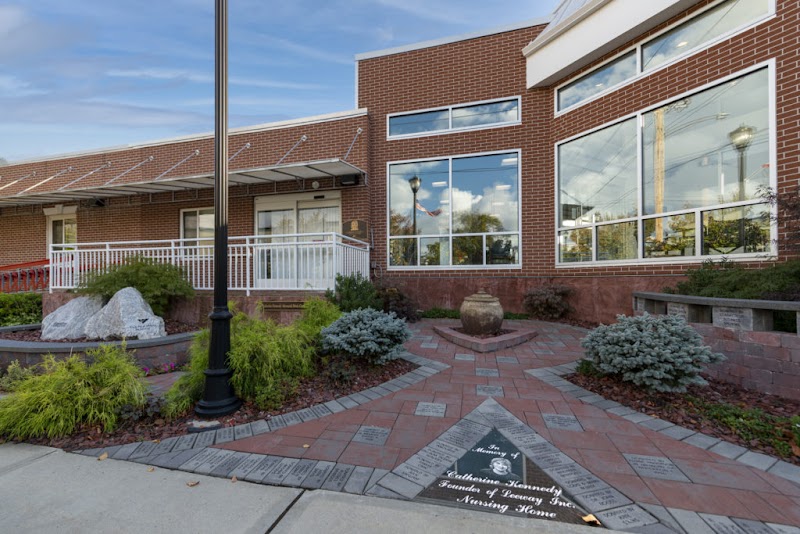



LEEWAY, INC

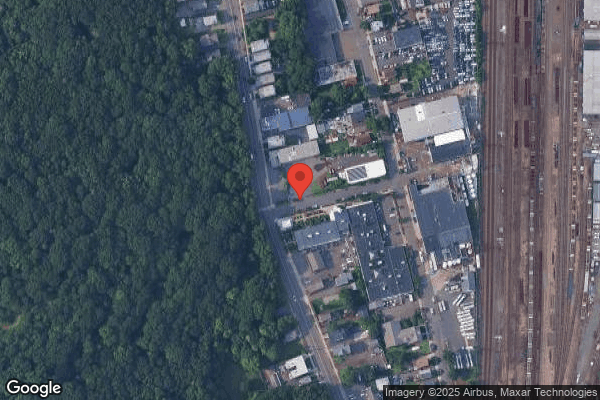
40 ALBERT STREET, NEW HAVEN, CT 06511 (203) 865-0068
Non profit - Corporation 30 Beds Independent Data: November 2025
Trust Grade
83/100
#22 of 192 in CT
Last Inspection: June 2024

Within standard 12-15 month inspection cycle. Federal law requires annual inspections.

Overview

Leeway, Inc. in New Haven, Connecticut, has a Trust Grade of B+, indicating it is above average and recommended for families seeking care. It ranks #22 out of 192 facilities in Connecticut, placing it in the top half, and #3 out of 23 in South Central CT County, meaning only two local options are better. However, the facility is experiencing a worsening trend, with issues increasing from 6 in 2022 to 9 in 2024. Staffing is a strong point, with a 5/5 star rating and a turnover rate of 28%, which is below the state average, and there are no fines on record, suggesting a stable environment. However, some concerns have been noted, such as failure to sign and date physician's orders in a timely manner for a resident and inadequate food labeling and hygiene practices in the kitchen. Families should weigh these strengths and weaknesses when considering Leeway, Inc. for their loved ones.

Trust Score
B+
83/100
In Connecticut
#22/192
Top 11%
Safety Record
Low Risk
No red flags
Inspections
Getting Worse
6 → 9 violations
Staff Stability
✓ Good
28% annual turnover. Excellent stability, 20 points below Connecticut's 48% average. Staff who stay learn residents' needs.
Penalties
✓ Good
No fines on record. Clean compliance history, better than most Connecticut facilities.
Skilled Nurses
✓ Good
Each resident gets 88 minutes of Registered Nurse (RN) attention daily — more than 97% of Connecticut nursing homes. RNs are the most trained staff who catch health problems before they become serious.
Violations
⚠ Watch
21 deficiencies on record. Higher than average. Multiple issues found across inspections.
★★★★★
5.0
Overall Rating
★★★★★
5.0
Staff Levels
★★★☆☆
3.0
Care Quality
★★★★☆
4.0
Inspection Score
Stable
2022: 6 issues
2024: 9 issues

The Good

  • 5-Star Staffing Rating · Excellent nurse staffing levels
  • Low Staff Turnover (28%) · Staff stability means consistent care
  • Full Sprinkler Coverage · Fire safety systems throughout facility
  • No fines on record
  • Staff turnover is low (28%)

    20 points below Connecticut average of 48%

Facility shows strength in staffing levels, staff retention, fire safety.

The Bad

No Significant Concerns Identified

This facility shows no red flags. Among Connecticut's 100 nursing homes, only 1% achieve this.

The Ugly 21 deficiencies on record

Sept 2024 1 deficiency
CONCERN (D) 📢 Someone Reported This

A family member, employee, or ombudsman was alarmed enough to file a formal complaint

Potential for Harm - no one hurt, but risky conditions existed

Quality of Care (Tag F0684)

Could have caused harm · This affected 1 resident

**NOTE- TERMS IN BRACKETS HAVE BEEN EDITED TO PROTECT CONFIDENTIALITY** Based on clinical record review, facility documentation, and staff interview for three of three residents (Resident #1, Resident...

Read full inspector narrative →
**NOTE- TERMS IN BRACKETS HAVE BEEN EDITED TO PROTECT CONFIDENTIALITY** Based on clinical record review, facility documentation, and staff interview for three of three residents (Resident #1, Resident #2, Resident #3) reviewed for accidents, the facility failed to ensure the approved LOA list was checked prior to allowing a resident to sign out on a Leave of Absence. The findings include: Resident #1 was admitted during June 2024 with diagnoses of schizophrenia, antisocial personality disorder, and psychoactive substance abuse. An admission Minimum Data Set (MDS) dated [DATE] identified Resident #1 was alert and oriented, independent with care and transfers, and had no wandering behavior exhibited. The Resident Care Plan (RCP) dated 7/22/2024 identified Resident #1 was at risk for falls and uses psychoactive medication. Interventions include call bell within reach and monitor side effects and adverse reactions to medications. Record review identified Resident #1 had a court appointed Conservator of Person (COP). Additional review identified Resident #1 had no orders for Leave of Absence (LOA) from the facility. Facility incident report dated 8/21/2024 at 11 PM identified Resident #1 was independent with mobility with rolling walking and with a wheelchair, signed him/herself out of the facility at 9:30 PM and did not return. The facility contacted Resident #1 who reported that he/she was on the city Green, the local police, COP, and APRN were notified. Review of the Release of Responsibility for Leave of Absence identified Resident #1 left the faciity on 8/21/2024 at 9:28 PM. The nursing note dated 8/22/2024 at 12:54 AM identified the evening nurse attempted to locate Resident #1, was unable to find him/her and identified Resident #1 had left the building. Resident #1 was contacted on his/her cell phone and he/she reported to be safe on the city Green. The nursing note dated 8/22/2024 at 11 AM identified Resident #1 returned to the facility at 8:20 AM. Interview with Security Guard #1 on 9/11/2024 at 12:05 PM identified when he signed Resident #1 out on the LOA on 8/21/2024, he did not check the LOA book to see if the resident was allowed LOA privileges. Interview failed to identify why Security Guard #1 did not verify LOA privileges prior to allowing Resident #1 leave the facility, or why he did not contact the nurse. Interview with the DNS on 9/11/24 at 12:40 PM identified although Resident #1 should have had LOA privileges, there was no order for LOAs. The DNS stated the security guard should have verified the resident's LOA status prior to allowing Resident #1 to leave the facility.
Jun 2024 8 deficiencies
CONCERN (D)

Potential for Harm - no one hurt, but risky conditions existed

Resident Rights (Tag F0550)

Could have caused harm · This affected 1 resident

**NOTE- TERMS IN BRACKETS HAVE BEEN EDITED TO PROTECT CONFIDENTIALITY** Based on observations, review of facility policy and interviews for one of eight sampled residents (Resident #8) observed for di...

Read full inspector narrative →
**NOTE- TERMS IN BRACKETS HAVE BEEN EDITED TO PROTECT CONFIDENTIALITY** Based on observations, review of facility policy and interviews for one of eight sampled residents (Resident #8) observed for dining, the facility failed to provide a dignified dining experience. The finding includes: Resident #8's diagnoses included muscle weakness (generalized), contracture of the left hand, and unspecified abnormal involuntary movements. The quarterly MDS assessment dated [DATE] identified Resident #8 had severely impaired cognition and was dependent for eating, oral hygiene, toileting, bathing and dressing. Resident #8's care plan dated 5/15/24 identified an ADL (activities of daily living) self-care performance deficit and noted the resident required extensive to total assist related to impaired balance, limited mobility, and limited range of motion. Care plan interventions directed: supervise and feed as tolerated, sit upright at a 90-degree angle with eating and drinking, encourage small bites, assist with all meals (total feed). Observation of the lunch meal on 6/4/24 at 12:57 PM identified two of the three residents at a dining table in the main dining area were served their meals. At 1:00 PM, Resident #8 was served his/her meal. The two other residents at the table were eating while Resident #8's meal remained in front of him/her with the cover in place over the plate. At 1:12 PM NA#1 came over to Resident #8 to assist with feeding the resident. NA#1 stood to the left side of Resident #8 and fed him/her lunch, the discrepancy. Interview with the Administrator on 6/4/24 at 1:25 PM identified that NA#1 should be seated while feeding Resident #8. The Administrator then approached NA#1 and instructed NA #1 to sit down. Once seated NA#1 was able to assist Resident #8 with the remainder of the meal. Interview with NA #1 on 6/4/24 at 1:32 PM identified she was aware that she should be seated while feeding residents; however, she found it more difficult due to her being short and the resident being tall. She further identified that Resident #8 is usually in bed for lunch. The facility did not have a policy regarding the practice of having the nurse aides sit down while providing assistance during dining. A training on customer service in the dining room was received and it identified that eye contact should be maintained during the dining experience.
CONCERN (D)

Potential for Harm - no one hurt, but risky conditions existed

Comprehensive Care Plan (Tag F0656)

Could have caused harm · This affected 1 resident

**NOTE- TERMS IN BRACKETS HAVE BEEN EDITED TO PROTECT CONFIDENTIALITY** Based on observations, review of facility policy, and interviews for two sampled residents (Resident #17 and Resident #26) revie...

Read full inspector narrative →
**NOTE- TERMS IN BRACKETS HAVE BEEN EDITED TO PROTECT CONFIDENTIALITY** Based on observations, review of facility policy, and interviews for two sampled residents (Resident #17 and Resident #26) reviewed for positioning and range of motion (ROM), the facility failed to ensure that the use of an assistive device was included in the comprehensive care plan. The findings included: 1. Resident #17 was admitted to the facility on [DATE] with diagnoses that included Type 2 diabetes mellitus without complications, hemiplegia and hemiparesis following cerebral infarction affecting left dominant side, chronic pain syndrome, blindness of the right eye. The quarterly MDS assessment dated [DATE] identified Resident #17 had moderately impaired cognition, was dependent with toilet transfers and chair to bed or chair to chair transfers and required maximum assistance for upper and lower body dressing. The assessment further identified a functional limitation in range of motion to one side of both the upper and lower extremities. The care plan dated 3/13/2024 identified Resident #17 required assistive devices for mobility and identified the resident used a custom wheelchair. Additionally, the care plan identified the resident used a bed rail to assist themselves with ADLs. The physician's orders dated 5/10/2024 identified orders for a physical therapy evaluation and treatment 3 to 5 times weekly for therapeutic exercises, therapeutic activities, neurology re-education, and gait training, occupational therapy evaluation and treatment as indicated 3 to 5 times per week for 8 weeks to include bilateral upper extremities, and self-care training. Observation on 6/4/2024 at 1:11 PM identified Resident #17 in the dining room, seated in the wheelchair feeding himself/herself lunch. He/she had a sling on the left arm. Interview with the Therapy Director on 6/5/2024 at 9:56 AM identified Resident #17 was last evaluated on 5/26/24 when the resident returned from a hospitalization. PT and OT services continued once the resident was readmitted to the facility. The Therapy Director further identified that Resident #17 previously had an order for a sling but when he/she returned from the hospital the sling order was not reordered. She further noted that the occupational therapist must have missed it on her evaluation. Additionally, she noted that she had the MDS Coordinator add the orders and update the care plan to include the use of the sling. Interview with the DNS and Administrator on 6/5/2024 at 2:38 PM identified that when a resident utilizes a sling, they would expect the care plan to include the use and the care involved with regards to the use of the sling. They did not identify whether or not there needed to be a physician's order in place when there is a splint in place. Subsequent to surveyor inquiry, Resident #17's care plan was updated to reflect that he/she prefers to wear the left upper arm sling while out of bed with the exclusion of showers, as tolerated for comfort. 2. Resident #26 was admitted to the facility in March of 2024 with diagnoses that included hemiplegia and hemiparesis following cerebral infarction affecting right dominant side, muscle weakness, and dysarthria and anarthria. The physician's orders dated 5/23/2024 directed for a right AFO (ankle foot orthosis) on as tolerated when getting out of bed every day and evening shift. Resident #26's care plan dated 4/4/2024 identified the use of a bed rail to assist with ADLs. The admission MDS assessment dated [DATE] identified Resident #26 had severe cognitive deficit, required substantial to maximal assistance with lower body dressing and partial to moderate assistance with upper body dressing, chair to bed transfers, and toilet transfers. Observation on 6/3/24 at 4:26 PM identified Resident #26 had an ill-fitting blue and white colored sling on the right upper extremity. The right arm appeared contracted. Observation on 06/04/24 at 1:12 PM identified Resident #26 eating lunch in the dining room with a sling on the right arm. Interview with the Therapy Director on 6/4/24 at 1:35 identified Resident #26 had been using a right leg AFO and a sling to the right arm. The Therapy Director identified that there should be a physician's order for the sling and the use of the sling should be included in the resident's care plan. She further noted she was not sure if the sling was considered a splint and uncertain if the sling should have an order. Interview with the Therapy Director on 6/5/24 at 9:56 AM identified Resident #26 did not have a sling in place when he/she was admitted to the facility. The Therapy Director further identified that she had applied the sling to the right arm during therapy because the arm was in the way and Resident #26 conveyed that the sling felt good, and it had been utilized since that time. Additionally, the Therapy Director identified she had not notified occupational therapy and the use of the sling had not been assessed. She further identified that the use of the sling had not been incorporated into the resident's plan of care. Observation of Resident #17 on 6/5/24 at 1:11 PM identified the resident had a sling to the right arm while feeding himself/herself with the left arm. Interview with the DNS and the Administrator on 6/5/24 at 2:38 PM identified that when a resident utilizes a sling, the expectation would be that the use of the sling be addressed in the plan of care. Subsequent to surveyor inquiry, the use of the sling was added to the care plan with an intervention that it be utilized as tolerated for comfort when out of bed on 6/5/24. Interview with the MDS Coordinator on 6/5/24 at 11:02 AM identified the Therapy Director gave her a list of residents that needed to have updated orders. The MDS Coordinator identified that usually, for therapy orders, the therapists put them into the paper chart and flags the doctor and then the doctor signs the orders. The MDS Coordinator identified that when the Therapy Director tells her to add the orders, she doesn't contact the doctor. She identified that the residents have been evaluated, she assumed the orders are signed, and she just put the orders in. Interview with APRN #1 on 6/5/ 24 at 11:16 AM identified she considered a sling a splint that the resident should be assessed for and should have a provider order in place if utilized. She further noted that she usually would order the sling per therapy's specifications. Interview with the DNS on 6/5/24 at 1:45 PM regarding splinting and sling placement identified that the expectation for appliance use should be in the care plan in order to direct the plan of care. Additionally, if it is something that the CNA's or nurses should apply, then it should be included in the TAR (treatment administration record) so it can be marked off. Review of the Care Plans, Comprehensive Person-Centered policy identified that a comprehensive, person-centered care plan that included measurable objectives and timetables to meet a resident's physical, psychosocial and functional needs is developed and implemented for each resident. Review of the facility assessment identified that the facility focuses on person centered care; all needs are met on an individual basis according to their individual preferences. Care plans are developed upon admission and updated as necessary.
CONCERN (D)

Potential for Harm - no one hurt, but risky conditions existed

Quality of Care (Tag F0684)

Could have caused harm · This affected 1 resident

**NOTE- TERMS IN BRACKETS HAVE BEEN EDITED TO PROTECT CONFIDENTIALITY** Based on review of the clinical records, review of facility documentation, review of facility policy, and interviews for two of ...

Read full inspector narrative →
**NOTE- TERMS IN BRACKETS HAVE BEEN EDITED TO PROTECT CONFIDENTIALITY** Based on review of the clinical records, review of facility documentation, review of facility policy, and interviews for two of five sampled residents (Resident #2 and Resident #5) reviewed for unnecessary medication, the facility failed to ensure that physician's orders were transcribed and accurately implemented. The findings include: Resident #2's diagnoses included disorder of the immune mechanism, bipolar, type 2 diabetes mellitus, end stage renal disease, depression, and congestive heart failure. The admission MDS assessment dated [DATE] identified Resident #2 had moderately impaired cognition, required moderate assistance with personal hygiene and positioning, required maximal assistance with transfers, and utilized antipsychotic (for managing mental health disorders) medication that the assessment noted to be a high-risk medication. The care plan dated 4/1/24 identified Resident #2 used psychoactive medication with interventions that included administer medication as ordered, monitor, record, report to MD side effects and adverse reaction of the psychoactive medications such as unsteady gait, shuffling gait, and ridged muscles shaking (tardive dyskinesia). Review of physician's orders from April/2024 through June 6, 2024, directed to administer Lurasidone/Latuda 60 milligrams (mg) one tablet by mouth once daily for bipolar disorder. According to Latuda.com, the use of the medication may cause serious side effects such as a decrease in blood pressure (orthostatic hypotension). The Psychiatric Nurse Practitioner's (APRN #2) order dated 4/7/24 directed orthostatic blood pressures once weekly times four weeks. Review of Resident #2's clinical record failed to identify that the orthostatic blood pressure was completed as ordered by APRN #2. Interview with the Charge Nurse (LPN #2) on 6/4/24 at 1:00 PM identified that the order for orthostatic blood pressures was entered into the electronic health record directly by APRN #2, but APRN #2 neglected to indicate scheduled times for the blood pressures to be completed. LPN #2 further identified that when a time is not indicated for an action to be done, it does not populate on the Medication Administration Record (MAR) for staff to complete, thus the orthostatic blood pressures were not completed as ordered. Resident #5's diagnoses included disorder of the immune mechanism, schizophrenia, and post-traumatic stress disorder. The admission MDS assessment dated [DATE] identified Resident #5 had moderately impaired cognition, required moderate assistance with personal hygiene, maximal assistance with transfers, and utilized antipsychotic (for managing mental health disorders) medication that the assessment noted to be a high-risk medication. The care plan dated 4/15/24 identified Resident #5 used psychoactive medication with interventions that included: administer medication as ordered, monitor, record, report to MD side effects and adverse reaction of the psychoactive medications such as unsteady gait, shuffling gait, ridged muscles shaking (tardive dyskinesia), and frequent falls. The physician's orders dated 4/12/24 directed to administer Zyprexa/Olanzapine 5 milligrams (mg) by mouth two times daily for schizophrenia. According to the Nursing 2023 Drug Handbook the use of Zyprexa (antipsychotic medication) may cause the adverse reaction of orthostatic hypotension (a dropping of the blood pressure when going from a lying or sitting position to standing). The Pharmacy Medication Regimen Review by Consultant Pharmacist dated 4/16/24 recommended was admitted orthostatic blood pressure monitoring once weekly for four weeks due to Resident #5 being on Zyprexa. The Psychiatric Nurse Practitioner (APRN #2) reviewed the Consultant Pharmacist recommendation dated 4/18/24 and agreed with the recommendation and wrote an order directing orthostatic blood pressures once weekly times four weeks. Review of Resident #5's clinical record failed to identify that the orthostatic blood pressure was taken as ordered by APRN #2. Interview with the Staff Development Nurse (LPN #1) on 6/5/24 at 11:05 AM identified that she re-entered the orders written by APRN #2 for Resident #2 and Resident #5 in the electronic health record system on 6/4/24 as APRN #2 had written the orders without a scheduled time for the orthostatic blood pressures to be completed. LPN #2 further noted that APRN #2 was updated on 6/4/24 of the issue. She further identified the facility conducts a 24-hour chart check on the 11:00 PM to 7:00 AM shift of the provider orders in the paper chart but do not check the orders entered into the electronic health record. Interview with APRN #2 on 6/5/24 at 12:30 PM identified that normally inputs her orders into the electronic health record system, and would update the nurse on duty, the DNS, and document in a red binder at the nurse's station of the changes that were made. APRN #2 added that she entered the physicians order for Resident #2 and Resident #5 directing orthostatic blood pressure once weekly times four weeks. APRN #2 identified that she was not formally trained by the facility to input orders into the computerized health record system and was shown briefly by a nurse on the unit. She added that orthostatic blood pressure monitoring would be ordered for residents starting a new psychotropic medication, or with changes made to their current antipsychotic medications. Additionally, APRN #2 identified orthostatic blood pressure monitoring would be required in order to assess side effects and tolerance to the medication. Further, she indicated that there wasn't a need to follow-up whether the orthostatic blood pressure was completed because if there was a concern with the reading the facility would have notified her. Interview with the DNS on 6/5/24 at 1:16 PM identified that she was responsible for reviewing the orders written by the APRN #2 as a result of pharmacy recommendations. The DNS added that she reviewed the orders in the computer but did not check to ensure that it was inputted thoroughly. The DNS identified that the facility's system was to complete a 24-hour chart check of the written orders in the paper chart and not of the electronic health record system. The DNS added that APRN #2 probably had not received formal training on inputting orders in the computer as she was onboarded quickly when the facility lost their previous Psychiatric Nurse Practitioner. The DNS identified that the facility does have an issue with the orthostatic blood pressure orders and was moving forward to address the issue. Review of the Written Orders policy identified that the order entry would include the instructions from the physician or physician representative with date and time. The policy further identified that written orders may only be reviewed by licensed personnel and orders must be written in the electronic health record.
CONCERN (D)

Potential for Harm - no one hurt, but risky conditions existed

Deficiency F0883 (Tag F0883)

Could have caused harm · This affected 1 resident

**NOTE- TERMS IN BRACKETS HAVE BEEN EDITED TO PROTECT CONFIDENTIALITY** Based on review of clinical records, review of facility policy, review of facility documentation, and interviews for one of five...

Read full inspector narrative →
**NOTE- TERMS IN BRACKETS HAVE BEEN EDITED TO PROTECT CONFIDENTIALITY** Based on review of clinical records, review of facility policy, review of facility documentation, and interviews for one of five sampled residents (Resident #26), reviewed for immunizations, the facility failed to offer and/or assess for pneumococcal upon admission as required. The findings include: Resident #26 was admitted to the facility in the month of March of 2024 with diagnoses that included disorder of the immune mechanism, schizophrenia, and post-traumatic stress disorder. The admission MDS assessment dated [DATE] identified Resident #26 had moderately impaired cognition. Review of the immunization records for Resident #26 on 6/5/24 at 1:50 PM failed to identify that the pneumococcal vaccine was offered and/or assessed for past immunization. Interview with the Infection Preventionist Nurse (RN #2) on 6/6/24 at 10:42 AM in regards to resident immunizations identified that he asked Resident #26 if he/she wanted to receive the pneumococcal vaccine and he/she refused the vaccine. RN #2 identified that he had failed to document the encounter with the resident in the clinical record. RN #2 further identified that Resident #26 had a conservator and noted that he thought that social services would contact the conservator regarding the resident's vaccination status, but he had failed to follow-up with social services. Additionally, RN #2 noted it was his responsibility to assess, and to offer vaccinations to residents and obtain signed consent from the resident and/or responsible party. Subsequently, RN #2 identified that he approached Resident #26 on 6/6/24 regarding the pneumococcal vaccine and he/she agreed to receive the vaccine. Review of the Pneumococcal Vaccine policy identified that each resident would be assessed for pneumococcal immunization upon admission and would be offered within thirty (30) days of admission to the facility, unless medically contraindicated. The policy further identified that assessment of pneumococcal vaccination status within five working days of the resident's admission or prior. In addition, if refused by the resident/representative appropriate documentation would be documented in the resident's medical record.
CONCERN (D)

Potential for Harm - no one hurt, but risky conditions existed

Deficiency F0887 (Tag F0887)

Could have caused harm · This affected 1 resident

**NOTE- TERMS IN BRACKETS HAVE BEEN EDITED TO PROTECT CONFIDENTIALITY** Based on review of clinical records, review of facility policy, review of facility documentation, and interviews for two of five...

Read full inspector narrative →
**NOTE- TERMS IN BRACKETS HAVE BEEN EDITED TO PROTECT CONFIDENTIALITY** Based on review of clinical records, review of facility policy, review of facility documentation, and interviews for two of five sampled residents (Resident #2 and Resident #26) reviewed for immunizations, the facility failed to offer and/or assess for COVID-19 immunizations upon admission. The findings include: Resident #2 was admitted to the facility in December of 2023 with diagnoses that included disorder of the immune mechanism, type 2 diabetes mellitus, end stage renal disease, and congestive heart failure. Review of the immunization records for Resident #2 on 6/5/24 at 1:50 PM failed to identify that the COVID-19 vaccine was offered and/or history of past vaccination obtained. Interview with the Infection Preventionist Nurse (RN #2) on 6/6/24 at 10:42 AM identified he was unable to provide any documentation of Resident #2's COVID-19 vaccinations as he did not review their vaccination status upon admission. RN #2 identified that it was his responsibility to assess and to offer vaccine to residents as appropriate, and to ensure that the consent forms were completed prior administration. In addition, RN #2 added it was the practice of the facility for the Infectious Disease physician to review vaccination consent forms and direct the appropriate vaccine for the resident prior to administration. Subsequent to surveyor's inquiry, RN #2 identified that he assessed and offered Resident #2 the COVID-19 vaccination on 6/6/24 and reviewed vaccine consent form with the resident. Resident #26 was admitted to the facility in March of 2024 with diagnoses that included disorder of the immune mechanism, schizophrenia, and post-traumatic stress disorder. The admission MDS assessment dated [DATE] identified Resident #26 had moderately impaired cognition. Review of the immunization records for Resident #26 on 6/5/24 at 1:50 PM failed to identify that the COVID-19 vaccine was offered and/or assessed for past immunization. Interview with the Infection Preventionist Nurse (RN #2) on 6/6/24 at 10:42 AM identified that he had asked Resident #26 and he/she refused the vaccine but failed to document such encounter with the resident. RN #2 added that Resident #26 had a conservator in which he thought that social services would contact regarding the resident's vaccination status, but he failed to follow-up with social services. He added that it was his responsibility to assess, and to offer vaccination to resident wherein a consent form regarding the vaccination would have been given to the resident/responsible party to review and sign. After which he would give the consent form to the Infectious Disease physician to review for appropriateness prior to administration. RN #2 added that he approached Resident #26 on 6/6/24 regarding the vaccine and he/she agreed to receive the vaccine. RN #2 added vaccination status should be assessed and offered on admission and failed to identify why it was not done and when refused why he had not documented. Subsequent to surveyor's inquiry, Resident #26 was offered COVID-19 vaccination as identified on faxed sent to the Resident #26's conservator on 6/6/24 at 9:20 AM. Review of the COVID-19 Vaccination of Residents policy identified that COVID-19 vaccinations would be offered to each resident unless medically contraindicated or the resident is fully immunized. The policy further identified that residents would be screened for prior vaccination before being offered the vaccine.
CONCERN (E)

Potential for Harm - no one hurt, but risky conditions existed

Deficiency F0711 (Tag F0711)

Could have caused harm · This affected multiple residents

**NOTE- TERMS IN BRACKETS HAVE BEEN EDITED TO PROTECT CONFIDENTIALITY** Based on clinical record review, and interviews for one sample resident (Resident #22) who was admitted to the facility within t...

Read full inspector narrative →
**NOTE- TERMS IN BRACKETS HAVE BEEN EDITED TO PROTECT CONFIDENTIALITY** Based on clinical record review, and interviews for one sample resident (Resident #22) who was admitted to the facility within the past six months, the facility failed to ensure physician's orders were signed and dated in a timely manner The findings include: Resident #22's diagnoses included Kaposi's sarcoma, malnutrition, neoplasm related pain, anemia, and depression. The admission MDS assessment dated [DATE] identified Resident #22 was admitted to the facility on [DATE], was without cognitive deficits, required extensive assistance with bed mobility, toileting, hygiene, transfers and was non-ambulatory. Review of the physician's orders from January/2024 through 6/4/24 identified the physician's orders were not signed and/or dated for that period of time. The admission orders should have been signed and then the orders should have been renewed every thirty days for ninety days and then renewed every sixty days thereafter. Interview with the DNS on 6/4/24 at 10:00 AM identified the physician's orders should be signed on admission and renewed every 60 days for resident with Medicaid as the payor source. She identified that she thought the provider was signing the physician's orders after reviewing them. She further identified that all physicians will be educated on signing the physician orders electronically. Interview with APRN #1 on 6/5/24 at 10:00 AM identified that he was reviewing the physician's orders, but he was not signing the physician's orders because he did not have access to the electronic health record system allowing him to sign the physician's orders electronically. Subsequent to surveyor inquiry, he was given access permitting him to be able to sign the physician's orders electronically The Physician Visit policy identified that the attending physician must make the visits in accordance with applicable state and federal regulations. Non-physician practitioners may perform required visits (initial and follow-up), sign orders and sign certification/re-certifications as permitted by state and federal regulations.
CONCERN (E)

Potential for Harm - no one hurt, but risky conditions existed

Food Safety (Tag F0812)

Could have caused harm · This affected multiple residents

Based on observations, review of facility policy and interviews, the facility failed to ensure foods were dated and labeled appropriately, discard expired foods, and utilize hygienic practices during ...

Read full inspector narrative →
Based on observations, review of facility policy and interviews, the facility failed to ensure foods were dated and labeled appropriately, discard expired foods, and utilize hygienic practices during the handling of prepared food. The findings include: Observations with the Food Service Manager on 6/3/24 at 2:45 PM identified the reach-in refrigerator contained the following food items that were covered in plastic wrap but were undated and unlabeled: Two peanut butter and jelly sandwiches A round dough like substance A salami sandwich Three eggs in a bowl A plate containing chicken and roasted potatoes A chicken salad sandwich A pan containing mixed vegetables and ground beef A metal bin containing yellow colored rice in a metal bin Scrambled eggs in a white bowl Shredded cheese in a plastic bin A metal bin containing cooked ziti Thirteen containers of individual servings of sour cream and salsa Interview with the Food Service Manager on 6/3/24 at 3:00 PM regarding the undated and unlabeled food items identified that the date of preparation or the date of expiration of the identified food items was not identified. He noted that all prepared food should be labeled when it is prepared and kept for no more than three days from the preparation date. Food that is not prepared but removed from another container should be labeled with the original expiration date. The Food Service Manager identified that he did not know why the staff had not labeled or dated any of the food items. Observation on 6/3/24 at 3:02 PM with the Food Service Supervisor identified the following in the walk-in freezer: Hot Dog/Sausage type meat opened and wrapped in saran wrap with no date label affixed Metal rectangular pan covered with foil labeled with black marker Sheperd's Pie 4/17/22 Onion rings with no date/label in a plastic bag open to air Noodles frozen in a bag with no date/label 3 bags of alfredo sauce in a box with one pouch opened with a best by date labeled on the box of 12/26/23 3 loaves of French bread wrapped in saran wrap with no date/label 2 boxes of veal/beef patties open to air with date of best by 3/7/22 Pepperoni in a box open to air with a received-on date of 12/27/23 Mini quiches in a box open to air with a 12/15/22 received on date on the label A box of French fries containing two bags open to air with no date/label 1 bag of meatballs opened in a plastic bag with a knot tied at the top no date/label A whole cooked turkey wrapped in saran wrap with a cooked date of 3/5/24 and a use by date of 3/11/24 Three bags of guacamole with a use by date of 5/3/21 A box of crab cakes with a received date of 9/13/23 with an open to air plastic bag inside Sweet potato pie wrapped in saran wrap with no date/label Peach pie wrapped in saran wrap with no date/label Hash browns in a plastic bag open to air with no date/label affixed Gluten free rolls in a plastic bag with no date/label affixed Interview with the Food Service Manager on 6/3/24 at 3:22 PM identified he would throw away all of the opened to air and undated food items. He also identified that the items in the freezer should be labeled when opened and would be good for 6 months then they should be thrown out and noted it was his responsibility or anyone who sees the items to throw them away if they are past their expiration date or have been in the freezer over 6 months. Observation on 6/3/24 at 3:25 PM with the Food Service Manager identified the following outdated and/or undated food items in the dry storage area: Ranch dressing mix with no date/label affixed A box of Rituals Orange pekoe black tea in a box labeled best by 6/21/20 A box of Rituals Orange pekoe black tea in a box labeled best by 8/28/19 2 individual serving boxes of Scooter cereal with a best by date of 5/24/24 2 bags of marshmallows without an expiration/use by date and/or a date received 2 large cans of ravioli with a black marker dated 11/13 (no year identified) and no expiration date noted Interview with the Food Service Manager on 6/3/24 at 3:38 PM identified the expired items in the dry storage should have been thrown out, which he proceeded to do. He further noted that once items are received, he tries to complete a rotation with the food and believes the expired ravioli cans came from the emergency supply that he was trying to rotate into use. Observation on 6/3/24 at 3:40 PM with the Food Service Manager of the walk-in refrigerator identified the following undated and/or unlabeled food items: A ham sandwich Seven small bowls of apple crisp covered in plastic wrap Thee muffins wrapped in plastic wrap A lunch bag with the letters R.C. on it with a metal drink bottle next to it Interview with the Food Service Manager on 6/3/24 at 3:52 PM identified the items in the walk-in refrigerator should have a label identifying the date of preparation, and within three days of the preparation date. He further noted that staff lunch boxes should not be stored in the refrigerator, and indicated there was a refrigerator available for the staff to utilize. Observation of the tray line/food preparation on 6/4/24 at 12:20 PM identified that during the process of transferring green beans from a cooking tray to a metal bin Dietary Aide #1 without the benefit of gloves, used his hand to guide the green beans into the metal bin. Interview with the Food Service Manager on 6/4/24 at 12:30 PM identified that Dietary Aide #1 should have not touched the food with his bare hands and should have donned gloves. Review of the Food Receiving and Storage policy directed that refrigerated and frozen foods stored in the refrigerator or freezer should be covered, labeled, and dated (use by date). Dry foods that are stored in bins are removed from original packaging, labeled, and dated (use by date). Review of the Food Preparation and Service Policy directed that during food preparation staff adhere to proper hygiene and sanitary practices to prevent the spread of foodborne illness. Bare hand contact with food is prohibited. Gloves are worn when handling food directly and changed between tasks. Disposable gloves are single use items and are discarded after each use.
MINOR (C)

Minor Issue - procedural, no safety impact

Deficiency F0726 (Tag F0726)

Minor procedural issue · This affected most or all residents

Based on review of the facility assessment, review of facility policy and interviews, the facility failed to ensure their licensed staff and CNAs received competency trainings annually. Review of the ...

Read full inspector narrative →
Based on review of the facility assessment, review of facility policy and interviews, the facility failed to ensure their licensed staff and CNAs received competency trainings annually. Review of the competency training binder for the facility on 6/6/2024 at 9:30 AM identified that the competency signoffs were blank for the majority of the staff. The staff development provided this binder that was supposed to contain the competency training for the facility staff. Interview and training review with the Staff Development nurse on 06/06/24 at 12:37 PM identified this LPN had been in the staff development position since 4/2023 and is overseen by the DNS. The staff development nurse identified that no training or competency records were turned over to her when she took over the position. Staff Development nurse identified that she is sometimes pulled to do other tasks and is also the MDS coordinator and responsible for the quarterly assessments, annual assessments and admission and discharge assessments and the care plans. I had to put the training on a back burner. There are 11 nurses and 13 CNAs. Of the 24 staff members, 6 (3 nurses/3 CNAs) have competencies for 2023. There were not any records for the 2022 for annual competencies. No competencies have been done in 2024. In-services are done depending on case by case, like if an issue is identified or if we are getting a new patient (i.e. non-binary resident) prior to admission so we are able to provide the care. The Relias trainings are scheduled every month. The employee gets emails reminders that they have trainings to complete. We use the Relias for the annual Abuse and Dementia trainings, and it is a verbal education for anything specific. HR is responsible to keep track of the trainings. Interview with RN #2 on 06/06/24 at 1:16 PM identified he served as the Staff Development person from May 2022 through summer of 2023. He stated he conducted competencies related to hand hygiene and PPE donning and doffing because it was during COVID. He identified that there were not any other competencies addressed at that time. These competencies were identified to be in a manila folder, but the facility is not able to locate this folder. RN #2 identified the facility is implementing a skills fair coming up this year with the hands-on competencies. Interview with the Administrator on 06/06/24 at 1:16 PM identified all of the training and competencies that are done through Relias. This interview also identified the facility underwent a state and federal survey in 2022 and was fined regarding the competencies. The administrator identified there is an upcoming competency fair and was not aware that the competency checks should have been implemented timelier. Interview with the DNS on 06/06/24 at 1:38 PM regarding staff annual competency review and identified that the facility did not have the competencies completed. We were scheduled to do a competency in-service this week but then you guys got here. If you had come next week, then we would have been all set. Review of the facility assessment identified that Licensed staff should receive yearly staff competencies in 14 care areas to include personal protective equipment, Wound care, Ostomy care, enteral tube care, enteral tube feeding bolus/pump, indwelling catheter insertion, PICC line dressing, needle safety, glucose testing, hand hygiene, gait belt, Hoyer lift, IV certification, PCA pump. Additionally, the facility assessment identified the CNA staff received yearly competencies to include personal protective equipment, care of a resident with an indwelling catheter, perineal care, hand hygiene, vital signs, gait belt, Hoyer lift, basic IV therapy, CNA documentation review.
Mar 2022 6 deficiencies
CONCERN (D)

Potential for Harm - no one hurt, but risky conditions existed

Deficiency F0565 (Tag F0565)

Could have caused harm · This affected 1 resident

**NOTE- TERMS IN BRACKETS HAVE BEEN EDITED TO PROTECT CONFIDENTIALITY** Based on facility documentation and interviews for 1 of 1 sampled residents (Resident #18) reviewed for a concern during residen...

Read full inspector narrative →
**NOTE- TERMS IN BRACKETS HAVE BEEN EDITED TO PROTECT CONFIDENTIALITY** Based on facility documentation and interviews for 1 of 1 sampled residents (Resident #18) reviewed for a concern during resident council, the facility failed to address the concern that was brought up for three consecutive months in resident council meetings. The findings include: Resident #18's diagnoses included hypertension, diabetes and pneumonia. The quarterly MDS assessment dated [DATE] identified Resident #18 with intact cognition, required limited assist of 1 with bed mobility and bathing, extensive assist of 1 with transfers and toileting. Resident Council meeting minutes dated July 2021 identified Resident #18 spoke about a hygiene issue of the resident who shared the bathroom with him/her. The minutes further indicated that the Therapeutic Recreation Director (TRD) reported the concern to the Director of Housekeeping and to nursing. Resident Council meeting minutes dated August 31, 2021, indicated Resident #18 stated his/her bathroom always smelled and there was feces on the floor from the resident who shared the bathroom. Additionally, there was no documentation that Housekeeping responded to the July 2021 issue of Resident #18's complaints of a soiled bathroom. Resident Council meeting minutes dated September 28, 2021 indicated Resident #18 reported that the odor from the shared bathroom continued to be a problem and that the TRD reported to the Housekeeping Manager and the DNS. Additionally, there was no documentation that Housekeeping responded to the August 31, 2021 issue of Resident #18's complaints of a soiled bathroom. Interview with the TRD on 3/15/22 at 12:02 PM identified that she was present at the Resident Council meetings and when there was an issue at Resident Council, he/she sends emails or notes to all the department directors, they respond back by email and it is put in the resident council notes, if it was urgent he/she tells the department manager immediately and the follow up should be in the Resident Council notes. Further interview and review of the Resident Council minutes with the TRD identified the minutes contained a heading of old business with nothing identified below the heading. The TRD indicated that if nothing seems pertinent, she does not document anything under old business. Interview with the TRD on 3/15/22 at 11:00 AM identified that she was unable to locate emails/correspondence with Housekeeping related to Resident #18's bathroom being soiled. Interview with the Director of Housekeeping (with a Spanish interpreter present) on 3/17/22 at 10:30 AM identified she could not recall if the TRD had notified her that another resident frequently left the bathroom shared by Resident #18 in a soiled condition. Additionally, the Director of Housekeeping indicated that she cleaned Resident #18's bathroom daily, did not monitor the bathroom more frequently and only cleaned it more than daily if staff reported it was soiled. The facility failed to respond to a grievance reported by Resident #18 for three consecutive months.
CONCERN (D)

Potential for Harm - no one hurt, but risky conditions existed

Comprehensive Care Plan (Tag F0656)

Could have caused harm · This affected 1 resident

**NOTE- TERMS IN BRACKETS HAVE BEEN EDITED TO PROTECT CONFIDENTIALITY** Based on clinical record review, review of facility policy and interviews for 1 sampled resident (Resident #9) who was admitted ...

Read full inspector narrative →
**NOTE- TERMS IN BRACKETS HAVE BEEN EDITED TO PROTECT CONFIDENTIALITY** Based on clinical record review, review of facility policy and interviews for 1 sampled resident (Resident #9) who was admitted to the facility with the presence of stage 4 pressure ulcer, the facility failed to ensure the resident care plan was comprehensive in the identification of the presence of the use of a low air loss mattress (LAL), the directions for the settings for the inflation level of the mattress and the use of a ROHO (pressure reducing cushion used to treat pressure ulcer) cushion. The findings include: Resident #9 was admitted to the facility on [DATE] with diagnoses that included stage 4 pressure ulcer, vertebral/sacral osteomyelitis, and severe protein calorie malnutrition. Wound tracking documentation dated 12/14/21 identified Resident #9 had a Stage 4 sacral pressure ulcer measuring 11 cm in length by 8 cm in width by 2 cm in depth. The care plan dated 12/15/21 identified Resident #9 had actual skin impairment with interventions that included, avoid scratching, keep hands and body parts from excessive moisture, keep fingernails short, educate caregivers of causative factors and follow facility protocols for treatment of injury. The admission MDS assessment dated [DATE] identified Resident #9 was cognitively intact, required extensive assistance of one for bed mobility and dressing, required total assistance of two for transfers and total assistance of one for bathing and toilet use. The MDS also identified that Resident #9 had the presence of a Stage 4 pressure ulcer on admission. Review of the clinical record identified a physician's order dated 1/26/22 that directed Resident #9 was to have a low air loss (LAL) mattress. Further review of the order failed to identify specific settings for the LAL mattress. Weekly pressure ulcer tracking dated 3/11/22 identified the Stage 4 pressure ulcer measured 6 cm by 5.5 cm by 0.8 cm in depth. Observations on 3/14/22 at 10:15 AM, 3/15/22 at 11:00 AM, 3/16/22 and 3/17/22 at 9:00 AM identified Resident #9 was out of bed and seated in a customized wheelchair, The LAL mattress was on the bed and set at 5/float. Review of the clinical record failed to reflect instructions for the setting for the LOL mattress. The care plan and nurse aide care card also failed to identify resident specific instructions for the LOL mattress settings. Interview and observation of the LAL mattress setting with RN #1 (Nursing Supervisor) on 3/17/22 at 9:00 AM identified that all LAL mattresses were set at 5/floating unless otherwise directed by the physician. Interview with NA #1 on 3/17/22 at 10:28 AM identified although she was assigned to Resident #9, she does not touch the LAL mattress settings. Review of the NA care card with NA #1 failed to reflect Resident #9 utilized a LAL mattress. Interview with the DNS on 3/17/22 at 10:50 AM identified that a physician's order was obtained on 1/26/22 (43 days after admission) directing the use of a LAL mattress, Resident #9 was provided a LAL mattress at the time of admission but noted that she could not recall the exact date. The DNS further identified the physician's order was obtained on 1/26/22 because they realized that although, the LOL mattress was being utilized, there was not a supporting physician's order in place directing the use of the special mattress. On 3/16/22 at 11:00 AM observation of Resident #9 identified he/she was in customized wheelchair seated on a Roho cushion. On 3/17/22 at 11:00 AM, an interview and observation of Resident #9 with the Director of Physical Therapy identified she provided the Roho cushion for Resident #9 to reduce pressure when Resident #9 was in the wheelchair, and she monitors the Roho cushion monthly for inflation, integrity, and cleanliness (monthly screening verified). Review of Resident #9's RCP, physician orders and Nurse Aide care card failed to identify Resident #9 utilized a Roho cushion. The facility failed to indicate settings for a LAL mattress when ordered by the physician and failed to include the use of a Roho cushion and LAL mattress in the RCP. The NA care card also failed to include the use of a Roho cushion and LAL mattress to ensure NA's were aware of the plan of care for Resident #9.
CONCERN (D)

Potential for Harm - no one hurt, but risky conditions existed

Drug Regimen Review (Tag F0756)

Could have caused harm · This affected 1 resident

Based on clinical record review, review of facility documentation, and interviews for 1 of 5 sampled residents (Resident #29) reviewed for unnecessary medications, the facility failed to respond to ph...

Read full inspector narrative →
Based on clinical record review, review of facility documentation, and interviews for 1 of 5 sampled residents (Resident #29) reviewed for unnecessary medications, the facility failed to respond to pharmacy recommendations in a timely manner. The findings include: Resident #29's diagnoses included human immunodeficiency virus, acute kidney failure, and pyothorax without fistula. A physician's order dated 11/18/21 directed; administer Heparin Sodium solution 5,000 units subcutaneously every 12 hours related to nontraumatic intracerebral hemorrhage in cerebellum. The Physician's orders further directed; administer Zinc (supplement) 220mg capsule by mouth daily related to nutritional deficiency. A pharmacist's medication regimen review dated 1/14/22 identified Resident #29 was receiving heparin 5,000 units for deep vein thrombosis (DVT) prophylaxis without a stop date, the pharmacist's recommendations included, consider a stop date now, if appropriate. The pharmacist also identified that the order for Zinc did not have a stop date and recommended discontinuing in 2 weeks and noted that Zinc had links to gastrointestinal irritation, taste disturbances, and possible decrease in healing and evaluation of current need of the medication. An interview with APRN #1 on 3/16/22 at 11:00 AM identified she took over care for Resident #29 towards the beginning of February and was reviewing medications and plan of care. APRN #1 further identified she discontinued the heparin order on 3/2/22 and discontinued the zinc on 3/16/22. APRN #1 identified she would not have discontinued either medication sooner than she did. APRN #1 could not identify if the prior APRN acknowledged the recommendations by the pharmacist on 1/14/22. An interview with the DNS on 3/16/22 at 11:45 AM identified the pharmacist's recommendations are made monthly for each resident and are placed in a book at the nurse's station for the physician to address. The physician decides whether to continue the order, change the order, or discontinue the order. The DNS further identified the physician or APRN will place the order themselves or direct nursing to do so. The DNS identified that the medication regimen review made by the pharmacist on 1/14/22 for Resident #29 did not appear to be reviewed by the APRN who was on during the month on January but was acted upon in March by the current APRN.
CONCERN (D)

Potential for Harm - no one hurt, but risky conditions existed

Menu Adequacy (Tag F0803)

Could have caused harm · This affected 1 resident

**NOTE- TERMS IN BRACKETS HAVE BEEN EDITED TO PROTECT CONFIDENTIALITY** Based on observation, review of the clinical record, review of facility documentation, and interviews for 1 sampled resident (Re...

Read full inspector narrative →
**NOTE- TERMS IN BRACKETS HAVE BEEN EDITED TO PROTECT CONFIDENTIALITY** Based on observation, review of the clinical record, review of facility documentation, and interviews for 1 sampled resident (Resident #9) reviewed for dining, the facility failed to provide meal items as stated on the meal ticket and failed to notify Resident #9 when a menu item was substituted. The findings include: Resident #9's diagnoses included severe calorie malnutrition and ventilator associated pneumonia. A physician's order dated 12/13/21 directed to provide a regular diet/regular texture/thin liquids. The admission MDS assessment dated [DATE] identified Resident #9 had intact cognition, required extensive assistance of 2 for bed mobility and transfers and was independent with eating once set up. Observation on 3/16/22 at 12:40 PM identified Resident #9 seated at a table in the TV room located near the nurses' station in the company of another resident and Resident #9 was feeding himself/herself lunch. The lunch meal ticket dated 3/16/22 identified that the resident's meal should consist of the following spaghetti, seasoned zucchini, fruit cocktail, tea, milk, sugar, salt, and pepper. Resident #9's served meal consisted of eggplant parmesan, cauliflower, pasta with no sauce and a bowl of red Jell-O. The meal served and the meal detailed on the lunch meal ticket was not the same. Interview with Resident #9 at that time identified that the lunch meal ticket is always different than what is served and noted that he/she would really like some spaghetti sauce for the pasta. The Therapeutic Recreation Director (TRD) was told that Resident #9 had requested sauce for the pasta. The TRD went to the kitchen to ask about the sauce and returned to the room and noted that there was no sauce other than what was served on the eggplant. Observation of the posted menu identified minestrone soup (which was not provided to Resident #9), eggplant parmesan, angel hair pasta, fresh zucchini (Resident #9 received cauliflower) with other food items listed as available substitutions at all times. The listing included chicken breast with alternate of hot dog, and fruited Jell-O. Interview on 3/17/22 at 10:10 AM with the Kitchen Manager identified that the dietary ticket did not match the posted menu or what was on Resident #9's tray and noted that he must have clicked auto select in the computer instead of honoring the menu filled out for Resident #9 yesterday. The Kitchen Manager further identified Resident #9 received cauliflower and not zucchini because zucchini was unavailable. The Kitchen Manager further noted that he had not notified the residents that cauliflower would be substituted for zucchini. In addition, the Kitchen Manager identified Resident #9 received Jell-O in place of fruit cup because he must have clicked auto select and by clicking auto select in the computer it chooses what is best for the resident. The Kitchen Manager identified on 3/16/22 the dietary aide met with Resident #9 to complete the meal ticket for the next day (3/17/22) and Resident #9 chose the eggplant parmesan. The Kitchen Manager was unaware of the reason Resident #9 was not provided Minestrone soup because he indicated soup was always made. On 3/17/22 at 10:15 AM, interview with [NAME] #1 identified that Resident #9 was on the list for soup but could not identify a reason for Resident #9 not being served the soup.
CONCERN (E)

Potential for Harm - no one hurt, but risky conditions existed

Deficiency F0578 (Tag F0578)

Could have caused harm · This affected multiple residents

**NOTE- TERMS IN BRACKETS HAVE BEEN EDITED TO PROTECT CONFIDENTIALITY** Based on review of clinical records, review of facility policy and interviews for 4 of 5 sampled residents (Residents #5, #9, #2...

Read full inspector narrative →
**NOTE- TERMS IN BRACKETS HAVE BEEN EDITED TO PROTECT CONFIDENTIALITY** Based on review of clinical records, review of facility policy and interviews for 4 of 5 sampled residents (Residents #5, #9, #29, & #631), reviewed for Advanced Directives the facility failed to establish advanced directives related to code status and other life sustaining treatments with newly admitted and readmitted residents. The findings include: 1. Resident #5's diagnoses included acute kidney failure, depression, schizoaffective disorder, bipolar disorder, and heart failure. A 5-day MDS assessment dated [DATE] identified Resident #5 was readmitted from the hospital on [DATE]. The assessment further noted that Resident #5 was cognitively intact, required total assistance with bed mobility and transfers, was independent with eating and did not ambulate. A physician's order dated [DATE] identified Resident #5 was a full code (meaning a person will allow all interventions needed to get their heart started) with direction to not intubate. A hospital discharge summary identified Resident #5 was admitted to the hospital on [DATE] and discharged back to the facility on [DATE] and noted a code status of DNR (do not resuscitate). Interview with Resident #5 on [DATE] at 11:00 AM identified he/she was responsible for self but appointed his/her family member as the conservator. Interview and clinical record review with RN#1 on [DATE] at 12:27 PM indicated the code status should be addressed with the resident on the day of admission by the charge nurse or the nursing supervisor. Once the resident signs the form indicating full code or DNR (do not resuscitate) the form goes into the APRN/MD book to be signed by the APRN or physician and they also document in a progress note and the form is placed in the clinical record. RN #1 further indicated that if the resident is conserved, the nurse should call the conservator and get the code status. RN #1 also identified the 11-7 shift nurses are responsible for ensuring the forms are completed and then the DNS does an audit for code status to follow up. RN #1 identified that Resident #5 did not have a completed code status (advanced directives) form located in his/her clinical record. Interview with Unit Secretary #1 on [DATE] at 12:30 PM in the presence of RN #1 indicated that all the documents have been filed and if it was not in the chart there was not completed advanced directives form. Interview with SW #1 on [DATE] at 12:40 PM indicated it was the nurse's responsibility to do the code status on admission and if the nurse doesn't get the code status on admission the nurse will then ask her to call and follow up with the conservator or family. SW #1 noted that she will call or send the code status form to the conservator to sign. SW #1 further indicated that she does not write on or sign the code status form only the family or conservator must be present and sign the form. In addition, SW #1 indicated that her responsibility was to discuss code status at the quarterly care plan meetings with the resident or family. Interview with the DNS on [DATE] at 8:48 AM indicated that ideally when the resident is admitted , the social worker is responsible for obtaining the code status within 48 hours of the admission and once the resident or family signs the form, the APRN or MD will sign the form and write the order for a full code or DNR and add code status to their admission note. The DNS further identified that the completed form is then placed in the chart where it should remain. The DNS indicated that code status is not addressed for readmissions unless there was a significant change in condition. The DNS reviewed the clinical record for Resident #5 and noted there was not a code status form in the clinical record signed by conservator or physician. Interview with SW #1 on [DATE] at 9:00 AM with the DNS present indicated she mailed the forms for code status yesterday to the conservator but did not call him/her. Interview with RN #1 on [DATE] at 9:04 AM with the DNS present indicated she had not yet called the conservator for Resident #5 to obtain a code status. The DNS informed RN #1 to call the conservator. On [DATE] at 9:06 AM via speaker phone with Person #1, DNS, and RN #1, Person #1 (Resident #5's conservator) indicated she and Resident #5 wanted a code status of DNR and DNI (do not intubate). A physician's order dated [DATE] at 9:48 AM identified an order indicating the code status of DNR and DNI. The nurse's note dated [DATE] at 1:23 PM indicated the advance directives form was faxed to the APRN, and they were awaiting its return. The code status was also discussed with Resident #5 who was in agreement with the change in code status from full code to DNR/DNI. Review of the facility's Do Not Resuscitate Order policy identified that a do not resuscitate order must be completed and signed by the attending physician and resident or legal surrogate and placed in the front of the resident's medical record. Review of facility's Advanced Directives policy indicated that upon admission; the resident will be provided with written information concerning the right to formulate advanced directives if he/she chooses to. 2. Resident #9 was admitted to the facility on [DATE] with diagnoses that included osteomyelitis of vertebra/sacral/coccygeal region, hypertension and ventilator associated pneumonia. The face sheet in the electronic clinical record identified Resident #9 was responsible for him/herself. The admission MDS assessment dated [DATE] identified Resident #9 had intact cognition and required extensive assistance of one with bed mobility and dressing. Resident #9's clinical record failed to indicate Advanced Directives were completed with Resident #9 who was responsible for him/herself. Subsequent to survey team inquiry, a physician's order dated [DATE] was obtained that identified Resident #9 was a full code. A subsequent physician's order dated [DATE] directed Resident #9 was a Full Code inclusive of cardiopulmonary resuscitation, intubation, intravenous hydration and no tube feeding. 3. Resident #29's diagnoses included hypertension, seizure disorder, respiratory failure, non-traumatic intracerebral hemorrhage, human immunodeficiency virus and depression. An inter-agency patient referral report from the hospital dated [DATE] identified Resident #29's code status (the choice of choosing to have cardio pulmonary resuscitation performed in the event that the heart stops or choosing to not have it performed) was Full Code (this designation indicates that the resident wants all life sustaining measures performed in the event that the heart stops). The care plan dated [DATE] identified Resident #29 had adjustment issues due to admission with interventions that directed: encourage resident to participate in conversation with staff and residents daily, provide the resident with as many situations as possible to give the resident control over his/her environment and care delivery. An admission MDS assessment dated [DATE] identified Resident #29 had intact cognition, required extensive assistance for bed mobility, transfers, locomotion and personal hygiene. A nurse's note dated [DATE] identified Resident #29 was confused, could not follow simple instructions, and was admitted to the hospital. An inter-agency patient referral report from the hospital dated [DATE] identified Resident #29 was admitted to the hospital with altered mental status and a code status of full code. The physician's note dated [DATE] identified Resident #29 was recently hospitalized for altered mental status and returned to the facility for further care. The note further identified Resident #29 was alert and oriented with no complaints of depression or anxiety. Review of the After Visit Summary dated [DATE] identified Resident #29 went to the hospital emergency department for abdominal pain and no code status was identified in the documentation. Review of Resident #29's clinical record failed to identify documentation that the resident's code status had been discussed with the resident following admission and readmission to the facility. Subsequent to surveyor inquiry, Advanced Directive Statement dated [DATE] was signed by Resident #28 and identified that in the event he/she could not eat he/she did not want a feeding tube and if unable to accept hydration by mouth, hydration could be administered via intravenous line. In addition, the documentation identified that Resident #29 wanted to receive cardiopulmonary resuscitation in the event that the resident's heart stopped and identified that he/she could be intubated. Physician's orders dated [DATE] directed Full Code and no nutrition via tube feeding. Interview with the DNS on [DATE] at 12:30 PM identified that when Resident #29 was admitted to the facility and/or when the resident returned from the hospital the social worker, charge nurse or the supervisor should have reviewed the advance directives with the resident. Interview with Social Worker #1 on [DATE] at 1:00 PM identified she did not review the advance directives with Resident #29 when the resident was admitted from the hospital because it was the responsibility of the admitting nurse or supervisor. Interview with RN #1 on [DATE] at 1:15 PM identified she was the nursing supervisor that admitted Resident #29 to the facility, but she could not recall if the code status was reviewed. A review of the facility's advance directive policy identified that upon admission the resident will be provided with written information concerning the right to refuse or accept medical or surgical treatment and to formulate an advanced directive if he or she chooses to do so. 4. Resident #631 was admitted to the facility on [DATE] with diagnosis that included human immunodeficiency virus, sepsis secondary to streptococcus pneumoniae, and acute respiratory failure with hypoxia. An admission assessment dated [DATE] identified Resident #631 was alert and oriented to person, place, time, and situation and required total dependence on staff for bed mobility, transfers, and personal hygiene. A nursing note dated [DATE] at 10:59 PM identified Resident #641's code status was full code. A review of physician's orders from [DATE] through [DATE] failed to address the resident's code status and other advanced directive wishes. A review of physician progress notes from [DATE] through [DATE] failed to identify Resident #641's advance directive was discussed. A review of social work progress notes from [DATE] through [DATE] failed to identify Resident #641's advance directive wishes were discussed. The initial care plan dated [DATE] failed to identify Resident #641's advance directive wishes. An interview with Resident #641 on [DATE] at 12:07 PM identified that no one had discussed advance directives with him/her, and he/she definitely wanted his/her wishes to be known. Resident #641 identified he/she did not want to be intubated but preferred to have a trach placed instead if assistance with breathing was needed. An interview with LPN #1 on [DATE] at 12:20 PM identified Resident #641 did not have a code status order located in the electronic medical record nor was it addressed in the resident's paper chart. LPN #1 further identified that if an emergency occurred Resident #641 would be treated as a full code with the initiation of cardiopulmonary resuscitation and intubation if needed. An interview with RN #1 on [DATE] at 12:30 PM confirmed that Resident #641's advanced directives were not addressed and identified that it was the responsibility of the admitting nurse to address advance directives with the resident or the resident's representative upon admission. She further noted that the form used to indicate the resident's wishes should be placed in the provider book for either the APRN (advanced practical registered nurse) or physician to review and sign. RN #1 also noted that the 11:00 PM to 7:00 AM nurse checks to see that the advance directives are completed, and the DNS also checks for admissions on the daily 24-hour report and to ensure that advance directives are completed. RN#1 further identified that if the resident or resident's representative is unable to complete the advance directive then the social worker will follow up with the resident or resident's representative until it is completed. An interview with Social Worker (SW) #1 identified she did not follow up with the advanced directives for Resident #641 and is updated by nursing if an advanced directive needs to be followed up on. SW#1 further identified that she was not made aware that an advanced directive needed to be addressed with Resident #641. A physician's order was placed on [DATE] identifying Resident #641 was a full code. An interview with Resident #641 on [DATE] at 10:15 AM in the presence of RN #1 identified he/she did not want to be intubated but wanted to have CPR performed. Resident #641 conveyed, I don't want to wake up with a tube down my throat I am only consenting to having a trach. Resident #641 was shown his/her signed advanced directives that indicated CPR and intubation can be performed but trach preferred written in. Resident #641 identified that he/she would consider being intubated until he/she got to the hospital and had a trach placed. RN #1 identified that the APRN would address the advanced directives again with Resident #641 to ensure that his/her wishes are followed. An interview with the DNS on [DATE] at 10:44 AM identified the advanced directives should be addressed upon admission for residents who are responsible for themselves and Resident #641's advanced directives should have been completed, reviewed, and signed by a physician or APRN and a physician's order placed in the record identifying the Resident's wishes; additionally, the care plan should address the resident's advance directive wishes. A review of the facility policy for advance directives identified that upon admission the resident will be provided with written information concerning the right to refuse or accept medical or surgical treatment and to formulate an advanced directive if he or she chooses to do so. The facility policy also directs the social services director or designee will inquire of the resident, his/her family members, or legal representative of the existence of any written advance directives. The policy further directed that information about whether or not the resident has executed an advance directive shall be displayed prominently in the medical record and a plan of care for each resident will be consistent with his or her documented treatment preferences and/or advance directive.
MINOR (B)

Minor Issue - procedural, no safety impact

Assessment Accuracy (Tag F0641)

Minor procedural issue · This affected multiple residents

**NOTE- TERMS IN BRACKETS HAVE BEEN EDITED TO PROTECT CONFIDENTIALITY** Based on clinical record review, review of facility documentation, review of facility policy, and interview for 1 of 2 sampled r...

Read full inspector narrative →
**NOTE- TERMS IN BRACKETS HAVE BEEN EDITED TO PROTECT CONFIDENTIALITY** Based on clinical record review, review of facility documentation, review of facility policy, and interview for 1 of 2 sampled residents (Resident #2) who discharged from the facility, the facility failed to complete and submit a discharge MDS assessment. The findings include: An admission MDS assessment dated [DATE] identified Resident #2 was admitted to the facility from the hospital on [DATE] with diagnosis that included human immunodeficiency virus, bipolar disorder, and encephalopathy. A nursing note dated 12/17/21 at 12:12 PM identified Resident #2 was discharged home with nursing services. Review of the clinical record failed to identify a discharge MDS assessment was completed for Resident #2's discharge from the facility on 12/17/21. Interview on 3/17/22 at 10:24 AM with the MDS Coordinator identified that a discharge MDS assessment was not submitted for Resident #2. Subsequent to surveyor's inquiry a discharge MDS for Resident #2 was submitted. The Resident Assessment Instrument (RAI) reviewed for submission timeframes for MDS assessments identified discharge tracking should be submitted at the time of a resident's discharge from the facility. The facility's policy for MDS completion and submission timeframes identified that the conducting and submitting of resident assessments should be in accordance with current federal sand state submission timeframes.
Aug 2019 6 deficiencies
CONCERN (D)

Potential for Harm - no one hurt, but risky conditions existed

Deficiency F0578 (Tag F0578)

Could have caused harm · This affected 1 resident

**NOTE- TERMS IN BRACKETS HAVE BEEN EDITED TO PROTECT CONFIDENTIALITY** Based on review of medical record, review of facilty documentation, and interviews, for one of twelve Residents reviewed for adv...

Read full inspector narrative →
**NOTE- TERMS IN BRACKETS HAVE BEEN EDITED TO PROTECT CONFIDENTIALITY** Based on review of medical record, review of facilty documentation, and interviews, for one of twelve Residents reviewed for advanced directives, (Resident #11) the facility failed to ensure a resident's wishes for Advanced Directives were acurately identified in the clinical record. The findings include: Resident #11 was admitted on [DATE] with diagnoses which included Hypertensive Encephalopathy, Type 2 Diabetes, difficulty walking, Adjustment Disorder, Dementia with behavioral disturbances, and Schizoaffective Disorder. An Advanced Directive form dated [DATE], signed by Resident #11, identified Resident #11 wished to be a Full Code with administration of cardiopulmonary resuscitation (CPR), Nutrition via tube feeding, and Hydration via intravenous line. The medical record also contained a Health Care Instructions form dated [DATE] for Resident #11 which identified Resident #11 wished to have staff withhold cardiopulmonary resuscitation (CPR), artificial respiration, and artificial means of providing nutrition and hydration, signed by the assigned Health Care Representative. The quarterly Minimum Data Set (MDS) dated [DATE] identified Resident #11 had mild cognitive impairment and was independent with Activities of Daily Living (ADL's). The Care Plan for Resident #11 dated [DATE] identified Resident #11 as a full code. Review of medical record identified SW #1's narrative note dated [DATE] at 19:28, which identified the meeting with Resident #11 and the conservator for purpose of discussion of future plans for Resident. Both the Resident and the conservator signed an advanced directive form. An Advanced Directive Statement, provided by the facility as it was not in the record, dated [DATE] signed by Resident #11 identified that Resident #11's wishes included to be provided CPR and hydration through an intravenous line, however chose not to have a tube feeding or intubation provided. The form failed to reflect the signature of the Physician. Review of physician's orders dated [DATE] and reviewed on [DATE] directed full code, attempt CPR. An interview on [DATE] at 3:30 PM with the Administrator and Social Worker (SW) #1, identified that SW #1 had a meeting on [DATE], with Resident #11 and his/her conservator, in which the Advanced Directive form was signed by Resident #11 and the conservator for cardiopulmonary Resuscitation, (CPR), administration via intravenous, but no tubing feeding and no intubation. SW #1 identified that he/she did not call the physician and notify the physician of the change in the Advanced Directive nor did the SW notify the nursing staff, but placed the Advanced Directive sheet which was signed by Resident # 11 and the Conservator on [DATE] in the Red Book at the central nursing station, to be signed by the physician. The medical record did not have a copy of the Advanced Directive signed on [DATE]. SW #1 identified that the Advanced Directive which was signed on [DATE] should have been placed in the Resident's medical record and that he/she should have notified the physician of the newly signed Advanced Directive. Subsequent to surveyor inquiry, the facility obtained a physician's signature on the Advanced Directive form dated [DATE]. The facility Advanced Directive policy identified that the facility will protect and promote the resident's right to determine his/her care including the Resident's Advance Directives. The facility failed to ensure Resident #11's wishes for Advanced Directives were acurately identified in the clinical record.
CONCERN (D)

Potential for Harm - no one hurt, but risky conditions existed

Report Alleged Abuse (Tag F0609)

Could have caused harm · This affected 1 resident

**NOTE- TERMS IN BRACKETS HAVE BEEN EDITED TO PROTECT CONFIDENTIALITY** Based on clinical record review, interviews, and review of facilty documentation, for one sampled resident reviewed for abuse, (...

Read full inspector narrative →
**NOTE- TERMS IN BRACKETS HAVE BEEN EDITED TO PROTECT CONFIDENTIALITY** Based on clinical record review, interviews, and review of facilty documentation, for one sampled resident reviewed for abuse, (Resident #18), the facility failed report an allegation of abuse to the state agency in a timely manner. The findings include: Resident #18 was admitted to the facility on [DATE]. Diagnoses included bipolar disorder and alcohol and nicotine dependence, urinary incontinence, and prediabetes. The quarterly Minimum Data Set (MDS) dated [DATE] identified Resident #18 had intact cognition, was independent in toilet use, and required supervision of one staff for personal hygeine. The Care Plan dated 2/4/19 identified Resident #18 had an Activities of Daily Living (ADL) self care deficit related to activity intolerance. Interventions included participation of one staff person for toilet use. A Reportable Event Form with a date of report of 2/14/19, and a date of event of 2/14/19 identified that Resident #18 reported an overnight Nurse Aide (NA) stuck his/her hand down the Resident's brief to check if the brief was wet twice and reported that the NA was rude. The Reportable Event Form identified that the police were notified. Review of Facility investigation documentation follow up letter dated 2/14/19, related to a Reportable Event Form dated 2/14/19 reporting an allegation of abuse, identified in the resolution, that the Care Plan for Resident #18 was updated, Resident #18 would have two staff for care on the overnight shift, and per Resident request, Resident #18 will be checked for incontinence care on last rounds to be allowed to sleep uninterupted. Staff investigation statements were dated 2/14/10 and 2/15/19. One investigation statement identified the incident as occuring on 2/13/19, other statements identified the date of the incident as 2/14/19. A police report dated 2/15/19 identified the time reported as 2:24 PM and further identified that on 2/15/19 at approximately 3:30 PM the officer was dispatched to the facility in regards to a sexual assault complaint. The report further identified that the alleged perpetrator worked the night of 2/13/19 into 2/14/19, 11:00 PM to 7:00 AM. A Social Services note dated 2/15/19 at 4:34 PM identified Resident #18 had come to the Social Worker to report an accusation regarding staff and identified that the Director of Nurses (DNS) was updated. A nurse's note dated 2/15/19 at 5:31 PM identified that the Licensed Practical Nurse (LPN) writer and the Registered Nurse (RN) supervisor conducted a body audit with the Resident's permission. The State Agency Electronic Reportable Event Form identified that the initial submission from the facility to report the incident was dated 2/18/19 at 12:00 AM. An interview and record review with the DNS on 8/14/19 at 2:00 PM identified that he/she became aware of the incident in the morning maybe between 10:00 AM and 11:00 AM. The DNS identified that he/she was informed by the Social Worker. The DNS identified that he/she called the Advanced Practice Registered Nurse (APRN) at 1:00 PM, and that he/she called the state agency prior to calling the APRN. The DNS identified that the letter dated 2/14/19 to the state agency was written by the DNS. The DNS identified he/she did not remember when the incident occurred and when he/she sent out documentation. The DNS identified the discrepancy in the dates noted in the record and does not know why there are discrepancies. The DNS identified that there is a two hour window to report abuse/allegations. Interview and review of the State Agency Electronic Reportable Event Form with the Administrator on 8/15/19 at 9:40 AM identified that the incident was not reported in a timely manner and should have reported this within two hours. The Administrtor further identified that subsequent to surveyor inquiry, the facility has updated the facility policy to include the current reporting requirements. The facility failed to ensure the allegation was reported in a timely manner.
CONCERN (D)

Potential for Harm - no one hurt, but risky conditions existed

PASARR Coordination (Tag F0644)

Could have caused harm · This affected 1 resident

**NOTE- TERMS IN BRACKETS HAVE BEEN EDITED TO PROTECT CONFIDENTIALITY** Based on clinical record review and interview, for one of two Residents reviewed for Pre-admission Screening and Resident Review...

Read full inspector narrative →
**NOTE- TERMS IN BRACKETS HAVE BEEN EDITED TO PROTECT CONFIDENTIALITY** Based on clinical record review and interview, for one of two Residents reviewed for Pre-admission Screening and Resident Review, (PASRR), (Resident #4), the facility failed to notify the state-designated agency with a change in mental status or diagnosis. The findings include: Resident #4 was originally admitted on [DATE] with diagnoses which included depression and additional diagnoses of dementia added in 2009 and bipolar disorder added in 2016. Preadmission MI/MR identification sheet dated 7/12/06 identified diagnosis of depressive disorder but did not identify bipolar and/or other disorders. The annual Minimum Data Set (MDS) assessment dated [DATE] identified Resident #4 with intact cognition, requiring extensive assistance of one staff with Activities of Daily Living (ADLs), no level II PASRR, and receiving antipsychotic, antianxiety, and antidepressant medications. The resident care plan indicated Resident #4 had a potential behavior problem related to encephalopathy, dementia, depression, manic episodes, and bipolar disorder. The most recent psychiatric evaluation and consultation documented dated 7/29/19 identified Resident #4 with history of bipolar disorder, depression, insomnia, and dementia without behavioral disturbances. Interview with Licensed Practical Nurse (LPN) #1 on 8/15/19 at 11:00 AM indicated Resident #4 was evaluated and admitted prior to the required assessments and LPN #1 was not aware the resident now has the additional diagnoses of dementia and bipolar disorder. LPN #1 further indicated that, after speaking with a representative for the PASRR review process, if a new psychiatric diagnosis is added, the facility must submit a request for a Level I review and indicate status change for new diagnoses. LPN #1 further indicated the previous behavioral health group did not share resident diagnosis information with the MDS coordinator, and Resident #4 will be evaluated by the consultant psychiatric group and this evaluation will be sent with the status change request.
CONCERN (D)

Potential for Harm - no one hurt, but risky conditions existed

Deficiency F0657 (Tag F0657)

Could have caused harm · This affected 1 resident

**NOTE- TERMS IN BRACKETS HAVE BEEN EDITED TO PROTECT CONFIDENTIALITY** Based on clinical record review, interviews, and review of facility documentation, for one sampled Resident reviewed for abuse, ...

Read full inspector narrative →
**NOTE- TERMS IN BRACKETS HAVE BEEN EDITED TO PROTECT CONFIDENTIALITY** Based on clinical record review, interviews, and review of facility documentation, for one sampled Resident reviewed for abuse, (Resident #18), the facility failed to revise the plan of care related to a change in Resident care needs. The findings include: Resident #18 was admitted to the facility on [DATE]. Diagnoses included bipolar disorder and alcohol and nicotine dependence, urinary incontinence and prediabetes. The quarterly Minimum Data Set (MDS) dated [DATE] identified Resident #18 had intact cognition, was independent in toilet use and required supervision of one staff for personal hygeine. A Reportable Event Form with a date of report of 2/14/19, identified that Resident #18 reported an overnight Nurse Aide (NA) stuck his/her hand down the Resident's brief to check if the brief was wet twice and reported that the NA was rude. Review of facility investigation documentation related to a Reportable Event Form dated 2/14/19 reporting an allegation of abuse, identified in the resolution, that the Care Plan for Resident #18 was updated, Resident #18 would have two staff for care on the overnight shift, and per Resident request, Resident #18 will be checked for incontinence care on last rounds to be allowed to sleep uninterupted. The current Care Plan identified Resident #18 had an Activities of Daily Living (ADL) self care deficit related to activity intolerance. Interventions included participation of one staff for toilet use. In an interview with the Director of Nurses (DNS) on 8/14/2019 at 2:00 PM, identified the Care Plan for Resident #18 did not reflect that there would be two staff persons for care of Resident #18 at night, nor that the Resident's sleep would not be interrupted during the night but would be checked for incontinence on the last rounds of the shift. An interview and review of the care card and care plan with Registered Nurse (RN) #1 on 8/15/19 at 9:30 AM identified that he/she was responsible to revise the Care Plan for Resident #18. RN #1 thought it had been revised, did not know why this was not done. The facilty Care Plan Policy identified that the care plan will reflect the specific problems of the Resident, measurable and attainable goals and approach(es) that specifically address the needs/problems identified. The policy further identified that the Care Plan will be updated on an ongoing basis by members of the Interdisciplinary Team.
MINOR (B)

Minor Issue - procedural, no safety impact

Transfer Notice (Tag F0623)

Minor procedural issue · This affected multiple residents

**NOTE- TERMS IN BRACKETS HAVE BEEN EDITED TO PROTECT CONFIDENTIALITY** Based on review of the clinical record, interviews, and review of facility policy, for three of four Residents reviewed for Hosp...

Read full inspector narrative →
**NOTE- TERMS IN BRACKETS HAVE BEEN EDITED TO PROTECT CONFIDENTIALITY** Based on review of the clinical record, interviews, and review of facility policy, for three of four Residents reviewed for Hospitalization, (Resident #13, Resident #27, and Resident #28) the facility failed to ensure written notification regarding a hospitalization was provided to the Resident and the Resident's Representative, and/or failed to ensure notification of hospitalizations was sent to the ombudsman in a timely manner. The findings include: a. Resident #13 was admitted on [DATE]. Diagnoses included urinary tract infection and hemiplegia. The annual Minimum Data Set (MDS) dated [DATE] identified Resident #13 had intact cognition. A nurse's note dated 5/20/19 identified Resident #13 was noted to have change in condition and was sent to the hospital. A nurse's note dated 5/29/19 at 12:05 AM identified Resident #13 was readmitted to the facility that evening from the hospital. Facility documentation failed to reflect written notifications of the hospitalization to the Resident or ombudsman. Interview with the Administrator on 8/14/19 at 12:10 PM identified that the facility has not implemented any written notification of hospitalization to the Resident and the Resident's Representative, or to the ombusdsman, and has no related policy, as the facility was not aware of the requirements. b. Resident #27 was admitted on [DATE] with diagnoses of cerebral infarction and end stage renal disease. The admission MDS assessment dated [DATE] identified Resident #27 with intact cognition and requiring extensive to total assistance of one to two staff for Activities of Daily Living (ADLs). A nurse's note dated 8/8/19 identified Resident #27 was sent to the hospital directly from dialysis. Facility documentation failed to reflect written notifications of the hospitalization to the Resident or ombudsman. Interview with the Administrator on 8/14/19 at 12:10 PM identified that the facility has not implemented any written notification of hospitalization to the Resident and the Resident's Representative, or to the ombusdsman, and has no related policy, as the facility was not aware of the requirements. c. Resident #28 was admitted on [DATE] with diagnoses which included diabetes, pulmonary edema, renal failure, anemia, and depression. The admission MDS dated [DATE] identified Resident #28 had intact cognition and required limited assistance for transfers. Review of the clinical record identified Resident #28 was admitted to the hospital on [DATE] and returned to the facility on 7/9/19; and Resident #28 was admitted to the hospital on [DATE] and discharged back to facility on 8/1/19. Facility documentation failed to reflect written notifications of the hospitalization to the Resident or ombudsman. Interview with the Administrator on 8/14/19 at 12:10 PM identified that the facility has not implemented any written notification of hospitalization to the Resident and the Resident's Representative, or to the ombusdsman, and has no related policy, as the facility was not aware of the requirements.
MINOR (B)

Minor Issue - procedural, no safety impact

Deficiency F0625 (Tag F0625)

Minor procedural issue · This affected multiple residents

**NOTE- TERMS IN BRACKETS HAVE BEEN EDITED TO PROTECT CONFIDENTIALITY** Based on review of the clinical record, interviews, and review of facility policy for three of four Residents reviewed for Hospi...

Read full inspector narrative →
**NOTE- TERMS IN BRACKETS HAVE BEEN EDITED TO PROTECT CONFIDENTIALITY** Based on review of the clinical record, interviews, and review of facility policy for three of four Residents reviewed for Hospitalization, (Resident #13, Resident #27, and Resident #28) the facility failed to ensure written notification regarding the facilty bed hold policy was provided to the Resident and/or the Resident's Representative when the Resident was hospitalized . The findings include: a. Resident #13 was admitted on [DATE]. Diagnoses included urinary tract infection and hemiplegia. The annual Minimum Data Set (MDS) dated [DATE] identified Resident # 13 had intact cognition. A nurse's note dated 5/20/19 identified Resident #13 was noted to have change in condition and was sent to the hospital. A nurse's note dated 5/29/19 at 12:05 AM identified Resident #13 was readmitted to the facility that evening from the hospital. Facility documentation failed to reflect any bed hold notification to the Resident and/or Resident's representative when the Resident was hospitalized . Interview with the Administrator on 8/14/19 at 12:10 PM identified that the facility does have a policy for bed hold notification, however, in 2014 this practice stopped occurring and they are now reinstituting this, it is unknown why this practice stopped. b. Resident #27 was admitted on [DATE] with diagnoses of cerebral infarction and end stage renal disease. The admission MDS assessment dated [DATE] identified Resident #27 with intact cognition and requiring extensive to total assistance of one to two staff for Activities of Daily Living (ADLs). A nurse's note dated 8/8/19 identified Resident #27 was sent to the hospital directly from dialysis. Facility documentation failed to reflect written notification to the Resident and/or Resident's representative of the facility's bed hold policy when the Resident was hospitalized . Interview with the Administrator on 8/14/19 at 12:10 PM identified that the facility does have a policy for bed hold notification, however, in 2014 this practice stopped occurring and they are now reinstituting this, it is unknown why this practice stopped. c. Resident #28 was admitted on [DATE] with diagnoses which included diabetes, pulmonary edema, renal failure, anemia, and depression. The admission MDS dated [DATE] identified Resident #28 had intact cognition and required limited assistance for transfers. Review of the clinical record identified Resident #28 was admitted to the hospital on [DATE] and returned to the facility on 7/9/19; and Resident #28 was admitted to the hospital on [DATE] and discharged back to facility on 8/1/19. Facility documentation failed to reflect written notification to the Resident and/or Resident Representative, of the facilty bed hold policy when the Resident was hospitalized . Interview with the Administrator on 8/14/19 at 12:10 PM identified that the facility does have a policy for bed hold notification, however, in 2014 this practice stopped occurring and they are now reinstituting this, it is unknown why this practice stopped. The facility policy for Bed Hold identified the facilty will provide notice of the facility's bed hold policy upon admission and notice will also be given upon any transfer to the hospital or therapeutic leave.
Understanding Severity Codes (click to expand)
Life-Threatening (Immediate Jeopardy)
J - Isolated K - Pattern L - Widespread
Actual Harm
G - Isolated H - Pattern I - Widespread
Potential for Harm
D - Isolated E - Pattern F - Widespread
No Harm (Minor)
A - Isolated B - Pattern C - Widespread

Questions to Ask on Your Visit

  • "Can I speak with families of current residents?"
  • "What's your RN coverage like on weekends and overnight?"

Our Honest Assessment

Strengths
  • • Grade B+ (83/100). Above average facility, better than most options in Connecticut.
  • • No major safety red flags. No abuse findings, life-threatening violations, or SFF status.
  • • No fines on record. Clean compliance history, better than most Connecticut facilities.
  • • 28% annual turnover. Excellent stability, 20 points below Connecticut's 48% average. Staff who stay learn residents' needs.
Concerns
  • • 21 deficiencies on record. Higher than average. Multiple issues found across inspections.
Bottom line: Generally positive indicators. Standard due diligence and a personal visit recommended.

About This Facility

What is Leeway, Inc's CMS Rating?

CMS assigns LEEWAY, INC an overall rating of 5 out of 5 stars, which is considered much above average nationally. Within Connecticut, this rating places the facility higher than 99% of the state's 100 nursing homes. This rating reflects solid performance across the metrics CMS uses to evaluate nursing home quality.

How is Leeway, Inc Staffed?

CMS rates LEEWAY, INC's staffing level at 5 out of 5 stars, which is much above average compared to other nursing homes. Staff turnover is 28%, compared to the Connecticut average of 46%. This relatively stable workforce can support continuity of care.

What Have Inspectors Found at Leeway, Inc?

State health inspectors documented 21 deficiencies at LEEWAY, INC during 2019 to 2024. These included: 17 with potential for harm and 4 minor or isolated issues.

Who Owns and Operates Leeway, Inc?

LEEWAY, INC is owned by a non-profit organization. Non-profit facilities reinvest revenue into operations rather than distributing to shareholders. The facility operates independently rather than as part of a larger chain. With 30 certified beds and approximately 28 residents (about 93% occupancy), it is a smaller facility located in NEW HAVEN, Connecticut.

How Does Leeway, Inc Compare to Other Connecticut Nursing Homes?

Compared to the 100 nursing homes in Connecticut, LEEWAY, INC's overall rating (5 stars) is above the state average of 3.1, staff turnover (28%) is significantly lower than the state average of 46%, and health inspection rating (4 stars) is above the national benchmark.

What Should Families Ask When Visiting Leeway, Inc?

Based on this facility's data, families visiting should ask: "Can I visit during a mealtime to observe dining assistance and food quality?" "How do you handle medical emergencies, and what is your hospital transfer rate?" "Can I speak with family members of current residents about their experience?"

Is Leeway, Inc Safe?

Based on CMS inspection data, LEEWAY, INC has a clean safety record: no substantiated abuse findings (meaning no confirmed cases of resident harm), no Immediate Jeopardy citations (the most serious violation level indicating risk of serious injury or death), and is not on the Special Focus Facility watch list (a federal program monitoring the lowest-performing 1% of nursing homes). The facility has a 5-star overall rating and ranks #1 of 100 nursing homes in Connecticut. While no facility is perfect, families should still ask about staff-to-resident ratios and recent inspection results during their visit.

Do Nurses at Leeway, Inc Stick Around?

Staff at LEEWAY, INC tend to stick around. With a turnover rate of 28%, the facility is 18 percentage points below the Connecticut average of 46%. Low turnover is a positive sign. It means caregivers have time to learn each resident's needs, medications, and personal preferences. Consistent staff also notice subtle changes in a resident's condition more quickly.

Was Leeway, Inc Ever Fined?

LEEWAY, INC has no federal fines on record. CMS issues fines when nursing homes fail to meet care standards or don't correct problems found during inspections. The absence of fines suggests the facility has either maintained compliance or corrected any issues before penalties were assessed. This is a positive indicator, though families should still review recent inspection reports for the full picture.

Is Leeway, Inc on Any Federal Watch List?

LEEWAY, INC is not on any federal watch list. The most significant is the Special Focus Facility (SFF) program, which identifies the bottom 1% of nursing homes nationally based on persistent, serious quality problems. Not being on this list means the facility has avoided the pattern of deficiencies that triggers enhanced federal oversight. This is a positive indicator, though families should still review the facility's inspection history directly.