ADVANCED CENTER FOR NURSING & REHABILITATION
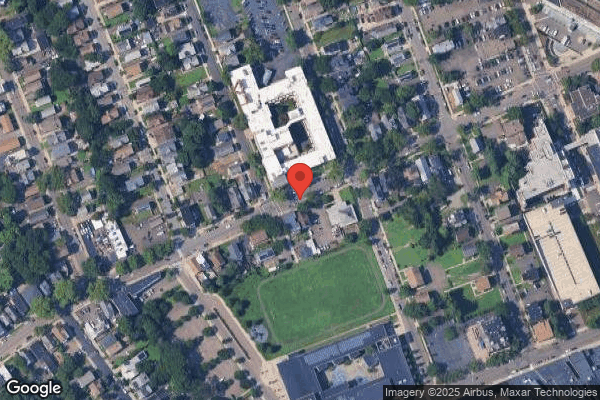
169 DAVENPORT AVENUE, NEW HAVEN, CT 06519 (203) 789-1650
For profit - Corporation 226 Beds ESSENTIAL HEALTHCARE Data: November 2025 2 Immediate Jeopardy citations
Trust Grade
1/100
#157 of 192 in CT
Last Inspection: January 2025

Within standard 12-15 month inspection cycle. Federal law requires annual inspections.

Overview

The Advanced Center for Nursing & Rehabilitation has received a Trust Grade of F, indicating significant concerns about the quality of care provided. They rank #157 out of 192 facilities in Connecticut, placing them in the bottom half of options available in the state, and #17 out of 23 in South Central Connecticut County, suggesting only a few local facilities are better. The facility is experiencing worsening conditions, with issues increasing from 3 in 2024 to 40 in 2025. While staffing is rated at 4 out of 5 stars with a low turnover rate of 32%, which is better than the state average, the facility has been fined a total of $53,275, which is higher than 80% of other Connecticut facilities and raises concerns about compliance. Critical incidents include a failure to provide timely intervention for a resident's respiratory distress, leading to death, and a serious lapse in preventing a resident with dementia from leaving the facility unsupervised, posing a significant safety risk. Overall, while staffing appears to be stable, the facility's care quality and safety measures show alarming weaknesses that families should carefully consider.

Trust Score
F
1/100
In Connecticut
#157/192
Bottom 19%
Safety Record
High Risk
Review needed
Inspections
Getting Worse
3 → 40 violations
Staff Stability
○ Average
32% turnover. Near Connecticut's 48% average. Typical for the industry.
Penalties
○ Average
$53,275 in fines. Higher than 65% of Connecticut facilities. Some compliance issues.
Skilled Nurses
○ Average
Each resident gets 33 minutes of Registered Nurse (RN) attention daily — about average for Connecticut. RNs are the most trained staff who monitor for health changes.
Violations
⚠ Watch
69 deficiencies on record. Higher than average. Multiple issues found across inspections.
★☆☆☆☆
1.0
Overall Rating
★★★★☆
4.0
Staff Levels
☆☆☆☆☆
0.0
Care Quality
★☆☆☆☆
1.0
Inspection Score
Stable
2024: 3 issues
2025: 40 issues

The Good

  • 4-Star Staffing Rating · Above-average nurse staffing levels
  • Full Sprinkler Coverage · Fire safety systems throughout facility
  • No fines on record
  • Staff turnover below average (32%)

    16 points below Connecticut average of 48%

Facility shows strength in staffing levels, fire safety.

The Bad

1-Star Overall Rating

Below Connecticut average (3.0)

Significant quality concerns identified by CMS

Staff Turnover: 32%

14pts below Connecticut avg (46%)

Typical for the industry

Federal Fines: $53,275

Above median ($33,413)

Moderate penalties - review what triggered them

Chain: ESSENTIAL HEALTHCARE

Part of a multi-facility chain

Ask about local staffing decisions and management

The Ugly 69 deficiencies on record

2 life-threatening 1 actual harm
Oct 2025 8 deficiencies 1 IJ
CRITICAL (J) 📢 Someone Reported This

A family member, employee, or ombudsman was alarmed enough to file a formal complaint

Immediate Jeopardy (IJ) - the most serious Medicare violation

Respiratory Care (Tag F0695)

Someone could have died · This affected 1 resident

**NOTE- TERMS IN BRACKETS HAVE BEEN EDITED TO PROTECT CONFIDENTIALITY** Based on review of the clinical record, facility documentation, facility policy and interviews for one (1) of three (3) sampled ...

Read full inspector narrative →
**NOTE- TERMS IN BRACKETS HAVE BEEN EDITED TO PROTECT CONFIDENTIALITY** Based on review of the clinical record, facility documentation, facility policy and interviews for one (1) of three (3) sampled residents (Resident #2) reviewed for supplemental oxygen, the facility failed to assess the resident and notify the provider when Resident #2 experienced Shortness of Breath (SOB) related to the facility's lack of oxygen concentrators and emergency tank supplies. The facility failed to ensure continuous, functioning supplemental oxygen and failed to provide timely, appropriate intervention for Resident #2's acute respiratory distress, resulting in Resident #2's condition deteriorating to acute respiratory arrest, ultimately leading to death. The failures resulted in the finding of Immediate Jeopardy. The findings include: Resident #2's diagnoses included acute respiratory failure with hypercapnia (excess carbon dioxide in the bloodstream), Chronic Obstructive Pulmonary Disease (COPD), Congestive Heart Failure (CHF) and dependence on supplemental oxygen. A physician's order dated [DATE] directed to administer continuous oxygen at 3.0 liters per minute via nasal cannula for a diagnosis of COPD. The order noted the oxygen may be removed for brief periods. Interventions per the Resident Care Plan dated [DATE] directed to provide supplemental oxygen per physician's order, monitor for signs and symptoms of respiratory distress and report to the provider, and to check oxygen saturation levels as needed and report abnormal values to the provider. The quarterly Minimum Data Set assessment dated [DATE] identified Resident #2 had a Brief Interview for Mental Status (BIMS) score of fourteen (14) out of fifteen (15) indicating Resident #2 had no memory recall deficits, was alert and oriented to person, place, and required supervision assistance with personal care and transfers. The late entry nurse's note dated [DATE] at 2:37 PM identified at 10:40 AM the 7AM-3PM Nursing Supervisor, Registered Nurse (RN) #1, had walked onto the unit to see the charge nurse, Licensed Practical Nurse (LPN) #1, when a nurse aide, Nurse Aide (NA) #1, yelled out Resident #2 was calling out for help, stating he/she could not breathe. The note indicated the Nurse Practitioner (NP) was on the unit, immediately assessed Resident #2 and ordered staff to call 911. The note identified Resident #2 was noted to be sitting in a chair, breathing heavily using accessory muscles, RN #1 requested staff to bring a portable oxygen tank and Resident #2 was switched from the concentrator via nasal cannula to the portable tank and a non-rebreather mask at fifteen (15) liters per minute was applied. The note indicated Resident #2 was transferred to bed, became unresponsive, Cardiopulmonary Resuscitation (CPR) was initiated by RN #1 and the NP, at approximately 10:45 AM, Emergency Medical Services (EMS) arrived and took over the CPR and despite continued CPR efforts, Resident #2 was pronounced deceased at 11:15 AM. Review of the clinical record failed to identify Resident #2's vital signs and oxygen saturation levels were obtained from [DATE] through [DATE]. The clinical record indicated there were no orders to obtain vital signs and oxygen saturation levels. Interview with LPN #4 on [DATE] at 11:13 AM identified on [DATE] she worked the 3-11PM shift. LPN #4 indicated when she switched Resident #2 from the oxygen concentrator to a portable oxygen cylinder, she did not check the oxygen concentrator for functioning, and she did not document Resident #2's oxygen saturation level after she switched the oxygen sources. LPN #4 identified she did not personally speak with the 3-11PM nursing supervisor, RN #3, during her shift regarding Resident #2 because she thought RN #3 was already aware Resident #2 needed a new oxygen concentrator. Interview with the 3-11PM nursing supervisor, RN #3, on [DATE] at 11:18 AM identified LPN #4 did not notify her nor was she aware Resident #2 had been receiving oxygen via the portable oxygen tanks instead of the concentrator throughout the 3-11PM shift on [DATE] and had she been made aware she would have assessed Resident #2, checked the oxygen concentrator for function, and located a functioning concentrator within the facility. Interview with LPN #3 on [DATE] at 1:33 PM identified when she arrived for her 11PM-7AM shift on [DATE] into [DATE], LPN #4 reported to her that Resident #2's oxygen concentrator was not working, and Resident #2 was on bottled oxygen. LPN #3 stated although she should have, she did not look for an oxygen concentrator or check Resident #2's oxygen saturation level throughout the shift. LPN #3 indicated she also did not notify the 11PM-7AM nursing supervisor, RN #2, that Resident #2 was utilizing bottled oxygen or that the concentrator was not working, stating she assumed RN #2 was already aware. Interview with RN #2 on [DATE] at 1:40 PM identified that she was not aware Resident #2's concentrator was not functioning or that Resident #2 was utilizing bottled oxygen starting on the 3-11PM shift. RN #2 identified neither the 3-11PM nursing supervisor, RN #3, nor the 11PM-7AM charge nurse, LPN #3, had notified her of an issue with the concentrator. RN #2 reported had she been notified, she would have ensured Resident #2 had a functioning oxygen concentrator and Resident #2 was in no distress. Interview with the 7AM-3PM nurse aide, Nurse Aide (NA ) #1, on [DATE] at 2:16 PM identified on [DATE] Resident #2 had already been hooked up to the portable oxygen tank and within the first forty-five (45) minutes of the shift Resident #2 started complaining of being Shortness of Breath (SOB) so she notified the charge nurse, LPN #1, immediately and her co-workers, NA #2 and NA #3, switched out the portable oxygen tank with new ones. NA #1 identified at about 10:30 AM, she was caring for the resident next door to Resident #2 when she heard someone yelling help so she ran into the hallway and Resident #2 continued yelling and stated he/she needed help and he/she could not breathe. NA #1 explained she yelled for help to LPN #1 and RN #1 who were down the hallway near the nurse's station and RN #1 ran into the room and directed her to call 911 and to bring additional portable oxygen cylinders. NA #1 reported all of the tanks in the oxygen closet on the unit were empty as well as the oxygen tank on the crash cart, so NA #3 ran upstairs to obtain full tanks. NA #1 identified nurse aides can deliver new oxygen tanks and take away old oxygen tanks from an area, but the nurse was supposed to hook up the oxygen and turn it on and off and when LPN #1 was not responsive, she, NA #2, and NA #3 worked together to ensure Resident #2 had oxygen. NA #1 identified looking back, they should have notified the nursing supervisor, RN #1, when LPN #1 was not responding to Resident #2's issues. Interviews with NA #2 and NA #3 on [DATE] identified Resident #2 was complaining of SOB by 7:45 AM on [DATE], so they notified the charge nurse, LPN #1, ensured there was oxygen in the portable tank, and brought two (2) additional portable tanks to the room. They identified they did not see LPN #1 enter Resident #2's room, reporting she continued to give medications. NA #2 reported Resident #2 continued to complain of SOB, so she notified LPN #1 again around 9:00 AM. NA #2 stated she was able to locate a functioning concentrator and changed out the portable tank with the concentrator and Resident #2 stated he/she felt better. NA #2 explained when NA #1 went to check on Resident #2 around 10:40 AM, Resident #2 reported to be SOB and was requesting help. They identified when RN #1 requested a portable oxygen tank, they went to the oxygen closet and although there were portable tanks in the closet, all of the tanks were empty, including the tank on the emergency cart and NA #3 had to run upstairs to retrieve two (2) tanks and bring them down to the unit. NA #3 reported that it took her about five (5) minutes to retrieve the portable oxygen cylinders. Interview with the 7AM-3PM charge nurse, LPN #1, on [DATE] at 9:39 AM identified on [DATE], the 11PM-7AM charge nurse, LPN #3, notified her in report Resident #2's oxygen concentrator was not functioning, and was using portable oxygen tanks. LPN #1 explained the nurse aides had notified her shortly after the start of the shift Resident #2 was SOB and although she directed they bring two (2) portable tanks to Resident #2, she did not check on or assess Resident #2 and indicated she should have taken vital signs, assessed Resident #2 and then notify the provider and nursing supervisor but she did not. LPN #1 identified sometime after 10:00 AM, NA #1 started yelling for help from Resident #2's room, she and the nursing supervisor ran down to the room to find Resident #2 was sitting in the chair and was starting to fall over. Interview with the 7AM-3PM nursing supervisor, RN #1, on [DATE] at 12:15 PM identified on [DATE] she was rounding on Resident #2's unit around 9:20 AM, and LPN #1 had not reported any issues, stating she had asked LPN #1 if she needed anything and LPN #1 reported she did not. RN #1 explained at 10:40 AM she was by the nurse's station with LPN #1 when NA #1 yelled to them Resident #2 could not breathe and needed help. RN #1 identified she ran down to the room, followed by the Nurse Practitioner (NP) and Resident #2 was noted to be sitting in the wheelchair, with the nasal cannula attached to the oxygen concentrator gasping and using accessory muscles to breathe. RN #1 identified she immediately put the non-rebreather on Resident #2 and attached it to the portable oxygen tank and directed NA #1 to call 911 and bring additional portable oxygen tanks. RN #1 indicated she was unaware the staff were unable to locate any additional oxygen tanks on the unit. RN #1 explained Resident #2 started to lean to the side and lose consciousness, she and the NP transferred Resident #2 into the bed and they started CPR. RN #1 stated prior to 10:40 AM, LPN #1 did not notify her Resident #2 was having SOB, there were issues with Resident #2's concentrator and portable oxygen tanks were being used. RN #1 identified LPN #1 reported to her she did not conduct a respiratory assessment or take vital signs or oxygen saturation levels that shift. RN #1 identified had LPN #1 notified her immediately of Resident#2's change in condition at 7:45 AM, she would have assessed Resident #2, notified the provider and transferred Resident #2 to the Emergency Department, as Resident #2 had a history of respiratory exacerbations. Interview with the Nurse Practitioner, NP, on [DATE] at 10:44 AM identified he was not aware Resident #2 had been reporting shortness of breath since around 7:45 AM on [DATE], and he should have been notified immediately so Resident #2 could have been transferred to the ED. The NP identified he was unable to recall which oxygen source Resident #2 was connected to when he first responded, but he did remember staff reporting they could not locate full portable oxygen tanks on the unit, and they had to go upstairs. Interview with the Administrator on [DATE] at 11:17 AM identified on [DATE] she was unaware Resident #2 had a change in condition three (3) hours prior to Resident #2's death. The Administrator explained LPN #1 should have attended to Resident #2 immediately after staff notified her Resident #2 could not breathe and then notify the nursing supervisor and provider. The Administrator identified full portable oxygen cylinders are delivered to the facility every Thursday and the staff on the units are responsible for notifying maintenance staff, either through the maintenance log or in-person when the supply is getting low. The Administrator identified the nurse aides are not permitted to switch a resident back and forth between a concentrator and a portable tank or turn the oxygen on and off, the licensed nurse was responsible for that and if LPN #1 was not responsive to their reports, they should have notified the nursing supervisor. Review of the Change of Condition policy dated [DATE] directed, in part, that for a significant change in the resident's physical, mental or psychosocial status the facility must immediately consult with the resident's physician. It identified that all residents with a potential change of condition will be identified in a timely manner and any alteration in a resident's baseline indicates a potential change of condition. Any resident with a change of condition will receive timely and appropriate intervention. All staff are responsible for reporting any concerns about a resident to the charge nurse. The LPN is to collect data and administer provider ordered treatments or medications as indicated. The RN/supervisor is also to be notified accordingly who will then assess and determine if a change of condition has occurred. The RN will make the APRN or Medical Doctor (MD) aware of a resident's current condition by in-person notification or telephone call using the Situation-Background-Assessment-Recommendation (SBAR) format. Documentation will be noted in the resident's medical record and on the 24-hour report to ensure shift to shift communication and continuity of care. Review of the Oxygen Supply Management policy dated [DATE] directed, in part, that the facility is to ensure that all residents requiring supplemental oxygen have immediate access to functional equipment and that any change in respiratory status is assessed, documented and reported without delay. If there's a malfunction in oxygen equipment, the resident will be immediately placed on a portable tank, the supervisor and the provider will be notified and the malfunctioning concentrator will be removed from service. Any report of SOB triggers an immediate nursing assessment including vital signs, oxygen saturation and respiratory exam and then results are documented and reported to the provider and supervisor.
SERIOUS (G) 📢 Someone Reported This

A family member, employee, or ombudsman was alarmed enough to file a formal complaint

Actual Harm - a resident was hurt due to facility failures

Notification of Changes (Tag F0580)

A resident was harmed · This affected 1 resident

**NOTE- TERMS IN BRACKETS HAVE BEEN EDITED TO PROTECT CONFIDENTIALITY** Based on clinical record reviews, facility policy and interviews for one (1) of three (3) sampled residents (Resident #2) who we...

Read full inspector narrative →
**NOTE- TERMS IN BRACKETS HAVE BEEN EDITED TO PROTECT CONFIDENTIALITY** Based on clinical record reviews, facility policy and interviews for one (1) of three (3) sampled residents (Resident #2) who were reviewed for a change in condition, the facility failed to notify the provider at the time Resident #2 reported shortness of breath until three (3) hours later. The findings include:Resident #2's diagnoses included acute respiratory failure with hypercapnia (excess carbon dioxide in the bloodstream), Chronic Obstructive Pulmonary Disease (COPD), Congestive Heart Failure (CHF) and dependence on supplemental oxygen. A physician's order dated [DATE] directed to administer continuous oxygen at three (3) liters per minute via nasal cannula for a diagnosis of COPD. The order noted the oxygen may be removed for brief periods. Interventions per the Resident Care Plan dated [DATE] directed to provide supplemental oxygen per physician's order, monitor for signs and symptoms of respiratory distress and report to the provider, and to check oxygen saturation levels as needed and report abnormal values to the provider. The quarterly Minimum Data Set assessment dated [DATE] identified Resident #2 had a Brief Interview for Mental Status (BIMS) score of fourteen (14) out of fifteen (15) indicating Resident #2 had no memory recall deficits, was alert and oriented to person, place, and required supervision assistance with personal care and transfers. The late entry nurse's note dated [DATE] at 2:37 PM identified at 10:40 AM the 7AM-3PM nursing supervisor, Registered Nurse (RN) #1, had walked onto the unit to see the charge nurse, Licensed Practical Nurse (LPN) #1, when a nurse aide, Nurse Aide (NA) #1, yelled out Resident #2 was calling out for help, stating he/she could not breathe. The note indicated the Nurse Practitioner (NP) was on the unit, immediately assessed Resident #2 and ordered staff to call 911. The note identified Resident #2 was noted to be sitting in a chair, breathing heavily using accessory muscles, RN #1 requested staff to bring a portable oxygen tank and Resident #2 was switched from the concentrator via nasal cannula to the portable tank and a non-rebreather mask at fifteen (15) liters per minute was applied. The note indicated Resident #2 was transferred to bed, became unresponsive, Cardiopulmonary Resuscitation (CPR) was initiated by RN #1 and the NP, at approximately 10:45 AM, Emergency Medical Services (EMS) arrived and took over the CPR and despite continued CPR efforts, Resident #2 was pronounced deceased at 11:15 AM. Interviews with three (3) nurse aides, Nurse Aide (NA) #1, #2 and #3, on [DATE] identified on [DATE], around 7:45 AM, Resident #2 started complaining of shortness of breath (SOB), so they notified the charge nurse, Licensed Practical Nurse (LPN) #1 immediately. NA #2 reported Resident #2 continued to complain of SOB, so she notified LPN #1 again around 9:00 AM. They identified that after 10:00 AM (10:40 AM) Resident #2 started yelling for help and stating he/she could not breathe. NA #1 explained she yelled for help to LPN #1 and RN #1 who were down the hallway near the nurse's station and RN #1 ran into the room. Interview with the 7AM-3PM charge nurse, LPN #1, on [DATE] at 9:39 AM identified on [DATE], the 11PM-7AM charge nurse, LPN #3, had notified her in report Resident #2's oxygen concentrator was not functioning, and he/she was utilizing portable oxygen. LPN #1 stated the nurse aides had notified her shortly after the start of the shift that Resident #2 was short of breath and although she directed them to bring two (2) portable tanks into Resident #2's room she did not check on or assess Resident #2. LPN #1 explained that she should have taken Resident #2's vital signs, assessed Resident #2 and then notified the provider and the nursing supervisor but she did not. Interview with the 7AM-3PM nursing supervisor, RN #1, on [DATE] at 12:15 PM identified on [DATE] she was rounding on Resident #2's unit around 9:20 AM, and LPN #1 had not reported any issues, stating she had asked LPN #1 if she needed anything and LPN #1 reported she did not. RN #1 explained at 10:40 AM she was by the nurse's station with LPN #1 when NA #1 yelled to them Resident #2 could not breathe and needed help. RN #1 identified she ran down to the room, followed by the Nurse Practitioner (NP) and Resident #2 was noted to be sitting in the wheelchair, with the nasal cannula attached to the oxygen concentrator gasping and using accessory muscles to breathe. RN #1 stated prior to 10:40 AM, LPN #1 did not notify her Resident #2 was having shortness of breath, there were issues with Resident #2's concentrator and portable oxygen tanks were being used. RN #1 identified LPN #1 reported to her she did not conduct a respiratory assessment or take vital signs or oxygen saturation levels that shift. RN #1 identified had LPN #1 notified her immediately of Resident#2's change in condition at 7:45 AM, she would have assessed Resident #2, notified the provider and transferred Resident #2 to the Emergency Department, as Resident #2 had a history of respiratory exacerbations. Interview with the Nurse Practitioner, NP, on [DATE] at 10:44 AM identified he was not aware Resident #2 had been reporting shortness of breath since around 7:45 AM on [DATE], and he should have been notified immediately so Resident #2 could have been transferred to the ED which could have prevented Resident #2's death. Interview with the Administrator on [DATE] at 11:17 AM identified on [DATE] she was unaware Resident #2 had a change in condition three (3) hours prior to Resident #2's death. The Administrator explained LPN #1 should have attended to Resident #2 immediately after staff notified her around 7:45 AM Resident #2 could not breathe and then notify the nursing supervisor and provider. Review of the Change of Condition policy dated [DATE] directed, in part, that all residents with a potential change of condition will be identified in a timely manner and any alteration in a resident's baseline indicates a potential change of condition. Any resident with a change of condition will receive timely and appropriate intervention. All staff are responsible to report any concerns about a resident to the charge nurse. The LPN is to collect data and administer provider ordered treatments or medications as indicated. The RN/supervisor is also to be notified accordingly who will then assess and determine if a change of condition has occurred. The RN will make the APRN or Medical Doctor (MD) aware of a resident's current condition by in-person notification or telephone call using the Situation-Background-Assessment-Recommendation (SBAR) format. Documentation will be noted in the residents' medical record and on the 24-hour report to ensure shift to shift communication and continuity of care.
CONCERN (D) 📢 Someone Reported This

A family member, employee, or ombudsman was alarmed enough to file a formal complaint

Potential for Harm - no one hurt, but risky conditions existed

Deficiency F0657 (Tag F0657)

Could have caused harm · This affected 1 resident

**NOTE- TERMS IN BRACKETS HAVE BEEN EDITED TO PROTECT CONFIDENTIALITY** Based on clinical record reviews, observations, review of facility policy and interviews for one (1) of three (3) sampled reside...

Read full inspector narrative →
**NOTE- TERMS IN BRACKETS HAVE BEEN EDITED TO PROTECT CONFIDENTIALITY** Based on clinical record reviews, observations, review of facility policy and interviews for one (1) of three (3) sampled residents (Resident #3) reviewed for supplemental oxygen usage, the facility failed to develop a care plan to address Resident #3's need for oxygen use. The findings include:Resident #3's diagnoses included acute respiratory failure with hypoxia (low levels of oxygen in the body tissues), Chronic Obstructive Pulmonary Disease (COPD) and anxiety disorder. A physician's order dated 9/19/22 directed to administer oxygen via a nasal cannula or non-rebreather at two (2) to three (3) liters per minute every shift as needed for Shortness of Breath (SOB) to maintain an oxygen saturation level greater than 92 percent. The quarterly Minimum Data Set assessment dated [DATE] identified Resident #3 had a Brief Interview for Mental Status (BIMS) score of fifteen (15) out of fifteen (15) indicating Resident #3 was alert and oriented to person, place, and time, was independent with activities of daily living, and utilized oxygen therapy. Observations of Resident #3 on 9/24/25 at 12:49 PM identified an oxygen concentrator to be running and set at three (3) liters via the nasal cannula. Review of the clinical record on 9/25/25 and 9/26/25 failed to identify a Resident Care Plan (RCP) that addressed Resident #3's respiratory diagnoses and oxygen utilization. Upon further review, on 9/29/25, a care plan was developed and interventions implemented. Interview with the Regional Nurse, Licensed Practical Nurse (LPN) #5, on 9/30/25 at 9:25 AM identified a care plan should have been in place identifying Resident #3's respiratory diagnoses and oxygen utilization. LPN #5 explained the Interdisciplinary Team was responsible for reviewing and revising care plans and he was unsure why a care plan was not in place. Review of the Comprehensive Care-Planning policy dated 1/30/25 directed, in part, that the Interdisciplinary Team (IDT), in conjunction with the resident and his/her family or legal representative, develops and implements a comprehensive, person-centered care plan for each resident. The care plan interventions are derived from a thorough analysis of the information gathered as part of the comprehensive assessment. The comprehensive person-centered care plan will include measurable objectives and timeframes, describe the services that are to be furnished to attain or maintain the resident's highest practicable physical, mental and psychosocial well-being, incorporates identified problem areas and risk factors associated with identified problems, reflects treatment goals, timetables and objectives in measurable outcomes, identifies the professional services that are responsible for each element of care and reflects currently recognized standards of practice for problem areas and conditions. Identifying problem areas and their causes, and developing interventions that are targeted and meaningful to the resident, are the endpoint of an interdisciplinary process. Assessments of residents are ongoing and care plans are revised as information about the residents and the residents' condition change. The IDT must review and update the care plan when there's been a significant change in the resident's condition, when the resident has been readmitted to the facility from a hospital stay and at least quarterly, in conjunction with the required quarterly MDS assessment.
CONCERN (D) 📢 Someone Reported This

A family member, employee, or ombudsman was alarmed enough to file a formal complaint

Potential for Harm - no one hurt, but risky conditions existed

Deficiency F0658 (Tag F0658)

Could have caused harm · This affected 1 resident

**NOTE- TERMS IN BRACKETS HAVE BEEN EDITED TO PROTECT CONFIDENTIALITY** Based on clinical record reviews, facility policy and interviews for one (1) of three (3) sampled residents (Resident #2) review...

Read full inspector narrative →
**NOTE- TERMS IN BRACKETS HAVE BEEN EDITED TO PROTECT CONFIDENTIALITY** Based on clinical record reviews, facility policy and interviews for one (1) of three (3) sampled residents (Resident #2) reviewed for supplemental oxygen, the facility failed to assess the resident when staff reported Resident #2 was experiencing shortness of breath. The findings include:Resident #2's diagnoses included acute respiratory failure with hypercapnia (excess carbon dioxide in the bloodstream), Chronic Obstructive Pulmonary Disease (COPD), Congestive Heart Failure (CHF) and dependence on supplemental oxygen. A physician's order dated [DATE] directed to administer continuous oxygen at three (3) liters per minute via nasal cannula for a diagnosis of COPD. The order noted the oxygen may be removed for brief periods. Interventions per the Resident Care Plan dated [DATE] directed to provide supplemental oxygen per physician's order, monitor for signs and symptoms of respiratory distress and report to the provider, and to check oxygen saturation levels as needed and report abnormal values to the provider. The quarterly Minimum Data Set assessment dated [DATE] identified Resident #2 had a Brief Interview for Mental Status (BIMS) score of fourteen (14) out of fifteen (15) indicating Resident #2 had no memory recall deficits, was alert and oriented to person, place, and time, and required supervision assistance with personal care and transfers. The late entry nurse's note dated [DATE] at 2:37 PM identified at 10:40 AM the 7AM-3PM nursing supervisor, Registered Nurse (RN) #1, had walked onto the unit to see the charge nurse, Licensed Practical Nurse (LPN) #1, when a nurse aide, Nurse Aide (NA) #1, yelled out Resident #2 was calling out for help, stating he/she could not breathe. The note indicated the Nurse Practitioner (NP) was on the unit, immediately assessed Resident #2 and ordered staff to call 911. The note identified Resident #2 was noted to be sitting in a chair, breathing heavily using accessory muscles. The note indicated Resident #2 was transferred to bed, became unresponsive, Cardiopulmonary Resuscitation (CPR) was initiated by RN #1 and the NP, at approximately 10:45 AM, Emergency Medical Services (EMS) arrived and took over the CPR and despite continued CPR efforts, Resident #2 was pronounced deceased at 11:15 AM. Interviews with three (3) nurse aides, Nurse Aide (NA) #1, #2 and #3, on [DATE] identified on [DATE], around 7:45 AM, Resident #2 started complaining of shortness of breath (SOB), so they notified the charge nurse, Licensed Practical Nurse (LPN) #1 immediately. The nurse aides identified they did not observe LPN #1 enter Resident #2's room at the time they notified her. NA #2 reported Resident #2 continued to complain of SOB, so she notified LPN #1 again around 9:00 AM and did not observe LPN #1 enter Resident #2's room at that time. The nurse aides identified after 10:00 AM (10:40 AM) Resident #2 started yelling for help, stating he/she could not breathe. NA #1 explained she yelled for help to LPN #1 and RN #1 who were down the hallway near the nurse's station and RN #1 ran into the room. Interview with the 7AM-3PM charge nurse, LPN #1, on [DATE] at 9:39 AM identified on [DATE], the 11PM-7AM charge nurse, LPN #3, had notified her in report Resident #2's oxygen concentrator was not functioning, and he/she was utilizing portable oxygen. LPN #1 stated the nurse aides had notified her shortly after the start of the shift that Resident #2 was short of breath and although she directed them to bring two (2) portable tanks into Resident #2's room she did not check on or assess Resident #2. LPN #1 explained that she should have taken Resident #2's vital signs, assessed Resident #2 and then notified the provider and the nursing supervisor but she did not. Interview with the 7AM-3PM nursing supervisor, RN #1, on [DATE] at 12:15 PM identified on [DATE] she was rounding on Resident #2's unit around 9:20 AM, and LPN #1 had not reported any issues, stating she had asked LPN #1 if she needed anything and LPN #1 reported she did not. RN #1 explained at 10:40 AM she was by the nurse's station with LPN #1 when NA #1 yelled to them Resident #2 could not breathe and needed help. RN #1 identified she ran down to the room, followed by the Nurse Practitioner (NP) and Resident #2 was noted to be sitting in the wheelchair, with the nasal cannula attached to the oxygen concentrator gasping and using accessory muscles to breathe. RN #1 stated prior to 10:40 AM, LPN #1 did not notify her Resident #2 was having shortness of breath, there were issues with Resident #2's concentrator and portable oxygen tanks were being used. RN #1 identified LPN #1 reported to her she did not conduct a respiratory assessment or take vital signs or oxygen saturation levels that shift. RN #1 identified had LPN #1 notified her immediately of Resident#2's change in condition at 7:45 AM, she would have assessed Resident #2, notified the provider and transferred Resident #2 to the Emergency Department, as Resident #2 had a history of respiratory exacerbations. Interview with the Administrator on [DATE] at 11:17 AM identified LPN #1 should have attended to Resident #2 immediately after staff notified her Resident #2 could not breathe and then notified the nursing supervisor and the provider immediately. Review of the Change of Condition policy dated [DATE] directed, in part, that all residents with a potential change of condition will be identified in a timely manner and any alteration in a resident's baseline indicates a potential change of condition. Any resident with a change of condition will receive timely and appropriate intervention. All staff are responsible to report any concerns about a resident to the charge nurse. The LPN is to collect data and administer provider ordered treatments or medications as indicated. The RN/supervisor is also to be notified accordingly who will then assess and determine if a change of condition has occurred. The RN will make the APRN or Medical Doctor (MD) aware of a resident's current condition by in-person notification or telephone call using the Situation-Background-Assessment-Recommendation (SBAR) format. Documentation will be noted in the resident's medical record and on the 24-hour report to ensure shift to shift communication and continuity of care.
CONCERN (D) 📢 Someone Reported This

A family member, employee, or ombudsman was alarmed enough to file a formal complaint

Potential for Harm - no one hurt, but risky conditions existed

Deficiency F0761 (Tag F0761)

Could have caused harm · This affected 1 resident

Based on observations, clinical record reviews, facility policy and interviews, the facility failed to ensure a medication cart located in the hallway was locked and medication was secured to prevent ...

Read full inspector narrative →
Based on observations, clinical record reviews, facility policy and interviews, the facility failed to ensure a medication cart located in the hallway was locked and medication was secured to prevent unauthorized access. The findings include:Observations on the D1 unit on 9/25/25 at 10:17 AM identified a medication cart in the hallway to the left of the nurse's station, pushed up against the left side of the hall, about one-third of the way down. The medication cart was noted to be unlocked with the cart keys located on the top of the cart, as well as an open bottle of docusate sodium (stool softener), a glucometer, a bottle of glucometer test strips, five (5) empty blister packs of medication, six (6) pre-poured cups of water without covers, an orange cover to an insulin syringe and a cell phone. Upon further observations a resident was noted to walk by the cart and the charge nurse, Licensed Practical Nurse (LPN) #2, was noted to emerge from a resident's room, in which the door had been closed at 10:19 AM. Interview and observations of the medication cart with LPN #2 on 9/25/25 at 10:19 AM identified that although she should not have left any of the above items on the top of the cart with the cart unlocked and unsecured, she needed to attend to a resident quickly and she did not request the assistance of other staff although she was aware that she left the cart unlocked with the cart keys on top. Interview with the 7AM-3PM nursing supervisor, Registered Nurse (RN) #1, on 9/25/25 at 12:42 PM identified LPN #2 should not have left items on top of the cart, including the cart keys when the cart was unattended and the medication cart should be locked at all times when the nurse steps away from it. Review of the Medication Cart Management policy (undated) directed, in part, that medication carts shall be maintained in a clean, organized, locked and secured manner at all times. Medication carts are considered extensions of the facility's medication storage area and must comply with all security, sanitation and documentation requirements. Carts must remain locked when unattended, even for brief intervals. Keys are to remain in the possession of the assigned nurse. No food, drink, personal items or unrelated supplies may be stored on or in the cart.
CONCERN (D) 📢 Someone Reported This

A family member, employee, or ombudsman was alarmed enough to file a formal complaint

Potential for Harm - no one hurt, but risky conditions existed

Laboratory Services (Tag F0770)

Could have caused harm · This affected 1 resident

Based on clinical record reviews, facility documentation, facility policy and interviews for two (2) of twenty-one (21) randomly selected residents (Residents #5 and #11), the facility failed to ensur...

Read full inspector narrative →
Based on clinical record reviews, facility documentation, facility policy and interviews for two (2) of twenty-one (21) randomly selected residents (Residents #5 and #11), the facility failed to ensure blood work was obtained per the physician's order. The findings include:1. Resident #5's diagnoses included pneumonia, acute and chronic respiratory failure with hypoxia (low levels of oxygen in body tissues), Congestive Heart Failure (CHF), anemia (low levels of healthy red blood cells to carry oxygen throughout the body), generalized edema (severe buildup of fluid in the tissues of several parts of the body) and hypocalcemia (low calcium levels in the blood). A physician's order dated 9/10/25 directed on 9/12/25 to obtain a Basic Metabolic Panel (BMP) and a Complete Blood Count (CBC) with differential. Review of Resident #5's clinical record failed to identify the blood work was obtained or Resident #5 had refused the blood work. A new physician's order dated 9/25/25 directed to obtain a Comprehensive Metabolic Panel (CMP) and a CBC with differential on 9/26/25 and there were no significant abnormalities. 2. Resident #11's diagnoses included alcohol abuse, hypothyroidism (a condition where the thyroid gland doesn't produce enough thyroid hormone) and peripheral vascular disease (narrowing of blood vessels due to deposit buildups which reduces blood flow to the limbs). A physician's order dated 8/30/25 directed on 9/3/25 to obtain a BMP and a CBC with differential. Review of Resident #11's clinical record failed to identify the blood work was obtained or that Resident #11 refused the blood work. Interview with the Regional Nurse, Licensed Practical Nurse (LPN) #5, on 9/30/25 at 12:05 PM identified he was unable to locate documentation the blood work was obtained for Residents #5 and #11, explaining the blood work should have been obtained per the physician's order or the provider should have been notified and rescheduled to a different date with a new physician's order. Interview with the Nurse Practitioner (NP) on 10/2/25 at 11:22 AM identified that he was unaware the bloodwork was not obtained per the physician's orders for both Residents #5 and #11, explaining the physician's orders should have been followed or he should have been notified the bloodwork was not obtained so he could have placed a new order. The NP identified that nursing staff should have documented in the clinical record why the bloodwork was not obtained, provider notification and any follow-up orders. Review of the Laboratory and Blood Work Services policy dated 01/19/18 directed, in part, that the facility is to ensure that laboratory and bloodwork services are provided in accordance with physician's orders, resident rights, federal regulations and Connecticut Public Health code standards. All bloodwork will be obtained and processed in a manner that ensures resident safety, accuracy, timeliness and professional standards of quality. Results will be returned to the ordering physician and entered into the resident's medical record. Nursing staff must promptly review results, notify the physician of abnormal or critical values and document the notification.
CONCERN (D) 📢 Someone Reported This

A family member, employee, or ombudsman was alarmed enough to file a formal complaint

Potential for Harm - no one hurt, but risky conditions existed

Room Equipment (Tag F0908)

Could have caused harm · This affected 1 resident

**NOTE- TERMS IN BRACKETS HAVE BEEN EDITED TO PROTECT CONFIDENTIALITY** Based on clinical record reviews, observations, facility documentation, facility policies and interviews for two (2) of seven (7...

Read full inspector narrative →
**NOTE- TERMS IN BRACKETS HAVE BEEN EDITED TO PROTECT CONFIDENTIALITY** Based on clinical record reviews, observations, facility documentation, facility policies and interviews for two (2) of seven (7) sampled residents (Residents #6 and #7) who required supplemental oxygen usage via a concentrator, the facility failed to ensure the oxygen concentrators were inspected annually for function and safety. The findings include:1. Resident #6's diagnoses included Chronic Obstructive Pulmonary Disease (COPD), Congestive Heart Failure (CHF), Shortness of Breath (SOB) and anxiety disorder. The quarterly Minimum Data Set assessment dated [DATE] identified Resident #6 had a Brief Interview for Mental Status (BIMS) score of seven (7) out of fifteen (15) indicating Resident rarely or never made decisions regarding tasks of daily life. A physician's order for 8/1/25 through 9/26/25 directed to administer oxygen via nasal cannula at two (2) liters per minute every shift to maintain oxygen saturation greater than 91 percent (%) and to prevent hypoxia (low levels of oxygen in the body's tissues). Observations with the Director of Nursing (DON) on 9/24/25 at 12:30 PM identified Resident #6 was receiving oxygen via the oxygen concentrator. A sticker on the oxygen concentrator identified the concentrator had last been inspected on 4/2024 and was due for inspection on 4/2025, indicating the inspection was five (5) months overdue. 2. Resident #7's diagnoses included chronic respiratory failure with hypoxia (low levels of oxygen in body tissues), COPD, CHF, emphysema (a progressive lung disease that causes shortness of breath) and anxiety disorder. A physician's order dated 8/15/25 directed to administer humidified oxygen at five (5) liters per minute via nasal cannula continuously every shift. The annual Minimum Data Set assessment dated [DATE] identified Resident #7 had a Brief Interview for Mental Status (BIMS) score of fourteen (14) out of fifteen (15) indicating Resident #7 was alert and oriented to person, place and time. Observations with the DON on 9/24/25 at 1:40 PM identified Resident #7 was receiving oxygen via the oxygen concentrator. A sticker on the oxygen concentrator identified the concentrator had last been inspected on 4/2024 and was due for inspection on 4/2025, indicating the inspection was five (5) months overdue. Upon further observations, the filter on the side of the concentrator was noted with a thick covering of dust. Observations and interview with the Administrator on 9/24/25 at 3:25 PM identified a sticker on both Resident #6 and Resident #7's oxygen concentrators identified the concentrators had last been inspected on 4/2024 and were next due for inspection on 4/2025. The Administrator identified the facility owns the concentrators, which are to be inspected annually by an outside company, and she was unaware there were concentrators that were overdue for inspection and the maintenance staff were responsible for cleaning the filters. Interview with Person #2 (the oxygen concentrator servicing vendor) on 9/26/25 at 11:59 AM identified 2025 was the first year they serviced the facility. Person #2 explained they were not given a list of how many concentrators were in the building or where the concentrators were located, stating they went room to room and completed biomed testing (ensuring the units were functioning and there was no electrical leakage issues) of all the units they were able to locate. Person #2 identified if units have been observed recently that have not been inspected since 2024, they were not accessible to them at the time of their visit. Person #2 indicated they are not contracted to clean the filters on the concentrator units, and it is recommended the inside filters are replaced every two (2) years and the outside filters are cleaned every two (2) to three (3) weeks. Interview with the Director of Environmental Services on 9/26/25 at 12:11 PM identified although the concentrators are required to be serviced annually, he did not do a walk through with the vendor at the time the vendor was in the facility. The Director of Environmental Services explained he would have the company come back to the facility and he would do a walk through with them to ensure all units were up to date with annual service. The Director of Environmental Services identified maintenance checks the filters weekly for debris and housekeeping was responsible for monitoring the oxygen concentrators filters daily when they clean the room and will notify maintenance of the need to be cleaned. The Director of Environmental Services identified he was unsure why the filter on Resident #7's concentrator was noted with thick dust. Review of the Fire Safety and Prevention policy dated 1/19/18 directed, in part, to ensure that any cleaning, repair or filling of oxygen equipment is performed by qualified, properly trained staff. All personnel must report observations of malfunctioning equipment and supplies and any unusual incidents. Although requested, policies on servicing of and cleaning oxygen concentrators were not provided.
CONCERN (E) 📢 Someone Reported This

A family member, employee, or ombudsman was alarmed enough to file a formal complaint

Potential for Harm - no one hurt, but risky conditions existed

Infection Control (Tag F0880)

Could have caused harm · This affected multiple residents

**NOTE- TERMS IN BRACKETS HAVE BEEN EDITED TO PROTECT CONFIDENTIALITY** Based on clinical record reviews, observations, facility policies and interviews for three (3) of seven (7) sampled residents (R...

Read full inspector narrative →
**NOTE- TERMS IN BRACKETS HAVE BEEN EDITED TO PROTECT CONFIDENTIALITY** Based on clinical record reviews, observations, facility policies and interviews for three (3) of seven (7) sampled residents (Residents #3, #4 and #5) who required supplemental oxygen use via a concentrator, the facility failed to ensure the oxygen tubing was changed every seven (7) days per facility policy. The findings include:1. Resident 3's diagnoses included acute respiratory failure with hypoxia (low levels of oxygen in the body tissues), Chronic Obstructive Pulmonary Disease (COPD) and anxiety disorder. The quarterly Minimum Data Set assessment dated [DATE] identified Resident #3 had a Brief Mental Interview for Mental Status (BIMS) score of fifteen (15) out of fifteen (15) indicating Resident #3 was alert and oriented to person, place and time. A physician's order dated 9/19/22 directed to administer oxygen via a nasal cannula or non-rebreather at two (2) to three (3) liters per minute every shift as needed for Shortness of Breath (SOB) to maintain an oxygen saturation level greater than 92 percent and to change and date the oxygen tubing once daily on Sunday on the 11PM-7AM shift. Observations of Resident #3 on 9/24/25 at 12:49 PM identified the oxygen concentrator to be running and set at three (3) liters, and the oxygen tubing label was dated 9/14/25 (10-days prior). Observations of Resident #3 with the Director of Nursing (DON) on 9/24/25 at 1:12 PM identified the oxygen concentrator to be running and set at three (3) liters, and the oxygen tubing label was dated 9/14/25 (10-days prior). Review of the September 2025 Treatment Administration Record (TAR) identified although the oxygen tubing was dated 9/14/25 on observations, the treatment was signed off as changed on 9/21/25 by the 11PM-7AM charge nurse, Licensed Practical Nurse (LPN) #1. 2. Resident #4's diagnoses included pneumonia, heart failure, COPD and anxiety disorder. A physician's order dated 4/11/25 directed to administer oxygen via a nasal cannula at three (3) liters per minute continuously every shift. The quarterly Minimum Data Set (MDS) assessment dated [DATE] identified Resident #4 had a Brief Interview for Mental Status (BIMS) score of eleven (11) out of fifteen (15) indicating Resident #4 had some memory recall deficits. Review of the active physician's orders failed to identify an order to change and date the oxygen tubing weekly. Observations of Resident #4 and interview with the DON on 9/24/25 at 1:12 PM identified the oxygen concentrator to be running and set to three (3) liters, and the oxygen tubing was labeled 9/14/25. The DON identified that the oxygen tubing should have been changed on 9/21/25 for both Residents #3 and #4 by the 11PM-7AM nurse for infection control purposes. 3. Resident #5's diagnoses included acute and chronic respiratory failure with hypoxia, Congestive Heart Failure (CHF), COPD and dependence on supplemental oxygen. The quarterly Minimum Data Set (MDS) assessment dated [DATE] identified Resident #5 had a Brief Interview for Mental Status (BIMS) score of fourteen (14) out of fifteen (15) indicating Resident #5 was alert and oriented to person, place and time. A physician's order dated 9/10/25 directed to titrate the oxygen down to room air every shift to maintain oxygen saturation greater than 95 %. A provider's note dated 9/23/25 at 5:36 PM identified Resident #5 utilized oxygen at four (4) four liters. Upon further review, the active physician's orders failed to identify an order to change and date the oxygen tubing weekly. Observations of Resident #5 and interview with the DON on 9/24/25 at 1:47 PM identified the oxygen concentrator running and set at four (4) four liters and the oxygen tubing label was dated 9/7/25 (17-days prior). The DON identified that the oxygen tubing should have been changed weekly by the 11PM-7AM nurse for infection control purposes and the tubing had not been changed for greater than two (2) weeks. Interview with the Regional Nurse, Licensed Practical nurse (LPN) #5, on 9/30/25 at 9:25 AM identified the nursing staff are expected to change the oxygen tubing weekly on the 11PM-7AM shift per their policy and for infection control purposes, and the nurses should never sign off orders prior to completing/administering the medication or treatment. LPN #5 indicated residents who utilize oxygen should have had a physician's order directing to change the oxygen tubing weekly. Review of the Oxygen Tubing policy dated 01/19/18 directed, in part, that the facility will provide and maintain oxygen tubing in a manner consistent with manufacturer guidelines, infection prevention standards and resident care needs. Oxygen tubing will be changed, labeled, stored and disposed of in accordance with regulatory requirements and facility protocols. Standard nasal cannula/tubing will be changed every seven (7) days or sooner if visibly soiled, contaminated, or per manufacturer instructions. Tubing change dates will be documented in the resident's medical record.
Aug 2025 4 deficiencies
CONCERN (D) 📢 Someone Reported This

A family member, employee, or ombudsman was alarmed enough to file a formal complaint

Potential for Harm - no one hurt, but risky conditions existed

Notification of Changes (Tag F0580)

Could have caused harm · This affected 1 resident

**NOTE- TERMS IN BRACKETS HAVE BEEN EDITED TO PROTECT CONFIDENTIALITY** Based on clinical record review, facility documentation review, facility policy review and interviews for one of three residents...

Read full inspector narrative →
**NOTE- TERMS IN BRACKETS HAVE BEEN EDITED TO PROTECT CONFIDENTIALITY** Based on clinical record review, facility documentation review, facility policy review and interviews for one of three residents (Residents #1) reviewed for medication administration, the facility failed to ensure the physician/APRN was notified timely when medications were not administered in accordance with orders, and for two (2) of three (3) residents (Resident #14 and Resident #16) reviewed for medication administration, the facility failed to notify the physician/APRN timely when medications were not available for administration in accordance with physician orders. The findings include: The findings include:Based on clinical record review, facility documentation review, facility policy review and interviews for one of three residents (Residents #1) reviewed for medication administration, the facility failed to ensure the physician/APRN was notified timely when medications were not administered in accordance with orders, and for two (2) of three (3) residents (Resident #14 and Resident #16) reviewed for medication administration, the facility failed to notify the physician/APRN timely when medications were not available for administration in accordance with physician orders. The findings include: The findings include: 1. Resident #1 was admitted with diagnoses that included chronic pain syndrome, opioid dependance, osteomyelitis of the vertebra (back bone infection), and bacteremia (blood infection). A hospital Discharge summary dated [DATE] identified Resident #1 was discharged on Cefazolin (antibiotic) two (2) grams (gms) per fifty (50) milliliters (mls) intravenous (IV) solution every eight (8) hours, to stop on July 16, 2025. A physician order dated 6/20/2025 directed to administer Cefazolin two (2) gms per 50 mls IV every 8 hours, at 6:00 AM, 2:00 PM and 10:00 PM. Nursing admission assessment identified Resident #1 was alert and oriented. The Resident Care Plan (RCP) dated 6/21/2025 identified Resident #1 had an infection. Interventions directed to administer medication as per MD orders. An admission Minimum Data Set (MDS) dated [DATE] identified Resident #1 had a Brief Mental Interview for Mental Status (BIMS) of fifteen (15) and was alert and oriented, and experienced pain frequently in the last five (5) days. Medical record review of the Medication Administration Record (MAR) identified LPN #12 documented on 6/21 and 6/22/2025 that Resident #1 did not receive did not receive the Cefazolin two (2) gms on 6/21 and 6/22/2025 at 2 PM in accordance with physician orders. The MAR indicated Resident #1 was unavailable as he/she was out of the facility on leave of absence (LOA). Review of the facility grievance form dated 6/23/2025 identified Resident #1 reported he/she had missed medications. Interview with LPN #12 on 8/12/2025 at 9:39 AM identified she was the charge nurse for Resident #1 on 6/21/2025 from 7:00 AM to 7:00 PM, and on 6/22/2025 from 7:00 AM to 300 PM. LPN #12 stated Resident #1 was transferred to the hospital on 6/21 and 6/22/2025 about 10 AM to receive Methadone, and she did not remember when Resident #1 returned to the facility. LPN #12 stated she did not administer the Cefazolin two (2) gms on 6/21 and 6/22/2025 at 2 PM as ordered because Resident #1 was not in the facility. LPN #12 further stated that she did not notify the APRN the doses were omitted, and calls to the on-call physician/APRN were usually done by the supervisor. LPN #12 indicated she did not notify the supervisor the Cefazolin was omitted because she thought the supervisor already knew because Resident #1 was out of the building. Interview with RN #3 and medical record review on 8/11/2025 at 12:15 PM identified she was the supervisor on 6/21/2025 from 7:00 AM to 7:00 PM and she was aware Resident #1 was transferred to the hospital for medication was she saw Resident #1 in the facility about 5:30 PM. RN #3 stated that Resident #1 had informed her that he/she would be going back to the hospital on 6/22/2025 for an additional dose of medication. RN #3 stated she was not notified the Cefazolin was not administered at 2 PM, and if a medication is omitted the nurse should notify the supervisor. RN #3 further stated if she had known about the missed doses of Cefazolin, she would have notified the APRN. Interview with RN #2 on 8/12/2025 at 10:10 AM identified she was the supervisor on 6/22/2025 from 7:00 AM to 7:00 PM and she did not remember if the charge nurse notified her of any missed/omitted medications. RN #2 stated if she was notified, she would have notified the APRN. Interview and medical record review with APRN # 1 on 8/12/2025 at 10:42 AM identified he saw Resident #1 on 6/23/2025 and he was not aware the Cefazolin due to be administered on 6/21 and 6/22/2025 at 2 PM were not administered as ordered. APRN #1 stated he would have expected to be notified, and if he was notified, he would have called the Infectious Disease consultant to determine if the treatment plan needed to be adjusted. Interview with the DON on 8/13/2025 at 10:13 AM identified that if a Resident missed an antibiotic dose, the APRN should be notified. The DON stated the supervisor, APRN and herself should have been notified and she did not know why it was not done. The facility policy Change of Condition dated 1/30/2025 directed in part, that licensed nurses must notify the physicians/APRNs for missed (medication) doses and any deviation from physician's orders. 2. Resident #14 was admitted to the facility with diagnoses that history of substance use disorder. Review of the hospital Discharge summary dated [DATE] identified Resident #14 was to continue taking the medication of Methadone (used to treat Opioid Use Disorder) 115 milligrams (mg) daily. admission nursing note dated 8/6/2025 at 9:18 PM identified Resident #14 alert and oriented. A physician order dated 8/6/2025 directed Methadone 115 mg oral once a day at 6:00 AM. Review of the August 2025 Medication Administration Record (MAR) identified LPN #16 signed that Methadone 115 mg oral at 6:00 AM was not administered at the facility on 8/7, 8/8, 8/9 and 8/10/2025 because the drug was unavailable. Record review failed to identify the physician/APRN was notified the Methadone was not administered on 8/7 and 8/8/2025. Nursing note written by RN #2 dated 8/9/2025 (Saturday) at 10:39 AM identified the APRN was notified the Methadone was unavailable, and new orders were obtained to transfer Resident #14 to the hospital to receive the ordered Methadone on 8/9 and also on 8/10/2025 (Sunday) and then to follow up with the Methadone clinic on 8/11/2025. Record review failed to identify why the prescribed Methadone was not available in the facility. Review of the hospital emergency department note dated 8/10/2025 identified Resident #14's diagnosis was Methadone withdrawal, and was administered Methadone 100 mg. Record review identified Resident #14 returned to the facility on 8/10/2025. APRN #1 note dated 8/11/2025 at 10:18 AM identified Resident #14 missed ordered doses of Methadone on 8/7 and 8/8, and then was sent to the hospital and received correction doses at the hospital after missing doses of Methadone on 8/9 and 8/10/2025. Interview with RN #3 on 8/20/2025 at 12:40 PM identified she was the RN supervisor on 8/7, 8/8 and 8/9/2025, and stated she was not notified that Methadone was not available for Resident #14, as prescribed. RN #3 stated if she was notified, she would have notified the provider and made arrangements for the resident to obtain the Methadone. RN #3 stated when a resident is admitted on Methadone, the hospital sends a dose and then the facility schedules visits with the Methadone clinic. Interview with RN #2 on 8/20/2025 at 1:56 PM identified she was notified that the Methadone was not available for Resident #14 on 8/9/2025 and she notified the APRN and transferred Resident #14 to the hospital. Interview with LPN #15 on 8/20/2025 at 2:20 PM identified she was the facility Methadone nurse (obtains the Methadone from the clinic for residents on weekdays) and she was not aware that Resident #14 did not have his/her prescribed Methadone available on 8/7, 8/8 and 8/9/2025. LPN #15 stated if she was aware, she would have obtained the Methadone. LPN #15 stated the facility process for admissions from the hospital with Methadone ordered is for the hospital to send a dose of Methadone with the patient on a weekday, and if it were a weekend, then the hospital sends a three day supply. LPN #15 stated Resident #14 was transferred to the hospital on 8/9/2025 after missing prescribed doses of Methadone on 8/7 and 8/8/2025. Interview with APRN #1 on 8/20/2025 at 2:00 PM identified he was not notified on 8/7 and 8/8/2025 that Resident #14 did not receive his/her prescribed Methadone. APRN #1 stated he was notified on 8/9/2025, and he expected to be notified when a resident misses a medication. APRN #1 stated after two (2) missed doses of Methadone, the resident should be transferred to the hospital because withdrawals can begin around day three (3) of missing Methadone. Interview with the DNS on 8/20/2025 at 2:30 PM identified Resident #14 should have received his/her Methadone as ordered, and when it was not available the physician or APRN should have been notified. The DNS was unable to explain why the physician/APRN was not notified on 8/7 or 8/8/2025. 3. Resident #16 was admitted to the facility with diagnoses that included opioid abuse. A physician's order dated 5/23/2025 directed Methadone 75 mg oral once a day at 6:00 AM. The Resident Care Plan (RCP) dated 5/23/2025 identified Resident #16 received Methadone for maintenance for a history of substance use disorder. Interventions directed to maintain required contacts/sessions with outside Methadone agency as needed and provide resident with Methadone as ordered. The admission MDS dated [DATE] identified Resident #16 had a Brief Mental Interview for Mental Status (BIMS) of fifteen (15) indicative of intact cognition and was receiving an opioid. Review of the MAR for August 2025 identified Resident #16 did not receive Methadone 75 mg oral at 6:00 AM on 8/12/2025; LPN #16 documented the Methadone was unavailable. Record review failed to identify why Resident #16's prescribed Methadone was not available and if the physician/APRN was notified. Interview and record review on 8/20/2025 at 12:40 PM with RN #3 identified she was the supervisor on 8/12/2025 (11 PM to 7 AM on 8/12/2025) when Resident #16's Methadone was due to be administered at 6 AM. RN #3 stated the charge nurse did not notify her that there was no Methadone available for administration for the 6 AM dose. She stated if she was notified, she would have arranged for Resident #16 to go to the Methadone clinic to obtain the medication. Although attempted, an interview with LPN #16 was not obtained during survey. Interview with the DNS on 8/20/2025 at 2:30 PM identified Resident #16 should have received his/her Methadone as ordered, and when it was not available the physician or APRN should have been notified. The DNS was unable to explain why the physician/APRN was not notified on 8/12/2025. The facility policy Change of Condition dated 1/30/2025 directed in part, to administer provider ordered treatments and medications as indicated.
CONCERN (D) 📢 Someone Reported This

A family member, employee, or ombudsman was alarmed enough to file a formal complaint

Potential for Harm - no one hurt, but risky conditions existed

Deficiency F0602 (Tag F0602)

Could have caused harm · This affected 1 resident

**NOTE- TERMS IN BRACKETS HAVE BEEN EDITED TO PROTECT CONFIDENTIALITY** Based on clinical record review, facility documentation review, facility policy review and interviews for three sampled resident...

Read full inspector narrative →
**NOTE- TERMS IN BRACKETS HAVE BEEN EDITED TO PROTECT CONFIDENTIALITY** Based on clinical record review, facility documentation review, facility policy review and interviews for three sampled residents (Residents #1, #12, and #13) reviewed for medication administration, the facility failed to ensure the resident was free from misappropriate of resident property. The findings include:Based on clinical record review, facility documentation review, facility policy review and interviews for three sampled residents (Residents #1, #12, and #13) reviewed for medication administration, the facility failed to ensure the resident was free from misappropriate of resident property. The findings include:A. Resident #1 was admitted with diagnoses that included chronic pain syndrome, opioid dependance, osteomyelitis of the vertebra (back bone infection), and bacteremia (blood infection). The Resident Care Plan (RCP) dated 6/21/2025 identified Resident #1 had pain. Interventions directed to administer pain medication as ordered. An admission Minimum Data Set (MDS) dated [DATE] identified Resident #1 had a Brief Mental Interview for Mental Status (BIMS) of fifteen (15) and was alert and oriented, and experienced pain frequently in the last five (5) days. A physician order dated 6/24/2025 directed to administer Hydromorphone (narcotic pain medication) three (3), two (2) milligram (mg) tablets for six (6) mg total by mouth every three (3) hours as needed for moderate pain. A physician order dated 6/24/2025 directed to administer Hydromorphone eight (8) mg tablets by mouth every three (3) hours as needed for moderate pain. 1. Review of the Medication Administration Record (MAR) and the Controlled Substance Distribution Record (CSDR) #1428681 identified thirty (30) tablets of Hydromorphone eight (8) mg were received by the facility from the pharmacy on 6/24/2025, with eight (8) tablets remaining. The Hydromorphone CSDR sheet identified one (1) tablet was signed out to indicate administered to Resident #1, but was not signed as administered to Resident #1 on the MAR on the following dates: 6/24/2025 at 10:00 AM by LPN #1 6/24/2025 at 3:40 PM by LPN #1 6/25/2025 at 2:00 AM by LPN #4 6/25/2025 at 6:00 AM by LPN #1 6/25/2025 at 9:00 AM by LPN #1 6/25/2025 at 12:00 PM by LPN #1 6/28/2025 at 8:00 AM by LPN #1 6/28/2025 at 12:00 PM by LPN #1 6/28/2025 at 6:00 PM by LPN #3 6/29/2025 at 8:00 AM by LPN #1 6/29/2025 at 11:00 AM by LPN #1 6/29/2025 at 6:00 PM by LPN #3 Reconciliation of CSDR #1428681 to Resident #1's June 2025 MAR identified that 30 tablets were received with eight (8) doses remaining. Twenty-two (22) doses of Hydromorphone 8 mg were signed out on CDSR #1428681 and only ten (10) doses were documented as administered to Resident #1; twelve (12) doses were unaccounted for (not documented in the MAR/medical record as administered to Resident #1. 2. A review of Resident #1's MAR and CSDR 1428756, identified thirty (30) tablets of Hydromorphone 2 mg were received by the facility from the pharmacy on 6/25/2025 with eleven (11) doses remaining. Four (4) tablets were signed out on the CSDR but were not signed as administered to Resident #1 on the June MAR on the following dates: 6/25/2025 at 11:00 AM by LPN #1 6/27/2025 at 12:00 PM by LPN #2, additional review identified one (1) additional tablet was documented as wasted without the signature of another nurse as a witness to the destroyed medication. 6/28/2025 at 5:30 PM by LPN #1 6/29/2025 at 10:30 PM by LPN #3 with 3 tablets signed out; MD order was for 4 tablets. Reconciliation of CSDR #1428756 to Resident #1's June MAR identified that 30 tablets were received with eleven doses remaining. Seventeen (17) doses (4 tablets on each day listed above plus one additional on 6/27/2025) were signed out on CDSR #1428756 to identify they were removed the from narcotic drawer, and all of the doses listed above were not documented as administered (not documented in the MAR/medical record to indicate they were administered to Resident #1). B. Resident #12 was admitted with diagnoses that included endocarditis and post traumatic stress syndrome. A physician order dated 6/30/2025 directed to administer Hydromorphone eight (8) mg tablets by mouth every four (4) hours as needed for pain. The RCP dated 7/1/2025 identified Resident #12 was at risk for pain. Interventions directed to administer pain medication as ordered. An admission MDS dated [DATE] identified Resident #12 was alert and oriented (BIMS 15), and experienced pain frequently in the last five (5) days. Review of Resident #12's MAR with the CSDR #1442827 identified thirty (30) tablets of Hydromorphone eight (8) mg was received by the facility on 7/1/2025 and on 7/8/2025, a CSDR #1418161 identified that the facility received an additional twenty-eight tablets (28) of the same medication (total of 58 tablets). One (1) tablet of the eight (8) milligram (mg) tablets was signed out for a dosage of eight (8) mg on the CSDR but not signed on the MAR as administered to Resident #1 on the following dates: 7/2/2025 at 1:00 AM by LPN #5 7/2/2025 at 12:30 PM by LPN #6 7/3/2025 at 12:30 AM by LPN #7 7/4/2025 at 5:00 AM by LPN #7 7/5/2025 at 12:00 AM by LPN #3 7/5/2025 at 5:00 AM by LPN #3 7/5/2025 at 8:00 PM by LPN #6 7/6/2025 at 1:00 AM by LPN #7 7/6/2025 at 6:00 AM by LPN #7 7/6/2025 at 10:00 AM by LPN #6 7/6/2025 at 2:00 PM by LPN #6 7/6/2025 at 6:00 PM by LPN #6 7/7/2025 at 10:00 AM by LPN #8 7/7/2025 at 8:00 AM by LPN #6 7/7/2025 at 2:00 PM by LPN #6 7/10/2025 at 10:00 AM by LPN #9 7/10/2025 at 10:00 PM by LPN #7, (another dose was signed on the MAR at 9:00 PM) 7/11/2025 at 7:00 AM by LPN #6 7/11/2025 at 3:00 PM by LPN #6 7/11/2025 at 7:30 PM by LPN #7 7/13/2025 at 11:00 AM by LPN #7 7/14/2025 at 5:00 AM by LPN #10 Reconciliation of CSDR #1442827 and #1442827 to Resident #12's July MAR identified that fifty-eight (58) doses of Hydromorphone 8 mg were signed out on CDSR #1442827 and #1418161; all the doses were not documented as given with twenty-two (22) doses unaccounted for (signed on the CDSR as removed from the narcotic drawer, but not signed on the MAR as administered to Resident #12). C. Resident #13 was admitted diagnoses that included closed fracture of the left foot, fracture of the toes on the right foot, and polyneuropathy. A physician order dated 6/28/2025 directed to administer Hydromorphone two (2) mg, one (1) tablet by mouth every four (4) hours as needed for moderate pain (1-5 on scale of 10) and two tablets for a 4 mg dose every 4 hours as needed for moderate to severe pain (6-10 on a scale of 10). The RCP dated 7/1/2025 identified Resident #12 was at risk for pain. Interventions directed to administer pain medication as ordered. An admission MDS dated [DATE] identified Resident #13 was alert and oriented (BIMS 14), and experienced pain frequently in the last five (5) days. A physician order dated 7/24/2025 directed to discontinue the Hydromorphone as needed for pain. A physician order dated 7/30/2025 directed to administer Hydromorphone two (2) mg, one (1) tablet by mouth every eight (8) hours as needed. A review of Resident #13's medication administration record (MAR) with the CSDR #1419206 identified thirty (30) tablets of Hydromorphone 2 mg was received by the facility on 7/4/2025 with 10 tablets remaining. One (1) tablet of (2) mg of Hydromorphone was signed on the CSDR but not signed on the MAR to indicate it was administered to Resident #1 on the following dates: 7/21/2025 at 8:30 PM by LPN #11 7/23/2025 at 2:00 PM by LPN #7 7/23/2025 at 10:00 PM by LPN #7 7/26/2025 at 9:00 PM by LPN #10, additionally there was not a physician order in place for this medication on 7/26/2025. 7/27/2025 at 9:00 PM by LPN #10, additionally there was not a physician order in place for this medication on 7/27/2025. 8/4/2025 at 8:00 PM by LPN #11 8/9/2025 at 6:00 PM by LPN #10 Reconciliation of CSDR #1419206 to Resident #13's July and August 2025 MARs identified that of the twenty (20) doses of Hydromorphone 2 mg were signed out on CDSR #1419206; all the doses were not documented as administered. Seven doses were signed out on the CSDR to indicate the medication was removed from the narcotic drawer, but seven (7) doses were not signed on the MAR/medical record to indicate they were administered for Resident #13, and the doses were unaccounted for. Interview with the DON on 8/13/2025 at 10:13 AM identified that she was unaware that there was no documentation in Resident #1's, Resident #12 and Resident #13's MARs of administration of the pain medication. She identified that she expected the nursing staff to document all medication administered to a Resident in the Resident's MAR and did not know why the nurses did not sign the MAR to indicate medication was administered to a resident after they signed it out on the CSDR sheet. She stated that if it is not documented it was not done and could not identify where the unaccounted doses were. Further, the DON stated if a controlled medication needs to be destroyed (wasted) for any reason, another nurse needed to witness the destruction of the medication and sign for the destruction on the CSDR, and she did not know why there was not a witness signature for the medication that was destroyed. The DON stated if a resident did not have a current physician order, the narcotic medication should not have been signed out on the CSDR, and should not be administered to the resident. The DON stated she did not know why the narcotic medication was signed out for a resident when there was no current physician/APRN order for the administration. The facility Controlled Substance Handing Policy, dated 1/19/2018, directed in part, that licensed nurses must document (administration) immediately in the MAR. The Policy further directed if destruction is needed it should be destroyed by two (2) nurses. The facility Medication Administration Policy dated 2/16/2018 directed in part, that medication should only be prepared at the intended time of administration. After administering the medication, the person administering the medication should document in the electronic medical record that it was given. The facility policy Resident Abuse, Mistreatment, Neglect, Exploitation, Misappropriation and retaliation dated 1/19/2017 directed in part that is the policy of the facility to ensure residents are free from misappropriation. The Policy further directed, misappropriation means intentional wrongful misplacement of a resident's belongings.
CONCERN (D) 📢 Someone Reported This

A family member, employee, or ombudsman was alarmed enough to file a formal complaint

Potential for Harm - no one hurt, but risky conditions existed

Deficiency F0658 (Tag F0658)

Could have caused harm · This affected 1 resident

Based on clinical record review, facility documentation review, facility policy review and interviews for three sampled residents (Residents #1, 12, and 13) reviewed for medication administration, the...

Read full inspector narrative →
Based on clinical record review, facility documentation review, facility policy review and interviews for three sampled residents (Residents #1, 12, and 13) reviewed for medication administration, the facility failed to ensure services provided met professional standards to include controls of narcotic medications as per facility policy. The findings include:Based on clinical record review, facility documentation review, facility policy review and interviews for three sampled residents (Residents #1, 12, and 13) reviewed for medication administration, the facility failed to ensure services provided met professional standards to include controls of narcotic medications as per facility policy. The findings include: Although requested, the facility was unable to provide the facility monthly or bi-monthly audits of controlled substances as per facility policy for June or July 2025 and indicated any audits could not be located at time of survey. Interview and documentation review with the DON on 8/13/2025 at 10:13 AM identified that staff signed Hydromorphone medication out on the Controlled Substance Distribution Record (CSDR) to indicate the drug was removed from the controlled/narcotic box on the following dates:Resident #1: 6/24, 6/25, 6/27, 6/28 and 6/29.Resident #12: 7/2, 7/3, 7/4, 7/5, 7/6, 7/7, 7/10, 7/11, 7/13 and 7/14.Resident #13: 7/21, 7/23, 7/26, 7/27, 8/4 and 8/9. Further interview identified the controlled drug was wasted/destroyed on 6/27/2025, and medication was signed out on the CSDR sheets on 7/26 and 7/27/2025 when there were no physician orders.The DON was unable to provide documentation in the resident's medical records and Medication Administration Records (MAR) that the residents received the medication on the dates signed out on the CSDR. The DON stated nurses should sign the MAR to indicate when it is administered, and she did not know why it was not done on the dates listed. The DON further stated for narcotics/controlled medication, if there was a need to waste a pill for any reason; another nurse other than the nurse who originally pulled the medication needed sign accordingly on the CSDR sheet as a witness to the destruction. Further, the DON stated a controlled medication should not have been signed out on the CSDR if there was no physician order for the medication, and she did not know why the medication was signed out.The DON stated the facility conducted monthly narcotic control audits to verify the count matched the CSDR but was unable to explain how the audits were actually conducted. The DON indicated the audits were conducted by the prior ADNS who no longer worked at the facility, and she was unable to provide documentation of any audits that were conducted. She stated any policy exceptions such as a lack of a second signature at the time of a narcotic pill waste should be observed through the audit process and addressed at that time. The DON stated spot checks were also done on a sample of residents MARs to verify that the nurses were documenting administration but did not include if that spot check also compared the MAR to the CSDR. She did not know why the ADNS had not identified any issues during the audits and indicated she could not produce the audits conducted for June or July 2025, as requested for review during the survey. She continued that a copy of the original CDSR sheets and the completed CDSRs are maintained in the medical records office. The DON further stated that discontinued controlled drugs are maintained on the units, secured under double lock until such time they are collected by nursing leadership and destroyed as per policy. Please reference F602. Interview and observation on 8/13/2025 at 4:15 PM with the Administrator completed CDSR sheets were stacked by date and alphabet on a desk in the medical record office, to the left of the door. Observation identified multiple large stacks of white and yellow papers bundled together. Each bundle had a bright pink paper on top of the bundle and was labeled drug sheets 2025. Bundles were further labeled as Jan to June A -G, H - Z. Additional bundles had pale green paper on the top of each bundle labeled 2025. The bundles were stacked as high as standard 3-ring facility notebooks that were upright next to them (approximately 11.5 to 12 inches high). The initial CDSR signed facility receipt of narcotics from the pharmacy were in notebooks (by unit location) behind the stacks of completed CDSRs. There were no audit results or documentation of audits completed observed in the medical records area. Interview failed to identify a process with a tracking system for current audits of controlled medications in the facility. The facility Controlled Substance Handing Policy, dated 1/19/2018, directed in part, directed monthly audits that monitor for discrepancies in counts, unexplained wastage and patterns of high usage. Additionally, the policy directed that a controlled substance accountability records and audit records should be kept on file for period no less than five (5) years and that discontinued controlled drugs are returned to the nursing office after the count was verified.
CONCERN (D) 📢 Someone Reported This

A family member, employee, or ombudsman was alarmed enough to file a formal complaint

Potential for Harm - no one hurt, but risky conditions existed

Quality of Care (Tag F0684)

Could have caused harm · This affected 1 resident

**NOTE- TERMS IN BRACKETS HAVE BEEN EDITED TO PROTECT CONFIDENTIALITY** Based on clinical record review, facility documentation review, facility policy review and interviews for three of six residents...

Read full inspector narrative →
**NOTE- TERMS IN BRACKETS HAVE BEEN EDITED TO PROTECT CONFIDENTIALITY** Based on clinical record review, facility documentation review, facility policy review and interviews for three of six residents (Residents #1, Resident #14 and Resident #16) reviewed for medication administration, the facility failed to ensure medications were available and administered in accordance with physician orders. The findings include: Based on clinical record review, facility documentation review, facility policy review and interviews for three of six residents (Residents #1, Resident #14 and Resident #16) reviewed for medication administration, the facility failed to ensure medications were available and administered in accordance with physician orders. The findings include: 1. Resident #1 was admitted with diagnoses that included chronic pain syndrome, opioid dependance, osteomyelitis of the vertebra (back bone infection), and bacteremia (blood infection). A hospital Discharge summary dated [DATE] identified Resident #1 was discharged on Cefazolin (antibiotic) two (2) grams (gms) per fifty (50) milliliters (mls) intravenous (IV) solution every eight (8) hours, to stop on July 16, 2025. A physician order dated 6/20/2025 directed to administer Cefazolin two (2) gms per 50 mls IV every 8 hours, at 6:00 AM, 2:00 PM and 10:00 PM. Nursing admission assessment identified Resident #1 was alert and oriented. The Resident Care Plan (RCP) dated 6/21/2025 identified Resident #1 had an infection. Interventions directed to administer medication as per MD orders and report to APRN/MD as needed. Medical record review of the Medication Administration Record (MAR) identified LPN #12 documented on 6/21 and 6/22/2025 that Resident #1 did not receive did not receive the Cefazolin two (2) gms on 6/21 and 6/22/2025 at 2 PM in accordance with physician orders. The MAR indicated Resident #1 was unavailable as he/she was out of the facility on leave of absence (LOA). Review of the facility grievance form dated 6/23/2025 identified Resident #1 reported he/she had missed medications. Interview with LPN #12 on 8/12/2025 at 9:39 AM identified she was the charge nurse for Resident #1 on 6/21/2025 from 7:00 AM to 7:00 PM, and on 6/22/2025 from 7:00 AM to 300 PM. LPN #12 stated Resident #1 was transferred to the hospital on 6/21 and 6/22/2025 at about 10 AM to receive another medication and she did not administer the Cefazolin two (2) gms at 2 PM as ordered because Resident #1 had not returned from the hospital at the scheduled 2 PM time. Further, she did not notify the nursing supervisor because she thought the supervisor knew Resident #1 was at the hospital, and she did not notify the physician or APRN because she thought the supervisor would do that. Interview with RN #3 and medical record review on 8/11/2025 at 12:15 PM identified she was the supervisor on 6/21/2025 from 7:00 AM to 7:00 PM. RN #3 stated she was aware Resident #1 was transferred to the hospital for medication in the morning, she was not aware he/she did not receive the scheduled Cefazolin. RN #3 stated if a medication is omitted, the nurse should notify the supervisor. RN #3 further stated if she had known about the missed dose of Cefazolin, she would have notified the APRN. Interview with RN #2 on 8/12/2025 at 10:10 AM identified she was the supervisor on 6/22/2025 from 7:00 AM to 7:00 PM and she did not remember if the charge nurse notified her of any missed/omitted medications. RN #2 stated if she was notified, she would have notified the APRN. Interview and medical record review with APRN # 1 on 8/12/2025 at 10:42 AM identified he saw Resident #1 on 6/23/2025 and he was not aware the Cefazolin due to be administered on 6/21 and 6/22/2025 at 2 PM were not administered as ordered. APRN #1 stated he would have expected to be notified, and if he was notified, he would have called the Infectious Disease consultant to determine if the treatment plan needed to be adjusted. Interview with the DON on 8/13/2025 at 10:13 AM identified that if a Resident missed an antibiotic dose, the APRN should be notified. The DON stated the supervisor, APRN and herself should have been notified and she did not know why it was not done. 2. Resident #14 was admitted to the facility with diagnoses that history of substance use disorder. Review of the hospital Discharge summary dated [DATE] identified Resident #14 was to continue taking the medication of Methadone (used to treat Opioid Use Disorder) 115 milligrams (mg) daily. admission nursing note dated 8/6/2025 at 9:18 PM identified Resident #14 alert and oriented. A physician order dated 8/6/2025 directed Methadone 115 mg oral once a day at 6:00 AM. Review of the August 2025 Medication Administration Record (MAR) identified LPN #16 signed that Methadone 115 mg oral at 6:00 AM was not administered, as ordered, at the facility on 8/7, 8/8, 8/9 and 8/10/2025 because the drug was unavailable. Record review failed to identify why the prescribed Methadone was not available in the facility. Nursing note written by RN #2 dated 8/9/2025 (Saturday) at 10:39 AM identified the APRN was notified the Methadone was unavailable, and new orders were obtained to transfer Resident #14 to the hospital to receive the ordered Methadone on 8/9 and also on 8/10/2025 (Sunday), and then to follow up with the Methadone clinic on 8/11/2025. The note further indicated Resident #14 was transferred to the hospital. Nursing note dated 8/9/2025 at 6:10 PM identified Resident #14 returned from the hospital following Methadone administration in the emergency room. Plan to return to the hospital on 8/10/2025 for another dose. Record review identified Resident #14 was transferred to the hospital on 8/10/2025. Review of the hospital emergency department note dated 8/10/2025 identified Resident #14’s diagnosis was Methadone withdrawal, and was administered Methadone 100 mg. Record review identified Resident #14 returned to the facility on 8/10/2025. APRN #1 note dated 8/11/2025 at 10:18 AM identified Resident #14 missed ordered doses of Methadone on 8/7 and 8/8, and then was sent to the hospital and received correction doses at the hospital after missing additional doses of Methadone on 8/9 and 8/10/2025. Interview with RN #3 on 8/20/2025 at 12:40 PM identified she was the RN supervisor on 8/7, 8/8 and 8/9/2025, and stated she was not notified that Methadone was not available for Resident #14, as prescribed. RN #3 stated if she was notified, she would have notified the provider and made arrangements for the resident to obtain the Methadone. RN #3 stated when a resident is admitted on Methadone, the hospital sends a dose and then the facility schedules visits with the Methadone clinic. Further, the facility has a nurse that obtains the required Methadone for residents from the Methadone clinic. Interview with RN #2 on 8/20/2025 at 1:56 PM identified she was notified on 8/9/2025 (Saturday) that the Methadone was not available for Resident #14 on 8/9/2025, and she notified the APRN and transferred Resident #14 to the hospital to obtain the Methadone. RN #2 stated the Methadone nurse is responsible to obtain the prescribed Methadone from the clinic and transport it to the facility for residents. Interview with LPN #15 on 8/20/2025 at 2:20 PM identified she was the facility Methadone nurse (obtains the Methadone from the clinic for residents on weekdays) and she was not aware that Resident #14 did not have his/her prescribed Methadone available on 8/7, 8/8 and 8/9/2025. LPN #15 stated if she was aware, she would have obtained the Methadone. LPN #15 stated the facility process for admissions from the hospital with Methadone ordered is for the hospital to send a dose of Methadone with the patient on a weekday, and if it were a weekend, then the hospital sends a three day supply. LPN #15 stated Resident #14 was transferred to the hospital on 8/9/2025 after missing prescribed doses of Methadone on 8/7 and 8/8/2025. Interview with APRN #1 on 8/20/2025 at 2:00 PM identified medications should be administered in accordance with physician/APRN orders. APRN #1 stated he was not notified on 8/7 and 8/8/2025 that Resident #14 did not receive his/her prescribed Methadone. Further, after two (2) missed doses of Methadone, the resident should be transferred to the hospital because withdrawals can begin around day three (3) of missing Methadone. Interview with the DNS on 8/20/2025 at 2:30 PM identified Resident #14 should have received his/her Methadone as ordered. The DNS stated residents admitted on Methadone should come from the hospital with a dose of Methadone, and then the facility would obtain subsequent doses from the Methadone clinic. The DON was unable to identify if Resident #14 was admitted from the hospital with any doses of Methadone, and why subsequent doses were not obtained timely from the Methadone clinic. 3. Resident #16 was admitted to the facility with diagnoses that included opioid abuse. A physician order dated 5/23/2025 directed Methadone 75 mg oral once a day at 6:00 AM. The Resident Care Plan (RCP) dated 5/23/2025 identified Resident #16 received Methadone for maintenance for a history of substance use disorder. Interventions directed to maintain required contacts/sessions with outside Methadone agency as needed and provide resident with Methadone as ordered. The admission MDS dated [DATE] identified Resident #16 had a Brief Mental Interview for Mental Status (BIMS) of fifteen (15) indicative of intact cognition and was receiving an opioid. Review of the MAR for August 2025 identified Resident #16 did not receive Methadone 75 mg oral at 6:00 AM on 8/12/2025; LPN #16 documented the Methadone was unavailable. Record review failed to identify why Resident #16’s prescribed Methadone was not available for administration. Interview and record review on 8/20/2025 at 12:40 PM with RN #3 identified she was the supervisor on 8/12/2025 (11 PM to 7 AM on 8/12/2025) when Resident #16’s Methadone was due to be administered at 6 AM. RN #3 stated she was not aware the Methadone was not administered as ordered, and failed to identify why the Methadone was unavailable. Although attempted, an interview with LPN #16 was not obtained during survey. Interview with APRN #1 on 8/20/25 at 2:00 PM identified the Methadone should have been administered as ordered. Interview with the DNS on 8/20/2025 at 2:30 PM identified Resident #16 should have received his/her Methadone as ordered. The DNS was unable to explain why the Methadone was not available in the facility for administration as ordered. Review of the Methadone Maintenance policy dated 9/16/2020 directed in part, to provide continued access to Methadone. The Policy further directed, after admission to the facility, a licensed nurse will retrieve the resident’s Methadone bottles for administration until the resident’s next scheduled clinic day. Review of the Change of Condition policy dated 1/30/2025 directed in part, that the LPN is to administer provider ordered medications as indicated
Jun 2025 2 deficiencies
CONCERN (D) 📢 Someone Reported This

A family member, employee, or ombudsman was alarmed enough to file a formal complaint

Potential for Harm - no one hurt, but risky conditions existed

Free from Abuse/Neglect (Tag F0600)

Could have caused harm · This affected 1 resident

**NOTE- TERMS IN BRACKETS HAVE BEEN EDITED TO PROTECT CONFIDENTIALITY** Based on observation, clinical record review, facility documentation, facility policy, and interviews for one of three residents...

Read full inspector narrative →
**NOTE- TERMS IN BRACKETS HAVE BEEN EDITED TO PROTECT CONFIDENTIALITY** Based on observation, clinical record review, facility documentation, facility policy, and interviews for one of three residents (Resident #2) reviewed for abuse or neglect, the facility failed to ensure the resident was free from physical abuse. The findings include: A. Resident #2 was admitted to the facility with diagnoses that included encephalopathy, heart failure and depression. ] A significant change Minimum Data Set (MDS) assessment dated [DATE] identified Resident #2 had severe cognitive impairment (Brief Interview for Mental Status (BIMS) score of 7), required maximal assistance for rolling side to side and was dependent for transfer and personal hygiene. A resident care plan (RCP) dated 3/22/2025 identified Resident #2 had major depression. The RCP directed supportive counseling and individual psychotherapy. B. Resident #3 was admitted to the facility with diagnoses that included dementia and hypertension. A quarterly Minimum Data Set (MDS) assessment dated [DATE] identified Resident #3 had severe cognitive impairment (Brief Interview for Mental Status (BIMS) score of 3) and was independent for bed mobility, transfer and ambulation. A resident care plan (RCP) dated 3/23/2025 identified Resident #3 exhibited behaviors as attempts to disassemble furniture, clog bathroom toilets and was at risk for elopement. Interventions included to redirect as needed, place wanderguard (device that alarms if resident leaves a designated area) on resident and notify MD of any changes in behavior. A facility reportable event form (RE form) dated 5/13/2025 identified a resident-to-resident event with injury. At 1:30 PM, Resident #3 was seen exiting Resident #2's room. Resident #2 reported Resident #3 hit him/her. Bruising to Resident #2's left facial side, mouth and left hand were observed. Both residents were sent to the hospital emergency department (ED) for evaluation. Resident #2 requested a room change upon return from the ED and was transferred to a private room on a different unit upon return. Resident #3 was evaluated and was cleared to return to the facility. A hospital Discharge summary dated [DATE] identified that Resident #2 was evaluated after an assault at a nursing facility. Resident #2 reported that a man went into her/his room and hit her/him with a telephone multiple times to the left side of the face and as she/he shielded him/herself with the left hand, the left hand was also hit by the telephone. On exam, puncture wounds were noted to the left lower lip with a 0.5 centimeter (cm) laceration to the inner left lower lip with left lower lip edema and to the left upper outer lip, and tenderness was noted over the nasal bridge. The left thumb and index finger were noted to be swollen. Resident #2 was on a blood thinner. Resident #2 was alert and oriented to name, place, time and current event (times 4). A facility RE summary dated 5/15/2025 identified the event was found to be unprovoked. Medical work-up was conducted for Resident #3 and medication was adjusted (as needed Trazadone added). Resident #2's room was changed per resident request. Interview with NA # 7 on 6/4/2025 at 11:30 AM identified on 5/13/2025 she was sitting at the nurse's desk when she heard Resident #2 calling for help. As she stood up from the desk, she saw Resident #3 exiting Resident #2's room. NA #7 identified that upon entering the room, Resident #2 reported that a man went into the room and when Resident #2 asked what he was doing in the room, the man began to hit him/her with the phone. Resident #2 reported he/she never saw the man before. Interview and review of Resident #2's medical record with APRN # 4 on 6/4/2025 at 10:58 AM identified he evaluated Resident #2 after an attack by another resident who Resident #2 reported walked into his/her room and used a telephone to hit his/her face and left hand. Bruising and cuts were sustained to the left lip and bruising to the left side of face. Resident #2's left hand small finger was bruised secondary to shielding oneself to prevent Resident #3 from hitting his/her face. Resident #2 was in no acute distress but was visibly shaken due to the unprovoked attack. Resident #2 and Resident #3 were transferred to the hospital for further evaluation. Interview and review of the 5/13/2025 event investigative documents with the DNS on 6/4/2025 at 1:30 PM identified that review of camera footage confirmed the staff report that at approximately 1:30 PM on 5/13/2025, Resident #2 was calling out for help, and at that time, Resident #3 was observed exiting Resident #2's room. Staff immediately responded to Resident #2's calls for help and were observed entering Resident #2's room right after Resident #3 exited the room. The facility policy, Resident Abuse, Mistreatment, Neglect, Exploitation, Misappropriation, and Retaliation policy dated 9/16/2018, directed, in part, that it is the policy of the facility to ensure residents are free from abuse and mistreatment. Abuse was defined as the infliction of injury, unreasonable confinement, intimidation, punishment, or exploitation with resulting physical harm, pain, or mental anguish. Physical abuse was defined as the intentional infliction of physical pain, bodily harm, or physical coercion. The facility policy, Resident Rights dated 4/16/2018, directed in part that a Resident has the right to be free from verbal, sexual, physical or mental abuse.
CONCERN (D) 📢 Someone Reported This

A family member, employee, or ombudsman was alarmed enough to file a formal complaint

Potential for Harm - no one hurt, but risky conditions existed

Deficiency F0658 (Tag F0658)

Could have caused harm · This affected 1 resident

**NOTE- TERMS IN BRACKETS HAVE BEEN EDITED TO PROTECT CONFIDENTIALITY** Based on clinical record review, facility documentation, facility policy, and interviews for one of three residents (Resident #1...

Read full inspector narrative →
**NOTE- TERMS IN BRACKETS HAVE BEEN EDITED TO PROTECT CONFIDENTIALITY** Based on clinical record review, facility documentation, facility policy, and interviews for one of three residents (Resident #1), reviewed for abuse or neglect, the facility failed to obtain vital signs according to provider order for a resident who required monitoring after a newly discontinued medication. The findings include: Resident #1 was admitted to the facility with diagnoses that included multiple sclerosis, functional quadriplegia (loss of function of the four limbs and torso), neurogenic bladder (lack of bladder control) and a pressure ulcer of the right buttock. A quarterly Minimum Data Set (MDS) assessment dated [DATE] identified Resident #1 had moderate cognitive impairment (Brief Interview for Mental Status (BIMS) score of 9) and was dependent for bed mobility, transfer, and personal care. An APRN progress note dated 4/28/2025 identified Resident #1 was seen for chronic medical problems. Assessment and plan identified Resident #1 had intermittent hypotension with improved anemia. Blood pressure (BP) 90-100s systolic and metoprolol succinate (heart medication that treats blood pressure) 12.5 mg was discontinued. Monitor BP/Heart rate. A provider order dated 4/28/2025 directed to discontinue the metoprolol succinate and obtain vital signs every shift. Review of the medical record failed to identify recorded vital signs for the evening shift on 4/28/2025, 4/29/2025, 5/3/2025, 5/4/2025 and for both the day and evening shifts on 5/5/2025. Interview with LPN #3 on 6/3/2025 at 11:00 AM identified vital signs were obtained by the NAs, written on a worksheet and then the assigned nurse reviewed and entered the vital signs into the electronic medical record. LPN #3 did not know why Resident #1's vital signs were not recorded in the medical record as she was the nurse assigned to provide care for Resident #1 during the shifts identified with no recorded vital signs. She could not recall if she reviewed vital signs on those shifts. Interview with APRN #1 on 6/3/2025 at 1:02 PM identified she recalled Resident #1 had mildly low blood pressure and that the metoprolol had been discontinued. She identified that monitoring vital signs after the discontinuation of a medication was ordered to monitor for any changes. Interview with the DNS on 6/4/2025 at 1:30 PM identified that nurses should follow provider orders for all elements of the treatment plan including vital signs. She did not know why LPN #3 did not record vital signs for the shifts identified. Although requested, the facility did not provide a policy for obtaining vital signs.
Apr 2025 5 deficiencies
CONCERN (D) 📢 Someone Reported This

A family member, employee, or ombudsman was alarmed enough to file a formal complaint

Potential for Harm - no one hurt, but risky conditions existed

Notification of Changes (Tag F0580)

Could have caused harm · This affected 1 resident

**NOTE- TERMS IN BRACKETS HAVE BEEN EDITED TO PROTECT CONFIDENTIALITY** Based on clinical record review, facility documentation review, facility policy review, and interviews for one of three resident...

Read full inspector narrative →
**NOTE- TERMS IN BRACKETS HAVE BEEN EDITED TO PROTECT CONFIDENTIALITY** Based on clinical record review, facility documentation review, facility policy review, and interviews for one of three residents (Resident #3) reviewed for accidents, the facility failed to ensure that the medical provider was notified timely of a change in condition. The findings include: Resident #3 was admitted with diagnoses that included dementia and chronic obstructive respiratory disease (COPD). A quarterly Minimum Data Set (MDS) assessment dated [DATE] identified Resident # 3 was alert and oriented (Brief Interview for Mental Status (BIMS) score of 14), and was independent with mobility and ambulation. The Resident Care Plan (RCP) dated 7/19/2023 identified Resident #3 had altered respiratory status due to COPD. The RCP directed to assess for changed in respiratory status and advise MD and administer oxygen as ordered. A nursing note dated 11/21/2023 at 3:13 PM identified that Resident #1 was alert and responsive, and was observed with shortness of breath (SOB) and oxygen (02) saturation was 88 percent (%) on room air (normal 90% and above). Resident's baseline recorded oxygen saturation was 92 to 95 % on room air (RA). A breathing treatment was provided with fair effect, oxygen was applied with oxygen saturation increased to 90%. Resident #3 was assessed by the APRN and new orders were obtained for nasal O2 at two (2) liters (l). No further signs of respiratory distress were noted, and blood pressure was 156/86, temperature 97.1, and pulse was 86. A nursing note by LPN #4 dated 11/22/2023 at 4:46 AM identified Resident #3 had a change in mental status; Resident #3 was alert, confused and hallucinated at times. Resident #3 stated that there was a man in his/her room trying to attack him/her. 02 saturation was 84 % to 85 % on RA. A breathing treatment was administered and oxygen were applied with pulse oximetry to 95%, and noted other vital signs were stable. Resident #3 was out of bed at times, ambulating in the room and talking to self. Plan for continued monitoring. A nursing note dated 11/22/2023 at 2:53 PM identified Resident #3 was noncompliant with use of ordered 02 at two (2) l via nasal cannula. Oxygen saturation was 85% on RA. Resident #3 was encouraged to keep oxygen on as oxygen saturation increased to 90% while wearing oxygen. Resident #3 refused activities of daily living (ADLs) and refused assistance to change soiled clothes. Interview and review of medical record with LPN #4 on 4/16/2024 at 2:48 PM identified she cared for Resident #3 on the 11:00 PM to 7:30 AM shifts (overnight to next day) on 11/20/2023, 11/21/2023 and 11/22/2023. She could not recall if she had notified the supervisor for the change in mental status that she observed on 11/22/2023, but stated that she would have documented in her nursing note if she had notified the supervisor. Interview and review of the medical record with RN #2, nursing supervisor on the 11:00 PM to 7:30 AM shifts on 11/21/2023 and 11/22/2023 (overnight into the next day) on 4/16/2025 at 10:41 AM identified she was never notified of any changes in mental status, problems with oxygen administration or respiratory changes. RN #2 stated she would have assessed Resident #3 and documented the assessments if she was notified, and she would have notified the on-call APRN for any next steps. She did not know why the LPN #4 did not contact her. Interview and medical record review with the DON on 4/17/2025 at 12:46 PM identified that the change in mental status identified on 11/22/2023 at 4:46 AM was a significant change in condition. The DON stated the supervisor, and the on-call provider should have been contacted/notified and she did not know why the APRN or physician were not contacted/notified. Interview and medical record review with the Medical Director on 4/22/2025 at 9:55 AM identified that LPN #4 should have notified the supervisor for the mental status change in condition. Further, when Resident #3 was hallucinating, a call to the physician or APRN should have been completed to notify and then the physician or APRN could determine if any changes to the treatment plan were needed. The facility Change in Condition Policy dated 1/30/2025 directed in part, every resident's change in condition is reported to the physician. The facility must immediately consult the resident's physician when there is a significant change in the resident's physical, mental, or psychosocial status.
CONCERN (D) 📢 Someone Reported This

A family member, employee, or ombudsman was alarmed enough to file a formal complaint

Potential for Harm - no one hurt, but risky conditions existed

Comprehensive Care Plan (Tag F0656)

Could have caused harm · This affected 1 resident

**NOTE- TERMS IN BRACKETS HAVE BEEN EDITED TO PROTECT CONFIDENTIALITY** Based on clinical record review, facility documentation review, facility policy review, and interviews for one of three resident...

Read full inspector narrative →
**NOTE- TERMS IN BRACKETS HAVE BEEN EDITED TO PROTECT CONFIDENTIALITY** Based on clinical record review, facility documentation review, facility policy review, and interviews for one of three residents (Resident #2), reviewed for accidents, the facility failed to ensure the care plan was revised timely after a fall. The findings include: Resident #2 was admitted with diagnoses that included traumatic brain hemorrhage and Schizophrenia. An annual Minimum Data Set (MDS) assessment dated [DATE] identified Resident #2 had severely impaired cognition and required extensive assistance for bed mobility and assistance for transfers into a wheelchair. The Resident Care Plan (RCP) dated 5/3/2023 identified Resident #2 was at risk for falls due to a history of falls and cognitive impairment. Interventions directed to remind Resident to use the call bell to request assistance before getting out of bed and to toilet promptly. A facility incident report dated 5/31/2023 at 10:50 AM identified Resident #2 had an unwitnessed fall and was observed on the floor by housekeeping. Resident #2 had no injuries. A nursing note dated 5/31/2023 at 11:42 AM by LPN #2 identified Resident #2 missed the floor mats when he/she fell, and the bedside table was also on the floor. Resident #2 denied any pain. Record review failed to identify an intervention was entered into the care plan to prevent a re-occurrence. Interview and record review with LPN #1 on 4/16/2025 at 2:56 PM identified she was the charge nurse on 5/31/2023 during the 3:00 to 11:00 PM shift when Resident #2 fell. LPN #1 stated Resident #2 had no injuries, she could not recall any other details, and she did not know if the care plan was updated. Interview and review of facility written statement dated 5/31/2023 with NA #3 on 4/17/2025 at 1:00 PM identified she had regularly cared for Resident #2 and recalled that Resident #2 was impulsive, which had led to Resident #2's falls. Interview and record review with the DON on 4/17/2025 at 2:00 PM identified although Resident #2 had a fall risk care plan, the DON was unable to provide documentation that the care plan had been updated after the fall on 5/31/2023. The DON stated she would have expected the nursing staff to complete the facility incident investigation form that would have identified findings related to the fall, and then to update the care plan to prevent future falls. The DON stated she did not know why the care plan was not updated. LPN #2 was not available for interview during the survey. The facility Fall Prevention Policy dated 1/19/2018 directed in part, to initiate interventions to prevent falls and reduce the risk of injury from a fall, and to implement interventions according to the resident's assessment. The facility Comprehensive Care-Planning Policy dated 9/16/2018 directed in part, care plans are revised as the resident's condition changed. The care plan must be updated if there was a significant change in the residents' condition and the desired outcome is not met.
CONCERN (D) 📢 Someone Reported This

A family member, employee, or ombudsman was alarmed enough to file a formal complaint

Potential for Harm - no one hurt, but risky conditions existed

Deficiency F0658 (Tag F0658)

Could have caused harm · This affected 1 resident

**NOTE- TERMS IN BRACKETS HAVE BEEN EDITED TO PROTECT CONFIDENTIALITY** Based on clinical record review, facility documentation review, facility policy review, and interviews for one of three resident...

Read full inspector narrative →
**NOTE- TERMS IN BRACKETS HAVE BEEN EDITED TO PROTECT CONFIDENTIALITY** Based on clinical record review, facility documentation review, facility policy review, and interviews for one of three residents (Resident #2), reviewed for accidents, the facility failed to ensure neurological assessments were completed timely after an unwitnessed fall in accordance with facility Monitoring guidelines. The findings include: Resident #2 was admitted with diagnoses that included traumatic brain hemorrhage and Schizophrenia. An annual Minimum Data Set (MDS) assessment dated [DATE] identified Resident #2 had severely impaired cognition and required extensive assistance for bed mobility and assistance for transfers into a wheelchair. The Resident Care Plan (RCP) dated 5/3/2023 identified Resident #2 was at risk for falls due to a history of falls and cognitive impairment. Interventions directed to remind Resident to use the call bell to request assistance before getting out of bed and to toilet promptly. A facility incident report dated 5/31/2023 at 10:50 AM identified Resident #2 had an unwitnessed fall and was observed on the floor by housekeeping. Resident #2 had no injuries. A nursing note dated 5/31/2023 at 11:42 AM by LPN #2 identified Resident #2 was assessed on the floor. Further, the note indicated Resident #2 missed the floor mats when he/she fell, and the bedside table was also on the floor. Resident #2 denied any pain. Nursing note dated 5/31/2023 at 12:27 PM, written by RN #8 identified she completed an assessment after a housekeeper observed Resident #2 on the floor. Vital signs were within normal limits, Resident #2 denied pain, no adverse effect was noted, and Resident #2 was assisted back to bed. Plan to continue to monitor. Nursing note dated 5/31/2023 at 9:19 PM identified neuro checks in place. Nursing note dated 6/1/2023 at 6:22 AM identified neuros wnl (within normal limits). Nursing note dated 6/2 at 10:29 PM identified neuro checks in place. Review of the facility Post A & I Monitoring Sheet dated 5/31/2013 directed to complete an initial assessment, then every shift for 72 hours. The sheet directed to check vital signs (blood pressure, pulse, respirations, temperature), range of motion, level of consciousness, vision, weakness, headache, and pain. Additional review of the sheet identified the assessments was completed on 5/31/2023 at 10:50 PM, 11:05 PM and 11:15 PM. The remainder of the sheet was blank (missing the every shift for 72 hours; missing 9 assessments). Although record review identified neurological (neuro) assessments were completed during 3 to 11 PM shift on 5/31, the 11 PM to 7 AM shift on 6/1, and the 3 to 11 PM shift on 6/2/2023, review failed to identify any additional neurological checks were completed between the fall on 5/31 and 6/22/2023. Record review identified assessments were not documented to reflect completed for seven (7) of the required shifts per the Monitoring Sheet directions. LPN #2 was not available for interview during the survey. Interview and record review with LPN #1 on 4/16/2025 at 2:56 PM identified she was the charge nurse on 5/31/2023 during the 3:00 to 11:00 PM shift when Resident #2 fell. LPN #1 stated Resident #2 had no injuries. Interview failed to identify any information regarding an RN assessment or neurological assessments. Interview and record review with the DON on 4/17/2025 at 2:00 PM identified neurological assessments should be completed on the shift of a fall, and every shift for 72 hours. Although neurological assessments were documented on the shift of the fall and on one (1) shift during 6/1 and 6/2/203, the DON was unable to provide documentation that the neurological assessments were completed in accordance with facility policy as listed on the Post A & I Monitoring Sheet. The DON stated the assessments should have been completed, and she did not know why staff did not complete the assessments as required.
CONCERN (D) 📢 Someone Reported This

A family member, employee, or ombudsman was alarmed enough to file a formal complaint

Potential for Harm - no one hurt, but risky conditions existed

Deficiency F0712 (Tag F0712)

Could have caused harm · This affected 1 resident

Deficiency Text Not Available

Read full inspector narrative →
Deficiency Text Not Available
CONCERN (D) 📢 Someone Reported This

A family member, employee, or ombudsman was alarmed enough to file a formal complaint

Potential for Harm - no one hurt, but risky conditions existed

Medical Records (Tag F0842)

Could have caused harm · This affected 1 resident

**NOTE- TERMS IN BRACKETS HAVE BEEN EDITED TO PROTECT CONFIDENTIALITY** Based on a review of clinical records, facility documentation, facility policies, and interviews with one of three residents (Re...

Read full inspector narrative →
**NOTE- TERMS IN BRACKETS HAVE BEEN EDITED TO PROTECT CONFIDENTIALITY** Based on a review of clinical records, facility documentation, facility policies, and interviews with one of three residents (Resident #3) reviewed for accidents, the facility failed to ensure the medical record was complete and accurate to include timely documentation of a medical evaluation. The findings include: Resident #3 was admitted with diagnoses that included dementia and chronic obstructive respiratory disease (COPD). A quarterly Minimum Data Set (MDS) assessment dated [DATE] identified Resident # 3 was alert and oriented (Brief Interview for Mental Status (BIMS) score of 14), and was independent with mobility and ambulation. The Resident Care Plan (RCP) dated 7/19/2023 identified Resident #3 had altered respiratory status due to COPD. The RCP directed to assess for changed in respiratory status and advise MD and administer oxygen as ordered. A nursing note dated 11/21/2023 at 3:13 PM identified that Resident #1 was alert and responsive, and was observed with shortness of breath (SOB) and oxygen (02) saturation was 88 percent (%) on room air (normal 90% and above). Resident's baseline recorded oxygen saturation was 92 to 95 % on room air (RA). A breathing treatment was provided with fair effect, oxygen was applied with oxygen saturation increased to 90%. Resident #3 was assessed by the APRN, and new orders were obtained for nasal O2 at two (2) liters (l). No further signs of respiratory distress were noted, and blood pressure was 156/86, temperature 97.1, and pulse was 86. Record review failed to identify an APRN assessment dated [DATE]. An interview with the APRN was not obtained during the survey. Interview and record review with the Medical Director on 4/22/2025 at 9:55 AM identified that if the APRN assessed Resident #3 on 11/21/2023, the assessment should have been documented in the medical record. The facility policy Physician Services/Visits dated 1/1/2023 directed in part that a progress note must be written signed and dated for each visit.
Mar 2025 2 deficiencies
CONCERN (D) 📢 Someone Reported This

A family member, employee, or ombudsman was alarmed enough to file a formal complaint

Potential for Harm - no one hurt, but risky conditions existed

Notification of Changes (Tag F0580)

Could have caused harm · This affected 1 resident

**NOTE- TERMS IN BRACKETS HAVE BEEN EDITED TO PROTECT CONFIDENTIALITY** Based on clinical record review, facility documentation review, facility policy review, and interviews for one of three resident...

Read full inspector narrative →
**NOTE- TERMS IN BRACKETS HAVE BEEN EDITED TO PROTECT CONFIDENTIALITY** Based on clinical record review, facility documentation review, facility policy review, and interviews for one of three residents (Resident #2) reviewed for medication administration, the facility failed to notify the physician regarding the resident not receiving his/her medication for two (2) days. The findings include: Resident #2's diagnoses included dementia, prostate cancer, schizophrenia, diabetes mellitus, seizures, and encephalopathy. The annual Minimum Data Set (MDS) assessment dated [DATE] identified Resident #2 had a Brief Interview for Mental Status (BIMS) score of five out of fifteen (3/15), indicative of severely impaired cognition and was dependent with ADLs (activities of daily living). Physician order dated 8/27/2024 directed to administer Abiraterone (antineoplastic) 1000 milligrams (mg) every day at 8:30 PM. The Resident Care Plan (RCP) dated 10/10/2024 identified Resident #2 had an alteration in health maintenance related to physical and psychological conditions. Interventions directed to administer medications as ordered and to update the APRN/MD as needed. A nursing note dated 10/3/2024 at 9:35 PM written by LPN #6 identified the pharmacy was called for Abiraterone 1000 mg at bedtime and the pharmacy indicated it was a special medication being delivered to the family only. Person #4 was notified and said he/she will follow up tomorrow (10/4/2024) to make sure the medication is delivered, and the supervisor was updated. A nursing note dated 10/6/2024 at 11:31 PM written by LPN #6 identified the facility was still waiting for family to supply Abiraterone, and the supervisor was updated. Review of the Medication Administration Record (MAR) for October 2024 identified on 10/5 and 10/6/2024, LPN #6 documented Abiraterone 1000 mg was not administered, with a comment indicating the medication was on order. Clinical record review failed to identify a physician or APRN was notified regarding Resident #2 not receiving the scheduled medication on 10/5 and 10/6/2024. Interview with LPN #6 on 3/24/2025 at 3:40 PM identified Resident #2's family (Person #4) would bring his/her Abiraterone to the facility, and the nursing staff would always remind Person #4 when the medication supply was low. LPN #6 indicated on 10/3/2024, Resident #2's Abiraterone was getting low, and he called the pharmacy for a refill. The pharmacy indicated that the medication is sent to the family and not the facility. LPN #6 then notified Person #4 of the low supply and requested Person #4 to bring the Abiraterone to the facility at their earliest convenience. LPN #6 stated he did not administer the Abiraterone on 10/5 and 10/6/2024 as scheduled, and he did not notify the physician/APRN. LPN #6 stated he notified the nursing supervisor of the missing Abiraterone and the supervisor would be responsible to notify the physician/APRN. Although requested, the facility was unable to provide information regarding who the nursing Supervisor was on 10/5 and 10/6/2024. Interview with APRN #3 on 3/24/2025 at 2:25 PM identified she was not notified Resident #2 did not receive the ordered Abiraterone on 10/5 and 10/6/2025. APRN #3 indicated if she was notified, she would have notified Resident #2's oncology team or instructed the nursing team to call the oncology team for further instructions regarding missing the scheduled medication. Interview with the DON on 3/24/2025 at 3:55 PM identified she expected the nursing team to notify the physician/APRN when a resident does not receive their scheduled medication. Although the interview identified the nurses should have notified the provider that Resident #2 did not receive the ordered Abiraterone on 10/5 and 10/6/2025, interview failed to identify why the provider was not notified.
CONCERN (D) 📢 Someone Reported This

A family member, employee, or ombudsman was alarmed enough to file a formal complaint

Potential for Harm - no one hurt, but risky conditions existed

Pharmacy Services (Tag F0755)

Could have caused harm · This affected 1 resident

**NOTE- TERMS IN BRACKETS HAVE BEEN EDITED TO PROTECT CONFIDENTIALITY** Based on clinical record review, facility documentation review, facility policy review, and interviews for one of three resident...

Read full inspector narrative →
**NOTE- TERMS IN BRACKETS HAVE BEEN EDITED TO PROTECT CONFIDENTIALITY** Based on clinical record review, facility documentation review, facility policy review, and interviews for one of three residents (Resident #2) reviewed for medication administration, the facility failed to ensure a medication provided by the family for facility staff to administer was verified/confirmed to be the drug ordered by the physician and failed to ensure the contents of each container have been verified by a licensed pharmacist in accordance with facility policy. The findings include: Resident #2's diagnoses included dementia, prostate cancer, schizophrenia, diabetes mellitus, seizures, and encephalopathy. The annual Minimum Data Set (MDS) assessment dated [DATE] identified Resident #2 had a Brief Interview for Mental Status (BIMS) score of five out of fifteen (3/15), indicative of severely impaired cognition and was dependent with ADLs (activities of daily living). Physician order dated 8/27/2024 directed to administer Abiraterone (antineoplastic) 1000 milligrams (mg) every day at 8:30 PM. The Resident Care Plan (RCP) dated 10/10/2024 identified Resident #2 had an alteration in health maintenance related to physical and psychological conditions. Interventions directed to administer medications as ordered and to update the APRN/MD as needed. A nursing note dated 10/3/2024 at 9:35 PM written by LPN #6 identified the pharmacy was called for Abiraterone 1000 mg at bedtime and the pharmacy indicated it was a special medication being delivered to the family only. Person #4 was notified and said he/she will follow up tomorrow (10/4/2024) to make sure the medication is delivered, and the supervisor was updated Interview with LPN #6 on 3/24/2025 at 3:40 PM identified Resident #2's family (Person #4) would bring his/her Abiraterone to the facility. Record review failed to identify any indication of how the nursing staff verified the Abiraterone prior to administration to Resident #2, or the process staff followed when Resident #2's Abiraterone was delivered to the facility by the family (Person #4). Interview with Pharmacist #1 (from the facility contracted pharmacy) on 3/24/2025 at 12:00 PM identified Resident #2's Abiraterone was dispensed/provided by the facility pharmacy as of 10/31/2024. Pharmacist #1 indicated prior to 10/31/2024, the Abiraterone was noted to be dispensed by another pharmacy (outpatient pharmacy), and was unable to provide information regarding the other pharmacy. Further, Pharmacist #1 stated the facility pharmacy made a one-time delivery of the Abiraterone 30-day supply to the facility on [DATE]. Interview failed to identify why the drug was not ordered from the pharmacy prior to 10/30/2024. Interview with Pharmacy Technician #1 (PharmT #1), from the outpatient pharmacy providing the Abiraterone prior to 10/30/2024, on 3/24/2025 at 1:00 PM identified the Abiraterone was dispensed to Resident #2's home address. PharmT #1 identified she reviewed notes from October 2024 and stated the notes indicated Person #4 picked up the Abiraterone at the dispensing pharmacy to bring to facility. Interview with DON on 3/24/2025 at 3:55 PM identified specialty medications can be brought in by the family if the facility pharmacy does not offer the medication. The DON stated the main reasons the facility pharmacy would not provide medication was if it was not available at the pharmacy or the pharmacy had refused. Interview failed to identify why the facility contracted pharmacy did not supply the medication, and if the contracted pharmacy was unable to obtain the Abiraterone. The DON stated the facility process to accept medications from a family included verifying the medication, which would include the drug description/looks with a website. Once the nursing team verifies a medication brought from outside the facility, then the nursing staff can administer the medication. The DON was unable to provide a website utilized by nursing to verify the medication, and was unable to provide documentation that the drug provided by the family was verified to be Abiraterone. Further, the DON was unable to provide the medication in question and stated the drug had been destroyed by the facility after the resident was discharged from the facility. Review of the facility Medication Brought in by Family Policy dated 2/16/2018 directed in part, the facility shall ordinarily not permit residents and families to bring medications into the facility. Residents and families must report to the nursing staff any medications that they want to bring or have brought into the facility. The facility discourages the use of medications brought in from outside and will inform residents and families of that policy as well as applicable laws and regulations. If a medication is not otherwise available and/or it is determined to be essential to the resident's life, health, safety, or well-being to be able to take a medication brought in from the outside, the DON and nursing staff, with support of the Attending Physician and Consultant Pharmacist, shall check to ensure that: the medications have been ordered by the resident's Attending Physician, and documented on the physician's order sheet; the contents of each container are labeled in accordance with established policies; and the contents of each container have been verified by a licensed pharmacist.
Mar 2025 1 deficiency
CONCERN (D) 📢 Someone Reported This

A family member, employee, or ombudsman was alarmed enough to file a formal complaint

Potential for Harm - no one hurt, but risky conditions existed

Pressure Ulcer Prevention (Tag F0686)

Could have caused harm · This affected 1 resident

**NOTE- TERMS IN BRACKETS HAVE BEEN EDITED TO PROTECT CONFIDENTIALITY** Based on clinical record reviews, facility documentation, facility policy, and interviews for one (1) of three (3) sampled resid...

Read full inspector narrative →
**NOTE- TERMS IN BRACKETS HAVE BEEN EDITED TO PROTECT CONFIDENTIALITY** Based on clinical record reviews, facility documentation, facility policy, and interviews for one (1) of three (3) sampled residents (Resident #1) reviewed for pressure ulcers, the facility failed to ensure the treatment plans recommended by the wound care physician were entered into the clinical record and implemented. The findings include: Resident #1's diagnoses included pressure ulcer, diabetes mellitus, malnutrition, peripheral vascular disease, and dementia. The Resident Care Plan dated 1/12/25 identified a potential for skin impairment related to poor physical condition. Interventions directed to apply barrier cream, turn and reposition every two (2) hours, and weekly skin checks. The admission Minimum Data Set assessment dated [DATE] identified Resident #1 had a Brief Interview for Mental Status score of three (3) out of fifteen (15) indicating Resident #1 rarely or never made decisions regarding tasks of daily living, had an altered level of consciousness, required staff assistance for personal care and activities of daily living, had no documented pressure ulcers, and prevention directed a pressure reducing device for the bed. A physician's order dated 2/12/25 directed to document a Braden Scale assessment weekly times four (4) weeks on shower day and which shift, (change based on shower day) shower day every Monday 7AM-3PM shift. The nurse's note dated 2/12/25 at 9:07 PM identified Resident #1 was re-admitted from an acute care facility and a skin check was completed with no open areas noted. Review of the February 2025 Treatment Administration Record (TAR) identified a readmission skin check was completed on 2/12/25. The TAR failed to reflect documentation a weekly skin assessment was conducted on 2/17/25 and although a body audit was signed off on 2/23/25 and 2/24/25 the clinical record failed to identify the appearance of Resident #1's skin. The Wound Physician's progress note dated 2/27/25 identified Resident #1 was seen for an initial evaluation and treatment recommendation regarding a pressure ulcer to the sacrum and deep tissue injury to the right heel. The note indicated Resident #1 had a non-stageable sacral pressure ulcer measuring 12.5 centimeters (cm) length by 7.4 cm width, by 0.3 cm depth, with moderate serous exudate and 100% slough. The treatment recommendation directed to cleanse the sacral area with 0.25% Dakin's solution, apply Medihoney, cover with a dry, clean dressing, and change dressing every shift, with added recommendations to address preventative wound healing directed at turning and repositioning every two (2) hours, off-load pressure areas, foam boots, and a low-pressure air mattress. Review of the February and March 2025 TARs identified the specialized air mattress and pressure relieving boots that the wound doctor recommended on 2/27/25 had not been initiated and the sacral wound treatment recommended on 2/27/25 was not initiated until 3/4/25 (five (5) days later). Review of the clinical record identified Resident #1 was transferred to the hospital on 3/6/25 for evaluation and treatment of the sacral wound. The Medical Director's note dated 3/17/25 identified Resident #1 had developed a viral skin eruption, presumed to be herpes related that involved the groin, perineum, and sacrum, staff had reported blisters in this area which subsequently ruptured and created a large area of skin alteration. Interview with the Wound Care Physician, MD #1, on 3/17/25 at 10:45 AM identified he was consulted on 2/27/25 to evaluate a blister on Resident #1's genital. MD #1 stated when he rolled Resident #1 on his/her side to evaluate a concern of another blister on the anus, he observed a non-stageable pressure ulcer on Resident#1's sacrum, with intact slough that he did not remove as to avoid opening the area. MD #1 stated he ordered treatment for the sacral wound and preventative measures. Interview with the Infection Prevention and Wound Nurse, Registered Nurse (RN) #1, on 3/17/25 at 1:10 PM identified she receives the recommendations from the wound care consultant the day of the evaluation and enters them into the Electronic Health Record (EHR) and receives a wound treatment report every Monday. RN #1 could not explain why the recommendations made on 2/27/25 had been entered into the record until 3/4/25. RN #1 stated the Treatment Administration Record and Care Plan are updated when new orders are entered. Interview and observations with the Director of Nurses (DON) on 3/17/25 at 2:20 PM identified Resident #1's bed did not have a specialty mattress in place as recommended by the wound team on 2/27/25. The DON stated she could not identify why the air mattress had not been applied to as they are kept within the facility. Review of the Pressure Ulcer Identification Policy dated 1/18/18 identified, the purpose of this procedure is to provide clinical information associated with risk factors and the implementation of interventions that are consistent with the residents' needs. Goals, and professional standard of practice.
Jan 2025 18 deficiencies
CONCERN (D) 📢 Someone Reported This

A family member, employee, or ombudsman was alarmed enough to file a formal complaint

Potential for Harm - no one hurt, but risky conditions existed

Resident Rights (Tag F0550)

Could have caused harm · This affected 1 resident

**NOTE- TERMS IN BRACKETS HAVE BEEN EDITED TO PROTECT CONFIDENTIALITY** Based on clinical record review, facility documentation, and staff interviews for 1 of 5 for (Resident # 70), reviewed for digni...

Read full inspector narrative →
**NOTE- TERMS IN BRACKETS HAVE BEEN EDITED TO PROTECT CONFIDENTIALITY** Based on clinical record review, facility documentation, and staff interviews for 1 of 5 for (Resident # 70), reviewed for dignity, the facility failed to ensure staff interacted with the resident respectfully. The findings includes: Resident #70's diagnosis included Chronic Congestive Heart Failure (CHF), back pain, diabetes mellitus, anxiety and depression. The Annual Minimum Data Set (MDS) assessment dated [DATE] indicated Resident #70 as cognitively intact, used a walker, was independent with toileting hygiene and had occasional pain that interfered with sleep and day-to-day activities. The care plan dated 1/7/2025 for Resident #70 requires assistance with toileting using a wheeled walker and has a history of falls. An intervention is directed to call for assistance when needed. On 1/16/2024 Resident #70 reported to a surveyor on 1/15/2025 that urine was on the bedside floor, and she/he was attempting to clean the urine up with linens on the floor but instead called staff for assistance. Nurse Aide (NA #8) returned with an open bag for Resident # 70 to place the soiled linens. Resident #70 also indicated she/he told NA#8 s/he needed help, NA#8 placed the soiled linens in the bag then told Resident #70 s/he could have done the task independently. The facility filed a report of allegations to the state agency on 1/16/2025 and start the investigation. The facility interview with NA #8 during the investigation indicated NA #8 during conversation did tell Resident #70 s/he could have clean the urine up without assistance from her/him. NA #8 has seen Resident #70 complete many tasks independently. Further review of facility interviews of the investigation identified Resident #70 felt NA#8 was disrespectful, not abusive in anyway, and agreed with the interviewer further training in customer service was needed. On 1/17/2025 while the Director of Nursing Services (DNS) was conducting the interview with NA #8, the DNS indicated NA#8 would be removed from Resident #70's assignment and a discussion regarding customer service and treating residents respectful at which time NA# 8 verbalized understanding. An interview with NA #8 on 1/22/2024 at 6:30 AM indicated Resident #70 called for assistance on 1/15/2025 in the morning, near change of shift and she/he (NA #8) returned to the room with a bag for soiled linen and opened the bag thinking Resident #70 was going to place the linen in the bag, but Resident #70 became upset wanting NA #8 to do it. NA#8 indicated she/he proceeded to place the soiled linen in the bag and left the room.
CONCERN (D)

Potential for Harm - no one hurt, but risky conditions existed

Safe Environment (Tag F0584)

Could have caused harm · This affected 1 resident

**NOTE- TERMS IN BRACKETS HAVE BEEN EDITED TO PROTECT CONFIDENTIALITY** Based on clinical record reviews, observations, facility documentation, facility policy and interviews for 1of 3 residents (Resi...

Read full inspector narrative →
**NOTE- TERMS IN BRACKETS HAVE BEEN EDITED TO PROTECT CONFIDENTIALITY** Based on clinical record reviews, observations, facility documentation, facility policy and interviews for 1of 3 residents (Resident # 173) reviewed for personal property, the facility failed to ensure the resident's personal medication was not missing and for 2 of 2 residents ( Residents # 164 and # 181) reviewed for environment, the facility failed to ensure a shared room had a functioning bathroom sink and for 1 of 2 residents (Resident #118) reviewed for environment, the facility failed to ensure resident furniture was maintained and in proper working order. The findings included: 1.Resident #173 's diagnoses included carcinoma in situ of prostate, secondary malignant neoplasm of genital organs and Type 2 diabetes mellitus. The annual Minimum Data Set assessment dated [DATE] identified Resident #173 as cognitively intact and requires set up for eating. The resident is independent with bed mobility and toilet transfers. The care plan dated 12/10/24 identified Resident #173 has a diagnosis of cancer and noted the resident is not receiving chemotherapy Interventions included to administer antiemetics as ordered for nausea/vomiting. A physician's order dated 12/24/24 directed to give 5mg Revlimid (treatment of myeloma) oral once in the morning, with special instructions of 21 days on and 7 days off. A physician's order dated 1/17/25 directed to give 5mg Revlimid oral once in the morning, with special instructions of 21 days on and 7 days off and to store in narcotic box. Interview with Person #2 on 1/16/25 at 12:29 PM indicated about a month ago Resident #173 should have had 6 Revlimid medication left, however, only had two and indicated she/he was not sure why the medication was missing. Interview with charge nurse LPN#7 on 1/29/25 at 11:46 AM indicated she is familiar with Resident #173 and the specific directions medications should be administered. LPN#7 reported that she is aware there had been missing medication for Resident #173 and believes this might have happened when Resident #173 was on a different unit, over a month ago. LPN # 7 was unable to recall a date. LPN # 7 indicated after the incident, the nurses and Person #2 started counting the medication once it arrived at the facility and the medication was moved to the narcotic box. LPN #7 identified she did not believe there was any other missing medication since the incident. An interview with RN #1 on 1/29/25 at 12:14 PM indicated although the facility does not encourage outside medication (medication not coming from contacted pharmacy). However, if medication comes from a family member it should be documented in the progress note. RN#1 also stated the medication container should reflect what the medication is and how much is left in the container. She also indicated any nurse on the shift can receive medication from a family member. She further indicated that Revlimid was not a narcotic therefore there was no need for a medication count sheet to be completed. RN #1 stated she has not reviewed any complaints regarding Resident #173 medication count being off. Review of the nurse's notes did not indicate any concern regarding missing medication. Interview with Social Worker (SW#2) on 1/29/25 at 1:54 PM indicated she/he was not made aware of any missing items/medications related Resident #173. Interview with LPN #11 on 1/29/25 at 1:55 PM indicated she was not informed of any missing medication related to Resident #173. Interview with the Director of Nursing Services (DNS) on 1/29/25 at 2:01 PM indicated she was not made aware of any missing medication for Resident #173. She reported that the policy/ expectation is that any concerns regarding missing medication should be reported to the chain of command (RN supervisor, Advanced Practice Registered Nurse (APRN, DNS and Medical Doctor) so an investigation can be started. Facility Medications Brought in by family policy indicates in part, if a medication is brought in from the outside, the DNS and nursing staff, with the support of the attending physician and consultant pharmacist, shall check the medication to ensure: the contents of each container are labeled in accordance with established policies and the contents of each container have been verified by the licensed pharmacist. 2. An observation on 1/16/2025 at 11:00 AM of Residents # 164 and # 181 shared bathroom identified a sign on the sink DO NOT USE Leaking. Resident #164 indicated the sign was put up by maintenance and had been present for 3 weeks. Resident # 164 also indicated the staff go to another room to get water to wash her/him. An observation, review of facility document and interview on 1/28/25 at 9:15 AM with the Maintenance Director identified the bathroom in Resident # 164 and Resident # 181 room with the sign still posted to the faucet indicating DO NOT USE leaking. Several soiled bath blankets were on the floor under the sink and an emesis basin on the side of the sink. The Maintenance Director indicated s/he was not aware of the sign placed on the sink or who may have placed the sign but was aware of several sinks that had been put in by a contractor and identified this sink one was leaking. The Maintenance Director also indicated the contactor came back to check the sink in the residents room and identified it needed a part. A new faucet was ordered and will be installed today by facility staff. During review of the Maintenance Book for the unit on 1/28/25 identified a tan entry Sink does not work! placed in the book on 1/8/2025 (20 days ago) and initialed by Maintenance Worker #1 that indicated the resident bathroom was without use of a sink for 20 days. An interview with NA#4 on 1/28/25 at 9:30 AM indicated since the sink has been broken the staff use other residents bathroom faucets to get the water to wash Resident # 164 and Resident # 181 and vebralized both residents in the room require assistance. An interview with Maintenance Worker #1 and the Maintenance Director on 1/28/25 at 9:40 AM indicated they did not know who placed the sign on the leaking sink but did know the sink was awaiting a part. An interview and observation of a picture of the current bathroom condition with the Director of Nursing Services (DNS) on 1/28/2025 at 10:00 AM indicated this was unacceptable and if s/he knew about the sink the residents would have moved to another room with a working faucet until this one could be repaired. 3. An observation on 9/17/2025 at 9:50 AM identified Resident #118's closet cabinet doors ajar and the wood at edges of the open sides and bottom of the cabinet doors was noted to be peeling apart. The cabinet door did not stay closed. A 3-drawer dresser at the side of the cabinet against the wall was also found to have drawers that did not stay closed. An observation and interview on 1/28/25 at 9:15 AM with the Director of Maintenance identified Resident # 118 3-drawer cabinet top drawer open and once closed reopened. The Director of Maintenance attempted to move the dresser slightly and all drawers came open at which time she/he indicated the drawer would be fixed or replaced. The closet cabinet doors were noted to be splitting, splintered at the outer edges and bottom of each door was noted missing magnets to keep the cabinet doors closed. Attached to the closet cabinet were 3 more smaller drawers. The second drawer was found difficult to open and close at which time the Director of Maintenance indicated the drawer would be repaired. While turning to leave the room the surveyor bumped into the dresser top drawer which had reopened again while viewing the resident closet doors and drawers. The Maintenance Director indicated the opening of drawers could be a safety concern and would be repaired or replaced.
CONCERN (D) 📢 Someone Reported This

A family member, employee, or ombudsman was alarmed enough to file a formal complaint

Potential for Harm - no one hurt, but risky conditions existed

Abuse Prevention Policies (Tag F0607)

Could have caused harm · This affected 1 resident

Based on clinical record reviews, facility documentation, facility policy and interviews for 2 of 5 sampled residents (Resident #144) reviewed for abuse, the facility failed implement policies to ensu...

Read full inspector narrative →
Based on clinical record reviews, facility documentation, facility policy and interviews for 2 of 5 sampled residents (Resident #144) reviewed for abuse, the facility failed implement policies to ensure the protection residents following an allegation of abuse and for (Resident # 214), the facility failed to timely followed up on Resident # 214 concerns regarding Resident # 1's physical and verbal abuse toward staff to rule out Resident # 1 was not a danger to self and others. The findings include: 1. Resident #144's diagnoses included history of dysuria (painful urination )and bipolar disorder. The annual MDS assessment 10/1/24 identified Resident #144 as cognitively intact, frequently incontinent of urine and required one person assist with ambulation and toileting needs. The Resident Care Plan (RCP) dated 12/30/24 identified Resident #144 had a concern related to ADL function. Interventions included providing assist of one with transfers and toileting. A Reportable Event Summary dated 1/16/25 identified Resident #144 alleged the nurse, LPN #6 offered Tylenol and stated s/he could go to the hospital if in that much pain. A review of LPN #6's punch detail dated 1/15/25 through 1/22/25 identified she remained on the schedule on 1/16/25 from 3:15 PM through 1/17/25 at 6:15 AM. An interview with the (interim) DNS on 1/27/25 at 2:12 PM identified she thought she had LPN #6 removed from the schedule pending investigation but was unable to explain why LPN #6 instead remained on the schedule. The DNS further identified LPN #6 should have been removed from the schedule until the end of the investigation which concluded on 1/17/25 after 3:00 PM. An interview with LPN #6 on 1/27/25 at 2:46 PM identified she was not removed from the schedule at any time following the allegation. A review of the facility policy for Resident Abuse dated 9/16/18 directs that any staff member named in an allegation of abuse will be removed from the schedule pending investigation. 2. Resident # 1's diagnoses included dementia with behavioral disturbances, anxiety disorder and schizophrenia. The care plan dated 1/13/25 for ADL Function resident exhibits behaviors as evidenced by aggression and combative to staff. Interventions included: approach the resident in a calm and consistent manner, use resident's name and explain purpose before approaching, provide the resident with opportunity to express feeling and provide 1:1 and group visits, if refuse care reproach and to monitor mood / behavior and when changes to MD. A review of the psychiatric and psychological notes dated 1/13/25 through 1/25/25 identified the resident exhibited aggression toward staff, memory problems and confusion, utilized antipsychotic and anti-anxiety medication and noted the resident was not a danger to self and other. 3. Resident # 214's diagnoses included convulsion, psychosis unrelated to substance use, insomnia and adjustment disorder. The care plan dated 10/22/24 for resident has been determined positive level II. Residents have the potential for altered thought process, difficulty adjusting to situation and diagnosis of depression. Interventions included: Minimum of a yearly comprehensive psychiatric evaluation, on going evaluation of psychotropic medication and effectiveness, staff to provide support when needed , social service consult as needed , group therapy as desired, family involvement if desired, offer recreational activities , medication as ordered and laboratory blood work as prescribed. During survey Resident # 214 expressed a concern of being threatening by Resident #1 and was concerned about Resident # 1's behavior. The facility was made aware of Resident # 214 concern and indicated they would follow up. A review of the Reportable Event dated 1/17/25 unknown time identified Resident # 214 was alert and oriented and independent with ADL. Resident #1 was alert to person only and required total dependence on staff with ADL. The Reportable Event submitted to the state agency on 1/17/25 identified Resident #1 became combative during care and calling staff Nxxx. Resident # 214 was upset about Resident # 1's combative and verbally abusive behavior toward staff Resident # 214 requested a room change. Although Resident # 214 was offered a room change the resident decided to stay in the room with roommate ( Resident # 1) as long as she/he was near the window. Resident # 214 was offered a second room change by social service and decided to stay in the room with present room. A review of facility documentation and the clinical record from 1/17/25 to 1/30/25 failed to reflect that staff monitor Resident # 1's combative and verbally abusive behavior to ensure the resident was not a danger to self and other until the resident was seen by psychiatry on 1-31-25 and deem not a danger to self and other. The physician's orders dated 12/21/24 to 1/29/25 directed Zyprexa ( anti-psychotic) 5 Milligrams ( MG) and levetiracetam ( anti-convulsant) 500 MG once a day. The social services notes dated 1/3/25 identified Resident # 214 inquired moving to another vacant side of room. The social services note dated 1/16/2025 identified the resident decided to move back to his/her older roommate toward the window. The resident agreed to return if she/he could be near the door. The writer offered another room off the unit, but resident decline wanted to stay on D 1. The writer will provide another option for Resident # 214 tomorrow. A review of facility documentation from 1/3/25 to 2/3/25 failed to identify how the facility monitored Resident # 214 and Resident #1 to ensure that Resident #214 was protected from future threatening allegations to ensure the resident's safety. Interview with the DNS on 2/3/25 at 3:15 PM identified the facility asked Resident # 214 if she/he wanted to move to different room and the Resident # 214 declined stating she/he wanted to stay in the room with Resident #1 long as she/he was moved toward the window. The DNS also indicated that both residents have been followed by psychiatric and was not consider a danger to self and others in the past. However, on the day of the incident the DNS was unable to provide evidenced that Resident #1 was evaluated by psychiatry and identified as not a danger to self and others not until 1-31-25.
CONCERN (D)

Potential for Harm - no one hurt, but risky conditions existed

Comprehensive Care Plan (Tag F0656)

Could have caused harm · This affected 1 resident

**NOTE- TERMS IN BRACKETS HAVE BEEN EDITED TO PROTECT CONFIDENTIALITY** Based on clinical record reviews, observations, facility policy and interviews for 1 of 6 residents (Resident #111) reviewed for...

Read full inspector narrative →
**NOTE- TERMS IN BRACKETS HAVE BEEN EDITED TO PROTECT CONFIDENTIALITY** Based on clinical record reviews, observations, facility policy and interviews for 1 of 6 residents (Resident #111) reviewed for specialized treatment, the facility failed to ensure staff developed a care plan reflecting the needs of a resident receiving dialysis care and for1 of 2 residents (Resident # 109), reviewed for communication- Sensory, the facility failed to ensure that the care plan reflected the residents' sensory needs. The findings included: 1. Resident #111's diagnosis includes end stage renal disease with dependence on renal dialysis. The annual Minimum Data Set (MDS) assessment dated [DATE] indicated Resident #111 as cognitively intact. The care plan dated 12/20/2024 for Resident was at increased risk for alterations in nutritional status secondary to renal dialysis. Interventions included providing a renal diet and supplements. An interview and record review with RN #1 (Nursing Supervisor) on 1/25/2025 at identified there was no specific care plan related to the resident's dialysis access site and specific needs reflected in the facility policy were found. RN #1 indicated she/he would add the missing care plan. After surveyor inquiry, a care plan was created dated 1/26/2025 indicating Resident #111 was at risk for complications secondary to hemodialysis. Interventions included : to encourage adherence to fluid restriction, assist with obtaining transportation to dialysis, communicate with the dialysis center with communication book and in event of a vascular access emergency to apply pressure to the dialysis access site and call 911, to monitor the access site for patency bruit and thrill daily and after each dialysis visit and to monitor resident after return from dialysis for changes in vital signs, pain or discomfort. The facility policy labeled Comprehensive Care Plan given onsite indicated in part, a comprehensive, person-centered care plan that meets the resident's physical, psychosocial and functional needs is to be developed and implemented for each resident. 2. Resident #109 's diagnoses included Chronic Obstructive Pulmonary Disease (COPD), dyspnea and major depressive disorder. The quarterly Minimum Data Set (MDS) assessment dated [DATE] identified Resident # 109 as cognitive intact and independent with personal hygiene, upper body dressing and noted the resident requires assistance with eating. The MDS also indicated Resident #109 requires corrective lenses. The care plan dated 11/28/24 did not identify care area or interventions for Resident #109 eyeglasses. Observation on 1/17/25 at 9:48 AM identified Resident # 109 had broken glasses. Resident # 109 indicated that the facility is aware of her/his broken glasses, but nothing has been done to address the concern. A follow up interview with Resident #109 on 1/28/25 at 9:25 AM identified she/he still has not received new glasses. Resident # 109 also reported s/he has told the new social worker and nursing regarding her/his concern as well as the Ombudsman Office. Interview with Social Workers 1 and #2 on 1/28/25 12:56 PM identified s/he was not informed about Resident #109 broken glasses. Interview with LPN#4 on 1/28/25 at 01:34 PM indicated each discipline are responsible for completing their sections on the MDS assessment. However, it is reported that the MDS Coordinator is responsible for competing in the nursing sections. LPN #4 was unable to locate the care area related to residents' glasses and indicated she/he believes this may have been an oversight. After surveyors' inquiry, on 1/27/2025 at 12:34 PM a nursing note reflecting the status of Residents #109 glasses and a referral to have them fixed.
CONCERN (D)

Potential for Harm - no one hurt, but risky conditions existed

Deficiency F0657 (Tag F0657)

Could have caused harm · This affected 1 resident

**NOTE- TERMS IN BRACKETS HAVE BEEN EDITED TO PROTECT CONFIDENTIALITY** Based on clinical record reviews, policy the facility and interviews for 2 of 4 residents ( Resident # 104) reviewed for urinary...

Read full inspector narrative →
**NOTE- TERMS IN BRACKETS HAVE BEEN EDITED TO PROTECT CONFIDENTIALITY** Based on clinical record reviews, policy the facility and interviews for 2 of 4 residents ( Resident # 104) reviewed for urinary retention, the facility failed to revised the care plan after the resident returned from an inpatient stay and for 1 of 1 resident ( Resident # 207)reviewed for care planning, the facility failed to ensure staff revised the residents a resident's care plan to reflect resident's choice regarding bathroom preferences . The findings included: 1.Resident #104 's diagnoses included urinary retention, and Urinary Tract Infection (UTI). The annual Minimum Data Set assessment dated [DATE] identified Resident #104 as cognitively intact and required maximum assistance with personal hygiene, toileting and bathing. A physician's order dated 12/17/24 directed to begin voiding trials in 5 days of discharge as a Foley catheter was in placed while in the hospital. A nurse's note dated 12/17/24 at 10:37 PM identified Resident # 104 returned from the hospital with a diagnosis of urinary retention. A physician's order dated 1/13/25 directed to perform a bladder scan every 6 hours while awake if possible and to conduct intermittent catheterization for (Post Void Residual urine) PVR greater than 600. If there is no bladder scanner then scheduled intermittent catheterizations every 6 hours while awake. The Resident Care Plan dated 1/14/25 identified the resident had urinary incontinence. Interventions included providing incontinent care every 2 hours and anticipating toileting needs. There were no revised interventions for urinary retention on the care plan. On 1/21/25 in an interview with nursing supervisor RN #1 at 10:09 AM identified all physician's orders/nursing interventions should be included in the care plan and documented in the nursing notes. Review of the facility policy, Comprehensive Care Planning, dated 9/16/18, and currently in effect, directed in part, The interdisciplinary Team must review and update the care plan when the resident has been re-admitted to the facility from a hospital stay. 2. Resident #207's diagnoses included diabetes mellitus and sepsis. The admission Minimum Data Set (MDS) dated [DATE] indicated Resident #207 as cognitively intact, noted utilization of a walker and wheelchair, noted dependence for toileting and toilet transfer and indicated the resident was frequently incontinent of bowel and bladder. A nursing admission observation dated 10/11/2024 at 9:33 PM indicated in part Resident #207 required no assistance with personal care and had no difficulty controlling his/her bowel or bladder and indicated Resident # 207 had a surgical incision on the top of the right and left feet. A physician's order dated 10/12/2024 directed non weight bearing status. The quarterly Minimum Data Set (MDS) assessment dated [DATE] indicated Resident #207 as cognitively intact, required substantial maximum assistance for toileting and toilet transfers which did not occur and was frequently incontinent of bowel and bladder. A physician's order dated 11/20/2024 directed non weight bearing status to left foot and to keep dressing clean dry and intact until follow-up appointment. A physician's order on 12/2/2024 directed to provide Occupational Therapy (OT) for muscle weakness and on 12/3/2024 to provide OT for 5 sessions x 60 days for self-care training. The care plan dated 1/22/2025 revised on 1/4/2024 and 1/6/2025 indicated Resident #207 was incontinent of bowel and bladder. Interventions included in part to turn and reposition every 2 hours, apply barrier cream with incontinent care and to report any changes in skin to the physician. The care plan further indicated Resident #207 had a lack in ability to perform Activities of Daily Living (ADL) functions with rehabilitation potential. Interventions also included using the bedpan and bathroom. An interview and record review with LPN #8 on 1/29/25 at 11:35AM identified Resident # 207 was noted on the September and October 2024 MDS assessment as frequently incontinent of bowel and bladder. However, LPN # 8 was unable to locate an assessment of Resident #207's ability to participate in a bowel and bladder retraining program. An interview on 1/25/2025 at 11:25 AM with NA#8 indicated Rsident #207 wanted to be independent and identified the resident does not use the bathroom or the commode but goes in the adult incontinent brief. NA# 8 also indicated she/he did not recall any plan for the resident to try to use the bathroom toilet, commode or bedpan An interview, record review and facility policy review on 1/25/2025 at 11:35 AM with LPN#8 indicated she/he was unable to find any bowel and bladder retraining or any refusals to use the commode or refusal of incontinent care by staff. LPN #8 further indicated not knowing if therapy was aware Resident #207 was not using the commode provided but shared while working second shift, she noted Resident #207 did not urinate or move bowels when the resident was in the wheelchair but waited until transferred back into bed to have urinate or move bowel into the diaper and cleans and changes his/herself. LPN # 8 indicated she/he would discuss this matter with the supervisor. On 1/29/25 at 12:40 an interview, record review, review of therapy notes/evaluations and discharge notes and review of facility policy with the Nursing Supervisor RN #1 identified Resident #207 as frequently incontinent of bowel and bladder on the MDS assessments and the facility policy indicated in part if a resident was frequently incontinent, they would be evaluated for participation in a bowel and bladder program. However, RN #1 was unable to provide any evidence that an evaluation was completed. The OT notes from December 2024 indicated the goal was to use commode. RN #1 indicated the need to speak to the staff who care for Resident #207 to learn resident's status, talk to therapy to see if they can assist resident further, and revise the care plan. RN #1 also indicated s/he would speak to Resident #207 to ensure the resident's preferences are reflected in the care plan. The facility policy labeled Comprehensive Care Plan indicated in part, a comprehensive, person-centered care plan that meets the resident's physical, psychosocial and functional needs is to be developed and implemented for each resident.
CONCERN (D) 📢 Someone Reported This

A family member, employee, or ombudsman was alarmed enough to file a formal complaint

Potential for Harm - no one hurt, but risky conditions existed

ADL Care (Tag F0677)

Could have caused harm · This affected 1 resident

Based on clinical review, facility documentation, facility policy and interviews for of 1 of 5 sampled residents (Resident #144) reviewed for abuse, the facility failed to offer Activities of Daily Li...

Read full inspector narrative →
Based on clinical review, facility documentation, facility policy and interviews for of 1 of 5 sampled residents (Resident #144) reviewed for abuse, the facility failed to offer Activities of Daily Living (ADL) care to a resident who required toileting assist. The findings include: Resident #144 's diagnoses included the history of dysuria (painful urination) and bipolar disorder. The annual MDS assessment 10/1/24 identified Resident #144 as cognitively intact, frequently incontinent of urine and required one person assist with ambulation and toileting needs. The RCP dated 12/30/24 identified Resident #144 had a concern related to ADL function. Interventions included providing assist of one with transfers and toileting. The Point of Care History dated 1/15/24 at 5:41 AM during the 11:00 PM to 7:00 AM identified Resident #144 was last provided incontinent care on 1/15/25 at 8:44 PM and noted incontinent care and toileting needs 'Did not occur' during the 11:00 PM to 7:00 AM shift. An interview with Resident #144 on 1/16/25 (no time) identified s/he was last provided incontinent care at 9:00 PM the preceding night (1/15/25) and the 3rd shift (11:00 PM to 7:00 AM) staff did not check on h/her once until 6: 00 AM on 1/16/25 and that s/he was soaked with urine. The care plan was revised dated 1/16/25 to include offering incontinent care to Resident #144 during the 11:00 PM to 7:00 AM shift, provide incontinent pads/pull ups and anticipate toileting needs. A staff statement dated 1/17/25 identified NA #3 was assigned to Resident #144 on 1/15/25 overnight to 1/16/25 during the 11:00 PM to 7:00 AM shift. NA #3 identified she did not normally wake up Resident #144 for incontinent care during the night as s/he preferred not being changed unless awake and calling. NA #3 further identified she did not provide incontinent care to Resident #144 during the 11:00 PM to 7:00 AM shift until 5:41 AM when requested. A Reportable Event Summary dated 1/22/25 identified Resident #144 was last changed on 1/15/25 at 9:00 PM and did not wake up until 5:41 AM (indicating the resident went 7 hours without the benefit of incontinent care) when s/he requested to be changed which was completed. The care plan was revised to wake Resident #144 during rounds to offer incontinent care. An interview with the (interim) DNS on 1/27/25 at 2:12 PM identified she spoke with NA #3 who confirmed Resident #144 was not offered toileting on 1/15/25 overnight to 1/16/25 during the 11:00 PM shift to 7:00 AM shift as, according to NA #3, Resident #144 preferred not to be awakened for incontinent care. The DNS provided education to NA #3 to offer incontinent care during the 11:00 pm to 7:00 AM shift. The DNS further identified she would expect that staff check and offer to provide incontinent care to residents requiring assistance with toileting needs. If a resident does not want to be woken at night, the care plan should indicate the resident preference. A review of the facility policy for Activities of Daily Living directed residents will be provided care, treatment and services to maintain their ability to carry out ADL's. Appropriate care and services will be carried out for residents who are unable to independently perform elimination/toileting needs. Attempts to interview NA #3 were unsuccessful.
CONCERN (D)

Potential for Harm - no one hurt, but risky conditions existed

Quality of Care (Tag F0684)

Could have caused harm · This affected 1 resident

**NOTE- TERMS IN BRACKETS HAVE BEEN EDITED TO PROTECT CONFIDENTIALITY** Based on clinical record reviews, review of facility documents, policy review and interviews for 1 of 2 residents ( Resident # 1...

Read full inspector narrative →
**NOTE- TERMS IN BRACKETS HAVE BEEN EDITED TO PROTECT CONFIDENTIALITY** Based on clinical record reviews, review of facility documents, policy review and interviews for 1 of 2 residents ( Resident # 144) reviewed for pain, the facility failed to ensure a a resident with reports of increasing pain was reported/assessed by an Registered Nurse and for 1 of 5 residents (Resident #324), reviewed for dignity, the facility failed to ensure a follow-up appointment with a specialist provider was provided as scheduled . The findings included: 1. Resident #144's diagnosest included history of dysuria (painful urination) and bipolar disorder. The annual MDS assessment 10/1/24 identified Resident #144 was cognitively intact, frequently incontinent of urine and required one person assist bed mobility and ambulation. The RCP dated 12/30/24 identified Resident #144 had a positive Preadmission Screening and Resident Review (PASRR) for a serious mental illness, refused medications and exhibited aggression at times. Interventions included providing education on the importance of taking medications and reapproach if refusing. The physician's orders dated 1/1/25 directed acetaminophen (Tylenol) 650 Millgrams ( MG) every (6) hours as needed for pain or fever over 100.4F. The Medication Administration Record ( MAR) dated 1/1/25 through 1/ 1/24 identified acetaminophen 650 mg was administered one time on 1/12/25 at 9:49 AM with good effect. An interview with Resident #144 on 1/16/25 (no time) identified on 1/15/25 during the 3:00 PM to 11:00 PM shift, she/he argued with the nurse, LPN #6, about only having Tylenol in place for pain and was told s/he could go to the hospital if preferred. A nurse's note dated 1/15/245 at 8:24 PM identified Resident #144 was alert and oriented and able to make needs known. Resident #144 complained of pain and when offered Tylenol (acetaminophen), refused stating it would not help the pain. The supervisor was notified, and no new orders were given. Resident #144 was notified and refused the Tylenol stating s/he was in too much pain to take anything. When reapproached, Resident #144 continued to refuse the medication. Education was provided for the reason s/he needed the medication. A Reportable Event Summary dated 1/22/25 identified Resident #144 was requesting Tramadol (opioid agonist pain medication) which was not prescribed. Tylenol was offered, and Resident #144 was told if s/he had pain she/he could go to the hospital. LPN #6 was interviewed and indicated Tylenol was offered, Resident #144 refused, and the nursing supervisor was notified with no further physician's orders. LPN #6 informed Resident #144 that if the pain was substantial to manage at the facility, s/he could go to the hospital as the next option and education on pain management was provided. An interview with the (interim) DNS on 1/27/25 at 2:12 PM identified she would have expected the nursing supervisor to be notified if a resident was complaining of 'too much pain' so an assessment could be completed for further consideration to send to the emergency room for evaluation. An interview with RN #1 on 1/27/25 at 2:46 PM identified she was the assigned nursing supervisor on 1/15/25 during the 7:00 AM to 3:00 PM. RN #1 identified between 3:00 PM - 4:00 PM during change of shift, she was contacted by LPN #6 who reported Resident #144 was having some pain. RN #1 instructed LPN #6 to obtain vital signs and offer Tylenol. RN #1 further instructed if Tylenol was ineffective, she would contact the APRN. RN #1 identified LPN #1did not notify her Resident #144 was continually refusing Tylenol or that she was 'in too much pain'. RN #1 further identified if she was made aware she would have assessed Resident #144 and contacted the APRN. An interview with RN #3 on 1/27/25 at 3:16 PM identified he was the assigned nursing supervisor on 1/15/25 during the 3:00 PM to 11:00 PM shift. RN #3 identified he was not notified at any point during his shift of any concerns related to Resident #144. RN #3 further identified had he been made aware of a resident complaining of 'too much pain', he would have conducted an assessment and notified the APRN. An interview with LPN #6 on 1/28/25 at 2:12 PM identified she was the assigned nurse for Resident #144 during the 3:00 PM to 11:00 PM shift on 1/15/25. LPN #6 identified at approximately 5:00 PM Resident #144 complained of pain all over which was not unusual and was requesting Tramadol which had been previously prescribed for pain. In response LPN #6 offered Tylenol, but Resident #144 refused. LPN #6 reported the pain to RN #1 who instructed her to obtain vital signs. LPN #6 attempted to obtain vital signs, but Resident #144 refused stating she was in pain. LPN #6 also made two additional attempts to offer Tylenol and Resident #144 continued to refuse. LPN #6 informed Resident #144 she would add the concern related to pain and the use of Tramadol in the APRN book and that if the resident was in that much pain, s/he could go to the emergency room as a matter of providing education. LPN #6 identified she did not update the nursing supervisor Resident # 144 had refused vital signs, repeatedly refused Tylenol when offered and Resident #144 was in 'that much pain'. LPN #6 further identified she was not aware if the nursing supervisor checked on Resident #144 during the shift. A review of the facility policy for Change of Condition dated 1/19/18 notes every change of condition is to be assessed and documented properly. Any alteration in the resident's baseline is considered a change in condition. The LPN is to collect data and administer provider ordered treatments or medications as indicated. The RN is also to be notified accordingly. The RN will assess to determine if a change of condition had occurred and then make the APRN/MD aware by in person or telephone notification using the Situation-Background-Recommendation (SBAR) format. 2. Resident #324 was admitted to the facility on [DATE]. The residents' diagnoses included atrial fibrillation (an abnormal heart rhythm) and heart failure. A care plan dated 12/2/2024 identified Resident #324 had an alteration in cardiac status related to heart failure and atrial fibrillation. Interventions included: assessing changes in cardiac status, cardiology consultation and follow-up to check for edema or signs of cardiac overload. The admission MDS assessment dated [DATE] identified Resident #324 was cognitively intact and dependent on staff for wheelchair mobility. On 1/17/2025 at 12:13 PM, Resident #324 verbalized she/he missed her/his cardiologist appointment on 1/15/2025. Resident #324 further indicated she/he was in the lobby when staff told her/him that she/he would not be able to attend the 1/15/2025 appointment due to no staff escort. On 1/22/2025 at 10:55 AM, an interview with LPN#12 identified Resident #324 would have required an escort (either a staff member or family member) to attend her/his doctor's appointment on 1/15/2025. LPN #12 further indicated that on 1/15/2025, shortly after 3:00 PM, the Director of Recreation informed her that Resident # 324 did not make it to her/his doctor's appointment. A review of the medical record, including nursing progress notes, failed to identify that Resident #324 had missed a doctor's appointment. On 1/22/25 at 11:15 AM, an interview and record review of a transportation/appointment slip, and a daily transportation list dated 1/15/2025 with Transport Staff #1 identified Resident # 324 was scheduled to attend a cardiovascular appointment on 1/15/2025 at 2:00 PM via wheelchair and accompanied by a staff escort (Escort #1). Transport Staff #1 indicated that she was not aware of why the resident did not make it to the appointment. Transport Staff #1 further indicated that if the resident was to be accompanied by a staff escort, the escort would have been in the lobby waiting with the resident for the transportation van. On 1/22/2025 at 11:39 AM an interview and record review of the facility daily staffing breakdown for 1/15/2025 with the Regional Director of Human Resource (HR) and payroll identified Escort #1 did not work on 1/15/2025. On 1/22/2025 at 1:04 PM an interview with the Director of Recreation identified she was covering the front desk on 1/15/2025. The Director of Recreation indicated the transport van arrived to pick up Resident #324 for her/his doctor's appointment on 1/15/25. The Director of Recreation indicated that Resident #324 required an escort, but there was no escort with the resident. The Director of Recreation further indicated that she called Front Desk Security Staff #1, who at the time was covering the transportation desk. The Director of Recreation indicated that the transportation desk did not get back to her with a solution and the transport van left after about ten minutes without the resident. The Recreation Director further indicated that after the transportation van left, she took the resident back to the nursing unit and informed staff the resident had not made it to the appointment. On 1/22/2025 at 1:20 PM an interview with Front Desk Security Staff identified she did not recall a call from the Director of Recreation and indicated she was not aware Resident #324 had not made it to her/his appointment. On 1/23/2025 at 2:59 PM an interview with the DNS identified when an escort does not show up in time for a resident's pick-up time, the front desk would contact the nursing supervisor or the transportation desk. The DNS further indicated that the expectation was for the transportation desk to call the nursing supervisor who would then arrange for an alternate escort. The facility policy for sending escorts with residents to appointments notes pre-appointment preparation for the assigned escorts should include reviewing the resident's care plan, the resident's specific needs and verifying appointment details. However, the policy failed to identify a process for the unavailability of an escort.
CONCERN (D)

Potential for Harm - no one hurt, but risky conditions existed

Incontinence Care (Tag F0690)

Could have caused harm · This affected 1 resident

**NOTE- TERMS IN BRACKETS HAVE BEEN EDITED TO PROTECT CONFIDENTIALITY** Based on clinical record reviews, facility policy and documentation for 1 of 1 resident (Resident # 104) reviewed for urinary re...

Read full inspector narrative →
**NOTE- TERMS IN BRACKETS HAVE BEEN EDITED TO PROTECT CONFIDENTIALITY** Based on clinical record reviews, facility policy and documentation for 1 of 1 resident (Resident # 104) reviewed for urinary retention, the facility failed to follow the resident's discharge summary physician's order for urinary retention and for 1 of 1 resident reviewed for Bowel and Bladder Incontinence (Resident #207), the facility failed to assess a resident with frequent incontinence for participation in a bowel and bladder re-training program. The findings included: 1.Resident #104 's diagnoses included urinary retention, and Urinary Tract Infection (UTI). The annual Minimum Data Set assessment dated [DATE] identified Resident #104 as cognitively intact and required maximum assistance with personal hygiene, toileting and bathing. A nurse's note dated 12/17/24 at 10:37 PM identified Resident # 104 returned from the hospital with a diagnosis of urinary retention. A physician's order dated 1/13/25 directed to perform a bladder scan every 6 hours while awake if possible and to conduct intermittent catheterization for (Post Void Residual urine) PVR greater than 600. If there is no bladder scanner then scheduled intermittent catheterizations every 6 hours while awake. The Resident Care Plan dated 1/14/25 identified the resident had urinary incontinence. Interventions included providing incontinent care every 2 hours and anticipating toileting needs. There were no revised interventions for urinary retention on the care plan. Review of the Treatment Administration Record (TAR) from 12/1/24 through 1/22/25 did not indicate that voiding trials, bladder scans, and intermittent catheterizations were done. On 1/21/25 in an interview with nursing supervisor RN #1 at 10:09 AM identified upon return from the hospital, the nurse would get verbal report from the facility, assess the resident upon return and review the W-10/ Intra- Agency Discharge Summary for any changed or new orders. RN #1 further indicated she would call the Advanced Practice Registered Nurse (APRN) if after hours or if APRN is in the facility she would review the discharge paperwork with him/her to confirm any new or changed physician's orders. RN#1 was unsure why Resident # 104's voiding trials were not documented per the 12/17/24 W-10 Intra-Agency Discharge Summary Report per physician's order. When asked why a bladder scan and/or intermittent catheterization was not completed as ordered per Discharge summary dated [DATE], RN#1 identified the facility did not have a bladder scanner. RN #1 further stated the unit secretary reported no bladder scan to the urologist's office. When asked what her expectation would be for a resident with urinary retention, she stated that she would expect the resident to be on a voiding pattern every 6 -8 hours and if they did not void, they would have intermittent catheterization. RN #1 also identified this information should be included in the care plan and documented in the nursing notes. In an interview with the Unit Secretary#1 on 1/21/25 at 10:00 AM identified she did not see the order on the W-10 Intra-Agency Discharge Summary Report for bladder scanning and therefore did not report to the urologist's office the facility did not have a scanner. In an interview with APRN #1 on 1/22/25 at 2:30 PM identified he would expect the nurses to do bladder scans, and/or intermittent catheterization as needed and watch for signs of UTI. If retention persists or a resident has a high PVR he would want the resident referred to urology. Review of facility policy, Policy for Management of Urinary Retention, undated, but current notes in part for chronic retention, catheterization, intermittent or indwelling, as appropriate. 2.Resident #207's diagnoses included diabetes mellitus and sepsis. The admission Minimum Data Set (MDS) assessment dated [DATE] indicated Resident #207 as cognitively intact, noted utilization of a walker and wheelchair, noted dependence for toileting and toilet transfer and indicated the resident was frequently incontinent of bowel and bladder. A nursing admission observation dated 10/11/2024 at 9:33 PM indicated in part Resident #207 required no assistance with personal care and had no difficulty controlling his/her bowel or bladder and indicated Resident # 207 had a surgical incision on the top of the right and left feet. A physician's order dated 10/12/2024 directed non weight bearing status. The quarterly Minimum Data Set (MDS) assessment dated [DATE] indicated Resident #207 was cognitively intact, required substantial maximum assistance for toileting and toilet transfers (which did not occur) and was frequently incontinent of bowel and bladder. A physician's order dated 11/20/2024 directed non weight bearing status to left foot and to keep dressing clean dry and intact until follow-up appointment. A physician's order on 12/2/2024 was directed providing Occupational Therapy (OT) for muscle weakness and on 12/3/2024 to provide OT for 5 sessions x 60 days for self-care training. The care plan dated 1/22/2025 was revised and reviewed on 1/4/2024 and 1/6/2025 identified Resident #207 as incontinent of bowel and bladder. Intervention included: to turn and reposition every 2 hours, apply barrier cream with incontinent care and to report any changes in skin to the physician. The care plan further indicated Resident #207 had a lack in ability to perform ADL with rehabilitation potential. Interventions included the use of the bedpan and bathroom. An interview and record review with LPN #8 on 1/29/25 at 11:35AM identified the resident was noted on the September and October 2024 MDS assessment to be frequently incontinent of bowel and bladder and indicated she/he was unable to locate an assessment of Resident #207's ability to participate in a bowel and bladder retraining program. An interview on 1/25/2025 at 11:25 AM with Nurse Aide (NA#8) indicated Rsident #207 wants to be independent did not use the bathroom or the commode but goes in the adult incontinent brief. NA 3 8 also did not recall any plan to have the resident try to use the bathroom toilet, commode or bedpan An interview, record review, and facility policy review on 1/25/2025 at 11:35 AM with LPN#8 identified she/he was unable to find any bowel and bladder retraining or any refusals to use the commode or to refusal of incontinent care documented by the staff. LPN #8 further indicated she/he did not know if therapy was aware Resident #207 was not using the commode but shared while working second shift, she noted Resident #207 did not urinate or move bowels when up in the wheelchair but waited until transferred back into bed then urinated or had bowel movement in the diaper and the resident would clean and change his/herself. LPN # 8-further indicated she would discuss this with the supervisor. On 1/29/25 at 12:40 PM during an interview, record review, review of therapy notes/evaluations and discharge notes and review of facility policy with the Nursing Supervisor RN #1 identified Resident #207 was frequently incontinent of bowel and bladder on the MDS assessments and the facility policy indicated in part if a resident was frequently incontinent the resident would be evaluated for participation in a bowel and bladder program. However, RN #1 was unable to provide any evidence of an evaluation completed. The facility policy labeled Bowel and Bladder Program notes in part each resident with occasional or frequent incontinence shall be assessed for participation in a bowel and bladder program on admission, quarterly, and with a change in condition to establish continence or maximize control.
CONCERN (D)

Potential for Harm - no one hurt, but risky conditions existed

Deficiency F0692 (Tag F0692)

Could have caused harm · This affected 1 resident

**NOTE- TERMS IN BRACKETS HAVE BEEN EDITED TO PROTECT CONFIDENTIALITY** Based on review of the clinical record, facility policy review and interviews for 1 of 5 residents (Resident #105) reviewed for ...

Read full inspector narrative →
**NOTE- TERMS IN BRACKETS HAVE BEEN EDITED TO PROTECT CONFIDENTIALITY** Based on review of the clinical record, facility policy review and interviews for 1 of 5 residents (Resident #105) reviewed for nutrition, the facility failed to ensure staff obtained a readmission weight timely and obtained re-weights for a resident at nutritional risk. The findings include: Resident #105's diagnoses included diabetes mellitus and abnormal weight loss. Resident #105's weight on 9/2/2024 was 120.3 pounds. The quarterly Minimum Data Set (MDS) assessment dated [DATE] indicated Resident #105 was cognitively intact had no or no known weight loss and the resident weighed 120 Pounds. The readmission Quarterly Nutritional Assessment indicated Resident #105 was readmitted from the hospital on 9/11/2024. The readmission weight was still pending but the hospital weight was 125 pounds with weights stable for 3 months and Resident #105 remained at nutritional risk. Resident #105's weight on 9/30/2024(14 days after readmission) was 125.4 pounds (a 5.1-pound weight gain since 9/2/2024). Resident #105's weight on 10/15/2024 was 127.3 pounds (a 2.1-pound weight gain since 9/30/2024). Entries for Resident #105's weight on 11/6/2024 at 1:07 PM and 11/07 2024 at 2:27 PM were struck out as invalid leaving no accurate monthly weight for the month of November 2024 for a resident with nutritional risk. (The invalid weights on 11/6/24 and 11/07/24 both indicated 112.1 pounds) A Dietician Progress Note dated 11/12/2024 at 1:27 PM indicated in part Resident # 105 was currently showing significant undesirable weight loss in one month and a reweight was requested to further assess trends. A Weight Change Assessment- Nutrition Progress Note completed by the Dietician on 11/21/2024 at 3:21 PM indicated Resident #105 was showing an undesirable/unplanned weight loss for 1, 3, and 6 months and a reweight was requested. Resident #105's weight on 12/9/2024 was 125.9 pounds) a 1.4-pound weight gain since 10/15/2024. A dietician progress note dated 12/9/2024 at 3:48 PM noted a review of Resident # 104's updated monthly weight obtained highly which suspected an outlier weight in November 2024 and now shows a significant weight gain while the resident continues to appear thin and indicated the outlier weights will be struck out form the chart and staff will continue to monitor trends. The care plan dated 12/18/2024 indicated Resident #105 was at increased risk for alterations in nutritional status. Intervention included providing current diet, monitoring weights per the facility policy. Resident #105's weight on 1/15/2025 was 111.6 pounds (a 14.3-pound weight loss since 12/9/2024). A reweight was completed on 1/16/2025 which noted 107.9 pounds at 12:33 PM and on 1/16/2025 at 12:34 PM another weight was obtained recorded at 108.2 pounds (a 2.7-pound weight loss since 12/9/2024). An interview, review of clinical record and facility documentation on 1/23/2025 at 11:58 AM with LPN#13 identified the weight book has no list for November 2024 but the computer weights that indicate invalid can be opened and identified a weight was 112.1 pounds. LPN #13 further indicated for requested reweighs nursing wait for the dieticians to send a form to request a reweight and once weights are obtained, they are sent to the dietician. LPN #13 indicated this is why so many sheets are not in the weight book. An interview and record review with Dietician #1 and #2 on 1/23/2025 at 1:30 PM identified reweights are requested by the dieticians monthly and given the nursing unit and returned when completed. Dietician #1 indicated Resident #105's weight was discussed during the at-risk meeting. The first of November 2024 was considered and outlier, no reweight was completed the second entry was not a reweigh just a copy of the first weight. Dietician #1 further indicated the team talk with staff about obtaining reweights but ultimately it is up to nursing to obtain the reweights. The facility policy labeled Weight Policy notes new, and readmission weights will be obtained within 24 hours of admission/readmission and any resident displaying a significant change in weight of greater than or equal to 5% gain/loss in one month will be reported to the Registered Dietician and reweighed. The nurse aide under the supervision of the licensed nurse or the dietician will obtain all weights.
CONCERN (D)

Potential for Harm - no one hurt, but risky conditions existed

Respiratory Care (Tag F0695)

Could have caused harm · This affected 1 resident

**NOTE- TERMS IN BRACKETS HAVE BEEN EDITED TO PROTECT CONFIDENTIALITY** Based on clinical record review, observation, facility documentation, facility policy and interviews for 1 or 2 residents (Resid...

Read full inspector narrative →
**NOTE- TERMS IN BRACKETS HAVE BEEN EDITED TO PROTECT CONFIDENTIALITY** Based on clinical record review, observation, facility documentation, facility policy and interviews for 1 or 2 residents (Resident #78) reviewed for specialized treatment, the facility failed to ensure respiratory equipment was in working condition. The findings include: Resident #78 's diagnoses included Malignant Neoplasm of the Larynx, acute respiratory failure with hypoxia, and pulmonary hypertension. The Resident Care Plan dated 4/6/24 identified resident had an alteration in respiratory status. Interventions included to assess for changes in respiratory status and suction as needed. The quarterly Minimum Data Set assessment dated [DATE] identified Resident #78 was cognitively intact and required maximum assistance with toileting, bathing, and supervision with personal hygiene. A physician's order dated 12/27/24 directed to clean and suction stoma/laryngectomy tube several times per day and to use saline irrigations to loosen any mucous. If patient is still having trouble breathing, remove the laryngectomy tube and repeat the suction technique. On 1/27/25 at 1:00 PM the Resident # 78 communicated that she/he had no power in his/her room since Friday (1/24/25) Her/his suction machine was not working. The resident stated she/he told everyone on Friday; however, she/he was unable to identify any staff by name. The resident also stated she/he told maintenance. Observation and interview with the Regional Administrator on 1/27/25 at 1:00 PM identified he was not aware that the residents' room did not have power. He stated that there is an electrician on site to determine what the problem is at this time. The surveyor asked the Regional Administrator to turn the suction machine on, when he did there was no power. He was unable to state what the backup plan should have been. In an interview with LPN #1 on 1/27/25 at 1:10 PM identified she was unaware that the resident did not have power over the weekend. She was made aware on Monday 1/27/25. At 1:30 PM returned to unit, Regional Administrator stated that the power is back on, it was a tripped breaker. The suction machine was working. In an interview with the DNS on 1/27/25 at 1:40 PM identified she was unaware of the loss of power. She further stated that her expectation would be that the nurse supervisor report to her any power outage issues, and the resident would be moved to a room with power. There is no battery powered suction machines in the facility. In an interview with Maintenance Staff #1 on 1/27/25 at 1:50 PM identified Resident # 78 told him the power was off in his/her room at approximately 6:30 PM on Friday. He also stated that he investigated the issue and discovered it was a breaker so he called the supervisor who said he/she would call an electrician, and the electrician came out today. He also identified that he told everyone on the unit about the loss of power, including the charge nurse. In an Interview with the DNS on 1/27/25 at 2:00 PM identified she would have expected the Director of Maintenance to call the electrician and have them come out immediately. The maintenance staff is on site until 7:00 PM on Fridays. In an Interview with the Director of Maintenance on 1/27/25 at 2:20 PM identified he was aware that Resident # 78 was without power but not the room number. He further stated he told his staff member to take room [ROOM NUMBER] offline and move the resident to a different room. If he had known about the room number, he would have given the same direction. In an interview with NA#2 on 1/27/25 at 3:00 PM identified she worked on Sunday 1/26/25 but was unaware that the resident's power was out. She was called to the resident's room at least once. In an interview with LPN #3 on 1/27/25 at 3:05 PM identified she worked Sunday 1-26-25 but was unaware that Resident # 78's power was out. She also stated the resident's call bell was working. Review of the 24-hour report from Friday 1/24/25 through 1/27/25 identified Resident # 78 room had no power. In an interview with nursing supervisor RN #2 on 1/27/25 at 3:38 PM he was not aware Resident # 78's room did not have power. He further stated that if he knew of a power outage, he would have moved the resident to another room. Maintenance Staff #1 was here on Friday evening; however, he did not mention anything about Resident # 78 not having power. In an interview with the Director of Maintenance on 1/28/25 at 11:10 PM identified each room has its own breaker and the call bells are on another circuit. He confirmed that there was an electrician on site all weekend and if he had known about Resident # 78's power outage, he would have had the electrician identify and correct the issue. The Director of Maintenance also stated that he spoke with the nursing staff that were on over the weekend, and no one was aware of the issue. In an interview with the Medical Director on 1/28/25 at 3:00 PM, it was identified the resident was at risk by not having power to his/her suction machine. His expectation would be that the resident would be moved to another room with power. The Medical Director indicated he was unaware of any power issues at the facility. Attempts were made to contact the weekend supervisor but were unsuccessful. Although requested, a policy on power outages was not obtained.
CONCERN (D)

Potential for Harm - no one hurt, but risky conditions existed

Deficiency F0698 (Tag F0698)

Could have caused harm · This affected 1 resident

**NOTE- TERMS IN BRACKETS HAVE BEEN EDITED TO PROTECT CONFIDENTIALITY** Based on clinical record reviews, review of facility policy and interviews for 5 of 6 residents ( Residents #14, #39, #84, #111 ...

Read full inspector narrative →
**NOTE- TERMS IN BRACKETS HAVE BEEN EDITED TO PROTECT CONFIDENTIALITY** Based on clinical record reviews, review of facility policy and interviews for 5 of 6 residents ( Residents #14, #39, #84, #111 and #424) reviewed for dialysis, the facility failed to ensure staff consistently monitored vital signs, the resident's hemodialysis access sites and follow facility policy. The findings included. 1. Resident #14's diagnosis includes diabetic chronic kidney disease. A physician's order dated 9/3/2024 directed for Resident #14 to go to specialized treatment center 3 times per week due to renal failure. The quarterly Minimum Data Set (MDS) dated [DATE] indicted Resident #14 was cognitively intact and had received dialysis. The care plan dated 11/29/2024 indicated Resident #14 was at risk for complications related to renal function requiring dialysis. Interventions included checking hemodialysis access site for signs of bleeding, infection or abnormality, to check access bruit and thrill daily and to monitor vital signs. An interview clinical record review and review of facility policy with RN #1 ( nursing supervisor), on 1/23/2025 at 12:49 AM indicated every dialysis resident should have standing orders for the nurses to document. However she/he could not find any physician's order just occasional documentation in the nurses notes for Resident #14 but was able to locate a care plan. 2. Resident #39's diagnosis includes End Stage Renal failure. The admission Minimum Data Set (MDS) dated [DATE] indicated Resident #39 was cognitively intact and received dialysis. The care plan dated 12/30/2024 indicated Resident #39 was at risk for complications related to requiring dialysis. Interventions included: checking hemodialysis access site for signs of bleeding, infection or abnormality, to check access bruit and thrill daily, in an emergency to apply pressure to the access site and call 911, and to monitor resident post dialysis for any changes in vital signs or complications. An interview clinical record review and review of facility policy with RN #1 ( nursing supervisor) on 1/23/2025 at 1:00 PM ending at 1:10 PM identified every dialysis resident should have standing orders for the nurses to document but she/he could not find any physician's orders or consistent documentation for Resident #39 but was able to locate a care plan. RN #1 further indicated physician's orders will need to be entered so the nurses can document. After surveyor inquiry, physician's orders were obtained on 1/26/2025 to obtain vital signs before and after dialysis, to check the bruit and thrill of the dialysis Arterial-vascular (A/V) Fistula, to check for bleeding at the site and report changes to the APRN /MD every shift. 3. Resident #84's diagnoses included kidney failure and stage 4 kidney disease. A physician's order dated 6/6/2024 directed to obtain dialysis treatment 3 times a week for renal failure. The annual Minimum Data Set (MDS) dated [DATE] indicated Resident #84 was cognitively intact and did not receive dialysis. The care plan dated 12/11/2024 indicated Resident #84 was at risk for complications related to the need for dialysis. Interventions included in part: to monitor the dialysis access site for patency, bruit and thrill daily and after each dialysis treatment if bleeding apply pressure and call 911. The interventions also included to monitor resident vital signs for changes upon return from dialysis and for any complications. An interview clinical record review and review of facility policy with RN #1 ( nursing supervisor) on 1/23/2025 at 1:10 PM to 1:20 PM indicated every dialysis resident should have standing orders for the nurses to document . However, she/he could not find any physician's orders just occasional documentation of some blood pressure taken after dialysis which was not consistent but was able to locate a care plan. 4. Resident #111's diagnosis included end stage renal disease and dependence on renal dialysis. The annual Minimum Data Set (MDS) dated [DATE] indicated resident #11 was cognitively intact. An interview and record review with the Nursing Supervisor (RN #1) on 1/25/2025 at 1:20 PM to 1:25 PM identified no specific physicians' orders or consistent documentation related to monitoring the dialysis access site and specific needs for a resident receiving renal dialysis as reflected in the facility policy were found in the medical record. RN 31 further indicate she/he would have information added. On 1/26/2025 after inquiry, physicians' orders were obtained and directed to monitor the dialysis access site every shift for complications checking for bruit and thrill, bruising and bleeding, and to check vital signs before and after dialysis twice daily. After inquiry, a plan of care was created dated 1/26/2025 indicating Resident #111 was at risk for complications secondary to hemodialysis. Interventions included : to encourage adherence to fluid restriction, assist with obtaining transportation to dialysis, communicate with the dialysis center with communication book and in event of a vascular access emergency to apply pressure to the dialysis access site and call 911, monitor the access site for patency bruit and thrill daily and after each dialysis visit and to monitor resident after return from dialysis for changes in vital signs, pain or discomfort. 5. Resident #424's diagnosis includes chronic kidney disease. The admission Nursing assessment dated [DATE] indicated Resident #424 was alert and oriented. A physician's order dated 12/31/2024 directed to obtain vital signs before and after dialysis. The care plan dated 1/1/2025 indicated Resident#424 was at risk for complications of infection hypotension, altered electrolyte status due to the need for renal dialysis and other contributing comorbidities. Interventions included: to transport to dialysis as ordered, communicate with the dialysis center via the communication book, monitor the hemodialysis site daily and after each dialysis treatment for bleeding, bruit and thrill, infection, and in the event of an emergency apply pressure to the vascular access site and call 911. An interview and record review with RN #1 on 1/23/2025 at 1:25 PM to 1:30 PM indicated Resident #424 went to dialysis on 1/17/2025 with no vital signs documented before or after dialysis as ordered by the physician. The facility policy labeled Monitoring Residents Receiving Hemodialysis indicated in part : the facility's policy is to maintain ongoing assessment and monitoring of residents receiving hemodialysis in order to optimize the benefit from treatment and avoid complications The procedure include to check the vascular access site for signs and symptoms of infection or bleeding, have the bruit and thrill of a vascular device checked and documented, to have the site washed with soap and water daily, to take vital signs upon return from dialysis treatments and as needed and noted in case of emergency with the vascular access site bleeding to apply direct digital pressure and to call 911.
CONCERN (D)

Potential for Harm - no one hurt, but risky conditions existed

Infection Control (Tag F0880)

Could have caused harm · This affected 1 resident

Based on observation, facility policy review and staff interviews, the facility failed to ensure staff followed correct infection control practices for a resident ( Resident #86) requiring droplet and...

Read full inspector narrative →
Based on observation, facility policy review and staff interviews, the facility failed to ensure staff followed correct infection control practices for a resident ( Resident #86) requiring droplet and contact precautions and failed to ensure staff followed appropriate infection control practices when a resident bathroom sink ( Resident #164 and #181) was out of service. The findings included: 1. On 01/21/25 at 12:11 PM observation identified NA # 4 entering Resident #86's room wearing an isolation gown, gloves, and face shield over a regular face mask. Signage outside the door indicated the need for contact and droplet precautions and a cart with Person Protective Equipment ( PPE) including N95 masks was located just outside the doorway. Further observations identified after NA #4 doffed the gown into the trash in the room along with the gloves and carried the face shield to the sink at the nurse's station, washed hands and place the face shield in another location behind the nursing station. An interview with NA #4 on 1/21/2025 at 12:15 PM indicated s/he should have worn, and N-95 mask not a regular mask but had forgotten to do so. On 1/21/2025 12:20 PM an interview with the charge nurse LPN #8 indicated an N-95 mask should have been worn by NA#4 due to the precautions Resident #86 required. On 1/22/2025 at 11:00AM an interview with the Infection Preventionist ( IP) LPN #8 indicated identified an N-95 mask along with other PPE should have been worn when entering Resident #86's room and a new mask would be required each time. The IP( LPN #8) further indicated face shields can be reused once wiped down with a Sani Wipe and kept hung in the back room of the nursing station until needed. The facility Policy labeled Covid 19 indicated in part Contact and Droplet Precautions are to be initiated with signage outside the door, and staff are to utilize full PPE including gown, fit tested N-95 mask, eye protection and gloves, when entering the room 2. An observation on 1/16/2025 at 11:00AM identified a sign on the bathroom sink in the shared room of Resident #164 and #181. Resident # 164 indicated the sink had been broken for 3 weeks and verbalized the maintenance staff had placed the sign on the sink and the nurse aides obtained water from another room. An interview on 1/28/2025 at 9:30 AM with NA #4 indicated staff had been going to other resident's rooms to get water to wash Resident #181 and #164. On 1/28/2025 at 9:50 AM an interview with an observation of a picture taken of the bathroom with the Director of Nursing Services (DNS) indicated she/he was not aware of the sink being out of service and that staff going into other resident's bathrooms to obtain water to bathe residents in another room is against appropriate infection control practices. The DNS indicated the faucet will be fixed immediately and if she/he had known about the problem with the sink she/he would have moved the affected residents to another room until the faucet could be repaired.
CONCERN (E)

Potential for Harm - no one hurt, but risky conditions existed

Accident Prevention (Tag F0689)

Could have caused harm · This affected multiple residents

**NOTE- TERMS IN BRACKETS HAVE BEEN EDITED TO PROTECT CONFIDENTIALITY** Based on clinical reviews, observations, review of policy and interviews for 1 of 4 residents reviewed for smoking (Resident #21...

Read full inspector narrative →
**NOTE- TERMS IN BRACKETS HAVE BEEN EDITED TO PROTECT CONFIDENTIALITY** Based on clinical reviews, observations, review of policy and interviews for 1 of 4 residents reviewed for smoking (Resident #21), the facility failed to provide a safe smoking environment and for 1 of 4 residents (Resident #187) reviewed for accidents, the facility failed to ensure staff reported resident behavior that presented as a fire hazard. The findings included: 1. Resident 21's diagnoses included dementia and schizophrenia. The quarterly MDS assessment dated [DATE] identified Resident #21 as cognitively intact and required partial/moderate assistance with personal hygiene and substantial/maximal assistance for lower body dressing. The Facility Smoker list documentation dated 1/10/2025 identified Resident #21 as a smoker. Observation on 1/27/202 from 1:31 PM to 1:55 PM during the facility smoking break identified the following: a.There were 12 residents participating in the smoking break. Resident #21 was observed sitting in his/her wheelchair near the edge of the tent in the smoking patio. Resident #21 was wearing a smoking apron. Resident # 21's smoking apron was noted to be folding with the wind, resulting in her/his legs being uncovered. The security staff (Front Desk Security Staff #1) was observed behind the smoking cart located on the other side of the white tent. Front Desk Security Staff #1 had her back turned to the residents located under the tent while she was discarding items into a garbage can located next to the smoking cart. An interview with Front Desk Security Staff #1 identified she was not paying attention due to completing other tasks. Front Desk Security Staff #1 further indicated that had she noticed Resident # 21's leg uncovered, she would have repositioned the smoking apron. Additionally, Front Desk Security Staff #1 indicated the straps located toward the middle of the smoking apron were not used for residents in wheelchairs because she would not be able to strap them around the residents' waists. On 1/28/2024 at 1:07 PM, an interview and record review with the nursing supervisor (RN#1) identified the resident had an active care plan dated 10/9/2023, indicating the resident was at risk for dropping cigarettes during smoking breaks. Interventions included the application of a smoking apron during facility smoking times and encouraging resident to use a cigarette filter to have more room to hold onto the cigarette. Additionally, the medical record indicated the last smoking observation to assess Resident #21's smoking safety was on 4/25/2023. RN#1 indicated that nursing supervisors complete the smoking observation forms on admission and if there is a change in a resident's condition. RN#1 also indicated she was not sure if smoking observations were done quarterly. On 1/28/2025 at 1:48 PM an interview and record review with the MDS Coordinator (LPN#4) identified the last smoking assessment completed was on 4/25/2025 and the resident's care plan indicated the need for a smoking apron and a cigarette filter. LPN #4 indicated that smoking assessments should be done quarterly by the floor nurse. Furthermore, LPN#4 indicated that the interdisciplinary team is responsible for updating care plans. On 1/28/2025 at 3:30 PM an interview with the DNS indicated the staff assigned to supervise smoking should keep a direct line of sight of all residents smoking. Additionally, the DNS indicated smoking observations should be completed quarterly and that the DNS is responsible for overseeing quarterly assessments, including smoking assessments. After surveyor inquiry, a smoking assessment was completed for Resident #21 on 1/28/2025. b. An observation of the smoking cart, smoking patio, and the inside of the facility by the entrance to the smoking patio failed to identify a fire blanket was available for emergency use. Front Desk Security Staff #1 indicated she was not aware of a fire blanket being available. On 1/28/2025 at 1:40 PM an additional observation of Resident #21 during the smoking break identified that a fire blanket had become available after to surveyor inquiry. Additionally, observation identified Resident #21 had a smoking apron but did not have a cigarette filter. An observation of the smoking cart failed to identify the presence of a smoking filter or special holders. An interview with Front Desk Security Staff #1 indicated she was not aware of any filter being available. The facility policy for smoking identified smoking evaluations should be completed on admission, re-admission, quarterly, and with significant changes in condition. Additionally, the policy indicated that the supervised observation would determine resident safety and recommendations for any smoking safety apparatus. The facility smoking policy also indicated the staff member assigned to smoking supervision should have direct sight of residents to respond to emergency situations. 2. Resident 187's diagnoses included visual hallucinations and insomnia. The Annual Minimum Data Set (MDS) assessment dated [DATE] indicated Resident #187 was cognitively intact. The care plan dated 11/25/2024 indicated Resident #187 had the potential for alteration in psychosocial wellbeing due to visual hallucinations. Intervention included in part to consult social services and psychiatric services as needed. An observation on 1/16/25 at 10:45 AM identified upon entering Resident # 187's room the lighting in room was pink, resident removed a piece of thin pink paper from on top of his/her overbed light a second piece remained on the other half of the light and indicated there was too much light during the day. An interview and observation 1/16/2025 at 12:20 PM with the Director of Maintenance identified with Resident #187 a few days ago and the resident indicated she/he wanted a roll shade to replace the taped in place of the fabric over her/his window, so I ordered one. The Director of Maintenance further indicated s/he had seen the paper on the overbed light on previous occasions and Resident #187 would remove it then put it back again. The Director of Maintenance indicated this practice was fire risk. The Maintenance Director denied informing the Administrator or the Director of Nursing Services (DNS) about Resident #187's unsafe practice and denied asking Resident #187 why he/she covers the overbed light to see if an alternative remedy could be made. An interview on 1/16/2025 at 1:25 PM with the DNS and the Administrator identified they did not know Resident #187 was placing thin paper over the overbed light fixture stating this was a safety concern. They also indicated staff had not informed them of Resident #187's unsafe practice/behavior, but the issue would be corrected immediately. After surveyor inquiry, the care plan dated 1/14/2025 indicated Resident #187 chose to exercise personal preference as evidenced by placing paper items on top of the light to dim the room. Interventions included removing the second light bulb in the fixture to lower the light in the room, in addition to providing a battery powered light and to monitor the resident's behavior.
CONCERN (E)

Potential for Harm - no one hurt, but risky conditions existed

Deficiency F0712 (Tag F0712)

Could have caused harm · This affected multiple residents

**NOTE- TERMS IN BRACKETS HAVE BEEN EDITED TO PROTECT CONFIDENTIALITY** Based on clinical record reviews, reviews of facility policy and staff interviews for 1 of 1 resident (Resident #166), reviewed ...

Read full inspector narrative →
**NOTE- TERMS IN BRACKETS HAVE BEEN EDITED TO PROTECT CONFIDENTIALITY** Based on clinical record reviews, reviews of facility policy and staff interviews for 1 of 1 resident (Resident #166), reviewed for physician visits, the facility failed to ensure that physician visits were completed timely. The findings include: Resident #166 was admitted on [DATE]. The residents' diagnoses included chronic kidney disease, and atrial fibrillation (an abnormal heart rhythm). The quarterly MDS assessment dated [DATE] indicated Resident #166 was cognitively intact and had clear speech. Additionally, the MDS identified Resident #166's primary medical condition category as medically complex conditions. On 1/16/2025 at 12:49 PM an interview with Resident #166 identified the resident would like to see his/her primary care physician (PCP) to coordinate his/her care. Resident #166 indicated she/he has seen five different APRN's while at the facility but has not seen a Medical Doctor (MD). A review of the clinical record from 6/4/2022 through 1/16/2025 identified the last note by a physician (MD) was an admission history and physical dated 6/7/2022. Other notes categorized as physician notes in the electronic medical record were written by non-physician providers. On 1/28/2025 at 1:35 PM, an interview with the Medical Director Resident #166's attending physician identified the Advanced Practice Registered Nurse (APRN) would see residents and the Medical Director would go in every sixty days and sign orders. The Medical Director indicated that when he examines residents, he will write a note in the electronic medical record, and he has seen residents who have requested to be evaluated. The Medical Director also indicated he had been with the facility for six months and he may have examined Resident #166 and may not have written a note. On 1/28/2025 at 3:07 PM during an interview and record review with the DNS identified the last physician note in the resident's medical record was an admission history and physical note dated 6/7/2022. The DNS further indicated that the attending physician alternated with the APRN for the required number of visits and examined residents. Additionally, the DNS indicated the physician's progress notes are uploaded to the resident's medical record by the facility. The DNS further indicated she/he could not explain why there were no physician notes since 6/7/2022. The DNS indicated the facility tracks physician visits by their notes and by the sign-in book at the front desk. Review of facility policy for physician services given onsite during the survey notes the physician should write, sign, and date progress notes at each visit. The facility policy further indicated that a resident must be seen by a physician at least once every 30 days for the first 90 days after admission, and at least every 60 days thereafter.
CONCERN (E)

Potential for Harm - no one hurt, but risky conditions existed

Pharmacy Services (Tag F0755)

Could have caused harm · This affected multiple residents

**NOTE- TERMS IN BRACKETS HAVE BEEN EDITED TO PROTECT CONFIDENTIALITY** Based on clinical record reviews, observations, facility documentation, facility policy and interviews for 28 of 28 sampled resi...

Read full inspector narrative →
**NOTE- TERMS IN BRACKETS HAVE BEEN EDITED TO PROTECT CONFIDENTIALITY** Based on clinical record reviews, observations, facility documentation, facility policy and interviews for 28 of 28 sampled residents (Resident #105, #89, #151, #183, #19, #474, #113, #475, #190,# 476, #96, #163, #148, #133, #21, #100,# 200, #199, #177, #479, #185, #182, #188, #143, #198, #147, #193,# 211) reviewed for medication storage, the facility failed to develop and implement policies for the recordkeeping of individual use and chain of custody controlled substances, failed to maintain an unbroken chain of custody for controlled medications once received and distributed to nursing unit(s) and failed to document inventory across shifts and failed to maintain an accurate disposition log for the destruction and return of unused controlled medication. The findings included: 1 a Resident #143's diagnosis includes Opioid dependence. The quarterly MDS assessment dated [DATE] identified Resident # 143 had intact cognition and required set up assist with eating and independent with dressing. The care plan dated [DATE] identified Resident #143 received Methadone maintenance treatment therapy. Interventions included providing the resident with a daily dose of Methadone and to monitor for changes. The physician's orders dated [DATE] directed Methadone 119 Milligram (MG) once daily Monday through Friday between 7:00 AM and 3:00 PM. Medication nurse to sign off on the order and Methadone 119mg once daily Saturday through Sunday between 4:00 AM and 7:00 AM. An observation on [DATE] at 9:58 AM identified LPN #5 standing behind the medication cart outside Resident #143's room. The top surface area was absent of any Medical Record or electronic device for the purpose of viewing clinical information. LPN #5 opened the top drawer and removed a labeled, pre-prepared dose of methadone 119mg for Resident #143. LPN #5 then proceeded into Resident #143's room, verify the resident's identity and hand the single dose vial to h/her. Resident #143 opened the bottle, breaking the seal, self-administered the methadone returned the empty bottle back to LPN #5. LPN #5 then exited the resident room and place the empty bottle in a designated area of the medication cart for disposal. b Resident #105's diagnosis includes Opioid dependence. The quarterly MDS assessment dated [DATE] identified Resident #105 had intact cognition and required set up assist with eating and independent with dressing. The care plan dated [DATE] identified Resident #105 received Methadone maintenance treatment therapy. Interventions included providing the resident with a daily dose of Methadone and monitor for changes. The physician's orders dated [DATE] directed Methadone 40mg once daily Monday through Friday between 7:00 AM and 3:00 PM. Medication nurse to sign off on the order and Methadone 40mg once daily Saturday and Sunday between 4:00 AM and 7:00 AM. Charge nurse to administer Methadone on the 11:00 PM - 7:00 AM shift on Saturday through Sunday weekly. c. Resident #89's diagnosis includes Opioid dependence. The quarterly MDS assessment dated [DATE] identified Resident #89 had intact cognition and required set up assist with eating and assist of one with dressing. The care plan dated[DATE] identified Resident #89 received Methadone maintenance treatment therapy. Interventions included providing the resident with a daily dose of Methadone for self-administration and to monitor for changes if Methadone dose was adjusted. The physician's orders [DATE] directed Methadone 100mg once daily Monday through Friday between 7:00 AM and 3:00 PM and Methadone 100mg once daily Saturday through Sunday between 4:00 AM and 7:00 AM. d. Resident #151's diagnosis includes Opioid abuse. The quarterly MDS assessment dated [DATE] identified Resident #151 had intact cognition and independent with eating and dressing. The care plan dated [DATE] identified Resident #151 received Methadone maintenance treatment therapy. Interventions included providing the resident with a daily dose of Methadone and to monitor for changes. The physician's orders dated [DATE] directed Methadone 130mg once daily Monday through Friday between 7:00 AM and 3:00 PM. Medication nurse to sign off on the order and Methadone 130mg once daily Saturday through Sunday between 4:00 AM and 7:00 AM. The charge nurse to administer the Methadone dose on the 11:00 PM to 7:00 AM shift Saturday and Sunday. e. Resident #183's diagnosis includes Opioid abuse. The quarterly MDS assessment dated [DATE] identified Resident #183 had intact cognition and required set up assist with eating and was independent with dressing. The physician's orders dated [DATE] directed Methadone 130mg once daily Monday through Friday between 7:00 AM and 3:00 PM. Medication nurse to sign off on the order. Additionally, physician's order dated [DATE] directed Methadone 130mg once daily Saturday through Sunday between 4:00 AM and 7:00 AM. The care plan dated [DATE] identified Resident #183 received Methadone maintenance treatment therapy. Interventions included providing the resident with a daily dose of Methadone and to monitor for changes. f. Resident #19 had diagnoses that included Opioid abuse. The admission MDS assessment dated [DATE] identified Resident #19 had intact cognition, required set up assist with eating and assist of one with dressing. The care plan dated [DATE] identified Resident #19 received Methadone maintenance treatment therapy. Interventions included providing the resident with a daily dose of Methadone and monitor for changes. The physician's orders dated[DATE] directed Methadone 10mg once daily Monday through Friday between 7:00 AM and 3:00 PM and Methadone 10mg once daily Saturday through Sunday between 4:00 AM and 7:00 AM. g. Resident #474's diagnosis includes Opioid dependence. The care plan dated [DATE] identified Resident #474 received Methadone maintenance treatment therapy. Interventions included providing the resident with a daily dose of Methadone for self-administration and to monitor for changes if Methadone dose was adjusted. The physician's orders dated [DATE] directed Methadone 65mg once daily Monday through Friday between 7:00 AM and 3:00 PM and Methadone 65mg once daily Saturday through Sunday between 4:00 AM and 7:00 AM. The admission MDS assessment dated [DATE] identified Resident #474 had intact cognition independent with eating and required assist of one with dressing. h. Resident #113's diagnosis includes Opioid dependence. The quarterly MDS assessment dated [DATE] identified Resident #113 had intact cognition and required set up assist with eating and was independent with dressing. The care plan dated [DATE] identified Resident #113 received Methadone maintenance treatment therapy. Interventions included providing the resident with a daily dose of Methadone for self-administration and monitor for changes if Methadone dose was adjusted. The physician's orders dated [DATE] directed Methadone 120mg once daily Monday through Friday between 7:00 AM and 3:00 PM and Methadone 120mg once daily Saturday through Sunday between 4:00 AM and 7:00 AM. The charge nurse to administer the Methadone dose on the 11:00 PM to 7:00 AM shift Saturday and Sunday. i. Resident #475's dignosis includes Opioid abuse. The care plan dated [DATE] identified Resident #475 received Methadone maintenance treatment therapy. Interventions included providing the resident with a daily dose of Methadone and monitor for changes. The admission MDS assessment dated [DATE] identified Resident #475 had intact cognition required set up assist with eating and was independent and dressing. The physician's orders dated [DATE] directed Methadone 100mg once daily Monday through Friday between 7:00 AM and 3:00 PM and Methadone 100mg once daily Saturday through Sunday between 4:00 AM and 7:00 AM. j. Resident #190's diagnosis includes Opioid dependence. The quarterly MDS assessment dated [DATE] identified Resident #190 had intact cognition and required set up assist with eating and was independent with dressing. The care plan dated [DATE] identified Resident #190 received Methadone maintenance treatment therapy. Interventions included providing the resident with a daily dose of Methadone for self-administration and to monitor for changes if Methadone dose was adjusted. The physician's orders dated [DATE] directed Methadone 100mg once daily Monday through Friday between 7:00 AM and 3:00 PM an, Methadone 100mg once daily Saturday through Sunday between 4:00 AM and 7:00 AM. k. Resident #476's diagnosis includes Opioid abuse. The care plan dated [DATE] identified Resident #476 received Methadone maintenance treatment therapy. Interventions included providing the resident with a daily dose of Methadone. The admission MDS assessment dated [DATE] identified Resident #476 had intact cognition and required set up assist with eating and substantial one person assist with dressing. The physician's orders dated [DATE] directed Methadone 120mg once daily Monday through Friday between 7:00 AM and 3:00 PM and Methadone 120mg once daily Saturday through Sunday between 4:00 AM and 7:00 AM. l. Resident #96's diagnosis includes Opioid abuse. The care plan dated [DATE] identified Resident #96 received Methadone maintenance treatment therapy. Interventions included providing the resident with a daily dose of Methadone and to monitor for changes if Methadone dose was adjusted. The admission MDS assessment dated [DATE] identified Resident #96 had intact cognition and required set up assist with eating and substantial1-2 person assist with dressing. The physician's orders dated [DATE] directed Methadone 50mg once daily Monday through Friday between 7:00 AM and 3:00 PM and Methadone 50mg once daily Saturday through Sunday between 4:00 AM and 7:00 AM. m. Resident #163's diagnosis includes Opioid abuse. The care plan dated [DATE] identified Resident #163 received Methadone maintenance treatment therapy. Interventions included providing the resident with a daily dose of Methadone and monitor for changes if Methadone dose was adjusted. The physician's orders dated [DATE] directed Methadone 100mg once daily Monday through Friday between 7:00 AM and 3:00 PM and Methadone 100mg once daily Saturday through Sunday between 4:00 AM and 7:00 AM. The admission MDS assessment dated [DATE] identified Resident #163 had intact cognition, required set up assist with eating and one person assist with dressing. n. Resident #148's diagnosis includes Opioid abuse. The quarterly MDS assessment dated [DATE] identified Resident #148 had moderate cognitive impairment, required set up assist with eating and 1-2 person assist with dressing. The care plan dated [DATE] identified Resident #148 received Methadone maintenance treatment therapy. Interventions included providing the resident with a daily dose of Methadone and monitor for changes if Methadone dose was adjusted. The physician's orders dated [DATE] directed Methadone 160mg once daily Monday through Friday between 7:00 AM and 3:00 PM and Methadone 160mg once daily Saturday through Sunday between 4:00 AM and 7:00 AM. o. Resident #21's diagnosis includes Opioid abuse. The quarterly MDS assessment dated [DATE] identified Resident #21 had intact cognition, required set up assist with eating and 1 person assist with dressing. The care plan dated [DATE] identified Resident #21 received Methadone maintenance treatment therapy. Interventions included providing the resident with a daily dose of Methadone and monitor for changes if Methadone dose was adjusted. The physician's orders dated [DATE] directed Methadone 99mg once daily Monday through Friday between 7:00 AM and 3:00 PM and Methadone 99mg once daily Saturday through Sunday between 4:00 AM and 7:00 AM. p. Resident #133's diagnosis includes Opioid abuse. The quarterly MDS assessment dated [DATE] identified Resident #133 had moderately impaired cognition, required set up assist with eating and 1 person assist with dressing. The physician's orders dated [DATE] directed Methadone 30mg once daily Monday through Friday between 7:00 AM and 3:00 PM, to be administered by Methadone nurse and Methadone 30mg once daily Saturday through Sunday between 4:00 AM and 7:00 AM, To be administered by the 11:00 PM to 7:00 AM shift. Empty bottles to be returned to the nursing supervisor after administration. The care plan dated [DATE] identified Resident #133 received Methadone maintenance treatment therapy. Interventions included providing the resident with a daily dose of Methadone and monitor for changes if Methadone dose was adjusted. q. Resident #100's diagnosis that includes Opioid abuse. The annual MDS assessment dated [DATE] identified Resident #100 had intact cognition was independent with eating and dressing. The care plan dated [DATE] identified Resident #100 received Methadone maintenance treatment therapy. Interventions included providing the resident with a daily dose of Methadone and monitor for changes if Methadone dose was adjusted. The physician's orders dated [DATE] directed Methadone 5mg once daily Monday through Friday between 7:00 AM and 3:00 PM and Methadone 5mg once daily Saturday through Sunday between 4:00 AM and 7:00 AM, To be administered by the 11:00 PM to 7:00 AM shift. r. Resident #200's diagnosis includes Opioid abuse. The admission MDS assessment dated [DATE] identified Resident #200 was severely cognitively impaired and dependent with eating and dressing. The care plan dated [DATE] identified Resident #200 received Methadone maintenance treatment therapy. Interventions included providing the resident with a daily dose of Methadone and monitor for changes if Methadone dose was adjusted. The physician's orders dated [DATE] directed Methadone 10mg once daily Monday through Friday between 7:00 AM and 3:00 PM, Methadone nurse to sign off orders and Methadone 10mg once daily Saturday through Sunday between 4:00 AM and 7:00 AM. s. Resident #199's diagnosis includes Opioid abuse. The quarterly MDS assessment dated [DATE] identified Resident #199 had intact cognition, required set up assist with eating was independent with dressing. The care plan dated [DATE] identified Resident #199 received Methadone maintenance treatment therapy. Interventions included providing the resident with a daily dose of Methadone and monitor for changes if Methadone dose was adjusted. The physician's orders dated [DATE] directed Methadone 80mg once daily Monday through Friday between 7:00 AM and 3:00 PM and Methadone 80mg once daily Saturday through Sunday between 4:00 AM and 7:00 AM, nursing to return bottles to nursing supervisor after administration. t. Resident #177's diagnosis includesOpioid abuse. The quarterly MDS assessment dated [DATE] identified Resident #177 had moderately impaired cognition, required set up assist with eating one person assist with dressing. The care plan dated [DATE] identified Resident #177 received methadone maintenance treatment therapy. Interventions included providing the resident with a daily dose of Methadone and monitor for changes if Methadone dose was adjusted. The physician's orders dated [DATE] directed Methadone 80mg once daily Monday through Friday between 7:00 AM and 3:00 PM, methadone to be signed off by the nurse; and Methadone 80mg once daily Saturday through Sunday between 4:00 AM and 7:00 AM, charge nurse will administer on the 11:00 PM -7:00 AM shift Saturday through Sunday. u. Resident #479's diagnosis includes Opioid abuse. The admission MDS assessment dated [DATE] identified Resident #479 had intact cognition, required set up assist with eating one person assist with dressing. The care plan dated [DATE] identified Resident #479 received methadone maintenance treatment therapy. Interventions included providing the resident with a daily dose of Methadone and monitor for changes if Methadone dose was adjusted. The physician's orders dated [DATE] directed Methadone 120mg once daily Monday through Friday between 7:00 AM and 3:00 PM, methadone to be signed off by the nurse and Methadone 120mg once daily Saturday through Sunday between 4:00 AM and 7:00 AM. v. Resident #185's diagnosis includes Opioid abuse. The annual MDS assessment dated [DATE] identified Resident #185 had intact cognition, required set up assist with eating and was independent with dressing. The care plan dated [DATE] identified Resident #185 received methadone maintenance treatment therapy. Interventions included providing the resident with a daily dose of Methadone and monitor for changes if Methadone dose was adjusted. The physician's orders dated [DATE] directed Methadone 80mg once daily Monday through Friday between 7:00 AM and 3:00 PM, methadone to be signed off by the nurse and Methadone 80mg once daily Saturday through Sunday between 4:00 AM and 7:00 AM, charge nurse will administer on the 11:00 PM -7:00 AM shift Saturday through Sunday. w. Resident #182's diagnosis includes Opioid abuse. The quarterly MDS assessment dated [DATE] identified Resident #182 had intact cognition, required set up assist with eating and was independent with dressing. The care plan dated [DATE] identified Resident #182 received methadone maintenance treatment therapy. Interventions included providing the resident with a daily dose of Methadone and monitor for changes if Methadone dose was adjusted. The physician's orders dated [DATE] directed Methadone 130mg once daily Monday through Friday between 7:00 AM and 3:00 PM, methadone to be signed off by the nurse and Methadone 130mg once daily Saturday through Sunday between 4:00 AM and 7:00 AM. x. Resident #188's diagnosis includes Opioid abuse. The quarterly MDS assessment dated [DATE] identified Resident #188 had intact cognition, required set up assist with eating and was independent with dressing. The physician's orders dated [DATE] directed Methadone 65mg once daily Monday through Friday between 7:00 AM and 3:00 PM, methadone to be signed off by the nurse and Methadone 65mg once daily Saturday through Sunday between 4:00 AM and 7:00 AM, charge nurse will administer on the 11:00 PM -7:00 AM shift Saturday through Sunday. The care plan dated [DATE] identified Resident #188 received methadone maintenance treatment therapy. Interventions included providing the resident with a daily dose of Methadone and monitor for changes if Methadone dose was adjusted. y. Resident #198's diagnosis includes Opioid abuse. The quarterly MDS assessment dated [DATE] identified Resident #198 had intact cognition, required set up assist with eating and was independent with dressing. The care plan dated [DATE] identified Resident #198 received methadone maintenance treatment therapy. Interventions included providing the resident with a daily dose of Methadone and monitor for changes if Methadone dose was adjusted. The physician's orders dated [DATE] directed Methadone 115mg once daily Monday through Friday between 7:00 AM and 3:00 PM and Methadone 115mg once daily Saturday through Sunday between 4:00 AM and 7:00 AM. z. Resident #147's diagnosis includes Opioid abuse. The quarterly MDS assessment dated [DATE] identified Resident #147 had intact cognition, required set up assist with eating and was independent with dressing. The care plan dated[DATE] identified Resident #147 received methadone maintenance treatment therapy. Interventions included providing the resident with a daily dose of Methadone and monitor for changes if Methadone dose was adjusted. The physician's orders dated directed Methadone 135mg once daily Monday through Friday between 7:00 AM and 3:00 PM and Methadone 135mg once daily Saturday through Sunday between 4:00 AM and 7:00 AM, charge nurse will administer on the 11:00 PM -7:00 AM shift Saturday through Sunday. An interview with the (interim) DNS on [DATE] at 10:17 AM identified the assigned nurse overseeing the administration of methadone was responsible for signing off in the Medication Administration Record (MAR). The DNS further identified residents should be signing a chain of custody following self-administration of the methadone. 1. aa. Resident #193's diagnosis includes Opioid abuse. The quarterly MDS assessment dated [DATE] identified Resident #193 had intact cognition, required set up assist with eating and assist of one with dressing. The care plan dated [DATE]identified Resident #193 received methadone maintenance treatment therapy. Interventions included providing the resident with a daily dose of Methadone and monitor for changes if Methadone dose was adjusted. The physician's orders dated [DATE] directed Methadone 150mg once daily Monday through Friday between 7:00 AM and 3:00 PM and Methadone 150mg once daily Saturday through Sunday between 4:00 AM and 7:00 AM, charge nurse will administer on the 11:00 PM -7:00 AM shift Saturday through Sunday. 1.bb. Resident #211's diagnosis includes Opioid abuse. The admission MDS assessment dated [DATE] identified Resident #211 had intact cognition, independent with eating dressing. The care plan dated [DATE] identified Resident #211 received methadone maintenance treatment therapy. Interventions included providing the resident with a daily dose of Methadone and monitor for changes if Methadone dose was adjusted. The physician's orders dated [DATE] directed Methadone 120mg once daily Monday through Friday between 7:00 AM and 3:00 PM, methadone nurse to sign off order and Methadone 120mg once daily Saturday through Sunday between 4:00 AM and 7:00 AM, charge nurse will administer on the 11:00 PM -7:00 AM shift Saturday through Sunday. An interview with LPN #5 on [DATE] at 9:58 AM identified she has been employed at the facility for three years. Since October of 2024, LPN #5 held the primary role of methadone nurse, responsible for the acquiring and maintaining the chain of custody of the methadone at this, and other facilities. During her time at the facility, residents were not required to sign for the medication at the time of self-administration. LPN #5 further identified that while individual chain of custody procedures was implemented in the other facilities she works, it was not a standard of practice in this facility. Instead, only the medication nurse was responsible for signing for the methadone in the MAR. An interview with the (interim) DNS on [DATE] at 10:17 AM identified the assigned nurse overseeing the administration of methadone was responsible for signing off in the MAR. The DNS further identified residents should be signing a chain of custody following self-administration of the methadone but had not been completing routine audits to ensure the process was being followed. Interviews for Resident #105, Resident #151, Resident #190. Resident #476 and Resident #96 on [DATE] at 9:27 AM identified they all self-administer their own medication and (after to surveyor inquiry) began signing for their Methadone following self-administration. The facility failed to maintain accurate record keeping for individual use and chain of custody for prescribed methadone. A review of the facility policy for Methadone Maintenance failed to include resident participation in self-medication administration and individual record keeping of tapering doses. 2. A review of the facility chain of custody for Methadone received at the facility dated [DATE] through [DATE] identified no documented chain of custody by two nurses once the methadone was received, no documented chain of custody when the Methadone was brought to the nursing units for weekend dispensing and no accounting between shifts by nursing staff. An interview with LPN #5 on [DATE] at 9:58 AM identified, beginning [DATE], she held the primary role of methadone nurse, responsible for acquiring and maintaining the chain of custody of the methadone for the facility. LPN #5 identified she obtained a two-week supply of the methadone from a community substance use treatment clinic for each resident involved in the medication assisted program. A chain of custody was signed by herself and the clinic nurse when obtaining the methadone. LPN #5 then transported the medication back to the facility. A subsequent interview and facility documentation review on [DATE] at 9:15 AM with LPN #5 identified she routinely checked in the methadone with the nursing supervisor on Tuesdays after returning from the clinic. However, did not require a second nurse to sign a chain of custody after the medication was received by the facility as she was solely responsible for its distribution. LPN #5 further identified she also routinely signed out and provided methadone for the weekend staff and store it in a separate medication room on a nursing unit. LPN #5 identified she previously maintained a logbook for chain of custody for the methadone for the weekends. However, the book has not been maintained by LPN #5 who continued to provide methadone to the nursing units for the weekend without obtaining a chain of custody signature from another nurse. Additionally, LPN #5 identified there was no record keeping across shifts for the methadone where two nurses signed alongside each other. Further, LPN #5 identified that while she followed standards of practice in other facilities where she performed the same duties, she followed the practice that was already established by this facility and never questioned the standard of practice. An interview with RN #1 on [DATE] at 9:20 AM identified she occasionally worked the 11:00 PM to 7:00 AM shift as the nursing supervisor including weekends when methadone was administered. LPN #5 was responsible for bringing the medications to the unit for the weekend. There previously was a chain of custody logbook on the unit that noted the accounting of the methadone when used. However, RN #1 had not seen the book in some time and had not inquired about the status. An interview with the DNS on [DATE] at 11:04 AM identified she was unaware there was no accurate record keeping and accountability of the methadone once received. The DNS identified it was expected that two nurses sign for the methadone once in the building and any time it was provided to the nursing unit for weekend dosing with documented record keeping between two licensed staff across all shifts. A subsequent interview with RN #1 on [DATE] at 11:22 AM further identified she routinely worked as the nursing supervisor on the 7:00 AM to 3:00 PM shift on Tuesdays but never participated in checking in the methadone to the facility alongside LPN #5. The facility failed to maintain complete and accurate record keeping and accounting of methadone, failed to maintain documented chain of custody once the methadone was brought back to the facility, when dispersed to nursing units for weekend dosing and failed to maintain complete documented accountability of the methadone across shifts between two licensed staff. A review of the facility policy for Methadone maintenance dated [DATE] directs that methadone is stored at the facility as any other controlled substance and counted at the beginning and end of each shift. A revised policy dated [DATE] failed not include this requirement. The facility policy for Controlled Substance Handling (no date) directs all controlled drugs are subject to special receipt, handling, storage, disposal and record keeping. All controlled drugs delivered to the facility are counted by two nurses to verify the count and then stored in a double locked cabinet with two separate keys with the medication nurse maintaining possession of the keys. A controlled accountability record shall be prepared when receiving and checking in a controlled drug. A physical inventory of all controlled rugs is made at the change of each shift by two licensed staff and documented on an audit record. 3. A review of the 19 of 19 Methadone Destruction Worksheets representing residents who had been discharged , leave of absence or expired identified only one nursing signature belonging to LPN #5 and the worksheet did not include the signature of the resident (as able). An interview with LPN #5 on [DATE] at 9:58 AM identified, beginning [DATE], she held the primary role of methadone nurse, responsible for acquiring and maintaining the chain of custody of the methadone for the facility. LPN #5 further identified that while destruction of the methadone took place with another nurse, she was unable to explain why each log contained just her signature with no documented second signature by a licensed staff or who any staff was for a procedure that routinely took place alongside another licensed staff. Further, LPN #5 was unable to explain why the resident also did not sign the Methadone Destruction Worksheets, when able. LPN #5 identified any unused methadone was destroyed at the facility with a copy provided to the clinic. An interview with Person #1, Nursing Supervisor for the community outpatient Methadone clinic where services were provided on [DATE] at12:00 PM identified it was acceptable practice for the facility to perform medication destruction for unused methadone at the facility and provide a copy of the destruction log upon completion. An interview with the DNS on [DATE] at 11:04 AM identified Methadone was destroyed at the facility and not consistent with facility policy she would expect all destruction logs to be signed by two licensed staff alongside each other at the time of destruction and was not aware the procedure was not being followed. A review of the facility policy for Methadone Maintenance dated [DATE] directed directs the clinic to be notified and unused bottles to be returned to the clinic. A review of the facility policy for Controlled Drug Handling (no date) directs discontinued controlled drugs are to be returned to the nursing office after the count has been verified and stored in a double locked cabinet in the nursing office until permission to destroy had been obtained.
CONCERN (E)

Potential for Harm - no one hurt, but risky conditions existed

Deficiency F0804 (Tag F0804)

Could have caused harm · This affected multiple residents

Based on tour of the dietary department and staff interview, the facility failed to ensure food was served at an appropriate temperature to maintain palpable taste. The findings include: A tour of the...

Read full inspector narrative →
Based on tour of the dietary department and staff interview, the facility failed to ensure food was served at an appropriate temperature to maintain palpable taste. The findings include: A tour of the dietary department between 1/16/25 through 1/27/25 with the Food Service Director identified below: Observation of the tray line on 1/22/25 at 7 :00 AM identified the eggs temperature for scrambled eggs at 196 degrees Fahrenheit and hot cereal was at 195 degrees Fahrenheit. During the plating, the scrambled eggs were placed in a heating tray. Observation on 1/22/25 at 7:40 AM of the plating for the last (4th) food chart identified the food chart leaving the kitchen at 8:19AM. Observation on 1/22/25 at 8:23 AM of food cart arrival to third floor, unit D3. Observation on 1/22/25 at 8: 36AM of the food cart identified the door was left open. Observation on 1/22/25 at 8:48AM of last meal tray leaving the kitchen in a food cart identified during a test tray scrambled eggs were tempted at 88.2 degrees and Oatmeal was 131.2 degrees. An interview with the Food Service Director on 1/22/25 at 8:48AM identified the expectation is that food should be hot and should be served hot. The food Service Director identified that she/he believes the food was not served at the correct temperature due to the timing the food was served and the containers' ability to maintain the temperatures while in transport.
CONCERN (E)

Potential for Harm - no one hurt, but risky conditions existed

Antibiotic Stewardship (Tag F0881)

Could have caused harm · This affected multiple residents

Based on review of facility Infection Control Program, facility documentation and interviews, the facility failed to ensure staff conducted and maintained documentation of yearly ongoing review of ant...

Read full inspector narrative →
Based on review of facility Infection Control Program, facility documentation and interviews, the facility failed to ensure staff conducted and maintained documentation of yearly ongoing review of antibiotic use within the facility based on Antibiotic stewardship guidelines. The findings included: On 1/22/2025 9:30 AM and interview and review of facility documents with LPN # 9, the Infection Preventionist (IP) in the role at the facility for last 2 months identified no evidence of ongoing surveillance of infections only a binder containing the past two years 2023 and 2024 of the monthly list of antibiotics used in the facility for each resident which was provided by the pharmacy to nursing. Although the IP, LPN #9 provided blank McGeer's forms to use during the antibiotic surveillance process, s/he identified she/he had not utilized them the form yet. LPN #1 identified she/had state infection control training which was minimal training and indicates she/he had been pulled away frequently from Infection Control duties to provide resident care for the shift when licensed nurses called out. LPN #9 was unable to provide any completed McGeer's forms since the last survey was concluded on 4/4/2022. A binder from a year prior to the last survey was found which included monthly tracking of infections and antibiotic use but none since the last survey 4/4/2022. LPN #9 was able to verbalize how antibiotic stewardship works but was not aware of the need to track each infection, check the antibiotic appropriateness, follow trends monthly and review trends with the medical staff. LPN #9 also indicated s/he was told the prior IP before him/her, left and took the information with them. LPN #9 indicated she/he was notified of residents who are on new antibiotics during morning standup or afternoon stand down meetings by staff directly or by the admission Director. LPN #9 was unaware of an infection control committee or pharmacy committee. However, LPN # 9 was able to show the last month (12/2024) report from the laboratory on sensitivity and resistance patterns. On 1/22/2025 at 11:30 AM an interview with the Director of Nursing services (DNS) indicated s/he was the RN who was overseeing the IP ( LPN #9) and indicated the prior IP left the position and took the infection tracking information with him/her and therefore the facility was unable to provide evidence of infection control being reviewed at the medical staff meetings held since 4/4/2022. The facility policy labeled Antibiotic Stewardship indicated in part; the facility Medical Director in conjunction with the Infection Preventionist, Director of Nursing services and consultant pharmacist will assume the leadership roles in antibiotic stewardship and the activities will be coordinated through the Pharmacy Committee and the Infection control Committee. The activities will include regular review of antibiotic utilization patterns and sensitivity patterns at the committee meetings, distribution of educational materials to staff on improving safe and effective use of antibiotics as well as materials on preventing overprescribing and reports back to prescribers on potential mis-prescribing/ overprescribing as identified by the pharmacy and infection control committees or as identified through the monthly drug regimen reviews. .
MINOR (B)

Minor Issue - procedural, no safety impact

MDS Data Transmission (Tag F0640)

Minor procedural issue · This affected multiple residents

Based on review of Resident Assessment during survey, review of facility documentation and interviews for 17 of 17 residents (Residents 84,90,195,197,11,40,62,173,79,24,68,100,120,192,80,194,64), the ...

Read full inspector narrative →
Based on review of Resident Assessment during survey, review of facility documentation and interviews for 17 of 17 residents (Residents 84,90,195,197,11,40,62,173,79,24,68,100,120,192,80,194,64), the facility failed to ensure the residents Minimum Data Set (MDS) assessment were transmitted timely to the state agency. The findings included: A review of Residents 84,90,195,197,11,40,62,173,79,24,68,100,120,192,80,194,64 MDS assessment submitted to the state agency for the period of 2023 through December 2024. A review MDS Coordinator (LPN) Report for the period of 2023 through December 2024 on 1/28/25 at 9:15 AM and again at 3:15 PM identified MDS assessment needs to be completed 7 dates from Assessment Reference Date (ARD) set date and then 7 days to sign and transmit from there. 15 days total from the set date to transmission. The MDS Coordinator also indicated she assumed her role in December 2024. and was aware that MDS assessment had not been submitted timely to the state agency. The MDS Coordinator also indicated that the administrator was aware of the late MDS transmission to the state agency and was providing support to assist her to get caught up.
Sept 2024 2 deficiencies
CONCERN (D) 📢 Someone Reported This

A family member, employee, or ombudsman was alarmed enough to file a formal complaint

Potential for Harm - no one hurt, but risky conditions existed

Notification of Changes (Tag F0580)

Could have caused harm · This affected 1 resident

**NOTE- TERMS IN BRACKETS HAVE BEEN EDITED TO PROTECT CONFIDENTIALITY** Based on review of the clinical record, facility documentation, facility policy and interviews for one (1) of three (3) resident...

Read full inspector narrative →
**NOTE- TERMS IN BRACKETS HAVE BEEN EDITED TO PROTECT CONFIDENTIALITY** Based on review of the clinical record, facility documentation, facility policy and interviews for one (1) of three (3) residents (Resident #1) reviewed for medication administration, the facility failed to notify the Advanced Practice Registered Nurse (APRN) timely of missed anti-seizure medication. The findings include: Resident #1's diagnoses included conversion disorder (a mental health disorder that affects how the brain works) with seizures/convulsions and anxiety disorder. The Resident Care Plan (RCP) dated 7/27/24 identified that Resident #1 requires assistance with Activity of Daily Living (ADLs) with interventions that included providing assistance to the resident as needed. The 5-day Minimum Data Set (MDS) assessment dated [DATE] identified Resident #1 was cognitively intact and required substantial assistance with Activities of Daily Living (ADLs). A physician's order dated 7/26/24 directed to administer Banzel 400 milligrams (mg) ( a anti-seizure medication), give four (4) tablets twice daily at 9:00 AM and 5:00 PM. Review of the electronic Medication Administration Record (eMAR) for August 2024 identified that Banzel was not administered to Resident #1 on 8/8/24 at 5:00 PM, LPN #1 documented in an eMAR note that the Banzel was not administered, the pharmacy was called, and the facility was awaiting delivery of the medication., on 8/12/24 at 5:00 PM, LPN #2 documented in an eMAR note that the Banzel was not administered, as the facility was awaiting arrival from the pharmacy, on 8/23/24 at 5:00 PM, LPN #3 documented in an eMAR note that the Banzel was not administered, and the nursing supervisor was calling the pharmacy to check the status of the estimated arrival, or on 8/31/24 at 5:00 PM, LPN #4 documented in an eMAR note that the Banzel was not administered, and the pharmacy was called. Review of nursing notes for August 2024 failed to identify that a physician or APRN were notified that Resident #1 missed a dose of Banzel on 8/8/24, 8/12/24, 8/23/24 or 8/31/24 (4 separate occasions). Interview with LPN #1 on 9/26/24 at 12:31 PM identified that she did not notify the APRN of the missed dose of Banzel on 8/8/24 at 5:00 PM, stating that she reported to RN #1 (Nursing Supervisor) that it was out of stock, and he identified that he would call the pharmacy and the APRN. LPN #1 identified that on the 3:00 PM to 11:00 PM shift, the nursing supervisor makes the calls to the APRN. Interview with LPN #2 on 9/26/24 at 11:10 AM identified that she did not notify the APRN of the missed dose of Banzel on 8/12/24 at 5:00 PM, stating that 5:00 PM is considered after hours and there is no APRN on site, so the nursing supervisor makes the calls to the APRN. She identified that she notified RN #1 that the medication was out of stock, and he indicated that he would notify the pharmacy and the APRN. Interview with LPN #3 on 9/26/24 at 10:47 AM identified that she did not notify the APRN of the missed dose of Banzel on 8/23/24 at 5:00 PM, stating that she reported that the Banzel was out of stock to RN #1 and he is responsible for calling the APRN on the 3:00 PM to 11:00 PM shift. Although attempted, LPN #4 was unavailable for interview. Interview with RN #1 on 9/26/24 at 11:20 AM identified that he was unaware of any issues obtaining the Banzel for Resident #1 and could not recall if he had contacted the APRN to report missed doses of Banzel on 8/8/24 at 5:00 PM, 8/12/24 at 5:00 PM or 8/23/24 at 5:00 PM. He reported that although the nursing supervisor is supposed to lump calls together to the APRN on the 3:00 PM to 11:00 PM shift, if a medication is missed on a resident, it would be the charge nurse's responsibility to ensure that the APRN is aware of the missed dose and to obtain orders for the resident if necessary. Interview with the DNS on 9/26/24 at 11:33 AM identified that the floor nurse assigned to the resident has the responsibility to ensure that the provider is notified of any missed doses of medication timely and to ensure that the resident is monitored for any side effects as a result of the missed medication. She identified that the floor nurse is also responsible for documenting any communication they had with the provider in the clinical record. She reported she was unable to provide documentation that the on-call provider was notified of the missed doses of Banzel for Resident #1 on 8/8/24 at 5:00 PM, 8/12/24 at 5:00 PM, 8/23/24 at 5:00 PM or on 8/31/24 at 5:00 PM. Interview with APRN #1 on 9/26/24 at 12:22 PM identified that although she expects to be notified of all missed medications on residents, she was not made aware that Resident #1 had not been administered Banzel on several occasions until Person #1 notified her. She reported that on the 3:00 PM to 11:00 PM shift, the staff is directed to call the on-call provider for notifications or any changes regarding residents, and they are responsible for then documenting in a progress note who they spoke with and if there were any new orders. She identified that there is also an APRN communication log on the units and the staff is supposed to document communication with the on-call provider so that she is aware of changes made on the off-shift but reported that staff is not filling out the log. APRN #1 reported that if the nursing staff notifies her of changes made to a resident, she will document the notification in a note. Further, she identified that Resident #1 is on multiple seizure medications and if he/she missed any doses of any seizure medications, the on-call provider should have been notified immediately, as the resident should have been monitored and placed on seizure precautions. She reported that she was not aware of any seizure activity on Resident #1 as a result of the missed medication. Review of the Medication Administration policy dated 2/16/18 directed, in part, that in the event of a medication administration error, the licensed nurse will immediately notify the provider, Supervisor, Director of Nursing services, or designee. The event will be documented in the resident's chart in the Electronic Medical Record (EMR) and an incident report is to be completed and forwarded to the immediate supervisor of the licensed nurse who administered the medication. Although requested neither a provider notification policy was not provided.
CONCERN (D) 📢 Someone Reported This

A family member, employee, or ombudsman was alarmed enough to file a formal complaint

Potential for Harm - no one hurt, but risky conditions existed

Deficiency F0760 (Tag F0760)

Could have caused harm · This affected 1 resident

**NOTE- TERMS IN BRACKETS HAVE BEEN EDITED TO PROTECT CONFIDENTIALITY** Based on review of the clinical record, facility documentation, facility policy and interviews for one (1) of three (3) resident...

Read full inspector narrative →
**NOTE- TERMS IN BRACKETS HAVE BEEN EDITED TO PROTECT CONFIDENTIALITY** Based on review of the clinical record, facility documentation, facility policy and interviews for one (1) of three (3) residents (Resident #1) reviewed for medication errors the facility failed to ensure that a resident received an anti-seizure medication as ordered by the physician. The findings include: Resident #1's diagnoses included conversion disorder (a mental health disorder that affects how the brain works) with seizures or convulsions and anxiety disorder. The Resident Care Plan (RCP) dated 7/27/24 identified that Resident #1 requires assistance with ADLs. Interventions included providing ADL assistance to the resident as needed. The 5-day Minimum Data Set (MDS) assessment dated [DATE] identified Resident #1 was cognitively intact and required substantial assistance with Activities of Daily Living (ADLs). A physician's order dated 7/26/24 directed to administer Banzel 400 milligrams (mg), give four (4) tablets twice daily at 9:00 AM and 5:00 PM. Review of the electronic Medication Administration Record (eMAR) for August 2024 identified that Banzel was not administered to Resident #1 on 8/8/24 at 5:00 PM, LPN #1 documented in an eMAR note that the Banzel was not administered, the pharmacy was called, and the facility was awaiting delivery of the medication., on 8/12/24 at 5:00 PM, LPN #2 documented in an eMAR note that the Banzel was not administered, as the facility was awaiting arrival from the pharmacy, on 8/23/24 at 5:00 PM, LPN #3 documented in an eMAR note that the Banzel was not administered, and the nursing supervisor was calling the pharmacy to check the status of the estimated arrival, or on 8/31/24 at 5:00 PM, LPN #4 documented in an eMAR note that the Banzel was not administered, and the pharmacy was called. Review of nurse's notes for August 2024 for Resident #1 identified a note dated 8/23/24 at 7:48 PM reporting that RN #1 had called the pharmacy requesting that the Banzel be delivered STAT (urgently). There were no other notes documented by RN #1 or any other nurse for Resident #1 indicating that the pharmacy had been contacted regarding the Banzel. Review of the facility 'Refills Too Soon' report for Resident #1 identified that the facility attempted to refill the Banzel 400 mg tablets on 8/3/24, 8/4/24, 8/12/24, 8/13/24, 8/17/24, 8/18/24, 8/21/24, 8/22/24, 8/23/24, 8/27/24, 8/28/24, 8/30/24 and 9/1/24 however, the pharmacy was not called when the system identified that the refill was too soon, and only called when the medication was not available. Interview with LPN #1 on 9/26/24 at 12:31 PM identified that Banzel 400 mg was out of stock for Resident #1 on 8/8/24 at 5:00 PM, stating that she reported it to RN #1 (Nursing Supervisor) and he directed her to document 'not administered' and identified that he would call the pharmacy and the APRN. Interview with LPN #2 on 9/26/24 at 11:10 AM identified that she had notified RN #1 when she realized that the Banzel 400mg was out of stock for Resident #1 on 8/12/24 at 5:00 PM, and he indicated that he would notify the pharmacy and the APRN. Interview with LPN #3 on 9/26/24 at 10:47 AM identified Resident #1 missed his/her dose of Banzel on 8/23/24 at 5:00 PM, stating that she reported that the Banzel was out of stock to RN #1 and he reported that he would call the pharmacy and the APRN. Although attempted, LPN #4 was unavailable for interview. Interview with RN #1 on 9/26/24 at 11:20 AM identified that he was unaware of any issues obtaining the Banzel for Resident #1 and stated that if he was aware he would have called the pharmacy to inquire about the delivery of the medication, he would have documented it in a progress note. He identified that staff are responsible to follow-up with him and ensure the medication is on the way. Interview with Pharmacist #1 on 9/26/24 at 9:55 AM identified that for the month of August 2024, Banzel 400mg tablets were delivered to the facility for Resident #1 on: 8/4/24 at 11:09 PM with 28 tablets (3.5 day supply), 8/9/24 at 5:05 AM with 28 tablets (3.5 day supply), 8/14/24 at 4:55 AM with 28 tablets (3.5 day supply), 8/18/24 with 28 tablets (3.5 day supply), 8/24/24 at 4:05 AM with 56 tablets (7-day supply) and 9/1/24 at 1:38 PM with 56 tablets (7-day supply). She identified that she was unsure why the medication was delivered in small quantities and why it was not delivered timely to ensure the resident did not miss a dose, reporting that Banzel is not stocked in the facilities emergency supply. Further, she identified that if a resident missed a dose, it could throw the body off balance and trigger a seizure. Interview with APRN #1 on 9/26/24 at 12:22 PM identified that although she expects to be notified of all missed medications on residents, she was not made aware that Resident #1 had not been administered Banzel on several ccasions until Person #1 notified her. APRN #1 identified that Resident #1 is on multiple seizure medications and if he/she missed any doses of any seizure medications, the on-call provider should have been notified immediately, as the resident should have been monitored and placed on seizure precautions. She reported that she was not aware of any seizure activity on Resident #1 as a result of the missed medication. Interview with the DNS on 9/26/24 at 11:33 AM identified that the floor nurses are responsible for refilling medications timely. She reported she expects that the floor nurses request refills electronically, by fax or by phone when the supply gets down to 3 days remaining. She identified that she was not the DNS at the time that Resident #1 had missed doses of Banzel and was unsure why the pharmacy had been sending small quantities but indicated that she was not aware of any current difficulties obtaining the medication. She identified that the Banzel should not have been missed for Resident #1. Interview with Pharmacist #2 (Pharmacist Supervisor) on 9/26/24 at 1:52 PM identified that the original order for Banzel 400 mg tablets on 7/26/24 was incorrectly scheduled by their system, as it identified that 56 tablets was a 14-day supply, when it was only a 7-day supply. He reported that the initial error triggered the system to keep rejecting refills, as the system thought it was refilled too soon. Pharmacist #2 identified that each time it was rejected, the facility should have to call the pharmacy to get an override. Interview with LPN #6 (corporate) on 9/26/24 at 2:38 PM identified that the facility runs a medication compliance report from the eMAR daily for all medications that were either missed and not documented on and medications that were not administered with a documented progress note and then they review the report and complete medication error documentation forms as indicated, as omitted medications are medication errors. LPN #6 stated that although documentation identified that on the days the medication was omitted the pharmacy was called, however, the facility should not wait until the medication is completely out to call the pharmacy. Review of the Medication Administration policy dated 2/16/18 directed, in part, that in the event of a medication administration error, the licensed nurse will immediately notify the provider, Supervisor, Director of Nursing services, or designee. The event will be documented in the resident's chart in the Electronic Medical Record (EMR) and an incident report is to be completed and forwarded to the immediate supervisor of the licensed nurse who administered the medication.
Jul 2024 1 deficiency
CONCERN (D) 📢 Someone Reported This

A family member, employee, or ombudsman was alarmed enough to file a formal complaint

Potential for Harm - no one hurt, but risky conditions existed

Comprehensive Care Plan (Tag F0656)

Could have caused harm · This affected 1 resident

**NOTE- TERMS IN BRACKETS HAVE BEEN EDITED TO PROTECT CONFIDENTIALITY** (1) of three (3) sampled residents (Resident #2) who were reviewed for comprehensive care planning, the facility failed to devel...

Read full inspector narrative →
**NOTE- TERMS IN BRACKETS HAVE BEEN EDITED TO PROTECT CONFIDENTIALITY** (1) of three (3) sampled residents (Resident #2) who were reviewed for comprehensive care planning, the facility failed to develop a comprehensive person-centered care plan to address the resident's wound that was present on admission. The findings include: Resident #2's diagnoses included traumatic brain injury, quadriplegia, conversion disorder with seizures, and pneumonitis. The admission assessment dated [DATE] at 8:17 PM identified Resident #2 was non-verbal, responded to pain only, required a tracheostomy (an opening in the trachea to help air and oxygen reach the lungs by creating an opening from outside the neck), required a tube feed (a tube that goes directly into the stomach to provide nutrition) and had an open area on the right big toe. A physician's order dated 7/2/24 directed to cleanse the right great toe ulcer with normal saline, apply Puracol (a collagen dressing) followed by Aquacel (a wound dressing used to treat open wounds and surgical incisions) daily and as needed for soiling or dislodgement. The Resident Care Plan dated 7/3/24 identified a potential for skin impairment as evidenced by decline in functional mobility. Interventions directed to report any skin changes to the physician or Advanced Practice Registered Nurse as necessary, weekly skin checks and wound treatment as ordered if applicable. A nurse's note dated 7/3/24 at 11:48 PM identified the skin assessment revealed a right great toe open area. The admissions Minimum Data Set, dated [DATE] identified Resident 2 never made decision regarding tasks of daily life, was dependent on staff for all activities of daily living, was at risk for the development of pressure ulcers and had an open lesion to the right foot. Interview and clinical record review with the Directo of Nursing (DON) on 7/30/29 at 11:49 AM identified Resident #2 was admitted to the facility with an open area to his left great toe that was not healed at the time of admission. The DON identified although a treatment order was in place at the time of admission and was carried out by staff, there was no care plan regarding the open wound, even though there was a care plan for the potential for skin impairment. The DON identified her expectation would be to have an individual care plan in place to address the wound specifically. Review of the facility policy titled Comprehensive Care Planning, last revised 9/16/2018, directed, in part, nursing is to develop a comprehensive, person-centered care plan that included measurable objectives and timetables to meet the resident's physical, psychosocial and functional needs and is developed and implemented for each resident. The policy further directed, in part, the comprehensive care plan will include measurable objectives and timeframes, describe the services that are to be furnished, include the resident's stated goals upon admission and desired outcomes, incorporate identified problem areas, incorporate risk factors associated with identified problems, reflect treatment goals, timetables and objectives in measurable outcomes, aid in preventing or reducing decline in the resident's functional status and/or functional levels and reflect currently recognized standards of practice for problem areas and conditions
Oct 2023 1 deficiency
CONCERN (D) 📢 Someone Reported This

A family member, employee, or ombudsman was alarmed enough to file a formal complaint

Potential for Harm - no one hurt, but risky conditions existed

Safe Environment (Tag F0921)

Could have caused harm · This affected 1 resident

Based on observations, clinical record review, facility documentation review, facility policy review and interviews for environmental review, the facility failed to ensure a sanitary and comfortable e...

Read full inspector narrative →
Based on observations, clinical record review, facility documentation review, facility policy review and interviews for environmental review, the facility failed to ensure a sanitary and comfortable environment for residents, staff and the public and failed to ensure five of eleven resident's (Resident #1, #2, #3, #4, and #5) rooms were free of bugs/roaches. The findings include: Review of the maintenance log for unit (A2) identified on 2/21/2023, roaches were observed in Resident #2 and #3's room, and on 4/1/2023, roaches were observed in Resident #2's and #3's room. Review of the Pest Service Inspection Report dated 6/12/2023 identified in the service comments, Resident #2, #3, #4, and #5's room was scheduled for a clean out and indicated Resident #2 and #3's room is the host room. Baseboard treatments were completed around the perimeter as a barrier treatment for insects and glue boards were placed in the bathrooms and in the kitchen. Observation of Resident #1's room on 10/2/2023 at 10:15 AM identified a foul-smelling odor upon entrance and the room had excessive clutter throughout the room. Further observations identified dead bugs (ants, cricket-like bug, and roaches) were noted in between clutter, including excessive amounts of unidentifiable debris: black small dots, food crumbs and unidentifiable debris. Observation of Resident #2 and #3's shared room on 10/2/2023 at 10:25 AM identified an active infestation of roaches. One live roach was identified underneath Resident #2's bed and stepped on and killed by the surveyor. One live roach was identified at the floorboard base and was stepped on and killed by the surveyor. Observation of the rodent trap located behind the resident's main door identified over seven (7) dead roaches caught inside the trap. Observation of Resident #4 and #5's shared room on 10/2/2023 at 12:00 PM identified an active infestation of roaches. One live roach was identified at the resident's main door and was stepped on and killed by the surveyor. Observation of the rodent trap located behind the resident's main door identified more than three (3) dead roaches caught inside the trap. Interview with the Director of Cleaning Services (DCS) on 10/2/2023 at 1:40 PM identified Resident #1 was non-complaint with room cleanings and does not allow staff to move items to clean the room which negatively impacts the effectiveness of cleaning the room. Occasionally, if Resident #1 is out of the room, he/she allows cleaning to occur. The DCS identified if the pest control company requires an expansive job (treatment), housekeeping will perform a terminal clean of the areas prior to and after pest control interventions. The DCS indicated terminal cleaning of rooms is completed monthly and as needed, and if a resident refuses a terminal cleaning, they will re-offer the services again the following day. Although the DCS indicated the pest control company provides treatments, she was unable to explain why the room had live roaches and dead bugs observed. Interview with Administrator on 10/2/2023 at 2:25 PM identified the contracted pest control company comes to the facility once or twice a week. The Administrator further identified the pest control company was actively treating a current roach infestation on the A2 unit that has been an on-going problem. Although the Administrator indicated the pest control company provides treatments, he was unable to explain why the room had live roaches and dead bugs observed, and indicated the goal is to not have bugs/roaches. Interview with DON on 10/2/2023 at 2:30 PM identified Resident #1 frequently refuses care, including incontinent care and linen changes and is followed by psychiatry for behaviors related to care and cleanliness. The DON further indicated although nursing attempts to encourage Resident #1 to allow care and room cleaning, and the pest control company provides regular treatments, she was unable to explain why the room had live roaches and dead bugs observed. Review of the Pest Control Policy directed in part, the facility shall maintain an effective pest control program, and an on-going pest control program to ensure that the building is kept free of insects and rodents.
Sept 2023 3 deficiencies
CONCERN (D) 📢 Someone Reported This

A family member, employee, or ombudsman was alarmed enough to file a formal complaint

Potential for Harm - no one hurt, but risky conditions existed

Resident Rights (Tag F0550)

Could have caused harm · This affected 1 resident

**NOTE- TERMS IN BRACKETS HAVE BEEN EDITED TO PROTECT CONFIDENTIALITY** Based on clinical record review, facility documentation review, facility policy review, and interviews for one of three resident...

Read full inspector narrative →
**NOTE- TERMS IN BRACKETS HAVE BEEN EDITED TO PROTECT CONFIDENTIALITY** Based on clinical record review, facility documentation review, facility policy review, and interviews for one of three residents (Resident #2) reviewed for abuse, the facility failed to honor the resident's right by not providing assistance when requested. The findings include: Resident #2's diagnoses included diabetes mellitus, hemiplegia and hemiparesis, major depressive disorder with psychotic symptoms, and anxiety disorder. The Resident Care Plan (RCP) dated 02/29/23 identified Resident #2 requires a custom wheelchair with interventions that include the resident will utilize custom wheelchair provided by rehab that does not restrict the residents' movements or access to body. Nursing will transfer resident to the wheelchair per MD order. Rehab will screen for appropriateness as needed and ensure least restrictive device is used. The quarterly Minimum Data Set (MDS) assessment dated [DATE] identified Resident #2 made consistent and reasonable decisions regarding tasks of daily life and required extensive assistance with assist of one person for ADL's. A reportable event form and investigation dated 08/21/2023 without a specified timeframe, identified an email from Resident #2's responsible party (Person #1) regarding concerns of resident's care. Review of Person #1's email to Administrator #2 (Chief Operating Officer) dated 08/21/23 at 8:06 PM identified Person #1 would like to address the concerns regarding the treatment Resident #2 has recently received from one of the facility staff members. Person #1 indicated NA #1 refuses to help Resident #2 heat up his/her food that Person #1 brings him/her, which Resident #2 is unable to do by him/herself because he/she can't walk. This needs to be addressed as this is neglect and abuse of a disabled resident. Interview with the DON on 09/07/23 at 3:05 PM identified the facility received a forwarded email from Person #1 regarding the allegations by Resident #2 related to abusive care. The DON indicated the facility immediately removed NA #1 from the schedule and initiated an investigation. The investigation determined the allegations of abuse were unable to be substantiated, although NA #1 did admit to not heating up Resident #2's food. The DON identified that NA #1 should have assisted with all requests or reported the concerns to the nurse. Although attempted, NA #1 refused to be interviewed by surveyor. Review of the Resident Rights Policy dated 04/04/2018 identified residents have the right to receive quality care and services with reasonable accommodation of their individual needs and preferences, except when your health or safety or the health or safety of others would be endangered by such accommodations.
CONCERN (D) 📢 Someone Reported This

A family member, employee, or ombudsman was alarmed enough to file a formal complaint

Potential for Harm - no one hurt, but risky conditions existed

Report Alleged Abuse (Tag F0609)

Could have caused harm · This affected 1 resident

**NOTE- TERMS IN BRACKETS HAVE BEEN EDITED TO PROTECT CONFIDENTIALITY** Based on clinical record review, facility documentation review, facility policy review, and interviews for one (1) of three (3) ...

Read full inspector narrative →
**NOTE- TERMS IN BRACKETS HAVE BEEN EDITED TO PROTECT CONFIDENTIALITY** Based on clinical record review, facility documentation review, facility policy review, and interviews for one (1) of three (3) residents, (Resident #2), reviewed for abuse, the facility failed ensure the State Agency was notified of an allegation of abuse in a timely manner. The findings include: Resident #2's diagnoses included diabetes mellitus, hemiplegia and hemiparesis, major depressive disorder with psychotic symptoms, and anxiety disorder. The quarterly Minimum Data Set (MDS) assessment dated [DATE] identified Resident #2 made consistent and reasonable decisions regarding tasks of daily life and required extensive assistance with assist of one person for ADL's. A reportable event form and investigation dated 08/21/2023 without a specified timeframe, identified an email from Resident #2's responsible party (Person #1) regarding concerns of resident's care. Review of Person #1's email to Administrator #2 (Chief Operating Officer) dated 08/21/23 at 8:06 PM identified he/she would like to address the concerns regarding the treatment Resident #2 has recently received from one of the facilities staff members. Person #1 indicated it is unacceptable and appalling what Resident #2 has been put through by one of the facilities aides. NA #1 was identified to be the perpetrator and Person #1 has spoken to administrative staff in the past regarding his behavior and nothing was done. Resident #2 reported to Person #1 that NA #1 is very rough with him/her almost to the point of being abusive. NA #1 swears and called Resident #2 names. Two days ago, Resident #2 alleged NA #1 yelled at the resident and called him/her an ***hole, just because he/she had a bowel movement, and NA #1 had to change the brief. NA #1 refuses to help Resident #2 heat up his/her food that Person #1 brings him/her, which Resident #2 is unable to do by him/herself because he/she can't walk. NA #1 refuses to change his/her brief more than one time in a shift which is sometimes eight (8) hours or more. NA #1 will let Resident #2 sit in a soiled diaper for long periods of time which is just cruel. This needs to be addressed as this is neglect and abuse of a disabled resident. Additionally, the email was forwarded to the DON, Administrator, and Chief Clinical Officer (RN #3), identifying the facility needs to immediately initiate and investigation and suspend the employee pending the outcome of the investigation as this is an abuse allegation. Review of the Psychological Services Supportive Care Progress Note dated 08/22/23 at 12:40 PM identified SW #1 was requested by nursing to follow up on an accusation that Resident #2 has made against one of the staff members that NA #1 has been mistreating him/her. Resident #2 has said that NA #1 has called him/her names, treated him/her roughly and gets angry with him/her if he/she has two bowel movements during the nurse aide's shift. Resident #2 was pleasant with SW #1 and willing to talk about his/her concerns. Resident #2 said that he/she has had this aide for five out of the six years that he/she has been at the facility. Resident #2 never had a problem with NA #1 before this year. Resident #2 doesn't know what has changed, but he/she is unhappy now, and would like a different nurse aide assigned to him/her. Resident #2 otherwise appears comfortable in the facility. Has a good friend one unit over whom he/she spends a great deal of time with. Expressed no signs or symptoms of depression, anxiety, or SI/HI (suicidal/homicidal ideations). Subsequent to the investigation, the Resident Care Plan (RCP) dated 08/23/2023 identified Resident #2 has the potential for accusatory behavior related to staff care and to make racial comments with interventions that include the resident will have no episodes of accusatory behavior during the next review period, monitor for changes in mood/behavior, nursing to provide emotional support, social services to provide support,and psych follow-up as indicated. Interview with SW #1 on 09/06/23 at 2:00 PM identified she was notified to evaluate Resident #2 from the nursing team regarding resident concerns. Resident #2 identified a male nurse aide, on the 7:00 AM-3:00 PM and 3:00 PM-11:00 PM shift rough handled the resident and would get upset at the resident if had multiple bowel movements. Resident #2 alleged nurse aide would leave the resident incontinent until next shift. After finishing the interview with Resident #2, SW #1 went and notified DON regarding the allegations, and DON also confirmed to SW #1 that Resident #2 reported the same allegations to her as well. SW #1 identified based on the allegations Resident #2 reported, the facility staff should have considered it an allegation of abuse/neglect, reported the allegation, and performed an abuse investigation appropriately. Interview with the DON on 09/07/23 at 3:05 PM identified the facility received a forwarded email from Person #1 regarding the allegations by Resident #2 related to abusive care in nature. The DON indicated the facility immediately removed NA #1 from the schedule and initiated an investigation. The investigation determined the allegations of abuse were unable to be substantiated, although NA #1 did admit to not heating up Resident #2's food as the resident is able to perform the task by him/herself. Resident #2 is care planned for refusal of care, which in the past Resident #2 will defecate him/herself and refuse to be cleaned. The DON identified that although Resident #2 has the right to make these choices, the facility staff don't want to endorse this behavior but indicated NA #1 should have assisted with all requests or reported the concerns to the nurse. The DON identified she did not report this allegation to the state agency due to the fact that the investigation did not indicate any abuse had occurred and was subsequently unsubstantiated. Although attempted, NA #1 refuse to be interviewed by surveyor. Review of the Department of Public Health's FLIS Reportable Event Tracking System failed to identify the facility notified the State Agency of the allegation of abuse/neglect made on 8/21/2023. Review of the Resident Abuse, Mistreatment, Neglect, Exploitation, Misappropriation of Resident Property, and Retaliation Policy dated 03/2023 identified the facility will ensure that all staff know their responsibility in identifying and reporting any type of abuse, mistreatment, neglect, exploitation, misappropriation of property, and retaliation as per state and federal guidelines. Allegations of abuse and neglect are to be reported to the state department of public health within two (2) hours of the initial allegation.
CONCERN (D) 📢 Someone Reported This

A family member, employee, or ombudsman was alarmed enough to file a formal complaint

Potential for Harm - no one hurt, but risky conditions existed

Quality of Care (Tag F0684)

Could have caused harm · This affected 1 resident

Based on review of the clinical record, facility documentation, facility policy, and interviews for 1 resident (Resident #1) reviewed for quality of care, the facility failed to ensure medications wer...

Read full inspector narrative →
Based on review of the clinical record, facility documentation, facility policy, and interviews for 1 resident (Resident #1) reviewed for quality of care, the facility failed to ensure medications were administered in accordance with physician orders. The findings include: Resident #1's diagnoses included Factor V Leiden mutation, recurrent deep vein thrombosis, prothrombin gene mutation, and major depressive disorder. Physician orders dated 10/02/22 directed to administer Arixtra (fondaparinux) syringe; 7.5 mg/0.6 mL, subcutaneous, at 9:00 PM. Special instructions: Resident can self-administer with nursing present. The quarterly Minimum Data Set (MDS) form dated 07/03/2023 identified that Resident #1 made consistent and reasonable decisions regarding tasks of daily life and required supervision with set-up assistance for ADL's. The Resident Care Plan (RCP) dated 07/26/2023 identified Resident #1 chooses to exercise right to personal preferences as evidenced by: Resident wishes to self-administer: Arixta with interventions that directed to allow the resident the right to express personal preferences, provide education to resident on proper injection procedures, infection control, reporting any questions or concerns, and asking for assistance. Review of the MAR for the month of August 2023 identified Resident #1 did not receive Arixtra on 08/07, 08/13, 08/22, and 08/23/23. Additionally, review of the reasons/comment section identified the following: a. On 08/07/23, LPN #1 indicated the medication was not administered pending arrival from pharmacy. b. On 08/13/23, LPN #2 indicated the medication was unavailable. c. On 08/22/23, LPN #3 indicated the medication was unavailable. d. On 08/23/23, LPN #4 indicated the medication was unavailable. The pharmacy was called and will be delivered on the next run. Review of the nursing progress notes for the month of August 2023 identified the following, On 08/07 and 08/08/23, there are no nursing progress notes addressing the medication's unavailability, On 08/13/23 at 9:31 PM a nurses note by RN #2 identified APRN #1 updated regarding Resident #1's Arixtra 0.5 mg/0.6ml (fondaparinux) is not available and has not yet been delivered from Pharmacy, and on 08/14/2023 at 3:27 Arixtra delivered to facility. On 08/23/2023 at 11:42 PM by LPN #4 identified Pharmacy to send generic Arixtra. Medication to be administered on arrival, Resident #1 aware. On 08/24/2023 at 2:59 AM by RN #1 identified Resident #1 was transferred to the emergency department per resident request, stating that he/s has a blood clot. The pharmacy is expected to deliver the Arixtra medication tonight and Resident #1 is aware of the progress. Review of the Hospital Summary dated 08/24/23 at 4:55 AM indicated Resident #1 had an ultrasound duplex of the left lower extremity. The results identified a non-occlusive deep venous thrombus in the femoral vein from the midportion to the abductor canal. While similar in extent to the remote study, it appears slightly hypoechoic which suggests recurring thrombus rather than chronic thrombus. Review of the Hospital Discharge Instructions dated 08/24/23 at 6:11 AM directed Resident #1 to take fondaparinux (Arixtra) medication every day and do not miss any doses as this can make the blood clot worse and/or can cause new clots to form. Interview with Pharmacist #1 on 09/06/23 at 2:30 PM identified the facility receives a 5-dose supply per each request. Pharmacist #1 indicated this is most likely due to insurance reasons, as the medication is expensive. Pharmacist identified the following facilities requests and delivery dates of Arixtra: 1. Facility requested Arixtra on 08/07/23, pharmacy delivered the medication on 08/08/23 at 4:17 PM. 2. Facility requested Arixtra on 08/13/23, pharmacy delivered the medication on 08/14/23 at 7:21 PM. 3. Facility requested Arixtra on 08/23/23, pharmacy delivered the medication on 08/24/23 at 4:30 AM. Interview with Resident #1 on 09/06/23 at 10:30 AM identified the nursing staff have not been administering his/her medications accordingly. Resident #1 identified the facility gets a one-week supply at a time from the pharmacy and does not re-order the medications timely. Resident #1 confirmed he/she missed doses on 08/07, 08/13, 08/22, and 08/23/23. Interview with RN #1 on 09/06/23 at 12:15 PM identified on 08/14/23, she did not administer the medication upon arrival from pharmacy. RN #1 indicated she gave the medication to Resident #1's nurse at that time but was unable to recall who the nurse was. RN #1 identified the same issue occurred again on 08/23/23, and Resident #1 had decided to go to the hospital due to not receiving the medication. RN #1 identified the medication (Arixtra) comes in a package of 5 doses but has since received more doses from pharmacy after the hospitalization. Review of the nursing schedule identified LPN #6 worked on the night shift (11:00 PM to 7:00 AM) on 08/08, 08/14, and 08/24/23. LPN #5 worked on the night shift on 08/23/23. Interview with LPN #6 on 09/06/23 at 12:35 PM identified on 08/23/23, Resident #1's medication (Arixtra) was not available, and the resident requested to be sent out to the hospital. LPN #6 indicated the nursing staff had ordered the medication from pharmacy and she would have administered the medication upon arrival, but the resident had already been sent out prior to the arrival of the medication. LPN #6 does not recall receiving and/or administering the medication on 08/08 and 08/14/23. Interview with LPN #5 on 09/07/23 at 9:50 AM identified she worked on the night shift (11:00 PM to 7:00 AM) on 08/22 into 08/23/23 and had never received any report of administering Resident #1's medication (Arixtra) due to not being available on the previous shift. LPN #5 indicated if she was notified or received a report to administer a late medication from the previous shift, she would have written a nursing progress note to verify the occurrence. LPN #5 identified she was aware there have been medication issues with Resident #1, and she will always follow-up with the issues if the responsibility needs to be addressed during her shift or if Resident #1 notifies her at any point as well. Interview with the DON on 09/07/23 at 3:05 PM identified after Resident #1's hospitalization on 08/24/23, she reviewed Resident #1's chart and identified that the resident did not receive the medication (Arixtra) as per physician orders on 08/13 and 08/22/23. The DON wasn't aware of 08/07/23, but indicated she initiated in-servicing on 08/25/23 in regards for nursing staff to ensure the medication (Arixtra) is reordered and in the facility in a timely manner. The DON indicated the facility was able to work with Pharmacy to deliver a one month's supply (30 dosages) and the education for the nursing staff indicated to notify pharmacy immediately on day 25 of each month to ensure the next delivery is timely. Additionally, staff are to notify the MD/APRN of any missed dosages and document in the electronic charting system. Interview with MD #2 on 09/07/23 at 3:23 PM identified Resident #1 needs to be completely adherent to his/her anticoagulation medication consistently and missing any number of doses could precipitate a new thrombus. Further, the physician could not identify if the missed doses were the cause of the blood clot on 8/24/23 Although attempted, interviews with LPN #1, LPN #3, and LPN #4. Review of the Medication Administration Policy dated 02/16/2018 identified the facility will provide a safe and effective medication management framework to help eliminate any harm that could be caused at any level of the medication management
Jun 2023 3 deficiencies 1 IJ
CRITICAL (J) 📢 Someone Reported This

A family member, employee, or ombudsman was alarmed enough to file a formal complaint

Immediate Jeopardy (IJ) - the most serious Medicare violation

Accident Prevention (Tag F0689)

Someone could have died · This affected 1 resident

**NOTE- TERMS IN BRACKETS HAVE BEEN EDITED TO PROTECT CONFIDENTIALITY** Based on clinical record review, facility documentation review, facility policy review, and interviews for two of three resident...

Read full inspector narrative →
**NOTE- TERMS IN BRACKETS HAVE BEEN EDITED TO PROTECT CONFIDENTIALITY** Based on clinical record review, facility documentation review, facility policy review, and interviews for two of three residents (Resident #1 and #2) reviewed for elopement risk, the facility failed to perform elopement risk assessments in accordance with facility policy and failed to prevent a resident with dementia, who ambulated independently, and had previous exit seeking behaviors, from leaving the building unescorted resulting in a finding of Immediate Jeopardy. The findings include: 1. Resident #1's diagnoses included encephalopathy, dementia without behavioral disturbance, insomnia, and adjustment disorder. Resident #1 resided on the second floor of the facility and needed to pass through two connecting units to utilize the main elevator (wander guard alarmed) to travel to the main lobby. The quarterly Minimum Data Set (MDS) assessment dated [DATE] identified Resident #1 had severely impaired cognition and was independent without assistive devices for ambulation. The Resident Care Plan dated 12/07/22 identified Resident #1 was at risk for elopement related to exit searching or desire to go home. Interventions included psychiatry consult, observe for increase changes in mood/behavior, alert staff, physician, and family or changes, redirect resident to own room or day room if observed attempting to leave the facility, alert all departments/staff of resident's risk for elopement and observe whereabouts on/off unit, and conduct immediate search if resident is not found/initiate search as per facility protocol. a. A nursing progress note by RN #1 dated 12/07/2022 at 5:10 PM identified Resident #1 was alert/oriented and was exit seeking. An elopement risk was performed, and the resident was placed on every 30-minute safety checks until wander guard became available. Review of the elopement risk assessment dated [DATE] at 5:01 PM by RN #1 identified Resident #1's elopement score was a 9.0 which indicated the resident was at risk for elopement. Interventions identified on this assessment that a wander guard needs to be implemented, every 30-minute checks for monitoring, the care plan was updated, and the comment section indicated safety checks until wander guard available. Review of the physician orders dated 12/07/22 at 5:17 PM directed to apply a wander guard when available, check for placement every shift and function on the 11 PM -7 AM shift, and safety checks every 30-minutes until wander guard available. Although the Treatment Administration Record dated 12/7/22 identified that licensed staff signed off that Resident #1 was monitored every 30 minutes until 12/08/22, the facility was unable to provide documentation as to when the checks were initiated, who completed the checks, and when the monitoring checks were discontinued. In addition, the record lacked evidence that a wander guard was applied on the resident in accordance with the plan of care. Review of the elopement risk assessment dated [DATE] and RN #1's progress note dated 12/07/22 noted that they were both invalidated by RN #2 (prior director of nursing) and discontinued on 12/08/22, absent an assessment and a physician's order to do so. Interview with RN #1 on 06/06/23 at 10:35 AM stated she performed the elopement risk assessment on 12/07/22 after being notified by facility staff that the resident was located at the main front entrance lobby attempting to leave the building. RN #1 noted she went down to the main lobby and re-directed Resident #1 back to his/her room with no issues. RN #1 identified Resident #1 would wander all over the unit and units adjoining and would ambulate independently throughout the building. RN #1 identified the resident was deemed an elopement risk per the assessment calculator tool, and indicated the resident needed a wander guard. RN #1 went to obtain a wander guard but was unable to find one as the facility did not have a wander guard available at that time. The previous DNS (RN #2) noted the facility needed to purchase more wander guards and were not available currently. RN #1 then implemented every 30-minute checks until the wander guard became available. Interview with RN #3 on 06/14/23 at 1:40 PM identified the facility did not have documentation that 30-minute checks were performed on Resident #1 on 12/7 to 12/8/22. RN #3 identified every 30-minute checks should be documented on paper with the date, timeframes, and whereabouts of the resident and was unable to provide documentation the checks were completed. The facility does not have a policy that directs frequent monitoring checks. Interview with RN #2 (prior DNS) on 06/06/23 at 11:35 AM identified he invalidated RN #1's elopement assessment, progress note, and discontinued the MD order dated 12/7/22 but was unable to recall why. RN #2 stated an attempted elopement by any resident would be considered a change of condition, and the expectation would be that the nursing staff perform an elopement risk assessment to determine the next possible steps. The Elopement Policy dated 11/1/2021 identified the resident elopement assessment will be done by the RN upon admission/readmission/quarterly/annually/and for any significant change in status. It will then be reviewed, and care planned for by the IDT team. b. A nursing progress note dated 01/01/2023 at 10:07 PM identified LPN #2 was notified by the nursing supervisor/ADNS that Resident #1 was at the front desk attempting to leave building. Upon arriving downstairs, Resident #1 was observed standing by the window and verbalizing, I'll wait right here, My parents are coming to pick me up to take me out, I'll call you when they get here so you can meet them. Resident #1 posed no risk of elopement. Resident #1 arrived back on unit at 10:23 PM. Review of Resident #1's clinical record failed to identify that a wander guard was in place in accordance with the plan determined on 12/07/2023 and that an elopement risk assessment was conducted in accordance with facility policy. Review of the facility documentation identified an invoice from the wander guard company dated 03/30/23 confirming a purchase order for ten (10) Wander Guard Bracelets. c. A nursing progress note dated 04/07/2023 at 2:32 PM by the ADNS identified nursing was notified that Resident #1 was able to leave the building when other visitors were coming through the front lobby door. Security attempted to verbally stop the resident, however, he/she kept walking. Resident #1 was always in the visual site of staff and did not leave the parking lot. Resident #1 was returned into the building with a nurse who was in the parking lot at the same time. Review of Resident #1's clinical record failed to identify that an elopement risk assessment was conducted in accordance with facility policy. Interview with the Administrator and RN #3 on 06/06/23 at 3:00 PM identified upon Resident #1's elopement from the building on 04/07/22, facility staff performed an IDT (inter-disciplinary team) meeting on the same day. The team determined Resident #1 did not need a wander guard due to the potential for increased agitation absent an assessment and/or documentation to make this determination. The IDT indicated they updated the communication book at the security's desk (located in the main lobby) and included Resident #1's photograph in the book with the list of residents who required a wander guard for heightened awareness. The Administrator and RN #3 were unable to identify measures implemented to prevent further elopement attempts. d. Review of the Facility Reported Incident and Summary Form identified on 05/19/23 at 1:02 AM, staff were unable to locate Resident #1 within the facility. The RN supervisor initiated the code purple and began the search throughout the building and around the perimeter of the building. The Administrator summoned the help of the rest of the interdisciplinary team to conduct a search in and around the community. Resident #1 was ultimately found by a staff member and was brought back to the facility at approximately 1:30 PM (approximately 12 hours since noted missing). Upon Resident #1's return, an elopement risk assessment was completed, the resident was determined to be at risk for elopement, and a wanderguard bracelet was implemented. Review of the facility investigation identified statements from the staff along with the videotape footage revealed that Resident #1 was let out the facility by Security Guard #2 through the front door at 1:02 AM. Security Guard #2's statement noted he did not realize that Resident #1 was a resident and assumed the resident was a staff member. Security Guard #2 was immediately terminated as he did not act in the best interest of the resident or the facility. A nursing progress note dated 05/19/2023 at 6:10 AM by LPN #3 (charge nurse for the 11PM-7AM shift) identified Resident#1 was alert and confused. Resident #1 was visible on the unit at the beginning of the shift, was in and out of his/her room and was redirected to bed several times. The nurse aide assigned to the resident had tucked Resident #1 in bed at around 1:30 AM and when discovered to be missing, searched the unit. A nursing progress note dated 05/19/2023 at 3:02 PM by RN #5 identified Resident #1 was found and returned to the building by staff at approximately 1:22 PM. Body check was done during shower and wander guard applied to right ankle. Interview with RN #2 (previous DNS) on 06/06/23 at 11:35 AM identified an elopement risk assessment should be completed upon admission, readmission, quarterly and with a change of condition. RN #2 identified an attempted elopement by any resident would be considered a change of condition, and the expectation would be that the nursing staff perform an elopement risk assessment to determine the next possible steps. Interview with NA #1 on 06/06/22 at 1:35 PM identified Resident #1 has never utilized a wander guard prior to the recent event on 05/19/23 and will usually ambulate/pace up and down independently around the unit or units at times. NA #1 identified Resident #1 was never on any every 30-minute checks, and it would be the nurse aide's responsibility to document the checks in the electronic charting system if part of the plan of care. Interview with Security Guard #1 (SG #1) on 06/06/23 at 1:45 PM identified security personnel work around the clock, 24/7 and are always positioned at the front desk. SG #1 indicated the wander guard system is located on the main front door and elevator. SG #1 noted that it's securities responsibility to ensure that any resident upon coming to the front desk, must provide documentation of leave of absence privileges to be approved to leave the facility. Security must manually press the release button on the front doors to open, and it would be SG #1's expectation on night shift that s/he would watch a staff member go to their vehicle to ensure their safety. SG #1 confirmed that Resident #1's information was included in the wander guard/elopement book after the event on 04/07/23. Although attempted, interview with Security Guard #2 was unable to be obtained. The facility failed to perform elopement risk assessments in accordance with facility policy following multiple elopement attempts (12/7/22, 1/1/23, and 4/7/23) and on 5/19/23, the Security Guard posted at the main lobby door, allowed Resident #1 to leave the facility at 1:02 AM when thought to believe the resident was an employee although the resident's picture was in the wander guard book as at risk for elopement. The resident was away from the facility during the period of 1:02 AM until found by a facility staff member approximately one mile away and returned to the facility at 1:22PM. As a result, Immediate Jeopardy was identified. On 5/19/2023, the facility assessed all residents for elopement risk, residents wearing wander guards were assessed, staff education commenced on 5/19/23 to include: elopement, wander guard and person-centered care. Audits were initiated to review elopement assessments of new admissions, wander guard functionality and placement, elopement books were created and added to all units and the elopement book at security desk was updated. 2. Resident #12 had diagnoses that included orthopedic aftercare following amputation, major depressive disorder, anxiety disorder, and alcohol and opioid dependence. The quarterly MDS assessment dated [DATE] identified Resident #12 had severely impaired cognition and required extensive assistance with one-person assistance with locomotion on and off unit. The Resident Care Plan (RCP) dated 06/07/23 identified Resident #12 was at risk for falls related to poor safety awareness and impaired mobility. Interventions included monitor and report changes in anxiety, sleep patterns, behavior, and or mood. A nursing progress note dated 06/08/2023 at 1:41 PM by LPN #4 identified the Resident was out of bed to wheelchair and self-propelling on unit. Wander guard requested. Safety maintained. A nursing progress note dated 06/08/2023 at 2:30 PM by the ADNS identified she was called to assess Resident #12 for the need for a wander guard. The Resident was alert and self-propels around the second floor independently. Resident #12 exhibits no exit seeking behavior or anger towards being in the facility. Resident #12 is extremely social and finds other residents to talk to and visit. Discussed with team and at this time a wander guard is not warranted. Review of Resident #12's clinical record failed to identify that an elopement risk assessment was conducted in accordance with facility policy. Interview with ADNS on 06/15/23 at 12:00 PM identified LPN #4 requested an evaluation for Resident #12 in regards for a wander guard on 06/08/23. ADNS indicated the team and herself discussed the resident's case and determined he/she was not at risk for elopement due to no exit seeking behaviors, verbalization of exit seeking or aggression towards the facility at that time on 06/08/23. The ADNS confirmed an elopement risk assessment should have been performed to verify Resident #12's elopement risk status. Attempts to interview LPN #4 were unsuccessful. Although the facility implemented immediate measures on 05/19/2023 to prevent elopements, the plan failed to include elopement risk assessments be conducted when a change in behaviors was noted. On 6/09/2023, the facility's Immediate Jeopardy removal plan identified a supply of wander guard bracelets with a par level of fifteen (15) will be maintained. The supervisor will notify the DNS and Administrator when the par level reaches five (5). All nurses will contact the supervisor if a resident is identified as needing a wander guard bracelet. Upon admission, readmission, quarterly and when there is a change in condition, all residents will be thoroughly assessed to identify the risk of wandering or elopement. If a resident is exit seeking or wandering in the lobby/facility, and assessment is to be done and an intervention must be put into place immediately, i.e., put resident on one to one. During the onsite visit on 6/09/2023, the corrective action plan was verified as implemented and Immediate Jeopardy was removed on 6/09/2023.
CONCERN (D) 📢 Someone Reported This

A family member, employee, or ombudsman was alarmed enough to file a formal complaint

Potential for Harm - no one hurt, but risky conditions existed

Medical Records (Tag F0842)

Could have caused harm · This affected 1 resident

**NOTE- TERMS IN BRACKETS HAVE BEEN EDITED TO PROTECT CONFIDENTIALITY** Based on clinical record review, facility documentation review, facility policy review, and interviews for one of three resident...

Read full inspector narrative →
**NOTE- TERMS IN BRACKETS HAVE BEEN EDITED TO PROTECT CONFIDENTIALITY** Based on clinical record review, facility documentation review, facility policy review, and interviews for one of three residents (Resident #1) reviewed for accidents, the facility failed to ensure the clinical record was complete and accurate to include documentation of every 30-minute checks in accordance with physician orders. The findings include: Resident #1's diagnoses included encephalopathy, dementia without behavioral disturbance, insomnia, and adjustment disorder. The quarterly Minimum Data Set assessment dated [DATE] identified Resident #1 had severely impaired cognition and was independent without assistive devices for ambulation. The Resident Care Plan dated 12/07/2022 identified Resident #1 was at risk for elopement related to exit searching or desire to go home. Interventions directed psychiatry consult, observe for increase changes in mood/behavior, alert staff, physician, and family or changes, redirect resident to own room or day room if observed attempting to leave the facility, conduct immediate search if resident is not found or initiate search as per facility protocol, and alert all department/staff of resident's risk for elopement and observe whereabouts on/off unit. A nursing progress note written by RN, #1 dated 12/7/2022 at 5:10 PM identified Resident #1 was alert/oriented and was exit seeking. An elopement risk was performed, and the resident was placed on every 30-minute safety checks until wander guard became available. Review of the elopement risk assessment dated [DATE] at 5:01 PM by RN #1 identified Resident #1's elopement score was a 9.0 (the level indicated Resident #1 was at risk for elopement). Interventions identified included: Wander guard needs to be implemented, every 30-minute checks for monitoring, care plan was updated, and the comment section indicated safety checks until wander guard available. Review of the physician orders dated 12/7/22 at 5:17 PM directed to apply a wander guard when available, check for placement every shift and function on the 11 PM -7 AM shift, and safety checks every 30-minutes until wander guard available. This physician's order was valid for 24 hours. Review of the Treatment Administration Record dated 12/7/2022 identified that licensed staff signed off that Resident #1 was monitored every 30 minutes until 12/8/2022. Although requested, the facility was unable to provide documentation as to when the every 30-minute checks were initiated, who completed the checks, and when the monitoring checks were stopped. Interview with RN #3 on 06/14/2023 at 1:40 PM identified the facility did not have documentation of the every 30-minute checks performed on Resident #1 for the dates between 12/7 to 12/8/2022. RN #3 identified every 30-minute checks are documented on paper with the dates, timeframes, and whereabouts for residents identified. RN #3 indicated she thought the facility staff did not perform the every 30-minute checks, and potentially discontinued the order subsequently due to not performing the checks. RN #3 identified the staff should have documented the 30-minute checks as per the physician order. Although requested, the facility indicated did not have a policy regarding every 15, 30, 60-minute checks. Review of the Routine Resident Checks Policy with no identified date, directed in part that staff shall make routine resident checks to help maintain resident safety and well-being. The Nursing Supervisor/Charge Nurse shall keep documentation related to these routine checks, including the time, identity of the person making checks, and any outcomes of each check (note: CNA's may also record this information and provide it to the Nurse Supervisor/Charge Nurse.
MINOR (B) 📢 Someone Reported This

A family member, employee, or ombudsman was alarmed enough to file a formal complaint

Minor Issue - procedural, no safety impact

Administration (Tag F0835)

Minor procedural issue · This affected multiple residents

Based on clinical record review, facility documentation review, and interviews for facility Administration review, the facility failed to ensure effective administrative oversight to include complete ...

Read full inspector narrative →
Based on clinical record review, facility documentation review, and interviews for facility Administration review, the facility failed to ensure effective administrative oversight to include complete and accurate Medical Director rounds documentation. The findings include: Review of resident records identified the following residents received Narcan: Resident #7 received Narcan on 2/24/2023 at the facility. Resident #8 received Narcan on 2/24/2023 at the facility. Resident #6 received Narcan on 4/2/2023 at the facility. Resident #5 received Narcan on 4/11/2023 at the facility. Resident #4 received Narcan after transfer to the hospital on 5/18/2023. Review of the weekly Medical Director Rounds/Communication Forms identified the following: 1. Review of Resident #1's clinical record identified Resident #1 had a physician order for a wander guard bracelet dated 12/7/2022. Further review failed to identify the bracelet was applied in accordance with physician orders, and the nursing note, wander assessment, and the physician order directing use of a wander guard when available were invalidated in the clinical record. Review of the Medical Director Rounds failed to identify the wander risk and/or wander guard supply were reviewed during the Medical Director rounds. 2. No documentation or notation of issues addressing the administration of Narcan for the weeks between 2/21 through 3/7/2023 for Resident #8. 3. No documentation or notation of issues addressing the administration of Narcan for the weeks between 3/14 through 4/25/2023 for Resident #5 and Resident #6. 4. No documentation or notation of issues addressing the administration of Narcan for the weeks between 5/9 through 5/23/2023 for Resident #4. 5. No documentation or notation of issues addressing the administration of Narcan for the weeks between 6/1 through 6/7/2023 for Resident #4. Interview with DON on 6/8/2023 at 12:17 PM identified although Medical Director rounds are performed on a weekly basis, the DON was unable to verify what documentation is addressed during rounds. Interview and facility documentation review with RN #3 (Chief Clinical Officer) on 6/8/2023 at 12:32 PM identified Medical Director rounds are performed on a weekly basis. The documentation of topics discussed is noted in the Medical Director book and items reviewed would be readmissions, infection control concerns, in-services, and incident reports (adverse events). RN #3 further indicated resident incidents and reportable events are reviewed during the Medical Director rounds and documented, as the Medical Director may provide additional in-sight or guidance. RN #3 identified the administration of Narcan should be discussed and documented in the Medical Director rounds and was unable to explain why the administration of Narcan to residents on 2/24, 4/2, 4/11, 5/18 and 6/3/2023 was not documented during the subsequent Medical Director rounds. Although attempted, no interview with the Administrator was obtained. Please cross reference F689. No facility policy was provided for surveyor review.
Apr 2023 2 deficiencies
CONCERN (D) 📢 Someone Reported This

A family member, employee, or ombudsman was alarmed enough to file a formal complaint

Potential for Harm - no one hurt, but risky conditions existed

Deficiency F0557 (Tag F0557)

Could have caused harm · This affected 1 resident

**NOTE- TERMS IN BRACKETS HAVE BEEN EDITED TO PROTECT CONFIDENTIALITY** Based on clinical record review, facility documentation review, facility policy review, and interviews for one (1) of three (3) ...

Read full inspector narrative →
**NOTE- TERMS IN BRACKETS HAVE BEEN EDITED TO PROTECT CONFIDENTIALITY** Based on clinical record review, facility documentation review, facility policy review, and interviews for one (1) of three (3) residents reviewed for dignity, (Resident #1), the facility failed to ensure Resident #1 was treated in a dignified manner. The findings include: Resident #1's diagnoses included anxiety and depression. The quarterly Minimum Data Set (MDS) assessment dated [DATE] identified Resident #1 had a Brief Interview for Mental Status (BIMS) score of fifteen (15) out of fifteen (15), indicative of no cognitive impairment and required supervision with bed mobility, transfers, ambulation, dressing, toileting, and personal hygiene. The Resident Care Plan (RCP) dated 3/8/23 identified a history of depression with interventions that directed to administer antipsychotic medications as ordered, monitor for changes in mood/behavior, record and report behaviors to physician and social work as needed, monitor for effectiveness of treatments and review medication regime with psychiatric services regularly and as needed. A facility Accident and Investigation (A & I) form dated 3/17/23 at 9:30 AM identified Resident #1 stated that Nurse Aide (NA) #2 spoke to him/her in a rude manner. The A & I further identified an investigation was initiated and based on witness statements and a statement from NA #2, Resident #1 initiated the conversation and used profanity as he/she addressed the staff and NA #2 admitted ly exchanged words with Resident #1. A statement dated 3/17/23 written by NA #2 identified on 3/17/23 at 9:30 AM identified that NA #2 was in the breakroom with NA #1 when Resident #1 walked up to the nurse's station and asked what the f *** was NA #2 looking at, and why was NA #2 staring at Resident #1. The statement further identified NA #2 responded to Resident #1 by stating he/she was not looking at Resident #1, Resident #1 continued to make derogatory statements to NA #2. NA #2's statement further identified he/she responded to Resident #1's statements by saying to Resident #1 you are miserable and I have a home to go to when I leave here, you have nowhere to go. NA #2's statement identified at that time he/she then walked away from Resident #1. A psychiatric evaluation and consultation note dated 3/17/23 identified Resident #1 was seen after a verbal altercation with a staff member. The note further identified Resident #1's mood was stable with no behavioral concerns reported or noted before the altercation. The note identified Resident #1 could not identify the staff member, as staff member was not a regular staff member on the unit. Additionally, the note identified Resident #1 was assured of his/her safety and that the Director of Nursing (DNS) would investigate the situation and Resident #1 was happy the incident was being addressed by the facility. Interview with NA #1 on 4/6/23 at 10:13 AM identified NA #1 and NA #2 were having a conversation when Resident #1 walked up to the nurse's station and said something to the effect of if your looking and staring you could say hi, what the f *** and NA #2 said excuse me to Resident #1 who continued to make antagonizing statements towards NA #2 and calling NA #2 names. NA #1 identified she heard words exchanged between NA #2 and Resident #1, but due to trying to remove NA #2 from the situation, NA #1 was unable to hear exactly what was being said. Interview with LPN #1 on 4/6/23 at 11:28 AM identified on 3/17/23, LPN #1 heard Resident #1 say something to the effect of what are you looking at. LPN #1 indicated at that point he/she looked up and asked Resident #1 what was going on, to which Resident #1 replied I am sick of people talking about me and when LPN #1 tried to calm Resident #1 down, the resident snapped and again said I can't wait to go home, I am sick of these people. LPN #1 identified Resident #1 went back to his/her room and then came back out angry and was cursing, Resident #1 said something derogatory to NA #2, and NA #2 responded to Resident #1 by saying I am not miserable like you, I have a home to go to. LPN immediately reported the incident to the DNS. Interview with the DNS on 4/6/23 at 12:20 PM identified on 3/17/23, the DNS received a call from Resident #1, who was out of the facility on a LOA stating he/she was very upset with the way he/she was spoken to by NA #2. Resident #1 stated NA #2 was very rude and said Resident #1 was homeless. The DNS identified he/she called NA #2 to the office and NA #2 expressed to the DNS that he/she was stressed out when the incident occurred. The DNS identified he/she informed NA #2 that he/she should have walked away from Resident #1, NA #2 admitted to him/her that NA #2 did say to Resident #1 I have a place to go, and you don't, or something to that effect. The DNS further identified this interaction was not in line with the facility customer service policy which indicated that all residents will be treated with dignity and respect. The DNS counseled NA #2 regarding customer service, and NA#2 was sent home pending the investigation. Although attempts were made, an interview with NA #2 was unable to be obtained. Resident #1 was unavailable for an interview. Review of the facility policy titled Customer Service, dated 3/1/23, directed, in part, staff will approach residents in a respectful/appropriate manner, staff will respond appropriate to resident requests and staff will engage in appropriate conversations on the unit.
MINOR (B) 📢 Someone Reported This

A family member, employee, or ombudsman was alarmed enough to file a formal complaint

Minor Issue - procedural, no safety impact

Medical Records (Tag F0842)

Minor procedural issue · This affected multiple residents

**NOTE- TERMS IN BRACKETS HAVE BEEN EDITED TO PROTECT CONFIDENTIALITY** Based on review of the clinical record, facility documentation, facility policy, and interviews, for Resident #4, reviewed for a...

Read full inspector narrative →
**NOTE- TERMS IN BRACKETS HAVE BEEN EDITED TO PROTECT CONFIDENTIALITY** Based on review of the clinical record, facility documentation, facility policy, and interviews, for Resident #4, reviewed for accidents, the facility failed to document close observation checks, and failed to document a complete and thorough investigation related to contraband allegedly received within the facility from another resident. The findings include: 1. Resident #5 was admitted to the facility with diagnoses that included abuse of non-psychoactive substances, COPD, major depressive disorder, and heart failure. The quarterly MDS dated [DATE] identified Resident #5 had no impairments in cognition, was a limited assistance of one staff for bed mobility, transfers and used a wheelchair. The care plan dated 2/20/23 identified Resident #5 had a history of substance induced mood, cocaine, and polysubstance abuse with interventions that included to refer Resident #5 to psychological services as needed and offer the option of attending a substance abuse group. An Accident & Incident report dated 4/2/23 at 4:30 PM identified Resident #5 was found on the floor unresponsive with pinpoint pupils, diaphoretic and 86% oxygenation on room air (normal oxygenation is between 95% and 100%). Resident #5 was given oxygen, the nursing supervisor was notified and administered Narcan (an opiate reversal agent) with positive effect. The APRN ordered Resident #5 transfer to the ED for further evaluation and 911 was activated. Resident #5 returned from the hospital the same night and identified he/she purchased an opioid product from Resident #4. A Contraband policy violation form dated 4/2/23 identified Resident #5 was visited by Resident #4 since last search. It identified Resident #5 reported taking drugs provided to him/her by one of his/her peers. 2. Resident #4 had diagnoses that included orthopedic care following surgical amputation, heart failure, psychoactive substance abuse and cocaine abuse. The quarterly MDS dated [DATE] identified Resident #4 had no impairments in cognition, was a set up for activities of daily living. The care plan dated 1/24/23 identified Resident #4 had a history or active diagnosis of substance abuse. Interventions included to refer Resident #4 to psychological services as needed and offer the option of attending a substance abuse group. a) Resident #4's care plan meeting sign in dated 4/3/23 identified Resident #4 was given a 30-day notice of discharge. A Social work progress note dated 4/3/23 at 4:00 PM identified Resident #4 was given another 30-day notice of discharge from the facility due to safety concerns of self and others. The form was signed by Resident #4 and submitted to the ombudsman. Resident #4 signed the contraband policy. A nursing note for Resident #4 dated 4/4/23 at 6:46 AM identified Resident #4 was on 1:1 observation. Review of Resident #4's clinical documentation failed to identify documentation of one to one observation on 4/2 and 4/3/23, and an investigation into the contraband Resident #5 reported he/she obtained from Resident #4 that resulting in an overdose and hospital visit. Interview with the DNS on 4/11/23 at 10:00 AM identified Resident #4 was given a 30 day notice of discharge due to Resident #5's overdose resulting from contraband he/she allegedly purchased from Resident #4. She interviewed Resident #4 and Resident #4 denied the allegation but reported he/she does favors for other residents; however, the interview was not documented in the clinical record or in the investigation. The DNS identified Resident #4 was placed on 1:1 on 4/2/23 due to refusing a room and person search. She identified 1:1 observation would be notated in the nursing progress notes, however 1:1 is not documented until 4/4/23 (no documentation 4/2 and 4/3). She further identified the Administrator, Social Worker and herself met with Resident #4 on 4/3/23, however, Resident #4's progress notes failed to identify a nursing progress note and Resident #4's nursing interventions from the meeting. Review of the Contraband policy identified residents are not allowed to possess contraband material and/or share contraband materials. When there is a violation of the policy the physician will be notified, a room search and non-invasive body search will be conducted with resident consent, the resident will be placed on 1:1 if they refuse a room search, body search and/or to relinquish contraband material, an interdisciplinary conference will be held, the care plan will be updated to reflect the violation and re-education of the contraband policy.
Apr 2022 9 deficiencies
CONCERN (D)

Potential for Harm - no one hurt, but risky conditions existed

Deficiency F0558 (Tag F0558)

Could have caused harm · This affected 1 resident

**NOTE- TERMS IN BRACKETS HAVE BEEN EDITED TO PROTECT CONFIDENTIALITY** Based on observations, clinical record review and interviews for one observed resident (Resident #618), the facility failed to e...

Read full inspector narrative →
**NOTE- TERMS IN BRACKETS HAVE BEEN EDITED TO PROTECT CONFIDENTIALITY** Based on observations, clinical record review and interviews for one observed resident (Resident #618), the facility failed to ensure the call bell was within reach. The findings include: Resident #618's diagnoses included Cerebral Vascular Accident (CVA) with Right hemiparesis (weakness or paralysis of one side of the body), history of falls, and dementia. Physician order dated 2/8/2022 directed to transfer Resident #618 with a mechanical lift and two (2) staff assistance. The Resident Care Plan (RCP) dated 2/8/2022 identified Resident #618 was at risk for falls related to impaired mobility and poor safety awareness. Interventions directed to remind Resident #618 to use the call bell to request assistance. The admission Minimum Data Set assessment dated [DATE] identified Resident #618 had moderate cognitive impairment, required extensive assistance with bed mobility, and had no limited range of motion of the upper extremities. Observation on 3/29/2022 at 12 PM identified Resident #618 was lying in bed and the call bell was not within reach. The call bell was observed on Resident #618's right side (side with weakness) and above a folded wheelchair located next to the bed. Interview with LPN #2 at the time of the observation identified Resident #618 could not reach the call bell. LPN #2 indicated that rehab staff must have left it out of reach and indicated the bell should be within the resident's reach. LPN #2 moved the call bell to within reach of Resident #618. Observation on 4/1/2022 at 10:30 AM identified Resident #681 was sitting in a wheelchair on the left side of the bed in his/her room facing toward the foot of the bed (bed was on the resident's right side). The call bell was attached to the side rail on the left side of the bed (on the right side of the resident). Interview with Resident #618 at the time of the observation identified he/she was unable to reach the call bell due to weakness of his/her right arm. Interview and observation with RN #1 on 4/1/2022 at 10:32 AM, identified Resident #618 was unable to reach the call bell, and moved the call bell to within Resident #618's reach. RN #1 indicated the call bell should be within reach of a resident and did not know why it was not within reach. Subsequent to surveyor inquiry, the RCP was updated on 4/1/2022 to direct placement of the call bell on Resident #618's left side. No facility policy was provided for surveyor review.
CONCERN (D)

Potential for Harm - no one hurt, but risky conditions existed

Notification of Changes (Tag F0580)

Could have caused harm · This affected 1 resident

**NOTE- TERMS IN BRACKETS HAVE BEEN EDITED TO PROTECT CONFIDENTIALITY** Based on review of the clinical record, facility policy review and interviews for one of three residents (Resident #119) reviewe...

Read full inspector narrative →
**NOTE- TERMS IN BRACKETS HAVE BEEN EDITED TO PROTECT CONFIDENTIALITY** Based on review of the clinical record, facility policy review and interviews for one of three residents (Resident #119) reviewed for a pressure ulcer (R#119), the facility failed to ensure the responsible party notified timely when a wound was identified. The findings include: Resident #119 had diagnoses that included a sacral pressure ulcer. The quarterly Minimum Data Set (MDS) assessment dated [DATE] identified Resident #119 had no pressure ulcer and used pressure relieving devices in his/her chair and bed. Review of the clinical record identified on 3/11/2022 staff observed a new facility acquired pressure ulcer on Resident #119's coccyx (stage 2). The wound measured 3.5 centimeters (cm) by 5.0 cm by 0.2 cm. Review of the clinical record failed to identify Resident #119's responsible party was notified of the new pressure ulcer identified on 3/11/2022. Nurse's note written by RN #3/ICN dated 3/14/2022 at 1:32 PM indicated Resident #119's responsible party (Person #1) was upset that the facility had not notified him/her of the new wound prior to 3/14/2022. The RN #3 informed the Person #1 that moving forward he would keep Person #1 updated of any changes in the wound status or treatments. The Resident Care Plan (RCP) updated on 3/25/2022 identified a problem with a pressure ulcer. Interventions directed to provide wound treatments as ordered. Interview and review of the clinical record with the Regional Nurse (RN#1) on 3/31/2022 at 2:15 PM identified Resident #119's responsible party should have been notified on 3/11/2022 when the wound was identified. He indicated that he would have expected the ICN to update Person#1 when the wound was found. Review of the facility Reporting a Change in Condition Policy, directed in part, that the facility must immediately inform the resident, the resident's physician, and if known, the resident's legal representative or an interested family when there is a significant change in the resident's physical, mental, or psychosocial status. Repeated attempts will be made to reach the family until successful.
CONCERN (D)

Potential for Harm - no one hurt, but risky conditions existed

Safe Environment (Tag F0584)

Could have caused harm · This affected 1 resident

Based on observations, review of facility policy, facility documentation review, and interviews for on one of seven nursing unit shower rooms (S-3 Unit), reviewed for environment, the facility failed ...

Read full inspector narrative →
Based on observations, review of facility policy, facility documentation review, and interviews for on one of seven nursing unit shower rooms (S-3 Unit), reviewed for environment, the facility failed to ensure that the shower room was maintained in a clean, comfortable home-like manner and/or free from disrepair. The findings included: Observation of the shower room on the S-3 unit on 3/29/22 at 12:38 PM was identified as having cracked and missing tiles on the shower room floor. The wall-mounted heater had areas of rust and was dislodged from the wall on its upper right side. The walls surrounding the heater were noted to have rust-colored stains and the baseboard below the heater observed to have a black grime-like coating on the top edges. The ceiling in the shower room was observed with numerous rust-colored specks. Interview and observation of the S-3 shower room on 4/4/22 at 3:20 PM with the Director of Maintenance (DOM) identified the cracked and missing tiles should be replaced, the heater should be securely attached to the wall, and the rust-colored areas and black colored areas should be cleaned. The DOM indicated that he would repair the identified concerns. No facility policy was provided for surveyor review.
CONCERN (D)

Potential for Harm - no one hurt, but risky conditions existed

Deficiency F0658 (Tag F0658)

Could have caused harm · This affected 1 resident

**NOTE- TERMS IN BRACKETS HAVE BEEN EDITED TO PROTECT CONFIDENTIALITY** Based on clinical record review and staff interviews for one of four residents reviewed for nutrition (Resident #119) and for on...

Read full inspector narrative →
**NOTE- TERMS IN BRACKETS HAVE BEEN EDITED TO PROTECT CONFIDENTIALITY** Based on clinical record review and staff interviews for one of four residents reviewed for nutrition (Resident #119) and for one of two residents reviewed for indwelling catheters (Resident #119), the facility failed to ensure intake and output were monitored for a resident with a feeding tube and a Foley catheter. The findings included: Resident #119's diagnoses included hydronephrosis with renal and ureteral calculous obstruction, indwelling urinary catheter, left flank percutaneous nephrostomy drain, sepsis due to pseudomonas, adult failure to thrive, urinary retention, benign prostate hypertrophy (BPH) and gastric-tube insertion A quarterly Minimum Data Set (MDS) assessment dated [DATE] identified Resident #119 had moderate cognitive impairment for decision-making skills, was always incontinent of urine and received 51% or more total calories via feeding tube. The Resident Care Plan (RCP) dated 3/25/22 and on 3/27/22 identified an indwelling catheter and a feeding tube as the problems. Interventions directed to monitor intake and output, monitor weights, and maintain aspiration precautions. Review of the paper and electronic clinical records failed to identify Resident #119 s intake and output was monitored from 2/1 through 4/1/2022, and although Resident #119 had a feeding tube and a Foley catheter, the review failed to identify staff obtained a physician's order for intake and output monitoring. During an interview, clinical record review, and a written request for intake and output documentation, with Regional RN #1 on 4/1/2022 at 10:48 AM the Regional RN #1 was unable to provide documentation for intake and output for Resident #119. RN #1 indicated that intake and output should have been monitored, and he did not know why it was not completed. During an interview and clinical record review with the Registered Dietitian (RD) on 4/4/2022 at 10:43 AM, the RD was unable to provide documentation that Resident #119's intake and output was monitored. RD indicated that although the facility did not document the intake and output, she relies on her formulas to ensure the resident was receiving enough tube feeding to support his/her nutritional status. Interview and clinical record review on 4/4/2022 at 9:25 AM with MD #1 identified that Resident #119 had a tube feeding and a foley catheter. MD #1 indicated that he would expect the facility to monitor Resident #119's intake and output. No facility policy was provided for surveyor review. According to Lippincott procedures - Intake and Output Measurements dated May 2020, directed in part, that intake and output measurement should be recorded on a 24-hour intake and output record, and the total intake and output should be calculated and recorded at the end of the 24-hour shift. Intake and output assessments helps monitor the patient's response to treatment.
CONCERN (D)

Potential for Harm - no one hurt, but risky conditions existed

Pressure Ulcer Prevention (Tag F0686)

Could have caused harm · This affected 1 resident

**NOTE- TERMS IN BRACKETS HAVE BEEN EDITED TO PROTECT CONFIDENTIALITY** Based on observations, clinical record review, facility policy review and interviews for one of three residents reviewed for a p...

Read full inspector narrative →
**NOTE- TERMS IN BRACKETS HAVE BEEN EDITED TO PROTECT CONFIDENTIALITY** Based on observations, clinical record review, facility policy review and interviews for one of three residents reviewed for a pressure ulcer (Resident #119), the facility failed to ensure a wound treatment was provided in a clean manner with supplies placed on a clean surface. The findings included: Resident #119 had diagnoses that included a sacral pressure ulcer. The quarterly Minimum Data Set (MDS) assessment dated [DATE] identified Resident #119 had no pressure ulcer and used pressure relieving devices in his/her chair and bed. Review of the clinical record identified a facility acquired pressure ulcer was identified on 3/11/2022 on Resident #119's coccyx (stage 3). The Resident Care Plan (RCP) updated on 3/25/2022 identified a problem with a pressure ulcer. Interventions directed to provide wound treatments as ordered. Observation on 3/31/2022 at 11:20 AM of RN #3/ICN performing a wound treatment for Resident #119 identified RN #3 was observed setting up treatment supplies (i.e., 1-large sterile package of a foam border dressing, one tube of Santyl ointment, a small stack of clean 4x4 gauze, 1-sterile package of calcium alginate gloves 1-sterile packet of a cotton tip swab applicator, and 1-small bottle of 0.9% NS) on Resident #119's cluttered and uncleaned bedside nightstand without the benefit of cleaning it's surface or providing a clean barrier for the treatment supplies. RN #3 was then observed to remove Resident #119's old dressing. RN #3 performed hand hygiene and applied gloves prior to picking up treatment supplies from the uncleaned bedside nightstand to use to cleanse Resident #119's wound. Subsequent to surveyor's intervention and inquiry, the treatment was suspended. RN #3 was then observed to set up treatment supplies on a clean drape or barrier before resuming Resident #119's wound care. Interview and clinical record review with Regional RN #1 on 3/31/2022 at 1:15 PM identified RN #3 should not have put treatment supplies on an unclean surface, and he would have expected the treatment supplies to have been setup on a clean surface prior to initiation of the treatment. Review of facility Dressing Changes Policy, directed in part, to assemble dressing supplies on a clean surface.
CONCERN (D)

Potential for Harm - no one hurt, but risky conditions existed

Deficiency F0692 (Tag F0692)

Could have caused harm · This affected 1 resident

**NOTE- TERMS IN BRACKETS HAVE BEEN EDITED TO PROTECT CONFIDENTIALITY** Based on clinical record review, facility policy review and interviews for two of four residents (Resident #23 and #119), the fa...

Read full inspector narrative →
**NOTE- TERMS IN BRACKETS HAVE BEEN EDITED TO PROTECT CONFIDENTIALITY** Based on clinical record review, facility policy review and interviews for two of four residents (Resident #23 and #119), the facility failed to ensure a significant weight loss was addressed timely and the facility failed to ensure a reweight was obtained timely for a resident identified with a weight loss. The findings include: 1. Resident #23 was admitted with diagnoses that included dementia and diabetes. A quarterly Minimum data set (MDS) dated [DATE] identified Resident #23 had severe cognitive impairment and was independent with staff set up to eat. The Resident Care Plan (RCP) dated 12/16/2021 identified Resident #23 had an increased risk for alteration in nutritional status. Interventions directed to provide supplements and to monitor weight trends. Review of Resident #23's weights identified the following: on 1/5 was 125.1 pounds (lbs), on 2/1 was 100.2 lbs which identified a loss of 24.9 lbs, and weight on 2/7/2022 was recorded as 103.7 lbs. A Dietician note dated 2/10/2022 at 11:58 AM identified Resident #23 had a significant weight loss, with a reweigh requested to rule out any error and confirm a weight loss trend. Recommendations included to encourage intake and to trail a supplement (Boost Plus). A Dietician weight loss assessment note dated 2/14/2022 (13 days after the weight loss was identified) at 12:19 PM indicated that a significant weight loss was reviewed with the APRN. Resident #23's current weight was 104.1 lbs. A nursing progress note dated 2/14/2022 at 8:22 PM identified that APRN was notified of Resident #23's recent weight loss with new orders obtained, and a message left to family. A physician's order dated 2/14/2022 directed to obtain an abdominal ultrasound due to weight loss and to provide Boost Plus 8 ounces twice a day (order obtained 4 days after the dietician recommendation for Boost Plus supplement). An APRN progress note dated 2/15/2022 at 6:27 PM identified Resident #23 was seen for evaluation of a significant weight loss (14 days after the weight loss was identified) with his/her current weight at 103.7 lbs, confirmed with a reweigh. Labs, abdominal ultrasound, speech and occupational therapy evals and to start Remeron 15 milligrams (mg) nightly (an appetite stimulant). A Speech therapy progress note dated 2/16/2022 at 11:01 AM identified that a consistency downgrade to chopped was recommended for Resident #23. Interview and clinical record review with LPN #3 on 4/1/2022 at 11 AM identified that if a Resident weight is obtained that is very different than the previous weight, a reweigh is completed to confirm, usually right after the first weight is obtained. Or when the nurse reviews weights obtained during the shift and identifies a discrepancy, she would direct staff to obtain a reweight and then notify the dietician. LPN #3 indicated that although Resident #23 had a reweight obtained on 2/7/2022 to confirm the weight loss identified on 2/1/2022, she indicated that the reweight should have been obtained on 2/1/2022. LPN #3 indicated that she did not know why the reweight was not obtained on 2/1/2022, and although she could not recall if she had notified the APRN and Dietician of the confirmed weight loss on 2/7/2022, she indicated the APRN and Dietician should have been notified when the weight loss was confirmed. Interview with the Dietician on 4/1/2022 at 3 PM identified although she could not remember if she was notified of the weight loss on 2/1/2022, if she was notified, she would have requested a reweigh at that time, completed an evaluation, and followed up with the APRN. Interview with Corporate RN #1 on 4/2/2022 at 9 AM identified that if a significant weight loss is identified the staff are expected to do an immediate re-weigh to confirm the resident's weight. If the weight loss was confirmed, then staff should notify the physician/APRN and the dietician at the time of recording the weight and it was the nurse's responsibility. RN #1 indicated a significant weight loss was identified for Resident #23 on 2/1/2022, and he did not know why a reweight was not obtained timely (before 2/7/2022) and indicated the weight should have been obtained on 2/1/2022. Further, he did not know if the APRN and Dietician were notified timely, and why the physician's order for the Boost Plus supplement was not obtained until four (4) days after the dietician recommended the supplement, and 13 days after the weight loss was identified. He indicated the physician/APRN and dietician should have been notified when the weight loss was identified, and the supplement orders obtained on 2/10/2022 when the Dietician made the recommendation. Review of facility Weight Policy dated 8/1/2021 directed in part, that any Resident displaying weight changes if 5 pounds or more will be reweighed within 24 hours by the assigned NA/designee or nurse. Any Resident displaying a significant change in weight of greater than or equal to 5 lbs. gain/loss in one month will be reported to the Registered Dietician in writing. 2. Resident #119 had diagnoses that included adult failure to thrive and a sacral pressure ulcer. The quarterly Minimum Data Set (MDS) assessment dated [DATE] identified Resident #119 had moderate cognitive impairment and received 51% or more total calories via feeding tube. A review of Resident #119's weights for February 2022 and March 2022 identified that on 2/7/22, the resident weighed 190 lbs. and 182 lbs. on 3/1/22. Further review of the clinical record failed to identify a reweight was obtained on 3/1/2022 to verify the accuracy of the weight of 182 lbs. to confirm if Resident #119 sustained an eight-pound weight loss. Physician orders dated 3/4/22 directed to obtain a re-weight. The RCP updated on 3/25 and on 3/27/2022 identified indwelling catheter and feeding tube as the problems. Interventions directed to monitor intake and output, monitor weights, and maintain aspiration precautions. Review of the clinical record failed to identify a reweight was obtained to confirm the loss identified on 3/1/2022. Interview and clinical record review on 4/4/2022 at 10:43 AM with the registered dietitian (RD) regarding a reweight identified she did not request staff obtain a reweight to confirm the weight obtained on 3/1/2022 because in her opinion, Resident #119's weight was stable. The RD further indicated based on the facility policy, she should have requested a reweight be obtained. Review of the facility Weight Policy, directed in part, any resident with weight changes of 5 or more pounds will be re-weighed within 24 hours by the assigned nurse aide/designee and nurse.
CONCERN (D)

Potential for Harm - no one hurt, but risky conditions existed

Respiratory Care (Tag F0695)

Could have caused harm · This affected 1 resident

**NOTE- TERMS IN BRACKETS HAVE BEEN EDITED TO PROTECT CONFIDENTIALITY** Based on observation, clinical record review, policy review, and interviews for one of two residents (Resident #616) reviewed fo...

Read full inspector narrative →
**NOTE- TERMS IN BRACKETS HAVE BEEN EDITED TO PROTECT CONFIDENTIALITY** Based on observation, clinical record review, policy review, and interviews for one of two residents (Resident #616) reviewed for respiratory care, the facility failed to ensure oxygen tubing was changed timely. The findings include: Resident #616 had diagnoses that included COPD. Physician's order dated 2/3/2022 directed oxygen at three (3) liters per minute via nasal cannula, and to change the oxygen tubing every week (on Saturday) during the 11-7 shift. The Resident Care Plan dated 2/3/2022 identified an alteration in respiratory status. Interventions directed to administer oxygen as ordered and maintain oxygen equipment at bedside. The admission Minimum Data Set (MDS) assessment dated [DATE] identified Resident #616 was alert and oriented, and required use of oxygen. Observation and interview with RN #1 on 4/1/2022 at 9:35 AM identified Resident #616 was wearing oxygen and the tubing was dated 3/20/2022 (13 days prior to the observation). RN #1 indicated the tubing should be changed weekly. Review of the facility Oxygen Tubing Policy directed in part, tubing and supplies are changed weekly on 11-7 every Saturday and as needed and should be dated with last date changed.
CONCERN (D)

Potential for Harm - no one hurt, but risky conditions existed

Medical Records (Tag F0842)

Could have caused harm · This affected 1 resident

**NOTE- TERMS IN BRACKETS HAVE BEEN EDITED TO PROTECT CONFIDENTIALITY** Based on observations, review of the clinical record, facility policy and procedures and interviews for one of three residents r...

Read full inspector narrative →
**NOTE- TERMS IN BRACKETS HAVE BEEN EDITED TO PROTECT CONFIDENTIALITY** Based on observations, review of the clinical record, facility policy and procedures and interviews for one of three residents reviewed for a pressure ulcer (R#119), the facility failed to ensure the clinical record was maintained in a complete and accurate manner to include accurate dates weekly skin checks were completed. The findings include: R#119's diagnoses included a sacral pressure ulcer, indwelling urinary catheter, left flank percutaneous nephrostomy drain, adult failure to thrive, and gastric-tube insertion. The quarterly Minimum Data Set (MDS) assessment dated [DATE] identified Resident #119 had moderate cognitive impairment and required staff assistance for ADLs. The Resident Care Plan (RCP) dated on 2/2/2022 identified a problem with pressure ulcer. Interventions directed to report any changes to skin to APRN/MD as necessary and perform weekly skin checks. Physician monthly orders for March 2022 directed body audits weekly on shower days, edit day based on shower days once a day on Wednesday, 7:00 A.M. - 3:00 P.M. Clinical record review identified Resident #119's shower days were Wednesdays. Review of the electronic Treatment Administration Record (TAR) identified the TAR was signed to indicate the weekly skin check for March 2022 were signed off as completed on Wednesdays, 3/2 and 3/9/2022 (Resident #119's shower). Review of the paper weekly body skin check sheets identified the paper forms were completed on Tuesdays, 3/1 and 3/8/2022. The review identified an inaccuracy between the electronic TAR and the paper forms completed. interview and review of the clinical record (electronic and paper) on 3/31/2022 at 1:15 PM with RN #1 identified weekly skin checks are completed on the resident's assigned shower days. RN #1 indicated the dates on the paper forms, and the electronic TAR should match (have the same dates) and he did not know why they did not match (RN #1 was unable to identify which days the skin checks were completed). No facility policy was provided for surveyor review.
CONCERN (D)

Potential for Harm - no one hurt, but risky conditions existed

Infection Control (Tag F0880)

Could have caused harm · This affected 1 resident

**NOTE- TERMS IN BRACKETS HAVE BEEN EDITED TO PROTECT CONFIDENTIALITY** Based on observations, clinical record review, facility policy review and interviews for one of two residents (Resident #188) re...

Read full inspector narrative →
**NOTE- TERMS IN BRACKETS HAVE BEEN EDITED TO PROTECT CONFIDENTIALITY** Based on observations, clinical record review, facility policy review and interviews for one of two residents (Resident #188) reviewed for tracheostomy care, the facility failed to ensure supplies were stored appropriately and not stored on the floor, and for facility Infection Control Review, the facility failed to ensure facility infections were tracked and expired IV supplies were removed from staff access timely. The findings include: 1. Resident #188 had diagnoses that included a terminal condition of the larynx. The quarterly MDS assessment dated [DATE] identified Resident #188 was alert and oriented and had a tracheostomy. The RCP dated [DATE] identified an alteration in respiratory sttus. Interventions directed to assess for changes in respiratory status and maintain oxygen and suction equipment at bedside. Observation on [DATE] at 11:17 AM identified Resident #188's personal belongings including trach dressings and supplies were located inside and on top of a clear see-through plastic bag which was sitting on the floor of the resident's room. Interview with Resident #188 at the time of the observation identified he/she had just had a room change and could offer no further explanation for the reason the bag was on the floor. Additional intermittent observations on 3/30, 3/31 and [DATE] identified Resident #188's personal belongings including trach dressings and supplies continued to be located inside and on top of a clear see-through plastic bag which was located on the floor of the resident's room. Interview and observation with RN #3/ICN on [DATE] at 1:40 PM identified Resident #188's personal belongings including trach dressings and supplies continued to be located inside and on top of a clear see-through plastic bag which was located on the floor of the resident's room. RN #3 indicated the items should not be located on the floor. Subsequent to surveyor's inquiry, RN #3 was removed the plastic bag containing the items off the floor. No facility policy was provided for surveyor review. 2. Interview and review of the facility Infection Control program with RN #1 on [DATE] at 10:54 AM identified RN #1 was unable to locate any monthly and/or quarterly tracking for facility infection control from 1/2021 through 3/2022. RN #1 indicated that tracking of facility infections should be maintained. No facility policy was provided for surveyor review. 3. Interview and review of facility IV emergency box supplies with RN #1 on [DATE] at 9:30 AM identified the following supplies were past their expiration date: two (2) Normal Saline Solution (NACL Flush, two (2) Heparin lock flushes, seven (7) IV start and tubing supplies outdated to 2021, one (1) 1000 milliliter (ml) bag of Normal Saline was open and not in the original protective wrapping, a zip-lock clear plastic bag with a pharmacy label contained two (2) unwrapped IV solutions. Review of facility IV Supplies Policy dated [DATE] directed in part, the infection preventionist will maintain IV supplies in an emergency kit in the Supervisors office. Interview with pharmacist #1 on [DATE] at 1:13 PM identified the facility was responsible to remove expired IV supplies from the IV emergency supply box. Pharmacist #1 indicated that an IV solution that was not stored in it's protective packaging was good for 30 days.
Sept 2019 8 deficiencies
CONCERN (D)

Potential for Harm - no one hurt, but risky conditions existed

Abuse Prevention Policies (Tag F0607)

Could have caused harm · This affected 1 resident

**NOTE- TERMS IN BRACKETS HAVE BEEN EDITED TO PROTECT CONFIDENTIALITY** Based on resident interview, clinical record review, and staff interview, for one of two residents in the survey sample reviewed...

Read full inspector narrative →
**NOTE- TERMS IN BRACKETS HAVE BEEN EDITED TO PROTECT CONFIDENTIALITY** Based on resident interview, clinical record review, and staff interview, for one of two residents in the survey sample reviewed for abuse (Resident #19), the facility failed to ensure a staff member reported an allegation of mistreatment in a timely manner. The findings include: Resident #19's diagnoses include asthma, depression, anxiety, and post traumatic stress disorder. A quarterly Minimum Data Set (MDS) assessment dated [DATE] indicated Resident #19 had intact cognition and was independent with transfers and locomotion on and off the unit. A resident care plan dated 2/5/19 identified a problem related to behaviors as evidenced by: accusatory behaviors towards other residents, making false accusations, discussing her own personal health information, and sharing other resident's personal health information. Interventions included approach the resident in a calm, consistent manner, make eye contact, use the resident's name and explain the purpose upon approach, Psychiatric/psychological consult and follow-up as ordered/necessary, provide resident with the opportunity to express feelings through 1:1 and group visits, and follow up with social services as needed. An interview on 9/24/19 at 10:52 AM with Resident #19 indicated a few months ago Nurse Aide (NA) #3 called him/her a curse word and used foul language while yelling at him/her for taking his/her water bottle. Resident #19 indicated Licensed Practical Nurse (LPN) #5 witnessed the event. Resident #19 further indicated he/she had spoken to the Director of Nurses (DNS) about the incident. An interview on 9/25/19 at 2:10 PM with LPN #5 indicated approximately 6 months ago he/she observed NA #3 call Resident #19 a curse word and use foul language after the resident took his/her water bottle. He/she indicated he/she reported the incident to Registered Nurse (RN) #6. LPN # 5 further indicated NA #3 worked the entire shift and was not sent home. A review of a grievance and interview on 9/26/19 at 8:00 AM with the DNS indicated on 2/23/19 Resident #19 reported to him/her that NA #3 became upset after the resident took his/her water bottle. NA #3 threw the water bottle in the garbage causing it to bang against the wall. The resident did not report to him/her that NA #3 used foul language and/or called him/her a curse word. The DNS further indicated the incident was not reported to him/her by the resident nor the nursing staff. The DNS indicated if the allegation of verbal abuse was reported to him/her a reportable event form would have been completed, an investigation started immediately, and the allegation would have been reported to the state agency. The DNS indicated at that time he/she would start the process immediately. An interview on 9/26/19 at 8:50 AM with NA #3 indicated he/she was upset that Resident #19 had taken his/her water bottle from the nurse's station, but did not call the resident a curse word and did not use foul language at the resident. He/she indicated after the incident he/she went into the resident's room and they both apologized to each other. NA #3 indicated he/she worked the rest of the shift (3:00 PM-11:30 PM). An interview on 9/26/19 at 11:00 AM with RN #6 indicated at no time did LPN #5 report to him/her an allegation and/or observation of abuse with Resident #19. He/she indicated if abuse was reported he/she would have called the administrator or director of nursing. An interview on 9/26/19 at 1:30 PM with the Administrator indicated although after investigating the allegation of abuse at this time, abuse can not be substantiated, he/she would have expected either RN #6 and/or LPN #5 to have reported the incident to administration when it occurred on 2/22/19 immediately. The allegation should have been reported to the state agency, investigated immediately, and the resident protected at the time after the incident. Review of a facility policy on abuse indicated allegations of abuse and/or neglect are to be reported to the state department of public health within two hours of initial allegation. All staff will report to their supervisor any allegations of resident abuse. Any supervisor receiving such a report will contact the director of nursing or assistant director of nursing immediately. The director of nursing or assistant director of nursing will notify the Administrator as soon as possible. An investigation will be immediately conducted of any allegation of abuse. Any staff member named in the allegation of abuse will be removed from the schedule pending completion of the investigation.
CONCERN (D)

Potential for Harm - no one hurt, but risky conditions existed

Deficiency F0657 (Tag F0657)

Could have caused harm · This affected 1 resident

**NOTE- TERMS IN BRACKETS HAVE BEEN EDITED TO PROTECT CONFIDENTIALITY** Based on clinical record review, review of facility documentation, review of facility policy, and interviews for one sampled res...

Read full inspector narrative →
**NOTE- TERMS IN BRACKETS HAVE BEEN EDITED TO PROTECT CONFIDENTIALITY** Based on clinical record review, review of facility documentation, review of facility policy, and interviews for one sampled resident (Resident #330) reviewed for anticoagulant medication, the facility failed to implement a care plan to reflect the use of an anticoagulant medication. The findings include: Resident #330 was admitted on [DATE] with a diagnoses that included acute embolism and thrombosis of unspecified deep veins of right lower extremity. The hospital Discharge summary dated [DATE] identified that hematology recommended six to twelve months of anticoagulation with apixaban which started on 9/17/19. Per hematology, a reassessment will be needed with the primary care physician as an outpatient at 6 months with repeat imaging to determine if anticoagulation should be stopped or continued based on risk/benefit assessment. A left lower extremity ultrasound dated 9/16/19 identified a non-occlusive thrombus again noted from the external iliac vein to the level of the popliteal vein, however, there appeared to be a new non-occlusive thrombus at the tibioperineal trunk, as this segment was previously compressible. The hospital W-10 dated 9/19/19 identified that Resident #330 had received apixaban 10 mg twice on 9/17/19, twice on 9/18/19 and once prior to discharge on [DATE]. Additionally, although the medication was not listed on the discharge medications, the discharge instructions directed Resident #330 to start apixaban. A physician's order dated 9/21/19 directed to administer Apixaban 5 mg two tablets at 9:00 AM. The revised Resident Care Plan (RCP) dated 9/23/19 failed to identify the use of an anticoagulant including measures for monitoring the resident. The social service note dated 9/23/19 at 11:22 AM identified Resident #330 had a Deep Vein Thrombosis (DVT) to his/her stomach and it broke into his/her lungs causing complications. Interview with Resident #330 on 9/24/19 at 10:15 AM identified he/she did not receive his/her blood thinner upon admission to the facility for 3 days. Interview and review of the discharge summary with Registered Nurse (RN) #1 on 9/25/19 at 8:40 AM identified that apixaban was not ordered by the facility until 9/21/19, but he/she was not sure why because it was noted as given at the hospital and noted on the discharge information. Interview and review of facility documentation with Licensed Practical Nurse (LPN) #2 on 9/25/19 at 8:45 AM identified that Resident #330 informed her, on 9/21/19, that he/she had a DVT and had been taking apixaban in the hospital. LPN #2 contacted therapy, and Physical Therapist (PT) #1 brought the W-10 to the unit. LPN #2 identified that he/she saw the apixaban and informed RN #2 who, after checking the status of the medication, told LPN #2 to put the medication in Resident #330's record, which he/she did according to the physician's order. Interview and review of facility documentation with PT #1 on 09/25/19 at 09:17 AM identified that he/she had been informed by Resident #330 that he/she was taking an anticoagulant and had gone to ask LPN #2 if the resident had been receiving the medication. PT #1 then returned to the gym, took the copy of Resident #330's after visit summary, made a copy, and gave it to LPN #2. Interview and review of the clinical record with Advanced Practice Registered Nurse (APRN) #1 identified that physician (MD) #1 had ordered the apixaban on 9/21/19 and he/she could not recall if he/she had been notified of the missed doses. APRN #1 identified that it would be his/her expectation that all staff should read the discharge summary and then call the MD and/or APRN and/or call the hospital for clarification. Interview and review of the clinical record with the Director of Nurses (DNS) on 9/25/19 at 11:20 AM identified that the facility had missed the apixaban because the discharge summary was done four days prior to the discharge and it wasn't on the medication list. Subsequent to finding the error on 9/21/19, the facility completed a medication error report. The DNS identified that his/her expectation would be for the staff to reconcile the discharge summary with the discharge medication list, and if there were questions to call for verification of the orders. Additionally, the DNS identified there should have been a care plan developed for the use of an anticoagulant medication.
CONCERN (D)

Potential for Harm - no one hurt, but risky conditions existed

Quality of Care (Tag F0684)

Could have caused harm · This affected 1 resident

**NOTE- TERMS IN BRACKETS HAVE BEEN EDITED TO PROTECT CONFIDENTIALITY** Based on clinical record review, review of facility documentation, review of facility policy, and interviews, for 1 of 5 residen...

Read full inspector narrative →
**NOTE- TERMS IN BRACKETS HAVE BEEN EDITED TO PROTECT CONFIDENTIALITY** Based on clinical record review, review of facility documentation, review of facility policy, and interviews, for 1 of 5 residents, (Resident #126) reviewed for unnecessary medications, the facility failed to follow physician's order for orthostatic blood pressure monitoring and/or for one sampled resident (Resident #330) reviewed for anticoagulant medication, the facility failed to implement a care plan to reflect the use of an anticoagulant medication. The findings include: a. Resident #126 was admitted to the facility on [DATE] with diagnoses that included unspecified psychosis and major depressive disorder. The quarterly Minimum Data Set (MDS) dated [DATE] identified Resident #126 had moderately impaired cognition, required extensive assistance of one for transfer, and required extensive assistance of two for toileting. The care plan review date of 4/10/19 identified psychotropic drug use. Interventions directed to attempt dose reduction to lowest possible therapeutic level and to monitor for adverse effects/reactions to medications. The physician's order dated 4/25/19 directed to perform orthostatic blood pressures weekly times four weeks on Fridays. Clinical record review from 4/25/19 through 5/28/19 failed to reflect documentation of orthostatic blood pressures. Record review with Licensed Practical Nurse (LPN) #7 failed to identify orthostatic blood pressures in the vital signs documentation. b. Resident #330 was admitted on [DATE] with a diagnoses that included acute embolism and thrombosis of unspecified deep veins of right lower extremity. The hospital Discharge summary dated [DATE] identified that hematology recommended six to twelve months of anticoagulation with apixaban which started on 9/17/19. Per hematology, a reassessment will be needed with the primary care physician as an outpatient at 6 months with repeat imaging to determine if anticoagulation should be stopped or continued based on risk/benefit assessment. A left lower extremity ultrasound dated 9/16/19 identified a non-occlusive thrombus again noted from the external iliac vein to the level of the popliteal vein, however, there appeared to be a new non-occlusive thrombus at the tibioperineal trunk, as this segment was previously compressible. The hospital W-10 dated 9/19/19 identified that Resident #330 had received apixaban 10 mg twice on 9/17/19, twice on 9/18/19 and once prior to discharge on [DATE]. Additionally, although the medication was not listed on the discharge medications, the discharge instructions directed Resident #330 to start apixaban. A physician's order dated 9/21/19 directed to administer Apixaban 5 mg two tablets at 9:00 AM. The social service note dated 9/23/19 at 11:22 AM identified Resident #330 had a Deep Vein Thrombosis (DVT) to his/her stomach and it broke into his/her lungs causing complications. Interview with Resident #330 on 9/24/19 at 10:15 AM identified he/she did not receive his/her blood thinner upon admission to the facility for 3 days. Interview and review of the discharge summary with Registered Nurse (RN) #1 on 9/25/19 at 8:40 AM identified that apixaban was not ordered by the facility until 9/21/19, but he/she was not sure why because it was noted as given at the hospital and noted on the discharge information. Interview and review of facility documentation with Licensed Practical Nurse (LPN) #2 on 9/25/19 at 8:45 AM identified that Resident #330 informed her, on 9/21/19, that he/she had a DVT and had been taking apixaban in the hospital. LPN #2 contacted therapy, and Physical Therapist (PT) #1 brought the W-10 to the unit. LPN #2 identified that he/she saw the apixaban and informed RN #2 who, after checking the status of the medication, told LPN #2 to put the medication in Resident #330's record, which he/she did according to the physician's order. Interview and review of facility documentation with PT #1 on 09/25/19 at 09:17 AM identified that he/she had been informed by Resident #330 that he/she was taking an anticoagulant and had gone to ask LPN #2 if the resident had been receiving the medication. PT #1 then returned to the gym, took the copy of Resident #330's after visit summary, made a copy, and gave it to LPN #2. Interview and review of the clinical record with Advanced Practice Registered Nurse (APRN) #1 identified that physician (MD) #1 had ordered the apixaban on 9/21/19 and he/she could not recall if he/she had been notified of the missed doses. APRN #1 identified that it would be his/her expectation that all staff should read the discharge summary and then call the MD and/or APRN and/or call the hospital for clarification. Interview and review of the clinical record with the Director of Nurses (DNS) on 9/25/19 at 11:20 AM identified that the facility had missed the apixaban because the discharge summary was done four days prior to the discharge and it wasn't on the medication list. Subsequent to finding the error on 9/21/19, the facility completed a medication error report. The DNS identified that his/her expectation would be for the staff to reconcile the discharge summary with the discharge medication list, and if there were questions to call for verification of the orders. Additionally, the DNS identified there should have been a care plan developed for the use of an anticoagulant medication. Attempts to contact RN#2 and RN #6 were unsuccessful. Review of the medication on admission policy identified that medication reconciliation reduces errors and that medications should be reviewed from the medication history, and discharge summary and if discrepancies/conflicts were present, contact the nurse/physician from the referring facility and or the attending physician. Document the discrepancy on the medication reconciliation form and actions to resolve the discrepancy.
CONCERN (D)

Potential for Harm - no one hurt, but risky conditions existed

Tube Feeding (Tag F0693)

Could have caused harm · This affected 1 resident

**NOTE- TERMS IN BRACKETS HAVE BEEN EDITED TO PROTECT CONFIDENTIALITY** Based on observations, clinical record review, review of facility documentation, review of facility policy, and interviews, for ...

Read full inspector narrative →
**NOTE- TERMS IN BRACKETS HAVE BEEN EDITED TO PROTECT CONFIDENTIALITY** Based on observations, clinical record review, review of facility documentation, review of facility policy, and interviews, for one sampled resident (Resident #202) reviewed for enteral feeding, the facility failed to remove a gastrostomy tube (GT) feeding set up after 24 hours of use and/or failed to maintain complete daily intake measurements. The findings include: Resident #202's diagnoses included dysphagia. A physician's order dated 7/24/19 directed to change the enteral feeding bag daily on the 11:00 PM to 7:00 AM shift and provide 200 milliliters of free water flushes every six hours at 12:00 AM, 6:00 AM, 12:00 PM, and 6:00 PM. The 30 day Minimum Data Set (MDS) assessment dated [DATE] identified Resident #202 was severely cognitively impaired, required assistance with eating, and required a feeding tube. A physician's order dated 9/12/19 directed to administer a tube feed regimen for Glucerna 1.5 @ 50 ml per hour for 10 hours, turn on at 7:00 PM and off at 5:00 AM and change the bag daily on the 11-7 PM shift. The Resident Care Plan (RCP) dated 9/23/19 identified Resident #202 was at increased risk for alteration in nutritional status and required a gastrostomy tube (GT) to meet at least 50% of estimated caloric needs. Interventions directed to provide a tube feeding regimen of Glucerna 1.5 at 50 milliliters (ml) per hour for 10 hours a day. 1. Observation on 9/23/19 10:59 AM identified a GT feeding of Glucerna 1.5 dated 9/21/19 at 7 PM to be administered at 50 cc hour. Observation and interview with Licensed Practical Nurse (LPN) #1 on 9/23/19 at 3:35 PM identified a GT feeding of Glucerna 1.5 dated 9/21/19 at 7 PM to be administered at 50 cc hour. LPN #1 identified that the GT formula was appropriate to use until the container was empty. LPN #1 was unsure if the GT tubing was appropriate to use beyond 24 hours and wound have to check the policy, but that if it was not, the bottle of tube feeding could be re-spiked with new tubing because the spike was going in was sterile and the formula was sterile. Interview and review of facility policy with the Director of Nurses (DNS) on 9/23/19 at 4:00 PM identified that the entire GT set up should be discarded every 24 hours. Review of the facility G-tube policy identified that a container can hang for 24 hours before requiring replacement and that the tubing and adaptor cover must be changed every 24 hours. 2. The physician's order dated 8/12/19 directed to provide intravenous fluids 1/2 normal saline via peripheral line at 70 ml per hour for 3 days. Interview and review of the clinical record with LPN #6 on 09/26/19 at 10:34 AM identified that the facility protocol is flush with 30 ml of water before and after medication administration but the staff could not understand why the GT kept getting clogged so the amounts were added to the MD orders. Additionally, although the intake amounts were not included, the flushes for 200 cc of fluid were signed off by facility staff. Interview and review of facility documentation with Registered Nurse (RN) #1 on 9/26/19 at 11:38 AM identified that the facility does a weekly review of intake and output, but that daily totals of tube feeding and flushes are not documented. Interview and review of the clinical record with the DNS 9/26/19 at 01:34 PM identified that there was no intake and output recorded during the time Resident #202 was receiving intravenous fluids from 8/12/19 through 8/14/19 but that there should have been. Additionally, the intake and output was conducted since but was incomplete and failed to identify daily totals. Review of the facility G-tube policy identified that documentation of amounts of fluids given are recorded on the medication administration record. The facility failed to ensure that this had occurred.
CONCERN (D)

Potential for Harm - no one hurt, but risky conditions existed

Laboratory Services (Tag F0770)

Could have caused harm · This affected 1 resident

**NOTE- TERMS IN BRACKETS HAVE BEEN EDITED TO PROTECT CONFIDENTIALITY** Based on clinical record review and staff interview, for one resident in the survey sample reviewed for laboratory services (Res...

Read full inspector narrative →
**NOTE- TERMS IN BRACKETS HAVE BEEN EDITED TO PROTECT CONFIDENTIALITY** Based on clinical record review and staff interview, for one resident in the survey sample reviewed for laboratory services (Resident #97), the facility failed to ensure a laboratory test was completed to monitor a medication per physician's orders. The findings include: Resident #97's diagnoses included hypothyroidism, hypertension, and stroke. An admission Minimum Data Set (MDS) assessment dated [DATE] iidentified Resident #97 had no cognitive dysfunction, required extensive assist with transfers, and did not walk. A resident care plan dated 3/20/19 identified a problem with hypothroidism. Interventions included administer medications per physician (MD) order, evaluate/record/report effectiveness/adverse side effects, and monitor lab work per MD order. A laboratory report dated 5/2/19 indicated Resident # 97's TSH (thyroid stimulating hormone) level was 7.88 (0.34 - 5.60). A Physician's order dated 5/7/19 directed to increase the Synthroid dose to 125 mcg and repeat the TSH level in 4 weeks. A laboratory report dated 6/4/19 indicated Resident #97's TSH level was 6.50 (0.34 - 5.60). A subsequent Physician's order dated 6/5/19 directed to discontinue the Levothyroxine (Synthroid) 125 mcg and start Levothyroixine 137 mcg by mouth daily and repeat the TSH in 2 weeks. A review of the clinical record and interview on 9/25/19 at 10:30 AM with Registered Nurse (RN) #5 indicated he/she was unable to provide documentation that a repeat TSH level was obtained per Physician's orders 2 weeks from 6/5/19. He/she indicated a TSH level was drawn on 8/19/19 after the pharmacist identified the TSH level was not obtained with a change in the Levothyroxine dose. The laboratory report dated 8/19/19 indicated the TSH level was 2.47 (0.34-5.60). An interview on 9/26/19 at 11:00 AM with Advanced Practice Registered Nurse (APRN) #1 indicated the standard of practice is to obtain a repeat TSH level 4-6 weeks after a change in medication. The facility failed to obtain labwork per physician's orders.
CONCERN (D)

Potential for Harm - no one hurt, but risky conditions existed

Food Safety (Tag F0812)

Could have caused harm · This affected 1 resident

Based on observation, review of facility policy, and interviews, the facility failed to ensure that a beard guard was utilized during food handling and/or failed to properly maintain temperatures in n...

Read full inspector narrative →
Based on observation, review of facility policy, and interviews, the facility failed to ensure that a beard guard was utilized during food handling and/or failed to properly maintain temperatures in nourishment refrigerator. The findings include: a. During the walk through of kitchen with Director of Dietary Services on 9/23/19 at 9:35 AM, observation of the Head Cook, who had a full beard, in the kitchen preparation food area identified he/she was mixing a very large bowl of molasses type food substance (identified as BBQ sauce) in an uncovered bowl without the benefit of a beard guard protector. Interview with Head [NAME] at this time, identified that he/she knew to wear a beard guard, but that it was itching him/her so he/she removed it. Interview with Director of Dietary Services on 9/23/19 at 9:37 AM identified that the hair and beard guards are required for all personnel in the kitchen environment if they have facial hair and/or hair on head. Interview with Administrator on 9/23/19 at 10:45 AM identified that administration had repeated this message several times and stated that the Head [NAME] should have known. Review of facility policy for hairnet and beard hygiene requirements identified food employees shall wear hair restraints such as beard restraints that covers body hair designed to effectively keep their hair from contacting food, men with mustaches or beards must cover them fully with a beard net, beard net must be worn in all kitchen premises at all times. b. Observation on 9/23/19 at 10:15 AM with the Director of Dietary identified the nourishment refrigerator on D2 unit was very warm inside when the door was opened. Upon investigation, the refrigerator was noted to have a temperature of 60 degrees. On the inside door of the refrigerator were 4 containers of Ensure, warm to the touch, 4 mini-containers of oil based substances, warm to touch, an unlabeled personal insulated lunch bag with food inside, that was also warm to touch. Review of the Temperature log for the refridgerator identified the temperature was noted to be 60 degrees on 9/17/19 in the am and 9/19, 9/20, 9/21, and 9/22/19 in the pm. Interview with the Dietary Supervisor on 9/25/19 at 1:15 PM identified that kitchen is responsible for recording the temperatures in the nourishment refrigerators. Temperatures are supposed to be done twice a day when the carts arrive, one for breakfast and one for dinner by whoever the porter was for that shift. The Dietary Superivsor further identified if there was an issue with the temperatures the porter would report to him/her, but he/she wasn't told on Monday that the temperature was out of normal range in addition sometimes people don't shut the door right away. Dietary [NAME] #1 identified that he/she recorded the temperature on Monday as 44 degrees Farenheight (F) around 7:00 AM. Interview with Director of Dietary at 9/25/19 at 1:30pm identified Dietary [NAME] #2 would be there that evening and would write a statement regarding that he/she did record the evening refrigerature temperatures on 9/19, 9/20, and 9/21 as 60 F degrees and the reason why he/she did not notify anyone. Review of facility policy for nourishment rooms identified that the kitchen staff is responsible for checking the pantry refrigerator daily and discard food after 24 hours. In addition the facility's nourishment room refrigerator temperature logs identified : temperature for refrigerator should be 40 degrees or below. If temperature is not adeqaute, notify appropriate person for repair, remove contents to another refrigerator for storage. Document actions that were taken. The facility failed to ensure the temperature of the refrigerator was mainatined and/or actions were taken when the temperature was nnoted to be out of range.
MINOR (B)

Minor Issue - procedural, no safety impact

MDS Data Transmission (Tag F0640)

Minor procedural issue · This affected multiple residents

Based on clinical record reviews, review of facility documentation, review of facility policy, and interviews, for 9 of 9 sampled residents (Residents #14, #20, #25, #28, #29, #32, #39, #42, and #46) ...

Read full inspector narrative →
Based on clinical record reviews, review of facility documentation, review of facility policy, and interviews, for 9 of 9 sampled residents (Residents #14, #20, #25, #28, #29, #32, #39, #42, and #46) reviewed for resident assessment, the facility failed to transmit the resident's quarterly and/or annual Minimum Data Set (MDS) assessments to the state agency in a timely manner. The findings include: A review of the MDS transmission summary report dated 9/20/19 identified that the assessments of Resident #14, 20, 25, 28, 29, 32, 39, 42 and 46 were transmitted on on 9/20/19. It further was noted with the notation of: Record submitted late: The submission date is more than 14 days. Resident #14's quarterly MDS assessment had an assessment reference date (ARD) of 7/20/19. The MDS was transmitted on 9/20/19 (62 days later). Resident #20's quarterly MDS assessment had an assessment reference date (ARD) of 8/12/19. The MDS was transmitted on 9/20/19 (39 days later). Resident #25's quarterly MDS assessment had an assessment reference date (ARD) of 8/5/19. The MDS was transmitted on 9/20/19 (46 days later). Resident #28's quarterly MDS assessment had an assessment reference date (ARD) of 7/26/19. The MDS was transmitted on 9/20/19 (56 days later). Resident #29's annual MDS assessment had an assessment reference date (ARD) of 7/26/19. The MDS was transmitted on 9/20/19 (56 days later). Resident #32's quarterly MDS assessment had an assessment reference date (ARD) of 7/30/19. The MDS was transmitted on 9/20/19 (52 days later). Resident #39's quarterly MDS assessment had an assessment reference date (ARD) of 8/9/19. The MDS was transmitted on 9/20/19 (42 days later). Resident #42's quarterly MDS assessment had an assessment reference date (ARD) of 8/16/19. The MDS was transmitted on 9/20/19 (35 days later). Resident #46's quarterly MDS assessment had an assessment reference date (ARD) of 8/18/19. The MDS was transmitted on 9/20/19 (33 days later). Interview on 9/25/19 at 1:28 PM with Registered Nurse (RN) #4 identified he/she as been employed by the facility for 2 1/2 months. RN #4 indicated he/she knew some of the MDS assessments would be submitted late. RN #4 indicated when the batch was created on the computer matrix system he/she was not sure which one was going to be late. Interview on 9/25/19 at 1:35 PM with RN #3 identified he/she has been employed by the facility for 8 months. RN #3 indicated he/she was not aware of the list of the late submissions until 9/24/19. RN #3 indicated he/she had never submitted an MDS since being employed at the facility. RN #3 indicated there were 3 staff members in the MDS department and 2 of the previous MDS Coordinators were responsible for transmitting the MDS assessments. RN #3 indicated RN #4 was responsible for transmitting the MDS assessments now. RN #3 indicated there was only one computer for submission and/or transmitting of the MDS assessments and that computer is in RN #4's office. Interview on 9/25/19 at 1:40 PM with the Director of Nurses (DNS) identified he/she was not aware of the MDS assessments not being submitted in a timely manner. DNS identified on 9/16/19 he/she ran the MDS submission report due to the fact that the facility was going into survey window. DNS indicated after reviewing the submission list he/she met with both MDS Coordinators and a plan of correction was place immediately. DNS indicated there as been some changes with staffing in the MDS department. Review of the facility submission and correction of the MDS assessments policy identified nursing homes are required to submit Omnibus Budget Reconciliation Act (OBRA) required Minimum Data Set (MDS) records for all residents in Medicare - or Medicaid - certified beds regardless of the pay source. Skilled nursing facilities (SNFs) and hospitals with a swing bed agreement (swing beds) are required to transmit additional MDS assessments for all Medicare beneficiaries in a Part A stay reimbursable under the SNF Prospective Payment Systems (PPS). The facility failed to ensure the MDS assessments were transmitted in a timely manner.
MINOR (B)

Minor Issue - procedural, no safety impact

Medical Records (Tag F0842)

Minor procedural issue · This affected multiple residents

**NOTE- TERMS IN BRACKETS HAVE BEEN EDITED TO PROTECT CONFIDENTIALITY** Based on clinical record review, review of facility documentation, and interview, for 1 of five residents reviewed for unnecessa...

Read full inspector narrative →
**NOTE- TERMS IN BRACKETS HAVE BEEN EDITED TO PROTECT CONFIDENTIALITY** Based on clinical record review, review of facility documentation, and interview, for 1 of five residents reviewed for unnecessary medications (Resident #198), the facility failed to ensure the clinical record was complete. The findings include: a. Resident #198 was admitted to the facility on [DATE] with diagnosis that included psychosis, major depressive disorder, and Marfan's syndrome. Physician's order dated 7/23/19 identified to perform orthostatic blood pressure weekly x 4 weeks. The admission Minimum Data Set (MDS) dated [DATE] identified Resident #198 had severely impaired cognition and required extensive assistance of one for bed mobility, transfer, dressing, toileting, and personal hygiene. Review of vital sign information and nurse's notes with Licensed Practical Nurse (LPN) #7 for Resident #198 failed to reflect that orthostatic blood pressures were completed per physician's order. Subsequent to surveyor inquiry, the Infection Control Nurse handed in Nurse Aide (NA) worksheets, which are not part of the clinical record, and identified partial orthostatic blood pressures written in at the bottom of paper for Resident #198. The facility failed to ensure that the necessary information was a part of the clinical record.
Understanding Severity Codes (click to expand)
Life-Threatening (Immediate Jeopardy)
J - Isolated K - Pattern L - Widespread
Actual Harm
G - Isolated H - Pattern I - Widespread
Potential for Harm
D - Isolated E - Pattern F - Widespread
No Harm (Minor)
A - Isolated B - Pattern C - Widespread

Questions to Ask on Your Visit

  • "What changes have you made since the serious inspection findings?"
  • "Can I speak with families of current residents?"
  • "What's your RN coverage like on weekends and overnight?"

Our Honest Assessment

Strengths
  • • 32% turnover. Below Connecticut's 48% average. Good staff retention means consistent care.
Concerns
  • • Multiple safety concerns identified: 2 life-threatening violation(s), 1 harm violation(s), $53,275 in fines. Review inspection reports carefully.
  • • 69 deficiencies on record, including 2 critical (life-threatening) violations. These warrant careful review before choosing this facility.
  • • $53,275 in fines. Extremely high, among the most fined facilities in Connecticut. Major compliance failures.
  • • Grade F (1/100). Below average facility with significant concerns.
Bottom line: Trust Score of 1/100 indicates significant concerns. Thoroughly evaluate alternatives.

About This Facility

What is Advanced Center For Nursing & Rehabilitation's CMS Rating?

CMS assigns ADVANCED CENTER FOR NURSING & REHABILITATION an overall rating of 1 out of 5 stars, which is considered much below average nationally. Within Connecticut, this rating places the facility higher than 0% of the state's 100 nursing homes. A rating at this level reflects concerns identified through health inspections, staffing assessments, or quality measures that families should carefully consider.
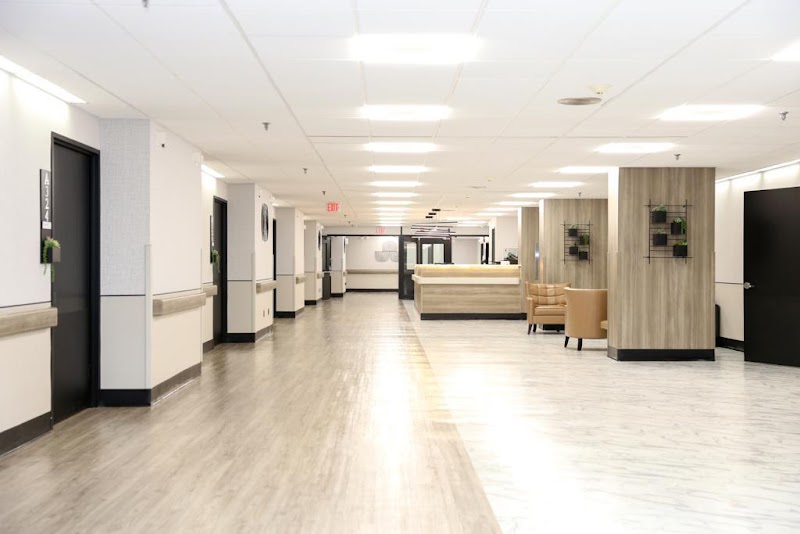
How is Advanced Center For Nursing & Rehabilitation Staffed?

CMS rates ADVANCED CENTER FOR NURSING & REHABILITATION's staffing level at 4 out of 5 stars, which is above average compared to other nursing homes. Staff turnover is 32%, compared to the Connecticut average of 46%. This relatively stable workforce can support continuity of care.

What Have Inspectors Found at Advanced Center For Nursing & Rehabilitation?

State health inspectors documented 69 deficiencies at ADVANCED CENTER FOR NURSING & REHABILITATION during 2019 to 2025. These included: 2 Immediate Jeopardy (the most serious level, indicating potential for serious harm or death), 1 that caused actual resident harm, 61 with potential for harm, and 5 minor or isolated issues. Immediate Jeopardy findings are rare and represent the most serious regulatory concerns. They require immediate corrective action.

Who Owns and Operates Advanced Center For Nursing & Rehabilitation?

ADVANCED CENTER FOR NURSING & REHABILITATION is owned by a for-profit company. For-profit facilities operate as businesses with obligations to shareholders or private owners. The facility is operated by ESSENTIAL HEALTHCARE, a chain that manages multiple nursing homes. With 226 certified beds and approximately 212 residents (about 94% occupancy), it is a large facility located in NEW HAVEN, Connecticut.

How Does Advanced Center For Nursing & Rehabilitation Compare to Other Connecticut Nursing Homes?

Compared to the 100 nursing homes in Connecticut, ADVANCED CENTER FOR NURSING & REHABILITATION's overall rating (1 stars) is below the state average of 3.0, staff turnover (32%) is significantly lower than the state average of 46%, and health inspection rating (1 stars) is much below the national benchmark.

What Should Families Ask When Visiting Advanced Center For Nursing & Rehabilitation?

Based on this facility's data, families visiting should ask: "What changes have been made since the serious inspection findings, and how are you preventing similar issues?" "Can I visit during a mealtime to observe dining assistance and food quality?" "How do you handle medical emergencies, and what is your hospital transfer rate?" "Can I speak with family members of current residents about their experience?" These questions are particularly relevant given the facility's Immediate Jeopardy citations.

Is Advanced Center For Nursing & Rehabilitation Safe?

Based on CMS inspection data, ADVANCED CENTER FOR NURSING & REHABILITATION has documented safety concerns. Inspectors have issued 2 Immediate Jeopardy citations (the most serious violation level indicating risk of serious injury or death). The facility has a 1-star overall rating and ranks #100 of 100 nursing homes in Connecticut. Families considering this facility should ask detailed questions about what corrective actions have been taken since these incidents.

Do Nurses at Advanced Center For Nursing & Rehabilitation Stick Around?

ADVANCED CENTER FOR NURSING & REHABILITATION has a staff turnover rate of 32%, which is about average for Connecticut nursing homes (state average: 46%). Moderate turnover is common in nursing homes, but families should still ask about staff tenure and how the facility maintains care continuity when employees leave.

Was Advanced Center For Nursing & Rehabilitation Ever Fined?

ADVANCED CENTER FOR NURSING & REHABILITATION has been fined $53,275 across 1 penalty action. This is above the Connecticut average of $33,612. Fines in this range indicate compliance issues significant enough for CMS to impose meaningful financial consequences. Common causes include delayed correction of deficiencies, repeat violations, or care failures affecting resident safety. Families should ask facility leadership what changes have been made since these penalties.

Is Advanced Center For Nursing & Rehabilitation on Any Federal Watch List?

ADVANCED CENTER FOR NURSING & REHABILITATION is not on any federal watch list. The most significant is the Special Focus Facility (SFF) program, which identifies the bottom 1% of nursing homes nationally based on persistent, serious quality problems. Not being on this list means the facility has avoided the pattern of deficiencies that triggers enhanced federal oversight. This is a positive indicator, though families should still review the facility's inspection history directly.