NEW HAVEN CENTER FOR NURSING & REHABILITATION LLC
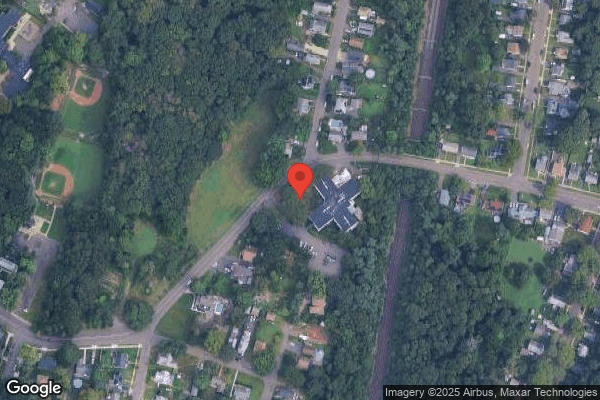
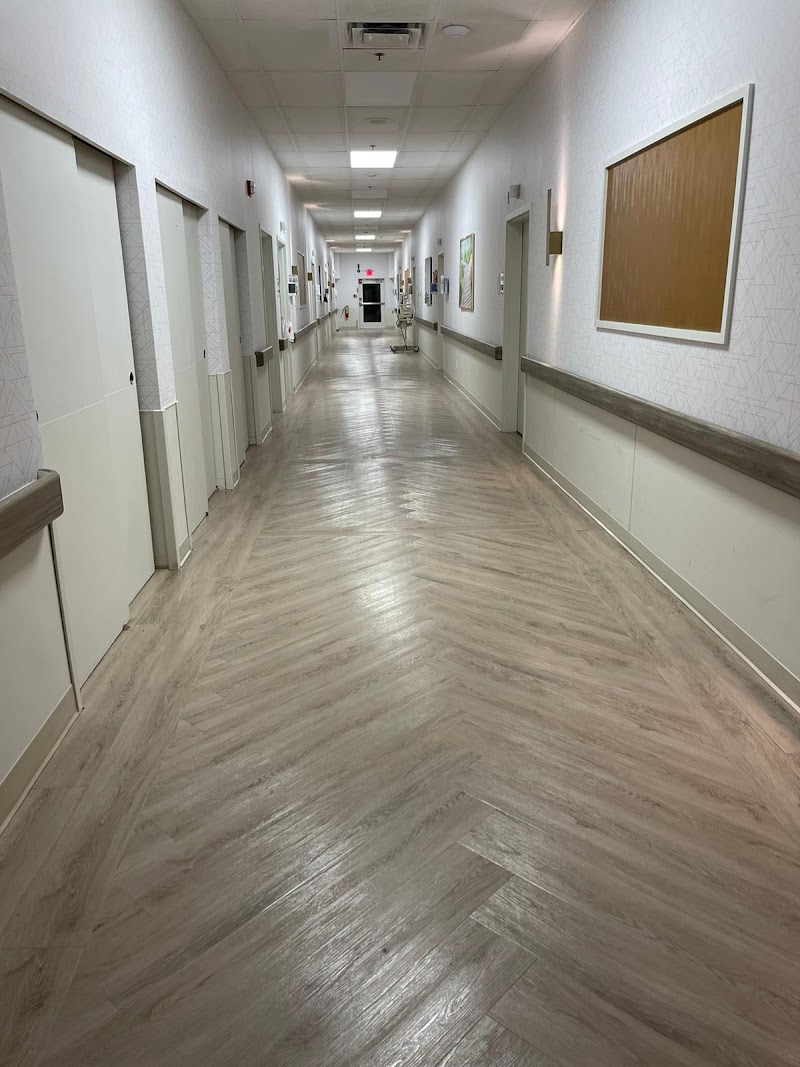
181 CLIFTON STREET, NEW HAVEN, CT 06513 (203) 907-3550
For profit - Corporation 150 Beds ESSENTIAL HEALTHCARE Data: November 2025 1 Immediate Jeopardy citation
Trust Grade
24/100
#137 of 192 in CT
Last Inspection: April 2023

Over 2 years since last inspection. Current conditions may differ from available data.

Overview

New Haven Center for Nursing & Rehabilitation LLC has received a Trust Grade of F, indicating poor performance with significant concerns about care and safety. It ranks #137 out of 192 nursing homes in Connecticut, placing it in the bottom half of facilities in the state, and #14 out of 23 in its county, suggesting that there are better options nearby. The facility is showing some improvement, with the number of issues decreasing from 19 in 2023 to 16 in 2024. Staffing is a relative strength, with a 4/5 star rating and a turnover rate of 30%, which is below the state average, indicating that many staff members remain long-term. However, the facility has serious issues, including a critical incident where a resident with mobility needs exited the building unsupervised and was found miles away after falling, as well as failures in medication management and maintaining proper sanitation standards, highlighting both strengths in staffing but significant weaknesses in overall care and safety.

Trust Score
F
24/100
In Connecticut
#137/192
Bottom 29%
Safety Record
High Risk
Review needed
Inspections
Getting Better
19 → 16 violations
Staff Stability
✓ Good
30% annual turnover. Excellent stability, 18 points below Connecticut's 48% average. Staff who stay learn residents' needs.
Penalties
⚠ Watch
$24,065 in fines. Higher than 84% of Connecticut facilities, suggesting repeated compliance issues.
Skilled Nurses
○ Average
Each resident gets 40 minutes of Registered Nurse (RN) attention daily — about average for Connecticut. RNs are the most trained staff who monitor for health changes.
Violations
⚠ Watch
61 deficiencies on record. Higher than average. Multiple issues found across inspections.
★★☆☆☆
2.0
Overall Rating
★★★★☆
4.0
Staff Levels
★★☆☆☆
2.0
Care Quality
★★☆☆☆
2.0
Inspection Score
Stable
2023: 19 issues
2024: 16 issues

The Good

  • 4-Star Staffing Rating · Above-average nurse staffing levels
  • Low Staff Turnover (30%) · Staff stability means consistent care
  • Full Sprinkler Coverage · Fire safety systems throughout facility
  • No fines on record
  • Staff turnover is low (30%)

    18 points below Connecticut average of 48%

Facility shows strength in staffing levels, staff retention, fire safety.

The Bad

2-Star Overall Rating

Below Connecticut average (3.0)

Below average - review inspection findings carefully

Federal Fines: $24,065

Below median ($33,413)

Minor penalties assessed

Chain: ESSENTIAL HEALTHCARE

Part of a multi-facility chain

Ask about local staffing decisions and management

The Ugly 61 deficiencies on record

1 life-threatening
Dec 2024 2 deficiencies 1 IJ
CRITICAL (J) 📢 Someone Reported This

A family member, employee, or ombudsman was alarmed enough to file a formal complaint

Immediate Jeopardy (IJ) - the most serious Medicare violation

Accident Prevention (Tag F0689)

Someone could have died · This affected 1 resident

**NOTE- TERMS IN BRACKETS HAVE BEEN EDITED TO PROTECT CONFIDENTIALITY** Based on clinical record reviews, facility documentation, facility policy and interviews for one (1) of three (3) residents (Res...

Read full inspector narrative →
**NOTE- TERMS IN BRACKETS HAVE BEEN EDITED TO PROTECT CONFIDENTIALITY** Based on clinical record reviews, facility documentation, facility policy and interviews for one (1) of three (3) residents (Resident #1) reviewed for elopement, the facility failed to ensure that a resident who requires assistance and an assistive device with ambulation did not exit the facility without staff knowledge, resulting in the resident being found walking on the side of a roadway in the dark, nine (9) miles from the facility after he/she sustained a fall. These failures resulted in a finding of Immediate Jeopardy. The findings include: Resident #1's diagnoses included opiate dependence, acute infective endocarditis (an infection and inflammation of the inner lining of the heart valves and chambers), bacteremia (bacteria in the bloodstream), osteomyelitis (infection in the bone), and neuropathy (weakness, numbness and pain from nerve damage). The admission Minimum Data Set (MDS) assessment dated [DATE] identified Resident #1 had a Brief Mental Interview for Mental Status (BIMS) of four (4) indicative of severely impaired cognition and required supervision assistance for transfers and ambulation. Additionally, the MDS identified that the resident had a history of falls and had Intravenous (IV) access and was receiving IV medications in the facility. Review of the admission Elopement Risk assessment dated [DATE] identified that Resident #1 was not at risk for elopement. The clinical record failed to identify Resident #1 had a Leave of Absence order (LOA). Review of the facility Reportable Event (RE) dated 10/16/24 identified that at 3:30 PM, it was reported that Resident #1, who was alert and oriented with forgetfulness and ambulated with a rolling walker, was seen outside walking down the street towards the bus stop. Staff then got in their cars and searched down the road where it had been reported that Resident #1 was observed walking. The RE reported that the resident was unable to be located so the facility then initiated their elopement protocol and notified the police. The resident was later found and sent to the hospital. Review of an Investigative police report dated 10/16/24 identified that the police department was called at 4:27 PM (54 minutes after the resident was noted to be missing by the facility and dispatched after a cognitively challenged resident was reported to be missing. The resident had last been seen at 3:13 PM after stating h/she was going to get a deck of cards. Review of Emergency Department (ED) note dated 10/16/24 identified that per Emergency Medical Services (EMS) Resident #1 reportedly walked between towns for four (4) hours. The resident was not dressed for the weather and was noted to be shivering. The resident reported he/she sustained a fall, striking his/her head at some point during the walk and was noted to have abrasions to his/her nose and tenderness along the nasal bone. The resident clearly confused, reported the year to be 1972. The resident was admitted to the hospital with a diagnosis of altered mental status. A nurse's note dated 10/22/24 at 1:28 PM identified that Resident #1 was readmitted to the facility at 12:00 PM. Interview and review of surveillance footage with the Administrator on 11/26/24 at 11:14 AM identified that NA #1left the facility through the main entrance. Two (2) people can be seen congregating at the front desk with the Receptionist and the Administrator is standing sideways in the center of the main entrance. Resident #1 is then seen walking directly behind the Administrator and exiting the main entrance. Interview with NA #1 on 11/25/24 at 11:54 AM identified that she always looks behind her when exiting the facility, and she never saw the resident exit the facility on 10/16/24. Interview with Resident #5 on 11/25/24 at 12:35 PM identified that he/she was setting up for the card activity on 10/16/24 when he/she noticed that one card was missing. Resident #5 reported that Resident #1 stated that he/she had a deck of cards and would go get them at his/her house and would be back in ten (10) minutes, identifying that he/she assumed that Resident #1 was referring to his/her room at the facility. Resident #5 identified that a few minutes later he/she saw Resident #1 outside through the window, walking down the hill. Resident #5 identified that he/she reported the sighting to the Recreation Assistant, who reported that she didn't think the resident was supposed to be outside and she left the room. Interview with the Recreation Assistant (RA) on 11/25/24 at 12:27 PM identified that she arrived at the second-floor dining room a little after 3:00 PM and Resident #5 reported to her that Resident #1 was outside on the front lawn. She reported that she then went to talk with the Receptionist at the front entrance and ask if Resident #1 had a LOA form. The Receptionist reported that Resident #1 did not have an LOA, so she (RA) went back upstairs to notify the Recreation Director that Resident #5 reported that Resident #1 was outside. Then her and the Recreation Director searched Resident #1's room and the third floor, they could not locate Resident #1 so they notified the Administrator. The RA identified that from the time it was reported that Resident #1 was outside to when the Administrator was notified was close to five (5) minutes, but stated she did not check the clock, and it was no longer than ten (10) minutes. Interview with the Recreation Director on 11/26/24 at 10:18 AM identified that when the Recreation Assistant reported to her that Resident #5 identified Resident #1 was outside, she immediately searched the resident's room and then notified the Nursing Supervisor (RN #2) that the resident could not be located and then went downstairs and notified the Administrator in person. She identified that within five (5) minutes of her notifying the Administrator, a code purple (missing resident) was called staff were outside searching for Resident #1. Interview with the Receptionist on 11/25/24 at 11:18 AM identified that residents must have a LOA form prior to leaving the building, the resident will present the LOA form and she will disengage the front door and let the resident out, she does not let any resident out that does not have a LOA form. The receptionist identified that the front entrance is the main entrance and exit for everyone and the area can become chaotic with people standing in the entrance asking her questions and her having to also answer the phone. She reported that the Recreation Assistant had come to her towards the beginning of the 3:00 PM to 11:00 PM shift on 10/16/24 and asked if Resident #1 had a LOA form, and she replied h/she did not. The receptionist did not recall the Recreation Assistant reporting to her that Resident #1 was outside, just that someone had said Resident #1 was outside. She reported that although the Administrator showed her the camera footage of Resident #1 walking out the front door shortly after a staff member on 10/16/24, she did not see the resident exit and stated that she had been talking with the Administrator and he must have been blocking her line of view where the resident was able to walk right behind him and exit the building. Interview with Police Officer (PO) #1 on 11/25/24 at 2:48 PM identified that he/she responded to the reported location of Resident #1 on 10/16/24 at 7:15 PM (sunset was at 6:07 PM) and found him/her at the intersection of two (2) main roads walking east in the bike lane. PO #1 identified that Resident #1 was disoriented and not aware of where he/she was, reporting that they had fallen and was noted with cuts on his/her nose and face. PO#1 reported that he/she brought the resident to a nearby parking lot and a few minutes later facility staff arrived on scene reporting that the resident had dementia and that they had been looking for him/her all afternoon. The resident was subsequently transferred to the ED. Interview with the DNS on 11/25/24 at 1:15 PM identified that Resident #1 was alert and oriented but should not have been able to leave the building unassisted, reporting that although he/she had the ability to ambulate, per physician's orders the resident should have had a rolling walker and been supervised by staff. The DNS identified that Resident #1 did not have a LOA order because the resident had a central line for IV antibiotics and a history of an opiate addiction. On 10/16/24 the Administrator reported to him that Resident #1 was spotted outside on the facility grounds, code purple was called and they both immediately went to search for the resident on foot identifying that when the resident could not be located, he got in his car and drove around the area. He identified that APRN #1 (off duty psychiatric APRN) called the facility and reported seeing the resident a few towns over while on her off-time. He reported that when he arrived at the location, the police were already on scene and transported the resident to the hospital. Interview with the Administrator on 11/26/24 at 9:59 AM identified that when viewing the camera surveillance from 10/16/24, NA #1 exited the front door and approximately thirty (30) seconds -while he (the Administrator) was near the front desk, Resident #1 was able to walk right behind him and out the door without the Receptionist or himself noticing. He identified that the front door had closed behind NA #1, at the time of the incident the locking mechanism would take 90 seconds to engage the lock of the door once the door was opened, so Resident #1 was able to exit the door before the lock was re-engaged. The Administrator identified that the Director of Recreation came to his office to notify him that she could not locate Resident #1 and had been seen outside He reported that he believed there was a ten (10) minute delay from when the Recreation Assistant was notified that Resident #1 was outside to when he was notified at around 3:30 PM, a code purple was called and the search for Resident #1 began. He identified that he expects the Receptionist to be able to monitor the front exit and multi-task with other tasks such as answering the phone. The Administrator further identified that the Assistant Director of Nursing Services called the police to report Resident #1 missing once he returned to the facility after searching on foot for Resident #1. He reported that ideally the police should have been contacted immediately, stating he was focused on finding the resident and that it did take too long to contact them. Interview with MD #1 (Medical Director) on 11/27/24 at 9:44 AM identified that it was his expectation that the facility notify the police immediately when it's identified that a resident is missing. Review of the Elopement policy dated 11/13/17 directed, in part, that upon admission all residents will be assessed by a registered nurse using the Elopement Observation on readmission, quarterly, annually and for any significant change in status and it will then be reviewed and care planned for by the interdisciplinary team. Should staff find that they cannot locate the resident, a Code Purple will be announced, and staff will immediately follow procedures for Code Purple. Review of the Code Purple procedure (undated) directed, in part, that for all missing residents a staff will page three times Code Purple identifying the unit and the resident's name. Staff will immediately search the interior of the facility including all shower rooms, bathrooms and staff areas. Staff members will be stationed at all exit doors to monitor for the resident while other staff members search the exterior of the facility. The police department will be contacted with the resident's information and facility staff members will be dispatched to begin a search of the community. Review of the Leave of Absence policy dated 9/16/18 directed, in part, that upon admission, residents that are mentally and physically capable may be given a physician's order for a therapeutic LOA if they are able to understand and follow all procedures involved with the LOA protocols. Any resident with intravenous (IV) access is not eligible for an LOA. Residents wishing to leave the building must notify their Charge Nurse and complete the form entitled, Release of Responsibility for Leave of Absence and complete the sign out log on their unit and at the security desk.
CONCERN (D) 📢 Someone Reported This

A family member, employee, or ombudsman was alarmed enough to file a formal complaint

Potential for Harm - no one hurt, but risky conditions existed

Free from Abuse/Neglect (Tag F0600)

Could have caused harm · This affected 1 resident

**NOTE- TERMS IN BRACKETS HAVE BEEN EDITED TO PROTECT CONFIDENTIALITY** Based on clinical record review, facility documentation, and interviews, for one (1) of three (3) residents reviewed for abuse, ...

Read full inspector narrative →
**NOTE- TERMS IN BRACKETS HAVE BEEN EDITED TO PROTECT CONFIDENTIALITY** Based on clinical record review, facility documentation, and interviews, for one (1) of three (3) residents reviewed for abuse, (Resident #2), the facility failed to ensure that the resident was free from verbal abuse form a staff member. Resident #2 had a diagnosis of type 2 diabetes and a major depressive disorder. A quarterly Minimum Data Set, dated [DATE] identified that the resident had a Brief Interview for Mental Status (BIMS) of thirteen (13) indicative of intact cognition, was supervision with Acitivities of Daily Living (ADLs), and had no behaviors. A care plan dated [DATE] identified that the resident has a diagnosis of depression with interventions that directed to administer antidepressants as ordered and to monitor the residents mood for changes. Review of a reportable event form dated [DATE] identified the resident reported a staff member was verbally rude towards h/her, quoting the staff member as calling h/her ugly and that h/her significant other died just to get away from h/her. Interview with Registered Nurse (RN) #1 on [DATE] at 2:40 PM identified that on [DATE] Resident #2 came to his office and stated that NA #1 had told h/her that h/she was ugly and that h/her significant other died to get away from h/her. He identified that the roommate was a witness and gave the same statement. Interview with Resident #2 on [DATE] at 10:51 AM identified that NA#1 called h/her ugly, and stated, that is why your significant other died, to get away from you. Interview with Resident #3 (Resident #2's roomate at the time of the incident) on [DATE] at 11:20 AM identified that she overheard NA#1 call Resident #2 ugly and told her that her significant other died to get away from h/her. Interview with NA #1 on [DATE] at 2:00 PM identified that although she did care for Resident #2 on [DATE], she did not call the resident ugly or say anything about the resident's significant others death. Interview with the Administrator on [DATE] at 2:30 PM identified that the allegation of verbal abuse was substantiated because the resident and the resident's roommate's recollection of the incident were the same and did not deviate. NA #1 was terminated for verbal bause. Review of the abuse policy identified that the resident has the right to be free from abuse.
Sept 2024 1 deficiency
CONCERN (D) 📢 Someone Reported This

A family member, employee, or ombudsman was alarmed enough to file a formal complaint

Potential for Harm - no one hurt, but risky conditions existed

Resident Rights (Tag F0550)

Could have caused harm · This affected 1 resident

**NOTE- TERMS IN BRACKETS HAVE BEEN EDITED TO PROTECT CONFIDENTIALITY** Based on clinical record review, facility documentation review, facility policy review, and interviews for one sampled resident ...

Read full inspector narrative →
**NOTE- TERMS IN BRACKETS HAVE BEEN EDITED TO PROTECT CONFIDENTIALITY** Based on clinical record review, facility documentation review, facility policy review, and interviews for one sampled resident (Resident #3) reviewed for change of condition, the facility failed to respect the resident's request to call 911 to be transferred to the hospital. The findings include: Resident #3's diagnoses included right below the knee amputation, diabetes mellitus with foot ulcers, bipolar disorder, peripheral vascular disease, heart failure, and stent (tube to assist blood flow) placements in left leg arteries. The quarterly Minimum Data Set assessment dated [DATE] identified Resident #3 was alert and oriented, required extensive assistance for bed mobility, transfers, was independent for mobility in a wheelchair, and had two (2) venous status ulcers. The resident care plan dated 3/7/24 identified Resident #3 had a diagnoses of post-traumatic stress syndrome and had a left lower extremity venous ulcer. Interventions directed to identify the resident's specific wishes for comfort and safety, assess the condition of the skin, report emergence of skin excoriation, and the resident's concerns, provide opportunities to express feelings, fears and concerns and to complete weekly skin assessments on shower days. The nursing note written by LPN #2 dated 3/13/24 at 3:17 PM identified a blister was noted to left leg procedure site, an open slit was noted to the back of the leg along an old procedure site and the Advanced Practice Registered Nurse (APRN) and responsible party were notified. The APRN note written by APRN #1 dated 3/13/24 identified she evaluated Resident #3 for a fluid filled blister on left shin, approximately 1 centimeter (cm) in size, Resident #3 denied recent trauma, and an open area along the back of the left knee was also identified. The note indicated Resident #3 had chronic left lower leg pain, trace edema at baseline, and range of motion intact. The note identified Resident #3 denied any new complaints, fever, chills, chest pain, shortness of breath or palpations, the exam revealed no cyanosis, left popliteal crease with an open area, a small left shin fluid filled blister with surrounding area without warmth, redness or swelling, for the left back of knee wound, cleanse with wound cleanser, apply calcium alginate, secure with gauze and tape until seen by wound team, and monitor for infection. The nursing note written by RN #1 dated 3/13/24 at 9:53 PM identified the nursing supervisor was called to the unit due to Resident #3 endorsing that he/she had a left lower leg infection. The note indicated Resident #3 claimed to have a bubble in the back of the leg and the wound was seeping pus. The note identified RN #1 assessed Resident #3 and no findings of such were found on Resident #3's left lower leg extremity, the dressing as ordered was clean, dry and intact, the left lower extremity with normal tone and complexion, there was no redness, warmth or swelling noted, Resident #3 called 911 independently and was transferred via 911 to the hospital at 9:39 PM. The ambulance run sheet dated 3/13/24 noted upon contact Resident #3 identified two (2) lumps appeared this morning and he/she was worried it was an infection and there was a pressure discomfort like his/her skin was stretching. The Emergency Medical Service's exam revealed left lower leg swelling, the call was received at 8:43 PM, the ambulance arrived at 9:24 PM and departed the facility at 9:41 PM. A facility grievance/complaint form dated 3/13/24 identified Resident #3 complained that there was a lower extremity blister and that he/she wanted to go to the hospital. The form indicated Resident #3 and a family member did not appreciate the tone RN#1 used and how RN #1 handled the situation. The hospital Discharge summary dated [DATE] at 3:07 PM identified Resident #3 was admitted to the hospital on [DATE] with the principal diagnosis of cellulitis with left lower leg edema and redness, necrotizing fasciitis score was low, and Resident #3 was started on antibiotics due to methicillin resistant staphylococci aureus (bacteria resistant to a type of antibiotic). The summary indicated an invasive imaging technique (CTA) revealed patent arterial stents, mild skin thickening in the left lower leg that may have reflected cellulitis, no abscess or necrotizing fasciitis, the discharge physical exam of the extremities demonstrated right sided amputation, left sided redness and edema starting at the ankle to above the knee, now lighter in color and decreasing in size with mild tenderness improved. The physician history and physical dated 3/18/24 identified Resident #3 was being readmitted to the facility after a hospitalization from 3/13/24 to 3/17/24 for left lower extremity cellulitis, Resident #3 was started on intravenous vancomycin (antibiotic) given methicillin resistant staphylococci aureus positive and was transitioned to Bactrim by mouth to complete a seven (7) day course, and the exam revealed mild left lower extremity redness. Interview with RN #1 and review of her note written on 9/12/24 at 12:57 PM identified she was called to assess Resident #3 as Resident #3 had wanted the facility to call 911 due to a blister on the left leg. RN #1 stated Resident #3 had indicated he/she thought there was pus present but after she assessed the dressing and surrounding area of the left leg blister, there wasn't any pus or redness or indication of possible infection. RN #1 indicated she could not recall if there was any swelling of the limb and if there was, she would have documented it. RN #1 identified she told Resident #3 since there wasn't a medical need to call 911 and if he/she still wanted to go, Resident #3 needed to call. RN #1 explained if there was an assessed medical necessity, 911 would be initiated, but if there was no change in condition, it would be discussed with the resident and if they still wanted to call 911, they could but they had to do it themselves, and that's how she handled the issue with Resident#3 on 3/13/24, there was nothing wrong with the left leg when she assessed it and she let Resident #3 know that, so Resident #3 made the 911 call, and she got all the necessary paperwork together. RN #1 indicated if the resident was unable to make the call for physical or no access to a phone, RN #1 explained she would contact the Director of Nursing (DON) or APRN for direction. RN #1 identified it was the facility policy not to transfer if only requested with no assessed medical need and the previous DON had instructed her to do so. Interview with the Administrator on 9/12/24 at 1:15 PM identified if a resident makes a request to call 911, he expected the nursing supervisor to assess the resident and determine any medical changes, if there were no changes in the medical condition of the resident that the supervisor felt warranted a transfer to the hospital, she or he should discuss the assessment with the resident and attempt to re-educated for the need for 911, if the resident still insisted on 911 and transfer, the facility should coordinate that transfer and the supervisor should call 911. The Administrator indicated there was no facility expectation that the resident needed to make the call if the supervisor's assessment did not warrant it. Review of the 3/13/24 concern form with the Administrator identified he recalled the issue but was not aware the supervisor had told Resident #3 to call 911 herself. The Administrator identified he recalled Resident #3 and his/her family member were upset RN #1 did not believe Resident #3 when Resident #3 thought the left leg was infected and wanted to call 911, RN #1 should have called 911 if Resident #3 still wanted to be transferred after RN #1 discussed her assessment results. The Administrator indicated he did not know why RN #1 thought it was the facility policy and was not aware that the previous DON may have directed the staff in that way. Interview with the DON on 9/12/24 at 1:51 PM identified if a resident asked to be transferred and to call 911 even if assessed to have no change in condition, 911 should be called by the staff, the resident should be transferred as requested, and the appropriate notifications to the medical provider and responsible parties should also be completed. The facility is considered the resident's home. The facility policy Resident Rights directed in part that residents have the right to be treated with consideration, respect and full recognition of dignity and individuality and to receive care and services with reasonable accommodation of individual needs unless the health and safety of themselves or others are endangered. Residents have the right to choose health care consistent with interests and have the right to participate in planning their care.
Aug 2024 2 deficiencies
CONCERN (D) 📢 Someone Reported This

A family member, employee, or ombudsman was alarmed enough to file a formal complaint

Potential for Harm - no one hurt, but risky conditions existed

Deficiency F0658 (Tag F0658)

Could have caused harm · This affected 1 resident

**NOTE- TERMS IN BRACKETS HAVE BEEN EDITED TO PROTECT CONFIDENTIALITY** Based on clinical record reviews, facility documentation, facility policy and interviews for one (1) of two (2) sampled resident...

Read full inspector narrative →
**NOTE- TERMS IN BRACKETS HAVE BEEN EDITED TO PROTECT CONFIDENTIALITY** Based on clinical record reviews, facility documentation, facility policy and interviews for one (1) of two (2) sampled residents (Resident #2) who were reviewed for medication administration, the facility failed to ensure a medication was re-ordered and available at the time the medication was due to be administered and the provider was notified when the medication was not available. The findings include: Resident #2 diagnoses that included type 2 diabetes mellitus, adjustment disorder, depression, and bipolar disorder. The quarterly Minimum Data Set, dated [DATE] identified Resident #2 made consistent and reasonable decision regarding tasks of daily life. A physician's order dated 10/21/23 directed to administer Trulicity pen injector (a medication given once a week for diabetes management) 4.5 milligrams (mg)/0.5 milliliters (ml) give 0.5 ml subcutaneously once a week on Saturdays on the 3-11:00 PM shift. The Resident Care Plan dated 10/26/23 identified Resident #2 had potential for nutrition risk related to diabetes mellitus. Interventions directed to monitor weight, provide diet as ordered, provide resident as much control as possible in routines, food preferences, etc. and review and interpret labs per physician. Review of the November 2023 Medication Administration Record (MAR) identified the Trulicity was not administered on Saturday 11/25/23 as it was not available. The MAR indicated the pharmacy was called and informed the facility the medication would be delivered on 11/28/23. The nurse's note dated 11/26/23 (Sunday) at 2:44 PM identified per Resident #1's request, the Trulicity time was changed to Tuesdays on the 7-3PM shift. A physician's order dated 11/26/23 directed to administer the Trulicity once a week on Tuesdays between 7-11PM. A physician's order dated 11/28/23 directed to administer the Trulicity once a week on Wednesdays between 7-11PM. The nurse's note dated 11/28/23 (Tuesday) at 10:36 PM identified the Trulicity order was changed to 11/29/23 (Wednesdays) pending pharmacy delivery. Interview and chart review with a charge nurse, Licensed Practical Nurse (LPN) #2, on 8/15/24 at 1:15 PM identified it was the responsibility of the charge nurse to ensure medications are reordered. LPN #2 identified if a medication is not available the provider should be notified, and this should be documented. Interview and chart review with LPN #1 on 8/15/24 at 1:21 PM identified when a resident runs low or runs out of a medication the charge nurse or the supervisor was responsible to reorder that medication. LPN #1 identified when a resident's medication is not available for their dose, the provider would be notified, and this would be documented in the clinical note. Interview and clinical record review with the Director of Nursing (DON) on 8/15/24 at 1:44 PM identified it is the charge nurse's responsibility to ensure medications are reordered. The DON identified if a medication was not available, the charge nurse should inform the supervisor who in turn would notify the provider. The DON identified, after review of the nurse's notes and the MAR, there was no documentation in the clinical record of provider notification that the Trulicity was not available for the initial scheduled dose. Review of the facility policies titled Ordering and Obtaining Medications and Medication Administration did not address a procedure when a medication is not available for a resident's scheduled dose.
CONCERN (D) 📢 Someone Reported This

A family member, employee, or ombudsman was alarmed enough to file a formal complaint

Potential for Harm - no one hurt, but risky conditions existed

Deficiency F0836 (Tag F0836)

Could have caused harm · This affected 1 resident

Based on review of facility documentation and interviews, the facility failed to maintain staffing levels to meet the minimum requirements of the Connecticut General Statute 19a-563h regarding 3.0 hou...

Read full inspector narrative →
Based on review of facility documentation and interviews, the facility failed to maintain staffing levels to meet the minimum requirements of the Connecticut General Statute 19a-563h regarding 3.0 hours of direct care. The findings include: Review of facility documentation identified the census was 123 on 8/10/24 and 8/11/24. Review of the calculation of the staffing requirements identified the facility required 266.91 hours of licensed and nurse aide staffing for 7:00 AM to 9:00 PM. Review of the facility staffing identified the facility had 210 hours of licensed and nurse aide staffing hours, the facility was under the required hours by 56 hours. An interview with the Director of Nursing (DON) on 8/15/24 at 1:51 PM identified the facility did not have a specific policy on staffing, they based staffing on the acuity level of the residents and census. The DON identified there is an interim person in the scheduling department who was responsible for ensuring staffing met the 3.0 regulations. The DON identified on the above dates staffing did not meet the requirements of the 3.0. Interview with the Administrator on 8/15/24 at 2:09 PM identified when the schedule is put out, the facility is staffed adequately based on the census. The administrator identified it was the responsibility of himself and the DON to ensure that staffing meets the 3.0 requirements. The Administrator identified on 8/10/24 and 8/11/24, the facility did not meet the required hours for the 7:00 AM to 9:00 PM time. Although requested, a policy on staffing was not provided.
Jun 2024 2 deficiencies
CONCERN (D) 📢 Someone Reported This

A family member, employee, or ombudsman was alarmed enough to file a formal complaint

Potential for Harm - no one hurt, but risky conditions existed

Comprehensive Care Plan (Tag F0656)

Could have caused harm · This affected 1 resident

**NOTE- TERMS IN BRACKETS HAVE BEEN EDITED TO PROTECT CONFIDENTIALITY** Based on clinical record review, facility documentation review, facility policy review, and interviews for one of three resident...

Read full inspector narrative →
**NOTE- TERMS IN BRACKETS HAVE BEEN EDITED TO PROTECT CONFIDENTIALITY** Based on clinical record review, facility documentation review, facility policy review, and interviews for one of three residents (Resident #1) reviewed for care plans, the facility failed to ensure a comprehensive care plan included discharge planning. The findings include: Resident #1's diagnoses included depression, paranoid personality, and atrial fibrillation. The quarterly Minimum Data Set (MDS) assessment dated [DATE] identified that Resident #1 was alert and oriented, and required substantial/maximal assistance for ADL care. The MDS indicated Resident #1 wanted to be asked about returning to the community on all assessments, that a referral to Local Contact Agency was not made. Review of Resident Care Plan (RCP) dated 1/8/2024 and failed to identify care plan discharge goals or interventions for Resident #1. The social worker's note dated 1/18/2024 at 2:37 PM identified that an application was completed for Money Follows the Person (MFP) by SW #2, for discharge planning. A copy was provided to Resident #1. The note further indicated the State phone application was completed, was in processing and not yet approved for MFP and indicated a plan to follow up. Review of the RCP meeting attendance form dated 3/12/2024 included attendance by SW #2 and Resident #1. Additional review of the RCP failed to identify the care plan included discharge planning, and that an MFP application was pending approval. Interview, clinical record review and facility documentation review with SW #2 on 6/20/2024 at 12:06 PM identified Resident #1's quarterly RCP meeting form dated 3/12/2024 did not include information regarding Resident #1's MFP program application or discharge status. She further indicated that she wrote notes in her notebook that Resident #1 was seen by the MFP transitional coordinator but did not document in Resident #1's clinical record because she did not have time and was behind in her computer documentation, and she should have included the documentation in the clinical record. Interview, clinical record review and facility documentation review with DNS on 6/20/2024 at 12:52 PM identified that SW #2 should have documented status of progress for MFP on the RCP meeting form or in a progress note in Resident #1's clinical record. Review of the facility Care Plan Policy, directed in part, a comprehensive, person-centered care plan will: include the resident's stated preference and potential for future discharge, including his or her desire to return to the community and any referrals make to local agencies or other entities to support such a desire.
CONCERN (D) 📢 Someone Reported This

A family member, employee, or ombudsman was alarmed enough to file a formal complaint

Potential for Harm - no one hurt, but risky conditions existed

Medical Records (Tag F0842)

Could have caused harm · This affected 1 resident

**NOTE- TERMS IN BRACKETS HAVE BEEN EDITED TO PROTECT CONFIDENTIALITY** Based on clinical record review, facility documentation review, and interviews for one of three residents (Resident #2) reviewed...

Read full inspector narrative →
**NOTE- TERMS IN BRACKETS HAVE BEEN EDITED TO PROTECT CONFIDENTIALITY** Based on clinical record review, facility documentation review, and interviews for one of three residents (Resident #2) reviewed for medication administration, the facility failed to ensure the clinical record was complete and accurate to include medication administration documentation. The findings include: Resident #2's diagnoses included myocardial infarction, chronic obstructive pulmonary disease, and heart failure. The quarterly Minimum Data Set (MDS) assessment dated [DATE] identified that Resident #1 was alert and oriented and required substantial/maximal assistance for ADL care. Review of the Resident Care Plan (RCP) dated 4/23/2024 identified resident is often non-complaint with medication administration. Interventions included review of risk of non-compliance with resident. A physician's order dated 5/1/2024 directed Nitroglycerin 0.4mg, 1 tablet, sublingual once a day as needed. The nurse's note dated 5/3/2024 at 2:52 PM identified that the charge nurse notified the RN supervisor RN (RN #1) that Resident #2 was given sublingual Nitroglycerin. The APRN was updated with orders received to monitor the resident. Review of Resident #2's May 2024 Medication Administration Record (MAR) failed to identify Resident #2 received the Nitroglycerin 0.4 mg on 5/3/2024. Interview and clinical record review on 6/20/2024 at 12:35 PM with RN #1 indicated that when a medication is administered it is documented on the MAR, she further indicated that while she did document in her progress note that she gave Resident #2 Nitroglycerin on 5/3/2024, she did not document on Resident #2's MAR. Interview failed to identify why the medication was not signed on the MAR to identify it was administered. Interview and clinical record review on 6/20/2024 at 12:57 PM with the DNS identified that RN #1 should have documented the administration of Nitroglycerin on 5/3/2024 in the Resident's MAR. Review of facility Documentation Policy directed in part, to ensure accurate, timely, and appropriate documentation in the resident's medical record.
May 2024 3 deficiencies
CONCERN (D) 📢 Someone Reported This

A family member, employee, or ombudsman was alarmed enough to file a formal complaint

Potential for Harm - no one hurt, but risky conditions existed

Quality of Care (Tag F0684)

Could have caused harm · This affected 1 resident

**NOTE- TERMS IN BRACKETS HAVE BEEN EDITED TO PROTECT CONFIDENTIALITY** Based on clinical record review and interviews for one of three residents (Resident #12) reviewed for a change in condition, the...

Read full inspector narrative →
**NOTE- TERMS IN BRACKETS HAVE BEEN EDITED TO PROTECT CONFIDENTIALITY** Based on clinical record review and interviews for one of three residents (Resident #12) reviewed for a change in condition, the facility failed to act on physician orders timely for a resident with a change in condition, and for one of four residents (Resident #2) reviewed for nutrition, the facility failed to ensure the diet orders were transcribed accurately upon admission. The findings include: 1. Resident #12 was admitted to the facility with diagnoses that included oropharyngeal (throat) cancer and nausea. The admission MDS dated [DATE] identified Resident #12 was alert and oriented, required extensive assistance of one staff for ADLs, and a feeding tube. The RCP dated [DATE] identified Resident #12 was at an increased risk for alteration in nutritional status due to oropharyngeal cancer, respiratory failure followed by a tracheostomy (surgical airway), dysphagia (difficulty swallowing, and nothing by mouth (NPO) with a feeding tube. Interventions directed NPO with tube feedings and to monitor for signs and symptoms of aspiration. Nursing note written by RN #3, dated [DATE] at 12:05 PM identified Resident #12 vomited two times, a light yellowish mucous that was foul-smelling. Resident #12 was suctioned, and tracheostomy care was provided as ordered. The tube feeding was turned off and Resident #12 denied any pain or discomfort at that time. APRN #2 was present in the room during the episode of vomiting and ordered the following; culture sputum, chest x-ray STAT (as soon as possible), complete blood count (CBC), comprehensive metabolic panel (CMP) and vital signs every shift. Physician orders dated [DATE] directed to culture sputum, obtain STAT CBC, CMP, chest x-ray, and to monitor vital signs every shift. APRN #2's note dated [DATE] at 8:53 PM (late entry) identified Resident #12 presented with new vomiting one time (on [DATE]). The tube feeding was turned off with moderate relief. APRN #2 ordered a STAT abdominal x-ray, STAT CBC and CMP, culture sputum and to turn off the tube feeding until the x-ray was completed. Record review identified Resident #12 expired at 7:21 PM (death certificate identified the cause was cancer of the oropharynx). Additional review failed to identify the STAT orders was acted upon prior to 6:50 PM. Although attempted, an interview with RN #3 was not obtained during survey. Interview with RN #1 on [DATE] at 11:49 AM identified he could not remember the incident. Interview with MD #1 (Medical Director at the time of the event) on [DATE] at 11:59 AM identified if STAT orders are ordered by the physician due to a change in condition, they need to be completed STAT, even if it is not a regularly scheduled day for lab draws. MD #1 stated the physician needs to be called with the results and/or notified if STAT orders cannot be followed and not obtained STAT. Interview with the DNS on [DATE] at 1:00 PM identified the process for STAT lab orders at that time were to call the STAT lab hotline and enter the orders in the lab portal. The DNS was unable to provide documentation that the STAT orders were acted upon prior to 7:21 PM (7 hours and 16 minutes after APRN #2 ordered them STAT). interview identified the orders should have been followed STAT (immediately) and was unable to explain why it was not done. Review of the facility Diagnostic Testing Policy directed that diagnostic testing will be ordered by the MD/APRN and the provider will identify if the testing is routine, STAT or as-needed. The provider and/or nursing staff will notify the diagnostic center to place the order, what the frequency is and type of test being ordered. The order will be placed in the electronic medical record and/or order form. It further identified results will be communicated to the ordering MD/APRN. 2. Resident ##2's diagnoses included hypertension and liver disease. Review of the hospital Discharge summary dated [DATE] directed a heart healthy diet (cardiac diet) with potassium restriction. A physician order dated [DATE] directed a regular diet. The admission nursing assessment dated [DATE] at 6:07 PM identified Resident #2 had an unintentional weight loss and was edentulous (lacked teeth). Record review identified on [DATE], Resident #2 received a regular diet. Interview with the DON on [DATE] at 2:40 PM identified the diet ordered transcribed into Resident #2's orders was incorrect, and the order should have matched the hospital discharge orders. Interview identified on [DATE] Resident #2 was served a regular diet in error, and should have received a cardiac diet. The DON stated the nursing supervisor was responsible for transcribing the hospital orders, and she was unable to explain why the error occurred. Review of the facility Resident Diet policy directed in part, upon resident admission, the nurse will assign the appropriate diet based on the Inter-Agency Patient Referral Report (hospital discharge W-10).
CONCERN (D) 📢 Someone Reported This

A family member, employee, or ombudsman was alarmed enough to file a formal complaint

Potential for Harm - no one hurt, but risky conditions existed

Medical Records (Tag F0842)

Could have caused harm · This affected 1 resident

**NOTE- TERMS IN BRACKETS HAVE BEEN EDITED TO PROTECT CONFIDENTIALITY** Based on clinical record review, facility documentation review, facility policy review, and interviews for one of three resident...

Read full inspector narrative →
**NOTE- TERMS IN BRACKETS HAVE BEEN EDITED TO PROTECT CONFIDENTIALITY** Based on clinical record review, facility documentation review, facility policy review, and interviews for one of three residents (Resident #15) reviewed for care and services, the facility failed to maintain a complete and accurate record to include timely access to the medical record. The findings include: Resident #15 was admitted to the facility on [DATE], under the ownership of the prior company. Review of Resident #15's paper chart identified the record contained the following information; Resident #15's patient summary from the hospital prior to admission to the facility, short term rehabilitation admission paperwork, and insurance coverage documentation. Although requests for access to the clinical record were made, the facility was unable to provide access. The facility failed to provide Resident #15's complete and comprehensive medical record, therefore, an investigation was unable to be conducted. Interview with the DNS on 5/14/2024 at 10:00 AM identified she was unable to produce Resident #15's medical record. The DNS stated the facility did not have a record because Resident #15 was a resident of the facility prior to the current ownership, and use of the current electronic medical record system. The DNS stated she reached out to corporate for assistance but was unsuccessful in producing Resident #15's medical record during survey. Interview with the Corporate Nurse on 5/15/2024 at 1:00 PM identified she was unable to produce Resident #15's medical record. The Corporate Nurse stated Resident #15 was discharged from the facility during the transition of facility ownership. She further identified Resident #15's medical record was in the electronic medical record system that was used with the previous facility owners and that they did not have access to it. Review of the facility Medical Records Policy directed medical records should be retained for at least ten (10) years after residents discharge or death. Review of the regulations of Connecticut state agencies section 19-13-D8t directed medical records shall be safeguarded against loss, destruction or unauthorized use. It further directed all medical records, originals or copies, shall be preserved for at least ten (10) years following death or discharge of the patient.
CONCERN (D) 📢 Someone Reported This

A family member, employee, or ombudsman was alarmed enough to file a formal complaint

Potential for Harm - no one hurt, but risky conditions existed

Deficiency F0919 (Tag F0919)

Could have caused harm · This affected 1 resident

**NOTE- TERMS IN BRACKETS HAVE BEEN EDITED TO PROTECT CONFIDENTIALITY** Based on clinical record review, facility documentation review, observations, and interviews for one of three residents (Residen...

Read full inspector narrative →
**NOTE- TERMS IN BRACKETS HAVE BEEN EDITED TO PROTECT CONFIDENTIALITY** Based on clinical record review, facility documentation review, observations, and interviews for one of three residents (Resident #4) reviewed for call bells, the facility failed to ensure the resident was provided with a device timely to allows the resident to call for staff assistance. The findings included: Resident # 4 had diagnoses of diffuse traumatic brain injury, epilepsy, and displaced bimaleollar (ankle area) fracture of the left lower leg. Review of the annual Minimum Data Set assessment dated [DATE] identified Resident #4 was alert and oriented, and required staff assist with ADLS and toileting. Review of the Resident Care Plan dated 3/18/2024 identified a risk for falls. Interventions directed to keep the call light within reach. Observation and interview with NA #1 on 5/13/2024 at 11:18 AM identified Resident #4 with a non-functioning call bell, and no hand bell was available in Resident #4's room. NA #1 was unable to indicate how long Resident #4's call bell had been broken and failed to identify how Resident #4 would request assistance without the call bell or a hand bell. Interview with the Maintenance Assistant on 5/13/2024 at 11:22 AM identified the call bell had not been working for approximately one month and indicated the facility was waiting for the part needed to repair the issue. Interview failed to identify Resident #4 had an alternative device to call staff for assistance. Interview with the DON on 5/13/2024 at 12:09 PM identified she was unaware of a call bell malfunction. The DON stated if a resident is found to be without a functioning call bell, staff should perform frequent checks and give the resident a hand bell to use. Interview failed to identify why Resident #4 did not have a hand bell provided. Interview with the Director of Environmental Services (DES) on 4/13/2024 at 2:08 PM identified an order for a new control box for the call bell system was placed on 4/10/2024 and failed to identify Resident #4 had an alternative device to call staff for assistance. Although requested, a facility policy for the call bell system was not provided.
Feb 2024 2 deficiencies
CONCERN (D) 📢 Someone Reported This

A family member, employee, or ombudsman was alarmed enough to file a formal complaint

Potential for Harm - no one hurt, but risky conditions existed

Resident Rights (Tag F0550)

Could have caused harm · This affected 1 resident

**NOTE- TERMS IN BRACKETS HAVE BEEN EDITED TO PROTECT CONFIDENTIALITY** Based on clinical record reviews, observations, facility documentation, facility policies and interviews for one of three sample...

Read full inspector narrative →
**NOTE- TERMS IN BRACKETS HAVE BEEN EDITED TO PROTECT CONFIDENTIALITY** Based on clinical record reviews, observations, facility documentation, facility policies and interviews for one of three sampled residents (Resident #2) who required staff assistance with personal hygiene, the facility failed to ensure privacy was maintained during the provision of personal care. The findings include: Resident #2's diagnoses included Alzheimer's Disease, anxiety, depression, dysfunction of the bladder and urinary retention. The quarterly Minimum Data Set assessment dated [DATE] identified Resident #2 had memory recall deficits, required maximum assistance from staff for hygiene, toileting, bathing, and dressing, and had an indwelling foley catheter. The Resident Care Plan dated 12/8/23 identified that Resident #2 had a self-care deficit and had a foley catheter due to urinary retention. Interventions directed two (2) person assistance with hygiene needs and monitor for signs and symptoms of urinary infection. During a tour of the facility on 2/5/24 at 12:30 PM observations from the hallway into Resident #2's room identified a 7AM-3PM nurse aide was providing personal care to Resident #2, the door and privacy curtain were open, and an uncovered urinary catheter drainage bag was noted. Observations identified three (3) other beds in the room. The nurse aide was observed providing lower body care and Resident #2's lower body was completely exposed, and when the nurse aide completed the lower body care she proceeded to change resident's [NAME]. As the nurse aide was providing care the 7AM-3PM charge nurse walked by Resident #2's room, visualized that care being provided with the door and curtain open, informed the nurse aide of the observation and shut the door to Resident #2's door. Upon entering the room after the completion of care Resident #2's roommates were observed in their beds on the right side of the room. Interview with the 7AM-3PM nurse aide, Nurse Aide (NA) #1, on 2/5/24 at 12:30 PM identified it was not the normal practice for a resident's door and curtain to be left open while providing personal care. NA #1 identified one of the other residents in the room opened the door and curtain. Interview with Director of Nursing (DON) on 2/5/24 at 1:15 PM identified it was against the facility policy to change a resident with their door or privacy curtain open and doing so would violate the resident's dignity. The DON identified a resident's foley catheter bag should be covered while in their room if their door or curtain were open. Interview with the 7AM-3PM charge nurse, Licensed Practical Nurse (LPN) #1, on 2/5/24 at 2:00 PM identified it was not an acceptable practice to provide hygiene care to a resident with their privacy curtain open. LPN #1 indicated the facility has covers for the catheter bags that often fall off because they are too large. Review of the facility policy for Resident Rights directed the resident has the right to privacy in receiving personal care.
MINOR (B) 📢 Someone Reported This

A family member, employee, or ombudsman was alarmed enough to file a formal complaint

Minor Issue - procedural, no safety impact

Deficiency F0925 (Tag F0925)

Minor procedural issue · This affected multiple residents

Based on clinical record reviews, facility documentation, facility policies and interviews for one of three sampled residents (Resident #1) who was reviewed for a complaint of mice in the room, the fa...

Read full inspector narrative →
Based on clinical record reviews, facility documentation, facility policies and interviews for one of three sampled residents (Resident #1) who was reviewed for a complaint of mice in the room, the facility failed to ensure the pest control company was informed when the mice were first noticed in the resident's room. The findings include: Resident #1's diagnoses included anxiety disorder, mood disorder, and chronic pain. The facility maintenance repair log identified that on the following dates 10/17/23, 10/19/23 and 12/26/23 mice activity in Resident #1's room was reported. The Service Inspection Reports from the pest control company identified they provided services on 10/13/23, 11/13/23, 11/27/23, 12/11/23, 12/21/23, 1/5/24 and 1/8/24 and although the documentation identified there were mouse sightings in specific rooms and treatment was done accordingly, the documentation failed to identify the mouse sightings reported in Resident #1's room on 10/17/23, 10/19/23, and 12/26/23. The Service Inspection Report dated 1/22/24 identified the Assistant Director of Maintenance informed the pest control company of the mouse sightings in Resident #1's room, the company inspected the room and treated it accordingly. The report identified there was a small hole in Resident #1's room and advised the Assistant Director of Maintenance to seal the hole. Interview with the Assistant Director of Maintenance on 2/5/24 at 10:10 AM identified if a resident or staff made a complaint about a pest, he inspected the room, added extra mouse traps, and notified the pest control company. The Assistant Director of Maintenance indicated the pest control company serviced the facility every two (2) weeks or more often if needed and documented on their service forms the rooms that had a reportable sighting and were treated. The Assistant Director of Maintenance identified the time frame between visits from 10/19/23 to 11/13/23 was longer than expected with a reportable mouse sighting. Observations on 2/5/24 at 1:00 PM identified the hole in Resident #1's closet was sealed. The facility policy on pest control identified that the facility pest control program is ongoing to ensure that the facility is free from insects and rodents and that pest control visits may be requested in addition to routine treatment if a problem/issue is identified needing more.
Jan 2024 4 deficiencies
CONCERN (D) 📢 Someone Reported This

A family member, employee, or ombudsman was alarmed enough to file a formal complaint

Potential for Harm - no one hurt, but risky conditions existed

Deficiency F0657 (Tag F0657)

Could have caused harm · This affected 1 resident

**NOTE- TERMS IN BRACKETS HAVE BEEN EDITED TO PROTECT CONFIDENTIALITY** Based on clinical record reviews, facility documentation, facility policy and interviews for one (1) of four (4) residents, (Res...

Read full inspector narrative →
**NOTE- TERMS IN BRACKETS HAVE BEEN EDITED TO PROTECT CONFIDENTIALITY** Based on clinical record reviews, facility documentation, facility policy and interviews for one (1) of four (4) residents, (Resident # 1), who were reviewed for care and services, the facility failed to revise the comprehensive care plan for a resident who required hospitalization for acute opiate withdrawal and verbalized suicidal/homicidal ideations. The findings include: Resident #1's diagnoses included chronic pain with spasms, bipolar disorder, and history of cocaine abuse. The quarterly Minimum Data Set (MDS) assessment dated [DATE] identified Resident #1 was without cognitive impairment, required two person assist with mobility and toileting, one person assist with transfer and had no indicators of pain. The Resident Care Plan dated 8/22/23 identified Resident #1 was at risk for pain related to activity of daily living (ADL) function with interventions that directed to encourage residents to report pain and complete a pain assessment on admission quarterly and as needed. A nurse's note dated 10/11/23 identified 911 was called at 9:33 AM and Emergency Medical Services (EMS) arrived and asked the status of Resident #1, staff informed EMS that Resident #1 was complaining of not getting h/her narcotic and was waiting for a refill. The hospital Emergency Department Visit summary dated 10/11/23 identified Resident #1 presented with complaints of suicidal ideation. The facility reported Resident #1 had not been taking h/her pain medication and was suicidal. Resident #1 was presenting with acute opioid withdrawal presenting with pupils measuring at 3-4 millimeters, mild diaphoresis, (sweating), piloerection (goosebumps). Labs were obtained and Resident #1 received morphine (MS Contin) 60 mg and oxycodone 5 mg at 11:02 AM and MS Contin 30 mg with oxycodone 5 mg at 2:48 PM ( both medicatiosn address pain) before being discharged back to the facility after improved symptoms and denying further suicidal ideation. The comprehensive care plan did not include a documented revision that addressed Resident #1's treatment of acute withdrawal and suicidal/homicidal ideation identified in the hospital. An interview with the Director of Nursing, DNS on 1/18/24 at 12:52 PM identified the nursing supervisor and the MDS nurse were responsible for the completion and revision of care plans with the MDS nurse is responsible for the final check of the care plan. The DNS indicated the care plan should have been revised to reflect Resident #1 suicidal /homicidal ideation. An interview with Licensed Practical Nurse (LPN) #3, also the MDS nurse on 1/18/24 at 1:18 PM identified she was responsible for checking hospital paperwork and any revisions to the resident care plan following readmission to the facility. LPN #3 indicated she did not check the return paperwork for Resident #1 following h/her return from the hospital and was unaware of Resident #1's new concern of suicidal/homicidal ideation identified at the emergency room. Therefore, LPN #3 did not update the care plan following h/her return. A review of the facility policy for Comprehensive Care Planning directed that a comprehensive care plan be developed that is person centered and includes measurable objectives and timetables to meet physical psychosocial and functional needs of the resident. The care plan will be reviewed and updated to include when there is a significant change of condition.
CONCERN (D) 📢 Someone Reported This

A family member, employee, or ombudsman was alarmed enough to file a formal complaint

Potential for Harm - no one hurt, but risky conditions existed

Quality of Care (Tag F0684)

Could have caused harm · This affected 1 resident

**NOTE- TERMS IN BRACKETS HAVE BEEN EDITED TO PROTECT CONFIDENTIALITY** Based on clinical record reviews, facility documentation, facility policy and interviews for one (1) of four (4) residents, (Res...

Read full inspector narrative →
**NOTE- TERMS IN BRACKETS HAVE BEEN EDITED TO PROTECT CONFIDENTIALITY** Based on clinical record reviews, facility documentation, facility policy and interviews for one (1) of four (4) residents, (Resident # 1), who were reviewed for pain management, the facility failed to ensure the availability of prescribed pain medication. The findings include: Resident #1's diagnoses included chronic pain with spasms, bipolar disorder, and history of cocaine abuse. The quarterly Minimum Data Set (MDS) assessment dated [DATE] identified Resident #1 was without cognitive impairment, required two person assist with mobility and toileting, one person assist with transfer and was without pain. The Resident Care Plan dated 8/22/23 identified Resident #1 was at risk for pain related to a diagnosis of chronic pain with interventions that directed to encourage residents to report pain and complete a pain assessment on admission quarterly and as needed. Physician orders dated 10/4/23 directed morphine sulfate Extended release (ER) 50 mg every 12 hours twice daily to be administered at 6:00 AM and 6:00 PM for pain, and oxycodone 5 milligrams/ acetaminophen 325 milligrams (oxycodone/acetaminophen 5/325 mg) three times daily as needed for pain at 9:00 AM, 2:00 PM and 8:00 PM ( medications used to treat pain). A nurses note dated 10/8/23 at 5:52 PM identified Resident #1 was not given morphine 60 mg. The pharmacy was contacted and stated they were waiting for a new prescription from the Advanced Practice Registered Nurse, APRN #1. A call was placed to APRN #1 and was waiting for a call back. Resident #1 was alert with no adverse reaction noted. A nurses note dated 10/10/23 at 7:36 PM identified Resident #1 was waiting for the delivery of the morphine, was not complaining of pain, was requesting the morphine but understood the facility was waiting on delivery. APRN #1 was aware of the unavailability and dosage. Resident #1 exhibited no signs of pain, tremor, shakes or diarrhea. A nurse's note dated 10/10/23 identified Resident #1 did not receive oxycodone/acetaminophen 5/325 mg due to needing a new prescription that was sent to the pharmacy. APRN #1 was notified and spoke with Resident #1 and was to provide a new prescription. An APRN progress note dated 10/10/23 at 5:26 PM identified Resident #1 was seen for pain and prescription refill. Resident #1 was reporting s/he was going through opiate withdrawal. Resident #1 denied shakes, tremor, nausea, vomiting and pain. No distress, shakes, tremors, sweating, signs of withdrawal noted. Resident #1 had a history of cocaine abuse, was currently taking multiple narcotics and benzos (benzodiazepine, a depressant) and refusing to get out of bed. Recommendations included a gradual dose reduction for the benzodiazepine, taper to discontinue oxycodone. Discussed with resident. If refusing tapering, recommend referral to pain management for more effective and monitored pain control. A nurse's note dated 10/11/23 at 2:13 AM identified no morphine was available, and was on order from the pharmacy and Resident #1 was showing no signs of discomfort. A facility Pre-Hospital Care Report dated 10/11/23 at 9:12 AM identified Resident #1 stated s/he had not received medications in (3) days and felt like s/he was withdrawing and made suicidal homicidal ideations. A nurse's note dated 10/11/23 identified 911 was called at 9:33 AM. Emergency Medical Services arrived and were given report and told that Resident #1 was complaining of not getting h/her narcotic and was waiting for a refill. A review of the Medication Administration Record (MAR) dated 10/7/23 through 10/11/23 identified Resident did not receive the prescribed dosage of Morphine on 10/8/23 6:00 PM, 10/9/23 at 6:00 AM and 6:00 PM, 10/10/23 6:00 AM and 6:00 PM and 10/11/23 at 6:00 AM. A review of the Controlled Substance Disposition Record for dated 10/7/23 through 10/10/23 identified the last dose of oxycodone/acetaminophen 5/325 mg was administered on 10/8/23 at 9:00 PM, all three doses missed on 10/9 and 10/10/23. Review of Resident #1's MAR for 10/9, 10/10, and 10/11/23 for all three (3) shift identified that resident's pain level as a zero (no pain). The hospital Emergency Department Visit summary dated 10/11/23 identified Resident #1 presented with complaints of suicidal ideation. The facility reported Resident #1 had not been taking h/her pain medication and was suicidal. Resident #1 was presenting with acute opioid withdrawal presenting with pupils measuring at 3-4 millimeters, mild diaphoresis, (sweating), piloerection (goosebumps) Resident #1 labs were obtained and received morphine (MS Contin) 60mg and oxycodone 5mg at 11:02 AM and MS Contin 30mg with oxycodone 5 mg at 2:48 PM before being discharged back to the facility after improved symptoms and denying further suicidal ideation. An interview with the Pharmacist on 1/17/24 at 1016 AM and 1/18/24 at 9:40 AM identified the pharmacy contacted the facility once on 10/7/23 and twice on 10/8/23 to notify them that a new order and prescription would be needed to fill the prescription for morphine. If there was no availability of a scheduled medication in the Emergency box, the facility could initiate a STAT (as soon as possible) order for the resident so there was not a lapse in receiving the medication. Pharmacist #1 had no documented record of a STAT order for medication for Resident #1. An interview with APRN #1 on 1/17/24 at 10:35 AM identified she was employed by the facility for two weeks in October of 2023. APRN #1 stated saw Resident #1 for following reports of withdrawal from not having received pain medication. Although unable to recall dates and times, APRN #1 evaluate Resident #1, found h/her in no distress and without signs of withdrawal and wanted to discuss tapering pain medication or a referral to pain management but that Resident #1 refused. APRN #1 recalled there was some issue with obtaining the medication from pharmacy and could not recall the outcome. APRN #1 indicated she would expect to be notified before the pain medication ran out when there was a need for a refill. An interview with the Medical Director on 1/18/24 at 10:11 AM identified Resident #1 was not a patient of his at the time of the event. However, any resident had the potential for withdrawal after 72 hours of not receiving medication. Resident #1 had both extended-release morphine and shorter acting oxycodone/acetaminophen. A continuation of the oxycodone/acetaminophen in the absence of the morphine would have likely prevented the withdrawal symptoms and subsequent transfer to the emergency room. An interview with Licensed Practical Nurse, LPN #1 on 1/18/24 at 12:56 PM identified that although she signed out the last dose of morphine on 10/8/23 at 6:00 AM, she did not contact the pharmacy or APRN to attempt to have the medication refilled and instead notified the oncoming nurse. An interview with LPN #2 on 1/18/24 at 1:04 PM identified that she could not recall if she notified the APRN after administering the last dose oxycodone/acetaminophen 5 mg/325 mg on 10/8/23 at 9:00 PM but would have documented in the clinical record if she had. An interview with the Director of Nursing, DNS on 1/16/24 at 2:34 PM and 1/18/24 at 12:52 PM identified the nurses notified her when morphine ran out. However, at the time Resident #1 had no complaints of pain or any other complaints and exhibited no signs of withdrawal and was prescribed other routine and PRN (as needed) medications that would address any pain concerns. There was also a concern with insurance and preauthorization that was needed, which was not fully understood at the time. The DNS indicated during that time there were no controlled medications to be accessed from the emergency box. The DNS stated she would expect the nurses to notify the APRN before the medication ran out and to offer another pain medication until the medication was made available or authorize payment for a three-day supply of the medication to prevent a lapse in administration. A review of the facility policy for Controlled Substance Ordering directed to anticipate the needs and do not wait until the patient is completely out of medication to start the process in case of chronic use of a substance. It is the facility's responsibility to contact the physician first, to obtain the required prescription. If the physician is not in the facility at the time the controlled substance is needed and not in the Controlled Emergency Box, a pharmacist will contact the physician to obtain an emergency oral prescription. Once the prescription is written, the facility is to make a copy and fax it to the pharmacy.
CONCERN (D) 📢 Someone Reported This

A family member, employee, or ombudsman was alarmed enough to file a formal complaint

Potential for Harm - no one hurt, but risky conditions existed

Accident Prevention (Tag F0689)

Could have caused harm · This affected 1 resident

**NOTE- TERMS IN BRACKETS HAVE BEEN EDITED TO PROTECT CONFIDENTIALITY** Based on clinical record review, facility documentation, and interviews for one (1) of three (3) residents reviewed for Accident...

Read full inspector narrative →
**NOTE- TERMS IN BRACKETS HAVE BEEN EDITED TO PROTECT CONFIDENTIALITY** Based on clinical record review, facility documentation, and interviews for one (1) of three (3) residents reviewed for Accidents (Resident #4), the facility failed to ensure that a resident did not leave the facility unattended for an extended period of time without staff knowledge. The finding includes: Resident #4 had diagnoses that included cerebral infarction (stroke) and alcohol abuse. A care plan dated 6/22/22 identified that the resident had been approved for a Leave of Absence (LOA) order with a repsonsible party with inteventions that included educate the resident on LOA policies. A quarterly Minimum data assessment dated [DATE] identified that Resident #4 had intact cognition, required minimal assistance with Activities of Daily Living (ADL's), and was occasionally incontinent of bowel and bladder. An elopement risk assessment dated [DATE] identified that the resident was not at risk for elopement. A nurse's note dated 12/20/23 at 4:37 PM identified that the resident was missing, a code purple was called (missing resident), and a facility wide search was conducted, and the resident was not found, and the police were called. A facility reportable event and investigation dated 12/20/23 at 4:30 PM identified that the staff reported the resident was missing. Review of video footage of the front door identified that the resident was in the wheelchair in the vestibule between the facility exit door and the outside exit door at 10:36 AM. The video identified that a transportation vendor was noted to let the resident out of the building. The family member was called, and a visit was made to the family member's address, however the facility was unable to make contact with the resident. The facility gave the police the family member's address, and the police were able to locate Resident #4 at the daughter's address. The daughter stated that she would like to keep Resident #1 on a leave of absence for a few more days, the facility then provided the medications needed for the LOA. A written untimed statement dated 12/21/23 written by Licensed Practical Nurse (LPN) #6 identified that she was working the 7:00 AM to 3:00 PM shift on 12/20/23, she had given the resident h/her medications at 9:50 AM. The resident usually is out and about in the facility visiting other floors or outside smoking. The resident had previously requested staff to leave h/her meal tray in the room if h/she is not there. During the report with the 3:00 PM to 11:00 PM nurse they both went to the resident's room and noted that her lunch tray was still on the bedside table untouched, at this time LPN #6 called the DNS and a code purple was called, and a search was initiated. Interview with the receptionist on 1/11/24 at 11:15 AM identified that she was working on 12/20/23 and did not see the resident go by the reception desk and into the vestibule leading to the outside door of the facility. She further identified that the door to the vestibule area is accessible to anyone leaving the facility unless a wander guard is worn (which resident #4 did not have), if a wander guard is worn the doors will lock until a code is needed to unlock the door. Interview with NA #6 on 1/11/24 at 2:00 PM identified that she was assigned to Resident #4 on 12/20/23 and identified that Resident #4 was already up and in the wheelchair when she reported to work on 12/20/23 for the 7:00 AM to 3:00 PM shift. She further identified that the resident was continent and generally independent with ADL's and did not require personal care throughout the day. When Resident #4's lunch came on 12/20/23 around 12:30 PM she noted that the resident was not in h/her room, so she left the resident's meal tray in the room, as it was not unusual for the resident to be out and about in the facility during the day, she sometimes does not eat her lunch until 2:30 to 3:00 PM. Additionally, Resident #4 had requested the staff that leave the tray in residents room if she is not there. LPN #6 was unavailable for an interview. Interview with the Administrator on 1/11/24 at 2:10 PM identified that the resident was not an elopement risk and did not exhibit any exit seeking behavior prior to this incident. Review of the camera footage identified that the resident was let out of the building by an outside vendor around 10:30 AM, and around 4:30 PM the nurses on the unit could not locate the resident, and a code purple was called a search for the resident was initiated (the resident was missing for a total of six (6) hours before the staff identified the resident as missing). The administrator identified that when NA #6 delivered Resident #4's lunch tray and could not locate the resident she should have notified the charge nurse. Subsequent to the incident the facility educated the staff on the elopement policy, and the reporting of untouched meal trays, and reporting to the nurse when the resident is not located on the unit during mealtimes. Audits were conducted for the front door and to ensure no meals were untouched. The facility also put a surveillance camera at the front desk so the receptionist can visualize the vestibule area. Review of the elopement policy dated 2017 identified that the facility will maintain a safe environment for residents. The policy further identified if the resident cannot be located a code purple would be called and a search for the resident will ensue.
CONCERN (E) 📢 Someone Reported This

A family member, employee, or ombudsman was alarmed enough to file a formal complaint

Potential for Harm - no one hurt, but risky conditions existed

Pharmacy Services (Tag F0755)

Could have caused harm · This affected multiple residents

**NOTE- TERMS IN BRACKETS HAVE BEEN EDITED TO PROTECT CONFIDENTIALITY** Based on clinical record reviews, facility documentation, facility policy and interviews for one (1) of four (4) sampled residen...

Read full inspector narrative →
**NOTE- TERMS IN BRACKETS HAVE BEEN EDITED TO PROTECT CONFIDENTIALITY** Based on clinical record reviews, facility documentation, facility policy and interviews for one (1) of four (4) sampled residents, (Resident # 1), who were reviewed for medication administration, the facility failed to ensure provision of routine and emergency-controlled medications for a resident whose pain medication(s) supply was depleted. The findings include: Resident #1's diagnoses included chronic pain with spasms, bipolar disorder, and history of cocaine abuse. The quarterly Minimum Data Set (MDS) assessment dated [DATE] identified Resident #1 was without cognitive impairment, required two person assist with mobility and toileting, one person assist with transfer and was without pain. The Resident Care Plan dated 8/22/23 identified Resident #1 was at risk for pain related to a diagnosis of chronic pain activity with interventions directed to encourage residents to report pain and complete a pain assessment on admission quarterly and as needed. Physician orders dated 10/4/23 directed morphine sulfate Extended release (ER) 50 mg every 12 twice daily administered at 6:00 AM and 6:00 PM for pain and oxycodone 5 milligrams/ acetaminophen 325 milligrams (oxycodone/acetaminophen 5/325 mg) three times daily as needed for pain at 9:00 AM, 2:00 PM and 8:00 PM. A nurses note dated 10/8/23 at 5:52 PM identified Resident #1 was not given morphine 60 mg. The pharmacy was contacted and stated they were waiting for a new prescription from the advanced Practice registered nurse, APRN #1. A call was placed to the APRN and was waiting for a call back. Resident #1 was alert with no adverse reaction noted. A nurses note dated 10/10/23 at 7:36 PM identified Resident #1 was waiting for the delivery of the morphine, was not complaining of pain, was requesting the morphine but understood the facility was waiting on delivery. APRN #1 was aware of the unavailability and dosage. Resident #1 exhibited no signs of pain, tremor, shakes or diarrhea. A nurse's note dated 10/10/23 identified Resident #1 did not receive oxycodone/acetaminophen 5/325 mg due to needing a new prescription that was sent to the pharmacy. APRN #1 was notified and spoke with Resident #1 and was to provide a new prescription. An APRN progress note dated 10/10/23 at 5:26 PM identified Resident #1 was seen for pain and prescription refill. Resident #1 was reporting s/he was going through withdrawal. Resident #1 denied shakes, tremor, nausea, and vomiting. No distress, shakes, tremors, sweating, signs of withdrawal noted. Resident #1 had a history of cocaine abuse, currently taking multiple narcotics and [NAME] (benzodiazepine, a depressant) and refusing to get out of bed. Recommendations included a gradual dose reduction for the benzodiazepine, taper to discontinue oxycodone. Discussed with resident. If refusing tapering, recommend referral to pain management for more effective and monitored pain control. A nurse's note dated 10/11/23 at 2:13 AM identified no morphine was available, was on or from the pharmacy and Resident #1 was showing no signs of discomfort. The Prehospital Care Report dated 10/11/23 at 9:12 AM identified Resident #1 stated s/he had not received medications in (3) days and felt like s/he was withdrawing and made suicidal homicidal ideations. A nurse's note dated 10/11/23 identified 911 was called at 9:33 AM and emergency medical services) arrived and asked for report for Resident #1. EMS was informed that Resident #1 was complaining of not getting h/her narcotic and was waiting for a refill. The hospital Emergency Department Visit summary dated 10/11/23 identified Resident #1 presented with complaints of suicidal ideation. The facility reported Resident #1 had not been taking h/her pain medication and was suicidal. Resident #1 was presenting with acute opioid withdrawal presenting with pupils measuring at 3-4 millimeters, mild diaphoresis, (sweating), piloerection (goosebumps) Resident #1 labs were obtained and received morphine (MS Contin) 60 mg and oxycodone 5 mg at 11:02 AM and MS Contin 30 mg with oxycodone 5 mg at 2:48 PM before being discharged back to the facility after improved symptoms and denying further suicidal ideation. A review of the Medication Administration Record (MAR) dated 10/7/23 through 10/11/23 identified Resident did not receive the prescribed dosage of Morphine on 10/8/23 6:00 PM, 10/9/23 at 6:00 AM and 6:00 PM, 10/10/23 6:00 AM and 6:00 PM and 10/11/23 at 6:00 AM. A review of the Controlled Substance Disposition Record for dated 10/7/23 through 10/10/23 identified the last dose of oxycodone/acetaminophen 5/325 mg was administered on 10/8/23 at 9:00 PM. The resident missed three doses of the medication on 10/9 and 10/10/23. An interview with the Director of Nursing, DNS on 1/16/24 at 2:34 PM identified there were no available controlled drugs in the emergency box (E box) from September 30, 2023, when the previous Medical Director left the facility until December 23, 2023, when the current Medical Director transitioned to the facility and was able to prescribe scheduled medications for the E box. The DNS identified that scheduled medications should have been available in the E box. An interview with the former Medical Director, Medical Director #2 on 1/17/24 at 9:35 AM identified he made a request to have all scheduled medications from the E box when leaving the facility on September 30, 2023. Medical Director #2 offered to remain in the role until the replacement was able to transition and prescribe medications for the E box, but that the facility declined his offer. An interview with the Pharmacist on 1/17/24 at 1016 AM and 1/18/24 at 9:40 AM identified if there was no availability of a scheduled medication in the E box, the facility could initiate a STAT (as soon as possible) order for the resident so there was not a lapse in receiving the medication. Pharmacist #1 had no documented record of a STAT order for medication for Resident #1. A review of the facility policy for Controlled Substance Emergency Kit directed that the facility could customize and control substance emergency kit requisition for the facility. Contents and quantity of the medications contained in the kit must be approved by the Medical Director. The Medical Director must order any controlled II items on a DEA 222 form (an official form used when ordering scheduled medication by the Drug Enforcement Agency). The form must be handed directly to the pharmacy driver and filled once the physical form is in the pharmacy's possession. If a controlled II drug is removed from the box, the Medical Director must complete a DEA 222 form for replenishment.
Aug 2023 3 deficiencies
CONCERN (D) 📢 Someone Reported This

A family member, employee, or ombudsman was alarmed enough to file a formal complaint

Potential for Harm - no one hurt, but risky conditions existed

Deficiency F0565 (Tag F0565)

Could have caused harm · This affected 1 resident

**NOTE- TERMS IN BRACKETS HAVE BEEN EDITED TO PROTECT CONFIDENTIALITY** Based on clinical record review, facility documentation review, facility policy review, and interviews for Resident Council revi...

Read full inspector narrative →
**NOTE- TERMS IN BRACKETS HAVE BEEN EDITED TO PROTECT CONFIDENTIALITY** Based on clinical record review, facility documentation review, facility policy review, and interviews for Resident Council review, the facility failed to ensure staff did not attend the Resident Council meeting unless invited by the Council. The findings include: The quarterly Minimum Data Set (MDS) assessment dated [DATE] identified Resident #2 was alert and oriented. The quarterly Minimum Data Set (MDS) assessment dated [DATE] identified Resident #3 was alert and oriented. Review of facility Resident Council Minutes dated 8/8/2023 at 2:35 PM identified a Resident Council meeting was held and the topics discussed included discharge planning process, Money Follows the Person (MFP) and housing after discharge to the community. Minutes listed the following staff attended: the DON, Director of Physical Therapy (DPT), SW #1, Director of Recreational Therapy (DRT), and Recreational Therapy Assistant (RTA #1). The summary of the meeting identified residents were reminded that the staff discussed discharge planning when they were initially admitted to the facility, what they were admitted for and where they go after discharge. Discussion included housing options, and residents were notified that the facility will not look for housing for them. MFP is not a guaranteed option; discussed MFP's requirement in length and resources were given to residents and informed the residents the facility will assist if needed. The meeting was opened for questions and answers. There were no other issues, and the Resident Council meeting was adjourned at 3:10 PM, with the next meeting scheduled for Wednesday, August 30th, 2023, at 2:30 PM. Interview with Resident #3 on 8/24/2023 at 11:20 AM identified the DON, DPT, DRT, and SW #1 were in attendance during the meeting held on 8/8/2023, and he/she was unable to recall if the meeting was addressed as a Resident Council meeting. Resident #3 indicated the meeting was held at the request of staff to address discharge planning for a group of select residents. Interview with Resident #2 on 8/24/2023 at 1:35 PM identified the DON informed the residents that the meeting held on 8/8/2023 was a Resident Council meeting called to be held by the request of staff to provide residents with additional information regarding discharge planning. The meeting was held to help answer questions and to assist the social worker regarding multiple requests from residents. The facility staff (DON, SW #1, DPT) discussed topics such as money follows the person and discharge planning. Interview with the DON on 8/24/2023 at 12:05 PM identified on 8/8/2023, the facility held a meeting with residents to discuss topics of discharge planning. The DON indicated plan of care process, including MFP, resident rights and 30-day notice for discharges were reviewed. Although the meeting minutes indicate the meeting was a Resident Council meeting, DON identified the meeting was not a resident council meeting and indicated the Resident Council form was used for documentation. Review of the facility Resident Council Policy dated 12/17/2021 directed in part, the facility will ensure that residents have the right to participate in regular resident council meetings. The Policy further directed staff member(s) may attend meetings only if invited (by residents).
CONCERN (D) 📢 Someone Reported This

A family member, employee, or ombudsman was alarmed enough to file a formal complaint

Potential for Harm - no one hurt, but risky conditions existed

Report Alleged Abuse (Tag F0609)

Could have caused harm · This affected 1 resident

**NOTE- TERMS IN BRACKETS HAVE BEEN EDITED TO PROTECT CONFIDENTIALITY** Based on clinical record review, facility documentation review, facility policy review, and interviews for one of three resident...

Read full inspector narrative →
**NOTE- TERMS IN BRACKETS HAVE BEEN EDITED TO PROTECT CONFIDENTIALITY** Based on clinical record review, facility documentation review, facility policy review, and interviews for one of three residents (Resident #1) reviewed for abuse, the facility failed ensure staff reported an allegation of neglect timely, and the facility failed to ensure the State Agency was notified of an allegation of neglect in a timely manner. The findings include: Resident #1's diagnoses included sepsis, cellulitis, diabetes mellitus, and anxiety disorder. The quarterly Minimum Data Set (MDS) assessment dated [DATE] identified Resident #1 had moderately impaired cognition and required extensive assistance of two (2) person with bed mobility and one (1) person assistance with toilet use, personal hygiene, and transfers. The Resident Care Plan (RCP) dated 6/8/2023 identified Resident #1 as at risk and having skin impairment. Interventions include barrier cream with incontinence care and as needed, reposition when in bed, weekly skin checks, and elevate heels while in bed. Interview with Person #1 on 8/24/2023 at 10:50 AM identified on 8/8/2023 Resident #1 requested to be changed around 10:00 PM on 8/7/2023 and no staff provided assistance. Resident #1 reported he/she rang his/her call bell numerous times, and on the 6th attempt, an unknown NA entered the resident's room and verbalized you're giving me a hard time, I will not change you now. Person #1 identified Resident #1 remained wet until the next staff person came in and Person #1 reported the allegation to RN #1 and then to the DON. Review of the Department of Public Health's FLIS Reportable Event Tracking System failed to identify the facility notified the State Agency of the allegation of neglect made on 8/8/2023. Interview with RN #1 on 8/24/2023 at 11:00 AM identified Person #1 notified her of the allegation that Resident #1 alleged he/she wasn't changed all night during 8/7/2023, until the morning of 8/8/2023 and indicated Person #1 had reported the allegation to the higher ups. RN #1 indicated she performed a skin assessment after the allegation and no new skin issues were identified. RN #1 asked Resident #1 about the allegation, and Resident #1 confirmed the same allegations Person #1 had reported to RN #1. RN #1 identified although she was aware of the allegation of lack of care provided, she did not report the allegation to the DON or other staff members as Person #1 had verbalized he/she already reported it. Interview with the DON on 8/24/2023 at 12:05 PM identified although on 8/8/2023, Person #1 reported Resident #1 was not changed, the DON thought it was about care being provided currently (at the time of the allegation) and Person #1 did not specify that care was not provided during the entire night shift. The DON further indicated she did not follow up to identify a time frame that care was not provided, and she saw Resident #1 on 8/8/2023 at 6 AM with no complaints made. The DON although a complaint of care not provided during the night shift was an allegation of neglect, she identified she did not notify the State Agency of the allegation of care not provided timely on 8/8/2023; if she was aware of an allegation of neglect for Resident #1, she would have notified the State Agency. Further, RN #1 did not report the allegation of neglect, and should have notified the supervisor, DON or Administrator. Review of the facility Resident Abuse, Mistreatment, Neglect, Exploitation, Misappropriation of Resident Property, and Retaliation Policy directed in part, any supervisor receiving such a report will contact the Director of Nurses or Assistant Director of Nurses immediately. The Policy further directed, the DON or ADON will notify the Administrator as soon as possible after receiving the report, and within two hours, will be reported to DPH (Department of Public Health) by telephone within two (2) hours.
CONCERN (D) 📢 Someone Reported This

A family member, employee, or ombudsman was alarmed enough to file a formal complaint

Potential for Harm - no one hurt, but risky conditions existed

Medical Records (Tag F0842)

Could have caused harm · This affected 1 resident

**NOTE- TERMS IN BRACKETS HAVE BEEN EDITED TO PROTECT CONFIDENTIALITY** Based on clinical record review, facility documentation review, facility policy review, and interviews for one of three resident...

Read full inspector narrative →
**NOTE- TERMS IN BRACKETS HAVE BEEN EDITED TO PROTECT CONFIDENTIALITY** Based on clinical record review, facility documentation review, facility policy review, and interviews for one of three residents (Resident #1) reviewed for quality of care, the facility failed to ensure the clinical record was complete and accurate to include documention of a skin assessment completed following an allegation of neglect. The findings include: Resident #1's diagnoses included sepsis, cellulitis, diabetes mellitus, and anxiety disorder. The quarterly Minimum Data Set (MDS) assessment dated [DATE] identified Resident #1 had moderately impaired cognition and required extensive assistance of two (2) person with bed mobility and one (1) person assistance with toilet use, personal hygiene, and transfers. The Resident Care Plan (RCP) dated 6/8/2023 identified Resident #1 as at risk and having skin impairment. Interventions include barrier cream with incontinence care and as needed, reposition when in bed, weekly skin checks, and elevate heels while in bed. Interview with Person #1 on 8/24/2023 at 10:50 AM identified on 8/8/2023 Resident #1 requested to be changed around 10:00 PM on 8/7/2023 and no staff provided assistance. Resident #1 reported he/she rang his/her call bell numerous times, and on the 6th attempt, an unknown NA entered the resident's room and verbalized you're giving me a hard time, I will not change you now. Person #1 identified Resident #1 remained wet until the next staff person came in and Person #1 reported the allegation to RN #1 and then to the DON. Review of the clinical record failed to identify a skin assessment was completed after the allegation of lack of timely care. Interview with RN #1 on 8/24/2023 at 11:00 AM identified Person #1 notified her of the allegation that Resident #1 alleged he/she wasn't changed all night during 8/7/2023, until the morning of 8/8/2023. RN #1 indicated she performed a skin assessment after the allegation and no new skin issues were identified. RN #1 indicated although she should have documented the assessment, she did not recall if she documented the assessment in the electronic health records and was unable to provide documentation of the assessment. Review of Resident #1's clinical documentation failed to identify a skin assessment performed on 8/8/2023 by RN #1. Interview with the DON on 8/24/2023 at 12:05 PM identified the nursing staff should document any assessments performed to ensure accuracy and that care was provided. Review of the facility Skin and Wound Management Policy dated 11/2021 directed in part, the following information should be recorded in the resident's medical record utilizing facility forms: The type of assessment(s) conducted, the date/time and type of skin care provided, if appropriate, the name and title of the individual who conducted the assessment, and any change in the resident's condition, if identified.
Apr 2023 16 deficiencies
CONCERN (D)

Potential for Harm - no one hurt, but risky conditions existed

Free from Abuse/Neglect (Tag F0600)

Could have caused harm · This affected 1 resident

**NOTE- TERMS IN BRACKETS HAVE BEEN EDITED TO PROTECT CONFIDENTIALITY** Based on review of the clinical record, facility documentation, facility policy, and interviews for 2 of 4 residents (Resident #...

Read full inspector narrative →
**NOTE- TERMS IN BRACKETS HAVE BEEN EDITED TO PROTECT CONFIDENTIALITY** Based on review of the clinical record, facility documentation, facility policy, and interviews for 2 of 4 residents (Resident #47 and 57) reviewed for resident to resident abuse, the facility failed to ensure the residents were free from physical abuse. The findings include: 1. Resident #47 was admitted to the facility in April 2018 with diagnoses that included dementia, psychotic disturbance, mood disturbance, anxiety, and depressive episodes. The quarterly MDS dated [DATE] identified Resident #57 had intact cognition and required supervision with personal hygiene. The physician's order report dated 1/1/23 - 1/31/23 directed to administer Celexa (anti-depressant medication) 20mg once a day for depressive episodes. A reportable event form dated 1/9/23 at 2:00 AM identified Resident #47 was hit by his/her roommate. Resident #47 and roommate had a verbal altercation and the roommate allegedly hit Resident #47 on the right foot with a back scratcher and subsequently, Resident #47 complained of right foot pain. Both residents were immediately separated, and the roommate was moved to another room. The resident representative, police, and the Administrator were notified. The physician was notified with order to obtain x-ray of foot. A written statement by NA #2 dated 1/9/23 at 2:00 AM identified at 1:55 AM she saw Resident #47's roommate going back to his/her room and heard Resident #47 yelling stop hitting me. NA #2 indicated she went to the room and saw Resident #47 in bed and the roommate at Resident #47's bedside. Resident #47 stated he/she hit me. NA #2 indicated although she did not see anyone get hit, she reported the incident to the LPN #2. The nurse's note dated 1/9/23 at 7:02 AM by RN #2 identified at 2:00 AM, Resident #47 alleged that his/her roommate hit him/her with the back scratcher on the right toes. An RN assessment identified Resident #47 was able to move his/her toes as a whole but not individually, no red, swelling, marks, or bruises observed. The nurse's note dated 1/9/23 at 7:51 AM by LPN #2 identified Resident #47's POA was updated, and staff were awaiting x-ray of foot. Safety was maintained, and no behavior noted. The APRN note dated 1/9/23 at 10:37 AM identified Resident #47 was seen for complaint of foot pain. Resident #47 indicated the pain in his/her right foot started after his/her roommate hit him/her. There is no acute deformity, bruising or redness to palpation. The x-ray report dated 1/9/23 at 2:41 PM identified there is foot arthritis foot joint narrowing and osteophyte formation without fracture. A written report by the DNS dated 1/12/23 identified Resident #47 had severely impaired cognition, and requires an assist of 1 for all activities of daily living. Resident #47 ambulates with a rolling walker and had a verbal altercation with his/her roommate and reported to nursing staff that his/her roommate hit his/her foot with a back scratcher. Resident #47's roommate was immediately removed from the room to another room. Resident #47 reported some pain to the right foot. An RN assessment showed no redness, no swelling, no skin altercations noted. The APRN was called and gave a verbal order for an x-ray which was obtained. Staff provided support and reassurance to Resident #47. Resident #47 was seen by the psychiatric APRN, medical APRN, and social services. Resident #47 remained in his/her room and the roommate has since apologized. Resident #47 has no adverse reactions. X-ray did not reveal any fracture or injury. Resident #47 has not complained of pain since the incident. Resident #47's care plan has been updated. Interview and review of the clinical record with the DNS on 4/3/23 at 11:30 AM identified Resident #47's roommate was moved to another room. The DNS indicated both residents were seen by the psychiatric APRN and followed by the social worker. 2. Resident #57 was admitted to the facility in March 2021 with diagnoses that included psychoactive substance abuse, major depressive disorder, anxiety disorder, and severe morbid obesity due to excess calories. The quarterly MDS dated [DATE] identified Resident #57 had intact cognition and required supervision with personal hygiene. The physician's orders dated 2/1/23 - 2/28/23 directed to administer Zoloft (antidepressant) 100mg once a day for major depressive disorder. The physician's order dated 2/1/23 - 2/28/23 directed to administer Clonazepam (anti-epileptic, and can also treat anxiety) 0.5mg 3times a day for anxiety disorder. The physician's order dated 2/23/23 directed to administer Methadone (used to treat opioid use disorder) 10mg once a day for opioid dependence. A reportable event form dated 2/7/23 at 10:15 PM identified Resident #57 was yelling out for assistance and when LPN #3 entered the room she observed the residents sroommate with a blue object in his/her hand trying to strike Resident #57 and hitting Resident #57 on the left arm. The APRN, the resident representative and the police were notified. The care plan dated 2/7/23 identified Resident #57 had a resident to resident episode on 2/7/23. Interventions included monitoring behaviors, and offering emotional support. Social services and psychiatric services as needed. The nurse's note dated 2/7/23 at 11:01 PM identified RN #3 was called to Resident #57's room where 2 residents were fighting. RN #3 indicated she observed Resident #57 sitting on the bed and stated his/her roommate hit him/her with the blue reacher. Resident #57 was moved to another room. The APRN, and the police were notified. A written statement by LPN #3 dated 2/7/23 identified she was at the nurse's desk documenting when she heard Resident #57 yelling out for help. LPN #3 indicated she entered the room and observed the roommate with a blue object in his/her hand swinging the object towards Resident #57 and striking Resident #57 on the left arm. LPN #3 indicated she stood between both residents and yelled for help. A written statement by NA #1 dated 2/7/23 at 10:15 PM identified she heard Resident #57 screaming hey stop. NA #1 indicated she rushed to the room and observed the roommate striking Resident #57 with a royal blue reacher. NA #1 indicated LPN #3 came quickly and controlled the situation and LPN #3 left the room to contact the nursing supervisor. NA #1 indicated the roommate began striking Resident #57 over and over again despite being asked to stop assaulting Resident #57 by her and others. NA #1 indicated the roommate was saying get him/her the f--- out of here then. NA #1 indicated she explained to the roommate that Resident #57 was going to move. NA #1 indicated the roommate then replied well you all better hurry the f--- up because I'm not stopping until he/she is gone. NA #1 indicated the roommate identified Resident #57 upsets him/her by leaving their room door open, whispering bad things to the nurses about him/her, and constantly complaining about the temperature of the room. A written report by the DNS dated 2/7/23 identified Resident #57 was alert and oriented and is an assist of one with all activities of daily living, independent with transfer to wheelchair and self-propels. The DNS indicated Resident #57 became agitated and upset during a verbal altercation with his/her roommate. The roommate swung the cloth reacher at Resident #57 and Resident #57 swung his/her cloth reacher at the roommate. Resident #57 was immediately removed from the room and both residents did not sustain any injuries on assessment. Resident #57 was moved to another room on a different floor. The police, APRN, psychiatric APRN, and social service were informed. The social service note dated 2/9/23 at 3:26 PM identified Resident #57 adjusting well to room change, no adverse effects noted. Review of the psychiatric APRN note dated 2/8/23 identified asked to see Resident #57 for a physical altercation with another resident. Staff reported altercation and disagreement with roommate. Resident #57 was transferred to another room. Resident #57 was able to recount the incident. The provider encouraged Resident #57 to describe the experience regarding the incident and evaluate his/her reaction. Resident #57 feeling validated. Resident #57 denies feeling of fear, blame, anxiety, and depressed mood. Resident #57 denies emotional distress related to room change. Insight and judgment are both good. No emotional distress or fear noted or reported. Review of the resident abuse, mistreatment, neglect, exploitation, misappropriation of resident property, and retaliation policy directed it is the policy of the facility to ensure residents are free from abuse, mistreatment, neglect, exploitation, misappropriation of resident property, and retaliation. Abuse: the infliction of injury, unreasonable confinement, intimidation, punishment, or exploitation with resulting physical harm, pain, or mental anguish. This also includes the deprivation by any individual, including a caretaker of goods or services that are necessary to attain or maintain physical, mental, or psychosocial well-being. This presumes that instances of abuse of all residents, even those in a coma, cause physical harm or pain and mental anguish. It includes verbal, sexual abuse, physical abuse and mental abuse including abuse facilitated or enabled through the use of technology. a) Physical Abuse: the intentional infliction of physical pain, bodily harm, or physical coercion. b) Verbal Abuse: defined as the intentional use of oral, written, or gestured language that willfully includes disparaging and derogatory terms to residents or their families, or within hearing distance regardless of their age; ability to comprehend, or disability. Examples of verbal abuse include but are not limited to: threats of harm, saying things to frighten a resident, such as telling a resident that he/she will never be able to see their family again.
CONCERN (D)

Potential for Harm - no one hurt, but risky conditions existed

PASARR Coordination (Tag F0644)

Could have caused harm · This affected 1 resident

**NOTE- TERMS IN BRACKETS HAVE BEEN EDITED TO PROTECT CONFIDENTIALITY** Based on review of the clinical record, facility documentation, facility policy and interviews for 1 of 2 residents (Resident #4...

Read full inspector narrative →
**NOTE- TERMS IN BRACKETS HAVE BEEN EDITED TO PROTECT CONFIDENTIALITY** Based on review of the clinical record, facility documentation, facility policy and interviews for 1 of 2 residents (Resident #42) reviewed for Preadmission Screening and Resident Review (PASARR), the facility failed to ensure a level II PASARR was completed when required. The findings included: Review of a Level I PASARR dated 1/30/20, prior to facility admission, was negative. Resident #42 was admitted to the facility on [DATE] with diagnoses that included syncope, depression, and schizoaffective disorder. The quarterly MDS dated [DATE] identified Resident #42 had intact cognition, required the assistance of 1 staff member for transfers, toilet use, and personal hygiene. The MDS further identified Resident #42 had active diagnoses of schizoaffective disorder and depression. A physician's order dated 3/22/23 identified that Resident #42's medications included Risperdal (antipsychotic medication) 0.5 mg 3 times daily for schizoaffective disorder and Citalopram 20 mg (antidepressant medications) daily for depression, and target behavior monitoring every shift for anxiety, depressed mood, agitation, restlessness, and empathy. Interview with Social Worker #1 on 4/3/23 at 12:10 PM identified that a level II PASARR screening had not been completed for Resident #42 since admission to the facility based his/her diagnoses of schizoaffective disorder. Social Worker #1 identified that Resident #42 should have had a level II PASARR screening done. No additional PASARR screenings were located in the clinical record. The PASARR policy directed that the facility will follow guidance for the state requirements for PASARR determination and completion set forth in the Code of Federal Regulations (CFR). The CFR identified that PASARR screening should be conducted for all individuals with mental illness who apply for new admission to a nursing facility, and at least an annual review, of all residents with mental illness, and that mental illness included a schizophrenic disorder.
CONCERN (D)

Potential for Harm - no one hurt, but risky conditions existed

Comprehensive Care Plan (Tag F0656)

Could have caused harm · This affected 1 resident

**NOTE- TERMS IN BRACKETS HAVE BEEN EDITED TO PROTECT CONFIDENTIALITY** Based on review of the clinical record, facility documentation, facility policy, and interviews for 1 resident (Resident #42) re...

Read full inspector narrative →
**NOTE- TERMS IN BRACKETS HAVE BEEN EDITED TO PROTECT CONFIDENTIALITY** Based on review of the clinical record, facility documentation, facility policy, and interviews for 1 resident (Resident #42) reviewed for vision, the facility failed develop a comprehensive care plan to address vision loss, and for 1 resident (Resident #45) reviewed for accidents, the facility failed to care plan and monitor inappropriate sexual behaviors. The findings include: 1. Resident #42 was admitted to the facility on [DATE] with diagnoses that included syncope, bilateral open angle glaucoma, and schizoaffective disorder. Review of the clinical record identified multiple optometry notes dated from 3/2/21 that identified Resident #42's history of blindness due to end stage open angle glaucoma. An optometry note dated 4/21/22 identified that Resident #42's bilateral visual acuity at 20/LP (light perception only). The quarterly MDS dated [DATE] identified Resident #42 had intact cognition, required the assistance of 1 staff member for transfers, toilet use, and personal hygiene, and required a wheelchair. Further, although Resident #42 had a documented history of blindness due to end stage open angle glaucoma, the MDS identified the resident had adequate vision (sees fine detail, including regular print in newspapers/books), and failed to reflect the diagnosis of glaucoma. The care plan dated 3/21/23 failed to include intervention to address the residents blindness. Review of the clinical record identified that Resident #42 had 8 falls within a 6-month period, most recently on 3/30/23. Interview with Resident #42 on 4/3/23 at 10:56 AM identified his/her vision was significantly impaired. Resident #42 identified he/she could look down and see the floor directly next to his/her bed (approximately 18 inches away) and was able to see his/her socks (approximately 3 feet with Resident #42 sitting upright), which were yellow, but he/she was unable to see the door opening to his/her room, approximately 6 feet from his/her bed. Resident #42 identified I can see close up, but then it gets a little fuzzy. Interview with the DNS on 4/3/23 at 1:22 PM identified that care plans should reflect a resident's physical diagnoses and are reviewed and updated with quarterly care conference meetings, any change of condition, medical reviews, acute illness, or with incidents that may occur with a resident. The DNS could not explain why Resident #42's care plan did not address his/her diagnosis of blindness, given the recent history of multiple falls. Review of the comprehensive care planning policy directed that the care planning process would include an assessment of the resident's strengths and needs, incorporate identified problem areas, and risk factors associated with identified problems. The policy further directed that assessments of the residents were ongoing and care plans must be reviewed and updated when there has been a significant change in the resident's condition. 2. Resident # 45 was admitted to the facility with diagnoses that included stroke, diabetes and dementia. The care plan dated 8/30/22 identified the resident had the potential for alteration in psycho-social well-being related to depression and anxiety. Interventions included to administer medications as ordered and provide psychiatric and supportive care as ordered and needed. The quarterly MDS dated [DATE] identified Resident #45 had moderately impaired cognition, and required total assistance for transfers, dressing, and personal hygiene but was independent for locomotion on and off the unit in his/her wheelchair. A physician's order dated 11/2/22 directed to monitor the resident for anxiety, restlessness, agitation, depressed mood, and insomnia every shift and document how often the behavior occurs, its intensity and how the resident responds to redirection. A social worker progress note dated 11/9/22 at 4:36 PM, written by SW #2, identified Resident #45 denied telling Resident #9 to touch his/her private area. Psychiatry to follow and will continue to monitor. Review of the nurse's notes dated 11/9/22 - 11/15/22 did not mention the incident that occurred on 11/9/22 and there were no follow up notes to the incident. A reportable event form dated 11/10/22 indicated on 11/9/22 at 4:00 PM, Resident #45 (who lives on the 3rd floor) was on the 2nd floor in the vending machine room and offered Resident #9 $5.00 to touch his/her private parts. The APRN was notified on 11/10/22 at 11:30 AM. SW #2 statement noted she met with Resident #45 who denied the incident. SW #2's statement indicated she met with Resident #9 who reported to SW #2 that Resident #45 told him/her (Resident #9) that he/she would give him/her $5.00 if he/she touched his/her private parts. Resident #9 indicated he/she does not do things like that. A psychiatric APRN progress note dated 11/10/22 identified that she was asked to see Resident #45 because the resident had made sexual advances toward another resident (Resident #9). Resident #45 was alert, confused and self-propelled in wheelchair. Staff reports that Resident #45 was making sexual advances toward Resident #9. Resident #45 denied the behavior. Resident #45 was reminded of acceptable behaviors and to engage appropriately with other residents. Resident #45 conveyed understanding and easily engaged in conversation and maintained good eye contact. Recommendations included to continue to monitor for now. Resident #45 would benefit from continued behavioral health. Interview with the DNS on 3/30/23 at 8:36 AM indicated the incident occurred on 11/9/22 at 4:00 PM in the 2nd floor vending machine room. The DNS noted at the time of the incident, both residents resided on the 3rd floor and still do. The DNS indicated Resident #9 reported to SW #2 that Resident #45 had asked him/her (Resident #9) to touch his/her private parts for $5.00. The DNS indicted Resident #45 denied the inappropriate sexual comment. The DNS indicated the social worker interviewed both residents and educated Resident #45 that that sexual comments were not appropriate. The DNS indicated there were no written statements from staff who were in the area of the vending machine room on the 2nd floor at the time of the incident. The DNS indicated SW #2 was aware of the incident on 11/9/22 but nursing was not informed until 11/10/22 when the reportable event form was completed and the APRN was notified. The DNS indicated SW #2 should have immediately notified the Administrator and DNS or someone in nursing management. The DNS indicated she did not know why there was a delay in notification to nursing. Interview with SW #2 on 4/3/23 at 2:55 PM indicated she did not recall the incident and could not recall exactly what Resident #9 had reported to her. SW #2 indicated if an allegation of a sexual proposition had occurred, she would have immediately notified the Administrator and the DNS. SW #2 indicated because both residents resided on the same floor, she would have tried to relocate one of the residents to another area of the facility. SW #2 indicated as the social worker and per facility policy she was responsible to see each resident and document daily for 3 days after the incident and make sure they were seen by the psychiatric APRN. SW #2 indicated the MDS nurse was responsible to update the care plan with any changes and interventions. SW #2 indicated she did not have access to the records currently because she no longer works at the facility but indicated she does not know why she did not document on each resident daily for 3 days after the incident. Interview with the DNS on 4/3/23 at 3:19 PM indicated after the sexual inappropriate behavior on 11/9/22, Resident #45 should have been care planned for sexual inappropriate behavior and have a behavior monitoring flow sheet initiated to see if this was a onetime occurrence or if it happened again. After review of the clinical record by the DNS, she identified the care plan had not been updated and behavior monitoring flow sheets had not been implemented for sexual inappropriate behavior. The DNS indicated it was nursing or the MDS coordinator's responsibility to update the care plan and ensure a behavior monitoring flow sheet for sexual inappropriate behaviors was put in place. The DNS indicated she thought it was done and did not know why it wasn't done. Review of Comprehensive Care Planning Policy identified it will describe the services that are furnished to attain or maintain the residents highest practical physical, mental, and psychosocial well-being. The interdisciplinary team must update the care plan when there has been a significant change in the resident's condition. Review of Behavior and Psychoactive Management Program Policy identified to ensure a comprehensive assessment of the residents needs and behaviors. Planning and implementing appropriate interventions into the resident's plan of care. Although requested, a facility policy for behavior monitoring was not provided .
CONCERN (D)

Potential for Harm - no one hurt, but risky conditions existed

Deficiency F0657 (Tag F0657)

Could have caused harm · This affected 1 resident

**NOTE- TERMS IN BRACKETS HAVE BEEN EDITED TO PROTECT CONFIDENTIALITY** Based on review of the clinical record, facility documentation, facility policy and interview for 1 of 2 residents (Resident #42...

Read full inspector narrative →
**NOTE- TERMS IN BRACKETS HAVE BEEN EDITED TO PROTECT CONFIDENTIALITY** Based on review of the clinical record, facility documentation, facility policy and interview for 1 of 2 residents (Resident #42) reviewed for accidents, the facility failed to revise the care plan after multiple falls. The findings include: Resident #42 was admitted to the facility on [DATE] with diagnoses that included syncope, end stage open angle glaucoma, and schizoaffective disorder. An optometry note dated 3/2/21 identified Resident #42 had a history of blindness due to end stage open angle glaucoma. An optometry note dated 4/21/22 identified that Resident #42's bilateral visual acuity at 20/LP (light perception only). The quarterly MDS dated [DATE] identified Resident #42 had intact cognition, required the assistance of 1 staff member for transfers, toilet use, and personal hygiene, and required a wheelchair. Further, although Resident #42 had a documented history of blindness due to end stage open angle glaucoma, the MDS identified the resident had adequate vision (sees fine detail, including regular print in newspapers/books), and failed to reflect the diagnosis of glaucoma. The MDS further identified that Resident #42 has a history of 2 or more falls since the prior MDS assessment without injury. The care plan dated 3/9/23 identified Resident #42 was at risk for falls due to schizoaffective disorder, insomnia, mild cognitive impairment, and major depressive disorder. Interventions included to encourage the use of the call light when assistance was needed and when getting out of bed; rehabilitation screening to determine the presence of fall risk factors and encourage the use of nonskid footwear. The care plan failed to identify interventions related to the resident's history of blindness due to end stage open angle glaucoma. Review of the clinical record identified that Resident #42 had 8 falls within a 6-month period, most recently on 3/24/23 and 3/30/23. Interview with Resident #42 on 4/3/23 at 10:56 AM identified his/her vision was significantly impaired. Resident #42 identified he/she could look down and see the floor directly next to his/her bed (approximately 18 inches away) and was able to see his/her socks (approximately 3 feet with Resident #42 sitting upright), which were yellow, but was unable to see the door opening to his/her room, approximately 6 feet from his/her bed. Resident #42 identified I can see close up, but then it gets a little fuzzy. Interview with the DNS on 4/3/23 at 1:22 PM identified that care plans should reflect a resident's physical diagnoses, are reviewed and updated with quarterly care conference meetings, any change of condition, medical reviews, acute illness, or with incidents that may occur with a resident. The DNS identified blindness would have a direct impact on Resident #42's ability to move safely and the care plan should have reflected this. The DNS further identified that sometimes the care plan doesn't change because education doesn't help due to a resident's diagnosis or other issues. The DNS could not explain why Resident #42's care plan had not been updated with his/her most recent falls, or why the care plan did not reflect a plan or interventions related to Resident #42's diagnosis of blindness. Review of the comprehensive care planning policy directed that the care planning process would include an assessment of the resident's strengths and needs, incorporate identified problem areas, and incorporate risk factors associated with identified problems. The policy further directed the care plan would aid to prevent or reduce decline in the resident's functional status and/or functional levels.
CONCERN (D)

Potential for Harm - no one hurt, but risky conditions existed

Quality of Care (Tag F0684)

Could have caused harm · This affected 1 resident

**NOTE- TERMS IN BRACKETS HAVE BEEN EDITED TO PROTECT CONFIDENTIALITY** Based on review of the clinical record, facility documentation, policy, and interview for 1 of 5 residents (Resident #82) review...

Read full inspector narrative →
**NOTE- TERMS IN BRACKETS HAVE BEEN EDITED TO PROTECT CONFIDENTIALITY** Based on review of the clinical record, facility documentation, policy, and interview for 1 of 5 residents (Resident #82) reviewed for unnecessary medications, the facility failed to follow the physician's orders for monthly vital signs. The findings include: Resident #82 was admitted to the facility on [DATE] with diagnoses that included hypertension, chronic kidney disease and diabetes. Physician's orders dated 10/5/22 directed to administer Amlodipine (medication for blood pressure) 10mg daily, Labetalol (medication for blood pressure)100 mg twice daily and Lisinopril (medication for blood pressure) 5mg daily. Further, the physician's orders directed to obtain vital signs monthly. The quarterly MDS dated [DATE] identified Resident #82 had moderately impaired cognition and diagnoses of heart failure. The care plan dated 1/12/23 identified interventions to administer medications as ordered and obtain and vital signs as ordered. Review of vital signs 11/1/22 through 3/30/23 failed to reflect monthly vital signs were completed. The vital signs record identified the residents blood pressure, pulse and respirations were not completed in December 2022, January 2023 or March 2023. Further, respirations and pulse were not obtained in February 2023. Review of the monthly vital sign policy directed it is the policy of the facility to obtain monthly vital signs including pulse, respirations, and blood pressure.
CONCERN (D)

Potential for Harm - no one hurt, but risky conditions existed

Respiratory Care (Tag F0695)

Could have caused harm · This affected 1 resident

**NOTE- TERMS IN BRACKETS HAVE BEEN EDITED TO PROTECT CONFIDENTIALITY** Based on observation, review of the clinical record, facility documentation, facility policy, and interview for 1 resident (Resi...

Read full inspector narrative →
**NOTE- TERMS IN BRACKETS HAVE BEEN EDITED TO PROTECT CONFIDENTIALITY** Based on observation, review of the clinical record, facility documentation, facility policy, and interview for 1 resident (Resident #30) reviewed for respiratory therapy, the facility failed to change respiratory equipment per facility policy. The findings include: Resident #30 was admitted to the facility with diagnoses that included acute and chronic respiratory failure with hypoxia and chronic obstructive pulmonary disease. The significant change of condition MDS dated [DATE] identified Resident #30 had intact cognition and was totally dependent on staff for bed mobility, transfers, dressing and personal hygiene. Additionally, Resident #30 received oxygen therapy. A physician's order dated 2/22/23 directed to provide oxygen at 2 liters via nasal cannula and change and date the oxygen tubing every week on Fridays 11:00 PM - 7:00AM. The care plan dated 3/14/23 identified the resident requires oxygen therapy. Interventions included to provide supplemental oxygen per physician order. Observation on 3/27/23 at 10:30 AM identified Resident #30 was lying in bed in a 45-degree angle with a nasal cannula in his/her nose to a concentrator on 2 liters with a bubbler attached. The humidifier bottle, small tubing from bubbler, the bubbler, and the nasal cannula from concentrator to Resident #30 were all separately dated in 3 areas 3/18/23, 9 days prior. Interview with LPN #5 on 3/27/23 at 10:40 AM indicated the nasal cannulas and the humidified bottles were to be changed weekly and dated weekly on Friday during the night shift. Observation by LPN #5 indicated Resident #30's bubbler and tubing were dated 3/18/23 and had not been changed this last weekend when as ordered. LPN #5 indicated she did not see an order for the humidified air bottle, and indicated Resident #30 should not have the water bottle attached. LPN #5 indicated only residents with an order for humidified air should have the water bottle attached. LPN #5 indicated if a resident does not have a physician's order but has the water bottle for humidified air it could cause the resident to get flooded in the lungs due to the resident swallowing the water. Interview with LPN #4 on 3/27/23 at 10:47 AM indicated the oxygen tubing and water bottles were to be changed weekly and dated. After review of the clinical record, LPN #4 indicated Resident #30 did not have an order to have the humidified air (water bottle). Interview with the DNS on 3/30/23 at 7:56 AM indicated that nurses must change the oxygen equipment on Friday's during the 11:00 PM - 7:00 AM shift and change the water bottles every couple of days and date them. The DNS indicated she was not sure if they need an order for humidified oxygen or to use the water bubbler, and she would need to check policy. The DNS indicated the tubing must be dated every time it is changed and there must be a date placed on the tubing with a marker or a piece of tape. Review of the Oxygen Therapy policy identified oxygen is used to treat hypoxemia, decrease work of breathing and decrease myocardial work in patients requiring supplemental oxygen therapy due to respiratory or cardiac insufficiency. Humidifier with sterile water per facility policy. Change all disposable equipment weekly.
CONCERN (D)

Potential for Harm - no one hurt, but risky conditions existed

Deficiency F0730 (Tag F0730)

Could have caused harm · This affected 1 resident

Based on review of facility documentation, facility policy, and interviews, the facility failed to complete nurse aide performance evaluations at least once every 12 months. The findings include: Inte...

Read full inspector narrative →
Based on review of facility documentation, facility policy, and interviews, the facility failed to complete nurse aide performance evaluations at least once every 12 months. The findings include: Interview and review of facility documentation with the DNS on 3/30/23 at 11:25 AM identified that annual nurse aide performance evaluations had not been completed in 2022. The DNS indicated the pandemic and multiple changes in administrative personnel were factors and indicated the evaluations should have been completed. Review of the performance evaluation policy directs the facility to provide employees with feedback on their performance 90 days post hire and annually.
CONCERN (D)

Potential for Harm - no one hurt, but risky conditions existed

Deficiency F0761 (Tag F0761)

Could have caused harm · This affected 1 resident

Based on observation, review of facility policy, and interviews for 4 of 6 medication carts, and 1 of 3 narcotic refrigerator freezers, the facility failed to maintain the medication carts and the nar...

Read full inspector narrative →
Based on observation, review of facility policy, and interviews for 4 of 6 medication carts, and 1 of 3 narcotic refrigerator freezers, the facility failed to maintain the medication carts and the narcotic refrigerator freezer in a clean and sanitary manner. The findings include: a. Observation of the medication cart on 3/29/23 at 11:29 AM on the Spruce & Elm unit with RN #1 and LPN #1 identified an accumulation of loose medication (pills) and blister pack back covers at the bottom of the first drawer and third drawer and/or stains and spilled liquids at bottom of second drawer. Interview with LPN #1 on 3/29/23 at 11:38 AM identified she was not aware of the loose pills and/or blister pack back covers and/or stains and/or spilled liquids at the bottom of medication drawer. LPN #1 indicated it is the responsibility of the nurses to keep the medication cart clean. b. Observation of the medication cart on the First floor on the Birch & Cedar unit with RN #1 and LPN #2 on 3/29/23 at 11:35 AM identified an accumulation of loose medication (pills) and blister pack back covers at the bottom of the first drawer and third drawer and/or stains and spilled liquids at bottom of second drawer. The narcotic refrigerator freezer noted with moderate build-up ice with a Pure 16.9 fl. oz (500 ml) half full frozen water bottle. Interview with LPN #2 on 3/29/23 at 11:38 AM identified she was not aware of the loose pills and/or blister pack back covers and/or stains and/or spilled liquids at the bottom of medication drawer. LPN #2 indicated she was not aware of the water bottle and build-up ice in the narcotic refrigerator freezer. LPN #2 indicated she is a float nurse. LPN #2 indicated it is the responsibility of the nurses to keep the medication cart clean. c. Observation of the medication cart on the third floor on the Birch & Cedar unit with RN #1 and LPN #3 on 3/29/23 at 11:48 AM identified an accumulation of loose medication (pills) and blister pack back covers at the bottom of the first drawer and third drawer and/or stains and spilled liquids at bottom of second drawer. Interview with LPN #3 on 3/29/23 at 11:50 AM identified she was not aware of the loose pills and/or blister pack back covers and/or stains and/or spilled liquids at the bottom of medication drawer. LPN #3 indicated it is the responsibility of the nurses to keep the medication cart clean. d. Observation of the medication cart on the third floor on the Spruce & Elm unit with RN #1 and LPN #4 on 3/29/23 at 11:51 AM identified an accumulation of loose medication (pills) and blister pack back covers at the bottom of the first drawer and third drawer and/or stains and spilled liquids at bottom of second drawer. Interview with LPN #4 on 3/29/23 at 11:53 AM identified she was not aware of the loose pills and/or blister pack back covers and/or stains and/or spilled liquids at the bottom of medication drawer. LPN #4 indicated it is the responsibility of the nurses to keep the medication cart clean. Interview with RN #1 on 3/29/23 at 11:56 AM identified she was not aware of the issues with the cleanliness of the medication carts and indicated it is the responsibility of the nurses to keep the medication carts clean at all times. Interview with the Administrator on 3/29/23 at 12:24 PM identified he was not aware of the issues with the cleanliness of the medication carts and indicated it is the responsibility of the nurses to keep the medication carts clean at all times. Interview with the DNS on 3/30/23 8:19 AM identified she has been employed by the facility for approximately 8 months. The DNS indicated she was not aware of the issues with the cleanliness of the medication carts and indicated it is the responsibility of the nurses to keep the medication carts clean at all times. Review of the facility medication carts policy identified it is the facility policy to maintain a clean, well-stocked medication cart. Review of the facility medication rooms policy identified it is the facility policy to maintain a clean, well-stocked medication room. Medication rooms are to contain only resident medications and are audited by facility staff and consultant pharmacists. No personal belongings are to be stored in the medication room.
CONCERN (E)

Potential for Harm - no one hurt, but risky conditions existed

Food Safety (Tag F0812)

Could have caused harm · This affected multiple residents

Based on observations, interviews, and facility policy review, the facility failed to ensure that the chemical sanitizing solution was maintained at the recommended concentration level, and failed to ...

Read full inspector narrative →
Based on observations, interviews, and facility policy review, the facility failed to ensure that the chemical sanitizing solution was maintained at the recommended concentration level, and failed to ensure that wet wiping cloths were stored in an approved sanitizing solution. The findings included: During an initial tour and observations of the facility kitchen with the Dietary Manager on 3/27/23 at 10:25 AM, the far left basin of a 3 basin sink was observed to have pink liquid along with 2 large metal sheet pans and a large metal pot submerged in the pink liquid. There were also 2 white wet wiping cloths, one on a large stainless-steel bench which the Dietary Manager identified as a food prep table, and one on a ledge to the far right of the 3 basin sink. Observations failed to identify the use of sanitizing solution buckets with wet wiping cloths in the kitchen. Interview with the Dietary Manager immediately following this observation, he identified that the kitchen did not use any sanitizing buckets; rather, the staff would use the pink liquid, which he identified as a QAC (Quaternary Ammonium Chloride) chemical based sanitizing solution in the far-left basin of the sink, if wet wiping cloths needed to be cleaned. The Dietary Manager further identified that the pans and pot in the liquid were clean. A test of the sanitizing solution in the sink by the Dietary Manager had a result of > 400 ppm (parts per million). The Dietary Manager identified that the sanitizing solution should be at 200 ppm, and the reading of > 400 ppm was out of range. The Dietary Manager subsequently drained the sanitizing solution from the sink. The Dietary Manager later identified an issue with the tubing used to feed the solution to a dispenser as the reason for the high ppm readings. During a follow up kitchen observation on 3/29/23 at 11:24 AM, the Dietary Manager was observed filling the far-left basin of the 3 basin sink with sanitizing solution. No sanitizing buckets were observed in the kitchen. The Dietary Manager identified the kitchen did not use any buckets for sanitizing, but instead used the sanitizing solution directly from a dispenser set up above the 3-basin sink. The Dietary Manager indicated we just get it directly from the tap. Interview with Dietary Aide #1 on 3/29/23 at 1:10 PM identified that the kitchen staff had been using red buckets for sanitizing wiping cloths in the past, but none were currently available. She identified we don't have any red buckets right now, we have been using the old clear buckets until we get new red ones. No clear buckets were observed to be in use during observations on 3/27/23 or 3/29/23. Review of the sanitization policy identified that the purpose of the policy was to ensure sanitization of the kitchen by disposing of rags properly. The policy directed that sanitizing buckets should be changed every 2-4 hour or more as needed to keep water clean and the sanitizing solution effective, that designated buckets be utilized, and that sanitizing solution should be replaced when concentrations were weak, or the solution became cloudy. The policy further directed that testing of the sanitizing solution with test strips should be done regularly to ensure that the proper strength was maintained.
CONCERN (E)

Potential for Harm - no one hurt, but risky conditions existed

Infection Control (Tag F0880)

Could have caused harm · This affected multiple residents

**NOTE- TERMS IN BRACKETS HAVE BEEN EDITED TO PROTECT CONFIDENTIALITY** 2. Resident #95 was readmitted to the facility on [DATE] with diagnoses that included central sleep apnea, restlessness and agi...

Read full inspector narrative →
**NOTE- TERMS IN BRACKETS HAVE BEEN EDITED TO PROTECT CONFIDENTIALITY** 2. Resident #95 was readmitted to the facility on [DATE] with diagnoses that included central sleep apnea, restlessness and agitation, and cellulitis of right lower limb. A physician's order dated 8/25/22 directed to check for the resident's use of the bilevel positive airway pressure, BiPAP (a machine that helps with breathing). The care plan dated 12/20/22 identified Resident #95 requires BiPAP related to central sleep apnea. Interventions included to provide supplemental BiPAP per the physic order, also to monitor for signs and symptoms of respiratory distress and report to the APRN. The annual MDS dated [DATE] identified Resident #95 had intact cognition, trouble falling or staying asleep, and trouble concentrating on things such as reading a newspaper or watching television, was independent with bed mobility, transfers, and locomotion with the use of a walker. Observation on 3/27/23 at 11:40 AM identified the BiPAP unit was on a dirty clothes hamper, and the face mask uncovered, on top on the BiPAP. Interview with LPN #6 on 3/27/23 at 11:40 AM identified Resident #95 slept in the visitor's chair the previous night because he/she was uncomfortable in the bed. LPN #6 upon observation identified the mask and the grey foam securing the seal were broken in the chin area. LPN #6 indicated she would get a replacement. Interview and clinical record review with the DNS on 3/30/23 at 8:10 AM identified all BiPAP face masks should be contained in a bag when not in use and it is her expectation that the bags are changed weekly. A policy on storage of the BiPAP masks was requested but not provided. 3. Resident #314 was admitted to the facility on [DATE] with diagnoses that included chronic obstructive pulmonary disease with acute exacerbation and anxiety disorder. The admission MDS dated [DATE] identified Resident #314 had intact cognition, was oxygen dependent, and required assistance with bed mobility and transfers. The care plan dated 3/14/23 identified Resident #314 was at risk for impaired gas exchange. Interventions included administering medications, bronchodilators and nebulizer treatments as ordered by the physician. A physician's order dated 3/15/23 directed to change and date oxygen tubing every Sunday night during the 11:00 PM - 7:00 AM shift. Observation on 3/27/23 at 12:53 PM identified Resident #314's nebulizer mask was uncovered on the bedside tray table. Further, a disposable toothpick flosser was contained in an undated bag attached to the bedside table, which was later identified by LPN #6 as the nebulizer face mask container bag. Interview with LPN #6 on 3/27/23 at 12:55 PM identified the nebulizer mask was on the bedside table and should have been placed in the bag attached to the bedside table. LPN #6 also identified the bag contained the toothpick flosser and she had never seen a date on nebulizer face mask bags. Observation on 3/28/23 at 11:59 AM observed a nebulizer bag, dated 3/27/23, attached to bedside table however, the nebulizer mask was attached upright to the nebulizer base and was not covered. Interview with DNS on 3/30/23 at 8:10 AM identified all nebulizer face masks should be contained in a bag when not in use. The DNS indicated it is her expectation that the bags are changed weekly with oxygen tubing and face mask. Review of the policy for administering a nebulizer treatment instructs to store nebulizer mask in a plastic bag. Based on review of the clinical record, facility documentation, facility policy, and interviews the facility failed to review the Infection Control Policy and Procedure Manual at least annually and failed to conduct and document environmental rounds, and for 2 residents (Resident #95 and 314) the facility failed to store respiratory equipment according to infection control practices. The findings include: 1. Review of infection control documentation failed to reflect the Infection Control Policy and Procedure Manual was reviewed at least annually and failed reflect environmental rounds were completed and documented monthly. Interview with the Infection Preventionist, (RN #1) on 3/29/23 at 1:11 PM indicated the annual review signature sheet for the Infection Control Policy and Procedure Manual was blank. RN #1 indicated she had not reviewed the Infection Control Policy and Procedure Manual, nor had she asked the medical director to review the manual in the last year. RN #1 indicated she has not attended any of the medical staff meetings in the last year because every time there were staff issues so she could not attend. RN #1 indicated she does not have a monthly infection control meeting or committee. Interview with the Administrator on 4/3/23 at 2:22 PM indicated it was the Infection Preventionist's responsibility to have the Medical Director review and sign off on the Infection Control Policy and Procedure manual at least annually. The Administrator indicated he was not aware if it was done or not. Interview with the DNS on 4/3/23 at 2:26 PM indicated the Infection Control Policy and Procedure Manual must be reviewed at least annually by the Medical Director, the DNS, the IP, and Administrator but she was aware it had not been done. Interview with RN #1 on 3/29/23 at 2:14 PM indicated that it was facility policy to complete environmental rounds monthly and it was her responsibility to do the monthly environmental rounds. RN #1 indicated she does get pulled to work on the units and does not always have time to do everything for the infection control program. RN #1 indicated she was missing the monthly environmental rounds for January, February, August, September, October, November, and December of 2022. RN #1 identified that although rounds were done on other months, she did not do corrective action forms. RN #1 indicated per the facility policy she is responsible to do environmental rounds monthly with corrective actions forms distributed or delegated to appropriate department heads for completion, but she has not utilized the corrective action forms. Additionally, RN #1 indicated the policy stated the monthly environmental rounds will be presented at QAPI meeting quarterly, but she does not attend the quarterly meeting because she is pulled to work on the unit. Interview with the DNS on 4/3/23 at 2:30 PM indicated she was not aware that RN #1 was not doing the environmental rounds monthly and utilizing the corrective action forms. Review of Policy Review and updating Policy identified the infection preventionist in conjunction with the Quality Assurance and Performance Improvement Committee, shall be responsible for keeping our infection control program and practices current. Infection control policies, procedures, practices, etc., shall be reviewed, revised, and updated whenever necessary to reflect: a new or modified tasks and procedures that affect our infection control program and practices, new or revised policies, changes in regulatory guidelines and recommendations. Although requested Environmental rounds policy, it was not provided.
CONCERN (E)

Potential for Harm - no one hurt, but risky conditions existed

Antibiotic Stewardship (Tag F0881)

Could have caused harm · This affected multiple residents

Based on review of facility documentation, facility policy, and interviews the facility failed to have an antibiotic stewardship program that includes antibiotic use protocols and a system to monitor ...

Read full inspector narrative →
Based on review of facility documentation, facility policy, and interviews the facility failed to have an antibiotic stewardship program that includes antibiotic use protocols and a system to monitor antibiotic use. The findings include: Interview with Infection Preventionist RN #1 on 4/3/23 at 10:28 AM indicated she was unable to find the antibiotic stewardship policy book. RN #1 indicated she was responsible for the antibiotic stewardship program and providing antibiotic stewardship education and she had not done that in the last year with the nursing staff and did not have any sign in sheets showing when the nursing staff were last educated on the antibiotic stewardship program. RN #1 indicated the nursing staff do not do SBAR documentation or have a process to monitor and document signs and symptoms of infection prior to the APRN or physician prescribing an antibiotic. RN #1 indicated the nursing staff do not document for 3 days prior to an antibiotic for a suspected urinary tract infection and the nurses or residents just ask the APRN who will start an antibiotic at the same time as he/she orders tests like a urinalysis, lab work, or x-rays. RN #1 indicated the nurses are not monitoring signs and symptoms for a couple of days prior to the APRN seeing the residents and ordering the antibiotics. RN #1 noted the nursing staff don't have anything to monitor the residents on paper or documentation in the electronic medical record and she was aware it was not getting done. RN #1 indicated she does not distribute education materials to staff on improving safe, effective use of antibiotics as well as materials on prevention of overprescribing on a regular basis or on an annual basis. RN #1 indicated she uses McGeers criteria to determine if someone does or doesn't meet criteria for the use of an antibiotics. RN #1 indicated there was an antibiotic form in the computer that the nurses fill out that lists all the criteria for McGeers. RN #1 indicated if a resident does not meet the criteria, she would try to talk to the doctor, but the doctor knows the residents well so the doctor's and APRN's orders what they want. RN #1 indicated she noticed the same issues with the same residents and the APRN will order an antibiotic before he gets the test results or the chest x-rays or a urinalysis. RN #1 indicated she does not address it because the APRN's know the residents. RN #1 indicated she has not developed or implemented antibiotic use protocols with the nursing staff, APRN, or physicians to address the treatment of infections by ensuring that residents who require antibiotics are prescribed the appropriate antibiotic. RN #1 indicated she does not speak with the APRN's or the physicians regarding the use of antibiotics to address unnecessary or inappropriate antibiotic use thereby reducing the risk of adverse events, including the development of antibiotic-resistant organisms, because the APRN's know their residents. RN #1 indicated there was a line list on each unit for the nurses to fill out, but they don't use it. RN #1 indicated she was only in the facility 2 - 3 days a week, so she has educated the nurses to fill out the line list on the units, but they still don't do it. RN #1 indicated in review of the last 6 months of line lists, none were completed, and she did not have the number of residents that did or did not meet McGeers criteria. RN #1 indicated she does not fill out the individual sheets per resident to indicate if a resident did or did not meet the criteria for antibiotic use. RN #1 indicated she does not track residents that had signs and symptoms that may meet criteria that were not prescribed an antibiotic. RN #1 indicated she does not have statistics for each month of the number of urinary tract infections that did not meet criteria but still received an antibiotic. RN #1 indicated she does not have any statistics for antibiotic use on a monthly basis or used as a comparison for month to month or year to year. RN #1 indicated she does not have statistics to review who prescribed antibiotics that were unnecessary. RN #1 indicated she did not have any numbers to compare facility infections against community infections that were treated at the facility. RN #1 indicated she does not have a process for a periodic review of antibiotic use by prescribing practitioners, to review the laboratory and medication orders, progress notes, and medication administration records to determine whether or not an infection or communicable disease had been documented and whether an appropriate antibiotic had been prescribed for the recommended length of time. RN #1 indicated she does not have a monthly infection control meeting and does not participate in the quarterly medical staff and QAA meetings. RN #1 indicated she does not have a system for the provision of feedback reports on antibiotic use, antibiotic resistance patterns based on laboratory data, and prescribing practices for the prescribing practitioner. RN #1 indicated she does not do a regular review of antibiotic utilization patterns and sensitivities patterns at meetings. RN #1 indicated she does not review the laboratory reports when they come in and compare the sensitivities report to the antibiotic that was prescribed. Interview with the Administrator on 4/3/23 at 2:22 PM indicated the January medical staff did not include the antibiotic stewardship information, policies or procedures. The Administrator indicated the antibiotic stewardship program was the responsibility of the infection preventionist, RN #1, and had not been brought to medial staff meetings in the last year. The Administrator indicated he was aware that RN #1 had not attended medical staff in the last year and was not able to provide an antibiotic stewardship report from RN #1 during the last year that were reviewed. Interview with the DNS on 4/3/23 at 2:26 PM indicated the antibiotic stewardship program was the responsibility of RN #1. The DNS indicated she was not aware that RN #1 was not reviewing and maintaining the line lists to monitor the use of antibiotics in the facility. Review of the antibiotic stewardship policy identified the facility Medical Director, Infection Preventionist, Director of Nursing, and Consultant Pharmacist shall assume the leadership roles in antibiotic stewardship. Antibiotic stewardship activities will include: A. regular review of antibiotic utilization patterns and sensitivity patterns and sensitivities patterns at the committee meetings. B. Reports from the laboratory on sensitivity and resistance patterns over time quarterly, year, and past years. C. Review of antibiotic utilization over time quarterly, year, and past years. D. distribution of educational materials to staff on a regular basis and annually. E. reports back to prescribers on potential mis-prescribing or overprescribing as identified by the pharmacy and infection control committees, or as identified through monthly drug regimen review.
CONCERN (E)

Potential for Harm - no one hurt, but risky conditions existed

Deficiency F0883 (Tag F0883)

Could have caused harm · This affected multiple residents

**NOTE- TERMS IN BRACKETS HAVE BEEN EDITED TO PROTECT CONFIDENTIALITY** Based on observation, review of the clinical record, facility documentation, facility policy, and interviews for 5 of 5 resident...

Read full inspector narrative →
**NOTE- TERMS IN BRACKETS HAVE BEEN EDITED TO PROTECT CONFIDENTIALITY** Based on observation, review of the clinical record, facility documentation, facility policy, and interviews for 5 of 5 residents (Resident #13, 30, 32, 74, 82) reviewed for pneumococcal vaccines, the facility failed to offer/administer the pneumococcal vaccines according to Centers for Disease Control guidelines. The findings include: 1. Resident #13 was admitted to the facility on [DATE]. Facility documentation identified Resident #13's representative gave consent for the administration of Prevnar 13 on 2/10/22. Review of the Pneumovax 23 and Prevnar 13 and 20 consent form indicated Resident #13's representative gave verbal consent on 8/11/22 and 2/13/23 for Resident #13 to receive the vaccines. Review of the clinical record identified Resident #13 did not receive the Pneumovax 23, the Prevnar 13 or Pneumococcal 20 vaccines. Interview and review of the clinical record the Infection Preventionist (RN #1) on 3/29/23 at 12:51 PM indicated on 2/13/23 she had received verbal consent from the resident's conservator to give the pneumococcal vaccines and there were consents for the pneumococcal vaccines dated 2/10/22, 8/11/22, and 2/13/23 but Resident #13 still had not received any pneumococcal vaccines. RN #2 indicated she was responsible for making sure all residents receive the vaccines but was busy with Covid-19 and influenza vaccines and has not had time yet to give the pneumococcal vaccines. 2. Resident #30 was admitted to the facility on [DATE]. Review of the Pneumococcal 23 and Prevnar 13 consent forms identified verbal consent had been obtained on 9/24/20 from the resident representative to give the vaccines. Review of Resident #30's preventative health record indicated Resident #30 did not receive any pneumococcal vaccines at the facility. Interview and clinical record review with RN #1 on 3/9/23 at 12:52 PM indicated she had spoken with Resident #30's representative on 10/31/22 who had agreed to the pneumococcal series however, Resident #30 had not received any of the pneumococcal vaccines, yet. RN #1 indicated she had the progress note for the verbal consent but was not able to locate the consent form she filled out. 3. Resident # 32 was admitted to the facility on [DATE]. Review of the Pneumococcal 23 and Prevnar 13 consent forms for Resident #32 were signed by the representative giving consent on 7/9/21 for the resident to obtain the pneumococcal vaccines. Review of Resident #32's preventative health record indicated Resident #32 did not receive any pneumococcal vaccines at the facility. Interview and clinical record review with RN #1 on 3/29/23 at 12:55 PM indicated Resident #32 had signed consent but had not received any of the pneumococcal vaccines. RN #1 did not know why Resident #32 had not received the pneumococcal vaccines. 4. Resident #74 was admitted to the facility on [DATE]. Review of the Pneumococcal 23 and Prevnar 13 consent forms for Resident #74 were signed by the resident representative on 10/11/18 giving consent to administer the vaccines to the resident. Review of Resident #74's preventative health record indicated Resident #74 did not receive any pneumococcal vaccines at the facility. Interview and clinical record review with RN #1 on 3/29/23 at 12:57 PM indicated she had spoken with the resident representative on 8/11/22 who had agreed to the pneumococcal and Prevnar vaccine series however, Resident #74 had not received any pneumococcal vaccines while at the facility. 5. Resident #82 was admitted to the facility on [DATE]. Review of the Pneumococcal 23 and Prevnar 13 consent forms for Resident #82 were signed by the resident representative on 10/6/22 giving consent to give the pneumococcal vaccines. Review of Resident #82's preventative health record indicated Resident #82 did not receive any pneumococcal vaccines at the facility. Interview and clinical record review with RN #1 on 3/29/23 at 1:00 PM indicated she works 2 - 3 days a week as the Infection Preventionist but at least 1 - 2 days a week she is pulled to work on the units, and she cannot do the work of the IP. RN #1 indicated she was responsible for all the resident vaccines and indicated when a resident is admitted to the facility it was the responsibility of the charge nurse to ask the resident or resident representative about the vaccination history and offer the vaccines. RN #1 indicated after admission of a resident it was her responsibility within a couple of days to review the clinical record, admission paperwork, and consent forms for vaccines. RN #1 indicated if a resident wanted a pneumococcal vaccine the first one she would give is the Prevnar 13 and could give it the same day or within 1 day if she had to order from pharmacy. RN #1 indicated the preventative immunization records in the clinical record for all residents were up to date and accurate. RN #1 indicated she was responsible to get the physicians order for the vaccine and administer the vaccine. RN #1 indicated when she puts the order in the electronic medical record and signs off as giving the vaccine it will automatically transfer onto the preventative immunization health record. RN #1 indicated she had been busy working on the units and giving the Covid-19 and Influenza vaccines that she has not had time to give out the pneumococcal vaccines. RN #1 indicated she was aware that she had consents for Resident #13, 30, 32, 74, and 82 and they should have already received the pneumococcal vaccine but have not received it. Interview with the DNS on 3/30/23 at 8:04 AM indicated on admission the supervisor goes through the admission paperwork from the hospital and adds the information in the clinical record for vaccines. The DNS indicated on admission if there was no record of the resident receiving the vaccines the nurse would ask the resident or residents family within 24 hours to sign the paperwork and the IP would check the paperwork for vaccines and the consent sheet within the first week of admission for completion. The DNS noted if a resident signs for the pneumococcal vaccine the resident should receive the pneumococcal vaccine within 24 hours, or at the most 2 days from signing the consent form. The DNS indicated she was not aware RN #1 was behind in the pneumococcal vaccines. The DNS indicated the resident should receive Prevnar 20 first, not Prevnar 13. The DNS indicated she did not realize how far behind the IP was in administering the pneumococcal vaccines to residents with consent forms requesting the vaccine. Review of facility Pneumococcal Vaccines Policy dated 11/1/21 and revised 3/1/23 identified prior to or upon admission residents will be assessed for eligibility to receive the pneumococcal vaccine series and will be offered the vaccine series within 30 days of admission unless medically contraindicated or resident had already been vaccinated. Before receiving the pneumococcal vaccine, the resident or resident's legal representative shall receive information and education regarding the benefits and potential side effects. For residents who receive the vaccine, the date the vaccine is given, lot number, expiration date, person administering, and site administered will be documented in the residents' medical record. Administration of the pneumococcal vaccines will be made in accordance with current Centers for Disease Control and Prevention (CDC) recommendations at the time of the vaccination.
MINOR (B)

Minor Issue - procedural, no safety impact

Transfer Notice (Tag F0623)

Minor procedural issue · This affected multiple residents

**NOTE- TERMS IN BRACKETS HAVE BEEN EDITED TO PROTECT CONFIDENTIALITY** Based on review of the clinical record, facility documentation and policy for 1 resident (Resident #112) reviewed for hospitaliz...

Read full inspector narrative →
**NOTE- TERMS IN BRACKETS HAVE BEEN EDITED TO PROTECT CONFIDENTIALITY** Based on review of the clinical record, facility documentation and policy for 1 resident (Resident #112) reviewed for hospitalization, the facility failed to notify the resident and/or the resident's representative and failed to notify the Office of the State Long-Term Care Ombudsman when the residents were transferred to the hospital. Further, for 4 other residents (Resident #1, 6, 53, and 63) reviewed as part of the expansion for hospital transfers, the facility failed provide timely notification to the Office of the State Long-Term Care Ombudsman of the hospital transfers. The findings include: 1. Resident #112 was admitted to the facility on [DATE] with diagnoses that included major depressive disorder. A nurses note dated 12/28/22 identified Resident #112 was transferred to the hospital for a psychiatric evaluation. A nurses note dated 12/31/22 identified Resident #112 was readmitted to the facility. A nurses note dated 1/2/23 identified Resident #112 was transferred to the hospital for a psychiatric evaluation. Review of the clinical record failed to reflect the facility had notified the resident and/or the resident's representative, in writing of the reasons for the transfers to the hospital on [DATE] and 1/2/23. Review of the admit/discharge report identified the Office of the State Long-Term Care Ombudsman was not notified of Resident #112's hospital transfers on 12/28/22 and 1/2/23 unitl 3/23/23, over 2 months later. Facility documentation identified, after their review, staff could not find the notice of transfer to the resident and/or representative for 12/28/22 and 1/2/23 hospital transfers. Although requested, a policy was not provided.
MINOR (B)

Minor Issue - procedural, no safety impact

Deficiency F0625 (Tag F0625)

Minor procedural issue · This affected multiple residents

**NOTE- TERMS IN BRACKETS HAVE BEEN EDITED TO PROTECT CONFIDENTIALITY** Based on review of the clinical record, facility documentation and policy for 1 resident (Resident #112) reviewed for hospitaliz...

Read full inspector narrative →
**NOTE- TERMS IN BRACKETS HAVE BEEN EDITED TO PROTECT CONFIDENTIALITY** Based on review of the clinical record, facility documentation and policy for 1 resident (Resident #112) reviewed for hospitalization, the facility failed to provide a bed-hold notice when the resident was transferred to the hospital. 1. Resident #112 was admitted to the facility on [DATE] with diagnoses that included major depressive disorder. A nurses note dated 12/28/22 identified Resident #112 was transferred to the hospital for a psychiatric evaluation. A nurses note dated 12/31/22 identified Resident #112 was readmitted to the facility. A nurses note dated 1/2/23 identified Resident #112 was transferred to the hospital for a psychiatric evaluation. Review of the clinical record failed to reflect the facility had provided the resident and/or the resident representative a notice of the bed hold policy when the resident was transferred to the hospital on [DATE] and 1/2/23. Facility documentation identified, after their review, staff could not find that the notice of bed hold had been provided to the resident and/or representative for 12/28/22 and 1/2/23 hospital transfers. Although requested, a policy was not provided.
MINOR (B)

Minor Issue - procedural, no safety impact

MDS Data Transmission (Tag F0640)

Minor procedural issue · This affected multiple residents

Based on review of the clinical record, facility documentation, and interviews for 13 of 13 residents (Residents #3, 5, 10, 21, 47, 75, 81, 83, 95, 97, 103, 105, and 106), reviewed for resident assess...

Read full inspector narrative →
Based on review of the clinical record, facility documentation, and interviews for 13 of 13 residents (Residents #3, 5, 10, 21, 47, 75, 81, 83, 95, 97, 103, 105, and 106), reviewed for resident assessments, the facility failed to transmit the residents' admission, quarterly, annual, and discharged MDS assessments in a timely manner in accordance with regulatory requirements. The findings include: 1. Resident #3's quarterly MDS assessment had an ARD of 10/17/22. The MDS was transmitted on 1/15/23 (90 days later). 2. Resident #5 quarterly MDS assessment had an ARD of 11/22/22. The MDS was transmitted on 1/15/23 (84 days later). 3. Resident #10 quarterly MDS assessment had an ARD of 10/26/22. The MDS was transmitted on 1/15/23 (81 days later). 4. Resident #21 annual MDS had an ARD of 10/7/22. The MDS was transmitted on 1/15/23 (100 days later). 5. Resident #47 quarterly MDS assessment had an ARD of 10/2/22. The MDS was transmitted on 1/15/23 (105 days later). 6. Resident #75 discharge MDS assessment had an ARD) of 10/18/22. The MDS was transmitted never submitted. 7. Resident #81 quarterly MDS assessment had an ARD of 10/22/22. The MDS was transmitted on 1/15/23 (85 days later). 8. Resident #83 quarterly MDS assessment had an ARD of 11/14/22. The MDS was transmitted on 1/15/23 (62 days later). 9. Resident #95 quarterly MDS assessment had an ARD of 11/19/22. The MDS was transmitted on 1/15/23 (57 days later). 10. Resident #97 admission MDS assessment had an ARD of 10/27/22. The MDS was transmitted on 1/15/23 (80 days later). 11. Resident #103 quarterly MDS assessment had an ARD of 10/17/22. The MDS was transmitted on 1/15/23 (90 days later). 12. Resident #105 admission MDS assessment had an ARD of 10/15/22. The MDS was transmitted on 1/15/23 (92 days later). 13. Resident #106 admission MDS assessment had an ARD of 11/17/22. The MDS was transmitted on 1/15/23 (92 days later). A review of the CMS submission report dated 1/15/23 identified that admission, quarterly, annual, and discharged MDS assessments completed in the months of October 2022, and November 2022 were submitted on 1/15/23, and identified record submitted late, the submission date is more than 14 days late. Further review of the residents' clinical records identified that the admission, quarterly, annual, and discharged Minimum Data Set (MDS) assessments for Residents #3, 5, 10, 21, 47, 75, 83, 95, 97, 103, and 106, for the month of January 2023 and February 2023 were never submitted. 1. Resident #3, and 10'S quarterly MDS assessment had an ARD of 1/20/23. The MDS was never transmitted as of 3/30/23. 2. Resident #5 annual MDS assessment had an ARD of 1/9/23. The MDS was never transmitted as of 3/30/23. 3. Resident #21, and 103 quarterly MDS assessment had an ARD of 1/13/23. The MDS was never transmitted as of 3/30/23. 4. Resident #47 annual MDS assessment had an ARD of 1/7/23. The MDS was never transmitted as of 3/30/23. 5. Resident #75 quarterly MDS assessment had an ARD of 1/4/23. The MDS was never transmitted as of 3/30/23. 6. Resident #83 annual MDS assessment had an ARD of 2/11/23. The MDS was never transmitted as of 3/30/23. 7. Resident #95 annual MDS assessment had an ARD of 2/14/23. The MDS was never transmitted as of 3/30/23. 8. Resident #97 discharge MDS assessment had an assessment reference date (ARD) of 1/20/23. The MDS was never transmitted as of 3/30/23. 9. Resident #106 discharge MDS assessment had an assessment reference date (ARD) of 1/18/23. The MDS was never transmitted as of 3/30/23. Interview with the DNS on 4/3/23 at 11:12 AM identified she has been employed by the facility for approximately 8 months. The DNS indicated she was aware that the MDS assessments were being transmitted late. The DNS indicated she was not aware that some of the MDS assessments were never transmitted. The DNS indicated there had been some changes with staffing in the MDS department. The DNS indicated the MDS assessments should have been transmitted in a timely manner. Review of the facility MDS submission policy identified the facility is to follow the Federal and State guidelines according to the RAI for submission of all Medicare and Medicaid assessments. The facility must, at least on a monthly basis, electronically transmit to the State MDS database encoded, accurate and complete MDS assessments conducted during the previous month.
MINOR (B)

Minor Issue - procedural, no safety impact

Staffing Data (Tag F0851)

Minor procedural issue · This affected multiple residents

**NOTE- TERMS IN BRACKETS HAVE BEEN EDITED TO PROTECT CONFIDENTIALITY** Based on review of facility documentation, and interviews, the facility failed to provide complete and accurate direct care staf...

Read full inspector narrative →
**NOTE- TERMS IN BRACKETS HAVE BEEN EDITED TO PROTECT CONFIDENTIALITY** Based on review of facility documentation, and interviews, the facility failed to provide complete and accurate direct care staffing information for the Payroll Based Journal (PBJ) staffing data report by the reporting period due date. The findings include: The PBJ report for Quarter 1, 2022 (October 1- December 31) identified no RN hours were reported for 10/2022, [DATE], and [DATE] by the required deadline of 2/14/23. An interview with the DNS on 3/30/23 at 10:20 AM identiifed the facility had adequate nursing staffing, including RN hours, during Quarter 1, 2022. The DNS could not explain why the information was not submitted with the PBJ reporting prior to the deadline.
Jun 2021 14 deficiencies
CONCERN (D)

Potential for Harm - no one hurt, but risky conditions existed

Deficiency F0561 (Tag F0561)

Could have caused harm · This affected 1 resident

**NOTE- TERMS IN BRACKETS HAVE BEEN EDITED TO PROTECT CONFIDENTIALITY** 2. Resident #85 was admitted to the facility with diagnoses that included dementia. The quarterly MDS dated [DATE] identified R...

Read full inspector narrative →
**NOTE- TERMS IN BRACKETS HAVE BEEN EDITED TO PROTECT CONFIDENTIALITY** 2. Resident #85 was admitted to the facility with diagnoses that included dementia. The quarterly MDS dated [DATE] identified Resident #85 had severely impaired cognition. Review of the admission record identified Person #4 was Resident #85's Power of Attorney (POA) for care. Review of the immunization consent tracking record dated 12/20/20 identified consent to administer the COVID-19 vaccination to Resident #85 was not obtained, and the residents POA could not be reached. Nurse's note dated 12/22/20 identified Resident #85 was provided education and signed a consent to receive the COVID-19 vaccine. A nurse's note dated 12/29/20 identified Resident #85 refused the COVID-19 vaccination and the nursing supervisor was aware. The electronic health record immunization update identified Resident #85 consented to the administration of the Covid 19 vaccine and the first dose was administered on 12/29/20. Review of the immunization record dated 12/29/20 identified Resident #85 received dose 1 of SARS-COV-2 (Covid-19) vaccine 0.3 mL intramuscularly in the left deltoid. The care plan dated 12/31/20 identified Resident #85 received the COVID-19 vaccination, and interventions included to notify the physician as needed, offer pain medication for discomfort and observe for potential complications. Interview with Person #4 on 6/8/21 at 11:57 AM identified that although he/she did not give permission to administer the COVID-19 vaccine to Resident #85, the facility administered the initial dose of the COVID-19 vaccine. Additionally, the facility attempted to obtain consent twice and he/she told the facility not to administer the vaccine. Interview with the corporate nurse, (RN #4), on 6/11/21 at 11:30AM identified that although she attempted by phone to obtain consent from Person #4, the POA, to administer the Covid-19 vaccine, she was unable to reach him/her and left a message. Interview with RN #4 on 6/10/21 at 3:00 PM identified that she assisted the infection control nurse and made phone calls to obtain consent from conservators and responsible parties in December 2020 and RN #4 was not able to reach Resident #85's POA and could not provide a signed consent form for Resident #85 to receive the Covid 19 vaccine. Interview with the Nurse Manager, (RN #6), on 6/10/21 at 3:05 PM identified that she did not have the resident sign the Covid-19 vaccine consent form on 12/22/20 and did not verify the consent from was signed. Additionally, RN #6 indicated that she filled out the Covid-19 vaccine pharmacy consent from and administration form and gave it to the pharmacy who was responsible to process the forms and administer the vaccine. Review of the clinical record and interview with RN #1 on 6/11/21 at 12:26 PM identified the vaccine was administered to Resident #85 by the pharmacy. Although requested, the facility could not find the pharmacy vaccine administration form. Review of the Resident COVID-19 Vaccination policy identified that the facility would obtain a signed consent form for the administration of the COVID-19 vaccine from the resident or the resident's designated health care representative, and prior to the vaccine administration, the Vaccine Coordinator would validate that consent was obtained and education was provided. Based on observation, review of the clinical record, facility documentation, facility policy, and interviews for 2 residents (Resident #41 and 85) reviewed for choices, for Resident #41, the facility failed to allow a resident to go on a leave of absence, and for Resident #85 the facility failed to honor the resident's right to refuse treatment and/or medication. The findings include: 1. Resident #41 was admitted to the facility on [DATE] with diagnoses that include acute respiratory failure and major depressive disorder. Physician's order dated 11/20/20 directed Resident #41 may go on LOA (leave of absence) independently with medications. The quarterly MDS dated [DATE] identified Resident #41 had intact cognition and required supervision with locomotion on and off the unit. The care plan dated 4/13/21 identified Resident #41 was at risk for distressed mood symptoms and social isolation related to difficulty adjusting to the skilled nursing facility. The goal of the care plan indicated Resident #41 will adjust to skilled nursing facility in 90 days. Interventions included to assess the resident's response to new situations, be alert to non-verbal cues of distressed mood signs and symptoms, elicit family and friends support and empower the resident by involving him/her in all aspects of care. Additionally, encourage the resident to seek staff support, explore the resident's perception of the situation, include in daily activities, administer medication as ordered, monitor for changes in mood/behavior and report and provide 1:1 visit for support as needed. A nurse's note dated 5/5/21 at 6:23 PM identified Resident #41 returned from LOA at 5:00 PM that day with no issues noted. A nurse's note dated 5/9/21 at 11:12 AM identified Resident #41 was noted sitting at the outside door. Resident #41 attempted to push his/her way out the door. Staff intervened and tried to redirect resident inside. Resident #41 was educated on proper procedure for discharge compared to AMA (against medical advice) discharge. Resident #41 refused to return inside of the facility. Resident #41was re-educated on safety restrictions placed on the facility due to COVID-19 outbreak and maintaining the safety of residents and staff members inside of the facility. Resident #41 continued to be confrontational and refused to sign AMA, but insistent that he/she was leaving when his/her ride arrived. The social worker was in contact with the DNS via telephone throughout this incident. Resident #41 is self-responsible and was offered AMA papers to sign. Resident #41 refused to sign and refused to return inside of building. The local police department was notified. Resident #41 was aware and upset but returned inside the building and began recording staff with his/her cell phone. Resident #41 returned to his/her unit before police arrived. A nurse's note dated 5/9/21 at 11:18 AM identified Resident #41 told staff that he/she is going out on LOA with family today. Resident #41 was reminded that residents cannot go out due to COVID-19 outbreak restrictions. Resident #41 became argumentative and said that he/she will take all his/her belongings and leave. Staff explained that this is against medical advice (AMA). Staff member also spoke to the resident's family member about the LOA situation and he/she was agreeable and promised to bring the resident food. Resident #41 continued to be very argumentative and was blocking the door. The social worker and nurses attempted to persuade the resident to go back inside but he/she refused. Resident #41 refused to sign paperwork and started to video tape the conversation. The social worker called police and reported the situation, at this time the resident came back inside and returned to his/her unit. The police came and spoke to staff members regarding the situation and decided not to talk to the resident. The police indicated they will return if the behavior escalates again. A COVID-19 Risk Assessment identified Resident #41 was at low-risk and had been vaccinated on 1/19/21 and 2/9/21. Interview with the DNS on 6/10/21 at 11:30 AM identified the process for a resident LOA only requires a physician order. The DNS identified Resident #41 wanted to go out on a LOA during a COVID-19 outbreak. At that time, the facility was not letting any resident leave during the outbreak, although residents do have the right to leave. The DNS identified there were 16 cases of COVID-19 stretching from April into May, as the facility consulted with Epidemiology, it was recommended the facility not let any resident's leave the facility. Education was provided to the resident and family. Review of email communication between DPH Epidemiology and the DNS identified a communication timeline beginning on 4/27/21 to 5/17/21 which failed to reflect any recommendations from Epidemiology regarding allowing or denying resident's from entering or leaving the facility. Review of the Department of Public Health's Reportable Events Tracking System identified the facilities outbreak began on 4/22/21 and was lifted on 5/28/21. Review of the 30-day matrix identified 5 residents were admitted to the facility between the dates 4/22/21 through 5/27/21. Review of the resident leave of absence policy identified the facility recognizes the rights of residents, for whom the facility is their home, to leave the facility campus for limited periods for therapeutic reasons. The LOA policy failed to address leaves during an outbreak of Covid 19.
CONCERN (D)

Potential for Harm - no one hurt, but risky conditions existed

Deficiency F0578 (Tag F0578)

Could have caused harm · This affected 1 resident

**NOTE- TERMS IN BRACKETS HAVE BEEN EDITED TO PROTECT CONFIDENTIALITY** Based on review of the clinical record, facility documentation, facility policy and interviews for 1 resident (Resident #117) re...

Read full inspector narrative →
**NOTE- TERMS IN BRACKETS HAVE BEEN EDITED TO PROTECT CONFIDENTIALITY** Based on review of the clinical record, facility documentation, facility policy and interviews for 1 resident (Resident #117) reviewed for advance directive (a written instruction, such as a living will or durable power of attorney for health care, recognized under State law, relating to the provision of health care when the individual is incapacitated), the facility failed to provide information in a manner easily understood by the resident or resident representative about the right to formulate an advanced directive. The findings include: Resident #117 was admitted to the facility on [DATE] with diagnosis that included altered mental status, disorientation and vascular dementia The care plan dated [DATE] identified Resident #117 had a potential for impaired communication with interventions that included the use of a translator or alternate form of communication. The admission MDS [DATE] identified Resident #117 had severely impaired cognition, primarily spoke Spanish and required an interpreter for communication as well as family is involvement in assessments and care planning. A physician's order dated [DATE] identified, in the event of cardiopulmonary arrest, Resident #117 requested CPR (full code). The care plan dated [DATE] identified Resident #117 requested Full Code, with interventions to obtain signed consent forms. Review of hospital paperwork dated [DATE] identified Resident #117 was Spanish speaking for primary language and was a Full Code. An admission evaluation dated [DATE] identified Resident #117 was Spanish speaking and was unable to be oriented to facility related to the language barrier. Interview with Resident #117's conservator, (Person #3) on [DATE] at 11:20AM identified he/she was not provided any paperwork for Resident #117's advance directive. Additionally, Person #3 indicated that any paperwork or conversations regarding Resident #117 needed to be in the primary language of Spanish. Interview with the Administrator on [DATE] at 11:00 AM identified the social worker was responsible to send letters to resident families with admission paperwork and advance directive information and provide follow up. Interview with the DNS on [DATE] at 11:05 AM identified the admissions director is responsible for mailing out packets containing admission paperwork and advanced directive for signature, however, two nurses can obtain consent for advanced directive over the phone. Additionally, the social worker is responsible to follow up on receipt of all signed paperwork containing admission consents and advance directive. Interview with the Admissions Director on [DATE] identified she meets with the family on admission to obtain signatures for paperwork, or she mails it, but she does not handle the advance directive. Interview with Social Worker #1 on [DATE] identified the medical records department is responsible to mail out forms for signature that include the advance directive, and she, as well as medical records, is responsible to follow up for receipt. Additionally, Person #1 identified all paperwork is mailed out in English, and her tracking system for receipt of signed documents is when she notices it is missing from the chart she will follow up. Interview with Medical Records Staff #1 on [DATE] identified she does not follow up that signed paperwork is received and that she notifies the social worker when it is mailed out. Additionally, she identified the packets are sent in English and she called the Conservator of Person for Resident #117 on the day she mailed the paperwork to explain what she mailed in Spanish as the Conservator of Person did not speak English, and she would be mailing paperwork again written in Spanish this time to accommodate the language barrier. Although requested, an admission Consent Packet provided in language understandable to resident was unable to be provided by the facility. Although requested, an advance directive consent form, signed by Resident #117 or his/her conservator was not provided. Review of the Resident Communication policy identified to use the language line for residents that do not speak in the facility language. Review of the Advance Directive policy identified staff complete advance directive paperwork on admission and if the advance directive changes.
CONCERN (D)

Potential for Harm - no one hurt, but risky conditions existed

Safe Environment (Tag F0584)

Could have caused harm · This affected 1 resident

Based on observation, review of facility policy, and interviews the facility failed to ensure preventative maintenance was conducted on facility equipment used in the shower room. The findings include...

Read full inspector narrative →
Based on observation, review of facility policy, and interviews the facility failed to ensure preventative maintenance was conducted on facility equipment used in the shower room. The findings include: Interview with Resident #108 and Resident #130 on 6/9/21 at 10:40 AM identified that they were concerned with the safety of the shower chairs in use as they rocked when they sat in them and did not have balance. Observation with Resident #130 on 6/9/21 at 11:10 AM in the second floor double shower room identified a shower chair that had only three rubber cups on three of the four legs of the chair which made the chair rock when sat upon. Observation with Resident #108 on 6/9/21 in the single shower room on the second floor identified the shower chair had a rubber cup missing from a leg which made the chair rock and be unsteady when sat upon. Interview with PT-A #1 on 6/9/21 identified she would immediately remove that shower chair and bring in a replacement. PT-A # 1 also identified that if the shower chair was reported to be missing a rubber safety cup, it should be written in the maintenance book at the nurse's station and the chair would be repaired with a new safety cup. Subsequent to surveyor inquiry, PT-A removed the shower chair from the shower room, and on 6/9/21 at 1:00 PM a different shower chair with rubber safety cups on all four legs was observed in the single shower room on the second floor. Review of the maintenance repair logbook for the second level dated 4/2/21 through 6/9/21, over 2 months, on 6/9/21 at 1:25 PM failed to reflect there was a shower chair that was missing the rubber cup on the leg. The maintenance repair log on the second floor contained three entries which identified no hot water in the showers, on 5/5/21, no hot water on entire second floor, on 5/11/21, no hot water in shower on Elm and on 5/26/21, no hot water in shower on Elm. Interview with LPN #5 on 6/9/21 at 2:00 PM identified that the hot water on the second level intermittently does not function and the nurse aides report it, and document it in the maintenance book, but it has been an ongoing concern. LPN #5 indicated both the administration and the director of maintenance are aware of the concern. Interview with NA #1 and NA #2, both on 6/9/21 at 2:15 PM, identified that the hot water in the showers has been an ongoing concern of the residents, and the concern has been reported to both the maintenance persons and to the DNS. Observation on 6/9/21 at 2:30 PM of the showers on the second floor with the Director of Maintenance identified that the water pressure dwindled after usage and that the fact that much water use often takes place at the same time, the water pressure is lowered and the temperature level of hot water is also reduced. The Director of Maintenance identified that the facility has ordered a new water heater and that the regional water company is coming to investigate the reason and or causes for the decrease in the water pressures. Additionally, the Director of Maintenance removed the shower chair with the three safe cups on the legs and identified he would replace the missing safe cup or replace the entire shower chair. The Director of Maintenance identified that there was not a policy on preventive maintenance, but environmental rounds are conducted, however, the concern about the shower chairs was not reported or written in the maintenance log book on the second level. Interview with the DNS on 6/9/21 at 3:00 PM identified that the facility performs environmental rounds but did not have a preventative maintenance policy. A review of the Maintenance Services Policy identified maintenance services shall be provided to all areas of the building and equipment, and equipment shall be in a safe and operable manner at all times.
CONCERN (D)

Potential for Harm - no one hurt, but risky conditions existed

Free from Abuse/Neglect (Tag F0600)

Could have caused harm · This affected 1 resident

**NOTE- TERMS IN BRACKETS HAVE BEEN EDITED TO PROTECT CONFIDENTIALITY** Based on review of the clinical record, facility documentation, facility policy and interviews for 4 of 6 residents (Resident #7...

Read full inspector narrative →
**NOTE- TERMS IN BRACKETS HAVE BEEN EDITED TO PROTECT CONFIDENTIALITY** Based on review of the clinical record, facility documentation, facility policy and interviews for 4 of 6 residents (Resident #73, 26, 432 and 332) reviewed for resident to resident altercations and allegations of mistreatment, the facility failed to protect Resident #73, 26 and 432 from Resident #95's abuse, and failed to ensure Resident #332 was free from staff abuse. The findings include: 1. Resident #95 was admitted to the facility with diagnoses that included dementia with behavioral disturbance and violent behaviors. The admission MDS dated [DATE] identified Resident #95 had severely impaired cognition, and required limited assistance with ambulation in the room, unit and the hallway. Additionally, the MDS identified Resident #95 exhibited physical behavior symptoms directed toward others and wandering that may significantly intrude other's privacy. a. A Reportable Event Form dated 5/20/20 at 7:30 PM identified Resident #95 walked down the hall to Resident #73's room and punched her/him in the head. The investigation summary identified that both residents were separated, assessed, and no injuries were identified. Further, Resident #95 was placed on 15 minutes checks. The care plan dated 5/22/20 identified Resident #95 had a history of being combative, striking out, yelling out at times and being resistive and non-compliant with allowing activities of daily living at times. Interventions included to administer medications as per physician's orders, allow resident space and re-approach again shortly and psychiatry consult and social services to provide supportive services as needed (prn). Additionally, the care plan identified to encourage the resident to seek staff to help him problem solve issues with other residents rather than engaging in aggressive behavior toward others, offer to bring resident to common area for closer observation when resident was agitated, psychiatry consult and social services for supportive services as needed. A Psychiatric Evaluation and Consultation dated 5/22/20 identified that Resident #95 was referred related to resident-to-resident altercation. Resident #95 was not a danger to self or others and no medication changes was warranted. The evaluation further identified for the nurses to utilize Resident #95's prn medication, in addition to redirection and monitoring to prevent wandering. The care plan dated 5/25/20 identified Resident #95 had a problem of wandering in the hallways and into other residents' rooms at times. Interventions included to post stop signs on other residents' doors to help redirect Resident #95 from the other residents' rooms. The care plan further identified interventions for psychiatry consult and social services to provide supportive services as needed. A physician's order dated 5/26/20 directed to administer Seroquel (antipsychotic medication) 50 mg every 12 hours as needed (prn) for agitation and aggression. Interview and review of the clinical record with the ADNS on 6/10/21 at 11:30 AM identified that Resident #95 was admitted with a history of violence and aggression. Additionally, the ADNS was unable to identify any interventions in place to address Resident #95's behaviors on admission to the facility. b. A Reportable Event Form dated 10/8/20 at 2:15 PM identified Resident #95 wandered into Resident #26's room and hit the resident's right ankle. The investigation summary identified there were no injuries and Resident #95 was redirected, a stop sign was placed on the resident's door, and social services was to follow up and obtain a psychiatry consult. A social service note dated 10/9/20 at 4:13 PM identified Resident #95 continued to wander on the unit and in other resident's rooms. The note further identified that a stop sign was provided on the door of the other resident and that Resident #95 was unable to benefit from counselling due to diagnosis of dementia. Review of clinical record failed to reflect that Resident #95 was seen and evaluated by psychiatry related to the resident-to-resident altercation dated 10/8/20. Interview and review of the clinical record with the ADNS on 6/10/21 identified that psychiatric services should have been notified regarding the resident-to-resident altercation as stated in the care plan. c. A Reportable Event Form dated 10/22/20 at 10:55 AM identified that Resident #95 allegedly went into Resident #432's room and touched her/his breast. An RN assessment did not identify any injuries. A nurse's note dated 10/22/20 at 2:41 PM identified it was reported that Resident #95 went into Resident #432's room and touched her/his breast. Additionally, Resident #95 was wandering aimlessly on the unit but was not observed with aggressive behaviors towards staff or others, and was confused and unable to speak about the incident. A nurse's note dated 10/22/20 at 3:35 PM identified that after Resident #95 allegedly grabbed Resident #432's right breast he/she pushed Resident #432 onto the bed. Resident #95 cannot be interviewed due to advanced dementia. A psychiatric supportive care note dated 10/27/20 at 2:01 PM identified Resident #95 was recently involved in an incident where he/she touched Resident #432's body parts (breast), and that Resident #95 does experience agitation and anxiety. Additionally, the evaluation identified literature recommended Trazodone in residents with behavioral disturbances linked to cognitive deficits. The evaluation further identified the recommendation for Trazodone 25 mg every 8 hours as needed for 14 days. Physician's order dated 10/24/20 directed to administer Trazodone 25 mg by mouth every 8 hours prn for anxiety and agitation. 2. Resident #332 was admitted to the facility on [DATE] and readmitted on [DATE] with diagnoses that included multiple sclerosis, seizures, anxiety and depression. The care plan dated on 2/3/20 identified Resident #332 exhibits and/or is at risk for depressed mood with interventions to monitor for changes in mood/behaviors and follow up with psychiatry. The admission MDS dated [DATE] identified Resident #332 had intact cognition, exhibited no behaviors and was independent with ADLs. The care plan dated 2/27/20 identified another resident reported being threatened by Resident #332. Interventions included to allow Resident #332 time to verbalize thoughts and feelings, and encourage the resident to seek staff assistance in helping to solve issues with other residents, rather than engaging in verbal conflicts/disagreements. The care plan dated 3/9/20 identified Resident #332 had a verbal altercation with another resident. Interventions included to allow Resident #332 time to verbalize thoughts and feelings, and encourage the resident to seek staff assistance in helping to solve issues with other residents, rather than engaging in verbal conflicts/disagreements. The care plan dated 4/1/20 identified Resident #332 was interfering with another resident's plan of care and engaging in yelling, cursing and disruptive behaviors when staff attempted to redirect. A psychiatric evaluation dated 4/2/20 identified Resident #332 had anxiety and disagreements with other residents. A Reportable Event From dated 4/12/20 identified Resident #332 had a verbal altercation with NA #4 (who was hired approximately 2 weeks prior to the event). Facility investigation and summary indicated Resident #332 approached NA #4 and asked where is one eye Willie at? When NA #4 stated it was not nice to call people out of their name, Resident #332 began swearing at NA #4 which sparked an argument between the resident and NA #4. The staff intervened and escorted NA #4 off the unit. After the event, Resident #332 called the police stating he/she was threatened by a staff member and did not feel safe. A statement obtained from NA #4 at the time of the incident indicated Resident #332 was swearing and threatening, and NA #4 yelled for someone to call the supervisor. NA #4 indicated while the resident was running at NA #4, her shoes came off due to people pushing her into the elevator and the resident kicked a shoe at her. A statement obtained at the time of the incident, from the nursing supervisor, (RN #6) indicated NA #4 and the charge nurse were leaving the unit when RN #6 arrived and was told that Resident #332 was behind the closed doors and trying to get to NA #4. RN #6 interviewed Resident #332 who stated NA #4 was in the clean utility room and stated to the resident, as NA #4 proceeded to kick off her shoes, that she would f*** him/her up. Resident #332 felt as though NA #4 had threatened him/her and the resident proceeded to call the police. RN #6 then interviewed NA #4 who stated Resident #332 began following her around the floor and was calling her names, and she kept telling him to stop. NA #4 felt as though she had to continuously defend herself against Resident #332 and even if it meant she would lose her job she wouldn't allow the resident to touch her and not defend herself. Interview with RN #6 on 6/14/21 at 11:30 AM indicated apparently Resident #332 kept following NA #4 and talking nasty to her. When questioned about NA #4's shoes, RN #6 indicated NA #4 removed her shoes like she had to fight Resident #332, and both were hostile. Interview with NA #5 on 6/14/21 at 1:00 PM indicated she heard yelling and tried to move NA #4 away, telling NA #4 to just walk away, but it did not matter, and got worse, so NA #5 called the charge nurse to call the nursing supervisor. Interview with LPN #9 on 6/14/21 at 1:15 PM indicated she instructed someone to take NA #4 off the unit because Resident #4 was getting upset and she didn't want Resident #332 to hurt NA #4. Facility interviews also included LPN #10 who heard a loud noise, went to investigate, and observed staff members holding NA #4 and Resident #332 back. Facility documentation identified NA #4 was terminated for gross misconduct. Although attempted, interviews with NA #4 and LPN #10 were not obtained. Review of the abuse and neglect policy includes the resident's right to be free from abuse, corporal punishment, involuntary seclusion and psychosocial harm.
CONCERN (D)

Potential for Harm - no one hurt, but risky conditions existed

Abuse Prevention Policies (Tag F0607)

Could have caused harm · This affected 1 resident

**NOTE- TERMS IN BRACKETS HAVE BEEN EDITED TO PROTECT CONFIDENTIALITY** Based on review of the clinical record, facility documentation, facility policy and interviews for 1 of 6 residents (Resident #3...

Read full inspector narrative →
**NOTE- TERMS IN BRACKETS HAVE BEEN EDITED TO PROTECT CONFIDENTIALITY** Based on review of the clinical record, facility documentation, facility policy and interviews for 1 of 6 residents (Resident #332) reviewed for abuse, the facility failed to provide training, upon hire, to a nurse aide on the abuse/neglect policy. The findings include: Resident #332 was admitted to the facility on [DATE] and readmitted on [DATE] with diagnoses that included multiple sclerosis, seizures, anxiety and depression. The care plan dated on 2/3/20 identified Resident #332 exhibits and/or is at risk for depressed mood with interventions to monitor for changes in mood/behaviors and follow up with psychiatry. The admission MDS dated [DATE] identified Resident #332 had intact cognition, exhibited no behaviors and was independent with ADLs. The care plan dated 2/27/20 identified another resident reported being threatened by Resident #332. Interventions included to allow Resident#332 time to verbalize thoughts and feelings, and encourage the resident to seek staff assistance in helping to solve issues with other residents, rather than engaging in verbal conflicts/disagreements. The care plan dated 3/9/20 identified Resident #332 had a verbal altercation with another resident. Interventions included to allow Resident#332 time to verbalize thoughts and feelings, and encourage the resident to seek staff assistance in helping to solve issues with other residents, rather than engaging in verbal conflicts/disagreements. The care plan dated 4/1/20 identified Resident #332 was interfering with another resident's plan of care and engaging in yelling, cursing and disruptive behaviors when staff attempt to redirect. A psychiatric evaluation dated 4/2/20 identified Resident #332 had anxiety and disagreements with other residents. A Reportable Event From dated 4/12/20 identified Resident #332 had a verbal altercation with NA #4 (who was hired approximately 2 weeks prior to the event). Facility investigation and summary indicated Resident #332 approached NA #4 and asked where is one eye Willie at? When NA #4 stated it was not nice to call people out of their name, Resident #332 began swearing at NA #4 which sparked an argument between the resident and NA #4. The staff intervened and escorted NA #4 off the unit. After the event, Resident #332 called the police stating he/she was threatened by a staff member and did not feel safe. A statement obtained from NA #4 at the time of the incident indicated Resident #332 was swearing and threatening, and NA #4 yelled for someone to call the supervisor. NA #4 indicated while the resident was running at NA #4, her shoes came off due to people pushing her into the elevator and the resident kicked a shoe at her. A statement obtained from the nursing supervisor, (RN #6), at the time of the indicated NA #4 and the charge nurse were leaving the unit when RN #6 arrived and was told that Resident #332 was behind the closed doors and trying to get to NA #4. RN #6 interviewed Resident #332 who stated NA #4 was in the clean utility room and stated to him/her as NA #4 proceeded to kick off her shoes that she would f*** him/her up. Resident #332 felt as though NA #4 had threatened him/her and the resident proceeded to call the police. RN #6 then interviewed NA #4 who stated Resident #332 began following her around the floor and was calling her names, and she kept telling him to stop. NA #4 felt as though she had to continuously defend herself against Resident #332 and even if it meant she would lose her job she wouldn't allow the resident to touch her and not defend herself. Interview with RN #6 on 6/14/21 at 11:30 AM indicated apparently Resident #332 kept following NA #4 and talking nasty to her. When questioned about NA #4's shoes, RN #6 indicated NA #4 removed her shoes like she had to fight Resident #332, and both were hostile. Interview with NA #5 on 6/14/21 at 1:00 PM indicated she heard yelling and tried to move NA #4 away, telling NA#4 to just walk away, but it did not matter, and got worse, so NA #5 called the charge nurse to call the nursing supervisor. Interview with LPN #9 on 6/14/21 at 1:15 PM indicated she instructed someone to take NA #4 off the unit because Resident #4 was getting upset and she didn't want Resident #332 to hurt NA #4. Facility interviews also included LPN #10 who heard a loud noise, went to investigate, and observed staff members holding NA #4 and Resident #332 back. Although attempted, interviews with NA #4 and LPN #10 were not obtained. Interview and review of NA #4's personnel file with the Administrator on 6/14/21 at 1:45 PM indicated a hire date of 4/7/20. The review failed to reflect that abuse education had been completed when NA #4 was hired. The Administrator indicated that the prior Director of Staff Development shredded all of the in-service materials when she left employment, therefore, educational in-service documentation could not be obtained. Review of the personnel file identified NA #4 was terminated for gross misconduct. Review of the abuse and neglect policy indicates resident abuse education is required on hire for all employees as part of the employee orientation process and annually thereafter.
CONCERN (D)

Potential for Harm - no one hurt, but risky conditions existed

Transfer Notice (Tag F0623)

Could have caused harm · This affected 1 resident

**NOTE- TERMS IN BRACKETS HAVE BEEN EDITED TO PROTECT CONFIDENTIALITY** Based on observation, review of the clinical record, facility documentation, facility policy, and interviews for 1 of 3 resident...

Read full inspector narrative →
**NOTE- TERMS IN BRACKETS HAVE BEEN EDITED TO PROTECT CONFIDENTIALITY** Based on observation, review of the clinical record, facility documentation, facility policy, and interviews for 1 of 3 residents (Resident #11) reviewed for hospitalization, the facility failed to notify the ombudsman of when the resident was transferred to the hospital multiple times. The findings include: Resident #11 was admitted to the facility with diagnoses that included chronic obstructive pulmonary disease, acute kidney failure and end stage renal disease. A review of the clinical record identified Resident #11 was discharged from the facility and admitted to the hospital on [DATE], 3/21/21 and 4/10/21. Interview and review of the clinical record review with SW #1 on 6/11/21 at 12:03 PM identified that when a resident is discharged to the hospital, she receives a copy of the written notice provided to the resident or responsible party from the nursing staff, and she would send a cumulative list on a monthly basis of the discharges to the ombudsman. Review of the list of residents sent to the ombudsman for the month of February and March 2021 failed to reflect that Resident #11 was included. Additionally, SW #1 indicated that she had not yet sent the list for April 2021. Review of the policy for facility-initiated transfer or discharge of a resident identified the facility must notify the resident and the resident's representative(s) of the transfer or discharge and the reasons for the move in writing. Additionally, the facility must send a copy of the notice of transfer or discharge to the representative of the Office of the State Long-Term Care (LTC) Ombudsman.
CONCERN (D)

Potential for Harm - no one hurt, but risky conditions existed

Deficiency F0645 (Tag F0645)

Could have caused harm · This affected 1 resident

**NOTE- TERMS IN BRACKETS HAVE BEEN EDITED TO PROTECT CONFIDENTIALITY** Based on review of the clinical record, facility documentation and interviews for 1 of 5 residents (Resident #50) reviewed for P...

Read full inspector narrative →
**NOTE- TERMS IN BRACKETS HAVE BEEN EDITED TO PROTECT CONFIDENTIALITY** Based on review of the clinical record, facility documentation and interviews for 1 of 5 residents (Resident #50) reviewed for PASRR, the facility failed to complete a PASRR when required. The findings include: The hospital Discharge summary dated [DATE] identified Resident #50 had been hospitalized for inability to take care of him/herself at home, and a decreased ability for abstract thinking. Resident #50 was to be discharged to a Skilled Nursing Facility with a plan to obtain a conservator. Resident #50 was admitted to the facility with diagnosis that included schizoaffective disorder, depressive type, major depressive disorder and anxiety disorder. The care plan dated 4/6/21 identified Resident #50 receives psychotropic medications due to a diagnosis of schizoaffective disorder. Interventions include to ensure social services provides supportive services as needed. The admission MDS dated [DATE] identified Resident #50 had Schizophrenia, depression and anxiety disorder. Review of a PASSR level II dated 5/30/21 identified Resident #50's short term approval ended on 5/29/21. Interview with Social Worker #1 on 6/11/21 at 1:33 PM identified that although she is responsible to complete the PASRR, and although Resident #50's sort term approval ended on 5/29/21, an updated PASRR was not completed because she was not able to do it due to time constraints and workload. Review of Social Services Documentation policy directed progress notes, reports and summaries of service shall be regularly recorded in the medical record and be consistent with all federal, state and local legal and regulatory requirements. Review of Social Worker Job description identified the social worker will participate in discharge planning, development and implementation of Social care plans and resident assessments. Although requested a facility policy for PASRR was not provided.
CONCERN (D)

Potential for Harm - no one hurt, but risky conditions existed

Quality of Care (Tag F0684)

Could have caused harm · This affected 1 resident

**NOTE- TERMS IN BRACKETS HAVE BEEN EDITED TO PROTECT CONFIDENTIALITY** Based on review of the clinical record, facility policy and staff interviews for 1 of 16 residents (Resident #7) reviewed for sm...

Read full inspector narrative →
**NOTE- TERMS IN BRACKETS HAVE BEEN EDITED TO PROTECT CONFIDENTIALITY** Based on review of the clinical record, facility policy and staff interviews for 1 of 16 residents (Resident #7) reviewed for smoking, the facility failed to conduct a quarterly smoking assessment, and for 1 of 3 sampled residents (Resident #36) reviewed for unnecessary medications, the facility failed to consistently monitor orthostatic blood pressures for a resident who was prescribed an antipsychotic medication. The findings include: 1. Resident #7 was admitted to the facility with diagnoses that included a stroke, schizoaffective disorder, unspecified psychosis and personality disorder. A physician's order dated 1/21/21 directed Resident #7 may smoke with supervision. The quarterly smoking assessment dated [DATE] identified Resident #7 was safe to smoke with supervision. The care plan dated 1/29/21 identified Resident #7 required supervised smoking. Interventions included Resident #7 will be assessed on admission and quarterly for supervised smoking. The quarterly MDS dated [DATE] identified Resident #7 had intact cognition, required limited assistance of one staff member with personal hygiene and dressing, and was independent with transfers and ambulation Interview with LPN #6 on 6/11/21 at 9:18 AM regarding smoking assessments indicated that the nurse who is assigned to the unit the day the quarterly smoking assessment is due, is who is responsible for completing the assessment Interview with RN #7 on 6/11/21 at 9:29 AM indicated that the MDS coordinator is responsible for the quarterly smoking assessments. Interview with RN #5 on 6/11/21 at 9:31 AM identified the charge nurse is responsible for completing the quarterly smoking assessment. Interview with RN #1 on 6/11/21 at 9:32 AM indicated the charge nurse is responsible for completing the smoking assessments. RN #1 further indicated that the MDS coordinators usually ask the charge nurse to do the quarterly smoking assessment when they are due. Additionally, RN #1 indicated the quarterly smoking assessments can be done any time within the quarter and that the smoking policy states the assessments are to be done quarterly. Observation on 6/11/21 at 9:39 AM identified Resident #7 in the smoking area. Two staff members were present, chairs available, ashtray readily accessible, fire blanket present, and the fire alarm and fire extinguisher easily accessible. Interview with the DNS on 6/11/21 at 9:44 AM indicated that any of the nurses; the charge nurse or any nurse on the floor is responsible for completing the quarterly smoking assessment. Additionally, the DNS indicated that the nurses are triggered quarterly with the MDS schedule and the MDS coordinators post the list on the floors. The DNS further indicated that it is the responsibility of the MDS coordinator to follow up to ensure the quarterly smoking assessments are done. Interview and review of the clinical record with the DNS on 6/11/21 at 11:10 AM identified that a quarterly smoking assessment for Resident #7 had not been done since 1/28/21. The DNS further indicated that it is the expectation that a quarterly smoking assessment would be done within 90 days of the previous assessment. Review of the Resident Smoking policy identified the facility shall establish and maintain safe resident smoking practices. Additionally, the policy identified a resident's ability to smoke safely will be re-evaluated quarterly. 2 Resident #36 was admitted with diagnoses that included Schizoaffective Disorder, Bipolar Disorder, Anxiety and Substance Abuse. The physician's orders dated 8/29/20 directed to check orthostatic blood pressures lying sitting and standing on the first shower day of the month. The quarterly MDS dated [DATE] identified Resident #36 had intact cognition, required limited assistance of one person for transfer in and out of bed, dressing, toilet use and walking. Additionally, Resident #36 received an antipsychotic medication 7 days during the reference period. The care plan dated 2/23/21 identified Resident #36 had bipolar depression with interventions to administer psychotropic medications as ordered, and monitor for side effects and effectiveness. The physician's order dated 3/10/21 directed to administer Olanzapine 15mg (antipsychotic medication) once daily in the evening. Review of the April and May 2021 TAR's identified orthostatic blood pressures were not monitored monthly. Additionally, a reason was not documented. Interview and review of the clinical record with LPN #5 on 6/10/21 at 2:34 PM identified LPN #5 did not check Resident #36's orthostatic blood pressures on 4/10/21 or 5/8/21, as ordered, because Resident #36 refused. Additionally, LPN #5 indicated she did not attempt to obtain the orthostatic blood pressures at another time because once the refusal was recorded in the Electronic Health Record, the computer would not alert staff to recheck. Further, LPN #5 identified she did not document the refusal in the clinical record because she was distracted and could not recall if she notified the nursing supervisor or the APRN that the orthostatic blood pressure had not been obtained. Interview with the DNS on 6/10/21 at 3:00 PM identified LPN #5 should have attempted to obtain the orthostatic blood pressure at a later time when Resident #36 refused. Interview with APRN #1 on 6/11/21at 11:55 AM identified she was likely notified that Resident #36 refused to have orthostatic blood pressures taken, and would have expected LPN #5 to reattempt the blood pressures at another time because Resident #36 would agree to the blood pressure check when he/she was ready. Review of the Psychoactive Medication Use policy identified that residents who receive antipsychotic therapy would be monitored for adverse reactions and side effects to include but not limited to orthostatic hypotension and any adverse reaction or side effect would be documented in the medical record.
CONCERN (D)

Potential for Harm - no one hurt, but risky conditions existed

Deficiency F0761 (Tag F0761)

Could have caused harm · This affected 1 resident

**NOTE- TERMS IN BRACKETS HAVE BEEN EDITED TO PROTECT CONFIDENTIALITY** Based on observation, review of facility documentation, facility policy, and interviews, the facility failed to ensure safe and ...

Read full inspector narrative →
**NOTE- TERMS IN BRACKETS HAVE BEEN EDITED TO PROTECT CONFIDENTIALITY** Based on observation, review of facility documentation, facility policy, and interviews, the facility failed to ensure safe and secure storage of intravenous (IV) medications and equipment. Additionally, the failed to ensure drugs and biologicals were secured in a locked environment and only authorized personnel were permitted access. The findings include: 1. Observation and interview with the DNS on 6/9/21 at 11:45 AM identified the nursing office, near the second-floor nurses station, was unoccupied with the door open. Inside this office the following supplies were unsecured; emergency IV cart, various IV fluids and supplies and needles. The office was left with the door opened out to the hallway where residents with the ability to self-propel were nearby. The DNS identified that the emergency cart should have been locked. Interview with RN #7 on 6/9/21 at 12:55 PM identified she was in the nurse's office but left the area momentarily to tend to other business. RN #7 believed the emergency cart may have been left unlocked by another nurse earlier in the day and that it should have been locked. The Medication Storage policy directs medications to be stored in a locked cabinet, cart, or medication room only accessible to authorized personnel. 2. Observation on 6/8/21 2:02 PM of a room on the first floor marked (Clean Utility) room identified the door to the room had no locking mechanism. The room contained hydrocortisone cream; A& D ointment; skin repair cream, petroleum jelly, hydrogen peroxide bottles, other creams, 6-ounce sterile water containers, gauze bandages and other treatments for dressing wounds. Also, located in the unlocked room, was the unlocked treatment cart with individual drawers of Residents' medications, creams, and ointments. Further, the room contained an emergency cart which was blocked by two standing oxygen tanks, one oxygen tank was in a wheeled holder, and next to it, was the other tank, free-standing on the floor. The unlocked door and open access to the medications and treatment supplies was reported to LPN #3 on 6/8/21 at 2:30 PM. LPN # 3 identified that she did not know why the treatment cart was open as she did not use the treatment cart today, as the treatments were done by the wound Doctor on Tuesdays. LPN #3 further identified that to her knowledge, the room had always been open and although there was a red button above the door handle, it had not worked for some time, several months or maybe a year. The unsecured medications/treatments in the unlocked room was reported to the DNS and Administrator on 6/8/2021 at 2:25 PM. The Administrator identified medications should not be in an unlocked room, and a lock will be placed on the door. Observation on 6/9/21 at 12:00 PM identified the clean utility room remained unlocked and the medications/treatments were unsecured in the room. Interview with the Administrator and DNS on 6/9/21 at 12:15 PM regarding the clean utility room unlocked with unsecured medications the Administrator immediately walked down to the first floor and the Administrator and LPN #3 removed the medications and liquids from the unlocked utility room and placed them in the locked medication room. The Administrator also removed the free-standing oxygen tank and cleared the path for the emergency cart. Subsequent to surveyor inquiry, on 6/10/21 a lock was installed on the first door to the clean utility room on the first floor. The medication storage policy identified that all medications will be stored in a locked cabinet, cart or medication room that is accessible only to authorized personnel, as defined by facility policy. Surveyor: [NAME], [NAME]-He
CONCERN (D)

Potential for Harm - no one hurt, but risky conditions existed

Food Safety (Tag F0812)

Could have caused harm · This affected 1 resident

Based on observation, review of facility documentation and interview, the facility failed ensure food items were stored in accordance with facility policy. The findings include: Observation on 6/7/21...

Read full inspector narrative →
Based on observation, review of facility documentation and interview, the facility failed ensure food items were stored in accordance with facility policy. The findings include: Observation on 6/7/21 at 11:25 AM in the third-floor nourishment room refrigerator identified a sign on the front door that read (contents of fridge to contain a label with date, and any food not labeled is to be discarded). Inside the refrigerator was a yellow bag of food items without the benefit of a label. Contents of the bag included a clear bag of fruit which appeared to be bananas and grapes, as well as a container of strawberries and grapes. Interview with RN #1 on 6/7/21 at 11:30 AM identified food in the nourishment fridge should be labeled with the resident name, date and time. RN #1 was unable to find a label on the yellow bag or inside the yellow bag on the contents. Interview with RN #1 on 6/7/21 at 1:00 PM identified subsequent to surveyor inquiry she was able to identify the food as being delivered to Resident #66 by his/her family member two days prior. RN #1 indicated a staff member should have labeled the items prior to placing them in the refrigerator. Review of Food Brought in By Family Members policy identified all food items brought in from home shall be stored in nourishment room refrigerators with a label and date received along with the resident's name.
CONCERN (D)

Potential for Harm - no one hurt, but risky conditions existed

Garbage Disposal (Tag F0814)

Could have caused harm · This affected 1 resident

Based on observation, review of facility documentation, facility policy and interviews, the facility failed to properly store waste in a covered compactor. The findings include: Observation of the fac...

Read full inspector narrative →
Based on observation, review of facility documentation, facility policy and interviews, the facility failed to properly store waste in a covered compactor. The findings include: Observation of the facilities municipal solid waste containers on 6/7, 6/8, 6/9, 6/10 and 6/11/21 identified a Roll-Off Compactor with visible garbage inside without the benefit of a covering or lid. The compactor measured approximately 12 ft. in length by 8 ft. in width. Interview with the Director of Dietary and Regional Director of Dietary on 6/7/21 at 10:16 AM identified the compactor is currently being used for all types of garbage, including medical and food. The compactor originally had a cover, but at some point, the cover broke. The Director of Dietary and Regional Director of Dietary were unable to identify when the compactor broke. Interview with the Director of Maintenance on 6/10/21 at 11:00 AM identified the compactor was previously situated within a cement pad. The cement pad subsequently broke and was unable to be repaired at that time, which caused the compactor's covering as un-restorable. The Director of Maintenance identified the facility obtained estimates for replacing the pad, but it would have been costly. The facility then obtained two smaller load compactors which are emptied on a Monday-Wednesday-Friday basis. The Director of Maintenance identified the compactor is still being used for medical and food waste. Review of facility documentation on 6/10/21 at 1:00 PM identified an estimation for repair on 3/5/20 by an environmental services company, in relation to installation of a 10' by 30' by 6 concrete pad for the trash compactor. Review of the food-related garbage and rubbish disposal policy identified all garbage and rubbish containers shall be provided with tight-fitting lids or covers and must be kept covered when being stored or not in continuous use.
CONCERN (D)

Potential for Harm - no one hurt, but risky conditions existed

Infection Control (Tag F0880)

Could have caused harm · This affected 1 resident

**NOTE- TERMS IN BRACKETS HAVE BEEN EDITED TO PROTECT CONFIDENTIALITY** Based on observation, review of the clinical record, facility documentation, facility policy, and interviews for 3 residents (Re...

Read full inspector narrative →
**NOTE- TERMS IN BRACKETS HAVE BEEN EDITED TO PROTECT CONFIDENTIALITY** Based on observation, review of the clinical record, facility documentation, facility policy, and interviews for 3 residents (Resident #29, 89 and 232) reviewed for infection control, the facility failed to follow infection control practices according to professional standards. Additionally, the facility failed to consistently maintain monthly environmental rounds. The findings include: 1. Resident #29's diagnoses included diabetes, gastroparesis Hyperglycemia, Hyperlipidemia, Hypokalemia and Acute Kidney failure. The annual MDS dated [DATE] identified Resident #29 had a diagnoses of depression, psychotic disorder and schizophrenia. The care plan dated 4/5/21 identified Resident #29 had diabetes with a goal of remaining free from complication related to diabetes. Interventions included the administration of medications, including insulin injections as ordered by doctor The physician's order dated 5/26/21 directed to administer Lantus Solution 100 unit/ml (Insulin Glargine) inject 10 units subcutaneously one time a day for diabetes. The June 2021 MAR identified that on 6/10/21, LPN #4 administered the Lantus (insulin Glargine) 10 units. Observation on 6/10/21 at 10:26 AM identified that prior to administering the insulin to Resident #29, LPN #3 failed to clean the skin at the injection site with an alcohol prep. Interview with LPN #4 on 6/10/21 at 10:35 AM identified that it is her usual practice to clean the skin at the injection site with an alcohol wipe prior to administration of an injectable medication. LPN #4 identified that it is the facility policy to prep the skin in the area of the injection with an alcohol wipe prior to injection. Further, LPN # 4 indicated although she usually always preps the skin with alcohol before giving the medication, she did not do it this time because she had no alcohol wipe with her. Interview with the DNS on 6/10/21 at 12:30 PM identified once the insulin is prepared, the skin at the site of injection is wiped with an alcohol prep prior to the actual injection of the insulin. Review of the Administration of Injectable Medications for subcutaneous injections, instructs the nurse to select and expose the site for injection and clean with an alcohol swab beginning at the point of injection and moving outward in a circular motion. 2. Resident #89 was admitted to the facility on [DATE] with diagnoses that included Type II diabetes, acute osteomyelitis, and anemia. Observation on 6/8/21 at 9:05 AM identified LPN #7 pushed her medication cart down the hall from the nursing station and, without the benefit of hand hygiene, began to pour medications for Resident #89. LPN #7 poured medications for Resident #89 that included Gabapentin 600mg, Wellbutrin XL 150mg, Oxycontin 15mg (a locked controlled medication that required use of keys to access), Cefadroxil 500mg, Famotidine 20mg, Metronidazole 500mg, Acidophilus 1 cap (poured from a stock medication bottle), Calcium 600mg/Vitamin D 400mg, (poured from a stock medication bottle), Vitamin B12 1000mcg (poured from a stock medication bottle), and Iron 325mg (poured from a stock medication bottle. Without the benefit of hand hygiene, LPN #7 left the medication cart to obtain Vitamin C 250mg from the medication room, and then returned to the medication cart and, without the benefit of hand hygiene, poured the Vitamin C 250mg. LPN #7 was utilizing computer equipment at intermittent times while preparing medications. Without the benefit of hand hygiene, LPN #7 administered the medications whole to Resident #89 and then returned to the nurse's station to document in a binder, located at the nurse's station, in preparation for an outside appointment for Resident #89. LPN #7 then returned to her medication cart to perform hand hygiene. Interview with LPN #7 on 6/8/21 at 9:05AM identified according to policy, hand hygiene was required between each resident. Additionally, LPN #7 indicated she had sanitized the medication cart at the beginning of the shift. LPN #7 stated that even though she came into contact with many contaminated surfaces (computer, medication keys, medications including stock bottles, accessing the medication storage room and documenting in a book at the nurse ' s station), it was still technically the same task therefore would not have required hand hygiene as she was still between resident encounters. LPN #7 indicated performing additional hand hygiene beyond this would cause irritation to her hands. 3. Resident #232 was admitted to the facility on [DATE] with diagnoses that included malignant neoplasm of the thyroid, and acute and chronic post procedure respiratory failure. The discharge MDS dated [DATE] identified Resident #232 had moderately impaired cognition, required supervision with eating and assistance with personal care. A Discharge summary dated [DATE] identified Resident #323 was hospitalized [DATE] through 5/28/21 for treatment of pneumonia related to COVID 19 infection. Resident #232, with an existing tracheostomy, underwent a gastric tube placement and conversion to enteral gastrostomy/jejunal tube (tube placed into the stomach and small intestine for the purpose of allowing an alternate feeding method). The care plan dated 5/28/21 identified a potential for alteration in breathing pattern related to tracheostomy and a risk for choking related to dysphagia. Interventions included to ensure upright position of at least 30 degrees when tube feed running, monitor for signs of respiratory difficulty, and perform tracheostomy care every shift - remove inner cannula, clean and replace. A physician's order dated 6/2/21 directed tracheostomy care every shift and suction tracheostomy every 4 hours while awake and as needed for respiratory distress. Observation on 6/9/21 at 9:10 AM identified RN #2 with LPN #3 present preparing for suctioning and tracheostomy care for Resident #232. While preparing for the suction procedure, RN #2 repeatedly touched his own face mask and then attempted to open a tracheostomy suction kit without first performing hand hygiene. Subsequent to surveyor inquiry, hand hygiene was performed. After opening the tracheostomy suction kit, RN #2 conducted a respiratory assessment on Resident #232 which included auscultation of lung fields using a stethoscope. RN #2 proceeded to attempt donning the sterile gloves located within the tracheostomy suction kit without the first performing hand hygiene following contact with Resident #232. Subsequent to surveyor inquiry, hand hygiene was performed. Once sterile gloves were donned, and tray prepared for suctioning, RN #2 unfastened and set the tracheostomy mask just to the side of the tracheostomy site using both sterile gloved hands. Using the same contaminated right gloved hand, RN #2 grasped the sterile cannula and attempted suctioning. Subsequent to surveyor inquiry, new supplies were obtained to perform the task. Following the cleaning and replacement of the inner cannula with the assistance of LPN #3, RN #2 proceeded to perform a second post procedural respiratory assessment for Resident #232. RN #2 then touched his own face mask twice following the assessment and then attempted to empty a condensation collection device without first removing the contaminated gloves used for tracheostomy care to perform hand hygiene. Subsequent to surveyor inquiry, to allow for glove removal, hand hygiene and donning of new gloves but was interrupted again when RN #2 donned another set of gloves without first performing hand hygiene. Interview with RN #2 on 6/9/21 at 9:05 M identified he should have performed hand hygiene before, after and during resident care as needed but was unsure as to why he did not in this case. RN #2 indicated while he was trained in respiratory care at an alternate facility where employed, training was not received at this facility. The facility policy for hand hygiene directs all staff to use hand hygiene techniques before each resident encounter, before applying sterile gloves for invasive devices, after coming in contact with residents' intact skin and after coming in contact with bodily fluids. The policy for Tracheostomy Suctioning directed once sterile gloves were donned, to designate one sterile hand for open suctioning. 4. A review of facility documentation on 6/10/21 at 11:00 AM failed to reflect that Environmental Rounds had been done from August 2020 through December 2020, 5 months. Interview with the Administrator on 6/9/21 at 11:00 AM identified the Infection Preventionist (IP) was responsible for overseeing the completion of monthly Environmental Rounds. The Administrator indicated she began employment at the facility January 2021 and the IP who previously maintained the Environmental Rounds log was no longer employed at the facility. For these reasons, the Administrator was unable to account for the undocumented monthly Environmental rounds during that timeframe. Review of the Environmental Rounds policy directs that the Infection Preventionist or other appropriate designee complete environmental rounds on a regular basis. Environmental rounds reports will be retained for possible review by survey teams to illustrate the improvement of quality of life within the facility and for review /comparison purposes within the facility over a period of time.
CONCERN (E)

Potential for Harm - no one hurt, but risky conditions existed

Deficiency F0726 (Tag F0726)

Could have caused harm · This affected multiple residents

Based on observation, review of the clinical record, facility documentation, facility policy, and interviews, the facility failed to ensure nursing received education, training and competencies relate...

Read full inspector narrative →
Based on observation, review of the clinical record, facility documentation, facility policy, and interviews, the facility failed to ensure nursing received education, training and competencies related to respiratory and enteral feeding care and IV therapy. The findings include: 1. Review of the Facility Assessment Tool identified there was one resident in the facility with a tracheostomy, and one resident with and enteral feeding tube. Review of the nursing competencies provided, dated 2/14/20 and 1/13/21, for tracheostomy care, identified only 10 of 58 licensed nurses received competency training in tracheostomy care. Additionally, the documentation failed to reflect that licensed nurses received competencies on enteral feeding care. Interview with RN #3 on 6/9/21 at 10:03 AM identified she has been employed by the facility for the previous 10 months as the staff development nurse, and was responsible to ensure competency training at the facility. RN #3 indicated she had believed some training had been provided by the contracted oxygen company who provides services, but did not know when the last training had taken place. RN #3 indicated she was not aware there was a resident in the building with a new enteral feeding tube, therefore she did not provide training related to enteral feeding. Although requested, training for previous years regarding tracheostomy and enteral feeding care was not provided. 2. Review of facility documentation dated 10/27/20 and 4/20/21 identified only 17 of 72 nurse aides had been provided competency training in intravenous therapy (IV). Interview with RN #4 on 6/11/21 at 12:30 PM identified that while the training reflects a small number of staff, additional training will be scheduled for those that were not current. The Facility Assessment Tool identified the following; resources needed to provide competent care for residents, including staff training in specialized care, includes tracheostomy care and tube feedings, intravenous nutrition and medications. Although requested, any previously documented training for nurse aides was not provided.
MINOR (B)

Minor Issue - procedural, no safety impact

Assessment Accuracy (Tag F0641)

Minor procedural issue · This affected multiple residents

**NOTE- TERMS IN BRACKETS HAVE BEEN EDITED TO PROTECT CONFIDENTIALITY** Based on review of the clinical record, facility documentation, facility policy, and interviews for 6 residents (Resident #8, 10...

Read full inspector narrative →
**NOTE- TERMS IN BRACKETS HAVE BEEN EDITED TO PROTECT CONFIDENTIALITY** Based on review of the clinical record, facility documentation, facility policy, and interviews for 6 residents (Resident #8, 10, 12, 44, 95 and 123) reviewed for MDS assessments, the facility failed to accurately code the MDS for medications and Pre-admission Screening and Resident Review (PASRR). The findings include: 1. Resident #8's diagnoses included venous stasis ulcer, anemia, and dementia. A physician wound note dated 1/12/21 identified Resident #8's stage 3 pressure ulcer had resolved on 12/12/20. The annual MDS dated [DATE] identified Resident #8 had one stage 3 pressure ulcer. Review of physician's orders dated 2/1/21 - 2/28/21 failed to reflect a treatment for a pressure ulcer. Interview and review of the clinical record on 6/11/21 at 9:56 AM with RN #1 identified that, according to the wound physician documentation, Resident #8's stage 3 pressure ulcer had healed as of 12/12/20, and should not have been coded as a pressure ulcer on the MDS. 2. Resident #12's diagnoses included dementia, schizophrenia and atrial fibrillation. Physician's order dated 2/28/20 directed to discontinue Coumadin (anticoagulation medication). The quarterly MDS dated [DATE]; the 5-day MDS dated [DATE]; the annual MDS dated [DATE]; and the quarterly MDS dated [DATE] all identified that Resident #12 had received an anticoagulant medication during the 7 days of the reference period. Review of the physician's orders for the months of November 2020, January, February and May 2021 failed to reflect that Resident #12 was receiving anticoagulant medication. Interview and review of the clinical record on 6/11/21 at 9:56 AM with RN #1 identified that she had been coding Plavix (Clopidogrel) as an anticoagulant. According to the Centers for Medicare/Medicaid (CMS) Resident Assessment Instrument (RAI) manual dated 4/1/12, Plavix (Clopidogrel) should not be coded as an anticoagulant. 3. Resident #26's diagnosis included Bipolar disorder, obsessive compulsive disorder, traumatic brain injury, and unspecified psychosis. Review of the clinical record identified a PASRR level II assessment was done on 6/17/19. The annual MDS dated [DATE] failed to identify that Resident #26 was considered by the state level II PASRR process to have a serious mental illness and/or intellectual disability or related condition. Additionally, Resident #26 was noted to have received insulin for 7 days during the reference period. Physician's orders dated 3/1/21 through 3/12/21 failed to reflect an order to administer Insulin to Resident #26. Interview and review of the clinical record with RN #1 on 6/11/21 at 9:56 AM identified that the MDS had been coded incorrectly for PASRR and Insulin. 4. Resident #66's diagnosis included amputation, type 2 diabetes mellitus and anxiety. A Physician Progress note dated 12/29/20 identified Resident #66 had a stage 3 pressure ulcer along the right gluteal fold. Review of an admission evaluation dated 12/29/20 identified presence of a pressure area to the left buttock. Hospital paperwork dated 12/29/20 identified Resident #66 had a stage 3 pressure area to left upper posterior. A physician's order dated 12/30/20 directed to cleanse the right gluteal fold with normal saline, apply silver alginate and cover with dry clean dressing daily. Review of the admission MDS dated [DATE] identified Resident #66 did not have a pressure ulcer. Interview with RN #1 on 6/8/21 at 11:00 AM identified she was not sure how she missed the pressure ulcer when coding the MDS dated [DATE]. 5. Resident #95's diagnosis included dementia with behavioral disturbance, violent behavior, and hypertension. Physician's order dated 9/7/20 directed to discontinue Seroquel (antipsychotic medication). The quarterly MDS's dated 10/23/20, 1/20/21, 2/26/21, and annual MDS dated [DATE] identified Resident #95 had taken an antipsychotic medication daily during the 7 days of the reference period for all 4 MDS assessments. Review of the physician's orders dated 10/1/20 through 10/31/20; 1/1/21 through 1/31/21; 2/1/21 through 2/28/21; and 4/1/21 through 4/30/21 failed to reflect Resident #95 was on an antipsychotic medication. Interview and review of the clinical record on 6/11/21 at 9:56 AM with RN #1 identified that when she did the MDS assessments, she pulled information forward from the previous MDS to the current MDS, and missed changing the information to reflect Resident #95's current medications. 6. Resident #123's diagnoses included hip fracture with surgery on 12/23/20, anemia, and paranoid schizophrenia. Physician's order dated 2/13/21 directed to discontinue Enoxaparin (anticoagulant medication). The quarterly MDS's dated 3/20/21 and 5/10/21 identified Resident #123 had received an anticoagulant medication for 7 days during the reference period for both assessments. Review of the March, April and May 2021 MAR's failed to reflect Resident #123 had received an anticoagulant medication. Interview and review of the MDS and medical record with the MDS Coordinator (RN #1) on 6/11/21 at 9:56 AM identified that she had missed that Resident #123's anticoagulant medication had been discontinued on 2/13/21. Review of the facility Minimum Data Set (MDS) assessment policy identified that the MDS Coordinator will be responsible to keep assessment data current and accurate at all times.
Oct 2019 12 deficiencies
CONCERN (D)

Potential for Harm - no one hurt, but risky conditions existed

Resident Rights (Tag F0550)

Could have caused harm · This affected 1 resident

**NOTE- TERMS IN BRACKETS HAVE BEEN EDITED TO PROTECT CONFIDENTIALITY** Based on observation, clinical record review and staff interview for one of ten residents observed during dining (Resident # 135...

Read full inspector narrative →
**NOTE- TERMS IN BRACKETS HAVE BEEN EDITED TO PROTECT CONFIDENTIALITY** Based on observation, clinical record review and staff interview for one of ten residents observed during dining (Resident # 135), the facility failed to ensure the resident had a dignified dining experience that enhanced the resident's quality of life. The finding include: Resident # 135's diagnoses included muscle schizoaffective disorder, weakness, dysphagia and pneumonia. The Minimum Data Set (MDS) assessment dated [DATE] identified the resident's cognition and memory were intact and indicated independence with set up from the staff with eating. A Resident Care Plan (RCP) dated 7/11/19 identified a problem with choking and/or aspiration. Interventions included: to allow resident to eat at his/her own pace and to provide supervision with meals. An annual Minimum Data Set (MDS) assessment dated [DATE] identified that Resident #135 had no cognitive deficits, and was independent with eating. During an observation of the breakfast meal service on 9/30/19 at 8:50 A.M identified Resident #135 in his/her bedroom in bed positioned with the head of bed up greater than 45 degrees. The resident's breakfast tray was delivered at 9:25 A.M . NA #6 at 9:25 A.M. was noted setting Resident # 135's tray on the overbed table, opened items on the tray such as the milk and cereal. NA#6 then positioned the table over the resident and proceeded out of the room. Continued observation on 9/25/19 of the breakfast meal noted the resident attempting to eat independently. The table with tray (and food items) was noted positioned over Resident # 135's knees. Resident #135 then began reaching for the food items that were noted at arm's length and as the resident attempted to bring the utensil to his/her mouth, food was dripping from the tray to Resident # 1135's mouth onto his/her abdomen, chest and face. The resident was then noted to drag the plastic cereal container, spilling milk onto his/her chest and proceeded eating with continued spilling on his/her chest and face. An observation of Resident #135 with Registered Nurse (RN #7) and Occupational Therapist (OT #1) on 9/30/19 at 9:40 A.M. noted the resident in the same position and attempting to eat. Interview with OT #1 at that time indicated that the resident required repositioning to facilitate the resident's independent eating. Subsequent to surveyor intervention, OT #1 cleaned the resident's face, lowered the bed and moved the over bed table closer to the resident. Resident #135 was then noted able to reach food items to eat without spilling food on his/her self. An interview with RN#1 on 10/03/19 at 12:31 P.M. indicated there was no facility policy related to provision of assistance with positioning during meals. However RN #1 on 10/3/19 indicated the facility standard expectation is for staff to provide assistance with proper positioning.
CONCERN (D)

Potential for Harm - no one hurt, but risky conditions existed

Transfer Notice (Tag F0623)

Could have caused harm · This affected 1 resident

**NOTE- TERMS IN BRACKETS HAVE BEEN EDITED TO PROTECT CONFIDENTIALITY** Based on clinical record review and staff interview for one of two residents in the survey sample reviewed for hospitalization (...

Read full inspector narrative →
**NOTE- TERMS IN BRACKETS HAVE BEEN EDITED TO PROTECT CONFIDENTIALITY** Based on clinical record review and staff interview for one of two residents in the survey sample reviewed for hospitalization (Resident # 63), the facility failed to ensure transfer documentation, including the appeal notice was provided to the resident and/or ensure the Ombudsman was notified of a hospital transfer. The findings include: Resident#63 was admitted to the facility on [DATE] with diagnoses that included chronic kidney disease, GI hemorrhage, and depression. An admission MDS assessment dated [DATE] indicated the resident had no cognitive deficits. A Resident Care Plan (RCP) dated 5/13/19 identified a problem with end stage renal disease. Interventions included: hemodialysis three times a week, monitor laboratory bloodwork, and monitor intake and output. A nurse's note dated 8/8/19 indicated Resident # 63 was lethargic and the resident's oxygen saturation was 78% (Normal Oxygen level 75-100 percent). The resident was assessed by the Advanced Practical Registered Nurse (APRN) and sent to the emergency room for an evaluation. A subsequent nurse's note dated 8/8/19 indicated Resident # 63 was admitted to the hospital with hyperkalemia. An interview on 10/03/19 9:13 A.M. with the Director of Social Service indicated he/she did not provide residents and/or responsible parties with an Appeal Notice and/or notify the state Ombudsman when a resident was sent to the hospital. The Director of Social Service also indicated, although she/he had worked at the facility for 9 years, the only documentation he/she provides was the bed hold notice. The Director of Social Service indicated she/he was not aware of any other requirements.
CONCERN (D)

Potential for Harm - no one hurt, but risky conditions existed

Deficiency F0676 (Tag F0676)

Could have caused harm · This affected 1 resident

**NOTE- TERMS IN BRACKETS HAVE BEEN EDITED TO PROTECT CONFIDENTIALITY** Based on observation, clinical record review and staff interview for one of ten residents observed for dining services (Resident...

Read full inspector narrative →
**NOTE- TERMS IN BRACKETS HAVE BEEN EDITED TO PROTECT CONFIDENTIALITY** Based on observation, clinical record review and staff interview for one of ten residents observed for dining services (Resident # 135), the facility failed to ensure the resident received the necessary supervision with meals in accordance to the plan of care to promote independent eating. The findings include: Resident # 135's diagnoses included muscle schizoaffective disorder, weakness, dysphagia and pneumonia. The Minimum Data Set (MDS) assessment dated [DATE] identified the resident's cognition and memory were intact and indicated independence with set up from the staff with eating. A Resident Care Plan (RCP) dated 7/11/19 identified a problem with choking and/or aspiration. Interventions included: to allow resident to eat at his/her own pace and to provide supervision with meals. An annual MDS assessment dated [DATE] identified that Resident #135 had no cognitive deficits, and was independent with eating. During an observation of the breakfast meal service on 9/30/19 at 8:50 A.M identified Resident #135 in his/her bedroom in bed positioned with the head of bed up greater than 45 degrees. The resident's breakfast tray was delivered at 9:25 A.M . NA #6 at 9:25 A.M. was noted setting Resident # 135's tray on the over bed table, opened items on the tray such as the milk and cereal. NA#6 then positioned the table over the resident and proceeded out of the room. Continued observation on 9/25/19 of the breakfast meal noted the resident attempting to eat independently. The table with tray (and food items) was noted positioned over Resident # 135's knees. Resident #135 then began reaching for the food items that were noted at arm's length and as the resident attempted to bring the utensil to his/her mouth, food was dripping from the tray to Resident # 1135's mouth onto his/her abdomen, chest and face. The resident was then noted to drag the plastic cereal container, spilling milk onto his/her chest and proceeded eating with continued spilling on his/her chest and face. An observation of Resident #135 with Registered Nurse (RN #7) and Occupational Therapist (OT #1) on 9/30/19 at 9:40 A.M. noted the resident in the same position and attempting to eat. Interview with OT #1 at that time indicated that the resident required repositioning to facilitate the resident's independent eating. Subsequent to surveyor intervention, OT #1 cleaned the resident's face, lowered the bed and moved the over bed table closer to the resident. Resident #135 was then noted able to reach food items to eat without spilling food on his/her self. Review of Occupational Therapy Evaluation dated 10/01/19 and signed by OT #1 on 10/03/19 noted for clinical impression Resident #135 verbalized desire to remain independent with self-feeding. The evaluation identified that the resident was aware that self-feeding was one of the few activities which she/he is independent in and enjoys participation in the task. The evaluation further identified short and long terms goals that included staff demonstrating knowledge of positioning and set-up needs to maintain independent self-feeding. Review of the resident care plan identified a revision dated 10/03/19 that included a new intervention to set the resident up for feeding in proper position. An interview with RN#1 on 10/03/19 at 12:31 P.M. indicated there was no facility policy related to provision of assistance with positioning during meals. However RN #1 on 10/3/19 indicated the facility standard expectation is for staff to provide assistance with proper positioning.
CONCERN (D)

Potential for Harm - no one hurt, but risky conditions existed

Pressure Ulcer Prevention (Tag F0686)

Could have caused harm · This affected 1 resident

**NOTE- TERMS IN BRACKETS HAVE BEEN EDITED TO PROTECT CONFIDENTIALITY** Based on observation, clinical record review, and staff interviews for one of two residents in the survey sample reviewed for pr...

Read full inspector narrative →
**NOTE- TERMS IN BRACKETS HAVE BEEN EDITED TO PROTECT CONFIDENTIALITY** Based on observation, clinical record review, and staff interviews for one of two residents in the survey sample reviewed for pressure ulcers (Resident # 66), the facility failed to ensure a resident with a stage IV pressure ulcer was turned and positioned and/or that the resident 's wound was covered with a dressing at all times. The findings include: 1a. Resident # 66's diagnoses included Multiple Sclerosis, schizoaffective disorder, and a stage 4 pressure ulcer. The admission MDS dated [DATE] identified the resident was cognitively impaired, had memory problems, required total dependence and two person physical assistance for bed mobility and transfers, noted stage 4 pressure ulcer and indicated the resident was on a turning and repositioning program. A RCP card (last updated 1/30/19) indicated the resident's reposition schedule included turning and positioning every 2 hours. A quarterly MDS assessment dated [DATE] indicated Resident # 66 had moderately impaired cognition, required total care with bed mobility and transfer, did not walk, had a urinary catheter, was always incontinent of bowel, and had one stage 4 pressure ulcer. A physician's order dated 9/11/19 directed Dakin's solution 0.5% apply to coccyx wound every day and cover with a border foam. A Resident Care Plan (RCP) dated 9/17/19 identified a problem with a pressure ulcer on the coccyx/sacral area. Interventions included to ensure ensure protective devices are applied to affected areas, treatment to coccyx as ordered by MD, and to turn and position the resident every two hours and as needed. A physician's note dated 9/17/19 indicated Resident # 66 had a stage 4 pressure ulcer on the sacrum. The sacrum area measured 3 Centimeter (CM) length, 1 CM width, and 0.3 CM depth. Bone was exposed, and the wound bed was 1-25% slough, and 51-75 % pink granulation. The left gluteal fold had a macerated area associated with dermatitis that measured 1 CM length, 1 CM width, and 0.1 CM depth. An observation on 10/2/19 at 9:00 A.M. noted a positioning schedule on the wall above Resident # 66's bed. The schedule indicated the resident should be on his/her back from 7:00 A.M. to 9:00 A.M., facing the window from 9:00 A.M. to 11:00 A.M. Intermittent observations on 10/2/19 from 9:00 A.M. to 12:05 P.M. noted Resident # 66 lying on his/her back in bed. At 10:04 A.M. Nurse Aide (NA # 5) was noted providing morning care (washing and dressing) Resident#66. At 10:15 A.M. NA # 5 was no longer in the room and Resident # 66 was lying on his/her back in bed. From 10:15 A.M. through 12:05 P.M. Resident # 66 was observed in bed on his/her back with his/her positioned unchanged. Intermittent observations on 10/2/19 from 12: 10 P.M. through 12:45 P.M. noted Resident # 6 remained in bed on his/her back. An observation of Resident # 66 and interview with NA # 5 on 10/2/19 at 12:05 P.M. noted a positioning schedule which directed that Resident # 66 be positioned facing the window from 9:00 A.M. to 11:00 A.M. NA # 5 indicated he/she had not taken notice of the positioning schedule and was not aware Resident # 66 should be repositioned every two hours.NA #5 further indicated he/she did not always work on the unit and sometimes floated from unit to unit in the building. An interview on 10/2/19 at 12:08 P.M. with Licensed Practical Nurse ( LPN # 1) indicated he/she would have expected NA # 5 to turn and position the resident according to the positioning schedule posted above Resident # 66's bed. LPN #1 also indicated floating from unit-to-unit is no excuse for not positioning a resident. b. Resident # 66's diagnoses included Multiple Sclerosis, schizoaffective disorder, and a stage 4 pressure ulcer. A quarterly MDS assessment dated [DATE] indicated Resident # 66 had moderately impaired cognition, required total care with bed mobility and transfer, did not walk, had a urinary catheter, was always incontinent of bowel, and had one stage 4 pressure ulcer. A physician's order dated 9/11/19 directed Dakin's solution 0.5% apply to coccyx wound every day and cover with a border foam. An observation of a dressing change for Resident # 66's pressure ulcer on 10/2/19 at 12:45 P.M with LPN # 1 and NA # 5 noted the resident had no dressing on his/her wound prior to the resident's treatment. NA# 5 indicated the dressing had fallen off when he/she provided morning care to Resident # 66 at approximately 10:00 A.M. NA # 5 further indicated he/she did not notify LPN # 1 that Resident # 66's dressing had fallen off. LPN # 1 indicated that although Resident # 66 had not been incontinent of bowel from 10:00 A.M. to 12:45 P.M., he/she would have expected to have been notified by NA # 5 of the need to reapply a new dressing. Review of a facility policy on the pressure ulcer program notes residents who are dependent on staff for repositioning will be repositioned every two hours, or as needed and indicated the resident's turning schedule shall be followed.
CONCERN (D)

Potential for Harm - no one hurt, but risky conditions existed

Deficiency F0688 (Tag F0688)

Could have caused harm · This affected 1 resident

**NOTE- TERMS IN BRACKETS HAVE BEEN EDITED TO PROTECT CONFIDENTIALITY** Based on observations, clinical record review, review of facility documentation, and staff interviews for the one resident in th...

Read full inspector narrative →
**NOTE- TERMS IN BRACKETS HAVE BEEN EDITED TO PROTECT CONFIDENTIALITY** Based on observations, clinical record review, review of facility documentation, and staff interviews for the one resident in the sample reviewed for positioning/range of motion (Resident #60), the facility failed to ensure a positioning device was provided as recommended by occupational therapy. The findings include: Resident #60 was admitted to the facility on [DATE] with diagnoses that included: paralytic syndrome, altered mental status, neurogenic bladder, and dementia. The quarterly MDS assessment dated [DATE] identified Resident #60 had severe cognitive impairment, required extensive assistance with mobility and extensive assistance with activities of daily living. The care plan dated 8/30/19 identified a goal to prevent Resident #60 from complications, including contractures and further decline of contractures, of immobility. However there were no interventions relating to contracture splinting or use of abductor pillows for the knees/legs. A physician's order dated 9/24/19 directed to obtain therapy evaluations and implement therapy treatment as indicated. An Occupational Therapy screen dated 9/25/19 identified a knee contracture with an intervention for staff to use a knee abductor pillow. Observations on 9/30/19 beginning at 8:08 A.M. and until 10/1/19 2:00 P.M. identified bilateral hand contractures with no observed splint use, knee/leg contractures (legs appear crossed) without any observable interventions to abduct/align knees and legs. Abductor pillows or apparatuses were not visible over this two day observation period. On 10/1/19 a review of care card directed to place a pillow between knees when in bed and apply an abductor brace after A.M. care and remove after P.M. care. On 10/1/19 a review of personal care record noted the utilization of splints or abductor pillows. On 10/1/19, after surveyor inquiry, the care plan was updated to include the use of hand splints and an abductor pillow. On 10/2/19 review of the Treatment Administration Record (TAR) identified no tracking or interventions relating to the use of an abductor pillow. Hand splints were added to the TAR (per new MD order) on 10/2/19. An interview with NA #6 at 9/30/19 at 10:10 A.M. identified she/he had not put a pillow between Resident #60's legs yet, but he/she would just take it off the bed. NA#6 identified the hand splints get put on at night and Resident #60 refuses to have them applied. NA#6 identified the nurses do documentation relating to the hand splints. An interview with OT #1 on 10/01/19 at 3:10 PM identified Resident #60 had hand splints and she/he often take them off. Resident# 60 was rescreened by the therapy department on 9/25/19 when he/she returned from an inpatient hospital admission. The hand splint order: on after P.M. care and off with A.M. care, was reordered as was the placement of a knee abductor pillow: on after AM care and off during P.M. care. OT #1 was not able to identify why the abductor pillow was not utilized over the last two days. Subsequent to surveyor inquiry, an observation on 10/2/19 at 9:05 A.M. noted Resident # 60's leg abductor pillow in place. An interview with DNS on 10/03/19 at 9:18 A.M. identified the use of splints and an abductor pillow are used to prevent progression of contractures and indicated the information should have been identified on both the resident's Treatment Administration Record (TAR) to ensure implementation.
CONCERN (D)

Potential for Harm - no one hurt, but risky conditions existed

Deficiency F0692 (Tag F0692)

Could have caused harm · This affected 1 resident

**NOTE- TERMS IN BRACKETS HAVE BEEN EDITED TO PROTECT CONFIDENTIALITY** Based on clinical record review and staff interview for one of three residents in the survey sample reviewed for nutrition (resi...

Read full inspector narrative →
**NOTE- TERMS IN BRACKETS HAVE BEEN EDITED TO PROTECT CONFIDENTIALITY** Based on clinical record review and staff interview for one of three residents in the survey sample reviewed for nutrition (resident # 63), the facility failed to ensure a resident receiving dialysis had a complete nutritional assessment and/or resident care plan to determine his/her nutritional status and/or needs. The findings include: Resident # 63 was admitted to the facility on [DATE] with diagnoses that included end stage renal disease with dialysis, GI hemorrhage, cardiac implants and graphs, and depression. A Physician's order dated 5/4/19 directed dialysis three times a week. A comprehensive Nutritional Evaluation dated 5/6/19 indicated resident # 63's weight was 167 lbs and his/her height was 61 inches. The resident had diabetes. The diet was a consistent carbohydrate diet. The resident fed him/herself and his/her intake was greater than 75% most meals. The Physical Assessment section was blank, including usual body weight, ideal body weight, and BMI were blank. The Nutritional Requirements section, including K/calorie needs, estimated protein needs, estimated fluid needs, and nutritional risk were blank. The summary note indicated waiting to discuss diet and fluid needs with the dietician from dialysis. An admission MDS dated [DATE] and quarterly MDS dated [DATE] indicated the resident had no cognitive deficits, was independent with eating, had no weight loss, and was on a therapeutic diet. A resident careplan dated 5/13/19 and revised on 8/28/19 identified a problem with non compliance related to dietary restrictions, medications, fluid restriction, and weights. Interventions included encourage compliance and explain importance and risk, and update the Physician with concerns and changes. The resident care plan did not include a nutritional care plan. A review of the clinical record and interview on 10/2/19 at 2:00 PM with RN # 1 indicated the facility was without a dietician for a period of time. He/she was unable to provide a completed nutritional assessment (other than the incomplete 5/6/19 assessment) and/or documentation that the dialysis dietician had been contacted to determine resident # 66's nutritional needs, and/or a resident careplan to address resident # 66's nutritional needs.
CONCERN (D)

Potential for Harm - no one hurt, but risky conditions existed

Deficiency F0698 (Tag F0698)

Could have caused harm · This affected 1 resident

**NOTE- TERMS IN BRACKETS HAVE BEEN EDITED TO PROTECT CONFIDENTIALITY** Based on clinical record review and staff interview for one sample resident reviewed for nutrition (Resident # 63), the facility...

Read full inspector narrative →
**NOTE- TERMS IN BRACKETS HAVE BEEN EDITED TO PROTECT CONFIDENTIALITY** Based on clinical record review and staff interview for one sample resident reviewed for nutrition (Resident # 63), the facility failed to ensure a resident receiving dialysis had a complete nutritional assessment and/or resident care plan to determine his/her nutritional status and/or needs and/or for one of three residents who received a specialized treatment ( Resident # 63), the facility failed to consistently monitor the resident's AV fistula site in accordance to the plan of care. The findings included: 1. a.Resident # 63 was admitted to the facility on [DATE] with diagnoses that included end stage renal disease with a specialized treatment, GI hemorrhage, cardiac implants and graphs, and depression. A physician's order dated 5/4/19 directed dialysis three times a week. A comprehensive Nutritional Evaluation dated 5/6/19 indicated Resident # 63's weight was 167 pounds and his/her height was 61 inches. The resident had diabetes mellitus. The diet was a consistent carbohydrate diet. The resident fed him/herself and his/her intake was greater than 75% most meals. The Physical Assessment section was blank, including usual body weight, ideal body weight, and BMI were blank. The Nutritional Requirements section, including K/calorie needs, estimated protein needs, estimated fluid needs, and nutritional risk were blank. The summary note indicated waiting to discuss diet and fluid needs with the dietician from dialysis. An admission MDS assessment dated [DATE] and quarterly MDS assessment dated [DATE] indicated the resident had no cognitive deficits, was independent with eating, had no weight loss, and was on a therapeutic diet. A RCP dated 5/13/19 revised on 8/28/19 identified a problem with noncompliance related to dietary restrictions, medications, fluid restriction, and weights. Interventions included to encourage compliance and explain importance and risk and directed to update the physician with concerns and changes. The resident care plan did not include a nutritional care plan. A review of the clinical record and interview on 10/2/19 at 2:00 P.M. with RN # 1 indicated the facility was without a dietician for a period of time. RN #1 was unable to provide a completed nutritional assessment (other than the incomplete 5/6/19 assessment) and/or documentation that the specialized treatment dietician had been contacted to determine Resident # 66's nutritional needs, and/or a care plan to address the resident's nutritional needs. 2. Resident # 63 was admitted to the facility on [DATE] with diagnoses that included end stage renal disease with a specialized treatment, GI hemorrhage, cardiac implants and graphs, and depression. A physician's order dated 5/4/19 directed dialysis three times a week. A RCP dated 5/13/19 revised on 9/27/19 identified a problem with end stage renal disease and receiving specialized treatment three times a week. Interventions included to monitor the AV fistula in the right arm for bruit and thrill every shift and to update the MD if no bruit or thrill is noted. The nurse's notes dated 5/4/19 through 10/1/19 noted Resident # 63's AV fistula in the right arm was monitored for bruit and thrill on 5/28/19, 6/16/19, 6/19/19, 6/23/19, 6/24/19, 6/26/19, 6/27/19, 7/1/19, 7/2/19, 7/4/19, 7/5/19, 7/7/19, 7/8/19, and 9/9/19 on the 7:00 A.M. to 3:00 P.M. shift; on 5/18/19 and 6/23/19 on the 3:00 P.M. to 11:00 P.M. shift; and no documentation was noted on the 11:00 P.M. to 7:00 A.M. shift. A review of the clinical record and interview on 10/2/19 at 2:00 P.M with RN # 1 indicated he/she would expect the clinical record and TAR to include the monitoring of the Resident # 63's AV fistula every shift. The TAR did not include monitoring the AV fistula bruit and thrill every shift. RN # 1 was unable to provide consistent documentation that the AV fistula in the resident's right arm was monitored for bruit and thrill every shift from 5/4/19 (admission) through 10/1/19.
CONCERN (D)

Potential for Harm - no one hurt, but risky conditions existed

Deficiency F0726 (Tag F0726)

Could have caused harm · This affected 1 resident

**NOTE- TERMS IN BRACKETS HAVE BEEN EDITED TO PROTECT CONFIDENTIALITY** Based on clinical record review, review of facility documentation and staff interviews , the facility failed to ensure sure that...

Read full inspector narrative →
**NOTE- TERMS IN BRACKETS HAVE BEEN EDITED TO PROTECT CONFIDENTIALITY** Based on clinical record review, review of facility documentation and staff interviews , the facility failed to ensure sure that staff was received competency evaluations for Hoyer lift transfers and /or failed to ensure that staff was educated on the need to notify a license staff when a wound dressing fall off and is need of reapplication. The finding included: 1. Resident # 50 was admitted on [DATE] with diagnoses that included spinal stenosis, essential hypertension and major depressive disorder. The admission MDS assessment dated [DATE] identified resident's cognition was intact, noted extensive assistance for bed mobility, transfers, toileting, personal hygiene and noted history falls but no falls within the last 2 to 6 months. The care plan dated 9/14/18 identified Resident #50 had a potential risk for falls related to impaired mobility with interventions that included keeping the call light at bedside and keeping the environment well-lit and free of obstacles. Morse Fall Scale dated 5/20/19 noted a score of 15 indicating Resident # 50 was at low risk for falls. The annual (MDS) assessment dated [DATE] identified Resident #50 was without cognitive impairment and required extensive 2 person assist with transfers and total assist with personal care. A nursing progress notes dated 7/28/2019 at 4:33 P.M. identified at 11:30 A.M. RN #4 was called to assess Resident # 50. Resident #50 was observed sitting on the floor between the legs of the Hoyer with her/his legs over the left side of the Hoyer. NA #1 and NA #2 and an additional nurse aide were observed in the room with the charge nurse with the wheelchair observed behind the Hoyer. Resident #50 was observed leaning against assigned NA #1's legs. NA #1 stated that while they were transferring resident from the bed to the wheelchair via Hoyer lift, The straps form the left side of the Hoyer snapped and Resident #50 was about to fall. NA #1 further indicated that she/he stretched out her/his left knee and lowered the resident to the floor. Resident #50 denied any discomfort and denied hitting his/her head. Resident #50 was fully dressed with clothes, was able to move upper and lower extremities without difficulty. Neurological testing was initiated with no change in level of consciousness (LOC) observed. Vital signs were recorded and blood pressure was 159/90, Pulse 0xygen was at 98% on room air. At 12:05 P.M., the covering APRN was notified and updated and there were no new orders at the time. The responsible party was notified, an alternate Hoyer pad was provided and Resident #50 was transferred by Hoyer into the chair. The care plan dated 7/28/19 was revised to include inspect Hoyer pad for wear, rips and or tears prior to using Hoyer to lift resident, observe resident for signs of injury and discomfort and update MD of concerns/changes. A fall assessment dated [DATE] was also completed indicating Resident #50 to be a high risk for falls. A Reportable Event with a completion date of 8/2/19 identified on 7/28/19 Resident # 50 was being transferred from the bed to wheelchair when one of the Hoyer pad straps broke resulting in Resident # 50 experiencing a near fall. The fall was instead averted when an NA #1 placed her knee under the Resident #50 and was able to lower to the resident to the floor. An investigative statement dated 7/28/19 completed by NA #1 noted she and NA #2 were transferring Resident #50 via Hoyer lift when one of the straps broke and Resident #50 was subsequently lowered to the floor. NA #1 added the Hoyer pad was cut off due to a tear. An investigative statement dated 7/28/19 completed by NA #2 noted she/he was in Resident #50's room with NA #1 to assist with transfer Resident #50 from the bed to the chair via Hoyer lift. NA #2 reported in her statement she held the chair while NA #1 worked the Hoyer lift. NA #1 put the Hoyer up and we heard a pop, adding NA #1 put her/his knee out to block and Resident #50 was subsequently lowered to the floor. The fall investigation/assessment tool dated 7/28/19 identified Resident #50 reported while being transferred by the Hoyer lift , he/she heard a pop then realized the pad had broken and was lowered to the floor by staff. The causative factor was noted to be an old worn Hoyer pad and staff were educated on checking equipment properly before use. The nursing documentation, investigative statements and or completed investigation did not include documentation as to where Resident #50 made contact with the floor and or which body part made contact with NA #1's knee. An interview and facility record review on 10/02/19 at 9:53 A.M., 10/02/19 at 11:14 A.M. and 10/02/19 at 11:41 A.M. with RN #2 identified she/he was responsible for staff education and indicated staff members were recently provided education following an incident where a resident had to be lowered to the ground via Hoyer lifted out of bed. The Hoyer pad was worn so staff were re-educated to inspect equipment prior to use. RN #2 indicated when managing a transfer with a Hoyer lift, hands must be on the resident at all times to provide guidance. RN#2 also indicated initial and annual competency training for the use of a Hoyer transfer was provided to all nursing staff and prior to the incident, however RN # 2 was unable to provide documentation the training had been completed and or that annual competencies had been provided to NA #2 during the past year 2. Resident # 66's diagnoses included Multiple Sclerosis, schizoaffective disorder, and a stage 4 pressure ulcer. A quarterly MDS assessment dated [DATE] indicated Resident # 66 had moderately impaired cognition, required total care with bed mobility and transfer, did not walk, had a urinary catheter, was always incontinent of bowel, and had one stage 4 pressure ulcer. A physician's order dated 9/11/19 directed Dakin's solution 0.5% apply to coccyx wound every day and cover with a border foam. An observation of a dressing change for Resident # 66's pressure ulcer on 10/2/19 at 12:45 P.M with LPN # 1 and NA # 5 noted the resident had no dressing on his/her wound prior to the resident's treatment. NA# 5 indicated the dressing had fallen off when he/she provided morning care to Resident # 66 at approximately 10:00 A.M. NA # 5 further indicated he/she did not notify LPN # 1 that Resident # 66's dressing had fallen off. LPN # 1 indicated that although Resident # 66 had not been incontinent of bowel from 10:00 A.M. to 12:45 P.M., he/she would have expected to have been notified by NA # 5 of the need to reapply a new dressing. Review of a facility policy on the pressure ulcer program notes residents who are dependent on staff for repositioning will be repositioned every two hours, or as needed and indicated the resident's turning schedule shall be followed.
CONCERN (D)

Potential for Harm - no one hurt, but risky conditions existed

Deficiency F0804 (Tag F0804)

Could have caused harm · This affected 1 resident

Based on observation of the kitchen, review of facility documentation and staff interview, the facility failed to ensure hot and cold foods were served at proper temperatures that were palatable to re...

Read full inspector narrative →
Based on observation of the kitchen, review of facility documentation and staff interview, the facility failed to ensure hot and cold foods were served at proper temperatures that were palatable to residents. The findings include: Observation and interview with dietary manager on 10/2/19 during lunch meal in the first floor dining room identified the lunch cart arrived to the first floor dining room at 12:25 PM. The last tray on the meal cart was observed removed from the dietary cart at 12:40 P.M. The last dietary tray temperatures were the following in the presence of the Dietary Director and surveyor conducted a meal temperture test: 1. Chicken was 137 degrees 2 Orzo was 127 degrees 3. [NAME] beans 126 degrees 4. Milk in a carton was 62 degrees 5. Coffee 125 degrees 6. Juice in a carton was 61 degrees. Observation and interview with the Dietary Director on 10/2/19 during the noon meal identified the meal cart left the dietary department at 12:15 .PM. He/she was aware of an intermittent problem of warm foods being cool and cold food being too warm in the facility. The Director of Dietary indicated that he/she had suggested to solve the problem was to have cold drinks be served from a cooler and hot beverages from an insulated carafe. The Dietary Director further indicated she/he had discussed serving foods from the steam tables brought to each dining area so food items could be served directly to residents. The Dietary Director further identified the facility expectations for acceptable temperature ranges of each food item was identified on the meal temperature tracking sheet. Review of the facility meal temperature tracking sheets on 10/2/19 identified that all foods for the 10/2/19 lunch meal temperatures were within acceptable temperature limits at the time the food was plated.
CONCERN (D)

Potential for Harm - no one hurt, but risky conditions existed

Infection Control (Tag F0880)

Could have caused harm · This affected 1 resident

Based on environmental rounds with the Building and Fire Safety Inspector with the maintenance staff, the facility failed to ensure that the facility was free of mold and an accumulation of dirt to en...

Read full inspector narrative →
Based on environmental rounds with the Building and Fire Safety Inspector with the maintenance staff, the facility failed to ensure that the facility was free of mold and an accumulation of dirt to ensure a safe, sanitary and comfortable environment to prevent the spread of infection. The finding include: On 10/03/19 at 1:25 PM the surveyor, accompanied by maintenance department staff, observed that the second (2nd) floor Spruce Wing Janitors Room has visible black mold on the walls near the ceiling, a significant accumulation of dirt and debris, penetrations in wall surfaces, and a significant build-up of dirt, slime, and debris within the floor receptor sink, not being able to maintain a sanitary condition within the space that stores equipment that cleans the facility.
CONCERN (E)

Potential for Harm - no one hurt, but risky conditions existed

Safe Environment (Tag F0584)

Could have caused harm · This affected multiple residents

**NOTE- TERMS IN BRACKETS HAVE BEEN EDITED TO PROTECT CONFIDENTIALITY** Based on observations, review of facility documentation and staff interviews, the facility failed to maintain the resident's liv...

Read full inspector narrative →
**NOTE- TERMS IN BRACKETS HAVE BEEN EDITED TO PROTECT CONFIDENTIALITY** Based on observations, review of facility documentation and staff interviews, the facility failed to maintain the resident's living environment in a safe, clean, well maintained, and home like manner. The findings included: 1 a. During the initial tour of the facility on 9/30/2019 and subsequent tour/observation of resident living areas and/or resident bedrooms and/or bathrooms on 10/01/2019 at 1:15 PM with the maintenance staff, housekeeping supervisor, and the acting administrator, the following was identified: b.The 3rd floor dining room ceiling (adjacent to window) was noted a large area of damaged, missing material as well as water damaged and stained. c. The dining room walls were noted marred, unfinished (white compound marks), stained and soiled. Paint under the window was noted bubbled and/or sagging/ hanging on the wall. d. In bedroom [ROOM NUMBER] the wall adjacent to bathroom had plastic covering that was damaged and delaminating with sharp exposed edges as well as damaged wall at corner base. e. room [ROOM NUMBER] wall fan covered with dust and the bathroom floor was noted with cracked flooring. f. room [ROOM NUMBER] wall fan noted with accumulation of dust and the bathroom floor adjacent to right side of toilet noted with a two (2) foot long and approximate 1.5 inch wide crack. g room [ROOM NUMBER] bed D was noted that the wall at head of bed had a large hole and areas of unfinished white compound h. Bedroom [ROOM NUMBER] bathroom paper dispenser was noted on floor on 9/30/19 at 10:55 A.M. 10/01/19 at 1:15 P.M. and on 10/02/19 at 8:10 A.M. with no paper towels available in the bathroom. Additionally, the wall fan near bed A was noted soiled dust. i. Bedroom [ROOM NUMBER]'s window blind was noted damaged and the wall fan noted soiled with dust. j. Bedroom [ROOM NUMBER]'s bathroom heating baseboard as well as heating adjacent to bed B (window) was noted rusty, damaged and pulled off the wall. Additionally, numerous fruit flies were noted in the bathroom. k. Bedroom [ROOM NUMBER]'s bed B (window) heating baseboard noted damaged and pulled off the wall. Additionally, the bathroom threshold was delaminated/lifted and soiled. l.Bedroom [ROOM NUMBER]'s bathroom heating base rusted and damaged, bathroom wall noted with unfinished repair and unfinished/painted white compound (previous paper towel dispenser area). m.Bedroom [ROOM NUMBER] bed A foot of bed was noted with damaged and delaminating plastic. n. Bedroom [ROOM NUMBER]/319 bathroom ceiling vent noted with accumulation. During an interview with the Maintenance Supervisor on 10/01/19 at 1:35 P.M. identified although he/she was unable to explain why the resident living areas were in the current condition observed above, she/he indicated that when there is an identified concern requiring repair and/or cleaning facility staff are directed to utilize a maintenance communication log. 2. Observation of room [ROOM NUMBER] on 9/30/19 at 9:12 A.M. identified radiators rusty, separating from walls, in need of painting, many marks and abrasions on walls. Interview with Maintenance Director on 10/2/19 at 3:00 P.M. identified s/he was aware of these issues and indicated she/he had already put in work orders for repair. The Maintenance Director also identified there is a plan to make several repairs and renovations to resident rooms on the first floor and rooms [ROOM NUMBERS] are included in the plan.
CONCERN (E)

Potential for Harm - no one hurt, but risky conditions existed

Accident Prevention (Tag F0689)

Could have caused harm · This affected multiple residents

**NOTE- TERMS IN BRACKETS HAVE BEEN EDITED TO PROTECT CONFIDENTIALITY** Based on observation, review of the clinical record, facility documentation, facility policy, and interviews for one of two resi...

Read full inspector narrative →
**NOTE- TERMS IN BRACKETS HAVE BEEN EDITED TO PROTECT CONFIDENTIALITY** Based on observation, review of the clinical record, facility documentation, facility policy, and interviews for one of two residents (Resident # 50) reviewed for accidents, the facility failed to ensure a resident was transferred a safe manner to prevent a fall and/ or complete a thorough investigation following a fall and/or failed to ensure a safe environment. The findings included: 1.a Resident # 50 was admitted on [DATE] with diagnoses that included spinal stenosis, essential hypertension and major depressive disorder. The admission MDS assessment dated [DATE] identified resident's cognition was intact, noted extensive assistance for bed mobility, transfers, toileting, personal hygiene and noted history falls but no falls within the last 2 to 6 months. The care plan dated 9/14/18 identified Resident #50 had a potential risk for falls related to impaired mobility with interventions that included keeping the call light at bedside and keeping the environment well-lit and free of obstacles. Morse Fall Scale dated 5/20/19 noted a score of 15 indicating Resident # 50 was at low risk for falls. The annual (MDS) assessment dated [DATE] identified Resident #50 was without cognitive impairment and required extensive 2 person assist with transfers and total assist with personal care. A nursing progress notes dated 7/28/2019 at 4:33 P.M. identified at 11:30 A.M. RN #4 was called to assess Resident # 50. Resident #50 was observed sitting on the floor between the legs of the Hoyer with her/his legs over the left side of the Hoyer. NA #1 and NA #2 and an additional nurse aide were observed in the room with the charge nurse with the wheelchair observed behind the Hoyer. Resident #50 was observed leaning against assigned NA #1's legs. NA #1 stated that while they were transferring resident from the bed to the wheelchair via Hoyer lift, The straps form the left side of the Hoyer snapped and Resident #50 was about to fall. NA #1 further indicated that she/he stretched out her/his left knee and lowered the resident to the floor. Resident #50 denied any discomfort and denied hitting his/her head. Resident #50 was fully dressed with clothes, was able to move upper and lower extremities without difficulty. Neurological testing was initiated with no change in level of consciousness (LOC) observed. Vital signs were recorded and blood pressure was 159/90, Pulse 0xygen was at 98% on room air. At 12:05 P.M., the covering APRN was notified and updated and there were no new orders at the time. The responsible party was notified, an alternate Hoyer pad was provided and Resident #50 was transferred by Hoyer into the chair. The care plan dated 7/28/19 was revised to include inspect Hoyer pad for wear, rips and or tears prior to using Hoyer to lift resident, observe resident for signs of injury and discomfort and update MD of concerns/changes. A fall assessment dated [DATE] was also completed indicating Resident #50 to be a high risk for falls. A Reportable Event with a completion date of 8/2/19 identified on 7/28/19 Resident # 50 was being transferred from the bed to wheelchair when one of the Hoyer pad straps broke resulting in Resident # 50 experiencing a near fall. The fall was instead averted when an NA #1 placed her knee under the Resident #50 and was able to lower to the resident to the floor. An investigative statement dated 7/28/19 completed by NA #1 noted she and NA #2 were transferring Resident #50 via Hoyer lift when one of the straps broke and Resident #50 was subsequently lowered to the floor. NA #1 added the Hoyer pad was cut off due to a tear. An investigative statement dated 7/28/19 completed by NA #2 noted she/he was in Resident #50's room with NA #1 to assist with transfer Resident #50 from the bed to the chair via Hoyer lift. NA #2 reported in her statement she held the chair while NA #1 worked the Hoyer lift. NA #1 put the Hoyer up and we heard a pop, adding NA #1 put her/his knee out to block and Resident #50 was subsequently lowered to the floor. The fall investigation/assessment tool dated 7/28/19 identified Resident #50 reported while being transferred by the Hoyer lift , he/she heard a pop then realized the pad had broken and was lowered to the floor by staff. The causative factor was noted to be an old worn Hoyer pad and staff were educated on checking equipment properly before use. The nursing documentation, investigative statements and or completed investigation did not include documentation as to where Resident #50 made contact with the floor and or which body part made contact with NA #1's knee. An interview and facility record review on 10/02/19 at 9:53 A.M., 10/02/19 at 11:14 A.M. and 10/02/19 at 11:41 A.M. with RN #2 identified she/he was responsible for staff education and indicated staff members were recently provided education following an incident where a resident had to be lowered to the ground via Hoyer lifted out of bed. The Hoyer pad was worn so staff were re-educated to inspect equipment prior to use. RN #2 indicated when managing a transfer with a Hoyer lift, hands must be on the resident at all times to provide guidance. RN#2 also indicated initial and annual competency training for the use of a Hoyer transfer was provided to all nursing staff and prior to the incident, however RN # 2 was unable to provide documentation the training had been completed and or that annual competencies had been provided to NA #2 during the past year. An interview on 10/02/19 at 10:12 A.M. with Resident # 50 identified he/she recalled the incident where NA #1 and another NA were completing a transfer out of bed with the Hoyer lift and during the transfer, the strap broke and he/she fell to the floor. Resident #50 recalled hitting his/her head and yelled, I hit my head! adding NA #1 confirmed Resident #50 had hit his/her head on her/his knee. Resident #50 indicated that other than his/her head, there was no other noted discomfort. Resident #50 had asked NA #1 a day or two prior to the incident about the worn straps and that there was no response. An interview on 10/02/19 at 10:22 A.M. with NA #1 identified she/he was getting Resident #50 out of bed with the use of a Hoyer lift and the assistance of NA #2. NA #1 reported she/he lifted Resident #50 just high enough to clear the bed and NA #2 was guiding the resident's legs when Resident #50 was suspended out of bed. NA #1 stated she was guiding the back. NA #1 further indicated when Resident # 50 was suspended over the floor and when the strap broke that is when Resident #50's head and upper body hit her leg. NA #2 still had the lower extremities, according to NA #1 and Resident #50 was guided to the floor. NA #1 indicated the pad was intact and suitable for use prior to the transfer. An interview on 10/02/19 at 10:57 AM with NA #2 identified that while she provided assistance to NA #1 to get Resident #50 out of bed, she did not have her hands on Resident #50 at the time of the fall. Instead, she/he was standing behind the chair where Resident #50 was being transferred to while NA #1 worked the Hoyer lift. An interview on 10/02/19 at 11:48 A.M. with RN #4 identified she had observed Resident #50 on the floor following the fall. RN #4 indicated staff and Resident #50 denied his/her head was hit during the incident. RN # 4 also indicated although the resident denied hitting his/her head she/he completed a neurological assessment as a nursing intervention. b. An observation of a Hoyer lift transfer of another resident took place on 10/02/19 at 12:08 P.M/ with NA #3 and NA #4 while RN #5 was in attendance. NA #3 and NA #4 were on either side of the resident in bed. NA #3 was operating Hoyer lift off the bed. NA #4 remained on the other side of the bed while the resident was lifted off bed using lift and pulled away from bed without hands on guidance for lower extremities. The resident continued to be guided to recliner where NA #4 was standing behind without hands on assist to guide. The resident was suspended over chair when hands on assist by NA #4 was then provided while lowering the resident into the recliner. An interview with NA #3 and NA #4 indicated while they were aware they should have had their hands on the resident during the transfer to guide the resident along while suspended, NA # 3 and NA # 4 did not have their hands on the resident because they were nervous. An interview with RN #5 who was observing the transfer indicated NA #3 and NA #4 should have had their hands on the resident during the transfer to guide the resident along while suspended, but did not intervene because she/he did not want to interfere. Although a policy was requested that outlined how to conduct a safe Hoyer transfer that included the need for hands on guidance, none was provided. The facility failed to ensure a resident was transferred in a safe manner to prevent a fall and/or complete a thorough investigation of what contact the resident mad during the fall. 2. During initial tour of the facility on 9/30/2019 and subsequent tour/observation of resident living areas and/or resident bedrooms and/or bathrooms on 10/01/2019 at 1:15 P.M. with the maintenance and housekeeping supervisors and the acting administrator, the following was identified: a.In the 3rd floor dining room two (2) wall protectors bumpers (at base of wall near window) were noted missing plastic end caps and had sharp exposed protruding edges. b. In bedroom [ROOM NUMBER] the wall adjacent to bathroom had plastic covering that was damaged and delaminating with sharp exposed edges. c. room [ROOM NUMBER] the wall bumper at the head of bed of bed D noted with damaged missing material with exposed sharp edges. d. Bedroom [ROOM NUMBER]'s bathroom electric heating baseboard as well as heating adjacent to bed B (window) was noted rusty, damaged and pulled off the wall. e. Bedroom [ROOM NUMBER]'s bed B (window) electric heating baseboard noted damaged and pulled off the wall. f. Bedroom [ROOM NUMBER]'s the bathroom threshold was delaminated/lifted. g. Bedroom [ROOM NUMBER]'s Bed A bedside dresser top drawer (in area of access) noted delaminating material with sharp exposed edges. An interview with the maintenance supervisor on 10/01/19 at 1:35 PM indicated that although he/she was unable to explain why the resident's living areas were in the current condition. The maintenance supervisor further indicated that when there is an identified concern requiring repair and/or cleaning facility staff are directed to utilize the maintenance communication log.
Understanding Severity Codes (click to expand)
Life-Threatening (Immediate Jeopardy)
J - Isolated K - Pattern L - Widespread
Actual Harm
G - Isolated H - Pattern I - Widespread
Potential for Harm
D - Isolated E - Pattern F - Widespread
No Harm (Minor)
A - Isolated B - Pattern C - Widespread

Questions to Ask on Your Visit

  • "What changes have you made since the serious inspection findings?"
  • "What safeguards are in place to prevent abuse and neglect?"
  • "Can I speak with families of current residents?"
  • "What's your RN coverage like on weekends and overnight?"

Our Honest Assessment

Strengths
  • • 30% annual turnover. Excellent stability, 18 points below Connecticut's 48% average. Staff who stay learn residents' needs.
Concerns
  • • Multiple safety concerns identified: Federal abuse finding, 1 life-threatening violation(s), Payment denial on record. Review inspection reports carefully.
  • • 61 deficiencies on record, including 1 critical (life-threatening) violation. These warrant careful review before choosing this facility.
  • • $24,065 in fines. Higher than 94% of Connecticut facilities, suggesting repeated compliance issues.
  • • Grade F (24/100). Below average facility with significant concerns.
Bottom line: This facility has a substantiated abuse finding. Extreme caution advised. Explore alternatives.

About This Facility

What is New Haven Center For Nursing & Rehabilitation Llc's CMS Rating?

CMS assigns NEW HAVEN CENTER FOR NURSING & REHABILITATION LLC an overall rating of 2 out of 5 stars, which is considered below average nationally. Within Connecticut, this rating places the facility higher than 0% of the state's 100 nursing homes. A rating at this level reflects concerns identified through health inspections, staffing assessments, or quality measures that families should carefully consider.

How is New Haven Center For Nursing & Rehabilitation Llc Staffed?

CMS rates NEW HAVEN CENTER FOR NURSING & REHABILITATION LLC's staffing level at 4 out of 5 stars, which is above average compared to other nursing homes. Staff turnover is 30%, compared to the Connecticut average of 46%. This relatively stable workforce can support continuity of care.

What Have Inspectors Found at New Haven Center For Nursing & Rehabilitation Llc?

State health inspectors documented 61 deficiencies at NEW HAVEN CENTER FOR NURSING & REHABILITATION LLC during 2019 to 2024. These included: 1 Immediate Jeopardy (the most serious level, indicating potential for serious harm or death), 54 with potential for harm, and 6 minor or isolated issues. Immediate Jeopardy findings are rare and represent the most serious regulatory concerns. They require immediate corrective action.

Who Owns and Operates New Haven Center For Nursing & Rehabilitation Llc?

NEW HAVEN CENTER FOR NURSING & REHABILITATION LLC is owned by a for-profit company. For-profit facilities operate as businesses with obligations to shareholders or private owners. The facility is operated by ESSENTIAL HEALTHCARE, a chain that manages multiple nursing homes. With 150 certified beds and approximately 125 residents (about 83% occupancy), it is a mid-sized facility located in NEW HAVEN, Connecticut.

How Does New Haven Center For Nursing & Rehabilitation Llc Compare to Other Connecticut Nursing Homes?

Compared to the 100 nursing homes in Connecticut, NEW HAVEN CENTER FOR NURSING & REHABILITATION LLC's overall rating (2 stars) is below the state average of 3.0, staff turnover (30%) is significantly lower than the state average of 46%, and health inspection rating (2 stars) is below the national benchmark.

What Should Families Ask When Visiting New Haven Center For Nursing & Rehabilitation Llc?

Based on this facility's data, families visiting should ask: "What changes have been made since the serious inspection findings, and how are you preventing similar issues?" "What safeguards and monitoring systems are in place to protect residents from abuse or neglect?" "Can I visit during a mealtime to observe dining assistance and food quality?" "How do you handle medical emergencies, and what is your hospital transfer rate?" These questions are particularly relevant given the facility's Immediate Jeopardy citations and the substantiated abuse finding on record.

Is New Haven Center For Nursing & Rehabilitation Llc Safe?

Based on CMS inspection data, NEW HAVEN CENTER FOR NURSING & REHABILITATION LLC has documented safety concerns. The facility has 1 substantiated abuse finding (meaning confirmed case of resident harm by staff or other residents). Inspectors have issued 1 Immediate Jeopardy citation (the most serious violation level indicating risk of serious injury or death). The facility has a 2-star overall rating and ranks #100 of 100 nursing homes in Connecticut. Families considering this facility should ask detailed questions about what corrective actions have been taken since these incidents.

Do Nurses at New Haven Center For Nursing & Rehabilitation Llc Stick Around?

Staff at NEW HAVEN CENTER FOR NURSING & REHABILITATION LLC tend to stick around. With a turnover rate of 30%, the facility is 16 percentage points below the Connecticut average of 46%. Low turnover is a positive sign. It means caregivers have time to learn each resident's needs, medications, and personal preferences. Consistent staff also notice subtle changes in a resident's condition more quickly.

Was New Haven Center For Nursing & Rehabilitation Llc Ever Fined?

NEW HAVEN CENTER FOR NURSING & REHABILITATION LLC has been fined $24,065 across 1 penalty action. This is below the Connecticut average of $33,320. While any fine indicates a compliance issue, fines under $50,000 are relatively common and typically reflect isolated problems that were subsequently corrected. Families should ask what specific issues led to these fines and confirm they've been resolved.

Is New Haven Center For Nursing & Rehabilitation Llc on Any Federal Watch List?

NEW HAVEN CENTER FOR NURSING & REHABILITATION LLC is not on any federal watch list. The most significant is the Special Focus Facility (SFF) program, which identifies the bottom 1% of nursing homes nationally based on persistent, serious quality problems. Not being on this list means the facility has avoided the pattern of deficiencies that triggers enhanced federal oversight. This is a positive indicator, though families should still review the facility's inspection history directly.