STONE BRIDGE CENTER FOR HEALTH & REHABILITATION
139 TODDY HILL ROAD, NEWTOWN, CT 06470 (203) 426-5847
For profit - Limited Liability company 154 Beds NATIONAL HEALTH CARE ASSOCIATES Data: November 2025 2 Immediate Jeopardy citations
Trust Grade
0/100
#191 of 192 in CT
Last Inspection: June 2025

Inspected within the last 6 months. Data reflects current conditions.

Overview

Stone Bridge Center for Health & Rehabilitation has received a Trust Grade of F, indicating a poor rating with significant concerns about care quality. It ranks #191 out of 192 facilities in Connecticut, placing it in the bottom half of nursing homes in the state and last in its county. While the facility is improving-decreasing from 14 issues in 2024 to 6 in 2025-there are still serious concerns, including a high total of 59 issues found, with two classified as critical and two as serious. Staffing is a relative strength with a 3/5 rating and a turnover rate of only 28%, which is below the state average, suggesting staff are more stable here. However, the facility has incurred $147,492 in fines, indicating compliance problems that are higher than 95% of similar facilities in Connecticut. Specific incidents reported include neglect of resident needs, resulting in immediate jeopardy, and failures in ensuring proper assistance during transfers, leading to accidents and injuries. Overall, while there are some strengths, the significant issues and poor ratings raise considerable concerns for families considering this nursing home.

Trust Score
F
0/100
In Connecticut
#191/192
Bottom 1%
Safety Record
High Risk
Review needed
Inspections
Getting Better
14 → 6 violations
Staff Stability
✓ Good
28% annual turnover. Excellent stability, 20 points below Connecticut's 48% average. Staff who stay learn residents' needs.
Penalties
○ Average
$147,492 in fines. Higher than 68% of Connecticut facilities. Some compliance issues.
Skilled Nurses
○ Average
Each resident gets 31 minutes of Registered Nurse (RN) attention daily — about average for Connecticut. RNs are the most trained staff who monitor for health changes.
Violations
⚠ Watch
59 deficiencies on record. Higher than average. Multiple issues found across inspections.
★☆☆☆☆
1.0
Overall Rating
★★★☆☆
3.0
Staff Levels
★★★★☆
4.0
Care Quality
★☆☆☆☆
1.0
Inspection Score
Stable
2024: 14 issues
2025: 6 issues

The Good

  • 4-Star Quality Measures · Strong clinical quality outcomes
  • Low Staff Turnover (28%) · Staff stability means consistent care
  • Full Sprinkler Coverage · Fire safety systems throughout facility
  • No fines on record
  • Staff turnover is low (28%)

    20 points below Connecticut average of 48%

Facility shows strength in quality measures, staff retention, fire safety.

The Bad

1-Star Overall Rating

Below Connecticut average (3.0)

Significant quality concerns identified by CMS

Federal Fines: $147,492

Well above median ($33,413)

Significant penalties indicating serious issues

Chain: NATIONAL HEALTH CARE ASSOCIATES

Part of a multi-facility chain

Ask about local staffing decisions and management

The Ugly 59 deficiencies on record

2 life-threatening 2 actual harm
Jun 2025 6 deficiencies 1 Harm
SERIOUS (G) 📢 Someone Reported This

A family member, employee, or ombudsman was alarmed enough to file a formal complaint

Actual Harm - a resident was hurt due to facility failures

Accident Prevention (Tag F0689)

A resident was harmed · This affected 1 resident

**NOTE- TERMS IN BRACKETS HAVE BEEN EDITED TO PROTECT CONFIDENTIALITY** Based on review of clinical records, review of facility documentation, review of facility policy and interviews for two of four ...

Read full inspector narrative →
**NOTE- TERMS IN BRACKETS HAVE BEEN EDITED TO PROTECT CONFIDENTIALITY** Based on review of clinical records, review of facility documentation, review of facility policy and interviews for two of four sampled residents (Resident #61 and #228) reviewed for accidents, the facility failed to ensure the wheelchair leg rests were in place during transport, which resulted in an accident and failed to ensure the resident was transferred as ordered with assist of one and the utilization of a walker, which resulted in a right lower leg laceration sustained as a result of the improper transfer from the wheelchair to the bed. The findings include: 1. Resident #61's diagnoses included cerebral infarction, narcolepsy, anemia, peripheral vascular disease, and muscle weakness. The quarterly MDS assessment dated [DATE] identified Resident #61 had intact cognition and was dependent on staff for transfers, was non-ambulatory, and was dependent on staff for wheelchair mobility. The care plan dated 3/4/25 identified Resident #61 had a deficit in functional mobility related to cerebral infarction with left side weakness. Care plan interventions directed to transfer using a mechanical lift, was non-ambulatory and needed extensive assistance with bed mobility. The Situation, Background, Assessment, and Recommendation (SBAR) nurse's note dated 4/25/25 at 1:34 PM identified Resident #61's left leg was caught under the wheelchair while being transported by the Recreation Aide (RA #1) without using the leg rests. The nursing notes also identified Resident #61 had a medical history of cerebral infarction, narcolepsy, and type 2 diabetes mellitus. The assessment did not identify medical condition changes and did not complain of left leg pain. The recommendation was to encourage Resident #61 to use the wheelchair leg rests when being transported in the wheelchair. The facility accident and incident report dated 4/25/25 at 3:15 PM identified RA #1 was transporting Resident #61 in a wheelchair from the activity program to the resident room without the wheelchair leg rests. It also identified Resident #61 was holding both of his/her legs up during the wheelchair transport and his/her left leg lowered and went under the wheelchair. Interview with RA #1 on 5/28/25 at 11:30 AM identified Resident #61 had an accident on 4/25/25 after he/she requested assistance to bring him/her back to his/her room after participating in the activity program. She identified that the accident happened during transporting Resident #61 in the nursing hallway while both legs was elevated and suddenly Resident #61's left leg was caught under the wheelchair. She identified that the wheelchair leg rests were not in use when the accident occurred. She identified that the wheelchair leg rests must be used when staff is transporting a resident in a wheelchair. She further identified that she received education from the facility after the incident to ensure the wheelchair leg rests were in place prior to transporting the resident in a wheelchair. Interview with the DNS on 5/29/25 at 10:30 AM identified that leg rests should be utilized when the staff is transporting a resident in a wheelchair. She also identified that an accident and/or injury could occur when the wheelchair leg rests are not used during the wheelchair transport. She further identified RA #1 did not use the wheelchair leg rests when she transported Resident #61 in the wheelchair and his/her left leg went under the wheelchair. She further identified that the RA #1 received education after the incident to ensure the leg rests was utilized in a wheelchair during wheelchair transportation. A facility policy for wheelchair transport was requested but a policy was not provided. 2. Resident #228's diagnoses include dementia, atrial fibrillation, anemia and feeding difficulties. The quarterly MDS assessment dated [DATE] identified Resident #228 had severely impaired cognition (BIMS of 3), required maximal assistance with toileting hygiene, upper and lower body dressing, personal hygiene, and transfers, required moderate assistance with bed mobility, did not ambulate and was dependent for wheelchair mobility. The care plan dated 11/8/24 identified Resident #228 had a deficit in self-care function with interventions that included the use of a two wheeled walker (assistive device). Review of the Nurse Aide care card in effect for the month of January 2025 identified Resident #228 required the assistance of one staff for transfers utilizing the rolling walker with wheelchair to follow. The physician's order for the month of January 2025 directed the assistance of one for toileting, transfers, and ambulation utilizing a rolling walker with wheelchair to follow closely. The reportable event report dated 1/10/25 at 7:00 PM identified that during a transfer from the wheelchair to the bed Resident #228 sustained a laceration to the left lower leg. The report noted that NA #1 transferred Resident #228 from the wheelchair to the bed and then noticed blood on the resident's pant leg, and when she pulled up the pant leg, she noticed a laceration to the right lower leg. The report further noted that the charge nurse and nursing supervisor were immediately notified, pressure was applied to the wound, the APRN was notified, and the resident was sent to the acute care hospital emergency department via ambulance. Additionally, the report noted that the wound was not measured at that time due to maintaining pressure to the wound until emergency personnel arrived at the facility. The reportable event report identified a written statement by NA #1 dated 1/10/25 that identified that while transferring Resident #228 from the wheelchair to the bed she noticed a gash on the lower right leg and alerted the charge nurse and the supervisor. The statement further identified that during the transfer the wheelchair was locked in preparation of the transfer. She noted that during the transfer Resident #228 hugged her and they both stood up, turned and sat on the bed. The documentation further noted Resident #228 was calm throughout the transfer and was not resistive during the transfer. Review of the acute care hospital discharge instructions dated 1/11/25 identified Resident #228 was diagnosed with a leg laceration and was given one dose of Keflex 500mg (antibiotic) at 4:00AM on 1/11/25. The wound evaluation dated 1/15/25 identified the laceration to the front right lateral lower leg occurred on 1/10/25, measured 10.3 centimeters (cm) in length and 1.5 cm in width and required 28 staples. The evaluation further noted the wound did not have depth, undermining, or tunnelling noted. Interview with NA #1 on 5/28/25 at 10:22 AM identified Resident #228 was wheeled from the dining room to his/her room in preparation for bed. NA #1 identified Resident #228 was exhausted, soaking wet and was unable to stand independently. She identified that Resident #228 was a stand pivot assist of one staff member utilizing a rolling walker. She further identified that she did not use the rolling walker because the resident was unable to follow her direction. NA #1 was asked if residents were supposed to hug her during a transfer and should gait belts be used during transfers. NA #1 responded that residents should not be hugging her and if there was not a note in her statement regarding the use of a gait belt then she probably had not used the gait belt during the transfer. Additionally, NA #1 identified that she did not ask anyone for assistance with the transfer or notify the charge nurse that the resident appeared exhausted. She noted that because the resident was a stand pivot transfer, and weighed approximately 90 pounds, she felt she could transfer him/her on her own. Interview with the DNS and the Regional Clinical Nurse (RN #1) on 5/28/25 at 12:05 PM identified that the investigation of the incident identified NA#1 did not use the rolling walker during the transfer as required. The DNS noted that the utilization of the walker would have allowed the resident to step out, turn and pivot to avoid his/her leg from rubbing against the prongs connecting the leg rest. The DNS identified after re-enacting the transfer with the resident wearing protective shin sleeves. She further identified that the investigation identified that Resident #228's right leg rubbed against the two metal pieces that stick out to lock the leg rest in place, she noted that blood was observed on the metal prongs. The DNS further noted NA #1 did not use a gait belt and residents should not be hugging the staff during a transfer and when a resident is not able to be transferred as ordered, the charge nurse should be notified, because a resident can be downgraded in transfer status (meaning the resident can be transferred by two if necessary) but they should not be upgraded (meaning transferred not as ordered with assistive devices when that is what is ordered to just doing as was done with Resident #228). She added that education and disciplinary action was taken toward NA #1 regarding this incident and education was provided to NA #1 as well as all staff on transfers as this was a serious injury that had occurred. Interview with the Charge Nurse (LPN #2) on 5/28/25 at 1:32 PM identified she was the nurse on duty when the incident occurred and was notified by NA #1 of the right lower leg laceration. LPN #2 identified Resident #228 was in bed, and the injury looked like it had just happened as the blood was red, did not appear coagulated, and the blood was pooling inside of the wound. The Competency One Assist Transfer Technique skills identified the steps to take when transferring with one assist include: prepare the chair by removing the leg rest and lock the brakes; apply the gait belt on resident and stand in front of the resident with one foot between the resident's feet, the other foot on the outside edge of the resident foot, and then grasp the gait belt on either side and have the resident place his/her hands on your shoulders/upper arm, followed by gently rocking on the count of 3 and stand with resident and sit resident on the bed then remove the gait belt. Review of the Activities of Daily Living (ADL) policy identified that staff provide assistance to complete ADL activities per the person-centered evaluation and care plan such as functional mobility which is the ability to get from place to place while performing ADLs, either under one's own power or with the assistance of a wheelchair or other assistive device.
CONCERN (D)

Potential for Harm - no one hurt, but risky conditions existed

Notification of Changes (Tag F0580)

Could have caused harm · This affected 1 resident

**NOTE- TERMS IN BRACKETS HAVE BEEN EDITED TO PROTECT CONFIDENTIALITY** Based on observation, review of the clinical record, review of facility policy/procedures and interviews for one sampled residen...

Read full inspector narrative →
**NOTE- TERMS IN BRACKETS HAVE BEEN EDITED TO PROTECT CONFIDENTIALITY** Based on observation, review of the clinical record, review of facility policy/procedures and interviews for one sampled resident (Resident #53) with a diagnoses of Alzheimer's disease, the facility failed to notify the resident's responsible party (Person #1) when a new medication (Namenda) was added to the medication regimen. The findings include: Resident #53's diagnoses included Alzheimer's disease and dysphagia The annual MDS assessment dated [DATE] identified Resident #53 had severely impaired cognition and was independent with ambulation and bed mobility. The APRN's note dated 11/6/24 identified Person #1 was against the use of Namenda and did not want any new medications to be added to Resident #53's medication regimen. The APRN's note dated 11/22/24 identified that education was provided to Person #1, who continued to refuse the use of Namenda. The APRN's note dated 12/5/24 identified Person #1 continued to refuse the use of Namenda, despite education. The APRN's note dated 12/27/24 identified Person #1 declined use of Namenda. The physician's order dated 2/21/25 directed Namenda 5mg to be administered twice daily by mouth. Review of the medication administration record (MAR) for the period of 2/22/25 through 2/28/25 identified Namenda 5mg was administered to Resident #53 twice daily. Review of nurses 'notes dated from 2/21/25 through 2/28/25 failed to identify Person #1 was notified of the new order for Namenda. Review of the MAR for the month of March 2025 identified Resident #53 was administered Namenda 5mg twice daily. Review of the MAR for the month of April 2025 identified Resident #53 was administered Namenda 5mg twice daily. Review of the MAR for the month of May 2025 identified Resident #53 was administered Namenda 5mg twice daily. Observation on 5/29/25 at 10:44 AM identified Resident #53 seated in the dining area at a table appearing to be asleep while there was a recreation activity in progress. Review of the MAR for June 2025 identified Namenda 5mg twice a day was administered on 6/1/25 and on 6/2/25 (AM does only). Interview on 6/2/25 at 12:47 PM with Person#1 identified that he/she was unaware that Resident #53 had an order and was being administered Namenda, because he/she had verbalized to many people that after reviewing the medication uses and side effects, he/she was of the opinion that it would not benefit Resident #53. Person#1 identified she had not spoken to the doctor, but when she spoke with APRN#1 she made it clear she did not want the medication added to the medication regimen. Person#1 indicated she expected that the facility would notify her of any changes in order to have input regarding the medication management and identified that no one from the facility had notified her about the addition of the Namenda and that during Resident #53's care conference held in May, she was not notified about any changes or additions. Interview on 6/2/25 at 12:37 PM with LPN #4 identified that when the physician/APRN adds an order to the computer it needs to be approved. The person who approves the order should notify the responsible party. She further noted that the Namenda order was approved by the RN supervisor, but there was no documentation that she notified Person #1. Interview on 6/2/25 at 12:46 PM with the DNS indicated the doctor entered the order into the electronic medical record and an RN supervisor approved the order. The expectation is that the RN Supervisor who approves the order also notify the family (responsible party). The DNS further identified there should be a progress note written to identify the family was notified. Interview on 6/2/25 at 1:01 PM with the ADNS identified she is sometimes asked to represent nursing during a care conference meeting. The ADNS indicated If there were no changes, then I don't list out the medications, but can be reviewed if the family has questions. The ADNS identified she looks in the chart to see any dates of anything discontinued or completed. Looking through Resident#53's chart, the ADNS did not identify the Namenda as a new medication and indicated she does a quick review of the chart and does not go back to the previous care conference. Although requested, the facility failed to provide a facility policy regarding notification of changes.
CONCERN (D) 📢 Someone Reported This

A family member, employee, or ombudsman was alarmed enough to file a formal complaint

Potential for Harm - no one hurt, but risky conditions existed

Free from Abuse/Neglect (Tag F0600)

Could have caused harm · This affected 1 resident

**NOTE- TERMS IN BRACKETS HAVE BEEN EDITED TO PROTECT CONFIDENTIALITY** Based on review of clinical records, review of facility documentation, review of facility policy/procedures and interviews for t...

Read full inspector narrative →
**NOTE- TERMS IN BRACKETS HAVE BEEN EDITED TO PROTECT CONFIDENTIALITY** Based on review of clinical records, review of facility documentation, review of facility policy/procedures and interviews for the one sampled resident (Resident #103) reviewed for abuse, the failed to ensure the resident was free from mistreatment sustained from a resident-to-resident altercation. The findings include: Resident #103 was admitted to the facility March 2025. Diagnoses included left knee effusion, muscle weakness, dementia, anxiety and difficulty walking. The admission MDS assessment dated [DATE] identified Resident #103 had severe cognitive impairment, had behaviors that were not directed at others, displayed wandering behaviors, required moderate to total dependence with activities of daily living, did not ambulate and utilized a wheelchair. Physician's orders dated 3/5/25 directed administration of anti-depressant medications and monitoring of side effects and behavior of sadness. The care plan dated 3/11/25 identified Resident #103 had a deficit in functional mobility and was non-ambulatory with use of a wheelchair. The care plan additionally identified Resident #103 had some agitation with long term care placement with an intervention that included safely housed on designated unit. A reportable event report dated 3/19/25 at 4:10 PM identified Resident #103 was seated in a wheelchair in his/her room when Resident #112 entered the room and sat in a chair. Resident #103 identified that he/she asked the him/her to leave and then Resident #112 stood up and went over to Resident #103 and slapped him/her in the face. The report further identified that Resident #103 was assessed and did not sustain any injuries from the altercation. A DNS note dated 3/19/25 at 6:00 PM identified the same incident as stated in the reportable event report and noted Resident #103 felt safe and requested the room door be closed. A nursing progress note dated 3/20/25 at 3:51 PM identified a stop sign was placed in the doorway of Resident #103's doorway but was refused by Resident #103. A social service progress note dated 3/21/25 at 11:10 AM identified the social worker met with Resident #113 as a follow up to the incident with another resident and had no signs of distress. Resident #112 was admitted to the facility 10/21/24 with a diagnosis of Alzheimer's disease with mood disturbance. Nursing progress note dated 10/22/24 at 8:56 AM identified Resident #112 wandering into other residents' rooms most of the night and noted Resident #112 was redirected and did not change behaviors and was very easily agitated. Nursing progress note dated 10/24/24 at 12:20 PM identified Resident #112 hit a nurse aid (NA) at the nurse's station, unprovoked. The note indicated Resident#112 punched her left arm and back, took the computer desk and tried to throw it at her. Resident #112 called the NA a vulgar name and was medicated for agitation. Nursing progress note dated 10/28/24 at 7:56 AM identified Resident #112 was trying to enter other resident's rooms and got agitated and verbally abusive when staff tried to interfere. Nursing progress note dated 10/28/24 at 3:46 PM identified Resident #112 continued to wander into other resident's room and refused care. Nursing progress note dated 11/24/24 at 8:18 AM identified Resident #112 was anxious and restless last night and walking in and out of other resident's room, became agitated when staff tried to redirect, and was medicated with Trazodone and slept from 3-7am. Nursing progress note dated 12/3/24 at 9:10 AM identified Resident #112 was awake most of the night and walking in hallway trying to enter other residents' rooms. Nursing progress note dated 1/4/25 at 7:12 AM identified Resident #112 wandered all night and sat in chairs on different units to nap and would become agitated when redirected by staff. The significant change MDS assessment dated [DATE] identified Resident #112 had severely impaired cognition, exhibited physical and verbal behaviors directed toward others, including rejection of care, wandering, and was independent with ambulation. The assessment further identified that behaviors triggered as a focus area to be care planned for and the indication on the assessment was that it would be included on the care plan. The care plan dated 2/21/25 identified Resident #112 was dependent on staff for meeting emotional, intellectual and social needs related to cognitive deficits with interventions that included: allow resident to explore the environment in a safe manner, introduce to other residents with similar backgrounds, interests, and encourage/facilitate interaction, offer a quiet place if overstimulated during activities. The care plan further identified Resident #112 had the potential to be verbally/physically aggressive related to dementia, mental/emotional illness/psychosis. Interventions included: monitor behaviors every shift, staff to remain near the resident while on one-to-one observation but allow a small amount of space to avoid triggering negative behaviors and intervene before agitation escalates; guide away from source of distress and if response is aggressive, staff to walk calmly away and approach later. The care plan did not address the resident's behavior of wandering. The nursing note dated 3/10/25 at 6:02 PM identified Resident #112 was positive for influenza A and was resistive to wearing mask or face guard. The nursing note dated 3/11/25 at 8:17 AM identified Resident #112 was placed on droplet precautions but continued to ambulate in the hallway and became agitated when staff tried to encourage mask. The nursing note dated 3/11/25 at 6:05 PM identified Resident #112 had difficulty with remaining in room due to significant confusion and behaviors. The care plan (revision) dated 3/14/25 identified Resident #112 wanders all over the nursing unit and in and out of other resident's rooms. Care plan interventions included distract resident from wandering by offering pleasant diversions, structured activities, food, conversation, and identify patterns of wandering. The care plan further identified the resident had impaired cognitive function with an intervention of 1 to 1 monitoring due to aggression with residents which was added on 3/19/25. The nursing progress note dated 3/19/25 at 5:24 PM identified Resident #112 wandered into the other resident room and when asked to leave, hit the other resident (Resident#103) in the face on the left side with an open hand. The note indicated Resident#112 was immediately placed on 1 to 1 monitoring and was sent to the acute care emergency department for evaluation. Nursing progress note dated 2/8/25 at 10:47 PM identified refusals of care and verbally swearing and aggressive to staff. The nursing note dated 3/19/25 at 5:24 PM identified Resident #112 wandered into Resident #103's room and when asked to leave, hit Resident#103 in the face on the left side with an open hand. The note further indicated Resident #112 was placed on immediate 1 to 1 monitoring, the APRN was notified, and Resident #112 was sent to the acute care hospital emergency department to be evaluated. Interview on 5/28/25 at 10:25 AM with LPN#5 identified staff sometimes call Resident #112's family member who is sometimes able to assist with redirection. LPN#5 indicated Resident #112 refuses medications, changes and treatments. LPN#5 identified that when Resident #112 does not get medicated due to refusals, it effects the resident's behaviors on the following shifts. Interview on 6/2/25 at 1:27 PM with the Regional Director of Nursing Services identified the facility does not complete A and Is for residents who assault/hit staff members unless the staff member was injured and required treatment. Facility policy for abuse identified that each resident has the right to be free from abuse.
CONCERN (D) 📢 Someone Reported This

A family member, employee, or ombudsman was alarmed enough to file a formal complaint

Potential for Harm - no one hurt, but risky conditions existed

Deficiency F0657 (Tag F0657)

Could have caused harm · This affected 1 resident

**NOTE- TERMS IN BRACKETS HAVE BEEN EDITED TO PROTECT CONFIDENTIALITY** Based on review of the clinical record, review of facility policy/procedures and interviews for one sampled resident (Resident #...

Read full inspector narrative →
**NOTE- TERMS IN BRACKETS HAVE BEEN EDITED TO PROTECT CONFIDENTIALITY** Based on review of the clinical record, review of facility policy/procedures and interviews for one sampled resident (Resident #112) with behaviors, the facility failed to ensure the care plan was comprehensive in addressing the resident's behavior of wandering into other residents' rooms, although the behavior was identified on the admission MDS and behaviors triggered, and it was noted that behaviors would be included on the comprehensive care plan. The findings include: Resident #112 was admitted to the facility 10/21/24 with a diagnosis of Alzheimer's disease with mood disturbance. Nursing progress note dated 10/22/24 at 8:56 AM identified Resident #112 wandering into other residents' rooms most of the night and noted Resident #112 was redirected and did not change behaviors and was very easily agitated. Nursing progress note dated 10/24/24 at 12:20 PM identified Resident #112 hit a nurse aid (NA) at the nurse's station, unprovoked. The note indicated Resident#112 punched her left arm and back, took the computer desk and tried to throw it at her. Resident #112 called the NA a vulgar name and was medicated for agitation. Nursing progress note dated 10/28/24 at 7:56 AM identified Resident #112 was trying to enter other resident's rooms and got agitated and verbally abusive when staff tried to interfere. Nursing progress note dated 10/28/24 at 3:46 PM identified Resident #112 continued to wander into other resident's room and refused care. The admission MDS assessment dated [DATE] identified the resident had severely impaired cognition, behaviors that included physical and verbal abuse, and wandering that does not significantly intrude on the privacy activities of others, had no range of motion impairments and was independent with ambulation. The assessment further identified the resident triggered for behavioral symptoms with the decision made to include on the comprehensive care plan. The comprehensive care plan dated 11/1/24 did not identify the resident's behavior of wandering or contain interventions that addressed the resident's wandering behaviors specifically the behavior of wandering into other residents' rooms. Nursing progress note dated 11/24/24 at 8:18 AM identified Resident #112 was anxious and restless last night and walking in and out of other resident's room, became agitated when staff tried to redirect, and was medicated with Trazodone and slept from 3-7am. Nursing progress note dated 12/3/24 at 9:10 AM identified Resident #112 was awake most of the night and walking in hallway trying to enter other residents' rooms. Nursing progress note dated 1/4/25 at 7:12 AM identified Resident #112 wandered all night and sat in chairs on different units to nap and would become agitated when redirected by staff. The significant change MDS assessment dated [DATE] identified Resident #112 had severely impaired cognition, exhibited physical and verbal behaviors directed toward others, including rejection of care, wandering, and was independent with ambulation. The assessment further identified that behaviors triggered as a focus area to be care planned for and the indication on the assessment was that it would be included on the care plan. The care plan dated 2/21/25 identified Resident #112 was dependent on staff for meeting emotional, intellectual and social needs related to cognitive deficits with interventions that included: allow resident to explore the environment in a safe manner, introduce to other residents with similar backgrounds, interests, and encourage/facilitate interaction, offer a quiet place if overstimulated during activities. The care plan further identified Resident #112 had the potential to be verbally/physically aggressive related to dementia, mental/emotional illness/psychosis. Interventions included: monitor behaviors every shift, staff to remain near the resident while on one-to-one observation but allow a small amount of space to avoid triggering negative behaviors and intervene before agitation escalates; guide away from source of distress and if response is aggressive, staff to walk calmly away and approach later. The care plan did not address the resident's behavior of wandering. Interview on 5/28/25 at 10:38 AM with LPN #5 identified that the LPNs and nursing supervisors can add problems and interventions to the care plan, she further identified that Resident #112's behavior of wandering into other resident's rooms should have been including on the comprehensive care plan. She noted that the nursing supervisor or the MDS Coordinator should have added it. Additionally, she noted that the staff attempts to redirect Resident #112 when attempts to enter other residents' rooms are made. Interview on 6/2/25 at 11:47 AM with the DNS identified that when Resident #112 is aggressive or wandering into other resident rooms, staff should intervene and redirect, attempt to keep the resident in sight and attempt distant supervision. The DNS indicated Resident #112's wandering into other resident rooms should have been added when the resident was admitted based on the Interview on 6/2/25 at 1:05 PM with the ADNS, who added the care plan intervention of wandering that was dated 3/14/25, identified she could not with 100% certainty explain why the wandering intervention was added at that time, but indicated Resident #112 was wandering in and out of other resident rooms. The baseline/comprehensive person-centered care plan policy identified that the comprehensive person-centered care plan will be periodically reviewed and revised by a team of qualified persons after each assessment or reassessment or episodically as the plan of care changes. The policy indicated that the comprehensive person-centered care plan would be kept current by all disciplines on an ongoing basis and that disciplines would be responsible for updating the care plan when there was a new problem that requires intervention. The facility failed to care plan for Resident #112's behavior of wandering after identifying the behavior on two comprehensive assessments and identify that behaviors would be included on the care plan and although the care plans included some of the behaviors identified on the assessments. They did not address the wandering behavior.
CONCERN (E)

Potential for Harm - no one hurt, but risky conditions existed

Deficiency F0883 (Tag F0883)

Could have caused harm · This affected multiple residents

**NOTE- TERMS IN BRACKETS HAVE BEEN EDITED TO PROTECT CONFIDENTIALITY** Based on review of clinical records, review of facility policy, review of facility documentation, and interviews for two of five...

Read full inspector narrative →
**NOTE- TERMS IN BRACKETS HAVE BEEN EDITED TO PROTECT CONFIDENTIALITY** Based on review of clinical records, review of facility policy, review of facility documentation, and interviews for two of five sampled residents (Resident #17 and Resident #95) reviewed for immunizations, the facility failed to ensure that the pneumococcal vaccine was assessed/and administered to the resident when requested. The findings include: 1. Resident #17 was admitted to the facility in December of 2024 and had diagnoses that included Alzheimer's disease, atrial fibrillation, and chronic systolic congestive heart failure. The quarterly MDS assessment dated [DATE] identified Resident #17 had severely impaired cognition. The assessment further identified that Resident #17 had not received the pneumococcal vaccine as it was not offered. Review of the Consent Form for Pneumococcal Vaccination Series (PCV/PPSV23) identified Resident #17 gave the facility permission to administer/complete the pneumococcal series as directed by the Center for Disease Control and Prevention (CDC) guidelines and physician on 12/10/24. Review of Resident #17's clinical records with the Infection Preventionist (LPN #1) on 5/29/25 at 12:03 PM failed to identify that he/she had received any of the pneumococcal vaccines while at the facility. The records also did not contain any documentation that the resident had refused the vaccine. Interview with LPN #1 on 5/29/25 at 12:03 PM identified Resident #17 should have received the vaccine if he/she had given consent to the vaccine administration. She identified it was the Infection Preventionist's (IP) responsibility to review the consent form, obtain a physician's order, order the vaccine and ensure that it was administered to the resident. She further identified that she was not working at the facility during the time the resident had requested the vaccine, and it was the responsibility of the previous IP nurse to ensure the resident had received the vaccine. Review if the Pneumococcal Vaccination policy identified all residents admitted to this facility will be evaluated to determine if they have received Pneumococcal Vaccination. The facility will offer pneumococcal immunization, unless immunization is medical contraindicated, or the resident has already been immunized upon resident and or responsible party consent, the PCV15, PCV 20 vaccine and the PPSV23 will be offered per the CDC guidelines as indicated. 2. Resident #95's diagnoses included type 2 diabetes mellitus, Alzheimer's disease, chronic kidney disease stage 3 and hyperlipidemia. The quarterly MDS assessment dated [DATE] identified Resident #95 had severely impaired cognition. The assessment further identified that Resident #95 had not received the pneumococcal vaccine as it was not offered. Review of Resident #95's clinical records with the Infection Preventionist (LPN #1) on 5/29/25 at 12:03 PM failed to identify that he/she had any prior vaccination history of the pneumococcal vaccines or was offered the vaccine while at the facility. The records also did not contain any documentation that the resident had refused the vaccine. Interview with LPN #1 on 5/29/25 at 12:03 PM identified that all resident is offered the pneumococcal vaccine on admission by the admitting nurse, which is then reviewed by the Infection Preventionist (IP). The IP nurse is responsible for reviewing the consent, obtaining the physician's order, order the vaccine and then it would be administered to the resident. She identified that she was not working at the facility during the time the Resident #95 was admitted , and it was the responsibility of the previous IP nurse to ensure the resident was offered and assessed for the pneumococcal vaccine. Review if the Pneumococcal Vaccination policy identified all residents admitted to this facility will be evaluated to determine if they have received Pneumococcal Vaccination. The facility will offer pneumococcal immunization, unless immunization is medical contraindicated, or the resident has already been immunized upon resident and or responsible party consent, the PCV15, PCV 20 vaccine and the PPSV23 will be offered per the CDC guidelines as indicated.
MINOR (B)

Minor Issue - procedural, no safety impact

Deficiency F0628 (Tag F0628)

Minor procedural issue · This affected multiple residents

**NOTE- TERMS IN BRACKETS HAVE BEEN EDITED TO PROTECT CONFIDENTIALITY** Based on clinical record review, review of facility documentation, and interviews for one sampled resident (Resident #125) revie...

Read full inspector narrative →
**NOTE- TERMS IN BRACKETS HAVE BEEN EDITED TO PROTECT CONFIDENTIALITY** Based on clinical record review, review of facility documentation, and interviews for one sampled resident (Resident #125) reviewed for discharge, the facility failed to ensure the Ombudsman's office was provided with the required notification of the transfer. The findings include: Resident #125's diagnoses included acute osteomyelitis of left foot and ankle and type 2 diabetes mellitus with diabetic neuropathy. The admission MDS assessment dated [DATE] identified Resident #125 had intact cognition, required moderate assistance with toileting hygiene, upper and lower body dressing, personal hygiene, bed mobility and transfers and utilized a walker with ambulation. The Social Worker (SW #1) progress note dated 3/20/25 at 3:04 PM identified she met with Resident #125 to review his/her discharge for 3/21/25 and indicated that transportation was booked. The note further identified Resident #125 was reluctant to use homecare services and was informed that a referral was made. RN #4's progress note dated 3/21/25 at 12:58 PM identified Resident #125 was discharged home with health services set up, and medications and discharge instructions were reviewed with the resident with no questions. A request was made on 6/2/25 for the Ombudsman's report of transfers and discharges for the last four months. The Social Worker (SW #1) conveyed that she was behind in reporting to the Ombudsman's office. A review of the documentation provided by the facility identified that the last report sent to the State Ombudsman's office regarding resident admissions, discharges, and transfers was last completed in February 2025. Review of the facility's admission, discharge, and transfer report for the past three months identified the following: for the month of February, there were forty-one residents discharged and/or transferred from the facility; for the month of March, there were forty-one residents discharged and/or transferred from the facility; for the month of April, thirty-four residents were discharged and/or transferred from the facility. Interview with SW #1 on 6/2/25 at 11:34 AM identified she is responsible for sending reports of each month's transfers and discharges to the Ombudsman's office. SW #1 indicated that she was unaware that the reports should be sent on a monthly basis. She identified that she would send in a couple of months at a time via the ombudsman's reporting portal but had fallen behind recently. Interview with the Administrator on 6/2/25 at 12:08 PM identified it was the responsibility of SW #1 to submit the report via the ombudsman's portal on a monthly basis. The report should contain the residents that were discharged for any reason and/or transferred for any reason. She further identified she was not aware of SW #1 being behind in sending the monthly report. On 6/2/25 (after surveyor inquiry) the facility updated the Ombudsman's office of all discharges and transfers that occurred during the period of February/2025 through May/2025. An interview with the Administrator on 6/2/25 at 12:08 PM identified that the facility does not have a written policy regarding notification of discharges and transfers to the Ombudsman office, but it was the facility's practice and the social worker's responsibility to submit the report monthly.
Jul 2024 12 deficiencies
CONCERN (D) 📢 Someone Reported This

A family member, employee, or ombudsman was alarmed enough to file a formal complaint

Potential for Harm - no one hurt, but risky conditions existed

Report Alleged Abuse (Tag F0609)

Could have caused harm · This affected 1 resident

**NOTE- TERMS IN BRACKETS HAVE BEEN EDITED TO PROTECT CONFIDENTIALITY** Based on review of the clinical record, facility documentation, facility policy, and interviews for two of six sampled resident...

Read full inspector narrative →
**NOTE- TERMS IN BRACKETS HAVE BEEN EDITED TO PROTECT CONFIDENTIALITY** Based on review of the clinical record, facility documentation, facility policy, and interviews for two of six sampled residents (Residents #8 and #31) reviewed for allegations of abuse, the facility failed to immediately report the allegation of abuse to the state agency and no later than two (2) hours after being notified of the alleged abuse in accordance with facility policy. The findings include: 1. Resident #8 was admitted to the facility with diagnoses that included cerebral infraction, hypertension, cognitive communication deficit and Wernicke's encephalopathy. The admission MDS dated [DATE] identified Resident #8 had intact cognition, was frequently incontinent of bladder, was always incontinent of bowel and required extensive assistance with bed mobility, transfer, dressing, toilet use and personal hygiene. The care plan dated 8/25/21 identified the resident exhibited behavior problems and refused to get out of bed. Interventions directed to introduce yourself to the resident and explain what you are going to do, use calm, gentle approach, work slowly and ask the resident for cooperation with task. The Grievance Sheet dated 10/13/21 identified a staff member (OT #2) went to Resident #8 to provide therapy. Resident #8 reported that her/his NA (NA #9) was being evil to her/him last night, during the 3 P.M. to 11 P.M. shift on 10/12/21. The resident stated she/he needed to go to the bathroom and NA gave her/him attitude that escalated to the NA stating, I cannot wait to quit, so you guys can take care of each other, so you guys can see how hard it is. The NA also checked the residents brief and said the residents brief was wet but not wet enough to change. Review of the Psychiatric Evaluation & Consultation notes dated 10/14/21 identified Resident #8 was oriented to time, place and person with relevant thought process. The resident reported feeling crappy and complained of headache. The resident reported that her/his sleep and appetite were good, and that she/he already received pain medications. The resident did not endorse anxiety and depression at that time. The psychiatric note further identified that supportive therapy and counseling were provided, and coping skills were reviewed. Review of NA #9 written statement dated 10/14/21 identified that she answered Resident #8's call bell and the resident started to complain that she/he was waiting for an hour. NA #9 wrote that she apologized and proceeded to check the resident and the resident was dry, then she assisted the resident with a bedpan. Further review identified that NA #9 denied saying that she was going to quit and for the residents to care for themselves. Interview with DNS on 6/18/24 at 1:20 P.M. identified the previous DNS should have reported all alleged incidents of abuse to the state agency immediately, and no longer than two hours after the allegation according to facility policy. Subsequent to surveyor inquiry, a Reportable Event Report was submitted to the State Agency on 6/18/24. Interview and OT #2's written statement dated 10/13/21 and reviewed with OT #2 on 6/20/24 at 1:03 P.M. identified Resident #8 was upset while telling her about NA #9 being evil with attitude and refused to change her/his brief. OT #2 identified that she immediately reported the resident's concern to her supervisor because she would not want her family member to be treated like that and wanted the facility to investigate what had happened and if it was an abuse or not. OT #2 further identified she wanted residents to feel safe and comfortable while at the facility. Interview and facility documentation review with NA #9 on 6/20/24 at 2:45 P.M. identified she could not remember what had happened with Resident #8 at that time. Interview and review of facility documentation related to the Grievance Sheet for Resident #8 dated 10/13/21 with previous Administrator #2 on 6/24/24 at 2:15 PM identified she could not remember the incident and was unable to explain why a Reportable Event Form was not completed and the alleged abuse event was not reported to the state agency on 10/13/21 as per facility policy. Further interview identified this allegation was completed as a grievance because most likely it was more of an employee issue. 2. Resident #31 was admitted to the facility with diagnoses that included dementia, non-traumatic brain dysfunction, adjustment disorder, anxiety, depression and cognitive communication deficit. The care plan dated 12/14/22 identified Resident #31 with a potential for behavior and mood patterns. Interventions directed staff to assist the resident to identify strengths and encouraged to focus on them and to give realistic, positive feedback. The quarterly MDS dated [DATE] identified Resident #31 had moderately impaired cognition, had no behavioral symptoms, and required limited assistance with bed mobility, transfer, walking and locomotion. Review of a psychological services note dated 3/4/22 identified Resident #31 had endorsed heightened anger and shame at the present related to an interpersonal conflict with a particular staff member, resulting in increased stress and discomfort with facility staff. The resident shared a number of recent negative interactions with a staff member, often demonstrating perseveration and heightened anxiety. The resident's feelings were validated and the resident wass engaged in supportive psychotherapy. The resident required frequent redirection, was offered psychoeducation regarding appropriate conflict and anxiety management, exploring appropriate coping strategies, and encouraging daily practice. The note further identified that the resident's concerns were discussed with the social worker for further investigation and follow-up. The Grievance Sheet dated 3/4/22 identified on 3/4/22 the psychologist reported to SW #3 that Resident #31 had a complaint about NA #9, who worked with her/him. SW #3 met with the resident who stated that NA #9 had been giving her/him a very difficult time and has a chip on her shoulder. The resident stated that she/he was in the room next door visiting her/his friend who asked her/him to look for a bracelet in her/his nightstand drawer. NA #9 saw Resident #31 looking in the drawer and made a big deal about it, even after the resident stated that she/he was asked to look. Resident #31 stated that NA #9 has had an attitude with her/him on several occasions and would prefer NA #9 no longer work with her/him. The resident stated that she/he prefers NA #9 to work in another state. A further interview identified that Resident #31 was actually afraid of this one. Review of a follow up statement dated 3/8/22 (four days after the facility was notified of the allegation) and written by SW #3 identified Resident #31 stated that she/he did not want to run into NA #9 at the facility. When asked if she/he had seen NA #9 since the complaint, the resident responded, No; I haven't seen her; I have been staying in my room. When asked if she/he was staying in her/his room to avoid running into NA #9, the resident responded, Yes. The resident further stated that she/he did not think that NA #9 would do anything to her/him physically however she/he did not want to deal with her attitude. The resident stated, she walks around like she invented a cure for cancer. Review of NA #9 written statement dated 3/8/22 (four days after the facility was notified of the allegation) identified that she witnessed Resident #31 going through another resident's drawer and asked the resident what she/he was doing. The resident responded that the other resident asked her/him to look for something. Then Resident #31 became defensive. NA #9 stepped away and notified the nurse. Review of LPN #6 written statement dated 3/8/22 (four days after the facility was notified of the allegation) identified that NA #9 notified her that Resident #31 was going through another resident's drawer. LPN # 6 observed that Resident #31 was still going through the drawer. The resident refused to leave, and LPN #6 explained that it was not nice to go through someone else's drawers. Resident #31 left the room. Review of facility documentation identified NA #9 received in-service including Customer Service Training and Fear of Retaliation on 3/8/22. Further review identified NA #9 was coached on professional behaviors and dealing with difficult behaviors on 3/8/22. Interview and facility documentation review with NA #9 on 6/20/24 at 2:45 P.M. identified she could not remember what had happened with Resident #31 at that time. During further interview NA #9 stated some residents are accusatory; I respect all residents and I know that they need our care. Interview with RN #6 on 6/24/24 at 12:40 P.M. identified during review of old grievance records dated 3/4/22, statements were found with an allegation of potential abuse from NA #9 to Resident #31 with the resident stating she/he was afraid of NA #9. RN #6 further identified this accusation of alleged abuse should have been reported immediately to the state agency and investigated to determine if residents were safe. RN #6 further identified NA #9 was suspended and investigation was initiated at this time. Subsequent to surveyor inquiry, a Reportable Event Report was submitted to the State Agency on 6/24/24. Interview and facility documentation review with previous Administrator #2 on 6/24/24 at 2:15 P.M. identified if the facility thought that it was an abuse allegation, she would have reported it to the state agency, as per facility policy. The facility practice was to report all allegations of abuse as soon as possible, investigate and then send a follow-up summary to the state agency. Further interview and review of facility documentation for Resident #31 identified that at this time Administrator #2 was unable to determine if the grievance completed for the resident was allegation of abuse or not. Administrator #2 could not remember the incident and was unable to explain why a Reportable Event Form was not completed and the allegation was not reported to the state agency for Resident #31 on 3/4/22, although the facility investigation started four days after the facility was notified of the allegation. Interview and facility documentation review with previous DNS #2 on 6/26/24 at 2:30 P.M. identified, although on 3/8/22 she signed the Grievance Sheet for Resident #31 dated 3/4/22, she did not report the allegation to state agency because the investigation was probably completed by another staff member. Previous DNS #2 was unable to remember the allegation but based on the information presented during interview, she would have probably reported the allegation of abuse at that time. Further interview identified she would have followed the advice of a previous corporate leader on what to do. Review of the facility policy titled Abuse, Neglect and Exploitation, dated 2/2023, identified reporting of all alleged violations should be reported to the administrator, state agency, adult protective services and to all other required agencies such as law enforcement when applicable, immediately, but not later than 2 hours after the allegation is made if the events that cause the allegation involved abuse or result in serious bodily injury.
CONCERN (D) 📢 Someone Reported This

A family member, employee, or ombudsman was alarmed enough to file a formal complaint

Potential for Harm - no one hurt, but risky conditions existed

Comprehensive Care Plan (Tag F0656)

Could have caused harm · This affected 1 resident

**NOTE- TERMS IN BRACKETS HAVE BEEN EDITED TO PROTECT CONFIDENTIALITY** Based on record review and review of facility policies and procedures for 1 sampled resident (Resident #4) who had a diagnosis o...

Read full inspector narrative →
**NOTE- TERMS IN BRACKETS HAVE BEEN EDITED TO PROTECT CONFIDENTIALITY** Based on record review and review of facility policies and procedures for 1 sampled resident (Resident #4) who had a diagnosis of diabetes and was at risk for skin breakdown and for one sampled resident (Resident #14) who was incontient of urine, required incontinence care, and often refused incontinent care, the facility failed to develop a comprehensive care plan for foot care for an individual with a diagnosis of diabetes and failed to develop a comprehensive care plan with person centered interventions for incontinence care and care refusals. The findings include: 1. Resident #4 was admitted to the facility with diagnoses that included Parkinson's disease, weakness, and diabetes. The quarterly MDS assessment dated [DATE] identified Resident #4 was totally dependent for bed mobility, at risk for developing pressure injuries (no active pressure injuries), had no signs of pain, and was severely impaired in cognitive functioning (Brief interview for mental status (BIMS) score of 5). The Resident Care Plan (RCP) dated 3/5/21 identified Resident #4 as at risk for skin breakdown, requiring extensive assistance from 2 staff members for moving, turning and positioning while in bed, and an intervention to offer turning and repositioning approximately every 2 hours and as needed. The RCP included diabetes as a focus area but no interventions listed for diabetic foot care or monitoring. An Infection Preventionist progress note dated 5/7/21 identified a new pressure injury to the left heel. Although attempted, an interview with the Infection Preventionist was not obtained. A Nursing Supervisor progress note dated 5/16/24 by RN #2 identified a pressure injury to the right heel. Although attempted, an interview with RN #2 was not obtained. The facility Diabetic Foot Care policy states diabetic foot care is to be provided by qualified nursing staff. Review of the clinical record identified Resident #4 was transferred to the hospital on 6/11/21 and underwent above knee amputation on 6/17/21. Hospital documents dated 6/11/21 noted Resident #4's wound as both a decubitus ulcer (pressure injury) and a diabetic foot ulcer. Review of the clinical record identifed Resident #4 had a diagnosis of diabetes on admission to the facility and failed to identify a plan of care for diabetic foot monitoring or care throughout admission to the facility. 2. Resident #14 was admitted to the facility with diagnoses that included dementia with behavior disturbance, memory impairment, and bilateral knee pain. The Occupational Therapy Discharge summary dated [DATE] indicated Resident #14's level of assistance varies. Factors impacting level of assistance include: time of day, level of fatigue and poor safety awareness. A bladder and bowel assessment dated [DATE] indicated Resident #14 was continent. The MDS assessment dated [DATE] indicated Resident #14 required supervision/set up only for toileting, was occasionally incontinent and had severely impaired cognition (brief interview for mental status (BIMS) score of 4). A care plan dated 7/28/21 included a focus, initiated on 10/19/20, of declining personal care and a revision on 6/11/21 to include refusal of a shower and care. The care plan did not include personalized interventions to manage care refusals. No additional interventions were added to the care plan when revised 6/11/21. The care plan also included an intervention to not leave resident unattended in the bathroom. An email dated 7/13/21 by Person #4 identified the mattress and sheets were soaked in urine at two recent visits, there was no mattress cover on the mattress, and the room smelled offensively of urine. A grievance form dated 7/13/21 indicated the housekeeping supervisor replaced the mattress and housekeeping scheduled a room cleaning for 7/15/21. On 7/13/21 Social Worker #2 sent an email response to the grievance dated 7/13/21 and indicated Resident #14 often refuses assistance and likes to feel independent. Although attempted, an interview with SW #2 was not obtained. The nurse aid care card dated 7/21/21 has Resident #14 listed as continent of bowel and bladder. The nurse aid flow sheets reviewed from June 2021 to July 2021 indicated varying continence and incontinence episodes in addition to 123 of 183 shifts with no documentation of continence care indicating care was not provided. Behavioral health services evaluations from June 2021 to July 2021 have no indication of care refusal concerns. Review of progress notes from June 2021 to July 2021 indicated 2 instances of Resident #14 refusing personal care. The interview with Housekeeper #1 on 6/6/24 at 1:00 P.M. indicated the facility has several different types of mattresses and all mattresses should have a blue fluid resistant (not waterproof) cover. The interview with Person #4 on 6/12/24 indicated the soiled mattress that was removed from Resident #14's room was white, indicating the absence of a fluid resistant cover. The facility policy titled: Bladder and Bowel Continence Evaluation and Management Planning states, residents/patients who are incontinent of urine or bowel will be identified, evaluated and provided appropriate treatment and services to achieve or maintain as much normal urinary function as possible.
CONCERN (D) 📢 Someone Reported This

A family member, employee, or ombudsman was alarmed enough to file a formal complaint

Potential for Harm - no one hurt, but risky conditions existed

Pressure Ulcer Prevention (Tag F0686)

Could have caused harm · This affected 1 resident

**NOTE- TERMS IN BRACKETS HAVE BEEN EDITED TO PROTECT CONFIDENTIALITY** Based on clinical record review, review of facility documentation, review of facility policy and interviews for two of four resi...

Read full inspector narrative →
**NOTE- TERMS IN BRACKETS HAVE BEEN EDITED TO PROTECT CONFIDENTIALITY** Based on clinical record review, review of facility documentation, review of facility policy and interviews for two of four residents (Resident #4 and #7) who were at risk for the development of pressure ulcers, the facility failed to promote the prevention of pressure ulcer/injury development; failed to promote the healing of existing pressure injuries (including prevention of infection to the extent possible); and failed to prevent development of an additional pressure ulcer/injury; and failed to conduct an initial skin assessment as a baseline when a reddened area of the left hip was identified to determine if the area was healing or deteriorating. The findings include: Resident #4 was admitted to the facility with diagnoses that included Parkinson's disease, weakness, and diabetes. The quarterly MDS assessment dated [DATE] identified Resident #4 was totally dependent for bed mobility, at risk for developing pressure injuries (no active pressure injuries), had no signs of pain, and was severely impaired in cognitive functioning (Brief interview for mental status (BIMS) score of 5). The assessment noted a weight loss, a therapeutic diet (e.g., low salt, diabetic, low cholesterol) and no indication of a mechanically altered diet (e.g., pureed food, thickened liquids) was noted. a. The Resident Care Plan (RCP) dated 3/5/21 identified Resident #4 was at risk for skin breakdown, requiring extensive assistance from 2 staff members for moving, turning and positioning while in bed, and included interventions to offer turning and repositioning approximately every 2 hours and as needed, and to offload heels. Further, the RCP had diabetes as a focus area but no interventions listed for diabetic foot care or monitoring. The RCP noted Resident #4 had a potential for impaired nutritional status, lists significant weight loss dates of 11/19/19 and 11/12/20, and included interventions for referral to a speech therapist for swallow evaluations as needed, and an intervention for weekly weights. An Infection Preventionist progress note dated 5/7/21 identified a new pressure injury to the left heel and further noted the charge nurse will notify the family. There was no documentation of family notification in the clinical record. A Nursing Supervisor progress note dated 5/16/21 by RN #2 identified a suspected deep tissue injury to the right heel measuring 7 cm x 3 cm appearing dark black and purple in color with a dry top layer and lifting wound edges. Physical therapy notes dated 5/12/21, 5/13/21, 5/17/21, 5/27/21, 5/30/2021, and 6/6/21 note both verbal and non-verbal expressions of pain. An APRN progress note dated 5/13/21 noted pain with ambulation. A nurse progress note dated 5/13/21 noted Resident #4 cried out in pain pointing at the left leg. A nurse supervisor progress note dated 5/16/21 identified Resident #4 was calling out in pain during a wound assessment. Review of the clinical record identified there were 5 pain assessments performed in May of 2021 and 1 pain assessment performed in June of 2021 prior to a hospitalization. Although progress notes dated 5/7/21 and 5/16/21 identified new pressure injuries, the RCP was not updated to include the facility acquired wounds and lacked revisions related to the new and worsening wounds. Despite multiple progress notes identifying Resident #4 was experiencing pain, documentation of wound deterioration, and changes in pain regimen, the plan of care was not updated to assess pain and the (RCP) lacked revisions pertaining to pain related to the new and worsening wound. The last revision made to the RCP related to pain was on 9/14/20. b. On 4/28/21, LPN #1 added a new nursing order for heel booties to bilateral heels every shift while in bed. The nursing order did not indicate removing the boots on a schedule to assess skin integrity and there was no documentation of rationale or physician notification for the new intervention. A skin evaluation performed on 5/6/24 by LPN #8 indicated there were no new alterations in skin. During an interview with LPN #8 on 6/26/24 at 1:51 P.M., LPN #8 indicated when performing a skin evaluation, they check between the toes and under the heel for alterations in skin integrity. Interview with LPN #1 on 6/24/24 at 1:30 P.M. indicated heel booties are ordered when heels are reddened or boggy and that removing heel boots every shift to assess skin integrity is a standard part of the order. LPN #1 stated she/he would know to remove the boots every shift but if the order did not direct to do so, other nurses would probably not c. On 5/17/21 at 3:15 P.M., Registered Dietician #1 assessed Resident #4 and added 2 new interventions to provide additional protein in the setting of new and worsening pressure injuries. This assessment was performed 10 days after the first wound was acquired and 1 day after the second wound was acquired. Both wounds were facility acquired. Review of the clinical record identified there was an order for weekly weights and review of the Weights and Vital Summary for May 2021 and June 2021 identified missing weights for three consecutive weeks: 5/20/21, 5/27/21 and 6/3/21. d. Although the RCP identified turning and repositioning every 2 hours with extensive assistance of 2 staff members, review of the clinical record identified during the month of May, assistance with bed mobility was documented on 30 out of 93 shifts. 18 shifts documented total dependence for bed mobility, 11 shifts documented extensive assistance for bed mobility, and 1 outlier shift documented supervision with bed mobility. There was no documentation for bed mobility for the remaining 63 shifts indicating assistance with bed mobility was only provided 32% of the time. Of the documented shifts, only 5 occurred during the 3 P.M. to 11 P.M. and 11 P.M. to 7 A.M. shifts when Resident #4 would have spent the most time in bed. Although requested, the facility was unable to provide any additional documentation for turning and repositioning and was unable to provide the nurse aid care card. e. On 6/1/21 a provider progress note identified Resident #4 had a left knee muscle contracture that caused the left heel to dig into the mattress and further notes discussed having PT evaluate for offloading with knee contracture. Although the progress note identified the need for a PT evaluation for positioning, the facility was unable to provide documentation for this evaluation. Review of the clinical record identified Resident #4 was transferred to the hospital on 6/11/21 and underwent an above knee amputation on 6/17/21. Hospital documents dated 6/11/21 noted Resident #4's wound as both a decubitus ulcer (pressure injury) and a diabetic foot infection. Although attempted, an interview with the Infection Preventionist was not obtained. Although attempted, an interview with RN #2 was not obtained. An interview and clinical record review with the Director of Rehabilitation Services on 6/25/24 at 2:00 P.M. identified there was no documentation in therapy notes reflecting an evaluation or treatment related to offloading with a knee contracture. The interview further identified that in 2021 the facility did not have a communication tool for other departments to refer to therapy services and that referrals may have been discussed during the facility's daily clinical meeting. Review of the facility Prevention and Management of Pressure Injuries policy in reference to avoidable versus unavoidable pressure injuries, states avoidable means that the resident developed a pressure injury and that the facility did not do one or more of the following: evaluate the residents clinical condition and pressure injury risk factors, define and implement interventions that are consistent with resident needs, resident goals, and recognized standards of practice; monitor and evaluate the impact of the intervention; or revise the interventions as appropriate. The facility failed to turn and reposition Resident #4 according to the plan of care prior to and after the development of pressure injuries. After the development of the first pressure injury on 5/7/21, the facility failed to conduct a timely nutritional assessment. he facility failed to conduct a physical therapy evaluation for offloading of the left heel in the presence of a knee contracture and failed to appropriately assess pain which could have further impaired mobility and positioning efforts. 2. Resident #7's diagnoses included anemia, polyneuropathy, hypertension, weight loss, Alzheimer's disease and dementia. The quarterly MDS assessment dated [DATE] identified Resident #7 had severely impaired cognition, required extensive assistance in bed mobility, transfer, dressing, and total dependence with personal hygiene. Additionally, the MDS identified the resident was at risk of developing pressure ulcers/injuries and a pressure reducing device for chair and bed was in use and had applications of ointments/medications. The resident was receiving hospice care. The care plan revised 12/27/21 identified Resident #7 was at risk for skin break down due to decreased mobility. Interventions directed to inspect the skin for redness, irritation or breakdown during care. The care plan further identified Resident #7 with an actual impairment of skin integrity MASD (moisture-associated skin damage) to the bilateral buttocks. Interventions directed to monitor and document location, size and treatment of skin injury, report abnormalities, failure to heal, signs and symptoms of infection, maceration etc. to the physician. The Home Health and Hospice Visit Documentation Log dated 12/28/21 identified Resident #7 was in bed. The coccyx wounds were open and bleeding which was reported to the charge (nurse) for wound evaluation. The resident had barrier on it but may benefit from Triad (Zinc oxide-based paste). The note further identified the resident with Redding of left hip, on pillows to relieve pressure. The Hospice Visit Summary dated 12/28/21 at 11:40 A.M. identified Resident #7 was in bed sleeping, the resident was confused and drowsy. No signs and/or symptoms of pain or discomfort noted. The Hospice NA reported to the Hospice RN, the resident had a skin tear on her/his buttock. Upon assessment the Hospice RN also noted the resident's left hip was red and some areas were non-blanchable, the facility nurse was notified and would follow up with the APRN. The nurse's note dated 12/28/21 at 4:25 P.M. identified Resident #7 with an open areas to the buttocks, and the resident was seen by APRN #1 and the hospice nurse. A new treatment of Xeroform Gauze Dressing (primary dressing maintains a moist wound environment), ProSource (liquid protein) and an air mattress was ordered. The note further identified that the resident was in bed and was turned from side to side. The nurse's note failed to reflect documentation that the resident's newly noted reddened, non-blanchable area of the left hip was assessed to include characteristics of the injury. The APRN #1 Progress Note dated 12/28/21 at 4:42 PM identified Resident #7 with a stage II pressure ulcer on coccyx. On exam some maceration was noted to the resident's buttocks, with 2 small open areas in the middle, stage II pressure ulcers. The resident was receiving Triad cream to the affected area. The note further identified, no pain to the resident's coccyx area was noted. Additionally, the progress noted identified the treatment for the stage II coccyx pressure ulcer directed cleansing the area with normal saline, followed by Xeroform, followed by dry protective dressing daily and to order an air mattress for the resident. Further review failed to reflect documentation that the resident's newly noted left hip skin injury was assessed, and new interventions ordered. A nurse's note dated 12/30/21 at 8:36 A.M.(two days after left hip reddened area was noted by the hospice nurse), identified Resident #7's left hip was noted to be an intact, dark maroon area. The area measured 8 centimeters (cm) by 13 cm with the area firm to touch, with a warm, non-blanchable center. The surrounding skin was dark pink and blanchable. The physician was notified and gave a new order to offload the resident's left hip every shift, turn and reposition every two hours, and apply Opti-foam (foam wound) dressing daily to area. The nurse's note dated 12/30/21 at 5:51 P.M. identified Resident #7 was seen by the APRN for a new DTI (deep tissue pressure injury) to his/her left hip. The resident was turned and repositioned throughout the day. The air mattress was on the bed and the family was updated. The APRN #1 Progress Note dated 1/14/22 identified on exam an open area was noted to Resident #7's left hip with drainage and surrounding area with some erythema. Further review identified the progress note indicated the treatment was changed to cleanse left hip area with normal saline, followed by Alginate (absorbs wound fluid, maintains moist environment and minimize bacterial infections) and a dry protective dressing daily. The wound care consult dated 1/20/22 identified that the stage two pressure injury ulcer to the buttock and deep tissue pressure injury to left hip continued to improve. Further review identified a left hip deep tissue pressure injury that measured 2.5 cm by 2.5 cm by 0 cm depth with non-blanchable deep red, maroon or purple discoloration, and the wound bed had 76% to 100% epithelization. There was no drainage noted and the resident had no pain. The wound care consultant recommended to continue current treatment plan. Interview and clinical record review with MD #1 on 6/18/24 at 11:10 A,M, identified the facility should have conducted a wound assessment and measurements of all the wounds to identify appropriate treatment and any changes that had occurred within the two days since the non-blanchable, reddened area was identified. Interview with APRN #2 on 6/18/24 at 11:54 A.M. identified she should have been notified of Resident #7's left hip redness on 12/28/21. If notified she would have assessed the area, determine specific treatment and document in the resident's clinical record at that time. Interview and clinical record review with DNS on 6/18/24 at 12:37 P.M. was unable to explain why Resident #7's clinical record lacked documentation pertaining to left hip deep tissue pressure injury when the resident's reddened area was identified by the hospice nurse on 12/28/21. DNS further identified that left hip deep tissue pressure injury assessment should have been conducted and documented on 12/28/21. Review of the facility policy on Prevention and Management of Pressure Injuries directed residents with pressure injuries and those at risk for skin breakdown are identified, assessed and provided appropriate treatment to encourage healing and/or maintenance of skin integrity. Care plans are developed based on individual resident's goals and decisions for treatment. Ongoing monitoring and evaluation are provided to ensure optimal resident outcomes.
CONCERN (D) 📢 Someone Reported This

A family member, employee, or ombudsman was alarmed enough to file a formal complaint

Potential for Harm - no one hurt, but risky conditions existed

Deficiency F0692 (Tag F0692)

Could have caused harm · This affected 1 resident

**NOTE- TERMS IN BRACKETS HAVE BEEN EDITED TO PROTECT CONFIDENTIALITY** Based on clinical record review, review of facility policies and procedures, and interviews with facility staff for 1 sampled re...

Read full inspector narrative →
**NOTE- TERMS IN BRACKETS HAVE BEEN EDITED TO PROTECT CONFIDENTIALITY** Based on clinical record review, review of facility policies and procedures, and interviews with facility staff for 1 sampled resident who was assessed as a nutritional risk (Resident #4), the facility failed to provide a timely nutritional assessment for a resident with a documented pressure injury. The findings include: Resident #4 was admitted to the facility with diagnoses that included Parkinson's disease, weakness, and diabetes. The quarterly MDS assessment dated [DATE] identified Resident #4 was totally dependent for bed mobility, at risk for developing pressure injuries (no active pressure injuries), no signs of pain, and severely impaired in cognitive functioning (Brief interview for mental status (BIMS) score of 5). The assessment noted weight loss, a therapeutic diet (e.g., low salt, diabetic, low cholesterol) and no indication of a mechanically altered diet (e.g., pureed food, thickened liquids) was noted. The RCP dated 3/5/21 identified Resident #4 had a potential for impaired nutritional status, identified significant weight loss with dates of 11/19/19 and 11/12/20 and included an intervention for weekly weights. Review of the clinical record identified a progress noted dated 5/17/21 at 3:15 P.M., which identified Registered Dietician #1 assessed Resident #4 and added 2 new interventions to provide additional protein in the setting of new and worsening pressure injuries. This assessment was performed 10 days after the first wound was acquired and 1 day after the second wound was acquired. Both wounds were facility acquired. Although the RCP dated 3/5/21 identified the potential for impaired nutrition with interventions that included weekly weights, review of the facility's Weights and Vital Summary document for May 2021 and June 2021 identified missing weights for three consecutive weeks: 5/20/21, 5/27/21 and 6/3/21. Further review of the weight documentation identified a weight of 148.4 pounds on 6/10/21, representing a 10.1% weight loss in approximately 4 months. The facility policy titled Pressure injury/Non-Pressure Wound Risk Management states Nutritional assessments are done routinely and as needed by a registered dietician if there are new wound issues. The facility policy titled Policy for Nutrition with Weight Loss/Wounds states It is the policy of this facility to evaluate food consumption, weight, and hydration status to determine if further intervention is needed and A resident with wounds will have a comprehensive assessment completed by the dietician and a plan will be developed. Although attempted, an interview with Registered Dietician #1 was not obtained. However, an interview with Registered Dietician #2, the facility's current dietician, on 6/24/24 at 1:00 P.M. indicated a timely notification to the registered dietician for a new or worsening wound is 24-48 hours, taking weekends into consideration. An interview with the DNS on 6/24/24 at 11:30 A.M. identified a registered dietician should be notified of a new or worsening wound within 24 hours to allow for a timely nutritional assessment and subsequent changes to the plan of care.
CONCERN (D) 📢 Someone Reported This

A family member, employee, or ombudsman was alarmed enough to file a formal complaint

Potential for Harm - no one hurt, but risky conditions existed

Deficiency F0697 (Tag F0697)

Could have caused harm · This affected 1 resident

**NOTE- TERMS IN BRACKETS HAVE BEEN EDITED TO PROTECT CONFIDENTIALITY** Based on clinical record review, review of facility policies and procedures, and interviews with facility staff for 1 of 2 resid...

Read full inspector narrative →
**NOTE- TERMS IN BRACKETS HAVE BEEN EDITED TO PROTECT CONFIDENTIALITY** Based on clinical record review, review of facility policies and procedures, and interviews with facility staff for 1 of 2 residents who were reporting/demonstrating pain, (Resident #4), the facility failed to assess pain for a resident with a deteriorating facility acquired pressure injury and failed to assess efficacy of the pain regimen. The findings include: 1. Resident #4 was admitted to the facility with diagnoses that included Parkinson's disease, weakness, and diabetes. The quarterly MDS assessment dated [DATE] identified Resident #4 was totally dependent for bed mobility, at risk for developing pressure injuries (no active pressure injuries), experienced a weight loss, and was severely impaired in cognitive functioning (Brief interview for mental status (BIMS) score of 5). The assessment noted Resident #4 was rarely/never understood and had no signs of pain. The Resident Care Plan (RCP) dated 3/5/21 identified Resident #4 was at risk for skin breakdown, required extensive assistance from 2 staff members for moving, turning and positioning while in bed, and included interventions to offer turning and repositioning approximately every 2 hours and as needed, and to offload heels. Further review identified a RCP had been initiated on 6/2/19 and reviewed on 3/5/21 addressing pain. Review of the clinical record identified an Infection Preventionist progress note dated 5/7/21 which identified a new pressure injury to the left heel and a Nursing Supervisor progress note dated 5/16/21 by RN #2, identified a suspected deep tissue injury to the right heel measuring 7centimeters (cm) x 3cm appearing dark black and purple in color with a dry top layer and lifting wound edges. An APRN progress note dated 5/13/21 noted pain with ambulation and a nurse progress note dated 5/13/21 noted Resident #4 cried out in pain, pointing at the left leg. Review of the Physical therapy notes on the following dates referenced both verbal and non-verbal expressions of pain: 5/12/21: Resident #4 was unable to perform standing activities due to left heel pain; 5/13/21: Upon standing, Resident #4 would indicate increased left heel pain and sit back down and stated it hurts but unable to quantify pain; 5/17/21: Resident #4 indicated pain during therapy but was unable to quantify; 5/27/21: Resident #4 indicated bilateral heel pain but was unable to quantify; 5/30/2021: Resident #4 complained of left lower extremity pain upon movement; and 6/6/21: Resident #4 was unable to quantify pain but would state no, no, no and indicated increased pain. A provider order dated 5/13/21 directed Acetaminophen 975 milligrams (mg), 3 times a day. A previous order dated 6/1/19 for Acetominphen 650mg every 6 hours as needed for elevated temperature was discontinued. A Nurse Supervisor progress note dated 5/16/21 noted Resident #4 was calling out in pain during a wound assessment. Physician orders dated 5/16/21 directed Tramadol 25mg as needed every 6 hours for mild pain and Tramadol 50mg every 6 hours for moderate-severe pain. A subsequent physician order dated 5/27/21 directed Tramadol 25mg, 2 times per day and the Tramadol 25 mg that was ordered on 5/16/21 on an as needed basis every 6 hours was changed to as needed every 8 hours. Review of the clinical record identified there were 6 pain assessments performed in May of 2021 and 1 pain assessment performed in June of 2021 prior to a hospitalization. The pain evaluations conducted on 5/7/21, 5/12/21, 5/25/21 indicated Resident #4 is able to vocalize pain and answered no to experiencing pain. The pain evaluation conducted on 5/16/21 indicated Resident #4 is unable to vocalize pain and conducted the non-verbal pain evaluation sleeting the hurts a whole lot facial expression. The pain evaluations conducted on 5/18/21 and 6/1/21 indicated Resident #4 is able to vocalize pain and rated the present pain at a level 5 out of 10 and a level 6 out of 10 respectively. Although adjustments were made to the pain medication regimen, review of the clinical record failed to identify ongoing pain monitoring or assessment to monitor pain and efficacy of the pain regimen. The facility Pain Management Policy includes: the facility will assess the potential for pain, recognize the onset or presence of pain, assess pain using a standardized pain scale of 0-10 and/or nonverbal pain scale, develop and implement interventions/approaches to pain management, both pharmacological and nonpharmacological, and monitor appropriately for effectiveness and/or adverse reactions. An interview with the DNS on 6/24/24 at 11:30 A.M. identified pain assessments should be performed every shift for all residents, especially for a resident with a new or worsening wound.
CONCERN (D) 📢 Someone Reported This

A family member, employee, or ombudsman was alarmed enough to file a formal complaint

Potential for Harm - no one hurt, but risky conditions existed

Deficiency F0730 (Tag F0730)

Could have caused harm · This affected 1 resident

Based on review of facility policy, interviews, and review of employee files for 6 of 6 Nurse Aides (NA #1, NA #2, NA #3, NA #4, NA #5 and NA #9), the facility failed to ensure performance evaluations...

Read full inspector narrative →
Based on review of facility policy, interviews, and review of employee files for 6 of 6 Nurse Aides (NA #1, NA #2, NA #3, NA #4, NA #5 and NA #9), the facility failed to ensure performance evaluations were completed in a timely manner. The findings include: 1. Review of NA #1's employee file identified that date of hire was 2/8/2016 and last Employee Performance Evaluation was completed on 3/2/21. 2. Review of NA #2's employee file identified that date of hire was 11/4/2002 and last Employee Performance Evaluation was completed on 10/25/2017. 3. Review of NA #3's employee file identified that date of hire was 8/8/11 and last Employee Performance Evaluation was completed on 10/8/2020. 4. Review of NA #4's employee file identified that date of hire was 3/24/03 and last Employee Performance Evaluation was completed on 10/10/2020. 5. Review of NA #5's employee file identified that date of hire was 12/11/17 and last Employee Performance Evaluation was completed on 9/30/2020. 6. Review of NA #9's employee file identified that date of hire was 3/30/20 and last Employee Performance Evaluation was completed on 11/3/2020. Interview and facility documentation review with the current DNS on 6/11/24 at 10:35 AM identified the DNS and the Administrator were responsible for ensuring that the NA evaluations were completed, and they were no longer employed with the facility. The interview further identified that although performance evaluations should be completed every year, the DNS was unable to explain why they were not completed timely. Further interview with the current DNS identified she was presently responsible for completing annual evaluations and she will review compliance. Review of the facility Performance Appraisal policy directed that Department Heads and Supervisors will complete performance appraisals upon the following occasions: by the end of the first three months of employment and prior to the anniversary date of employment. The policy further identified that in evaluating employees, Department Heads and Supervisors will consider such factors as the experience and training of the employee, the expectations as set forth in the job description, and the employee's attainment of previously set objectives and goals. Other factors that normally will be considered include, but are not limited to, knowledge of the job, quantity and quality of work, promptness in completing assignments, cooperation, initiative, reliability, attendance, judgement, and acceptance of responsibility. Review of Philosophy of a Performance Appraisal identified an employee performance appraisal should be a mutual planning effort, where together you strive to meet both the facility's needs for trained and capable staff, and the individual's need for growth, achievement, and security.
CONCERN (D) 📢 Someone Reported This

A family member, employee, or ombudsman was alarmed enough to file a formal complaint

Potential for Harm - no one hurt, but risky conditions existed

Deficiency F0745 (Tag F0745)

Could have caused harm · This affected 1 resident

**NOTE- TERMS IN BRACKETS HAVE BEEN EDITED TO PROTECT CONFIDENTIALITY** Based on clinical record reviews, staff interviews, and review of facility documentation for three of six residents reviewed for...

Read full inspector narrative →
**NOTE- TERMS IN BRACKETS HAVE BEEN EDITED TO PROTECT CONFIDENTIALITY** Based on clinical record reviews, staff interviews, and review of facility documentation for three of six residents reviewed for social service needs (Resident #1, #8 and #31), the facility failed to ensure the residents were assessed after allegations of abuse were reported: 1. Resident #1's diagnoses included Parkinson's disease, adjustment disorder, cerebral ischemic attack, difficulty in walking, depression and Alzheimer's disease. The Psychological Supportive Care progress note dated 12/27/19 identified Resident #1 with adjustment difficulty (illness, decline, loss), inappropriate behaviors and interactive skills, short tempered and easily annoyed. Interventions included coping skills training, supportive psychotherapy and validation therapy. The quarterly MDS dated [DATE] identified Resident #1 had moderately impaired cognition, required limited one person assistance with transfer and walking in the room. The care plan dated 1/21/20 identified Resident #1 with behavior and mood patterns. Interventions directed to encourage the resident to verbalize feelings and concerns, assist to identify strengths and encouraged to focus on them, and to give realistic, positive feedback. The Psychiatric Evaluation and Consultation dated 1/27/20 identified Resident #1 was seen for a follow up to assess mood/behavior and to complete medication review. The resident was alert and oriented with some confusion, was calm and cooperative and had a disorganized thought process. No symptoms of agitation noted. Will continue to follow mood and behavior. Staff to report to psych for any change in mood/behavior. A Reportable Event Form dated 2/4/20 identified PTA #2 reported that staff member (NA #1) said to Resident #1 Sit. Sit down. Sit your ass down! Sit down. You're gonna fall. You're gonna end up on the floor .and I'm gonna choke you. NA #1 was removed from the building pending investigation. The physician and family were notified, and the police were called. Review of Summary Report dated 2/13/20 identified Resident #1 with periods of forgetfulness at times and stated that NA #1 was her/his friend. Further review identified that the facility was unable to substantiate the allegation of verbal abuse. However, the interaction between NA #1 and Resident #1 was inappropriate. NA #1 received education directing to maintain a professional relationship with Residents. Interview with NA #1 on 6/6/24 at 11:57 AM and NA #1's written statement related to the 2/4/20 incident with Resident #1 was reviewed. NA #1 confirmed that she was making Resident #1's bed when the resident stood up and started to walk away from her/his chair, she stated to the resident Sit down. Sit your ass down. You're going to fall, and I'm going to choke you. NA #1 further identified that the resident just had a shower, was unsteady while walking and was not supposed to walk without help and to stop the resident she said those words but only jokingly. NA #1 identified that she should have stopped making the bed and assisted the resident to walk or to sit down and not to use those words while speaking to the resident. Interview with PTA #2 on 6/11/24 at 12:28 PM identified she was waiting by the elevator and witnessed NA #1 being verbally abusive to Resident #1. NA #1 sounded frustrated and angry, she was speaking to the resident in a very stern voice and aggressive manner. PTA #2 further identified that NA #1 was not joking while directing the resident to sit down. The resident was sitting in her/his chair, slumped down, leaning forward, confused and spoke a different language. PTA #2 further identified that she immediately reported the incident to her supervisor because NA #1 used inappropriate words and threatened the resident. Interview and facility investigation review related to the 2/4/20 incident with current DNS on 6/11/24 at 2:20 PM identified NA #1 was verbally abusive to Resident #1. The DNS further identified nobody, no facility staff should use impolite, offensive or threatening words while speaking to a resident. Interview and facility documentation review related to the 2/4/20 incident with MD #1 on 6/18/24 at 11:15 AM identified NA #1 was verbally abusive to Resident #1 and her employment should have been terminated at that time. The clinical record failed to reflect any psychosocial support by Social Service department was provided by when Resident #1 with history of agitated behaviors and chronic psychiatric illness was witnessed being mistreated by NA #1. 2. Resident #8's diagnoses included cerebral infraction, hypertension, cognitive communication deficit and Wernicke's encephalopathy. The admission MDS dated [DATE] identified Resident #8 had intact cognition, was frequently incontinent of bladder, was always incontinent of bowel and required extensive assistance with bed mobility, transfer, dressing, toilet use and personal hygiene. The care plan dated 8/25/21 identified the resident exhibited behavior problems and refused to get out of bed. Interventions directed to introduce yourself to the resident and explain what you are going to do, use calm, gentle approach, work slowly and ask the resident for cooperation with task. The Grievance Sheet dated 10/13/21 identified staff member (OT #2) went to Resident #8 to provide therapy. Resident #8 reported that her/his NA (NA #9) was being evil to her/him last night, during 3 PM to 11 PM shift on 10/12/21. The resident stated she/he needed to go to the bathroom and NA gave her/him attitude that escalated to the NA stating, I cannot wait to quit, so you guys can take care of each other, so you guys can see how hard it is. The NA also checked the residents brief and said the residents brief was wet but not wet enough to change. Review Psychiatric Evaluation & Consultation notes dated 10/14/21 identified Resident #8 oriented to time, place and person with relevant thought process. The resident reported feeling crappy and complained of headache. The resident reported that her/his sleep and appetite were good, and that she/he already received pain medications. The resident did not endorse anxiety and depression at that time. The psychiatric note further identified that supportive therapy and counseling were provided, and coping skills were reviewed. Review of NA #9 written statement dated 10/14/21 identified that she answered Resident #8's call bell and the resident started to complain that she/he was waiting for an hour. NA #9 wrote that she apologized and proceeded to check the resident and the resident was dry, then she assisted the resident with a bedpan. Further review identified that NA #9 denied saying that she was going to quit and for the residents to care for themselves. Interview and OT #2's written statement dated 10/13/21 review with OT #2 on 6/20/24 at 1:03 PM identified Resident #8 was upset while telling her about NA #9 being evil with attitude and refused to change her/his brief. OT #2 identified that she immediately reported the resident's concern to her supervisor because she would not want her family member to be treated like that and wanted the facility to investigate what had happened and if it was an abuse or not. OT #2 further identified she wanted residents to feel safe and comfortable while at the facility. The clinical record failed to reflect any psychosocial support by Social Service department was provided when Resident #8 was visibly upset and reported NA #9 was evil with attitude and refused to change her/his brief. Although attempted, an interview with previous Social Worker #4 was not obtained. 3. Resident #31's diagnoses included dementia, non-traumatic brain dysfunction, adjustment disorder, anxiety, depression and cognitive communication deficit. The care plan dated 12/14/22 identified Resident #31 with potential for behavior and mood patterns. Interventions directed staff to assist the resident to identify strengths and encouraged to focus on them and to give realistic, positive feedback. The quarterly MDS dated [DATE] identified Resident #31 had moderately impaired cognition, had no behavioral symptoms, required limited assistance with bed mobility, transfer, walking and locomotion. Review of Psychological Services note dated 3/4/22 identified Resident #31 endorsed heightened anger and shame at present related to interpersonal conflict with a particular staff member, resulting in increased stress and discomfort with facility staff. The resident shared number of recent negative interactions with a staff member, often demonstrating perseveration and heightened anxiety. The resident's feelings were validated and engaged the resident in supportive psychotherapy. The resident required frequent redirection, offering psychoeducation regarding appropriate conflict and anxiety management, exploring appropriate coping strategies, and encouraging daily practice. The note further identified that the resident's concerns were discussed with social worker for further investigation and follow-up. The Grievance Sheet dated 3/4/22 identified on 3/4/22 psychologist reported to SW #3 that Resident #31 had a complaint about NA #9, who worked with her/him. SW #3 met with the resident who stated that NA #9 had been giving her/him a very difficult time and has a chip on her shoulder. The resident stated that she/he was in the room next door visiting her/his friend who asked her/him to look for a bracelet in her/his nightstand drawer. NA #9 saw Resident #31 looking in the drawer and made a big deal about it, even after the resident stated that she/he was asked to look. Resident #31 stated that NA #9 has had an attitude with her/him on several occasions and would prefer NA #9 to no longer work with her/him. The resident stated that she/he prefers NA #9 to work in another state. A further interview identified that Resident #31 was actually afraid of this one. Review of follow up statement dated 3/8/22 (four days after the facility was notified of the allegation) and written by SW #3 identified Resident #31 stated that she/he did not want to run into NA #9 at the facility. When asked if she/he had seen NA #9 since the complaint, the resident responded, No; I haven't seen her; I have been staying in my room. When asked if she/he was staying in her/his room to avoid running into NA #9, the resident responded, Yes. The resident further stated that she/he did not think that NA #9 would do anything to her/him physically however she/he did not want to deal with her attitude. The resident stated, she walks around like she invented a cure for cancer. Review of NA #9 written statement dated 3/8/22 (four days after the facility was notified of the allegation) identified that she witnessed Resident #31 going through another resident's drawer and asked the resident what she/he was doing. The resident responded that the other resident asked her/him to look for something. Then Resident #31 became defensive. NA #9 stepped away and notified the nurse. Review of LPN #6 written statement dated 3/8/22 (four days after the facility was notified of the allegation) identified that NA #9 notified her that Resident #31 was going through another resident's drawer. LPN # 6 observed that Resident #31 was still going through the drawer. The resident refused to leave, and LPN #6 explained that it was not nice to go through someone else's drawers. Resident #31 left the room. Review of facility documentation identified NA #9 received in-service including Customer Service Training and Fear of Retaliation on 3/8/22. Further review identified NA #9 was coached on professional behaviors and dealing with difficult behaviors on 3/8/22. Interview and facility documentation review with NA #9 on 6/20/24 at 2:45 PM identified she could not remember what had happened with Resident #8 and Resident #31 at that time. During further interview NA #9 stated some Residents are accusatory; I respect all residents and I know that they need our care. The clinical record failed to reflect any psychosocial support by Social Service department was provided when the resident reported mistreatment, was afraid of NA #9 and was identified with increased stress and discomfort with facility stay because of the interaction with NA #9. Interview, review of the clinical records and facility policy with Director of Social Services on 6/24/24 at 1:50 PM identified residents should be assessed and provided support for at least 3 days after an allegation of abuse or neglect to ensure residents were not psychologically harmed. Further interview identified this was the responsibility of the Social Worker. Interview and review of Resident #31's clinical record with Social Worker #3 on 6/26/24 at 12:34 PM identified regardless of the allegation being reported to the state agency or documented as a grievance, the resident's clinical record should have documentation showing an assessment was completed and that support was provided. Social Worker #3 further identified that normally she would follow up with residents immediately after an allegation of mistreatment was reported but she did not document all her interactions with Resident #31 as she should have done. Facility policy and procedure Abuse, Neglect and Exploitation directed the facility to provide protections for the health, welfare and rights of each resident by developing and implementing written policies and procedures that prohibit and prevent abuse, neglect, exploitation and misappropriation of resident property. The policy further identified the resident will be monitored for potential negative outcomes for 72-hours post incident occurrence and this will be documented in the clinical record. The social worker will provide counseling and support to the resident involved for three (3) days, excluding weekends and holidays. This will be documented in the clinical record.
CONCERN (D) 📢 Someone Reported This

A family member, employee, or ombudsman was alarmed enough to file a formal complaint

Potential for Harm - no one hurt, but risky conditions existed

Deficiency F0825 (Tag F0825)

Could have caused harm · This affected 1 resident

**NOTE- TERMS IN BRACKETS HAVE BEEN EDITED TO PROTECT CONFIDENTIALITY** Based on record review, review of facility policies and procedures, and interviews with facility staff for 1 sampled resident, (...

Read full inspector narrative →
**NOTE- TERMS IN BRACKETS HAVE BEEN EDITED TO PROTECT CONFIDENTIALITY** Based on record review, review of facility policies and procedures, and interviews with facility staff for 1 sampled resident, (Resident #4), who required specialized rehabilitative services, the facility failed to conduct a timely speech therapy evaluation in the presence of weight loss and failed to perform a provider directed physical therapy evaluation for heel offloading with a knee contracture in the presence of a facility acquired left heel pressure injury. The findings include: Resident #4 was admitted to the facility with diagnoses that included Parkinson's disease, weakness, and diabetes. The quarterly MDS assessment dated [DATE] identified Resident #4 was totally dependent for bed mobility, at risk for developing pressure injuries (no active pressure injuries), no signs of pain, and severely impaired in cognitive functioning (Brief interview for mental status (BIMS) score of 5). The assessment noted weight loss, a therapeutic diet (e.g., low salt, diabetic, low cholesterol) and no indication of a mechanically altered diet (e.g., pureed food, thickened liquids) is noted. The Resident Care Plan (RCP) dated 3/5/21 identified Resident #4 was at risk for skin breakdown and required extensive assistance from 2 staff members for moving, turning and positioning while in bed. Additionally, the RCP identified a potential for an impaired nutritional status. The RCP further noted significant weight loss dates of 11/19/19 and 11/12/20 and included an intervention to refer to a speech therapist for a swallow evaluation as needed. Review of the clinical record identified there were no referrals to speech therapy for the significant weight loss dates of 11/19/19 and 11/12/20. Review identified Resident #4 last received speech therapy from 6/7/19-7/1/19 and was discharged on a regular diet with thin liquids and supervision a. An APRN progress noted dated 3/3/21 at 1:23 P.M. identified weight loss and interventions to include a speech therapy consult. Review of the facility Weights and Vitals document identified a weight of 146.8 lbs on 2/25/21 and a weight of 165.1 lbs on 1/29/21 identifying a significant weight loss of 11% (18.3 pounds) in just under 4 weeks. Review of the March 2021 Order Listing Report identified a provider order dated 3/22/21 which directed a speech therapy consult for a possible diet downgrade. The speech evaluation was conducted 98 days later on 6/9/21. Review of the Speech Therapy SLP Evaluation and Plan of Treatment document dated 6/9/21 identified a treatment certification duration of 85 days with oral function therapy and swallowing function eval listed under the plan of treatment with a treatment frequency of 3 times per week. The document noted Resident #4's prior level of functioning as a regular consistency diet and thin liquids, and presently on a mechanical soft consistency with thin liquids. The clinical impressions of the evaluation are as follows: Patient demonstrates a moderate oropharyngeal dysphagia characterized by reduced mastication, poor bolus formation, pocketing, oral residue, increased oral transit time, delayed swallow reflex, coughing on thins by cup and straw, inconsistent ability to suck from a straw, wet voice on thins, multiple swallows. Recommend downgrade to puree consistency with nectar thick liquids, aspiration precautions. Feed by small bites/sips alternated, no straw, slow rate with pauses to allow for multiple swallows. An interview and clinical record review with Speech Therapist #1 on 6/25/24 at 2:15 P.M. identified there was no referral made to speech therapy for an evaluation until 6/9/21 (98 days after the provider order). Speech Therapist #1 indicated a speech therapy evaluation performed in the month of June, after requested by a provider in the month of March, is not an acceptable time frame for evaluation. An interview with APRN #1 on 7/3/24 at 10:50 A.M. indicated they did not know of the delay in speech therapy evaluation and would not follow up with the facility after ordering a speech therapy evaluation because they assume no news is good news. b. On 6/1/21 a provider progress note identified Resident #4 had a left knee muscle contracture that caused the left heel to dig into the mattress and further notes discussed having PT evaluate for offloading with knee contracture. Although the progress note identified the need for a PT evaluation for positioning, the facility was unable to provide documentation of this evaluation. An interview and clinical record review with the Director of Rehabilitation Services on 6/25/24 at 2:00 P.M. identified there was no documentation in therapy notes reflecting an evaluation or treatment related to offloading with a knee contracture. The interview further identified that in 2021 the facility did not have a communication tool for other departments to refer to therapy services and that referrals may have been discussed during the facility's daily clinical meeting. Review of the Pressure Injury/Non Pressure Wound Risk Management policy includes the following in reference to immobile residents: Heels are extremely vulnerable and must be elevated completely off the bed and\or chair surface. Use pillows, positioning devices, and or suspension boot devices.
CONCERN (D) 📢 Someone Reported This

A family member, employee, or ombudsman was alarmed enough to file a formal complaint

Potential for Harm - no one hurt, but risky conditions existed

Medical Records (Tag F0842)

Could have caused harm · This affected 1 resident

**NOTE- TERMS IN BRACKETS HAVE BEEN EDITED TO PROTECT CONFIDENTIALITY** Based on observations, interviews, review of the clinical record, facility documentation, and facility policy for one resident (...

Read full inspector narrative →
**NOTE- TERMS IN BRACKETS HAVE BEEN EDITED TO PROTECT CONFIDENTIALITY** Based on observations, interviews, review of the clinical record, facility documentation, and facility policy for one resident (Resident #13) reviewed for facility transportation, the facility failed to include and have available consultations from outside vendors available in the paper or electronic chart and have nursing documentation available regarding outside consultations. The findings include: Resident #13's diagnoses included malignant neoplasm (abnormal tissue growth) of the right breast, epilepsy (seizures), anxiety disorder, unsteadiness on feet, and weakness. The quarterly Minimum Data Set (MDS) assessment dated [DATE] identified Resident #13 was cognitively intact, exhibited no behaviors, and required extensive assistance for bed mobility, transfers, toileting, and personal hygiene. The Resident Care Plan dated 5/13/22 identified Resident #13 was diagnosed with breast cancer and was undergoing chemotherapy. Interventions included to follow-up with the oncologist as ordered and treatments/diagnostics as ordered. Interventions included following up with the orthopedic physician as recommended/ scheduled, immobilizer in place as ordered, applying and removing the brace as ordered, and rehab therapy as ordered to increase function and mobility. Review of the facility transportation schedule identified that Resident #13 had outside consultative appointments scheduled on 1/3/22, 1/5/22, 1/10/22, 1/13/22, 1/21/22, 1/25/22, 1/26/22, 1/31/22, 2/16/22, 2/22/22, 3/14/22, 3/16/22, 4/7/22, 4/8/22, 4/11/22, 4/12/22, 4/13/22, 4/14/22, 4/15/22, 4/18/22, 4/19/22, 4/20/22, 4/21/22, 4/22/22, 4/25/22, 4/26/22, 4/27/22, 4/28/22, 4/29/22, 5/2/22, 5/3/22, 5/4/22, 5/5/22, 5/6/22, 5/9/22, 5/11/22, 5/13/22, 5/16/22, 5/19/22, 5/25/22, 5/27/22, 5/31/22, 6/1/22, 6/2/22, and 6/24/22. Review of the clinical record failed to identify any consultant documentation or notes documented in the clinical record for 14 out of the 45 above dates (1/5/22, 1/21/22, 1/25/22, 4/21/22, 4/22/22, 4/26/22, 4/28/22, 4/29/22, 5/2/22, 5/3/22, 5/4/22, 5/6/22, 5/13/22, and 5/19/22). Subsequent to surveyor inquiry, the facility provided consultative documentation indicating that Resident #13 had outside Radiation Oncology appointments on 1/10/22 and 1/21/22 and had a cardiology appointment on 1/25/22. Interview with the Unit Secretary on 6/26/24 at 9:42 A.M. identified that she is responsible for the transportation schedule and scheduling any resident appointments, indicating that she prepares and sends a W10 (inter-agency patient report), labs, a medication list and advanced directives with each resident that goes out for an appointment. She reported that for chemo and dialysis residents, the facility sends a resident specific binder, but that the outside providers refuse to use them, so she must call the office to get a consult report. She also reported that when the Radiation Oncology office was contacted, they stated that radiation doesn't trigger a medical report, therefore there is no consult to send back with the resident or to the facility. She indicated that she had been on leave in 2022 so she was not able to identify if the resident missed any appointments but reported she had talked with the facility driver ([NAME]) and he could not recall Resident #13 missing any medical appointments. The Unit Secretary further noted that the facility has 2 vans and 2 drivers and if one calls out, they will rearrange the appointments in order of priority, and if not able they will then reach out to other vendors to try and secure transportation. If they are unable to secure transportation, she will call the nursing supervisor, the floor nurse, and then the family to let them know that she will have to reschedule the appointment. Re interview with the Unit Secretary on 6/26/24 at 12:16 P.M. identified that the appointment on 1/5/22 for Resident #13 was canceled due to an ice storm, and that the appointment on 5/19/22 was canceled, as radiation was being held due to skin irritation. Interview with RN #1 on 6/26/24 at 10:48 A.M. identified that the nursing staff is responsible for documenting in the electronic health record when a resident leaves for an appointment, and when they return. She indicated if there's a change in status upon return, nursing will then notify the facility provider to assess the resident. Interview with the DNS on 6/26/24 at 12:37 P.M. identified that she expects the nursing staff to write a nursing note in the clinical record regarding when and where a residents goes out to an outside appointments and also when they return, as well as any recommendations and who the recommendations were communicated to. Additionally, she indicated she would expect that all consultations be retained in the clinical record, and if a resident returned without a consult, it is the responsibility of either the charge nurse or the unit secretary to contact the outside office to get the consultative notes. A Consultant Services policy dated 4/2015 identified, in part, that a consultant's report or some form of documentation pertaining to the results will be retained in the clinical record. A Nursing Documentation policy dated 2/2016 identified, in part, that all resident record forms are kept in the resident's medical record. At the time of discharge all nurses notes are included in the completed hard copy discharge chart.
CONCERN (E) 📢 Someone Reported This

A family member, employee, or ombudsman was alarmed enough to file a formal complaint

Potential for Harm - no one hurt, but risky conditions existed

Deficiency F0557 (Tag F0557)

Could have caused harm · This affected multiple residents

**NOTE- TERMS IN BRACKETS HAVE BEEN EDITED TO PROTECT CONFIDENTIALITY** Based on review of the clinical record, facility documentation, facility policy, and interviews for seven of thirteen residents,...

Read full inspector narrative →
**NOTE- TERMS IN BRACKETS HAVE BEEN EDITED TO PROTECT CONFIDENTIALITY** Based on review of the clinical record, facility documentation, facility policy, and interviews for seven of thirteen residents, (Resident #'s 1, 3, 21, 23, 17, 27, and 28), reviewed for allegations of inappropriate staff to resident interactions, the facility failed to ensure the residents were treated with respect and dignity. The findings include: 1. Resident #1's diagnoses included Parkinson's disease, adjustment disorder, cerebral ischemic attack, difficulty in walking, depression and Alzheimer's disease. The Psychological Supportive Care progress note dated 12/27/19 identified Resident #1 with an adjustment difficulty (illness, decline, loss), inappropriate behaviors and interactive skills, short tempered and was easily annoyed. Interventions included coping skills training, supportive psychotherapy and validation therapy. The quarterly MDS dated [DATE] identified Resident #1 had moderately impaired cognition and required limited-one person assistance with transfer and walking in the room. The care plan dated 1/21/20 identified Resident #1 with a problem related to behavior and mood patterns. Interventions directed to encourage the resident to verbalize feelings and concerns, assist to identify strengths and encouraged to focus on them, and to give realistic, positive feedback. The Psychiatric Evaluation and Consultation dated 1/27/20 identified Resident #1 was seen for a follow up to assess mood/behavior and to complete a medication review. The resident was alert and oriented with some confusion, was calm and cooperative and had a disorganized thought process. No symptoms of agitation noted. The consultation further identified they would continue to follow mood and behavior and staff should report to the psychiatric group any change in mood/behavior. A Reportable Event Form dated 2/4/20 identified Physical Therapy Assistant (PTA) #2 reported that staff member (NA #1) said to Resident #1 Sit. Sit down. Sit your ass down! Sit down. You're gonna fall. You're gonna end up on the floor .and I'm gonna choke you. NA #1 was removed from the building pending investigation. The physician and family were notified, and the police were called. Review of a Summary Report dated 2/13/20 identified Resident #1 with periods of forgetfulness at times and stated that NA #1 was her/his friend. Further review identified that the facility was unable to substantiate the allegation of verbal abuse. However, the interaction between NA #1 and Resident #1 was inappropriate. NA #1 received education directing to maintain a professional relationship with residents. Interview with NA #1 on 6/6/24 at 11:57 A.M. and NA #1's written statement related to the 2/4/20 incident with Resident #1 was reviewed. NA #1 confirmed that she was making Resident #1's bed when the resident stood up and started to walk away from her/his chair, and she stated to the resident Sit down. Sit your ass down. You're going to fall, and I'm going to choke you. NA #1 further identified that the resident just had a shower, was unsteady while walking and was not supposed to walk without help; and to stop the resident she said those words but only jokingly. NA #1 identified that she should have stopped making the bed and assisted the resident to walk or to sit down and not to use those words while speaking to the resident. Interview with PTA #2 on 6/11/24 at 12:28 P.M. identified she was waiting by the elevator and witnessed NA #1 being verbally abusive to Resident #1. NA #1 sounded frustrated and angry, she was speaking to the resident in a very stern voice and aggressive manner. PTA #2 further identified that NA #1 was not joking while directing the resident to sit down. The resident was sitting in her/his chair, slumped down, leaning forward, confused and spoke a different language. PTA #2 further identified that she immediately reported the incident to her supervisor because NA #1 used inappropriate words and threatened the resident. Interview and facility investigation review related to the 2/4/20 incident with current DNS on 6/11/24 at 2:20 P.M. identified NA #1 was verbally abusive to Resident #1. The DNS further identified no one person, no facility staff should use impolite, offensive or threatening words while speaking to a resident. Interview and review of facility documentation related to the 2/4/20 incident with MD #1 on 6/18/24 at 11:15 A.M. identified NA #1 was verbally abusive to Resident #1 and her employment should have been terminated at that time. 2. Resident #3's diagnoses included malignant neoplasm (cancer) of the esophagus, vertigo (sensation of spinning, often described as dizziness), weakness, difficulty in walking, depression, epilepsy (seizures), and suicidal ideation. The MDS assessment dated [DATE] identified that Resident #3 was cognitively intact, had no behavioral issues, and required limited assistance with transfers, and extensive assistance for bed mobility and locomotion on and off the unit. Review of a Reportable Event document dated 9/4/23 identified that Resident #3 voiced concerns after requesting that NA #2 move papers for him/her to the other side of the room and NA #2 threw them across the room, in which they landed on the floor, and NA #2 refused to pick them up, stating, I don't want to be here, and left the room. Review of facility documentation dated 9/4/23 identified Investigation Statements from LPN #1, NA #2, NA #4, and RN #8 and identified the following. a. Statement from LPN #1 identified that a NA called her to Resident #3's room and upon entering the room, the resident requested she close the door and proceeded to tell her that NA #2 threw papers across the room and they landed on the floor. Resident #3 reported he/she told NA #2 that the papers were on the floor and she responded, I know and walked out of the room. Resident #3 stated he/she was concerned that the roommate would attempt to pick up the papers and would fall down. Staff picked up the papers and LPN #1 notified the nursing supervisor. b. Statement from NA #2 identified that she threw papers across the room and did not pick them up, indicating she knew it was wrong. c. Statement from NA #4 identified that Resident #3 reported to her that he/she was very upset with NA #2 because they requested that she move papers to the roommates bed or windowsill and she instead just threw them on the floor. When Resident #3 asked NA #2 why she threw the papers she replied stating, I don't want to be here. d. Statement from RN #8 identified that she was asked by LPN #1 to speak to Resident #3 following an incident where he/she had asked NA #2 to return some newspapers to her roommate that she had borrowed, and NA #2 threw the papers onto the floor next to the bed. When Resident #3 asked NA #2 why she threw the papers, NA #2 responded that she didn't want to be there and proceeded to leave the room. Interview with LPN #1 on 6/6/24 at 12:08 P.M. identified that she has worked with NA #2 for a long time and there had been previous complaints from residents about how she acted and conversed with them that could have constituted abuse or neglect. LPN #1 indicated that NA #2 had made rude statements on several occasions and that there were 4 residents (Resident's #17, #22, #24, and #23) that didn't want NA #2 to care for them. Interview with NA #2 on 6/6/24 at 3:03 PM identified that Resident #3 had requested she put some papers that she had borrowed from her roommate back onto her roommate's bed, but instead she threw them on the floor and would not pick them up, and when asked why she did that she reported that she was just having fun and indicated that it wasn't meant to hurt anybody. She later identified that she was sick of residents expecting her to stop what she was doing to help them or bring them things, stating I'm not doing that. They need to ask their own aide. Interview with NA #4 on 6/7/24 at 12:11 P.M. identified that she was able to recall the 9/4/23 incident regarding Resident #3, reporting that Resident #3 was a lovely person who never complained about anything, but on that afternoon, s/he walked up to the nurse's station independently and was very upset. Resident #3 reported to her that he/she had requested that NA #2 put some papers back on his/her roommates bed and she picked them up and threw them, and they landed on the floor, and NA #2 then refused to pick them up and left the room. She stated that Resident #3 was very worried that his/her roommate would slip on the papers and fall and was scared of NA #2, so she called LPN #1 to the room to report the incident and then picked up the papers and placed them on the resident's bed. Additionally, NA #4 identified that she has worked with NA #2 for 21 years and she has a very bad temper, further stating that if NA #2 doesn't like a resident, she will do anything to avoid them, including changing the NA assignment, picking and choosing who she wants to care for. She also reported that there are 4 residents that refuse care from NA #2, but was only able to identify Resident #17 and #21 by name as 2 of the 4 resident's. Although attempted, an interview with RN #8 was unable to be obtained. A nursing progress note dated 9/4/23 at 10:17 P.M. identified that APRN #2 was notified of the incident regarding Resident #3 and NA #2, and new orders were obtained to monitor mood, sleep, and appetite for 3 days as well as to obtain a psych consult. The authorities were notified, and a case number was obtained. Resident #3 reported being very angry with NA #2. The Resident Care Plan (RCP) dated 9/5/23 identified that Resident #3 voiced concerns related to how a NA made him/her upset. Interventions included a psychiatric evaluation, facility social worker to provide follow-up visits, and staff to monitor for changes in mood, mentation, sleep, and appetite. Review of Psychiatric Evaluation and Consultation dated 9/7/23 identified that Resident #3 was seen for an allegation where Resident #3 reported that a NA threw something on the floor that he/she had requested she place on the roommate's bed and refused to pick it up. The report indicated that Resident #3 was able to account for the incident with the NA and he/she stated that the NA was rude and disrespectful towards him/her. Review of facility audits from the 9/4/23 investigation identified 2 resident audits alleging abuse/ neglect (Resident #21, #33) by NA #2. Review of the personnel file for NA #2 identified the date of hire as 11/4/2002. Review identified multiple education sessions related to the employee's attitude and her approach with residents. Multiple coaching sessions, final warnings, and counseling sessions (total of 16 since 2003) identified NA #2 had been disrespectful to residents, neglectful, abusive with her language with residents and rough with care. Review of facility documentation dated 9/12/23 between DNS#2 and the Human Resources Manager identified that a termination of employment will not be supported. Instead, the employee will be provided with a final written warning and offer clear guidance/re-training on expectations. Interview with DNS #2 on 6/6/24 at 12:35 P.M. identified that she would have terminated NA #2 a long time ago, indicating that she had sent numerous involuntary separation attempts to corporate for review, but she was met with a lot of resistance, and they were all rejected. She reported that there had been several complaints from residents regarding NA #2, but when they would discuss the incidents with NA #2, she would state, I thought it was okay, we were cool and would not admit any wrongdoing. She also indicated she had received employee complaints against NA #2 stating that she was not a team player and had an attitude with them as if they were bothering her when asking for assistance. She identified that NA #2 had been suspended after the 9/4/23 incident for at least 5 days. DNS #2 further stated during that time, she monitored NA #2, however, was unable to provide documentation of such monitoring. NA #2 was terminated on 6/13/24. Additionally, DNS #2 reported that the social workers were responsible for following up with Resident #3 after the incident. Review of the clinical record failed to document any social worker follow up after the 9/4/23 incident. Interview and clinical record review with SW #1 (Director of Social Services) on 6/7/24 at 12:57 P.M. identified that a reportable event alleging abuse/neglect that involves a staff member will trigger social work staff to conduct personalized resident rights audits. She reported that the prior DNS had requested she conduct the audits as part of the reportable event investigation, but that there was no formal process for the audits or a process on what questions were asked. SW #1 reported that she conducted the audits and then reviewed them with the prior DNS, but stated she was not asked by the prior DNS to follow up any further. Additionally, she identified that staff refusing to help a resident with any services they request would be classified as neglect. She reported that Resident #3 had indicated that she had no prior problems with NA #2 until 9/4/23, stating that day she was out of place. Interview with the DNS on 6/11/24 at 12:06 P.M. identified that she was not employed at the facility at the time of the 9/4/23 allegation and reported that she had not been made aware that NA #2 had a history of progressive discipline and that residents had made allegations of abuse/neglect against her in the past. She indicated that since starting the DNS position in March of 2024, she has had complaints from other staff reporting that NA #2 is not a team player and changes the NA assignment so that she can pick and choose who she wants to care for, and stated she had spoke with NA #2 about it, but reported she was not aware of any allegations of abuse/neglect towards the residents from NA #2 since her employment started. Further, the DNS identified that after reviewing the 9/4/23 incident, it would not surprise her if staff and residents notified her that NA #2 has a temper. Re-review of the personnel file for NA #2 failed to identify any verbal coaching or discipline following the 9/4/23 incident. A subsequent interview with SW #1 on 6/20/24 at 11:57 AM identified that she had received grievances from other residents regarding rough care, refusal of care, and her attitude in the past (4/2/23) and was not surprised to hear additional residents voice concerns that they were afraid of NA #2. She further stated that after the resident allegation of abuse on 9/4/23, a survey audit was conducted of all residents soliciting the quality of care and services provided by NA #2. SW #1 stated that several residents had reported concerns, however, stated that she did not follow up on the concerns as the DNS did not direct her to. An interview with Resident #3 was unable to be obtained. 3. Resident #21 was admitted with diagnoses of type 2 diabetes mellitus, congestive heart failure, weakness, unsteady in the feet, difficulty walking, dysphagia, feeding difficulties, history of falls, anxiety and depression. A quarterly MDS assessment dated [DATE] identified that Resident #21 was cognitively intact, exhibited no behaviors, required limited assistance with bed mobility, transfers, and toileting and required extensive assistance with hygiene. The RCP dated 4/30/24 identified Resident #21 had deficits that required support with bathing, grooming, dressing, and toileting related to generalized weakness and a history of pain. Additionally, the RCP identified that Resident #21 had a history of refusing care from some staff, displays accusatory behavior toward staff at times, and yells at staff at times. Interventions included that the resident was an assist of 2 with care, monitor for triggering events and avoid them in the future, decrease visual or auditory stressors when over stimulated, if agitated during activity stop the activity and try again later, and staff to listen and be supportive. Review of the 'Grievance Sheet' dated 7/25/22 identified Resident #21 reported waiting for over two hours from 9:00 PM to 11:00 P.M. on 7/22/22 for the NA to assist with care, and that he/she is not happy when the NA's tell him/her that they only have X number of other residents to take care of before they can attend to him/her. The response stated the social worker met with the resident and reviewed his/her requests for timely responsive care and the DNS and Administrator are aware of requests. Review of the 'Grievance Sheet' dated 3/27/24 identified Resident #21 reported that dishes are not removed timely following meals and that he/she would like to store food from meals in the refrigerator. The facility response recorded stated the DNS provided education on timely removal of meal trays and if a resident wishes to store leftover food, they must label it prior to storing it in the refrigerator. Although the grievance identified broadly that the dishes weren't picked up, interview with Resident #21 on 6/6/24 at 12:44 P.M. identified that NA #2 was the staff member that refused to pick up trays and store the food in the refrigerator as requested by Resident #21. Resident #21 further stated that NA #2 would turn off the call bell and state that the resident needed to ask the NA assigned to his/her care for assistance. Interview with Resident #21 on 6/6/24 at 12:44 P.M. identified that he/she had filed previous grievances regarding not receiving care timely, NA #2 shutting off call bells and not providing care and refusing to take dinner trays and store leftover food in the fridge. He/she reported that NA #2 treats him/her differently now by refusing to help him/her and telling him/her to ask his/her assigned NA, not bringing items it for him/her that she brings in for others and he/she feels as if they are being retaliated against. Review of the Resident Rights Survey/Audit conducted from a 9/4/23 facility investigation regarding NA #2, Resident #21 reported that NA #2 sometimes if I ask her to do something she refuses. 4. Resident #23 was admitted with diagnoses of peripheral vascular disease, left sided hemiplegia/hemiparesis, type 2 diabetes mellitus, weakness, depression, and anxiety. A quarterly MDS dated [DATE] identified that Resident #23 was cognitively intact, exhibited no behaviors, and required extensive assistance for bed mobility, transfers, and toileting. The RCP dated 4/23/24 identified that Resident #23 required assistance with bathing, dressing, and transfers due to functional deterioration related to hemiplegia post Cerebral Vascular Accident (CVA), Peripheral Vascular Disease (PVD), Chronic Kidney Disease (CKD) stage 3, Gout, and Osteoparthritis (OA) of the hips. Interventions included extensive to total assist with activities of daily living, allow the resident to make choices, and to ask and encourage the resident to participate to the full extent that he/ she is able. Additionally, the RCP identified that Resident #23 displays behaviors of hoarding, making inappropriate comments, diet noncompliance at times, refusing to get out of bed at times, and has a history of accusations regarding not receiving his/her Ambien (narcotic sleep medication) at bedtime. Interventions included education with the resident regarding the risks of not waiting for staff assistance, education with the resident that his/her threatening behavior is inappropriate, staff to listen to the resident and be supportive, and staff to provide for the immediate safety of the resident. Interview with Resident #23 on 6/13/24 at 12:50 P.M. identified that he/she filed a grievance related to NA #2 a few years ago and he/she has not allowed her to care for him/her since, reporting her attitude is rude and demeaning, stating she barks orders from the doorway, acting like Napoleon, and refuses to answer the call bell. He/she indicated they have waited over an hour for the call bell to be answered on numerous occasions and has been told by NA #2 that he/she needs to wait until his/her assigned NA can come to assist. Review of the 'Grievance Sheet' dated 8/22/21 reported that he/she is treated unfairly by NA #2, as she causes him/her anxiety due to her refusals to give him/her linens or soup when she services the other residents. Review of progress notes from 8/21/21 through 8/30/21 failed to identify any documentation regarding any allegations towards staff and/or the residents mood. Further review failed to identify any follow up investigation had been conducted following Resident #23's concerns with interaction that s/he had with NA#2, but rather NA #2 was no longer assigned to Resident #23's care. Review of the personnel file for NA #2 identified the date of hire as 11/4/2002. Review identified multiple education sessions related to the employee's attitude and her approach with residents. Multiple coaching sessions, final warnings, and counseling sessions (total of 16 since 2003) identified NA #2 had been disrespectful to residents, neglectful, abusive with her language with residents and rough with care. Review of facility documentation dated 9/12/23 between DNS#2 and the Human Resources Manager identified that a termination of employment will not be supported. Instead, the employee will be provided with a final written warning and offer clear guidance/re-training on expectations. Interviews with Social Worker #1, LPN # 1 and the DNS were conducted related to the concerns presented from Resident #'s 17, 18, 19, 21, 22, 23, 24 and #33 regarding care and services. During an interview with LPN #1 on 6/6/24 at 12:08 P.M. she stated that she has worked with NA #2 for a long time and there had been previous complaints from residents about how she acted and conversed with them. LPN #1 indicated that NA #2 had made rude statements on several occasions and that there were 4 residents (Resident's #17, #22, 23 and #24 ) that didn't want NA #2 to care for them. Interview with SW #1 on 6/7/24 at 12:57 P.M. identified that abuse includes physical, sexual, psychosocial, financial and verbal abuse, which includes derogatory statements, yelling, and inappropriate words. Further interview indicated that she brings the grievances to the morning meeting and the DNS determines how they should be managed. Additionally, she could not explain why these incidents were managed as grievances and not as allegations of abuse or neglect. Interview with the DNS on 6/11/24 at 12:06 P.M. she identified the Social Worker is probably the Grievance Officer. She further stated that when there are concerns with care, they are transferred to nursing. She further stated that she could not speak to why the process failed as she was not the DNS during that time frame. 5. Resident #17 was admitted with diagnoses of neuropathy, low back pain, weakness, and protein-calorie malnutrition. A quarterly MDS assessment dated [DATE] identified that Resident #17 was cognitively intact, exhibited no behaviors, required limited assistance with transfers, and extensive assistance for bed mobility, toileting, and hygiene. An RCP dated 4/25/23 identified that Resident #17 required assistance with activities of daily living related to deficits in balance, strength, weakness, intractable back pain, and ambulation. Interventions included allowing the resident to make choices, breaking tasks down to simpler sub tasks, and explaining the purpose and expected task to the resident. Additionally, there were no RCP's regarding behaviors, resident to staff interactions, or allegations of abuse. A Grievance Sheet dated 4/2/23 identified Resident #17 reported that NA #2 was rough with him/her when she put him/her in bed and that NA #2 put her fist on the Resident's back while using the bathroom, requesting he/she did not want NA #2 caring for him/her. SW #1 reported she followed up with emotional support for Resident #17 and that there had been no additional concerns. Further review failed to identify any follow up investigation had been conducted following Resident #17's concerns with interaction that s/he had with NA#2, but rather NA #2 was no longer assigned to Resident #17's care. Review of progress notes from 4/2/23 through 4/9/23 failed to identify any documentation regarding any allegations towards staff and/or the residents mood. During an interview with LPN #1 on 6/6/24 at 12:08 P.M. she stated that she has worked with NA #2 for a long time and there had been previous complaints from residents about how she acted and conversed with them. LPN #1 indicated that NA #2 had made rude statements on several occasions and that there were 4 residents (Resident's #17, #22, 23 and #24 ) that didn't want NA #2 to care for them. Interview with Resident #17 on 6/13/24 at 11:42 AM indicated that s/he was unable to recall the events mentioned in the grievance. Interview with the SW #1 on 6/20/24 at 11:57 AM identified, although she had documented on the grievance form for Resident #17 that s/he followed up with the resident for emotional support and there were no further concerns, s/he reported the encounters were not documented in the clinical record. 6. Resident #27 was admitted to the facility on [DATE] with diagnoses that included spinal stenosis, gout, morbid obesity, ileus, and difficulty walking. A MDS assessment dated [DATE] identified the resident had no cognitive impairment, required extensive assistance for activities of daily living, total dependence with assist of 2 for transfers, frequently incontinent of bowel function, and occasionally incontinent of bladder function. A corresponding RCP, with the care conference conducted on 11/21/23 identified the resident required assistance with ADL's related to deficits in balance, mobility, ambulation and weakness. Additionally, the RCP identified functional mobility goals with interventions that included assistance of 2 persons with a Hoyer lift for transfers. Review of a resident grievance dated 12/6/23 identified an incident that occurred on the 3-11 shift on 12/3/23. The Grievance Sheet identified Resident #27 reported to the charge nurse while providing care, a NA transferred the Resident out of bed with the Hoyer lift and did not have the assistance of 2 for the transfer. It was further noted the NA had head phones on and was listening to music while providing care to the resident. Further, the NA applied 2 briefs to the resident which were removed by the charge nurse. The follow up response identified the nurse aide was from an agency and would not be permitted back to the facility. Further review of the medical record failed to identify any progress notes and/or follow-up progress notes related to the incident. During an interview with Resident #27 on 6/21/24 at 1:30 P.M., the resident stated that s/he recalled the incident and stated that during the transfer s/he was anxious and could have been injured. Resident #27 stated at that time, the NA had on headphones and was listening and singing along with the music being played and was not listening to the resident and any concerns s/he verbalized regarding the unsafe hoyer lift transfer. 7. Resident #28 was admitted to the facility on [DATE] with diagnoses that included chronic obstructive pulmonary disease, dysphagia, and gastritis. An MDS assessment dated [DATE] identified the resident had no cognitive impairment, required extensive assistance with transfers, was frequently incontinent of bladder and bowel function, is at risk of developing pressure ulcers and had one, stage 4 pressure ulcer. Further, the MDS identified the resident as receiving a scheduled pain medication and reported pain frequently. An RCP dated 10/11/23 identified a potential for pain related to chronic pain with interventions that included assist with position changes as needed to achieve optimal level of comfort. Review of progress notes from 10/9-10/11/23 identified a stage 4 pressure ulcer to the sacrum that measured 4.5 centimeters (cm) by 5 cm and a skin tear to the left lower leg that measured 1.5 cm by 0.5 cm and was draining copious amounts of serosanguineous drainage. Review of a resident grievance dated 10/11/23 identified the resident was dissatisfied with the therapy session on this date. S/he stated that the sessions last 20-30 minutes and then is left to sit in the chair afterwards. It was further noted that the resident wants to control the amount of time s/he spends outside of his/her comfort zone. The investigation statements dated 10/11/23 identified the resident reported on a previous occasion being in pain for greater than an hour. The resident reported specific to this incident, s/he felt marooned and in a puddle of pain A follow up progress note with the SW dated 10/11/23 noted the resident was alert and oriented and was placed in the wheel chair for more time than expected. The progress note further identified the resident reported that when s/he refuses to do something, therapy makes faces and gestures with their hands. The facility policy and procedure for Grievances identified if the grievance involves an allegation of abuse, neglect, mistreatment, misappropriation of property, exploitation or injuries of unknown source the incident shall be investigated and reported pursuant to the facility policy on abuse prohibition. Review of the facility policy titled Abuse, Neglect and Exploitation, dated 2/2023, identified, it is the policy of the facility to provide protections for the health, welfare and rights of each resident by developing and implementing written policies and procedures that prohibit and prevent abuse, neglect, exploitation and misappropriation of resident property. The policy defined verbal abuse as including the use of oral, written or gestured communication or sounds that willfully includes disparaging and derogatory terms to residents or their families, or within hearing distance regardless of their age, ability to comprehend, or disability. The policy further directed the facility will provide ongoing oversight and supervision of staff in order to assure that its policies are implemented as written.
CONCERN (E) 📢 Someone Reported This

A family member, employee, or ombudsman was alarmed enough to file a formal complaint

Potential for Harm - no one hurt, but risky conditions existed

Investigate Abuse (Tag F0610)

Could have caused harm · This affected multiple residents

**NOTE- TERMS IN BRACKETS HAVE BEEN EDITED TO PROTECT CONFIDENTIALITY** Based on review of the clinical record, facility documentation, facility policy, and interviews for one sampled resident (Reside...

Read full inspector narrative →
**NOTE- TERMS IN BRACKETS HAVE BEEN EDITED TO PROTECT CONFIDENTIALITY** Based on review of the clinical record, facility documentation, facility policy, and interviews for one sampled resident (Resident #8) reviewed for an allegation of abuse, the facility failed to ensure that residents were protected from potential further abuse from the accused staff member. The findings include: Resident #8's diagnoses included cerebral infraction, hypertension, cognitive communication deficit and Wernicke's encephalopathy. The admission MDS dated [DATE] identified Resident #8 had intact cognition, was frequently incontinent of bladder, was always incontinent of bowel and required extensive assistance with bed mobility, transfer, dressing, toilet use and personal hygiene. The care plan dated 8/25/21 identified the resident exhibited behavior problems and refused to get out of bed. Interventions directed to introduce yourself to the resident and explain what you are going to do, use calm, gentle approach, work slowly and ask the resident for cooperation with task. The Grievance Sheet dated 10/13/21 identified staff member (OT #2) went to Resident #8 to provide therapy. Resident #8 reported that her/his NA (NA #9) was being evil to her/him last night, during 3 PM to 11 PM shift on 10/12/21. The resident stated she/he needed to go to the bathroom and NA gave her/him attitude that escalated to the NA stating, I cannot wait to quit, so you guys can take care of each other, so you guys can see how hard it is. The NA also checked the residents brief and said the residents brief was wet but not wet enough to change. Review Psychiatric Evaluation & Consultation notes dated 10/14/21 identified Resident #8 was oriented to time, place and person with relevant thought process. The resident reported feeling crappy and complained of headache. The resident reported that her/his sleep and appetite were good, and that she/he already received pain medications. The resident did not endorse anxiety and depression at that time. The psychiatric note further identified that supportive therapy and counseling were provided, and coping skills were reviewed. Review of NA #9 written statement dated 10/14/21 identified that she answered Resident #8's call bell and the resident started to complain that she/he was waiting for an hour. NA #9 wrote that she apologized and proceeded to check the resident and the resident was dry, then she assisted the resident with a bedpan. Further review identified that NA #9 denied saying that she was going to quit and for the residents to care for themselves. Interview and OT #2's written statement dated 10/13/21 review with OT #2 on 6/20/24 at 1:03 PM identified (around lunch time during 7 AM to 3 PM shift) Resident #8 was upset while telling her about NA #9 being evil with attitude and refused to change her/his brief. OT #2 identified that she immediately reported the resident's concern to her supervisor because she would not want her family member to be treated like that and wanted the facility to investigate what had happened and if it was abuse or not. OT #2 further identified she wanted residents to feel safe and comfortable while at the facility. The Grievance Sheet dated 10/13/21 with attached OT #2 written statement also dated 10/13/21 was signed by previous Administrator #2, previous Social Worker #4 and previous ADNS #2 on 10/14/21. Further review identified NA #9 written statement was dated 10/14/21. Review of timecard documentation identified NA #9 worked from 3:00 PM to 11:25 PM on 10/13/21 (on the same day Resident #8's grievance was received prior to 3:00 PM) and 2:59 PM to 11:26 PM on 10/14/21. Interview, facility documentation and facility policy review with DNS on 6/24/24 at 12:20 PM identified the Grievance Sheet dated 10/13/21 with attached facility documentation failed to provide evidence that residents were protected from potential harm during investigation of Resident #8's grievance, failed to identify and interview other staff and residents who might have knowledge of the allegation, failed to determine if abuse had occurred and failed to document what changes or improvements were needed to prevent any further incidents or allegations as directed by the facility abuse policy. A further interview identified the alleged perpetrator was NA #9 and she had worked all evening after the allegation, working 3 PM to 11 PM shift. Review of NA #9's personnel file with DNS identified on 3/8/22 she received Informal Discussion and training regarding professional behavior/customer service, fear of retaliation and abuse when Resident #31 reported that she/he was actually afraid of this one. Further review identified on 4/29/22, NA #9 received Written Warning and Suspension Notice related to allegations of verbal abuse reported by Resident #32. Interview and facility documentation related Grievance Sheet for Resident #8 dated 10/13/21 review with previous Administrator #2 on 6/24/24 at 2:15 PM identified she could not remember the incident and was unable to explain why Reportable Event Form was not completed and the alleged abuse event was not reported to the state agency. A further interview identified this allegation was completed as a grievance because most likely it was more of an employee issue. Although attempted, an interview with previous ADNS #2 was not obtained. Although attempted, an interview with previous Social Worker #4 was not obtained. Interview and review of facility documentation with the Administrator on 6/26/24 at 11:40 AM identified on 6/25/24 NA #9 received final written warning identifying she was sent home pending investigation of an allegation of abuse that was reported on 10/13/21 which was identified during recent survey by state agency into grievances and incidents. It appears that this resident concern (Resident #8) was not reported by the former facility administration and therefore is being addressed by the new owner/administration. The report indicated that NA #9 was verbally inappropriate with a resident (Resident #8) causing the resident to call her evil. Further review identified that during review of the above, NA #9 stated that she had been going through a very difficult time in her personal life at that period and was not herself and probably very irritable. She did not remember the specific incident in question. Discussion with NA #9 regarding the fact that regardless of how she was feeling in her personal life our residents were not to be subject to any irritability or verbal rudeness or any inappropriate comments. She is being placed on a performance Improvement Plan which will be in place for a minimum of 60 days during which time her interactions and care of residents will be monitored to ensure that she follows the principals of Kindness, Compassion, Service and Excellence. Review of Abuse Prohibition policy directed any incidents of actual or suspected abuse must have an incident report completed. In addition to the incident report, the supervisory personnel are responsible to ensure that the initial investigation regarding the incident occurs timely and appropriate interventions are put into place to ensure resident safety or protect the resident from additional harm. The Administrator and DNS should be notified as soon as possible. The protection of residents from harm requires immediate action directing, in part, to place the employee on administrative leave pending completion of the investigation. Based on review of clinical records, review of facility documentation, review of facility policy and procedures, and staff interview for 13 of 13 residents (Resident #'s 11, 17, 18, 19, 20, 21, 22, 23, 26, 27, 28, 29, and 33), reviewed for allegations of abuse, the facility failed to document, report and investigate allegations of abuse to provide for protections for the health, welfare and rights of each individual resident. The findings include: 1. Resident #11 was admitted to the facility on [DATE] with diagnoses that included ataxia and chronic obstructive pulmonary disease. Review of the clinical record identified admission notes dated 8/22/22 which indicated the resident was admitted at 5:15 P.M. from the hospital and had been in the emergency department since 8/20/22. Additionally, review identified the resident requested that all assessments be deferred until after s/he had the opportunity to shower and have dinner. Further notes dated 8/22/22, 10:38 P.M. identified during the shower, the resident became upset related to the water temperatures and expressed that s/he was going home. The resident was discharged and an Against Medical Advice (AMA) discharge was processed. A social service progress note dated 8/30/22 identified that a referral was made to Adult Protective Services related to the AMA discharge. A subsequent progress note dated 9/7/22 identified the social worker received a telephone call from Adult Protective Services (APS) indicating that Resident #4 had reported to APS s/he was treated inappropriately when at the facility, was put in a shower that was cold and was told s/he could not leave the shower. Attempts to interview the social worker who spoke with adult protective services were unsuccessful. During an interview with Social Worker #1 on 6/20/24 at 2:30 P.M., she stated that she was not working in the facility at the time of this event, however, indicated that the social worker who spoke with APS should have referred this incident to nursing. During an interview with DNS #2 (DNS at the time of the incident) on 6/11/24, she stated she could not recall the event. Although during an interview and review of the clinical record with DNS #1 (DNS at the time of the investigation) on 7/3/24, she stated that an investigation regarding an allegation of resident abuse should have been initiated, review of the clinical record and facility documentation failed to identify an investigation had been initiated. 2. Resident #17 was admitted with diagnoses of neuropathy, low back pain, weakness, and protein-calorie malnutrition. A quarterly MDS assessment dated [DATE] identified that Resident #17 was cognitively intact, exhibited no behaviors, required limited assistance with transfers, and extensive assistance for bed mobility, toileting, and hygiene. An RCP dated 4/25/23 identified that Resident #17 required assistance with activities of daily living related to deficits in balance, strength, weakness, intractable back pain, and ambulation. Interventions included allowing the resident to make choices, breaking tasks down to simpler sub tasks, and explaining the purpose and expected task to the resident. Additionally, there were no RCP's regarding behaviors, resident to staff interactions, or allegations of abuse. A Grievance Sheet dated 4/2/23 identified Resident #17 reported that NA #2 was rough with him/her when she put him/her in bed and that NA #2 put her fist on the Resident's back while using the bathroom, requesting he/she did not want NA #2 caring for him/her. SW #1 reported she followed up with emotional support for Resident #17 and that there had been no additional concerns. Review of progress notes from 4/2/23 through 4/9/23 failed to identify any documentation regarding any allegations towards staff and/or the residents mood. Interview with Resident #17 on 6/13/24 at 11:42 AM indicated that s/he was unable to recall the events mentioned in the grievance. Although interview with SW #1 on 6/20/24 at 11:57 AM identified she had documented on the grievance form for Resident #17 that she followed up with the resident for emotional support and there were no further concerns, she reported the encounters were not documented in the clinical record. Subsequent to surveyor inquiry, the incident was reported as an allegation of abuse-neglect on 6/10/24 and an investigation was initiated. 3. Resident #19 was admitted to the facility with diagnoses that included fibromyalgia, anxiety, and weakness. A quarterly MDS assessment dated [DATE] identified no cognitive impairment, no exhibited behaviors, required extensive assistance for bed mobility and personal hygiene, and was totally dependent for transfers and toileting. A corresponding RCP identified a problem with ADL's related to deficits in mobility, balance, strength, ambulation, weakness, endurance, and cognition. Interventions included staff providing verbal cues and reassurance with transfers due to fear of falling. A Grievance Sheet dated 4/2/23 identified Resident #19 reported NA #2 is rude and will not answer the call bell. The Grievance Sheet indicated that coaching was provided to the nursing assistants with the social worker following up. A subsequent SW progress note dated 4/3/23, 4:08 P.M. indicated Resident #19 reported s/he is not a fan of NA #2. A second Grievance Sheet dated 4/11/23 indicated the Resident reported to the Therapeutic Recreation Director at 12:35 P.M. s/he had not been provided care that day. Pursuant to the report, care was provided. Although the Grievance Sheet identified SW #3 provided follow up, review of the progress notes failed to identify progress notes and/or interventions to address the incident. Further, an investigation was not conducted to determine who the nursing assistant was and that failed to provide the care. Resident #19 was unavailable for interview. Attempts to interview SW #3 were unsuccessful. Subsequent to surveyor inquiry, the incident was reported as an allegation of abuse-neglect on 6/13/24 and an investigation was initiated. 4. Resident #18 was admitted with diagnoses of spinal stenosis of the lumbar region, weakness, low back pain, and adjustment disorder. The quarterly MDS dated [DATE] identified that Resident #18 was cognitively intact, exhibited no behaviors, and required extensive assistance with bed mobility, transfers, personal hygiene, and toileting. The RCP dated 4/4/23 identified that Resident #18 required assistance due to decreased mobility of right lower extremity due to a history of right knee surgery in the past, as well as a right knee dislocation. Interventions included staff assistance of 2 with the mechanical lift, with a knee immobilizer applied to the right lower extremity. Additionally, the RCP identified that Resident #18 is incontinent of bowel and bladder. Interventions included offering the bedpan and/or commode and providing incontinent care every two hours and as needed. Review of the 'Grievance Sheet' dated 4/2/23 reported that NA #2 doesn't answer the call bell and that you will see her once and then she disappears for the remainder of the shift. It identified that NA #2 was not happy when Resident #18 requested the bedpan. Review of the clinical record failed to identify any further follow-up from social services regarding the incident. Interview with Resident #18 on 6/21/24 at 1:00 PM identified that he/she did not remember the details of the incident, reporting that sometimes NA #2 makes rude comments but that he/she didn't have a problem with her recently. He/she indicated that if a staff member appeared angry when he/she requested something, it would make him/her feel as if they did something wrong and that they were in trouble. Further review of the clinical record and facility documentation failed to identify an allegation of abuse-neglect had been reported and/or investigated until 6/13/24, subsequent to surveyor inquiry. 5. Resident #21 was admitted with diagnoses of type 2 diabetes mellitus, congestive heart failure, weakness, unsteady in the feet, difficulty walking, dysphagia, feeding difficulties, history of falls, anxiety and depression. A quarterly MDS assessment dated [DATE] identified that Resident #21 was cognitively intact, exhibited no behaviors, required limited assistance with bed mobility, transfers, and toileting and required extensive assistance with hygiene. The RCP dated 4/30/24 identified Resident #21 had deficits that required support with bathing, grooming, dressing, and toileting related to generalized weakness and a history of pain. Additionally, the RCP identified that Resident #21 had a history of refusing care from some staff, displays accusatory behavior toward staff at times, and yells at staff at times. Interventions included that the resident was an assist of 2 with care, monitor for triggering events and avoid them in the future, decrease visual or auditory stressors when over stimulated, if agitated during activity stop the activity and try again later, and staff to listen and be supportive. Review of a 'Grievance Sheet' dated 7/25/22 identified Resident #21 reported waiting for over two hours from 9:00 PM to 11:00 PM on 7/22/22 for the NA to assist with care, and that he/she is not happy when the NAs tell him/her that they only have X number of other residents to take care of before they can attend to him/her. The response stated the social worker met with the resident and reviewed his/her requests for timely responsive care and the DNS and Administrator are aware of requests. Review of a 'Grievance Sheet' dated 3/27/24 identified Resident #21 reported that dishes are not removed timely following meals and that he/she would like to store food from meals in the refrigerator. The facility response recorded, identified the DNS provided education on timely removal of meal trays and if a resident wishes to store leftover food, they must label it prior to storing it in the refrigerator. Although the grievance identified broadly that the dishes weren't picked up, surveyor interview with the Resident on 6/6/24 at 12:44 PM identified that NA #2 was the staff member that refused to pick up trays and store the food in the refrigerator as requested by Resident #21. Resident #21 further stated that NA #2 would turn off the call bell and state that the resident needed to ask the NA assigned to his/her care for assistance. Surevyor interview with Resident #21 on 6/6/24 at 12:44 PM identified that he/she had filed previous grievances regarding not receiving care timely, NA #2 shutting off call bells and not providing care and refusing to take dinner trays and store leftover food in the fridge. He/she reported that NA #2 treats him/her differently now by refusing to help him/her and telling him/her to ask his/her assigned NA, not bringing items it for him/her that she brings in for others and he/she feels as if they are being retaliated against. Review of a Resident Rights Survey/Audit conducted by facility staff related to a 9/4/23 facility investigation regarding NA #2, identified Resident #21 reported that NA #2 sometimes if I ask her to do something she refuses, Further review of the clinical record and facility documentation failed to identify a follow up or facility investigation until 6/13/24, and subsequent to surveyor inquiry. 6. Resident #33 was admitted with diagnoses that included sickle cell, depression, weakness and polyneuropathy. A MDS assessment dated [DATE] indicated the resident was moderately cognitively impaired, exhibited no behaviors, and was independent with all ADL's. A corresponding RCP identified a problem with cognition, interventions included keeping the call bell within reach. Review of a Resident Rights Survey/Audit that was conducted from a 9/4/23 facility investigation regarding care and services provided by NA #2, identified Resident #33 reported that if s/he had a concern, s/he would not feel comfortable reporting it if related to NA #2. Resident #33 further identified if you piss her off, she's not nice. Further review of the clinical record and/or facility documentation failed to identify any follow up or facility investigation regarding a resident allegation that is suggesting verbal abuse or retaliation. 7. Resident #22 was admitted with diagnoses of weakness, lack of coordination, bilateral age-related cataracts, major depressive disorder, and anxiety. A quarterly MDS assessment dated [DATE] identified that Resident #22 was cognitively intact, exhibited no behaviors, required limited assistance with transfers, and extensive assistance for bed mobility, toileting, and hygiene. An RCP identified that Resident #22 had deficits related to generalized weakness, a history of repeated falls and deficits in ambulation. Interventions included an assist of 1 staff for activities of daily living, assist with gathering and setting up clothing, toiletries, and equipment, and encourage self-performance, praise all attempts, allow sufficient time for task completion, and assist as needed. Additionally, the RCP identified that Resident #22 had episodes of anxiety and was prescribed anti-anxiety medication. Interventions included discussing positive coping mechanisms such as relaxation/breathing techniques to aid in lessening anxiety and encourage resident to verbalize thoughts and feelings related to anxiety. Interview with Resident #22 on 6/6/24 at 12:54 PM identified that he/she has requested not to have NA #2, as she has an attitude and is very moody, reporting you never know what you're going to get. He/she indicated that she slams stuff down and lets you know that she's annoyed when you ask for anything but stated he/she hasn't dealt with her lately, as she's never here anymore. The staff says she calls out a lot. Resident #22 reported that he/she is not afraid of NA #2, but that she causes him/her anxiety and doesn't like how NA #2 treats the residents. During an interview with LPN #1 on 6/6/24 at 12:08 P.M., she identified that she has worked with NA #2 for a long time and there had been previous complaints from residents about how she acted and conversed with them that could have constituted abuse or neglect. LPN #1 indicated that NA #2 had made rude statements on several occasions and that there were 4 residents (Resident's #17, #22, #24, and #23) that didn't want NA #2 to care for them. Although the facility was aware of NA #'s 2's inapproprate interactions and the request from Resident #22 that NA #2 not be assigned to assist with Resident #22's care, the facility failed to investigate the alleged concerns. 8. Resident #23 was admitted with diagnoses of peripheral vascular disease, left sided hemiplegia/hemiparesis, type 2 diabetes mellitus, weakness, depression, and anxiety. A quarterly MDS dated [DATE] identified that Resident #23 was cognitively intact, exhibited no behaviors, and required extensive assistance for bed mobility, transfers, and toileting. The RCP dated 4/23/24 identified that Resident #23 required assistance with bathing, dressing, and transfers due to functional deterioration related to hemiplegia post CVA, PVD, CKD stage 3, Gout, and OA of hips. Interventions included extensive to total assist with activities of daily living, allow resident to make choices, and to ask and encourage the resident to participate to the full extent that he/ she is able. Additionally, the RCP identified that Resident #23 displays behaviors of hoarding, making inappropriate comments, diet noncompliance at times, refusing to get out of bed at times, and has a history of accusations regarding not receiving his/her Ambien (narcotic sleep medication) at bedtime. Interventions included education with resident regarding the risks of not waiting for staff assistance, education with resident that his/her threatening behavior is inappropriate, staff to listen to resident and be supportive, and staff to provide for the immediate safety of the resident. Interview with Resident #23 on 6/13/24 at 12:50 PM identified that he/she filed a grievance on NA #2 a few years ago and he/she has not allowed her to care for him/her since, reporting her attitude is rude and demeaning, stating she barks orders from the doorway, acting like Napoleon, and refuses to answer the call bell. He/she indicated they have waited over an hour for the call bell to be answered on numerous occasions and has been told by NA #2 that he/she needs to wait until his/her assigned NA can come to assist. Review of a 'Grievance Sheet' dated 8/22/21 reported that he/she is treated unfairly by NA #2, as she causes him/her anxiety due to her refusals to give him/her linens or soup when she services the other residents. Review of progress notes from 8/21/21 through 8/30/21 failed to identify any documentation regarding any allegations verbalized by Resident #23 towards staff and/or chnages in the residents mood. Review of the personnel file for NA #2 identified the date of hire as 11/4/2002. Review identified multiple education sessions related to the employee's attitude and her approach with residents. Multiple coaching sessions, final warnings, and counseling sessions (total of 16 since 2003) identified NA #2 had been disrespectful to residents, neglectful, abusive with her language with residents and rough with care. Review of facility documentation dated 9/12/23 between DNS#2 and the Human Resources Manager identified that a termination of employment will not be supported. Instead, the employee will be provided with a final written warning and offer clear guidance/re-training on expectations. Interview with DNS #2 on 6/6/24 at 12:35 PM identified that she would have terminated NA #2 a long time ago, indicating that she had sent numerous involuntary separation attempts to corporate for review, but she was met with a lot of resistance and they were all rejected. She reported that there had been several complaints from residents regarding NA #2, but when they would discuss the incidents with NA #2, she would state, I thought it was okay, we were cool and would not admit any wrongdoing. She also indicated she had received employee complaints against NA #2 stating that she was not a team player and had an attitude with them as if they were bothering her when asking for assistance. She identified that NA #2 had been suspended after the 9/4/23 incident for at least 5 days. DNS #2 further stated during that time, she monitored NA #2, however, was unable to provide documentation of such monitoring. NA #2 was terminated on 6/13/24. Interviews with Social Worker #1, LPN # 1 and the DNS were conducted related to the concerns presented from Resident #'s 17, 18, 19, 21, 22, 23, 24 and #33 regarding care and services. During an interview with LPN #1 on 6/6/24 at 12:08 P.M. she stated that she has worked with NA #2 for a long time and there had been previous complaints from residents about how she acted and conversed with them. LPN #1 indicated that NA #2 had made rude statements on several occasions and that there were 4 residents (Resident's #17, #22, 23 and #24 ) that didn't want NA #2 to care for them. Interview with SW #1 on 6/7/24 at 12:57 P.M. identified that abuse includes physical, sexual, psychosocial, financial and verbal abuse, which includes derogatory statements, yelling, and inappropriate words. Further interview indicated that she brings the grievances to the morning meeting and the DNS determines how they should be managed. Additionally, she could not explain why these incidents were managed as grievances and not as allegations of abuse or neglect. A subsequent interview with SW #1 on 6/20/24 at 11:57 AM identified that prior to 4/2/23 when multiple incidents related to NA #2's interactions with residents was reported, she would have been surprised to hear that residents were afraid of NA #2. However, following 4/2/23 when she received 3 grievances related to NA #2, she would not have been surprised to hear additional residents voice concerns that they were afraid of NA #2. She further stated that after a resident allegation of abuse in September of 2023, a survey audit was conducted of all residents soliciting the quality of care and services provided by NA #2. SW #1 stated that several residents had reported concerns, however, stated that she did not follow up on the concerns as the DNS did not direct her to. Interview with the DNS on 6/11/24 at 12:06 P.M. she identified that the Social Worker is probably the Grievance Officer. She further stated that when there are concerns, they are transferred to nursing. She further stated that she could not speak to why the process failed as she was not the DNS during that time frame. 9. Resident #29 was admitted with diagnoses of congestive heart failure, adjustment disorder, atrial fibrillation, and weakness. The 5-day MDS dated [DATE] identified that Resident #29 was cognitively intact, exhibited no behaviors, and required extensive assistance with bed mobility, personal hygiene, and toileting and required total assistance with transfers. The RCP dated 2/6/24 identified that Resident #29 had an activities of daily living deficit related to mobility, ambulation, balance, strength, generalized weakness, and recent hospitalization. Interventions included mechanical lift transfers with staff assist of 2, no ambulation, and provide assistance and/or cueing to maximize the current level of functioning. Additionally, the RCP identified that Resident #29 has a history of behaviors including refusal of care, calling 911, and wanting to be discharged from the facility and then changing his/her mind. Interventions included psychiatric evaluation and consultations as indicated, education on the importance of care and the possible adverse effects of not receiving care and staying in bed for prolonged periods, and staff to introduce themselves to the resident and explain what they are going to do using a calm and gentle approach, working slowly, and asking for the resident's cooperation with the task. Review of the 'Grievance Sheet' dated 4/10/23 identified that Resident #29 reported his/her wheelchair was pushed deliberately by the NA into his/her roommate's wheelchair, which subsequently hit the closet door. Interview with Resident #29 on 6/13/24 at 11:45 AM identified that she could recall the 4/10/23 incident, reporting that a NA heaved a sitting chair that was in between 2 wheelchairs on his/her side of the room. He/she indicated that the incident made her feel weary, and he/she did not want the NA taking care of him/her after that stating he/she did not trust NA to take care of them safely. Review of progress notes from 4/6/23 through 4/24/23 identified that although the incident occurred on 4/6/23, there was no documentation in the clinical record until 4/12/23 at 3:31 PM, which was documented as a late entry Social Service Interim Progress Note. During multiple interviews on 6/21/24, and 6/24/24 with the Social Worker and the DNS, they stated an investigation of the incident was not conducted therefore they could not identify who the NA was. 10. Resident #20 was admitted to the facility with diagnoses of congestive heart failure, chronic respiratory failure, weakness, and anxiety. A bowel and bladder assessment dated [DATE] indicated Resident #20 was continent of bladder and bowel function. A MDS assessment dated [DATE] identified no cognitive impairment (BIMS of 15), no episodes of behavioral issues or changes in mood, and the resident was continent of bladder and bowel function. An RCP dated 1/25/24 identified behavior problems with a history of accusatory behaviors with interventions that included monitoring every shift for accusatory behaviors and provide two caregivers when providing care. Review of the accusatory behavior tracking/monitoring notated on the treatment administration record identified no accusatory behavior was noted from 1/26/24 through 1/29/24. A nursing progress note dated 1/30/24, 23:01 identified the resident was agitated when the aides did not attend to him/her timely and reported it took over an hour for assistance. A Grievance Sheet dated 1/30/24 i[TRUNCATED]
CONCERN (E) 📢 Someone Reported This

A family member, employee, or ombudsman was alarmed enough to file a formal complaint

Potential for Harm - no one hurt, but risky conditions existed

Quality of Care (Tag F0684)

Could have caused harm · This affected multiple residents

**NOTE- TERMS IN BRACKETS HAVE BEEN EDITED TO PROTECT CONFIDENTIALITY** Based on clinical record review, review of facility documentation, review of policy and procedures for 24 of 24 residents (Resid...

Read full inspector narrative →
**NOTE- TERMS IN BRACKETS HAVE BEEN EDITED TO PROTECT CONFIDENTIALITY** Based on clinical record review, review of facility documentation, review of policy and procedures for 24 of 24 residents (Resident #'s 16, 29, 32, 34, 35, 36, 37, 39, 40, 41, 42, 44, 46, 47, 48, 49, 50, 51, 52, 53, 54, 55, 56, and 57) ) reviewed for medication administration, the facility failed to ensure medications were administered in accordance with physician orders. The findings include: 1. Resident #16 was admitted to the facility on [DATE] with diagnoses that included Alzheimer's disease, seizures, gastro-esophageal reflux disease, hyperlipidemia, adjustment disorder and hypertension. Physician orders directed Pepcid 40 milligrams (mg), one time a day for gastro-esophageal reflux disease; Senna 8.6 mg, one time a day for constipation; Keppra, 100 mg, two times a day for anti-convulsions and Acyclovir (antiviral medication) 400 mg, one time a day for prophylaxis. Review of the facility Medication Admin Audit Report dated 11/26/23 identified that although Pepcid, Senna, Acyclovir and Keppra were scheduled for administration at 8:30 A.M., the medication was not administered until 1:06 P.M. (4 hours and 36 minutes late). 2. Resident #29 was admitted with diagnoses that included chronic obstructive pulmonary disease (COPD), type 2 diabetes mellitus, chronic diastolic heart failure, mood disorder, and venous hypertension. Physician orders directed normal saline nasal spray, 1 spray to each nostril every morning and at bedtime for dry nose; Jardiance 10 mg, once a day for diabetes; Omega 3-1000 mg, 2 capsules once a day; Miralax powder 17 grams, once a day for constipation; Fluticasone Furoate -Vilanterol Aerosol Powder Breath Activated 200-250 micrograms, one puff once a day for COPD; Vitamin B-Complex, one tablet once a day as a mineral supplement; Depakote Delayed Release 250 mg, 2 tablets twice a day for mood disorder; Allopurinol 100 mg, once a day for gout; Calcium Citrate 200 mg, 1 tablet twice a day as a supplement; Eliquis 5 mg, two times a day for atrial fibrillation; Pepcid 20 mg, once a day for gastro-esophageal reflux disease (GERD); Wellbutrin XL 300 mg, once a day for depression; Tylenol Extra Strength 500 mg, 2 tablets, twice a day for pain; and Liquid Protein, 30 milliliters, once a day. Review of the facility Medication Admin Audit Report dated 11/26/23 identified that although normal saline nasal spray, Jardiance, Omega 3, Miralax powder, Fluticasone Furoate -Vilanterol Aerosol Powder Breath Activated, Vitamin B-Complex, Depakote Delayed Release, Eliquis, Allopurinol, Calcium Citrate, Pepcid, Wellbutrin XL, Tylenol Extra Strength, Liquid Protein were scheduled for administration at 8:30 A.M., the medication was not administered until 12:57 and 12:58 P.M. (4 hours and 27 minutes and 4 hours and 28 minutes late). 3. Resident #32 had diagnoses that included schizophrenia, COPD, spinal stenosis, seizures, cardiomegaly, and GERD. Physician orders directed Abilify 15 mg, once a day for schizophrenia; Senna Plus, 1 tablet two times a day for constipation; Furosemide 20 mg, one table daily for congestive heart failure; Sertraline HCL 100 mg, once day for depression; Phenobarbital 32.4 mg, once day for seizures; Keppra 100 mg, two times daily for a seizure disorder; and Umeclidinium -Vilanterol Inhalation Aerosol Powder Breath Activated, once daily for COPD. Review of the facility Medication Admin Audit Report dated 11/26/23 identified that although Abilify, Senna Plus, Furosemide 20 mg, Sertraline, and Umeclidinium -Vilanterol Inhalation Aerosol Powder Breath Activated, were scheduled for 8:30 A.M. the medications were not administered until 11:19 A.M to 12:23 P.M. (2 hours and 41 minutes and 3 hours and 53 minutes late). 4. Resident #34 had diagnoses that included Alzheimer's disease, dysphagia, chronic kidney disease, and atherosclerotic heart disease. Physician orders directed Isosorbide Mononitrate ER 30 mg, once a day for coronary artery disease. Review of the facility Medication Admin Audit Report dated 11/26/23 identified that although Isosorbide Mononitrate ER was scheduled for 9:30 A.M., the medication was not administered until 1:11 P.M. (3 hours and 41 minutes late). 5. Resident #35 had diagnoses that included Type 2 diabetes, essential hypertension, and osteoarthritis. Physician orders directed Namenda 10 mg two times a day for behavioral disturbance and dementia. Review of the facility Medication Admin Audit Report dated 11/26/23 identified that although Namenda was scheduled for 9:30 A.M., the medication was not administered until 12:06 P.M. (2 hours and 36 minutes late). 6. Resident #36 was admitted with diagnoses that included Alzheimer's disease, Type 2 diabetes mellitus, dysphagia, depressive disorder, and convulsions. Physician orders directed Lexapro 20 mg one time a day for depression; Polyethylene Glycol powder 17 grams once a day for constipation; Keppra 750 mg twice a day for seizures; Labetalol HCL 50 mg twice a day for hypertension; and Baclofen 5 mg, 2 tablets twice a day for a hand contracture. Review of the facility Medication Admin Audit Report dated 11/26/23 identified that although Lexapro, Polyethylene Glycol powder, Keppra, Labetalol and Baclofen were scheduled for 9:30 A.M., the medications were not administered until 1:22 P.M., 2:27 P.M. and 2:31 P.M. (3 hours and 52 minutes late-4 hours and 1 minute late). 7. Resident #37 was admitted with diagnoses that included metabolic encephalopathy, heart failure, Alzheimer's disease, hypertensive emergency, and a pressure ulcer of the sacral region. Physician orders directed Lasix 30 mg, two times a day related to heart failure. Review of the facility Medication Admin Audit Report dated 11/26/23 identified that although Lasix 30 mg, was scheduled for administration at 9:30 A.M., the medication was not administered until 12:19 P.M. (2 hours and 49 minutes late). 8. Resident # 39 had diagnoses that included metabolic encephalopathy, unspecified dementia, hypothyroidism, Alzheimer's disease, and congestive heart failure. Physician orders directed Sertraline HCL 50 mg, once daily for depression; Aspirin Delayed Release 81 mg, once daily for history of venous thrombosis and embolism; Potassium Chloride Extended Release 10 milliequivalents, once daily for low potassium; Calcium-Vitamin D Minerals, 600-400 mg units; Breo Ellipta Inhalation Aerosol Powder Breath Activated 100-25 micrograms, one puff daily for COPD; Eliquis 2.5 mg, twice daily for history of venous thrombosis and embolism; Tiotropium Bromide Monohydrate Inhalation 18 micrograms, inhale orally once time a day for hypoxia; Memantine HCL 10 mg, once daily for dementia; Diltiazem HCL 30 mg, twice a day for heart failure; Risperdal 0.5 mg, two times a day for dementia; and Lasix 40 mg, once daily for congestive heart failure. Review of the facility Medication Admin Audit Report dated 11/26/23 identified that although, Sertraline, Aspirin Delayed Release 81 mg, Potassium Chloride Extended Release, Calcium-Vitamin D Minerals, Breo Ellipta Inhalation Aerosol Powder Breath Activated, Eliquis 2.5 mg, Tiotropium Bromide Monohydrate Inhalation, Memantine HCL, Diltiazem HCL 30 mg, Risperdal 0.5 mg, and Lasix 40 mg, was scheduled for administration at 9:30 A.M., the medication was not administered until 1:14 P.M. and 2:51P.M. (3 hours and 44 minutes to 5 hours and 21 minutes late). 9. Resident #40 was admitted to the facility on [DATE] with diagnoses that included interstitial pulmonary disease, hypoxemia, obstructive and reflux uropathy, and essential hypertension. Physician orders directed Magnesium Oxide 400 mg, two times a day as a mineral supplement. Review of the facility Medication Admin Audit Report dated 11/26/23 identified that although, Magnesium was scheduled for administration at 9:30 A.M., the medication was not administered until 1:19 P.M. 3 hours and 49 minutes late). 10. Resident #41 was admitted to the facility on [DATE] with diagnoses that included senile degeneration of the brain, type 2 diabetes mellitus, major depressive disorder, and pain in the left shoulder. Physician orders directed Morphine Sulfate Oral Solution, 20mg/ml. Review of the facility Medication Admin Audit Report dated 11/26/23 identified that although, Morphine Sulfate was scheduled for administration at 8:30 A.M., the medication was not administered until 10:32 A.M. (2 hours and 2 minutes late). 11. Resident #42 was admitted to the facility on [DATE] with diagnoses that included type 2 diabetes mellitus, atrial fibrillation, peripheral vascular disease, mood disorder, and cerebral aneurysm. Physician orders directed Lidocaine External Patch 4%, apply to right hip once a day for pain; Amiodarone HCL 100 mg, once daily; Lasix 1.5 tablet, once daily for congestive heart failure; Aspirin 81 mg, once daily for atrial fibrillation; Coreg 12.5 mg, twice a day for hypertension; and Eliquis 2.5 mg, two times a day for atrial fibrillation. Review of the facility Medication Admin Audit Report dated 11/26/23 identified that although, Lidocaine External Patch 4%, Amiodarone HCL, Lasix, Aspirin, Coreg, and Eliquis were scheduled for administration at 9:30 A.M., the medication was not administered until 11:59 A.M. (2 hours and 29 minutes late). 12. Resident #44 was admitted to the facility on [DATE] with diagnoses that included senile degeneration of the brain, heart failure, Parkinson's disease with dyskinesia, and hypertension. Physician orders directed Miralax 17 grams, once every other day; Tylenol Arthritis Pain Tablet Extended Release 650 mg, 2 times a day for pain; Lidocaine patch 4%, apply to right and left knee and back daily for pain. Review of the facility Medication Admin Audit Report dated 11/26/23 identified that although, Miralax, Tylenol Arthritis Pain Tablet Extended Release, and Lidocaine patch were scheduled for administration at 9:30 A.M., the medication was not administered until 11:02 A.M. and 11:10 A.M. (1 hours and 32 minutes and 1 hour and 40 minutes late). 13. Resident #46 was admitted to the facility on [DATE] with diagnoses that included senile degeneration of the brain, chronic diastolic heart failure, and atrial fibrillation. Physician orders directed Flonase Suspension 50 micrograms, 1 spray to both nostrils daily; Lasix 40 mg, daily for congestive heart failure; Tramadol HCL 50 mg, 2 times a day for pain; Senna 8.6 mg, 2 tablets daily for constipation; and Eliquis 2.5 mg two times a day for atrial fibrillation. Review of the facility Medication Admin Audit Report dated 11/26/23 identified that although, Flonase Suspension, Lasix, Tramadol HCL, Senna, and Eliquis were scheduled for administration at 9:30 A.M., the medication was not administered until 1:23 P.M. and 1:31 P.M. (3 hours and 23 minutes and 4 hours and 1 minute late). 14. Resident #47 was admitted to the facility on [DATE] with diagnoses that included unspecified dementia, squamous cell carcinoma, senile degeneration of the brain, adjustment disorder, pemphigus, and pain in the left shoulder. Physician orders directed Prednisone 20 mg, one time a day for pemphigus; Niacinamide 500 mg, once daily for pemphigus; and Doxycycline Monohydrate 100mg, twice daily for pemphigus. Review of the facility Medication Admin Audit Report dated 11/26/23 identified that although, Prednisone 20 mg, Niacinamide, and Doxycycline Monohydrate were scheduled for administration at 9:30 A.M., the medication was not administered until 12:21 P.M. (2 hours and 51 minutes late). 15. Resident #48 was admitted to the facility on [DATE] with diagnoses that included unspecified dementia, severe protein-calorie malnutrition, gastrointestinal hemorrhage, and contracture of the hip. Physician orders directed Miralax 17 grams, once daily for constipation; Zoloft 25 mg, once daily for skin picking; and Refresh Tears 2 drops in both eyes twice daily. Review of the facility Medication Admin Audit Report dated 11/26/23 identified that although, Miralax, Zoloft, and Refresh Tears were scheduled for administration at 9:30 A.M., the medication was not administered until 12:07 P.M. (2 hours and 37 minutes late). 16. Resident #49 was admitted to the facility on [DATE] with diagnoses that included metabolic encephalopathy, hyperlipidemia, peripheral vascular disease, disorder of the adrenal gland, depressive disorder, and cerebral infarction. Physician orders directed Norvasc 5 mg, once daily; Aspirin 81 mg Delayed Release, one tab once for peripheral vascular disease; Rifaxmin Oral Tablet 550 mg, once daily for encephalopathy; Senna 8.6 mg, two tablets for constipation; Clopidogrel Bisulfate 75 mg, once daily for peripheral vascular disease; Trazodone HCL 50 mg, give one half of a tablet for depressive disorder; Sertraline HCL 100 mg, one and one half tablet once daily for depression, Polyethylene Glycol Powder 17 grams, once daily for constipation; Thera M Plus, one tablet daily for supplement; Lactulose 15 milliliters, three time a day for constipation; and Lidocaine External Patch 4%, apply to bilateral knees daily. Review of the facility Medication Admin Audit Report dated 11/26/23 identified that although, Norvasc, Aspirin, Rifaxmin, Senna, Clopidogrel Bisulfate, Trazodone HCL, Sertraline HCL, Polyethylene Glycol Powder, Thera M Plus, Lactulose, and Lidocaine External Patch were scheduled for administration at 8:30 A.M., the medication was not administered until 10:16 A.M. to 10:22 A.M. (1 hour and 46 minutes late - 1 hour and 52 minutes late). 17. Resident # 50 was admitted to the facility on [DATE] with diagnoses that included unspecified dementia, COPD, hypothyroidism, hypertension, major depressive disorder, and peripheral vascular disease. Physician orders directed Senna S 8.6-50 mg, one tablet once daily for constipation; and Zoloft 50 mg, once daily for major depression. Review of the facility Medication Admin Audit Report dated 11/26/23 identified that although, Senna and Zoloft were scheduled for administration at 9:30 A.M., the medication was not administered until 1:07 P.M. (3 hours and 37 minutes late). 18. Resident #51 was admitted to the facility on [DATE] with diagnoses that included metabolic encephalopathy, gastrostomy, seizures, schizoaffective disorder, and hypertension. Physician orders directed Aspirin 81 mg, once daily following cerebral infarction; Famotidine 20 mg, once daily for GERD; Finasteride 5 mg, once daily; Nitrofurantoin Macrocrystal 50 mg, once daily for urinary tract infection prophylaxis; Seroquel 50 mg, one and none half tablets for schizoaffective disorder; Keppra 250 mg, twice daily for seizures; Cilostazol 100 mg, twice daily for arterial disease; Baclofen 5 mg, three times a day for contracture; Tylenol 650 mg, three times a day for pain and Gabapentin 100 mg, two times a day for neuropathy pain. Review of the facility Medication Admin Audit Report dated 11/26/23 identified that although, Aspirin, Famotidine, Finasteride, Nitrofurantoin Macrocrystal, Seroquel, Keppra, Cilostazol, Baclofen, Tylenol, Gabapentin were scheduled for administration at 8:30 A.M., the medication was not administered until 1:02 P.M. to 2:48 P.M. (4 hours and 32 minutes to 6 hours and 18 minutes late). 19. Resident #52 was admitted to the facility on [DATE] with diagnoses that included chronic diastolic heart failure, chronic atrial fibrillation, chronic kidney disease, hypertension, benign prostatic hyperplasia (BPH) , contracture, and Parkinson's disease. Physician orders directed Carvedilol 3.125 mg, twice daily for heart failure; Pantoprazole Sodium Delayed Release 40 mg, once daily for GERD; Lasix 20 mg, once daily for heart failure; Finasteride 5 mg, once daily for BPH; Levsin 0.125 mg, twice daily for secretions; Eliquis 5 mg, twice daily for atrial fibrillation; Lisinopril 5 mg, once daily for heart failure; Zoloft 25 mg, once daily for depression; Cyanocobalamin 1000 micrograms, one daily for anemia; and Multivitamin, one tablet daily as a supplement. Review of the facility Medication Admin Audit Report dated 11/26/23 identified that although, Carvedilol, Pantoprazole Sodium Delayed Release, Lasix, Finasteride, Levsin, Eliquis, Lisinopril 5 mg, Zoloft, and Cyanocobalamin were scheduled for administration at 8:30 A.M., the medication was not administered until 11:16 A.M. (2 hours and 46 minutes late). 20. Resident #53 was admitted to the facility on [DATE] with diagnoses that include type 2 diabetes mellitus, Alzheimer's disease, hypothyroidism, major depressive disorder, GERD, and hypertension. Physician orders directed Fiber Oral Tablet, one tablet daily for constipation; Miralax 17 grams, one packet daily for constipation; Metformin HCL 1000 mg, twice daily for diabetes mellitus; Farxiga 10 mg, once daily for diabetes mellitus; Rivastigmine Tartrate 1.5 mg, twice daily for Alzheimer's disease; Zoloft 100 mg; once daily for depression; and Lantus Insulin 4 units, once a day for diabetes mellitus. Review of the facility Medication Admin Audit Report dated 11/26/23 identified that although, Fiber Oral Tablet, Miralax, Metformin HCL, Farxiga, Rivastigmine Tartrate, Zoloft, and Lantus Insulin were scheduled for administration at 8:30 A.M., the medication was not administered until 11:11 A.M. to 11:56 A.M. (2 hours and 41 minutes late to 3 hours and 26 minutes late). 21. Resident #54 was admitted to the facility on [DATE] with diagnoses that included unspecified dementia, atrial fibrillation, hyperlipidemia, aneurysm of the carotid artery, stage 3 chronic kidney disease, and adjustment disorder with depressed mood. Physician orders directed Lidocore External Patch 4%, apply to right knee daily for pain and Apixaban 2.5 mg, two times a day for atrial fibrillation. Review of the facility Medication Admin Audit Report dated 11/26/23 identified that although, Lidocore and Apixaban were scheduled for administration at 8:30 A.M., the medication was not administered until 2:33 P.M. and 2:50 P.M. respectively (4 hours and 3 minutes late to 4 hours and 20 minutes late). 22. Resident #55 was admitted to the facility on [DATE] with diagnoses that included fracture of the left acetabulum, dementia, chronic kidney disease, major depressive disorder, hypertension, arteriosclerotic heart disease, and hemiplegia following cerebral infarction. Physician orders directed Aspirin 81 mg daily for hemiplegia, Donepezil HCL 10 mg once daily for dementia, and Cholecalciferol 25 micrograms daily for Vitamin D deficiency. Review of the facility Medication Admin Audit Report dated 11/26/23 identified that although, Aspirin, Donepezil HCL, and Cholecalciferol were scheduled for administration at 8:30 A.M., the medication was not administered until 12:09 P.M. (3 hours and 39 minutes late). 23. Resident #56 was admitted to the facility on [DATE] with diagnoses that included Parkinson's disease, hydroureter, dementia, hypotension and impaction of the intestine. Physician orders directed Senna 8.6 mg daily for constipation; Miralax 17 grams, daily for constipation; Hiprex 1 gram, daily for urinary track infection; Carbidopa-Levodopa 25-100mg, give 1.5 tablet daily for Parkinson's; Sodium Chloride 1 gram, daily for orthostatic hypotension; Fludrocortisone Acetate 0.1 mg, daily for orthostatic hypotension; Nuplazid 34 mg, once daily for hallucinations; Pepcid 20 mg, daily for GERD; and Midodrine HCL 10 mg, three tine a day for orthostatic hypotension. Review of the facility Medication Admin Audit Report dated 11/26/23 identified that although, Senna, Miralax, Hiprex, Carbidopa-Levodopa, Sodium Chloride, Fludrocortisone Acetate, Nuplazid, Pepcid, and Midodrine HCL were scheduled for administration at 8:30 A.M., the medication was not administered until 11:00 A.M. to 11:42 A.M. (2 hours and 30 minutes late to 3 hours and 12 minutes late). 24. Resident #57 was admitted to the facility on [DATE] with diagnoses that included seizures, intellectual disabilities, peripheral vascular disease, hypertension, and chronic lymphocytic leukemia. Physician orders directed Miralax 17 grams, daily for constipation; Zoloft 50 mg, daily for depression; Saline Nasal Spray 0.65% in both nostrils every day; Metoprolol Succinate ER 50 mg, daily for hypertension; Cyanocobalamin 1000 micrograms, daily for Vitamin B-12 deficiency; and Topiramate 100 mg, 1.5 tablets twice daily for seizures. Review of the facility Medication Admin Audit Report dated 11/26/23 identified that although Miralax, Zoloft, Saline Nasal Spray, Metoprolol Succinate ER, Cyanocobalamin, and Topiramate were scheduled for administration at 9:30 A.M., the medication was not administered until 1:20 P.M. to 2:38 P.M. (3 hours and 50 minutes late to 5 hours and 8 minutes late). Review of the facility documentation/investigation dated 12/1/23 identified on 11/26/23, the morning medication administration pass on an entire resident unit was delayed due to the late arrival of the nurse assigned to the 7-3 shift on the affected unit. Further review identified the night nurse remained on the unit however, did not initiate the medication administration. The investigation further identified that the incident resulted in a greater than 2 -3 hour delay on the administration time for all residents on the unit. During an interview with the Director of Nurses on 7/3/24 at 1:30 P.M., she stated that there was a disconnect in communication. She further stated the 11-7 nurse who stayed over, should have started the morning medications. Additionally, she stated the RN supervisor should have been also checking on the unit to ensure the day nurse duties had been started. The facility policy and procedure for Oral Medication Administration dated June 2015 directed in part, Verify that the medication is being administered at the proper time, in the prescribed dose and by the correct route.
May 2024 2 deficiencies
CONCERN (E) 📢 Someone Reported This

A family member, employee, or ombudsman was alarmed enough to file a formal complaint

Potential for Harm - no one hurt, but risky conditions existed

Resident Rights (Tag F0550)

Could have caused harm · This affected multiple residents

Based on facility documentation, facility policy, and interviews for all residents who are served meals, the facility failed to provide a dignified dining experience as evidenced by serving meals on p...

Read full inspector narrative →
Based on facility documentation, facility policy, and interviews for all residents who are served meals, the facility failed to provide a dignified dining experience as evidenced by serving meals on paper products since 4/1/24 due to a dishwasher that is unusable related to the need for a water softener product which is required for the dishwasher to function effectively. The findings include: The facility dishwasher has not been used since 4/1/24 when the temperature probe malfunctioned preventing the water temperature of the dishwasher from reaching the acceptable temperature for sanitation. The facility has been serving meals on paper products since 4/1/24. Two (2) vendor work order forms identified the cause of the temperature probe malfunction was due to poor water quality and the facility required a water softener replacement to correct this. The forms indicated the temperature probes would continue to malfunction until the water softener was replaced. Interview with the Food Service Director on 5/23/24 at 11:00 AM identified he submitted a vendor quote and request for a water softener replacement to the Administrator on 4/16/24, the Administrator approved the request and forwarded the request to the corporate office. The Food Service Director stated he has called the corporate finance department to inquire about the progress of the request and was informed the request has been sent to the appropriate people. To date, 5/23/24, the request has not been approved. Interview with the Administrator on 5/23/24 at 1:00 PM identified he has reached out to the corporate office regarding the need to replace the dishwasher water softener and has not received a response to date. The facility policy Dish Machine, Hot Water, or Booster Malfunction identified in the event of hot water or booster malfunction to the dish machine, all residents will be served on paper products.
CONCERN (E) 📢 Someone Reported This

A family member, employee, or ombudsman was alarmed enough to file a formal complaint

Potential for Harm - no one hurt, but risky conditions existed

Safe Environment (Tag F0584)

Could have caused harm · This affected multiple residents

Based on facility documentation, observation, and interviews, the facility failed to provide a safe, homelike environment as evidenced by sticky floors due to the facility's inability to purchase the ...

Read full inspector narrative →
Based on facility documentation, observation, and interviews, the facility failed to provide a safe, homelike environment as evidenced by sticky floors due to the facility's inability to purchase the necessary chemicals required to prevent the floors from becoming sticky when washed due to financial issues. The findings include: The facility utilized a vendor company to secure floor washing supplies and has been unable to purchase the chemical 3A which was utilized as a ph neutralizer in combination with the other floor washing chemicals to prevent a sticky residue from building up on the floors. Interview with the Director of Housekeeping on 5/23/24 at 10:36 AM identified the 3A chemical neutralizes the chemicals utilized to clean the floors and removes the stickiness that builds up from the cleaning residue. The Director of Housekeeping identified each time he attempted to order the chemical from the vendor that had been providing the supplies he was told the company owed them money so they wouldn't send the supply. The Director of Housekeeping stated he contacted all sister facilities to get the chemical and was unsuccessful, so he reached out to another company, and they agreed to order the 3A chemical, however the vendor later told the Director of Housekeeping they were directed by the corporate office not to order any supplies for the facility they didn't typically order for them. The Director of Housekeeping identified his concern was the risk for falls due to the stickiness of the floors. During a tour of facility conducted with the Director of Nursing (DON) on 5/23/24 at 1:50 PM identified the floors on the resident units were noticeably sticky and the shoes stuck to the floors when walking down hallway.
Mar 2023 18 deficiencies
CONCERN (D)

Potential for Harm - no one hurt, but risky conditions existed

Deficiency F0565 (Tag F0565)

Could have caused harm · This affected 1 resident

**NOTE- TERMS IN BRACKETS HAVE BEEN EDITED TO PROTECT CONFIDENTIALITY** Based on a review of the facility grievance file and staff interview for 1 resident (Resident # 94), the facility failed to foll...

Read full inspector narrative →
**NOTE- TERMS IN BRACKETS HAVE BEEN EDITED TO PROTECT CONFIDENTIALITY** Based on a review of the facility grievance file and staff interview for 1 resident (Resident # 94), the facility failed to follow up on the resident's grievance for missing clothing in accordance to facility practice. The findings include: Resident # 94's diagnoses included Alzheimer's disease, glaucoma and Chronic Obstructive Pulmonary Disease ( COPD) , atrial fibrillation and Benign Prostatic Hyperplasia ( BPH). The Minimum Data Set ( MDS) dated [DATE] identified the resident was severely cognitively impaired, had memory problems , required extensive two person assistance with bed mobility and transfers. On 3/12/23 11:20 AM Person # 3 indicated Resident # 94 had several pieces of clothing missing such as 2 blankets missing since admission (10 months ago). Person # 3 notified the unit nurses, Nurse Aides ( NA) and front desk receptionist but has received no response as of today's date. A review of the facility grievance file for Resident #94 on 3/21/23 regarding identified Person # 3 reporting Resident # 94's missing 2 blankets since admission (10 months ago) and indicated the lost had been reported to the unit nurses. Further review of the facility grievance file on 3/21/23 with the DNS at 3:35 PM identified she could not provide an resolution that was provided to the resident for the missing blanket. The DNS also indicated on 3/21/23 that the facility practice is to attempt to locate the missing items and if the items cannot be located staff would follow up with the resident and /or the responsible party.
CONCERN (D)

Potential for Harm - no one hurt, but risky conditions existed

Deficiency F0578 (Tag F0578)

Could have caused harm · This affected 1 resident

**NOTE- TERMS IN BRACKETS HAVE BEEN EDITED TO PROTECT CONFIDENTIALITY** Based on clinical record review, facility policy review, and interviews for 1of 3 residents (Resident # 92) reviewed for Advance...

Read full inspector narrative →
**NOTE- TERMS IN BRACKETS HAVE BEEN EDITED TO PROTECT CONFIDENTIALITY** Based on clinical record review, facility policy review, and interviews for 1of 3 residents (Resident # 92) reviewed for Advanced directives, the facility failed to ensure the resident's Advanced directive paperwork was completed timely. The findings include: Resident # 92's diagnoses included genetic disorder, paraplegia, and dementia. The admission Minimum Data Set (MDS) assessment dated [DATE] identified Resident # 92 had a severe cognitive impairment. The Resident Care Plan (RCP) initiated [DATE] identified the Resident/Guardian had established and advanced directive to receive Cardiopulmonary Resuscitation (CPR)with the intervention to support the decision made by the Resident/Responsible party. A physician's orders directed Full Code status on [DATE], [DATE] [DATE], [DATE], [DATE] and [DATE]. On [DATE] at 12:10 PM an interview and review of the admission paperwork with the Director of Nursing Services ( DNS) identified she was unable to find any paperwork signed regarding advanced directives from Resident #92's admission date to present. The DNS was able to provide an Advanced Practice Registered Nurse(APRN) note on [DATE] that indicated a discussion with the responsible party regarding hospitalization, and an APRN note dated [DATE] that indicated a discussion with the Responsible party to keep the resident a Full Code. The DNS indicated the responsible party did not want to sign paperwork, but no supporting documentation was provided. The Advanced directive paperwork signed by the responsible party on [DATE] subsequent to inquiry was provided that indicated Full code. The facility policy labeled Advanced Directives revised 2015 ( given to surveyor onsite ), indicated in part that at the time of admission the facility will review the Advanced directives forms with the resident and the responsible party . The responsible party will check the appropriate box and sign the form. Based on the CPR/DNR Consent form the nurse is responsible for obtaining an order from the physician for the resident's code status.
CONCERN (D)

Potential for Harm - no one hurt, but risky conditions existed

Abuse Prevention Policies (Tag F0607)

Could have caused harm · This affected 1 resident

**NOTE- TERMS IN BRACKETS HAVE BEEN EDITED TO PROTECT CONFIDENTIALITY** Based on clinical record reviews, facility documentation review, facility policy review, and interviews for 2 of 6 residents (Re...

Read full inspector narrative →
**NOTE- TERMS IN BRACKETS HAVE BEEN EDITED TO PROTECT CONFIDENTIALITY** Based on clinical record reviews, facility documentation review, facility policy review, and interviews for 2 of 6 residents (Resident #59 and Resident #92) reviewed for abuse, the facility failed to implement the facility abuse policy for investigating and reporting to state agency injury of unknown origin . The findings included: 1. Resident 59's diagnoses included Alzheimer's disease, dementia, diabetes mellitus, chronic obstructive pulmonary disease, cerebral infarction, osteoarthritis, anxiety, seizures, and depression. The quarterly Minimum Data Set assessment dated [DATE] identified Resident # 59 had severely impaired cognition, had no behavioral symptoms, required total assistance with personal hygiene, dressing and two-person physical assist with bed mobility and transfers. The Resident Care Plan dated 1/3/23 identified a risk for pressure ulcer development and skin breakdown. Interventions directed to pad bed rails at all times, apply Geri sleeves to upper extremity's as tolerated, inspect skin for redness, irritation or breakdown during care and position with pillows. a. Review of Reportable Event Form dated 2/7/23 at 11:00 AM identified Resident #59 had skin tear to right arm, witnessed by NA #4. Review of the nursing notes dated 2/7/23 identified Resident #59 was alert and confused. The resident was found with skin tear to right arm measuring 3 centimeters (cm) by 3 cm. The APRN and responsible party were notified. The resident had no complaints of pain. The nursing supervisor was updated. The APRN progress note dated 2/7/23 identified Resident #59 was seen for newly noted skin tear to right forearm. Surrounding skin appeared intact. The resident appeared in no distress. Skin tear was cleansed with normal saline and steri-strips applied. For seizures, the resident was receiving Keppra 500 milligram (mg) twice a day and was monitored for seizure activity. For dementia with anxiety and behaviors, the resident was receiving Trazadone 50 mg. three times a day and Ativan topical gel 0.5 mg. twice a day and as needed. Further review of Resident #59's clinical record and facility documentation failed to identify an investigation regarding the skin tear and/or a determination of the cause of the skin tear on 2/7/23. The nurse's note dated 2/17/23 identified Resident #59's right forearm was bleeding. There was no steri strips on the skin tear, therefore steri strips were applied to skin tear. Review of APRN progress note dated 2/24/23 identified Resident #59 was seen for right forearm cellulitis, on Keflex ( antibiotic) since 2/22/23 for concerns of infection, tolerating well. Right arm wound appears to be improving, no drainage noted, and erythema greatly reduced. The resident was afebrile and appeared in no distress. Interview with ADNS (former Interim DNS) on 3/15/23 at 10:50 AM identified the facility was looking for the investigation regarding the skin tear on Resident #59's right arm identified on 2/7/23. The ADNS was unable to recall if any additional staff statements were obtained and who was the NA responsible for the resident's care during 7 :00 AM to 3:00 PM shift on 2/7/23. Further interview with ADNS identified the resident may be resistive to care, very anxious and with fragile skin. The ADNS was unable to provide any evidence of the investigation that was completed. Interview with NA #4 on 3/15/23 at 3:16 PM identified although she was identified on Reportable Event Form dated 2/7/23 as a witness of the event, she was unable to recall the resident obtaining skin tear and was unable to recall if she provided care to the resident or any statements to the facility. Interview with Licensed Practical Nurse ( LPN #6) on 3/16/23 at 3:38 PM identified she was the charge nurse during 7;00 AM to 3:00 PM shift on 2/7/23. LPN #6 identified Resident #59 fights with staff during care. LPN #6 identified although not sure but most likely NA #4 was responsible for the resident's care on 2/7/23. LPN #6 further identified this resident is anxious and combative, that is why she/he has padding on the side rails. I was not in the room when it happened, therefore unable to conclude how the skin tear occurred. LPN #6 identified the resident would dig her/his nails into your skin too, so she/he may be an assist of two at times. b. Review of Reportable Event Form dated 2/25/23 at 12:00 PM identified Resident #59 was found with skin tear to right arm. The nurse's note dated 2/25/23 identified Resident #59 was found with skin tear to right arm measuring 1.5 cm by 1.5 cm, the resident had no complaints of pain. Nursing supervisor, Resident Representative and Medical Doctor ( MD) updated. Interview with DNS on 3/15/23 at 11:17 AM identified Resident #59 had chronic anxiety, constant state of anxiety. DNS provided two staff statements. Written statement dated 2/25/23 identified NA #6 did not provide any care to the resident. Written statement dated 2/28/23 identified NA #4 did not see, nurse found first. Further interview with DNS identified she considered the skin tear an injury of unknown origin and she would expect the supervisor or the charge nurse to initiate an immediate investigation. the investigation should consist of but not limited to an interview with the staff reporting the injury, interviews with staff going back 72 hours or as needed if unable to conclude how the injury happened and review of all documentation. The DNS was unaware how the skin tear occurred. Interview with NA #4 on 3/15/23 at 3:16 PM identified she was unable to recall Resident #59 status and care provided on 2/25/23. Interview with LPN #6 on 3/16/23 at 3:38 PM identified that most likely the resident was resting in bed when the skin tear was identified on 2/25/23. LPN #6 further identified maybe it happened on the night shift and when 11:00 PM to 7:00 AM shift went into the resident's room, they did not noticed the skin tear. c. Review of Reportable Event Form dated 3/2/23 at 11:00 AM identified Resident #59 was found with discoloration to left lower arm. The nurse's note dated 3/2/23 identified a bruise was found on Resident #59's forearm during skin evaluation. Supervisor, APRN and Resident Representative were updated. The Non-Pressure Wound Evaluation dated 3/2/23 identified 3 cm by 2 cm bruise to left forearm. Interview with DNS on 3/15/23 at 11:17 AM failed to provide thorough investigation related bruise of unknown origin identified on 3/2/23. The DNS further identified the investigation should include review of care and the resident's status prior to the time the bruise was identified and review to see if plan of care was implemented to ensure the residents safety. Interview with NA #4 on 3/15/23 at 3:16 PM identified she was responsible for providing care to Resident #59 during 7:00 AM to 3:00 PM shift on 3/2/23. NA #4 further identified that she was unable to recall seeing any bruises on the resident's skin. NA #4 identified the resident was assist of two staff members during transfer for safety, she was unable to remember when and which staff member helped her to get the resident up into the chair using a Hoyer lift. NA #4 identified that the resident had padding on the side rails to protect the resident from bumping, and she was not sure if the side rails padding was on that morning. NA #4 identified that the resident skin was fragile but was unable to remember if the resident had any skin protectors on her/his arms in the morning on 3/2/23. Review of facility Abuse, Neglect and Exploitation Policy revised 2/2023 identified in part, possible indications of abuse include, but are not limited to physical injury of a resident, of unknown source. Written procedures for investigations include identifying and interviewing all involved persons, including the alleged victim, alleged perpetrator, witnesses, and others who might have knowledge of the allegations. Focusing the investigation on determining if abuse, neglect, exploitation, and/or mistreatment had occurred, the extend, and cause; and providing complete and thorough documentation of the investigation. 2. Resident # 92's diagnoses included a genetic disorder, paraplegia, contractures of multiple sites and dementia. The Significant Change Minimum Data Set (MDS) assessment dated [DATE] identified Resident # 92 had a severe cognitive impairment and required extensive assistance of two persons for bed mobility and total assistance of 2 for transfer. The Resident Care Plan (RCP) dated 1/10/23 identified a deficit in functional mobility with interventions in part to provide assist with bed mobility and transfers. On 3/2/24 facility documentation indicated at 1:00 PM a bruise of unknown origin was noted on Resident #92's right toe with dry blood noted to the right great toenail bed during a skin evaluation. The report further indicated that an x-ray was completed and found negative for fracture, family and police were notified of the incident. The facility investigation summary report identified during the 72 hour look back Resident #92 had a witnessed fall on 2/26/2023 in the morning before 11:00 AM and on 3/2/2023. The resident was seen by the podiatrist for routine care. The podiatry examination report indicated Resident #92 was combative and difficult to provide podiatric care to. The podiatry examination report indicated an examination of the right and left feet was completed, nails were trimmed and debrided as well as debridement of a hyperkeratotic lesion of the right plantar 1st metatarsal head, to the resident's tolerance and calluses were trimmed. The facility Incident Report Summary indicated that the bruise could have been related to the previous fall and the dried blood to the podiatry care. The nurses note on 2/26/2023 indicated Resident #92, was seen falling out of bed to the floor not hitting the head. The nurse's note dated 2/26/2023 at 14:58 PM, LPN#4 indicated no bruising or skin tears were noted on exam. A phone interview on 3/16/2023 at 9:50 AM with Person #1 indicated s/he provided podiatry care to Resident #92 without assistance though his /her note indicated Resident #92 was combative and difficult to provide podiatry care, but cannot recall a struggle or injury at the time. Person #1 further indicated s/he handles the foot in such a way to hold the metatarsal head and all the toes to help stabilize the foot during care. Interview and clinical record review with the ADNS on 3/16/2023 at 2:45 AM indicated she concluded that the injury could have been related to the fall and the podiatry care. The ADNS further indicated that she did not think to call the podiatrist at the time of the investigation and did not interview the nursing supervisor on duty on 2/26/2023 the day of the fall as she was not in the building on 3/2/23. The ADNS indicated she could have called the nurse agency to obtain the phone number of the nursing staff . The ADNS further indicated that she would adjust Resident #92's care plan to include provide assistance of a staff member during podiatry care. The Abuse, Neglect and Exploitation dated 2/2023 in part notes the facility has developed policy and procedures with implementations that prohibit and prevent abuse. The policy further directs during an investigation the facility will conducted immediately an investigation identifying and interviewing all persons involved.
CONCERN (D)

Potential for Harm - no one hurt, but risky conditions existed

Report Alleged Abuse (Tag F0609)

Could have caused harm · This affected 1 resident

**NOTE- TERMS IN BRACKETS HAVE BEEN EDITED TO PROTECT CONFIDENTIALITY** Based on clinical record review, facility documentation review, facility policy review, and interviews for 1 of 6 residents (Re...

Read full inspector narrative →
**NOTE- TERMS IN BRACKETS HAVE BEEN EDITED TO PROTECT CONFIDENTIALITY** Based on clinical record review, facility documentation review, facility policy review, and interviews for 1 of 6 residents (Resident #59) reviewed for abuse, the facility failed to report injury of unknown origin to the state agency. The findings include: Resident 59's diagnoses included Alzheimer's disease, dementia, diabetes mellitus, chronic obstructive pulmonary disease, cerebral infarction, osteoarthritis, anxiety, seizures, and depression. The quarterly Minimum Data Set assessment dated [DATE] identified Resident # 59 had severely impaired cognition, had no behavioral symptoms, required total assistance with personal hygiene, dressing and two-person physical assist with bed mobility and transfers. The Resident Care Plan dated 1/3/23 identified a risk for pressure ulcer development and skin breakdown. Interventions directed to pad bed rails at all times, apply Geri sleeves to upper extremity's as tolerated, inspect skin for redness, irritation or breakdown during care and position with pillows. a. Review of Reportable Event Form dated 2/7/23 at 11:00 AM identified Resident #59 had skin tear to right arm, witnessed by NA #4. Review of the nursing notes dated 2/7/23 identified Resident #59 was alert and confused. The resident was found with skin tear to right arm measuring 3 centimeters (cm) by 3 cm. The APRN and responsible party were notified. The resident had no complaints of pain. The nursing supervisor was updated. The APRN progress note dated 2/7/23 identified Resident #59 was seen for newly noted skin tear to right forearm. Surrounding skin appeared intact. The resident appeared in no distress. Skin tear was cleansed with normal saline and steri-strips applied. For seizures, the resident was receiving Keppra 500 milligram (mg) twice a day and was monitored for seizure activity. For dementia with anxiety and behaviors, the resident was receiving Trazadone 50 mg. three times a day and Ativan topical gel 0.5 mg. twice a day and as needed. Further review of Resident #59's clinical record and facility documentation failed to identify an investigation regarding the skin tear and/or a determination of the cause of the skin tear on 2/7/23. The nurse's note dated 2/17/23 identified Resident #59's right forearm was bleeding. There was no steri strips on the skin tear, therefore steri strips were applied to skin tear. Review of APRN progress note dated 2/24/23 identified Resident #59 was seen for right forearm cellulitis, on Keflex (antibiotic) since 2/22/23 for concerns of infection, tolerating well. Right arm wound appears to be improving, no drainage noted, and erythema greatly reduced. The resident was afebrile and appeared in no distress. Interview with ADNS (former Interim DNS) on 3/15/23 at 10:50 AM identified the facility was looking for the investigation regarding the skin tear on Resident #59's right arm identified on 2/7/23. The ADNS was unable to recall if any additional staff statements were obtained and who was the NA responsible for the resident's care during 7 :00 AM to 3:00 PM shift on 2/7/23. Further interview with ADNS identified the resident may be resistive to care, very anxious and with fragile skin. The ADNS was unable to provide any evidence of the investigation that was completed. Interview with NA #4 on 3/15/23 at 3:16 PM identified although she was identified on Reportable Event Form dated 2/7/23 as a witness of the event, she was unable to recall the resident obtaining skin tear and was unable to recall if she provided care to the resident or any statements to the facility. b. Review of Reportable Event Form dated 2/25/23 at 12:00 PM identified Resident #59 was found with skin tear to right arm. The nurse's note dated 2/25/23 identified Resident #59 was found with skin tear to right arm measuring 1.5 cm by 1.5 cm, the resident had no complaints of pain. Nursing supervisor, Resident Representative and Medical Doctor (MD) updated. Interview with DNS on 3/15/23 at 11:17 AM identified Resident #59 had chronic anxiety, constant state of anxiety. DNS provided two staff statements. Written statement dated 2/25/23 identified NA #6 did not provide any care to the resident. Written statement dated 2/28/23 identified NA #4 did not see, nurse found first. Further interview with DNS identified she considered the skin tear an injury of unknown origin and she would expect the supervisor or the charge nurse to initiate an immediate investigation. the investigation should consist of but not limited to an interview with the staff reporting the injury, interviews with staff going back 72 hours or as needed if unable to conclude how the injury happened and review of all documentation. The DNS was unaware how the skin tear occurred. Interview and review of NA's assignments with NA #4 on 3/15/23 at 3:16 PM identified although she was responsible to provide care to Resident #59 during 7 AM to 3 PM shift on 2/25/23, she was unable to recall the resident's status and care provided during her shift because it happened over two weeks ago. Interview with LPN #6 on 3/16/23 at 3:38 PM identified that most likely the resident was resting in bed when the skin tear was identified on 2/25/23. LPN #6 further identified maybe it happened on the night shift and when 11:00 PM to 7:00 AM shift went into the resident's room, they did not notice the skin tear. c. Review of Reportable Event Form dated 3/2/23 at 11:00 AM identified Resident #59 was found with discoloration to left lower arm. The nurse's note dated 3/2/23 identified a bruise was found on Resident #59's forearm during skin evaluation. Supervisor, APRN and Resident Representative were updated. The Non-Pressure Wound Evaluation dated 3/2/23 identified 3 cm by 2 cm bruise to left forearm. Interview with DNS on 3/15/23 at 11:17 AM failed to provide thorough investigation related bruise of unknown origin identified on 3/2/23. The DNS further identified the investigation should include review of care and the resident's status prior to the time the bruise was identified and review to see if plan of care was implemented to ensure the residents safety. Interview with NA #4 on 3/15/23 at 3:16 PM identified she was responsible for providing care to Resident #59 during 7:00 AM to 3:00 PM shift on 3/2/23. NA #4 further identified that she was unable to recall seeing any bruises on the resident's skin. NA #4 identified the resident was assist of two staff members during transfer for safety, she was unable to remember when and which staff member helped her to get the resident up into the chair using a Hoyer lift. NA #4 identified that the resident had padding on the side rails to protect the resident from bumping, and she was not sure if the side rails padding was on that morning. NA #4 identified that the resident skin was fragile but was unable to remember if the resident had any skin protectors on her/his arms in the morning on 3/2/23. Interview with Licensed Practical Nurse (LPN #6) on 3/16/23 at 3:38 PM identified she was the charge nurse during 7;00 AM to 3:00 PM shift on 2/7/23. LPN #6 identified Resident #59 fights with staff during care. LPN #6 identified although not sure but most likely NA #4 was responsible for the resident's care on 2/7/23. LPN #6 further identified this resident is anxious and combative, that is why she/he has padding on the side rails. I was not in the room when it happened, therefore unable to conclude how the skin tear occurred. LPN #6 identified the resident would dig her/his nails into your skin too, so she/he may be an assist of two at times. Interview and facility documentation review with DNS on 3/21/23 at 12:20 PM identified the facility failed to implement the facility abuse policy for reporting injury of unknown origin to the state agency. The DNS identified that although the facility was aware of skin tear to right forearm observed on 2/7/23 and skin tear to right arm observed on 2/25/23 and the facility did not complete a thorough investigation and was unaware how either skin tear occurred, the incidents were not reported to the State Agency. A further interview with DNS identified she understood that every injury of unknown origin may be an indication of abuse and should be reported immediately to the state agency, currently she was responsible for ensuring that the facility was complying . Review of facility Abuse, Neglect and Exploitation Policy revised 2/2023 identified in part, possible indications of abuse include, but are not limited to physical injury of a resident, of unknown source. Written procedures for investigations include identifying and interviewing all involved persons, including the alleged victim, alleged perpetrator, witnesses, and others who might have knowledge of the allegations. Focusing the investigation on determining if abuse, neglect, exploitation, and/or mistreatment had occurred, the extend, and cause; and providing complete and thorough documentation of the investigation.
CONCERN (D)

Potential for Harm - no one hurt, but risky conditions existed

Investigate Abuse (Tag F0610)

Could have caused harm · This affected 1 resident

**NOTE- TERMS IN BRACKETS HAVE BEEN EDITED TO PROTECT CONFIDENTIALITY** Based on clinical record reviews, facility documentation review, facility policy review, and interviews for 2 of 6 residents (R...

Read full inspector narrative →
**NOTE- TERMS IN BRACKETS HAVE BEEN EDITED TO PROTECT CONFIDENTIALITY** Based on clinical record reviews, facility documentation review, facility policy review, and interviews for 2 of 6 residents (Resident #59 and Resident # 75) reviewed for abuse, the facility failed to conduct a thorough investigations regarding allegations of abuse/neglect. The findings included: 1. Resident 59's diagnoses included Alzheimer's disease, dementia, diabetes mellitus, chronic obstructive pulmonary disease, cerebral infarction, osteoarthritis, anxiety, seizures, and depression. The quarterly Minimum Data Set assessment dated [DATE] identified Resident # 59 had severely impaired cognition, had no behavioral symptoms, required total assistance with personal hygiene, dressing and two-person physical assist with bed mobility and transfers. The Resident Care Plan dated 1/3/23 identified a risk for pressure ulcer development and skin breakdown. Interventions directed to pad bed rails at all times, apply Geri sleeves to upper extremity's as tolerated, inspect skin for redness, irritation or breakdown during care and position with pillows. a. Review of Reportable Event Form dated 2/7/23 at 11:00 AM identified Resident #59 had skin tear to right arm, witnessed by NA #4. Review of the nursing notes dated 2/7/23 identified Resident #59 was alert and confused. The resident was found with skin tear to right arm measuring 3 centimeters (cm) by 3 cm. The APRN and responsible party were notified. The resident had no complaints of pain. The nursing supervisor was updated. The APRN progress note dated 2/7/23 identified Resident #59 was seen for newly noted skin tear to right forearm. Surrounding skin appeared intact. The resident appeared in no distress. Skin tear was cleansed with normal saline and steri-strips applied. For seizures, the resident was receiving Keppra 500 milligram (mg) twice a day and was monitored for seizure activity. For dementia with anxiety and behaviors, the resident was receiving Trazadone 50 mg. three times a day and Ativan topical gel 0.5 mg. twice a day and as needed. Further review of Resident #59's clinical record and facility documentation failed to identify an investigation regarding the skin tear and/or a determination of the cause of the skin tear on 2/7/23. The nurse's note dated 2/17/23 identified Resident #59's right forearm was bleeding. There was no steri strips on the skin tear, therefore steri strips were applied to skin tear. Review of APRN progress note dated 2/24/23 identified Resident #59 was seen for right forearm cellulitis, on Keflex (antibiotic) since 2/22/23 for concerns of infection, tolerating well. Right arm wound appears to be improving, no drainage noted, and erythema greatly reduced. The resident was afebrile and appeared in no distress. Interview with ADNS (former Interim DNS) on 3/15/23 at 10:50 AM identified the facility was looking for the investigation regarding the skin tear on Resident #59's right arm identified on 2/7/23. The ADNS was unable to recall if any additional staff statements were obtained and who was the NA responsible for the resident's care during 7 :00 AM to 3:00 PM shift on 2/7/23. Further interview with ADNS identified the resident may be resistive to care, very anxious and with fragile skin. The ADNS was unable to provide any evidence of the investigation that was completed. Interview with NA #4 on 3/15/23 at 3:16 PM identified although she was identified on Reportable Event Form dated 2/7/23 as a witness of the event, she was unable to recall the resident obtaining skin tear and was unable to recall if she provided care to the resident or any statements to the facility. b. Review of Reportable Event Form dated 2/25/23 at 12:00 PM identified Resident #59 was found with skin tear to right arm. The nurse's note dated 2/25/23 identified Resident #59 was found with skin tear to right arm measuring 1.5 cm by 1.5 cm, the resident had no complaints of pain. Nursing supervisor, Resident Representative and Medical Doctor (MD) updated. Interview with DNS on 3/15/23 at 11:17 AM identified Resident #59 had chronic anxiety, constant state of anxiety. DNS provided two staff statements. Written statement dated 2/25/23 identified NA #6 did not provide any care to the resident. Written statement dated 2/28/23 identified NA #4 did not see, nurse found first. Further interview with DNS identified she considered the skin tear an injury of unknown origin and she would expect the supervisor or the charge nurse to initiate an immediate investigation. the investigation should consist of but not limited to an interview with the staff reporting the injury, interviews with staff going back 72 hours or as needed if unable to conclude how the injury happened and review of all documentation. The DNS was unaware how the skin tear occurred. Interview and review of NA's assignments with NA #4 on 3/15/23 at 3:16 PM identified although she was responsible to provide care to Resident #59 during 7 AM to 3 PM shift on 2/25/23, she was unable to recall the resident's status and care provided during her shift because it happened over two weeks ago. Interview with LPN #6 on 3/16/23 at 3:38 PM identified that most likely the resident was resting in bed when the skin tear was identified on 2/25/23. LPN #6 further identified maybe it happened on the night shift and when 11 PM to 7 AM shift staff went into the resident's room, they did not notice the skin tear. Interview with DNS on 3/15/23 at 3:55 PM identified the facility failed to provide documentation that a thorough investigation was conducted when the resident was observed with a new skin tear injury of unknown origin on 2/25/23. Review of facility Bruise/Skin Tear A&I Checklist directed in part, investigations are to be initiated on all Accident and Incident by licensed staff. Statement forms are to be completed with a licensed staff member not simply passed out. Be sure we have interviewed everyone (i.e.: dietary staff, recreation, rehabilitation staff, etc. - when appropriate) during your investigation. The Abuse, Neglect and Exploitation Policy identified in part, possible indications of abuse include, but are not limited to physical injury of a resident, of unknown source. Written procedures for investigations include identifying and interviewing all involved persons, including the alleged victim, alleged perpetrator, witnesses, and others who might have knowledge of the allegations. Focusing the investigation on determining if abuse, neglect, exploitation, and/or mistreatment had occurred, the extent, and cause; and providing complete and thorough documentation of the investigation. 2. Resident # 75's diagnoses included COPD, nuclear bilateral cataract, hypertension, chronic atrial fibrillation, and aphasia following nontraumatic intracerebral hemorrhage. The MDS assessment date of entry into the facility noted a date of 8/11/22. The care plan dated 8/17/22 for resident at risk for falls secondary to being newly admitted to the nursing home, decreased neuromuscular coordination and impaired sense of balance and unsteady gait. Interventions included to provide two assist with Hoyer lift transfers , to use boosting sheet assist of 2 for repositioning and to orient to surroundings and to place call light within reach. Additionally, the care plan noted on 8/17/22 the resident had a fall and experienced increased pain . The care plan also noted the resident was sent to the emergency room for an evaluation. The admission MDS assessment dated [DATE] identified the resident was severely cognitively impaired, had memory problems, the resident required limited one person physical assist with bed mobility, transfers, extensive assist one person for toileting and total dependence one person assist with personal hygiene. The nurses note dated 8/17/22 at 8:36 PM identified staff was called to Resident # 75's room for a fall. Resident # 75 was observed at the time of the fall half kneeling on the floor with his/her both hands on the bed for support. Resident # 75 indicated s/he hit his/her right hand and was in severe pain, unable to move right hand. The resident was noted exhibiting severe signs of pain grimacing 10 out scale of 10 ( severe pain and staff questioned a fracture of right hand). Vital signs were obtained and noted to be within normal limits and MD notified at 7:05 PM. A new order was obtained to transport to hospital emergency room for further evaluation. 911 activated and arrive at 7:25 PM to transport to hospital and family made aware. The Reportable Event dated 8/17/22 identified Resident # 75 was observed on the floor wet, right wrist bent on the mat and right shoulder off the bed. The resident was suspected to have an injury and transferred to the emergency room for an evaluation. The acute care hospital documentation for Resident # 75's emergency room visit dated 8/17/22 during the history and physical examination at 10:41 PM. identified the Emergency Department ( ED) physician indicated Person #5 verbalized suspicion of possible neglect verses abuse by the night shift nursing home staff. Additionally, indicated there were times when Person # 5 would find Resident # 75 with dried feces all over him/her. A review of the facility summary of investigation dated 8/26/22 regarding follow up to Person # 5's allegations of neglect identified the facility interviewed all staff members and the resident who denied any past or present care concerns therefore abuse could not be substantiated. However, further review of the facility investigation of the 8/18/22 allegations of abuse/neglect failed to identify that the facility interviewed Person # 5 about the allegation of neglect when Person # 4 requested facility reach out to Person # 5 for additional information. Interview with the DNS on 3/21/23 and the Social Worker at 11:10 AM and 4:00 PM identified they thought they spoke to Person # 5 about the allegation of neglect but could not provide evidence of the Person # 5's statement. Interview with Person # 4 on 3/21/23 at 4:20 PM identified he told the facility they may want to reach out to Person # 5 regarding any concerns regarding care expressed at the hospital. The Abuse, Neglect and Exploitation Policy identified in part for written procedures for investigations include identifying and interviewing all involved persons, including the alleged victim, alleged perpetrator, witnesses, and others who might have knowledge of the allegations. Focusing the investigation on determining if abuse, neglect, exploitation, and/or mistreatment had occurred, the extent, and cause; and providing complete and thorough documentation of the investigation.
CONCERN (D)

Potential for Harm - no one hurt, but risky conditions existed

Deficiency F0658 (Tag F0658)

Could have caused harm · This affected 1 resident

**NOTE- TERMS IN BRACKETS HAVE BEEN EDITED TO PROTECT CONFIDENTIALITY** Based on clinical record review, facility documentation review, facility policy review, and interviews for 1 of 3 residents (Res...

Read full inspector narrative →
**NOTE- TERMS IN BRACKETS HAVE BEEN EDITED TO PROTECT CONFIDENTIALITY** Based on clinical record review, facility documentation review, facility policy review, and interviews for 1 of 3 residents (Resident #59) reviewed for following physician medication orders, the facility failed to ensure medications were administered as ordered and the facility failed to ensure that the narcotic count was accurate at the end of the shift to meet professional standard of practice. The findings included: 1. Resident #59's diagnoses included Alzheimer's disease, dementia, diabetes, chronic obstructive pulmonary disease, cerebral infarction, osteoarthritis, anxiety, seizures, and depression. The quarterly Minimum Data Set assessment dated [DATE] identified Resident #59 had severely impaired cognition, had no behavioral symptoms, required total assistance with personal hygiene, dressing and two-person physical assist with bed mobility and transfers. The Resident Care Plan (RCP) dated 1/3/23 identified Resident #59 used anti-anxiety medications related to anxiety disorder. Interventions directed to administer anti-anxiety medications as ordered by the physician and monitor for side effects and effectiveness every shift. The RCP dated 1/3/23 further identified Resident #59 had behavioral problems exhibited by attempts to throw self out of bed and recently refused to get out of bed. Interventions directed to monitor for triggering events and avoid them in the future and to provide for the immediate safety of the resident and others. A physician's order dated 2/6/23 directed Ativan Gel (used to treat anxiety) 0.5 mg/1 ml (milligrams/milliliters) apply 0.5 mg topically to inner wrist two times a day for anxiety/agitation and hold for increased sedation. Review of Medication Administration Record ( MAR) for February 2023 identified Ativan Gel 0.5 mg was applied topically by LPN #7 at 5:30 PM on 2/12/23. The nurse's note dated 2/12/23 at 10:44 PM identified Resident #59 was alert and confused at baseline mentation. Trainees administered Ativan as ordered. The resident inadvertently was given an Ativan for a second time. Supervisor was notified of the second Ativan. The physician was notified, and no further instructions were given. The resident had no signs or symptoms of acute distress. Review of Medication Error Report dated 2/12/23 identified Resident #59 received duplicate administration of Ativan Gel 0.5 mg. Reason for making error identified trainee gave one dose and trainer was not aware and gave a second dose. The resident was assessed by the physician via telehealth video and the responsible party was notified. The nurse's note dated 2/13/23 at 3:45 AM identified Resident #59 was assessed, had baseline mentation, no distress, no sedation was noted and appeared stable. Interview with LPN #7 on 3/21/23 at 3:28 PM identified on 2/12/23 during evening medication administration time, she was at the nursing station when LPN #8, who was on orientation was administering medications to residents. LPN #7 was not aware that LPN #8 administered Ativan 0.5 mg Gel to Resident #59 as ordered and LPN #8 only documented on the narcotic sheet but failed to document in the electronic Medication Administration Record (eMAR). LPN #7 noticed on e-MAR that Ativan 0.5 mg Gel was not documented as administered and at which time she gave the resident a second dose without realizing it. LPN #8 was on her brake during that time. Interview with LPN #8 on 3/21/23 at 3:44 PM identified she felt confident administering medications to residents, but on 2/12/23 when she was on orientation, she did not have a log in to eMAR therefore she only documented on the narcotic sheet that Ativan 0.5 mg Gel was administered, and she went for her break without notifying LPN #7. Interview with APRN #1 on 3/21/23 at 3:55 PM identified medications should have been administered as ordered. Interview with ADNS on 3/21/23 at 4:10 PM identified she was not aware, and she was surprised that LPN #8 did not have log in capability to document medications that were administered on 2/12/23. The ADNS confirmed that LPN #8 currently has log in access to eMAR. Review of facility Medication Error Report Policy directed in part, a medication error is any preventable event that may cause or lead to inappropriate medication use, which the medication is in the control of the health care professional. 2. A review of the facility Reportable Event dated 2/16/23 submitted to the state agency at 12:00 AM identified that 7 Oxycontin ( narcotic pain medication ) pills were missing ( This morning the count of 21 and now it is 14) from the Emergency Box at change of shift. Additionally, noted an investigation was initiated by the facility and another state agency. The facility investigation identified Registered Nurse (RN) # 7 (7-3 PM supervisor at 4:20 PM on 2/16/23 stated the narcotic count was off in the emergency box and 7 Oxycontin pills were missing. RN # 7 during the investigation indicated all RN supervisors keep the narcotic key in the desk drawer in the supervisor office with the door locked. During the facility investigation RN # 7 was educated that this was a poor practice and that all narcotic keys should be on the supervisor at all times. RN # 7 verbalized understanding of the education. RN # 7 further indicated that she gave RN#8 (training RN) the supervisor key at 1:30 PM on 2/16/23 to open the office to obtain RN # 8's water. Facility investigation dated 2/16/23 further identified a telephone call was made on 2/16/23 at 5:15 PM to RN # 9 (11-7 AM supervisor ) who indicated she counted the emergency box on her shift and the count was correct. Interview with RN # 10 (3-11 PM supervisor) on 2/16/23 identified the narcotic count for the Oxycontin was 14 and not 21. The Medical Director, DNS, Director of Clinical Services was made aware of the missing narcotics. When questioned on 2/17/23 7:30 AM about the inaccurate narcotic count RN 8 indicated she was unaware there was problem. RN # 8 on 2/20/23 was placed on administrative leave pending investigation and licensed staff received education training on 2/20/20 and 2/22/23 on supervisors need to keep narcotic keys on persons at all times. Interview with the DNS on 3/21/23 at 4:35 PM identified she could not explain why the narcotic count was off on 2/16/23 with the Oxycontin pills but recalls the staff was educated to keep the narcotic key on them at all times per facility practice.
CONCERN (D)

Potential for Harm - no one hurt, but risky conditions existed

ADL Care (Tag F0677)

Could have caused harm · This affected 1 resident

**NOTE- TERMS IN BRACKETS HAVE BEEN EDITED TO PROTECT CONFIDENTIALITY** Based on clinical record reviews, observations and interviews for 3 of 6 residents (Residents # 75, # 89 and # 92) reviewed for ...

Read full inspector narrative →
**NOTE- TERMS IN BRACKETS HAVE BEEN EDITED TO PROTECT CONFIDENTIALITY** Based on clinical record reviews, observations and interviews for 3 of 6 residents (Residents # 75, # 89 and # 92) reviewed for ADL, the facility failed to ensure the residents received assistance with grooming and hygiene to meet the resident need. The findings included: 1. Resident # 75's diagnoses included COPD, nuclear bilateral cataract, hypertension, chronic atrial fibrillation, and aphasia following nontraumatic intracerebral hemorrhage. The RCP dated 12/5/22 for assistance with ADL secondary to CVA with right sided weakness. Interventions included to provide assist of one person with ADL, to break tasks down to simpler sub task, to explain purpose and expected task to resident, to give resident sufficient time to accomplish each task and to transfer the resident via Hoyer lift with the assistance of two staff members. The quarterly MDS assessment dated [DATE] identified the resident was severely cognitively impaired, no behavioral symptoms, required extensive one-person physical assist for bed mobility and personal hygiene and indicate the resident was non-ambulatory. Observation on 3/16/23 at 12:00 PM identified the resident out of bed in the wheelchair in the dining room with heavy facial hair and resident making facial expressions in the presence of LPN # 9. Interview with LPN # 9 at the time of the observation identified she did not know when was the last time Resident # 75 was shaved. Interview with the DNS on 3/21/23 at 4:15 PM and 4:35 PM identified she could find evidence in the clinical record that the resident refused to showers but could not find evidence the resident had refused to be shaved. 2. Resident #89's diagnoses included unspecified dementia and interstitial pulmonary disease. The quarterly MDS assessment dated [DATE] identified Resident # 89 had moderate cognitive impairment and required extensive assistance of one person for person hygiene. The Resident Care Plan (RCP) dated 3/12/2023 identified Resident # 89 had an ADL Deficit. related to generalized weakness. Interventions included in part to assist Resident #89 with gathering and setting up clothing, toiletries and equipment and to provide the assistance of one person to complete the ADL tasks. An observation and interview with Resident #89 on 3/12/23 at 11:00 AM indicated that s/he like to be shaved but that s/he has not been assisted with shaving . An observation 3/15/2023 at 10:55 AM noted Resident #89 unshaved. Interview and observation on 3/16/23 at 11:25 AM identified Resident #89 still had not been shaved over the past several days. The resident also indicated that s/he would like to be shaved. Review of the NA care card did not indicate that Resident # 89 wished not be shaved. On 3/16/23 at 11:25AM an interview with NA# #2 indicated when she had provided a shower for Resident #89 earlier in the AM she did not have a razor with her to shave the resident. NA #2 further indicated she would come back later to shave Resident # 89. NA# 2 further indicated that she was not the resident's NA last few days but would shave Resident # 89 on his/her shower day today. On 3/16/2023 during an interview with NA#4 at 11:27 AM (regular staff nurse aide) identified she had not been assigned to Resident #89 and did not know why the resident was not shaved for several days. NA # 4 also indicated Resident# 89 should be shaved daily. On 3/16/23 at 11:49 AM an Interview LPN#6 indicated that she is scheduled on the unit five days a week and did not know that Resident #89 had not been shaved for several days( 5 days). LPN # 6 further indicated s/he would make sure the resident was shaved today. LPN #6 also indicated residents are shaved on shower days or when they become hairy. Observation on 3/16/23 and interview at 12:15 PM with RN #3 identified residents should be shaved daily unless they refuse then they can be offered the task later. Observation of Resident #89 showed identified Resident # 89 clean and shaved. RN #3 also indicated s/he did not have a reason why Resident #89 was not shaved for 5 days and indicated the resident should be shaved daily, and staff may need to be reminded to complete the task. 3. Resident # 92's diagnoses included a genetic disorder, paraplegia, contractures of multiple sites and dementia. The Significant Change Minimum Data Set (MDS) assessment dated [DATE] identified Resident # 92 had a severe cognitive impairment and required extensive assistance of two persons for bed mobility and total assistance of 2 for transfer. The Resident Care Plan (RCP) dated 1/10/23 identified a deficit in functional mobility with interventions in part to provide assist with bed mobility and transfers. An observation on 3/16/23 at 11:00 AM identified Resident #92 out of bed in a chair in the lounge and with debris covering upper and lower teeth. An interview on 3/16/23 at 11:05 AM NA#9 identified s/he used a mouth swab for mouth care, the resident usually say no to things and become resistive. An interview on 3/16/23 at 11:12 AM with LPN #6 identified Resident #92 receives oral care using a toothbrush. Observation LPN # 6 indicated debris should not be on the resident's teeth if oral care was properly provided and indicated she would see that oral care is provided. An interview and observation on 3/16/23 at 12:17 PM with RN#3 indicated that oral care should be provided with AM care and if the resident refuses to offer later.
CONCERN (D)

Potential for Harm - no one hurt, but risky conditions existed

Quality of Care (Tag F0684)

Could have caused harm · This affected 1 resident

**NOTE- TERMS IN BRACKETS HAVE BEEN EDITED TO PROTECT CONFIDENTIALITY** Based on clinical record reviews, observations, review of facility policy and interviews 1 of 3 residents ( Resident # 92) revie...

Read full inspector narrative →
**NOTE- TERMS IN BRACKETS HAVE BEEN EDITED TO PROTECT CONFIDENTIALITY** Based on clinical record reviews, observations, review of facility policy and interviews 1 of 3 residents ( Resident # 92) reviewed for accident the facility failed to conduct an assessment post fall. The findings include. Resident # 92's diagnoses included a genetic disorder, paraplegia, contractures of multiple sites and dementia. The Significant Change MDS assessment dated [DATE] identified Resident # 92 had a severe cognitive impairment and required extensive assistance of two persons for bed mobility and total assistance of 2 for transfer. The Resident Care Plan (RCP) dated 1/10/23 identified a deficit in functional mobility with interventions in part to provide assistance with bed mobility and transfers. A progress note dated 2/26/2023 at 11:05 AM identified Resident #92 had a witnessed fall without hitting his/her head, the supervisor was contacted, and the nurse and supervisor conducted assessment. The resident was noted with no injuries. On 3/16/2023 and interview with the DNS at 9:45 AM indicated she would have expected that the RN had completed and documented her assessment of Resident #92 at the time of the fall. However, the DNS was not able to locate the RN assessment in the clinical record. On 3/16/2023 at 9:55 AM an interview via phone call with RN #2 identified she usually documents her assessments but may have been distracted at the time. RN #2 further indicated she remember calling and speaking with the physician and that there were no injuries noted. The facility fall policy labeled Falls Management given onsite to surveyor notes in part, the nurse on duty/supervisor will conduct a fall risk evaluation and directs and additional note of the RN assessment.
CONCERN (D)

Potential for Harm - no one hurt, but risky conditions existed

Pressure Ulcer Prevention (Tag F0686)

Could have caused harm · This affected 1 resident

**NOTE- TERMS IN BRACKETS HAVE BEEN EDITED TO PROTECT CONFIDENTIALITY** Based on clinical record review, observation, and staff interview for 1 of 2 resident (Resident # 94), reviewed for at risk for ...

Read full inspector narrative →
**NOTE- TERMS IN BRACKETS HAVE BEEN EDITED TO PROTECT CONFIDENTIALITY** Based on clinical record review, observation, and staff interview for 1 of 2 resident (Resident # 94), reviewed for at risk for pressure ulcer development, the facility failed to ensure the resident's pressure reducing device for the seat of the wheelchair did not have multiple layers on top of the chair in accordance with facility practice. The findings include: Resident # 94's diagnoses included Alzheimer's disease, glaucoma and Chronic Obstructive Pulmonary Disease (COPD), atrial fibrillation and Benign Prostatic Hyperplasia (BPH). The quarterly MDS assessment dated [DATE] identified the resident was severely cognitively impaired, had memory problems , required extensive two person assistance with bed mobility and transfers and total dependence two person physical assist with personal hygiene. The assessment also noted no pressure ulcer at time of the assessment period. The physician's order dated 2/27/23 directed Roho to customize wheelchair and to check inflation every shift and for specialty air- mattress to check setting and function every shift for a setting of 150 alternating mode. Observation of the resident on 3/15/23 at 11:35 AM identified Resident # 94 out of bed in the wheelchair with a thick incontinent pad on top of pressure reducing device. Staff was also noted in the area at the time of the observation. Interview with LPN on 3/15/23 with LPN #3 at 11:45 AM identified she was unaware the resident had an incontinent pad on top of the pressure reducing device. LPN #3 also indicated this was not the facility practice to have layers on Roho cushion. Subsequent to inquiry, LPN indicated she would follow up with the nurse aide on the unit.
CONCERN (D)

Potential for Harm - no one hurt, but risky conditions existed

Deficiency F0687 (Tag F0687)

Could have caused harm · This affected 1 resident

**NOTE- TERMS IN BRACKETS HAVE BEEN EDITED TO PROTECT CONFIDENTIALITY** Based on clinical record review, observations, and interviews for 1 of 3 residents (Residents #35) reviewed for ADL, the facilit...

Read full inspector narrative →
**NOTE- TERMS IN BRACKETS HAVE BEEN EDITED TO PROTECT CONFIDENTIALITY** Based on clinical record review, observations, and interviews for 1 of 3 residents (Residents #35) reviewed for ADL, the facility failed to refer the resident to podiatry to ensure good foot care. The findings include: Resident #35's diagnoses included congestive heart failure, unspecified dementia with other behavioral disturbance, and weakness. The physician's orders dated 1/23/23 directed staff to perform a weekly body audit on shower day. The MDS assessment dated [DATE] identified the resident's Brief Interview for Mental Status (BIMS) was two out of fifteen, indicating severe cognitive impairment. The resident required the extensive assistance of two people for ADL and the resident was totally dependent on one person with bathing and hygiene. The resident was always incontinent of bowel and urine. The Resident Care Plan (RCP) dated 3/7/23 identified a need for assistance with ADL. Interventions directed to assist the resident with bathing and hygiene, to perform weekly skin checks on shower day, and to report any changes in the resident's skin. The resident's Care Card reviewed on 3/12/23 identified Resident # 35 was scheduled to receive a shower every Thursday during evening shift. Observations on 3/12/23 at 10:45 AM identified Resident #35 was lying in bed. The blanket was pulled above his/her feet and his/her toenails were thick and yellow, with dirt under the nails. At 10:50 AM, two NAs assisted the resident out of bed with Hoyer lift and into a wheelchair. A review on 3/15/23 at 10:00 AM of the facility vendor podiatry schedule identified Resident #35's name was not on the 3/2/23 list for foot care. Observations on 3/15/23 at 10:48 AM identified the resident was in a wheelchair in the hallway, wearing nonskid socks on his/her feet. Interview with the DNS on 3/15/23 at 11:00 AM identified that the facility may not have a policy regarding podiatry referrals. Additionally, the DNS indicated their procedure included the nurse sending a podiatry referral to the unit secretary, who then emailed the referral to the podiatrist. Observations on 3/15/23 at 3:00 PM identified the resident sitting in a wheelchair in the hallway. The resident had shoes with anti-slip soles on his/her feet. Observations also identified NA #5 removing the resident's footwear and socks in the presence of the surveyor. The resident's toenails were thick and yellowed, and appeared clean. NA #5 identified the resident's toenails needed to be shortened but had not informed the nurse. NA #5 indicated when a resident's toenails needed to trim, s/he would tell the unit nurse. Review of facility Consultant Services Policy directed in part, the facility would facilitate consultant services, such as podiatry, to meet the resident's needs to ensure optimum care. The facility failed to provide a referral to the necessary services for the resident to maintain good grooming and personal hygiene.
CONCERN (D)

Potential for Harm - no one hurt, but risky conditions existed

Accident Prevention (Tag F0689)

Could have caused harm · This affected 1 resident

**NOTE- TERMS IN BRACKETS HAVE BEEN EDITED TO PROTECT CONFIDENTIALITY** Based on clinical record reviews, observation and interviews for 1 of 6 sample resident ( Resident # 75) who required assistance...

Read full inspector narrative →
**NOTE- TERMS IN BRACKETS HAVE BEEN EDITED TO PROTECT CONFIDENTIALITY** Based on clinical record reviews, observation and interviews for 1 of 6 sample resident ( Resident # 75) who required assistance with ADL, the facility failed to ensure the resident was transferred via Hoyer lift according to professional standards to prevent a potential accident and for 1 of 3 residents reviewed for accidents ( Resident # 81), the facility failed to ensure supervision was provided during the mealtime and the facility failed to ensure that a housekeeping cart was secure to prevent a potential accident. The findings included: 1. Resident # 75's diagnoses included COPD, nuclear bilateral cataract, hypertension, chronic atrial fibrillation, and aphasia following nontraumatic intracerebral hemorrhage. The RCP dated 12/5/22 for assistance with ADL secondary to CVA with right sided weakness. Interventions included to provide assist of one person with ADL, to explain purpose and expected task to resident and to transfer the resident via Hoyer lift with the assistance of two staff members. The quarterly MDS assessment dated [DATE] identified the resident was severely cognitively impaired, no behavioral symptoms, required extensive one-person physical assist for bed mobility and personal hygiene and indicate the resident was non-ambulatory. Observation on 3/16/23 at 12:00 PM identified the resident out of bed in the wheelchair in the dining room. Further observation on 3/16/23 at 12:30 PM identified NA #13 and NA #14 attempting to transfer the resident back to bed via Hoyer lift. NA # 13 was noted operating the Hoyer lift while NA # 14 attempted to guide the resident's body. As NA # 13 and NA 14 proceeded with the transfer in the presence of LPN #9, Resident # 75's Hoyer pad was noted covering the back of resident entire head and shoulders while the resident was noted in the air. Subsequent to inquiry, Resident # 75 was lowered back into the wheelchair and NA 13 and NA # 14 attempted to reposition the Hoyer pad. Interview with LPN # 6 on 3/16/23 at 12:35 to 12:45 PM identified she was unsure what size Hoyer pad Resident # 75 used. Interview with NA # 13 and NA #14 identified they thought the resident used a large Hoyer pad but was unsure. Subsequent to inquiry, LPN # 9 instructed NA # 13 and NA 14 not to transfer the resident again until she could have the resident evaluated by physical therapy to determine the correct Hoyer pad size. 2. Resident # 81 's diagnoses included dementia, type 2 diabetes mellitus and hypertension. Review of current resident care card identified Resident #81 required supervision during mealtime. A physician's order dated 6/21/22 directed to provide puree consistency, no added salt, thin liquid and indicated the resident required supervision for meals. Resident #81 may have a soft sandwich and mechanical soft dessert as exception. The Resident Care Plan (RCP) dated 9/23/22 identified Resident # 81 had swallowing problem related to holding food in mouth, difficulty biting and chewing. Interventions directed to check mouth after meal for pocketed food, diet followed as prescribe, monitor and document sign and symptoms of dysphagia (difficulty swallowing) and to provide supervision for meals. The quarterly MDS assessment dated [DATE] identified that Resident # 81 had a Brief Interview for Mental Status (BIMS) score of 2 out of 15, indicative of severe cognitive impairment and required supervision to limited assistance of 1 person with transfer, ambulation, hygiene, toileting and eating. The nurse's note dated 11/3/22 at 9:25 AM identified Resident # 81 was observed sitting in room with his/her bedside table. A half full bottle of Suave body wash was found on the resident bedside table and Resident # 81 cereal bowl had body wash. Facility staff could smell the liquid from his/her mouth. The facility called CT poison control center for further instruction. Interview with Director of Nursing Services (DNS) on 3/15/23 at 10:15 AM identified any resident who required supervision should be observing by the staff. The DNS also indicated a resident who required supervision should be observed during meal time. Interview with NA # 5 on 3/15/23 at 12:10 PM identified the resident's roommate own body wash and she kept the body wash in the resident side table. She also could not identify on how Resident # 81 got the body wash from the side table. NA # 5 also indicated that she usually set-up Resident # 81 for breakfast. She further indicated that she did not supervise Resident #81 during mealtime. NA # 5 further indicated she was not aware Resident #81 required supervision at mealtime. 3.Observation on 3/15/23 at 11:36 AM identified the housekeeping cart in the hallway on the third floor with Clorox Health Bleach wipes 936 ml container and a large container of hand sanitizer solution on top of the cart while Housekeeper # 1 was noted cleaning a bathroom without the housekeeping cart being within eyesight. At the time of the observation a confused residents was not ambulating in the hallway in the area of the housekeeping cart. Interview with Housekeeper 1 at time of the observation identified she was unaware that the housekeeping cart could not be left outside in the hallway. Interview with the Maintenance Director on 3/15/23 at 11:55 AM identified the housekeeper was new to the facility and staff have been educated to keep the housekeeping cart within eyesight and not in the hallway unattended.
CONCERN (D)

Potential for Harm - no one hurt, but risky conditions existed

Deficiency F0726 (Tag F0726)

Could have caused harm · This affected 1 resident

**NOTE- TERMS IN BRACKETS HAVE BEEN EDITED TO PROTECT CONFIDENTIALITY** Based on clinical record review, facility documentation review, facility policy review, and interviews for 1 of 3 residents (Res...

Read full inspector narrative →
**NOTE- TERMS IN BRACKETS HAVE BEEN EDITED TO PROTECT CONFIDENTIALITY** Based on clinical record review, facility documentation review, facility policy review, and interviews for 1 of 3 residents (Resident #10) reviewed for ADL, the facility failed to ensure staff was trained in the use of a plastic commode liner used as a bedpan liner. The findings include: Resident # 10's diagnosis include dementia. The annual Minimum Data Set (MDS) assessment dated [DATE] identified Resident # 10 had severe cognitive impairment, required extensive assist of one person for bed mobility and extensive assistance of two persons for toileting. The Resident Care Plan (RCP) date 2/7/2023 identified Resident #10 was incontinent of bowel and bladder. Interventions included in part to offer the bedpan/toilet approximately every two hours and as needed and to provide incontinent care. An observation on 3/21/23 at 9:21 AM identified NA#5 completing incontinent care after use of a bedpan by Resident # 10. The bedside curtain was pulled with privacy maintained and NA #5 explained the procedure to the resident gathered supplies, completed hand hygiene and application of disposable gloves. The bed pan was removed from under the resident and a plastic liner was noted over the bed pan surface. Further observations identified the plastic liner was in contact with the resident's skin containing the bowel movement which was removed, tied, and placed in a trash bag. Incontinent wipes were utilized to provide incontinent care gently wiping from front to back. Resident #10's skin was noted to be intact without redness. Used items were disposed of in a garbage bag which was tied closed. After removing her gloves NA#5 went to the sink and completed hand hygiene and was then preparing a wash basin to proceed with AM care. An interview on 3/21/2023 at 2:30 PM with the DNS indicated that the facility has commode liners that were available for use but was unable to provide evidence of staff training in the proper use of a commode liner used to cover a bed pan that came in contact with the resident's skin comes while sitting on the bedpan.
CONCERN (D)

Potential for Harm - no one hurt, but risky conditions existed

Pharmacy Services (Tag F0755)

Could have caused harm · This affected 1 resident

**NOTE- TERMS IN BRACKETS HAVE BEEN EDITED TO PROTECT CONFIDENTIALITY** Based on clinical record review, facility documentation review, facility policy review, and interviews for 1 of 3 residents (Res...

Read full inspector narrative →
**NOTE- TERMS IN BRACKETS HAVE BEEN EDITED TO PROTECT CONFIDENTIALITY** Based on clinical record review, facility documentation review, facility policy review, and interviews for 1 of 3 residents (Resident #32) reviewed for pain, the facility failed to ensure medications were available for administration as ordered by the physician. The findings include: Resident #32's diagnoses included spondylosis (age related wear and tear of the spinal disks) cervical region, heart failure, intra-abdominal and pelvic swelling mass, anxiety, and migraine. The Resident Care Plan dated 12/1/22 identified Resident #32 was on pain medication therapy. Interventions directed to administer analgesic medications as ordered by the physician, monitor and document side effects and effectiveness every shift. A physician's order dated 2/6/23 directed to administer Hydrocodone-Acetaminophen 7.5-300 mg (milligrams) one tablet by mouth two times a day for pain. The Pain Evaluation dated 2/8/23 identified Resident #32 was able to verbalize pain. The location of pain was back and neck with intermittent pain duration, pain triggered by movement to ache/dull, sharp/stabbing and radiating quality and the pain was relieved with medications. The quarterly Minimum Data Set (MDS) assessment dated [DATE] identified Resident # 32 had intact cognition, was independent with bed mobility and required supervision with transfer and walking. The MDS assessment further identified the resident, was asked to rate the worst pain over the last 5 days on a zero to ten scale, with zero being no pain and ten as the worst pain you can imagine, the resident rated 8 on a 0-10 pain scale. The nurse's note dated 2/22/23 identified staff were awaiting medications from pharmacy and substitution was given. A physician's order dated 2/22/23 directed to administer Hydrocodone-Acetaminophen 5-325 mg, give 1 tablet by mouth two times a day to substitute until scheduled dose arrives. The nurse's note dated 2/23/23 identified the resident had an order for Hydrocodone-Acetaminophen 7.5-300 mg to give one tablet by mouth two times a day for pain. The 7.5 mg was not available, and an order was given to administer 5 mg. Review of Medication Administration Record for February 2023 identified scheduled Hydrocodone-Acetaminophen 7.5-300 mg was documented as not administered on 2/22/23 and 2/23/23 for 6 :00 AM and 6:00 PM doses. Further review identified Hydrocodone-Acetaminophen 5-325 mg was to be administered starting 2/22/23 for substitution until scheduled dose arrived. On 2/22/23 staff administered substitute Hydrocodone-Acetaminophen 5-325 mg at 6:00 AM for pain level of 8 out of 10 and again at 6:00 PM for a pain level of 3 out of 10. On 2/23/23 staff administered substitute Hydrocodone-Acetaminophen 5-325 mg at 6:00 AM for pain level of 1 out of 10 and again at 6:00 PM for pain level of 7 out of 10. Interviews with LPN #5 on 3/15/23 at 2:40 PM identified the facility ordered medications 7 days before they were needed because sometimes the pharmacy had difficulty obtaining some of the medications. LPN #5 further identified when medications were not in the medication cart at the scheduled time of administration, nursing staff would check the emergency medication supply to administer the dose then call the pharmacy to send the medications immediately. The nursing staff would then call the doctor if medication was not available in the emergency medication supply and send the new medication order for substitute to the pharmacy. The medications may be delivered by the pharmacy within four hours. LPN #5 was unable to explain why Resident #32's pain medications Hydrocodone-Acetaminophen 7.5-300 mg that were ordered to be administered twice a day, were not available as scheduled for administration at the facility. Interviews with Pharmacy Manager on 3/15/23 at 3:44 PM identified on 2/22/23 at 5:09 PM the facility faxed a prescription for Hydrocodone-Acetaminophen 7.5-300 mg ordered to be administered twice a day. The medication was available at the pharmacy, but the date on the order was not clearly written. The pharmacy tried to call the facility multiple times to verify the order, but there was no answer. Finally, on 2/23/23 at 8:52 AM facility nurse verified and corrected the date written on the prescription. Hydrocodone-Acetaminophen 7.5-300 mg was delivered to the facility on 2/23/23 at 6:04 PM. The Pharmacy Manager identified that medications should be ordered at least 7 days before but definitely no less than 3 days before. The Pharmacy Manager further identified the facility did not order the scheduled pain medications timely. Interview, clinical record review, and facility documentation review with DNS on 3/21/23 at 4:15 PM identified the facility had an identified issue with reordering medications. The DNS further identified that Medication Cart Audits are being implemented to identify any missing medications or medication cards which are low and required re-ordering. This process will help to prevent medication errors because of missing medications and nursing staff will be in-service. Review of facility Ordering, and Obtaining Medications Policy directed in part, drugs will be obtained and administered only upon the clear, complete and signed order of a person lawfully authorized to prescribe. Verbal orders will be received only by licensed nurses or pharmacists and confirmed in writing by the Physician on a timely basis.
CONCERN (D)

Potential for Harm - no one hurt, but risky conditions existed

Dental Services (Tag F0791)

Could have caused harm · This affected 1 resident

**NOTE- TERMS IN BRACKETS HAVE BEEN EDITED TO PROTECT CONFIDENTIALITY** Based on clinical record reviews, facility documentation review, facility policy review, and interviews for 2 of 5 residents (Re...

Read full inspector narrative →
**NOTE- TERMS IN BRACKETS HAVE BEEN EDITED TO PROTECT CONFIDENTIALITY** Based on clinical record reviews, facility documentation review, facility policy review, and interviews for 2 of 5 residents (Resident #4 and Resident # 94) reviewed for dental, the facility failed to ensure the residents were evaluated by a dentist after a broken tooth and for missing dentures. The findings included: 1. Resident #4 's diagnoses included dementia, malnutrition, type 2 diabetes mellitus and hypothyroid. The quarterly Minimum Data Set (MDS) assessment dated [DATE] identified that Resident # 4 had a Brief Interview for Mental Status (BIMS) score of 3 out of 15, indicative of severe cognitive impairment and required extensive assist of 1 to 2 people with transfer, hygiene and toileting and non-ambulatory. The nurse's note dated 1/4/23 at 11:41PM identified Resident #4 had a broken tooth and lost his/her tooth on the right side. He/she may need dental consult. A physician's order dated 1/5/23 directed for dental consult related to broken tooth. The Resident Care Plan (RCP) dated 1/9/23 identified Resident #4 had oral/dental health problem related to broken tooth on the right side. Interventions directed to coordinate arrangement with dental care as needed, provide mouth care as directed and monitor and document sign and symptom of oral or dental problem. Interview with Director of Nursing Services (DNS) on 3/16/23 at 9:45 AM identified the nursing staff would let the unit secretary know if the resident need to be seen by a dentist. She indicated that the unit secretary then would contact the dental vendor and the resident would be seen on the next visit. Subsequent to Resident #4 dental consult, he/she was seen by a dentist on 3/20/22. Interview with Registered Nurse (RN #5) on 3/16/23 at 10:15 AM identified that she would communicate the dental problem with the physician and obtain a physician order for a dental consult. She would then notify the unit secretary the resident need a dental consult; however, she did not let the unit secretary know about Resident # 4 because it happened on the off-shift hour. She also indicated she was aware of Resident # 4 broken tooth. Interview with unit secretary on 3/16/23 at 11:55AM identified that she would receive a notice from the nursing staff when any resident required a dental consult. She indicated that she would send an electronic mail to the vendor to request a dental consult on the next dental visit. She further indicated that she was not the unit secretary at the time Resident #4 required a dental consult. Review of facility policy title Dental Services/Dentures dated September 2017 identified dental services would be provided to each resident and as needed by a qualified dentist as part of the facility's oral health program. The staff would assist the resident in obtaining routine and emergency dental care. 2. Resident # 94's diagnoses included Alzheimer's disease, glaucoma, and Chronic Obstructive Pulmonary Disease (COPD), atrial fibrillation and Benign Prostatic Hyperplasia (BPH). The quarterly MDS assessment dated [DATE] identified the resident was severely cognitively impaired, had memory problems , required extensive two person assistance with bed mobility and transfers and total dependence two person physical assist with personal hygiene. Observation on 3/12/23 at 11:20 AM identified the resident with no teeth or dentures. A review of the clinical record from September 2022 to present 3/21/23 failed to identify when the resident was seen by the dentist. Interview with the DNS on 3/21/23 at 4:35 PM identified she believed the resident was seen by the dentist and would obtain the dental consult. However, a recent dental consultation for Resident # 94 was not provided during the survey.
CONCERN (D)

Potential for Harm - no one hurt, but risky conditions existed

Infection Control (Tag F0880)

Could have caused harm · This affected 1 resident

**NOTE- TERMS IN BRACKETS HAVE BEEN EDITED TO PROTECT CONFIDENTIALITY** Based on observations and staff interviews, the facility failed to ensure that the NA removed gloves after touching a dirty obje...

Read full inspector narrative →
**NOTE- TERMS IN BRACKETS HAVE BEEN EDITED TO PROTECT CONFIDENTIALITY** Based on observations and staff interviews, the facility failed to ensure that the NA removed gloves after touching a dirty object on the floor to prevent the spread of infection. The findings include: Resident # 94's diagnoses included Alzheimer's disease, glaucoma, and Chronic Obstructive Pulmonary Disease (COPD), atrial fibrillation and Benign Prostatic Hyperplasia (BPH). The quarterly MDS assessment dated [DATE] identified the resident was severely cognitively impaired, had memory problems , required extensive two person assistance with bed mobility and transfers and total dependence two person physical assist with personal hygiene. Observation on 3/16/23 at 11:15 AM during Resident # 75's incontinent care identified NA # 13 going to bathroom to obtain water in a basin with gloves on. NA # 13 then proceed to place the basin on the overbed table and pick up the resident's left floor mat with her gloved hand. NA # 13 then went to begin incontinent care to Resident # 75 without the benefit of changing her gloves. Surveyor intervened and NA # 13 removed the gloves. Interview with NA # 13 at the time of the observation identified she forgot to remove her gloves after picking up the floor mat. Interview with LPN # 9 on 3/16/23 identified NA # 14 should have removed her gloves after touching the dirty floor mat and indicated she would follow up with NA # 13.
CONCERN (E)

Potential for Harm - no one hurt, but risky conditions existed

Food Safety (Tag F0812)

Could have caused harm · This affected multiple residents

**NOTE- TERMS IN BRACKETS HAVE BEEN EDITED TO PROTECT CONFIDENTIALITY** Based on observations of the kitchen , facility policy review, and interviews, the facility failed to ensure the date of the jui...

Read full inspector narrative →
**NOTE- TERMS IN BRACKETS HAVE BEEN EDITED TO PROTECT CONFIDENTIALITY** Based on observations of the kitchen , facility policy review, and interviews, the facility failed to ensure the date of the juice stored in the emergency food supply was not beyond the best before date and failed to monitor food temperature in accordance to standard practice. The findings included: 1. Initial tour of the kitchen with the Food Service Manager (FSM) on 3/12/23 at 10:30 AM identified multiple boxes of bottle juice in the emergency food supply were kept past beyond the best before date. a) 1 box contained of 8 bottles of 64 ounces of ocean spray 100% concentrate orange juice with best before date of 11/4/22. b) 1 box contained of 8 bottles of 64 ounces of tropicana 100% orange juice with best before date of 8/24/22. c) 1 box contained of 8 bottles of 64 ounces of ruby [NAME] lite cranberry with best before date of 1/23/23. d) 1 box contained of 12 boxes of 32 ounces of soy silk 8-gram protein with best before of 1/30/23. e) 1 box contained of 8 bottles of 64 ounces of ocean spray light cranberry with best before 1/30/23. Interview with the Food Service Manger ( FSM) on 3/12/23 at 11:00 AM identified he was responsible for ensuring that juice boxes were not store in the emergency food supply past beyond the best before date. The FSM further indicated he typically write the dated the food supply in the emergency is received and rotate the food supply in one year. He further indicated that he did not checked the best before date because he trusted his food supplier not to send would expired items. Subsequent to surveyor inquiry, the multiple boxes of juice were remove and replace in the emergency food supply. Review of facility policy title Emergency Menu food Rotation Schedule dated May 2015 ( given to surveyor for review) identified that all food items would be dated clearly with month, date and year. All emergency menu food items must be rotated within 1 year. It was the responsibility of the director of dining services to monitor the inventory level of the emergency menu items. 2. Observation of meal delivery in the kitchen on 3/16/23 at 11:15AM identified that food temperature was checked before place in the red-hot holding box. Further observation of meal delivery in the second-floor dining room on 3/16/23 at 11:30 AM identified the dietary staff removing the food container from the red-hot holding box to the heat plated food container. The dietary kitchen aide did not check the food temperature after placing the food in the heat plated food container. Further observation of red-hot holding box temperature screen on 3/16/23 at 11:40 AM was broken. The FSM was not aware that the temperature screen was broken. Interview with FSM on 3/16/23 at 11:45 AM identified that the dietary staff was not instructed to re-check the food temperature after removing the food from the red-hot holding box. He indicated that the red-hot holding box would maintain the temperature of the food. The FSM also indicated the food was placed in the heated plated food container which would maintain the temperature of the food. Review of facility policy title Logging Food Temperatures identified that food temperature would be taken with a monitoring device acceptable to local health department standard for each item and every consistency. Temperature would be recorded on temperature monitoring log. The manufacturer recommendation for C5 3 series holding and proofing cabinet - in part to safety information to follow all food safety guideline. Pre-heat the cabinet to the desired temperature before placing cooked, hot food into the cabinet. Food must be at the appropriate temperature before being placed into this cabinet. Use a food probe to check internal food temperature - the cabinet temperature is not necessarily the internal food temperature.
CONCERN (E)

Potential for Harm - no one hurt, but risky conditions existed

Deficiency F0883 (Tag F0883)

Could have caused harm · This affected multiple residents

**NOTE- TERMS IN BRACKETS HAVE BEEN EDITED TO PROTECT CONFIDENTIALITY** Based on clinical record review, facility documentation review, facility policy review, and interviews for four residents of six...

Read full inspector narrative →
**NOTE- TERMS IN BRACKETS HAVE BEEN EDITED TO PROTECT CONFIDENTIALITY** Based on clinical record review, facility documentation review, facility policy review, and interviews for four residents of six residents (Residents #6,# 18,# 95 and # 100) reviewed for immunizations, the facility failed to obtain consent for immunization non Covid 19. The findings included: 1. Resident #6's diagnoses included type 2 diabetes mellitus, hypotension, lower left extremity amputation, osteomyelitis, gout, post-polio syndrome and hypothyroidism. The quarterly MDS assessment dated [DATE] identified resident had moderate cognitive impairment with no behavioral issues , the resident was independent with eating but required extensive assistance or was totally dependent with all other activities of daily life. The MDS assessment further identified the resident was not offered an influenza or pneumococcal vaccine. A review of immunization record identified Resident #6 did not receive influenza or pneumococcal vaccine. 2. Resident #18 's diagnoses included Parkinson's disease, pulmonary fibrosis, type 2 diabetes mellitus, congestive heart failure and hypothyroidism. The admission Minimum Data Set (MDS) assessment dated [DATE] identified Resident # 18 had no cognitive impairment, required supervision with meals and was totally dependent or required extensive assistance with ADL. The MDS assessment further indicated Resident #18 did not receive the influenza or pneumococcal vaccines. 3. Resident #95's diagnoses included Alzheimer's disease, hypertension, subarachnoid hemorrhage, chronic embolism and thrombosis of deep veins of right lower extremity. The quarterly MDS assessment dated [DATE] identified Resident #95 had severe cognitive impairment and required extensive assistance and was totally dependent on assistance with ADL. The MDS also identified Resident #95 did not receive his/her pneumococcal vaccination. 4. Resident #100 's diagnoses included Alzheimer's disease, anemia, rheumatoid arthritis, and anxiety disorder. The quarterly MDS assessment dated [DATE] identified Resident #100 had severely impaired cognition and required extensive assistance with ADL. The MDS assessment further identified Resident #100 was not offered influenza or pneumococcal vaccinations. On 3/16/2023 at 2:25 PM during an interview and clinical record review and facility documentation review with LPN#5 identified he/she was responsible for tracking the consents and performing vaccination of residents who require influenza or pneumococcal vaccinations but he/she was running behind because of COVID-19 outbreaks in facility back in 2022. On 3/16/2023 interview with Person #2 Power of Attorney ( POA) for Resident #100 identified that s/he was recently called by facility (following surveyors inquiry to obtain consent). Person # 2 identified he/she could not recall being offered the option for vaccines on admission and would have accepted to have vaccine since relative was being admitted . On 3/21/2023 at 10:53 AM interview with Person #3 (Resident #6 responsible party) identified that he/she could not recall the vaccine consent being offered on admission and would have opted for the vaccine to be given to relative. On 3/21/23 at 11:25 AM interview with infection control RN #6 indicated she had identified there was an issue with pneumococcal vaccination not being offered to the residents on admission and had brought the issue up to QAPI, she further identified that LPN #5 was following up and tracking vaccines during that time. Review of the facility's Immunization Policy dated 1/28/2022 directed that all eligible residents will be offered the influenza and pneumococcal vaccines unless medically contraindicated. The policy also notes that the resident or resident's legal representative will be asked on admission if they have previously had any pneumococcal vaccinations. The records that accompany the resident will also be used to determine immunization status. The facility will provide education regarding the pros and cons of the vaccine prior to administration. The resident or resident's legal representative has the right to refuse the vaccine.
MINOR (C)

Minor Issue - procedural, no safety impact

Staffing Information (Tag F0732)

Minor procedural issue · This affected most or all residents

Based on review of the facility posting of staffing and interviews for 1 of 2 days, the facility failed to post accurate staffing data for residents and visitors to view. The findings include: Review ...

Read full inspector narrative →
Based on review of the facility posting of staffing and interviews for 1 of 2 days, the facility failed to post accurate staffing data for residents and visitors to view. The findings include: Review of the facility posting of staffing data for 3/4/23 through 3/5/23 indicated a census of 101. Review of the staffing data posted at the facility entrance identified there were one Registered Nurse (RN) and four Licensed Practical Nurses (LPNs) for the 11 PM - 7 AM shift from 3/4/23 through 3/5/23. Review of the shift staffing report identified there were two RNs and three LPNs on duty during the shift. Interview with the DNS and the staff scheduler on 3/21/23 at 1:00 PM identified there was a discrepancy in the posted staff and the staff who were on duty on the shift from 11:00 PM on 3/4/23 to 7 :00 AM on 3/5/23. The DNS indicated the shift nursing supervisor was responsible for posting the correct staffing levels at the entrance of the facility. Additionally, the nursing supervisor on duty for 3/4/23 should have amended the staffing record and should have posted the corrected staff numbers. The facility failed to display the accurate staffing information for the public and residents.
Jan 2023 8 deficiencies 2 IJ (2 affecting multiple)
CRITICAL (K) 📢 Someone Reported This

A family member, employee, or ombudsman was alarmed enough to file a formal complaint

Immediate Jeopardy (IJ) - the most serious Medicare violation

Free from Abuse/Neglect (Tag F0600)

Someone could have died · This affected multiple residents

**NOTE- TERMS IN BRACKETS HAVE BEEN EDITED TO PROTECT CONFIDENTIALITY** Based on observations, clinical record reviews, facility documentation review, facility policy review, and interviews for 18 of ...

Read full inspector narrative →
**NOTE- TERMS IN BRACKETS HAVE BEEN EDITED TO PROTECT CONFIDENTIALITY** Based on observations, clinical record reviews, facility documentation review, facility policy review, and interviews for 18 of 18 residents (Resident #1, 2, 3, 4, 5, 6, 7, 8, 9, 10, 11, 12, 13, 14, 15, 16, 17 and 18) reviewed for care and services, the facility failed to ensure the needs of all residents were met timely, in accordance with their plan of care resulting in neglect. The failures to provide care as required resulted in a finding of Immediate Jeopardy. The findings include: 1. Resident #1's diagnoses included cerebrovascular disease, diabetes, urinary tract infection, Alzheimer's disease, and dementia. The quarterly Minimum Data Set (MDS) assessment dated [DATE] identified Resident #1 had severely impaired cognition with short and long-term memory problems, was always incontinent of bladder and bowel, was at risk for pressure ulcers, required extensive assistance with bed mobility, total assistance with toilet use, and transferred with two staff physical assist. The Resident Care Plan (RCP) dated 11/8/2022 identified Resident #1 was incontinent of bowel and bladder and at risk for skin breakdown. Interventions directed to offer bedpan/toilet assistance every two (2) hours and as needed, provide incontinence care approximately every two (2) hours and as needed, to observe for signs of redness/inflammation/breakdown, apply barrier cream if indicated and to the keep brief loose. Observations on 1/13/2022 at 11:52 AM identified Resident #1's incontinence brief removed by NA #2 was saturated from front to back with dark color urine and a small amount of black-colored, dried bowel movement on Resident #1's buttock area. A strong urine odor was noted when the brief was opened, and some of the inside of the incontinent brief was sticking to Resident #1's skin. Further observation identified multiple areas on Resident #1's buttock area that were painful to touch, the resident was flinching and was saying ouch, pain during incontinence care provided by NA #2. Resident #1 was assessed by RN #2 and identified with new alterations in skin integrity: the left buttock had a linear discoloration wound identified as a suspected deep tissue injury that measured 5 centimeters (cm) by 0.5 cm; the right buttock had a linear discoloration wound with deep tissue injury that measured 1.4 cm by 0.4 cm; the left upper buttock had a friction/skin tear that measured 5 cm by 0.5 cm by 0.1 cm with a small amount of serosanguinous drainage (yellowish fluid with small amounts of blood) identified as moisture associated dermatitis (inflammation or skin erosion caused by prolonged exposure to moisture); and the scrotum was red moisture associated dermatitis with intact skin. Interview with NA #2 on 1/13/2023 at 12:00 PM identified although her shift started at 8 AM, she did not provide any care to Resident #1 prior to 11:52 AM. NA #2 identified she had not checked or changed Resident #1's brief and was unable to complete any round of incontinence care because she had 18 total residents on her assignment. NA #2 indicated that in addition to Resident #1, she still had five other residents (Resident #3, #4, #5, 6 and #7) that she was unable to provide any care since 8 AM when she arrived at work; she indicated no other staff helped her provide care for the residents assigned to her (no other staff provided care to any residents on her assignment) and it was now time for lunch to be served. Interview with RN #2 on 1/13/2023 at 12:10 PM identified Resident #1 had no open areas on his/her buttocks prior to those observed on 1/13/2023. RN #2 was notified that Resident #1 had new open and redden areas to his/her buttocks that looked like either he/she was sitting for a long time on the bedpan or the rolled up, wet diaper that had become stuck to Resident #1's skin had caused the injuries. RN #2 further identified that she was not aware that incontinent care was not provided through the morning shift (she was helping on another unit), and indicated the facility management was aware of short staffing. Interview with NA #5 on 1/15/2023 at 3:30 PM identified she worked during 11:00 PM to 7:00 AM shift on 1/12 into 1/13/2023, and she started her incontinent rounds for all residents on her unit about 6:00 AM. NA #5 identified Resident #1 received incontinent care and had his/her brief last changed on 1/13/2023 between 6:00 and 6:30 AM. NA #5 further identified Resident #1 had no discomfort, open areas, or redness on his/her buttocks at the time incontinent care was provided last (over 5 hours and 22 minutes between incontinence care was provided). Interview with wound consultant MD #2 on 1/17/2023 at 1:20 PM identified she assessed Resident #1's buttock wounds on 1/17/2023 and identified that they looked dermatological, and they were improving. MD #2 indicated the wounds were acute, and after removing pressure, friction, and wetness, they would heal. MD #2 identified the wounds on Resident #1's buttock happened very quickly and a few hours was a long time for Resident #1 to not be repositioned and/or exposed to a wet diaper, especially with trauma from the bulging. MD #2 further indicated the wet brief that was possibly rolled up and/or stuck to Resident #1's skin made the injury worse. 2. Resident #2's diagnoses included urinary tract infection, Parkinson's disease, and dementia. The quarterly MDS assessment dated [DATE] identified Resident #10 had moderate cognitive impairment, was always incontinent of bladder and bowel, was at risk of developing pressure ulcers, and required extensive assistance with bed mobility and toilet use. The RCP dated 11/1/2022 identified Resident #2 was incontinent of bowel and bladder and at risk for skin breakdown. Interventions directed to provide incontinent care every two (2) hours and as needed, inspect skin for redness, irritation, or breakdown during care, and to turn and reposition approximately every two (2) hours. Observation on 1/13/2023 at 11:45 AM identified NA #2 was completing morning care with Resident #2. Observation identified Resident #2's incontinent brief was saturated with urine. NA #2 identified she started work at 8:00 AM, she had 18 residents on her assignment and she still had six (6) residents to provide care to. NA #2 stated she finished helping with breakfast and now she was going from room to room as fast as she could. 3. Resident #3's diagnoses included adult failure to thrive, hemiplegia and dementia. The quarterly MDS assessment dated [DATE] identified Resident #3 had severe cognitive impairment, was always incontinent of bladder and bowel, was at risk of developing pressure ulcers, had an unstageable pressure injury, and required total assistance with bed mobility, toilet use, personal hygiene, and transferred with two staff physical assist. The RCP dated 11/1/2022 identified Resident #3 was incontinent of bowel and bladder and was at risk for skin breakdown. Interventions directed to provide incontinent care every two (2) hours and as needed, to inspect the skin for redness/irritation/breakdown during care, apply incontinence protective barrier, and to turn and reposition approximately every two (2) hours. Observation on 1/13/2022 at 12:15 PM identified Resident #3's incontinent brief was saturated with urine and soft stool, and an undated dressing on Resident #3's buttock was visible with dark stool under the unsealed lower area of the dressing. NA #2 identified she was unable to provide any care for Resident #3 since she started work at 8 AM, until 12:15 PM because she had 18 residents on her assignment to provide care for. Interview with LPN #1 (unit charge nurse) on 1/13/2023 at 12:15 PM identified Resident #3 had a large necrotic buttock ulcer. Interview further identified although LPN #1 was aware NA #2 had 18 residents to provide care for, LPN #1 indicated she was unaware that NA #2 was unable to provide care for all the residents on her assignment timely. LPN #1 indicated she had to administer resident medications, but if NA #2 had notified her, that resident care was not provided timely, she would help with resident care as much as possible between her other duties. LPN #1 further stated, at the end of my shift, every resident has received care. 4. Resident #4's diagnoses included chronic kidney disease, prostatic hyperplasia, cerebrovascular disease, Parkinson's disease, and dementia. The quarterly MDS assessment dated [DATE] identified Resident #4 had moderate cognitive impairment, was always incontinent of bladder and bowel, was at risk of developing pressure ulcers, and required total assistance from staff for bed mobility, toilet use and transfer with two staff physical assist. The RCP dated 11/8/2022 identified Resident #4 was incontinent of bowel and bladder and at risk for skin breakdown. Interventions directed to observe for nonverbal clues of needing to use bathroom, observe for signs of redness/inflammation/apply barrier if indicated, and to inspect for skin breakdown during care. Interview with NA #2 on 1/13/2023 at 12:00 PM identified although her shift started at 8 AM, she did not provide care to Resident 4 prior to 12 noon (4 hours after her shift began). NA #2 identified she had not checked or changed Resident #4's brief and was unable to complete a round of incontinent care because she had 18 total residents on her assignment to provide care to; she indicated no other staff helped her provide care for the residents assigned to her (no other staff provided care to the residents on her assignment) and it was time for lunch to be served. 5. Resident #5's diagnoses included overactive bladder, dementia, cord compression, schizophrenia, and anxiety. The annual MDS assessment dated [DATE] identified that Resident #5 had moderate cognitive impairment, was always incontinent of bladder and bowel, was at risk of developing pressure ulcers, required total assistance with dressing, toilet use, transfer with 2 staff physical assist and extensive assistance with bed mobility. The RCP dated 10/25/2022 identified Resident #5 was incontinent of bowel and bladder and at risk for skin breakdown. Interventions directed to provide incontinent care and toileting every two (2) hours and as needed, to inspect the skin for redness, irritation, or breakdown during care, and to turn and reposition approximately every two (2) hours. Review of a APRN Progress Note dated 1/13/2023 at 2:30 PM identified that Resident #5 was receiving Lasix (diuretic medication) for congestive heart failure, was a Hoyer lift (mechanical lift) for transfers, and often refused transfers out of bed. Interview with NA #2 on 1/13/2023 at 3:05 PM identified Resident #5 was repositioned and received incontinent care just before 1:00 PM. NA #2 indicated Resident #5 was incontinent of large amount of urine and the brief was saturated when changed. NA #2 indicated although her shift began at 8 AM, she did not have time to provide repositioning or incontinent care prior to 1 PM (5 hours after her shift began) because she had 18 residents on her assignment, and she did not have time. 6. Resident #6's diagnoses included retention of urine, traumatic brain injury, contracture, and lumbar fusion. The RCP dated 10/18/2022 identified Resident #6 was incontinent of bowel and bladder and at risk for skin breakdown. Interventions directed to observe for signs of redness or inflammation and apply barrier if indicated and provide incontinent care approximately and to reposition Resident #6 every two (2) hours and as needed, and to check for skin breakdown. The quarterly MDS assessment dated [DATE] identified Resident #6 had severe cognitive impairment, was always incontinent of bladder and bowel, was at risk for pressure ulcers, required extensive assistance with toilet use and total assistance with bed mobility. Interview with NA #2 on 1/13/2023 at 12:00 PM identified although her shift started at 8 AM, she did not provide care to Resident #6 prior to 12 noon (4 hours after her shift began). NA #2 identified she had not checked or changed Resident #6's brief and was unable to complete a round of incontinence care because she had 18 total residents on her assignment to provide care to; she indicated no other staff helped her provide care for the residents assigned to her (no other staff provided care to the residents on her assignment) and it was time for lunch to be served. Review of Progress Notes dated 1/13/2023 at 9:23 PM identified Resident #6 was bed bound and had a new unstageable pressure wound on the lower back, measuring 1 cm by 1.5 cm by 0.2 cm. 7. Resident #7's diagnoses included urinary infection, Alzheimer's, dementia, and dysphagia. The quarterly MDS assessment dated [DATE] identified Resident #7 had severe cognitive impairment, was always incontinent of bladder and bowel, was at risk of developing pressure ulcers, and required total assistance with toilet use, bed mobility and personal hygiene and transfer with two staff physical assist. The RCP dated 12/13/2022 identified Resident #7 was incontinent of bowel and bladder and at risk for skin breakdown. Interventions directed to provide incontinent care approximately every two (2) hours and as needed, and to turn and reposition every two (2) hours. Interview with NA #2 on 1/13/2023 at 12:00 PM identified although her shift started at 8 AM, she did not provide care to Resident #7 prior to 12 noon (4 hours after her shift began). NA #2 identified she had not checked or changed Resident #7's brief and was unable to complete a round of incontinence care because she had 18 total residents on her assignment to provide care to; she indicated no other staff helped her provide care for the residents assigned to her (no other staff provided care to the residents on her assignment) and it was time for lunch to be served. 8. Resident #8's diagnoses included diabetes, adjustment disorder, osteoarthritis, cataract, and obstructive pulmonary disease. The annual MDS assessment dated [DATE] identified Resident #8 had moderate cognitive impairment, was always incontinent of bladder and bowel, was at risk of developing pressure ulcers, and required extensive assistance with bed mobility, toilet use and transfer with two staff physical assist. The RCP dated 11/8/2022 identified Resident #8 was incontinent of bowel and bladder and at risk for skin breakdown. Interventions directed to provide incontinent care approximately every two (2) hours and as needed, and to turn and reposition every two (2) hours. Resident #9's diagnoses included dementia, urinary tract infection and malnutrition. The RCP dated 1/6/2023 identified Resident #9 was at risk for skin breakdown. Interventions directed to turn and reposition every two (2) hours, and provide toilet and/or incontinence care as needed. Resident #10's diagnoses included Parkinson's disease, diabetes, dysphagia, and peripheral vascular disease. The RCP dated 1/10/2023 identified Resident #10 was incontinent of bowel and bladder. Interventions directed to provide incontinent care every two (2) hours and as needed. Clinical record review identified Resident #10 had impaired cognition, required maximum staff assistance for toileting and bed mobility. The wound documentation dated 1/9/2023 identified resident #10 had a friction ulcer on the coccyx that measured 0.5 cm by 0.8 cm. Resident #11's diagnoses included Parkinson's disease, dementia, cataract, peripheral vascular disease, and gastric ulcer. The quarterly MDS assessment dated [DATE] identified Resident #11 had moderate cognitive impairment, was always incontinent of bowel and bladder, was at risk of developing pressure ulcers, and required total assist with toilet use, transfer with two staff physical assistance, and extensive assist with bed mobility. The Resident Care Plan (RCP) dated 11/22/2022 identified Resident #11 was incontinent of bowel and bladder, and at risk for skin breakdown. Interventions directed to offer turn and reposition every two (2) hours and to provide incontinent care. Resident #12's diagnoses included personality disorder, urinary retention, urinary tract infection and seizures. The quarterly MDS assessment dated [DATE] identified Resident #12 had moderate cognitive impairment, was always incontinent of bladder and bowel, was at risk of developing pressure ulcers, and required extensive assistance with bed mobility, toilet use and two-person physical assistance with transfers. The RCP dated 12/21/2022 identified Resident #12 had an alternation in skin integrity. Interventions directed to turn and reposition every two (2) hours and toilet/provide incontinent care as needed. Resident #13's diagnoses included urinary tract infection, dementia, schizoaffective disorder, Alzheimer's disease, diabetes, and dysphagia. The admission MDS assessment dated [DATE] identified Resident #13 had severe cognitive impairment, was occasionally incontinent of bowel and bladder, was at risk of developing pressure ulcers, and required limited assistance with toilet use, personal hygiene, and supervision with bed mobility. The RCP dated 12/5/2022 identified Resident #13 was incontinent of bowel and bladder and at risk for skin breakdown. Interventions directed to turn and reposition every two (2) hours, and to provide incontinent care every two (2) hours. Resident #14's diagnoses included urinary tract infection. Urine retention, metabolic encephalopathy, dysphagia, and alcohol abuse. The 5-day MDS assessment dated [DATE] identified Resident # 14 had moderate cognitive impairment, was always incontinent of bowel and bladder, was at risk of developing pressure ulcers, and required total assistance with toilet use, transfer with two staff physical assistance and extensive assistance with bed mobility. The RCP dated 10/24/2022 identified Resident #14 was incontinent of bowel and bladder and at risk for skin breakdown. Interventions directed to provide incontinent care every two (2) hours and as needed and to turn and reposition every two (2) hours. Resident #15's diagnoses included urinary tract infection, dementia, psychosis, dysphagia, and adult failure to thrive. The quarterly MDS assessment dated [DATE] identified Resident #15 had severe cognitive impairment, was occasionally incontinent of bowel and bladder, was at risk of developing pressure ulcers, and required supervision with toilet use, dressing and personal hygiene. The RCP dated 10/25/2022 identified Resident #15 was at risk for skin breakdown. Interventions directed to turn and reposition every two (2) hours, and toileting or incontinence care as needed. Resident #16's diagnoses included dementia, nutritional deficit, and alcohol abuse. The quarterly MDS assessment dated [DATE] identified Resident #16 had moderate cognitive impairment, was occasionally incontinent of bladder and required supervision with transfer, dressing and toilet use. The RCP dated 1/5/2023 identified Resident #16 was at risk for skin breakdown and was occasionally incontinent of bladder. Interventions directed to monitor skin for breakdown during care and to provide toileting assistance every two (2) hours. Resident #17's diagnoses included dementia, chronic kidney disease, cataract, cerebral infarction, and dysphagia. The annual MDS assessment dated [DATE] identified Resident #17 had severe cognitive impairment, was occasionally incontinent of bladder, was at risk for skin breakdown, and required supervision with toilet use, bed mobility and extensive assistance with personal hygiene. The RCP dated 11/1/2022 identified Resident #17 was at risk for skin breakdown and was occasionally incontinent of bowel and/or bladder. Interventions directed to observe skin for breakdown during care, and to assist with toileting before leaving his/her room. Resident #18's diagnoses included urinary tract infection, dementia, multiple fractures, osteoporosis, and glaucoma. The admission MDS assessment dated [DATE] identified that Resident #18 had severe cognitive impairment, was occasionally incontinent of bowel and bladder, was at risk of developing pressure ulcers, and required limited assistance with toilet use, extensive assistance with bed mobility and personal hygiene. The RCP dated 1/11/2023 identified Resident #18 was at risk for skin breakdown and was incontinent of bowel and bladder. Interventions directed to turn and reposition every two (2) hours, and to provide incontinence care every two (2) hours and as needed. Follow up interview with NA #2 on 1/13/2023 at 3:05 PM identified she was unable to provide morning care or incontinent care every two (2) hours for Residents #8, 9, 10, 11, 12, 13, 14, 15, 16, 17 and 18. NA #2 identified her assignment included ten (10) residents that required total assistance for hygiene and incontinent care, and eight (8) residents that required assistance with hygiene and incontinent care. NA #2 indicated it was impossible to provide care for the 18 residents on her assignment timely; she indicated the facility could not expect one (1) NA to provide incontinent care to 18 residents every two (2) hours as required in accordance with the resident's plans of care. As of 11:45 AM, NA #2 was able to provide care to twelve (12) residents leaving six (6) Residents without care, and those remaining six (6) residents received care by 1 PM. Further, NA #2 indicated she had not provided every two (2) hour incontinent care and repositioning for any of the residents on her assignment. NA #2 indicated no other staff assisted with providing resident care or feeding her residents, and she did answer any call bells for any residents that were able to call for assistance. NA #2 identified I put my hands on every resident, even if it was for a little bit; although care was not provided timely and every two (2) hour checks were not completed, no resident was left unattended. NA #2 indicated she did her best, she was running and it was hard to get everything done with 18 residents on the assignment. Interview with NA #1 on 1/13/2023 at 11:30 AM identified she worked 7 AM to 3PM shift on the 2nd floor (assigned on the same unit with NA #2) and she was unable to assist NA #2 with resident care. NA #1 indicated she had 17 residents on her assignment, and it was difficult to get everything completed timely. Interview and facility documentation review with the Interim DNS on 1/13/2023 at 2:00 PM identified that the facility had a census of 129 residents. The Interim DNS further indicated that although the facility needed 13 to 14 NAs to staff the 7 AM to 3 PM shift to provide resident care in accordance with the resident needs, on 1/13/2023 the facility had 8 NAs working the shift. Review of the resident roster identified the second floor had 71 residents with 4 NAs (ratio 1 NA to 18 residents). The Interim DNS further identified that it was her expectation that NAs would check and change/reposition all residents at least every two (2) hours. The Interim DNS stated that she was aware that the NA staffing levels were not what was needed to provide care to the residents, she was working with a nursing agency to obtain additional staff, and was working to hire more facility staff. She further indicated that she expected that NAs to ask the nurses, rehabilitation staff, and other staff for help when they were unable to provide care timely. Although the Interim DNS indicated she was aware the shift had less than the required NAs to provide resident care, the Interim DNS was unable to explain what measures she implemented/steps she took to ensure residents received care timely during the shift, or NA #2 received assistance with her assignment. Interview with the Administrator on 1/13/2023 at 3:30 PM identified although he was aware of the low staffing pattern involving NAs, he did not expect residents to wait to have incontinence care provided and expected NA's to ask for help when needed to ensure that all residents were provided care timely. Although the Administrator indicated he was working on obtaining additional staff, he was unable to verbalize how NA #2 was provided with direction/assistance with her assignment or what steps were taken to ensure residents received care timely. Review of facility Abuse Prohibition Policy identified in part, neglect was the failure of the facility, it's employees or service providers to provide goods and services to a resident that are necessary to avoid physical harm, pain, mental anguish, or emotional distress. The Policy further directed each resident has the right to be free from neglect. Review of the facility Certified Nursing Assistant Job Description directed in part, the primary purpose of Certified Nursing Assistant job position was to provide assigned residents with routine daily nursing care promptly in accordance with established nursing care procedures, and as directed by the licensed staff nurse. Review of the facility Nursing Supervisor Job Description directed in part, to meet the nursing needs of the residents and to conduct oversight of the NA performance. On 1/13/23, the Department requested an immediate action plan to address the findings of Immediate Jeopardy. The facility's removal plan submitted on 1/13/2023 identified the facility has hired new staff and will continue its efforts in staff recruitment and retention. Audits will be conducted daily until substantial compliance is achieved to ensure adequate staffing is scheduled per the facility census, and the audits will be summitted to the QA committee for review. All licensed staff were educated regarding Skin/Infection Control Policy, weekly body audits and identification of skin impairments, and incontinent care. Audits of every resident's skin will be conducted to ensure concerns are addressed immediately, and the results of the audits will be presented to the facility QA committee. In addition, the facility has voluntarily agreed to stop new admissions.
CRITICAL (K) 📢 Someone Reported This

A family member, employee, or ombudsman was alarmed enough to file a formal complaint

Immediate Jeopardy (IJ) - the most serious Medicare violation

Deficiency F0725 (Tag F0725)

Someone could have died · This affected multiple residents

**NOTE- TERMS IN BRACKETS HAVE BEEN EDITED TO PROTECT CONFIDENTIALITY** Based on observations, clinical record reviews, facility documentation review, facility policy review, and interviews for 20 of ...

Read full inspector narrative →
**NOTE- TERMS IN BRACKETS HAVE BEEN EDITED TO PROTECT CONFIDENTIALITY** Based on observations, clinical record reviews, facility documentation review, facility policy review, and interviews for 20 of 23 residents (Resident #1, 2, 3, 4, 5, 6, 7, 8, 9, 10, 11, 12, 13, 14, 15, 16, 17, 18, 22, and 23) reviewed for assistance with activities of daily living, the facility failed to ensure adequate staffing levels to ensure resident care and services were provided timely. The failures resulted in a finding of Immediate Jeopardy. The findings include: 1. Resident #1's diagnoses included cerebrovascular disease, diabetes, urinary tract infection, Alzheimer's disease, and dementia. The quarterly Minimum Data Set (MDS) assessment dated [DATE] identified Resident #1 had severely impaired cognition with short and long-term memory problems, was always incontinent of bladder and bowel, was at risk for pressure ulcers, required extensive assistance with bed mobility, total assistance with toilet use, and transferred with two staff physical assist. The Resident Care Plan (RCP) dated 11/8/2022 identified Resident #1 was incontinent of bowel and bladder and at risk for skin breakdown. Interventions directed to offer bedpan/toilet assistance every two (2) hours and as needed, provide incontinence care approximately every two (2) hours and as needed, to observe for signs of redness/inflammation/breakdown, apply barrier cream if indicated and to the keep brief loose. Observations on 1/13/2022 at 11:52 AM identified Resident #1's incontinence brief, removed by NA #2, was saturated from front to back with dark color urine and a small amount of black-colored dried bowel movement noted on Resident #1's buttock area. A strong urine odor was noted when the brief was opened, and some of the inside of the incontinent brief was sticking to Resident #1's skin. Further observation identified multiple areas on Resident #1's buttock area that were painful to touch, the resident was flinching and was saying ouch, pain during incontinence care provided by NA #2. Resident #1 was assessed by RN #2 and identified with new alterations in skin integrity: the left buttock had a linear discoloration wound identified as a suspected deep tissue injury that measured 5 centimeters (cm) by 0.5 cm; the right buttock had a linear discoloration wound with deep tissue injury that measured 1.4 cm by 0.4 cm; the left upper buttock had a friction/skin tear that measured 5 cm by 0.5 cm by 0.1 cm with a small amount of serosanguinous drainage (yellowish fluid with small amounts of blood) identified as moisture associated dermatitis (inflammation or skin erosion caused by prolonged exposure to moisture); and the scrotum was red moisture associated dermatitis with intact skin. Interview with NA #2 on 1/13/2023 at 12:00 PM identified although her shift started at 8 AM, she did not provide any care to Resident #1 prior to 11:52 AM. NA #2 identified she had not checked or changed Resident #1's brief and was unable to complete any round of incontinence care because she had 18 total residents on her assignment. NA #2 indicated that in addition to Resident #1, she still had five other residents (Resident #3, #4, #5, 6 and #7) that she was unable to provide any care since 8 AM when she arrived at work; she indicated no other staff helped her provide care for the residents assigned to her (no other staff provided care to any residents on her assignment) and it was now time for lunch to be served. Interview with RN #2 on 1/13/2023 at 12:10 PM identified Resident #1 had no open areas on his/her buttocks prior to those observed on 1/13/2023. RN #2 was notified that Resident #1 had new open and redden areas to his/her buttocks that looked like either he/she was sitting for a long time on the bedpan or the rolled up, wet diaper that had become stuck to Resident #1's skin had caused the injuries. RN #2 further identified that she was not aware that incontinent care was not provided through the morning shift (she was helping on another unit), and indicated the facility management was aware of short staffing. Interview with NA #5 on 1/15/2023 at 3:30 PM identified she worked during 11:00 PM to 7:00 AM shift on 1/12 into 1/13/2023, and she started her incontinent rounds for all residents on her unit about 6:00 AM. NA #5 identified Resident #1 received incontinent care and had his/her brief last changed on 1/13/2023 between 6:00 and 6:30 AM. NA #5 further identified Resident #1 had no discomfort, open areas, or redness on his/her buttocks at the time incontinent care was provided last (over 5 hours and 22 minutes between incontinence care was provided). Interview with wound consultant MD #2 on 1/17/2023 at 1:20 PM identified she assessed Resident #1's buttock wounds on 1/17/2023 and identified that they looked dermatological, and they were improving. MD #2 indicated the wounds were acute, and after removing pressure, friction, and wetness, they would heal. MD #2 identified the wounds on Resident #1's buttock happened very quickly and a few hours was a long time for Resident #1 to not be repositioned and/or exposed to a wet diaper, especially with trauma from the bulging. MD #2 further indicated the wet brief that was possibly rolled up and/or stuck to Resident #1's skin made the injury worse. 2. Resident #2's diagnoses included urinary tract infection, Parkinson's disease, and dementia. The quarterly MDS assessment dated [DATE] identified Resident #10 had moderate cognitive impairment, was always incontinent of bladder and bowel, was at risk of developing pressure ulcers, and required extensive assistance with bed mobility and toilet use. The RCP dated 11/1/2022 identified Resident #2 was incontinent of bowel and bladder and at risk for skin breakdown. Interventions directed to provide incontinent care every two (2) hours and as needed, inspect skin for redness, irritation, or breakdown during care, and to turn and reposition approximately every two (2) hours. Observation on 1/13/2023 at 11:45 AM identified NA #2 was completing morning care with Resident #2. Observation identified Resident #2's incontinent brief was saturated with urine. NA #2 identified she started work at 8:00 AM, she had 18 residents on her assignment and she still had six (6) residents to provide care to. NA #2 stated she finished helping with breakfast and now she was going from room to room as fast as she could. 3. Resident #3's diagnoses included adult failure to thrive, hemiplegia and dementia. The quarterly MDS assessment dated [DATE] identified Resident #9 had severe cognitive impairment, was always incontinent of bladder and bowel, was at risk of developing pressure ulcers, had an unstageable pressure injury, and required total assistance with bed mobility, toilet use, personal hygiene, and transferred with two staff physical assist. The RCP dated 11/1/2022 identified Resident #3 was incontinent of bowel and bladder and was at risk for skin breakdown. Interventions directed to provide incontinent care every two (2) hours and as needed, to inspect the skin for redness/irritation/breakdown during care, apply incontinence protective barrier, and to turn and reposition approximately every two (2) hours. Observation on 1/13/2022 at 12:15 PM identified Resident #3's incontinent brief was saturated with urine and soft stool, and an undated dressing to on Resident #3's buttock with visible dark stool under the unsealed lower area of the dressing. NA #2 identified she was unable to provide any care for Resident #3 since she started work at 8 AM, until 12:15 PM because she had 18 residents on her assignment to provide care for. Interview with LPN #1 (unit charge nurse) on 1/13/2023 at 12:15 PM identified Resident #3 had a large necrotic buttock ulcer. Interview further identified although LPN #1 was aware NA #2 had 18 residents to provide care for, LPN #1 indicated she was unaware that NA #2 was unable to provide care for all the residents on her assignment timely. LPN #1 indicated she had to administer resident medications, but if NA #2 had notified her, that resident care was not provided timely, she would help with resident care as much as possible between her other duties. LPN #1 further stated, at the end of my shift, every resident has received care. 4. Resident #4's diagnoses included chronic kidney disease, prostatic hyperplasia, cerebrovascular disease, Parkinson's disease, and dementia. The quarterly MDS assessment dated [DATE] identified Resident #4 had moderate cognitive impairment, was always incontinent of bladder and bowel, was at risk of developing pressure ulcers, and required total assistance from staff for bed mobility, toilet use and transfer with two staff physical assist. The RCP dated 11/8/2022 identified Resident #4 was incontinent of bowel and bladder and at risk for skin breakdown. Interventions directed to observe for nonverbal clues of needing to use bathroom, observe for signs of redness/inflammation/apply barrier if indicated, and to inspect for skin breakdown during care. Interview with NA #2 on 1/13/2023 at 12:00 PM identified although her shift started at 8 AM, she did not provide care to Resident #4 prior to 12 noon (4 hours after her shift began). NA #2 identified she had not checked or changed Resident #5's brief and was unable to complete a round of incontinent care because she had 18 total residents on her assignment to provide care to; she indicated no other staff helped her provide care for the residents assigned to her (no other staff provided care to the residents on her assignment) and it was time for lunch to be served. 5. Resident #5's diagnoses included overactive bladder, dementia, cord compression, schizophrenia, and anxiety. The annual MDS assessment dated [DATE] identified that Resident #5 had moderate cognitive impairment, was always incontinent of bladder and bowel, was at risk of developing pressure ulcers, required total assistance with dressing, toilet use, transfer with 2 staff physical assist and extensive assistance with bed mobility. The RCP dated 10/25/2022 identified Resident #5 was incontinent of bowel and bladder and at risk for skin breakdown. Interventions directed to provide incontinent care and toileting every two (2) hours and as needed, to inspect the skin for redness, irritation, or breakdown during care, and to turn and reposition approximately every two (2) hours. Review of APRN Progress Note dated 1/13/2023 at 2:30 PM identified that Resident #5 was receiving Lasix (diuretic medication) for congestive heart failure, was a Hoyer lift (mechanical lift) for transfers, and often refused transfers out of bed. Interview with NA #2 on 1/13/23 at 3:05 PM identified Resident #5 was repositioned and received incontinent care just before 1:00 PM. NA #2 indicated Resident #5 was incontinent of large amount of urine and the brief was saturated when changed. NA #2 indicated although her shift began at 8 AM, she did not have time to provide repositioning or incontinent care prior to 1 PM (5 hours after her shift began) because she had 18 residents on her assignment, and she did not have time. 6. Resident #6's diagnoses included retention of urine, traumatic brain injury, contracture, and lumbar fusion. The RCP dated 10/18/2022 identified Resident #6 was incontinent of bowel and bladder and at risk for skin breakdown. Interventions directed to observe for signs of redness or inflammation and apply barrier if indicated and provide incontinent care approximately and to reposition Resident #6 every two (2) hours and as needed, and to check for skin breakdown. The quarterly MDS assessment dated [DATE] identified Resident #6 had severe cognitive impairment, was always incontinent of bladder and bowel, was at risk for pressure ulcers, required extensive assistance with toilet use and total assistance with bed mobility. Interview with NA #2 on 1/13/2023 at 12:00 PM identified although her shift started at 8 AM, she did not provide care to Resident #6 prior to 12 noon (4 hours after her shift began). NA #2 identified she had not checked or changed Resident #6's brief and was unable to complete a round of incontinence care because she had 18 total residents on her assignment to provide care to; she indicated no other staff helped her provide care for the residents assigned to her (no other staff provided care to the residents on her assignment) and it was time for lunch to be served. Review of Progress Notes dated 1/13/2023 at 9:23 PM identified Resident #6 was bed bound and had a new unstageable pressure wound on the lower back, measuring 1 cm by 1.5 cm by 0.2 cm. 7. Resident #7's diagnoses included urinary infection, Alzheimer's, dementia, and dysphagia. The quarterly MDS assessment dated [DATE] identified Resident #7 had severe cognitive impairment, was always incontinent of bladder and bowel, was at risk of developing pressure ulcers, and required total assistance with toilet use, bed mobility and personal hygiene and transfer with two staff physical assist. The RCP dated 12/13/2022 identified Resident #7 was incontinent of bowel and bladder and at risk for skin breakdown. Interventions directed to provide incontinent care approximately every two (2) hours and as needed, and to turn and reposition every two (2) hours. Interview with NA #2 on 1/13/2023 at 12:00 PM identified although her shift started at 8 AM, she did not provide care to Resident #7 prior to 12 noon (4 hours after her shift began). NA #2 identified she had not checked or changed Resident #7's brief and was unable to complete a round of incontinence care because she had 18 total residents on her assignment to provide care to; she indicated no other staff helped her provide care for the residents assigned to her (no other staff provided care to the residents on her assignment) and it was time for lunch to be served. 8. Resident #8's diagnoses included diabetes, adjustment disorder, osteoarthritis, cataract, and obstructive pulmonary disease. The annual MDS assessment dated [DATE] identified Resident #8 had moderate cognitive impairment, was always incontinent of bladder and bowel, was at risk of developing pressure ulcers, and required extensive assistance with bed mobility, toilet use and transfer with two staff physical assist. The RCP dated 11/8/2022 identified Resident #8 was incontinent of bowel and bladder and at risk for skin breakdown. Interventions directed to provide incontinent care approximately every two (2) hours and as needed, and to turn and reposition every two (2) hours. Resident #9's diagnoses included dementia, urinary tract infection and malnutrition. The RCP dated 1/6/2023 identified Resident #9 was at risk for skin breakdown. Interventions directed to turn and reposition every two (2) hours, and to provide toilet and/or incontinence care as needed. Resident #10's diagnoses included Parkinson's disease, diabetes, dysphagia, and peripheral vascular disease. The RCP dated 1/10/2023 identified Resident #10 was incontinent of bowel and bladder. Interventions directed to provide incontinent care every 2 hours and as needed. Clinical record review identified Resident #10 had impaired cognition, required maximum staff assistance for toileting and bed mobility. The wound documentation dated 1/9/2023 identified resident #10 had a friction ulcer on the coccyx that measured 0.5 cm by 0.8 cm. Resident #11's diagnoses included Parkinson's disease, dementia, cataract, peripheral vascular disease, and gastric ulcer. The quarterly MDS assessment dated [DATE] identified Resident #11 had moderate cognitive impairment, was always incontinent of bowel and bladder, was at risk of developing pressure ulcers, and required total assist with toilet use, transfer with two staff physical assistance, and extensive assist with bed mobility. The Resident Care Plan (RCP) dated 11/22/2022 identified Resident #11 was incontinent of bowel and bladder, and at risk for skin breakdown. Interventions directed to offer turn and reposition every two (2) hours and to provide incontinent care. Resident #12's diagnoses included personality disorder, urinary retention, urinary tract infection and seizures. The quarterly MDS assessment dated [DATE] identified Resident #12 had moderate cognitive impairment, was always incontinent of bladder and bowel, was at risk of developing pressure ulcers, and required extensive assistance with bed mobility, toilet use and two-person physical assistance with transfers. The RCP dated 12/21/2022 identified Resident #12 had an alternation in skin integrity. Interventions directed to turn and reposition every two (2) hours and toilet/provide incontinent care as needed. Resident #13's diagnoses included urinary tract infection, dementia, schizoaffective disorder, Alzheimer's disease, diabetes, and dysphagia. The admission MDS assessment dated [DATE] identified Resident #13 had severe cognitive impairment, was occasionally incontinent of bowel and bladder, was at risk of developing pressure ulcers, and required limited assistance with toilet use, personal hygiene, and supervision with bed mobility. The RCP dated 12/5/2022 identified Resident #13 was incontinent of bowel and bladder and at risk for skin breakdown. Interventions directed to turn and reposition every two (2) hours, and to provide incontinent care every two (2) hours. Resident #14's diagnoses included urinary tract infection. Urine retention, metabolic encephalopathy, dysphagia, and alcohol abuse. The 5-day MDS assessment dated [DATE] identified Resident # 14 had moderate cognitive impairment, was always incontinent of bowel and bladder, was at risk of developing pressure ulcers, and required total assistance with toilet use, transfer with two staff physical assistance and extensive assistance with bed mobility. The RCP dated 10/24/2022 identified Resident #14 was incontinent of bowel and bladder and at risk for skin breakdown. Interventions directed to provide incontinent care every two (2) hours and as needed and to turn and reposition every two (2) hours. Resident #15's diagnoses included urinary tract infection, dementia, psychosis, dysphagia, and adult failure to thrive. The quarterly MDS assessment dated [DATE] identified Resident #15 had severe cognitive impairment, was occasionally incontinent of bowel and bladder, was at risk of developing pressure ulcers, and required supervision with toilet use, dressing and personal hygiene. The RCP dated 10/25/2022 identified Resident #15 was at risk for skin breakdown. Interventions directed to turn and reposition every two (2) hours, and toileting or incontinence care as needed. Resident #16's diagnoses included dementia, nutritional deficit, and alcohol abuse. The quarterly MDS assessment dated [DATE] identified Resident #16 had moderate cognitive impairment, was occasionally incontinent of bladder and required supervision with transfer, dressing and toilet use. The RCP dated 1/5/2023 identified Resident #16 was at risk for skin breakdown and was occasionally incontinent of bladder. Interventions directed to monitor skin for breakdown during care and to provide toileting assistance every two (2) hours. Resident #17's diagnoses included dementia, chronic kidney disease, cataract, cerebral infarction, and dysphagia. The annual MDS assessment dated [DATE] identified Resident #17 had severe cognitive impairment, was occasionally incontinent of bladder, was at risk for skin breakdown, and required supervision with toilet use, bed mobility and extensive assistance with personal hygiene. The RCP dated 11/1/2022 identified Resident #17 was at risk for skin breakdown and was occasionally incontinent of bowel and/or bladder. Interventions directed to observe skin for breakdown during care, and to assist with toileting before leaving his/her room. Resident #18's diagnoses included urinary tract infection, dementia, multiple fractures, osteoporosis, and glaucoma. The admission MDS assessment dated [DATE] identified that Resident #18 had severe cognitive impairment, was occasionally incontinent of bowel and bladder, was at risk of developing pressure ulcers, and required limited assistance with toilet use, extensive assistance with bed mobility and personal hygiene. The RCP dated 1/11/2023 identified Resident #18 was at risk for skin breakdown and was incontinent of bowel and bladder. Interventions directed to turn and reposition every two (2) hours, and to provide incontinence care every two (2) hours and as needed. Follow up interview with NA #2 on 1/13/2023 at 3:05 PM identified she was unable to provide morning care or incontinent care every two (2) hours for Residents #8, 9, 10, 11, 12, 13, 14, 15, 16, 17 and 18. NA #2 identified her assignment included ten (10) residents that required total assistance for hygiene and incontinent care, and eight (8) residents that required assistance with hygiene and incontinent care. NA #2 indicated it was impossible to provide care for the 18 residents on her assignment timely; she indicated the facility could not expect one (1) NA to provide incontinent care to 18 residents every two (2) hours as required in accordance with the resident's plans of care. As of 11:45 AM, NA #2 was able to provide care to twelve (12) residents leaving six (6) Residents without care, and those remaining six (6) residents received care by 1 PM. Further, NA #2 indicated she had not provided every two (2) hour incontinent care and repositioning for any of the residents on her assignment. NA #2 indicated no other staff assisted with providing resident care or feeding her residents, and she did answer any call bells for any residents that were able to call for assistance. Interview with NA #1 on 1/13/2023 at 11:30 AM identified she worked 7 AM to 3PM shift on the 2nd floor (assigned on the same unit with NA #2) and she was unable to assist NA #2 with resident care. NA #1 indicated she had 17 residents on her assignment, and it was difficult to get everything completed timely. Interview and facility documentation review with the Interim DNS on 1/13/2023 at 2:00 PM identified that the facility had a census of 129 residents. The Interim DNS further indicated that although the facility needed 13 to 14 NAs to staff the 7 AM to 3 PM shift to provide resident care in accordance with the resident needs, and on 1/13/2023 the facility had 8 NAs working the shift. Review of the resident roster identified the second floor had 71 residents with 4 NAs (ratio 1 NA to 18 residents). The Interim DNS stated that she was aware that the NA staffing levels were not what was needed to provide care to the residents, and she was working with a nursing agency to obtain additional staff and was working to hire more facility staff. Although the Interim DNS indicated she was aware the shift had less than the required NAs to provide resident care, the Interim DNS was unable to explain what measures she implemented/steps she took to ensure residents received care timely during the shift, or NA #2 received assistance with her assignment. Interview with the Administrator on 1/13/2023 at 3:30 PM identified although he was aware of the low staffing pattern involving NAs, and he indicated he was working on obtaining additional staff, he was unable to verbalize how NA #2 was provided with direction/assistance with her assignment or what steps were taken to ensure the facility had adequate staffing on each shift to ensure residents received care timely. The Administrator further identified that the facility does not have a staffing policy. 9. Resident #22's diagnoses included quadriplegia, dysfunction of bladder, anxiety, and depression. The quarterly MDS assessment dated [DATE] identified Resident #22 had intact cognition, was always incontinent of bowel, was at risk for developing pressure ulcers, had two (2) stage IV pressure ulcers, required extensive assistance with bed mobility, total assistance with toilet use and dressing, and transferred with two person's physical assist. The RCP dated 12/27/2022 identified Resident #22 was incontinent of bowel, required straight catheterization of the bladder and was at risk for skin breakdown. Interventions directed to provide incontinent care every two (2) hours and as needed, inspect skin for redness, irritation, or breakdown during care, and to turn and reposition every two (2) hours. Interview with Person #2 on 1/17/2023 at 12:40 PM identified Resident #22 required staff assistance for personal needs. Person #2 indicated he/she visits frequently, indicated the facility was understaffed; and during visits had often observed long call bell response time (described over two hours) and he/she would have to leave Resident #22 to go search for staff. Person #2 further described many times Resident #22 did not receive staff assistance with personal hygiene and showers (missed many showers), and he/she provided personal hygiene for Resident #22 frequently. 10. Resident #23's diagnoses included urinary tract infection, kidney stones, cerebrovascular accident, obesity, and hypertension. The annual MDS assessment dated [DATE] identified Resident #23 had intact cognition, was occasionally incontinent of bladder, was at risk of developing pressure ulcers, required extensive assistance with bed mobility and personal hygiene, limited assistance with toilet use, and transfer with two staff physical assist. The RCP dated 10/25/2022 identified Resident #23 was incontinent of bladder and had fragile skin. Interventions directed to provide incontinent care every two (2) hours and as needed, inspect skin during care and provide specialty air mattress. Interview with Resident #23 on 1/17/2023 at 1:30 PM indicated a lack of facility staff, most often during the 7 AM to 3 PM shift. Resident #23 described he/she frequently had to wait a long time for his/her call bell to be answered, food was delivered cold, and often missed scheduled showers. He/she further described: imagine you are sitting in a wet and cold diaper for hours, you get urinary tract infection because there was no staff to change you and when the NA comes into your room, she tells you I am here by myself and have 20 residents, so you have to wait. Resident #23 indicated he/she can leave his/her room to look for staff, but not all residents can do that. Further interview identified that residents had voiced concerns during Resident Council meetings regarding the lack of staff and resident care not provided timely, and the facility blamed the staffing shortage on the pandemic. Interview with NA #8 on 1/17/2023 at 2:15 PM identified she worked in the facility frequently, and indicated she had difficulty completing her assignment timely when she had 18 to 20 residents on her assignment. NA #8 identified she was unable to complete resident rounds every 2 hours. She further indicated some residents stayed in bed, incontinent care was not provided, and for those residents she was able to get out of bed, she was not able to put them back to bed for repositioning or a nap. NA #8 indicated she needed assistance with her assignment and she did not have any other staff available to assist her. Interview with NA #7 on 1/18/2023 at 2:00 PM identified she worked in the facility frequently and in the past had 17 to 20 residents on her assignment during her shifts. She indicated it was impossible to provide toileting or incontinent care for the residents every two (2) hours. NA #7 indicated she often works without adequate staffing and has many residents on her assignment that she is not able to provide resident care timely. Review of Facility Assessment Tool, revised on 2/18/2022, directed in part: daily discussions with unit staffing to assess the needs of the building, provide updates regarding resident needs with nursing leadership and the scheduler will make staffing adjustments. On 1/13/23, the Department requested an immediate action plan to address the findings of Immediate Jeopardy. The facility's removal plan submitted on 1/13/2023 identified the facility has hired new staff and will continue its efforts in staff recruitment and retention. Audits will be conducted daily until substantial compliance is achieved to ensure adequate staffing is scheduled per the facility census, and the audits will be summitted to the QA committee for review. In addition, the facility has voluntarily agreed to stop new admissions.
CONCERN (D) 📢 Someone Reported This

A family member, employee, or ombudsman was alarmed enough to file a formal complaint

Potential for Harm - no one hurt, but risky conditions existed

Resident Rights (Tag F0550)

Could have caused harm · This affected 1 resident

**NOTE- TERMS IN BRACKETS HAVE BEEN EDITED TO PROTECT CONFIDENTIALITY** Based on clinical record review, facility documentation review, facility policy review, and interviews for one of three resident...

Read full inspector narrative →
**NOTE- TERMS IN BRACKETS HAVE BEEN EDITED TO PROTECT CONFIDENTIALITY** Based on clinical record review, facility documentation review, facility policy review, and interviews for one of three residents (Resident #21) reviewed for dignity, the facility failed to ensure the resident was clothed in personal clothing and not in a johnny, when in a public area. The findings include: Resident #21's diagnoses included Alzheimer's disease, dementia, malnutrition, and anxiety. The admission MDS assessment dated [DATE] identified Resident #21 had severe cognitive impairment, was always incontinent of bowel and bladder, was at risk of developing pressure ulcers, and required total assist with dressing and personal hygiene. The Resident Care Plan (RCP) dated 12/16/2022 identified Resident #21 was incontinent of bowel and bladder and required assistance with ADL's. Interventions directed to assist with dressing, offer bedpan/toilet assistance approximately every two (2) hours and as needed, and provide privacy, and promote dignity. Review of facility Grievance form dated 12/27/2022 identified when Person #1 visited on 12/25/2022, Resident #21 was observed by the visitor sitting in his/her wheelchair in the small dining room wearing a hospital type johnny coat with a puddle of urine underneath the wheelchair and socks wet from the urine. Person #1 alerted staff at the nursing station, and they brought Resident #21 to his/her room to provide care. The form identified in part; the plan of action was to continue with toileting every two hours. Interview with NA #1 on 1/13/2023 at 11:30 AM identified she was responsible for Resident #21's care during the 7 AM to 3 PM shift on 12/25/2022. NA #1 identified she transferred Resident #21 into his/her wheelchair at about 9 AM and he/she was dressed in the johnny coat because he/she had no clothes to wear. NA #1 further identified she did not notify the charge nurse, or any staff member that Resident #21 needed clothes. NA #1 further indicated she last provided care for Resident #21 at 3 PM. Interview with NA #4 on 1/16/2023 at 5:00 PM identified he worked on 12/25/2022 and at about 4:30 PM he was directed to clean and dress Resident #21. NA #4 indicated Resident #21 was incontinent and dressed in a johnny in the dinging room. NA #4 provided incontinent care and he provided Resident #4 with new clothes to wear. Interview with RN #1 on 1/16/2023 at 7:45 PM identified she was the supervisor on 12/25/2022 during the 3 to 11 PM shift and was called to the unit at approximately 4:30 PM because Person #1 was visiting and noted that Resident #21 was sitting in the small dining room wearing hospital type johnny coat, had no pants on, and his/her socks were wet with urine. Interview with Person #1 on 1/17/2023 at 7:20 AM identified on 12/25/2022 at about 4:30 PM, Resident #21 was in the small dining room with other residents on the 2nd floor along with many other visitors. Resident #21 was wearing hospital type johnny coat, there was a large puddle of urine by his/her feet and his/her socks were saturated with urine. Review of an undated partial picture regarding care and services provided to Resident #21 with the Interim DON on 1/17/2022 at 11:AM identified a person sitting in a wheelchair, wearing visible wet nonskid socks, legs exposed and wearing hospital type johnny coat, and the floor appeared to be wet. The Interim DNS indicated Resident #21 should have had clothes on in the dining room with other residents and visitors. Additional interview with the Interim DON on 1/18/2023 at 9:30 AM identified that the facility used an outside company to wash laundry, and the facility had some extra clothes that may be used for a resident if needed. The Interim DON further identified that she would expect all residents, including Resident #21, to be dressed in appropriate clothing and not a hospital type johnny coat when out of their room; Resident #21 should not have been dressed in the johnny coat and should have been dressed in clothes. The facility completed inservices dated 12/28/2022 which included in part, all residents must be dressed during the day shift, and not in johnny coats unless they were care planned to wear johnny coats per their preference. Review of facility Resident's [NAME] of Rights directed in part, the resident has the right to be treated with consideration, respect and full recognition of his/her dignity and individuality and the resident has the right to receive quality care and services with reasonable accommodation of his/her individual needs and preferences, except when his/her health or safety or the health or safety of others would be endangered by such accommodation.
CONCERN (D) 📢 Someone Reported This

A family member, employee, or ombudsman was alarmed enough to file a formal complaint

Potential for Harm - no one hurt, but risky conditions existed

Infection Control (Tag F0880)

Could have caused harm · This affected 1 resident

Based on observation, review of facility policy and interviews the facility failed to ensure staff followed infection control practices regarding hand hygiene and glove use. The findings include: 1. ...

Read full inspector narrative →
Based on observation, review of facility policy and interviews the facility failed to ensure staff followed infection control practices regarding hand hygiene and glove use. The findings include: 1. Observation on 1/14/23 at 9:15 AM with RN #4 identified NA #7 exited a resident room (room on the 300's unit) wearing gloves, holding soiled linens, and a soiled brief in her hands. NA #7 was observed lifting the lid to the soiled linen cart with the gloved hand and touching a doorknob with the gloved hand. Interview with NA #7 on 1/14/23 at 9:16 AM identified she worked at the facility for the past 2 months and was aware that she should not come out of a resident room and touch the doorknob, and the lid to the soiled linen cart wearing soiled gloves. 2. Observation on 1/14/23 at 9:45 AM with RN #4 identified NA #6 exited a resident room (room on the 200's unit) wearing soiled gloves, carrying soiled and dirty linens in her hands. NA #6 was observed touching the doorknob and lifting the lid to the soiled linen cart with the gloved hand. further, NA #6 failed to wash or sanitize her hands after removal of the soiled gloves and was observed to assist a resident to their room by holding the resident's hand while ambulating. Interview with NA #6 on 1/14/23 at 9:50 AM identified she had worked at the facility for a year and a half and indicated she was aware that she should not come out of the room and touch the doorknobs and the lid to the soiled linen cart wearing soiled gloves. NA #6 indicated she was aware that she should wash her hands after the removal of gloves and prior to assisting another resident. Interview with RN #4 on 1/14/23 at 9:45 AM identified staff should not wear gloves on both hands in the hallway. RN #4 indicated staff should have removed one glove prior to opening the doors and lifting the lids to the soiled linen carts. Further, RN #4 indicated NA #6 should have washed her hands after removing the gloves and assisting another resident. Interview with the ADNS on 1/14/23 at 12:00 PM identified she was not aware that staff were wearing soiled gloves in the hallway and touching doorknobs and lids while wearing the soiled gloves. The ADNS identified NA #7 and NA #6 did not follow infection control practices and indicated the nurse aides should not walk in the hallway wearing soiled gloves. The ADNS indicated the nurse aides should have removed 1 glove prior to touching the doorknob. The ADNS indicated NA #6 should have washed her hands after the removal of gloves before assisting another resident. Review of the facility hand hygiene policy failed to identify that staff should remove gloves prior to exiting the rooms, touching doorknobs, lids, and in hallways.
CONCERN (E) 📢 Someone Reported This

A family member, employee, or ombudsman was alarmed enough to file a formal complaint

Potential for Harm - no one hurt, but risky conditions existed

Deficiency F0730 (Tag F0730)

Could have caused harm · This affected multiple residents

Based on review of employee files, interviews, and policy review for five of five Nurse Aides (Nurse Aide #15, 16, 17, 18 and 19) who were reviewed for annual performance evaluations, the facility fai...

Read full inspector narrative →
Based on review of employee files, interviews, and policy review for five of five Nurse Aides (Nurse Aide #15, 16, 17, 18 and 19) who were reviewed for annual performance evaluations, the facility failed to ensure that yearly performance evaluations were completed timely. The findings include: 1. Review of employee file identified NA #15 had a hire date of 2/7/1994. Review of the employee file identified that the last performance evaluation was completed on 10/21/2020. 2. Review of employee file identified NA #16 had a hire date of 11/25/2019. Review of the employee file identified that the last performance evaluation was completed on 11/5/2020. 3. Review of employee file identified NA #17 had a hire date of 11/4/2002. Review of the employee file identified that the last performance evaluation was completed on 10/18/2020. 4. Review of employee file identified NA #18 had a hire date of 7/15/2019, and the last performance evaluation was completed on 10/21/2020. 5. Review of employee file identified NA #19 had a hire date of 12/11/2017, and the last performance evaluation was completed on 10/12/2020. Interview with the Corporate Resource Coordinator on 1/26/2023 at 3:07 PM identified performance evaluations were to be completed on an annual basis (every 12 months), and the DNS was responsible to ensure the evaluations were completed timely. Interview with the DNS on 1/26/2023 at 3:20 PM identified she was new in the position, and was presently responsible for completing annual evaluations. The interview further identified that although performance evaluations should be completed every year, the DNS was unable to explain why they were not completed timely for NA #15, 16, 17, 18 and 19; she indicated that they should have been done. Review of facility Employee Performance Appraisals Policy directed in part, an employee performance appraisal will be completed by department heads and supervisors prior the anniversary date of employment (annually).
CONCERN (F) 📢 Someone Reported This

A family member, employee, or ombudsman was alarmed enough to file a formal complaint

Potential for Harm - no one hurt, but risky conditions existed

Administration (Tag F0835)

Could have caused harm · This affected most or all residents

Based on clinical record review, facility documentation review, facility policy review, and interviews for facility Administration review, the facility failed to ensure the facility administered its r...

Read full inspector narrative →
Based on clinical record review, facility documentation review, facility policy review, and interviews for facility Administration review, the facility failed to ensure the facility administered its resources effectively and to ensure effective administrative oversight of staff and resident care timely to maintain the highest practicable physical, mental, and psychosocial well-being of residents. The findings include: The facility administration failed to: Ensure monthly Administrator and DON meeting documentation was maintained. Ensure Medical Director rounds documentation was maintained. Ensure quarterly Medical Staff and Infection Control meetings documentation was maintained. Ensure Nurse Aide evaluations for all Nurse Aides employed over two (2) years were completed timely. Please cross reference F 550, F600, F725 and F880. Based on the deficiencies during the survey, immediate jeopardy and substandard care was identified in the areas of Freedom from Abuse and Neglect, and Sufficient Nursing Staff, Interview with the Administrator and the DON 1/26/2023 at 11:41 AM, and with the Director of Social Services and the Corporate Compliance Officer on 1/26/2023 at 1:47 PM, failed to identify a process for administrative oversight of the facility processes for documenting monthly Administrator and DON meetings, Medical Director rounds, quarterly Medical Staff and Infection Control meetings, and completion of NA annual performance reviews. The facility failed to utilize resources effectively to attain/maintain the resident's well-being. No facility policy was provided for review.
CONCERN (F) 📢 Someone Reported This

A family member, employee, or ombudsman was alarmed enough to file a formal complaint

Potential for Harm - no one hurt, but risky conditions existed

Medical Records (Tag F0842)

Could have caused harm · This affected most or all residents

**NOTE- TERMS IN BRACKETS HAVE BEEN EDITED TO PROTECT CONFIDENTIALITY** Based on clinical record review, observations and interviews for 22 of 22 residents (Resident #1 residents (Resident #1, #2, #3,...

Read full inspector narrative →
**NOTE- TERMS IN BRACKETS HAVE BEEN EDITED TO PROTECT CONFIDENTIALITY** Based on clinical record review, observations and interviews for 22 of 22 residents (Resident #1 residents (Resident #1, #2, #3, #4, #5, #6, #7, #8, #9, #10, #11, #12, #13, #14, #15, #16, #17, #18, #20, #21, #22 and #23) who were dependent on staff for activities of daily living (ADL), the facility failed to ensure the clinical record was complete and accurate to documentation of personal care. The findings include: 1. Resident #1's diagnoses included cerebrovascular disease, diabetes, urinary tract infection, Alzheimer's disease, and dementia. The quarterly Minimum Data Set (MDS) assessment dated [DATE] identified Resident #1 had severely impaired cognition with short- and long-term memory problems, was always incontinent of bladder and bowel, was at risk for pressure ulcers, required extensive assistance with bed mobility, total assistance with toilet use, and transferred with two staff physical assist. The Resident Care Plan (RCP) dated 11/8/2022 identified Resident #1 was incontinent of bowel and bladder and at risk for skin breakdown. Interventions directed to offer bedpan/toilet assistance every 2 hours and as needed, provide incontinence care every 2 hours and as needed, to observe for signs of redness/inflammation/breakdown, apply barrier cream if indicated and to the keep brief loose. Review of Resident #1's electronic medical record titled Documentation Survey Report for January 2023 failed to reflect documentation that Resident #1 received toileting assistance and bladder continence care on 1/13/2023 during the 7 AM to 3 PM shift. Further review of the documentation record from January 1 through January 17, 2023, identified toilet use and bladder continence care did not include documentation to identify care was provided during 24 out of 51 shifts. 2. Resident #2's diagnoses included urinary tract infection, Parkinson's disease, and dementia. The quarterly MDS assessment dated [DATE] identified Resident #10 had moderate cognitive impairment, was always incontinent of bladder and bowel, was at risk of developing pressure ulcers, and required extensive assistance with bed mobility and toilet use. The RCP dated 11/1/2022 identified Resident #2 was incontinent of bowel and bladder and at risk for skin breakdown. Interventions directed to provide incontinent care every two (2) hours and as needed, inspect skin for redness, irritation, or breakdown during care, and to turn and reposition every two (2) hours. Review of Resident #2's electronic medical record titled Documentation Survey Report for January 2023 failed to reflect documentation that Resident #2 received toileting assistance and bladder continence care on 1/13/2023 during the 7 AM to 3 PM shift. Further review of documentation from January 1 through January 17, 2023, identified toilet use did not include documentation to identify care was provided during 27 out of 51 shifts, and bladder continence care did not include documentation that the task was completed during 25 out of 51 shifts. 3. Resident #3's diagnoses included adult failure to thrive, hemiplegia and dementia. The quarterly MDS assessment dated [DATE] identified Resident #9 had severe cognitive impairment, was always incontinent of bladder and bowel, was at risk of developing pressure ulcers, had an unstageable pressure injury, and required total assistance with bed mobility, toilet use, personal hygiene, and transferred with two staff physical assist. The RCP dated 11/1/2022 identified Resident #3 was incontinent of bowel and bladder and was at risk for skin breakdown. Interventions directed to provide incontinent care every two (2) hours and as needed, to inspect the skin for redness/irritation/breakdown during care, apply incontinence protective barrier, and to turn and reposition approximately every two (2) hours. Review of Resident #3's electronic medical record titled Documentation Survey Report for January 2023 failed to reflect documentation that Resident #3 received toileting assistance and bladder continence care on 1/13/2023 during the 7 AM to 3 PM shift. Further review of the record from January 1 through January 13, 2023, identified toilet use and bladder continence did not include documentation to identify care was provided during 20 out of 37 shifts. 4. Resident #4's diagnoses included chronic kidney disease, prostatic hyperplasia, cerebrovascular disease, Parkinson's disease, and dementia. The quarterly MDS assessment dated [DATE] identified Resident #4 had moderate cognitive impairment, was always incontinent of bladder and bowel, was at risk of developing pressure ulcers, and required total assistance from staff for bed mobility, toilet use and transfer with two staff physical assist. The RCP dated 11/8/2022 identified Resident #4 was incontinent of bowel and bladder and at risk for skin breakdown. Interventions directed to observe for nonverbal clues of needing to use bathroom, observe for signs of redness/inflammation/apply barrier if indicated, and to inspect for skin breakdown during care. Review of Resident #4's electronic medical record titled Documentation Survey Report for January 2023 failed to reflect documentation that Resident #4 received toileting assistance and bladder continence care on 1/13/2023 during the 7 AM to 3 PM shift. Further record review from January 1 through January 17, 2023, identified toilet use and bowel continence did not include documentation to identify care was provided during 25 out of 51 shifts. 5. Resident #5's diagnoses included overactive bladder, dementia, cord compression, schizophrenia, and anxiety. The annual MDS assessment dated [DATE] identified that Resident #5 had moderate cognitive impairment, was always incontinent of bladder and bowel, was at risk of developing pressure ulcers, required total assistance with dressing, toilet use, transfer with 2 staff physical assist and extensive assistance with bed mobility. The RCP dated 10/25/2022 identified Resident #5 was incontinent of bowel and bladder and at risk for skin breakdown. Interventions directed to provide incontinent care and toileting every two (2) hours and as needed, to inspect the skin for redness, irritation, or breakdown during care, and to turn and reposition approximately every two (2) hours. Review of Resident #5's electronic medical record titled Documentation Survey Report for January 2023 failed to reflect documentation that Resident #5 received toileting assistance and bladder continence care on 1/13/2023 during the 7 AM to 3 PM shift. Further record review from January 1 through January 17, 2023, identified toilet use did not include documentation to identify care was provided during 28 out of 51 shifts, and bladder continence did not include documentation that the task was completed during 26 out of 51 shifts. 6. Resident #6's diagnoses included retention of urine, traumatic brain injury, contracture, and lumbar fusion. The RCP dated 10/18/2022 identified Resident #6 was incontinent of bowel and bladder and at risk for skin breakdown. Interventions directed to observe for signs of redness or inflammation and apply barrier if indicated and provide incontinent care approximately and to reposition Resident #6 every two (2) hours and as needed, and to check for skin breakdown. The quarterly MDS assessment dated [DATE] identified Resident #6 had severe cognitive impairment, was always incontinent of bladder and bowel, was at risk for pressure ulcers, required extensive assistance with toilet use and total assistance with bed mobility. Review of Resident #6's electronic medical record titled Documentation Survey Report for January 2023 failed to reflect documentation that Resident #6 received toileting assistance and bladder continence care on 1/13/2023 during the 7 AM to 3 PM shift. Further record review from January 1 through January 17, 2023, identified toilet use did not include documentation to identify care was provided during 28 out of 51 shifts, and bladder continence did not include documentation that the task was completed during 27 out of 51 shifts. 7. Resident #7's diagnoses included urinary infection, Alzheimer's, dementia, and dysphagia. The quarterly MDS assessment dated [DATE] identified Resident #7 had severe cognitive impairment, was always incontinent of bladder and bowel, was at risk of developing pressure ulcers, and required total assistance with toilet use, bed mobility and personal hygiene and transfer with two staff physical assist. The RCP dated 12/13/2022 identified Resident #7 was incontinent of bowel and bladder and at risk for skin breakdown. Interventions directed to provide incontinent care approximately every two (2) hours and as needed, and to turn and reposition every two (2) hours. Review of Resident #7's electronic medical record titled Documentation Survey Report for January 2023 failed to reflect documentation that Resident #7 received toileting assistance and bladder continence care on 1/13/2023 during the 7 AM to 3 PM shift. Further record review during January 1 through January 17, 2023, identified toilet use did not include documentation to identify care was provided during 25 out of 51 shifts, and bladder continence did not include documentation that the task was completed during 24 out of 51 shifts. 8. Resident #8's diagnoses included diabetes, adjustment disorder, osteoarthritis, cataract, and obstructive pulmonary disease. The annual MDS assessment dated [DATE] identified Resident #8 had moderate cognitive impairment, was always incontinent of bladder and bowel, was at risk of developing pressure ulcers, and required extensive assistance with bed mobility, toilet use and transfer with two staff physical assist. The RCP dated 11/8/2022 identified Resident #8 was incontinent of bowel and bladder and at risk for skin breakdown. Interventions directed to provide incontinent care approximately every two (2) hours and as needed, and to turn and reposition every two (2) hours. Review of Resident #8's electronic medical record titled Documentation Survey Report for January 2023 failed to reflect documentation that Resident #8 received toileting assistance and bladder continence care on 1/13/2023 during the 7 AM to 3 PM shift. Further record review from January 1 through January 17, 2023, identified toilet use did not include documentation to identify care was provided during 33 out of 51 shifts, and bladder continence did not include documentation that the task was completed during 31 out of 51 shifts. 9. Resident #9's diagnoses included dementia, urinary tract infection and malnutrition. The RCP dated 1/6/2023 identified Resident #9 was at risk for skin breakdown. Interventions directed to turn and reposition every two (2) hours and provide toilet and/or incontinence care as needed. Review of Resident #9's electronic medical record titled Documentation Survey Report for January 2023 failed to reflect documentation that Resident #9 received toileting assistance and bladder continence care on 1/13/2023 during the 7 AM to 3 PM shift. Further record review from January 5 through January 17, 2023, identified toilet use did not include documentation to identify care was provided during 16 out of 39 shifts, and bladder continence did not include documentation that the task was completed during 16 out of 39 shifts. 10. Resident #10's diagnoses included Parkinson's disease, diabetes, dysphagia, and peripheral vascular disease. The RCP dated 1/10/2023 identified Resident #10 was incontinent of bowel and bladder. Interventions directed to provide incontinent care every 2 hours and as needed. Clinical record review identified Resident #10 had impaired cognition, required maximum staff assistance for toileting and bed mobility. Review of Resident #10's electronic medical record titled Documentation Survey Report for January 2023 failed to reflect documentation that Resident #10 received toileting assistance and bladder continence care on 1/13/2023 during the 7 AM to 3 PM shift. Further record review from January 10 through January 17, 2023, identified toilet use did not include documentation to identify care was provided during 10 out of 24 shifts, and bladder continence did not include documentation that the task was completed during 10 out of 24 shifts. 11. Resident #11's diagnoses included Parkinson's disease, dementia, cataract, peripheral vascular disease, and gastric ulcer. The quarterly MDS assessment dated [DATE] identified Resident #11 had moderate cognitive impairment, was always incontinent of bowel and bladder, was at risk of developing pressure ulcers, and required total assist with toilet use, transfer with two staff physical assistance, and extensive assist with bed mobility. The Resident Care Plan (RCP) dated 11/22/2022 identified Resident #11 was incontinent of bowel and bladder, and at risk for skin breakdown. Interventions directed to offer turn and reposition every two (2) hours and to provide incontinent care. Review of Resident #11's electronic medical record titled Documentation Survey Report for January 2023 failed to reflect documentation that Resident #11 received toilet use and bladder continence on 1/13/2023 during the 7 AM to 3 PM shift. Further review of the record from January 1 through January 17, 2023, identified toilet use did not include documentation to identify care was provided during 34 out of 51 shifts, and bladder continence did not include documentation that the task was completed during 32 out of 51 shifts. 12. Resident #12's diagnoses included personality disorder, urinary retention, urinary tract infection and seizures. The quarterly MDS assessment dated [DATE] identified Resident #12 had moderate cognitive impairment, was always incontinent of bladder and bowel, was at risk of developing pressure ulcers, and required extensive assistance with bed mobility, toilet use and two-person physical assistance with transfers. The RCP dated 12/21/2022 identified Resident #12 had an alternation in skin integrity. Interventions directed to turn and reposition every two (2) hours and toilet/provide incontinent care as needed. Review of Resident #12's electronic medical record titled Documentation Survey Report for January 2023 failed to reflect documentation that Resident #12 received toileting assistance and bladder continence care on 1/13/2023 during the 7 AM to 3 PM shift. Further record review from January 1 through January 17, 2023, identified toilet use did not include documentation to identify care was provided during 32 out of 51 shifts, and bladder continence did not include documentation that the task was completed during 31 out of 51 shifts. 13. Resident #13's diagnoses included urinary tract infection, dementia, schizoaffective disorder, Alzheimer's disease, diabetes, and dysphagia. The admission MDS assessment dated [DATE] identified Resident #13 had severe cognitive impairment, was occasionally incontinent of bowel and bladder, was at risk of developing pressure ulcers, and required limited assistance with toilet use, personal hygiene, and supervision with bed mobility. The RCP dated 12/5/2022 identified Resident #13 was incontinent of bowel and bladder and at risk for skin breakdown. Interventions directed to turn and reposition every two (2) hours, and to provide incontinent care every two (2) hours. Review of Resident #13's electronic medical record titled Documentation Survey Report for January 2023 failed to reflect documentation that Resident #13 received toileting assistance and bladder continence care on 1/13/2023 during the 7 AM to 3 PM shift. Further record review from January 1 through January 17, 2023, identified toilet use did not include documentation to identify care was provided during 27 out of 51 shifts, and bladder continence did not include documentation that the task was completed during 25 out of 51 shifts. 14. Resident #14's diagnoses included urinary tract infection, urine retention, metabolic encephalopathy, dysphagia, and alcohol abuse. The 5-day MDS assessment dated [DATE] identified Resident # 14 had moderate cognitive impairment, was always incontinent of bowel and bladder, was at risk of developing pressure ulcers, and required total assistance with toilet use, transfer with two staff physical assistance and extensive assistance with bed mobility. The RCP dated 10/24/2022 identified Resident #14 was incontinent of bowel and bladder and at risk for skin breakdown. Interventions directed to provide incontinent care every two (2) hours and as needed and to turn and reposition every two (2) hours. Review of Resident #14's electronic medical record titled Documentation Survey Report for January 2023 failed to reflect documentation that Resident #14 received toileting assistance and bladder continence care on 1/13/2023 during the 7 AM to 3 PM shift. Further record review from January 8 through January 17, 2023, identified toilet use did not include documentation to identify care was provided during 33 out of 51 shifts, and bladder continence did not include documentation that the task was completed during 32 out of 51 shifts. 15. Resident #15's diagnoses included urinary tract infection, dementia, psychosis, dysphagia, and adult failure to thrive. The quarterly MDS assessment dated [DATE] identified Resident #15 had severe cognitive impairment, was occasionally incontinent of bowel and bladder, was at risk of developing pressure ulcers, and required supervision with toilet use, dressing and personal hygiene. The RCP dated 10/25/2022 identified Resident #15 was at risk for skin breakdown. Interventions directed to turn and reposition every two (2) hours, and toileting or incontinence care as needed. Review of Resident #15's electronic medical record titled Documentation Survey Report for January 2023 failed to reflect documentation that Resident #15 received toileting assistance and bladder continence care on 1/13/2023 during the 7 AM to 3 PM shift. Further record review from January 1 through January 17, 2023, identified toilet use did not include documentation to identify care was provided during 32 out of 51 shifts, and bladder continence did not include documentation that the task was completed during 31 out of 51 shifts. 16. Resident #16's diagnoses included dementia, nutritional deficit, and alcohol abuse. The quarterly MDS assessment dated [DATE] identified Resident #16 had moderate cognitive impairment, was occasionally incontinent of bladder and required supervision with transfer, dressing and toilet use. The RCP dated 1/5/2023 identified Resident #16 was at risk for skin breakdown and was occasionally incontinent of bladder. Interventions directed to monitor skin for breakdown during care and to provide toileting assistance every two (2) hours. Review of Resident #16's electronic medical record titled Documentation Survey Report for January 2023 failed to reflect documentation that Resident #16 received toileting assistance and bladder continence care on 1/13/2023 during the 7 AM to 3 PM shift. Further record review from January 1 through January 17, 2023, identified toilet use did not include documentation to identify care was provided during 34 out of 51 shifts, and bladder continence did not include documentation that the task was completed during 33 out of 51 shifts. 17. Resident #17's diagnoses included dementia, chronic kidney disease, cataract, cerebral infarction, and dysphagia. The annual MDS assessment dated [DATE] identified Resident #17 had severe cognitive impairment, was occasionally incontinent of bladder, was at risk for skin breakdown, and required supervision with toilet use, bed mobility and extensive assistance with personal hygiene. The RCP dated 11/1/2022 identified Resident #17 was at risk for skin breakdown and was occasionally incontinent of bowel and/or bladder. Interventions directed to observe skin for breakdown during care, and to assist with toileting before leaving his/her room. Review of Resident #17's electronic medical record titled Documentation Survey Report for January 2023 failed to reflect documentation that Resident #16 received toileting assistance and bladder continence care on 1/13/2023 during the 7 AM to 3 PM shift. Further record review from January 1 through January 17, 2023, identified toilet use did not include documentation to identify care was provided during 26 out of 51 shifts, and bladder continence did not include documentation that the task was completed during 27 out of 51 shifts. 18. Resident #18's diagnoses included urinary tract infection, dementia, multiple fractures, osteoporosis, and glaucoma. The admission MDS assessment dated [DATE] identified that Resident #18 had severe cognitive impairment, was occasionally incontinent of bowel and bladder, was at risk of developing pressure ulcers, and required limited assistance with toilet use, extensive assistance with bed mobility and personal hygiene. The RCP dated 1/11/2023 identified Resident #18 was at risk for skin breakdown and was incontinent of bowel and bladder. Interventions directed to turn and reposition every two (2) hours, and to provide incontinence care every two (2) hours and as needed. Review of Resident #18's electronic medical record titled Documentation Survey Report for January 2023 failed to reflect documentation that Resident #16 received toileting assistance and bladder continence care on 1/13/2023 during the 7 AM to 3 PM shift. Further record review from January 4 through January 17, 2023, identified toilet use and bladder continence did not include documentation to identify care was provided during 18 out of 42 shifts. 19. Resident #21's diagnoses included Alzheimer's disease, dementia, malnutrition, and anxiety. The admission MDS assessment dated [DATE] identified Resident #21 had severe cognitive impairment, was always incontinent of bowel and bladder, was at risk of developing pressure ulcers, and required total assist with bed mobility, dressing, eating, personal hygiene, and extensive assistance with transfers with 2 person's physical assistance. The RCP dated 12/16/2022 identified Resident #21 was incontinent of bowel and bladder and required assistance with ADL's. Interventions directed to offer bedpan/toilet assistance every two (2) hours and as needed, and provide privacy, promote dignity and converse with resident while giving care. Review of Resident #21's electronic medical record titled Documentation Survey Report for January 2023 failed to reflect documentation that Resident #21 received toileting assistance and bladder continence care on 1/13/2023 during the 7 AM to 3 PM shift. Further record review from January 1 through January 17, 2023, identified toilet use and bladder continence did not include documentation to identify care was provided during 34 out of 51 shifts. 20. Resident #22's diagnoses included quadriplegia, dysfunction of bladder, anxiety, and depression. The quarterly MDS assessment dated [DATE] identified Resident #22 had intact cognition, was always incontinent of bowel, was at risk for developing pressure ulcers, had two (2) stage IV pressure ulcers, required extensive assistance with bed mobility, total assistance with toilet use and dressing, and transferred with two person's physical assist. The RCP dated 12/27/2022 identified Resident #22 was incontinent of bowel, required straight catheterization of the bladder and was at risk for skin breakdown. Interventions directed to provide incontinent care every two (2) hours and as needed, inspect skin for redness, irritation, or breakdown during care, and to turn and reposition every two (2) hours. Review of Resident #22's electronic medical record titled Documentation Survey Report for January 2023 failed to reflect documentation that Resident #16 received toileting assistance and bladder continence care on 1/13/2023 during the 7 AM to 3 PM shift. Further record review from January 1 through January 17, 2023, identified toilet use did not include documentation to identify care was provided during 33 out of 51 shifts, and bladder continence did not include documentation that the task was completed during 38 out of 51 shifts. 21. Resident #23's diagnoses included urinary tract infection, kidney stones, cerebrovascular accident, obesity, and hypertension. The annual MDS assessment dated [DATE] identified Resident #23 had intact cognition, was occasionally incontinent of bladder, was at risk of developing pressure ulcers, required extensive assistance with bed mobility and personal hygiene, limited assistance with toilet use, and transfer with two staff physical assist. The RCP dated 10/25/2022 identified Resident #23 was incontinent of bladder and had fragile skin. Interventions directed to provide incontinent care every two (2) hours and as needed, inspect skin during care and provide specialty air mattress. Review of Resident #23's electronic medical record titled Documentation Survey Report during January 1 through January 17, 2023, identified toilet use and bladder continence did not include documentation to identify care was provided during 33 out of 51 shifts. Interview with the Interim DNS on 1/18/2023 at 12:22 PM identified it was the responsibility of the NAs to complete electronic medical record documentation of daily care provided to residents during each shift. The Interim DNS indicated that although daily care was most likely provided, the Interim DNS indicated the lack of documentation suggested the care was not provided. The Interim DNS was unable to provide documentation that the care was recorded in the resident's records, indicated the documentation should have been completed for each shift and she would initiate education. Review of Certified Nursing Assistant Job Description directed in part, the Certified Nursing Assistant was to document accurately and completely.
CONCERN (F) 📢 Someone Reported This

A family member, employee, or ombudsman was alarmed enough to file a formal complaint

Potential for Harm - no one hurt, but risky conditions existed

Deficiency F0865 (Tag F0865)

Could have caused harm · This affected most or all residents

Based on clinical record review, facility documentation review, and interviews for facility Quality Assurance and Performance Improvement (QAPI) review, the facility failed to ensure the facility QAPI...

Read full inspector narrative →
Based on clinical record review, facility documentation review, and interviews for facility Quality Assurance and Performance Improvement (QAPI) review, the facility failed to ensure the facility QAPI program effectively addressed all systems of care and management practices. The findings include: The regulation of Quality Assurance and Performance Improvement is not met as evidence by: Interview with Corporate Compliance Officer (CCO) on 1/26/23 at 1:47 PM identified the QAPI meeting was held with quarterly Medical Staff meeting. The last meeting was held on 10/27/2022. The CCO indicated that the only notes available for review were handwritten and undated. The CCO indicated the handwritten, undated notes did not include any review of staffing or resident care, and no agenda for the meeting was available. Although the CCO indicated that an agenda and minutes should be maintained, the facility was unable to provide any agendas or minutes of any meetings held. Although attempted, an interview with the Administrator was not obtained. No facility policy was provided for surveyor review.
Apr 2021 13 deficiencies 1 Harm
SERIOUS (G)

Actual Harm - a resident was hurt due to facility failures

Accident Prevention (Tag F0689)

A resident was harmed · This affected 1 resident

**NOTE- TERMS IN BRACKETS HAVE BEEN EDITED TO PROTECT CONFIDENTIALITY** Based on review of the clinical record, observations, interviews, and review of facility documentation, for three of six residen...

Read full inspector narrative →
**NOTE- TERMS IN BRACKETS HAVE BEEN EDITED TO PROTECT CONFIDENTIALITY** Based on review of the clinical record, observations, interviews, and review of facility documentation, for three of six residents (Resident # 296) reviewed for accidents, the facility failed to ensure the resident was transferred via mechanical lift with two staff members in accordance to the plan of care and for one of three residents (Resident # 89) reviewed for elopement the facility failed to prevent and elopement . The findings included: 1. Resident #296's diagnoses included dementia, difficulty walking, and abnormality of gait, fracture of left femur following insertion of implant or prosthesis, and weakness. NA #5's Clinical Competency Evaluation for Transferring a Resident Using a Mechanical Lift, dated 10/20/20, identified NA #5 passed the clinical competency elements, including: Checks the resident's care card for correct mechanical lift, sling size. A transferring quiz dated 10/20/20 identified NA#5 correctly answered no for the question: If you are unaware of the resident's transfer status, should you transfer them anyway? A physician's order dated 11/8/20 directed Hoyer lift transfers assist of two, left leg to be supported during transfers. The admission MDS assessment dated [DATE] identified the resident had severe cognitive impairment and required extensive assistance of two staff for transfers. The care plan dated 11/19/20 identified the resident had alteration in musculoskeletal status related to periprosthetic femoral fracture, interventions included: total dependence with Activities of Daily Living (ADL). The Resident's Care Card directed Hoyer (mechanical lift) assist of two staff, staff to provide support. The nurse's note dated 12/8/21 identified: Injury to left shin. Approximately 2:15 P.M .according to staff, resident was transferred from bed to wheelchair, in wheelchair staff observed with bleeding from the resident's left shin. On observation this author noted a golf ball-sized chunk of flesh missing from the resident's left shin as if the skin was torn open with muscle exposed and a missing portion of flesh where skin and flesh should have been. The resident present as alert and verbal, oriented to self and place, responds appropriately to questions and cues, reports moderate pain to area and was noted with anxiety related to the event. Resident # 296 was provided reassurance with positive effect, about 50 Cubic Centimeters (CC) of blood on a towel held in place by staff, the APRN was notified and staff was directed to transfer the resident to the hospital for an evaluation . Resident # 296's representative was notified and in agreement with an order to send to the resident to the hospital. Emergency Medical Technical (EMT) transferred the resident to the stretcher, identification bracelet on resident person. EMT report given and was notified of the resident's use of Xarelto (Anticoagulant) and recovery from COVID-19 status. No signs or symptoms of acute distress. Temperature-98.3, pulse-70, respirations-20 (indicating vital signs with normal range) blood pressure-106/65 (120/80 normal range), oxygen saturation-95% (within normal range) on room air. Facility Reportable Event form dated 12/8/20 identified the resident was transferred from bed to wheelchair by one NA (NA #5) which caused Resident # 296 to sustain a large flesh injury to the resident's left shin with muscle visible and further identified the resident was transferred to the hospital emergency department. Hospital Emergency Department documentation dated 12/8/20 identified the resident was transferring to wheelchair when he/she struck a piece of metal causing a large laceration to the resident's midshaft anterior left lower leg. The documentation further identified: Patient with isolated trauma to the leg, laceration requiring repair. Fascia was closed with a total of five 4-0 Vicryl sutures. Skin layer was closed with a total of 19 interrupted Prolene sutures. Laceration is approximately 12 Centimeter in length and roughly circular in nature, a flap/avulsion (skin flap) type injury. Disposition: noted discharged . Discharge instructions directed dressing changes at least daily and suture removal in 14 days. Interview with NA #5 on 4/21/21 at 1:16 P.M. identified NA #5 did transfer the resident by himself/herself when the resident sustained the injury to the left shin. NA #5 further identified she/he should not have transferred the resident by himself/herself. NA #5 identified the resident should have been transferred with a mechanical lift and assistance of two staff which was noted on the care card; however, the resident had been transferred to the unit that day and NA #5 believed he/she had been told the resident required one person for transfer. NA #5 identified he/she had failed to check the care card prior to the transfer because he/she did not know if the care card was on the unit at that time, but later found out the care card was in place on the unit. NA #5 identified review of the care card is required prior to transferring a resident, and further identified it is the NA's responsibility to notify nursing if the aide had any questions. Interview with the DNS on 4/22/21 at 3:01 P.M. identified NA #5 should not have transferred the resident by himself/herself; the aide should have checked the care card but did not. The DNS identified the facility has no specific policy for transfers, the expectation is that staff will follow prescriber's orders and follow the plan of care. Interview and review of the personnel file of NA #5 with the Director of Human Resources on 4/23/21 at 12:09 P.M. identified NA #5 had no discipline in the file, was hired at this facility by the former facility owners with a date of hire 2/8/16, and NA #5 had background screening done by the former company. The facility developed a plan of correction to correct the deficient practice by 12/30/21(Date of Completion) with the following interventions: that included: Education to Nurse Aides (NAs) on 12/8/20 through 12/15/20 regarding Patient Transfers and Ambulation Orders, NA # 5 received immediate on the job training regarding transferring clinical competency (transferring a resident using a mechanical lift) and a quiz. Audits were conducted from 12/9/20 through 1/3/21 regarding mechanical lift transferring and monitoring. Quality Improvement plan noted action steps which identified: in services to staff to follow the plan of care prior to providing any care to residents, facility wide audit to ensure that all care cards reflect current transfer status, all nurse aides will be brought up to date on all annual competency for transfer by 12/30/21. 2. Resident #89 was admitted to the facility on [DATE] with diagnoses that included dementia and cerebral infarction. The elopement and wandering assessment dated [DATE] identified Resident #89 was not at risk for wandering or elopement. A quarterly Minimum Data Set, dated [DATE] identified Resident #89 had severe impairment in decision making, required extensive assistance of one to two staff with activities of daily living, utilized a walker or wheelchair, and did not exhibit wandering behaviors. A nurse's note dated 8/24/20 at 1:59 PM indicated Resident #89 made it to the first floor, (Resident #89's room was on the second floor), returned and Wanderguard now on chair. The elopement and wandering assessment dated [DATE] identified the resident was at risk for wandering and elopement (Resident #89 was previously not a risk for elopement). The Resident Care Plan was dated 8/25/20 was revised to include a problem with being at risk to try to leave the nursing facility with pacing, roaming/wandering in/out of peer rooms. Interventions included assist to find own room/bathroom as needed, encourage participation in positive meaningful activity programs of choice, establish and maintain daily routine, provide diversional activities and Wanderguard applied. A Reportable Event form dated 9/27/20 at 7:15 PM indicated the Nursing Supervisor was alerted by a Dietary staff member that Resident #89 was laying on his/her right side in the parking lot with the wheelchair next to him/her. Facility investigation identified Resident #89 was last seen on the unit at approximately 7:00 PM, entered the elevator, and exited the building through the art/community room fire door located on the first floor. Resident #89 complained of right arm and head pain, was transferred to the Emergency Room, x-rays and CT scan were negative, and Resident #89 returned to the facility at baseline with no sustained injury or memory of the event. The investigation also indicated, although the resident had a prior history of elopement (from 8/24/20), a Wanderguard was not in place on 9/27/20. Interview and observation of the art/community room fire door with Maintenance Worker #1 on 4/21/21 at 11:40 AM indicated when Resident #89 pushed on the fire door to exit the art/community room, the alarm would have sounded at the second and third floor nursing stations and the alarm would have had to be cancelled by someone at the alarm panel in the art/community room. Maintenance Worker #1 further indicated if Resident #89 had a Wanderguard in place, the Wanderguard would have alarmed at the elevator on the second floor and at the fire door. Review of the security round sheet dated 9/27/20 indicated the door was checked for operation at 8:30 AM. Interview with the acting DNS on 4/21/21 at 11:40 AM indicated the investigation did not determine who shut the alarm off. In-services from 9/29/20 to 10/2/20 were held regarding the elopement policy and door alarms with the content of everyone being responsible to check alarms going off and searching outside for wandering residents when alarm is active. Interview and review of the medical record with the acting DNS on 4/22/21 at 2 PM failed to identify monitoring of the Wanderguard on the 8/2020 Treatment Administration Record. In addition, review of the record failed to identify when and the reason the Wanderguard was removed, although the acting DNS indicated the resident still should have had the Wanderguard in place during the 9/27/20 event. Review of the Wandering Management System policy indicated the system was used for residents/patients at risk for elopement as assessed and determined by the interdisciplinary team. The bracelet will be applied to the resident's wrist or ankle and not removed until replacement is needed.
CONCERN (D)

Potential for Harm - no one hurt, but risky conditions existed

Free from Abuse/Neglect (Tag F0600)

Could have caused harm · This affected 1 resident

**NOTE- TERMS IN BRACKETS HAVE BEEN EDITED TO PROTECT CONFIDENTIALITY** Based clinical record reviews, review of facility documentation, facility policy, and interviews for three of six residents (Res...

Read full inspector narrative →
**NOTE- TERMS IN BRACKETS HAVE BEEN EDITED TO PROTECT CONFIDENTIALITY** Based clinical record reviews, review of facility documentation, facility policy, and interviews for three of six residents (Residents # 4, 40, and #89) reviewed for abuse, the facility failed to ensure the resident was free from physical abuse during resident to resident altercation. The findings included: 1. a Resident #4's diagnoses included dementia with behavioral disturbance, Alzheimer's disease, anxiety disorder, hypotension, metabolic encephalopathy, unsteady on feet, abnormality of gait, and muscle weakness. Resident #4's quarterly Minimum Data Set ( MDS) assessment dated [DATE] identified Resident # 4 had severe cognitive impairment, required extensive assistance of one for transfers and limited assistance of one for walking in the room and the corridor. The quarterly assessment MDS further identified the resident normally used a rolling walker and wheelchair and did not have a wander/elopement guard. Resident #4's care plan dated 10/26/20 identified a problem of a long history of quarreling with resident #49, and a physical alteration on 12/17/19, interventions included to intervene before agitation escalates, guide away from source of distress. The care plan further identified the resident ambulated with a rolling walker and should have supervision but often takes off with partner unsupervised, interventions included cues to use rollator walker and directed staff supervision in room/hall. b.Resident #49's diagnoses included dementia with behavioral disturbance. Resident #49's quarterly MDS assessment dated [DATE] identified the resident had severe cognitive impairment, had no behavioral problems and required supervision for transfers and ambulation. Resident #49's care plan dated 9/21/20 identified Resident #49 could become short tempered with Resident #4 and identified a problem with an argument with Resident #4 and Resident #49 holding Resident #4 on the front of his/her jacket. Interventions included: to offer support and reassurance and provide a calm, quiet environment. The nurse's note for Resident #4, dated 11/6/20 at 12:41 A.M. identified in part: charge nurse reported at 11:30 P.M. Resident #4 was hit by Resident #49 on his/her left ear. Charge nurse reported this was witnessed by an aide and charge nurse was able to respond right away and separate the residents. The nurse's note for Resident #4, dated 11/6/20 at 1:29 A.M. identified: Resident witnessed being struck by Resident #49 at 11:30 P.M. Residents were immediately separated and aggressor escorted to his/her unit. Resident complained of pain to left ear. Ear appears to be slightly red. Care plan revision for Resident #4, dated 11/6/20, identified that on 11/5/20 the resident was hit by Resident #49, witnessed by an aide, intervention identified to keep residents separated until further notice. Resident #49's care plan revision dated 11/6/20 identified a problem of a report the resident hit Resident #4, intervention identified one to one staffing until evaluated by psychiatry 11/6/20, one to one staff discontinued, every thirty minute checks. Resident #4's psychiatry consult dated 11/18/20 identified in part: Resident #4 was in the hallway talking with Resident #49. Resident #4 may have visits from Resident #49 as long as staff can see them. Resident #4 cannot visit Resident #49 in his/her room alone, as Resident #49 has assaulted Resident #4 in the past. The nurse's note dated 12/2/20 identified in part: Resident witnessed being pushed by Resident #49 into a chair and hitting his/her right side of head at 2:45 PM. Resident automatically separated, DNS assessed the resident, APRN and police notified. Neurological evaluations initiated due to head involvement. The nurse's note dated 12/2/20 identified in part: The writer was made aware by the charge nurse that staff had witnessed Resident #49 push Resident #4 at about 3:00 PM. Per the NA, the residents were sitting together where they could be visualized and Resident #49 pushed Resident #4 and Resident #4 fell into the chair and hit his/her head on the glass wall. Practitioner, responsible party and police were notified. Resident #49 was placed on a one to one and will remain until evaluated by psychiatry. Resident #4 was assessed and no sign of injury was noted. The care card for Resident #4 identified Resident #4 cannot be with Resident #49. Unsupervised. The care cards (both electronic and written) for Resident #49 did not reflect any direction regarding 30-minute checks or Resident #4. The Electronic care card identified the resident was only allowed outside with supervision/aide. Interview and record review with Licensed Practical Nurse (LPN # 4) on 4/22/21 at 12:07 P.M. identified care cards for Resident #49, (one in the resident's room, one at the nurse's station, and the electronic care card) failed to reflect any information regarding supervision needed with Resident #4. LPN #4 identified he/she would expect that to have been reflected on the care card, and further identified the resident was ambulatory. Interview and record review with the Director of Nursing Services (DNS) on 4/22/21 at 3:08 P.M. identified nurses are responsible for updating the care cards and should have updated resident #49's care card. The DNS identified there is no policy regarding care card updating, it is a nursing expectation. Interview and record review with the DNS on 4/23/21 at 1:55 P.M. identified for Resident #49, there were no care plan revisions/interventions identifying Resident 49 needed to be separated from Resident #4, or of needing supervision when with Resident #4, and the nursing staff should have ensured the information. Subsequent to surveyor inquiry, the DNS ensured the facility revised the care plan and the care card to ensure supervision and prevent further resident to resident altercation. The facility policy for Resident to Resident Altercation identified care planning should include interventions for all parties that are involved in altercations. Facility policy for abuse identified the facility has the responsibility to ensure that each resident has the right to be free from abuse. 2 a.Resident #40 was admitted on [DATE] with diagnoses that included dementia with behavioral disturbance. The quarterly MDS assessment dated [DATE] identified Resident #40 had severe cognitive impairment and required limited one-person assist with ambulation and personal care. The RCP dated 9/14/20 identified Resident #40 made accusatory statements about staff and felt anxious or down at times. Interventions included 1:1 visits with social worker to establish a relationship and build trust and observe for periods of anxiety and aggressive behaviors. b.Resident #73 was admitted on 1/17/ 20 with diagnoses that included type 2 diabetes mellitus, schizoaffective disorder and dementia. The quarterly MDS assessment dated [DATE] identified severe cognitive impairment, required limited one person assist with ambulation on and off the unit and wandered daily. The care plan dated 10/7/20 identified Resident #73 had a concern related to behavior and mood patterns and would wander in and out of peers' rooms. Interventions included redirection, provide verbal diversions/redirections when appearing agitated and to provide assist back to room or bathroom as needed. The nursing progress note for Resident #40 dated 10/26/20 noted nursing was alerted by rehabilitation staff Occupational Therapist (OT #2) who had observed Resident #73 and Resident #40 involved in an altercation where Resident #73 grabbed Resident #40's hands. OT #2 was able to intervene and lead Resident #73 back to his/her unit. Resident #40 had no apparent injury. The Advanced Practice Registered Nurse (APRN) and police were notified and Resident #40 was placed on 1:1 enhanced monitoring, then every 15 minutes (Q15minute monitoring) following a psychiatric evaluation where no adverse effects were noted from the incident. Resident #73's care plan was updated to include 1:1 monitoring until seen by psychiatry, q 15minute checks thereafter, social worker follow up, verbal redirection when appearing agitated and adjustments to medications. An interview on 4/21/21 at 1:25P.M. with OT #2 identified she was in the general area of the dining room when she observed Resident #73 grab Resident #40 by the hands and began yelling, although she was unsure what was being said. Resident #40 told Resident #73 to stop. OT #2 intervened and gently removed Resident #73's hand grip from Resident #40 and walked him/her back to her unit and notified the charge nurse. Resident #73's care plan was updated to include 1:1 monitoring until seen by psychiatry, q 15minute checks thereafter, social worker follow up, verbal redirection when appearing agitated and adjustments to medications. An interview on 4/21/21 at 1:25PM with OT #2 identified she was in the general are of the dining room when she observed Resident #73 grab Resident #40 by the hands and began yelling, although she was unsure what was being said. Resident #40 told Resident #73 to stop. OT #2 intervened and gently removed Resident #73's hand grip from Resident #40 and walked him/her back to her unit and notified the charge nurse. 3 a Resident #73 was admitted on 1/17/ 20 with diagnoses that included type 2 diabetes mellitus, schizoaffective disorder, and dementia. The quarterly MDS assessment dated [DATE] identified severe cognitive impairment, required limited one person assist with ambulation on and off the unit and wandered daily. The care plan dated 10/7/20 identified Resident #73 had a concern related to behavior and mood patterns and would wander in and out of peers' rooms. Interventions included: redirection, provide verbal diversions/redirections when appearing agitated and provide assist back to room or bathroom as needed. b.Resident #89 was admitted on [DATE] with diagnoses that included congestive heart failure, hypertension and dementia. The quarterly MDS assessment dated [DATE] identified Resident #89 was severely cognitively impaired and required extensive assist with transfers, limited assist with ambulation using a wheelchair and walker. The RCP dated 10/19/20 identified Resident #89 had impaired cognitive function or impaired thought process related to dementia with interventions that included cue, orient and supervise as needed. The nursing progress notes for Resident #73 dated 11/13/20 noted she/he was having a verbal disagreement with a peer (Resident #89). The two residents were separated Resident #73 was escorted to the lounge to watch TV. A short time later, staff heard yelling and nursing observed Resident #73 behind Resident #89 with his/her hands grabbing and shaking around Resident #40's neck and shoulder region. Staff immediately intervened and separated the two residents. Resident #73 was placed on a 1:1 until seen by psychiatry. Resident #73's care plan was further amended to include social work follow up following the resident to resident altercation. The nursing progress notes for Resident #89 noted no obvious signs of injury to the head and neck region. All appropriate parties were noted and Resident #89's care plan was amended to include her/his current needs which included psychiatric and social worker follow up for which she/he had no clear memory of the event happening. An interview 4 /22/21 at 1:03 P.M. with RN #4 identified she had overheard Resident #73 saying something to Resident #89 but making no physical contact. RN #4 redirected Resident #73 away from the situation and provided a snack. A short time later, RN #4 observed Resident #73 with his/her hands around Resident #89's neck and shoulder. According to RN #4, she separated the two residents and placed Resident #73 on 1:1 enhanced monitoring until seen by psychiatry. The facility policy for Abuse Prohibition dated September 2020 directs that the facility has a responsibility to ensure all residents are free from abuse.
CONCERN (D)

Potential for Harm - no one hurt, but risky conditions existed

Report Alleged Abuse (Tag F0609)

Could have caused harm · This affected 1 resident

**NOTE- TERMS IN BRACKETS HAVE BEEN EDITED TO PROTECT CONFIDENTIALITY** Based on clinical record reviews, review of facility documentation, review of facility policy and interviews for three of six re...

Read full inspector narrative →
**NOTE- TERMS IN BRACKETS HAVE BEEN EDITED TO PROTECT CONFIDENTIALITY** Based on clinical record reviews, review of facility documentation, review of facility policy and interviews for three of six resident (Residents #73 #89 and # 297) reviewed for abuse, the facility failed to report the results of an investigation in accordance with State law and to the State Agency within 5 working days of the incidents. The findings included: 1a. Resident #73 was admitted on 1/17/ 20 with diagnoses that included type 2 diabetes mellitus, schizoaffective disorder, and dementia. The quarterly Minimum Data Set (MDS) assessment dated [DATE] identified severe cognitive impairment, the resident required limited one person assist with ambulation on and off the unit and wandered daily. The care plan dated 10/7/20 identified Resident #73 had a concern related to behavior and mood patterns and would wander in and out of peers' rooms. Interventions included: redirection, to provide verbal diversions/redirection when appearing agitated and to provide assistance back to the room or bathroom as needed. b. Resident #89 was admitted on [DATE] with diagnoses that included congestive heart failure, hypertension and dementia. The quarterly MDS assessment dated [DATE] identified Resident #89 was severely cognitively impaired and required extensive assist with transfers, limited assist with ambulation while using a wheelchair and walker. The Resident Care Plan ( RCP) dated 10/19/20 identified Resident #89 had impaired cognitive function or impaired thought process related to dementia. Interventions included: to cue, orient and supervise the resident as needed. A Reportable Event Summary for Resident #73 and Resident #89 dated 11/24/20 was submitted with findings related to a resident to resident altercation. An interview on 4/22/21 at 7:58 A.M. with the Director of Nursing Services (DNS) identified she was unsure why the report was not submitted timely, but that it should have been submitted within 5 working days of the incident. 2. Resident #297 was admitted on [DATE] with diagnoses that included pressure ulcer of sacral region, type II diabetes mellitus and asthma. The admission MDS assessment dated [DATE] identified Resident #297 was without cognitive impairment and required extensive two person assist with bed mobility and personal care. The care plan dated 4/8/21 identified a concern related to behavior and mood patterns with behavior persistence, refusing care, calling out in pain when touched, getting angry when assisted, refusing wound care assessment. Interventions included: to attempt to identify source of mood behavior, offer divisional activities, to redirect and identify strengths and focus. A Reportable Event Summary dated 4/18/21 noted on April 9, 2021, Resident #297 reported that she/he was pushed, shoved, and tossed around by the charge nurse during care, stated the charge nurse was verbally abusive and rude in a conversation to her/him. The charge nurse was removed from the schedule pending investigation. Medical Doctor (MD), (POA), police and nursing agency was notified. Investigation initiated. The care plan was amended to include assist of 2 with care, gentle approach related to multiple wounds and skin concerns. An interview and facility documentation review on 4/22/21 at 7:58 A.M. with the DNS identified the investigation was complete but that the survey occurred during the time the summary would have been submitted, so the report was not submitted timely. The facility Abuse Prohibition Policy dated September 2020 directs an investigation related to an allegation of mistreatment be completed within 5 working days of the incident. If the facility is unable to complete the investigation timely, a report is to be sent to the Department of Public Health (DPH) stating investigation still in process. Updates should continue to be sent to DPH until the investigation is concluded.
CONCERN (D)

Potential for Harm - no one hurt, but risky conditions existed

Deficiency F0658 (Tag F0658)

Could have caused harm · This affected 1 resident

**NOTE- TERMS IN BRACKETS HAVE BEEN EDITED TO PROTECT CONFIDENTIALITY** Based on clinical record review, review of facility documentation, facility policy, and interviews for one of five residents (Re...

Read full inspector narrative →
**NOTE- TERMS IN BRACKETS HAVE BEEN EDITED TO PROTECT CONFIDENTIALITY** Based on clinical record review, review of facility documentation, facility policy, and interviews for one of five residents (Resident #39) reviewed for unnecessary medications, the facility failed to accurately transcribe a laboratory blood test in accordance to physician's order and professional standards. The findings included: Resident#39's diagnoses included cardiovascular disease (CVD), congestive heart failure, atrial fibrillation, hypertension, peripheral vascular disease, cerebrovascular accident, diabetes mellitus, chronic kidney disease, and dementia. Review of Resident# 39's laboratory result dated 2/14/20 identified the resident's digoxin serum level was out of range at 0.6 mcg/L (normal range 0.8 - 2.0 mcg/L). Resident #39 was receiving Digoxin 125 (Antiarrhythmic) mcg by mouth daily. Physician's order dated 8/13/20, directed to administer Digoxin 125 mcg by mouth daily. Review of the Pharmacy Consultant Medication Regimen Review dated 9/7/20 identifying that Resident#39 who had atrial fibrillation, was receiving digoxin and the pharmacy consultant was unable to locate recent serum level in chart. The Pharmacy Consultant recommended to consider ordering the digoxin serum level at the time of review and adding a standing order for digoxin level every six months to ensure continuous monitoring. The pharmacy request was signed and electronically entered into orders by the APRN#1 on 9/9/20, directing to obtain serum digoxin level as recommended by pharmacy consultant. Review of Resident # 39's laboratory result dated 9/15/20 identified digoxin serum level was out of range at 0.5 mcg/L. The quarterly MDS assessment dated [DATE] identified Resident #39 had intact cognition, required extensive assist with bed mobility, dressing and personal hygiene. The care plan dated 3/4/21 identified Resident #39 had altered cardiovascular status. Interventions included: to administer medications as ordered, monitor for signs and symptoms of CVD such as chest pain, pressure especially with activity, heartburn, nausea and vomiting, shortness of breath, excessive sweating, dependent edema, and changes in capillary refill, color, and warmth of extremities. Additionally, Resident #39's interventions included to obtain laboratory blood work as ordered. Review of Medication Administration Record (e-MAR) for March and April 2021 identified the resident was receiving Digoxin 125 mcg by mouth daily. Review of the Resident#39's clinical record failed to identify digoxin serum level was obtained every six months as directed. Review of the clinical record on 4/15/21 at 11:00 A.M. identified that although Resident #39 had other blood work obtained as ordered between March 2021 to present, the record failed to reflect the Digoxin levels, which was ordered to be obtained every 6 months, was last obtained on 9/15/20 ,7 months ago. Subsequent to surveyor inquiry, APRN#1 was called and ordered to obtain serum digoxin level STAT (immediately) and to follow up with APRN on 4/15/21. Review of laboratory results dated [DATE] identified digoxin serum level within range 0.8 mcg/L. Interview and review of the clinical record with the DNS on 4/20/21 at 11:00 A.M. identified that on 9/9/20, the facility licensed staff failed to correctly transcribe the pharmacy recommendations signed and electronically entered as an order by APRN#1, which erroneously directed staff to obtain the serum digoxin level one time only, resulting in the resident not having Digoxin level done every 6 months as ordered. Further interview identified that on 4/16/21, nursing staff were educated on importance of correctly transcribing pharmacy recommendations that were signed by the APRN and APRN orders. Review of facility policy on Physician's Orders Transcription given to surveyor in place at the time of incident identified that all written physician's orders must be duly noted and accurately transcribed by licensed nursing staff.
CONCERN (D)

Potential for Harm - no one hurt, but risky conditions existed

Quality of Care (Tag F0684)

Could have caused harm · This affected 1 resident

**NOTE- TERMS IN BRACKETS HAVE BEEN EDITED TO PROTECT CONFIDENTIALITY** Based on observation, clinical record reviews, review of facility documentation, review of facility policy, and interviews for t...

Read full inspector narrative →
**NOTE- TERMS IN BRACKETS HAVE BEEN EDITED TO PROTECT CONFIDENTIALITY** Based on observation, clinical record reviews, review of facility documentation, review of facility policy, and interviews for two sampled residents (Resident #57) reviewed for supervision during dining and (Resident # 296) reviewed for accidents, the facility failed to provide care and services in accordance with the resident's care plan and physician's orders and failed to ensure an RN assessment was conducted upon the resident's return from receiving treatment at a hospital emergency department, and failed to ensure the emergency department physician recommendation was addressed timely. The findings included: 1. Resident #57's diagnoses included bacterial pneumonia, Schatzki ring, dysphagia, pneumonitis due to inhalation of food and vomit, chronic obstructive pulmonary disease, heart disease, diabetes, anxiety, major depression, Alzheimer's disease and dementia. The Speech Therapy Discharge summary dated [DATE] identified that resident was receiving dysphagia level 2 diet with nectar thick liquid and noted the resident had been upgraded to mechanical soft consistency; however, the resident had incident of complaint of pharyngeal stasis with cooked pureed oatmeal and indicated Resident # 57 was downgraded back to dysphagia level 2 with nectar thick liquid. Discharge recommendations identified swallow strategies and maneuvers during oral intake: alternation of liquid and solids, aspiration precautions and supervision with meals. The quarterly MDS assessment dated [DATE], identified resident with intact cognition, required extensive assist with bed mobility, transfer, and supervision with eating. Further review identified swallowing disorder including holding food in mouth/cheeks, or residual food in mouth after meals, and coughing or choking during meals or when swallowing medications. The care plan dated 3/29/21 identified the resident had swallowing problem. Interventions included all staff to be informed of resident's special dietary and safety needs, alternate small bites and sips, cue resident for extra swallow after bites and sips, monitor for shortness of breath, choking, labored respirations and signs and symptoms of dysphagia including pocketing, choking, coughing, holding food in mouth, several attempts at swallowing, refusing to eat. The care plan further directed staff that the resident was to eat only with supervision. The physician's order dated 3/30/21 directed Controlled Carbohydrate (CCHO) diet, mechanically altered, dysphagia level 2 texture, nectar thick liquids consistency, vegetarian, aspiration precautions, supervision with meals, alternate food/liquids. The physician's order further directed alternate small bites and sips, and cue for extra swallows every shift, and the resident is receiving Glucerna via percutaneous endoscopic gastrostomy (PEG) tube from 6:30 P.M. to 4:30 A.M. The Resident Care Card review 4/7/21, identified the resident was on aspiration precaution, and required cueing and supervision. Observation and interview with RN#1 on 4/15/21 at 11:45A.M. identified Resident#57 sitting on the bedside chair, in her/his room with the curtain pulled. The resident was eating her/his lunch unsupervised. Further observation identified the resident was coughing, attempting to clear her/his throat. RN#1 identified the resident was receiving therapeutic diet, was on aspiration precautions and should have been supervised during all meals. Subsequent to surveyor inquiry, NA#2 was directed by RN#1 to provide supervision to the resident during her/his lunch on 4/15/21. Interview with NA#1 on 4/15/21 at 11:50 A.M. identified he/she delivered the resident's lunch tray and provided set-up assistance. NA#1 further identified that he/she was just helping with passing the lunch trays and was not aware that the resident required supervision during meals. Interview with NA#2 on 4/15/21 at 11:53 A.M. identified that he/she was aware the resident was on aspiration precaution and required special instructions, cueing and supervision during meals. NA#2 further identified although the resident was on his/her assignment, he/she was passing trays in other resident's rooms and failed to provide supervision to Resident #57. Staff education on safety and observation during meals and aspiration precautions was initiated on 4/15/21. Review of facility Policy and Procedure related to Aspiration Precautions provided to the surveyor on 4/15/21 identified aspiration precautions will be utilized to reduce the risk of aspiration of food or liquid into a resident's lungs. A resident with significant risk of aspiration, which is not controlled with current diet modifications, will require Aspiration Precautions by the interdisciplinary team and residents needing aspiration precautions will be individualized. 2. a. Resident #296's diagnoses included dementia, difficulty walking, and abnormality of gait, fracture of left femur following insertion of implant or prosthesis, and weakness. A physician's order dated 11/8/20 directed Hoyer lift transfers assist of two, left leg to be supported during transfers. The admission MDS assessment dated [DATE] identified the resident had severe cognitive impairment and required extensive assistance of two staff for transfers. The care plan dated 11/19/20 identified the resident had alteration in musculoskeletal status related to periprosthetic femoral fracture, interventions included: total dependence with Activities of Daily Living (ADL). The Resident's Care Card directed Hoyer (mechanical lift) assist of two staff, staff to provide support. The nurse's note dated 12/8/21 identified: Injury to left shin. Approximately 2:15 P.M .according to staff, resident was transferred from bed to wheelchair, in wheelchair staff observed with bleeding from the resident's left shin. On observation this author noted a golf ball-sized chunk of flesh missing from the resident's left shin as if the skin was torn open with muscle exposed and a missing portion of flesh where skin and flesh should have been. The resident present as alert and verbal, oriented to self and place, responds appropriately to questions and cues, reports moderate pain to area and was noted with anxiety related to the event. Resident # 296 was provided reassurance with positive effect, about 50 Cubic Centimeters (CC) of blood on a towel held in place by staff, the APRN was notified and staff was directed to transfer the resident to the hospital for an evaluation . Resident # 296's representative was notified and in agreement with an order to send to the resident to the hospital. Emergency Medical Technical (EMT) transferred the resident to the stretcher, identification bracelet on resident person. EMT report given and was notified of the resident's use of Xarelto (Anticoagulant) and recovery from COVID-19 status. No signs or symptoms of acute distress. Temperature-98.3, pulse-70, respirations-20 (indicating vital signs with normal range) blood pressure-106/65 (120/80 normal range), oxygen saturation-95% (within normal range) on room air. Facility Reportable Event form dated 12/8/20 identified the resident was transferred from bed to wheelchair by one NA (NA #5) which caused Resident # 296 to sustain a large flesh injury to the resident's left shin with muscle visible and further identified the resident was transferred to the hospital emergency department. Hospital Emergency Department documentation dated 12/8/20 identified the resident was transferring to wheelchair when he/she struck a piece of metal causing a large laceration to the resident's midshaft anterior left lower leg. The documentation further identified: Patient with isolated trauma to the leg, laceration requiring repair. Fascia was closed with a total of five 4-0 Vicryl sutures. Skin layer was closed with a total of 19 interrupted Prolene sutures. Laceration is approximately 12 Centimeter in length and roughly circular in nature, a flap/avulsion (skin flap) type injury. Disposition: noted discharged . Discharge instructions directed dressing changes at least daily and suture removal in 14 days. The nurse's note written by LPN #6, dated 12/9/20 at 12:09 A.M. identified: The resident had returned from the hospital in stable condition via ambulance. Dressing to lower leg in place wrapped with Kerlix. Dressing clean, dry and intact. No swelling noted to surrounding areas. Vital signs within normal limits. No complaints were voiced. Will continue to monitor. Call bell in reach. The following nurse's note was dated 12/9/20 at 3:04 P.M. written by LPN #7 and identified: Resident # 296 was alert, slightly anxious, has dressing in place from the hospital visit, leg tender to touch only. Afebrile. The resident was in bed sleeping at this time. Interview and record review with the DNS on 4/23/21 at 2:54 P.M. identified the record failed to reflect an RN assessment for the resident upon return to the facility following evaluation and treatment at a hospital emergency department. The DNS further identified the LPN documenting the resident's return was an agency staff, and identified nursing staff should have ensured an RN assessment upon return. The DNS further identified there is no specific policy related to return from emergency departments. b. Resident #296's diagnoses included dementia, difficulty walking, and abnormality of gait, fracture of left femur following insertion of implant or prosthesis, and weakness. A physician's order dated 11/8/20 directed Hoyer lift transfers assist of two, left leg to be supported during transfers. The admission MDS assessment dated [DATE] identified the resident had severe cognitive impairment and required extensive assistance of two staff for transfers. The care plan dated 11/19/20 identified the resident had alteration in musculoskeletal status related to periprosthetic femoral fracture, interventions included: total dependence with Activities of Daily Living (ADL). Facility Reportable Event form dated 12/8/20 identified the resident was transferred from bed to wheelchair by one NA (NA #5) which caused Resident # 296 to sustain a large flesh injury to the resident's left shin with muscle visible and further identified the resident was transferred to the hospital emergency department. The nurse's note dated 12/8/21 identified: Injury to left shin. Approximately 2:15 P.M .according to staff, resident was transferred from bed to wheelchair, in wheelchair staff observed with bleeding from the resident's left shin. On observation this author noted a golf ball-sized chunk of flesh missing from the resident's left shin as if the skin was torn open with muscle exposed and a missing portion of flesh where skin and flesh should have been. The resident present as alert and verbal, oriented to self and place, responds appropriately to questions and cues, reports moderate pain to area and was noted with anxiety related to the event. Resident # 296 was provided reassurance with positive effect, about 50 Cubic Centimeters (CC) of blood on a towel held in place by staff, the APRN was notified and staff was directed to transfer the resident to the hospital for an evaluation . Resident # 296's representative was notified and in agreement with an order to send to the resident to the hospital. The nurse's note written by LPN #6, dated 12/9/20 at 12:09 A.M identified: The resident had returned from the hospital in stable condition via ambulance. Dressing to lower leg in place wrapped with Kerlix. Dressing clean, dry and intact. No swelling noted to surrounding areas. Vital signs within normal limits. No complaints were voiced. Will continue to monitor. Call bell in reach. The following nurse's note was dated 12/9/20 at 3:04 P.M. written by LPN #7 and identified: Resident# 296 was alert, slightly anxious, has dressing in place from the hospital visit, leg tender to touch only. Afebrile. The resident is in bed sleeping at this time. Interview and record review with the DNS on 4/23/21 at 2:28 P.M. identified the record did not reflect practitioner notification of return from the hospital emergency department or review of discharge instructions with a practitioner. The DNS further identified there is no specific policy related to return from emergency departments; however, it is a nursing expectation to ensure discharge instructions are reviewed with a practitioner, addressed and documented.
CONCERN (D)

Potential for Harm - no one hurt, but risky conditions existed

Deficiency F0688 (Tag F0688)

Could have caused harm · This affected 1 resident

**NOTE- TERMS IN BRACKETS HAVE BEEN EDITED TO PROTECT CONFIDENTIALITY** Based on clinical record review, observation, and interviews for one resident in survey sample reviewed for contractures (Reside...

Read full inspector narrative →
**NOTE- TERMS IN BRACKETS HAVE BEEN EDITED TO PROTECT CONFIDENTIALITY** Based on clinical record review, observation, and interviews for one resident in survey sample reviewed for contractures (Resident # 81) the facility failed to follow physician's orders to provide the resident with a hand splinting device to prevent further contractures. The findings include: Resident #81's diagnoses included Traumatic Brain Injury (TBI). A quarterly MDS assessment dated [DATE] identified Resident #81 with severe cognitive impairment and noted the resident required extensive assistance with ADL. The physician's orders dated 3/2021 and 4/2021 directed to provide Resident#81 with a palm roll to the right hand, twenty-four (24) hours a day, with skin checks and hand hygiene every shift. Additionally directed to report all skin integrity issue to therapy immediately every shift. Resident care plan (RCP) dated 3/26/21 identified a problem with contracture management with a goal to prevent further contracture of bilateral hands. Interventions included: to apply right palm roll as ordered and bilateral palm rolls as ordered. Observation of Resident #81 on 4/13 at 11:22 A.M., 4/14 at 11:09 A.M., and 4/15/2021 at 8:28 A.M. and at 11:14 A.M. noted the resident in his/her bedroom without the benefit of any type of hand splint. Interview and observation with NA #4 on 4/15/21 at 10:59 A.M. identified she was unaware that the resident utilized anything in his/her hands. NA#4 was observed to unsuccessfully locate a palm splint type device throughout the bedroom including the resident's closet and bedside commode. Further interview with NA#4 identified a Resident Care Instruction Card was located on the back of the resident's closet door. Further review with NA#4 noted no direction or guidance related to any type of splinting device or contracture prevention. Interview and review of Resident # 81's Treatment Administration Record (TAR) with LPN #3 on 4/15/21 at 11:14 A.M. noted direction to provide Resident#81 with a palm roll to right hand, twenty-four (24) hours a day. Observation of Resident# 81 with LPN #3 of Resident#81 noted the resident lacked hand rolls. Further interview with LPN#3 at that time she indicated that she was unable to explain why Resident #81 did not have the palm roll. Subsequent to surveyor inquiry, LPN #3 updated the Resident Care Instruction Card to reflect Resident#81's utilization of the palm roll. Observation of Resident # 81 at 11:24 A.M. noted Physical Therapy Assistant (PTA #1) providing the resident with a palm roll to his/her right hand as well as the resident's left hand. Interview with PTA # 1 on 4/15/21 at that time indicated she was unable to explain the missing palm roll for Resident# 81's right hand and identified trialing palm roll in the resident's left hand. She further indicated that the importance of the palm roll was to prevent further contracture.
CONCERN (D)

Potential for Harm - no one hurt, but risky conditions existed

Deficiency F0761 (Tag F0761)

Could have caused harm · This affected 1 resident

**NOTE- TERMS IN BRACKETS HAVE BEEN EDITED TO PROTECT CONFIDENTIALITY** Based on observation, review of facility policy for two of three sampled residents (Residents # 87 and Resident # 88) who requir...

Read full inspector narrative →
**NOTE- TERMS IN BRACKETS HAVE BEEN EDITED TO PROTECT CONFIDENTIALITY** Based on observation, review of facility policy for two of three sampled residents (Residents # 87 and Resident # 88) who required assistance with medication administration, the facility failed to ensure the residents' medications were safely secured. The findings included: Resident #87 was admitted to the facility on [DATE] with diagnoses that included acute respiratory failure with hypoxia, alcoholic cirrhosis of liver, chronic obstructive pulmonary disease and adjustment disorder with depressed mood. The admission MDS assessment dated [DATE] identified Resident #87 was cognitively intact and required limited assistance with the assist of 1 person for personal hygiene. The care plan dated 4/08/21 identified Resident #87 has impaired cognition related to metabolic encephalopathy, alcohol withdrawal and abuse. Resident will answer questions appropriately until next review. Interventions include: to encourage socialization and recreational activity, to have a call bell within reach, identify self, speak slowly and clearly, explain all procedures. Refer to time of day, date and recent events in your intervention with the resident. Reorient as needed and use simple, direct communication, verbal cues and task segmentation. A physician's order dated 3/30/21 directed to administer Atrovent HFA Aerosol Solution 17 mcg/act (Ipratropium Bromide HFA), 2 puffs inhale orally four times a day. A physician's order dated 3/27/21 directed to administer Budesonide-Formoterol Fumarate Aerosol 80-4.5 mcg/act, 2 puffs inhale orally two times a day. Interview and observation of Resident #87's room on 4/13/21 at 10:10A.M. identified on resident's bedside table, two inhalers in a plastic bag. The medications were identified as Atrovent and Budesonide-Formoterol. Resident #87 identified he/she administers the inhalers throughout the day. Medical record review for Resident #87 on 4/13/21 at 10:30A.M. identified a self-administration evaluation performed on 3/27/21. The evaluation identified Resident #87 does not wish to self-administer medications. Interview and observation of Resident #87's room on 4/15/21 at 11:05A.M. identified the inhalers were not on resident's bedside table. Resident #87 identified they are in his/her storage bag. Resident #87 then presented the medications from his/her storage bag. Resident #87 identified he/she always has them in his/her possession as it's more convenient to self-administer than to notify the nursing staff and wait for them to bring them in. Interview and medical record review with the Licensed Practical Nurse (LPN #1) on 4/15/21 at 1:45P.M. identified resident has inhalers at bedside and can physically self-administer medications. LPN #1 identified if a resident wishes to self-administer medications, they would need a physician's order or have the self-administration evaluation performed. Review of the medical records with LPN #1 identified Resident #87 did not have a physician order in place to self-administer or have a self-administration evaluation performed. Subsequent to surveyor inquiry, Resident #87 was assessed for self-administration evaluation. Interview with DNS on 4/20/21 at 10:45A.M. identified if a resident wants to self-administer medication, they will need either a physician order or have the self-administration evaluation performed by the nursing staff. 2 Resident #88 was admitted to the facility on [DATE] with diagnoses that included cognitive communication deficit, major depressive disorder and occlusion and stenosis of carotid artery. The admission MDS assessment dated [DATE] identified Resident #88 had moderately impaired cognition and required limited assistance with an assist of 1 person for personal hygiene. The care plan dated 4/08/21 identified Resident #88 has a history of depression/suicidal ideations: reported suicidal ideations to staff in the hospital; states that his/her depression is due to relationship with significant other; he/she engages in constant verbal conflicts with significant other. Interventions include: to encourage resident to participate in activities of choice as a diversion. Encourage verbalization, provide emotional support as needed. Follow-up with MD as ordered. Medications as ordered, monitor effect. A physician's order dated 4/06/21 directed to administer Chelated Magnesium Tablet, give 250 Milligram by mouth every 24 hours as needed for insomnia, may take own medication from home-family to provide. Observation of Resident #88's room on 04/13/21 at 10:00A.M. identified on resident's bedside dresser, a pill bottle containing Chelated Magnesium Tablets with a count of 180 tablets. Bottle was approximately half full. Medical record review for Resident #87 on 4/13/21 at 11:00A.M. identified a self-administration evaluation performed on 3/31/21. The evaluation identified Resident #88 does not wish to self-administer medications. Interview with Resident #88 on 4/15/21 at 10:30A.M. identified Resident #88 moved the bottle of medication into his/her belonging's bag. Resident #88 identified she/he had the medication in her/his possession throughout his/her stay at the facility. Resident #88 identified she/he last self- administered the medication last night on 4/14/21 as she/he usually takes the medication every night to help keep his/her digestive track active. Interview and medical record review with the LPN #1 on 4/15/21 at 2:00 P.M. identified she was not aware the resident had a bottle of magnesium at the bedside but believed the resident could physically self-administer medications. LPN #1 identified if a resident wishes to self-administer medications, they would need a physician's order or have the self-administration evaluation performed. Review of the medical records with LPN #1 identified Resident #88 did not have a physician order in place to self-administer or have a self-administration evaluation performed. Interview with DNS on 4/20/21 at 10:45A.M identified if a resident wants to self-administer medication, they will need either a physician order or have the self-administration evaluation performed by the nursing staff. Review of the self-administration of medications policy identified residents are afforded the right to self-administer their own medications, upon request, and after determination the practice is safe. If the resident elects to self-administer his/her own medications, an evaluation of their cognitive, physical and visual ability to perform this task is conducted to ensure accurate and safe medication management. If the evaluation indicates the resident can safely perform required functions, self-administration of medications is allowed. If unable to safely perform this task, the licensed staff, or trained medication aides/technicians, as allowed by State Law, will administer medications.
CONCERN (D)

Potential for Harm - no one hurt, but risky conditions existed

Garbage Disposal (Tag F0814)

Could have caused harm · This affected 1 resident

Based on observation of the kitchen and interview, the facility failed to maintain the refuse dumpster area in a clean and sanitary manner. The finding include: During a tour of the facility dietary d...

Read full inspector narrative →
Based on observation of the kitchen and interview, the facility failed to maintain the refuse dumpster area in a clean and sanitary manner. The finding include: During a tour of the facility dietary department with the Dietary manager on 4/13/21 10:37 A.M. included the garbage dumpster area. During observation of garbage/dumpster area environment noted debris on the ground. The debris included eighteen (18) medical type exam gloves strewn on the ground around the dumpster and the adjacent areas, as well as empty rusted metal food cans, plastic, paper, cardboard as well as other empty food containers. Interview with the Dietary Manager at that time of the observations identified that housekeeping was responsible for maintaining the area as well as any staff who noticed debris. Subsequent to surveyor inquiry, the facility staff cleaned the area. Interview with the Administrator on 4/20/21 10:03 A.M. identified the garbage/dumpster area is usually well maintained.
CONCERN (D)

Potential for Harm - no one hurt, but risky conditions existed

Infection Control (Tag F0880)

Could have caused harm · This affected 1 resident

Based on observation, review of facility policies, facility education, and documentation, the facility failed to wear Personal Protective Equipment (PPE) in accordance with infection control standards...

Read full inspector narrative →
Based on observation, review of facility policies, facility education, and documentation, the facility failed to wear Personal Protective Equipment (PPE) in accordance with infection control standards. The findings include: Observation of kitchen during the facility tour with the Dietary Manager identified on 4/13/21, at 10:15 A.M. Dietary Aide (DA) # 2 and DA # 3 wearing their surgical mask without the benefit of covering the nose while prepping resident food items. In addition, DA # 2 and DA # 3 were observed to continue touching the face mask to reposition without the benefit of performing hand hygiene. Interview with DA #2 at time of observation identified the position of her mask frequently falls on its own and demonstrated hand hygiene upon inquiry. Subsequent to surveyor inquiry observation of the Dietary Manager identified him/her providing a KN95 mask to DA # 2 and DA# 3 to replace the surgical mask as well as educating the staff that the mask may be a better fit and stay in position. Interview with the Dietary Manager at 10:11 A.M. identified the expectation of staff is to wear PPE including surgical face mask at all times in the facility. Review of Facility policy entitled Emergency COVID-19 Pandemic Infection Control Policies dated 5/15/20 directed in part for the use of PPE: the facility will follow the current The Centers for Disease Control and Prevention (CDC), the Centers for Medicare and Medicare Services, CMS and State of CT DPH guidance on infection control related to COVID-19. Review of In-service education entitled Donning and Doffing PPE directed in part on the proper technique for donning and doffing personal protective equipment identified DA # 2 was educated on 11/12/20 and DA # 3 was educated on 12/15/20. According to the CDC guidance entitled Interim Infection Prevention and Control Recommendations to Prevent SARS-COV-2 Spread in Nursing Homes updated 3/29/21 identified in part: to implement source control measure and to use of well-fitting cloth masks, facemasks, or respirators to cover a person's mouth and nose to prevent spread of respiratory secretions when they are breathing, talking, sneezing, or coughing.
CONCERN (E)

Potential for Harm - no one hurt, but risky conditions existed

Food Safety (Tag F0812)

Could have caused harm · This affected multiple residents

Based on observation of a tour of kitchen, interviews and review of policy, the facility failed ensure that staff preformed hand-hygiene and ensure that hair restraints were used during kitchen prepar...

Read full inspector narrative →
Based on observation of a tour of kitchen, interviews and review of policy, the facility failed ensure that staff preformed hand-hygiene and ensure that hair restraints were used during kitchen preparation duties in accordance to facility policy and practice. The findings included: 1.an Observation during the kitchen tour with the Dietary Manager identified on 4/13/21 at 10:03 A.M. identified Dietary Aid (DA # 1) with a baseball cap without the benefit of covering all hair from the mid back while performing kitchen prep duties. Subsequent to surveyor inquiry DA #2 DA # 1 applied a hair net. b. In addition, DA # 2 was observed to continue touching her surgical face mask to reposition above her nose without the benefit of hand hygiene and continue to serve and prepare puree food items. In addition DA # 2 was observed with her hair covering not positioned to enclose all hair therefore leaving part of her back hair exposed. Subsequent to surveyor inquiry, DA #2 was identified to apply a hair net and perform hand hygiene. Interview with the Dietary Manager at 10:11 A.M. at the time of the observation identified the expectation of all hair uncovered should be covered using a hair net. Interview with RN # 3 on 4/20/21 at 11:12 A.M identified the dietary staff is expected to don hair nets and surgical mask at all times as well as eye protection if indicated in the kitchen. related to Aspiration Precautions, identified aspiration precautions will be utilized to reduce the risk of aspiration of food or liquid into a resident's lungs. A resident with significant risk of aspiration, which is not controlled with current diet modifications, will require Aspiration Precautions by the interdisciplinary team and residents needing aspiration precautions will be individualized. Review of Facility policy dated 5/2015 entitled Uniform Policy directed in part for dining services staff to wear hair restraints at all times and practice proper hygiene. Review of Facility policy entitled Dietary Department Guidelines identified in part for dietary employees to wear hair restraints which identified for long hair, a hair net is required and for short hair a cap may be worn. Review of In-service education dated 11/12/20 entitled hand hygiene reminder identified in part proper hand hygiene to help reduce risk of infection and noted DA # 2 was educated. Review of Dining Service staff meeting dated November 2020 identified in part the topics of hand washing, and uniforms. DA # 1 and 2 were noted as having attended the meeting. Clinical Competency dated 7-9-20 identified DA # 2 as completing the annual review of hand hygiene. Review of the facility education dated 4/13/21 entitled face mask protocol and hair net restraint identified in part if a surgical face mask falls below the nose staff are to move away from the food, readjust and wash hands before returning to tasks. Additionally, the education tool identified all hair should to be covered with a restraint using a hair net for longer hair and if adjustment needed to perform hand hygiene prior to returning to task. DA # 1 and # DA 2 were identified as educated.
MINOR (B)

Minor Issue - procedural, no safety impact

Transfer Notice (Tag F0623)

Minor procedural issue · This affected multiple residents

Based on clinical record review, review of facility documentation and interview, the facility failed to communicate with the state Long Term Care Ombudsman office regarding residents transferred to an...

Read full inspector narrative →
Based on clinical record review, review of facility documentation and interview, the facility failed to communicate with the state Long Term Care Ombudsman office regarding residents transferred to and discharged from the hospital. The findings include: Resident #30 had diagnoses that included was vascular dementia with behaviors. A discharge MDS discharge tracking dated 3/16/21 and 4/8/21 identified the resident was discharged to an acute care hospital. Upon request for the written notifications of the resident transfer communication to the states Regional Ombudsman Office, RN#4 indicated she/he was unable to provide the documentation. Further review identified that the last time Ombudsman was provided written noticed was on 11/29/2019. Review of facility documentation identified that from 12/2019 through 04/02/2021 eighty two (82) residents had transferred to acute care hospitals. Interview and review of the facilities Ombudsman Communication with the ADNS on 4/19/21 10:16 A.M. she indicated that written communication of resident facility to hospital discharges to the Ombudsman's office is usually completed on a monthly basis. She further identified that the monthly communication was historically conducted by the facility Director of Nursing. Subsequent to surveyor inquiry, the ADNS indicated that the social service department would provide future Ombudsman notice.
MINOR (B)

Minor Issue - procedural, no safety impact

Assessment Accuracy (Tag F0641)

Minor procedural issue · This affected multiple residents

**NOTE- TERMS IN BRACKETS HAVE BEEN EDITED TO PROTECT CONFIDENTIALITY** Based on review of the clinical record, interviews and review of facility documentation, for two of five residents reviewed for ...

Read full inspector narrative →
**NOTE- TERMS IN BRACKETS HAVE BEEN EDITED TO PROTECT CONFIDENTIALITY** Based on review of the clinical record, interviews and review of facility documentation, for two of five residents reviewed for accidents, (Resident #65 and #296), the facility failed to ensure the resident's Minimum Data Set( MDS) accurately reflected the resident at the time of the assessment. The findings included: 1. Resident #65's diagnoses included dementia, difficulty walking, unsteady gait and weakness. The admission MDS assessment dated [DATE] identified the resident had no cognitive impairment, required extensive assistance of two staff for transfers, and had a fall in the month prior to admission. The care plan dated 1/12/21 identified a problems of fall risk, falls on 1/12/21 and 1/15/21, and a wrist fracture post fall, interventions included: to instruct the resident to ask for assistance prior to attempting to transfer or ambulate. The nursing notes dated 1/12/21 identified in part: Writer was called by charge nurse at 5:15 P.M. as resident was found sitting on the floor near his/her wheelchair. The nursing notes dated 1/12/21 identified in part: Nurse heard alarm sounding in resident's room, responded and resident was seen on floor at 6:50 P.M. with blood coming from right elbow. The nursing notes dated 1/15/21 identified in part: The writer was called to assess the resident post fall. Upon investigation the resident was observed sitting on the floor close to his/her bed. The significant change MDS assessment dated [DATE] identified the resident had severe cognitive impairment, was totally dependent for transfers, and had no fall since admission or prior assessment. Interview and record review with RN #2 on 4/19/21 at 2:40 P.M. identified Resident #65 should have been identified in the MDS assessment as having falls with injury and a fall without injury, this was not done because RN #2 missed the falls when completing the assessment. Interview and record review with RN #8 on 4/23/21 at 1:30 P.M. identified the facility follows the RAI Manual 2019 for completion of the MDS assessment. 2. Resident #296's diagnoses included dementia, difficulty walking, and abnormality of gait, fracture of left femur following insertion of implant or prosthesis, and weakness. A physician's order dated 11/8/20 directed Hoyer lift transfers assist of two, left leg to be supported during transfers. The admission MDS assessment dated [DATE] identified the resident had severe cognitive impairment and required extensive assistance of two staff for transfers. The care plan dated 11/19/20 identified the resident had alteration in musculoskeletal status related to periprosthetic femoral fracture, interventions included total dependence with ADL. The Resident's Care Card directed Hoyer (mechanical lift) assist of two staff to support left lower extremity during transfer. Interview and record review with RN #8 on 4/23/21 at 1:30 P.M. identified the admission MDS assessment was incorrect as the resident was transferred with mechanical (Hoyer) lift and so should have been coded as total dependence (4) for transfers. RN #8 identified she/he was still learning the job and will also be re-educating staff regarding this particular coding. RN #8 further identified the facility follows the RAI Manual 2019 for completion of the MDS assessments.
MINOR (B)

Minor Issue - procedural, no safety impact

Medical Records (Tag F0842)

Minor procedural issue · This affected multiple residents

**NOTE- TERMS IN BRACKETS HAVE BEEN EDITED TO PROTECT CONFIDENTIALITY** Based on observation, review clinical records, review of facility documentation, facility policy, and interviews for three of si...

Read full inspector narrative →
**NOTE- TERMS IN BRACKETS HAVE BEEN EDITED TO PROTECT CONFIDENTIALITY** Based on observation, review clinical records, review of facility documentation, facility policy, and interviews for three of six residents reviewed for abuse ( Residents # 4, # 40, and # 73 ) and one of six residents reviewed for accidents (Resident #296), the facility failed to ensure a complete and/or accurate clinical record. The findings included: 1. Resident #4's diagnoses included dementia with behavioral disturbance, Alzheimer's disease, anxiety disorder, hypotension, metabolic encephalopathy, unsteady on feet, abnormality of gait, and muscle weakness. The quarterly MDS assessment dated [DATE] identified Resident # 4 had severe cognitive impairment, required extensive assistance of one for transfers and limited assistance of one for walking in the room and the corridor. The RCP dated 10/26/20 identified a problem of a long history of quarreling with Resident #49, and a physical alteration on 12/17/19, interventions included: to intervene before agitation escalates, guide away from source of distress. The nurse's note for Resident #4, dated 11/6/20 at 1:29 A.M. identified: Resident witnessed being struck by Resident #49 at 11:30 P.M. on 11/5/21. Residents were immediately separated and aggressor escorted to his/her unit. Resident complained of pain to left ear. Ear appears to be slightly red. Interview with LPN #4 on 4/22/21 at 11:28 A.M. identified he/she completed Resident # 4's neurological checks on 11/5/20, when he/she initiated the paper neurological checklist form with supervisor, and then the form was completed by nursing. Interview with the DNS on 4/23/21 at 3:05 P.M. identified they were still looking for the missing neurological checks (a paper form) for Resident #4 and would send when found. The DNS identified the completed form should be in the resident's clinical record. 2. a Resident #40 was admitted on [DATE] with diagnoses that included dementia with behavioral disturbance. The quarterly MDS assessment dated [DATE] identified Resident #40 had severe cognitive impairment and required limited one-person assist with ambulation and personal care. The RCP dated 9/14/20 identified Resident #40 made accusatory statements about staff and felt anxious or down at times. Interventions included: 1:1 visits with social worker to establish a relationship and build trust and observe for periods of anxiety and aggressive behaviors. b.Resident #73 was admitted on 1/17/ 20 with diagnoses that included type 2 diabetes mellitus, schizoaffective disorder, and dementia. The quarterly MDS assessment dated [DATE] identified severe cognitive impairment, required limited one person assist with ambulation on and off the unit and wandered daily. The care plan dated 10/7/20 identified Resident #73 had a concern related to behavior and mood patterns and would wander in and out of peers' rooms. Interventions included: redirection, to provide verbal diversions/redirections when appearing agitated and to provide assistance back to room or bathroom as needed. A review of the clinical record for Resident #40 and Resident #73 identified both were involved in a resident to resident altercation on 10/26/20. Resident #40 and Resident #73 were placed on 1:1 enhanced monitoring until seen by psychiatry on 11/13/20 when 1:1 enhanced monitoring was discontinued and Resident #40 and Resident #73 were subsequently placed on q15minute enhanced monitoring. A review clinical record dated 11/13/20 for Resident #73 identified s/he was placed on 1:1 enhanced monitoring following a resident to resident altercation until seen by psychiatry. Resident #73 was subsequently evaluated by psychiatry on 11/13/20 where the 1:1 enhanced monitoring was discontinued and Resident #73 was placed on q 15min check monitoring. Although the enhanced monitoring flow sheets for 1:1 were requested for Resident #40 for the 10/26/20 resident to resident altercation and for Resident #73 for the 10/26/21 and 11/13/21 resident to resident altercation, only q15minute enhanced monitoring flow sheet dated 11/14/20 through 11/15/20 for Resident #73 was provided. The facility policy for one to one behavioral monitoring directs 1:1 monitoring is indicated for residents who, in part exhibit a potential risk of injury to others. The policy further directs a licensed nurse to initiate 1:1 for any resident at risk and that a NA will complete a 1:1 monitoring tool and report documented findings to the licensed nurse. 1:1 will continue until the resident is no longer at risk or cleared by psychiatric practitioner. 3. Resident #296's diagnoses included dementia, difficulty walking, and abnormality of gait, fracture of left femur following insertion of implant or prosthesis, and weakness. A physician's order dated 11/8/20 directed Hoyer lift transfers assist of two, left leg to be supported during transfers. The admission MDS assessment dated [DATE] identified the resident had severe cognitive impairment and required extensive assistance of two staff for transfers. The care plan dated 11/19/20 identified the resident had alteration in musculoskeletal status related to periprosthetic femoral fracture, interventions included total dependence with ADLs. The Resident Care Card directed Hoyer (mechanical lift) assist of two staff, staff to support left lower extremity during transfer. ADL documentation for chair to bed/bed to chair transfers for November 2020 showed 19 of 68 shifts were blank, and identified the resident was dependent for transfers for 3 of the 28 shifts where transfers were identified as occurring. The December 2020 ADL documentation for chair to bed/bed to chair transfers identified 54 of 93 shifts were blank, and identified the resident was dependent for transfers for 10 of the 18 shifts where transfers were identified as occurring. Interview and record review with the DNS on 4/23/21 at 3:05 P.M. identified the resident's ADL data was not consistently documented and documentation did not consistently reflect total dependence for transfers, as it should for residents transferred with a mechanical lift. The DNS identified the transfers were done by mechanical lift; however, retraining of nurse aides in documentation was needed.
Understanding Severity Codes (click to expand)
Life-Threatening (Immediate Jeopardy)
J - Isolated K - Pattern L - Widespread
Actual Harm
G - Isolated H - Pattern I - Widespread
Potential for Harm
D - Isolated E - Pattern F - Widespread
No Harm (Minor)
A - Isolated B - Pattern C - Widespread

Questions to Ask on Your Visit

  • "What changes have you made since the serious inspection findings?"
  • "Can I speak with families of current residents?"
  • "What's your RN coverage like on weekends and overnight?"

Our Honest Assessment

Strengths
  • • 28% annual turnover. Excellent stability, 20 points below Connecticut's 48% average. Staff who stay learn residents' needs.
Concerns
  • • Multiple safety concerns identified: 2 life-threatening violation(s), 2 harm violation(s), $147,492 in fines. Review inspection reports carefully.
  • • 59 deficiencies on record, including 2 critical (life-threatening) violations. These warrant careful review before choosing this facility.
  • • $147,492 in fines. Extremely high, among the most fined facilities in Connecticut. Major compliance failures.
  • • Grade F (0/100). Below average facility with significant concerns.
Bottom line: Trust Score of 0/100 indicates significant concerns. Thoroughly evaluate alternatives.

About This Facility

What is Stone Bridge Center For Health & Rehabilitation's CMS Rating?

CMS assigns STONE BRIDGE CENTER FOR HEALTH & REHABILITATION an overall rating of 1 out of 5 stars, which is considered much below average nationally. Within Connecticut, this rating places the facility higher than 0% of the state's 100 nursing homes. A rating at this level reflects concerns identified through health inspections, staffing assessments, or quality measures that families should carefully consider.
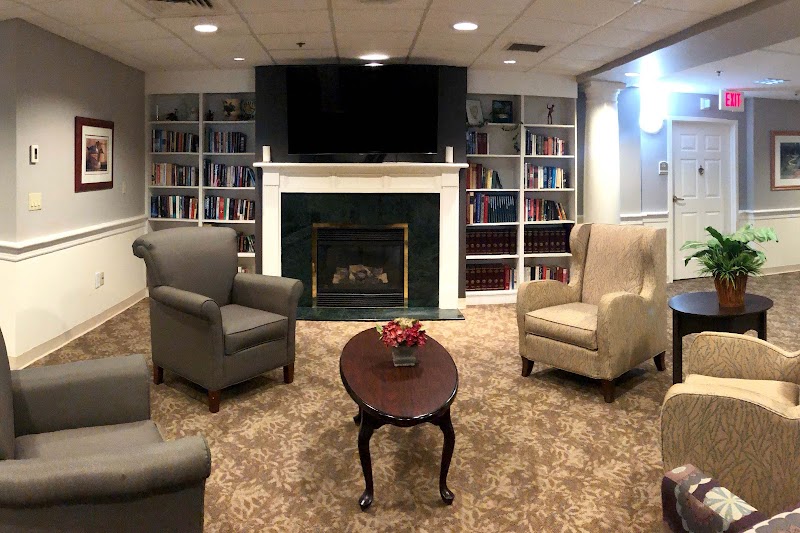
How is Stone Bridge Center For Health & Rehabilitation Staffed?

CMS rates STONE BRIDGE CENTER FOR HEALTH & REHABILITATION's staffing level at 3 out of 5 stars, which is average compared to other nursing homes. Staff turnover is 28%, compared to the Connecticut average of 46%. This relatively stable workforce can support continuity of care.

What Have Inspectors Found at Stone Bridge Center For Health & Rehabilitation?

State health inspectors documented 59 deficiencies at STONE BRIDGE CENTER FOR HEALTH & REHABILITATION during 2021 to 2025. These included: 2 Immediate Jeopardy (the most serious level, indicating potential for serious harm or death), 2 that caused actual resident harm, 50 with potential for harm, and 5 minor or isolated issues. Immediate Jeopardy findings are rare and represent the most serious regulatory concerns. They require immediate corrective action.
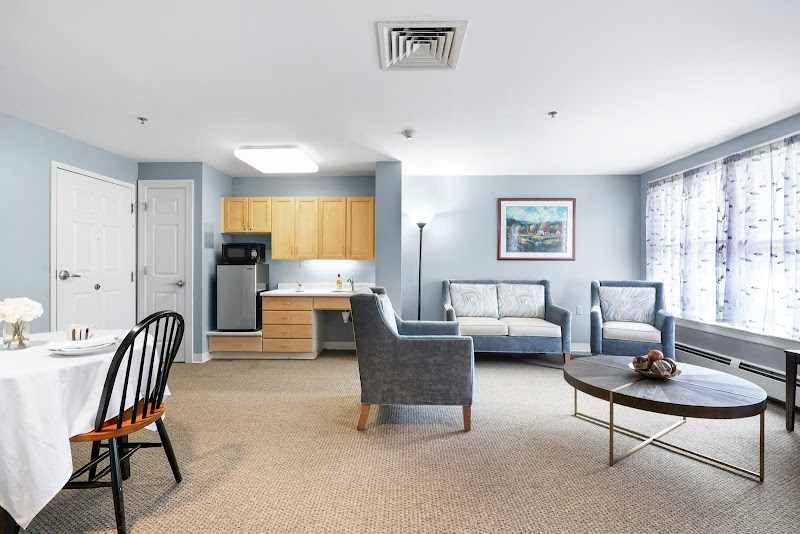
Who Owns and Operates Stone Bridge Center For Health & Rehabilitation?

STONE BRIDGE CENTER FOR HEALTH & REHABILITATION is owned by a for-profit company. For-profit facilities operate as businesses with obligations to shareholders or private owners. The facility is operated by NATIONAL HEALTH CARE ASSOCIATES, a chain that manages multiple nursing homes. With 154 certified beds and approximately 130 residents (about 84% occupancy), it is a mid-sized facility located in NEWTOWN, Connecticut.
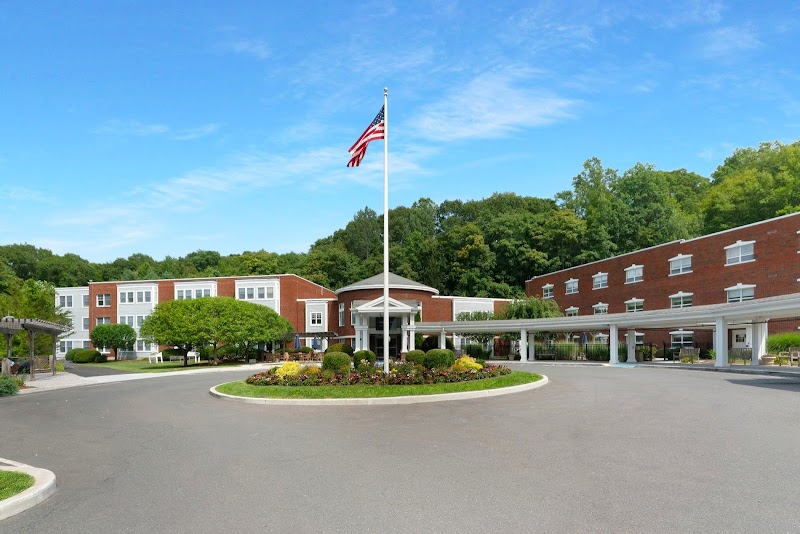
How Does Stone Bridge Center For Health & Rehabilitation Compare to Other Connecticut Nursing Homes?

Compared to the 100 nursing homes in Connecticut, STONE BRIDGE CENTER FOR HEALTH & REHABILITATION's overall rating (1 stars) is below the state average of 3.0, staff turnover (28%) is significantly lower than the state average of 46%, and health inspection rating (1 stars) is much below the national benchmark.

What Should Families Ask When Visiting Stone Bridge Center For Health & Rehabilitation?

Based on this facility's data, families visiting should ask: "What changes have been made since the serious inspection findings, and how are you preventing similar issues?" "Can I visit during a mealtime to observe dining assistance and food quality?" "How do you handle medical emergencies, and what is your hospital transfer rate?" "Can I speak with family members of current residents about their experience?" These questions are particularly relevant given the facility's Immediate Jeopardy citations.

Is Stone Bridge Center For Health & Rehabilitation Safe?

Based on CMS inspection data, STONE BRIDGE CENTER FOR HEALTH & REHABILITATION has documented safety concerns. Inspectors have issued 2 Immediate Jeopardy citations (the most serious violation level indicating risk of serious injury or death). The facility has a 1-star overall rating and ranks #100 of 100 nursing homes in Connecticut. Families considering this facility should ask detailed questions about what corrective actions have been taken since these incidents.

Do Nurses at Stone Bridge Center For Health & Rehabilitation Stick Around?

Staff at STONE BRIDGE CENTER FOR HEALTH & REHABILITATION tend to stick around. With a turnover rate of 28%, the facility is 17 percentage points below the Connecticut average of 46%. Low turnover is a positive sign. It means caregivers have time to learn each resident's needs, medications, and personal preferences. Consistent staff also notice subtle changes in a resident's condition more quickly.

Was Stone Bridge Center For Health & Rehabilitation Ever Fined?

STONE BRIDGE CENTER FOR HEALTH & REHABILITATION has been fined $147,492 across 3 penalty actions. This is 4.3x the Connecticut average of $34,554. Fines at this level are uncommon and typically indicate a pattern of serious deficiencies, repeated violations, or failure to correct problems promptly. CMS reserves penalties of this magnitude for facilities that pose significant, documented risk to resident health or safety. Families should request specific documentation of what issues led to these fines and what systemic changes have been implemented.

Is Stone Bridge Center For Health & Rehabilitation on Any Federal Watch List?

STONE BRIDGE CENTER FOR HEALTH & REHABILITATION is not on any federal watch list. The most significant is the Special Focus Facility (SFF) program, which identifies the bottom 1% of nursing homes nationally based on persistent, serious quality problems. Not being on this list means the facility has avoided the pattern of deficiencies that triggers enhanced federal oversight. This is a positive indicator, though families should still review the facility's inspection history directly.