MONTOWESE CENTER FOR HEALTH & REHABILITATION
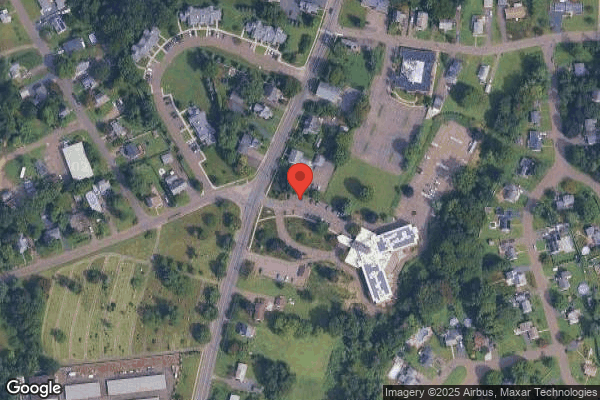

163 QUINNIPIAC AVENUE, NORTH HAVEN, CT 06473 (203) 624-3303
For profit - Limited Liability company 120 Beds NATIONAL HEALTH CARE ASSOCIATES Data: November 2025 1 Immediate Jeopardy citation
Trust Grade
16/100
#181 of 192 in CT
Last Inspection: October 2024

Within standard 12-15 month inspection cycle. Federal law requires annual inspections.

Overview

Montowese Center for Health & Rehabilitation has received a Trust Grade of F, indicating poor performance with significant concerns about care quality. It ranks #181 out of 192 nursing homes in Connecticut, placing it in the bottom half of facilities statewide, and #23 out of 23 in its county, meaning there are no better local options. Although the facility is improving, with issues decreasing from 37 in 2024 to 2 in 2025, it still reported a concerning staffing turnover rate of 55%, which is above the state average, though its staffing rating is average at 3 out of 5 stars. Notably, the facility has faced a critical incident involving medication errors that led to residents being hospitalized, highlighting serious compliance issues despite an average RN coverage. Overall, while there are some positive trends, the significant health risks and past deficiencies should raise red flags for families considering this home.

Trust Score
F
16/100
In Connecticut
#181/192
Bottom 6%
Safety Record
High Risk
Review needed
Inspections
Getting Better
37 → 2 violations
Staff Stability
⚠ Watch
55% turnover. Above average. Higher turnover means staff may not know residents' routines.
Penalties
✓ Good
$19,344 in fines. Lower than most Connecticut facilities. Relatively clean record.
Skilled Nurses
○ Average
Each resident gets 31 minutes of Registered Nurse (RN) attention daily — about average for Connecticut. RNs are the most trained staff who monitor for health changes.
Violations
⚠ Watch
73 deficiencies on record. Higher than average. Multiple issues found across inspections.
★☆☆☆☆
1.0
Overall Rating
★★★☆☆
3.0
Staff Levels
★★★★☆
4.0
Care Quality
★☆☆☆☆
1.0
Inspection Score
Stable
2024: 37 issues
2025: 2 issues

The Good

  • 4-Star Quality Measures · Strong clinical quality outcomes
  • Full Sprinkler Coverage · Fire safety systems throughout facility
  • No fines on record

Facility shows strength in quality measures, fire safety.

The Bad

1-Star Overall Rating

Below Connecticut average (3.0)

Significant quality concerns identified by CMS

Staff Turnover: 55%

Near Connecticut avg (46%)

Higher turnover may affect care consistency

Federal Fines: $19,344

Below median ($33,413)

Minor penalties assessed

Chain: NATIONAL HEALTH CARE ASSOCIATES

Part of a multi-facility chain

Ask about local staffing decisions and management

The Ugly 73 deficiencies on record

1 life-threatening 2 actual harm
May 2025 1 deficiency
CONCERN (E) 📢 Someone Reported This

A family member, employee, or ombudsman was alarmed enough to file a formal complaint

Potential for Harm - no one hurt, but risky conditions existed

Deficiency F0658 (Tag F0658)

Could have caused harm · This affected multiple residents

**NOTE- TERMS IN BRACKETS HAVE BEEN EDITED TO PROTECT CONFIDENTIALITY** Based on clinical record reviews, facility documentation, facility policy, and interviews for one (1) of three (3) sampled resid...

Read full inspector narrative →
**NOTE- TERMS IN BRACKETS HAVE BEEN EDITED TO PROTECT CONFIDENTIALITY** Based on clinical record reviews, facility documentation, facility policy, and interviews for one (1) of three (3) sampled residents (Resident #2) who were reviewed for changes made in their medication regimen, the facility failed to review, reconcile, and transcribe physician orders when the resident returned from a consulting physician's appointment. The findings include: Resident #2's diagnoses included neurofibromatosis (tumors affecting the brain, spinal cord, and nerves), elevated blood pressure, and pain. The quarterly Minimum Data Set assessment dated [DATE] identified Resident #2 was alert and oriented to person, place, time, and situation. The hospital Discharge summary dated [DATE] directed to administer (a medication for nerve pain) Gabapentin 300 milligrams (mg) capsule, one (1) capsule three (3) times a day and (a corticosteroid medication) Dexamethasone 4mg every eight (8) hours. Review of the Medication Administration Record (MAR) identified the medications from the hospital discharge summary were reconciled and transcribed onto the MAR. The consultation form dated 4/2/25 identified a physician's order for Gabapentin 300mg two (2) times a day and Gabapentin 600mg once a day in the evening and to continue the Dexamethasone 4mg every eight (8) hours, will begin to slow wean in two (2) weeks once the Koselugo, a medication to treat neurofibromatosis, is restarted. Review of the Medication Administration Record (MAR) from 4/2/25 through 4/23/25 failed to reflect documentation that the consulting physician's orders were transcribed onto the MAR. The consultation form dated 4/23/25 identified a physician's order to increase the Gabapentin to 600 mg three (3) times a day, to slow wean the steroid Dexamethasone from 4mg to 2mg every eight (8) hours for two (2) weeks, and to apply a Lidoderm patch 5% place one (1) patch over twelve (12) hours onto the skin every twenty-four (24) hours, remove and discard patch within twelve (12) hours. Review of the April and May 2025 Medication Administration Records (MAR) failed to reflect that the changes in medications made by the consulting physician had been reviewed, reconciled, and transcribed onto the MAR. Interview with the Director of Nursing (DON) on 5/19/25 at 9:30 AM identified that when a resident returns from an appointment with physician orders, the orders are reviewed and reconciled by the Advanced Practice Registered Nurse, and then the supervisor, charge nurse, or unit manager transcribes the orders into the Electronic Health record. The DON indicated if a resident returns without a consultation form, it is the responsibility of the charge nurse, supervisor, or unit manager to call the provider's office to verify if any changes were made to the care plan. The DON stated that she was not aware that orders had not been reconciled and transcribed until notified by the hospital and an investigation was conducted. Interview with the consulting physician, an Oncologist (MD #1), on 5/21/25 at 1:30 PM identified Resident #2 was seen in his office on 4/23/25. MD #1 indicated he made changes to the medication regimen and dictated the changes into the consultation note. MD #1 identified the facility did not send a consultation form, so he offered to print a copy of the consultation with the medication changes to send back to the facility, but the staff person who accompanied Resident #2 said the facility would get the orders off the computer and a paper copy was not necessary. In a follow-up interview on 5/22/25 at 9:45 AM the DON could not explain why orders placed on the consultation forms dated 4/2/25 and 4/23/25 were not reviewed, reconciled, and transcribed. The DON identified she could not explain why the staff person did not bring back a copy of the orders, but the supervisor, charge nurse, or unit manager should have followed up and called the physician's office to inquire about orders. Review of the Transcription policy dated 1/2/24 identified that Orders can be written in the electronic health record or obtained over the phone, secured messaging system, verbally, and/or from discharge and transfer paperwork from the hospital, physicians' office visit, or the consultant's recommendations, and transcribed by the Registered Nurse, Licensed Practical Nurse, or Unit Manger. Review of facility documentation identified the facility implemented an action plan: *The licensed staff were educated on receiving accurately transcribing new orders from consultation sheet after appointment and updating the resident/responsible party should medication not be available to start as ordered. *Audits will be conducted on residents with outside provider consults to ensure accuracy of new recommendations/orders over the last thirty (30) days. *The director of Nursing will audit residents with outside appointments twice weekly for accuracy of new recommendations/orders from consults times four (4) weeks then monthly times three (3) or until substantial compliance is achieved. *Audits will be reviewed at monthly Quality Assurance meetings. Based on review of facility documentation, past non-compliance was identified on 5/9/25.
May 2025 1 deficiency
CONCERN (D) 📢 Someone Reported This

A family member, employee, or ombudsman was alarmed enough to file a formal complaint

Potential for Harm - no one hurt, but risky conditions existed

Deficiency F0658 (Tag F0658)

Could have caused harm · This affected 1 resident

**NOTE- TERMS IN BRACKETS HAVE BEEN EDITED TO PROTECT CONFIDENTIALITY** Based on review of clinical records, interviews, and review of facility documentation and policies for one (1) of three (3) resi...

Read full inspector narrative →
**NOTE- TERMS IN BRACKETS HAVE BEEN EDITED TO PROTECT CONFIDENTIALITY** Based on review of clinical records, interviews, and review of facility documentation and policies for one (1) of three (3) residents (Resident #1) reviewed for a change of condition, the facility failed to ensure the resident was evaluated upon return from a hospitalization. The findings included: Resident #1 was admitted to the facility in November of 2023 with diagnoses of transient ischemic attacks and cerebral infarction, alcoholic cirrhosis of the liver, and depression. Review of the quarterly Minimum Data Set (MDS) assessment dated [DATE] identified Resident #1 was cognitively intact (Brief Interview for Mental Status (BIMS) score of 15) and was independent with toileting, dressing, bed mobility, and transfers. Review of the RCP dated 2/26/25 identified Resident #1 was on anticoagulant therapy related to a cerebral vascular accident with patent foramen ovale. Interventions directed to monitor/document/report as needed adverse reactions of anticoagulant therapy, including lethargy, loss of appetite, and sudden changes in mental status. A nursing note dated 4/7/25 at 5:15 PM identified Resident #1 returned to the facility following a hospitalization. The Therapy-Rehab/Activities of Daily Living Recommendation from Therapy to Nursing document identified Resident #1 required substantial assistance with toileting, dressing, bed mobility, and transfers. Review of provider notes identified Resident #1 was not evaluated by a provider, post hospitalization, until 4/12/25 (five days after Resident #1 was readmitted to the facility). Interview with the Director of Nursing on 5/5/25 at 2:50 PM identified the facility follows the Public Health Code for residents being admitted (as well as readmitted ) to the facility, which directs residents to be evaluated by a physician within forty-eight (48) hours of admission to the facility. The DNS further indicated readmissions following a hospitalization could be evaluated by either a physician or advanced practice registered nurse (APRN) and was unable to identify why Resident #1 was not evaluated by either until 4/12/25. Review of the Public Health Code directs a comprehensive medical history and medical examination shall be completed for each patient within forty-eight (48) hours of admission.
Oct 2024 10 deficiencies
CONCERN (D)

Potential for Harm - no one hurt, but risky conditions existed

Deficiency F0657 (Tag F0657)

Could have caused harm · This affected 1 resident

**NOTE- TERMS IN BRACKETS HAVE BEEN EDITED TO PROTECT CONFIDENTIALITY** Based on review of the clinical record, facility documentation, facility policy, and interviews for 1 resident (Resident #43) re...

Read full inspector narrative →
**NOTE- TERMS IN BRACKETS HAVE BEEN EDITED TO PROTECT CONFIDENTIALITY** Based on review of the clinical record, facility documentation, facility policy, and interviews for 1 resident (Resident #43) reviewed for care planning, the facility failed to ensure resident care conferences were completed quarterly, that the resident was invited and attended, and the resident care plan was updated quarterly. The findings include: Resident #43 was admitted to the facility on [DATE] with diagnoses that included hemiplegia and hemiparesis following cerebral infarction affecting the right dominant side and left non-dominant side, aphasia, cognitive communication disorder, and adjustment disorder with mixed disturbance of emotions and conduct. Interdisciplinary Care Planning Meeting document dated 2/19/24 failed to identify if Resident #43 had participated in the care plan process or attended the care plan meeting. Care Plan Meeting Attendees were Resident #43's representative and staff from MDS, social services, and dietary. Interdisciplinary Care Planning Meeting document dated 5/16/24 identified that Resident #43 did not attend the care plan meeting but was spoken to separately due to poor cognition. Care Plan Meeting Attendees were staff from MDS, social services, and dietary; a voicemail was left for the resident representative and the resident representative was updated upon a return call to the facility. Review of the current care plan identified the last care plan review completion date was 5/22/24. The admission MDS dated [DATE] identified Resident #43 had moderately impaired cognition, and it was very important for the resident to do things with groups of people. Interview with Resident #43 on 10/21/24 at 9:40 AM identified that while he/she receives excellent care by the facility staff, he/she does not feel well-informed and would like an update as to when he/she will be leaving the facility or if he/she will remain at the facility. Resident #43 indicated that he/she could not recall being involved in the quarterly care plan meetings, but he/she would like to participate. Interview and clinical record review with the Care Plan Meeting Scheduler (NA #3) on 10/23/24 at 11:15 AM failed to identify that a resident care plan meeting had been completed since 5/16/24. NA #3 indicated that Resident #43 had been in and out of the hospital a few times, and the care plan scheduling must have gotten confused. NA #3 indicated that in addition to sending a letter to Resident #43's representative, with a notification of the scheduled care plan meeting, a letter was also sent to Resident #43, in February and May. NA #3 identified that a care plan meeting would be scheduled on 11/1/24. Interview with SW #3 on 10/23/24 at 11:33 AM identified that she meets with Resident #43 frequently, and she also attends his/her resident care plan meetings. SW #3 indicated that she is not responsible for scheduling or running the care plan meetings, Resident #43 has participated in some of the quarterly care plan meetings, as well as the resident representative via telephone. SW #3 further indicated that Resident #43 had been in and out of the hospital, and that may be the reason why the quarterly care plan meetings did not occur. Interview and clinical record review with the MDS Coordinator (LPN #10) on 10/13/24 at 11:42 AM failed to identify that the comprehensive care plan had been updated since May 2024, 5 months prior. LPN #10 indicated that the care plan should be updated quarterly and as needed; he typically updates the resident care plan when the MDS is scheduled. LPN #10 indicated that Resident #43's comprehensive care plan was most likely not updated in August because there was no MDS that needed to be completed; Resident #43 had been hospitalized and an admission MDS was completed on 7/18/24. LPN #10 indicated that he did not complete the 7/18/24 admission MDS, and that the care plan should have been updated along with the admission MDS. LPN #10 further indicated that Resident #43 had a care plan meeting scheduled for 11/1/24, and the comprehensive care plan would be updated before then. Interview and clinical record review with the DNS on 10/24/24 at 1:06 PM identified that Resident #43's care plan meeting had not been done since 5/16/24 and that the comprehensive care plan was not updated when the last MDS was completed. The DNS identified that Resident #43 had been hospitalized a few times over the summer and was unsure if that was the reason that the care plan was not updated, and the care plan meeting did not occur. The DNS further identified that she would expect that all of the extended stay residents would meet with the interdisciplinary team, and if appropriate the responsible party, to review and update the comprehensive care plan, quarterly. The facility's Baseline/Comprehensive Person-Centered Care Plan policy directs the Comprehensive Person-Centered Care Plan (CPCCP) to be developed after the completion of the comprehensive assessment (MDS) and will be reviewed by an interdisciplinary team that includes the following representatives: the resident, the resident's family or legal representative, social services, nursing, dietary, therapeutic recreation, specialized rehabilitation, and health care provider. The policy further directs that the resident and/or representative have the right to participate in the development/implementation of the planning process, request meetings and have the right to request revisions to the plan of care. The CPCCP will be reviewed and revised as follows: quarterly following MDS completion, following a significant change in status, episodically, at the time of the hospital readmission to ensure the plan reflects resident's current status, and an annual MDS completion will require a full team meeting to ensure the CPCCP reflects the residence current status. The responsibility of the MDS/CPCCP coordinator is to schedule the resident's assessments and care plan meetings in accordance with regulation and resident/representative needs. Although requested, a resident care plan meeting policy was not provided.
CONCERN (D)

Potential for Harm - no one hurt, but risky conditions existed

Accident Prevention (Tag F0689)

Could have caused harm · This affected 1 resident

**NOTE- TERMS IN BRACKETS HAVE BEEN EDITED TO PROTECT CONFIDENTIALITY** Based on observations, review of the clinical record, facility documentation, facility policy, and interviews for 1 of 3 residen...

Read full inspector narrative →
**NOTE- TERMS IN BRACKETS HAVE BEEN EDITED TO PROTECT CONFIDENTIALITY** Based on observations, review of the clinical record, facility documentation, facility policy, and interviews for 1 of 3 residents (Resident #50) reviewed for falls, the facility failed to ensure interventions were in place after a fall with major injury, and failed to ensure that 1:1 supervision was provided during meal time per the physician's order. The findings include: Resident #50 was admitted to the facility on [DATE] with diagnoses that included dementia, dysphagia, and difficulty walking. A physician's order dated 5/2/24 directed Resident #50 required 1:1 supervision with meals for safety and focus to task. The care plan dated 5/2/24 identified Resident #50 was at risk for aspiration due to oral dysphagia. Interventions included providing 1:1 supervision during meals to ensure completion of meals and use of safe swallow strategies. The care plan also identified Resident #50 had a history of falls. Interventions included to keep the call light within reach. The quarterly MDS dated [DATE] identified Resident #50 had severely impaired cognition, was frequently incontinent of bowel and bladder, and required supervision with eating. The MDS also identified Resident #50 was dependent on staff to assist with oral hygiene, toileting, and bathing. a. Review of the clinical record identified Resident #50 had an unwitnessed fall without injury on 7/17/24. A reportable event form dated 9/1/24 identified Resident #50 had a fall with major injury on that date. The report identified Resident #11 was found on the floor next to his/her bed at 7:20 AM after attempting to get up to the bathroom with discoloration and laceration next to the left eye and discoloration to the left elbow. Resident #50 was sent to the hospital for evaluation and found to have a supracondylar fracture to the left elbow and left zygoma fracture. The care plan updated 9/1/24 identified Resident #50 had a history of falls. Interventions included use of floor mats/perimeter mats. The nurse aide care card dated 10/21/24 identified Resident #50 was at high risk for falls. Observation on 10/23/24 at 7:05 AM identified Resident #50 sleeping in his/her bed with the room door open. During this observation there were no floor mats observed to be present on the floor. Interview with the ADNS immediately following this observation identified Resident #50 was supposed to have floor mats around his/her bed for safety. The ADNS identified she was not sure where the floormats went or why they were removed. The ADNS then located one floor mat that was folded and stored between a chair and dresser in Resident #50's room. The ADNS identified that she was unsure if there was a second floor mat and would have to look into this. b. The nurse aide care card dated 10/21/24 identified Resident #50 required 1:1 supervision during meals to ensure completion of meals and use of safe swallow strategies. Observations on 10/23/24 beginning at 8:14 AM identified the following: At 8:14 AM, Resident #50 was observed to be sleeping, with a floor mat on either side of his/her bed. A bedside table with Resident #50's breakfast tray was observed in the room, located approximately 5 feet to the right side of Resident #50's bed, past the floor mat by approximately 3 feet. No staff were observed with Resident #50 or within eyesight of Resident #50's doorway at this time. At 8:24 AM, NA #1 was observed in Resident #50's room, attempting to wake Resident #50 and repositioned the bedside table to the end of Resident #50's bed. At 8:32 AM, Resident #50 was observed sleeping with the bedside table at the end of the bed and a constant observation was then started. At 8:33 AM, LPN #7 was observed entering Resident #50, waking Resident #50, positioning Resident #50's bedside table and setting up his/her breakfast tray, and then leaving the room at 8:35AM, at which point Resident #50 began to self-feed. At 8:38 AM LPN #7 returned to Resident #50's room, provided a straw, and then exited the room. From 8:39 AM - 8:47 AM Resident #50 was observed to feed him/herself alone. At 8:47 AM, NA #1 was observed entering Resident #50's room, asking if he/she needed anything, and exiting the room-a total time of 10 seconds. From 8:47 AM - 8:54 AM Resident #50 was observed self-feeding alone. At 8:54 AM, LPN #7 was observed entering Resident #50's room to administer medications. At 8:56 AM, LPN #7 exited Resident #50's room and Resident #50 resumed self-feeding. At 8:58 AM, Resident #50 was observed trying to push the bedside table toward the end of the bed and stopped self-feeding at this point. At 9:01 AM, LPN #7 and NA #1 entered Resident #50's room and NA #1 removed the meal tray. Interview with LPN #7 on 10/23/24 at 9:04 AM identified that Resident #50 required set up for meals, but did not require supervision and always feed him/herself. LPN #7 identified he was typically assigned to Resident #50's unit and had taken care of Resident #50 at least weekly for the last year. LPN #7 then reviewed the physician's orders at the request of this surveyor and identified that Resident #50 had an active order in place for 1:1 supervision with meals. LPN #7 identified that he was not aware Resident #50 had the order and that while he was aware speech therapy had been working with Resident #50 at the facility, he was not aware of any choking or aspiration issues. Interview with SLP #1 on 10/23/24 at 10 AM identified that Resident #50 had current 1:1 supervision with meal orders in place for safety. SLP #1 identified Resident #50 had issues with remembering to chew and swallow his/her food and would hold food in his/her mouth, and that 1:1 supervision was needed to provide prompts to chew and swallow his/her food. SLP #1 identified she had been working with Resident #50 and that without cueing and redirection during meals, Resident #50 would hold food in his/her mouth due to impaired cognition, putting him/her at risk for aspiration. Interview with the DNS on 10/24/24 at 11:35 AM identified that Resident #50 did require 1:1 supervision with meals and that she had provided re-education to LPN #7 and all staff on the unit. The DNS also identified that Resident #50 did have a history of falls and that she was aware that the ADNS observed the issue regarding the floor mats in Resident #50's room, and that going forward staff were to ensure that the floor mats were in place. Although requested, the facility failed to provide any policies related to residents at aspiration risk and any documentation related to fall risk assessments for Resident #50. The facility policy on ADLs directed that staff were to provide assistance with ADLs based on person centered evaluation and the resident's care plan, and that activities that may require assistance included eating, swallowing, and feeding. The facility policy on fall prevention directed that residents at high risk for falls would have interventions initiated to prevent falls, that the risk factors for falls would be determined using the fall risk assessment, and risk factors included history of previous falls, dementia, confusion, and incontinence. The policy further directed interventions may include assessing environmental hazards (including the floor) and providing staff supervision with ADLs.
CONCERN (E)

Potential for Harm - no one hurt, but risky conditions existed

Notification of Changes (Tag F0580)

Could have caused harm · This affected multiple residents

**NOTE- TERMS IN BRACKETS HAVE BEEN EDITED TO PROTECT CONFIDENTIALITY** 16. Resident #2 was admitted to the facility in March 2022 with diagnoses that included quadriplegia, aphasia, and weakness. T...

Read full inspector narrative →
**NOTE- TERMS IN BRACKETS HAVE BEEN EDITED TO PROTECT CONFIDENTIALITY** 16. Resident #2 was admitted to the facility in March 2022 with diagnoses that included quadriplegia, aphasia, and weakness. The physician's orders dated 5/12/24 directed to administer Lovenox (an anticoagulant) injection 40 mg subcutaneously daily to prevent deep vein thrombosis. The quarterly MDS dated [DATE] identified Resident #2 had severely impaired cognition, was frequently incontinent of bowel, required a urinary catheter for bladder, and was dependent on staff to assist with eating, dressing, and transfers. The care plan dated 8/21/24 identified Resident #2 had a urinary catheter. Interventions included to monitor for blood and sediment. The care plan also identified Resident #2 required medication that increases the time it takes for the blood to clot. Interventions included to monitor for signs of bleeding in the urine, bowel movements, and bruising. A nurse's note dated 9/15/24 at 1:52 PM by LPN #7 identified that Resident #2 had an episode of genital bleeding with clots noted in his/her undergarment. The note identified Resident #2's urinary catheter was draining clear yellow fluid, and that Resident #2 was seen by the APRN and new orders for labs were placed. A change of condition follow up note dated 9/16/24 at 8:36 AM by LPN #6 identified Resident #2's urinary catheter was not draining after 2 attempts to flush. The note further identified 2 attempts to replace the catheter were also unsuccessful and that the ADNS was notified. Review of the clinical record failed to identify any documentation related notification to the physician or resident representative following the complications with Resident #2's urinary catheter and subsequent removal on 9/16/24. Interview with the ADNS on 10/24/24 at 11:45 AM identified she was aware that Resident #2 had the bleeding episode on 9/15/24, and issues with the urinary catheter on 9/16/24. The ADNS identified she was notified by LPN #6 that Resident #2's urinary catheter was removed and was unable to be replaced, and that Resident #2 was able to void freely. The ADNS identified that while she was aware of the prior bleeding episode and was notified by LPN #6 regarding the catheter issue, she did not make any notes or assess Resident #2 following the notification. The ADNS identified she believed there was communication with the APRN since a provider was in the facility daily but that she should have notified the APRN, completed an assessment on Resident #2, and ensured that Resident #2's resident representative was notified. The facility policy on change of condition directed that the facility would inform the resident, attending physician, and resident representative when there was a change of condition. The policy directed this included a need to alter treatment significantly (i.e a need to discontinue an existing form of treatment due to adverse consequences or to commence a new form of treatment) and that the licensed nurse per state regulations would conduct a complete physical/mental evaluation and document the findings in the clinical record. The policy further directed that the licensed nurse would contact the attending physician and resident representative regarding the change of condition, repeated attempts would be made until successful, and all attempts would be documented with date and time. 17. Resident #45 was admitted to the facility on [DATE] with diagnoses that included Type 2 diabetes, chronic kidney disease (Stage 4 severe) and morbid obesity. The quarterly MDS dated [DATE] identified Resident #45 had moderately impaired cognition, was always incontinent of bowel and bladder and was dependent on staff to assist with toileting, bathing and dressing. The care plan dated 6/14/24 identified Resident #45 had a history of insulin dependent diabetes but no longer required medication. Interventions included to monitor for signs/symptoms of hyperglycemia, hypoglycemia, and administer insulin per MD order. Review of the clinical record identified Resident #45 was hospitalized from [DATE] - 7/9/24 due to abnormal lab values. A hospital W-10 report dated 7/9/24 identified Resident #45 had a diagnosis of acute kidney injury. The report also identified that while hospitalized , Resident #45 had elevated blood glucose levels and a hemoglobin A1C (a lab test that measures an average blood glucose level over a 3-month period) was high at 8.6 % (normal lab value 4.0-5.6%). Resident #45 was discharged with a new order for Levemir (a long acting insulin) 4 units nightly. A physician's order dated 7/9/24 directed for Levemir 4 units nightly at bedtime and finger sticks before meals and at bedtime. An APRN note dated 7/10/24 identified Resident #45 required 4 units of Levemir at bedtime due to elevated blood glucose levels in the hospital averaging in the 200s. Review of the clinical record identified that blood glucose levels were over 400 or not documented on the following dates: 7/11/24 9:00 PM: 445. 7/13/24 9:00 PM: 536. 7/15/24 9:00 PM: 517. 7/18/24 8:00 AM: no documentation. 7/22/24 3:30 PM: 416. 7/22/24 11:30 PM no documentation. 7/23/24 all shifts, no documentation. 7/24/24 all shifts, no documentation. 7/25/24 7:30 AM no documentation 7/25/24 3:30 PM: 451. 8/1/24 7:30 AM: 465. 8/1/24 3:30 PM: 409. 8/4/24 11:30 PM: 553. 8/5/24 7:30 AM: 477. 8/5/24 3:30 PM: 460. 8/5/24 11:30 PM: 420. 8/7/24 7:30 AM: 490. A physician's order dated 8/7/24 at 4:30 PM directed to administer Lispro injection (a short acting insulin) sliding scale coverage 3 times daily before meals at 7:30 AM, 11:30 AM and 4:30 PM with parameters to notify the MD for blood sugars greater than 401. A subsequent physician's order dated 8/13/24 amended the parameters for notification to blood sugars greater than 450. A review of the clinical record failed to identify any documentation related to physician/APRN notification of the blood glucose levels greater than 400 or not obtained between 7/11/24 - 8/7/24. Interview with MD #1 (Medical Director) on 10/24/24 at 11:05 AM identified that he would expect the nursing staff to notify the physician or covering APRN of blood glucose levels that were above 400, and always for any blood glucose over 500. MD #1 identified if the resident had a trend of elevated blood sugar levels, his expectation is that the nurses monitoring the checks would use nursing judgement and notify the provider. MD #1 also identified he would expect that for any blood sugar level over 400, the nurse would perform a recheck to ensure it was an accurate reading. MD #1 also identified that he would expect the nurse to assess the resident for a change of condition in addition to notification to the physician or APRN. The facility policy on Diabetes Management protocol directed that if a resident's blood sugar was greater than 400, unless specified in the orders or if the coverage scale indicated, the physician would be notified. The facility policy on change of condition directed that the facility would inform the resident, attending physician, and resident representative when there was a change of condition. The policy directed this included a need to alter treatment significantly (i.e. a need to discontinue an existing form of treatment due to adverse consequences or to commence a new form of treatment) and that the licensed nurse per state regulations would conduct a complete physical/mental evaluation and document the findings in the clinical record. The policy further directed that the licensed nurse would contact the attending physician and resident representative regarding the change of condition, repeated attempts would be made until successful, and all attempts would be documented with date and time. Based on review of the clinical record, facility documentation, and facility policy for 12 of 20 residents, (Residents #3, 10, 13, 24, 32, 45, 49, 56, 80, 103, 104, and 105) whose clinical records lacked documentation that they had received their evening medications on 6/3/24 after the charge nurse left the facility and did not report off, the facility failed to ensure the resident representatives were notified, and for 1 of 2 residents (Resident #66) reviewed for non-pressure wounds, the facility failed to notify the physician or APRN/Family Nurse Practitioner (FNP-BC) when the resident's wound deteriorated on 10/7/24, and subsequently, 2 days later, when FNP-BC #1 did wound rounds on 10/9/24 and found the wound significantly deteriorated, the resident was sent to the hospital for treatment, and for 2 of 3 residents (Resident #4 and 9) reviewed for infection, the facility failed to ensure the resident representatives were notified when the residents had a change that required new medications related to covid-19, and for 1 of 3 residents (Resident #45) reviewed for hospitalizations, the facility failed to ensure that the physician was notified when the resident's blood sugars were outside the parameters. The findings include: 1. Resident #3 was admitted to the facility in July 2021 with diagnoses that included type 2 diabetes mellitus and depressive episodes. Review of the June 2024 monthly physician's orders directed to administer the following medications: Rivastigmine Tartrate 4.5 mg twice daily at 9:30 AM and 9:30 PM. Lantus Solution 100 unit/ml injection 17 units at bedtime (8:30 PM). Risperdal 0.5 mg at bedtime (9:30 PM). Review of the June 2024 MAR failed to reflect documentation to show that on 6/3/24, the Lantus Solution due at 8:30 PM or Rivastigmine Tartrate and Risperdal due at 9:30 PM had been administered. 2. Resident #10 was admitted to the facility in November 2020 with diagnoses that included chronic pain syndrome, spinal stenosis, and hypertension. Review of the June 2024 physician's orders directed to administer the following medications: Baclofen 20mg three times daily at 9:30 AM, 5:30 PM, and 9:30 PM. Metoprolol Tartrate 50 mg twice daily at 9:30 AM and 6:30 PM. Meclizine HCL 50 mg twice daily at 6:00 AM and 6:00 PM. Tizanidine HCL 2 mg every 6 hours at 12:00 AM, 6:00 AM, 12:00 PM, and 6:00 PM. Review of the June 2024 MAR failed to reflect documentation to show that on 6/3/24, the Baclofen due at 5:30 PM, Metoprolol due at 6:30 PM, Meclizine due at 6:00 PM, or Tizanidine due at 6:00 PM had been administered. 3. Resident #13 was admitted to the facility in November 2021 with a dementia diagnoses. Review of the June 2024 physician's orders directed to administer the following medications: Namenda 10 mg at bedtime at 8:30 PM. Trazadone HCL 50 mg at bedtime at 9:30 PM. Review of the June 2024 MAR failed to reflect documentation to show that on 6/3/24, the Namenda due at 8:30 PM or Trazadone due at 9:30 PM had been administered. 4. Resident #24 was admitted to the facility in November 2021 with diagnoses that included COPD and Parkinson's Disease. Review of the June 2024 physician's orders directed to administer the following medications: Symbicort Inhalation Aerosol 80 - 4.5mcg/act twice daily at 8:30 AM and 5:30 PM. Sinemet 25 - 100 mg twice daily at 8:30 AM and 5:30 PM. Review of the June 2024 MAR failed to reflect documentation to show that on 6/3/24, the Symbicort due at 5:30 PM or Sinemet due at 5:30 PM had been administered. 5. Resident #32 was admitted to the facility in October 2021 with diagnoses that included BPH with lower urinary tract symptoms and type 2 diabetes mellitus. Review of the June 2024 physician's orders directed to administer the following medications: Finasteride 5 mg daily at 5:00 PM. Humalog Injection Solution (Insulin Lispro) 100 unit/ml inject per sliding scale before meals and at bedtime at 8:00 AM, 11:30 AM, 4:00 PM, and 9:00 PM. Review of the June 2024 MAR failed to reflect documentation to show that on 6/3/24, the Finasteride due at 5:00 PM or Insulin Lispro due at 4:00 PM had been administered. 6. Resident #45 was admitted to the facility in December 2020 with diagnoses that included pulmonary embolism, hyperlipidemia, and hypertension. Review of the June 2024 physician's orders directed to administer the following medications: Lipitor 40 mg daily at 5:00 PM. Senna 8.6mg at bedtime at 9:30 PM. Xalatan Ophthalmic Solution at bedtime at 9:30 PM. Carvedilol 3.125 mg every 12 hours at 8:30 AM and 8:30 PM. Eliquis 2.5 mg every 12 hours at 8:30 AM and 8:30 PM. Miralax 17 gm twice daily at 8:30 AM and 8:30 PM. Review of the June 2024 MAR failed to reflect documentation to show that on 6/3/24, the Lipitor due at 5:00 PM, Senna due at 9:30 PM, Xalatan Solution due at 9:30 PM, Carvedilol due at 8:30 PM, Eliquis due at 8:30 PM, or Miralax due at 8:30 PM had been administered. 7. Resident #49 was admitted to the facility in January 2024 with diagnoses that included Charcot's Arthropathy and type 2 diabetes mellitus with foot ulcer. Review of the June 2024 physician's orders directed to administer the following medication: Keflex 4 mg four times daily at 1200 AM, 6:00 AM, 12:00 PM, and 6:00 PM. Review of the June 2024 MAR failed to reflect documentation to show that on 6/3/24, the Keflex due at 6:00 PM had been administered. 8. Resident #56 was admitted to the facility in September 2022 with diagnoses that included heart failure and hypertension. Review of the June 2024 physician's orders directed to administer the following medications: Atorvastatin Calcium 20mg at bedtime at 8:30 PM. Calcium 600 mg 8in the evening at 8:00 PM. Doxazosin Mesylate 4 mg at bedtime at 8:30 PM. Entresto 97 - 103 mg every 12 hours at 8:30 AM and 8:30 PM. Hydrocortisone 10 mg twice daily at 8:30 AM and 8:30 PM. Review of the June 2024 MAR failed to reflect documentation to show that on 6/3/24, the Atorvastatin Calcium due at 8:30 PM, Doxazosin Mesylate due at 8:30 PM, Entresto due at 8:30 PM, or Hydrocortisone due at 8:30 PM had been administered. 9. Resident #80 was admitted to the facility in December 2023 with diagnoses that included herpes viral infection, hyperlipidemia, and typed 2 diabetes mellitus. Review of the June 2024 physician's orders directed to administer the following medications: Crestor 5 mg daily at 5:00 PM. Acyclovir 400 mg every 6 hours at 12:00 AM, 6:00 AM, 12:00 PM, and 6:00 PM. Insulin Lispro per sliding scale before meals at 7:30 AM, 11:30 AM, and 4:30 PM. Review of the June 2024 MAR failed to reflect documentation to show that on 6/3/24, the Crestor due at 5:00 PM, Acyclovir due at 6:00 PM, or the Insulin Lispro due at 4:30 PM had been administered. 10. Resident #103 was admitted to the facility in January 2024 with diagnoses that included orthostatic hypotension and repeated falls. Review of the June 2024 physician's orders directed to administer the following medication: Midodrine 10 mg before meals at 8:00 AM, 11:30 AM, and 4:30 PM. Review of the June 2024 MAR failed to reflect documentation to show that on 6/3/24, the Midodrine due at 4:30 PM had been administered. 11. Resident #104 was admitted to the facility in December 2019 with diagnoses that included alcoholic cirrhosis and mild protein-calorie malnutrition. Review of the June 2024 physician's orders directed to administer the following medications: Spironolactone 50 mg twice daily at 8:30 AM and 5:30 PM. Ensure Plus three times daily at 9:30 AM, 1:30 PM, and 5:30 PM. Review of the June 2024 MAR failed to reflect documentation to show that on 6/3/24, the Spironolactone due at 5:30 PM or Ensure Plus due at 5:30 PM had been administered. 12. Resident #105 was admitted to the facility in December 2023 with diagnoses that included hypertension, hyperlipidemia, and BPH. Review of the June 2024 physician's orders directed to administer the following medications: Atorvastatin Calcium 40 mg daily at 5:00 PM. Finasteride 5 mg daily at 5:00 PM. Calcium Carbonate 600 mg twice daily at 8:30 AM and 5:30 PM. Furosemide 40 mg twice daily at 8:30 AM and 5:30 PM. Carvedilol 6.25 mg twice daily at 8:30 AM and 5:30 PM. Pantoprazole Sodium 40 mg twice daily at 8:30 AM and 5:30 PM. Gabapentin 600 mg three times daily at 9:30 AM, 1:30 PM, and 5:30 PM. Review of the June 2024 MAR failed to reflect documentation to show that on 6/3/24, the Atorvastatin Calcium due at 5:00 PM, Finasteride due at 5:00 PM, Calcium Carbonate due at 5:30 PM, Carvedilol due at 5:30 PM, Pantoprazole due at 5:30 PM, or the Gabapentin due at 5:30 PM had been administered. Review of the reportable event forms dated 6/3/24 and the clinical records failed to reflect that the resident representatives for Residents #3, 10, 13, 24, 32, 45, 49, 56, 80, 103, 104, and 105 were made aware that the facility could not determine if the evening medications had been administered after the charge nurse left the facility during her shift. The Change of Condition Notification policy directs the facility to inform the resident, consult with the resident's health care provider, and if known notify the resident's legal representative or family member when there is: an incident involving the resident which may result in injury or requires medical treatment, a significant change in the resident's physical, mental or psychosocial status, a need to alter treatment significantly, and a decision to transfer or discharge the resident from the facility. 13. Resident #66 was readmitted to the facility in July 2024 with diagnoses that included uncontrolled type 2 diabetes, severe PVD, chronic kidney disease, history of right foot cellulitis with osteomyelitis, status post transmetatarsal amputation, and Charcot foot. A wound evaluation by Family Nurse Practitioner - Board Certified (FNP-BC #1) dated 9/11/24 identified the wound on the right plantar metatarsal head (first identified 8/14/24) was stable and measured 2.4cm by 2.5cm by 0.2c with 50% new granulation tissue. Recommendations included to cleanse with normal saline, apply Calcium Alginate with silver to base of wound, and secure with ABD pad and rolled gauze daily and as needed. Review of the clinical record indicated that FNP-BC #1 evaluated the wound on 9/18/24 and 9/25/24 and the wound was stable with 100% granulation tissue. A wound evaluation by FNP-BC #1 dated 10/2/24 identified the wound was worsening, had a mild odor post cleansing, had 50% slough and moderate amount of serous drainage. Recommendations included a treatment change. Cleanse with Dakin's ¼ strength, apply iodosorb, adaptic and Calcium Alginate with silver to base of wound, and secure with ABD pad and rolled gauze daily and as needed. Although the wound on the right plantar metatarsal head had worsened on 10/2/24 and required the treatment to be changed, review of the clinical record failed to reflect that an RN assessment of the wound had been done between 10/3/24 - 10/8/24. A wound evaluation by FNP-BC #1 dated 10/9/24 identified the wound had deteriorated, was malodorous post cleansing, had 50% slough, periwound had severe maceration that measured 5.0cm by 12.0cm, erythema, warmth and a moderate amount of serous exudate. Further, the right leg had increased edema, and the resident appeared to have discomfort at the wound. Recommendation to send the resident to the hospital. Interview with LPN #9 on 10/23/24 at 3:54 PM identified she was the charge nurse for Resident #66 on Friday 10/5/24, Monday 10/7/24, Tuesday 10/8/24 and Wednesday 10/9/24. LPN #9 identified that when she worked on Friday 10/5/24, Resident #66's right plantar wound was at baseline, however, when she came in on Monday 10/7/24, after being off for the weekend, she noted that the wound had deteriorated, had increased drainage and a boggy and soggy area that was new. LPN #9 identified she reported the change in wound status to RN #8 and LPN #8 and brought them both into the resident's room and showed them the wound. LPN #9 indicated that RN #8 and LPN #8 changed the dressing to the resident's right plantar wound on 10/7/24 and again on 10/8/24. LPN #9 identified that on 10/9/24 FNP-BC #1 came in and identified the wound was worse and sent the resident to the hospital. Interview with RN #8 on 10/24/24 at 12:25 PM identified she was on orientation (hired as the wound nurse) and was being trained by LPN #8 on Monday 10/7/24 and Tuesday 10/8/24. RN #8 identified she and LPN #9 were notified by the charge nurse, LPN #9, on Monday 10/7/24 that Resident #66's wound was worse, and they went in and looked at the wound. RN #8 indicated the wound was slighted macerated, and wet and boggy. RN #8 told LPN #9 to call FNP-BC #1 and report the change. RN #8 indicated that she did not notify FNP-BC #1 or write a note regarding the worsening of the residents wound because she was on orientation and thought that LPN #9 had done it. RN #8 also thought that there was a new order to change the dressing to the right plantar wound twice daily because of the drainage, but after review of the record, RN #8 identified that there was no change to the frequency of the dressing change or documentation that the physician or FNP-BC #1 had been notified. After further review of the clinical record, RN #8 identified there was no documentation of an RN assessment of the wound on 10/7/24 or 10/8/24 after LPN #9 reported the wound had deteriorated. Interview with FNP-BC #1 on 10/23/24 at 2:41 PM identified the residents wound deteriorated significantly between 10/2/24 - 10/9/24. The wound was noted to have a large area of maceration, increased drainage and the resident's right leg was edematous. FNP-BC #1 indicated she was worried about the wound and spoke to the attending physician and to the resident. FNP-BC #1 identified she explained to Resident #66 that it was best for him/her to be evaluated in the hospital due to the deterioration. FNP-BC #1 identified she had not been notified of the change in the wound on 10/7/24 or 10/8/24 and observed the change when she came in on 10/9/24 to do weekly wound rounds. FNP-BC #1 identified she should have been notified of the change when it was identified and that had she been made aware of the change sooner, she could have increased the dressing change frequency to 2 or 3 times daily, get blood work or send the resident to the hospital for an evaluation. Although requested, an interview with LPN #8 was not obtained. The Change of Condition Notification policy directs the facility to inform the resident, consult with the resident's health care provider, and if known notify the resident's legal representative or family member when there is: an incident involving the resident which may result in injury or requires medical treatment, a significant change in the resident's physical, mental or psychosocial status, a need to alter treatment significantly, and a decision to transfer or discharge the resident from the facility. 14. Resident #4 was admitted to the facility in June 2021 with diagnoses that included multiple sclerosis, quadriplegia, and dysphagia. The annual MDS dated [DATE] identified Resident #4 had moderately impaired cognition, was always incontinent of bowel, utilized a urinary catheter for bladder and was fully dependent on staff to assist with eating, bathing, and toileting. The care plan dated 7/9/24 identified Resident #4 had impaired decision making. Interventions included to use task segmentation to support short term memory deficits and break tasks into one step at a time. Review of the facility Covid line list identified Resident #28 (Resident #4's roommate) began to have symptoms and subsequently tested positive for covid-19 on 10/18/24 Review of the clinical record identified the facility initiated Covid antigen testing on Resident #4 due to the covid-19 exposure on 10/19/24. During an initial tour of the facility on 10/21/24 beginning at 8:02 AM, observation identified Resident #4, and Resident #28 residing in the same room. A sign posted outside of residents' door identified Droplet/Contact Precautions. Interview with Person #2 on 10/21/24 at 10:26 AM identified he/she has had ongoing concerns and conveyed the concerns to the facility administration regarding the lack of notification when changes are noted in Resident #4 condition including treatments, hospitalizations, and procedures. Person #2 also identified that she was not aware of any covid-19 outbreaks at the facility and had not been notified of any outbreak issues with Covid at all during 2024. An APRN note dated 10/21/24 at 10:46 AM identified Resident #4 had exam finding that included a congested cough. The note further identified Resident #4 had close exposure to Covid 19 and was undergoing current testing. The note further identified Resident #4 had tested negative despite a cough, and that Robitussin as needed was ordered for 10 days. Review of the clinical record failed to identify any documentation related to notification to Person #2 regarding Resident #4 having exposure to Covid 19 due to an outbreak in the facility, that the exposure required testing, or that Resident #4 had developed a cough that required treatment. Interview with RN #5 (Corporate Clinical Infection Preventionist) on 10/22/24 at 2:39 PM identified the facility utilized a mass notification system to notify family and resident representatives of Covid outbreaks in the facility, which included over 400 contacts. RN #5 identified a mass notification went out following the initial outbreak on 10/15/24, and most recently on 10/21/24. RN #5 identified she believed the notification was sufficient as it included information about testing and interventions related to all residents of the facility. Review of the documents provided by RN #5 titled Covid Updates identified the facility provided generalized Covid 19 update information on 10/15 and 10/21/24 and identified the facility would be testing exposed resident's on Day 1, Day 3, and Day 5. The documents provided included a page of multiple phone numbers and emails, which included Person # 2's email address, however the documentation provided did not identify any confirmation related to message delivery, what message was delivered, confirmation of receipt by the resident's family or resident representatives and did not provide any specifics related to individual residents or exposures. Interview with LPN #4 (infection preventionist) on 10/22/24 at 3:17 PM identified that she did not provide any notification to Person #2 regarding Resident #4's Covid exposure which required testing. Subsequent to survey inquiry, the clinical record identified a note dated 10/22/24 at 3:32 by LPN #4 that identified she contacted Person #2 via phone and notified him/her of the Covid outbreak in the facility, exposure, and current testing. The facility policy on change of condition directed that the facility would inform the resident, attending physician, and resident representative when there was a change of condition. The policy directed this included a need to alter treatment significantly (i.e. a need to discontinue an existing form of treatment due to adverse consequences or to commence a new form of treatment) and that the licensed nurse per state regulations would conduct a complete physical/mental evaluation and document the findings in the clinical record. The policy further directed that the licensed nurse would contact the attending physician and resident representative regarding the change of condition, repeated attempts would be made until successful, and all attempts would be documented with date and time. 15. Resident #9 was admitted to the facility in July 2021with diagnoses that included dementia, renal insufficiency, depression, and heart failure. The quarterly MDS dated [DATE] identified Resident #9 had severely impaired cognition and required total assistance with personal hygiene, dressing, toileting, and transfers. Additionally, Resident #9 was taking antipsychotic, antidepressant, hypoglycemia, and diuretic medications daily. A physician's order dated 10/18/24 directed to administer Claritin 10 mg (antihistamine) one tablet daily for 7 days and Pataday 0.2% (antihistamine) eye drops instill one eye drop to each eye once a day for 14 days for allergic conjunctivitis. a. Review of the clinical record including progress notes dated 10/10/24 to 10/23/24 failed to reflect the resident representative was notified of the new order for Claritin 10 mg and Pataday 0.2% eye drops Interview with Person #4 on 10/23/24 at 9:08 AM indicated that he/she had reported on Friday on 10/18/24 about 5:00 PM to LPN #9 that Resident #9's eyes were red, swollen and tender. Person #4 had requested to LPN #9 that a provider see the resident's eyes. Person #4 indicated while he/she visited Resident #9 on Sunday 10/20/24 he/she had not heard anything back from nursing if anyone had looked at the resident's eyes or if a provider was notified. Person #4 indicated he/she had spoken with LPN #1 who never answered the questions. Person #4 indicated that LPN #1 was not aware if anything was done with the Resident #9's eyes. Person #1 indicated that as of today she was not aware if a provider had seen Resident #9's eyes and if anything was ordered for the eyes. Interview with APRN #2 on 10/24/24 at 1:30 PM indicated that she had seen Resident #9 on Friday on 10/18/24 because there was a note in her communication book that Resident #9 needed to be seen for his/her eyes. APRN #2 indicated that no one from nursing had called her to update her. APRN #2 indicated that she had seen Resident #9 on 10/18/24 and his/her eyes were red, swollen, and crusty. APRN #2 indicated that she diagnosed Resident #9 with allergy conjunctivitis and ordered Claritin and eye drops. APRN #2 indicated that nursing was responsible to call the resident representative with any new medication orders or any changes in medication orders. Interview with the DNS on 10/23/24 at 8:10 AM indicated that her expectation was if there was a change in condition or any new medications ordered that the resident representative would be notified, and documentation of that notification would be in the clinical record. After review of the clinical record, the DNS indicated that the clinical record lacked documentation that the resident representative had been updated on the new orders for Claritin and Pataday. Interview with LPN #1 on 10/23/24 at 10:15 AM indicated that she does remember speaking with Person #4 on Sunday 10/20/24 and Person #4 had questioned if anyone had looked at Resident #9's eyes on Friday 10/18/24 because he/she had reported that Resident #9's eyes were red, swollen, and sore. LPN #1 indicated that she had intended to look at the clinical record but did not. LPN #1 indicated that while she worked on 10/20/24 she did observe Resident #9's eyes, and they were red and slightly swollen, but she assumed that Resident #9 had rubbed them due to the covid-19 infection and forgot to tell the RN supervisor about the eyes. b. The care plan dated 10/15/24 identified Resident #9 had received the Covid-19 vaccine in September 2022. Interventions included to update the resident representative with any changes. The monthly physician orders for October 2024 (original date was 8/11/23) directed to obtain Rapid Antigen Covid-19 nasal swab testing as needed and record results as positive or negative documentative narrative in progress note as needed. The progress note written by LPN #1 on 10/20/24 at 1:45 PM identif[TRUNCATED]
CONCERN (E)

Potential for Harm - no one hurt, but risky conditions existed

Quality of Care (Tag F0684)

Could have caused harm · This affected multiple residents

**NOTE- TERMS IN BRACKETS HAVE BEEN EDITED TO PROTECT CONFIDENTIALITY** Based on review of the clinical record, facility documentation, facility policy, and interviews for 20 of 20 residents (Resident...

Read full inspector narrative →
**NOTE- TERMS IN BRACKETS HAVE BEEN EDITED TO PROTECT CONFIDENTIALITY** Based on review of the clinical record, facility documentation, facility policy, and interviews for 20 of 20 residents (Residents #3, 10, 13, 24, 32, 39, 45, 49, 52, 56, 59, 67, 69, 70, 80, 103, 104, 105, 106, and 193), the facility failed to ensure medication administration was completed and documented, per the physician's order on 6/3/24 after the charge nurse left the facility and did not report off, and for 1 of 2 residents (Resident #2) reviewed for urinary catheters, the facility failed to ensure an RN assessment was completed following a change in condition, and for 1 of 3 residents (Resident #50) reviewed for falls, the facility failed to ensure that neurological checks were completed following an unwitnessed fall, and for 1 of 2 residents (Resident #9) reviewed for infection, the facility failed to ensure an RN assessment was completed after the resident had a change in condition, and for Resident #66 the facility failed to complete an RN assessment of a right plantar metatarsal foot wound, including documentation, on 10/7/24 and 10/8/24 when the wound was noted to be deteriorated, and for 1 of 3 residents (Resident #82) reviewed for falls, the facility failed to ensure neurological assessments and nursing assessments were completed per the facility policy following multiple falls, and for 1 of 2 residents (Resident #22) reviewed for skin conditions, the facility failed to ensure a resident, with chronic foot wounds, had his/her heels offloaded while in bed, per the physician's order and failed to ensure an RN assessment was completed upon a change in condition. The findings include: 1. Resident #3 was admitted to the facility in July 2021 with diagnoses that included type 2 diabetes mellitus and depressive episodes. Review of the June 2024 monthly physician's orders directed to administer the following medications: Rivastigmine Tartrate 4.5 mg twice daily at 9:30 AM and 9:30 PM. Lantus Solution 100 unit/ml injection 17 units at bedtime (8:30 PM). Risperdal 0.5 mg at bedtime (9:30 PM). Review of the June 2024 MAR failed to reflect documentation to show that on 6/3/24, the Lantus Solution due at 8:30 PM or Rivastigmine Tartrate and Risperdal due at 9:30 PM had been administered. 2. Resident #10 was admitted to the facility in November 2020 with diagnoses that included chronic pain syndrome, spinal stenosis, and hypertension. Review of the June 2024 physician's orders directed to administer the following medications: Baclofen 20mg three times daily at 9:30 AM, 5:30 PM, and 9:30 PM. Metoprolol Tartrate 50 mg twice daily at 9:30 AM and 6:30 PM. Meclizine HCL 50 mg twice daily at 6:00 AM and 6:00 PM. Tizanidine HCL 2 mg every 6 hours at 12:00 AM, 6:00 AM, 12:00 PM, and 6:00 PM. Review of the June 2024 MAR failed to reflect documentation to show that on 6/3/24, the Baclofen due at 5:30 PM, Metoprolol due at 6:30 PM, Meclizine due at 6:00 PM, or Tizanidine due at 6:00 PM had been administered. 3. Resident #13 was admitted to the facility in November 2021 with a dementia diagnoses. Review of the June 2024 physician's orders directed to administer the following medications: Namenda 10 mg at bedtime at 8:30 PM. Trazadone HCL 50 mg at bedtime at 9:30 PM. Review of the June 2024 MAR failed to reflect documentation to show that on 6/3/24, the Namenda due at 8:30 PM or Trazadone due at 9:30 PM had been administered. 4. Resident #24 was admitted to the facility in November 2021 with diagnoses that included COPD and Parkinson's Disease. Review of the June 2024 physician's orders directed to administer the following medications: Symbicort Inhalation Aerosol 80 - 4.5mcg/act twice daily at 8:30 AM and 5:30 PM. Sinemet 25 - 100 mg twice daily at 8:30 AM and 5:30 PM. Review of the June 2024 MAR failed to reflect documentation to show that on 6/3/24, the Symbicort due at 5:30 PM or Sinemet due at 5:30 PM had been administered. 5. Resident #32 was admitted to the facility in October 2021 with diagnoses that included BPH with lower urinary tract symptoms and type 2 diabetes mellitus. Review of the June 2024 physician's orders directed to administer the following medications: Finasteride 5 mg daily at 5:00 PM. Humalog Injection Solution (Insulin Lispro) 100 unit/ml inject per sliding scale before meals and at bedtime at 8:00 AM, 11:30 AM, 4:00 PM, and 9:00 PM. Review of the June 2024 MAR failed to reflect documentation to show that on 6/3/24, the Finasteride due at 5:00 PM or Insulin Lispro due at 4:00 PM had been administered. 6. Resident #39 was admitted to the facility in February 2024 with diagnoses that included drug induced Parkinsonism, bipolar disorder, and hypotension. Review of the June 2024 physician's orders directed to administer the following medications: Lyrica 75 mg three times daily at 8:30 AM, 2:30 PM, and 10:30 PM. Midodrine 5 mg three times daily at 8:30 AM, 2:30 PM, and 8:00 PM. Carbidopa-Levodopa 25-100 mg twice daily at 8:30 AM and 8:30 PM. Risperidone 0.25 mg twice daily at 8:30 AM and 8:30 PM. Review of the June 2024 MAR failed to reflect documentation to show that on 6/3/24, the Lyrica due at 10:30 PM, Midodrine due at 8:00 PM, Carbidopa-Levodopa due at 8:30 PM, or Risperidone due at 8:30 PM had been administered. 7. Resident #45 was admitted to the facility in December 2020 with diagnoses that included pulmonary embolism, hyperlipidemia, and hypertension. Review of the June 2024 physician's orders directed to administer the following medications: Lipitor 40 mg daily at 5:00 PM. Senna 8.6mg at bedtime at 9:30 PM. Xalatan Ophthalmic Solution at bedtime at 9:30 PM. Carvedilol 3.125 mg every 12 hours at 8:30 AM and 8:30 PM. Eliquis 2.5 mg every 12 hours at 8:30 AM and 8:30 PM. Miralax 17 gm twice daily at 8:30 AM and 8:30 PM. Review of the June 2024 MAR failed to reflect documentation to show that on 6/3/24, the Lipitor due at 5:00 PM, Senna due at 9:30 PM, Xalatan Solution due at 9:30 PM, Carvedilol due at 8:30 PM, Eliquis due at 8:30 PM, or Miralax due at 8:30 PM had been administered. 8. Resident #49 was admitted to the facility in January 2024 with diagnoses that included Charcot's Arthropathy and type 2 diabetes mellitus with foot ulcer. Review of the June 2024 physician's orders directed to administer the following medication: Keflex 4 mg four times daily at 1200 AM, 6:00 AM, 12:00 PM, and 6:00 PM. Review of the June 2024 MAR failed to reflect documentation to show that on 6/3/24, the Keflex due at 6:00 PM had been administered. 9. Resident #52 was admitted to the facility in May of 2021 with diagnoses that included hemiplegia and hemiparesis following nontraumatic subarachnoid hemorrhage and contractures to the left foot and hand. Review of the June 2024 physician's orders directed to administer the following medications: Calcium Carbonate - Vitamin D 500-200 mg twice daily at 9:00 AM and 5:00 PM. Carvedilol 25 mg twice daily at 9:00 AM and 5:00 PM. Tizanidine HCL 2 mg twice daily at 8:30 AM and 5:30 PM. Review of the June 2024 MAR failed to reflect documentation to show that on 6/3/24, the Calcium Carbonate - Vitamin D due at 5:00 PM, Carvedilol due at 5:00 PM, or Tizanidine HCL due at 5:30 PM had been administered. 10. Resident #56 was admitted to the facility in September 2022 with diagnoses that included heart failure and hypertension. Review of the June 2024 physician's orders directed to administer the following medications: Atorvastatin Calcium 20mg at bedtime at 8:30 PM. Calcium 600 mg in the evening at 8:00 PM. Doxazosin Mesylate 4 mg at bedtime at 8:30 PM. Entresto 97 - 103 mg every 12 hours at 8:30 AM and 8:30 PM. Hydrocortisone 10 mg twice daily at 8:30 AM and 8:30 PM. Review of the June 2024 MAR failed to reflect documentation to show that on 6/3/24, the Atorvastatin Calcium due at 8:30 PM, Doxazosin Mesylate due at 8:30 PM, Entresto due at 8:30 PM, or Hydrocortisone due at 8:30 PM had been administered. 11. Resident #59 was admitted to the facility in September 2019 with diagnoses that included spinal stenosis and spinal fusion. Review of the June 2024 physician's orders directed to administer the following medications: Baclofen 5mg before meals and at bedtime at 6:30 AM, 11:30 AM, 4:00 PM, and 8:00 PM. Gabapentin 300 mg before meals and at bedtime at 6:30 AM, 11:30 AM, 4:00 PM, and 8:00 PM. Review of the June 2024 MAR failed to reflect documentation to show that on 6/3/24, the Baclofen due at 8:00 PM or Gabapentin due at 8:00 PM had been administered. 12. Resident #67 was admitted to the facility in August 2021 with diagnoses that included chronic pain in the right and left shoulders and knees and difficulty walking. Review of the June 2024 physician's orders directed to administer the following medication: Meloxicam 7.5 mg twice daily at 8:30 AM and 5:30 PM. Review of the June 2024 MAR failed to reflect documentation to show that on 6/3/24, the Meloxicam due at 5:30 PM had been administered. 13. Resident #69 was admitted to the facility in June 2022 with diagnoses that included CHF, COPD, atrial fibrillation, type 2 diabetes mellitus, and hyperlipidemia. Review of the June 2024 physician's orders directed to administer the following medications: Atorvastatin Calcium 20 mg daily at 5:00 PM. Senna 8.6 mg daily at 5:00 PM. Apixaban 2.5 mg twice daily at 8:30 AM and 5:30 PM. Carvedilol 25 mg twice daily at 8:30 AM and 5:30 PM. Metolazone 10 mg twice daily at 8:30 AM and 5:30 PM. Zovirax 400 mg twice daily at 8:30 AM and 5:30 PM. Insulin Lispro 100 unit/ml as per sliding scale three times daily at 8:30 AM, 12:30 PM, and 5:30 PM. Review of the June 2024 MAR failed to reflect documentation to show that on 6/3/24, the Atorvastatin Calcium due at 5:00 PM, Senna due at 5:00 PM, Apixaban due at 5:30 PM, Carvedilol due at 5:30 PM, Zovirax due at 5:30 PM, or the Insulin Lispro due at 5:30 PM had been administered. 14. Resident #70 was admitted to the facility in January 2022 with diagnoses that included dehiscence of amputation stump and type 2 diabetes mellitus. Review of the June 2024 physician's orders directed to administer the following medications: Expedite protein supplement twice daily at 9:30 AM and 6:30 PM. Metformin HCL 1000 mg twice daily at 9:30 AM and 6:30 PM. Review of the June 2024 MAR failed to reflect documentation to show that on 6/3/24, the Expedite protein supplement due at 6:30 PM or Metformin due at 6:30 PM had been administered. 15. Resident #80 was admitted to the facility in December 2023 with diagnoses that included herpes viral infection, hyperlipidemia, and typed 2 diabetes mellitus. Review of the June 2024 physician's orders directed to administer the following medications: Crestor 5 mg daily at 5:00 PM. Acyclovir 400 mg every 6 hours at 12:00 AM, 6:00 AM, 12:00 PM, and 6:00 PM. Insulin Lispro per sliding scale before meals at 7:30 AM, 11:30 AM, and 4:30 PM. Review of the June 2024 MAR failed to reflect documentation to show that on 6/3/24, the Crestor due at 5:00 PM, Acyclovir due at 6:00 PM, or the Insulin Lispro due at 4:30 PM had been administered. 16. Resident #103 was admitted to the facility in January 2024 with diagnoses that included orthostatic hypotension and repeated falls. Review of the June 2024 physician's orders directed to administer the following medication: Midodrine 10 mg before meals at 8:00 AM, 11:30 AM, and 4:30 PM. Review of the June 2024 MAR failed to reflect documentation to show that on 6/3/24, the Midodrine due at 4:30 PM had been administered. 17. Resident #104 was admitted to the facility in December 2019 with diagnoses that included alcoholic cirrhosis and mild protein-calorie malnutrition. Review of the June 2024 physician's orders directed to administer the following medications: Spironolactone 50 mg twice daily at 8:30 AM and 5:30 PM. Ensure Plus three times daily at 9:30 AM, 1:30 PM, and 5:30 PM. Review of the June 2024 MAR failed to reflect documentation to show that on 6/3/24, the Spironolactone due at 5:30 PM or Ensure Plus due at 5:30 PM had been administered. 18. Resident #105 was admitted to the facility in December 2023 with diagnoses that included hypertension, hyperlipidemia, and BPH. Review of the June 2024 physician's orders directed to administer the following medications: Atorvastatin Calcium 40 mg daily at 5:00 PM. Finasteride 5 mg daily at 5:00 PM. Calcium Carbonate 600 mg twice daily at 8:30 AM and 5:30 PM. Furosemide 40 mg twice daily at 8:30 AM and 5:30 PM. Carvedilol 6.25 mg twice daily at 8:30 AM and 5:30 PM. Pantoprazole Sodium 40 mg twice daily at 8:30 AM and 5:30 PM. Gabapentin 600 mg three times daily at 9:30 AM, 1:30 PM, and 5:30 PM. Review of the June 2024 MAR failed to reflect documentation to show that on 6/3/24, the Atorvastatin Calcium due at 5:00 PM, Finasteride due at 5:00 PM, Calcium Carbonate due at 5:30 PM, Carvedilol due at 5:30 PM, Pantoprazole due at 5:30 PM, or the Gabapentin due at 5:30 PM had been administered. 19. Resident #106 was admitted to the facility in January 2024 with diagnoses that included end-stage renal disease and dependence on renal dialysis. Review of the June 2024 physician's orders directed to administer the following medications: [NAME]-Vite Rx 1 mg daily at 5:00 PM. Calcium Acetate 667 mg with meals every Monday, Wednesday, and Friday at 4:30 AM, 12:30 PM, and 5:00 PM. Zath-Prosource three times daily on Monday, Wednesday, and Friday at 1:30 PM, 5:30 PM, and 10:30 PM. Review of the June 2024 MAR failed to reflect documentation to show that on 6/3/24, the [NAME]-Vite Rx due at 5:00 PM, Calcium Acetate due at 5:00 PM, or the Zath-Prosource due at 5:30 PM had been administered. 20. Resident #193 was admitted to the facility in February 2021 with diagnoses that included moderate protein-calorie malnutrition and GERD. Review of the June 2024 physician's orders directed to administer the following medications: Zyrtec Allergy 10 mg daily at 5:00 PM. Ensure Clear twice daily at 12:00 PM and 5:00 PM. Omeprazole 20 mg twice daily at 6:30 AM and 4:30 PM. Review of the June 2024 MAR failed to reflect documentation to show that on 6/3/24, the Zyrtec due at 5:00 PM, Ensure due at 5:00 PM, or the Omeprazole due at 4:30 PM had been administered. Review of facility documentation dated 6/6/24 identified that LPN #3 was hired on 1/25/05 and was scheduled to work on 6/3/24, 3:30 PM -11:30 PM. LPN #3 arrived at 4:20 PM and walked off the job around 8:15 PM. The document further identified that LPN #3 did not complete her 5:00 PM medication pass and did not notify the Nursing Supervisor that she was leaving. LPN #3 told another nurse that she was not feeling well and could not continue her shift safely. Interview with LPN #3 on 10/23/24 at 10:11 AM identified that on 6/3/24 she went on a break and told LPN #6 that she had to leave and requested that she collect her cart keys, which had been placed in the book, after locking the cart. LPN #3 further identified that she was having health issues at the time and did not feel like she could continue the remainder of the shift, safely. LPN #3 indicated that she did not notify the Nursing Supervisor that she felt unsafe and was ending her shift, but she had spoken to the Nursing Supervisor earlier in the shift about her current state of health. LPN #3 further indicated that she had worked at the facility for over 19 years, and she was aware that she should not have left in the middle of her shift without notifying the Nursing Supervisor and giving a proper hand-off to another nurse, but she did not feel safe to continue working that evening. Interview with the DNS on 10/24/24 at 8:59 AM identified that based on the facility's investigation, LPN #3 notified LPN #6 that she was leaving and walked off her shift around 8:15 PM, on 6/3/24. LPN #6 immediately notified the Nursing Supervisor and after unsuccessful attempts to contact LPN #3, the Supervisor notified the DNS of the incident. The DNS indicated that multiple resident's medications had not been signed off as administered, from the 5:00 PM medication pass so she was unable to verify if the medications had been given. The medical APRN (APRN #1) was notified, each resident and their potential missed medications were reviewed, and orders to monitor Residents #3, 10, 13, 24, 32, 39, 45, 49, 52, 56, 59, 67, 69, 70, 80, 103, 104, 105, 106, and 193 were obtained. The DNS identified that she was unsuccessful in contacting LPN #3. The DNS further identified that it was her expectation that she would have signed off all the medications that were administered, and if she needed to leave, for whatever reason, she would expect the Nursing Supervisor to have been notified and a proper hand-off of both the cart keys and her assignment to another nurse. The DNS indicated that subsequent to this incident, LPN #3 was terminated. Interview with APRN #1 on 10/24/24 at 10:48 AM identified that she was notified immediately of the 6/3/24 incident and she reviewed each resident and missed medication with the nurse that evening. APRN #1 identified that there was nothing outstanding that would have caused harm as a result of potentially missing a dose of the medications. Appropriate monitoring was ordered for each individual based on their medical history and missed medication. APRN #1 indicated that she assessed Residents #3, 10, 13, 24, 32, 39, 45, 49, 52, 56, 59, 67, 69, 70, 80, 103, 104, 105, 106, and 193, the following morning. The facility's Medication Pass Policy directs medications are to be administered safely and timely, per the physician's orders and to remember the ten rights of a medication pass: right resident, right drug, right dose, right route, right time, right education, right to refuse, right documentation, right drug-drug interaction, and right evaluation. 21. Resident #2 was admitted to the facility in March 2022 with diagnoses that included quadriplegia, aphasia, and weakness. Thes physician's orders dated 5/12/24 directed Resident #2 required Lovenox (an anticoagulant) injection 40 mg daily to prevent deep vein thrombosis The quarterly MDS dated [DATE] identified Resident #2 had severely impaired cognition, was frequently incontinent of bowel, required a urinary catheter for bladder, and was dependent on staff to assist with eating, dressing, and transfers. The care plan dated 8/21/24 identified Resident #2 had a urinary catheter. Interventions included to monitor for blood and sediment. The care plan also identified Resident #2 required medication that increases the time it takes for blood to clot. Interventions included to monitor for signs of bleeding in the urine, bowel movements, and bruising. A nurse's note dated 9/15/24 at 1:52 PM by LPN #7 identified that Resident #2 had an episode of genital bleeding with clots noted in his/her undergarment. The note identified Resident #2's urinary catheter was draining clear yellow fluid, and that Resident #2 was seen by the APRN and new orders for labs were placed. A change of condition follow up note dated 9/16/24 at 8:36 AM by LPN #6 identified Resident #2's urinary catheter was not draining after 2 attempts to flush. The note further identified 2 attempts to replace the catheter were also unsuccessful and that the ADNS was notified. Review of the clinical record failed to identify any documentation related to a RN assessment following the issues with Resident #2's urinary catheter and subsequent removal on 9/16/24. Interview with the ADNS on 10/24/24 at 11:45 AM identified she was aware that Resident #2 had the bleeding episode on 9/15/24, and issues with the urinary catheter on 9/16/24. The ADNS identified she was notified by LPN #6 that Resident #2's urinary catheter was removed and was unable to be replaced, and that Resident #2 was able to void freely. The ADNS identified that while she was aware of the prior bleeding episode and was notified by LPN #6 regarding the catheter issue, she did not make any notes or assess Resident #2 following the notification. The ADNS identified she believed there was communication with the APRN since a provider was in the facility daily but that she should have notified the APRN, completed an assessment on Resident #2, and ensured that Resident #2's resident representative was notified. The facility policy on change of condition directed that the facility would inform the resident, attending physician, and resident representative when there was a change of condition. The policy directed this included a need to alter treatment significantly (i.e a need to discontinue an existing form of treatment due to adverse consequences or to commence a new form of treatment) and that the licensed nurse per state regulations would conduct a complete physical/mental evaluation and document the findings in the clinical record. 22. Resident #50 was admitted to the facility on [DATE] with diagnoses that included dementia, dysphagia, and difficulty walking. The quarterly MDS dated [DATE] identified Resident # 50 had severely impaired cognition, was frequently incontinent of bowel and bladder, and required substantial assistance from staff with oral hygiene, toileting, and bathing. The MDS also identified Resident #50 had a history of recent falls. The care plan dated 2/28/24 identified Resident #50 had a history of falls. Interventions included an assist of 1 with transfers. A reportable event form dated 3/21/24 identified Resident #50 had an unwitnessed fall on that date. The report identified Resident #11 was found on the floor next to his/her bed at 4:18 PM. The report identified no injuries were observed. Review of the clinical record failed to identify any neurological monitoring or post fall monitoring of Resident #50 following the 3/21/24 fall. Interview with the DNS on 10/24/24 at 9:10 AM identified that prior to 7/25/24, neurological checks were completed on paper. The DNS identified after 7/25/24, the facility changed documentation from paper to electronic. The DNS identified that for any unwitnessed falls prior to 7/25/24, the nurse would have been expected to complete neurological checks per the paper flow sheet, assess the resident, and document in a progress note every shift for 72 hours. The facility policy on Fall Management directed that neurological checks were to be documented on the neurological flow sheet for 72 hours in the following circumstances: if a resident reported a head strike. physical evidence that the resident hit head, and for an unwitnessed fall. The policy also directed that documentation for 72 hours should also be done for assessment of latent injury. The facility policy on Neurological Assessment/Evaluation directed that a licensed nurse would perform neurological evaluations whenever there was the possibility of a head injury, change in mentation, or an unwitnessed fall. The policy further directed that neuro-care flowsheets would be used for monitoring, and the flowsheet documentation included: vital signs, pupil reaction of both eyes, level of consciousness, motor function, speech, facial symmetry, and headache. The policy directed that neurological checks should be done every 15 minutes x 4; then 30 minutes x 4; then 2 hours x 4; then every shift for a total of 8 shifts. The policy also directed if the neurological check sheet was stopped before completion, the reason would be documented in the electronic record. 23. Resident #9 was admitted to the facility in July 2021with diagnoses that included dementia, renal insufficiency, depression, and heart failure. The quarterly MDS dated [DATE] identified Resident #9 had severely impaired cognition and required total assistance with personal hygiene, dressing, toileting, and transfers. Additionally, Resident #9 was taking antipsychotic, antidepressant, hypoglycemia, and diuretic medications daily. The care plan dated 10/15/24 identified Resident #9 had received the Covid-19 vaccine in September 2022. Interventions included to update the resident representative with any changes. The monthly physician orders for October 2024 (original date was 8/11/23) directed to obtain Rapid Antigen Covid-19 nasal swab testing as needed and record results as positive or negative documentative narrative in progress note as needed. The progress note written by LPN #1 on 10/20/2024 at 1:45 PM identified she noted Resident #9 with a cough, runny nose, and a temperature of 100.1. LPN #1 performed the Covid-19 test, and it was positive. Resident #9 was placed on transmission-based precautions. Review of the clinical record dated 10/20/24 failed to reflect an RN assessment of the resident after the positive covid-19 test and prior to notifying the APRN/MD. A physician's order dated 10/20/24 directed to give cough syrup 10 ml by mouth every 6 hours as needed for cough for 7 days. Additionally, to isolate for positive Covid-19 every shift for infection control measures for 10 days. Interview with DNS on 10/23/24 at 8:18 AM indicated that the charge nurse should notify the RN supervisor right away when there is a change in condition. The DNS indicated that she would expect the RN supervisor to physically do an assessment of Resident #9 and document the assessment in the clinical record. After clinical record review, the DNS indicated that there was no documentation of an RN assessment with the new diagnosis of covid-19 and she would have expected to see that documentation in the electronic clinical record. Interview and clinical record review with the DNS on 10/23/24, failed to provide documentation that reflected an RN assessment had been completed after Resident #9 tested positive for covid-19 on 10/20/24. Although attempted, an interview with RN #9 was not obtained. Review of the Change of Condition Policy identified to ensure a residents change in condition is evaluated and documented properly. Staff identify change in condition and notifies the licensed nurse. The licensed nurse per state regulations will conduct a complete physical/mental evaluation and document findings in the electronic medical record. 24. Resident #66 was readmitted to the facility in July 2024 with diagnoses that included uncontrolled type 2 diabetes, severe PVD, chronic kidney disease, history of right foot cellulitis with osteomyelitis and status post transmetatarsal amputation, and Charcot foot. A wound evaluation by Family Nurse Practitioner - Board Certified (FNP-BC #1) dated 9/11/24 identified the wound on the right plantar metatarsal head (first identified 8/14/24) was stable and measured 2.4cm by 2.5cm by 0.2c with 50% new granulation tissue. Recommendations included to cleanse with normal saline, apply Calcium Alginate with silver to base of wound, and secure with ABD pad and rolled gauze daily and as needed. Review of the clinical record indicated that FNP-BC #1 evaluated the wound on 9/18/24 and 9/25/24 and the wound was stable with 100% granulation tissue. A wound evaluation by FNP-BC #1 dated 10/2/24 identified the wound was worsening, had a mild odor post cleansing, had 50% slough and moderate amount of serous drainage. Recommendations included a treatment change. Cleanse with Dakin's ¼ strength, apply iodosorb, adaptic and Calcium Alginate with silver to base of wound, and secure with ABD pad and rolled gauze daily and as needed. Although the wound on the right plantar metatarsal head had worsened on 10/2/24 and required the treatment to be changed, review of the clinical record failed to reflect that an RN assessment of the wound had been done between 10/3/24 - 10/8/24. A wound evaluation by FNP-BC #1 dated 10/9/24 identified the wound had deteriorated, was malodorous post cleansing, had 50% slough, periwound had severe maceration that measured 5.0cm by 12.0cm, erythema, warmth and a moderate amount of serous exudate. Further, the right leg had increased edema, and the resident appeared to have discomfort at the wound. Recommendation to send the resident to the hospital. Interview with LPN #9 on 10/23/24 at 3:54 PM identified she was the charge nurse for Resident #66 on Friday 10/5/24, Monday 10/7/24, Tuesday 10/8/24 and Wednesday 10/9/24. LPN #9 identified that when she worked on Friday 10/5/24, Resident #66's right plantar wound was at baseline, however, when she came in on Monday 10/7/24, after being off for the weekend, she noted that the wound had deteriorated, had increased drainage and a boggy and soggy area that was new. LPN #9 identified she reported the change in wound status to RN #8 and LPN #8 and brought them both into the resident's room and showed them the wound. LPN #9 indicated that RN #8 and LPN #8 changed the dressing to the resident's right plantar wound on 10/7/24 and again on 10/8/24. LPN #9 identified that on 10/9/24 FNP-BC #1 came in and identified the wound was worse and sent the resident to the hospital. Interview with RN #8 on 10/24/24 at 12:25 PM identified she was on orientation (hired as the wound nurse) and was being trained by LPN #8 on Monday 10/7/24 and Tuesday 10/8/24. RN #8 identified she and LPN #9 were notified by the charge nurse, LPN #9, on Monday 10/7/24 that Resident #66's wound was worse, and they went in and looked at the wound. RN #8 indicated the wound was slighted macerated, and wet and boggy. RN #8 told LPN #9 to call FNP-BC #1 and report the change. RN #8 indicated that she did not notify FNP-BC #1 or write a note regarding the worsening of the residents wound because she was on orientation and thought that LPN #9 had done it. RN #8 also thought that there was a new order to change the dressing to the right plantar wound twice daily because of the drainage, but after review of the record, RN #8 identified that there was no change to the frequency of the dressing change or documentation that the physician or FNP-BC #1 had been notified. After further review of the clinical record, RN #8 identified there was no documentation of an RN assessment of the wound on 10/7/24 or 10/8/24 after LPN #9 reported the wound had deteriorated. Interview with FNP-BC #1 on 10/23/24 at 2:41 PM identified the residents wound deteriorated significantly between 10/2/24 - 10/9/24. The wound was noted to have a large area of maceration, increased drainage and the resident's right leg was edematous. FNP-BC #1 indicated she was worried about the wound and spoke to the attending physician and to the resident. FNP-BC #1 identified she explained to Resident #66 that it was best for him/her to be evaluated in the hospital due to the deterioration. FNP-BC #1 identified she had not been notified of the change in the wound on 10/7/24 or 10/8/24 and observed the change when she came in on 10/9/24 to do weekly wound rounds. FNP-BC #1 identified she should have been notified of the change when it was identified and that had she been made aware of the change sooner, she could have increased the dressing change frequency to 2 or 3 times daily, get blood work or send the resident to the hospital for an evaluation.
CONCERN (E)

Potential for Harm - no one hurt, but risky conditions existed

Deficiency F0688 (Tag F0688)

Could have caused harm · This affected multiple residents

**NOTE- TERMS IN BRACKETS HAVE BEEN EDITED TO PROTECT CONFIDENTIALITY** Based on observations, review of the clinical record, facility documentation, facility policy, and interviews for 1 resident (Re...

Read full inspector narrative →
**NOTE- TERMS IN BRACKETS HAVE BEEN EDITED TO PROTECT CONFIDENTIALITY** Based on observations, review of the clinical record, facility documentation, facility policy, and interviews for 1 resident (Resident #11) reviewed for limited range of motion, the facility failed to ensure splints to treat contractures were applied as per the OT recommendations and physician's orders. The findings include: Resident #11 was admitted to the facility on [DATE] with diagnoses that included Alzheimer's disease, dysphagia, and weakness. A physician's order dated 5/12/24 directed to apply right palm guard during morning care and remove with evening care. A 7/10/24 OT evaluation assessment summary note identified Resident #11 had impaired range of motion to the right hand, and range of motion to the left hand was within functional limits. The note further identified that further OT services were not warranted as Resident #11 was at his/her functional baseline, and nursing staff was managing Resident #11 contracture impairments with a bilateral splint schedule and use of a right palm guard. A physician's order dated 7/11/24 directed to apply resting hand splints to the bilateral upper extremities at bedtime and removal with morning care. The quarterly MDS dated [DATE] identified Resident #11 had severely impaired cognition, was always incontinent of bowel and bladder and was fully dependent on staff assistance with transfers, bathing, and eating. The care plan dated 7/25/24 identified Resident #11 required a splint wear schedule. Interventions included to apply resting hand splints to the bilateral upper extremities at bedtime and removal with morning care. The care plan also identified Resident #11 required a right palm guard that was to be applied during morning care and removed with evening care. Interventions directed to perform skin checks with application and removal of the guard. Interview with Person #1 on 10/21/24 at 10:08 AM identified Resident #11 required splints to his/her hands nightly. Person #1 identified he/she did not believe that the splints were being applied. Person #1 identified he/she was in the facility daily to visit Resident #11, and that the splints were always in the exact same position, on the top shelf of Resident #11's closet all the way against the right side. Person #1 identified that he/she checked the closet daily since the summer and that since that time, the splints had not ever appeared to have been moved or touched. Person #1 identified the splints were supposed to be applied to help Resident #11 from having further contracture to the right hand, and to prevent contracture to the left hand, and that because he/she believed the splints had not been applied as they were supposed to be, Resident #11's hands were getting worse, and that the left hand appeared to be contracted. Person #1 also identified that Resident #11 was supposed to have a right palm guard applied during the day because of the right hand contracture to prevent injury. Person #1 identified that while he/she had seen this applied in the past, it had been a couple of months since he/she had seen the guard on Resident #11, and he/she believed the facility may have lost it. Review of the October 2024 TAR identified Resident #11's splints were documented as applied at 8:00 PM on 10/22/24 by LPN #5. Further review of the October 2024 TAR identified that LPN #6 signed that the splints had been applied on 10/1, 10/12, 10,15, and 10/21/24. Review of the nurse aide care card for Resident #11 identified to apply resting hand splint to the bilateral upper extremities at bedtime and removal with morning care Observation on 10/23/24 at 6:49 AM identified Resident #11 did not have any splints applied. Resident #11 was observed sleeping in his/her bed with no splits or bracing applied to his/her hands. Interview and observations with LPN #6 on 10/23/24 at 6:52 AM LPN #6 identified that she had never seen Resident #11 were splints in the evening and had never applied splints to Resident #11. Observations identified that although Resident #11's splints were located in his/her closet on the top all the way to the right side, behind a disposable glove box, LPN #6 opened the closet, moved the glove box, lifted the splints, placed them back down in the same spot, and continued to look through the closet and indicated she was unable to locate Resident #11's splints. Interview with NA #1 on 10/23/24 at 6:55 AM identified she was not aware Resident #11 had orders to wear splints at night. NA #1 identified that she was not the regular aide assigned to Resident #11, but when she started her shift at 11:00 PM on 10/22/24, Resident #11 did not have any splints on his/her hands. Observation and interview with the ADNS on 10/23/24 at 6:58 AM identified that Resident #11's splints were located in the closet on the right side of the top shelf previously observed with LPN #6. The ADNS identified, after looking through several drawers, she was unable locate Resident #11's right palm guard and would have to check with the laundry staff to see if it may have been sent there by mistake. The ADNS identified that the resting splints for residents are usually kept in a drawer of the resident's dresser or nightstand but she was unsure why the splints had been placed in the closet. The ADNS identified she was also unsure if Resident #11 should have splints applied nightly and the right palm guard applied daily, and she would have to look into this. Interview with OTA #1 (Assistant Physical Therapy Director) on 10/23/24 at 7:54 AM identified that Resident #11 was supposed to have bilateral resting hand splints applied nightly and she was not aware that the splints were not being applied. OTA #1 identified that Resident #11 had several sessions of OT treatments and was currently only utilizing the splints overnight and the right palm guard daily due to contracture, but she would look into the matter as Resident #11 did require the splints to prevent further loss of ROM in his/her hands. OTA #1 also provided a document Hand Orthotic Wearing Schedule dated 6/11/24. Review of the documentation on the Hand Orthotic Wearing Schedule for Resident #11 identified that resting hand splints to the bilateral upper extremities were to be applied at bedtime and removed with morning care. The documentation also identified that the splints were to be stored in an orthotic mesh bag between uses. Observation and interview on 10/23/24 at 12:30 PM identified Person #1 was visiting Resident #11, who was positioned upright in his/her wheelchair. Resident #11 was observed to have a right palm guard in place, and the resting hand splints were observed on the top of Resident #11's nightstand. Person #1 identified he/she had never seen the splints out of the closet prior to 10/23/24 and identified the location he/she had previously always seen them as the location this surveyor observed with LPN #6 in Resident #11's closet. Person #1 also identified that the right hand guard had also not been applied in the last 2 months, and this was the first time he/she had seen it applied in a while. Person #1 also identified that the glove box in the closet had been moved, but every time he/she had checked the closet for the splints in the past, the glove box was also always in the same spot, sitting directly in front of the splints. Subsequent to surveyor inquiry, an OT evaluation assessment summary dated 10/24/24 identified Resident #11 would receive services 3 times weekly for 4 weeks to address right hand pain, address splint wearing schedule, and educate nursing staff on application and wear schedules for the resting hand splints and right hand guard per the established wearing schedules. The evaluation also identified Resident #11 had impaired range of motion to the right hand, and range of motion to the left hand was within functional limits. Although attempted, an interview with LPN #5 was not obtained. The policy on splinting directed that splints were used for contracture management or reduction, pain management, and to facilitate motor activity. The policy further directed that the nursing staff would be provided instructions on the wearing schedule, application and removal of splints, precautions, and when to contact the therapist, and that the therapist and interdisciplinary team would monitor for appropriate use and fit on a regular basis.
CONCERN (E)

Potential for Harm - no one hurt, but risky conditions existed

Deficiency F0711 (Tag F0711)

Could have caused harm · This affected multiple residents

Based on review of the clinical record, facility documentation, and interviews for 2 of 5 residents (Resident #9 and 30) reviewed for unnecessary medications, the facility failed to ensure the physici...

Read full inspector narrative →
Based on review of the clinical record, facility documentation, and interviews for 2 of 5 residents (Resident #9 and 30) reviewed for unnecessary medications, the facility failed to ensure the physician or APRN signed and dated orders and wrote signed and dated progress notes. The findings include: 1. Resident #9 was admitted to the facility in July 2021with diagnoses that included dementia, heart failure, and diabetes. Review of the monthly physician's orders identified that from 1/1/24 through 9/31/24, 9 months, the physician nor APRN signed, or dated the orders. 2. Resident #30 was readmitted to the facility in January 2024 with diagnoses that included epilepsy, heart failure, and chronic obstructive pulmonary disease. Review of the monthly physician's orders identified that from 1/1/24 through 9/31/24, 9 months, the physician nor APRN signed, or dated the orders. Review of the clinical record identified from January 2024 - March 2024, 81 days, and from May 2024 - July 2024, 92 days, the physician/APRN failed to write, sign or date progress notes. Interview with the DNS on 10/24/24 at 7:30 AM identified the physician must sign the admission orders within 48 hours of admission and then see the resident, and sign, and date the interim and monthly orders every 30 days for the first 90 days. The DNS indicated that after 90 days, the APRN and physician can alternate every 60 days seeing, reviewing and signing the monthly and interim orders. The DNS indicated that the APRN and physician must sign the orders electronically. The DNS indicated that they do not print the orders out for the APRN or physician to sign and they would review, sign, and date the orders in the electronic medical record. Interview with Medical Director, (MD #1) on 10/24/24 at 9:58 AM indicated he was responsible to oversee the APRN's and physicians. MD #1 indicated that after the 90-day visit the resident's interim and monthly orders need to be reviewed, signed and dated by the APRN and physician alternating every 60 days. MD #1 indicated that the facility does not print out the admission or monthly orders for the APRN or physician to sign, they must be done in the electronic medical record. MD #1 indicated that prior to this surveyor inquiry he did not know how to sign off the orders in the electronic medical record. MD #1 indicated it has been since the facility has implemented the electronic medical record, over a year ago, that he and MD #2 are not signing orders. MD #1 indicated that after surveyor inquiry on 10/23/24, the facility showed him how to sign the orders and that day, at night into the morning of 10/24/24 he had gone through and signed off on all the current resident's admission, readmission, and monthly orders. Review of the Medical Director Policy identified he shall direct, coordinate and oversee medical care in the facility, including, but not limited to, supervising all medical professionals in the facility, in accordance with all applicable federal and state regulations. The medical director will oversee the implementation of systems to ensure that other licensed practitioners who perform physician delegated tasks act within the scope of practice and to ensure that staff are aware of practitioner notification requirements. Additionally, the medical director will coordinate and evaluate the medical care for the residents by reviewing residents' overall condition and program of care at each visit, including medications and treatments, documentation of progress notes with signatures, frequency of visits as required, signing and dating all orders, such as medications, admission orders, and readmission orders. The medical director will assure each attending physician visits assigned resident's scheduled intervals, completes required documentation, examines the resident, and discusses the Care Plan with unit nursing staff.
CONCERN (E)

Potential for Harm - no one hurt, but risky conditions existed

Drug Regimen Review (Tag F0756)

Could have caused harm · This affected multiple residents

**NOTE- TERMS IN BRACKETS HAVE BEEN EDITED TO PROTECT CONFIDENTIALITY** Based on review of the clinical record, facility documentation, facility policy, and interviews for 1 of 5 residents (Resident #...

Read full inspector narrative →
**NOTE- TERMS IN BRACKETS HAVE BEEN EDITED TO PROTECT CONFIDENTIALITY** Based on review of the clinical record, facility documentation, facility policy, and interviews for 1 of 5 residents (Resident #9) reviewed for unnecessary medications, the facility failed to ensure pharmacy recommendations were responded to by the physician and/or APRN. The findings include: Resident #9 was admitted to the facility in July 2021 with diagnoses that included dementia, diabetes, and depression. The quarterly MDS dated [DATE] identified Resident #9 had severely impaired cognition. Resident #9 was receiving antipsychotic, antidepressant, and diuretic medications daily. The physician had documented that a GDR was contraindicated. The care plan dated November 2023 identified Resident #9 was on antipsychotic medications. Interventions included to monitor and document targeted behaviors. The monthly physician orders dated September 2023 directed to administer Risperdal 0.5mg at bedtime and Celexa 40 mg daily. a. Review of the clinical record failed to reflect a medication regimen review by the pharmacist for November and December 2023. Interview with the Corporate Clinical RN #5 on 10/23/24 at 10:39 AM and at 2:45 PM identified she was not able to find the pharmacy recommendations for November and December 2023. Interview with Pharmacist #2 on 10/24/24 at 9:29 AM indicated that on 11/15/23 pharmacy recommendations included the following. Resident #9 was receiving Risperidone 0.5 mg at bedtime without a recent attempt to taper. Please consider tape to 0.25mg at bedtime or document inability to do so. Pharmacist #2 indicated that the 12/11/23 pharmacy recommendations included the following. Resident #9 was receiving basal insulin with a sliding scale and coverage which was being used often. Please evaluate and consider increasing the dose of basal insulin to 17 units with eventual discontinuing of the sliding scale. Review of the clinical record failed to reflect that the physician responded to the pharmacy recommendations for November and December 2023 and no changes in the Risperdal or Insulin had been done. b. Review of the medication regimen review dated 2/12/24 again requested a taper of Risperidone. Resident #9 was currently taking Risperidone 0.5mg at bedtime for behaviors associated with dementia without a recent attempt to taper. Please consider a trial taper to 0.25 mg at bedtime, or document inability to do so. Review of the clinical record failed to reflect that the physician responded to the pharmacy recommendations for 2/12/24 and no changes in the Risperidone had been done. c. Review of the medication regimen review dated 6/20/24 identified Resident #9 was receiving routine fingerstick blood sugar monitoring. Please consider adding an order to notify MD if results are less than 60 and greater than 400. The pharmacy recommendation was signed by APRN #1 however, a physician's order was not written to notify the physician with the recommended parameters nor was a rationale for not changing the order. d. Review of the medication regimen review dated 7/15/24 identified Resident #9 was currently receiving Celexa 40 mg daily. Celexa is no longer recommended to be used at doses greater than 20 mg daily in people over [AGE] years old because it can cause dose dependent QT (heart waves) interval prolongation. Please evaluate and taper dose to 20 mg daily and monitor side effects. The pharmacy recommendation was signed by APRN #1 with a note for psychiatry to address, however, the order for Celexa was not changed. e. Review of the medication regimen review dated 9/30/24 identified this was a second request. Celexa in exceeding 20 mg per day, FDA warns Celexa is no longer recommended to be used at doses greater than 20 mg daily in people over [AGE] years old because it can cause dose dependent QT (heart waves) interval prolongation. Please evaluate and taper dose to 20 mg daily and monitor side effects. Review of the clinical record identified the pharmacy recommendation was not signed by the physician and had not been responded to. f. Review of the medication regimen review dated 10/22/24 identified the 9/30/24 recommendation hasn't been addressed for the Celexa in exceeding 20 mg per day. Please ensure the recommendation is addressed. Interview with Pharmacist #2 on 10/24/24 at 9:29 AM indicated that the provider should complete the monthly pharmacy recommendations within 7 to 14 days. Pharmacist #2 indicated that the provider APRN or MD must check off that they agree or disagree with the recommendation and sign and date the form. Pharmacist #2 indicate the form must remain in the resident's clinical record. Pharmacist #2 indicated that if the provider agrees with the recommendation the physician orders will be changed but it the provider disagrees with the recommendation the provider must write a progress note on the form or in the clinical record with a rational for not making the changes. Pharmacist #2 indicated that reviewing Pharmacist #1's notes that July's recommendation to decrease the Celexa was not addressed as of 10/22/24. Interview with the DNS on 10/24/24 at 8:33 AM indicate that she was responsible for the monthly pharmacy recommendations. The DNS indicated that she receives the recommendations from the pharmacy consultant each month via email and she prints them out and distributes them to the providers. The DNS indicated that the APRN's will put in their own physician orders for any changes that they will make. The DNS indicated that on rare occasions the APRN will sign off on the form and ask the supervisor to input the order change into the computer. The DNS indicated that once a pharmacy recommendation was completed, she would receive them, and she files them in her office by the month on the original. The DNS indicate that she does not file them in the resident's clinical records. The DNS indicated that the APRN must agree or disagree and if they disagree it is up to the provider to write a note. The DNS indicated that all pharmacy recommendations should be completed within a few days to a week by the APRN/MD's. Review of Resident #9's clinical record, the DNS indicated that the pharmacy recommendation on 2/12/24, 6/20/24, 7/15/24, and 9/30/24 were not completed by the providers. The DNS indicated that the pharmacy recommendation dated 7/15/24 and 9/30/24 were the same recommendation. Interview with MD #1 on 10/24/24 at 09:58 AM indicated that the pharmacy recommendations were divided by nursing, psych, and the APRN. MD #1 indicated that if any of them had any questions they would contact him. MD #1 indicated that the APRN should reply within a few days to the pharmacy recommendations by signing and dating the form and checking off if they agree or disagree with the recommendations. MD #1 indicated that if he was notified of the Celexa recommendation in July 2024 he would have given it to the psychiatric provider but if they did not respond to it, he would have reviewed all Resident #9's medications and if any other medications could affect the QT wave then he would have ordered an EKG. Interview with APRN #1 on 10/24/24 at 10:30 AM indicated that she does not recall signing the pharmacy recommendations but if it was brought to her attention, she almost always follows the pharmacy recommendations. APRN #1 indicated that if she was not going to follow a recommendation, she would write a progress note explaining why she did not follow it. APRN #1 indicated that she put in or discontinues the physician orders in the computer herself. Interview with psychiatric APRN #4 on 10/24/24 at 11:28 AM indicated that nursing will leave the pharmacy recommendations in her communication book, and she will address them when she comes into the facility. APRN #4 indicated when she receives a pharmacy recommendation, she will see the resident and review the resident's medication as a visit just for the pharmacy recommendation. APRN #4 indicated that she would write in her note reviewed pharmacy recommendation and stated whether she agreed or disagrees, and any changes that were made. Review of the clinical record, APRN #4 indicated that she did not receive the pharmacy recommendations on 11/15/23 or 2/12/24 for the decrease of the risperidone at bedtime, she would have reviewed the behaviors and if no behaviors she would have trialed the GDR at that time. Additionally, APRN #4 indicated that if she had received them, she would have written it in her notes. APRN #4 indicated that if she was aware that pharmacy on 7/15/24 had recommended decrease the Celexa from 40mg to 20 mg and she would have decreased it at that time. APRN #4 indicated that the new psychiatric APRN #3 was made aware of the pharmacy recommendation on 10/23/24 and did recommend decreasing the Celexa to 20 mg daily. Review of the Monthly Drug Regimen Review Policy identified the consultant pharmacist shall review the medical record of each resident and perform a drug regimen review at least once each calendar month. The provider shall act upon the recommendations in a timely manner of 30 days or less. Shall document on the drug regimen review from whether he/she aggress or disagrees with the recommendations. The provider will document a clinical rationale if no changes are made. Regimen review recommendations along with prescriber responses shall be considered a permanent part of each resident's medical record.
CONCERN (E) 📢 Someone Reported This

A family member, employee, or ombudsman was alarmed enough to file a formal complaint

Potential for Harm - no one hurt, but risky conditions existed

Infection Control (Tag F0880)

Could have caused harm · This affected multiple residents

**NOTE- TERMS IN BRACKETS HAVE BEEN EDITED TO PROTECT CONFIDENTIALITY** Based on observations, clinical record review, facility documentation, facility policy, and interviews, the facility failed to e...

Read full inspector narrative →
**NOTE- TERMS IN BRACKETS HAVE BEEN EDITED TO PROTECT CONFIDENTIALITY** Based on observations, clinical record review, facility documentation, facility policy, and interviews, the facility failed to ensure that nursing staff maintained proper infection control techniques and appropriate hand hygiene procedures for residents who required transmission based and enhanced barrier precautions; and for one sampled resident reviewed for immunizations (Resident #2), the facility failed to ensure that a resident's immunity status was obtained following an identified infection control issue; and for 1 of 5 residents reviewed for transmission based precautions (Resident #344), the facility failed to ensure that a resident was cohorted based on infection prevention protocols, and failed to ensure appropriate transmission based precautions were implemented following admission to the facility and failed to handle soiled linen according to infection control standards and failed to monitor the temperature of the refrigerators that contained vaccinations. The findings include:. 1. Upon entrance to the facility on [DATE], the facility identified there was an active Covid 19 outbreak in the consisting of 2 residents. The facility also provided the following infection control documents: An undated TBP LIST (transmission-based precautions) and an undated EBP LIST (Enhanced Barrier Precautions). Review of the TBP list document identified a total of 8 resident including Resident #28 and Resident #343 as residents on transmission-based precautions. The list included only resident names and failed to identify the reason why TBP was required. Review of the EBP list document identified total of 24 residents who required EBP including Resident #103. The list included only resident names and failed to identify the reason why EBP was required. Subsequent to surveyor inquiry, the facility provided the document Covid List as of 10/21/24. The list identified a total of 4 residents, including Resident #28. The list failed to identify any additional information other than resident names. During an initial tour of the facility on 10/21/24 beginning at 8:02 AM, observations identified the following: A sign posted outside of Resident #28's door which identified STOP. Special Droplet/Contact Precautions. In addition to standard precautions, only essential personnel should enter this room. Everyone must (including visitors, doctors, and staff) clean hands when entering and leaving room, wear mask (fit tested n-95 or higher required when performing aerosol-generating procedures), wear eye protection (face shield or goggles), gown and gloves at the door. Keep door closed. Use patient dedicated or disposable equipment. Clean and disinfect shared equipment. A sign posted outside of Resident #343's door which identified STOP. Contact Precautions. Everyone must clean their hands before entering and when leaving the room. Providers and staff must also: Put on gloves before room entry. Discard gloves before room exit. Put on gown before room entry. Discard gown before room exit. Do not wear the same gown and gloves for the care of more than one person. Use dedicated or disposable equipment. Clean and disinfect reusable equipment before use on another person. A sign posted outside of Resident #103's room which identified STOP. Enhanced Barrier Precautions. Everyone must clean their hands, including before entering and when leaving the room. Providers and staff must also: wear gloves and a gown before the following High- Contact Resident Care Activities: dressing, bathing/showering, transferring, changing linens, providing hygiene, changing briefs or assisting with toileting, device care or use (including urinary catheter), and wound care. Do not wear the same gown and gloves for the care of more than one person. Review of Resident #343's clinical record on 10/21/24 identified a physician's order that directed Resident #343 required contact precautions for Shingles for 10 days beginning on 10/18/24. Review of an updated Enhanced Barrier Precaution log dated 10/22/24 identified 39 total residents on the new list and identified Resident #103 required EBP related to a S/P tube with history of CAUTI'S (catheter associated urinary tract infections). Review of the updated Covid line list provided by the facility to the survey team on 10/23/24 identified a total of 10 positive residents on the list and included Resident #28. The list identified Resident #28 begin to have symptoms and subsequently tested positive on 10/18/24. Observations on 10/23/24 at 12:35 PM identified the following: NA #1 was observed assisting Resident #28 with his/her meal tray. Resident #28's door was fully open. NA #1 was observed wearing gloves and a disposable face mask. NA #1 did not have a gown or eye protection on. NA #1 finished assisting Resident #28, doffed her gloves prior to exiting Resident #28's room. NA #1 was not observed performing any hand hygiene after exiting Resident #28, which was observed to have a wall mounted hand sanitizer located directly outside the door. NA #1 then proceeded to walk down the hall and entered Resident #343's room. NA#1 entered the room for approximately 15-20 seconds, then exited the room. NA #1 was not observed donning or doffing gloves, gown, or performing hand hygiene before entering or upon leaving Resident #343's room. NA #1 was then observed entering Resident #103's room and failed to perform hand hygiene prior to entering the room. NA #1 was observed then assisting with Resident #103's meal tray, at which time Resident #103 requested his/her water pitcher be refilled. NA #1 was observed handling the water jug, removing the lid, and walking down the hall with the jug. NA #1 failed to perform hand hygiene prior to handling Resident #103's water pitcher. NA #1 then returned to the room with the water pitcher and used a wall mounted hand sanitizer upon exiting Resident #103's room. Interview with NA #1 immediately following these observations identified she believed she performed hand hygiene between each resident interactions, however she was unable to identify when or which wall sanitizer she utilized. NA #1 identified after exiting Resident #28's room, she then walked across the hall, to a wall hand sanitizer located across from Resident #103's room, approximately 11 - 12 feet from Resident #28's room, and then entered Resident #343's room. NA #1 failed to identify when she sanitized between exiting Resident #343's room and entering Resident #103's room. NA #1 identified that she did not need to don full PPE when entering resident rooms to assist with meal trays. NA #1 identified she was aware the facility had an active Covid outbreak and reiterated she was only assisting with meal trays. Interview with the ADNS on 10/23/24 at 12:47 PM identified that NA #1 should have done full PPE and performed hand hygiene between residents. The ADNS identified she was aware the facility was in active Covid outbreak and that she would re-educate NA #1 regarding adhering to transmission-based precautions and hand hygiene to mitigate the spread of infections in the facility. Review of NA #1's clinical competencies and in servicing education identified she was educated by the facility on topics including hand hygiene, donning and doffing PPE, EBP, Covid 19, and respiratory protection 5/23 and 9/23, and most recently was in serviced on prevention of infection and completed competencies related to donning/doffing PPE and hand hygiene on 8/22/24. Interview with RN #1 (Director of Clinical Operations) and the DNS on 10/24/24 at 11:45 AM identified they were notified by the ADNS regarding NA #1 related to hand hygiene and PPE. RN #1 identified she had initiated mandatory in servicing for all clinical staff related to hand hygiene and PPE use. The facility policy on Precautions to Prevent Infection directed that standard precautions were intended to be applied for all patients in all healthcare settings regardless of suspected or confirmed presence of infectious agents. The policy directed standard precautions included hand hygiene and use of PPE depending on the anticipated exposure, and standard precautions intended to protect patients by ensuring healthcare personnel did not carry infectious agents to patients on their hands during patient care. The policy also directed that EBP fell between standard and contact precautions and would include adherence to standard precautions. The policy further directed for contact precautions, health care personnel caring for these patients should wear a gown and gloves for all interactions that may involve contact with the patient or potentially contaminated surfaces with the patient's environment. The policy also directed that proper hand washing was a key preventative measure for preventing infections. The facility policy on Clinical guide for operations during Covid 19 Health Emergency directed that core principle of Covid 19 infection prevention included hand hygiene (use of an alcohol-based hand rub was preferred), face mask, and appropriate staff use of PPE. The policy further directed that staff who entered the room of a resident with confirmed Covid 19 infection should adhere to droplet and contact precautions. The facility policy on Empiric Transmission Based Precautions, directed that for residents with vesicular rash due to potential Varicella-zoster (shingles) pathogen, empiric precautions should include airborne and contact precautions, and contact precautions for localized zoster in an immunocompetent host. 2. Resident #2 was admitted to the facility on [DATE] with diagnoses that included quadriplegia, aphasia, and weakness. The quarterly MDS dated [DATE] identified Resident #2 had severely impaired cognition, was frequently incontinent of bowel, required a urinary catheter for bladder, and was dependent on staff to assist with eating, dressing, and transfers. The care plan dated 8/21/24 identified Resident #2 had difficulty making self-understood due to baseline aphasia. Interventions included to establish eye contact before communicating. Observations on 10/21/24 at 9:03 AM identified a Contact Precautions sign placed on the door entrance to Resident #2's room. A review of an undated facility provided TBP LIST (transmission-based precautions) provided to the survey team on 10/21/24 identified Resident #343 as a resident on the list, however the list did not provide any information related to the type of precautions in place or why. Review of Resident #343's clinical record on 10/21/24 identified a physician's order that directed Resident #343 required contact precautions for Shingles for 10 days beginning on 10/18/24. Review of Resident #2's (Resident #343's roommate) clinical record failed to identify any documentation related to varicella history or documented immunity. The clinical record also failed to identify any documentation that attempts were made to obtain this information. Interview with LPN #4 (Infection Preventionist) on 10/22/24 at 2:21 PM identified that Resident #343 was being treated for an active shingles outbreak, and that she did not determine Resident #2's varicella immunity status. LPN #4 identified that since Resident #2 was incontinent and unable to get out of bed independently she did not feel there would be an issue. Interview with RN #5 (Corporate Clinical Infection Preventionist) on 10/22/24 at 2:39 PM identified that since Resident #343 was diagnosed with shingles on 10/18/24, and Resident #2 had been rooming with him/her prior to that date, the facility would keep these residents together due to possible exposure. RN #5 identified contact precautions were implemented, and she was unsure if the facility had obtained Resident #2's varicella status and could not address this. Interview with MD #1 (Medical Director) on 10/24/24 at 11:05 AM identified that Resident #2 should not have been cohorted with Resident #343 unless there was confirmation of his/her varicella status. MD #1 identified that if Resident #2 had never had the varicella virus or the varicella vaccine, he/she would have been at risk to develop varicella, since shingles was caused by the same virus that caused varicella. MD #1 identified that this information should have been obtained by the nursing staff to determine any interventions that may have been needed for Resident #2. Review of the CDC clinical overview on Varicella (chickenpox) identified that Varicella was highly contagious and could be spread from person-to-person direct contact, inhalation of aerosols from vesicular fluid skin lesions from varicella zoster (shingles), and through possibly infected respiratory secretions that may also have aerosolized. Review of the CDC clinical overview on Shingles identified that people with active shingles lesions can spread Varicella zoster in those who have never had chickenpox or did not receive the varicella vaccine, and that active shingles lesions were infectious through direct contact and by breathing in virus particles from blisters until dried and scabbed over. The facility policy on Precautions to Prevent Infection directed that transmission-based precautions are for patients with known or suspected to be infected with infectious agents. The policy also directed those decisions regarding resident placement (shared or private) was individualized and included balancing infection risk and the presence of risk factors that increased the likelihood of transmission. The policy further directed that for residents on contact precautions, a single room was preferred and when a single room was not available, consultation with infection control personnel was recommended to assess various risks with other placement (cohorting, keeping the resident with an existing roommate). The policy directed that additionally, airborne precautions should be implemented to prevent transmission of agents that remain infectious over long distances when suspended in the air (e.g. Varicella virus), and when airborne precautions could not be implemented due to limited engineering resources, the facility should place the patient in a private room with the door closed. The facility policy on Empiric Transmission Based Precautions, directed that for residents with vesicular rash due to potential Varicella-zoster (shingles) pathogen, empiric precautions should include airborne and contact precautions, and contact precautions for localized zoster in an immunocompetent host. 3. Resident #344 was admitted to the facility on [DATE] with diagnoses that included congestive heart failure (CHF), chronic obstructive pulmonary disease (COPD), and end stage renal disease. The care plan dated 6/21/24 identified Resident #344 had COPD. Interventions included to monitor and report any signs/symptoms of respiratory infection including increased cough and wheezing. The 5 day PPS MDS dated [DATE] identified Resident #344 had moderately impaired cognition, was always incontinent of bowel, frequently incontinent of bladder and was dependent on staff to assist with dressing, bathing, and toileting. Upon entrance the facility on 10/21/24, the facility notified the survey team that Resident #344 had been transferred to the hospital for evaluation of altered level of consciousness. During an initial tour of the facility on 10/21/24 beginning at 8:02 AM, observations identified a Contact Precautions sign placed on the door entrance to Resident #45's room. During this observation, it was identified Resident #344 was Resident #45's roommate. Review of the clinical record failed to identify any diagnoses or orders related to contact precautions orders for Resident #45. Review of the clinical record on 10/22/24 identified Resident #344 had been readmitted to the facility to a private room. Further review of the clinical record identified that on 10/18/24, Resident #344 was readmitted to the facility following hospitalization from 9/29/24 - 10/18/24 with new diagnoses of Methicillin resistant staphylococcal aureus (MRSA) pneumonia and Clostridium Difficile (C. Diff) infection and was placed on contact precautions at that time. Interview with LPN #4 (Infection Preventionist) on 10/22/24 at 2:21 PM identified that Resident #344 was readmitted to the facility on [DATE] with new diagnoses of MRSA pneumonia and C. Diff. LPN #4 identified that Resident #344 was readmitted to the facility during the evening shift and after she had left for the day, and she was not aware that she was admitted to a semi-private room. LPN #4 further identified she was notified on 10/19/24 of Resident #344's readmission and was notified no private rooms were available. LPN #4 identified that after speaking with Resident #344's representative who was agreeable with the plan, Resident #344 would remain in a semi-private room with Resident #45 until a private room was available. LPN #4 identified that since Resident #344 had diagnoses of MRSA and C-Diff, and Resident #45 required total care and did not utilize the shared bathroom, she did not think it would be an issue, although she was trying to get Resident #344 moved as soon as a private room opened due to previous episodes of confusion and she worried Resident #344 may enter Resident #45's area of the room. LPN #4 reiterated Resident #344 was admitted after her shift and she was not notified until 10/19/24, the following day. LPN #4 was unable to identify if Resident #45 had any prior history of colonized MRSA or C-Diff. LPN #4 also identified that Resident #344 was readmitted on [DATE] to a private room because one finally became available. Interview with RN #5 (Corporate Clinical Infection Preventionist) on 10/22/24 at 2:39 PM identified that while Resident #344 did have diagnoses of MRSA pneumonia and C-Diff, there were no issues with admission to a semiprivate room as Resident #45 required total care and did not use the same restroom. RN #5 identified contact precautions were sufficient and there were no issues related to cohorting of these residents despite Resident #344 having MRSA in the sputum. Review of the clinical record failed to identify any history of MRSA or C-Diff for Resident #45. Interview with the Director of Admissions on 10/23/24 at 2:48 PM identified she was responsible for admissions and readmissions to the facility and coordination of the bed boards along with the nursing staff. The Director of Admissions identified that the facility policy is when there is a resident being admitted or readmitted with a possible infection infection, she must discuss with the IP to determine if the admission is appropriate and what bed type should be used (private or semi-private) based on the diagnoses. The Director of Admissions identified that on 10/18/24, she was notified sometime during the day shift that Resident #344 was being discharged from the hospital and would be returning to the facility with the new diagnoses of MRSA pneumonia and C-Diff. The Director of Admissions identified that following this notification, she spoke in person with LPN #4, who was working at the time of the notification, and they had a discussion face to face regarding the new diagnoses and bed placement. The Director of Admissions identified that LPN #4 instructed her that as long as Resident #45 did not have any open skin areas it was appropriate to place Resident #344 in a semi-private room with him/her, as Resident #45 did not use a shared bathroom due to care needs. The Director of Admissions identified that she believed on 10/18/24 there were no private rooms available. Follow up interview with the Director of Admissions on 10/24/24 at 10:45 AM identified that if LPN #4 had notified her that Resident #344 had diagnoses that required a private room due to transmission-based precautions, she would have evaluated the facility bed board to make accommodations for readmission. The Director of Admissions identified that if accommodations for a private room could not be made, then the facility would not have been able to accept him/her for readmission. The Director of Admissions also identified that Resident #344 was readmitted to a private room on 10/21/24 due to that bed being the first available, and that the plan was to try to move him/her back to a semi-private room, but she had been busy and had not had time to inquire about this. Interview with MD #1 (Medical Director) on 10/24/24 at 11:05 AM identified that Resident #344 should not have been cohorted with Resident #45. MD #1 identified he was notified that Resident #45 was colonized with MRSA which would not impact cohorting if Resident #344 had a new MRSA diagnosis. MD #1 was unable to identify which staff member provided him this information. MD #1 identified that Resident #344 should have been placed in a private room, or with a resident who had confirmed MRSA colonization to ensure that there was no transmission of infection. MD #1 identified that since Resident #45 was bedbound and did not share a restroom, there was minimal chance for C-Diff infection between the two residents, however MRSA pneumonia could transfer between the two with droplets. MD #1 also identified that MRSA pneumonia would require droplet precautions in addition to contact precautions for anyone exposed who had not been colonized. The facility policy on Empiric Transmission Based Precautions, directed that for residents with negative HIV status or low risk of HIV infection who had respiratory infections related to possible pathogens including MRSA, the resident should be placed on Airborne plus Contact Precautions. The facility policy on Precautions to Prevent Infection directed that transmission-based precautions are for patients with known or suspected to be infected with infectious agents. The policy also directed those decisions regarding resident placement (shared or private) was individualized and included balancing infection risk and the presence of risk factors that increased the likelihood of transmission. The policy further directed that for residents on contact precautions, a single room was preferred and when a single room was not available, consultation with infection control personnel was recommended to assess various risks with other placement (cohorting, keeping the resident with an existing roommate). The policy directed that additionally, airborne precautions should be implemented to prevent transmission of agents that remain infectious over long distances when suspended in the air and when airborne precautions could not be implemented due to limited engineering resources, the facility should place the patient in a private room with the door closed. 4. Observation on 10/24/24 at 7:30AM identified an open bag of soiled laundry outside the door of room [ROOM NUMBER]. NA#4 took the bag of soiled laundry from the entrance of room [ROOM NUMBER] and walked across the hall to room [ROOM NUMBER]. NA #4 placed the bag of soiled linen in room [ROOM NUMBER] while she continued to remove soiled cups from various rooms on the unit. LPN #4 asked that NA#4 to retrieve the laundry from room [ROOM NUMBER] and bring it to the soiled utility room. NA #4 was identified in the corridor with the bagged soiled laundry wearing gloves. LPN #4 stated that gloves in the corridor were not appropriate, and LPN #4 further stated we have already trained on this, and now we will have to do it again. NA#4 indicated the laundry was found in room [ROOM NUMBER] from the previous shift and she was going to bring it to the soiled utility room as soon as she finished gathering the residual cups in the resident's room. LPN #4 identified it is her expectation that soiled laundry is placed in the soiled utility room as the nurse aide who provides care exits the room. 5. Review of the vaccination refrigerator temperature logs dated 8/1/24 - 10/24/24 at 12:00 PM identified 8 days in August and September 2024 temperatures were not recorded. Further, 9 days between 10/1/24 - 10/24/24 temperatures were not recorded. Temperatures ranged from 38 degrees to 44 degrees F. Interview with LPN #4 on 10/24/24 at 12:20PM identified she is the only one with a key to her office where the vaccination refrigerator was located and when she is out or on vacation no one else has a key to check temperatures. She further identified DNS #1 was aware of the limited access to her office and the vaccination refrigerator. Interview with DNS #1 and DNS #2 on 10/24/24 at 12:20 PM identified she was not aware there were limitations with accessibility to the refrigerated vaccines, the refrigeration logs or the Infection Preventionists office. DNS #1 identified it is her expectation that the vaccination refrigeration temperatures are recorded daily, and the vaccines be available for nursing for all shifts. The policy for Infection Prevention and Control dated 6/24 identified it's the policy of the facility to maintain an infection prevention and control program based on current nationally recognized evidence-based guidelines to provide a safe, sanitary and comfortable environment and to help prevent the development and transmission of communicable diseases and infections. The policy states the Infection Control Preventionist is responsible for maintaining an active surveillance program. A policy for vaccination storage was not provided.
CONCERN (E) 📢 Someone Reported This

A family member, employee, or ombudsman was alarmed enough to file a formal complaint

Potential for Harm - no one hurt, but risky conditions existed

Deficiency F0882 (Tag F0882)

Could have caused harm · This affected multiple residents

Based on review of facility documentation, facility policy and interview, the facility failed to designate an individual with the required training and certification to oversee the Infection Control P...

Read full inspector narrative →
Based on review of facility documentation, facility policy and interview, the facility failed to designate an individual with the required training and certification to oversee the Infection Control Program. The findings include: Interview with LPN #4 on 10/21/24 identified she became the facility's Infection Control Nurse in February 2024. Interview with RN #4 (Staff Development Nurse) on 10/21/24 at 1:45 PM identified although she is the RN who has the responsibility to oversee the Infection Control program, her involvement and oversight of the Infection Control program is infrequent and the program is handled by LPN #4. RN #4 identified she became the back up for LPN #4 four months ago and has a certificate for Infection Prevention by OSHA, which focuses primarily on accidents such as the prevention of accidental needlesticks in a clinical setting. She stated she chose OSHA's training because it was the least expensive. Interview with RN #5 (Corporate Clinical Infection Control Nurse) on 10/23/24 at 9:30 AM identified she was not familiar with the OSHA certification for infection control in a nursing home. Interview with DNS #1 and DNS #2 on 10/24/24 at 12:20 PM identified after LPN #4 was hired she was supported by the Clinical Corporate Infection Control nurse who spent on average 2 days weekly in the facility. LPN #4 did not have inhouse support, and after the change in ownership, LPN #4 had the remote support of RN #5, the new Clinical Corporate Infection Control Nurse. DNS #1 identified that neither she, the ADNS or RN #4 have the specialized infection control certification. The policy for Infection Prevention & Control Program indicates the role for Administration is: Designate one or more individuals as the Infection Preventionist who is responsible for the implementation of infection control based on federal and state public health advisories, guidelines and rules. The infection preventionist will: Have primary professional training in nursing, medical technology, microbiology, epidemiology or another related field. Be qualified by education, training, experience or certification. Work at least part-time at the facility. Have completed specialized training in infection prevention and control, be an active member of the facility's quality assessment and assurance committee and reports to the committee on a regular basis.
CONCERN (E)

Potential for Harm - no one hurt, but risky conditions existed

Deficiency F0919 (Tag F0919)

Could have caused harm · This affected multiple residents

**NOTE- TERMS IN BRACKETS HAVE BEEN EDITED TO PROTECT CONFIDENTIALITY** Based on observation and interviews, the facility failed to ensure the 2-way call bell system was functioning. The findings incl...

Read full inspector narrative →
**NOTE- TERMS IN BRACKETS HAVE BEEN EDITED TO PROTECT CONFIDENTIALITY** Based on observation and interviews, the facility failed to ensure the 2-way call bell system was functioning. The findings include: Observation on 10/23/24 at multiple times throughout the day while accompanied by the Director of Maintenance and the BFSI identified the facility's 2-way communication system call bell failed to function properly. An interview with the Director of Maintenance on 10/23/24 at 7:13 AM indicated that he started 3 weeks ago at the facility and was aware that there was a problem with the 2-way call bell system for the residents. The Director of Maintenance indicated that there are rooms that the 2-way call bell system does not work. The Director of Maintenance indicated that the 2-way call bell system does not work in some rooms because the parts are no longer available, and he would have to replace the entire call bell system. The Director of Maintenance indicated the entire second floor 2-way call bell system does not work. The Director of Maintenance indicated the nursing staff can hear the resident at the desk as a muffled sound, but the resident cannot hear the nurses at all. The Director of Maintenance indicated that he was responsible to get quotes and give to corporate. Interview with the Director of Maintenance on 10/23/24 at 10:55 AM indicated that after surveyor inquiry maintenance and the Director of Housekeeping did an audit of the 2-way call bell system and on first floor and there were 2 beds, (104 door and 118 door) that the call bell system does not work at all, and on second floor for all beds the call light system is only one way. Director of Maintenance indicated that the residents could talk to the nurses, but some were muffled at the nurse's station, but the nursing staff cannot talk back to the residents. Interview with Director of Maintenance on 10/23/24 at 11:02 AM indicated he had spoken to the DNS and Admissions and the 2 beds where the call bell system does not work at all (room [ROOM NUMBER] D and 118 D) are currently empty and will not be filled through admissions until repaired. Interview with the Administrator on 10/23/24 at 1:00 PM indicated that she does not know what is wrong with the call bell system, except there was a problem identified at the end of August 2024. The Administrator indicated that she does not know how corporate wanted to handle the situation. The Administrator indicated there was not a policy regarding the call light system. Interview with the DNS on 10/23/24 at 1:05 PM indicated that the call bell system must be a 2-way system so when the residents use the call light to call the nurses the nurses can hear the resident, and the resident can hear the nurse. The DNS indicated that she was not aware that the second floor 2-way call bell system was not working.
Jul 2024 1 deficiency
CONCERN (D) 📢 Someone Reported This

A family member, employee, or ombudsman was alarmed enough to file a formal complaint

Potential for Harm - no one hurt, but risky conditions existed

Free from Abuse/Neglect (Tag F0600)

Could have caused harm · This affected 1 resident

**NOTE- TERMS IN BRACKETS HAVE BEEN EDITED TO PROTECT CONFIDENTIALITY** Based on review of the clinical record, facility documentation, facility policy, and interviews for one (1) of four (4) resident...

Read full inspector narrative →
**NOTE- TERMS IN BRACKETS HAVE BEEN EDITED TO PROTECT CONFIDENTIALITY** Based on review of the clinical record, facility documentation, facility policy, and interviews for one (1) of four (4) residents reviewed for resident-to-resident altercations, (Resident #2), the facility failed to implement interventions to protect a resident from physical abuse by another resident. The findings include: 1. Resident #2 had diagnoses that included acute respiratory failure, spinal stenosis, and morbid obesity. The quarterly MDS dated [DATE] identified Resident #2 had intact cognition, no behaviors and required extensive assistance with activities of daily living. The care plan dated 3/27/24 identified Resident #2 required help with bed mobility, maximum assist of one staff to move/turn/position body in bed. With interventions that included assistance of two (2) staff with bed mobility, provide resident with a total lift and provide verbal cues, prompts and redirection assistance. A nursing note dated 5/23/24 at 6:47 AM written by LPN #1 identified Resident #2 called her to his/her room for the complaint of his/her roommate (Resident #1) keeping the radio and the light on. She too explained to Resident #2 that the roommate had the radio on low volume. Resident #2 started screaming and using inappropriate vocabulary towards Resident #1. Resident #2 got mad and requested a room change because he/she could not take the situation anymore. LPN #1 took Resident #1 out of the room for safety and turned off the radio and light. The supervisor was made aware. A Social Work (SW) note dated 5/23/24 at 10:09 AM identified Resident #2 requested a room change and written verification was provided. A psychiatric evaluation and consultation dated 5/23/24 identified Resident #2 was seen after an incident with his/her roommate. The incident regarding the roommate was discussed and Patient #2 voiced his/her concerns. Resident #2 refused to change his/her room. A SW note dated 5/24/24 at 11:28 AM identified Resident #2 requested to remain in his/her present room. A nursing note dated 5/25/24 at 11:51 AM written by LPN #2 identified he could hear yelling from Resident #2's room. Resident #2 was upset that Resident #1 was listening to the radio and that Resident #1 turned the volume up on the radio. LPN #2 attempted to offer reassurance and support but was met with cursing from Resident #2. LPN #2 immediately excused himself from the room and notified the supervisor. A nursing note dated 5/25/24 at 12:07 PM written by RN#1 identified she was made aware of the verbally abusive behavior to Resident #1 and staff and support care was offered. A nursing note dated 5/26/24 at 4:00 AM written by LPN #3 identified that Resident #2 was physically attacked by h/her roommate. Resident #2 stated his/her roommate threw a chair at him/her because Resident #2 was swearing and cursed Resident #1 for not turning down his/her radio. Safety was provided by directing Resident #1 out of the room and removed the chair from Resident #2. Resident #2 denied a dressing on his/her bilateral lower extremity bruise and skin tear on the left leg. 2. Resident #1 had diagnoses that included heart failure, dementia and psychosis and had a conservator of person. The physician's orders dated 5/1/24 directed to monitor for behaviors of signs of psychosis, mania, disorganized thinking, mood swings, etc. The interventions were to redirect, provide 1 on 1 support, activities as tolerated, and return to room, offer toileting, and to give food and fluids. The annual MDS dated [DATE] identified Resident #1 had moderately impaired cognition, no behaviors and was independent in activities of daily living (ADL's). A Nurse's note dated 5/23/24 at 7:26 AM identified Resident #1 was unable to sleep and played the radio loud at times upsetting his/her roommate. Resident #1's roommate (Resident #2) was screaming at him/her, and Resident #1 got anxious and agitated. Resident #1 agreed to leave the room, was placed in the lounge and offered a peanut butter sandwich and cup of coffee. Resident #1 returned to his/her room to sleep around 6:00 AM. The psychiatric evaluation and consultation dated 5/23/24 identified Resident #1 was seen after an incident with his/her roommate. The incident regarding the roommate was discussed and reviewed appropriate behaviors. Resident #1 stated he/she was sorry and would not bother his/her roommate again. There were no new orders. An updated care plan dated 5/24/24 identified Resident #1 had episodes of anxiety/history of anxiety with interventions that included to encourage Resident #1 to verbalize thoughts and feelings related to anxiety, observe for behaviors, and provide a calm, quite environment. The care plan further identified Resident #1 had a diagnosis of psychosis with interventions that included to monitor Resident #1's psychosocial status and changes in mood and behavior, staff would encourage verbalization of thoughts and feelings and psych services as needed. The nurse's note dated 5/25/24 at 11:31 PM identified she was called to Resident #1's room for loud music. Resident #1's roommate (Resident #2) was yelling loudly back and forth to each other. A nursing note dated 5/25/24 at 12:31 PM written by RN #1 identified she was called to Resident #2's room due to loud music and Resident #1 and #2 were yelling back and forth. Resident #1 agreed to turn down his/her music and stop yelling. A nursing note dated 5/26/24 at 4:00 AM written by LPN #3 identified Resident #1 was physically aggressive towards his/her roommate (Resident #2) that night at 3:00 AM. He was notified by the nurse that Resident #1 was getting aggressive and had thrown a chair at his/her roommate lying in bed. She found a chair on Resident #2's legs and Resident #1 was in the bathroom. She took the chair down and out of the room. Resident #1 came out of the bathroom angry, anxious, nervous, and appeared aggressive. She de-escalated the situation and brought Resident #1 to nursing station to express his/her feelings. Resident #1 identified Resident #2 was cursing and swearing at him/her. Resident #1's as needed medication was given, the police and emergency services were called, and Resident #1 was transferred to the hospital. Review of the accident and incident form (A & I) dated 5/26/24 identified at 2:45 AM Resident #1 threw a chair on top of Resident #2, who was lying in bed, resulting in an abrasion to Resident #2's lower left shin and bruise to the right knee and a skin tear to the left knee. Resident #2 stated he/she was cursing and calling Resident #1 names because his/her radio was disturbing his/her sleep, and then Resident #1 threw a chair at Resident #2. Resident #1 was sent to the hospital and the hospital documentation identified Resident #1 was a low acute risk of hurting themselves or others. Review of the MAR dated 5/26/24 identified Resident #1's order for olanzapine 5 mg every eight hours as needed for agitation was documented as administered at 2:53 AM (subsequent to the event). Interview with the SW on 7/17/24 at 12:00 PM identified Resident #1 and Resident #2 have been roommates for over a year and there had been no previous issues. The SW identified she does not know what triggered the event. She identified she visited with Resident #1 and Resident #2 on 5/24/24 and Resident #2 did not want to change his/her room anymore and Resident # 2 identified he/she could cope with it. She identified she spoke with Resident #1 about turning down his/her radio. Interview with NA #1 on 7/24/24 at 9:18 AM identified she worked on 5/26/24 during the 11:00 PM - 7:00 AM shift. She identified Resident #1, and Resident #2 had been arguing about the radio the whole shift. Resident #1 would not turn off the radio and Resident #2 kept cursing. She identified she reported the behavior to the Charge Nurse, and the Supervisor who spoke to Resident #1, however, Resident #1 put the music back on, and the arguing between Resident #1 and Resident #2 continued NA#1 stated that she reported the continued arguing to LPN #4. Interview with LPN #4on 7/24/24 at 11:42 AM identified she worked on 5/26/24 during the 11:00 PM - 7:00 AM shift. She identified at 11:46 AM she answered Resident #2's call light at in regards to Resident #1 playing his/her radio and disturbing Resident #2 from sleeping. She asked Resident #1 to turn his/her radio down and he/she did. She identified she was not notified of any further interactions/concerns after 11:46 PM, or that Resident #1 turned up the radio again. She identified if she were aware the issues were not resolving, she would have contacted the supervisor and asked Resident #1 to come out of the room until Resident #2 calmed down. At 2:45 AM she was at the nursing station when she heard the NA yell for the nurse. Resident #1 had thrown a chair on top of Resident #2, who was lying in bed. The supervisor was notified immediately. Resident #2 had a small abrasion on his/her left shin. Resident #1 was re-directed to the nursing station, administered as needed psych/behavioral medications and transported to the hospital. Interview with RN #1 on 7/17/24 at 1:55 PM identified she was the supervisor on the 11:00 PM - 7:00 AM shift 5/26/24. She identified when she went to Resident #2's room, Resident #1 agreed to turn down the radio. She identified Resident #2 did not need an as needed behavior medication because Resident #1 was calmly sitting in the chair. She identified Resident #2 calmed down and the radio volume was acceptable to him/her. She identified that she was not notified that the residents continued to argue, if she was notified that there were further issues with Resident #1 and #2, she would have called the APRN for further direction. Interview with the DNS on 7/17/24 at 2:05 PM identified Resident #2 had a history of verbal abuse to staff but not to any residents. She identified after the first verbal altercation that occurred, Resident #2 was seen by psychiatry services and staff strongly advised Resident #2 to change his/her room but Resident #2 refused. She identified there was no option to move Resident #1 due to his/her dementia. She identified Resident #1 was alert and oriented and would not adjust to a room change. Resident #1 was also seen by psychiatry services. She identified the altercation that occurred on 5/26/24 occurred on a weekend (Sunday) in the middle of the night. She identified the staff could have changed Resident #2's room but it would have been a process because Resident #2 was a bariatric resident and needed a bariatric bed. She identified the bariatric bed would not fit through the door frame with him/her on it, so Resident #2 would have had to been hoyered but Resident #2 had a history of refusing to be hoyered. Review of the resident-to-resident altercation policy directed it is the policy to create and maintain a safe environment for all residents. An altercation-free culture will be promoted through appropriate staff and resident screenings, and staff and resident training, education, supervisor and support. Review of the resident's rights policy directed residents have the right to be free from verbal, sexual, physical or mental abuse.
Jun 2024 1 deficiency
CONCERN (D) 📢 Someone Reported This

A family member, employee, or ombudsman was alarmed enough to file a formal complaint

Potential for Harm - no one hurt, but risky conditions existed

Medical Records (Tag F0842)

Could have caused harm · This affected 1 resident

**NOTE- TERMS IN BRACKETS HAVE BEEN EDITED TO PROTECT CONFIDENTIALITY** Based on clinical record review, facility documentation review, facility policy review, and interviews for one of three resident...

Read full inspector narrative →
**NOTE- TERMS IN BRACKETS HAVE BEEN EDITED TO PROTECT CONFIDENTIALITY** Based on clinical record review, facility documentation review, facility policy review, and interviews for one of three residents (Resident #1), reviewed for accidents, the facility failed to assure the medical record was complete and accurate to include an RN assessment after a change in condition. The findings include: Resident #1 was admitted with diagnoses that included Down's syndrome and dysphagia. The RCP dated 5/16/2024 identified Resident #1 was at risk for aspiration due to oropharyngeal (back part of the mouth) dysphagia (difficulty swallowing). Interventions directed to follow feeding guidelines as indicated, have resident sit upright for all oral intake and to monitor for signs of aspiration that may include coughing, fever, and congested lung sounds. A Minimum Data Set (MDS) assessment dated [DATE] identified Resident #1 had severely impaired cognition, required set up help for eating, and holds food and had loss of liquid and food from mouth when eating. Physician order dated 5/29/2024 directed regular diet. A nursing note dated 5/31/2024 at 11:27 PM identified that LPN #1 was passing medications when Resident #1 was observed in bed holding his/her throat. LPN #1 went into the room and noted that Resident #1 was coughing and was able to speak. LPN #1 observed Resident #1 was eating a regular diet (included peas) and there was a mucus -like fluid on the bed spread and table. Oxygen saturation was 70 percent (%) with no signs of cyanosis (blue discoloration) and lung sounds were assessed. The head of bed (HOB) was at 90 degrees. The supervisor (RN #1) was called. The APRN was notified, and Resident #1 was sent out to the hospital. A nursing note dated 5/31/2024 at 10:58 PM identified RN #1 observed Resident sitting supine (face up) in bed with gurgling sound noting some vomit-like material with mucus on the floor. Resident #1 was holding his/her throat, his/her oral cavity was clear, had a runny nose, and lung sounds were scattered crackles. Resident #1 was sitting quietly, breathing was regular, rise and fall of chest was equal, respirations were even with oxygen saturation 65 percent (%) on room air (normal over 90%) and had no cyanosis. The APRN was notified and recommended transfer via 911 to the hospital, and Resident #1 was transported by emergency management services (EMS) at 7:50 PM. Record review failed to identify that an RN assessment including vital signs was completed on 5/31/2024 when Resident #1's oxygen saturation was 65%, prior to hospital transfer. Interview with RN #1 on 6/24/2024 at 12:14 PM identified that she completed an assessment on 5/31/2024 when she was notified by LPN #1 that Resident #1 had his/her hands to her/his throat and was coughing and had an oxygen saturation of 65%. RN #1 stated vital signs were obtained, and Resident's BP was a little lower than baseline. The interview failed to identify the assessment and vital signs were documented in the clinical record. Interview with the Acting Director of Nurse on 6/26/2024 at 1:40 PM identified she expected a full RN assessment that included vital signs would be documented in the medical record. The Acting DON stated she did not know why it was not documented at the time of Resident #1's change in condition on 5/31/2024. Although requested, the facility was unable to provide a nursing documentation policy. The facility policy medical record, elements and authorization for release dated 1/1/2020, directed in part, that the resident's medical record serves as the documentation of the healthcare services provided to a resident.
May 2024 20 deficiencies
CONCERN (D) 📢 Someone Reported This

A family member, employee, or ombudsman was alarmed enough to file a formal complaint

Potential for Harm - no one hurt, but risky conditions existed

Deficiency F0554 (Tag F0554)

Could have caused harm · This affected 1 resident

**NOTE- TERMS IN BRACKETS HAVE BEEN EDITED TO PROTECT CONFIDENTIALITY** Based on review of clinical records, review of facility documentation, and interviews with facility staff for 7 of 7 residents s...

Read full inspector narrative →
**NOTE- TERMS IN BRACKETS HAVE BEEN EDITED TO PROTECT CONFIDENTIALITY** Based on review of clinical records, review of facility documentation, and interviews with facility staff for 7 of 7 residents self-administering medication (Resident #'s 54, 55, 56, 57, 58, 59, and 60), the facility failed to conduct a medication self-administration assessment in accordance with facility policy. The findings include: 1. Resident #54 was admitted to the facility on [DATE] with diagnoses that included weakness, peripheral vascular disease, essential hypertension, and acquired absence of the left leg above the knee. A self-administration assessment dated [DATE] indicated the resident was only administering Flonase. Physician orders dated 4/16/24 directed Methadone HCL 5 milligrams (mg), 50 mg daily for opioid dependence. A MDS assessment dated [DATE] identified the resident had a BIMS of 15. During an interview with the Nursing Supervisor on 5/3/24 at 5:00 A.M., s/he identified the nurse assigned to Resident #54 provides the Methadone to the resident at 6:00 A.M. and the resident self-administers the medication. Further interview and review of the clinical record, failed to identify a resident assessment was conducted to ensure the resident was appropriate to self-administer his/her medication. 2. Resident #55 was admitted to the facility on [DATE] with diagnoses that included weakness, type 2 diabetes mellitus with a foot ulcer, acquired absence of the right toes, and personal history of pulmonary embolism. Physician orders dated 4/18/24 directed Methadone HCL 5 milligrams (mg), 5 mg three times daily for pain management. A self-administration assessment dated [DATE] indicated the resident did not desire to self-administer his/her medications. A MDS assessment dated [DATE] identified the resident had a BIMS of 15. During an interview with the Nursing Supervisor on 5/3/24 at 5:00 A.M., s/he identified the nurse assigned to Resident #55 provides the Methadone to the resident at 6:00 A.M. and the resident self-administers the medication. Further interview and review of the clinical record, failed to identify a resident assessment was conducted to ensure the resident was appropriate to self-administer his/her medication. 3. Resident #56 was admitted to the facility on [DATE] with diagnoses that included cellulitis of the right lower limb, opioid dependence, peripheral vascular disease, and hypothyroidism. A self-administration assessment dated [DATE] identified the assessment was in progress, however, had not been completed. A MDS assessment dated [DATE] identified the resident had a BIMS of 15. Physician orders dated 4/16/24 directed Methadone HCL 5 milligrams (mg) per 5 milliliters (ml), 8ml one time a day for opioid dependence. During an interview with the Nursing Supervisor on 5/3/24 at 5:00 A.M., s/he identified the nurse assigned to Resident #56 provides the Methadone to the resident at 6:00 A.M. and the resident self-administers the medication. Further interview and review of the clinical record, failed to identify a resident assessment was conducted to ensure the resident was appropriate to self-administer his/her medication. 4. Resident #57 was admitted to the facility on [DATE] with diagnoses that included type 2 diabetes mellitus, aftercare following a joint replacement, opioid use, traumatic pneumothorax, and contusion of the lung. A MDS assessment dated [DATE] identified the resident had a BIMS of 15. A self-administration assessment dated [DATE] indicated the resident did not desire to self-administer his/her medications. Physician orders dated 3/10/24 directed Methadone HCL 5 milligrams (mg) per 5 milliliters (ml), 75 mg one time a day for opioid dependence. During an interview with the Nursing Supervisor on 5/3/24 at 5:00 A.M., s/he identified the nurse assigned to Resident #57 provides the Methadone to the resident at 6:00 A.M. and the resident self-administers the medication. Further interview and review of the clinical record, failed to identify a resident assessment was conducted to ensure the resident was appropriate to self-administer his/her medication. 5. Resident #58 was admitted to the facility on [DATE] with diagnoses that included toxic encephalopathy, bipolar disorder, repeat falls, hypotension, and idiopathic peripheral autonomic neuropathy. A self-administration assessment dated [DATE] indicated the resident did not desire to self-administer his/her medications. Physician orders dated 4/16/24 directed Methadone HCL 5 milligrams (mg) per 5 milliliters (ml), 30 mg one time a day for opioid dependence. A MDS assessment dated [DATE] identified the resident had a BIMS of 13. During an interview with the Nursing Supervisor on 5/3/24 at 5:00 A.M., s/he identified the nurse assigned to Resident #58 provides the Methadone to the resident at 6:00 A.M. and the resident self-administers the medication. Further interview and review of the clinical record, failed to identify a resident assessment was conducted to ensure the resident was appropriate to self-administer his/her medication. 6. Resident #59 was admitted to the facility on [DATE] with diagnoses that included type 2 diabetes mellitus, chronic kidney disease, hypothyroidism, and opioid dependence. A self-administration assessment dated [DATE] identified the assessment was in progress, however, had not been completed. Physician orders dated 1/17/24 directed Methadone HCL 5 milligrams (mg) per 5 milliliters (ml), 10 ml one time a day for analgesics-opioid. A MDS assessment dated [DATE] identified the resident had a BIMS of 8. During an interview with the Nursing Supervisor on 5/3/24 at 5:00 A.M., s/he identified the nurse assigned to Resident #59 provides the Methadone to the resident at 6:00 A.M. and the resident self-administers the medication. Further interview and review of the clinical record, failed to identify a resident assessment was conducted to ensure the resident was appropriate to self-administer his/her medication. 7. Resident #60 was admitted to the facility on [DATE] with diagnoses that included dehiscence of an amputation stump, asthma, essential hypertension, and opioid dependence. A self-administration assessment dated [DATE] indicated the resident did not desire to self-administer his/her medications. A MDS assessment dated [DATE] identified the resident had a BIMS of 13. Physician orders dated 4/16/24 directed Methadone HCL 5 milligrams (mg) per 5 milliliters (ml), 50 mg one time a day for opioid dependence. During an interview with the Nursing Supervisor on 5/3/24 at 5:00 A.M., s/he identified the nurse assigned to Resident #60 provides the Methadone to the resident at 6:00 A.M. and the resident self-administers the medication. Further interview and review of the clinical record, failed to identify a resident assessment was conducted to ensure the resident was appropriate to self-administer his/her medication. Review of the facility policy and procedure for Self-Administration of Medication indicated if a resident elects to self-administer his/her own medications, an evaluation of their cognitive, physical, and visual ability to perform this task is conducted to ensure accurate and safe medication management.
CONCERN (D) 📢 Someone Reported This

A family member, employee, or ombudsman was alarmed enough to file a formal complaint

Potential for Harm - no one hurt, but risky conditions existed

Deficiency F0577 (Tag F0577)

Could have caused harm · This affected 1 resident

Based on observations and interview the faciity failed to ensure recent survey activites were accessbile to residents and the public. The findings include: Observations during tour of the facility on ...

Read full inspector narrative →
Based on observations and interview the faciity failed to ensure recent survey activites were accessbile to residents and the public. The findings include: Observations during tour of the facility on 4/18/2024 at 8:00 AM identified a note taped on the counter of the reception desk that read Please see the Receptionist for Connecticut's Department of Public Health Annual Survey, which is now available for review. Interview with the Director of Nurses (DNS) at 9:30 AM identified that the Survey results are to be available to all and no one should have to ask for the survey results. Further observation identified that the DNS removed the sign from the counter at the receptionist desk. Observations on 4/24/2024 at 8:30, 10:00 AM and 2:00 PM and on 4/25/2024 at 8:00 AM and 2:05 PM identified that the survey results were located on the wall on the receptionist desk. Further observations identified that the results were covered by folders.
CONCERN (D) 📢 Someone Reported This

A family member, employee, or ombudsman was alarmed enough to file a formal complaint

Potential for Harm - no one hurt, but risky conditions existed

Notification of Changes (Tag F0580)

Could have caused harm · This affected 1 resident

**NOTE- TERMS IN BRACKETS HAVE BEEN EDITED TO PROTECT CONFIDENTIALITY** Based on clinical record review and interview for 2 of 2 residents (R# 5 and Resident #13) that had an increase in weight or had...

Read full inspector narrative →
**NOTE- TERMS IN BRACKETS HAVE BEEN EDITED TO PROTECT CONFIDENTIALITY** Based on clinical record review and interview for 2 of 2 residents (R# 5 and Resident #13) that had an increase in weight or had a change of condition, the facility failed to notify the physican of a weight gain or the responsbile person of the change in condition. The findings include: 1. Resident #5 was admitted to the facility on [DATE] with diagnoses that included congestive heart failure (CHF), hypoxemia, weakness, low back pain and hypothyroidism. Physician orders dated 10/10/19 directed a daily weight and notify the APRN/MD of an increase of 2 pounds in a day or 5 pounds in a week. Subsequent orders dated 10/21/19 and 10/23/19 directed a fluid restriction of 1500 milliliters (ml) daily and a fluid restriction of 1500 ml daily with 11-7 shift: 340 ml, 7-3 shift: 340 ml, and on the 3-11 shift: 630 ml. An assessment dated [DATE] identified a cognitive impairment, required extensive assistance with transfers, continent of bowel function and occasional urinary incontinence. A corresponding care plan dated 10/11/19 and revised on 11/18/19 identified the resident had congestive heart failure/history of heart failure with interventions that included, early signs of CHF may include fatigue and weight gain, fluid overload may cause swelling of legs, ankles, fluid in the lungs, shortness of breath, and increased heart rate of respiratory rate. An additional intervention included monitoring weights as ordered. In addition, the care plan indicated the resident is at risk for dehydration related to medication with an intervention that included to monitor intake and output as indicated. Review of the weight record identifed a weight of 234.6 pounds on 10/12/19, 234.4 pounds on 10/13/19, and 236.4 pounds on 10/14/19 (2 pound weight gain). Further review identified a weight of 236 pounds on 10/16/19 and a weight of 240.2 pouunds on 10/17/19 (4.2 pound increase) and a 2.4 pound increase from 10/20/19-10/21/19. Review of progress notes dated 10/19/19 identified the family was expressing concerns about wheezing and swelling. APRN progress notes 10/20/19 and 10/25/19 identified the resident had 2-3 plus pitting edema in the lower extremities. Although weights were ordered daily, review of the clinical record failed to identify weights were obtained on 10/26, 10/27 and 10/28/19. S/he further stated the plan of care was not followed and the physician was not notified of the 2 pound weight gain from 10/13/19-10/14/19, a 4.4 pound increase from 10/16/19-10/17/19 and the 2.4 pound increase from 10/20/19-10/21/19. 2. Resident #13 was admitted to the facility on [DATE] with diagnoses that included hemiplegia, hemiparesis, osteomyelitis, cognitive communication deficit and pharyngeal dysphagia. A MDS assessment dated /15/2024 identified a BIMS of 03 (cognitive impairment). Review of the clinical record and progress notes from 1/14/2021 -1/29/2021 identified that R#13 had a noted change in condition as follows: a. On 1/20/22, the APRN documented that the resident had lost 13.40 pounds over a period of two months. b. On 1/20/22, the dietician documented a Weight Warning with a weight loss of 14 pounds in two months. c. On 1/22/22, the APRN documented an initial visit for fatigue, the symptoms had been gradual; and d. On 1/25/22, the APRN documented that the present illness was constipation for a duration of three days. Further review of the progress notes dated 1/27/22 identified the social worker went into the resident's room to notify him/her that the MDS significant change was to be completed. Upon entering the resident's room, the resident was noted to be across the bed moving a lot, and when the social worker presented the reason for the visit, the resident was inattentive with disorganized thoughts, and leaned toward the base of the bed almost falling out of bed. The resident's behavior was reported to nursing. On 1/29/22, the physician ordered Baclofen 5 mg three times a day and an Xray of the right hip and knees to rule out Heterotrophic ossification. Further review of the clinical record failed to identify the responsible person was notified about the changes with the resident. Interview and review of the clinical record with RN#4 on 5/2/2024 at 10:45 AM identified that with a BIMS of 03, the family and/or responsible person should have been notified.
CONCERN (D) 📢 Someone Reported This

A family member, employee, or ombudsman was alarmed enough to file a formal complaint

Potential for Harm - no one hurt, but risky conditions existed

Deficiency F0624 (Tag F0624)

Could have caused harm · This affected 1 resident

**NOTE- TERMS IN BRACKETS HAVE BEEN EDITED TO PROTECT CONFIDENTIALITY** Based on review of the clinical record, review of facility documentation, review of facility policy and procedures and interview...

Read full inspector narrative →
**NOTE- TERMS IN BRACKETS HAVE BEEN EDITED TO PROTECT CONFIDENTIALITY** Based on review of the clinical record, review of facility documentation, review of facility policy and procedures and interviews with facility staff, for two of two residents reviewed for discharge planning (Resident #21 and #26 ) the facility failed to provide a safe and comprehensive discharge plan that included education to caregivers regarding the discharged resident's level of support that would be needed and provided upon discharge from the facility or provide the resident with the appropriate medication. The findings include: 1. Resident #21 was admitted to the facility on [DATE] with diagnoses that included a cerebral vascular accident, myocardial infarction, falls, anemia, weakness, Covid 19, major depression, and post-traumatic stress disorder. A physician's order dated 6/20/20 directed to plan for discharge. A MDS assessment dated [DATE] indicated a BIMS of 15 and the resident required minimal to extensive assistance with dressing and transfers. The discharge Minimum Data Set assessment dated [DATE] identified Resident #21 was cognitively intact, required limited to minimal assistance of 1 person with dressing, transfers and toileting and was continent of bladder and bowel function. A corresponding Resident Care Plan (RCP) identified the resident was at risk for falls with 6 falls noted from 8/18/19-9/18/20. Additionally, the RCP identified a potential for discharge to an appropriate setting with appropriate services. Interventions included discharge planning meetings as needed, involve the family with resident's permission, order recommended adaptive equipment as needed and referrals to agencies for home care as appropriate. A discharge planning follow up note dated 9/9/20, 3:35 P.M. indicated a call was placed to Resident #21's friend who agreed that s/he will be available to help Resident #21 when s/he moves into a new apartment until supportive services take effect and a voicemail was left for another friend waiting for a return call, however, the note failed to identify information was provided to the friend regarding the resident's care needs and level of support that would be required to ensure a safe discharge. A nurse practitioner progress note dated 9/24/20 identified that Resident #21 arranged for an apartment out of state and s/he feels ready for discharge and reports having a supportive daughter and friends in such state. The discharge packet dated 9/24/20 sent with Resident #21 included an inter-agency patient referral report(W-10) which indicated Resident #21's diagnosis, diet, activity level, code status, referrals made to agencies and the brochures with contact numbers for those agencies, face sheet listing demographic information, Medication list with last given medications indicated, and the level of care needed with activities of daily living. A case management note dated 9/25/20 at 9:38 A.M. identified, in part, Resident #21 was discharged to a new residence, a handicap apartment out of state with a referral for services made to a local home care agency in ssuch state. A case management note dated 9/28/20 at 12:58 P.M. indicated the Resident's family called and were unaware the resident had been discharged and had concerns about the discharge. Further review of the clinical record identified documentation from Hospital #1 dated 10/5/20 which identified, in part, Resident #21 is alert and oriented, calm and is discussing his/her homelessness and has no ideas of friends or family or resources to use. The note further identified Resident #21 called his/her friend today and s/he declined to help him/her. Documentation indicated Resident #21 was a one-person minimal assist for most activities of daily living. Interview with Hospital #1's Case Manager on 4/23/24 at 11:17 at A.M. via Zoom identified Resident #21 arrived at Hospital #1's emergency room (ER) by ambulance from a family member's house where s/he was staying. During the interview, it was reported that Resident #21 had a change in condition in her psychosocial condition and the family called 911. Resident #21 was evaluated in the ER and determined to be stable. Further interview with Hospital #1's Case Manager at that time identified Resident #21 was determined to not have a good sense of his/her own limitations and subsequently was transferred to another CT LTC facility by Hospital #1. Review of the Discharge Planning policy and procedure directed, in part, the interdisciplinary plans will be developed to provide sufficient preparation, orientation and education to residents and/or family members/next of kin, to ensure a safe and orderly discharge to home or a lesser level of care. The facility failed to provide verbal education and/or written documentation of the level of support that would be needed and provided by the friend out of state. 2. Resident #26 was admitted to the facility on [DATE] with diagnoses that included difficulty walking, type 2 diabetes mellitus, essential hypertension, and abdominal pain. A MDS assessment dated [DATE] identified the resident had a BIMS of 15 and required limited to extensive assistance with activities of daily living. Review of progress notes from 1/6/22-1/10/22 identified discharge planning arrangements were being made with Resident #26 being discharged to home with services in place. A discharge progress note dated 1/10/22 indicated Resident #26 was discharged to home with the family establishing private care at home. The note further identified all medications will be given to the resident upon discharge. Interview with Person #6 on 5/6/24 at 3:30 P.M. identified that medications were sent with Resident #26. S/he further stated the discharge packet included medications that did not belong to Resident # 26 but rather Resident #61. Person #6 further stated at the time, the facility was notified of the error. Person # 6 provided photographs of the medication cards that belonged to Resident #61 that had been part of the discharge packet for Resident #26. Durng an interview with the Regional Nurse on 5/9/24 at 11:00 A.M. s/he identified she did not have any awareness of this situation.
CONCERN (D) 📢 Someone Reported This

A family member, employee, or ombudsman was alarmed enough to file a formal complaint

Potential for Harm - no one hurt, but risky conditions existed

Deficiency F0635 (Tag F0635)

Could have caused harm · This affected 1 resident

**NOTE- TERMS IN BRACKETS HAVE BEEN EDITED TO PROTECT CONFIDENTIALITY** Based on clinical record review and interview for 1 resident (R#10) reviewed as a new admission to the facility, the facility fa...

Read full inspector narrative →
**NOTE- TERMS IN BRACKETS HAVE BEEN EDITED TO PROTECT CONFIDENTIALITY** Based on clinical record review and interview for 1 resident (R#10) reviewed as a new admission to the facility, the facility failed to have the orders signed timely. The findings include: Resident # 10 was admitted to the facility on [DATE] with diagnoses that included metabolic encephalopathy, syncope and collapse, anemia, acute kidney failure and basal cell carcinoma of skin of left upper limb. Review of the Order Summary Report from 10/1/2022 -10/31/2022 failed to identify that the physician had approved the orders and signed the orders. Review of the clinical record identified one Progress Note *NEW* dated 10/13/2022 Facility Discharge, Late Entry APRN Progress Notes. Further review of the clinical record failed to identify admission documentation completed by the physician and/or APRN. Interview and review of the clinical record with RN#4 on 5/2/2024 at 10:45 AM failed to identify admission documentation completed by the physician and/or the APRN within forty eight hours of the residents admission to the facility.
CONCERN (D) 📢 Someone Reported This

A family member, employee, or ombudsman was alarmed enough to file a formal complaint

Potential for Harm - no one hurt, but risky conditions existed

Comprehensive Assessments (Tag F0636)

Could have caused harm · This affected 1 resident

**NOTE- TERMS IN BRACKETS HAVE BEEN EDITED TO PROTECT CONFIDENTIALITY** Based on review of the clinical record, review of the policy and procedure, and interview with facility staff for one resident r...

Read full inspector narrative →
**NOTE- TERMS IN BRACKETS HAVE BEEN EDITED TO PROTECT CONFIDENTIALITY** Based on review of the clinical record, review of the policy and procedure, and interview with facility staff for one resident reviewed for falls (Resident #6), the facility failed to ensure the fall risk assessment was done at admission in accordance with the policy and procedures. The findings include: Resident # 6 was admitted to the facility on [DATE] with diagnoses that included weakness, systemic lupus, and a history of falls with a recent Cervical 1, 2 and 3 fracture. A resident care plan dated 5/24/21 identified a risk for falls with interventions that included, do not leave in the bathroom unattended, place call light within reach and orient to surroundings. Review of facility documentation dated 6/3/21identified the resident was found on the floor of his/her room at 7:30 P.M. The facility investigation indicated the resident had been last checked at 6:00 P.M. and concluded the resident had independently transferred out of bed. Further review of facility documentation identified an initial fall risk assessment was not completed at admission. During an interview and review of the clinical record with [NAME] Nurse #1 on 5/8/24 at 12:00 P.M. s/he stated a fall risk assessment should have been done on admission. Review of the facility policy and procedures for fall management identifed in part, a fall risk assessment will be conducted on each resident upon admission.
CONCERN (D) 📢 Someone Reported This

A family member, employee, or ombudsman was alarmed enough to file a formal complaint

Potential for Harm - no one hurt, but risky conditions existed

Quality of Care (Tag F0684)

Could have caused harm · This affected 1 resident

**NOTE- TERMS IN BRACKETS HAVE BEEN EDITED TO PROTECT CONFIDENTIALITY** Based on clinical record review, review of facility documentation, review of facility policy and procedures, and interviews with...

Read full inspector narrative →
**NOTE- TERMS IN BRACKETS HAVE BEEN EDITED TO PROTECT CONFIDENTIALITY** Based on clinical record review, review of facility documentation, review of facility policy and procedures, and interviews with facility staff for one sampled resident reviewed for medication errors related to transcription of orders (Resident #25), the facility failed to timely and accurately complete medication reconciliation on admission/readmission and prior to medication administration to identify medication discrepancies. The findings include: Resident #25's diagnoses included mechanical aortic valve replacement. a. Review of the hospital Inter-Agency Referral Report (W10) dated 8/16/23 identified orders that included Warfarin commonly known as Coumadin (anticoagulant) 4 milligram (mg) 1 tablet (4mg total) by mouth daily and Warfarin 5 mg 1 tablet (5mg total) by mouth daily. Further review identified an asterisk (*) next to each Warfarin order to identify a warning that this list has 2 medications that are the same as other medications prescribed for you. Read the directions carefully and ask your doctor or other care provider to review them with you. Review of the hospital Recently Administered Medications Prior to Discharge list identified that Warfarin 5 mg was last administered on 8/13/23 and Warfarin 4 mg was last administered on 8/15/23. Other hospital discharge instructions directed to continue home regimen of Warfarin as listed because the resident had mechanical valve and goal of INR (blood test used to monitor clotting for proper Warfarin dosing) was in 2.5 to 3.0 range. The hospital Discharge summary dated [DATE] identified the resident's home regimen was Warfarin 4 mg Monday, Wednesday, Friday and Warfarin 5 mg the other days. Further review identified that on the day of discharge the residents INR was in therapeutic range. The Discharge Summary further directed to continue medications which have not changed. The details included Warfarin 4 mg 1 tablet (4mg total) by mouth daily and Warfarin 5 mg 1 tablet (5mg total) by mouth daily. The warning identified potential duplicate medications were found and directed to please discuss with provider. The facility Admission/readmission form dated 8/16/23 identified Resident #25 was oriented, able to respond appropriately and required staff assistance with ambulation. A physician's order transcribed by RN #1 and dated 8/16/23 at 3:51 PM directed to administer Warfarin 4 mg by mouth daily and Warfarin 5 mg by mouth daily. Review of e-MAR identified on 8/16/23 at 5:29 PM, Resident #25 received both Warfarin 4 mg and Warfarin 5 mg for total dose of 9 mg. Review of Reportable Event Form and investigation dated 8/16/23 identified in the evening of Resident #25's admission, the resident received 9 mg of Warfarin in error. However, he/she was supposed to receive only 4 mg of Warfarin. APRN #3 was notified, ordered blood work and to hold the medication. Review of the resident's clinical record identified a new order dated 8/17/23 for Warfarin 4mg 1 tablet daily and to repeat bloodwork. Interview with RN #2 on 4/17/24 at 3:20 PM identified that to prevent possible medication errors, the medication reconciliation process for any new admission or re-admission includes review of hospital Inter-Agency Referral Report and hospital Discharge Summary, also review of medications that the resident was taking at home to ensure that there were no discrepancies and to check when the medications were administered last while at the hospital. Lastly, a second nurse check is performed. RN #2 further identified if any concerns were identified, she would call the doctor or the hospital for clarifications and directions and then transcribe the correct medication orders. RN #2 stated she was unaware how the error occurred. Interview with LPN #1 on 4/18/24 at 12:01 PM identified that on 8/16/23 Resident #25 received Warfarin 9 mg in error instead of 4 mg as per hospital schedule. LPN #1 further identified she was notified of the medication error after RN #1 reviewed both the hospital Inter-Agency Referral Report and the hospital Discharge Summary and noted that the resident was on alternating dose of Warfarin 4 mg and 5 mg and the 9 mg total daily dose was transcribed in error by RN #1. Interview with APRN #3 on 4/18/24 at 12:20 PM identified although she was unable to recall that incident, she would expect the nursing supervisor (RN #1) to review all available hospital documentation, especially Inter-Agency Referral Report and Discharge Summary before calling her to verify hospital orders. APRN #3 further identified that if notified that the resident was alternating Warfarin 4 mg and 5 mg dose while at home, last dose received at the hospital was Warfarin 4 mg and total dose to be administered was not identified as 9 mg. She would consider both doses written separately a duplicate entry because there was no direction to administer a total dose of 9 mg, therefore an error. Although attempted, an interview with RN #1 was not obtained. Review of facility documentation identified to ensure accurate transcription of Warfarin for residents on admission and readmissions, on 8/17/23 and 8/18/23 nursing staff have been educated on Coumadin admission Alert steps to take to ensure that Warfarin orders were accurately transcribed to avoid medication errors. b. Review of clinical record identified Resident #25 was discharged to the hospital on 9/15/23 for a surgical procedure to improve swallowing function. Review of a hospital pharmacy consult dated 9/16/23 identified hospital Warfarin dosing, for INR to be 2.5 to 3.5. The resident was on Lovenox bridge therapy. Recent Warfarin dosing reviewed, and recommendations directed to keep dose at 4 mg every Monday, Friday and 5 mg all other days, per anticoagulation clinic note on 8/31/23. Review of hospital Discharge Medications and Orders dated 9/17/23 directed to continue taking Warfarin 4 mg total by mouth daily and Warfarin 5 mg total by mouth daily. Further review identified asterisk (*) next to each Warfarin order with warning that this list has medications that are the same as other medications prescribed and to read the directions carefully and ask the doctor or other care provider to review them. Review of the hospital Recently Administered Medications Prior to Discharge list identified that Warfarin 5 mg was last administered on 9/16/23. Special instructions directed to continue Lovenox (anticoagulant) shots while on Warfarin until therapeutic PT (blood test to evaluate blood clotting)/INR was reached. The hospital Discharge summary dated [DATE] directed to continue Warfarin 4 mg 1 tablet (4mg total) daily and Warfarin 5 mg 1 tablet (5mg total) daily with warning. The warning identified potential duplicate medications were found and directed to please discuss with provider. Resident #25 was readmitted to the facility on [DATE] at 2:14 PM, on call APRN was notified and the residents medications were verified. A physician's order dated 9/17/23 directed to administer Warfarin 4 mg 1 tablet by mouth daily and Warfarin 5 mg 1 tablet by mouth daily with start date 9/18/23. Review of pharmacy Medication Regimen Review dated 9/18/23 identified Resident #25 with two orders for Warfarin. One order was for Warfarin 4 mg daily to be given at 9 AM and the other order was for Warfarin 5 mg daily to be given at 10 AM. Consultant Pharmacist Recommendations directed to evaluate apparent duplication in therapy and consider consolidating doses or discontinuing one order, if appropriate. Further review identified undated signed physician/prescriber response that the order was changed. The nurse's note dated 9/18/23 by LPN #2 identified APRN #3 was notified to verify Warfarin schedule orders. Two orders were in place, one for 4 mg and one for 5 mg. Per APRN #3, medication was not to be administered at that time and ordered STAT (immediately) PT/INR. APRN will order proper dosing upon receiving blood work results. A physician order dated 9/18/23 directed STAT PT/INR and to notify APRN with results for Coumadin dose. The order failed to direct to hold or discontinue Warfarin doses 4 mg and 5 mg transcribed to be administered at 9 AM and 10 AM daily. A physician order dated 9/18/23 directed to administer Warfarin 3 mg (for PT/INR 16.1/1.5) by mouth in the afternoon until 9/20/23 and repeat INR on 9/20/23. Review of e-MAR identified on 9/19/23, Resident #25 received Warfarin 4 mg at 9:00 AM and Warfarin 5 mg at 10:00 AM. The resident received an additional dose of Warfarin 3 mg at 6:00 PM for a total dose of 12 mg. Further review identified on the day of the error Resident #25 was scheduled to only receive Warfarin 3 mg 1 tablet by mouth in the afternoon. The nurse's note dated 9/20/23 identified APRN #3 was called with blood work results (PT/INR 19.8/1.9). APRN #3 ordered to hold Warfarin and repeat PT/INR on 9/22/23. Review of e-MAR identified on 9/25/23 Resident #25 was restarted on Warfarin 3 mg and continued to receive Lovenox injections daily with blood work monitoring. Interview and Resident #25's clinical record review with APRN #1 on 4/18/24 at 1:26 PM identified on 9/19/23 the resident received incorrect dose of Warfarin (12 mg total), he/she was supposed to receive only 3 mg of Warfarin as ordered. Further review identified that LPN #2 should have written an order to hold or to discontinue the previous Warfarin order dated 9/17/23 that was also transcribed incorrectly (wrong dose/time). APRN #1 further identified, some residents may be very sensitive to Warfarin changes and mistakes may result in problems. APRN #1 identified her expectation was that the nursing staff review the resident's complete medication regimen at the time of admission and transcribe the physician orders accurately to ensure that correct medication dose was given. Interview with DNS on 4/18/24 at 2:14 PM identified she was new in the position. DNS failed to provide documentation that Coumadin admission Alert steps were implemented to ensure that Warfarin error did not reoccur. Interview and hospital Warfarin Therapy Instructions review with hospital Pharmacist #1 on 4/23/24 at 10:54 AM identified Resident #25 was not receiving 9 mg total dosing of Warfarin while at the hospital. The resident was on alternate dose of 4 mg to 5 mg of Warfarin and doses were based on blood work results and Lovenox use. The hospital Pharmacist #1 confirmed Warfarin 9 mg orders should not have been entered for Resident #25 on admission and readmission to the facility. Inaccurate increase dose of Warfarin may be potential for bleeding. Although attempted, an interview with LPN #2 was not obtained. Review Resident #25's clinical record identified inaccurate Warfarin doses were transcribed on both admission and readmission from the hospital and Warfarin orders were not implemented correctly. The facility Nursing policy identified Medication Reconciliation refers to the process of verifying that the resident's current medication list matches the physician's orders for the purposes of providing the correct medications to the resident at all points throughout his or her stay. The policy further directed to during admission process to compare orders to hospital records, etc. and to obtain clarification orders as needed. The facility Physician's Orders Transcription policy identified all written physician's orders or telephone physician's orders must be duly noted and accurately transcribed by licensed nursing staff. Based on review of the clinical record, review of facility policy and procedures and interview with facility staff for 2 of 4 residents (Resident #19 and 36) reviewed for non-pressure skin conditions, the facility failed to follow physician orders, failed to document weekly skin assessments for the right 2nd toe and left 4th toe and failed to ensure assistance was provided to ensure the resident had access to his/her scheduled follow up appointment. The findings include: 1. Resident # 19 was admitted on [DATE] with diagnoses which included COVID-19, End Stage Renal Disease (ESRD), atherosclerotic heart disease of native coronary artery, and hypertension. The hospital Discharge summary dated [DATE] identified a necrosis to the 4th right toe and an ulceration to the 4th left toe. The discharge summary further noted a pressure injury to the coccyx (no measurement noted) A nursing admission assessment dated [DATE], 10:55 P.M. identified an open area to the coccyx which measured 0.25 centimeters (cm) by 0.25 cm and an area on the right second toe with a 0.5x0.5 eschar. Review of physician orders dated 4/27/20 directed facility staff to complete weekly wound documentation. Although a subsequent APRN progress note dated 4/28/20 identified Resident #19 had an opening to the left 4th toe measuring 0.8cm by 08.cm it was not further identified in later progress notes or nursing evaluations. The Resident Care Plan dated 4/28/20 identified Resident #19 had a wound infection to the toe, had an opening on the left 4th toe, coccyx pressure injury, an eschar on the 2nd toe of the right foot, and a superficial abrasion to the right 2nd and 3rd toe. Interventions included administer antibiotics as ordered, administer treatment to toe as ordered, monitor for signs and symptoms of healing and or deterioration and report to MD, offload heels, elevate extremities, and skin checks per facility protocol. Review of the progress notes and weekly nursing evaluations from 4/29/24 until 6/22/20 failed to show weekly wound documentation of the left 4th toe, right 2nd toe, and right 3rd toe had been completed. Interview and review of the clincial record with the Corporate Wound Nurse on 4/18/24 at 12:10 P.M. identified wound measurements were not documented or tracked weekly for the right 2nd toe, right 3rd toe, and left 4th toe and that it would be his/her expectation that the nursing staff would document wound measurements weekly. The Corporate Wound Nurse further indicated s/he believes the wound documentation in the electronic health record is inaccurate. Review of facility policy for Non-Pressure Wound Assessment identified a Registered Nurse assessment is required weekly for all wounds (pressure and non-pressure) and upon identification of any new wounds. 2. a. Resident #36 was admitted on [DATE] with a re-admission date of 12/18/23 with diagnoses of cellulitis of right lower limb, chronic venous hypertension with ulcer and inflammation of right lower extremity, fistula of intestine, anemia, chronic viral hepatitis c, hypertension, and opioid dependence. An admission [NAME] Data Set (MDS) assessment dated [DATE] indicated Resident #36 had intact cognition, required set-up, or clean up assistance with oral hygiene, and required supervision or touching assistance with upper body dressing, and personal hygiene. The hospital Discharge summary dated [DATE] identified Resident #36 had future appointments on 1/12/24 and on 1/16/24 for gastrointestinal surgery follow up. The resident care plan dated 12/19/23 identified Resident #36 had an alteration in gastrointestinal status related to colocutaneous fistula, venous statis ulcer of the right lower leg. Interventions included monitoring, documenting, and reporting signs and symptoms of infection, weekly treatment documentation, and notifying the provider of significant abnormalities. Interview with the facility scheduler on 5/2/24 at 12:40 PM identified Resident #36's appointment on 1/12/24 was a telehealth appointment and that the resident was going to use their personal phone to attend the appointment. The scheduler further stated that Resident #36's appointment on 1/16/24 was cancelled due to inclement weather and only attempted once to reschedule the appointment but never received a call back and did not try again. However, the facility failed to provide documentation that the resident was going to use their personal device to attend the appointment and failed to provide documentation that an attempt was made to reschedule the resident's appointment. Although the hospital Discharge summary dated [DATE] identified Resident #36 had future appointments on 1/12/24 and on 1/16/24 for gastrointestinal surgery follow up, review of the clinical record failed to identify documentation regarding the follow up appointments, specifically, missed the appointments due to inclement weather or information related to rescheduling the follow up appointments. Review of the Policy for Outside Appointments identified it is the unit secretary's responsibility to schedule all appointments. b. Further review of progress notes from 1/5/24-1/19/24 identified chronic non healing wounds to bilateral lower extremities, with a progress note dated 1/16/24 which indicated the right lower extremity wound was saturated with a large amount of malodorous, bright green, purulent drainage. Physician orders dated 2/1/24 directed to cleanse right lower leg with normal saline and pat dry. Apply xeroform followed by hydrofera blue followed by abdominal pad, kerlix wrap, and ace wrap daily and as needed. Review of the clinical record with the Director of Nursing (DNS) and RN #4 (former DNS) failed to identify wound care treatments were being completed from 21/24-2/15/24. Interview and review of the clinical record with RN #4 and RN #6 on 5/2/24 at 1:48 PM identified it is an expectation that wound care treatments are being documented and it is the nurse's responsibility to document that wound care treatments are being completed and could not verify wound care treatments had been completed. Review of the Nursing Documentation Policy dated February 2016 identified the treatment type and resident/patient response, if appropriate should be documented and may also be recorded on the treatment [NAME] if permitted at the facility, instead of in narrative notes. Based on review of the clinical records, review of facility documentation, review of policy and procedures and interview with facility staff for 5 of 12 residents (Resident #'s 3, 44, 47, 48, and 49) reviewed for medication administration, the facility failed to administer medications in accordance with physician/advanced practice registered nurse orders to ensure medications were administered timely. The findings include: 1. Resident #3 was admitted to the facility on [DATE] with diagnoses that included malignant neoplasm of the meninges and the brain, epilepsy with intractable status epilepticus, type 2 diabetes, hypothyroidism, essential primary hypertension, heart failure, and atrial fibrillation. Physician orders dated 1/15/23 directed Cyanocobalamin, 1000 micrograms daily (indicated for low hematocrit). A nursing progress note dated and timed 1/28/23, 10:43 P.M., indicated the resident's daughter had called and reported the resident did not receive her medications timely and was taking the resident out of this place. A subsequent supervisor nursing progress note dated and timed 1/28/23, 11:20 P.M. indicated the resident and family made the decision to transfer out of the facility against medical advice. The note further identified the facility was short two nurses and the resident appeared to be upset about a few issues she had observed. Review of the medication administration record dated 1/28/23 and the corresponding medication administration audit report identified the following: Although Cyanocobalamin, 1000 micrograms was scheduled to be administered daily at 7:30 A.M., review of the medication administration record failed to identify the medication was administered on 1/28/23. 2. Resident #44 was admitted to the facility on [DATE] with diagnoses that included endocarditis, weakness, diabetes mellitus, hypertension, and congestive heart failure. Review of the physician orders dated 1/6/23 directed Amiodarone HCL, 200 milligrams (mg) one time a day for hypertension; Apixaban, 5 mg every 12 hours for mitral valve disease; Bumex, 2 mg one time a day for congestive heart failure; Colchicine, 0.6 mg one time a day for gout; Protonix delayed release, 20 mg one time a day for gastrointestinal reflux disease; and Tradjenta, 5 mg in the morning for diabetes. Although review of Resident 44's clinical record identified Amiodarone HCL 200 mg, Apixaban 5 mg, Bumex 2 mg, Colchicine 0.6 mg, Protonix delayed release 20 mg, and Tradjenta 5 mg were scheduled to be administered on 1/28/23 at 9:00 A.M., further review of the medication administration audit report identified the 9:00 A.M. doses were administered at 11:37 A.M. (1 hour and 37 minutes outside of the permitted administration window) 3. Resident #47 was admitted to the facility on [DATE] with diagnoses that included a right hip replacement, hypertension, anemia, and sarcoidosis. Physician orders dated 12/14/22 directed Vitamin C, 1000 mg every day; Fluticasone Propionate Suspension 50 micrograms, 2 sprays in each nostril one time a day; and Famotidine, 20 mg one time a day for heartburn. Although review of Resident 47's clinical record identified Vitamin C, 1000 mg, Fluticasone Propionate Suspension 50 micrograms, 2 sprays and Famotidine, 20 mg were scheduled to be administered on 1/28/23 at 10:00 A.M., review of the corresponding medication administration audit report identified the medications had not been administered. 4 Resident #48 was admitted to the facility on [DATE] with diagnoses that included osteoarthritis, left knee replacement, tremors, peripheral vascular disease, atrial fibrillation, and hypertension. Physician orders dated 1/27/23 directed Acetaminophen, 975 mg every 8 hours for pain, Apbcaban, 2.5 mg two times a day for anticoagulant; Meloxicam, 15 mg one time a day for pain; and Metoprolol, 50 mg two times a day for hypertension. Although review of Resident 48's clinical record identified Apbcaban, 2.5 mg, Meloxicam, 15 mg, and Metoprolol, 50 mg were scheduled to be administered on 1/28/23 at 9:00 A.M., review of the corresponding medication administration audit report identified the medications had been administered at 11:44 A.M. (1 hour and 44 minutes outside of the permitted administration window). Further review identified Acetaminophen 975 mg was not administered as scheduled at 2:00 P.M. 5. Resident #49 was admitted to the facility on [DATE] with diagnoses that included acute respiratory failure, chronic obstructive pulmonary disease, atrial fibrillation, hypertension, congestive heart failure and secondary malignant neoplasm of the breast. Physician orders dated 1/24/23 directed Anastrozole, 1 mg one time a day for breast cancer; Cyanocobalamin, 1000 micrograms one time a day for Vitamin D deficiency; Docusate Sodium 100 mg every day for constipation; Ferrous Sulfate, 325 mg three times day for iron deficiency; Losartan Potassium, 25 mg one time a day for hypertension; Multivitamin, one tab for preventative maintenance; Omeprazole, 40 mg daily for gastroesophageal reflux disease; Oxybutynin Chloride ER, 5 mg daily for preventative maintenance; Toprol XL ER, 25 mg daily for hypertension; Trelegy Ellipta, 100-62.5-25 micrograms aerosol powder, one puff into lungs daily; Vitamin C, 500 mg daily for preventative maintenance; and Xarelto, 20 mg daily for atrial fibrillation. Although review of Resident 49's clinical record identified Anastrozole, 1 mg; Cyanocobalamin, 1000 micrograms; Docusate Sodium 100 mg; Ferrous Sulfate, 325 mg; Losartan Potassium, 25 mg; Multivitamin, one tab; Omeprazole, 40 mg; Oxybutynin Chloride ER, 5 mg; Toprol XL ER, 25 mg; Trelegy Ellipta, 100-62.5-25 micrograms aerosol powder; Vitamin C, 500 mg; and Xarelto, 20 mg; were scheduled to be administered on 1/28/23 at 9:00 A.M., review of the corresponding medication administration audit report identified the medications had been administered between 11:31 A.M. - 11:35 A.M. (1 hour and 31-35 minutes outside of the permitted administration window). The facility policy and procedure for Oral Medication Administration dated June 2015 directed in part, Verify that the medication is being administered at the proper time, in the prescribed dose and by the correct route. During an interview and review of the clinical records for Resident #'s 3, 44, 47, 48, and 49 with the Regional Nurse on 5/8/24 at 12:05 P.M., she stated that the policy for medication administration was not followed and residents did not receive their medication in accordance with the standard of care or the physician orders.
CONCERN (D) 📢 Someone Reported This

A family member, employee, or ombudsman was alarmed enough to file a formal complaint

Potential for Harm - no one hurt, but risky conditions existed

Pressure Ulcer Prevention (Tag F0686)

Could have caused harm · This affected 1 resident

**NOTE- TERMS IN BRACKETS HAVE BEEN EDITED TO PROTECT CONFIDENTIALITY** Based on review of the clinical records, staff interviews, and facility policy for 2 of 4 residents (Resident #19 and #28) revie...

Read full inspector narrative →
**NOTE- TERMS IN BRACKETS HAVE BEEN EDITED TO PROTECT CONFIDENTIALITY** Based on review of the clinical records, staff interviews, and facility policy for 2 of 4 residents (Resident #19 and #28) reviewed for skin conditions related to pressure, the facility failed to follow physician orders, failed to document weekly skin assessments for a pressure ulcer noted on the coccyx and failed to follow the policy on the prevention and management of pressure ulcers. The findings include: 1. Resident # 19 was admitted on [DATE] with diagnoses which included COVID-19, end stage renal disease (ESRD), atherosclerotic heart disease of native coronary artery, and hypertension. The hospital Discharge summary dated [DATE] identified a necrosis to the 4th right toe and an ulceration to the 4th left toe. The discharge summary further noted a pressure injury to the coccyx (no measurement noted) Review of physician orders dated 4/27/20 directed facility staff to do weekly wound documentation and hemodialysis three times a week A nursing admission assessment dated [DATE], 10:55 P.M. identified an open area to the coccyx which measured 0.25 centimeters (cm) by 0.25 cm and an area on the right second toe with a 0.5 cm x 0.5 cm eschar. The Resident Care Plan dated 4/28/20 identified Resident #19 had a wound infection to the toe, had an opening on the left 4th toe, a coccyx pressure injury, had an eschar on 2nd toe of the right foot, and a superficial abrasion on the right 2nd and 3rd toe. Interventions included to administer antibiotics as ordered, administer treatment to toe as ordered, monitor for signs and symptoms of healing and/or deterioration and report to the MD, offload heels, elevate extremities, and skin checks per facility protocol. Review of the progress notes and weekly nursing evaluations from 4/29/24 until 6/22/20 failed to show weekly wound documentation of the pressure injury to the coccyx had been completed. Interview and review of the clinical record with the Corporate Wound Nurse on 4/18/24 at 12:45 P.M identified wound measurements were not documented or tracked weekly for the coccyx and that it was his/her expectation that the nursing staff would document wound measurements weekly. The Corporate Wound Nurse further stated s/he believes the wound documentation in the electronic health record is inaccurate. Review of the facility policy on Prevention and Management of Pressure Injuries identified pressure injuries are assessed and documented at least weekly and with a significant change in the wound until it is resolved. 2. Resident #28 was admitted to the facility on [DATE] with diagnoses that included a right hip fracture with titanic trochanteric nail, osteoarthritis, benign prostatic hyperplasia with lower urinary tract symptoms and a surgical wound of the right hip. Review of the Admission/readmission V2 assessment dated [DATE] Functional Ability document identified that the resident required assist of two for toileting. transfers, ambulation, and bed mobility. Review of the Norton Plus V2 skin assessment dated [DATE] identified the resident with a score of 13, which is a moderate risk for development of pressure ulcers. Review of the Physician orders dated 10/7/2019 directed to apply foam dressing to bilateral buttock every day for a stage one pressure ulcer, Norton Plus skin assessment upon admission and weekly times four, specialty air mattress on the bed checking placement and function every shift, and a wound consult. Further review identified a physician order dated 10/16/2019 which directed Triad to the coccyx and buttock wounds, cover with calcium alginate and bordered foam dressing daily. Review of the care plan 10/7/2019 identified that the resident had a diagnosis of arthritis with the potential for pain and decreased mobility. Interventions included assist with position changes to achieve optimal comfort as needed and use care with repositioning. The care plan further indicated the resident is at risk for skin breakdown with interventions that included inspect skin for redness, irritation, and breakdown; offer turning and positioning approximately every two hours and as needed; pressure reducing cushion/mattress as needed; toilet and incontinent care as needed; treatments as ordered and weekly skin inspections. Review of LPN #1's progress notes dated 10/11/2019 and 10/13/2019 directed to encourage to turn and reposition, identified that a foam dressing was applied to buttocks/sacrum and turn/reposition off boney areas to distribute pressure. A subsequent progress note dated 10/15/2019 by APRN #1 identified new open areas on bilateral buttocks with surrounding erythema, not blanchable, ulcers are open with scant yellow drainage, no odor, and seen by the wound nurse. Although review of the Documentation Survey Report from 10/6/2019 through 10/16/2019 indicated the resident required limited assistance to total dependence for bed mobility, further review of the clinical record failed to identify documentation that the resident was offered turning and positioning approximately every two hours and/or that the resident was turned and positioned every two hours and as needed. Interview and review of the clinical record with the DNS on 4/23/2024 at 11:00 AM failed to identify documentation that the resident was offered and/or turned and positioned every two hours and as needed. According to the Policy for Prevention and Management of Pressure Injuries, 2nd Edition 2014: Residents with pressure injuries and those at risk for skin breakdown are identified, assessed, and provided appropriate treatment to encourage healing and/or maintenance of skin integrity. Care plans are developed based on individual resident's goals and decisions for treatment. Ongoing monitoring and evaluation are provided to ensure optimal resident outcomes.
CONCERN (D) 📢 Someone Reported This

A family member, employee, or ombudsman was alarmed enough to file a formal complaint

Potential for Harm - no one hurt, but risky conditions existed

Deficiency F0692 (Tag F0692)

Could have caused harm · This affected 1 resident

**NOTE- TERMS IN BRACKETS HAVE BEEN EDITED TO PROTECT CONFIDENTIALITY** Based on review of the clinical records, staff interviews, and review of facility policyand procvedures for 7 of 7 sampled resid...

Read full inspector narrative →
**NOTE- TERMS IN BRACKETS HAVE BEEN EDITED TO PROTECT CONFIDENTIALITY** Based on review of the clinical records, staff interviews, and review of facility policyand procvedures for 7 of 7 sampled residents (Resident # 1. 5, 9, 18, 23, 29, and 42) reviewed for nutrition and hydration, the facility failed to monitor weights or monitor intake and output in accordance with physician orders. The findings include: 1. Resident # 1 was admitted to the facility on [DATE] with diagnoses that included, type 2 diabetes mellitus, infection of the skin and renal dialysis. A minimum data set (MDS) assessment dated [DATE] identified a BIMS of 15 and the resident can make decisions related to tasks of daily living. The MDS assessment further identified the resident as receiving dialysis. A corresponding care plan which was initiated on 4/29/21 identified a potential for impaired nutrition due to requiring hemodialysis with interventions that included a fluid restriction of 1500 milliliters (ml) per day and to monitor intake. Review of physician orders dated 5/5/21 directed a 1500 milliliter (ml) fluid restriction daily with 200 ml on the day, evening, and night shifts with 900 ml reserved for dietary trays. Review of intake and output documentation from 5/1/21-8/2/21 (93 days) identified that intake had not been monitored on the day or the evening shift. During an interview with the Director of Nurses on 4/17/24 at 2:54PM, s/he stated that the physician orders should be followed, and the expectation is that intake should have been monitored on all three shifts. Review of the intake and output monitoring policy indicated in part that intake and output will be monitored per physician orders. 2. Resident #5 was admitted to the facility on [DATE] with diagnoses that included congestive heart failure (CHF), hypoxemia, weakness, low back pain and hypothyroidism. Physician orders dated 10/10/19 directed a daily weight and notify the APRN/MD of an increase of 2 pounds in a day or 5 pounds in a week. Subsequent orders dated 10/21/19 and 10/23/19 directed a fluid restriction of 1500 milliliters (ml) daily and a fluid restriction of 1500 ml daily with 11-7 shift: 340 ml, 7-3 shift: 340 ml, and on the 3-11 shift: 630 ml. An assessment dated [DATE] identified a cognitive impairment, required extensive assistance with transfers, continent of bowel function and occasional urinary incontinence. A corresponding care plan dated 10/11/19 and revised on 11/18/19 identified the resident had congestive heart failure/history of heart failure with interventions that included, early signs of CHF may include fatigue and weight gain, fluid overload may cause swelling of legs, ankles, fluid in the lungs, shortness of breath, and increased heart rate of respiratory rate. An additional intervention included monitoring weights as ordered. In addition, the care plan indicated the resident is at risk for dehydration related to medication with an intervention that included to monitor intake and output as indicated. Review of progress notes dated 10/19/19 identified the family was expressing concerns about wheezing and swelling. APRN progress notes 10/20/19 and 10/25/19 identified the resident had 2-3 plus pitting edema in the lower extremities. Review of the clinical record and interview with Regional Nurse #1 on 5/9/24 at 10:30 A.M. failed to identify that intake and output had been monitored from 10/10/19-11/1/19 (20 days-60 shifts). Although weights were ordered daily, review of the clinical record failed to identify weights were obtained on 10/26, 10/27/ and 10/28/19. S/he further stated the plan of care was not followed. Review of the policy and procedure for fluid restriction, dated April 2015, directed in part to maintain accurate intake and output. Review of the policy and procedure for weights indicated weights are documented in the resident's clincal record or weight book. 3. Resident #9 was readmitted on [DATE] with diagnoses that included urosepsis, acute kidney injury, chronic kidney disease, congestive heart failure and was readmitted with a Foley catheter. A physician's order dated 1/30/19 directed to monitor Intake and Output (I & O) every shift for 72 hours upon admission/readmission, and document on the intake and output paper flowsheet. The baseline(electronic) care plan dated 1/30/19 indicated that intake and output was an intervention for foley catheter monitoring. Although review of the progress note dated 1/31/19 -2/5/19 identified urine output was tracked, review of the intake and output monitoring during that time frame failed to identify intake was monitored. Interview with Director of Nursing Services and Administrator on 4/17/24 at 2:45PM identified the night nurse's responsibilities include initiating a new intake I & O document for each resident who is being monitored for I & O, for the upcoming day. S/he further stated I do not know why this was not done and the intake and output sheets are blank. Further, s/he stated that the expectation was that Resident #9 would be placed on Intake and output because of his diagnosis, Foley catheter and IV antibiotics and the I & O was monitored in accordance with physician orders. Review of the urinary catheter insertion policy directed, in part, to document output on Intake and Output record. 4. Resident #18 was admitted to the facility on [DATE] with diagnoses that included congestive heart failure, atrial fibrillation, bradycardia, and chronic obstructive pulmonary disease. Physician orders dated 5/11/19 directed to monitor intake and output every shift for 72 hours and to documents on the intake and output flow sheet. In addition, physician orders dated 5/16/19 directed a 1200 milliliter (ml) fluid restriction daily and daily weights as part of the congestive heart failure protocol. Review of a resident care plan dated 5/13/19 indicated the resident had a diagnosis of congestive heart failure and was at risk for dehydration. Interventions included monitoring weights as directed and monitoring intake and output as indicated. Review of progress notes from 5/15/19-5/18/19 identified the resident continued to gain weight with a weight gain of 8 pounds noted since admission. Further review of the progress notes during this time identified multiple changes to the resident's cardiac medication. Review of the Resident Care Plan failed to identify a 1200 ml fluid restriction. Further, review of the Nurse Aide Care Card failed to identify a 1200 ml fluid restriction and/or that intake and output should be monitored. Review of the clinical record with the Regional Nurse on 5/9/24 at 10:00 A.M. failed to identify intake and output had been monitored and/or that the fluid restriction had been communicated to the nurse aide providing supportive care to the resident. Review of the Fluid Restriction policy and procedure dated April 2015 directed to maintain accurate intake and output. 5.Resident #23 was admitted on [DATE] with diagnoses which included acute kidney failure, type 2 diabetes, essential hypertension, and heart failure. A quarterly Minimum Data Set (MDS) assessment dated [DATE] identified Resident #23 was independent for eating, required setup or clean-up assistance for oral hygiene, and required substantial/maximal assistance for upper body dressing. A Resident Care Plan (RCP) dated 9/5/23 identified Resident #23 had acute kidney failure and was receiving diuretic therapy. Interventions included fluids as ordered (restrict or give as ordered), monitor changes in mental status, administered diuretic as ordered and monitor for side effects and effectiveness. Physician orders dated 8/28/23 at 6:02 AM and 9/13/23 at 1:44 PM directed weights 3 times a week, notify provider of weight gain greater than 5 pounds in 1 week and directed obtaining post void residual (PVR) every shift and notify provider if residual is greater than 200 milliliters. Further physician orders dated 9/13/23 at 1:44 PM directed strict intake and output for 3 days. Review of the progress notes identified a late entry Advanced Practice Registered Nurse (APRN) note for 9/13/23 and was created and entered on 9/18/23. The APRN note indicated that Resident #23 had a significant Acute Kidney Injury ( AKI) and new orders for holding Lasix for 3 days, bladder scan for post void residual (PVR) every shift, notify provider if PVR is greater than 200 milliliters, strict intake and output documentation for 3 days, new order to place peripheral intravenous catheter (PIV), and run D5 1/2NS at 75 milliliters an hour for 2 liters. Review of the clinical record failed to identify documentation that post void residuals were being tracked on 9/13/23, 9/14/23, 9/15/23, failed to identify weights were being documented 3 times a week, and failed to monitor intake and output. The facility policy on Intake and Output Monitoring identified intake and output will be monitored as indicated by the resident's hydration status, risk for dehydration, and/or per physician's order. 6. Resident #29's was admitted to the facility on [DATE] with diagnoses that included end stage renal disease, chronic kidney disease, arteriovenous fistula, chronic obstructive pulmonary disease, emphysema, deep vein thrombosis, and anemia. A physician's order dated 1/17/20 directed to monitor intake and output every shift for 72 hours upon admission or readmission and document on the intake and output paper flowsheet. Additionally, review of physician orders dated 1/19/20 directed a fluid restriction of 1500 milliliters per day: 200 milliliters on 11-7 shift, 200 milliliters on 7-3 shift and 900 milliliters on 3-11 shift, every shift document intake and output on the initake and output (I + O) sheet. The Resident Care Plan dated 1/20/20 identified Resident #29 received hemodialysis for end stage renal disease, had a central line for hemodialysis and a newly placed arteriovenous fistula in his/her left upper arm. Resident #29 was receiving hemodialysis on Monday, Wednesday and Friday. Interventions included to monitor intake and output, symptoms of shock may include hypotension, orthostatic blood pressure changes, weak or absent peripheral pulses or changes in mental status. Although the medication administration records identified that I + O had been monitored from 2/19/20-2/25/20 in accordance with the fluid restriction as ordered by the physician, review of the clinical record identified that I + O documentation was missing with the exception of a flow sheet dated 1/23/20 which indicated a 1500 milliliter per 24 hour restriction, however had 0 noted on the 11-7 shift for both intake and output, with the remaining shifts not recorded. In an interview and clinical record review with the Director of Nursing Services #2 on 5/2/24 at 11:00AM, the clinical record failed to reflect documentation for completed intake and output on the paper flowsheet from 2/17/20-2/25/20 (22 shifts). Review of the Hemodialysis and Fluid restriction policy dated April 2015 directed, in part, if a resident is placed on a fluid restriction, monitor intake. Allocate fluids to be given by nursing and dietary with amounts per shift and maintain accurate intake and output. 7. Resident #42 was admitted to the facility on [DATE] with diagnoses that included neuromuscular dysfunction of the bladder, retention of urine, and acute kidney failure. A MDS assessment dated [DATE] indicated the resident had a cognitive impairment, had an indwelling urinary catheter, was incontinent of bowel function and had an enteral feeding tube for nutrition. A physician order dated 4/26/24 directed intake and output every shift every day related to the catheter and a feeding tube. The order further directed to document intake and output on the paper flow sheet every shift. Interview and review of the clinical record, specifically intake and output documents with the Nursing Supervisor on 5/3/24 at 5:00A.M. identified that from 4/23/24- 5/2/24, documentation of intake and output was missing on 23 of the 30 shifts.
CONCERN (D) 📢 Someone Reported This

A family member, employee, or ombudsman was alarmed enough to file a formal complaint

Potential for Harm - no one hurt, but risky conditions existed

Deficiency F0697 (Tag F0697)

Could have caused harm · This affected 1 resident

**NOTE- TERMS IN BRACKETS HAVE BEEN EDITED TO PROTECT CONFIDENTIALITY** Based on review of the clinical record, review of the facility policy and procedure, and interviews for 1 resident reviewed for ...

Read full inspector narrative →
**NOTE- TERMS IN BRACKETS HAVE BEEN EDITED TO PROTECT CONFIDENTIALITY** Based on review of the clinical record, review of the facility policy and procedure, and interviews for 1 resident reviewed for pain management (Resident #11) , the facility failed to identify and intervene timely for complaints of pain. The findings include: Resident #11 was admitted to the facility on [DATE] with diagnoses that included acute respiratory failure with hypoxia, influenza, pneumonia, osteoarthritis of right shoulder and a right artificial shoulder joint. The admission Minimum Data Set (MDS) assessment dated [DATE] identified Resident #11 as cognitively intact and required limited assistance with bathing and dressing and transfer and ambulation happened only once or twice. The MDS further identified the resident reported the presence of pain almost constantly, the level of pain makes it hard to sleep at night and the pain limits day to day activities. The Resident Care Plan dated 12/6/22 and revised 1/3/23 identified Resident #11 had pain and the potential for pain related to chronic shoulder pain. Interventions included to administer pain medication as ordered, assess characteristics of pain, location, severity on a scale of 0-10, assist with position changes as needed, and discuss with resident #11 the need to request pain medication before the pain becomes severe. Review of progress notes dated 12/9/22 indicated the resident was seen at the request of nursing for pain with a recommendation for Tylenol 1000 milligrams every 8 hours and to continue to monitor. A physician's order dated 12/9/22 directed Tylenol 1000 milligrams every 8 hours for pain for 10 days and to hold Tylenol 325 milligrams 650 milligrams orally every 4 hours as needed for mild pain for pain scale of 1-4 not to exceed 3 grams in 24 hours. A nurse's note dated 12/10/22 at 11:24 PM identified in part, that the scheduled Tylenol does not work for him. The Medication administration record (MAR) indicated on 12/10/22 a level 5 at 7:30 AM, a level 5 at 3:30 PM, a level 3 at 11:30 PM and at 2:00 PM a level 7 and at 10PM a level 6. Additionally, a physician's order dated 12/13/22 directed a Lidocaine patch 4%, apply 1 patch to right shoulder on for 12 hours off for 12 hours. Interview with Director of Nursing Services on 4/29/24 at 12:21PM identified that if a resident reported a level 7 pain, the expectation would be to give an as needed medication, wait an hour and if no relief, contact the provider. If there was no available as needed medication, then the provider should be contacted. The clinical record failed to reflect documentation that the provider was contacted prior to 12/13/22 after identifying a pain level of 7. Review of the pain management policy dated April 2015 directed, in part, when a new onset of worsening pain is identified, a pain evaluation is completed, as well as a physical evaluation and notification of the physician.
CONCERN (D) 📢 Someone Reported This

A family member, employee, or ombudsman was alarmed enough to file a formal complaint

Potential for Harm - no one hurt, but risky conditions existed

Deficiency F0725 (Tag F0725)

Could have caused harm · This affected 1 resident

Based on review of clinical records for 8 of 8 residents who experienced singficant medication errors (Resident #'s 24, 25, 45, 46, 50, 52, 53, and 40) and review of facility documentation, the facili...

Read full inspector narrative →
Based on review of clinical records for 8 of 8 residents who experienced singficant medication errors (Resident #'s 24, 25, 45, 46, 50, 52, 53, and 40) and review of facility documentation, the facility failed to ensure sufficient staffing on 1/28/23 between 7:00 AM - 11:30 AM to meet the resident's needs. The findings include: Review of the daily census dated 1/28/23 identified a census of 107 residents. Review of the staffing dated 1/28/23 for the 7:00 AM - 3:00 PM shift identified although there were 3 nurses and 1 nursing supervisor assigned to the facility, significant medications were either late or omitted for 8 residents.
CONCERN (D) 📢 Someone Reported This

A family member, employee, or ombudsman was alarmed enough to file a formal complaint

Potential for Harm - no one hurt, but risky conditions existed

Deficiency F0726 (Tag F0726)

Could have caused harm · This affected 1 resident

Based on review of 2 of 2 personnel files, the facility failed to complete performance appraisals in accordance with the facility policy. The findings include: Review of the personnel files identified...

Read full inspector narrative →
Based on review of 2 of 2 personnel files, the facility failed to complete performance appraisals in accordance with the facility policy. The findings include: Review of the personnel files identified the following: 1. Registered Nurse #8 had an effective employment date of 9/29/22. Further review failed to identify a performance review had been completed since the date of hire. 2. Registered Nurse (RN) #9 had an effective employment date of 9/29/22. Further review failed to identify a performance review had been completed since the date of hire. Interview and review of the personnel files with the Chief Administrative Officer on 5/5/24 identified the personnel files for RN # 8 and RN #9 were lacking performance appraisals since the effective date of hire and in accordance with the facility policy and procedure. Review of the Performance Appraisals policy directed in part, Department heads and supervisors will complete performance appraisals upon the following occasions: a. By the end of the first three months of employment; b. Prior to the anniversary date of employment; c. Six months after the employee is transferred or promoted to a new job.
CONCERN (D) 📢 Someone Reported This

A family member, employee, or ombudsman was alarmed enough to file a formal complaint

Potential for Harm - no one hurt, but risky conditions existed

Laboratory Services (Tag F0770)

Could have caused harm · This affected 1 resident

**NOTE- TERMS IN BRACKETS HAVE BEEN EDITED TO PROTECT CONFIDENTIALITY** Based on clinical record review, review of facility documentation, review of facility policy and procedures, and staff interview...

Read full inspector narrative →
**NOTE- TERMS IN BRACKETS HAVE BEEN EDITED TO PROTECT CONFIDENTIALITY** Based on clinical record review, review of facility documentation, review of facility policy and procedures, and staff interviews for one sampled resident (Resident #12) reviewed for hydration, the facility failed to ensure a laboratory test was obtained iin accordance with physician orders. The findings include: Resident #12 was admitted to the facility on [DATE] with diagnoses of anemia, dementia, atrial fibrillation, and hypertension. A Resident Care Plan dated 12/29/20 identified the resident was a fall/safety risk, had a diagnosis of anemia, expereinced an ADL decline, and had a COVID-19 infection. Interventions included transmission-based precautions, vital signs as indicated, reduce and/or eliminate out of room activity unless medically indicated, grooming and dressing, monitor for complications, and encourage to use the call light. Physician orders dated 1/8/21 directed a repeat Basic Metabolic Panel (BMP) was to be obtainied. Review of the clinical record with the DON (Director of Nursing) on 5/9/24 at 3:30 P.M. verified the facility failed to identify laboratory results were completed as ordered. Subsequent to surveyor inquiry, the DON was unable to locate any additional documentation verifying the laboratory test was performed. Interview with Registered Nurse (RN) #5 on 5/7/24 at 3:45 PM indicated that Resident #12's laboratory order for 1/8/21 should have been drawn and that it is the nursing supervisor's responsibility to ensure labs are drawn. RN #5 further indicated that it would be her expectation for nurses to follow physician orders but cannot speak as to why it was not done. Review of the Diagnostic Services Policy identified all laboratory, radiological and other diagnostic services are performed only on the order of a physician.
CONCERN (D) 📢 Someone Reported This

A family member, employee, or ombudsman was alarmed enough to file a formal complaint

Potential for Harm - no one hurt, but risky conditions existed

Deficiency F0775 (Tag F0775)

Could have caused harm · This affected 1 resident

**NOTE- TERMS IN BRACKETS HAVE BEEN EDITED TO PROTECT CONFIDENTIALITY** Based on clinical record review, staff interviews, and facility policy for 1 sampled resident (Resident #12) reviewed for hydrat...

Read full inspector narrative →
**NOTE- TERMS IN BRACKETS HAVE BEEN EDITED TO PROTECT CONFIDENTIALITY** Based on clinical record review, staff interviews, and facility policy for 1 sampled resident (Resident #12) reviewed for hydration, the facility failed to ensure Resident #12's laboratory results were available in the resident's medical record. The findings include: Resident #12 was admitted to the facility on [DATE] with diagnoses of anemia, dementia, atrial fibrillation, and hypertension. An initial Resident Care Plan (RCP) dated 12/29/20 identified the resident was a fall/safety risk, and had anemia, an ADL decline, and a COVID-19 infection. Interventions included transmission-based precautions, vital signs as indicated, reduce and/ or eliminate out of room activity unless medically indicated, grooming and dressing, monitor for complications, and encourage to use call light. An admission Minimum Data Set (MDS) dated for 12/30/20 identified Resident #12 did not have intact cognition and required set up or clean up assistance for eating and oral hygiene. Additionally, the resident required partial/moderate assistance for toileting and lower body dressing. Review of physician orders dated 12/30/20 and 1/11/21 directed laboratory work, a complete blood count with a basal metabolic panel to be completed on 12/31/20 and 1/12/21. Upon review of the clinical record with the Director of Nursing, the facility failed to identify laboratory results were filed in Resident #12's medical record pursuant to the 12/30/20 and 1/11/21 physician orders. Interview with Registered Nurse (RN) #5 indicated that Resident #12's laboratory results should be in the resident's medical record but cannot speak as to why they are not there. Review of the facility policy and procedure for Nursing Documentation identified all resident record forms are kept in the resident's medical record.
CONCERN (D) 📢 Someone Reported This

A family member, employee, or ombudsman was alarmed enough to file a formal complaint

Potential for Harm - no one hurt, but risky conditions existed

Deficiency F0776 (Tag F0776)

Could have caused harm · This affected 1 resident

**NOTE- TERMS IN BRACKETS HAVE BEEN EDITED TO PROTECT CONFIDENTIALITY** Based on review of the clinical record, review of facility documentation and interview with facility staff for one sampled resid...

Read full inspector narrative →
**NOTE- TERMS IN BRACKETS HAVE BEEN EDITED TO PROTECT CONFIDENTIALITY** Based on review of the clinical record, review of facility documentation and interview with facility staff for one sampled resident (Resident #18) who had a diagnostic test ordered, the facility failed to obtain the test in accordance with provider orders. The findings include: Resident #18 was admitted to the facility on [DATE] with diagnoses that included congestive heart failure, atrial fibrillation, bradycardia, difficulty walking, and chronic obstructive pulmonary disease. A fall risk assessment dated [DATE] identified a score of 6, with a score of 10 or greater representing a high risk for falls. A resident care plan dated 5/12/19 identified the resident was at risk for falls secondary to being newly admitted to the nursing home. Interventions included a bed alarm, chair alarm, gripper socks while in bed, and placing the call bell in reach. Review of a progress note dated 5/12/19 indicated the resident had an unwitnessed fall. The progress note identified the patient reported s/he hit her head, and vital signs and neurological checks were within normal limits. A subsequent progress note dated 5/13/19 indicated periorbital ecchymosis (bruising around the eyes) was noted around both eyes. Further, a APRN progress noted dated 5/16/19 indicated bruising with a plan to obtain a head cat scan without contrast to rule out hemorrhage related to the fall over the weekend. Although an APRN order dated 5/16/19 directed a head cat scan without contrast to rule out hemorrhage, review of the clinical record and interview with the Regional Nurse on 5/9/24 at 10:30 A.M., failed to identify the cat scan had been obtained. During further interview at that time, the Regional Nurse indicated provider orders should be followed. Review of the Diagnostic Services Policy identified all laboratory, radiological and other diagnostic services are performed only on the order of a physician.
CONCERN (D) 📢 Someone Reported This

A family member, employee, or ombudsman was alarmed enough to file a formal complaint

Potential for Harm - no one hurt, but risky conditions existed

Deficiency F0806 (Tag F0806)

Could have caused harm · This affected 1 resident

**NOTE- TERMS IN BRACKETS HAVE BEEN EDITED TO PROTECT CONFIDENTIALITY** Based on review of the clinical record, facility policy and interview for 1 of 1 resident (Resident #24) reviewed for dietary pr...

Read full inspector narrative →
**NOTE- TERMS IN BRACKETS HAVE BEEN EDITED TO PROTECT CONFIDENTIALITY** Based on review of the clinical record, facility policy and interview for 1 of 1 resident (Resident #24) reviewed for dietary preferences, the facility failed to conduct an initial nutritional assessment in accordance with the policy and procedures and/or to assess and establish menu preferences for the resident reviewed. The findings include: Resident #24 was admitted to the facility on [DATE] with diagnoses which included cellulitis, Congestive Heart Failure (CHF), and atrial fibrillation. A physician's order dated 6/23/2021 directed a low fat, low sodium regular consistency texture, with thin liquids consistency diet. In addition, orders dated 6/23/21 directed to obtain a weight on admission and for 4 consecutive weeks post admission then reassess. The admission Minimum Data Set assessment dated [DATE] identified Resident #24 as cognitively intact and required extensive assistance with bathing and dressing. While the resident care plan dated 7/10/21 identified the resident is on a therapeutic diet with interventions that included to monitor labs as ordered, monitor weight as needed, obtain and update preferences as needed and provide a diet, review of the clinical record failed to identify a nutritional assessment had been completed which would have included resident preferences. Although physician orders directed a weight on admission and for 4 consecutive weeks post admission, a weight was noted to be completed on 6/23/21 only. In an interview and review of the clinical record with the Director of Nursing Services on 5/9/24 at 9:00AM, the clinical record failed to reflect documentation of a nutrition assessment, or that resident preferences were completed in accordance with the policy and procedure. Review of the Food First Nutrition policy dated August 2015 directed, in part, the resident will be assessed by a registered dietitian or registered diet technician within 7 days.
CONCERN (D) 📢 Someone Reported This

A family member, employee, or ombudsman was alarmed enough to file a formal complaint

Potential for Harm - no one hurt, but risky conditions existed

Medical Records (Tag F0842)

Could have caused harm · This affected 1 resident

**NOTE- TERMS IN BRACKETS HAVE BEEN EDITED TO PROTECT CONFIDENTIALITY** Based on review of the clinical record, staff interviews, and review of facility policy for 1 of 4 residents (Resident #19) revi...

Read full inspector narrative →
**NOTE- TERMS IN BRACKETS HAVE BEEN EDITED TO PROTECT CONFIDENTIALITY** Based on review of the clinical record, staff interviews, and review of facility policy for 1 of 4 residents (Resident #19) reviewed for wounds, the facility failed to document weekly skin assessments for the coccyx, right 2nd toe and left 4th toe, and failed to provide accurate documentation in the electronic health record. The findings include: Resident #19 was admitted on [DATE] with diagnoses which included COVID-19, End Stage Renal Disease (ESRD), atherosclerotic heart disease of native coronary artery, and hypertension. The hospital Discharge summary dated [DATE] identified a necrosis to the 4th, right toe and an ulceration to the 4th left toe. The discharge summary further noted a pressure injury to the coccyx (no measurement noted). A nursing admission assessment dated [DATE] at 10:55 P.M. identified an open area to the coccyx which measured 0.25 centimeters (cm) by 0.25 cm and an area on the right second toe with a 0.5 cm x 0.5 cm eschar. A subsequent APRN progress note dated 4/28/20 identified Resident #19 had an opening to the left 4th toe measuring 0.8cm by 0.8 cm, however, review of the clinical record failed to identify any further reference to the left 4th toe in later progress notes or nursing evaluations. Review of physician orders dated 4/27/20 directed facility staff to do weekly wound documentation. The initial Resident Care Plan dated 4/28/20 identified Resident #19 had a wound infection to the toe, had an opening on the left 4th toe, coccyx pressure injury, an eschar on the 2nd toe of the right foot, and superficial abrasions on the right 2nd and 3rd toes. Interventions included administering antibiotics as ordered, administering treatment to toe as ordered, monitor for signs and symptoms of healing and or deterioration and report to MD, offload heels, elevate extremities, and skin checks per facility protocol. An admission Minimum Data Set (MDS) dated [DATE] identified Resident #19 was moderately cognitively impaired, required partial/moderate assistance with toileting hygiene, upper body dressing, and substantial/maximal assistance with showering and lower body dressing. The MDS further identified the resident was at risk for developing pressure ulcers/injuries Review of the progress notes and weekly nursing evaluations from 4/29/24 until 6/22/20 failed to show weekly wound documentation of the left 4th toe, right 2nd toe, right 3rd toe, and coccyx had been completed. Review of the progress notes and weekly nursing evaluations since admission to the facility failed to identify an accurate assessment of Resident #19's clinical progress and changes in his/her condition specific to the resident's risk and/or current altered skin integrity. Interview with the Corporate Wound Nurse on 4/18/24 at 12:10 PM identified wound measurements were not documented or tracked weekly for the coccyx, right 2nd toe, right 3rd toe, and left 4th toe and that it would be his/her expectation that the nursing staff would document wound measurements weekly. The Corporate Wound Nurse went further to state s/he believes the wound documentation in the electronic health record was inaccurate. Review of the Nursing Documentation dated February 2016 identified notes should be clear, concise, and not subject to misinterpretation.
CONCERN (D) 📢 Someone Reported This

A family member, employee, or ombudsman was alarmed enough to file a formal complaint

Potential for Harm - no one hurt, but risky conditions existed

Safe Environment (Tag F0921)

Could have caused harm · This affected 1 resident

Based on observations and interview with facility staff, the facility failed to ensure a safe environment. The findings include: Observations on 4/17, 4/18, and 4/19/24 throughout the days identified ...

Read full inspector narrative →
Based on observations and interview with facility staff, the facility failed to ensure a safe environment. The findings include: Observations on 4/17, 4/18, and 4/19/24 throughout the days identified the pool area in the facility rehabilitation gym was unsecured. Observations identified the rehabilitation gym to be very busy on all days. Addtionally, the pool was noted to be drained with an approximate 4-5 foot drop to the bottom of the pool. Subsequent to surveyor interview with the Maintenance Director on 4/19/24 at 11:30 A.M., the area was noted to be secured throughout the remaining days of the inspection activities.
CONCERN (E) 📢 Someone Reported This

A family member, employee, or ombudsman was alarmed enough to file a formal complaint

Potential for Harm - no one hurt, but risky conditions existed

Investigate Abuse (Tag F0610)

Could have caused harm · This affected multiple residents

**NOTE- TERMS IN BRACKETS HAVE BEEN EDITED TO PROTECT CONFIDENTIALITY** Based on review of the clinical records, review of facility documentation, review of policy and procedures and interview with fa...

Read full inspector narrative →
**NOTE- TERMS IN BRACKETS HAVE BEEN EDITED TO PROTECT CONFIDENTIALITY** Based on review of the clinical records, review of facility documentation, review of policy and procedures and interview with facility staff for 11 of 12 residents reviewed for medication administration omissions or delays in administration (Resident #'s 3, 44, 45, 46, 47, 48, 49, 50, 52, 53 and #40) which had the potential for neglect, the facility failed to complete required reporting documentation, investigate why such omissions or delays occurred and take any corrective action, and failed to report to the state survey agency in accordance with the policy and procedures. The findings include: 1. Resident #3 was admitted to the facility on [DATE] with diagnoses that included malignant neoplasm of the meninges and the brain, epilepsy with intractable status epilepticus, type 2 diabetes, hypothyroidism, essential primary hypertension, heart failure, and atrial fibrillation. Physician orders dated 1/15/23 directed Cyanocobalamin, 1000 micrograms daily (indicated for low hematocrit). A nursing progress note dated and timed 1/28/23, 10:43 P.M., indicated the resident's daughter had called and reported the resident did not receive his/her medications timely and was taking the resident out of this place. A subsequent supervisor nursing progress note dated and timed 1/28/23, 11:20 P.M. indicated the resident and family made the decision to transfer out of the facility against medical advice. The note further identified the facility was short two nurses and the resident appeared to be upset about a few issues she had observed. Review of the medication administration record dated 1/28/23 and the corresponding medication administration audit report identified the following: Although Cyanocobalamin, 1000 micrograms was scheduled to be administered daily at 7:30 A.M., review of the medication administration record failed to identify the medication was administered on 1/28/23. 2. Resident #44 was admitted to the facility on [DATE] with diagnoses that included endocarditis, weakness, diabetes mellitus, hypertension, and congestive heart failure. Review of the physician orders dated 1/6/23 directed Amiodarone HCL, 200 milligrams (mg) one time a day for hypertension; Apixaban, 5 mg every 12 hours for mitral valve disease; Bumex, 2 mg one time a day for congestive heart failure; Colchicine, 0.6 mg one time a day for gout; Protonix delayed release, 20 mg one time a day for gastrointestinal reflux disease; and Tradjenta, 5 mg in the morning for diabetes. Although review of Resident 44's clinical record identified Amiodarone HCL 200 mg, Apixaban 5 mg, Bumex 2 mg, Colchicine 0.6 mg, Protonix delayed release 20 mg, and Tradjenta 5 mg were scheduled to be administered on 1/28/23 at 9:00 A.M., further review of the medication administration audit report identified the 9:00 A.M. doses were administered at 11:37 A.M. (1 hour and 37 minutes outside of the permitted administration window) 3. Resident #45 was admitted to the facility on [DATE] with diabetes mellitus, hypothyroidism, weakness, congestive heart failure, depression and spinal stenosis. Review of the physician orders dated 1/26/23 directed Aspirin, 81 milligrams (mg) one time a day as a blood thinner; Brillanta, 90 mg two times a day as a blood thinner; Bumex, 4 mg one time a day as a water pill; Carvedilol, 3.125 mg two times a day for the heart and blood pressure; Duloxetine capsule delayed release, 60 mg one time a day for depression; Farxiga, 10 mg one time day for diabetes; Gabapentin, 300 mg two times a day for nerve pain; Humalog insulin, inject 12 units with meals related to diabetes mellitus; Prednisone, 5 mg one time a day for corticosteroid; Sacubitril-Valsartan, 24-26 mg two times a day related to congestive heart failure and Spironolactone, 12.5 mg one time a day as a water pill. Although review of Resident 45's clinical record identified Aspirin, 81 mg; Brillanta, 90 mg; Bumex, 4 mg; Carvedilol, 3.125 mg; Duloxetine capsule delayed release, 60 mg; Farxiga, 10 mg; Gabapentin, 300 mg; Gabapentin, 300 mg; Sacubitril-Valsartan, 24-26 mg; and Spironolactone, 12.5 mg, were scheduled to be administered on 1/28/23 at 9:00 A.M., review of the corresponding medication administration audit report identified the medications had not been administered. Further review identified that Humalog insulin, 12 units which were ordered for administration with meals had not been administered at 7:30 A.M. and 12:30 P.M. on 1/28/23. 4. Resident #46 was admitted to the facility on [DATE] with diagnoses that included anemia, dysphagia, esophagitis, hypertension, and a gastrointestinal bleed with a gastric tube for enteral nutrition. Physician orders dated 1/12/23 directed Escitalopram Oxalate, 10 milligrams (mg) via the gastric tube one time a day for depression; Esomeprazole Magnesium Packet, 20 mg, via gastric tube two times a day for gastro esophageal reflux disease; and Metoprolol Tartrate, 50 mg via the gastric tube, two times a day for hypertension. A subsequent physician order dated 1/13/23 directed to flush the gastric tube with 150 milliliters (ml) of water every 4 hours and Aspirin, 81 mg one time a day. Although review of Resident 46's clinical record identified Escitalopram Oxalate, 10 mg, Esomeprazole Magnesium Packet, 20 mg, Metoprolol Tartrate, 50 mg, and Aspirin 81 mg were scheduled to be administered on 1/28/23 at 9:00 A.M. via the gastric tube, review of the corresponding medication administration audit report identified the medications had not been administered. 5. Resident #47 was admitted to the facility on [DATE] with diagnoses that included a right hip replacement, hypertension, anemia, and sarcoidosis. Physician orders dated 12/14/22 directed Vitamin C, 1000 mg every day; Fluticasone Propionate Suspension 50 micrograms, 2 sprays in each nostril one time a day; and Famotidine, 20 mg one time a day for heartburn. Although review of Resident 47's clinical record identified Vitamin C, 1000 mg, Fluticasone Propionate Suspension 50 micrograms, 2 sprays and Famotidine, 20 mg were scheduled to be administered on 1/28/23 at 10:00 A.M., review of the corresponding medication administration audit report identified the medications had not been administered. 6. Resident #48 was admitted to the facility on [DATE] with diagnoses that included osteoarthritis, left knee replacement, tremors, peripheral vascular disease, atrial fibrillation, and hypertension. Physician orders dated 1/27/23 directed Acetaminophen, 975 mg every 8 hours for pain, Apbcaban, 2.5 mg two times a day for anticoagulant; Meloxicam, 15 mg one time a day for pain; and Metoprolol, 50 mg two times a day for hypertension. Although review of Resident 48's clinical record identified Apbcaban, 2.5 mg, Meloxicam, 15 mg, and Metoprolol, 50 mg were scheduled to be administered on 1/28/23 at 9:00 A.M., review of the corresponding medication administration audit report identified the medications had been administered at 11:44 A.M. (1 hour and 44 minutes outside of the permitted administration window). Further review identified Acetaminophen 975 mg was not administered as scheduled at 2:00 P.M. 7. Resident #49 was admitted to the facility on [DATE] with diagnoses that included acute respiratory failure, chronic obstructive pulmonary disease, atrial fibrillation, hypertension, congestive heart failure and secondary malignant neoplasm of the breast. Physician orders dated 1/24/23 directed Anastrozole, 1 mg one time a day for breast cancer; Cyanocobalamin, 1000 micrograms one time a day for Vitamin D deficiency; Docusate Sodium 100 mg every day for constipation; Ferrous Sulfate, 325 mg three times day for iron deficiency; Losartan Potassium, 25 mg one time a day for hypertension; Multivitamin, one tab for preventative maintenance; Omeprazole, 40 mg daily for gastroesophageal reflux disease; Oxybutynin Chloride ER, 5 mg daily for preventative maintenance; Toprol XL ER, 25 mg daily for hypertension; Trelegy Ellipta, 100-62.5-25 micrograms aerosol powder, one puff into lungs daily; Vitamin C, 500 mg daily for preventative maintenance; and Xarelto, 20 mg daily for atrial fibrillation. Although review of Resident 49's clinical record identified Anastrozole, 1 mg; Cyanocobalamin, 1000 micrograms; Docusate Sodium 100 mg; Ferrous Sulfate, 325 mg; Losartan Potassium, 25 mg; Multivitamin, one tab; Omeprazole, 40 mg; Oxybutynin Chloride ER, 5 mg; Toprol XL ER, 25 mg; Trelegy Ellipta, 100-62.5-25 micrograms aerosol powder; Vitamin C, 500 mg; and Xarelto, 20 mg; were scheduled to be administered on 1/28/23 at 9:00 A.M., review of the corresponding medication administration audit report identified the medications had been administered between 11:31 A.M. - 11:35 A.M. (1 hour and 31-35 minutes outside of the permitted administration window). 8. Resident #50 was admitted to the facility on [DATE] with diagnoses that included radiculopathy, hallucinations, spinal stenosis, low back pain and depression. Physician orders dated 7/27/22 directed Divalprox Sodium Delayed Release 250 mg daily as part of 750 mg dose for depression and Divalprox Sodium Delayed Release 500 mg daily as part of 750 mg dose for depression. Although review of Resident 45's clinical record identified Divalprox Sodium Delayed Release, 750 mg was scheduled to be administered on 1/28/23 at 9:00 A.M., review of the corresponding medication administration audit report identified the medications had not been administered. 9. Resident #52 was admitted to the facility on [DATE] with diagnoses that included ischemic cardiomyopathy, major depressive disorder, post-traumatic stress disorder, atherosclerotic heart disease, and non-ST elevation myocardial infarction. Physician orders dated 11/27/22 directed Carvedilol 25 mg, two times a day for heart failure. Further physician orders dated 11/28/22 directed Corlaner, 5mg two times a day for heart failure; Eliquis 5 mg daily for a blood thinner; Entresto 49-51 mg two times a day for non-ST elevation and cardiomyopathy; Farxiga 10mg daily for type 2 diabetes mellitus; Lactobacillus, one tablet for loose stools; Lexapro 20 mg daily for major depressive disorder; Miralax 17 grams daily for constipation; Neurontin 100 mg with meals for nerve pain; and Spironolactone 12.5 mg daily for heart failure. Additional physician orders dated 12/15/22 and 1/10/23 directed a Lidocaine patch 4%, 2 patches to the upper back one time a day for pain and Keppra 250 mg two times a day related to syncope and collapse. Although review of Resident 52's clinical record identified Carvedilol 25 mg, Corlaner, 5mg, Eliquis 5 mg, Entresto 49-51 mg, Farxiga 10mg, Lactobacillus, one tablet, Lexapro 20 mg, Miralax 17 grams, Spironolactone 12.5 mg, Lidocaine patch 4%, and Keppra 250 mg were scheduled to be administered on 1/28/23 at 9:00 A.M., review of the corresponding medication administration audit report identified the medications had been administered between 11:18 A.M. - 11:24 A.M. (1 hour and 18-24 minutes outside of the permitted administration window). Further review identified Neurontin 100 mg scheduled for 8:30 A.M. was not administered until 11:18 A.M. (1 hours and 48 minutes outside of the permitted administration window) and the 12:30 P.M. was not administered. 10. Resident #53 was re-admitted to the facility on [DATE] with diagnoses that included chronic obstructive pulmonary disease, heart failure, chronic kidney disease, hypertension, and type 2 diabetes mellitus. Review of the physician orders dated 1/20/23 directed Amiodipine, 10 mg daily in the morning for hypertension; Ascorbic Acid, 500 mg daily in the morning for vitamins; Benztropine Mesylate, 1 mg two times a day for involuntary movements; Budesonide-Formoterol Fumarate Inhalation, 160-4.5 micrograms 2 puffs, 2 times a day for wheezing; Buspirone HCL, 10 mg- 2 tabs, 2 times a day for anxiety; Cholecalciferol 25 micrograms in the morning for a vitamin supplement; Cyanocobalamin, 1000 micrograms in the morning for Vitamin B12; Cymbalta, 30 mg in the morning for depression; Famotidine, 20 mg in the morning for stomach ulcers; Hydrochlorothiazide, 25 mg in the morning for hypertension; Januvia, 25 mg daily for antidiabetics; Pantoprazole Sodium, 40 mg two times a day for acid reflux; Spiriva Respimat Inhalation, 2.5 micrograms inhalation in the morning for asthma and Vitamin E, 400 units two times day for vitamin supplement. Although review of Resident 53's clinical record identified Amiodipine, 10 mg; Ascorbic Acid, 500 mg; Benztropine Mesylate, 1 mg; Budesonide-Formoterol Fumarate Inhalation, 160-4.5 micrograms 2 puffs; Buspirone HCL, 10 mg- 2 tabs; Cholecalciferol 25 micrograms; Cyanocobalamin, 1000 micrograms; Cymbalta, 30 mg; Famotidine, 20 mg; Hydrochlorothiazide, 25 mg; Januvia, 25 mg; Pantoprazole Sodium, 40 mg; Spiriva Respimat Inhalation, 2.5 micrograms and Vitamin E, 400 units had not been administered. 11 Resident #40 was admitted to the facility on [DATE] with diagnoses that included hemiplegia and hemiparesis following a cerebral infarction, type 2 diabetes mellitus with diabetic neuropathy, and adjustment disorder with depressed mood. A physician order dated 10/24/23 directed Semglee Subcutaneous Solution Pen injector 100 Units/Milliliter, inject 40 units subcutaneously at bedtime for diabetes. A nursing progress note dated 10/30/23 identified the resident was yelling for his/her medications to be administered. Attempts to redirect were unsuccessful and the progress note annotated the supervisor requested the nurse administer the medications now. The note further identified while the nurse was administering the medication, it was immediately realized that an error in administration occurred. Instead of administering Semglee 40 units as ordered on 10/24/23, Novolog 40 units was administered. Further review of the progress note identified the APRN was notified, and blood sugars were monitored. A subsequent progress note identified Resident # 40 called the emergency response system and requested to be transferred to the hospital. The facility policy and procedure for Oral Medication Administration dated June 2015 directed in part, verify that the medication is being administered at the proper time, in the prescribed dose and by the correct route. The facility policy and procedure for Medication Error Reporting directed in part; A medication error is any reportable event that may cause or lead to inappropriate medication use, which the medication is in the control of the health care professional. The procedure further indicated a medication error report is to be completed immediately after an error is discovered to ensure proper resident/patient follow up. During an interview and review of the clinical records for Resident #'s 3, 44, 45, 46, 47, 48, 49, 50, 52, 53 and #40 with the Regional Nurse on 5/8/24 at 12:05 P.M., s/he stated that the policy for medication administration was not followed, and residents did not receive their medication in accordance with the standard of care or the physician orders. Further review identified that medication error reports had been started, although not completed, and investigations in to the cause had not been done. During an interview with the Medical Director on 5/23/24 at 1:30 P.M., s/he stated the medications that were omitted or delayed in administering could have had potentially harmful effects to the involved residents and their plan of care and management of medical conditions. .
CONCERN (E) 📢 Someone Reported This

A family member, employee, or ombudsman was alarmed enough to file a formal complaint

Potential for Harm - no one hurt, but risky conditions existed

Deficiency F0760 (Tag F0760)

Could have caused harm · This affected multiple residents

**NOTE- TERMS IN BRACKETS HAVE BEEN EDITED TO PROTECT CONFIDENTIALITY** Based on review of the clinical records, review of facility documentation, review of policy and procedures and interviews with f...

Read full inspector narrative →
**NOTE- TERMS IN BRACKETS HAVE BEEN EDITED TO PROTECT CONFIDENTIALITY** Based on review of the clinical records, review of facility documentation, review of policy and procedures and interviews with facility staff for 8 of 12 residents (Resident #'s 24, 25, 45, 46, 50, 52, 53, and 40) reviewed for medication administration which resulted in medication errors, the facility failed to administer medications in accordance with physician/advanced practice registered nurse orders to ensure residents were free from significant errors. The findings include: 1. Resident #24's was admitted to the facility on [DATE] with diagnoses that included cellulitis, atrial fibrillation. congestive heart failure (CHF) and lymphedema. A physician's order dated 6/23/21 directed Eliquis tablet 5 milligrams by mouth two times a day for atrial fibrillation and Lasix Tablet 40 milligrams, by mouth two times a day for congestive heart failure. The admission Minimum Data Set (MDS) assessment dated [DATE] identified Resident #24 as cognitively intact and required extensive assistance with bathing and dressing. The Resident Care Plan dated 6/24/21 with a revision on 7/10/21 identified the resident had an altered cardiovascular status related to CHF, hypertension, and atrial fibrillation. Interventions included administering cardiac medications as ordered by the physician, monitoring and documenting side effects and reporting adverse reactions to the physician as needed. Review of the medication administration audit report indicated that on 6/26/21 Eliquis, 5 milligrams scheduled for 9:00 A.M. was administered at 10:34 A.M. (34 minutes outside of permitted window) and the scheduled second dose was not given. Additionally, further review of the medication administration audit report indicated on 6/26/21 Lasix, 40 milligrams scheduled for 9:00 A.M. and 2:00 P.M. was administered at 3:09 P.M. both the 9:00AM dose and the 2:00PM dose. During an interview with the Regional Nurse on 5/8/24 at 12:07 P.M. s/he identified that there is a pattern of missing medications and late medications. The facility policy and procedure for Oral Medication Administration dated June 2015 directed in part, verify that the medication is being administered at the proper time, in the prescribed dose and by the correct route. 2. Resident #25's diagnoses included mechanical aortic valve replacement. a. Review of the hospital Inter-Agency Referral Report (W10) dated 8/16/23 identified orders that included Warfarin commonly known as Coumadin (anticoagulant) 4 milligram (mg) 1 tablet (4mg total) by mouth daily and Warfarin 5 mg 1 tablet (5mg total) by mouth daily. Further review identified an asterisk (*) next to each Warfarin order to identify a warning that this list has 2 medications that are the same as other medications prescribed for you. Read the directions carefully and ask your doctor or other care provider to review them with you. Review of the hospital Recently Administered Medications Prior to Discharge list identified that Warfarin 5 mg was last administered on 8/13/23 and Warfarin 4 mg was last administered on 8/15/23. Other hospital discharge instructions directed to continue home regimen of Warfarin as listed because the resident had mechanical valve and goal of INR (blood test used to monitor clotting for proper Warfarin dosing) was in 2.5 to 3.0 range. The hospital Discharge summary dated [DATE] identified the resident's home regimen was Warfarin 4 mg Monday, Wednesday, Friday, and Warfarin 5 mg the other days. Further review identified that on the day of discharge the residents INR was in therapeutic range. The Discharge Summary further directed to continue medications which have not changed. The details included Warfarin 4 mg 1 tablet (4mg total) by mouth daily and Warfarin 5 mg 1 tablet (5mg total) by mouth daily. The warning identified potential duplicate medications were found and directed to please discuss with provider. The facility Admission/readmission form dated 8/16/23 identified Resident #25 was oriented, able to respond appropriately and required staff assistance with ambulation. A physician's order transcribed by RN #1 and dated 8/16/23 at 3:51 PM directed to administer Warfarin 4 mg by mouth daily and Warfarin 5 mg by mouth daily. Review of e-MAR identified on 8/16/23 at 5:29 PM, Resident #25 received both Warfarin 4 mg and Warfarin 5 mg for total dose of 9 mg. Review of Reportable Event Form and investigation dated 8/16/23 identified in the evening of Resident #25's admission, the resident received 9 mg of Warfarin in error. However, he/she was supposed to receive only 4 mg of Warfarin. APRN #3 was notified, ordered blood work and to hold the medication. Review of the resident's clinical record identified a new order dated 8/17/23 for Warfarin 4mg 1 tablet daily and to repeat bloodwork. Interview with RN #2 on 4/17/24 at 3:20 PM identified that to prevent possible medication errors, the medication reconciliation process for any new admission or re-admission includes review of hospital Inter-Agency Referral Report and hospital Discharge Summary, also review of medications that the resident was taking at home to ensure that there were no discrepancies and to check when the medications were administered last while at the hospital. Lastly, a second nurse check is performed. RN #2 further identified if any concerns were identified, she would call the doctor or the hospital for clarifications and directions and then transcribe the correct medication orders. RN #2 stated she was unaware how the error occurred. Interview with LPN #1 on 4/18/24 at 12:01 PM identified that on 8/16/23 Resident #25 received Warfarin 9 mg in error instead of 4 mg as per hospital schedule. LPN #1 further identified she was notified of the medication error after RN #1 reviewed both the hospital Inter-Agency Referral Report and the hospital Discharge Summary and noted that the resident was on alternating dose of Warfarin 4 mg and 5 mg and the 9 mg total daily dose was transcribed in error by RN #1. Interview with APRN #3 on 4/18/24 at 12:20 PM identified although she was unable to recall that incident, she would expect the nursing supervisor (RN #1) to review all available hospital documentation, especially Inter-Agency Referral Report and Discharge Summary before calling her to verify hospital orders. APRN #3 further identified that if notified that the resident was alternating Warfarin 4 mg and 5 mg dose while at home, last dose received at the hospital was Warfarin 4 mg and total dose to be administered was not identified as 9 mg. She would consider both doses written separately a duplicate entry because there was no direction to administer a total dose of 9 mg, therefore an error. Although attempted, an interview with RN #1 was not obtained. Review of facility documentation identified to ensure accurate transcription of Warfarin for residents on admission and readmissions, on 8/17/23 and 8/18/23 nursing staff have been educated on Coumadin admission Alert steps to take to ensure that Warfarin orders were accurately transcribed to avoid medication errors. b. Review of clinical record identified Resident #25 was discharged to the hospital on 9/15/23 for a surgical procedure to improve swallowing function. Review of a hospital pharmacy consult dated 9/16/23 identified hospital Warfarin dosing, for INR to be 2.5 to 3.5. The resident was on Lovenox bridge therapy. Recent Warfarin dosing reviewed, and recommendations directed to keep dose at 4 mg every Monday, Friday, and 5 mg all other days, per anticoagulation clinic note on 8/31/23. Review of hospital Discharge Medications and Orders dated 9/17/23 directed to continue taking Warfarin 4 mg total by mouth daily and Warfarin 5 mg total by mouth daily. Further review identified asterisk (*) next to each Warfarin order with warning that this list has medications that are the same as other medications prescribed and to read the directions carefully and ask the doctor or other care provider to review them. Review of the hospital Recently Administered Medications Prior to Discharge list identified that Warfarin 5 mg was last administered on 9/16/23. Special instructions directed to continue Lovenox (anticoagulant) shots while on Warfarin until therapeutic PT (blood test to evaluate blood clotting)/INR was reached. The hospital Discharge summary dated [DATE] directed to continue Warfarin 4 mg 1 tablet (4mg total) daily and Warfarin 5 mg 1 tablet (5mg total) daily with warning. The warning identified potential duplicate medications were found and directed to please discuss with provider. Resident #25 was readmitted to the facility on [DATE] at 2:14 PM, on call APRN was notified and the residents' medications were verified. A physician's order dated 9/17/23 directed to administer Warfarin 4 mg 1 tablet by mouth daily and Warfarin 5 mg 1 tablet by mouth daily with start date 9/18/23. Review of pharmacy Medication Regimen Review dated 9/18/23 identified Resident #25 with two orders for Warfarin. One order was for Warfarin 4 mg daily to be given at 9 AM and the other order was for Warfarin 5 mg daily to be given at 10 AM. Consultant Pharmacist Recommendations directed to evaluate apparent duplication in therapy and consider consolidating doses or discontinuing one order, if appropriate. Further review identified undated signed physician/prescriber response that the order was changed. The nurse's note dated 9/18/23 by LPN #2 identified APRN #3 was notified to verify Warfarin schedule orders. Two orders were in place, one for 4 mg and one for 5 mg. Per APRN #3, medication was not to be administered at that time and ordered STAT (immediately) PT/INR. APRN will order proper dosing upon receiving blood work results. A physician order dated 9/18/23 directed STAT PT/INR and to notify APRN with results for Coumadin dose. The order failed to direct to hold or discontinue Warfarin doses 4 mg and 5 mg transcribed to be administered at 9 AM and 10 AM daily. A physician order dated 9/18/23 directed to administer Warfarin 3 mg (for PT/INR 16.1/1.5) by mouth in the afternoon until 9/20/23 and repeat INR on 9/20/23. Review of e-MAR identified on 9/19/23, Resident #25 received Warfarin 4 mg at 9:00 AM and Warfarin 5 mg at 10:00 AM. The resident received an additional dose of Warfarin 3 mg at 6:00 PM for a total dose of 12 mg. Further review identified on the day of the error Resident #25 was scheduled to only receive Warfarin 3 mg 1 tablet by mouth in the afternoon. The nurse's note dated 9/20/23 identified APRN #3 was called with blood work results (PT/INR 19.8/1.9). APRN #3 ordered to hold Warfarin and repeat PT/INR on 9/22/23. Review of e-MAR identified on 9/25/23 Resident #25 was restarted on Warfarin 3 mg and continued to receive Lovenox injections daily with blood work monitoring. Interview and Resident #25's clinical record review with APRN #1 on 4/18/24 at 1:26 PM identified on 9/19/23 the resident received incorrect dose of Warfarin (12 mg total), he/she was supposed to receive only 3 mg of Warfarin as ordered. Further review identified that LPN #2 should have written an order to hold or to discontinue the previous Warfarin order dated 9/17/23 that was also transcribed incorrectly (wrong dose/time). APRN #1 further identified, some residents may be very sensitive to Warfarin changes and mistakes may result in problems. APRN #1 identified her expectation was that the nursing staff review the resident's complete medication regimen at the time of admission and transcribe the physician orders accurately to ensure that correct medication dose was given. Interview with DNS on 4/18/24 at 2:14 PM identified she was new in the position. DNS failed to provide documentation that Coumadin admission Alert steps were implemented to ensure that Warfarin error did not reoccur. Interview and hospital Warfarin Therapy Instructions review with hospital Pharmacist #1 on 4/23/24 at 10:54 AM identified Resident #25 was not receiving 9 mg total dosing of Warfarin while at the hospital. The resident was on alternate dose of 4 mg to 5 mg of Warfarin and doses were based on blood work results and Lovenox use. The hospital Pharmacist #1 confirmed Warfarin 9 mg orders should not have been entered for Resident #25 on admission and readmission to the facility. Inaccurate increase dose of Warfarin may be potential for bleeding. Although attempted, an interview with LPN #2 was not obtained. Review Resident #25's clinical record identified inaccurate Warfarin doses were transcribed on both admission and readmission from the hospital and Warfarin orders were not implemented correctly. The facility Nursing policy identified Medication Reconciliation refers to the process of verifying that the resident's current medication list matches the physician's orders for the purposes of providing the correct medications to the resident at all points throughout his or her stay. The policy further directed to during admission process to compare orders to hospital records, etc. and to obtain clarification orders as needed. The facility Physician's Orders Transcription policy identified all written physician's orders or telephone physician's orders must be duly noted and accurately transcribed by licensed nursing staff. 3. Resident #45 was admitted to the facility on [DATE] with diabetes mellitus, hypothyroidism, weakness, congestive heart failure, depression and spinal stenosis. Review of the physician orders dated 1/26/23 directed Aspirin, 81 milligrams (mg) one time a day as a blood thinner; Brillanta, 90 mg two times a day as a blood thinner; Bumex, 4 mg one time a day as a water pill; Carvedilol, 3.125 mg two times a day for the heart and blood pressure; Duloxetine capsule delayed release, 60 mg one time a day for depression; Farxiga, 10 mg one time day for diabetes; Gabapentin, 300 mg two times a day for nerve pain; Humalog insulin, inject 12 units with meals related to diabetes mellitus; Prednisone, 5 mg one time a day for corticosteroid; Sacubitril-Valsartan, 24-26 mg two times a day related to congestive heart failure and Spironolactone, 12.5 mg one time a day as a water pill. Although review of Resident 45's clinical record identified Aspirin, 81 mg; Brillanta, 90 mg; Bumex, 4 mg; Carvedilol, 3.125 mg; Duloxetine capsule delayed release, 60 mg; Farxiga, 10 mg; Gabapentin, 300 mg; Gabapentin, 300 mg; Sacubitril-Valsartan, 24-26 mg; and Spironolactone, 12.5 mg, were scheduled to be administered on 1/28/23 at 9:00 A.M., review of the corresponding medication administration audit report identified the medications had not been administered. Further review identified that Humalog insulin, 12 units which were ordered for administration with meals had not been administered at 7:30 A.M. and 12:30 P.M. on 1/28/23. 4. Resident #46 was admitted to the facility on [DATE] with diagnoses that included anemia, dysphagia, esophagitis, hypertension, and a gastrointestinal bleed with a gastric tube for enteral nutrition. Physician orders dated 1/12/23 directed Escitalopram Oxalate, 10 milligrams (mg) via the gastric tube one time a day for depression; Esomeprazole Magnesium Packet, 20 mg, via gastric tube two times a day for gastro esophageal reflux disease; and Metoprolol Tartrate, 50 mg via the gastric tube, two times a day for hypertension. A subsequent physician order dated 1/13/23 directed to flush the gastric tube with 150 milliliters (ml) of water every 4 hours and Aspirin, 81 mg one time a day. Although review of Resident 46's clinical record identified Escitalopram Oxalate, 10 mg, Esomeprazole Magnesium Packet, 20 mg, Metoprolol Tartrate, 50 mg, and Aspirin 81 mg were scheduled to be administered on 1/28/23 at 9:00 A.M. via the gastric tube, review of the corresponding medication administration audit report identified the medications had not been administered. 5. Resident #50 was admitted to the facility on [DATE] with diagnoses that included radiculopathy, hallucinations, spinal stenosis, low back pain and depression. Physician orders dated 7/27/22 directed Divalprox Sodium Delayed Release 250 mg daily as part of 750 mg dose for depression and Divalprox Sodium Delayed Release 500 mg daily as part of 750 mg dose for depression. Although review of Resident 45's clinical record identified Divalprox Sodium Delayed Release, 750 mg was scheduled to be administered on 1/28/23 at 9:00 A.M., review of the corresponding medication administration audit report identified the medications had not been administered. 6. Resident #52 was admitted to the facility on [DATE] with diagnoses that included ischemic cardiomyopathy, major depressive disorder, post-traumatic stress disorder, atherosclerotic heart disease, and non-ST elevation myocardial infarction. Physician orders dated 11/27/22 directed Carvedilol 25 mg, two times a day for heart failure. Further physician orders dated 11/28/22 directed Corlaner, 5mg two times a day for heart failure; Eliquis 5 mg daily for a blood thinner; Entresto 49-51 mg two times a day for non-ST elevation and cardiomyopathy; Farxiga 10mg daily for type 2 diabetes mellitus; Lactobacillus, one tablet for loose stools; Lexapro 20 mg daily for major depressive disorder; Miralax 17 grams daily for constipation; Neurontin 100 mg with meals for nerve pain; and Spironolactone 12.5 mg daily for heart failure. Additional physician orders dated 12/15/22 and 1/10/23 directed a Lidocaine patch 4%, 2 patches to the upper back one time a day for pain and Keppra 250 mg two times a day related to syncope and collapse. Although review of Resident 52's clinical record identified Carvedilol 25 mg, Corlaner, 5mg, Eliquis 5 mg, Entresto 49-51 mg, Farxiga 10mg, Lactobacillus, one tablet, Lexapro 20 mg, Miralax 17 grams, Spironolactone 12.5 mg, Lidocaine patch 4%, and Keppra 250 mg were scheduled to be administered on 1/28/23 at 9:00 A.M., review of the corresponding medication administration audit report identified the medications had been administered between 11:18 A.M. - 11:24 A.M. (1 hour and 18-24 minutes outside of the permitted administration window). Further review identified Neurontin 100 mg scheduled for 8:30 A.M. was not administered until 11:18 A.M. (1 hours and 48 minutes outside of the permitted administration window) and the 12:30 P.M. was not administered. 7. Resident #53 was re-admitted to the facility on [DATE] with diagnoses that included chronic obstructive pulmonary disease, heart failure, chronic kidney disease, hypertension, and type 2 diabetes mellitus. Review of the physician orders dated 1/20/23 directed Amiodipine, 10 mg daily in the morning for hypertension; Ascorbic Acid, 500 mg daily in the morning for vitamins; Benztropine Mesylate, 1 mg two times a day for involuntary movements; Budesonide-Formoterol Fumarate Inhalation, 160-4.5 micrograms 2 puffs, 2 times a day for wheezing; Buspirone HCL, 10 mg- 2 tabs, 2 times a day for anxiety; Cholecalciferol 25 micrograms in the morning for a vitamin supplement; Cyanocobalamin, 1000 micrograms in the morning for Vitamin B12; Cymbalta, 30 mg in the morning for depression; Famotidine, 20 mg in the morning for stomach ulcers; Hydrochlorothiazide, 25 mg in the morning for hypertension; Januvia, 25 mg daily for antidiabetics; Pantoprazole Sodium, 40 mg two times a day for acid reflux; Spiriva Respimat Inhalation, 2.5 micrograms inhalation in the morning for asthma and Vitamin E, 400 units two times day for vitamin supplement. Although review of Resident 53's clinical record identified Amiodipine, 10 mg; Ascorbic Acid, 500 mg; Benztropine Mesylate, 1 mg; Budesonide-Formoterol Fumarate Inhalation, 160-4.5 micrograms 2 puffs; Buspirone HCL, 10 mg- 2 tabs; Cholecalciferol 25 micrograms; Cyanocobalamin, 1000 micrograms; Cymbalta, 30 mg; Famotidine, 20 mg; Hydrochlorothiazide, 25 mg; Januvia, 25 mg; Pantoprazole Sodium, 40 mg; Spiriva Respimat Inhalation, 2.5 micrograms and Vitamin E, 400 units had not been administered. 8. Resident #40 was admitted to the facility on [DATE] with diagnoses that included hemiplegia and hemiparesis following a cerebral infarction, type 2 diabetes mellitus with diabetic neuropathy, and adjustment disorder with depressed mood. A physician order dated 10/24/23 directed Semglee Subcutaneous Solution Pen injector 100 Units/Milliliter, inject 40 units subcutaneously at bedtime for diabetes. A nursing progress note dated 10/30/23 identified the resident was yelling for his medications to be administered. Attempts to redirect were unsuccessful and the progress note annotated the supervisor request the nurse administer the medications now. The note further identified while the nurse was administering the medication, it was immediately realized that an error in administration occurred. Instead of administering Semglee 40 units as ordered on 10/24/23, Novolog 40 units was administered. Further review of the progress note identified the APRN was notified, and blood sugars were monitored. A subsequent progress note identified Resident # 40 called the emergency response system and requested to be transferred to the hospital. The facility policy and procedure for Oral Medication Administration dated June 2015 directed in part, verify that the medication is being administered at the proper time, in the prescribed dose and by the correct route. During an interview and review of the clinical records for Resident #'s 45, 46, 50, 52, 53, and 40 with the Regional Nurse on 5/8/24 at 12:05 P.M., she stated that the policy for medication administration was not followed, and residents did not receive their medication in accordance with the standard of care or the physician orders. During an interview with the Medical Director on 5/23/24 at 1:30 P.M., s/he stated the medications that were omitted or delayed in administering could have had potentially harmful effects to the involved residents and their plan of care and management of medical conditions. .
Mar 2024 5 deficiencies
CONCERN (D) 📢 Someone Reported This

A family member, employee, or ombudsman was alarmed enough to file a formal complaint

Potential for Harm - no one hurt, but risky conditions existed

Report Alleged Abuse (Tag F0609)

Could have caused harm · This affected 1 resident

**NOTE- TERMS IN BRACKETS HAVE BEEN EDITED TO PROTECT CONFIDENTIALITY** Based on review of the clinical record, facility documentation, and facility policy for one (1) of three (3) residents, (Residen...

Read full inspector narrative →
**NOTE- TERMS IN BRACKETS HAVE BEEN EDITED TO PROTECT CONFIDENTIALITY** Based on review of the clinical record, facility documentation, and facility policy for one (1) of three (3) residents, (Resident # 3), reviewed for abuse, the facility failed to report an allegation of abuse timely to the state agency. The findings included: Resident # 3 diagnoses included Alzheimer's Disease, chronic obstructive pulmonary disease, Type 2 Diabetes Mellitus, anxiety, and agitation. The admission Minimum Data Set Assessment (MDS) dated [DATE] identified Resident #3 had sever cognitive impairment, was frequently incontinent of bowel and bladder, and was dependent with Activities of Daily Living (ADL's). A Resident Care Plan (RCP) dated 3/29/23 identified the resident had an alteration in ADL status and required an assist of two (2) with upper and lower body bathing, dressing, eating, grooming, and toilet hygiene with interventions that included to explain the expected task to the resident, provide privacy, promote dignity, provide incontinent care approximately every two hours and as needed, and provide a brief. Review of an Accident and Incident form dated 4/2/23 at 6:30 PM identified that a staff member reported a co-worker was rough with Resident #3 and verbally inappropriate during care at approximately 6:30. Review of the Facility Licensing and Investigations Section Reportable Event website identified the incident That the incident was reported by the facility on 4/4/23 at 4:12 PM (approximately 2 days after the incident). Interview with the Director of Nurses on 3/13/23 at 12:46 PM identified an allegation of abuse was to be reported to the Facility Licensing and Investigations Section within 2 hours of being notified of the event, however, she was not employed at the facility at the time of he incident and could not explain why it was not reported timely. Review of the abuse policy dated 2/2023 directed the immediate reporting of abuse allegations, but not later than two hours after the allegation is made if the events that cause the allegation involve abuse or result in serious bodily injury or not later than twenty-four hours if the events that cause the allegation do not involve abuse and do not result in serious bodily injury.
CONCERN (D) 📢 Someone Reported This

A family member, employee, or ombudsman was alarmed enough to file a formal complaint

Potential for Harm - no one hurt, but risky conditions existed

Investigate Abuse (Tag F0610)

Could have caused harm · This affected 1 resident

**NOTE- TERMS IN BRACKETS HAVE BEEN EDITED TO PROTECT CONFIDENTIALITY** Based on review of the clinical record, facility documentation, and facility policy for one (1) of three (3) residents,(Resident...

Read full inspector narrative →
**NOTE- TERMS IN BRACKETS HAVE BEEN EDITED TO PROTECT CONFIDENTIALITY** Based on review of the clinical record, facility documentation, and facility policy for one (1) of three (3) residents,(Resident # 3), reviewed for Abuse, the facility failed to complete an investigation related to an allegation of abuse. The findings included: Resident # 3's diagnoses included Alzheimer's Disease, chronic obstructive pulmonary disease, Type 2 Diabetes Mellitus, anxiety, and agitation. The admission Minimum Data Set Assessment (MDS) dated [DATE] identified Resident #3 as severely cognitively impaired, frequently incontinent of bowel and bladder, dependent with Activities of Daily Living (ADL's). The Resident Care Plan (RCP) dated 3/29/23 identified the resident had an alteration in ADL's and required an assist of two with upper and lower body bathing, dressing, eating, grooming, and toilet hygiene with interventions that included to explain the purpose of and expected task, provide privacy, promote dignity, provide incontinent care approximately every two hours and as needed, and to provide a brief. Review of the Accident and Incident form dated 4/2/23 at 6:30 PM identified a staff member reported a co-worker was rough with a resident and verbally inappropriate during care. Review of NA #1's personnel file identified an unsigned Employee Coaching and Counseling Form (ECCF) with an occurrence date of 4/2/23 and CNA #1 had received written counseling for a violation of policy and procedure. The ECCF indentified that on Sunday, April 2nd, while assisting with performing incontinent care the resident became combative and agitated, CNA #1 attempted to prevent the resident from hurting him/herself by holding Resident #3's hands across his/her chest and spoke to Resident #3 in a loud voice and controlling tone. The summary further indicated the resident had dementia and care should have been provided in accordance with policy and procedure. Interview with the Director of Nurses on 3/14/24 at 12:43 identified that she could not identify why an investigation had not been completed. Review of the Facility Licensing and Investigations Section report summary dated 4/10/23 identified the allegation of physical abuse was unsubstantiated and the corrective action plan to prevent reoccurrence included conducting written coaching and counseling with the employee on the facility's Dementia Care Policy and Procedures. The facility failed to provide additional documentation to identify a thorough investigation was performed. Review of the abuse policy dated 2/2023 directs immediate investigation was warranted when suspicion of abuse, neglect or exploitation, or report of abuse, neglect or exploitation occur.
CONCERN (D) 📢 Someone Reported This

A family member, employee, or ombudsman was alarmed enough to file a formal complaint

Potential for Harm - no one hurt, but risky conditions existed

Comprehensive Care Plan (Tag F0656)

Could have caused harm · This affected 1 resident

**NOTE- TERMS IN BRACKETS HAVE BEEN EDITED TO PROTECT CONFIDENTIALITY** Based on review of the clinical record, facility documentation, and interviews for one (1) of three (3) residents,(Resident # 3)...

Read full inspector narrative →
**NOTE- TERMS IN BRACKETS HAVE BEEN EDITED TO PROTECT CONFIDENTIALITY** Based on review of the clinical record, facility documentation, and interviews for one (1) of three (3) residents,(Resident # 3), reviewed for Abuse, the facility failed to implement a care plan to address the resident's resistiveness to care. The findings included: Resident # 3's diagnoses included Alzheimer's Disease, chronic obstructive pulmonary disease, Type 2 Diabetes Mellitus, anxiety, and agitation. The admission Minimum Data Set Assessment (MDS) dated [DATE] identified Resident #3 had severe cognitive impairment, was frequently incontinent of bowel and bladder, and dependent with toileting and transfers/ Review of the Nursing admission assessment dated [DATE] identified mood/behaviors of anxiousness, withdrawal, uncooperativeness,combativeness, and resistiveness. Review of nursing notes dated 3/15/23 through 3/30/23 identified Resident #3 had several episodes where h/she was combative and aggressive with care. The Resident Care Plan (RCP) dated 3/29/23 identified the resident required an assist of two with upper and lower body bathing, dressing, eating, grooming, and toilet hygiene however failed to identify that the resident could be combative and resistive with care and further failed to identify interventions to address these behaviors. Interview with LPN #1 on 3/14/24 at 11:55 AM identified he/she assists with the development of the residents' comprehensive care plans and the moods and behaviors indicated in Resident #3's NAA and nursing notes should have been added to his/her care plan. LPN #1 further indicated he/she either didn't review Resident #3's medical information/chart thoroughly or had missed the mood/behavioral notations during chart review. Although requested, the facility failed to provide a comprehensive care plan policy.
CONCERN (D) 📢 Someone Reported This

A family member, employee, or ombudsman was alarmed enough to file a formal complaint

Potential for Harm - no one hurt, but risky conditions existed

Quality of Care (Tag F0684)

Could have caused harm · This affected 1 resident

**NOTE- TERMS IN BRACKETS HAVE BEEN EDITED TO PROTECT CONFIDENTIALITY** Based on review of the clinical record, facility documentation, facility policy, and interviews for one (1) of three (3) residen...

Read full inspector narrative →
**NOTE- TERMS IN BRACKETS HAVE BEEN EDITED TO PROTECT CONFIDENTIALITY** Based on review of the clinical record, facility documentation, facility policy, and interviews for one (1) of three (3) residents, (Resident #2), reviewed for a change in condition, the facility failed to neurological checks after an unwitnessed fall in accordance with facility policy. The findings include: Resident #2 was admitted to the facility on [DATE] at 7:49 PM with diagnoses that included orthopedic aftercare following a surgical amputation, type II diabetes and macular degeneration. The fall risk assessment dated [DATE] identified Resident #2 was at risk for falls. A physician's order dated 12/22/22 directed assist of one for bed mobility and hoyer lift for transfers. a) Review of the accident and incident form (A&I) dated 12/22/22 identified at 3:30 AM Resident #2 was noted on the floor with not witnesses identified. Review of a nursing note dated 12/22/22 at 4:14 AM identified Resident #2 was found on the floor by the Nurse Aid, an assessment was completed by the nursing supervisor and the neurological check sheet was initiated. A RN assessment dated [DATE] at 5:58 AM identified she was called to Resident #2's room at 3:30 AM by the charge nurse. Resident #2 was observed on the floor on his/her right side with a 4 centimeter (cm) abrasion noted to his/her left back. Resident #2 denied a head strike however, neurological checks were initiated per facility policy and found within normal limits. The APRN was notified of the fall. Review of the neurological observation record initiated on 12/22/22 at 3:30 AM identified Resident #2's neurological signs were completed for per policy from 3:30 AM until 8:15 AM, subsequently two (2) hourly checks were missed and two (2) four (4) hour checks were missed. Additionally, the resident was supposed to have five every shift neurological checks which were also not documented. Further, Resident #2's progress notes failed to identify neurological checks were conducted for the missing times and/or if the neurological checks were discontinued per a nursing assessment. b) A nurse's note written by RN #1 dated 12/26/22 at 5:13 PM identified the charge nurse reported an unwitnessed fall with no injuries were and vital signs were within normal limits. Resident #2 reported he/she felt high and wanted to go to the emergency department. Resident #2 was responsible for self and the APRN was notified of Resident #2's request to go to the emergency department. A subsequent note at 5:24 PM identified Resident #2 refused to go to the emergency department after initially requesting to go. RN #1's nursing note dated 12/26/22 at 8:49 PM identified Resident #2 started to slide out of the bed again, and Resident #2's PICC ( Peripherally Inserted Central Catheter) line was pulled and was further out then upon admission and Resident #2 transferred to the emergency department per the APRN. Review of the A&I dated 12/26/22 identified at 4:30 PM Resident #2 had an unwitnessed fall out of bed and identified the APRN was notified at 4:30 PM and the actions taken were a head to toe assessment, vitals, pain assessment and neurological checks. A nursing note dated 12/27/22 at 4:36 AM identified she received a call from the hospital and Resident #2 had no ill effects from the fall and would be returning from the hospital. Review of the neurological observation record dated 12/27/22 identified Resident #2's neurological signs were initiated on 12/27/22. Resident #2's medical record failed to identify that neurological signs were initiated on 12/26/22 at 4:30 PM subsequent to Resident #2's unwitnessed fall. Resident #2's progress notes failed to identify neurological checks were conducted for the missing date and times. Interview with RN #1 (nursing supervisor on 12/26/22 during the 3:00 PM - 11:00 PM shift) on 3/14/24 at 12:20 PM identified she completed Resident #2's assessments on 12/26/22. She identified she completed the initial neurological checks for Resident #2 following the unwitnessed fall at 4:30 PM and then it was the responsibility of the assigned floor nurse to start and complete the neurological observation record. She further identified neurological checks should be completed for a resident who has an unwitnessed fall. Interview with the DNS on 3/14/24 at 3:00 PM identified neurological checks should be completed as soon as possible following a fall. She identified neurological checks could be started but the RN may deem the resident stable and discontinue them. She identified it is best practice for the nurse to document her assessment when discontinuing neurological checks. Review of the falls management policy directed unless there is evidence suggesting otherwise, anytime a resident is found on the floor, a fall is considered to have occurred. It further directed a fall risk evaluation will be conducted by the nurse on duty/supervisor on any resident sustaining a fall with or without injury. Once the resident is clinically evaluated as being stable, vital signs, neurological signs, range of motion, and evaluation of cognitive status will be documented. Neurological checks are to be documented on the neurological flow sheet for seventy two (72) hours in the following circumstances; resident stated that he/she hit their head, physical evidence that the resident hit their head and unwitnessed fall. Review of the neurological signs policy directed any resident who sustains a head injury or when a head injury is question or suspected will have neurological signs monitored as follows; every fifteen (15) minutes for one (1) hour, every thirty (30) minutes for one (1) hour, every hour for four (4) hours, every four (4) hours for sixteen (16) hours and every eight (8) hours for forty eight (48) hours. It directed the findings of each evaluation are compared, analyzed and documented in the medical record.
CONCERN (D) 📢 Someone Reported This

A family member, employee, or ombudsman was alarmed enough to file a formal complaint

Potential for Harm - no one hurt, but risky conditions existed

Deficiency F0726 (Tag F0726)

Could have caused harm · This affected 1 resident

Based on review of facility documentation and interview for two (2) of three (3) employee records reviewed for annual abuse training, the facility failed to ensure certified nursing staff had annual a...

Read full inspector narrative →
Based on review of facility documentation and interview for two (2) of three (3) employee records reviewed for annual abuse training, the facility failed to ensure certified nursing staff had annual abuse training in accordance to facility policy. The findings included: a) Review of NA #1 employee file on 3/14/24 identified that the last annual abuse training was completed in 2022, the employee file failed to identify completion of abuse training for 2023. b) Review of NA #2 employee file on 3/14/24 identified that the last annual abuse training was completed in 2022, the employee file failed to identify completion of abuse training for 2023. Interview with RN #1 on 3/14/24 at 2:08 PM identified facility policy directed certified nursing assistants to complete their abuse training annually. RN#1 further indicated there were large periods of time during 2022 that the facility lacked a staff development person to oversee and ensure completion of the certified nurse assistant's annual competencies and because of this, the competencies weren't completed as required. Review of the abuse policy identified that all employees will receive annual abuse training.
Nov 2023 2 deficiencies
CONCERN (D) 📢 Someone Reported This

A family member, employee, or ombudsman was alarmed enough to file a formal complaint

Potential for Harm - no one hurt, but risky conditions existed

Quality of Care (Tag F0684)

Could have caused harm · This affected 1 resident

**NOTE- TERMS IN BRACKETS HAVE BEEN EDITED TO PROTECT CONFIDENTIALITY** Based on clinical record reviews, facility documentation, facility policy and interviews for three (3) of three (3) residents (R...

Read full inspector narrative →
**NOTE- TERMS IN BRACKETS HAVE BEEN EDITED TO PROTECT CONFIDENTIALITY** Based on clinical record reviews, facility documentation, facility policy and interviews for three (3) of three (3) residents (Resident #1, Resident #2, and Resident #3) who were reviewed for intake and output (I/O), the facility failed to record fluid intake for a resident(s) on I & O, the facility further failed to ensure the testing of the glucometer according to facility policy. The findings include: 1) Resident # 1's diagnoses included obstructive and reflux uropathy. The admission Minimum Data Set (MDS) assessment dated [DATE] identified Resident #1 was was cognitively intact, had a suprapubic catheter (tube extending from the bladder to the outside of the body to fascilitate the emptying of the bladder) and required moderate assistance with toileting. The Resident Care Plan (RCP) dated 9/29/23 identified Resident #1 required assist of one with toileting and had a suprapubic catheter related to urinary tract obstruction and chronic urinary retention with interventions that directed to monitor and document intake and output as per facility policy. A physician's order dated 9/27/23 directed to document intake and output every shift on a paper flowsheet. Review of Resident #1's intake and output from 9/28/23 through 11/12/23 identified fluid intake was not recorded on 23 shifts. A review on the electronic clinical record did not identify any recorded fluid intake from 9/28/23 through 11/12/23. A review of the nurse's progress notes dated 10/17/23 through 11/12/23 did not identify consistent documentation or fluid intake. b). Resident # 2's diagnoses included obstructive and reflux uropathy. The baseline RCP dated 9/13/23 identified Resident #2 had a Foley catheter and a potential for a nutritional problem related to chronic medical conditions with interventions that directed to monitor oral intake and provide catheter care every shift. The admission MDS assessment dated [DATE] identified Resident #2 was without cognitive impairment, had an indwelling urinary catheter and required substantial assist with toileting. A review of Resident #2's (paper flowsheet) intake and output dated 9/13/23 through 11/12/23 identified fluid intake was recorded on 3 of 50 days. Of those days, fluid intake was not recorded on 4 of 9 shifts. A review on the electronic clinical record did not identify any recorded fluid intake from 9/13/23 through 11/12/23. A review of the nurse's progress notes dated 10/17/23 through 11/12/23 did not identify consistent documentation or fluid intake. c. Resident #3 had diagnoses that included spinal stenosis and an unspecified fracture of the right pubis. The baseline RCP dated 11/8/23 identified Resident #3 as at nutritional risk due to medical conditions with interventions directed to monitor oral intake at meals and snacks. A physician's order dated 11/6/23 directed intake and output every shift upon admission/readmission for 72 hours that was to be documented on I/O flowsheet and insertion of Foley catheter 16 French (measurement of size) A review of Resident #3's (paper flowsheet) intake and output dated 11/7/23 through 11/12/23 identified no recorded fluid intake. A review on the electronic clinical record did not identify any recorded fluid intake dated 11/7/23 through 11/12/23. A review of the nurse's progress dated 11/7/23 through 11/12/23 did not identify documentation of fluid intake. An interview with Registered Nurse, RN #1 on 11/13/23 at 10:15AM identified any identified any newly admitted resident would require monitoring of I/O for (3) days and any resident with a urinary catheter would require monitoring of I/O. The nurse aide staff were responsible for documenting I/O on the paper flowsheet and in the electronic medical record. The charge nurse was then responsible for monitoring and totaling I/O, usually the night shift staff. An interview with the corporate Director of Clinical Operations on 11/13/23 at 10:18 AM and at 1:21 PM identified concerns related to inconsistent documentation of I/O had previously been observed at the end of October 2023. A Quality Assurance and Performance Improvement (QAPI) was in development to address the problem but had not been formally implemented and had no documented audits had been implemented. The corporate Director of Clinical Operations indicated the nursing supervisor was responsible for ensuring I/O's were completed and that the Advanced Practice Registered Nurse, APRN, Director of Nursing, DNS and physician would be notified of any discrepancies. An interview with the former Director of Nursing, DNS #2 on 11/13/23 at 11:14 AM identified she was employed at the facility for a total of (6) weeks before resigning 11/9/23. During that time, she identified I/O was not being monitored consistently and attempted to address the concern with facility staff and corporate. Education was provided to staff but found compliance to be challenging. An interview with APRN #1 on 11/13/23 at 12:15 PM identified she had placed orders in for I/O's and expected them to be followed, but that it was not always the case. APRN #1 indicated although there were no negative outcomes, she had discussed the concern with leadership and the problems persists. A review of the facility policy for Intake and Output directed I/O was to be monitored as indicated by a resident's hydration status, risk for dehydration or per physician orders. I/O will be monitored initially for 72 hours after a resident is admitted or readmitted with continued monitoring based on risk factors. I/O's to be documented each shift beginning with the 11:00 PM-7:00 AM shift and totaled on the 3:00 PM- 11:00 PM shift with 24-hour totals documented in the clinical record. Although requested, all recent education pertaining to monitoring I/O was not provided. 2. A review of glucometer Quality Control Log dated June 1, 2023, through November 12, 2023, identified no documented glucometer testing after 7/27/23. An interview with Licensed Practical Nurse, LPN #1 on 11/13/23 at 1:30 PM identified she was responsible for completing glucometer control tests on the 11:00 PM to 7:00 AM shift for her unit. LPN#1 stated she had had not been doing the checks consistently, had not seen a form and did not believe she reported it to anyone. An interview with Registered Nurse, RN #3 on 11/14/23 at 7:34 AM identified she was responsible for ensuring glucometer control testing for accuracy was completed nightly. RN #3 stated she had not been checking to ensure the checks had been completed consistently since August 2023 but would remind charge nurses the task needed to be completed. An interview with the corporate Director of Clinical Operations on 11/13/23 at 1:21 PM identified the importance for control testing to ensure accuracy of the glucometer and required it to be completed daily as the machine was multipurpose. Testing was not being done on a consistent basis due to not having a regularly assigned nursing supervisor on the 11:00 PM to 7:00 AM shift. The Director of Clinical Operations stated that the Director of Nursing (DNS) was ultimately responsible for ensuring the task was completed. However, there was a frequent turnover of DNS staff as well. A review of the facility policy for Glucose Monitoring Equipment directed that a designated nurse would check the accuracy of the blood glucose monitoring equipment every night and documented on the appropriate flow sheet. The nurse would initial and date that the machine was checked.
CONCERN (D) 📢 Someone Reported This

A family member, employee, or ombudsman was alarmed enough to file a formal complaint

Potential for Harm - no one hurt, but risky conditions existed

Deficiency F0694 (Tag F0694)

Could have caused harm · This affected 1 resident

**NOTE- TERMS IN BRACKETS HAVE BEEN EDITED TO PROTECT CONFIDENTIALITY** Based on clinical record reviews, facility documentation, facility policy and interviews for 2 of 3 sampled residents (Resident ...

Read full inspector narrative →
**NOTE- TERMS IN BRACKETS HAVE BEEN EDITED TO PROTECT CONFIDENTIALITY** Based on clinical record reviews, facility documentation, facility policy and interviews for 2 of 3 sampled residents (Resident #4 and Resident #5) who were reviewed for parenteral fluids, the facility failed to ensure Intravenous (IV) fluids were implemented in a timely manner. The findings include: 1. Resident #4 had diagnoses that included congestive heart failure and chronic kidney disease. The Minimum Data Set (MDS) assessment dated [DATE] identified Resident #4 had severe cognitive impairment and required (1) to (2) person assist with activities of daily living (ADL)and one person assist with eating. The Resident Care Plan (RCP) dated 10/10/23 identified a potential alteration in nutrition related to diagnoses that included stage 3 chronic kidney disease with interventions that directed to provide 1:1 assistance with meals and provide water at the bedside daily. A physician's order dated 10/4/23 at 11:02 AM directed dextrose 5% and (0.45%) normal saline at 75 cubic centimeters, (cc/hour, measurement of fluid delivery) for total of 2 liters. A nurse's note dated 10/4/23 at 6:47 PM identified a call was placed to the IV insertion company requesting STAT (as soon as possible) IV insertion for Resident #4. A Nurse's note dated 10/4/23 at 11: 19 PM identified the intravenous line was inserted to the left lower forearm. A Nurse's note dated 10/4/23 at 11:39 PM identified intravenous fluids were on the way for elevated creatinine (chemical waste from muscle metabolism). A nurse's note dated 10/5/23 at 6:44 AM identified IV fluids were started at 5:30 AM. Infusing with no complications (17.5 hours after the IV was ordered). An Advanced Practice Registered Nurse note dated 10/6/23 identified Resident #4 had a history of chronic kidney disease with a baseline creatinine level of 1.2 milligrams per deciliter, mg/dl (normal 0.59 to 1.04 mg/dL). Most recent [NAME] was 2.02 mg/dl. New orders included IV dextrose 5% with normal saline (0.45%) at 75cc/hour for 2 liters. 2. Resident #5 had diagnoses that included history of acute kidney failure and heart failure. The MDS assessment dated [DATE] identified Resident #5 was without cognitive impairment, required assist with ADL's, independent with eating. The RCP dated 8/22/23 identified Resident #5 had a history of acute kidney failure with interventions directed to provide fluids as ordered and monitor for changes in mental status. An Advanced Practice Registered Nurse, APRN note dated 9/13/23 at 1:45 PM identified laboratory results identified significant acute kidney injury. Resident #5 reported drinking well but having decreased urinary output. New orders included D5 ½ NS at 75cc/hour for 2 liters. A physician's order dated 9/13/23 at 9:30 PM directed dextrose 5% and 0.45% normal saline, (D5 ½ NS) at 75cc/hour (measurement of fluid delivery) for total of 2 liters and recheck complete blood count, CBC (measures properties of blood) and basic metabolic profile, BMP (measures chemistry of blood) on 9/15/23. A nurses note dated 9/13/23 at 9:32 PM identified a call was placed to the IV insertion company requesting IV insertion for Resident #5. A Nurse's note dated 9/14/23 at 6:29 AM identified IV fluids were initiated at 5:00 AM ( approximately 8 hours after the IV was ordered). An Advanced Practice Registered Nurse note dated 10/6/23 identified Resident #4 had a history of chronic kidney disease with a baseline creatinine level of 1.2 milligrams per deciliter, mg/dl (normal 0.59 to 1.04 mg/dL). Most recent [NAME] was 2.02 mg/dl. New orders included IV dextrose 5% with normal saline (0.45%) at 75cc/hour for 2 liters. An interview with the Director of Nursing, DNS on 11/13/23 at 3:42 PM and 11/14/23 at 1:37 PM identified the facility did not stock emergency IV fluids and nurses were not certified in IV insertions at the facility. When a resident has an order for IV fluids, the pharmacy is notified to arrange for IV insertion through a third-party vender. The DNS stated it would be her expectation if an IV was not started within (4) hours of a request, the physician should be notified to discuss waiting versus a hospital transfer. An interview with APRN #1 on 11/14/23 at 10:56 AM identified she would expect a resident who was prescribed IV fluids to be implemented within 4-6 hours from the time an order was placed. At that time, she would expect to be notified to consider a hospital transfer. An interview with Technician #1 from the IV insertion company on 11/14/23 at 11:05 AM identified the contract states IV insertions were to be completed within 4 hours of receiving notification. At times, the technicians were unable to get to facilities for (5) or (6) hours due to unanticipated delays. The technician would provide an estimated time of arrival and advise to send to the hospital if a resident was clinically unstable.
Oct 2023 1 deficiency
CONCERN (D) 📢 Someone Reported This

A family member, employee, or ombudsman was alarmed enough to file a formal complaint

Potential for Harm - no one hurt, but risky conditions existed

Deficiency F0658 (Tag F0658)

Could have caused harm · This affected 1 resident

Based on clinical record reviews, facility documentation and interviews, for three of three sampled residents (Resident #2, #3, and #4) who were reviewed for the administration of the afternoon and ev...

Read full inspector narrative →
Based on clinical record reviews, facility documentation and interviews, for three of three sampled residents (Resident #2, #3, and #4) who were reviewed for the administration of the afternoon and evening medications, the facility failed to administer medications at the time ordered and in accordance with the standard of practice, one hour before or after the designated time and for one of three sampled residents (Resident #3) who was reviewed for pressure ulcers, the facility failed to administer a treatment to the coccyx at the time ordered and in accordance with standard of practice and for one sampled resident (Resident #1) who had a central venous access device, the facility failed to change the central venous access device dressing at the time ordered and in accordance with the standard of practice. The findings include: 1. Resident #2's diagnoses included congestive heart failure, diabetes, hypertension, and atrial fibrillation. An admission physician's order dated 9/13/23 directed to administer Torsemide 60 milligrams (mg) by mouth two (2) times a day, Carafate oral suspension 1gm/10ml give 10 milliliters (ml) by mouth two (2) times a day on an empty stomach, Metoprolol Tartrate 25 mg by mouth two (2) times a day, Humalog injection solution 100 unit/ml, inject as per sliding scale subcutaneously before meals, Xarelto 20 mg by mouth in the afternoon, and Insulin Glargine subcutaneous solution 100 unit/ml inject 15 units subcutaneously two (2) times a day. Review of the September 2023 Electronic Medication Administration Record identified on 9/21/23 the Torsemide and Carafate were to be administered at 4:30 PM and were documented as administered at 7:16 PM (1 hour and 46 minutes late), Metoprolol and Xarelto were to be administered at 5:00 PM and were documented as administered at 7:18 PM (1 hour and 18 minutes late), Humalog was to be administered at 5:00 PM and was documented as administered at 7:16 PM (1 hour and 16 minutes late), Insulin Glargine was to be administered at 9:00 PM and was documented as administered at 11:23 PM (1 hour and 23 minutes late), 2. Resident #3's diagnoses included cirrhosis of liver, and hypertension. a. An admission physician's order dated 9/15/23 directed to administer Famotidine 20 mg by mouth two (2) times a day, Furosemide 80 mg by mouth two (2) times a day, Xifaxan 550 mg by mouth two (2) times a day, and FerrouSol 325mg by mouth two (2) times a day. Review of the September 2023 Electronic Medication Administration Record identified on 9/21/23 the Furosemide was to be administered at 4:30 PM and was documented as administered at 11:40 PM (7 hours and 10 minutes late), Xifaxan was to be administered at 9:00 PM and was documented as administered at 11:41 PM (1 hour and 41 minutes late), and FerrouSol was to be administered at 9:00 PM and was documented as administered at 11:40 PM (1 hour and 40 minutes late). b. A physician's order dated 9/16/23 directed to apply Zinc Oxide external paste 40% apply to coccyx topically every day and evening shifts for skin protection. Review of the September 2023 Electronic Treatment Administration Record identified the Zinc Oxide was not administered on 9/21/23. Interview with the 3-11PM Nursing Supervisor, Registered Nurse (RN) #2, on 10/24/23 at 12:30 PM identified she usually worked as a Nursing Supervisor and 9/21/23 was the first time she worked as a charge nurse, and it was her first time she administered treatments and medications at this facility using the electronic treatment and medication administration system Point Click Care. RN #2 indicated she made sure all treatments were done, however, she needed help with the documentation and probably forgot to document the treatment for Resident #3. 3. Resident #4's diagnoses included diabetes, and hypertension. An admission physician's order dated 9/12/23 directed to administer Humalog injection solution 100 unit/ml, inject as per sliding scale subcutaneously before meals, Atorvastatin 80 mg by mouth in the afternoon, Sevelamer 800 mg give 1600 mg by mouth with meals, Carvedilol 6.25 mg by mouth two (2) times a day, and Insulin Glargine subcutaneous solution 100 unit/ml inject 20 units subcutaneously at bedtime. Review of the September 2023 Electronic Medication Administration Record (eMAR) identified the Humalog was to be administered at 4:30 PM and was documented as administered at 7:12 PM (1 hour and 12 minutes late), Atorvastatin and Sevelamer were to be administered at 5:00 PM and were documented as administered at 7:14 PM (1 hour and 14 minutes late), Carvedilol was to be administered at 5:30 PM and was documented as administered at 7:14 PM (44 minutes late), and Insulin Glargine was to be administered at 9:00 PM and was documented as administered at 11:11 PM (1 hour and 11 minutes late). Interview with the 3-11PM Nursing Supervisor, Registered Nurse (RN) #2, on 10/24/24 at 12:30 PM identified documentation of medication was made late because she never used the electronic Point Click Care program for medication administration before. RN #2 indicated she was giving medications and then she documented after because she had to get some help with documentation and that was why she documented the administration of the mediations late in the eMAR for Residents #2, #3, and #4. Interview and clinical record review with Regional Director of Nurses, Registered Nurse (RN) #1, on 10/24/23 at 2:20 PM identified the medications were signed as administered in the eMAR, however all were late entries. RN #1 indicated the nurses had a time frame to administer medications, an hour before and after the scheduled time of administration and she was unsure if something happened on RN #2's unit that kept her out of schedule. Review of the Medication Administration and Documentation Policy directed medications were to be administered within a two-hour time frame (i.e., one hour before or after the medication order time). 4. Resident #1's diagnoses included diffuse large B-cell lymphoma. A physician's order dated 9/12/23 directed sterile intravenous (IV) dressing and cap change weekly and as needed. Review of the September 2023 Electronic Treatment Administration Record (eTAR) identified the sterile IV dressing and cap was changed on 9/19/23. Upon further review, the ETAR failed to reflect documentation that the sterile IV dressing and cap were changed on 9/26/23 and all other treatments scheduled for 9/26/23 during the 3-11PM. Interview and clinical record review with the 3-11PM charge nurse, Licensed Practical Nurse (LPN) #1, on 10/23/23 at 11:35 AM identified he was aware Resident #1 had a central line on the chest, however, could not recall the actual site. LPN #1 indicated the central line dressing was to be changed weekly and he was aware Resident #1 had a dressing change scheduled for 9/26/23. LPN #1 identified he could not recall how he could have missed the dressing change and all the other treatments. Interview with the 3-11PM Nursing Supervisor, Registered Nurse (RN) #3, on 10/23/23 at 11:00 AM identified staff were responsible to change the central line dressing every seven (7) days. RN #3 indicated she did not recall LPN #1 reporting to her he was behind with the treatments or that he did not change Resident #1's central line dressing. Interview and clinical record review with Regional Director of Nurses, Registered Nurse (RN) #1, on 10/24/23 at 2:20 PM identified the central line dressing was changed on 9/19/23, however, the dressing was not changed on 9/26/23 because there was no signature in the eTAR denoting the treatment had been completed. RN #1 indicated the nurse was to complete the treatments and sign it out in the eTAR. Review of the Central Venous Access Device Catheter Dressing Change Policy directed a transparent dressing was preferred, whenever possible. If necessary, gauze dressing may be used. Refer to the IV Order Form for dressing change frequency.
Jun 2023 3 deficiencies 1 Harm
SERIOUS (G) 📢 Someone Reported This

A family member, employee, or ombudsman was alarmed enough to file a formal complaint

Actual Harm - a resident was hurt due to facility failures

Deficiency F0760 (Tag F0760)

A resident was harmed · This affected 1 resident

**NOTE- TERMS IN BRACKETS HAVE BEEN EDITED TO PROTECT CONFIDENTIALITY** Based on review of the clinical record, facility documentation, facility policy, and interviews for one (1) of two (2)residents ...

Read full inspector narrative →
**NOTE- TERMS IN BRACKETS HAVE BEEN EDITED TO PROTECT CONFIDENTIALITY** Based on review of the clinical record, facility documentation, facility policy, and interviews for one (1) of two (2)residents reviewed for medication administration,(Resident #2) the facility failed to administer medication in accordance with facility policy resulting in a significant medication error with subsequent hospitalization. The findings include: Resident #2 was admitted to the facility with diagnoses that included Congestive Heart Failure, Diabetes Mellitus Type II, hypothyroidism, hypertension, Atrial Fibrillation and dementia. The care plan dated 3/24/23 identified Resident #2 had impaired thought processes related to dementia with interventions that included to administer medications as ordered, use the resident's preferred name, identify yourself at each interaction and reduce any distractions. The quarterly Minimum Data Set, dated [DATE] identified Resident #2 had moderately impaired cognition and was an extensive assist of one staff for bed mobility and transfers. A Nursing note dated 5/19/23 at 12:05 PM identified a that medication error had occurred, Resident #2 was assessed by the nurse, neurological signs were within normal limits, vitals were stable, no signs or symptoms of cardiac or respiratory distress and no allergic reaction from medications were identified. APRN #1 was updated, Resident #2 was placed out of bed to his/her wheelchair with no signs of lethargy or drowsiness, frequent monitoring was performed at that time. Review of Resident #2's Accident & Incident report dated 5/19/23 at 10:08 AM identified RN #1 administered the following medications to Resident #2 in error ( these medications were prescribed to Resident #3, Resident #2's roommate) Gabapentin 600 milligrams (mg) (an anticonvulsant), Baclofen 10 mg (a muscle relaxant), Metformin 500 mg (an antidiabetic), Tizanidine 2 mg (a muscle relaxant), Carvedilol 25 mg (a beta blocker given for high blood pressure), Amlodipine 10 mg (a calcium channel blocker given for high blood pressure), Amitiza 24 micrograms (a drug that treats constipation), Calcium Carbonate-vitamin D 500-200 mg (a vitamin), Duloxetine 30 mg (an antidepressant), Sertraline 50 mg three tablets (an antidepressant), and Losartan 50 mg two tablets (a medication given for high blood pressure) in error. A physician's order dated 5/19/23 directed vital sign monitoring for two days: every hour times four hours then every four hours for two days. Review of Resident #2's neurological observation record identified Resident #2's vital signs were taken at 10:10 AM, 10:25 AM, 10:40 AM, 10:55 AM, 11:25 AM, 11:55 AM and 12:55 PM and were within normal limits. A Situation, Background,Assessment , and Recommendation form (SBAR) dated 5/19/23 at 1:00 PM identified that Resident #2 was outdoors at a picnic, and he/she suddenly became lethargic with a blood pressure of 78/30 (normal range 90/60 - 120/80), ad an oxygen saturation of 81% with oxygen applied via oxygen mask (normal range 95%-100%). A nurse's note dated 5/19/23 at 4:20 PM written by RN #1 identified that at 12:45 PM Resident #2 was brought in from outside picnic feeling weak and dizzy, APRN #1 was notified, and Resident #2 was transferred to the hospital. The emergency room summary dated 5/19/23 identified Resident #2 received 650 ml of fluids on the way to the hospital, and upon arrival was lethargic, hypotensive, and was diagnosed with an acute kidney injury (when the kidneys suddenly can't filter waste from the blood). Interview with RN #1 on 6/6/23 at 12:50 PM identified she had just finished orientation and 5/19/23 was her first day administering medications independently. She identified that facility policy on medication administration directs to check the resident's name bracelet, picture on computer, and ask what their name and date of birth is, and to use two identifiers before administering medications to residents. She identified at 10:16 AM she prepared Resident #3's medications outside of the resident's room and went into the room with Resident #3's medications. She questioned Resident #2 are you --- (Resident #3's name), Resident #2 said yes. She identified she did not check Resident #2's name bracelet and gave Resident #2 Resident #3's medications. She identified she exited the room and went to the medication cart where she saw Resident #3's picture, and realized that she had given Resident #2, Resident #3's medications. Interview with APRN #1 on 6/6/23 at 1:15 PM identified she was notified that Resident #2 received the wrong medications and initially ordered to monitor in house with frequent vital signs, however, Resident #2 became bradycardic (a slow heart rate) and since he/she was given cardiac medications not prescribed to him/her, she sent Resident #2 to the hospital for further cardiac monitoring. Interview with the DNS on 6/7/23 at 4:30 PM identified prior the medication administration resident should be identified using two identifiers for example, speak to the resident, look at the picture in Medication Administration Record, and look at the name band. She identified there should be a triple check prior to administration, which RN #1 did not do. She further identified staff should not rely on the response of a cognitively impairment resident. Interview with the Regional DNS on 6/6/23 at 11:00 AM identified that RN #1 was immediately taken off the floor, RN #1's preceptor provided teaching and an in-service was provided to RN #1 on medication administration policy. RN #1 was placed back on orientation until further goals are met and medication compliance training completed again successfully. RN #1 will perform a competency with the pharmacy and/or staff education. Review of the medication administration and documentation policy directed in part, to review the physician's orders and compare against the medication administration record, and to identify the resident before administering medications. This can be accompanied by checking the identification band and/or checking the photograph attached to the administration record, asking the resident their name, or asking another staff member to identify the resident. It further directed to assure the 5 rights; compare the medication name, strength, route, dosage schedule on the medication administration record against the prescription label, always check three times prior to administration of medication.
CONCERN (D) 📢 Someone Reported This

A family member, employee, or ombudsman was alarmed enough to file a formal complaint

Potential for Harm - no one hurt, but risky conditions existed

Notification of Changes (Tag F0580)

Could have caused harm · This affected 1 resident

**NOTE- TERMS IN BRACKETS HAVE BEEN EDITED TO PROTECT CONFIDENTIALITY** Based on review of the clinical record, facility documentation, facility policy, and interviews for one (1) of two (2) residents...

Read full inspector narrative →
**NOTE- TERMS IN BRACKETS HAVE BEEN EDITED TO PROTECT CONFIDENTIALITY** Based on review of the clinical record, facility documentation, facility policy, and interviews for one (1) of two (2) residents reviewed for medication administration, (Resident #1), the facility failed to notify the physician when medications were not administered in accordance with physician's orders. The findings include: Resident #1 was admitted to the facility with diagnoses that included gastrostomy malfunction, gastroparesis, end stage renal disease and heart failure. Physician's orders dated 4/19/23 directed to administer Atorvastatin 40 mg via G-Tube once a day for high cholesterol, Famotidine 20 mg via G-Tube once a day for Gastro-Esophogeal Reflux Disease (GERD), Folic acid 1 mg via G-Tube once a day for anemia, Metoprolol 12.5 mg via G-Tube two times a day for high blood pressure, Pantoprazole 40 mg via G-Tube two times a day for GERD, Senna 8.6 mg 2 tablets via G-Tube two times a day for constipation, and Apixaban 5 mg via G-Tube two times a day for blood clots. Further physician's order dated 4/27/23 directed Naloxegol 25 mg via G-Tube in the morning for constipation, Hydroxyzine 25 mg via G-Tube two times a day for anxiety, and Tylenol 1000 mg via G-Tube three times a day for pain related to intestinal obstruction. Review of Resident #1's Medication Administration Record (MAR) dated April 2023 identified Resident # had dialysis on Tuesday, Thursday and Saturday and Resident #1's husband was to pick up Resident #1 at 9:00 AM. Review of Resident #1's grievance dated 4/22/23 identified on dialysis days Resident #1 had to leave by 8:45 AM for dialysis and needed his/her medications before leaving, further Resident #1 was late to dialysis because the nurse who administered the medications was not listening, the resolution was that there was a single incident when the dialysis medications were administered just prior to leaving for dialysis. The nurse, LPN #2, stated she was behind in her medication pass but did administer the medications before Resident #1 left for dialysis. The admission Minimum Data Set, dated [DATE] identified Resident #1 was cognitively intact, had an ostomy, was occasionally incontinent of urine, required an extensive assist of one staff for toilet use and personal hygiene, and received dialysis. The care plan dated 4/28/23 identified Resident #1 required hemodialysis related to end stage renal disease (ESRD). Interventions included that Resident #1 required dialysis three times per week on Tuesday, Thursday and Saturday. A physician's order dated 5/2/23 directed to give Resident #1's morning medications before leaving for dialysis every Tuesday, Thursday, and Saturday. Review of Resident #1's MAR for May 2023 identified the following medications were scheduled to be administered at 9:00 AM and on 5/4/23 were signed off as see nurses note and on 5/6/23, 5/9/23 and 5/11/23 were signed off as absent from the facility by LPN #2: Avorvastatin 40 mg, Famotidine 20 mg, Folic acid 1 mg, Naloxegeol 25 mg, Apixaban 5 mg, Hydroxyzine 25 mg, Metoprolol 12.5 mg, Pantoprazole 40 mg, Senna 8.6 mg two tablets, Tylenol 1000 mg, Famotidine 20 mg, Folic acid 1 mg, and Naloxegeol 25 mg. Review of the nursing progress notes for the month of May 2023 identified no documentation of the physician being notified of Resident #1 not receiving 9:00 AM medications on 5/4/23, 5/6/23, 5/9/23, and 5/11/23. Interview with LPN #2 on 6/7/23 at 2:00 PM identified she did not give Resident #1's medications on 5/4/23, 5/6/23, 5/9/23 and 5/11/23, because of Resident #1's dialysis appointment was at 9:00 AM on Tuesday, Thursdays and Saturdays, and the 11:00 PM to 7:00 AM nurse would have administered those medications, however she stated that the physician's orders did not identify a change in time administration and the medications were scheduled to be administered at 9:00 AM, LPN #2 further identified that she did not notify the phsyician that the medications were not administered because she thought 11:00 PM to 7:00 AM shift had administered the medications. Interview with LPN #4 on 6/7/23 at 4:12 PM identified she was Resident #1's 11:00 PM to 7:00 AM nurse on 5/6/23 and identified she would not give medications prior to the prescribed treatment time, and if she did not sign a medication off, it was not given by her. LPN #4 identified if there were medication changes, such as time when administered, they should be transcribed in the medication administrator report. LPN #4 further identified nothing was passed on verbally to her that Resident #1's 9:00 AM medications were suppose to be given prior to dialysis. Interview with LPN #5 on 6/7/23 at 4:15 PM identified she was Resident #1's 11:00 PM to 7:00 AM nurse on 5/2/23, 5/9/23 and 5/11/23, she identified she did not administer Resident #1's scheduled 9:00 AM medications. She identified Resident #1 had concerns about getting his/her medications prior to leaving for dialysis and during report told LPN #2 to give Resident #1's medications first due to his/her dialysis appointment on the aforementioned dates. Interview with MD #1 on 6/7/23 at 4:46 PM identified if there is a gross delay in medication administration, greater than an hour and/or the medications not given prior to dialysis, the physician is expected to be notified. Review of the medication administration and documentation policy directed that medications are to be administered within a two hour time frame (one hour before or after the medication order time). It further identified the medication administration record is the form onto which all medication orders are transcribed, from which medications are poured and administered and on which medication doses are charted. It identified the licensed nurse documents any medications not administered and documents reason. The licensed nurse uses prudent professional judgment by informing the physician in a timely manner when medications are held.
CONCERN (D) 📢 Someone Reported This

A family member, employee, or ombudsman was alarmed enough to file a formal complaint

Potential for Harm - no one hurt, but risky conditions existed

Quality of Care (Tag F0684)

Could have caused harm · This affected 1 resident

**NOTE- TERMS IN BRACKETS HAVE BEEN EDITED TO PROTECT CONFIDENTIALITY** Based on review of the clinical record, facility documentation, facility policy, and interviews for one resident reviewed for di...

Read full inspector narrative →
**NOTE- TERMS IN BRACKETS HAVE BEEN EDITED TO PROTECT CONFIDENTIALITY** Based on review of the clinical record, facility documentation, facility policy, and interviews for one resident reviewed for dialysis, (Resident #1), the facility failed to administer medications in accordance with physician's orders. The findings included: Resident #1 was admitted to the facility with diagnoses that included gastrostomy malfunction, gastroparesis, end stage renal disease and heart failure. Physician's order dated 4/19/23 directed to administer Atorvastatin 40 mg via G-Tube once a day for high cholesterol, Famotidine 20 mg via G-Tube once a day for Gastro-Esophogeal Reflux Disease (GERD), Folic acid 1 mg via G-Tube once a day for anemia, Metoprolol 12.5 mg via G-Tube two times a day for high blood pressure, Pantoprazole 40 mg via G-Tube two times a day for GERD, Senna 8.6 mg 2 tablets via G-Tube two times a day for constipation, and Apixaban 5 mg via G-Tube two times a day for blood clots. Further physician's order dated 4/27/23 directed Naloxegol 25 mg via G-Tube in the morning for constipation, Hydroxyzine 25 mg via G-Tube two times a day for anxiety, and Tylenol 1000 mg via G-Tube three times a day for pain related to intestinal obstruction. Review of Resident #1's Medication Administration Record (MAR) dated April 2023 identified Resident # had dialysis on Tuesday, Thursday and Saturday and Resident #1's husband was to pick up Resident #1 at 9:00 AM. Review of Resident #1's grievance dated 4/22/23 identified on dialysis days Resident #1 had to leave by 8:45 AM for dialysis and needs his/her medications before leaving, further Resident #1 was late to dialysis because the nurse who administered the medications was not listening, the resolution was that there was a single incident when the dialysis medications were administered just prior to leaving for dialysis. The nurse, LPN #2, stated she was behind in her medication pass but did administer the medications before Resident #1 left for dialysis. The admission Minimum Data Set, dated [DATE] identified Resident #1 had no impairments in cognition, had an ostomy, was occasionally incontinent of urine and required an extensive assist of one staff for toilet use and personal hygiene, and received dialysis. The care plan dated 4/28/23 identified Resident #1 required hemodialysis related to end stage renal disease (ESRD). Interventions included that Resident #1 required dialysis three times per week on Tuesday, Thursday and Saturday. A physician's order dated 5/2/23 directed to give morning medications before leaving for dialysis every Tuesday, Thursday and Saturday. Review of Resident #1's MAR for May 2023 identified the following medications were scheduled for 9:00 AM and on 5/4/23 were signed off as see nurses note and on 5/6/23, 5/9/23 and 5/11/23 were signed off as absent from the facility by LPN #2, Atorvastatin 40 mg, Famotidine 20 mg, Folic acid 1 mg, Naloxegeol 25 mg, Apixaban 5 mg, Hydroxyzine 25 mg, Metoprolol 12.5 mg, Pantoprazole 40 mg, Senna 8.6 mg two tablets, Tylenol 1000 mg, Famotidine 20 mg, Folic acid 1 mg, and Naloxegeol 25 mg. Interview with LPN #2 on 6/7/23 at 2:00 PM identified she did not give Resident #1's medications on 5/4/23, 5/6/23, 5/9/23 and 5/11/23 because of Resident #1's dialysis appointment at 9:00 AM on Tuesday, Thursdays and Saturdays, and she thought that the 11:00 PM to 7:00 AM nurse would have administered those medications. Interview with LPN #4 on 6/7/23 at 4:12 PM identified she was Resident #1's 11:00 PM to 7:00 AM nurse on 5/6/23 identified she would not give medications prior to the prescribed treatment time. She identified if she did not sign a medication off, it was not given by her. She identified if there were medication changes, such as time when administered, they should be transcribed in the medication administrator report. Interview with LPN #5 on 6/7/23 at 4:15 PM identified she was Resident #1's 11:00 PM to 7:00 AM nurse on 5/2/23, 5/9/23 and 5/11/23. She identified she never gave Resident #1's scheduled 9:00 AM medications. She identified Resident #1 had concerns about getting his/her medications prior to leaving for dialysis and during report told LPN #2 to give Resident #1's medications first due to his/her dialysis appointment. Interview with the Regional DNS on 6/6/23 at 11:00 AM identified medications should be administered between one hour before or one hour after the scheduled time. Review of the medication administration and documentation policy directed that medications are to be administered within a two hour time frame (one hour before or after the medication order time). It further identified the medication administration record is the form onto which all medication orders are transcribed, from which medications are poured and administered and on which medication doses are charted. It identified the licensed nurse documents any medications not administered and documents reason. The licensed nurse uses prudent professional judgment by informing the physician in a timely manner when medications are held.
Aug 2022 13 deficiencies 1 IJ
CRITICAL (J)

Immediate Jeopardy (IJ) - the most serious Medicare violation

Deficiency F0760 (Tag F0760)

Someone could have died · This affected 1 resident

**NOTE- TERMS IN BRACKETS HAVE BEEN EDITED TO PROTECT CONFIDENTIALITY** Based on clinical record reviews, review of facility documentation, review of facility policy, and interviews for two of four sa...

Read full inspector narrative →
**NOTE- TERMS IN BRACKETS HAVE BEEN EDITED TO PROTECT CONFIDENTIALITY** Based on clinical record reviews, review of facility documentation, review of facility policy, and interviews for two of four sampled residents (Residents #11 and #60) reviewed for hospitalization, the facility failed to ensure the residents were free of significant medication errors related to critical medications not being administered for significant amounts of time which resulted in the residents experiencing a change in condition that required re-hospitalization. The failures resulted in a finding of Immediate Jeopardy. The findings include: 1. Resident #11's diagnoses included chronic obstructive pulmonary disease, type 2 diabetes mellitus, end stage renal disease, atrial fibrillation, restless leg syndrome, acute and chronic respiratory hypoxia, atherosclerotic heart disease, hypotension, and peripheral vascular disease. The admission MDS (Minimum Data Set) assessment dated [DATE] identified Resident #11 had intact cognition, required extensive assistance with bed mobility, dressing, toilet use, personal hygiene and dressing. The assessment further identified the resident required total assistance for transfers. The assessment further identified that the resident's weight was 251 pounds. The hospital (acute) Discharge summary dated [DATE] identified Resident #11 was admitted to the hospital from the skilled nursing facility on 6/3/22 for COVID-19 related acute respiratory failure with hypoxia and hypercarbia, pulmonary edema secondary to acute kidney injury, chronic kidney disease stage 4, acute decompensated diastolic heart failure, and atrial fibrillation/flutter with worsened cardiomyopathy. The summary further identified Resident #11 underwent intermittent dialysis then demonstrated renal recovery and dialysis was discontinued. The summary noted Nephrology recommended Resident #11 start Furosemide(diuretic) 80 mg daily and Cardiology recommended titration of Metoprolol (used to decrease blood pressure which allows the amount of blood and oxygen to increase to the heart). In addition, the summary contained orders that directed to provide Furosemide 80 mg daily, Metoprolol Tartrate 50 mg immediate release two times daily and Ropinirole (used to treat restless leg syndrome) 0.25 mg three times daily. A nurses note dated 6/10/22 at 8:58 PM identified Resident #11 arrived at the facility and the W-10 medication orders (from the hospital) were reviewed and verified with the APRN. The admission physician's orders dated 6/10/22 identified an order for Metoprolol Tartrate 12.5 mg to be administered twice daily. Further review of the admission physician's orders failed to reflect an order for Furosemide 80 mg daily, Metoprolol Tartrate 50 mg twice daily or Ropinirole 0.25 mg three times daily. The physician's orders also directed intake and output monitoring for 72 hours and weekly weights for four weeks. The physician's progress note dated 6/12/22 identified Resident #11 was on medications that included Furosemide, Metoprolol and Ropinirole. The Resident Care Plan dated 6/13/22 identified Resident #11 had altered respiratory status with interventions that included, monitor, document and report abnormal breathing patterns to the physician. Review of the electronic medical record identified that the first weight recorded for Resident #11 following readmission to the facility was on 6/15/22 (252.2 lbs.). The other weights were dated 7/1/22 (249.4), 7/4/22 (248.6) and 7/20/22 (252.0). The nurse's note dated 7/21/22 at 6:57 AM identified Resident #11 complained of chest pain and shortness of breath with a noted oxygen saturation level of 72% (normal range is between 95% to 100%). and a heart rate of 125-130 (average is 74-77). The note further identified that two liters of oxygen was applied, and the oxygen saturation level increased to 90%. The APRN recommended; monitor and if the chest pain continued to send the resident to the emergency room (hospital) for evaluation. A nursing supervisor's note dated 7/21/22 at 7:17 AM identified Resident #11 complained of chest discomfort, was alert and oriented, speaking without difficulty and lungs sounds clear on auscultation. The note further noted that the APRN was called and that the resident did not want to go the hospital at that time. The nurse's note dated 7/21/22 at 8:24 AM identified that a nurse's aide reported that Resident #11 was having difficulty breathing, upon assessment it was noted that the resident was on 3 liters of oxygen and his/her oxygen saturation level was 93% (normal range is between 95% to 100%). The note further identified that Resident #11 was repositioned in bed but continued to complain of difficulty breathing, he/she agreed to go to the hospital, 911 was called and the resident was transferred to the hospital emergency department to be evaluated. A review of the medication administration record (MAR) and the treatment administration record (TAR) from 6/10/22 through 7/21/22 failed to reflect Resident #11 was administered the Furosemide 80 mg daily, the Metoprolol Tartrate 50 mg twice per day or the Ropinirole 0.25 mg three times per day (42 days total). It further failed to reflect the resident was monitored on an ongoing basis for weight changes and intake and output. The hospital Discharge summary dated [DATE] identified Resident #11 was admitted to the hospital on [DATE] for the principal diagnosis of fluid overload, it also noted that the resident's volume overload was in the setting of heart failure. The summary noted that the resident identified that he/she had experienced shortness of breath and chest pressure over the past four days but denied any other signs and symptoms. The hospital treatment course included the administration of IV Lasix at 160 mg twice daily with the resident noted as losing approximately 9 pounds resulting in a discharge weight of 239 lbs. In addition, the summary noted that the cause of the resident's heart failure included not being administered the ordered diuretics at the skilled nursing facility. Additionally, the summary noted that during the hospital stay the resident also underwent aflutter ablation (a procedure to create scar tissue within an upper chamber of the heart in order to block the electrical signals that cause a fluttering heartbeat). Resident #11 was discharged back to the facility on 8/1/22 (the resident was hospitalized for eleven days) with new medication orders that included, Bumex (diuretic) 2 mg two times daily, and Metoprolol Succinate XL 100 mg daily. Interview on 8/2/22 at 1:14 PM with the Medical Director who was also Resident #11's primary care provider at the facility identified that it was very important to follow the medication regimen prescribed by the hospital and to monitor the resident's response to the medications. He identified that he saw Resident #11 earlier that day and read her discharge summary and realized that the hospital indicated that he/she had not received his/her Furosemide which had contributed to Resident #11's congestive heart failure and fluid overload. He further identified that it was the supervising nurse and the APRN's responsibility to review the hospital prescribed medications and transcribe them into the electronic medical record (which would also generate the MAR). In addition, he noted that if the APRN identified issues or errors, then she should provide him (physician) with an update for him to review the discrepancies identified. He identified that no issues were identified with Resident #11's medication prescribed by the hospital and the failure to transcribe the ordered medications into the electronic medical record system must have been an error. Interview on 8/2/22 at 1:35 PM with RN #5 identified that the process for reviewing and ordering the hospital discharge medications involved confirming the medications orders with the APRN and once reviewed and confirmed with the APRN, the orders are then entered into the resident's electronic medical record. She further identified that she always double checked herself to ensure the medications were transcribed from the hospital discharge medication summary and it must have been an error if the medication administration record failed to reflect all the hospital discharge medications that should have been transcribed. Interview on 8/2/22 at 2:45 PM with the DNS identified that she was unaware that the medications were not transcribed to Resident #11's electronic medical record resulting in 42 days of missed medication (42 doses of Furosemide 80 mg, 83 doses of Metoprolol 50 MG, and 122 doses of Ropinirole) and the medication error had not been addressed to date. Review of the facility's medication reconciliation policy identified that upon admission or readmission to the facility, the resident's hospital discharge medications are reviewed, and the orders are entered into the electronic medical record as physician's orders. The nurse is responsible for comparing the discharged medications to the entered orders and is responsible for contacting the physician if clarification is needed. 2. Resident #60's diagnoses included acute respiratory failure with hypoxia, aortic stenosis, atrial fibrillation, multiple myeloma, insulin dependent diabetes mellitus type 2, hypertension, hyperlipidemia, and hypothyroidism. The hospital (acute care) Discharge summary dated [DATE] identified Resident #60 was admitted for the principal diagnosis of acute hypoxemic respiratory failure and aortic stenosis. The hospital course identified the resident was diuresed with a net amount of eight liters. It noted the resident was maintaining an oxygen saturation of 95% on room air and an echocardiogram showed left ventricular ejection fraction of 55% (normal range: 54% to 74%). The summary further identified medications that were to be continued upon discharge and admission to the skilled nursing facility. They included, Torsemide (diuretic) 40 mg by mouth daily, Sevelamer (phosphate binder) 800 mg by mouth three times per day, Sodium Bicarbonate (used to treat heartburn/indigestion) 1300 MG by mouth twice per day and Cyanocobalamin (Vitamin B-12) 1000 mcg by mouth daily. Review of the admission physician's orders dated 6/22/22 failed to reflect the orders for Torsemide, Sevelamer, Sodium Bicarbonate and Cyanocobalamin were entered (transcribed) into the electronic medical record which would be reflected on the physician's orders and on the MAR. The resident care plan dated 6/24/22 identified Resident #60 had an altered cardiovascular status with interventions that included give all cardiac medications as ordered by the physician, monitor and document side effects and monitor blood pressure and notify the physician of any abnormal readings. The care plan further identified Resident #60 was on diuretic therapy with an intervention to administer diuretic medications as ordered by the physician and to monitor for side effects and effectiveness of the medication every shift, monitor dose and report pertinent lab results to physician. In addition, the care plan noted the resident had chronic kidney disease with interventions that included, if resident has decreased urinary output, increased confusion, fever, changes in usual mental status, or poor skin turgor, the resident may be dehydrated and if the resident has vomiting diarrhea, nausea, itching, swelling of legs, feet, face or hands, shortness of breath, pain in the back or side or appetite loss, these symptoms may indicate kidney failure. The admission MDS assessment dated [DATE] identified Resident #60 was cognitively intact, required extensive of two staff for mobility, dressing, toilet use and personal hygiene, required total assistance with transfers, did not ambulate, and utilized a wheelchair. The assessment further identified Resident #60 weighed 423 pounds and it was unknown whether or not the resident had gained or lost weight in the previous six months. The assessment also noted that the resident had not received a diuretic since being admitted to the facility (6/22/22). The nurse's note dated 6/30/22 at 11:00 PM identified Resident #60 was schedule for a chest x-ray on 7/1/22 related to congestion and oxygen desaturation (low oxygen level). The nurse's note dated 7/1/22 at 10:37 PM identified Resident #60's chest x-ray indicated moderate cardiomegaly and mild congestive heart failure. The note further identified that the APRN directed for the resident to be sent to the hospital for evaluation. The nurse's note dated 7/2/22 at 4:05 AM identified Resident #60 was admitted to the hospital for the diagnosis of hypervolemia (also known as fluid overload, is the medical condition where there is too much fluid in the blood. Fluid volume excess in the intravascular compartment occurs due to an increase in total body sodium content and a consequent increase in extracellular body water. Treatment typically includes administration of diuretic medication and a limited intake of water, fluids, sodium, and salt). Review of Resident #60's electronic medication administration record (e-MAR) from 6/22/22 through 7/1/22 (10 days) failed to reflect that the resident was administered Torsemide 40 mg daily (9 doses), Sevelamer 800 mg three times daily (27 doses), Sodium Bicarbonate 1300 mg twice daily (18 doses) and Cyanocobalamin 1000 mcg daily (9 doses) resulting in the physician ordered medications being omitted from the resident's medication regimen for nine days. The hospital Discharge summary dated [DATE] identified Resident #60 was admitted to the hospital for the primary diagnosis of acute on chronic heart failure with significant co-morbidities impacting the primary diagnosis inclusive of respiratory failure, significant chronic kidney disease (stage IV), chronic anemia and severe obesity. The hospital course included the administration of IV Lasix (500 mg) intravenous three times per day and then the resident was transitioned to Torsemide 80 mg daily. During the hospital stay, the resident lost a total of 48 lbs. The resident's weight at discharge was 365.52 lbs. In addition, the summary noted that although the reason was unknown, the resident had not received the ordered Torsemide which may explain the episode of heart failure. Resident #60 underwent the placement of a right heart catherization (RHC) with cardioMEMS (a device implanted to monitor pulmonary artery pressure to identify worsening heart failure). The summary identified physician orders for Torsemide 80 mg by mouth daily (the dose was increased from 40 mg to 80 mg since first admission on [DATE]) and Sevelamer 800 mg by mouth three times per day. Interview with Pharmacist #1 on 7/27/22 at 1:00 PM identified that the facility's nurses transcribe (enter the physician ordered medications into the electronic medical record) the physician's orders allowing the pharmacy to receive the electronic physician's order. If the nurse does not transcribe the physician's medication orders, the pharmacy would not be aware of the order. In addition, Pharmacist #1 identified that that the missed doses of Torsemide and Sevelamer could have contributed to Resident #60's heart failure. Interview with APRN #1 on 7/27/22 at 1:38 PM identified that the process for reviewing the admission/readmission orders is that the nurse reviews and verifies the orders with the physician or APRN an gets a verbal confirmation to continue with the discharge orders identified on the discharge summary from the hospital. APRN #1 further identified that she rarely changes the medication orders identified in the discharge summary from the hospital unless there is a discrepancy. Interview with RN #2 (infection control nurse) on 7/27/22 at 1:45 PM identified that the process when admitting or readmitting a resident to the facility from the hospital involved reviewing the hospital discharge medications with the physician or the APRN and documenting on the discharge summary any changes made to the original orders. RN #2 further noted that he had performed the review of the medications when Resident #60 was admitted to the facility on [DATE]. He identified that he was in training at the time for the supervisor role and he missed transcribing the Torsemide, Sevelamer, Sodium Bicarbonate and Vitamin B-12 into the electronic medical record. Interview with MD #1 on 7/27/22 at 2:00 PM identified that when he is admitting a resident to the facility, he typically imports the medication list from the hospital database, which he acknowledged may not be up to date. He noted that he reads the discharge summary but does not review the discharge medications again after they have been reviewed with the APRN or the physician unless changes need to be made to the existing orders. MD #1 acknowledged that he was unaware that the Torsemide and Sevelamer were never transcribed when the resident was admitted on [DATE] and noted that the missed doses of Torsemide contributed to Resident #60 experiencing a significant change in condition with the diagnoses of fluid overload and heart failure. Interview with APRN #3 on 7/28/22 at 12:20PM, she said that she was responsible for verifying the medication list received from the acute care facility discharge instructions. The facility nurse was responsible for making sure that all medications from acute care facility discharge instructions were transcribed into the physician orders. Subsequent to surveyor inquiry to Resident #60's torsemide, sevelamer, sodium bicarbonate and vitamin B-12 medications, the facility nurse should transcribe all approved medications from acute care facility discharge instructions into the physician order. Interview with RN #4 on 7/28/22 at 1:30 PM identified that she described the same process for reviewing and transcribing the medications orders into the electronic medical record. She further noted that while on duty at the facility, she received a call from the hospital physician during the time Resident #60 was a patient and the physician asked her to convey the resident's medication orders while at the facility. She further noted that she had confirmed to the hospital physician that Resident #60 had not been administered Torsemide from the time of admission 6/22/22 to 7/1/22 when the resident was sent to the hospital. In addition, RN #4 did not convey the call to the APRN, Physician or the DNS. Interview with the DNS on 7/28/22 at 2:00 PM identified that she was unaware of the transcription error involving Resident #60. She noted that the facility did not have a system in place to double check new orders and/or to double check admission/readmission orders once the initial admission check was completed. Subsequent to the interview with the DNS, the facility submitted a Reportable Event Report to the State Survey Agency detailing the medication errors for Resident #60. Review of the facility's medication reconciliation policy identified that upon admission or readmission to the facility, the resident's hospital discharge medications are reviewed, and the orders are entered into the electronic medical record as physician's orders. The nurse is responsible for comparing the discharged medications to the entered orders and is responsible for contacting the physician if clarification is needed. The facility failed to ensure critical medications were administered to Resident #60 as ordered for a period of nine days resulting in the omission of a total of 63 doses of the combined omitted medications of Torsemide, Sevelamer and Sodium Bicarbonate, and Vitamin B-12 culminating in the resident being hospitalized for fluid overload and congestive heart failure. These failures resulted in a finding of Immediate Jeopardy. A review of the facility's corrective action plan on 8/3/22 identified that the facility would educate all licensed staff on the new admission process for transcription of medication orders into the resident's electronic medical record. It further noted that once the orders were transcribed by the charge nurse, the nursing supervisor would audit the transcribed orders, then the 11:00 PM to 7:00 AM nursing supervisor would perform an additional audit of the orders followed by a third check performed by the ADNS. The plan further noted that daily audits of all admissions and readmissions would be conducted for a period of four weeks.
SERIOUS (G)

Actual Harm - a resident was hurt due to facility failures

Quality of Care (Tag F0684)

A resident was harmed · This affected 1 resident

**NOTE- TERMS IN BRACKETS HAVE BEEN EDITED TO PROTECT CONFIDENTIALITY** Based on clinical record reviews, review of facility documentation, review of facility policy, and interviews the facility faile...

Read full inspector narrative →
**NOTE- TERMS IN BRACKETS HAVE BEEN EDITED TO PROTECT CONFIDENTIALITY** Based on clinical record reviews, review of facility documentation, review of facility policy, and interviews the facility failed to ensure for two of four newly admitted residents (Resident #11 and Resident #60), that hospital discharge medications were accurately reconciled, transcribed and communicated with each resident's facility physician to ensure orders for necessary medications were obtained and administered to provide for each resident's healthcare needs. These facility failures resulted in serious health issues and rehospitalizations for both residents. the facility failed to ensure that medications were administered as ordered by the physician which resulted in the resident's requiring re-hospitalization. The findings include: 1. Resident #11's diagnoses included chronic obstructive pulmonary disease, type 2 diabetes mellitus, end stage renal disease, atrial fibrillation, restless leg syndrome, acute and chronic respiratory hypoxia, atherosclerotic heart disease, hypotension, and peripheral vascular disease. The admission MDS (Minimum Data Set) assessment dated [DATE] identified Resident #11 had intact cognition, required extensive assistance with bed mobility, dressing, toilet use, personal hygiene and dressing. The assessment further identified the resident required total assistance for transfers. The assessment further identified that the resident's weight was 251 pounds. The hospital (acute) Discharge summary dated [DATE] identified Resident #11 was admitted to the hospital from the skilled nursing facility on 6/3/22 for COVID-19 related acute respiratory failure with hypoxia and hypercarbia, pulmonary edema secondary to acute kidney injury, chronic kidney disease stage 4, acute decompensated diastolic heart failure, and atrial fibrillation/flutter with worsened cardiomyopathy. The summary further identified Resident #11 underwent intermittent dialysis then demonstrated renal recovery and dialysis was discontinued. The summary noted Nephrology recommended Resident #11 start Furosemide(diuretic) 80 mg daily and Cardiology recommended titration of Metoprolol (used to decrease blood pressure which allows the amount of blood and oxygen to increase to the heart). In addition, the summary contained orders that directed to provide Furosemide 80 mg daily, Metoprolol Tartrate 50 mg immediate release two times daily and Ropinirole (used to treat restless leg syndrome) 0.25 mg three times daily. A nurses note dated 6/10/22 at 8:58 PM identified Resident #11 arrived at the facility and the W-10 medication orders (from the hospital) were reviewed and verified with the APRN. The admission physician's orders dated 6/10/22 identified an order for Metoprolol Tartrate 12.5 mg to be administered twice daily. Further review of the admission physician's orders failed to reflect an order for Furosemide 80 mg daily, Metoprolol Tartrate 50 mg twice daily or Ropinirole 0.25 mg three times daily. The physician's orders also directed intake and output monitoring for 72 hours and weekly weights for four weeks. The physician's progress note dated 6/12/22 identified Resident #11 was on medications that included Furosemide, Metoprolol and Ropinirole. The Resident Care Plan dated 6/13/22 identified Resident #11 had altered respiratory status with interventions that included, monitor, document and report abnormal breathing patterns to the physician. Review of the electronic medical record identified that the first weight recorded for Resident #11 following readmission to the facility was on 6/15/22 (252.2 lbs.). The other weights were dated 7/1/22 (249.4), 7/4/22 (248.6) and 7/20/22 (252.0). The nurse's note dated 7/21/22 at 6:57 AM identified Resident #11 complained of chest pain and shortness of breath with a noted oxygen saturation level of 72% (normal range is between 95% to 100%). and a heart rate of 125-130 (average is 74-77). The note further identified that two liters of oxygen was applied, and the oxygen saturation level increased to 90%. The APRN recommended; monitor and if the chest pain continued to send the resident to the emergency room (hospital) for evaluation. A nursing supervisor's note dated 7/21/22 at 7:17 AM identified Resident #11 complained of chest discomfort, was alert and oriented, speaking without difficulty and lungs sounds clear on auscultation. The note further noted that the APRN was called and that the resident did not want to go the hospital at that time. The nurse's note dated 7/21/22 at 8:24 AM identified that a nurse's aide reported that Resident #11 was having difficulty breathing, upon assessment it was noted that the resident was on 3 liters of oxygen and his/her oxygen saturation level was 93% (normal range is between 95% to 100%). The note further identified that Resident #11 was repositioned in bed but continued to complain of difficulty breathing, he/she agreed to go to the hospital, 911 was called and the resident was transferred to the hospital emergency department to be evaluated. A review of the medication administration record (MAR) and the treatment administration record (TAR) from 6/10/22 through 7/21/22 failed to reflect Resident #11 was administered the Furosemide 80 mg daily, the Metoprolol Tartrate 50 mg twice per day or the Ropinirole 0.25 mg three times per day (42 days total). It further failed to reflect the resident was monitored on an ongoing basis for weight changes and intake and output. The hospital Discharge summary dated [DATE] identified Resident #11 was admitted to the hospital on [DATE] for the principal diagnosis of fluid overload, it also noted that the resident's volume overload was in the setting of heart failure. The summary noted that the resident identified that he/she had experienced shortness of breath and chest pressure over the past four days but denied any other signs and symptoms. The hospital treatment course included the administration of IV Lasix at 160 mg twice daily with the resident noted as losing approximately 9 pounds resulting in a discharge weight of 239 lbs. In addition, the summary noted that the cause of the resident's heart failure included not being administered the ordered diuretics at the skilled nursing facility. Additionally, the summary noted that during the hospital stay the resident also underwent aflutter ablation (a procedure to create scar tissue within an upper chamber of the heart in order to block the electrical signals that cause a fluttering heartbeat). Resident #11 was discharged back to the facility on 8/1/22 (the resident was hospitalized for eleven days) with new medication orders that included, Bumex (diuretic) 2 mg two times daily, and Metoprolol Succinate XL 100 mg daily. Interview on 8/2/22 at 1:14 PM with the Medical Director who was also Resident #11's primary care provider at the facility identified that it was very important to follow the medication regimen prescribed by the hospital and to monitor the resident's response to the medications. He identified that he saw Resident #11 earlier that day and read her discharge summary and realized that the hospital indicated that he/she had not received his/her Furosemide which had contributed to Resident #11's congestive heart failure and fluid overload. He further identified that it was the supervising nurse and the APRN's responsibility to review the hospital prescribed medications and transcribe them into the electronic medical record (which would also generate the MAR). In addition, he noted that if the APRN identified issues or errors, then she should provide him (physician) with an update for him to review the discrepancies identified. He identified that no issues were identified with Resident #11's medication prescribed by the hospital and the failure to transcribe the ordered medications into the electronic medical record system must have been an error. Interview on 8/2/22 at 1:35 PM with RN #5 identified that the process for reviewing and ordering the hospital discharge medications involved confirming the medications orders with the APRN and once reviewed and confirmed with the APRN, the orders are then entered into the resident's electronic medical record. She further identified that she always double checked herself to ensure the medications were transcribed from the hospital discharge medication summary and it must have been an error if the medication administration record failed to reflect all the hospital discharge medications that should have been transcribed. Interview on 8/2/22 at 2:45 PM with the DNS identified that she was unaware that the medications were not transcribed to Resident #11's electronic medical record resulting in 42 days of missed medication (42 doses of Furosemide 80 mg, 83 doses of Metoprolol 50 MG, and 122 doses of Ropinirole) and the medication error had not been addressed to date. Review of the facility's medication reconciliation policy identified that upon admission or readmission to the facility, the resident's hospital discharge medications are reviewed, and the orders are entered into the electronic medical record as physician's orders. The nurse is responsible for comparing the discharged medications to the entered orders and is responsible for contacting the physician if clarification is needed. 2. Resident #60's diagnoses included acute respiratory failure with hypoxia, aortic stenosis, atrial fibrillation, multiple myeloma, insulin dependent diabetes mellitus type 2, hypertension, hyperlipidemia, and hypothyroidism. The hospital (acute care) Discharge summary dated [DATE] identified Resident #60 was admitted for the principal diagnosis of acute hypoxemic respiratory failure and aortic stenosis. The hospital course identified the resident was diuresed with a net amount of eight liters. It noted the resident was maintaining an oxygen saturation of 95% on room air and an echocardiogram showed left ventricular ejection fraction of 55% (normal range: 54% to 74%). The summary further identified medications that were to be continued upon discharge and admission to the skilled nursing facility. They included, Torsemide (diuretic) 40 mg by mouth daily, Sevelamer (phosphate binder) 800 mg by mouth three times per day, Sodium Bicarbonate (used to treat heartburn/indigestion) 1300 MG by mouth twice per day and Cyanocobalamin (Vitamin B-12) 1000 mcg by mouth daily. Review of the admission physician's orders dated 6/22/22 failed to reflect the orders for Torsemide, Sevelamer, Sodium Bicarbonate and Cyanocobalamin were entered (transcribed) into the electronic medical record which would be reflected on the physician's orders and on the MAR. The resident care plan dated 6/24/22 identified Resident #60 had an altered cardiovascular status with interventions that included give all cardiac medications as ordered by the physician, monitor and document side effects and monitor blood pressure and notify the physician of any abnormal readings. The care plan further identified Resident #60 was on diuretic therapy with an intervention to administer diuretic medications as ordered by the physician and to monitor for side effects and effectiveness of the medication every shift, monitor dose and report pertinent lab results to physician. In addition, the care plan noted the resident had chronic kidney disease with interventions that included, if resident has decreased urinary output, increased confusion, fever, changes in usual mental status, or poor skin turgor, the resident may be dehydrated and if the resident has vomiting diarrhea, nausea, itching, swelling of legs, feet, face or hands, shortness of breath, pain in the back or side or appetite loss, these symptoms may indicate kidney failure. The admission MDS assessment dated [DATE] identified Resident #60 was cognitively intact, required extensive of two staff for mobility, dressing, toilet use and personal hygiene, required total assistance with transfers, did not ambulate, and utilized a wheelchair. The assessment further identified Resident #60 weighed 423 pounds and it was unknown whether or not the resident had gained or lost weight in the previous six months. The assessment also noted that the resident had not received a diuretic since being admitted to the facility (6/22/22). The nurse's note dated 6/30/22 at 11:00 PM identified Resident #60 was schedule for a chest x-ray on 7/1/22 related to congestion and oxygen desaturation (low oxygen level). The nurse's note dated 7/1/22 at 10:37 PM identified Resident #60's chest x-ray indicated moderate cardiomegaly and mild congestive heart failure. The note further identified that the APRN directed for the resident to be sent to the hospital for evaluation. The nurse's note dated 7/2/22 at 4:05 AM identified Resident #60 was admitted to the hospital for the diagnosis of hypervolemia (also known as fluid overload, is the medical condition where there is too much fluid in the blood. Fluid volume excess in the intravascular compartment occurs due to an increase in total body sodium content and a consequent increase in extracellular body water. Treatment typically includes administration of diuretic medication and a limited intake of water, fluids, sodium, and salt). Review of Resident #60's electronic medication administration record (e-MAR) from 6/22/22 through 7/1/22 (10 days) failed to reflect that the resident was administered Torsemide 40 mg daily (9 doses), Sevelamer 800 mg three times daily (27 doses), Sodium Bicarbonate 1300 mg twice daily (18 doses) and Cyanocobalamin 1000 mcg daily (9 doses) resulting in the physician ordered medications being omitted from the resident's medication regimen for nine days. The hospital Discharge summary dated [DATE] identified Resident #60 was admitted to the hospital for the primary diagnosis of acute on chronic heart failure with significant co-morbidities impacting the primary diagnosis inclusive of respiratory failure, significant chronic kidney disease (stage IV), chronic anemia and severe obesity. The hospital course included the administration of IV Lasix (500 mg) intravenous three times per day and then the resident was transitioned to Torsemide 80 mg daily. During the hospital stay, the resident lost a total of 48 lbs. The resident's weight at discharge was 365.52 lbs. In addition, the summary noted that although the reason was unknown, the resident had not received the ordered Torsemide which may explain the episode of heart failure. Resident #60 underwent the placement of a right heart catherization (RHC) with cardioMEMS (a device implanted to monitor pulmonary artery pressure to identify worsening heart failure). The summary identified physician orders for Torsemide 80 mg by mouth daily (the dose was increased from 40 mg to 80 mg since first admission on [DATE]) and Sevelamer 800 mg by mouth three times per day. Interview with Pharmacist #1 on 7/27/22 at 1:00 PM identified that the facility's nurses transcribe (enter the physician ordered medications into the electronic medical record) the physician's orders allowing the pharmacy to receive the electronic physician's order. If the nurse does not transcribe the physician's medication orders, the pharmacy would not be aware of the order. In addition, Pharmacist #1 identified that that the missed doses of Torsemide and Sevelamer could have contributed to Resident #60's heart failure. Interview with APRN #1 on 7/27/22 at 1:38 PM identified that the process for reviewing the admission/readmission orders is that the nurse reviews and verifies the orders with the physician or APRN an gets a verbal confirmation to continue with the discharge orders identified on the discharge summary from the hospital. APRN #1 further identified that she rarely changes the medication orders identified in the discharge summary from the hospital unless there is a discrepancy. Interview with RN #2 (infection control nurse) on 7/27/22 at 1:45 PM identified that the process when admitting or readmitting a resident to the facility from the hospital involved reviewing the hospital discharge medications with the physician or the APRN and documenting on the discharge summary any changes made to the original orders. RN #2 further noted that he had performed the review of the medications when Resident #60 was admitted to the facility on [DATE]. He identified that he was in training at the time for the supervisor role and he missed transcribing the Torsemide, Sevelamer, Sodium Bicarbonate and Vitamin B-12 into the electronic medical record. Interview with MD #1 on 7/27/22 at 2:00 PM identified that when he is admitting a resident to the facility, he typically imports the medication list from the hospital database, which he acknowledged may not be up to date. He noted that he reads the discharge summary but does not review the discharge medications again after they have been reviewed with the APRN or the physician unless changes need to be made to the existing orders. MD #1 acknowledged that he was unaware that the Torsemide and Sevelamer were never transcribed when the resident was admitted on [DATE] and noted that the missed doses of Torsemide contributed to Resident #60 experiencing a significant change in condition with the diagnoses of fluid overload and heart failure. Interview with APRN #3 on 7/28/22 at 12:20PM, she said that she was responsible for verifying the medication list received from the acute care facility discharge instructions. The facility nurse was responsible for making sure that all medications from acute care facility discharge instructions were transcribed into the physician orders. Subsequent to surveyor inquiry to Resident #60's torsemide, sevelamer, sodium bicarbonate and vitamin B-12 medications, the facility nurse should transcribe all approved medications from acute care facility discharge instructions into the physician order. Interview with RN #4 on 7/28/22 at 1:30 PM identified that she described the same process for reviewing and transcribing the medications orders into the electronic medical record. She further noted that while on duty at the facility, she received a call from the hospital physician during the time Resident #60 was a patient and the physician asked her to convey the resident's medication orders while at the facility. She further noted that she had confirmed to the hospital physician that Resident #60 had not been administered Torsemide from the time of admission 6/22/22 to 7/1/22 when the resident was sent to the hospital. In addition, RN #4 did not convey the call to the APRN, Physician or the DNS. Interview with the DNS on 7/28/22 at 2:00 PM identified that she was unaware of the transcription error involving Resident #60. She noted that the facility did not have a system in place to double check new orders and/or to double check admission/readmission orders once the initial admission check was completed. Subsequent to the interview with the DNS, the facility submitted a Reportable Event Report to the State Survey Agency detailing the medication errors for Resident #60. Review of the facility's medication reconciliation policy identified that upon admission or readmission to the facility, the resident's hospital discharge medications are reviewed, and the orders are entered into the electronic medical record as physician's orders. The nurse is responsible for comparing the discharged medications to the entered orders and is responsible for contacting the physician if clarification is needed. The facility failed to ensure critical medications were administered to Resident #60 as ordered for a period of nine days resulting in the omission of a total of 63 doses of the combined omitted medications of Torsemide, Sevelamer and Sodium Bicarbonate, and Vitamin B-12 culminating in the resident being hospitalized for fluid overload and congestive heart failure.
CONCERN (D)

Potential for Harm - no one hurt, but risky conditions existed

Deficiency F0578 (Tag F0578)

Could have caused harm · This affected 1 resident

**NOTE- TERMS IN BRACKETS HAVE BEEN EDITED TO PROTECT CONFIDENTIALITY** Based on observation, review of the clinical record, facility documentation, facility policy, and interviews for 2 sampled resid...

Read full inspector narrative →
**NOTE- TERMS IN BRACKETS HAVE BEEN EDITED TO PROTECT CONFIDENTIALITY** Based on observation, review of the clinical record, facility documentation, facility policy, and interviews for 2 sampled residents (Residents #202 & #302) reviewed for advanced directives, the facility failed to ensure that advanced directives were addressed. The findings include: 1. Resident # 202 was admitted to the facility on [DATE] with diagnoses that included type 2 Diabetes, sleep apnea, other symptoms involving the circulatory and respiratory systems. The admission MDS assessment dated [DATE] identified Resident # 202 was cognitively intact and required limited assistance for bed mobility, walking and supervision for transfers and toileting, independent for eating once set up. The care plan dated [DATE] identified on [DATE] Resident #202 had established advanced directives and wished to receive CPR. Review of Resident #202's clinical record on [DATE] (7 days after admission) at 1:26 PM failed to reflect signed advanced directives indicating the resident's wishes for CPR (cardiopulmonary resuscitation) or a physician's order to reflect the reside. Subsequent review of the clinical record on [DATE] identified a completed advanced directive form dated [DATE] (8 days after admission). Review of the physician's orders active as of [DATE], directed code status as Full Code written by prescriber on [DATE]. Review of the advanced directives policy directed prior to or upon admission the director of admissions or designee will provide each Resident and or responsible party with written information regarding the Resident's rights to formulate advanced directives. 2. Resident #302's diagnoses included metabolic encephalopathy, acute respiratory failure with hypoxia, congestive heart failure, type 2 diabetes mellitus, morbid obesity, overactive bladder, hypertension, chronic kidney disease stage 3, hypothyroidism, and peripheral vascular disease. Clinical record indicated resident was responsible for self. The admission Minimum Data Set assessment dated [DATE] identified Resident #302 had intact cogntion, required extensive assistance of two for bed mobility and dressing, did not ambulate and was independent with eating. The Resident Care Plan dated [DATE] identified Resident #302 had an established advanced directive with interventions that included, review advanced directive with resident and/or responsible party quarterly. Review of Resident #302's clinical record on [DATE] failed to identify a code status, an advanced directive consent, or physician's order to reflect the resident's wish for cardiopulmonary resuscitation to be performed in the event the resident stopped breathing. Interview on [DATE] at11:09 AM with Resident #302 identified he/she was never asked by facility to consent for advanced directive and wondered whether they already knew his/her desires. A review of the clinical record identified an advanced directive form datd [DATE] was signed by Resident #302. Interview on [DATE] at 09:09 AM with LPN #6 who was assigned to care for Resident #302, identified that he did not see code status in the electronic record and after searching the paper chart he could not identify an order or a consent either. He reached out to his ADNS to help locate consent or order and neither of the two was able to locate up to 30 minutes after searching. On [DATE] at 1:53 PM interview with RN #4 3- 11 PM supervisor identified that usually the supervisor completes the admission and the LPN charge nurse would follow up to obtain advance directive if it was not obtained during the admission process. She further identified that even though the admission note indicated she admitted resident, she did not recall resident and could not recall the reason why the advanced directive was not obtained. A review of the facility's advance directives policy identified that prior to, or upon admission, the director of admissions or designee will provide each resident and/ or responsible party with written information regarding the residents' rights under state law to make decisions regarding his or her medical care, including the right to formulate advance directive. The director of admissions or designee will discuss with resident or responsible party whether or not they have executed any form of advanced directives.
CONCERN (D)

Potential for Harm - no one hurt, but risky conditions existed

Notification of Changes (Tag F0580)

Could have caused harm · This affected 1 resident

**NOTE- TERMS IN BRACKETS HAVE BEEN EDITED TO PROTECT CONFIDENTIALITY** Based on clinical record review, review facility's documentation , facility policy review and interviews for 1 of 5 sampled resi...

Read full inspector narrative →
**NOTE- TERMS IN BRACKETS HAVE BEEN EDITED TO PROTECT CONFIDENTIALITY** Based on clinical record review, review facility's documentation , facility policy review and interviews for 1 of 5 sampled residents (Resident #60) reviewed for pain management, the facility failed to ensure that the physician was notified that Levothyroxine was not available and not administered for 3 consecutive days. The findings include: Resident #60's diagnoses included acute on chronic heart failure, type 2 diabetes mellitus, anemia, multiple myeloma. morbid obesity, hypertension, hyperlipidemia and hypothyroid. The physician's order dated 6/23/22 directed to administered Levothyroxine (used to treeat hypothyroidism) 137mcg by mouth daily. The resident Care Plan (RCP) dated 6/24/22 identified Resident #60 had hypothyroidism with interventions that incluided, administered medication as directed and monitor for sign and symptoms of hypothyroid such as weight gain, cold intolerance, fatigue/weakness and muscle pain. The admission MDS assessment dated [DATE] identified Resident #60 had intact cognition and required extensive to total assistance of two staff for transfers, dressing, toileting and hygiene. Review of the Electronic Medication Administration Record (e-MAR) from 7/13/22 to 7/15/22 identified that the nurse sign off as 9 (a code that refers to a nurse's notes) for three consecutive days. A nurse's note dated 7/13/22 identified Levothyroxine 137 MCG was ordered through the pharmacy. A nurse's note dated 7/14/22 identified Levothyroxine 137 MCG had been ordered and they were awaiting delivery. A nurse's note dated 7/15/22 identified Levothyroxine 137 MCG continued to be unavailable and supervisor and pharmacy was notified. Interview with Licensed Practical Nurse (LPN #3) on 7/27/22 at 11:54 AM identified that she called the pharmacy and communicated that the Levothyroxine medication remained unavailable and also updated the nursing supervisor. LPN #3 could not recall whether she called or texted the physician or APRN to update them that the medication was unavailable. Interview with Pharmacist #1 on 7/27/22 at 1:00 PM identified that that there was no known shortage of Levothyroxine medication. She further indicated that the physician's order was not properly sent to the pharmacy when Resident #60 came back from the hospital. The pharmacy received a call from the facility on 7/15/22 and the Levothyroxine medication was delivered the same day at 2:57 PM. Interview with Advance Practitioner Registered Nurse (APRN #1) on 7/28/22 at 1:20 PM identified that she expected to be notified each time when medication was unavailable. She would instruct the nursing staff to order the medications as soon as possible or would order a substitution when available. Interview with the Assistant Director of Nursing Services (ADNS) on 7/28/22 at 2:30 PM identified that the nurse is responsible for notifying the family and doctor when a medication is unavailable and to call pharmacy to have the meeication delivered STAT (immediately). A review of the facility's medication policy for unavailable medications identified that the nursing supervisor is responsible for reviewing the physician's order to ensure the requested medication is still valid. When medication was unavailable, the facility would contact the pharmacy to determine when will it be available, inform the prescriber and obtain order when available, document actions and prescriber order on 24-hour report and complete medication incident report. Subsequent to surveyor inquiry a medication incident report was completed on 7/28/22 and licensed staff were provided education regarding the procedure.
CONCERN (D)

Potential for Harm - no one hurt, but risky conditions existed

Comprehensive Care Plan (Tag F0656)

Could have caused harm · This affected 1 resident

**NOTE- TERMS IN BRACKETS HAVE BEEN EDITED TO PROTECT CONFIDENTIALITY** Based on observation, review of the clinical record, facility documentation, facility policy, and interviews for 1 sampled resid...

Read full inspector narrative →
**NOTE- TERMS IN BRACKETS HAVE BEEN EDITED TO PROTECT CONFIDENTIALITY** Based on observation, review of the clinical record, facility documentation, facility policy, and interviews for 1 sampled resident (Resident #12) with a history of elopement, the facility failed to ensure one to one monitoring was consistently completed. The findings include: Resident #12 was admitted to the facility on [DATE] with diagnoses that included autistic disorder, intellectual disabilities, and adjustment disorder. The quarterly MDS assessment dated [DATE] identified Resident #12 had intact cognition, required supervision for bed mobility, transfers, ambulation and locomotion The physician's orders for the month of July 2022 directed Resident #12 required moderate assistance of one with bed mobility, and transfers. The orders also identified that Resident #12 utilized a rolling walker. A nurse's note dated 7/21/22 at 1:01 PM identified Resident #12 was seen by the nurse at 8:00 AM in the hallway talking to another resident regarding his/her laundry. At 8:30 AM Resident #12 was given breakfast by the nurse aide. At 8:40 AM it was reported to the nurse that Resident #12 had left the building and had to be redirected to return back. Upon return to the facility Resident #12 stated he/she was upset about his/her laundry not coming today. Vital signs taken, temperature 97.8, pulse 76, respiratory rate 20, blood pressure 130/72, oxygen saturation 99% on room air. Resident #12 denied having pain or discomfort. APRN and supervisor notified. Safety checks administered throughout the shift. A reportable event dated 7/21/22 at 8:45 AM identified Resident #12 walked off the property without supervision. Resident #12 was assisted back to the facility by a staff member and placed on one to one supervision. The APRN was notified, psychiatry to evaluate as ordered, local police and state survey agency notified. The care plan dated 7/21/22 identified Resident #12 was at risk to try to leave the nursing facility. Interventions included 1:1 supervision and if resident is seen at an exit, encourage to come with staff. A social service progress note dated 7/21/22 at 4:57 PM identified Resident #12 was upset about laundry not being returned today. Social service provided emotional support. Resident #12 placed on one to one monitoring. Resident #12 was seen by psychiatric services via telehealth with social service. Resident #12 promised to alert the staff with needs and if wanting to go somewhere. Resident #12 expressed understanding. The resident's Power of Attorney came in and spoke with Resident #12. Resident #12 was seen by the APRN. Social service and psychiatric services will continue to monitor and provide emotional support. The APRN progress note dated 7/21/22 at 5:02 PM identified Resident #12 was seen at the request of nursing for behavior changes. Resident #12 has been anxious, wanting to leave the facility, and today left the facility and was found walking in the street according to staff. Resident #12 denied any specific complaints other than feeling lonely. Resident #12 was not in acute distress, affect labile and tearful. Behavior agitated. Thought content does not include homicidal or suicidal plan. Judgement is impulsive. Clinically evaluate for any metabolic etiology for change in behavior. No gross metabolic findings. Will obtain urinary analysis, culture and sensitivity, complete blood count with diff, basic metabolic panel to rule out acute metabolic disarray. Refer to psychiatric group for further evaluation and management of depression. Review of the one to one behavior monitoring tool from 7/23/22 through 7/24/22 identified Resident #12 was on one to one monitoring with no behavior issues. A nurse's note dated 7/25/22 at 7:22 AM identified Resident #12 was provided 1:1 monitoring and was asleep at that time. Observation on 7/25/22 from 12:00 PM through 12:30 PM identified NA #3 sitting at the nurses' desk on the computer and Resident #12 was in his/her room seated at the bed side with no staff member in room or in the hallway monitoring the resident. Interview with NA #3 on 7/25/22 at 12:40 PM identified she had been employed with the facility for two months. NA #3 indicated she is a nurse's aide and the scheduler. NA #3 indicated the reason she left Resident #12 alone was because the Administrator asked her to print out the schedule. NA #3 indicated she went to the nurse's desk to print out the schedule and she was there for approximately 25-30 minutes. NA #3 indicated she was not aware that she could not leave the resident alone. Interview with the DNS on 7/25/22 at 1:00 PM identified she was not aware of the issue. The DNS indicated NA #3 should not have left Resident #12 alone at any time. The DNS indicated NA #3 should have asked another staff member to continue the resident's one to one monitoring until she returned. Review of the one to one (1:1) behavior monitoring policy identified 1:1 monitoring is indicated to prevent residents/patients who are uncooperative, unwilling or unable to follow instruction from injuring themselves or exhibit a potential risk of injury to others. Initiation of 1:1 monitoring occurs only after multiple alternatives are tried, when applicable. Rationale for the 1:1 monitoring must be specified and is limited to the following behaviors unless clinical evaluation and documentation supports constant monitoring status: Immediate and/or high elopement risk. Actively suicidal until transfer to the hospital. Self-injurious behavior. Safety concerns. The licensed nurse will initiate 1:1 for any resident/patient at risk and initiate 1:1 monitoring tool. The nurse aide will complete the 1:1 monitoring tool and report documented findings to the licensed nurse. The resident/patient will remain on 1:1 until no longer at risk or cleared by psychiatric practitioner at the facility and/or at the acute care setting.
CONCERN (D)

Potential for Harm - no one hurt, but risky conditions existed

Deficiency F0657 (Tag F0657)

Could have caused harm · This affected 1 resident

**NOTE- TERMS IN BRACKETS HAVE BEEN EDITED TO PROTECT CONFIDENTIALITY** Based on clinical record review, facility documentation review, and interviews for one of 1 sampled resident (Resident # 45) rev...

Read full inspector narrative →
**NOTE- TERMS IN BRACKETS HAVE BEEN EDITED TO PROTECT CONFIDENTIALITY** Based on clinical record review, facility documentation review, and interviews for one of 1 sampled resident (Resident # 45) reviewed for Hospice, the facility failed to develop a comprehensive care plan after a significant change in condition. The findings include: Resident # 45 ' s diagnoses include mild cognitive impairment, anemia, rheumatoid arthritis, and low back pain. Resident #45 ' s Advanced Directive Declaration, Code Status dated [DATE] indicated that Resident #45 does not want resuscitation efforts performed and does not want a breathing tube. The significant change MDS assessment dated [DATE]th, 2022, identified Resident #45 had severe cognitive impairment, required extensive assistance for bed mobility, transfers, toilet use, and bathing, The assessment further identified the resident does not ambulate, required limited assistance with eating and received hospice care. The Resident Care Plan (RCP) dated [DATE] identified Resident #45 was on Hospice level of care with interventions that included, monitor for any changes in psychosocial status, staff to visit and ensure they are meeting the needs of the resident and that the resident is comfortable, staff is to collaborate with Hospice. The RCP further indicated that Resident # 45 had an established advanced directive that identified the resident wanted to receive CPR with interventions that included, review advanced directives with the resident and or healthcare decision maker and support resident ' s choice for CPR, utilized a walker for ambulation, wished to return home or be discharged to another facility. The RCP further indicated that Resident #45 required help to ambulate with goal of ambulating 10 feet daily. Interview on [DATE] at 10:30 AM with RN#1 indicated that Resident #45 has no plans to return home or transfer to another facility, no longer ambulated and had advanced directives that identified Resident #45 did not wish to receive CPR. RN#1 indicated that the resident had a significant Change MDS on [DATE] and as of [DATE] the interdisciplinary team had not met to review and revise the care plan (50 days after the significant change MDS when the team should have had a care plan meeting within 7 days of the completion of the significant change MDS). RN #1 indicated that the MDS team will need to speak with Hospice in addition to checking the resident Hospice binder to be able to individualize the care plan. While reviewing RCP, RN #1 indicated that the care plan did not reflect Resident #45 ' s current status or status at time of the significant change in condition.
CONCERN (D)

Potential for Harm - no one hurt, but risky conditions existed

Accident Prevention (Tag F0689)

Could have caused harm · This affected 1 resident

**NOTE- TERMS IN BRACKETS HAVE BEEN EDITED TO PROTECT CONFIDENTIALITY** Based on clinical record review, observation, facility documentation review, facility policy review and interviews for 1 of 3 sa...

Read full inspector narrative →
**NOTE- TERMS IN BRACKETS HAVE BEEN EDITED TO PROTECT CONFIDENTIALITY** Based on clinical record review, observation, facility documentation review, facility policy review and interviews for 1 of 3 sampled resident (Resident #23) reviewed for accidents, the facility failed to ensure that the smoking assessment was done in accordance with the facility's policy. The findings include: Resident #23 was admitted to the facility in August of 2021 with diagnoses that included; aftercare following surgical amputation, anemia, chronic obstructive pulmonary disease (COPD). The Resident Care Plan (RCP) dated 3/21/22 identified Resident #23 smoked and care plan interventions included, instruct resident about the facility policy on smoking, keep all smoking materials locked in the medication room, ascertain resident's wishes about smoking and respect decision. The quarterly MDS assessment dated [DATE] identified Resident #23 had intact cognition, was independent with transfers, dressing, toileting and hygiene. Review of the clinical record identified a smoking assessment was completed for Resident #23 in August of 2021 when he/she was admitted to the facility, but further review of the clinical record failed to identify that subsequent assessments for smoking had been completed. Interview with the DNS on 7/27/22 at 8:30 AM identified that nursing was responsible for completing the smoking safety assessment. She also indicated that the smoking safety assessment needed to be completed on admission, quarterly or if there was a change in resident condition. The DNS further identified that Resident #23 had not had an assessment completed since the initial assessment, but the resident should have had at least three since the initial assessment if they were completed on a quarterly basis. Observation on 7/27/22 at 9:05 AM identified the DNS was standing outside the smoking area and evaluating Resident #23 for smoking safety. A review of facility's smoking policy (2018) identified that residents who smoke will be evaluated for their ability to smoke safely upon admission, quarterly and as dictated by any significant change in condition to ensure that residents remain capable of smoking and use smoking materials without presenting a danger to themselves or others.
CONCERN (D)

Potential for Harm - no one hurt, but risky conditions existed

Medication Errors (Tag F0758)

Could have caused harm · This affected 1 resident

Based on clinical record review, facility documentation review, facility policy review, and interviews for 1of 2 sampled residents (Resident # 71) reviewed for unnecessary medications, the facility fa...

Read full inspector narrative →
Based on clinical record review, facility documentation review, facility policy review, and interviews for 1of 2 sampled residents (Resident # 71) reviewed for unnecessary medications, the facility failed to ensure that the recommendations made by the pharmacist after completion of the medication regimen review were addressed timely by the prescriber/physician including timely completion of a baseline AIMS (abnormal involuntary movement scale) assessment. The findings include: Resident # 71's diagnoses in part included generalized anxiety disorder, depression, and delusional disorder. The admission MDS assessment indicated Resident # 71 was cognitively intact, required supervision of one person for bed mobility limited assists of one person for transfer, toileting, and bathing and was able to feed self once set up. The MDS further indicated that Resident #71 received antipsychotic, antianxiety and antidepressant medication daily. A Physician's order dated 6/24/2022 directed to administer Quetiapine Fumarate 100 mg tablet by mouth at bedtime for psyche. A consultant progress note dated 6/27/2022 indicated that an admission Medication Regimen was reviewed, that recommendations were made to the prescriber and to see the Medication Regimen Review Report. The care plan dated 7/13/2022 indicated in part that Resident #71 had episodes and a history of anxiety with interventions that included visits with the social worker, to administer antianxiety medication as ordered and observe for effectiveness, encourage resident to participate in activities of interest as a diversion and to verbalize thought and feelings about anxiety. The interventions further indicated to observe behaviors and periods of anxiety while offering support and reassurance, a calm, quiet environment, and a psych evaluation and follow up as needed for medication management and counseling. On 7/28/2022 at 10:00 AM the DNS provided the Medication Regimen Review, physician referrals/findings for Psychoactive Medication Use Recommendations form dated by the pharmacist 6/27/2022 for Resident #71 indicated that there was not a clear diagnosis to support use and to consider a psychosocial workup along with a medical work up and if no significant behaviors are revealed and no history of a chronic psychiatric condition to consider implementing a tapering schedule or discontinuation of medication. The second recommendation indicated that due to resident #71 admitted to facility on Quetiapine (an antipsychotic medication), to consider adding an order for orthostatic blood pressure monitoring once weekly for four weeks and monitor for stated changes. The form did not indicate any responses to the recommendations or have a signature by the prescriber/physician. An interview and review of the clinical record on 7/28/2022 at 10:30 AM with the ADNS indicated that the ADNS did not find that an AIMS assessment was completed for resident #71 who received an antipsychotic medication and suggested calling the Psychiatric APRN. An interview on 7/28/2022 at 12:50 PM with APRN #2 indicated that an AIMS assessment should have been completed and does not recall why it was not. A Physician's order dated 7/28/2022 directed to obtain orthostatic blood pressures once weekly for 1 month, lying sitting, standing, or lying if unable to stand. It further directed to notify the physician for systolic changes greater than 20 mm hg and or systolic change greater than 10mmhg, to complete in the evening on Thursdays for psychotropic medication management protocol. Interview on 8/2/2022 at 10:10 AM with the DNS indicated that she does not know why there was a delay in the psych APRN addressing the pharmacist recommendations as she has only been with the facility for a few weeks. The DNS further indicated that once she receives the recommendation from the pharmacist via email, she places them into the physician of psych APRN book to be reviewed, signed and any orders to be written. Review of facility policy, Psychotropic Medication Management, dated April 2015 indicated that a baseline AIMS assessment would be completed upon initiation of an antipsychotic medication and every 6 months thereafter. Orthostatic Blood pressures should be taken once weekly for a month. Review of facility policy, medication regimen review, Policy # PHCT02 indicated in part that the consulting pharmacist will perform medication regimen reviews at least monthly and shall provide written documentation of all recommendations and submit to the facility for the prescribers/physicians review and follow up action where necessary. In conclusion the facility failed to ensure that the recommendations made by the pharmacist after completion of the medication regimen review were addressed timely by the prescriber/physician including timely completion of a baseline AIMS assessment.
CONCERN (D)

Potential for Harm - no one hurt, but risky conditions existed

Deficiency F0761 (Tag F0761)

Could have caused harm · This affected 1 resident

**NOTE- TERMS IN BRACKETS HAVE BEEN EDITED TO PROTECT CONFIDENTIALITY** Based on clinical record review, facility documentation review, facility policy review, and interviews, the facility failed to e...

Read full inspector narrative →
**NOTE- TERMS IN BRACKETS HAVE BEEN EDITED TO PROTECT CONFIDENTIALITY** Based on clinical record review, facility documentation review, facility policy review, and interviews, the facility failed to ensure that eye drops were labeled with the date opened and expired IV supplies and solutions were removed and discarded timely. The findings include: On 7/26/2022 at 1:30pm observations of the Unit 2 medication room with LPN#11 identified 29 expired Intravenous (IV) solution [NAME]/Tazo 4.5mg in 100 ml of Normal saline in which the label indicated not to use after 6/9/2022. These expired solutions were stored in a rolling cabinet in drawers with IV solution/medications that were currently being used for other residents. Further observation revealed the IV supplies for general use contained one IV bag of 0.9% normal saline and one IV Bag of 5% Dextrose with 0.45% normal saline neither had a protective covering exposing the rubber access port and had no label indicating the date these bags were delivered to the facility. Further observation of the IV supplies for general use revealed two Mini loc safety infusion sets expired on 7/4/2022, two Aqua stat SFR 10 cc syringes of 0.9% normal saline that expired 8/18/2021. Observation of the Emergency IV supply box with LPN #11 an 18-gauge x 1 ¼ inch protective IV needle had expired 5/13/2022, a 20-gauge x 1 1/14 inch protective IV needle expired 5/29/2022. On 7/26/2022 at 2:30 PM observation of the contents of the medication refrigerator with LPN #11 indicated that 2 bottles of Dorzolamide 2%, two bottles of Timolol O.5%, one bottle Brimonidine 0.2% and two containers of Erythromycin 0.5% eye ointment, Rhopressa 0.02%, 2 bottles of Refresh tears, one bottle of Brimonidine tartrate 0.15% all were found opened and without dates indicating when opened. On 7/26/2022 at 2:40 PM, LPN #11 indicated that she was going to reorder all these medications at this time. On 7/26/2022 at 3:15 PM interview with the DNS indicated that the eye drops in question were reordered and the expired supplies and medications were being removed. When asked what she would expect regarding the medication storage of expired meds and opened eye drops, the DNS indicated that she would need to check the policy. A copy of the policy was requested. On 7/26/2022 at 4:00PM interview with pharmacist #1 Indicated that IV bags always are delivered wrapped in protective covering, if a protective covering is removed it should not be used. Eye drops need to be labeled with the date they are opened and will expire in 30 days. An unopened bottle of eye drops is good until the expiration date on the bottle. Review of the facility policy dated February 2018, titled Medication Storage Room/Medication Cart Policy indicated that licensed personnel are responsible for checking expiration dates on ordered medications, house stock, and supplies. Review of the facility ' s Removal of Expired Medications policy indicated that medication carts, cabinets and refrigerators were to be routinely checked by nursing personnel and all expired medications removed and discarded.
CONCERN (D)

Potential for Harm - no one hurt, but risky conditions existed

Deficiency F0836 (Tag F0836)

Could have caused harm · This affected 1 resident

Based on observation, review of facility policy and interviews for 2 employees (NA #1 and NA #2) who did not display an identification badge inclusive of a picture, the facility failed to ensure that ...

Read full inspector narrative →
Based on observation, review of facility policy and interviews for 2 employees (NA #1 and NA #2) who did not display an identification badge inclusive of a picture, the facility failed to ensure that the staff members displayed identification badges with their name and picture. The findings include: Observation on 7/25/22 at 9:15 AM failed to identify that NA #1 had an identification badge in place inclusive of name and picture. Interview with NA #1 at the time identified she had been employed at the facility for three years. She indicated that she drove a different care to work that day and had left her identification badge in another car. Interview with the ADNS on 7/25/22 at 9:18 AM identified he was unaware that some of the staff did not have identification badges in place. He further noted that it is his expectation that staff display their identification badge during all working hours. Observation of NA #2 on 7/25/22 at 9:30 AM identified that she did not have an identification badge in place, interview with NA #2 at that time identified that she had been employed at the facility for two weeks and had not been provided with an identification badge. Review of the employee handbook identified that photo identification name badges are to be worn by all employees at all times.
CONCERN (E)

Potential for Harm - no one hurt, but risky conditions existed

Incontinence Care (Tag F0690)

Could have caused harm · This affected multiple residents

**NOTE- TERMS IN BRACKETS HAVE BEEN EDITED TO PROTECT CONFIDENTIALITY** Based on observation, review of the clinical record, facility documentation, and interviews for 1 sampled resident (Resident #57...

Read full inspector narrative →
**NOTE- TERMS IN BRACKETS HAVE BEEN EDITED TO PROTECT CONFIDENTIALITY** Based on observation, review of the clinical record, facility documentation, and interviews for 1 sampled resident (Resident #57) who utilized an indwelling catheter, the facility failed to ensure that the resident was scheduled for a consult with a specialized physician was scheduled. The findings include: Resident # 57 was re-admitted to the facility on [DATE] with diagnosis that included retention of urine, urinary tract infection, memory deficit following cerebral infarction. Physician's orders dated 2/4/22 directed Foley catheter care with soap and water every shift and as needed and to irrigate Foley catheter as needed with 60 ml normal saline for blockage or leakage as needed. The APRN's progress note dated 3/11/2022 indicated that no clear diagnosis for the chronic indwelling catheter was found and recommended to follow up with urology to evaluate the appropriateness of a voiding trial. Review of the physician's orders for the month of March failed to identify that an order directing for the resident to be seen by urology was written. The quarterly MDS assessment dated [DATE] identified Resident #57 had intact cognition, required extensive assistance with bed mobility and transfers, did not ambulate required supervision with eating and had an indwelling urinary catheter. The APRN's progress note dated 4/15/2022 indicated that an order for a urology consult be made for possible evaluation for an supra pubic tube versus a Foley catheter given erosion, discharge, and pain of the genitalia. A physician's order dated 4/15/2022 directed to arrange a urology appointment for chronic Foley use as Resident does not have a urologist at this time. A progress note dated 5/11/2022 indicated that APRN# 1 was awaiting a urology follow up (26 days after ordered) to evaluate appropriateness of the S/P tube for Resident #57 given the recurrent erosions of the genitalia. An interview on 7/28/2022 at 10:12 AM with the ADNS and Unit Secretary #1, identified Resident #57 had a urology appointment booked for January 31st, 2022, but was unable to attend the appointment since Resident #57 was re-hospitalized on [DATE]th, 2022. The interview also indicated that after Resident #57's return from the hospital a physician's order on 4/15/2022 (105 days earlier) directed a urology appointment be made for Resident #57, the ADNS and Unit Secretary#1 were unaware of the order and identified that no appointment had been made. Interview with APRN #1 on 7/28/2022 at 12:55 PM identified that the APRN was unaware that Resident #57 had an appointment with urology on 1/31/2022 and was missed due to rehospitalization and was never rescheduled. APRN #1 reviewed her progress notes and APRN #1 indicated that Resident #57 stated to her that he had difficulty voiding in the past when the Indwelling catheter had been removed but was unable to indicate when a voiding trial had been completed. APRN #1 had further indicated that Resident #57 had a penile erosion off and on and the most recent now healed. When asked if APRN #1 was aware that Resident #57 still did not have an appointment made with the urologist she stated she was not made aware (105 days after ordered). Interview with the DNS on 7/28/2022 at 1:30 PM indicated that the DNS, who started her employment with the facility a few weeks ago, was not aware that Resident #57 did not have an appointment made with Urology as ordered on 4/15/2022 by the physician. The DNS indicated on 7/28/2022 at 3:00 pm that she made an appointment with urology for September 26th for Resident #57.
CONCERN (E)

Potential for Harm - no one hurt, but risky conditions existed

Deficiency F0772 (Tag F0772)

Could have caused harm · This affected multiple residents

Based on clinical record reviews, review of facility's documentation and interviews for 6 of 11 sampled residents (Residents #24 ,#49, #65, #75, #81 and #300) reviewed for lab services, the facility f...

Read full inspector narrative →
Based on clinical record reviews, review of facility's documentation and interviews for 6 of 11 sampled residents (Residents #24 ,#49, #65, #75, #81 and #300) reviewed for lab services, the facility failed to ensure that laboratory services were available within the facility resulting in the residents being sent out to the hospital to have physician ordered laboratory tests completed. The findings include: Review of facility documentation identified a letter from the facility's former contracted laboratory partner that identified that laboratory services would be terminated on 7/5/22. A review of facility documentation and the transport log from the contracted transport company identified that Residents were transported from the facility to a nearby hospital for physician ordered blood work from 7/5/22 to 7/13/22. Resident #24 had diagnoses that included type 2 diabetes, peripheral vascular disease, congestive heart failure, coronary artery disease, hypertension, and chronic osteomyelitis. Resident #24 was on medications that included digoxin 0.125 daily for heart disease and spironolactone 12.5 MG daily for heart failure. He/she had physician's order dated 6/2/22 for complete blood count (CBC), complete metabolic panel (CMP), sedimentation rate, C-reactive protein (CRP) test (CRP is a protein made in the liver and is produced when there is inflammation present) and electrocardiogram weekly. Resident #65 had diagnoses that included myelodysplastic syndrome, hypertension, anemia, congestive heart failure and ulcerative colitis. Resident #65 received medications that included coumadin 4 MG daily for anticoagulation and Lasix 20 MG daily for body fluid regulation. A physician's order dated 7/05/22 directed to send Resident #65 to hospital for PT/INR lab work (prothrombin time (PT) and international normalized ratio (INR) PT/ INR test which checks if blood is clotting normally). Resident #75 had diagnoses that included cirrhosis of liver, chronic pancreatitis, and hepatitis C. Resident #75 received medications that included Furosemide 20 MG daily, Ciprofloxacin HCL 500 MG daily for infection prevention, and Spironolactone 50 MG daily. A physician's order dated 7/5/22 directed to send Resident #75 to hospital to complete CBC & CMP lab work. Resident #81 had diagnoses that included type 2 diabetes, gout, cardiomyopathy, and intracardiac thrombosis. Resident #81 received medications that included Coumadin 1.5 MG daily. A physician's order dated 7/5/22 directed to send Resident #81 to hospital to complete PT/ INR lab work. Resident #49 had diagnoses that included anemia, systemic lupus erythematous, hypertension, and osteoarthritis. Resident #49 received medication that included Enoxaparin Sodium Solution Prefilled Syringe 40 MG/0.4ML once daily for anticoagulation. A physician's order dated 7/6/22 directed to send Resident #49 to hospital for routine CBC and CMP. Resident #300 had diagnoses that included type 2 diabetes, hypertension, and acute infection due to reaction to internal orthopedic prosthetic devices, implants, and grafts. Resident #300 received medications that included Vancomycin HCL 2-gram, Hydrochlorothiazide 25 MG and Levofloxacin 750 MG. a physician's order dated 7/12/22 directed that Resident #300 should have a Vancomycin level with, CBC, CMP, CRP, and erythrocytes sedimentation rate (ESR) every Thursday. Interview on 8/2/22 at 3:30 PM with the Administrator identified that there was a lapse in laboratory services and the facility was unable to provide laboratory services onsite from 7/5/22 to 7/19/22, which resulted in the residents being transported to two local hospitals for routine physician ordered blood work.
CONCERN (E)

Potential for Harm - no one hurt, but risky conditions existed

Infection Control (Tag F0880)

Could have caused harm · This affected multiple residents

Based on observations, review of facility's policy, and interviews, the facility failed to ensure two dietary staff had face masks in place that completely covered the nose, mouth and chin to prevent ...

Read full inspector narrative →
Based on observations, review of facility's policy, and interviews, the facility failed to ensure two dietary staff had face masks in place that completely covered the nose, mouth and chin to prevent the spread of COVID -19 infection, and failed to ensure that four nursing staff had nails that were at a safe and acceptable length to prevent possible injury and the spread of infection. The findings include. 1. An initial tour of the kitchen on 7/25/22 at 9:10 AM noted dietary assistant (DA #1) sanitizing pots and trays in a three-step process sink. Further observation noted DA #1 had a protective face mask on that was covering her mouth but did not cover her nose. Dietary Director immediately directed DA #1 not to pull the face mask low below her nose and to make sure it covers her nose, mouth and chin. Observation on 7/25/22 at 10:00 AM noted DA #1 DA #2 emptying cups from the dishwasher and DA #1 and DA #2 had protective face masks on that did not cover their noses. Interview with DA #1 at that time identified she was aware that her mask should covered her nose and she immediately pulled her mask up ensuring that it covered both, her nose and mouth at the same time. Interview with the Dietary Director on 7/25/22 at 10:20 AM identified that dietary staff must always wear a mask while in the kitchen and they should be worn correctly. The Dietary Director further identified staff received training related to mask wearing and COVID-19. Interview with RN #2 ICN on 7/25/22 at 11:05 AM identified that all staff including dietary staff were required to wear face masks correctly while in the facility. RN #2 ICN further identified the facility staff was to make sure that mask covered their nose, mouth and chin to help to prevent the spread of COVID-19. Review of education record dated 7/27/22 directed staff to ensure mask is properly covering nose, mouth and pulled under chin. Only touch elastic sides and not exterior to remove when appropriate. Staff to be in a private area if mask needed to be changed. The in-service further identified that masks should be used as part of a comprehensive strategy of measures to suppress transmission and save lives. The use of a mask alone was not sufficient to provide an adequate level of protection against COVID-19. 2. Observation on 7/25/22 at 9:15 AM identified NA #1 had long fingernails. Interview with NA #1 at that time identified she has been employed by the facility for 3 years. NA #1 indicated she is aware that she is not supposed to wear her fingernails long. Observation on 7/25/22 at 9:21 AM identified LPN #1 had long fingernails. Interview with LPN #1 identified she has been employed by the facility for 3 months. LPN #1 indicated she was not aware that her fingernails were too long. Observation on 7/25/22 at 9:25 AM identified LPN #2 had long fingernails. Interview with LPN #2 identified she has been employed by the facility for 3 months. LPN #2 indicated she was not aware that her fingernails were too long. LPN #2 indicated her nails are supposed to be 2 inches long. Observation on 7/25/22 at 9:30 AM identified NA #2 had extremely long fingernails. Interview with NA #2 identified she has been employed by the facility for 2 weeks. NA #2 indicated she was not aware that her fingernails were too long. NA #2 indicated she will take care of the issue. Interview with the DNS on 7/25/22 at 12:50 PM identified she was not aware that some of the staff had fingernails that were too long. The DNS indicated the long nails has the potential to cause injuries to the residents during care. She also indicated the long nails is an infection control issue due to microorganism underneath the nails. The DNS indicate she will educate the nursing staff. Subsequent to surveyor inquiry facility had an in-service regarding nails should be 1/4 of an inch or less and clean at all times. The employee handbook dress code standards dated 3/17/22 identified hands must be clean and properly care for. Direct and indirect care employees are required to trim nails to a safe/reasonable length of the fingertip. Nail polish should be minimized if used and intact. Any ornamental items attached to the fingernails should be securely fastened to assure resident safety. Examples of ornamental items would include artificial nails, nail art decals, or nail jewelry. Appropriate gloves should be used whenever exposed to potentially infectious materials or when handling food. Effective Monday, March 28th the facility will be addressing this policy on a case-by-case basis with employees and agency/contracted staff. A copy of this memo was sent via e-mail to representatives for each agency. The facility will allow employees and agency staff until March 28 to modify the length of their nails to a safe and reasonable length of no more than one-quarter (1/4) inch from the fingertip. All of the staff cited in the finding had nails that exceeded one quarter of an inch from the fingertip.
Mar 2020 15 deficiencies
CONCERN (D)

Potential for Harm - no one hurt, but risky conditions existed

Deficiency F0558 (Tag F0558)

Could have caused harm · This affected 1 resident

**NOTE- TERMS IN BRACKETS HAVE BEEN EDITED TO PROTECT CONFIDENTIALITY** Based on observations, clinical record review, review of facility documentation, review of facility policy, and interviews for t...

Read full inspector narrative →
**NOTE- TERMS IN BRACKETS HAVE BEEN EDITED TO PROTECT CONFIDENTIALITY** Based on observations, clinical record review, review of facility documentation, review of facility policy, and interviews for two of three sampled residents (Resident #39 and #103) reviewed for the environment, the facility failed to provide a homelike, neat and well kept resident room and failed to provide storage to accommodate a resident's need. The findings included: 1. Resident #39's diagnoses included weight loss, Peripheral Vascular Disease and Gastroesophageal Reflux (GERD). The quarterly Minimum Data Set (MDS) assessment dated [DATE] identified Resident #39 was without cognitive impairment and required extensive assistance with Activities of Daily Living( ADL), and required limited assistance with ambulation and locomotion. The Resident Care Plan (RCP) dated 1/13/20 identified Resident #39 required assistance with bathing, dressing, grooming and hygiene. Interventions directed to gather, provide set-up for all materials, supplies, and equipment needed. Make sure materials and equipment are clean and functioning appropriately. The Resident scheduled shower time was on Wednesdays at 9:00 A.M. after breakfast. The resident should be provided with privacy and to promote dignity. Interview and observation on 3/2/20 at 11:32 A.M. with Resident #39 identified that his/her bilateral side rails were coated in scotch tape with a yellow and a dark grungy appearance. Additionally, Resident #39's bedside stand had approximately 33% of the front coated with scotch tape. Resident #39 identified he/she was not sure who had placed the tape on the side rails and on the bedside stand but that it had been there for a long time. Additionally, Resident #39 was noted to have a white extension cord with a protective safety cover plugged into one side of the extension cord. The extension cord was noted to be plugged into the red face plate outlet between his/her and the roommate's bed. Resident #39 could not remember who had given him/her the extension cord. Interview and review of facility policy with the Maintenance Assistant on 3/03/20 at 3:00 P.M. identified he had removed an extension cord a few months back and that he had talked to the responsible party and educated him/her that extension cords were not allowed to be used in the resident's room. Although, the Maintenance Assistant was not aware that Resident #39 had a second extension cord removed from the room on 3/2/20 he identified there should not be any extension cords used in resident rooms. 2. Resident #103's diagnosis included chronic kidney disease, diabetes mellitus and bilateral lower extremity amputations. The annual Minimum Data Set (MDS) assessment dated [DATE] identified Resident #103 was without cognitive impairment and required extensive assistance with bed mobility and was totally dependent on staff for transfers. The RCP dated 2/20/20 identified an ADL deficit and spends most of the time in bed. Interventions directed to assist with gathering and setting up equipment, encourage to get out of bed daily and provide for the immediate safety of the resident. Interview with Resident #103 on 3/2/20 at 11:48 A.M. identified he/she would like to have additional storage for items that are ordered from outside vendors. Resident #103 identified that he/she had asked several times for carts for supplies so that the items could be removed for access. Interview on 3/03/20 at 2:05 P.M. with the Director of Physical Plant (DPP) identified that, although he was not aware of Resident #103's request for additional storage, he was aware Resident #103 had numerous boxes on the floor. The DPP also indicated Resident #103 placed many orders for items to be delivered which came in boxes. The DPP also identified that he had not provided any additional storage due to financial constraints. Interview on 3/03/20 at 2:32 P.M. with the Maintenance Assistant identified that a few months back a resident had requested a long couch. Resident #103 identified he/she wasn't using the couch and out of the kindness of his/her heart, allowed the couch to be used for the other resident. The Maintenance Assistant told Resident #103 that he would look for a cart. The Maintenance Assistant identified he did not have a cart available at the time and further indicated that getting Resident #103 a replacement storage container got lost in the shuffle. There were 3 boxes at the times that the Maintenance Director placed on the floor. Subsequent to surveyor inquiry, Resident #103 was provided with additional storage, the boxes were removed from the floor and a storage cart was provided.
CONCERN (D)

Potential for Harm - no one hurt, but risky conditions existed

Notification of Changes (Tag F0580)

Could have caused harm · This affected 1 resident

**NOTE- TERMS IN BRACKETS HAVE BEEN EDITED TO PROTECT CONFIDENTIALITY** Based on clinical record review, review of facility documentation, review of facility policy, and interviews for one of six samp...

Read full inspector narrative →
**NOTE- TERMS IN BRACKETS HAVE BEEN EDITED TO PROTECT CONFIDENTIALITY** Based on clinical record review, review of facility documentation, review of facility policy, and interviews for one of six sampled residents (Resident #98) reviewed for nutrition, the facility failed to notify the consultant dietitian of a significant weight loss and the Advanced Practice Registered Nurse. The findings include: Resident #98's diagnosis included cervical cancer, anxiety, hepatitis, diabetes and anemia. The admission care plan dated 10/30/19 identified a potential for weight loss. Interventions directed to provide a mechanical diet as ordered, educate to eat slowly and to chew each bit thoroughly. Review of Resident #98's weight record identified on 11/3/19 the resident weighed of 130 pounds. The quarterly MDS assessment dated [DATE] identified Resident #98 was without cognitive impairment and required extensive assistance with ADL and supervision with eating. Review of Resident #98's weight on 12/16/19 identified Resident #98 weighed 123.4 pounds. Review of the facility census identified Resident #98 was in the hospital from [DATE] to 12/20/2019 and a readmission weight on return from the hospital on [DATE] was 123 pounds ( indicating a 7 pound weight loss post hospitalization). Review of the laboratory result dated 12/22/19 identified a potassium of 5.2 ( Normal Range 3.3-5.1). The Advanced Practice Registered Nurse ( APRN) order dated 12/22/19 directed a dietary consultation, question supplement, decreased intake for two days. Interview and review of the APRN documentation with the Dietitian on 3/4/20 at 3:34 PM identified she had not been notified of the need for a dietary consultation or that Resident #98 had lost 6.6 pounds (5% loss) from 11/3/19 to 12/16/19. The dietitian also identified that when Resident #98 was noted with a significant weight loss, he/she should have been re-weighed within 24 hours according to the facility policy. The dietitian identified that Resident #98 was not reweighed from 12/16/19 until 12/20/19 which confirmed the significant weight loss. The dietitian also indicated the mechanism for notification of APRN orders and weight loss was via fax from the charge nurse on the unit to the kitchen. The dietitian indicated that if she had been notified of the need for a dietary consultation, she would have evaluated Resident #98 sooner than 1/10/20 (the first time she saw the resident since the admission assessment dated [DATE]). The dietitian also identified that although Resident #98 was weighed again on 1/3/20 and weighed 119 pounds. On 1/7/20 the resident weighed 117 pounds and indicated she was not notified of the continued weight loss. The dietitian identified that she had discovered Resident #98 had a significant weight loss on her own during a review of the medical record that the resident had flagged for significant weight loss. The dietitian indicated if she had been made aware of the weight loss, she would have had Resident #98 trial supplements.
CONCERN (D)

Potential for Harm - no one hurt, but risky conditions existed

Grievances (Tag F0585)

Could have caused harm · This affected 1 resident

**NOTE- TERMS IN BRACKETS HAVE BEEN EDITED TO PROTECT CONFIDENTIALITY** Based on clinical record review, review of facility documentation, review of facility policy, and interviews for one of five sam...

Read full inspector narrative →
**NOTE- TERMS IN BRACKETS HAVE BEEN EDITED TO PROTECT CONFIDENTIALITY** Based on clinical record review, review of facility documentation, review of facility policy, and interviews for one of five sampled residents (Resident #9) reviewed for an allegation of mistreatment, the facility failed to ensure their grievance policy was followed. The findings include: Resident #9's diagnoses included anemia, depression and arthritis. The quarterly Minimum Data Set (MDS) assessment dated [DATE] identified Resident #9 was without cognitive impairment and required extensive assistance with bed mobility and limited assistance with transfer and toileting. Additionally, Resident #9 was frequently incontinent of bowel and bladder. The Social Service note dated 7/19/19 at 9:36 AM identified the care plan team met with Resident #9 and the resident representative for a care plan meeting on 7/18/19. Resident #9 identified a care concern regarding the overnight shift on 7/17/19 that was addressed with administration. Resident #9 remained comfortable and satisfied in long term care. There were no other psychosocial concerns reported. Interview with Resident #9 on 03/03/20 at 11:33 AM identified that in the last four weeks, he/she has had three episodes of incontinence in the bed. Resident #9 identified that he/she receives pills for constipation and defecated in bed and he/she is afraid of the medication. Resident #9 also indicated that staff had left him/her in a mess at 11:30 PM and just went home. Resident #9 also indicated he/she had told the nurse but was unable to state who the nurse was. Resident #9 identified that staff are supposed to change the dates and names on my information board in my room but often don't. Resident #9 also identified that a staff member was moved off the unit a few months back because of the care issues. The allegation was reported to the Administrator on 3/4/20 at 10 AM (after requesting and receiving no Reportable Events related to the incident) that the resident complained of being left in bed in a mess at 11:30 PM and the NA went home. Interview with the Administrator on 3/05/20 at 11:51 AM identified the allegation of being left in bed and soiling his/herself was reported as a grievance on 7/19/19 and was not reported to the Department of Public Health. The grievance sheet reported that Resident #9 was preparing for bed with an aide and the aide did not bring back the brief and Resident #9 ended up soiling the bed. The follow up response or plan of action identified that the nurse changed the assignment as Resident #9 did not wish to have the NA anymore. The NA was spoken to regarding the incident and respecting resident rights. The Administrator identified that he/she could not remember if the Resident #9 had been changed, or how long it had taken for Resident #9 to receive care. The Administrator also indicated the previous Director of Nursing Services (DNS) had investigated the allegation. Additionally, the Administrator identified that Resident #9 often complained of the incident even though it was several months ago. Re-interview with the Administrator on 3/05/20 at 12:31 PM identified the previous DNS completed the grievance, talked to the NA and reassigned the NA to a different floor. The Administrator identified that the allegation was not reported as an allegation of abuse because she thought it had been addressed adequately by the previous DNS. Although the Administrator identified the facility had followed their grievance policy, she was unable to identify the summary of findings or conclusions and the statement as to whether the grievance was confirmed or not per the facility Grievance Policy. Interview with the Previous DNS # 2 on 3/5/20 at 3:30 PM identified that she did not remember the incident well. The entire grievance was read to the former DNS #2. The former DNS #2 identified that through her investigation determined that Resident #9 received care shortly after the incident. DNS # 2 identified that she had not obtained any other statements from other residents or staff as Resident #9 was alert and oriented. The former DNS identified that she had kept a separate file from the grievance log that contained any statement or other pertinent information and that when the state came in, I would pull the folder and hand the statements to the state. The former DNS identified (after having the sections read to her) that the facility Grievance Policy directed in item 8 section d., to provide a summary of the pertinent findings or conclusions regarding the grievance and item 8, section e. a statement as to whether the grievance was confirmed or not had not been included on the grievance form. The former DNS identified that the information would have been in the state folder but that she did not know what the facility had done with her files. Interview with the Administrator on 3/5/20 at 4:03 PM identified that she was looking through the DNS office to try to provide any additional information that may have been included in the investigation
CONCERN (D)

Potential for Harm - no one hurt, but risky conditions existed

Free from Abuse/Neglect (Tag F0600)

Could have caused harm · This affected 1 resident

**NOTE- TERMS IN BRACKETS HAVE BEEN EDITED TO PROTECT CONFIDENTIALITY** Based on clinical record review, review of facility documentation and interviews for one of five sampled residents reviewed for ...

Read full inspector narrative →
**NOTE- TERMS IN BRACKETS HAVE BEEN EDITED TO PROTECT CONFIDENTIALITY** Based on clinical record review, review of facility documentation and interviews for one of five sampled residents reviewed for allegation of abuse (Resident #29), the facility failed to protect the resident from verbal abuse by staff. The findings include: Resident # 29's diagnosis included anxiety, depression, bipolar disorder, hypertension and chronic kidney disease. The annual MDS assessment dated [DATE] identified the resident had intact cognition and required extensive assistance with transfer, dressing, toilet use and personal hygiene. The care plan dated 7/22/19 identified the resident had episodes of anxiety and presented with compulsive thoughts, difficulty concentrating, difficulty falling asleep, excessive worry and restlessness. Interventions directed staff to encourage resident to verbalize thoughts and feelings related anxiety, offer support and reassurance to the resident and family, and provide calm, quiet environment. The nurse's notes dated 7/29/19 noted Resident #29 made social services aware of a verbal confrontation with a Nurse Aide (NA) this weekend. The nurse's notes also indicated an investigation was started and social service provided support. The Reportable Event Form dated 7/29/19 at 11:45 A.M. identified Resident #29 verbalized to the social worker that a NA verbally abused her/him on 7/27/19. The resident had no injury, distress and/or discomfort. There were two witnesses Resident #105 and NA #3 to the allegation. Review of the written statement by the Social Worker (SW) dated 6/29/19 identified Resident #29 came to the social service office and verbalized on 7/27/19 she/he waited 15 minutes then began to yell out since her/his call light was not answered. NA #3 responded and brought breakfast to Resident #29 which was cold. NA #3 assisted Resident # 29 to get out of wheelchair for morning care and to wash up. However NA #3 did not offer any assistance to the resident to wash up. The resident asked NA #3 to wash her/his feet. NA #3 verbalized she would not wash the resident's feet today. This led to an angry response by the resident. NA #4 who was in the area at the time of the incident told Resident #29 that she/he was a miserable old lady, nobody liked her/him, nobody was going to help her/him, nor would anyone wanted to help her/him. The written statement further identified the social service followed up with questioning the resident's roommate (Resident #105) who confirmed the incident as described by Resident #29. Review of written statement by NA #3 dated 7/29/19 identified that she assisted the resident to the bathroom, gave the resident a container with water to wash and then she closed the door. The resident yelled to open the door halfway. NA #4 who was assisting Resident #105 outside the bathroom opened the bathroom door and asked the resident if that was good enough. The resident yelled she/he would report both NA's. NA #3 identified that she asked NA #4 to get the nurse because the resident was very rude and yelling. NA #4 stated to NA #3 I don't know how somebody can be so miserable. NA #3 identified that I guess the resident heard NA #4. Interview with the Assistant Director of Nursing Services (ADNS) on 3/4/20 at 3:30 P.M. who indicated she and the district supervisor spoke to the resident (review written statement dated 7/29/19) but the residents roommate Resident #105 was not comfortable speaking about the event because she/he did not wanted to get in the middle. The NA's were talking among themselves and not to the resident, the curtain was pulled. The facility was unable to substantiate the verbal abuse accusation. However, now that the state surveyor reported that she/he changed her/his statement The ADNS went to speak with the resident and Resident #105 stated she felt pressured to side with NA #4 and did say to Resident # 29 that she was a miserable old lady. Interview with the Administrator on 3/4/20 at 3:40 P.M. identified it was not acceptable what NA # 4 allegedly said to Resident # 29 and indicated that was why the facility reported to the state agency. The Administrator further indicated NA #4 was suspended pending investigation, received in-service, The Administrator also indicated the SW followed up with Resident # 29 after the incident. Interview with SW #1 on 3/5/19 at 10:12 A.M. written statement dated 7/29/19 reviewed noted SW #1 indicating if I remember correctly, Resident # 29 seemed more annoyed, angry as I can recall she/he and he/she was not crying but angry that the incident occurred and did not want it to happen again.
CONCERN (D)

Potential for Harm - no one hurt, but risky conditions existed

Report Alleged Abuse (Tag F0609)

Could have caused harm · This affected 1 resident

**NOTE- TERMS IN BRACKETS HAVE BEEN EDITED TO PROTECT CONFIDENTIALITY** Based on clinical record review, review of facility documentation, review of facility policy, and interviews for one of five sam...

Read full inspector narrative →
**NOTE- TERMS IN BRACKETS HAVE BEEN EDITED TO PROTECT CONFIDENTIALITY** Based on clinical record review, review of facility documentation, review of facility policy, and interviews for one of five sampled residents (Resident #39) reviewed for an allegation of mistreatment, the facility failed to report an allegation of mistreatment to the state agency in a timely manner. The findings include: Resident #39's diagnoses included weight loss, Peripheral Vascular Disease (PVD) and Gastroesophageal Reflux Disease (GERD). The quarterly Minimum Data Set (MDS) assessment dated [DATE] identified Resident #39 was without cognitive impairment and required extensive assistance with Activities of Daily Living (ADL) including personal hygiene. The Resident Care Plan (RCP) dated 1/13/20 identified assistance was required with ADL. Interventions identified the resident should be allowed sufficient time to accomplish each task, directed to provide privacy as well as dignity and to converse with the resident while giving care. Interview with Resident #39 on 3/02/20 at 1:24 P.M. identified that there was a rough staff member a few weeks ago and indicated she/he was able to recall staff to the nurse. The allegation was reported to the Administrator on 3/4/20 at 10:00 A.M. as the facility failed to provide any related Reportable Events during the time frame for Resident # 39. The Social Service note dated 3/4/20 at 12:09 P.M. identified he/she had a visit with Resident #39 on this date as to follow up to an allegation made regarding the resident's care. Resident #39 was unable to recall the alleged incident. Overall, the resident was in good spirits and was smiling, content with care. Resident #39 verbalized he/she would seek out staff with any concerns, support was offered and the care plan was updated. Interview with the Administrator on 3/05/20 at 10:53 AM identified that she had received the allegation of rough treatment on 3/4/20 at 10:00 AM. The Administrator identified she provided the information to the DNS. The Administrator also indicated the DNS verbalized she was directed to treat the allegation of rough handling as a grievance. The Administrator identified that her interpretation of the facility policy was that allegations of rough treatment are to reported to the Department of Health and she was under the impression the DNS had reported the allegation on 3/4/20 when she directed the DNS to do so. Interview with the DNS and Administrator on 3/05/20 at 12:41 P.M. identified the facility protocol was to first have the social worker interview the resident. The DNS identified the Social Worker had gone to see Resident #39 and was told that staff were abrupt with him/her and pulled a pillow from under his/her legs. The Administrator identified that, according to her understanding of the facility policy, any allegation should be reported first and then investigated. The Administrator identified the allegation had been reported today (3/5/20) and the matter was being investigated. Review of the facility Grievance Policy identified if a grievance involved an allegation of abuse, neglect, mistreatment, misappropriation, of property, exploitation or injuries of unknown source, the incident or allegation shall be investigated and reported pursuant to the facility policy on Abuse Prohibition. Review of the abuse policy identified that Reporting/Documentation Requirements included the Administrator, Director of Nursing or their designee assumes responsibility for the immediate verbal notification of the incident to the Department of Public Health. All alleged violations involving abuse neglect exploitation or mistreatment including injuries of unknown source and misappropriation of resident property are reported immediately, but not later than two hours after the allegation is made, if the events that cause the allegation involve abuse or result in serious bodily injury, or not later than 24 hours after the allegation is made, if the events that cause the allegation do not involve abuse and do not result in serious bodily injury to the Administrator of the facility and to other officials (including to the State Survey Agency).
CONCERN (D)

Potential for Harm - no one hurt, but risky conditions existed

ADL Care (Tag F0677)

Could have caused harm · This affected 1 resident

**NOTE- TERMS IN BRACKETS HAVE BEEN EDITED TO PROTECT CONFIDENTIALITY** Based on observations, clinical record review, review of facility documentation, review of facility policy, and interviews for t...

Read full inspector narrative →
**NOTE- TERMS IN BRACKETS HAVE BEEN EDITED TO PROTECT CONFIDENTIALITY** Based on observations, clinical record review, review of facility documentation, review of facility policy, and interviews for two sampled residents(Resident #39 and Resident # 102) reviewed for Activities of Daily Living (ADL), the facility failed to provide finger nail care for a dependent resident. The findings included: 1. Resident #39's diagnoses included weight loss, Peripheral Vascular Disease (PVD) and GERD. The quarterly Minimum Data Set (MDS) assessment dated [DATE] identified Resident #39 was without cognitive impairment and required extensive assistance with ADL including personal hygiene. The Resident Care Plan (RCP) dated 1/13/20 identified assistance with hygiene was required. Interventions directed : to gather, provide, set-up all materials, supplies and equipment needed and to make sure materials and equipment are clean and functioning appropriately. Additionally noted scheduled shower time was on Wednesdays at 9:00 A.M. after breakfast. Observations on 3/2/20 at 11:32 AM and 12:15 PM, on 3/3/20 at 8:47 AM and on 3/4/20 at 10 AM identified Resident #39's right hand fingernails 3 of 5 were long and jagged and all the fingernails had dark debris underneath. Interview with Resident #39 on 3/04/20 at 10:00 AM identified that he/she would like to have his/her nail care performed. Observations and interview with RN #1 on 3/4/20 at 12:20 PM identified Resident #39's right hand fingernails were jagged and long with dark debris underneath the fingernails and noted Resident #39 required nail care. RN #1 identified nail care is performed on shower days and as needed when nails are noted to be dirty or jagged. RN #1 identified if a resident refused to have personal hygiene performed, the NA should document refusal on the NA flowsheet and inform the charge nurse. The charge nurse should then document in the nurse's notes. RN #1 asked if Resident #39 wanted to have nail care performed and Resident #39 agreed. 2. Resident #102's diagnoses included dementia, anemia and weight loss. The quarterly Minimum Data Set (MDS) assessment dated [DATE] identified Resident #102 was severely cognitively impaired and required extensive assistance with ADL's. The Resident Care Plan (RCP) dated 2/20/20 identified a need for assistance with hygiene. Interventions directed to gather, provide, set-up all materials, supplies, and equipment needed. Make sure materials and equipment are clean and functioning appropriately and directed to provide hand over hand assistance as needed. Observations on 3/02/20 at 12:22 PM, 3/03/20 01:34 PM and 3/04/20 at 12:10 PM identified Resident #102 with dark debris under his/her fingernails of the left hand. Observations and interview with RN #1 on 3/4/20 at 12:20 PM, identified Resident #102's left hand fingernails had dark debris underneath the fingernails and Resident #102 required nail care. RN #1 asked if Resident #39 wanted to have nail care performed and Resident #39 agreed. RN #1at the time of the incident also indicated nail care is performed on shower days and as needed when nails are noted to be dirty or jagged. RN #1 identified that if a resident refused to have personal hygiene performed, the NA should document the refusal on the NA flowsheet and inform the charge nurse. The charge nurse should then document in the nurse's notes.
CONCERN (D)

Potential for Harm - no one hurt, but risky conditions existed

Pressure Ulcer Prevention (Tag F0686)

Could have caused harm · This affected 1 resident

**NOTE- TERMS IN BRACKETS HAVE BEEN EDITED TO PROTECT CONFIDENTIALITY** Based on clinical record, facility documentation review and interview for one of two residents in survey sample reviewed for pre...

Read full inspector narrative →
**NOTE- TERMS IN BRACKETS HAVE BEEN EDITED TO PROTECT CONFIDENTIALITY** Based on clinical record, facility documentation review and interview for one of two residents in survey sample reviewed for pressure ulcers (Resident#27 ), the facility failed to identify and implement new interventions to prevent the development of a pressure ulcer. The findings include: Resident #27's diagnoses included Multiple Sclerosis (MS). A quarterly (MDS) assessment dated [DATE] identified Resident#27 had no cognitive impairment, was totally dependent with transfers, required extensive assistance with bed mobility and was at risk for the development of pressure ulcers. Resident care plan (RCP) dated 7/10/2019 identified a problem with multiple skin impairments. Interventions included to offer a position change approximately every two (2) hours and as needed. The physician's order dated 9/05/2019 identified that resident refuses all offloading devices implemented for pressure prevention and that the wound MD # 1was aware. The updated 7/10/19 RCP revised on 9/11/2019 identified newly impaired skin on Resident #27's right lateral lower leg, right buttock, left plantar foot, left lateral plantar foot and Resident #27 had a right heel pressure injury. Although, the care plan had been revised to include the new skin issues, the care plan failed to identify new preventative measures and intervention that had been implemented or attempted following the new skin impairment development and the resident's refusal to offload. The Treatment Administration Record (TAR) dated 8/2019 and 9/2019 identified the documented implementation of Prevalon offloading heel in bed (on at all times) and offloading of heels every shift for skin integrity every shift (34 days) prior to Resident #27 developing a pressure injury on his/her right heel. The Nursing Pressure Injury Evaluation dated 10/02/2019 identified that a pressure type, Deep Tissue Injury (DTI) was identified on Resident#27's left posterior calf (rear lower leg) that measured 1.0 CM x 1.0 CM with no depth. A treatment was started and Resident #27 was provided with education to offload his/her heels. The Nursing Pressure Injury Evaluation dated 10/09/2019 identified Resident #27's left posterior calf (rear lower leg) (DTI) was now unstageable and measured 1.5 CM x 1.5 CM x 0.2 CM and indicated the resident was provided education to report signs and symptoms of infection. The Nursing Pressure Injury Evaluation dated 10/16/2019 identified Resident#27's left posterior calf (rear lower leg) unstageable pressure wound measured 3.0 CM x 3.0 CM without depth, and that the resident was provided education to off load his/her wound. The facility weekly Pressure Injury Report dated 9/04/2019 identified Resident #27 develop a facility acquired a stage two (2) pressure ulcer 9/6/19 located on the resident's right heel that measured on 0.3 Centimeters (CM) x 0.3 CM. The right heel stage 2 pressure ulcer subsequently on 10/13/2019 measured 0.5 CM x 0.7 CM x 0.2 CM and on 10/20/2019 right heel measured 0.3 CM x 0.5 CM x 0.2 CM. The right heel pressure injury was noted subsequently identified as resolved on 10/27/2019. The Wound Care Specialist progress noted dated 3/04/2020 identified the left posterior lower leg was a stage three (3) pressure injury non-healed. The progress note further identified subsequent encounter measurements (of the pressure ulcer) noted to be 1.5 CM x 0.8 CM x 0.8 CM. The wound was note improving. However, review of the nursing and APRN progress notes on 3/4/20 failed to identify any documented new or revised approaches from the onset of Resident #27's wounds dated 9/05/2019 when resident refuses all offloading devices implemented for pressure prevention was identified. During an interview and review of Resident#27's clinical record including facility documentation with wound nurse RN#4 on 3/06/2020 at 3:20 P.M. identified she/he was unable to provide documentation to identify new approaches, interventions, ongoing reminders, encouragement, provision of repositioning was provided to Resident#27 prior to the development of the left posterior lower leg DT1 on 10/2/19 and subsequent unstageable pressure injury.
CONCERN (D)

Potential for Harm - no one hurt, but risky conditions existed

Deficiency F0687 (Tag F0687)

Could have caused harm · This affected 1 resident

**NOTE- TERMS IN BRACKETS HAVE BEEN EDITED TO PROTECT CONFIDENTIALITY** Based on observation, review of the clinical record, facility documentation, facility policy, and interviews for one sample resi...

Read full inspector narrative →
**NOTE- TERMS IN BRACKETS HAVE BEEN EDITED TO PROTECT CONFIDENTIALITY** Based on observation, review of the clinical record, facility documentation, facility policy, and interviews for one sample resident (Resident #16) reviewed for Podiatry services, the facility failed to ensure the resident was seen by podiatry in a timely manner. The findings include: Resident #16 was admitted to the facility on [DATE] with diagnoses that included diabetes mellitus, malignant neoplasm of the lung, and cancer with chemotherapy. The nurse's note dated 11/12/19 at 2:13 PM identified Resident #16 was seen by APRN for abrasion on left second toe, treatment started and podiatry consultation. A physician's order dated 11/2/19 directed to provide a podiatry consultation for toe nail trim.A physician's order dated 11/14/19 directed to have a podiatry consultation. The care plan dated 11/14/2019 identified at risk for complications of diabetes mellitus. Interventions directed to get a podiatry consultation as ordered. The quarterly MDS assesssment dated 11/30/19 identified Resident #16 had intact cognition and required extensive assistance of 1 for dressing and bed mobility and supervision with set up for personal hygiene and toileting. A Health Drive Podiatry Group Schedule dated 2/20/20 did not have Resident #16 on the list. Interview on 3/02/20 at 1:59 PM with Resident #16 indicated in November 2019 she/he( Resident #16) asked to have his/her toenails cut and he/she was told he/she was placed on the podiatry list secondary to being a diabetic. Resident #16 also indicated he/she was told he was placed on the podiatry list because the nursing staff was not able to cut his/her nails. Resident #16 also indicated he/she wanted to see the podiatrist here at the facility and was told he/she was on the list. Interview on 3/4/20 at 11:40 AM with the Unit Manager indicated the unit secretary keeps a list of who needs to be seen by the facility dental and podiatry vendor. She/he also indicated the unit secretary receives a list from Health Drive who is scheduled to be seen and what date they are coming. Interview on 3/04/20 at 11:51 AM with ADNS indicated she was first informed by Health Drive there was no consent needed. The nurse should fill out form and fax to Health Drive then Health Drive would send a list of who would be seen. Additionally, she (the ADNS) put the unit secretary in charge of Health Drive to add new residents for dental, vision, hearing and podiatry. The ADNS also indicated private pay residents need to sign a consent form for Health Drive services. Interview on 3/04/20 at 2:08 PM the charge nurse indicated there was a nursing note in the clinical record on November 14, 2019 that Resident #16 requested to see podiatry. Interview on 3/04/20 at 12:10 PM with Person # 3 from Health Drive with ADNS present indicated there were 2 ways for residents to sign up for dental, vision, hearing, and podiatry. Person # 3 also indicated the physician or nurse fills out the Request for Services due to medical necessity form. Health Drive mails out the consent form and then the resident can be seen or refused to be seen. The consent form is the only way a private pay person will be seen. It is up to the facility to offer the services and track who is being seen. Person # 3 indicated Health Drive has not received a Request for Services form by a nurse or physician or a consent form requesting for Resident #16 to be seen for dental or podiatry. Interview on 3/04/20 at 3:52 PM with Unit Secretary 1 indicated when a patients come to the facility and requests to be seen by Health Drive for dental or podiatry the request is place in the book at the nursing station. Additionally, Unit Secretary # 1 indicated the nurse's or physician can place the residents name in the book and the service needed. Unit Secretary # 1 also indicated she then fills out the request for service form with dental, eye, podiatry, and audiology and the nurse or doctor will sign form. She then fax it to Health Drive. Health Drive then makes a list of who has to be seen and fax the list with the date of the vendor scheduled visit. Unit Secretary 1 also indicated she saves all the Request for Service and consent forms in the book at the nurse's station, she doesn't put it in the residents' charts. Unit Secretary after review of the Health Drive book on 3/4/20 indicated there was no request or consent for Resident #16. She also indicated no one came to her to inform her that Resident #16 needed/ wanted to be seen podiatry or dental. Interview on 3/5/20 at 4:15 PM with the DNS indicted a Resident should be seen by the podiatrist every 90 days and the podiatrist was here 3 weeks ago. The DNS also indicated Resident #16 should have been seen by podiatry by now and should have been on the list. Review of facility Policy for Consultant Services identified the facility will identify and facilitate consultant services to meet the resident's needs, to ensure optimum care for each resident through consultant services.
CONCERN (D)

Potential for Harm - no one hurt, but risky conditions existed

Accident Prevention (Tag F0689)

Could have caused harm · This affected 1 resident

**NOTE- TERMS IN BRACKETS HAVE BEEN EDITED TO PROTECT CONFIDENTIALITY** Based on review of the clinical record, facility documentation, facility policy, and interviews for one of two sampled residents...

Read full inspector narrative →
**NOTE- TERMS IN BRACKETS HAVE BEEN EDITED TO PROTECT CONFIDENTIALITY** Based on review of the clinical record, facility documentation, facility policy, and interviews for one of two sampled residents for (Resident # 4) reviewed for accidents, the facility failed to ensure an assessment was conducted after a fall and (Resident #16) reviewed for accidents, the facility failed to ensure Resident #16 was supervised during a shower. The findings included: 1. Resident # 4 was admitted to the facility on [DATE] with diagnoses that included hemiplegia and hemiparesis following a cerebral infarct affecting the right dominant side, muscle weakness, and depression. A Fall Risk Assessment done on admission dated 8/11/19 identified Resident #4 exhibits inadequate knee extension, knee wobble and inadequate toe clearance which were associated with the underlying causes of muscle paresis/weakness and compensatory deviation for a problem elsewhere. Resident #4 had balance problems while standing and walking, jerking or unstable when making turns, and requires use of assistive device. A physician's order dated 8/11/19 directed to wear gripper socks/shoes, bed and chair alarm, 1:1 in bathroom and a seat belt in the wheelchair. Additionally, Resident #4 was directed to wear a right arm sling and Right leg AFO splint in place for comfort. A physician's order dated 8/24/19 directed to do stand pivot transfers with hemi walker and assist x 2. The physical therapy notes dated 8/12/19 indicated Resident #4 left lower extremity was a 3 out of 5 for strength and standing was poor and indicated the resident unable to shift weight. Resident #4 was a transfer with moderate assist and a stand pivot was a maximum assist with a hemi walker. The admission MDS dated [DATE] identified Resident #4 was cognitively intact and was occasionally incontinent of bladder and always continent of bowel. Resident #4 required extensive assist with 1 for personal hygiene, dressing, and eating. The resident also required extensive assist with 2 for toilet use, transfers, and bed mobility. The care plan dated 8/18/19 identified a fall on 8/18/19. Interventions directed to encourage to call for help as needed. The nurse's note dated 8/18/19 at 10:09 PM identified the on duty LPN from 7:30 AM to 3:30 PM day shift reported to this writer Resident # 4 fell in the morning around 10:00 AM, assessment needed to be done by the RN on 3:30 PM to 11:30 PM evening shift. The RN assessment was done. Resident # 4 indicated she/he slide down from the wheelchair to the floor on her/his buttocks while trying to give her/himself peri care. The resident was assessed and noted with left sided weakness and positive range of motion to right upper and lower extremity. Resident #4 denies hitting his/her head. It was an unwitnessed fall. Neurological checks initiated. APRN and family notified. An Accident and Incident Report dated 8/18/19 at 11:00 AM identified the resident was in bathroom receiving care and fell to the floor. Resident # 4 was assisted into the chair by 2 assists. Investigation statement by the LPN statement indicated she was notified after 5:00PM by the resident and Resident # 4's family member that the resident had fallen in the morning. A Pain Evaluation dated on 8/18/19 at 6:51 PM indicated Resident #4 had pain in the shoulder. A nurse's note dated 8/18/19 at 7:53 PM by LPN # 5 indicated she was informed approximately at 5:15 PM that Resident #4 had fallen on the floor during morning care around 11:00 AM. LPN # 5 indicated Resident #4 was standing up receiving peri care and his/her right leg gave out. An Investigation Statement dated 8/19/19 written by NA #7 indicated he went into Resident #4 room to give morning care he got the resident onto the toilet and got the resident washed and dressed. NA #7 also indicated when Resident #4 stood up from the toilet to go back to the wheelchair Resident #4 lost her/his balance and fell facing the wheelchair onto the floor. NA # indicated he called his co-worker in and they put Resident #4 on the wheelchair. NA# 7 indicated he was so busy he forgot to mention it to the nurse. An interview with NA #7 on 3/05/20 at 10:09 AM indicated Resident #4 usually can stand up well, but this day she/he stood up and held the bar. On the day of the incident Resident #4 was shaking and could not stand so NA #7 lowered Resident #4 to the floor and got NA # 8. NA #7 and NA # 8 lifted resident off the floor and placed resident on the wheelchair and then continued with his assignment. NA # 7 also indicated he did not inform the charge nurse or supervisor of the fall because he was too busy. NA # 7 when he was home he then realized he never told the nurse until he received a phone call from the facility asking if Resident #4 had fallen earlier in the day. NA #7 indicated he told the nurse on the phone that yes Resident #4 did fall, he helped her/him up, and forgot to tell the nurse. NA A#7 indicated he was educated that he was not to move a resident on the floor until a nurse evaluates the resident, but he was busy and did not have time to wait. NA # 7 also indicated the facility did discipline him and re-educated him on if a patient falls that he needed to call a nurse to evaluate the resident. NA # 7 further indicated that Resident #4 was a stand pivot assist of 1 because he/she had a stoke one side. Interview on 3/5/20 at 3:30 PM with the DNS indicated if a Resident had a fall the resident should remain on the floor until an RN conducts an assessment before the resident is moved. The DNS indicated if the fall is unwitnessed then staff will conduct a neurological assessment. The DNS also indicated that staff are educated during orientation and annually that there needs to be an RN assessment prior to moving a resident during witnessed or unwitnessed falls. An Employee Warning Notice indicated NA # 7 had a patient fall and he did not report it to nursing. Additionally, the notice identified NA # 7 picked up the resident from the fall with another nursing assistant. Plan of correction was education to report when patient has a fall as soon as possible, do not move the patient until a nurse does an assessment, and the nurse may direct you to move the patient after the assessment was done. Review of facility policy on Fall Management identified a fall is defined as any incident in which a resident unintentionally has a change in elevation/plane, an occasion where the resident would have lost their balance without staff intervention. Additionally, a fall risk evaluation will be conducted by the nurse on duty/supervisor on any resident sustaining a fall with or without injury. Once the resident is clinically evaluated as being stable, vital signs, neurological signs, range of motion, and evaluation of cognitive status will be documented. 2. Resident #16 was admitted to the facility on [DATE] with diagnoses that included diabetes mellitus, malignant neoplasm lung cancer with chemotherapy, anemia, and atrial fibrillation. A physician's order dated 5/23/19 directed Xarelto (Anti-coagulant) on hold for 24 hours until confirmed by oncologist tomorrow morning to see if okay to hold 4-5 days due to rectal bleeding. The physician's orders also directed the resident was an assist of 1 with rolling walker. The care plan dated 5/24/19 identified resident requires assistance with bathing and dressing. Interventions directed to explain purpose and expected task to resident and to provide verbal cues, prompts, redirection and hand over hand assistance as needed. The admission MDS assessment dated [DATE] identified Resident #16 had intact cognition and required limited assistance with 1 for dressing, personal hygiene, toileting, transfers, and bed mobility. Additionally, the assessment noted Resident #16 was not steady and was only able to stabilize with staff assistance for moving from seated to standing position, turning around, surface to surface transfers, and walking. Resident #16 was noted taking showers with physical help for part of the bathing activity. The care plan dated 6/4/19 identified resident at risk for falls secondary to generalized weakness, impaired sense of balance and unsteady gait. Intervention indicated to do post fall assessment per policy and report abnormal findings to MD/APRN. The Accident and Incident Report dated 6/4/19 at 9:45 A.M. indicated Resident #16 was in the shower and slipped on the mat and had sustained a large abrasion to the left flank and abdominal area. The recommendation to prevent further falls directed to do not leave resident alone in the shower or bathroom. The nurse's note dated 6/4/19 at 10:54 A.M. indicated the RN was called into Resident #16's room at approximately 9:30 A.M .status post fall indicating Resident #16 fell in the shower and got him/herself off floor and ambulated to the bed to call for assistance. Resident #16 indicated he/she slipped in the shower while washing his/her back. Resident # 16 was noted with a minor scrape to left mid back. An Investigation Statement dated 6/4/19 by NA # 7 indicated she heard Resident #16 yelling and went into the shower area in the bathroom and saw Resident #16 naked holding onto the shower bar sitting on his/her buttocks in the shower floor. Resident #16 refused to wait for the nurse and got him/herself up off floor. An Investigation Statement dated 6/4/19 by NA # 8 indicated Resident #16 asked for a shower and NA # 9 told Resident #16 he/she had to give someone else a shower but would return in 10 minutes. NA # 9 indicated after he completed the other residents shower, he returned and placed Resident #16 on the toilet. NA # 9 asked Resident #16 if he needed help with the shower and Resident #16 said no. NA # 9 gave Resident #16 everything he/she needed for the shower and placed 1 soaker pad on the shower seat and 1 on the floor. NA# 9 indicated he then went to help another resident. A physician's note dated 6/4/19 Resident #16 was seen status post fall secondly to being found on floor in bathroom. Resident stated that he/she slipped on the mat and fell on the left side. Resident #16 indicated he/she was on floor about 20 minutes waiting for assistance. The resident also sustained a superficial abrasion to left flank. The nursing assistant care card for Resident #16 indicated Resident #16 was supervision for bathing and showering. Interview on 3/02/20 at 1:59 P.M. with Resident #16 indicated he/she had a fall in the shower and had a large bruise from his/her arm pit down to the hip on the left side and an abrasion on the left side. Resident #16 indicated he/she asked a male nursing assistant to help him/her take a shower and the nursing assistant set him/her up and said he would be right back but never returned until after the fall. Resident #16 indicated he/she slipped and fell on the pad the nursing assistant put on the floor in the shower when he/she was almost done with the 20-minute shower. Resident #16 indicated he/she knew he/she needed someone in the shower with him/her. Interview and record review on 3/4/20 at 3:00 PM with the Director of Rehabilitation indicated on 5/30/19 Resident #16 was evaluated and participated in a shower transfer using a shower bench with a rolling walker with close supervision with 1 person present from rehabilitation. However, when nursing provides the shower the resident would have to have someone with them throughout the shower. The Director of Rehabilitation indicated from admission Resident #16 was to have someone in the shower with him/her because Resident #16 was getting radiation and chemotherapy and fluctuated daily with level of care needs. Interview on 3/05/20 at 9:59 A.M. with NA # 9 indicated Resident #16 was in a private room using the toilet when he/she requested a shower. NA #8 further indicated when he asked Resident # 16 if he/she needed help the resident said no. NA # 9 at which time proceeded to set up the shower with towels and soaker pads. NA # 9 placed 1 soaker pad on the shower bench and one on the floor. NA # 9 indicated he thinks Resident #16 slipped on the pad and fell. NA #9 also indicated Resident #16 was supposed to be supervision in the shower. NA # 9 during the interview indicated he did not look at or read the nursing assistant care card prior to setting the resident up for a shower. NA # 9 indicated he knows he should have stayed with Resident #16. NA # 9 indicated he didn't stay with Resident #16 because he had other people to take care of and he picked and additional shift secondary to staff shortage. NA # 9 indicated Resident #16 indicated he could do it him/ herself so he let him/her do it him/herself even though he knew the care card said supervision. Interview on 3/5/20 at 11:10 AM with the DNS indicated Resident #16 was to have supervision in the shower and was in the private room that does have a shower in the bathroom then the nursing assistant should be in the bathroom room with the resident, but if the resident wants privacy then at least stay in the room during the shower. The DNS indicated that the Resident should have not been left alone. Review of facility policy on Fall Management identified a fall is defined as any incident in which a resident unintentionally has a change in elevation/plane, an occasion where the resident would have lost their balance without staff intervention. Additionally, the policy notes residents who are identified at risk on admission will have a fall risk care plan developed to implement a safety related care plan.
CONCERN (D)

Potential for Harm - no one hurt, but risky conditions existed

Deficiency F0692 (Tag F0692)

Could have caused harm · This affected 1 resident

**NOTE- TERMS IN BRACKETS HAVE BEEN EDITED TO PROTECT CONFIDENTIALITY** Based on observations, clinical record review, review of facility documentation, review of facility policy and interviews for on...

Read full inspector narrative →
**NOTE- TERMS IN BRACKETS HAVE BEEN EDITED TO PROTECT CONFIDENTIALITY** Based on observations, clinical record review, review of facility documentation, review of facility policy and interviews for one of six sampled residents (Resident #98) reviewed for nutrition, the facility failed to ensure a re-weight following a significant weight loss, failed to appropriately monitor a resident for intake and output according to a physician's order and failed to ensure appropriate meal provision for a resident with an appointment. The findings included: 1 a. Resident #98's diagnosis included cervical cancer, anxiety, hepatitis, diabetes and anemia. The admission care plan dated 10/30/19 identified a potential for weight loss. Interventions directed to provide a mechanical diet as ordered, educate to eat slowly and chew each bit thoroughly. A review of Resident #98's weight record identified on 11/3/19 the resident weighed 130 pounds. The quarterly Minimum Data Set (MDS) assessment dated [DATE] identified Resident #98 was without cognitive impairment and required extensive assistance with activities of daily living (ADL) and supervision with eating. Review of Resident #98's weight on 12/16/19 identified Resident #98 weighed 123.4 pounds. Review of the facility census identified Resident #98 was in the hospital from [DATE] through 12/20/2019. Additionally noted a readmission weight on return from the hospital on [DATE] was 123 pounds. Review of the laboratory result dated 12/22/19 identified a potassium of 5.2 (3.3-5.1). The APRN's order dated 12/22/19 directed a dietary consultation, question supplement, decreased intake for two days. The Dietitian note dated 1/10/20 at 1:06 PM identified a significant weight loss during Resident 98's hospitalization for a procedure 12/18/20 to 12/20/20. Resident #98's current weight was 117 pounds. Resident #98 was receiving radiation. Resident #98 was currently tolerating meals, and fluctuations in intake were anticipated due to treatments. Interview and review of facility Dietitian and APRN documentation with the Dietitian on 3/4/20 at 3:34 PM identified that she had not been notified of the need for a dietary consultation (12/22/19), or Resident #98 had lost 6.6 pounds (5% loss) from 11/3/19 to 12/16/19. The Dietitian also identified that when Resident #98 was identified with a significant weight loss, he/she should have been re-weighed within 24 hours according to the facility policy. The Dietitian indicated Resident #98 was not reweighed from 12/16/19 until 12/20/19 which confirmed the significant weight loss. The Dietitian also identified that the mechanism for notification of any APRN orders and weight loss was via fax from the charge nurse on the unit to the kitchen. The Dietitian identified that if she had been notified of the need for a dietary consultation, she would have evaluated Resident #98 sooner than 1/10/20 (the first time she saw the resident since the admission assessment dated [DATE]). The Dietitian further indicated that although Resident #98 was weighed on 1/3/20 and weighed 119 pounds and again on 1/7/20 and weighed 117 pounds, she was not notified of the continued weight loss. The Dietitian identified that she had discovered Resident #98's significant weight loss on her own, during a review of the medical record because the resident had flagged for a significant weight loss. The Dietitian identified that if she had been made aware of the weight loss, she would have evaluated Resident #98 and started a trial of supplements. b. The Dietitian assessment dated [DATE] identified a weight of 130 pounds where using 30 ml/kg identified 1500 milliliters (ml) to 1800 ml/24 hour fluid need. The dietitian note dated 1/31/20 at 4:02 PM identified Resident #98 had a continued weight loss in the setting of chemotherapy and poor intake. Resident #98 was receiving intravenous hydration at chemotherapy. Staff was directed to continue to encourage intake of small frequent meals, and to monitor the resident's weight and intake closely. Resident #98 now weighed 117.8 pounds. The quarterly MDS assessment dated [DATE] identified Resident #98 was moderately cognitively impaired, had a significant weight loss and required supervision with eating. A physician's ordered dated 2/7/20 directed to monitor intake and output (I&O). The dietitian note dated 2/9/20 at 1:05 PM identified a weight of 114 pounds, Resident #98 had a significant weight loss and was currently receiving chemotherapy and radiation. A Mighty shake was added to the lunch and dinner meals for added caloric intake. Facility staff should encourage small frequent meals. A physician's order dated 2/9/20 directed to provide a mighty shake supplements twice daily, provide a regular diet, with regular consistency texture, and weigh weekly. The dietitian note dated 2/14/2020 at 12:34 identified a weight of 112 pounds. Resident #98 had continued weight loss in the setting of cancer and treatments, see previous dietitian notes and encourage intake of small frequent meals. The Resident Care Plan (RCP) dated 2/19/20 identified a risk of weight loss, and is at risk for severe reactions to radiation/chemotherapy. Interventions directed to encourage supplement intake, weigh according to physician's orders, provide diet as ordered and monitor food intake, encourage resident to consume all fluids during meals and monitor I&O as indicated. The dietitian note dated 2/21/2020 at 3:43 PM identified a weight of 110 pounds. Resident #98 had continued weight loss in the setting of chemotherapy treatment with a total loss of approximately 9 pounds over six weeks. Dronabinol (Antiemetic) was added on 2/15/20 to aid in appetite stimulation. Facility staff should encourage intake of small frequent meals and snacks. Review of I&O documentation records from 2/7/20 through 3/3/20 identified the following: 1. No documentation on 2/7/20, 2/8/20 or 2/9/20 2. On 2/10/20 Resident #98 took in a total of 1010 ml 3. No documentation on 2/11/20, 2/12/20, 2/13/20 or 2/14/20 4. On 2/15/20 Resident #98 took in 1360 ml 5. On 2/16/20, 2/17/20, 2/18/20 and 2/19/20 Resident #98's fluid intake was adequate. 6. No documentation was noted from 2/20/20 through 2/25/20. 7. On 2/27/19 Resident #98 took in 720 ml. 8. On 2/28/20 Resident #98 took 600 ml. 9. On 2/29/20 Resident #98 took 120 ml. 10. No documentation was noted on 3/1/20 11. On 3/2/20 Resident #98 took 410 ml. 12. On 3/3/20 Resident #98 took 310 ml. Interview with the ADNS on 3/4/20 at 11:02 AM identified she could not find any further I&O documentation in the paper clinical record, in the electronic record, or in the to be filed bin. Interview with NA #2 on 3/04/20 at 12:32 PM identified that the NAs' only documented Resident I&O in the blue NA binder I&O books. Interview with LPN #1 on 03/04/20 12:33 PM identified the resident did not have any NA documentation for I&O's and that Resident #98 was on I&O due to chemotherapy and radiation and per the physician's order dated 2/7/20. LPN #1 was unable to identify who was responsible for calculating and documenting 24 hour totals. Interview and review of facility dietitian and I&O documentation with the Dietitian on 3/4/20 at 3:34 PM identified she used to have two dietary techs working 40 hours each who monitored Resident I&O's. Since then, the positions had been eliminated, she works 24 hours and cannot monitor all the weights and I&O all the time. The Dietitian also identified that there have been problems with I&O monitoring in the facility since the dietary techs positions ended. The Dietitian identified Resident #98 had not been appropriately monitored by the nursing staff for fluid intake according to the physician's order, per the facility policy and per the estimated fluid needs. The Dietitian also indicated that it was the responsibility of the charge nurse to ensure resident's I&O's are totaled and compared with the estimated fluid goal (EFG). Additionally, she had not been notified of less than adequate fluid intakes and indicated there seemed to be a disconnect in documentation for NA, nursing and communication to her. Interview and review of facility Estimated Fluid Need/Hydration and I&O policies with the ADNS identified all residents who are on I&O should be monitored to ensure they are meeting their estimated fluid needs. Resident who do not meet their estimated fluid needs for 72 hours a dehydration assessment should be performed. The ADNS was unable to provide any documentation Resident #98 had been assessed for adequate hydration. Additionally, the ADNS failed to identify that a re-calculation of estimated fluid needs had been performed by the Dietitian since Resident #98 had lost weight. The ADNS also indicated she had spoken to the Dietitian and the Dietitian had missed re-calculating Resident #98's new fluid goals. c. Observation on 3/2/20 at 12:17 PM identified that Resident #98's tray had been delivered at 12:12 PM, and that ambulance transport personnel had entered the resident's room to transport Resident #98 to a medical appointment at 12:19 PM. Resident #98 had not yet opened the meal tray or taken any fluids. Resident #98's meal tray remained in the room after Resident #98 had left. The nurse's note dated 3/2/2020 at 2:28 PM identified Resident #98 went on a leave of absence ( LOA) via stretcher to a doctor's appointment at 12:20 PM and noted has not returned as of 2:30 PM. Interview, observation and review of the facility policy with the ADNS on 3/02/20 at 3:15 PM identified if a resident had a medical appointment and had to leave during meal service, then an early meal should have been requested from the kitchen or a bagged lunch have been provided prior to Resident #98's departure. Interview with the Food Service Director (FSD) on 03/04/20 at 8:24 AM identified the facility staff had not, however should have notified the dietary staff to put a hold on Resident #98's lunch or requested an early tray. Interview and review of Resident #98's intake record with the ADNS on 3/5/20 at 10:39 AM identified Resident #98 had eaten 51% to 75% of the meal that was noted to have been left and observed on 3/2/20 at 3:15 PM as uneaten. The ADNS was unable to identify why the documentation was incorrect but indicated Resident #98 might have eaten some other lunch. Subsequent to surveyor inquiry, an physician's order was obtained which directed to ensure Resident #98 had a bagged lunch or directed staff to send the tray back to the kitchen and call for the meal when the resident returned. Interview and review of the nursing progress note with LPN#1 on 3/6/20 at 4:35 PM identified she had written a note on 3/6/20 at 3:42 PM that Resident #98 had been given lunch at the infusion treatment center on 3/2/20 and had gone to the infusion center with a lunch bag today. LPN #1 identified that she was not aware Resident #98 would be given lunch at the infusion center prior to returning to the facility.
CONCERN (D)

Potential for Harm - no one hurt, but risky conditions existed

Deficiency F0694 (Tag F0694)

Could have caused harm · This affected 1 resident

**NOTE- TERMS IN BRACKETS HAVE BEEN EDITED TO PROTECT CONFIDENTIALITY** Based on clinical record review, review of facility documentation and interviews for one sampled resident (Resident #311) requir...

Read full inspector narrative →
**NOTE- TERMS IN BRACKETS HAVE BEEN EDITED TO PROTECT CONFIDENTIALITY** Based on clinical record review, review of facility documentation and interviews for one sampled resident (Resident #311) requiring Central Venous Access Device (CVAD) and receiving total parenteral nutrition (TPN), the facility failed to ensure CVAD was consistently flushed per physician's orders and to follow facility policy to prevent possible clogging. The findings include: Resident #311 was admitted to the facility on [DATE] with diagnoses that included intestinal obstruction, malabsorption and anxiety. The care plan dated 2/13/20 identified right chest [NAME] catheter. Interventions directed treatment as ordered. The admission MDS assessment dated [DATE] identified Resident #311 with intact cognition, required limited assistance with bed mobility, transfer and dressing. The physician's order dated 2/12/20 directed TPN total infusion time 18 hours and to flush CVAD with 10 milliliter (ml) 0.9% Sodium Chloride before initiating TPN infusion. Flush CVAD with 20 ml 0.9% Sodium Chloride after TPN infusion has completed. Heparinize, if appropriate, after TPN is taken down: tunneled catheter with 5 ml Heparin (blood clotting medication) 10 units/ml at least every 24 hours. Flush all lumens as per prescribed protocol and as needed. Review of facility documentation dated 2/18/20 identified the resident had right chest wall [NAME] and needed blood draw from blood line. Procedure/exam request clot busters with altepase at Interventional Radiology, (alteplase is used to dissolve blood clots that have formed in or around a catheter placed inside a blood vessel. This improve the flow of medicines injected in through the catheter, or blood drawn out through the catheter, reason for procedure no blood return). Review of APRN #1 progress notes dated 2/21/20 identified the resident returned from Interventional Radiology and reported that no clot buster was needed, [NAME] was patent. APRN #1 further directed to continue TPN and to ensure [NAME] flushed per protocol. The physician's order dated 2/21/20 directed TPN total infusion time changed to 12 hours. Interview and review of Parenteral Nutrition Medication Administration Record with RN #2 on 3/3/20 at 1:00 PM identified 2/12/20 through 2/29/20 (17 days) the resident had right chest [NAME] double lumen catheter and was receiving cycled TPN and no flush of [NAME] double port catheter were documented. Further review identified on 3/1 and 3/2/20 [NAME] catheter was identified as non-tunneled catheter. However further review of the MAR identified that on two days 3/1 and 3/2/20 flush after medication 20 ml Sodium Chloride and flush with 5 ml Heparin flush was administered to the lumen that was used for TPN infusion, lumen that was not in use was flushed with 10 ml Sodium Chloride. Review of Progress notes 2/12/20 through 2/29/20 (17 days) identified that [NAME] catheter was flush on 10 occasions. Further review failed to identify the solution the flush was completed with. RN #2 identified the resident had [NAME] catheter that was tunneled, non-valve with double lumen that requires both Sodium Chloride and Heparin flush to each lumen at least every 24 hours if not in use and after each use to prevent clogging. (Blood draw no documentation of flush to clear port), RN #2 verbalized that clear port used to draw blood work should had been flushed with Saline and Heparin after each blood draw. Blood was drawn on 2/18/20 and 2/24/20. Interview and clinical record review with LPN #2 on 3/4/20 at 10:00 AM identified that although she did not consistently documented on Parenteral Nutrition Medication Administration Record, she did flush the [NAME] catheter red port that was used for TPN infusion with Sodium Chloride and then with Heparin when she discontinued the TPN. LPN #2 identified she flushed the second lumen with clear port that was only being used for blood draw using Sodium Chloride and did not follow up with Heparin flush as ordered because that was what she was taught in infusion therapy class. Interview and clinical record review with DON on 3/4/20 at 10:50 AM identified if medication not sign and blank on administration record it means that was not administered. [NAME] catheter both ports should had been flushed with NS and Heparin as per protocol. Nurses should had follow IV policy and procedure. This is a medication error. Subsequent to surveyor inquiry, the facility completed Reportable Event Form with investigation, revised the resident plan of care and started nursing staff in-services. Review of the facility Reportable Event Form dated 3/3/20 LPN # 2 identified she did not flushed one lumen of [NAME] catheter with Heparin. Interview with APRN #1 on 3/4/20 at 11:15 AM identified she would expect to follow MD orders to flush both [NAME] catheters lumens as ordered with Heparin to prevent blood clogging.
CONCERN (D)

Potential for Harm - no one hurt, but risky conditions existed

Dental Services (Tag F0791)

Could have caused harm · This affected 1 resident

**NOTE- TERMS IN BRACKETS HAVE BEEN EDITED TO PROTECT CONFIDENTIALITY** Based on observation, review of the clinical record, facility documentation, facility policy, and interviews for one sampled res...

Read full inspector narrative →
**NOTE- TERMS IN BRACKETS HAVE BEEN EDITED TO PROTECT CONFIDENTIALITY** Based on observation, review of the clinical record, facility documentation, facility policy, and interviews for one sampled resident (Resident #16) reviewed for dental services, the facility failed to ensure Resident #16 was seen by dental in a timely. The findings include: Resident #16 was admitted to the facility on [DATE] with diagnoses that included diabetes, malignant neoplasm of the lung, and cancer with chemotherapy. The quarterly MDS dated [DATE] identified Resident #16 had intact cognition and required extensive assistance of 1 for dressing and bed mobility and supervision with set up personal hygiene and toileting. The nurse's note dated 1/30/20 at 8:21 A.M. identified Resident #16 came to the nursing station with blood in his/her mouth no cut noted, mouth care given. Resident #16 indicated he/she had broken teeth and a gauze was applied to the mouth and bleeding stopped. Additionally, the nurse's note indicated at 3:20 A.M. Resident # 16 was observed sitting on floor near of his/her bed. A physician's order dated 1/30/20 directed to make a dental appointment for broken tooth. Interview on 3/02/20 at 1:59 P.M. with Resident #16 indicated his/her tooth was broken when he/she fell in January 2020 at the facility. Resident # 16 further indicated the nurse told him/her he/she would be placed on a waiting list for dental. Furthermore, Resident #16 wanted to see the dentist here at the facility because it would be easier, but still has not seen anyone. Interview on 3/4/20 at 11:40 A M with RN # 6 the unit manager indicated the unit secretary keeps a list of who needs to be seen by Health Drive for dental. RN # 6 further indicated the unit secretary receives a list from Health Drive of who was scheduled to be seen and what date they are coming. Interview on 3/04/20 at 11:51 A.M. with ADNS indicated she was first educated by Health Drive and they told there was no consent needed, the nurse only needed to fill out the form and fax to Health Drive. Health Drive would send a list of who would be seen. Additionally, the ADNS indicated the unit secretary oversaw Health Drive request and was responsible for adding new residents for dental, vision, hearing and podiatry. Furthermore, only private pay residents need to sign a consent form for Health Drive services. Interview on 3/04/20 at 2:08 PM with RN # 6 indicated there was a nursing note in the clinical record that identified on 1/30/20 Resident #16 requested to be seen by dental for his/her chipped tooth. Interview on 3/04/20 at 12:10 P.M. with Person # 1 representative from Health Drive with ADNS present indicated there were 2 ways for residents to be signed up for dental, vision, hearing, and podiatry. Person #1 also indicated the physician or nurse fills out the Request for Services due to medical necessity form and Health Drive mails out the consent form. Once the form is filled the resident can be seen when we go out or can refuse to be seen. The consent form is the only way a private pay person will be seen. It is up to the facility to offer the services and track who is being seen. RN # 6 further indicated Health Drive has not received a Request for Services form by a nurse or physician or a consent form request for Resident #16 to be seen for dental. Interview on 3/04/20 at 3:52 P.M. with Unit Secretary #1 indicated when a patient come to the facility and requests to be seen by Health Drive for dental or podiatry the patient will be placed into the book at the nursing station. Interview on 3/5/20 with the DNS at 4:15 P.M. identified Resident# 16 should be seen by dental twice a year. The DNS indicated if it the matter was urgent dental needs the facility could call Health Drive and they would send someone out to the facility or Resident #16 could go out to a dentist. The facility can call Health Drive at any time to have a dentist come out and see a resident if they need to be seen. The DNS indicated Resident #16 should have been seen by now and should have been on the list. Review of facility Policy for Consultant Services identified the facility will identify and facilitate consultant services to meet the resident's needs, to ensure optimum care for each resident through consultant services.
CONCERN (D)

Potential for Harm - no one hurt, but risky conditions existed

Garbage Disposal (Tag F0814)

Could have caused harm · This affected 1 resident

Based on observation of the kitchen, facility documentation, facility policy, and interviews, the facility failed to ensure garbage containers had lids or covers so waste was properly contained. The f...

Read full inspector narrative →
Based on observation of the kitchen, facility documentation, facility policy, and interviews, the facility failed to ensure garbage containers had lids or covers so waste was properly contained. The findings include: Observation on 3/2/20 at 10:15 AM with the Dietary Supervisor: A. There was a garbage can half full of garbage on the right side of the 3 bay sink without a cover leaning against a stack of dishwasher racks with clean coffee cups in them. There was a second garbage can without a cover on the left side of the sink with a garbage container half full touching against the 5 tier rack with clean pots and pans on it. Dietary supervisor indicated they never had covers for the garbage cans. Interview on 3/4/20 at 2:30 PM with Director of Physical Plant indicated he ordered 2 new garbage cans with lids for the kitchen.
CONCERN (D)

Potential for Harm - no one hurt, but risky conditions existed

Infection Control (Tag F0880)

Could have caused harm · This affected 1 resident

**NOTE- TERMS IN BRACKETS HAVE BEEN EDITED TO PROTECT CONFIDENTIALITY** Based on observations, review of the clinical record, facility documentation, facility policy, and interviews for (Resident # 10...

Read full inspector narrative →
**NOTE- TERMS IN BRACKETS HAVE BEEN EDITED TO PROTECT CONFIDENTIALITY** Based on observations, review of the clinical record, facility documentation, facility policy, and interviews for (Resident # 10) the facility failed to dispose of linen to prevent the transmission of infection and one sample resident (Resident # 56) reviewed for Infection Control, the facility failed to follow infection practices by identifying a resident who was on contact precautions for a Multi Drug Resistant Organism and for (Resident # 103), the facility failed to store personal items to prevent the transmission of infection The findings included: 1. Resident #10's diagnosis included dementia with behavioral disturbance, restless and agitated and had cerebral palsy. Observation on 3/4/20 at 10:10 AM identified a pile of linen on the floor at the end of the bed. No facility staff were in the room. Interview and observation with NA #1 on 3/4/20 at 10:12 AM identified that she had thrown the linen on the floor because it was dirty, and Resident #10 was fighting her meaning she was resistive but not refusing and eventually calmed. NA #1 then questioned the surveyor where else she should have put the linen. NA #1 identified that she had to get the mechanical lift. Interview and review of facility Laundry policy with RN #1 on 3/4/20 at 11:28 AM identified dirty linen should be placed in a bag and left on the end of the bed. RN #1 identified dirty linens should never be placed on the floor. 2. Resident # 56's included Extended -Spectrum Beta-Lactamase Positive Echerichia Coli (ESBL E-coli) in the urine, and sickle cell anemia. The re-admission MDS assessment dated [DATE] identified Resident #56 had intact cognition, was continent of bowel and bladder and required hand- held assist for ADL. A review of the clinical record identified Resident # 56 was readmitted to the facility 2/27/20 with diagnoses of ESBLE-E Coli. A physician's order dated 2/28/20 directed to administer InVanz Intermuscular (IM) injection as ordered and if Resident #56 refuses injection x 4 days the staff was directed to send him/her back to the emergency room. Additionally, the physician's orders noted InVanz Solution reconstitute 1 Gram and inject 1.6ml (IM) in the morning for sepsis for 4 days and indicated the resident's last dose was on 3/3/20. Furthermore, Resident #56 was on Tamiflu 30 Milligrams (MG) capsule every day at 2:00 P.M. for 8 days prophylactically. The nurse 's note dated 2/29/20 at 2:10 P.M. identified Resident #56 continues IM and Antibiotics (ABT) per physician order and contact precautions maintained. The nurse's note dated 3/1/20 at 12:53 P.M identified Resident #56 continues IM (ABT) per physician order and contact precautions maintained. A physician's order dated 3/2/20 directed to use contact precautions per policy every shift for 2 days. The care plan dated 3/2/20 identified a recent colonized with a resistant micro-organism (ESBL) and (Vancomycin-Resistant Enterococcus (VRE). Interventions directed to educate resident and family about organism precautions and good handwashing. A physician progress note dated 3/2/20 indicated Resident #56 was re-admitted with a diagnosis of MDRO, E. Coli in the urine and blood. Resident completed a 7-day antibiotic Ertapenem daily with last dose on 3/2/20. Observation on 3/2/20 at 11:35 A.M. identified there was an isolation cart outside of the semi-private room for Resident #56. There was no sign on the door or on the 3-draw isolation cart in the hallway to identify what resident was on which type of precautions and for what organism. The Treatment Administration Record 3/1/20through 3/4/20 indicated Resident #56 was on contact precautions 3/2/20 day and evening shift signed off. Interview on 3/02/20 at 11:40 AM with LPN # 6 indicated the last couple of days Resident # 56 has been on contact precautions because Resident #56 had VRE in urine and was drug resistant in the urine. LPN #6 also indicated Resident # 56 was currently on IM antibiotics. LPN # 6 indicated that staff have been told to wear gowns and gloves into room. Interview and observation on 3/2/20 at 11:45 A.M. with the Administrator indicated she was not aware the resident was on precautions and indicated there should have been a sign on the door or in the cart and indicated she was unable to find either. Interview on 3/02/20 at 11:57 A.M. RN #1(ICN) indicated Resident #56 was placed on contact precautions last week and indicated the staff only needed to wear Personal Protective Equipment (PPE) for incontinent care the staff need to wear gowns and gloves. RN # 1 also indicated there should be a sign on the door or the door frame. RN # 1 further indicated the facility signs identified precautions type such as droplet or contact on the sign on the door. RN # 1 also indicated Resident # 56 was colonized with ESBL in the urine and VRE in urine. RN # 1 indicated Medical Doctor (MD #2) directed staff to place Resident # 56 on precautions this morning when she/he was in the facility for ESBL in her/his urine with the utilization of IM antibiotic. Interview on 3/02/20 at 12:13 P.M. with LPN 5 indicated RN # 1 told her this morning Resident # 56 was on contact precautions. LPN #5 further indicated RN # 1 did not tell her why Resident #56 was on precautions just that the resident was on precautions. Observation on 3/2/20 at 2:40 PM NA entered Resident #56 room with no gloves or gown on and picked up a bag of cloths off the bedside chair and handed the cloths to Resident #56 and then Resident #56 was assisted by hand held assist to the bathroom to get dressed and ready to go out for an appointment. Interview on 03/02/20 at 2:43 PM NA #7 at the time of the observation indicated Resident #56 has ESBL in urine and on contact precautions for ESBL. NA #7 indicated if she was doing incontinent care on patient then she would put on gloves and a gown. Observation on 3/2/20 at 2:30 PM still no sign on door or door frame and no sign in 3 draw cart to inform staff what infection resident had. cart still in hallway next to room door. The nurse's note dated 3/2/20 at 9:22 PM identified Resident #56 completed IM ABT contact precautions discontinued. Interview on 3/3/20 at 12:30 PM with MD#2 indicated she expected staff to follow CDC guidance. Interview on 3/3/20 at 2:00 PM with the MDS Coordinator [NAME] indicated MD #2 came in Monday morning and verbalized the resident needed to be on contact precautions for the ESBL in her/his urine. Interview on 03/04/20 at 11:16 AM with the charge nurse indicated Resident #56 was not placed on contact precautions when she came back on 2/27/20 during the day shift, but she was getting IM Invanz for active case of ESBL, but the infection control nurse told her the resident was colonized and did not need to be on precautions. The resident was on precautions on Monday 3/3/20 when I was here. Interview on 3/05/20 at 2:34 PM indicated she worked that 3-11 PM on that unit as the floor nurse on 2/27/20 with Resident #56 and she gave Resident #56 a dose of IM ABT. RN # 1 indicated she placed Resident #56 on contact precautions because Resident #56 was being actively treated for ESBL in his/her urine. RN # 1 also indicated staff were to wear a gown and gloves to enter the room. RN #1 indicated because Resident #56 was on an antibiotic she/he had to be on contact precautions and when Resident #56 was done with the antibiotics then could come off precautions when the antibiotics are done. RN # 1 also indicated that she put an Isolation cart outside of the room but did not recall if she put a sign on the door. RN # 1 indicated she knows there is supposed to be a sign placed on the door, but she had 2 admissions that day. RN # 1 indicated because there were 2 admissions, she did not have time to complete a nursing note and indicated she put Resident #56 on contact precautions. RN # 1 further indicated she was supposed to come in to finish the note. Interview on 3/5/20 at 3:50 PM with RN # 7 Infection regional preventionist indicated a Resident with an MDRO that was on an antibiotic being treated on re-admission should go on contact precautions then 48 hours after re-admission if resident is asymptomatic the supervisor or infection control nurse can write a progress note indicating the resident was asymptomatic for 48 hours and then can discontinue precautions. RN # 7 also indicated when a resident return from the hospital the facility does not know if a patient has symptoms unless nursing evaluates for 48 hours. RN # 7 also indicated there should always be a sign on the door indicating the resident was on precautions and an isolation cart outside of the room by the door. The Hospital Discharge Summary indicated Resident #56 was on contact precautions for Multi drug resistant E. coli. The laboratory result indicated urine culture grew greater than 1000,000 CFU/ml of Escherichia coli. Additionally, Resident #56 on Ertapenem daily for treatment of infections caused by E. coli or Klebsiella with ESBL activity. The facility policy Precautions to Prevent Transmission of Infectious Agents indicated that Transmission Based Precautions are for residents who are known or suspected to be infected or colonized with infectious agents, including certain epidemiologically important pathogens, which require additional control measures to effectively prevent transmission. Since the infecting agent often is not known at the time of admission to the facility, transmission based precautions are used empirically according to the clinical syndrome and the likely etiologic agents at the time, and then modify when the pathogen is identified or a transmissible infectious etiology is ruled out. In addition to standard precautions, use contact precautions for residents known or suspected to be infected with microorganisms that can be easily transmitted by direct or indirect contact, such as environmental surfaces or direct resident care. Contact precautions are intended to prevent transmission of infectious agents. The discontinuation of contact precautions may be discontinued 48 hours after the active signs or symptoms of the infection have resolved or according to pathogen. Signage will be posted on the door frame or wall outside of the resident room indicating the type of precautions and the required personal protective equipment. 3. Resident #103's diagnosis included chronic kidney disease, diabetes mellitus and bilateral lower extremity amputations. The quarterly Minimum Data Set (MDS) assessment dated [DATE] identified Resident #103 was severely cognitively impaired and required extensive assistance with bed mobility and was totally dependent on staff for transfers. The care plan dated 2/20/20 identified an ADL deficit and spends most of the time in bed. Interventions directed to assist with gathering and setting up equipment, encourage to get out of bed daily and provide for the immediate safety of the resident. Observation on 3/2/20 at 11:48 AM in Resident #103's bathroom identified a bed pan lodged in the handicap rail behind and above the toilet with the opening facing out. Below the bed pan and resting on the toilet tank was an electric razor and charger and an emesis basin with a toothbrush inside. Interview, observation and review of facility Personal Item storage policy with the ADNS on 3/2/20 at 3:05 PM identified that the bed pan, emesis basin, toothbrush and electric razor equipment were improperly stored. The bed pan, emesis basin and toothbrush should be stored in the resident's bedside stand and the electric razor should be stored in the room and not on the toilet tank.
CONCERN (E)

Potential for Harm - no one hurt, but risky conditions existed

Food Safety (Tag F0812)

Could have caused harm · This affected multiple residents

**NOTE- TERMS IN BRACKETS HAVE BEEN EDITED TO PROTECT CONFIDENTIALITY** Based on observations, review of facility documentation and interviews, the facility failed to ensure that food was stored, prep...

Read full inspector narrative →
**NOTE- TERMS IN BRACKETS HAVE BEEN EDITED TO PROTECT CONFIDENTIALITY** Based on observations, review of facility documentation and interviews, the facility failed to ensure that food was stored, prepared, distributed and served in accordance with professional standards for food safety and for for one of five sampled residents (Resident #39) reviewed for nutrition, the facility failed to ensure a meal was held at an appropriate holding temperature for an appropriate amount of time according to professional standards. The findings included: 1. Observation on 3/2/20 at 10:15 A.M. with the Dietary Supervisor during a tour of the kitchen identified the following: a. There was a garbage can on the right side of the 3-bay sink without a cover leaning against a stack of dishwasher racks with clean coffee cups in them. There was a second garbage can without a cover on the left side of the sink with garbage in it touching against the 5-tier rack with clean pots and pans on it. The Dietary supervisor indicated at the time of the observation the facility never had covers for the garbage cans. b. The small refrigerator by the 3 bay sinks had scrambled eggs in a clear container with a red lid with no date on it. c. The walk-in refrigerator had a roll of hamburger wrapped in plastic sitting on a cardboard box with blood dripping and it was not in/on a pan or tray. The Dietary Supervisor indicated he/she thought the staff were going to use the hamburger today. The Dietary Supervisor also indicated the hamburger should be in a pan because of drips. d. Ice machine the air vents and filters had a heavy amount of dust on them and the gasket seal on the door to open was cracked and a small area at the top of gasket was missing. e. Further observations identified 2 packages of smoked pork neck bones from Save A Lot store. The Dietary Supervisor indicated he bought them on his way in to make smoked collard greens and would take them home tonight. f. Cleaning products in the kitchen closet for use in the kitchen and the SDS (Safety Data Sheets) Book for the cleaning products. There were 4 chemicals without the SDS sheets Quick Line TKO Grill and oven cleaner by US Labs 946 ml bottle with ¼ left in squirt bottle, Quick Line Xenon Glass and Multi-surface Cleaner made by US Chemicals 946 ml squirt bottle with ¼ left in squirt bottle, Eco lab No Thaw Freezer Cleaner Expired 12/2018 a one gallon jug about ½ a gallon was used, and Blast Away made by Nugget for cleaning heavy duty grill, oven and fat fry cleaner indicated do not use on aluminum asphalt or painted surfaces in a gallon bottle and ¾ was used. On 3/2/20 at 11:05 A.M. the Dietary Supervisor indicated he had purchased the 2 spirt bottle cleaners at a local store to try on the inside of the food cart doors and the oven cleaner. He also indicated they were using the products, but he did not have the safety data sheets for those products. Additionally, he indicated the other 2-gallon jug products they used to use them, but they changed vendors therefore he did not have the Safety Data Sheets for them. Observation and Interview with Director of Physical Plant indicated the ice machine in the kitchen had not been cleaned since prior to April 2019. The Director of Physical Plant indicated that he had to get the ice machine in the employee break room repaired because nursing staff fill coolers to bring to the units for residents, before the cleaning of the ice machine in the kitchen. The Cleaning of the Ice machines are supposed to be done twice a year. The facility had problems with both machines for a while. Proline invoice 5/13/19 the lower level dining room (employee breakroom) ice machine was cleaned and replaced the filter. A new unit was installed on 1/10/20. Proline invoice 5/13/19 and 11/29/20 the second-floor dining room ice machine was cleaned and replaced the filter. Interview on 3/2/20 at 2:30 P.M. with Director of Physical Plant indicated the employee break area and the second-floor ice machines were cleaned on 5/13/19, but the machine was broken at the time, so it was not cleaned. Interview on 3/3/20 at 2:50 P.M. with the Director of Physical Plant indicated he scheduled the ice machine to be cleaned and serviced on 3/10/20. Interview on 3/3/20 at 3:00 P.M. with the Dietary Supervisor indicated he had removed the chemicals. Interview on 3/4/20 at 2:30 P.M. with Director of Physical Plant indicated he ordered 2 new garbage cans with lids for the kitchen. The facility Compliance Service Legionella dated 7/31/17 indicated the facility ice machines should service plan should include the following: Internal cleaning of ice machine bin and condensing unit should be done via manufacturers recommendations and cleaning procedures of the machine and should be done at least semi-annually. Question updated policy 2. Resident #39's diagnoses included weight loss, peripheral vascular disease and GERD. The quarterly Minimum Data Set (MDS) assessment dated [DATE] identified Resident #39 was without cognitive impairment and required extensive assistance with ADL's including personal hygiene. Additionally, Resident #39 required supervision with eating. The Resident Care Plan (RCP) dated 1/13/20 identified assistance was required with ADL's Interventions identified the resident should be allowed to provide sufficient time to accomplish each task and that privacy should be provided as well as dignity maintained and to converse with the resident while giving care. Observations on 3/2/20 at 11:32 AM identified Resident #39 in bed with an empty cereal bowl and when prompted uncovered a meal of uncut French toast and bacon. Observation on 3/2/20 at 12:15 PM identified Resident #39's lunch meal had been delivered. Two ambulance attendants were in the room, placed Resident #39 on a stretcher and took the resident out of the room. Observation at 12:20 PM identified that Resident #39's tray had a sign that directing don't take. The breakfast meal remained at the bedside. Observation on 3/2/20 at 2:30 PM identified both of Resident #39's meals (breakfast and lunch) remained at the bedside. A physician's active order dated 3/4/20 directed to provide a regular diet. Observation and interview with NA #6 on 3/4/20 at 3:08 PM identified Resident #39 had refused to have his/her breakfast removed. NA #6 identified that she had not educated Resident #39 on the dangers of inappropriately storage of food. Observation and interview with the ADNS on 3/4/20 at 3:10 PM identified Resident #39's breakfast should not have been left in the room. The breakfast consisted of French toast and bacon. Additionally Resident # 39 had his/her lunch remaining in front of him/her as well. The ADNS also identified the resident needed to be educated not to leave meals at the bedside. Subsequently, the ADNS requested to remove the meal and replace it with any food items that Resident #39 preferred. Interview with the Food Service Director (FSD) on 3/04/20 at 8:24 AM identified the facility staff should have notified the dietary staff to put a hold on Resident #98's lunch or requested an early tray. According to the Facility Food Service Policy, food should not be left to sit out past four hours, any longer than four hours has the potential to cause food borne illness. Review of the facility French toast ingredients with the FSS on 3/6/20 at 11:31 AM identified the French toast included whole eggs. Additionally, Resident #39's meal had been sent to the unit on 3/2/20 between 7:30 AM and 8:00 AM and that food service was never late. According to the FDA, food should be kept out of the danger zone, never leave food out of refrigeration over 2 hours. If the temperature is above 90 °F, food should not be left out more than 1 hour. Additionally, one of the most common causes of foodborne illness is improper cooling of cooked foods. Bacteria can be reintroduced to food after it is safely cooked. For this reason leftovers must be put in shallow containers for quick cooling and refrigerated at 40 °F or below within two hours.
Understanding Severity Codes (click to expand)
Life-Threatening (Immediate Jeopardy)
J - Isolated K - Pattern L - Widespread
Actual Harm
G - Isolated H - Pattern I - Widespread
Potential for Harm
D - Isolated E - Pattern F - Widespread
No Harm (Minor)
A - Isolated B - Pattern C - Widespread

Questions to Ask on Your Visit

  • "What changes have you made since the serious inspection findings?"
  • "Can I speak with families of current residents?"
  • "What's your RN coverage like on weekends and overnight?"

Our Honest Assessment

Strengths
  • • Licensed and certified facility. Meets minimum state requirements.
Concerns
  • • Multiple safety concerns identified: 1 life-threatening violation(s), 2 harm violation(s). Review inspection reports carefully.
  • • 73 deficiencies on record, including 1 critical (life-threatening) violation. These warrant careful review before choosing this facility.
  • • $19,344 in fines. Above average for Connecticut. Some compliance problems on record.
  • • Grade F (16/100). Below average facility with significant concerns.
Bottom line: Trust Score of 16/100 indicates significant concerns. Thoroughly evaluate alternatives.

About This Facility

What is Montowese Center For Health & Rehabilitation's CMS Rating?

CMS assigns MONTOWESE CENTER FOR HEALTH & REHABILITATION an overall rating of 1 out of 5 stars, which is considered much below average nationally. Within Connecticut, this rating places the facility higher than 0% of the state's 100 nursing homes. A rating at this level reflects concerns identified through health inspections, staffing assessments, or quality measures that families should carefully consider.
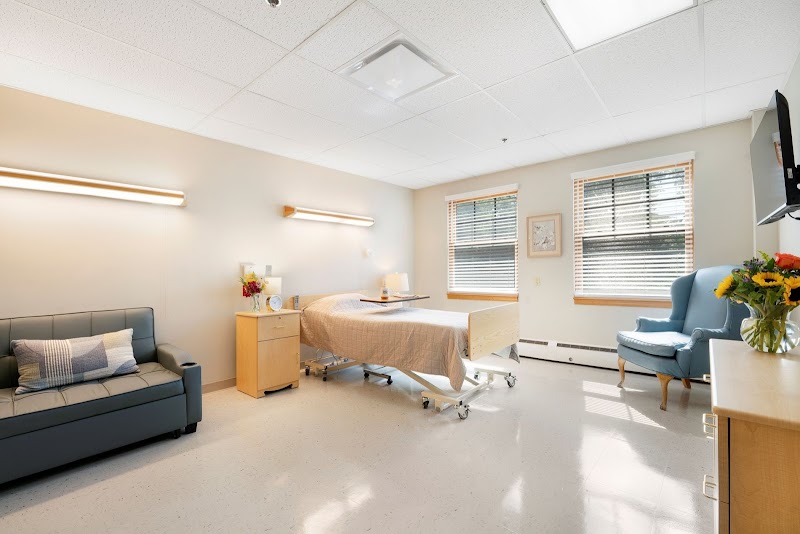
How is Montowese Center For Health & Rehabilitation Staffed?

CMS rates MONTOWESE CENTER FOR HEALTH & REHABILITATION's staffing level at 3 out of 5 stars, which is average compared to other nursing homes. Staff turnover is 55%, compared to the Connecticut average of 46%. RN turnover specifically is 83%, which is notably high. RNs provide skilled clinical oversight, so turnover in this role can affect medical care quality.

What Have Inspectors Found at Montowese Center For Health & Rehabilitation?

State health inspectors documented 73 deficiencies at MONTOWESE CENTER FOR HEALTH & REHABILITATION during 2020 to 2025. These included: 1 Immediate Jeopardy (the most serious level, indicating potential for serious harm or death), 2 that caused actual resident harm, and 70 with potential for harm. Immediate Jeopardy findings are rare and represent the most serious regulatory concerns. They require immediate corrective action.
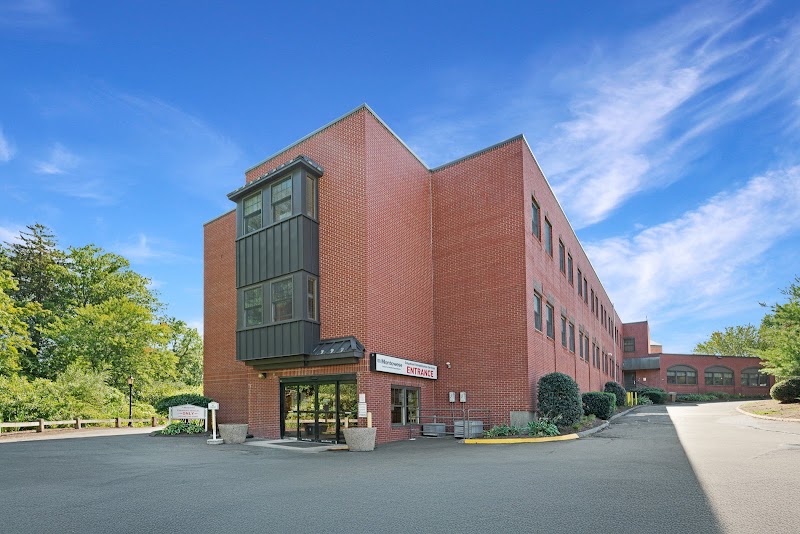
Who Owns and Operates Montowese Center For Health & Rehabilitation?

MONTOWESE CENTER FOR HEALTH & REHABILITATION is owned by a for-profit company. For-profit facilities operate as businesses with obligations to shareholders or private owners. The facility is operated by NATIONAL HEALTH CARE ASSOCIATES, a chain that manages multiple nursing homes. With 120 certified beds and approximately 110 residents (about 92% occupancy), it is a mid-sized facility located in NORTH HAVEN, Connecticut.

How Does Montowese Center For Health & Rehabilitation Compare to Other Connecticut Nursing Homes?

Compared to the 100 nursing homes in Connecticut, MONTOWESE CENTER FOR HEALTH & REHABILITATION's overall rating (1 stars) is below the state average of 3.0, staff turnover (55%) is near the state average of 46%, and health inspection rating (1 stars) is much below the national benchmark.

What Should Families Ask When Visiting Montowese Center For Health & Rehabilitation?

Based on this facility's data, families visiting should ask: "What changes have been made since the serious inspection findings, and how are you preventing similar issues?" "Can I visit during a mealtime to observe dining assistance and food quality?" "How do you handle medical emergencies, and what is your hospital transfer rate?" "Can I speak with family members of current residents about their experience?" These questions are particularly relevant given the facility's Immediate Jeopardy citations.

Is Montowese Center For Health & Rehabilitation Safe?

Based on CMS inspection data, MONTOWESE CENTER FOR HEALTH & REHABILITATION has documented safety concerns. Inspectors have issued 1 Immediate Jeopardy citation (the most serious violation level indicating risk of serious injury or death). The facility has a 1-star overall rating and ranks #100 of 100 nursing homes in Connecticut. Families considering this facility should ask detailed questions about what corrective actions have been taken since these incidents.

Do Nurses at Montowese Center For Health & Rehabilitation Stick Around?

MONTOWESE CENTER FOR HEALTH & REHABILITATION has a staff turnover rate of 55%, which is 9 percentage points above the Connecticut average of 46%. Moderate turnover is common in nursing homes, but families should still ask about staff tenure and how the facility maintains care continuity when employees leave.

Was Montowese Center For Health & Rehabilitation Ever Fined?

MONTOWESE CENTER FOR HEALTH & REHABILITATION has been fined $19,344 across 2 penalty actions. This is below the Connecticut average of $33,272. While any fine indicates a compliance issue, fines under $50,000 are relatively common and typically reflect isolated problems that were subsequently corrected. Families should ask what specific issues led to these fines and confirm they've been resolved.

Is Montowese Center For Health & Rehabilitation on Any Federal Watch List?

MONTOWESE CENTER FOR HEALTH & REHABILITATION is not on any federal watch list. The most significant is the Special Focus Facility (SFF) program, which identifies the bottom 1% of nursing homes nationally based on persistent, serious quality problems. Not being on this list means the facility has avoided the pattern of deficiencies that triggers enhanced federal oversight. This is a positive indicator, though families should still review the facility's inspection history directly.