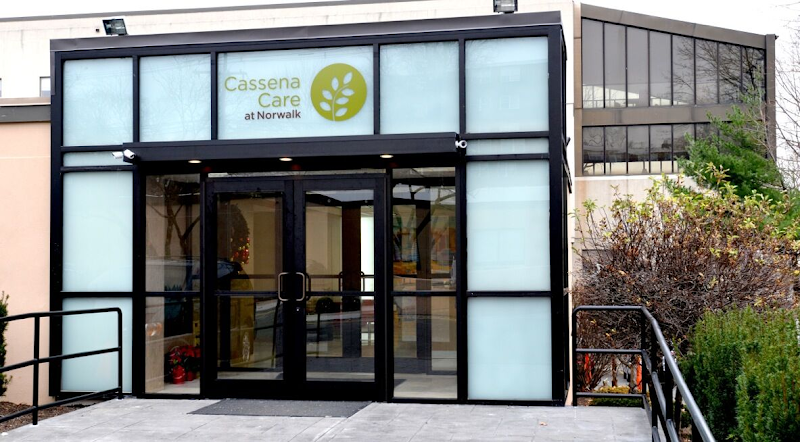
NORWALK CARE CENTER

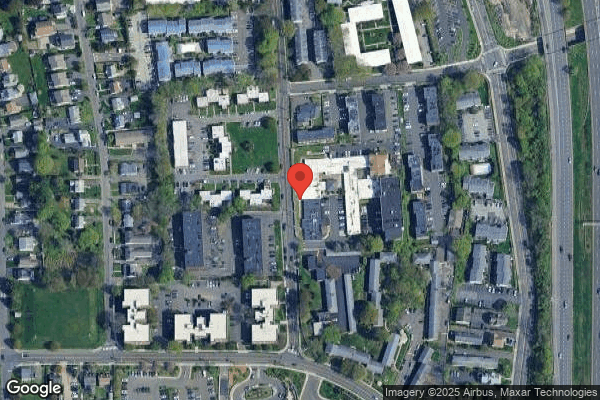
23 PROSPECT AVENUE, NORWALK, CT 06850 (203) 853-0010
For profit - Limited Liability company 150 Beds CASSENA CARE Data: November 2025 1 Immediate Jeopardy citation
Trust Grade
0/100
#184 of 192 in CT
Last Inspection: October 2024

Within standard 12-15 month inspection cycle. Federal law requires annual inspections.

Overview

Norwalk Care Center has received a Trust Grade of F, indicating significant concerns and a poor overall rating. It ranks #184 out of 192 facilities in Connecticut, placing it in the bottom half, and #18 out of 20 in Western Connecticut County, meaning there are only a couple of local options that are better. The facility is showing signs of improvement, as issues decreased from 13 in 2024 to just 1 in 2025, but it still has a high staff turnover rate of 49%, which is concerning compared to the state average of 38%. Staffing is rated average at 3 out of 5 stars, but with fines totaling $198,225, it has higher penalties than 97% of Connecticut facilities, suggesting ongoing compliance issues. Additionally, there have been serious incidents, including failures in supervision that led to multiple residents being injured due to altercations, and one resident left the building unattended, which raises alarms about safety protocols. While the facility does have some strengths, like an average level of RN coverage, the numerous critical incidents and overall poor ratings highlight significant weaknesses that families should carefully consider.

Trust Score
F
0/100
In Connecticut
#184/192
Bottom 5%
Safety Record
High Risk
Review needed
Inspections
Getting Better
13 → 1 violations
Staff Stability
⚠ Watch
49% turnover. Above average. Higher turnover means staff may not know residents' routines.
Penalties
✓ Good
$198,225 in fines. Lower than most Connecticut facilities. Relatively clean record.
Skilled Nurses
○ Average
Each resident gets 40 minutes of Registered Nurse (RN) attention daily — about average for Connecticut. RNs are the most trained staff who monitor for health changes.
Violations
⚠ Watch
42 deficiencies on record. Higher than average. Multiple issues found across inspections.
★☆☆☆☆
1.0
Overall Rating
★★★☆☆
3.0
Staff Levels
★★★★☆
4.0
Care Quality
★☆☆☆☆
1.0
Inspection Score
Stable
2024: 13 issues
2025: 1 issues

The Good

  • 4-Star Quality Measures · Strong clinical quality outcomes
  • Full Sprinkler Coverage · Fire safety systems throughout facility
  • No fines on record

Facility shows strength in quality measures, fire safety.

The Bad

1-Star Overall Rating

Below Connecticut average (3.0)

Significant quality concerns identified by CMS

Staff Turnover: 49%

Near Connecticut avg (46%)

Higher turnover may affect care consistency

Federal Fines: $198,225

Well above median ($33,413)

Significant penalties indicating serious issues

Chain: CASSENA CARE

Part of a multi-facility chain

Ask about local staffing decisions and management

The Ugly 42 deficiencies on record

1 life-threatening 2 actual harm
Mar 2025 1 deficiency
CONCERN (D) 📢 Someone Reported This

A family member, employee, or ombudsman was alarmed enough to file a formal complaint

Potential for Harm - no one hurt, but risky conditions existed

Free from Abuse/Neglect (Tag F0600)

Could have caused harm · This affected 1 resident

**NOTE- TERMS IN BRACKETS HAVE BEEN EDITED TO PROTECT CONFIDENTIALITY** Based on review of the clinical record, facility documentation, facility policy, and interviews for one (1) of three (3) residen...

Read full inspector narrative →
**NOTE- TERMS IN BRACKETS HAVE BEEN EDITED TO PROTECT CONFIDENTIALITY** Based on review of the clinical record, facility documentation, facility policy, and interviews for one (1) of three (3) residents (Resident #3) reviewed for abuse, the facility failed to ensure adequate supervision was provided to prevent sexual abuse. The findings include: a. Resident #2 had diagnoses that included vascular dementia, psychotic disturbance, mood disturbance, aphasia, and anxiety. The quarterly [NAME] Data Set (MDS) dated [DATE] identified Resident #2 had a Brief Mental Interview for Mental Status (BIMS) of eight (8) indicative of moderately impaired cognition, with the presence of verbal behaviors directed towards others, was continent of bowel and bladder, independent with ADLs, bed mobility, transfers, and ambulation. The Resident Care Plan dated 2/19/2025 identified Resident #2 had behaviors of sexual expression and desire with interventions that directed to encourage Resident #2 to talk about h/her feelings, missing h/her significant other, as well as feelings h/she may have for any of the male or female residents on h/her unit, and psychology consult as needed. b. Resident #3 had diagnoses that included anxiety, depression, and dementia. The quarterly MDS dated [DATE] identified Resident #3 had a Brief Interview for Mental Status (BIMS) score of ten (10) indicative of moderately impaired cognition, was frequently incontinent of bowel and bladder, required supervision with ambulation, set-up for ADLs, and was independent with bed mobility and transfers. The Resident Care Plan dated 2/18/2025 identified Resident #3 was at risk of being a victim of abuse, neglect, and/or mistreatment, sexual risk due to congregate living with interventions that directed to advise Resident #3 to seek out staff if having difficulty with others, assess medical status and provide appropriate care, and counsel resident to avoid contact with the aggressor. A nurse's note dated 2/22/2025 at 5:22 A.M. (late entry) by Registered Nurse (RN) #2 identified she was notified by Licensed Practical Nurse (LPN) #2 that an incident occurred on the unit. RN #2 identified LPN #2 reported that Nurse Aide (NA) #1 observed Resident #2 in Resident #3's room, Resident #2 was lying on top of Resident #3 with h/her pants down and Resident #2's diaper was shifted to the side. RN #2 identified that NA #1 believed that Resident #2 and Resident #3 were having intercourse. RN #2 indicated that Resident #3 was escorted back to h/her room. RN #2 identified during an interview with Resident #3 h/she stated, we were having sex. RN #2 indicated she and LPN #2 assessed Resident #3, and no signs of trauma were observed. RN #2 indicated interviews with Resident #2 and Resident #3 were completed and both residents stated that the sexual act was consensual. RN #2 identified Resident #3 was transferred to the hospital for further evaluation and Resident #2 was on a one-to-one observation. Review of the facility's accident and incident report dated 2/22/2025 at 6:33 A.M. identified on 2/22/2025 at approximately 4:30 A.M. NA #1 observed Resident #2 lying in the bed with Resident #3, Resident #3 did not have h/her pants on, Resident #2 's johnny coat was slightly pulled up, and h/her brief was opened. Resident #3 verbalized h/she gave consent to Resident #2 to have sex with h/her. Resident #3's Power of Attorney was notified and h/she mentioned that h/she was aware that Resident #2 and Resident #3 liked each other. Resident #2 was placed on one-to-one monitoring and Resident #3 was transferred to the hospital for further evaluation. The facility's investigation summary dated 2/25/2025 identified both Resident #2 and Resident #3 had a diagnosis of dementia and Resident #3's Power of Attorney knew that Resident #2 and Resident #3 liked each other. Per an interview with Resident #3 h/she stated that h/she gave permission to Resident #2 to touch h/her and they had sex. Per an interview with Resident #2 h/she verbalized that h/she was not doing anything, that nothing happened between h/her and Resident #3. The summary indicated the facility could not substantiate any wrongdoing, and the facility initiated education on Dementia and sexual desires, and how to care for residents who are expressing needs of sexual encounters. Interview with LPN #2 on 3/18/2025 at 9:00 A.M. identified that the 11:00 P.M. to 7:00 A.M. shift staff are assigned break times at the start of the shift, to ensure when a staff member takes a break there are always two staff on the unit. LPN #2 identified on 2/22/2025 at approximately 4:00 A.M. she was going on her break and told NA #1 who was sitting in a chair in the doorway of the dining room and that if she needed anything she would be in the unit break room. LPN #2 identified although she did not see NA #2 on the unit before she left for break, she assumed NA #2 was on the unit in a resident's room. LPN #2 identified at approximately 4:30 A.M., towards the end of her break, NA #1 came to her to report that Resident #2 and Resident #3 may have had sexual intercourse because she observed Resident #2 in Resident #3's room, Resident #2 had h/her pants off lying on top of Resident #3, and Resident #3's brief was undone and opened. LPN #2 indicated NA #1 immediately separated the residents and Resident #2 was back in h/her room. LPN #2 indicated she immediately went down to assess Resident #3 who stated h/she gave Resident #2 permission, and that they were having sex. LPN #2 identified Resident #2 was placed on one-to-one monitoring and Resident #3 was sent out to the hospital. LPN #2 identified after the incident she became aware that when NA #1 found Resident #2 in Resident #3's room, NA #1 was alone on the unit, because she (LPN #2) and NA #2 were on break at the same time. LPN #2 identified she should have ensured NA #2 was on the unit prior to taking her break and not assumed NA #2 was in a resident's room. Interview MD #2 (psychiatrist) on 3/18/2025 at 10:20 A.M. identified following the sexual encounter between Resident #2 and Resident #3 she was asked by the facility to urgently see Resident #3 to evaluate h/her capacity to consent. MD #2 identified Resident #3 lacked the capacity to consent to sexual activity and relationships. Interview with RN #2 on 3/18/2025 at 10:55 AM identified prior to 2/22/2025 that she was not aware of any episodes, sexual in nature, between Resident #2 and Resident #3. RN #2 identified by the time she went to Resident #3's room, the residents were already separated. RN #2 identified she and LPN #2 assessed Resident #3's genital areas and no injuries or abnormalities were noted. RN #2 indicated Resident #3 stated it was consensual and that h/her gave Resident #2 permission, and Resident #2 stated that they were both consenting adults. RN #2 identified Resident #2 was placed on one-to-one monitoring and Resident #3 was transferred to the hospital. Interview with NA #1 on 3/18/2025 at 11:31 A.M. identified on 2/22/2025 at approximately 3:50 A.M., she was seated in a chair in the doorway of the dining room, unable to visualize the unit hallway. NA #1 identified LPN #2 told her she was taking a break and to call her if she needed anything. NA #1 identified, although she did not see NA #2, she thought NA #2 was on the unit when LPN #2 went on break. NA #1 identified on 2/22/2025 at approximately 4:20 A.M. when she went to start rounds alone, Resident #2 was not in h/her room. NA #1 identified while was looking for Resident #2 she noticed that Resident #3's room door was closed. NA #1 identified when she opened Resident #3's room door she observed Resident #2 with h/her pants off lying on top of Resident #3 with a johnny coat on. NA #1 identified she directed Resident #2 to get off Resident #3 and when Resident #3 got up she observed Resident #3's legs wide open with h/her brief opened and pushed to the side. NA #1 indicated she directed Resident #2 back to h/her room, then went to get LPN #2, and reported what happened. NA #1 identified that after the incident, NA #2 returned to the unit and identified she had been on break. Interview with NA #2 on 3/19/2025 at 11:00 A.M. identified on 2/22/2025 at approximately 3:50 A.M. when she went on her scheduled break NA #1 and LPN #2 were on the unit. NA #2 identified between 4:15 A.M. and 4:30 A.M. when she returned from her break NA #1, LPN #2, and RN #2 told her that Resident #2 was found lying on top of Resident #3 in h/her room. NA #2 identified on the 11:00 P.M. to 7:00 A.M. shift when a staff member goes on break it is one staff per break time because there always has to be two staff members on the unit. Interviews with Director of Nurses (DNS) on 3/18/2025 at 12:00 P.M. and on 3/19/2025 at 11:10 A.M. identified on 2/22/2025 at approximately 4:15 A.M. NA #1 observed Resident #2 lying on top of Resident #3 without h/her pants on and not wearing a brief, Resident #3 was on h/her back lying in the bed with a johnny coat, with h/her brief opened and pushed to the side exposing h/her genital area. The DNS indicated the residents were immediately separated by NA #1, Resident #2 was placed on one-to-one monitoring, and Resident #3 was sent to the hospital for further evaluation. The DNS indicated following the incident Resident #2 continued to deny any type of sexual activity occurred and remained on one-to-one monitoring until h/she was discharged per h/her request. The DNS identified at that start of each shift staff discuss break times with each other, break times are then assigned so that only one staff member is on break at a time to ensure that there are always two staff on the unit. The DNS identified her expectations are prior to the staff taking a break the charge nurse should ensure that there are two other staff on the unit and the 11:00 P.M. to 7:00 A.M. staff should not be in the dining room unless they are on a break. The DNS identified on 2/22/2025 that there should have been two staff on the unit when the sexual encounter happened between Resident #2 and Resident #3 and NA #1 should not have been sitting in the doorway of the dining room where she was unable to observe the unit or the residents. Review of the facility's reporting and investigation of resident abuse/neglect, or mistreatment policy dated 11/2016, in part; identified that the purpose of the policy is to ensure every resident has the right to free from abuse, neglect, misappropriation of resident property and exploitation.
Oct 2024 13 deficiencies 1 Harm
SERIOUS (G) 📢 Someone Reported This

A family member, employee, or ombudsman was alarmed enough to file a formal complaint

Actual Harm - a resident was hurt due to facility failures

Free from Abuse/Neglect (Tag F0600)

A resident was harmed · This affected 1 resident

**NOTE- TERMS IN BRACKETS HAVE BEEN EDITED TO PROTECT CONFIDENTIALITY** Based on review of the clinical record, review facility documentation, review of facility policy and interviews for one sampled ...

Read full inspector narrative →
**NOTE- TERMS IN BRACKETS HAVE BEEN EDITED TO PROTECT CONFIDENTIALITY** Based on review of the clinical record, review facility documentation, review of facility policy and interviews for one sampled resident (Resident #94) reviewed for abuse, the facility failed to ensure the resident was provided adequate supervision to prevent abuse that resulted in an injury. The findings included: Resident #29 diagnoses included dementia, anxiety, schizophrenia and bipolar disorder. A quarterly MDS assessment dated [DATE] identified Resident #29 had moderate cognitive impairment, no behaviors, no range of motion deficits, and was independent with ambulation. Resident #94's diagnoses included dementia, anxiety, restlessness and agitation. The quarterly MDS assessment dated [DATE] identified Resident #94 was severely cognitively impaired, had no behaviors, no range of motion deficits, and was independent with ambulation. Resident #94's care plan in place in May 2024 identified Resident #94 was at risk to be a victim of abuse, neglect, and/or mistreatment in congregate living and is vulnerable due to cognitive deficits with interventions that included: calmly redirect resident away from areas of potential harm and intervene as necessary to ensure safety. The care plan further identified Resident #94 had the behavior of wandering related to dementia and wanders into other residents' rooms with interventions that included: encourage attendance in activities as a constructive use of free time, engage in diversional activities, redirect as needed. The care plan also identified the resident had impaired visual function related to having a cataract, with an intervention to orient resident to environment. Social Worker #1's progress note dated 4/12/24 identified Residents #29 and #94 were roommates on the secured unit and were not getting along. Resident #94's family agreed to a room change and Resident #94 was moved to a different room on the secured unit. The Reportable Event report dated 5/4/24 identified that at 10:30 AM Resident #94 was observed by the charge nurse with a small amount of blood on the face, the resident was unable to verbalize what occurred. The charge nurse followed the blood trail on the floor, and it led to Resident #29's room. When asked what occurred Resident #29 verbalized that he/she had hit Resident #94 because he/she had touched his/her private area. The report further identified Resident #94 sustained an open area to the left side of the head that measured 1.0 centimeter (cm) by 0.5 cm. Resident #94 was sent to the hospital emergency department. The report further identified Resident #29 was also sent out to the emergency department for a psychiatric evaluation. The report further identified Resident #29 was admitted to an psychiatric hospital subsequent to this incident. The hospital Discharge summary dated [DATE] identified Resident #94 had a hematoma (a solid swelling of clotted blood within the tissues). and was treated for a 2.5 cm forehead laceration with three sutures. The facility's investigation dated 5/8/24 identified that during the time of the incident between Resident #29 and Resident #94, the nurses' aides on the unit were providing care to other residents and had not witnessed the altercation between the residents. The Reportable Event report summary further identified that as a result of the incident between Resident #94 and Resident #29, the facility implemented every thirty-minute checks on the unit to check residents' whereabouts and activity. It further noted that education would be provided to the staff on how to conduct every 30 thirty-minute checks. A physician's order dated 5/6/24 for Resident #94 directed the performance of a psychiatric consult. The psychiatric evaluation and consultation dated 5/6/24 identified Resident #94 appeared calm and in no obvious physical distress, and no indication of behavioral changes. It also identified the resident's language was significantly impaired but noted that during the interaction the resident appeared pleasant and cooperative and did not appear frustrated. A physician's order dated 5/6/24 directed to monitor sutures to the left side of Resident #94's head, for swelling, drainage, warmth or changes, and to provide incisional care every shift for 14 days. Social Worker #1's progress note dated 5/6/24 identified Resident #94 had been involved in a resident-to-resident physical altercation on 5/4/24, sent to the hospital and returned to the facility. In addition, the note identified Resident #94 was transferred to another unit and was being monitored for any adjustment concerns. Interview with the DNS on 10/9/24 at 7:20 AM identified staff are trained on deescalating any resident-to-resident altercations by separating the residents, moving the residents to different rooms, and decreasing any excess stimulus. She further noted that the staff go through training for dementia, which includes all the forementioned interventions as well as being aware of any triggers residents may have due to their medical history. Observation on 10/9/24 at 7:40 AM identified Resident #94 in his/her room resting in bed and attempts to interact with the resident identified he/she was not communicative. Interview with LPN #2 (charge nurse on East 1 unit) on 10/9/24 at 11:40 AM identified that on 5/4/24, Resident #94 approached the nurses' station and was noted to be bleeding from a wound on the forehead. She noted that she followed the drops of blood on the floor to Resident #29's room and observed the resident holding a cup that appeared to have blood on it. Resident #29 conveyed that Resident #94 had touched his/her private parts. LPN #2 further identified the incident was unwitnessed by any of the staff on the unit. Additionally, LPN #2 identified that she had not observed any negative interactions between the two residents prior to the incident. The Reporting and Investigation of Resident Abuse, Neglect, Misappropriation, Exploitation and Mistreatment policy identified that the facility does not permit verbal, mental, sexual, or physical abuse, including corporal punishment and involuntary seclusion of residents or other mistreatment or neglect by anyone, including, but not limited to, other residents, staff, consultants, volunteers, staff of other agencies serving the residents, family members, legal guardians, friends or other individuals.
CONCERN (D)

Potential for Harm - no one hurt, but risky conditions existed

PASARR Coordination (Tag F0644)

Could have caused harm · This affected 1 resident

**NOTE- TERMS IN BRACKETS HAVE BEEN EDITED TO PROTECT CONFIDENTIALITY** Based on review of the clinical record, review of facility policy, and interviews for one sampled resident (Resident #62) review...

Read full inspector narrative →
**NOTE- TERMS IN BRACKETS HAVE BEEN EDITED TO PROTECT CONFIDENTIALITY** Based on review of the clinical record, review of facility policy, and interviews for one sampled resident (Resident #62) reviewed for pre-admission screening and resident review (PASARR), the facility failed to ensure that a resident with a qualifying diagnosis was referred to the state-designated authority for the consideration for a level II assessment. The findings include: Resident #62's diagnoses included major depressive disorder, unspecified psychosis not due to a substance or known physiological condition, and generalized anxiety disorder. The quarterly MDS assessment dated [DATE] identified Resident #62 was cognitively intact, had no behaviors, required supervision or touching assistance with eating, and oral hygiene, required total assistance for toileting, showers, and moderate to maximal assistance with dressing and transfers. The assessment further identified the resident did not ambulate and utilized a wheelchair for mobility. The care plan dated 7/17/24 identified Resident #62 was at risk for psychotropic drug use complications related to the use of antidepressant medication with interventions that included: behavior monitoring and interventions, monitor and evaluate for signs and symptoms of confusion, change in activities of daily living (ADL) functioning, monitor for decreased nutrition/hydration/weight, difficulty in communication, and medication side effects. Social Worker #2's (SW #2) progress note dated 9/17/24 at 5:53 PM identified Resident #62 had the new diagnosis of major depressive disorder with an onset date of 9/18/24. Interview with SW#1 on 10/8/24 at 1:50 PM identified major depressive disorder would be a qualifying diagnosis that would trigger a referral to the state-designated authority responsible for conducting the PASARR level II assessment. SW#1 identified that information is relayed to their office through the MDS Coordinator, and once the diagnosis is received, she is responsible for submitting the referral to the state-designated authority to see if the resident qualifies for a level II screening. SW#1 further identified she was unaware of Resident #62's new diagnosis. Interview with SW#2 on 10/8/24 at 2:05 PM identified she wrote the note on 9/17/24 and should have notified SW#1 of the new diagnosis so that the referral for the level II assessment could have been made to the state-designated authority. Interview with the Regional MDS Coordinator on 10/8/24 at 2:30 PM identified that there is a weekly meeting with the psychiatric provider(s) that the Social Worker attends. She further noted that at the meeting the Social Worker is made aware of any new psychiatric diagnoses that would require a referral to the state-designated authority for a level II PASARR assessment. The Pre-admission Screen and Annual Resident Review (PASRR) policy directs that a resident who has not been previously identified as having a serious mental disorder (SMI) will require a level II assessment if a new diagnosis of mental illness is identified during the stay or during hospitalization.
CONCERN (D)

Potential for Harm - no one hurt, but risky conditions existed

Quality of Care (Tag F0684)

Could have caused harm · This affected 1 resident

**NOTE- TERMS IN BRACKETS HAVE BEEN EDITED TO PROTECT CONFIDENTIALITY** Based on clinical record review, review of facility documentation, review of facility policy, and interviews for one of four sam...

Read full inspector narrative →
**NOTE- TERMS IN BRACKETS HAVE BEEN EDITED TO PROTECT CONFIDENTIALITY** Based on clinical record review, review of facility documentation, review of facility policy, and interviews for one of four sampled residents (Resident #35) reviewed for a skin condition, the facility failed to ensure a physician's order was obtained for a surgical wound treatment. The findings include: Resident #35 was readmitted to the facility on [DATE] with diagnoses that included right femur fracture, polyneuropathy, and type 2 diabetes mellitus. The hospital Discharge summary dated [DATE] identified Resident #35 underwent a partial replacement of the right hip. The right hip had surgical wound care instructions that directed to keep the incision covered with the current dressing for 7 days and dressing to the right hip could be removed after 7 days (the dressing should have been removed on 6/22/24). The nurse's note dated 6/15/24 at 4:42 PM identified Resident #35 was readmitted to the facility with a diagnosis of right femur fracture. It further noted Resident #35 was alert and oriented and had a surgical wound with staples to the right hip covered with a surgical dressing. The nurse's note did not specifically identify the type of surgical dressing that was in place to the right hip. The typical surgical dressing for a hip incision is usually an occlusive dressing that provides the area with protection and may have antibacterial properties to prevent wound/incision site infections. Review of physician's orders and the treatment administration record (TAR) from 6/15/24 to 6/19/24 failed to identify a treatment order to the right hip surgical wound. A review of the nurses' notes from 6/16/24 to 6/19/24 identified Resident #35 had a surgical wound to the right hip and noted the right hip wound had no foul-smelling odors and no signs and symptoms of infection. The note also noted that the dressing to the right hip was intact. The nurse's note dated 6/20/24 at 7:07 PM written by RN #2 (former wound nurse) identified Resident #35's surgical dressing to the right hip had fallen off and the dressing to the right hip was replaced. The wound size was documented as 11.7 centimeters (cm) in length and 1.0 cm in width and noted to have 35 staples to the surgical right hip incision, with no drainage (the dressing was replaced on the 5th day after admission, which was two days before the dressing should have been removed). The nurse's note did not identify what type of dressing was applied to the surgical site, nor did it identify that the physician was contacted regarding the dressing that fell off or orders to address the replacement of the dressing. Review of the physician's orders identified there were no physician's orders related to the right hip surgical wound dated 6/20/24. The significant change MDS assessment dated [DATE] identified Resident #35 with intact cognition, required extensive assistance with toileting, hygiene, bed mobility, transfers, and ambulation. It further identified Resident #35 had a surgical wound. Review of the nurses' notes from 6/21/24 to 7/1/24 identified Resident #35 had a surgical wound to the right hip, see TAR for details, no foul-smelling odor, no sign/symptoms of infection and dressing intact. Although, the nurses' notes make reference to the TAR (treatment administration record), review of the TAR identified no orders related to the right surgical wound. The nurses' notes also do not identify what type of dressing was in place. The nurse's note dated 7/2/24 at 2:59 PM identified Resident #35's right hip surgical wound had become red, warm to touch and had a strong foul odor. The right hip surgical wound was cleaned with normal saline and covered with an abdominal pad and secured with tape. The nursing supervisor and the APRN were made aware (this was 17 days after the resident was admitted with no physician's orders in place to address the right hip surgical wound). The physician's order dated 7/2/24 directed to cleanse the right hip surgical incision with Dermaklenz (wound cleanser) and cover with a dry abdominal pad and secure with tape daily and Cephalexin (antibiotic) capsule 500 milligram (mg) by mouth twice per day for 7 days. The RCP dated 7/3/24 identified Resident #35 had actual skin impairment related to right hip surgical wound. Care plan interventions directed to educate resident/family/caregiver measure to prevent skin injury, keep skin clean and dry. Interview with RN #1 (wound nurse) on 10/8/24 at 9:30 AM identified that when a resident is admitted with a wound, the nurses should follow the surgeon's instructions for wound care and the charge nurses are responsible for providing the treatment. She further identified that the physician's orders should contain the wound care orders and that the nurses wound sign off on the wound care in the TAR. She further identified that she was not the wound care nurse at the time Resident #35 was readmitted to the facility. Interview and clinical record review with the DNS on 10/8/24 at 10:00 AM identified that the nursing supervisors are responsible for ensuring the treatment for a surgical wound is included in the physician's orders. Review of the physician's orders with the DNS failed to identify a wound care dressing order. Interview with RN #2 (former wound nurse) on 10/9/24 at 10:00 AM identified she was responsible for wound monitoring including surgical wounds. She identified that she follows the surgeon's wound treatment recommendations. She identified that Resident #35's dressing to the right hip had fall off and she replaced the dressing to the right hip. She could not remember the details of the treatment she provided to Resident #35, and she could not recall whether she notified the physician or not, but review of the record failed to identify a dressing change order or that the physician was notified. Attempts to interview the nurse that readmitted Resident #35 on 6/15/24 were unsuccessful. The Non-Pressure Related Skin Ulcer/Wound policy identified that dressing changes and cleaning of a surgical wound should be in accordance with the surgeon's orders.
CONCERN (D)

Potential for Harm - no one hurt, but risky conditions existed

Pharmacy Services (Tag F0755)

Could have caused harm · This affected 1 resident

Based on observations, review of facility policy and review of facility documentation on one of three medication administration carts reviewed, the facility failed to ensure that the controlled medica...

Read full inspector narrative →
Based on observations, review of facility policy and review of facility documentation on one of three medication administration carts reviewed, the facility failed to ensure that the controlled medication count was correct, and the medication was signed out on the control disposition record. The findings include: A review of the controlled medications identified the following: • A blister pack of Alprazolam 0.5mg tab for Resident #69 contained 11 tabs; however, the control drug receipt and disposition record stated there were 12 tabs. • A blister pack of Tramadol 50mg tab for Resident #99 contained 3 tabs however, the control drug receipt and disposition stated there were 4 tabs. • A blister pack of Alprazolam 0.25mg tab for Resident #7 contained 1 tab however, the control drug receipt and disposition stated there were 2 tabs. Interview with RN #4 on 10/8/24 at 1:45 PM identified that it was everyone's responsibility to ensure expired medications were not stored in the medication cart, and controlled medications should be behind two locks, the cart and the lock box located within the cart. She further noted that when insulin is opened it should be labeled with the opened date and the discard date. According to RN#4 she should have signed the control drug receipt and disposition record when she administered the medication. Interview with the DNS on 10/9/24 at 9:45 AM identified that expired medication should be removed from the cart by any of the nurses who use the cart. She further noted that controlled medications should be secured behind two locks, and insulin should be labeled with the open date and the discard date. Additionally, she identified that medications should be signed off on the control drug receipt and disposition when it is retrieved from the cart to be dispensed to a resident. The Medication Administration Guidelines identified that both the controlled substance drawer lock and the outer lock are to be locked if the cart is unattended. The nurse preparing any medication administers it and records it, and to affix date and initial when starting a multi vial medication. The Control Substances, Delivery Storage, Count, Administration, Wasting, and Return policy directs that all controlled substances are to be stored in a double door, double locked container. During administration enter on front of individual controlled medication record the dose taken out. Accountability and security must be maintained at all times.
CONCERN (D)

Potential for Harm - no one hurt, but risky conditions existed

Deficiency F0761 (Tag F0761)

Could have caused harm · This affected 1 resident

Based on observations, review of the clinical record, review of facility policy and interviews for one of three medication carts reviewed, the facility failed to store medications appropriately. The f...

Read full inspector narrative →
Based on observations, review of the clinical record, review of facility policy and interviews for one of three medication carts reviewed, the facility failed to store medications appropriately. The findings include: Observation of the 2 East medication administration cart with RN#4 on 10/8/24 at 1:32 PM identified the following: • Two bottles of Oyster Shell Calcium with Vitamin D with an expiration of 9/2024. • One bottle of Lantus 100 units/ml with no open date approximately ¼ full in a plastic sandwich bag with the last name of Resident #54 written in black marker worn away and barely visible with no open date and no discard date written. • The narcotic box located in the medication administration cart was not locked; however, the medication cart itself was secured and was located behind the nurses' station. Interview with RN #4 on 10/8/24 at 1:45 PM identified that it was everyone's responsibility to ensure expired medications were not stored in the medication cart, and controlled medications should be behind two locks, the cart and the lock box located within the cart. She further noted that when insulin is opened it should be labeled with the opened date and the discard date. According to RN#4 she should have signed the control drug receipt and disposition record when she administered the medication. Interview with the DNS on 10/9/24 at 9:45 AM identified that expired medication should be removed from the cart by any of the nurses who use the cart. She further noted that controlled medications should be secured behind two locks, and insulin should be labeled with the open date and the discard date. Additionally, she identified that medications should be signed off on the control drug receipt and disposition when it is retrieved from the cart to be dispensed to a resident. The Medication Administration Guidelines identified that both the controlled substance drawer lock and the outer lock are to be locked if the cart is unattended. The nurse preparing any medication administers it and records it, and to affix date and initial when starting a multi vial medication. The Control Substances, Delivery Storage, Count, Administration, Wasting, and Return policy directs that all controlled substances are to be stored in a double door, double locked container. During administration enter on front of individual controlled medication record the dose taken out. Accountability and security must be maintained at all times.
CONCERN (E)

Potential for Harm - no one hurt, but risky conditions existed

Deficiency F0603 (Tag F0603)

Could have caused harm · This affected multiple residents

**NOTE- TERMS IN BRACKETS HAVE BEEN EDITED TO PROTECT CONFIDENTIALITY** Based on observations, review of clinical records, review of facility policy and interviews for five of six sampled residents (R...

Read full inspector narrative →
**NOTE- TERMS IN BRACKETS HAVE BEEN EDITED TO PROTECT CONFIDENTIALITY** Based on observations, review of clinical records, review of facility policy and interviews for five of six sampled residents (Residents #1, #9, #21, #33 and #82) who resided on a secured unit, the facility failed to ensure there was documentation of the clinical criteria met for placement in the unit and that the secured unit was the least restrictive setting for the residents. The findings include: Observation of the East 1 Unit on 10/07/24 at 11:14 PM identified that to enter and/or exit the unit through the doors to the unit required a code (sequence of numbers) be entered into a keypad located on the wall by the doors. The doors at the end of the hallways (both left and right) were also secured and required code entry into a keypad. Further observation on the unit identified two closed doors that opened to stairwells, which were identified as the fire exits and contained wanderguard alarm sensors. Interview with the DNS on 10/7/24 at 3:37 PM identified the 1 East unit is a secured unit and placement on the unit is dependent on the resident's history of dementia and wandering. Interview with the Administrator on 10/7/24 at 3:47 PM identified the secured unit is a memory care unit. He further identified that he was unfamiliar with the criteria for placement on the unit but indicated that each resident is assessed for placement on the unit. Interview with the Corporate Social Worker on 10/7/24 at 4:02 PM identified she could not identify the criteria for placement on the secured unit but indicated that residents residing on the unit had been assessed appropriately for placement on the unit. Resident #1's diagnoses included dementia with behavioral disturbances, and monoplegia affecting the right lower limb. The quarterly MDS assessment dated [DATE] identified Resident #1 had severely impaired cognition, exhibited physical and verbal behavioral symptoms, was totally dependent for transfers, hygiene and toileting. The assessment further identified the resident did not ambulate and utilized a wheelchair for mobility. The Care plan dated 7/16/24 identified Resident #1 had problems related to behavior, inappropriate/harmful agitation and combative behaviors with an intervention to provide a calm structured environment. The monthly physician's orders for October/2024 directed to monitor for behaviors including agitation, hitting, kicking, spitting, delusions, hallucinations, psychosis, aggression, and refusals of care. Review of the clinical record identified a special care unit (secured unit) consent form dated 4/2/24 that identified the resident's conservator agreed to Resident #1's placement on the unit. Further review of the clinical record identified a form titled Interdisciplinary Team Preference to Leave Unit Independently dated 7/3/2024 at 4:56 PM and indicated the Resident #1 had problems with communication, memory, mobility, and inability to navigate the elevator that interfered with independent function. The assessment further noted Resident #1 was not safe to leave the unit independently. The form was signed by the Social Worker, dietary representative, Recreation, Rehabilitation Director; However, the form failed to include required signatures from nursing, psychiatric provider, or the attending physician. The Social Services Care meeting note dated 7/16/24 at 10:27 PM identified Resident #1 continued to reside on the behavioral/dementia unit. Review of the Behavior Monitoring and Interventions Report from 8/1/24 through 10/9/24 identified Resident #1 exhibited behaviors of grabbing others 5 days, cursing at others 9 days, agitated 1 day, screaming at others 1 day, and repetitive motions 1 day. Psychiatry notes dated 9/10/24 identified Resident #1 was not currently a danger to self and not currently a danger to others and had a history of behavioral disturbance. The record failed to include documentation by the physician of the clinical criteria met for placement on the secured unit and it failed to identify that the secured unit was the least restrictive setting/approach for the resident. Resident #9's diagnoses included muscular dystrophy, schizoaffective disorder, mild intellectual disabilities, and major depressive disorder. The quarterly MDS assessment dated [DATE] identified Resident #9 had intact cognition, did not exhibit wandering behaviors, did not use assistive devices, was independent withal transfers, mobility, and personal care. The care plan dated 7/30/24 identified Resident #9 was at risk for leaving the unit (does not specify the unit) independently related to safety with interventions that included: escort resident to and from activities of choice and to therapy or facility programs. The physician's orders for October 2024 directed behavior monitoring for agitation, hitting, kicking, spitting, delusion, hallucinations, psychosis, aggression, and refusing care. Review of the Interdisciplinary Team (IDT) Assessment for Preference to Leave Unit Independently forms dated 1/19/24, 4/16/24, and 7/17/24 identified Resident #9 voiced a preference to leave the unit on 2 of the assessments. All three assessments identified the resident had the capacity to leave the unit, was independent or required supervision with mobility and could communicate a destination but identified the outcome of the assessments as not safe to leave the unit independently. These assessments were signed by the Social Worker, Dietician, Recreation and Rehabilitation. The designated area for the nurse to sign was not signed. Review of the physician's progress notes from 6/1/24 through 10/9/24 failed to address the resident's placement in the secured unit. Review of psychiatric progress notes dated 7/17/24, 8/13/24, 9/5/24, and 10/01/24 identified Resident #1 exhibited anxiety and delusions and was not a danger to self or others. Recommendations were to monitor behaviors. The notes did not address Resident #9's placement on the secured unit The Special Care unit consent form dated 8/17/21 identified the resident's conservator had consented for the resident to be placed on the secured unit. Review of the Behavior Monitoring and Interventions Report from 8/1/24 through 10/9/24 identified Resident #9 was monitored for physical and verbal behaviors directed at others, socially inappropriate behaviors, and other behaviors not directed at others. The documentation identified Resident #9 had not exhibited any of the identified behaviors. Interview with Resident #9 on 10/7/24 at 11:34 AM identified the resident referred to living on the secured unit as a prison and indicated he/she was not able to make independent choices to sit outside or attend programs in other areas of the building. The record failed to include documentation by the physician of the clinical criteria met for placement on the secured unit and it failed to identify that the secured unit was the least restrictive setting/approach for the resident. Resident #21 was admitted to the facility on [DATE]. Diagnoses included metabolic encephalopathy, rhabdomyolysis, schizoaffective disorder, major depressive disorder, and a history of substance abuse. The admission MDS assessment dated [DATE] identified Resident #21 had moderately impaired cognition, did not exhibit hallucinations, delusions, or physical or verbal behavioral symptoms, nor had the resident exhibited wandering behaviors. The MDS indicated the resident was dependent with toileting, showering, and upper and lower body dressing. The Care Plan dated 8/28/24 identified Resident #21 could not safely leave the unit independently with interventions that included: escort the resident to and from activities of choice, to therapy or facility programs. The physician's orders for October 2024 did not identify an order for placement on a secured unit. Review of Nursing Progress Notes from 8/8/24 through 10/10/24 identified Resident #21 was alert and oriented to person, place, and time, was able to communicate verbally with clear speech, and able to be understood. Additionally, Resident #21 consistently had pleasant mood with no unwanted behaviors displayed. The review further identified Resident #21had difficulty with decision making, showed poor decision making, and needed cues or supervision. The physician's progress note dated 8/26/24 at 11:20 AM identified Resident #21 was alert and at baseline and indicated the resident's behavior was normal and directed to continue to monitor mood and behavior related to schizoaffective disorder. The psychiatric progress note dated 9/10/24 identified Resident #21 was alert and oriented to person, place, time and situation, was not currently a danger to self or others, had a complex pharmacological regimen and required behavioral monitoring for medications. The Special Care unit consent form dated 8/13/24 identified that due to present status with Alzheimer's/Dementia/Schizophrenia/Bi-Polar disorder, the resident shall be evaluated quarterly as needed according to facility policy for continued stay if the evaluation finds the continued stay on the unit is no longer appropriate, the resident or designee shall be informed. The record failed to include documentation by the physician of the clinical criteria met for placement on the secured unit and it failed to identify that the secured unit was the least restrictive setting/approach for the resident. Resident #33's diagnoses included heart failure, dementia, anxiety disorder and visual loss. The quarterly MDS assessment dated [DATE] identified Resident #33 was cognitively intact, had not exhibited physical and verbal behavioral symptoms directed to others and no other behavioral symptoms not directed towards others, had rejection of care behavior type that occurred 1 to 3 days. The assessment further identified Resident #33 required limited assistance with personal hygiene, upper body dressing, transfers, ambulation and utilized a wheelchair and walker for mobility. The care plan dated 9/26/24 identified Resident #33 could not leave the unit independently with an interventions to assess for safety to leave the unit. Review of the physician's orders for September 2024 thru October 9, 2024, did not address Resident #3's placement on a secure/special care unit. The record failed to include documentation by the physician of the clinical criteria met for placement on the secured unit and it failed to identify that the secured unit was the least restrictive setting/approach for the resident. Resident #82 was admitted to the facility on [DATE]. Diagnoses included schizophrenia, dementia, anxiety, bipolar disorder, and muscle weakness. The quarterly MDS assessment dated [DATE] identified Resident #82 had severely impaired cognition, did not exhibit hallucinations, Delusion, physical or verbal behavioral symptoms directed toward others, did not wander, and did not refuse care. The MDS identified the resident required partial/moderate assistance with position changes and used a wheelchair for mobility. The Care Plan dated 7/9/24 identified Resident #82 was appropriate for long term placement but failed to identify housing placement on a secured unit. The Special Care Unit consent form dated 12/21/23 was signed by the resident's Power of Attorney (POA). The physician's progress note dated 2/7/24 identified the resident's mentation/behavior was at baseline without specifics, and that in the judgment of the physician, the resident did not have the capacity to make health care decisions. The physician's progress note did not identify an assessment or review for placement on a secured unit. Review of nursing progress notes from 3/20/24 through 10/7/24 identified weekly behavior Progress notes that indicated Resident #82 did not have abnormal behavior that was observed and indicated the resident was calm and cooperative. Review of Social services care plan meeting notes dated 3/20/24, 4/9/24, 7/9/24, and 10/8/24 identified Resident #82 continued in the behavioral unit with family in agreement with placement. Review of psychiatric progress notes from 6/27/24 through 10/9/24 identified Resident #82 had intermittent anxiety, structure, and treatment of unpredictable agitation, anxiety, depression and confusion. Additionally, the psychiatric notes indicated that the resident's present medications were effective in managing behavior and mood, and that the resident was not a danger to self or others. Review of the facility Interdisciplinary team (IDT) Assessment form for Preference to Leave Unit Independently dated 9/24/24 identified Resident #82 had not voiced a preference to leave the unit. The assessment identified the resident did not have the capacity to leave the unit, was not independent or did not require supervision with mobility and could not communicate a destination and identified the outcome as not safe to leave the unit independently. This assessment was signed by social work, dietician, Recreation, and Rehabilitation. There is also a spot for a nursing signature which was not signed. The Social Services note dated 10/8/24 at 2:40 PM as a late entry identified Resident #82 could not safely leave the unit independently and directed to continue with goals and interventions. The record failed to include documentation by the physician of the clinical criteria met for placement on the secured unit and it failed to identify that the secured unit was the least restrictive setting/approach for the resident. Interview with LPN #20 on 10/8/24 at 10:41 AM identified that if a resident wants to go outside or leave the unit, staff would redirect and assure the resident that the unit was their home. LPN #20 indicated she might take the resident for a walk on the unit, and that the residents residing on the unit do not go outside. She further identified that some residents were able to attend other activities in other parts of the facility if there is enough staff to escort the resident(s). Interview with APRN #1 on 10/8/24 at 10:45 AM identified she does not take part in the assessment or review for placement on the secured unit. Interview with Social Worker #1 on 10/8/24 at 11:20 AM identified that residents were referred for placement on the secured unit based on hospital discharge recommendations, and behavior reviews by the admission nurse. The Interdisciplinary team responsible for the assessment included recreation, social services, nursing, dietary, and therapy. SW #1 indicated they would only consult with the psychiatric physician for placement on the unit for appropriateness and did not know if the doctor documented the consultation. Interview with the Medical Director (MD#1) on 10/9/24 at 12:53 PM identified that he does not review the documentation, nor does he provide input or an order for placement on the secured unit. MD#1 identified that placement on a secured unit would be a psychiatric determination and that as the Medical Director, he reviews the medical conditions. Interview with the Corporate Medical Director on 10/9/24 at 1:35 PM identified that evaluation for placement on the secured unit would be the responsibility of the attending of record for the resident. He indicated that recognition of the placement should be made by the attending physician of record and placed as an order in the resident's clinical record with the criteria for placement. The policy for the secured unit Titled: 1 East Criteria and identified the purpose of the unit was to provide a safe and appropriate placement for those residents whose needs would best be met in a Special Care Unit as it relates to their safety, security, and individualized plan of care. The policy indicated the interdisciplinary team and the resident and/or their representative shall identify those who present with needs to be placed within the secure unit. This included, but was not limited to diagnoses, cognitive status, functional status, behavioral health needs and/or individual request. The policy further directed that the social worker completes quarterly assessments that includes the review of the resident's plan of care and preference to leave the unit.
CONCERN (E)

Potential for Harm - no one hurt, but risky conditions existed

Deficiency F0657 (Tag F0657)

Could have caused harm · This affected multiple residents

**NOTE- TERMS IN BRACKETS HAVE BEEN EDITED TO PROTECT CONFIDENTIALITY** Based on observations, review of the clinical records, review of facility policy and interviews for five of six sampled resident...

Read full inspector narrative →
**NOTE- TERMS IN BRACKETS HAVE BEEN EDITED TO PROTECT CONFIDENTIALITY** Based on observations, review of the clinical records, review of facility policy and interviews for five of six sampled residents (Resident #1, #9, #21, #33 and #82) who resided on a secured unit, the facility failed to ensure the residents' care plans reflected the residents' placement on a secured unit. The findings include: Observation of the East 1 Unit on 10/7/24 at 11:14 PM identified that to enter and/or exit the unit through the doors to the unit required a code (sequence of numbers) be entered into a keypad located on the wall by the doors. The doors at the end of the hallways (both left and right) were also secured and required code entry into a keypad. Further observation on the unit identified two closed doors that opened to stairwells, which were identified as the fire exits and contained wanderguard alarm sensors. 1. Resident #1's diagnoses included dementia with behavioral disturbances, and monoplegia affecting the right lower limb. The facility Special Care Unit Consent dated 4/2/24 identified verbal consent for placement on the Special Care Unit for safety and security due to present status with Alzheimer's/Dementia/Schizophrenia/Bi-Polar disorder from the resident's Conservator. The quarterly MDS assessment dated [DATE] identified Resident #1 had severely impaired cognition, exhibited physical and verbal ( (e.g., hitting, kicking, pushing, scratching, grabbing, abusing others sexually)e.g., threatening others, screaming at others, cursing at others)behavioral symptoms directed toward others and behavioral symptoms not directed toward others (e.g., physical symptoms such as hitting or scratching self, pacing, rummaging, public sexual acts, disrobing in public, throwing or smearing food or bodily wastes, or verbal/vocal symptoms like screaming, disruptive sounds) 1 to 3 days out of 7 days, and was totally dependent for transfers using mechanical lift. Additionally, the MDS identified Resident #1 did not exhibit wandering behavior, had impairment of the upper and lower extremities on both sides and used a wheelchair for all mobility. The care plan dated 7/16/24 identified Resident #1 had problems related to behavior, inappropriate/harmful agitation and combative behaviors with interventions to provide calm structural environment and provide a calm, safe environment to decrease stress, and to remove hazards. The care plan failed to identify the resident resided on a secured unit, failed to identify criteria for resident to be on the unit and failed to identify that the secured unit was the least restrictive setting. 2. Resident #9 was admitted to the facility on [DATE]. Diagnoses included muscular dystrophy, schizoaffective disorder, mild intellectual disabilities, and major depressive disorder. The quarterly MDS assessment dated [DATE] identified Resident #9 had intact cognition, did not exhibit wandering behaviors, did not use and assistive devices, was independent withal transfers, mobility, and personal care. The care plan dated 7/30/24 identified Resident #9 was at risk for leaving the unit independently related to safety with interventions that included to escort resident to and from activities of choice and to therapy or facility programs with a goal that the resident will not leave the unit independently through next review period. Additionally, the care plan identified the resident had been assessed for discharge and it was determined that long-term placement was appropriate with interventions to involve resident in activities of interest and psychological consultation, or treatment as needed. Review of Physician's progress notes from 6/1/24 through 10/9/24 failed to identify any mention of review of resident for placement on a secured unit. Interview with Resident #9 on 10/7/24 at 11:34 AM identified the resident referred to the housing as a prison and indicated the resident was not able to make independent choices to sit outside or attend programs in other parts of the building. The care plan failed to identify the resident resided on a secured unit, failed to identify criteria for resident to be on the unit and failed to identify that the secured unit was the least restrictive setting. 3. Resident #21 was admitted to the facility 8/8/2024. Diagnoses included metabolic encephalopathy, Rhabdomyolysis, schizoaffective disorder, major depressive disorder, single episode, other psychoactive substance abuse. The admission MDS assessment dated [DATE] identified Resident #21 had moderately impaired cognition, did not exhibit hallucinations, delusions, or physical or verbal behavioral symptoms, nor had the resident exhibited wandering behaviors. The MDS indicated the resident was dependent with toileting, showering, upper and lower body dressing. The care plan dated 8/28/24 identified the resident cannot safely leave the unit independently with interventions to escort the resident to and from activities of choice and to therapy or facility programs. Review of Nursing Progress Notes from 8/8/24 through 10/10/24 identified Resident #21 was alert and oriented to person, place, and time, was able to communicate verbally with clear speech, and able to be understood. Additionally, Resident #21 consistently had pleasant mood with no unwanted behaviors displayed. But was noted to have difficulty with decision making, showed poor decisions, and needed cues or supervision. Review of Physician's Progress Notes dated 8/26/24 at 11:20 AM identified the resident's mental status is alert and at baseline and indicated the resident's behavior was normal and directed to continue to monitor mood and behavior related to schizoaffective disorder. Psychiatric Progress notes dated 9/10/24 identified Resident #21 was alert and oriented to person, place, time and situation, was not currently a danger to self or others, had a complex pharmacological regimen and required behavioral monitoring for medications. The care plan failed to identify the resident resided on a secured unit, failed to identify criteria for resident to be on the unit and failed to identify that the secured unit was the least restrictive setting. 4. Resident #33's diagnoses included heart failure, dementia, anxiety disorder and visual loss. The quarterly MDS assessment dated [DATE] identified Resident #33 was cognitively intact, had not exhibited physical and verbal behavioral symptoms directed to others and no other behavioral symptoms not directed towards others, had rejection of care behavior type that occurred 1 to 3 days. The assessment further identified that Resident #33 required limited assistance with personal hygiene, upper body dressing, transfers, ambulation and utilized a wheelchair and walker for mobility. The care plan dated 9/26/24 failed to identify that Resident #33 resided on a secured/special care unit along with the reason for placement. The physician's order for the month September 2024 thru October 9, 2024, failed to identify a physician's order directing Resident #33 placement on a secure/special care unit. 5. Resident #82 was admitted to the facility on [DATE]. Diagnoses included schizophrenia, Unspecified dementia, unspecified severity without behavioral disturbance, mood disturbance and anxiety, bipolar disorder, difficulty in walking and muscle weakness. The quarterly MDS assessment dated [DATE] identified Resident #82 had severely impaired cognition, did not exhibit hallucinations, Delusion, physical or verbal behavioral symptoms directed toward others, did not wander, and did not refuse care. The MDS identified the resident required partial/moderate assistance with position changes and used a wheelchair for mobility. The care plan dated 7/9/24 identified Resident #82 was appropriate for long term placement. Physician's orders dated October 2024 failed to identify any orders for monitoring behaviors and failed to identify an order for resident placement on a secured unit. Review of Nursing progress notes dated 3/20/24 through 10/7/24 identified weekly behavior Progress notes that indicated Resident #82 did not have abnormal behavior that was observed and indicated the resident was calm and cooperative. Review of psychiatric progress notes from 6/27/24 through 10/9/24 identified Resident #82 had intermittent anxiety, required SNF care for safety, structure, and treatment of unpredictable agitation, anxiety, depression and confusion. Additionally, the psychiatric notes indicated that the resident's present medications were effective in managing behavior and mood, and that the resident was not a danger to self or others. Social Services note dated 10/8/24 at 2:40 PM as a late entry identified Resident #82 could not safely leave the unit independently and directed to continue with goals and interventions. The care plan failed to identify the resident resided on a secured unit, failed to identify criteria for resident to be on the unit and failed to identify that the secured unit was the least restrictive setting. Interview with the DNS on 10/9/24 at 9:12 AM identified that care plans should be individualized, and special circumstances should be reflected in the plan of care so that care could be directed appropriately. Interview with MD#1, the Medical Director, on 10/9/24 at 12:53 PM identified that he would expect the secured unit placement to be reflected somewhere and indicated it should probably be in the care plan although he had not seen it there before. Facility policy for the secured unit was Titled: 1 East Criteria and identified the purpose of the unit policy was to provide a safe and appropriate placement for those residents whose needs would best be met in a Special Care Unit as it related to their safety, security, and individualized plan of care. The policy indicated the interdisciplinary team and the resident and/or their representative shall identify those who present with needs to be placed within the secure unit. This included, but was not limited to diagnoses, cognitive status, functional status, behavioral health needs and/or individual request. The facility care planning process policy identified that Comprehensive Care plans would include the services that are provided to maintain the resident's highest practicable physical, mental and psychosocial wellbeing. The policy indicated that the care plan shall describe the services that are being provided and are created to ensure that each resident received the necessary care and services to attain or maintain the highest practicable physical, mental and psych-social well-being. The care plan should address risk factors identified in the screens and shall address the triggered Care areas to include, but not limited to, special care needs, medical diagnoses/condition, ADL functional ability, Resident strengths, socialization patterns, daily customary routine, strengths and needs, and personal preferences.
CONCERN (E)

Potential for Harm - no one hurt, but risky conditions existed

Food Safety (Tag F0812)

Could have caused harm · This affected multiple residents

Based on observations, review of facility policy and interviews, the facility failed to ensure the kitchen was maintained in a clean and sanitary manner. The findings include: Observations during a to...

Read full inspector narrative →
Based on observations, review of facility policy and interviews, the facility failed to ensure the kitchen was maintained in a clean and sanitary manner. The findings include: Observations during a tour of the kitchen on 10/7/24 from 9:40 AM to 10:20 AM with the Corporate Food Service Director (FSD) identified the following: The kitchen floor was sticky and had scattered food debris and water was noted on the floor under the 3-bay sink near the cooking area. One ceiling vent cover and ceiling in the 3 bay sink area had a moderate amount of black dusty buildup. Multiple vent covers near the coffee station were noted to have black dusty buildup. The side and the front of the stove oven had a buildup of brownish/grey matter. The ice machine metal piece inside the machine was covered with brown stains that appeared to be rusted areas. The ice cream freezer plastic covering inside the freezer had cracks and there was a black stain noted inside the plastic cover. The prep counter had scattered food debris and was smeared with white stains, papers, and pens were on top of the counter. Interview with Dietary Aide #1 on 10/7/24 at 9:35 AM identified the kitchen staff is responsible for ensuring the cleanliness of the kitchen. She identified that the floor was cleaned after each meal, equipment is cleaned after each use. She was not sure who was responsible for cleaning the ceiling and/or vents in the kitchen. Interview with corporate FSD on 10/7/24 at 10:35 AM identified he was not sure of the cleaning schedule for the kitchen but would provide a cleaning schedule if available. He identified that the kitchen staff are responsible for the cleanliness of the kitchen. He could not identify when the last time the vent or ceiling was cleaned. A cleaning log was requested but no documentation was provided during the survey. An interview with the facility's Food Service Director (FSD) was not available during the survey. The policy for the cleaning schedule identified vent and ceiling would be cleaned monthly, the oven cleaned weekly and as needed, and the floor and counters cleaned after each use and as needed.
CONCERN (E)

Potential for Harm - no one hurt, but risky conditions existed

Infection Control (Tag F0880)

Could have caused harm · This affected multiple residents

**NOTE- TERMS IN BRACKETS HAVE BEEN EDITED TO PROTECT CONFIDENTIALITY** Based on review of facility documentation, review of facility policy/procedures, and interviews, the facility failed to ensure t...

Read full inspector narrative →
**NOTE- TERMS IN BRACKETS HAVE BEEN EDITED TO PROTECT CONFIDENTIALITY** Based on review of facility documentation, review of facility policy/procedures, and interviews, the facility failed to ensure the infection prevention and control program policies and procedures were reviewed at least annually, and the facility failed to provide documentation that monthly infection surveillance reports and analysis of the infection trends within the facility were completed, and the facility failed to provide documentation that the Infection Control Surveillance report analysis of trends were completed quarterly, and failed to ensure that a positive legionella water sampling test result was reported to the State Agency. The findings include: 1. Review of the facility's Infection Control Program Policies and Procedure manual for the past two and half years with the Infection Preventionist Nurse (RN #1) on 10/9/24 at 10:30 AM identified that the policies and procedures manual was reviewed and approved in July of 2022 and on July 5, 2023, but the facility failed to provide any documentation that the Infection Control Program Policies and Procedure manual was reviewed in 2024. Interview with RN #1 on 10/9/24 at 10:30 AM identified that she was recently hired in July of 2024 as the Infection Preventionist nurse and was unable to locate the signature page that the Infection Control policies and procedure manual was reviewed and approved for 2024. RN #1 identified that the infection control manual is usually reviewed and approved annual at the quarterly meeting. Interview with the DNS on 10/9/24 at 12:38 PM identified that the facility reviews the infection control policies and procedure manual annually at the quarterly meeting but was unable to locate the documentation that it was completed for 2024. Review of the Infection Prevention Control Program policy identified that the program would be reviewed and updated/revised yearly to include additional requirement. 2. Review of the Infection Control Surveillance documentation for the past two and half years with the Infection Preventionist (RN #1) on 10/8/24 at 2:30 PM and on 10/9/24 at 10:30 AM identified that the monthly infection surveillance analysis of infections trends within the facility were not completed for April 2022 thru September of 2024. Interview with the Infection Preventionist nurse (RN #1) on 10/8/24 at 2:31 PM identified that it was the responsibility of the Infection Preventionist (IP) nurse to complete the monthly infection report analysis of the various infections within the facility. RN #1 indicated that she had only started working as the IP in July of 2024 and was provided training on completing the monthly statistical reports. RN #1 indicated that she had completed it a different way, however failed to provide documentation as to how she did the report. Interview with RN #1 on 10/9/24 at 10:30 AM identified she was unable to locate the monthly report analysis reports for 2022, 2023 and 2024 after searching through the binders and the previous IP office that was located upstairs. RN #1 identified that they were a new team and had not read through the facility's infection control policies and procedures in its entirety. Review of the Surveillance of Infection policy and procedures identified that the IP programs investigate, controls and prevents infections, decides what precautionary measures are to be instituted and enables the facility to analyze clusters and/or significant increases in the rates of infection. The policy and procedure further identified the surveillance monthly form shall be maintained by each unit by the infection control nurse listing all infections: nosocomial infection surveillance form, a monthly report is to be compiled to help pinpoint areas of high incidences. The policy further identifies that the nosocomial rates are calculated by the number of healthcare associated infections divided by population at risk multiplied by 100. 3. Review of the Infection Control Surveillance documentation for the past two and half years with the Infection Preventionist (RN #1) on and 10/8/24 at 2:3:30 PM and 10/9/24 at 10:30 AM failed to identified that quarterly infection statistical report/analysis were completed for January of 2024, April of 2022; April of 2023, April of 2024; July of 2022,2023, and 2024; and October of 2022, and 2023. Interview with RN #1 on 10/8/24 at 2:31 PM identified that the Infection Preventionist (IP) nurse was responsible for completing the quarterly statistical report/analysis of the infection trends within the facility. RN #1 indicated that she had only started working as the IP in July of 2024. Interview with RN #1 on 10/9/24 at 10:30 AM identified that they were only able to locate the quarterly meeting infection control rate for January 23, 2023, after they had searched through the binders and the previous IP office that was located upstairs. RN #1 identified that the quarterly reports are due in January, April, July and October of each year. RN #1 identified that she had just started in July of 2024 when a quarterly meeting was scheduled and was currently focused on wounds. Interview with the DNS on 10/9/24 at 12:38 PM identified that the infection control nurse would present at the quarterly meeting but was unable to locate the reports. The DNS added that they were a new team, and the IP had recently started working as the IP nurse and her herself had started working as the DNS since February of 2024. Review of the Surveillance of Infection policy and procedures identified that a quarterly statistical report would be completed by the IP nurse and submitted to the infection control committee for its review and discussion at the quarterly infection control meeting. 4. Review of the facility's Water Management plan identified positive water sampling results of Legionella that the facility failed to report to the State Agency: A water sample collected from the kitchen sink dated 3/23/23 with a final result date of 4/3/23 identified a positive test result with a concentration of 760.0 colony forming per milliliter or swab (CFU/mL) of species L. pneumophilia, not serogroups 1-6. A water sample collected from the HW Recri Loop dated 3/23/23 with a final result date of 4/3/23 identified a positive test result with a concentration of 5.0 CFU/mL of species L. pneumophilia, not serogroups 1-6. A water sample collected from the Basement sink dated 3/23/23 with a final result date of 4/3/23 identified a positive test result with a concentration of 5.0 CFU/mL of species L. pneumophilia, not serogroups 1-6. A water sample collected from the Basement sink dated 10/10/23 with a final result date of 10/18/23 identified a positive test result with a concentration of 5.0 CFU/mL of species L. pneumophilia, not serogroups 1-6. A water sample collected from room [ROOM NUMBER] sink north wing dated 3/6/24 with a final result date of 3/14/24 identified a positive test result with a concentration of 35.0 CFU/mL of species L. pneumophilia, serogroup 1. Review of the facility's interventions for the positive legionella testing with a result date of 4/3/23 identified the kitchen faucet was removed soaked in bleach and the other identified positive areas (HW recri loop, kitchen sink, basement sink) aerators were cleaned and flushed for 3 times per day for 4/4/23, 4/5/23, and 4/6/23. Review of the facility's interventions for the positive legionella testing with a result date of 10/18/23 identified the basement sink faucet was change and flushed 3 times per day for 10/18/23, 10/19/23 and 10/20/23. Review of the facility's interventions for the positive legionella testing with a result date of 3/14/24 identified the facility had a water management meeting to review report, and a legionella test was reorder for 3/21/24 and completed which showed a not detected result for the previously positive sampled location on 3/14/24. Interview with the RN #1 and the DNS on 10/8/24 at 4:00 PM identified that the facility did not have a positive human case of Legionaries Disease within the facility. Interview with the Director of Maintenance on 10/9/24 at 1:30 PM identified that the cooperate office would notify the facility regarding when to flush based on the test result. He identified that he was responsible for flushing the areas when identified but does not keep a log. Interview with the Administrator and the Regional Administrator (Person #1) on 10/9/24 at 2:43 PM identified that it was the responsibility of the Administrator to notify the State Agency regarding the positive result, however the current Administrator was not the Administrator at the facility during the times when the water sample had tested positive for Legionella. Person #1 identified that the previous Administrator indicated that the facilities consultant for the water management informed the facility that the State Agency was not needed to be notified. Person #1 indicated that the water management consultant was familiar with the neighboring state laws which had required reporting to the state agency when the number of positive sites were greater than 30%. Person #1 further identified that the facility should have reported the positive result, however, it was not done. Attempts to contact the former Administrator for an interview were unsuccessful Review of the Prevention and Remediation policy identified that the facility reports any positive Legionella testing results to the Connecticut Department of Public Health.
CONCERN (E)

Potential for Harm - no one hurt, but risky conditions existed

Deficiency F0883 (Tag F0883)

Could have caused harm · This affected multiple residents

**NOTE- TERMS IN BRACKETS HAVE BEEN EDITED TO PROTECT CONFIDENTIALITY** Based on review of clinical records, review of facility policy, review of facility documentation, and interview for two of five ...

Read full inspector narrative →
**NOTE- TERMS IN BRACKETS HAVE BEEN EDITED TO PROTECT CONFIDENTIALITY** Based on review of clinical records, review of facility policy, review of facility documentation, and interview for two of five sampled residents (Resident #26 and Resident #87), reviewed for immunizations, the facility failed to administer the pneumococcal and influenza vaccine as requested by the resident upon admission and failed to offer and/or assess for the pneumococcal vaccine upon admission. The findings include: 1. Resident #26 was admitted to the facility in the month of September of 2023 with diagnoses that included anemia, end stage renal disease and major depressive disorder. The quarterly MDS assessment dated [DATE] identified Resident #26 had moderately impaired cognition and had not received the pneumococcal vaccine as it was not offered. Review of the electronic medical record system under the immunization tab identified that Resident #26 required the pneumococcal vaccine (PCV20) but failed to identify that the vaccine was administered. A request was made on 10/8/24 at 2:31 PM and on 10/9/24 at 10:30 AM to the Infection Preventionist Nurse (RN#1) for Resident #26 pneumococcal vaccine consent form and proof of administration of the vaccine in which the facility failed to provide the surveyor. Review of Resident #26 clinical records failed to identify that he/she had received the vaccination historically or at the facility. Interview with the Infection Preventionist (IP) nurse RN #1 on 10/8/24 at 2:31 PM identified when asked about the process of obtaining and assessing vaccination history and consent, she responded that the supervisor at the time of the resident's admission was responsible to assess and obtain vaccination consent and status from the resident. RN #1 further added that the infection control nurse would follow up on the vaccine consent documentation and if it was not done by the admitting supervisor, the night shift nurse would notify the DON and the IP nurse via email. RN #1 further identified she had only started working as the IP in July of 2024, as Resident #26's vaccination assessment and consent should have been obtained on admission. RN #1 identified that when the vaccine was administered to the resident, the proof of administration would have been located under the immunization tab in the electronic medical record. RN #1 further indicated that she is currently in the process of reviewing the resident's vaccination information. Review of the Pneumococcal Vaccine Program policy identified that each resident is offered a pneumococcal immunization unless medically contraindicated or the resident/representative refused or already received the immunization. The policy further identified that all new admissions are to be assessed for the need for these vaccines as part of the admission medical work-up and documentation regarding administration of the pneumovax vaccine must be made on the immunization record. 2. Resident #87 was admitted to the facility in the month of November of 2022 with diagnoses that included chronic obstructive pulmonary diseases (COPD), hypertension and pulmonary nodule. The quarterly MDS assessment dated [DATE] identified Resident #87 was cognitively intact, had not received the pneumococcal vaccine. Review of the Immunization Consent form for pneumococcal vaccination identified that Resident #87 gave the facility permission to administer the pneumococcal vaccine on 11/7/22. Review of the electronic medical record system under the immunization report identified that Resident #87 required the pneumococcal vaccine (PCV20), gave consent on 11/7/22 but failed to identify that the vaccine was administered. Interview with the Infection Preventionist (IP) nurse RN #1 on 10/8/24 at 2:31 PM identified that the infection control nurse would follow up on the vaccine consent documentation and obtained a physician's order to administer the vaccine. RN #1 further identified she had only started working as the IP in July of 2024, as Resident #87's vaccination assessment and consent should have been obtained on admission. RN #1 identified that when the vaccine was administered to the resident, the administration record would be located under the immunization tab in the electronic medical record. RN #1 further indicated that she is currently in the process of reviewing the resident's vaccination information. Review of the Pneumococcal Vaccine Program policy identified that each resident is offered a pneumococcal immunization unless medically contraindicated or the resident/representative refused or already received the immunization. The policy further identified that all new admissions are to be assessed for the need for these vaccines as part of the admission medical work-up and documentation regarding administration of the pneumovax vaccine must be made on the immunization record. 3. Resident #87 was admitted to the facility in the month of November of 2022 with diagnoses that included chronic obstructive pulmonary diseases (COPD), hypertension and pulmonary nodule. The quarterly MDS assessment dated [DATE] identified Resident #87 was cognitively intact. Review of the Immunization Consent form for influenza vaccination identified that Resident #87 gave the facility permission to administer the influenza vaccine on 11/7/22. Review of the electronic medical record system under the immunization report identified that Resident #87 required the influenza vaccine and gave consent on 11/7/22 but failed to identify that the vaccine was administered. Review of Resident #87's clinical records failed to identify that he/she had received the vaccination historically or at the facility. Interview with the Infection Preventionist (IP) nurse RN #1 on 10/8/24 at 2:31 PM identified that the infection control nurse would follow up on the vaccine consent documentation and obtained a physician's order to administer the vaccine. RN #1 further identified she had only started working as the IP in July of 2024, as Resident #87's vaccination assessment and consent should have been obtained on admission. RN #1 identified that when the vaccine was administered to the resident, the administration record would be located under the immunization tab in the electronic medical record. RN #1 further indicated that she is currently in the process of reviewing the resident's vaccination information. Review of the Influenza Vaccination Program identified that all residents are to receive the influence vaccine on a yearly basis unless medically contraindicated, or the resident/representative refuse or was already immunized. The policy further identified that all residents admitted to the facility during the influenza season shall be offered the influenza vaccine and administration of the vaccine and refusal are to be reflected as permanent entry in the electric medical record.
CONCERN (E)

Potential for Harm - no one hurt, but risky conditions existed

Deficiency F0887 (Tag F0887)

Could have caused harm · This affected multiple residents

**NOTE- TERMS IN BRACKETS HAVE BEEN EDITED TO PROTECT CONFIDENTIALITY** Based on review of the clinical records, review of the facility policy, review of the facility documentation, and interview for ...

Read full inspector narrative →
**NOTE- TERMS IN BRACKETS HAVE BEEN EDITED TO PROTECT CONFIDENTIALITY** Based on review of the clinical records, review of the facility policy, review of the facility documentation, and interview for two of five sampled residents (Resident #26 and Resident #52) reviewed for immunizations, the facility failed to ensure the COVID-19 vaccine was administered as requested by the resident upon admission and failed to offer and/or assess for COVID-19 immunizations upon admission. The findings include: 1. Resident #26 was admitted to the facility in the month of September of 2023 with diagnoses that included anemia, end stage renal disease and major depressive disorder. The quarterly MDS assessment dated [DATE] identified Resident #26 had moderately impaired cognition. Review of the Immunization Consent form for COVID-19 vaccination identified that Resident #26 gave the facility permission to administer the COVID-19 vaccine on 9/20/23. Review of Resident #26 clinical records failed to identify that he/she had received the vaccination historically or at the facility. Review of the electronic medical record system under the immunization tab identified that Resident #26 had refused the COVID-19 vaccine. A requested was made on 10/8/24 at 2:31 PM and on 10/9/24 at 10:30 AM to the facility and the Infection Preventionist Nurse (RN#1) for Resident #26's COVID-19 vaccine consent form where he/she declined the vaccine which the facility provided a consent dated 9/20/23 consenting for the administration of the COVID-19 vaccine. The facility failed to provide a COVID-19 consent form identifying that the Resident #26 had refused the vaccine. Interview with RN #1 on 10/8/24 at 2:31 PM identified that Resident #26 had declined the COVID-19 vaccine on 6/7/24 but was unable to locate the consent form. RN #1 further identified she had only started working as the IP in July of 2024, as Resident #26's vaccination assessment and consent should have been obtained on admission and administered if requested. RN #1 further indicated that she was currently in the process of reviewing and obtaining consent for the newly updated COVID-19 vaccine for residents. Review of the regulations for COVID-19 Vaccination Program policy identified that the facility shall ensure that every new resident admitted /readmitted to the facility had an opportunity to receive the first or any required next dose of the COVID-19 vaccine within 14 days of having been admitted to the facility. The policy further identified that for residents who are vaccinated, the nurse admitting the resident will update the resident's care plan and immunization tab in Point click Care (PCC) to reflect receipt of the COVID-19 vaccine. 2. Resident #52 was admitted to the facility in the month of October of 2022 with diagnoses that included chronic kidney disease, type 2 diabetes mellitus, and legal blindness. The quarterly MDS assessment dated [DATE] identified Resident #52 had moderate impaired cognition. Review of the immunization records in the paper chart of Resident #52 on 10/9/24 at 12:30 PM failed to identify that the COVID-19 vaccine was offered and/or assessed for past immunization. A requested was made on 10/8/24 at 2:31 PM and on 10/9/24 at 10:30 AM to the facility and the Infection Preventionist Nurse (RN#1) for Resident #52's COVID-19 vaccine consent form where he/she declined the vaccine, and the facility failed to provide a consent form/documentation that Resident #52 was offered and/or assessed for COVID-19 vaccine wherein he/she had declined. Interview with the Infection Preventionist Nurse (RN #1) on 10/8/24 at 2:31 PM identified when asked about the process of obtaining and assessing vaccination history and consent, she responded that the supervisor at the time of the resident's admission was responsible to assess and obtain vaccination consent and status from the resident. RN #1 further added that the infection control nurse would follow up on the vaccine consent documentation and if it was not done by the admitting supervisor, the night shift nurse would notify the DON and the IP nurse via email. RN #1 further identified she had only started working as the IP in July of 2024, as Resident #52's vaccination assessment and consent should have been obtained on admission. RN #1 identified that when the vaccine was administered to the resident, the proof of administration would have been located under the immunization tab in the electronic medical record. RN #1 further indicated that she is currently in the process of reviewing the resident's vaccination information Review of the regulations for COVID-19 Vaccination Program policy identified that the facility shall ensure that every new resident admitted /readmitted to the facility had an opportunity to receive the first or any required next dose of the COVID-19 vaccine within 14 days of having been admitted to the facility. The policy further identified that for residents who are vaccinated, the nurse admitting the resident will update the resident's care plan and immunization tab in Point click Care (PCC) to reflect receipt of the COVID-19 vaccine.
CONCERN (E)

Potential for Harm - no one hurt, but risky conditions existed

Room Equipment (Tag F0908)

Could have caused harm · This affected multiple residents

Based on observations and interviews, the facility failed to ensure kitchen equipment was maintained in a safe and functional manner. The findings include: Observation on 10/7/24 at 8:15 AM identified...

Read full inspector narrative →
Based on observations and interviews, the facility failed to ensure kitchen equipment was maintained in a safe and functional manner. The findings include: Observation on 10/7/24 at 8:15 AM identified the facility used disposable plates and cups to serve breakfast to all of the residents. An observation during a tour of the kitchen on 10/7/24 from 9:20 AM to 9:35 AM with Dietary Aide #1 identified the following: 1. The kitchen dishwasher was not functional. 2. The 3-bay sink near the oven area had continuous leak of water onto the floor. 3. Two of four ovens were not functional. Interview with Dietary Aide #1 on 10/7/24 at 9:30 AM identified that the dishwasher had been broken for months. She also identified that the dishwasher could no longer be repaired, and a new dishwasher is needed. She identified that the facility was using paper plates and cups for all meals. She further identified that the Maintenance Director, and Administrator are aware of the dishwasher not functioning. Interview with the Maintenance Director on 10/8/24 at 11:00 AM identified that he just started his position a month ago. He identified that the dishwasher was already not functional when he started his position and had been told that a new dishwasher was being ordered. He could not identify whether a new dishwasher had already been ordered or the timeline of when the new dishwasher would be installed. He identified that he was not aware of the 2 ovens not working and the continuous water leak in the 3-bay sink. He further identified that he would reach out to the vendor to check the ovens and check the water leak. Interview with [NAME] #1 on 10/8/24 at 11:10 AM identified the dishwasher and 2 ovens were not functional for months. He could not identify the exact date when the dishwasher and ovens were broken. He identified that the Maintenance and Administration were aware of the broken equipment in the kitchen. Interview with Vendor Representative #1 on 10/9/24 at 1:30 PM identified that the facility had obtain a price quote for a new dishwasher machine on 10/2/24, but the facility had not paid a deposit to in order for them to process the order of the new dishwashing machine.
MINOR (C)

Minor Issue - procedural, no safety impact

Deficiency F0838 (Tag F0838)

Minor procedural issue · This affected most or all residents

**NOTE- TERMS IN BRACKETS HAVE BEEN EDITED TO PROTECT CONFIDENTIALITY** Based on observations, review of the facility assessment, and interviews, the facility failed to identify the presence of a secu...

Read full inspector narrative →
**NOTE- TERMS IN BRACKETS HAVE BEEN EDITED TO PROTECT CONFIDENTIALITY** Based on observations, review of the facility assessment, and interviews, the facility failed to identify the presence of a secured unit within the facility and failed to include the criteria for entrance into the secured unit and failed to include the physical and environmental characteristics of the unit. The findings include: Observation of the East 1 Unit on 10/07/24 at 11:14 PM identified that to enter and/or exit the unit through the doors to the unit required a code (sequence of numbers) be entered into a keypad located on the wall by the doors. The doors at the end of the hallways (both left and right) were also secured and required code entry into a keypad. Further observation on the unit identified two closed doors that opened to stairwells, which were identified as the fire exits and contained wanderguard alarm sensors. Review of the Facility assessment dated [DATE] on 10/7/24 at 12:30 PM failed to identify the presence of a secured unit in the building. It also did not address the criteria required for placement on the secured unit. The assessment had signatures of the former administrator, the former DNS, and a former medical director. Next to these signatures were lines drawn in pen with the current administrator and DNS's signatures dated 9/2024. All of the information in the facility assessment was from the 2023 assessment and the staff listed were no longer employed at the facility. The matrix and resident status that was printed in the assessment was dated 2023. Interview with the DNS on 10/07/24 at 3:37 PM identified she signed the 2023 assessment because she was told to do so. The DNS identified she had been the DNS since February 2024 and had not participated in a facility assessment and was not familiar with the facility assessment that she signed. The DNS indicated that the secured unit was not included in the facility assessment and that none of the staff listed worked at the facility. Interview with the Administrator on 10/07/24 at 3:47 PM identified that, although he signed the facility assessment dated 2023, he had not reviewed the document, nor had he participated in the completion of the assessment. He identified that he had meant to update the assessment and staff listed but hadn't done it as of that time. While reviewing the facility assessment, the Administrator indicated that the assessment would remain the same when updated and the secured unit had been there for as long as the company had owned the building. The Administrator identified he had never participated in completion of a facility assessment and referred to the secured unit as the memory care unit. Subsequent to surveyor inquiry, on 10/8/24, the Corporate Administrator provided the survey team with a newly printed facility assessment dated [DATE] which still did not identify a secured unit. The facility assessment did not identify the physical environment, services and other physical plant considerations that are necessary to care for the population housed on the secured unit. The assessment was only signed by the Administrator with no date listed in the line titled date assessment completed. Interview with the Corporate Administrator on 10/08/24 at 2:59 PM identified that the Administrator, DNS, Medical Director, and a corporate representative conducted the facility assessment. The Administrator is the only member of the team that signed the new assessment. Interview with MD#1 on 10/09/24 at 12:53 PM identified he did not know what the facility assessment was, nor did he participate in creating or updating it. He indicated that there was corporate oversight and does not believe he participates in conducting a facility assessment. Interview with the Corporate Medical Director, on 10/09/24 at 1:35 PM identified the facility assessment should outline parameters for the secured unit, but he did not participate in the assessment. Review of the facility policy for the secured unit titled 1 East Criteria on identified criteria for placement that included, but not limited to diagnosis, cognitive status, functional status, behavioral health needs and/or individual request. Additionally, the policy indicated residents would be assessed quarterly by the Interdisciplinary Team and the plan of care and preference to leave the unit reviewed quarterly and this status would be reflected in the plan of care. Although requested, the facility could not provide policies and procedures for the secured/locked unit or ongoing assessments that included physician input to assure the resident continues to meet the criteria, attempted alternatives to placement and resident response to interventions, or inclusion of the physician in identifying appropriateness of placement.
Oct 2023 12 deficiencies 1 IJ (1 affecting multiple)
CRITICAL (K) 📢 Someone Reported This

A family member, employee, or ombudsman was alarmed enough to file a formal complaint

Immediate Jeopardy (IJ) - the most serious Medicare violation

Accident Prevention (Tag F0689)

Someone could have died · This affected multiple residents

**NOTE- TERMS IN BRACKETS HAVE BEEN EDITED TO PROTECT CONFIDENTIALITY** Based on observations, clinical record reviews, facility documentation review and interviews for one (1) of five (5) residents, ...

Read full inspector narrative →
**NOTE- TERMS IN BRACKETS HAVE BEEN EDITED TO PROTECT CONFIDENTIALITY** Based on observations, clinical record reviews, facility documentation review and interviews for one (1) of five (5) residents, (Resident #2), reviewed for abuse, the facility failed to ensure adequate supervision was provided for a resident who was known to wander into other resident's rooms and who sustained significant injuries following multiple resident to resident altercations, resulting in a finding of Immediate Jeopardy, and for Resident #18, the facility failed to ensure that the resident did not leave the building unattended. The findings include: 1. Resident #1 had diagnoses that included dementia and anxiety disorder. The quarterly Minimum Data Set (MDS) assessment dated [DATE] identified Resident #1 had severe cognitive impairment, was independent with transfers and required limited assist with ambulation in h/her room with a wheelchair or walker. A Resident Care Plan dated 9/20/23 identified Resident #1 had a diagnosis of dementia, was resistive to care at times, and was at risk for falls with interventions which directed to anticipate needs, allow space, and maintain a safe environment. 2. Resident #2 had diagnoses that included dementia and schizoaffective disorder. The significant change Minimum Data Set (MDS) assessment dated [DATE] identified Resident #2 had severe cognitive impairment and was independent with self-care and mobility. A Resident Care Plan (RCP) dated 11/30/22 identified Resident #2 as an elopement risk due to wandering behaviors with interventions that included reorienting and redirecting as needed, maintain a wandering device, anticipate needs/provide assist as needed and provide hourly checks. 3)Resident #3 had diagnoses that included dementia and schizophrenia. The quarterly MDS assessment dated [DATE] identified Resident #3 had severe cognitive impairment and was independent with activities of daily living (ADL's). A RCP dated 1/14/23 identified Resident #3 had a psychiatric diagnosis of Schizophrenia with a history of past resident to resident altercations with interventions that directed to redirect immediately when starting to show inappropriate behavior and make room changes to ensure the most appropriate room placement in the facility. a) A review of the clinical record identified Resident #2 had wandered into Resident 3#'s room several times and was involved in three (3) separate resident to resident altercations that occurred on 2/12/23, 5/27/23 and 8/29/23. These altercations resulted in Resident #2 sustaining injuries to the facial area that required a transport to the hospital with suture placement. A Physician note written by the Medical Director dated 5/30/23 identified the case was discussed with administrative staff to increase monitoring and add staffing to monitor the hallway on the unit until definitive plan is carried out. Although the facility placed interventions into place for Resident #2 in the plan of care after the aforementioned incidents, these interventions did not address the wandering behaviors that put Resident #2 at risk for injury. Subsequent to the incidents on 2/12/23, 5/27/23, or 8/29/23, there were no changes in staffing patterns to monitor the hallway after the 5/27/23 incident as addressed in the Medical Director's note on 5/30/23. Subsequent to the third incident (8/29/23) between Resident #2 and Resident #3, Resident #3 was moved to another room on another unit. b) Resident #1's nurse's note dated 9/25/23 at 4:40 PM identified Resident #1 was found sitting on the floor in h/her room after being pushed to the ground by Resident #2. Resident #2's nurse's note dated 9/25/23 at 4:20 PM identified Resident #2 entered Resident #1's room on multiple occasions, and when Resident #1 asked Resident #2 to leave, Resident #2 pushed Resident #1 to the floor. Resident #2 was subsequently transferred to the emergency room for an evaluation. Resident #1's hospital documentation dated 9/25/23 identified Resident #1 was evaluated after being pushed to the floor by another resident. X-rays of the right hip, right pelvis and right knee were obtained that identified no fractures/ dislocation and returned to the facility. Resident #2's hospital documentation dated 9/26/23 identified Resident #2 was seen in the hospital on three other occasions previously for being a victim of assault. On this occasion s/he pushed a resident at the facility. Resident #2 was evaluated, received Haldol (a medication used to treat psychiatric disorders and Ativan (a medication used to treat anxiety) parenterally. Resident #2 was psychiatry cleared and returned to the facility with recommendation for medication adjustments. Resident #2's care plan was updated to include intervening before agitation escalates, guide away from stress and engage calmly in conversation. Resident #1 was subsequently moved to another unit, and received psychiatric and social service support. A Reportable Event Summary dated 9/29/23 identified on 9/25/23 at 3:45 PM, Resident #2 was walking around the unit, a typical behavior. Resident #2 walked into Resident #1's room multiple times and was redirected out twice by the aide, NA #6 within 30 minutes. The third time, Resident #1 and Resident #2 were heard arguing and when NA #6 entered the room, Resident #1 was on the floor. The residents were separated, and Resident #1 was noted to have back discomfort and right knee pain. Interview with Licensed Practical Nurse #4 on 10/18/23 at 1:48 PM identified Resident #2 currently wanders into other resident's rooms and when this occurs staff will redirect h/her out, offer a nap or escort to the dining area when Resident #2 exhibits wandering behaviors. An interview with Nurse Aide, NA #7 on 10/18/23 at 1:48 PM identified Resident #2 often wanders into other resident's rooms. If redirected, Resident #2 will be non-compliant and return to the resident's room after redirection. Interview with the Administrator on 10/18/23 at 1:14 PM and on 10/23/23 at 10:00 AM identified that Resident #2 was known to wander into other resident's rooms but was easily redirected. The Administrator stated that it was the Director of Nursing's (DNS's) responsibility to ensure the appropriate interventions were put in place following a resident-to-resident altercations. The Administrator identified that although enhanced monitoring was put in place for Resident #2 following all three events (2/12/23, 5/27/23 and 8/29/23), when Resident #2 was injured by Resident #3 for entering h/her room, she was unable to provide documentation to support that Resident #2 received enhanced supervision or that the schedule was adjusted to accommodate Resident #2's monitoring. An interview with Registered Nurse, RN #2 on 10/19/23 at 1: 39 PM identified she was the assigned Nursing Supervisor on 9/25/23 during the 3:00 PM- 11:00 PM shift when the resident-to-resident altercation took place. RN #2 indicated that although she did not hear or observe anything leading up to the incident, she later learned the assigned nurse aide, NA #6 had redirected Resident #2 out of another resident's rooms on three occasions that shift before a resident-to-resident altercation took place. An interview with the current DNS on 10/23/23 at 11:11 AM identified she had been employed at the facility since July 2023. The DNS stated that although she was not the DNS on 2/12/23 and 5/27/23 when the first two events occurred, she would have ensured both residents were safe with interventions that included 1:1 supervision and move one resident off the floor to ensure no further interaction as she did with subsequent resident to resident altercations involving Resident #2. The DNS indicated Resident #2's wandering behaviors were difficult to manage as preventing h/her from entering other resident's rooms was not always possible and that she did not want to prevent Resident #2 from the ability to walk freely on the unit. On 8/29/23 The DNS #1 provided education for staff to monitor the halls for resident's whereabouts, but that staff may not always know to do that. The facility failed to provide adequate supervision to a resident with known wandering behaviors resulting in resident to resident altercations resulting in the finding of Immediate Jeopardy. Attempts to interview NA #6 were unsuccessful. Although a policy on supervision was requested, none was provided. 4) Resident #18 had diagnoses that included adjustment disorder with anxiety and cerebral infarction. A 5 day Minimum Data Set, dated [DATE] identified that the resident had moderate cognitive impairment, was independent with activities of daily living including ambulation, and locomotion required supervision when off of the unit. A care plan dated 8/5/23 identified that the resident was a fall risk and could not safely leave the nursing unit independently with interventions that included to anticipate needs and escort the resident off of the nursing unit to activities. A progress note written by APRN #15 on 9/27/23 identified that she was asked to see the resident because the resident was found roaming the neighborhood streets and attempting to cross the street by another provider last week. The resident stated that she left the facility without permission because she needed toiletries and food. The provider will consider a wander guard if another incident occurs. Interview with the receptionist on 10/24/23 at 1:35 PM identified that to exit the facility the receptionist presses a button to let people in and out of the building. On 9/22/23 Resident #18 had walked by the desk and said have a nice day and the receptionist hit the button and let the resident out of the facility. The receptionist identified that she let Resident #18 out of the facility because she was not aware h/she was a resident. Interview with APRN #15 on 10/24/23 at 3:00 PM identified that she had written the note about Resident #18 leaving the building, however, she had been told by APRN # 16 about the incident and had no involvement. Interview with APRN #16 on 10/24/23 at 1:56 PM identified that she was leaving work on 9/22/23 and headed to the parking lot in the back of the building and she saw the resident crossing the street adjacent to the parking lot. APRN #16 called the social worker and inquired if Resident #18 was allowed to be out of the building unsupervised. The social worker stated that the resident needed to be brought back to the building. Interview with both facility Social Workers on 10/24/23 at 2:34 PM identified that they did not recall getting a phone call from APRN #16 on 9/22/23 about Resident #18 being outside Interview with the 7:00 AM to 3:00 PM supervisor who worked 9/22/23 on 10/24/23 at 9:45 AM identified that she was told that the resident was outside, however, she thought she was found on facility property in front of the building. Interview with the DON and Administrator on 10/24/23 at 4:05 PM identified that although they were aware that the resident had exited the building, they were not aware, nor believed that the resident had been found in the street behind the building. They identified that the resident was found on facility property in the front of the building. The DON identified that the receptionist should not have let the resident out of the facility, and if she wasn't sure if the resident could go out, she should have checked with another staff member. A notice of disciplinary action dated 9/22/23 identified that the receptionist was disciplined for allowing a resident outside unsupervised which violated facility policy.
SERIOUS (H) 📢 Someone Reported This

A family member, employee, or ombudsman was alarmed enough to file a formal complaint

Actual Harm - a resident was hurt due to facility failures

Free from Abuse/Neglect (Tag F0600)

A resident was harmed · This affected multiple residents

**NOTE- TERMS IN BRACKETS HAVE BEEN EDITED TO PROTECT CONFIDENTIALITY** Based on clinical record reviews, facility documentation, facility policy and interviews for three (3) of five (5) sampled resid...

Read full inspector narrative →
**NOTE- TERMS IN BRACKETS HAVE BEEN EDITED TO PROTECT CONFIDENTIALITY** Based on clinical record reviews, facility documentation, facility policy and interviews for three (3) of five (5) sampled residents, (Resident #1, Resident #2, and Resident #3) who were reviewed for abuse, the facility failed to ensure residents were free from physical abuse resulting from multiple resident to resident altercations resulting in multiple significant injuries for Resident #2. The findings include: 1. Resident #2 had diagnoses that included dementia and schizoaffective disorder. A significant change Minimum Data Set (MDS) assessment dated [DATE] identified Resident #2 had severe cognitive impairment and was independent with self-care and mobility. The Resident Care Plan (RCP) dated 11/30/22 identified Resident #2 as an elopement risk due to wandering behaviors with interventions that included to re-orient and redirect as needed, maintain a wandering device, anticipate needs/provide assist as needed and provide hourly checks. 2. Resident #3 had diagnoses that included dementia and schizophrenia. The quarterly MDS assessment dated [DATE] identified Resident #3 had severe cognitive impairment and was independent with activities of daily living (ADL's). The RCP dated 1/14/23 identified Resident #3 had a psychiatric diagnosis of Schizophrenia with a history of past resident to resident altercations with interventions that directed to re-direct immediately when starting to show inappropriate behavior and make room changes to ensure the most appropriate room placement in the facility. 3. Resident #1 had diagnoses that included unspecified dementia and anxiety disorder. The quarterly MDS assessment dated [DATE] identified Resident #1 had severe cognitive impairment, was independent with bed mobility, transfers and required limited assist with ambulation in h/her room with a wheelchair or walker. The RCP dated 9/20/23 identified Resident #1 had a diagnosis of dementia, was resistive to care at times, was at risk for falls and received anticoagulant therapy with interventions that directed to anticipate needs, allow space, monitor for bleeding, and maintain a safe environment. a) Resident #2's nurse's note dated 2/12/23 at 11:13 PM identified at 4:45 PM, Resident #2 had altercation with another resident, Resident #3, and Resident #2 was punched in the face and sustained a bruise to the right eye and skin lacerations to left chin. Resident #2 was transferred to the hospital for evaluation and received five sutures for a 2.8 cm facial laceration. b) Resident #2's nurse's note dated 5/27/23 at 4:45 PM identified that Resident #2 was walking down hall with blood all over h/her face. The housekeeper stated that Resident #3 entered Resident #2's room into another and he noticed blood on the floor. Resident #3 stated s/he had a fight with Resident #2 because h/she was in Resident #3's room. Resident #2 sustained two lumps on the left side of the face and a laceration to the side of left eye. 911 was called, and Resident #2 was transferred to the hospital for further evaluation. The hospital Emergency Documentation dated 5/27/23 identified Resident #2 had wandered into another resident's room and was assaulted. Resident #2 sustained an abrasion and laceration to the face above the left temple that was closed with sutures. A physician's note for Resident #2 dated 5/30/23 identified the case between Resident #3 and Resident #2 was discussed with administrative staff to increase monitoring and add staffing to monitor the hallway on the unit until definitive plan is carried out. Resident #3's nurses note dated 5/27/2023 at 3:59 PM identified at 2:45 PM, Resident #3 stated to housekeeper that S/he had a fight with another resident because the resident was in h/her room. The Supervisor notified. 911 notified regarding the incident and Resident #3 was transferred to hospital for further evaluation. The responsible party was notified. A hospital discharge summary for Resident #3 dated 5/29/23 identified that the resident received treatment for exacerbation of schizophrenia and diagnostic workup for a facial abrasion. A referral was made to a geriatric psychiatric facility. However, there were no beds and Resident #3 was transferred back to the unit with medication adjustments and was determined not to be a harm to self or others. A physician note for Resident #3 dated 5/30/23 identified the case discussed with administration due to Resident #3's repetitive aggression towards other residents, more monitoring would be needed on the unit until Resident #3 was able to be transferred to inpatient psychiatric treating facility. There was no documented increase in monitoring for Resident #3 or adjustments to the nursing schedule to address the need for increased monitoring and Resident #3 remained in the building. c) A Reportable Event dated 8/29/23 identified at 4:45 PM, Resident #2 was observed laying on Resident #3's bed with a laceration to the left forehead. Resident #2 was transferred to the hospital for evaluation. A hospital Emergency Documentation for Resident #2 identified that h/she was assaulted by another resident, A laceration to the left eyebrow was closed with (6) sutures and Resident #2 returned to the facility. Resident #3's nurse's note dated 8/30/23 at 9:47 PM identified Resident #3 returned to facility at 7:30 PM with a diagnosis of aggressive behavior. 1:1 monitoring was initiated, and a wandering device placed. A physician note for Resident #3 dated 8/31/2023 at 7:06 PM identified Resident #3 was involved in another resident-to-resident altercation on 8/29/2023, and was subsequently transferred to an inpatient psychiatric facility. Subsequent to the third incident (8/29/23) between Resident #2 and Resident #3, Resident #3 was moved to another room on another unit. Subsequent to the incidents on 2/12/23, 5/27/23, or 8/29/23, there were no changes in staffing patterns to monitor the hallway after the 5/27/23 incident as addressed in the Medical Director's note on 5/30/23. An interview with the former Director of Nursing, DNS #2 on 10/23/23 at 10:27 AM identified he was the DNS during the resident-to-resident altercation that took place on 2/12/23 and 5/27/23. DNS #2 was unable to recall the (2) incidences involving Resident #2 and Resident #3 but indicated both should have been placed on 1:1 supervision until cleared by psychiatry and then look at changes in the overall care of the two residents to ensure future incidents do not occur. d) Resident #1's nurse's note dated 9/25/23 at 4:40 PM identified Resident #1 was found sitting on the floor in h/her room after being pushed to the ground by Resident #2. The hospital Emergency Documentation notes dated 9/25/23 identified Resident #1 was evaluated after being pushed by another resident, X-rays of the right hip, right pelvis and right knee were obtained that identified no fractures or dislocations and Resident #1 returned to the facility. Resident #1 was subsequently moved to another unit on 9/27/23. Resident #2's nurse's note dated 9/25/23 at 4:20 PM identified Resident #2 entered Resident #1's room on multiple occasions. When asked to leave, Resident #2 pushed Resident #1 to the floor. Resident #2 was subsequently transferred to the hospital for further evaluation. A Reportable Event Summary dated 9/29/23 identified on 9/25/23 at 3:45 PM, Resident #2 was walking around the unit, which is a typical behavior. Resident #2 walked into Resident #1's room multiple times and was redirected out twice by the aide, Nurse Aide, NA #6 within 30 minutes. The third time, Resident #1 and Resident #2 were heard arguing, when NA #6 entered the room, Resident #1 was on the floor. The residents were separated. Resident #2 was noted to have back discomfort and right knee pain. Resident #1 was transferred to the Emergency Department (ED) for evaluation where X-rays were negative. Resident #1 was subsequently moved to another unit. The hospital Emergency Department (ED) documentation for Resident #2 dated 9/26/23 identified Resident #2 was seen in the ED on three other occasions previously for being a victim of assault. On this occasion s/he pushed a resident at the facility. Resident #2 was evaluated, received Haldol (a medication used to treat psychiatric disorders and Ativan (a medication used to treat anxiety) parenterally. Resident #2 was psychiatry cleared and returned to the facility with recommendations for medication adjustments. An interview with the Administrator on 10/18/23 at 1:14 PM and on 10/23/23 at 10:00 AM identified Resident #2 was known to wander into other resident's rooms but was easily redirected. The Administrator indicated it was the Director of Nursing's (DNS's) responsibility to ensure the appropriate interventions were put in place following a resident-to-resident altercation. The Administrator identified that although she alleged additional enhanced monitoring was put in place for Resident #2 following all three events, she was unable to provide documentation to support that Resident #2 received enhanced supervision or that the schedule was adjusted to accommodate Resident #2's needs. An interview with Registered Nurse, RN #2 on 10/19/23 at 1:39 PM identified she was the assigned Nursing Supervisor on 9/25/23 during the 3:00 PM to 11:00 PM shift when the resident-to-resident altercation took place. RN #2 indicated that although she did not hear or observe anything leading up to the incident, she later learned the assigned nurse aide, NA #6 had redirected Resident #2 out of another resident's rooms on three occasions that shift before a resident-to-resident altercation took place. Interview with the current DNS on 10/23/23 at 11:11 AM identified she has been employed at the facility since July 2023. The current DNS stated that although she was not the DNS on 2/12/23 and 5/27/23 when the first two events occurred, she would have ensured both residents were safe with interventions that included 1:1 supervision and move one resident off the floor to ensure no further interaction. The DNS indicated Resident #2's wandering behaviors were difficult to manage as preventing h/her from entering other resident's rooms was not always possible and that she did not want to prevent Resident #2 from walking around. The current DNS indicated education was provided to staff after the 8/29/23 incident to monitor the halls for all resident's whereabouts but that staff may not always know to do that. Review of the abuse policy identified that all residents at the facility have a right to be free from abuse.
CONCERN (D) 📢 Someone Reported This

A family member, employee, or ombudsman was alarmed enough to file a formal complaint

Potential for Harm - no one hurt, but risky conditions existed

Notification of Changes (Tag F0580)

Could have caused harm · This affected 1 resident

**NOTE- TERMS IN BRACKETS HAVE BEEN EDITED TO PROTECT CONFIDENTIALITY** Based on review of the clinical record, facility documentation, facility policy, and interviews for five (5) of five (5) residen...

Read full inspector narrative →
**NOTE- TERMS IN BRACKETS HAVE BEEN EDITED TO PROTECT CONFIDENTIALITY** Based on review of the clinical record, facility documentation, facility policy, and interviews for five (5) of five (5) residents (Resident #50, 51, 52, 53, and 54) ,reviewed for medication administration, the facility failed to ensure the physician and resident responsible parties were notified of medication errors, and for Resident #55 reviewed for accidents, the facility failed to notify the psychiatric practioner of a incident of self harm. The findings include: 1. Resident #50 was admitted to the facility with diagnoses that included a stroke, bipolar, major depression, multiple sclerosis, deep vein thrombosis, and diabetes. The quarterly MDS dated [DATE] identified Resident #50 had intact cognition and required partial to moderate assistance with eating, and required total assistance with transfers, dressing, and personal hygiene. Additionally, Resident #50 had no behavior. Resident #50 was taking antipsychotic, antianxiety, antidepressant and anticoagulant medications 7 days a week. The care plan dated 12/26/23 identified Resident #50 as at risk for adverse reaction related to polypharmacy and multiple medical conditions. Interventions included giving medications as ordered and monitor effectiveness of medications. Physician's orders dated 1/16/24 directed to give Cymbalta 60 mg (an antidepressant) delayed release 1 capsule twice a day, Symbicort 160-4.5 mcg/act (a steroid and a long acting bronchodilator) 2 puffs orally twice a day, metoprolol (given for high blood pressure) ER extended release 24-hour 50 mg once a day with a meal or immediately following a meal, Eliquis (a blood thinner) 5 mg give twice a day. Additionally, to give Vimovo (anti-infammatory medication) 40 mg daily, Thiamine (a vitamin) 100 mg daily, Crestor (given for high cholesterol) 20mg daily, folic acid (vitamin for anemia) 1 mg daily, and Clonazepam (an anti-anxiety) 2 mg daily. Review of the MAR dated 1/17/24 identified: a. Cymbalta 60 mg, Symbicort 160-4.5 mcg/act 2 puffs, metoprolol ER 50 mg, Eliquis 5 mg, Vimovo 40 mg daily, Thiamine 100 mg daily, Crestor 20 mg daily, folic acid 1 mg daily, and Clonazepam 2 mg daily scheduled at 9:00 AM and were not signed off as given until 1:30 PM (4 and a half hours late). Review of progress notes dated 1/17/24 - 1/20/24 did not reflect the physician or resident representative was notified of the medication errors. 2. Resident #51 was admitted to the facility with diagnoses that included congestive heart failure, chronic obstructive pulmonary disease, chronic respiratory failure, blood clot, and immunocompromised due to organ transplant. A physician's order dated 1/11/24 directed to give Tacrolimus (an imunosuppresant medication) 5 mg one capsule every 12 hours scheduled at 7:00 AM and 7:00 PM, Eliquis (a blood thinner) 2.5 mg 1 tablet every 12 hours scheduled at 7:00 AM and 7:00 PM, and Tacrolimus (given for dermatitis) 1 mg give 3 capsules every 12 hours at 7:00 AM and 7:00 PM. The care plan dated 1/12/24 identified Resident #51 as at risk for adverse reaction related to polypharmacy and multiple medical conditions with interventions included giving medications as ordered and monitoring effectiveness of medications. Review of the MAR dated 1/17/24 identified: a. Tacrolimus 5 mg, Eliquis 2.5 mg, Tacrolimus 1 mg 3 capsules were scheduled to be given at 7:00 PM and were not signed off as given until 9:34 PM by LPN #1. (2 and a half hours late). The admission MDS dated [DATE] identified Resident #51 had intact cognition and required moderate assistance for dressing and personal care. Additionally, received antipsychotic, antianxiety, anticoagulant, antiplatelet, and antibiotics during the last 7 days or since admission if less than 7 days. Review of progress notes dated 1/17/24-1/20/24 did not reflect the physician or resident representative were notified of the medication errors. 3. Resident #52 was admitted to the facility with diagnoses that included hypertension, pain, major depression, anxiety, and end stage renal disease. The quarterly MDS dated [DATE] identified Resident #52 had intact cognition and required was independent with toileting, dressing and personal hygiene. Additionally, receives antipsychotic, antianxiety, antidepressant, hypnotic, diuretics, opioid, and antiplatelet medications 7 days a week. The care plan dated 1/3/24 identified Resident #52 as at risk for adverse reactions related to polypharmacy and multiple medical conditions. Interventions included giving medications as ordered and monitoring effectiveness of medications. A physician's order dated 12/30/23 identified Resident #52 on Monday, Wednesday, and Friday pick up time from the facility at 9:30 AM for dialysis. A physician's order dated 12/30/23 directed to give Renvela (a phosphate binder) 800 mg give 3 tablets with meals, Clonidine (a sedative) 0.3 mg three times a day, Valsartan (high blood pressure medication)160 mg twice a day, Vital D 1 mg (B-Complex with Biotin D, Zinc, and Folic acid) daily, senna Plus 8.6 mg (stool softener) 1 tablet twice a day, Pantoprazole Sodium (given for reflux) delayed release 40 mg daily, Norvasc (treats angina) 10 mg daily, MiraLAX 17 (stool softener) grams once a day, Coreg 25 mg (for heart failure and high blood pressure) twice a day. Lexapro 10 mg (antidepressant) daily, aspirin 81 mg (a blood thinner) daily, Lokelma packet 5 grams (given for high potassium levels) daily, Hydralazine 25 mg (given for high blood pressure) 3 times a day, Tylenol 975 mg (minor aches) give 3 times a day. Review of the MAR dated 1/17/24 identified: a. Renvela 800 mg give 3 tablets by mouth with meals scheduled at 7:30 AM was not signed out as given until 2:53 PM, the 12:30 PM dose was signed out at 1:17 PM, the 5:30 PM dose was signed off at 5:52 PM. (between 1:17 PM until 5:52 PM Resident #52 had received all 3 doses of Renvela 2400 mg which equals 7200 mg within 4 hours and 35 minutes and not with meals). b. Clonidine 0.3 mg three times a day scheduled at 8:00 AM was signed off as given at 2:53 PM, the 4:00 PM dose was signed off at 7:48 PM, and the 8:00 PM dose was signed off at 9:14 PM. All 3 doses were given between 2:53 PM until 9:14 PM. c. Valsartan 160 mg twice a day scheduled at 9:00 AM signed off as given at 1:18 PM (4 hours late) and the 5:00 PM dose was signed off at 7:48 PM (approximately 3 hours late). d. Coreg 25 mg twice a day scheduled at 9:00 AM was signed off as given at 3:04 PM ( approximately 6 hours late). Hydralazine 25 mg 3 times a day scheduled at 9:00 AM was signed off as given at 3:03 PM (6 hours late), the scheduled dose at 1:00 PM was signed off at 1:17 PM, and the scheduled dose at 5:00 PM was signed off at 7:48 PM (approximately 3 hours late). (LPN #1 gave a dose at 1:17 PM, 3:03 PM, and 7:48 PM). f. Tylenol 975 mg give 3 times a day scheduled at 9:00 AM was signed off as given at 3:07 PM (6 hours late), the second scheduled dose at 1:00 PM was given at 3:04 PM, and the third scheduled dose at 5:00 PM was signed off as given at 7:48 PM. (LPN #1 gave 3 doses of Tylenol 975 mg from 3:04 PM until 7:48 PM). g. Vital D 1 mg (B-Complex with Biotin D, Zinc, and Folic acid) daily, senna Plus 8.6 mg 1 tablet twice a day, Pantoprazole Sodium delayed release 40 mg daily, Lexapro 10 mg daily, aspirin 81 mg daily, Lokelma packet 5 grams daily scheduled at 9:00 AM were signed off as given from 1:18 PM -1:20 PM. (approximately 4 hours late) h. Norvasc 10 mg daily and MiraLAX 17 grams once a day were scheduled at 9:00 AM were signed off as given between 2:56 PM -3:04 PM (approximately 6 hours late). Review of progress notes dated 1/17/24 - 1/20/24 did not reflect the physician or resident representative were notified of the medication errors. 4. Resident #53 was admitted to the facility with diagnoses that included insulin dependent diabetic, hypertension, dependent on renal dialysis, and heart disease. The quarterly MDS dated [DATE] identified Resident #53 had severely impaired cognition and was independent with dressing, toileting, and personal hygiene. Additionally, was medicated with opioids and hypoglycemic medications 7 days a week. The care plan dated 12/26/23 identified Resident #53 was at risk for adverse reactions related to polypharmacy and multiple medical conditions. Interventions included giving medications as ordered and monitoring effectiveness of medications. A physician's order dated 1/10/24 directed to administer Novolog Flex pen (given to control blood sugars) as per sliding scale before meals and if less than 70 or greater than 400 call medical team. Amlodipine 10 mg (given for given for high blood pressure) daily, Atorvastatin (given for high cholesterol) 20 mg daily, MiraLAX 17 grams (a stool softner) daily, Metoprolol 50 mg (given for high blood pressure) extended release daily, Pantoprazole delayed release 40 mg (given for reflux) daily, Linagliptin 5 mg (diabetic medication) daily, Vital-D 1 mg (a vitamin) daily, Review of the MAR dated 1/17/24 identified: a. Novolog Flex pen as per sliding scale before meals and if less than 70 or greater than 400 call medical team scheduled at 7:30 AM was signed off as given at 1:34 PM (6 hours late), scheduled at 11:30 AM was signed off at 1:34 PM (2 hours late). b. Amlodipine 10 mg daily, Atorvastatin 20 mg daily, Metoprolol 50 mg ER daily, MiraLAX 17 grams daily, Pantoprazole delayed release 40 mg daily, Linagliptin 5 mg daily, Vita-D 1 mg daily, scheduled at 9:00 AM were signed off as given at between 1:28 PM - 1:34 PM (approximately 4.5 hours late) . Review of progress notes dated 1/17/24 - 1/20/24 did not reflect the physician or resident representative were notified of the medication errors. 5. Resident #54 was admitted to the facility with diagnoses that included dementia, stage renal failure with dialysis, atria fibrillation, and hypotension. The care plan dated 1/3/24 identified Resident #54 was at risk for adverse reactions related to polypharmacy and multiple medical conditions. Interventions included giving medications as ordered and monitoring effectiveness of medications. The quarterly MDS dated [DATE] identified Resident #54 had intact cognition. Resident #53 had received antidepressant, anticoagulant, and opioids for the last 7 days. A physician's order dated 1/5/24 directed to Eliquis 2.5 mg (a blood thinner) twice a day, Duoneb 0,5-2.5 mg/3 ml (a bronchodilater) inhaled 4 times a day, Folic acid 1 mg (for anemia) daily, docusate sodium 100 mg (a stool softner) twice a day, protonix delayed release 40 mg (for gastric reflux) daily, Midodrine 5 mg (given for low blood pressure) 3 times a day, and Timolol solution .25% (high pressure in the eye) 1 drop both eyes twice a day. Review of the MAR dated 1/17/24 identified: a. Eliquis 2.5 mg twice scheduled at 9:00 AM was signed as given at 1:09 PM ( approximately 4 hours late) b.DuoNeb 0,5-2.5 mg/3 ml inhaled four times a day scheduled at 9:00 AM was signed as given ay 1:09 PM ( approximately 4 hours late) c. Folic acid 1 mg daily scheduled at 9:00 AM was signed as given at 1:09 PM ( approximately 4 hours late). d. Docusate sodium 100 mg twice a day scheduled at 9:00 AM was signed as given at 1:09 PM approximately 4 hours late) e. Folic acid 1 mg daily scheduled for 9:00 AM was signed as given at 1:09 PM ( approximately 4 hours late). f. Protonix delayed release 40 mg daily was scheduled at 9:00 AM was signed as given at 1:08 PM (approximately 4 hours late). g. Midodrine 5 mg three times a day scheduled at 9:00 AM was signed as given at 2:49 PM ( approximately 5.5 hours late) h. Timolol solution .25% 1 drop both eyes twice a day scheduled for 9:00 AM was signed as given at 2:49 PM ( approximately 5.5 hours late). Review of progress notes dated 1/17/24-1/20/24 did not reflect the physician or resident representative were notified of the medication errors. Interview with the ADNS on 2/1/24 at 1:30 PM identified on 1/17/24 he arrived at the facility at 9:00 AM and was informed 3 nurses had called out. The ADNS indicated he was responsible for covering 2 units NW and E-2 and starting the medication passes on the 2 units. The ADNS indicated he had to prioritize which medications he was going to give. The ADNS indicated he was not able to give all the 9:00 AM medications for both units but did the best he could. The ADNS indicated he had to cover both units until LPN #1 and LPN #2 came in. The ADNS indicated the medications were given late on both units and he did not notify the DNS or physician for any of the residents. The ADNS indicated he knew the APRN or physician should have been notified of the late medications and if anything needed to be held or the time changed and then documented in the residents medical records but he indicated it was a crazy morning and he did not do it. Interview with MD #1 on 2/1/24 at 1:45 PM indicated she was the primary physician for all 5 residents in the facility and was not notified on 1/17/24 that the medications were being given late. MD #1 indicated her expectation was the medication scheduled at 9:00 AM would be given around 9:00 AM and the nurses have a 1-hour window. MD #1 indicated she would expect to be notified if medications were not going to be given on time. MD #1 indicated she would have to be informed of each resident's medications and what time they were scheduled and what time the resident would be getting the medication to decide on what she needed to do as the physician. MD #1 indicated the DNS had said there were nurses that called out, but she did not receive any phone calls informing her that these residents had not received their medications within the 1-hour window. Interview with Administrator on 2/5/24 at 11:00 AM indicated she was not aware that medications scheduled at 9:00 AM on 1/17/24 were not provided within the 1-hour window. The Administrator indicated she was aware there were call outs on 1/17/24 but was not aware that the medications for those 2 units were late. The Administrator indicated the APRN or physician would have been notified that the medications were given late and documented in the medical record. The Administrator indicated she was not aware that the APRN or physician were not notified. Interview with LPN #2 on 2/5/24 at 12:15 PM indicated she normally works 3:00 PM until 11:00 PM but the facility had asked her to come in early to help on 1/17/24. LPN #2 indicated she arrived at the facility approximately between 12:30 PM and 1:00 PM. LPN #2 indicated that she signs off on the medications once the resident takes them then she signs off on the medications in the computer right away. LPN #2 indicated she does not recall what times she gave the medications on 1/17/24 but the computer records the time, but it had to be after 12:30 PM or 1:00 PM. LPN #2 remembers receiving the keys from the ADNS but she doesn't recall if that was 1/17/24. LPN #2 indicated medications must be given within 1 hour before or 1 hour after the scheduled time. LPN #2 indicated if she was going to be giving the medications late, she would give the medication and just explain to the resident why she was late with the medications. LPN #2 indicated she did not notify the APRN/MD or the resident's representative of the medications being given late because she would have just gave the medication because the residents would have needed their medications. LPN #2 indicated she came in late and was giving out the 9:00 AM medications at 1:30 PM she would have assumed that the DNS and ADNS were aware. Interview with LPN #1 on 2/5/24 at 2:30 PM indicated he arrived on 1/17/24 a little after 11:30 AM. LPN #1 indicated the ADNS informed him a few residents had received the 9:00 AM medications be he had to start with the other residents 9:00 AM medications. LPN #1 indicated he signs off after the resident takes the medication, before going to the next resident. LPN #1 indicated he had to give the scheduled 1:00 PM medications first because the computer would not let him do the late medications first (the 9:00 AM medications). LPN #1 indicated he knew the medications were late, but he did not inform the APRN/MD or resident representatives because the ADNS was aware. LPN #1 indicated he had come in late and was trying his best. LPN #1 indicated he did not call anyone to let them know he was giving medications late and was doing the best he could. Interview with the DNS on 2/5/24 at 3:00 PM indicated on 1/17/24 she had informed MD #1 that 3 nurses had called out and she was the acting day supervisor, however, did not assist with the medication pass, she had made calls for staff to come in with no success. The DNS indicated she did not inform the physician, APRN, or resident representatives that the medications were late and were considered medication errors. The DNS indicated that on 1/17/24 the charge nurses nor the ADNS had informed her that the medication were being given late outside of the window allowed. The DNS indicated if she was notified, she would have notified the medical director MD #1 right away and discussed the medications and see if any medications could have been held like vitamins and if other medications needed the times changed. The DNS indicated she would have looked at the times the medications were administered on the 2 units. The DNS indicated she did not learn of these medication error until after surveyor inquiry. Review of the Physician Notification Policy identified it is the policy of the facility to notify the medical provider for a change in the resident's condition. The RN completes an assessment and then notifies the physician. The RN who completed the assessment and notified the physician is responsible for reflecting all information in a progress note. Review of the Medication Administration Guidelines Policy identified that licensed nurses shall administer medications in accordance with the physician's orders. Medications are to be administered no more than 1 hour on either side of the order time. The nurse will prepare the medications, administer the medications, and records it. All medications administered are to be signed out for in the electronic medication record. Additionally, nurses are to follow manufacture recommendations for medications. Review of the facility Medication Error Definition and Reporting Policy identified it is the policy to complete a medication error report for all medications errors. The DNS is responsible for the investigation and review of medication errors. Medication errors are included in one or more of the following categories: omission error, wrong resident, wrong dose, wrong route, wrong rate, wrong dosage form, and wrong time. Timing of the errors if a medication is ordered before meals and was administered after meals always count this as a medication error. Count a wrong time error if the medication was administered 60 minutes earlier or later than its scheduled time of administration. 6. Resident #55 was admitted to the facility on [DATE] with diagnoses that included personality disorder, major depressive disorder, and anxiety disorder. The care plan dated 11/7/23 identified Resident #55 was admitted to the facility with a PASRR Level II screen; a notice of determination of the need of services was received with interventions that included monitoring behavior and mood changes and referring to psychologist or psychiatrist, as needed and to provide environmental checks ensuring a safe environment for a resident with a history of suicidal ideation and/or attempts. The care plan further identified that Resident #55 had a history of suicidal ideation related to major depressive disorder and anxiety with interventions that included assessing a plan of active suicide and initiating a psychiatry or psychology consult. The significant change MDS dated [DATE] identified Resident #55 had intact cognition, reported feeling bad about him/herself and had trouble concentrating on things nearly every day during the prior 2 weeks, and that he/she always felt lonely or isolated from those around him/her. The MDS further identified that Resident #55's PASRR condition(s) included a serious mental illness. A nurse's note dated 12/30/23 at 10:45 PM identified that Resident #55 was observed cutting his/her left arm above the wrist with a piece of glass from a broken chip dip container. The nurse stopped Resident #55, removed the broken glass, and checked the surrounding area for anything sharp or a glass container. The RN supervisor and on-call APRN were notified immediately. The APRN gave instructions to clean the area with normal saline, apply bacitracin ointment, and cover it with a dry dressing. The nursing supervisor note dated 12/31/23 at 1:16 AM identified that Resident #55 used a piece of glass to cut his/her left forearm, assessment identified a superficial cut noted to be 5 centimeters in length. Resident #55 was placed on 15-minute checks, education was completed, and the medical APRN was notified. Resident #55 reported this incident was a result of leg pain and the bed not working. All unsafe objects were removed, and the call light was in reach. The psychological services supportive care progress note dated 1/1/24 from 3:25 PM through 3:41 PM failed to identify that Resident #55 was evaluated for feelings of self-harm or suicidal ideation or clearance by psychological services as safe and not a danger to self. The nursing note dated 1/1/24 at 4:18 PM identified that Resident #55 indicated that he/she was in pain, the medication received was not working, and he/she requested to be transferred to the hospital. Resident #55 was transferred to the hospital. Review of the acute care facility's behavioral health note dated 1/5/24 identified Resident #55 had reported passive suicidal ideation on 1/3/24 and made manipulative threats to cut him/herself on 1/5/24 if he/she was returned to the nursing facility. The behavioral health note further identified that Resident #55 denied suicidal ideation and/or a plan and reported that he/she had engaged in wrist cutting most of his/her life, most recently one week ago but many years prior to this. The behavioral health note indicated that Resident #55 did not require psychiatric hospitalization, at this time, and to continue the current psychotropic medication regimen. Resident #55 returned to the facility on 1/6/24. Interview with the Nurse Supervisor (RN #2) on 2/1/24 at 1:46 PM identified that on 12/30/23 LPN #2 had called her to notify her that Resident #55 had cut him/herself. RN #2 indicated that the APRN was notified. RN #2 identified that Resident #55 denied suicidal ideation and cut his/her arm because he/she was angry about the bed. RN#2 further indicated that she used her nursing judgement and initiated 15-minute checks. Interview with the medical APRN (APRN #1) on 2/5/24 at 10:30 AM identified that LPN #2 had paged her with a notification that Resident #55 was cut with glass; APRN #1 indicated that she spoke with someone at the facility but was unsure if it was LPN #2. APRN #1 further indicated that it was not communicated to her that Resident #55 had intentionally cut him/herself, the report sounded like an accidental injury. APRN #1 further identified that she was unaware that Resident #55 had demonstrated any behaviors; if she was aware that the injury was self-inflicted and Resident #55 had a history of depression then she would have had the facility call the psych team for support, send Resident #55 to the ED, or initiated 1:1 monitoring. APRN #1 indicated that she was made aware that Resident #55's wound was self-inflicted on 1/3/24 when she received an email from the facility DNS. Interview with LPN #2 on 2/5/24 at 12:10 PM identified that she was at Resident #55's door preparing medications and saw him/her do a cutting motion, then she saw the glass and blood. LPN #2 indicated that Resident #55 would not allow her to take the glass from his/her hand; LPN #2 called for the assistance of two nurse aides and then he/she released the glass, the immediate area was searched for sharp objects, including additional glass. LPN #2 identified that Resident #55 broke a glass chip dip container and used a glass shard to inflict the injury because nobody was paying attention to his/her complaints about the bed. LPN #2 indicated that she notified the RN Supervisor and called the medical APRN (APRN #1). LPN #2 notified APRN #1 that Resident #55 had cut him/herself with a piece of glass and sustained a superficial laceration. LPN #2 could not recall if she specifically reported to APRN #1 that Resident #55 had intentionally cut his/herself with the glass. LPN #2 indicated that orders were received from APRN #1 to care for the laceration. LPN #2 further indicated that the RN Supervisor (RN #2) assessed Resident #55, offered Resident #55 to be transferred to the hospital, which he/she refused, and initiated safety rounds, every 15 minutes. LPN #2 identified that a psychological services provider was not notified at the time of the incident. Interview and clinical record review with the DNS on 2/5/24 at 3:10 PM identified that she was off on 12/30/23 and was not notified that the incident occurred. The DNS further identified that she returned to work on 1/3/24; when she began reviewing the 24-hour reports, that was when she learned of the incident, at that point she began her investigation, but the resident had already been transferred to the hospital for a separate medical issue. The DNS indicated that a provider from psychological services should have been notified and that the clinical record failed to identify documentation from 12/30/23 through 12/31/23 indicating that a psychological evaluation had been completed. Review of the psychological services supportive care progress note dated 1/1/24 failed to identify that the 12/30/23 self-inflicted injury was discussed during the visit nor was Resident #55 cleared by a provider from the psychological services team. Interview with MD #2, from the psychological services team, on 2/8/24 at 3:20 PM identified that Resident #55 had manipulative behaviors, and that prior to the incident on 12/30/23 Resident #55 had not disclosed that he/she had a history of wrist cutting. MD #2 further identified that she was not called at the time of the incident and was unsure if another provider from psychological services had been notified. MD #2 indicated that she was later contacted about the incident, and when she went to the facility, Resident #55 had already been transferred to the hospital for a non-related medical incident. The suicide intervention policy directs the facility to ensure that residents who display mental or psychosocial adjustment difficulties are provided appropriate treatment and services to correct the assessed problem. Suicidal observation (SO) q 15-minute observation is instituted to protect the resident from any action that might lead to injury or self-destruction, until transferred to the hospital for further management. The psychiatrist and/or psychologist will evaluate the resident and review the medical record to identify contributing psychological factors.
CONCERN (D) 📢 Someone Reported This

A family member, employee, or ombudsman was alarmed enough to file a formal complaint

Potential for Harm - no one hurt, but risky conditions existed

Report Alleged Abuse (Tag F0609)

Could have caused harm · This affected 1 resident

**NOTE- TERMS IN BRACKETS HAVE BEEN EDITED TO PROTECT CONFIDENTIALITY** Based on clinical record reviews, facility documentation, facility policy and interviews for two (2) of five (5) residents, (Res...

Read full inspector narrative →
**NOTE- TERMS IN BRACKETS HAVE BEEN EDITED TO PROTECT CONFIDENTIALITY** Based on clinical record reviews, facility documentation, facility policy and interviews for two (2) of five (5) residents, (Resident #2 and Resident #1) who were reviewed for abuse, the facility failed ensure a resident-to-resident physical altercation was reported to the overseeing state agency. The findings include: 1. Resident #2 had diagnoses that included dementia and schizoaffective disorder. The annual Minimum Data Set (MDS) assessment dated [DATE] identified Resident #2 had severe cognitive impairment and was independent with self-care and mobility. A Resident Care Plan (RCP) dated 11/30/22 identified Resident #2 as an elopement risk due to wandering behaviors with interventions that included reorienting and redirecting as needed, maintain a wandering device, anticipate needs/provide assist as needed and provide hourly checks. 2. Resident #3 had diagnoses that included dementia and schizophrenia. The quarterly MDS assessment dated [DATE] identified Resident #3 had severe cognitive impairment and was independent with activities of daily living (ADL's). An RCP dated 1/14/23 identified Resident #3 had a psychiatric diagnosis of Schizophrenia with a history of past resident to resident altercations with interventions that directed to redirect immediately when starting to show inappropriate behavior and make room changes to ensure the most appropriate room placement in the facility. a) A Review of the clinical record identified Resident #2 had wandered into Resident 3#'s room on 2/12/23, and 5/27/23 resulting in resident-to-resident altercations. Resident #2 sustained injuries to the facial area that required transport to the hospital with suture placement. A review of the facility documentation identified no documented notification to the overseeing state agency. Interview with the Administrator on 10/18/23 at 1:14 PM identified although she was the acting Administrator during the 2/12/23 and 5/27/23 incident she could not recall the events occurring. The Administrator stated that it was the Director of Nursing's (DNS's) responsibility to ensure that all resident tot resident altercations were reported to the overseeing state agency. An interview with the previous Director of Nursing, on 10/23/23 at 10:27 AM identified he was the acting DNS when the resident tot resident altercations took place on 2/12/23 and 5/27/23. DNS #2 stated that although he could not recall the events, the DNS would have been responsible for ensuring the overseeing state agency was notified. DNS #2 stated the Administrator and owner wanted to be notified of every incident and dictated how each manner was handled. An interview with the Director of Nursing, on 10/23/23 at 11:11 AM identified she had been employed at the facility since July 2023. DNS #1 stated that although she was not the DNS on 2/12/23 and 5/27/23 when the first two events occurred, the resident-to-resident altercations should have been reported to the overseeing state agency. A review of the facility policy for Abuse directs that any allegation of abuse be reported to the police overseeing agency within two hours.
CONCERN (D) 📢 Someone Reported This

A family member, employee, or ombudsman was alarmed enough to file a formal complaint

Potential for Harm - no one hurt, but risky conditions existed

Investigate Abuse (Tag F0610)

Could have caused harm · This affected 1 resident

**NOTE- TERMS IN BRACKETS HAVE BEEN EDITED TO PROTECT CONFIDENTIALITY** Based on clinical record reviews, facility documentation, facility policy and interviews for two (2) of five (5) residents, (Res...

Read full inspector narrative →
**NOTE- TERMS IN BRACKETS HAVE BEEN EDITED TO PROTECT CONFIDENTIALITY** Based on clinical record reviews, facility documentation, facility policy and interviews for two (2) of five (5) residents, (Resident #2 and Resident #1) who were reviewed for abuse, the facility failed complete a thorough investigation following (2) resident to resident physical altercations resulting in significant injury for Resident #2. The findings include: 1. Resident #2 had diagnoses that included dementia and schizoaffective disorder. The annual Minimum Data Set (MDS) assessment dated [DATE] identified Resident #2 had severe cognitive impairment and was independent with self-care and mobility. A Resident Care Plan (RCP) dated 11/30/22 identified Resident #2 as an elopement risk due to wandering behaviors with interventions that included reorienting and redirecting as needed, maintain a wandering device, anticipate needs/provide assist as needed and provide hourly checks. 2)Resident #3 had diagnoses that included dementia and schizophrenia. The quarterly MDS assessment dated [DATE] identified Resident #3 had severe cognitive impairment and was independent with activities of daily living (ADL's). An RCP dated 1/14/23 identified Resident #3 had a psychiatric diagnosis of Schizophrenia with a history of past resident to resident altercations with interventions that directed to redirect immediately when starting to show inappropriate behavior and make room changes to ensure the most appropriate room placement in the facility. a) A Review of the clinical record identified Resident #2 had wandered into Resident 3#'s room on 2/12/23, and 5/27/23 resulting in resident-to-resident altercations. Resident #2 sustained injuries to the facial area that required transport to the hospital with suture placement. A review of the facility documentation identified there was no documented investigation related to the incidents. An interview with the Administrator on 10/18/23 at 1:14 PM identified although she was the acting Administrator during the 2/12/23 and 5/27/23 incident she could not recall the events occurring. The Administrator stated that it was the Director of Nursing's (DNS's) responsibility to ensure that all resident tot resident altercations were thoroughly investigated. An interview with Director of Nursing, DNS #2 on 10/23/23 at 10:27 AM identified he was the acting DNS when the resident tot resident altercations took place on 2/12/23 and 5/27/23. DNS #2 stated that although he could not recall the resident-to-resident altercations, the DNS would have been responsible for ensuring the incidents be thoroughly investigated. DNS #2 stated the Administrator and owner wanted to be notified of every incident and dictated how each manner was handled. An interview with Director of Nursing, DNS #1 on 10/23/23 at 11:11 AM identified she had been employed at the facility since July 2023. DNS #1 stated that although she was not the DNS on 2/12/23 and 5/27/23 when the first two events occurred, the resident to resident altercations should have been thoroughly investigated by the DNS with oversight from the Administrator. A review of the facility policy for Abuse directs that any allegation of abuse be reported to the Administrator and DNS immediately and commence the investigation.
CONCERN (D) 📢 Someone Reported This

A family member, employee, or ombudsman was alarmed enough to file a formal complaint

Potential for Harm - no one hurt, but risky conditions existed

ADL Care (Tag F0677)

Could have caused harm · This affected 1 resident

**NOTE- TERMS IN BRACKETS HAVE BEEN EDITED TO PROTECT CONFIDENTIALITY** Based on clinical record review, facility documentation, and interviews for one (1) of three (3) residents reviewed for Activiti...

Read full inspector narrative →
**NOTE- TERMS IN BRACKETS HAVE BEEN EDITED TO PROTECT CONFIDENTIALITY** Based on clinical record review, facility documentation, and interviews for one (1) of three (3) residents reviewed for Activities of Daily Living (Resident #18), the facility failed to ensure that the resident got out of bed after multiple requests were by the resident were made. The findings include: Resident # 18 had a diagnosis of major depressive disorder and neuropathy. The quarterly Minimum Data Set, dated [DATE] identified that the resident was cognitively intact, required extensive assistance with activities of daily living and a total assistance of two (2) staff members for transfers. A care plan dated 8/11/23 identified that the resident had impaired ADL status as evidenced by decreased mobility with interventions that included a Hoyer lift transfer with the assistance of two (2) staff. Interview with Resident #18 on 11/2/23 at 11:30 AM identified that on 11/1/23 h/she had requested to get out of bed between 11:30 and 11:45 AM, she told the Nurse Aide (NA) who responded by saying that the Hoyer was not charged and there were no other Hoyers available that were charged. The resident stated that she was not able to get out of bed on 11/1/23, although she had really wanted to. Interview with NA #18 on 11/2/23 at 11:41 AM identified that she had Resident #18 on her assignment on 11/1/23 on the 7:00 AM to 3:00 PM shift and when she went to get the Hoyer it was not charged. She further identified that she had called all the nursing units and was unable to find a Hoyer that was charged, therefore Resident #18 remained in bed for the 7:00 AM to 3:00 PM shift although Resident #15 requested multiple times to get out of bed. NA#18 identified that it was the responsibility of maintenance to charge the Hoyer batteries. Interview with LPN #18 on 11/2/23 at 11:45 AM identified that he was the charge nurse on the unit on 11/1/23 on the 7:00 AM to 3:00 PM shift and had been notified by NA #18 that the Hoyer on the unit was not charged, attempts were made to call other nursing units and there were no batteries that were charged for the Hoyer lifts. LPN #18 further stated that Resident #18 was very upset and requested to speak to the Director of Nurses about the issue. Interview with Maintenance worker #3 identified that he did a house wide sweep on 11/1/23 and found that two (2) of the facilities nine (9) Hoyer lifts had batteries that needed to be charged, the remaining seven (7) were functional. Interview with the Director of Nurses on 11/2/23 at 2:30 PM identified that LPN #18 had reported the issues with the Hoyer batteries being charged, and she had called maintenance to ensure all batteries in the facility were charged, The DON stated that it was the responsibility of the NA to ensure that the Hoyer batteries are charged, and further, LPN #18 did not communicate that Resident #18 did not get out of bed on 11/1/23, if she was aware she would have ensured that Resident #18 got out of bed. Subsequent to surveyor inquiry the facility educated the NAs on their responsibility to charge the Hoyer batteries. The DON identified there is no policy on charging Hoyer lifts.
CONCERN (D) 📢 Someone Reported This

A family member, employee, or ombudsman was alarmed enough to file a formal complaint

Potential for Harm - no one hurt, but risky conditions existed

Respiratory Care (Tag F0695)

Could have caused harm · This affected 1 resident

**NOTE- TERMS IN BRACKETS HAVE BEEN EDITED TO PROTECT CONFIDENTIALITY** Based on clinical record review, facility documentation, observations, and interviews, for one (1) of three (3) residents review...

Read full inspector narrative →
**NOTE- TERMS IN BRACKETS HAVE BEEN EDITED TO PROTECT CONFIDENTIALITY** Based on clinical record review, facility documentation, observations, and interviews, for one (1) of three (3) residents reviewed for a change in condition, (Resident #16), the facility failed to ensure that the resident received proper oxygen administration when experiencing respiratory distress. The findings include: Resident #16 had a diagnosis that include Chronic Obstructive Pulmonary Disease. A care plan dated 6/9/23 identified that the resident had altered breathing patterns related to shortness of breath and a pulmonary nodule with interventions that included to monitor for shortness of breath, labored breathing or cyanosis. A quarterly Minimum Data Set (MDS) dated [DATE] identified that the resident had severely impaired cognition, required extensive assistance with Activities of Daily Living (ADL's), the resident had shortness of breath when sitting at rest and lying down and received oxygen daily while in the facility. A physician's order dated 10/1/23 directed for the resident to receive oxygen two (2) liters of oxygen to maintain a pulse oxygenation level of above 91%. A nurse's note dated 10/24/23 at 3:07 PM identified that the NA stated that the resident was wheezing and having trouble breathing, oxygen two (2) liters was applied with a pulse oxygenation of 67% (normal 90-100%). The head of the bed was raised, oxygen was increased to three (3) liters, 911 was called and Emergency Medical Services (EMS) arrived and took over care of the resident. An APRN progress note dated 10/24/23 identified that the resident had shortness of breath, abdominal pain and decreased pulse oxygenation and the resident was sent to emergency department. A pre-hospital worksheet/ambulance run sheet dated 10/24/23 at 2:47 PM identified that the resident was lying on h/her left side with gasping respirations, the resident was pale with cyanosis to the mucous membranes, face and nail beds. The nasal cannula was incorrectly placed and the resident's oxygen saturations were 80 %. The nasal cannula was removed and a non re-breather was applied the resident was dangerously hypoxic and transferred to the hospital and immediately intubated. Interview with NA #17 on 11/2/23 at 1:30 PM identified that the resident was at baseline all day until after lunch when h/she complained of a stomach ache, the nurse gave h/her miralax. As the NA took the resident into the room she noticed that the resident had labored breathing, she put the resident to bed and switched the resident from the portable tank to the concentrator and placed the nasal cannula on the resident and called the nurse into the room. NA#17 stated that she is aware that only nurse's should apply oxygen, however, she felt it was an emergency so she applied the oxygen. Interview with RN #17 on 10/24/23 at 1:15 PM identified that the resident was at baseline and took h/her morning medication without incident. NA#17 came to her sometime after lunch and stated that the resident was having difficulty breathing, the APRN was notified and the resident was placed on h/her left side. RN #17 stated that the oxygen cannula was correctly placed and she checked for oxygen flow in the cannula by placing it over her hand and she felt the oxygen flowing. When EMS arrived they stated that the oxygen concentrator was turned off and they switched the oxygen to the EMS tank and placed a re-breather on the resident. RN #17 identified that she also noted that the oxygen concentrator was not on when the EMS crew pointed it out. RN #17 stated that the DNS questioned why the EMS crew was using the ambu bag on Resident #16 (a handheld device that is used to deliver positive pressure ventilation to any patient with insufficient or ineffective breaths) on the way out of the building, and RN #17 told her that although the nasal cannula was in place the oxygen concentrator was off. RN #17 further identified that she is aware that NA's should not apply oxygen, and that she did not know how the oxygen concentrator was turned off. Interview with EMS worker #1 on 10/31/23 at 3:00 PM identified that he and 2 other EMS workers responded to the facility for the 911 call on 10/24/23 for Resident #16. He stated that the resident was gasping for air and was cyanotic and unresponsive. He noted that the resident was connected to the oxygen concentrator that was not turned on, and the nasal cannula was not placed in the resident's nose. The resident needed assistance with breathing on the way to the hospital, an ambu bag was used. Interview with the DNS on 11/2/23 at 2:30 PM identified that she was not told by RN #17 that there were any issues with oxygen administration for Resident #16.
CONCERN (D) 📢 Someone Reported This

A family member, employee, or ombudsman was alarmed enough to file a formal complaint

Potential for Harm - no one hurt, but risky conditions existed

Deficiency F0725 (Tag F0725)

Could have caused harm · This affected 1 resident

**NOTE- TERMS IN BRACKETS HAVE BEEN EDITED TO PROTECT CONFIDENTIALITY** Based on clinical record review, facility documentation, and interviews, the facility failed to staff the building adequately to...

Read full inspector narrative →
**NOTE- TERMS IN BRACKETS HAVE BEEN EDITED TO PROTECT CONFIDENTIALITY** Based on clinical record review, facility documentation, and interviews, the facility failed to staff the building adequately to ensure that medications were administered timely for one nursing unit (The North unit), and for one (1) of three (3) residents reviewed for a change in condition, (Resident #16), the facility failed to ensure that urine specimens were obtained in accordance with physician's orders. The findings include: 1. Review of facility staffing for the 7:00 AM to 3:00 PM shift on 10/7/23 identified that one (1) out of five (5) nursing units did not have an assigned charge nurse (North wing). a. Resident #16 had diagnoses that included COPD and dementia. A quarterly Minimum Data Set (MDS) dated [DATE] identified that the resident had severe cognitive impairment and required extensive assistance with ADL's. b. Resident #20 had diagnoses that included Hypertension. A 5 day MDS dated [DATE] identified that the resident was cognitively intact and required extensive assistance with ADL's. c.Resident #21 had diagnoses that included Hypertension. A 5 day MDS dated [DATE] identified that the resident was cognitively intact and required extensive assistance with ADL's. d. Resident #22 had a diagnosis of Diabetes. An admission MDS dated [DATE] identified that the resident was cognitively intact and required maximum assist with ADL's. e. Resident #23 had diagnoses that included seizures. A 5 day MDS dated [DATE] identified that the resident had moderately impaired cognition and required maximum assistance with ADL's. f. Resident #24 had diagnoses that included hypertension. An admission MDS dated [DATE] identified that the resident had moderately impaired cognition and required moderate assistance with ADL's. g. Resident #25 had diagnoses that included atrial fibrillation. An admission MDS dated [DATE] identified that the resident had intact cognition and required maximum assistance with ADL's. h. Resident #26 had diagnoses that included Cerebral Vascular Accident (CVA). A quarterly MDS dated [DATE] identified that the resident had intact cognition and required supervision with ADL's. i. Resident #27 had diagnoses that included malnutrition. An 5 admission MDS dated [DATE] identified that the resident had moderately impaired cognition and required moderate assistance with ADL's. j. Resident #28 had diagnoses that included hypertension. A 5 day MDS dated [DATE] identified that the resident had moderately impaired cognition and required maximum assistance with ADL's. k. Resident #29 had diagnoses that included diabetes. A quarterly MDS dated [DATE] identified that the resident had intact cognition and required maximum assistance with ADL's. l. Resident #30 had diagnoses that included hypertension. A quarterly MDS dated [DATE] identified that the resident had intact cognition and was dependent with ADL's. m. Resident #32 had diagnoses that included Coronary Artery Disease (CAD). A quarterly MDS dated [DATE] identified that the resident had intact cognition and required maximum assistance with ADL's. n. Resident #33 had diagnoses that included diabetes. A quarterly MD'S dated 7/16/23 identified that the resident had moderately impaired cognition and required maximum assistance with ADSL's. o. Resident #34 had diagnoses that included a CVA. A quarterly MDS dated [DATE] identified that the resident had moderately impaired cognition and required supervision with ADL's. p. Resident #36 had diagnoses that included diabetes. An admission MDS dated [DATE] identified that the resident had intact cognition and was dependent with ADL's. q. Resident #37 had diagnoses that included hypertension. A quarterly MDS dated [DATE] identified that the resident had moderately impaired cognition and required maximum assistance with ADL's. r. Resident #38 had diagnoses that included CVA. A quarterly MDS dated [DATE] identified that the resident had intact cognition and was independent with ADL's. s. Resident #39 had diagnoses that included CAD. An admission MDS dated [DATE] identified that the resident had intact cognition and was dependent with ADL's. t. Resident #40 had diagnoses that included diabetes. An admission MD'S dated 10/6/23 identified that the resident had intact cognition and was dependent with ADSL's. u. Resident #42 had diagnoses that included diabetes. A quarterly MDS dated [DATE] identified that the resident had severely impaired cognition and required supervision with ADL's. v. Resident #43 had diagnoses that included anxiety. A quarterly MDS dated [DATE] identified that the resident had intact cognition and was independent with ADL's. w. Resident #44 had diagnoses that included hypertension. An admission MDS dated [DATE] identified that the resident had intact cognition and required moderate assistance with ADL's. x. Resident #45 had diagnoses that included CVA. A quarterly MDS dated [DATE] identified that the resident had moderately intact cognition and required maximum assistance with ADL's. y. Resident #47 had diagnoses that included CVA. A quarterly MDS dated [DATE] identified that the resident had intact cognition and required maximum assistance with ADL's. Review of a medication administration report dated 10/7/23 identified that Resident #16, 20, 21, 22, 23, 24, 25, 26, 27, 28, 29, 30, 32, 33, 34, 36, 37, 38, 39, 40, 42, 43, 44, 45, 47 did not receive medications on the 7:00 AM to 3:00 PM shift. Interview and review of the schedule for 10/7/23 the 7:00 AM to 3:00 PM with the Director of Nurses on 11/2/23 at 2:10 PM identified that the facility was short 1 nurse for 10/7/23 for the 7:00 AM to 3:00 PM shift, the facility had left many messages for staff to work, and were waiting for return calls. The facility was unable to fill the vacancies on 10/6/23, however, the DNS left a message in the supervisor's book for the 11:00 PM to the 7:00 AM shift that if the 7:00 AM to 3:00 PM shift was not filled by the morning to mandate overtime from the 11:00 PM to 7:00 AM shift. The DNS was not notified that the North Wing was without a nurse until 11:30 AM on 10/7/23 when the admissions coordinator called and said that a resident's daughter had called and asked why her family member had not received any medication. The DNS stated that she could not come in and assist because she lives over an hour away, and the ADNS was unavailable, she further identified that the administrative nurses do not take call. The DNS identified that she notified the APRN who gave permission to administer the 7:00 AM to 3:00 PM medications on the 3:00 PM to 11:00 PM shift. The DNS further identified that the medical director was notified about the incident, and each unit should have an assigned charge nurse to ensure oversight of the unit and medication administration. Interview with the 11:00 PM to 7:00 AM, supervisor, RN #9 identified that she did not see the message that was written in the supervisors book to mandate overtime if the vacancy could not be filled, and could not identify why she did not notify administration that there was no nurse for the North wing on 10/7/23. Interview with the 7:00 AM to 3:00 PM, supervisor, RN #10, identified that when she came in on 10/7/23 she noticed that there was a charge nurse vacancy and texted the DNS and ADNS and did not hear back. She further identified that her and the nurses did the best they could, however, the North wing did not have an assigned charge nurse and medications were not given on the 7:00 AM to 3:00 PM shift. Interview with APRN #16 on 11/2/23 on 11/2/23 at 12:45 PM identified that she was notified on 10/7/23 that the residents on the North wing did not receive medications on the 7:00 AM to 3:00 PM shift (with the exception of Resident #31 and #35). The APRN evaluated the medications and decided that once a day medications could be given on the 3:00 PM to 11:00 PM shift, and if the medications were due twice a day they could miss the second dose that day without concern.
CONCERN (D) 📢 Someone Reported This

A family member, employee, or ombudsman was alarmed enough to file a formal complaint

Potential for Harm - no one hurt, but risky conditions existed

Deficiency F0726 (Tag F0726)

Could have caused harm · This affected 1 resident

Based on interviews and review of facility documentation for one (1) of three (3) employees reviewed for licensure requirements, the facility failed to ensure employees obtained the appropriate nursin...

Read full inspector narrative →
Based on interviews and review of facility documentation for one (1) of three (3) employees reviewed for licensure requirements, the facility failed to ensure employees obtained the appropriate nursing license as a condition of employment. The finding includes: Review of Employee #1's personnel file identified a letter dated 5/27/23 indicating Employee #1 had completed the Practical Nurse program at a local technical school. An application for employment dated 8/19/22 identified Employee #1 submitted an application for the position of a Licensed Practical Nurse for the 7:00 AM to 3:00 PM shift. The education section of the application was left blank, and the license /certification number and expiration date were also left blank. The employee file further identified a State of Connecticut license information form dated 8/23/22 indicating Employee #1's Licensed Practical Nurse license was pending. A facility LPN job description identified that the summary of duties would be under the direction of a Registered Nurse, assisting in assessments, planning, implementation, and evaluation of care of the resident within the framework of the nursing process. The incumbent performs nursing procedures for which preparation as a LPN has provided the necessary knowledge, skills, and abilities. The LPN job description was signed by Employee #1 on 8/30/22 and witnessed by another facility employee on 8/30/22. Review of the orientation checklists identified Employee #1 was signed off as competent on multiple licensed nursing competencies such as blood glucose monitoring, suctioning, tracheostomy, and tube feeding, and further a medication pass observation and check off form dated 9/1/22. Review of employee attendance sheets identified Employee #1 started a full time LPN position on 9/1/22 and worked full time until April 2023 through June 6, 2023, when h/she was on a leave of absence. Employee #1 returned to work on June 6, 2023, and worked full time until September 16, 2023. Review of a review of Medication Administration Records and Treatment Administration records from September of 2022 through August of 2023 identified that Employee #1 was administering resident medications and treatments. Review of a State of Connecticut license information form dated 9/27/23 identified that Employee #1's Licensed Practical Nurse license was still pending. A letter dated 9/29/23 identified Employee #1 was terminated as of 9/29/23 for not meeting job qualifications. Interview with the Human Resources Manager on 10/24/23 at 11:30 AM identified she had been recently hired and did an audit of all nursing licenses on 9/19/23 when it was noted that Employee #1's LPN license was still pending, this was reported this immediately to the Administrator. Interview with the Administrator on 10/24/23 at 3:00 PM identified Employee #1 was hired during the Covid Pandemic and was covered by the State if Connecticut executive order #70 where she was under the impression that the employee could work as an LPN under this order, although employee #1 was unlicensed. The Administrator identified it is the HR managers responsibility to monitor nursing licenses, however, the facility did not have an HR manager for a period of time. Interview with the Director of Nurses on 10/24/23 at 2:20 PM identified Employee #1 was working in an LPN capacity, without the direct supervision of a licensed nurse, and performing the duties of a licensed nurse without a nursing license, however she did not know how Employee #1 was allowed to work in that capacity. Attempts to contact the previous HR manager who was involved in the hiring of Employee #1 were unsuccessful. Attempts to contact Employee #1 were also unsuccessful. Review of a licensing compliance policy identified that it is the policy of the facility to attain current licensure's for all positions that have been deemed a licensed profession by the State of Connecticut. To ensure that all staff hired has completed the necessary licensure requirements the facility must obtain and maintain a current license, a tracking process shall be kept by human resources to ensure that current licenses are obtained in a timely manner, all license numbers and expiration dates will be entered into the computer database, a license employee shall not be permitted to work unless a current license is on file.
CONCERN (D) 📢 Someone Reported This

A family member, employee, or ombudsman was alarmed enough to file a formal complaint

Potential for Harm - no one hurt, but risky conditions existed

Deficiency F0761 (Tag F0761)

Could have caused harm · This affected 1 resident

**NOTE- TERMS IN BRACKETS HAVE BEEN EDITED TO PROTECT CONFIDENTIALITY** Based on review of the clinical record, facility documentation, facility policy, observations and interviews for medication stor...

Read full inspector narrative →
**NOTE- TERMS IN BRACKETS HAVE BEEN EDITED TO PROTECT CONFIDENTIALITY** Based on review of the clinical record, facility documentation, facility policy, observations and interviews for medication storage, the facility failed to ensure that the medication room was secured while a resident wandered (Resident #57), behind the nurse's station adjacent to the unsecured medication room. The findings include: 1. Resident #57 had diagnoses that included dementia, cataracts, and diabetes. The quarterly MDS dated [DATE] identified Resident #57 had severely impaired cognition and required supervision with personal hygiene and partial assistance with toileting and dressing. Additionally, Resident #57 could ambulate independently in the room and hallway with an assistive device. The care plan dated 11/22/23 identified Resident #57 wanders into other resident rooms and has cognitive impairment related to dementia with interventions that included security device applied to resident and instruct staff to address resident's basic needs as it causes resident to wander. A physician's order dated 1/30/24 directed place wander guard to right arm. Resident #57 ambulates independently with rolling walker. Observation on 1/31/24 at 3:40 PM on third floor nurse's station was unattended and the medication room door was unlocked with medications on the back countertop and the cabinet doors were open with medications visible from the entrance door to the medication room. Observation on 1/31/24 at 3:43 PM noted Resident #57 with his/her rolling walker was behind the nurse's station within 2 feet of the medication room door. Interview with LPN #3 on 1/31/24 at 3:58 PM indicated she had left the unit to help on another floor. LPN #3 indicated that she was aware the medication room was left unlocked and indicated that when she came in at 7:00 AM the medication room was already unlocked, and the key did not work. LPN #3 indicated she had to leave the room unlocked all day so she could get into the medication room as needed. LPN #3 indicated she knows the medication room was to be locked at all times, but the key did not work. LPN #3 indicated that she did not inform anyone that the key did not work. LPN #3 attempted to lock the medication room in front of surveyors and was successful at locking the door. Interview with DNS on 1/31/24 at 4:10 PM identified the nurses were to have the medication rooms locked at all times. The DNS indicated LPN #3 did not inform her there was a problem locking the third-floor medication room. The DNS indicated her expectation was if there was a problem locking the door at 7:00 AM this morning LPN #3 would have immediately notified her and maintenance that there was a problem with the lock on the door. A Notice of Disciplinary Action dated 1/31/24 written by the DNS to LPN #3 indicated that the medication room was left open and unlocked during the shift and LPN #3 verbalized understanding regarding proper procedures. Review of the facility Storage of Medications Policy identified medications shall always be kept in a secure area. Access to medications is limited to only authorized personnel. Secure storage shall mean an area or a cabinet that can not be opened except by a key.
CONCERN (D) 📢 Someone Reported This

A family member, employee, or ombudsman was alarmed enough to file a formal complaint

Potential for Harm - no one hurt, but risky conditions existed

Administration (Tag F0835)

Could have caused harm · This affected 1 resident

Based in facility documentation review, facility policy review, the facility failed to ensure that the facility administered resources effectively to ensure effective administrative oversight of staff...

Read full inspector narrative →
Based in facility documentation review, facility policy review, the facility failed to ensure that the facility administered resources effectively to ensure effective administrative oversight of staff and resident care to maintain the highest practicable physical, mental and psychosocial well-being of the residents. The findings include: The facility administration failed to: Ensure that a employee that was in the role of a Licensed Practical Nurse had a nursing license. Ensure that a resident who had a history of wandering received adequate supervision to prevent injuries. Ensure residents of the facility were free from abuse. Ensure that the facility had adequate staffing to meet the needs of the residents. Please cross reference F 600, F 689, F 684, F 725, and F 726.
CONCERN (E) 📢 Someone Reported This

A family member, employee, or ombudsman was alarmed enough to file a formal complaint

Potential for Harm - no one hurt, but risky conditions existed

Quality of Care (Tag F0684)

Could have caused harm · This affected multiple residents

**NOTE- TERMS IN BRACKETS HAVE BEEN EDITED TO PROTECT CONFIDENTIALITY** Based on clinical record review, facility documentation, and interviews, the facility failed to staff the building adequately to...

Read full inspector narrative →
**NOTE- TERMS IN BRACKETS HAVE BEEN EDITED TO PROTECT CONFIDENTIALITY** Based on clinical record review, facility documentation, and interviews, the facility failed to staff the building adequately to ensure that medications were administered timely for one nursing unit (The North unit), and for one (1) of three (3) residents reviewed for a change in condition, (Resident #16), the facility failed to ensure that urine specimens were obtained in accordance with physician's orders. The findings include: 1. Review of facility staffing for the 7:00 AM to 3:00 PM shift on 10/7/23 identified that one (1) out of five (5) nursing units did not have an assigned charge nurse (North wing). a) Resident #16 had diagnoses that included COPD and dementia. A quarterly Minimum Data Set (MDS) dated [DATE] identified that the resident had severe cognitive impairment and required extensive assistance with ADL's. b) Resident #20 had diagnoses that included Hypertension. A 5 day MDS dated [DATE] identified that the resident was cognitively intact and required extensive assistance with ADL's. c)Resident #21 had diagnoses that included Hypertension. A 5 day MDS dated [DATE] identified that the resident was cognitively intact and required extensive assistance with ADL's. d. Resident #22 had a diagnosis of Diabetes. An admission MDS dated [DATE] identified that the resident was cognitively intact and required maximum assist with ADL's. e. Resident #23 had diagnoses that included seizures. A 5 day MDS dated [DATE] identified that the resident had moderately impaired cognition and required maximum assistance with ADL's. f. Resident #24 had diagnoses that included hypertension. An admission MDS dated [DATE] identified that the resident had moderately impaired cognition and required moderate assistance with ADL's. g. Resident #25 had diagnoses that included atrial fibrillation. An admission MDS dated [DATE] identified that the resident had intact cognition and required maximum assistance with ADL's. h. Resident #26 had diagnoses that included Cerebral Vascular Accident (CVA). A quarterly MDS dated [DATE] identified that the resident had intact cognition and required supervision with ADL's. i. Resident #27 had diagnoses that included malnutrition. An 5 admission MDS dated [DATE] identified that the resident had moderately impaired cognition and required moderate assistance with ADL's. j. Resident #28 had diagnoses that included hypertension. A 5 day MDS dated [DATE] identified that the resident had moderately impaired cognition and required maximum assistance with ADL's. k. Resident #29 had diagnoses that included diabetes. A quarterly MDS dated [DATE] identified that the resident had intact cognition and required maximum assistance with ADL's. l. Resident #30 had diagnoses that included hypertension. A quarterly MDS dated [DATE] identified that the resident had intact cognition and was dependent with ADL's. m. Resident #32 had diagnoses that included Coronary Artery Disease (CAD). A quarterly MDS dated [DATE] identified that the resident had intact cognition and required maximum assistance with ADL's. n. Resident #33 had diagnoses that included diabetes. A quarterly MD'S dated 7/16/23 identified that the resident had moderately impaired cognition and required maximum assistance with ADSL's. O. Resident #34 had diagnoses that included a CVA. A quarterly MDS dated [DATE] identified that the resident had moderately impaired cognition and required supervision with ADL's. p. Resident #36 had diagnoses that included diabetes. An admission MDS dated [DATE] identified that the resident had intact cognition and was dependent with ADL's. q. Resident #37 had diagnoses that included hypertension. A quarterly MDS dated [DATE] identified that the resident had moderately impaired cognition and required maximum assistance with ADL's. r. Resident #38 had diagnoses that included CVA. A quarterly MDS dated [DATE] identified that the resident had intact cognition and was independent with ADL's. s. Resident #39 had diagnoses that included CAD. An admission MDS dated [DATE] identified that the resident had intact cognition and was dependent with ADL's. t. Resident #40 had diagnoses that included diabetes. An admission MD'S dated 10/6/23 identified that the resident had intact cognition and was dependent with ADSL's. u. Resident #42 had diagnoses that included diabetes. A quarterly MDS dated [DATE] identified that the resident had severely impaired cognition and required supervision with ADL's. v. Resident #43 had diagnoses that included anxiety. A quarterly MDS dated [DATE] identified that the resident had intact cognition and was independent with ADL's. w. Resident #44 had diagnoses that included hypertension. An admission MDS dated [DATE] identified that the resident had intact cognition and required moderate assistance with ADL's. x. Resident #45 had diagnoses that included CVA. A quarterly MDS dated [DATE] identified that the resident had moderately intact cognition and required maximum assistance with ADL's. y. Resident #47 had diagnoses that included CVA. A quarterly MDS dated [DATE] identified that the resident had intact cognition and required maximum assistance with ADL's. Review of a medication administration report dated 10/7/23 identified that Resident #16, 20, 21, 22, 23, 24, 25, 26, 27, 28, 29, 30, 32, 33, 34, 36, 37, 38, 39, 40, 42, 43, 44, 45, 47 did not receive medications on the 7:00 AM to 3:00 PM shift. Interview and review of the schedule for 10/7/23 the 7:00 AM to 3:00 PM with the Director of Nurses on 11/2/23 at 2:10 PM identified that the facility was short 1 nurse for 10/7/23 for the 7:00 AM to 3:00 PM shift, the facility had left many messages for staff to work, and were waiting for return calls. The facility was unable to fill the vacancies on 10/6/23, however, the DNS left a message in the supervisor's book for the 11:00 PM to the 7:00 AM shift that if the 7:00 AM to 3:00 PM shift was not filled by the morning to mandate overtime from the 11:00 PM to 7:00 AM shift. The DNS was not notified that the North Wing was without a nurse until 11:30 AM on 10/7/23 when the admissions coordinator called and said that a resident's daughter had called and asked why her family member had not received any medication. The DNS stated that she could not come in and assist because she lives over an hour away, and the ADNS was unavailable, she further identified that the administrative nurses do not take call. The DNS identified that she notified the APRN who gave permission to give the 7:00 AM to 3:00 PM medications on the 3:00 PM to 11:00 PM shift. The DNS further identified that the medical director was aware. Interview with the 11:00 PM to 7:00 AM, RN #9 supervisor identified that she did not see the message that was written in the supervisors book to mandate overtime, and could not identify why she did not notify administration that there was no nurse for the North wing on 10/7/23. Interview with the 7:00 AM to 3:00 PM, supervisor, RN #10, identified that when she came in on 10/7/23 she noticed that there was a charge nurse vacancy and texted the DNS and ADNS and did not hear back. She further identified that her and the nurses did the best they could, however, the North wing did not have an assigned charge nurse and medications were not given on the 7:00 AM to 3:00 PM shift. Interview with APRN #16 on 11/2/23 on 11/2/23 at 12:45 PM identified that she was notified on 10/7/23 that the residents on the North wing did not receive medications on the 7:00 AM to 3:00 PM shift (with the exception of Resident #31 and #35). The APRN evaluated the medications and decided that once a day medications could be given on the 3:00 PM to 11:00 PM shift, and if the medications were due twice a day they could miss the second dose that day without concern. Review of the medication administration policy identified that medication should be given either an hour before or an hour after they are ordered to be administered. Resident #16 had diagnoses that included cerebral infarction (stroke), and Chronic Obstructive Pulmonary Disease (COPD). A quarterly MDS dated [DATE] identified that the resident had severely impaired cognition, extensive assistance with Activities of Daily Living (ADL's), and was incontinent of urine. A care plan dated 6/8/23 identified that the resident is incontinent and has a history of Urinary Tract Infections (UTI's) with interventions that included to monitor for signs and symptoms of a UTI. a) An untimed Advanced Practice Registered Nurse (APRN) note dated 9/15/23 identified that the resident was complaining of burning upon urination. The progress note identified that a urinalysis for culture and sensitivity (U/A C&S) would be ordered. A physician's order dated 9/15/23 directed to obtain a U/A C&S. Review of the clinical record failed to identify that a urine specimen was obtained. b)An untimed APRN noted on 9/21/23 identified that the resident was complaining of burning on urination and the urine test that was ordered on 9/15/23 was unavailable. Treatment will be started as resident now has hematuria (blood in the urine) and developing increased signs of a UTI. A physicians order dated 9/21/23 directed to administer Macrobid (an antibiotic) 100 milligrams by mouth every twelve (12) hours for five (5) days. A nurse's note on 9/25/23 identified that the resident's urine is cloudy and the resident complained of burning upon urination. Review of an untimed APRN note dated 9/28/23 identified that the nursing staff asked her to see the resident because of burning on urination, the resident is status post antibiotics for a UTI, a U/A C&S was ordered. A physician's order dated 9/28/23 directed to obtain a U/A AC&S. Review of the clinical record failed to identify that the U/A C&S was obtained. Interview with APRN #16 on 11/2/23 at 1:23 PM identified that the resident had complained of burning upon urination on 9/15/23, so she ordered a U/A C&S to rule out a UTI. APRN #16 further identified that on 9/21/23 the resident had burning upon urination and hematuria, and since she did not have the U/A C&S results, she started an antibiotic to treat the symptoms. On 9/28/23 she ordered another U/A C&S to determine if the antibiotic she ordered had resolved the UTI, however she was unsure if this was done. Interview with the Director of Nurses (DNS) on 11/2/23 identified that she was unable to locate the results of the U/A C&S ordered on 9/15 and 9/28/23, she had called the lab and they had no record of the U/A C&S's being completed. The DNS further identified that she would expect nursing to obtain the U/A C&S when ordered by the physician. 2.
May 2023 2 deficiencies
CONCERN (D) 📢 Someone Reported This

A family member, employee, or ombudsman was alarmed enough to file a formal complaint

Potential for Harm - no one hurt, but risky conditions existed

Quality of Care (Tag F0684)

Could have caused harm · This affected 1 resident

**NOTE- TERMS IN BRACKETS HAVE BEEN EDITED TO PROTECT CONFIDENTIALITY** Based on clinical record review, and interviews for one of three residents (Resident #1 and #2) reviewed for tracheostomy care, ...

Read full inspector narrative →
**NOTE- TERMS IN BRACKETS HAVE BEEN EDITED TO PROTECT CONFIDENTIALITY** Based on clinical record review, and interviews for one of three residents (Resident #1 and #2) reviewed for tracheostomy care, the facility failed to ensure supplies were available with the resident timely. The findings include: Resident #1 was admitted to the facility on [DATE] with diagnoses that included acute respiratory failure with hypoxia, end stage renal disease, malignant neoplasm of esophagus, and anxiety disorder. The admission Minimum Data Set (MDS) assessment dated [DATE] identified Resident #1 was alert and oriented and required extensive assistance with all activities of daily living and received oxygen and tracheostomy care in the last 14 days. The Resident Care Plan (RCP) dated 5/20/2023 identified Resident #1 had a tracheostomy related to esophageal cancer. Interventions directed to monitor/report to MD signs, symptoms, complications or problems of trach including anxiousness, aspiration, communication problem and infection, suction as necessary, give humified oxygen as prescribed and trach care as indicated. Review of the electronic Medication Administration Record (MAR) and Treatment Administration Record (TAR) identified no tracheostomy care was performed between the dates 5/19 to 5/22/2023. Review of the physician orders identified the following orders dated 5/23/2023 change the trach inner cannula daily with trach care and as needed, every night shift, keep a spare trach and ambu bag with patient at all times, and Tracheostomy (trach) care daily (include checking of patency, size # 6 Shiley, Uncuffed - Inner Cannula 6 XLT - perform stoma care, change dressing, and change tracheostomy tube holders (tie). Interview with LPN #3 on 5/26/2023 at 1:50 PM identified Resident #1 was her patient on 5/20 into 5/21/2023 on the 11:00 PM to 7:00 AM shift, and on 5/22, 5/23, and 5/24/2023 and identified she performed trach suctioning as needed, but indicated not all the supplies in place were correct. LPN #3 indicated the tracheostomy cannula was the wrong size, and the cannulas in the room had clips, when Resident #2 required use of a twist on cannula. Interview with the DNS on 5/25/2023 at 11:30 AM identified the required supplies should have been in the room for use when providing Resident #1's care, and was unable to explain why the correct canula was not available for LPN #3 on 5/26/2023. Although requested, a facility policy regarding tracheostomy supplies was not available for surveyor review during the survey.
CONCERN (D) 📢 Someone Reported This

A family member, employee, or ombudsman was alarmed enough to file a formal complaint

Potential for Harm - no one hurt, but risky conditions existed

Medical Records (Tag F0842)

Could have caused harm · This affected 1 resident

**NOTE- TERMS IN BRACKETS HAVE BEEN EDITED TO PROTECT CONFIDENTIALITY** Based on clinical record review, facility documentation review, facility policy review, and interviews for one of three resident...

Read full inspector narrative →
**NOTE- TERMS IN BRACKETS HAVE BEEN EDITED TO PROTECT CONFIDENTIALITY** Based on clinical record review, facility documentation review, facility policy review, and interviews for one of three residents (Resident #1) reviewed for tracheostomy care, the facility failed to ensure the clinical record was complete and accurate to include documentation of tracheostomy care. The findings include: Resident #1 was admitted to the facility on [DATE] with diagnoses that included acute respiratory failure with hypoxia, end stage renal disease, malignant neoplasm of esophagus, and anxiety disorder. The admission Minimum Data Set (MDS) assessment dated [DATE] identified Resident #1 was alert and oriented and required extensive assistance with all activities of daily living and received oxygen and tracheostomy care in the last 14 days. The Resident Care Plan (RCP) dated 5/20/2023 identified Resident #1 had a tracheostomy related to esophageal cancer. Interventions directed to monitor/report to MD signs, symptoms, complications or problems of trach including anxiousness, aspiration, communication problem and infection, suction as necessary, give humified oxygen as prescribed and trach care as indicated. Review of the physician orders identified the following orders dated 5/23/2023: 1. Change trach inner cannula daily with trach care and as needed, every night shift. 2. Change trach tube every 3 months, starting on the 28th. 3. Check oxygen saturation every shift and as needed every shift for tracheostomy. 4. Change all disposable oxygen supplies every week and as needed. Label and date all supplies, every night shift on every Monday. 5. Trach Care every shift. Clean non disposable inner cannula, around stoma and trach with sterile water and change 4 x 4 gauze drainage sponge, every shift. 6. Change trach ties every week and as needed if soiled or wet , every shift. 7. Suction trach as needed. 8. Keep a spare trach and ambu bag with patient at all times, every shift. 9. Use a Venti mask attachment to trach mask to transport within or out of building, every shift. 10. Provide Oxygen, (28%) oxygen via Tracheostomy Mask as needed for decreased oxygen saturation. Monitor and document oxygen saturation every shift. Report to MD if oxygen saturation is less than 90%. 11. Suction tracheostomy stoma. Note: Must provide nebulization prior to suctioning when necessary to loosen thick and copious secretions. Monitor and document amount and color of secretion. Every shift for tracheostomy care. 12. Tracheostomy stoma care with normal saline, pat dry, apply sterile drain sponge over stoma site. Monitor and document tracheostomy stoma for signs and symptoms of infection. Monitor and document tracheostomy patency. Monitor and document signs and symptoms of bleeding. Every shift for stoma care, stoma monitoring, tracheostomy care. 13. Tracheostomy care daily (include checking of patency, size # 6 Shiley, Uncuffed - Inner Cannula 6 XLT - perform stoma care, change dressing, and change tracheostomy tube holders (tie). Every night shift for tracheostomy care daily and as needed for tracheostomy care daily. Review of the electronic Medication Administration Record (MAR) and Treatment Administration Record (TAR) failed to identify tracheostomy care was performed between the dates 5/19 to 5/22/2023. Review of the nursing notes failed to identify tracheostomy care was performed between the dates 5/19 to 5/22/2023. Interview with LPN #1 on 5/25/2023 at 12:10 PM identified Resident #1 was her resident on 5/20/2023, and she performed suctioning and changed inner cannula with assistance from a night shift nurse. Although LPN #1 indicated she documented all care in the MAR/TAR or nursing progress note, she was unable to provide documentation of the care she performed. Interview with LPN #2 on 05/25/2023 at 4:40 PM identified she provided care to Resident #1 on 5/22 into 5/23/2023 on the 11:00 PM to 7:00 AM shift and indicated she provided trach care. Although LPN #2 identified she documented the care in the MAR/TAR, she was unable to provide documentation of the care she performed. Interview with LPN #3 on 05/26/2023 at 1:50 PM identified Resident #1 was her resident on 5/20 into 5/21/2023 on the 11:00 PM to 7:00 AM shift, and on 5/22, 5/23, and 5/24/2023. LPN #3 indicated although she performed trach suctioning as needed, she was unable to provide documentation of the care performed for Resident #1. Interview with DNS on 5/25/2023 at 11:30 AM identified that although the orders were not entered correctly in the MAR/TAR, care and services were provided in a timely manner and all supplies were in place prior to Resident #1's admission to the facility. The DNS indicated staff are to document care provided in the MAR/TAR, as well as in a nursing progress note. Review of the Suctioning: Tracheostomy, Nasotracheal and Oropharyngeal Policy dated 11/2016 directed after performing all measures of suctioning, to document in progress records the procedure, time, frequency done, character of secretions, resident's/patient's response, and pertinent observations.
Mar 2022 9 deficiencies
CONCERN (D)

Potential for Harm - no one hurt, but risky conditions existed

Grievances (Tag F0585)

Could have caused harm · This affected 1 resident

**NOTE- TERMS IN BRACKETS HAVE BEEN EDITED TO PROTECT CONFIDENTIALITY** Based on review of the clinical record, facility documentation, facility policy, and interviews for 2 residents (Resident #265 a...

Read full inspector narrative →
**NOTE- TERMS IN BRACKETS HAVE BEEN EDITED TO PROTECT CONFIDENTIALITY** Based on review of the clinical record, facility documentation, facility policy, and interviews for 2 residents (Resident #265 and 266) reviewed for grievances, the facility failed to follow up on a resident reported concern in a timely manner. The findings include: a. Resident #265 was admitted to the facility in March 2022 with diagnoses that included polyneuropathy, osteomyelitis and traumatic amputation of right great toe. The care plan dated 3/18/22 identified Resident #265 was at risk for sleep pattern disturbance, and difficulty falling asleep related to anxiety. Interventions included to afford opportunity to express concerns, feelings as needed and provide support and assurances. The admission MDS dated [DATE] identified Resident #265 had intact cognition and required assistance with personal care. b. Resident #266 was admitted to the facility in March 2022 with diagnoses that included fracture of left patella. The care plan dated 3/23/22 identified Resident #266 was at risk for a sleep pattern disturbance related to difficulty sleeping. Interventions included to assess contributing factors and discuss with resident/family. Interview with Resident #265 and Resident #266 on 3/27/22 at 7:36 AM identified another resident (Resident #57) who resides next door, yells all night and keeps the television loud during the night. Both residents identified that this has been reported to LPN #2, however, no one had come to speak with them about the issue. Interview with NA #6 on 3/28/22 at 6:45 AM identified Resident #57 had been yelling out a lot lately during the night and that two residents, Residents #265 and 266, had complained. NA #6 did not report to the nurse that Resident #265 and 266 had complained, as he had heard the information from another staff member and not directly from the residents. Interview with LPN #5 on 3/28/22 at 6:50 AM identified Resident #265 and Resident #266 reported the TV was loud in Resident #57's room. LPN #5 indicated he discussed turning the TV down at night but did not report to anyone else. Interview with LPN #4 on 3/28/22 at 11:56 AM identified Resident #265 and #266 had reported Resident #57 was yelling during the night, and although he would have normally reported the concern to a nursing supervisor, he forgot to report the issue. Interview with the Director of Social Services on 3/28/22 at 2:06 PM identified no concerns were reported to her in regard to Resident #265 and Resident #266. Subsequent to surveyor inquiry a grievance was filed on behalf of Resident #265 and Resident #266. The policy for Grievance/Complaint directs all complaints to be monitored and evaluated and take appropriate steps to investigate, resolve the concern.
CONCERN (D)

Potential for Harm - no one hurt, but risky conditions existed

Free from Abuse/Neglect (Tag F0600)

Could have caused harm · This affected 1 resident

**NOTE- TERMS IN BRACKETS HAVE BEEN EDITED TO PROTECT CONFIDENTIALITY** Based on review of the clinical record, facility documentation, facility policy, and interview for 2 of 3 residents (Resident #4...

Read full inspector narrative →
**NOTE- TERMS IN BRACKETS HAVE BEEN EDITED TO PROTECT CONFIDENTIALITY** Based on review of the clinical record, facility documentation, facility policy, and interview for 2 of 3 residents (Resident #41 and 85) reviewed for resident to resident abuse, the facility failed to ensure the residents were free from physical abuse. The findings include: 1. Resident #41 was admitted to the facility with diagnoses that included dementia with behaviors and schizoaffective disorder. The quarterly MDS dated [DATE] identified Resident #41 had severely impaired cognition, exhibited no behaviors and required supervision for transfers and walking in the room and hallway. A mental health progress note dated 7/20/21 at 11:20 AM indicated Resident #41 exhibits worsening intermittent agitation and anxiety and can yell and be resistive with care. The note indicated Resident #41 was not a danger to self or others. The APRN progress note dated 7/27/21 noted Resident #41 was alert and oriented to person and confused, ambulated ad lib independently without a device and had periods of agitation at times. The social worker note dated 7/28/21 at 3:19 PM noted Resident #41 had the potential to demonstrate verbally abusive behaviors due to Alzheimer's disease, cognitive status problems, psychiatric diagnosis, and dementia. The nurses note dated 7/29/21 at 2:43 PM identified LPN #6 was notified by NA #5 that 2 residents had an argument over a chair, and Resident #41 got hit in the left eye with a bag. The nurses note dated 7/29/21 at 5:36 PM identified a resident was hit by another, Resident #85 and had a bruise with mild swelling under the left eye. According to NA #5, Resident #41 was sitting at a table in the dining room and Resident #85 came to sit at the same table next to Resident #41. Resident #41 verbalized to Resident #85 he/she cannot sit at this table, and both began to argue over the empty chair. Both residents stood up and Resident #85 swung a bag and hit Resident #41 in the face. Resident #41 also swung a bag at Resident #85, and Resident #85 fell. The care plan dated 7/29/21 indicated Resident #41 had a physical altercation on 7/29/21 and had a bruise under left eye. Intervention included to do every 15-minute checks for 72 hours. The nurse's note dated 8/1/21 at 10:53 AM identified Resident #41 is status post altercation with another resident day 3, had a left eye hematoma that persists. Resident #41 remains on every 15-minute checks for safety. 2. Resident #85 was admitted to the facility with diagnoses that included bipolar, dementia, and schizophrenia. The quarterly MDS dated [DATE] identified Resident #85 had moderately impaired cognition and required supervision for transfers, ambulation in bedroom, and in hallway. The care plan dated 6/8/21 identified Resident #85 had a history of resident-to-resident altercations and being aggressive towards others in facility. Interventions included to separate resident from other residents when aggression occurs. The psychiatric APRN note dated 7/13/21 at 11:36 AM identified Resident #85 was observed ambulating by nursing station and no signs of anger or impulsive behaviors have been displayed. Recommend GDR, discontinue Remeron 7.5mg at night. The social worker note dated 7/30/21 at 12:32 PM identified that Resident #85 did not want to discuss event on 7/29/21, Resident #85 was on the behavioral unit and was seen by psychiatry on the same day. Continue every 15-minute checks. The psychiatric APRN progress note dated 7/29/21 at 11:38 AM noted as a late entry, identified Resident #85 did not want to discuss the incident. As per staff, Resident #85 was involved in a physical altercation with another resident. Resident #85 was seen in the dining room upon approach and declines to discuss incident with this writer though states he/she feels safe in currently facility and denies any concerns currently. Resident #85 was not a danger to self or others. Compliance with medication is good. Resident #85 self-care skills are impaired and needs assistance or cues. No anger has been displayed. No impulsive behaviors are being displayed. Resident #85 was almost always confused. Routine follow up by prescriber to evaluate risks vs benefits of current regimen, development of any ADR, and to monitor for any signs of exacerbation. Start Trazodone 25 mg PO q 6 hours as needed x 14 days. Observation on 3/27/22 at 7:50 AM identified Resident #41 with a large bruise covering her chin onto the neck area. Interview with NA #5 on 3/29/22 at 11:20 AM identified Resident #41 was sitting at a table watching television and Resident #85 came in and wanted to sit at the same table. Resident #41 told Resident #85 he/she couldn't sit there, but Resident #85 sat down anyway and they began going back and forth about whether Resident #85 could sit there. NA #5 indicated before he got to the residents, Resident #85 swung his/her pocketbook and hit Resident #41 in the face. NA #5 indicated then Resident #41 hit Resident #85 with his/her pocketbook. Resident #85 stumbled over the chair and fell to the floor. NA #5 indicated while he was standing between the 2 residents, Resident #41 bit him on the arm. NA #5 noted LPN #6 removed Resident #41 from the dining room and NA #5 stayed with Resident #85. NA #5 noted the supervisor said to keep the 2 residents separated but within minutes the 2 residents were sitting in the ding room together at the table like nothing happened and NA #5 stayed alone with both residents. Interview and review of the clinical record with the DNS on 3/29/22 at 12:49 PM indicated from the documentation on 7/29/21 at 1:30 PM, Resident #85 swung his/her bag at Resident #41 and that was when Resident #85 his/her lost balance and fell. The DNS noted because Resident #85 hit Resident #41, that caused Resident #41 to have a bruise under her left eye. The DNS noted with a resident-to-resident altercation the expectation would be to separate both residents and put aggressor on 1:1 and call the police, physician, and family, and get a psychiatric consultation. Resident would remain on 1:1 until seen by psychiatry. The DNS noted there was no visible injury noted by APRN, but Resident #85 refused a body audit. The DNS noted Resident #41 was hit by Resident #85 in the left eye with a bruise and mild swelling. The DNS indicated from reviewing the investigation, Resident #41 did not do anything to Resident #85. The DNS expectation was that a thorough investigation would be completed to prevent it from occurring again in the future and taking all the steps to keep residents safe. The DNS noted there was a statement from NA #5 that said he did not see anything at the time of the incident, and he was the aide assigned to the dining room at that time. The DNS expectation would be that NA #5 would have written a statement explaining what had happened in the dining room during the altercation. The DNS indicated there was not a statement from NA #5 with the investigation explaining exactly what had occurred in the dining room. The DNS noted she could not tell from the investigation that Resident #41 had hit Resident #85 back causing Resident #85 to fall. Interview with NA #5 with DNS present on 3/29/22 at 1:00 PM, NA #5 indicated Resident #85 swung the pocket book hitting Resident #41 in the left side of the face and eye and Resident #41 swung his/her pocketbook hitting Resident #85 in the front area of the left shoulder causing Resident #85 to fall. The DNS indicated based on the investigation she only thought Resident #85 hit Resident #41. Interview and review of NA #5's statement from the reportable event form dated 3/29/21 with NA #5 on 3/29/22 at 1:40 PM indicated on the form he was told to put what occurred prior to the residents hitting each other and was not asked to write a statement of what occurred step by step at the time of the incident and Resident #85's fall. NA #5 indicated from then to now no one asked for a written statement explaining exactly what had occurred on 3/29/21 by LPN #6, RN #3, or RN #4. NA #5 indicated he did tell the charge nurse LPN #6 and supervisor RN #3 that Resident #41 and Resident #85 hit each other with their pocketbooks and then Resident #85 fell after being hit with the pocketbook felling to the floor. NA #5 indicated while Resident #85 was on the floor that Resident #41 bit him in the arm but did not break the skin. Interview with the DNS on 3/29/22 at 2:45 PM indicated she spoke with RN #4 and she was informed that NA #5 only stated that Resident #85 hit Resident #41 with the pocketbook. Interview with LPN #6 on 3/30/22 at 9:20 AM indicated he was at the nurses' station across from the dining room when NA #5 was in the dining room and Resident #85 swung his/her bag at Resident #41. LPN #6 noted Resident #85 and Resident #41 were involved in the altercation and NA #5 had to break it up. LPN #6 noted he did not see the altercation and did not recall if NA #5 told him Resident #41 and Resident #85 hit each other. LPN #6 did recall NA #5 saying Resident #41 bit him when trying to separate the 2 residents. LPN #6 noted he did not see what NA #5 wrote on the paper and did not collect the statements. LPN #6 noted he did not ask NA #5 to write out a step-by-step detailing what had occurred during the accident and did not see one. Interview with RN #3 on 3/30/22 at 11:27 AM indicated she was the supervisor on 7/29/21 and was in the office when she got called to the dementia/behavioral unit. RN #3 indicated the 2 residents were already separated and both were aggressive residents. RN #3 indicated both Resident #41 and #85 both carried bags/pocketbooks, and both can be aggressive towards others. RN #3 indicated when she went to the unit, NA #5 was in the dining room with Resident #85 and Resident #85 refused a body audit and vital signs. RN #3 indicated NA #5 indicated he had witnessed the incident and informed her that Resident #85 swung his/her bag and hit Resident #41 in the left eye and Resident #41 swung his/her pocketbook at Resident #85 and Resident #85 lost his/her balance and fell. RN #3 noted Resident #41 had a bruise just under the left eye and the eye was swollen but there was no injury to the eye itself. RN #3 couldn't recall if Resident #41 when he/she swung the pocketbook back at Resident #85 if Resident #85 was hit. RN #3 noted she did not recall if NA #5 informed her that Resident #41 was bitten or attempted to be bitten by Resident #41 while attempting to keep the 2 residents separated. RN #3 indicated she collects the statements from the staff but does not read them. RN #3 noted she did not specifically ask NA #5 to write a step-by-step statement of how or what had occurred. RN #3 indicated they just use the statements that were standard with the accident and incident reports. RN #3 noted she collects the statements but does not usually read them she just gives them to the DNS. RN #3 noted at that time there was not a DNS and the VP DNS in her note was the corporate RN #4. Review of the Assaultive Resident policy identified it was the policy of the facility to protect the residents from any physical and mental mistreatment from other residents. Any incidents of resident-to-resident altercations are reported to the nurse supervisor or the DNS. There will be an immediate assessment of the resident's behavior by the RN or social worker. Ensure safety of both residents, assess both resides for injury, evaluate precipitating or aggravating circumstances surrounding the incident. Transfer to the emergency room to determine whether the resident was a danger to self or others. Review of the reporting and investigation of resident abuse, neglect, and mistreatment policy directs the facility will conduct a thorough investigation of all alleged violations involving neglect, abuse, and mistreatment and comply with state reporting regulations. The purpose was to provide a safe environment and protect resident from abuse. To ensure that every resident has the right to be free from abuse, neglect, and mistreatment. To ensure that all alleged violations involving abuse were reported immediately, but not later than 2 hours after the allegation was made. The facility shall not use or permit verbal or physical abuse by anyone, including but not limited to other residents, staff, consultants, family members.
CONCERN (D)

Potential for Harm - no one hurt, but risky conditions existed

Comprehensive Care Plan (Tag F0656)

Could have caused harm · This affected 1 resident

**NOTE- TERMS IN BRACKETS HAVE BEEN EDITED TO PROTECT CONFIDENTIALITY** Based on observation, review of the clinical record, facility documentation, facility policy, and interviews for 1 resident (Res...

Read full inspector narrative →
**NOTE- TERMS IN BRACKETS HAVE BEEN EDITED TO PROTECT CONFIDENTIALITY** Based on observation, review of the clinical record, facility documentation, facility policy, and interviews for 1 resident (Resident #2) who had a history of behaviors, the facility failed to follow the plan of care related to the use of a hand bell without a cord and failed to ensure the hand bell was within reach. The findings include: Resident #2 was admitted to the facility with diagnoses that included schizophrenia, cerebral palsy, and major depression. The quarterly MDS dated [DATE] identified Resident #2 had intact cognition, was frequently incontinent of bowel and always incontinent of bladder and required extensive 2-person physical assistance for dressing, incontinent care, bed mobility, and personal hygiene. The care plan dated 3/22/22 identified a Resident #2 had history of suicidal thoughts. Interventions included that Resident #2 was not to have a traditional call light and instead to have a handheld call bell at bed side within reach. A plan of care note dated 3/22/22 at 4:46 PM indicated Resident #2 has a history of suicidal black mail. Resident #2 will attempt to [NAME] with staff and make passive statements of suicide. Additionally, Resident #2 has a history of making statements about wanting to commit suicide or harm self. The nurse aide care card dated 3/22/22 identified handheld bell at bedside to call for assistance, be sure residents call light is within reach and encourage the resident to use it. The resident needs prompt response to all requests. Observation and interview with Resident #2 on 3/27/22 at 8:45 AM identified the call bell was attached to wall and was clipped to the sheet at the very top of the resident's bed. Resident #2 indicated the nursing assistants always clip it up there and she can't reach it. Resident #2 indicated she does not have a handheld call bell, only the one clipped where he/she can't reach it. Resident #2 attempted to reach call light and was not able to reach it. Interview with LPN #1 on 3/27/22 at 8:47 AM indicated Resident #2 was not supposed to have a call bell because she had a physician order for no call bells with the cord that plugs into the wall and could only have a hand bell. LPN #1 removed the call light and looked for the hand bell which was found in the drawer of dresser. LPN #1 placed the call bell on the over bed table. Resident #2 indicated it hurts her wrist to use the handheld bell. LPN #1 moved the handheld bell from the right side of Resident #2 to the left side. LPN #1 indicated Resident #2 had in the past put the call light cord around his/her neck. Review of clinical record with LPN #1 indicated there was not a physician order for the handheld call bell, but it was on the care plan. Interview with NA #1 on 3/27/22 at 8:50 AM indicated she only reads the resident care cards when she gets a new resident until she knows the resident. NA #1 indicated she knows Resident #2 and has not read the care card for at least the last 6 months. NA #1 indicated she works full time and was assigned to Resident #2 as part of her permanent assignment. NA #1 noted she had not cared for Resident #2 this morning because she came in at 6:00 AM and the night aide had changed Resident #2 and must have left the call light attached to the top of the mattress. NA #1 noted she did not notice the call light when she went in the room this morning. NA #1 indicated Resident #2 uses the call light and has never had a handheld bell in the last 6 months. NA #1 indicated Resident #2 did not need a handheld call bell. NA #1 noted Resident #2 needs the call light within reach to call for assistance and she makes sure Resident #2 has the call light. Observation and interview with LPN #1 on 3/27/22 at 8:55 AM identified Resident #2 a call light with cord attached to the left side rail which the resident was able to reach. LPN #1 indicated he did not know who reattached the call light within reach of Resident #2 because he had completely removed it earlier this morning. LPN #1 removed the call light with cord and replaced with the call bell that was in the draw. Interview with NA #1 on 3/27/22 at 9:05 AM indicated she had removed the hand bell and put the call light attached to the side rail for Resident #2, so Resident #2 could reach it. NA #2 indicated she knew Resident #2 had to be able to reach the call light. Interview and clinical record review with the DNS on 3/29/22 at 8:10 AM indicated her expectation was the nursing assistant reads the resident care card daily in the computer under [NAME] to care for Resident #2 and all residents and that is how the nurse aide were trained during orientation, to read the care card/[NAME] daily and to follow it. The DNS indicated the nursing assistants and nurses were responsible to make sure all residents had the call light or call bell within reach based on plan of care. The DNS indicated Resident #2 was to only have the hand bell in place, reachable for Resident #2, and was not supposed to have a call light due to the cord. Review of Call Light Policy identified each resident will have a call light bell which was operable and easily accessible to provide a method of communication for providing a method for responding to requests and needs of each resident. The DNS and/or designee shall be responsible to ensure compliance with this policy. Review of facility Care Plan Process Policy identified the care plan are developed by the interdisciplinary team for a comprehensive care plan to ensure that each resident receives the necessary care and services to attain or maintain the highest practicable physical, mental, and psycho-social well-being. Review of the orientation packet for nursing assistants identified the computer training for the [NAME] button and that it contains information you need to know when taking care of the resident such as special monitoring, assist with ADL's precautions, etc.
CONCERN (D)

Potential for Harm - no one hurt, but risky conditions existed

Deficiency F0657 (Tag F0657)

Could have caused harm · This affected 1 resident

**NOTE- TERMS IN BRACKETS HAVE BEEN EDITED TO PROTECT CONFIDENTIALITY** Based on review of the clinical record, facility documentation, facility policy, and interviews for 1 resident (Resident #57) re...

Read full inspector narrative →
**NOTE- TERMS IN BRACKETS HAVE BEEN EDITED TO PROTECT CONFIDENTIALITY** Based on review of the clinical record, facility documentation, facility policy, and interviews for 1 resident (Resident #57) reviewed for specialized service, the facility failed to ensure the care plan was revised to reflect the manner in which daytime meals were to be provided on days the resident left the facility to receive a specialized services. The findings include: Resident #57 was admitted to the facility in 10/2020 with a diagnosis that included had end stage renal disease and type II diabetes. The MDS dated [DATE] identified Resident #57 had moderately impaired cognition, required assistance with personal care and received specialized services. The care plan dated 2/16/22 identified Resident #57 had end stage renal disease and at risk for nutritional deficit with interventions that included provide the diet plan as ordered. Physician's order dated 3/1/22 (with an original order date of 12/31/21) directed to send a meal with the resident on specialized service days Mondays, Wednesdays, and Fridays. Interview with LPN #5 on 3/28/22 at 6:50 AM identified Resident #57 used to take a meal to his/her specialized service, but no longer did. LPN #5 was not sure why the practice had stopped. Interview with the DNS on 3/29/22 at 6:25 AM identified meals stopped going with residents due to COVID and that the doctor order should have reflected that. Interview with a Specialized Service Staff Member on 3/29/22 at 8:19 AM identified meals were no longer permitted to be brought into the center for infection control concerns. Although a specific date could not be provided, the practice had been in place for at least three years. The Dialysis Meals Policy directs a bagged meal be provided regardless of dialysis time to be offered before or after treatment. The policy for care planning directs to review and revise the care plan quarterly to determine if the problem still exists.
CONCERN (D)

Potential for Harm - no one hurt, but risky conditions existed

ADL Care (Tag F0677)

Could have caused harm · This affected 1 resident

**NOTE- TERMS IN BRACKETS HAVE BEEN EDITED TO PROTECT CONFIDENTIALITY** Based on review of the clinical record, facility documentation, facility policy, and interviews for 1 resident (Resident #95) re...

Read full inspector narrative →
**NOTE- TERMS IN BRACKETS HAVE BEEN EDITED TO PROTECT CONFIDENTIALITY** Based on review of the clinical record, facility documentation, facility policy, and interviews for 1 resident (Resident #95) reviewed for activities of daily living (ADL), the facility failed to ensure ADL care was provided in a timely manner to a resident requiring assistance with personal care. The findings include: Resident #95 was admitted to the facility on [DATE] with diagnoses that included type II diabetes, acute kidney failure and obstruction of bile. The care plan dated 2/10/22 identified Resident #95 had a self-care deficit related to critical illness and was incontinent of bowel and bladder. Interventions included to check resident every two hours and assist with toileting as needed and provide peri care after each incontinent episode. The admission MDS dated [DATE] identified Resident #95 had intact cognition, was frequently incontinent of urine and bowel, and required total assistance with toilet use and personal hygiene. Interview with Resident #95 on 3/27/22 at 8:30AM identified the evening before last (3/24/22 at 8:00 PM) was the last time incontinent care had been provided, and was provided by a family member, and was not performed again until 8:00 AM the following morning (3/25/22), 12 hours later. Resident #95 reported at times, he/she was unaware of incontinent episodes during sleep. The resident indicated that on 3/25/22, a nurse came into the room at 6:00 AM to provide a treatment and Resident #95 reported he/she needed to be provided incontinent care. An aide came to the door and said she would come back but never did. The day shift nurse aide (NA #4) later came in and was mortified when she saw the condition Resident #95 was in. NA #4 provided care at that time. The incident was reported to the Nursing Supervisor (RN #1) who said the aide did not return because she got too busy. Interview with NA #4 on 3/27/22 at 2:22 PM identified Resident #95 was not usually on her assignment but she responded to a call light sometime before breakfast. There was a large amount of incontinence that looked as though incontinent care had not been provided. Resident #95 told NA #4 that incontinent care had not been provided since the evening before. NA #4 and another aide provided care and observed (RN #5) speaking with Resident #95. NA #4 did not know who the aide was who was assigned to Resident #95 during the 11:00PM - 7:00 AM shift. Interview with the DNS on 3/28/22 at 7:41 AM identified the aide, (NA #3), was assigned to Resident #95 during the 11:00PM - 7:00 AM shift on the overnight from 3/24/22 to 3/25/22. The aide (NA #3) went to check on Resident 95 at 12:00 AM on 3/25/22, and Resident #95 was sleeping. NA #3 returned sometime between 5:00 AM and 6:00 AM and a nurse was in Resident #95's room providing a treatment. NA #3 indicated she would return but became busy with another resident and did not return to provide care. The DNS indicated Resident #95 should have been checked every 2 hours to see if incontinent care was needed. Interview with RN #1 on 3/28/22 at 9:26 AM indicated she met with Resident #95 after it was reported care was not rendered on the overnight shift 3/24/22 to 3/25/22. Resident #95 was eventually changed at 7:15 AM. NA #3 checked on Resident #95 at midnight, and indicated the resident was sleeping, and Resident #95 had not called for care during the night. NA #3 had attempted to provide care at 6:00 AM but decided to return when she saw Resident #95 was receiving a treatment. NA #3 became busy with another resident and did not return to provide care before going home. The assigned nurse aide (NA #3) acknowledged care was not rendered and was removed from the schedule pending investigation. Interview with NA #3 on at 3/28/22 at 10:00 AM identified she checked on Resident #95 at midnight on 3/24/22 and 6:00 AM on 3/25/22. Resident #95 was sleeping when NA #3 first checked on him/her and was aware Resident #95 did not like to be bothered for care during the night and did not call for assistance. NA #3 returned at 6:45 AM and Resident #95 was with a nurse. NA #3 indicated she would return but became busy with another resident and did not return. NA #3 stated she told Resident #95 she would return and did not, having forgotten got involved with another resident. NA #3 remembered after it was the end of her shift and had not passed the information to the oncoming shift. According to facility documentation, NA #3 was counseled following the incident. The policy for Room Checks and Rounds directs room checks to be completed every two hours and when checking on the resident, attend to personal needs.
CONCERN (D)

Potential for Harm - no one hurt, but risky conditions existed

Quality of Care (Tag F0684)

Could have caused harm · This affected 1 resident

**NOTE- TERMS IN BRACKETS HAVE BEEN EDITED TO PROTECT CONFIDENTIALITY** Based on review of the clinical record, facility documentation, facility policy, and interviews for 1 resident (Resident #95) re...

Read full inspector narrative →
**NOTE- TERMS IN BRACKETS HAVE BEEN EDITED TO PROTECT CONFIDENTIALITY** Based on review of the clinical record, facility documentation, facility policy, and interviews for 1 resident (Resident #95) reviewed for quality of care, the facility failed to ensure the resident received a treatment according to physician's orders. The findings include: Resident #95 was admitted to the facility on [DATE] with diagnoses that included type II diabetes, and acute kidney failure. Physician's order dated 2/10/22 directed to change the dressing to the right sided abdominal drainage tube every 72 hours and as needed if dressing is soiled or dislodged, apply gauze with transparent dressing. The admission MDS dated [DATE] identified Resident #95 had intact cognition and required total assistance with personal care. The care plan dated 3/28/22 identified Resident #95 had acute pancreatitis with interventions that included to monitor the drainage and swelling around catheter site. Interview with Resident #95 on 3/27/22 at 8:30 AM identified he/she had an abdominal catheter dressing that was supposed to be changed every few days but was not. A digital image dated 2/25/22, shown to the surveyor by Resident #95, identified a soiled abdominal dressing on the residents body, dated 2/18/22 at 5:00 PM (7 days prior). Resident #95 indicated he/she reported the complaint to the Nursing Supervisor (RN #1). Interview with RN #1 on 3/28/22 at 9:26 AM and 3/29/22 at 12:26 PM identified Resident #95 reported the abdominal catheter dressing had not been changed. RN #1 spoke with the assigned nurse who stated Resident #95 refused the dressing change as he/she wanted a specific nurse to complete the dressing change. RN #1 indicated when there was a refusal of care, the family, physician and Nursing Supervisor should have all been notified and had she been notified, she would have followed up to see if another nurse could have completed the dressing change. Interview with LPN #4 on 3/28/22 at 12:24 PM identified she did not complete Resident #95 ' s dressing change as ordered as she believed Resident #95 refused, and during that time frame there was discussion of a preferred nurse who would complete the dressing change. LPN #4 indicated if a resident refuses care, it would be documented in the clinical record, and referred to another nurse, and indicated she thought she had documented it. LPN #4 indicated the Nursing Supervisor spoke to her about the incident. The policy for Care and Treatment of Residents Orders for Medications directs the nurse to review and implement all valid orders written by the attending physician.
CONCERN (D)

Potential for Harm - no one hurt, but risky conditions existed

Deficiency F0692 (Tag F0692)

Could have caused harm · This affected 1 resident

**NOTE- TERMS IN BRACKETS HAVE BEEN EDITED TO PROTECT CONFIDENTIALITY** Based on observation, review of the clinical record, facility documentation, facility policy, and interviews for 1 of 3 Resident...

Read full inspector narrative →
**NOTE- TERMS IN BRACKETS HAVE BEEN EDITED TO PROTECT CONFIDENTIALITY** Based on observation, review of the clinical record, facility documentation, facility policy, and interviews for 1 of 3 Residents (Resident #110) reviewed for nutrition, the dietitian failed to accurately evaluate the residents nutritional status and recommend interventions to address such based on the evaluations between 8/26/21 - 2/28/22. The findings include: Resident #110 was admitted to the facility with diagnoses that included dementia, dysphasia following a stroke, and adult failure to thrive. The weight summary dated 8/6/21 identified Resident #110 weighed 161 lbs. A dietary comprehensive assessment dated [DATE] signed and locked on 3/8/22 at 6:17 PM identified Resident #110's weight on 8/6/21was 161 lbs. The resident eats 75-100 % of meals and supplements (liquid protein 30 ml twice a day). Resident #110 required set up for meals, eats independently and needs supervision for meals. Bloodwork dated 8/20/21 was reviewed. The weight summary dated 9/3/21 identified Resident #110 weighed 157.6 lbs., a 3.4 lb. weight loss in on month. The weight summary dated 10/2/21 identified Resident #110 weighed 154.6 lbs., a 3 lb. weight loss. The weight summary dated 11/23/21 identified Resident #110 weighed 152 lbs., a 2.6 lb. weight loss. The quarterly MDS dated [DATE] identified Resident #110 had severely impaired cognition, required extensive assistance for eating, weighed 152 lbs., did not have a weight loss of 5% in a month or 10% in last 6 months and was on a mechanically altered diet. The dietary quarterly assessment dated [DATE] signed and locked dated 3/8/22 at 6:48 PM identified Resident #110's weight on 11/23/21 was 152 lbs., the resident eats 75 - 100 % of meals and supplements (liquid protein 30 ml twice a day). Resident #110 required set up for meals, eats independently and needs supervision for meals. Most current bloodwork was dated 8/20/21 and reviewed last assessment. Review of the clinical record identified bloodwork was completed on 12/3/21 and included a CBC with auto differential, hemoglobin, thyroid stimulating hormone, comprehensive metabolic panel, and a lipid profile. The weight summary dated 12/7/21 identified Resident #110 weighed 155 lbs. The care plan dated 12/7/21 identified Resident #110 had the potential for nutritional deficit with interventions that included supplement of ice cream with lunch and dinner and liquid protein 30 ml twice daily. The resident weighed 156.6 lbs. The weight summary dated 1/5/22 identified Resident #110 weighed 153.2 lbs. A physician's order dated 1/31/22 directed to administer liquid protein 30 ml twice a day for hypoalbuminemia. A physician's order dated 2/2/22 directed to administer Ensure 8 oz. twice daily for poor appetite for 10 days. The APRN progress note dated 2/3/22 identified Resident #110 was being seen for weight loss and covid history. Resident #110 now has poor oral intake. APRN noted a weight loss of 30 plus lbs. in 6 months with moderate protein calorie malnutrition. Diet enriched with liquid protein and Ensure. Bloodwork completed on 2/3/22 included a CBC with auto differential, thyroid stimulating hormone, comprehensive metabolic panel, and a folate. The weight summary dated 2/4/22 identified Resident #110 weighed 127.4 lbs., a 25.8 lb. weight loss in one month and 33.6 lb. weight loss in 6 months. Bloodwork dated 2/7/22 included CBC with auto differential, basic metabolic panel, thyroid stimulating hormone, vitamin B 12, and folate. Bloodwork dated 2/8/22 included complete blood count and a basic metabolic panel. The weight summary dated 2/9/22 identified Resident #110 weighed 126.8 lbs. Bloodwork dated 2/10/22 included a CBC with auto differential and basic metabolic panel. The psychiatric APRN note dated 2/11/22 at 2:06 AM identified Resident # 110 developed increased lethargy along with poor appetite for weeks. Weight 126.8 lbs., BMI of 22.5. Bloodwork dated 2/15/22 included a basic metabolic panel. Bloodwork dated 2/22/22 included a complete blood count, comprehensive metabolic panel. The quarterly MDS dated [DATE] identified Resident #110 had severely impaired cognition, required supervision for eating, weighed 127 lbs., and had a weight loss of 5% or more in a month or loss of 10% or more in last 6 months with a mechanically altered diet. The meal intake summary dated 2/1/22 - 2/28/22 identified Resident #110 consumed the following; 0 - 25 % for 13 meals. 26 - 50 % for 13 meals. 51 - 75% for 18 meals. 76 - 100 % for 39 meals. The dietary quarterly assessment dated [DATE] was identified to be in progress not completed. The assessment identified Resident #110's weight was currently 152 lbs. and the resident had a 5% weight loss in 3 months (this is in conflict with the weight record). Resident eats 75 - 100 % of all meals and supplements. Most current bloodwork was dated 8/20/21 and reviewed last assessment. Resident #110 is nutritionally stable. The care plan dated 3/16/22 identified Resident #110 has a potential for nutritional deficit with interventions that included to give supplement of ice cream with lunch and dinner and liquid protein 30 ml twice daily. The care plan failed to reflect the residents weight loss. Weight identified at 156.6 lbs. Interview with the Corporate Dietitian on 3/28/22 at 7:47 AM identified she was not able to find the quarterly dietary assessments for 8/26/21, 11/26/21, or 2/28/22, or dietary progress notes for Resident #110 that were requested on 3/27/22. The Corporate Dietitian noted the assessments weren't being completed and had spoken to Dietitian #1 about it. The Corporate Dietician indicated her expectation was Dietitian #1 would complete the quarterly assessments on time and they would be accurate and at the least have a thorough progress note with weights, bloodwork, everything that would be on the assessment form in the computer. The Corporate Dietitian indicated Dietitian #1 worked 5 days a week and attends the management morning report daily to learn about a resident's weight loss or poor intake and attends the weekly standards of care meetings to communicate resident weight losses and interventions taken. The orate Dietician on 3/29/22 at 2:00 PM the Dietician must do a quarterly review every 90 days included the weights, labs and expectation would be unless there was a significant then sooner do an MDS and then restart the quarterly from the date of the significant change. The significant change assessment is the same as the quarterly comprehensive assessments. The dietician was responsible to update the care plans. Nursing puts weights into computer and the monthly are done by the 5th of each month and reweights by the 7th of each month. The standards of care meetings the IDT will discuss weights and if a resident needed to be changed from monthly to weekly weights. Interview and review of the clinical record with the Corporate Dietician on 3/29/22 at 2:20 PM identified Resident #110 had a weight loss at 6 months on 2/4/22 and indicated she would have placed Resident #110 on weekly weights, notified the APRN or Physician right away, would have recommended supplements, and reviewed Resident #110's preferences which Dietitian #1 failed to do. The Corporate Dietitian indicated Dietitian #1 was in the facility 5 days a week and when there was a weight loss, she should have seen Resident #110 by the next day and she should have notified the APRN, made recommendations, and documented an evaluation within 72 hours. The Corporate Dietitian indicated the physician order for ensure 8 ounces twice daily for 10 days was an error as it should have been continued past the 10 days. The Corporate Dietitian indicated the care plan was not updated to reflect the residents weight loss on 2/4/22. Review of the Diet Nutritional assessments dated 8/26/21 and 11/26/21, the Corporate Dietitian indicated she didn't know when the assessments were completed, but they were signed and locked on 3/8/22, and she indicated the 3 assessments dated 8/26/21, 11/26/21, and 2/28/22 were not completed timely and were not accurate based on clinical record. Although attempted, an interview with Dietitian #1 was not obtained. Review of Nutritional Intervention for the treatment of unplanned weight loss policy identified the responsibility of the Dietitian was by day 1 of recognition of an unplanned weight loss to evaluate to determine whether the weight loss was planned based on the care plan goals and medical interventions or unplanned. The Dietitian was to notify the physician and evaluate the cause of the weight loss with the team while simultaneously instituting and documenting appropriate interventions to correct or prevent further weight loss. Institute a 3-day food intake record to determine nutritional needs. Recommend nutritional supplements and/or snacks. Complete the Nutritional Assessment no later than the 14th day of recognition of an unplanned weight loss using the Nutrition Risk Assessment Form. Develop a care plan no later than the 14th day as noted above based on clinical conditions and risk factors identified with meaningful interventions and goals timed for a period no more than 30 days.
CONCERN (D)

Potential for Harm - no one hurt, but risky conditions existed

Deficiency F0761 (Tag F0761)

Could have caused harm · This affected 1 resident

Based on observations, review of facility documentation, facility policy and interviews, for 2 of 5 medication carts, the facility failed to maintain the medication carts in a clean and sanitary manne...

Read full inspector narrative →
Based on observations, review of facility documentation, facility policy and interviews, for 2 of 5 medication carts, the facility failed to maintain the medication carts in a clean and sanitary manner. The findings include: 1. Observation of the East 3 unit medication cart on 3/28/22 at 10:36 AM with the DNS and RN #2 identified an accumulation amount of loose pills of assorted sizes and colors and blister pack back covers located at the bottom of the first drawer and spillage on the side of the first drawer and second drawer. Interview with RN #2 on 3/28/22 at 10:40 AM identified she was not aware of the loose pills and blister pack back covers located at the bottom of the first drawer and spillage on the side of the first drawer and second drawer. RN #2 indicated it is every nurse responsibility to clean the medication cart at the end of each shift. 2. Observation of the East 4 unit medication cart on 3/28/22 at 10:46 AM with the DNS and LPN #3 identified a moderate amount of loose pills and blister pack back covers located at the bottom of the first and second drawer and spillage on the side of the first drawer. Interview with LPN #3 on 3/28/22 at 10:50 AM identified she was not aware of the loose pills and blister pack back covers located at the bottom of the first drawer and spillage on the side of the first drawer and second drawer. LPN #3 indicated it is every nurse responsibility to clean the medication cart after themselves. Interview with the DNS on 3/28/22 at 11:00 AM identified she was not aware of the condition of the medication carts and indicated the expectation of the facility is that all nurses clean the medication carts at the end of their shift and as needed. The DNS indicated the medication carts are to be clean at all times. Review of the medication carts cleanliness policy identified the facility will ensure all medication carts are clean. At the beginning of each shift, the charge nurse shall inspect the medication cart for cleanliness. If there is any debris in the cart it should be cleaned, if there is a spot, wipe with bleach wipe. Every Thursday night, the charge nurse shall conduct a thorough cleaning of the medication cart assigned to their unit. They shall remove medication from the drawers and storage areas, wipe the inside of the cart with bleach wipes and return medication to the cart. They shall inspect the outside of the cart. If there are stains or marks they should be wiped down.
CONCERN (E)

Potential for Harm - no one hurt, but risky conditions existed

Deficiency F0559 (Tag F0559)

Could have caused harm · This affected multiple residents

Based on review of the clinical record, facility documentation, and interviews for 27 of 27 residents (Residents #501, 502, 503, 504, 505, 506, 507, 508, 509, 510, 511, 512, 513, 514, 515, 516, 517, 5...

Read full inspector narrative →
Based on review of the clinical record, facility documentation, and interviews for 27 of 27 residents (Residents #501, 502, 503, 504, 505, 506, 507, 508, 509, 510, 511, 512, 513, 514, 515, 516, 517, 518, 519, 520, 521, 522, 523, 524, 525, 526, and 527), reviewed for room changes, the facility failed to provide written notice, including the reason for the change, before the resident ' s room was changed. The findings included: Review of facility documentation (action summary) dated 3/28/22 at 9:19 AM identified 27 residents were moved off the North Wing unit and onto the East 2 unit on 3/17/22. Review of the clinical records of Residents #501, 502, 503, 504, 505, 506, 507, 508, 509, 510, 511, 512, 513, 514, 515, 516, 517, 518, 519, 520, 521, 522, 523, 524, 525, 526, and 527 identified although a room/unit change note and a social service progress note was documented for each resident, the documentation failed to reflect that written notice, including the reason for the room change had been provided to each resident and/or resident representative before the resident's rooms in the facility were changed. Interview with the Director of Social Service on 3/28/22 at 1:53 PM identified she was aware of the room changes and indicated she was directed by the Administrator to move the residents off the North Wing. The Director of Social Service indicated the residents, and the resident representatives were notified by telephone before the residents were moved off the North Wing unit and indicated the room/unit change note and the social work progress notes were mailed out to the resident representatives and given to the residents that are responsible for themselves. The Director of Social Services indicated she was not aware that a written notice was required before the residents ' rooms were changed. Interview with the Administrator on 3/28/22 at 3:02 PM identified she was aware of the room changes and indicated she directed the Social Worker to move the residents off the North Wing unit. The Administrator indicated she thought she was only supposed to provide a written letter to the resident or the resident representative if the resident was transferred out of the facility. Review of the facility resident room changes policy directed it is the policy of the facility to facilitate resident room changes as requested except when the medical condition of the resident requires an immediate room change or an emergency situation has developed. A resident's preferences should be taken into account when considering a change. The resident should be provided with the opportunity to see the new location, meet the roommate, and ask questions about the move. The social worker or designee will complete a room change form and will review it and obtain signature or verbal consent from resident/representative and place signed copy in medical record. Resident and/or family shall be shown the room and assisted in making a decision, if requested. Review of the facility renovations policy identified should residents be required to re-locate, they shall be relocated to the same care level they currently require and return to the same room they vacated, if they desire. Renovations that need to be completed quickly due to physical plant issues that affect life safety, DPH shall be notified of the emergent need to relocate along with the required notifications described in the resident room change policy. Significant renovations that will occur within an occupied resident living area shall be presented to DPH life Safety Department, prior to starting, with a written plan describing the process for maintaining resident safety. Day to day renovations to maintain the facility such as touch-up painting, shall occur in such a way that is respectful to residents and their daily routine. The facility failed to provide written notice to residents and/or resident representatives when 27 residents rooms were moved on 3/17/22, including the reason for the change, before the resident ' s room was changed. Further, the facility failed to provide the residents the opportunity to see the new location, meet the new roommate, and ask questions about the move.
Sept 2019 5 deficiencies
CONCERN (D)

Potential for Harm - no one hurt, but risky conditions existed

Notification of Changes (Tag F0580)

Could have caused harm · This affected 1 resident

**NOTE- TERMS IN BRACKETS HAVE BEEN EDITED TO PROTECT CONFIDENTIALITY** Based on clinical record reviews, review of facility documentation, interviews and polices for one sampled resident (Resident #4...

Read full inspector narrative →
**NOTE- TERMS IN BRACKETS HAVE BEEN EDITED TO PROTECT CONFIDENTIALITY** Based on clinical record reviews, review of facility documentation, interviews and polices for one sampled resident (Resident #436) who was reviewed for change in condition, the facility failed to notify the physician at the time the resident was noted to have a limited range of motion and a new onset of pain to the right hip. The findings include: Resident #436's diagnoses included vascular dementia, diabetes mellitus, depressive disorder, paranoid schizophrenia, and osteoporosis. The quarterly Minimum Data Set assessment dated [DATE] identified Resident #436 had poor short and long term memory recall, required extensive assistance of one (1) person for transfers in and/or out of the bed and/or chair and with turning from side to side while in the bed and had no history of falls within the past six months. The revised resident care plan dated 6/419 identified the resident was at risk for pathological fracture related to generalized osteoporosis and history of fractures. Interventions included to administer medication as ordered, give pain and anti-inflammatory medication as ordered and handle gently when moving or positioning. The nurse's note dated 6/10/19 at 12:29 PM indicated that during morning care, around 8:30 AM Resident #436 was observed grimacing in pain when his/her right hip was touched, there was no visible injury and the Nursing Supervisor and Advanced Practice Registered Nurse (ARPN) were updated. The note identified an x-ray of the right hip was ordered. The nurse's note dated 6/10/19 at 3:00 PM identified that the Nursing Supervisor was updated by the charge nurse that Resident #436 complained of severe pain to right hip area. The note indicated upon an assessment Resident #436 appeared to be in no distress at rest, the right hip and thigh areas were noted to have moderate swelling, were warm to touch, no redness and/or bruising were noted and when palpated the resident grimaced and screamed of pain while guarding area. The note identified the resident had limited range of motion and flexion to the area. The note indicated the APRN was updated, assessed Resident #436 and directed to transfer the resident to the hospital Emergency Department for an evaluation. The hospital admission history and physical dated 6/10/19 indicated that upon examination Resident #436's right hip was noted to be shortened and externally rotated, the resident had severe pain with passive movement, and the x-ray revealed a displaced right intertrochanteric hip fracture. In an interview with the 7-3PM charge nurse, Licensed Practical Nurse (LPN) #3, on 9/18/19 at 1:23 PM he indicated on the morning of 6/10/19 he was informed by the nurse aide that Resident #436 was screaming in pain each time the nurse aide touched the right leg. LPN #3 stated that Resident #436's leg looked off and he informed the Nursing Supervisor. In an interview with APRN #1 on 9/18/19 at 2:00 PM she indicated she was alerted about Resident #436's condition at 12:00 PM and after assessing the resident an order was given to transfer the resident out to the hospital for an evaluation. During an interview with the 7-3PM Nursing Supervisor, Registered Nurse (RN) #7 on 9/18/19 at 2:30 PM he indicated that during morning report he was made aware of Resident #436's change in condition however he did not assess the resident until a few minutes before 12:00 PM. RN #7 stated he did not suspect a fracture at first and he went to assess Resident #436 when he was informed the resident was getting worst. RN #7 indicated that the physician was updated regarding Resident #436's change in condition at 12:00 PM, approximately three (3) and one-half hours after the nurse aide reported Resident #436 was in pain. In an interview with the Director of Nursing (DON) on 9/19/19 at 11:04 AM she indicated that whenever a resident experienced a change in condition the physician and/or APRN should be notified immediately. The DON stated that RN #7 should have assessed Resident #436 at the time he was informed of the resident's pain and then update the physician. Review of the facility notification of significant changes in residents' medical condition and/or status policy indicated that in the event of significant change in the resident's condition and status the physician must be advised immediately.
CONCERN (D)

Potential for Harm - no one hurt, but risky conditions existed

Accident Prevention (Tag F0689)

Could have caused harm · This affected 1 resident

**NOTE- TERMS IN BRACKETS HAVE BEEN EDITED TO PROTECT CONFIDENTIALITY** Based on clinical record review, facility documentation, and interviews, for one of 3 residents reviewed for accidents, (Residen...

Read full inspector narrative →
**NOTE- TERMS IN BRACKETS HAVE BEEN EDITED TO PROTECT CONFIDENTIALITY** Based on clinical record review, facility documentation, and interviews, for one of 3 residents reviewed for accidents, (Resident # 109), the facility failed to ensure that the resident was transferred in accordance with physician's orders to prevent an injury. The findings include: Resident #109 had diagnoses that included dementia and cerebrovascular disease. A physician's order dated 5/10/19 directed to transfer the resident with the Hoyer lift with the assistance of 2 staff members. A significant change Minimum Data Set, dated [DATE] identified that the resident had severely impaired cognition and required total care with activities of daily living, including transfers. Review of a reportable event form and investigation dated 6/10/19 identified that the resident was noted to have discolorations on the left and right lateral breast. The reportable event further identified that in the course of the facility investigation Nurse Aide (NA) #4 stated that she transferred the resident by herself without using the Hoyer lift as ordered by the physician. Additionally, the skin discoloration matched the area where the NA held the resident during the transfer. Interview with Registered Nurse (RN) #3 on 9/17/19 at 2:00 PM identified that she was called to assess the bruising on Resident #109 on 6/10/19, and identified apple sized, dark purple discoloration on the bilateral, lateral breasts. The resident had no discomfort while the areas were palpated. The physician was notified and the investigation was started. Interview with the Director of Nurses on 9/17/19 at 12:15 PM identified that while she was conducting the investigation she called NA#4 who stated that although she knew the resident was a Hoyer lift for transfers, she transferred the resident by herself, but was unable to state the reason she had done so. The DNS further identified that the facility had concluded that the bruising had occurred as a result of the incorrect transfer technique. NA #4 was suspended for 2 days and re-educated on following the plan of care upon her return to work. Attempts to contact NA#4 were unsuccessful. Review of the mechanical lift transfer policy identified that the mechanical lift is used to provide safe transfers from the bed to chair and back.
CONCERN (D)

Potential for Harm - no one hurt, but risky conditions existed

Deficiency F0697 (Tag F0697)

Could have caused harm · This affected 1 resident

**NOTE- TERMS IN BRACKETS HAVE BEEN EDITED TO PROTECT CONFIDENTIALITY** Based on clinical record reviews, review of facility documentation, policies, and interviews for one sampled resident (Resident ...

Read full inspector narrative →
**NOTE- TERMS IN BRACKETS HAVE BEEN EDITED TO PROTECT CONFIDENTIALITY** Based on clinical record reviews, review of facility documentation, policies, and interviews for one sampled resident (Resident #436) who was reviewed for a change in condition, the facility failed to administer a pain medication when the resident was observed with limited range of motion, swelling and a new onset of pain to the right hip. The findings include: Resident #436's diagnoses included vascular dementia, diabetes mellitus, depressive disorder, paranoid schizophrenia, and osteoporosis. The quarterly Minimum Data Set assessment dated [DATE] identified Resident #436 had poor short and long term memory recall, required extensive assistance of one (1) person for transfers in and/or out of the bed and/or chair and with turning from side to side while in the bed and had no history of falls within the past six months. The revised resident care plan dated 6/419 identified the resident was at risk for pathological fracture related to generalized osteoporosis and history of fractures. Interventions included to administer medication as ordered, give pain and anti-inflammatory medication as ordered and handle gently when moving or positioning. The nurse's note dated 6/10/19 at 12:29 PM indicated that during morning care, around 8:30 AM Resident #436 was observed grimacing in pain when his/her right hip was touched, there was no visible injury and the Nursing Supervisor and Advanced Practice Registered Nurse (ARPN) were updated. The note identified an x-ray of the right hip was ordered. The nurse's note dated 6/10/19 at 3:00 PM identified that the Nursing Supervisor was updated by the charge nurse that Resident #436 complained of severe pain to right hip area. The note indicated upon an assessment Resident #436 appeared to be in no distress at rest, the right hip and thigh areas were noted to have moderate swelling, were warm to touch, no redness and/or bruising were noted and when palpated the resident grimaced and screamed of pain while guarding area. The note identified the resident had limited range of motion and flexion to the area. The note indicated the APRN was updated, assessed Resident #436 and directed to transfer the resident to the hospital Emergency Department for an evaluation. The hospital admission history and physical dated 6/10/19 indicated that upon examination Resident #436's right hip was noted to be shortened and externally rotated, the resident had severe pain with passive movement, and the x-ray revealed a displaced right intertrochanteric hip fracture. Review of the June 2019 Medication Administration Record identified that on 6/10/19, during the 7-3PM shift Resident #436's pain level was zero (0) and the resident did not receive the as needed pain medication Tylenol 650 milligrams (mg). In an interview with the 7-3PM charge nurse, Licensed Practical Nurse (LPN) #3, on 9/18/19 at 1:23 PM he indicated on the morning of 6/10/19 he was informed by the nurse aide that Resident #436 was screaming in pain each time the nurse aide touched the right leg. LPN #3 stated that Resident #436's leg looked off and he informed the Nursing Supervisor. During an interview with the 7-3PM Nursing Supervisor, Registered Nurse (RN) #7 on 9/18/19 at 2:30 PM he indicated that during morning report he was made aware of Resident #436's change in condition however he did not assess the resident until a few minutes before 12:00 PM. RN #7 stated he did not suspect a fracture at first and he went to assess Resident #436 when he was informed that the resident was getting worst. RN #7 indicated that the physician was updated regarding Resident #436's change in condition at 12:00 PM, approximately three (3) and one-half hours after the nurse aide reported Resident #436 was in pain. In a second interview with LPN #3 on 9/19/19 at 9:30 AM he indicated that on the morning of 6/10/19 he administered Tylenol 650 mg to Resident #436 however the clinical record did not reflect the medication was administered, if the Tylenol was effective and/or if the resident was offered any other pain medication. In an interview with the 7-3PM nurse aide, Nurse Aide (NA) #5, on 9/19/19 at 9:35 AM she indicated that during morning care on 6/10/19 Resident #436 yelled out in pain when a nurse aide touched right leg and the charge nurse was informed at that time around 8:00 AM. NA #5 that Resident #436 remained in bed and it was very difficult to turn the resident for incontinent care secondary to the pain. In an interview with the Director of Nursing (DON) on 9/19/19 at 11:04 AM she indicated that whenever a resident experienced a new onset of pain the charge nurse should document the type of pain, level of pain, medication administered and the effectiveness of the medication in the electronic medical record.
CONCERN (D)

Potential for Harm - no one hurt, but risky conditions existed

Deficiency F0761 (Tag F0761)

Could have caused harm · This affected 1 resident

Based on observation, review of facility documentation, facility policy and interview the facility failed to store, secure and/or dispose of medications in an appropriate safe manner. The findings inc...

Read full inspector narrative →
Based on observation, review of facility documentation, facility policy and interview the facility failed to store, secure and/or dispose of medications in an appropriate safe manner. The findings included: Observation on 9/16/19 at 8:09 AM during tour of dietary department with the Food Service Director (FSD) and Corporate Food Service Person, identified an un-locked door in the kitchen, located adjacent to the ice machine, walk-in freezer area and exit door. The room was located in the north wing sub-acute rehabilitation unit. The FSD identified the room was previously a nursing supervisor office. Upon entering the room observation identified intravenous (IV) solutions and IV flushes stored on a shelf, and 9 large capacity garbage bags filled with medications located on the floor. Interview with the DNS on 9/18/19 at 12:07 PM identified that although she was unable to identify how long the medications had accumulated and/or were un-secured in the room, the 9 bags of medications were scheduled for pick up that day. Review of the disposition of resident medications policy identified that medication will be placed in the nursing office/nursing supervisor's office for secure storage.
CONCERN (D)

Potential for Harm - no one hurt, but risky conditions existed

Deficiency F0790 (Tag F0790)

Could have caused harm · This affected 1 resident

**NOTE- TERMS IN BRACKETS HAVE BEEN EDITED TO PROTECT CONFIDENTIALITY** Based on observation, review of the clinical record, facility documentation, facility policy, and interviews for 1 resident (Res...

Read full inspector narrative →
**NOTE- TERMS IN BRACKETS HAVE BEEN EDITED TO PROTECT CONFIDENTIALITY** Based on observation, review of the clinical record, facility documentation, facility policy, and interviews for 1 resident (Resident #118) reviewed for dental services, the facility failed to ensure the resident was provided with dental services in a timely manner. The findings include: Resident #118 was admitted to the facility on [DATE] with diagnoses that included intracapsular fracture of left femur, headache, and arthritis. The admission MDS dated [DATE] identified Resident #118 had intact cognition and required limited assistance with personal hygiene. An APRN progress note dated 8/5/19 at 7:06 PM identified APRN #1 was asked to assess Resident #118 for complaints of a toothache. Resident #118 complained of right sided pain, poor dentition noted, and painful to touch and to eat. Resident #118 has mouth pain at this time, thin habitus. Resident #118 called the dental clinic to schedule an appointment. A physician's order dated 8/5/19 directed to administer Amoxicillin-Pot Clavulanate (antibiotic) 875/125 mg every 12 hours for bacterial infection, for 10 days. The care plan dated 8/5/19 identified Resident #118 was on antibiotic therapy (Augmentin) for tooth infection. Interventions included to administer medication as ordered, monitor for side effects. The nurse's note dated 8/5/19 at 11:42 PM identified Resident #118 received antibiotic at 9:00 PM for tooth ache. A dietitian progress note dated 8/6/19 at 2:47 PM identified an APRN note on 8/5/19 identified Resident #118 complained of toothache, noted to have poor dentition and reports painful to touch and to eat. Received referral for speech therapist to assess best tolerated/safest consistency as well as low body weight/significant weight loss and history of varied intakes. APRN ordered antibiotic for 10 days. Speech therapy to follow. Continue regular diet at this time with aggressive nutritional supports. The speech therapist progress note dated 8/6/19 at 3:26 PM identified Resident #118 was seen for speech evaluation to assess oral and pharyngeal function for present diet. Resident #118 complained of pain while eating, and weight loss also noted. Resident #118 was unable to wear bottom bridge at the moment due to a toothache, which presents with mild difficulty with mastication. Speech therapy services warranted at this time to assess mouth intake safety of regular solids and maintain adequate nutrition/hydration on least restrictive diet as Resident #118 is at risk for weight loss. The nurse's note dated 8/7/19 at 11:32 PM identified APRN #1 completed Resident #118 medical clearance. Resident #118 is clinically stable for dental procedure, signed form faxed to hospital dental clinic. The nurse's note dated 8/8/19 at 3:54 PM identified a dental appointment was scheduled for Resident #118 for 8/26/19 at 8:30 AM, the resident representative was updated, and transportation arranged. The scheduled medical appointments form dated the week of 8/26/19 - 8/30/19 identified Resident #118 was scheduled for a dental appointment on 8/26/19 at 8:30 AM. The nurse's note dated 8/26/19 at 4:17 AM identified Resident #118 has a dental appointment scheduled today at 8:30 AM. The nurse's note dated 8/26/19 at 11:23 AM identified Resident #118 was observed crying at approximately 10:00 AM. Resident #118 indicated that staff had not taken him/her to the dental appointment, and he/she had been waiting for a long time. The note indicated no one was able to accompany Resident #118 to the appointment. Dental appointment was scheduled for today at 8:30 AM. LPN #2 called dental clinic and a new appointment was obtained for 9/11/19 at 8:30 AM. LPN #2 updated Resident #118 with new appointment and Resident #118 would like to be seen sooner. The resident representative was updated with new appointment. The nurse's note dated 8/26/19 at 4:57 PM identified Resident #118 and the resident representative scheduled a dental appointment for 8/29/19 at 11:15 AM. The nurse's note dated 8/29/19 at 12:40 PM identified Resident #118 left the facility for an appointment and returned to the facility with no issue noted. Dental assessment was done, no new orders. An interview and clinical record review with the DNS on 9/17/19 at 12:57 PM identified she was aware that Resident #118 had missed the dental appointment and indicated she was not aware Resident #118 was crying and/or having dental discomfort. The DNS indicated she does not recall if Resident #118 was on an antibiotic for tooth issues and indicated it is the responsibility of the facility to make sure all residents go to their schedule appointments. The DNS identified that the medical record staff are responsible to schedule the appointments, and a copy of the appointments is given to the receptionist who arranges the transportation for pick up. The DNS indicated the receptionist will notify the scheduler with the transportation arrangements, and the scheduler is responsible for finding a staff member to escort the resident to their schedule appointments. Interview and review of the clinical record with the ADNS on 9/17/19 at 1:07 PM identified she remembered that day, the nurse on the unit called and informed her that they are having an issue with finding a staff member to escort Resident #118 to the dental appointment. The ADNS indicated she was in the process of reviewing the schedule to find a staff member to escort the resident when the transportation van left the facility. Interview and review of the clinical record with RN #1 on 9/17/19 at 1:20 PM identified during report she was informed by the night nursing supervisor that Resident #118 had missed his/her dental appointment. Interview and review of the clinical record with RN #4 on 9/18/19 at 6:06 AM indicated she was aware Resident #118 did not go to her appointment that day and indicated the reason was because the facility could not find a staff member to go with Resident #118. RN #4 indicated she did not ask the nurse aides on her unit to escort Resident #118 to his/her appointment. RN #4 indicated she does not know who is responsible to schedule a staff member to go out on transportation with the residents. Interview and review of the clinical record with RN #3 on 9/18/19 at 6:21 AM identified she was aware Resident #118 had an appointment on 8/26/19 and indicated she gave report to the on-coming supervisor that Resident #118 had an appointment. RN #3 indicated the scheduler is responsible to schedule a nurse aide to escort the resident to their appointments. RN #3 indicated she was not aware Resident #118 had missed his/her appointment until the transportation had left. RN #3 indicated the facility was short of staff because of so many call-outs that day, and there was not a free nurse aide. Interview with APRN #1 on 9/18/19 at 1:40 PM identified she had assessed Resident #118 for complaint of toothache and ordered antibiotics for a tooth infection with the understanding that an immediate dental appointment was scheduled. APRN #1 indicated she had filled out a dental medical clearance for a tooth extraction for the infected tooth for Resident #118. APRN #1 indicated that she was not aware that the appointment was scheduled for 8/26/19 and that Resident #118 had missed the appointment. APRN #1 indicated she was not notified that Resident #118 missed the dental appointment 8/26/19. Interview with RN #6 on 9/19/19 at 11:30 AM identified she worked on 8/29/19 on the day shift. RN #6 indicated she did not write a nurse's note correctly for that day. RN #6 indicated she did not perform a dental assessment upon Resident #118 return, and does not recall if a consultation from the dental visit was received. Attempts to contact the dentist were unsuccessful. Review of facility medical and dental consults policy identified it is the policy of the facility to arrange for services of qualified professional personnel to render specific medical services as ordered by physician. Consultations completed in-house will be completed in the EMR/paper. Follow-up visits by a consultation may be documented on the consult form or in the progress notes. Consultations completed outside of the facility will be documented on paper consultation form. The consult coordinator schedules the consult and enters the request into the log book specifying the date the consultant was notified. Arranges for transportation and escort if indicated. Although Resident #118 was seen by the APRN on 8/5/19 for complaints of right sided mouth/tooth pain, and was prescribed antibiotics for a tooth infection with the understanding that an immediate dental appointment would be scheduled, a dental appointment was not scheduled for 3 weeks, and the day of the dental appointment, Resident #118 was not sent due to short staffing. Subsequently, although Resident #118 was seen by the dentist on 8/29/19, a consultation form was not included in the clinical record.
Understanding Severity Codes (click to expand)
Life-Threatening (Immediate Jeopardy)
J - Isolated K - Pattern L - Widespread
Actual Harm
G - Isolated H - Pattern I - Widespread
Potential for Harm
D - Isolated E - Pattern F - Widespread
No Harm (Minor)
A - Isolated B - Pattern C - Widespread

Questions to Ask on Your Visit

  • "What changes have you made since the serious inspection findings?"
  • "What safeguards are in place to prevent abuse and neglect?"
  • "Can I speak with families of current residents?"
  • "What's your RN coverage like on weekends and overnight?"

Our Honest Assessment

Strengths
  • • Licensed and certified facility. Meets minimum state requirements.
Concerns
  • • Multiple safety concerns identified: Federal abuse finding, 1 life-threatening violation(s), 2 harm violation(s), $198,225 in fines, Payment denial on record. Review inspection reports carefully.
  • • 42 deficiencies on record, including 1 critical (life-threatening) violation. These warrant careful review before choosing this facility.
  • • $198,225 in fines. Extremely high, among the most fined facilities in Connecticut. Major compliance failures.
  • • Grade F (0/100). Below average facility with significant concerns.
Bottom line: This facility has a substantiated abuse finding. Extreme caution advised. Explore alternatives.

About This Facility

What is Norwalk's CMS Rating?

CMS assigns NORWALK CARE CENTER an overall rating of 1 out of 5 stars, which is considered much below average nationally. Within Connecticut, this rating places the facility higher than 0% of the state's 100 nursing homes. A rating at this level reflects concerns identified through health inspections, staffing assessments, or quality measures that families should carefully consider.

How is Norwalk Staffed?

CMS rates NORWALK CARE CENTER's staffing level at 3 out of 5 stars, which is average compared to other nursing homes. Staff turnover is 49%, compared to the Connecticut average of 46%. RN turnover specifically is 56%, which is notably high. RNs provide skilled clinical oversight, so turnover in this role can affect medical care quality.

What Have Inspectors Found at Norwalk?

State health inspectors documented 42 deficiencies at NORWALK CARE CENTER during 2019 to 2025. These included: 1 Immediate Jeopardy (the most serious level, indicating potential for serious harm or death), 2 that caused actual resident harm, 38 with potential for harm, and 1 minor or isolated issues. Immediate Jeopardy findings are rare and represent the most serious regulatory concerns. They require immediate corrective action.

Who Owns and Operates Norwalk?

NORWALK CARE CENTER is owned by a for-profit company. For-profit facilities operate as businesses with obligations to shareholders or private owners. The facility is operated by CASSENA CARE, a chain that manages multiple nursing homes. With 150 certified beds and approximately 123 residents (about 82% occupancy), it is a mid-sized facility located in NORWALK, Connecticut.

How Does Norwalk Compare to Other Connecticut Nursing Homes?

Compared to the 100 nursing homes in Connecticut, NORWALK CARE CENTER's overall rating (1 stars) is below the state average of 3.0, staff turnover (49%) is near the state average of 46%, and health inspection rating (1 stars) is much below the national benchmark.

What Should Families Ask When Visiting Norwalk?

Based on this facility's data, families visiting should ask: "What changes have been made since the serious inspection findings, and how are you preventing similar issues?" "What safeguards and monitoring systems are in place to protect residents from abuse or neglect?" "Can I visit during a mealtime to observe dining assistance and food quality?" "How do you handle medical emergencies, and what is your hospital transfer rate?" These questions are particularly relevant given the facility's Immediate Jeopardy citations and the substantiated abuse finding on record.

Is Norwalk Safe?

Based on CMS inspection data, NORWALK CARE CENTER has documented safety concerns. The facility has 1 substantiated abuse finding (meaning confirmed case of resident harm by staff or other residents). Inspectors have issued 1 Immediate Jeopardy citation (the most serious violation level indicating risk of serious injury or death). The facility has a 1-star overall rating and ranks #100 of 100 nursing homes in Connecticut. Families considering this facility should ask detailed questions about what corrective actions have been taken since these incidents.

Do Nurses at Norwalk Stick Around?

NORWALK CARE CENTER has a staff turnover rate of 49%, which is about average for Connecticut nursing homes (state average: 46%). Moderate turnover is common in nursing homes, but families should still ask about staff tenure and how the facility maintains care continuity when employees leave.

Was Norwalk Ever Fined?

NORWALK CARE CENTER has been fined $198,225 across 2 penalty actions. This is 5.7x the Connecticut average of $35,061. Fines at this level are uncommon and typically indicate a pattern of serious deficiencies, repeated violations, or failure to correct problems promptly. CMS reserves penalties of this magnitude for facilities that pose significant, documented risk to resident health or safety. Families should request specific documentation of what issues led to these fines and what systemic changes have been implemented.

Is Norwalk on Any Federal Watch List?

NORWALK CARE CENTER is not on any federal watch list. The most significant is the Special Focus Facility (SFF) program, which identifies the bottom 1% of nursing homes nationally based on persistent, serious quality problems. Not being on this list means the facility has avoided the pattern of deficiencies that triggers enhanced federal oversight. This is a positive indicator, though families should still review the facility's inspection history directly.