NOTRE DAME HEALTH AND REHABILITATION CENTER
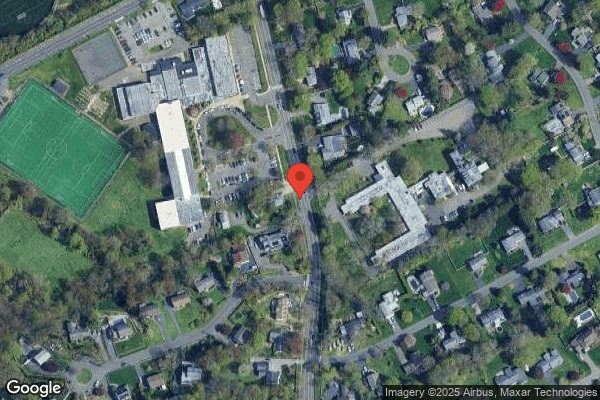
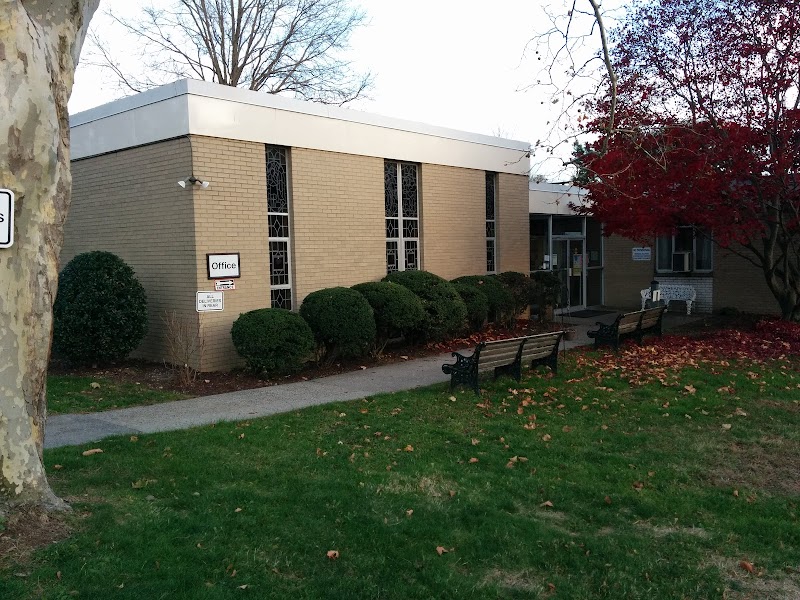
76 WEST ROCKS ROAD, NORWALK, CT 06851 (203) 847-5893
Non profit - Corporation 60 Beds Independent Data: November 2025
Trust Grade
70/100
#72 of 192 in CT
Last Inspection: August 2024

Within standard 12-15 month inspection cycle. Federal law requires annual inspections.

Overview

Notre Dame Health and Rehabilitation Center has a Trust Grade of B, indicating it is a good choice for families looking for care, as it performs solidly in various aspects. It ranks #72 out of 192 facilities in Connecticut, placing it in the top half, and #8 out of 20 in Western Connecticut County, meaning there are only seven local options that are rated higher. The facility is improving, with reported issues decreasing from six in 2024 to just one in 2025. While staffing is a significant concern with a low rating of 1 out of 5 stars, the turnover rate is exceptionally low at 0%, suggesting that staff members are stable and familiar with residents. Notably, there have been no fines, indicating a lack of compliance issues. However, there are some weaknesses to consider. Recent inspections revealed that a resident was not provided the necessary two-person assistance for a transfer, leading to a fall risk. Additionally, the facility failed to properly rotate emergency food supplies, with items dated as far back as 2021, raising concerns about food safety. Lastly, there was a delay in obtaining a physician's order for oxygen administration for a resident needing respiratory care, which could have significant health implications. Overall, while there are strengths in the facility's care and stability, families should be aware of these critical incidents and staffing challenges.

Trust Score
B
70/100
In Connecticut
#72/192
Top 37%
Safety Record
Moderate
Needs review
Inspections
Getting Better
6 → 1 violations
Staff Stability
○ Average
Turnover data not reported for this facility.
Penalties
✓ Good
No fines on record. Clean compliance history, better than most Connecticut facilities.
Skilled Nurses
○ Average
RN staffing data not reported for this facility.
Violations
⚠ Watch
14 deficiencies on record. Higher than average. Multiple issues found across inspections.
★★★★☆
4.0
Overall Rating
★☆☆☆☆
1.0
Staff Levels
★★★☆☆
3.0
Care Quality
★★★★★
5.0
Inspection Score
Stable
2024: 6 issues
2025: 1 issues

The Good

  • Full Sprinkler Coverage · Fire safety systems throughout facility
  • No fines on record

Facility shows strength in fire safety.

The Bad

No Significant Concerns Identified

This facility shows no red flags. Among Connecticut's 100 nursing homes, only 0% achieve this.

The Ugly 14 deficiencies on record

1 actual harm
May 2025 1 deficiency
CONCERN (D) 📢 Someone Reported This

A family member, employee, or ombudsman was alarmed enough to file a formal complaint

Potential for Harm - no one hurt, but risky conditions existed

Respiratory Care (Tag F0695)

Could have caused harm · This affected 1 resident

Based on review of the clinical record, facility documentation, facility policy, and interviews for one (1) of three (3) residents (Resident #1) reviewed for respiratory care, the facility failed to o...

Read full inspector narrative →
Based on review of the clinical record, facility documentation, facility policy, and interviews for one (1) of three (3) residents (Resident #1) reviewed for respiratory care, the facility failed to obtain a physician's order for oxygen administration in a timely manner. The findings include: Resident #1 had diagnoses that included chronic obstructive pulmonary disease, chronic respiratory failure with hypoxia, atrial fibrillation, shortness of breath, and dependence on supplemental oxygen. The nursing admission evaluation dated 4/29/2025 at 8:42 P.M. by Registered Nurse (RN) #1 identified that Resident #1 was alert, answered questions readily, and had quick comprehension. RN #1 identified Resident #1 was continent of bowel and bladder, used the toilet, required one person assistance for transfer, ambulation, personal hygiene, and limited assistance with dressing. The care plan dated 4/30/2025 identified Resident #1 has impaired gas exchange due to chronic obstructive pulmonary disease and respiratory failure with interventions that directed to evaluate pulse oximetry, evaluate capillary refill, educate resident/representative regarding energy conservation techniques, evaluate respiratory rate and effort, evaluate skin color, monitor for changes in respiratory rate or shallow breathing, and administer oxygen as prescribed or per standing order. Review of a undated care card identified Resident #1 required oxygen at 6 liters as needed. A nurse's note dated 4/30/2025 at 1:53 A.M. by RN #1 identified Resident #1 as dependent on oxygen. RN #1 identified that Resident #1 required oxygen at 6 to 7 liters while at rest and 8 to 10 liters with ambulation. The admission history and physical note dated 5/1/2025 by MD #1 identified Resident #1 had severe emphysema and required 5 to 6 liters of oxygen via nasal cannula at rest and up to 7 liters with exertion. A nurse's note dated 5/1/2025 at 2:49 P.M. by Licensed Practical Nurse (LPN) #1 identified that Resident #1 was on oxygen therapy and was receiving 6 liters of oxygen via nasal cannula. A nurse's note dated 5/2/2025 at 2:01 P.M. by LPN #1 identified Resident #1 was on oxygen at 6 liters via nasal cannula. A nurse's note dated 5/4/2025 at 1:13 P.M. by the Director of Nurses identified Resident #1 is on continuous oxygen at 6 liters via nasal cannula. A nurse's note dated 5/5/2025 at 2:28 P.M. by LPN #1 identified that Resident #1 continues with oxygen at 6 liters via nasal cannula. A physician's order dated 5/6/2025 (8 days after Resident #1 was administered continous oxygen) at 10:48 A.M. directed to administer oxygen at 5 to 6 liters as needed for shortness of breath. Interview and clinical record review with the DNS on 5/27/2025 at 12:55 P.M identified upon admission Resident #1 did not have an order for oxygen and that there should be a physician's order for oxygen when oxygen is administered. The DNS indicated on 5/6/2025 while reviewing Resident #1's clinical record she noted Resident #1 did not have an order for oxygen, so she obtained the verbal order from MD #1. The DNS identified that RN #1 should have obtained a verbal order when Resident #1 was admitted to the facility. Review of the facility oxygen administration policy dated 5/7/2009 identified only licensed staff are to administer oxygen by adjusting the liter flow as prescribed by the physician.
Aug 2024 6 deficiencies
CONCERN (D)

Potential for Harm - no one hurt, but risky conditions existed

Comprehensive Care Plan (Tag F0656)

Could have caused harm · This affected 1 resident

**NOTE- TERMS IN BRACKETS HAVE BEEN EDITED TO PROTECT CONFIDENTIALITY** Based on review of the clinical record, facility documentation, facility policy, and interviews for 1 of 2 residents (Resident #...

Read full inspector narrative →
**NOTE- TERMS IN BRACKETS HAVE BEEN EDITED TO PROTECT CONFIDENTIALITY** Based on review of the clinical record, facility documentation, facility policy, and interviews for 1 of 2 residents (Resident #42) reviewed for falls, the facility failed to develop and implement a comprehensive care plan for a resident who had a history of repeated falls on admission and was identified as a moderate fall risk. The findings include: Resident #42 was admitted to the facility on [DATE] with diagnoses that included syncope and collapse, Alzheimer's disease, and repeated falls. The admission fall risk assessment dated [DATE] identified Resident #42 had a history of 1 - 2 falls within the last 3 months, was taking diuretics, hypoglycemic agents, antihypertensives, and psychotropics more than 3 times weekly, had an inadequate vision pattern, and a gait analysis included: inability to independently come to a standing position, loss of balance while standing, requiring a hands-on assist to move from place to place, utilizing an assistive device, and had a decrease in muscle coordination. The fall risk assessment further identified that Resident #42 was at a moderate risk for falls. The admission MDS dated [DATE] identified Resident #42 had intact cognition, required supervision or touching assistance to ambulate 10 feet, required a walker as an assistive device and had sustained a fall in the last month and the last 2 - 6 months, prior to admission The care plan dated 10/22/23 and 4/10/24 failed to identify a focus, goals, or interventions related to Resident #42's history of falls and moderate risk for falls. The nurse's note dated 6/14/24 at 2:23 AM identified that Resident #42 was observed lying on the floor on his/her left side complaining of severe (10/10) left hip pain extending to the left leg. According to the resident he/she lost balance while walking with a cane to the bathroom and landed on his/her left hip. The resident was sent to the emergency department at 1:45 AM. The RN Assessment of Incident document dated 6/14/24 identified the care plan intervention(s) implemented was for PT/OT evaluation. The reportable event form dated 6/16/24 identified that Resident #42 was admitted to the hospital due to a left hip fracture. The nurse's note dated 6/20/24 at 9:26 PM identified Resident #42 was readmitted from the hospital back to the facility via stretcher around 3:48 PM. A fall risk assessment dated [DATE] identified Resident #42 was taking diuretics, hypoglycemic agents, antihypertensives, nonsteroidal anti-inflammatory medications, narcotics, psychotropics, and sedatives/hypnotics more than 3 times weekly, had an inadequate vision pattern, had total incontinence in the last 14 days, was confined to a chair and disoriented, and a gait analysis included: inability to independently come to a standing position and decrease in muscle coordination. The fall risk assessment further identified that Resident #42 was at a high risk for falls. The significant change MDS dated [DATE] identified Resident #42 had moderately impaired cognition, had a one-sided lower extremity impairment, and a chair/bed-to-chair transfer was not attempted due to medical condition or safety concerns. The care plan dated 7/17/24 identified Resident #42 had an actual fall with major injury. Interventions included a PT consult for screen, status post fall. Interview and review of the clinical record with the DNS on 8/27/24 at 9:38 AM failed to provide documentation that a comprehensive care plan was developed addressing Resident #42's history and risk for falls, prior to his/her fall with injury on 6/14/24. The DNS identified that she would have expected a care plan to be in place identifying Resident #42's risk for falls and appropriate interventions. The DNS indicated that the nursing supervisor can initiate a care plan, but typically it is the responsibility of the MDS coordinator, in collaboration with the interdisciplinary team, to develop the comprehensive care plan. Interview and review of the clinical record with the MDS coordinator (LPN #3) on 8/27/24 at 10:52 AM failed to provide documentation that a comprehensive care plan was developed addressing Resident #42's history and risk for falls, after admission to the facility. LPN #3 identified that she created a care plan after Resident #42 sustained an actual fall with injury when he/she returned to the facility on 6/20/24, but she was not aware that Resident #42 was a moderate risk for falls when he/she was admitted to the facility, or she would have created a fall care plan. LPN #3 further indicated that the RN supervisor usually starts the interim care plan, and then she would update the on-going comprehensive care plan. The Comprehensive Care Plan policy directs the facility to develop and implement a comprehensive person-centered care plan for each resident, consistent with resident rights, that includes measurable objectives and time frames to meet a resident's medical, nursing, mental and psychosocial needs that are identified in the resident's comprehensive assessment. The comprehensive care plan will be developed within seven days after the completion of the comprehensive MDS assessment. All care assessment areas triggered by the MDS will be considered in developing the plan of care, and other factors identified by the interdisciplinary team, or in accordance with the resident's preferences will also be addressed in the plan of care. The comprehensive care plan will be reviewed and revised by the interdisciplinary team after each comprehensive and quarterly MDS assessment.
CONCERN (D)

Potential for Harm - no one hurt, but risky conditions existed

Quality of Care (Tag F0684)

Could have caused harm · This affected 1 resident

**NOTE- TERMS IN BRACKETS HAVE BEEN EDITED TO PROTECT CONFIDENTIALITY** Based on review of the clinical record, facility documentation, facility policy, and interviews for 1 of 2 residents (Resident #...

Read full inspector narrative →
**NOTE- TERMS IN BRACKETS HAVE BEEN EDITED TO PROTECT CONFIDENTIALITY** Based on review of the clinical record, facility documentation, facility policy, and interviews for 1 of 2 residents (Resident #42) reviewed for falls, the facility failed to ensure quarterly fall risk assessments were completed, per the facility policy. The findings include: Resident #42 was admitted to the facility on [DATE] with diagnoses that included syncope and collapse, Alzheimer's disease, and repeated falls. The admission fall risk assessment dated [DATE] identified Resident #42 had a history of 1 - 2 falls within the last 3 months, was taking diuretics, hypoglycemic agents, antihypertensives, and psychotropics more than 3 times weekly, had an inadequate vision pattern, and a gait analysis included: inability to independently come to a standing position, loss of balance while standing, requiring a hands-on assist to move from place to place, utilizing an assistive device, and had a decrease in muscle coordination. The fall risk assessment further identified that Resident #42 was at a moderate risk for falls. The quarterly MDS dated [DATE] identified Resident #42 had intact cognition, was independent walking 150 feet, and had not sustained any falls since admission to the facility. The nurse's note dated 6/14/24 at 2:23 AM identified that Resident #42 was observed lying on the floor on his/her left side complaining of severe (10/10) left hip pain extending to the left leg. The resident was sent to the emergency department at 1:45 AM. The fall risk assessment dated [DATE] identified Resident #42 was taking hypoglycemic agents, antihypertensives, and nonsteroidal anti-inflammatory medications more than 3 times weekly, and a gait analysis included utilizing an assistive device. The fall risk assessment further identified that Resident #42 was at a low risk for falls. The nurse's note dated 6/20/24 at 9:26 PM identified Resident #42 was readmitted from the hospital back to the facility via stretcher around 3:48 PM. A fall risk assessment dated [DATE] identified Resident #42 was taking diuretics, hypoglycemic agents, antihypertensives, nonsteroidal anti-inflammatory medications, narcotics, psychotropics, and sedatives/hypnotics more than 3 times weekly, had an inadequate vision pattern, had total incontinence in the last 14 days, was confined to a chair and disoriented, and a gait analysis included: inability to independently come to a standing position and decrease in muscle coordination. The fall risk assessment further identified that Resident #42 was at a high risk for falls. Interview and review of the clinical record with the DNS on 8/27/24 at 9:38 AM failed to provide documentation that quarterly fall risk assessments were completed for Resident #42 following the admission fall risk assessment dated [DATE] and prior to the post-fall risk assessment dated [DATE] (9 months). The DNS identified that she would expect the fall risk assessments to be completed by the nurse on admission, quarterly, and after a fall occurs, per the facility policy. The Fall Risk policy directs the facility to have an objective tool to assess fall risk potential of each resident. The nurse will assess the resident upon admission, significant change of condition, and quarterly for their fall/risk potential, using the fall risk assessment form.
CONCERN (D)

Potential for Harm - no one hurt, but risky conditions existed

Deficiency F0730 (Tag F0730)

Could have caused harm · This affected 1 resident

Based on review of facility documentation, facility policy and interviews, the facility failed to ensure annual performance evaluations were completed for nurse aide staff for 2023. The findings inclu...

Read full inspector narrative →
Based on review of facility documentation, facility policy and interviews, the facility failed to ensure annual performance evaluations were completed for nurse aide staff for 2023. The findings included: During a review of performance evaluations for facility nurse aide staff on 8/26/24 for 2023 and 2024, the facility failed to provide any documentation of performance evaluations completed for NA #1 and NA #2 for 2023. Subsequent to this review, an additional request was made to the DNS provide additional annual performance evaluations for NA #1 and NA #2 for 2023. Interview with the DNS on 8/27/23 at 11:00 AM identified she was unable to locate any annual performance evaluations for nurse aide staff that had been completed in 2023. The DNS identified she was new to the facility and had completed annual evaluations for 2024 but was unable to locate any evaluations for nursing staff for 2023. The DNS further identified that she identified that the evaluations had not been completed and implemented an annual performance evaluation policy in 6/2024 to ensure that the annual evaluations were completed going forward. The facility annual performance evaluation policy, dated 6/27/24, directed that the purpose of the policy was to ensure a consistent approach was followed for conducting annual performance reviews and that job related skills, knowledge, and employee competencies would be evaluated. The facility assessment policy directed that the purpose of the assessment was to determine what resources were needed to competently care of residents of the facility. The policy further directed that facility resources needed to provide competent care included staff training, education, and competencies.
CONCERN (D)

Potential for Harm - no one hurt, but risky conditions existed

Infection Control (Tag F0880)

Could have caused harm · This affected 1 resident

**NOTE- TERMS IN BRACKETS HAVE BEEN EDITED TO PROTECT CONFIDENTIALITY** Based on observation, review of the clinical record, facility documentation, facility policy, and interviews for 1 of 3 resident...

Read full inspector narrative →
**NOTE- TERMS IN BRACKETS HAVE BEEN EDITED TO PROTECT CONFIDENTIALITY** Based on observation, review of the clinical record, facility documentation, facility policy, and interviews for 1 of 3 residents (Resident #39) reviewed for pressure ulcers, the facility failed to ensure appropriate infection control techniques were implemented during a dressing change for a resident on enhanced barrier precautions. The findings include: Resident #39 was admitted to the facility on [DATE] with diagnoses that included Parkinson's disease, bladder cancer, and dementia. The care plan dated 5/20/24 identified Resident #39 required a suprapubic catheter due to neurogenic bladder from bladder cancer. Interventions included to monitor for signs/symptoms of urinary tract infections. Further review of the care plan failed identify interventions related to potential alteration in skin integrity or enhanced barrier precautions. The quarterly MDS dated [DATE] identified Resident #39 had severely impaired cognition, was frequently incontinent of bowel and always incontinent of bladder and required maximal assistance from staff with transfers, bathing, and toileting. The MDS failed to identify Resident #39 required a suprapubic catheter for bladder. A physician's order dated 8/4/24 directed Resident #39 required enhanced barrier precautions be maintained at all times related to use of a suprapubic catheter. Review of a facility transmission-based precautions list dated 8/1/24 identified Resident #39 was on enhanced barrier precautions due to a suprapubic tube in place. Review of the clinical record identified Resident #39 developed a newly identified pressure injury to the sacrum on 8/13/24. A wound care physician note dated 8/14/24 identified Resident #39 was seen for an initial exam of an unstageable sacral pressure ulcer which measured 2.8cm x 2.5cm x 0.2cm. Treatment plan identified the wound would be dressed daily and as needed with Santyl, Calcium Alginate, and a dry clean dressing. The physician's orders dated 8/24/24 directed new wound orders to the sacral pressure ulcer included cleans daily with saline, then apply santyl ointment followed by Bactroban (an antibiotic ointment) and a dry clean dressing. Observation of RN #2 on 8/26/24 at 11:13 AM completing Resident #39's pressure ulcer dressing change identified the following. A sign posted on Resident #39's room door identified STOP. Enhanced barrier precautions. Everyone must clean their hands, including before entering and when leaving the room. Providers and staff must also wear gloves and a gown for high contact resident activities including wound care (any skin opening requiring a dressing). RN #2 was observed placing a treatment cart directly outside of Resident #39's door and using Resident #39's bedside table to set up an area for the dressing change. RN #2 was observed using gloves to set up the table but was not wearing a gown. After setting up the table in Resident #39's room, RN #2 removed his gloves, stepped outside the doorway, moved the treatment cart to access a hand sanitizing dispenser located directly outside of Resident #39's room, and then donned a new pair of gloves. RN #2 did not don a gown during this observation. At 11:16 AM, RN #2 was observed removing Resident #39's previous dressing. A small amount of feces was observed on a brief pad and on the resident's skin at the rectum, directly below the dressing. Immediately following observation of the dressing removal, this surveyor inquired if Resident #39 had any transmission-based precautions in place. RN #2 identified that Resident #39 was on enhanced barrier precautions. The surveyor inquired what type of PPE was required, and RN #2 identified I should have put on a gown and mask. RN #2 stopped the dressing change, removed his gloves, left the room, and used the hand sanitizer outside of the room. At 11:19 AM, RN #2 reentered the room after donning a gown. RN #2 donned a face mask and gloves. RN #2 continued with the removal of the old dressing and cleansed the wound with saline and a 4 x 4 gauze pad, which RN #2 had opened after removing the old dressing. RN #2 removed his gloves and went to the hand sanitizer dispenser directly outside of Resident #39's room. With the gown on RN #2 opened the treatment cart and obtained Santyl ointment and reentered Resident #39's room and donned a new pair of gloves. While observing RN #2 during this observation, the DNS was also observed at the nurse's station on the unit. At 11:22 AM, RN #3 applied santyl ointment to Resident #39's wound with his right gloved hand using his index finger. RN #2 removed the right glove and donned a new glove to the right hand without performing hand hygiene. RN #2 used the right gloved hand to apply Bactroban ointment with gloved right index finger. RN #2 wiped the remaining ointment onto an unsoiled portion of Resident #39's brief pad and opened a clean dressing pad package, without touching the dressing inside and removed the right hand glove and disposed of it in the trash. At 11:24 AM, RN #2 used his ungloved right hand and placed the opened dressing package on Resident #39's bed, partially applied a new right glove to his fingers but not the thumb, removed the adhesive with his left gloved hand, and applied the clean dressing with his left gloved and partially gloved right hand, and removed the right glove. No hand hygiene was observed. RN #2 then identified he would need to find a marker to label Resident #39's dressing time/date. RN #2 identified he had a pen in his pocket that he could use. RN #2 used his right ungloved hand to reach into his left upper chest pocket while pulling the gown away to attempt to access his pocket. RN #2 pulled a blue pen out, attempted to label the dressing with the pen but was unsuccessful, and placed the pen back into the same left upper chest pocket. RN #2 removed the left glove, gathered the dressing supplies and packages from the bedside table, and removed his gown and mask with his ungloved hands. RN #2 then disposed of these items, exited the room to use the hand sanitizer dispenser outside Resident #39's door, obtained a marker from the treatment cart and labeled Resident #39's new dressing. Interview with RN #2 immediately following the observations identified that he was aware that Resident #39 was on enhanced barrier precautions but was focused on the dressing supplies and did not remember to don a gown. RN #2 identified that he was an agency nurse, and it was only his second day working in the facility. RN #2 further identified that he did not think to use Resident #39's sink for hand hygiene or bring in a separate hand sanitizer dispenser to allow him to remain in the room for the duration of the dressing change. RN #2 also identified he did not think reaching into his pocket under his gown for a pen was an issue, since he did not have a glove on his hand, but identified he should have performed hand hygiene prior reaching into his pocket. Although requested, the facility failed to provide any policies related to dressing changes, donning and doffing personal protective equipment (PPE), and hand hygiene. The facility policy on Enhanced Barrier Precautions (EBP) in skilled nursing directed that EBP expanded the use of PPE to include use of gown and gloves during high contact resident care activities that provided opportunities for transfer of multidrug resistant organisms (MDROs) to staff hands and clothing. The policy further directed EBP was indicated for residents who had wounds and/or any indwelling medical devices even if the resident was not known to be colonized with a MDRO, and these devices included urinary catheters. The policy also directed high contact resident care activities that included wound care to any skin opening requiring a dressing.
CONCERN (D)

Potential for Harm - no one hurt, but risky conditions existed

Deficiency F0883 (Tag F0883)

Could have caused harm · This affected 1 resident

**NOTE- TERMS IN BRACKETS HAVE BEEN EDITED TO PROTECT CONFIDENTIALITY** Based on review of the clinical record, facility documentation, facility policy, and interviews for 5 of 5 residents (Resident #...

Read full inspector narrative →
**NOTE- TERMS IN BRACKETS HAVE BEEN EDITED TO PROTECT CONFIDENTIALITY** Based on review of the clinical record, facility documentation, facility policy, and interviews for 5 of 5 residents (Resident #3,14, 27, 30 and 209) reviewed for vaccinations, the facility failed to provide documentation that the resident or resident's representative was provided education regarding the benefits and potential side effects of the pneumococcal immunization, and that the resident either received the pneumococcal immunization according to the CDC guidelines or did not receive the pneumococcal immunization due to medical contraindication or refusal. The findings include: 1. Resident #3 was admitted to the facility on [DATE] with diagnoses that included mild cognitive impairment, anxiety disorder, and cognitive communication deficit. Resident #3 had a resident representative who was identified as the responsible party, and Resident #3 was identified as being older than 65 years. The quarterly MDS dated [DATE] identified Resident #3's pneumococcal vaccination was up to date. The immunization record indicated Resident #3 had the pneumococcal vaccination, Prevnar-13 (PCV13) administered 7/14/21. 2. Resident #14 was admitted to the facility on [DATE] with diagnoses that included type 2 diabetes, alcohol dependence with withdrawal and had a history of myocardial infarction. Resident #14 had a resident representative who was identified as the responsible party. Resident #14 was identified as being older than 65 years. The quarterly MDS dated [DATE] identified Resident #14's pneumococcal vaccination was identified as being up to date. Resident #14's immunization record identified Resident #14 had the PCV13 on 2/23/18. 3. Resident #27 was admitted to the facility on [DATE] with diagnoses that included dementia, muscle weakness, and diabetes type 2 without complications. Resident #27 had a resident representative who was identified as the responsible party. Resident #27 was identified as being older than 65 years. The quarterly MDS dated [DATE] identified Resident #27's pneumococcal vaccination was identified as being up to date. Resident #27 immunization record identified Resident #27 had PCV13 on 5/8/18. 4. Resident #30 was admitted to the facility on [DATE] with diagnosis that included osteoarthritis of the knee, anxiety disorder, and dysphagia. Resident #30 had a resident representative who was identified as the responsible party. Resident #30 was identified as being older than 65 years. The quarterly MDS dated [DATE] identified Resident #30's pneumococcal vaccination was identified as being up to date. Resident #30 immunization record identified Resident #30 had PCV13 administered on 4/7/21. 5. Resident #209 was admitted [DATE] with diagnoses that included dementia, anxiety disorder and repeated falls. Resident #209 had a resident representative who was identified as the responsible party. Resident #209 was identified as being older than 65 years. The immunization record for Resident #209 identified no immunization history. Interview with the DNS on 8/26/24 at 10:45AM identified she is currently aware of the lack of pneumococcal vaccinations offered and administered at the facility. The DNS indicated she thought the Infection Control Nurse was managing the pneumococcal vaccines per CDC guidelines. It is her expectation that immunizations are discussed with the resident or their representative upon admission and a follow-up with the supervisor or Infection Control Nurse if the information is not obtained. For Residents #3, 14, 27, 30, and 209, the DNS could not provide documentation that a subsequent pneumococcal vaccination had been offered, declined, or administered, or if education was provided to the residents or their representatives. In an interview with Administrator and the DNS on 8/27/24 at 6:50AM the Administrator identified that vaccinations were discussed during the Medical/Staff meetings on a quarterly basis, however only RSV and Shingles were discussed. The Administrator had no recall of whether or not pneumonia vaccinations were discussed and did not provide minutes of the meeting to clarify the agenda. Interview with the Medical Director on 8/26/24 at 10:18 AM identified he thought residents who had a previous pneumovax in addition to Prevnar 13 were exempt from subsequent pneumococcal vaccinations. The Medical Director further indicated the responsibility to offer vaccinations was given to the Infection Control Nurse and she offers the pneumococcal vaccine yearly. The Medical Director and the DNS failed to provide evidence of previously administered pneumovax which he indicated was in the medical record as well as the Infection Control Nurses office. The undated policy for pneumococcal vaccine identified that it is the facility's policy to offer its residents, staff and volunteer workers immunization against pneumococcal disease in accordance with current CDC guidelines and recommendations. Each resident will be offered a pneumococcal immunization unless it is medically contraindicated, or the resident has been (previously) immunized. The type of pneumococcal vaccine (PCV13, PPSV23/PPSV) offered will depend upon the recipient's age and susceptibility to pneumonia, in accordance with current CDC guidelines and recommendations. Usually only one (1) pneumococcal polysaccharide vaccination (PPSV) is needed in a lifetime, however based on an assessment and practitioner recommendation, additional vaccines may be provided. A series of vaccinations will be offered to immunocompetent adults 65 (years of age), depending on current vaccination status and practitioner recommendation: If no previous vaccination (or vaccination status is unknow): PCV13 first, then PPSV23 one year later. If previously received PPSV23 at age [AGE] years: PCV13 at least 1 year after receipt of PPSV23. If previously received PPSV23 before age [AGE] years who are now aged 65: PCV13 at least 1 year after receipt of PPSV23, then PPSV23 after 5 years of previous vaccination (no earlier than one year of PVC13). The policy also states the resident's medical record must include documentation that indicates at a minimum that the resident or resident's representative was provided education regarding the benefits and potential side effects of pneumococcal immunization as well as the resident received the pneumococcal immunization or did not receive due to medical contraindication or refusal. The CDC recommendations dated 3/15/23 for adults 65 years or older are: If no prior vaccination either PCV20 or PCV15 and after 1 year PPSV23. If PPSV23 only (any age) after 1 year PCV20 or after 1 year PCV15. If PCV13 only (any age) after 1 year PCV20 or PPSV23. If PCV13 (at any age) & PPSV23 less than [AGE] years of age, if greater than 5 years PCV20 or PPSV23. A CDC foot note indicates for residents who received PCV13 at any age & PPSV23 at greater than [AGE] years of age, if greater than 5 years, PCV20 is to be considered as the provider may choose to administer PCV20 to adults greater than [AGE] years old who have already received PCV13 (but not PCV15 or PCV20) at any age and PPSV23 at or after the age of 65 years.
CONCERN (D)

Potential for Harm - no one hurt, but risky conditions existed

Deficiency F0887 (Tag F0887)

Could have caused harm · This affected 1 resident

**NOTE- TERMS IN BRACKETS HAVE BEEN EDITED TO PROTECT CONFIDENTIALITY** Based on review of the clinical record, facility documentation, facility policy, and interviews for 5 of 5 residents (Resident #...

Read full inspector narrative →
**NOTE- TERMS IN BRACKETS HAVE BEEN EDITED TO PROTECT CONFIDENTIALITY** Based on review of the clinical record, facility documentation, facility policy, and interviews for 5 of 5 residents (Resident #3, 14, 27, 30 and 209) reviewed for COVID-19 immunizations, the facility failed to provide documentation that the resident, or resident representative was provided with current COVID-19 information regarding additional doses, including education and risks or potential side effects, or offered subsequent COVID-19 vaccinations. The findings include: 1. Resident #3 was admitted to the facility on [DATE] with diagnoses that included mild cognitive impairment, anxiety disorder, and cognitive communication deficit. Resident #3 had a resident representative was identified as the responsible party. Resident #3's immunization record identified the resident received a COVID-19 vaccine Step 1 on 6/22/22. No subsequent COVID-19 vaccinations, offerings or education were identified. 2. Resident #14 was admitted to the facility on [DATE] with diagnoses that included type 2 diabetes, alcohol dependence with withdrawal and had a history of myocardial infarction. Resident #14 had a resident representative who was identified as the responsible party. Resident #14's immunization record identified the resident received the initial COVID-19 vaccine on 1/29/21, a second COVID-19 vaccine on 8/3/22, and a 3rd COVID-19 vaccine on 12/22/23. No subsequent COVID-19 vaccinations, offerings or education were identified. 3. Resident #27 was admitted to the facility on [DATE] with diagnoses that included dementia, muscle weakness, and diabetes type 2 without complications. Resident #27 had a resident representative who was identified as the responsible party. Resident #27's immunization record indicated the resident received the 2nd dose of COVID-19 on 12/22/23. No subsequent COVID-19 vaccinations, offerings or education were identified. 4. Resident #30 was admitted to the facility on [DATE] with diagnosis that included osteoarthritis of the knee, anxiety disorder, and dysphagia. Resident #30 had a resident representative who was identified as the responsible party. Resident #30's immunization record identified Resident #30 received the COVID-19, dose 2, on 4/7/21. No subsequent COVID-19 vaccinations, offerings or education were identified. 5. Resident #209 was admitted [DATE] with diagnoses that included dementia, anxiety disorder and repeated falls. Resident #209 had a resident representative who was identified as the responsible party. The immunization record identified no immunization information. Interview with the DNS on 8/26/24 at 10:45 AM indicated she thought the Infection Control Nurse managed the COVID-19 vaccines per CDC guidelines. It is her expectation that immunizations are discussed with the resident or their representative upon admission and a follow made with the supervisor or Infection Control Nurse if the information is not obtained. For Residents #3, 14, 27, 30, and 209, the DNS did not provide documentation subsequent COVID-19 vaccinations had been offered, declined, administered or if education was provided to the residents or their representatives. Interview with the Medical Director on 8/26/24 at 10:18AM identified he was unaware that subsequent COVID-19 vaccinations were not being offered. The Medical Director further indicated going forward the facility will utilize the recently approved combined Influenza/COVID vaccine and indicated the responsibility to offer vaccinations was given to the Infection Control Nurse. Although requested, a policy on COVID-19 vaccinations was not provided.
May 2022 4 deficiencies
CONCERN (D)

Potential for Harm - no one hurt, but risky conditions existed

Pressure Ulcer Prevention (Tag F0686)

Could have caused harm · This affected 1 resident

**NOTE- TERMS IN BRACKETS HAVE BEEN EDITED TO PROTECT CONFIDENTIALITY** Based on review of the clinical record, facility documentation, facility policy, and interviews for 1 resident (Resident #6) rev...

Read full inspector narrative →
**NOTE- TERMS IN BRACKETS HAVE BEEN EDITED TO PROTECT CONFIDENTIALITY** Based on review of the clinical record, facility documentation, facility policy, and interviews for 1 resident (Resident #6) reviewed for pressure ulcers, the facility failed to ensure a nutritional assessment was completed timely for a resident with a newly identified pressure ulcer. The findings include: Resident #6 was admitted to the facility on [DATE] with diagnoses that included Parkinson's disease, osteoarthritis and gastro-esophageal reflux disease (GERD). A Quarterly Minimum Data Set (MDS) assessment dated [DATE] identified Resident #6 was severely cognitively impaired, required assistance with bed mobility, transfers and personal care, was at risk for the development of pressure ulcers and did not have any unhealed pressure ulcers. A Resident Care Plan dated 2/23/22 identified a potential for skin breakdown, moisture associated skin damage, pressure ulcer development related to decreased mobility, incontinence of bowel and bladder. Interventions included house lotion to lower extremities as ordered, inspect skin for signs and symptoms of breakdown during care and toilet approximately every 2 hours/ provide incontinent care as needed. Nurse's notes dated 3/5/22 at 3:33 PM identified RN #1 was called to assess Resident #6's coccyx related to an open area measuring 1.0 cm by 0.5 cm. Area cleansed, and foam dressing applied. The responsible party was contacted with a message to call back. A Wound Consultation dated 3/8/22 noted a newly developed pressure wound to the sacrum of at least 3 days that measured 1 cm by 1 cm depth not measurable. A treatment plan was recommended that included gauze island dressing once daily. A Dietician progress note dated 4/14/22 (40 days after Resident #6 developed the pressure ulcer) noted the initiation of Critical Care (an additional protein). Nursing aware of recommendation as discussed in the Risk meeting. A Quarterly Nutritional note dated 5/12/22 noted Resident #6 had Stage 2 pressure ulcer then identified as a deep tissue injury per nursing. An interview on 5/17/22 at 11:11 AM with the previous Dietician identified Risk meetings were held every Tuesday and Thursday where newly identified wounds were discussed. Once informed, a formula would be initiated critical care which was the addition of a protein supplement, with a consideration of other supplements as needed. The previous Dietician indicated any new wound would have a documented assessment, findings and recommendations and would be addressed immediately following notification. An interview and documentation review on 5/17/22 at 12:27 PM and 5/19/22 at 10:29 AM with the DNS and RN #1 identified wounds were discussed at Risk meetings where all the disciplines were present. Resident #6's wound was first discussed on 3/10/22. It was the DNS's expectation that once notified, the Dietician would complete an assessment, make recommendations and document those findings in the clinical record. A review of the Risk meeting dated 3/10/22 identified the previous Dietician was present at that meeting when Resident #6's wound was discussed. A Job Description for the Registered Dietician duties included assessing newly developed wounds and recommend appropriate interventions.
CONCERN (D)

Potential for Harm - no one hurt, but risky conditions existed

Accident Prevention (Tag F0689)

Could have caused harm · This affected 1 resident

**NOTE- TERMS IN BRACKETS HAVE BEEN EDITED TO PROTECT CONFIDENTIALITY** Based on observation, review of the clinical record, facility documentation, facility policy, and interviews for 1 resident (Res...

Read full inspector narrative →
**NOTE- TERMS IN BRACKETS HAVE BEEN EDITED TO PROTECT CONFIDENTIALITY** Based on observation, review of the clinical record, facility documentation, facility policy, and interviews for 1 resident (Resident #3) reviewed for falls, the facility failed to ensure the Resident Care Plan was reviewed/revised after Resident #3 fell, failed to accurately and completely complete every 15 minute checks, and failed to ensure timely Physical Therapy screens were completed on 2 occasions. The findings include: Resident #3 was admitted to the facility with diagnoses that included dementia, dysphasia, and anxiety. A Resident Care Plan dated 2/14/21 identified Resident #3 was at risk for falls related to a history of falls at home, falls in the facility, impaired cognition, lack of safety awareness and attempts to self-transfer. Interventions included to ensure the call light was within reach and encourage resident to use it, ensure that he/she is wearing appropriate footwear when ambulating or mobilizing in the wheelchair, follow fall protocol and to utilize a bed and chair alarm. On 5/20/21 every 15 minute checks were initiated. The quarterly MDS assessment dated [DATE] identified Resident #3 was severely cognitively impaired and required limited assistance with dressing and transfers. The MDS further identified Resident #3 required extensive assistance for toileting and personal hygiene with 1-person physical assist. a. A nurse's note dated 10/11/21 at 11:34 PM noted Resident #3's chair alarm was sounding, and Resident #3 was attempting to ambulate when he/she began to stumble and pitch forward. The nurse's note further identified she attempted to have Resident #3 hold onto the walker when Resident #3 pitched forward and hit his/her forehead and connected with walker. Resident #3 sustained a 5.0 cm by 5.0 cm bruise to the mid forehead. Neuro checks within normal limits. A Reportable Event form dated 10/11/21 at 4:15 PM identified the alarm was sounding and Resident #3 was witnessed losing his/her balance during an unassisted transfer. Resident #3 sustained a 5.0 cm by 5.0 cm bruise to the forehead from hitting his/her head on the walker. Ice was applied, the physician and family were notified. Review of the RCP failed to identify any revisions were made to the RCP after Resident #3 fell on [DATE]. Interview and clinical record review with DNS on 5/19/22 at 8:45 AM indicated for every fall, skin tear, and bruise there must be an intervention put into place immediately. The DNS noted the incident on 10/11/21 Resident #3 had lost his/her balance and hit his/her head on the walker causing a bruise. The DNS indicated she was not able to find that an intervention was put into place at the time this incident occurred by reviewing the accident and incident report and the care plan. The DNS reviewed the At Risk weekly meeting notes for an intervention for Resident #3's loss of balance and hitting his/her head on the walker but did not have any notes from the incident. The DNS indicated there were no new interventions put in place and her expectation was there would be a new intervention put into place by the nurse or supervisor at the time of the incident. b. The quarterly MDS assessment dated [DATE] identified Resident #3 had severely impaired cognition and required extensive assistance with dressing, toileting, and personal hygiene with one-person physical assist and extensive assistance for transfers with 2-person physical assist. A nurse's note dated 2/12/22 at 12:05 PM noted at 11:30 AM the nurse was called to assess Resident #3 and Resident #3 observed sitting on the bedroom floor with the wheelchair behind him/her next to the bed. Resident #3 was placed on neurological (neuro) checks, MD #1 was notified at 11:40 AM and he will be in facility to evaluate Resident #3. A Reportable Event form dated 2/12/22 noted Resident #3 was sitting on floor in his/her room unwitnessed. Resident was dressed. Physician and family were notified. Neuro checks started and continued Resident #3 continued on every 15 minute checks. Intervention was to reinforce the importance of supervision when in hallways and Team Supervision in the hallway. A Physical Therapy Screen dated 2/12/22 and completed on 2/16/22 (4 days after Resident #3 fell) identified no pain and no functional changes. Interview with the DNS on 5/19/22 at 8:55 AM indicated she was not sure what the intervention meant related staff reinforced on team supervision of resident in hallway and indicated that was not an appropriate intervention. Additionally, The DNS indicated therapy was provided Monday through Saturday at the facility and a therapy screen should be completed within a day but not more than 2 days after a fall. The DNS further indicated there should have been an intervention immediately put in place by the Charge Nurse or the Nursing Supervisor and the team supervision was not appropriate. The DNS noted Resident #3 already had interventions in place for chair and bed alarms in place and that was not a new intervention. c. A Reportable Event form dated 4/1/22 at 11:55 AM indicated Resident #3 had an unwitnessed fall in his/her room. The alarm was sounding, and Resident #3 was sitting upright on the floor, his/her back was against the bed, no injury. Resident transfers with assist of 1, alert but periods of confusion. The Nurse Aide (NA) indicated she gave resident a shower and left Resident #3 in the wheelchair near the nurses' station at 11:30 AM. Intervention was to monitor for adverse effects from the incident. The Temporary Problem List dated 4/1/22 indicated an unwitnessed fall in room. Approaches were to monitor for injury, contact physician and family, and bells on door to alert staff. A Post Fall assessment dated [DATE] at 12:24 PM identified Resident #3 had a fall at 11:55 AM in his/her room attempting to self-transfer. Resident observed sitting at side of bed with back leaning against the bed and legs outstretched. At time of fall Resident #3 had on non-skid socks, alarm was sounding. Conclusion was Resident #3 was attempting to self-transfer from wheelchair to bed unaided and lost balance. The nurse's note dated 4/1/22 at 6:00 PM identified that Resident #3 was seen on floor at bedside with no injuries noted and denies pain. Supervisor called and updated family and physician. Resident #3 on neuro checks, safety devices, and on every 15-minute checks. The physical therapy screen dated 4/1/22 completed on 4/4/22 (3 days after the fall) indicated a screen was completed and Resident #3 was at baseline level of function. Resident #3 NA care card identified that he/she was on every 15-minute checks and a bell strip was placed on the doorknob of Resident #3's door. d. Specific Behavior Monitoring forms dated 1/1/22 through 5/18/22 identified the every 15 minute checks were not documented for 138 of 138 days and of the daily sheets that were completed there were missing shifts, missing specific behavior codes every 15 minutes, staff placed initials instead of behavior codes, staff recorded every 30 minutes, and missing days. Additionally, there were 24 daily sheets that were not dated, accurate or complete. On 5/19/22 at 9:00 AM the RCP was reviewed with the DNS and 9:45 AM with the MDS Coordinator identified Resident #3 was at risk for falls with falls at home due to stroke and at facility due to impaired cognition. Interventions directed to apply bed and chair alarms and ensure call light was within reach. Additionally, every 15-minute checks. Interview with MDS Coordinator #1 on 5/19/22 at 9:45 AM indicated if there was a fall the Charge Nurse was responsible to update the RCP when she learns about the fall at morning report and sometimes will go into the care plan and see if the nurse had updated the care. MDS Coordinator #1 indicated subsequent to surveyor inquiry on 5/19/22, the RCP was updated with the intervention for the fall from 4/1/22 to include the hand bell on top of Resident #3's door to alarm staff if Resident #3 enters his/her room. Interview with the DNS on 5/19/22 at 10:55 AM indicated every 15-minute checks were implemented as a temporary nursing measure/judgement until the resident could be seen by the physician, psychiatric APRN, or labs come back. The DNS indicated usually every 15 min checks are short term but Resident #3's family did not want the every 15 minute checks stopped. The DNS indicated every 15 minute checks were implemented after Resident #3 fell on 1/30/21 and were identified on the RCP and NA care card. Clinical record review with the DNS regarding every 15 minute check forms dated 1/1/22 through 5/18/22 identified the forms where not filled out for many shifts, were not completed correctly, and many forms did not have dates on them. The DNS indicated the staff needed education on how to fill the forms out accurately and completely.
CONCERN (D)

Potential for Harm - no one hurt, but risky conditions existed

Deficiency F0886 (Tag F0886)

Could have caused harm · This affected 1 resident

Based on observation, review of the clinical record, facility documentation, facility policy, and interviews, the facility failed to ensure outbreak testing for staff were followed in accordance with ...

Read full inspector narrative →
Based on observation, review of the clinical record, facility documentation, facility policy, and interviews, the facility failed to ensure outbreak testing for staff were followed in accordance with infection control practices and facility protocols. The findings include: Electronic (text) communication to the Food Service Director (FSD) and other staff dated 5/15/22 noted a staff member had tested positive for COVID-19, with a directive for all staff to come in to the facility for testing. An observation on 5/16/22 between 6:10 AM and 6:40 AM identified the FSD exiting out of the kitchen area, ambulating in the hallway and then entering staff development room to assist setting up a table. The FSD time sheet dated 5/16/22 identified he punched in at 5:15 AM and punched out at 7:30 AM. An interview on 5/16/22 at 7:47 AM with RN #1 identified she began her shift at 7:00 AM and began completing outbreak testing, (antigen testing for COVID-19) for staff as soon as they enter the building. RN #1 indicated staff were to be tested upon entering the building and before going to their assigned work area. Once tested, staff were to sit in the testing area until results of the (antigen) test were obtained. If negative, staff could proceed to their work area and if positive, staff were to immediately leave the facility. According to RN #1, shift supervisors were responsible for completing testing on the alternate shifts. An interview on 5/16/22 at 8:00 AM with the facility [NAME] President identified all staff were notified the evening prior that they were to be tested before beginning their shift. An interview on 5/16/22 at 8:09 AM with the FSD identified he came in through the back of the facility and went straight to his office and then into the kitchen when he first came into the building (without the benefit of being COVID-19 tested). Although he was notified the evening prior that testing was required, no supervisor provided testing before going to his work area and instead was tested at 7:00 AM by RN #1. The FSD tested positive for COVID-19 at that time and was sent home. An interview on 5/16/22 at 8:51 AM with RN #3 identified she was an agency nurse working as the 11:00 PM to 7:00 AM Nursing Supervisor and was unaware the FSD came in and only saw him after the (RN #1) came in. RN #3 indicated she did get a directive that staff were to be tested prior to beginning work but was not informed that she had to provide the testing. An interview on 5/16/22 at 12:27 PM with the DNS identified it was her expectation that once notified of an outbreak, staff were to come into building, get screened, complete an antigen test for COVID-19 and wait for results prior to proceeding to assigned work area and that all staff were aware as it had always been the practice for previous outbreaks. A memo dated 5/25/21 directed all staff to go to the main dining area for COVID-19 testing and must remain in the dining area for a period of 15 minutes and 6 ft apart until test results are obtained. Although a policy for COVID-19 testing during outbreaks was requested, none was provided.
CONCERN (E)

Potential for Harm - no one hurt, but risky conditions existed

Food Safety (Tag F0812)

Could have caused harm · This affected multiple residents

Based on observation, review of facility documentation, facility policy, and interviews the facility failed to ensure food items were rotated out of emergency stock to ensure freshness according to po...

Read full inspector narrative →
Based on observation, review of facility documentation, facility policy, and interviews the facility failed to ensure food items were rotated out of emergency stock to ensure freshness according to policy. An observation of emergency food storage during kitchen tour on 5/16/22 at 7:15 AM identified the following food items dated with black marker: 1.(12) cans puree chicken dated 4/29/21 in black marker 2. (6) cans puree green beans dated 4/29/21 in black marker 3. (6) cans puree beef dated 6/15/21 in black marker 4. (4) 6.75 lb cans of chili dated 6/7/21 in black marker 5. (4) 6/63 lb. cans beef stew dated 6/7/21 in black marker 6. (2) 6.75 lb. can ravioli dated 6/7/21 in black marker 7. (2) 6 lb. cans fruit cocktail dated 6/7/21 in black marker 8. (3) 6 lb cans pudding dated 6/7/21 in black marker 9. (2) 6 lbs. cans of green beans dated 6/7/21 in black marker An interview on 5/16/22 at 8:09 AM with the Food Service Director (FSD) identified emergency food items were dated in magic marker when placed into emergency stock and should be rotated into regular stock with 6 months of date placed into stock. The FSD indicated he was responsible to oversee and ensure the rotation of stock and it was his oversight that food items were not rotated and should have been. Facility policy for Emergency Food Storage directs canned items to be kept for six months, used then replenished, and that all were to be rotated to ensure freshness.
Oct 2019 3 deficiencies 1 Harm
SERIOUS (G)

Actual Harm - a resident was hurt due to facility failures

Accident Prevention (Tag F0689)

A resident was harmed · This affected 1 resident

**NOTE- TERMS IN BRACKETS HAVE BEEN EDITED TO PROTECT CONFIDENTIALITY** Based on observation, review of the clinical record, facility documentation, facility policy and interviews for 2 of 3 residents...

Read full inspector narrative →
**NOTE- TERMS IN BRACKETS HAVE BEEN EDITED TO PROTECT CONFIDENTIALITY** Based on observation, review of the clinical record, facility documentation, facility policy and interviews for 2 of 3 residents (Resident #32 and 31) reviewed for falls, the facility failed to ensure staff followed the plan of care and/or provided appropriate assistance during a transfer. The findings include: 1. Resident #32 was admitted to the facility on [DATE] with diagnoses that included macular degeneration, presbyopia, history of falls, insomnia and dementia. A reportable event form dated 1/19/19 at 4:20 AM identified Resident #32 was attempting to ambulate in his/her room and was found on the floor when the alarm sounded. The fall investigation identified that Resident #32 was wearing socks. A new intervention to avoid future falls included the resident to wear non-skid socks at bedtime. An undated nurse aide care card identified Resident #32 was a high fall risk and was to wear non-skid socks when in bed, staff to discourage removal, and reapply as needed. The quarterly MDS dated [DATE] identified Resident #32 had severely impaired cognition, exhibited physical behavioral symptoms not directed toward other 1 to 3 days per week, required extensive assistance with bed mobility, transfers and toileting and limited assistance with ambulation. A fall risk assessment dated [DATE] identified Resident #32 had a moderate risk for falls. The care plan dated 3/4/19 identified Resident #32 was at risk for falls, injury and/or fracture due to gait/balance problems, psychoactive drug use, poor safety awareness and impaired vision. Interventions included to anticipate needs, ensure appropriate footwear when ambulating and follow fall protocol. A physician's order dated 4/2/19 directed to ambulate Resident #32 twice daily to meals and to the bathroom using a roller walker and limited assistance. A reportable event form dated 4/29/19 identified Resident #32 had an unwitnessed fall and was found on the floor at 12:30 AM when the alarm sounded. Resident #32 had sneakers in his/her hands, was wearing regular socks, and did not have non-skid socks on. A nurse's note dated 4/29/19 at 10:57 PM identified Resident #32's resident representative indicated Resident #32 was having chest pain and was rubbing his/her chest area as well as the left arm, and facial grimacing was noted. Resident #32 was sent to the emergency department at 7:20 PM. A CT scan dated 4/29/19 identified acute fractures of the anterior left sixth and seventh ribs, and several fractures of the sternum. A nurse's note dated 4/30/19 at 6:02 AM identified that at approximately 11:40 PM yesterday, Resident #32 returned to the facility with a diagnosis of multiple fractures of the left ribs and sternal fracture. Resident #32 complains of pain when asked, difficulty expressing location or intensity. Standing Tylenol given as ordered. Interview and review of facility documentation with the DNS on 10/3/19 at10:25 AM identified Resident #32 gets out of bed in the middle of the night, removes everything, and at one point, had a helmet that he/she would remove. The DNS identified that the intervention after the fall on 1/19/19 was to add non-skid socks at bedtime. The DNS identified that the intervention after the fall on 4/29/19 was to add non-skid socks at all times, add a winged mattress and bilateral fall mats. The DNS could not explain or show documentation why Resident #32 was not wearing the non-skid socks at the time of the fall on 4/29/19 and indicated the intervention was not followed as Resident #32 had on regular socks at the time of the fall. Additionally, the DNS was unable to identify when the intervention (non-skid socks at bedtime) was placed on the nurse aide care card as the care card was undated, but the new intervention added on 4/29/19 was to place non-skid socks on Resident #32 at all times. The DNS identified that the nurse aides were responsible to place the non-skid socks on Resident #32 at night, and the licensed staff were responsible to ensure the intervention was implemented. Review of the fall policy identified nurse aides are to follow the interventions as outlined on the care plan and personalized resident assignment sheet. Although Resident #32 was at moderate risk for falls, had fallen on 1/19/19 while attempting to ambulate with socks on, and had a new intervention to wear non-skid socks at bedtime, Resident #32 was found on the floor on 4/29/19 at 12:30 AM wearing regular socks. Subsequently, Resident #32 was transferred to the emergency department after he/she complained of chest and left arm pain, and exhibited facial grimacing. At the hospital, a CT scan identified acute rib and sternal fractures. 2. Resident #31 had diagnoses that included cerebral palsy, anxiety disorder, and major depressive disorder. The care plan dated 3/4/19 identified Resident #31 was at risk for falls, leans to the right side in the customized wheelchair and often refuses to wear the seatbelt for position purposes despite encouragement from the staff. Interventions included to transfer Resident #31 out of bed via a sarita lift with the assistance of 2 to a customized wheelchair with velcro belt per 24 hour positioning plan. A fall risk assessment dated [DATE] identified Resident #31 was at moderate risk to fall. The quarterly MDS dated [DATE] identified Resident #31 had severely impaired cognition and required extensive assistance of 2 plus persons for transfers. A reportable event form dated 9/12/19 at 7:45 PM identified Resident #31 was lying on the floor in front the of the sarita lift. The report indicated Resident #31 was on the sarita lift for transfer and went down on his/her knees, and NA #4 lowered the resident to the floor. Resident #31 complained of pain to the left knee and right shoulder, and an x-ray was ordered. Actions taken directed transfers via sarita lift with the assistance of 2 staff. In a written statement dated 9/12/19, NA #4 documented that Resident #31 required 1 person for transfers. Additionally, NA #4 documented Resident #31 was lowered to the ground because he/she knelt down on the sarita lift. A nurse's note dated 9/12/19 at 11:44 PM identified at approximately at 7:45 PM Resident #31 was alert and responsive observed lying on the floor next to the bed and in front of the sarita lift. NA #4 indicated Resident #31 was on the sarita lift for transfer then went down on his/her knees. NA #4 then lowered Resident #31 down to the floor. Resident #31 complained of pain to the left knee and right shoulder. Subsequent to physician notification, an x ray of left knee and right shoulder-2 views was ordered. A radiology report dated 9/12/19 identified no fracture or dislocation. The reason for decision form dated 9/13/19 identified NA #4 demonstrated how she went behind Resident #31 and slowly lowered the resident to the floor. NA #4 indicated Resident #31's left leg was positioned backwards when she lowered the resident to the floor. Facility documentation dated 9/13/19 identified NA #4 received a written warning because she did not follow Resident #31's plan of care which directed 2 staff during sarita lift transfers. Additionally, re-in servicing was preformed regarding the importance of adhering to each resident's plan of care. The request for rehabilitation screen dated 9/13/19 identified, according to the primary nurse aide, Resident #31 was having behavioral disturbances when the incident happened which is not new. Resident #31 may continue to use sarita lift for transfers with the assistance of 2 in order to prevent further incidents. A nurse's note dated 9/13/19 identified RN #1 was called to the unit regarding Resident #31's left knee which was swollen and red in color. RN #1 conducted an assessment which identified the left leg was internally rotated and the resident was unable to significantly lift it up or wiggle toes (only slightly). NA #4 indicated Resident #31 usually is able to move left leg and toes. Resident #31 complained of discomfort to the left knee and received Tylenol 650 mg. Resident #31 appeared sleepy today but easily aroused. Subsequent to physician and responsible party notification, Resident #31 was sent to the emergency room for evaluation. The hospital radiology report dated 9/13/19 identified no detected acute fracture or dislocation of the hip and left knee. Interview with the DNS on 10/3/19 at 11:40 AM identified she was not aware that Resident #31 had a care plan which identified Resident #31 was to be transferred via sarita lift with the assistance of 2 staff. Interview with NA #4 on 10/3/19 at 11:50 AM identified she worked a double shift on 9/12/19 and was assigned to Resident #31 during the evening shift. NA #4 indicated she has always transferred Resident #31 alone with the sarita lift. NA #4 indicated Resident #31 was in the wheelchair and it was time to put the resident to bed. NA #4 indicated she explained the procedure to Resident #31 as she went along. NA #4 identified she placed the straps underneath both arms and proceeded with lifting the sarita at that time. Interview and demonstration on 10/3/19 at 12:05 PM with NA #4 identified Resident #31 was sitting in the wheelchair at the foot and in between both beds. NA #4 indicated she placed the straps underneath both arms and both feet were on the footrest. NA #4 indicated after lifting the sarita lift in the up position during the turn with the sarita lift to the left towards the bed. Resident #31 started going down on her knees. NA #4 indicated she left the front of the sarita lift and went behind the resident at that time and indicated Resident #31 was kneeling on both knees on the footrest. NA #4 indicated she removed the straps and lowered the resident to the floor and called for the nurse. NA #4 indicated she straighten out the right leg, but does not remember the position of the left leg at that time. Review of facility sarita lift policy identified it is the policy of the facility for trained nurses and nursing assistants to use the sarita lift as needed for transporting appropriate residents who can weight bear partially. Tell resident what you are doing. Raise the resident up until they are supported in a sitting position - their feet being supported on the footrest. Addendum: The sarita lift requires the assistance of one person unless otherwise indicated by the nurse. This will be reflected in the nurse assignment and on the care plan. Review of the facility fall prevention and management program policy identified the purpose of the falls prevention and management program is to develop, implement, monitor and evaluate an interdisciplinary team fall prevention approach and management strategies that foster resident independence and quality of life while ensuring safety for the resident and other residents and staff. A fall is any unintentional change in position where the resident ends up on the floor, ground or other lower level.
CONCERN (D)

Potential for Harm - no one hurt, but risky conditions existed

Pressure Ulcer Prevention (Tag F0686)

Could have caused harm · This affected 1 resident

**NOTE- TERMS IN BRACKETS HAVE BEEN EDITED TO PROTECT CONFIDENTIALITY** Based on observation, review of the clinical record, facility documentation, facility policy, and interview for 1 of 2 residents...

Read full inspector narrative →
**NOTE- TERMS IN BRACKETS HAVE BEEN EDITED TO PROTECT CONFIDENTIALITY** Based on observation, review of the clinical record, facility documentation, facility policy, and interview for 1 of 2 residents (Resident #33) reviewed for pressure ulcers, the facility failed to follow the plan of care related to an out of bed schedule. The findings include: Resident #33's diagnoses included Alzheimer's dementia and stage 3 pressure ulcer. The quarterly MDS dated [DATE] identified Resident #33 had severely impaired cognition and required extensive assistance with bed mobility and transfers. The care plan dated 6/27/19 identified Resident #33 had a potential for pressure ulcer development with interventions that included to provide a low air loss mattress, check every shift for functioning, turn and reposition every 2 hours and more often as needed and/or requested. Review of an undated nurse aide care card identified to limit Resident #33's sitting time to 1 hour. A weekly skin sheet dated 8/22/19 identified Resident #33 had a stage 3 sacral pressure ulcer that measured 1 cm x 1 cm x <0.1 cm. Additionally, Resident #33 had a stage 2 right ischial pressure ulcer that measured 0.5 cm x 1.8 cm x <0.1 cm with a red and moist wound bed. The documentation indicated the plan was to apply Triad paste twice daily, limit sitting time to 1 hour per day and utilize the air mattress. A wound physician's note dated 9/30/19 instructed to limit seating to 1 hour out of bed. Observation on 10/2/19 10:45 AM identified Resident #33 was in a recreation program seated in an adaptive custom wheelchair. Observation on 10/2/19 at 11:30 AM identified Resident #33 was in a recreation program seated in an adaptive custom wheelchair. Observation on 10/2/19 at 12:38 PM identified Resident #33 was seated in an adaptive custom wheelchair outside of his/her room. Observation on 10/2/19 at 1:15 PM identified Resident #33 was seated in an adaptive custom wheelchair outside of his/her room. Observation 10/2/19 at 2:02 PM identified Resident #33 had been placed back to bed and was lying on his/her left side Interview and review of facility documentation with the DNS on 10/3/19 at 10:44 AM identified that the expectation would be for staff to follow the recommendations of the wound specialist, and that the staff take into consideration the activity schedule, and would tilt Resident #33 in the wheelchair. The DNS identified that the staff were made aware to limit Resident #33's out of bed time to 1 hour on the care plan, and that although the nurse aides are responsible, the licensed staff needs to ensure the nurse aides are following the plan of care. Interview and review of facility documentation with RN #2 on 10/3/19 at 11:05 AM identified that although not on the TAR, the nurse aides were informed in writing, on the care card, that Resident #33's out of bed was to be limited to 1 hour, and that the licensed staff was informed verbally. RN #2 identified that Resident #33's out of bed schedule should be structured around activities and she was unable to identify why staff had not followed the out of bed schedule. In a subsequent interview with the DNS on 10/3/19 at 1:06 PM she indicated she had spoken to NA #2 on 10/3/19 who reported that Resident #33 attended mass at 10:00 AM and was then taken to the activity at 10:30 AM. The DNS indicated that NA #2 reported that she did not remove Resident #33 from the recreation room following the activity because the resident ate in the dining room. After dining, NA #2 assisted Resident #33 to bed. The DNS identified that NA #2 should have notified the licensed staff that Resident #33 was going to be left out of bed for longer than 1 hour, and that licensed staff could have contacted the physician. Although attempted, an interview with NA #2 not obtained. Although a weekly skin sheet dated 8/22/19, a wound physician's note dated 9/30/19, and an undated nurse aide care card indicated to limit Resident #33's seating time to 1 hour out of bed, intermittent observations on 10/2/19 identified Resident #33 was out of bed in an adaptive wheelchair between 10:45 AM - 2:02 PM, over 3 hours.
CONCERN (D)

Potential for Harm - no one hurt, but risky conditions existed

Deficiency F0810 (Tag F0810)

Could have caused harm · This affected 1 resident

**NOTE- TERMS IN BRACKETS HAVE BEEN EDITED TO PROTECT CONFIDENTIALITY** Based on observations, revies of the clinical record, facility documentation, facility policy, and interviews for 2 of 8 residen...

Read full inspector narrative →
**NOTE- TERMS IN BRACKETS HAVE BEEN EDITED TO PROTECT CONFIDENTIALITY** Based on observations, revies of the clinical record, facility documentation, facility policy, and interviews for 2 of 8 residents (Resident #17 and 33) reviewed for dining, the facility failed to provide adaptive equipment during dining. The findings include: 1. Resident #17 was admitted to the facility on [DATE] with diagnoses that included right hand and shoulder contractures, anxiety and dementia. A communication to nursing from therapy form dated 12/17/18 directed Resident #17 to use a divided 3 compartment plate to assist with scooping food during meals. A physician's order dated 12/20/18 directed to provide Resident #17 a divided plate to assist with scooping food, to remain independent with self-feeding. The annual MDS dated [DATE] identified Resident #17 had severely impaired cognition and required extensive assistance with eating. The care plan dated 8/19/19 identified Resident #17 had a self-care deficit. Interventions included to take Resident #17 to the dining room for lunch and supper, allow the resident to start to feed self if able, and staff to complete as needed and allowed, and provide 1:1 staff supervisor during meals. Observation on 9/30/19 at 12:20 PM identified Resident #17 was intermittently being assisted by staff to eat, and utilized a fork to feed self. Additionally, although the diet slip identified that a sectional plate was to be provided, Resident #17 was provided and was using a standard plate. 2. Resident #33 was admitted to the facility on [DATE] with diagnoses that included Alzheimer's dementia. The quarterly MDS dated [DATE] identified Resident #33 had severely impaired cognition and required total assistance for eating. The care plan dated 8/27/19 identified Resident #33 had a self-care deficit with interventions that included to provide assistance to eat and allow the resident to feed self and hold a cup as able. Observation on 10/1/19 at 12:30 PM identified Resident #33 eating independently and also being fed by NA #1. Additionally, although Resident #33's diet slip identified the resident should be provided a scoop plate, the resident had been given and was using a standard plate. Resident #33 was noted to have food on his/her fingers. Interview with NA #1 on 10/1/19 at 12:30 PM identified that Resident #33 did feed him/herself initially, but that the resident required assistance to finish. When asked, NA #1 was not sure if Resident #33 required a scoop plate. Interview with the Dietary Aide, (DA #1) on 10/1/19 at 12:38 PM identified that Resident #33, according to the diet slip, did require a scoop plate, and that scoop plates were available in the kitchen. Additionally, DA #1 indicated that she had informed [NAME] #1 that Resident #33 required a scoop plate, but [NAME] #1 did not provide one. Re-interview with NA #1 on 10/1/19 at 12:40 PM identified that she did not look at the diet slip prior to serving Resident #33 the meal, but that Resident #33 has been served on a standard plate for a while. Interview with [NAME] #1 on 10/1/19 at 1:28 PM identified that DA #1 had told him that Resident #33 required a scoop plate, but that he provides meals to both dining rooms and had forgotten to provide the scoop plate. Interview with the DNS on 10/2/19 at 9:30 AM identified that it is the responsibility of the dietary department to ensure residents are provided with adaptive equipment, but that the nurse aides should provide a second check of the dietary slip to ensure all adaptive equipment is provided. Additionally, according to the policy, staff should report missing adaptive feeding equipment or problems to the nurse.
Understanding Severity Codes (click to expand)
Life-Threatening (Immediate Jeopardy)
J - Isolated K - Pattern L - Widespread
Actual Harm
G - Isolated H - Pattern I - Widespread
Potential for Harm
D - Isolated E - Pattern F - Widespread
No Harm (Minor)
A - Isolated B - Pattern C - Widespread

Questions to Ask on Your Visit

  • "Can I speak with families of current residents?"
  • "What's your RN coverage like on weekends and overnight?"

Our Honest Assessment

Strengths
  • • No fines on record. Clean compliance history, better than most Connecticut facilities.
Concerns
  • • 14 deficiencies on record, including 1 serious (caused harm) violation. Ask about corrective actions taken.
Bottom line: Mixed indicators with Trust Score of 70/100. Visit in person and ask pointed questions.

About This Facility

What is Notre Dame Center's CMS Rating?

CMS assigns NOTRE DAME HEALTH AND REHABILITATION CENTER an overall rating of 4 out of 5 stars, which is considered above average nationally. Within Connecticut, this rating places the facility higher than 99% of the state's 100 nursing homes. This rating reflects solid performance across the metrics CMS uses to evaluate nursing home quality.

How is Notre Dame Center Staffed?

CMS rates NOTRE DAME HEALTH AND REHABILITATION CENTER's staffing level at 1 out of 5 stars, which is much below average compared to other nursing homes.

What Have Inspectors Found at Notre Dame Center?

State health inspectors documented 14 deficiencies at NOTRE DAME HEALTH AND REHABILITATION CENTER during 2019 to 2025. These included: 1 that caused actual resident harm and 13 with potential for harm. Deficiencies causing actual harm indicate documented cases where residents experienced negative health consequences.

Who Owns and Operates Notre Dame Center?

NOTRE DAME HEALTH AND REHABILITATION CENTER is owned by a non-profit organization. Non-profit facilities reinvest revenue into operations rather than distributing to shareholders. The facility operates independently rather than as part of a larger chain. With 60 certified beds and approximately 53 residents (about 88% occupancy), it is a smaller facility located in NORWALK, Connecticut.

How Does Notre Dame Center Compare to Other Connecticut Nursing Homes?

Compared to the 100 nursing homes in Connecticut, NOTRE DAME HEALTH AND REHABILITATION CENTER's overall rating (4 stars) is above the state average of 3.0 and health inspection rating (5 stars) is much above the national benchmark.

What Should Families Ask When Visiting Notre Dame Center?

Based on this facility's data, families visiting should ask: "Can you walk me through typical staffing levels on day, evening, and night shifts?" "Can I visit during a mealtime to observe dining assistance and food quality?" "How do you handle medical emergencies, and what is your hospital transfer rate?" "Can I speak with family members of current residents about their experience?" These questions are particularly relevant given the below-average staffing rating.

Is Notre Dame Center Safe?

Based on CMS inspection data, NOTRE DAME HEALTH AND REHABILITATION CENTER has a clean safety record: no substantiated abuse findings (meaning no confirmed cases of resident harm), no Immediate Jeopardy citations (the most serious violation level indicating risk of serious injury or death), and is not on the Special Focus Facility watch list (a federal program monitoring the lowest-performing 1% of nursing homes). The facility has a 4-star overall rating and ranks #1 of 100 nursing homes in Connecticut. While no facility is perfect, families should still ask about staff-to-resident ratios and recent inspection results during their visit.

Do Nurses at Notre Dame Center Stick Around?

NOTRE DAME HEALTH AND REHABILITATION CENTER has not reported staff turnover data to CMS. Staff turnover matters because consistent caregivers learn residents' individual needs, medications, and preferences. When staff frequently change, this institutional knowledge is lost. Families should ask the facility directly about their staff retention rates and average employee tenure.

Was Notre Dame Center Ever Fined?

NOTRE DAME HEALTH AND REHABILITATION CENTER has no federal fines on record. CMS issues fines when nursing homes fail to meet care standards or don't correct problems found during inspections. The absence of fines suggests the facility has either maintained compliance or corrected any issues before penalties were assessed. This is a positive indicator, though families should still review recent inspection reports for the full picture.

Is Notre Dame Center on Any Federal Watch List?

NOTRE DAME HEALTH AND REHABILITATION CENTER is not on any federal watch list. The most significant is the Special Focus Facility (SFF) program, which identifies the bottom 1% of nursing homes nationally based on persistent, serious quality problems. Not being on this list means the facility has avoided the pattern of deficiencies that triggers enhanced federal oversight. This is a positive indicator, though families should still review the facility's inspection history directly.