APPLE REHAB SAYBROOK
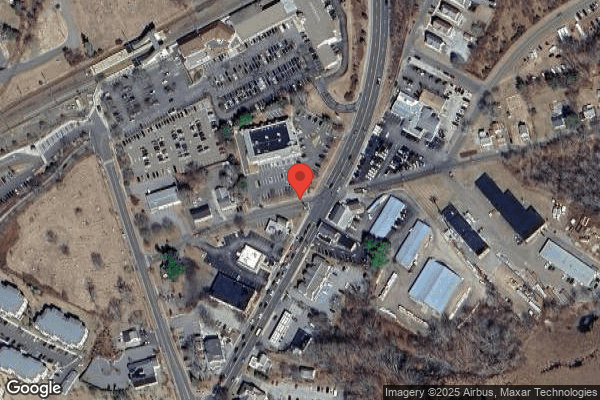
1775 BOSTON POST RD, OLD SAYBROOK, CT 06475 (860) 399-6216
For profit - Corporation 120 Beds APPLE REHAB Data: November 2025
Trust Grade
60/100
#81 of 192 in CT
Last Inspection: January 2025

Within standard 12-15 month inspection cycle. Federal law requires annual inspections.

Overview

Apple Rehab Saybrook has a Trust Grade of C+, which indicates that the facility is decent and slightly above average in quality. It ranks #81 out of 192 nursing homes in Connecticut, placing it in the top half of facilities statewide, and #6 out of 17 in Lower Connecticut River Valley County, meaning there are only five local options that are better. However, the facility's trend is worsening, with issues increasing from 6 in 2023 to 11 in 2025. Staffing is a strength, with a rating of 4 out of 5 stars and a turnover rate of just 24%, significantly lower than the state average. While they have no fines on record and provide more RN coverage than 90% of Connecticut facilities, there are concerning incidents, such as a resident who fell and broke a bone due to inadequate assistance, and failures in their infection control procedures and timely medication notifications for residents. Overall, while there are positive aspects, families should be aware of the increasing number of issues and specific incidents that could impact care quality.

Trust Score
C+
60/100
In Connecticut
#81/192
Top 42%
Safety Record
Moderate
Needs review
Inspections
Getting Worse
6 → 11 violations
Staff Stability
✓ Good
24% annual turnover. Excellent stability, 24 points below Connecticut's 48% average. Staff who stay learn residents' needs.
Penalties
✓ Good
No fines on record. Clean compliance history, better than most Connecticut facilities.
Skilled Nurses
✓ Good
Each resident gets 48 minutes of Registered Nurse (RN) attention daily — more than average for Connecticut. RNs are trained to catch health problems early.
Violations
⚠ Watch
45 deficiencies on record. Higher than average. Multiple issues found across inspections.
★★★☆☆
3.0
Overall Rating
★★★★☆
4.0
Staff Levels
★★☆☆☆
2.0
Care Quality
★★★☆☆
3.0
Inspection Score
Stable
2023: 6 issues
2025: 11 issues

The Good

  • 4-Star Staffing Rating · Above-average nurse staffing levels
  • Low Staff Turnover (24%) · Staff stability means consistent care
  • Full Sprinkler Coverage · Fire safety systems throughout facility
  • No fines on record
  • Staff turnover is low (24%)

    24 points below Connecticut average of 48%

Facility shows strength in staffing levels, staff retention, fire safety.

The Bad

3-Star Overall Rating

Near Connecticut average (3.0)

Meets federal standards, typical of most facilities

Chain: APPLE REHAB

Part of a multi-facility chain

Ask about local staffing decisions and management

The Ugly 45 deficiencies on record

1 actual harm
Jan 2025 2 deficiencies
CONCERN (E) 📢 Someone Reported This

A family member, employee, or ombudsman was alarmed enough to file a formal complaint

Potential for Harm - no one hurt, but risky conditions existed

Notification of Changes (Tag F0580)

Could have caused harm · This affected multiple residents

**NOTE- TERMS IN BRACKETS HAVE BEEN EDITED TO PROTECT CONFIDENTIALITY** Based on review of the clinical record, facility documentation, facility policy and interviews for three (3) of three (3) reside...

Read full inspector narrative →
**NOTE- TERMS IN BRACKETS HAVE BEEN EDITED TO PROTECT CONFIDENTIALITY** Based on review of the clinical record, facility documentation, facility policy and interviews for three (3) of three (3) residents (Residents #1, #2 and #3) reviewed for medication administration, the facility failed to notify the Nurse Practitioner (NP) timely of medication omissions. The findings include: 1. Resident #3 was admitted to the facility on [DATE] with diagnoses including a fracture of the left femur and hypothyroidism. The Resident Care Plan (RCP) dated 1/8/25 identified that Resident #3 required staff assistance with Activities of Daily Living (ADLs) related to impaired mobility with interventions included to provide staff assistance as needed. The admission Minimum Data Set (MDS) assessment dated [DATE] identified Resident #3 had a Brief Mental Interview for Mental Status (BIMS) of fourteen (14) indicative of intact cognition and was independent with eating, required substantial assistance with bed mobility and was dependent on staff for transfers. a. A physician's order dated 1/7/25 directed to administer Cozaar (anti-hypertensive medication) 50 milligram (mg) tablet by mouth once daily, Pravachol 40 milligram (mg) tablet by mouth once daily for cholesterol, Lexapro 20 milligram (mg) tablet by mouth once daily for depression. Review of the Medication Administration Record (MAR) for January 2025 identified that Resident #3's Cozaar 50 mg, was not administered on 1/8/25 at 9:00 AM, Pravachol 40 milligram (mg) tablet, Lexapro 20 milligram (mg) tablet.with documentation noting that it was held and to see nurse's notes. A nurse's note dated 1/8/25 at 11:32 AM identified that Cozaar 50 mg , Pravachol 40 milligram (mg) tablet, Lexapro 20 milligram (mg) table was held due to the resident being newly admitted and the facility was awaiting delivery of the medication from the pharmacy. Review of nurse's notes dated 1/8/25 failed to identify that the provider had been notified of the missing doses of Cozaar, Lexapro or Pravachol on 1/8/25. b. A physician's order dated 1/7/25 directed to administer Synthroid 100 microgram (mcg) tablet by mouth once daily in the morning for thyroid replacement. Review of the Medication Administration Record (MAR) for January 2025 identified that Resident #3's Synthroid 100 mcg tablet was not administered on 1/8/25 at 6:30 AM with documentation directing to see nurse's notes. On 1/13/25 the MAR was blank with no documentation indicating that the Synthroid 100 mcg had been administered. On 1/16/25 the MAR identified that Synthroid 100 mcg was not administered as the resident was sleeping. On 1/22/25 the MAR was blank with no documentation indicating that the Synthroid 100 mcg was administered. A nurse's note dated 1/8/25 at 5:50 AM identified that Synthroid 100 mcg had not yet arrived from the pharmacy. No further nurse's notes identified that the provider was notified of the missed dose. Review of nurse's notes from 1/13/25 failed to identify documentation as to why the Synthroid 100 mcg had not been administered or that the provider was notified of the missed dose. Review of nurse's notes from 1/16/25 failed to identify documentation that the provider was notified of the missed dose of Synthroid 100 mcg. Review of nurse's notes from 1/22/25 failed to identify documentation as to why the Synthroid 100 mcg had not been administered or that the provider was notified of the missed dose. c. A physician's order dated 1/8/25 directed to administer Omeprazole (used to treat heartburn, stomach ulcers and/or gastroesophageal reflux disease) 20 milligrams (mg) capsule by mouth once daily. Review of the Medication Administration Record (MAR) for January 2025 identified that Resident #3's Omeprazole 20 mg administration on 1/13/25 at 6:30 AM was blank with no documentation indicating that the Omeprazole 20 mg had been administered. On 1/16/25 the MAR identified that Omeprazole 20 mg was not administered as the resident was sleeping. On 1/22/25 the MAR was blank with no documentation indicating that the Omeprazole 20 mg was administered. Review of nurse's notes from 1/13/25 failed to identify documentation as to why the Omeprazole 20 mg had not been administered or that the provider was notified of the missed dose. Review of nurse's notes from 1/16/25 failed to identify documentation that the provider was notified of the missed dose of Omeprazole 20 mg. Review of nurse's notes from 1/22/25 failed to identify documentation as to why the Omeprazole 20 mg had not been administered or that the provider was notified of the missed dose. Interview with LPN #2 on 1/23/25 at 12:56 PM identified that although the provider should be notified for all missed doses of medication, she did not notify the provider on 1/8/25 when Resident #3 was not administered Synthroid 100 mcg due to it not being available from the pharmacy, stating she instead notified the oncoming nurse that the medication was unavailable. Additionally, she identified that she was unable to recall why both the Synthroid 100 mcg and the Omeprazole 20 mg weren't signed off as administered on 1/13/25 and 1/22/25, stating that if she administered them to Resident #3, she should have signed them off. Although attempted, an interview with RN #2 was not obtained. 2. Resident #2 was admitted to the facility on [DATE] with diagnoses including Parkinson's disease with dyskinesia (uncontrollable and involuntary movements) and constipation. The Nursing admission assessment dated [DATE] identified Resident #2 was alert and oriented to person, place and time with good memory recall and required staff assistance of two (2) for transfers and ambulation. The Resident Care Plan (RCP) dated 1/23/25 identified that Resident #2 required assistance with Activities of Daily Living (ADLs) related to impaired mobility secondary to Parkinson's disease with interventions included to provide staff assistance as needed. a. A physician's order dated 1/21/25 directed to administer Carbidopa-Levodopa 25-100 milligram (mg) tablet by mouth three (3) times daily for Parkinson's disease. Review of the Medication Administration Record (MAR) for January 2025 identified that Resident #2's Carbidopa-Levodopa 25-100 mg was not administered on 1/21/25 at 9:00 PM with documentation directing to see nurse's notes. A nurse's note dated 1/21/25 at 11:06 PM identified that Carbidopa-Levodopa 25-100 mg was held due to the facility awaiting delivery of the medication from the pharmacy. Review of nurse's notes dated 1/21/25 failed to identify documentation that the provider was notified of the missed dose of Carbidopa-Levodopa 25-100 mg. Interview with LPN #4 on 1/23/25 at 12:19 PM identified that Resident #2 did not receive the first dose of Carbidopa-Levodopa 25-100 mg on 1/21/25 because it was unavailable, and RN #3 (nursing supervisor) and herself didn't have access to the Omnicell (automated machine for medication management). She reported that although she didn't notify the provider and she should have, RN #3 was aware the medication was unavailable, and she thought RN #3 was going to call the provider to report the missed dose but was unsure why the provider notification wasn't documented in the clinical record. Although attempted, an interview with RN #3 was not obtained. b. A physician's order dated 1/21/25 directed to administer Linzess 290 microgram (mcg) capsule by mouth once daily for constipation. Review of the Medication Administration Record (MAR) for January 2025 identified that Resident #2's Linzess 290 mcg was not administered on 1/22/25 or 1/23/25 at 6:30 AM with documentation directing to see nurse's notes. A nurse's note dated 1/22/25 and 1/23/25 at 5:42 and 5:46 AM identified that Resident #2's Linzess 290 mcg was not administered as they were awaiting the delivery of the medication from the pharmacy. Review of nurse's notes dated 1/21/25 failed to identify documentation that the provider was notified of the missed dose of Carbidopa-Levodopa 25-100 mg. Interview with LPN #2 on 1/23/25 at 12:56 PM identified that Resident #2's Linzess had not yet arrived from the pharmacy for the 1/22/25 dose and reported that although the provider should have been notified of the missed dose, she didn't notify the provider and instead passed it on to the 7:00 AM to 3:00 PM shift and requested they call the pharmacy to check on the status of the medication. Interview with LPN #3 on 1/23/25 at 2:14 PM identified that Resident #2's Linzess was not available on 1/23/25 and although she should have notified the provider of the missed dose, she forgot. 3. Resident #1 was admitted to the facility on [DATE] with diagnoses including hypertension (high blood pressure), atrial fibrillation (irregular heartbeat) and congestive heart failure (build-up of blood in other parts of the body due to the hearts inability to pump blood adequately to keep up with the body's needs). The Nursing admission assessment dated [DATE] identified Resident #1 was alert and oriented to person, place and time with good memory recall and required assistance for transfers and ambulation. a. A physician's order dated 1/22/25 directed to administer Apixaban (a blood thinner used to prevent serious blood clots from forming) 5 milligram (mg) tablet by mouth twice daily for atrial fibrillation. Review of the Medication Administration Record (MAR) for January 2025 identified that Resident #1's Apixaban 5 mg was not administered on 1/22/25 at 9:00 PM with documentation directing that the medication was held and to see nurse's notes. A nurse's note dated 1/22/25 at 12:43 AM identified that Resident #1's Apixaban 5 mg was not administered as the medication had not yet arrived from the pharmacy. b. A physician's order dated 1/22/25 directed to administer Carvedilol (used to treat high blood pressure and heart failure) 12.5 milligram (mg) tablet by mouth twice daily for congestive heart failure. Review of the Medication Administration Record (MAR) for January 2025 identified that Resident #1's Carvedilol 12.5 mg was not administered on 1/22/25 at 9:00 PM with documentation directing to see nurse's notes. A nurse's note dated 1/23/25 at 12:44 AM identified that Resident #1's Carvedilol 12.5 mg was not administered as the medication had not yet arrived from the pharmacy. c. A physician's order dated 1/22/25 directed to administer Allopurinol (used to treat gout and certain types of kidney stones) 200 milligram (mg) tablet by mouth at bedtime for congestive heart failure. Review of the Medication Administration Record (MAR) for January 2025 identified that Resident #1's Allopurinol 200 mg was not administered on 1/22/25 at 9:00 PM with documentation directing to see nurse's notes. A nurse's note dated 1/23/25 at 12:42 AM identified that Resident #1's Allopurinol 200 mg was not administered as the medication had not yet arrived from the pharmacy. Review of nurse's notes from 1/22/25 to 1/23/25 failed to identify documentation that the provider was notified of the missed doses of Apixaban 5 mg, Carvedilol 12.5 mg and Allopurinol 200 mg on 1/22/25 at 9:00 PM. Interview with LPN #3 on 1/23/25 at 2:14 PM identified that there's not enough nursing staff to handle admissions, stating she is responsible for the medication pass and treatments on 36 residents and by the time the admission is completed, and the medications are ordered, it's often past the allotted time to administer the medication. She reported that if the medication is unavailable, she will notify the nursing supervisor if time allows but identified that she could not recall who the nursing supervisor was on the 3:00 PM to 11:00 PM shift on 1/22/25 and did not think she notified them of Resident #1's missed doses of medications at 9:00 PM that night, stating if she did she should have documented it in the clinical record. Additionally, she reported that although she should have, she did not notify the provider of the missed doses of medication. Interview with the DNS on 1/23/25 at 10:55 AM identified that although the facility has an Omnicell that stores medications for new admissions, many medications are not available in stock. She identified that she was not aware of the missed medications for Residents #1, #2 and #3 and was unsure why the provider wasn't notified, but stated it is her expectation that the nurse on duty notifies the provider of any unavailable or missed medications for a resident as soon as possible to get new orders and that they document their communication in the clinical record. She identified that all nurses should be double checking that all medications are signed off prior to the end of their shift and that it's not acceptable to be documenting that the medication is not available or that the medication was held due to the resident sleeping without any follow-up documentation as to whom they notified. Interview with NP #1 on 1/23/25 at 12:29 PM identified that anytime medications are unavailable, or doses are missed, it is her expectation that a provider is notified by the facility so an alternative medication can be ordered, or an order can be obtained to give the medication late, if applicable. She identified that for Resident #3, although not detrimental, the Cozaar, Lexapro and Synthroid should not have been missed. For Resident #2, she identified that the resident has been inconsistent with taking both the Carbidopa-Levodopa and the Linzess prior to coming to the facility so she did not believe the missed doses were detrimental to the resident. For Resident #1, she identified that she would have preferred the resident to have gotten the Apixaban, Carvedilol and Allopurinol late rather than not at all but reported that missing one dose would not be detrimental to the resident. Although requested, a facility policy for provider notification of missed medication administration was not provided. Review of the Medication Error policy (undated) directed, in part, that all medication errors will be reported to the resident's physician and family. When a medication error is identified, the licensed nurse will determine the nature of the error and notify the physician and nursing staff will follow through with monitoring and any additional interventions as indicated by the physician. A medication error report will be completed and submitted to the Director of Nursing and the Director of Nursing will review the error with the consultant pharmacist to determine significance of the error. Follow-ups for in services are then provided as necessary to prevent reoccurrences.
CONCERN (E) 📢 Someone Reported This

A family member, employee, or ombudsman was alarmed enough to file a formal complaint

Potential for Harm - no one hurt, but risky conditions existed

Medical Records (Tag F0842)

Could have caused harm · This affected multiple residents

**NOTE- TERMS IN BRACKETS HAVE BEEN EDITED TO PROTECT CONFIDENTIALITY** Based on review of the clinical record, facility documentation, facility policy and interviews for three (3) of three (3) reside...

Read full inspector narrative →
**NOTE- TERMS IN BRACKETS HAVE BEEN EDITED TO PROTECT CONFIDENTIALITY** Based on review of the clinical record, facility documentation, facility policy and interviews for three (3) of three (3) residents (Residents #8, #9 and #10) reviewed for showering, the facility failed to ensure Nurse Aide (NA) documentation was complete in the clinical record and for Resident #7 failed to retain medical records within the facility per policy. The findings include: 1. Resident #8's diagnoses included dementia with behavioral disturbances, urinary tract infection and anxiety disorder. The annual Minimum Data Set (MDS) assessment dated [DATE] identified Resident #8 had a Brief Mental Interview for Mental Status (BIMS) of four (4) indicative of severely impaired cognition and was dependent on staff for showering/bathing. The Resident Care Plan (RCP) dated 12/12/24 identified that Resident #8 required staff assistance with Activities of Daily Living (ADLs) due to impaired mobility and cognitive deficits related to dementia with interventions included assisting as needed to meet bathing, dressing, hygiene and toileting needs. Review of the facility shower list identified that Resident #8 was to receive showers on Mondays on the 3:00 PM to 11:00 PM shift. A physician's order dated 9/12/23 directed to complete a body audit on shower days by a licensed nurse weekly on Mondays on the 3:00 PM to 11:00 PM shift. Review of the January 2025 Documentation Survey Report (Nurse Aide Documentation) failed to identify that Resident #8 received a shower in January 2025 until 1/20/25 per the Shower/Bath documentation, although per physician's order, there should be documentation that Resident #8 received a shower on 1/6/25 and 1/13/25. 2. Resident #9's diagnoses included depression and a history of falling. The admission Minimum Data Set (MDS) assessment dated [DATE] identified Resident #9 had a Brief Mental Interview for Mental Status (BIMS) of fifteen (15) indicative of intact cognition and required moderate assistance with showering/bathing. The Resident Care Plan (RCP) dated 1/15/25 identified that Resident #9 required assistance with Activities of Daily Living (ADLs) due to self-care deficit related to impaired mobility with interventions that included assisting as needed to meet bathing, dressing, hygiene and toileting needs. Review of the facility shower list identified that Resident #9 was to receive showers on Mondays on the 3:00 PM to 11:00 PM shift. A physician's order dated 1/19/25 directed to complete a body audit on shower day every Sunday (does not identify shift). Review of the January 2025 Documentation Survey Report (Nurse Aide Documentation) failed to identify that Resident #9 received a shower in January 2025 per the Shower/Bath documentation, although per physician's order, there should be documentation that Resident #9 received a shower on 1/19/25. 3. Resident #10's diagnoses included cerebral infarction (a stroke that affects blood flow to the brain), hemiplegia (partial paralysis) affecting the left non-dominant side, major depressive disorder and anxiety disorder. The quarterly Minimum Data Set (MDS) assessment dated [DATE] identified Resident #10 had a Brief Mental Interview for Mental Status (BIMS) of eleven (11) indicative of moderately impaired cognition and required setup assistance with showering/bathing. The Resident Care Plan (RCP) dated 12/31/24 identified that Resident #10 required assistance with Activities of Daily Living (ADLs) due to impaired mobility secondary to left hemiparesis after a cerebrovascular accident in 2020. Interventions included assisting as needed to meet bathing, dressing, hygiene and toileting needs. Review of the facility shower list identified that Resident #10 was to receive showers on Wednesdays on the 3:00 PM to 11:00 PM shift. A physician's order dated 9/8/24 directed to complete a body audit on shower days by a licensed nurse weekly on Sunday on the 3:00 PM to 11:00 PM shift. Review of the January 2025 Documentation Survey Report (Nurse Aide Documentation) failed to identify that Resident #10 received a shower in January 2025 per the Shower/Bath documentation, although per physician's order there should be documentation that Resident #10 received a shower on 1/5/25, 1/12/25 and 1/19/25. Interview with the DNS on 1/23/25 at 3:20 PM identified that the unit shower schedule days and times and the specified resident body audit on shower days orders should match up, stating she was unsure why the unit schedule differed from the body audit orders in the resident's clinical records (Resident #9 and #10). She identified that she expected that the Nurse Aides (NA's) are following the shower schedules and documenting weekly per policy whether the shower was given or if it was refused, stating no one should be documenting Not Applicable (NA) or leaving the task blank on the assigned day. She reported that if the shower was not given or the resident refused the shower, the assigned nurse should be notified at the time so the shower can be reassigned as soon as possible. 4. Interview with the Administrator on 1/23/25 at 2:51 PM identified that although per policy, the facility is responsible for retaining medical records for seven (7) years, they were unable to locate the clinical record of Resident #7. Interview with the DNS on 1/24/25 at 3:54 PM identified that they were unable to locate the medical record for Resident #7. Review of the Bathing/Shower policy (undated) directed, in part, that each resident will be offered a full bath/shower at least weekly. Review of the CNA Flow Sheets (Resident Care Record) policy (undated) directed, in part, that the CNA will document the care provided to the resident for that shift by completing the entire flow sheet and all the approved coding and abbreviations shall be used. The CNA will document the resident's self-performance level, and the number of staff members needed for the task, the resident's mood/behavior, amount eaten, transfer device, number of feet walked, assistive devices for ambulation, bowel and bladder incontinence, type of bathing, communication, other devices and seating. Upon completion each CNA must initial in the appropriate box. The flow sheet is a part of the resident's medical record and will be used to assist in developing an individualized plan of care for the resident. Review of the Medical Records Retention policy (undated) directed, in part, that medical records will be retained for a minimum of seven (7) years from the date of the resident's discharge or last encounter, whichever is later.
Jan 2025 9 deficiencies
CONCERN (E)

Potential for Harm - no one hurt, but risky conditions existed

Deficiency F0658 (Tag F0658)

Could have caused harm · This affected multiple residents

**NOTE- TERMS IN BRACKETS HAVE BEEN EDITED TO PROTECT CONFIDENTIALITY** Based on observations, review of clinical records, review of facility documentation, review of facility policy/procedures and in...

Read full inspector narrative →
**NOTE- TERMS IN BRACKETS HAVE BEEN EDITED TO PROTECT CONFIDENTIALITY** Based on observations, review of clinical records, review of facility documentation, review of facility policy/procedures and interviews for two sampled residents (Resident #24 and Resident #55) observed with medications at the bedside, the facility failed to ensure medications were administered as ordered and for one of three sampled residents (Resident #50) reviewed for choices, the facility failed to ensure medications were administered according to prescribed times. The findings include: 1. Resident #24's diagnoses included gastro-esophageal reflux disease without esophagitis (GERD), anemia, major depressive disorder and peripheral vascular disease. The quarterly MDS assessment dated [DATE] identified Resident #24 was cognitively intact, dependent on care for toileting hygiene, dressing and personal hygiene, was non-ambulatory and utilized a wheelchair for mobility. The monthly physician's orders for January 2025 directed Clopidogrel Bisulfate 75 milligram (mg) one tablet by mouth once a day for antiplatelet; Ferrous Sulfate Iron 325mg by mouth two times daily for anemia; Gabapentin 600mg one tablet by mouth three times daily for neuropathy; Protonix 20mg one tablet by mouth once daily for GERD; and Venlafaxine 75 mg one capsule by mouth once daily with Venlafaxine 150 mg capsule for depression; Multivitamin one tablet by mouth once daily for supplement. Observation on 1/5/2025 at 10:53 AM identified Resident #24 lying upright awake in bed with the bedside table over the bed. The bedside table contained a medicine cup containing 6 pills, a cup of water, and other personal items. Resident #24 indicated he/she was taking the medication the nurse left at the bedside. Observation on 1/5/25 at 10:55 AM with the DNS and the Charge Nurse (RN #7) identified Resident #24 was awake, lying in bed with the medicine cup containing 6 pills on the bedside table. The medications in the cup were identified as Resident #24's prescribed medications. Review of Resident 24's clinical records failed to identify a physician's order directing self-administration of medication or a completed self-administration assessment. Review of the electronic medication administration audit detail report dated 1/5/25 identified the medications scheduled for 9:00 AM with the exception of Protonix which was scheduled for 8:00 AM. The report identified the Protonix was signed off as having been administered at 7:26 AM and the resident of the scheduled medications were signed off as being administered at 9:23 AM. Interview with RN #7 on 1/5/25 at 10:55 AM identified she left the medications at the resident's bedside at 9:30 AM. RN #7 indicated she had parked the medication cart outside of the room in view of the residents to observe when they took the medication but may have been called away to attend to another resident. RN #7 identified she should not have left the medications at the resident's bedside as the resident did not have a self-administration order and it was her responsibility to ensure the resident takes the medications. Interview with the DNS on 1/5/25 at 11:10 AM identified medications should not be left at a resident's bedside who do not to have a self-administration order. The DNS further identified it is the expectation of the nurse to watch a resident take their medications and not to leave the medications at the bedside. The Medication Pass policy identified that the nurse should stay with resident until medications have been taken. The Medication Administration policy identified that documentation of the administration of medications should be completed immediately after giving the medication. 2. Resident #55 was admitted to the facility in the month of March 2024 with diagnoses that included anemia, hypertension, type 2 diabetes mellitus, and benign prostatic hyperplasia. The quarterly MDS assessment dated [DATE] identified Resident #55 had moderate cognitive impairment, required setup or clean up assistance with personal hygiene, independent with toileting hygiene, bed mobility and ambulation using walker. The care plan dated 12/24/24 identified Resident #55 was at risk for cardiac issues with interventions that included medications as ordered and vital signs as ordered. The monthly physician's orders for January 2025 directed Amlodipine Besylate 5mg by mouth two times daily for hypertension; Finasteride 5mg by mouth in the morning for prostatic hypertrophy; Hydralazine 25mg by mouth twice daily for hypertension; Metoprolol Succinate extended release 25mg by mouth in the morning for hypertension and hold for heart rate less than 55; and Protonix 40mg by mouth daily for indigestion. Observation on 1/5/2025 at 10:53 AM identified Resident #55 asleep in bed with the bedside table to the left of the bed, the left side of the bed and a medicine cup containing 5 pills, a cup of water, and other personal items. Observation on 1/5/25 at 10:55 AM with the DNS and the Charge Nurse (RN #7) identified Resident #55 asleep in bed with a medicine cup containing 5 pills, along with a cup of water was left at the bedside. RN #7 picked up the medication cup and woke the resident up to take his/her medications. The resident then took the medication cup from RN #7, poured all the medication into his/her mouth and drank the water. Resident #55 later stated he/she was unaware the medications were at the bedside. The medications in the cup were identified as Resident #24's prescribed medications. Review of Resident 55's clinical record failed to identify a physician's order directing self-administration of medication or a completed self-administration assessment. Review of the electronic medication administration audit detail report dated 1/5/25 identified the medications were scheduled for 9:00 AM were signed off as being administered at 9:22 AM. Interview with RN #7 on 1/5/25 at 10:55 AM identified she left the medications at the resident's bedside at 9:30 AM. RN #7 indicated she had parked the medication cart outside of the room in view of the residents to observe when they took the medication but may have been called away to attend to another resident. RN #7 identified she should not have left the medications at the resident's bedside as the resident did not have a self-administration order and it was her responsibility to ensure the resident takes the medications. Interview with the DNS on 1/5/25 at 11:10 AM identified medications should not be left at a resident's bedside who do not to have a self-administration order. The DNS further identified it is the expectation of the nurse to watch a resident take their medications and not to leave the medications at the bedside. The Medication Pass policy identified that the nurse should stay with resident until medications have been taken. The Medication Administration policy identified that documentation of the administration of medications should be completed immediately after giving the medication. 3. Resident #50's diagnoses included chronic systolic congestive heart failure, hypokalemia, hypothyroidism, and hypertension. The admission MDS assessment dated [DATE] identified Resident #50 was cognitively intact, had no behaviors, required limited assistance with bed mobility and transfers, was dependent for personal hygiene and required moderate assistance with bathing. The assessment further identified the resident utilized a walker and a wheelchair for mobility. The care plan dated 12/24/24 identified Resident #50 was at risk for cardiac/respiratory distress related to cardiac heart failure (CHF) with interventions that included, provide medications as ordered, and vital signs and weights as ordered. Physician's orders dated 12/9/24 directed the following: Amiodarone Hcl Oral tablet 200mg by mouth one time a day for CHF Furosemide Oral Tablet 20mg by mouth one time a day for CHF Lidocaine External Patch 4% Apply to left hip topically one time a day in the morning, and remove at night Senior tab Multivitamins 1 tablet by mouth one time a day for nutrition deficit Physician's order dated 12/11/24 directed the following: Vitamin D oral tablet give 25mcg by mouth one time a day for vitamin deficiency Potassium Chloride ER oral tablet extended release 10 MEQ by mouth two times a day for hypokalemia do not crush, break, or chew Levothyroxine Sodium oral tablet 50 mcg by mouth one time a day related to hypothyroidism. Interview on 1/5/25 at 10:15 AM with Resident #50 identified he/she had been receiving medications late and identified that he had not yet received his/her medications. Observation on 1/5/25 at 10:25 AM identified LPN #2 passing medications to residents on Resident #50's unit. Interview on 1/5/25 at 10:30 AM with LPN #2 identified she was late in passing the medications and indicated she had been employed within the last month or two and was just getting into a flow of knowing who the residents were and their medications. LPN #2 acknowledged that she was aware that she had one hour before the scheduled time to one hour after the scheduled time to administer medications. A review of the nurse's notes from 1/5/25 failed to reflect there was a notification to the provider for medications administered late. Review of the electronic medication administration audit detail report from 1/1/25 to 1/8/25 identified the following medications ordered to be administered at 9:00 AM were administered at the following times: On 1/4/25 Lidocaine External patch was administered at 1:44 PM On 1/5/25 Amiodarone HCL 200mg was administered at 10:24 AM On 1/5/25 Furosemide 20mg was administered at 10:24 AM On 1/5/25 Senior tab multivitamin was administered at 10:25 AM On 1/5/25 Senna plus 8.5-50mg was administered 10:25 AM On 1/5/25 Vitamin D 25mcg was administered at 10:27 AM On 1/5/25 Potassium Chloride ER 10 mEq was administered at 10:27AM On 1/5/25 Lidocaine External patch was administered at 11:59 AM On 1/7/25 Potassium Chloride ER 10mEq was administered at 10:41AM On 1/7/25 Lidocaine External patch was administered at 10:40 AM On 1/7/25 Amiodarone Hcl 200mg was administered at 10:39 AM On 1/7/25 Vitamin D 25mcg was administered at 10:41 AM On 1/7/25 Senna Plus 8.6-50mg was administered at 10:41 AM On 1/7/25 Furosemide 20mg was administered at 10:39 AM On 1/7/25 Senior tab multivitamin was administered at 10:41AM On 1/8/25 Lidocaine external patch 4% was administered at 11:36 AM Interview on 1/9/25 at 10:30 AM with the DNS identified medications are expected to be administered within a two-hour window of one hour before or one hour after the scheduled time of administration and noted she was aware that LPN #2 was new to the facility and that could be why LPN #2 was administering the medications outside of the administration parameters. The DNS further identified she would expect the nurse to notify the physician/provider when medications are administered late. Review of the medication administration policy directed medications to be distributed one hour before or one hour after the ordered time and to document all actions taken in the resident's medical record and notify the supervisor.
CONCERN (E)

Potential for Harm - no one hurt, but risky conditions existed

Deficiency F0687 (Tag F0687)

Could have caused harm · This affected multiple residents

**NOTE- TERMS IN BRACKETS HAVE BEEN EDITED TO PROTECT CONFIDENTIALITY** Based on observations, clinical record review, review of facility documentation, review of facility policy, and interviews for o...

Read full inspector narrative →
**NOTE- TERMS IN BRACKETS HAVE BEEN EDITED TO PROTECT CONFIDENTIALITY** Based on observations, clinical record review, review of facility documentation, review of facility policy, and interviews for one sampled resident (Resident #53) reviewed for foot care, the facility failed to ensure the resident was seen by a podiatrist. The findings include: Resident #53's diagnoses included type 2 diabetes mellitus. The Resident Care Plan (RCP) dated 8/14/23 identified Resident #53 was at risk for hypoglycemia related to type 2 diabetes mellitus. Care plan interventions directed to administer medications as ordered, wash and dry feet thoroughly, note any changes in skin condition, watch for sign and symptoms of hypoglycemia, and check blood glucose per physician order. The physician's orders for December 2024 directed for podiatry services as needed, the order's origination date was 8/14/23. The annual MDS assessment dated [DATE] identified Resident #53 had severe cognitive impairment, required extensive assistance with lower body dressing, toileting, and bathing. The nurse's note dated 9/10/24 at 2:01 PM identified Resident #53 had long toe nails and a request for podiatry services was sent to the podiatrist (podiatric service). The nurse's note dated 12/2/24 at 12:29 PM identified Resident #53 had long toe nails and a request for podiatry services was sent to the podiatric service contracted with the facility. Review of the clinical record from September 2024 through December 2024 failed to identify Resident #53 was seen by a podiatrist. Review of the documentation detailing the podiatric service's schedule identified the podiatrist made visits to the facility on [DATE] and on 12/31/24. Review of the list of residents seen by the Podiatrist on 10/28/24 and 12/31/24 identified Resident #53 was listed as Do Not Treat (DNT) related to missing information needed to process podiatry payment. Observation with LPN #2 on 1/6/25 at 1:20 PM identified Resident #53 lying in bed. LPN #2 removed the resident's shoes from both feet and all of his/her toe nails were approximately 0.6 cm in length from the toenail tip. Interview with Person #1 (podiatry customer service representative) on 1/6/25 at 12:10 PM identified she had the podiatry service request for Resident #53 dated 9/11/24. She identified that Resident #53 was flagged DNT because the facility had not provided the medical necessity for the request for podiatry services. She further identified the facility was notified Resident #53 had missing information that needed to be completed before podiatry services could start. Interview with LPN #2 on 1/6/25 at 1:30 PM identified the nursing staff was not allowed to trim toe nails for any resident with a diagnosis of diabetes mellitus. She identified that Resident #53 had long toenails and should have been referred to podiatry services. Interview with the DNS on 1/6/24 at 2:00 PM identified the facility has a standing order for podiatric services as needed and residents with a diagnosis of diabetes mellitus are offered podiatric services. She further identified that Resident #53 was noted to have long toe nails on 9/10/24 and again on 12/2/24 and should have been seen. She noted that the Podiatrist was in the facility on 10/28/24 and 12/31/24. Additionally, she identified that she received the podiatry schedule that indicated Resident #53 was labeled DNT because of missing information, but she did not follow through with the podiatric service provider to supply the missing information which is typically the medical necessity for podiatric services. The Ancillary Services policy identified that the facility would provide podiatry services as required by the resident's conditions. The ancillary services will be provided by the facility or through coordination with qualified external providers.
CONCERN (E)

Potential for Harm - no one hurt, but risky conditions existed

Antibiotic Stewardship (Tag F0881)

Could have caused harm · This affected multiple residents

Based on review of facility documentation, facility policy and interviews, during a review of the facility antibiotic stewardship program, the facility failed to ensure that the facility's antibiotic ...

Read full inspector narrative →
Based on review of facility documentation, facility policy and interviews, during a review of the facility antibiotic stewardship program, the facility failed to ensure that the facility's antibiotic surveillance tracking report of antibiotic use, patterns and resistant trends was completed and reviewed at the quarterly medical staff meetings for a multidisciplinary collaboration. The findings include: Review of the antibiotic stewardship program for the period of August 2022 to December 2024 with the Regional Director of Nursing Services (RN #6) and the Infection Preventionist (IP) Nurse (LPN #4) on 1/8/25 at 1:31 PM failed to identify any documentation related to monthly review of the antibiotic stewardship program for the period of August 2022 to September 2023. Review of the quarterly Medical Staff Meeting agendas and documentation provided for, the first, the second, and the third quarter of 2023, and first quarter of 2024, the facility failed to identify any documentation related to infection control and antibiotic usage/antibiotic stewardship program within the facility that was presented at the Medical Staff Meeting by the Infection Preventionist. The facility also failed to provide the agenda or documentation presented at the last quarterly meeting in 2022. Interview with RN #6 and LPN #4 on 1/8/25 at 1:31 PM identified she was only able to locate the monthly Antibiotic Tracking tool and at risk meeting minutes from September 2023 to April of 2024. LPN #4 identified an antibiotic tracking form is completed monthly and reviewed at the weekly at risk meetings with the medical provider for feedback. LPN #4 identified the Infection Preventionist was responsible to provide a report at the quarterly medical staff meeting which included antibiotic usage and monthly infection rates. LPN #4 also indicated that the pharmacy and the laboratory vendor would provide additional data at the meeting. LPN #4 further added that she started the role of the facility's IP in May of 2024, and it would have been the responsibility of the previous IP to complete and present the reports at the quarterly medical staff meeting. Interview with the DNS on 1/9/24 at 11:18 AM identified it was the responsibility of the IP nurse to provide a written infection control report to present at the quarterly medical staff meeting, which should be submitted to the administrator prior to the meeting date. Interview with the Administrator on 1/9/25 at 11:26 AM identified all department heads are responsible for submitting their reports to present at the quarterly meeting prior to the meeting via an email, however, was unable to locate a report from the previous IP nurse. The Administrator added if the department head failed to provide her a copy of the report prior to the meeting it was their responsibility to ensure that she had received the written copy to attach to the minutes and agenda. Review of the Antibiotic Stewardship policy process included monitoring and reporting which is to track and report antibiotic use patterns and resistance trends and provide feedback to prescribers regarding adherence to guidelines and stewardship goals. Review of the Infection Surveillance policy identified that data collected shall be analyzed monthly for trends and incorporated into the quarterly Infection Control Report.
CONCERN (E)

Potential for Harm - no one hurt, but risky conditions existed

Deficiency F0883 (Tag F0883)

Could have caused harm · This affected multiple residents

**NOTE- TERMS IN BRACKETS HAVE BEEN EDITED TO PROTECT CONFIDENTIALITY** Based on review of clinical records, review of facility policy, review of facility documentation, and interviews for two of five...

Read full inspector narrative →
**NOTE- TERMS IN BRACKETS HAVE BEEN EDITED TO PROTECT CONFIDENTIALITY** Based on review of clinical records, review of facility policy, review of facility documentation, and interviews for two of five sampled residents (Resident #20, and Resident #55) reviewed for immunizations, the facility failed to offer and/or assess for pneumococcal immunizations upon admission and when offered the pneumococcal vaccine the facility failed to administer the vaccine as requested. The findings include: 1. Resident #20 was admitted to the facility in March of 2023 with diagnoses that included anemia, acute respiratory failure with hypoxia, and heart failure. The quarterly MDS assessment dated [DATE] identified Resident #20 was cognitively intact. Review of the immunization records for Resident #20 on 1/7/25 at 2:25 PM failed to identify that the pneumococcal vaccine was offered to the resident on admission. Review of the Pneumococcal Vaccine Consent form identified Resident #20 gave the facility permission to administer the pneumococcal based on the guidance provided by the Centers for Disease Control and Prevention (CDC) guidelines with the provider oversight on 10/15/24. Review of Resident #20 clinical records failed to identify that he/she had received the vaccination at the facility or had change his/her decision. Interview with the Regional Director of Nursing Services (RN #6) and the Infection Preventionist (IP) Nurse (LPN #4) on 1/7/25 at 2:25 PM identified that based on a review of Resident #20's pneumococcal vaccination history and CDC guidelines Resident #20 could have been offered either the PCV20 vaccine or pneumococcal vaccine PPSV23 on admission. LPN #4 identified that she had assessed and offered pneumococcal vaccine to Resident #20 in October of 2024 but was unable to identify why the vaccine was not given after she had obtained consent from the resident. 2. Resident #55 was admitted to the facility in March of 2024 with diagnoses that included anemia, hypertension, type 2 diabetes mellitus, and benign prostatic hyperplasia. The quarterly MDS assessment dated [DATE] identified Resident #55 had moderate cognitive impairment. The assessment further identified that Resident #55 did not receive the pneumococcal vaccine. Review of the immunization records for Resident #55 on 1/7/25 at 2:25 PM failed to identify that the pneumococcal vaccine was offered and/or assessed for past immunization. Review of the Pneumococcal Vaccine Consent form identified Resident #55 gave the facility permission to administer the pneumococcal based on the guidance provided by the Centers for Disease Control and Prevention (CDC) guidelines with the provider oversight on 9/30/24. Review of Resident #55 clinical records failed to identify that he/she had received the vaccination at the facility or had change his/her decision. Interview with the Regional Director of Nursing Services (RN #6) and the Infection Preventionist (IP) Nurse (LPN #4) on 1/7/25 at 2:25 PM identified that based on review of Resident #55's pneumococcal vaccination history and CDC guidelines Resident #55 should have been offered the PCV20 vaccine on admission as he/she had no pneumovax that was given historically. LPN #4 identified that she had assessed and offered pneumococcal vaccine to Resident #55 in September of 2024 but was unable to identify why the vaccine was not given after she had obtained consent from the resident. Interview with the RN #6 and LPN #4 on 1/7/25 at 2:25 PM identified that on admission residents are assessed and offered the pneumococcal vaccination. LPN #4 identified the process for administering vaccine to the resident, a consent is received from the resident/the resident responsible party to administer the vaccine, then a physician's order is obtained, and the vaccine is administered by the IP nurse. Both LPN #4 and RN #6 was unable to locate a signed pneumococcal vaccination consent form that was completed on admission, as the form located in both Resident #20's and Resident #55's was not completed. LPN #4 further identified it was the responsibility of the previous IP nurse to assessed/offer the PCV20 vaccine or pneumococcal vaccine PPSV23 to the resident on admission as she had only started working as the IP in May of 2024. Review of the Pneumococcal policy identified residents or their responsible party will be offered the pneumococcal vaccine according to their specific eligibility that aligns with the current Center for Disease Control (CDC) Adult immunization schedule upon admission. The policy further identified the facility would document date and location of injection site, refusal and re-offer and historical pneumococcal vaccine administration in the medical record if given in the community.
CONCERN (F)

Potential for Harm - no one hurt, but risky conditions existed

Infection Control (Tag F0880)

Could have caused harm · This affected most or all residents

Based on review of facility documentation, review of facility policies and procedures, and interviews, the facility failed to ensure that the infection prevention control program policies and procedur...

Read full inspector narrative →
Based on review of facility documentation, review of facility policies and procedures, and interviews, the facility failed to ensure that the infection prevention control program policies and procedures were reviewed annually, the facility failed to ensure that environmental rounds were conducted/completed quarterly, the facility failed to ensure Infection Control Surveillance data collection reports, analysis of infection trends within the facility were completed monthly, along with quarterly reports, and the facility failed to ensure documentation of quarterly water management plan meetings were conducted. The findings include: 1. Review of the facility's Infection Control Program Policies and Procedure manual for the period of August 2022 to December 2024 with the Regional Director of Nursing Services (RN #6) and the Infection Preventionist (IP) Nurse (LPN #4) on 1/7/25 at 11:41 AM identified that the policies and procedures manual was reviewed on 3/21/22 and 8/30/24 but failed to provide any documentation that the Infection Control Program Policies and Procedure manual was reviewed in 2023. Interview with RN #6 and LPN #4 on 1/8/25 at 1:31 PM identified the infection control policy and procedures manual should be reviewed annually, and it was the responsibility of the DNS and the Administrator to complete. RN #6 and LPN #4 further added that they were not working at the facility during the time for the annual review as she started working at the facility in May of 2024. Interview with the DNS on 1/9/25 at 11:18 AM identified she had not started working at the facility until November of 2023 and the facility had an infection control nurse at the time. A policy and procedure related to the annual review of the infection control policy and procedures manual was requested but was not provided. Interview with RN #6 and LPN #4 on 1/8/25 at 1:31 PM identified they were unable to locate a policy related to the annual review of the IP policy and procedure manual, but it was the practice of the facility to review the policy and procedure manual annually with a signature page consisting of the staff who reviewed the policy. 2. Review of the infection control environmental round documentation for the for the period of August 2022 to December 2024 with the Regional Director of Nursing Services (RN #6) and the Infection Preventionist (IP) Nurse (LPN #4) on 1/8/25 at 1:31 PM identified the quarterly environmental rounds were not completed for the last quarter in 2022, first quarter (January) of 2023, second quarter (April) of 2023, and third quarter (July) of 2023. Interview with RN #6 and LPN #4 on 1/8/25 at 1:31 PM identified they were unable to locate any documentation for environmental rounds completed in the last quarter of 2022, and the first three quarters of 2023. The LPN #4 and RN #6 further identified that environmental rounds are completed quarterly and it was the responsibility of the previous IP nurse to ensure they were completed, as LPN #4 only started working at the facility in May of 2024. Review of the Environmental Surveillance policy identified the Infection Preventionist and supporting department heads will complete environmental rounds quarterly. 3. Review of the infection control program for the period of August 2022 to December 2024 with the Regional Director of Nursing Services (RN #6) and the Infection Preventionist (IP) Nurse (LPN #4) on 1/7/25 at 11:41 AM failed to identify that monthly surveillance infection reports and analysis of infection trends were completed for August of 2022 to April of 2024, along with the quarterly reports for October 2022, January 2023, April 2023, July 2023, October 2023, January 2024 and April 2024. Review of the quarterly Medical Staff Meeting agendas and documentation provided for the first, the second, and the third quarter of 2023, as well as the first quarter of 2024, the facility failed to identify any documentation related to monthly rates, trends and analysis of infections within the facility that were presented at the Medical Staff Meeting by the Infection Preventionist. The facility also failed to provide the agenda or documentation presented at the last quarterly meeting in 2022. Interview with LPN #4 on 1/7/25 at 11:41 AM identified it was the responsibility of the IP nurse to identify, track and analyze infection rates within the facility monthly. LPN #4 further identified the monthly report and analysis data included the rate of healthcare/facility acquired infections and community acquired infections within the facility, and at the end of each month the total infection rate is calculated using a formula. RN #6 and LPN #4 identified that they had searched for the reports thoroughly, contacted the previous IP nurse, and was still unable to locate the previous reports and only have the ones LPN #4 had completed. Interview with the DNS on 1/9/24 at 11:18 AM identified it was the responsibility of the IP nurse to provide a written infection control report to present at the quarterly medical staff meeting, which should be submitted to the administrator prior to the meeting date. Interview with the Administrator on 1/9/25 at 11:26 AM identified all department heads are responsible for submitting their reports to present at the quarterly meeting prior to the meeting via an email, however, was unable to locate a report from the previous IP nurse. The Administrator added if the department head failed to provide her a copy of the report prior to the meeting it was their responsibility to ensure that she had received the written copy to attach to the minutes and agenda. Review of the Infection Surveillance Data Collection policy and procedure identified an infection surveillance form shall be completed by the infection control nurse (ICN) for each resident who has an infection and these reports shall be maintained on file by the ICN for a period of no less than three years. The policy further identified the data collected shall be analyzed monthly for trends and incorporated into the quarterly infection control report. 4. Review of the facility Water Management Plan and quarterly meeting minutes from August 2022 to December 2024 with the Director of Maintenance on 1/9/25 at 9:19 AM failed to identify any documentation of quarterly meetings held in October of 2022, January of 2023, July of 2023, and October 2023. Interview with the Director of Maintenance on 1/9/25 at 9:19 AM identified apart of the facility's water management plan/policy is to conduct a quarterly water management meeting, annual water sample testing and monthly flushing. The Director of Maintenance identified they were unable to locate the quarterly meeting minutes as the facility had a high turnover in Administrators, whose responsibility was to keep the water management plan binder with all the documents related to the water management plan including the meeting minutes. Interview with the Administrator on 1/9/24 at 11:26 AM identified that the facility should conduct water management meetings quarterly, however she was unable to locate the meeting minutes for 2023 and the last quarter of 2022. The Administrator further identified she had only started working at the facility since November of 2023 and it was the responsibility of the Administrator to kept the water management binder with all the meeting minutes. Review of the Annual Water Management Plan identified the facility to develop and assign water committee members and review plan and protocol on a regular/routine basis. Review of the Legionella Committee Member Meeting Agenda identifies members are recommended to meet quarterly to review plan.
MINOR (B)

Minor Issue - procedural, no safety impact

Assessment Accuracy (Tag F0641)

Minor procedural issue · This affected multiple residents

**NOTE- TERMS IN BRACKETS HAVE BEEN EDITED TO PROTECT CONFIDENTIALITY** Based on review of the clinical records, review of facility policy, and interviews for two sampled residents (Resident #5, and #...

Read full inspector narrative →
**NOTE- TERMS IN BRACKETS HAVE BEEN EDITED TO PROTECT CONFIDENTIALITY** Based on review of the clinical records, review of facility policy, and interviews for two sampled residents (Resident #5, and #17) who had annual MDS assessments, the facility failed to ensure the assessments were completed. The findings include: 1. Resident #5's diagnoses included type 2 diabetes mellitus, cirrhosis of liver, and dependence on renal dialysis. The annual MDS assessment dated [DATE] identified the following assessment areas were incomplete: section C which indicates the resident's cognitive function, section D which indicates mood, and section E which indicates behaviors. Review of the clinical record failed to identify a note indicating a reason Resident #5's assessment was incomplete in the identified areas. Interview with the Corporate Director of Social Services (SW #1) on 1/8/25 at 11:20 PM identified she had been assisting in the facility since February 2024 but has been more involved in the last two months because the social worker position has been vacant during that time. She identified the social workers are responsible for completing section C, D, E and Q of the MDS assessment. She further identified that in the event the resident does not want to participate, the social worker should make additional visits to assess, if the resident refuses, then social worker should complete a progress note as to why the assessment was not completed. SW #1 further identified Resident #5's annual assessment should have been completed in all the designated areas. Although several attempts were made to interview the prior social worker on 1/8/25 and 1/9/25 they were unsuccessful. The MDS policy identified that the MDS will be completed in accordance with the procedures and directives outline in the MDS Resident Assessment Instrument (RAI) manual. The policy further identified The Resident Care Coordinator (RCC) shall determine the schedule of MDS assessments to be completed and notify all disciplines responsible for completing on the MDS. 2. Resident #17 was admitted to the facility in October of 2023 with diagnoses that included hemiplegia and hemiparesis following unspecified cerebrovascular disease affecting left non-dominant side. lymphedema, and other specified depressive episodes. The annual MDS assessment dated [DATE] identified the following assessment areas were incomplete: section C which indicates the resident's cognitive function, section D which indicates mood, section E which indicates behaviors and section Q which indicates participation in assessment and goal setting. Interview on 1/5/25 at 2:13 PM with NA#8 identified the resident needs physical help but communicates with a tablet and was able to answer yes/no questions and make needs known. Observation and interview on 1/5/25 at 2:15 PM with Resident #17 identified the resident was able to communicate adequately with physical gestures, answered questions by shaking head or saying yes or no, and denied any problems with care. Interview on 1/8/25 at 12:20 PM with the Corporate Director of Social Work (SW #1) identified she had been assisting in the facility since February 2024 but has been more involved in the last two months because the social worker position has been vacant during that time. She identified the social workers are responsible for completing section C, D, E and Q of the MDS assessment. She further identified that in the event the resident does not want to participate, the social worker should make additional visits to assess, if the resident refuses, then social worker should complete a progress note as to why the assessment was not completed. SW#1's review of Resident #17's chart indicated there was no reason listed as to why the annual MDS was incomplete. Interview on 1/9/25 at 10:57 AM with the DNS identified SW#1 was aware of some of the concerns, but the facility had not identified some of the missing work until after the old social worker left. Unsuccessful attempts were made to contact the previous social worker who was responsible for completing the designated areas on the annual MDS assessment. The MDS policy identified that the MDS will be completed in accordance with the procedures and directives outline in the MDS Resident Assessment Instrument (RAI) manual. The policy further identified The Resident Care Coordinator (RCC) shall determine the schedule of MDS assessments to be completed and notify all disciplines responsible for completing on the MDS.
MINOR (B)

Minor Issue - procedural, no safety impact

Deficiency F0657 (Tag F0657)

Minor procedural issue · This affected multiple residents

**NOTE- TERMS IN BRACKETS HAVE BEEN EDITED TO PROTECT CONFIDENTIALITY** Based on review of the clinical record, review of facility policy, and interviews for one sample resident (Resident #53) reviewe...

Read full inspector narrative →
**NOTE- TERMS IN BRACKETS HAVE BEEN EDITED TO PROTECT CONFIDENTIALITY** Based on review of the clinical record, review of facility policy, and interviews for one sample resident (Resident #53) reviewed for foot care, the facility failed to ensure the care plan was comprehensive and did not indicate resolved problems. The findings include: Resident #53 's diagnoses included type 2 diabetes mellitus, cerebrovascular disease, and hemiplegia and hemiparesis affecting right dominant side. Resident #53's care plan was dated 8/13/23 and there were no other dates on the care plan identifying when the care plan was reviewed or revised. The admission MDS assessment dated [DATE] identified Resident #53 had severe cognitive impairment and required assistance with activities of daily living ranging from set-up help to substantial assistance from staff. Review of the MDS assessments identified quarterly assessments dated 11/18/23, 1/19/24, 4/20/24, 5/25/24, and 11/1/24 were completed and an annual assessment dated [DATE] was completed. Further review of the care plan identified concerns that were no longer relevant, they included: the risk of bruising and abnormal bleeding related to the use of anti-coagulant therapy dated 8/14/23, a rash to bilateral groin dated 1/26/24, and skin impairment to the right ankle dated 8/29/24. Review of physician's orders for December 2024 did not identify treatment orders for a rash to the groin, or to the right ankle, and did not contain orders for anti-coagulant medication. The facility failed to provide documentation that Resident #53's care plan was reviewed and revised on at least a quarterly basis following the completion of the annual and quarterly MDS assessments. Interview and review of the care plan with RN #1 (MDS Coordinator) on 1/6/25 at 10:45 AM identified he was responsible for updating the resident care plan and the care plan should be reviewed at least quarterly after each MDS assessment. He identified that the electronic medical record indicates when the care plan was last reviewed. RN#1 could not provide any documentation of the last time Resident #53's care plan was reviewed. He further identified that he was not familiar with the facility's electronic health record system, so he has been documenting the review of the care plan on paper; however, he did not have a paper record that documented the review and/or revisions made to the care plan. In addition, RN #1 identified that Resident #53 was no longer receiving anti-coagulant medication, the bilateral groin rash was resolved, and the skin impairment to the right ankle was also resolved. He acknowledged that those problems should not be on the current care plan as concerns the resident is experiencing at the present time but should show as resolved. Interview with the DNS on 1/7/25 at 1:30 PM identified RN #1 was responsible for reviewing the resident's care plan and she expects the resident's care plan to be reviewed and/or revised every quarter. She further identified, she is aware RN #1 is behind in updating the resident's care plan, but she was not aware that the care plan was not reviewed for a long time. The care planning policy identified a comprehensive and individualized plan of care will be developed for each resident. The care plan is reviewed and updated at least quarterly and as necessary to reflect changes in the resident's status.
MINOR (B)

Minor Issue - procedural, no safety impact

Deficiency F0730 (Tag F0730)

Minor procedural issue · This affected multiple residents

Based on review of facility documentation, review of facility policy and interviews for 2 of 3 nurses' aides reviewed (NA #4 & NA #9) the facility failed to ensure annual performance reviews were comp...

Read full inspector narrative →
Based on review of facility documentation, review of facility policy and interviews for 2 of 3 nurses' aides reviewed (NA #4 & NA #9) the facility failed to ensure annual performance reviews were completed, the findings include: Review of NA #4's employee file on 1/8/25 identified he/she was hired on 9/12/1983. The file failed to contain an annual performance evaluation for 2023 or 2024. Review of NA #9's employee file on 1/8/25 identified he/she was hired on 4/20/2002. The file failed to contain an annual performance evaluation for 2023 or 2024. Interview on 1/9/25 at 11:02 AM with the Regional Nurse (RN #5) indicated the performance reviews for 2023 and 2024 had not been completed and she did not give a reason why they were not conducted. Interview on 1/9/25 at 11:41 AM with the DNS identified she is responsible for completing the performance reviews and she has not prioritized doing them. The DNS further noted that a monthly email is received from human resources (HR) that indicates which employees are due for performance reviews. The Performance and Review policy directed that a formal and documented performance review would be provided at the end of an employee's introductory period and at least annually thereafter.
MINOR (B)

Minor Issue - procedural, no safety impact

Medical Records (Tag F0842)

Minor procedural issue · This affected multiple residents

**NOTE- TERMS IN BRACKETS HAVE BEEN EDITED TO PROTECT CONFIDENTIALITY** Based on review of clinical records, review of facility documentation, review of facility policy and interviews for two of five ...

Read full inspector narrative →
**NOTE- TERMS IN BRACKETS HAVE BEEN EDITED TO PROTECT CONFIDENTIALITY** Based on review of clinical records, review of facility documentation, review of facility policy and interviews for two of five sampled residents (Resident #20 and Resident #53) reviewed for immunizations, the facility failed to ensure the resident's completed and signed vaccination consent forms were included in the medical records. The findings include: 1. Resident #20's diagnoses included anemia, acute respiratory failure with hypoxia, and heart failure. The quarterly MDS assessment dated [DATE] identified Resident #20 was cognitively intact, dependent on care for toileting hygiene, dressing and required substantial or maximal assistance with personal hygiene. The assessment further identified Resident #20 was non-ambulatory and utilized a wheelchair for mobility. Review of the electronic and paper clinical records failed to identity a copy of the COVID-19 booster vaccine consent form provided to the resident prior to the vaccine administration in June of 2023, and the paper clinical records identified vaccination consent forms that were not completed. Physician's order dated 6/13/23 directed Pfizer COVID-19 Vac Bivalent Intramuscular Suspension (COVID-19 mRNA Bivalent Virus Vaccine (Pfizer)) inject 0.3 milliliters (ml) intramuscularly vaccine for a one time dose. Review of the Medication Administration Record (MAR) for the month of June in 2023 identified Pfizer COVID-19 Vac Bivalent Intramuscular Suspension (COVID-19 mRNA Bivalent Virus Vaccine (Pfizer)) inject 0.3 ml was administered on 6/13/23 to the resident. Review of the immunization record detailed report on 1/8/25 at 1:31 PM identified Resident #20 received the COVID-19 booster vaccine on 6/13/24 and consent was confirmed. Although requested during the survey for Resident #20 immunization consent and vaccination records, the facility failed to provide any written consent signed by the resident/resident representative to administer the COVID-19 vaccine in 2023. Interview with the Regional Director of Nursing Services (RN #6) and the Infection Preventionist (IP) Nurse (LPN #4) on 1/9/24 at 10:30 AM identified that they were unable to locate the consent form for the COVID-19 vaccine that was administer in 6/2023 after searching through the overflow records and the residents current clinical records. 2. Resident #53's diagnoses included type 2 diabetes mellitus, hypertension, and cerebrovascular disease. The quarterly MDS assessment dated [DATE] identified Resident #53 was severely impaired cognitively impaired and dependent with care for toileting hygiene, personal hygiene, non-ambulatory and utilized a wheelchair for mobility. Review of the electronic and paper clinical records failed to identity a copy of the COVID-19 booster vaccine consent form provided to the resident prior to the vaccine administration in December of 2023, and the paper clinical records only identified vaccination consent forms that were not completed. Physician's order dated 12/12/23 directed Spikevax Intramuscular suspension 50 micrograms (mcg)/0.5 milliliters (ml) (COVID-19 (SARS-CoV-2) mRNA virus vaccine) inject one does intramuscularly one time for the prevention of COVID-19. Review of the Medication Administration Record (MAR) for the month of December in 2023 identified Spikevax Intramuscular suspension 50mcg/0.5 ml (COVID-19 (SARS-CoV-2) mRNA virus vaccine) was administered on 12/12/24. Review of the immunization record detailed report on 1/8/25 at 1:31 PM identified Resident #53 received the COVID-19 booster vaccine on 12/12/24 and consent was confirmed, and education was provided to the resident. Although requested during the survey for Resident #53 immunization consent and vaccination records, the facility failed to provide any written consent signed by the resident/resident representative to administer the COVID-19 vaccine in 2023. An attempt was made on 1/9/24 to interview the former IP but was unsuccessful, as he did not answer the call nor did he returned the phone call. Interview with the Regional Director of Nursing Services (RN #6) and the Infection Preventionist (IP) Nurse (LPN #4) on 1/9/24 at 10:30 AM identified that they were unable to locate the consent form for the COVID-19 vaccine that was administer to Resident #53 in December of 2023 after searching through the overflow records and the residents current clinical records. LPN #4 identified she was only able to locate the previous IP tracking sheet which indicated consent obtained. Interview with RN #6 and LPN #4 on 1/9/24 at 10:30 AM identified it was the practice and policy of the facility to obtain written consent from the resident/resident representative prior to administering a vaccine to a resident and a copy of the consent should be kept in the clinical records. LPN #4 further added that she would keep the signed vaccine consent forms in the IP's office but they are accessible to staff. Interview with the DNS on 1/9/24 at 11:18 AM identified vaccine consent should be kept in the resident's clinical chart after they are obtained as it is a part of the resident's record. Review of the Medical Records Retention policy identified that all medical records maintained, including electronic and paper records for all residents. The policy further identified that medical records will be retained for 7 years from the date of the resident's discharge or last encounter. Review of the COVID-19 vaccine policy identified the facility should obtained historical COVID-19 vaccination history and collaborate with the MD to determine appropriate vaccine needs.
Jun 2023 1 deficiency
CONCERN (D) 📢 Someone Reported This

A family member, employee, or ombudsman was alarmed enough to file a formal complaint

Potential for Harm - no one hurt, but risky conditions existed

Resident Rights (Tag F0550)

Could have caused harm · This affected 1 resident

**NOTE- TERMS IN BRACKETS HAVE BEEN EDITED TO PROTECT CONFIDENTIALITY** Based on clinical record reviews, facility documentation, facility policies and interviews for one of three sampled residents (R...

Read full inspector narrative →
**NOTE- TERMS IN BRACKETS HAVE BEEN EDITED TO PROTECT CONFIDENTIALITY** Based on clinical record reviews, facility documentation, facility policies and interviews for one of three sampled residents (Residents #1) who were reviewed for an allegation of mistreatment, the facility failed to treat a resident in a manner that maintained the resident's dignity. The findings include: Resident #1's diagnoses included malignant neoplasm of colon. The Baseline Care Plan dated 5/10/23 identified Resident #1 required assistance with activities of daily living. Interventions directed to provide assistance of one (1) person with getting in and out of the bed and chair and toileting. A physician's order dated 5/10/23 directed ambulation with assistance of one (1) person with a device. The admission Nursing assessment dated [DATE] at 8:51 PM identified Resident #1 was oriented to person, place and time, Resident #1 transferred and ambulated with one (1) person assistance, used the bedpan, and was continent of bowel and bladder. The Facility Reported Incident form dated 5/11/23 identified Resident #1 described to the Physical Therapy Director on the evening of 5/10/23 at approximately 4:00 PM Resident #1 was told by a nurse aide to use the bathroom while in his/her brief. The nurse's note dated 5/11/23 at 8:28 PM identified a follow up with Resident #1's concern related to toileting confirmed Resident #1 urinated in the brief, incontinent care was provided after Resident #1 voided. The note indicated Resident #1 was incontinent due to the nurse aide being unable to retrieve a bedpan timely and not unaware of Resident #1's transfer status. The identified Resident #1 had no physical or emotional distress, no skin issues related to the incontinent episode, and Resident #1 denied pain or discomfort. The investigation summary dated 5/15/23 identified Resident #1 had informed the nurse aide he/she needed to urinate urgently when the nurse aide entered the room. The nurse aide did not have the resident's transfer status as the resident was a new admission and there was no bedpan readily available in the room at the time. The summary indicated the nurse aide with no ill intent told Resident #1 he/she could urinate in the brief and the nurse aide would clean Resident #1 immediately. Interview with the 3-11PM Nursing Supervisor, Registered Nurse (RN) #1 on 6/1/23 at 10:34 AM identified she was administering medications on the East wing when the nurse aide, Nurse Aide (NA) #1, approached her and wanted to know how Resident #1 transferred or toileted. RN #1 indicated she remembered telling NA #1 Resident #1 was a new admission and directed NA #1 to use a bedpan for safety. RN #1 identified Resident #1 was just admitted and from her experience as an RN for safety purposes she would downgrade the transfer status for a resident until the resident was evaluated by a physical therapist and deemed safe to ambulate. Interview with the Director of Physical Therapy on 6/1/23 at 11:00 AM identified she went to start Resident #1's occupational therapy evaluation on 5/11/23 around 10:15 AM. The Director of Physical Therapy indicated Resident #1 told her when he/she arrived yesterday afternoon Resident #1 was told there was not enough staff to help get Resident #1 out of bed to use the bathroom. The Director of Physical Therapy identified Resident #1 stated he/she was told there was not a commode either that he/she could use in his/her room. The Director of Physical Therapy indicated Resident #1 stated he/she was under the impression that someone was returning with a bedpan, but they never did. The Director of Physical Therapy identified Resident #1 stated that after a while he/she turned the call light back on. The Director of Physical Therapy indicated when the nurse aide returned, Resident #1 was told by the nurse aide to just go in the brief, and she would clean Resident #1 up afterwards. Interview with the 3-11PM nurse aide, Nurse Aide (NA) #1, on 6/1/23 at 11:45 AM identified Resident #1 was admitted to the facility on [DATE]. NA #1 indicated Resident #1 requested to use the bathroom. NA #1 identified she told RN #1 Resident #1 needed to use the bathroom and RN #1 directed her to have Resident #1 use the bedpan. NA #1 indicated she went to Resident #1 and told Resident #1 he/she could not ambulate to the bathroom, and she would give Resident #1 a bedpan to use instead. NA #1 identified it took her too long, Resident #1 called for assistance again and NA #1 stated to Resident #1 I cannot find the bedpan, but you can pee in your pull up and I am going to clean you after you are done. NA #1 indicated she checked the supply room on the unit and a bedpan was not available, however she did not check the other unit or ask staff for assistance with providing a bedpan. Interview with the former Director of Nurses (DON) on 6/1/23 at 11:55AM identified the expectation was for RN #1 to find the correct information in the discharge paperwork regarding Resident #1's transfer status and if safety was the concern have Resident #1 use the bedpan or commode to void with dignity. The former DON indicated RN #1 was educated on the importance of getting the transfer status, so resident care was not hindered. The former DON identified NA #1 was educated on dignity, resident rights and how it was unacceptable to ask someone to void in the brief. The former DON indicated NA #1 admitted to it and chose safety, not knowing the transfer status of Resident #1. The former DON identified Resident #1 admitted he/she had to go right now, and NA #1 opted for safety over dignity. The former DON indicated NA #1 thought she was doing the right thing choosing the resident's safety. The former DON identified she didn't know if the supply closet was stocked appropriately. Interview with the staff member, Supply Person #1, on 6/1/23 at 12:20PM identified she was responsible for ordering supplies. Supply Person #1 identified the nursing supervisor had the key to the supply room and everything in the supply room was available and accessible to the nursing supervisor and the charge nurses on the units. Supply Person #1 indicated she had bedpans available on 5/10/23 on both units. The Resident's [NAME] of Rights directed the residents have the right to be treated with consideration, respect and full recognition of the resident dignity and individuality. The residents had a right to receive quality care and services with reasonable accommodation of resident individual needs and preferences, except when resident health or safety or the health of safety of others would be endangered by such accommodation.
Apr 2023 5 deficiencies
CONCERN (D)

Potential for Harm - no one hurt, but risky conditions existed

Deficiency F0887 (Tag F0887)

Could have caused harm · This affected 1 resident

Based on review of the clinical record, facility policy, and interview during a review of resident immunizations for 1 of 5 residents (Resident #1), the facility failed to offer and provide COVID-19 i...

Read full inspector narrative →
Based on review of the clinical record, facility policy, and interview during a review of resident immunizations for 1 of 5 residents (Resident #1), the facility failed to offer and provide COVID-19 immunizations as required. The findings include: 1. Resident #1 was admission in November, 2022 with a diagnoses included unspecified dementia, anxiety disorder, and malnutrition. Review of immunization records for Resident #1 on 4/6/23 at 4:00 PM failed to identify that the COVID-19 vaccine was offered or administered. Interview and review of the clinical record with the DNS on 4/6/23 at 5:12 PM identified that Resident #1 failed to be offered or was administered COVID-19 vaccinations (which are used to help the body develop immunity against the COVID-19 virus and its variants). The DNS indicated that he was unable to locate Resident #1's COVID-19 vaccination records. The DNS was unable to explain why the facility's policy was not followed to ensure residents received their immunizations. Subsequent to surveyor inquiry the DNS on 4/6/23 at 5:23 PM identified that he had placed a call to Resident #1's conservator to obtain COVID-19 vaccination records or consent. Review of facility's COVID-19 Vaccination policy dated 1/2/23 identified, in part, that COVID-19 vaccines will be offered and administered to residents during the pandemic to provide residents with immunization against COVID-19.
CONCERN (E)

Potential for Harm - no one hurt, but risky conditions existed

Infection Control (Tag F0880)

Could have caused harm · This affected multiple residents

Based on review of clinical records, facility policies, facility documentation, observations, and interviews during a review of the Infection Control Program, the facility failed to appropriately remo...

Read full inspector narrative →
Based on review of clinical records, facility policies, facility documentation, observations, and interviews during a review of the Infection Control Program, the facility failed to appropriately remove and discard Personal Protective Equipment (PPE) when exiting a transmission based precautions room, failed to perform appropriate hand hygiene with glove use, failed to ensure appropriate use of double masking techniques, failed to ensure appropriate glucose monitoring device storage and cleansing, failed to appropriately cohort two residents (Resident #3 and Resident #4) during a COVID-19 outbreak, failed to cancel communal dining per the facility COVID-19 policy, failed to conduct communal dining in accordance with infection prevention standards, and failed to provide timely education and competencies for 3 of 3 staff reviewed, (Housekeeper #1, LPN #1, and NA #2). The findings include: 1. Observations on 4/6/23 at 11:12 AM identified housekeeper #1 coming out of Resident #11's transmission based precaution room, into the hallway, while still wearing Personal Protective Equipment (PPE). Housekeeper #1 was observed to remove her isolation gown and gloves and placed the items in a trash bag resting on the floor. Housekeeper #1 removed her face shield and placed it (exposed side) face down on a yellow wet floor sign stored on the top of the housekeeping cart. Housekeeper #1 then picked up a broom and dustpan from the housekeeping cart and swept the entry of the Transmission Based Precautions room. Housekeeper #1 was observed to remove a wipe from a disinfecting bucket, wiped off and then used her personal cell phone. Continued observation identified housekeeper #1 reapplied gloves to her hands, placed her phone back into her pocket, removed her right glove, removed her phone from her pocket and again used the phone with her right hand, once again placing the phone back into her pocket. Housekeeper #1 never washed or sanitized her hands. Interview with housekeeper #1 and the Director of Nursing Services (DNS) on 4/6/23 at 11:20 AM identified the facility policy required the removal and discarding of PPE in a covered trash bin inside the transmission based precaution room. The DNS indicated that Housekeeper #1's face shield was disposable and should have been thrown away after use as the facility was not in an extended use of PPE situation. The DNS indicated that goggles were available and could have been cleansed and reused, but any face shielding device should not be placed on top of an area that was considered clean after use in a transmission based precautions room. Additionally, the DNS indicated that the facility policy directed hands be washed or sanitized before and after glove usage. Subsequent to surveyor inquiry, Housekeeper #1 was educated by the DNS on PPE disposal and performing hand hygiene. Review of the facility's undated PPE Sequencing policy identified, in part, PPE was to be removed at the doorway, discarded in waste container, and hand hygiene to be performed immediately after removing all PPE. 2. Observations and interview with LPN #1 on 4/6/23 at 11:34 AM, identified LPN #1 with her medication cart in the hallway in front of a Transmission Based Precautions room. LPN #1 was observed wearing a surgical mask under her N95 mask. LPN #1 began to enter the transmission based precautions room and was stopped by the surveyor. LPN #1 identified that the facility's policy on double masking (surgical mask and N95 mask) required the surgical mask to be on the outside of the N95 mask. LPN #1 was unable to identify why she failed to follow the facility's procedure for mask usage and subsequent to surveyor inquiry, appropriately placed an N95 mask first, covered by a surgical mask. Review of facility's undated Mask and Respirator policy identified, in part, mask and respirators are to be fitted snug to the face and the below chin. According to CDC guidelines, an N95 mask must form a seal to the face to ensure proper functioning. 3. Observations and interview with LPN #1 on 4/6/23 at 11:40 AM identified LPN #1 had exited a transmission based precaution room and positioned her medication cart in front of another resident's room. LPN #1 was observed to remove a blood glucose testing device from her pocket. LPN #1 placed the testing device on papers located on the top of the medication cart. LPN #1 applied gloves, opened the medication cart drawer and removed a bag containing disinfecting wipes and a wrapped wound dressing pad. LPN #1 opened the dressing pad, placed it on top of papers, and moved the testing device from the papers to the top of the dressing pad. LPN #1 opened the disinfecting wipe and wiped all surfaces of the blood glucose monitoring device and placed the device back onto the same used dressing pad. LPN #1 removed her gloves and reapplied a new pair of gloves without the benefit of washing or sanitizing her hands, and reached into the bag of disinfecting wipes removing another wipe. LPN # 1 opened the second disinfecting wipe, cleaned the blood glucose testing device, and again placed the blood glucose testing device back on the used dressing pad. LPN # 1 removed her gloves, and without the benefit of washing or sanitizing her hands, picked-up the dressing pad packaging, threw it away, placed the bag with the disinfecting wipes back into the drawer of the medication cart, and then sanitized her hands. LPN #1 identified that she had stored the blood glucose testing device in her pocket to enable her to remove her Personal Protective Equipment (PPE) after checking the blood glucose level of the resident on transmission based precautions. LPN #1 indicated that she had not cleansed the blood glucose monitoring device prior to placing it in her pocket, or on exiting the room as the wipes were located on the medication cart. LPN #1 indicated that the facility's policy on cleaning a blood glucose testing device required a clean and dirty field. Additionally, the blood glucose testing device should not have been placed in her pocket when she removed her PPE in the room, or on the top of the papers on the medication cart prior to cleansing the device. LPN #1 indicated that the facility's policy required hands to be washed or sanitized whenever gloves are changed. LPN #1 failed to indicate why the facility's policies were not followed and stated, I did know what to do, but guess I got nervous. Subsequently to surveyor inquiry, LPN # 1 proceeded to clean the blood glucose testing device per facility's policy. Review of facility's undated Blood Glucose Testing Device Usage and Cleaning policy directed, in part, that a blood glucose testing device was to be placed on a protective barrier such as a paper towel after usage. Gloves should then be applied, and the device cleansed with disinfectant wipes and placed on a paper towel to dry for two minutes. Additionally, after cleansing the device, gloves should be removed and hands cleansed with hand sanitizer. 4. Observations and review of the Transmission Based Precautions bed board (listing of residents who required Transmission Based Precautions precautions) on 4/6/23 at 11:57 AM identified signage indicating that Resident #3 and Resident #4's shared room was on Transmission Based Precautions. Additional review of the bed board indicated resident #3 was positive for COVID-19 while Resident #4 was not. Resident #3 was noted to be sitting in his/her wheelchair between both beds and alongside of Resident #4 who was noted to be in bed sitting upright. Neither resident was wearing a mask, and the curtain was noted to be open. Resident #3 was located approximately three feet from and alongside Resident #4. a. Resident #3's diagnosis included COVID-19, hyperlipidemia, and unspecified dementia. b. Resident #4's diagnosis included major depressive disorder, osteoarthritis, and hypertension. Interview and observation with LPN #1 on 4/6/23 at 11:58 AM identified that Resident #3 was positive with COVID-19 and Resident #4 had not tested positive for COVID-19. LPN #1 indicated that the facility's policy for cohorting a COVID-19 negative and COVID-19 positive resident required the privacy curtains between the beds be drawn, that residents in a shared room should be kept 6 feet apart, and that residents who are not located six feet apart should be wearing a masks. LPN #1 was unable to explain why the facility policy was not followed. Interview on 4/6/23 at 2:54 PM with the DNS identified that the facility's protocol for cohorting residents during a COVID-19 outbreak (if a private room was not available) required the privacy curtain between the positive and negative residents remain closed. If one resident was out of bed, s/he should not have been placed between the beds but should have been placed on the opposite side of the bed to ensure appropriate social distancing. Additionally, if the privacy curtain was opened and the residents were less than 6 feet apart masks should have been worn. Review of facility's undated COVID-19 Resident Placement policy identified, in part, that only residents with the same respiratory pathogen should be housed in the same room and that known COVID-19 exposures or symptoms of COVID-19 residents should remain in their current location. Quarantine for asymptomatic residents following close contact identified such resident should still wear source control. 5. Observations during lunch in the East Wing communal dining room on 4/6/23 at 12:10 PM identified Resident #5 eating alone at a table by the window. Resident #'s 6 and 10 were seated at a second table, and Resident #'s 7, 8, and 9 were seated at a third table. All residents in the communal dining room were without the benefit of masks and were actively eating lunch. a. Resident #5's diagnosis included COVID-19 unspecified dementia, type 2 diabetes mellitus, and vitamin D deficiency. b. Resident #6's diagnosis included anxiety disorder, unspecified dementia, and secondary hypertension. c. Resident #10's diagnosis included vascular dementia, major depressive disorder, and cerebral disease. d. Resident #7's diagnosis included chronic obstructive pulmonary disease, Alzheimer's disease, and moderate protein malnutrition. e. Resident #8's diagnosis included autistic disorder, asthma and congenital malformation syndromes predominantly affecting facial appearance. f. Resident #9's diagnosis included hypertension, anxiety disorder, and vitamin D deficiency. Interview on 4/6/23 at 12:10 PM with Nursing Assistant (NA) #1 identified that of the 6 residents attending communal dining, Resident #5 was noted to be COVID-19 positive. In addition, NA #1 indicated that Resident #5, was eating lunch with the negative residents because s/he was non-compliant, difficult to redirect, and refused to wear a mask. Interview and review of facility policy with the DNS on 4/6/23 at 2:35 PM identified that the facility policy during a COVID-19 outbreak required community activities and dining to be canceled and residents receive meals, delivered on trays, to their rooms. The DNS was unable to explain why Resident #5 had been permitted to dine with Resident #'s 6, 7, 8, 9, and 10, who had all tested negative for COVID-19, and should not have been placed with negative residents. Additionally, the DNS was unable to explain why a communal dining service had even taken place as the facility had canceled all communal dining and recreational activities. Review of facility's undated Pandemic Flu (COVID-19) policy identified, in part, that common area dining, and recreational activities would be suspended. 6. Observations and interview with Nurse Aide (NA) #1 on 4/6/23 at 12:18 PM identified a surgical mask on the top of an isolation cart outside of a Transmission Based Precautions room. NA #1 identified that the mask appeared to be used because the surgical mask nose bridge was pinched. NA #1 applied one glove to her right hand, picked up the surgical mask, and entered the soiled utility room. NA #1 immediately exited the soiled utility room, removed her glove, and began cleaning the top of the isolation cart with hand sanitizer and a paper towel. NA #1 indicated that she knew hand sanitizer was not appropriate, but that she had previously asked for disinfecting wipes for the wing, and the wipes were never received. NA #1 stated that there was no nurse currently covering the wing but that she would find a staff member who could provide the appropriate disinfectant cleanser. Although NA #1 identified that the facility's policy was to wash or sanitize hands after glove removal she could not recall if she had done so following the disposal of the used surgical mask. Observation in the dirty utility room failed to identify available hand cleansing equipment. Subsequently to surveyor inquiry, NA #1 cleansed her hands and called the Maintenance Director to provide an appropriate disinfecting solution. Review of facility's undated Nonsterile Glove policy identified, in part, after discarding gloves, hands should be washed or sanitized. 7. An interview and review of staff personnel records with the DNS on 4/6/23 at 12:55 PM for Housekeeper #1, Licensed Practical Nurse (LPN) #1, and Nurse Aide (NA) #2 , failed to reflect documentation that COVID-19 education, competency on hand hygiene, or applying and removing Personal Protective Equipment (PPE) in-services had occured. The DNS identified that although he was in charge of the currently vacant position of Infection Preventionist, which included staff education, the only recent education had been regarding influenza. Interview on 4/6/23 at 3:18 PM with LPN #1 identified that her last date for education on hand hygiene and PPE was around October of 2022, which was a read and sign in-service but lacked a competency observation. Interview on 4/6/23 at 3:59 PM with NA #2 identified that the last COVID education with a return demonstration with someone from the facility was over a year ago. Review of facility's undated Pandemic Continuity of Operations plan policy states that the Staff Development Coordinator is responsible for coordinating education and training during pandemic to all staff.
CONCERN (E)

Potential for Harm - no one hurt, but risky conditions existed

Deficiency F0882 (Tag F0882)

Could have caused harm · This affected multiple residents

Based on interview and review of facility policy, the facility failed to have a certified Infection Control Preventionist responsible for the facility Infection Control Program. The findings include: ...

Read full inspector narrative →
Based on interview and review of facility policy, the facility failed to have a certified Infection Control Preventionist responsible for the facility Infection Control Program. The findings include: In an interview and review of the facility policy with the DNS on 4/6/23 at 5:00 PM he identified that the facility Infection Preventionist position was currently vacant and had been for several months. Additionally, although he was covering for the Infection Preventionist role, he had not received any specialized training for infection control prevention nor was he certified as an Infection Preventionist. The facility failed to provide certification of at least one individual with specialized training as an Infection Preventionist who was responsible for the facility's infection control program. Review of facility's 2019 Infection Prevention and Control Program identified, in part, that the facility would have a one or more designated individuals in the infection control preventionist role and who have completed specialized training in infection prevention and control.
CONCERN (E)

Potential for Harm - no one hurt, but risky conditions existed

Deficiency F0883 (Tag F0883)

Could have caused harm · This affected multiple residents

**NOTE- TERMS IN BRACKETS HAVE BEEN EDITED TO PROTECT CONFIDENTIALITY** Based on review of clinical records, facility policy, and interviews during a review of resident immunizations provision for 2 o...

Read full inspector narrative →
**NOTE- TERMS IN BRACKETS HAVE BEEN EDITED TO PROTECT CONFIDENTIALITY** Based on review of clinical records, facility policy, and interviews during a review of resident immunizations provision for 2 of 5 residents (Resident #1 and Resident #2), the facility failed to offer and provide pneumococcal immunizations as required. The findings include: 1. Resident #1 diagnoses included unspecified dementia, anxiety disorder, and malnutrition. Review of immunization records for Resident #1 on 4/6/23 at 4:00 PM failed to identify that the pneumococcal vaccine (PPSV 23) was offered. 2. Resident #2 was a admitted to the facility in January of 2022 with diagnoses that included diabetes mellitus, encephalopathy, and hypertension. Review of the annual Minimum Data Set (MDS) assessment dated [DATE] identified that Resident #2 was cognitively intact. Review of immunization records for Resident #2 on 4/6/23 at 4:00 PM failed to identify that the pneumococcal vaccine (PPSV 13) was offered or received. Interview with the DNS on 4/6/23 at 5:12 PM identified that Resident #1 was not offered the pneumococcal (PPSV23) vaccine, which is used for the prevention of pneumococcal disease (respiratory diseases). The DNS indicated that the facility's policy required residents to be offered pneumococcal vaccination on admission. The DNS stated that the facility policy directed the admitting nurse to review the resident's admission documentation. If there was no immunization documentation, the resident or representative should be questioned about the vaccination status. Further, if an immunization had not been previously received and was requested or declined the appropriate denial or consent would be signed, a physician's order obtained for those requesting the vaccine, and the vaccination would be provided by the facility. Subsequent interview with the DNS identified that he had interviewed Resident #2 on 4/6/23 at 5:23 PM wherein the DNS indicated that the resident denied being offered the pneumococcal vaccine on admission. The DNS failed to indicate why the facility's policy was not followed to ensure residents were offered and received their immunizations. Interview with Resident #2 on 4/6/23 at 5:25 PM identified that the pneumococcal vaccine was never offered on admission or thereafter. Resident #2 indicated that subsequent to speaking with the DNS, s/he had checked with his/her resident representative who confirmed that s/he was never offered the pneumococcal vaccine at the facility on or after admission. Additionally, Resident #2 indicated s/he desired the pneumococcal vaccine as s/he had seen a commercial on television indicating that having pneumonia was bad. Review of facility's pneumococcal and Prevnar vaccines (PPSV23 and PCV 13) policies dated 4/17/15 and 4/12 identified, in part, that vaccines PCV 13 will be offered to new admissions to the facility and current residents and that pneumococcal vaccine will be offered to residents upon admission to the facility, to provide the residents with immunizations against pneumonia.
CONCERN (E)

Potential for Harm - no one hurt, but risky conditions existed

Deficiency F0886 (Tag F0886)

Could have caused harm · This affected multiple residents

**NOTE- TERMS IN BRACKETS HAVE BEEN EDITED TO PROTECT CONFIDENTIALITY** Based on facility documentation, facility policy, and interview, the facility failed to conduct resident testing in accordance t...

Read full inspector narrative →
**NOTE- TERMS IN BRACKETS HAVE BEEN EDITED TO PROTECT CONFIDENTIALITY** Based on facility documentation, facility policy, and interview, the facility failed to conduct resident testing in accordance to the facility's policy and per the Centers for Disease Control (CDC) guidelines. The findings include: In an interview and review of the facility's resident testing documentation with the DNS on 4/6/23 at 2:08 PM, it was identified that the first positive case for the current COVID-19 outbreak occurred on 3/31/23 (day 0) on the East Wing. The facility used a broad based COVID-19 testing strategy and tested all the residents on the East Wing on 4/1/23 (day 1), on 4/4/23 (day 4) 3 residents were tested, and on 4/5/23 (day 5) all residents who previously tested negative were retested. The DNS failed to ensure testing was conducted on 4/3/23 (day 3). The first COVID- 19 positive resident on the [NAME] Wing was identified on 4/1/23 (day 0). Testing for all resident was completed on the [NAME] Wing on 4/2/23 (day 1) and 1 resident was tested on [DATE] (day 3). The DNS failed to ensure testing was conducted on 4/4/23 (day 3). The DNS indicated that he was planning to test the remaining [NAME] Wing residents on 4/8/23 (day 7) which he calculated as day 5. The DNS indicated that his math was off and negative residents on the East Wing should have been tested/retested, according to the facility policy, on 4/1/23, 4/3/23, 4/5/23 and all negative residents on the [NAME] Wing should had been tested/retested on [DATE], 4/4/23, and 4/6/23. Subsequent to surveyor inquiry the DNS indicated that all negative residents would be tested/retested today (4/6/23) on the 3:00 PM to 11:00 PM shift. Review of facility's undated COVID-19 policy identified, in part, that asymptomatic residents exposed to someone with SARS-CoV-2 (COVID-19) infection have to have a series of three viral tests on day 1, 3, and 5 with day 0 being the day of exposure.
Jul 2022 14 deficiencies
CONCERN (D)

Potential for Harm - no one hurt, but risky conditions existed

Deficiency F0557 (Tag F0557)

Could have caused harm · This affected 1 resident

**NOTE- TERMS IN BRACKETS HAVE BEEN EDITED TO PROTECT CONFIDENTIALITY** Based on review of the clinical record and interviews for one of three residents (Resident #35) reviewed for abuse, the facility...

Read full inspector narrative →
**NOTE- TERMS IN BRACKETS HAVE BEEN EDITED TO PROTECT CONFIDENTIALITY** Based on review of the clinical record and interviews for one of three residents (Resident #35) reviewed for abuse, the facility failed to ensure a personal property inventory was completed upon admission. The findings include: Resident #35 was admitted on [DATE]. Diagnoses included diabetes, encephalopathy, adjustment disorder, mood disorder, conduct disorder and personality disorder. Physician's orders dated 6/6/22 directed behavior monitoring every shift, document: picking at skin, restlessness/agitation, hitting, spitting, use of profanity, use of racial slurs, delusions, hallucinations, stealing, psychosis and refusing care. The admission MDS dated [DATE] identified the resident had moderate cognitive impairment, felt it was very important to take care of his/her personal belongings and required supervision for transfers and dressing. The care plan dated 6/21/22 identified a focus of potential for exhibiting signs of depression, may exhibit accusatory behavior at time, interventions included to allow resident time to discuss thoughts and feelings, and social services to provide supportive services as needed. The care plan was revised on 7/25/22 with indicating that Resident #35 reported four bracelets were missing. Interventions included two staff members present when providing care and that the report of the missing bracelets would be investigated. Review of the clinical record identified a blank inventory of personal property form. In an interview and record review with the Administrator and Social Worker #3 on 7/27/22 at 10:50 AM, Social Worker #3 identified there was no personal property inventory completed for Resident #35. Social Worker #3 identified she checked the electronic record and found no inventory. Additionnally, Social Worker #3 reviewed the paper chart with the surveyor and found a blank inventory form. Social Worker #3 identified this should have been done by nursing on admission. The Administrator indicated that the DNSwas responsible to oversee the nursing staff to ensure completion of the inventory of personal property form. The facility procedure for admission of a Resident identified, in part: Initiate personal inventory list and label resident's clothing with resident's name, provide assistance with putting clothes and personal items away.
CONCERN (D)

Potential for Harm - no one hurt, but risky conditions existed

Deficiency F0578 (Tag F0578)

Could have caused harm · This affected 1 resident

**NOTE- TERMS IN BRACKETS HAVE BEEN EDITED TO PROTECT CONFIDENTIALITY** Based on review of the clinical record, interviews, and review of facility policy for three of seven residents reviewed for adva...

Read full inspector narrative →
**NOTE- TERMS IN BRACKETS HAVE BEEN EDITED TO PROTECT CONFIDENTIALITY** Based on review of the clinical record, interviews, and review of facility policy for three of seven residents reviewed for advance directives (Resident #20, #35, and #50) the facility failed to ensure advance directive education, consents, and orders were appropriately addressed. The findings include: 1. Resident #20's medical record contained a designation of Conservator of Person dated 5/2/18, in the event of future incapacity. Resident #20 was admitted on [DATE]. Diagnoses included dysphagia and cerebral infarction. A facility advance directive document in the clinical record was signed and dated by both Resident #20 and the physician on 7/27/18, and identified the resident chose to be a full code. On top of the 7/27/18 document, another facility advance directive form dated 8/21/20 was signed by APRN #3 and directed the choice for Do Not Resuscitate (DNR). The form failed to identify APRN #3 had discussed the decision with the Resident #20 or their surrogate. The Quarterly Minimum Data Set (MDS) assessment dated [DATE] identified the resident had severe cognitive impairment, required limited assistance of one staff for transfers and dressing and did not have a condition or chronic disease that may result in a life expectancy of less than six months. The Resident Care Plan (RCP) dated 5/31/22 identified Resident #20 required assistance with Activities of Daily Living (ADLs) due to advanced age and cerebrovascular accident. Interventions included Advance Directives per resident/representative per physician orders. Physician orders dated 7/5/22 directed a DNR. Interview and record review with Social Worker #2 on 7/26/22 at 12:07 PM identified that subsequent to surveyor inquiry, Social Worker #2 looked through both the electronic health record and paper chart and although the resident had orders for DNR, Social Worker #2 could not locate any advance directive signed by either the resident or a representative. Social Worker #2 identified that the nursing staff should have ensured the advance directive documentation was complete. Social Worker #2 identified she would notify the Administrator and educate nursing staff. In an interview with the Administrator and Social Worker #2 on 7/26/22 at 12:25 PM, the Administrator identified the facility would be auditing charts to ensure all needed advance directive documentation was present and correct. Social Worker #2 indicated that the charge nurse was responsible for ensuring advance directive documents were provided and that social work should be notified for any additional follow up as needed. 2. Resident #35 was admitted on [DATE]. Diagnoses included diabetes, encephalopathy, adjustment disorder, mood disorder, conduct disorder and personality disorder. Review of the Physician orders dated 6/6/22 did not identify an order for an advance directive. The resident profile and a conservator's Report and Petition for Placement in an Institution for Long Term Care dated 6/10/22 identified the resident was under conservatorship of person and estate. The admission Minimum Data Set (MDS) assessment dated [DATE] identified the resident had moderate cognitive impairment, required supervision for transfers and dressing, and did not have a condition or chronic disease that may result in a life expectancy of less than six months. The Care plan dated 6/21/22 identified Resident #35 required staff assistance with Activities of Daily Living (ADLs) related to impaired mobility. Interventions included advance directives per the physician orders. Interview and record review with Social Worker #2 on 7/26/22 at 12:07 PM failed to identify the facility provided education, an opportunity to designate, or implement an advance directive to either Resident #35 or their conservator. Subsequent to surveyor inquiry, Social Worker #2 reviewed both the electronic health record and paper chart but failed to locate any advance directive signed by either the resident or a representative. Social Worker #2 identified that nursing staff was responsible to ensure completed advance directive documentation. Social Worker #2 identified she was notifying the Administrator and would educate nursing staff. In an interview with the Administrator and Social Worker #2 on 7/26/22 at 12:25 PM, the Administrator identified the facility would be auditing all resident charts to ensure advance directives documentation was present. Social Worker #2 identified the admitting nurse was responsible for ensuring advance directives documents were provided on admission and, if needed, should notify the social worker for any follow up. 3. Resident #50 was admitted on [DATE]. Diagnoses included hemiplegia following cerebral infarction, anxiety disorder and adjustment disorder. The clinical record contained an Appointment of Health Care Representative dated 5/16/18, which identified an appointment in such case or at such time when Resident #50 was unable, due to incapacity, to make his/her own health care decisions. A nursing note dated 6/14/22 identified Resident #50 was admitted from another long-term care facility on 6/13/22 and was alert and oriented. An admission Social Services note dated 6/15/22 identified the resident transferred from another nursing home and was able to verbalize most needs, and that staff needed to allow time for the resident to hear a message, proces,s and respond. The admission Minimum Data Set (MDS) assessment dated [DATE] identified the resident had no cognitive impairment, required extensive assistance of two staff for transfers and did not have a condition or chronic disease that may result in a life expectancy of less than six months. A nurse's note dated 6/21/22 identified Resident #50 was alert, his/her significant other was in to visit, stated s/he was had power of attorney, and was ready to sign the paperwork. The nurse requested documentation of the POA. The care plan dated 7/8/22 identified Resident #50 required staff assistance with Activities of Daily Living (ADLs) related to impaired mobility, interventions included advance directives per physician's orders. Current physician orders, reviewed on 7/26/22 did not reflect an advance directive order. Interview and record review with Social Worker #2 on 7/26/22 at 12:07 PM failed to identify the facility provided education, an opportunity to designate, or implement an advance directive to either Resident #50 or their conservator. Subsequent to surveyor inquiry, Social Worker #2 reviewed both the electronic health record and paper chart but failed to locate any advance directive signed by either the resident or a representative. Social Worker #2 identified that nursing staff was responsible to ensure completed advance directive documentation. Social Worker #2 identified she was notifying the Administrator and would educate nursing staff. In an interview with the Administrator and Social Worker #2 on 7/26/22 at 12:25 PM, the Administrator identified the facility would be auditing charts to ensure all needed advance directives documentation was present. Social Worker #2 indicated that the admitting nurse was responsible for ensuring advance directive documents were provided and that social work should be notified for any additional follow up as needed. Review of the facility procedure for Advance Directives identified in part, that upon admission to the facility, advance directives will be reviewed with the resident and/or the resident's substitute decision maker(s) by the health care provider. If a decision is made regarding advance directives, the advance directive consent form will be signed and dated by the resident or substitute decision maker(s), and the person who explained advance directives. The advance directive consent form will be kept in the resident's medical record. The resident's advance directed will be documented in the resident's care plan and will be reviewed on a quarterly basis and as needed for any changes.
CONCERN (D)

Potential for Harm - no one hurt, but risky conditions existed

Report Alleged Abuse (Tag F0609)

Could have caused harm · This affected 1 resident

**NOTE- TERMS IN BRACKETS HAVE BEEN EDITED TO PROTECT CONFIDENTIALITY** Based upon record review, review of facility policy, review of facility documentation, and interviews, for one of three resident...

Read full inspector narrative →
**NOTE- TERMS IN BRACKETS HAVE BEEN EDITED TO PROTECT CONFIDENTIALITY** Based upon record review, review of facility policy, review of facility documentation, and interviews, for one of three residents reviewed for abuse (Resident #55) the facility failed to notify the State health agency of an injury of unknown origin within the required time frame. The findings include: Resident #55 ' s diagnoses included dementia, macular degeneration, and depressive disorder. The quarterly Minimum Data Set (MDS) assessment dated [DATE] identified that Resident #55 had a Brief Interview for Mental Status (BIMS) score of 10 out of 15, moderate cognitive impairment and required extensive assistance with bed mobility, transfers, and dressing. The nurse's note dated 12/6/2021 at 4:59 PM identified that Resident #55 complained of right shoulder pain and an x-ray was ordered. The results reported on 12/7/2021 indicated modest degenerative joint disease with mild subluxation/dislocation of right shoulder. A review of the Accident and Incident report dated 12/13/2021 identified that Resident #55 on 12/13/2021 at 12:36pm while speaking with the Social Worker stated someone was rough with him/her. A Brief Interview for Mental Status (BIMS) assessment was completed and a score of 5 out of 15 was indicated that Resident #55 was severely cognitively impaired Interview with APRN #3 on 7/28/2022 at 10:17 AM identified that she assessed Resident #55 and ordered the x-ray. Additionally, APRN #3 referred Resident #55 to the DNS to investigate the unknown complaint of injury as an allegation of possible abuse, however she could not remember the DNS's name, the method of communication, or when she had referred Resident #55. An interview 7/28/2022 at 11:50 with the Administrator indicated although she was not employed at the facility at that time, it is the expectation that all injuries of unknown injury are referred to the Administrator or DNS for review and reported timely. The Administrator had no comment on why it was not done. Review of the facility Accident/Incident-Reportable Events policy directed, in part, that contact be made to the local reporting State Agency via the notification line and be confirmed by a written report within 72 hours. An attempt was made to reach the LPN on 7/28/2022 at 11:05am who referred the incident the examining APRN was unsuccessful.
CONCERN (D)

Potential for Harm - no one hurt, but risky conditions existed

Quality of Care (Tag F0684)

Could have caused harm · This affected 1 resident

**NOTE- TERMS IN BRACKETS HAVE BEEN EDITED TO PROTECT CONFIDENTIALITY** Based on clinical record review, and interviews for the only sampled resident (Resident #25) reviewed for positioning, for the o...

Read full inspector narrative →
**NOTE- TERMS IN BRACKETS HAVE BEEN EDITED TO PROTECT CONFIDENTIALITY** Based on clinical record review, and interviews for the only sampled resident (Resident #25) reviewed for positioning, for the only sampled resident (Resident #48) reviewed for pressure ulcers, and for the only sampled resident (Resident #54) reviewed for abnormal vital signs, the facility failed to ensure implementation of practitioner's orders for Resident #25 and Resident #54 and failed to ensure weekly body audit assessments were completed for Resident #48. The findings included: 1. Resident #25's diagnoses included diabetes, vascular dementia, difficulty walking and abnormality of gait and movement. The significant change Minimum Data Set (MDS) assessment dated [DATE] identified Resident #25 had severely impaired cognition and required extensive assistance of two staff for dressing A Physician's order dated 4/25/22 directed Thrombo-Embolus Deterrent (TED) stockings (compression stockings), place on Resident #25 in the morning, and remove in the evening. The Resident Care Plan (RCP) dated 4/28/22 identified a problem with bilateral lower extremity edema. Interventions included apply compression hose to bilateral lower extremities as directed by physician. Physician orders dated 5/10/22 directed compression stockings for pedal edema on Resident #25 in the morning and remove at bedtime. The Quarterly MDS assessment dated [DATE] identified the resident had severe cognitive impairment and required extensive assistance of two staff for dressing. Observation on 7/26/22 at 1:17 PM identified Resident #25 sitting in the lounge in his/her wheelchair, dressed in above the knee clothing, wearing slippers, without the benefit of compression stockings. Observation of Resident #25, interview, and review of facility documentation in the lounge, with Nurse Aide (NA) #2 on 7/27/22 at 12:54 PM, identified Resident #25 was without the benefit of compression stockings. NA #2 identified she was the aide responsible for Resident #25 and had provided the resident's care. NA #2 identified she was never informed Resident #25 required compressions stockings. Review of the care card with NA #2 failed to identify Resident #25 required compression stockings. Interview and record review with LPN #1 on 7/27/22 at 12:58 PM identified she did not think the resident had orders for compression stockings. Review of the electronic health record identified a physician order dated 5/10/22 for compression stockings. Review of the Treatment Administration Record (TAR) and NA care card failed to indicate Resident #25 required the use of compression stockings. LPN #1 indicated that LPN #2 had transcribed the physician's order incorrectly and that was why it did not appear on the TAR. and LPN #2 should have updated the NA care card. Additionally, LPN #1 indicated that LPN #2 should have updated the NA care card, and to her knowledge, Resident #25 had never worn compression stockings. Subsequent to survey inquiry, LPN #1 identified she would notify the RN supervisor and the APRN that Resident #25 had not been wearing compression stockings due to a transcription error. Interview with RN #1 on 7/27/22 at 1:34 PM identified she would expect nurses to transcribe orders correctly to be reflected on the TAR and update the care cards as needed, with new orders. Interview with LPN #2 on 7/28/22 at 11:08 AM identified she did not know why she had made transcription error and was unaware a transcription error had occurred. Review of the clinical record with LPN #2 failed to identify documentation addressing the lack of order implementation or the observation of Resident #25 without the benefit of compression stockings on 7/27/22. LPN #2 identified she would contact the RN Supervisor and APRN. Interview with RN #2 on 7/28/22 at 12:58 PM identified that subsequent to surveyor inquiry, the APRN had on 7/28/22 discontinued the order for compression stockings. A policy for order transcription was requested but was not provided. 2. Resident #48's diagnoses included metabolic encephalopathy, dementia, and failure to thrive. The admission Minimum Data Set (MDS) assessment dated [DATE] identified that Resident #48 had short and long-term memory loss, required extensive assistance for Activities of Daily Living (ADLs) and was always incontinent of bowel and bladder. The Resident Care Plan (RCP) dated 4/18/22 identified that Resident #48 was at risk for skin breakdown due to decreased mobility and incontinence. Interventions included inspection of the skin when providing care for signs/symptoms of skin breakdown. A physician's order dated 7/2/22, directed that Resident #48 was to have a body audit weekly on Saturdays and document the findings on the body audit sheet. Review of the Treatment Administration Record (TAR) from April 2022 through July 2022, identified that although Resident #48's body audits were signed as completed, review of the Body Audit Assessment forms indicated that body audit forms were only completed on 4/30/22, 6/14/22 and 7/2/22 for the months reviewed. Interview with RN #1 on 7/28/22 at 9:10 AM identified body audits and skin assessments should have been completed and documented weekly as ordered. RN #1 was unable to identify why there were multiple areas of missing documentation related to Resident #48's skin and wound observations. The undated facility Body Audit, policy identified, in part, that all residents will have weekly body audits completed and documented by a licensed nurse. The policy further identified that the body audit will be signed off by the nurse completing the audit on the treatment [NAME] and weekly body audit form; if no alternations were noted in skin integrity, the nurse would indicate as such on the body audit form. 3. Resident # 54's diagnoses included Hypertensive heart and chronic kidney disease (CKD), Chronic Obstructive Pulmonary disease (COPD) and Cerebral infarction. The quarterly Minimum Data Set (MDS) assessment dated [DATE] identified that Resident #54 had a Brief Interview for Mental Status (BIMS) score of fifteen out of fifteen, indicative of no cognitive impairment and required extensive assistance of two staff with bed mobility, transfers, and toileting. The Resident Care Plan (RCP) dated 5/2/2022 identified Resident #54 was at risk for developing complications due to CKD. Interventions directed to monitor vital signs as ordered, and report abnormalities as needed to the physician including elevated blood pressures. The quarterly Minimum Data Set (MDS) assessment dated [DATE] identified that Resident # 54 had a Brief Interview for Mental Status (BIMS) score of fifteen out of fifteen, indicative of no cognitive impairment and required extensive assistance of two staff with bed mobility, transfers, and toileting. A physician's order dated 7/2/2022 directed to obtain orthostatic blood pressures every Monday on the day shift. A review of Resident #54's clinical record identified a blood pressure reading of 207/106 on 7/25/22 at 9:24 AM. Further review of the clinical record failed to identify any additional documentation, follow up blood pressure readings, notification to the provider, or intervention. No further blood pressure readings were documented after that date and time. Interview with the DNS on 7/28/22 at 8:55 AM identified she obtained Resident #54's blood pressure and notified APRN #1, the on-call provider, of both the blood pressure and that Resident #54 was vomiting but failed to write a note. APRN #1 ordered lab work and COVID testing for Resident #54. Additionally, the DNS indicated that the facility was short staff, that she did not repeat the blood pressure after the high reading, and that she thought the facility policy was to recheck a blood pressure only following medication administration. Interview with RN #1 (Corporate RN) on 7/28/22 at 9:10 AM identified that the policy for abnormally high or low blood pressure readings included a recheck of vital signs. Interview completed with APRN #1 on 7/28/22 at 9:26 AM identified that the blood pressure of 207/106 was reported to her by the DNS. APRN #1 identified she came into the facility to assess Resident #54 based on the blood pressure reading and symptoms of vomiting as reported. APRN #1 reported the resident was not in distress when she physically came into see the resident and that the blood pressure abnormality may have been related to the resident's vomiting episode. APRN #1 identified that she verbally requested that the DNS obtain a repeat blood pressure, but she did not a get a call back, and identified she would have expected a call within 30-45 minutes. APRN #1 identified she assumed since there was not a call back to her, that the blood pressure reading was normal with the recheck. APRN #1 identified if the repeat blood pressure had been reported to her as elevated, she would have ordered Hydralazine, a blood pressure medication to treat Resident #54's high blood pressure. Although requested, the facility failed to provide a policy regarding abnormal vital signs readings.
CONCERN (D)

Potential for Harm - no one hurt, but risky conditions existed

Respiratory Care (Tag F0695)

Could have caused harm · This affected 1 resident

**NOTE- TERMS IN BRACKETS HAVE BEEN EDITED TO PROTECT CONFIDENTIALITY** Based on clinical record review, and interview for the only sampled resident (Resident #54) reviewed for oxygen therapy, the fac...

Read full inspector narrative →
**NOTE- TERMS IN BRACKETS HAVE BEEN EDITED TO PROTECT CONFIDENTIALITY** Based on clinical record review, and interview for the only sampled resident (Resident #54) reviewed for oxygen therapy, the facility failed to ensure that the resident's oxygen tubing was changed timely per the physician's order and facility policy. The findings included: Resident # 54's diagnoses included Hypertensive heart and chronic kidney disease (CKD), Chronic Obstructive Pulmonary disease (COPD) and Cerebral infarction. The quarterly Minimum Data Set (MDS) assessment dated [DATE] identified that Resident #54 had a Brief Interview for Mental Status (BIMS) score of fifteen out of fifteen, indicating no cognitive impairment. The quarterly MDS identified that Resident #54 required extensive with bed mobility and was totally dependent on staff for transfers. The Resident Care Plan (RCP) dated 5/2/2022 identified Resident #54 was at risk for sleep apnea. Interventions directed oxygen via nasal cannula at bedtime as ordered, and oxygen tubing should be changed every week per facility policy. The quarterly Minimum Data Set (MDS) assessment dated [DATE] identified that Resident #54 had a Brief Interview for Mental Status (BIMS) score of fifteen out of fifteen, indicating no cognitive impairment and Resident #54 required extensive with bed mobility and transfers. A physician's order dated 7/1/22 directed that Resident #54's oxygen tubing be changed and labeled every week and as needed. During a tour of the facility on 7/25/22 at 12:33pm, Resident #54's was noted to be utilizing oxygen through a nasal canuala that was connected to an oxygen concentrator and was labeled as being dated on 7/7/22 at 600 AM. Interview with RN #1 (Corporate RN) on 7/26/22 at 11:25 AM identified that the facility policy included changing the oxygen tubing weekly and as needed. Although requested, the facility failed to provide a policy on oxygen therapy administration.
CONCERN (D)

Potential for Harm - no one hurt, but risky conditions existed

Deficiency F0806 (Tag F0806)

Could have caused harm · This affected 1 resident

**NOTE- TERMS IN BRACKETS HAVE BEEN EDITED TO PROTECT CONFIDENTIALITY** Based on clinical record review, observations, and interviews for one of two units reviewed for dining, for Resident #29, the fa...

Read full inspector narrative →
**NOTE- TERMS IN BRACKETS HAVE BEEN EDITED TO PROTECT CONFIDENTIALITY** Based on clinical record review, observations, and interviews for one of two units reviewed for dining, for Resident #29, the facility failed to accommodate a food preference. The findings include: Resident #29's diagnoses included Parkinson's Disease, dysphagia, diabetes mellitus, and bladder cancer. The quarterly Minimum Data Set (MDS) assessment dated [DATE] identified that Resident #29 had a Brief Interview for Mental Status (BIMS) score of 13 out of 15, indicating no cognitive impairment. A physician's order dated 06/29/22 directed to provide a carbohydrate-controlled diet for dysphagia Level two. The Resident Care Plan (RCP) dated 7/14/22 identified that Resident #29 had a potential for nutritional problems related to Parkinson's Disease and received a diabetic diet. Interventions directed to encourage the intake of food and fluids, offer choices at meals, and provide diet as ordered by the physician, but respect choices. Observation on 7/25/22 at 12:10 PM identified Resident #29's dietary slip indicated that s/he disliked spinach, but spinach was served on his/her meal plate. Observation and interview with the Acting Director of Dietary on 7/25/22 at 12:15 PM identified that Resident #29 was given spinach as an oversight. Although Resident #29's diet slip indicated that s/he disliked spinach, the Acting Director of Dietary noted that Resident #29 had eaten most of the spinach provided. Observation and interview with Resident #29 on 7/27/22 at 12:15 PM identified Resident #29's dietary slip indicated that spinach was unchanged as a dislike, but Resident #29 indicated that s/he had previously eaten the spinach and had now changed his/her mind and wanted to continue to be served spinach when it was provided. Interview with the Director of Dietary on 07/28/22 at 1:15 PM identified that the Acting Director of Dietary had notified him/her of the issue with Resident #29. The Dietary Director indicated that Resident #29 should not have been served spinach due to the preference on the diet slip. The Director of Dietary identified that although Resident #29 should not have been offered spinach, once the Acting Director identified that Resident #29 had eaten spinach, Resident #29's likes and dislikes should have been reviewed and the diet slip updated. Subsequent to surveyor inquiry, the Dietary Director indicated he would speak to Resident #29 to clarify his/her preferences. Although requested, the facility did not provide a policy for surveyor review.
CONCERN (D)

Potential for Harm - no one hurt, but risky conditions existed

Deficiency F0810 (Tag F0810)

Could have caused harm · This affected 1 resident

**NOTE- TERMS IN BRACKETS HAVE BEEN EDITED TO PROTECT CONFIDENTIALITY** Resident #13 FTag Initiation Based on review of the clinical record, facility policy, observations, and interviews for one of tw...

Read full inspector narrative →
**NOTE- TERMS IN BRACKETS HAVE BEEN EDITED TO PROTECT CONFIDENTIALITY** Resident #13 FTag Initiation Based on review of the clinical record, facility policy, observations, and interviews for one of two units reviewed for dining, for Resident #13, the facility failed to provide the required adaptive dining equipment. The findings include: Resident #13's diagnoses included Alzheimer's Disease, vascular dementia, transient cerebral ischemic attack (stroke), and cataracts. The quarterly Minimum Data Set (MDS) assessment dated [DATE] identified that Resident #13 had a Brief Interview for Mental Status (BIMS) score of 3 out of 15, indicating severe cognitive impairment and required supervision after set-up with eating. The Resident Care Plan (RCP) dated 5/31/22 identified a need for assistance with meal set-up and supervision. Interventions directed to provide a lidded cup with all meals. The Occupational Therapy Screening form dated 6/28/22 identified that Resident #13 required assistance with self-feeding. The occupational therapist note dated 6/29/22 at 7:45 AM identified the need for a lidded cup with all meals. A physician's order dated 6/29/22 directed to provide a lidded cup for all meals. Observation and interview with Nurse Aide (NA) #2 on 7/25/22 at 12:15 PM identified that Resident #13 was being assisted by her with his meal. The dietary slip indicated that a lidded cup was to be provided. Resident #13's drink was not provided in a lidded cup. Interview with NA#2 identified that she was not aware of the need for a lidded cup. Subsequent to surveyor inquiry NA #2 provided the required equipment. Observation on 7/26/22 at 12:20 PM identified that Resident #13 had been provided lunch and was eating and drinking independently. Review of the dietary slip indicated that s/he should have been given a lidded cup, but a lidded cup had not been provided. Observation and interview on 7/28/22 at 12:15 PM with NA#5 identified that Resident #13 did not have his/her drink in a lidded cup, that she was never told Resident #13 required a lidded cup, and that the NA passed out the drinks but did not have access to the dietary slips. NA #5 redispersed Resident #13's beverage into a lidded cup. Observation and interview on 7/28/22 at 12:17 PM with the Acting Dietary Director identified that Resident #13 failed to be provided a lidded cup, but that the dietary staff provides the adaptive equipment on a beverage cart to the nursing staff, and the nursing staff served the drinks. Interview and observation of the beverage cart list with the Food Service Supervisor and NA #5 on 7/28/22 at 12:19 PM identified Resident #13's requirement for a lidded cup was noted on a list that was provided to nursing on the beverage cart. NA #5 indicated that she was not aware of the list or the directive to provide a lid. Subsequent to surveyor inquiry Resident #13 was provided with a lid to his/her cup. The Nurse Aid Care Card that was in use on 07/28/22 failed to be updated to include a lidded cup. Review of the facility's Adaptive Feeding Equipment Policy directed, in part, that all adaptive feeding equipment will be sent by the dietary department and should be returned to the kitchen for cleaning and storage at the end of each meal.
CONCERN (E)

Potential for Harm - no one hurt, but risky conditions existed

Accident Prevention (Tag F0689)

Could have caused harm · This affected multiple residents

**NOTE- TERMS IN BRACKETS HAVE BEEN EDITED TO PROTECT CONFIDENTIALITY** Based on observations, interviews, review of facility documentation, and facility policy during a review of the environment, the...

Read full inspector narrative →
**NOTE- TERMS IN BRACKETS HAVE BEEN EDITED TO PROTECT CONFIDENTIALITY** Based on observations, interviews, review of facility documentation, and facility policy during a review of the environment, the facility failed to ensure fire and egress door alarms were audible and responded to timely, and the facility failed to ensure the environment was safe, secure and free from potential access to hazardous materials and equipment. The findings include: On 7/25/22 at approximately 12:45 PM, the Building Fire and Life Safety Inspectors (BFSI) surveyor informed this surveyor that although Northeast and Northwest Units were currently closed for occupancy by residents, the doors were not secured, and indicated there were potentially hazardous items in various areas on these two units. A.) An Observation on 7/25/22 at 1:00 PM identified the Northwest and Northeast Units of the facility were closed with no residents residing on these two units. The doors leading to the recreation/dining room which was located at the end of the resident occupied [NAME] Unit were closed, but not locked. The room was not currently vacant. Fire doors leading from the recreation/dining room onto the currently closed and unoccupied Northwest Unit were closed, not locked, and a sign was posted not to enter. The doors were armed with an alarm which sounded very loudly when the surveyor entered through the fire doors into the closed Northwest Unit. The surveyor waited for approximately 5 minutes before returning back to the [NAME] Unit to inform staff of the sounding alarm. At the nurse ' s station, although audible, the alarm was noted to be faint. NA #1, who was ambulating a resident on the [NAME] Unit, was informed the alarm was sounding, however, she identified she had not noticed the alarm sounding. Another surveyor was summoned from the conference room located on the central hallway of building, to witness the sounding alarm and to further tour the closed units. It was noted that the sounding alarm was inaudible while walking away from [NAME] Unit and through the central hallway of the building. Upon return to the [NAME] Unit, NA#1 identified that a key was needed to silence the alarm, which was obtained, and alarm was silenced. Interview with LPN#2 on 7/25/22 at 1:10 PM identified that although she was able to hear the alarm sounding on the unit, it was barely audible and she had not noticed the alarm was sounding. Additionally, LPN #2 identified that if she had heard it, she would have responded by going to the area to see why it was alarming. Interview with NA#3 on 7/26/22 at 10:15AM identified there were 2 residents on the [NAME] Unit with wandering behaviors that, prior to the installation of the fire door alarms, had wandered onto the closed Northwest Unit. NA indicated she has not observed any residents going into the area since the alarms were installed and is aware if the alarm sounds, to inspect the area and obtain the key to shut off the alarm. Interview with LPN#1 on 7/26/22 at 10:26 AM identified 2 residents on the [NAME] Unit, who were identified as wanderers, had been observed getting onto the closed unit, so the facility installed alarms. LPN #1 identified the wandering residents occurred mostly on the evening or night shift but there have been no occurrences that she was aware of since the alarms were installed. Interview with Administrator #2 on 7/26/22 at 11:00 AM identified that the Northwest Unit closed in June 2020 and the Northeast Unit closed in December 2020 due to low census and staffing. B.) Observation on the Northeast Unit with BFSI surveyor on 7/25/22 at 1:40 PM identified that the key padded, alarmed, egress door at the south end of the closed unit, leading to an uncontained outside area, was pushed and immediately opened. Although an alarm sounded, staff failed to hear or respond to the alarm. A red light indicated the keypad was armed to prevent opening, but the keypad failed to ensure the door remained locked. The alarm sounded for 15 minutes with no staff response. A second observation of the Northeast Unit key padded egress door with RN#1 (Corporate Nurse) on 7/26/22 at 9:00AM identified that although the keypad ' s red light was on, indicating it was armed, the door opened easily when pushed and the alarm sounded loudly. No staff responded to the alarm, as occurred on the previous day, and staff had to be alerted to silence the alarm. Interview with the Director of Maintenance on 7/26/22 at 2:00 PM identified that he started working 6 weeks ago as the Director of Maintenance at the facility and the alarms had been installed prior to his arrival to deter residents from going onto the closed units. The Director of Maintenance indicated the fire doors leading into the Northwest closed unit, were not locked so when the alarm sounds, the staff should be able to hear it and should respond. The Mainntenance Director indicated that the doors leading into the recreation/dining room at the end of the [NAME] Unit, were usually open so the alarm would be better heard, but the doors were closed today because the room tends to get warmer when the outside temperatures are high. The Director of Maintenance identified since he started working, he has been checking and documenting on daily log, that all locking doors and the roam alert system are working. The Director of Maintenance indicated he was unable to find any preventive maintenance logs prior to his arrival. Interview with RN #3 (Corporate Nurse) on 7/25/22 at 2:40 PM identified that she was informed by the BFSI surveyors, who were inspecting the facility today, regarding the unsecured doors onto the Northwest and Northeast closed units, and the lack of response to the sounding fire door alarms. RN #3 indicated she had contacted their electrician who was currently in the building and working on installing keypad controls at both fire doors for entry onto the closed units. She indicated there would be a red button to be pushed and used for exiting from the closed units. During the installation of the keypad controls and until both fire doors were secured and operating, RN#3 identified they have assigned staff to physically monitor the two fire doors to ensure residents do not enter the closed unit areas. c) Observation of the Northwest and Northeast closed units on 7/25/22 between 1:15 PM-1:45 PM identified the following hazardous items: On the Northeast unit: - Table saw, unplugged, set up for use in room [ROOM NUMBER] - Individual heating units with panels removed, exposing capped live wires in rooms 405, 406, 408, 414, 415 and 417 - Overbed light fixture and nurse call bell panels removed and exposing capped live wires in room [ROOM NUMBER] - Paint supplies and paint toolbox unlocked in room [ROOM NUMBER] Two unlocked Housekeeping Carts in room [ROOM NUMBER] which contained the following cleaning solutions: - Cart #1: 1 large opened container of Clorox Hydrogen Peroxide Wipes, 185 count; 1 1250ml container of Provon foaming hair and body wash, 2 1250ml containers of Provon clear and mild handwash - Cart #2: 1 large container of Clorox Hydrogen Peroxide Wipes, 185 count, 1 opened container of Cavi Wipes disinfectant towelettes 1 large container Clorox Hydrogen Peroxide cleaner disinfectant wipes, 185 count, 1 half-filled spray bottle containing deodorizer fresh scent, 1 spray bottle half full, containing glass cleaner & protector, 1 spray bottle containing Clorox Clean-Up disinfectant cleaner with bleach, 1 spray bottle 1/3 full, containing Clorox Hydrogen Peroxide cleaning disinfectant, 1 spray bottle 3/4 full, containing 409 Cleaner Degreaser Disinfectant, 1 container, 1/8 full (32oz capacity) Clorox Urine Remover for stains and odors, 750ml spray bottle containing HB Quat Disinfectant Cleaner, 1 full container Super Sanicloth Germicidal Disposable Wipes, 160 count, 1 spray bottle containing 1000ml Lime Scale Remover, 2 1250 ml containers of Provon clear & mild foam handwash, and 1 1250ml container of foaming hair and body wash. An unlocked treatment cart was stored behind an unlocked closed door containing the following prescription and over the counter topical creams, powders and sprays that were identified as toxic if ingested: 1 Enstilar Foam 0.005%; 1 Enstilar Foam 0.064%; 1 Sorilux 60gms; 2 Stomahensive 30g; 1 Venelex Ointment; 4 Nystatin Powder 15g; 100 packets Bacitracin Ointment 0.9g; 3 Duoderm Hydroactive 30g; 2 Hydrocortisone Cream 1% 1 oz; 2 Medihoney 1.5fl; 1 Triad paste 2.5oz; 1 Ketoconazole cream 2% 30g; 1 Silver Sulfadiazine 50g; 1 Triple Antibiotic Ointment 1 oz; 1 Santyl Ointment 250 units/g 30g. Interview with RN#3 (Corporate Nurse) on 7/25/22 at 2:40 PM identified she was not aware of the potentially hazardous items located on the closed units but now that they are aware, the currently items have either been removed or secured including the saw, exposed wires, unlocked treatment cart and housekeeping carts. RN #3 identified that with unsecured doors leading into the closed area of the facility and staff not responding to fire door alarms, there was a potential, although remote, that a wandering resident could get into the area. She indicated that the central hallway fire door entrance into the Northeast Unit was not traveled often by residents because offices and the therapy room are located there, and there are no resident rooms in that area. Review of the facility's Apple Rehab Door Security Policy and Procedure identified the purpose is to set forth standards that must be met at all Apple Skilled Nursing Facilities, for doors to be checked on a regular basis for the safety of residents, staff, visitors and all concerned. Policy identified checks are done to ensure doors are secure for their area, not propped open, not unlocked, keypad and mag lock are not deactivated; door can properly close and otherwise is secure.
CONCERN (E)

Potential for Harm - no one hurt, but risky conditions existed

Deficiency F0692 (Tag F0692)

Could have caused harm · This affected multiple residents

**NOTE- TERMS IN BRACKETS HAVE BEEN EDITED TO PROTECT CONFIDENTIALITY** Based on clinical record review, review of facility policy, and interviews, for 1 of 5 residents (Resident #8) reviewed for unne...

Read full inspector narrative →
**NOTE- TERMS IN BRACKETS HAVE BEEN EDITED TO PROTECT CONFIDENTIALITY** Based on clinical record review, review of facility policy, and interviews, for 1 of 5 residents (Resident #8) reviewed for unnecessary medications, the facility failed to ensure that fluid intake was monitored for a resident on a fluid restriction and that daily weights were obtained per the physician's order, and for 1 of 3 residents (Resident #50) reviewed for nutrition, the facility failed to ensure a reweight was obtained for a 5 pound weight change. The findings include: 1. Resident #8 was admitted to the facility on [DATE]. Diagnoses included chronic kidney disease stage 5, chronic obstructive pulmonary disease, type II diabetes mellitus and depression. A.) The admission Minimum Data Set (MDS) assessment dated [DATE] identified Resident #8 was moderately cognitively impaired and was independent with eating after set-up. A physician's order dated 4/13/22 directed a fluid restriction of 1200 milliliters (ml) per day. A nurse's note dated 4/13/22 indicated that Resident #8 was on a fluid restriction (1500ml per day) and a low potassium diet due to kidney failure. A Nutritional assessment dated [DATE] identified Resident #8 had a diagnosis of chronic kidney disease, stage 4 and was on a 1200 ml fluid restriction daily. The care plan dated 4/20/22 identified a potential for a nutritional decline related to multiple medical problems, cognitive impairment, therapeutic diet related diabetes mellitus, and chronic stage 4 kidney disease. Interventions directed a fluid restriction as ordered. Interview with the Interim DNS on 7/28/22 at 9:00 AM identified that she often worked the 11:00 PM to 7:00 AM shift as a charge nurse on the East Unit and knows Resident #8 well. The interim DNS identified that she was not aware Resident #8 was supposed to be on a 1200 ml per day fluid restriction and could not find any intake and output (I&O) monitoring flow sheets for Resident #8 that could verify fluid intake was being monitored. The interim DNS identified she would in-service the staff currently on the unit and initiate an intake and output monitoring flow sheet. Interview and review of Resident #8's sample menu with the Director of Dietary on 7/28/22 at 12:30 PM identified the diet slip included fluids, 1200 ml on all 3 meals. The Director of Dietary identified that although the fluid amount is documented on the diet slip, dietary staff do not serve beverages to residents, nursing staff were responsible, and they would control and monitor the amount of fluid each resident received. Review of the facility's Intake/Output policy identified intake and output (I&O) are instituted on admission and if there is a physician's order, or as a nursing measure, on any resident with a fluid restriction. Attempts to contact APRN#1 were unsuccessful. B.) The Care Plan dated 4/20/22 identified a potential for a nutritional decline, related to multiple medical problems including cognitive impairment, therapeutic diets related diabetes mellitus and chronic stage 4 kidney disease. Interventions directed to obtain weights as ordered. The Quarterly Minimum Data Set (MDS) assessment dated [DATE] identified Resident #8 was moderately cognitively impaired and required extensive 1-person assistance with transfers and supervision with ambulation in room and locomotion on unit with use of a wheelchair for mobility. A physician's order dated 6/24/22 directed to obtain daily weights for 7 days. Review of Resident #8's weight summary from 6/25/22 through 7/1/22 indicated weights were obtained 3 of the 7 days as directed by the physician. A physician's order dated 7/12/22 directed to continue daily weights in the morning. Review of Resident #8's weight summary from 7/13/22 through 7/28/22 identified weights were missing for 10 of those 16 days. Interview and review of the clinical record with RN#2 on 7/28/22 at 9:30 AM identified the physician's order dated 7/12/22, which directed to weigh Resident #8 daily for fluid retention, was transcribed correctly and indicated the time to obtain the weight was 6:30 AM with a start date of 7/13/22. RN #2 identified it was the 11:00 PM-7:00 AM shift nurse who would be responsible for ensuring Resident #8 was weighed first thing in the morning but could not explain why the weights were not obtained consistently and as ordered. Interview with NA#5 and NA#6 on 7/28/22 at 2:20 PM identified Resident #8 had been on daily weights in June for 1 week however they had not been aware the resident was currently on daily weights. NA's #5 and #6 indicated a white board at the nurse's station which directed Weights written on the top was where they would be alerted to any resident requiring weekly or daily weights. Review of the white board identified Resident #8's name was not on the board. NA's #5 and #6 identified that daily weights were obtained at 6:30 AM on the night shift. Both NA#5 and NA#6 indicated Resident #8 had always been compliant with weights and had never refused. The NA's indicated that routine monthly weights were obtained the first week of each month and were done on the resident ' s weekly shower day and shift, but daily weights were always obtained at 6:30AM on the 11:00 PM-7:00 AM shift. Subsequent to surveyor inquiry, Resident #8 ' s name was added to the white board as a resident requiring a daily weight. Interview with the Interim DNS on 7/28/22 at 9:00 AM, (who often is the charge nurse on the East Unit on the 11:00 PM-7:00 AM shift) identified, she was aware Resident #8 had an order for daily weights and was responsible for ensuring the resident's daily weights were obtained. The Interim DNS indicated that Resident #8 was often still sleeping at 6:30 AM and she didn't want to disturb him/her. The Interim DNS identified she would communicate Resident ##8's weight status on the written shift to shift report or verbally, but sometimes did not report verbally that Resident #8's weight needed to be taken. The Interim DNS identified she should have weighed Resident #8 per the physician's order because she knows Resident #8 is very compliant with anything you ask him/her to do. The Interim DNS identified she would make sure the daily weights were obtained going forward. 2. Resident #50 was admitted on [DATE]. Diagnoses included hemiplegia and dysphagia following cerebral infarction, gastro-esophageal reflux disorder, anxiety disorder and adjustment disorder. Review of weight documentation identified the following: 6/16/22 - 159.6 pounds; 6/23/22 - 158.4 pounds; 6/30/22 - 159 pounds; 7/5/22 - 171.2 pounds (struck out after Dietician identified weight was incorrect upon review on 7/7/22); 7/10/22 - 154 pounds; 7/20/22 - 154 pounds. A Nutritional assessment dated [DATE] identified a weight of 159.6 on 6/16/22 and assessment recommendations included to provide weekly weights. The admission Minimum Data Set (MDS) assessment dated [DATE] identified Resident #50 had no cognitive impairment, required extensive assistance of one staff for eating, weighed 160 pounds, a weight loss or gain in past six months was unknown or did not happen, and that s/he had a feeding tube and a mechanically altered diet. The dietician note dated 6/30/22 identified that weekly weights were requested. The care plan dated 7/8/22 identified Resident #50 was at risk for weight loss and dehydration related to dysphagia and gastrostomy tube feeding. Interventions included weights as ordered and per facility policy. The dietician note dated 7/7/22 identified Resident #50 was eating well per staff, resident, and Speech and Language Pathologist (SLP). Additionally, the weekly/monthly weight was pending (suspect 171 is inaccurate) and there were no new nutrition recommendations were noted at this time. A physician's order dated 7/14/22 directed to weigh Resident #50 weekly for four weeks, until 8/10/22. A dietician note dated 7/21/22 identified Resident #50's last weight on 7/10/22, was 154 pounds, and that weekly weight was requested. Interview and record review with the Dietician on 7/28/22 11:16 AM identified weekly weights are needed upon admission, then weekly for four weeks, and then monthly, unless ordered more often. The Dietician identified weekly weights were ordered for this resident, and she would request weights if they were not done. The Dietician identified that when Resident #50 was noted to weigh 171 pounds, s/he should have had a reweight taken. Additionally, the nursing staff should obtain a re-weight with any change of five pounds or more. The Dietician did not know why the weight was not obtained. Interview with RN #1 on 7/28/22 at 11:45 AM identified nursing was responsible to ensure weights and if needed, that re-weights, were completed as ordered and per facility policy. The facility Weight Monitoring Procedure identified, in part, that all residents will be weighed during the first seven days of the month and upon admission every week for four weeks then monthly unless otherwise indicated by the physician and/or recommended. The charge nurse is responsible to ensure that weights are taken. Weights will be taken and recorded. If there is a five-pound weight discrepancy (plus or minus) a reweight should be obtained. The charge nurse should then review the weight and compare to the previous weights to determine a 5% weight change in 30 days, or a change in 180 days.
CONCERN (E)

Potential for Harm - no one hurt, but risky conditions existed

Food Safety (Tag F0812)

Could have caused harm · This affected multiple residents

Based on observations, interviews, and facility policy review, the facility failed to ensure that the cooking appliances, including the stove hood, flat top grill and ovens in the food preparation are...

Read full inspector narrative →
Based on observations, interviews, and facility policy review, the facility failed to ensure that the cooking appliances, including the stove hood, flat top grill and ovens in the food preparation area, were clean and free of debris and failed to ensure clean beverage distribution during a mealtime. The findings included: 1. During an initial tour of the facility kitchen on 7/25/22 at 10:00 AM with the acting Director of Dietary, multiple appliances, including the flat top grill, 2 ovens and the vent range hood, were observed to have debris and did not appear clean. The flat top grill was observed to have what appeared to be food particles on the cooking surface, with a dried white substance observed on the metal external surfaces. The flat top grill was noted to have debris and a dried dark substance on the tabletop under where the grill was positioned. The ovens were observed to have a dried white substance on the exterior surfaces, and the glass oven doors were covered with a brown opaque substance on the interior glass, which did not allow observation into the oven without opening the oven doors. The stove range hood was observed to have a thin visible layer of gray material adhered to all surfaces throughout the range hood. Interview with the acting Director of Dietary on 7/25/22 at 10:20 AM identified that the flat top grill was cleaned daily, and the interior surfaces of the ovens and range hood were cleaned every 6 months. The Acting Dietary Director identified the range hood was last cleaned on 1/4/2022 but was unable to identify the last date the ovens were cleaned. Additional observations of the kitchen were completed on 7/26/22 at 10:21 AM and identified the flat top grill, ovens and range hood appeared unchanged from the observations on 7/25/22. Interview with the Dietary Director on 7/27/22 at 10:22AM identified that the vent hood was not scheduled for cleaning. The Dietary Director identified that the 6 month vent hood cleanings were scheduled by maintenance, but due to staffing changes in that department, the cleaning had not been scheduled. When asked about what the facility policy was regarding dirt/debris on the vent hoods and how this was addressed if the vent hoods became visibly dirty prior to the 6 month time frame for cleaning, the Dietary Director stated Well, I can do whatever you recommend. The Dietary Director failed to specify how he would address the need for more frequent cleanings. The Dietary Director also identified that there was no specific timeframe for cleaning the ovens or flat top grill; rather, these appliances were cleaned by kitchen staff as needed. The Dietary Director could not provide when the ovens and flat top grill were last cleaned and indicated that there were no logs to track cleaning for appliances. The undated facility policy, Cleaning Ovens identified, in part, that ovens will be cleaned as needed and in accordance with the cleaning schedule (at least once every 4 weeks). Further the policy identified that part of the cleaning should include wiping grease and particles from inside the oven and oven door. Although requested, the facility failed to provide a policy on cleaning of the range hood or flat top grill. 2. During lunch service, observations conducted on 7/25/22 at 12:00 PM in the East Lounge, NA #1 was observed distributing beverages with ice to residents at the facility. NA #1 was observed using a clear plastic cup as a scoop to obtain ice from a large clear pitcher. Further observation identified that once the ice was removed from the pitcher, NA #1 then placed the cup into the container. Continued observation on 7/25/22 at 12:02 PM identified NA #1 providing ice and liquids to residents in four rooms on the East Unit. NA #1 was observed again using a clear plastic cup to scoop ice from a large clear pitcher. NA #1 failed to perform hand hygiene before reaching into the ice pitcher and using the cup as an ice scoop. An interview completed with NA #1 on 7/25/22 at 12:07 PM identified that since the cup was used to scoop the ice was not used for anything else, there was no issue with using the cup. When asked about facility policy regarding using a cup with no handle to distribute the ice, NA #1 identified that We just use the cup for the ice only, nothing else. NA #1 identified he/she always distributed ice in this manner. An interview completed with RN #1(Corporate RN) on 7/26/22 at 11:25 AM identified that use of a cup to distribute ice to residents was not acceptable practice. RN #1 further identified that NA #1 should have used a scoop with a handle to provide ice. The undated facility policy for Production, Storage and Dispensing of ice directed, in part, that ice will be produced, stored, and dispensed in a manner to avoid contamination. The policy further identified that Ice scoops are to be used to dispense ice.
CONCERN (E)

Potential for Harm - no one hurt, but risky conditions existed

Deficiency F0882 (Tag F0882)

Could have caused harm · This affected multiple residents

Based on interviews during a review of the infection control task, the facility failed to identify at least one person who is designated as responsible for the facility's Infection Prevention and Cont...

Read full inspector narrative →
Based on interviews during a review of the infection control task, the facility failed to identify at least one person who is designated as responsible for the facility's Infection Prevention and Control Program. The findings include: Interviews with RN#1 and RN#3 on 7/25/22 at 11:10 AM identified that the facility did not have an infection control nurse on staff and the last infection control nurse left employment in April 2022. RN#1 was presently overseeing the infection control program, however, did not have training in infection control, and was also designated as corporate staff. Interview with RN#3 on 7/27/22 at 10:15 AM identified that the facility was currently recruiting for an infection control nurse. RN #3 indicated that she was aware that the facility did not meet the requirement to designate one or more individual(s) as the infection preventionist(s) who are responsible for the facility's Infection Prevention and Control Program. Although requested, the facility did not provide a policy for surveyor review.
CONCERN (E)

Potential for Harm - no one hurt, but risky conditions existed

Deficiency F0885 (Tag F0885)

Could have caused harm · This affected multiple residents

Based on review of facility documentation and interviews during a review of the Infection Prevention Program, the facility failed to notify residents, their representatives, and families of a COVID-19...

Read full inspector narrative →
Based on review of facility documentation and interviews during a review of the Infection Prevention Program, the facility failed to notify residents, their representatives, and families of a COVID-19 outbreak per the requirement. The findings include: Interview with RN#3 on 7/27/22 at 10:15 AM identified that a staff member had tested positive for COVID-19 on 7/21/22. The staff member was subsequently taken off the schedule and remains out from work. Interview with the Administrator on 7/28/22 at 11:15 AM identified a facility staff member had tested positive for COVID-19 on 7/21/22. The Administrator indicated that she was the responsible staff member assigned to provide the notice per the requirement, (by 5:00 PM the following day), but that notices had not, as yet, been sent to residents, their families, or their representatives. The Administrator indicated that phone issues had prevented her from initially notifying the appropriate parties, however, once the phone issues had resolved she had still not made the required notification (7 days after the outbreak began) but should have. Although the facility did not provide a policy, during a review of the Infection Prevention Program the policy indicated that the facility was responsible to make notifications per the regulation.
MINOR (B)

Minor Issue - procedural, no safety impact

Medical Records (Tag F0842)

Minor procedural issue · This affected multiple residents

**NOTE- TERMS IN BRACKETS HAVE BEEN EDITED TO PROTECT CONFIDENTIALITY** Based on clinical record review, observation, facility policy review, and interviews for one sampled resident (Resident #48) rev...

Read full inspector narrative →
**NOTE- TERMS IN BRACKETS HAVE BEEN EDITED TO PROTECT CONFIDENTIALITY** Based on clinical record review, observation, facility policy review, and interviews for one sampled resident (Resident #48) reviewed for pressure ulcers, the facility failed to ensure the clinical record was complete and accurate to include documentation related to skin integrity. The findings included: Resident #48's diagnoses included metabolic encephalopathy, dementia, and failure to thrive. The admission Minimum Data Set (MDS) assessment dated [DATE] identified that Resident #48 had short and long-term memory loss, required extensive assistance for Activities of Daily Living (ADLs) and was always incontinent of bowel and bladder. A. The Resident Care Plan (RCP) dated 4/25/22 identified that Resident #48 had a right lateral foot pressure injury. Interventions directed to follow the facility protocol/policy for treatment of pressure injuries and monitor response to treatment. Review of the wound care physician's notes identified an acute right lateral foot pressure injury on 5/26/22. A physician's order dated 7/1/2022 identified that Resident #48 had a right lateral foot pressure injury and directed to cleanse the wound, gently pat dry, apply iodosorb followed by a clean dry dressing daily. Further review of the physician's orders dated 7/8/22 directed the frequency of the dressing changes to be increased to twice a day. Review of the clinical record noted multiple dates with no wound treatments or documentation in May and June 2022 (5/31; 6/3, 6/9, 6/25-6/26, and 6/28). Further review of the clinical record identified multiple dates on the Treatment Administration Record with no wound treatments or documentation for the month of July 2022 (7/2,7/4-7/5, 7/7-7/11, 7/13-7/14, 7/19, and 7/22, and 7/26). Observations on 7/27/22 during a dressing change completed by RN #2 identified Resident #48 had a dressing in place at the right lateral foot dated 7/26/22 on the 3-11 shift as well as the initials of RN #6 which RN #2 then removed to perform wound care. Interview with RN #6 on 7/28/22 at 2:19PM identified that the dressing change was completed on 7/26/22 but never documented. RN #6 identified that there was an emergency on the unit preventing her from completing the documentation. RN #6 further identified that the wound care should have been documented but she got busy and did not enter the information in Resident #48's chart. RN #6 was unable to indicate what the facility dressing change policy stated, but indicated that it's generally good nursing practice to document. B. The Resident Care Plan (RCP) dated 4/18/22 identified that Resident #48 was at risk for skin breakdown due to decreased mobility and incontinence. Interventions included inspection of the skin when providing care for signs/symptoms of skin breakdown. A physician's order dated 7/2/22, directed that Resident #48 was to have a body audit weekly on Saturdays and document the findings on the body audit sheet. Review of the Treatment Administration Record (TAR) from April 2022 through July 2022, identified that although Resident #48's body audits were signed as completed, review of the Body Audit Assessment forms indicated that body audit forms were only completed on 4/30/22, 6/14/22 and 7/2/22 for the months reviewed. Interview with RN #1 on 7/28/22 at 9:10 AM identified body audits and skin assessments should have been completed and documented weekly as ordered. RN #1 was unable to identify why there were multiple areas of missing documentation related to Resident #48's skin and wound observations. The undated facility policy Wound and Skin Care protocols identified, in part, that the purpose of the policy was to promote healing of pressure ulcers in a timely manner. Further, all skin areas will have weekly documentation until healed, including pressure wounds.
MINOR (B)

Minor Issue - procedural, no safety impact

Infection Control (Tag F0880)

Minor procedural issue · This affected multiple residents

**NOTE- TERMS IN BRACKETS HAVE BEEN EDITED TO PROTECT CONFIDENTIALITY** Based on clinical record review, observation, facility policy review, and interviews for one sampled resident (Resident # 48) re...

Read full inspector narrative →
**NOTE- TERMS IN BRACKETS HAVE BEEN EDITED TO PROTECT CONFIDENTIALITY** Based on clinical record review, observation, facility policy review, and interviews for one sampled resident (Resident # 48) reviewed for pressure ulcers, the facility failed to ensure appropriate hand hygiene practices were maintained while providing wound/dressing care. The findings included: Resident #48's diagnoses included metabolic encephalopathy, dementia, and failure to thrive. The admission Minimum Data Set (MDS) assessment dated [DATE] identified that Resident #48 had short and long-term memory loss, required extensive assistance for Activities of Daily Living (ADLs) and was always incontinent of bowel and bladder. The Resident Care Plan (RCP) dated 4/25/22 identified that Resident #48 had a right lateral foot pressure injury. Interventions directed to follow the facility protocol/policy for treatment of pressure injuries and monitor response to treatment. Review of the wound care physician's notes identified an acute right lateral foot pressure injury on 5/26/22. A physician's order dated 7/1/2022 identified that Resident #48 had a right lateral foot pressure injury and directed to cleanse the wound, gently pat dry, apply iodosorb followed by a clean dry dressing daily. Further review of the physician's order dated 7/8/22 directed the frequency of the dressing changes to be increased to twice a day. Observation on 7/27/22 at 1:38 PM identified RN # 2 performed a dressing change for Resident #48 to the right outer foot. After removing the old dressing, RN #2 removed her gloves and reached into the clean box of gloves placing new clean gloves on her hands without the benefit of washing or sanitizing her hands. Interview with RN #2 on 7/27/22 at 1:46pm identified she thought she used hand sanitizer that had been available after discarding the gloves used for the dressing removal, but prior to donning the new gloves. RN #2 identified that she should have used hand sanitizer prior to donning a clean set of gloves. Interview with RN #1 (Corporate RN) on 7/28/22 identified that RN #2 should have performed hand hygiene prior to donning a clean set of gloves. The undated facility policy, Dressing Clean Dry (Non Sterile), directed, in part, after donning gloves and removing the old dressing, gloves should then be removed, hands should be washed or sanitized and new gloves applied.
Oct 2019 14 deficiencies 1 Harm
SERIOUS (G)

Actual Harm - a resident was hurt due to facility failures

Accident Prevention (Tag F0689)

A resident was harmed · This affected 1 resident

**NOTE- TERMS IN BRACKETS HAVE BEEN EDITED TO PROTECT CONFIDENTIALITY** Based on a review of clinical records, review of facility documentation, and interviews, for one of three sampled residents (Res...

Read full inspector narrative →
**NOTE- TERMS IN BRACKETS HAVE BEEN EDITED TO PROTECT CONFIDENTIALITY** Based on a review of clinical records, review of facility documentation, and interviews, for one of three sampled residents (Resident #64) who were reviewed for falls, the facility failed to ensure that the resident was provided with adequate assistance during ambulation in accordance with the plan of care and sustained a fall resulting in a fracture. The finding includes: Resident #64 was admitted to the facility on [DATE] with diagnoses that included a history of falls, diabetes, and depression. A physician's order dated 7/9/19 directed the assistance of one with transfers, ambulation with a rolling walker, and the use of a wheelchair for long distances, i.e. recreation. Review of the nursing admission assessment dated [DATE] identified Resident #64 was without cognitive impairment and required the assistance of one for ambulation. The Physical Therapy Plan of Care dated 7/9/19 identified Resident #64 was at moderate risk for falls, was able to ambulate 20 feet with the use of a rolling walker and provide contact guard due to the Resident's unsteadiness. The Resident Care Plan (RCP) dated 7/12/19 identified Resident #64 was at risk for falls related to weakness and a history of falls with an intervention to transfer per MD orders. A late entry nurse's note dated 7/13/19 at 8:15 AM identified that on 7/12/19 while Resident #64 was ambulating from a recreational activity with the Director of Recreation, he/she tilted to the left, lost his/her balance and fell to the floor hitting the back of the head. Resident #64 complained of left hip pain and a shortening with external rotation of the left leg was noted. The Resident was transferred to the Emergency Department for evaluation. Review of the Hospital Discharge summary dated [DATE] identified the Resident was admitted with an acute mildly displaced left intertrochanteric femur fracture and required surgical repair (open reduction and internal fixation). In an interview on 10/30/19 at 1:30 PM, the Director of Recreation identified that when the recreation program ended, she walked with Resident #64 while she/he ambulated with a rolling walker from the recreation room to the unit's nurse's station, approximately 100 feet. The Director looked away from the resident for a minute and when she looked back, she witnessed the resident tilt to the left and fall to the floor. The Recreation Director indicated that she was not aware that the Resident required contact guard for ambulation or to utilize a wheel chair for long distances, Interview with RN #2 on 10/30/19 at 2:00 PM stated that prior to this incident, residents who were new admissions and residents with a changes in transport/ambulation status were discussed in the facility's morning meetings, however, the Recreation Director was not aware of the resident's ambulation order. Subsequent to this incident the recreation department now has a list of all transport and ambulation orders for all residents in the facility.
CONCERN (D)

Potential for Harm - no one hurt, but risky conditions existed

Deficiency F0676 (Tag F0676)

Could have caused harm · This affected 1 resident

**NOTE- TERMS IN BRACKETS HAVE BEEN EDITED TO PROTECT CONFIDENTIALITY** Based on observation, review of the clinical record, facility documentation, facility policy, and interviews for 1 resident (Res...

Read full inspector narrative →
**NOTE- TERMS IN BRACKETS HAVE BEEN EDITED TO PROTECT CONFIDENTIALITY** Based on observation, review of the clinical record, facility documentation, facility policy, and interviews for 1 resident (Resident #278) reviewed for rehabilitation, the facility failed to ensure a functional maintenance program was followed according to the plan of care. The findings include: Resident #278 was admitted to the facility on [DATE] with diagnoses that included recent surgery, generalized muscle weakness, unspecified abnormalities of gait and mobility. The 5-day MDS dated [DATE] identified Resident #278 had severely impaired cognition, was totally dependent for eating, and required extensive assistance for bed mobility, walking in the corridor, dressing, toilet use and personal hygiene. Additionally, the MDS identified Resident #278 had potential for increased independence related to activities of daily living. The care plan dated 10/3/19 identified Resident #278 was weak following a hospitalization and required assistance with activities of daily living, with a goal to achieve the highest level of functioning by participating in physical and occupational therapies. Interventions included providing staff assistance with activities of daily living. Additionally, the care plan identified Resident #278 was admitted to the facility for short term rehabilitation following a recent hospitalization with a need for discharge planning. Interventions included providing encouragement in daily activities, and rehabilitation services as ordered by the physician. A physician's order dated 10/15/19 directed to provide speech therapy, cognitive treatment, 2 times for 1 week. Speech therapy documentation dated 10/15/19 identified staff will be educated to use daily checklist to help Resident #278 complete all activities of daily living and encourage resident participation in social activities in order to encourage increased independence with activities of daily living and increased social participation. A Restorative Functional Maintenance Program form dated 10/15/19 identified Resident #278 had a cognitive communication impairment, decreased independence with activities of daily living, and reduced participation in social activities in the dining room. Furthermore, it identified Resident #278 required moderate to maximum verbal and visual cues to complete steps of activities of daily living and to use a checklist to perform activities of daily living. Goals included use of a daily checklist to maintain a daily routine 7 days a week. The form was signed by ST #1, a charge nurse and 3 nurse aides. Speech therapy documentation dated 10/16/19 identified staff, caregiver and family education was provided about regarding the resident's functional maintenance program. Observation on 10/28/19 at 11:30 AM identified a morning and afternoon daily checklist was hanging above the Resident #278's bed. The check list included an area to document dates, and a Monday through Sunday grid for checking off the following activities: wake up, brush teeth, put on deodorant, eat breakfast, get dressed, attend social activities, go to lunch, rest time, go to dinner, and get ready for bed and brush teeth. Interview with Person #1 on 10/28/19 at 11:38 AM identified that prior to admission, Resident #278 utilized a chart/checklist to be organized at home and was independent with activities of daily living. Person #1 identified that Resident #278 had been evaluated by ST #1 related to slurred speech on 10/15/19, and they recommended continued use of the chart/checklist to assist Resident #278 with activities of daily living. Person #1 identified he/she had hoped the checklist would encourage and be of comfort to Resident #278, as the checklists had been part of his/her routine prior to admission. Person #1 identified he/she was concerned that the checklist was not being utilized by staff. Review of the October 2019 TAR and nursing notes dated 10/16/19 through 10/30/19 failed to reflect the recommendations from speech therapy or the use of the checklist. Additionally, the documentation failed to reflect Resident #278 had refused to cooperate with activities of daily living or with use of the daily checklist. Interview with the Director of Rehabilitation, (OT #1), on 10/30/19 at 1:36 PM identified that PT/OT/ST make recommendations for functional maintenance programs, train the staff and the staff is expected to follow through with the recommendations. OT #1 identified that if the staff have concerns or questions related to the functional maintenance program, or if the resident has refused participation in the program for 5 to 7 days, she would expect notification so the plan could be reevaluated. Interview and review of the clinical record review with ST #1 on 10/31/19 at 11:41 AM identified that she worked with Resident #278 related to speech and cognition and put a restorative maintenance program together after consulting with the resident's family. ST #1 identified Resident #278 required cueing and encouragement to complete activities of daily living and had utilized a chart/checklist at home to keep organized prior to being admitted to the facility. ST #1 identified that the chart/checklist was to be completed each day by the resident and staff as part of the maintenance program. ST #1 identified this was to stimulate the resident cognitively in conjunction with activities of daily living. Additionally, ST #1 identified that she provided education to the resident, his/her family, and the staff as indicated on a Functional Maintenance Program Goal and Education document. ST #1 identified she had also created documentation dated 10/16/19 to explain the use of the chart/checklist as follows: Have Resident #278 use checklist to tell you activities of daily living that need to be completed each morning and night. Furthermore, it identified that the goal was to help the resident maintain a daily routine and was part of a functional maintenance plan for the resident. The documentation identified that daily checklist for morning and afternoon must be completed. The sign directed staff to contact the rehabilitation office with any questions. ST #1 identified that she would expect documentation of resident refusals related to the functional maintenance program and indicated staff had not communicated any issues or concerns related to the functional maintenance program. Interview with NA #5 on 10/31/19 at 11:05 AM identified that she was the caregiver for Resident #278, was not aware of the checklist, and had not utilized it to encourage the resident with his/her ADL's. Interview and review of the clinical record with the ADNS on 10/31/19 at 11:45 AM failed to reflect the checklist had been utilized by staff as recommended by speech therapy. Interview with the DNS on 10/31/19 at 11:50 AM identified that she would expect the functional maintenance program to be followed and indicated that if nursing had been educated on the program, they would be responsible to document the resident's completion or refusals. Although requested, a policy on activities of daily living and functional maintenance programs was not provided.
CONCERN (D)

Potential for Harm - no one hurt, but risky conditions existed

Quality of Care (Tag F0684)

Could have caused harm · This affected 1 resident

**NOTE- TERMS IN BRACKETS HAVE BEEN EDITED TO PROTECT CONFIDENTIALITY** Based on observation, review of the clinical record, facility documentation, and interviews for 1 resident (Resident #279) revie...

Read full inspector narrative →
**NOTE- TERMS IN BRACKETS HAVE BEEN EDITED TO PROTECT CONFIDENTIALITY** Based on observation, review of the clinical record, facility documentation, and interviews for 1 resident (Resident #279) reviewed for respiratory care, the facility failed to ensure a newly admitted resident was assessed and monitored by nursing and by the physician for 2 days after admission, and failed to document care according to physician's orders. Hospital documentation dated 10/27/19 identified that Resident #279 had been admitted to the hospital for 7 days with a respiratory infection. Resident #279 was admitted to the facility on [DATE] with diagnoses that included acute on chronic respiratory failure with hypoxia. An APRN order dated 10/27/19 directed to check the resident's bowel sounds each shift, to check vital signs every shift for 3 days, to obtain an admission height and weight, and to monitor intake and output for 72 hours. Interview with Resident #279 on 10/28/19 at 12:25 PM identified that he/she had been admitted to the facility the previous day and indicated that although the nursing staff was nice, he/she felt that staff did not know he/she was there during the night shift because he/she had to wait a long time for care after activating the call bell. Interview and record review with APRN #1 on 10/29/19 at 1:33 PM identified that although she had just seen Resident #279, she was not the admitting practitioner and did not write the admission orders on 10/27/19. APRN #1 identified that Resident #279 had been admitted for a respiratory virus from an acute care hospital and was to get pulmonary rehabilitation which would include close assessment of the respiratory status, hydration status and vital signs. APRN #1 identified that it was not her responsibility to notify the attending physician of the resident's admission, and that it was her practice to review vital signs as part of her clinical assessment. Interview and review of the clinical record with RN #1 on 10/29/19 at 1:53 PM identified that the facility computers had not worked since sometime on Sunday 10/27/19 during the evening, therefore, documentation of the resident's assessments, vital signs and care plans would be located on paper instead of in the electronic record. RN #1 identified that physician's orders, the MAR and TAR are routinely documented on paper. RN #1 identified that when computers go down, the expectation is that nursing staff provide resident care as usual and document assessments, vital signs, treatments, and intake and output on paper until computers are available. Review of the clinical record and facility documentation identified that while the computers were down on 10/27/19 and 10/28/19, documentation regarding Resident #279's intake and output, vital signs, bowel sounds, or an RN nursing admission assessment was not found. Additionally, the review identified RN #1 was unable to identify what time Resident #279 was admitted to the facility, or if the attending physician was made aware of the admission. Interview with the Unit Secretary, (NA #7) on 10/29/19 at 1:55 PM identified that although she was regularly assigned to Resident #279's unit, and knew it well, she had not been able to locate additional paper documentation (vital signs, intake and output, nursing notes, RN assessment, RN admission assessment). Interview with the Medial Director, (MD #1), on 10/29/19 at 2:05 PM identified that he was not aware of Resident #279's admission, and had not yet assessed or examined the resident. MD #1 identified he had been in the facility earlier in the day and identified it was his practice to see residents within 48 hours of admission, especially if they have a potential for respiratory compromise. Additionally, MD #1 identified it would be important for the resident to have vital signs, intake and output monitoring, and RN assessments with documentation in the record so he would have data to review as he assessed the resident. Interview with LPN #3 on 10/29/19 at 2:15 PM identified that she was the charge nurse on Monday, 10/29/19, and was told by the night shift that Resident #279 had no assessments done because the computers were down. Interview with the DNS on 10/29/19 at 2:30 PM identified that she was not aware that the computers in the facility had been down since the afternoon of Sunday 10/27/19, but would have expected to be notified of this if it was impacting resident care. The DNS identified that her expectation would be for staff to care for residents and to document care on paper. The DNS identified that her expectation would be for the resident to have documentation of the admission identifying when the resident was admitted , and would expect an RN assessment to be done and documented within the first shift that the resident arrived. The DNS would expect the physician's order to be followed and for vital signs, intake and output, to be done and documented for the clinical record. Interview with MD #1 on 10/30/19 at 9:27 AM identified that the moment the resident is in the building he is responsible for the resident and as such he expects vital signs, oxygen saturations, weights, intake and output, bowel sounds and nursing assessments to be in the record or available so he would be able to perform a thorough assessment. MD #1 identified that he did not perform an exam on Resident #279 until 48 hours after admission because although he was in the facility, he was not notified of the admission. Interview with LPN #6 on 10/30/19 at 2:11 PM identified she had worked at facility for 3 months and had been the charge nurse on Sunday 10/27/19 from 3:00 PM to 11:00 PM. LPN #6 identified that the computers had not worked earlier on Sunday and her supervisor was aware. LPN #6 identified that Resident #279 had been admitted to the facility at the change of shift and the first shift went in to set up the resident as they were leaving. LPN #6 identified she wrote a few basic notations on a yellow piece of paper about the resident and put it in his/her record including that the resident had his/her own teeth, was not hard of hearing and had glasses. LPN #1 identified she did not write a nursing note with the resident's admission time. LPN #6 identified she only completed documentation available on paper as the computers were down. LPN #6 identified she did the resident belonging sheet and the skin audit and she did not take the resident's vital signs, but directed a nurse aide to document on the vital sign sheet. LPN #1 identified she did a body audit with RN #5, the supervisor in the room, but no one listened to the resident's breath sounds, abdominal sounds or did an assessment at that time. LPN #6 identified that an admission note and assessments should have been done on the resident, however because the computers were down and the resident was admitted on the day shift, she did not identify this was something that needed to be done. Interview with RN #7 on 10/30/19 at 2:57 PM identified that she had not worked long at the facility and usually worked per diem on the night shift as a supervisor. RN #7 identified she began work on 10/27/19 at 11:00 PM as the supervisor and was responsible for patient care and caring for residents on the unit. RN #7 identified she did not perform an assessment on Resident #279 and would have expected the nurse aide to document vital signs, intake and output, and bowel sounds on paper. Interview with RN #3 on 10/30/19 at 3:21 PM identified he worked as a per diem nurse and was the supervisor on 10/27/19 from 7:00 AM to 3:00 PM. RN #3 identified that Resident #279 arrived to the facility just before change of shift on 10/27/19. RN #3 identified that he assisted RN #5, the evening supervisor, with reconciling the resident's medications to call for orders, setting the room up and getting the resident settled. RN #3 identified the computers were down, but the expectation was the IT department would repair them and until that time care would be provided as usual and documented on paper. RN #3 identified he did not contact the DNS about the computer shut down but should have. RN #3 identified that NA #6 was in the room when the resident was settled so she might have documented vital signs on paper. RN #3 identified that he had 12 minutes left during his shift to help RN #5 with the resident so he did not do an assessment or any hands on care of the resident, or an admission note or notify the attending physician of the resident's admission to the facility. Interview with RN #5 on 10/30/19 at 4:00 PM identified she was the supervisor on 10/27/19 from 3:00 PM to 11:00 PM and identified that she had worked at the facility for 3 days and the first day she worked alone was on 10/27/19. RN #5 identified that when she arrived to work, Resident #279 was just getting settled and the computers had been down. RN #5 identified that the day supervisor, RN #3 had contacted IT about the computers and so she did not contact the DNS. RN #5 identified that RN #3 stayed and helped her to review the hospital discharge paper work and make a list of medications so as to communicate with the on call provider for orders. RN #5 identified she did not contact the attending physician to notify him of the resident's admission. RN #5 identified she did not assess the resident as she thought the other RN on the day shift had done so. RN #5 identified that the night supervisor was made aware of the computers being down and identified that although she was in the room with LPN #3 for a body audit of Resident #279, she did not assess the resident, check breath sounds, bowel sounds or write an assessment or admission note. RN #5 identified she did not write an admission note as she was under the impression the first shift did it and could not check to see if it was done as the computers were down. RN #5 identified that RN assessments were normally done in the computer on a pre-populated form. RN #5 identified that because the computers were down, she did not know what information would be required for an RN assessment and did not do one. Interview with NA #6 on 10/31/19 at 10:00 AM identified that although she had been the nurse aide assigned to Resident #279 on 10/27/19 when he/she was admitted , she could not recall the exact time of the admission. NA #6 identified that she recalls taking the resident's vital signs, but documented on a piece of paper that she put in her pocket thinking that when the computers were up again she would document in the computer. NA #6 identified the computers did not work at the end of that shift and she did not document the vital signs on the vital sign sheet or place them in the resident's record. Instead, NA #6 identified that she in error took the sheet of paper with the resident's vital signs home in her pocket and planned to document them when she returned to work the following day. Interview with the ADNS on 10/31/19 at 11:40 AM identified she was the supervisor during the day shift on 10/28/19 and identified that she was notified, upon her arrival to the facility, that the computer had been down. The ADNS recalled being provided with paper work for Resident #279 from the nursing staff that needed to be completed and identified that she reviewed orders for Resident #279, but with the state survey beginning and the computers being down for a time over the weekend, she could not recall when she signed paperwork or where the paperwork had been until requested by the surveyor for copies on 10/31/19. Although requested, a facility policy for admission assessments, ADL's, or nursing documentation was not provided.
CONCERN (D)

Potential for Harm - no one hurt, but risky conditions existed

Deficiency F0688 (Tag F0688)

Could have caused harm · This affected 1 resident

**NOTE- TERMS IN BRACKETS HAVE BEEN EDITED TO PROTECT CONFIDENTIALITY** Based on observation, review of the clinical record, facility documentation, and interviews for 1 resident (Resident #2) reviewe...

Read full inspector narrative →
**NOTE- TERMS IN BRACKETS HAVE BEEN EDITED TO PROTECT CONFIDENTIALITY** Based on observation, review of the clinical record, facility documentation, and interviews for 1 resident (Resident #2) reviewed for range of motion, the facility failed to provide care according to professional standards to re-evaluate a splint, used to treat a contracture, after the resident's continuous refusals. The findings include: Resident #2 was admitted to the facility on [DATE] with diagnoses that included osteoarthritis, contracture to left hand, and dementia. An orthopedic consultation dated 4/18/19 indicated Resident #2 was recommended for tendon lengthening procedure to address chronic contracture to left hand. Review of a Nursing to Therapy Communication form dated 5/26/19 indicated per orthopedic recommendation, please evaluate left hand, question need for a splint. A splinting consultation dated 6/5/19 identified Resident #2 has a severe degree of contracture to the left hand. The consultation indicated a left hand splint was provided. An Occupation Therapy Plan of Care dated 6/5/19 indicated Resident #2 required skilled services 5 times a week for 4 weeks for the left hand contracture after the tendon lengthening. The care plan dated 6/14/19 identified Resident #2 had a severe left hand contracture with interventions to apply the left hand palm guard as ordered to maintain and prevent further contracture and skin integrity. Additionally the care plan indicated that OT provided a splint that the resident does not tolerate, so a soft cloth is placed in the hand as tolerated. An Occupational Therapy note dated 6/25/19 indicated Resident #2 self-ranges at times with cues, and index finger has functional extension and thumb has improved to 20 degrees of adduction to allow for placement of palm guard with less stiffness overall in left hand. Additionally, the resident tolerates wearing the left palm guard for 5 hours each day but was not compliant with the splint. A physician's order dated 7/9/19 directed to apply a left palm guard once daily at 9:00 AM and remove it at 2:00 PM, and to use disposable wipes to clean left hand as needed. The nurse's note dated 8/23/19 at 1:48 PM identified the resident continues to refuse palm guard, APRN updated. The nurse's note dated 8/30/19 at 12:32 PM identified the resident continues to refuse palm guard despite education. The nurse's note dated 9/22/19 at 1:15 PM identified that resident continues to refuse left hand splint. The nurse's note dated 10/6/19 at 1:12 PM identified the resident continues to refuse left palm guard despite explanation. The quarterly MDS dated [DATE] identified Resident #2 had severely impaired cognition, required extensive assistance for bed mobility, transfers, dressing, and personal hygiene. The nurse's note dated 10/22/19 at 1:43 PM identified the resident continues to refuse use of left palm guard despite resident education. Observations on 10/28/19 at 12:00 PM and 10/29/19 at 12:30 PM identified Resident #2 was without the benefit of a palm guard or splint. Observation on 10/30/19 at 12:30 PM identified Resident #2 without the benefit of the palm guard or splint. Interview on 10/29/19 at 1:11 PM with NA #4 indicated Resident #2 allowed her to provide care this morning and refused the application of the left palm splint. NA #4 could not recall if she informed the charge nurse of the refusal. Interview on 10/29/19 at 1:35 PM with LPN #2 indicated NA #4 did not inform her that Resident #2 refused the application of the splint but she asked the resident to allow her to apply the splint and resident refused this morning and refuses most of the time. LPN #2 indicated if the resident refuses for 3 days in a row, she will write a progress note indicating the resident refused. When asked if she would report the refusals of the splint, LPN #2 indicated it is her responsibility to document the refusals after a few days. Interview with OT #1 on 10/29/19 at 2:45 PM indicated when a resident refuses a splint for up to a week, a splint is missing, or dirty, her expectation is that nursing will provide rehab with a nursing communication form so rehab can screen the resident. OT #1 indicated rehab has not received a nursing communication form for the refusals of the left hand/palm splint for Resident #2. Review of the August 2019 TAR indicated from 8/24/19 - 8/31/19 Resident #2 refused the left palm splint on 8 days. Review of the September 2019 TAR identified Resident #2 refused the left palm splint 9 days. Review of the October 2019 TAR indicated that Resident #2 allowed the left palm splint only once. Although requested, a policy on splints was not provided. Although between 8/24/19 - 10/30/19 documentation identified Resident #2 had ongoing refusals to wear the left palm guard, the physician and OT were not notified. Subsequently, Resident #2 was not re-evaluated or monitored for the appropriateness of the splint.
CONCERN (D)

Potential for Harm - no one hurt, but risky conditions existed

Deficiency F0760 (Tag F0760)

Could have caused harm · This affected 1 resident

**NOTE- TERMS IN BRACKETS HAVE BEEN EDITED TO PROTECT CONFIDENTIALITY** Based on review of the clinical record, facility documentation, facility policy and staff interviews for 1 resident (Resident #6...

Read full inspector narrative →
**NOTE- TERMS IN BRACKETS HAVE BEEN EDITED TO PROTECT CONFIDENTIALITY** Based on review of the clinical record, facility documentation, facility policy and staff interviews for 1 resident (Resident #61) reviewed for medication errors, the facility failed to ensure a resident was free from a significant medication error. The findings include: Resident #61 was admitted to the facility on [DATE] with diagnoses that included major depression, bipolar disorder, and anxiety. The quarterly MDS dated [DATE] identified Resident #61 had mild cognitive impairment, required extensive assistance with transfers and did not walk. Additionally the MDS identified Resident #61 had no behaviors and required an antipsychotic medication 7 days a week. The physician's order dated 9/4/19 directed to administer Lithium Carbonate (a medication used to treat bipolar disorder, which requires blood tests to monitor blood levels to ensure the correct dose is prescribed) 300 mg every morning and at bedtime. Review of the September 2019 MAR identified that Lithium Carbonate 300 mg was not administered on 9/28/19 at 9:00 PM or on 9/29/19 at 9:00 AM. Review of nurse's notes for September 2019 failed to document that Lithium Carbonate had not been administered on 9/28/19 at 9:00 PM, or on 9/29/19 at 9:00 AM, or that the physician had been notified. Review of a Medication Error Report dated 10/3/19 identified Lithium Carbonate 300 mg was omitted on 9/28/19 at 9:00 PM, and on 9/29/19 at 9:00 AM. Additionally, the report identified the medication was not available to administer and precautions to prevent a similar error included the charge nurse to notify the supervisor of a medication omission. Further, the report indicated the physician was notified of the error on 10/3/19 at 4:50 PM, (4 days after the error). Review of a laboratory report dated 10/4/19 identified the Lithium Carbonate level was 1.01 mEq/L, (normal range 1.0 and 1.5 mEq/L). The care plan dated 10/8/19 identified Resident #61 had problematic behavior which was characterized by inappropriate behavior, and refusals of care. Additionally, Resident #61 was prescribed psychotropic drugs for bipolar disorder, depression and anxiety and was at risk for potential adverse effects of psychotropic drug use. Additionally, the care plan identified Resident #61 missed two doses of lithium. A pharmacy form identified Lithium Carbonate 300 mg capsules, 60 tabs, were delivered and accepted by the facility on 9/30/19 at 12:30 AM. Interview with LPN #4 on 10/29/19 at 2:10 PM identified she did not administer Lithium Carbonate 300 mg at 9:00 PM on 9/28/19 because it was not available. Additionally, although LPN #4 identified she had reordered the medication on 9/25/19, she could not provide documentation that the medication was ordered. LPN #4 indicated that she reordered the medication on 9/28/19 in the evening and the pharmacy told her it would be on the next delivery run. Further LPN #4 did not recall if she notified the supervisor or physician of the missed dose of medication and identified the facility has had issues with getting medications form the pharmacy in a timely manner. Interview with MD #1 on 10/30/19 at 9:19 AM identified he did not recall if he was notified that Resident #61 missed 2 doses of Lithium Carbonate on 9/28/19 or 9/29/19. Additionally, MD #1 indicated that he would not have ordered anything different and there would be unlikely negative effects from 2 missed doses. Interview with LPN #1 on 10/30/19 at 11:00 AM identified she had worked on 9/29/19 during the day shift and the 9:00 AM dose of Lithium Carbonate was not administered as it was unavailable from the pharmacy. Additionally, LPN #1 identified LPN #4 had reordered the medication the evening prior and it was never received from the pharmacy. Further, LPN #1 indicated she did not know if the medication had been ordered prior to 9/18/19 and she reordered the medication from the pharmacy by fax and phone on 9/29/19 in the morning. Additionally, the pharmacy told her the medication would be delivered on the next delivery run. LPN #1 identified she reported to LPN #4 in report that she had reordered the medication again and did not recall notifying the supervisor or the physician that the medication was unavailable. Interview on 10/30/19 at 11:20 AM with RN #3 (the RN Supervisor who worked the 7:00 AM - 3:00 PM and 3:00 PM - 11:00 PM shift on 9/28/19 and 9/29/19) identified he was not notified that the Lithium Carbonate for Resident #61 was not administered or unavailable form the pharmacy. Additionally, RN #3 identified if he had known he would have placed a call to the pharmacy to facilitate a stat delivery, and if the medication required authorization to be sent secondary to insurance coverage, he would have authorized the medication to be sent and notified the DNS. Interview with the ADNS on 10/29/19 at 2:30 PM identified the Lithium Carbonate was not administered per physician's orders on 9/28/19 and 9/29/19 because the medication was not available because of an insurance coverage issue. Further, the ADNS identified because it was ordered to soon it would not have been sent from the pharmacy unless an authorization form had been signed by the facility and the facility and the pharmacy had no record of this. Interview with the Pharmacy Manager on 10/30/19 at 12:54 PM identified the Lithium Carbonate was ordered on 8/31/19 and then again on 9/29/19. Additionally, the Pharmacy Manager identified there was no record that the Lithium Carbonate was reordered by the facility the week prior on 9/26/19 and a refill too soon authorization form was not initiated because it was not required. Further, the Pharmacy Manager identified there was no documentation of phone calls received from the facility on 9/28/19 and 9/29/19. Review of the Medication Error's Policy identified when a medication error is identified, the licensed nurse will determine the nature of the error and notify the physician. Additionally when a medication error is determined to be significant an A/I will be completed, logged and reported and follow up on the resident's condition will be documented in the nurse's notes. Review of the facility policy for Medications Ordered Too Soon identified when the facility does not have a sufficient supply of mediation on hand the pharmacy should be contacted to explain the reason why and provide the pharmacy with authorization for the order. Additionally, if the facility does not provide authorization to refill the medication, the pharmacy will send the medication when it is due. Further, if the facility receives a refill too soon report from the pharmacy, the facility should assure the resident's medication inventory is sufficient until the refillable order date and determine if directions have changed and fax the information to the pharmacy.
CONCERN (D)

Potential for Harm - no one hurt, but risky conditions existed

Deficiency F0761 (Tag F0761)

Could have caused harm · This affected 1 resident

**NOTE- TERMS IN BRACKETS HAVE BEEN EDITED TO PROTECT CONFIDENTIALITY** Based on observation, review of the clinical record and staff interviews for 1 resident (Resident #328), reviewed for medication...

Read full inspector narrative →
**NOTE- TERMS IN BRACKETS HAVE BEEN EDITED TO PROTECT CONFIDENTIALITY** Based on observation, review of the clinical record and staff interviews for 1 resident (Resident #328), reviewed for medication storage, the facility failed to ensure a medication was stored in an appropriate container with approved labeling according to current acceptable professional standards. The findings include: Resident #328 was admitted to the facility on [DATE] with diagnosis that included diabetes, obstructive sleep apnea, anxiety and morbid obesity. The physician's orders dated 10/25/19 directed to administer Sudafed 10 mg every 4 hours as needed for cold symptoms, not to exceed 6 tabs in 24 hours. Review of the October 2019 MAR identified Sudafed 10mg was administered once on 10/27/19 and 2 times on 10/28/19. Interview and observation of the medication cart on the North East Wing on 10/28/19 at 12:23 PM with LPN #3 identified a brown medicine container with 12 red pills located in the top drawer of the cart. Additionally, the bottle had a makeshift label cut from a Sudafed box that read (Sudafed PE congestion active ingredient) adhered to the front of the bottle, and below the label was another small cut out label from the box labeled (Phenylephrine 10mg) and included instructions for use. Further, the bottle had no expiration date and the last name and room number of Resident #328 was written on the side of the container in black and was illegible. Interview with LPN #3 identified the medication in the bottle was Sudafed, that had been brought in from home by Resident #328's family member to be used until the medication could be obtained from the pharmacy. Additionally, the APRN had written an order for Resident #328 to use his/her own supply of Sudafed and LPN #3 indicated Resident #328 had used several doses from the container. LPN #3 identified she accepted the bottle of Sudafed on 10/25/19 and placed Resident 328's name and room number in marker on the bottle and placed it in the medication cart. Further, LPN #3 identified she knew the medication was Sudafed because the label was on the bottle, however, the bottle was not sealed when brought to the facility. Additionally, LPN #3 identified the facility did not have a policy that outlined procedures for bringing medications from home to the facility and she was not aware that medications had to be brought in an unopened sealed package. Interview with RN #2 on 10/28/19 at 2:30 PM identified the facility has a strict policy that a medication can be brought in from home if a resident is private pay and only in a blister pack or sealed container. Review of the facility policy entitled Storage and Expiration of Medication, Biologicals, Syringes, and Needles identified the facility should ensure that medications and biologicals have an expiration date on the back of the label. Additionally, the facility should destroy and reorder medications and biologicals with soiled, illegible, worn makeshift, incomplete, damaged or missing labels. Further, the facility should ensure the medications and biologicals for each resident are stored in the containers in which they were originally received and should ensure no transfers between containers are performed by non-pharmacy personnel.
CONCERN (E)

Potential for Harm - no one hurt, but risky conditions existed

Deficiency F0565 (Tag F0565)

Could have caused harm · This affected multiple residents

Based on review of facility documentation, facility policy and interviews, the facility failed to act promptly, including providing a resolution, to concerns and grievances raised during the resident ...

Read full inspector narrative →
Based on review of facility documentation, facility policy and interviews, the facility failed to act promptly, including providing a resolution, to concerns and grievances raised during the resident council meetings. The findings include: Review of resident counsel minutes dated 2/25/19 identified a concern was raised regarding call bell response time over the previous weekend. The facility response included interviewing for new staff. Review of the resident counsel minutes dated 3/25/19 identified concerns were raised regarding; not being assisted out of bed in a timely manner, and call bells are not being answered timely. The minutes failed to reflect a response or resolution regarding the concerns. Review of the resident counsel minutes dated 4/29/19 identified call bell response was not timely during the night shift. The minutes failed to reflect a response or resolution regarding the concerns. Review of the resident counsel minutes dated 5/20/19 identified a resident felt frustrated because staff explain (they are running short and that is why it's taking longer for care). The minutes indicated an in-service was provided to remind staff to be mindful when explaining to resident's the staff challenges. Review of the resident counsel minutes dated 7/29/19 identified a concern with call bell response time. The minutes failed to reflect a response or resolution regarding the concern. Review of the resident counsel minutes dated 8/26/19 identified a concern regarding with the wait time being too long in the morning to get to recreation programs on the weekends. The minutes failed to reflect a response or resolution regarding the concern. Interview and review of the resident counsel minutes dated February 2019 to August 2019 with the Interim DNS on 10/31/19 at 12:35 PM identified that she was not in the Interim DNS position during these dates and was unable to identify why responses and resolutions were not made to address the concerns. The Interim DNS identified within the last month, the facility hired a new DNS and Administrator. Additionally, the Interim DNS identified if she had been in the current position during that time, her resolutions for these concerns would be to hire more staff. The Interim DNS expressed that although the facility has had job fairs and additional promotions to hire new staff, they have had no luck. Review of the Concern Form Procedure identified a complaint/concern should be put in writing using the facility's concern form. The alleged complaint/concern should be clearly stated. The complaint/concern will be reviewed with the Administrator and Director of Nursing to determine the severity and investigation process. The appropriate departments will be made aware of complaint/concern in order for a thorough investigation to take place. A resolution from the appropriate department should be determined in a reasonable time frame. The resolution should be documented on the concern form and in the resident's medical record by Social Services. The resident/responsible party should be informed of the resolution. Although review of resident council minutes dated February 2019 through August 2019 identified ongoing residents' concerns with sufficient staff to ensure timely care, the facility failed to promptly address the concerns and provide a resolution to the residents.
CONCERN (E)

Potential for Harm - no one hurt, but risky conditions existed

ADL Care (Tag F0677)

Could have caused harm · This affected multiple residents

**NOTE- TERMS IN BRACKETS HAVE BEEN EDITED TO PROTECT CONFIDENTIALITY** Based on review of the clinical record, facility documentation, facility policy and interviews, for 6 of 7 residents (Resident #...

Read full inspector narrative →
**NOTE- TERMS IN BRACKETS HAVE BEEN EDITED TO PROTECT CONFIDENTIALITY** Based on review of the clinical record, facility documentation, facility policy and interviews, for 6 of 7 residents (Resident #8, 25, 30, 38, 41, and 56) who were dependent on staff for care, the facility failed to follow the plan of care regarding ADL's. The findings include: 1. Resident #8 was admitted to the facility on [DATE] with diagnoses that included aphasia, and intellectual disability. The quarterly MDS dated [DATE] identified Resident #8 had severely impaired cognition, was unable to speak and make needs known or understand others, was always incontinent of bowel and bladder and required total assistance with care. A physician's order dated 7/30/19 directed to transfer Resident #8 out of bed to a custom wheelchair with the assistance of 2 staff a mechanical lift for 6 - 8 hours daily. The care plan dated 10/21/19 identified Resident #8 is wheelchair bound and is dependent on staff for all activities of daily living. Interventions included to anticipate and meet the resident's needs, use short simple sentences and speak with the resident during care, and transfer via a mechanical lift with 2 staff. The Individualized Resident Assignment (nurse aide care card for the provision of care) identified Resident #8 was non-verbal, totally dependent for bathing and dressing, and required a mechanical lift with 2 staff for transfers. Additionally, the assignment indicated Resident #8 was to be provided a shower on Wednesdays and Saturdays during the evening shift, and remain upright for all meals. Review of the October 2019 ADL flow sheet failed to reflect Resident #8 received personal hygiene during the day shift on 10/20/19 and 10/27/19. Additionally, the flow sheet failed to reflect Resident #8 was transferred out of bed during the day shift on 10/5, 10/19, 10/20, and 10/27/19 or transferred out of bed during the evening shift on 10/5, 10/6, 10/12, 10/13, 10/14, 10/19, 10/20, 10/26, and 10/27/19. Additionally, although the Individualized Resident Assignment directed to provide Resident #8 a shower on Wednesdays and Saturdays, the flow sheet identified out of 9 opportunities for a shower between 10/1/19 - 10/31/19, Resident #8 received a shower only once on 10/30/19. 2. Resident #25 was admitted to the facility on [DATE] with diagnoses that included Parkinson's disease, speech disturbances, vascular dementia, and muscle weakness with gait and mobility abnormalities. The quarterly MDS dated [DATE] identified Resident #25 had severely impaired cognition, required extensive assistance for bed mobility and transfers, and was always incontinent of bowel and bladder. Review of the October 2019 physician's orders, signed by the physician but undated, directed to transfer Resident #25 via a hoyer lift (assistive device used to transfer resident's between a bed and a chair or other similar resting places, by the use of electrical or hydraulic power) to and from bed to a custom wheelchair for 6 - 8 hours a day with every 2 hours positioning changes. Additionally, ensure Resident #25 is upright for all meals. The care plan dated 10/21/19 included interventions to transfer Resident #25 out of bed to a custom wheelchair via a total mechanical lift with assistance of 2 staff, turn and reposition at least every 2 hours, and offer incontinent care every 2 hours as needed. Additionally, encourage the resident to remain in an upright position at 90 degrees for all oral intake and 30 minutes after meals. The Individualized Resident Assignment identified Resident #25 needs to be upright for all meals, the resident prefers showers, provide a shower on Wednesdays during the day shift. Furthermore, transfer with assistance of 2 from bed to custom wheelchair every 2 hour. Review of the October 2019 ADL flow sheets failed to reflect Resident #25 had been provided a shower, and failed to reflect that the resident had been transferred out of bed during the day shift on 10/3, 10/4, 10/7, 10/13, 10/17, 10/19, 10/20, 10/21, 10/22, 10/24, 10/27, 10/28, and 10/31/19. Additionally, the flow sheet identified the resident was only transferred out of bed one time during the evening shift between 10/1 through 10/30/19. 3. Resident #30 was admitted to the facility on [DATE] with diagnoses that included multiple sclerosis, chronic pain, muscle weakness, dementia and major depression. A physician's order dated 7/31/19 directed Resident #30 sit up in bed or the chair for all meals, transfer out of bed to an adaptive custom wheelchair for 4 - 6 hours as tolerated via a mechanical lift, and reposition every 2 hours, if flexed forward or appearing fatigued return to bed. The quarterly MDS dated [DATE] identified Resident #30 had severely impaired cognition, required extensive assistance for toilet use, and total assistance of 2 staff for bathing and transfers. The care plan dated 8/27/19 identified Resident #30 was incontinent and required incontinent care at least every 2 hours and as needed. Interventions included to turn and reposition at least every 2 hours, assist out of bed to adaptive custom wheelchair as ordered and tilt to recline every 2 hours. Ensure Resident #30 receives a shower on Sunday's during the day shift, and to remain in an upright position at 90 degrees for all oral intake and 30 minutes after meals. The Individualized Resident Assignment identified Resident #30 was totally dependent for bathing and dressing and directed to provide incontinent care and repositioning every 2 hours and ensure Resident #30 is upright for all meals. Transfer the resident out of bed to adaptive custom wheelchair for 4 - 6 hours as tolerated via hoyer lift with the assistance of 2 staff. Further, the resident prefers showers, ensure the resident receives a shower on Sunday during the day shift. Review of the October 2019 ADL flow sheet indicated Resident #30 received only 3 out of 4 showers, was not transferred out of bed during the day shift on 8 days, and was not transferred out of bed during the evening shift on 19 days. 4. Resident #38 was admitted to the facility on [DATE] with diagnoses that included Alzheimer's dementia, anxiety, and muscle weakness. The quarterly MDS dated [DATE] identified Resident #38 had severely impaired cognition, required extensive assistance for bed mobility, toileting, dressing, and eating, and was totally dependent for personal hygiene. Additionally, Resident #38 required total assistance of 2 staff for transfers and bathing. The care plan dated 9/18/19 identified Resident #38 required extensive assistance with activities of daily and gets up in the wheelchair soon after breakfast. Interventions included to offer toileting before dinner, transfer via total mechanical lift with 2 staff and provide feeding assistance. Additionally, encourage the resident to remain in an upright position at 90 degrees for all oral intake and 30 minutes after meals. A physician's order dated 9/26/19 directed to transfer via a mechanical lift with the assistance of 2 staff, encourage the resident to get out of bed for 6 - 8 hours a day, and reposition every 2 hours. Review of the Individualized Resident Assignment, undated, indicated Resident #38 was totally dependent for bathing and dressing, preferred showers, and was to receive a shower on Saturday's during the evening shift. Additional, Resident #38 required a mechanical lift with the assistance of 2 staff for transfers. Review of the October 2019 ADL flow sheet identified Resident #38 received only 1 shower during the month, and was not transferred out of bed during the day shift twice. 5. Resident #41 was admitted to the facility on [DATE] with diagnoses that included dementia, and anxiety. Physician's orders dated 8/26/19 directed to transfer via hoyer as needed. The quarterly MDS dated [DATE] identified Resident #41 had severely impaired cognition required extensive assistance of 2 staff for bed mobility, bathing, toileting and transfers. The care plan dated 9/10/19 identified Resident #41 for required assistance for ADL's with interventions to offer frequent trips to the bathroom such as upon rising, before and after meals, before bed upon request. Additionally, the resident had a history of falls with interventions that included providing assistance for ambulation and every 1-hour safety checks. The Individualized Resident Assignment, undated, identified Resident #41 was totally dependent for bathing and dressing and required assistance with toileting. Additionally, Resident #41 preferred showers, and was to receive a shower on Thursdays during the day shift. Furthermore, Resident #41 required the assistance of 2 staff for transfers from bed to wheelchair via mechanical lift. Review of the October 2019 ADL flow sheet identified Resident #41 was not provided a shower during the month, was not transferred out of bed during the day shift 15 times and was not transferred out of bed during the evening shift 21 times. 6. Resident #56 was admitted to the facility on [DATE] with diagnoses that included dementia, diabetes, and muscle weakness. The annual MDS dated [DATE] identified Resident #56 had severely impaired cognition, required extensive assistance for bed mobility, dressing, and toileting and was totally dependent for bathing. A physician's order dated 9/30/19 directed to transfer via total lift with assist of 2 out of bed to wheelchair. The care plan dated 10/7/19 identified Resident #56 required assistance for all activities of daily living including a mechanical lift for transfers. The Individualized Resident Assignment, undated, identified Resident #56 was totally dependent for bathing and dressing and was incontinent. Additionally, Resident #56 required assistance of 2 for transfers. Review of the October 2019 ADL flow sheet identified Resident #56 was not provided a shower during the month, was not transferred out of bed during the day shift 12 times, and was not transferred out of bed during the evening shift 22 times. Interview with NA #2 on 10/29/19 at 1:30 PM indicted although he did not have Resident #30 on Sunday 10/27/19, the facility only had 2 nursing assistance on the unit that day. NA #2 indicated if he had that assignment, he would not have been able to provide a shower to Resident #30 because the assignment is difficult and because there are 14 residents who require care. NA #2 indicated he does the best he can when he has 12 - 14 residents to care for. NA #2 indicated Resident #8 and Resident #56 had to stay in bed that shift because there were only 2 nurse aides on the unit, a lot of residents require a hoyer lift. NA #2 indicated he does not give showers to resident's when there are only 2 nurse aides on the unit because it takes over 30 minutes for a shower, and he indicated he could wash 2 - 3 residents in that same amount of time. Interview with NA #3 on 10/29/19 at 1:40 PM indicated if there are only 2 nurse aides on the unit, a lot of residents need to stay in bed because although we do what we can, it is the minimal for care. NA #3 identified that showers do not get done when there are only 2 nurse aides on the unit and that is more often than not. NA #2 identified she tries to reposition the residents and make sure they are fed. NA #3 indicates staff have had meetings with the DNS and the Administrator, but the staffing hasn't changed. Interview with NA #4 on 10/29/19 at 1:45 PM indicated if there are only 2 nurse aides on the unit, which is most of the time, some residents have to stay in bed. showers do not get done . Interview with NA #3 on 10/29/19 at 3:00 PM indicated if there are only 2 nurse aides on the unit, showers do not get done, but if there are 3 nurse aides, showers are done. NA #3 indicated if she couldn't give Resident #30 a shower on a Sunday, she would try to do it during the week or on a day that there were 3 nurse aides on the unit. Interview with NA #1 on 10/30/19 at 10:45 AM indicated that on Sunday 10/27/19 there were only 2 nurse aides on the unit and there should be three. NA #1 indicated she was slower because she normally did not work on that unit and did not know the routines. NA #1 because there were only 2 nurse aides on the unit, and she was not familiar with the residents, 4 residents were left in bed (Resident #25, 38, 41, and 55). NA #1 identified she did tell the charge nurse, (LPN #1) and indicated although there should be 3 nurse aides, a lot of the time there are only two. Additionally, when the residents require a hoyer transfer, it takes longer to give showers, so they don't get done. NA #1 also identified she did not chart because the computers were down. Interview with LPN #2 on 10/30/19 at 12:50 PM indicated that 5 out of 7 days during the day shift there are 2 to 2.5 nurse aides on the unit. LPN #2 identified although she does help the nurse aides, when there are only 2, they are not able to give showers or get everyone up, and some residents have to stay in bed. LPN #2 indicated even with 2.5 nurse aides on the unit, they try to get all the showers done, but they are not always able to. Interview with LPN #1 on 10/30/19 at 4:50 PM indicated she works per-diem and was aware that some residents stayed in bed, but she didn't realize how many. LPN #1 indicated the nurse aides informed her but she didn't know which residents get up during the day shift on Sunday because she doesn't know the residents that well. LPN #1 indicated that only 1 resident may not have felt well but she wasn't sure why the rest of the resident's stayed in bed. LPN #1 indicated on Sunday she had only 2 nurse aides for her unit with 29 residents and identified there are several residents who require a hoyer lift and they were short so she did try to help transfer and feed some residents. If there are only 2 nurse aides, then it is hard and showers usually aren't done. Interview on 10/30/19 at 1:46 PM the DNS indicated that the East unit has 29 residents, 15 residents require total care, and 12 require a mechanical lift. Interview with the DNS on 10/31/19 at 1:50 PM indicated she was aware there were only 2 nurse aides on the unit on Sunday 27, 2019 and indicated that they have been having only 2 nurse aides and sometimes a float. The DNS identified her expectation is to have 3 nurse aides for the unit and indicated they have been trying to recruit new staff. Interview with RN #2 on 10/31/19 at 2:00 PM indicated he was not aware that the prior administration had instructed the nursing scheduler to not replace staff when staff call out, and that it was okay to have 2 nurse aides on the unit. RN #2 indicated his standard for day shift is 1 nurse aide for each 8 residents unless the acuity goes up and then he would look at adding more staff. RN #2 indicated his standard for evening shift is 1 nursing assistant to 11 - 12 residents unless the acuity goes up and then he would look at adding more staff. RN #2 indicated he knows that it is difficult for 1 nurse aide to care for 14 - 15 residents during the day shift especially with the number of hoyer lifts and total feeds Review of the Facility Assessment, completed based on the census of 86 residents and updated/reviewed on 7/24/19, identified direct care staff during the day shift should have 10 nurse aides, during the evening shift should have 9 nurse aides and during the night shift should have 4 nurse aides. The facility failed to ensure Resident's #8, 25, 30, 38, 41, and 56, who were dependent on staff for care, were provided showers and transferred out of bed according to professional standards and the plan of care.
CONCERN (E)

Potential for Harm - no one hurt, but risky conditions existed

Deficiency F0685 (Tag F0685)

Could have caused harm · This affected multiple residents

**NOTE- TERMS IN BRACKETS HAVE BEEN EDITED TO PROTECT CONFIDENTIALITY** Based on review of the clinical record, facility documentation, and interviews for 1 of 2 residents (Resident #8) reviewed for v...

Read full inspector narrative →
**NOTE- TERMS IN BRACKETS HAVE BEEN EDITED TO PROTECT CONFIDENTIALITY** Based on review of the clinical record, facility documentation, and interviews for 1 of 2 residents (Resident #8) reviewed for vision and audiology, the facility failed to provide routine vision, audiology, and podiatry services. The findings include: Resident #8 was admitted to the facility on [DATE] with diagnoses that included aphasia, anxiety, cataracts, anxiety, and profound intellectual disabilities. A Nursing admission assessment dated on 1/11/17 identified Resident #8's hearing was adequate in both ears, and vision was impaired. A physician's order dated 1/13/17 directed to consult vision, dental, podiatry, and audiology, as needed. A Department of Developmental Services annual report dated 9/21/18 identified because the review was unable to find Resident #8 had consultations with podiatry, vision, dental and audiology, the facility was asked to follow up with Resident #8's primary physician to obtain the services. Additionally, the report indicated if the resident had not received these services, recommendations included to please make sure follow up is done for all mentioned services. The quarterly MDS dated [DATE] identified Resident #8 had severely impaired cognition and was always incontinent of bowel and bladder. Resident #8 was totally dependent for bed mobility, dressing, personal hygiene, and toileting. Additionally, Resident #8 has adequate hearing and vision. The care plan dated 10/21/19 identified Resident #8 had a vision problem related to cataracts. Interventions included arranging a consultation with eye care practitioner as necessary and face resident for all communication. Furthermore, the care plan indicated Resident #8 cannot verbally express needs due to intellectual disability. The nurse's note dated 10/24/19 at 4:47 PM indicated Resident #8's representative was contacted regarding visual service provider and vaccine paperwork, which was faxed to the representative. Interview with LPN #2 on 10/29/19 t 11:00 AM identified the clinical record failed to reflect that Resident #8 had been seen in consultation for dental, podiatry, vision, or audiology. LPN #2 indicated that on admission, the resident and/or representative receives the paperwork to sign up for services, and the ADNS reviews all admission charts for this unit. LPN #2 indicated if a resident has a problem, Nursing Scheduler #1 is notified, and she will tell us if we need to obtain signed consent for the services. Further, the charge nurse will contact the representative and get the signed consent. Interview with the ADNS on 10/30/19 at 9:50 AM indicated when a resident is admitted to the facility, there is paperwork in the admission packet to sign up for visual, audiology, podiatry, and dental services. The ADNS indicated on admission, the charge nurse or supervisor is responsible to get the signed consent to indicate if the resident wants the services provided. Once the paperwork is signed, it is faxed to the provider, and the resident is added to the list to be seen. The ADNS indicated she is responsible to audit all new admission charts to make sure they are complete. Additionally, when a resident is having a problem and they need to be seen by the provider, she checks to see if the consent is in the chart and if not, the charge nurse will contact the resident representative. The ADNS indicated she was informed last week that Resident #8 needed his/her toenails cut, and that was when she found that consent had not been obtained. The ADNS indicated on 10/24/19 she called the resident's conservator and e-mailed him/her the consent forms, however, as of 10/30/19, the forms have not been returned. Interview with RN #2 on 10/30/19 at 11:00 AM identified the facility has no specific policy related to dental, vision, podiatry, or audiology services and indicated the clinical record did not contain consent for those services. Additionally, RN #2 indicated staff should have offered and obtained consent in September 2018 when DDS made the recommendations. Interview with Nursing Scheduler #1 on 10/30/19 at 11:15 AM indicated that the nursing staff asks the resident or family on admission if they want the services, the nurse has to fax the paperwork to the provider, and the provider will automatically add the resident to the list. Nurse Scheduler #1 indicated she does not track all the residents to see who is seen and when people are due to be seen and identified when a resident has a problem, the social worker or nursing staff will let her know and she will call the service provider, and they will add the resident to the schedule. Interview with the DDS Caseworker on 10/31/19 at 10:10 AM indicated she provides the recommendations to the social worker verbally and then in writing, and if there isn't a social worker then it is given to the DNS. Additionally, the DDS Caseworker indicated that she makes the minimal standard recommendations and it is the facilities responsibility to follow through. Although requested, a policy for dental, vision, audiology and podiatry was not provided. The facility failed to offer and provide vision and audiology services since the resident's admission on [DATE].
CONCERN (E)

Potential for Harm - no one hurt, but risky conditions existed

Deficiency F0725 (Tag F0725)

Could have caused harm · This affected multiple residents

**NOTE- TERMS IN BRACKETS HAVE BEEN EDITED TO PROTECT CONFIDENTIALITY** Based on review of the clinical record, facility documentation, facility policy and interviews, for 6 of 7 residents (Resident #...

Read full inspector narrative →
**NOTE- TERMS IN BRACKETS HAVE BEEN EDITED TO PROTECT CONFIDENTIALITY** Based on review of the clinical record, facility documentation, facility policy and interviews, for 6 of 7 residents (Resident #8, 25, 30, 38, 41, and 56) who were dependent on staff for care, the facility failed to ensure sufficient staff to meet the needs of the residents according to the plan of care. The findings include: 1. Resident #8 was admitted to the facility on [DATE] with diagnoses that included aphasia, and intellectual disability. The quarterly MDS dated [DATE] identified Resident #8 had severely impaired cognition, was unable to speak and make needs known or understand others, was always incontinent of bowel and bladder and required total assistance with care. A physician's order dated 7/30/19 directed to transfer Resident #8 out of bed to a custom wheelchair with the assistance of 2 staff a mechanical lift for 6 - 8 hours daily. The care plan dated 10/21/19 identified Resident #8 is wheelchair bound and is dependent on staff for all activities of daily living. Interventions included to anticipate and meet the resident's needs, use short simple sentences and speak with the resident during care, and transfer via a mechanical lift with 2 staff. The Individualized Resident Assignment (nurse aide care card for the provision of care) identified Resident #8 was non-verbal, totally dependent for bathing and dressing, and required a mechanical lift with 2 staff for transfers. Additionally, the assignment indicated Resident #8 was to be provided a shower on Wednesdays and Saturdays during the evening shift, and remain upright for all meals. Review of the October 2019 ADL flow sheet failed to reflect Resident #8 received personal hygiene during the day shift on 10/20/19 and 10/27/19. Additionally, the flow sheet failed to reflect Resident #8 was transferred out of bed during the day shift on 10/5, 10/19, 10/20, and 10/27/19 or transferred out of bed during the evening shift on 10/5, 10/6, 10/12, 10/13, 10/14, 10/19, 10/20, 10/26, and 10/27/19. Additionally, although the Individualized Resident Assignment directed to provide Resident #8 a shower on Wednesdays and Saturdays, the flow sheet identified out of 9 opportunities for a shower between 10/1/19 - 10/31/19, Resident #8 received a shower only once on 10/30/19. 2. Resident #25 was admitted to the facility on [DATE] with diagnoses that included Parkinson's disease, speech disturbances, vascular dementia, and muscle weakness with gait and mobility abnormalities. The quarterly MDS dated [DATE] identified Resident #25 had severely impaired cognition, required extensive assistance for bed mobility and transfers, and was always incontinent of bowel and bladder. Review of the October 2019 physician's orders, signed by the physician but undated, directed to transfer Resident #25 via a hoyer lift (assistive device used to transfer resident's between a bed and a chair or other similar resting places, by the use of electrical or hydraulic power) to and from bed to a custom wheelchair for 6 - 8 hours a day with every 2 hours positioning changes. Additionally, ensure Resident #25 is upright for all meals. The care plan dated 10/21/19 included interventions to transfer Resident #25 out of bed to a custom wheelchair via a total mechanical lift with assistance of 2 staff, turn and reposition at least every 2 hours, and offer incontinent care every 2 hours as needed. Additionally, encourage the resident to remain in an upright position at 90 degrees for all oral intake and 30 minutes after meals. The Individualized Resident Assignment identified Resident #25 needs to be upright for all meals, the resident prefers showers, provide a shower on Wednesdays during the day shift. Furthermore, transfer with assistance of 2 from bed to custom wheelchair every 2 hour. Review of the October 2019 ADL flow sheets failed to reflect Resident #25 had been provided a shower, and failed to reflect that the resident had been transferred out of bed during the day shift on 10/3, 10/4, 10/7, 10/13, 10/17, 10/19, 10/20, 10/21, 10/22, 10/24, 10/27, 10/28, and 10/31/19. Additionally, the flow sheet identified the resident was only transferred out of bed one time during the evening shift between 10/1 through 10/30/19. 3. Resident #30 was admitted to the facility on [DATE] with diagnoses that included multiple sclerosis, chronic pain, muscle weakness, dementia and major depression. A physician's order dated 7/31/19 directed Resident #30 sit up in bed or the chair for all meals, transfer out of bed to an adaptive custom wheelchair for 4 - 6 hours as tolerated via a mechanical lift, and reposition every 2 hours, if flexed forward or appearing fatigued return to bed. The quarterly MDS dated [DATE] identified Resident #30 had severely impaired cognition, required extensive assistance for toilet use, and total assistance of 2 staff for bathing and transfers. The care plan dated 8/27/19 identified Resident #30 was incontinent and required incontinent care at least every 2 hours and as needed. Interventions included to turn and reposition at least every 2 hours, assist out of bed to adaptive custom wheelchair as ordered and tilt to recline every 2 hours. Ensure Resident #30 receives a shower on Sunday's during the day shift, and to remain in an upright position at 90 degrees for all oral intake and 30 minutes after meals. The Individualized Resident Assignment identified Resident #30 was totally dependent for bathing and dressing and directed to provide incontinent care and repositioning every 2 hours and ensure Resident #30 is upright for all meals. Transfer the resident out of bed to adaptive custom wheelchair for 4 - 6 hours as tolerated via hoyer lift with the assistance of 2 staff. Further, the resident prefers showers, ensure the resident receives a shower on Sunday during the day shift. Review of the October 2019 ADL flow sheet indicated Resident #30 received only 3 out of 4 showers, was not transferred out of bed during the day shift on 8 days, and was not transferred out of bed during the evening shift on 19 days. 4. Resident #38 was admitted to the facility on [DATE] with diagnoses that included Alzheimer's dementia, anxiety, and muscle weakness. The quarterly MDS dated [DATE] identified Resident #38 had severely impaired cognition, required extensive assistance for bed mobility, toileting, dressing, and eating, and was totally dependent for personal hygiene. Additionally, Resident #38 required total assistance of 2 staff for transfers and bathing. The care plan dated 9/18/19 identified Resident #38 required extensive assistance with activities of daily and gets up in the wheelchair soon after breakfast. Interventions included to offer toileting before dinner, transfer via total mechanical lift with 2 staff and provide feeding assistance. Additionally, encourage the resident to remain in an upright position at 90 degrees for all oral intake and 30 minutes after meals. A physician's order dated 9/26/19 directed to transfer via a mechanical lift with the assistance of 2 staff, encourage the resident to get out of bed for 6 - 8 hours a day, and reposition every 2 hours. Review of the Individualized Resident Assignment, undated, indicated Resident #38 was totally dependent for bathing and dressing, preferred showers, and was to receive a shower on Saturday's during the evening shift. Additional, Resident #38 required a mechanical lift with the assistance of 2 staff for transfers. Review of the October 2019 ADL flow sheet identified Resident #38 received only 1 shower during the month, and was not transferred out of bed during the day shift twice. 5. Resident #41 was admitted to the facility on [DATE] with diagnoses that included dementia, and anxiety. Physician's orders dated 8/26/19 directed to transfer via hoyer as needed. The quarterly MDS dated [DATE] identified Resident #41 had severely impaired cognition required extensive assistance of 2 staff for bed mobility, bathing, toileting and transfers. The care plan dated 9/10/19 identified Resident #41 for required assistance for ADL's with interventions to offer frequent trips to the bathroom such as upon rising, before and after meals, before bed upon request. Additionally, the resident had a history of falls with interventions that included providing assistance for ambulation and every 1-hour safety checks. The Individualized Resident Assignment, undated, identified Resident #41 was totally dependent for bathing and dressing and required assistance with toileting. Additionally, Resident #41 preferred showers, and was to receive a shower on Thursdays during the day shift. Furthermore, Resident #41 required the assistance of 2 staff for transfers from bed to wheelchair via mechanical lift. Review of the October 2019 ADL flow sheet identified Resident #41 was not provided a shower during the month, was not transferred out of bed during the day shift 15 times and was not transferred out of bed during the evening shift 21 times. 6. Resident #56 was admitted to the facility on [DATE] with diagnoses that included dementia, diabetes, and muscle weakness. The annual MDS dated [DATE] identified Resident #56 had severely impaired cognition, required extensive assistance for bed mobility, dressing, and toileting and was totally dependent for bathing. A physician's order dated 9/30/19 directed to transfer via total lift with assist of 2 out of bed to wheelchair. The care plan dated 10/7/19 identified Resident #56 required assistance for all activities of daily living including a mechanical lift for transfers. The Individualized Resident Assignment, undated, identified Resident #56 was totally dependent for bathing and dressing and was incontinent. Additionally, Resident #56 required assistance of 2 for transfers. Review of the October 2019 ADL flow sheet identified Resident #56 was not provided a shower during the month, was not transferred out of bed during the day shift 12 times, and was not transferred out of bed during the evening shift 22 times. Interview with NA #2 on 10/29/19 at 1:30 PM indicted although he did not have Resident #30 on Sunday 10/27/19, the facility only had 2 nursing assistance on the unit that day. NA #2 indicated if he had that assignment, he would not have been able to provide a shower to Resident #30 because the assignment is difficult and because there are 14 residents who require care. NA #2 indicated he does the best he can when he has 12 - 14 residents to care for. NA #2 indicated Resident #8 and Resident #56 had to stay in bed that shift because there were only 2 nurse aides on the unit, a lot of residents require a hoyer lift. NA #2 indicated he does not give showers to resident's when there are only 2 nurse aides on the unit because it takes over 30 minutes for a shower, and he indicated he could wash 2 - 3 residents in that same amount of time. Interview with NA #3 on 10/29/19 at 1:40 PM indicated if there are only 2 nurse aides on the unit, a lot of residents need to stay in bed because although we do what we can, it is the minimal for care. NA #3 identified that showers do not get done when there are only 2 nurse aides on the unit and that is more often than not. NA #2 identified she tries to reposition the residents and make sure they are fed. NA #3 indicates staff have had meetings with the DNS and the Administrator, but the staffing hasn't changed. Interview with NA #4 on 10/29/19 at 1:45 PM indicated if there are only 2 nurse aides on the unit, which is most of the time, some residents have to stay in bed. showers do not get done . Interview with NA #3 on 10/29/19 at 3:00 PM indicated if there are only 2 nurse aides on the unit, showers do not get done, but if there are 3 nurse aides, showers are done. NA #3 indicated if she couldn't give Resident #30 a shower on a Sunday, she would try to do it during the week or on a day that there were 3 nurse aides on the unit. Interview with NA #1 on 10/30/19 at 10:45 AM indicated that on Sunday 10/27/19 there were only 2 nurse aides on the unit and there should be three. NA #1 indicated she was slower because she normally did not work on that unit and did not know the routines. NA #1 because there were only 2 nurse aides on the unit, and she was not familiar with the residents, 4 residents were left in bed (Resident #25, 38, 41, and 55). NA #1 identified she did tell the charge nurse, (LPN #1) and indicated although there should be 3 nurse aides, a lot of the time there are only two. Additionally, when the residents require a hoyer transfer, it takes longer to give showers, so they don't get done. NA #1 also identified she did not chart because the computers were down. Interview with LPN #2 on 10/30/19 at 12:50 PM indicated that 5 out of 7 days during the day shift there are 2 to 2.5 nurse aides on the unit. LPN #2 identified although she does help the nurse aides, when there are only 2, they are not able to give showers or get everyone up, and some residents have to stay in bed. LPN #2 indicated even with 2.5 nurse aides on the unit, they try to get all the showers done, but they are not always able to. Interview with LPN #1 on 10/30/19 at 4:50 PM indicated she works per-diem and was aware that some residents stayed in bed, but she didn't realize how many. LPN #1 indicated the nurse aides informed her but she didn't know which residents get up during the day shift on Sunday because she doesn't know the residents that well. LPN #1 indicated that only 1 resident may not have felt well but she wasn't sure why the rest of the resident's stayed in bed. LPN #1 indicated on Sunday she had only 2 nurse aides for her unit with 29 residents and identified there are several residents who require a hoyer lift and they were short so she did try to help transfer and feed some residents. If there are only 2 nurse aides, then it is hard and showers usually aren't done. Interview on 10/30/19 at 1:46 PM the DNS indicated that the East unit has 29 residents, 15 residents require total care, and 12 require a mechanical lift. Interview with the DNS on 10/31/19 at 1:50 PM indicated she was aware there were only 2 nurse aides on the unit on Sunday 27, 2019 and indicated that they have been having only 2 nurse aides and sometimes a float. The DNS identified her expectation is to have 3 nurse aides for the unit and indicated they have been trying to recruit new staff. Interview with RN #2 on 10/31/19 at 2:00 PM indicated he was not aware that the prior administration had instructed the nursing scheduler to not replace staff when staff call out, and that it was okay to have 2 nurse aides on the unit. RN #2 indicated his standard for day shift is 1 nurse aide for each 8 residents unless the acuity goes up and then he would look at adding more staff. RN #2 indicated his standard for evening shift is 1 nursing assistant to 11 - 12 residents unless the acuity goes up and then he would look at adding more staff. RN #2 indicated he knows that it is difficult for 1 nurse aide to care for 14 - 15 residents during the day shift especially with the number of hoyer lifts and total feeds Review of the Facility Assessment, completed based on the census of 86 residents and updated/reviewed on 7/24/19, identified direct care staff during the day shift should have 10 nurse aides, during the evening shift should have 9 nurse aides and during the night shift should have 4 nurse aides. The facility failed to ensure Resident's #8, 25, 30, 38, 41, and 56, who were dependent on staff for care, were provided showers and transferred out of bed according to professional standards and the plan of care due to insufficient staffing.
CONCERN (E)

Potential for Harm - no one hurt, but risky conditions existed

Dental Services (Tag F0791)

Could have caused harm · This affected multiple residents

**NOTE- TERMS IN BRACKETS HAVE BEEN EDITED TO PROTECT CONFIDENTIALITY** Based on observation, review of the clinical record, facility documentation, facility policy and interview for 2 (Resident #4 an...

Read full inspector narrative →
**NOTE- TERMS IN BRACKETS HAVE BEEN EDITED TO PROTECT CONFIDENTIALITY** Based on observation, review of the clinical record, facility documentation, facility policy and interview for 2 (Resident #4 and 8) reviewed for dental services, the facility failed to ensure dental services were provided in a timely manner. The findings include: 1. Resident #4 was admitted to the facility on [DATE] with diagnoses that included a stroke, heart failure and peripheral vascular disease. Review of a dental request for service form dated 1/9/19 and signed by resident's representative identified Resident #4 requested to be seen for dental services. The admission nutritional assessment dated [DATE] identified the resident was missing teeth and had teeth in poor condition, and was on a carbohydrate controlled regular consistency diet with thin liquids. The admission MDS dated [DATE] identified the resident was cognitively intact and was independent with eating after set up. The care plan dated 1/29/19 identified Resident #4 had a history of dental caries and was at risk for complications. Interventions included to provide oral hygiene, monitor for signs and symptoms of oral discomfort, difficulty chewing and oral sores, and refer to dentist/hygienist as ordered. Review of a dental services form dated 3/19/19 identified Resident #4 had an initial exam, was asymptomatic and recommendations included to monitor for pain and infection. Additionally, the note indicated the resident was not wearing upper or lower dentures, however, was interested in having upper and lower complete dentures and extraction of 4 remaining teeth if there was an approval by his/her insurance. Recommended treatment included annual exam and refer to oral surgeon as needed. Interview with Resident #4 on 10/29/19 at 9:30 AM identified that he/she had only 4 teeth, had seen the dentist several months ago and wanted dentures but was not sure whether insurance covered new dentures. Additionally, the resident identified no one has spoken to him/her about dentures since that appointment several months ago. Interview and review of the clinical record with LPN #5 on 10/31/19 at 10:45 AM identified that although she was aware Resident #4 was missing several teeth, she did not know why the dental consult indicating resident's desire for tooth extractions and dentures was not addressed. LPN #5 identified that when they receive dental consult forms after resident exams they are placed for review in the APRN book located at nurse's station. After the APRN reviews the consult the APRN will write an order. Interview and review of the clinical record with APRN #1 on 10/31/19 at 11:00 AM identified that although she reviewed the dental consultant's treatment notes dated 3/21/19 previously, she did not see the consultant's recommendation for referral of Resident #4 to an oral surgeon for tooth extraction or that Resident #4 wanted dentures. APRN #1 identified that if she had seen the recommendations, she would have written an order for the resident to see the oral surgeon. 2. Resident #8 was admitted to the facility on [DATE] with diagnoses that included aphasia, anxiety, cataracts, anxiety, and profound intellectual disabilities. A Nursing admission assessment dated on 1/11/17 identified Resident #8's hearing was adequate in both ears, and vision was impaired. A physician's order dated 1/13/17 directed to consult vision, dental, podiatry, and audiology, as needed. A Department of Developmental Services annual report dated 9/21/18 identified because the review was unable to find Resident #8 had consultations with podiatry, vision, dental and audiology, the facility was asked to follow up with Resident #8's primary physician to obtain the services. Additionally, the report indicated if the resident had not received these services, recommendations included to please make sure follow up is done for all mentioned services. The quarterly MDS dated [DATE] identified Resident #8 had severely impaired cognition and was always incontinent of bowel and bladder. Resident #8 was totally dependent for bed mobility, dressing, personal hygiene, and toileting. The care plan dated 10/21/19 identified Resident #8 cannot verbally express needs due to intellectual disability. The nurse's note dated 10/24/19 at 4:47 PM indicated Resident #8's representative was contacted regarding dental/vision/audiology/podiatry service provider and vaccine paperwork, which was faxed to the representative. Interview with LPN #2 on 10/29/19 t 11:00 AM identified the clinical record failed to reflect that Resident #8 had been seen in consultation for dental services. LPN #2 indicated that on admission, the resident and/or representative receive the paperwork to sign up for services, and the ADNS reviews all admission charts for this unit. LPN #2 indicated if a resident has a problem, we let Nursing Scheduler #1 know, and she will tell us if we need to obtain signed consent for the services. Further, the charge nurse will contact the representative and get the signed consent. Interview with the ADNS on 10/30/19 at 9:50 AM indicated when a resident is admitted to the facility, there is paperwork in the admission packet to sign up for visual, audiology, podiatry, and dental services. The ADNS indicated on admission, the charge nurse or supervisor is responsible to get the signed consent to indicate if the resident wants the services provided. Once the paperwork is signed, it is faxed to the provider, and the resident is added to the list to be seen. The ADNS indicated she is responsible to audit all new admission charts to make sure they are complete. Additionally, when a resident is having a problem and they need to be seen by the provider, she checks to see if the consent is in the chart and if not, the charge nurse will contact the resident representative. The ADNS indicated she was informed last week that Resident #8 needed his/her toenails cut, and that was when she found that consent had not been obtained. The ADNS indicated on 10/24/19 she called the resident's conservator and e-mailed the consent forms, however, as of 10/30/19, the forms have not been returned. Interview with RN #2 on 10/30/19 at 11:00 AM identified the facility has no specific policy related to dental, vision, podiatry, or audiology services and indicated the clinical record did not contain consent for those services. Additionally, RN #2 indicated staff should have offered and obtained consent in September 2018 when DDS made the recommendations. Interview with Nursing Scheduler #1 on 10/30/19 at 11:15 AM indicated that the nursing staff asks the resident or family on admission if they want the services, the nurse has to fax the paperwork to the provider, and the provider will automatically add the resident to the list. Nurse Scheduler #1 indicated she does not track all the residents to see who is seen and when people are due to be seen and identified when a resident has a problem, the social worker or nursing staff will let her know and she will call the service provider, and they will add the resident to the schedule. Interview with the DDS Caseworker, (RN #1) on 10/31/19 at 10:10 AM indicated she provides the recommendations to the social worker verbally and then in writing, and if there isn't a social worker then it is given to the DNS. Additionally, she indicated that she makes the minimal standard recommendations and it is the facilities responsibility to follow through. Although requested, a policy for dental, vision, audiology and podiatry was not provided. The facility failed to offer and provide timely dental services.
CONCERN (E)

Potential for Harm - no one hurt, but risky conditions existed

Food Safety (Tag F0812)

Could have caused harm · This affected multiple residents

Based on observation, review of facility documentation, facility policies and staff interviews, the facility failed to store food and/or remove expired food items according to professional standards. ...

Read full inspector narrative →
Based on observation, review of facility documentation, facility policies and staff interviews, the facility failed to store food and/or remove expired food items according to professional standards. The findings include: a. A tour of the kitchen on 10/28/19 at 9:45 AM with the Food Service Director (FSD) identified the following: In the walk in refrigerator; a container of egg salad dated 10/16/19 (12 days ago) and a container of tuna salad dated 10/24/19, (4 days ago). The FSD identified she did not know who prepared the food items and indicated the items were good for 3 days after the date on the container. Additionally, the FSD identified the outdated food items should have been discarded. Further, the FSD indicated it was everyone's job to check for and discard outdated items in the refrigerator; however, the responsibility was not assigned to any one person. b. Observation of the freezer on 10/28/19 at 10:00 AM with the FSD identified 4 boxes that contained open unsealed bags of dinner rolls, sausage links, hamburger patties, dark meat chicken patties and a bag of strawberries. Additionally, several strawberries had a light coating of frost. The FSD identified there was no policy related to the sealing of opened bags in the freezer. Review of the policy for perishable food dating identified the dietary department is responsible to serve safe products under proper storage conditions.
CONCERN (E)

Potential for Harm - no one hurt, but risky conditions existed

Infection Control (Tag F0880)

Could have caused harm · This affected multiple residents

Based on observation and review of facility documentation and interview with the Director of Maintenance the facility failed to ensure that a water management plan was in place to Reduce Legionella Ri...

Read full inspector narrative →
Based on observation and review of facility documentation and interview with the Director of Maintenance the facility failed to ensure that a water management plan was in place to Reduce Legionella Risk in the Healthcare Facility Water Systems to Prevent Cases and Outbreaks of Legionnaires' Disease (LD) as required by 42 CFR §483.80 for skilled nursing facilities. On 10/29/19 at 10:30 AM, the surveyor was provided with documentation by the Director of Maintenance to indicate the facility had a comprehensive water management plan in place as required. However, the facility failed to follow recommendations made in the plan to eliminate identified dead ends in the water system. The facility also did not supply documentation that the water was ran in the identified areas in the water system. The surveyor witnessed tubs with plywood over them and shelving installed negating the ability to run the water. The lack of initiating the recommended control measures did not reduce the risks for Legionella and other opportunistic waterborne pathogens; e.g., Pseudomonas, Acinetobacter, Burkholderia, Stenotrophomonas, nontuberculous mycobacteria and fungi that could grow and spread in the facility's water system.
CONCERN (E)

Potential for Harm - no one hurt, but risky conditions existed

Deficiency F0883 (Tag F0883)

Could have caused harm · This affected multiple residents

**NOTE- TERMS IN BRACKETS HAVE BEEN EDITED TO PROTECT CONFIDENTIALITY** Based on review of the clinical record, facility documentation, facility policy and interviews for 2 of 5 residents (Resident #4...

Read full inspector narrative →
**NOTE- TERMS IN BRACKETS HAVE BEEN EDITED TO PROTECT CONFIDENTIALITY** Based on review of the clinical record, facility documentation, facility policy and interviews for 2 of 5 residents (Resident #46 and 58) reviewed for immunizations, the facility failed to ensure that the residents pneumococcal vaccination history was complete and that pneumococcal vaccinations were offered and administered per facility policy. The findings include: 1. Resident #46 was admitted to the facility on [DATE] with diagnoses that included Diabetes, anxiety and major depression. Review of the immunization tracking form identified Resident #46 had received one dose of pneumococcal polysaccharide vaccine (PPSV 23) on 10/1/05. Review of the clinical record on 10/29/19 failed to reflect Resident #46 had been offered or received the pneumococcal conjugate vaccine (PCV 13) between 7/19/19 - 10/29/19. Subsequent to surveyor inquiry the resident's immunizations record was updated on 10/30/19 and identified Resident #46 had received the (PVC 13) vaccine on 11/10/15. 2. Resident #58 was admitted to the facility on [DATE] with diagnoses that included heart failure, and dysphagia. Review of the immunization tracking form indicated that Resident #58 received the PPSV 23 on 4/30/10, however, the clinical record failed to reflect that the resident had been offered or received the PCV 13. Interview with the Infection Control Nurse on 10/20/19 at 9:00 AM identified that she had recently taken over the infection control role and was in the process of going through the pneumonia vaccinations to ensure residents were not missed because the vaccines were not all up to date and a tracking log had not been maintained since 2017. Interview with the ADNS on 10/30/19 at 8:00 AM identified she did not know why the vaccines were not addressed for Resident #46 and Resident #58 and indicated when residents are admitted they are ill and the vaccines are not the first thing that is addressed. The ADNS identified it was the responsibility of the ICN to review the consents that were completed by the charge nurse and resident and/or responsible party on admission and ensure the vaccines are administered. Review of the facility policy for pneumococcal vaccine indicated PCV 13 will be offered to new admissions and current residents following the recommendations by the Advisory Committee on Immunizations Practices (ACIP) which recommends all adults [AGE] years of age or older receive a dose of PVC 13 at least one year after the administration on PPSV 23. Further, the policy identified the infection control nurse or designee will obtain a history of previous vaccinations including pneumococcal polysaccharide vaccine (PPSV 23) and determine the need for the vaccine. The PCV 13 vaccine will only be given with a physician's order and signed consent form and education regarding the vaccine will be provided to the resident and/or representative. Further, the vaccine will be documented in the [NAME], care plan, nurses' notes and/or state required form and the infection control nurse will keep a log of residents who receive the PCV 13 and the PPSV 23 vaccines. The facility failed to ensure prompt tracking of vaccination history for Resident #46 and failed to offer and administer the PCV 13 to Resident #58.
Understanding Severity Codes (click to expand)
Life-Threatening (Immediate Jeopardy)
J - Isolated K - Pattern L - Widespread
Actual Harm
G - Isolated H - Pattern I - Widespread
Potential for Harm
D - Isolated E - Pattern F - Widespread
No Harm (Minor)
A - Isolated B - Pattern C - Widespread

Questions to Ask on Your Visit

  • "Can I speak with families of current residents?"
  • "What's your RN coverage like on weekends and overnight?"

Our Honest Assessment

Strengths
  • • No fines on record. Clean compliance history, better than most Connecticut facilities.
  • • 24% annual turnover. Excellent stability, 24 points below Connecticut's 48% average. Staff who stay learn residents' needs.
Concerns
  • • 45 deficiencies on record, including 1 serious (caused harm) violation. Ask about corrective actions taken.
Bottom line: Mixed indicators with Trust Score of 60/100. Visit in person and ask pointed questions.

About This Facility

What is Apple Rehab Saybrook's CMS Rating?

CMS assigns APPLE REHAB SAYBROOK an overall rating of 3 out of 5 stars, which is considered average nationally. Within Connecticut, this rating places the facility higher than 0% of the state's 100 nursing homes. This mid-range rating indicates the facility meets federal standards but may have areas for improvement.
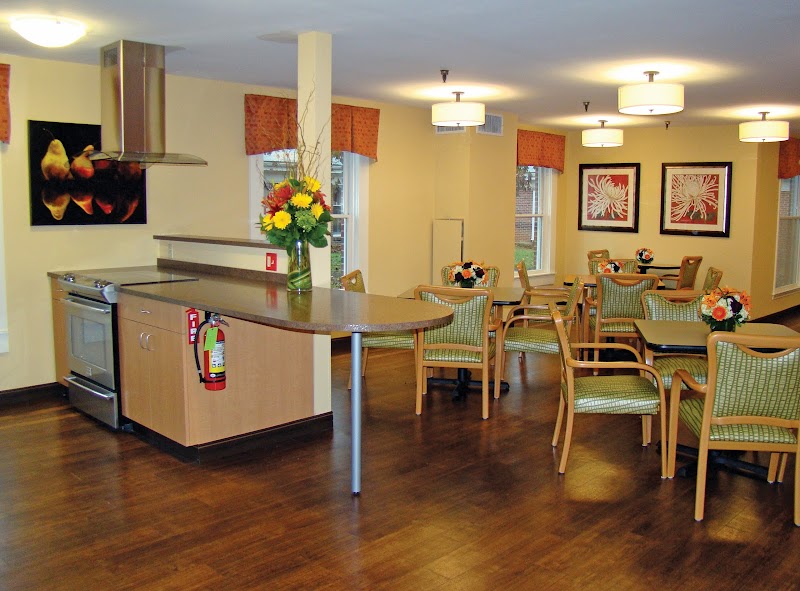
How is Apple Rehab Saybrook Staffed?

CMS rates APPLE REHAB SAYBROOK's staffing level at 4 out of 5 stars, which is above average compared to other nursing homes. Staff turnover is 24%, compared to the Connecticut average of 46%. This relatively stable workforce can support continuity of care.

What Have Inspectors Found at Apple Rehab Saybrook?

State health inspectors documented 45 deficiencies at APPLE REHAB SAYBROOK during 2019 to 2025. These included: 1 that caused actual resident harm, 38 with potential for harm, and 6 minor or isolated issues. Deficiencies causing actual harm indicate documented cases where residents experienced negative health consequences.
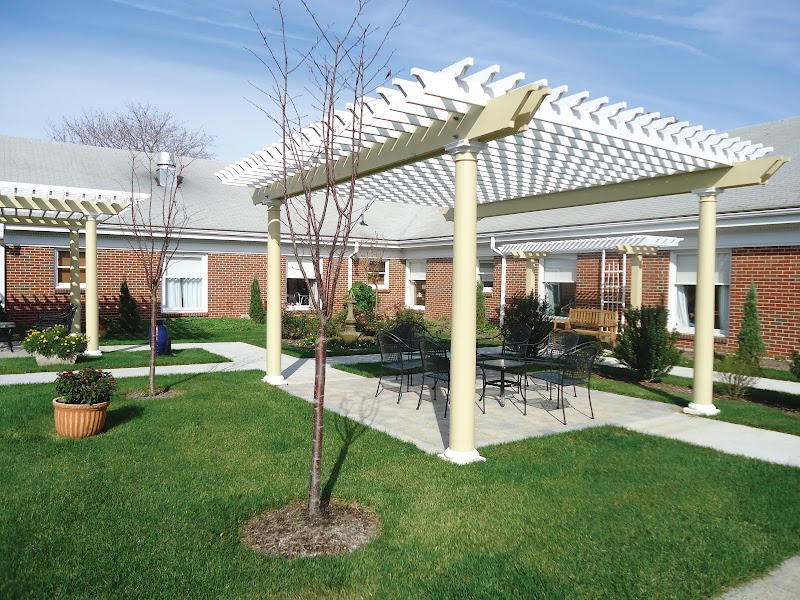
Who Owns and Operates Apple Rehab Saybrook?

APPLE REHAB SAYBROOK is owned by a for-profit company. For-profit facilities operate as businesses with obligations to shareholders or private owners. The facility is operated by APPLE REHAB, a chain that manages multiple nursing homes. With 120 certified beds and approximately 62 residents (about 52% occupancy), it is a mid-sized facility located in OLD SAYBROOK, Connecticut.

How Does Apple Rehab Saybrook Compare to Other Connecticut Nursing Homes?

Compared to the 100 nursing homes in Connecticut, APPLE REHAB SAYBROOK's overall rating (3 stars) is below the state average of 3.0, staff turnover (24%) is significantly lower than the state average of 46%, and health inspection rating (3 stars) is at the national benchmark.

What Should Families Ask When Visiting Apple Rehab Saybrook?

Based on this facility's data, families visiting should ask: "Can I visit during a mealtime to observe dining assistance and food quality?" "How do you handle medical emergencies, and what is your hospital transfer rate?" "Can I speak with family members of current residents about their experience?"

Is Apple Rehab Saybrook Safe?

Based on CMS inspection data, APPLE REHAB SAYBROOK has a clean safety record: no substantiated abuse findings (meaning no confirmed cases of resident harm), no Immediate Jeopardy citations (the most serious violation level indicating risk of serious injury or death), and is not on the Special Focus Facility watch list (a federal program monitoring the lowest-performing 1% of nursing homes). The facility has a 3-star overall rating and ranks #100 of 100 nursing homes in Connecticut. While no facility is perfect, families should still ask about staff-to-resident ratios and recent inspection results during their visit.

Do Nurses at Apple Rehab Saybrook Stick Around?

Staff at APPLE REHAB SAYBROOK tend to stick around. With a turnover rate of 24%, the facility is 22 percentage points below the Connecticut average of 46%. Low turnover is a positive sign. It means caregivers have time to learn each resident's needs, medications, and personal preferences. Consistent staff also notice subtle changes in a resident's condition more quickly. Registered Nurse turnover is also low at 25%, meaning experienced RNs are available to handle complex medical needs.

Was Apple Rehab Saybrook Ever Fined?

APPLE REHAB SAYBROOK has no federal fines on record. CMS issues fines when nursing homes fail to meet care standards or don't correct problems found during inspections. The absence of fines suggests the facility has either maintained compliance or corrected any issues before penalties were assessed. This is a positive indicator, though families should still review recent inspection reports for the full picture.

Is Apple Rehab Saybrook on Any Federal Watch List?

APPLE REHAB SAYBROOK is not on any federal watch list. The most significant is the Special Focus Facility (SFF) program, which identifies the bottom 1% of nursing homes nationally based on persistent, serious quality problems. Not being on this list means the facility has avoided the pattern of deficiencies that triggers enhanced federal oversight. This is a positive indicator, though families should still review the facility's inspection history directly.