VILLA MARIA NURSING AND REHABILITATION COMMUNITY

20 BABCOCK AVENUE, PLAINFIELD, CT 06374 (860) 564-3387
For profit - Limited Liability company 62 Beds Independent Data: November 2025
Trust Grade
35/100
#148 of 192 in CT
Last Inspection: June 2025

Inspected within the last 6 months. Data reflects current conditions.

Overview

Villa Maria Nursing and Rehabilitation Community has received a Trust Grade of F, indicating significant concerns about its operations and care quality. Ranking #148 out of 192 facilities in Connecticut places it in the bottom half, and #5 out of 8 in its county suggests that only a few local options are potentially better. The facility is improving, with the number of issues decreasing from 31 in 2023 to only 10 in 2025. Staffing is average, with a 3 out of 5 star rating and a turnover rate of 42%, which is similar to the state average, suggesting some stability among staff. However, concerning fines of $27,274 indicate compliance issues, higher than 90% of Connecticut facilities, and recent inspections revealed serious incidents, such as a resident falling due to a missed knee brace and another experiencing significant weight loss without adequate monitoring. Overall, while there are some positive trends, families should weigh these alongside the serious deficiencies noted in resident care.

Trust Score
F
35/100
In Connecticut
#148/192
Bottom 23%
Safety Record
Moderate
Needs review
Inspections
Getting Better
31 → 10 violations
Staff Stability
○ Average
42% turnover. Near Connecticut's 48% average. Typical for the industry.
Penalties
✓ Good
$27,274 in fines. Lower than most Connecticut facilities. Relatively clean record.
Skilled Nurses
○ Average
Each resident gets 36 minutes of Registered Nurse (RN) attention daily — about average for Connecticut. RNs are the most trained staff who monitor for health changes.
Violations
⚠ Watch
51 deficiencies on record. Higher than average. Multiple issues found across inspections.
★★☆☆☆
2.0
Overall Rating
★★★☆☆
3.0
Staff Levels
★★★★☆
4.0
Care Quality
★★☆☆☆
2.0
Inspection Score
Stable
2023: 31 issues
2025: 10 issues

The Good

  • 4-Star Quality Measures · Strong clinical quality outcomes
  • Full Sprinkler Coverage · Fire safety systems throughout facility
  • No fines on record
  • Staff turnover below average (42%)

    6 points below Connecticut average of 48%

Facility shows strength in quality measures, fire safety.

The Bad

2-Star Overall Rating

Below Connecticut average (3.0)

Below average - review inspection findings carefully

Staff Turnover: 42%

Near Connecticut avg (46%)

Typical for the industry

Federal Fines: $27,274

Below median ($33,413)

Moderate penalties - review what triggered them

The Ugly 51 deficiencies on record

2 actual harm
Jun 2025 9 deficiencies
CONCERN (D)

Potential for Harm - no one hurt, but risky conditions existed

Notification of Changes (Tag F0580)

Could have caused harm · This affected 1 resident

**NOTE- TERMS IN BRACKETS HAVE BEEN EDITED TO PROTECT CONFIDENTIALITY** Based on review of the clinical record, facility policy, and interviews for the only sampled resident (Resident #212) reviewed f...

Read full inspector narrative →
**NOTE- TERMS IN BRACKETS HAVE BEEN EDITED TO PROTECT CONFIDENTIALITY** Based on review of the clinical record, facility policy, and interviews for the only sampled resident (Resident #212) reviewed for hospitalization, the facility failed to notify the physician for a change in condition and for 1 of 5 sampled residents (Resident #213) reviewed for medication administration, the facility failed to notify the physician when the medication was not available for administration. The findings include: 1. Resident #212 was admitted to the facility in November 2024 with diagnoses that included end stage renal disease, diabetes, hypertension, and cerebral infarction (death of brain tissue) without residual deficits. The annual Minimum Data Set assessment dated [DATE] identified Resident #212 had a Brief Interview for Mental Status (BIMS) score of 15 indicating no cognitive impairment, required substantial/maximum assistance for personal hygiene, was dependent on bed to chair transfers, and was receiving hemolytic treatment. The Resident Care Plan (RCP) in effect for the month of May of 2025 identified Resident #212 was on hemolytic treatment due to end stage renal failure. Interventions included administer/hold/monitor effectiveness of medications per the physician order, check/complete hemolytic treatment communication log on return for any reports, communicate and collaborate with the hemolytic center regarding medications and treatments. A physician's order in effect for the month of May 2025 directed to send Resident #212 to hemolytic treatments 3 times per week on Tuesdays, Thursdays, and Saturdays, and to administer Nitroglycerin (for chest pain) sublingual (under the tongue) 0.4 MG every 5 minutes as needed for chest pain up to 3 doses, if not relieved call the physician. Review of Resident #212's nurse's note written by LPN #3 dated 5/16/2025 at 11:12 PM identified Resident #212 complained of chest pain and Nitroglycerin 0.4 mg was administered. A reassessment was performed at 12:00 AM and the resident's Blood Pressure (BP) was 131/61 (normal BP 120/80). Resident #212 denied any further chest pain, his/her color was pale, and the head of bead was elevated. A nurse's note dated 5/17/2025 at 12:47 AM written by LPN #3 identified Resident #212's BP had decreased and was 80/40. The resident's BP was taken again 7 hours later at 7:48 AM and noted to still be low at 85/40. No further BP rechecks were documented and there was no documentation the provider was notified of Resident #212's abnormally low BP. A nurse's note dated 5/17/2025 at 7:41 AM written by LPN #3 identified that Resident #212 presented with increased lethargy, mild shortness of breath, diminished lung sounds. The note failed to document the provider was contacted for notification of a change in condition. Interview and record review with LPN #5 on 6/6/2025 at 3:40 PM identified that she was the nurse taking care of Resident #212 on 5/17/2025 on the 7:00 AM to 3:00 PM shift. LPN #5 indicated that Resident #212 did not look good when she assumed his/her care at 7:00 AM and was unable to recall if she had rechecked the resident's vital signs as no vital signs were apparent in the clinical record. LPN #5 identified that although Resident #212 had received nitroglycerin, had a low BP on the night shift, and did not appear well, she had not informed the facility physician or notified the hemolytic center of the change in condition prior to sending him/her for treatment. When Resident #212 returned from treatment in the evening, he/she was still unstable and was subsequently sent to the emergency room (ER). Interview with LPN #3 on 6/10/2025 at 9:12 AM identified that she notified RN #3 (RN Supervisor) about Resident #212's change in condition on 5/17/2025 but that RN #3 did not notify the physician of the resident's change in condition on her shift. LPN #3 indicated that she did not recheck Resident #212's vital signs again until 7:48 AM (7 hours) after Resident #212's initial presentation of his/her low BP that occurred at 12:47 AM and did not explain why she waited 7 hours to recheck the residents BP. Additionally, LPN #3 stated that she failed to notify the provider of Resident #212 change when he/she presented with increased lethargy, mild shortness of breath, and diminished lung sounds and did not explain why she did not call the provider. Review of the clinical record failed to identify RN #3 had assessed or documented Resident #212's change in condition or that the physician had been notified. A nursing note dated 5/17/2025 at 4:47 PM identified that when Resident #212 returned from the hemolytic center at 4:00 PM his/her vital signs were unstable. Resident# 212's oxygen saturation was around 80% (normal 95% to 100%). The facility was unable to stabilize Resident #212, and he/she was sent out to the ER for further evaluation. Review of hospital documentation identified that Resident #212 was admitted to the hospital on [DATE] with hypoxic respiratory failure. During hospitalization Resident #212 exhibited stroke like symptoms, was treated and was discharged back to the facility. Interview with APRN#1 on 6/10/2025 at 10:00AM identified that the physician should have been notified for hypotension (low BP) and for the changes in condition. Interview with the DNS on 6/10/2025 at 11:10 AM identified that the physician should have been notified for Resident #212's change in condition and was unable to explain why none of the facility staff had done so. Attempts to contact RN #3 were unsuccessful. Review of the facility's policy, Resident Change in Condition, identified in part, that a resident's change in condition will be reported immediately to the unit manager or shift nursing supervisor. The licensed nurse will assess the resident for signs and symptoms of physical or mental change of condition. If a change in condition is non emergent the licensed nurse will complete a progress note and all attempts of physician notification will be documented in the progress notes. 2. Resident #213 was admitted with diagnoses that included anxiety, arthritis and hypertension. The admission Minimum Data Set (MDS) assessment dated [DATE] identified Resident #213 had a Brief Interview for Mental Status (BIMS) score of 15 indicating no cognitive impairment, required set up assistance for eating, and was independent for bed mobility and transfers. The Resident Care Plan dated 5/27/2025 identified Resident #213 used psychotropic medications related to antianxiety to manage restlessness. Interventions included administering medications as ordered and to observe/document for side effects and effectiveness. A physician's orders dated 6/4/25 at 1:00 PM directed to administer Prozac 20 milligrams (mg), 1 capsule in the morning for depression. Interview and review of the Medication Administration Record (MAR) for Resident #213 on 6/6/2025 at 8:30 AM, with LPN #4 identified Prozac was not available in the medication cart and she would contact the pharmacy to inquire about the medication. LPN #4 reported to RN #2 that Prozac had not been delivered by the pharmacy and requested him follow up. Subsequently RN #2 updated LPN #4 that he had reached out to APRN #1 regarding the medication, was instructed to place Prozac on hold for 6/6/2025, and was to restarted the Resident #213's medication the following day, 6/7/2025, so that the facility would not be out of compliance. Although a review of the nurse's notes and MAR identified that Prozac had been ordered on 6/4/2025 at 1:00 PM and was scheduled to be started on 6/5/2025 at 9:00 AM, the MAR failed to identify Resident #213 received his/her scheduled Prozac on 6/5/2025 or 6/6/2025. A notation, indicating the number 9, directed to refer to the nurse's note for an explanation. Review of LPN #4's nursing notes failed to identify why the medication was not administered as directed on 6/5 or 6/6/2025. A nursing note dated 6/6/2025 identified that the start date for Prozac had been moved to 6/7/2025 and the pharmacy had been contacted regarding the order. Re-interview with LPN #4 on 6/6/2025 at 10:00 AM identified that Prozac was not available to be administered on 6/5/2025 and 6/6/2025 despite having been ordered on 6/4/2025. LPN #4 identified that she had failed to report the unavailability of Resident #213's Prozac to the nursing supervisor, had not contacted the pharmacy, and had not notified the physician on 6/5/2025 when she realized that the medication was not available. Further, LPN #4 identified that it was her responsibility to ensure medications were administered as directed and she should have notified the physician on 6/5/2025 to inform then that Resident #213 would not receive his/her medication per the physician's order. Interview with RN #2 on 6/6/2025 at 10:10 AM identified he was never notified that Resident #213's Prozac not available to be administered on 6/5/2025 but should have been. RN #2 further indicated that had he been notified, he would have contacted the pharmacy to inquire about the missing medication and would have notified the physician for further directions. RN #2 was unable to explain why LPN #4 had not followed the facility policy to notify the physician when a medication was not available or administered. Interview with the APRN #2 on 6/6/2025 at 11:30 AM indicated that she was not aware that Prozac was not available to be administered to Resident #213 until today when RN #2 notified her. APRN#2 indicated that she should have been notified when Resident #213's Prozac was unavailable and had not been administered. Interview with the DNS on 6/10/2025 at 10:30 AM identified that the RN supervisor should have been notified the Prozac was not available, a phone call to the pharmacy should have been placed to determine why the medication had not been delivered, and that the unavailability and lack of administration of Resident #213's Prozac should have been reported to the physician. The DNs was unable to explain why LPN #4 failed to follow up when Resident #213's medication was not available. Review of facility policy titled, Ordering and Receiving Non-Controlled Medications, identified in part, medications and related products will be received from pharmacy on a timely basis . Licensed nurse promptly reports discrepancies and omissions to the issuing pharmacy and the charge nurse/supervisor.
CONCERN (D)

Potential for Harm - no one hurt, but risky conditions existed

Report Alleged Abuse (Tag F0609)

Could have caused harm · This affected 1 resident

**NOTE- TERMS IN BRACKETS HAVE BEEN EDITED TO PROTECT CONFIDENTIALITY** Based on interviews, review of clinical records, facility documentation, and facility policy for 1 of 3 residents, (Resident #25...

Read full inspector narrative →
**NOTE- TERMS IN BRACKETS HAVE BEEN EDITED TO PROTECT CONFIDENTIALITY** Based on interviews, review of clinical records, facility documentation, and facility policy for 1 of 3 residents, (Resident #25) reviewed for dignity, and for 2 of 5 sampled residents (Resident #32 and #39) reviewed for abuse, the facility failed to report allegations of abuse to the State Agency. The findings include: 1. Resident #25's diagnoses included malignant neoplasm of the head, face, and neck, chronic heart failure, and post-traumatic stress disorder. The quarterly Minimum Data Set (MDS) assessment dated [DATE] identified Resident #25 had a Brief Interview of Mental Status (BIMS) score of 15 indicating no cognitive impairment, was dependent with personal hygiene and chair/bed-to-chair transfers and required maximal assistance in rolling left and right. The Resident Care Plan (RCP) dated 12/12/2024 identified Resident #25 had a problem with anxiety and agitation. Interventions included an assist of 2 at all times due to accusatory behavior, allow time to communicate effectively, and re-offer behavioral health services as needed. Interview on 6/4/2025 at 11:05 AM with Resident #25 identified that a few months ago, Nurse Aide (NA) #3 came into his/her room shaking her bootie and flashed the resident her breasts. Resident #25 stated that he/she notified NA #2 about the incident shortly after it had occurred, which resulted in NA #3 being taken off of his/her care assignment. Interview with NA #2 on 6/6/2025 at 11:52 AM identified that Resident #25 told him in February or March of 2025 that NA #3 had flashed her breasts at him/her. NA #2 stated he reported the incident to RN #5. NA #2 stated he had also reported the incident to the Administrator and was told by the Administrator that the incident was just a hallucination. NA #2 further indicated that NA #3 continued to report for work after he reported the incident, that she would still go into the resident's room, and that she would talk to the resident like a sex operator. NA #2 stated he was concerned that Resident #25 had NA #3's personal cell phone number. Interview with the Administrator on 6/6/2025 at 12:25 PM identified that a report had not been sent to the State Agency (SA) because he was unaware of the incident that had occurred between Resident #25 and NA #3. Subsequent to surveyor inquiry, the Administrator reported the allegation of sexual abuse to the SA on 6/6/2025 at 1:00 PM. A written statement by NA #3 dated 6/6/2025 at 2:19 PM identified that 2 co-workers had informed her in February of 2025 that Resident #25 had made an allegation against her that she had flashed her breasts in front of him/her during care. NA #3 stated that the allegations were reported by NA #2 to RN #5, who then reported the incident to the nurse supervisor RN #6. NA #3 further indicated that during a conversation with RN #6, she was directed not to return to Resident #25's room or provide care to him/her. Interview with NA #4 on 6/6/2025 at 4:01 PM identified that Resident #25 had informed her at 2:30 PM that NA #3 had flashed her breasts, but he/she didn't want to tell anyone about it now for fear of getting NA #2 in trouble. She further identified Resident #25 reported to her that while receiving care from NA #3 and NA #8, his/her genitalia were blown on by NA #8. NA #4 stated she had told the Administrator about the allegation of sexual abuse following which he had her write a statement. Interview with RN #6 on 6/9/2025 at 10:56 AM identified he had not been informed that NA #3 had flashed her breasts at Resident #25 but had taken NA #3 off the resident's care assignment due to a question of the resident using the call light too frequently when NA #3 was assigned to him/her. Further, RN #6 stated he failed to report his concerns to the Director of Nursing Services or the SA because the problem was already resolved and the resident had a care plan in place for accusatory behavior. Interview with NA #3 on 6/9/2025 at 3:28 PM identified that Resident #25 did have her personal cell phone number. She indicated she did not give her number to the resident, but another staff member did. NA #3 stated she had never flashed her breasts at Resident #25 and had been removed from his/her care assignment because of the allegation that she flashed him/her but had never been taken off the schedule following the allegation, only taken off Resident #25's assignment. Review of the facility's Abuse Policy identified that suspicion of any form of abuse should be reported to the Department of Public Health (State Agency) immediately but no later than 2 hours after the allegation after forming the suspicion. 2. Interview with the Administrator on 6/5/2025 at 3:11 PM identified that following Resident #4's report of a missing cell phone he went to interview Resident #4. Resident #4 indicated that both Resident #32's and Resident #39's cell phones had been missing. A. Resident #32's diagnosis included Chronic Obstructive Pulmonary Disease, anxiety, and depression. The quarterly Minimum Data Set (MDS) assessment dated [DATE] identified Resident #32 had a Brief Interview of Mental Status (BIMS) score of 12 indicating moderate cognitive impairment. Resident #32 required a wheelchair for mobility, and assistance with personal hygiene, bed mobility and all transfers. The Resident Care Plan in effect in May 2025 identified Resident #32 was on psychotropic medications related to a major depressive disorder and anxiety. Interventions directed staff to encourage participation in activities, observe for medication side effects, and administer medication as ordered. Review of the Facility Reported Incident (FRI) event dated 6/5/2025 at 3:30 PM identified Resident #32's cell phone had been missing for more than 3 weeks. The facility initiated an investigation and searched Resident #32's room and the Laundry Department but did not locate the phone. The facility notified the police, the MD and Resident #32's family. Education was provided to Resident #32 to utilize the lock box in the resident's room to store all personal items. According to the facility's investigation report, the facility failed to identify the allegation of a missing cell phone was previously reported by Resident #32 to a staff member. Interview with Therapeutic Recreation Director (TRD) #1 on 6/10/2025 at 10:58 AM identified approximately 2 months prior, Resident #32 reported to her that he/she was missing a cell phone. TRD #1 reported that Resident #32 informed her of the missing cell phone while she was passing beverages from room to room. She stated she searched through Resident #32's belongings but could not locate the cell phone. In addition, she stated that she did not report the incident to the Administrator, nor did she complete a grievance. She did, however, reach out to the Director of Environmental Services (EVS) #1 and told him the cell phone was missing and to notify her if he found a phone in the laundry. TRD #1 acknowledged she should have reported the incident and completed a grievance, but stated, I really don't have a good answer for you as to why I did not report the missing cell phone. Observation and interview with Resident #32 on 6/10/2025 at 11:24 AM identified Resident #32's cell phone had been missing for approximately two weeks. Resident #32 believed it may have fallen off the tray table but stated he/she had told the facility Administrator the cell phone was missing. Interview with the Director of EVS #1 on 6/10/2025 at 12:18 PM identified he had been informed that Resident #32 was missing a cell phone and was asked to check the room and the laundry area. He searched both locations but did not find the cell phone. EVS #1 indicated he did not file a report because he assumed TRD #1 had already done so. He stated he would have expected the person who discovered Resident #32's phone was missing would report the issue to the Social Services Department and the Administrator. Interview with the Director of Nursing (DNS) on 6/10/2025 at 11:47 AM identified the DNS would have expected staff to report Resident #32's missing cell phone to either herself or the Administrator. She stated a grievance and incident report should have been completed and could not explain why this was not done. B. Resident #39's diagnosis included hemiplegia following a cerebral infarction, attention and concentration deficit, and major depressive disorder. The quarterly Minimum Data Set (MDS) assessment dated [DATE] identified Resident #39 had a Brief Interview of Mental Status (BIMS) score of 13 indicating no cognitive impairment. Resident #39 used a walker and wheelchair for mobility, and required extensive assistance with personal hygiene, bed mobility, and moderate assistance with all transfers. The Resident Care Plan dated 4/24/2025 identified Resident #39 was at risk for alterations in psychosocial well-being related to little or no interest in activities. Interventions directed staff to encourage Resident #39 to participate in activities of interest. Review of the Facility Reported Incident (FRI) event dated 6/5/2025 at 3:30 PM identified Resident #39's cell phone went missing approximately 3 weeks ago. The facility initiated an investigation and searched Resident #39's room and the laundry Department but did not find the phone. The police, the MD, and the family were notified of the incident. Education was provided to Resident #39 to utilize the lock box located in his/her room for storage of all personal items. According to the facility's investigation report, the facility failed to identify the allegation of the missing cell phone was previously reported to a staff member. Observation and interview with resident #39 on 6/10/2025 at 11:18 AM identified that Resident #39's cell phone had been missing for approximately 4 weeks. Resident #39 stated he/she normally kept the phone in the drawer and had informed NA #8 that the phone was missing. Resident #39 indicated that NA #8 thoroughly searched for the phone, but the phone was never found. Attempts to interview NA # 8 were unsuccessful. Interview with NA #4 on 6/10/2025 at 12:08 PM identified she was aware that Resident #39's cell phone was missing. She stated she did not report the issue as she had assumed it had already been addressed since several other nursing assistants were aware and had searched for the cell phone. NA #4 acknowledged that she should have reported the missing cell phone when she learned of the incident to the DNS or the Administrator. Interview with the DNS on 6/10/2025 at 12:35 PM identified per the facility policy, missing resident property should be reported immediately to either the DNS or the Administrator. The DNS could not explain why staff had failed to report Resident #39's missing cell phone. Interview with the facility Administrator on 6/10/2024 at 12:48 PM identified subsequent to surveyor inquiry, a Reportable Event form was completed and reported to the State Agency on 6/5/2025 at 3:30 PM and an investigation was initiated, along with police notification. During the facility's initial investigations of multiple reports of missing personal property (cell phones), he stated he had learned that some staff members may have been aware of the missing cell phones but had not reported the incident or filed a grievance. The Administrator stated he was unsure why staff failed to report the allegations and noted that the facility had recently been provided with an updated abuse policy and education was administered in April. The facility determined the allegations of the missing cell phones were unsubstantiated. Review of the Abuse Prohibition Policy directed, in part, all staff who have knowledge of apparent abuse or neglect of a resident or misappropriation of a resident's property shall be obligated to report such incidents to his or her immediate supervisor. Any allegation or suspicion of abuse must be reported to the DNS and Administrator. Reporting crimes must be reported to the State Regulatory Agency immediately, but not later than 2 hours.
CONCERN (D)

Potential for Harm - no one hurt, but risky conditions existed

Investigate Abuse (Tag F0610)

Could have caused harm · This affected 1 resident

**NOTE- TERMS IN BRACKETS HAVE BEEN EDITED TO PROTECT CONFIDENTIALITY** Based on interviews, review of clinical records, facility documentation, and facility policy for 1 of 3 residents, (Resident #25...

Read full inspector narrative →
**NOTE- TERMS IN BRACKETS HAVE BEEN EDITED TO PROTECT CONFIDENTIALITY** Based on interviews, review of clinical records, facility documentation, and facility policy for 1 of 3 residents, (Resident #25) reviewed for dignity, the facility failed to investigate an allegation of sexual abuse and failed to remove the staff member from the schedule following the allegation. The findings include: Resident #25's diagnoses included malignant neoplasm of the head, face, and neck, congestive heart failure, and post-traumatic stress disorder. The quarterly Minimum Data Set (MDS) assessment dated [DATE] identified Resident #25 had a Brief Interview of Mental Status (BIMS) score of 15 indicating no cognitive impairment, was dependent with personal hygiene and chair/bed-to-chair transfers and required maximal assistance in rolling left and right. The Resident Care Plan (RCP) dated 12/12/2024 identified Resident #25 had a problem with anxiety and agitation. Interventions included an assist of 2 at all times due to accusatory behavior, allow time to communicate effectively, and re-offer behavioral health services as needed. Interview on 6/4/2025 at 11:05 AM with Resident #25 identified that a few months ago, Nurse Aide (NA) #3 came into his room shaking her bootie and flashed the resident her breasts. Resident #25 stated that he/she notified NA #2 about the incident shortly after it had occurred, which resulted in NA #3 being taken off of his/her care assignment. Interview with NA #2 on 6/6/2025 at 11:52 AM identified that Resident #25 told him in February or March of 2025 that NA #3 had flashed her breasts at him/her. NA #2 stated he reported the incident to RN #5. NA #2 stated he had also reported the incident to the Administrator and was told by the Administrator that the incident was just a hallucination. NA #2 further indicated that NA #3 continued to report for work after he reported the incident, that she would still go into the resident's room, sit on the bed, and would talk to the resident like a sex operator. NA #2 stated he was concerned that Resident #25 had NA #3's personal cell phone number. Interview with the Administrator on 6/6/2025 at 12:25 PM identified that the incident was not investigated because he was unaware of the incident that had occurred between Resident #25 and NA #3. Subsequent to surveyor inquiry, the Administrator reported the allegation of sexual abuse to the State Agency (SA) on 6/6/2025 at 1:00 PM and an investigation into the allegations commenced. A written statement by NA #3 dated 6/6/2025 at 2:19 PM identified that 2 co-workers had informed her in February of 2025 that Resident #25 had made an allegation against her that she had flashed her breasts in front of him/her during care. NA #3 stated that the allegations were reported by NA #2 to RN #5, who then reported the incident to the nurse supervisor RN #6. NA #3 further indicated that during a conversation with RN #6, she was directed not to return to Resident #25's room or provide care to him/her. Interview with NA #4 on 6/6/2025 at 4:01 PM identified that Resident #25 had informed her at 2:30 PM that NA #3 had flashed her breasts, but he/she didn't want to tell anyone about it now for fear of getting NA #2 in trouble. She further identified Resident #25 reported to her that while receiving care from NA #3 and NA #8, his/her genitalia were blown on by NA #8. NA #4 stated she had told the Administrator about the allegation of sexual abuse following which he had her write a statement. Interview with the Director of Nursing Service (DNS) on 6/9/25 at 8:50 AM identified that she was not notified by NA #2, RN #5, or RN #6 of the allegation of suspected abuse by NA #3 toward Resident #25. She was unable to explain why she was not notified of the allegation which would have allowed her to investigate at that time. Interview with RN #6 on 6/9/2025 at 10:56 AM identified he had not been informed that NA #3 had flashed her breasts at Resident #25 but had taken NA #3 off the resident's care assignment due to a question of the resident using the call light too frequently when NA #3 was assigned to the resident. Further RN #6 stated he failed to report his concerns to the Director of Nursing Services or the SA because the problem was already resolved and the resident had a previous care plan for accusatory behavior. Interview with NA #3 on 6/9/2025 at 3:28 PM identified that Resident #25 did have her personal cell phone number. She indicated she did not give her number to the resident, but another staff member did. NA #3 stated she had never flashed her breasts at Resident #25 and had been removed from his/her care assignment because of the allegation that she flashed him/her but had never been taken off the schedule following the allegation, only taken off Resident #25's assignment. Review of the facility's Abuse Reporting Policy identified, in part, the Administrator will be informed immediately of an allegation or suspicion of abuse, a thorough investigation of the alleged abuse will be investigated by the Administrator or Director of Nursing, and the resident involved in a case of suspected abuse will be protected from potential additional harm during the investigation. Upon notification of the allegation of abuse, the supervisor will take steps to protect the resident in question as well as other residents that may be affected. If someone is identified in the allegation, the person will be escorted to a non-resident area to be interviewed and document the events that allegedly occurred, and the identified alleged staff member will be suspended pending the outcome of the investigation.
CONCERN (D)

Potential for Harm - no one hurt, but risky conditions existed

Deficiency F0658 (Tag F0658)

Could have caused harm · This affected 1 resident

**NOTE- TERMS IN BRACKETS HAVE BEEN EDITED TO PROTECT CONFIDENTIALITY** Based on observations, review of clinical records, facility documentation, facility policy, and interviews for 1 of 5 residents,...

Read full inspector narrative →
**NOTE- TERMS IN BRACKETS HAVE BEEN EDITED TO PROTECT CONFIDENTIALITY** Based on observations, review of clinical records, facility documentation, facility policy, and interviews for 1 of 5 residents, (Resident #13) reviewed for accidents, the facility failed to ensure that a resident with obvious deformities of the wrist and hip was not moved according to standards of practice and for the only sampled resident (Resident #212) reviewed for hospitalization, the facility failed to complete a Registered Nurse (RN) assessment for change in condition according to standards of practice. The findings include: 1. Resident #13 was admitted to the facility in November of 2024 with diagnoses that included dementia, depression, heart failure and hypertension. The quarterly Minimum Data Set (MDS) assessment dated [DATE] identified Resident #13 had a Brief Interview for Mental Status (BIMS) score of 12 indicating moderate cognitive impairment and required moderate assistance for personal hygiene and was independent for bed mobility and transfers. The Resident Care Plan (RCP) dated 2/27/2025, identified Resident #13 was at risk for falls. Interventions included use of appropriate footwear, remind the resident to request assistance prior to ambulation, keep the call light within reach, provide adequate lighting, and keep resident area free of clutter. A Reportable Event form dated 2/16/2025 at 3:20 AM written by Registered Nurse (RN) #3, identified that Resident #13 was in the dining room trying to throw something away and had tripped. Resident #13 was found on the floor with a head injury, left wrist deformity, and hip pain. RN #3 reported the fall as unwitnessed. An RN assessment was completed, neurological and vital signs were initiated, the physician was notified, and Resident #13 was transferred to the Emergency Department (ED) for further evaluation. Review of a nursing note dated 2/16/2025 at 3:49 AM written by RN #3 identified Resident #13 was sitting in dining room watching television throughout night. At approximately 3:20 AM, a loud thud was heard, and Resident #13 was found on the floor, against a wall, in the dining room. Resident #13 reported that he/she tripped while trying to throw something in the trash. Resident #13 was assessed while on the floor and had a visible deformity of left wrist, abrasion/black-and-blue to left temple, and complained of excruciating left hip pain. Resident #13's vital signs were all stable and there was no loss of consciousness reported. Resident #13 was assisted/lifted physically by 3 staff members from the floor to a chair. RN #3 applied ice and a splint to the left wrist, ice to the head injury, and off-loaded Resident #13's left hip to relieve pressure from the injury site. RN #3 further identified that based on the RN assessment and visible injuries, as well as fact that the resident had sustained a head injury while on a blood thinner, she made decision to send Resident #13 out to the Emergency Department (ED). The physician, resident's conservator, and family member were notified. Interview with RN #3 on 6/9/2025 at 7:40 AM identified that Resident #13 was a retired night shift worker, stayed awake most of the night, independently walked with a walker and had sustained multiple falls in the past without major injuries. RN #3 indicated that Resident #13 fell face down and by the time staff arrived she was sitting on the floor, leaning towards the wall. RN #3 indicated that she assessed Resident #13 while on the floor and noted a visible deformity on the left arm and the right leg was shorter (shortened, indicative of a hip fracture) more than the left leg. Resident #13 was then physically lifted from the floor to a chair by 3 staff members and the physician was notified of the fall once Resident #13 was in the chair. RN #3 further identified that she splinted Resident #13's left arm using a pillowcase across the chest, placed ice on his/her head and arm, and offloaded pressure against the right hip. During an interview with Physician #1 on 6/9/2025 at 1:50 PM he was unable to recall if he had been notified of Resident #13's fall on 2/16/2025. Physician #1 indicated that he no longer was a physician with the facility, so he was unable to retrieve his previous telephone logs from February 2025. Physician #1 identified that he did not recall the RN #3 discussing the extent of Resident #13's injuries with him. Although Physician #1 was unable to recall if he had been notified, he indicated that based on the extent of Resident #13's injuries, he would have expected RN #3 to follow the facility's standard practice not to move the resident until Emergency Medical Technician's (EMT) arrived. Interview with LPN #6 on 6/9/2025 at 3:00 PM identified that she responded with other staff to the fall. LPN #6 identified that Resident#13 was in pain and had an abrasion to his/her head but could not recall what she did to help Resident #13. Interview with NA #7 on 6/9/2025 at 4:30 PM identified that she assisted to transfer Resident #13 from the floor to the chair. Interview with NA #6 on 6/9/2025 at 4:40 PM identified that she assisted to transfer Resident #13 from the floor to the chair. NA #6 stated that 1 staff member was on each side of Resident #13 and that they, in a hook like fashion, took the resident under the arms, while a third staff member had the residents legs. They transferred Resident 13 from the floor to the chair. Review of the hospital records, radiological investigations (CT scan of the left hip) dated 2/16/2025 at 4:04 AM, identified an acute mildly displaced comminuted left femoral neck trans-trochanteric fracture with surrounding soft tissue swelling and x-ray of the left wrist identified a non-displaced distal radial fracture. Additionally, Resident #13 was being admitted to the hospital with a diagnosis of closed left hip fracture and closed fracture of the left radial bone due to a fall. Review of APRN #1's progress note dated 2/20/2025 at 10:30 AM, identified that Resident #13 had been readmitted back to the facility following a fall resulting in a femoral neck fracture and a non-displaced left distal radial fracture. Resident #13 was seen in consultation by orthopedics and underwent surgery on 2/27/2025, receiving a left femur intramedullary nail and closed reduction with splinting of her left distal radius fracture. Interview with the DNS on 6/10/2025 at 10:30 AM identified that based on injuries sustained by Resident #13, and described by RN #3, he/she should not have been physically lifted from the floor to the chair by staff. The DNS could not explain why Resident #13 was moved from the floor but indicated that he/she should not have been moved until EMS arrived. Review of facility policy titled, Falls Response and Management, identified, in part, that residents who have fallen are assessed to determine if there is injury while maintaining the safety of the resident. If a resident falls, avoid moving the resident until status is fully evaluated to prevent further injury if an injury has occurred as a result of a fall. Determine the extent of the resident's injuries, note any deviations from the resident's baseline condition and notify the physician. If an injury is suspected, don't move the resident until a doctor examines them. 2. Resident #212 was admitted to the facility in November of 2024 with diagnoses that included end stage renal disease, diabetes, hypertension and personal history of transient ischemic attack (brief stroke like attack), and cerebral infarction (death of brain tissue) without residual deficits. The annual Minimum Data Set assessment dated [DATE] identified Resident #212 had a Brief Interview for Mental Status (BIMS) score of 15 indicating no cognitive impairment, required substantial/maximum assistance for personal hygiene, was dependent on bed to chair transfers and was receiving hemolytic treatment. The Resident Care Plan (RCP) in effect for the month of May of 2025 identified Resident #212 was on hemolytic treatment due to end stage renal failure. Interventions included administer/hold medications per the physician order, administer/monitor effectiveness of medications as ordered, check complete hemolytic treatment communication log record on return from hemolytic appointments for any reports, communicate with hemolytic center regarding medications, coordinate resident's care in collaboration with the hemolytic center, coordinate meals, activities, medications and treatments with the hemolytic center. A physician's order in effect for the month of May 2025 directed to send Resident #212 to hemolytic treatments 3 times per week on Tuesdays, Thursdays, and Saturdays and to administer Nitroglycerin (for chest pain) sublingual (under the tongue) 0.4 MG every 5 minutes as needed for chest pain up to 3 doses, if not relieved call the physician. Review of Resident #212's nurse's note by LPN #3 dated 5/16/2025 at 11:12 PM identified Resident #212 complained of chest pain and Nitroglycerin 0.4 mg was administered. A reassessment was performed at 12:00 AM and the resident's Blood Pressure (BP) was 131/61 (normal BP 120/80), and pulse oximetry 95% on oxygen at 2.5 liters per minute (lpm). Resident #212 denied any further chest pain, his/her color was pale, and the head of bead was elevated. The note failed to indicate the Resident #212 was seen by an RN. A nurse's note dated 5/17/2025 at 12:47 AM by LPN #3 identified Resident #212's BP was 80/40. The resident's BP was next taken, 7 hours later, at 7:48 AM, and noted to be 85/40. No further BP rechecks were documented prior to sending the resident for hemolytic treatment on the next shift. The note failed to document Resident #212 was seen by an RN or that the provider was notified of Resident #212's abnormally low BP. A nurse's note dated 5/17/2025 at 7:41 AM by LPN #3 identified that Resident #212 presented with increased lethargy, mild shortness of breath, diminished lung sounds, and was on oxygen at 2.5 lpm via nasal cannula. The note failed to document Resident #212 was seen by an RN or that the provider was notified of Resident #212's abnormally low BP. Interview and record review with LPN #5 on 6/6/2025 at 3:40 PM identified that she was the nurse taking care of Resident #212 on 5/17/2025 on the 7:00 AM to 3:00 PM shift. LPN #5 indicated that Resident #212 did not look good when she assumed his/her care at 7:00 AM and was unable to recall if she had rechecked the resident's vital signs as no vital signs were apparent in the clinical record. LPN #5 identified that although Resident #212 had received nitroglycerin, had a low BP on the night shift, and did not appear well once she assumed care, she had not informed the hemolytic center of the resident's change in condition prior to sending him/her for hemolytic treatment. Additionally, the note failed to document Resident #212 was seen by an RN or that the provider was notified of Resident #212's abnormally low BP. When Resident #212 returned from treatment in the evening, he/she was still unstable and was subsequently sent to the emergency room (ER). Interview with LPN #3 on 6/10/2025 at 9:12 AM identified that she notified RN #3 about Resident #212's change in condition on 5/17/2025 but that RN #3 did not notify the physician of the resident's change in condition on her shift. LPN #3 indicated that she did not recheck Resident #212's vital signs again until 7:48 AM (7 hours later) after Resident #212's initial presentation of his/her low BP that occurred at 12:47 AM. Additionally, LPN #3 stated that she had not notified the provider of the change in condition including increased lethargy, mild shortness of breath, and diminished lung sounds. Review of clinical record failed to identify RN #3 or any RN had assessed or documented Resident #212's change in condition or notified the physician. Interview with APRN #1 on 6/10/2025 at 10:00 AM identified that the physician should have been notified for hypotension (low BP) and for the change in condition. Interview with the DNS on 6/10/2025 at 11:10 AM identified that the physician should have been notified for Resident #212's change in condition and was unable to explain why none of the facility staff had done so. Attempts to contact RN #3 were unsuccessful. Review of facility's policy, Resident Change in Condition, identified in part, that a resident's change in condition will be reported immediately to the unit manager or shift nursing supervisor. The licensed nurse will assess the resident for signs and symptoms of physical or mental change of condition. If a change in condition is non emergent the licensed nurse will complete a progress note and all attempts of physician notification will be documented in the progress notes.
CONCERN (D)

Potential for Harm - no one hurt, but risky conditions existed

Deficiency F0698 (Tag F0698)

Could have caused harm · This affected 1 resident

**NOTE- TERMS IN BRACKETS HAVE BEEN EDITED TO PROTECT CONFIDENTIALITY** Based on review of the clinical record, facility documentation, facility policy, and interviews for the only sampled resident (R...

Read full inspector narrative →
**NOTE- TERMS IN BRACKETS HAVE BEEN EDITED TO PROTECT CONFIDENTIALITY** Based on review of the clinical record, facility documentation, facility policy, and interviews for the only sampled resident (Resident #212) reviewed for hospitalization, the facility failed to ensure appropriate communication with the hemolytic treatment center. The findings include: Resident #212's diagnosis included end stage renal disease, diabetes, hypertension, and cerebral infarction (death of brain tissue) without residual deficits. The annual Minimum Data Set assessment dated [DATE] identified Resident #212 had a Brief Interview for Mental Status (BIMS) score of 15 indicating no cognitive impairment, required substantial/maximum assistance for personal hygiene, was dependent on bed to chair transfers, and was receiving hemolytic treatment. The Resident Care Plan (RCP) in effect for the month of May of 2025 identified Resident #212 was on hemolytic treatment due to end stage renal failure. Interventions included administer/hold, monitor effectiveness of medications as ordered, check complete hemolytic treatment communication log record on return from hemolytic appointments for any reports, communicate with hemolytic center regarding medications, treatments, and coordination of care. A physician's order in effect for the month of May 2025, directed to send Resident #212 to hemolytic treatments 3 times per week on Tuesdays, Thursdays and Saturdays at 11:30AM. Review of the hemolytic treatment center's communication book and clinical record documentation of visits that occurred from 11/1/2024 through 6/5/2025 failed to identify documentation from the hemolytic treatment center. Additionally, a review of the nurse's notes from 11/1/2024 through 6/5/2025 failed to indicate facility staff had contacted the hemolytic treatment center to give information in regard to Resident #212's care, such as a list of diagnosis, current medications, contact information, dietary needs, the amount of assistance required for activities of daily living, fluid needs, or any changes in condition. Further review of nurse's notes identified a change in condition that occurred on 5/16/2025 at 11:12 PM and into 5/17/22025 when Resident #212 complained of chest pain and Nitroglycerin sublingual tablet 0.4 mg was administered. Subsequently the resident Blood Pressure (BP) was noted to drop to 80/40 on 5/17/2025 at 12:47AM and remained low 85/40 when the next BP was taken on 5/17/2025 at 7:48 AM. A nursing note dated 5/17/2025 at 7:41 AM by LPN #3 identified that Resident #212 presented with increased lethargy, presented with mild shortness of breath, and diminished lung sounds. Interview and record review with LPN #5 on 6/6/2025 at 3:40 PM identified that she was the nurse taking care of Resident #212 on 5/17/2025 on the 7:00 AM to 3:00 PM shift. LPN #5 indicated that Resident #212 did not look good when she assumed his/her care at 7:00 AM and was unable to recall if she had rechecked the resident's vital signs as no vital signs were apparent in the clinical record. LPN #5 identified that although Resident #212 had received nitroglycerin, had a low BP on the night shift, and did not appear well once she assumed care, she had not informed the hemolytic center of the resident's change in condition prior to sending him/her for hemolytic treatment. Additionally, when Resident #212 returned from treatment in the evening, he/she was still unstable and was subsequently sent to the emergency room (ER). Interview and record review with RN #2 on 6/9/2025 at 10:30AM failed to identify facility documentation that had accompanied Resident #212 to the hemolytic treatment center since Resident #212's admission in November of 2024. RN #2 indicated that even though the facility had not completed any hemolytic documentation the issue had been identified, and documentation had been started on 6/7/2025. RN #2 indicated that night shift was responsible for completing the paperwork and could not identify why there was no documentation completed since Resident#212 was admitted to the facility. Interview with RN #5 (hemolytic treatment center nurse) on 6/10/2025 at 11:00AM identified that communication with the facility is done in the communication book/binder which contains both facilities and hemolytic center's communication paperwork. RN #5 indicated that there was no communication from the facility to the hemolytic center regarding Resident #212's change in condition on 5/17/2025. RN #5 indicated that Resident #212 presented with increased lethargy, increased shortness of breath and decreased blood pressure than his/her baseline upon arrival. RN#5 identified that hemolytic treatment physician was notified and hemolytic treatment was administered but at minimum level and resident was monitored closely every 15 minutes. A nursing note dated 5/17/2025 at 4:47 PM identified that Resident #212 returned from the homolytic center at 4:00 PM and was subsequently sent to the ED. Interview with the DNS on 6/10/2025 identified that she had identified that staff were not completing facility hemolytic documentation as required and she had recently re-educated staff. The DNS indicated that documentation/communication with the hemolytic center had been started on 6/7/2025. The DNS was unable to explain why staff had failed to complete the required documentation since Resident #212 was admitted to the facility in November of 2024. Review of Facility's Hemolytic Communication Tool identified that the facility nurse should complete the following: Medication given in the six (6) hours prior to sending resident out for dialysis treatment .signs of infection . any changes in condition or information. Review of facility's End Stage Renal Disease (ESRD), identified in part, that agreements between the facility and the contracted ESRD facility will include all aspects of how the resident's care will be managed including .how information will be exchanged between facilities.
CONCERN (D)

Potential for Harm - no one hurt, but risky conditions existed

Infection Control (Tag F0880)

Could have caused harm · This affected 1 resident

**NOTE- TERMS IN BRACKETS HAVE BEEN EDITED TO PROTECT CONFIDENTIALITY** Based on observation, review of clinical records, facility policy, and interviews for 1 of 3 residents (Resident #9) reviewed fo...

Read full inspector narrative →
**NOTE- TERMS IN BRACKETS HAVE BEEN EDITED TO PROTECT CONFIDENTIALITY** Based on observation, review of clinical records, facility policy, and interviews for 1 of 3 residents (Resident #9) reviewed for infection control practices, the facility failed to ensure proper hand hygiene during wound care. The findings include: Resident #9's diagnoses included cellulitis of lower left limb, non-pressure chronic ulcer of left lower leg, and congenital deformities of feet. The Minimum Data Set assessment dated [DATE] identified Resident #9 had a Brief Interview for Mental Status score of 15 indicating no cognitive impairment and was dependent for chair/bed to chair transfer and required partial/moderate assistance for turning/repositioning in bed. The Resident Care Plan dated 5/14/2025 identified Resident #9 had DTIs (deep tissue injuries) to bilateral heels. Interventions included providing wound care treatment as ordered, soft boots to be worn at all times while in bed, and off load heels in bed at all times with pillows or bunny boots. A physician's order dated 5/20/2025 directed nursing staff to clean the left heel with wound cleanser, pat dry and apply xeroform, followed by the application of a bordered gauze every day shift and as needed. A physician's order dated 5/22/25 directed nursing staff to clean the right heel with wound cleanser, pat dry and apply xeroform, followed by the application of a bordered gauze every day shift. An observation of wound care and interview with LPN #4 on 6/5/2025 at 2:12 PM identified LPN #4 had removed the old dressing from the Resident #9's right heel, removed her gloves, and reapplied gloves without performing hand hygiene. LPN#4 cleansed the right heel and applied the xeroform. LPN #4 then removed her gloves and applied a new pair of gloves, again without the benefit of hand hygiene. LPN #4 was interrupted by the surveyor and identified that hand hygiene should have been performed before and after each glove change. Continued observation of LPN #4, who was now performing the left heel dressing, identified she did not perform hand hygiene or change gloves between removal of soiled dressing and cleansing of left heel wound. LPN #4 then she removed gloves, performed hand hygiene, donned new gloves and applied bordered gauze dressing to left heel. LPN#4 removed her gloves at the completion of dressing change and performed hand hygiene. Interview with DNS on 6/6/2025 8:31 AM identified that hand hygiene should be done before care, with each glove change, and when care is complete. Interview with Infection Preventionist/ Staff Development, Registered Nurse (RN) #1 on 6/9/2025 at 9:48 AM, identified that hand hygiene and glove changes would be expected upon entry into a resident room, after initial wound cleansing, when applying a clean dressing and after dressing completion. Review of the Pressure Ulcers Definitions, Management & Treatment Policy instructed, in part, that nursing staff were to remove their gloves and wash or sanitize their hands immediately after removal of a soiled dressing. The policy also instructs staff to sanitize or wash hands and put on clean gloves prior to cleansing the wound and applying the ordered dressing. Per this policy, gloves should be removed after wound treatment is complete followed by hand hygiene.
CONCERN (D)

Potential for Harm - no one hurt, but risky conditions existed

Deficiency F0887 (Tag F0887)

Could have caused harm · This affected 1 resident

**NOTE- TERMS IN BRACKETS HAVE BEEN EDITED TO PROTECT CONFIDENTIALITY** Based on review of the clinical record, facility documentation, facility policy and interviews for 3 of 5 residents (Resident #2...

Read full inspector narrative →
**NOTE- TERMS IN BRACKETS HAVE BEEN EDITED TO PROTECT CONFIDENTIALITY** Based on review of the clinical record, facility documentation, facility policy and interviews for 3 of 5 residents (Resident #28, Resident #48, Resident #58) reviewed for immunizations, the facility failed to identify Covid 19 vaccination status, offer the Covid 19 vaccination (or provide information where to obtain), and failed to educate the resident on the risks and benefits of Covid 19 vaccinations. The findings include: 1. Resident #28's diagnoses included cellulitis, lymphedema, and diabetes. The admission Minimum Data Set assessment dated [DATE] identified Resident #28 had a Brief Interview for Mental Status (BIMS) of 15 identifying cognitively intact and required set-up assistance with personal hygiene, substantial maximum assistance with dressing, and bed mobility. The Covid 19 immunization status was noted to not be up to date. The Resident Care Plan dated 5/6/2025 failed to reflect the Covid 19 vaccination status or that education provided for vaccination. Review of the electronic health record for immunizations failed to identify the Covid 19 vaccination was offered, or that vaccine education was provided. Review of the physician's order dated May 2025 did not direct any orders related to the Covid 19 vaccination. 2. Resident #42's diagnosis included end stage renal disease, diabetes and protein calorie malnutrition. The admission baseline Resident Care Plan dated 4/15/2025 failed to reflect the Covid 19 vaccination status or that education provided for vaccination. The Minimum Data Set, dated [DATE] identified the Brief Interview for Mental Status (BIMS) score of 13 which indicated cognitively intact, required partial moderate to substantial maximum assistance with dressing, substantial maximum assistance with bed mobility, and total assistance with transfers. The Covid 19 vaccination status was not up to date. Review of the electronic health record for immunizations failed to identify the Covid 19 vaccination was offered, or that vaccine education was provided. A physician's order dated 6/8/2025 did not direct any orders related to the Covid 19 vaccination. 3. Resident #58's diagnosis included Alzheimer's disease, rheumatic tricuspid insufficiency, and chronic kidney disease. The admission baseline Resident Care Plan dated 5/20/2025 failed to reflect the Covid 19 vaccination status or that education provided for vaccination. The Minimum Data Set assessment dated [DATE] identified the Brief Interview for Mental Status (BIMS) score of 0 indicating severely cognitively impaired and required, partial moderate assistance with bed mobility and transfer, and substantial maximum to total assistance with dressing. The Covid Vaccination status was not up to date. Review of the electronic health record for immunizations failed to identify the Covid 19 vaccination was offered, or that vaccine education was provided. A physician's order dated 6/9/2025 did not direct any orders related to the Covid 19 vaccination. Interview review of the clinical record review, and review of the vaccination report on 6/9/2025 at 12:50 PM with Registered Nurse (RN) #1, the Infection Preventionist (IP), failed to identify that Resident #28, Resident #42 and Resident #58 had their Covid 19 vaccination status obtained or that education regarding receiving the Covid 19 vaccination had been provided. Additionally, none of the residents appeared on the vaccination log. RN #1 indicated that staff were no longer required to offer the Covid 19 vaccination to residents or track a residents Covid 19 vaccination history. Review of the Covid 19 vaccination requirements for residents and staff policy dated 4/14/2025 directed, in part, to ensure education of resident or resident representatives with regard to the benefits and potential side effects associated with the COVID-19 vaccine. The vaccine is offered unless it is medically contraindicated, or the resident has already been immunized. Additionally, the facility will maintain appropriate documentation to reflect that the facility provided the required COVID-19 vaccine education and whether the residents received the vaccine.
CONCERN (E)

Potential for Harm - no one hurt, but risky conditions existed

Deficiency F0657 (Tag F0657)

Could have caused harm · This affected multiple residents

**NOTE- TERMS IN BRACKETS HAVE BEEN EDITED TO PROTECT CONFIDENTIALITY** Based on review of the clinical record, facility documentation, facility policy and interviews for 3 of 3 sampled residents (Res...

Read full inspector narrative →
**NOTE- TERMS IN BRACKETS HAVE BEEN EDITED TO PROTECT CONFIDENTIALITY** Based on review of the clinical record, facility documentation, facility policy and interviews for 3 of 3 sampled residents (Resident #25, Resident #31, Resident #39) reviewed for care plans, the facility failed to review and revise the Resident Care Plan (RCP) and for Resident #31 failed to conduct Resident Care Plan Conferences per the requirement. The findings include: 1. Resident #25's diagnoses included malignant neoplasm of the head, face, and neck, chronic heart failure, and post-traumatic stress disorder. The quarterly Minimum Data Set (MDS) assessment dated [DATE] identified Resident #25 had a Brief Interview of Mental Status (BIMS) score of 15 indicating no cognitive impairment, was dependent with personal hygiene and chair/bed-to-chair transfers and required maximal assistance in rolling left and right. The Resident Care Plan (RCP) dated 12/12/2024 identified Resident #25 had a problem with anxiety and agitation. Interventions included an assist of 2 at all times due to accusatory behavior, allow time to communicate effectively, and re-offer behavioral health services as needed. Interview and review of clinical record review on 6/9/2025 at 11:37 AM with Social Worker (SW) #1 identified that a resident's care plan would be completed within 5 days of a Resident Care Conference (RCC). SW #1 was unable to determine when Resident #25's RCCs had occurred, as the MDS Coordinator, Licensed Practical Nurse (LPN) #1, was responsible for those records. Interview and review of clinical record on 6/9/2025 at 12:51 PM with SW #1 and LPN #1 identified that Resident #25 had RCCs on 4/4/2024, 9/12/2024, 10/10/2024, and 3/6/2025. SW #1 and LPN #1 identified the facility failed to update the care plan within 5-7 days, pre the requirement, of the 4/4/2024, 10/10/2024, and 3/6/2025 RCCs. Although LPN #1 stated she was responsible for updating the care plans, she was unable to identify why the care plans were not updated in a timely manner after the 3 RCCs held on 4/4/2024, 10/10/2024, and 3/6/2025. 2. Resident #31's diagnoses included dementia, type 2 diabetes, and anxiety. The quarterly Minimum Data Set (MDS) assessment dated [DATE] identified Resident #31 had a Brief Interview of Mental Status (BIMS) score of 1 indicating severe cognitive impairment, required moderate assistance with personal hygiene, upper and lower body dressing, and chair/bed-to-chair transfers. The Resident Care Plan (RCP) dated 6/4/2025 identified Resident #31 required staff assistance with his/her involvement in activities related to behavioral symptoms that may affect his/her participation. Interventions included to explain/ encourage the importance of social interaction, leisure activity time and participation, encourage to participate with activities of choice, and inform the resident that he/she may leave activities at any time, and was not required to stay for the entire activity. Interview and review of clinical record on 6/9/2025 at 11:37 AM with Social Worker (SW) #1 identified that a RCP would be completed within 5 days of a Resident Care Conference (RCC). SW #1 was unable to determine when Resident #31's RCCs had occurred, as the MDS Coordinator, LPN #1, was responsible for those records. Interview and review of clinical record on 6/9/2025 at 12:59 PM with SW #1 and LPN #1 identified that RCCs should be held on a quarterly basis, once every 3 months. a. Resident #31 had RCCs on 4/4/2024, 6/27/2024, 10/31/2024, 4/24/2025 and 5/1/2025. SW #1 and LPN #1 identified the facility failed to update the care plan within 5-7 days of the 4/4/2024, 6/27/2024, 4/24/2025, and 5/1/2025 RCCs. Although LPN #1 stated she was responsible for updating the care plans, she was unable to identify why the care plan was not updated in a timely manner after the 4 RCCs held on 5/1/2025, 4/24/2025, 6/27/2024, and 4/4/2024. b. Resident #31 had a RCC on 10/31/2024 with the next RCC occurring on 4/24/2025 (a gap of 5 months and 24 days). SW #1 was unable to explain why the facility did not hold an RCC quarterly as required (every 3 months) from the date of the 10/31/2024 RCC, but did note there was a change in staffing during that time. 3. Resident #39's diagnoses included hemiplegia and hemiparesis, diabetes, and dementia. The quarterly Minimum Data Set (MDS) assessment dated [DATE] identified Resident #39 had a Brief Interview of Mental Status (BIMS) score of 12 indicating moderate cognitive impairment, required maximal assistance with lower body dressing and chair/bed-to-chair transfers. The Resident Care Plan (RCP) dated 10/24/2024 identified Resident #39 had an alteration in psychosocial well-being. Interventions included facilitation of Resident #39's opportunities to self-direct his/her care plan, allowing him/her to verbalize feelings, and encouraging him/her to verbalize pleasures and requirements to achieve peace and happiness. Interview and review of clinical record on 6/9/2025 at 11:37 AM with Social Worker (SW) #1 identified that a resident's care plan will be completed within 5 days of a Resident's Care Conference (RCC). She was unable to determine when Resident #39's RCCs had occurred, as the MDS Coordinator, Licensed Practical Nurse LPN #1, was responsible for those records. Interview and review of clinical record review on 6/9/25 at 12:51 PM with SW #1 and LPN #1 identified that Resident #39 had RCCs on 10/10/2024, 12/12/2024, 2/20/2025, and 4/24/2025. Further, SW #1 and LPN #1 identified the facility failed to update the care plan within 5-7 days of the 10/10/2024, 2/20/2025, and 4/24/2025 RCCs. Although LPN #1 stated she was responsible for updating the care plans, she was unable to identify why the care plan was not updated in a timely manner after the 3 RCCs held on 10/10/2024, 2/20/2025, and 4/24/2025. Review of the facility's Comprehensive Person-Centered Care Plan Policy identified, in part, that care plans will be developed no later than 7 days after the comprehensive MDS is completed, and that the care plan will be updated at least quarterly.
CONCERN (E)

Potential for Harm - no one hurt, but risky conditions existed

Deficiency F0804 (Tag F0804)

Could have caused harm · This affected multiple residents

Based on observation, interviews, and a temperature test, the facility failed to ensure that food was palatable and served at a safe and appetizing temperature. The findings included: Interview with R...

Read full inspector narrative →
Based on observation, interviews, and a temperature test, the facility failed to ensure that food was palatable and served at a safe and appetizing temperature. The findings included: Interview with Resident #4 on 6/05/2025 at 10:25 AM identified the food was cold and sometimes the meat was raw. Interview with Resident #59 on 6/4/2025 at 10:30 AM identified there was often cold toast, coffee, and eggs. Interview with Resident #47 on 6/4/2025 at 12:24 PM identified he is hungry even after eating and doesn't get enough food served at meals. Interview with Resident #8 on 6/6/2025 at 12:55 PM identified that the facility serves food that is cold. On 6/10/2025 at 11:26 AM a temperature check of the tray line was performed with the Dietary Director using the kitchen's calibrated thermometer as the first meal cart was being plated. The temperature of the potatoes was 168.1 degrees Fahrenheit (*F), chicken nuggets were 166.0 *F, cauliflower was 169.3 *F, and the coleslaw was 57.1 *F. Interview and observation with the Dietary Director on 6/10/2025 at 11:26 AM identified the temperature of the coleslaw should be served at no greater than 45 *F for safety and palatability. Subsequent to surveyor inquiry the container of coleslaw was placed back into the kitchen fridge by the Dietary Director who stated he would serve residents coleslaw in souffle cups when it was colder. Observation identified that plates with coleslaw already on them did not have the coleslaw removed from the plate. On 06/10/2025 a test/temperature tray conducted with the Dietary Director identified the lunch tray consisting of chicken nuggets and French fries, with no coleslaw, left the kitchen at 12:00 PM. The test tray arrived on the second floor at 12:02 PM and was delivered to residents starting at 12:02 PM. The last tray was delivered at 12:07 PM. The temperature of the test tray was conducted with the Dietary Manager at that time and identified the following: The chicken nuggets were 116.0 *F per the surveyor calibrated thermometer and the Dietary Manager's thermometer. The French fries internal temperature was 96.2 *F per the surveyor calibrated thermometer and 96.3 *F per the Dietary Manager's thermometer. Interview and observation with the Dietary Director on 6/10/2025 at 12:09 PM identified a palatable temperature for both the chicken nuggets and French fries should be 140 *F or above. He indicated the reason for the heat loss to the plate was due to the lid not holding the food's temperature properly. Interview on 6/10/2025 at 12:14 PM with the Administrator identified he was aware of resident complaints of cold food, and that the facility was looking into purchasing steam tables to provide a point of service option for residents. An observation on 6/10/2025 at 12:18 PM identified that coleslaw was being delivered to the residents, 16 minutes after the trays were delivered to the dining room. Review of the facility's food preparation on serving policy identified, in part, that proper hot and cold temperatures are to be maintained during food service.
Jan 2025 1 deficiency 1 Harm
SERIOUS (G) 📢 Someone Reported This

A family member, employee, or ombudsman was alarmed enough to file a formal complaint

Actual Harm - a resident was hurt due to facility failures

Accident Prevention (Tag F0689)

A resident was harmed · This affected 1 resident

**NOTE- TERMS IN BRACKETS HAVE BEEN EDITED TO PROTECT CONFIDENTIALITY** Based on clinical record reviews, facility documentation, facility policies and interviews for one (1) of three (3) sampled resi...

Read full inspector narrative →
**NOTE- TERMS IN BRACKETS HAVE BEEN EDITED TO PROTECT CONFIDENTIALITY** Based on clinical record reviews, facility documentation, facility policies and interviews for one (1) of three (3) sampled residents (Resident #1) who was status post fracture of the right lower leg and required a knee brace and an assistive device for standing, the facility failed to apply the hinged knee brace to the right leg prior to standing the resident which caused the resident's leg to buckle resulting in a fall and the resident sustained an acute fracture of the proximal tibia. The findings include: Resident #1's diagnoses included dementia, fracture lower end of right femur, osteoarthritis of the right knee, and generalized weakness. The quarterly Minimum Data Set assessment dated [DATE] identified Resident #1 had a Brief Interview for Mental Status (BIMS) score of four (4) indicating short and long-term memory recall deficits and was dependent on staff for dressing, showers, and transfers. The Resident Care Plan dated 10/31/24 identified Resident #1 had a self-care deficit and was at risk for falls due to weakness and deconditioning related to traumatic brain injury and history of a distal femur fracture. Interventions directed assistance of two (2) with transfers, weight bearing as tolerated (WBAT), and the application of a hinged knee brace to the right knee which may be removed for showers and skin checks. A physician's order dated 11/26/24 for Resident #1 directed a right knee hinged brace in place at all times, may be unlocked for mobility and may be removed for showers and skin checks. A physician's order dated 12/3/24 directed to transfer assistance of two (2) with the [NAME] Hall [NAME] (SHT) assistive device (this device is a safe and practical standing and turning aid), and WBAT with the right knee brace. The nurse's note dated 12/8/24 at 9:55 PM identified the 3-11PM charge nurse, Licensed Practical Nurse (LPN) #1, was called into the shower room at 4:00 PM by a 3-11PM nurse aide, Nurse Aide (NA) #1. The note indicated when NA #1 and another nurse aide, NA #2 attempted to transfer Resident #1 from the shower bench back to the wheelchair, once Resident #1 was in the standing position, Resident #1's knees buckled two (2) times so NA #1 and NA #2 lowered Resident #1 to the floor, Resident #1 did not have the hinged knee brace on. The note identified the 3-11PM Nursing Supervisor, Registered Nurse (RN) #1 and a Physical Therapist (PT) #1 were called to the room, the resident was transferred back to bed with the mechanical lift, the physician was notified, and x-rays were ordered. Resident #1 was subsequently transferred to the Emergency Department for further evaluation and treatment. The hospital record dated 12/9/24 identified Resident #1 sustained an acute fracture of the proximal tibia. The record identified Resident #1 was discharged back to the facility with a long posterior splint and non-weight bearing status until follow up with orthopedics. The nurse's note dated 12/9/24 at 11:02 PM identified Resident #1 returned from the hospital at 10:45 PM with a diagnosis of an acute fracture of the proximal tibia and old fractures of the distal tibia and proximal tibia. A right lower leg splint was in place, secured with an ace wrap, and a physician's order directed non weight bearing (NWB) status until an orthopedic follow-up. The physician's progress note dated 12/10/24 at 3:45 PM identified Resident #1 was diagnosed with an unspecified fracture of the upper end of the right tibia and the physician's order directed Resident #1 remain non weight bearing, to wear the splint and ace wrap and a follow up with orthopedics. Review of the facility's summary report dated 12/12/24 indicated Resident #1 was being transferred from the shower chair to the wheelchair when Resident #1's knees buckled, and he/she was lowered to the floor by two (2) nurse aides. According to staff interviews, NA #1 and NA #2 identified that after the shower, they assisted Resident #1 to hold onto the grab bar as they assisted him/her to rise, and the resident's knees buckled. The nurse aides indicated they were unable to pull the wheelchair closer to allow Resident #1 to sit so they lowered Resident #1 to the floor. The report identified Resident #1's hinged knee brace was not on at the time of the event. Interview with Physical Therapist, (PT) #1, on 1/2/25 at 11:40 AM identified the purpose of the right hinged knee brace was to prevent the knee from buckling and to promote healing of a femur fracture sustained in August 2024. PT #1 explained she assessed Resident #1 immediately after the fall and identified NA #1 and NA #2 did not use the SHT device for the stand pivot transfer and they attempted to stand Resident #1 without the knee brace on. Interview with NA #1 on 1/2/25 at 12:10 PM identified on 12/8/24 she assisted NA #2 with Resident #1's transfer into the shower. NA #1 identified she and NA #2 transferred Resident #1 from the wheelchair to the shower chair with the knee brace on and the resident had no difficulty with the transfer. NA #1 indicted they removed the knee brace and NA #2 proceeded to shower Resident #1. After the shower was completed, she and NA #2 assisted Resident #1 to stand to dry his/her bottom, Resident #1's leg buckled, and they attempted to sit Resident #1 back down when Resident #1's leg buckled again. NA #1 identified they slowly lowered Resident #1 to a seated position on the floor. NA #1 identified she and NA #2 had not applied the knee brace prior to standing Resident #1. NA #1 identified she did not review Resident #1's nurse aide [NAME] and was not aware of the orders for the knee brace on when weight bearing and to utilize the SHT device. Interview with the Director of Nursing (DON) on 1/2/25 at 2:50 PM identified the nurse aides were responsible to review the nurse aide [NAME] for all transfer requirements for a resident or take directions from a nurse. The DON indicated the knee brace should have been applied prior to Resident #1 being assisted to a standing position and at the point a transfer was to occur, the SHT device should have been used. The DON identified the facility's investigation determined the cause of the fall was when the Resident #1's knees buckled due to not wearing the knee brace, the nurse aides failed to follow the plan of care. The facility policy, Care Plans, Comprehensive Person-Centered identified the Interdisciplinary Team (IDT) in conjunction with the resident and his/her legal representative, develops and implements a comprehensive, person-centered care plan for each resident. The policy further states, in part, that the care plan will aid in preventing or reducing decline in the resident's functional status and/or functional levels and enhance the optimal function of the resident by focusing on a rehabilitative program. The facility policy Activities of Daily Living (ADL) identified, in part, that appropriate care and services would be provided for residents who were unable to carry out ADLs independently, with the consent of the resident and in accordance with the plan of care. Attempts to interview LPN #1 and NA #2 were unsuccessful.
Sept 2023 31 deficiencies
CONCERN (D)

Potential for Harm - no one hurt, but risky conditions existed

Notification of Changes (Tag F0580)

Could have caused harm · This affected 1 resident

**NOTE- TERMS IN BRACKETS HAVE BEEN EDITED TO PROTECT CONFIDENTIALITY** Based on clinical record review and staff interviews for 2 of 4 residents (Resident #26 and Resident #359) who were reviewed for...

Read full inspector narrative →
**NOTE- TERMS IN BRACKETS HAVE BEEN EDITED TO PROTECT CONFIDENTIALITY** Based on clinical record review and staff interviews for 2 of 4 residents (Resident #26 and Resident #359) who were reviewed for nutrition and pressure ulcers, the facility failed to inform the physician of a significant weight loss and change in a wound. The findings include: 1. Resident #359 was admitted to the facility on [DATE] with diagnoses that included non-Hodgkin lymphoma (cancer), multiple sclerosis and stroke. Resident #359 was re-admitted to the facility on [DATE] after a planned admission and discharged from the facility on 5/5/23. Review of the hospital discharge summary and W10 dated 4/9/23 identified Resident #359 had an abdominal fissure moisture associated skin damage that originated on 3/9/23 that was open to air, a stage two (2) coccyx pressure injury that originated on 3/9/23 that was being treated with triad and foam and a sacral spine moisture associated skin damage that originated on 3/30/23 that was being treated with triad. It further recommended a low air loss bed, turns every two hours, and protective sacral foam dressing every three days and as needed (remove and reapply twice daily for skin assessments). admission evaluation dated 4/9/23 identified Resident #359 only had a surgical wound to his/her face. It further identified Resident #359 was at risk of developing a wound with no interventions in place. Review of Resident #359's NA care card dated 4/9/23 - 6/1/23 directed barrier cream to coccyx, buttocks and hips every shift and after each incontinent episode as needed. The care plan dated 4/11/23 identified Resident #359 had an activity of daily living (ADL) deficit as evidence by weakness and pain related to lymphoma. Interventions included transfers with assist of two staff with the Hoyer, non-ambulatory, wheelchair dependent and bed mobility assist of two staff. The care plan failed to identify a care plan for pressure ulcers prevention and management. The admission MDS dated [DATE] identified Resident #359 was at risk of developing pressure ulcers and had one (1) stage two pressure ulcer that was present on admission. Braden scale dated 4/17/23 identified Resident #359 was at high risk of obtaining pressure sores. Review of the hospital discharge summary and W10 dated 4/29/23 identified Resident #359 had a stage three (3) coccyx pressure injury that originated on 3/9/23, was 0.5 cm x 1 cm x 0.1 cm and was being treated with triad. It further identified Resident #359 had a sacral spine moisture associated skin damage that originated on 3/30/23, was 5 cm x 0.3 cm x 0.1 cm and was being treated with triad. LPN #2 nursing note dated 5/4/23 at 8:00 PM identified Resident #359 had an open area on his/her buttocks and barrier cream was applied. The five day MDS dated [DATE] identified Resident #1 did not have a brief interview for mental status (BIMS) preformed because he/she was rarely/never understood. Resident #1 required extensive assistance of two staff for bed mobility. Resident #1 was a total dependence on one staff of toilet use and was always incontinent of urine and bowel. It further identified Resident #359 was at risk for developing pressure ulcers and had one (1) stage three pressure ulcer that was present on admission. It further recommended a low air loss bed, turns every two hours and to apply a thick layer of triad to coccyx pressure ulcer. Review of Resident #359's medical record failed to identify weekly wound assessments and/or facility contracted wound physician plans and treatments, and physician orders for wound treatment. Interview with LPN #2 on 9/14/23 at 12:05 PM identified Resident #359 was admitted with a pressure ulcer. She identified she applied cream as needed as long as the wound was not open. However, LPN #2's nursing note on 5/4/23 identified Resident #359's pressure ulcer was opened, and LPN #2 identified she would not perform treatment on an open wound and the wound would be required to be seen by the wound physician. Although LPN #2 identified staff already knew about Resident #359's pressure ulcer, LPN #2 would not identify if Resident #359 was seen by the wound physician and further identified she did not notify any staff of Resident #359's open wound. Interview with APRN #1 on 9/14/23 at 12:33 PM identified she was not aware of any wounds on Resident #359. She further identified she would be expected to be notified of an open wound on a resident. Interview with MD #1 on 9/14/23 at 1:00 PM identified if a resident is admitted to the facility with wounds, he would expect them to be placed on the wound care list. He further identified he relies on the nursing assessment to relay information from that resident assessment to then write orders. He further identified he would write orders from recommendations from the wound physician visits. He identified he was not aware of any pressure ulcer wounds on Resident #359. Interview and record review with the DNS and Corporate Nurse on 9/13/23 at 11:00 AM identified Resident #359's medical record had no weekly skin and wound assessments, no wound physician visits and no pressure ulcer care plan. She further identified she would expect Resident #359's medical record to have had weekly skin and wound assessments, wound physician visits and a pressure ulcer care plan. She identified she did not know why Resident #359's medical record was lacking pressure ulcer assessments and monitoring. Review of the prevention of pressure ulcers policy directed that the facility should have a procedure in place to assure assessments are timely and appropriate and changes in condition are recognized, evaluated, reported to the practitioner, physician and family, and addressed. It identified if pressure ulcers are not treatment when discovered, they quickly get larger, become very painful for the resident and often times become infected. The policy further directed to report any signs of a developing pressure ulcer to they physician. 2) Resident #26's diagnoses included unspecified dementia, dysphagia, and gastro-esophageal disease. A physician's order dated 7/7/2023 directed to weekly weights x 4 weeks, then monthly. The admission Minimum Data Set assessment dated [DATE] identified Resident # 26 was severely cognitively impaired and required oversight, encouragement or cueing with eating. The Resident Care Plan dated 8/8/23 identified a nutritional or potential nutritional problem and an activities of daily living self-care performance deficit. Interventions directed to allow adequate time to eat, and observe/document as indicated: meal consumption, amount of assistance needed with meal, and tolerance to diet/fluids. Interview and clinical record review with the Director of Nursing Services (DNS) on 9/19/23 at 9:40 AM identified a weight gain of 18.6 pounds from 7/27/23 (138 lbs) to 8/1/23 (156.6 lbs). The DNS further indicated a weight gain or loss of three pounds or more should have resulted in the resident getting reweighed within 24 hours of the previous weight and is unsure why this was not done. Interview with the dietician on 9/20/23 at 10:30 AM identified it was standard practice to weigh and reweigh residents by the tenth day of each month and a weight gain or loss of three pounds or more would result in a reweigh within twenty-four hours ideally. The dietician further indicated resident weights were reviewed weekly and he/she would verbally inform nurses of significant changes in weight from previous month if seen and request a reweigh. The dietician identified Resident #26's weight was overlooked and the reweigh would have triggered him/her to look at Resident #26's weight again. The dietician further identified significant changes in a resident's health status were discussed during the weekly Risk Management meeting which the physician does not attend but is informed of any significant changes by nursing staff. Interview with RN #1 on 9/20/23 at 10:50 AM indicated Resident #26's significant weight gain of 18.6 pounds on 8/1/23 was not identified. RN #1 further indicated nurses would automatically request a reweigh for residents with a weight loss or gain of three or more pounds and following the reweigh, the physician, dietician and resident representative would be notified of the weight variance, if any. However, Resident #26 was not reweighed, and the physician was not notified of the significant change in the resident's weight. RN #1 also identified on 9/20/23 a weekly Risk Management meeting is held to discuss significant changes in the residents health statuses. Review of the Risk Management meeting minutes dated 8/1/23 and 8/8/23 failed to identify Resident #26 weight variance and therefore was not discussed during the meetings. Subsequent to surveyor inquiry, Resident #26 was weighed and on 9/18/23 weighed 129.8 pounds, and on 9/19/23 weighed 130.4 pounds. Resident #26 has been placed on a supplement for food intake less than 50% and ordered weekly standing weights only.
CONCERN (D)

Potential for Harm - no one hurt, but risky conditions existed

Deficiency F0583 (Tag F0583)

Could have caused harm · This affected 1 resident

Based on observations, inteviews and facility policy for of 2 of the 7 residents observed during medication administration the facility failed to ensure staff maintained the right to privacy of the re...

Read full inspector narrative →
Based on observations, inteviews and facility policy for of 2 of the 7 residents observed during medication administration the facility failed to ensure staff maintained the right to privacy of the residents when failed to knock on the door prior to entrance to a room. The findings included: On 9/13/2023 at 9:13 AM observation of Licensed Practical Nurse (LPN #3) during medication pass identified LPN # 3 bringing resident from the main dining area to the shared bedroom, entered a room without first knocking, surveyor followed behind and knocked on door prior to entering. On 9/13/2023 at 9:28 AM LPN #3 was observed preparing medications for a resident and entered the resident's room approaching the resident while the surveyor knocked on the door and entered. LPN #3 then indicated he/she should have knocked prior to entry. After the medication administration was completed for the resident,LPN # 3 at 9:28 AM indicated that she had not knocked on the resident's doors prior to entering the rooms as he/she was concentrating on the task at hand and further indicated that in the future she would remember to do so. The facility policy dated 6/28/2023 labeled Quality of Life- Dignity, indicated in part that Resident's private space and property shall be respected at all times by knocking and requesting permission before entering Resident's rooms.
CONCERN (D)

Potential for Harm - no one hurt, but risky conditions existed

Deficiency F0637 (Tag F0637)

Could have caused harm · This affected 1 resident

**NOTE- TERMS IN BRACKETS HAVE BEEN EDITED TO PROTECT CONFIDENTIALITY** Based on clinical record reviews, policy review and interviews for the 3 of 3 sampled residents for ( Resident # 22), reviewed f...

Read full inspector narrative →
**NOTE- TERMS IN BRACKETS HAVE BEEN EDITED TO PROTECT CONFIDENTIALITY** Based on clinical record reviews, policy review and interviews for the 3 of 3 sampled residents for ( Resident # 22), reviewed for nutrition, the facility failed to identify a decline in ADL and for 1 resident ( Resident # 38). reviewed for change in condition, the facility failed to complete a significant change assessment timely and for (Resident #212) reviewed for hospice, the facility failed to accurately identify, Resident #212 had received hospice care on 2 quarterly Minimum Data Set (MDS) assessments.The findings included: 1. Resident #22 's diagnoses included Alzheimer's disease, dementia, bipolar depression, and diabetes mellitus. The annual Minimum Data Set (MDS) assessment dated [DATE] identified Resident #22 as moderately cognitively impaired, required extensive assistance, assist of 2 for bed mobility, toileting, and transfers. A physician's order dated 8/29/23, directed to provide assistance of 2 with adaptive equipment (rolling walker, gait belt) when transferring, toileting and ambulating. The care plan dated 9/13/23 identified a self-care deficit due to weakness and impaired cognition. Interventions included assist of 2 with rolling walker for transfers, toileting, and when ambulating utilizing a wheelchair. Interview with LPN #2 on 9/18/23 at 2:22 PM identified staff should complete a significant change assessment when a resident has a decline in condition. Resident #22 was an assist of 2 for transfers, toileting, and ambulation. LPN #2 indicated she/he failed to complete a 14-day significant change assessment and could not explain why the assessment had not been completed. Subsequently to surveyor inquiry, LPN #2 indicated she/he submitted a corrected significant change MDS assessment. No facility policy available regarding MDS guidance. The facility utilizes the RAI manual. Review of the RAI manual directed, in part, to complete a significant change in status assessment the 14th calendar day after determination that a significant change in resident's status occurred (determination date + 14 calendar days). 2. Resident # 38's diagnoses included diabetes mellitus, Transient Cerebral Attack, and dementia. A physician's order dated 2/3/23 directed assist of 1 and bed rails for bed mobility. A physician's order dated 2/3/23 directed assist of 1, adaptive equipment not applicable. A physician's order dated 2/3/23 directed ambulation and toilet assist of 1 with rolling walker. A nurse's aide [NAME] dated as of 3/1/23 indicated transfer and ambulation with supervision with cane, independent with bed mobility, assist with ADL of 1, and toileting with supervision. The Resident Care Plan dated 11/4/21, revised on 3/23/23 identified ADL self-care deficit due to cognitive impairments, assistance need and poor safety awareness. Interventions included: to provide assist of 1 with ambulation with rolling walker and assist of 1 for transfers, bed mobility, and toilet use. A nurse's note dated 3/7/23 1:38 PM indicated resident self-propels throughout facility. A Resident Care Conference dated 3/16/23 indicated the resident or family did not attend the conference. The quarterly MDS assessment dated [DATE] identified Resident # 38 as severely cognitively impaired, required limited assistance of one for ambulation, bed mobility, transfers, dressing, toilet use, personal hygiene and was independent with set up for meals. The Resident Care Plan dated 5/11/23 for ADL self-care deficit noted a goal for no further decline in ADL before the next review. However, the revised care plan did not identify any updates with interventions. A nurse's aide [NAME] dated as of 6/1/23 indicated transfer assist of 1 with rolling walker, ambulation with therapy only, bed mobility with assist of 1 and transfer bars, toileting with assist of 1 and rolling walker. A Resident Care Conference dated 6/8/23 identified the resident or family did not attend the conference. The quarterly MDS assessment dated [DATE] identified Resident # 38 as severely cognitively impaired, required extensive assistance of one for ambulation, bed mobility, transfers, dressing, toilet use, personal hygiene, and supervision with set up for meals. A physician's order dated 6/21/23 directed ambulation assist level of one from bedroom to bathroom using rolling walker and gait belt. A physician's order dated 6/21/23, directed car transfers with assist of one and wheelchair. Observation on 9/13/23 at 1:22 PM, identified resident sitting in wheelchair in dining room, during meal and noted the resident appeared to be sleeping with face resting on hands. Observation on 9/14/23 at 12:25 PM, identified resident sitting in wheelchair in dining room for lunch meal as alert, awake, eating and drinking. A nurse's aide [NAME] dated as of 9/18/23 indicated assist of 1 with ADL, with transfers, toilet use and ambulation with rolling walker and wheelchair to follow. Interview and review of the clinical record on 9/18/23 at 9:34 AM with MDS Coordinator, LPN #2, identified while Resident #38 had progressed to wheelchair use and was getting accustomed to the wheelchair, she believed the resident did not have enough of a change in status to warrant completing a significant change MDS assessment. She further indicated had a significant change in status been done, the resident's services would have included occupational and/or physical therapy for functional needs, updates would be provided to all departments for re-evaluation of the resident, and she would have contacted the family to discuss overall decline in function. When reviewing the clinical record for the MDS assessments dated March 2023 and June 2023 for functional changes, she identified progression of the resident's chronic mental diagnosis decline combined with the functional decline from requiring limited assistance to extensive assistance from March 2023 to June 2023. Subsequent to surveyor inquiry. LPN # 2 reviewed the RAI (Resident Assessment Instrument) User's Manual and identified that a significant change in status reassessment should have been done due to the resident's overall decline both mentally and physically. She also on 9/18/23 at 10:06 AM indicated she would edit the 9/14/23 quarterly MDS assessment to a Significant Change MDS assessment for September 2023 and submit it for review. 3. Resident #212's diagnoses included senile degeneration of brain, Chronic Obstructive Pulmonary Disease (COPD and anxiety. The care plan dated 7/10/23 identified comfort measures and end of life choices to be maintained with hospice services. Interventions included positioning, music, pet therapy, reiki and supportive care of nursing, social services, and chaplain/spiritual services. The quarterly MDS assessment dated [DATE] identified Resident #212 as severely cognitively impaired, required extensive assistance, assist of 2 for bed mobility, toileting, personal hygiene and was totally dependent for transfers. A physician's order dated 9/29/22 directed Resident #212 be admitted to Hospice. Interview with LPN #2 on 9/19/23 at 2:27 PM identified that when Resident #212 elected hospice benefits on 9/29/22, it was necessary to complete a significant change assessment indicating Resident #212 was now receiving hospice care. LPN #2 indicated she had failed to denote the resident was receiving hospice care. Additionally, LPN #2 identified on 2 subsequent MDS quarterly assessments dated 12/01/22 and 8/2/23, hospice omission had occurred again. LPN #2 was unable to identify why she had missed correctly coding both the quarterly MDS assessment dated [DATE] and 8/02/23 to reflect hospice. Subsequently to surveyor inquiry, LPN #2 indicated she submitted a corrected MDS for both the 12/02/23 and the 8/03/23 MDS submissions to reflect hospice. No facility policy available regarding MDS guidance. The facility utilizes the RAI manual.
CONCERN (D)

Potential for Harm - no one hurt, but risky conditions existed

Deficiency F0655 (Tag F0655)

Could have caused harm · This affected 1 resident

**NOTE- TERMS IN BRACKETS HAVE BEEN EDITED TO PROTECT CONFIDENTIALITY** Based on review of the clinical record, review of policy and staff interviews for 1 of 1 resident (Resident #17) reviewed for re...

Read full inspector narrative →
**NOTE- TERMS IN BRACKETS HAVE BEEN EDITED TO PROTECT CONFIDENTIALITY** Based on review of the clinical record, review of policy and staff interviews for 1 of 1 resident (Resident #17) reviewed for respiratory care, the facility failed to develop a baseline care timely for a resident using a specialized respiratory device was care planned regarding the device. The findings include: Resident #17's diagnosis included sleep apnea, morbid obesity, diabetes mellitus. The care plan dated 8/29/2023 indicated Resident #17 had hypertension. Interventions included providing medications as ordered, monitoring for edema or signs and symptoms of hypertension. The admission-5-day Minimum Data Set (MDS) dated [DATE] indicated Resident #17 was cognitively intact and BiPAP/CPAP before coming into the facility and after admission to the facility. On 9/15/2023 at 1:08 PM an interview and observation with RN #2 identified a CPAP device in Resident #17's room. However, RN#2 further indicated she completed Resident #17's admission, and the device was not present and indicated there was no physician's order for device. RN #17 would have expected a physician's orders to be obtained at the time the device was brought to the facility. She also could not provide physician's orders for specific setting for the BiPAP/CPAP. On 9/18/2023 at 1:42PM interview and record review with RN #2 identified there was no baseline care plan that indicated the need for use of CPAP, and it should have been care planned. The facility policy labeled BIPAP/CPAP Support dated 6/28/2023 indicated in part the medical record should be reviewed for the physician's order to determine the PEEP pressure for the machine and documentation should include a general assessment of the resident prior to procedure the time started the duration of therapy oxygen concentration with oxygen saturation (if used), how the resident tolerated the procedure.
CONCERN (D)

Potential for Harm - no one hurt, but risky conditions existed

Comprehensive Care Plan (Tag F0656)

Could have caused harm · This affected 1 resident

**NOTE- TERMS IN BRACKETS HAVE BEEN EDITED TO PROTECT CONFIDENTIALITY** Based on review of clinical records, facility policy and staff interviews 1 of three 3 residents (Resident #359), reviewed for p...

Read full inspector narrative →
**NOTE- TERMS IN BRACKETS HAVE BEEN EDITED TO PROTECT CONFIDENTIALITY** Based on review of clinical records, facility policy and staff interviews 1 of three 3 residents (Resident #359), reviewed for pressure ulcers, the facility failed to create and implement a plan of care for a resident with identified to be at risk fro pressure ulcers and for 1 of 1 resident (Resident #17) reviewed for respiratory care, the facility failed to ensure that a resident using a specialized respiratory device was care planned regarding the device and The findings included: 1. Resident #359 was admitted to the facility on [DATE] with diagnoses that included non-Hodgkin lymphoma (cancer), multiple sclerosis and stroke. Resident #359 was re-admitted to the facility on [DATE] after a planned admission and discharged from the facility on 5/5/23. Review of the hospital discharge summary and W10 dated 4/9/23 identified Resident #359 had a stage two (2) coccyx pressure injury that originated on 3/9/23 that was being treated with triad and foam and a sacral spine moisture associated skin damage that originated on 3/30/23 that was being treated with triad. It further recommended a low air loss bed, turns every two hours, and protective sacral foam dressing every three days and as needed (remove and reapply twice daily for skin assessments). A facility admission evaluation dated 4/9/23 identified Resident #359 had a surgical wound to his/her face, with no other skin issues, and further identified Resident #359 was at risk of developing a pressure ulcer, however no interventions were identified. Review of Resident #359's NA care card dated 4/9/23 - 6/1/23 directed barrier cream to coccyx, buttocks and hips every shift and after each incontinent episode as needed ( however no physician's order was in place). The care plan dated 4/11/23 identified Resident #359 had an activity of daily living (ADL) deficit as evidence by weakness and pain related to lymphoma with interventions that included transfers with assist of two staff with the Hoyer, non-ambulatory, wheelchair dependent and bed mobility assist of two staff. The care plan failed to identify a care plan for pressure ulcers prevention and management. The admission MDS dated [DATE] identified Resident #359 was at risk of developing pressure ulcers and had one (1) stage two pressure ulcer that was present on admission. A Braden scale dated 4/17/23 identified Resident #359 was at high risk of acquiring pressure sores. Interview and record review with the DNS and Corporate Nurse on 9/13/23 at 11:00 AM identified that Resident #359's medical record failed to reflect weekly skin and wound assessments, any treatment for the pressure ulcers, wound physician visits, and no pressure ulcer care plan as she would expect. She identified she did not know why Resident #359's medical record was lacking pressure ulcer assessments and monitoring, and treatments. Review of the prevention of pressure ulcers policy directed to first review the resident's care plan to assess for any special needs. It identified if pressure ulcers are not treatment when discovered, they quickly get larger, become very painful for the resident and often times become infected. It identified for a person in bed to change position at least every two hours or more frequently if needed and determine if a resident needs a special mattress per bed selection algorithm. Review of the care plan policy directed that the comprehensive person-centered care plan will describe the services that are to be furnished to attain or maintain the resident's highest practicable physician, mental, and psychosocial well-being. The policy further directed, in part, to incorporate identified problem areas; incorporate risk factors associated with the identified problems, reflect treatment goals, timetables an objectives in measurable outcomes, identify the professional services that are responsible for each element of care, aid in preventing or reducing decline in the resident's functional status, and reflect on recognized standards of practice for problem areas and conditions. 2. Resident #17's diagnosis included sleep apnea, morbid obesity, diabetes mellitus. The care plan dated 8/29/2023 indicated Resident #17 had hypertension. Interventions included providing medications as ordered, monitoring for edema or signs and symptoms of hypertension. The admission-5-day Minimum Data Set (MDS) dated [DATE] indicated Resident #17 was cognitively intact and BiPAP/CPAP before coming into the facility and after admission to the facility. On 9/15/2023 at 1:08 PM an interview and observation with RN #2 identified a CPAP device in Resident #17's room. However, RN#2 further indicated she completed Resident #17's admission, and the device was not present and indicated there was no physician's order for device. RN #17 would have expected a physician's orders to be obtained at the time the device was brought to the facility. She also could not provide physician's orders for specific setting for the BiPAP/CPAP. On 9/18/2023 at 1:42 PM interview and record review with RN #2 identified there was no care plan that indicated the need for use of CPAP, and it should have been care planned. Subsequent to inquiry RN # 2 indicated s/he added the BiPAP/CPAP to Resident #17's care plan. The facility policy dated 6/28/2023 indicated in part, the comprehensive,person centered care plan would describe the services to be furnished to attain or maintain the resident's highest practicable physical, mental and psychosocial well being.
CONCERN (D)

Potential for Harm - no one hurt, but risky conditions existed

Deficiency F0657 (Tag F0657)

Could have caused harm · This affected 1 resident

**NOTE- TERMS IN BRACKETS HAVE BEEN EDITED TO PROTECT CONFIDENTIALITY** Based on review of the clinical record, review of facility policy and interviews for 1 of 5 residents reviewed for Activities of...

Read full inspector narrative →
**NOTE- TERMS IN BRACKETS HAVE BEEN EDITED TO PROTECT CONFIDENTIALITY** Based on review of the clinical record, review of facility policy and interviews for 1 of 5 residents reviewed for Activities of Daily Living (Resident #10), the facility failed to ensure a resident's shower schedule was care planned. The findings include: Resident #10's diagnosis included anxiety, depressive disorder, and muscle weakness. The quarterly Minimum Data Set (MDS) assessment dated [DATE] indicated Resident #10's cognitive status was severely impaired and required total dependence of one staff member for bathing. The care plan dated 7/11/2023 indicated Resident #10 had an ADL self-care performance deficit related to dementia and fatigue. Interventions that included in part to check and trim nails with bathing and as needed. An interview and record review on 9/19/2023 at 8:55 AM with NA#3 who reviewed the shower list for the unit indicated Resident #10's shower days were on second shift every Sunday and Thursday. On 9/19/2023 at 9:00 AM an interview and record review with RN #2 indicated there was no documentation of a shower given on Sunday 9/3/23, Thursday 9/14/23 or Sunday 9/17/23. However, there was documentation on 9/11/23 Resident #10 received a bed bath and a shower was provided on 9/15/2023 although the Documentation Survey report for September 2023 indicated documentation of NA (not applicable) for Sunday 9/3/23, Thursday 9/14/23 and Sunday 9/17/23 and no documentation for bathing on 9/11/23 and 9/15/2023. RN #5 indicated the nurse aides and charge nurses are responsible for ensuring showers are provided. Further clinical record review and interview with RN #5 indicated Resident #10's Care Card only indicated Personalize Bath Schedule and the care plan only indicated to check nails and trim on shower day (not indicating when the shower was to be completed). RN#5 further indicated that the care plan would be updated. The facility policy dated 8/28/2023 labeled Activities of Daily Living (ADL's), Supporting, and Care Plans, Comprehensive Person -Centered indicated in part appropriate care and services will be provided for residents who are unable to carry out ADL and the care planning process would describe services to be furnished to attain or maintain the resident's highest practicable physical, mental, and psychological well-being. The policy further indicated the care plan would further describe services that would otherwise be provided but are not provided due to the resident exercising his or her rights, including the right to refuse treatment.
CONCERN (D)

Potential for Harm - no one hurt, but risky conditions existed

Deficiency F0661 (Tag F0661)

Could have caused harm · This affected 1 resident

**NOTE- TERMS IN BRACKETS HAVE BEEN EDITED TO PROTECT CONFIDENTIALITY** Based on clinical record reviews, review of facility documentation, review of policy and interviews for 2 of 3 residents (Reside...

Read full inspector narrative →
**NOTE- TERMS IN BRACKETS HAVE BEEN EDITED TO PROTECT CONFIDENTIALITY** Based on clinical record reviews, review of facility documentation, review of policy and interviews for 2 of 3 residents (Resident # 56) reviewed for discharge, the facility failed to notify another state agency the resident left the facility Against Medical Advice and for ( Resident # 57), the facility failed to complete a recapitulation of the resident stay and retain discharge paperwork and instructions provided at discharge of a resident. The findings included: 1. Resident #56's diagnosis included diabetes mellitus, pain in right knee, asthma, heart disease and major depression. The physician's order dated 6/20/2023 directed to provide the assistance of one for Activities of Daily Living (ADL), use a gait belt while walking with a walker with the assistance of one, transfer with the assistance of 2 and toilet with the assistance of 1 person. The care plan dated 6/20/2023 indicated Resident #56 was at risk for falls or fall related injury related to history of falls prior to admission and knee pain with buckling. Interventions included to encourage use of non-skid socks/shoes when out of bed, to lock brakes on bed and chair before transferring, educate and remind resident to request assistance prior to ambulation with a walker. The discharge Minimum Data Set (MDS) dated [DATE] indicated Resident #56 had an unplanned discharge, required limited assistance for transfer, toileting, and personal hygiene. The care plan further indicated Resident #56 had a history of trauma and Post Traumatic Stress Disorder (PTSD) and or associated symptoms which have the potential to negatively impact overall functioning and wellbeing. Intervention included in part; to provide psychiatric services as indicated, allow adequate time to voice fears, feelings, and concerns, offer choices throughout the day to encourage a sense of control and to respect choices. The care plan indicated Resident #56 had Type 2 diabetes with interventions to provide blood glucose monitoring as ordered, monitor meal consumption, observe for signs and symptoms of hypoglycemia (low blood sugar) and to provide medications as ordered. Resident #56's care plan further indicated a potential for pain due to arthritis of the right knee and morbid obesity. Interventions included in part; to administer pain medication as ordered, observe for effectiveness, observe for nonverbal signs of pain and to observe for and anticipate Resident #56's need for pain relief. A nurse's note dated 6/21/2023 at 10:17 AM indicated the nurse was called to Resident #56's room because Resident # 56 indicated s/he wanted to Leave Against Medical Advice. A family member was present and had Resident #56's belongings at the time of the incident. The note further indicated Resident #56 indicated the facility did not do anything wrong but did not feel s/he needed to be in the facility. The note further indicated Resident #56 was educated regarding discharging Against Medical Advice signed the facility AMA form (Release of Responsibility), was escorted to the car via wheelchair at 9:00AM and the physician was notified. An interview 9/20/2023 at 12:29 PM with the DNS identified she would have expected nursing to provide the resident with the facility AMA form (Release of Responsibility) and notify the resident of risks of leaving AMA and to notify the physician. On 9/25/2023 at 12:40 PM an interview, clinical record, and facility document review with Social Worker #1 who was recently hired, indicated due to Resident #56's leaving AMA she should have reported to the state protective services agency but could not find documentation that this occurred. The facility policy dated 6/28/2023 labeled Discharging a Resident without a Physician's Approval indicated in part if a resident or representative requests and immediate discharge, the attending physician will be promptly notified, and the resident or representative must sign a Release of Responsibility form. 2. Resident #57's diagnosis included Parkinson's disease, Chronic Obstructive Pulmonary Disease, and diabetes mellitus. The care plan dated 5/18/2023 indicated Resident #57 was admitted for short term rehabilitation with plans to return to the community and agreed to a home care referral to visiting nurse services provider of her/his choosing. Interventions included in part to discuss the discharge planning process, to review progress weekly going forward and to review required assistance for a safe discharge as well as the possible negative outcomes of discharging without appropriate assistance. The admission Minimum Data Set (MDS) assessment dated [DATE] indicated Resident # 57 was cognitively intact, the resident participated in the assessment and planned to be discharged back to the community. An interview and record review on 9/20/2023 at 11:30 AM with the DNS indicated the Recapitulation of Stay Form was not completed at discharge and copies of the discharge paperwork, Intra-Agency Report, medication, and discharge teaching was not retained in the resident chart. The DNS further indicated s/he would place a call to the referral home care agency. A telephone call to home care Nurse #1 on 9/20/23 at 11:45 AM indicated he/she received a call from the facility social worker and at 8:45 AM faxed 10 pages of information. Although the DNS was able to obtain copies of the discharge paperwork provided to the home care agency, he/she was unable to provide a completed Recapitulation of the Resident's Stay for discharge.
CONCERN (D)

Potential for Harm - no one hurt, but risky conditions existed

Deficiency F0676 (Tag F0676)

Could have caused harm · This affected 1 resident

**NOTE- TERMS IN BRACKETS HAVE BEEN EDITED TO PROTECT CONFIDENTIALITY** Based on observations, clinical record reviews, review of facility policy, and interviews 1 of 1 sampled resident (Resident #26...

Read full inspector narrative →
**NOTE- TERMS IN BRACKETS HAVE BEEN EDITED TO PROTECT CONFIDENTIALITY** Based on observations, clinical record reviews, review of facility policy, and interviews 1 of 1 sampled resident (Resident #26) reviewed for nutrition, the facility failed to implement care plan as directed to assist the resident as needed in performing ADL and for 1 of 3 residents (Resident #27) reviewed for dining and who required supervision with meals, the facility failed to assist the resident. The findings included: 1.Resident #26's diagnoses included unspecified dementia, dysphagia, and gastro-esophageal disease. The admission Minimum Data Set assessment dated [DATE] identified Resident # 26 was severely cognitively impaired and required oversight, encouragement or cueing with eating. The Resident Care Plan dated 8/8/23 identified a nutritional or potential nutritional problem and an activities of daily living self-care performance deficit. Interventions directed to allow adequate time to eat, and observe/document as indicated: meal consumption, amount of assistance needed with meal, and tolerance to diet/fluids. Review of Resident #26's Care Card directed to assist the resident as needed to perform activities of daily living functions including feeding. Observation on 9/13/23 from 1:00PM to 1:46 PM identified Resident #26 sitting in the dining area with a plate of food and beverages on the table in front of her/him. At 1:10 PM, Resident #26 was sticking an unopened coffee creamer cup into her/his noodles and chewing the bits of noodles from the unopened creamer cup. At 1:23 PM, Resident #26 was observed chewing on a sugar packet. At 1:25 PM, LPN #2 offered a spoonful of chocolate pudding to Resident #26. At 1:27 PM, Resident #26 was observed playing with the pudding on his/her spoon with his/her fingers. From 1:28 PM to 1:35 PM, two nurse aides were observed walking around the dining room, not attending to any specific resident. At 1:37 PM, five nurse aides were observed walking around the dining room, not attending to any specific resident. At 1:38 PM, Resident #26 was asked if he/she was finished with his/her meal to which he/she responded no and was not offered any assistance with eating. At 1:40 PM, Resident #26 was asked if he/she needed any assistance with eating to which the resident responded no. At 1:45 PM, Resident #26 was pushing food around on his/her plate. At 1:46 PM, Resident #26 stated s/he was finished with her /his meal. Interview on 9/13/23 at 1:45 PM with NA #5 failed to identify when staff would assist the resident with eating. Furthermore, NA #5 indicated Resident # 26 would initiate feeding his/herself when sat up and cued. Interview with the Director of Nursing Services on 9/18/23 at 9:45 AM identified cueing as approaching Resident #26 and encouraging to eat as well as handing the resident a fork and/or spoon. Review of the Comprehensive Person-Centered Care Plan policy identified the resident's right to receive the services and/or items included in the plan of care. 2.Resident # 27's diagnoses included cerebral infarction, aphasia, hemiplegia, diabetes, anxiety and dementia. The Resident Care Plan dated 7/27/23 identified a nutritional problem/potential for nutritional problem related to both significant weight gain and loss that appears to be related to mental status/mood, refusal of oral nutrition supplements and risk for decline related to dementia. Interventions directed to observe/document as indicated meal consumption, amount of assistance needed with meals and diet tolerance. The quarterly Minimum Data Set assessment dated [DATE] identified that Resident #27 had severely impaired cognition, required supervision with eating, and extensive assistance with bed mobility, transfer and personal hygiene. The Nutritional Quarterly assessment dated [DATE] identified Resident #27 tolerated regular texture diet with no noted difficulties and intake had been very good as of recent with no significant weight changes. The Occupational Therapy (OT) Discharge summary dated [DATE] identified functional/skills assessment for eating, the resident required supervision or touching assistance. Further review of OT assessment identified the resident with impaired right upper extremity strength. Observation on 9/13/23 at 12:32 PM identified Resident #27 sitting in the wheelchair in the dining room. The resident was eating lunch with a fork and then tried with a spoon while using only her/his left hand and positioned with her/his left side to the dining room table. Further observation identified the resident was dropping some food (broccoli, pasta with meat) onto a cloth bib, clothes, wheelchair sides and some on the floor. The resident was observed picking up some pasta that fell onto her/his pants with her/his left hand and ate it. Further observation identified the resident was eating chocolate pudding that was served in a plastic bowl. When the resident was using a teaspoon to scoop out the pudding, the bowl was sliding back and forth on the table. The resident pushed the bowl against the coffee cup and continued trying to scoop out some pudding with the bowl now sliding in a circle on the tabletop. Interview and observation with LPN #3 that was present in the dining room on 9/13/23 at 1:06 PM identified although, she was helping other residents, she did not notice Resident #27 required help and indicated she would call rehabilitation department to assist. Interview and observation with Rehabilitation Director on 9/13/23 at 1:14 PM identified Resident #27 needed assistance with eating her/his lunch. Therapy department treated the resident currently for physical therapy, but not for eating and indicated that it was up to nursing to inform therapy if there was a change in a residents' abilities. The Rehabilitation Director provided a clean cloth bib for the resident and the director started to hold down the plastic bowl with pudding to prevent sliding while the resident was able to scoop the pudding out without any further problems. Further observation identified the Rehabilitation Director stated to the resident I will hold the bowl to make it easier for you, the resident responded, thank you and asked for a second bowl of chocolate pudding. Subsequent to inquiry an Occupation Therapy ( OT) assessment was requested. Review of the Rehabilitation Referral dated 9/13/23 identified the resident had difficulty with self-feeding with bowl and increased spillage. The Rehabilitation Follow-Up by OT dated 9/14/23 identified OT will evaluate/assess self-feeding and/or environmental modifications along with staff training and education for safety and proper positioning with self-feeding/meal tasks. The OT recommended use of dycem under plates/bowls at this time. The Assessment Summary by OT dated 9/14/23 identified the resident was situated in dining room with wheelchair square with table and breaks locked, and was in good positioning post staff education for proper set up. The resident trialed use of dycem with one handed self-feeding tasks, and showed good stabilization of standard plate and good use of standard utensils at this time with left hand. The resident demonstrated difficulty with small dessert cup, implemented use of dycem under cup with good effect. The resident can benefit from trials of scoop bowl at this time with plans to continue to assess during various meals to reach highest level of independence with self-feeding tasks. Interview with DNS on 9/14/23 at 11:50 AM identified staff should have noticed Resident #27 required assistance with meals and assistance with feeding should have been provided when needed, depending on the resident's status. DNS further identified the resident's care plan will be updated to include OT recommendations for safe and efficient eating and nursing staff will be educated and directed to provide supervision and assistance to the resident during her/his meals and identify other residents that required assistance for efficient eating. Review of facility Assistance with Meals policy reviewed 7/7/23 identified residents shall receive assistance with meals in a manner that meets the individual needs of each resident. Further review identified facility staff will serve resident trays and will help residents who required assistance with eating.
CONCERN (D)

Potential for Harm - no one hurt, but risky conditions existed

ADL Care (Tag F0677)

Could have caused harm · This affected 1 resident

**NOTE- TERMS IN BRACKETS HAVE BEEN EDITED TO PROTECT CONFIDENTIALITY** Based on clinical record reviews, facility policy and interviews for 1 of 5 residents reviewed for Activities of daily living (R...

Read full inspector narrative →
**NOTE- TERMS IN BRACKETS HAVE BEEN EDITED TO PROTECT CONFIDENTIALITY** Based on clinical record reviews, facility policy and interviews for 1 of 5 residents reviewed for Activities of daily living (Resident #10), the facility failed to consistently provide showers to the resident per plan of care and 1 of 5 residents reviewed for Activities of Daily Living (Resident #22), the facility failed to ensure staff documented showers as given, trimmed, and kept nails free from debris. The findings included: 1. Resident #10's diagnosis included anxiety, depressive disorder, and muscle weakness. The quarterly Minimum Data Set (MDS) dated [DATE] indicated Resident #10's cognitive status as severely impaired and noted the resident required total dependence of one staff member for bathing. Although Resident #10's care plan was requested it was not provided. The facility did provide a care plan meeting sign sheet dated 7/11/2023. An interview and review of the facility's shower day list on 9/19/2023 at 8:55 AM with Nurse Aide (NA#3) identified Resident #10's shower days were on second shift every Sunday and Thursday. On 9/19/2023 at 9:00 AM an interview and record review with RN #2 identified there was no documentation of a shower given on Sunday 9/3/23, Thursday 9/14/23 or Sunday 9/17/23 for Resident # 10. RN # 2 was able to provide documentation of a shower on 9/11/23. Resident #10 received a bed bath, and a shower was provided on 9/15/2023. Although documentation for September 2023 indicated documentation of NA (not applicable) for Sunday 9/3/23, Thursday 9/14/23 and Sunday 9/17/23 and no documentation for bathing on 9/11/23 and 9/15/2023. RN #5 indicated the nurse aides and charge nurses are responsible for ensuring showers are provided. Further clinical record review and interview with RN #5 indicated Resident #10's Care Card only indicated Personalize Bath Schedule and the care plan only indicated to check nails and trim on shower day (not indicating when the shower was to be completed). RN #5 further indicated the daily assignment was completed by the prior shift with indication the shower should be given by placing a dot next to the room number and if a staff member was unable to provide a shower or if the resident refuses staff needs to document the above and the licensed nurse needs to be notified. RN #5 further indicated there was no indication in the clinical record Resident #10 had refused showers. An interview via telephone on 9/19/2023 at 1:06 PM with RN #4 indicated s/he worked on 9/14/2023 during the second shift working 3:00 PM until 11:00 PM as the charge nurse on duty caring for Resident #10. RN #4 further indicated the second shift nurse aides shift began at 2:00 PM and when RN#4 came on duty at 3:00 PM s/he was noted Resident #10's hair was wet. RN #4 further indicated s/he follows up with the nurse aides to ensure showers are provided, ask about the resident's skin, and completed a skin check and there were no concerns noted. An interview via telephone on 9/19/2023 at 1:14 PM regarding the second shift on 9/17/2023 with RN #5 who identified the nurse aides on duty did not indicate whether showers were given. RN #5 further indicated s/he did not ask the nurse aides if the showers had been given nor recalled if the nurse aides indicated that they were unable to provide a shower to Resident #10. RN#5 further indicated s/he had worked the 7-3 PM shift as the free-floating supervisor then worked as both the charge nurse and supervisor for 3-11 PM shift and recalls the 3-11 PM shift being very busy. RN#5 indicated a family member for Resident #10 had visited that evening who indicated wanting Resident #10 to remain out of bed later and s/he provided the request to the nurse aides but does not recall if a shower may have been completed later during the shift. An interview on 9/21/2023 at 1:47 PM with NA #6 regarding the date of 9/17/2023 second shift and Resident #10's shower. NA#6 indicated that his/her shift began at 2:00 PM and Resident #10 was provided a shower at the beginning of the shift but was unable to document the shower was provided as there was no place on the electronic documentation application to do so. 2. Resident #22's diagnosis included dementia, bipolar disorder, and diabetes mellitus. The Annual Minimum Data Set (MDS) assessment dated [DATE] indicated Resident #22's cognitive status as moderately impaired and the resident required extensive assistance of one person to complete personal hygiene. The care plan dated 9/13/2023 indicated Resident #22 had impaired cognition due to dementia. Interventions included: to explain all care prior to provision, anticipate needs, provide cues, prompting and demonstration if needed. The care plan further indicated Resident #22 had a self-care performance deficit evidenced by weakness, impaired cognition and requires assistance with activities of daily living. Interventions included in part to provide ADL at bed level with the assistance of one person, and to check nail length and to clean and trim nails on shower day and as necessary. The interventions also indicated that Resident #2 requires intermittent supervision during meals and prefers fingers foods when eating. An observation on 9/13/23 at 1:45 PM noted Resident #22 sitting in a wheelchair in the room watching television after lunch nails of both hands noted long and have the remainders of nail with decrease nail polish and nails gown out for some time about 1/2 inch, left thumb nail noted with dirt under it. Observation, interview, and record review on 9/19/2023 at 8:45 AM with NA#3 identified Resident #22's nails were grown out long with nail polish on the later ¾ of the nails with debris noted under the nails. NA#3 indicated s/he does not always have Resident #22 on his /her assignment but will be sure to clean, trim and file the nails today as directed on the Care Card on shower day and as needed. Observation, interview, and record review on 9/19/2023 at 8:55 AM with RN #2 identified Resident #22's nails were long, needed to be cleaned and trimmed s/he had scheduled showers on Wednesdays and Saturdays and the nursing staff should clean trim and file nails with the showers. RN # 2 further indicated s/he would consult with the responsible family member about Resident #22's nail length. RN #5 further indicated that showers were not documented for the prior Saturday 9/9/2023 but showers were documented as given on 9/13 and 9/16/2023. The facility policy dated 6/28/2023 labeled Activities of Daily Living (ADL), Supporting, indicated in part appropriate care and services will be provided for residents who are unable to carry out ADL's independently which includes bathing and grooming.
CONCERN (D)

Potential for Harm - no one hurt, but risky conditions existed

Quality of Care (Tag F0684)

Could have caused harm · This affected 1 resident

**NOTE- TERMS IN BRACKETS HAVE BEEN EDITED TO PROTECT CONFIDENTIALITY** Based on observation , review of the clinical record and interviews for 1of 4 residents who were reviewed during medication admi...

Read full inspector narrative →
**NOTE- TERMS IN BRACKETS HAVE BEEN EDITED TO PROTECT CONFIDENTIALITY** Based on observation , review of the clinical record and interviews for 1of 4 residents who were reviewed during medication administration, the facility failed to administer the correct dose of medication. The findings included: Resident # 40's diagnoses included chronic pain syndrome, unspecified osteoarthritis, and displaced fracture of base of neck of right femur. The admission Minimum Data Set assessment dated [DATE] identified Resident #40 as cognitively intact and required limited assistance with eating, toilet use, and personal hygiene. The Resident Care Plan dated 7/27/23 identified pain or potential for pain related to recent fall resulting in left hip fracture. Interventions directed to pain management consult/follow-up per order and/or recommendations. A physician's order dated 8/8/23 directed Acetaminophen 500mg every 12 hours as needed for pain. Observations on 9/15/23 at 6:30 AM identified Resident #40 asking LPN #4 to provide medication for pain relief. LPN #4 proceeded to his/her medication cart, brought Resident #40's order up on the electronic medical record and dispensed two 500 MG tablets of Acetaminophen into a medication cup. LPN #4 then entered Resident #40's room, gave Resident #40 the medication cup and cup of water. The surveyor was successful at redirecting the resident prior to taking the medication and asked LPN #4 to step out of the room with the medication in hand. Interview with LPN #4 on 9/15/23 at 6:33 AM identified an error in giving the resident two 500mg tablets instead of one. LPN #4 further indicated he/she checks the medication order, symptoms, and dose prior to preparing a resident's medication and was nervous about being observed. Interview with the Director of Nursing Services on 9/15/23 at 7:14 AM identified nurses should administer medications per the physician's order. Review of the Medication Administration policy indicates medications must be administered in accordance with the orders.
CONCERN (D) 📢 Someone Reported This

A family member, employee, or ombudsman was alarmed enough to file a formal complaint

Potential for Harm - no one hurt, but risky conditions existed

Pressure Ulcer Prevention (Tag F0686)

Could have caused harm · This affected 1 resident

**NOTE- TERMS IN BRACKETS HAVE BEEN EDITED TO PROTECT CONFIDENTIALITY** Based on review of the clinical record, facility documentation, facility policy, and interviews for one (1) of two (2) residents...

Read full inspector narrative →
**NOTE- TERMS IN BRACKETS HAVE BEEN EDITED TO PROTECT CONFIDENTIALITY** Based on review of the clinical record, facility documentation, facility policy, and interviews for one (1) of two (2) residents, (Resident #359), reviewed for pressure ulcers, the facility failed to ensure weekly assessments and treatments were in place for a resident with identified pressure ulcers. The findings include: Resident #359 was admitted to the facility on [DATE] with diagnoses that included non-Hodgkin lymphoma (cancer), multiple sclerosis and stroke. Review of the hospital Discharge summary dated [DATE] identified Resident #359 had an abdominal fissure moisture associated skin damage that originated on 3/9/23 that was open to air, a stage two (2) coccyx pressure injury that originated on 3/9/23 that was being treated with triad and foam and a sacral spine moisture associated skin damage that originated on 3/30/23 that was being treated with triad. It further recommended a low air loss bed, turns every two hours, and protective sacral foam dressing every three days and as needed (remove and reapply twice daily for skin assessments). RN #1's admission assessment dated [DATE] identified Resident #359 had a surgical wound to his/her face, and further identified Resident #359 was at risk of developing a pressure ulcer. The admission assessment failed to identify Resident #359's open areas identified in the hospital paperwork. Review of Resident #359's NA care card dated 4/9/23 directed barrier cream to coccyx, buttocks, and hips every shift and after each incontinent episode as needed, although there was no physician's orders. The care plan dated 4/11/23 identified Resident #359 had an activity of daily living (ADL) deficit as evidence by weakness and pain related to lymphoma with interventions that included transfers with assist of two staff with the Hoyer, and bed mobility assist of two staff. A nurse's note written by LPN #2 dated 5/4/23 at 8:00 PM identified Resident #359 had an open area on his/her buttocks and barrier cream was applied. Review of Resident #359's medical record failed to identify weekly wound assessments and/or facility contracted wound physician plans and treatments, and physician orders for wound treatment from admission on [DATE] to discharge on [DATE]. Interview with LPN #2 on 9/14/23 at 12:05 PM identified Resident #359 was admitted with a pressure ulcer. She identified she applied cream as needed as long as the wound was not open. However, LPN #2's nursing note on 5/4/23 identified Resident #359's pressure ulcer was opened, and LPN #2 identified she would not perform a treatment on an open wound and the wound would be required to be seen by the wound physician. Interview with APRN #1 on 9/14/23 at 12:33 PM identified if a resident is admitted to the facility with wounds, they would be put on the wound care list to be seen by the contracted wound care physicians. She identified she would expect interventions to be put into place for prevention and treatment of pressure wounds, and treatments be in place once a wound is identified, and further identified she would be expected to be notified of an open wound on a resident. Interview with MD #1 on 9/14/23 at 1:00 PM identified if a resident is admitted to the facility with wounds, he would expect them to be placed on the wound care list. He further identified he relies on the nursing assessment to relay information from that resident assessment to then write wound care orders. Interview and record review with the DNS and Corporate Nurse on 9/13/23 at 11:00 AM identified that Resident #359's medical record failed to reflect weekly skin and wound assessments, any treatment for the pressure ulcers, wound physician visits, and no pressure ulcer care plan as she would expect. She identified she did not know why Resident #359's medical record was lacking pressure ulcer assessments and monitoring, and treatments. Although multiple attempts made, an interview with RN #1 was not obtained (the nurse who completed the admission skin assessment). Review of the prevention of pressure ulcers policy directed to first review the resident's care plan to assess for any special needs. It identified if pressure ulcers lack treatment when discovered, they quickly get larger, become very painful for the resident and often times become infected. It identified for a person in bed to change position at least every two hours or more frequently if needed and determine if a resident needs a special mattress per bed selection algorithm. The policy further directed to routinely assess and document the condition of the resident's skin per the weekly skin integrity form for any signs and symptoms of irritation or breakdown.
CONCERN (D)

Potential for Harm - no one hurt, but risky conditions existed

Deficiency F0692 (Tag F0692)

Could have caused harm · This affected 1 resident

**NOTE- TERMS IN BRACKETS HAVE BEEN EDITED TO PROTECT CONFIDENTIALITY** Based on clinical record reviews, facility policy and interviews for 1 of 1 sampled resident (Resident #26) who was reviewed for...

Read full inspector narrative →
**NOTE- TERMS IN BRACKETS HAVE BEEN EDITED TO PROTECT CONFIDENTIALITY** Based on clinical record reviews, facility policy and interviews for 1 of 1 sampled resident (Resident #26) who was reviewed for nutrition, the facility failed to weigh the resident in accordance with facility policy. The findings include: Resident #26's diagnoses included unspecified dementia, dysphagia, and gastro-esophageal disease. A physician's order dated 7/7/2023 directed to weekly weights x 4 weeks, then monthly. The admission Minimum Data Set assessment dated [DATE] identified Resident # 26 was severely cognitively impaired and required oversight, encouragement or cueing with eating. The Resident Care Plan dated 8/8/23 identified a nutritional or potential nutritional problem and an activities of daily living self-care performance deficit. Interventions directed to allow adequate time to eat, and observe/document as indicated: meal consumption, amount of assistance needed with meal, and tolerance to diet/fluids. Interview and clinical record review with the Director of Nursing Services (DNS) on 9/19/23 at 9:40 AM identified a weight gain of 18.6 pounds (lbs) from 7/27/23 (138.0 lbs.) to 8/1/23 (156.6 lbs). The DNS further indicated a weight gain or loss of three pounds or more should have resulted in the resident getting reweigh within 24 hours of the previous weight. The DNS also indicated s/he was unsure why a reweigh was not done. Interview with the RN #1 on 9/20/23 at 10:50 AM indicated nurses enter resident's weights into the electronic medical record and would then automatically request a reweight for residents with a weight loss or gain of three or more pounds. Furthermore, the RN #1 indicated sometimes nurses fail to look at the previous weight to determine if a reweight is required. Review of the Weight Measurement policy indicated weights with a three-pound weight gain or loss will be verified within 24 hours.
CONCERN (D)

Potential for Harm - no one hurt, but risky conditions existed

Deficiency F0694 (Tag F0694)

Could have caused harm · This affected 1 resident

Based on a review of the facility Intravenous (IV) Therapy Program, review of facility documentation, facility policy and staff interviews, the facility failed to provide evidence that licensed nurses...

Read full inspector narrative →
Based on a review of the facility Intravenous (IV) Therapy Program, review of facility documentation, facility policy and staff interviews, the facility failed to provide evidence that licensed nurses had received IV certification training, specific IV in-services and competencies to care for residents receiving IV therapy. The findings included: A review of the facility IV therapy program on 9/18/23 at 10:30 AM identified Resident #17 had a physician order dated 8/29/23 directing if Mediport (implanted venous access port to administer medications) not accessed, to flush every month with 20 ml Normal Saline then flush with 5 ml 100/ml Heparin. a. Review of the IV therapy program with RN #1 Director of Clinical Operations on 9/18/23 at 10:48 AM failed to provide documentation licensed nurses responsible for managing residents requiring IV therapy participated in IV class and received certificates of completion. The facility was able to provide two (2) licensed nurses IV certificates out of seventeen (17) licensed nurses currently employed by the facility. Further interview with RN #1 Director of Clinical Operations identified more licensed nurses attended IV certification courses, however the facility was unable to provide evidence. On 9/19/23 at 12:50 PM after the facility called a pharmacy that provided IV classes, the facility was able to obtain seven (7) additional licensed staff IV certificates indicating 8 certificates were not provided. b. Review of the IV therapy program with RN #1 Director of Clinical Operations on 9/18/23 at 12:35 PM failed to provide evidence that licensed nurses caring for residents requiring IV therapy were provided IV in-services and completed IV competencies validation process including skills validations to ensure compliance with IV therapy program. Interview with RN #1 Director of Clinical Operations on 9/18/23 at 12:45 PM identified the facility recently identified concerns with staff in-services and competencies required to provide IV therapy in the facility but had no time to provide them to facility staff. Staff in-services and competencies should have been done at least annually. Nursing staff IV therapy written test was last obtained on 7/25/2018 and IV in-services addressing IV-line maintenance and care of the IV resident were last done on 4/10/2019. Further interview identified nurses who do not pass the competencies skills validations will not be allowed to perform that skill until competency can be demonstrated, the facility was unable to provide staff competencies related to IV therapy. The Staff Development Coordinator was responsible for providing in-services and complete competencies for the nursing staff and indicated she was no longer employed by the facility. Review of the facility nursing schedule identified there were no IV certified licensed nurse working during every shift. RN #1 further identified because the facility was unable to provide evidence licensed nurses working at the facility received required IV therapy education, the facility will stop admissions of all residents that required IV therapy and if a resident at the facility would require IV therapy, the pharmacy IV consultant will be called or the resident will be transferred to another facility or hospital until facility licensed nurses obtain IV class certificates and all nursing staff will complete in-services and competencies related to IV therapy. Interview with RN #2 on 9/19/23 at 10:30 AM identified although she assessed Resident #17's Mediport implant site on 9/8/23, she was unable to provide her IV certification. RN #2 further identified that she received IV therapy certificate while working out of state and the facility was trying to obtain her IV certification from the pharmacy. RN #2 further identified she started to work at the facility about two months ago and to date she has not completed IV skills validation. Interview with LPN #3 on 9/19/23 at 10:45 AM identified she provided infusion IV therapy to residents at the facility, completed IV certification course and had been working at the facility for about a year. Further interview identified LPN #3 will try to find her IV certificate. Review of facility Infusion Therapy Program policy and procedure dated 6/22/2023 identified to provide infusion therapy in the center in order to improve resident outcomes, reduce hospital readmissions, treat residents in their home environment, and to support each resident at their highest practical level of wellness. Education will include all RN and LPN staff will have 8 hours of initial IV training for line maintenance. Additionally, annual in-services and competency will be provided.
CONCERN (D)

Potential for Harm - no one hurt, but risky conditions existed

Respiratory Care (Tag F0695)

Could have caused harm · This affected 1 resident

**NOTE- TERMS IN BRACKETS HAVE BEEN EDITED TO PROTECT CONFIDENTIALITY** Based on clinical record reviews, observations, facility policy and interviews for 1 of 1 sampled resident (Resident #14) review...

Read full inspector narrative →
**NOTE- TERMS IN BRACKETS HAVE BEEN EDITED TO PROTECT CONFIDENTIALITY** Based on clinical record reviews, observations, facility policy and interviews for 1 of 1 sampled resident (Resident #14) reviewed for Activities, the facility failed to enter a physician's order for oxygen and for 1 of 1 ( Resident # 17), reviewed for respiratory, the facility failed to ensure a complete physician's order for the utilization of the device. The findings included: 1. Resident #14's diagnoses included acute diastolic heart failure, acute and chronic respiratory failure with hypoxia, and Multiple Sclerosis. The Resident Care Plan dated 7/27/23 identified oxygen therapy related to congestive heart failure. Interventions directed to administer oxygen and ordered and monitor for respiratory distress. The Five-Day Minimum Data Set assessment dated [DATE] identified Resident #14 was cognitively intact and required extensive assistance with bed mobility, dressing, personal hygiene, and toileting. A physician's order dated 8/11/23 directed oxygen at (amount not blank) liters via nasal cannula as needed for shortness of breath/dyspnea. Observations on 9/14/23 at 2:11 PM identified Resident #14 receiving 2 liters of oxygen via nasal cannula. Interview the Director of Nursing Services (DNS) on 9/15/23 at 9:52 AM identified the clinical record failed to reflect a physician's order specifying the amount of oxygen to be administered to Resident #14. Furthermore, the DNS was unable to identify how staff determined the appropriate amount of oxygen to be administered to Resident #14. A review of the Medication Order policy identified when recording orders for oxygen, specified the rate of flow, route, and rationale. 2. Resident #17's diagnosis included sleep apnea, morbid obesity, diabetes mellitus. The care plan dated 8/29/2023 indicated Resident #17 had hypertension. Interventions included providing medications as ordered, monitoring for edema or signs and symptoms of hypertension. The admission-5-day Minimum Data Set (MDS) dated [DATE] indicated Resident #17 was cognitively intact and BiPAP/CPAP before coming into the facility and after admission to the facility. On 9/15/2023 at 1:08 PM an interview and observation with RN #2 identified a CPAP device in Resident #17's room. However, RN#2 further indicated she completed Resident #17's admission, and the device was not present and indicated there was no physician's order for device. RN #17 indicated s/he would have expected a physician's orders to be obtained at the time the device was brought to the facility. She also could not provide physician's orders for specific setting for the BiPAP/CPAP. The facility policy labeled BIPAP/CPAP Support dated 6/28/2023 indicated in part that the medical record should be reviewed for the physician's order to determine the PEEP pressure for the machine and documentation should include a general assessment of the resident prior to procedure the time started the duration of therapy oxygen concentration with oxygen saturation (if used), how the Resident tolerated the procedure.
CONCERN (D)

Potential for Harm - no one hurt, but risky conditions existed

Deficiency F0711 (Tag F0711)

Could have caused harm · This affected 1 resident

**NOTE- TERMS IN BRACKETS HAVE BEEN EDITED TO PROTECT CONFIDENTIALITY** Based on review of clinical records, review of facility policy and interviews for 2 of 6 sampled residents (Resident #13 and #27...

Read full inspector narrative →
**NOTE- TERMS IN BRACKETS HAVE BEEN EDITED TO PROTECT CONFIDENTIALITY** Based on review of clinical records, review of facility policy and interviews for 2 of 6 sampled residents (Resident #13 and #27), reviewed for physician's orders, the facility failed to ensure orders were signed timely. The findings included: 1. Resident #13's diagnosis included urinary tract infection, chronic obstructive pulmonary disease, dementia, and traumatic subdural hemorrhage with loss of consciousness. The admission 5-day Minimum Data Set (MDS) dated [DATE] indicated Resident #13 was cognitively intact. The care plan dated 8/16/2023 indicted Resident #13 had an impaired thought process related to dementia and subdural hematoma with interventions including in part to explain all care prior to provision, make eye contact with resident when speaking, anticipate needs, to orient and validate. The care plan further indicated the need for discharge planning with interventions to discuss the discharge planning process with the resident, family or representative. A nursing progress note dated 8/17/23 at 5:17 PM indicated contact was made with the on-call physician and admission paperwork and medications were reviewed. Review of the electronic unsigned orders for Resident #13 from 8/16/2023 (admission) through 9/6/2023(discharge) included 82 new and discontinued medication orders never signed by a physician. An interview and clinical record review with the DNS on 9/18/2023 at 10:05 AM indicated that the orders in the paper chart were orders from Resident #13's admission as well as monthly orders for September 2023, all should have been signed by the physician. Although the DNS was able to provide a completed History and Physical form dated 8/23/2023, no progress note supporting the visit or signed orders were provided. The DNS also checked the electronic chart and was unable to locate any signed physicians' orders or progress notes. An interview on 9/18/2023 at 1:40 PM with the DNS indicated s/he was new employee to the facility s/he was not sure of the process to ensure physician's orders are signed timely but indicated there was a glitch in the electronic program that stopped sending information to the providers. The DNS was also unable to locate any APRN visit notes for Resident #13. A telephone call to the Medical Director on 9/19/2023 at 10:01 AM indicated his/her process in planning for completion of paperwork and orders for new admissions and review and renew of orders every 30 or 60 days for established residents included being notified by the Admissions Director of the date new admissions arrived, the nurse on the unit of the new admission called to review orders and plan of care. The Medical Director indicated he/she signs orders electronically before coming into the facility to see the residents. The Medical Director indicated he/she and the APRN review the list developed by the electronic system then plan an alternating schedule to see residents when they are due. The Medical Director also indicated he/she had a routine for completing the paperwork which included seeing the resident, writing the progress note, and the History and Physical form is completed last, if needed. The Medical Director indicated s/he always follow this routine and it is unlikely the orders and progress note were not written. An interview on 9/19/2023 with RN#1 at 10:28 AM indicated the glitch that occurred with the electronic order system was with the electronic application for cell phone use of the system by providers. The DNS further indicated the system was fully functional if the provider accessed the system on a computer and the resident visits/orders list could be accessed for their use. The DNS further indicated currently in the past there had not been a nursing process in place to ensure orders or visits and progress notes were completed timely but due to the current issue the problem is being addressed at the corporate level, so the facility does not run into this issue in the future. On 9/19/2023 at 2:00PM an interview with RN #1 indicated the physician who completed the History and Physical on 8/23/2023 was Physician #2. On 9/19/2023 at 3:11 PM attempts were made to contact Physician #2 but were unsuccessful. The facility policy dated 6/28/23 labeled Medication Orders indicated in part physician's orders and progress notes must be signed and dated every 30 days unless changed to every 60 days after the first 90 days of the resident's admission. The facility policy dated 6/28/23 labeled Physician Services indicated in part the physician would perform pertinent timely medical assessments, prescribe an appropriate medical regimen provide adequate timely information about a resident's condition and medical needs and visit the resident at appropriate intervals while providing adequate alternative coverage. Physician's orders and progress notes were to be maintained in accordance with the OBRA regulations and facility policy while physician visits, frequency of visits, emergency care of residents were also provided in accordance with the OBRA regulations and facility policy. The facility policy dated 6/28/2023 labeled Attending Physician Responsibilities indicated in part that it is the attending physician who will be responsible for initial and subsequent resident care, support discharges and transfers, make periodic, pertinent resident visits in the facility providing timely medical orders and pertinent documentation. The policy further indicated the attending physician will assess new admissions in a timely fashion according to the individual's medical stability and the attending physician or a covering practitioner may authorize timely admission orders. The policy indicated the physician during visits will maintain progress notes that cover pertinent aspects of the resident's medical condition and status and goals. The progress note should be handwritten, type written or electronic and placed in the medical record in a timely manner. The policy further indicated to provide appropriate, timely medical orders and documentation, the physician will verify the accuracy of verbal orders when they are given and will authenticate, cosign and date the orders in a timely manner no later than the next visit to the resident. 2. Resident # 27's diagnoses included cerebral infarction, aphasia, hemiplegia, diabetes mellitus, anxiety, and dementia. The quarterly Minimum Data Set assessment dated [DATE] identified Resident #27 as severely cognitively impaired, required supervision with eating, and extensive assistance with bed mobility, transfer, and personal hygiene. Interview and review of the clinical record with DNS on 9/18/23 at 11:24 AM identified, although there were a physician's progress notes written on 8/24/23 which identified orders and care plan and nursing notes were reviewed, the physician orders were not signed and the last noted signature on the monthly physician orders (hard copy) dated back to 10/26/22. Further review identified there were no electronic physician signatures available for review. The DNS further identified Resident #27's orders should have been signed every 60 days by the physician who could have alternated with APRN. The DNS identified the facility failed to ensure monthly physician orders were signed. Interview with RN #1 Director of Clinical Operations on 9/19/23 at 11:48 AM identified at this time the facility had no system in place to ensure physician orders were signed timely. Further interview identified there might have been a problem with the system and there was no evidence of notification that physician orders were not signed; therefore, the corporate office has been notified and going forward the facility will ensure that physician's orders are signed timely. Review of facility Medication Orders policy reviewed 7/7/23 directed physician orders/progress notes must be signed and dated every thirty (30) days. This may be changed to every sixty (60) days after the first ninety (90) days of the resident's admission, provided it is approved.
CONCERN (D)

Potential for Harm - no one hurt, but risky conditions existed

Deficiency F0712 (Tag F0712)

Could have caused harm · This affected 1 resident

**NOTE- TERMS IN BRACKETS HAVE BEEN EDITED TO PROTECT CONFIDENTIALITY** Based on clinical record reviews, facility policy and interviews for 1 of 1 sampled resident (Resident #23) who was screened on ...

Read full inspector narrative →
**NOTE- TERMS IN BRACKETS HAVE BEEN EDITED TO PROTECT CONFIDENTIALITY** Based on clinical record reviews, facility policy and interviews for 1 of 1 sampled resident (Resident #23) who was screened on the initial tour of the facility, the facility failed to ensure physician's orders were signed timely per facility policy. The findings included: Resident # 23's diagnoses included chronic combined systolic and diastolic heart failure, dementia, and chronic obstructive pulmonary disease. The quarterly Minimum Data Set assessment dated [DATE] identified Resident #23 required extensive assistance with bed mobility and total dependence with toilet use. Review of clinical records identified unsigned physician's orders from 11/20/22 through 9/15/2023. Interview with the Director of Nursing Services on 9/14/23 at 1:12 PM identified physician's orders for Resident #23 had not been reviewed since 11/20/22 in the electronic medical record, the expectation is that orders be reviewed/signed off monthly. The DNS indicated the physicians have been trained in how to sign orders electronically. Furthermore, the DNS identified the active order summary reports located in Resident #23's paper chart, dating back to January 31, 2023, were not signed. Interview with the Medical Director on 9/14/23 at 1:08 PM identified physician's orders are usually signed electronically, some orders may be signed on paper, and orders should be signed every sixty days. Review of the Medication Orders policy identified physician orders/progress notes must be signed and dated every thirty days, which may be changed to every sixty days after the first ninety days of the resident's admission.
CONCERN (D)

Potential for Harm - no one hurt, but risky conditions existed

Deficiency F0726 (Tag F0726)

Could have caused harm · This affected 1 resident

Based on a review of facility staff education and interview, the facility failed to ensure mandatory staffing was completed to meet the 12-hour annual requirement. The findings include: Interview on 9...

Read full inspector narrative →
Based on a review of facility staff education and interview, the facility failed to ensure mandatory staffing was completed to meet the 12-hour annual requirement. The findings include: Interview on 9/18/23 at 11:57 AM with RN #3 identified she had been in the staff educator role for 2 months, new hires were being provided orientation education on several topics, however, the topics did not include the mandatory training on specific resident needs (i.e. hospice care, changes in condition, respiratory ventilation, dialysis, medication side effects or pain) or communication (team work, listening skills, eye level communication). She further indicated that she would investigate further and speak with the Director of Clinical Operations regarding staff previously hired and trained. Interview on 9/18/23 at 1:20 PM with Director of Clinical Operations identified the facility had no other Staff Education information to provide, other than what the staff educator had provided (new hire orientations). Interview on 9/18/23 at 2:40 PM with the staff educator, RN #3 identified that she could not find any nurse aide competencies, and indicated another nurse was in the Staff Educator position prior to her assuming the role. She educated the previous Staff Educator had resigned. Additionally, she indicated that she was unable to provide evidence of the 12-hour nurse aide training.
CONCERN (D)

Potential for Harm - no one hurt, but risky conditions existed

Deficiency F0761 (Tag F0761)

Could have caused harm · This affected 1 resident

**NOTE- TERMS IN BRACKETS HAVE BEEN EDITED TO PROTECT CONFIDENTIALITY** Based on observations during medication administration, review of policy and interview, the facility failed to dispose of an exp...

Read full inspector narrative →
**NOTE- TERMS IN BRACKETS HAVE BEEN EDITED TO PROTECT CONFIDENTIALITY** Based on observations during medication administration, review of policy and interview, the facility failed to dispose of an expired bottle of multi-vitamins. The finding include: Observation during medication administration on [DATE] at 7:51AM identified LPN #4 preparing to dispense a multi vitamin per physician's order and noticed the bottle of multi-vitamins located in the bottom drawer of the medication cart was expired (8/2023). Interview with LPN #4 on [DATE] at 8:04 AM indicated he/she normally looks at the expiration date on the medication bottle prior to dispensing it. However, the expired bottle of multi vitamins was still available in the bottom drawer of the medication cart. Interview with the Director of Nursing Services (DNS) on [DATE] at 11:40 AM identified audits of the medication carts are performed monthly and is the responsibility of the Infection Control Nurse and pharmacy to review audits. The DNS further indicated the pharmacy reviews all medications, regardless of if in a bottle or bubble pouch and medications with expiration dates stamped with only the month and year were to be disposed of a month before the expiration date. Review of the Storage of Medication policy indicated outdated medications were to be immediately removed from stock and disposed of according to procedures for medication disposal.
CONCERN (D)

Potential for Harm - no one hurt, but risky conditions existed

Deficiency F0804 (Tag F0804)

Could have caused harm · This affected 1 resident

Based on observations of the noon meal and interviews for 1 of 1 resident (Resident #26) who was reviewed for nutrition, the facility failed to prepare food by methods that conserve nutritive value, f...

Read full inspector narrative →
Based on observations of the noon meal and interviews for 1 of 1 resident (Resident #26) who was reviewed for nutrition, the facility failed to prepare food by methods that conserve nutritive value, flavor, and appearance. The findings include: Observation on 9/13/23 at 1:00 PM identified burned vegetables on Resident #26's plate. Interview with NA #7 on 9/13/23 at 1:02 PM identified Resident #26's vegetables were burned, and the residents would be offered a different meal or sandwich when food is burned. Subsequent to inquiry, NA #7 offered Resident #26 an alternate meal. Interview with the Culinary Director on 9/20/23 at 9:56 AM identified the cook had prepared the vegetables in the oven, causing them to burn. The Culinary Director further indicated the cook had been educated on how to properly prepare vegetables and that is not appropriate or good to serve burned foods.
CONCERN (D) 📢 Someone Reported This

A family member, employee, or ombudsman was alarmed enough to file a formal complaint

Potential for Harm - no one hurt, but risky conditions existed

Deficiency F0805 (Tag F0805)

Could have caused harm · This affected 1 resident

**NOTE- TERMS IN BRACKETS HAVE BEEN EDITED TO PROTECT CONFIDENTIALITY** Based on review of the clinical record, facility documentation, facility policy, and interviews for Resident #23, reviewed for a...

Read full inspector narrative →
**NOTE- TERMS IN BRACKETS HAVE BEEN EDITED TO PROTECT CONFIDENTIALITY** Based on review of the clinical record, facility documentation, facility policy, and interviews for Resident #23, reviewed for a choking, the facility failed to provide the resident's prescribed mechanically altered diet which resulted in the resident requiring the Heimlich maneuver. The findings include: Resident #23 was admitted to the facility with diagnoses that included dementia, dysphagia, heart failure and COPD. A physician order dated 5/22/23 directed an assist level of 1:1 for eating, provide verbal cues with all solids and liquids trials to maintain the resident's attention to task and frequently alternate between solids and liquids. A physician order dated 7/25/23 directed regular diet, puree texture, and pudding thick liquids consistency. The quarterly MDS dated [DATE] identified Resident #23 had severely impaired cognition, received a mechanically altered, therapeutic diet in which required extensive assistance of one staff member for eating and was an extensive assist of one staff for activities of daily living (ADL's). The care plan dated 8/31/23 identified Resident #23 was at risk of aspiration related to the diagnosis of dysphagia with interventions that included a level four (4) pureed diet texture with pudding thick liquids and 1:1 supervision. Review of Resident #23's breakfast menu card dated 9/5/23 identified Resident #23's diet consistency was puree and the resident was served oatmeal and eggs. A nursing note written by the Director of Nurses dated 9/5/23 at 9:50 AM identified while Resident #23 was being fed breakfast by NA #1, the resident began showing universal signs of choking. Resident #23 was unable to cough the food up and the Heimlich maneuver was performed. After two thrusts, food was expelled from Resident #23's mouth. Resident #23's vital signs were stable after the event and Resident #23's lung sounds were clear. The physician was notified with and a speech evaluation was ordered. A nurse's note written by LPN #1 dated 9/5/23 at 2:53 PM identified at 9:30 AM LPN #1 was called to Resident #23's room by NA #1 who was feeding Resident #23. Upon entering the room, Resident #23 was observed to be choking with blue skin coloring. The [NAME] maneuver was immediately started and after the second thrust was administered, Resident #23 started coughing out eggs and oatmeal and Resident #23's color started coming back to normal. Upon the third thrust, Resident #23 began responding to tactile and verbal stimuli. Review of an Accident and incident report (A & I) dated 9/5/23 identified at 9:30 AM Resident #23 was being fed breakfast by NA #1. NA #1 was sitting on the right side of the resident's bed and the head of bed was elevated to 90 degrees. Resident # 23 was being fed bites of eggs. Upon investigation, Resident #23 did not receive the appropriate texture of puree due to the eggs being soft but not blended to a puree consistency. Interview with NA #1 on 9/13/23 at 2:12 PM identified she was feeding Resident #23 h/her breakfast on 9/5/23 with his/her bed at a 90-degree angle. Resident #23's breakfast consisted of pureed oatmeal, bananas, and eggs. She identified the scrambled eggs were a foamy yellow and appeared as though they had gone through a blender. She further identified she did not see any chunks of eggs. She identified Resident #23 eats with a baby spoon and is served very little at a time. NA #1 identified Resident #23 showed signs of choking and began coughing, NA #1 identified she stopped the feeding and called for LPN #1 who entered the room and immediately started the Heimlich Maneuver. Interview with LPN #1 on 9/14/23 at 11:00 AM identified on the morning of 9/5/23 she was passing medications when she heard NA #1 yell for help. LPN #1 ran to Resident #23's room where she identified Resident #23 was choking and turning blue, she immediately started the Heimlich maneuver. After the third thrust Resident #23's food came out and Resident #23's facial color came back. Interview with the Dietary Director on 9/13/23 at 1:45 PM identified he prepared the pureed scrambled eggs on 9/5/23. He identified the eggs were placed in a blender and blended for approximately four minutes to puree consistency. He identified when he makes the scrambled eggs, milk is added. He identified sometimes he adds milk to the blender but identified the eggs were moist enough that day they did not need milk added to the blender, the eggs appeared pureed. Interview with the DNS on 9/14/23 at 11:37 AM identified she assessed Resident #23 after the choking event on 9/5/23. She identified a speech evaluation was requested for Resident #23 on 9/5/23 and was conducted on 9/7/23 with the recommendation to continue the diet. She identified it was appropriate for the speech evaluation to occur two days post event because they identified the choking incident was related to the piece of non-blended egg, not Resident 23's diet. Review of the therapeutic diet policy directed that a therapeutic diet is considered a diet ordered by a physician, practitioner, or dietitians as part of treatment for a disease or clinical condition to modify specific nutrients in the diet, or to alter the texture of a diet. Review of the national dysphagia diets guidance identified a dysphagia pureed diet consists of pureed, homogenous, cohesive foods. It further identified foods should be pudding-like.
CONCERN (D)

Potential for Harm - no one hurt, but risky conditions existed

Deficiency F0806 (Tag F0806)

Could have caused harm · This affected 1 resident

**NOTE- TERMS IN BRACKETS HAVE BEEN EDITED TO PROTECT CONFIDENTIALITY** Based on clinical record review, observations, facility documentation and interviews for 1 of 1 sampled resident, (Resident #12)...

Read full inspector narrative →
**NOTE- TERMS IN BRACKETS HAVE BEEN EDITED TO PROTECT CONFIDENTIALITY** Based on clinical record review, observations, facility documentation and interviews for 1 of 1 sampled resident, (Resident #12) reviewed for food allergies, the facility failed to ensure that resident received a meal free of food allergy. The findings include: Resident #12's diagnoses included: Chronic Obstructive Pulmonary Disease (COPD), diabetes mellitus, irritable bowel syndrome, mitral valve prolapsed and anemia. A Resident Care Plan dated 4/6/23, indicated the resident had a potential nutritional problem related to diabetes mellitus, irritable bowel syndrome and was allergic to chocolate and cocoa. A quarterly MDS assessment dated [DATE] identified Resident #12 as alert and cognitively intact and independent with all activities of daily living with set-up for meals only. A Nutrition Quarterly assessment dated [DATE] identified the resident food allergies including chocolate and cocoa. A physician's order summary for active orders dated as of 8/1/23, identified allergies that included chocolate and cocoa. A Medication Administration Record for September 2023 with an (original date 4/6/23) indicated Epinephrine injection 0.3 ml intramuscularly every 24 hours as needed for anaphylaxis (severe, life-threatening allergic reaction). A nurse's progress noted dated 9/13/23, identified Resident # 12 was served chocolate on his/her lunch tray and the resident has known allergy to chocolate. Observation and interview on 9/13/23 at 12:28 PM with Resident #12 when resident's lunch tray arrived delivered by NA #1. The resident indicated to NA #1, I can't eat that (dark brown pudding) I'm allergic to chocolate. NA #1 apologized and then removed the pudding. Observation of the Resident's Tray Ticket dated 9/13/23 indicated Resident #12's allergies which included cocoa and chocolate. Interview on 9/13/23 at 12:33 PM with NA #1, she indicated that, The nurse checks the trays, I'm just helping to deliver them to this area, I am working on the other side. She indicated that the nurse was a fill-in, and indicated was unable to identify which nurse, but described the nurse as wearing a dark blue top. She further indicated that the meal ticket showed the resident had a chocolate allergy. She later identified the nurse as LPN #1 as the nurse that checked the resident's tray. Interview on 9/13/23 at 1:46 PM with Resident #12, identified he/she would have a severe asthmatic attack if he/she ate chocolate. Interview on 9/13/23 at 2:01 PM with LPN #1 identified she checked the lunch meal trays for residents on the Main wing, and that she was told to look for consistency of meal puree or regular and that is what she did. Interview on 9/13/23 at 2:06 PM with Director of Culinary, identified the resident's meal ticket alert staff the resident's likes/dislikes, thickness of liquids, and allergies which are on the right side of the meal ticket. Additionally, he indicated the cook was responsible for checking the foods on the tray, and that dietary aides sometimes help by placing the desserts on the trays. He further indicated that the cook was in training and had been at the facility for one week and the dietary aide had mentioned that the pudding was added to the trays along with the other trays. Subsequent to the inquiry, the Director of Culinary indicated that he was planning an in-service to ensure that this does not happen again. A nurse's aide care card dated as of 9/19/23 indicated the resident had allergies to chocolate and cocoa. A facility policy dated December 2013, reviewed 6/28/23 (annual policy review), titled Assisting Residents with In-Room Meals indicated that preparation included review of the resident's care plan and providing any special needs of the resident, to check tray before serving to resident to ensure correct diet and reporting of other information in accordance with the facility policy and professional standards of practice. A facility policy dated 6/24/20, reviewed 6/28/23 (annual policy review), titled Identification of Resident Dietary Information indicated the purpose of the Dietary Department to have a system to identify resident preferences, physician orders, food allergies and adaptive equipment. Resident diet (texture, restrictions, adaptive equipment, allergies) as added or edited by licensed nursing staff only and to be communicated by the Dietary Communication Sheet. The Food Services Director or their designee, to use that information from the Dietary Communication Sheet and enter it into the facility's tray card system including allergies. Tray cards will be printed as close to the meal service as possible to capture new and updated information.
CONCERN (D)

Potential for Harm - no one hurt, but risky conditions existed

Deficiency F0838 (Tag F0838)

Could have caused harm · This affected 1 resident

Based on a review of the Facility Assessment and staff interviews, the facility failed to ensure the Facility Assessment was updated to reflect the staffing needs of the building. The findings include...

Read full inspector narrative →
Based on a review of the Facility Assessment and staff interviews, the facility failed to ensure the Facility Assessment was updated to reflect the staffing needs of the building. The findings include: Based on a review of the Facility Assessment and staff interview on 9/18/23 identified the facility failed to update the Facility Assessment's staffing grid to reflect the new Connecticut General Statute for 3.0 Staffing. The findings include: On 9/18/23 at 10:56 AM interview with DNS and Administrator and review of the Facility Assessment identified the need of 6 nurse's aide for the day shift, and 5 for the evening shift. The Administrator indicated the facility utilizes several staff that work 6:00 AM to 2:00 PM (day), 2:00 PM to 10:00 PM (evening) and 10:00 PM to 6:00 AM (night) rather than the typical 7:00 AM to 3:00 PM, 3:00 PM to 11:00 PM and the 11:00 PM to 7:00 AM shifts and he believed that hurt the facility's nurse aide staffing numbers for the 7:00 AM to 9:00 PM calculations. The Administrator further indicated that he was aware of the State of Connecticut's staffing 3.0 effective March 2023. On 9/19/23 at 12:00 PM interview with the Administrator identified he reviewed the punch cards for staffing for 8/31/23 and 9/3/23 and was able to report he found some overtime but not enough to meet the gap for the missing hours. Additionally, he indicated that he would update the staffing grid to reflect the new staffing requirement.
CONCERN (D)

Potential for Harm - no one hurt, but risky conditions existed

Medical Records (Tag F0842)

Could have caused harm · This affected 1 resident

**NOTE- TERMS IN BRACKETS HAVE BEEN EDITED TO PROTECT CONFIDENTIALITY** Based on clinical record reviews, observations, and interviews for 1 of 1 sampled resident (Resident #26) reviewed for nutrition...

Read full inspector narrative →
**NOTE- TERMS IN BRACKETS HAVE BEEN EDITED TO PROTECT CONFIDENTIALITY** Based on clinical record reviews, observations, and interviews for 1 of 1 sampled resident (Resident #26) reviewed for nutrition, the facility failed to accurately document meal intake in the clinical record. The findings included: Resident #26's diagnoses included unspecified dementia, dysphagia, and gastro-esophageal disease. The admission Minimum Data Set assessment dated [DATE] identified Resident # 26 as severely cognitively impaired and the resident required oversight, encouragement or cueing with eating. The Resident Care Plan dated 8/8/23 identified a nutritional or potential nutritional problem and an activities of daily living self-care performance deficit. Interventions directed to allow adequate time to eat, and observe/document as indicated: meal consumption, amount of assistance needed with meal, and tolerance to diet/fluids. Observation during lunch in dining hall on 9/13/2023 identified Resident #26 picking at the food items on her/his plate, the resident was offered a sandwich, and consumed less than 10% of her/his total meal. Review of Resident #26's Treatment Administration Record indicated a food intake of 51% to 75% of lunch on 9/13/23. Interview with NA #4 on 9/19/23 at 9:38 AM identified the process of determining the percentage of meal intake was done by looking at Resident #26's plate and calculating the difference in the amount that was served and what remained on the plate at the end of the meal. Furthermore, NA #4 indicated she thought Resident #26 had eaten her/his sandwich that day. Interview with RN #1 on 9/20/23 at 10:50 AM identified nurse's aides were trained during their orientation on how to calculate meal intake percentages. Furthermore, the point of care system used by nurse's aides provided pictures on how to determine meal intake calculations but was not working at this time. Although requested, the facility failed to provide nurse's aide competencies for calculating meal intake.
CONCERN (D)

Potential for Harm - no one hurt, but risky conditions existed

Deficiency F0865 (Tag F0865)

Could have caused harm · This affected 1 resident

Based on review of the facility Quality Assurance and Performance Improvement (QAPI) program documentation, review of policy and interviews, the facility failed to ensure records of QAA/QAPI were main...

Read full inspector narrative →
Based on review of the facility Quality Assurance and Performance Improvement (QAPI) program documentation, review of policy and interviews, the facility failed to ensure records of QAA/QAPI were maintained.The findings include: On 9/20/23 at 11:05 AM an interview with the Administrator indicated the s/he began his/her position on 8/7/23(assisted in another capacity at the facility prior to that date) and s/he conducted the most recent Quality Assurance (QA)meeting on 8/31/23. The Administrator further indicated the concerns with Resident Advanced Directive (code status) and the intravenous therapy program (IV concerns regarding the absence of IV certifications, competencies and in-services were not addressed as he was not aware of the issues at time. The Administrator further indicated that if he/she had known about the issues a quality improvement (QI) process would have been initiated for both areas. An Interview 9/21/2023 at 3:25 PM with the Administrator, (DNS, and RN#1 present) shared the attendance list of staff for the QAPI meeting with the core attendees including the Medical Director. The topics taken into the QAPI process since a new administrator started in June 2023 included mattresses, elopement, wounds, diet orders, the QAPI process for all staff, falls and rehospitalizations as of June 22, 2023. Audits were provided for review on the current topics under the process. Although, the administrator was unable to locate any QAPI attendance lists or information for 2021, or the first quarter of 2022, the QAPI attendance list was provided with attendance in January and February 2022 (the core list of expected attendees) but no other meetings for the year of 2022. The administrator was unable to locate any QAPI meetings for 2023 prior to the June 2023 meeting.
CONCERN (D)

Potential for Harm - no one hurt, but risky conditions existed

QAPI Program (Tag F0867)

Could have caused harm · This affected 1 resident

Based on review of the facility Quality Assurance and Performance Improvement (QAPI) program documentation, review of policy and interview, the facility failed to ensure systems were in place for moni...

Read full inspector narrative →
Based on review of the facility Quality Assurance and Performance Improvement (QAPI) program documentation, review of policy and interview, the facility failed to ensure systems were in place for monitoring adverse events for identified QAPI concerns. The findings include: On 9/20/23 at 11:05 AM an interview with the Administrator indicated the s/he began his/her position on 8/7/23(assisted in another capacity at the facility prior to that date) and s/he conducted the most recent Quality Assurance (QA)meeting on 8/31/23. The Administrator further indicated the concerns with Resident Advanced Directive (code status) and the intravenous therapy program (IV concerns regarding the absence of IV certifications, competencies and in-services were not addressed as he was not aware of the issues at time. The Administrator further indicated that if he/she had known about the issues a quality improvement (QI) process would have been initiated for both areas. An Interview 9/21/2023 at 3:25 PM with the Administrator, (DNS, and RN#1 present). The administrator was unable to locate any QAPI meetings for 2023 prior to the June 2023 meeting to address identified QAPI concerns.
CONCERN (D)

Potential for Harm - no one hurt, but risky conditions existed

Infection Control (Tag F0880)

Could have caused harm · This affected 1 resident

**NOTE- TERMS IN BRACKETS HAVE BEEN EDITED TO PROTECT CONFIDENTIALITY** Based on clinical record reviews, observations, facility policy and interviews for 1 of 1 sampled resident (Resident #9) who was...

Read full inspector narrative →
**NOTE- TERMS IN BRACKETS HAVE BEEN EDITED TO PROTECT CONFIDENTIALITY** Based on clinical record reviews, observations, facility policy and interviews for 1 of 1 sampled resident (Resident #9) who was observed during blood glucose testing, the facility failed to disinfect glucometer per manufacturer's instructions. The findings included: Resident # 9's diagnoses included Type 2 Diabetes Mellitus. A physician's order dated 7/19/23 directed to obtain blood glucose as needed. The quarterly Minimum Data Set assessment dated [DATE] identified Resident #9 as cognitively intact and required extensive assistance with toilet use, personal hygiene, and dressing. The Resident Care Plan dated 7/27/23 identified Diabetes Mellitus 2 and hyperglycemia related to disease process renal manifestation. Interventions directed to provide a fasting serum blood sugar, monitor for signs and symptoms of hyperglycemia, and diabetes medication as ordered. Observations on 9/15/23 at 6:54 AM identified LPN# 4 administering a serum glucose test to Resident #9. Following the finger stick, LPN #4 proceeded to the medication cart to clean the glucometer. LPN# 4, with gloved hands, removed one EPA approved wipe from the cannister, wiped all sides of the glucometer two to three times, and placed the glucometer in the med cart to dry. Review of the glucometer cleaning and disinfecting procedures identified using a second wipe to disinfect the glucometer, wiping all sides twice and allowing two minutes to dry following disinfection. Interview with LPN #4 at 6:58 AM on 9/15/23 identified s/he was unfamiliar with the glucometer cleaning and disinfecting policy. LPN #4 indicated s/he would wipe all sides of the glucometer for thirty to sixty seconds and then allowed to air dry for 2 minutes. Subsequent to inquiry, LPN #4 removed another EPA approved wipe from the cannister, disinfected the glucometer appropriately with the new wipe and allowed the glucometer to dry on the cleaned medication cart surface for two minutes. Interview with the RN #1 on 9/18/23 at 10:51 AM identified staff should follow manufacturer's guidelines for cleaning and disinfecting the glucometer with an approved EPA cleaner and follow the recommended dwell time listed on the EPA cannister. Subsequent to finding, the facility re-educated staff on cleaning and disinfecting glucometer procedure.
CONCERN (D)

Potential for Harm - no one hurt, but risky conditions existed

Deficiency F0909 (Tag F0909)

Could have caused harm · This affected 1 resident

**NOTE- TERMS IN BRACKETS HAVE BEEN EDITED TO PROTECT CONFIDENTIALITY** Based on clinical record review, observations, review of policy and staff interview for 1 of 1 resident (Resident # 17) reviewed...

Read full inspector narrative →
**NOTE- TERMS IN BRACKETS HAVE BEEN EDITED TO PROTECT CONFIDENTIALITY** Based on clinical record review, observations, review of policy and staff interview for 1 of 1 resident (Resident # 17) reviewed for accidents, the facility failed to ensure the resident's bed was free from a gap. The findings include: Resident #17's diagnosis included sleep apnea, morbid obesity, diabetes mellitus. The physician's order dated 8/29/23 directed pressure relieving mattress: alternating air: settings 250, to check setting and function every shift. The care plan dated 8/29/2023 indicated Resident #17 resident requires use of ¼ transfer bars to assist with bed mobility and or transfers. Intervention included ¼ transfer bars to be applied to the head of the bed on the following sides bilateral, educate resident/representative on the risk and benefits of utilizing siderails and encourage the use of call bell. The admission-5-day Minimum Data Set (MDS) dated [DATE] indicated Resident #17 as cognitively intact and the resident required extensive assistance of two persons for bed mobility and transfers. The assessment also noted the resident required extensive one person assistance with personal hygiene. Observation on 9/15/23 at 1:26 PM and interview with the Maintenance Director identified the resident's air mattress was noted the light was which indicated the mattress was not functioning and the bed was noted with a gap at the top. The Maintenance Director also indicated that maybe when staff made the bed the adjustment for the length of the bed moved and proceed to readjust the bar in the correct position. Subsequent to the inquiry an in-house audit of beds was conducted to identify any beds with gaps and the resident's mattress was replaced. The facility bed safety policy 7/7/23 directs that the resident's sleeping environment shall be assessed by the interdisciplinary team, considering the resident's safety, medical condition, comfort, and freedom of movement, as well as input from the resident and family regarding previous sleeping habits and bed environment. To try to prevent death/injuries from the bed and related equipment (including frames, mattress, side rails, headboard, footboard, and bed accessories), the facility shall promote the following approaches: a. Inspection by maintenance staff of beds and related equipment as part of the facility regular bed safety program to identify risk and problems including potential entrapment risk b. Review that gaps within the bed system are with the dimension established by the FDA (Note: The review shall consider situations that could be caused by the resident's weight, movement, or bed position). c. The facility education and training activities will include instruction about risk factors for resident injury due to beds, and strategies for reducing risk factors for injury including entrapment.
CONCERN (D)

Potential for Harm - no one hurt, but risky conditions existed

Deficiency F0947 (Tag F0947)

Could have caused harm · This affected 1 resident

Based on staff interviews and a review of staff education, the facility failed to ensure mandatory staffing was completed to meet the 12-hour annual requirement. The findings include: Interview on 9/1...

Read full inspector narrative →
Based on staff interviews and a review of staff education, the facility failed to ensure mandatory staffing was completed to meet the 12-hour annual requirement. The findings include: Interview on 9/18/23 at 11:57 AM with RN #3 identified that she had been in the staff educator role for 2 months, new hires were being provided orientation education on several topics, but the topics did not include the mandatory training in dementia care, behavioral health, specific needs. She further indicated that she would investigate further and speak with the Director of Clinical Operations regarding staff previously hired and trained. Interview on 9/18/23 at 1:20 PM with Director of Clinical Operations identified that the facility had no other staff education information to provide, other than what the staff educator had provided (new hire orientations). Interview on 9/18/23 at 2:40 PM with the staff educator, RN #3 identified that she could not find any aide competencies. RN # 3 also indicated that she was unable to provide proof of the 12-hour nurse aide training.
CONCERN (E)

Potential for Harm - no one hurt, but risky conditions existed

Deficiency F0578 (Tag F0578)

Could have caused harm · This affected multiple residents

**NOTE- TERMS IN BRACKETS HAVE BEEN EDITED TO PROTECT CONFIDENTIALITY** Based on review of clinical records, review of facility policy and interviews for 7 of 7 sampled residents (Residents #3, #14, #...

Read full inspector narrative →
**NOTE- TERMS IN BRACKETS HAVE BEEN EDITED TO PROTECT CONFIDENTIALITY** Based on review of clinical records, review of facility policy and interviews for 7 of 7 sampled residents (Residents #3, #14, #26, #27, #28, #31 and #51), reviewed for Advanced Directives, the facility failed to establish advanced directives related to code status and other life sustaining treatments with newly admitted and readmitted residents. The findings included: 1. Resident #3's diagnoses included chronic obstructive pulmonary disease (COPD), diabetes mellitus, myocardial infarction, alcohol abuse and post-traumatic stress disorder. The hospital Discharge summary dated [DATE] identified Resident #3 was admitted to the hospital with Gastrointestinal (GI) bleeding and had code status of Do Not Resuscitate (DNR) and Do Not Intubate (DNI). The physician's order dated [DATE] identified the resident's code status was DNR/DNI, Registered Nurse (RN) may pronounce, and death was anticipated secondary to Chronic Obstructive Pulmonary Disease (COPD). The physician examination form without the resident's name written on it dated [DATE] lacked documentation that the Advanced Directives was reviewed with the resident. The Advanced Practice Registered Nurse (APRN) progress note dated [DATE] identified under the history section a Full Code Status and no review of code status with the resident was documented. The quarterly Minimum Data Set (MDS) assessment dated [DATE] identified Resident #3 had no cognitive impairment and was independent with activity of daily living (ADL). The Psychosocial Quarterly assessment dated [DATE] identified the Resident Rights/Advanced Directives instructions or preferences were DNR/DNI, RN may pronounce. The Resident Care Plan dated [DATE] identified Resident #3 with behaviors. Interventions directed to encourage as much participation/interaction by the resident as possible during care activities and to give clear explanation of all care activities prior to and as they occur during each contact. The monthly physician's order dated [DATE] indicated the resident's code status of DNR and DNI. Review of Resident #3's clinical record on [DATE] failed to indicate an Advanced Directive was obtained from Resident #3 who was responsible for himself/herself. Subsequent to inquiry, Resident Health Care Advanced Directives Instruction Form signed by the resident on [DATE] was obtained and identified Resident #3 was DNR, no artificial ventilation, requested transfer to the hospital for any condition requiring hospital level of care, all medical tests acceptable, antibiotics acceptable, hydration but not any other life sustaining treatments. Further review identified the resident's care plan was revised on [DATE] to include the Advanced Directives. Interview and review of Resident #3's clinical record with the Director of Nursing Services (DNS) on [DATE] at 1:15 PM failed to identify documentation the resident's code status had been discussed with the resident following admission to the facility and prior to [DATE] inquiry. 2. Resident #14's diagnoses included acute diastolic heart failure, acute and chronic respiratory failure with hypoxia, and multiple sclerosis. A physician's order dated [DATE] directed Do Not Resuscitate. The admission Minimum Data Set assessment dated [DATE] identified Resident #14 as cognitively intact and required extensive assistance with bed mobility, toilet use, and personal hygiene. The RCP dated [DATE] failed to indicate care planning for the resident's code status or advanced directive wishes. Review of the advanced directive located in Resident #14's paper chart on [DATE] at 10:20 AM indicated DNR and Do Not Intubate (DNI). Interview with the Director of Nursing Services on [DATE] at 9:52 AM identified Resident #14's electronic medical chart did not include a DNI Intubate directive as listed in his/her paper chart Furthermore, Resident #14's face sheet needed to be updated to reflect the resident's wishes. 3. Resident #26's diagnoses included unspecified dementia, chronic obstructive pulmonary disease, and dysphagia. Review of Resident #26's paper chart identified a signed advanced directive dated [DATE] for DNR and DNI. The Minimum Data Set assessment dated [DATE] identified Resident #26 as severely cognitively impaired and required limited assistance with transfers, toilet use, and personal hygiene. A physician's order dated [DATE] directed to full code status. A physician's order dated [DATE] directed DNR and DNI. The resident's care plan dated [DATE] failed to indicate care planning for resident's code status or advanced directive wishes. Review of the Order Review History Report for [DATE] through [DATE] identified active prescriber written orders for full code, DNR and DNI. Interview with the Director of Nursing Services (DNS) on [DATE] at 9:00 AM indicated the completion of a facility wide audit the evening of [DATE] to correct any discrepancies related to resident's advanced directives. Resident #26's Full Code status was discontinued on [DATE]. 4. Resident # 27's diagnoses included cerebral infarction, aphasia, hemiplegia, diabetes mellitus, anxiety, and dementia. The physician's order dated [DATE] identified the code status of Full Code. The hospital Discharge summary dated [DATE] identified Resident #27 was admitted to the hospital with pneumonia and had code status of DNR (Do Not Resuscitate). The APRN progress note dated [DATE] identified under the history section a Full Code Status, the resident was alert and oriented, in no acute distress and no review of code status with the resident was documented. The APRN progress note dated [DATE] identified the resident code status as a Full Code. The Resident Care Plan dated [DATE] identified Resident #27 Advanced Directives by the resident/authorized responsible party request was full code and to be honored. Interventions directed to inform the resident that Advance Directive can be revoked or changed if the resident and/or appointed health care representative changes their mind about the medical care they want delivered. The quarterly Minimum Data Set assessment dated [DATE] identified Resident #27 as severely cognitively impaired, required supervision with eating, and extensive assistance with bed mobility, transfer, and personal hygiene. The Psychosocial Quarterly assessment dated [DATE] identified the resident had copy of Advanced Directives in Medical Record, had a health care proxy agent, no opportunity to complete Advanced Directives had been offered and no Advanced Directives education materials had been provided. Review of Resident #27's clinical record failed to indicate an Advanced Directive was obtained from the resident who was responsible for him/herself, and the facility had contacted the resident's appointed emergency contact that was also Conservator of Person (COP) and estate. Subsequent to inquiry, Resident Health Care Advanced Directives Instruction Form was initiated on [DATE]. Interview and clinical record review with RN #1 on [DATE] at 2 PM failed to provide documentation that an Advanced Directives form had been completed prior to [DATE]. RN #2 further identified the process of establishing Advanced Directives related to code status with residents and/or responsible party will be reviewed by the quality improvement team and new interventions will be implemented to ensure that all residents have Advanced Directives completed timely and accurately and the documentation was filed and available for review in the residents' clinical records. 5. Resident #28's diagnoses included chronic congestive heart failure, diabetes mellitus, epilepsy, basal cell carcinoma hypertension and anxiety. The Inter-Agency Patient Referral Report dated [DATE] identified the resident's code status as full code. A physician's order dated [DATE] directed Full Code. The physician's Patient Care Note dated [DATE] identified Resident #28 as a Full Code. Further review failed to identify the Advanced Directives was reviewed with the resident. The Psychosocial History and assessment dated [DATE] and [DATE] identified the resident did not have Durable Power of Attorney, did not have a living will, and did not have a Health Care Decision Maker. Further review identified the resident's code status was identified as Full Resuscitate (Full Code). Review of Resident #28's clinical record failed to indicate an Advanced Directive was obtained from Resident #28 who was responsible for him/herself. The quarterly Minimum Data Set assessment dated [DATE] identified Resident #28 had no cognitive impairment and required extensive assistance with bed mobility, transfer, and dressing. The Resident Care Plan dated [DATE] identified the resident had Full Code status. Interventions directed in the event of cardiac or respiratory arrest, CPR will be initiated and 911 called. The APRN progress notes dated 8/1, 8/25, 9/8 and [DATE] identified Resident #28's code status as a Full Code Status and no review of code status with the resident was documented. The monthly physician's order dated [DATE] directed full code. Subsequent to inquiry, Resident Health Care Advanced Directives Instruction Form was initiated on [DATE]. Interview and review of Resident #28's clinical record with the DNS on [DATE] at 1:25 PM failed to identify documentation the resident's code status had been discussed with the resident prior to surveyor inquiry. The DNS further identified the facility initiated random audits on [DATE] to ensure that residents had updated code status. 6. Resident #31's diagnoses included Alzheimer's disease, dementia, hypertension, and anxiety. The quarterly Minimum Data Set assessment dated [DATE] identified Resident #31 had no cognitive deficit, required extensive assistance with bed mobility and total dependence with transfer. A physician's order dated [DATE] directed Full Code. The Resident Care Plan dated [DATE] identified the resident/responsible party request for Full Code to be honored as reviewed with the resident and conservator. Interventions directed to discuss Advanced Directives with the resident and/or approach health care representative. The Psychosocial Quarterly assessment dated [DATE] identified the resident had copy of Advanced Directives in Medical Record, had a Health Care Proxy agent, had the opportunity to complete Advanced Directives offered and Advanced Directives education materials were provided. Interview and review of Resident #31's clinical record with RN #1 on [DATE] at 11:48 AM identified subsequent to inquiry, Resident #31's Health Care Advanced Directives Instruction Form was initiated on [DATE]. RN #1 identified that code status should be reviewed with the resident on admission and if the resident was not self-responsible, facility staff should have contacted the responsible party/conservator/health proxy to review it. After the form was completed and signed, the form should have been reviewed by the physician and placed in the clinical record. RN #1 identified; the resident did not have a completed code status form in his/her chart prior to [DATE]. 7.Resident #51's diagnoses included cerebral vascular accident (stroke), hemiplegia (paralysis of one side), and aphasia (communication disorder). A nurse's progress dated [DATE] indicated the resident had aphasia, was able to understand, but had expressive aphasia. A physician's progress note dated [DATE], did not indicate code status. An APRN's progress noted dated [DATE], indicated code status as full code. A physician's progress note dated [DATE], did not indicate code status was reviewed. A Social Worker's progress note dated [DATE] was the most up to date progress note that the facility provided, requested documentation dates from [DATE] to present. A Resident Care Conference attendance form indicated that the resident attended his care conference [DATE]. A Psychosocial History and assessment dated [DATE], signed by social worker indicated advanced directives code status as full resuscitation. A quarterly MDS assessment dated [DATE] identified Resident #51 as alert and cognitively intact and indicated the resident was independent with ADLs (activities of daily living) and required set up help only for eating. A Resident Care Plan last reviewed [DATE] failed to indicate care planning for resident's code status or advanced directives wishes. A quarterly MDS assessment dated [DATE] identified Resident #51 was unable to complete the interview and noted independent with ADL and required set up help only for ambulation, toilet use, personal hygiene and eating. A Psychosocial Quarterly assessment dated [DATE] indicated that the resident has advanced directives in place, that the medical record contains a copy where the resident representative indicated that he/she had an opportunity to complete advanced directives had been offered and indicated that the documentation indicated, no to completion of the Health Care Instruction form. A Resident Care Conference attendance form indicated the last care conference for Resident #51 was dated [DATE]. Interview and observation on [DATE] at 11:56 AM with Resident #51 identified him/her as alert, awake, fully dressed, sitting independently on the side of his/her bed, oriented and communicative using hand gestures, written notes and by utilizing assistive technology to select words or phrases to communicate. Interview on [DATE] at 12:02 PM with Director of Clinical Operations, identified Resident #51's advanced directives order at admission indicated full code. She indicated that she was unable to provide a signed copy of the order or provide proof of where the resident indicated his/her wishes. Additionally, she indicated the resident was admitted before the facility initiated the resident Health Care Advanced Directives Instructions Form, which was implemented in [DATE]. She further indicated the facility went to electronic medical records after [DATE], and she would investigate the resident's thinned medical record to see if she could provide additional information such as a physician's signed paper version. Interview on [DATE] at 12:49 PM with Director of Clinical Operations, indicated that the facility determines residents/resident representative wishes for code status by using the MOLST (Medical Orders for Life Sustaining Treatment) form, and began using this form in June/July of this year, she further indicated that resident wishes are now reviewed quarterly by social services using the Psychosocial Evaluation form. A physician's order dated [DATE], (reviewed on [DATE]), directed full code. Interview on [DATE] at 9:13 AM with Director of Clinical Operations, identified Resident #51 was admitted before the implementation in June of 2023 Healthcare Advanced Directives Instructions form, and that she could not locate where the resident indicated his/her code status wishes, and that she would investigate further in thinned medical records and provide if located. She further indicated that after [DATE] medical orders were signed electronically by physicians. Additionally, she provided a copy of an updated form titled, Invitation for Care Plan Meeting and identified an area in which code status would be documented if reviewed by indicating a yes or no on the form at care plan meetings regardless of when the resident was admitted to the facility, including those prior to [DATE] form implementation. Subsequent to surveyor inquiries, the Director of Clinical Operations indicated the corporate system would be reviewing the advance directives process at all facilities. Interview on [DATE] at 11:54 AM with Director of Clinical Operations, indicated she could not locate signed advanced directives sheets from [DATE] to present for Resident #51 and that the full code status was not signed and no psychosocial evaluation before February 2023 was found. Review of facility policy titled Advance Directives dated [DATE], (annual policy review [DATE]) indicated under Policy Interpretation and Implementation #1. Prior to or upon admission of a resident to our facility, the Social Services Director or designee will provide written information to the resident concerning his/her right to make decisions concerning medical care, including the right to accept or refuse medical or surgical treatment, and the right to formulate advanced directives. #3 Prior to or upon admission of a resident, the Social Services Director or designee will inquire of the resident, and/or his/her family members, about the existence of any written advance directives. #4 Information about whether the resident has executed an advance directive shall be prominently displayed in the medical record. #5 If the resident indicates that he or she has not established advance directives, the facility staff will offer assistance in establishing advanced directives. The resident will be given the option to accept or decline the assistance, and care will not be contingent on either decision. Nursing staff will document in the medical record the offer to assist and the resident's decision to accept or decline. #7 The plan of care for each resident will be consistent with his or her documented treatment preferences and/or advance directives. #15 The Interdisciplinary Team will review annually with the resident his or her advance directives to ensure that such directives are still the wishes of the resident. Such reviews will be made during the annual assessment process and recorded on the resident assessment instrument (MDS).
CONCERN (E)

Potential for Harm - no one hurt, but risky conditions existed

Food Safety (Tag F0812)

Could have caused harm · This affected multiple residents

Based on observations of the kitchen, facility documentation, facility policy and interviews, the facility failed to complete dishwashing log sheets, attend to elevated refrigerator temperatures, prop...

Read full inspector narrative →
Based on observations of the kitchen, facility documentation, facility policy and interviews, the facility failed to complete dishwashing log sheets, attend to elevated refrigerator temperatures, properly label prepared foods, and dispose of expired foods and damaged cans of food. The findings included: During a kitchen tour with the Dietary Manager on 9/13/23 from 9:00 AM to 10:30 AM identified the following: 1. Missed dishwashing temperature entries in August 2023 as follows: ten missed breakfast wash and rinse entries, eleven missed lunch wash and rinse entries, ten missed dinner wash and eleven missed rinse entries. Interview with the Culinary Director on 9/20/23 at 1:05 PM identified the dishwashing log sheet are completed after each time the dishwasher was used and the cook was responsible for the breakfast temperature entries and the kitchen aide was responsible for the lunch and dinner temperature entries. 2.a. Elevated milk refrigerator temperatures, ranging from 42 to 46 degrees, from September 5, 2023, through September 11, 2023. b. Elevated three door refrigerator temperatures, ranging from 42 to 46 degrees, from September 8, 2023, through September 11, 2023, during the PM temperature check. Interview with the Culinary Director on 9/13/23 at 9:12AM indicated staff was to inform him of refrigerator temperatures that were out of range and is unsure as to why he was not informed. Furthermore, the Culinary Director indicated staff going in and out of the refrigerator or having the door opened for a short period of time may have caused the temperature to go up and that he would inform maintenance of refrigerator temperatures that were consistently greater than forty-one degrees. Observations at the time of the incident identified instructions located at the bottom of the refrigerator temperature log sheet indicated refrigerator temperatures must be checked and logged when the kitchen is first opened and just prior to the kitchen being closed. The instructions also indicate if temperatures are found to not be within acceptable ranges to ensure the refrigerator/freezer door is kept closed for ten minutes and recheck the temperature. If temperatures remain outside of the acceptable range, contact maintenance and attempt to move food products to a working refrigerator/freezer. Review of the food storage policy indicated cold foods shall be maintained at temperatures of forty-one degrees or below. 3. Observations during the kitchen tour on 9/18/23 from 9:00 AM to 10:30 AM identified following items: a. An opened, undated bag of whipped topping b. Ambrosia salad, with a preparation date of 9/14/23 c. Prepared sandwiches, unlabeled, missing a preparation date d. An expired bag of Baker's All Purpose Enriched Flour - Bleached (4/11/23) e. A dented can of tuna. Interview with the Facility Administrator on 9/18/23 at 10:20 AM indicated outdated/expired foods and damaged cans of food should be disposed of and prepared foods should be labeled with a preparation date and disposed of three days after preparation.
MINOR (B)

Minor Issue - procedural, no safety impact

MDS Data Transmission (Tag F0640)

Minor procedural issue · This affected multiple residents

**NOTE- TERMS IN BRACKETS HAVE BEEN EDITED TO PROTECT CONFIDENTIALITY** Based on clinical record reviews, observations, and interviews for 1 of 1 sampled resident (Resident #14) who was reviewed for S...

Read full inspector narrative →
**NOTE- TERMS IN BRACKETS HAVE BEEN EDITED TO PROTECT CONFIDENTIALITY** Based on clinical record reviews, observations, and interviews for 1 of 1 sampled resident (Resident #14) who was reviewed for Skin Conditions/Non-Pressure, the facility failed to accurately code the Five-Day Minimum Data Set assessment. The findings include: Resident #14's diagnoses included acute diastolic heart failure, acute and chronic respiratory failure with hypoxia, and multiple sclerosis. The Resident Care Plan dated 7/27/23 identified an activities of daily living self-care deficit. Interventions directed to anticipate needs and dependence on staff for feeding. The Five-Day Minimum Data Set assessment dated [DATE] identified Resident #14 as cognitively intact and had no impairment of his/her upper extremities. However, a review of Resident #14's Comprehensive Minimum Data Set assessment dated [DATE] identified upper extremity impairment to one side. Interview with LPN #2 on 9/18/23 at 2:50 PM failed to indicate the reason for the different entries in the 8/25/23 and 6/25/23 Minimum Data Set Assessments for functional limitations of the upper extremities' #2 also indicated the MDS assessment dated [DATE] was incorrect and Resident #14 had functional limitation to his/her upper extremity on the right side. Interview with the Director of Nursing Services on 9/20/23 at 9:36AM identified the expectation that MDS assessments are coded correctly.
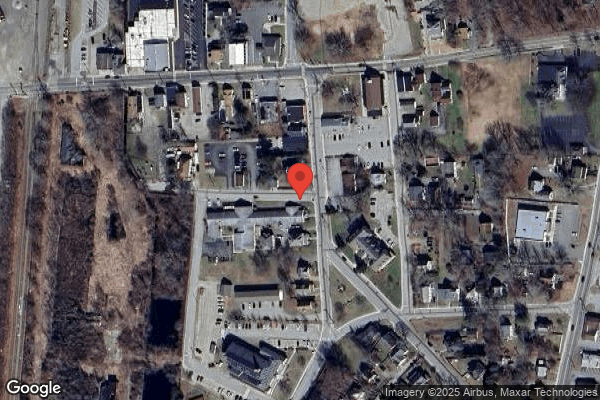
Aug 2021 10 deficiencies 1 Harm
SERIOUS (G)

Actual Harm - a resident was hurt due to facility failures

Deficiency F0692 (Tag F0692)

A resident was harmed · This affected 1 resident

**NOTE- TERMS IN BRACKETS HAVE BEEN EDITED TO PROTECT CONFIDENTIALITY** Based on observation, review of the clinical record, review of facility documentation, review of facility policy, and interviews...

Read full inspector narrative →
**NOTE- TERMS IN BRACKETS HAVE BEEN EDITED TO PROTECT CONFIDENTIALITY** Based on observation, review of the clinical record, review of facility documentation, review of facility policy, and interviews for 1 of 6 sampled residents (Resident #2) reviewed for nutrition, the facility failed provide care and services to address a significant ongoing weight loss. The findings included: Resident #2 was admitted to the facility on [DATE] with diagnoses that included stroke, kidney cancer, disorder of thyroid. A Nutrition Risk assessment dated [DATE] identified Resident #2 has had no significant weight change, had a current food intake of 50 - 75%, required no therapeutic nutritional supplements, and had no swallowing difficulties. Physician's order dated 2/12/21 directed to weigh Resident #2 weekly on Mondays, provide a regular house diet with regular consistency, and thin liquids. Review of the Weights and Vitals Summary dated 2/14/21 identified Resident #2 weighed 137 lbs. A Dietary Note dated 2/25/21 identified Resident #2 was eating a regular diet well and maintaining weight. Additionally, meals, snacks and fluids were encouraged, and the note indicated the resident would benefit from Ensure supplement if meal intake was less than 50%. The care plan dated 2/26/21 failed to reflect measures to address the resident's nutritional needs. Review of the Weights and Vitals Summary dated 3/1/21 identified Resident #2 weighed 126 lbs., (11 lb. loss or 8% in 16 days) Review of the Weights and Vitals Summary dated 4/19/21 identified Resident #2 weighed 128.6 lbs., (5.8 lbs. loss). Review of the Weights and Vitals Summary dated 5/3/21 identified Resident #2 weighed 121.2 lbs. The significant change MDS dated [DATE] identified Resident #2 had severely impaired cognition, required supervision for eating, had no weight loss/gain, and had no issues with swallowing. A Nurse's Note dated on 5/28/21 identified Resident #2 needed some assistance with his/her meal trays. The care plan dated 7/13/21 failed to reflect measures to address the resident's nutritional needs. Review of the Weights and Vitals Summary dated 7/26/21 identified Resident #2 weighed 120.9 lbs. Observation on 8/2/21 at 11:58 AM identified Resident #2 ate 100% of lunch independently after his/her tray was set up. Review of the Weights and Vitals Summary dated 8/2/21 identified Resident #2 weighed 119.5 lbs. (17.5 lbs. weight loss since admission). Interview and review of the clinical record with the charge nurse, (RN #3) on 8/9/21 at 11:35 AM identified she was not aware that Resident #2 lost 11 lbs. in 16 days as per the weight of 3/1/21 or that the resident continued to lose weight (17.5 lbs. since admission) Additionally, RN #3 could not provide documentation that the physician or dietitian had been made aware of the ongoing weight loss. RN #3 further identified that the charge nurse is responsible to notify the supervisor, dietitian, and physician when a weight change is identified. Although RN #3 could not identify what a significant weight loss was, she indicated the charge nurse should notify the physician with a weight loss of 10%. RN #3 further identified a quarterly assessment should have been completed when Resident #2 weight loss was identified. Interview with MD #1 on 8/9/21 at 1:22 PM identified he was not notified of Resident #2 ' s significant ongoing weight loss. MD #1 clarified those weight changes are considered significant and he would have expected to be notified by the nursing staff the day the weight was obtained. MD #1 furthered identified if he was aware of the significant weight loss, he would have ordered a supplement for Resident #2. Interview with another charge nurse (LPN #2) on 8/9/21 at 1:55 PM identified she was not aware of Resident #2 ' s ongoing weight loss, and she did not know why it was overlooked. LPN #2 further explained the charge nurse should compare new weights to the previous weights in the electronic record and if there is a change of + or - 3 lbs., an assessment would be completed, and the physician would be notified. Interview and review of the clinical record with the DNS on 8/9/21 at 2:15 PM identified Resident #2 has had several significant weight losses since 2/14/21. The DNS indicated she would have expected the charge nurse to alert the supervisor who would then contact the dietitian and physician. The clinical record failed to reflect any physician progress notes pertaining to Resident #2's weight loss and nutritional status. Additionally, the DNS further identified the policy is to notify the physician for weight loss of 5% weekly and/or 10% monthly. Further, the computer calculates the weight change percentages and triggers them on the weight and vitals summary. The DNS identified the charge nurse is responsible to review the TAR for completion of weights, and the supervisor is responsible to review the TAR for significant weight changes. Interview and review of the clinical record with the Dietitian on 8/10/21 at 8:32 AM identified when Resident #2 had the significant ongoing weight loss, she was not notified. Additionally, the Dietitian identified a significant weight change is a 5 % weekly and/or 10 % monthly, increase or decrease, and had she been aware of the weight loss, she would have recommended a between meal snack plan or supplement. The Dietitian further identified she reviews weights monthly and the charge nurse reviews weights weekly. If there is a change, the charge nurse is responsible to notify her of significant changes. Although there is a mechanism in place via the computer and weigh change triggers, the Dietitian indicated they were not set up for her and she does not get the triggers on the electronic record. The Dietitian indicated Nutrition Assessments are completed yearly or with full MDS trigger and nutrition progress notes completed quarterly. The Dietitian further identified she had not done a nutritional assessment nor progress note for Resident #2 ' s nutritional status since 2/16/21. The dietitian indicated she missed the quarterly nutritional progress note in May 2021 because Resident #2 was not put on the list to have the quarterly MDS done, so the Dietitian did not get an alert to do the quarterly nutritional progress note. The dietitian further indicated that Resident #2 did not have a care plan for nutritional needs since admission. The Dietician identified she comes in at least once a week and has a 32 hour a week contract. Subsequent to surveyor inquiry, the dietitian note completed on 8/10/21 at 9:02 AM identified upon chart review, Resident #2 had an approximately 18 lbs. weight loss since admission. Resident #2 is on a regular diet and intake has been well. Recommendations included to add Ensure supplement twice a day between meals. Interview and review of clinical record with LPN #1 on 8/10/21 at 11:30 PM identified she is the 7:00 AM - 3:00 PM charge nurse and indicated weights are obtained during the 11:00 PM - 7:00 AM shift. If there is an issue with the weight taken, the charge nurse would alert the 7:00 AM - 3:00 PM staff for a re-weigh. LPN #1 further identified a significant weight loss is a +- 3 lb. change from previously taken weight. LPN #1 identified she was not aware of any weight changes for Resident #2 and that the resident can be a picky eater. Review of the Weight Loss Treatment Protocol policy directed the MDS Coordinator will determine if any residents have experienced a weight loss. Once it is determined that a resident requires nursing intervention to prevent or treat a weight loss, the MD will be notified. The MDS Coordinator will hold a care conference to reflect the change of condition, and treatment modalities will be discussed with the MD. Review of the Weight, Significant Changes policy identified that significant weight change is defined as 5% change in 30 days or 10% change in 180 days and indicated a change in condition requires a new MDS assessment. Notifications of weight change will be made to physician, dietitian, and responsible party. Review of the Supplements, Nutritional Policy identified that a significant weight loss was a weight loss of 5% in one month, or 10% in six months.
CONCERN (D)

Potential for Harm - no one hurt, but risky conditions existed

Free from Abuse/Neglect (Tag F0600)

Could have caused harm · This affected 1 resident

**NOTE- TERMS IN BRACKETS HAVE BEEN EDITED TO PROTECT CONFIDENTIALITY** Based on review of the clinical record, review of facility documentation, review of facility policy and interviews for 2 of 2 sa...

Read full inspector narrative →
**NOTE- TERMS IN BRACKETS HAVE BEEN EDITED TO PROTECT CONFIDENTIALITY** Based on review of the clinical record, review of facility documentation, review of facility policy and interviews for 2 of 2 sampled residents (Resident #36 & #104) reviewed for an allegation of mistreatment and misappropriation of resident property, the facility failed to ensure that the resident was free from the misappropriation of property and failed to ensure that the resident was free from mistreatment. The findings include: 1. Resident #36 had diagnoses that included dementia, major depressive disorder and repeated falls. The significant change MDS assessment dated [DATE] identified Resident #36 had moderately impaired cognition, did not display mood or behavior symptoms, required extensive assistance of two staff for bed mobility and transfers, required extensive assistance of one with ambulation. The assessment further noted that the resident had sustained a fall since the previous MDS assessment dated [DATE] but had not sustained any injuries from the fall. The care plan dated 5/24/21 identified Resident #36 was at risk for falls related to confusion and unawareness of safety needs. Interventions included, anticipate and meet the resident's needs, call light within reach, encourage use of call light, bed and chair alarms and check alarms every shift for functioning. A progress note written by RN #5 on 8/7/21 at 11:49 AM identified that LPN #2 (charge nurse) reported that RN #4 (nursing supervisor) had mistreated Resident #36. The documentation identified that LPN #2 and RN #4 entered the resident's room when the resident's alarm sounded. The documentation further identified that LPN #2 witnessed RN #4 holding the bed covers over the resident's face and when asked what he was doing, RN #4 replied that he was just kidding and then proceeded to cover the resident's face a second time with the bed covers. The documentation also identified that LPN #2 observed RN #4 making a whipping gesture with his stethoscope and then pretended to wrap the stethoscope around the resident's neck. In addition, the documentation identified that LPN #2 identified that the observed events occurred on 8/6/21 and that she (LPN #2) had reported the observations to the DNS. Further review of the progress note identified that RN #5 identified that she notified the DNS and the Administrator immediately. Reportable event report dated 8/7/21 identified that on 8/6/21 LPN #2 reported that RN #4 displayed abusive behavior towards resident with no noted injuries and notification were made to the physician, responsible party and police. Interview on 8/9/21 at 11:35 AM with LPN #2 identified that on the morning of 8/6/21 around 6:00 AM, she heard Resident #36's bed alarm go off and when she went to the room, she observed Resident #36 self-ambulating. LPN #2 further identified that RN #4 followed her into the room and helped her to assist and reposition Resident #36 back and into the bed. She further identified that while she was helping Resident #36 with his/her blanket, RN#4 grabbed the other side of the blanket and pulled it over Resident #36's face and then took his stethoscope from around his neck and folded it and put the stethoscope behind the resident's neck. LPN#2 further stated that when she questioned his behavior, RN#4 smirked and stated, that's what you need to do to keep them in bed. She further noted that RN #4 eventually removed the stethoscope from behind Resident #36's neck. LPN#2 further identified that she reported the incident to the DNS at 6:45 AM and the DNS called her back later that day to get her full statement. Interview on 8/9/21 at 12:16 PM with DNS identified that on the morning of 8/6/21 LPN #2 wanted to talk to her about RN #4 but did not want to discuss it while RN #4 was still in the facility. The DNS identified that LPN #2 did not report any allegations of abuse at that time. The DNS further identified that she called LPN#2 on 8/6/21 at 9:30 PM to discuss RN#4 but the call disconnected. In addition, the DNS identified that she sent a text message to LPN#2 on 8/6/21 at 11:55 PM inquiring about what the issue with RN #4 was, but LPN #2 did not want to discuss it at that time because RN #4 was around. The text message from LPN #2 identified in part, can we chat tomorrow, he is watching me like a hawk. The DNS further noted that the exchange of text messages identified that she responded by saying of course, I will call you tomorrow. The DNS further identified that she received a phone call from RN #5 on 8/7/21 between the hours of 8:30 AM and 9:00 AM regarding the report that LPN #2 made to RN #5. In Addition, the DNS stated that she had a phone conversation with RN #4 regarding the incident and RN #4 denied the allegation of mistreatment. She further identified that RN#4 was taken off the schedule for second shift on 8/7/21. Interview on 8/10/21 at 10:03 AM with RN #5 identified that at approximately 7:30 AM on 8/7/21, she overheard LPN #2 discussing with another staff member that RN #4 had mistreated a resident. Upon hearing this, she immediately pulled LPN #2 aside to speak to her about this. RN #5 stated that LPN #2 told her the incident occurred on Friday, 8/6/21 and that LPN #2 told the DNS about it before the end of her shift on Friday morning, but felt the incident was not being addressed and she identified that she felt frustrated. RN #5 further stated that LPN #2 told her that RN #4 pulled the sheet over Resident #36's face twice, took his stethoscope and snapped it in front of Resident #36's face and attempted to wrap it around his/her neck. RN #5 further noted that she immediately called the DNS to report the incident. Interview with RN #4 on 8/10/21 at 10:29 AM identified that he worked second and third shifts on 8/5/21 into 8/6/21 and worked 8/6/21(7:30 PM) to 8/7/21 (7:00 AM). RN #4 noted that he received a voice message from the DNS on 8/7/21 at around 1:00 PM stating that he was being taken off the schedule due to an ongoing investigation. RN #5 further stated that there was no other specific information provided of what the investigation was about. After hearing the voice message, RN #4 further identified that he tried calling the DNS and left a few messages on 8/7/21, but he did not get a return call. RN#5 further noted that he went to the facility on 8/7/21 around 2:30 PM to speak to the DNS but the DNS did not work that day. Further interview with RN #5 identified that he denied mistreating the resident. He further stated that he was busy doing the medication administration on 8/6/21 between the hours of 5:00 AM and 7:00 AM and denied going in Resident #36's room on 8/6/21 at 6:00 AM. Review of the facility's Resident's [NAME] of Rights identified that residents have the right to be treated with consideration, respect and full recognition of dignity and individuality. Review of facility's Abuse Policy dated 6/4/2019 identified that emotional/psychological (mental) abuse includes involuntary seclusion of the resident, verbally scolding, berating, name-calling, threatening and intimidation. In addition, the policy identified that allegations of mistreatment are to be reported to the Department of Public Health immediately and no later than 2 hours of forming the suspicion, or if the events that caused the suspicion resulted in serious bodily injury. The policy further noted that potential abuse will be reported no later than 24 hours if the incident does not result in serious bodily injury. 2. Resident #1's diagnoses included cardiorespiratory conditions, heart failure, hypertension, hyperlipidemia, non-Alzheimer's dementia, anxiety disorder, depression, aftercare following explanation of hip joint prosthesis, acute embolism and thrombosis of left lower extremity, prosthetic heart valve, automatic defibrillator and chronic pain. A 5 day MDS assessment dated [DATE] identified the resident had intact cognition, required extensive assistance with most activities of daily living with the omission of eating, had moderate pain occasionally and received scheduled and as needed pain medications. A review of the monthly physician's order dated 11/11/19 directed the following: administer Oxycontin (narcotic pain medication) ER 20mg (1 tab) every 12 hours and administer Oxycontin 5 mg (1 tab) by mouth every 6 hours as needed for moderate pain. The orders further directed for a pain assessment be completed twice per day using 0-10 scale and if unable to respond, note observations using the following codes: A: Moaning/Crying, B: Guarding, C: Facial Grimacing, D: Combative when moved and E: Other. Resident #104's care plan dated 11/15/19 identified the resident had an alteration in comfort related to osteoporosis, generalized osteoarthritis, upper shoulder arm discomfort and recent surgery of left hip hemiarthroplasty. Interventions included, administer as needed medication for pain (oxycodone) half an hour prior to therapy, give medications as ordered, monitor/document for side effects and effectiveness. Review of the medication administration record (MAR) for the month of November 2019 identified the resident received the scheduled Oxycontin daily and was administered the as needed dose of 5mg on 11/7/19 and 11/11/19 for complaints of pain. Review of the reportable event report dated 11/26/19 and timed 11:00 AM, identified that Resident #104 had a missing card of narcotic medication identified as Oxycodone 5mg tablets. The proof of use sheet (the form that the nurses sign to indicate the medication was administered and where the count of the tablets is maintained). A reportable event report summary dated 12/19/19 identified that on 11/26/19, the RN supervisor had been alerted by the pharmacy that the resident's order for Oxycodone 5mg could not be re-filled because 30 tablets had been delivered on 11/24/19. A check of the DNS's records identified that the medication had been received by the facility on 11/24/19. The pharmacy further identified that the nursing supervisor (RN #6) had faxed an order for the medication at 7:00 AM on the morning of 11/26/19. According to the summary, a search of the facility's two medication carts failed to produce the medication. The proof of use form could also not be located. The summary further noted that interviews with staff identified that the medication had been on the cart on 11/25/19. In addition, the summary identified that notifications were made to the local police department, the Department of Social Services, the Department of consumer Protection and noted that an investigation was being conducted. As a result of the facility's investigation and the investigations of the Department of Consumer Protection, it was determined that RN #6 was responsible for Resident #104's missing card (30 tabs) of Oxycodone. Interview with the DNS on 8/10/21 at 10:30 AM identified that the resident did not go without the narcotic pain medication because the discrepancy was discovered quickly, and the facility paid to have the prescription refilled. Review of the personal file of RN #6 identified that the license lookup detail report dated 10/11/19 identified that there was no licensure actions of pending charges. She was hired on 10/14/19 and further review noted that the general orientation check list dated 10/15/19 and signed by RN #6 identified that she was educated on resident rights and resident abuse, as well as professional standards and ethics. The facility's abuse policy identified that misappropriation of resident property is prohibited. It further identified that staff suspected of abuse would be suspended pending investigation of the allegation.
CONCERN (D)

Potential for Harm - no one hurt, but risky conditions existed

Report Alleged Abuse (Tag F0609)

Could have caused harm · This affected 1 resident

**NOTE- TERMS IN BRACKETS HAVE BEEN EDITED TO PROTECT CONFIDENTIALITY** Based on review of the clinical record, review of facility documentation, review of facility policy, and interviews for 1 of 2 s...

Read full inspector narrative →
**NOTE- TERMS IN BRACKETS HAVE BEEN EDITED TO PROTECT CONFIDENTIALITY** Based on review of the clinical record, review of facility documentation, review of facility policy, and interviews for 1 of 2 sampled residents (Resident #36) reviewed for an allegation of mistreatment, the facility failed to ensure that the alleged mistreatment was reported to the state survey agency within prescribed parameters. The findings include: Resident #36 had diagnoses that included dementia, major depressive disorder and repeated falls. The significant change MDS assessment dated [DATE] identified Resident #36 had moderately impaired cognition, did not display mood or behavior symptoms, required extensive assistance of two staff for bed mobility and transfers, required extensive assistance of one with ambulation. The assessment further noted that the resident had sustained a fall since the previous MDS assessment dated [DATE] but had not sustained any injuries from the fall. The care plan dated 5/24/21 identified Resident #36 was at risk for falls related to confusion and unawareness of safety needs. Interventions included, anticipate and meet the resident's needs, call light within reach, encourage use of call light, bed and chair alarms and check alarms every shift for functioning. A progress note written by RN #5 on 8/7/21 at 11:49 AM identified that LPN #2 (charge nurse) reported that RN #4 (nursing supervisor) had mistreated Resident #36. The documentation identified that LPN #2 and RN #4 entered the resident's room when the resident's alarm sounded. The documentation further identified that LPN #2 witnessed RN #4 holding the bed covers over the resident's face and when asked what he was doing, RN #4 replied that he was just kidding and then proceeded to cover the resident's face a second time with the bed covers. The documentation also identified that LPN #2 observed RN #4 making a whipping gesture with his stethoscope and then pretended to wrap the stethoscope around the resident's neck. In addition, the documentation identified that LPN #2 identified that the observed events occurred on 8/6/21 and that she (LPN #2) had reported the observations to the DNS. Further review of the progress note identified that RN #5 identified that she notified the DNS and the Administrator immediately. The facility's internal reportable event report dated 8/7/21 identified that on 8/6/21, LPN #2 reported that RN #4 displayed abusive behavior towards resident, no injuries noted, and notifications were made to the physician, responsible party and police. Interview on 8/9/21 at 11:35 AM with LPN #2 identified that on the morning of 8/6/21 around 6:00 AM, she heard Resident #36's bed alarm go off and when she went to the room, she observed Resident #36 self-ambulating. LPN #2 further identified that RN #4 followed her into the room and helped her to assist and reposition Resident #36 back and into the bed. She further identified that while she was helping Resident #36 with his/her blanket, RN#4 grabbed the other side of the blanket and pulled it over Resident #36's face and then took his stethoscope from around his neck and folded it and put the stethoscope behind the resident's neck. LPN#2 further stated that when she questioned his behavior, RN#4 smirked and stated, that's what you need to do to keep them in bed. She further noted that RN #4 eventually removed the stethoscope from behind Resident #36's neck. LPN#2 further identified that she reported the incident to the DNS at 6:45 AM and the DNS called her back later that day to get her full statement. Interview on 8/9/21 at 12:16 PM with DNS identified that on the morning of 8/6/21 LPN #2 wanted to talk to her about RN #4 but did not want to discuss it while RN #4 was still in the facility. The DNS identified that LPN #2 did not report any allegations of abuse at that time. The DNS further identified that she called LPN#2 on 8/6/21 at 9:30 PM to discuss RN#4 but the call disconnected. In addition, the DNS identified that she sent a text message to LPN#2 on 8/6/21 at 11:55 PM inquiring about what the issue with RN #4 was, but LPN #2 did not want to discuss it at that time because RN #4 was around. The text message from LPN #2 identified in part, can we chat tomorrow, he is watching me like a hawk. The DNS further noted that the exchange of text messages identified that she responded by saying of course, I will call you tomorrow. The DNS further identified that she received a phone call from RN #5 on 8/7/21 between the hours of 8:30 AM and 9:00 AM regarding the report that LPN #2 made to RN #5. In Addition, the DNS stated that she had a phone conversation with RN #4 regarding the incident and RN #4 denied the allegation of mistreatment. She further identified that RN#4 was taken off the schedule for second shift on 8/7/21. Interview on 8/10/21 at 10:03 AM with RN #5 identified that at approximately 7:30 AM on 8/7/21, she overheard LPN #2 discussing with another staff member that RN #4 had mistreated a resident. Upon hearing this, she immediately pulled LPN #2 aside to speak to her about this. RN #5 stated that LPN #2 told her the incident occurred on Friday, 8/6/21 and that LPN #2 told the DNS about it before the end of her shift on Friday morning, but felt the incident was not being addressed and she identified that she felt frustrated. RN #5 further stated that LPN #2 told her that RN #4 pulled the sheet over Resident #36's face twice, took his stethoscope and snapped it in front of Resident #36's face and attempted to wrap it around his/her neck. RN #5 further noted that she immediately called the DNS to report the incident. Review of the reportable event report submitted to the state survey agency identified that the alleged mistreatment of Resident #36 was reported on 8/7/21 at 9:00 AM (more than 24 hours following the incident). Review of the facility's Resident's [NAME] of Rights identified that residents have the right to be treated with consideration, respect and full recognition of dignity and individuality. Review of facility's Abuse Policy dated 6/4/2019 identified that emotional/psychological (mental) abuse includes involuntary seclusion of the resident, verbally scolding, berating, name-calling, threatening and intimidation. In addition, the policy identified that allegations of mistreatment are to be reported to the Department of Public Health immediately and no later than 2 hours of forming the suspicion, or if the events that caused the suspicion resulted in serious bodily injury. The policy further noted that potential abuse will be reported no later than 24 hours if the incident does not result in serious bodily injury.
CONCERN (D)

Potential for Harm - no one hurt, but risky conditions existed

Investigate Abuse (Tag F0610)

Could have caused harm · This affected 1 resident

**NOTE- TERMS IN BRACKETS HAVE BEEN EDITED TO PROTECT CONFIDENTIALITY** Based on review of the clinical record, review of facility documentation, review of facility policy and interviews for 1 of 2 sa...

Read full inspector narrative →
**NOTE- TERMS IN BRACKETS HAVE BEEN EDITED TO PROTECT CONFIDENTIALITY** Based on review of the clinical record, review of facility documentation, review of facility policy and interviews for 1 of 2 sampled residents (Resident #36) reviewed for an allegation of mistreatment, the facility failed to ensure that the resident was protected from the potential for further mistreatment. The findings include: Resident #36 had diagnoses that included dementia, major depressive disorder and repeated falls. The significant change MDS assessment dated [DATE] identified Resident #36 had moderately impaired cognition, did not display mood or behavior symptoms, required extensive assistance of two staff for bed mobility and transfers, required extensive assistance of one with ambulation. The assessment further noted that the resident had sustained a fall since the previous MDS assessment dated [DATE] but had not sustained any injuries from the fall. The care plan dated 5/24/21 identified Resident #36 was at risk for falls related to confusion and unawareness of safety needs. Interventions included, anticipate and meet the resident's needs, call light within reach, encourage use of call light, bed and chair alarms and check alarms every shift for functioning. A progress note written by RN #5 on 8/7/21 at 11:49 AM identified that LPN #2 (charge nurse) reported that RN #4 (nursing supervisor) had mistreated Resident #36. The documentation identified that LPN #2 and RN #4 entered the resident's room when the resident's alarm sounded. The documentation further identified that LPN #2 witnessed RN #4 holding the bed covers over the resident's face and when asked what he was doing, RN #4 replied that he was just kidding and then proceeded to cover the resident's face a second time with the bed covers. The documentation also identified that LPN #2 observed RN #4 making a whipping gesture with his stethoscope and then pretended to wrap the stethoscope around the resident's neck. In addition, the documentation identified that LPN #2 identified that the observed events occurred on 8/6/21 and that she (LPN #2) had reported the observations to the DNS. Further review of the progress note identified that RN #5 identified that she notified the DNS and the Administrator immediately. Reportable event report dated 8/7/21 identified that on 8/6/21 LPN #2 reported that RN #4 displayed abusive behavior towards resident with no noted injuries and notification were made to the physician, responsible party and police. Interview on 8/9/21 at 11:35 AM with LPN #2 identified that on the morning of 8/6/21 around 6:00 AM, she heard Resident #36's bed alarm go off and when she went to the room, she observed Resident #36 self-ambulating. LPN #2 further identified that RN #4 followed her into the room and helped her to assist and reposition Resident #36 back and into the bed. She further identified that while she was helping Resident #36 with his/her blanket, RN#4 grabbed the other side of the blanket and pulled it over Resident #36's face and then took his stethoscope from around his neck and folded it and put the stethoscope behind the resident's neck. LPN#2 further stated that when she questioned his behavior, RN#4 smirked and stated, that's what you need to do to keep them in bed. She further noted that RN #4 eventually removed the stethoscope from behind Resident #36's neck. LPN#2 further identified that she reported the incident to the DNS at 6:45 AM and the DNS called her back later that day to get her full statement. Interview on 8/9/21 at 12:16 PM with DNS identified that on the morning of 8/6/21 LPN #2 wanted to talk to her about RN #4 but did not want to discuss it while RN #4 was still in the facility. The DNS identified that LPN #2 did not report any allegations of abuse at that time. The DNS further identified that she called LPN#2 on 8/6/21 at 9:30 PM to discuss RN#4 but the call disconnected. In addition, the DNS identified that she sent a text message to LPN#2 on 8/6/21 at 11:55 PM inquiring about what the issue with RN #4 was, but LPN #2 did not want to discuss it at that time because RN #4 was around. The text message from LPN #2 identified in part, can we chat tomorrow, he is watching me like a hawk. The DNS further noted that the exchange of text messages identified that she responded by saying of course, I will call you tomorrow. The DNS further identified that she received a phone call from RN #5 on 8/7/21 between the hours of 8:30 AM and 9:00 AM regarding the report that LPN #2 made to RN #5. In Addition, the DNS stated that she had a phone conversation with RN #4 regarding the incident and RN #4 denied the allegation of mistreatment. She further identified that RN#4 was taken off the schedule for second shift on 8/7/21. Interview on 8/10/21 at 10:03 AM with RN #5 identified that at approximately 7:30 AM on 8/7/21, she overheard LPN #2 discussing with another staff member that RN #4 had mistreated a resident. Upon hearing this, she immediately pulled LPN #2 aside to speak to her about this. RN #5 stated that LPN #2 told her the incident occurred on Friday, 8/6/21 and that LPN #2 told the DNS about it before the end of her shift on Friday morning, but felt the incident was not being addressed and she identified that she felt frustrated. RN #5 further stated that LPN #2 told her that RN #4 pulled the sheet over Resident #36's face twice, took his stethoscope and snapped it in front of Resident #36's face and attempted to wrap it around his/her neck. RN #5 further noted that she immediately called the DNS to report the incident. Interview with RN #4 on 8/10/21 at 10:29 AM identified that he worked second and third shifts on 8/5/21 into 8/6/21 and worked 8/6/21(7:30 PM) to 8/7/21 (7:00 AM). RN #4 noted that he received a voice message from the DNS on 8/7/21 at around 1:00 PM stating that he was being taken off the schedule due to an ongoing investigation. RN #5 further stated that there was no other specific information provided of what the investigation was about. After hearing the voice message, RN #4 further identified that he tried calling the DNS and left a few messages on 8/7/21, but he did not get a return call. RN#5 further noted that he went to the facility on 8/7/21 around 2:30 PM to speak to the DNS but the DNS did not work that day. Further interview with RN #5 identified that he denied mistreating the resident. He further stated that he was busy doing the medication administration on 8/6/21 between the hours of 5:00 AM and 7:00 AM and denied going in Resident #36's room on 8/6/21 at 6:00 AM. Review of the facility's staff schedule identified that on 8/6/21 following the allegation of the mistreatment of Resident #36, RN #4 worked the second shift and third shifts (3-11 PM and 11-7 AM). Review of the facility's Resident's [NAME] of Rights identified that residents have the right to be treated with consideration, respect and full recognition of dignity and individuality. Review of facility's Abuse Policy dated 6/4/2019 identified that emotional/psychological (mental) abuse includes involuntary seclusion of the resident, verbally scolding, berating, name-calling, threatening and intimidation. In addition, the policy identified that allegations of mistreatment are to be reported to the Department of Public Health immediately and no later than 2 hours of forming the suspicion, or if the events that caused the suspicion resulted in serious bodily injury. The policy further noted that potential abuse will be reported no later than 24 hours if the incident does not result in serious bodily injury. The policy further noted that the staff would be suspended for whatever length of time is required to perform the investigation.
CONCERN (D)

Potential for Harm - no one hurt, but risky conditions existed

Accident Prevention (Tag F0689)

Could have caused harm · This affected 1 resident

**NOTE- TERMS IN BRACKETS HAVE BEEN EDITED TO PROTECT CONFIDENTIALITY** Based on clinical record review, review of facility documentation, observation, interview and review of facility policy for 1 of...

Read full inspector narrative →
**NOTE- TERMS IN BRACKETS HAVE BEEN EDITED TO PROTECT CONFIDENTIALITY** Based on clinical record review, review of facility documentation, observation, interview and review of facility policy for 1 of 3 residents (Resident #404) reviewed for falls, the facility failed to ensure safety measures were in place to prevent a fall. The findings include: Resident #404's diagnoses included Alzheimer's disease, heart failure and atrial fibrillation. The Fall Risk assessment dated [DATE] identified Resident #404 was a moderate risk for falls. The admission MDS assessment dated [DATE] identified the resident had severely impaired cognition, required limited assistance with transfers, ambulation and toilet use. The assessment further identified that the resident's balance during transition from seated to standing and walking was not steady, but Resident #404 was able to transfer from surface to surface without staff assistance. A physician's order dated 5/24/21 directed to ambulate twice daily up to 200 feet using rolling walker, gait belt and assist of one once on the first shift and once on the second shift. The Reportable Event report dated 5/31/21 identified that at 10:40 AM, Resident #404 was observed on the floor next to his/her bed. No injuries were identified. Physician and responsible party were notified. The report further identified a new intervention for staff to offer toileting to resident prior to lunch at 10:30 AM. The facility's investigation regarding the fall identified that Resident #404 wanted to take a nap and attempted to self-transfer from chair to bed resulting in the fall. A nurse's note dated 5/31/21 at 11:20 AM written by LPN #1 identified Resident #404 was self-transferring from a bedside chair to the bed when the bed wheels rolled the bed from underneath the resident's bottom resulting in the resident sliding off the bed to the floor. No injuries were identified. Interview with LPN #1 on 8/10/21 at 11:00 AM identified that when Resident #404 was observed on the floor, she noted that the bed was not in a straight position and noted that it had moved. She further noted that the brakes were not in a locked position. LPN#1 also identified that she demonstrated how to apply the bed brakes and educated the CNA's on the importance of ensuring the bed brakes were in the locked position prior to leaving a resident's room to prevent accidents and falls. Attempts to contact NA #2, who was assigned to Resident #404 on 5/31/21, were unsuccessful. Review of the facility's Fall Risk Reduction Program identified the facility recognizes that the responsibility for preventing falls in the elderly population is one that is shared by all departments. Nurse assistants will be responsible for following the guidelines of the plan of care for each resident as they pertain to safety and fall risk reduction. Licensed nurses will be responsible for providing staff counseling and re-education when plan of care is not followed.
CONCERN (E)

Potential for Harm - no one hurt, but risky conditions existed

Notification of Changes (Tag F0580)

Could have caused harm · This affected multiple residents

**NOTE- TERMS IN BRACKETS HAVE BEEN EDITED TO PROTECT CONFIDENTIALITY** Based on observation, review of the clinical record, review of facility documentation, review of facility policy, and interviews...

Read full inspector narrative →
**NOTE- TERMS IN BRACKETS HAVE BEEN EDITED TO PROTECT CONFIDENTIALITY** Based on observation, review of the clinical record, review of facility documentation, review of facility policy, and interviews for 1 of 6 sampled residents (Resident #2) reviewed for nutrition, the facility failed to report a significant ongoing weight loss to the physician in a timely manner. The findings included: Resident #2 was admitted to the facility on [DATE] with diagnoses that included stroke, kidney cancer, disorder of thyroid. A Nutrition Risk assessment dated [DATE] identified Resident #2 has had no significant weight changes, had a current food intake of 50 - 75%, required no therapeutic nutritional supplements and had no swallowing difficulties. Physician's order dated 2/12/21 directed to weigh Resident #2 weekly on Mondays, provide a regular house diet with regular consistency and thin liquids. Review of the Weights and Vitals Summary dated 2/14/21 identified Resident #2 weighed 137 lbs. A Dietary Note dated 2/25/21 identified Resident #2 was eating a regular diet well and maintaining weight. Additionally, meals, snacks and fluids were encouraged, and the note indicated the resident would benefit from Ensure supplement if meal intake was less than 50%. The care plan dated 2/26/21 failed to reflect measures to address the resident's nutritional needs. Review of the Weights and Vitals Summary dated 3/1/21 identified Resident #2 weighed 126 lbs., (11 lb. loss or 8% in 16 days) Review of the Weights and Vitals Summary dated 4/19/21 identified Resident #2 weighed 128.6 lbs., (5.8 lbs. loss). Review of the Weights and Vitals Summary dated 5/3/21 identified Resident #2 weighed 121.2 lbs. The significant change MDS dated [DATE] identified Resident #2 had severely impaired cognition, required supervision for eating, had no weight loss/gain, and had no issues with swallowing. A nurse's note dated 5/28/21 identified Resident #2 needed some assistance with his/her meal trays. The care plan dated 7/13/21 failed to reflect measures to address the resident's nutritional needs. Review of the Weights and Vitals Summary dated 7/26/21 identified Resident #2 weighed 120.9 lbs. Observation on 8/2/21 at 11:58 AM identified Resident #2 ate 100% of lunch independently after his/her tray was set up. Review of the Weights and Vitals Summary dated 8/2/21 identified Resident #2 weighed 119.5 lbs. (17.5 lbs. weight loss in the last 6 months). Interview and review of the clinical record with the charge nurse (RN #3) on 8/9/21 at 11:35 AM identified that she was unaware that Resident #2 lost 11 lbs. in 16 days as per the weight of 3/1/21 or that the resident has continued to lose weight (17.5 lbs. since admission). In addition, RN #3 could not provide documentation that the physician or dietitian had been made aware of the ongoing weight loss. RN #3 further identified that the charge nurse is responsible to notify the supervisor, dietitian and physician when a weight change is identified; although, RN #3 could not identify what a significant weight loss was, she indicated the charge nurse should notify the physician with a weight loss of 10%. Interview with MD #1 on 8/9/21 at 1:22 PM identified he was not notified of Resident #2's significant ongoing weight loss. MD #1 clarified that the weight changes were considered significant and he would have expected to be notified by the nursing staff on the day the weight was obtained. MD #1 furthered identified that if he had been made aware of the significant weight loss, he would have ordered a supplement for Resident #2. Interview with another charge nurse (LPN #2) on 8/9/21 at 1:55 PM identified, she was unaware of Resident #2's ongoing weight loss and she did not know why it was overlooked. LPN #2 further explained the charge nurse should compare new weights to the previous weights in the electronic record and if there is a change of plus or minus 3 lbs., then an assessment would be completed, and the physician would be notified. Interview and review of the clinical record with the DNS on 8/9/21 at 2:15 PM identified Resident #2 has had several significant weight losses since 2/14/21. The DNS indicated she would have expected the charge nurse to alert the supervisor who would then contact the dietitian and physician. The clinical record failed to reflect any physician progress notes pertaining to Resident #2's weight loss and nutritional status. In addition, the DNS identified that the facility's policy directs the nurses to notify the physician for weight loss of 5% weekly and/or 10% monthly. She further noted that the computer calculates the weight change percentages and triggers them on the weight and vitals summary and the charge nurse is responsible to review the TAR for completion of weights, and the supervisor is responsible to review the TAR for significant weight changes. Interview and review of the clinical record with the Dietitian on 8/10/21 at 8:32 AM identified, she was not notified when Resident #2 had the significant ongoing weight loss. The Dietitian identified that a significant weight change is a 5 % weekly and/or 10 % monthly increase or decrease in weight. She identified that had she been aware of the weight loss, she would have recommended a between meal snack plan or supplement. Further interview with the Dietitian identified that she reviews weights monthly and the charge nurse reviews weights weekly and if there is a change, the charge nurse is responsible for notifying her of significant changes. The Dietitian noted that; although, there is a mechanism in place via the computer that triggers significant weight changes, she indicated they were not set up for her and she does not get the triggers on the electronic record. The Dietitian further identified that Nutritional Assessments are completed yearly or with significant change MDS assessments and nutritional progress notes are completed quarterly. She identified that she had not completed a nutritional assessment nor progress note for Resident #2's nutritional status since 2/16/21 because she missed the quarterly nutritional progress note in May 2021 due to Resident #2 not being placed on the list to have the quarterly MDS completed. The dietitian further indicated that Resident #2 did not have a care plan for nutritional needs. The Dietitian's note completed on 8/10/21 at 9:02 AM identified, Resident #2 had an approximate 18 lbs. weight loss since admission (6 month time period) and a recommendation was made to add Ensure supplements twice a day between meals. Review of the facility's Weight, Significant Changes policy identified that a significant weight change is defined as 5% change in 30 days or 10% change in 180 days and indicated that a change in condition requires a new MDS assessment and notifications of weight change will be made to the physician, dietitian, and responsible party.
MINOR (B)

Minor Issue - procedural, no safety impact

Comprehensive Assessments (Tag F0636)

Minor procedural issue · This affected multiple residents

**NOTE- TERMS IN BRACKETS HAVE BEEN EDITED TO PROTECT CONFIDENTIALITY** Based on clinical record review, review of facility policy and interviews for 1 of 3 sampled residents (Resident #4) reviewed fo...

Read full inspector narrative →
**NOTE- TERMS IN BRACKETS HAVE BEEN EDITED TO PROTECT CONFIDENTIALITY** Based on clinical record review, review of facility policy and interviews for 1 of 3 sampled residents (Resident #4) reviewed for the timeliness of resident assessments, the facility failed to ensure that an annual MDS assessment was conducted within 366 days of the previous significant change assessment. The findings include: Resident #4 had diagnoses that included Alzheimer's disease and prostate cancer. Review of the clinical record on 8/9/21 identified the resident had a significant change assessment dated [DATE], quarterly MDS assessments dated 10/6/2020, 1/6/2021and 4/1/2021 with no other subsequent assessments completed. The record failed to identify that an annual MDS assessment with an assessment reference date of 7/7/21was completed (it should have been initiated within 366 days of the last full assessment making the assessment 30 days past the due date). Interview with RN #2 (MDS Coordinator) on 8/9/2021 at 10:35 AM identified that she maintained the resident's assessment schedule by utilizing an index card file system that indicates when the next MDS assessment is due. She further noted that although the card indicated when the next assessment was due, she could not give a reason why she had not completed the required assessment in July. Interview with the DNS on 8/9/21 at 11:10 AM identified that Resident #4's MDS assessment should have been completed in July and was overdue. She further noted that RN #2 should have used the MDS tracker in the electronic health record to determine when the MDS is due and indicated that RN #2 is new to her role and She has been educating RN #2 on the use of the MDS tracker. Review of the facility's policy entitled MDS Completion and Submission identified in part; assessments must be completed by the last day of the observation period and must be submitted within 31 days of the MDS completion date. Additionally, the policy identified the facility followed the CMS's (Center's for Medicare and Medicaid Services) guidelines for completion and submission of MDS data.
MINOR (B)

Minor Issue - procedural, no safety impact

Deficiency F0638 (Tag F0638)

Minor procedural issue · This affected multiple residents

**NOTE- TERMS IN BRACKETS HAVE BEEN EDITED TO PROTECT CONFIDENTIALITY** Based on clinical record review and interviews for 1 of 3 sampled residents (Residents #2) reviewed for resident assessments, th...

Read full inspector narrative →
**NOTE- TERMS IN BRACKETS HAVE BEEN EDITED TO PROTECT CONFIDENTIALITY** Based on clinical record review and interviews for 1 of 3 sampled residents (Residents #2) reviewed for resident assessments, the facility failed to ensure the quarterly MDS assessments was completed within 92 days of the previous assessment. The findings include: Resident #2 had diagnoses that included stroke and non-traumatic subdural hemorrhage. Review of the clinical record identified that the resident had a significant change MDS assessment dated [DATE] with no subsequent quarterly assessment (one would have been due on 6/25/21). The electronic health record MDS tracking tool identified the quarterly minimum data set assessment reference date of (ARD) 6/25/2021 with a completion date of 7/9/2021. The assessment was twenty-seven days overdue. Interview with the MDS Coordinator (RN #2) on 8/5/2021 at 2:40 PM identified the significant change MDS (minimum data set assessment) was completed on 3/25/2021 and the quarterly MDS was due to be completed by 7/9/2021. RN #2 identified that she was responsible for completing the MDS and noted that it was overlooked because she had a lot of MDS assessments to complete. Interview with the DNS on 8/5/2021 at 12:15 PM identified that RN #2 was new to the role of MDS Coordinator and the DNS noted that she was in the process of educating RN #2 on the MDS tracker. Review of the facility's policy entitled MDS Completion and Submission identified in part; assessments must be completed by the last day of the observation period and must be submitted within 31 days of the MDS completion date. Additionally, the policy identified the facility followed the CMS's (Center's for Medicare and Medicaid Services) guidelines for completion and submission of MDS data.
MINOR (B)

Minor Issue - procedural, no safety impact

MDS Data Transmission (Tag F0640)

Minor procedural issue · This affected multiple residents

**NOTE- TERMS IN BRACKETS HAVE BEEN EDITED TO PROTECT CONFIDENTIALITY** Based on clinical record review, review of facility documentation and staff interviews for 1 of 3 sampled residents (Resident #4...

Read full inspector narrative →
**NOTE- TERMS IN BRACKETS HAVE BEEN EDITED TO PROTECT CONFIDENTIALITY** Based on clinical record review, review of facility documentation and staff interviews for 1 of 3 sampled residents (Resident #404) reviewed for resident assessments, the facility failed to electronically transmit an MDS assessment to the CMS designated system within specified time parameters (within 14 days of the final completion date) The findings include: Resident #404 was admitted to the facility on [DATE] with diagnoses that included Alzheimer's and congestive heart failure. Review of Resident #404's electronic health record's MDS dashboard (indicates all MDS assessments and the status of the assessments) identified that the resident had an admission MDS assessment dated [DATE] that was completed but not electronically submitted to the CMS designated system. Interview with the RN #2 (MDS coordinator) on 8/4/2021 at 2:40 PM identified the admission MDS assessment dated [DATE] was completed and not transmitted to the CMS designated system because she missed a step during transmission which placed the assessment in a review mode instead of a transmit mode. In addition, RN #2 identified she was new to the MDS Coordinator role and was training with corporate staff. Interview with the DNS on 8/5/2021 at 12:50 PM identified the MDS should have been transmitted a month after completion, approximately by 5/11/202. She further identified that RN #2 placed the assessment into review status and did not realize the other steps that were required for the assessment to be transmitted. Review of the facility's MDS transmission report identified Resident #404's quarterly MDS assessment dated [DATE] was transmitted to the CMS designated system on 8/5/2021. Review of the facility's policy entitled MDS Completion and Submission identified assessments must be submitted within 31 days of the MDS completion date.
MINOR (B)

Minor Issue - procedural, no safety impact

Assessment Accuracy (Tag F0641)

Minor procedural issue · This affected multiple residents

**NOTE- TERMS IN BRACKETS HAVE BEEN EDITED TO PROTECT CONFIDENTIALITY** Based on clinical record review, review of facility documentation, review of facility policy and interview for 1 of 6 sampled re...

Read full inspector narrative →
**NOTE- TERMS IN BRACKETS HAVE BEEN EDITED TO PROTECT CONFIDENTIALITY** Based on clinical record review, review of facility documentation, review of facility policy and interview for 1 of 6 sampled residents (Resident#19) reviewed for nutrition, the facility failed to ensure the MDS assessment was coded correctly related to diuretic use. The findings include: Resident #19's diagnoses included dementia, hypertension and anemia. The physician's orders dated 3/19/21 directed Hydralazine (used to treat hypertension) 100mg three times daily. The quarterly MDS dated [DATE] identified Resident #19 received a diuretic 7 of 7 days. The quarterly MDS dated [DATE] identified Resident #19 received a diuretic 7 of 7 days. Review of physician's orders from May 2021 through 7/6/21 failed to reflect diuretic medications were prescribed. Interview with RN #2 (MDS Coordinator) on 8/9/21 at 9:50 AM identified that she thought Hydralazine was a diuretic. RN#2 identified she must have been confusing it with another medication, Hydrochlorothiazide, which is a diuretic. RN #2 identified that she knows what medications are classified as diuretics but was unsure if the MDS instructions had a list for reference. Review of the CMS's RAI Version 3.0 Manual, Section N: Medications identified to record the number of days a diuretic medication was received by the resident at any time during the 7-day look-back period (or since admission/entry or reentry if less than 7 days).
Understanding Severity Codes (click to expand)
Life-Threatening (Immediate Jeopardy)
J - Isolated K - Pattern L - Widespread
Actual Harm
G - Isolated H - Pattern I - Widespread
Potential for Harm
D - Isolated E - Pattern F - Widespread
No Harm (Minor)
A - Isolated B - Pattern C - Widespread

Questions to Ask on Your Visit

  • "Can I speak with families of current residents?"
  • "What's your RN coverage like on weekends and overnight?"

Our Honest Assessment

Strengths
  • • 42% turnover. Below Connecticut's 48% average. Good staff retention means consistent care.
Concerns
  • • 51 deficiencies on record, including 2 serious (caused harm) violations. Ask about corrective actions taken.
  • • $27,274 in fines. Higher than 94% of Connecticut facilities, suggesting repeated compliance issues.
  • • Grade F (35/100). Below average facility with significant concerns.
Bottom line: Trust Score of 35/100 indicates significant concerns. Thoroughly evaluate alternatives.

About This Facility

What is Villa Maria Nursing And Rehabilitation Community's CMS Rating?

CMS assigns VILLA MARIA NURSING AND REHABILITATION COMMUNITY an overall rating of 2 out of 5 stars, which is considered below average nationally. Within Connecticut, this rating places the facility higher than 0% of the state's 100 nursing homes. A rating at this level reflects concerns identified through health inspections, staffing assessments, or quality measures that families should carefully consider.

How is Villa Maria Nursing And Rehabilitation Community Staffed?

CMS rates VILLA MARIA NURSING AND REHABILITATION COMMUNITY's staffing level at 3 out of 5 stars, which is average compared to other nursing homes. Staff turnover is 42%, compared to the Connecticut average of 46%. This relatively stable workforce can support continuity of care.

What Have Inspectors Found at Villa Maria Nursing And Rehabilitation Community?

State health inspectors documented 51 deficiencies at VILLA MARIA NURSING AND REHABILITATION COMMUNITY during 2021 to 2025. These included: 2 that caused actual resident harm, 44 with potential for harm, and 5 minor or isolated issues. Deficiencies causing actual harm indicate documented cases where residents experienced negative health consequences.

Who Owns and Operates Villa Maria Nursing And Rehabilitation Community?

VILLA MARIA NURSING AND REHABILITATION COMMUNITY is owned by a for-profit company. For-profit facilities operate as businesses with obligations to shareholders or private owners. The facility operates independently rather than as part of a larger chain. With 62 certified beds and approximately 58 residents (about 94% occupancy), it is a smaller facility located in PLAINFIELD, Connecticut.

How Does Villa Maria Nursing And Rehabilitation Community Compare to Other Connecticut Nursing Homes?

Compared to the 100 nursing homes in Connecticut, VILLA MARIA NURSING AND REHABILITATION COMMUNITY's overall rating (2 stars) is below the state average of 3.0, staff turnover (42%) is near the state average of 46%, and health inspection rating (2 stars) is below the national benchmark.

What Should Families Ask When Visiting Villa Maria Nursing And Rehabilitation Community?

Based on this facility's data, families visiting should ask: "Can I visit during a mealtime to observe dining assistance and food quality?" "How do you handle medical emergencies, and what is your hospital transfer rate?" "Can I speak with family members of current residents about their experience?"

Is Villa Maria Nursing And Rehabilitation Community Safe?

Based on CMS inspection data, VILLA MARIA NURSING AND REHABILITATION COMMUNITY has a clean safety record: no substantiated abuse findings (meaning no confirmed cases of resident harm), no Immediate Jeopardy citations (the most serious violation level indicating risk of serious injury or death), and is not on the Special Focus Facility watch list (a federal program monitoring the lowest-performing 1% of nursing homes). The facility has a 2-star overall rating and ranks #100 of 100 nursing homes in Connecticut. While no facility is perfect, families should still ask about staff-to-resident ratios and recent inspection results during their visit.

Do Nurses at Villa Maria Nursing And Rehabilitation Community Stick Around?

VILLA MARIA NURSING AND REHABILITATION COMMUNITY has a staff turnover rate of 42%, which is about average for Connecticut nursing homes (state average: 46%). Moderate turnover is common in nursing homes, but families should still ask about staff tenure and how the facility maintains care continuity when employees leave.

Was Villa Maria Nursing And Rehabilitation Community Ever Fined?

VILLA MARIA NURSING AND REHABILITATION COMMUNITY has been fined $27,274 across 2 penalty actions. This is below the Connecticut average of $33,352. While any fine indicates a compliance issue, fines under $50,000 are relatively common and typically reflect isolated problems that were subsequently corrected. Families should ask what specific issues led to these fines and confirm they've been resolved.

Is Villa Maria Nursing And Rehabilitation Community on Any Federal Watch List?

VILLA MARIA NURSING AND REHABILITATION COMMUNITY is not on any federal watch list. The most significant is the Special Focus Facility (SFF) program, which identifies the bottom 1% of nursing homes nationally based on persistent, serious quality problems. Not being on this list means the facility has avoided the pattern of deficiencies that triggers enhanced federal oversight. This is a positive indicator, though families should still review the facility's inspection history directly.