LAUREL RIDGE CENTER FOR HEALTH & REHABILITATION
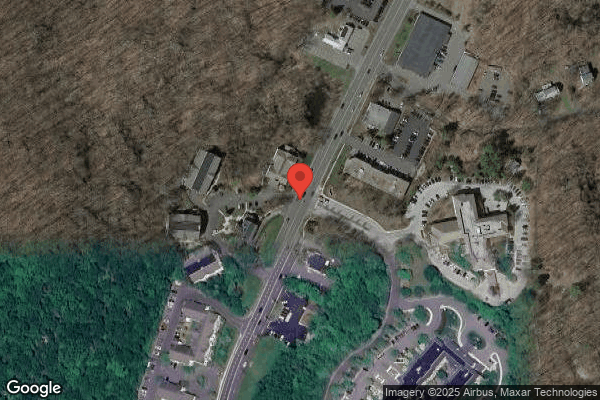
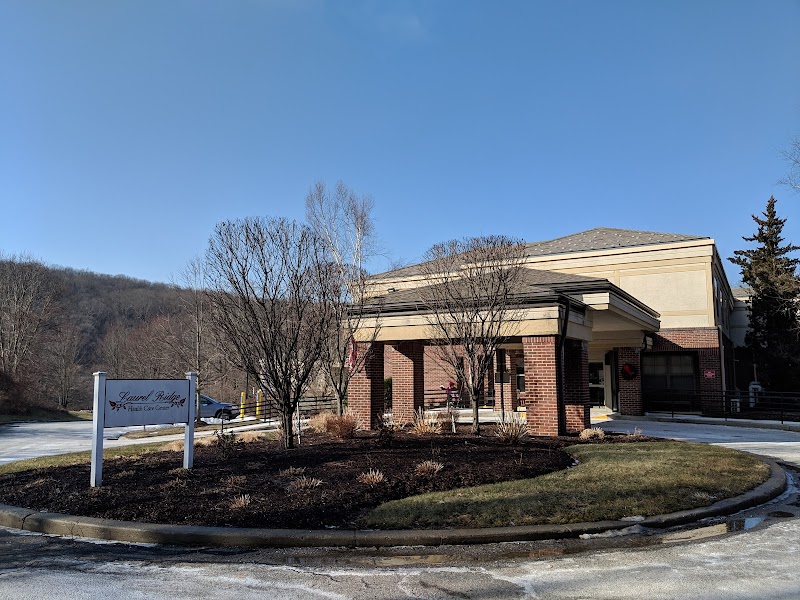
642 DANBURY ROAD, RIDGEFIELD, CT 06877 (203) 438-8226
For profit - Limited Liability company 126 Beds NATIONAL HEALTH CARE ASSOCIATES Data: November 2025
Trust Grade
30/100
#133 of 192 in CT
Last Inspection: April 2025

Within standard 12-15 month inspection cycle. Federal law requires annual inspections.

Overview

Laurel Ridge Center for Health & Rehabilitation has received a Trust Grade of F, indicating significant concerns about the facility's quality of care. It ranks #133 out of 192 nursing homes in Connecticut, placing it in the bottom half of facilities in the state and #13 out of 20 in Western Connecticut County, showing limited local options for better care. The trend is worsening, with issues increasing from 1 in 2024 to 12 in 2025, highlighting a decline in care standards. Staffing is a strength, with a turnover rate of 0%, meaning staff members tend to stay, which can foster better relationships with residents. However, there are serious concerns, such as a failure to prevent resident-to-resident altercations and excessively low staffing on weekends, which could compromise resident safety and care quality. While there are no fines recorded and the RN coverage is average, the overall situation suggests families should proceed cautiously when considering this facility.

Trust Score
F
30/100
In Connecticut
#133/192
Bottom 31%
Safety Record
High Risk
Review needed
Inspections
Getting Worse
1 → 12 violations
Staff Stability
○ Average
Turnover data not reported for this facility.
Penalties
✓ Good
No fines on record. Clean compliance history, better than most Connecticut facilities.
Skilled Nurses
○ Average
Each resident gets 31 minutes of Registered Nurse (RN) attention daily — about average for Connecticut. RNs are the most trained staff who monitor for health changes.
Violations
⚠ Watch
31 deficiencies on record. Higher than average. Multiple issues found across inspections.
★★☆☆☆
2.0
Overall Rating
★★☆☆☆
2.0
Staff Levels
★★★☆☆
3.0
Care Quality
★★☆☆☆
2.0
Inspection Score
Stable
2024: 1 issues
2025: 12 issues

The Good

  • Full Sprinkler Coverage · Fire safety systems throughout facility
  • No fines on record

Facility shows strength in fire safety.

The Bad

2-Star Overall Rating

Below Connecticut average (3.0)

Below average - review inspection findings carefully

Chain: NATIONAL HEALTH CARE ASSOCIATES

Part of a multi-facility chain

Ask about local staffing decisions and management

The Ugly 31 deficiencies on record

1 actual harm
May 2025 1 deficiency
CONCERN (D) 📢 Someone Reported This

A family member, employee, or ombudsman was alarmed enough to file a formal complaint

Potential for Harm - no one hurt, but risky conditions existed

Quality of Care (Tag F0684)

Could have caused harm · This affected 1 resident

**NOTE- TERMS IN BRACKETS HAVE BEEN EDITED TO PROTECT CONFIDENTIALITY** Based on review of clinical records, interviews, and review of facility documentation and policy for one (1) of three (3) reside...

Read full inspector narrative →
**NOTE- TERMS IN BRACKETS HAVE BEEN EDITED TO PROTECT CONFIDENTIALITY** Based on review of clinical records, interviews, and review of facility documentation and policy for one (1) of three (3) residents (Resident #1) reviewed for accidents, the facility failed to ensure a change of condition was reported to the provider on two occasions in accordance with facility policy. The findings included: Resident #1 was admitted to the facility in December of 2024 with diagnoses that included unspecified dementia, Type 2 diabetes mellitus, and anxiety disorder. Review of the quarterly Minimum Data Set (MDS) assessment dated [DATE] identified Resident #1 had severe cognitive impairment and was dependent with eating, oral and personal hygiene, and independent with ambulation. Review of the Resident Care Plan (RCP) dated 2/26/25 identified Resident #1 wandered related to dementia with behaviors and had the potential for falls due to poor safety awareness. Interventions directed to ensure Resident #1's room and the surrounding environment were safe and free from hazards that could cause harm and to monitor for changes in mental status such as new onset confusion, sleepiness, behavioral and neurological changes. 1. A nurse's note by LPN #1 dated 3/31/25 at 3:50 PM identified Resident #1 was alert, confused, and lethargic, had care provided with the assist of one (1) person, ate 0% of breakfast, 50% of lunch, fluid intake was encouraged, and APRN #1 was informed. Interview with APRN #1 on 5/2/25 at 1:47 PM identified LPN #1 failed to inform him/her that Resident #1 was lethargic (sleepy) on 3/31/25, but that LPN #1 informed him/her of Resident #1's decreased meal consumption and that Resident #1 was otherwise at his/her baseline. APRN #1 further identified that she was at the facility on 3/31/25 and, had he/she been made aware of lethargy (sleepiness), he/she would have formally seen Resident #1 to further evaluate him/her. Interview with LPN #1 (first shift charge nurse from 7:00 AM to 3:30 PM) on 5/6/25 at 9:47 AM identified Resident #1 was still ambulating on and off throughout the day on 3/31/25 but appeared lethargic (sleepy). LPN #1 indicated he/she updated the provider with Resident #1's status, however was unable to recall exactly what he/she reported. 2. A nurses note by LPN #1 dated 4/1/25 at 2:31 PM identified Resident #1 was observed wandering next to the nurse's station, tripped and lost balance after bumping into another resident's walker, and was able to hold onto the bench as he/she lowered himself/herself onto the floor. The 4/1/25 Change of Condition Evaluation completed by RN #1 identified Resident #1 sustained a fall that morning (4/1/25), was awake and responded to name when called, was not in pain, did not grimace or moan, range of motion to both upper and lower extremities was unlimited and moving well without pain, bilateral lower extremities were equal in length, and no mental status changes were observed. RN #1 further indicated the provider was notified and recommended to monitor Resident #1. Resident #1 was immediately assisted to his/her wheelchair and transferred back to bed. Review of RN #1's note dated 4/2/25 at 1:59 PM identified Resident #1 911 was called due to a change in Resident #1's level of consciousness. Review of the hospital Discharge summary dated [DATE] identified Resident #1 was admitted to the hospital with diagnoses that included hyperosmolar hyperglycemic state, hypernatremia, acute metabolic encephalopathy, and right clavicle fracture. Interview with SW #1 on 5/2/25 at 9:58 AM identified he/she returned a call from Person #1 on 4/2/25 who voiced concerns regarding Resident #1's health status, indicating he/she did not appear well and that Person #1 thought something was wrong. SW #1 indicated he/she informed both the Administrator and Director of Nurses following the phone call and Resident #1 was sent to the hospital shortly thereafter. Interview with LPN #1 (7:00 AM to 3:00 PM charge nurse) on 5/2/25 at 11:47 AM identified Resident #1 would constantly walk on the unit, however after he/she fell on 4/1/25, Resident #1 remained in bed the remainder of the afternoon until LPN #1's shift ended at 3:00 PM. LPN #1 further identified it was unusual for Resident #1 to stay in bed but the provider was not notified of the change in Resident #1's activity level during his/her shift. Interview with LPN #2 (3:00 PM to 11:00 PM charge nurse on 4/1/25) on 5/2/25 at 12:27 PM identified Resident #1 would walk up and down the hallways of the facility all the time, however after his/her fall on 4/1/25, remained in bed. LPN #2 further identified that was unusual for Resident #1 as he/she normally walked unless he/she was being fed or assisted to bed, and would normally attempt to get out of bed after being assisted to bed. LPN #2 identified that because Resident #2 had sustained a fall earlier that day, he/she did not expect Resident #1 to get out of bed. LPN #2 indicated he/she did not inform the provider of Resident #1's change of condition. Interview with APRN #1 on 5/6/25 at 12:50 PM identified labs were ordered following Resident #1's fall on 4/1/25 and that he/she was not aware Resident #1 remained in bed following his/her fall the remainder of the day (4/1/25). APRN #1 further identified that Resident #1's lack of activity and remaining in bed was a change in condition as he/she was normally very active, and that a provider should have been informed. Interview with the Director of Nurses on 5/7/25 at 12:15 PM identified the standard of practice for a change of condition was to perform a change of condition evaluation, and to notify the provider and family/patient representative of the concern. Review of the Change of Condition policy directed the facility would inform the resident, resident's healthcare provider, and the resident's family/legal representative when there was a significant change in the resident's physical, mental, or psychosocial status, and to ensure a resident's change of condition was evaluated and documented properly.
Apr 2025 11 deficiencies
CONCERN (D)

Potential for Harm - no one hurt, but risky conditions existed

Free from Abuse/Neglect (Tag F0600)

Could have caused harm · This affected 1 resident

**NOTE- TERMS IN BRACKETS HAVE BEEN EDITED TO PROTECT CONFIDENTIALITY** Based on review of clinical records, facility documentation, facility policy and interviews for four sampled residents (Resident...

Read full inspector narrative →
**NOTE- TERMS IN BRACKETS HAVE BEEN EDITED TO PROTECT CONFIDENTIALITY** Based on review of clinical records, facility documentation, facility policy and interviews for four sampled residents (Resident #59, Resident #81, Resident #90 and Resident #100) reviewed for mistreatment, the facility failed to prevent resident to resident altercations between Resident #59 and Resident #81, and between Resident #90 and Resident #100. Additionally, for four of eight residents (Residents #27, #40, #62 and #99) reviewed for abuse, the facility failed to ensure the residents were free from neglect and that care was provided in a timely manner on 3/8/2025 during the 7 AM to 3 PM shift. The findings include: 1a. Resident #59 was admitted to the facility in September of 2022 with diagnoses that included dementia, anxiety, and dysphagia. The annual Minimum Data Set (MDS) assessment dated [DATE] identified Resident #59 was severely cognitively impaired, had verbal behavioral symptoms directed towards others, had the behavior of wandering, and was independent with eating, bed mobility and transfers. The Resident Care Plan (RCP) dated 4/29/24 identified Resident #59 had a history of anxiety and depression. Interventions included observing for periods of anxiety, provide a calm, quiet environment and encourage Resident #59 to verbalize thoughts and feelings related to anxiety. A nursing note written by the Nursing Supervisor (the current Director of Nursing (DNS)) dated 5/13/24 at 12:45 PM identified she assessed Resident #59 who had been punched in the face by another resident (Resident #81). The nursing note identified Resident #59 was seated in the dining room with other residents when Resident #81 approached Resident #59 and asked some questions, Resident #59 responded saying, I don't understand you., and Resident #81 then punched Resident #59 in the face. The nursing note identified Resident #59 was taken to his/her room for further assessment and neuro checks, Resident #59 denied pain, and had intact skin with no redness or scratches to the face. The nursing note further identified the responsible party and attending APRN had been notified, and the attending APRN came to the facility to evaluate Resident #59. The progress note failed to identify Resident #59 had been punched in the face the previous evening on 5/12/24 (when the actual event occurred). A nursing note written by Licensed Practical Nurse (LPN) #2 on 5/13/24 at 5:45 PM (1 day after the resident to resident altercation occurred) identified Resident #59 was in the dining room waiting for dinner when another resident (Resident #81) approached him/her asking questions and Resident #59 responded, I don't understand you, after which Resident #81 punched Resident #59 in the face. The nursing note identified that LPN #2 assessed Resident #59, performed neuros, and did not identify bleeding, pain or discomfort. The nursing note further identified LPN #2 redirected Resident #81 to his/her room, and the APRN and responsible party were notified. b. Resident #81 was admitted to the facility in June of 2023 with diagnoses that included Alzheimer's disease, anxiety disorder, and delusional disorders. The Resident Care Plan (RCP) dated 2/27/24 identified Resident #81 had potential for agitation manifested by hitting other residents and Resident #81 was physical and combative at times as evidenced by hitting and aggression on 10/20/23 and aggression/altercation on 4/29/24. Interventions included offering fluids and snacks and have Resident #81 stay next to the nursing station sitting on the bench, ensure Resident #81 was the first resident to get ready for bed after dinner, and provide one on one with Resident #81 to manage agitation. The annual Minimum Data Set (MDS) assessment dated [DATE] identified Resident #81 was severely cognitively impaired, had several days mood symptoms of being short-tempered and easily annoyed, had verbal behavioral symptoms directed towards others, had the behavior of wandering, required supervision or touching assistance with eating, and was independent with transfers and walking. A nursing note by LPN #2 dated 5/12/24 at 10:18 PM identified Resident #81 was anxious, crying and aggressive with another resident (Resident #59), and Resident #81 was redirected to his/her room, was offered crackers and apple juice without positive results, and was given Lorazepam (an antianxiety medication) 0.25 milligrams (mg) with positive results. A facility Reportable Event form dated 5/13/24 identified on 5/12/24 at 4:30 PM Resident #81 walked up to Resident #59 and punched Resident #59 in the face. The event was witnessed by a visitor who reported it to Licensed Practical Nurse (LPN) #2. A nursing progress note written by the Nursing Supervisor (the current Director of Nursing (DNS)) dated 5/13/24 at 7:44 PM identified Resident #81 had been evaluated by the APRN who issued a Physician's Emergency Certificate (PEC) (authorization for temporary involuntary psychiatric treatment) sending Resident #81 to the Emergency Department (ED) for crisis intervention. Interview with LPN #2 on 4/8/25 at 11:00 AM identified she had been outside the dining room when she heard yelling and she went into the dining room to see what was happening. Upon entering the dining room LPN #2 identified she had observed Resident #81 standing next to Resident #59 and a visitor sitting near them told her Resident #81 had hit Resident #59. LPN #2 identified she had removed Resident #81 from the dining room and brought him/her to his/her room to sit with a Nurse Aide. LPN #2 identified she had evaluated Resident #81 but that she cannot recall what she had done after that. Review of the Clinical Services Abuse Policy and Procedure directed, in part, the facility will provide individualized care plans that identify risk factors of residents as well as plans for protecting their rights and when any allegations of abuse or mistreatment are observed by any employee the facility will immediately protect the resident from alleged abuse. 2a. Resident #90's diagnoses included Alzheimer's disease, delusional disorder, and psychosis. The Resident Care Plan (RCP) dated 2/28/25 identified Resident #90 had the potential for negative behaviors with interventions to approach and speak to Resident #90 in a calm manner. Also, for the staff to anticipate/meet Resident #90's needs, and to explain all procedures to the resident before starting care. The admission Minimum Data Set (MDS) assessment dated [DATE] identified Resident #90 was severely cognitively impaired, required substantial/maximal assistance for toileting, showering, dressing and personal hygiene. Also, identified that Resident #90 was independent with ambulation/transfers, and required set up for eating. b. Resident #100's diagnoses included dementia, anorexia, and chronic heart disease. The quarterly MDS assessment dated [DATE] identified Resident #100 was severely cognitively impaired, requiring substantial assistance for dressing, and personal hygiene. Also, identified Resident #100 required assistance for eating, and oral hygiene, was totally dependent on showering, and toileting. Further, identified that Resident #100 required supervision assistance with transfers, and ambulation. The Resident Care Plan dated 1/27/25 identified Resident #100 had a deficit in functional mobility with interventions to encourage Resident #100 to engage in physical activities such as walking along with supervise/touching assist for transfers. Resident #100 was also at risk for falls with interventions for Resident #100 to ask for assistance prior to transfers or ambulation as needed, and to orient Resident #100 to his/her surroundings. A facility Reportable Event form dated 3/26/25 identified at 10:26 AM Nurse Aide (NA) #6 was trying to provide morning care to Resident #90 but he/she was visibly agitated even though an attempt was made by NA #6 to redirect Resident #90. Resident #90 pushed NA #6 away and then proceeded to push Resident #100 who fell to the ground. The Psychiatric Evaluation and Consultation dated 3/26/25 noted Resident #90 was evaluated after increased behavioral disturbances. Resident #90 was identified with becoming more impulsive/combatively recently and has been more difficult to redirect. Resident #90 was anxious and pacing throughout the interview. Resident #90 had become combative with care with increased impulsive behavior and tended to be intrusive and wander throughout the facility. An interview on 4/3/25 at 12:05 PM with Licensed Practical Nurse (LPN) #2 identified that Resident #90 was resistive to care on 3/26/25 while NA #6 was with him/her. Further, identifying that Resident #100 was walking the hallway by Resident #90's room that morning when the incident occurred but her vision was obstructed, and she did not see the pushing. An interview on 4/7/25 at 10:16 AM with NA #6 identified that she was attempting to provide morning care for Resident #90, but the resident was agitated, angry and pacing in his/her room. NA #6 further identified that she attempted to redirect Resident #90 to go in the opposite direction in the hallway. Further, identifying Resident #90 then tried to push her and then as Resident #100 was walking by, Resident #90 pushed Resident #100 onto the floor. Review of the facility's Resident Abuse policy dated 1/23 identified that each resident has the right to be free from abuse, neglect, and misappropriation of resident's property and exploitation. Also, identified was the facility to encourage an environment that recognizes the special qualities of the residents and provides them with a safe environment. Further, identified was Resident to Resident altercation is defined as physical or verbal act between two residents with or without resulting an injury. 3a. Resident #27 had a diagnosis of obstructive and reflux uropathy (impaired urine flow). The admission MDS dated [DATE] identified Resident #27 had a BIMS of 14 indicating an intact cognition and was always incontinent of bladder and bowel. The RCP dated 1/6/2025 identified a self-care deficit, and incontinent of bladder and bowel. Interventions directed to assist with ADLs and provide incontinent care. b. Resident #40 had a diagnosis of hemiplegia/ hemiparesis (weakness/paralysis) of the right dominant side, and aphasia. The annual MDS dated [DATE] identified severely impaired cognitive skills, required assistance with ADLs, and was always incontinent of bladder and bowel. The Resident Care Plan (RCP) dated 2/3/2025 identified alteration in ADLs, and incontinence. Interviews directed to assist with ADLs and provide incontinent care. c. Resident #62 had a diagnosis of cerebral infarction (stroke) with hemiplegia affecting the left side, and a cognitive communication deficit. The annual MDS dated [DATE] identified Resident #1 had a BIMS of 14 indicating intact cognition and was frequently incontinent of bladder, and always incontinent of bowel. The RCP dated 2/3/2025 identified incontinent of bowel and bladder, and a self-care deficit. Interventions directed to assist with ADLs and to provide incontinent care approximately every 2 hours and as needed. d. Resident #99 had a diagnosis of dementia. The quarterly MDS assessment dated [DATE] identified Resident #99 had a Brief Interview of Mental Status (BIMS) score of 8 indicating moderately impaired cognition, was dependent for ADLs, and was always incontinent of bladder and bowel. The RCP dated 1/23/2025 identified an ADL deficit and incontinent of bowel and bladder. Interventions directed to assist with ADLs, and to provide incontinent care every two (2) hours and as needed. A facility incident report dated 3/10/2025 at 12 noon identified on 3/8/2025 at approximately 1:30 PM, LPN #1 identified when LPN #1 was providing treatments he identified Resident #40 was in need of incontinent care. LPN #1 and a NA provided the care. Further, LPN #1 identified Residents #27, #62 and #99 were in need of incontinent care, and care was provided. Facility summary dated 3/14/2025 identified although morning care was provided for Residents #27, #40, #62 (Resident #99 refused morning care), incontinent care was not provided until 2 PM for Residents #27, 40, #62 and #90 when it was provided by LPN #1. Record review of NA care card on 3/8/2025 identified Resident #27 received or provided incontinent care at 4:08 AM and did not receive incontinent care again until 2:31 PM (10 hours and 23 minutes after last received). Record review of NA care card on 3/8/2025 identified Resident #40 received incontinent care at 6:47 AM on 3/8/2025 and did not receive incontinent care again until 1:44 PM on 3/8/2025 (6 hours and 57 minutes after last received). Record review of NA care card on 3/8/2025 identified Resident #62 received incontinent care at 3:49 AM and did not receive incontinent care again until 2:34 PM (10 hours and 45 minutes after last received). Record review of NA care card on 3/8/2025 identified Resident #99 received incontinent care at 4:40 AM and did not receive incontinent care again until 11:53 AM (7 hours and 13 minutes after last received). Facility written statement from LPN #1 on 3/9/2025 identified he took a NA with him to perform resident treatments and when performing treatments on Resident #40, LPN #1 identified the resident's brief was fully soiled with a bowel movement and urine. The statement further identified that all the residents he provided treatments for, required incontinent care. RN #1 (day shift supervisor) was notified the residents had not received care. Facility undated written statement from RN #1 identified on 3/8/2025 LPN #1 notified her that NA #1 did not change the residents she was assigned to during the afternoon. RN #1 questioned NA #1 about her assigned residents that were not changed and indicated all assigned residents need to be toileted and changed in the afternoon after lunch. Although attempted, interviews with LPN #1 and RN #1 were not obtained during the survey. Interview with NA #1 on 3/28/2025 at 1:26 PM identified NA #1 gave incontinent care to Resident #27 at 8:30 AM and then did not check on Resident #27 again until 1:30 PM (5 hours later), and she gave no additional incontinent care after 8:30 AM because Resident #27 said he/she did not need it. NA #1 stated Resident #40 required assist of two (2) staff, and on 3/8/2025 about 9:30 AM she tried asking other NAs to wash and change Resident #40, but they never came to help her. NA #1 stated she tried to change Resident #40 but he/she said no, and then when she checked, Resident #40 was not incontinent. The next care provided was about 2:30 PM by LPN #1 and another NA; NA #1 stated she gave no care to Resident #40 during the shift because she did not have a second staff to assist. For Resident #62, NA #1 stated she saw Resident #62 at 9:30 AM and washed only his/her upper body. NA #1 did not change Resident #62's brief or wash the lower body, and stated Resident #62 was not incontinent at 9:30 AM. NA #1 indicated she wanted to change Resident #62 but no other staff would help her. NA #1 stated she then checked on Resident #62 at 2:30 PM (5 hours later) and another NA saw Resident #62 was incontinent and she said she was going to report NA #1. NA #1 stated she told the other NA that she had asked for help during the shift, but the other NA did not help her. NA #1 stated she washed Resident #99's upper body at 9:30 AM and Resident #99 was not incontinent at that time. NA #1 gave no care to the lower body because Resident #99 required two (2) staff for care and no other staff would help her. NA #1 did not check on Resident #99 again until 2:30 PM (5 hours later) and then provided care to the resident at that time. NA #1 stated she only must check on residents two (2) times a shift - once in the morning and then again right before her shift ends. NA #1 further stated that she did not ask the charge nurse or RN supervisor for help but stated that she should have asked them and she should have checked on her residents more often. Interview and record review with the DNS on 3/28/2025 at 9:32 AM identified the 4 residents that did not receive care on 3/8/2025 were Resident #27, #40, #62 and #99. The DNS stated she did not know why the residents did not receive care. The DNS indicated NA #1 had asked other staff for assistance, but did not notify LPN #1/charge nurse or RN #1/supervisor that she required assistance. The DNS stated the facility investigation identified the last time incontinent care was provided was a follows: Resident #27 at 8:30 AM, next provided at 1:30 PM (care was next provided 5 hours later). Resident #40 at 4:16 AM, next provided at 2:30 PM (care was next provided 10 hours and 14 minutes without care). Resident #62 at 3:49 AM and then next provided at 2:36 PM (care was next provided 10 hours and 47 minutes without care). Resident #99 at 4:41 AM and then next received care at 2:30 PM (care was next provided 9 hours and 49 minutes without care). The DNS stated residents are supposed to be checked every two (2) hours to see if they need incontinent care and as needed. The DNS stated based on her investigation, NA #1 failed to check on her residents every two (2) hours to see if care needed to be provided. The DNS concluded based upon the investigation that was conducted the allegation of neglect was substantiated. Review of facility Abuse Policy dated 12/2023 directed in part, neglect means the failure of the facility/employees to provide goods and services to a resident that are necessary to avoid physical harm, pain, mental anguish, or emotional distress.
CONCERN (D)

Potential for Harm - no one hurt, but risky conditions existed

Investigate Abuse (Tag F0610)

Could have caused harm · This affected 1 resident

**NOTE- TERMS IN BRACKETS HAVE BEEN EDITED TO PROTECT CONFIDENTIALITY** Based on review of the clinical record, facility documentation, facility policy and interviews for 1 of 4 residents (Resident #9...

Read full inspector narrative →
**NOTE- TERMS IN BRACKETS HAVE BEEN EDITED TO PROTECT CONFIDENTIALITY** Based on review of the clinical record, facility documentation, facility policy and interviews for 1 of 4 residents (Resident #9) reviewed for accidents, the facility failed to conduct a complete investigation for a resident with an injury of unknown origin. The findings include: Resident #9 was admitted to the facility in October of 2024 with diagnoses that included hemiplegia (one sided muscle paralysis) affecting the right dominant side, hypertension, and diabetes. The quarterly Minimum Data Set (MDS) assessment dated [DATE] identified Resident #9 was cognitively intact, was dependent on staff for toileting and required maximum assistance for personal hygiene and bed mobility and transfers. The MDS further identified Resident #9 with an impairment on one side of his/her upper extremity and lower extremities and used a walker and wheelchair for ambulation. The Resident Care Plan (RCP) dated 10/24/24, identified Resident #9 required extensive assistance of 1 staff member for self-care tasks due to weakness, impaired sitting balance and strength. Interventions included assisting Resident #9 with self-care tasks and referral to occupational therapy when applicable. A facility Reportable Event (RE) form dated 11/29/24 at 12:00 PM written by LPN #3 identified Resident #9 with a discoloration to the left eye with no complaints of pain or discomfort. The RE further identified Resident #9 was alert/oriented, the responsible party was notified of the injury on 11/29/24 at 3: 00 PM and APRN #2 was notified on 11/29/24 at 3:05 PM. A nursing note dated 11/29/24 at 3:17 PM written by LPN #3 identified that she was notified by NA #7 of Resident #9's discoloration to the left eye. LPN #3 notified APRN #2 who directed a complete blood count with differential test (group of blood cells that measure the number and size of the different cells in blood), cold compresses every 15 to 20 minutes for 24 hours and neuro assessments according to the facility's protocol. The nursing note further directed staff to notify the APRN with worsening symptoms such as swelling to the left eye, blurred or double vision, headache, nausea or vomiting. LPN#3 indicated that Resident #9's responsible party was also notified. Interview with LPN #3 on 4/3/24 at 2:40 PM identified that she was notified by NA #7 of the discoloration to Resident #9's left eye on 11/29/24. LPN#3 identified that she assessed Resident #9 and noted a bluish color/discoloration around the entire eye. LPN #3 further identified that she notified the Nursing Supervisor (RN #2) and the APRN #2 of the injury through a phone call. LPN #3 identified that APRN #2 directed a blood test and cold compress to the left eye. LPN #3 identified that the RN Supervisor was responsible for ensuring that investigative statements were obtained from all staff members who worked on the unit for the last 72 hours to try and determine the cause of injury, but review of the clinical record and facility RE form failed to identify an investigation was completed for an injury of unknown origin. Interview and record review with RN #2 on 4/3/25 at 3:00 PM, identified she was the Nursing Supervisor for the 7:00 AM to 3:00 PM shift on 11/29/24 when Resident #9's injury of unknown origin to the left eye was identified. RN #2 identified that investigative statements were not obtained from staff members who worked on the unit for the previous 72 hours due to her failure to assess Resident #9. RN #2 indicated that had she assessed Resident #9, she would have obtained statement from Resident #9 and staff members to try and determine the cause of injury. (Please cross reference F 658). Interview with the DNS on 4/5/25 at 12:00 PM identified that investigative statements should have been obtained from all staff who worked on the unit for the previous 72 hours of Resident #9 developing a left eye discoloration and from Resident #9 him/herself to identify the cause of the injury so that preventive measures could be initiated. The DNS was unable to give a reason an investigation was not done. Subsequent to document request, the facility provided a statement completed by LPN #3 dated 4/11/24 that identified that the discoloration to Resident#9's left eye was approximately pea size even though she had identified in an interview with the surveyor that she noted a bluish color/discoloration around Resident #9's entire left eye. Review of facility policy titled, Accident/Incident Reporting Policies and Procedures, identified in part, that occurrences will be investigated in a timely manner and preventive measures initiated. If the occurrence is an injury of unknown origin, i.e., skin tear or a bruise, statements from staff members on the unit will be taken to try and determine the cause of injury. Statements may need to continue for the previous 24-72 hours or more if needed and cease once cause is identified.
CONCERN (D)

Potential for Harm - no one hurt, but risky conditions existed

Comprehensive Care Plan (Tag F0656)

Could have caused harm · This affected 1 resident

**NOTE- TERMS IN BRACKETS HAVE BEEN EDITED TO PROTECT CONFIDENTIALITY** Based on observations, review of the clinical record, facility documentation, facility policy and interviews for 1 of 2 resident...

Read full inspector narrative →
**NOTE- TERMS IN BRACKETS HAVE BEEN EDITED TO PROTECT CONFIDENTIALITY** Based on observations, review of the clinical record, facility documentation, facility policy and interviews for 1 of 2 residents (Resident #104) reviewed for recreational activities, the facility failed to develop a comprehensive care plan regarding Resident #104's activity needs and preferences. The findings include: Resident #104 was admitted to the facility in October 2024 with diagnoses that included chronic kidney disease, diabetes, combined forms of age-related bilateral cataracts, and hypertension. An activities admission assessment dated [DATE] indicated Resident #104's past interests included drawing/painting, fishing, traveling, sports, movies, concerts, cooking, and listening to music. The Resident Care Plan dated 11/24/24 identified Resident #104 had impaired visual function related to visual loss in left eye from previous stroke and bilateral cataracts. Interventions included one-on-one visits from staff. An admission Minimum Data Set assessment dated [DATE] identified Resident #104 with a severe cognitive impairment, highly impaired vision, adequate hearing and supervision or touching assistance with activities of daily living. The MDS (daily preferences) further identified that Resident #104 indicated that it was very important for him/her to choose clothes to wear, have snacks available between meals and have family or close friends involved in discussion about his/her care. Additionally, activity preferences identified that it was very important to listen to music that he/she liked, go outside and to get fresh air when the weather permitted and be around animals such as pets. Interview and observation with Resident#104 on 3/31/25 at 11:46 AM identified Resident #104 was lying in bed with the head of the bed elevated with the television on. Observations of the room identified a recreation calendar but failed to identify a radio/CD player was in the room to provide music as was identified as being very important to him/her. Interview with Resident #104 at that time indicated that he/she was unaware about recreational activities that were offered at the facility. Resident #104 further identified he/she was blind and was not involved in activities or taken out for fresh air. Interview and care plan review on 4/8/25 at 10:30 AM with the Assistant Director of Recreation failed to identify a care plan was initiated related to activities therefore there were no interventions to provide activities to Resident #104. Subsequent to the surveyor inquiry, the RCP was updated identifying Resident #104 would benefit from 1 to 1 visitation from staff since he/she was not interested in group activities but accepted 1 to 1 visits. Interventions included providing 1 to 1 visitation, offering refreshment cart treats and offering independent activity material such as music and pet therapy visits. Review of facility policy titled, Baseline/Comprehensive Person-Centered Care Plan (CPCP), identified in part, that the CPCP will be periodically reviewed and revised by a team of qualified persons after each assessment or re-assessment. The CPCP will be reviewed and revised quarterly following MDS completion. The CPCP will be kept by all disciplines on an ongoing basis. Disciplines will be responsible for updating the care plan when there is a new problem that requires that discipline to intervene.
CONCERN (D)

Potential for Harm - no one hurt, but risky conditions existed

Quality of Care (Tag F0684)

Could have caused harm · This affected 1 resident

**NOTE- TERMS IN BRACKETS HAVE BEEN EDITED TO PROTECT CONFIDENTIALITY** Based on observations, review of the clinical record, facility documentation, facility policy and interviews for 1 of 3 resident...

Read full inspector narrative →
**NOTE- TERMS IN BRACKETS HAVE BEEN EDITED TO PROTECT CONFIDENTIALITY** Based on observations, review of the clinical record, facility documentation, facility policy and interviews for 1 of 3 residents (Resident #40) reviewed for pressure ulcers, for 1 of 2 residents (Resident #45) reviewed for positioning and for 1 of 3 residents (Resident #102) reviewed for nutrition, the facility failed to ensure an air mattress was set at the appropriate setting. Additionally, for 1 of 1 resident (Resident #65) reviewed for a non-pressure skin condition, the facility failed to initiate timely treatments. The findings include: 1. Resident #40's diagnosis included cerebrovascular disease, pressure ulcer, and epilepsy. The annual Minimum Date Set (MDS) assessment dated [DATE] identified Resident #40 was severely cognitively impaired, was dependent on bathing, dressings, personal hygiene, and transfer. Also, identified that Resident #40 was a set up for eating and had an unhealed stage 3 pressure ulcer. The Resident Care Plan dated 2/3/25 identified Resident #40 had a facility acquired stage 3 pressure ulcer with interventions that included to monitor for signs and symptoms of infection, update the physician with any changes as needed, and provide treatments as ordered. Review of weights summary dated 2/4/25 identified that Resident #40 weight was 202 pounds (lbs). A physician order dated 3/7/25 directed air mattress monitoring function of mattress/setting must be adjusted to resident's weight every shift for preventative care. Observation on 4/7/25 at 10:50 AM noted Resident #40 lying in bed on an air mattress with the setting of the air mattress on light 7. Additionally, an instruction card was attached to the mattress indicating the light level for Resident #40 with a weight of 212 should be set at level 4 (not level 7). Interview and observation on 4/8/25 at 10:00 AM with Licensed Practical Nurse (LPN)# 6 who was the Infection Preventionist, identified that she was unsure about the setting of Resident #40's air mattress because it was a turn and reposition mattress, but it was set on light 7. Also, identified was the resident had it about a month (2/20/25) and LPN #6 did not think it was set by the resident's weight of 214 pounds, LPN#6 did not think it was set correctly, was attempting to adjust the setting but did not know how. Further, identifying that she needed to refer to the manufacturer's instructions. Interview with Vendor #2 from the Air Mattress company on 4/9/25 at 4:35 PM identified that the type of air mattress that Resident #40 utilizes was the turn and repositioning mattress and should be set by the resident's weight, that every mattress comes with a card attached identifying what light level it should be set at according to weight and width of bed. Interview with Vendor #2 Air Mattress on 4/10/25 at 8:30 AM identified that light #7 was for a heavier individual. Also, identifying that Resident #40 was in a size 36-inch-wide mattress, and one should follow what the attached card indicated for the level the air mattress should be set at. Further, identifying that a good starting point was to go with each resident weight, but the air mattress could be adjusted somewhat for comfort. Also, identified that if it was set too high/firm it could take longer for a pressure ulcer to heal. Review of the Manufactures education identified the pump had a turn/lock dial which can be adjusted to the individual resident's weight to ensure comfort and to aid caregivers. The facility policy for use of support surfaces identified for the correct setting to be set by the nurse based on the resident's current weight. 2. Resident #45 was admitted to the facility in January of 2020 with diagnoses that included dementia, dysphagia, and abnormal weight loss. The quarterly Minimum Data Set (MDS) assessment dated [DATE] identified Resident #45 was severely cognitively impaired and was dependent for eating, bed mobility, and transfers. Additionally, the MDS identified Resident #45 was at risk for developing pressure ulcers, had 2 venous/arterial ulcers, had a pressure reducing device for the chair, and had a pressure reducing device for the bed. The MDS further noted that Resident #45 was receiving hospice services. The Resident Care Plan dated 2/25/25 identified Resident #45 had the potential for skin breakdown due to decreased level of consciousness, impaired circulation, and sensory impairment. Interventions included to perform weekly skin evaluations, turn and reposition Resident #45 every 2 to 3 hours and/or as tolerated by Resident #45, and placement of a special mattress (alternating pressure air mattress) set to current weight and check for function and placement every shift. .A physician order dated 3/3/25 directed use of a specialty air mattress and to check setting and function every shift. A Wound Care Specialists Physician (MD) #2 progress note dated 3/31/25 identified Resident #45 was seen for evaluation of his/her wounds. The note identified Resident #45 had a pressure ulcer to the coccyx which was first evaluated on 6/10/24 and an arterial wound to the left foot. Observation on 3/31/25 at 11:35 AM identified Resident #45 was lying supine in bed on top of an air mattress set on alternating pressure with a 15 minute cycle time and with all 5 lights lit up indicating a setting of firm (Resident #45 weighed 114.0 pounds (lbs.)). .Review of the Treatment Administration Record (TAR) dated 3/1/25 through 4/3/25 identified a specialty air mattress was ordered, check setting and function every shift was signed off by the licensed nurse(s) on all 3 shifts (11:00 PM to 7:00 AM, 7:00 AM to 3:00 PM, and 3:00 PM to 11:00 PM). Observation on 4/1/25 at 11:10 AM, 4/2/25 at 11:08 AM, and 4/3/25 at 1:39 PM identified Resident #45 was lying supine in bed on top of an air mattress set on alternating pressure with a 15 minute cycle time and with all 5 lights lit up indicating a setting of firm (Resident #45 weighed 114.0 pounds (lbs.)). Interview and observation of Resident #45's air mattress pump settings with Licensed Practical Nurse (LPN) #2 on 4/3/25 at 1:45 PM identified when following the physician order for an air mattress, LPN #2 would verify that the air mattress was set at the correct weight for the resident, LPN #2 would then check the inflation of the mattress by pushing down on it to make sure that the mattress wasn't flat allowing her to feel the metal frame beneath it. LPN #2 identified that none of the residents on the unit should have an air mattress at a firm setting. When the settings of the air mattress pump were observed with LPN #2 she was unable to identify the reason the setting was on firm with all 5 lights lit up or what the correlating firmness setting on the pump should be for Resident #45's weight of 114 lbs. LPN #2 identified that she would call Maintenance to come check the pump and to determine the correct setting because that air mattress pump was different than what she was used to and she didn't know what the settings should be. Interview and observation of Resident #45's air mattress pump settings with Registered Nurse (RN) #5 on 4/3/25 at 3:30 PM identified that the air mattress settings should be included within the physician orders. When the settings of the air mattress pump were observed with RN #5 she was unable to identify the reason the setting was on firm with all 5 lights lit up or what the correlating firmness setting on the pump should be for Resident #45's weight of 114 lbs. RN #5 further identified a clear see through plastic sleeve on the front of the pump containing a settings card for the air mattress pump that did not have settings filled out (all setting bubbles on the card were blank) and no writing was noted on the plastic sleeve. RN #5 indicated that she would call the company and find out the correct setting, she would then adjust the settings on the air mattress pump and update the provider order for the air mattress with the correct settings. Subsequent to surveyor inquiry, a physician order dated 4/3/25 directed use of a specialty air mattress with settings of alternate pressure, cycle 15 with medium pressure, and to check setting and function every shift. Observation on 4/7/25 at 11:44 AM identified Resident #45 lying supine in bed with the HOB elevated approximately 75 degrees. Resident #45 was lying on top of an air mattress set on alternating pressure with a 15 minute cycle time and on medium pressure with 3 lights lit. The settings card inside the clear plastic sleeve was filled out for medium pressure and cycle of 15. Interview with the DNS on 4/8/25 at 9:50 AM identified the air mattress settings were set according to the resident(s) weight, and the resident's weight would be identified by a sticker on top of the air mattress pump. The DNS identified the settings were verified and checked by nursing every day on all 3 shifts. The DNS identified settings for Resident #45's pump would have needed to be obtained from the company for the air mattress pump, and she was unable to identify what the correlating setting would be for Resident #45's weight. Interview with Customer Service Representative for Resident #45's air mattress on 4/8/25 at 11:32 AM identified Resident #45's air mattress and pump were supplied by his company at the request of hospice and his technicians set up Resident #45's air mattress on the bed for the facility. He identified for Resident #45's height and weight in his records the air mattress pump should be set medium pressure. He further identified that the clear plastic sleeve on the front of the pump should have markings on it superimposed over the card inside to indicate the correct pump pressure and cycle settings. Interview with RN #4 on 4/8/25 at 11:38 AM identified that Resident #45's air mattress was provided through his hospice agency. RN #4 identified that it was his understanding that it was the facility nurse's responsibility to manage the air mattress and pump and it's settings, and if there was a problem with the air mattress or pump they were to call hospice so that the vendor could be sent to evaluate it. RN #4 identified that the air mattress settings were not included within the hospice care plan because the facility nurses managed the air mattress, but that going forward he would ask about having those settings added to the hospice care plan so the hospice nurse could help to monitor and alert the facility nurse if the settings were incorrect. Review of the Guidelines for Use of Support Services policy identified the support surface would be placed on the bed by housekeeping/maintenance and/or the vendor, the correct settings would be set by the nurse based on the resident's current weight and comfort level, and monitoring of the support surface inflation would be done by the nurse every shift and then documented on the TAR. 3. Resident #65 was admitted to the facility in January of 2025 with diagnoses that included metabolic encephalopathy, sepsis, and chronic kidney disease. The Resident Care Plan (RCP) dated 1/27/25 identified Resident #65 had potential for skin breakdown due to fragile skin and Prednisone taper. Interventions included skin checks with care, supplements and/or vitamins as ordered and update provider with changes as needed. The RCP further identified on 2/12/25 Resident #65 had an actual alteration in skin integrity (non-pressure) related to a ruptured blister to the left dorsal foot and blood blister to the left shin. Interventions included treatment as ordered, weekly wound evaluation until resolved, and observe extremities for signs/symptoms of poor tissue perfusion, document changes and report significant findings to the provider. The admission Minimum Data Set (MDS) assessment dated [DATE] identified Resident #65 was severely cognitively impaired, used a walker and wheelchair, was setup or clean-up assistance for eating, and partial/moderate assistance for bed mobility and transfers. Additionally, the MDS identified Resident #65 was at risk for developing pressure ulcers, did not have a pressure ulcer at the time of the assessment and utilized a pressure reducing device to the bed and chair. The Clinical Summary/W10 discharge paperwork dated 2/5/25 (from the hospital) identified Resident #65 was admitted to the hospital on [DATE] and discharged back to the facility on 2/5/25. Further identified was Resident #65 had an abrasion to the anterior left leg which measured 2.0 centimeters (cm) long by 2.0 cm wide by 0.0 cm deep and had a dressing of Xeroform covered by a foam dressing. Also identified was Resident #65 had a ruptured blister to the anterior upper left foot with moderate serous drainage and had a dressing of Xeroform (topical wound dressing) followed by a pad wrapped with a gauze bandage roll. A nursing note written by RN #2 and dated 2/5/25 at 11:19 PM identified Resident #65 had a skin check completed (upon re-admission) and discoloration was observed to the right and left hands, discoloration was observed to the right hip, pitting edema was observed to both feet, a popped blister was observed to the left dorsal foot, and discoloration was observed to the left shin (a discrepancy with the hospital W10 that indicated a left leg abrasion). Additionally, RN #2's nursing note dated 2/5/25 failed to identify measurements, description, assessment of the surrounding skin for the popped blister and did not identify the discrepancy of an abrasion to the left shin versus (hospital W10 documentation) RN #2's documentation of discoloration. A Non-Pressure Wound Evaluation completed by the ADNS on 2/10/25 at 4:39 PM identified a ruptured blister to the left dorsal foot with date of origin of 2/5/25 which measured 6.5 centimeters (cm) long by 5.0 cm wide, with a small amount of drainage, no odor, a wound base of 100% pink or red tissue, and with the periwound intact (there were no previous wound measurements, descriptions documented from re-admission on [DATE] until 2/10/25 to ascertain if the popped blister worsened or was at baseline). A physician's order dated 2/10/25 directed to cleanse the left dorsal foot with Normal Saline and apply Emulsion oil then cover with a dry dressing daily for 14 days (treatment order obtained 5 days after re-admission). A physician's order dated 2/12/25 (treatment order obtained 7 days after re-admission ) directed to cleanse the left shin with wound cleanser followed by Medihoney (topical wound treatment) then cover with a dry clean dressing daily and as needed. A Non-Pressure Wound Evaluation completed by the ADNS on 2/10/25 at 4:39 PM identified a ruptured blister to the left dorsal foot with date of origin of 2/5/25 which measured 6.5 centimeters (cm) long by 5.0 cm wide, with a small amount of drainage, no odor, a wound base of 100% pink or red tissue, and with the periwound intact (there were no previous wound measurements, descriptions documented from re-admission on [DATE] until 2/10/25 to ascertain if the popped blister worsened or was at baseline). A Wound Care Specialist progress note by Medical Doctor (MD) #2 on 2/24/25 identified she was requested for a consult to evaluate a wound to the left foot. The note identified Resident #65 was admitted with a large blister on the left foot, and since admission the blister ruptured and was slow to heal. MD #2 identified the wound measured 5.0 cm long by 5.0 cm wide by 0.1 cm deep, with a moderate amount of seropurulent drainage, no odor, wound base of 75-99% granulation, and with scarring to the periwound. MD #2 further identified a treatment to the wound of cleanse the wound followed by apply Mupirocin (antibiotic) ointment, followed by oil emulsion dressing to the wound base followed by secure with a dry clean dressing and change daily. Interview with RN #2 on 4/3/25 at 2:40 PM identified she had completed the nursing assessment for Resident #65 on readmission on [DATE] and had obtained all the physician orders for that readmission. RN #2 could not identify the reason her documentation of the ruptured blister on Resident #65's left dorsal foot in the nursing assessment did not include measurements or a description of the wound indicating that she had probably missed entering the description. RN #2 identified that she verified treatments and skin issues she observed during her skin check with the documentation of skin issues and treatments included in the hospital paperwork (W10), and she would then verify with the MD and put treatment orders in place. RN #2 did not know the reason she had not put treatment or monitoring orders in place for Resident #65's left dorsal foot or left shin but further identified that Resident #65 had arrived from the hospital with both the left dorsal foot and left shin open to air with no dressings in place. Interview with RN #2 on 4/7/25 at 12:30 PM identified that she had documented on the 2 pages of skin check diagrams on 2/5/25. RN #2 identified she had not obtained physician orders for treatments or monitoring to Resident #65's left dorsal foot and left shin because those areas were uncovered upon arrival from the hospital and both wounds appeared dry. RN #2 further identified that the charge nurses' monitor and chart on all new admission residents for 72 hours after admission, and further identified that the wound nurse followed up on all new admissions during Monday wound rounds even without specific treatment orders in place for monitoring. Interview with the DNS on 4/8/25 at 9:50 AM identified she had instructed the nursing staff to use treatment orders included in the hospital paperwork first and after those orders were in place they could be adjusted as needed. The DNS identified that even though Resident #65 may have arrived to the facility without dressings in place it was her expectation that the treatments in the hospital paperwork would have been put in place. The DNS further identified that the 11:00 PM to 7:00 AM shift audit the new admissions, and she had told the nurses when doing the audits to fix orders that are incorrect or missing. The DNS could not identify the reason treatment orders had not been put in place for Resident #65 on readmission. Review of the Order Review History Report dated 4/8/25 for 2/1/25 through 2/28/25 failed to identify treatment orders initiated for Resident #65's left dorsal foot wound and left shin wound on readmission to the facility on 2/5/25. Review of skin check diagrams in the clinical record identified by RN #2 as completed on 2/5/25 identified bruising to the right hip, bruising above the peri area, bilateral bruising to both arms, bruising to the left shin, an open blister to the left dorsal foot, and pitting edema to both feet. Review of the Admission, Discharge Policy identified the licensed nurse would complete the re-admission Evaluation which encompasses a systematic review of the resident's condition, and orders are reviewed and discrepancies resolved with the attending healthcare provider when validating re-admission orders. 4. Resident #102's diagnoses included unspecified protein calorie malnutrition, primary generalized osteoarthritis, depression and panic disorder. The quarterly Minimum Data Set (MDS) assessment dated [DATE] identified Resident #102 had intact cognition, required set up assistance for eating and maximum assistance for personal hygiene, bed mobility and transfers. The MDS further identified that Resident #102 experienced pain almost constantly over the last 5 days of the assessment which affected his/her sleep and day to day activities constantly. Additionally, the MDS identified Resident #102 was at risk for the development of pressure ulcers, did not have a pressure ulcer at the time of the assessment and had a pressure reducing device to the bed. The assessment further identified Resident #102 weighed 87 pounds (lbs). Physician's order dated 2/16/25 directed a specialty air mattress to be set at resident's current weight and check setting and function every shift. The Resident Care Plan in effect for the month of March and April 2025 identified Resident #102 was at risk for skin breakdown due to decreased mobility, and incontinence. Interventions included a low air loss mattress, nutrition/hydration assessment, offloading heels, offering turning and repositioning approximately every two hours and as needed, and providing treatments as ordered. Observation and interview with Resident #102 and Person #1 on 3/31/25 at 12:30 PM identified Resident #102 lying in bed with Person #1 in attendance. The alternating pressure mattress (APM) was set at 250 pounds (lbs), and Resident #102 weighed 87 lbs. Interview with Resident#102 identified that the APM felt hard, and Person #1 identified that it felt like a rock. Observation on 4/1/25 at 9:52 AM and 4/1/25 at 3:05 PM identified Resident #102 was lying in bed and the APM was set at 250 pounds. Review of Resident #102's clinical record identified a current weight of 87 pounds. Further review of the clinical record identified that staff signed off the Treatment Administration Record (TAR), that APM was set at Resident #102's current weight (87 Lbs) and were checking APM setting and function every shift even though the APM was set at 250 lbs. Observation and interview with Licensed Practical Nurse (LPN) #4 on 4/1/25 at 3:10 PM identified that the APM was set at 250 pounds instead of 87 pounds, that Resident #102 was on comfort measures and the APM had been placed by hospice for comfort. LPN #4 identified that Resident #102 had not complained that the APM felt hard throughout the 7:00 AM to 3:00 PM shift. LPN #4 identified that she was responsible for checking the APM setting function/placement and had not checked for placement and function on her shift even though she had signed off that she did on the TAR. LPN #4 indicated that Resident #102 or Person #2 may have adjusted the setting since the APM was set at the correct setting when it was initially placed by hospice staff. Subsequent to surveyor inquiry, the APM setting was adjusted by LPN #4 to reflect Resident #102's current weight of 87 pounds. Interview with the Infection Preventionist (LPN #6) on 4/2/25 identified Resident #102's APM was for comfort and assigned nurse was responsible for checking the setting and function of the APM each shift and as needed. Interview with Resident #102 on 4/2/25 at 12:45 PM identified that neither her/him or Person #1 interfered with or reset the APM setting. Interview with the DNS on 4/7/25 at 10:30 AM identified that nurses were responsible for checking APM placement and function and following physician's orders. The DNS identified that LPN #4 would be re-educated regarding APMs. Review of facilities Guidelines for Use of Support Surfaces, identified, in part, that the correct setting will be set by the nurse based on the residents correct weight and comfort level. Monitoring the support surface inflation will be done by the nurse every shift and documented on TAR.
CONCERN (E)

Potential for Harm - no one hurt, but risky conditions existed

Report Alleged Abuse (Tag F0609)

Could have caused harm · This affected multiple residents

**NOTE- TERMS IN BRACKETS HAVE BEEN EDITED TO PROTECT CONFIDENTIALITY** Based on record review, facility documentation, and staff interviews for 1 of 1 residents (Resident #9) reviewed for an injury o...

Read full inspector narrative →
**NOTE- TERMS IN BRACKETS HAVE BEEN EDITED TO PROTECT CONFIDENTIALITY** Based on record review, facility documentation, and staff interviews for 1 of 1 residents (Resident #9) reviewed for an injury of unknown origin, for 2 of 4 residents involved in resident to resident altercations (Resident #59 and Resident #81), and for four of eight residents (Resident #27, #40, #62 and #99) reviewed for abuse, the facility failed to report the injury of unknown origin (Resident #9) and the resident to resident altercations to the Stage Agency. Additionally, for Resident #27, #40, #62 and #99, the facility failed to ensure staff reported an allegation of abuse immediately. The findings include: 1. Resident #9 was admitted to the facility in October of 2024 with diagnoses that included hemiplegia (one sided muscle paralysis) affecting the right dominant side, hypertension, and diabetes. The quarterly Minimum Data Set (MDS) assessment dated [DATE] identified Resident #9 was cognitively intact, was dependent on staff for toileting and required maximum assistance for personal hygiene and bed mobility and transfers. The MDS further identified Resident #9 had an impairment on one side of his/her upper extremity and lower extremities and used a walker and wheelchair for ambulation. The Resident Care Plan (RCP) dated 10/24/24, identified Resident #9 required extensive assistance of 1 staff member for self-care tasks due to weakness, impaired sitting balance and strength. Interventions included assisting Resident #9 with self-care tasks and referral to occupational therapy when applicable. A facility Reportable Event (RE) form dated 11/29/24 at 12:00 PM written by LPN #3 identified Resident #9 with a discoloration to the left eye with no complaints of pain or discomfort. The RE further identified Resident #9 was alert and oriented, the responsible party was notified of the injury on 11/29/24 at 3:00 PM and APRN #2 was notified of the left eye discoloration on 11/29/24 at 3:05 PM. A nursing note dated 11/29/24 at 3:17 PM written by LPN #3 identified that she was notified by NA #7 of Resident #9's discoloration to the left eye. LPN #3 notified APRN #2 who directed a complete blood count with differential test (group of blood cells that measure the number and size of the different cells in blood), cold compresses every 15 to 20 minutes for 24 hours and neuro assessments according to the facility's protocol. The nursing note further directed staff to notify the APRN with worsening symptoms such as swelling to the left eye, blurred or double vision, headache, nausea or vomiting. LPN #3 indicated that Resident #9's responsible party was also notified. Interview with LPN #3 on 4/3/24 at 2:40 PM identified that she was notified of Resident #9's discoloration to left eye on 11/29/24 by NA #7. LPN #3 identified that she assessed Resident #9 and noted a bluish color/discoloration around the entire left eye. LPN #3 further identified that she notified the Nursing Supervisor (RN#2) and the provider APRN #2 of the injury through a phone call. LPN #3 identified that APRN #2 directed a blood test and cold compress to the left eye. LPN #3 identified that the RN Supervisor was responsible for assessing and ensuring that accidents and incidents were reported to the appropriate state agencies according to the facility's policy. Interview and record review with RN #2 on 4/3/25 at 3:00 PM, identified that she was the Nursing Supervisor for the 7:00 AM to 3:00 PM shift on 11/29/24 when Resident #9's injury was identified. RN #2 identified that notification of Resident#9's injury to the state agency was not done since she did not complete an assessment of Resident #9's left eye. RN #2 identified that such an injury would be classified as an injury of unknown origin and should have been reported to the overseeing state agency after the injury was identified. (Please cross reference F 658) Interview with the DNS on 4/5/25 at 12:00 PM identified that Resident #9's injury was not reported to the overseeing state agency. The DNS identified that an injury of unknown origin should have been investigated and reported to the overseeing state agency. Subsequent to document request, the facility provided a statement completed by LPN #3 dated 4/11/24 that identified that the discoloration to Resident#9's left eye was approximately pea size even though she had identified in an interview with the surveyor that she noted a bluish color/discoloration around Resident #9's entire left eye. Review of facility policy titled, Accident/Incident Reporting Policies and Procedures, identified in part, that all incident all occurrences are reported and thoroughly investigated as per state and federal regulations. 2a. Resident #59 was admitted to the facility in September of 2022 with diagnoses that included dementia, anxiety, and dysphagia. The annual Minimum Data Set (MDS) assessment dated [DATE] identified Resident #59 was severely cognitively impaired, had verbal behavioral symptoms directed towards others, had the behavior of wandering, and was independent with eating, bed mobility and transfers. The Resident Care Plan (RCP) dated 4/29/24 identified Resident #59 had a history of anxiety and depression. Interventions included observing periods of anxiety, provide a calm, quiet environment and encourage Resident #59 to verbalize thoughts and feelings related to anxiety. A nursing note written by Licensed Practical Nurse (LPN) #2 on 5/13/24 at 5:45 PM (referring to an event that occurred on 5/12/24 per the facility Reportable Event form) identified Resident #59 was in the dining room waiting for dinner when another resident (Resident #81) approached him/her asking questions and Resident #59 responded, I don't understand you., after which Resident #81 punched Resident #59 in the face. The nursing note identified that LPN #2 assessed Resident #59, performed neuros, and did not identify bleeding, pain or discomfort. The nursing note further identified LPN #2 redirected Resident #81 to his/her room, and the APRN and responsible party were notified. b. Resident #81 was admitted to the facility in June of 2023 with diagnoses that included Alzheimer's disease, anxiety disorder, and delusional disorders. The Resident Care Plan (RCP) dated 2/27/24 identified Resident #81 had potential for agitation manifested by hitting other residents and Resident #81 was physical and combative at times as evidenced by hitting and aggression on 10/20/23 and aggression/altercation on 4/29/24. Interventions included offering fluids/snacks and have Resident #81 stay next to the nursing station sitting on the bench, ensure Resident #81 was the first resident to get ready for bed after dinner, and provide one on one with Resident #81 to manage agitation. The annual Minimum Data Set (MDS) assessment dated [DATE] identified Resident #81 was severely cognitively impaired, had several days of the mood symptom of being short-tempered and easily annoyed, had verbal behavioral symptoms directed towards others, had the behavior of wandering, required supervision or touching assistance with eating, and was independent with transfers and walking. A nursing note written by LPN #2 dated 5/12/24 at 10:18 PM identified Resident #81 was anxious, crying and aggressive with another resident (Resident #59), and Resident #81 was redirected to his/her room, was offered crackers and apple juice without positive results, and was given Lorazepam (antianxiety medication) 0.25 milligrams (mg) with positive results. A facility Reportable Event form dated 5/13/24 identified on 5/12/24 at 4:30 PM Resident #81 walked up to Resident #59 and punched Resident #59 in the face. The event was witnessed by a visitor who reported it to Licensed Practical Nurse (LPN) #2. Review of the State Agency reportable event website identified the facility didn't report the resident to resident altercation until 5/13/24 at 10:00 AM (17 hours and 30 minutes after the event). Interview with Director of Nursing Services (DNS) on 4/8/2025 at 9:50 AM identified she had not reported the resident to resident altercation to the State Agency timely due to she was not aware of the incident until the following day. On 5/13/25 when she became aware of the incident she immediately reported it to the State Agency. Review of the Clinical Services Abuse Policy and Procedure directed, in part, when any allegations of abuse or mistreatment are observed by any employee the following steps will be implemented: immediately protect the resident from alleged abuse; immediately notify the nursing supervisor; the nursing supervisor/charge nurse will immediately report abuse allegations to the Administrator and DNS; and the facility will notify the Department of Public Health immediately but no later than 2 hours after the allegation is made if the event involves abuse. 3a. Resident #27 had a diagnosis of obstructive and reflux uropathy (impaired urine flow). The admission MDS dated [DATE] identified Resident #27 had a BIMS of 14 indicating an intact cognition and was always incontinent of bladder and bowel. The RCP dated 1/6/2025 identified a self-care deficit, and incontinent of bladder and bowel. Interventions directed to assist with ADLs and provide incontinent care. b. Resident #40 had a diagnosis of hemiplegia/ hemiparesis (weakness/paralysis) of the right dominant side, and aphasia. The annual MDS dated [DATE] identified severely impaired cognitive skills, required assistance with ADLs, and was always incontinent of bladder and bowel. The Resident Care Plan (RCP) dated 2/3/2025 identified alteration in ADLs, and incontinence. Interviews directed to assist with ADLs and provide incontinent care. c. Resident #62 had a diagnosis of cerebral infarction (stroke) with hemiplegia affecting the left side, and a cognitive communication deficit. The annual MDS dated [DATE] identified Resident #1 had a BIMS of 14 indicating intact cognition and was frequently incontinent of bladder, and always incontinent of bowel. The RCP dated 2/3/2025 identified incontinent of bowel and bladder, and a self-care deficit. Interventions directed to assist with ADLs and to provide incontinent care approximately every 2 hours and as needed. d. Resident #99 had a diagnosis of dementia. The quarterly MDS assessment dated [DATE] identified Resident #99 had a Brief Interview of Mental Status (BIMS) score of 8 indicating moderately impaired cognition, was dependent for ADLs, and was always incontinent of bladder and bowel. The RCP dated 1/23/2025 identified an ADL deficit and incontinent of bowel and bladder. Interventions directed to assist with ADLs, and to provide incontinent care every two (2) hours and as needed. A facility incident report dated 3/10/2025 at 12 noon identified on 3/8/2025 at approximately 1:30 PM, LPN #1 identified when LPN #1 was providing treatments he identified Resident #40 was in need of incontinent care. LPN #1 and a NA provided the care. Further, LPN #1 identified Residents #27, #62 and #99 were in need of incontinent care, and care was provided. Facility summary dated 3/14/2025 identified although morning care was provided for Residents #27, # 40, #62 (Resident #99 refused morning care), incontinent care was not provided until 2 PM for Residents #27, 40, #62 and #90 when it was provided by LPN #1. Please cross reference F 600. Review of the State Agency reportable event website identified the State Agency was notified of the allegation of neglect on 3/10/2025 at 12 PM. Review of the reportable event identified the incident occurred on 3/8/2025 at 1:30 PM; the State Agency was notified (1 day, 22 hours and 30 minutes after the facility was aware). Facility undated written statement from RN #1 identified on 3/8/2025 LPN #1 notified her that NA #1 did not change the residents she was assigned to during the afternoon. Although attempted, an interview with RN #1 was not obtained during the survey. Interview and record review with the DNS on 3/28/2025 at 9:32 AM identified Residents #27, 40, 62 and 99 did not receive care on 3/8/2025. The DNS stated although RN #1 (supervisor working 7 AM to 3 PM) was aware of the allegation, RN #1 did not notify her until the end of RN #1's shift (shift ended at 3 PM). The DNS stated RN #1 should have notified her immediately when the neglect was identified, and the State Agency should have been notified within two (2) hours. Interview failed to identify why the State Agency was not notified until 3/10/2025. Review of facility Abuse Policy directed in part, abuse allegations require immediate action, report immediately to the supervisor and a two (2) hour requirement to report to the State Agency. Facility documentation review identified staff education was initiated on 2/28/2025 and included directing staff to report allegations immediately, and allegations are required to be reported to the State Agency within two (2) hours. A QAPI meeting was held on 3/10/2025, and audits were initiated on 3/14/2025. Based on review of facility documentation, past non-compliance was identified.
CONCERN (E)

Potential for Harm - no one hurt, but risky conditions existed

Deficiency F0679 (Tag F0679)

Could have caused harm · This affected multiple residents

**NOTE- TERMS IN BRACKETS HAVE BEEN EDITED TO PROTECT CONFIDENTIALITY** Based on observation, review of the clinical record, facility documentation, facility policy and interviews for 1 of 2 residents...

Read full inspector narrative →
**NOTE- TERMS IN BRACKETS HAVE BEEN EDITED TO PROTECT CONFIDENTIALITY** Based on observation, review of the clinical record, facility documentation, facility policy and interviews for 1 of 2 residents (Resident #104) reviewed for recreational activities, the facility failed to provide activities that met Resident #104's interests and preferences. The findings include: Resident #104 was admitted to the facility in October 2024 with diagnoses that included chronic kidney disease, diabetes, combined forms of age-related bilateral cataracts, and hypertension. An activities admission assessment dated [DATE] indicated Resident #104's past interests included drawing/painting, fishing, traveling, sports, movies, concerts, cooking, and listening to music. An admission Minimum Data Set (MDS) assessment dated [DATE] identified Resident #104 had a severe cognitive impairment, highly impaired vision, adequate hearing, and supervision or touching assistance with activities of daily living. The MDS (daily preferences) further identified that Resident #104 indicated that it was very important for him/her to choose clothes to wear, have snacks available between meals and have family or close friend involved in discussion about his/her care. Activity preferences identified that it was very important for him/her to listen to music that he/she liked, go outside and to get fresh air when the weather permitted and be around animals such as pets. The Resident Care Plan dated 11/24/24 identified Resident #104 had impaired visual function related to visual loss in left eye from previous stroke and bilateral cataracts. Interventions included one-on-one visits from staff. (The RCP failed to include a recreational activities care plan. Please cross reference F 656). Review of the activities calendar for the month of March and April 2025 identified that pet therapy was provided 3 times per week by the facility. Interview and observation with Resident #104 on 3/31/25 at 11:46 AM identified Resident #104 was lying in bed with the head of the bed elevated with the television on. Observations of the room identified a recreation calendar on the bathroom door but failed to identify any means for Resident #104 to listen to music as was identified an the preference assessment. Interview with Resident #104 at that time indicated that he/she was unaware about recreational activities that were offered at the facility. Resident #104 further identified he/she was blind, was not involved in activities or taken out for fresh air. Interview with the Assistant Director of Recreation (ADR) on 4/7/25 at 2:30 PM indicated that he provided 1:1 activity for Resident #104 in the resident's room twice a week which entail; socializing, listening to TV, and passing snacks. The ADR further indicated that socializing entails about 1 minute of 1:1 interaction with Resident #104 whereby he asks the resident how he/she was doing and nothing else in specific while for the television therapy he would pass by/peek inside the room and if the television was on, without necessarily entering the room, he would chart/document that television therapy was administered. The ADR identified that Resident #104 liked music and hockey sports but had not looked into that or engaged him/her in those activities. Re-interview with the ADR on 4/8/25 at 10:30 AM identified that even though Resident #104 liked music, pets and fresh air, he/she had not been out of his/her room for fresh air breaks since he was admitted to the facility due to bad weather, does not have a radio/cd player in his/her room for music therapy and pet therapy had not been attempted (despite pet therapy occurring in resident rooms). The ADR further indicated Resident #104 had visual impairment and did not seem like he/she wanted to go to groups. The ADR further identified that he would start Resident #104 on daily therapy to include dog therapy, fresh air breaks and start music therapy. The ADR indicated that engaging Resident #104 in activities of his/her interests was his responsibility and indicated that it was an oversight on his part for not having done it. Interview with the Recreational Director (RD) on 4/8/25 at 11:01 AM, identified that Resident #104 had vision impairment, refused to come out of his/her room, and was not inclined to engaging in group activities. The RD indicated that Resident #104 received 1:1 activity in his/her room which were provided by the ADR. The RD identified that since the initial admission recreational activity assessment was done in November of 2024, no further assessments had been done. The RD indicated that she would reassess Resident #104 and engage him/her in activities of his/her interests to include music therapy, fresh air breaks and dog therapy. Review of facility policy titled, Therapeutic Recreation, identified in part, that therapeutic recreation will provide recreational activities that will contribute to resident's level of function and well-being by stimulating increased physical, emotional and social interactions. The therapeutic recreation department will provide activities centered around individual interest, needs as well as expressed requests. Activities are resident centered based on residents' age, physical and cognitive limitations.
CONCERN (E)

Potential for Harm - no one hurt, but risky conditions existed

Deficiency F0804 (Tag F0804)

Could have caused harm · This affected multiple residents

Based on observations, facility documentation, facility policy and interviews, the facility failed to ensure food temperatures were palatable. The findings include: A Resident council meeting was comp...

Read full inspector narrative →
Based on observations, facility documentation, facility policy and interviews, the facility failed to ensure food temperatures were palatable. The findings include: A Resident council meeting was completed on 4/2/25 at 1:44 PM and residents verbalized concerns regarding food palatability, specifically cold food. The residents identified that they had raised the issue with the Food Service Director (FSD) during Monthly Food Committee meetings but food continued to be cold. Review of Food Committee Meeting minutes from 4/10/24 through 3/12/25 identified residents' concerns about cold food. On 4/10/24 residents expressed concerns about cold coffee, cold soup and cold dinner. On 8/14/24 a resident raised concern about cold soup. On 2/12/25 the FSD informed residents that if they get cold food, they could call the kitchen or ask the Nurse Aides (NA's) to warm the food since thermometers were available at the nursing stations to measure food temperatures. On 3/13/25 the issue about cold soup and cold meals was mentioned once again and the FSD encouraged residents to ask staff for food to be reheated or ask for the meal to be replaced. Observation of the tray line on 4/3/25 at 11:45 AM identified meal plates being placed on trays then covered by clear plastic lids. Each plastic lid contained a large hole/opening at the top/upper section. The trays were placed in enclosed/insulated meal delivery carts and delivered on the first-floor unit (dementia unit). No hot plates or insulated lids were used on the first-floor meal delivery cart. Interview with the FSD identified that residents who reside on first floor were served meals using plates that were covered by plastic lids. The FSD further identified that hot plates and insulated lids were not used for residents who reside on first floor due to risk of burns related to dementia but indicated that insulated lids and hot plates were used for residents who reside on second floor and third floor. The FSD further indicated that first floor residents were always served before all other residents to avoid issues with food temperatures. FSD was not able to give a reason the clear lids had holes/openings on top or explain if the hole/opening would affect food temperature. Observation of tray line on 4/3/25 identified second floor food carts were served at 12:00 PM and third floor food carts were served at 12:25 PM. Even though FSD had indicated that insulated lids and hot plates were used for second and third floor residents, about half of the meals loaded in the delivery carts had plates that were covered by plastic lids that had openings/holes at the top. Interview with the FSD identified that they did not have enough hot plates and insulated lids for residents on second and third floor. The FSD indicated that sometimes not all dishes were collected from previous meals. The FSD further indicated that she had placed an order for more insulated lids and hot plates to be supplied. A test tray was conducted on the third-floor meal delivery cart at 12:38 PM on 4/3/25 with the FSD and the cart was brought through the elevator to the third-floor nursing unit. All meal trays were delivered to the residents by nursing staff on the unit. The test tray was the last tray served on the nursing unit, was brought to the nursing unit kitchenette at 12:45 PM and the following temperatures were obtained: Cheezy potatoes: surveyor obtained a temperature of 136 degrees Fahrenheit, the FSD obtained a temperature of 140 degrees Fahrenheit. The pork lion: surveyor obtained a temperature of 127 degrees Fahrenheit and the FSD obtained a temperature of 130 degrees Fahrenheit. The brussel sprout: surveyor obtained a temperature of 124 degrees Fahrenheit and the FSD obtained a temperature of 124 degrees Fahrenheit. Interview with the FSD on 4/6/25 at 12:16 PM identified the food temperatures were low for the pork lion and sprout. The FSD further indicated that food temperature should be maintained above 140 degrees Fahrenheit with use of insulated covers and hot plates. Review of the Food Temperatures policy identified that hot foods would be maintained at 140 degrees Fahrenheit or more.
CONCERN (E)

Potential for Harm - no one hurt, but risky conditions existed

Deficiency F0809 (Tag F0809)

Could have caused harm · This affected multiple residents

**NOTE- TERMS IN BRACKETS HAVE BEEN EDITED TO PROTECT CONFIDENTIALITY** Based on resident and staff interviews, initial tours and review of the facility policy, the facility failed to ensure snacks we...

Read full inspector narrative →
**NOTE- TERMS IN BRACKETS HAVE BEEN EDITED TO PROTECT CONFIDENTIALITY** Based on resident and staff interviews, initial tours and review of the facility policy, the facility failed to ensure snacks were passed out after dinner/before bed. The findings include: 1. Resident #14 's diagnosis included cerebral palsy, chronic kidney disease, and bipolar disorder. The quarterly Minimum Data Set (MDS) assessment dated [DATE] identified Resident #14 was cognitively intact, and dependent assist for showering, dressing, personal hygiene, and repositioning. The MDS further identified Resident #14 required a set up for eating. The Resident Care Plan (RCP) dated 1/6/25 identified Resident #14 had an activities of daily living risk related to paralysis and cerebral palsy with intervention that included to provide a mechanical lift for transfers with assistance of 2, Resident #14 was non ambulatory and was to be provided set up assistance for meals. On 4/1/25 at 10:22 AM during initial tour Resident #14 identified that she/he was not always offered a snack and at times Resident #14 would want a snack. On 4/1/25 at 11:00 AM an observation during the initial tour of the facility identified signage for snacks was posted for 10:00 AM, 3:00 PM and 8:00 PM, containing a large list of snacks that was available. 2. On 4/2/25 at 1:44 PM a Resident Council meeting was conducted with numerous residents who were in attendance that identified that residents were not offered snacks from staff, but had to request a snack. On 4/2/25 at 3:00 PM an interview with the Dietary Director identified that snacks were provided at 10:00 AM, 3:00 PM, and 8:00 PM. Also, identified that the dietary staff delivered the snacks to the residents in the facility and a list was provided by the Dietician and/or nursing for the residents that were provided with a snack. Resident #14 was not on the list provided. Further identifying, that if a resident was bedbound the resident needed to ask for a snack. On 4/3/25 at 1:53 PM an interview with Nurse Aide (NA) #4 identified that the Dietary staff brings the snacks to the unit and the NAs were responsible for passing the snacks, that there was a list provided for Residents wanting a snack and that a resident was care planned for snacks with this information being found in the Electronic Health Record. Further, identifying that a resident needs to request a snack and that NA #4 was not sure of the policy regarding snacks. On 4/3/25 at 1:58 PM an interview with Registered Nurse (RN) #2 identified that NAs were responsible for asking residents if they would like a snack between 10:00 AM, 3:00 PM and 8:00 PM. On 4/ 3/25 at 2:04 PM an interview with NA #5 identified that she does not go to each room and offer residents snacks and that if a resident requested a snack she would check with the nurse to see if the snack was acceptable for the individual resident before providing one. On 4/3/25 at 2:32 PM an interview with the Administrator identified that the staff was responsible for offering snacks and that a resident needed to ask for one. Further, identified that the signage regarding snacks posted by the nurse's station was new and that she had never seen it before. Also, she identified that snacks were not provided at 10:00 AM, 3:00 PM, and 8:00 PM, the NAs were responsible for passing out snacks to residents on all shifts when a resident requested a snack, and education would be provided to the staff regarding the signage posted on all the units regarding snacks. Review of the policy for Meal Frequency identified that the meal service schedule was planned such that there are no more than 14 hours between the evening meal and breakfast the following day. Up to 16 hours may elapse between a substantial evening meal and breakfast the following day if a nourishing snack was provided for all residents. Also, identified snacks are offered to residents at bedtime and per their request.
CONCERN (F)

Potential for Harm - no one hurt, but risky conditions existed

Deficiency F0725 (Tag F0725)

Could have caused harm · This affected most or all residents

Based on staff interview and review of Payroll Based Journal (PBJ) the facility failed provide appropriate number of staff for Quarter 2 (January 1, 2024 through March 31, 2024 ). The findings include...

Read full inspector narrative →
Based on staff interview and review of Payroll Based Journal (PBJ) the facility failed provide appropriate number of staff for Quarter 2 (January 1, 2024 through March 31, 2024 ). The findings include: PBJ submissions for Quarter 2, 2024 (January 1, 2024 to March 31, 2024) indicated excessively low weekend staffing. An interview on 4/8/25 at 11:41 AM with the Administrator identified for Quarter 2 in 2024 (January 1, 2024 to March 31, 2024), the previous owner would not allow the facility to use agency staff or to have licensed staff work as Nursing Assistants, which would assist with having adequate nursing staff. Further identifying that the facility did have low weekend staffing during Quarter 2 of 2024. Review of the Mandatory submission of staffing information based on payroll data in a uniform format. The facility must electronically submit to CMS complete and accurate direct care staffing information.
CONCERN (F)

Potential for Harm - no one hurt, but risky conditions existed

Staffing Data (Tag F0851)

Could have caused harm · This affected most or all residents

Based on staff interview and review of Payroll Based Journal (PBJ) submissions for Quarter 1, 2025 (October 1, 2024 through December 31, 2024) the facility failed to ensure the PBJ data was submitted ...

Read full inspector narrative →
Based on staff interview and review of Payroll Based Journal (PBJ) submissions for Quarter 1, 2025 (October 1, 2024 through December 31, 2024) the facility failed to ensure the PBJ data was submitted accurately. Also, it was identified through the PBJ report that the facility failed provide appropriate number of staff for Quarter 2 (January 1, 2024 through March 31, 2024 ). The findings include: PBJ submissions for Quarter 1 of 2025 identified the facility was had 1-star rating, Registered Nurse (RN) Hours and Licensed Nursing Coverage for 24 hours/day for 10/1/24, 10/2/24, 10/3/24, 10/4/24, 10/5/24, 10/6/24, 10/7/24, 10/8/24, and 10/9/24 identified no RN hours and failed to have licensed nursing coverage 24 hours/day. Also, identified on the PBJ report for Quarter 2, 2024 (January 1, 2024 to March 31, 2024) indicated excessively low weekend staffing. An interview on 4/8/25 at 11:41 AM with the Administrator identified that the No Registered Nurse hours along and a licensed nursing coverage for 24 hours in a day was triggered (coded) incorrectly by the previous owner of the facility. Also, identified was that Quarter 2 in 2024, the previous owner would not allow the facility to use agency staff or to have licensed staff work as Nursing Assistants, which would assist with having adequate nursing staff. Further identifying that the facility did have low weekend staffing during Quarter 2 of 2024. Review of the Mandatory submission of staffing information based on payroll data in a uniform format. The facility must electronically submit to CMS complete and accurate direct care staffing information.
MINOR (B)

Minor Issue - procedural, no safety impact

PASARR Coordination (Tag F0644)

Minor procedural issue · This affected multiple residents

Based on review of the clinical record, facility documentation, facility policy and interviews for 1 of 2 residents (Resident #83) reviewed for Preadmission Screening and Resident Review (PASRR), the ...

Read full inspector narrative →
Based on review of the clinical record, facility documentation, facility policy and interviews for 1 of 2 residents (Resident #83) reviewed for Preadmission Screening and Resident Review (PASRR), the facility failed to refer Resident #83 for a Level II PASRR evaluation after identifying a new mental disorder. The findings include: Resident #83 was admitted to the facility in January 2023 with diagnoses that included a cerebral infarction affecting right dominant side and Parkinson's disease. Upon admission to the facility, there was no mental disorder diagnoses identified. A PASRR Level I screen dated 1/11/23 identified that a Level II PASRR screening was not required because there was no evidence of a PASRR condition of an intellectual/developmental disability or a serious behavior health condition. Additionally, it identified if changes were to occur or new information refuted those findings, a new screening must be submitted. An Advanced Practice Registered Nurse (APRN) note dated 5/26/23 identified Resident #83 with a new diagnosis of psychotic disorder with delusions due to known physiological condition. On 4/7/25 at 12:53 PM, an interview and record review with the Director of Social Services #1 (SW), identified that Resident #83 had a Level I PASRR completed on 1/11/23 and that a Level II PASRR screening was not required at that time because there was no evidence of a an intellectual/developmental disability or a serious behavior health condition. SW #1 indicated a Level II PASRR should have been completed when the APRN diagnosed the resident with a new mental disorder on 5/26/23 and it was Social Services who was responsible to ensure it was done. Additionally, the interview identified that the process for identifying residents with new mental disorders was that after the psychiatry provider assesses the residents' and assigns a new diagnosis, they will report the findings to Social Services, who would then notify the proper agency to conduct a Level II PASRR screening. SW #1 also stated that this was missed due to the new diagnosis not coming from the psychiatry provider but from the medical APRN. Although a policy for PASRR was requested, one was not provided.
Oct 2024 1 deficiency
CONCERN (D) 📢 Someone Reported This

A family member, employee, or ombudsman was alarmed enough to file a formal complaint

Potential for Harm - no one hurt, but risky conditions existed

Free from Abuse/Neglect (Tag F0600)

Could have caused harm · This affected 1 resident

**NOTE- TERMS IN BRACKETS HAVE BEEN EDITED TO PROTECT CONFIDENTIALITY** Based on clinical record reviews, facility documentation, facility policies, and interviews for one (1) of two (2) sampled resid...

Read full inspector narrative →
**NOTE- TERMS IN BRACKETS HAVE BEEN EDITED TO PROTECT CONFIDENTIALITY** Based on clinical record reviews, facility documentation, facility policies, and interviews for one (1) of two (2) sampled residents (Resident #2) who was reviewed for an allegation of resident-to-resident abuse, the facility failed to ensure the resident was free from physical abuse. The findings include: Resident #1's diagnoses included dementia with psychosis, craniotomy for temporal lobe tumor, anxiety disorder, and depression. The quarterly Minimum Data Set assessment dated [DATE] identified Resident #1 was alert and oriented and was independent for mobility with an assistive device. The Resident Care Plan dated 9/4/24 identified Resident #1 was currently taking antidepressants, antipsychotic, and psychotropic medications. Interventions directed to monitor and record occurrences for target behavior symptoms of hallucinations and document per facility protocol, administer medications as ordered by the physician and monitor for any adverse reactions, and psychiatric evaluations as needed. Resident #2's diagnoses included chronic congestive heart failure, acute respiratory failure, panic disorder, and anxiety disorder. The quarterly Minimum Data Set assessment dated [DATE] identified Resident #2 was alert and oriented and was independent for transfers and supervision for mobility with assistive devices. The Resident Care Plan dated 8/7/24 identified Resident #2 had episodes of anxiety. Interventions directed to administer anti-anxiety medications per the physician's order and monitor for effectiveness, encourage participating in activities of interest as a form of diversion to reduce anxiety, and provide resident one to one (1:1) visits with the social worker to establish a relationship and build trust. Record review identified Residents #1 and #2 were roommates. The psychiatric Advanced Practice Registered Nurse (APRN), APRN #1, progress note dated 7/27/24 at 5:15 AM identified on 7/26/24, Resident #1 was seen as a follow-up for medication and behavioral review. The note indicated during the morning visit, resident looked tired but verbalized he/she was sleeping at night, the visual hallucinations decreased and stopped, he/she did not see anything since the last visit on 7/23/24, Resident #1 verbalized baseline symptoms of depression and denied any suicidal/homicidal ideations. The note identified in the afternoon of 7/26/24, she was paged and asked to see Resident #1 urgently. The note indicated Resident #1 was sitting in the Director of Nursing's office, verbalized that he/she was feeling scared, but could not report what he/she was scared of, mentation was noted to be altered, Resident #1 observed to be increasingly confused and does not seem to be at his/her baseline. The note identified Resident #1 was not able to answer questions that he/she had answered earlier in the morning, appeared to be disoriented, the medical APRN, APRN #2, was contacted, and the decision was made to send Resident #1 to the emergency room for further evaluation due to an altered mental status. The behavioral health hospital Discharge summary dated [DATE] identified Resident #1's discharge diagnoses included dementia, confusion, hallucinations, urinary tract infection, and depression, the Risk Assessment identified Resident #1 was not a current danger to self or others and does not meet the criteria for inpatient psychiatric hospitalization at this time. The summary noted Resident #1 verbalized understanding, understood the consequences of reporting versus not reporting destructive thoughts, and had a reasonable plan to get help if needed and Resident #1 to be discharged back to skilled nursing facility on 9/4/24. APRN #2's progress note dated 9/4/24 identified Resident #1 was sent out for crisis evaluation on 7/26/24 due to progressive psychosis and subsequently transferred to a Behavioral Health hospital on 7/29/24 through 9/4/24 for inpatient treatment and has now returned to this facility. The hospital discharge diagnosis was vascular dementia, Resident #1 denied specific complaints though he/she is minimally conversive. The note identified multiple changes had been made to Resident #1's psychiatric medications per review of the Inter-Agency Referral Form (W-10). The Facility Reported Incident form dated 9/5/24 at 10:40 PM identified Resident #2 called the Nursing Supervisor, Registered Nurse (RN) #1, to report that Resident #1 was standing over Resident #2's bed and Resident #1 stated to Resident #2 that he/she wanted to choke Resident #2. The report indicated when RN #1 asked Resident #1 what happened, he/she stated, I want to choke my roommate, and Resident #2 denied any touch from Resident #1. The report identified on the morning of 9/6/24, Resident #2 stated to Social Worker #1 Resident #1 did put his/her hands on Resident #2 and choked him/her. The summary indicated there was no injury and no marks on Resident #2's neck, Resident #1 was sent out to emergency department for evaluation. Resident #2 was seen by social services and psychiatry, with new orders entered for Trazodone (anti-depressant). In a written statement dated 9/5/24 the 3-11PM charge nurse, Licensed Practical Nurse (LPN) #1, identified she went to Resident #1's room to obtain vital signs at approximately 10:00 PM and Resident #1 verbalized to LPN #1 that he/she went over to Resident #2's bed to choke Resident #2. The statement indicated LPN #1 asked Resident #2 to explain what happened and Resident #2 stated Resident #1 was standing over me, and Resident #1 verbalized that he/she wanted to choke me. Interview with Resident #2 on 10/1/24 at 11:00 AM identified he/she and Resident #1 have been roommates for years with no issues prior to the 9/5/24 incident. Resident #2 identified on 9/5/24 around nighttime, he/she was watching football in bed, when he/she began to fall asleep and at some point, he/she felt two (2) hands around his/her neck area and I immediately woke up, to find Resident #1 standing over me. Resident #2 identified he/she pushed Resident #1's hands away and questioned what Resident #1 was doing, to which Resident #1 responded I don't know what I'm doing. Resident #2 indicated he/she did not call for assistance at that moment, due to processing the overall event, but indicated a nurse came into the room for unrelated care and Resident #1 then admitted to attempting to choke me to the nurse. Interview with the Director of Nursing (DON) on 10/1/24 at 2:05 PM identified she did not substantiate abuse for this event because she thought the incident was behavioral, as Resident #1 is cognitively impaired. The DON indicated the residents were evaluated after the incident, no injuries were noted to either resident, Resident #1 was immediately transferred to the hospital, where he/she was again transferred to another Behavior Health Hospital and was readmitted back to the facility on 9/16/24. The DON stated Resident #1 had multiple medication changes per the hospital discharge summary, Resident #1 was placed in a private room, and every fifteen (15) minute checks for thirty (30) days was initiated. Review of facility Abuse, Neglect and Exploitation Policy dated 2/2023 identified it is the policy of the facility to provide protections for the health, welfare and rights of each resident by developing and implementing written policies and procedures that prohibit and prevent abuse, neglect, exploitation and misappropriation of resident property. For the definition of abuse, means the willful infliction of injury, unreasonable confinement, intimidation, or punishment with resulting physical harm, pain or mental anguish, which can include staff to resident abuse and certain resident to resident altercations. For the definition of physical abuse, it includes, but is not limited to hitting, slapping, punching, biting, and kicking.
Nov 2022 2 deficiencies
CONCERN (D) 📢 Someone Reported This

A family member, employee, or ombudsman was alarmed enough to file a formal complaint

Potential for Harm - no one hurt, but risky conditions existed

Free from Abuse/Neglect (Tag F0600)

Could have caused harm · This affected 1 resident

**NOTE- TERMS IN BRACKETS HAVE BEEN EDITED TO PROTECT CONFIDENTIALITY** Based on clinical record review, observations, facility documentation, facility policy, and interviews for one (1) of three (3) ...

Read full inspector narrative →
**NOTE- TERMS IN BRACKETS HAVE BEEN EDITED TO PROTECT CONFIDENTIALITY** Based on clinical record review, observations, facility documentation, facility policy, and interviews for one (1) of three (3) residents reviewed for abuse, (Resident #4), the facility failed to ensure a resident was free from abuse. The findings include: Resident #4's diagnoses included unspecified severe protein-calorie malnutrition, unstageable pressure ulcer of left upper back, ventricular tachycardia, dysphagia, and fracture of rib on the left side. The admission Minimum Data Set (MDS) assessment dated [DATE] identified that Resident #4 had a Brief Interview for Mental Status (BIMS) score of five (5) out of fifteen (15), indicative of severe cognitive impairment, and required extensive assistance wheelchair and bed mobility, transfers, dressing, toileting, and personal hygiene. A Resident Care Plan (RCP) dated 8/18/22 identified an ADL deficit with interventions to provide assist of one for all ADLs, and one assist with wheelchair mobility. A nurse's note dated 11/4/22 at 10:54 PM written by the Director of Nursing Services (DNS) identified a that video had been forwarded to the DNS via email regarding resident care. Additionally, the note identified during the video it was noted Resident #4 was in another resident's room (Resident #7), Resident #7 rang the call bell for assistance, and NA #2 came into the room to assist, and it was noted that NA #2 struck Resident #4 on the back and escorted Resident #4 out of the room. The social services note dated 11/4/22 at 3:17 PM identified the Licensed Clinical Social Worker (LCSW) met with Resident #4 to assess psychosocial status secondary to allegation of abuse. Resident #4 reported being comfortable with no complaints about how s/he was treated and taken care of by staff. The note further identified support was provided to Resident #4 and Resident #4 was encouraged to let staff know if s/he had any concerns. A reportable event form dated 11/4/22 at 1:30 PM identified a video was forwarded to the DNS from 10/27/22 at 2:00 AM which showed Resident #4 in Resident #7's room, rummaging through Resident #7's belongings. NA #2 was observed coming into Resident #7's room to escort Resident #4 out of the room and was noted to strike Resident #4 on the back. The reportable event further identified that a body audit was completed with no injury to Resident #4 noted, and NA #2 was suspended pending an investigation. Interview and observation of the video timestamped on 10/27/22 at 2:00 AM with the DNS on 11/22/22 at 11:38 AM identified Resident #4 was in Resident #7's room, Resident #7 called for help because Resident #4 was rummaging through Resident 4's belongings. NA #2 was noted to enter Resident #7's room and strike Resident #4 on the back and then forcefully escort Resident #4 out of the room. Additionally, the DNS identified the video showed staff (NA #2) to resident abuse (Resident #4) and the facility has a zero-tolerance policy regarding resident abuse and NA #2 was terminated immediately. Multiple attempts were made to interview with NA #2 without success. Review of facility policy titled Abuse Prohibition dated August 2016 directed, in part, the facility has the responsibility to ensure that each resident has the right to be free from abuse, mistreatment, neglect and misappropriate of his or her personal property. The policy further defined abuse as willful infliction of injury including hitting, slapping, pinching, and kicking.
CONCERN (D) 📢 Someone Reported This

A family member, employee, or ombudsman was alarmed enough to file a formal complaint

Potential for Harm - no one hurt, but risky conditions existed

Report Alleged Abuse (Tag F0609)

Could have caused harm · This affected 1 resident

**NOTE- TERMS IN BRACKETS HAVE BEEN EDITED TO PROTECT CONFIDENTIALITY** Based on clinical record review, observations, facility documentation, facility policy, and interviews for one (1) of three (3) ...

Read full inspector narrative →
**NOTE- TERMS IN BRACKETS HAVE BEEN EDITED TO PROTECT CONFIDENTIALITY** Based on clinical record review, observations, facility documentation, facility policy, and interviews for one (1) of three (3) residents reviewed for an allegation of abuse, (Resident #4), the facility failed to report an allegation of abuse to the state agency in a timely manner. The findings include: Resident #4's diagnoses included unspecified severe protein-calorie malnutrition, unstageable pressure ulcer of left upper back, ventricular tachycardia, dysphagia, and fracture of rib left side. The admission Minimum Data Set (MDS) assessment dated [DATE] identified that Resident #4 had a Brief Interview for Mental Status (BIMS) score of five (5) out of fifteen (15), indicative of severe cognitive impairment, and required extensive assistance with wheelchair and bed mobility, transfers, dressing, toileting, and personal hygiene. The Resident Care Plan (RCP) dated 8/18/22 identified an ADL deficit with interventions to provide assist of one for ADL's. A nurse's note dated 11/4/22 at 10:54 PM written by the Director of Nursing Services (DNS) identified a video had been forwarded to the DNS via email regarding resident care. The note further identified during the video it was noted Resident #4 was in another resident's room (Resident #7), Resident #7 rang the call bell for assistance and NA #2 came into the room to assist and it was noted that NA #2 struck Resident #4 and escorted Resident #4 out of the room. A reportable event form dated 11/4/22 at 1:30 PM identified a video was forwarded to the DNS from 10/27/22 at 2:00 AM which showed Resident #4 in Resident #7's room, rummaging through Resident #7's belongings. NA #2 was observed coming into Resident #7's room to escort Resident #4 out of the room and was noted to strike Resident #4 on the back. The reportable event further identified that a body audit was completed with no injury to Resident #4 noted, and NA #2 was suspended pending an investigation. An interview with the DNS on 11/22/22 at 11:38 AM identified that she received the video showing the staff to resident abuse on Tuesday November 1, 2022, at 3:08 PM and it was viewed by her on 11/3/22 between 6:00 PM - 7:00 PM. The DNS further identified that although she did view the email containing the video on 11/3/22, she did not address the issue until 11/4/22 when she came in for her shift in the morning (over 8 hours later). The DNS further identified she did not address it when she viewed it on 11/3/22 because it was at night and she was going to address it first thing in the morning, but that she should have addressed it immediately. Additionally, the DNS identified that any allegation of abuse must be reported within 2 hours of knowledge of alleged event, but that she did not have access to the Department of Public Health website for reporting at that time, so she was unable to report it at that time. The DNS further identified she did not notify the administrator and/or a regional nurse at the time of viewing because she did not yet have any of their contact information. Interview with the administrator on 11/22/22 at 12:53 PM identified any allegation of abuse to be reported within 2 hours of knowledge of the allegation and the administrator could not say why the alleged incident with Resident #4 was not reported within this time range, as it should have been. Additionally, the administrator identified that it was her expectation that staff should be looking at and addressing emails in a timely manner, depending on urgency. Review of the facility policy Abuse Prohibition Policy dated August 2016 directed, in part, the administrator shall ensure that the appropriate agency/agencies are notified, in writing, as warranted, of abuse allegations and all investigatory findings by utilizing the State documentation tool. The report shall be submitted to the Department of Public Health/Department of Health immediately upon any alleged abuse. Additionally, the policy directed the administrator, DNS or their designee assumes responsibility for the immediate verbal notification of the incident to the Department of Public Health/Department of Health.
Aug 2022 12 deficiencies 1 Harm
SERIOUS (G)

Actual Harm - a resident was hurt due to facility failures

Free from Abuse/Neglect (Tag F0600)

A resident was harmed · This affected 1 resident

**NOTE- TERMS IN BRACKETS HAVE BEEN EDITED TO PROTECT CONFIDENTIALITY** Based on review of the clinical record, facility documentation, facility policy, and interviews for 5 of 5 residents (Resident #...

Read full inspector narrative →
**NOTE- TERMS IN BRACKETS HAVE BEEN EDITED TO PROTECT CONFIDENTIALITY** Based on review of the clinical record, facility documentation, facility policy, and interviews for 5 of 5 residents (Resident #6, Resident #40, Resident #55, Resident #161, and Resident #262) reviewed for resident to resident altercations, the facility failed to ensure a resident was free from physical mistreatment. The findings include: 1. Resident #6's diagnoses included dementia, hypertension and type II diabetes mellitus. The quarterly Minimum Data Set assessment dated [DATE] identified Resident #6 was moderately cognitively impaired and required limited 1 person assistance with transfers and ambulation. The Resident Care Plan (RCP) dated 2/17/22 identified Resident #6 had impaired cognition related to dementia. Interventions directed to use simple, direct communication, verbal cues and task segmentation. The RCP also identified Resident #6 required 1 person assistance for transfers related to decreased strength, coordination, balance and impaired safety awareness, and Resident #6 not always wait for assistance. Interventions included out of bed as tolerated, limited 1 person assistance with transfers and gait, no assistive device and limited 1 person assistance with distances as tolerated. Physician orders dated 2/8/22 directed activity of out of bed as tolerated, limited 1 person assistance with bed mobility and transfers, gait with no assistive device, limited assistance for distances as tolerated on ambulation roster. Resident #161's diagnoses included Alzheimer's disease with early onset and anxiety disorder. The quarterly Minimum Data Set, dated [DATE] identified Resident #161 was severely cognitively impaired and required supervision with ambulation. The Resident Care Plan dated 12/7/21 identified Resident #161 had a diagnosis of dementia and sometimes gets aggressive towards other residents. Interventions included to explain issues in short, simple steps, to monitor resident's behavior and arrange for psychiatric follow up as needed. Physician orders dated 2/5/22 directed to monitor behaviors of hallucinations, yelling, physical aggression and pacing every shift. a. A Reportable Event form (RE) dated 2/13/22 identified at 4:00 PM, Resident #161 was observed approaching Resident #6 and punching him/her in the face, causing him/her to fall backwards onto the floor. Additionally, the RE identified NA #2 and the Recreation Assistant, witnessed the incident which occurred near the Great Room where NA was talking with other residents. A facility statement from NA #2 identified when Resident #6 was pushed by Resident #161, Resident #6 fell backwards, but there was a ball that prevented him/her from hitting the back of his/her head. NA #2 immediately called the Charge Nurse and Nursing Supervisor for assistance. Resident #6 was assessed by an RN which identified no facial swelling or bruising, Resident #6 was able to move all extremities, and denied pain. Resident #161 was immediately placed on 1 to 1 supervision. The physician was contacted and directed to send Resident #161 to the Emergency Department (ED). Resident #6 was alert and confused, able to make needs known and ambulated with assistance of 1 staff member before and after the event. Resident #161 was alert, confused and ambulatory before and after the event. Physician, responsible parties and police were all notified. A nurse's note, written by RN #4 on 2/13/22, after the incident, identified Resident #6 denied pain and had no injury. Per note, Resident #6 stated I didn't do anything to him/her, he/she just punched me in the face. Resident #6 was assisted to a chair in the Great Room and stayed in view of staff for safety. Interview with NA #2 on 8/10/22 at 9:30 AM identified she witnessed the incident between Resident #6 and Resident #161 on 2/13/22. She identified she was talking with residents in the Great Room, which is close to the nurse's station and was the central area on the unit where activities occur. NA #2 indicated both residents were ambulating independently at the time and suddenly Resident #161 walked up to Resident #6 and hit him/her in the face and pushed resident causing Resident #6 to fall backwards onto his/her back/bottom. NA #2 identified there was a ball in the Great Room which was positioned on the floor near Resident #6 and prevented his/her head from hitting the floor. NA #2 identified she immediately called for help, the RN assessed both resident's and put Resident #161 on 1 to 1 observation until sent to the hospital for evaluation. NA #2 indicated Resident #6 kept saying I didn't do anything. After Resident #6 was assessed he/she was assisted upright to a chair and was monitored for safety. b. A Reportable Event form dated 4/1/22 identified a witnessed resident to resident incident at 3:01 PM. Documentation identified while Resident #6 was walking in the hallway, Resident #161, who was also walking, approached and punched Resident #6 in the chest causing him/her to fall onto his/her bottom. RN assessment of Resident #6 identified no injuries were sustained. Documentation identified Resident #161 was placed on 1 to 1 observation pending hospital transfer for evaluation and Resident #6 was assisted and removed from the area for safety. Interview with NA #1 identified she regularly worked the 7:00 AM to 3:00 PM shift on the Dementia Unit and on 8/10/22 at 11:00 AM witnessed Resident #161 push Resident #6 indicating the incident was unprovoked. NA #1 identified both residents were walking past each other in the hallway and were in front of the Great Room, when suddenly, Resident #161 pushed Resident #6 in the chest causing him/her to fall backwards and onto his/her bottom. NA #1 identified Resident #161 was placed on 1 to 1 observation until sent out to the hospital and continued on 1 to 1 observation upon return from the Emergency Department. NA #1 identified staff tried to divert and distract/redirect residents and always were mindful of where Resident #161 was at all times because he/she was unpredictable. NA#1 indicated Resident #161 had once hit her in the face, knocking her glasses off, while she was speaking with another resident who was seated at a table. 2. Resident #55's diagnoses included dementia with behavioral disturbance, bipolar disorder, and paranoid personality disorder. The quarterly Minimum Data Set assessment dated [DATE] identified Resident #55 was moderately cognitively impaired with no behaviors and required supervision with ambulation. The Resident Care Plan dated 12/29/21 identified Resident #55 had the potential to be physically aggressive toward staff and others related to anger, dementia, depression and poor impulse control. Interventions included to provide physical and verbal cues to alleviate anxiety, give positive feedback, assist verbalization of source of agitation, assist to set goals for more pleasant behavior and encourage seeking out of staff member when upset. Physician's orders dated 3/3/22 directed to monitor behaviors of aggression, delusions and paranoia every shift. A Reportable Event form dated 3/17/22 identified at 5:30 PM, Resident #55, who was seated in a chair across from the nurse's station, was witnessed standing up abruptly, without any confrontation and pushing Resident #6 to the floor while Resident #6 was walking by. Resident #6 fell backwards, hitting the back of his/her head on the floor, sustaining a 5 centimeter (cm) by 5 cm occipital laceration with a moderate amount of bleeding. Resident was assessed by the RN and first aid was provided which included application of a pressure dressing to the occipital area. APRN, responsible party and police were notified. Resident #6 was sent to the emergency room (ER) for further evaluation and treatment of the head laceration and received 11 staples to the back of head. Resident #55 was placed on 1 to 1 supervision and sent to hospital for crisis evaluation. A nurse's note dated 3/17/22 identified while Resident #6 was ambulating in the hallway, he/she passed by Resident #55 who got up and pushed Resident #6 onto the floor hitting back of his/her head, sustaining a 5 cm by 5 cm long laceration to the occipital area with a moderate amount of bleeding. Resident #6 was removed from the area and first aid was provided in resident's room. Staff supervised resident until paramedics and police arrived. APRN and responsible parties were notified. Resident #6 was sent to the ER for further evaluation and treatment. Interview with LPN #6 on 8/10/22 at 10:00 AM identified she witnessed the incident between Resident #6 and Resident #55 on 3/17/22. LPN identified Resident #55 was sitting in a chair right across from the nurse's station and Resident #6 was walking by. LPN #6 identified Resident #6 was saying I can't find my baby, indicating some of the residents have dolls which gives them something to hold and seems to calm them. LPN #6 identified as Resident #6 was approaching the area where Resident #55 was sitting, Resident #55 got up abruptly and pushed Resident #6 backwards. LPN #6 identified Resident #6 sustained a head laceration and was bleeding. After the RN assessed Resident #6, LPN #6 indicated Resident #6 was sent to the ER for evaluation and returned with staples to the back of his/her head. LPN identified Resident #55 did admit he/she had pushed Resident #6 however shortly afterwards asked where the resident was. LPN #6 identified although Resident #55 had been verbally rude and nasty sometimes to both staff and residents, he/she had never been physically aggressive before. LPN identified she was very shocked when this incident occurred and indicated something must have triggered Resident #55 to cause him/her to push Resident #6. Review of the facility's policy entitled Resident's [NAME] of Rights identified, in part, you have the right to be free from verbal, sexual, physical, or mental abuse, corporal punishment, and involuntary seclusion. 3. Resident #40 was admitted with diagnoses that included traumatic brain injury, hemiplegia, and dementia. A quarterly Minimum Data Set (MDS) assessment dated [DATE] identified Resident #40 was severely cognitively impaired, required extensive assistance of one with bed mobility, transfers, and locomotion on the unit with the use of a walker or wheelchair. A Resident Care Plan (RCP) dated 12/23/22 identified Resident #40 had an activities of daily living (ADL) deficit related to traumatic brain injury and hemiplegia, requiring assistance of one with ADL's. The RCP also noted mood and behavior patterns with verbal expressions of distress and a previous history of an altercation with another resident (Resident #262). Interventions included attempting to identify the source of anxiety, help resolve where appropriate, do not leave alone with Resident #262 and redirect away from Resident #262. Resident #262 was admitted with diagnoses that included Alzheimer's disease and a history of Covid-19. A quarterly Minimum Data Set (MDS) assessment dated [DATE] identified Resident #262 was severely cognitively impaired, required assist with personal care and independent with ambulating on the unit without assistive devices. A Resident Care Plan dated 12/7/21 identified Resident #262 had a diagnosis of dementia and sometimes got aggressive towards other residents. Interventions included to monitor resident's behavior and arrange for psychiatric follow up as needed. A Reportable Event form dated 12/26/21 at 12:00 AM noted staff witnessed Resident #262 strike Resident #40 resulting in swelling to the left side of Resident #40's face. Both residents were separated by staff. Resident #40 received an x-ray of the facial bones which was negative for fracture and Resident #262 was placed on 1 to 1 observation until transport to an outside hospital for further evaluation. Nurse's notes dated 12/26/21 at 9:22 PM noted Resident #40 was noted to have been verbally abusive to another resident (Resident #262) with Resident #40 swearing at Resident #262. Resident #262 punched Resident #40 on the left side of the face while staff were attempting to move him/her away causing an immediate bruise and swelling. Ice was applied. Neurological checks were within normal limits and orders were obtained for an x-ray. An interview on 8/10/22 at 7:19 AM with RN #2 identified she had been working as a per diem nurse intermittently at the facility since 2020. RN #2 indicated she was the assigned nurse the evening of the incident when she heard yelling and swearing from Resident #40 coming from the lounge area. RN #2 stated she went to investigate and observed Resident #262 standing over Resident #40 who was sitting in his/her wheelchair. RN #2 attempted to intervene but Resident #262 pulled away from her and was observed to have struck Resident #40 on the left side of the face. RN #2 could not say for sure if Resident #40's yelling was directed at Resident #262 as Resident #40 had a history of verbal outbursts. RN #2 did not think it had been the first encounter Resident #40 had with Resident #262 which was the reason Resident #262 was moved off the unit when an altercation between the two happened a second time. RN #2 stated it would have been difficult to keep the two residents separated as Resident #262 wandered around the unit. An interview on 8/11/22 at 9:14 AM with RN #3 (acting DNS) expected residents be free from physical mistreatment. The facility policy for Abuse directs the facility to ensure each resident have the right to be free from abuse including physical abuse (hitting, slapping, pinching, kicking). Following an alleged incident of abuse, residents are to be immediately separated from each other. Provide any necessary interventions to ensure the residents safety and wellbeing.
CONCERN (D)

Potential for Harm - no one hurt, but risky conditions existed

Deficiency F0578 (Tag F0578)

Could have caused harm · This affected 1 resident

**NOTE- TERMS IN BRACKETS HAVE BEEN EDITED TO PROTECT CONFIDENTIALITY** Based on review of the clinical record, facility documentation, facility policy, and interviews for 1 of 8 residents (Resident #...

Read full inspector narrative →
**NOTE- TERMS IN BRACKETS HAVE BEEN EDITED TO PROTECT CONFIDENTIALITY** Based on review of the clinical record, facility documentation, facility policy, and interviews for 1 of 8 residents (Resident #78) reviewed for code status (the level of medical intervention a person wishes to have started if their heart or breathing were to stop), the facility failed to obtain and verify Resident #78's code status with the responsible party on admission. The findings include: Resident #78 was admitted to the facility on [DATE] with diagnoses that included hemiplegia, tracheostomy, and encephalopathy. A Hospital Discharge summary dated [DATE] did not address the code status for Resident #78. The baseline Resident Care Plan (RCP) dated [DATE] identified Resident #78 wished to receive CPR with interventions that included to review advanced directives with the resident and/or health care decision maker quarterly and to support Resident #78's decision for CPR (but failed to identify any discussions were conducted with Resident #78's responsible party to verify code status). A physician's order dated [DATE] directed Resident #78's code status was a full code (but failed to identify any discussions were conducted with Resident #78's responsible party to verify code status). The admission MDS assessment dated [DATE] identified Resident #78 was severely cognitively impaired and was totally dependant with staff performance for bed mobility, dressing, toilet use, and personal hygiene with 2-person physical assistance. The comprehensive RCP dated [DATE] identified Resident #78 wished to receive CPR with interventions that included to review advanced directives with resident and/or health care decision maker quarterly and support Resident #78's decision for CPR. Observations on [DATE] at 10:20 AM identified Resident #78 was nonverbal. Interview with RN #3 on [DATE] at 1:20 PM indicated Resident #78 did not have an Advanced Directive form signed by the responsible party in the clinical record (41 days since Resident #78 was admitted ). RN #3 indicated it was the responsibility of the Nursing Supervisor and Charge Nurse on the day of admission to obtain code status from Resident #78's responsible party and if not obtained on the day of admission, than no later than the next day. RN #3 indicated the responsible party could give the code status over the phone as a verbal notification to 2 nurses (one had to be an RN and the other could be an LPN) and the Nursing Supervisor would then document the wishes on the Advance Directive form, date it and both nurses sign it. Additionally, RN #3 indicated the next time the responsible party came into the facility he/she would be asked to sign the Advanced Directive form. RN #3 indicated Resident #78's responsible party visits regularly, approximately once or twice a week. RN #3 indicated the Nursing Supervisor must have documented Resident #78's code status from the hospital discharge paperwork (however the hospital discharge summary failed to identify Resident #78's code status) and indicated on admission Resident #78 was placed as a full code until the nurse contacts the responsible party and obtains a code status. Subsequent to surveyor interview, the facility contacted Resident #78's responsible party who requested Resident #78 as a Do Not Resuscitate (DNR) but wanted to speak with the family and would call back. The nurse's note dated [DATE] at 1:31 PM (subsequent to surveyor inquiry) identified the nurse spoke with the responsible party regarding code status for Resident #78. Responsible party noted needing to speak with relatives and would call back with a code status. Resident #78 was a full code at present. Interview and clinical record review of nurse's notes and Social Worker (SW) notes with RN #3 on [DATE] at 9:50 AM failed to reflect from [DATE] through [DATE] the responsible party was contacted and educated on the code status of CPR versus DNR, therefore did not have the opportunity to elect a code status. RN #3 indicated her expectation was there would have been a nursing note or a SW note within 24 hours of admission indicating a staff member had reached out to the responsible party to obtain a code status and if unable to obtain, they would document in the progress note section of the clinical record. Nurse's note dated [DATE] at 10:57 AM after surveyor inquiry, identified responsible party gave a verbal order to have Resident #78 as a DNR (do not resuscitate) and RN may pronounce if deceased . Interview with LPN #5 on [DATE] at 11:50 AM indicated the responsible party had verbally made Resident # 78 a DNR and he/she would be in on the weekend to sign the Advanced Directive form. Interview with RN #3 on [DATE] at 12:00 PM noted Resident #78 was a full code from [DATE] until [DATE] and once the responsible party was educated and informed regarding code status on [DATE], on [DATE] the code status was changed from a full code to DNR. RN #3 indicated the responsible party should have been given the opportunity at admission (41 days prior). Review of facility admission Procedure for Advanced Directives identified upon admission the admissions coordinator will provide each resident and/or responsible party with written information regarding the residents' rights under law to make decisions regarding his/her medical care, including the right to formulate advanced directives. Additionally, the incapacitated resident on admission and had no formulated an advanced directive, the advanced directive information will be given to the responsible party or surrogate decision maker. Although requested, a facility policy on full code (CPR) and DNR was not provided.
CONCERN (D)

Potential for Harm - no one hurt, but risky conditions existed

Report Alleged Abuse (Tag F0609)

Could have caused harm · This affected 1 resident

**NOTE- TERMS IN BRACKETS HAVE BEEN EDITED TO PROTECT CONFIDENTIALITY** Based on observation, review of the clinical record, review of facility documentation, policy and interview for 1 sampled reside...

Read full inspector narrative →
**NOTE- TERMS IN BRACKETS HAVE BEEN EDITED TO PROTECT CONFIDENTIALITY** Based on observation, review of the clinical record, review of facility documentation, policy and interview for 1 sampled resident (Resident #56) reviewed for an injury of unknown origin, the facility failed to ensure an injury of unknown origin was reported to the State Agency. The findings include: Resident #56's diagnoses included vascular dementia with behavioral disturbance, osteoarthritis and adult failure to thrive. The Quarterly Minimum Data Set assessment dated [DATE] identified Resident #56 was severely cognitively impaired and required total 1 to 2 person assistance with all activities of daily living (ADL's). The Resident Care Plan dated 6/23/22 identified Resident #56 was at risk for alteration in skin integrity due to decreased mobility, incontinence, and age-related skin fragility. Interventions included to inspect skin for redness, irritation or breakdown during care and to complete weekly skin inspections. Physician's orders dated 7/7/22 directed activity level as bed mobility with extensive 1 person assistance and dependent Hoyer transfers with extensive 2 person assistance. Interview with Person #1 on 8/8/22 at 11:22 AM, he/she identified when visiting Resident #56 last week, he/she noticed Resident #56 had a large bruise on his/her left upper arm. Person #1 indicated he/she had informed the Charge Nurse at the time and sent an email to the Administrator. A nurse's note dated 8/3/22, written by LPN #6, identified Resident #56 had a status post bruise to left arm/elbow region, was able to move his/her arm with no difficulty and had no signs or symptoms of pain or discomfort. Upon surveyor request, all Reportable Event Reports for August 2022 were provided pertaining to Resident #56, only 1 was provided, which was dated 8/8/22 at 5:00 PM, and indicated Person #1, while providing nail care, noticed a bruise on Resident #56's right lateral pointer finger. The report indicated family and APRN were notified, investigation was initiated but the police were not notified. The Weekly Skin Audit dated 8/8/22 identified bruise to right lateral side of pointer finger measuring 0.7 cm by 0.5 cm. No other Reportable Event Reports were provided for the 8/3/22 observation of a bruise to Resident #56's left arm/elbow. Subsequent to surveyor inquiry, a Reportable Event Report completed by RN #2, and dated 8/3/22 was provided. The report identified on 8/3/22 at 8:30 AM, Resident #56 had a bruise to the left upper arm measuring 10 centimeters (cm's) by 8 cm's. Documentation indicated APRN and family were notified, investigation was initiated, however the police were not notified. Review of the State Agency DPHFLISEVENTS electronic reporting failed to identify the facility reported Resident #56's bruise from 8/3/22 despiste RN #2 completing a RE on 8/3/22 pending the investigation and determining the etiology of the bruise. Interview with RN#1 on 8/11/22 at 9:30 AM identified she has worked as a supervisor many times and indicated that when bruises are found, unless someone observed an actual incident or injury like bumping or hitting something where you know how the injury occurred, they should be considered injuries of unknown origin. RN #1 identified that even though the facility related the cause of the bruise from Resident #56 leaning on the Hoyer pad, it should have been reported to the State Agency as an injury of unknown origin. Review of the facility's Abuse Prohibition policy identified the following incidents require an incident report, supervisory follow-up and a comprehensive internal facility investigation which shall be performed with subsequent timely notification to the appropriate agencies, as warranted. Abuse/potential abuse includes injuries of unknown origin.
CONCERN (D)

Potential for Harm - no one hurt, but risky conditions existed

Comprehensive Care Plan (Tag F0656)

Could have caused harm · This affected 1 resident

**NOTE- TERMS IN BRACKETS HAVE BEEN EDITED TO PROTECT CONFIDENTIALITY** Based on review of the clinical record, facility documentation, facility policy, and interviews for 2 of 2 residents (Resident #...

Read full inspector narrative →
**NOTE- TERMS IN BRACKETS HAVE BEEN EDITED TO PROTECT CONFIDENTIALITY** Based on review of the clinical record, facility documentation, facility policy, and interviews for 2 of 2 residents (Resident #40 and Resident #262) reviewed for resident to resident altercations, the facility failed to implement the plan of care to ensure a resident with a previous history of physical mistreatment by another resident (Resident #262) was kept separated from that resident, which resulted in a second incident of a resident to resident altercation. The findings include: 1. Resident #40 was admitted with diagnoses that included traumatic brain injury, hemiplegia, and dementia. A quarterly Minimum Data Set (MDS) assessment dated [DATE] identified Resident #40 was severely cognitively impaired, required extensive one person assistance with bed mobility, transfers, and locomotion on the unit with the use of a walker or wheelchair. A Resident Care Plan (RCP) dated 12/23/21 identified Resident #40 had an activities of daily living (ADL) deficit related to having a traumatic brain injury and hemiplegia requiring assistance of one with ADLs. The RCP also noted mood and behavior patterns with verbal expressions of distress and a previous history of an altercation with another resident (Resident #262). Interventions included attempting to identify the source of anxiety, help resolve where appropriate, do not leave alone with Resident #262 and redirect away from Resident #262. 2. Resident #262 was admitted with diagnoses that included Alzheimer's disease and history of Covid. A quarterly Minimum Data Set (MDS) assessment dated [DATE] identified Resident #262 was severely cognitively impaired, required assistance with personal care and was independent with ambulating on the unit without assistive devices. A Resident Care Plan (RCP) dated 12/7/21 identified Resident #262 had a diagnosis of dementia and sometimes got aggressive towards other residents. Interventions included to monitor residents behavior, arrange for psychiatric follow up as needed. The RCP also identified Resident #262 had a resident-to-resident altercation. Interventions included psychiatric/social service follow up, the two residents (unidentified) should not be left alone together in the TV room and that they be redirected from one another. A Reportable Event form dated 12/26/21 at 12:00 AM noted staff witnessed Resident #262 strike Resident #40 resulting in swelling to the left side of Resident #40's face. Both residents were separated by staff. Resident #40 received an x-ray of the facial bones which was negative for fracture and Resident #262 was placed on 1 to 1 observation until transported to an outside hospital for further evaluation. Nursing notes dated 12/26/21 at 9:22 PM identified Resident #40 was noted to have been verbally abusive to another resident (Resident #262) with Resident #40 swearing at Resident #262. Resident #262 punched Resident #40 on the left side of the face causing an immediate bruise and swelling. Ice was applied. Neurological checks were within normal limits and orders were obtained for an x-ray. An interview on 8/10/22 at 7:19 AM with RN #2 identified she had been working as a per diem nurse on and off at the facility since 2020. RN #2 indicated she was the assigned nurse the evening of the incident when she heard yelling and swearing from Resident #40 coming from the lounge area. RN #2 stated she went to investigate and observed Resident #262 standing over Resident #40 who was sitting in his/her wheelchair. RN #2 attempted to intervene but Resident #262 pulled away from her and was observed to have struck Resident #40 on the left side of the face. RN #2 could not say for sure if Resident #40's yelling was directed at Resident #262 as Resident #40 had a history of verbal outbursts. RN #2 did not think it had been the first encounter Resident #40 had with Resident #262 which was the reason Resident #262 was moved off the unit when an altercation between the two happened a second time. RN #2 stated it would have been difficult to keep the two residents separated as Resident #262 wandered around the unit. An interview on 8/11/22 at 9:14 AM and 12:06 PM with RN #3 (acting DNS) identified Resident #262 was not previously moved following the first physical altercation with Resident #40 in the past as there was another resident on a separate unit that may have placed at risk if Resident #262 was moved. That resident was no longer residing on the alternate unit so Resident #262 was able to be moved following the second incident. RN #3 expected the plan of care to be followed to ensure resident safety. The facility policy Resident Assessment and Care Plan directs a comprehensive care plan to be developed for all residents, include measurable objectives, timelines to accommodate preferences, special medical, nursing, and psychosocial needs and evaluated quarterly or as needed.
CONCERN (D)

Potential for Harm - no one hurt, but risky conditions existed

Deficiency F0658 (Tag F0658)

Could have caused harm · This affected 1 resident

**NOTE- TERMS IN BRACKETS HAVE BEEN EDITED TO PROTECT CONFIDENTIALITY** Based on observation, review of the clinical record, review of facility documentation, policy and interview for 1 sampled reside...

Read full inspector narrative →
**NOTE- TERMS IN BRACKETS HAVE BEEN EDITED TO PROTECT CONFIDENTIALITY** Based on observation, review of the clinical record, review of facility documentation, policy and interview for 1 sampled resident (Resident #56) reviewed for an injury of unknown origin, the facility failed to ensure Registered Nurse (RN) #2 documented an assessment of a bruise after the area was assessed per standards of practice. The findings include: Resident #56's diagnoses included vascular dementia with behavioral disturbance, osteoarthritis and adult failure to thrive. The Quarterly Minimum Data Set assessment dated [DATE] identified Resident #56 was severely cognitively impaired and required total 1 to 2 person assistance with all activities of daily living (ADL's). The Resident Care Plan dated 6/23/22 identified Resident #56 was at risk for alteration in skin integrity due to decreased mobility, incontinence, and age-related skin fragility. Interventions included to inspect skin for redness, irritation or breakdown during care and to complete weekly skin inspections. Physician's orders dated 7/7/22 directed activity level as bed mobility with extensive 1 person assistance and dependent Hoyer transfers with extensive 2 person assistance. Interview with Person #1 on 8/8/22 at 11:22 AM, he/she identified when visiting Resident #56 last week, he/she noticed Resident #56 had a large bruise on his/her left upper arm. Person #1 indicated he/she had informed the Charge Nurse at the time and sent an email to the Administrator. A nurse's note dated 8/3/22, written by LPN #6, identified Resident #56 had a status post bruise to left arm/elbow region, was able to move his/her arm with no difficulty and had no signs or symptoms of pain or discomfort. No documentation of an RN assessment was noted in the clinical record. The Skin Tear/Bruise Incident Report & Investigation form dated 8/3/22 at 8:30 AM identified bruise was purple on right upper extremity (bruise was actually on left upper extremity). Further review identified risk factors for skin injury included paper thin/fragile skin and aspirin therapy. The intervention to prevent further occurrence identified to place blanket/towel on Hoyer pad to prevent pressure. Subsequent to surveyor inquiry on 8/11/22, RN #2 completed a nurse's progress note, a Weekly Skin Audit and a Non-Pressure Wound Evaluation for the effective date of 8/3/22. Documentation included RN assessment and documentation of APRN and family notification. Interview with RN #2, (the 7:00 AM to 3:00 PM shift Nursing Supervisor) on 8/10/22 at 9:30 AM identified she was the RN Supervisor working on 8/3/22 and indicated the Charge Nurse for Resident #56 approached her informing her that Resident #56 had a large bruise on his/her left elbow area. RN #2 indicated she went to assess and measure the bruise, forgot to write a note but did complete the facility Accident & Incident report. RN #2 identified it had been extremely busy that day and she had multiple emergencies to tend to. RN #2 identified she just now put in a late entry note for the skin assessment in the electronic medical record (EMR) including the description and measurement of the bruise. RN #2 identified she should have documented the assessment at the time, indicating it was so busy, she had forgotten. Interview with RN #1 on 8/11/22 at 9:30 AM identified she had worked as a Nursing Supervisor many times and indicated that when bruises are found, unless someone observed an actual incident or injury like bumping or hitting something where you know how the injury occurred, they should be considered injuries of unknown origin. RN #1 identified the bruise should be assessed by the RN, measured and documentation should include completing an Accident & Incident report. According to [NAME], Nursing 2022, The Peer-Reviewed Journal, a rule of documentation is to follow the nursing process completely. The nursing process requires assessment, diagnosis (nursing), planning, implementation and evaluation. This process must be reflected in the documentation of interactions with the patient during care.
CONCERN (D)

Potential for Harm - no one hurt, but risky conditions existed

Deficiency F0692 (Tag F0692)

Could have caused harm · This affected 1 resident

**NOTE- TERMS IN BRACKETS HAVE BEEN EDITED TO PROTECT CONFIDENTIALITY** Based on review of the clinical record, facility documentation, facility policy, and interviews for 1 of 3 residents (Resident #...

Read full inspector narrative →
**NOTE- TERMS IN BRACKETS HAVE BEEN EDITED TO PROTECT CONFIDENTIALITY** Based on review of the clinical record, facility documentation, facility policy, and interviews for 1 of 3 residents (Resident #1) reviewed for nutrition and for 1 resident (Resident #22) reviewed for dialysis, the facility failed to ensure weights were obtained timely for a resident with a newly placed gastrostomy feeding tube (Resident #1) and failed to ensure the intake records were accurate and totaled each day for a resident on a fluid restriction (Resident #22). The findings include: 1. Resident # 1's diagnoses included cerebral infarction (stroke), dysphagia, lack of coordination, weakness, and required a gastrostomy feeding tube placement during hospitalization from 4/5/22 to 4/28/22. The quarterly Minimum Data Set (MDS) assessment dated [DATE] identified Resident #1 was moderately cognitively impaired and required assistance of 2 with mobility, transfers, dressing and transfers. The MDS further identified Resident #1 required assistance of 1 for toilet use and received 51% or more of total calories consumed via a feeding tube. The Resident Care Plan (RCP) dated 7/29/22 identified Resident #1 was NPO (nothing by mouth) and needed to rely on feeding via PEG (feeding) tube as the only nutrition source due to dysphagia. Interventions included to monitor the resident's body weight and labs as needed. The RCP also identified Resident #1 had a potential for weight loss due to feeding tube placement, and Resident #1 would maintain body weight. Interventions included nutrition assessment, follow up, and Dietician consults as needed. A quarterly nutrition therapy assessment dated [DATE] and completed on by the Dietician identified Resident #1's weight on 6/3/22 was 143.6 lbs; 139.4 lbs on 5/2/22; 135 lbs on 4/28/22 and 155.2 lbs on 4/4/22. Plan included encouraging gradual re-gain, and that resident may require adjustment of tube feeding formula. Further review of Resident #1's clinical record failed to identify any weights documented after 6/3/22. Interview with RN #2 on 8/9/22 at 10:20 AM identified Resident #1 should have had monthly weights documented and resident weights were obtained on Mondays on the evening shift. She further identified that she was unable to locate a physician's order to obtain weights on Resident #1, but that the facility policy directed that residents should be weighed monthly. When asked how the effectiveness of the tube feeding would be monitored, RN #2 identified by checking the resident's weight, but could not identify the reason weights were not obtained or documented for Resident #1 since 6/3/22. Interview with the facility Dietician on 8/10/22 at 1:19 PM identified that weights were supposed to be obtained on residents weekly for four weeks following admission/readmission to the facility, and then monthly unless otherwise indicated (i.e. more frequently). The Dietician further identified that there was no difference in the frequency of weight checks whether a resident was able to take in food by mouth or required a feeding tube, but at a minimum weight for all residents were to be done once a month. The Dietician then attempted to locate a recent weight in the electronic clinical record for Resident#1 however she failed to identify any weights documented for Resident #1 beyond 6/3/22. The facility policy Weights, dated 8/2015, directed in part, that residents with a new feeding tube were to be weighed weekly for four weeks, and then monthly unless clinically indicated. 2. Resident # 22 was admitted to the facility on [DATE] with diagnoses that included cerebral vascular disease, congestive heart failure, and diabetes, end stage renal disease requiring dialysis. The quarterly MDS assessment dated [DATE] identified Resident #22 had intact cognition and required extensive assistance for dressing, toilet use, and personal hygiene with 1 to 2-person physical assistance. Additionally, the quarterly MDS identified Resident #22 was receiving dialysis. The Resident Care Plan (RCP) dated 5/19/22 identified a problem with renal insufficiency with interventions to monitor intake and output. Additionally the RCP identified Resident #22 was on a fluid restriction of 1000 ml/day. The Dietician quarterly assessment dated [DATE] at 6:02 PM indicated Resident #22 was alert and oriented x 3 (to person, place and time) and received hemodialysis 3 times a week. Resident #2 received a renal diet with a fluid restriction of 1200 ml per day (840 ml for meals from Dietary and 360 ml per day nursing) per physician orders. Resident #22 was able to feed him/herself independently after set up. Resident #22 preferred to eat in his/her room. Chronic fluid shifts have resulted in weight changes accompanied by dry weight loss. Will continue to provide encouragement for compliance to therapeutic diet and fluid restriction. A Dietitian progress note dated on 6/22/22 at 6:41 PM identified Resident #22 asked to speak to the Dietician to discuss diet. Will continue to provide ongoing diet education with primary focus on compliance. CCHO (controlled carbohydrate) therapeutic Renal diet with 1200 cc fluid restriction per 24 hours) Reviewed weights, appetite, and latest A1c. Pt's current weight = 127.7# (pounds). Weight has been between 126 pounds to 127.7 pounds since 3/28/22. Dietitian provided positive verbal reinforcement for (slight) weight increase. A physician's order dated 7/2/22 directed a fluid restriction of 1200 ml/day. Daily 120 ml on the 11:00 PM to 7:00 AM shift, 120 ml on the 7:00 AM to 3:00 PM shift and 120 ml on the 3:00 PM to 11:00 PM shift for all medication passes and Dietary 840 ml for each meal. Every shift document intake on the intake and output sheet. A Dietitian progress note dated on 7/21/22 at 7:04 PM identified the Dietician spoke with the Dialysis Center yesterday regarding Resident #22's nutritional plan of care. Dietitian reports Resident #22's target weight was between 123 to 125 pounds. Resident #22 should continue 1200 cc fluid restriction per 24 hours. A Dietitian progress note dated on 7/21/22 at 7:22 PM identified the Registered Dietician at the Dialysis Center reported Resident #22 was near current target weight of 130 to 132 pounds. (Dialysis usually removed close to 2 pounds of fluid weight 3 times a week). Medication Administration Record (MAR) dated 7/1/22 through 7/31/22 identified that 61 out of 93 shifts Resident #22 consumed only 120 ml for intake and failed to identify 24 hour intake totals. Medication Administration Record dated 8/1/22 through 8/10/22 identified that 22 out of 30 shift Resident #22 consumed only 120 ml and failed to identify 24 hour intake totals. The nurse's note dated 8/8/22 at 11:50 PM identified maintaining a good appetite and remains on a fluid restriction. Interview and observation with Resident #22 on 8/8/22 at 12:50 PM indicated he/she received dialysis on Mondays, Wednesdays and Fridays. Resident #22 indicated he/she was on a fluid restriction and noted it was hard to not drink more than he/she was supposed to on a daily basis. Resident #22 had a 16.9-ounce water bottle on the overbed table that was virtually totally consumed. Resident #22 indicated staff will get him/her a drink if he/she requested one. Resident #22 noted he/she knew there were many days he/she exceeded the fluid restriction because it was difficult to not drink when he/she was thirsty. An interview and clinical record review with RN #3 on 8/11/22 at 9:40 AM noted the intake for each shift could not be accurate in review of July 2022 and August 2022 MAR because nurses were only documenting the amount given for the medication pass and not including the amount of fluids provided with meals or in-between meals. RN #3 indicated the documentation that indicated Resident #22 only consumed 120 ml per shift was inaccurate because Resident #22 eats and drinks well at mealtimes. RN #3 indicated there was a form for Nursing Assistants to document on daily related to fluids taken with meals and between meals but was unable to locate any of the forms/documentation for 8/1/22 to 8/10/22. RN #3 indicated she was not able to accurately know for each meal how much Resident #22 had drank to compare with the documentation in the MAR. RN #3 noted there was a place in the electronic medical record for each shift to document but the area did not have a place for the total intake to be recorded for each day. RN #3 noted based on these numbers she was not able to complete daily totals for July 2022 and August 2022 to evaluate if Resident #22 went over the 1200 ml fluid restriction, because the meal intakes were missing. RN #3 indicated she would educate staff and fix the physician orders to include a place to document the 24-hour total and if Resident #22 had exceeded the 1200 ml fluid restriction to call the APRN to update that day. RN #3 indicated intake was not being properly recorded reviewing the July 2022 and August 2022 intake and output records. Interview and clinical record review with RN #3 on 8/11/22 at 10:00 AM failed to provide documentation that the intake and output record was accurate and totaled each day including meals and if Resident #44 had exceeded the fluid restriction of 1200 ml/day and that the APRN was notified the same day. Review of facility fluid restriction policy identified restricted fluid intake will be maintained for an individual resident, as ordered by the physician, as part of a treatment protocol for certain medical conditions. There must be a physician's order specifying the amount of the restriction per 24 hours. The fluid restriction breakdown done by the dietician must be documented on the Medication Administration Record. Maintain accurate intake and output. Document as necessary the resident's compliance with the fluid restriction and notify the physician if any issues. No water pitchers will be left at bedside. Review of facility intake and output policy identified it would be monitored as indicated by the resident's hydration status, risk for dehydration, and/or per physician's order. Monitoring will be done initially on admission for 72 hours and continued monitoring may be required based on a resident's risk factors for dehydration. Intake and output are documented for each shift, beginning with 11-7 shift and is totaled daily by 3-11 shift nurse and the 24-hour totals are transcribed to the Medication Administration Record.
CONCERN (D)

Potential for Harm - no one hurt, but risky conditions existed

Respiratory Care (Tag F0695)

Could have caused harm · This affected 1 resident

**NOTE- TERMS IN BRACKETS HAVE BEEN EDITED TO PROTECT CONFIDENTIALITY** Based on observation, review of the clinical record, facility documentation, facility policy, and interviews for 1 of 3 resident...

Read full inspector narrative →
**NOTE- TERMS IN BRACKETS HAVE BEEN EDITED TO PROTECT CONFIDENTIALITY** Based on observation, review of the clinical record, facility documentation, facility policy, and interviews for 1 of 3 residents (Resident #44) reviewed for respiratory care, the facility failed to ensure oxygen tubing was labeled and dated when changed per policy. The findings include: Resident #44's diagnoses included chronic obstructive pulmonary disease (COPD) and chronic respiratory failure. The quarterly MDS assessment dated [DATE] identified Resident #44 had moderately impaired cognition and required limited assistance for dressing, toilet use, and transferred with 1-person physical assist. Additionally, the MDS identified Resident #44 required oxygen therapy. The Resident Care Plan dated 6/9/22 identified Resident #44 had a diagnosis of Chronic Obstructive Pulmonary Disease (COPD). Interventions included to administer oxygen and monitor effectiveness by checking saturation if indicated. A physician's order dated 6/6/22 directed supplemental oxygen via nasal cannula at 1 to 2 liters per minute to keep blood oxygen saturation (SPO2) betweek 88% to 92% for a diagnoses of COPD. A physician's order dated 7/19/22 directed to change oxygen tubing every Sunday on the 11:00 PM to 7:00 AM shift weekly. The nurse's note dated 8/2/22 at 2:48 AM identified Resident #44 had shortness of breath and Albuterol Sulfate inhaler (an inhaler to treat bronchospasms) was administered with good effect. Continues oxygen at 2 liters via nasal cannula. Vital sign documentation from 7/25/22 through 8/8/22 identified Resident #44 utilized oxygen via nasal cannula 27 out of 42 times that SPO2 was documented to maintain SPO2 between 88% and 92%. Treatment Administration Record for July 2022 and August 2022 directed to change oxygen tubing every Sunday on the 11:00 PM to 7:00 AM shift. Nursing signatures dated 7/3/22, 7/10/22, 7/17/22, 7/24/22, 7/31/22 and 8/7/22 identified the oxygen tubing was changed. Observations on 8/8/22 at 11:03 AM identified Resident #44 was sitting upright in bed wearing a nasal cannula connected to a concentrator. The oxygen tubing was not dated, and Resident #44 indicated the oxygen tubing had not been changed since last week. Observation and interview with RN #2 on 8/8/22 at 11:08 AM noted Resident #44's oxygen tubing was not dated. RN #2 indicted the Charge Nurse working on Sundays on the 11:00 PM to 7:00 AM shift was responsible for changing the oxygen tubing and was responsible to include on a piece of tape the date and initial when the tubing was changed. An interview with ADNS on 8/9/22 at 1:55 PM noted her expectation was the oxygen tubing was to be changed every Sunday night on the 11:00 PM to 7:00 AM shift by the Charge Nurse who would use the white nursing tape to date the tubing on the day it was changed. The ADNS noted she would not expect the nurse to sign off that the tubing was changed before changing it, and if the nurse could not change it to pass it on to the next shift charge nurse to change the oxygen tubing. Review of the facility Oxygen Administration Policy identified replace and date cannula and tubing weekly or when visibly soiled or damaged.
CONCERN (E)

Potential for Harm - no one hurt, but risky conditions existed

Deficiency F0687 (Tag F0687)

Could have caused harm · This affected multiple residents

**NOTE- TERMS IN BRACKETS HAVE BEEN EDITED TO PROTECT CONFIDENTIALITY** Based on review of the clinical record review, facility documentation, facility policy, and interviews for one sampled resident ...

Read full inspector narrative →
**NOTE- TERMS IN BRACKETS HAVE BEEN EDITED TO PROTECT CONFIDENTIALITY** Based on review of the clinical record review, facility documentation, facility policy, and interviews for one sampled resident (Resident #10) reviewed for foot care, the facility failed to provide podiatry care to a diabetic resident in a timely manner. The findings included: Resident #10 was admitted to the facility on [DATE] with diagnoses that included chronic obstructive pulmonary disease, non-insulin dependent diabetes, and atrial fibrillation. Physician's order dated 7/19/22 directed Resident #10 should have podiatry consult/care as needed, and that body audits were to be completed weekly on shower days (Tuesdays). The quarterly Minimum Data Set (MDS) assessment dated [DATE] identified Resident #10 was cognitively intact and required one-person physical assist with dressing and personal hygiene. The Resident Care Plan (RCP) dated 8/4/22 identified Resident #10 had a diagnoses of diabetes with interventions that included podiatry consults as ordered and skin audits per facility protocol. The Treatment Administration Record (TAR) dated 5/1/22 through 8/10/22 identified body audits were documented as completed weekly, with most recent body audit on 8/9/22 with no indication of Resident #10 having extremely long toenails. Interview with Resident #10 on 8/8/22 at 11:14 AM identified that he/she had requested his/her toenails be clipped for several months because his/her toenails were long. Resident #10 indicated the facility told him/her they would not clip his/her toenails because of being a diabetic, but the facility was supposed to have a podiatrist come and look at them but that was over a week ago. Interview with RN #2 on 8/10/22 at 10:40 AM identified facility staff were unable to treat Resident #10's toenails due to Resident #10 having a history of diabetes. RN #2 identified that foot care for diabetic residents had to be administered by podiatry and these visits were set up by the facility scheduler. Interview with the facility scheduler on 8/10/22 at 10:48 AM identified that the Podiatrist the facility utilized did not participate in the resident's current insurance and that the resident was in the process of changing to Medicaid, and once this was completed, podiatry services could be scheduled; alternatively, the resident could pay $50 out of pocket for services. The facility scheduler identified she would discuss these options with Resident #10. Interview with Resident #10 on 8/11/22 at 9:44 AM identified a facility staff member came and spoke to him/her yesterday. Resident #10 identified they said I have to pay $50 out of pocket for podiatry services and further identified that no other options were discussed. Resident #10 indicated he/she had not any nail trimmings or foot care provided since admission to the facility in February (187 days), and that he/she did not have $50 to pay for the services. Interview and observations with Resident #10 and RN #3 on 8/11/22 at 10:34 AM identified significant nail growth, extending over the top of each toe and resulting in curling of each toenail over the top of the nail bed. Nail growth was observed to be between 3/8th to 1/2 inch in length for all 10 toes. Resident #10 identified to RN #3 that he/she did not have any money for the podiatrist. RN #3 indicated to Resident #10 the facility would cover the out of pocket cost for podiatry treatment and she would work on getting a podiatry visit scheduled for the following week. A follow up interview with RN #3 on 8/11/22 at 10:40 AM identified that while staff cannot clip diabetic residents' toenails, facility staff can file toenails as needed. RN #3 could not identify the reason this hadn't been done previously. She further identified nails should be addressed on shower days, and she was unsure the reason it had not been addressed, but that due to the length of the resident's toenails, filing would not be an option and they would require treatment by a Podiatrist. RN #3 further identified that she would schedule a podiatry visit for Resident #10 on 8/18/22. Although requested, the facility failed to provide any policies related to foot care or podiatry services.
CONCERN (E)

Potential for Harm - no one hurt, but risky conditions existed

Accident Prevention (Tag F0689)

Could have caused harm · This affected multiple residents

**NOTE- TERMS IN BRACKETS HAVE BEEN EDITED TO PROTECT CONFIDENTIALITY** Based on observation, review of the clinical record, facility documentation, facility policy, and interviews for 2 of 3 Resident...

Read full inspector narrative →
**NOTE- TERMS IN BRACKETS HAVE BEEN EDITED TO PROTECT CONFIDENTIALITY** Based on observation, review of the clinical record, facility documentation, facility policy, and interviews for 2 of 3 Residents (Resident #19 and Resident #96) reviewed for accidents, the facility failed to follow manufacturer recommendations for the use of a Wanderguard and complete accurate wandering/elopement assessments. The findings include: 1. Based on review of the clinical record, facility documentation, facility policy, and interviews for 1 of 2 residents (Resident #19), the facility failed to ensure a physician ' s order was clarified for the use of a wandering device when checking function according to physician orders and failed to ensure a resident was assessed for elopement risk according to scope of practice. The findings include: Resident #19 was admitted with diagnoses that included bipolar disorder, psychotic disorder with delusions and hemiplegia. An Elopement Risk Screen dated [DATE] identified a score of 3 indicating Resident #19 was at risk for elopement. A quarterly Minimum Data Set (MDS) assessment dated [DATE] identified Resident #19 was severely cognitively impaired, did not exhibit wandering behaviors, and required supervision of one person with transfers and locomotion on and off the unit with the use of a wheelchair/walker. A Resident Care Plan dated [DATE] identified Resident #19 was at risk for trying to leave the nursing facility. Interventions included encouragement to come with staff if observed near an exit, provide picture at the front desk and Wanderguard (device that alarms when attempting to exit) maintained on the wheelchair. a. Physician's orders dated [DATE] directed Wanderguard applied to back of wheelchair. Check for placement and functioning every shift. An interview on [DATE] at 1:50 PM with LPN #2 identified placement was checked once a shift and function was checked nightly by the 11:00 PM to 7:00 AM staff. LPN #2 indicated she had never checked function for Resident #19 on the 7:00 AM to 3:00 PM shift. An interview on [DATE] at 2:07 PM with the ADNS identified placement and function was to be checked every shift by the nursing staff (and not just on the 11:00 PM to 7:00 AM shift). The ADNS further stated the physician's order directed placement to be checked every shift and function weekly. An interview on [DATE] at 2:36 PM with RN #5 identified the physician's orders were incorrect. RN #5 indicated function should be checked nightly. Manufacturers guidelines for Secure Care Transmitter directs the placement to be checked every shift and function to be tested daily to ensure the transmitter is working properly. b. An observation on [DATE] at 1:07 PM of Resident #19's Wanderguard identified an expiration date of [DATE]. An interview on [DATE] at 2:07 PM with the ADNS identified it was the nurse's responsibility to check the expiration date while checking function for a resident with a Wanderguard. The ADNS also indicated it would be time to change/replace the Wanderguard once it no longer alarmed near an exit. An interview on [DATE] at 2:36 PM with RN #5 (acting Regional Nurse) identified the Wanderguard should be replaced according to manufacturer's guidelines. Manufacturers guidelines for Secure Care Transmitter directs the expiration date to be checked daily when checking function daily. The expiration date is the last day of the month engraved on the transmitter. c. An Elopement Risk Screen dated [DATE] and signed [DATE] by LPN #2 noted a score of 3 indicating Resident #19 was at risk for elopement. An interview on [DATE] at 1:50 PM with LPN #2 indicated LPN's complete the Elopement Risk assessments. An interview on [DATE] at 2:07 PM with the ADNS identified LPN's were responsible for completing the Elopement Risk assessments. The facility policy for Elopement directs a licensed staff to conduct the Elopement Risk Screen on admission, annually, quarterly and change of condition. The LPN Practice Act Declaratory Ruling allows the LPN can contribute to the nursing assessment by collecting, reporting, and recording subjective and objective patient-related data in an accurate and timely manner. But an LPN cannot perform the assessment independently. 2. Resident #96 was admitted to the facility with diagnoses that included hypertension, paranoid schizophrenia, and aortic valve stenosis. a. An Elopement and Wandering admission assessment dated [DATE] by an LPN indicated Resident #96 did ambulate independently. Additionally, Resident #96 did lack cognitive ability to make relevant decisions, did express desire to leave the facility, does not have a history of wandering from home or facility in the past 6 months, does not exhibit behaviors of trying to leave the facility, does not pace or wander aimlessly, and does not lose track of his/her room. Additionally, the Elopement and Wandering admission Assessment indicated Resident #96 was at risk for wandering or eloping. An Elopement and Wandering assessment dated [DATE] by an LPN indicated Resident #96 does ambulate independently. Additionally, does not have the cognitive ability to make relevant decisions, Resident #96 does not express desire to leave the facility, does not have a history of wandering from home or facility in the past 6 months, does not exhibit behaviors of trying to leave the facility, does not pace or wander aimlessly, and does not lose track of his/her room. Additionally, the Elopement and Wandering admission Assessment indicated Resident #96 was not at risk for wandering or eloping. The Social Worker (SW) quarterly assessment dated [DATE] indicated Resident #96 was not on any psychotropic medications, was long term and no plans to return to the community but continued to state he/she was moving to another state with a family member, but the family member indicated there was no plan. Nurse Aide (NA) care card last revised on [DATE] indicated Resident #96 had a Wanderguard. The quarterly MDS assessment dated [DATE] identified Resident #96 was cognitively intact, hallucinated and had delusions, but no behaviors. An Elopement and Wandering Comprehensive assessment dated [DATE] and [DATE] indicated Resident #96 did not ambulate independently. Additionally, the RN did not answer the questions regarding does resident lack cognitive ability to make relevant decisions, does resident express desire to leave facility, does resident have a history of wandering from home or facility in the past 6 months, does resident exhibit behaviors of trying to leave the facility, does the resident pace or wander aimlessly, does resident lose track of his/her room Finally, indicated Resident #96 was not at risk for wandering or eloping. The nurse's note dated [DATE] through [DATE] did not identify any behaviors of attempting to exit facility or exit seeking behaviors. The annual MDS assessment dated [DATE] identified Resident #96 had intact cognition and had no hallucinations, delusions, behaviors, and was not exhibiting wandering behaviors. Resident #96 noted it was very important to choose clothes to wear, take care of personal belonging, choose how to bathe, choose own bedtime, have family and close friends involved in discussions about care, have books/newspapers, listen to music, keep up with the news, and get fresh air when weather was good. Resident #96 required supervision for dressing, toilet use, and personal hygiene, was independent with transfers, walking in room and corridor, and sitting to standing position. Resident #96 had no falls since admission. Resident #96 was not on any antipsychotics or hypnotics. Additionally, Resident #96 was not at risk for wandering and elopement alarms. The RCP dated [DATE] identified a history of elopement with interventions that included if Resident #96 was seen at an exit, encourage to come with staff. The RCP failed to include the Wanderguard on the right ankle. An interview with LPN #2 on [DATE] at 10:08 AM indicated Resident #96 wanted to leave the facility all the time, writes letters indicating he/she wants to leave the facility, wears a Wanderguard on the ankle and has worn a Wanderguard since admission. LPN #2 noted Resident #96 ambulates independently without a device since admission. LPN #2 noted the wander assessments were done quarterly by an LPN or an RN. LPN #2 in review of the clinical record noted the last wander assessment was done on [DATE] and was documented Resident #96 was not at risk for wandering or elopement. LPN #2 noted the wander assessment was not correct and she would complete a new assessment. An interview and clinical record review with RN #1 on [DATE] at 10:14 AM noted the wandering assessment was last completed on [DATE] and was not correct. The MDS person at the quarterly meeting was responsible to review the assessments to ensure accuracy. Further review, RN #1 noted the quarterly assessments dated [DATE], [DATE], [DATE], and [DATE] were also incorrect. Additionally, RN #1 noted the annual wandering assessment completed on [DATE] and [DATE] were incorrect. RN #1 indicated since admission September of 2019, Resident #96 was able to ambulate independently, was at risk for elopement and had worn a Wanderguard. RN #1 indicated there would be a physician order for the use of a Wanderguard, however after clinical record review with RN #1 at that time, indicated there was not an order. RN #1 indicated the physician order should include the location, every shift checking placement, and the weekly testing to be done on the 11:00 PM to 7:00 AM shift weekly on the electronic Treatment Administration Record (TAR). RN #1 noted the Wanderguard was included on the NA care card for Resident #96, would include the use of the Wanderguard in the new physician orders and have LPN #2 re -do the wander assessment to reflect the need for the Wanderguard. b. Observation and interview with RN #1 on [DATE] at 11:05 AM noted the Wanderguard transmitter on Resident #96's right ankle had expired in [DATE]. RN #1 indicated she would change the Wanderguard if there was one available. Subsequent to surveyor inquiry, a physician's order dated [DATE] directed Resident #96 utilized a Wanderguard to right ankle and check function on the 11:00 PM to 7:00 AM shift every night. Additionally, Wanderguard to right ankle expiration date of 8/2025, check placement every shift for risk of elopement. Interview with RN #1 on [DATE] at 12:00 PM noted she located a new wander guard and would apply it to Resident #96. An interview with the ADNS on [DATE] at 2:00 PM noted the Wanderguard assessments need to be completed on admission, quarterly, and if there was a change in condition. The ADNS noted her expectation was the assessments would be done accurately by the nurses either the LPN's or RN's. The ADNS indicated Resident #96 was always packing his/her cloths and wanting to go live out of state with family and Resident #96 was definitely an elopement risk. The ADNS noted once Resident #96 had a Wanderguard applied there would be a physician's order for the charge nurses to check placement every shift and once a week to test the transmitter on residents with the transponder. The ADNS noted she does not have or keep a list of the expiration dates of the Wanderguard boxes on each resident because the wander guard would stop working on the expiration date and then the Charge Nurse would change it. Elopement and Wandering assessment dated [DATE] by LPN #2 indicated Resident #96 ambulated independently, lacks cognitive ability to make relevant decisions, expresses a desire to leave the facility, exhibits behaviors of packing and calling social security, and Resident 396 was at risk for wandering and elopement. Interview with the Director of MDS, (LPN #4) on [DATE] at 1:00 PM indicated the quarterly and annual assessments could be done by the LPN's and RN's. LPN #4 indicated she did not know who checks the assessments for accuracy. LPN #4 indicated she assumes the assessments were accurate because they are completed by an LPN or RN. LPN #4 noted there was not a place for the RN to co-sign an assessment for the quarterly and annual assessments if completed by an LPN. LPN #4 noted she has had discussions about Resident #96's assessments not being accurate at morning report with the interdisciplinary team including the DNS and ADNS. Interview with the Administrator on [DATE] at 8:50 AM indicated after surveyor inquiry on [DATE] the nursing management did an audit of all Wanderguard in use on residents in the facility and had to change several expired transmitter boxes. Interview and clinical record review with RN #1 on [DATE] at 10:25 AM indicated Resident #96 has had the Wanderguard on since admission in 2019 and it was previously included in the care plan, but someone accidentally removed it from the care plan. After surveyor inquiry, RN #1 indicated the RCP was updated to reflect Resident #96 currently utilized a Wanderguard to the right ankle. Review of facility elopement policy identified all resident were to be screen for at risk of elopement and implement preventative strategies for those identified at risk. A care plan will be developed and implemented for any resident at risk for elopement. The Licensed nurse will conduct elopement risk screen on admission, re-admission, annually, and quarterly, and upon a change of condition. Review of facility wandering management system policy identified a wander system is used for residents at risk for elopement as assessed and determined by the interdisciplinary team. A wander guard bracelet will be applied to the resident's wrist or ankle and not removed until replacement is needed. Check every shift for placement and document. Check function of bracelet on a daily basis. Wander guard system doors checked weekly by maintenance and document. Review of facility Secure Care manufacturers guide identified place the strap around the resident's ankle comfortably. Each transmitter should be tested daily to ensure the transmitter was working properly. Date imprinted on the transmitters should be checked for expiration date at this time. Actual expiration date is the last day of the month engraved in the transmitter. The #707 tester was available for testing the transmitters. A documented test of each ankle transmitter at the facility must be made each day.
CONCERN (E)

Potential for Harm - no one hurt, but risky conditions existed

Drug Regimen Review (Tag F0756)

Could have caused harm · This affected multiple residents

**NOTE- TERMS IN BRACKETS HAVE BEEN EDITED TO PROTECT CONFIDENTIALITY** Based on record review and staff interview for 1 of 5 sampled residents reviewed (Resident #21) for unnecessary medication, the ...

Read full inspector narrative →
**NOTE- TERMS IN BRACKETS HAVE BEEN EDITED TO PROTECT CONFIDENTIALITY** Based on record review and staff interview for 1 of 5 sampled residents reviewed (Resident #21) for unnecessary medication, the facility failed to ensure the MD/APRN responded to pharmacy recommendations in a timely manner and failed to ensure an Abnormal Involuntary Movement Scale (AIMS) was completed every 6 months for a resident receiving an antipsychotic medication. The findings include: Resident #21's diagnoses included dementia with behavioral disturbances, anxiety, depressive episodes, diabetes, and insomnia. Physician's order dated 1/22/21 directed Atorvastatin Calcium (a medication to treat abnormal lipid levels) 80 mg once a day and Quetiapine Fumarate (Seroquel) 25 mg (an antipsychotic medication). Physician's order dated 3/3/21 directed Gabapentin (a medication to treat nerve pain) 300 mg three times a day and Magnesium Oxide (a dietary supplement) 400 mg once in the morning. Physician's order dated 3/11/21 directed Niferex (Iron Combinations) 150 mg twice daily for anemia. Physician's order dated 4/26/21 directed Pantoprazole Sodium Delayed Release (a medication to treat gastric reflux) 40 mg twice a day. A quarterly Minimum Data Set (MDS) assessment dated [DATE] identified Resident #21 as having intact cognition and requiring extensive assistance of 2 for bed mobility, dressing, toilet use and personal hygiene. The MDS further identified Resident #21 received antipsychotic medication on a routine basis. A Resident Care Plan initiated on 9/24/16 and updated on 5/31/22 identified a problem with using psychotic medications which increases Resident #21's risk for side effects. Interventions included to administer medication as ordered, continue to have Resident #21 seen for management of his/her feelings and interventions regarding meds, have Resident #21 seen by psych MD/APRN to insure current medications and doses are appropriate, and to inform resident's family of any changes that may occur with dose or product adjustments. 1 a. Pharmacy medication review dated 10/4/21 identified Gabapentin was an adjunctive therapy for psychiatric purposes and current clinical literature does not support use for this indication. Pharmacy recommendations indicated to evaluate and consider tapering and discontinuing Gabapentin at that time if appropriate. Pharmacy medication review dated 2/2/22 identified Gabapentin was an adjunctive therapy for psychiatric purposes and current clinical literature does not support use for this indication. Pharmacy recommendations indicated to evaluate and consider tapering and discontinuing Gabapentin at that time if appropriate. Pharmacy medication review dated 7/15/22 identified Gabapentin was an adjunctive therapy for psychiatric purposes and current clinical literature does not support use for this indication. Pharmacy recommendations indicated to evaluate and consider tapering and discontinuing Gabapentin at that time if appropriate. The Advanced Practice Registered Nurse responded to pharmacy recommendations on 8/10/22 (10 months after the initial pharmacy recommendation) that Gabapentin treated Resident #21's pain, and requested nursing to update. b. Pharmacy medication review dated 7/1/21 identified Resident #21 was currently receiving Quetiapine (Seroquel) 25 mg twice daily for behaviors associated with dementia without recent attempt to taper. Recommendations were to evaluate current dosing, consider trial taper to 25 mg once daily or document inability to do so. Pharmacy medication review dated 9/2/21 identified Resident #21 was currently receiving Quetiapine (Seroquel) 25 mg twice daily for behaviors associated with dementia without recent attempt to taper. Recommendations were to evaluate current dosing, consider trial taper to 25 mg once daily or document inability to do so. Review of the clinical record failed to identify the MD/APRN had responded to pharmacy recommendations for the frequency tapering of Seroquel. c. Pharmacy medication review dated 10/4/21 identified Resident #21 was currently receiving Pantoprazole 40 mg twice daily. Recommendations were to evaluate the need for high dose, and consider taper to 40 mg once daily if appropriate. Pharmacy medication review dated 5/3/22 identified Resident #21 was currently receiving Pantoprazole 40 mg twice daily. Recommendations were to evaluate the need for high dose, and consider taper to 40 mg once daily if appropriate. The clinical record failed to identify the MD/APRN had responded to pharmacy recommendations to consider tapering Pantoprazole to once daily. d. Pharmacy medication review dated 5/3/22 identified Resident #21 was currently receiving Magnesium supplement. Recommendations were to consider ordering a Basic Metabolic Profile (BMP) and Magnesium level to evaluate current need and discontinue if no longer necessary. APRN responded to pharmacy recommendations on 8/10/22 and directed a Magnesium level be drawn on 8/12/22 (APRN responded 3 months after the initial pharmacy recommendation). e. Pharmacy medication review dated 5/3/22 identified Resident #21 was currently receiving Atorvastatin for dyslipidemia. The pharmacist was unable to locate a recent serum lipid profile in the chart and recommended a serum lipid level 3 months after the start and then annually thereafter. Pharmacy recommended to consider ordering a serum lipid level. Pharmacy medication review dated 8/1/22 identified Resident #21 was currently receiving Atorvastatin for dyslipidemia. The pharmacist was unable to locate a recent serum lipid profile in the chart and recommended a serum lipid level 3 months after the start and then annually thereafter. Pharmacy recommended to consider ordering a serum lipid level. The APRN responded to pharmacy recommendations on 8/10/22 and directed a serum lipid be drawn on 8/12/22 (APRN responded 3 months after the initial pharmacy recommendation). f. Pharmacy medication review dated 5/3/22 identified Resident #21 was currently receiving Ferrous Sulfate and unable to locate a recent CBC (Complete Blood Count) in the chart. Pharmacy recommended to consider completing a CBC every 6 months. A CBC was last completed on 10/16/21 which indicated Resident #21's Red Blood Cell Count was 3.78 M/uL (4.20 to 5.70 is normal range), Hemoglobin was 8.7 g/dL (13.5 to 17.5 is normal range), Hematocrit was 28.9 % (40.0 to 50.0 is normal range) and Monocytes were 15.2 % (20.0 to 40.0 is normal range). Pharmacy medication review dated 8/1/22 identified Resident #21 was currently receiving Ferrous Sulfate and unable to locate a recent CBC (Complete Blood Count) in the chart. Pharmacy recommended to consider completing a CBC every 6 months. The APRN responded to pharmacy recommendations on 8/10/22 and directed a CBC be drawn on 8/12/22 (APRN responded 3 months after the initial pharmacy recommendation). Interview with RN #1 on 8/10/22 at 10:14 AM indicated the ADNS was responsible to print out the pharmacy recommendations from the pharmacist every month and have the APRN sign that she received them and then file them into the individual residents charts. RN #1 noted the pharmacy recommendations were not in the chart for January 2022 through August 2022. 2. Although Resident #21's AIMS was completed on 1/26/21, 7/26/21 and 7/26/22, the AIMS was not completed every 6 months as per facility policy for a resident receiving antipsychotic medication (Resident #21 receiving Quetiapine Fumerate/Seroquel and an AIMS was not completed for January 2022). On 8/11/22 at 12:30 PM interview with RN #1 identified that if a resident was seen by psychiatry, the psychiatrist completes the AIMS, but Resident #21 refused psychiatric services, so nursing was responsible to complete AIMS. Facility policy on AIMS identified that the examination will be administered and every 6 months for residents on antipsychotic medication. A psychiatric service provider, or licensed nursing/social service staff member may administer this examination.
CONCERN (E)

Potential for Harm - no one hurt, but risky conditions existed

Food Safety (Tag F0812)

Could have caused harm · This affected multiple residents

Based on observation, review of facility documentation, and interviews, the facility failed to ensure Dietary staff wore a beard restraint when working in the kitchen and the facility failed to mainta...

Read full inspector narrative →
Based on observation, review of facility documentation, and interviews, the facility failed to ensure Dietary staff wore a beard restraint when working in the kitchen and the facility failed to maintain the kitchen in a clean and sanitary manner. The findings include: 1. Observation on 8/8/22 at 10:22 AM with the FSD (Food Service Director) identified Dietary Aide (DA) #1 had full facial beard while working in the kitchen without the benefit of a beard restraint covering the beard. Interview with DA #1 on 8/8/22 at 10:23 AM identified he had been employed by the facility for 19 years and was not aware that he had to wear a beard restraint when working in the kitchen. Interview with the FSD on 8/8/22 at 10:35 AM identified the previous Dietary Regional Manager for said the male staff did not have to wear beard guards. Review of the facility uniform policy directed to minimize risk of contamination from street clothes, and to maintain a professional appearance about the department. The uniform will be the responsibility of the employee. [NAME] guards will be worn at the discretion of the Director of Dining Services. Review of the Federal Drug Administration (FDA) food and drug administration all persons working in direct contact with food, food-contact surfaces, and food-packaging materials shall conform to hygienic practices while on duty to the extent necessary to protect against contamination of food. The methods for maintaining cleanliness include, but are not limited to: wearing, where appropriate, in an effective manner, hair nets, headbands, caps, beard covers, or other effective hair restraints. 2. During a tour of the kitchen on 8/8/22 at 10:24 AM with the Food Service Director (FSD) identified the following issues: a. The bottom steamer shelf was observed with dry food debris and stains. b. A greasy film was observed on the top of the convention oven. c. Food debris and spillage was observed on the bottom shelf of the cook's refrigerator. d. Dried food stains were observed on the bottom shelf of the two ovens. e. The back cover of the pot sink was observed with dry stains. f. The wall behind the shelf containing onions was observed with multiple dry stains. g. Dried food debris was observed on the walk-in freezer floor and underneath the shelves. h. The large utensils rack (spoons, forks) was noted with splattered brown stains. i. 4 large trays of chocolate chip cookies on a tray rack were uncovered in the refrigerator. Interview with the FSD on 8/8/22 at 10:35 AM indicated that he identified those areas of issues during survey and it was all of the Dietary staff's responsibility to make sure the kitchen was clean at all times. Review of the facility Dietary Department guidelines policy directed the Dietary Department Supervisor will be a qualified food operator and have completed certification programs as required by state regulation. She or he will oversee the entire dietary program in collaboration with the dietitian, including the purchase, storage, preparation, and serving of food to residents, employees, and visitors as indicated. She or he also will supervise the cleaning and sanitizing of dishware and utensils, as well as the cleaning of the physical dietary plant. She or he is responsible for the training and supervision of all food service employees.
CONCERN (E)

Potential for Harm - no one hurt, but risky conditions existed

Infection Control (Tag F0880)

Could have caused harm · This affected multiple residents

**NOTE- TERMS IN BRACKETS HAVE BEEN EDITED TO PROTECT CONFIDENTIALITY** Based on observation, review of facility documentation, facility policy, and interviews, the facility failed to perform hand hyg...

Read full inspector narrative →
**NOTE- TERMS IN BRACKETS HAVE BEEN EDITED TO PROTECT CONFIDENTIALITY** Based on observation, review of facility documentation, facility policy, and interviews, the facility failed to perform hand hygiene and implement facial masking practices according to infection control standards. The findings include: a. Observation on 8/9/22 at 8:19 AM identified LPN #1 exiting room [ROOM NUMBER] with one gloved hand carrying a needle. LPN #1 discarded the needle in the hazardous waste container, removed the glove and proceeded to handle the computer mouse with the same previously gloved hand without first performing hand hygiene. An interview on 8/9/22 at 8:19 AM with LPN #1 identified she should have performed hand hygiene after discarding her glove. The facility policy for Hand Hygiene directs to perform alcohol-based hand sanitizer after removing gloves. b. An observation on 8/10/22 at 5:50 AM identified LPN #3 was standing at the medication cart without the benefit of a surgical mask or face shield. An interview on 8/10/22 at 5:50 AM with LPN #3 identified her surgical mask was in her sweater located behind the nurses station but would not offer an explanation as to the reason she was not wearing a mask. There were no residents in the immediate vicinity. Observation on 8/10/22 at 5:52 AM identified NA #3 at the doorway of a resident room without the benefit of a surgical mask or face shield. NA #3 elected not to answer the reason she did not have a mask on. An interview on 8/10/22 at 6:09 AM with RN #6 identified she was the Nursing Supervisor for the 11:00 PM to 7:00 AM shift and indicated staff should be wearing face masks at all times. An interview on 8/11/22 at 9:14 AM with RN #3 (acting DNS) identified she would expect staff to follow policies with infection control practices. Although a policy on wearing face masks was requested, none was provided.
Oct 2019 4 deficiencies
CONCERN (D)

Potential for Harm - no one hurt, but risky conditions existed

Deficiency F0558 (Tag F0558)

Could have caused harm · This affected 1 resident

**NOTE- TERMS IN BRACKETS HAVE BEEN EDITED TO PROTECT CONFIDENTIALITY** Based on observation, review of the clinical record, review of facility policy, and interviews for one sampled resident (Residen...

Read full inspector narrative →
**NOTE- TERMS IN BRACKETS HAVE BEEN EDITED TO PROTECT CONFIDENTIALITY** Based on observation, review of the clinical record, review of facility policy, and interviews for one sampled resident (Resident #100) reviewed for accommodation of needs, the facility failed to ensure a call light was accessible to a resident with paraparesis. The findings include: Resident #100 was admitted to the facility on [DATE] with diagnoses that included paraplegia, thoracic spinal cord injury, neuralgia, neuritis, and diabetes. The care plan dated 10/6/19 identified Resident #100 required assistance with activities of daily living due to bilateral upper extremity weakness, coordination deficits, and lower extremity weakness. Interventions directed to maintain autonomy to the highest possible level. A physician's order dated 10/6/19 directed to provide assistance with activities of daily living and the use of assistive devices with meals. The admission Minimum Data Set (MDS) assessment dated [DATE] identified Resident #100 was without impaired cognition and required extensive assistance with mobility and activities of daily living. Resident #100 utilized a wheelchair for mobility. Observation and interview with Resident #100 on 10/27/19 at 12:27 PM identified the call light was hanging down toward the floor and out of the resident's reach. When this surveyor asked Resident #100 if he/she was able to reach the call light he/she was unable to reach it. It was noted the resident had bilateral upper-arm weakness and poor coordination as he/she attempted to reach for the call light. Resident #100 identified the call light frequently moves out of place and he/she is unable to use the call light when he/she needs help. Resident #100 further identified that he/she has made all of the nursing staff aware that this recurring situation. Resident #100 indicated he/she doesn't always remember to tell the nursing staff the call light is not in place where it's reachable when they come into the room. Resident #100 identified the nurse aide just left the room before the surveyor arrived and he/she forgot to tell the nurse aide to place the call light on the bedside table. Frequent observations were made on 10/27/19 between 12:40 PM and 1:45 PM which identified the call light was still hanging down toward the floor and was unreachable by Resident #100. A visitor entered to visit with Resident #100 at 12:45 PM. The call light remained out of reach for Resident #100 for 1 hour and 15 minutes until Nursing Assistant (NA) #4 entered the resident's room. Resident #100 then asked NA #4 to reposition the light. Interview with NA #4 on 10/27/19 at 1:45 PM identified Resident #100 informed him/her that the call light was hanging out of reach all morning and NA#4 forgot to check placement of the call light. NA #4 identified that Resident #100 needed to have the call light positioned on the bedside table because he/she needs to push down on this special soft-touch call light. Interview with Licensed Practical Nurse (LPN) #2 at 1:55 PM on 10/27/19 identified the call light placement of Resident #100 should be checked frequently and should be in the proper placement at all times. LPN #2 stated it is facility expectation that call lights be placed in such a way that it is stationary and is not at risk for falling away from accessibility for residents with extremity movement limitations. LPN #2 identified Resident #100 had poor and weak movement of his/her fingers, hands, and arms and does not have the dexterity or fine motor movements to utilize a button call light. Interview with Registered Nurse (RN) #3 on 10/27/19 2:30 PM identified nursing staff should be checking the call light placement routinely and ensuring it is in proper placement for Resident #100. RN #3 indicated he/she will follow up with the nursing staff and implement interventions to prevent this from happening again. Subsequent to surveyor inquiry a new intervention was added to the Resident #100's care plan. The intervention directed use of Dycem non-slip material which was placed on the bedside table to secure the soft-touch call light in proper placement. Review of facility call-light-use policy on 10/30/19 directed to ensure call-lights are conveniently positioned and each resident is informed of where it is located.
CONCERN (D)

Potential for Harm - no one hurt, but risky conditions existed

Quality of Care (Tag F0684)

Could have caused harm · This affected 1 resident

**NOTE- TERMS IN BRACKETS HAVE BEEN EDITED TO PROTECT CONFIDENTIALITY** Based on observations, clinical record review, review of facility documentation, review of facility policy, and interviews, for ...

Read full inspector narrative →
**NOTE- TERMS IN BRACKETS HAVE BEEN EDITED TO PROTECT CONFIDENTIALITY** Based on observations, clinical record review, review of facility documentation, review of facility policy, and interviews, for one of seven sampled residents (Resident #32) reviewed for accidents, the facility failed to administer oxygen when the saturation level was low. The findings include: Resident #32 was admitted to the facility on [DATE] with diagnoses that included chronic obstructive pulmonary disease, unspecified asthma, repeated falls, and weakness. A physician's order dated 7/1/19 directed to ambulate with rolling walker and limited assist of one. The quarterly Minimum Data Set (MDS) assessment dated [DATE] identified Resident #32 had impaired short and long term memory and required extensive assistance with toilet use and dressing. The Resident Care Plan (RCP) dated 7/13/19 identified Resident #32 was at risk for falls with interventions that directed to not leave the resident alone in the bathroom, leave walker at bedside, and place call light within reach. A review of the facility's reportable event dated 7/23/19 identified Resident #32 was found on the floor, had an unwitnessed fall while attempting to transfer self to the bathroom. The resident complained of severe right hip pain. An assessment was completed the resident had a 5 inch laceration to the right posterior forearm and his/her oxygen saturation level was 74% on room air. The resident was sent to the emergency room. A nurse progress note dated 7/23/19 at 8:31 AM identified Resident #32 was admitted to the hospital with a fractured right hip as well as a laceration to his/her arm. A nurse statement note dated 7/29/19 authored by Registered Nurse (RN) #5 identified he/she assessed Resident #32 when the resident was found on the floor and the oxygen level was low at 74%. RN #5 indicated he/she did not have time to put oxygen on the resident. An interview with RN #3 on 10/30/19 at 10:15 AM indicated RN #5 should have put oxygen on the resident. In addition RN #3 identified Resident #32 could have fallen due to the low oxygen levels. An interview with the Director of Nursing Services (DNS) on 10/30/19 at 9:44 AM indicated RN #5 should have applied oxygen immediately when he/she obtained Resident #32's oxygen saturation level as 74%. The DNS further identified the resident's respiratory status should have been a priority to RN #5. Multiple attempts were made on 10/30/19 to interview RN #5, however, were not successful The facility did not provide a policy regarding administering oxygen when a resident is found to be hypoxic. Interview with RN #4 on 10/30/19 at 11:05 AM identified he/she is the staff educator and the standard of practice that is followed at the facility is to apply oxygen when a resident's oxygen saturation is 90% or below.
CONCERN (D)

Potential for Harm - no one hurt, but risky conditions existed

Accident Prevention (Tag F0689)

Could have caused harm · This affected 1 resident

**NOTE- TERMS IN BRACKETS HAVE BEEN EDITED TO PROTECT CONFIDENTIALITY** b. Resident #19 was admitted to the facility on [DATE] with diagnoses that included ataxia, stiffness of the right and left hand...

Read full inspector narrative →
**NOTE- TERMS IN BRACKETS HAVE BEEN EDITED TO PROTECT CONFIDENTIALITY** b. Resident #19 was admitted to the facility on [DATE] with diagnoses that included ataxia, stiffness of the right and left hand, and contracture of the muscle in the right lower leg. A fall risk assessment dated [DATE] identified Resident #19 was at a risk for falls. The Nurse Aide Care Card dated 6/7/19 identified Resident #19 required total assistance with bathing and in addition if the resident was resistive to bathing, tell nurse and try again later. A physician's order dated 8/2/19 directed for dressing and bathing Resident #19 required assistance of two. The quarterly Minimum Data Set (MDS) assessment dated [DATE] identified Resident #19 had short and long term memory problems and required extensive assistance with dressing, transfers, and personal hygiene. The Resident Care Plan (RCP) dated 8/10/19 identified Resident #19 required assistance with functional care. Interventions directed to provide extensive assistance of two with dressing and bathing. The nurse's note dated 8/22/19 identified Resident #19 had slid out of the shower chair. The nurse aide protected his/her head as the resident slid to the floor. There were no injuries, vital signs were stable, baseline mentation, and range of motion was within normal limits. The resident was restless before and during the shower. The nursing supervisor was called and he/she assessed resident. The nursing post event progress note dated 8/22/19 identified Registered Nurse (RN) #6 assessed Resident #19 who had slid from the shower chair while being showered. No injury. The resident was assisted with a hoyer lift back into the wheelchair. Resident was very fragile and unable to sit straight. Nursing intervention was to use shower bed for safety during showers. A review of the facility's reportable event dated 8/22/19 identified Resident #19 slid out of shower chair to the floor. No injuries. Physician and family were notified. Prior to the event Resident #19 was alert and confused, non-ambulatory and required total assistance with activities of daily living. After the event Resident #19 was alert and confused, non-ambulatory and required total assistance with activities of daily living. A statement authored by NA #2 identified he/she was giving Resident #19 a shower alone when the resident slipped from the chair on to the floor. A fall assessment was completed and identified Resident #19 was at risk for falls. The nurse aide care card was updated which identified Resident #19 required total assistance with bathing and the resident was to use a shower bed when in the shower. Interview and clinical record review with the Director of Nurses (DNS) on 10/29/19 at 12:30 PM identified when a resident requires extensive to total assistance, two nurse aides are required to provide assistance with any personal care including showering the resident. The DNS indicated NA #2 should have not showered Resident #19 alone and he/she expects staff to follow a resident's plan of care along with the physician's orders as they are in place to avoid accidents. In addition, the DNS identified that when Resident #19 slid out of the shower chair at the time the facility was using shower chairs without seat belts. Interview with NA #2 on 10/29/19 at 3:15 PM identified NA #2 did in fact shower Resident #19 alone on 8/22/19 when the resident slid out of the shower chair on to the floor. NA#2 indicated he/she was aware Resident #19 required the assistance of two, however, he/she showered Resident #19 alone. NA #2 indicated he/she did not ask for help to shower the resident. Although a policy for showering residents was requested, the facility did not provide shower policy. c. Resident #54 was admitted on [DATE] with diagnoses included fronto-temperal dementia, bilateral contractures of lower legs and upper arms, and right ankle pressure ulcer. Fall risk assessment dated [DATE] identifed Resident #54 was at risk for falls. The annual Minimum Data Set (MDS) assessment dated [DATE] identified Resident #54 had severely impaired cognitive skills, was rarely or never understood, was totally dependent on two staff for bed mobility, dressing, and toilet use, and was not receiving Physical or Occupational Therapy. Physician's orders dated 9/18/19 directed dependent for assistance with all Activities of Daily Living (ADL's) and Bed Mobility and directed quarter side rail to both sides of bed for mobility and transfers. The care plan dated 9/19/19 identified Resident #54 required assistance due to dementia/cognitive loss and interventions included total assistance with all care. A Reportable Event Form dated 10/8/19 identified a Nurse's Aide (NA) was working with Resident #54, when the NA turned the resident on his/her side, Resident #54 fell to the floor. Resident #54 sustained a 0.5 cm skin tear to the forehead and a 0.2 cm skin tear to the nose. Resident #54 was sent to the hospital and was diagnosed with a subdural hematoma. Resident #54 returned to the facility the same day. Facility Investigation documentation statement by NA #5 dated 10/8/19 identified: During changing, Resident #54 was rolled to the opposite side, which was when both of the resident's legs went over the bedside. Resident #54 fell on his/her knees, NA#5 caught half his/her body from the other side of the bed. NA #5 did not have time to grab his/her head which led to his/her head hitting the floor. Interview and record review with the Director of Nurses (DNS) on 10/29/19 at 9:02 AM identified that the Resident Care Card in place at the time of the incident identified Resident # 54 required the assistance of two staff for bed mobility and identified that Resident #54 was at high risk for falls. The DNS further identified that the aide should have had two staff when moving the resident in bed for care and identified that if two staff had been present, Resident # 54 would likely not have fallen. Interview with Nurse Aide (NA) #5 on 10/29/19 at 11:05 AM identified he/she did not recall any specific information about the incident. After being read his/her statement, NA #5 could not recall any additional information regarding the fall. He/She further identified that after initially having an unknown female staff present with him/her, NA #5 provided care to Resident #54 alone, was alone with the resident when the resident fell, and NA #5 called for help when the resident fell. NA #5 could not recall where the NA Care Cards were located or what the care directions were for Resident #54. The facility policy for Activities of Daily Living identified: A program of assistance and instruction in Activities of Daily Living (ADL) skills is developed and implemented based on the individual evaluation to encourage the highest level of functioning. Based on review of the clinical record, review of facility documentation, review of facility policies and procedures, and interviews, for three of seven residents (Resident #2, Resident #19, and Resident #54) reviewed for accidents, the facility failed to follow the resident's plan of care related to transferring the resident which resulted in an accident and/or failed to follow physician's orders to prevent an accident and/or failed to implement a resident's plan of care to prevent an accident. The findings include: a. Resident #2's diagnoses included hemiplegia and hemiparesis following unspecified cerebrovascular disease affecting the left non-dominant side, mild cognitive impairment, and anxiety disorder. A physician's order dated 12/16/18 directed to provide an assist of two people for all transfers for safety for Resident #2. The Resident Care Plan (RCP) dated 7/22/19 identified a fall risk care plan and interventions directed to have shoes on during transferring, remind the resident to slow down when performing tasks, if agitated, call the nurse to switch out staff member and keep call bell within reach. The quarterly MDS assessment dated [DATE] identified Resident #2 was without cognitive impairment and required extensive assistance with two people for all transfers. Review of the Nurse's Aide Care Card for Resident #2 identified that the resident was an assist of two people for all transfers. Review of the Facility's Reportable Event dated 8/10/19 at 1:10 PM identified that Resident #2 wanted to use the bathroom and that NA#9 had answered the call bell to assist the resident. NA#9 transferred the resident from the bed to the wheelchair alone and did not get assistance with the transfer. The resident fell during the transfer and sustained a laceration to his/her left ear. In a statement from NA#9, he/she indicated that he/she was aware that Resident #2 was a two person assist with all transfers but that she/he could not find anyone to assist him/her. NA#9 further indicated that while transferring the resident, the resident's shoe got stuck on the floor during the transfer and the resident fell. Resident #2 sustained approximately a 1.0 CM cut to his/her left ear and was sent to the emergency room and received two sutures to the left ear. Review of NA#9's employee file indicated that NA#9 received a re-education (training) on 8/12/19 regarding the failure to follow instructions on a care card for transfer status of a resident. Interview with NA#9 on 10/30/19 at 12:00PM indicated that there was not anyone around to assist him/her with the transfer for the resident and that he/she was aware that the resident required the assistance of two people for all transfers. He/she also indicated that although the resident had a history of agitation and impulsivity, that immediately prior to transferring the resident on 8/10/19 at 1:10 PM, the resident was not agitated and/or in a rush to get out of bed. Interview with the Assistant Director of Nursing Services (ADNS) on 10/30/19 at 1:00PM indicated that he/she interviewed NA#9 for clarification of the incident. The ADNS indicated that NA#9 did not follow the residents care plan and was aware that the resident was an assist of two people for all transfers. He/she also indicated that NA#9 should have found someone to assist him/her with the transfer. Review of the Facility's Job Description for the Certified Nursing Assistant directed that the nurse aide will participate in planning and following current resident care plan on all residents under his/her care.
CONCERN (D)

Potential for Harm - no one hurt, but risky conditions existed

Dental Services (Tag F0791)

Could have caused harm · This affected 1 resident

**NOTE- TERMS IN BRACKETS HAVE BEEN EDITED TO PROTECT CONFIDENTIALITY** Based on observation, review of the clinical record, review of facility documentation, and interviews, for one of two residents ...

Read full inspector narrative →
**NOTE- TERMS IN BRACKETS HAVE BEEN EDITED TO PROTECT CONFIDENTIALITY** Based on observation, review of the clinical record, review of facility documentation, and interviews, for one of two residents reviewed for dental services (Resident #11), the facility failed to ensure timely follow up when the resident's upper dentures were lost at the facility. The findings include: Resident #11 was admitted on [DATE] with diagnoses that included dementia. The admission Minimum Data Set (MDS) assessment dated [DATE] identified Resident #11 had severely impaired cognition, required supervision for personal hygiene, and had no dental problems. The care plan dated 8/13/19 identified Resident #11 had an Activities of Daily Living (ADL's) deficit related to dementia with interventions that included to assist with ADL's. Physician's orders dated 9/1/19 directed Consult: Dental care as needed. A report of missing property form completed by Licensed Practical Nurse (LPN) #3, dated 9/20/19, identified that Resident #11 was missing his/her partial bridge and a search of room and pockets was done. Progress notes reviewed from 9/15/19 to 10/29/19 identified one progress note regarding the lost denture. A nurses note dated 9/20/19 identified Resident #11 was observed this morning complaining of missing partial denture, room was checked, laundry and dietary were updated, responsible party and all appropriate parties updated. Resident was observed with bridge in his/her mouth yesterday per family and staff. Resident #11 was able to eat meal with no difficulty this afternoon. Further review of the clinical record failed to reflect a dental consult following the loss of the dental bridge. Interview with with Licensed Practical Nurse (LPN) #3 on 10/29/19 12:29 PM identified he/she did fill out the missing item form that day and did go to all the departments listed and gave them a copy and put a copy in the Director of Nurses' mailbox and the Social Worker's mailbox. Interview and record review with Director of Nurses (DNS) on 10/29/19 at 12:41 PM identified that she/he does not know if she/he got a copy of the missing item form, he/she would expect the item to be looked for and would expect nurses to obtain a speech evaluation and would expect Dental services to be obtained after reviewing with family. The DNS further identified that the follow up should have been timely and subsequent to surveyor inquiry, a speech evaluation and a dental appointment were being obtained. Interview and review of facility policy with the DNS on 10/29/19 at 1:48 PM identified that the facilty policy regarding lost dentures was not implemented, and he/she does not yet know why this was not implemented. Facility policy for Dental Services/Dentures identified for Loss or Damage of Dentures: The facility must promptly, within three days, refer the resident with lost or damaged dentures for dental services. If a referral does not occur within three days, the facility must provide documentation of what was done to ensure the resident could still eat and drink adequately while awaiting dental services and the extenuating circumstances that led to the delay. An investigation will be conducted to determine the cause for loss or damage to a resident's dentures. If staff mishandling of dentures is found to be a causative factor, the facility will be responsible for repair or replacement.
Understanding Severity Codes (click to expand)
Life-Threatening (Immediate Jeopardy)
J - Isolated K - Pattern L - Widespread
Actual Harm
G - Isolated H - Pattern I - Widespread
Potential for Harm
D - Isolated E - Pattern F - Widespread
No Harm (Minor)
A - Isolated B - Pattern C - Widespread

Questions to Ask on Your Visit

  • "What safeguards are in place to prevent abuse and neglect?"
  • "Can I speak with families of current residents?"
  • "What's your RN coverage like on weekends and overnight?"

Our Honest Assessment

Strengths
  • • No fines on record. Clean compliance history, better than most Connecticut facilities.
Concerns
  • • Multiple safety concerns identified: Federal abuse finding, 1 harm violation(s). Review inspection reports carefully.
  • • 31 deficiencies on record, including 1 serious (caused harm) violation. Ask about corrective actions taken.
  • • Grade F (30/100). Below average facility with significant concerns.
Bottom line: This facility has a substantiated abuse finding. Extreme caution advised. Explore alternatives.

About This Facility

What is Laurel Ridge Center For Health & Rehabilitation's CMS Rating?

CMS assigns LAUREL RIDGE CENTER FOR HEALTH & REHABILITATION an overall rating of 2 out of 5 stars, which is considered below average nationally. Within Connecticut, this rating places the facility higher than 0% of the state's 100 nursing homes. A rating at this level reflects concerns identified through health inspections, staffing assessments, or quality measures that families should carefully consider.

How is Laurel Ridge Center For Health & Rehabilitation Staffed?

CMS rates LAUREL RIDGE CENTER FOR HEALTH & REHABILITATION's staffing level at 2 out of 5 stars, which is below average compared to other nursing homes.

What Have Inspectors Found at Laurel Ridge Center For Health & Rehabilitation?

State health inspectors documented 31 deficiencies at LAUREL RIDGE CENTER FOR HEALTH & REHABILITATION during 2019 to 2025. These included: 1 that caused actual resident harm, 29 with potential for harm, and 1 minor or isolated issues. Deficiencies causing actual harm indicate documented cases where residents experienced negative health consequences.

Who Owns and Operates Laurel Ridge Center For Health & Rehabilitation?

LAUREL RIDGE CENTER FOR HEALTH & REHABILITATION is owned by a for-profit company. For-profit facilities operate as businesses with obligations to shareholders or private owners. The facility is operated by NATIONAL HEALTH CARE ASSOCIATES, a chain that manages multiple nursing homes. With 126 certified beds and approximately 110 residents (about 87% occupancy), it is a mid-sized facility located in RIDGEFIELD, Connecticut.

How Does Laurel Ridge Center For Health & Rehabilitation Compare to Other Connecticut Nursing Homes?

Compared to the 100 nursing homes in Connecticut, LAUREL RIDGE CENTER FOR HEALTH & REHABILITATION's overall rating (2 stars) is below the state average of 3.0 and health inspection rating (2 stars) is below the national benchmark.

What Should Families Ask When Visiting Laurel Ridge Center For Health & Rehabilitation?

Based on this facility's data, families visiting should ask: "What safeguards and monitoring systems are in place to protect residents from abuse or neglect?" "Can you walk me through typical staffing levels on day, evening, and night shifts?" "Can I visit during a mealtime to observe dining assistance and food quality?" "How do you handle medical emergencies, and what is your hospital transfer rate?" These questions are particularly relevant given the substantiated abuse finding on record and the below-average staffing rating.

Is Laurel Ridge Center For Health & Rehabilitation Safe?

Based on CMS inspection data, LAUREL RIDGE CENTER FOR HEALTH & REHABILITATION has documented safety concerns. The facility has 1 substantiated abuse finding (meaning confirmed case of resident harm by staff or other residents). The facility has a 2-star overall rating and ranks #100 of 100 nursing homes in Connecticut. Families considering this facility should ask detailed questions about what corrective actions have been taken since these incidents.

Do Nurses at Laurel Ridge Center For Health & Rehabilitation Stick Around?

LAUREL RIDGE CENTER FOR HEALTH & REHABILITATION has not reported staff turnover data to CMS. Staff turnover matters because consistent caregivers learn residents' individual needs, medications, and preferences. When staff frequently change, this institutional knowledge is lost. Families should ask the facility directly about their staff retention rates and average employee tenure.

Was Laurel Ridge Center For Health & Rehabilitation Ever Fined?

LAUREL RIDGE CENTER FOR HEALTH & REHABILITATION has no federal fines on record. CMS issues fines when nursing homes fail to meet care standards or don't correct problems found during inspections. The absence of fines suggests the facility has either maintained compliance or corrected any issues before penalties were assessed. This is a positive indicator, though families should still review recent inspection reports for the full picture.

Is Laurel Ridge Center For Health & Rehabilitation on Any Federal Watch List?

LAUREL RIDGE CENTER FOR HEALTH & REHABILITATION is not on any federal watch list. The most significant is the Special Focus Facility (SFF) program, which identifies the bottom 1% of nursing homes nationally based on persistent, serious quality problems. Not being on this list means the facility has avoided the pattern of deficiencies that triggers enhanced federal oversight. This is a positive indicator, though families should still review the facility's inspection history directly.