MCLEAN HEALTH CENTER
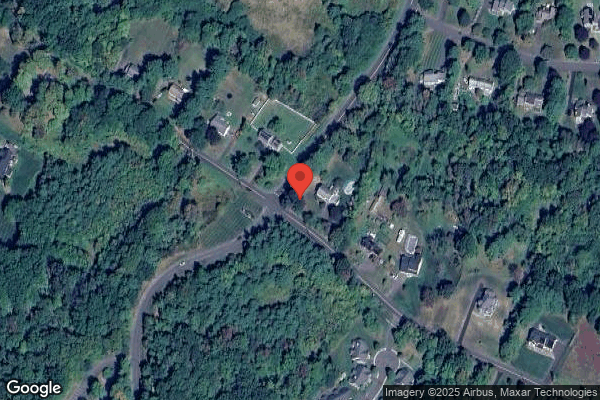

75 GREAT POND RD, SIMSBURY, CT 06070 (860) 658-3700
Non profit - Other 89 Beds Independent Data: November 2025
Trust Grade
90/100
#28 of 192 in CT
Last Inspection: April 2025

Within standard 12-15 month inspection cycle. Federal law requires annual inspections.

Overview

McLean Health Center in Simsbury, Connecticut, has an excellent Trust Grade of A, indicating they are highly recommended for families seeking care. They rank #28 out of 192 nursing homes in Connecticut, placing them in the top half, and #11 out of 64 in Capitol County, meaning only ten local options are better. The facility shows an improving trend, with issues decreasing from 7 in 2023 to just 3 in 2025. Staffing is a strength here, boasting a perfect 5/5 stars rating and better RN coverage than 98% of Connecticut facilities, although the staff turnover rate of 41% is average. While there are no fines reported, which is a positive sign, some concerns were noted in inspections, such as failing to properly date opened food items and not consistently following medication orders for residents, highlighting areas that still need attention despite the overall strong performance.

Trust Score
A
90/100
In Connecticut
#28/192
Top 14%
Safety Record
Low Risk
No red flags
Inspections
Getting Better
7 → 3 violations
Staff Stability
○ Average
41% turnover. Near Connecticut's 48% average. Typical for the industry.
Penalties
✓ Good
No fines on record. Clean compliance history, better than most Connecticut facilities.
Skilled Nurses
✓ Good
Each resident gets 110 minutes of Registered Nurse (RN) attention daily — more than 97% of Connecticut nursing homes. RNs are the most trained staff who catch health problems before they become serious.
Violations
⚠ Watch
11 deficiencies on record. Higher than average. Multiple issues found across inspections.
★★★★★
5.0
Overall Rating
★★★★★
5.0
Staff Levels
★★★★★
5.0
Care Quality
★★★★★
5.0
Inspection Score
Stable
2023: 7 issues
2025: 3 issues

The Good

  • 5-Star Staffing Rating · Excellent nurse staffing levels
  • 5-Star Quality Measures · Strong clinical quality outcomes
  • Full Sprinkler Coverage · Fire safety systems throughout facility
  • No fines on record
  • Staff turnover below average (41%)

    7 points below Connecticut average of 48%

Facility shows strength in staffing levels, quality measures, fire safety.

The Bad

Staff Turnover: 41%

Near Connecticut avg (46%)

Typical for the industry

The Ugly 11 deficiencies on record

Apr 2025 3 deficiencies
CONCERN (D)

Potential for Harm - no one hurt, but risky conditions existed

Deficiency F0554 (Tag F0554)

Could have caused harm · This affected 1 resident

**NOTE- TERMS IN BRACKETS HAVE BEEN EDITED TO PROTECT CONFIDENTIALITY** Based on observation, review of the clinical record, facility documentation and interview for 1 resident (Resident #39) who util...

Read full inspector narrative →
**NOTE- TERMS IN BRACKETS HAVE BEEN EDITED TO PROTECT CONFIDENTIALITY** Based on observation, review of the clinical record, facility documentation and interview for 1 resident (Resident #39) who utilized eye drops, the facility failed to assess the resident for Self-Administration of Medication and obtain a physician's orders for the resident to self-administer eye drops. The findings include: Resident #39's diagnoses included anxiety, depression, glaucoma, hearing loss, hypertension, diabetes mellitus, atrial fibrillation and acute myocardial infarction. The annual MDS dated [DATE] identified Resident #39 had intact cognition. The corresponding care plan identified Resident #39 had a self -care performance deficit related to impaired mobility. Interventions included: the resident was independent with upper body bathing and required minimum assist when needed with lower body bathing, to ambulate with rollator and noted the utilization of wheelchair. Review of physician's orders dated 3/1/25 through 4/30/25 directed to administer Brimonidine Tartrate 0.2 % drops one drop in the left eye twice a day for glaucoma, Brinzolamide 1 % drop suspension one in left eye two times a day for glaucoma. Review of the April 2025 MAR identified to administer Brimonidine Tartrate 0.2 % drops one drop in the left eye twice a day for glaucoma, Brinzolamide 1 % drop suspension one in left eye two times a day for glaucoma. Observation of Resident #39 on 4/30/25 at 11:15 AM identified the resident self-propelling in a wheelchair to the nurse's station with two eye drop bottles in her/his hand. Resident #39 indicated to the surveyor, (I am looking for the nurse so I can give her back the drops I took). Review of the clinical record and facility Electronic Medical Record (EMR) failed to identify a Self-Administration of Medication Assessment and/or a physician's order for Resident #39 to self-administer the eye drops. Interview with RN #2 on 4/30/25 at 11:30 AM identified she believed Resident #39 could self-administer the eye drops and thought the resident was assessed to self-administer the eye drops. Record review and interview with the DNS and the Quality Educator (RN #1) on 4/30/25 at 11:25 AM identified the resident was cognitively intact with no memory problems. However, they were unable to provide evidence of a Self-Administration Assessment form and/or a physician's order for Resident #39 to self-administer the eye drops. After inquiry, on 4/30/25, a Self-Administration of Medication Assessment was started by the licensed staff. The facility policy for Self-Administration of Medication identified any resident who can safely administer his/her medication will be allowed to do so. A self-Administration assessment will be completed by a nurse. If the assessment shows the resident is competent, continue. The label must include: the name of the medication, dose, when it should be taken, the route it should be taken, the treatment number and the name of the physician who prescribed the medication. All medication must be stored in a lock unit. Residents and the facility must have access to the unit.
CONCERN (D)

Potential for Harm - no one hurt, but risky conditions existed

Quality of Care (Tag F0684)

Could have caused harm · This affected 1 resident

**NOTE- TERMS IN BRACKETS HAVE BEEN EDITED TO PROTECT CONFIDENTIALITY** Based on review of the clinical record, facility policy, and interviews for 1 of 2 residents, (Resident #4), reviewed for a gene...

Read full inspector narrative →
**NOTE- TERMS IN BRACKETS HAVE BEEN EDITED TO PROTECT CONFIDENTIALITY** Based on review of the clinical record, facility policy, and interviews for 1 of 2 residents, (Resident #4), reviewed for a general skin condition, the facility failed to follow a physician order for an antiplatelet (prevents blood clots) medication. The findings include: Resident #4's diagnoses included atrial fibrillation, diastolic congestive heart failure, and hypertension. The quarterly MDS dated [DATE] identified Resident #4 had no cognitive impairment and required partial/moderate assistance with upper body dressing, substantial/maximal assistance with lower body dressing, and required supervision or touching assistance with transfers. The care plan dated 3/26/25 identified the resident received antiplatelet therapy. Interventions included to administer the antiplatelet medication as ordered by the physician. Review of the current physician's orders failed to identify antiplatelet medication use. Interview with LPN #1 on 4/30/25 at 10:40 AM identified that the care plan indicated antiplatelet use, but she was unable to find a current physician's order for an antiplatelet medication. Reinterview with LPN #1 on 4/30/25 at 12:10 PM identified that Resident #4 should have been receiving Aspirin (antiplatelet medication) 81 mg according to the physician orders dated 3/25/25, but that it was missed when the facility changed electronic medical record software systems. Subsequent to surveyor inquiry, a medication error report was generated, the physician was notified, and Resident #4's Aspirin was reinstated.
CONCERN (D)

Potential for Harm - no one hurt, but risky conditions existed

Medication Errors (Tag F0758)

Could have caused harm · This affected 1 resident

**NOTE- TERMS IN BRACKETS HAVE BEEN EDITED TO PROTECT CONFIDENTIALITY** Based on review of the clinical record, facility documentation, facility policy and interview for 2 of 5 residents, (Resident #1...

Read full inspector narrative →
**NOTE- TERMS IN BRACKETS HAVE BEEN EDITED TO PROTECT CONFIDENTIALITY** Based on review of the clinical record, facility documentation, facility policy and interview for 2 of 5 residents, (Resident #1 and 32) reviewed for unnecessary medications, the facility failed to limit as needed (PRN) psychotropic drugs to 14 days without a rationale documented in the resident's medical record. The findings include: 1. Resident #1's diagnoses included chronic respiratory failure, calorie malnutrition, pharyngoesophageal dysphagia, acute metabolic encephalopathy, Parkinson disease, seizure disorder, hypertension, atrial fibrillation, depression, anxiety, and chronic pain. The physician's order dated 1/26/25 directed to administer Lorazepam (anti-anxiety) 0.5mg PRN for 30 days. The physician's order dated 2/25/25 directed to administer Lorazepam 2 mg/ml concentrate (0.25 ml/0.5 mg by mouth/sublingual every 4 hours PRN for anxiety or agitation (no stop dated). The [DATE]/25/25 through 3/12/25 noted Lorazepam 2 mg/ml concentrate (0.25 ml/0.5 MG) by mouth /sublingual twice a day 9:00 AM and 5:00 PM for anxiety or agitation with no stop date. A Pharmacy Consultation Report dated 3/11/25 identified PRN (when needed) order for ant-anxiety haS been in place for greater than 14 days without stop date. Additionally, the report also noted Centers for Medicare and Medicaid Services (CMS) requires PRN orders for non-antipsychotic psychotropic drugs be limited to 14 days. Record review and review of the pharmacy consultation report dated 3/11/25 with the DNS on 4/30/25 at 2:10 PM identified she believed there was a 30 day stop order on the Lorazepam 1/26/25, Lorazepam 0.5 MG, but when the physician's orders were changed on 2/25/25 there was no stop date. The DNS further indicated this error was picked up by the pharmacy 3/11/25. The DNS also indicated the 11:00 PM - 7:00 AM licensed staff are responsible for checking medication every 24 hours for dates and renewal. The Use of Psychotropic Medication policy identified physician's orders for all psychotropic drugs shall be used only when the medication is necessary to treat a diagnosed specific condition that is documented in the clinical record, and for a limited duration (i.e. 14 days). 2. Resident #32 was admitted to the facility in April 2023 with diagnoses that included Alzheimer's disease and anxiety disorder. The quarterly MDS dated [DATE] identified Resident #32 had short and long term memory problems and severely impaired cognition. The corresponding care plan identified an alteration in mood state with interventions that included to refer to Geri psych as needed and monitor for increased anxiety. Physician's order dated 8/16/24 directed to administer Ativan/Lorazepam (antianxiety medication) 0.5mg every 6 hours prn anxiety, restlessness and tearfulness for 30 days. A pharmacy consult form dated 9/12/24 identified a prn Lorazepam order was reissued on 8/16/24 for 30 days. Pharmacy recommendations identified as per CMS regulations, when re-issuing a psychotropic, please document the indication for use and the rationale for the extended time period. The physician's response on the form, undated, identified ongoing LT use; to maintain stability, however failed to document the required information. Physician's order dated 11/3/24 directed to administer Ativan 0.5mg every 6 hours prn anxiety, restlessness and tearfulness for 30 days the reassess with physician. Physician's order dated 12/3/24 directed to administer Ativan 0.5mg every 6 hours prn anxiety, restlessness and tearfulness for 60 days. A psychiatric evaluation and consultation dated 12/6/24 identified the resident was seen for medication management to follow up on prn Ativan extended by medical provider. Documentation identified anxiety disorder, currently on prn Ativan 0.5mg every 6 hours for anxiety. Effective use of prn. Staff nurse reports the resident has remained stable with no acute psychiatric or behavioral concerns. Continue current dose of medication and monitor for worry, panic, restlessness. Resident with chronic psychiatric illness, stable on current regimen. A pharmacy consult form dated 12/16/24 identified a prn Lorazepam order was reissued on 12/3/24 for 60 days. Pharmacy recommendation identified as per CMS regulations, when re-issuing a psychotropic, please document the rationale for the extended time period. The physician's response on the form dated 12/31/24 identified comfort measures only (CMO). Physician's order dated 2/3/25 directed to continue Ativan 0.5mg every 6 hours prn for 60 days. The annual MDS dated [DATE] identified Resident #32 had short and long term memory problems and severely impaired cognition. Physician's order dated 4/13/25 directed to continue Ativan 0.5mg every 6 hours prn for 60 days. Review of the clinical record failed to reflect that the physician documented a rationale for extending the PRN Ativan more that 14 days between 8/16/24 to current. Review of the use of psychotropic medication policy directed PRN orders for psychotropic drugs shall be used only when the medication is necessary to treat a diagnosed specific condition, that is documented in the clinical record and for a limited duration, (i.e. 14 days). If the attending physician or prescriber believes that it is appropriate for the PRN order to be extended beyond 14 days, he or she shall document their rationale in the residents medical record and indicate the duration for the PRN order.
Sept 2023 7 deficiencies
CONCERN (D)

Potential for Harm - no one hurt, but risky conditions existed

Quality of Care (Tag F0684)

Could have caused harm · This affected 1 resident

**NOTE- TERMS IN BRACKETS HAVE BEEN EDITED TO PROTECT CONFIDENTIALITY** Based on clinical record review, observations, review of facility documentation, review of facility policy and interviews for 1 ...

Read full inspector narrative →
**NOTE- TERMS IN BRACKETS HAVE BEEN EDITED TO PROTECT CONFIDENTIALITY** Based on clinical record review, observations, review of facility documentation, review of facility policy and interviews for 1 of 1 sampled resident (Resident #38) reviewed for accidents, the facility failed to complete a Neurological Assessment and a re-admission nursing assessment following an emergency room (ER) visit for a fall with injury. The findings include: Resident #38's diagnoses included dementia, late onset Alzheimer's without behavioral disturbance, repeated falls, and an unspecified lack of coordination. The annual Minimum Data Set (MDS) assessment dated [DATE] identified Resident #38 had severe cognitive impairment, was independent with eating and required assistance with set up, required supervision and no assist from staff with bed mobility, and transfer, and need limited assistance with dressing and extensive assistance with personal hygiene. No falls were identified since the last MDS. A Resident Care Plan dated 6/2/23 identified a problem with being at risk for falls with interventions that included: leaving the resident's door open when assistance was not being provided, assisting with toileting/incontinent care per facility policy, assisting with toileting on arising, and assisting with chair management/seating in the dining room. Nursing notes dated 6/17/23 at 11:09 AM indicated Resident #38 was found on the floor on at 7:50 AM by a Nurse Aide who was ambulating another resident in the hallway when he/she heard Resident #38 hit the floor from the hallway and after opening Resident #38's door, the resident was found on the floor lying on his/her back. Nursing notes dated 6/17/23 at 8:37 AM indicated a physician order directed to send Resident #38 to the hospital status post fall secondary to pain in the neck, back, left upper extremity and left thigh. Resident #38 returned from the ER on [DATE] at 5:00 PM. Physician progress notes dated 6/19/23 indicated Resident #38 fell and was transported to the ER for evaluation as the resident was in pain. Resident #38 was diagnosed with a left ulnar fracture. A Neurological Flow Sheet failed to reflect neurological assessments were completed from 6/17/23 at 5:00 PM (upon return from the ER) through 6/18/23 at 3:00 AM. Review of Neurological Flow Sheet and interview with the Registered Nurse (RN) #2 on 9/15/23 at 11:10 AM indicated the Neurological Flow Sheet following Resident #38's fall on 6/17/23 was incomplete. RN #3 further identified there was not a readmission assessment completed by a RN upon Resident #38's return from the ER on [DATE] at 5:00 PM. A review of the facility fall policy indicated that the following documentation must be completed post fall: document every shift for 72 hours on post-fall and document on Neurological Flow Sheet if unwitnessed or with a head injury.
CONCERN (D)

Potential for Harm - no one hurt, but risky conditions existed

Accident Prevention (Tag F0689)

Could have caused harm · This affected 1 resident

**NOTE- TERMS IN BRACKETS HAVE BEEN EDITED TO PROTECT CONFIDENTIALITY** Based on observation, review of the clinical record, facility documentation and interviews for 1 of 5 sampled resident (Resident...

Read full inspector narrative →
**NOTE- TERMS IN BRACKETS HAVE BEEN EDITED TO PROTECT CONFIDENTIALITY** Based on observation, review of the clinical record, facility documentation and interviews for 1 of 5 sampled resident (Resident #468) reviewed for dining, the facility failed to supervise Resident #468 for meals per recommendations by the Speech Language Pathologist (SLP). Resident #468's diagnoses included acute right cerebral stroke, right sided weakness and diabetes mellitus type II. The admission Resident Care Plan (RCP) dated 9/1/23 identified Resident #468 had chewing/swallowing difficulty requiring SB6 (soft and bite sized) diet consistency with interventions that included to treat as indicated by speech therapy. Interventions also included Resident #468 had the potential for self-care deficit requiring a full set up for meals including an inner lip dish, built-up fork/spoon and supervised eating in the day room. A physician's order dated 9/1/23 directed the diet included carbohydrate controlled, heart healthy, soft and bite size consistency with thin liquids. Review of the physician's orders failed to indicate assistive devices used for meals, as well as supervision status. The admission Minimum Data Set (MDS) assessment dated [DATE] identified Resident #468 was cognitively intact and required extensive assist with 2 persons for bed mobility, transfers and dressing, and extensive assist with a 1 person for eating. Observation on 9/12/23 at 10:22 AM identified Resident #468 was still in bed with a meal (breakfast) on the bedside table within Resident #468's reach, uneaten with no staff person present in the room. Observation on 9/13/23 at 1:03 PM identified Resident #468 was sitting at the bedside in his/her wheelchair eating the lunchtime meal from the bedside table unassisted with no staff person present in the room. Observation on 9/14/23 at 12:40 PM identified Resident #468 was sitting at the bedside in his/her wheelchair being assisted with the lunchtime meal by his/her significant other, with no staff person present in the room. Review of Nurse Aide (NA) documentation from 9/1/23 to 9/14/23 identified Resident #468 ate his/her meal independently with set-up help only eleven times since admission. Interview with the Speech Language Pathologist (SLP) on 9/15/23 at 11:50 AM identified that she expected Resident #468 to be set-up and supervised by staff at all meals, meaning that Resident #468 should be within eye sight of staff at all times. If Resident #468 refused to eat in the day room, then he/she should be set-up in the doorway within sight and staff should be readily available to help and cue Resident #468 to take smaller bites and take bites of his/her meal in general. SLP indicated Resident #468's significant other was not trained by the facility in feeding and confirmed that the significant other should not have been feeding the resident, nor did she count that as a supervising staff. Interview with DNS on 9/15/23 at 12:23 PM identified she did not expect meal supervision to be a physician's order, but instead a therapy recommendation which she would expect the nursing and aide staff to follow. Additionally, the DNS indicated that therapy had access to update the care plans, which then carry over to the Nurse Aide care card for direction.
CONCERN (D)

Potential for Harm - no one hurt, but risky conditions existed

Respiratory Care (Tag F0695)

Could have caused harm · This affected 1 resident

**NOTE- TERMS IN BRACKETS HAVE BEEN EDITED TO PROTECT CONFIDENTIALITY** Based on observations, review of the clinical record, facility documentation, facility policy and interviews for the only sample...

Read full inspector narrative →
**NOTE- TERMS IN BRACKETS HAVE BEEN EDITED TO PROTECT CONFIDENTIALITY** Based on observations, review of the clinical record, facility documentation, facility policy and interviews for the only sampled resident (Resident #468) reviewed for respiratory care, the facility failed to ensure that oxygen tubing was properly stored, labeled and dated. The findings include: Resident #468's diagnoses included acute right cerebral stroke (8/29/23), hypertension, urinary tract infection and hyponatremia. An admission Minimum Data Set (MDS) assessment dated [DATE] identified Resident #468 was cognitively intact and required extensive assistance of 2 for bed mobility, transfers and dressing. A physician's order dated 9/8/23 directed nursing staff to apply a nasal cannula at 2.0 liters of oxygen to maintain oxygen saturation greater than 92%. Observation on 9/12/23 at 10:22 AM identified Resident #468's oxygen nasal cannula tubing was unlabeled, undated and hanging on the concentrator, not bagged. Observation on 9/13/23 at 1:03 PM identified Resident #468's oxygen nasal cannula tubing was unlabeled, undated and hanging on the concentrator, not bagged. Observation on 9/14/23 at 12:40 PM of Resident #468's oxygen nasal cannula tubing was unlabeled, undated and hanging on the concentrator, not bagged. Interview with RN #1 on 9/14/23 at 1:59 PM identified she was unsure when the oxygen tubing was last changed, stating it was the responsibility of the 11:00 PM to 7:00 AM shift nurse to change oxygen tubing, however, the task did not show up on the Medication Administration Record or Treatment Administration Record to document on. RN #1 identified the facility policy was to change the oxygen tubing weekly and/or when soiled or filled with water, as well as label with the date and time and bag the tubing for infection control. She could not identify if it was a physician's order or a nursing protocol. RN #1 identified Resident #468 was not aware the tubing was unlabeled and unbagged. Subsequent to surveyor inquiry, RN #1 stated she would discard and change the tubing. Review of the Care of Respiratory Equipment policy Reviewed June 2013 directed changing disposable cannulas, tubing is to be changed every Thursday on 11-7 shift. Night nurse to tag and date each change and document in ECS Medication Administration Record (MAR).
CONCERN (D)

Potential for Harm - no one hurt, but risky conditions existed

Deficiency F0810 (Tag F0810)

Could have caused harm · This affected 1 resident

**NOTE- TERMS IN BRACKETS HAVE BEEN EDITED TO PROTECT CONFIDENTIALITY** Based on observation, clinical record review, review of facility documentation, and interviews for one sampled resident (Residen...

Read full inspector narrative →
**NOTE- TERMS IN BRACKETS HAVE BEEN EDITED TO PROTECT CONFIDENTIALITY** Based on observation, clinical record review, review of facility documentation, and interviews for one sampled resident (Resident #27) who required assistive devices for dining, the facility failed to provide a lipped plate per the resident's plan of care. The findings include: Resident # 27's diagnoses included dementia, essential hypertension, and chronic obstructive pulmonary disease. The annual MDS assessment dated [DATE] identified Resident #27 had severe cognitive impairment, required extensive assistance with bed mobility, dressing, personal hygiene, and was independent with eating with set up help from the staff. The Resident Care Plan (RCP) dated 7/27/23 identified Resident #27 was at risk for unplanned weight changes due to his/her small meal intakes and advancing Alzheimer's dementia and advanced age. Interventions included to set up meals, provide feeding assistance, monitor meal intake daily and a lipped plate at meals. Observation on 9/14/23 at 12:00 PM identified Resident #27 was eating in the second floor dining room, Resident #27's food was on a regular plate without the benefit of a lipped plate being provided per the RCP. Resident #27's dining ticket also identified that a lipped plate should be utilized for all meals. Interview and observation with the Dietary Aid (DA) #1 on 9/14/23 at 12:15 PM identified Resident #27 did not have a lipped plate. DA #1 identified that she did have a stock of lipped plates in the second floor dining room and she showed that there were lipped plates available. She also provided a copy of Resident #27's menu which indicated Resident #27 should have a lipped plate at all meals. DA #1 was not able to provide a reason Resident #27 was not provided a lipped plate. Facility policy on adaptive equipment indicated that Food & Nutrition Services will store the adaptive equipment and provide to the resident for use during meals.
CONCERN (D)

Potential for Harm - no one hurt, but risky conditions existed

Infection Control (Tag F0880)

Could have caused harm · This affected 1 resident

**NOTE- TERMS IN BRACKETS HAVE BEEN EDITED TO PROTECT CONFIDENTIALITY** Based on clinical record review, observations, facility policy review, and interviews for 2 residents (Resident #13 and Resident...

Read full inspector narrative →
**NOTE- TERMS IN BRACKETS HAVE BEEN EDITED TO PROTECT CONFIDENTIALITY** Based on clinical record review, observations, facility policy review, and interviews for 2 residents (Resident #13 and Resident #31) the facility failed to store urinals, bath basins and bed pans in a sanitary manner and in accordance with the facility policy. 1. Resident #13's diagnoses included bladder cancer, urinary incontinence, incomplete bladder emptying, and a bladder malfunction caused by an injury or disorder of the brain, spinal cord, or nerves. A physician order dated 6/19/23 directed Resident #13 be placed on enhanced barrier precautions every shift for having an indwelling urinary catheter. An Annual MDS assessment dated [DATE] identified Resident #13 was cognitively intact, had an indwelling urinary catheter and required extensive assistance with one person assist for dressing, toilet use and hygiene. A Resident Care Plan dated 8/9/23 identified Resident #13 experienced incontinence and alterations in urinary output, and urinary retention related to chronic incontinence and impaired mobility. Interventions included to assist with toileting/incontinence care, empty catheter every shift, and monitor intake/output. A physician's order dated 9/9/23 directed to send a urine sample for analysis and to test for bacteria 2. Resident #31's diagnoses included dementia, muscle wasting, abnormalities of gait and mobility, osteoarthritis, and major depressive disorder. A Resident Care Plan dated 6/6/23 identified Resident #31 experienced episodes of urinary incontinence related to mobility deficit. Interventions included to assess for urinary tract infection, provide incontinence care, assist with toileting and toilet every 2 hours and as needed. An Annual MDS assessment dated [DATE] identified Resident #31 was cognitively intact, required total dependence of one for toilet use, personal hygiene, extensive assistance of two with bed mobility and dressing, and was independent with set-up for meals. Observation on 9/11/23 at 11:00 AM identified room [ROOM NUMBER]-A and room [ROOM NUMBER]-A's bathroom was shared by 2 residents (Resident #13 and Resident #31). The bathroom contained one bath basin with one bedpan inside, both unbagged and unlabeled, on the bottom shelf of a white dresser to the left of the sink, 2 urinals were unlabeled and unbagged behind the toilet seat. An additional observation and interview on 9/12/23 at 11:09 AM with Nurse Aide (NA) #5 identified room [ROOM NUMBER]-A and room [ROOM NUMBER]-A's bathroom was shared by 2 residents (Resident #13 and Resident #31). The bathroom contained 1 unlabeled/unbagged bedpan on the bottom shelf of a white dresser to the left of the sink and 2 unlabeled/unbagged urinals behind the toilet seat. Interview with NA #5 at that time indicated the bedpan was used for Resident #31 and that the urinal was used to empty Resident #13's indwelling catheter bag. NA #5 also indicated that she would expect the urinal and bedpans to be labeled, bagged, and placed in the bottom drawer of the side table in each resident's room and not left in the shared bathroom. An additional observation on 9/14/23 at 6:30 AM identified room [ROOM NUMBER]-A and room [ROOM NUMBER]-A's bathroom was shared by 2 residents. The bathroom contained 1 unlabeled/unbagged urinal behind the toilet seat and 1 bath basin unlabeled/unbagged on the bottom shelf of a white dresser to the left of the sink. Observation and interview on 9/14/23 at 11:50 AM with the Infection Prevention Nurse (IP) identified room [ROOM NUMBER]-A and room [ROOM NUMBER]-A's bathroom was shared by 2 residents. The bathroom contained 1 unlabeled/unbagged urinal behind the toilet seat and 1 bath basin unlabeled/unbagged on the bottom shelf of a white dresser to the left of the sink. The IP nurse indicated that she would expect the bath basin and the urinal to be labeled with each resident's room number, dated, be placed in a bag and placed in the bottom drawer of each resident's bedside table. Policy review for the cleaning of patient wash basins and bedpans indicated that each urinal, wash basin and bedpan should be marked with a date, room number and placed in a bag, each item should be returned to the appropriate room.
CONCERN (F)

Potential for Harm - no one hurt, but risky conditions existed

Food Safety (Tag F0812)

Could have caused harm · This affected most or all residents

Based on tour of the Dietary Department and staff interview, the facility failed to ensure stored food included an expiration date, was dated when opened and failed to ensure refuse was covered near f...

Read full inspector narrative →
Based on tour of the Dietary Department and staff interview, the facility failed to ensure stored food included an expiration date, was dated when opened and failed to ensure refuse was covered near food items. The findings include: Tour of the Dietary Department on 9/11/23 at 11:30 AM with the Director of Dining Services identified the following in the HC-HC Reach in Refrigerator: a. a 1 gallon container that was 1/3 full of Vinaigrette dressing was dated as opened 8/18/23, but the container or labeling failed to include an expiration date. b. a 1 gallon container that was 3/4 full of Italian dressing was dated as opened on 9/6/23 but failed to identify an expiration date either on the container or labeling. c. a 1 gallon container that was 1/2 full of Ranch dressing was dated as opened on 9/6/23, but the expiration date on the container was illegible due to the label being faded. d. a 1 gallon container that was almost full of Honey Mustard failed to identify the date opened. e. a 32 ounce bottle of Balsamic Vinaigrette that was 1/2 full was dated as opened on 9/10/23, but failed to include an expiration date on the label or bottle. f. a 1 gallon bottle of Toasted Sesame dressing that was 1/4 full was dated as opened on 4/19/23, but failed to include an expiration date on the label or bottle. g. a 1 gallon container of Tuscan Caesar dressing that was 3/4 full was dated as opened on 4/14/23, but failed to include an expiration date on the label or container. h. a 1 gallon container of Tuscan Caesar dressing that was 1/4 full was dated as opened on 11/2/23 (date has not occurred as of yet), and failed to include an expiration date on the label or container. Additionally, there was an uncovered plastic garbage bin that was 1/2 full of garbage and located proximal to an opened dessert cart that contained assorted bakery items (the bakery items were individually covered with plastic wrap). Furthermore, observation of the Cooks Reach-In-Refrigerator at that time with the Director of Dining Services identified the following: a. a 48 ounce container of Dijon mustard with an opened date of 4/5/23, and an expiration date of 9/2/23 (9 days past the expiration date). b. a 4.5 ounce bottle that was 1/2 full of Salted Caramel sauce, which failed to include a date opened. c. a container of Teriyaki sauce that was 1/4 full with an opened date of 5/3/23, but failed to include an expiration date either on the label or container. Additionally, tour of the Dry Storage room identified the following: a. a bulk flour bin (approximately 5 gallons), that was 1/2 full of flour, failed to include a date as to when the flour was emptied into the bulk bin. b. a 2 pound (lb) opened bag of spaghetti that was 1/2 used, was wrapped in plastic wrap, but lacked a date when opened. c. a 4 lb opened bag of elbows that was 1/2 used was knotted by the bags top, was 1/2 full, lacked a date when opened. d. a plastic storage container containing Asian dry noodles was 3/4 full, with a discard by date of 1/11, but did not identify the year to discard. Interview with the Director of Dining Services at that time identified the expiration dates were on the original box/case the containers came in, and when they were removed, the expiration date should have been written on the container from the person who removed them from the case. Additionally, the Director of Dining Services identified the Sous Chef or Chef is responsible for periodic checking food items for expiration and dates opened. Although he identified there wasn't a specific time frame for checking, he stated it should be done weekly.
MINOR (B)

Minor Issue - procedural, no safety impact

Staffing Information (Tag F0732)

Minor procedural issue · This affected multiple residents

Based on observation and staff interview, the facility failed to ensure the daily nurse staffing information was posted in a prominent place, readily accessible to residents and visitors. The findings...

Read full inspector narrative →
Based on observation and staff interview, the facility failed to ensure the daily nurse staffing information was posted in a prominent place, readily accessible to residents and visitors. The findings include: On 9/14/23 at 12:30 PM interview and observation with the Director of Nursing (DNS) noted the nurse staff posting to be taped to the window of the outside door at the primary entrance, visible only to incoming personnel/visitors/residents entering the facility from the outside. Interview with the DNS on 9/14/23 at 12:30 PM identified she thought nurse staffing information was also posted by the staffing board/time clock, but observation with the DNS at that time failed to identify the posting was located by the staffing board/time clock. The DNS further indicated that she did not believe the nurse staffing information was posted on any other units throughout the facility. Additionally, the DNS identified it was the responsibility of the 11:00 PM to 7:00 AM Nursing Supervisor to complete and post nurse staffing information and identified it should be updated each shift as needed.
Dec 2021 1 deficiency
CONCERN (D)

Potential for Harm - no one hurt, but risky conditions existed

Pressure Ulcer Prevention (Tag F0686)

Could have caused harm · This affected 1 resident

**NOTE- TERMS IN BRACKETS HAVE BEEN EDITED TO PROTECT CONFIDENTIALITY** Based on observation, review of the clinical record, facility policy, and staff interviews for 1 of 2 residents (Resident #49) r...

Read full inspector narrative →
**NOTE- TERMS IN BRACKETS HAVE BEEN EDITED TO PROTECT CONFIDENTIALITY** Based on observation, review of the clinical record, facility policy, and staff interviews for 1 of 2 residents (Resident #49) reviewed for pressure ulcers, the facility failed to complete a comprehensive wound assessment by a Registered Nurse for newly identified blisters to Resident #49's feet. The findings include: Resident #49 diagnoses included hypertension, chronic kidney disease and Parkinson's Disease. The Quarterly Minimum Data Set (MDS) assessment dated [DATE] identified Resident #49 had severely impaired cognition and a range of motion impairment to the lower extremities. Additionally, the MDS identified Resident #49 required two-person physical assistance for bed mobility and was totally dependent on staff for personal hygiene. Additionally, the MDS identified that Resident #49 was at risk for pressure ulcers and had no current, unhealed stage 1 or higher pressure ulcers. A Braden score (an assessment that measures the risk for developing a pressure ulcer) dated 11/16/21 identified Resident #49 was at moderate risk for the development of pressure sores. A Resident Care Plan (RCP) dated 11/23/21 identified Resident #49 was at moderate risk for skin impairment. Interventions included to encourage turning and repositioning, keep skin clean and dry, provide adequate nutrition and hydration, assess skin condition during care and notify the nurse of any redness, open areas, blisters, rashes and/or discolored areas. Additional interventions indicated to use moisturizer for dry skin including intact heels, offload heels when in bed as resident tolerates and pressure relieving devices for the bed. Nurse's notes from Licensed Practical Nurse (LPN) #1 and dated 12/14/21 at 11:41 AM identified Resident #49's skin was intact and a fluid-filled, non-tender, blister was noted to the inner aspect of his//her bilateral feet. Skin prep was applied, and a physician order was obtained for no shoes for seven days then re-evaluate. Additionally, LPN #1's nurse's not further identified Resident #49's shoes were newer. A physician's order dated 12/14/21 directed to apply skin prep to the inner aspect of Resident #49's bilateral foot blisters twice a day and no shoes for 7 days then re-evaluate on 12/21/21. Nurse's note dated 12/14/21 at 6:29 PM identified Resident #49 had all skin intact, heels offloaded on pillows and skin prep applied to the inner foot heels. The RCP was updated on 12/14/21 and identified fluid-filled, non-tender blisters to the inner aspect of Resident #49's bilateral feet. The RCP further identified per Resident #49's family, Resident #49's shoes were newer. Interventions included to apply skin prep to blisters as ordered, no shoes for 7 days and when in bed to position Resident #49's feet so that they are not touching together. Nurse's notes from RN #3 and dated 12/15/21 at 4:04 PM identified intact blisters with no drainage and treatment as ordered. Nurse's note from RN #1 and dated 12/16/21 at 8:07 AM identified a skin problem to blisters on the right medial heel and left medial foot. The right medial heel was 3.2 cm in length by 1.9 cm in width, all skin intact, clear fluid filled blister that was reabsorbing, yellow with some pink areas around the edges of the blister and no drainage. The left medial foot was 3 cm in length by 2 cm in width, all skin intact, clear fluid filled blister that was reabsorbing, dark pink at the edges on the blister and no drainage. Resident #49 denied pain, skin prep was applied to both blisters as per physician's orders and feet offloaded appropriately with pillows in bed. RN #1's nurse's note further identified the APRN was aware of the skin issue. Interview with the DNS on 12/21/21 at 10:03 AM failed to identify Resident #49's foot blisters were assessed and areas measured by an RN from 12/14/21 when LPN #1 observed the blisters until RN #1's assessment on 12/16/21. The DNS further identified the Wound RN had been out of the facility the past few weeks and the Nursing Supervisors of the units were following and monitoring the wounds. Interview and record review with RN #1 (Unit Supervisor) on 12/22/21 at 9:45 AM identified LPN #1 observed the newly identified pressure ulcers on 12/14/21 and thought they were blisters. RN #1 further identified that although RN #3 wrote a note in the electronic record later that day on 12/14/21, RN #3 failed to measure or include a description of the pressure ulcers/blisters. Additionally, record review with RN #1 identified Resident #49's bilateral foot blisters were not assessed by an RN until 12/16/21 (2 days after the development of the heel blisters). She identified the Wound RN was normally in the facility on Saturdays to review the wounds and would notify the Nursing Supervisors when wounds needed to be measured. RN #1 further identified that newly identified pressure areas would typically be measured right away and Resident #49's foot blisters appeared to be re-absorbing and the skin had deflated down. She further identified the cause of the pressure ulcers were most likely from Resident #49's new shoes because the blisters lined up with the Velcro straps on the shoes. Interview with RN #2 on 12/22/21 at 11:40 AM identified she observed Resident #49's pressure ulcers on 12/14/21. She further identified it was a blister and they were not considered pressure ulcers because they were not opened. She stated it was clearly caused from the resident's new shoes and she took the shoes off as an intervention. She further identified she did not take measurements. Follow up interview with the DNS on 12/22/21 at 12:30 PM identified a blister can be a pressure ulcer and Resident #49's blisters appeared to be caused from the pressure of the Velcro on his/her new shoes, but it was difficult to confirm if the cause was from pressure or friction. She further identified her expectations for a newly identified pressure ulcer or skin concern was to be measured within the first day or two. The Pressure Ulcer Treatment Stage II Policy and Procedure identified blisters as a Stage II pressure ulcer. It further identified to document initial findings and measurements in a nursing note and complete a wound assessment in ECS (the electronic medical record).
Understanding Severity Codes (click to expand)
Life-Threatening (Immediate Jeopardy)
J - Isolated K - Pattern L - Widespread
Actual Harm
G - Isolated H - Pattern I - Widespread
Potential for Harm
D - Isolated E - Pattern F - Widespread
No Harm (Minor)
A - Isolated B - Pattern C - Widespread

Questions to Ask on Your Visit

  • "Can I speak with families of current residents?"
  • "What's your RN coverage like on weekends and overnight?"

Our Honest Assessment

Strengths
  • • Grade A (90/100). Above average facility, better than most options in Connecticut.
  • • No major safety red flags. No abuse findings, life-threatening violations, or SFF status.
  • • No fines on record. Clean compliance history, better than most Connecticut facilities.
  • • 41% turnover. Below Connecticut's 48% average. Good staff retention means consistent care.
Concerns
  • • 11 deficiencies on record. Higher than average. Multiple issues found across inspections.
Bottom line: Generally positive indicators. Standard due diligence and a personal visit recommended.

About This Facility

What is Mclean's CMS Rating?

CMS assigns MCLEAN HEALTH CENTER an overall rating of 5 out of 5 stars, which is considered much above average nationally. Within Connecticut, this rating places the facility higher than 99% of the state's 100 nursing homes. This rating reflects solid performance across the metrics CMS uses to evaluate nursing home quality.

How is Mclean Staffed?

CMS rates MCLEAN HEALTH CENTER's staffing level at 5 out of 5 stars, which is much above average compared to other nursing homes. Staff turnover is 41%, compared to the Connecticut average of 46%. This relatively stable workforce can support continuity of care.

What Have Inspectors Found at Mclean?

State health inspectors documented 11 deficiencies at MCLEAN HEALTH CENTER during 2021 to 2025. These included: 10 with potential for harm and 1 minor or isolated issues.

Who Owns and Operates Mclean?

MCLEAN HEALTH CENTER is owned by a non-profit organization. Non-profit facilities reinvest revenue into operations rather than distributing to shareholders. The facility operates independently rather than as part of a larger chain. With 89 certified beds and approximately 58 residents (about 65% occupancy), it is a smaller facility located in SIMSBURY, Connecticut.

How Does Mclean Compare to Other Connecticut Nursing Homes?

Compared to the 100 nursing homes in Connecticut, MCLEAN HEALTH CENTER's overall rating (5 stars) is above the state average of 3.1, staff turnover (41%) is near the state average of 46%, and health inspection rating (5 stars) is much above the national benchmark.

What Should Families Ask When Visiting Mclean?

Based on this facility's data, families visiting should ask: "Can I visit during a mealtime to observe dining assistance and food quality?" "How do you handle medical emergencies, and what is your hospital transfer rate?" "Can I speak with family members of current residents about their experience?"

Is Mclean Safe?

Based on CMS inspection data, MCLEAN HEALTH CENTER has a clean safety record: no substantiated abuse findings (meaning no confirmed cases of resident harm), no Immediate Jeopardy citations (the most serious violation level indicating risk of serious injury or death), and is not on the Special Focus Facility watch list (a federal program monitoring the lowest-performing 1% of nursing homes). The facility has a 5-star overall rating and ranks #1 of 100 nursing homes in Connecticut. While no facility is perfect, families should still ask about staff-to-resident ratios and recent inspection results during their visit.

Do Nurses at Mclean Stick Around?

MCLEAN HEALTH CENTER has a staff turnover rate of 41%, which is about average for Connecticut nursing homes (state average: 46%). Moderate turnover is common in nursing homes, but families should still ask about staff tenure and how the facility maintains care continuity when employees leave.

Was Mclean Ever Fined?

MCLEAN HEALTH CENTER has no federal fines on record. CMS issues fines when nursing homes fail to meet care standards or don't correct problems found during inspections. The absence of fines suggests the facility has either maintained compliance or corrected any issues before penalties were assessed. This is a positive indicator, though families should still review recent inspection reports for the full picture.

Is Mclean on Any Federal Watch List?

MCLEAN HEALTH CENTER is not on any federal watch list. The most significant is the Special Focus Facility (SFF) program, which identifies the bottom 1% of nursing homes nationally based on persistent, serious quality problems. Not being on this list means the facility has avoided the pattern of deficiencies that triggers enhanced federal oversight. This is a positive indicator, though families should still review the facility's inspection history directly.