HEBREW CENTER FOR HEALTH AND REHABILITATION
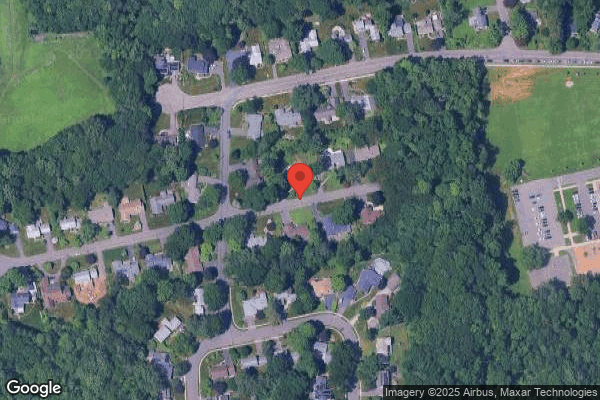
1 ABRAHAMS BLVD, WEST HARTFORD, CT 06117 (860) 523-3800
For profit - Limited Liability company 257 Beds NATIONAL HEALTH CARE ASSOCIATES Data: November 2025
Trust Grade
75/100
#20 of 192 in CT
Last Inspection: November 2023

Within standard 12-15 month inspection cycle. Federal law requires annual inspections.

Overview

The Hebrew Center for Health and Rehabilitation holds a Trust Grade of B, indicating it is a good choice, though not without its concerns. It ranks #20 out of 192 nursing homes in Connecticut, placing it in the top half, and #6 out of 64 in Capitol County, suggesting only five local options are better. The facility is improving, with issues dropping from 11 in 2023 to just 2 in 2024, but it has received a significant number of fines totaling $27,927, which is about average compared to other facilities. Staffing is a notable weakness, rated only 2 out of 5 stars with turnover at 31%, better than the state average but still below ideal; however, the facility has less RN coverage than 80% of other facilities, which could impact care quality. Specific incidents of concern include a lack of monitoring for chemical sanitization solutions in the kitchen, failure to ensure proper infection control practices regarding respiratory care, and issues with food storage in sanitary conditions, highlighting areas needing improvement despite the overall positive ratings in quality measures and health inspections.

Trust Score
B
75/100
In Connecticut
#20/192
Top 10%
Safety Record
Low Risk
No red flags
Inspections
Getting Better
11 → 2 violations
Staff Stability
○ Average
31% turnover. Near Connecticut's 48% average. Typical for the industry.
Penalties
✓ Good
$27,927 in fines. Lower than most Connecticut facilities. Relatively clean record.
Skilled Nurses
⚠ Watch
Each resident gets only 27 minutes of Registered Nurse (RN) attention daily — below average for Connecticut. Fewer RN minutes means fewer trained eyes watching for problems.
Violations
⚠ Watch
27 deficiencies on record. Higher than average. Multiple issues found across inspections.
★★★★★
5.0
Overall Rating
★★☆☆☆
2.0
Staff Levels
★★★★★
5.0
Care Quality
★★★★☆
4.0
Inspection Score
Stable
2023: 11 issues
2024: 2 issues

The Good

  • 5-Star Quality Measures · Strong clinical quality outcomes
  • Full Sprinkler Coverage · Fire safety systems throughout facility
  • No fines on record
  • Staff turnover below average (31%)

    17 points below Connecticut average of 48%

Facility shows strength in quality measures, fire safety.

The Bad

Staff Turnover: 31%

15pts below Connecticut avg (46%)

Typical for the industry

Federal Fines: $27,927

Below median ($33,413)

Moderate penalties - review what triggered them

Chain: NATIONAL HEALTH CARE ASSOCIATES

Part of a multi-facility chain

Ask about local staffing decisions and management

The Ugly 27 deficiencies on record

Jul 2024 1 deficiency
CONCERN (D) 📢 Someone Reported This

A family member, employee, or ombudsman was alarmed enough to file a formal complaint

Potential for Harm - no one hurt, but risky conditions existed

Free from Abuse/Neglect (Tag F0600)

Could have caused harm · This affected 1 resident

**NOTE- TERMS IN BRACKETS HAVE BEEN EDITED TO PROTECT CONFIDENTIALITY** Based on clinical record reviews, facility documentation, facility policies and interviews for one of three sampled residents (R...

Read full inspector narrative →
**NOTE- TERMS IN BRACKETS HAVE BEEN EDITED TO PROTECT CONFIDENTIALITY** Based on clinical record reviews, facility documentation, facility policies and interviews for one of three sampled residents (Resident#1) who was reviewed for an allegation that a nurse aide spit on the resident's food and fed the resident the meal, the facility failed to ensure Resident #1 was not abused or mistreated by facility staff. The findings include: Resident #1's diagnoses included dementia, dysphagia, and depression. The significant change Minimum Data Set assessment dated [DATE] identified Resident #1 rarely or never made decisions regarding tasks of daily life and was totally dependent on staff for all activities of daily living including eating. The Resident Care Plan dated 5/23/24 identified Resident #1 had a self-care deficit and was unable to independently provide any care for him/herself. Interventions directed one (1) staff member for feeding and two (2) staff members for hygiene, dressing, bathing, toileting, and transfers. The nurse's note dated 6/16/24 at 10:00 AM identified one (1) of Resident #1's family members alleged abuse, all appropriate parties were notified, and an investigation was begun. The nurse's note dated 6/16/24 at 2:09 PM identified Resident #1's family member requested the resident be sent to the Emergency Department (ED) for an evaluation. The nurse's note dated 6/18/24 at 6:10 PM identified Resident #1 was being discharged back to the facility from the ED and there were no findings. The Facility Reported Incident report dated 6/16/24 at 10:00 AM identified one (1) of Resident #1's family members alleged that a nurse aide spit in Resident #1's food during breakfast. The report identified the nurse aide stated that she coughed and turned her head but did not spit into Resident #1's food. Review of the police report dated 6/16/24 at 2:34 PM identified the police were called to the facility by a family member who alleged that she had video footage of a nurse aide, Nurse Aide (NA) #1, placing her bare hands in Resident #1's plate of breakfast food, spitting in the food, and feeding Resident #1 the food from the same plate she spit on. The video footage viewed by the police officer identified NA #1 was observed placing a spoon full of food into Resident #1's mouth, touching the food on the plate with her bare hands in what appeared to be a rubbing motion. The police report identified NA #1 made a motion with her head and neck consistent with the motion a person makes while spitting, directly in the path of the plate of food and at the same time heard a sound consistent with the sound of someone spitting. Based on these facts, the police officer determined there was probable cause and NA #1 was arrested. Interview with NA #1 on 7/1/24 at 11:30 AM identified she denied all allegations. Interview with the 7AM-3PM charge nurse, Licensed Practical Nurse (LPN) #2, on 7/1/24 at 11:55 AM identified he was working on 6/16/24 when Resident #1's family member called to report seeing NA #1 spit on Resident #1's food. LPN #2 identified he left the breakfast food tray in Resident #1's room and another nurse aide fed Resident #1 the oatmeal that was covered on the tray. In an interview with the Administrator and Director of Nursing (DON) on 7/1/24 at 2:00 PM identified they did not view the video footage and was informed of the incident by staff. Although attempted a call was not returned by the police officer that conducted the investigation. Review of the facility policy for Abuse, last revised 12/23, identified in part each resident has the right to be free from abuse and it is the philosophy of the facility to provide residents with a safe environment. Review of the facility Resident's [NAME] of Rights, last revised 2/24, identified residents have the right to be free from verbal, sexual, physical, or mental abuse, corporal punishment, involuntary seclusion, neglect, exploitation, mistreatment, and misappropriation of property.
Feb 2024 1 deficiency
CONCERN (D) 📢 Someone Reported This

A family member, employee, or ombudsman was alarmed enough to file a formal complaint

Potential for Harm - no one hurt, but risky conditions existed

Medical Records (Tag F0842)

Could have caused harm · This affected 1 resident

**NOTE- TERMS IN BRACKETS HAVE BEEN EDITED TO PROTECT CONFIDENTIALITY** Based on clinical record review, facility documentation review, facility policy review, and interviews for one of three resident...

Read full inspector narrative →
**NOTE- TERMS IN BRACKETS HAVE BEEN EDITED TO PROTECT CONFIDENTIALITY** Based on clinical record review, facility documentation review, facility policy review, and interviews for one of three residents (Resident #1) reviewed for quality of care, the facility failed to ensure the clinical record was complete and accurate to include complete documentation of meals and personal care provided. The findings include: Resident #1's diagnoses included dysphagia (difficulty swallowing), traumatic brain injury, and legal blindness. The admission MDS dated [DATE] identified Resident #1 was alert, oriented, and was dependent with assist of two (2) for all ADL's (activities of daily living) and required assistance for eating. The Resident Care Plan (RCP) dated 12/19/2023 identified Resident #1 had dysphagia and an ADL self-care performance deficit and activity tolerance. Interventions directed to provide feeding/dining assistance as needed and to provide two (2) staff for all care. 1. Review of Resident #1's Documentation Survey Report identifying ADL's including eating identified the following for the month of December 2023: Review of documentation for eating, out of 48 opportunities, the facility documented 38/48 opportunities; the facility had no documentation for 10 opportunities. Additionally, on 12/16, 12/17, 12/19, 12/20, 12/21, 12/22, and 12/25/23, NA #2 documented Resident #1 was independent or limited assistance for Resident #1's self-performance of eating for breakfast and lunch meals. Interview and review of the Documentation Survey Report of with NA #2 on 2/5/2024 at 1:20 PM identified when Resident #1 was admitted to the facility, she did not know Resident #1 was legally blind, but provided moderate assistance with meals including setting him/her up with the tray and utensils on the first day. The next day, Person #1 came to the facility and informed the facility of Resident #1's assistance needs, and from there, NA #2 indicated she performed one-to-one (1:1) assistance with meals. NA #2 identified Resident #1 did not have any significant issues with eating during his/her first day at the facility and ate approximately half of the meal. NA #2 identified the documentation of independent was an error, but felt the limited assistance was partially accurate as Resident #1 can self-feed if the food was set up in certain ways, but NA #2 would need to be at standby during the meal for any additional needs and assistance. Interview failed to identify why the 10 dates had no documentation. a. Review of Resident #1's Documentation Survey Report identifying ADL's including shower, bathing, bed mobility, dressing, toilet use, transfers, bladder elimination, bowel elimination and eating identified the following for the month of January 2024: • Review of documentation for bed mobility, out of 93 opportunities, the facility documented 81/93 opportunities; the facility had no documentation for 12 opportunities. • Review of documentation for dressing, out of 93 opportunities, the facility documented 80/93 opportunities; the facility missed 13 opportunities. • Review of documentation for toilet use, out of 93 opportunities, the facility documented 80/93 opportunities; the facility missed 13 opportunities. • Review of documentation for transfers, out of 93 opportunities, the facility documented 81/93 opportunities; the facility missed 12 opportunities. • Review of documentation for bladder elimination, out of 93 opportunities, the facility documented 79/93 opportunities; the facility missed 14 opportunities. • Review of documentation for bowel elimination, out of 93 opportunities, the facility documented 79/93 opportunities; the facility missed 14 opportunities. • Review of documentation for eating, out of 93 opportunities, the facility documented 68/93 opportunities; the facility missed 25 opportunities. 2. Review of Resident #1's Documentation Survey Report identifying ADL's including shower and bathing identified the following for the month of January 2024: • Review of documentation for shower, out of 8 opportunities, the facility documented 1/8 opportunities accurately. The facility staff documented 7/8 opportunities inaccurately by indicating Resident #1 didn't receive a shower and documented NA (not applicable) as the reason on 1/4, 1/11, 1/13, 1/18, 1/20, 1/25 and 1/27/24. • Review of documentation for bathing, out of 93 opportunities, the facility documented 79/93 opportunities; the facility missed 14 opportunities. Additionally, on /4, 1/11, 1/13, 1/18, 1/25 and 1/27/2024, NA #1 documented NA for bed bath given. Interview and review of the Documentation Survey Report with NA #1 on 2/5/2024 at 3:15 PM identified Resident #1 will refuse showers when offered, but NA #1 indicated she would provide Resident #1 with education and offer a bed bath in place of the shower. NA #1 indicated she reported the refusals to the nurse. NA #1 confirmed her documentation does not accurately match the care she provided and was unable to explain why. Interview and review of the Documentation Survey Report with the DON on 2/6/2024 at 2:45 PM identified it was her expectation that the nursing staff document all ADLs in the electronic health records. DON identified and confirmed through review of the Documentation Survey Report that the nursing staff had not documented ADL's appropriately for Resident #1 and should be documenting all ADLs on a daily basis, and she was unable to explain why. Although requested, the facility did not provide a policy related to ensuring accuracy of nursing documentation.
Nov 2023 6 deficiencies
CONCERN (D)

Potential for Harm - no one hurt, but risky conditions existed

Quality of Care (Tag F0684)

Could have caused harm · This affected 1 resident

**NOTE- TERMS IN BRACKETS HAVE BEEN EDITED TO PROTECT CONFIDENTIALITY** Based on clinical record review, facility policy review, and interviews for one of two sampled residents (Resident #101) reviewe...

Read full inspector narrative →
**NOTE- TERMS IN BRACKETS HAVE BEEN EDITED TO PROTECT CONFIDENTIALITY** Based on clinical record review, facility policy review, and interviews for one of two sampled residents (Resident #101) reviewed for hospitalization, the facility failed to document and monitor bowel movements (BM) in accordance with the facility bowel regimen policy. The findings include: Resident #101 's diagnoses included heart failure, chronic pain syndrome, rheumatoid arthritis, and gastroesophageal reflux disease (GERD). The admission MDS assessment dated [DATE] identified Resident #101 had moderate cognitive impairment, required extensive assistance for bed mobility, toilet hygiene and transfers. The assessment further identified the resident was always incontinent of bowel and was not on a bowel training program. The physician's order dated 6/23/23 directed to administer Milk of Magnesia (MOM) suspension 400mg/5ml (laxative) and give 30ml by mouth as needed for constipation daily if no BM after six shifts. The care plan dated 6/23/23 identified Resident #101 had a self-care deficit related to weakness, rheumatoid arthritis, and bilateral knee pain. Care plan interventions included: assist resident with bed mobility, hygiene, toilet use and transfers. Review of Resident #101's bowel movement documentation for the month of July identified that he/she had a large bowel movement on 7/22/23 on the 7AM-3PM shift. The documentation from 7/23/23 to 7/27/23 indicated the following: * On 7/23/23, the staff documented no BM for 11-7 shift and 7-3. There was no recorded documentation for the 3-11 shift (it was blank). * On 7/24/23, there was no recorded documentation of BM's the form was blank (not completed). * On 7/25/23, the staff documented no BM for 11-7 shift and 7-3. There was no recorded documentation for the 3-11 shift (it was blank). * On 7/26/23, all shifts documented no BM. * On 7/27/23, the staff documented no BM for the 11-7 shift. The nurse's note dated 7/26/23 at 1:32 PM identified APRN #2 was updated of Resident #101's increased temperature of 99.6, positive bowel sounds to all four quadrants, complaint of general malaise and nausea. The resident was also noted to have an opened bottle of Pepto Bismol (indication for indigestion medication) on the bedside table. The note further identified that Resident #101's family had brought the Pepto Bismol in at Resident #101's request and complaint of upset stomach. The change of condition note dated 7/27/23 at 11:08 AM identified Resident #101complained of abdominal pain and requested Milk of Magnesia for a lack of bowel movement. The resident was noted to have a low-grade fever, slight elevated heart rate, positive bowel sounds, abdomen with slight distension and tenderness on palpation to the right upper quadrant. The APRN's progress note dated 7/27/23 identified Resident #101 was seen for abdominal pain, hypoxia, tachycardia (increased heart rate) and review of a previously ordered chest x-ray. The note further identified Resident #101 had diffuse abdominal pain that was worse on the right upper quadrant with the presence of rebound tenderness and chills. The chest x-ray was normal with no infiltrate or effusion, but there was free air noted. The note further noted that the APRN ordered Resident #101 be sent to the hospital to be evaluated. Review of the BM record from 7/23/23 to 7/27/23 identified that multiple nurses' aides had failed to document Resident #101's bowel movements or lack of bowel movements for 6 out of 13 shifts. Review of the medication administration record (MAR) identified Resident #101 had not been administered MOM on 7/25/23 which was six shifts (2 days) following a lack of bowel movement, or on 7/26/23, which was nine shifts (3 days) with a lack of bowel movement. Further review of the record/documentation identified Resident #101 was not administered Milk of Magnesia per the facility bowel protocol until 7/27/23 at 5:23 AM after the resident complained of abdominal pain. Review of the acute care hospital's Discharge summary dated [DATE] identified Resident #101 was diagnosed with perforated diverticulum. Interview on 11/20/23 at 11:50 AM with LPN #5 (a 7-3 shift charge nurse) identified that the routine for documenting and monitoring a resident's bowel movements includes the NA documenting the BM in the resident's electronic record and the licensed nurse is then responsible for reviewing the bowel record. The nurse is responsible for ensuring that the NA documented the resident's BM prior to the end of their shift. LPN #5 further identified Milk of Magnesia would be administered when a resident has gone six shifts without a bowel movement. Interview with APRN #2 on 11/23/23 at 12:05 PM identified the routine for the documenting and monitoring of bowel movements was the same as LPN #5 described. She further noted that she expected that the nurse would follow the facility bowel regimen protocol for the administration of the Milk of Magnesia following six shifts with no bowel movement. APRN #2 also identified that constipation is not usually the cause of a perforated diverticulum and Resident #101 did not have a diagnosis of diverticulitis. APRN #2 did not identify contributive causes of the resident's diagnosis of perforated diverticulum. Interview on 11/20/23 at 12:15 PM with the DNS identified that the routine for recording and monitoring resident bowel movements entails the nurses' aids documenting the bowel movements in the resident's electronic medical record and the licensed staff monitoring the nurses' aide's documentation and then administering Milk of Magnesia after six shifts of a lack of a bowel movement which is part of the facility's bowel regimen protocol. The bowel regimen protocol/policy identified that bowel movements are monitored accurately to ensure regular bowel function to maximize physical status and quality of life. The policy also indicated that NA's document any bowel activity in the electronic record and the licensed nurse are responsible for reviewing the clinical record to determine the need to initiate the bowel protocol, which involves the administration of Milk of Magnesia at the beginning of the 7th shift when there has not been a bowel movement in the previous six shifts.
CONCERN (D)

Potential for Harm - no one hurt, but risky conditions existed

Deficiency F0711 (Tag F0711)

Could have caused harm · This affected 1 resident

**NOTE- TERMS IN BRACKETS HAVE BEEN EDITED TO PROTECT CONFIDENTIALITY** Based on clinical record review, review of facility policy and interviews for two of two sampled residents (Resident #151 and Re...

Read full inspector narrative →
**NOTE- TERMS IN BRACKETS HAVE BEEN EDITED TO PROTECT CONFIDENTIALITY** Based on clinical record review, review of facility policy and interviews for two of two sampled residents (Resident #151 and Resident #212) with overdue physician's orders and progress notes, the facility failed to ensure physician's orders and visits were documented, signed, and dated in a timely manner. The findings include: 1. Resident #151was readmitted to the facility on [DATE] with diagnoses that included chronic obstructive pulmonary disease (COPD), type 2 diabetes, and congestive heart failure (CHF). The quarterly MDS assessment dated [DATE] identified Resident #151 was moderately cognitively impaired and required supervision with dressing and toileting, and limited assistance with personal hygiene and transfers. A review of Resident #151's physician's orders on 11/22/23 at 11:00 AM identified that the last signed physician's orders were dated 6/18/23, which indicates the date the orders were last reviewed. The orders identified that they would be in effect for the next sixty days, which means that after the sixty days the orders are no longer valid. The orders should have been renewed by 8/17/23. A review of the clinical record on 11/22/23 at 11:00 AM identified that the last signed physician's progress note was dated 6/10/23. Interview with the DNS on 11/22/23 at 12:30 PM identified that the orders should be reviewed, and a progress note written by the physician every 60 days. Interview on 11/22/23 at 1:45 PM with Resident #151's attending physician (MD #1) identified that he was aware that orders should be reviewed and renewed, and a progress written every sixty days (the indication of this would be signed and dated physician's progress notes and orders). MD #1 further identified that he had seen the resident but had failed to write a progress note, review, and renew the physician's orders. Further review of the clinical record identified that the orders should have been renewed by 8/17/23 and again by 10/10/23. MD #1 renewed the orders on 11/22/23 (making it 103 days late). The Attending Physicians policy identified that the attending physician should examine each resident at least once every 30 days for the first 90 days following admission, and thereafter at no time the alternate schedule should exceed 60 days. 2. Resident #212 was admitted to the facility on [DATE] with diagnoses that included stroke, type 2 diabetes, dysphagia, and aphasia. The admission MDS assessment dated [DATE] identified Resident #212 had severely impaired cognition, and was dependent for care with toileting hygiene, personal hygiene, and transfers. Resident #212's physician's orders were last reviewed and renewed on 7/4/23, which indicates the date the orders were last reviewed. The orders identified that they would be in effect for the next sixty days, which means that after the sixty days the orders are no longer valid. The orders should have been renewed by 9/2/23. A review of the physician's progress notes on 11/22/23 at 11:00 AM failed to identify any progress notes written by the attending physician. Interview with the DNS on 11/22/23 at 12:30 PM identified that the orders should be reviewed, and a progress note written by the physician every 60 days. The DNS failed to address the requirements for a newly admitted resident. According to the Connecticut Public Health Code newly admitted residents are required to have admitting orders, then orders renewed every thirty days for ninety days and then the orders can go to every sixty days or less. Interview on 11/22/23 at 1:45 PM with Resident #212's attending physician (MD #1) identified that he was aware that orders should be reviewed and renewed, and a progress written every sixty days (the indication of this would be signed and dated physician's progress notes and orders). MD #1 further identified that he had seen the resident but had failed to write a progress note, review, and renew the physician's orders. Further review of the clinical record identified that the orders should have been renewed around 8/4/23, 9/4/23 and again by 10/4/23. MD #1 renewed the orders on 11/22/23 (making it approximately 90 days late). The Attending Physicians policy identified that the attending physician should examine each resident at least once every 30 days for the first 90 days following admission, and thereafter at no time the alternate schedule should exceed 60 days.
CONCERN (D)

Potential for Harm - no one hurt, but risky conditions existed

Deficiency F0761 (Tag F0761)

Could have caused harm · This affected 1 resident

**NOTE- TERMS IN BRACKETS HAVE BEEN EDITED TO PROTECT CONFIDENTIALITY** Based on observations, facility documentation, facility policy review, and interviews, the facility failed to ensure that medica...

Read full inspector narrative →
**NOTE- TERMS IN BRACKETS HAVE BEEN EDITED TO PROTECT CONFIDENTIALITY** Based on observations, facility documentation, facility policy review, and interviews, the facility failed to ensure that medications maintained in the medication storage carts and the medication storage rooms were labeled properly, and failed to ensure that IV fluid medications were maintained in a manner to ensure integrity of the medications and for one sampled resident (Resident #573) who had ordered IV (intravenous) medication, the facility failed to ensure the IV medication was labeled with the date, time, and initials of the nurse administering the medication. The findings include: 1. Observation on 11/15/23 at 12:17 PM with LPN #1 identified that the medication cart located on the 2 North unit contained a blister card that contained two white tablets. The blister card was partially torn and did not contain a label that identified the name of the medication, the dose, the frequency of use and the resident's name. Interview with LPN #1 at the time of the observation identified she was unable to identify the medication contained in the partially torn blister card. LPN #1 further identified that she did not administer medication from any unlabeled blister cards and was unable to identify what the facility policy was regarding medications without identifying labels within a medication storage area. Interview with the DNS on 11/15/23 at 12:58 PM identified that all resident specific medications should include a label that identifies who the medication should be administered to and identification of what the actual medication is including dose and instructions. The DNS further identified that the nurse on the unit administering the medication was responsible for ensuring that there is a physician's order for the medication. The DNS identified any unlabeled medications should be removed from any medication carts or storage areas and the nursing supervisor notified. The facility policy on labeling of medications identified medications would have current, adequate, and sufficient information on labels at all times, and labels would include the resident name, room number and unit, drug name, strength, lot number, expiration date, manufacturer, distributor, and dispensing date. The policy further noted that any discrepancies should be reported immediately to the nursing supervisor. Observation on 11/22/23 at 11:25 AM with RN #1 (Nursing Supervisor) of the facility's house stock of IV fluid supplies identified a total of 7 IV fluid bags were stored without any external overwrap packaging which included: 4 one-liter bags of 0.45% Sodium Chloride; 2 one liter bags of Dextrose 10%, and a one liter bag of Dextrose 5%. Interview with RN #1 immediately following this observation identified that all IV fluids should have external packaging intact to ensure that the IV fluids had not been tampered with and were free of contamination. RN #1 identified she was responsible for maintaining the stock and that the IV fluids identified should have been discarded and not placed back into the IV fluid supply. RN #1 identified that the nursing staff would place unused fluids removed from the external packaging to prevent wasting the fluids, but that the fluids should not be used. Subsequent to surveyor inquiry, RN #1 removed the 7 bags of IV fluids from the facility house stock of IV supplies. The facility policy on continuous medication administration directed that continuous medication solutions should be inspected and if the product appeared to have its integrity compromised, it should be reported and returned to the pharmacy. The facility policy on labeling infusion identified that IV solutions in the facility should have a manufacturer overwrap. 2. Resident #573's diagnoses included dementia, fractured right femur, and dysphagia. The admission MDS assessment dated [DATE] identified Resident #573 had severe cognitive impairment and was dependent on staff for toileting hygiene, personal hygiene, transfers, and dressing. The physician's order dated 11/14/23 directed to administer Dextrose 5% (IV solution) to run at 60 milliliters per hour (ml/hr.) for a total of one liter for hydration. Observation on 11/15/23 at 12:20 PM with LPN #8 (charge nurse) identified Resident #573 lying in bed with Dextrose 5% IV solution infusing into the resident's right forearm through a peripheral IV line. The IV solution did not contain a label consisting of the resident's name, the date and time the solution was hung and the nurse's initials that initiated the infusion. Interview with LPN #8 at the time of the observation identified that a label should had been placed on the IV solution bag, that consisted of the resident's name, the time, the date, the medication's name, and the initial of the nurse who hung the medication/solution. LPN #8 further identified that the IV solution was initiated on the 3:00 PM to 11:00 PM shift on 11/14/23. Interview on 11/15/23 at 3:01 PM with the Staff Development Nurse (RN #2) identified that IV solution/medication should be labelled with the resident's name, type of fluid, date, time, and the nurse's initials. RN #2 indicated that nurses received training on labeling and dating of medication/solution when they attended the Intravenous therapy certification class, the two years recertification/refresher, and the annual IV competency training. RN #2 provided documentation that identified LPN #7 competed a Primary Infusion Set Up Competency education which was completed on 9/13/23. Interview on 11/21/23 at 9:45 AM with LPN #7 identified that he hung the IV solution but had failed to label the solution although he was aware that a label should have been applied. The facility's Continuous Medication Administration policy identified that the medication/solution should be labelled with the date, the time, and the nurse's initials.
CONCERN (D)

Potential for Harm - no one hurt, but risky conditions existed

Deficiency F0806 (Tag F0806)

Could have caused harm · This affected 1 resident

**NOTE- TERMS IN BRACKETS HAVE BEEN EDITED TO PROTECT CONFIDENTIALITY** Based on clinical record review, observation, and interviews for two of two sampled residents (Residents #73 and #146) reviewed ...

Read full inspector narrative →
**NOTE- TERMS IN BRACKETS HAVE BEEN EDITED TO PROTECT CONFIDENTIALITY** Based on clinical record review, observation, and interviews for two of two sampled residents (Residents #73 and #146) reviewed for dining, the facility failed to honor the resident's preferences by omitting items on the room meal trays. The findings include: 1. Resident #73's diagnoses included anemia, coronary artery disease, and heart failure. The admission MDS assessment dated [DATE] indicated Resident #73 was cognitively intact and independent with eating. The care plan dated 10/4/23 identified Resident #73 had unspecified anemia with interventions that included increase dietary iron through red meat and green vegetables. The care plan also identified that the resident had a potential risk for nutrition-related problems with an intervention to monitor food and beverage intake. A physician's order dated 10/11/23 directed a regular diet for Resident #73. An interview with Resident #73 on 11/15/23 at 11:51 AM indicated that the resident's meal trays frequently arrived incomplete. The resident also indicated that staff did not always provide the missing items when asked. On 11/15/23 at 12:40 PM, Resident #73's lunch tray was observed with the Director of Dietary in the resident's room. The meal ticket indicated baked tilapia with tartar sauce and salad. However, no tartar sauce or salad was noted on the resident's tray. An interview with the Director of Dietary indicated that there should have been tartar sauce and salad on the resident's tray. The director indicated that a large bowl of salad and a box of condiments are brought up on a food cart during meal service. The nursing staff on the floor is responsible for scooping salad onto meal trays and placing the condiments, such as tartar sauce. The director was able to show the surveyor the bowl of salad, which was located on the food cart. The director further indicated that he was aware of Resident #73's frequent difficulty in getting the salad from the nurses' aides and indicated that he could not change nursing workflow but was looking into ways to provide individually wrapped salads. An interview with NA #3 on 11/15/23 at 1:05 PM identified that NA #3 helped pass Resident #73's lunch tray and indicated that nurses' aides on the floor are responsible for scooping salad onto trays with tickets that call for salad. NA #3 did not know how the salad was missed but indicated that it may have been overlooked. An interview with the unit manager (LPN #7) on 11/20/23 at 1:09 PM identified that nurses' aides on the floor were responsible for placing the soup, salad, and condiments on the meal trays and then distributing the trays to resident rooms. The unit manager could not explain why Resident #73 had missing items on his/her meal trays and further indicated that the expectation was for nurses' aides to follow the meal tickets as written. 2. Resident #146's diagnoses included dementia and dysphagia (difficulty swallowing). A dietary note dated 8/18/23 identified Resident #146's intake of meals was variable, and that the resident has had behaviors during mealtime such as throwing meal contents on the floor. A physician's order dated 10/11/23 directed a mechanical soft diet with a thin consistency of liquids. The quarterly Minimum Data Set assessment dated [DATE] indicated Resident #146 had moderate cognitive impairment and required supervision or touching assistance with eating. The care plan dated 11/10/23 indicated Resident #146 was at risk for malnutrition/dehydration related to dementia, lymphoma, and varied intake of meals. Interventions included honoring the resident's food preferences and monitoring and encouraging fluid intake. The care plan also identified Resident #146 refused to eat or resisted being fed related to dementia with interventions that included empowering the resident by allowing choices in mealtime, menu selection, and dining location. Observation on 11/20/23 at 12:39 PM identified Resident # 146 in his/her room with the lunch meal set up in front of the resident. The meal ticket indicated carrot ginger soup and a tuna sandwich, but no soup was noted on the resident's tray. Resident #146 ate half the tuna sandwich and indicated that he/she would have eaten the soup if it had been on the tray because he/she likes soup. An interview with the Director of Dietary on 11/20/23 at 12:50 PM identified that there should have been soup on Resident #146's tray. The director indicated that soup is scooped by nurse aides on the floor and not by dietary staff and that nurse aides place the soup on the meal trays. The Dietary Director also indicated that he is trying to have dietary aides distribute trays, but the process is still being worked on. An interview with the unit manager (LPN #7) on 11/20/23 at 1:09 PM identified that nurses' aides on the floor were responsible for placing the soup, salad, and condiments on the meal trays and then distributing the trays to resident rooms. The unit manager could not explain why Resident # 146 had missing items on his/her meal trays and further indicated that the expectation was for nurses' aides to follow the meal tickets as written.
CONCERN (D)

Potential for Harm - no one hurt, but risky conditions existed

Deficiency F0883 (Tag F0883)

Could have caused harm · This affected 1 resident

**NOTE- TERMS IN BRACKETS HAVE BEEN EDITED TO PROTECT CONFIDENTIALITY** Based on clinical record review, review of facility policy, and interviews for two of five sampled residents (Residents #274 and...

Read full inspector narrative →
**NOTE- TERMS IN BRACKETS HAVE BEEN EDITED TO PROTECT CONFIDENTIALITY** Based on clinical record review, review of facility policy, and interviews for two of five sampled residents (Residents #274 and #275) reviewed influenza and pneumococcal vaccinations, The facility failed to obtain the vaccine history and provide influenza and pneumococcal immunizations in a timely manner. The findings include: Resident #274 was admitted to the facility on [DATE] with diagnoses that included heart disease, posthemorrhagic anemia, and polyneuropathy. Resident #274's admission MDS assessment dated [DATE] identified intact cognition, and not up to date with the following vaccinations: influenza, pneumococcal, and COVID-19. Review of the immunizations in the electronic medical record (EMR) identified Resident #274, was tested for tuberculous on 11/5/23, and no additional vaccination information was identified. Resident #275 was admitted to the facility 11/6/23 with diagnosis that included diabetes type 2, dementia, and hypertension. The electronic medical record (EMR) for Resident #275 indicated no immunization information 10 days after admission. The admission assessment dated [DATE] at 1:27 PM identified Resident #275 received the influenza vaccine for the current influenza vaccination season, with no documentation indicating the date the influenza vaccine was administered. The assessment further noted the pneumococcal vaccine was not up to date but was offered and declined. Interview with the Infection Preventionist on 11/15/23 at 11:00 AM identified the vaccination statuses was not currently known for Residents #274 and #275 and failed to provide evidence that Resident #274's and Resident #275's physician in the community was contacted to secure current vaccination statuses. The Infection Preventionist indicated she had sufficient inventory of all vaccinations on hand at the facility. Interview and clinical record review with the Administrator, DNS, and Corporate Nurse on 11/16/23 at 3:15 PM identified the admitting nurse should secure vaccination information and if unsuccessful, the vaccination information is secured by nursing on subsequent shifts. Once vaccination status is obtained, and authorization for outstanding vaccinations is secured, the vaccinations should be administered in a timely manner. Subsequent to surveyor inquiry, Resident #274's vaccination status in the EMR was updated to reflect the following: Influenza- not eligible, Tuberculosis-negative, and Prevenar 20 (pneumococcal)-Immunization requested (authorization signed 11/4/23). The discharge summary for Resident #274 from the hospital printed 11/16/2023 at 3:20 PM identified the following immunization history: Influenza Quad; 10/30/19, 10/25/18, Influenza Quad High Dose; 10/24/23, 10/18/22, 11/11/21, and Pneumococcal PCV13; 10/19/2016. The facility failed to reconcile Resident #274's immunization records indicating the Influenza Quad High Dose was administered 10/24/23 and failed to administer the pneumococcal vaccine by 11/16/23 when authorization had been given 11/4/23; 12 days earlier. Resident #275's immunization record contained no immunization information and failed to identify when Resident #275's influenza vaccine was administered, and the refusal for the pneumococcal vaccine. The policy for influenza vaccination states that influenza vaccination will be offered every fall following the state and federal guidelines.
CONCERN (E)

Potential for Harm - no one hurt, but risky conditions existed

Food Safety (Tag F0812)

Could have caused harm · This affected multiple residents

Based on observations, facility documentation, facility policy review, and interviews, the facility failed to ensure the chemical sanitizing solution was monitored to ensure the manufacturer's recomme...

Read full inspector narrative →
Based on observations, facility documentation, facility policy review, and interviews, the facility failed to ensure the chemical sanitizing solution was monitored to ensure the manufacturer's recommended sanitization concentrations. The findings include: Observation during an initial tour of the kitchen on 11/15/23 at 9:45 AM with the Dietary Director identified that the facility utilized a QAC (Quaternary Ammonium Chloride) chemical-based sanitizing solution for sanitizing and utilized red sanitizing buckets for the wiping cloths. During the observation, the kitchen was identified to be a kosher kitchen, with separate areas of meat and dairy preparation. One red sanitizing bucket was observed to be in use in the meat area of the kitchen. Immediately following this observation, a request was made to the Dietary Director to provide the testing logs for 2023 for the QAC sanitizing solution for the red sanitizing buckets. The Dietary Director identified that the facility did not keep a log of the test strips for the sanitizing solution of any of the sanitizing buckets. The Dietary Director was also unable to identify how often the solutions in the buckets were changed out, or how the staff would be able to identify any issues with the sanitizing agents without any monitoring of the solution. The manufacturer's recommendation for the specific QAC solution utilized by the facility directed the sanitizing agent was effective at an active quaternary concentration of 200-400 ppm. The manufacturer's recommendation further directed that a fresh solution should be prepared daily and more frequently if soiling was apparent. The facility policy on guidelines for chemical sanitizers for food contact surfaces directed that the facility followed the manufacturer recommendations for range concentrations. The policy further directed a high concentration of sanitizing solution may be potentially hazardous.
May 2023 5 deficiencies
CONCERN (D) 📢 Someone Reported This

A family member, employee, or ombudsman was alarmed enough to file a formal complaint

Potential for Harm - no one hurt, but risky conditions existed

Free from Abuse/Neglect (Tag F0600)

Could have caused harm · This affected 1 resident

**NOTE- TERMS IN BRACKETS HAVE BEEN EDITED TO PROTECT CONFIDENTIALITY** Based on clinical record reviews, facility documentation, facility policy and interviews for one of two sampled residents (Resid...

Read full inspector narrative →
**NOTE- TERMS IN BRACKETS HAVE BEEN EDITED TO PROTECT CONFIDENTIALITY** Based on clinical record reviews, facility documentation, facility policy and interviews for one of two sampled residents (Resident #2) who were reviewed for an allegation of abuse, the facility failed to ensure a resident was free from physical abuse. The findings include: Resident #2's diagnoses included Type II diabetes and adjustment disorder. The annual Minimum Data Set assessment dated [DATE] identified Resident #2 had poor decision-making skills regarding tasks of daily life, behavioral symptoms directed towards others evidenced by threatening, screaming or cursing others, and was independent with locomotion on and off the unit with the assistance of a walker. The Resident Care Plan dated 4/27/22 identified Resident #2 had a behavioral problem. Interventions directed to anticipate and meet the resident's needs, caregivers to provide an opportunity for positive interaction, explain all procedures to the resident before starting and allow the resident to adjust to changes, approach and speak in a clam manner, divert attention, and remove from situation and take to an alternate location as needed. A nurse's note dated 7/8/22 at 1:52PM identified Resident #2 made an allegation of being struck in the face, a skin assessment was completed with no redness, swelling or ecchymosis, Resident #2 denied discomfort and an investigation was initiated with all appropriate parties notified. The Facility Reported Incident form dated 7/8/22 identified Resident #2 alleged that a nurse aide, slapped him/her in the face while at the doctor's office in the community for not wanting to want to keep a mask on and the accused staff member was removed from the schedule pending investigation outcome. The Reportable Event form dated 7/8/22 at 3:00 PM identified the facility received a call at approximately 4:30 PM with a report from the community physician's office of an alleged physical abuse while in the waiting room, nurse aide to resident. A statement dated 7/8/22 at 4:30 PM identified the Office Manager from the physician's office, Person #2, stated she witnessed Resident #2 giving the nurse aide a hard time about wearing a mask. Person #2 identified she observed the nurse aide push the mask up onto Resident #2's face, she overheard Resident #2 state Don't touch me. Person #2 indicated she then witnessed the nurse aide slap Resident #2 hard on the left cheek. Person #2 identified the nurse aide approached her and stated, I guess I should not have slapped him/her and can you please just say I was putting the mask on. The Reportable Event Summary dated 7/13/22 identified that, according to the nurse aide, Nurse Aide (NA) #3, Resident #2 was giving her a hard time about wearing a mask and stated that Resident #2 was pushing her hands away which caused her hand to touch Resident #2's face. During a second interview, NA #3 then stated that she was defending herself but couldn't remember all the details of the encounter. The event was substantiated, and NA #3 was terminated. Interview with the Director of Nursing (DON) on 5/11/23 at 11:09 AM identified she substantiated the allegation following the investigation as the event was witnessed and the accounts of the event were similar with what Person #2 and Resident #2 reported and as a result, NA #3 was terminated effective 7/11/22. A review of the facility policy for abuse directed that all residents had the right to be free from abuse defined as any willful infliction of injury resulting in harm, pain, or mental anguish. Attempts to interview NA #3 were unsuccessful.
CONCERN (D) 📢 Someone Reported This

A family member, employee, or ombudsman was alarmed enough to file a formal complaint

Potential for Harm - no one hurt, but risky conditions existed

Comprehensive Care Plan (Tag F0656)

Could have caused harm · This affected 1 resident

**NOTE- TERMS IN BRACKETS HAVE BEEN EDITED TO PROTECT CONFIDENTIALITY** Based on clinical record reviews, observations, facility documentation, facility policy and interviews for one of two sampled re...

Read full inspector narrative →
**NOTE- TERMS IN BRACKETS HAVE BEEN EDITED TO PROTECT CONFIDENTIALITY** Based on clinical record reviews, observations, facility documentation, facility policy and interviews for one of two sampled residents (Resident #1) who was dependent on staff for transfers and bed mobility and required two (2) person assistance, the facility failed to ensure the tasks were performed according to the plan of care. The findings include: Resident #1's diagnoses included Parkinson's disease, dysphagia, and protein calorie nutrition. The quarterly Minimum Data Set assessment dated [DATE] identified Resident #1 rarely or never made decisions regarding tasks of daily life and required extensive two (2) person assistance with turning and repositioning when in bed and total assist of two (2) with getting in and out of the bed and chair. The Resident Care Plan dated 4/3/23 identified Resident #1 had Activity of Daily Living (ADL) deficits related to Parkinson's disease. Interventions directed to provide extensive assist of two (2) with turning and repositioning when in bed and total assist with getting in and out of the bed and chair. The nurse's note dated 5/2/23 at 2:39 PM identified Resident #1 had a maroon to purple discoloration seen around the right eye, there were no signs or symptoms of pain or discomfort, the sclera (white of the eye) was clear, the Nursing Supervisor was made aware, the Advanced Practice Registered Nurse (APRN) was in to see Resident #1, there were no new orders, and a call was placed to the responsible party. The nurse practitioner's note dated 5/2/23 at 6:51 PM identified Resident #1 was seen for bruising noted around the right eye, there was no history of known injury, possible self-injury, the skin was intact with periorbital ecchymosis (bruising around the eye), there was limited communication due to Resident #1's poor cognition, and there were no signs of discomfort. The Investigation Statement dated 5/2/23 identified the 7AM-3PM nurse aide, Nurse Aide (NA) #1, assigned to Resident #1 on 5/1/23 indicated she provided a bath and peri-care to Resident #1 and then transferred Resident #1 to his/her wheelchair without incident. The Reportable Event Summary dated 5/8/23 identified NA #1 admitted to transferring Resident #1 out of bed alone on 5/1/23, stating he/she was very light and easy to transfer alone, education was provided to NA #1, stressing the importance of reading each resident's [NAME] prior to administering any care, and it was possible that the injury occurred during the incorrect transfer on 5/1/23. The summary indicated NA #1 had been reported to her employment agency and would no longer come to the facility. Interview with the Director of Nursing (DON) on 5/11/23 at 2:30 PM identified during the investigation of the injury of unknown origin, NA #1, an agency aide, indicated she completed a transfer out of bed independently. The DON indicated she did not have NA #1 return to the facility following the incident. Attempts to interview NA #1 were unsuccessful. Observations on 5/11/23 at 1:45 PM identified NA #2 attempted to turn Resident #1 onto his/her left side independently while providing peri care with Registered Nurse, RN #1, standing at the foot of the bed with no gloves on, observing. An interview with NA #2 on 5/11/23 at 1:45 PM identified she did not obtain the required assistance needed and the remainder of care was rendered to Resident #1 with the assistance of RN #1. An interview with the DON on 5/11/23 at 2:30 PM identified NA #2 should not have provided care without the assistance of another staff member and the agency that NA #2 was employed by was subsequently contacted with a request not to have NA #2 return to the facility. A review of the facility policy for Care Planning directed the use of the person-centered care plan to include information to properly care for the resident. The care plan will be implemented by qualified members of facility staff.
CONCERN (D) 📢 Someone Reported This

A family member, employee, or ombudsman was alarmed enough to file a formal complaint

Potential for Harm - no one hurt, but risky conditions existed

Quality of Care (Tag F0684)

Could have caused harm · This affected 1 resident

**NOTE- TERMS IN BRACKETS HAVE BEEN EDITED TO PROTECT CONFIDENTIALITY** Based on clinical record review, facility documentation, facility policy and interviews for one sampled resident (Resident #1) w...

Read full inspector narrative →
**NOTE- TERMS IN BRACKETS HAVE BEEN EDITED TO PROTECT CONFIDENTIALITY** Based on clinical record review, facility documentation, facility policy and interviews for one sampled resident (Resident #1) who was at risk for developing pressure ulcers, the facility failed to ensure the status of a newly identified wound was monitored weekly and failed to notify the dietitian when the wound was first identified. The findings include: Resident #1's diagnoses included Parkinson's disease, dysphagia, and protein calorie malnutrition. The quarterly Minimum Data Set assessment dated [DATE] identified Resident #1 rarely or never made decisions regarding tasks of daily life, required extensive two (2) person assistance with turning and repositioning when in bed, was at risk for the development of pressure ulcers and had no unhealed pressure ulcers. The Resident Care Plan dated 4/3/23 identified Resident #1 had a potential for impairment to the skin integrity related to decreased mobility. Interventions directed to encourage good nutrition and hydration in order to promote healthier skin, reposition and provide incontinent care as necessary. The nurse's note dated 4/14/23 at 11:08 AM identified Resident #1 had new areas of skin breakdown on the left buttock from shearing or Moisture Associated Skin Damage (MASD), the open areas were cleansed, and Medi-honey was applied followed by a dressing per treatment orders. The weekly Wound Tracking Tool dated 4/14/23 identified a new Moisture Associated Dermatitis (MASD) or shearing wound that measured 1 centimeter (cm) x 0.5cm, the Advanced Practice Registered Nurse (APRN) and responsible party were notified. Upon further review, the weekly Wound Tracking Tools and the clinical record failed to reflect documentation there were subsequent assessments detailing the status of the wound from 4/11/22 through healed. Interview with the wound nurse, Registered Nurse (RN) #1, on 5/11/23 at 2:00 PM identified he was responsible for overseeing and tracking the progress of wounds weekly. RN #1 indicated he was on vacation at the time the wound was identified and was not aware Resident #1 had a new wound and was not being followed by the wound care specialist. RN #1 identified when he learned of the wound on 5/11/23, he evaluated the status of the wound and determined that although healed, there was no weekly tracking from 4/11/22 through healing identifying the progress of the wound. An interview with the Interim Assistant Director of Nursing (ADON) on 5/11/23 at 2:13 PM identified when a new wound was identified, the wound nurse was to be notified and the area monitored weekly. The ADON indicated RN #1 was on vacation when the wound was first identified and that she may not have notified him on his return. Although requested, a facility policy for the ongoing tracking, including the measurement and disposition of a wound was not provided. A review of the nutritional assessments and progress notes dated 4/14/23 through 5/10/23 failed to reflect documentation noting the new wound. In an interview with the Dietitian on 5/11/23 at 11:30 AM identified when notified of any new wound, (pressure or non-pressure) she would complete an assessment to determine if a resident could benefit for additional supplementation that would promote healing. The Dietitian indicated she was not notified Resident #1 had developed an open area. An interview with the Interim Assistant Director of Nursing (ADON) on 5/11/23 at 2:13 PM identified when a new wound was noted, the Dietitian was to be notified. The ADON indicated the Dietitian was on vacation when the wound was first identified and that she may not have notified her. A review of the facility policy for Pressure Injury Management Program directed that the Dietician was responsible for reviewing the medical record of any resident on admission/readmission to ensure that the proper nutritional intervention. A Nutrition Assessment/Individualized Nutrition Care Plan was required for residents at risk of pressure injuries and malnutrition, as well as residents with pressure injuries.
CONCERN (D) 📢 Someone Reported This

A family member, employee, or ombudsman was alarmed enough to file a formal complaint

Potential for Harm - no one hurt, but risky conditions existed

Pressure Ulcer Prevention (Tag F0686)

Could have caused harm · This affected 1 resident

**NOTE- TERMS IN BRACKETS HAVE BEEN EDITED TO PROTECT CONFIDENTIALITY** Based on clinical record review, facility documentation, facility policy and interviews for one sampled resident (Resident #1) w...

Read full inspector narrative →
**NOTE- TERMS IN BRACKETS HAVE BEEN EDITED TO PROTECT CONFIDENTIALITY** Based on clinical record review, facility documentation, facility policy and interviews for one sampled resident (Resident #1) who was at risk for developing pressure ulcers, the facility failed to ensure the status of a newly identified wound was monitored weekly and failed to notify the dietitian when the wound was first identified. The findings include: Resident #1's diagnoses included Parkinson's disease, dysphagia, and protein calorie malnutrition. The quarterly Minimum Data Set assessment dated [DATE] identified Resident #1 rarely or never made decisions regarding tasks of daily life, required extensive two (2) person assistance with turning and repositioning when in bed, was at risk for the development of pressure ulcers and had no unhealed pressure ulcers. The Resident Care Plan dated 4/3/23 identified Resident #1 had a potential for impairment to the skin integrity related to decreased mobility. Interventions directed to encourage good nutrition and hydration in order to promote healthier skin, reposition and provide incontinent care as necessary. The nurse's note dated 4/14/23 at 11:08 AM identified Resident #1 had new areas of skin breakdown on the left buttock from shearing or Moisture Associated Skin Damage (MASD), the open areas were cleansed, and Medi-honey was applied followed by a dressing per treatment orders. The weekly Wound Tracking Tool dated 4/14/23 identified a new Moisture Associated Dermatitis (MASD) or shearing wound that measured 1 centimeter (cm) x 0.5cm, the Advanced Practice Registered Nurse (APRN) and responsible party were notified. Upon further review, the weekly Wound Tracking Tools and the clinical record failed to reflect documentation there were subsequent assessments detailing the status of the wound from 4/11/22 through healed. Interview with the wound nurse, Registered Nurse (RN) #1, on 5/11/23 at 2:00 PM identified he was responsible for overseeing and tracking the progress of wounds weekly. RN #1 indicated he was on vacation at the time the wound was identified and was not aware Resident #1 had a new wound and was not being followed by the wound care specialist. RN #1 identified when he learned of the wound on 5/11/23, he evaluated the status of the wound and determined that although healed, there was no weekly tracking from 4/11/22 through healing identifying the progress of the wound. An interview with the Interim Assistant Director of Nursing (ADON) on 5/11/23 at 2:13 PM identified when a new wound was identified, the wound nurse was to be notified and the area monitored weekly. The ADON indicated RN #1 was on vacation when the wound was first identified and that she may not have notified him on his return. Although requested, a facility policy for the ongoing tracking, including the measurement and disposition of a wound was not provided. A review of the nutritional assessments and progress notes dated 4/14/23 through 5/10/23 failed to reflect documentation noting the new wound. In an interview with the Dietitian on 5/11/23 at 11:30 AM identified when notified of any new wound, (pressure or non-pressure) she would complete an assessment to determine if a resident could benefit for additional supplementation that would promote healing. The Dietitian indicated she was not notified Resident #1 had developed an open area. An interview with the Interim Assistant Director of Nursing (ADON) on 5/11/23 at 2:13 PM identified when a new wound was noted, the Dietitian was to be notified. The ADON indicated the Dietitian was on vacation when the wound was first identified and that she may not have notified her. A review of the facility policy for Pressure Injury Management Program directed that the Dietician was responsible for reviewing the medical record of any resident on admission/readmission to ensure that the proper nutritional intervention. A Nutrition Assessment/Individualized Nutrition Care Plan was required for residents at risk of pressure injuries and malnutrition, as well as residents with pressure injuries.
CONCERN (D) 📢 Someone Reported This

A family member, employee, or ombudsman was alarmed enough to file a formal complaint

Potential for Harm - no one hurt, but risky conditions existed

Deficiency F0800 (Tag F0800)

Could have caused harm · This affected 1 resident

Deficiency Text Not Available

Read full inspector narrative →
Deficiency Text Not Available
Oct 2021 5 deficiencies
CONCERN (D)

Potential for Harm - no one hurt, but risky conditions existed

ADL Care (Tag F0677)

Could have caused harm · This affected 1 resident

**NOTE- TERMS IN BRACKETS HAVE BEEN EDITED TO PROTECT CONFIDENTIALITY** Based on observations, clinical record review, facility policy review, and interviews for one sampled resident (Resident #91) re...

Read full inspector narrative →
**NOTE- TERMS IN BRACKETS HAVE BEEN EDITED TO PROTECT CONFIDENTIALITY** Based on observations, clinical record review, facility policy review, and interviews for one sampled resident (Resident #91) reviewed for dining, the facility failed to ensure a resident who required one to one staff assistance with meals was not left alone with a meal. The findings include: Resident #91's diagnoses included dysphagia. Physician's order dated 7/13/2021 directed to administer a mechanical soft dysphagia level 3 texture, mildly thick consistency. The speech therapist's note dated 7/20/2021 directed that Resident #91 required one to one (1:1) staff assistance for meals/feeding for swallowing safety with caregivers implementing compensatory swallowing strategies consistently. The annual Minimum Data Set (MDS) dated [DATE] identified Resident #91 had severely impaired cognition and required one-person physical assistance with eating. The care plan dated 8/9/2021 identified a chewing/swallowing difficulty related to dysphagia. Interventions directed to ensure Resident #91 was seated upright at 90 degrees for meals, provide 1:1 feeding by caregivers for swallowing safety, and to use a slow rate, small bites and sips, be sure Resident #91 swallows between each bite/sip, alternate liquids with foods and to remain seated upright for 30 to 45 minutes after meals. Review of the medical record and medication administration record identified Resident #91 required 1:1 feeding by staff for swallowing safety at all meals. Observation of Resident #91's meal ticket dated 9/27/2021 identified that Resident #91 required 1:1 staff for feeding meals. Continuous observations of the dining room on 9/27/2021 at 12:28 PM identified NA #2 placed a tray containing food and a bowl of soup in front of Resident #91 and then NA #2 left the dining room. At 12:30 PM, while five (5) other NAs were observed in the dining room serving food to other residents, Resident #91 reached over and grabbed the soup bowl, raised it up to his/her lips, and drank the soup. NA #2 returned to the dining room at 12:32 PM and asked Resident #91 Did you eat your soup? You're supposed to wait for me. Resident #91 responded to NA #2 you were gone too long, so I did it myself. Interview with on NA #2 on 9/27/2021 at 12:37 PM identified that she should not have placed the food in front of Resident #91 and left the room without providing 1:1 feeding assistance. Interview with LPN #2 on 9/27/2021 at 1 PM identified that NA #2 should have kept Resident #91 under constant supervision while she assisted Resident #91 during mealtime. LPN #2 further indicated that NA #2 should not have left Resident #91 alone with food, and if NA #2 needed to leave the dining room she should have asked another aide to assist Resident #91. Interview with the DNS on 9/27/2021 at 2:40 PM, identified that the expectation of NA's was to remain with the residents that required 1:1 assistance with feeding at all times while food is in front of them. Review of facility Dining Services Policy dated 4/11, directed in part, when residents are physically or mentally unable to eat independently, they will be assisted or fed their meals.
CONCERN (D)

Potential for Harm - no one hurt, but risky conditions existed

Quality of Care (Tag F0684)

Could have caused harm · This affected 1 resident

**NOTE- TERMS IN BRACKETS HAVE BEEN EDITED TO PROTECT CONFIDENTIALITY** Based on observations, clinical record review, facility documentation review, and facility policy review, for two of four resid...

Read full inspector narrative →
**NOTE- TERMS IN BRACKETS HAVE BEEN EDITED TO PROTECT CONFIDENTIALITY** Based on observations, clinical record review, facility documentation review, and facility policy review, for two of four residents (Resident #60 and #266) reviewed for accidents, the facility failed to ensure neurological checks were completed after a fall, and for one sampled resident (Resident #17) reviewed for care and services, the facility failed to ensure an RN assessment was completed timely. The findings include: a. A 5-Day Minimum Data Set (MDS) dated [DATE] identified that Resident #60 had severe cognitive impairment, required extensive assistance of two staff for bed mobility and transfers. A care plan dated 4/12/2021 identified that Resident #60 was at risk for falls due to history of falls, poor safety awareness and psychotropic medication use. Interventions directed to monitor vital signs as ordered and to provide last rounds, check for comfort and in continence at end of 11-7 shift. Review of the Medication Administration Record for May identified that Resident #60 was on Aspirin Low dose 81 milligrams (mg) by mouth 1 time a day for treatment of a blood clot. Review of the facility incident report dated 5/3/2021 at 5:30 PM identified Resident #60 was found on the floor and the fall was unwitnessed. The report further indicated that neuro checks were initiated. A nursing progress note dated 5/3/2021 at 5:31 PM identified that Resident #60 was observed on the floor in TV room with no injuries noted and neuros were within normal limits. Review of the clinical record and the Neurological Vital sign checks form dated 5/3/2021 identified that although vital signs and neurological (neuro) checks were completed every 15 minutes for four times, every 30 minutes for four times, and every two hours for four times, the review failed to identify every shift neuro checks were monitored for three additional shifts after the fall. Every shift neuro signs were missing for the 7-3 shift and 3-11 shift on 5/4/2021, and on the 11-7 shift the morning of 5/5/2021. Interview and clinical record review with Corporate Nurse #1/RN #1 on 9/28/2021 at 1:00 PM identified that neuro checks should be completed for an unwitnessed fall. Further, RN #1 was unable to provide documentation that the missing every shift neuro signs were obtained. Interview and clinical record review with the DNS on 9/28/2021 at 2:30 PM identified that the neurological checks are documented in the electronic medical record, and she was unable to provide documentation that the neuro checks scheduled for every shift were completed. She indicated that she was not sure why they weren't completed. Review of the facility Neurological Assessment/Evaluation Policy dated 6/12, directed in part, to complete neurological assessments for any unwitnessed fall. The Policy further directed to complete the neurological exam every 15 minutes times 4 (1 hour), every 30 minutes times 4 (2 hours), every 2 hours times 4 (8 hours) and then every shift times 3 (24 hours). The results are to be documented on the Neurological form or in the electronic medical record. b. Resident #266's diagnoses included dementia with behavioral disturbances and gait abnormality. An annual Minimum Data Set (MDS) dated [DATE] identified Resident #266 had severe cognitive impairment and required limited assistance with use of a rolling walker for transfers and ambulation. The Resident Care Plan (RCP) dated 6/11/2021 identified that Resident #266 was at risk for falls due to and a history of falls. Interventions directed to ensure Resident #266 has his/her walker at all times when walking and to redirect Resident when he/she comes in close contact with others. Review of the facility incident report dated 6/15/2021 at 4:30 PM identified Resident #266 was observed by staff walking without his/her walker in the hall, Resident #266 lost his/her balance and fell. Further, Resident #266 was observed with a raised area on the forehead. The report directed to monitor for neurologic changes. The nursing note dated 6/15/2021 at 11:04 PM identified Resident #266 was noted to have a bruise on the right side of her/his forehead and ice was applied. Review of the clinical record and the neurological (neuro) vital sign checks sheet dated 6/15/2021 identified that although neuro checks were initiated on 6/15/2021, the neuro checks were not completed in accordance with facility policy. The neuro record was missing neuro checks for 6/16 at 12:30 AM, 6/16 at 2:30 AM, 6/16 at 4:30 AM, 6/16 during the 7 AM to 3 PM shift, and 6/16/2021 during the 3 to 11:30 PM shift. Interview and clinical record review with RN #1 on 9/28/2021 at 1:00PM identified that although some neuro checks were completed, she was unable to provide documentation that the missing neuro checks listed were obtained. She indicated that the neuro checks should have been completed. Review of the facility Neurological Assessment/Evaluation Policy dated 6/12, directed in part, to complete neurological assessments for any unwitnessed fall. The Policy further directed to complete the neurological exam every 15 minutes times 4 (1 hour), every 30 minutes times 4 (2 hours), every 2 hours times 4 (8 hours) and then every shift times 3 (24 hours). The results are to be documented on the Neurological form or in the electronic medical record. c. Resident #17's diagnoses included Alzheimer's, Diabetes, and CVA. The physician's orders dated 9/17/2021 directed to apply a band aid to the 4th left toe every evening shift for a loose toenail. The quarterly MDS dated [DATE] identified Resident #17 had severe cognitive impairment and required extensive assistance of two persons for bed mobility and transfers, and Resident #17 did not walk. The Resident Care plan (RCP) dated 5/21/21 identified Resident #17 had diabetes. Interventions directed to monitor and document signs and symptoms of poor wound healing. Observation and interview with NA #4 on 10/1/2021 at 11:20 AM identified a band aid wrapped around Resident #17's left fourth toe. Interview with NA #4 identified that she thought R#17's toenail fell off two (2) weeks ago and she was not sure how it happened, but she had reported it to LPN #4. Interview and clinical record review with LPN #4 on 10/1/2021 at 11:20 AM identified that on 9/17/2021 Resident #17's toenail was loose, and it may have been stuck on a sock. Additionally, she notified RN # 3 and the APRN. She obtained an order from the APRN for a band aid to protect the nail. Further, LPN #4 indicated the toe had no signs and symptoms of infection and no drainage and although she had documented a note it the Electronic Medical Record (EMR), the EMR did not save the note because she had computer issues that evening. Further, LPN #4 indicated that although she had notified RN #3, RN #3 did not assess the toe because she was too busy. Although attempted, an interview with RN #3 was not obtained. Interview and clinical record review with the DNS on 10/1/2021 at 12:35 PM identified RN #3 should have assessed Resident #17 ' s toe and documented the assessment in the nursing progress notes. Review of the facility policy entitled Physician Notification /Family Notification directed in part that the charge nurse should notify the RN Supervisor of a change in condition and the RN supervisor or Manager would conduct a complete assessment and document the findings in the medical record.
CONCERN (D)

Potential for Harm - no one hurt, but risky conditions existed

Deficiency F0692 (Tag F0692)

Could have caused harm · This affected 1 resident

**NOTE- TERMS IN BRACKETS HAVE BEEN EDITED TO PROTECT CONFIDENTIALITY** Based on clinical record review, facility documentation review, facility policy review, and interviews for one of six residents ...

Read full inspector narrative →
**NOTE- TERMS IN BRACKETS HAVE BEEN EDITED TO PROTECT CONFIDENTIALITY** Based on clinical record review, facility documentation review, facility policy review, and interviews for one of six residents (Resident #71) reviewed for nutrition, the facility failed to ensure staff acted upon recommendations timely for a resident who received dialysis. The findings include: Resident #71's diagnoses included end stage renal disease with renal dialysis. The nursing care plan dated 7/12/2021 identified Resident #71 required hemodialysis. Interventions directed to send communication forms with Resident #71 to dialysis, adjust the plan of care as needed upon return from dialysis, and to provide diet and supplements as ordered. An admission Minimum Data Set (MDS) dated [DATE] identified Resident #71 had moderately impaired cognition and received dialysis. Review of the dialysis consultation report form dated 8/9/2021 identified that Resident #71's albumin (serum protein) level on 7/14/2021 was optimal but was trending downward from 4.6 grams per decilitre (gdL) (normal reference levels are 3.5 to 5.5 g/dL). The form directed to increase portions of high biological value (HBV) on Resident #71's meal trays. The dialysis consultation report form dated 8/23/2021 directed to start Resident #71 on a phosphate binder per the Hemodialysis physician. Review of the clinical record failed to identify that Resident #71 ' s meal portions were increased to include HBV as directed on 8/9/2021. Further clinical record review failed to identify Resident #71 was started on a phosphate binder as directed on 8/23/2021. Interview and clinical record review with Dietician #2 on 9/29/2021 at 12 noon identified that she was new to the facility and was not sure of the communication process with the dialysis dietician. Interview and clinical record review with Dietician #1 on 9/30/2021 at 2:00 PM identified he was the Dietician during August. He indicated that although the dialysis dietician would notify him of updates or changes needed for a dialysis resident, nursing would also update him. He further indicated that he could not recall receiving any communication for new recommendations for Resident #71 from the dialysis center or from nursing. He was unable to provide documentation that the dialysis recommendations for increased HBV meal portions and to start a phosphate binder were acted upon. Although attempted, an interview with the dialysis center dietician was not obtained. Interview, clinical record review and facility documentation review with the Administrator in 10/1/2021 at 10:00 AM identified that although the dialysis center's dietician had recommended increase HBV meal portions and to start a phosphate binder, the Administrator was unable to provide documentation that the recommendations were acted upon. Interview, clinical record review and facility documentation review with the DNS on 10/1/2021 at 11:30 AM identified that the nursing staff were responsible to process any recommendations from dialysis as a consultation so that the facility provider could place orders as appropriate. She further identified that although the dialysis center had recommended to increase the HBV meal portions and to start a phosphate binder, she was unable to provide documentation that the recommendations were acted upon. The facility failed to act on the dialysis center's recommendations for Resident #71. Review of the facility policy: Hemodialysis, directed in part, that a communication book will include any pertinent information including any changes and that the communication upon return of dialysis treatment must be read by the Unit Manager/Supervisor or designee and initialed.
CONCERN (D)

Potential for Harm - no one hurt, but risky conditions existed

Respiratory Care (Tag F0695)

Could have caused harm · This affected 1 resident

**NOTE- TERMS IN BRACKETS HAVE BEEN EDITED TO PROTECT CONFIDENTIALITY** Based on clinical record review, observations, facility documentation review, facility policy review, and interviews for one of ...

Read full inspector narrative →
**NOTE- TERMS IN BRACKETS HAVE BEEN EDITED TO PROTECT CONFIDENTIALITY** Based on clinical record review, observations, facility documentation review, facility policy review, and interviews for one of two residents (Resident #3) reviewed for respiratory care, the facility failed to ensure a physician's order was obtained for a resident who required use of oxygen, and the facility failed to ensure a sign was posted to alert oxygen was in use. The findings include: Resident #3's diagnoses included heart failure, hypertension, and atrial fibrillation. The quarterly MDS dated [DATE] identified Resident #3 had moderately impaired cognition, required limited staff assist for activities of daily living and did not use oxygen. The Resident Care Plan (RCP) dated 9/14/2021 identified a self-care deficit and hypertension. Interventions directed to assist with care, administer medications as ordered and to monitor for side effects. Nurse's note written by the ADNS dated 9/27/2021 at 10:24 AM identified at approximately 9:30 AM Resident #3 was unresponsive to verbal stimuli an was awakened with physical stimuli but remained lethargic. Pulse oxygen level was 88% (normal level 90% and above) and oxygen was applied at two (2) liters a minute (l/m). The APRN was notified with new orders obtained for Intravenous (IV) hydration, blood work and a urine culture, and the family was notified. Observation on 9/27/21 11:59 A.M. identified the resident lying on top bed and noted with oxygen via nasal canula in both nostrils. Nurse's note written by the ADNS at 9/27/2021 at 2:01 PM identified a new order was obtained for Rocephin (antibiotic) intramuscular injections (IM) and the family was notified of the new order for antibiotic treatment. Review of the clinical record failed to identify a physician's order that directed oxygen use. Observations on 9/29/21 at 10:40 AM identified Resident #3 had an oxygen nasal cannula in his/her nose with the oxygen set at three (3) liters per minute (l/m). Interview and clinical record review with the RN #5 (Infection Control Nurse) on 9/29/2021 at 10:57 AM identified Resident #3 was receiving oxygen via a nasal cannula at three (3) l/m. She further indicated that Resident #3 did not have a physician's order that directed use of the oxygen because Resident #3 had not been on it that long. Nurse's note dated 9/29/2021 at 12:38 PM identified Resident #3's pulse oxygen level was 89 to 90% on room air, and oxygen was applied via a nasal cannula at 2 l/m. Oxygen level was rechecked while on oxygen, and the pulse oxygen level was 95%. The medical provider was updated, and new orders were obtained to discontinue the IV hydration and to start Vantin (antibiotic) by mouth. Physician's order dated 9/30/2021 directed may apply oxygen at two (2) liters via nasal cannula to maintain sats (pulse oxygen) above 90#. Observation on 10/1/2021 at 11:40 AM identified Resident #3 was in his/her room with an 02 cannula on his/her nose, but surveyor was unable to view the oxygen flow rate. Additional observations failed to identify a sign was posted outside Resident #3's door to alert staff/visitors that oxygen was in use. Interview, observation and clinical record review with the ADON and LPN #8 on 10/1/2021 at 11:50 AM identified Resident #3 was receiving oxygen at two (2) l/m via a nasal cannula, and there was no sign posted outside the door indicating oxygen was in use. The interview further identified that although the oxygen use was initiated on 9/27/2021 after Resident #3 had experienced an acute illness a physician's order for oxygen use was not obtained until 9/30/2021. The ADON identified that although the APRN was updated with the change in Resident #3 ' s condition on 9/27/2021, and new orders were obtained, no orders were obtained for the use of oxygen until 9/30/2021. The ADON further indicated that orders for the oxygen use should have been obtained on 9/27/2021 when Resident #3 had the change in condition that required use of oxygen, and an oxygen sign should be posted outside Resident #3's door to alert staff and visitors that oxygen was in use. Subsequent to surveyor inquiry, a sign was posted outside Resident #3's door to alert staff/visitors that oxygen was in use. Interview with the DON identified there was no oxygen use facility policy for surveyor review, however the expectation was that an order for use should have been obtained when oxygen was required, and a sign should have been posted to alert staff that oxygen was in use.
CONCERN (E)

Potential for Harm - no one hurt, but risky conditions existed

Infection Control (Tag F0880)

Could have caused harm · This affected multiple residents

**NOTE- TERMS IN BRACKETS HAVE BEEN EDITED TO PROTECT CONFIDENTIALITY** Based on clinical record review, observations, facility policy review, and interviews for facility infection control review, for...

Read full inspector narrative →
**NOTE- TERMS IN BRACKETS HAVE BEEN EDITED TO PROTECT CONFIDENTIALITY** Based on clinical record review, observations, facility policy review, and interviews for facility infection control review, for one of three residents (Resident #3) reviewed for respiratory care, the facility failed to ensure respiratory items were dated and stored in accordance with accepted practices, and for one sampled resident (Resident #28) observed for precautions, the facility failed ensure staff attempted to redirect a resident when they were observed in a common area, and for twelve observed residents, (Residents #50, #138, #151, #154, #114, #197, #202, #18, #54, #116, #137 and #188), the facility failed to ensure residents wore face masks and were socially distanced in accordance with accepted practices when in common areas. The findings include: a. Resident #3's diagnoses included heart failure and atrial fibrillation. The quarterly MDS dated [DATE] identified Resident #3 had moderately impaired cognition, required limited staff assist for activities of daily living and did not use oxygen. The Resident Care Plan (RCP) dated 9/14/2021 identified a self-care deficit and hypertension. Interventions directed to assist with care, administer medications as ordered and to monitor for side effects. Observations on 9/29/2021 at 10:40 AM identified a nebulizer machine in Resident #3 ' s room with tubing and a mask attached. The items were not stored in a plastic bag and were without any date noted to identify when they were placed on the nebulizer. Interview and observation with RN #5 (Inefction Control Nurse) on 9/29/2021 at 10:40 AM identified the mask and tubing should have been placed in a plastic bag. Subsequent to surveyor inquiry the unlabeled tubing and mask were discarded. Interview and clinical record review with the ADON on 10/1/2021 at 11:50 AM identified Resident #3 had no current physician's order for nebulizer treatments, and there was no nebulizer medication for him/her in the resident's room or on the unit. She indicated the items should not have been in the room. b. Resident #28 had diagnoses that included Schizophrenia, Major Depression. The quarterly Minimum Data Set assessment (MDS) dated [DATE] identified severe cognitive impairment and Resident #28 was independent with transfers and ambulation. The Resident Care Plan (RCP) dated 9/28/2021 identified R#28 was in contact with a resident who was positive for COVID-19 and directed transmission-based droplet precautions for 10 days and Resident #28 was currently refusing quarantine. Interventions included to complete daily COVID-19 screening until day 10 (October 7, 2021) and assist Resident #28 with the application of a face mask. Revision of the care plan on 9/30/2021 directed to redirect Resident #28 away from the dining room and gatherings on the unit. Review of the clinical record identified Resident #28 was not vaccinated against COVID-19. The Treatment Administration Record (TAR) directed a 10-day in-room quarantine with precautions maintained. Nurses note dated 9/28/2021 at 4:14 PM identified Resident#28 refused to quarantine as directed by Epidemiology. Resident #28 was provided with education regarding mask use and quarantine. Observation on 9/30/2021 at 4:10 PM identified Resident #28 was sitting on the sofa in the small library on Unit South 2 wearing a mask. Additionally, Residents #14, #138, and #197 were in the library. LPN #7 was sitting at the nursing station directly across from the library with the residents within view. Observations identified LPN #7 made no attempt to redirect Resident #28 (resident on quarantine precautions for COVID-19 exposure). Interview with LPN #7 on 9/30/2021 at 4:12 PM identified Resident #28 was non-compliant with his/her quarantine and would not stay in his room. Additionally, LPN #1 indicated that although Resident #28 was on quarantine for COVID-19 exposure, Resident #28 preferred to sit in the library, and she had made no attempts to redirect Resident #28 since she began her shift because staff have told her that Resident #28 was not redirectable. Observation with the ADNS on 9/29/2021 at 4:15PM identified the ADNS entered the library and easily redirected Resident #28 back to his/her room. Interview with the ADNS at the time of the observation identified Resident #28 was placed in quarantine because he/she was unvaccinated and was exposed to a person who was positive for COVID-19. Additionally, she indicated that although Resident #28 was non-compliant with the quarantine, the expectation was that staff should attempt to redirect Resident #28 back to his/her room when staff observe the resident out of his/her room. Review of the facility policy entitled Cohort Guidelines COVID-19 Plan directed in part exposed residents would be placed in a designated area for 14 days on contact and droplet transmission-based precautions. c. Continuous observations on 9/29/2021 at 3:55 PM identified Residents #50, #151 and #154 were all seated within six (6) feet of each other directly across from the nurse's station located in front of the library. Residents #50 and #151 were both observed to be wearing face masks that were located under their chin. Resident #154 was not wearing a face mask. Further, Resident #138 was walking in and out of the library without the benefit of a face mask. LPN #7 was observed at the nurse's station and made no attempts to readjust or remind Resident #50 and #151 to readjust their face masks, or to place face masks on Resident #151 or #154. Interview with LPN #7 at the time of the observation identified she was an agency nurse and she did not know the residents. She further indicated that although she was sitting directly across from the residents (the residents were directly within her view), she did not know the residents were not wearing masks that covered their mouth and nose. Interview with NA #5 at 4 PM identified Resident #50, #138, #151 and #154 were not wearing masks because they constantly remove or push the masks down. Additionally, NA #5 identified she had not recently assisted the residents with their masks or readjusted their masks. Clinical records review of Resident #50, #138, #151 and #154's vaccine records identified the residents were all vaccinated against COVID-19. Interview with the ADNS on 8/29/2021 at 4:15 PM identified that Residents #50, #138, #151 and #154 were all confused and would frequently remove their masks, however the expectation was for staff to redirect and assist the residents to put the masks back on. Review of the facility policy entitled Core Principles of COVID-19 Infection Prevention identified a face covering or mask covering the mouth and nose and social distancing at least 6 feet a part was required. d. Continuous observations of the breakfast meal on 9/28/21 from 8:30 AM to 8:35 AM of the 2 South dining room identified Residents #114, #197 and #202 were seated in the dining room less than six (6) feet apart. Interview with NA #6 on 9/28/21 at 8:34 AM identified that residents can sit where they want to sit in the dining room. Interview with LPN #8 on 9/28/21 at 8:38 AM identified that she was told by her supervisor that residents can sit three (3) to a table. Interview with ICN on 9/28/21 at 8:43 AM identified residents should be socially distanced while in the dining room and that he would educate the staff to ensure that residents are seated with only two at a table. Review of the facility policy entitled Core Principles of COVID-19 Infection Prevention identified a face covering or mask covering the mouth and nose and social distancing at least 6 feet a part was required. e. Continuous observations on 9/28/2021 at 10:13 AM identified Residents #18, #54, #116, and #137 were in a common room on the 2 North unit watching television. Resident #116 was observed sitting alone on the couch and not wearing a face mask. Resident #54 was observed sitting in a chair approximately two (2) feet to the left of Resident #116 (not socially distanced) and was wearing a face mask covering his/her nose/mouth. Additional observations identified Residents #18 and #137 were sitting approximately two (2) feet to the left of Resident # 116 on a loveseat with their shoulders touching. Residents #18 and #137 were not wearing a face mask. Further, Resident #188 was observed sitting directly outside of the common room in front of the nursing station in wheelchair with no mask on his/her face or on his/her person. Observations identified NA #1 and RN #2 walked by the common room and Resident #188 numerous times without providing any direction to the residents regarding face masks. At approximately 10:18 AM, the facility fire alarm went off. When the alarm sounded, a staff member wheeled Resident #188 (without a mask) into the common room with the other unmasked residents observed earlier and shut the door as she walked out of room. Subsequent to the all-clear signal following the fire alarm, a staff member opened the common room door and observations identified the Infection Control Nurse (ICN) walk past the common room and not provide any direction to the residents regarding their masks or provide any masks for residents. An interview with the ICN at the time of the observation identified the residents should all be wearing face masks according to their vaccination status. IC #1 further indicated that he was not familiar with the residents in the common room or their vaccination status. When asked how the staff would know the vaccination status of every resident, IC #1 could not answer. An interview with RN #2 indicated that she keeps a list on her clipboard which lists the resident's vaccination status however she stated it was not correct. Subsequent to surveyor inquiry, the ICN took the list of residents from RN #2 and placed masks on Residents #18, #116, #137 and #188. Review of the vaccine records identified the Residents #54, #137 and #188 were vaccinated. Residents #18 and #116 were unvaccinated. Review of the facility policy entitled Core Principles of COVID-19 Infection Prevention identified a face covering or mask covering the mouth and nose and social distancing at least 6 feet a part was required. f. Observations of the 2 North unit on 9/30/21 at 2:21 PM identified Resident #18 and #116 were in the common room watching television. Both Residents #18 was not wearing a face mask and Resident #116 was wearing a face mask that was located under his/her chin. Resident #188 was observed not wearing a face mask and was outside the common room in front of the nursing station. Further, NA #1 and RN #2 were observed at the nursing station talking. Observations identified NA #1 and RN #2 did not provide direction or assistance to Residents #18, #116 or #118 regarding their face masks. An interview with NA #1 at the time of the observation identified she did not notice that the residents were not wearing masks. NA #1 further indicated that although she believed the three residents were vaccinated, however was not able to tell me which residents were vaccinated and she was unable to state how she would find that out. An interview with RN #2 identified that although she keeps a list on her clipboard of all the resident's vaccination COVID-19 status for staff reference, she indicated that she did not notice the residents were not wearing face masks. Review of the vaccine records identified the residents were vaccinated againsst COVID-19. Review of the facility policy entitled Core Principles of COVID-19 Infection Prevention identified a face mask covering the mouth and nose and social distancing at least 6 feet a part was required in the facility.
May 2019 9 deficiencies
CONCERN (D)

Potential for Harm - no one hurt, but risky conditions existed

Quality of Care (Tag F0684)

Could have caused harm · This affected 1 resident

**NOTE- TERMS IN BRACKETS HAVE BEEN EDITED TO PROTECT CONFIDENTIALITY** Based on review of the clinical record, facility documentation, facility policy, and interviews for 1 resident reviewed for medi...

Read full inspector narrative →
**NOTE- TERMS IN BRACKETS HAVE BEEN EDITED TO PROTECT CONFIDENTIALITY** Based on review of the clinical record, facility documentation, facility policy, and interviews for 1 resident reviewed for medication reconciliation (Resident #177), the facility failed to ensure correct medication was sent with Resident #177 while going on Leave Of Abscence (LOA) and/or for 1 of 3 residents reviewed for an alteration in skin (Resident #519), the facility failed to ensure a wound treatment was provided in accordance with the physician's orders and/or the facility failed to ensure weekly wound tracking was completed for a skin tear, and/or the facility failed to document when a wound healed. The findings include: 1. Resident #177 was admitted to facility on [DATE] with diagnosis which included cerebral infarction, diabetes, atrial fibrillation, and hypertension. A physician's order dated [DATE] directed Resident #177 may go LOA with responsible party and medication. A quarterly Minimum Data Set assessment dated [DATE] identified Resident #177 had moderately impaired cognition, required extensive assistance with transfers, toilet use, personal hygiene and limited assistance with eating, received insulin injections and anticoagulant medications. A nurse's note dated [DATE] at 1:42 PM identified Resident #177 was out of facility on leave of absence (LOA) to home with responsible party. The hospital admission History and Physical dated [DATE] at 3:46 PM (while Resident #177 remained LOA) identified that Resident #177 presented with to the hospital with nausea and vomiting after having been administered additional medication accidentally. Resident #177 was currently being treated for hypoglycemia, likely due to additional oral hypoglycemic given. Nausea and vomiting, may be due to medication side effects or viral syndrome. Intravenous fluids were administered. A hospital Discharge summary dated [DATE] identified Resident #177 was admitted to hospital on [DATE] with diagnosis of hypoglycemia. Resident #177 had a past medical history inclusive of diabetes mellitus, paroxysmal atrial fibrillation, was on Eliquis (anticoagulant medication), had a cerebral vascular accident 2 times in January and February 2018 which resulted in left-sided hemiparesis, hypertension, and hyperlipidemia. Since the stroke in January, Resident #177 mainly resided at a Skilled Nursing Facility and Person #10 occasionally took the resident home on weekends or holidays. Person #10 noted that last night, Resident #177 was sweating profusely, red in the face, with nausea and vomiting approximately 3 times. A similar event occurred again this morning. Medications were reviewed at this time and it seemed the Resident #177 was sent home with another resident's medication as well as his/her own. The hospital discharge summary further identified that Resident #177 received an extra dose of Losartan (a medication used to lower the risk of strokes in patients with high blood pressure and an enlarged heart), Aspirin, Januvia (an oral diabetes medicine that helps control blood sugar levels) in addition to his/her own medications. Additionally, the hospital discharge summary identified Resident #177 was taken to the hospital for further management. Resident #177 was observed overnight, his/her Lantus was held temporarily. The discharge summary further indicated that Resident #177's episode of hypoglycemia was likely from taking extra medications not prescribed to him/her. Per Emergency Medical Services, Resident #177 was noted to have blood glucose of 70 and 52 at triage (normal blood glucose level ranges from 80 to 120). Zofran (a medication to prevent nausea and vomiting) was administered 2 times, 25 mg of glucose (route not identified) was administered and Resident #177's blood glucose level improved to 179. Initial blood pressure was 200/98 (normal blood pressure 120/80), then improved to 167/77. Resident #177 was bradycardic down to 45 beats per minute (normal heart rate is between 60 to 100 beats per minute). According to Person #10, Resident #177 did have baseline slow heart rate around 50's. A Reportable Event form dated [DATE] at 9:30 AM identified that medications given to Resident #177 at the time of LOA contained medications of another resident. Resident #177 experienced a hypoglycemic episode. Review of facility investigation identified that medications of another resident were sent home with Resident #177 on LOA in addition to her/his own medications. Resident #177 was transferred the hospital by Person #10 with signs and symptoms of hypoglycemia. Medications were placed in the same bag and labeled on the outside of the bag with individual bottles labeled properly with residents' information. Additionally, facility investigation identified the nurse did not remove medications from the bag to verify they were correct, before sending the medication on LOA with Person #10/Resident #177. Facility investigation concluded that the nurse did not follow proper procedure for medication reconciliation when sending Resident #177 out on LOA. Review of a LOA form dated [DATE] for Resident #177 identified that the correct medications sent with Resident #177 included: Aspirin 325 mg, take 1 tablet by mouth in the morning Metformin 1000 mg take 1 tablet by mouth twice daily (anti-diabetic medication). Simethicone 125 mg take 1 tablet by mouth three times daily (medication to reduce bloating). Metoprolol extended release 25 mg take 1 tablet by mouth daily (medication to treat high blood pressure). Protonix 40 mg take 1 tablet by mouth daily (medication to treat gastroesophageal reflux disease). Eliquis 5 mg take 1 tablet by mouth twice daily (medication to prevent blood cloths). Fluoxetine HCL 40 mg take 1 tablet by mouth daily (medication to treat depression). Trazadone 50 mg take 1 tablet by mouth twice daily (medication to treat depression). Atorvastatin 80 mg take 1 tablet by mouth in the evening (medication to treat high cholesterol). Ramelteon 8 mg take 1 tablet by mouth in the evening (medication to treat insomnia). Additionally, another resident's medication was sent home with Resident #177 and included: Namzaric capsule extended release take 1 tablet by mouth daily (medication for moderate to severe Alzheimer's disease). Repaglinide 1 mg take 1 tablet by mouth before meals (anti-diabetic medication). Multivitamin take 1 tablet by mouth daily Januvia 100 mg take 1 tablet by mouth daily (anti-diabetic medication). Folic acid 1 mg take 1 tablet by mouth daily (vitamin to treat certain types of anemia). Bupropion HCL extended release 300 mg take 1 tablet by mouth daily (medication to treat depression). Lipitor 20 mg take 1 tablet by mouth in the evening (medication to treat high cholesterol). Aspirin 81 mg take 1 tablet by mouth daily Vitamin B-complex take 1 tablet by mouth daily Zoloft HCL 100 mg take 1 tablet by mouth at bedtime (medication to treat depression). Losartan potassium tablet 50 mg take 1 tablet by mouth twice daily (medication to treat high blood pressure). Stool softener 50-8.6 mg take 1 tablet by mouth every other day A nurse's note dated [DATE] at 12:55 AM identified that Resident #177 arrived back to the facility from the hospital via stretcher at approximately 4:00 PM. Resident #177 was taken from home to the hospital. Per hospital paperwork Resident #177 was seen for hypoglycemia. Interview with Person #10 on [DATE] at 10:35 AM identified that on [DATE] Resident #177 was taken out of the facility for extended LOA home. Person #10 was given LOA medications by LPN #11. Medications were in a paper bag that had a list of medication attached to it. Person #10 stated that LPN #11 never reviewed the LOA medications with him/her prior to Resident #177 leaving for the extended LOA home. Once home, Person #10 divided medications into morning and evening medications dispensed for Resident #177. Person #10 stated that bottles were labeled but he/she did not notice or check the name on the bottles. Person #10 noticed that there were more medications then on previous LOA's, however he/she thought that the physician prescribed more medications for Resident #177. Resident #177 took medications for Friday evening, Saturday morning and evening, Sunday morning and evening, and Monday morning. On Sunday, Resident #177 started to feel short of breath, sweaty, hot, nauseated and vomited. Monday morning Resident #177 had the same symptoms. Person #10 then checked the medication Resident #177 received and noticed some bottles had another resident's name on them as well as some bottles with Resident #177's name. Person #10 called 911 and Resident #177 was transported to a hospital for evaluation. Person #10 took medication dispensed to him/her to the hospital and showed the staff at the hospital. Interview with LPN #11 on [DATE] at 1:28 PM identified that she sent Resident #177 on LOA on [DATE]. LPN #11 indicated that she grabbed the bag of medications that had Resident #177's name on it from the medication room and handed the bag to Person #10. LPN #11 stated that she did not open the bag, did not review the medications with Resident #177 and/or Person #10 before Resident #177 left the facility for LOA scheduled for [DATE] through [DATE] (6 days). LPN #11 stated that she did not open the bag to check the medications because in report the night nurse told LPN #11 that medications were all set and ready for Resident #177. Interview and clinical record review with Regional Nurse (RN) #3 on [DATE] at 2:07 PM identified that LPN #11 did not reconcile the medications before she sent Resident #177 on LOA. RN #3 further identified that LPN #11 should have checked and reconciled the LOA medications with Person #10. Review of the facility policy on guidelines for sending residents on LOA with medications identified that all medications must be removed from the pharmacy delivery bag before the resident leaves for LOA. Before the resident leaves for LOA, check each medication delivered by the pharmacy against the ordering form to insure the correct medication and amount has been sent and the medication is properly labeled with the resident's name and directions for use. Review each medication and directions for administration with the resident and/or responsible party before the resident leaves for LOA. Ask the resident and/or responsible party if there are any questions regarding the medications and verify their understanding of directions explained. The facility failed to check each medication delivered by the pharmacy against the physician order form to ensure the correct medication and amount had been sent and the medication were properly labeled with Resident #177's name and directions for use. Additionally, the facility failed to review each medication and directions for administration with the resident and/or responsible party before Resident #177 left for LOA. 2. R #519's diagnoses included vascular dementia with behavior disturbance. The significant change MDS assessment dated [DATE] identified that the resident was confused, unable to recall words, unable to state the correct day of the week, month or year, used a wheelchair, required extensive assistance for mobility, and had no skin problems. The Resident Care Plan (RCP) dated [DATE] identified a potential for skin tears with interventions directed to apply dermasavers to bilateral legs, encourage good nutrition, if skin tear occurs to treat per facility protocol, and use caution during transfers and bed mobility. A nurse's note dated [DATE] at 10:30 PM identified that at 5 PM, the resident's daughter observed a skin tear on R #529's right lower leg. The APRN was updated, orders obtained, and a dressing applied. Review of facility documentation dated [DATE] at 5:00 PM identified although the investigation was unable to determine the cause of the skin tear, the report identified prior to the skin tear, a family member had been wheeling the resident around the facility, and pulled R #519's stocking down and a skin tear was observed. Review of the physician's order dated [DATE] directed to cleanse the superficial open area with normal saline, pat dry, apply a Xeroform dressing and cover with a dry dressing daily for two (2) weeks. a. Review of the [DATE] Treatment Administration (TAR) record identified the nurse's initials for the right lower leg wound treatment was blank, i.e. not signed as completed, on 4/11, 4/15, 4/18 and [DATE]. Interview and record review with the DON on [DATE] at 1:25 PM identified the TAR was not signed to indicate the wound treatments were provided as ordered on 4/11, 4/15, 4/18, and [DATE]. Additional review of the clinical record, the DON was unable to provide documentation that wound treatments were provided. The DON indicated that the nurse shouldof signed the TAR to indicate wound treatments are provided. Interview with Regional RN #2 identified there was no facility policy regarding documenting/ signing the TAR, however the expectation was that the nurse should sign the TAR when a wound treatment is provided. b. Review of the clinical record for R#519 identified weekly wound tracking dated [DATE] described a new skin tear below the right knee, measuring 1centimeter (cm) X 0.8 centimeters (cm). Additional review of the clinical record failed to identify weekly wound tracking was completed when due on [DATE], or on any additional date prior to the last treatment on [DATE]. Interview and record review with the DON on [DATE] at 1:25 PM identified the skin tear was identified on [DATE], and the last treatment was provided on [DATE]. The DON stated although a weekly wound check was completed on [DATE], she was unable to provide documentation that weekly wound tracking was completed on [DATE], or any date after the initial tracking completed on [DATE]. The DON stated wound tracking should be completed weekly. Review of facility Skin Tear Protocol Policy directed in part, that all skin tears will be assessed weekly using the Weekly Skin Flow Sheet until healed. Review of the Weekly Wound Skin Condition Report, directed in part, to document the length, width, and healing progress of the non-pressure wound. c. Review of the [DATE] TAR identified the last skin tear wound treatment was signed as completed on [DATE]. Additional review of the clinical record failed to identify if the wound was healed. During an interview and record review with the DON on [DATE] at 1:25 PM, the DON was unable to provide documentation that the skin tear had healed, and/or when the skin tear healed. The DON indicated that if the skin tear had not healed on [DATE] when the physician's treatment order expired, the nurse would have called the physician for new orders. The DON further indicated the nurse should have documented when the wound was healed. Interview with Regional RN #2 identified there was no facility policy for regarding documenting when skin tears heal, however the expectation was that the clinical record should contain documentation when the skin tear healed.
CONCERN (D)

Potential for Harm - no one hurt, but risky conditions existed

Accident Prevention (Tag F0689)

Could have caused harm · This affected 1 resident

**NOTE- TERMS IN BRACKETS HAVE BEEN EDITED TO PROTECT CONFIDENTIALITY** Based on observation, clinical record review, review of facility policy and interviews for 1 smoker residing in the facility (Re...

Read full inspector narrative →
**NOTE- TERMS IN BRACKETS HAVE BEEN EDITED TO PROTECT CONFIDENTIALITY** Based on observation, clinical record review, review of facility policy and interviews for 1 smoker residing in the facility (Resident #144), the facility failed to ensure that Resident #144 was assessed for safety to have smoking materials in his/her room. The findings include: Resident #144 was admitted to the facility on [DATE] with diagnoses which included depression and hypertension. Physician orders from 6/14/17 and currently in effect directed Resident #144 would request smoking supplies from a staff member and would return after use as needed. A quarterly Minimum Data Set assessment dated [DATE] identified Resident #144 had no cognitive impairment, was independent with transfers and required supervision for locomotion on and off the unit. The Resident Care Plan (RCP) dated 4/25/19 identified Resident #144 was a smoker. Interventions included that Resident #144 may smoke independently and ongoing evaluation of the resident's ability to smoke safely. The RCP further directed Resident #144 as to the facility's policy on smoking, loss of privileges, where to smoke and to reinforce as needed. Review of the April 2019 Treatment Administration Record identified that the resident had a chair alarm in the evening and at night to alert him/her when getting up to sleep walk. Interview and observation with Resident #144 on 5/7/19 at 1:10 PM identified that he/she keeps his/her cigarettes and lighter in the lock box in his/her room and when he/she goes smoking outside in the designated area, he/she puts the lighter and cigarettes in his/her jacket pocket (despite a physician's order that Resident #144 would request smoking supplies from staff member and would return after use as needed). Resident #144 further identified that he/she had cigarettes and a lighter in his/her room as long as he/she can remember. Interview and clinical record review with the Acting DNS on 5/7/19 at 1:20 PM failed to provide evidence that a smoking assessment had been completed identifying that Resident #144 was capable to safely keep his/her cigarettes and lighter in his/her room. Further observation, clinical record review and interview with the Acting DNS on 5/7/19 at 1:20 PM identified Resident #144 was in possession of smoking materials in his/her room's (lighter and cigarettes) lock box and a key was on the resident's wrist. The Acting DNS identified Resident #144 had a locked box and kept his/her cigarettes and lighter in the room for over a year. Review of Safe Smoking (Resident) policy and procedure identified that the facility will allow residents who choose to smoke the opportunity to do so within the framework structured to ensure their safety and wellbeing, as well as the safety and wellbeing of other residents. The policy and procedure further directed that resident's cigarettes and smoking material will be kept in a designated nursing area. The facility failed to complete a smoking assessment to ensure safe keeping of smoking materials in Resident #144's room prior to surveyor inquiry. Subsequent to surveyor inquiry on 5/6/19 a smoking evaluation was completed which determined resident cigarettes will be maintained in a lock box in his/her room when not in use (which was contradictory to the physician order for Resident #144 to request smoking supplies from a staff member and return after use as needed.
CONCERN (D)

Potential for Harm - no one hurt, but risky conditions existed

Incontinence Care (Tag F0690)

Could have caused harm · This affected 1 resident

**NOTE- TERMS IN BRACKETS HAVE BEEN EDITED TO PROTECT CONFIDENTIALITY** Based on observations, staff interviews, a review of the clinical record, and a review of facility policy and procedures for 1 o...

Read full inspector narrative →
**NOTE- TERMS IN BRACKETS HAVE BEEN EDITED TO PROTECT CONFIDENTIALITY** Based on observations, staff interviews, a review of the clinical record, and a review of facility policy and procedures for 1 of 3 sampled residents reviewed for urinary catheter (Resident #61) the facility failed to ensure the catheter was positioned per standards of care. The findings include: 1. Resident #61 was admitted to the facility on [DATE] with diagnoses which included multiple sclerosis, paraplegia, and neuromuscular dysfunction of the bladder. Physician orders initiated on 3/18/18 to present directed that Resident #61 was dependent for bed mobility, utilized a mechanical lift for transfers between the bed and wheelchair, and was non-ambulatory. Physician orders dated 2/1/19 directed that the resident utilized two quarter siderails for mobility. The quarterly Minimum Data Set (MDS) dated [DATE] identified that Resident #61 was cognitively intact and required extensive assistance of 2 for bed mobility and was totally dependent on 2 for transfers, toilet use, and personal hygiene. The MDS further identified Resident #61 had an indwelling catheter. Physician orders dated 3/19/19 directed to change the foley catheter with a French 18 with a 30cc balloon as needed. An observation of Resident #61 on 5/7/19 at 9:45 AM identified Resident #61 was in bed, sleeping, with quarter side rails raised up. A foley catheter was positioned hanging on the top of the raised quarter rail, above the level of the resident's bladder. An observation of Resident #61 and interview with RN #4 (2nd Floor Unit Manager) on 5/7/19 at 9:51 AM indicated that the foley catheter should be hung below the bed, because the foley catheter requires gravity for drainage and should be below the level of the resident's bladder. An observation of Resident #61 and interview with NA #6 on 5/7/19 at 9:53 AM indicated that he/she did not hang the foley catheter on top of the raised side rail and did not know who did. NA #6 indicated that he/she always hangs the foley catheter collection bag on a rung under the bed. A review of the facility's policy titled, Proper Techniques for Urinary Catheter Maintenance, directed that to maintain unobstructed urine flow, keep the urine collecting bag below the level of the bladder at all times.
CONCERN (D)

Potential for Harm - no one hurt, but risky conditions existed

Deficiency F0692 (Tag F0692)

Could have caused harm · This affected 1 resident

**NOTE- TERMS IN BRACKETS HAVE BEEN EDITED TO PROTECT CONFIDENTIALITY** Based on clinical record review, review of facility documentation and interviews for 1 of 4 sampled residents reviewed for weigh...

Read full inspector narrative →
**NOTE- TERMS IN BRACKETS HAVE BEEN EDITED TO PROTECT CONFIDENTIALITY** Based on clinical record review, review of facility documentation and interviews for 1 of 4 sampled residents reviewed for weight loss (Resident #149) the facility failed to obtain re-weights as recommended by the Dietitian and/or address a weight loss in a timely manner, The findings include: Resident # 149's diagnoses included severe sepsis with septic shock, left-sided hemiplegia and hemiparesis, diabetes mellitus type II, deep vein thrombosis, gastroesophageal reflux disease, and dysphagia. The Resident Care Plan dated 4/4/19 identified a problem with dysphagia. Interventions included a 2 Gram Sodium diet, mechanical soft, nectar thick liquids as ordered and to provide Ensure Clear supplement 200 milliliters (ml) twice daily as ordered. A 5 day Minimum Data Set (MDS) assessment dated [DATE] identified Resident #149 was cognitively intact, required extensive assistance for eating from staff and/or total assistance for all other activities of daily living, a weight of 131 pounds (lbs), no known weight loss and/or weight gain of 5% in the last month and/or no known weight loss and/or weight gain in the last 6 month and receiving a mechanically altered and/or therapeutic diet. Review of Resident #149's weights and vitals summary form identified Resident #149 weighed 130 lbs on 2/4/19, on 3/1/19 weighed 126 lbs (a 4 lb weight loss in 1 month), on 4/4/19 weighed 130 lbs, on 5/2/19 weighed 116 lbs (a 14 lb/10.7% weight loss in 1 month) and on 5/8/19 weighed 118 lbs. Upon further review of the clinical record, although it was noted Resident #149 had a decline of 4 lbs during the period of 2/4/19 to 3/1/19 and regained 4 lbs as of 4/4/19 increasing his/her weight back to 130 lbs; documentation was lacking to reflect a re-weight was obtained in a timely manner to verify Resident #149 as having an actual weight loss. Additionally, documentation was lacking to reflect a re-weight was obtained in a timely manner when a 14 lb weight loss was noted during the period of 4/4/19 to 5/2/19, according to the facility's policy. On 5/8/19 at 9:48 AM an interview and review of the clinical record with the Registered Dietitian #2 (RD #2) indicated although he/she works for the facility on a part-time basis, splitting his/her time between the present facility and a sister facility, was able to gain access to all electronic medical records, can be reached by the phone and/or emailed if needed; RD#2 indicated he/she was only made aware of the resident's weight loss that very morning on 5/8/19 by RD #1 (i.e. Director of Clinical Nutrition) and was further asked to evaluate the resident today, 6 days after the 14 lbs. weight loss was noted. On 5/8/19 at 12:20 PM, interview and review of the clinical record and the facility weight loss policy with RN #3 indicated when there is a significant weight loss a re-weight is to be obtained within 48 hours. On 5/8/19 at 1:15 PM, an interview and review of the clinical record and facility document with RN #3 identified the facility's standards of care tracking form which listed the resident's name as a weight loss concern as of 5/3/19 by RD #1 indicated if RD #2 wasn't aware of R #149's weight loss, RD #1 was aware the resident required a re-weight. On 5/8/19 at 1:42 PM, an interview and review of the clinical record, facility weight policy and facility documentation with RD #1 indicated he/she was aware Resident #149 experienced a weight loss as of 5/3/19 via morning report and had placed the resident name on the facility's standards of care tracking form for a re-weight to be done within the next 48 hours. RD #1 further indicated he/she didn't follow up on the re-weight until 5/8/19 and/or was unable to provide documentation to reflect he/she had evaluated and/or implemented interventions to address Resident #149's weight loss. Subsequent to surveyor's inquiry into Resident #149's weight loss, documentation was provided by RD #2 to reflect the resident's was evaluated for his/her weight loss with recommendations to the resident's physician for an increase in the supplement, Ensure Clear 200 ml to three times daily.
CONCERN (D)

Potential for Harm - no one hurt, but risky conditions existed

Respiratory Care (Tag F0695)

Could have caused harm · This affected 1 resident

**NOTE- TERMS IN BRACKETS HAVE BEEN EDITED TO PROTECT CONFIDENTIALITY** Based on observations, review of the clinical record, facility policy and/or procedures and interviews for 1 of 1 sampled reside...

Read full inspector narrative →
**NOTE- TERMS IN BRACKETS HAVE BEEN EDITED TO PROTECT CONFIDENTIALITY** Based on observations, review of the clinical record, facility policy and/or procedures and interviews for 1 of 1 sampled residents reviewed for Respiratory Care (Resident #8), the facility failed to ensure respiratory care equipment remained intact for the administration of oxygen. The findings: Resident #8's diagnoses included left-sided hemiplegia and hemparesis, dysphagia and pulmonary fibrosis. An annual Minimum Data Set assessment dated [DATE] identified Resident #8 was cognitively intact and required extensive assistance from staff for most activities of daily living. The Resident Care Plan dated 2/22/19 identified a problem with an altered respiratory status. Interventions included oxygen settings: oxygen (O2) via nasal cannula at 3 liters per minute. Physician orders for May 2019 directed oxygen (O2) via nasal cannula at 3 liters per minute. On 5/6/19 at 12:46 PM, during the resident interview, Resident #8 was observed sitting in a cardiac chair utilizing oxygen via nasal cannula. Resident #8 was identified as anxious with some shortness of breath while responding to surveyor's interview question. Upon observation of Resident #8's O2 concentrator, it was noted that the oxygen tube was disconnected from the concentrator and was lying on the floor (Resident #8 was not connected to oxygen therapy). On 5/6/19 at 12:48 PM subsequent to surveyor's intervention, LPN #1 was asked to check the resident respiratory status due to the resident's oxygen tubing being disconnected and lying on the floor. On 5/6/19 at 12:51 PM, LPN #1 was observed checking the resident's oxygen saturation which was noted at 81%. LPN #1 was observed attempting to reconnect Resident #8's oxygen tubing to the concentrator after wiping the end of the tubing with an alcohol (ETOH) swab, without the benefit of providing the Resident #8 with new oxygen tubing. An interview with LPN #1 at 12:00 PM indicated Resident #8's baseline oxygen saturation is 93%. LPN #1 was observed attempting to reconnect the resident's oxygen tubing to the concentrator after wiping the end of the tubing with a ETOH swab, without the benefit of providing the resident with new oxygen tubing. LPN #1 indicated at the time of the observation, the disconnection of the oxygen tubing was probably related to it being stretch over Resident #8's chair. LPN #1 further noted an alarm was sounded due to a disconnection, but he/she didn't hear it. After re-establishing the resident's oxygen therapy on 5/6/19 at 12:59 PM it was noted that the resident's oxygen saturation level on 3 Liter of oxygen increased from 81% to 95%. Review of the user's guide for the EverFlow oxygen concentrator utilized by Resident #8, lacked documentation to reflect an alarm was annunciated when the tubing becomes disconnected from the unit. The alarm was noted to trigger for a system malfunction, when the device is turned on, but not plugged in, when oxygen flow is impeded and/or when low oxgen conditions are detected.
CONCERN (D)

Potential for Harm - no one hurt, but risky conditions existed

Infection Control (Tag F0880)

Could have caused harm · This affected 1 resident

**NOTE- TERMS IN BRACKETS HAVE BEEN EDITED TO PROTECT CONFIDENTIALITY** Based on observations, facility policy and procedures, facility documentation and interviews for 1 of 23 bathrooms reviewed on t...

Read full inspector narrative →
**NOTE- TERMS IN BRACKETS HAVE BEEN EDITED TO PROTECT CONFIDENTIALITY** Based on observations, facility policy and procedures, facility documentation and interviews for 1 of 23 bathrooms reviewed on the 3 North unit (room [ROOM NUMBER]), the facility failed to ensure that dirty linen, was collected, bagged and transported in accordance to infection control practices and for 1 of 1 sampled resident observed for oxygen administration (Resident #8), the facility failed to ensure infection control was maintined in the care of oxygen equipment. The findings included: 1. On 5/9/19 at 10:45 AM during a tour of the facility with the RN #6 (ICN) identified the bathroom in room [ROOM NUMBER] was noted with a cluster of used towels that were placed over the top of a high rised toilet seat. An interview with the RN #6 at the time indicated, the towels were to have been bagged up and/or placed in the soiled linen hamper. 2. Resident #8's diagnoses included left-sided hemiplegia and hemparesis, dysphagia and pulmonary fibrosis. An annual Minimum Data Set assessment dated [DATE] identified the resident as cognitively intact and requiring extensive assistance from staff for most activities of daily living. The Resident Care Plan dated on 2/22/19 identified altered respiratory status as the focus. Interventions included oxygen settings: oxygen (O2) via nasal cannula at 3 liters per minute. Physician orders for May 2019 directed oxygen (O2) via nasal cannula at 3 liters per minute. On 5/6/19 at 12:46 PM, during the resident interview, Resident #8 was observed sitting in a cardiac chair utilizing oxygen via nasal cannula. Resident #8 was identified as anxious with some shortness of breath while responding to surveyor's interview question. Upon observation of Resident #8's O2 concentrator, it was noted that the oxygen tube was disconnected from the concentrator and was lying on the floor (Resident #8 was not connected to oxygen therapy). On 5/6/19 at 12:48 PM subsequent to surveyor's intervention, LPN #1 was asked to check the resident respiratory status due to the resident's oxygen tubing being disconnected and lying on the floor. On 5/6/19 at 12:51 PM, LPN #1 was observed checking the resident's oxygen saturation which was noted at 81%. LPN #1 was observed attempting to reconnect Resident #8's oxygen tubing to the concentrator after wiping the end of the tubing with an alcohol (ETOH) swab, without the benefit of providing Resident #8 with new oxygen tubing. Subsequent to surveyor's intervention, 5/6/19 at 12:00 LPN #1 obtained new oxygen tubing for the resident. An interview with LPN #1 at 12:00 PM indicated Resident #8's baseline oxygen saturation is 93%. LPN #1 was observed attempting to reconnect the resident's oxygen tubing to the concentrator after wiping the end of the tubing with an alcohol swab, without the benefit of providing the resident with new oxygen tubing. Subsequent to surveyor's intervention, on 5/6/19 at 12: 56 PM, LPN #1 obtained new oxygen tubing reconnecting the oxygen system to Resident #8. On 5/6/19 at 1:22 PM an observation and interview with RN #3 identified the facility policy and/or procedures indicated LPN #1 was to have replaced the oxygen tubing with a new one.
CONCERN (E)

Potential for Harm - no one hurt, but risky conditions existed

Food Safety (Tag F0812)

Could have caused harm · This affected multiple residents

Based on observations, staff interviews, review of facility documentation, and a review of facility policy and procedures, the facility failed to ensure that food was stored under sanitary conditions ...

Read full inspector narrative →
Based on observations, staff interviews, review of facility documentation, and a review of facility policy and procedures, the facility failed to ensure that food was stored under sanitary conditions and/or food preparation equipment was stored in a sanitary manner. The findings include: A tour of the kitchen was conducted on 5/6/19 at 9:58 AM with the Director of Dietary Services. Observations of the walk-in freezers identified the following: 1. An open cardboard box containing frozen strawberries was observed. The strawberries were contained in a blue plastic bag that was not closed and was open to air, with no label/date. 2. An open carboard box containing assorted scones was observed. The scones were contained in a clear plastic bag that was not closed and was open to air, with no label/date. 3. Two open carboard boxes containing veggie sausage patties were observed. The patties were contained in blue plastic bags that were not closed and were open to air, with no label/date. Observations of the dry storage area identified the following: 1. An open bag containing rice was observed to not be closed/sealed, resulting in the rice being open to air, with no label/date. 2. An open bag containing walnuts was observed to not be closed/sealed, resulting in the walnuts being open to air, with no label/date. Observations of a metal rack used to store cookware/bakeware (such as metal pots, metal lids, and metal baking sheets) identified the following: 1. The metal rack was observed to have dried, brown-colored debris on the metal grates. 2. A white plastic tray with grooves was observed on the metal rack with metal pots and metal baking sheets stored on the tray. The grooves of the tray were identified to have dried, brown-colored debris along each groove. An interview with the Director of Dietary Services at the time of the tour indicated that Dietary staff was expected to tie a knot on open bags containing food products to properly seal the bag. In addition, the Director of Dietary Services indicated that the metal racks are cleaned on an as needed basis, and he/she was unaware that there was a build-up of debris on the metal racks and the grooved plastic tray. A review of the facility policy titled, Racks, Hand Trucks, and Food Carts, identified that racks, hand trucks, and food carts are to be maintained in a clean and sanitary manner. In addition, a review of the facility policy titled, Food Storage, identified that open boxes of food should be re-wrapped, dated and used up as soon as possible before other boxes are open.
CONCERN (E)

Potential for Harm - no one hurt, but risky conditions existed

Garbage Disposal (Tag F0814)

Could have caused harm · This affected multiple residents

Based on observations, staff interviews, review of facility documentation, and a review of facility policy and procedures, the facility failed to ensure the garbage and refuse area was maintained in a...

Read full inspector narrative →
Based on observations, staff interviews, review of facility documentation, and a review of facility policy and procedures, the facility failed to ensure the garbage and refuse area was maintained in a clean and sanitary manner. The findings include: A tour of the outdoor garbage and refuse area was conducted on 5/6/19 at 10:45 AM with the Director of Dietary Services. Observations identified that adjacent to the building, three garbage cans were observed without lids. One garbage can contained rolled up rugs/carpeting. Two garbage cans contained various refuse items including styrofoam cups, styrofoam plates, and disposable gloves. All three garbage cans without lids were filled to their rims with water. The Director of Dietary indicated that the water was from recent rainfall. A white latex glove floating on top of one of the garbage cans was identified to be completely covered with hundreds of small, swimming, black, tadpole-like insects that were identified as mosquitoes in the larva stage. A second garbage can with a napkin/paper towel floating on top identified an abundance more mosquito larvae swimming on top of the water. Observations of the ground area around the garbage cans identified that a large amount of garbage was piled up against the building and around the garbage cans. The garbage on the ground included ziploc bags, plastic medication cups, disposable gloves, paper towels, napkins, aluminum soda cans, and a large amount of broken glass. An interview with the Director of Housekeeping on 5/9/19 at 11:00 AM identified that Housekeeping staff was expected to inspect the exterior of the building on a daily basis. The Director of Housekeeping indicated that although he/she knew the outdoor garbage and refuse area should be inspected daily and cleaned if needed, the Housekeeping staff was waiting for a day that it was not raining.
MINOR (B)

Minor Issue - procedural, no safety impact

Safe Environment (Tag F0584)

Minor procedural issue · This affected multiple residents

**NOTE- TERMS IN BRACKETS HAVE BEEN EDITED TO PROTECT CONFIDENTIALITY** Based on observations, review of facility policy and/or procedures, facility documentation and interviews for 2 of 23 rooms on t...

Read full inspector narrative →
**NOTE- TERMS IN BRACKETS HAVE BEEN EDITED TO PROTECT CONFIDENTIALITY** Based on observations, review of facility policy and/or procedures, facility documentation and interviews for 2 of 23 rooms on the 3 North unit, (Rooms 322 and/or 324) the facility failed to ensure the rooms were maintained in a clean, comfortable homelike like manner, and/or furniture stationed in the corridor was free from disrepair. The findings included: On 5/6/19 from 10:10 AM to 10:39 AM during a tour of the facility, the following environmental concerns were identified: a. Observations of room [ROOM NUMBER] identified a wall to the right of Resident #89's bed, just below a mounted flat screen television had several specks of light brown and/or yellow stains. The same area had several black marred and scarred areas noted a well as a horizontal linear black smudge on the entire length of the wall above the floor's baseboard. b. A wall facing Resident #89's bed next to a closet was noted as having semi-circular markings with a black and/or grime appearance. Two holes were also noted within the wall just below the semi-circular markings. c. Observations of the wall facing bed-2 occupied by Resident #99 was also noted as having a semi-circular marking on the wall, next to a wall calendar to the right of Resident #99's closet. d. The wall above Resident #99's bed, was identified as having missing paint in the form of a triangular shaped mark . e. A heating unit located just below a window to the left of Resident #99's bed was identified as having rust marks, splattered brown stains at the base of the heating unit and a heating filter hanging low from its bottom. f. Privacy curtains belonging to Resident #89 and Resident #99 were noted as having rust colored streaks in the center panel of each curtain. g. A wall outside of room [ROOM NUMBER] was identified as having a black streak and/or mark running horizontally underneath the room number's sign. h. A heating unit below a window located in room [ROOM NUMBER] to the right of Resident #31's bed was identified as having rust marks, splattered brown stains at the base of the heating unit. i. A small refrigerator in the Nourishment Room on Unit 3 North was identified as having one thermometer which was mounted to the inside of the door for the purpose of monitoring temperatures in the refrigerator and freezer sections of the unit. Although the temperature of the thermometer reflect 38 degrees Fahrenheit as the temperature, the freezer section was noted as having packed ice and/or frost on the shelf and sides of the freezer. j. A wall underneath a soap dispenser on 3 North was noted as having black horizontal marks and/or black marred areas. k. Observation of the 3 North Shower Room was noted as having a purple tee-shirt and 2 white wire hangers stored on the seat portion of a cardiac chair. A 2nd cardiac chair in the same area was identified as having a pair of used gloves placed in the seat portion of the chair. l. The foot rest bar on a shower chair was noted as having a blackend area of mold and/or mildew on its surface. m. Two high back chairs on 3 North unit, chair #1 -mauve printed pattern in color and chair #2- green in color with a leather like surface were ripped, tattered and torn in the area of the seat cushion to the left side of each of the chairs. n. On 5/9/19 at 10:45 AM while reviewing the environmental areas with the Infection Control Nurse (RN #6) the bathroom in room [ROOM NUMBER] was identified as having a cluster of towels resting and/or covering a high rise toilet seat with the floor and sink littered with paper towels and pieces of toilet paper. An interview with the RN #6 at the time of the observation indicated the linen was to have been placed in a bag and/or disposed of in a dirty linen hamper and he/she would relay concerns to the Director of Housekeeping. On 5/9/19 at 10:45 AM during rounds with the RN #6 and the Director of Maintenance (DOM) of areas of concerns identified during tour on 5/6/19. An interview with the DOM at the time of the rounds indicated upon observation of the repaired condition of the heating unit located just below a window to the left of Resident #99's bed located in room [ROOM NUMBER], that the heater was re-painted on 5/8/19. He/she further noted the chairs that were in disrepair could be removed and replaced, the marred and/or scarred walls in room [ROOM NUMBER] and heater in room [ROOM NUMBER] and/or the walls outside of room [ROOM NUMBER] in the corridor could be re-painted. The DOM further noted he/she was made aware of disrepair on the unit via the maintenance log which could be found on the 3 North unit at the nurse's desk. A review of the 3 North maintenance log with the DOM and RN #6 identified that during the period of 4/25/19 to 5/8/19 (most recent entries), lacked documentation to reflect the disrepaired and/or marked walls and heater and/or chairs on the unit were noted as areas of concerns and/or in need of repairs. It was further noted that all other pages in the maintenance log after 5/8/19 were found to be blank and/or containing no information regarding the unit on both-sides of each page. An interview with RN #6 at the time indicated he/she would inform the Director of Housekeeping (DOH) of the environmental concerns related to the refrigerator and 3 North shower room, being that he/she was not available during the rounds with the Infection Control Nurse and the DOM.
Understanding Severity Codes (click to expand)
Life-Threatening (Immediate Jeopardy)
J - Isolated K - Pattern L - Widespread
Actual Harm
G - Isolated H - Pattern I - Widespread
Potential for Harm
D - Isolated E - Pattern F - Widespread
No Harm (Minor)
A - Isolated B - Pattern C - Widespread

Questions to Ask on Your Visit

  • "Can I speak with families of current residents?"
  • "What's your RN coverage like on weekends and overnight?"

Our Honest Assessment

Strengths
  • • No major safety red flags. No abuse findings, life-threatening violations, or SFF status.
  • • 31% turnover. Below Connecticut's 48% average. Good staff retention means consistent care.
Concerns
  • • 27 deficiencies on record. Higher than average. Multiple issues found across inspections.
  • • $27,927 in fines. Higher than 94% of Connecticut facilities, suggesting repeated compliance issues.
Bottom line: Generally positive indicators. Standard due diligence and a personal visit recommended.

About This Facility

What is Hebrew Center For's CMS Rating?

CMS assigns HEBREW CENTER FOR HEALTH AND REHABILITATION an overall rating of 5 out of 5 stars, which is considered much above average nationally. Within Connecticut, this rating places the facility higher than 99% of the state's 100 nursing homes. This rating reflects solid performance across the metrics CMS uses to evaluate nursing home quality.

How is Hebrew Center For Staffed?

CMS rates HEBREW CENTER FOR HEALTH AND REHABILITATION's staffing level at 2 out of 5 stars, which is below average compared to other nursing homes. Staff turnover is 31%, compared to the Connecticut average of 46%. This relatively stable workforce can support continuity of care.

What Have Inspectors Found at Hebrew Center For?

State health inspectors documented 27 deficiencies at HEBREW CENTER FOR HEALTH AND REHABILITATION during 2019 to 2024. These included: 26 with potential for harm and 1 minor or isolated issues.

Who Owns and Operates Hebrew Center For?

HEBREW CENTER FOR HEALTH AND REHABILITATION is owned by a for-profit company. For-profit facilities operate as businesses with obligations to shareholders or private owners. The facility is operated by NATIONAL HEALTH CARE ASSOCIATES, a chain that manages multiple nursing homes. With 257 certified beds and approximately 213 residents (about 83% occupancy), it is a large facility located in WEST HARTFORD, Connecticut.

How Does Hebrew Center For Compare to Other Connecticut Nursing Homes?

Compared to the 100 nursing homes in Connecticut, HEBREW CENTER FOR HEALTH AND REHABILITATION's overall rating (5 stars) is above the state average of 3.1, staff turnover (31%) is significantly lower than the state average of 46%, and health inspection rating (4 stars) is above the national benchmark.

What Should Families Ask When Visiting Hebrew Center For?

Based on this facility's data, families visiting should ask: "Can you walk me through typical staffing levels on day, evening, and night shifts?" "Can I visit during a mealtime to observe dining assistance and food quality?" "How do you handle medical emergencies, and what is your hospital transfer rate?" "Can I speak with family members of current residents about their experience?" These questions are particularly relevant given the below-average staffing rating.

Is Hebrew Center For Safe?

Based on CMS inspection data, HEBREW CENTER FOR HEALTH AND REHABILITATION has a clean safety record: no substantiated abuse findings (meaning no confirmed cases of resident harm), no Immediate Jeopardy citations (the most serious violation level indicating risk of serious injury or death), and is not on the Special Focus Facility watch list (a federal program monitoring the lowest-performing 1% of nursing homes). The facility has a 5-star overall rating and ranks #1 of 100 nursing homes in Connecticut. While no facility is perfect, families should still ask about staff-to-resident ratios and recent inspection results during their visit.

Do Nurses at Hebrew Center For Stick Around?

HEBREW CENTER FOR HEALTH AND REHABILITATION has a staff turnover rate of 31%, which is about average for Connecticut nursing homes (state average: 46%). Moderate turnover is common in nursing homes, but families should still ask about staff tenure and how the facility maintains care continuity when employees leave.

Was Hebrew Center For Ever Fined?

HEBREW CENTER FOR HEALTH AND REHABILITATION has been fined $27,927 across 1 penalty action. This is below the Connecticut average of $33,358. While any fine indicates a compliance issue, fines under $50,000 are relatively common and typically reflect isolated problems that were subsequently corrected. Families should ask what specific issues led to these fines and confirm they've been resolved.

Is Hebrew Center For on Any Federal Watch List?

HEBREW CENTER FOR HEALTH AND REHABILITATION is not on any federal watch list. The most significant is the Special Focus Facility (SFF) program, which identifies the bottom 1% of nursing homes nationally based on persistent, serious quality problems. Not being on this list means the facility has avoided the pattern of deficiencies that triggers enhanced federal oversight. This is a positive indicator, though families should still review the facility's inspection history directly.