AUTUMN LAKE HEALTHCARE AT THE WILLOWS
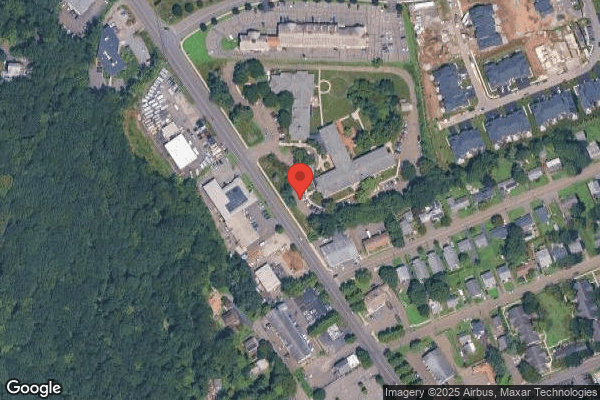

225 AMITY RD, WOODBRIDGE, CT 06525 (203) 387-0076
For profit - Individual 90 Beds AUTUMN LAKE HEALTHCARE Data: November 2025
Trust Grade
78/100
#53 of 192 in CT
Last Inspection: January 2024

Within standard 12-15 month inspection cycle. Federal law requires annual inspections.

Overview

Autumn Lake Healthcare at The Willows has a Trust Grade of B, indicating it is a good choice for care, though not without some concerns. It ranks #53 out of 192 facilities in Connecticut, placing it in the top half, and #5 out of 23 in its county, suggesting only four local options are better. Unfortunately, the facility is experiencing a worsening trend, with issues increasing from 3 in 2021 to 15 in 2024. Staffing is a relative strength, with a turnover rate of 30%, which is below the state average, but the overall RN coverage is rated as average. Notably, the facility has had no fines, which is a positive sign, but there are concerning incidents such as unclean conditions in the Dietary department and failure to provide timely showers for some residents, highlighting the need for improvement in daily care practices.

Trust Score
B
78/100
In Connecticut
#53/192
Top 27%
Safety Record
Low Risk
No red flags
Inspections
Getting Worse
3 → 15 violations
Staff Stability
✓ Good
30% annual turnover. Excellent stability, 18 points below Connecticut's 48% average. Staff who stay learn residents' needs.
Penalties
✓ Good
No fines on record. Clean compliance history, better than most Connecticut facilities.
Skilled Nurses
○ Average
Each resident gets 39 minutes of Registered Nurse (RN) attention daily — about average for Connecticut. RNs are the most trained staff who monitor for health changes.
Violations
⚠ Watch
19 deficiencies on record. Higher than average. Multiple issues found across inspections.
★★★★☆
4.0
Overall Rating
★★★☆☆
3.0
Staff Levels
★★★★☆
4.0
Care Quality
★★★★☆
4.0
Inspection Score
Stable
2021: 3 issues
2024: 15 issues

The Good

  • 4-Star Quality Measures · Strong clinical quality outcomes
  • Low Staff Turnover (30%) · Staff stability means consistent care
  • Full Sprinkler Coverage · Fire safety systems throughout facility
  • No fines on record
  • Staff turnover is low (30%)

    18 points below Connecticut average of 48%

Facility shows strength in quality measures, staff retention, fire safety.

The Bad

Chain: AUTUMN LAKE HEALTHCARE

Part of a multi-facility chain

Ask about local staffing decisions and management

The Ugly 19 deficiencies on record

Aug 2024 2 deficiencies
CONCERN (D) 📢 Someone Reported This

A family member, employee, or ombudsman was alarmed enough to file a formal complaint

Potential for Harm - no one hurt, but risky conditions existed

ADL Care (Tag F0677)

Could have caused harm · This affected 1 resident

**NOTE- TERMS IN BRACKETS HAVE BEEN EDITED TO PROTECT CONFIDENTIALITY** Based on clinical record reviews, observations, facility documentation, facility policy and interviews for one (1) of three (3) ...

Read full inspector narrative →
**NOTE- TERMS IN BRACKETS HAVE BEEN EDITED TO PROTECT CONFIDENTIALITY** Based on clinical record reviews, observations, facility documentation, facility policy and interviews for one (1) of three (3) residents, (Resident #1), reviewed for showers, the facility failed to provide a weekly shower in accordance with the plan of care. The findings include: Resident #1 was admitted to the facility on [DATE] with diagnoses that included spinal stenosis with neurogenic claudication, spondylolisthesis, diabetes mellitus, osteoarthritis, and depression. Review of the hospital Discharge summary dated [DATE] identified Resident #1 underwent a L3-L5 posterior spinal fusion on 7/11/24 without complications. Discharge wound instructions directed Resident #1 may shower on the 3rd day after the surgery. Review of the Shower List Schedule identified Resident #1 was scheduled to receive a shower on Fridays during the 3:00 PM to 11:00 PM shift. Clinical record review of the Nurse Aide Documentation for ADL (activities of daily living) regarding bathing, the month of July 2024 identified on 7/19/24, Resident #1 had received a bath at 10:11 PM. Additionally, Resident #1 received a shower on 7/26/24. Review of the nursing progress notes on 07/19/24 failed to reflect if Resident #1 had received or refused a shower. The admission Minimum Data Set assessment dated [DATE] identified Resident #1 made consistent and reasonable decisions regarding tasks of daily life and required substantial/maximal assistance for showers. The Resident Care Plan (RCP) dated 07/23/24 identified Resident #1 as at risk for falls related to deconditioning. Interventions include anticipating and meeting the residents' needs. Be sure the resident's call light is within reach and encourage the resident to use it for assistance as needed. Physical Therapy to evaluate and treat as ordered and as needed. Interview with NA #1 on 8/13/24 at 12:55 PM identified she had never provided a shower to Resident #1. NA #1 indicated during resident's stay, she only provided incontinent care to Resident #1, but was not aware Resident #1 should have received a shower. NA #1 identified nobody had told her that Resident #1 required a shower on Fridays, and indicated she was new to the facility. Interview with DON on 08/13/24 at 2:25 PM identified nurse aides are responsible for documenting the task (shower/bath) in the electric charting system. DON identified if staff perform a task such as showers or ADL's, they must be documented in the electric charting system, otherwise the task is not identified as performed. If a resident refuses a shower, the nurse aide will notify the nurse and a nursing note documenting refusal of shower should be identified. Review of the Activities of Daily Living Policy (without a date) identified the facility will, based on the resident's comprehensive assessment and consistent with the resident's needs and choices. The facility will monitor residents' decline and implement interventions as needed. Care and services will be provided for the following activities of daily living: bathing, dressing, grooming, and oral care. A resident who is unable to carry out activities of daily living will receive the necessary services to maintain good nutrition, grooming, and personal and oral hygiene.
CONCERN (D) 📢 Someone Reported This

A family member, employee, or ombudsman was alarmed enough to file a formal complaint

Potential for Harm - no one hurt, but risky conditions existed

Quality of Care (Tag F0684)

Could have caused harm · This affected 1 resident

**NOTE- TERMS IN BRACKETS HAVE BEEN EDITED TO PROTECT CONFIDENTIALITY** Based on clinical record reviews, observations, facility documentation, facility policy and interviews for two (2) of three (3) ...

Read full inspector narrative →
**NOTE- TERMS IN BRACKETS HAVE BEEN EDITED TO PROTECT CONFIDENTIALITY** Based on clinical record reviews, observations, facility documentation, facility policy and interviews for two (2) of three (3) residents (Resident #1 and #2), reviewed for wounds and medication administration, the facility failed to perform wound care and administer medications as ordered. The findings include: 1. Resident #1 was admitted to the facility on [DATE] with diagnoses that included spinal stenosis with neurogenic claudication, spondylolisthesis, diabetes mellitus, osteoarthritis, and depression. Physician orders dated 7/15/24 directed to provide wound care to mid-back and left flank surgical incision and to the drain sites. The orders directed to cleanse the areas with normal saline, pat dry, and cover with a dry clean dressing. The admission Minimum Data Set assessment dated [DATE] identified Resident #1 made consistent and reasonable decisions regarding tasks of daily life and required substantial/maximal assistance for showers. Review of the Treatment Administration Record (TAR) for the month of July 2024 identified Resident #1's mid-back/left flank surgical incision sites and drain sites were not documented as completed on 7/23/24. Interview with LPN #1 on 8/13/24 at 12:45 PM identified she was unable to recall treating Resident #1. LPN #1 identified if a resident required wound changes, she would do them at the beginning of the shift and document accordingly. LPN #1 indicated it's possible the nursing staff performed the wound care for LPN #1, but she was unable to confirm if the wounds were performed or if she forgot to document them. 2. Resident #2 was admitted to the facility on [DATE] with diagnoses that included acute on chronic heart failure, acute respiratory failure, paroxysmal atrial fibrillation, chronic venous stasis dermatitis, cancer, and glaucoma. Physician orders dated 6/28/24 directed to administer Rocklatan Ophthalmic Solution 0.02-0.005% (Anti-hypertensive within the eyes), instill 1 drop in the right eye at bedtime for glaucoma. The admission Minimum Data Set assessment dated [DATE] identified Resident #2 made consistent and reasonable decisions regarding tasks of daily life and required substantial/maximal assistance for all ADL's (activities of daily living) except eating. Physician progress note dated 7/10/24 identified Nurse Practioner (NP) #1 evaluated Resident #2 related to complaints of burning in right eye from eye drops. Assessment and plan indicated Resident #2 was complaining of burning in his/her right eye from yesterday. Reports eye drops this morning have helped as resident requested artificial tears due to burning sensation. Denies pain, no drainage noted, erythema to left eye improved since yesterday. Offered Resident #2 and Person #2 to have resident follow-up with eye physician in community. Person #2 requested Resident #2 to be seen immediately by the doctor or have resident transferred to hospital. Resident #2 was transferred to the hospital. Review of the Facility Incident and Summary Form dated 7/10/24 identified Resident #2 alleged LPN #2 accidentally put two drops of Rocklatan eye drops in his/her right eye, instead of one drop in accordance with physician orders. Facility interview with LPN #2 on 7/10/24 at 9:00 PM identified LPN #2 inadvertently administered two drops, instead of one, of Rocklatan eye drops. LPN #2 indicated the eye drops were administered between 9:15 PM and 10:00 PM. LPN #2 stated Resident #2 did not initially complain of discomfort, but later complained of burning to the right eye. LPN #2 reported the concerns to the RN Supervisor. LPN #2 checked on Resident #2 at the end of shift, and resident was sleeping. LPN #2 reported to the on-coming nurse during report of the event, however, did not document it. Interview with Pharmacist #1 on 8/13/24 at 1:40 PM identified Rocklatan eye drops are very particular, in that, they should only be administered with one drop to the affected eye. Pharmacist #1 identified many other eye drops can be given with two or more drops with no effect, but Rocklatan can cause irritation and burning if given too much. Pharmacist #1 identified that although irritation and burning are the common side effects of this medication, due to Resident #2 receiving this medication in the past without any side effects, it is more likely that Resident #2 did receive too much of the medication and now as caused the irritation/burning. Pharmacist #1 identified there is no information of the medication causing permanent damage, but indicated a one-time occurrence would not cause any harm to Resident #2's right eye. Review of the clinical records identified Resident #2 did not return to the facility. Although attempted, interview with LPN #2 was unable to be obtained. Interview with DON on 08/13/24 at 2:25 PM identified the nursing staff are expected to document the wound dressing being administered in the electronic treatment administration records (TAR), otherwise the task is not identified as performed. The DON identified on 7/10/24, Resident #2 had alleged he/she received two drops of Rocklatan, instead of one, causing burning and irritation. DON identified that LPN #2 indicated she may have inadvertently given Resident #2 two drops, instead of one. Resident #2 was seen by NP #1 the following day and offered multiple treatment plans, but ultimately, Resident #2/Person #2 decided to be sent out to the hospital. Education was provided to the nursing staff in medication administration. DON identified it's her expectation that nursing staff administered/performed wound changes per physician orders. Review of the undated Medication orders policy identified each medication order should be documented with the date, time, and signature of the person receiving the order. The order should be recorded on the physician order sheet, and the Medication Administration Record (MAR). Medications should be administered only upon the signal order of a person lawfully authorized to prescribe.
Apr 2024 2 deficiencies
CONCERN (D) 📢 Someone Reported This

A family member, employee, or ombudsman was alarmed enough to file a formal complaint

Potential for Harm - no one hurt, but risky conditions existed

Resident Rights (Tag F0550)

Could have caused harm · This affected 1 resident

**NOTE- TERMS IN BRACKETS HAVE BEEN EDITED TO PROTECT CONFIDENTIALITY** Based on clinical record review, facility documentation review, facility policy review, and interviews for one Resident (Residen...

Read full inspector narrative →
**NOTE- TERMS IN BRACKETS HAVE BEEN EDITED TO PROTECT CONFIDENTIALITY** Based on clinical record review, facility documentation review, facility policy review, and interviews for one Resident (Resident # 1) reviewed for abuse, the facility failed to ensure care was provided in a dignified manner. The findings include: Resident #1 was admitted with diagnoses that included dementia with agitation. A quarterly MDS assessment dated [DATE] identified Resident #1 had moderate cognitive impairment, and required supervision or assistance for toileting, dressing, and transfers. The RCP directed staff to assist with transfers and care. A facility incident report dated 3/15/2024 at 4:30 PM identified an allegation of staff to resident abuse without injury; Resident #1 reported to the Ombudsman that she/he was spoken to rudely and was not given incontinent care during the night two (2) night prior. A facility summary report dated 3/21/2024 identified Resident #1 required an assist of one (1) staff for ADLs and was independent with wheelchair mobility (self-propelled). Facility investigation identified NA # 2 was assigned to Resident #1 during the night shift on 3/13/2024 and Resident #1 was asleep twice when checked by NA #2. At 5:00 AM, NA #1 offered care and Resident #1 refused, and the refusal was witnessed by NA #3. NA #1 notified both the charge nurse and the supervisor that Resident #1 had refused care. Interview with the DON on 4/12/2024 at 10:00 AM identified the family provided several videos and pictures from a video camera in Resident #1's room (placed in the room on 3/29/2024 at the request of the family on 3/29/2024). The DON stated review of the videos identified instances where the staff approached Resident #1 using poor customer service and staff education was currently in progress. Videos labeled #8, 9, and 10 identified while staff were assisting Resident #1 from the bed to the wheelchair and into the bathroom, Resident #1 was dressed in a blouse/shirt and a brief. The video identified the privacy curtain was not pulled, and the door was opened to the hallway, exposing the resident to anyone passing by the room. The DON identified that the door or curtain should be drawn for privacy if Resident #1 had no pants covering her/his brief as staff assisted her/his to transfer to the wheelchair and then to the bathroom. Interview failed to identify why the privacy curtain was not pulled or the door closed during the transfer. The facility policy Residents' [NAME] of Rights dated July 2015 directed in part, residents have the right to privacy in accommodations in receiving personal care and treatment.
CONCERN (D) 📢 Someone Reported This

A family member, employee, or ombudsman was alarmed enough to file a formal complaint

Potential for Harm - no one hurt, but risky conditions existed

Quality of Care (Tag F0684)

Could have caused harm · This affected 1 resident

**NOTE- TERMS IN BRACKETS HAVE BEEN EDITED TO PROTECT CONFIDENTIALITY** Based on clinical record review, facility documentation review, facility policy review, and interviews for one of three resident...

Read full inspector narrative →
**NOTE- TERMS IN BRACKETS HAVE BEEN EDITED TO PROTECT CONFIDENTIALITY** Based on clinical record review, facility documentation review, facility policy review, and interviews for one of three residents (Resident # 1) reviewed for accidents, the facility failed to ensure weekly skin assessments were completed timely, failed to ensure a post fall risk assessment was completed timely. The findings include: Resident #1 was admitted with diagnoses that included dementia with agitation. A Resident Care Plan (RCP) dated 11/30/2023 identified Resident #1 was at risk for falls and skin breakdown with the potential for room becoming cluttered related to hoarding like behaviors, resident exhibits, or has the potential to exhibit physical behaviors related to cognitive loss/dementia and was non-compliant with transfer status and resistive of care. The RCP directed for staff to assist with transfers, pad rails/wheelchair or other equipment as necessary, to encourage to remove old items from her/his room, and to stress key words/present one question or direction at a time. A quarterly MDS assessment dated [DATE] identified Resident #1 had moderate cognitive impairment, and required supervision or assistance for toileting, dressing, and transfers. A facility accident and incident report dated 3/6/2024 at 3:40 PM identified Resident #1 was noted sitting across the wheelchair leg rests with the wheelchair tilted forward. Resident #1 reported when he/she was self-transferring from the toilet to the wheelchair, Resident #1 slipped off the toilet and the wheelchair was locked and didn't move. A bruise was noted on the buttocks and left lower leg. Resident sent to the hospital emergency department (ED). A nursing progress note dated 3/6/2024 at 10:09 PM identified a left lower leg ecchymotic (bruised) area was identified measuring 26 centimeters (cm) by 6 cm. Clinical record review failed to identify weekly skin assessments were completed for the weeks of 3/12 and 3/19/2024. Interview and review of Resident #1's medical record with the DON on 4/11/2024 at 11:00 AM identified that she was aware that Resident #1 had an ecchymotic area identified after the fall on 3/6/2024. The DON indicated Resident #1's medical record lacked documentation that weekly skin assessments were completed for the weeks of 3/12 and 3/19/2024. A skin assessment dated [DATE] identified the ecchymotic area was resolved/not observed. The DON identified that weekly skin assessments should be completed as a part of the facility's approach to pressure injury and prevention. The DON stated if a Resident had an observed ecchymotic area such as identified for Resident #1 after a fall, she would expect the nursing staff to complete the weekly skin assessment to monitor for any further issues, and she was unable to indicate why this was not completed. Attempts to contact RN #3 were unsuccessful during the survey. Although requested, a policy for weekly skin checks was not provided for surveyor review. a. A facility incident report dated 3/14/2024 at 9:15 PM identified Resident #1 had a fall after using the toilet and attempting to self-transfer into the wheelchair. No injuries were noted. Clinical record review failed to identify a post-fall risk assessment was completed. Interview and record review with the DON on 4/11/2024 at 11:00 AM identified although she was aware Resident #1 had a fall on 3/14/2024, she indicated the medical record lacked a post fall risk assessment. The DON identified staff should complete a post fall risk assessment after a fall and was unable to identify why it was not completed. The facility policy Falls Management dated 8/7/2023, directed in part that all residents were assessed for risk of falls upon admission, with reassessments quarterly and post fall to determine ongoing need for fall prevention precautions.
Jan 2024 11 deficiencies
CONCERN (D)

Potential for Harm - no one hurt, but risky conditions existed

Notification of Changes (Tag F0580)

Could have caused harm · This affected 1 resident

**NOTE- TERMS IN BRACKETS HAVE BEEN EDITED TO PROTECT CONFIDENTIALITY** Based on observation, clinical record review, review of facility policy, and interviews for 1 of 3 sampled residents (Resident #...

Read full inspector narrative →
**NOTE- TERMS IN BRACKETS HAVE BEEN EDITED TO PROTECT CONFIDENTIALITY** Based on observation, clinical record review, review of facility policy, and interviews for 1 of 3 sampled residents (Resident #10) reviewed for pressure ulcers, the facility failed to notify the licensed medical provider of a change in skin condition. The findings include: Resident #10's diagnoses included multiple sclerosis, hemiplegia (paralysis of left side), heart failure, and depression. The quarterly Minimum Data Set (MDS) assessment dated [DATE] identified Resident #10 was severely cognitively impaired and was totally dependent on staff for toileting hygiene, repositioning left to right, and bathing. The MDS further identified Resident #10 had two Stage 4 pressure ulcers. A physician's order dated 1/5/24 directed to cleanse the left posterior thigh with normal saline, pat dry and apply collagen sheet, cut to size of wound bed, followed by foam dressing daily, and cleanse sacral pressure ulcer site with Vashe, apply hydrafera blue to wound bed, pat Triad in place to peri wound, followed by a dry, clean, dressing daily. The Resident Care Plan dated 1/6/24 identified a Stage 3 pressure ulcer to the sacrum and a Stage 4 pressure ulcer to the left posterior thigh. Interventions included to reposition Resident #10 side to side while in bed and Resident #10 may be out of bed for 60 minutes in the wheelchair to attend activities. Observation and interview with Licensed Practical Nurse (LPN) #1 and the ADNS on 1/10/24 at 8:35 AM identified Resident #10 had 3 wounds, 1 on the left thigh, 1 on the left buttocks, and 1 on the sacrum (coccyx). The left buttock wound was noted to measure 5.0 by 1.0 centimeters (cm). LPN #1 indicated that she identified the left buttock wound as a skin tear on 1/9/24 when she removed the old dressing, thinking the skin had been pulled off. The ADNS identified that she was not aware of the new skin tear. LPN #1 proceeded to cleanse the left buttock wound with Vashe, followed by collagen, covered by Optifoam dressing. The ADNS said she would notify the wound doctor 1/11/24 on wound rounds and classify the wound with the wound doctor. The physicians orders and RCP failed to identify Resident #10 had a third wound. Interview with Registered Nurse (RN) #1 on 1/20/24 at 12:49 PM on 1/10/24 identified that LPN #1 should have classified the new wound, should have notified the ADNS to conduct an assessment, and should have notified the APRN. Interview with LPN #1 on 1/10/24 at 1:30 PM identified that she had assumed that the wound would have been classified as part of the existing left thigh pressure ulcer, despite having intact skin between the existing and the new wound and previously identifying the left buttock wound as a skin tear. LPN #1 indicated that she had also used the previous treatment to dress the wound after identifying the area was present. Further LPN #1 identified that she had not notified an ADNS to conduct an assessment as she assumed the wound would have been included as part of the original wound. After speaking with the ADNS, LPN #1 stated that she should have classified the new wound as a separate wound, should have notified the ADNS to conduct an assessment, and should have notified the APRN. Interview with APRN #1 on 1/10/24 at 1:29 PM stated that she had not been notified of Resident #10's new wound that originated on 1/9/24 and that if she had, would have given an order for a treatment to the wound.
CONCERN (D)

Potential for Harm - no one hurt, but risky conditions existed

Deficiency F0657 (Tag F0657)

Could have caused harm · This affected 1 resident

**NOTE- TERMS IN BRACKETS HAVE BEEN EDITED TO PROTECT CONFIDENTIALITY** Based on observation, interviews, clinical record review, and facility policy for 1 of 3 sampled residents ( Resident #19) revie...

Read full inspector narrative →
**NOTE- TERMS IN BRACKETS HAVE BEEN EDITED TO PROTECT CONFIDENTIALITY** Based on observation, interviews, clinical record review, and facility policy for 1 of 3 sampled residents ( Resident #19) reviewed for falls, the facility failed to revise the Resident Care Plan (RCP) after Resident #19 fell. The findings include: Resident #19's diagnosis included nonrheumatic aortic stenosis, hypertension, diabetes and urinary tract infection. The Resident Care Plan (RCP) dated 9/1/23 identified a problem with falls with interventions that included to place personal items within reach, reposition items within visual field, and place call light within reach. The admission Minimum Data Set (MDS) assessment dated [DATE] identified Resident #19 was moderately cognitively impaired, required extensive assistance of 2 with bed mobility, transfers, and toilet use. The MDS further identified Resident #19 required extensive assistance of 1 for personal hygiene and set up for eating. The MDS also identified Resident #19 had no prior falls. A facility Reportable Event (RE) document dated 10/30/23 at 12:47 AM identified Resident #19 was observed lying on the floor, next to his/her bed, stated he/she was attempting to go to the bathroom and slipped to the floor. The RE form further identified Resident #19 did not sustain any injury from the fall. Interview with the MDS Coordinator (RN #2) on 1/9/24 at 1:50 PM identified that the RCP was not reviewed/revised to include additional interventions for falls after Resident #19 fell on [DATE]. The MDS Coordinator further indicated that any nursing staff member could up date the RCP and the RCP should be updated at the time of the fall. Additionally, the MDS Coordinator identified the RCP needed to be updated as soon as the fall occurred and that would be identified in the fall policy. Review of the fall policy directed to implement and document resident centered interventions according to individual risk factors in the resident's plan of care. The policy also stated to adjust and document individual intervention strategies as resident condition changes.
CONCERN (D)

Potential for Harm - no one hurt, but risky conditions existed

Quality of Care (Tag F0684)

Could have caused harm · This affected 1 resident

**NOTE- TERMS IN BRACKETS HAVE BEEN EDITED TO PROTECT CONFIDENTIALITY** Based on observations, clinical record review, review of facility policy, and interviews for 1 of 3 sampled residents (Resident ...

Read full inspector narrative →
**NOTE- TERMS IN BRACKETS HAVE BEEN EDITED TO PROTECT CONFIDENTIALITY** Based on observations, clinical record review, review of facility policy, and interviews for 1 of 3 sampled residents (Resident #10) reviewed for alteration in skin integrity, the facility failed to report a new open skin area to the physician, failed to conduct an assessment by a Registered Nurse, and failed to obtain a licensed practitioner order for treatment to the open skin area in a timely manner. Additionally, for 1 of 5 sampled residents (Resident #19) reviewed for unnecessary medication, the facility failed to follow Advanced Practice Registered Nurse (APRN) orders directing daily weights. The findings include: 1. Resident #10's diagnoses included a disease of the protective nerve coverings, depression, heart failure, and left hemiplegia. The quarterly Minimum Data Set assessment dated [DATE] identified Resident #10 was severely cognitively impaired and was totally dependent on staff for toilet hygiene, repositioning left to right, and bathing. Resident #10 was also noted to have two Stage 4 pressure ulcers. The Resident Care Plan dated 1/6/24 identified a Stage 3 pressure ulcer to the sacrum and a Stage 4 pressure ulcer to the left posterior thigh. Interventions included repositioning side to side while in bed and out of bed for 60 minutes in a wheelchair to attend activities. Observation and interview with LPN #1 and RN #1 (ADNS) on 1/10/24 at 8:35 AM identified Resident #10, had 3 wounds, 1 on the left thigh, 1 on the left buttocks, and 1 on the sacrum (coccyx). LPN #1 indicated that she identified the left buttock wound as a skin tear on 1/9/24 when she removed the old dressing, thinking the skin had been pulled off. RN #1 identified that she had not been made aware of the new open area and an assessment had not been conducted. LPN #1 proceeded to cleanse the left buttock wound with Vashe, followed by collagen, and then covered by an Opti foam dressing prior to obtaining a physician order. The physician's orders failed to identify Resident #10 had a new wound. Interview with RN #1 at 12:49 PM on 1/10/24 identified that LPN #1 should have classified the wound as a new wound (not part of the sacral wound), should have notified the RN to conduct an assessment, and should have obtained a new physician's order for treatment. Interview with APRN #1 on 1/10/23 at 1:29 PM stated that she had not been notified of Resident #10's new wound that originated on 1/9/23 and that if she had, would have given an order for a treatment to the wound. 2. Resident #19's diagnosis included nonrhemumatic aortic stenosis, congestive heart failure, diabetes and hypertension. The Resident Care Plan dated 9/12/23 identified Resident #19 was at risk for cardiovascular complications related to diagnosis of congestive heart failure, and hypertension. Interventions included to monitor labs, report abnormal labs to the physician, and monitor weights as ordered. The quarterly Minimum Data Set assessment dated [DATE] identified Resident #19 was moderately cognitively impaired and required extensive assistance of 2 with bed mobility, transfers, and toilet use. The MDS further identified Resident #19 required extensive assistance of 1 for personal hygiene, and set up for eating. Additionally, the MDS indicated Resident #19 did not have a significant weight loss/gain. A physician's order dated 12/9/23 directed to have Resident #19 weighed daily. A review of the clinical record for documenting weights identified that daily weights had not been completed 14 of 31 days from 12/9/23 through 1/8/24. Interview with the DNS on 1/9/24 at 9:50 AM identified Resident #19's daily weight record was not completed and the nurse on the unit was responsible for entering this data. She was unsure if there was a policy regarding daily weights. Interview with APRN #1 on 1/9/24 at 1:30 PM identified that daily weights were performed to look for subtle changes of indications for congestive heart failure. Review of the policy regarding weights and heights directed additional weights may be obtained at the discretion of the interdisciplinary care team and the purpose was to determine possible causes of significant weight changes.
CONCERN (D)

Potential for Harm - no one hurt, but risky conditions existed

Deficiency F0685 (Tag F0685)

Could have caused harm · This affected 1 resident

**NOTE- TERMS IN BRACKETS HAVE BEEN EDITED TO PROTECT CONFIDENTIALITY** Based on staff/resident interview, record review and review of facility documentation for 1 of 1 sampled resident (Resident #3) ...

Read full inspector narrative →
**NOTE- TERMS IN BRACKETS HAVE BEEN EDITED TO PROTECT CONFIDENTIALITY** Based on staff/resident interview, record review and review of facility documentation for 1 of 1 sampled resident (Resident #3) reviewed for audiology, the facility failed to ensure audiology recommendations were responded to by the physician. The findings include: Resident #3's diagnoses included depression, dementia without behavioral disturbance and psychotic/mood disturbances. A Resident Care Plan dated 9/26/23 identified Resident #3 required assistance/was dependent for activities of daily living with interventions that included to provide extensive assistance of 1 for transfers from the bed to the wheelchair with a rolling walker, provide set-up supervision for personal hygiene and provide Resident #3 with extensive assistance of 1 for bed mobility and transfers. A quarterly Minimum Data Set (MDS) dated [DATE] identified Resident #3 had intact cognition and required set up for eating and oral/personal hygiene. Additionally, the MDS identified Resident #3 required maximal assistance with toilet hygiene, shower and lower body dressing. The MDS further identified Resident #3 had adequate hearing without the use of hearing aides or hearing appliances. Physician order dated 11/10/23 directed an Audiology consult for 11/27/23 (at an Audiologist outside of the facility). Interview with Resident #3 on 1/5/24 at 10:22 AM identified that he/she requested to see an ear doctor, had told the nurse, but was not sure when. On 1/10/24 at 10:38 interview and record review with the ADNS failed to identify Resident #3 was seen by an Audiologist on 11/27/23, per physician order. Additionally, although she could not recall the reason Resident #3 was not seen on 11/27/23, she remembered Resident #3 was seen by the in house Audiologist, but could not recall the date, and there was no documentation in the clinical record. Subsequent to surveyor inquiry on 1/10/24, the ADNS called the facility contracted Audiology group and obtained an Audiology report dated 12/5/23 (because the report was not at the facility). The Audiology report identified Resident #3 complained of newly decreased hearing and tinnitus in both ears. Resident #3 was evaluated, a hearing test performed, had tinnitus and required wax removal. The Audiology consultative report further identified to notify Resident #3's physician for wax removal orders of the right ear and audiology to re-evaluate after wax removal. Additional interview and review of the physician orders with the ADNS on 1/10/24 at 2:00 PM failed to identify physician orders were obtained for wax removal per Audiology recommendations on 12/5/23. Subsequent to surveyor inquiry on 1/10/24, a physician order was obtained which directed to instill 4 drops of Carbamide Peroxide Otic Solution (Otic) in both ears two times a day for wax removal for 4 days.
CONCERN (D)

Potential for Harm - no one hurt, but risky conditions existed

Pressure Ulcer Prevention (Tag F0686)

Could have caused harm · This affected 1 resident

**NOTE- TERMS IN BRACKETS HAVE BEEN EDITED TO PROTECT CONFIDENTIALITY** Based on observations, clinical record review, review of facility policy, and interviews for 3 of 3 sampled residents (Resident ...

Read full inspector narrative →
**NOTE- TERMS IN BRACKETS HAVE BEEN EDITED TO PROTECT CONFIDENTIALITY** Based on observations, clinical record review, review of facility policy, and interviews for 3 of 3 sampled residents (Resident #5, #10, and #60 ) reviewed for pressure ulcers, the facility failed to conduct Braden Scale Assessments per the facility policy and failed to report a new open skin area to the facility Registered Nurse to conduct an RN assessment, and failed to get a licensed practitioner order for treatment in a timely manner related to Resident #10. The findings include: 1. Resident #5 's diagnoses included Alzheimer's disease, diabetes, and a condition in which high levels of a hormone cause the body to retain water called syndrome of inappropriate antidiuretic hormone secretion. The quarterly Minimum Data Set (MDS) assessment dated [DATE] identified Resident #5 as severely cognitively impaired and required limited assistance for bed mobility with a one-person physical assist. Additionally, the MDS assessment identified Resident #5 needed supervision for transfers, dressing, and toilet use. Furthermore, the MDS identified no current pressure injury, but that Resident #5 was at risk for a pressure injury. The Resident Care Plan (RCP) dated 7/28/23 identified Resident #5 was at risk for skin breakdown related to his/her incontinence and decreased bed mobility. Interventions included using moisture-barrier creams as ordered, a weekly skin assessment to be completed by a licensed nurse, and the use of a pressure redistribution bed. A physician's order in effect at this time directed to apply a moisture-barrier cream to the buttocks and tailbone area each shift with incontinence care and as needed. Furthermore, a physician's order in effect at this time directed to reposition the resident 4 times in each shift. Review of the clinical record from 8/1/23 through 1/10/24 identified 13 out of 23 expected weekly nurse skin assessments. The clinical record throughout this time had documentation that reflects the resident was repositioned regularly. The facility provided documentation of one Braden Scale for Predicting Pressure Sore Risk for Resident #5, dated October 18, 2017. Review of the LPN observations, evaluation, and recommendations note dated 8/16/23 identified a Nurse Aide reported observing an open area on the resident's right buttock measuring 5 centimeters (cm) by 3 cm. The LPN documented that she did not observe any drainage or bleeding, but the area around the wound was reddened and that she notified the APRN. Review of the APRN note dated 8/16/23 identified that staff had asked her to see the resident's open area to right buttock. The APRN's order dated 8/16/23 directed staff to cleanse the open area on right buttock, followed by Calcium Alginate (an absorbent dressing), followed by a dry protective dressing (DPD). They were also to apply a moisture-protection cream around the wound each 7:00 AM to 3:00 PM shift. Review of the wound care consult dated 8/17/23 identified a Stage 2 pressure ulcer to the coccyx (tailbone) measuring 2.0 cm by 2.5 cm by 0.1 cm. The same orders to care for the wound were continued. The RCP was updated on 8/21/23 to include Resident #5 was at nutritional risk related to increased needs for pressure injury. Interventions included providing high calorie foods, monitoring intake at all meals, and alerting the dietitian and physician to any decline in intake. Review of the wound care consult dated 9/7/23 identified Resident #5's coccyx wound deteriorated to a Stage 3. The wound care APRN added directions to fill the wound with Medihoney (a gel for wounds) prior to using the Calcium Alginate, and then to cover with a DPD. The wound care consult note dated 9/14/23 identified an additional Stage 2 pressure ulcer measuring 1.0 cm by 1.0 cm by 0.1 cm on the resident's right buttock, in addition to the previously identified Stage 3 on his/her coccyx. Review of the wound care consult dated 10/26/23 identified the wounds were resolved. Interview with RN #1 on 1/10/24 at 10:40 AM identified that the facility's policy was for a Braden Scale for Predicting Pressure Sore Risk to be done on admission, quarterly, and again if there was a change in status, such as a newly identified pressure injury. RN# 1 also identified that weekly skin checks would be completed on shower days each week. Review of the Skin Integrity and Wound Management policy dated 2/1/23, directed, in part, for a licensed nurse to document a skin assessment weekly. Further, the policy directed, in part, to complete a skin risk assessment weekly for the first month, quarterly, and with significant change in condition. 2. Resident #10's diagnoses included multiple sclerosis, depression, heart failure, and left hemiplegia. The quarterly Minimum Data Set assessment dated [DATE] identified Resident #10 was severely cognitively impaired and was totally dependent on staff for toileting hygiene, repositioning left to right, and bathing. Resident #10 was noted to have 2 Stage 4 pressure ulcers. The Resident Care Plan dated 1/6/24 identified Stage 3 pressure ulcer to the sacrum and a Stage 4 pressure ulcer to the left posterior thigh. Interventions included repositioning side to side while in bed and out of bed for 60 minutes in wheelchair to attend activities. Review of the clinical record identified the last Braden Scale (pressure ulcer risk prediction tool) was dated 9/30/23. Interview with RN #1 on 1/10/24 at 10:40 AM identified that the facility's policy was for a Braden Scale for Predicting Pressure Sore Risk to be done on admission, quarterly, and again if there was a change in status, such as a newly identified pressure injury. 3. Resident #60's diagnosis included pyoderma gangrenosa, peripheral vascular disease and rheumatoid arthritis. A Braden Scale completed on 3/20/21 identified Resident #60 was a risk for the development of a pressure sore (there were no subsequent Braden Scale assessments completed). The quarterly Minimum Data Set assessment dated [DATE] and 10/12/23 identified Resident #60 had intact cognition, required extensive assistance of 1 for bed mobility, toilet use and personal hygiene. The MDS further identified Resident #60 was non ambulatory, was occasionally incontinent, was at risk for developing a pressure ulcer and had open lesions on the foot. The Resident Care Plan dated 10/21/23 identified Resident #60 was at risk for skin breakdown. Interventions included elevating legs as Resident #60 allowed, reposition and off load heels 4 times per shift, and assist resident in turning and repositioning frequently. Interview and review of facility policy regarding Skin Integrity and Wound Management with RN #1, (the Infection Preventionist) on 1/10/24 at 1:15 PM identified Residents #5, #10 and #60 had not had Braden risk assessments conducted per the facility policy. Resident #5 had last had a Braden assessment on 10/18/17, Resident #10 had last had a Braden assessment on 9/30/23 and the last documented Braden score on Resident #60 was 3/20/21. RN #1 indicated that it was the responsibility of the licensed charge nurse or the unit manager to ensure Braden assessments were conducted according to the facility policy. RN #1 was unable to identify the reason the facility policy was not followed. Review of the policy directed that the facility would complete a risk evaluation quarterly and with a significant changes.
CONCERN (D)

Potential for Harm - no one hurt, but risky conditions existed

Deficiency F0761 (Tag F0761)

Could have caused harm · This affected 1 resident

Based on observation, interviews, and review of facility policy regarding medication administration, the facility failed to ensure the medication cart was locked when unattended. The findings include:...

Read full inspector narrative →
Based on observation, interviews, and review of facility policy regarding medication administration, the facility failed to ensure the medication cart was locked when unattended. The findings include: Observation on 1/5/24 at 9:15 AM identified the medication cart on 2nd floor Short Hall wing the medication cart drawers were facing the walkway of the hallway, unattended, and unlocked. Upon further observation, the drawers were able to be opened and contained stock medication, resident blister packs with medications and two insulin syringes were filled and sitting inside the top drawer. Additionally, a resident was identified to be seated in his/her wheelchair approximately 15 feet from the unlocked medication cart. Interview with LPN #1 on 1/5/24 at 9:17 AM indicated she filled the 2 syringes with Insulin, placed them in the medication cart, went to help another resident (in another room, down the hallway) and was not aware the medication cart was unlocked. Review of Facility policy regarding Medication Storage indicated the facility should ensure that all medications and biologicals, including treatments items, are securely stored in a locked cabinet/cart or locked medication room that is inaccessible by residents and visitors.
CONCERN (D)

Potential for Harm - no one hurt, but risky conditions existed

Infection Control (Tag F0880)

Could have caused harm · This affected 1 resident

**NOTE- TERMS IN BRACKETS HAVE BEEN EDITED TO PROTECT CONFIDENTIALITY** Based on observation, staff interviews, and policy review for 2 sampled residents on isolation precautions (Resident #184 and Re...

Read full inspector narrative →
**NOTE- TERMS IN BRACKETS HAVE BEEN EDITED TO PROTECT CONFIDENTIALITY** Based on observation, staff interviews, and policy review for 2 sampled residents on isolation precautions (Resident #184 and Resident #236), the facility failed to ensure staff wore the appropriate Personal Protective Equipment (PPE) when entering a COVID-19 positive isolation room. The findings include: 1. Resident #184 was admitted to the facility on [DATE] with a diagnosis of sepsis, Parkinson's disease, and COVID-19. A provider admission assessment dated [DATE] identified that Resident #184 was diagnosed with COVID-19 on 12/14/23. The nursing admission assessment dated [DATE] indicated Resident #184 was cognitively intact and required setup or clean-up assistance for eating. The provider admission assessment dated [DATE] identified that Resident #184 was diagnosed with COVID-19 on 12/14/23. 2. Resident #236 was admitted to the facility on [DATE] with a diagnosis of falling and an irregular heart rate. A nursing progress note dated 12/25/23 indicated that Resident #236 tested positive for COVID-19 on 12/25/23. A provider admission assessment dated [DATE] identified that Resident #236 was cognitively intact. On 1/4/24 at 11:05 AM, an observation of the room shared by Resident #184 and Resident #236 was made. The door to the room was open, and there were two isolation precaution signs on the hallway side of the door. One sign was for enhanced barrier precautions that indicated that an isolation gown and gloves had to be worn when providing direct care to residents. The second sign was for respiratory precautions, which indicated that an isolation gown, gloves, mask, and eye protection had to be worn when entering the room. On 1/4/24 at 11:10 AM, an interview with Licensed Practical Nurse (LPN) #2 identified that when staff enter Resident #184 and Resident #236's room, they must wear a mask and face shield and that a gown and gloves were only required for direct resident care such as assistance with toilet use or wound care. On 1/4/24 at 12:20 PM, Nurse Aide (NA) #2 was observed entering Resident #184 and Resident #236's room without donning a gown and gloves. NA #2 was observed assisting Resident #184 with their wheelchair and meal tray. When adjusting the meal tray, NA #2 stood less than three feet away and faced the resident sitting behind the tray table. An interview with NA #2 indicated that staff were required to wear a mask and face shield when entering the room but that a gown and gloves were required only for direct resident care, such as toileting. An interview with the Infection Preventionist (RN #1) on 1/4/24 at 3:39 PM identified that Resident #184 was positive for COVID-19 on 12/14/23 and came off isolation on 12/25/23. Resident #236 was under respiratory precaution isolation for COVID-19 infection since 12/25/24 and would come off isolation on 1/5/24. RN #1 identified Resident #184 and Resident #236 continued sharing the same room after Resident #184's isolation period had ended and that staff were expected to continue wearing gowns and gloves when entering Resident #184 and Resident #236's room even when Resident #184's respiratory isolation period had ended. A review of the facility policy for COVID-19 infection Prevention and Control Measures indicated that signage on the use of specific PPE to be used by staff was posted in appropriate locations, such as outside of a resident's room. The policy also indicated that for a resident with known or suspected COVID-19, staff must wear gloves, an isolation gown, eye protection, and a respirator.
CONCERN (E)

Potential for Harm - no one hurt, but risky conditions existed

Deficiency F0804 (Tag F0804)

Could have caused harm · This affected multiple residents

Based on a tour of the Dietary Department with the Dietary Director and interviews, the facility failed to provide lunch at appropriate and appetizing temperatures. The findings include: Interview wit...

Read full inspector narrative →
Based on a tour of the Dietary Department with the Dietary Director and interviews, the facility failed to provide lunch at appropriate and appetizing temperatures. The findings include: Interview with Resident #54 on 1/5/24 at 11:19 AM identified food was frequently bad, lacked taste and was cold. Interview with Resident #51 on 1/5/24 at 2:12 PM identified the food was cold at all meals, and had no taste. On 1/9/24 at 12:12 PM, a test tray was conducted with the Dietary Director. The following was identified: The lunch meal was plated and left the Dietary Department in #6 metal cart at 12:12 PM, arrived on the Long Hill Unit and placed in the hall outside of the resident rooms #115-120 at 12:15 PM. At 12:15 PM, Dietary Aides (DAs) were observed to begin passing out the meal trays to residents. The last tray was delivered at 12:20 PM, and temperatures were conducted with the Dietary Director at that time and identified the following: a. The fish Florentine's internal temperature was 127 degrees Fahrenheit from the surveyor's thermometer and 126.4 degrees Fahrenheit from the Dietary Director's thermometer. The Dietary Director identified the internal temperature should be 135 degrees Fahrenheit. b. The roasted potato medley's internal temperature was 125.8 degrees Fahrenheit from the surveyor's thermometer and 126.1 degrees Fahrenheit from the Dietary Director's thermometer. The Dietary Director identified the internal temperature should be 135 degrees Fahrenheit. c. The seasoned peas were tepid to touch and had an internal temperature of 120 degrees Fahrenheit according to the Dietary Director's thermometer. The Dietary Director identified the internal temperature should be approximately 135 degrees Fahrenheit. Review of the trayline steam table temperature logs with the Dietary Director on 1/9/24 at 12:30 PM indicated that the egg temperature on 12/18/23 was 156 degree Fahrenheit, on 12/23/23 was 148 degrees, on 12/29/23 was 146 degrees, on 1/6/24 was 151 degrees, and on 1/7/24 was 147 degrees. According to the steam table temperature log, the temperature for eggs should be at 160 to 180 degrees. Interview with the Dietary Director at 12:30 PM on 1/9/24 indicated that when food was not at the correct temperature it should be reheated and that her staff was aware of this.
CONCERN (F)

Potential for Harm - no one hurt, but risky conditions existed

Food Safety (Tag F0812)

Could have caused harm · This affected most or all residents

Based on the tour of the Dietary Department and staff interview, the facility failed to ensure the Dietary department was maintained in a clean, sanitary manner and that food items were consistently l...

Read full inspector narrative →
Based on the tour of the Dietary Department and staff interview, the facility failed to ensure the Dietary department was maintained in a clean, sanitary manner and that food items were consistently labeled and stored to reflect their age or shelf life. The findings included: Tour of the Dietary Department on 1/4/2024 at 11:10 AM during the initial walk through of the kitchen with the Dietary Manager (DM) identified the following: a. The dishwasher room was observed to have ceiling tiles with a brown substance noted on them and 1 was loose. b. The light panel in the dishwasher room had 2 cracks, 1 at each end of it along with having a brown substance on it. c. The windowsill above the lids for the tray line use and the toaster had debris noted with a brown substance throughout. d. The windowsill outside the DM's office near the refrigerator was noted with a heavy accumulation of dust. e. The coffee maker was stained with drip marks and discolored with debris noted. f. Tray carts #2 and #3 were both observed with a heavy accumulation debris and dirt on them. The DM stated the last time they were cleaned was on 12/25/23 despite having a heavy accumulation of dirt. g. The milk refrigerator was noted to be dusty and soiled. h. The windowsill behind the juice refrigerator was noted to have debris and dust, the vents of the juice machine vents had dust noted to it along with the motor beneath it. i. The wash station was noted to be soiled with stains and dust. j. The floor throughout the kitchen was noted to have dirt, debris and food under the mats that covered the floor. k. The spice shelf had a 16-ounce plastic container of ground turmeric 1/3 full which expired 10/24/23, 16-ounce ground clove ¾ full which was expired 6/30/23. A 16-ounce container which was half full of chives expired 7/25/23. A 16-ounce container of cayenne pepper which was ¼ full, the lid was full of dust. The spice shelf was also noted to have a heavy accumulation of debris. l. The sandwich refrigerator had a large container of open 1 gallon mustard, sliced yellow cheese and butter that was uncovered and not dated. Interview with the DM on 1/4/24 at 11:30 AM indicated that it was the responsibility of the second shift staff to clean the spice shelf and that she had a log of when it was cleaned but could not locate it. She stated that she does perform rounds but was unable to do rounds due to not having enough staff. The DM indicated that the floor was cleaned last night (although there was a heavy accumulation of particles and debris) and that it was swept and mopped every night. The DM agreed that the floor was not clean. Also, the DM stated that the windowsill behind the juice maker was not on the cleaning schedule. The DM stated that the juice machine was used earlier that day, and she was unsure when the last time it was cleaned.
MINOR (B)

Minor Issue - procedural, no safety impact

Deficiency F0568 (Tag F0568)

Minor procedural issue · This affected multiple residents

**NOTE- TERMS IN BRACKETS HAVE BEEN EDITED TO PROTECT CONFIDENTIALITY** Based on resident/staff interviews, review of the resident trust accounts and facility policy for 2 of 2 sampled residents (Resi...

Read full inspector narrative →
**NOTE- TERMS IN BRACKETS HAVE BEEN EDITED TO PROTECT CONFIDENTIALITY** Based on resident/staff interviews, review of the resident trust accounts and facility policy for 2 of 2 sampled residents (Resident #51 and Resident #60) reviewed for personal funds, the facility failed to provide quarterly statements to the residents. The findings include: 1. Resident #51 was admitted to the facility on [DATE] with diagnoses that included diabetes, dementia and depression. A quarterly Minimum Data Set (MDS) assessment dated [DATE] identified Resident #51 was moderately, cognitively impaired. Interview with Resident #51 on 1/5/24 at 2:01 PM identified that although he/she stated having money in the resident trust account, quarterly statements were not provided to him/her. Interview with the Director of Finance on 1/9/24 at 9:45 AM identified that Resident #51 had money in the Resident Trust Account. Additionally, the Director of Finance identified that the facility was made the representative payee which means that they accept Resident #51's social security check to pay for his/her stay. Furthermore, she identified that Resident #51 can be furnished a statement whenever he/she wanted, however, could not provide documentation that a statement was provided to Resident #51. Also, the Director of Finance indicated that a quarterly statement signature sheet that stated by signing this document, I acknowledge that I (or my representative) have received quarterly statement from my personal needs account was signed by the Administrator on 10/9/23 and not the resident. 2. Resident #60 was admitted to the facility on [DATE] with diagnoses that included adjustment disorder with depressed mood and chronic pain. A quarterly Minimum Data Set (MDS) assessment dated [DATE] identified Resident #60 had intact cognition. Interview with Resident #60 on 1/5/24 at 10:24 AM identified that although he/she stated having money in the resident trust account, quarterly statements were not provided to him/her. Interview with the Director of Finance on 1/9/24 at 9:45 AM identified that Resident #60 had money in the Resident Trust Account. Additionally, the Director of Finance identified that the facility was made the representative payee which means that they accept Resident #60's social security check to pay for his/her stay. Furthermore, she identified that Resident #60 can be furnished a statement whenever he/she wanted, however, could not provide documentation that a statement was provided to Resident #60. Also, the Director of Finance identified a quarterly statement signature sheet that stated by signing this document, I acknowledge that I (or my representative) have received quarterly statement from my personal needs account was signed by the Administrator on 7/13/23 and not the resident. Interview with the Administrator on 1/9/24 at 10:30 AM identified that he signs the quarterly statements for all residents, and does not obtain resident signatures. Facility policy regarding quarterly statements identified the resident or representative is requested to sign and date a copy of the statement or the acknowledgement letter to acknowledge receipt.
MINOR (B)

Minor Issue - procedural, no safety impact

Menu Adequacy (Tag F0803)

Minor procedural issue · This affected multiple residents

Based on observation, review of facility documentation, facility policy and interview, the facility failed to ensure that meals provided to the residents of the facility were based on the posted menu ...

Read full inspector narrative →
Based on observation, review of facility documentation, facility policy and interview, the facility failed to ensure that meals provided to the residents of the facility were based on the posted menu and failed to provide reasonable notification to the residents of any menu changes or substitutions. The findings include: Observation of 2nd floor menu posting on 1/4/24 at 12:09 PM identified the menus posted for residents in the unit common areas and in the kitchen did not correspond to the current day for lunch. The dates on the posted menu were 12/3, 12/24 and 1/14 and reflected a lunch of beef lasagna, tossed salad, garlic bread, and pear crisp. Observation of the lunch meal at 12:09 PM on 1/4/24 identified residents were served spaghetti (not lasagna), spinach (not tossed salad) and brownie (not pear crisp). Interview with the Dietary Director on 1/4/24 at 12:15 PM identified she was responsible for posting menus in the plastic covering on the wall on the units, and someone must have removed the menu from the wall. Additionally, she identified the lunch menu was changed for that day because of some items being out of stock, but had failed to communicate the substitute items to the residents. She identified she normally would post a written sign when substitutions were made but became busy and forgot. Observation of the tray line on 1/9/24 at 11:55 AM with the Dietary Director identified a herbed dinner roll was listed on the menu, but a 1/2 of an unflavored hot dog roll was provided. Interview on 1/10/24 at 1:10 PM with the Dietary Director identified that she substituted a hot dog roll for a dinner roll on 1/9/24 for lunch because the delivery had not arrive until after lunch and did not inform residents of the substitution.
Sept 2021 3 deficiencies
CONCERN (D)

Potential for Harm - no one hurt, but risky conditions existed

Grievances (Tag F0585)

Could have caused harm · This affected 1 resident

**NOTE- TERMS IN BRACKETS HAVE BEEN EDITED TO PROTECT CONFIDENTIALITY** Based on review of the clinical record, facility documentation, facility policy, and interviews for 1 resident (Resident #6) rev...

Read full inspector narrative →
**NOTE- TERMS IN BRACKETS HAVE BEEN EDITED TO PROTECT CONFIDENTIALITY** Based on review of the clinical record, facility documentation, facility policy, and interviews for 1 resident (Resident #6) reviewed for grievances, the facility failed to initiate, investigate and follow up on a resident reported grievance. The findings include: Resident #6 was admitted on [DATE] with diagnoses that included respiratory failure, morbid obesity and osteoarthritis. The admission MDS dated [DATE] identified Resident #6 had intact cognition, required total assistance with transfers, and extensive assistance with personal care. The care plan dated 6/23/21 identified Resident #6 required assistance with bathing, grooming, personal hygiene, dressing and transfers. Interventions included to provide extensive 1 - 2 person assistance with ADL's including dressing. An appointment tracking form identified Resident #6 was scheduled for an outside specialty appointment on 7/15/21 at 8:00 AM. Interview with Resident #6 on 9/15/21 at 12:31 PM identified he/she was scheduled for an outside appointment on 7/15/21 with a scheduled AM pick up time. The ambulance arrived at the facility on time, but Resident #6 was not ready as he/she required assistance with dressing. The ambulance returned a second time and Resident #6 indicated he/she was still was not ready because assistance with dressing started when the ambulance team arrived. Resident #6 was transferred to the scheduled outside appointment, but the physician refused to see the resident. Resident #6 indicated a man from the state came to the facility about a week later and the resident reported the incident to him, who said he would speak to the Administrator. Interview with the Administrator on 9/15/21 at 1:06 PM and 2:45 PM identified he did not recall the incident being reported to him by the facility Ombudsman, adding there had been some problems with transportation at times. The Administrator indicated he and the facility social worker (SW #1) would follow up with the resident. Subsequent to surveyor inquiry, a grievance was filed by social services on behalf of Resident #6. Interview with Ombudsman #1 on 9/15/21 at 3:20 PM identified he visited the facility on 7/28/21 and Resident #6 reported having missed an outside appointment due to staff not getting him/her up on time. Ombudsman #1 indicated he reported the matter to the Administrator with a request for him or appropriate staff to follow up with Resident #6 for further details. Interview with NA #1 on 9/16/21 at 1:45 PM identified she recalled an incident when Resident #1 had an appointment in the morning. The ambulance arrived, and one of the ambulance drivers indicated the stretcher would not accommodate Resident #6's size and they left shortly thereafter. A short time later, two male ambulance drivers returned and transferred the resident to the stretcher and left the facility to an outside appointment. NA #1 was unsure of the date and time of events. Interview with NA #2 on 9/16/21 at 2:00 PM identified Resident #6 had an appointment early one morning and when the ambulance arrived, one of the ambulance drivers indicated the stretcher would not accommodate Resident #6's size, so they left. A short time later, two male ambulance drivers returned and transferred Resident #6 to the stretcher and left the facility to an outside appointment. NA #2 was unsure of the date and time of events but indicated it was not long between the time the first ambulance left and the second arrived. Interview with the Operations Manager for the transportation company on 9/22/21 at 8:20 AM identified that according to narrative notes from 7/15/21, Resident #6 had a 7:00 AM pick up time. The first crew arrived on time, at 7:00 AM, but were unable to transport Resident #6 as the resident was a bariatric patient that required a special stretcher. The crew called in to dispatch a second crew with an appropriately sized stretcher. The second crew arrived at 7:24 AM and left the facility at 8:04 AM. The crews narrative note indicated Resident #6 was not seen due to being late for the appointment and so was subsequently transferred back to the facility at 8:39 AM and returning to the facility at 8:43 AM. The facility policy for grievance directs that all patients have the right to express a grievance/concern without fear of restraint, interference, coercion, discrimination or reprisal. Upon receipt of the grievance concern, a grievance form will be initiated by a staff member and documented on the grievance log. Once logged, the Center Executive Director and department manager will be notified, and immediate action will be taken to prevent further potential violations of resident rights while being investigated. The department manager will contact the person filing the grievance, investigate the grievance, take corrective action, engage the support the Ombudsman and notify the person of resolution within 72 hours.
CONCERN (D)

Potential for Harm - no one hurt, but risky conditions existed

Quality of Care (Tag F0684)

Could have caused harm · This affected 1 resident

**NOTE- TERMS IN BRACKETS HAVE BEEN EDITED TO PROTECT CONFIDENTIALITY** Based on review of the clinical record, facility documentation, facility policy, and interviews for 1 of 3 residents (Resident #...

Read full inspector narrative →
**NOTE- TERMS IN BRACKETS HAVE BEEN EDITED TO PROTECT CONFIDENTIALITY** Based on review of the clinical record, facility documentation, facility policy, and interviews for 1 of 3 residents (Resident #49) reviewed for abuse, the facility failed to complete neurological assessments after a facial bruise was identified. The findings include: Resident #49 was admitted to the facility on [DATE] with diagnoses that included congestive heart failure, atrial fibrillation, chronic respiratory hypoxia and muscle weakness. Review of the July 2021 physician's orders directed to administer Eliquis (anticoagulant) 5mg twice a day. The quarterly MDS dated [DATE] identified Resident #49 had intact cognition, was continent of bowel and bladder, was independent with most activities of daily living and had one recent fall with injury. A nurse's note dated 7/28/21 at 8:07 AM identified Resident #49 may have bumped his/her left eyebrow on the top screen of the laptop. Increased bruising around the eye is related to taking Eliquis 5 mg twice a day. The APRN was notified with recommendations to monitor bruised area, vital signs every shift for 72 hours, and neurologic checks per policy. Review of the neurological evaluation flow sheet indicated full neurological assessments were first initiated on 7/28/21 at 5:45 PM, 9 hours after the bruise was identified. The care plan dated 8/2/21 identified Resident #49 was at risk for complications related to the use of anticoagulation therapy. Interventions included to observe for active bleeding. Interview and review of the clinical record with the DNS on 9/22/21 at 9:45 AM failed to reflect that neurological vital signs were initiated immediately upon identification of the bruise on 7/28/21 at 8:07 AM. The DNS indicated the neurological vital signs were not initiated until 7/28/21 at 5:45 PM (approximately 10 hours after the bruise was observed). The DNS further indicated she considers a bruise to the face a head injury and neurological vital signs should have been initiated after the injury was discovered. Review of the neurological evaluation policy indicates that when a patient sustains an injury to the head or face and/or an unwitnessed fall, neurological evaluation will be performed immediately.
CONCERN (D)

Potential for Harm - no one hurt, but risky conditions existed

Deficiency F0688 (Tag F0688)

Could have caused harm · This affected 1 resident

**NOTE- TERMS IN BRACKETS HAVE BEEN EDITED TO PROTECT CONFIDENTIALITY** Based on observation, review of the clinical record, facility documentation, facility policy, and interviews for 1 resident (Res...

Read full inspector narrative →
**NOTE- TERMS IN BRACKETS HAVE BEEN EDITED TO PROTECT CONFIDENTIALITY** Based on observation, review of the clinical record, facility documentation, facility policy, and interviews for 1 resident (Resident # 38) reviewed for positioning, the facility failed to apply a multipodus boot according to therapy recommendations. The findings included: Resident #38 was admitted on [DATE] with diagnoses that included history of a stroke, and hemiplegia and hemiparesis. A physical therapy Discharge summary dated [DATE] identified recommendations that included to apply a multipodus boot when the resident was in bed to prevent further heel skin breakdown and ankle contracture. The quarterly MDS dated [DATE] identified Resident #38 had moderately impaired cognition, required extensive assistance with bed mobility, transfers, personal hygiene, total assistance with dressing and did not have a splint or brace. The care plan dated 12/31/20 identified Resident #38 required assistance with care. Interventions included to apply a left resting hand splint to address hand, finger, and wrist alignment to prevent contractures. Interview and observations on 9/15/21 at 2:11 PM, 9/16/21 at 11:27 AM and 9/21/21 at 11:19 AM identified Resident #38 was without the left foot boot. Resident #38 identified he/she had hemiplegia affecting the left side and wore the boot at night to maintain alignment in the left foot. Resident #38 indicated he/she used to have the boot when residing in an alternate area of the building, but it went missing shortly after moving. The boot was not found in the resident's room. Interview with NA #1 on 9/21/21 at 11:19 AM identified Resident #38 used to have a boot that only went on a night. The evening shift applied the boot, however, it had not been seen for a while. NA #1 was not sure if the boot had been discontinued as it was the evening shift that were responsible for its application at night. Interview with the Rehabilitation Director on 9/21/21 at 11:29 AM and 1:24 PM identified Resident #1 was discharged from Physical Therapy services on 9/16/20 with recommendations that included a left multipodus boot when in bed to prevent heel skin breakdown and ankle contracture. The Rehabilitation Director indicated there was no indication the order had been discontinued. Interview and review of the clinical record with the DNS on 9/21/21 at 1:00 PM identified Resident #38 had a room change on December 5, 2020. The DNS indicated she would expect a resident with hemiplegia requiring the use of an assistive device wear the device as recommended. Subsequent to surveyor inquiry, Resident #38 was evaluated and determined to have no change in tone strength and functional mobility and remained appropriate for the use of the multipodus boot. The Activities of Daily Living policy directed the provision of care and services to ensure a patients (ADL) are maintained or improved and do not diminish unless the individuals clinical condition demonstrate the change was unavoidable and included assistive devices and adaptive equipment are provided as needed. Although physical therapy recommendations dated 9/20/20 directed to apply a left foot mulitpodus boot while in bed, the care plan failed to reflect that recommendation, observation identified the boot was not in the residents room and staff interview identified the boot had not been seen in a while.
May 2019 1 deficiency
CONCERN (D)

Potential for Harm - no one hurt, but risky conditions existed

Infection Control (Tag F0880)

Could have caused harm · This affected 1 resident

**NOTE- TERMS IN BRACKETS HAVE BEEN EDITED TO PROTECT CONFIDENTIALITY** Based on observations, record review, staff interviews, and review of facility policy, for 1 of 4 residents (Resident #86) revie...

Read full inspector narrative →
**NOTE- TERMS IN BRACKETS HAVE BEEN EDITED TO PROTECT CONFIDENTIALITY** Based on observations, record review, staff interviews, and review of facility policy, for 1 of 4 residents (Resident #86) reviewed for medication administration, the facility failed to follow the infection control policy related to the donning of gloves prior to the administration of an eye drop. The findings include: Resident #86 was admitted to the facility on [DATE] with diagnoses that included heart failure, Type 2 Diabetes Mellitus, glaucoma, and chronic kidney disease. A nursing assessment dated [DATE] identified Resident #86 was alert and oriented to person, place, and time, required limited assistance for mobility, and walked occasionally. A physician's order dated 5/6/19 directed to instill Cosopt solution 22.3-6.8MG/ML in both eyes every 12 hours. A physician's order dated 5/6/19 directed to instill Brimonidine Tartrate 0.2% drops to both eyes two times a day for glaucoma. Observation of eye drop administration for Resident #86 on 5/14/19 at 9:20AM identified that Registered Nurse (RN) #2 administered Cosopt solution 22.3-6.8MG/ML in both of Resident #86's eyes without donning gloves prior to administration. Interview with RN #2 on 5/14/19 at 9:20AM identified that he/she was not aware of the facility policy for eye drop administration and was not sure if gloves should be worn. RN #2 further identified that no one had educated him/her to wear gloves during eye drop administration. Observation of Resident #86 on 5/14/19 at 9:25AM identified that RN #2 administered the second eye drop (Brimonidine Tartrate 0.2%) into both of Resident #86's eyes without donning gloves prior to administration. Interview with the Director of Nursing on 05/14/19 11:17 AM identified that nurses are required to wear gloves for the administration of eye drops. Review of the facility policy for the medication administration of eye drops identified to cleanse hands, put on clean gloves, remove cap, instruct patient to look up and away, hold eye drops in dominant hand and use other hand to gently pull down on the lower lid, and instill drops in conjunctiva sac, remove excess solution or ointment with tissue and remove gloves and cleanse hands. Although the facility policy identified that gloves are required for the administration of eye drops, the facility failed to ensure gloves were worn for eye drop administration to Resident #86.
Understanding Severity Codes (click to expand)
Life-Threatening (Immediate Jeopardy)
J - Isolated K - Pattern L - Widespread
Actual Harm
G - Isolated H - Pattern I - Widespread
Potential for Harm
D - Isolated E - Pattern F - Widespread
No Harm (Minor)
A - Isolated B - Pattern C - Widespread

Questions to Ask on Your Visit

  • "Can I speak with families of current residents?"
  • "What's your RN coverage like on weekends and overnight?"

Our Honest Assessment

Strengths
  • • No major safety red flags. No abuse findings, life-threatening violations, or SFF status.
  • • No fines on record. Clean compliance history, better than most Connecticut facilities.
  • • 30% annual turnover. Excellent stability, 18 points below Connecticut's 48% average. Staff who stay learn residents' needs.
Concerns
  • • 19 deficiencies on record. Higher than average. Multiple issues found across inspections.
Bottom line: Generally positive indicators. Standard due diligence and a personal visit recommended.

About This Facility

What is Autumn Lake Healthcare At The Willows's CMS Rating?

CMS assigns AUTUMN LAKE HEALTHCARE AT THE WILLOWS an overall rating of 4 out of 5 stars, which is considered above average nationally. Within Connecticut, this rating places the facility higher than 99% of the state's 100 nursing homes. This rating reflects solid performance across the metrics CMS uses to evaluate nursing home quality.

How is Autumn Lake Healthcare At The Willows Staffed?

CMS rates AUTUMN LAKE HEALTHCARE AT THE WILLOWS's staffing level at 3 out of 5 stars, which is average compared to other nursing homes. Staff turnover is 30%, compared to the Connecticut average of 46%. This relatively stable workforce can support continuity of care.

What Have Inspectors Found at Autumn Lake Healthcare At The Willows?

State health inspectors documented 19 deficiencies at AUTUMN LAKE HEALTHCARE AT THE WILLOWS during 2019 to 2024. These included: 17 with potential for harm and 2 minor or isolated issues.
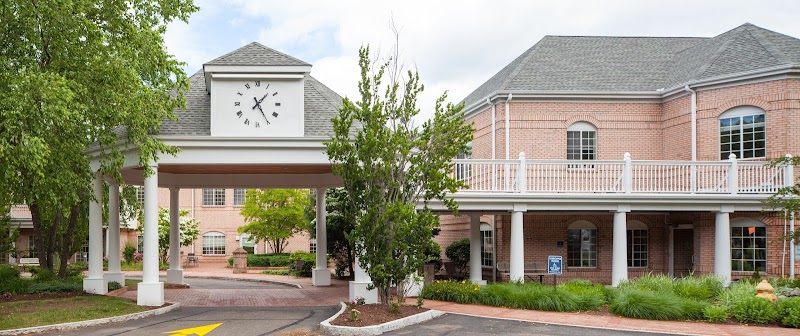
Who Owns and Operates Autumn Lake Healthcare At The Willows?

AUTUMN LAKE HEALTHCARE AT THE WILLOWS is owned by a for-profit company. For-profit facilities operate as businesses with obligations to shareholders or private owners. The facility is operated by AUTUMN LAKE HEALTHCARE, a chain that manages multiple nursing homes. With 90 certified beds and approximately 84 residents (about 93% occupancy), it is a smaller facility located in WOODBRIDGE, Connecticut.
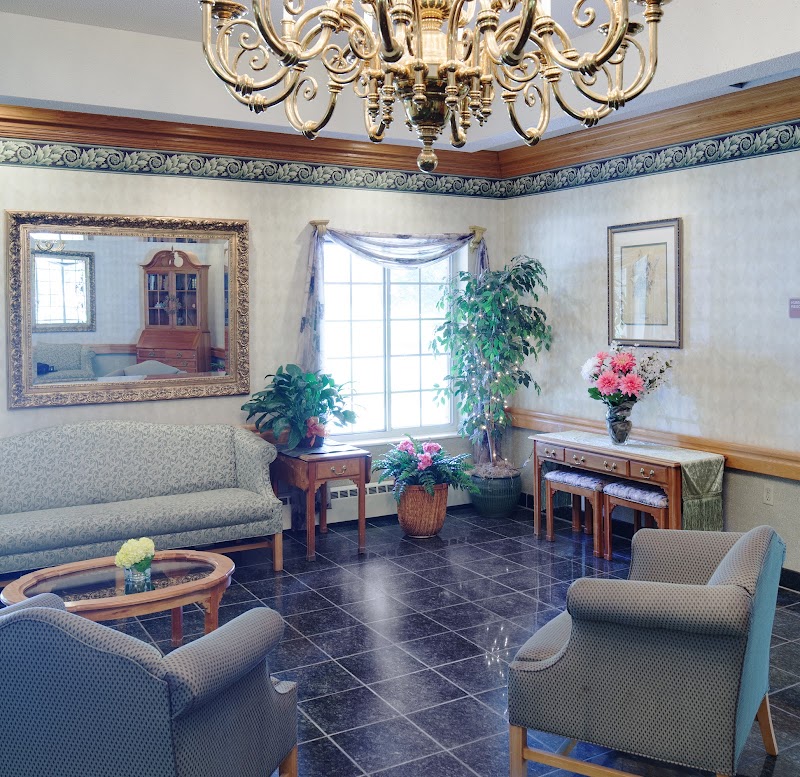
How Does Autumn Lake Healthcare At The Willows Compare to Other Connecticut Nursing Homes?

Compared to the 100 nursing homes in Connecticut, AUTUMN LAKE HEALTHCARE AT THE WILLOWS's overall rating (4 stars) is above the state average of 3.0, staff turnover (30%) is significantly lower than the state average of 46%, and health inspection rating (4 stars) is above the national benchmark.

What Should Families Ask When Visiting Autumn Lake Healthcare At The Willows?

Based on this facility's data, families visiting should ask: "Can I visit during a mealtime to observe dining assistance and food quality?" "How do you handle medical emergencies, and what is your hospital transfer rate?" "Can I speak with family members of current residents about their experience?"

Is Autumn Lake Healthcare At The Willows Safe?

Based on CMS inspection data, AUTUMN LAKE HEALTHCARE AT THE WILLOWS has a clean safety record: no substantiated abuse findings (meaning no confirmed cases of resident harm), no Immediate Jeopardy citations (the most serious violation level indicating risk of serious injury or death), and is not on the Special Focus Facility watch list (a federal program monitoring the lowest-performing 1% of nursing homes). The facility has a 4-star overall rating and ranks #1 of 100 nursing homes in Connecticut. While no facility is perfect, families should still ask about staff-to-resident ratios and recent inspection results during their visit.

Do Nurses at Autumn Lake Healthcare At The Willows Stick Around?

Staff at AUTUMN LAKE HEALTHCARE AT THE WILLOWS tend to stick around. With a turnover rate of 30%, the facility is 16 percentage points below the Connecticut average of 46%. Low turnover is a positive sign. It means caregivers have time to learn each resident's needs, medications, and personal preferences. Consistent staff also notice subtle changes in a resident's condition more quickly.

Was Autumn Lake Healthcare At The Willows Ever Fined?

AUTUMN LAKE HEALTHCARE AT THE WILLOWS has no federal fines on record. CMS issues fines when nursing homes fail to meet care standards or don't correct problems found during inspections. The absence of fines suggests the facility has either maintained compliance or corrected any issues before penalties were assessed. This is a positive indicator, though families should still review recent inspection reports for the full picture.

Is Autumn Lake Healthcare At The Willows on Any Federal Watch List?

AUTUMN LAKE HEALTHCARE AT THE WILLOWS is not on any federal watch list. The most significant is the Special Focus Facility (SFF) program, which identifies the bottom 1% of nursing homes nationally based on persistent, serious quality problems. Not being on this list means the facility has avoided the pattern of deficiencies that triggers enhanced federal oversight. This is a positive indicator, though families should still review the facility's inspection history directly.