COMPLETE CARE AT SILVER LAKE LLC
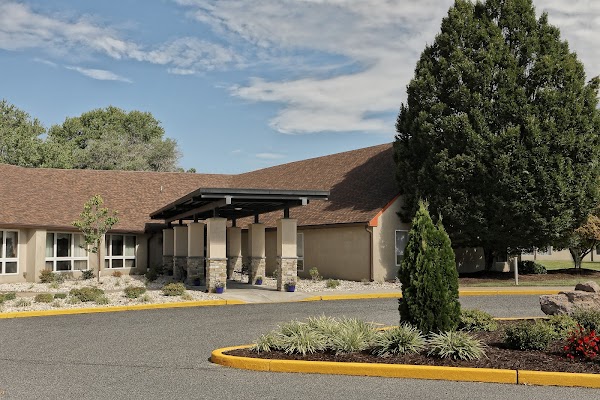
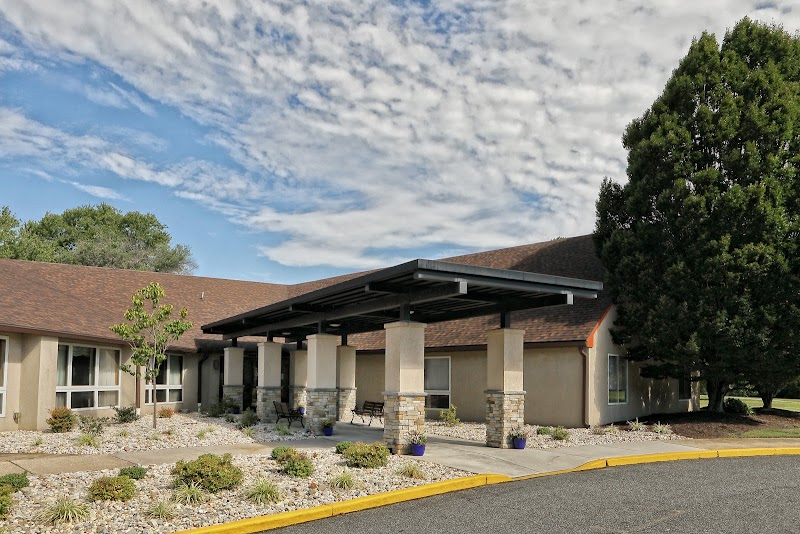
1080 SILVER LAKE BLVD, DOVER, DE 19904 (302) 734-5990
For profit - Limited Liability company 120 Beds COMPLETE CARE Data: November 2025
Trust Grade
50/100
#16 of 43 in DE
Last Inspection: January 2025

Within standard 12-15 month inspection cycle. Federal law requires annual inspections.

Overview

Complete Care at Silver Lake LLC in Dover, Delaware, has a Trust Grade of C, indicating it is average compared to other facilities. It ranks #16 out of 43 in the state, placing it in the top half, and #3 out of 7 in Kent County, with only two local options being better. However, the facility is worsening, with issues increasing from 7 in 2024 to 12 in 2025. Staffing is considered a strength, rated 4 out of 5 stars, with a turnover rate of 36%, which is below the state average. While the facility has some positive aspects, such as good staffing and quality measures, it has concerning incidents, including a resident suffering femur fractures due to inadequate assistance during repositioning and another sustaining second-degree burns from hot water. Overall, families should weigh these strengths and weaknesses when considering this nursing home.

Trust Score
C
50/100
In Delaware
#16/43
Top 37%
Safety Record
High Risk
Review needed
Inspections
Getting Worse
7 → 12 violations
Staff Stability
○ Average
36% turnover. Near Delaware's 48% average. Typical for the industry.
Penalties
✓ Good
$57,311 in fines. Lower than most Delaware facilities. Relatively clean record.
Skilled Nurses
✓ Good
Each resident gets 57 minutes of Registered Nurse (RN) attention daily — more than average for Delaware. RNs are trained to catch health problems early.
Violations
⚠ Watch
30 deficiencies on record. Higher than average. Multiple issues found across inspections.
★★★★☆
4.0
Overall Rating
★★★★☆
4.0
Staff Levels
★★★★★
5.0
Care Quality
★★★☆☆
3.0
Inspection Score
Stable
2024: 7 issues
2025: 12 issues

The Good

  • 4-Star Staffing Rating · Above-average nurse staffing levels
  • 5-Star Quality Measures · Strong clinical quality outcomes
  • Full Sprinkler Coverage · Fire safety systems throughout facility
  • No fines on record
  • Staff turnover below average (36%)

    12 points below Delaware average of 48%

Facility shows strength in staffing levels, quality measures, fire safety.

The Bad

Staff Turnover: 36%

10pts below Delaware avg (46%)

Typical for the industry

Federal Fines: $57,311

Above median ($33,413)

Moderate penalties - review what triggered them

Chain: COMPLETE CARE

Part of a multi-facility chain

Ask about local staffing decisions and management

The Ugly 30 deficiencies on record

2 actual harm
Jan 2025 12 deficiencies 1 Harm
SERIOUS (G)

Actual Harm - a resident was hurt due to facility failures

Accident Prevention (Tag F0689)

A resident was harmed · This affected 1 resident

**NOTE- TERMS IN BRACKETS HAVE BEEN EDITED TO PROTECT CONFIDENTIALITY** Based on observation, interview, record review, and facility policy review, the facility failed to provide supervision to preven...

Read full inspector narrative →
**NOTE- TERMS IN BRACKETS HAVE BEEN EDITED TO PROTECT CONFIDENTIALITY** Based on observation, interview, record review, and facility policy review, the facility failed to provide supervision to prevent residents from sustaining injuries from falls and/or a burn from hot water for three (Residents (R) 40, R96, and R38) of eight sampled residents reviewed for accidents out of a total sample of 32. R40 was assessed to require two staff members for bed mobility; however, the resident was repositioned by one staff member and slid out of bed, which resulted in actual harm of bilateral femur fractures. R96 suffered actual harm of second degree burns when water, which had been heated in the microwave for three to four minutes, spilled on her. R38 suffered a fractured femur, and facility staff failed to implement identified interventions to prevent further falls and injury The deficient practices caused residents to experience a decrease in quality of life and quality of care problems. Findings include: Review of the facility's policy titled, Incidents and Accidents, updated 03/14/23, revealed, It is the policy of this facility for staff to utilize [electronic medical record program] Risk Management Portal to report, investigate, and review any accidents or incidents that occur or allegedly occur, on facility property and may involve or allegedly involve a resident . Assuring that appropriate and immediate interventions are implemented and corrective actions are taken to prevent recurrences and improve the management of resident care . A Fall policy and/or program addressing prevention and intervention was requested and not provided. Review of the facility's policy titled, Microwave Safety, updated 03/29/22, revealed, To allow resident food and/or beverages to be reheated via microwave while remaining safe within the facility . Heat food/ beverages in 30 second increments until appropriate temperature is reached. 145 degrees F [Fahrenheit] 5. Stir food items during microwave heating to ensure even heat distribution. 6. Use a sanitized thermometer (using a sanitizer wipe safe for food service) to check for safe temperatures prior to service . 10. Supervise/assist resident at risks for burns or who need help to eat (as their care plan directs) to maintain their safety and dignity. 1. Review of R40's undated Face Sheet, located under the Profile tab in the electronic medical record (EMR), revealed R40 was readmitted to the facility on [DATE] with diagnoses of pneumonitis due to inhalation of food and vomit, metabolic encephalopathy, and muscle wasting and atrophy of multiple sites. Review of R40's Lift, Transfer, Reposition assessment, dated 09/18/24 and located under the Assessment tab in the EMR, revealed R40 required two staff for repositioning in bed. Review of R40's annual Minimum Data Set (MDS), located in the EMR under the MDS tab and with an Assessment Reference Date (ARD) of 09/21/24, revealed R40 had a Brief Interview for Mental Status (BIMS) score of 15 out of 15, which indicated the resident was cognitively intact. R40 was also coded as being dependent on staff in bed mobility. Review of R40's Care Plan, located under the Care Plan tab in the EMR and dated 09/19/24 revealed, The resident uses side rails to maximize independence with turning and repositioning in bed. Review of the facility's self-reported incident, dated 10/04/24 and provided by the facility, revealed R40 fell out of her bed when being turned by Certified Nursing Assistant (CNA)3 during incontinence care. The report read, . Resident had a witnessed fall this morning 10-04-24 at 7:00 am. Resident was being provided incontinence care and while rolled on her side residents legs started to slide off the bed. Resident then completely slid from the bed and landed on the floor on her right side. Resident denies hitting head, witness to fall also states resident did not hit her head. Resident was assessed by the nurse and had no complaints of pain and no injuries were noted. This afternoon 10.04.24 [sic] at approximately 1300 resident had a syncopal episode and was complaining of shortness of breath. Residents pulse ox [oximetry] was noted to be 87% on room air. Resident was placed on 02 at 2 liters via [by] nasal cannula and pulse ox increased to 95% Resident was also noted with and elevated pulse. Resident was assessed by NP and order [sic] was given to send to the ER for further evaluation . Review of R40's hospital CT Scan of Lower Extremity Bilateral results, dated 10/04/24 and provided by the facility, revealed, . Comminated fracture with impaction distal right femoral metaphysis .Comminated fracture with impaction distal left femoral metaphysis . During an interview on 01/21/25 at 9:30 AM, R40 stated she had fallen in October when a CNA rolled her over to the right side with the CNA standing behind her. R40 stated she was able to catch ahold of the bed railing to hold herself over to help staff. R40 stated she told the CNA that she was falling, and the CNA attempted to grab her leg, but she started falling and fell out of the bed that was in the high position. The resident stated the CNA was tall so she put the bed up high and then that was the height that she fell from. She reported that she had fractures of both legs, but the right leg fracture was worse than the left leg fracture. A phone interview was attempted with CNA3 on 01/22/25 at 1:52 PM and again on 01/23/25 at 10:07 AM. Voice messages were left each time with a call back number for CNA3 to call. No return phone call was received. During an interview on 01/23/25 at 11:46 AM, the Director of Nursing (DON) stated, [name of CNA2] was [R40's] CNA when this incident occurred. The resident [R40] had been turned to her side with [CNA3] providing peri care while the resident was holding onto the side rail. [R40's] legs began to slide off the bed and the aide attempted to get the resident not to fall. [CNA3] should have rolled [R40] towards her [CNA3] instead of away from her [CNA3]. The DON was asked how many staff members were required for repositioning R40 in bed as care planned. The DON stated, Two. The DON was asked how many staff members were assisting R40 in turning when this fall occurred and the DON stated, Only one, [CNA3]. The DON continued, We put [CNA3] on leave and before she took an assignment to return to work, [CNA3] was provided education on turning, repositioning and lifting of residents and of the door magnets. The door magnets will have, for example, TA2 XL which stands for total assistance of 2 staff members with XL standing for the size of the lift pad or sling to be used when using a lift for the resident. We even included this training for all staff. During an interview on 01/23/25 at 2:00 PM, the Administrator confirmed this incident was taken to QAPI (Quality Assurance Performance and Improvement), and a QAPP (Quality Assurance Performance Plan) dated 10/04/24 had been developed. Review of this plan revealed monitoring and compliance of this plan would be achieved by Performing random spot checks to observe staff compliance with care plans. Create a tracking log for high-risk residents to ensure plans are followed consistently. Assign the nurse manager or charge nurse to review adherence to the care plans weekly . Monitoring and follow up: Ongoing, with first evaluation at 30 days post implementation. Verification of this process was reviewed on 01/23/25 at 5:00 PM, and it was noted the facility had completed all training and implemented the door magnets on 10/06/24. The facility had completed the QAPI plan as outlined to this date. This was determined be past non-compliace with a verified compliance date of 10/6/24. 2. Review of R96's annual Minimum Data Set (MDS), with an Assessment Reference Date (ARD) date of 12/22/24 and located in the MDS tab of the electronic medical record (EMR), revealed an admission date of 12/16/23 and a Brief Interview for Mental Status (BIMS) score of 15 out of 15, indicating R96's cognition was intact. It was recorded R96 had diagnoses of chronic pain, anxiety, and multiple sclerosis. Review of R96's investigation report, dated 10/05/24 and provided by the facility, revealed, [R96] is a resident at [facility name] who is alert and oriented x 2-3 with a BIMS of 15. At approximately 3:55pm, the resident asked a Certified Nurse Assistant [(CNA)4] [name] to heat up her hot water. The staff member stated he heated up the hot water for approximately three minutes and brought it to the resident. While helping the resident, he accidentally spilled hot water on her. Nursing immediately responded to this and provided first aid cooling treatment to her hand/wrist. Then nursing removed clothing and performed a whole-body skin assessment. Several reddened areas were identified: the dorsal side of left hand and wrist, left upper thigh, middle of abdomen, and side of left breast. First-aid cooling compresses were immediately applied to the affected areas. The nurse practitioner was contacted and an order for Silvadene was placed. Nursing is administering cooling compresses frequently on the areas as well as providing pain medication as needed, and the resident has stated that this has been effective for pain. Responsible party notified. Currently, the resident is calm and in good spirits. The facility is investigating this incident. We are providing re-education for staff on safe heating procedures. Review of R96's 10/05/24 Summary for Providers note located in the EMR in the Progress Note tab revealed, . Left hand opened blister observed measuring 6.4x4.9x< [less than]0.1. Left breast, left abdomen and left thigh with fading redness . Review of R96's Wound Assessment Report, dated 10/08/24, located in the EMR under the Miscellaneous tab revealed the following burns: Location: left forearm/hand, Measurements Length: 24.00 cm, Width: 16.00 cm . Depth: 0.10 cm, Etiology: Second Degree Burn. Location: left breast, Measurements Length: 3.00 cm, Width: 7.50 cm . Etiology: First Degree Burn. Location: abdomen, Measurements Length: 31.00 cm, Width: 30.00 cm . Depth: 0.10 cm, Etiology: Second Degree Burn. Location: left anterior thigh, Measurements Length: 17.00 cm, Width: 21.00 cm . Etiology: Second Degree Burn. On 01/20/25 at 2:46 PM, R96 was observed in bed awake with a sleep cover over her eyes. R96 was asked if she had been burned by hot water. R96 stated, Yes. R96 stated water for her coffee spilled on her lap after she asked the Certified Nurse Aide (CNA) to heat the water. R96 stated the CNA accidentally spilled it on her left hand, stomach, breast, and left leg a few weeks ago. R96 stated she received second-degree burns, but it was half healed now. R96 stated a treatment was ordered for Silvadene. R96 stated she thought the CNA used the microwave in the employee breakroom and heated her water for four minutes. R96's hands and body were covered with her blanket. R96 refused for her left hand and other areas previously burned to be observed. On 01/22/25 at 9:04 AM, the nourishment room on station two was observed and at 9:06 AM the nourishment room on station one was observed. Both microwaves had safety signs posted and the microwave policy. During an interview on 01/22/25 at 10:40 AM, the Director of Nursing (DON) was asked about the incident on 10/24 when R96 experienced a second-degree burn after a CNA spilled hot water on her. The DON stated CNA4 did not work at the facility anymore. The DON stated CNA4 used the microwave in the nourishment room on station two and this was the first time this type of incident had occurred. The DON stated CNA4 heated the water up for three minutes and poured it in R96's personal cup. The DON stated as CNA4 was putting on the lid to R96's travel mug, the hot water hit the bedside table and spilled on to R96 as she sat in her wheelchair in her room. The DON stated CNA4 immediately called the nurse who was in the hallway and CNA4 also reported to her soon after. The DON went on to say a treatment order for Silvadene was immediately obtained. The DON stated R96's skin has healed completely with no lasting issues and no scarring. During a telephone interview on 01/22/25 at 4:37 PM, CNA4 was asked about the incident when R96 was burned from hot water. CNA4 stated R96 had asked her to make her a cup of coffee. CNA4 stated she heated the water in the microwave in the nourishment room in another cup for about three minutes. CNA4 stated she returned to R96's room with the water, poured it in R96's cup, and while she was placing the lid on the cup, it spilled. CNA4 stated R96 felt the hot water sensation and screamed. CNA4 stated she immediately got the nurse who was in the hall. The nurse assessed R4's skin, undressed R96, and immediately applied cooling treatment on the skin. CNA4 stated she then reported the incident to the DON. CNA4 stated the facility conducted training on the use of the microwave and the aides cannot use the microwave. CNA4 stated water could only be heated by the nurse thirty seconds at a time and a thermometer must be used to measure the temperature. CNA stated she was not aware of other residents getting burns from hot liquids. During an interview on 01/23/25 at 8:10 AM, Registered Nurse (RN)1 was asked about the facility's policy for heating liquids in the microwave. RN1 stated only the nurses could heat something in the microwaves. RN1 then opened the nourishment room on station two that stored the microwave. The microwave was observed with signs posted with instructions that included Microwave Safety Until further notice the microwaves in Dining room and nourishment rooms are not to be used by staff and they have been taken out of service. Please read attached policies on microwave safety and use and storage of food brought in by residents and visitors. Complete Quiz and sign attestation indicating that you have read and understand the policies and directions for using a microwave. This education is mandatory. It is to promote safe practice and reduce risk of injury. Any questions please see a member of management. During a follow up interview on 01/23/25 at 9:41 AM, the DON confirmed only a nurse could heat up food and beverages for residents, and the microwaves available for staff to heat resident food and beverages were in the nourishment rooms on stations one and two. The facility provided documentation staff training on microwave safety occurred on 10/05/24, a performance improvement plan was implemented, and the surveyor observed safety signs and the microwave policy in place on 01/22/25. The surveyor confirmed training and policy implementation with staff interviews. On 01/23/25 at 12:31 PM, R96 was asked if she had staff heat water for her since the accident. R96 stated, No. R96 again declined her skin to be observed. This was determined to be past non-compliance with a verified compliance date of 10/5/24. 3. Review of R38's quarterly MDS, with an ARD date of 10/22/24 and located in the MDS tab of the EMR, revealed an admission date of 11/18/16 and a BIMS score of three out of 15, indicating R38's cognition was severely impaired. It was recorded that R38 had one fall since admission with injury, and had diagnoses of Alzheimer's disease, anxiety, and unspecified dementia, severe, with mood disturbance. Review of R38's Nursing Quarterly Assessment, dated 06/12/24 and located in the EMR under the Assessment tab, revealed R38 was High Risk for falls, as indicated by a score of 16.0. Review of R38's investigation, dated 07/09/24 and provided by the facility, revealed, On 07/04/24 resident was found sitting on the fall mat with her back against her bed that was in the low position. Resident assessed at that time and no injury was noted and resident did not express any pain. On 07/05/24 bruising was noted to residents [sic] right thigh so an x-ray [high-energy electromagnetic radiation] of the right hip and femur was ordered. This x-ray showed no acute fracture. On 07/08/24 bruising was noted on resident's right knee. An x-ray was ordered of the right knee, femur, right hip, and right tibia and fibula. The mobile x-ray tech [technician] was only able to complete the x-ray of the right hip and pelvis. On 7/9/24 NP [nurse practitioner] assessed resident and noted swelling in her knee. The NP requested resident be sent to the ER [emergency room] for evaluation due to the knee swelling. At the ER an x-ray of the right knee revealed a fracture of the lateral femoral condyle . An investigation was initiated and completed- Staff statements were completed and collected. Resident was last seen sitting up in her bed with her legs straight out on the bed and the over the bed table over her while she was eating dinner. The bed was in the lowest possible position to accommodate the over the bed table. The over bed table was placed on the left side of the bed. Staff noted the over the bed table had been pushed slightly towards the end of the bed when they found resident sitting on the floor. Residents [sic] legs were noted to be crossed with the left leg over top of the right. Due to resident's dementia, she was not able to be interviewed. Resident's roommate did not see resident fall. Resident is known to be fidgety and impulsive with poor safety awareness. At the hospital resident underwent an x-ray of right knee revealing a fracture of the lateral femoral condyle. Right hip x-ray was noted to be unremarkable. Pelvis x-ray showed no acute fracture. A CT [computed tomography scan] of the right knee was completed and revealed a displaced comminuted oblique fracture of the distal metaphysis. A CT of the head showed no acute fracture. A CT of the spine showed a C1 [upper cervical spine] fracture that was also noted back in 6/5/2023 so it is not acute. Resident currently remains admitted to the hospital- Hospital states resident is not a candidate for surgery and they are treating resident for pain and have splinted the fracture to immobilize. Care plan was reviewed, new intervention added to increase safety checks. Review of R38's Care Plan, revised 07/12/24 and located in the EMR under the Care Plan tab of the EMR, revealed, Resident is at high risk for falls: cognitive loss, lack of safety awareness, anxiety, ambulates with unsteady gait. The goal included, . The resident will not sustain serious injury through the review date . Interventions included to encourage the resident to participate in activities that minimize potential falls that provide diversion and distraction, keep the bed in low position, place a fall Mat on right side of bed, and increased safety checks. Review of R38's July 2024 TAR located in the EMR under the Order tab revealed Brace to Right lower extremity. skin check every shift. Maintain non weight bearing right lower extremity. every shift, order date 07/25/24 and discontinue date 09/23/24. On 01/20/25 at 11:36 AM, R38 was observed awake lying in a low bed talking nonsensical and holding a crayon. R38 was very fidgety and was noted to have a laceration on her forehead. The overbed table and a wheelchair were on the fall mat, leaving no space on the mat should R38 fall. On 01/21/25 at 8:49 AM, R38 was observed awake in a low bed dressed in pajamas with the lights off. R38's legs were pulled up to her chest, tugging up on her covers, and she was very fidgety. The fall mat next to R38's bed had an overbed table on top of the mat, leaving little space on the mat. On 01/22/25 at 9:54 AM, R38 was observed asleep in a low bed with covers up to her chin. The fall mat was in place with an overbed table and a wheelchair on the mat, leaving little room on the mat. During an interview on 01/22/25 at 10:57 AM, CNA2 was asked if R38 was a fall risk. CNA2 stated R38 does fall and stayed in her bed most of the time. CNA2 stated, [R38] can stand and that's when she falls. CNA2 stated when R38 was trying to get up from her low bed, they put her in the wheelchair and took her to the nurses' station so staff could keep an eye on her. On 01/23/25 at 7:28 AM, R38 was observed asleep in bed with the head of the bed up and the overbed table on top of the fall mat. During an interview on 01/23/25 at 8:52 AM, the DON and Regional Director of Nurses (RDON) were asked about R38's fall on 07/04/24. The DON stated it was unwitnessed, but later R38 complained of pain and a bruise was noted. The DON stated the first and second x-rays at the facility revealed no fracture, but R38 was still complaining of pain. She stated R38 was sent to the hospital where another x-ray revealed a fracture. The DON stated the origin of the injuries were unconclusive, stating staff were just in R38's room and the bed was in a low position with the fall mat in place. The DON stated it was possible the bedside table was nearby as R38 had just finished a meal and may have hit the base as she fell out of bed. The DON stated the plan of care was to have R38 in a low bed with fall mats. The DON stated staff knew R38 was at increased risk for falls and when [R38] gets antsy staff are to get R38 dressed and up in her wheelchair. The DON stated, Staff document by [R38]'s door to keep an eye on her. The DON stated R38 liked to color so staff should give her coloring activities to occupy her. The DON was asked if the overbed table should be on the fall mat between meals, obstructing the purpose of the mat. The DON stated, No. The DON was informed that the overbed table and wheelchair had been noted on R38's fall mat while R38 was in bed during the days of the survey. The DON was asked why R38 was always in bed and at times very fidgety. The DON stated nursing should be getting R38 out of bed and providing activities to occupy her such as coloring. The DON stated R38 was constantly in movement due to anxiety and her medication had been changed on the 12/24/24 and 01/07/25. The DON stated since R38's medication changes she still had the urge to get up out of bed and had high anxiety. The DON stated they were to make the environment safe in her room to prevent injury should R38 fall. The DON stated the placement of the overbed table was important. During an observation on 01/23/25 at 4:05 PM, R38 was observed in a low bed with a fall mat in place. The bedside table and wheelchair were on the mat, allowing little space on the mat should R38 fall. During an observation in R38's room on 01/23/25 at 4:07 PM, the Assistant Director of Nurses (ADON)was asked about the fall mat being obstructed with the overbed table and wheelchair. The ADON confirmed the overbed table and wheelchair should not be on the mat in case R38 fell as R38 could fall on the equipment. During a telephone interview on 01/23/25 at 5:52 PM, Licensed Practical Nurse (LPN)5 was asked about R38's fall on 07/04/24 and her fracture. LPN5 stated R38 was found on the floor on the fall mat but she did not see her fall. LPN4 stated R38's bed was in the low position and the fall mat was in place. LPN5 went on to say R38's plan to decrease falls included a low bed and a fall mat, and when R38 was restless staff would sit by her doorway and talk with her or get her up in the wheelchair. During a telephone interview on 01/23/25 at 5:59 PM, CNA7 was asked about R38's fall on 07/04/24. CNA7 stated she could not remember all the details but R38 was in a low bed and the fall mat was in place. CNA7 stated she thought the overbed table was in the way on the fall mat. CNA7 was asked what was in place to reduce R38's fall or injury. CNA7 stated all the staff took turns keeping an eye on R38 and keeping her in a low bed and fall mats next to her bed. CNA7 stated they were educated on R38's safety, saying, It's important to keep the mat clear of objects. During a telephone interview on 01/23/25 at 6:13 PM, RN2 was asked about R38's fall in 07/04/24. RN2 stated she could not remember exactly as it had been a while and she did not see R38 fall. RN2 asked what interventions were in place to reduce falls. RN2 stated R38 was in a low bed, had a fall mat, and they anticipated her needs. RN2 stated when R38 was restless, a CNA would sit close to her or inside the room when she was in bed, and R38 did sit in her wheelchair at times.
CONCERN (D)

Potential for Harm - no one hurt, but risky conditions existed

Deficiency F0552 (Tag F0552)

Could have caused harm · This affected 1 resident

**NOTE- TERMS IN BRACKETS HAVE BEEN EDITED TO PROTECT CONFIDENTIALITY** Based on observation, interview, record review, and facility policy review, the facility failed to ensure one of one resident (R...

Read full inspector narrative →
**NOTE- TERMS IN BRACKETS HAVE BEEN EDITED TO PROTECT CONFIDENTIALITY** Based on observation, interview, record review, and facility policy review, the facility failed to ensure one of one resident (Resident (R) 113) reviewed for communication out of a total sample of 32 was communicated with in a language the resident could understand. R113 was Spanish speaking only, and the lack of providing communication in the resident's language could potentially cause frustration and possible unmet care needs. Findings include: Review of facility's policy titled, Communicating with Persons with Limited English Proficiency, dated 03/14/23, revealed It is the policy of this facility take reasonable steps to ensure that persons with Limited English Proficiency (LEP) have meaningful access and an equal opportunity to participate in our services, activities, programs, and other benefits. The purpose of this policy is to ensure meaningful communication with LEP residents. Review of R113's admission Record, located under the Profile tab of the electronic medical record (EMR), revealed R72 was admitted on [DATE] with diagnoses of unspecified fracture of right femur, repeated falls, and dementia. Review of R113's admission Minimum Data Set (MDS), located in the EMR under the MDS tab and with an Assessment Reference Date (ARD) of 12/22/24, revealed the resident was unable to complete the interview, was rarely understood, and was severely cognitively impaired. It was recorded that R113 required maximum assistance with mobility and was dependent on toileting and hygiene. Review of R113's Recreation Comprehensive Assessment, located in the EMR under the Assessment tab and dated 12/22/24, revealed, [Resident name] speaks Spanish. Her answers in Spanish are not always appropriate r/t [related to] cog[nitive] impairment. Prefers tv cartoons and classic Spanish music. [Resident name] may benefit from accommodations for communication. Review of R113's Progress Notes, located in the EMR under the Progress Notes tab, dated 12/18/24, and documented by nursing staff, revealed, . [R113] speaks Spanish. Reason for visit: The resident is being evaluated today for a new admission . Staff Spanish to English interpreter utilized during exam . During a continuous observation on 01/21/25 at 9:06 AM until 10:14 AM, R113 was observed sitting in her Geri-chair at the nurses' station, swinging her legs out of her chair, and speaking in Spanish. Throughout the observation, Registered Nurse (RN) 4 was observed three times assisting R113 by placing her legs back into the chair. RN4 only spoke to R113 in English. The Social Services Director (SSD) walked by R113 twice and did not approach the resident, and the Director of Nursing (DON) walked by R113 once and did not approach the resident. Certified Nurse Aide (CNA) 6 approached R113, attempted to adjust R113's legs in her chair, and spoke to her in English. During an interview on 01/21/25 at 9:06 AM, CNA6 stated staff used the translation line or the resident's family member to speak to R113. She stated there were also staff that spoke Spanish so occasionally they would get them to help. She stated usually R113 just slept and was never like this [restless and agitated]. During an interview on 01/21/25 at 9:11 AM, RN8 and RN4 stated R113 had no safety awareness and was a fall risk. They stated the family member encouraged them to call. RN8 stated, We can use the language line, and we have some staff that speak Spanish. During an interview on 01/22/25 at 8:52 AM, the DON and the Administrator stated the care plan should have been followed, the language line should have been contacted, and a snack should have been offered to R113. The Administrator stated that he had placed a sign at each nurses' station with the language line number to ensure staff could call when necessary. He stated prior to this it had been difficult to see the numbers. The sign was observed at each station. During an interview on 01/23/25 at 8:40 AM, the SSD stated that since R113 had a communication barrier, staff would usually contact R113's family member and use the language line. She stated she had walked by the resident twice on 01/21/25 and noticed she was agitated. The SSD stated she did not stop because she saw the nurses working with her and she did not want to interrupt what they were doing. She stated she was responsible for developing care plans for resident communication. During an interview on 01/23/25 at 12:21 PM, the DON stated when the SSD walked by staff talking with R113 in English, she should have asked staff what they had done to help R113 and offered her assistance.
CONCERN (D)

Potential for Harm - no one hurt, but risky conditions existed

Free from Abuse/Neglect (Tag F0600)

Could have caused harm · This affected 1 resident

**NOTE- TERMS IN BRACKETS HAVE BEEN EDITED TO PROTECT CONFIDENTIALITY** Based on observation, interview, record review, and policy review, the facility failed to ensure two residents (Resident (R) 24 ...

Read full inspector narrative →
**NOTE- TERMS IN BRACKETS HAVE BEEN EDITED TO PROTECT CONFIDENTIALITY** Based on observation, interview, record review, and policy review, the facility failed to ensure two residents (Resident (R) 24 and R82) of 32 sampled residents were free from physical abuse from R90, when R90 punched R24 and R82. The abuse caused by R90 had the potential to cause harm to all current residents throughout the facility. Findings include: Review of the facility's policy titled, Abuse, Neglect, Exploitation Policy and Procedure, dated 09/12/24, revealed, The facility strictly prohibits abuse, mistreatment, neglect, or exploitation of all resident, or misappropriate of resident property . The facility will protect residents from harm during an investigation by: immediately removing the alleged perpetrator from resident care areas . 1. Review of R24's admission Record, located under the Profile tab of the electronic medical record (EMR), revealed R24 was admitted on [DATE] with diagnoses that included chronic obstructive pulmonary disease and delusional disorders. Review of R24's quarterly Minimum Data Set (MDS), located in the EMR under the MDS tab and with an Assessment Reference Date (ARD) of 11/20/24, revealed the resident had a Brief Interview for Mental Status (BIMS) score of nine out of 15, indicating R24 was moderately cognitively impaired. Review of R24's Progress Note, located under the Progress Note tab of the EMR and dated 08/31/24, revealed, . CNA reported to nurse that she observed [R90] punching [R24] in [the] courtyard. [R90] informed writer that he was trying to get [R24] out of his way but does not remember hitting him. [R90] mentioned that [R24] did not hit him. [R90] refused skin assessment. Skin tear observed at back of [R24] left hand [bruising around area] and skin tear on right side of forearm. Denies pain. Moves all extremities. No further injury observed. Neurological checks initiated . During an attempted interview on 01/20/25 at 1:00 PM, R24 refused to speak about the incident. 2. Review of R82's admission Record, located under the Profile tab of the EMR, revealed R82 was initially admitted on [DATE] and was readmitted on [DATE] with diagnoses that included dehydration and type 2 diabetes. Review of R82's quarterly MDS, located in the EMR under the MDS tab and with an ARD of 12/30/24, revealed the resident had a BIMS score of 15 out of 15, indicating R82 was cognitively intact. Review of R82's Care Plan, located under the Care Plan tab in the EMR and dated 01/02/25, revealed, Resident is/has potential to be verbally aggressive. The goal was resident will demonstrate effective coping skills through the review date. Interventions included, . Administer medication as ordered, assess and anticipate resident's needs and assess resident's understanding of the situation . Review of R82's After Visit Summary, dated 09/17/24 and provided by the facility, revealed . [R82] was evaluated in the emergency room . Reason for visit: Facial Injury . Diagnoses: Orbital contusion, left, initial encounter, Assault, Contusion of lip, initial encounter, conjunctival hemorrhage of left eye . During an interview on 01/20/25 at 1:50 PM, R82 stated he was laying in his bed with the television on. He stated R90 asked him to turn off the television and he said no. R82 stated R90 said he would come over and turn it off. R82 stated he did not turn it off so R90 came over and threw the overbed table on the bed and then R90 jumped on top of him while he was in bed and started punching him. R82 said R90 then ran out into the hall and started telling staff what he had done. 3. Review of R90's admission Record, located under the Profile tab of the EMR, revealed R90 was initially admitted on [DATE] with diagnoses that included vascular disease and bipolar disorder. Review of R90's quarterly MDS, located in the EMR under the MDS tab and with an ARD of 01/06/25, revealed the resident had a BIMS score of 15 out of 15, indicating R90 was cognitively intact. Review of R90's Care Plan, located in the EMR under the Care Plan tab and initiated on 08/31/24, revealed, The resident is/has potential to be physically aggressive r/t (related to) poor impulse control. The goal was for the resident not to harm self or others through the review date. Interventions included, . administer medications as ordered, give the resident as many choices as possible, psychiatric/psychogeriatric consult as indicated and resident to have 1:1 supervision from 7:00 AM to 11:00 PM . During an interview on 01/20/25 at 10:30 AM, R90 stated he was depressed and was not sure why he had someone in his room all the time. R90 was asked about the incidents involving R24 and R82. R90 stated he did not remember any incidents. During an interview on 01/20/25 at 1:30 PM, Certified Nurse Aide (CNA) 6 stated that she knew R90 had one to one supervision several times since he readmitted to the facility in October. She stated he would be on one-to-one supervision and then off again. CNA6 stated she thought this was his last time and stated, If he hits anyone else, then he will be discharged . During an interview on 01/21/25 at 9:17 AM, Registered Nurse (RN) 8 stated R90 was always on one-to-one supervision, and the staff providing the supervision should always be with him. RN8 stated the first incident with R90 was when R90 hit R24 because he was going too slow outside. She stated the one-to-one supervision was from 7:00 AM until 11:00 PM and then he had a motion sensor alarm that was plugged in at the desk. During an interview on 01/21/25 at 6:55 PM, the Administrator stated that R90 punched R24 on 08/30/24 as they were going outside to the smoking area, and after that, R90 was placed on 30-minute checks and was moved to a private room. He stated there were no incidents so he was moved to a semi-private room with R82 but remained on 30-minute checks. He stated on 09/17/24, R90 punched R82 after they were in an altercation about R82's television. The Administrator stated R82 went to the emergency room and R90 went to a behavioral health hospital. He stated when R90 returned on 09/24/24, he was moved into a private room and was placed on one-to-one supervision. During an interview on 01/22/25 at 8:52 AM, the Director of Nursing (DON) and the Administrator stated R90 should always have one-to-one supervision from 7:00 AM until 11:00 PM and then he had a motion sensor alarm from 11:00 PM until 7:00 AM. The Administrator and the DON stated there had been no further incidents.
CONCERN (D)

Potential for Harm - no one hurt, but risky conditions existed

Report Alleged Abuse (Tag F0609)

Could have caused harm · This affected 1 resident

**NOTE- TERMS IN BRACKETS HAVE BEEN EDITED TO PROTECT CONFIDENTIALITY** Based on record review, interview, and facility policy review, the facility failed to report an allegation of abuse within two h...

Read full inspector narrative →
**NOTE- TERMS IN BRACKETS HAVE BEEN EDITED TO PROTECT CONFIDENTIALITY** Based on record review, interview, and facility policy review, the facility failed to report an allegation of abuse within two hours to the state agency for one of seven residents (Resident (R) 71) reviewed for abuse out of 32 sampled residents. This had the potential to affect all the residents in the facility who were at risk of abuse. Findings include: Review of R71's undated Face Sheet located under the Profile tab in the electronic medical record (EMR) revealed R71 was admitted to the facility on [DATE] with the diagnoses of diabetes mellitus, transient ischemic attack (TIA), and major depressive disorder. Review of R71's quarterly Minimum Data Set (MDS) located under the MDS tab in the EMR with an Assessment Reference Date (ARD) of 08/17/24 revealed a Brief Interview for Mental Status (BIMS) score of five out of 15 which indicated R71 was severely cognitively impaired. Review of R71's Care Plan located under the Care Plan tab in the EMR, dated 10/17/22, revealed The resident has a behavior problem: agitation, cursing, using derogatory language and expressing frustration/anger at others [sic]. The interventions that were in place included Anticipate and meet the resident's needs. Divert attention by giving resident alternative objects and/or activites [sic]. Familiarize with belongings/surroundings. Listen to and attempt to calm. Psych [psychiatric] eval [evaluation] with [name of psychiatric services]. Remove resident from environment. UA CNS [urinalysis culture and sensitivity]. R71 was also care planned for false accusations toward staff i.e. stating staff is providing care. Review of R71's Nursing Progress Note located under the Progress Note tab in the EMR, revealed a noted dated 09/12/24 at 9:10 PM which stated, Monitor behaviors r/t [related to] agitation, cursing, using derogatory language and expressing frustration/anger at others. Every shift [sic] Was a behavior observed? Yes [sic] Resident was disrespectful to nurse using derogatory language when administering medication. Resident states he will not take any medications until he speaks to the doctor. And asked us to get out of his room with CNA [Certified Nursing Assistant] as witness. During a phone interview on 01/23/25 at 10:14 AM, Registered Nurse (RN) 5 stated, I went into the room because his [R71] call light was on. He [R71] was requesting shoulder rub to his shoulder and that was when he [R71] told me the nurse came in to give me my medicines and he [R71] refused it. Then the nurse gave him the middle finger. There was an aide in the room with the nurse so with the past behaviors I didn't think this was abuse. I talked to the nurse and the aide about it. The nurse said she didn't do that, and the aide said the same thing to me. RN5 was asked who she reported this to, and RN5 stated, I didn't until the DON [Director of Nursing] asked me about it and I told her [DON] what I knew. RN5 was asked if there was a report of abuse whether it be any kind of abuse, what was the reporting time frame for her [RN5] to report. RN5 stated, I would report this immediately to my supervisor. But in this situation of the resident cursing and refusing his meds in the past, I didn't think it was abuse and I didn't report it. During an interview on 01/23/25 at 11:57 AM, the DON stated, [R71] reported to the day shift nurse [Licensed Practical Nurse (LPN) 1] on 09/13/24, the nurse the night before had given him the middle finger after he had refused to take his medications. During the investigation of this allegation, it was discovered that [RN5] was told by [R71] of this incident occurring on 09/12/24 after the incident occurred with the night nurse giving him [R71] the middle finger. The DON began reviewing the statement from RN5 and stated, [RN5] talked with the resident, the night nurse and the CNA because the night nurse had taken the CNA into the resident's room with her. They both reported that the night nurse left the resident's room with one cup of pills in one hand and a cup of water in the other hand. The night nurse and the CNA confirmed [R71] was being verbally abusive towards them telling them to get out. The DON was asked when staff should report any kinds of alleged abuse. The DON stated, They are to report this to me immediately and then we have two hours to report it to state. During an interview on 01/23/25 at 6:10 PM, the Administrator stated, We have drilled down to our managers and staff, they are to report any allegation of abuse immediately even if there is a witness, no matter if there is a history of the residents or what they do. So, we can report this to the state within two hours. Review of the facility's policy titled, Abuse, Neglect, Exploitation, dated 09/14/24, revealed Notify the appropriate agencies . In the case of abuse or serious bodily injury, no later than 2 [sic] hours after discovery or forming the suspicion .
CONCERN (D)

Potential for Harm - no one hurt, but risky conditions existed

Transfer Notice (Tag F0623)

Could have caused harm · This affected 1 resident

**NOTE- TERMS IN BRACKETS HAVE BEEN EDITED TO PROTECT CONFIDENTIALITY** Based on interview, record review, and facility policy review, the facility failed to provide written notification of a hospital...

Read full inspector narrative →
**NOTE- TERMS IN BRACKETS HAVE BEEN EDITED TO PROTECT CONFIDENTIALITY** Based on interview, record review, and facility policy review, the facility failed to provide written notification of a hospital transfer to the resident and responsible party (RP) for one of five residents (Resident (R) 62) reviewed for hospitalization of 32 sample residents. The failure had the potential to affect the residents and/or their representatives concerning the reason for the transfer and the resident's appeal rights. Findings include: Review of the facility's policy titled, Transfer or Discharge Notice, updated 01/19 and provided by the facility, revealed 3. The resident and/or representative (sponsor) will be notified in writing of the following information: a. The reason for the transfer or discharge . Review of R62's quarterly Minimum Data Set (MDS) with an Assessment Reference Date (ARD) date of 12/30/24 located in the MDS tab of the electronic medical record (EMR), revealed an admission date of 06/23/23 and a Brief Interview for Mental Status (BIMS) score of 14 out of 15 which indicated R62's cognition was intact, and had diagnoses of diabetes mellitus, hypertension, and chronic obstructive pulmonary disease. Review of R62's General note, dated 09/09/24 and located in the EMR under the Progress Note tab, revealed Resident sent to [name] hospital. Report called to [name] by [company] nurse per her request. Resident transported via stretcher with EMS [emergency medical services]. Resident was sent with cell phone, tablet, art book, colored pencils, headphones, wallet. Bed hold notice signed and sent with patient. Left message with emergency contact. Awaiting return call. Review of R62's Medication Administration Note, dated 09/10/24 and located in the EMR under the Progress Note tab, revealed R62 was hospitalized . Review of R62's Transfer Form, dated 09/09/24 and located in the EMR under the Assessment tab, revealed the reason for the transfer was due to a low K [potassium] 2.1 and R62's [family member] was telephoned about the transfer to the hospital and the reason for the transfer. Nothing was documented that written notice was provided to R62 and/or R62's family member. Review of R62's Notice of Hospital Transfer, dated 09/09/24 and provided by the facility, revealed A copy of this notice is being provided to the following persons and organizations: 1. You and/or your representative, guardian, or any other individual known to have acted as your agent and/or representative, 2. Notice to your local Ombudsman .Please ask your nurse to notify me if you do not agree with your discharge so that I can meet with you to discuss your options. I want to ensure that you are comfortable with your discharge plan and ensure that complete [facility name] provides you with your options for continued care if needed. There was no documentation indicating the form was provided to R62. During an interview on 01/22/25 at 9:39 AM, R62 was asked if she had gone to the hospital. R62 stated, Yes, several times, last time was few months ago. R62 was asked if she had been given any papers for her transfer to the hospital for her recent hospitalization. R62 stated, No she had not been given a transfer paper. During an interview on 01/22/25 at 10:06 AM, the Assistant Director of Nursing (ADON) was asked if R62 received a written transfer notice when R62 was transferred to the hospital on [DATE]. The ADON stated R62 was not provided with a paper copy of the transfer notice. During an interview on 01/22/25 at 10:23 AM, the Director of Nursing (DON) provided a hard copy of the transfer notice when R62 was sent to the hospital. The DON stated the notice was placed in the transfer packet that was given to EMS to give to the hospital. The hospital then should have given the copy of the notice to R62. The DON could not verify that a written copy of the notice was provided to R62. The DON confirmed R62 was her own representative.
CONCERN (D)

Potential for Harm - no one hurt, but risky conditions existed

Deficiency F0625 (Tag F0625)

Could have caused harm · This affected 1 resident

**NOTE- TERMS IN BRACKETS HAVE BEEN EDITED TO PROTECT CONFIDENTIALITY** Based on interview, record review, and facility policy review, the facility failed to provide written notification of the bed ho...

Read full inspector narrative →
**NOTE- TERMS IN BRACKETS HAVE BEEN EDITED TO PROTECT CONFIDENTIALITY** Based on interview, record review, and facility policy review, the facility failed to provide written notification of the bed hold policy to the resident and responsible party (RP) for one of five residents (Resident (R62) reviewed for hospitalization of 32 sample residents. The failure had the potential to affect the residents planning on returning to the facility. Findings include: Review of the facility's policy titled, Bed-Hold and Returns, updated 10/19, revealed Prior to transfers and therapeutic leaves, residents or resident representatives will be informed in writing of the bed-hold and return policy. Review of R62's quarterly Minimum Data Set (MDS) with an Assessment Reference Date (ARD) date of 12/30/24, located in the MDS tab of the electronic medical record (EMR), revealed an admission date of 06/23/23 and a Brief Interview for Mental Status (BIMS) of 14 out of 15, indicating R62's cognition was intact, and had diagnoses of diabetes mellitus, hypertension, and chronic obstructive pulmonary disease. Review of R62's General note, dated 09/09/24 and located in the EMR under the Progress Note tab, revealed Resident sent to [name] hospital. Report called to [name] by [company] nurse per her request. Resident transported via stretcher with EMS [emergency medical services]. Resident was sent with cell phone, tablet, art book, colored pencils, headphones, wallet. Bed hold notice signed and sent with patient. Left message with emergency contact. Awaiting return call. Review of R62's Medication Administration Note, dated 09/10/24 and located in the EMR under the Progress Note tab, revealed R62 was hospitalized . Review of R62's Bed Hold Notice, dated 09/09/24 and provided by the facility, revealed The notice is presented to you because of the following: admission to the hospital. The notice fulfils requirements to remind you of this facility's bed hold policy (see attached). Please read carefully and indicate whether or not you wish to reserve your room. The notice was signed by R62 but did not indicate the form was provided to R62. During an interview on 01/22/25 at 9:39 AM, R62 was asked if she had gone to the hospital. R62 stated, Yes, several times, last time was few months ago. R62 was asked if she had been given any papers for a bed hold for her recent hospitalization. R62 stated, No she had not been given a bed hold paper. During an interview on 01/22/25 at 10:06 AM, the Assistant Director of Nursing (ADON) was asked if R62 received a written bed hold notice when R62 was transferred to the hospital on [DATE]. The ADON stated R62 was provided with a paper copy of the bed hold which was uploaded in the EMR. The ADON then reviewed the EMR, and no bed hold notice was found. During an interview on 01/22/25 at 10:23 AM, the Director of Nursing (DON) provided a hard copy of the bed hold with R62's signature, dated 09/09/24, when R62 was sent to the hospital. The DON stated the notice was placed in the transfer packet that was given to the EMS to give to the hospital. The hospital then should have given the copy of the notice to R62. The DON could not verify that a written copy of the notice was provided to R62. The DON confirmed R62 was her own representative.
CONCERN (D)

Potential for Harm - no one hurt, but risky conditions existed

Deficiency F0660 (Tag F0660)

Could have caused harm · This affected 1 resident

**NOTE- TERMS IN BRACKETS HAVE BEEN EDITED TO PROTECT CONFIDENTIALITY** Based on interview, record review, and facility policy review, the facility failed to develop and implement an effective dischar...

Read full inspector narrative →
**NOTE- TERMS IN BRACKETS HAVE BEEN EDITED TO PROTECT CONFIDENTIALITY** Based on interview, record review, and facility policy review, the facility failed to develop and implement an effective discharge care plan for two of two residents (Resident (R) 46 and R82) reviewed for discharge planning out of a total sample of 32. Specifically, the facility failed to have an individualized discharge care plan in place. This failure had the potential to cause confusion and unmet care needs. Findings include: Review of the facility's undated policy titled, Care Plans, Comprehensive Person-Centered, revealed, the Interdisciplinary Team (IDT), in conjunction with the resident and his/her family or legal representative, develops and implements a comprehensive, person-centered care plan for each resident. 1. Review of R46's admission Record, located under the Profile tab of the electronic medical record (EMR), revealed R46 was admitted on [DATE] with diagnoses that included type two diabetes and an acquired absence of right leg below the knee. It was recorded R46 required setup assistance with eating and oral hygiene and was dependent on staff for all other activities of daily living (ADLs). Review of R46's Care Plan, located under the Care Plan tab in the EMR and dated 01/07/25, revealed there was no discharge care plan for the resident. During an interview on 01/20/25 at 3:28 PM, R46 stated she had attended a care conference, but she did not feel like she knew what was going on. She stated she was worried that once she received her prosthetic leg, she would not know what to do and who would be helping her. During an interview on 01/23/25 at 8:40 AM, the Social Services Director (SSD) stated upon admission that she had talked to R46 about her discharge plan but had not included that information in R46's EMR. She stated she did not know she needed to have a discharge care plan in place. She stated she would definitely try to help her [R46]. 2. Review of R82's admission Record, located under the Profile tab of the EMR, revealed R82 was initially admitted on [DATE] and was readmitted on [DATE] with diagnoses that included dehydration and type two diabetes. Review of R82's quarterly MDS, located under the MDS tab in the EMR and with an ARD of 12/30/24, revealed the resident had a BIMS score of 15 out of 15, which indicated R82 was cognitively intact. It was recorded that R82 required moderate assistance with all ADLs. Review of R82's Care Plan, located under the Care Plan tab in the EMR and dated 01/07/25, revealed there was no discharge care plan for the resident. During an interview on 01/20/25 at 1:50 PM, R82 stated he wanted to discharge from the facility and possibly go to an Assisted Living Facility, but he needed help to do that. He stated he had a stroke and was unable to take care of himself. He stated the social worker had not been much help as far as discharge planning. During an interview on 01/23/25 at 8:40 AM, the SSD stated she had just started working with R82, and he had shared a lot of information with her on 01/21/25 about his concerns related to his discharge from the facility. She stated she did not know she needed to have a discharge care plan in place. During an interview on 01/23/25 at 12:21 PM, the Director of Nursing (DON) stated the SSD should be involved in discharge planning and creating a discharge care plan for R46 and R82.
CONCERN (D)

Potential for Harm - no one hurt, but risky conditions existed

Deficiency F0742 (Tag F0742)

Could have caused harm · This affected 1 resident

**NOTE- TERMS IN BRACKETS HAVE BEEN EDITED TO PROTECT CONFIDENTIALITY** Based on observation, interview, record review, and policy review, the facility failed to provide medically related social servi...

Read full inspector narrative →
**NOTE- TERMS IN BRACKETS HAVE BEEN EDITED TO PROTECT CONFIDENTIALITY** Based on observation, interview, record review, and policy review, the facility failed to provide medically related social services to meet the resident's needs for one of 32 sampled residents (Resident (R) R90). This failure caused the resident to not receive the required care expected to be provided by the Social Services Director (SSD). Findings include: Review of Social Services Director Job Description, undated and signed by the SSD, revealed . The Social services Director is responsible for overseeing the development, implementation, supervision and ongoing evaluation of the Social Services Department designed to meet and assist residents in attaining or maintaining their highest practicable well-being . Review of R90's admission Record, located under the Profile tab of the electronic medical record (EMR), revealed R82 was initially admitted on [DATE] with diagnoses that included dehydration, type 2 diabetes, peripheral vascular disease, and bipolar disorder. Review of R90's quarterly Minimum Data Set (MDS), located in the EMR under the MDS tab and with an Assessment Reference Date (ARD) of 01/06/25, revealed the resident had a Brief Interview for Mental Status (BIMS) score of 15 out of 15, indicating R90 was cognitively intact. R90 indicated he had little interest or pleasure in doing things and felt down, depressed, or hopeless nearly every day during the MDS lookback period. During an interview on 01/20/25 at 10:30 AM, R90 said he was depressed and was not sure why he had someone in his room all of the time. During an interview on 01/23/25 at 8:40 AM, the SSD stated, [I] haven't done anything about [R90] his [psychosocial needs] and stated since he had constant one to one supervision I'm pretty sure that could be an issue, if someone is watching you constantly. She said she would like to talk to him about his depression. During an interview on 01/23/25 at 12:21 PM, the DON stated the SSD should be involved in all residents' psychosocial needs and the SSD should be involved in R90's care related to his psychosocial needs, especially since R90 had a history of abuse and receiving one to one supervision. (Cross-Reference F600)
CONCERN (D)

Potential for Harm - no one hurt, but risky conditions existed

Deficiency F0804 (Tag F0804)

Could have caused harm · This affected 1 resident

**NOTE- TERMS IN BRACKETS HAVE BEEN EDITED TO PROTECT CONFIDENTIALITY** Based on observation, interview, and facility policy review, the facility failed to serve food that was palatable and at the app...

Read full inspector narrative →
**NOTE- TERMS IN BRACKETS HAVE BEEN EDITED TO PROTECT CONFIDENTIALITY** Based on observation, interview, and facility policy review, the facility failed to serve food that was palatable and at the appropriate temperature for three of five residents (Resident (R) 62, R46, and R11) reviewed for food palatability out of 32 sample residents. This deficient practice could potentially cause residents to lose weight and decrease quality of life. Findings include: Review of the facility's policy titled, Food: Quality and Palatability, revised 2/2023, revealed . Food will be prepared by methods that conserve nutritive value, flavor and appearance. Food will be palatable, attractive and served at a safe and appetizing temperature . Review of the Centers for Disease Control website, located at https://www.cdc.gov/covid/hcp/infection-control/index.html, revealed, . Recommended routine infection prevention and control (IPC) practices during the COVID-19 pandemic . Management of laundry, food service utensils, and medical waste should be performed in accordance with routine procedures . Review of the Resident Council Minutes, dated 12/20/24 and provided by the facility, revealed two complaints of cold food. The resolution included Will follow for trend. 1. Review of R62's quarterly Minimum Data Set (MDS) with an Assessment Reference Date (ARD) date of 12/30/24 and located in the MDS tab of the electronic medical record (EMR), revealed an admission date of 06/23/23 and a Brief Interview for Mental Status (BIMS) of 14 out of 15, indicating R62's cognition was intact. It was recorded that R62 had diagnoses of diabetes mellitus, hypertension, and chronic obstructive pulmonary disease. Review of R62's Care Plan, dated 06/28/23 and located in the EMR under the Care Plan tab, revealed, The resident has nutritional problem r/t [related to] therapeutic diet restrictions, morbid obesity. An intervention included, . Provide, serve diet as ordered. Monitor intake and record q [every] meal . Review of R62's Orders, dated 01/16/25 and located in the EMR under the Order tab, revealed Infection Precautions - droplet, contact for covid positive. During an interview on 01/20/25 at 3:09 PM, R62 voiced complaints about being served cold food. R62 stated the noodles, carrots, and rice were not cooked well. During an observation and interview on 01/22/25 at 12:37 PM, R62 was served lunch in her room in a disposable foam tray. R62's meal included chicken, mixed vegetables, fruit, noodles, and a roll. R62 stated her food was not warm but she was going to eat it anyway. During an observation and interview on 01/23/25 at 8:07 AM, R62 was served breakfast in her room in a disposable foam tray. R62's meal included fried eggs, toast, and cream of wheat. R62 stated her food was served cold. During an observation and interview on 01/23/25 at 12:40 PM, R62 was served lunch in her room in a disposable foam tray. R62's meal included chicken, stuffing, Brussel sprouts, fruit, and a roll. R62 stated, It's not warm, just not warm enough. During an interview on 01/23/25 at 8:04 AM, the Dietary Manager (DM) was asked why disposable foam trays were used. The DM stated they were used for COVID positive residents only. The DM was asked if he was aware of cold food complaints. The DM stated they just changed the delivery service last night to help with keeping the food warm. The DM stated all the COVID trays were now placed on one cart to help with faster hall tray service and retain heat because the foam trays were not insulated. The DM stated he was not aware of the newest CDC guidance for COVID residents that stated routine management of food service utensils should be used. During an interview on 01/23/25 at 1:48 PM, the Registered Dietitian (RD) was asked about the cold food complaints residents had during the survey. These residents received their meals in the disposable foam trays. The RD stated the foam trays were used to serve residents their meals in their rooms for the COVID outbreak. The RD was asked about her expectations for keeping the food warm. RD stated, Get back to the system of regular utensils as soon as possible. 2. Review of R46's admission Record, located under the Profile tab of the EMR, revealed R46 was admitted on [DATE] with diagnoses of type two diabetes and acquired absence of right leg below the knee. Review of R46's quarterly MDS, located in the EMR under the MDS tab and with an ARD of 01/05/25, revealed the resident had a BIMS score of 15 out of 15, indicating R46 was cognitively intact. During an interview on 01/20/25 at 2:55 PM, R46 said she had concerns with the food. She said she used to work in the kitchen and the food was disgusting. She said the kitchen just don't know how to fix food. During an interview on 01/22/25 at 1:25 PM, R46 said the food was cold today and didn't look appetizing. She said the cabbage was not cooked either. She said because of the way it looked; she ordered out. R46 said the food was always cold. 3. Review of R11's Orders tab of the EMR revealed R11 was admitted to the facility on [DATE] with diagnoses that included dementia and multiple sclerosis (a chronic disease that affects the central nervous system.) Review of R11's quarterly MDS, with an ARD of 11/24/24 and located in the EMR under MDS tab, revealed R11 had a BIMS score of 12 out of 15, which indicated R11 had moderate cognitive impairment. During an interview on 01/21/25 at 10:27 AM, R11 stated the food was not good and it was cold. R11 stated, If I do not like it, I do not eat it. R11 stated he usually ordered food for delivery. During an observation on 01/23/25 at 7:58 AM, R11's meal arrived in Styrofoam dishes (which could contribute to foods cooling rapidly), and it was the last tray to be served from the cart that arrived on the unit at 7:33 AM. 4. On 01/23/25 at 7:44 AM, a test tray containing coffee, juice, sausage, pancakes, and oatmeal was obtained. The food temperatures were tested by the Dietary Manage (DM) using a new thermometer which could not be calibrated. The oatmeal temperature registered at 135 degrees Fahrenheit (F); however, the surveyor noted the oatmeal to taste lukewarm.
CONCERN (E)

Potential for Harm - no one hurt, but risky conditions existed

Infection Control (Tag F0880)

Could have caused harm · This affected multiple residents

**NOTE- TERMS IN BRACKETS HAVE BEEN EDITED TO PROTECT CONFIDENTIALITY** Based on observation, record review, and interview, the facility failed to 1.) complete wound care in a manner to prevent cross ...

Read full inspector narrative →
**NOTE- TERMS IN BRACKETS HAVE BEEN EDITED TO PROTECT CONFIDENTIALITY** Based on observation, record review, and interview, the facility failed to 1.) complete wound care in a manner to prevent cross contamination for one of one resident (Resident (R) 78) reviewed for wound care out of a total sample of 32, and 2.) wear the proper Personal Protective Equipment (PPE) when entering into a contact isolation room for one of 27 residents (room [ROOM NUMBER]) noted to be COVID positive. These failures put the vulnerable population of residents at greater risk of developing infections and the increased risk of staff spreading infections throughout the facility by not adhering to the isolation precautions. Findings include: 1.Review of R78's undated Face Sheet, located under the Profile tab in the electronic medical record (EMR), revealed R78 was admitted to the facility on [DATE] with diagnoses of dementia, chronic obstructive pulmonary disease, and chronic kidney disease. Review of R78's quarterly Minimum Data Set (MDS), located under the MDS tab in the EMR and with an Assessment Reference Date (ARD) of 11/14/24, revealed R78 was at risk for developing a pressure ulcer. It was recorded R78 had a Brief Interview for Mental Status (BIMS), score of three out of 15, which indicated the resident was severely cognitively impaired. Review of R78's Care Plan, located under the Care Plan tab in the EMR and dated 12/31/24, indicated, . The resident [R78] has open [sic] area on his sacrum r/t [related to] incontinence/ immobility . Interventions were, . Assess characteristics of wound, including color, size (length, width, depth), drainage, and color. Low air mattress at 200 [sic]. Monitor site of impaired tissue integrity for color changes, redness, swelling, warmth, pain, or other signs of infection. Provide skin tissue care as needed . Review of R78's Physician Orders, located under the Orders tab in the EMR and dated 01/16/25, revealed, . Sacrum Stage 3 [sic]. Cleanse with NS [Normal Saline], apply medical grade honey, cover with bordered gauze daily and PRN [as needed] [sic] . During the wound care observation on 01/22/25 at 3:20 PM, Registered Nurse (RN) 2, the following failures were noted with wound care: 1) RN2 sprayed Saline Wound Cleanser to a clean 4x4 gauze pad and then patted all areas of the wound bed with the same 4x4. 2) RN2 applied the medical grade honey to the wound bed with a clean Q tip. As she was applying the honey, a small amount of honey dropped to the intact skin below the wound. RN2 took the Q tip and pushed the honey into the wound bed. 3) During the wound care observation, the front of RN2's gown came down to the breast area, exposing RN2's uniform. The theRN2 right arm sleeve of the gown came off her shoulder and was down to the elbow area of RN2. This also exposed RN2's uniform. 4) RN2 brought the spray bottle of saline wound cleanser out of R78's room and placed it back into the bottom drawer of the wound cart without first cleaning the bottle. During an interview on 01/22/24 at 3:50 PM, RN2 stated, I should have fastened the top of my gown before I started the wound care so it wouldn't slide down. I should have also cleaned the bottle of saline wound cleanser with a disinfectant wipe before putting it in the bottom of the wound cart. When asked if RN2 all areas of the wound bed should have been wiped with one 4x4, RN2 stated, No, I should have gotten a new one before I wiped it the second time. RN2 was asked if she should have pushed the honey from the skin below the wound to the middle of the wound bed, and she replied, I didn't think it was dirty. During an interview on 01/23/25 at 12:08 PM, the Director of Nursing (DON) stated, I expect the nurse to clean the wound bed using a circular motion with one 4x4 then discard it and then get a clean 4x4 to clean the wound bed again. [R78] was positive for COVID so nothing should have been brought out of his room that the nurse took into the room for wound care. The nurses' gown should have been fastened at the top to prevent her scrubs from getting contaminated due to the resident having COVID. During an interview on 01/23/25 at 5:11 PM, the Infection Preventionist (IP) stated, The nurse's gown should have been tied at the top or the strap placed over her head so the gown would not slide down. The nurse should clean the wound in a circle, getting a clean 4x4 each time this is done. The saline wound cleanser should not have been brought out of the resident's room because he [R78] is in contact isolation. 2. During an interview on 01/20/25 at 9:45 AM, the Director of Nursing (DON) reported the facility currently had 27 residents who were in droplet precautions after testing positive for the COVID virus, or who had close contact with a resident who tested positive. On 01/20/25 at 11:28 AM, Housekeeper (HSK) 1 went into room [ROOM NUMBER] to clean the room. Posted on the room's door frame was a sign indicating droplet precautions were in place. The sign directed staff to sanitize their hands and don a gown, gloves, N95 mask, and an eye shield prior to entering the room and to discard them prior to leaving the room. HSK1 entered room [ROOM NUMBER], wearing an N95 mask and gloves. No gown or face shield were used. While cleaning the room, HSK1 exited the room twice while wearing gloves and the N95 mask, took several steps to the cart, and replaced or obtained cleaning supplies without discarding the N95 mask and gloves or completing hand hygiene. During an interview on 01/20/25 at 11:40 AM, HSK 1 acknowledged the error and stated the guidelines posted outside the room should have been followed.
CONCERN (F)

Potential for Harm - no one hurt, but risky conditions existed

Food Safety (Tag F0812)

Could have caused harm · This affected most or all residents

Based on observation, interviews, and facility policy review, the facility failed to ensure cold storage units contained interior temperature gauges, kitchen floors and walls were kept clean and in go...

Read full inspector narrative →
Based on observation, interviews, and facility policy review, the facility failed to ensure cold storage units contained interior temperature gauges, kitchen floors and walls were kept clean and in good repair, and leftovers were cooled down correctly, in one of one kitchen. This deficient practice had the potential to affect 107 of 107 residents who received meals prepared in the facility. This failure had the potential to affect the spread of food borne illness. Findings include: Review of the facility's policy titled, Sanitation Inspection, revised 03/29/23, revealed It is the policy of this facility, as part of the department's sanitation program, to conduct inspections to ensure food service areas are clean, sanitary and in compliance with applicable state and federal regulations. 1. All food service areas shall be kept clean, sanitary, free from litter, rubbish and protected from rodents, roaches, flies and other insects. 2. The department shall establish a sanitation program for food services based on applicable state and federal requirements. 4. Sanitation inspections will be conducted in the following manner: a. Daily: Food service staff shall inspect refrigerators/coolers, freezers, storage area temperatures, and dishwasher temperatures daily. Review of the United States Food & Drug Administration Food Code 2022, dated 01/18/23 and located at https://www.fda.gov/media/164194/download?attachment, revealed 3-501.14 Cooling. (A) Cooked time/temperature control for safety food shall be cooled: (1) Within 2 hours from 57ºC (135ºF [Fahrenheit]) to 21ºC (70°F); and (2) Within a total of 6 hours from 57ºC (135ºF) to 5ºC (41°F) or less. During the kitchen tour on 01/20/25 at 10:45 AM with the Dietary Manager (DM), the following observations were made: 1. The walls throughout the kitchen contained a collection of dried splatters, notably in and around the coffee and tea station, the range, the hand sink, along the lower walls at the reach-in refrigerator, and under the dish machine. An accumulation of food and dust debris was noted along the wall strips and on and around electrical switches. The strips along the lower walls were broken and an accumulation of a dark substance was noted at the wall tile and floor junctures. The door frames were gouged, exposing raw wood. 2. Four cold storage units did not contain a temperature gauge inside. These units included the first reach-in refrigerator located in the food storage room storing produce, the reach-in freezer storing ice cream, the reach-in freezer with vegetables, and the milk box in the food storage room. 3. The second reach-in refrigerator located in the food storage room was observed to have containers of pureed scrambled eggs, regular scrambled eggs, and link sausage. The DM stated these containers were leftovers from 01/20/25 at breakfast and they were taken off the steamtable at 8:00 AM. The DM was asked to take the temperature of the leftovers. The containers of pureed scrambled eggs measured 96 degrees F, regular scrambled eggs measured 86 degrees F, and link sausage measured 75 degrees F. The DM was asked if he was aware the temperature of the leftovers should be at 70 degrees F within two hours. However, two hours and 45 minutes had lapsed, and the temperatures were greater than 70 degrees F. The DM stated, Yes, they use ice baths to cool foods, but not today due to short staff. The DM then placed the containers back into the refrigerator. 4. On 01/22/25 at 8:32 AM, the walls were again observed throughout the kitchen containing a collection of dried splatters, notably in and around the coffee and tea station, the range, the hand sink, along the lower walls at the reach-in refrigerator, and under the dish machine. An accumulation of food and dust debris was noted along the wall strips and on and around electrical switches. The strips along the lower walls were broken and an accumulation of a dark substance was noted at the wall tile and floor junctures. The door frames were gouged, exposing raw wood. The DM was asked about the walls and tile build-up. The DM stated the kitchen was responsible for the walls but housekeeping and maintenance were responsible for the tile and floors as they have the proper tools to scrape off the build-up, but the kitchen staff only had a mop. The DM was asked for a working copy of the kitchen's cleaning schedule. The DM stated, it's not posted this week. The DM was asked to provide a copy of what the kitchen was to use. The DM then searched on his computer for a copy and was unable to locate it. 5. On 01/22/25 at 8:42 AM, a pan of ice was observed with three containers of food on top of the ice. The Dietary Assistant Account Manager (DAAM) stated the food was from 01/22/25 at breakfast. These included a pan of sausage, regular scrambled eggs, and pureed scrambled eggs which were 10 inches full and warm to touch. The DAAM was asked about the full container of eggs and would the temperature get to 70 degrees F in two hours. The DAAM stated, Yes. On 01/22/25 at 11:35 AM, a follow-up was conducted on the leftovers. The DM was asked to take the temperature of the pureed eggs in the 10-inch container. The pureed eggs measured 93.5 degrees F. The DAAM stated the eggs were taken from the steam table at 7:50 AM on 01/22/25. However, three hours and 45 minutes had lapsed, and the temperatures were greater than 70 degrees F. 6. During an interview on 01/23/25 at 1:48 PM, the Registered Dietitian (RD) was asked about the incorrect cooling down of leftovers observed on 1/20/25 and 1/22/25. The RD stated she wasn't told that the leftovers were incorrectly cooled down and weren't in a shallow pan. The RD asked what her expectation was for the kitchen to cool down leftovers. The RD stated, the kitchen shouldn't have any leftovers but if they do, they should be in a shallow pan as that's the way to cool it down the fastest. The RD was asked about the kitchen walls and floors in need of cleaning. The RD stated she identified dirty and stained walls in her last monthly sanitation report and confirmed they needed thorough cleaning.
CONCERN (F)

Potential for Harm - no one hurt, but risky conditions existed

Antibiotic Stewardship (Tag F0881)

Could have caused harm · This affected most or all residents

Based on interview, record review, and facility policy review, the facility failed to ensure the Antibiotic Stewardship Program was consistently implemented. The facility failed to document criteria f...

Read full inspector narrative →
Based on interview, record review, and facility policy review, the facility failed to ensure the Antibiotic Stewardship Program was consistently implemented. The facility failed to document criteria for the use of antibiotics, antibiotics used, and results of culture and sensitivity testing. The facility failed to analyze antibiotic stewardship data to plan process improvements. This failure placed all 111 of 111 residents at risk for adverse events related to administration of antibiotics. Findings include: Review of the facility's policy titled, Antibiotic Stewardship Program, dated 08/02/24, indicated, . Antibiotic Use Protocols. i. Nursing staff shall complete an SBAR [Situation, Background, Assessment, Recommendation] noted to notify the physician. ii. Laboratory testing shall be in accordance with current standards of practice. iii. The facility uses updated McGeer criteria to define infections. iv. The Loeb Minimum Criteria is used to determine whether to treat an infection with antibiotics. V. All prescriptions shall specify the dose, duration and indication for use. b. Monitoring Antibiotic use. i. Monitor response to antibiotics, and lab results when available, to determine if the antibiotic is still indicated or adjustments should be made (e.g.an antibiotic time-out). ii. Antibiotic orders obtained on admission, whether new or readmission, to the facility should be reviewed for appropriateness. iii. Antibiotic orders obtained on admission from consultants, specialty, or emergency providers shall be reviewed for appropriateness. iv. Monitor during each monthly medication review when the resident is prescribed antibiotics v. Random audits of antibiotic prescriptions for shall be performed to verify completeness and appropriateness. vi. At least one outcome measure associated will be tracked monthly as prioritized by the infection control risk assessment or other surveillance data . The protocols indicated the Infection Preventionist, Administrator and Physicians were responsible for implementing the Antibiotic Stewardship program. During an interview on 01/23/25 at 10:45 AM, the Infection Preventionist (IP) stated the facility maintained a monthly line listing of the resident infections. When asked how IP received information about antibiotic use, she stated they got notified if an order for antibiotics was initiated. When asked about monthly summary reports, the IP explained she was new to the facility and the role of IP and would ask the former IP who was now the Director of Nursing (DON). The DON stated she had completed monthly summaries of the line listings. When asked if they kept any floor plans that identified the location of the infections treated (to observe for clusters or trends) the DON and IP reported they did not. The DON then provided six months of logs and monthly summaries. Review of the January 2025 Monthly Infection Surveillance Log (MISL), revealed 12 of 22 entries on the log identifying the residents were treated with antibiotics; however, the data was incomplete. Missing information included if the criteria for the definition of an infection was met (McGeers), the name of the antibiotic that was administered, and/or the results of culture and sensitivity testing (to ensure the antibiotic would be effective). Review of logs dated September 2024 through December 2024, revealed a pattern of missing data. Review of the December 2024 Monthly Infection Surveillance Summary Report (MISSR) Page 1 showed the percentage of patients with an infection was 18.8%. There was no documented evidence that the facility used data from the MISL or MISSR to analyze trends or patterns or to identify potential areas for improvement. During an interview on 01/23/25 at 3:30 PM, the IP confirmed the missing data on the MISL.
Feb 2024 7 deficiencies
CONCERN (D)

Potential for Harm - no one hurt, but risky conditions existed

PASARR Coordination (Tag F0644)

Could have caused harm · This affected 1 resident

Based on interview and record review, it was determined that for one (R77) out of two residents reviewed for PASARR, the facility failed to ensure that a referral for a PASARR screening was completed....

Read full inspector narrative →
Based on interview and record review, it was determined that for one (R77) out of two residents reviewed for PASARR, the facility failed to ensure that a referral for a PASARR screening was completed. Findings include: Review of R77's clinical record revealed: 7/5/22 - A PASARR Level 1 evaluation was completed for R77 with an outcome stating no Level 2 evaluation required. 7/13/22 - R77 was admitted to the facility. 10/12/23 - A new diagnoses of bipolar disorder and paranoid personality disorder was identified. 2/8/24 12:56 PM - In an email correspondence, S1 (PASARR State Authority) confirmed that the facility should have submitted an up PASARR. 2/9/24 1:02 PM - An interview with E6 (Social Worker) confirmed that the facility did not submit a request for a new PASARR for R77 after the new diagnoses were added. E6 stated, I thought the depression diagnosis would encompass the bipolar diagnosis and so he did not need a resubmission [a PASARR reevaluation]. 2/12/24 2:45 PM - Findings reviewed with E1 (NHA), E2 (DON) and E3 (Corporate) during the exit conference.
CONCERN (D)

Potential for Harm - no one hurt, but risky conditions existed

Comprehensive Care Plan (Tag F0656)

Could have caused harm · This affected 1 resident

Based on interview and record review, it was determined that for two (R66 and R269) out of twenty-four (24) residents reviewed for care plans, the facility failed to develop and implement a comprehens...

Read full inspector narrative →
Based on interview and record review, it was determined that for two (R66 and R269) out of twenty-four (24) residents reviewed for care plans, the facility failed to develop and implement a comprehensive person-centered care plan for an identified need. Findings include: 1. Review of R66's clinical record revealed: 8/19/23 - A physician's order was entered for Oxygen at 4 L/min via 4 Nasal Cannula, via humidification continuously every shift 2/9/24 approximately 1:17 PM - During an interview, E1 (NHA) confirmed that there was no care plan for R66's continuous oxygen use or reference to R66's diagnosis of chronic obstructive pulmonary disease. E1 stated that normally a unit manager would initiate a care plan. E1 will make inquiries and provide an update to the surveyor. 2/9/24 approximately 2:25 PM - E1 provided documentation of an updated care plan initiated on 2/9/24, as follows: The resident has oxygen therapy related to ineffective gas exchange, which also documented R66's continuous use of oxygen. The facility failed to have a care plan for R66's continuous use of oxygen or the chronic obstructive pulmonary disease diagnosis. 2. Review of R269's clinical record revealed the following: 1/22/24 - R269 was admitted to the facility with absence a left below knee amputation (BKA). 1/29/24 - The admission MDS assessment indicated that R269's cognition was moderately impaired. In addition, R269's skin conditions revealed a surgical wound that required surgical wound care. 1/31/24 - R269's revised care plan on his left BKA had interventions including but not limited to encourage compliance with treatment. 2/2/24 9:47 PM - A nurse progress note documented, .Resident [R269] observed picking at his stitches with his bare hands . 2/5/24 11:59 AM - During an observation, R269 was seen in his room sitting on his wheelchair. R269's Left BKA stump had no wound dressing and was not covered. 2/7/24 3:45 PM - In an interview, E5 (RN) stated that the residents' [R269] left stump (residual limb) dressing falls off easily and that [R269] sometimes touches it. 2/8/24 1:20 PM - During an interview, E9 (RN) stated that Resident [R269] has a behavior of non compliance with adhering to wound dressing. I have to remind him and educate him all the time for infection prevention. 2/8/24 1:31 PM - In an interview, E8 (RN/UM) stated that she was aware of the residents' [R269] behavior of touching the area of his left BKA stump over the dressing, pulling it down and taking it off. In addition, E8 confirmed and stated, These behaviors were not care planned. I will check his care plan and add a care problem. 2/9/24 - A copy of R269's behavior care plan documenting picking/rubbing the left BKA dressing was provided to the survey team. The facility failed to develop a person centered care plan reflecting R269's behavior problem with picking and rubbing his left left BKA wound dressing until the surveyor intervened on 2/8/24. 2/12/24 2:45 PM - Findings were reviewed with E1 and E2 (DON) and E3 (Corporate) during the exit conference.
CONCERN (D)

Potential for Harm - no one hurt, but risky conditions existed

Deficiency F0688 (Tag F0688)

Could have caused harm · This affected 1 resident

Based on observation, interview and record review, it was determined that for two (R39 and R62) out of four residents reviewed for range of motion and mobility, the facility failed to provide appropri...

Read full inspector narrative →
Based on observation, interview and record review, it was determined that for two (R39 and R62) out of four residents reviewed for range of motion and mobility, the facility failed to provide appropriate services, equipment, and assistance to maintain function and mobility. Findings include: 1. R39's clinical record revealed: 11/21/21 - R39 was readmitted to the facility with a diagnosis of a stroke. 12/1/21 - R39's care plan revised 12/6/23 for decreased ROM (range of motion) due to contractures related to stroke documented . 1. Resident will not have an increase in contractures and maintain skin integrity this review . 2. Bilateral palm protectors on in the AM (morning) off in PM (evening) as tolerated . 3. Off for ROM, routine skin check and hygiene. ROM measurements by therapy PRN (as needed). 2/15/23 - An annual ROM Measurement for R39 documented . 1. Moderate contracture to the left wrist and left fingers . 2. Minimal contractures to the right wrist and fingers. 4/21/23 - A physician's order for R39 documented, bilateral (involving two sides) palm protectors on in the AM off PM (evening) as tolerated. Off for ROM, routine skin check and hygiene every day and evening shift. 8/26/23 - A quarterly MDS assessment documented R39 had impairment to both upper extremities (arms). 11/20/23 - A significant change MDS assessment documented R39 had impairment to both upper extremities. 2/6/24 9:23 AM - During a combined interview and observation E14 (CNA) confirmed R39 was not wearing bilateral palm protectors, and that the night shift was supposed to apply the palm protectors. In addition, E14 searched for R39's palm protectors during the interview and had not found them. E14 said, I will put rolled up washcloths in R39's hands, that's what I do if R39 does not have palm protectors. 2/7/24 8:18 AM - A combined observation and interview with E15 (RN) confirmed that R39 was not wearing palm protectors on either hand. 2/7/24 8:54 AM - During an interview E12 (DOT) confirmed that R39 should be wearing palm protectors to both hands and not washcloths. The facility failed to ensure R39, a dependent resident with contractures to the right and left hands, wrists and fingers, was wearing palm protectors. 2. Review of R62's clinical record revealed: 3/20/20 - R62 was admitted to the facility with left and right shoulder and knee osteoarthritis. 7/21/22 - R62 was readmitted to the facility with spinal stenosis of the cervical region. 12/21/23 - R62's care plan documented patient demonstrates loss of range of motion related to functional deterioration with a goal to prevent further contractures. The interventions for R62 included to use bilateral knee flexion splints daily. On with AM care and off with PM care. 2/5/24 10:10 AM - An observation of R62 without bilateral knee splints. 2/5/24 2:11 PM - An observation of R62 without bilateral knee splints. 2/7/24 10:04 AM - During an interview, R62 confirmed that she never had her knee splints applied on 2/5/24. 2/7/24 10:00 AM - During an interview, E10 (CNA) confirmed the bilateral knee splints were not put on R62 on 2/5/24. E10 stated she marks 'not applicable' on the task documentation because she was not trained how to put the splints on R62. 2/7/24 10:17 AM - During an interview, E13 (PT) stated the knee splints were used to maintain R62's range of motion. 2/7/24 10:33 AM - During an interview, E12 (DOT) stated that when a resident has a new device such as a splint or brace that therapy will train the nursing staff and care givers over the course of 1 week then the nursing unit manager takes over and trains nurses and staff. A review of the sign in sheet for R62's knee splints did not show E10 in attendance for training. 2/7/24 11:14 AM - During an interview, E11 (RN/UM) stated that when a resident has a new device such as a splint that therapy does a training and orientates staff for a time period, then nursing will orientate the additional nurses or staff. 2/7/24 11:32 AM - During an interview, E4 (ADON), E8 (RN/UM) and E11 confirmed the aforementioned therapy training process. E11 stated that her and E10 put the knee splints on R62 together and therapy did some training with E10. 2/12/23 2:45 PM - Findings reviewed with E1 (NHA), E2 (DON) and E3 (Corporate) during the exit conference.
CONCERN (D)

Potential for Harm - no one hurt, but risky conditions existed

Dental Services (Tag F0791)

Could have caused harm · This affected 1 resident

Based on observation, interview and record review, it was determined that for one (R77) out of three sampled residents for dental services, the facility failed to assist the resident in obtaining rout...

Read full inspector narrative →
Based on observation, interview and record review, it was determined that for one (R77) out of three sampled residents for dental services, the facility failed to assist the resident in obtaining routine dental services. Findings include: A facility policy and procedure titled, Dental Services, with last revision of 4/5/23, documented, Routine dental services means an annual inspection of the oral cavity for signs of disease . dental radiographs as needed, dental cleaning.The facility will, if necessary or requested, assist the resident with making dental appointments For residents or resident representatives who do not wish to be referred for dental services: The physician shall be notified The resident's plan of care will be revised to reflect preferences. Review of R77's clinical record revealed: 7/13/22 - R77 was admitted to the facility. 7/18/22 - The admission MDS assessment documented that R77 did not have any broken or chipped teeth, no inflamed or bleeding gums, and no mouth or facial pain. 11/15/23 - The significant change MDS assessment documented that R77 did not have any broken or chipped teeth. 8/14/23 1:42 PM - During an observation and interview, R77 stated they have false upper teeth and all natural teeth on the bottom. R77 stated he has not seen a dentist since he has been here and needs to have his bottom teeth cleaned. 2/9/24 11:43 AM - During an interview E4 (ADON) stated the residents are asked if they want to see a dentist during their care plan meeting. E4 confirmed there was no evidence of dental services provided to R77. There was lack of evidence of any routine dental consultation since 7/13/22. 2/12/24 2:45 PM - Findings reviewed with E1 (NHA), E2 (DON) and E3 (Corporate) during the exit conference.
CONCERN (D) 📢 Someone Reported This

A family member, employee, or ombudsman was alarmed enough to file a formal complaint

Potential for Harm - no one hurt, but risky conditions existed

Medical Records (Tag F0842)

Could have caused harm · This affected 1 resident

**NOTE- TERMS IN BRACKETS HAVE BEEN EDITED TO PROTECT CONFIDENTIALITY** Based on record review and interview, it was determined that for two (R61 and R306) out of twenty-five residents clinical record...

Read full inspector narrative →
**NOTE- TERMS IN BRACKETS HAVE BEEN EDITED TO PROTECT CONFIDENTIALITY** Based on record review and interview, it was determined that for two (R61 and R306) out of twenty-five residents clinical records reviewed, the facility failed to ensure that each residents' record was complete and accurately documented. Findings include: 1. Review of R61's clincal record revealed: 1/18/24 - R61 was admitted to the facility. 1/25/24 1:27 PM - A review of R61's progress notes revealed a provider visit with the Psychologist occurred with following documentation, This is a [AGE] year old female admitted on [DATE] . 1/25/24 1:29 PM - A review of R61's progress notes revealed a provider visit with the Psychologist occurred with following documentation, This is an [AGE] year old female admitted on [DATE] . 2/12/24 1:05 PM - An interview with E4 (ADON) confirmed that the second progress note was not written for R61. 2. Review of R306's clincal record revealed: 11/3/23 - R306 was admitted to the facility. 12/9/23 3:51 PM - A pain assessment was completed for R306 which lacked evidence of accurate responses. The section labeled coping which determined pain location, length of time pain occurred, description, non-pharmocological interventions, and what makes pain worse were all coded NA. 2/9/24 2:15 PM - An interview with E5 (RN) confirmed the assessment was not accurately completed. 2/12/24 2:45 PM - Findings reviewed with E1 (NHA), E2 (DON) and E3 (Corporate) during the exit conference.
CONCERN (E) 📢 Someone Reported This

A family member, employee, or ombudsman was alarmed enough to file a formal complaint

Potential for Harm - no one hurt, but risky conditions existed

Deficiency F0657 (Tag F0657)

Could have caused harm · This affected multiple residents

Based on record review and interview, it was determined that for six (6) out of twenty-four (24) residents reviewed, the facility failed to have input from all required interdisciplinary team members ...

Read full inspector narrative →
Based on record review and interview, it was determined that for six (6) out of twenty-four (24) residents reviewed, the facility failed to have input from all required interdisciplinary team members at these residents' care plan meetings. Findings include: The facility policy entitled Care Plans, Comprehensive Person-Centered (updated 10/2019) states that the IDT (Interdisciplinary Team) includes: a. The Attending Physician; b. A registered nurse who has responsibility for the resident; c. A nurse aide who has responsibility for the resident; d. A member of the food and nutrition services staff; e. The resident and the resident's legal representative (to the extent practicable) . 1. Review of R9's clinical record revealed: 4/1/23 - Resident was admitted to the facility. 1/20/24 - A Care Plan Note lacked evidence of input from the resident's physician, nurse, dietary or CNA. 2/8/24 approximately 2:00 PM - During an interview, E6 (Social Worker) confirmed that if there is no checkmark next to the department, that person did not attend or provide input. The band in the clinical record contains all the IDT team that should participate, but it is automated and cannot be altered, so that participants must ensure there is a checkmark next to their department to confirm they provided input. E6 also confirmed that there have been some issues with completion of care plan meeting notes and/or post admission conference forms due to recent staff turnover. E6 will check to see if there is documentation of a post admission conference for January for R9. 2/9/24 approximately 2:30 PM - During an interview, E1 (NHA), the facility does not have sign in sheets for the care plan meetings. E1 stated that the nursing team meets with physician, CNA and dietary and will convey information shared by these entities. If a CNA can come off the floor, he/she will attend the meeting. The physician typically sees residents right around time of the quarterly care plan. 2/9/24 untimed - The surveyor was provided a copy of the 1/20/24 Care Plan Note that lacked evidence of input from the resident's physician, nurse, dietary or CNA. 2/12/24 9:00 AM - During an interview, E8 (Unit Manager) stated she has a process for gathering information for the care plan meetings. E8 stated that the CNA's provide information and then E8 will update the physician. E8 makes notes and attends the care plan meeting. E6 gets all the information that E8 has. 2/12/24 9:09 AM - E1 stated that he met with E6 on 2/9/24 and created a spreadsheet for care plan meetings, so all required disciplinary team members can add their information to confirm their participation. 2. Review of R14's clinical record revealed: 5/20/21 - Resident was admitted to the facility. 1/10/24 - A post admission conference lacked evidence of input from dietary staff or CNA. 3. Review of R66's clinical record revealed: 12/23/20 - Resident was admitted to the facility. 2/12/24 11:08 AM - The surveyor requested documentation regarding R66's care plan meetings and/or post admission conferences to confirm the IDT's attendance. 2/12/24 approximately 2:45 PM - E1 (NHA) and E2 (DON) confirmed that there was no documentation of R66's most recent care plan meeting due to staff turnover. 4. Review of R94's clinical record revealed: 9/22/23 - Resident was admitted to the facility. 1/14/24 - A post admission conference lacked evidence of input from the physician, dietary staff or CNA. 5. Review of R96's clinical record revealed: 10/12/23 - Resident was admitted to the facility. 10/23/23 - A post admission conference lacked evidence of input from dietary staff or CNA. 1/31/24 - A post admission conference lacked evidence of input from the physician, dietary staff or CNA. 6. Review of R307's clinical record revealed: 1/2/24 - R307 was admitted to the facility. 1/6/24 - A post admission conference was held with the following attendees: patient, social services, nurse UM and therapy. 2/8/24 - An interview with E6 (Social Worker) revealed that the physician, CNA, and dietary were not present or shared input during the post admission conference for R307. 2/12/24 2:45 PM - Findings reviewed with E1 (NHA), E2 (DON) and E3 (Corporate) during the exit conference.
MINOR (C) 📢 Someone Reported This

A family member, employee, or ombudsman was alarmed enough to file a formal complaint

Minor Issue - procedural, no safety impact

Drug Regimen Review (Tag F0756)

Minor procedural issue · This affected most or all residents

Based on record review and interview, it was determined that the facility failed to develop policies and procedures for the monthly MRR (Medication Regimen Reviews) that included time frames for diffe...

Read full inspector narrative →
Based on record review and interview, it was determined that the facility failed to develop policies and procedures for the monthly MRR (Medication Regimen Reviews) that included time frames for different steps in the MRR process. Findings include: 2/8/24 12:58 PM - Review of the facility's policy titled, Medication Regimen Review, revised 3/13/23, lacked the information of the facility's time frame to respond to the pharmacy recommendations based on identified irregularities. 2/8/24 1:56 PM - During an interview, E7 (RN/Staff ) stated that the facility's policy did not have a specific timeframe when responding to the pharmacy recommendations. 2/12/24 10:05 AM - In an interview, E2 (DON) confirmed the missing time frame to respond to the pharmacy recommendations and stated, .Just for the staff to respond as soon as possible. 2/12/24 2:45 PM - Findings were reviewed with E1 (NHA) and E2 (DON) during the exit conference.
Dec 2022 11 deficiencies 1 Harm
SERIOUS (G)

Actual Harm - a resident was hurt due to facility failures

Quality of Care (Tag F0684)

A resident was harmed · This affected 1 resident

Based on interview, record review, and review of other documentaion as indicated, it was determined that for one (R211) out of one resident sampled for hospitalization, the facility failed to complete...

Read full inspector narrative →
Based on interview, record review, and review of other documentaion as indicated, it was determined that for one (R211) out of one resident sampled for hospitalization, the facility failed to complete a comprehensive respiratory assessment, monitor, and provide respiratory interventions for a resident recognized as having an acute change in respiratory status. R211 was caused further distress when she remained without supplemental respiratory interventions (oxygen) until EMS (Emergency Medical Services) implemented interventions upon arrival at the facility. For one (R8) out of one resident reviewed for potential for constipation, the facility failed to assess the residents for signs or symptoms of constipation and administer medications as ordered for no bowel movement (BM) after three (3) days. For one (R34) out of six residents reviewed for unnecessary medications, the facility failed to follow Physician's orders to monitor for sedation with the usage of Melatonin. Additionally, the facility failed to obtain weights as per Physician order for one (R66) out of five residents reviewed for weight loss, which led to uncertainty of when R66's weight loss began. Findings include: A facility policy Acute Condition Changes - Clinical Protocol, adopted 11/2018 and last updated 10/2019 included: The nurse shall assess and document/report the following baseline information: - Vital signs; - Onset, duration, severity. 1. Review of R211's clinical record revealed: 7/1/21 - R211 was admitted to the facility with a history of a stroke, diabetes, difficulty swallowing, and a peg tube (feeding tube). 10/1/22- Review of the EMS (Emergency Medical Services) Patient Care Report revealed the dispatcher received a call at 3:52 PM from the facility to request an ambulance to transport a patient to the hospital. At 4:03 PM, EMS crew members arrived on scene at the facility and found R211 with a . room air oxygen saturation of 85% (normal blood oxygen saturation is 95-100%) and a blood glucose of 484 mg/dl (ADA recommendation for someone with diabetes 80-130) upon their contact, the patient is unresponsive, shallowed breathing, warm to the touch EMS placed a non-rebreather mask (enables delivery of high concentrations of oxygen) on R211. R211's response remained unchanged. 10/1/22 4:07 PM - A nurse progress note by E12 (RN) documented, Upon start of shift rounds at approx. 3:30 PM, observed patient with rapid respirations, unresponsive and diaphoretic (profuse sweating). R211's vital signs were as follows: blood pressure 168/77 (normal range for an adult is 120/80, 140/90 is high blood pressure); blood sugar 382 (high) temperature 98.2 Fahrenheit; pulse 144 beats per minute (normal range for an adult pulse is 60-100 beats per minute); respirations 24-28 breaths per minute (normal range for respirations [breathing] is 12-20 breaths per minute at rest). R211's clinical record lacked evidence that an oxygen saturation was obtained. The on-call E8 (NP) was notified and an order was obtained to transfer R211 to the hospital. 10/1/22 4:16 PM - A nursing progress note documented, R211 was transferred to the hospital via EMS. R211 had an abnormal heart beat was unresponsive. The facility lacked evidence of any monitoring or interventions until EMS arrived at the facility and EMS recorded a low oxygen saturation of 85% on room air. 10/1/22 (Untimed) - Hospital documentation included: . female with complicated past medical history brought to the emergency department by EMS with altered mental status.Patient was found unresponsive at the nursing facility satting (refers to oxygen saturation) at 85% on room air. Enroute to the ED (Emergency Department), EMS personnel attempted to intubate (place a plastic tube into the windpipe to maintain an open airway) R211 without success. Alternately, EMS initiated bag-valve-mask breathing. Upon arrival to the ED, R211 was successfully intubated (a breathing tube was placed), placed on a ventilator (a machine that breathes for you) and was admitted to the ICU (intensive care unit). 10/3/22 - A statement composed by E12 (RN) documented on September 30, 2022, patient's sister verbalized patient felt warm. E12 documented that R211 was in bed lying under thick, heavy, personal blanket. 12/8/22 12:50 PM - During an interview via telephone, E12 (RN) stated on the evening of 9/30/22 during her 3:00 PM - 11:00 PM shift, she recalled R211's family member approaching the nurses station and were concerned as R211 was warm to the touch. E12 stated that she went to assess R211 who was alert, but felt warm. E12 confirmed she did not take R211's temperature at that time and stated, I had no urgent concern at that time. E12 stated she worked the next day on 10/1/22 on the 3:00 PM-11:00 PM shift. The off going nurse did not report any concerns for R211. E12 confirmed that her observation and assessment of R211 revealed a significant change in condition; rapid respirations and a heart rate in the 140's. E12 stated she could not recall taking an oxygen saturation, but stated that it should have been part of her assessment. She further confirmed that no respiratory interventions were initiated such as supplemental oxygen administration and R211 was transferred out of the facility by EMS no later than 4:30 pm. 12/9/22 9:14 AM - During an interview, E13 (LPN) confirmed she was assigned to R11 on 10/1/22 7:00 PM - 3:00 PM shift. E13 did not obtain a temperature or a pulse ox. as R211 was alert and taken her meds. and was at her baseline. 12/9/22 9:40 AM - During an interview, E26 (LPN) confirmed he was assigned to R211 on 9/30/22 11:00 PM - 7:00 AM shift and at 12:41 AM R11's vital signs were as follows: pulse 78, respirations 18, temperature 97.8, pulse ox 96% room air, (no blood pressure documented). 12/9/22 9:48 AM - During an interview, E28 (LPN) confirmed she was assigned to R11 on 9/30/22 7:00 AM - 3:00 PM shift. Documentation lacked evidence of any vital signs obtained during that shift. 12/9/22 10:41 AM - During an interview, E29 (CNA) confirmed she was assigned to R211 on 9/30/22 3:00 PM - 7:00 AM 10/1/22. E29 confirmed that R211 did feel warm but stated it's always hot in that room because her room mate likes it hot. 12/9/22 11:03 AM - During an interview, E7 (UM) confirmed that per their facility policy following an acute change in condition, a comprehensive set of vital signs would include a pulse ox (same as oxygen saturation). Additionally, the clinical record lacked evidence that R211's pulse ox was obtained. Interviews of facility staff and review of facility documentation lacked evidence of a complete assessment of R211 on 9/30/22 on the evening shift when staff failed to complete a BP until after R211 was identified to have an acute change in respiratory status and EMS arrived on 10/1/22. The facility also lacked evidence of appropriate respiratory assessments and necessary interventions including the application of oxygen from when R211 was found at approximately 3:30 PM with rapid respirations, unresponsive and diaphoretic until the arrival of EMS at 4:03 PM. 12/9/22 - Findings were reviewed with E1 (NHA) and E4 (DON) during the Exit Conference, beginning at 2:14 PM. 3. Review of R34's clinical record revealed the following: 9/17/22 - R34 was readmitted from the hospital to the facility with a hip fracture. 9/17/22 - R34's Significant Change MDS Assessment revealed that R34's cognition was intact. 9/17/22 - R34 had a Physician's order for Melatonin (naturally occurring hormone/dietary supplement that helps promote sleep) 3 mg tablet at bedtime for insomnia, hold for sedation and notify the NP (Nurse Practitioner) if held twice. 9/20/22 - R34 was care planned for the use of Melatonin related to insomnia. Interventions included to monitor and document side effects and effectiveness every shift. 12/7/22 - Review of R34's September 2022 through November 2022 MAR (Medication Administration Record) lacked evidence that R34 was monitored for sedation. Further review of R34's MAR revealed that it was initiated on 12/6/22 that R34 had a Physician's order to monitor side effects for the use of Melatonin with targeted behaviors including sedation. 12/8/22 4:00 PM - In an interview, E6 (IP) stated that R34 went to the hospital for a right hip fracture. E6 confirmed that on readmission, E34 was still receiving Melatonin 3 mg but the Physician's order for side effect monitoring including sedation was not put in the EMR (Electronic Medical Record) until 12/6/22. 4. Review of R66's clinical record revealed the following: The facility policy titled, Weighing the Resident/Patient, last revised 5/2021, documented, .Weights will be recorded .Protocol .C either monthly or more frequently .as ordered by the physician . 2/1/22 - R66 was admitted to the facility. 2/7/22 (revised 8/15/22) - R66 had a care plan developed for potential nutritional problem related to significant weight loss, therapeutic diet and variable intake of meals with interventions, including weight as per policy (2/7/22) and RD (Registered Dietitian) to evaluate and make diet changes and recommendations PRN (as needed) or when necessary (2/7/22). 3/3/22 - R66 had an active Physician's order for monthly weights. 5/10/22 - R66's quarterly MDS assessment revealed that R66 was able to eat and drink independently with set up help. R66 was receiving a diuretic medication (helps reduce the amount of water/excess fluid in the body) and had a weight of 205 lbs with no known weight loss. 5/10/22 - The facility's Nutritional Assessment, completed by E24 (RD), documented R66's weight obtained on 4/3/22 as 205.2 lbs. (pounds). E24 noted R66's nutrition evaluation as .Stable weight since admission with meals and outside sources .rec (recommend) 75%-100% of most meals to meet needs .maintain stable weight or allow for gradual weight loss .no nutrition problem. Review of R66's weight records from April 2022 through June 2022 revealed that on 4/3/22, R66 weighed 205.2 lbs. On 6/1/22, R66 weighed 186.2 pounds which was a 9.26 % significant weight loss. There was a lack of evidence that R66's May 2022 weight was obtained. 12/8/22 10:32 AM - When asked whether R66's weight information of 205.2 lbs on 4/3/22 was the same information documented on the 5/10/22 Nutritional and MDS Assessments, E24 (RD) confirmed and stated that R66's weight was not obtained in May 2022. E24 stated that the facility was not able to determine the time frame in May 2022 when R66 started losing weight. 12/9/22 9:30 AM - During an interview, E4 (DON) confirmed that R66's Physician's order for monthly weights was not done in May 2022. The facility failed to follow the Physician's order to obtain R66's weight for the month of May 2022. 12/9/22 - Findings were reviewed with E1 (NHA) and E4 (DON) during the Exit Conference, beginning at 2:14 PM. 2. Review of R8's clinical records revealed: 7/19/21- R8 was admitted to the facility. 8/13/21 - The following Physician's orders were written for three laxative medications: - Milk of Magnesia (MOM) every 24 hours as needed for constipation to be given at bedtime if no BM in 3 days. - Dulcolax suppository every 24 hours as needed if no BM from MOM by the next shift. - Fleet Enema every 24 hours as needed if no BM Ducolax suppository within 2 hours. If no BM from Fleet enema, call MD/APP (Advanced Practice Providers) for further orders. 8/13/21 - A care plan for at risk for constipation related to decreased mobility was developed and implemented with a goal that R8 would have a normal BM every 3 days. The interventions included to follow the bowel protocol which included to monitor, document, and report signs and symptoms of constipation; monitor for change in mental status, including new onset of confusion and sleepiness; abdominal distention, vomiting, small loose stool, fecal smearing, bowel sounds, abdominal tenderness, fecal impaction; and to record BM pattern each day including the amount and consistency. 10/1/22 through 12/5/22 - The Bowel Report revealed there were a total of three (3) periods of time in which R8 did not have BM for greater than 3 days (more than 9 shifts) and there was lack of evidence that the facility assessed for signs or symptoms of constipation and/or administered medications as follows: - 10/2/22 night shift through 10/6/22 evening shift for total of 15 shifts. - 11/4/22 night shift through 11/9/22 night shift total of 16 shifts. - 11/15/22 evening shift through 11/21/22 day shift for total of 17 shifts. 12/7/22 1:59 PM - An interview with E5 (ADON) was conducted and the above findings were reviewed with E5 and confirmed.
CONCERN (D)

Potential for Harm - no one hurt, but risky conditions existed

Deficiency F0637 (Tag F0637)

Could have caused harm · This affected 1 resident

Based on record review and interview, it was determined that for one (R260) out of twenty-eight residents reviewed for comprehensive MDS (minimum data set) assessment, the facility failed to complete ...

Read full inspector narrative →
Based on record review and interview, it was determined that for one (R260) out of twenty-eight residents reviewed for comprehensive MDS (minimum data set) assessment, the facility failed to complete a comprehensive MDS assessment upon return from the hospital after being out of the facility from 9/13/22 through 11/4/22 which was longer than the thirty-day requirement and necessitates a comprehensive assessment. In addition, the facility failed to identify that R260 returned to the facility with a Foley catheter and a new feeding tube which were new care needs that would be captured in a comprehensive assessment. Findings include: A facility policy (last revised 10/2019) included: The Interdisciplinary Team must review and update the care plan: -When there has been a significant change in the resident's condition; -When the resident has been readmitted to the facility from a hospital stay. 7/6/22 - R260 was admitted to the facility. 9/13/22 - R260 was transferred to the hospital related to poor appetite. 9/13/22 - R260's discharge MDS documented that she did not have a Foley catheter and was not receiving tube feeding. 11/4/22 - R260 returned to the facility from the hospital. 11/4/22 - A facility Physician's order included to administer tube feeding for 15 hours a day. Tube feeding was a new care need on readmission to the facility. 11/6/22 - A facility Physician's order included to Perform Foley Catheter Care every day, evening shift and as needed. Having a Foley catheter was a new care need on readmission to the facility. The facility lacked evidence that a significant change MDS assessment was completed upon readmission to the facility related to R260's hospitalization and return with significant new care needs that required a significant change MDS assessment. 12/05/22 1:08 PM - During an interview, E14 (RNAC) confirmed that R260 was out of the facility for greater than 30 days, therefore the facility failed to complete a comprehensive assessment upon return from the hospital after being out of the facility from 9/13/221 through 11/4/22. In addition, the facility failed to identify a change in status related to tube feedings and having a Foley catheter when readmitted to the facility. 12/9/22 - Findings were reviewed with E1 (NHA) and E2 (DON) at the exit conference, beginning at 2:14 PM.
CONCERN (D)

Potential for Harm - no one hurt, but risky conditions existed

Deficiency F0657 (Tag F0657)

Could have caused harm · This affected 1 resident

Based on record review and interview, It was determined that for one (R26) out of twenty-eight residents reviewed for care plan conferences, the facility lacked evidence that the required members of t...

Read full inspector narrative →
Based on record review and interview, It was determined that for one (R26) out of twenty-eight residents reviewed for care plan conferences, the facility lacked evidence that the required members of the interdisciplinary team (IDT) were in attendance at the post-admission care plan conference. Findings include: A facility policy (last revised 10/2019) included: The IDT includes: a. The Attending Physician; b. A registered nurse who has responsibility for the resident; c. A nurse aide who has responsibility; d. A member of the food and nutrition services staff; e. The resident and the resident's legal representative (to the extent practicable); and f. Other appropriate staff or professionals as determined by the resident's needs or as requested by the resident. Review of R26's clinical record revealed: 10/28/22 - R26 was admitted to the facility with pneumonia and sepsis (a potentially deadly medical condition characterized by a whole-body inflammatory state; symptoms include fever, difficulty breathing low blood pressure, fast heart rate, and mental confusion). 11/3/22 1:00 PM - A progress note regarding the post-admission care plan conference documented: Summary of Care Plan Review: Include who attended (resident/family, etc): Writer- (E9) SS (Social Services) (E7) UM (Unit Manager) (E17) Therapy Pt. (R260) and her daughter (FM1) (E16) BOM (Business Office Manager). The facility lacked evidence that the post-admission care plan conference attendees included: Physician input, Food and Nutrition Services staff input and CNA (Certified Nursing Aide) input with responsibility for the resident. 12/9/22 - Findings were reviewed with E1 (NHA) and E2 (DON) at the exit conference, beginning at 2:14 PM.
CONCERN (D) 📢 Someone Reported This

A family member, employee, or ombudsman was alarmed enough to file a formal complaint

Potential for Harm - no one hurt, but risky conditions existed

Deficiency F0688 (Tag F0688)

Could have caused harm · This affected 1 resident

Based on observation, interviews, and record review, it was determined that for one (R39) out of two residents sampled for ROM (Range of Motion), the facility failed to ensure appropriate treatment to...

Read full inspector narrative →
Based on observation, interviews, and record review, it was determined that for one (R39) out of two residents sampled for ROM (Range of Motion), the facility failed to ensure appropriate treatment to prevent further decrease in range of motion was provided when R39's left elbow splint was not applied. Findings include: Review of R39's clinical record revealed the following: 11/24/19 - R39 was admitted to the facility. 7/28/22 - A Physician's Order was written to utilize a left hand splint every shift as tolerated and to remove for personal hygiene care as well as to check the skin every shift. 7/28/22 (Initial development and implementation date of 11/29/21) - R39 had a care plan for ROM with interventions for passive ROM to bilateral upper and lower extremities twice a day for 15 minutes with care and left hand and left elbow splints every shift as tolerated. 8/10/22 - The Annual ROM Assessment documented that R39 had moderate contractures of the left shoulder, elbow, and wrist. No contractures of the right shoulder, elbow, and wrist were identified. In addition, the left hip had minimal contracture, knee with severe contracture, and minimal ankle contracture. The right hip had minimal contracture, knee with severe contracture, and minimal contracture of the ankle. 11/30/22 - A Physician's Order was written to utilize a left elbow splint daily as tolerated. The splint was to be removed for skin inspection every shift, as well as during ROM and personal hygiene. 12/5/22 11:10 AM - An observation of R39 in bed revealed no splint devices to the left upper extremity (LUE) including hand or elbow. . 12/5/22 2:28 PM - R39 in bed with no splint devices on LUE. 12/5/22 2:42 PM - An interview with E21 (CNA) confirmed that R39's LUE was applied by staff of the therapy department and E21 does not apply the splint. 12/5/22 2:57 PM - The Surveyor inquired with E20 (Agency RN) if R39 was to have splint on her left upper extremities as no splint was observed by the Surveyor today, during day shift. E20 obtained a splint located on R39's night stand and proceeded to apply the splint to R39's hand and elbow, however, E20 had difficulty and left the room. 12/5/22 3:07 PM - The Surveyor observed E11 (RN) and E20 (Agency RN) in R39's room. E11 located a different splint and attempted to apply the elbow splint on R39, however, R39 refused. An interview with E20 confirmed that she was not aware that there was another splint for the elbow, thus, the elbow splint was not applied during day shift on 12/5/22. 12/5/22 3:15 PM - An interview with E19 (OT) revealed that the left elbow splint was to be applied and removed by nursing staff. 12/6/22 10:30 AM - An interview with E4 (DON) revealed that the intervention for the elbow splint application was on the Medication Administration Record and confirmed it was the responsibility of the licensed Nurse to ensure the implementation of the left elbow splint. E4 did not dispute that E20 (Agency RN) failed to apply R39's left elbow splint during the observation on 12/5/22 when E20 incorrectly attempted to apply the hand splint to R39's hand and the arm as E20 was unaware there was a separate elbow splint until E20 (Agency RN) inquired with E11 (RN). Findings were reviewed with E1 (NHA) and E4 (DON) during the exit conference on 12/9/22 at 2:14 PM.
CONCERN (D)

Potential for Harm - no one hurt, but risky conditions existed

Tube Feeding (Tag F0693)

Could have caused harm · This affected 1 resident

Based on observation and interview, it was determined that for one (R61) out of one resident reviewed for medication administration through a feeding tube, the facility failed to correctly verify feed...

Read full inspector narrative →
Based on observation and interview, it was determined that for one (R61) out of one resident reviewed for medication administration through a feeding tube, the facility failed to correctly verify feeding tube placement prior to administering medication. Findings include: The undated facility policy for enteral (feeding tube) medication administration, indicated that in preparation for administration of medication staff .measure the tube from point of entry into the skin to the end of the tube to determine whether the catheter has migrated (if length of tube significantly changed, do not administer medication). Review of R61's clinical record revealed: 7/12/22- R61 was admitted to the facility. 7/12/22 - A Physician's order was written for staff to check placement and tube length in centimeters every shift. Check tube for proper placement prior to each feeding, flush, or medication administration by measuring the length of the tube and as needed. 7/12/22 - A care plan for tube feeding was created and last reviewed on 10/23/22. The care plan included an intervention to check the tube for proper placement prior to each feeding, flush, or medication administration by measuring the length of the tube and as needed. 12/8/22 10:50 AM - During an observation of medication administration through the feeding tube, E10 (RN) was observed checking for placement of R61's feeding tube by injecting air via a syringe connected to the feeding tube while listening with a stethoscope to R61's abdomen, then pulling back the plunger of the syringe to look for the presence of stomach contents. E10 (RN) stated, That's how I usually do it, when asked by the Surveyor E10's method for checking tube placement. 12/8/22 10:56 AM - E10 (RN) reviewed R61's Physicians orders for checking placement and stated, I already measured the length about 9 this morning. Once the length is the same it's still in place, I check it again by doing air bolus. E10 then confirmed that air bolus was not the ordered method for checking placement of R61's feeding tube prior to medication administration. Findings were reviewed with E1 (NHA) and E2 (DON) during the exit conference on 12/9/22 at 2:14 PM.
CONCERN (D)

Potential for Harm - no one hurt, but risky conditions existed

Respiratory Care (Tag F0695)

Could have caused harm · This affected 1 resident

Deficiency Text Not Available

Read full inspector narrative →
Deficiency Text Not Available
CONCERN (D)

Potential for Harm - no one hurt, but risky conditions existed

Deficiency F0761 (Tag F0761)

Could have caused harm · This affected 1 resident

2. 12/9/22 11:58 AM - During a medication storage review of Station Two, an undated and opened insulin pen was observed on the top drawer medication cart. 12/9/22 11:59 AM - Findings were discussed an...

Read full inspector narrative →
2. 12/9/22 11:58 AM - During a medication storage review of Station Two, an undated and opened insulin pen was observed on the top drawer medication cart. 12/9/22 11:59 AM - Findings were discussed and confirmed by E25 (LPN). 12/9/22 12:03 PM - In an interview, E6 (IP) stated that the nurse who opened the insulin pen first was supposed to date the pen and discard after 28 days. Findings were reveiwed with E1 (NHA) and E2 (DON) during the exit conference on 12/9/22 at 2:14 PM. Based on observation and interview, it was determined that the facility failed to ensure that medications were stored and labeled properly in two out of two medication carts reviewed. Finding's include: 1. 12/9/22 11:49 AM - During a medication storage review of Station One the following was observed inside the back hall medication cart: - One opened insulin pen without an opened date- the manufacturer's instructions stated to discard 28 days after opening. - One unopened insulin pen with manufacturer's instructions to store in refrigerator until opened. 12/9/22 11:55 AM - E13 (LPN) confirmed the findings.
CONCERN (D)

Potential for Harm - no one hurt, but risky conditions existed

Menu Adequacy (Tag F0803)

Could have caused harm · This affected 1 resident

Based on observation and interview, it was determined that the facility failed to ensure that residents received the selected food from the menu for one (R40) out two sampled residents for food invest...

Read full inspector narrative →
Based on observation and interview, it was determined that the facility failed to ensure that residents received the selected food from the menu for one (R40) out two sampled residents for food investigation. Findings include: 12/5/22 12:30 PM - During a random dining observation of R40's lunch tray, the meal ticket did not match and R40 did not receive cranberry juice and a bowl of baked beans. 12/5/22 12:35 PM - An interview with E22 (Dietary Aide) confirmed that R40 was not provided cranberry juice and a bowl of baked beans on the tray. 12/5/22 12:40 PM - The Surveyor observed E22 providing R40 a container of cranberry juice and a bowl of baked beans. Findings were reviewed with E1 (NHA) and E4 (DON) during the exit conference on 12/9/22 at 2:14 PM.
CONCERN (D)

Potential for Harm - no one hurt, but risky conditions existed

Deficiency F0943 (Tag F0943)

Could have caused harm · This affected 1 resident

Based on review of facility documentation and the facility's policy, it was determined that for one (E17) out of 13 sampled staff members, the facility failed to ensure that the required training on a...

Read full inspector narrative →
Based on review of facility documentation and the facility's policy, it was determined that for one (E17) out of 13 sampled staff members, the facility failed to ensure that the required training on abuse, neglect, and exploitation was completed. Findings include: The facility policy on Abuse Prohibition Program, with a revision date of 3/21 revealed, .4. Require staff training/orientation programs that include topics as abuse prevention, identification, and reporting of abuse, stress management, and handling verbally or physically aggressive resident behavior . 7/1/22 - E17's (OT) first date in the facility according to the information submitted by the facility on the Personnel Audit Form. 8/10/22 - E17's (OT) New Hire Therapist Orientation Checklist, which included Abuse Prevention only included one date, which was 8/10/22. 12/9/22 1:15 PM - An interview with E1 (NHA) confirmed that E17's first day in the facility was 7/1/22. E1 verbalized that the date of 8/10/22 was the date that all the items on this one page checklist were completed and was unable to provide evidence of the actual date that E17 received the new employee training for abuse, neglect and exploitation. Findings were reveiwed with E1 (NHA) and E4 (DON) during the exit conference on 12/9/22 at 2:14 PM.
CONCERN (E)

Potential for Harm - no one hurt, but risky conditions existed

Food Safety (Tag F0812)

Could have caused harm · This affected multiple residents

**NOTE- TERMS IN BRACKETS HAVE BEEN EDITED TO PROTECT CONFIDENTIALITY** Based on observation and interview, it was determined that the facility failed to prevent the occurrence of mold in high moistur...

Read full inspector narrative →
**NOTE- TERMS IN BRACKETS HAVE BEEN EDITED TO PROTECT CONFIDENTIALITY** Based on observation and interview, it was determined that the facility failed to prevent the occurrence of mold in high moisture areas, ensure safe storage of food and beverages, and maintain the correct concentration of sanitizing solution. Findings include: - 12/2/22 - 8:44 AM - During the initial tour of the kitchen, the Surveyor observed a large area of black staining that appeared to be mold behind a pan drying rack adjacent to the three -compartment sink. - 12/2/22 - 9:35 AM - During a tour of the kitchen, the Surveyor observed three (3) red sanitizer buckets containing sanitizing solution. When E15 (Food Service Director) tested the sanitizing solution in each bucket, the test strips indicated that the level of chemical concentration in the buckets was not sufficient to provide proper sanitization. - 12/2/22 - 9:39 AM - During a tour of the kitchen, the Surveyor observed six (6) opened containers of thickened fruit juice labeled with the incorrect discard date and an opened jar of applesauce with no date label indicating when the product should be discarded. - 12/2/22 - 9:55 AM - During a tour of the unit nourishment area between the Dover and Rehoboth units, the Surveyor observed the refrigerator contained three (3) opened containers of thickened fruit juice with no date labels indicating when the product should be discarded. - 12/2/22 - 10:25 AM - During a tour of the nourishment area shared by the [NAME] and [NAME] units, the Surveyor observed the refrigerator contained a wrapped peanut butter and jelly sandwich and an opened chocolate bar with no date labels indicating when the products should be discarded. 12/2/22- 1:17 PM - E1 (NHA) and E15 (Food Service Director) confirmed all findings.
CONCERN (E)

Potential for Harm - no one hurt, but risky conditions existed

Room Equipment (Tag F0908)

Could have caused harm · This affected multiple residents

Based on observation and interview, it was determined that the facility failed to maintain essential kitchen equipment in safe operating condition. Findings include: - 12/2/22 - 11:32 AM - During a to...

Read full inspector narrative →
Based on observation and interview, it was determined that the facility failed to maintain essential kitchen equipment in safe operating condition. Findings include: - 12/2/22 - 11:32 AM - During a tour of the kitchen, the Surveyor observed the walk in freezer in the kitchen and the walk in freezer in the dry storage room both had numerous large pieces of ice on the floor indicating that the temperature in each of the freezers was warm enough to melt existing ice particles and refreeze forming large pieces of ice. - 12/2/22 - 12:18 PM - During a tour of the kitchen, the Surveyor observed the bottom left side of the walk-in freezer door was significantly damaged, which allowed cold air to escape from the freezer and room temperature air to leak into the freezer. 12/2/22- 1:17 PM - E1 (Administrator) and E15 (Food Service Director) confirmed findings.
Understanding Severity Codes (click to expand)
Life-Threatening (Immediate Jeopardy)
J - Isolated K - Pattern L - Widespread
Actual Harm
G - Isolated H - Pattern I - Widespread
Potential for Harm
D - Isolated E - Pattern F - Widespread
No Harm (Minor)
A - Isolated B - Pattern C - Widespread

Questions to Ask on Your Visit

  • "Can I speak with families of current residents?"
  • "What's your RN coverage like on weekends and overnight?"

Our Honest Assessment

Strengths
  • • 36% turnover. Below Delaware's 48% average. Good staff retention means consistent care.
Concerns
  • • Multiple safety concerns identified: 2 harm violation(s), $57,311 in fines. Review inspection reports carefully.
  • • 30 deficiencies on record, including 2 serious (caused harm) violations. Ask about corrective actions taken.
  • • $57,311 in fines. Extremely high, among the most fined facilities in Delaware. Major compliance failures.
  • • Grade C (50/100). Below average facility with significant concerns.
Bottom line: Mixed indicators with Trust Score of 50/100. Visit in person and ask pointed questions.

About This Facility

What is Complete Care At Silver Lake Llc's CMS Rating?

CMS assigns COMPLETE CARE AT SILVER LAKE LLC an overall rating of 4 out of 5 stars, which is considered above average nationally. Within Delaware, this rating places the facility higher than 99% of the state's 100 nursing homes. This rating reflects solid performance across the metrics CMS uses to evaluate nursing home quality.
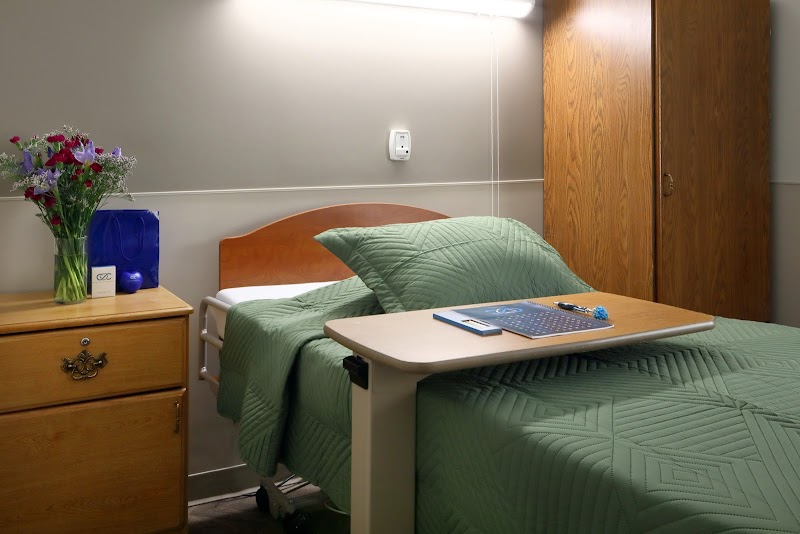
How is Complete Care At Silver Lake Llc Staffed?

CMS rates COMPLETE CARE AT SILVER LAKE LLC's staffing level at 4 out of 5 stars, which is above average compared to other nursing homes. Staff turnover is 36%, compared to the Delaware average of 46%. This relatively stable workforce can support continuity of care.

What Have Inspectors Found at Complete Care At Silver Lake Llc?

State health inspectors documented 30 deficiencies at COMPLETE CARE AT SILVER LAKE LLC during 2022 to 2025. These included: 2 that caused actual resident harm, 27 with potential for harm, and 1 minor or isolated issues. Deficiencies causing actual harm indicate documented cases where residents experienced negative health consequences.
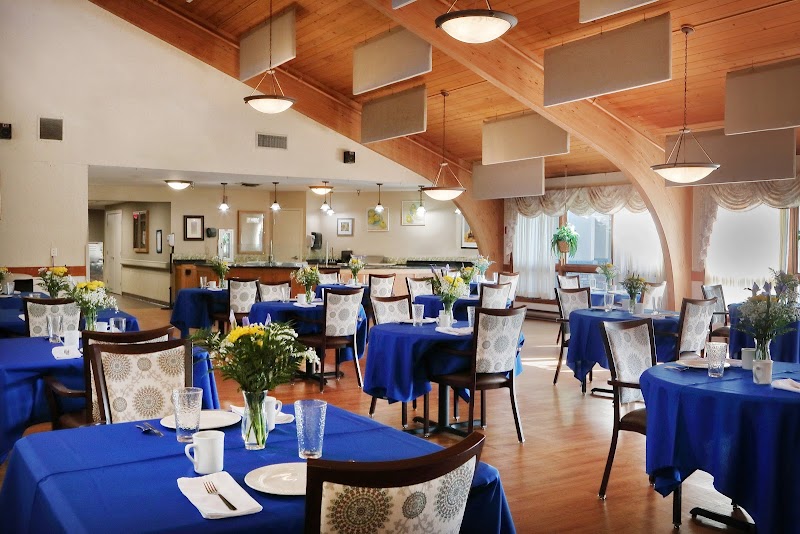
Who Owns and Operates Complete Care At Silver Lake Llc?

COMPLETE CARE AT SILVER LAKE LLC is owned by a for-profit company. For-profit facilities operate as businesses with obligations to shareholders or private owners. The facility is operated by COMPLETE CARE, a chain that manages multiple nursing homes. With 120 certified beds and approximately 114 residents (about 95% occupancy), it is a mid-sized facility located in DOVER, Delaware.
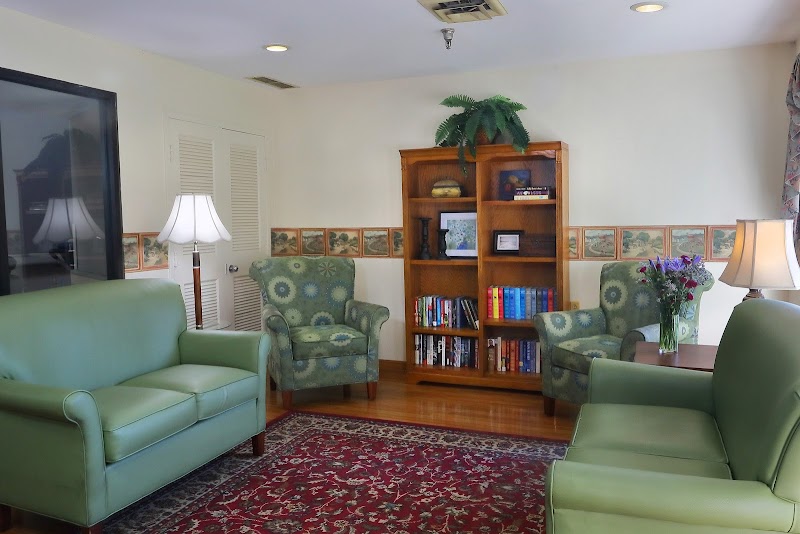
How Does Complete Care At Silver Lake Llc Compare to Other Delaware Nursing Homes?

Compared to the 100 nursing homes in Delaware, COMPLETE CARE AT SILVER LAKE LLC's overall rating (4 stars) is above the state average of 3.3, staff turnover (36%) is significantly lower than the state average of 46%, and health inspection rating (3 stars) is at the national benchmark.

What Should Families Ask When Visiting Complete Care At Silver Lake Llc?

Based on this facility's data, families visiting should ask: "Can I visit during a mealtime to observe dining assistance and food quality?" "How do you handle medical emergencies, and what is your hospital transfer rate?" "Can I speak with family members of current residents about their experience?"

Is Complete Care At Silver Lake Llc Safe?

Based on CMS inspection data, COMPLETE CARE AT SILVER LAKE LLC has a clean safety record: no substantiated abuse findings (meaning no confirmed cases of resident harm), no Immediate Jeopardy citations (the most serious violation level indicating risk of serious injury or death), and is not on the Special Focus Facility watch list (a federal program monitoring the lowest-performing 1% of nursing homes). The facility has a 4-star overall rating and ranks #1 of 100 nursing homes in Delaware. While no facility is perfect, families should still ask about staff-to-resident ratios and recent inspection results during their visit.

Do Nurses at Complete Care At Silver Lake Llc Stick Around?

COMPLETE CARE AT SILVER LAKE LLC has a staff turnover rate of 36%, which is about average for Delaware nursing homes (state average: 46%). Moderate turnover is common in nursing homes, but families should still ask about staff tenure and how the facility maintains care continuity when employees leave.

Was Complete Care At Silver Lake Llc Ever Fined?

COMPLETE CARE AT SILVER LAKE LLC has been fined $57,311 across 2 penalty actions. This is above the Delaware average of $33,652. Fines in this range indicate compliance issues significant enough for CMS to impose meaningful financial consequences. Common causes include delayed correction of deficiencies, repeat violations, or care failures affecting resident safety. Families should ask facility leadership what changes have been made since these penalties.

Is Complete Care At Silver Lake Llc on Any Federal Watch List?

COMPLETE CARE AT SILVER LAKE LLC is not on any federal watch list. The most significant is the Special Focus Facility (SFF) program, which identifies the bottom 1% of nursing homes nationally based on persistent, serious quality problems. Not being on this list means the facility has avoided the pattern of deficiencies that triggers enhanced federal oversight. This is a positive indicator, though families should still review the facility's inspection history directly.